WHITE MEMORIAL MEDICAL CTR DP
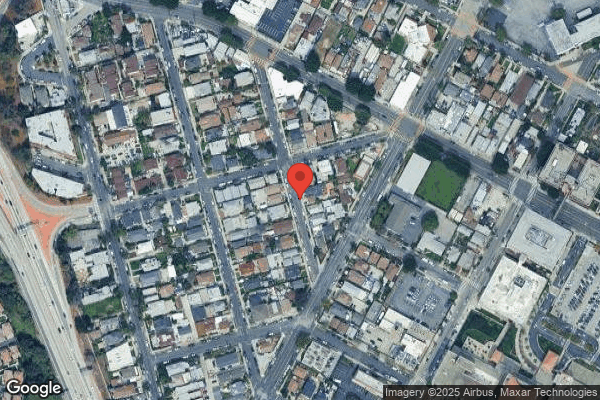

1720 CESAR E. CHAVEZ AVENUE, LOS ANGELES, CA 90033 (323) 268-5000
Non profit - Church related 27 Beds ADVENTIST HEALTH Data: November 2025
Trust Grade
65/100
#722 of 1155 in CA
Last Inspection: May 2024

Within standard 12-15 month inspection cycle. Federal law requires annual inspections.

Overview

White Memorial Medical Center DP has a Trust Grade of C+, which means it is considered decent and slightly above average compared to other facilities. It ranks #722 out of 1155 in California, placing it in the bottom half of the state, and #150 out of 369 in Los Angeles County, indicating limited local competition. The facility is improving, with issues decreasing from 8 in 2023 to 5 in 2024. Staffing is a concern, rated at only 1 out of 5 stars, although they have a commendable 0% turnover rate, suggesting staff continuity. There have been no fines, which is a positive sign. However, there are several concerning incidents, including improper kitchen sanitation practices that could expose residents to foodborne illnesses, as well as failure to offer COVID-19 vaccinations and education to residents, potentially increasing their risk of infection. Overall, while there are strengths, such as low fines and good staff retention, the facility still faces significant challenges in areas of staffing and safety practices.

Trust Score
C+
65/100
In California
#722/1155
Bottom 38%
Safety Record
Low Risk
No red flags
Inspections
Getting Better
8 → 5 violations
Staff Stability
○ Average
Turnover data not reported for this facility.
Penalties
✓ Good
No fines on record. Clean compliance history, better than most California facilities.
Skilled Nurses
○ Average
RN staffing data not reported for this facility.
Violations
⚠ Watch
18 deficiencies on record. Higher than average. Multiple issues found across inspections.
★★★☆☆
3.0
Overall Rating
★☆☆☆☆
1.0
Staff Levels
☆☆☆☆☆
0.0
Care Quality
★★★★☆
4.0
Inspection Score
Stable
2023: 8 issues
2024: 5 issues

The Good

  • Full Sprinkler Coverage · Fire safety systems throughout facility
  • No fines on record

Facility shows strength in fire safety.

The Bad

3-Star Overall Rating

Near California average (3.1)

Meets federal standards, typical of most facilities

Chain: ADVENTIST HEALTH

Part of a multi-facility chain

Ask about local staffing decisions and management

The Ugly 18 deficiencies on record

May 2024 5 deficiencies
CONCERN (D)

Potential for Harm - no one hurt, but risky conditions existed

Pressure Ulcer Prevention (Tag F0686)

Could have caused harm · This affected 1 resident

Based on observation, interview, and record review, the facility failed to prevent the development of a pressure ulcer (refers to localized damage to the skin and/or underlying soft tissue usually ove...

Read full inspector narrative →
Based on observation, interview, and record review, the facility failed to prevent the development of a pressure ulcer (refers to localized damage to the skin and/or underlying soft tissue usually over a bony prominence or related to a medical or other device) for one of one sampled resident (Resident 60) by leaving the resident in chair without a pressure relieving device for five hours and 30 minutes in accordance with the facility policy. This deficient practice had the potential for Resident 60 to develop pressure ulcer. Findings: A review of Resident 60's Face sheet, indicated the facility admitted the resident on 5/7/2024. A review of Resident 60's History and Physical (H&P), dated 5/6/2024, indicated Resident 60 had diagnoses that included sepsis (bloodstream infection) due to infected central venous catheter and end stage renal dialysis (ESRD, a medical condition in which a resident's kidneys cease functioning on a permanent basis leading to the need for a regular course of long-term dialysis [procedure to remove metabolic waste products or toxic substances from the bloodstream] or a kidney transplant to maintain life.) A review of Resident 60's Minimum Data Set (MDS, a standardized assessment and care planning tool), dated 5/13/2024, indicated the resident had intact cognitive (mental action or process of acquiring knowledge and understanding) skills for daily decision making. The MDS indicated Resident 60 required moderate assistance (helper lifts, holds, supports trunk or limbs and provides less than half the effort) for bed mobility including rolling left and right, sit to lying, lying to sitting and required supervision or touching assistance (helper provides verbal cues and/or touching/steadying and/or contact guard assistance as resident completes activity. The MDS indicated Resident 60 did not have pressure ulcer/injuries. The MDS indicated Resident 60 was at risk of developing pressure ulcer/injuries. During multiple observations on 5/19/2024, Resident 60 was sitting on a regular chair at the bedside. At 9:10 AM, Resident 60 was sitting on the chair. At 9:33 AM, Resident 60 was sitting on the chair. At 9:56 AM, Resident 60 was sitting on the chair. At 10:25 AM, Resident 60 was sitting on the chair. At 10:44 AM, Resident 60 was sitting on the chair. At 10:54 AM, Resident 60 was sitting on the chair. At 11:23 AM, Resident 60 was sitting on the chair. At 12:00 PM, Resident 60 was sitting on the chair. At 12:25 PM, Resident 60 was sitting on the chair, eating lunch. At 1:15 PM, Resident 60 was sitting on the chair. At 2:40 PM, Resident 60 was sitting on the chair. During an interview on 5/19/2024 at 2:41 PM, Certified Nursing Assistant 1 (CNA 1) CNA 1 stated Resident 60 had been sitting on the chair since around 9 am. CNA 1 stated Resident 60 needed assistance to stand up from the chair. During a concurrent observation and interview on 5/19/2024 at 2:50 PM, Resident 60 was assisted by CNA 1 to stand up from the chair, after sitting on the chair for almost five hours and 30 minutes. Resident 60 was not steady when he got up and needed to be held by CNA 1, there was a towel under the chair where Resident 60 was sitting on. RN 1 stated there was brown discoloration on Resident 60's sacrococcyx (pertaining to both the triangular-shaped bone at the bottom of the spine and the tailbone) area. Registered Nurse 1 (RN 1) stated the assigned CNA did not inform RN 1 that Resident 60 was sitting on the chair all day. RN 1 stated there was no pressure relieving device on the chair and as prevention, they need to put pressure relieving device on the chair. During a concurrent review of Resident 60's Care Plan and interview on 5/19/2024 at 3:00 PM, the DSD stated there was no care plan developed regarding Resident 60's risk for pressure ulcer development due to Resident 60's preference to stay on the chair all day. A review of Resident 60's care plan on Activities of Daily Living (ADL)/Mobility dated 5/7/2024, indicated Resident 60 required extensive assistance with ADLs. The care plan indicated staff interventions included were to provide assistance as needed with ADLs and to provide assistance with transfers out of bed daily. A review of the facility's Policy and Procedure, Pressure Injury or Skin/Wound Conditions, Assessment, Prevention and Management, dated 11/15/2022, indicated pressure injury prevention involves identifying patients at risk, implementing prevention strategies for all patients identified as being at risk. If appropriate, offload bony prominence and utilize redistribution devices and protective dressings in high risk patients. Unless contraindicated, reposition the patient at least every 2 hours if they are unable to reposition themselves. This can be accomplished through but not limited to repositioning in the bed, bed to chair, chair to bed, sit to stand.
CONCERN (D)

Potential for Harm - no one hurt, but risky conditions existed

Accident Prevention (Tag F0689)

Could have caused harm · This affected 1 resident

Based on observation, interview, and record review, the facility failed to ensure one of one sampled resident (Resident 111) was free from accident hazards in accordance with the facility policy when ...

Read full inspector narrative →
Based on observation, interview, and record review, the facility failed to ensure one of one sampled resident (Resident 111) was free from accident hazards in accordance with the facility policy when Resident 111's Family Member 1 (FM1), who was not provided training on how to assist resident with meals was observed giving the resident a drink through a straw while the resident's head of bed was flat. This deficient practice had the potential for Resident 111 to choke (have severe difficulty in breathing because of a constricted or obstructed throat or a lack of air) or aspirate (occurs when contents such as food, drink, saliva or vomit enters the lungs). Findings: A review of Resident 111's Face sheet, indicated the facility admitted the resident on 5/11/2024. A review of Resident 111's History and Physical (H&P), dated 5/11/2024, the H&P indicated Resident 111 had diagnoses that included osteomyelitis (bone infection) of the right ankle and dementia (long term and often gradual decrease in the ability to think and remember severe enough to affect a person's daily functioning.) During an observation on 5/19/2024 at 12:23 PM, Registered Nurse 1 (RN 1) left Resident 111's bed after checking Resident 111's blood sugar. Resident 111's Family Member 1 (FM 1) gave a drink to Resident 111 through a straw while the head of the bed was flat. During an interview on 5/19/2024 at 12:35 PM, FM 1 stated he assisted Resident 111 with lunch yesterday. During an interview on 5/19/2024 at 4:24 PM, the Director of Nursing (DON) stated the head of the bed needed to be up during meals. The DON stated the family needs to be provided education first prior to being allowed to assist resident with meals to ensure safety. During a concurrent record review and interview on 5/19/2024 at 4:31 PM, the Director of Staff Development stated there was no documentation that FM 1 had been provided education regarding assisting with meals. The DSD stated the family who would assist the resident with meals should be provided with education and supervision to keep the residents safe from aspiration. During a review of Resident 111's Care Plan titled Aspiration Risk initiated on 5/11/2024, indicated to assist keep resident's to elevate head of bed elevated during meal times or feeding times. A review of the facility's Policy and Procedure (P&P) titled, Feeding: Assistance with Meals, dated 4/21/2022, indicated it is the policy of the facility that each resident receives three meals each day and receives assistance per individual resident need. The P&P indicated to ensure that the resident is in upright, sitting position.
CONCERN (E)

Potential for Harm - no one hurt, but risky conditions existed

Deficiency F0578 (Tag F0578)

Could have caused harm · This affected multiple residents

**NOTE- TERMS IN BRACKETS HAVE BEEN EDITED TO PROTECT CONFIDENTIALITY** 2. A review of Resident 60's Face Sheet, indicated the facility admitted the resident on 5/7/2024. A review of Resident 60's His...

Read full inspector narrative →
**NOTE- TERMS IN BRACKETS HAVE BEEN EDITED TO PROTECT CONFIDENTIALITY** 2. A review of Resident 60's Face Sheet, indicated the facility admitted the resident on 5/7/2024. A review of Resident 60's History and Physical (H&P) dated 5/6/2024, the H&P indicated Resident 60 had diagnoses that included sepsis (bloodstream infection) due to infected central venous catheter and end stage renal dialysis (ESRD, a medical condition in which a resident's kidneys cease functioning on a permanent basis leading to the need for a regular course of long-term dialysis [procedure to remove metabolic waste products or toxic substances from the bloodstream] or a kidney transplant to maintain life.) A review of Resident 60's MDS, dated [DATE], indicated the resident had an intact cognitive skills for daily decision making. The MDS indicated Resident 60 required moderate assistance (helper lifts, holds, supports trunk or limbs and provides less than half the effort) for bed mobility including rolling left and right, sit to lying, lying to sitting and required supervision or touching assistance (helper provides verbal cues and/or touching/steadying and/or contact guard assistance as resident completes activity. During a concurrent record review and interview on 5/18/2024 at 2:14 PM, there was no advance directive in Resident 60's chart. The Director of Staff Development (DSD) stated there was no documentation that would indicate information was provided to the resident regarding formulating an advance directive or an inquiry was made if the resident had an advance directive. 3. A review of Resident 111's Face Sheet, indicated the facility admitted the resident on 5/11/2024. A review of Resident 111's H&P dated 5/11/2024, the H&P indicated Resident 111 had diagnoses that included osteomyelitis (bone infection) of the right ankle, dementia (long term and often gradual decrease in the ability to think and remember severe enough to affect a person's daily functioning.) The H&P indicated the resident was alert, demented, and bedbound. During a concurrent record review and interview on 5/18/2024 at 2:48 pm, DSD stated there was no documentation that would indicate information was provided to the resident regarding formulating an advance directive or an inquiry was made if the resident had an advance directive. The DSD stated it was important to provide information regarding formulating an advance directive or an inquiry was made if there was an advance directive in order to know the resident's wishes in the event of an emergency. Based on interview and record review, the facility failed to ensure three (3) of four (4) sampled Residents (Residents 4, 60, and 111) and/or the Residents' representatives were informed and provided written information regarding the right to formulate an advance directive (a written statement of a resident's wishes regarding medical treatment, often including a living will, made to ensure those wishes are carried out should the resident be unable to communicate them to the doctor). This deficient practice had the potential for Residents 4, 60, and 111 and/or residents' representative to not know their rights and cause conflict in carrying out the Residents wishes for medical treatment and health care decisions. Findings: 1. A record review of Resident 4's Face Sheet (FS) indicated the resident was admitted to the facility on [DATE]. The FS indicated Family Member 1 was Resident 4's responsible party. A record review of Resident 4's History and Physical (H&P), dated 4/15/2024, indicated Resident 4 had diagnoses that included diabetes (elevated blood sugar), hypertension (elevated blood pressure) and osteomyelitis (inflammation of bone caused by infection). A record review of Resident 4's Minimum Data Set (MDS, a resident assessment and care-screening tool), dated 4/26/2024, indicated Resident 4's had an acute (severe sudden onset) change in mental status and was severely impaired with cognitive skills (mental action or process of acquiring knowledge and understanding) for daily decision making. The MDS indicated Resident 4 needed maximal assistance (helper does more than half the effort) with oral and toilet hygiene, upper and lower body dressing, and sit to stand (ability to stand from sitting on a chair). A record review of Resident 4's Case Manager (CM)/Social Worker (SW) Screening Document, dated 4/16/024, completed by the Social Services Director (SSD), indicated Resident 4 did not have an Advance Directive (AD) and SW was unable to obtain a response if the resident wished to receive more AD information. During a concurrent record review of Resident 4's paper and electronic chart and interview with the Social Worker (SW) on 5/18/24 at 2:53 PM, the SW stated there was no documented evidence that Resident 4's representative was contacted and provided information on formulating an AD. SW stated if the resident was not able make decisions, then the facility should have inquired with the resident's representative. SW stated AD was important to know what the wishes of the Resident or their representatives were regarding care. During an interview with the Director of Nursing (DON) n 5/18/24 at 5:58 PM, the DON stated AD was a way to ensure resident's wishes were followed, in the event the resident becomes incapacitated (deprived of capacity or natural power, made incapable of or unfit for normal functioning) or in a emergency situation. A record review of the facility's Policy and Procedure, reviewed on 8/1/2009, indicated the facility will provide to each adult individual and emancipated minor (legal mechanism by which a minor before attaining the age of majority is freed from control by their parents or guardians), at the time of admission . written information describing: an individual's right under California statutes and court decisions to accept or refuse medical or surgical treatment even if the treatment is life-sustaining and to formulate and AD. The hospitals policies regarding these rights to make health care decisions and to formulate AD, and regarding the way such decisions and directives will be implemented in the hospital. A copy of the AD will be placed in the patients medical record.
CONCERN (E)

Potential for Harm - no one hurt, but risky conditions existed

Food Safety (Tag F0812)

Could have caused harm · This affected multiple residents

Based on observation, interview, and record review, the facility failed to ensure safe and sanitary conditions were maintained in the kitchen as indicated on the facility policy when: 1. Dietary Aid ...

Read full inspector narrative →
Based on observation, interview, and record review, the facility failed to ensure safe and sanitary conditions were maintained in the kitchen as indicated on the facility policy when: 1. Dietary Aid 1 (DA 1) and Dietary Aid 2 (DA 2), observed with a beard, did not have a beard cover, while in the kitchen food preparation area. 2. An opened bottle of browning and seasoning sauce and a 60 ounce (oz, unit of mass, weight or volume) container of crushed pepper was observed unlabeled and undated. These deficient practices had the potential to result in pathogen (germ) exposure to residents, which could place the residents at risk for developing foodborne illness (food poisoning with symptoms including upset stomach, stomach cramps, nausea, vomiting, diarrhea, and fever) which could lead to other serious medical complications and hospitalization. Findings: 1. During an observation in the facility kitchen, on 5/19/2024 at 11:44 AM, Dietary [NAME] 2 (DA 2), who had visible beard, was observed scooping rice from one tray to another. DA 2 did not have a beard cover on. During an observation in the facility kitchen of the food assembly train tray line that served food to the residents, on 5/19/2024 at 11:45 AM, Dietary [NAME] 1 was observed with a visible beard. DA 1 was did not have a beard cover on. During an observation and concurrent interview with the Director of Dietary Services (DDS), on 5/19/2024 at 11:46 AM, DDS stated kitchen staff needed to wear a beard net if they had a beard longer than a quarter of an inch long. DDS stated it was important to wear a beard net because food or debris can be entrapped in the beard and had the possibility to fall into the resident's food. A review of the facility's Policy and Procedure titled, Employee Handwashing and Infection Prevention, reviewed on 5/18/2021, indicated to provide guidelines for employee hygiene specific to food preparation and service. Clothing and Grooming: food employees shall wear hair constraints which cover and contain head and facial hair such as hats, hair covering or nets, beard restraints, and clothing that covers and contains body hair. Hair constraints will be designed and worn to effectively keep hair from containing exposed food . 2. During an initial tour of the kitchen, with the Dietary Supervisor (DS), on 5/17/2024 at 7:38 PM, with the Dietary Supervisor (DS), an opened bottle of browning and seasoning sauce and a 60 oz container of crushed pepper were observed unlabeled and undated. DS stated any seasoning should be labeled with an opened and used by date. During an interview with the Facility Registered Dietician (RD), on 5/19/2024 at 2:58 PM, the RD stated it was critical to label all foods with the used by date and the type of food to ensure quality and safety for the residents. A record review of the facility's Policy and Procedure titled, Food Storage, reviewed on 10/18/2022, indicated the hospital stores food and nutrition products using proper sanitation, temperature, light, moisture, ventilation, and security. All stored foods must be properly labeled and dated with product name, date product opened or prepared date, and use by date.
CONCERN (E)

Potential for Harm - no one hurt, but risky conditions existed

Deficiency F0887 (Tag F0887)

Could have caused harm · This affected multiple residents

**NOTE- TERMS IN BRACKETS HAVE BEEN EDITED TO PROTECT CONFIDENTIALITY** Based on interview and record review, the facility failed to offer five (5) of 5 sampled residents (Residents 4, 60, 61, 62, and...

Read full inspector narrative →
**NOTE- TERMS IN BRACKETS HAVE BEEN EDITED TO PROTECT CONFIDENTIALITY** Based on interview and record review, the facility failed to offer five (5) of 5 sampled residents (Residents 4, 60, 61, 62, and 110) the Covid-19 (a respiratory viral infection that affects primarily the lungs and result in cough and difficulty breathing) vaccine (substance used to stimulate immunity to particular infectious disease) and failed to provide a documented evidence that the resident or their the resident's responsible party (RP) were provided education regarding the benefits and potential risks associated with COVID-19 vaccine. This deficient practice had the potential to expose the residents of the facility to Covid-19 infection. Findings: 1. A record review of Resident 4's Face Sheet, indicated the resident was admitted to the facility on [DATE] with a diagnosis of right foot osteomyelitis (inflammation of bone caused by infection). A record review of Resident 4's History and Physical (H&P), dated 4/15/2024, indicated Resident 4 had diagnoses that included diabetes (elevated blood sugar), hypertension (elevated blood pressure) and osteomyelitis (inflammation of bone caused by infection). A record review of Resident 4's Minimum Data Set (MDS, a resident assessment and care-screening tool), dated 4/26/2024, indicated Resident 4's had an acute (severe sudden onset) change in mental status and was severely impaired with cognitive skills for daily decision making. The MDS indicated Resident 4 needed maximal assistance (helper does more than half the effort) with oral and toilet hygiene, upper and lower body dressing, and sit to stand (ability to stand from sitting on a chair). 2. A review of Resident 60's Face Sheet, indicated the resident was admitted on [DATE]. A review of Resident 60's H&P, dated 5/6/2024, indicated Resident 60 had diagnoses that included sepsis (bloodstream infection) due to infected central venous catheter and end stage renal dialysis (ESRD, a medical condition in which a resident's kidneys cease functioning on a permanent basis leading to the need for a regular course of long-term dialysis [procedure to remove metabolic waste products or toxic substances from the bloodstream] or a kidney transplant to maintain life). A review of Resident 60's MDS, dated [DATE], indicated Resident 60 had intact cognitive skills for daily decision making and needed moderate assistance (helper provided less than half the effort) for bed mobility, sit to lying, and lying to sitting. 3. A record review of Resident 61's Face Sheet, indicated the resident was admitted to the facility on [DATE] with a diagnosis of right-side weakness. A record review of Resident 61's H&P, dated 5/9/2024, indicated Resident 61 had diagnoses that included diabetes (elevated blood sugar), hypertension (elevated blood pressure), and stroke (a loss of blood flow to part of the brain, which damages brain tissue). 4. A record review of Resident 62's Face Sheet, indicated Resident 62 was admitted to the facility on [DATE] with the diagnosis of dislocated left shoulder arthroplasty (joint replacement). A record review of Resident 62 H&P, dated 5/2/2024, indicated Resident 62 had diagnoses that included atrial fibrillation (irregular heartbeats), hypertension (elevated blood pressure) and impaired mobility. A record review of Resident 62's MDS, dated [DATE], indicated Resident 62 had intact cognitive skills for daily decision making, had clear speech, and was able to understand and be understood. The MDS indicated Resident 62 needed partial to moderate assistance (helper does less than half the effort) with dressing, personal hygiene, laying to sitting position and transfers. 5. A record review of Resident 110's Physician's Face Sheet, indicated the resident was admitted to the facility on [DATE] with the diagnosis of complicated urinary tract infection (UTI, an infection in any part of the urinary system, the kidneys, bladder, or urethra). A record review of Resident 110's H&P, dated 4/21/2024, indicated Resident 110 had diagnoses that included diabetes (elevated blood sugar), cirrhosis (liver damage), and morbid obesity (severely overweight). A record review of Resident 110's MDS, dated [DATE], indicated Resident 110 had intact cognitive skills for daily decision making, had clear speech, and was able to understand and be understood. During a concurrent record review of Residents 4, 60, 61, 62, and 110 clinical record with the Infection Control Preventionist (ICP) on 5/19/24 at 10:10 AM, the IP stated was unable to locate any documentation to indicate that vaccine or the residents' boosters were offered. IP stated residents should have been offered Covid-19 vaccines and their boosters upon admission. IP stated it was important to offer vaccinations and their boosters for the resident's overall health. During an interview with the Director of Risk Management and Infection Control (DRMIC) on 5/19/24 at 12:40 PM, the DRMIC stated there were no documentation to indicate if the residents were offered, have agreed or declined to take the Covid-19 vaccine or booster shots. The DRMIC stated Residents 4, 60, 61, 62, and 110 did not have a COVID-19 Vaccination Acknowledgement Form or Vaccination Log. The DRMIC stated it was important to offer the Covid-19 vaccine to residents, and to provide education to keep them safe. The DRMIC stated the entire community needed to be informed to ensure safety. The DRMIC stated documentation of the COVID-19 vaccine in the resident's medical record was important to ensure acknowledgement, consent was obtained, and to ensure education and continuity of care. A record review of the facility's Policy and Procedure titled, Procedural Guidelines for Administration of Pneumococcal, Influenza Vaccine and COVID-19- Skilled Nursing Facility (SNF), dated 4/19/2022, indicated to ensure a process for vaccination for influenza, pneumococcal pneumonia, and COVID-19 in the logn-term care setting. All residents will be provided with vaccination information upon admission. Residents will be vaccinated as appropriate. Vaccine administration will be recorded in the resident's medical record. COVID-19 vaccinations: upon admission the resident will be screened by licensed nursing staff for COVID-19 vaccination status and risk for acquiring highly contagious mild to severe COVID-19 infection and death. If the resident has not received the COVID-19 vaccination or if the resident meets the criteria for the second dose and booster dose of the COVID-19 vaccination, utilize the COVID-19 vaccination Scope of Practice to administer the vaccine. Document vaccine administration per facility process and standards - medical records, documentation, and vaccination logs.
Jun 2023 8 deficiencies
CONCERN (D)

Potential for Harm - no one hurt, but risky conditions existed

Resident Rights (Tag F0550)

Could have caused harm · This affected 1 resident

**NOTE- TERMS IN BRACKETS HAVE BEEN EDITED TO PROTECT CONFIDENTIALITY** Based on observation, interview, and record review, the facility failed to treat one (1) of eight (8) sampled residents (Residen...

Read full inspector narrative →
**NOTE- TERMS IN BRACKETS HAVE BEEN EDITED TO PROTECT CONFIDENTIALITY** Based on observation, interview, and record review, the facility failed to treat one (1) of eight (8) sampled residents (Resident 13) with dignity and respect in accordance with the facility's Privacy and Dignity of Residents policy and procedure. This deficient practice had the potential to result in decreased self-esteem and self-worth of Resident 13. Cross Reference F656 Findings: A review of Resident 13's Registration Record (admission record) indicated the facility admitted Resident 13 on 6/9/2023 with diagnoses of bacteremia (viable bacteria in the blood) nephrolithiasis (kidney stones). A review of Resident 13's Edema (swelling caused due to excess fluid accumulation) care plan dated, 6/8/2023, indicated Resident 13 had the presence of scrotal edema (a type of swelling in the pouch of skin that holds the testicles). The care plan interventions included were for the nursing staff (in general) to keep the area clean and dry at all times. A review of Resident 13's History and Physical (H&P), dated 6/12/2023, indicated Resident 13 was alert and oriented. The H&P indicated Resident 13 had scrotal edema A review of Resident 13's Minimum Data Set (MDS, assessment and care screening tool), 6/14/2023, indicated Resident 13 was totally dependent on staff for toileting, dressing, bed transfers, and mobility. During an observation and interview on 6/17/2023, at 7:39 am, inside Resident 13's room, Resident 13 was awake and alert lying in bed. Resident 13 requested Certified Nurse Assistant 1 (CNA 1) and Registered Nurse 1 (RN 1) to reposition him. Resident 13 had a soiled pillowcase folded under his scrotum. Resident 13's scrotal area was swollen and stated he did not know he had a pillowcase under his scrotum and did not know who placed it. Resident 13 stated he was uncomfortable. During an interview on 6/17/2023, at 8:24 am, RN 1 stated the pillowcase was to cover the pillow and not to be used under Resident 13's scrotal area. RN 1 stated she did not know who placed it. RN 1 stated Resident 13's scrotal area was enlarged and was draining fluid. RN 1 stated Resident 13 was admitted on [DATE] and was not sure regarding the care plan which was dated as 6/8/2023. During an interview on 6/17/2023, at 10:02 am, CNA 1 stated she placed a pillowcase under Resident 13's scrotal (unidentified time) to keep Resident 13's scrotum area clean and to prevent bad odors. During an interview on 6/18/2023, at 3:30 pm, the Nurse Manager (NM) stated pillowcases were to be used for pillows and not to be used on Resident 13's scrotal area. The NM stated Resident 13's scrotal edema care plan was missing the intervention to address how to elevate Resident 13's scrotum such as with a scrotal support. The NM stated the pillowcase under Resident 13 was a dignity issue. A review of the facility's Privacy and Dignity of Residents policy and procedure, with a review date of 4/21/2022, indicated the residents in the Skilled Nursing Facility (SNF) would be treated with kindness, dignity, respect, and sensitivity to the resident's right to privacy.
CONCERN (D)

Potential for Harm - no one hurt, but risky conditions existed

Deficiency F0578 (Tag F0578)

Could have caused harm · This affected 1 resident

Based on observation, interview, and record review, the facility failed to follow its policy on Advanced Directives (written instructionrecognized under State law relating to the provision of health c...

Read full inspector narrative →
Based on observation, interview, and record review, the facility failed to follow its policy on Advanced Directives (written instructionrecognized under State law relating to the provision of health care when the individual is incapacitated [inability to perform regular daily activities because of a serious health condition]) by failing to inform and provide documented notification for 1 of 8 sampled residents (Resident 11) of the right to formulate an advanced directive. This deficient practice had the potential to deny Resident 11 the right to request or refuse medical care and treatment. Findings: A review of Resident 11's Registration Record indicated the facility admitted the resident on 5/26/2023 with an initial diagnosis of right foot gangrene (dead tissue). A review of Resident 11's H&P, dated 5/26/2023, indicated the resident had diagnoses that included Cerebral Vascular Accident (CVA, death of some brain cells due to lack of oxygen when the blood flow to the brain is impaired) with residual left sided weakness, end stage renal disease (ESRD, medical condition in which a person's kidneys cease functioning on a permanent basis leading to the need for a regular course of long-term dialysis or a kidney transplant to maintain life) requiring dialysis (treatment to remove toxins from the blood) and right gangrenous foot which required right above knee amputation (AKA). A review of Resident 11's Conditions of Registration, dated 6/3/2023, revealed the section titled, Patient Self Determination Act, which indicated the resident had been furnished information regarding advanced directives did not have a required response by the resident. A review of Resident 11's Minimum Data Set (MDS, assessment and care screening tool), dated 6/8/2023, indicated Resident 11 was cognitively (mental action or process of acquiring knowledge and understanding) intact. During an interview on 6/18/2023 at 7:44 am, Resident 11 stated he did not know what advanced directives were and was not provided information on advanced directives. During an interview on 6/18/2023 at 2:25 pm, Nurse Manager (NM) stated when residents are admitted to the facility, it is the responsibility of the admitting nurse to go over all the resident rights and advanced directives. NM stated the conditions of registration should be complete to ensure residents are given all the correct information in detail. The NM stated the section about advanced directives gave the residents the opportunity to have a choice in what care they would receive in case of an emergency. The NM1 reviewed the Conditions of Registration for Resident 11 and confirmed the advanced directive section was blank. The NM stated it was important to complete all element of the conditions of admission and advanced directive section because it was a requirement for each resident admitted to the facility. The NM stated all elements needed to be checked of to ensure the admitting nurse asked about advanced directives and provided education on advanced directive. A review of a facility policy titled, Advanced Directives, revised 3/12/2020, indicated as part of the admission process, the admission clerk will provide all patients including inpatients, observation status, emergency department, and same day surgery with information regarding patients' rights and advance directives. 2. During the admission process, or as soon therefore as reasonably possible, the clerk will ask the patient whether he/she has completed an advance directive or wishes to do so. 3. If an Advance Directive has been completed, the clerk will ask for a copy of the Advance Directive so that it may be placed in the patient's medical record as soon as possible. 4. If the patient has an Advance Directive but does not have it upon admission to the hospital, the nursing staff will follow-up with the patient and/or the patient's family, as appropriate to the situation. The follow-up will be documented in the patient's clinical record. 5. If the patient does not have an Advance Directive and wishes to obtain more information, the nursing staff must enter a task communication for the Social Worker. The Social Worker will then evaluate the patient and offer resources accordingly.
CONCERN (D)

Potential for Harm - no one hurt, but risky conditions existed

Comprehensive Care Plan (Tag F0656)

Could have caused harm · This affected 1 resident

**NOTE- TERMS IN BRACKETS HAVE BEEN EDITED TO PROTECT CONFIDENTIALITY** Based on interview, observation, and record review the facility failed to develop and implement an individualized and comprehens...

Read full inspector narrative →
**NOTE- TERMS IN BRACKETS HAVE BEEN EDITED TO PROTECT CONFIDENTIALITY** Based on interview, observation, and record review the facility failed to develop and implement an individualized and comprehensive care plan to meet the individual needs for two (2) of 8 sampled residents (Resident 11 and Resident 13) by failing to: 1. Implement interventions outlined in Resident 11's care plan indicating the need to ensure the residents blood glucose (blood sugar found in the blood, which is the body's primary source of energy) levels were maintained within the normal range of 80-100 milligrams (mg)/deciliter (dL, metric unit of capacity). 2. Implement interventions to address Resident 13's scrotal edema (a type of swelling in the pouch of skin that holds the testicles). These deficient practices placed Residents 11 and 13 at risk for lack or delay in delivery of care and services necessary for the residents' overall well being. Cross reference: F550 for Resident 13 Findings 1. A review of Resident 11's Registration Record (admission record) indicated the facility admitted the resident on 5/26/2023 with an initial diagnosis of right foot gangrene (dead tissue). A review of Resident 11's History and Physical (H&P) included diagnoses of Cerebral Vascular Accident (CVA) with residual left sided weakness, ends stage renal disease (ESRD) requiring dialysis and right gangrenous foot required right above knee amputation (AKA) and DM. A review of Resident 11's Care Plan titled, Alteration in Blood Sugar related to Diabetes Mellitus (DM, disease in which the body does not control the amount of glucose [a type of sugar] in the blood and the kidneys make a large amount of urine), dated 5/23/2023, indicated the facility was to provide interventions to maintain Resident 11's blood glucose levels between 80-100 mg/dL. The care plan indicated the interventions included were to monitor for signs and symptoms of hyperglycemia (high blood sugar), check blood sugar if present and notify physician, laboratory tests as ordered, medication and treatment as ordered, provide diabetic snacks, and chemstrips (used for rapid measurement of glucose) with insulin sliding scale (varies the dose of insulin [a hormone that lowers the level of glucose in the blood] based on blood glucose level as ordered. A review of Resident 11's Minimum Data Set (MDS), dated [DATE], indicated the resident was cognitively intact. A review of Resident 11's Patient Medication Profile, dated 6/18/2023, at 7:16 am, revealed the resident did not have any insulin ordered or other diabetic management medications. A review of Resident 11's Active Medication Orders as of 6/18/2023 at 5:15 pm, revealed Resident 11 did not have any orders for blood glucose checks. During an interview on 6/17/2023 at 7:55 am, Resident 11 stated he was a diabetic and due to diabetic complications, he had to have a right BKA. Resident 11 stated the facility had not been monitoring his blood sugar and has not had his blood sugar checked since admission. During a concurrent record review and interview 6/17/2023 at 10:39 am, Registered Nurse 1 (RN1) stated Resident 11 was not on any insulin or diabetic medication and was not having his blood sugar monitored. RN1 stated she did not know if the care plan needed to be specific and the diabetic care plan was the same for all diabetics. RN1 confirmed the care plan indicated Resident 11 was to have accuchecks (blood glucose measuring) and confirmed there was no physician order for it. RN1 stated every nurse each shift was responsible to review the medical record of the residents they were caring for and if an order was missing, they need to call the doctor. RN1 stated there was no evidence in Resident 11's clinical record indicating the doctor was notified about diabetic orders. RN1 confirmed Resident 11 had not had an accucheck since admission on [DATE]. During a concurrent interview and record review on 6/17/2023 at 2:25 pm, Nurse Manager (NM) stated Resident 11's care plan was not specific or individualized. NM stated an order should have been obtained for the blood sugar checks to maintain Resident 11's blood sugar in the normal range. 2. A review of Resident 13's Registration Record indicated the facility admitted Resident 13 on 6/9/2023 with diagnoses of bacteremia (viable bacteria in the blood) Nephrolithiasis (kidney stones). A review of Resident 13's Edema (swelling caused due to excess fluid accumulation) care plan, dated 6/8/2023, indicated Resident 13 had the presence of scrotal edema (a type of swelling in the pouch of skin that holds the testicles). The care plan interventions included for the nursing staff (in general) to keep the area clean and dry at all times. A review of Resident 13's History and Physical (H&P), dated 6/12/2023, indicated Resident 13 was alert and oriented. The H&P indicated Resident 13 had scrotal edema A review of Resident 13's MDS, dated [DATE], indicated Resident 13 was totally dependent on staff for toileting, dressing, bed transfers, and mobility. During an observation and interview on 6/17/2023, at 7:39 am, inside Resident 13's room, Resident 13 was awake and alert lying in bed. Resident 13 requested Certified Nurse Assistant 1 (CNA 1) and RN 1 to reposition him. Resident 13 had a soiled pillowcase folded under his scrotum. Resident 13's scrotal area was swollen and stated he did not know he had a pillowcase under his scrotum and did not know who placed it. Resident 13 stated he was uncomfortable. During an interview on 6/17/2023, at 8:24 am, RN 1 stated the pillowcase was to cover the pillow and not to be used under Resident 13's scrotal area. RN 1 stated she did not know who placed it. RN 1 stated Resident 13's scrotal area was enlarged and was draining fluid. RN 1 stated Resident 13 was admitted on [DATE] and was not sure regarding the care plan was dated as 6/8/2023. During an interview on 6/17/2023, at 10:02 am, CNA 1 stated she placed a pillowcase under Resident 13's scrotal (unidentified time) to keep Resident 13's scrotum area clean and to prevent bad odors. During an interview on 6/18/2023, at 3:30 pm, the NM stated pillowcases were to be used for pillows and not to be used on Resident 13's scrotal area. The NM stated Resident 13's scrotal edema care plan was missing the intervention to address how to elevate Resident 13's scrotum such as with a scrotal support. A review of a facility policy titled, Nursing Care Plan, Collaborative Policy, dated 08/01/2010, indicated an individual power plan is to be established for every patient admitted to the (facility). The policy indicated the care plan provide the nurse the ability to prioritize the patient's goals of therapy and interdisciplinary treatment objectives and supports the RN in updating the priority of care and treatment goals at each change of shift.
CONCERN (D)

Potential for Harm - no one hurt, but risky conditions existed

Deficiency F0679 (Tag F0679)

Could have caused harm · This affected 1 resident

Based on observation, interview, and record review, the facility failed to develop an activity plan for 1 of 8 sampled residents (Resident 13) that reflected his needs and interests as indicated in th...

Read full inspector narrative →
Based on observation, interview, and record review, the facility failed to develop an activity plan for 1 of 8 sampled residents (Resident 13) that reflected his needs and interests as indicated in the Activity Program Overview policy and procedure. This deficient practice had the potential for Resident 13 to experience boredom. Findings: A review of Resident 13's Registration Record (admission record) indicated the facility admitted Resident 13 on 6/9/2023 with diagnoses of Bacteremia (viable bacteria in the blood) Nephrolithiasis (kidney stones). A review of Resident 13's History and Physical (H&P), dated 6/12/2023, indicated Resident 13 was alert and oriented. A review of Resident 13's Minimum Data Set (MDS, assessment and care screening tool), 6/14/2023, indicated Resident 13 was totally dependent on staff for toileting, dressing, bed transfers, and mobility. During an observation and interview on 6/17/2023, at 7:39 am, inside Resident 13's room, Resident 13 was awake and alert lying in bed. Resident 13 stated he was always in bed and was bored. Resident 13 stated he enjoyed the company of people who spoke his native language. During an interview on 6/17/2023, at 3:30 pm, the facility's Activities Assistant (AA) she was responsible for the activities department. The AA stated Resident 13 was grumpy, and did not like to participate in activities. AA stated she did not have evidence of any documentation regarding Resident 13's activities. During an interview on 6/18/2023, at 2:34 pm, the facility's Nurse Manager (NM) stated AA needed to offer activities to the residents (in general) and the expectation was for the AA to document which activities were offered and to document whether Resident 13 preferred not to participate. The NM stated activities were important to lift your spirit, and alleviate boredom. A review of the facility's Activity Program Overview policy and procedure, with a review date of 4/21/2022, indicated the activity director would develop an individual activity plan for each resident that reflected their needs and interests.
CONCERN (D)

Potential for Harm - no one hurt, but risky conditions existed

Pressure Ulcer Prevention (Tag F0686)

Could have caused harm · This affected 1 resident

Based on observation, interview, and record review, the facility failed to ensure 1 of 1 sampled resident (Resident 13) who was at risk for skin breakdown and pressure injuries (PI, areas of damaged s...

Read full inspector narrative →
Based on observation, interview, and record review, the facility failed to ensure 1 of 1 sampled resident (Resident 13) who was at risk for skin breakdown and pressure injuries (PI, areas of damaged skin caused by staying in one position for too long), had interventions to prevent PIs. This deficient practice had the potential for Resident 13 to develop PIs which could lead to discomfort, hospitalization and death. Findings: A review of Resident 13's Registration Record (admission record) indicated the facility admitted Resident 13 on 6/9/2023 with diagnoses of bacteremia (viable bacteria in the blood) and nephrolithiasis (kidney stones). A review of Resident 13's Skin Breakdown/Potential care plan dated 6/8/2023, indicated Resident 13 had the potential for skin breakdown due to incontinence (is the involuntary loss or leakage of urine or feces), and one of the nursing interventions was to provide pressure relieving devices as appropriate. A review of Resident 13's Measurements, dated 6/10/2023, timed at 12:30 pm, indicated Resident 13 weighed 88.8 kilograms (kg, a unit of mass). A review of Resident 13's History and Physical (H&P), dated 6/12/2023, indicated Resident 13 was alert and oriented. The H&P indicated Resident 13 had scrotal edema (a type of swelling in the pouch of skin that holds the testicles). A review of Resident 13's Minimum Data Set (MDS, assessment and care screening tool), dated 6/14/2023, indicated Resident 13 was totally dependent on staff for toileting, dressing, bed transfers, and mobility. The MDS indicated Resident 13 was at risk for PIs. During an observation and interview on 6/17/2023, at 7:39 am, inside Resident 13's room, Resident 13 was awake and alert lying in bed. Resident 13 requested Certified Nurse Assistant 1 (CNA 1) and Registered Nurse 1 (RN 1) to reposition him. Resident 13 had a soiled pillowcase folded under his scrotum. Resident 13's scrotal area was swollen and stated he did not know he had a pillowcase under his scrotum and did not know who placed it. Resident 13 stated he was uncomfortable and stated felt as if there was a hole on his mattress. During a concurrent observation and interview on 6/17/2023, at 7:41 am, inside Resident 13's room, RN 1 stated Resident 13 was lying on a Low Air Loss mattress (LAL, mattress that operates using a blower-based pump that was designed to circulate a constant flow of air), and on a ATR (a turning and reposition system sheet), and on a incontinence pad. RN 1 stated she did not know if the ATR was compatible with the LAL mattress. RN 1 stated the ATR was used to reposition Resident 13 while in bed. During an interview on 6/17/2023, at 8:24 am, RN 1 stated the pillowcase was to cover the pillow and not to be used under Resident 13's scrotal area. RN 1 stated she did not know who placed the pillowcase. RN 1 stated Resident 13's scrotal area was enlarged and was draining fluid. RN 1 stated the soiled pillowcase should not be under Resident 13's scrotum because it would cause skin breakdown. During an interview on 6/17/2023, at 10:02 am, CNA 1 stated she placed a pillowcase under Resident 13's scrotal (unidentified time) to keep Resident 13's scrotum area clean and to prevent bad odors. CNA 1 stated Resident 13 would lay on the ATR the entire day. During an interview on 6/17/2023, at 9:54 am, RN 2 stated Resident 13's LAL mattress was set at a level six (6). RN 2 stated Resident 13's LAL was set at a wrong level. RN 2 stated based on Resident 13's weight of 88.8 kg and the LAL mattress should have a level five. RN 2 stated the LAL needed to have the correct setting level based on Resident 13's weight to help prevent any skin wounds. RN 2 stated she did not know if the ATR was compatible with the LAL mattress. During an observation on 6/18/2023, at 6:10 am, Resident 13 was lying on a LAL mattress and with the ATR sheet. During an interview on 6/18/2023, at 3:30 pm, the Nurse Manager (NM) stated pillowcases were to be used for pillows and not to be used on Resident 13's scrotal area. The NM stated Resident 13's scrotal edema care plan was missing the intervention to address how to elevate Resident 13's scrotum such as with a scrotal support. During an interview on 6/18/2023, at 2:38 pm, the NM stated the LAL mattress in general needed to be at the correct setting level based on the resident's weight for skin management or to promote healing. NM stated the facility did not have policies regarding the ATR and the LAL. The NM stated the LAL's user's manual did not indicate how many sheets were supposed to be used with he LAL mattress. A review of the facility's Pressure Injury or Skin/wound Conditions-Assessment, Prevention and Management policy and procedure, with a revision date of 5/4/2022, indicated to assess and document resident skin risk, develop a plan of care for prevention and/or management of skin condition, wound or pressure injury. A review of the facility's undated Skin Guard Mattress Series Owner's manual, indicated to use the weight settings to adjust the settings. The manual indicated level four (4) for 85 kgs to 94 kgs, level five (5) 95 kgs, and level 6 for 110 kgs.
CONCERN (D)

Potential for Harm - no one hurt, but risky conditions existed

Deficiency F0694 (Tag F0694)

Could have caused harm · This affected 1 resident

Based on observation, interview, and record review, the facility failed to ensure the intravenous (IV, is a therapy that delivers liquid substances directly into a vein) tubing was labeled for 1 of 1 ...

Read full inspector narrative →
Based on observation, interview, and record review, the facility failed to ensure the intravenous (IV, is a therapy that delivers liquid substances directly into a vein) tubing was labeled for 1 of 1 sampled resident (Resident 15) as indicated in the facility's Intravenous Therapy, Peripheral Site Maintenance Policy and Procedure. This deficient practice placed Resident 15 at risk for IV complications. Findings: A review of Resident 15's Registration Record (admission record) indicated the facility admitted the resident on 6/15/2023 with diagnosis of metabolic acidosis (too much acid in the blood). A review of Resident 15's Peripheral Line care plan, dated 6/14/2023, indicated Resident 15 would not have infection at the site and one of the nursing interventions was to monitor Resident 15's site every shift for signs and symptoms of infection. A review of Resident 15's History and Physical (H&P), dated 6/17/2023, indicated Resident 15 was alert and oriented. During an observation and interview on 6/18/2023 at 8:16 am, inside Resident 15's room, Resident 15 was alert and awake lying in bed. Registered Nurse 1 (RN 1) stated Resident 15 had a 22-gauge IV access to her right upper arm. RN 1 stated Resident 15's IV site was not labeled. RN 1 stated the IV site needed to be label so the nurses (in general) would know when the dressing needed to be changed for infection control practices. During an interview on 6/18/2023, at 3:40 pm, the NM stated the IV sites needed to be labeled to prevent IV complications such as infection. A review of the facility's Intravenous Therapy, Peripheral Site Maintenance Policy and Procedure, with a revised date of 5/4/2022, indicated to provide safe nursing management and utilization of peripheral IV therapy sites the nursing staff needed to label the IV site to prevent peripheral IV catheter sire related complications.
CONCERN (E)

Potential for Harm - no one hurt, but risky conditions existed

Deficiency F0700 (Tag F0700)

Could have caused harm · This affected multiple residents

**NOTE- TERMS IN BRACKETS HAVE BEEN EDITED TO PROTECT CONFIDENTIALITY** Based on observation, interview, and record review, the facility failed to assess 8 of 8 sampled residents (Residents 8, 9, 10, ...

Read full inspector narrative →
**NOTE- TERMS IN BRACKETS HAVE BEEN EDITED TO PROTECT CONFIDENTIALITY** Based on observation, interview, and record review, the facility failed to assess 8 of 8 sampled residents (Residents 8, 9, 10, 11, 12, 13, 14, and 15) for the risk of entrapment (an event in which a resident is caught, trapped, or entangled in the space in or about the bed and bed rail) from bed rails (adjustable metal or rigid plastic bars that attach to the bed) prior to installation, and failed to ensure safety standards were met prior to installation by ensuring bed dimensions were measured based on the residents' size and weight. This deficient practice placed Residents 8, 9, 10, 11, 12, 13, 14, and 15 at risk for entrapment that could cause serious harm, injury, or death. Findings: 1. A review of Resident 8's Registration Record indicated the facility admitted the resident on 5/16/2023. A review of Resident 8's History & Physical (H&P), dated 5/16/2023, indicated the resident was admitted to the facility with diagnoses that included hypertension (chronic elevated blood pressure), atrial fibrillation (irregular heart beat), and mechanical fall which resulted in pelvic fracture (break of the bony structure of the pelvis). The H&P indicated Resident 8 was admitted to the facility for rehabilitation, pain, and medical management. A review of Resident 8's Minimum Data Set (MDS, assessment and care screening tool), dated 5/26/2023, indicated the resident had severely impaired cognition (thought process including ability to understand and make decisions). The MDS indicated Resident 8 required extensive assistance with toileting, dressing, transfers, and bed mobility. 2. A review of Resident 9's Registration Record indicated the facility admitted the resident on 6/7/2023 with an initial diagnosis of right-hand cellulitis (bacterial skin infection that causes redness, swelling, and pain). A review of Resident 9's H&P, dated 6/9/2023, indicated the facility admitted the resident with diagnoses that included mild development delay (the condition of a person being less developed mentally or physically than is normal for its age), stage III colon cancer (a disease in which cells in the colon or rectum grow out of control), and right-hand necrotizing (skin and tissue death) soft tissue infection due to a spider bite. The H&P indicated Resident 9 was admitted to the facility for further medical management. A review of Resident 9's MDS, dated [DATE], indicated the resident had severe cognitive impairment. The MDS indicated Resident 9 required extensive assistance with toileting, dressing, transfers, and bed mobility. 3. A review of Resident 10's Registration Record indicated the facility admitted the resident on 6/15/2023 with an initial diagnosis of pyelonephritis (inflammation of the kidney). A review of Resident 10's H&P, dated 6/15/2023, indicated the resident was admitted to the facility with diagnoses that included recurrent urinary tract infection (UTI). The H&P indicated the resident was admitted to the facility to complete the course of intravenous (IV, into or within the vein) antibiotics (medicines that fight infections) and physical therapy. 4. A review of Resident 11's Registration Record indicated the facility admitted the resident on 5/26/2023 with an initial diagnosis of right foot gangrene (dead tissue). A review of Resident 11's H&P, dated 5/26/2023, indicated the resident had diagnoses that included Cerebral Vascular Accident (CVA, death of some brain cells due to lack of oxygen when the blood flow to the brain is impaired) with residual left sided weakness, end stage renal disease (ESRD, the final stage of kidney failure that is marked by the complete or nearly complete irreversible loss of renal function) requiring dialysis (treatment to remove toxins from the blood), and right gangrenous foot which required right above knee amputation (AKA). A review of Resident 11's MDS,dated 6/8/2023, indicated the resident was cognitively intact. During the initial tour of the facility on 6/17/2023, at 6:30 am Residents 8, 9, 10, 11, 12, 13, 14, and 15 were lying in bed with bed rails up. 5, A review of Resident 12's Registration Record indicated the facility admitted the resident on 6/11/2023 with an initial diagnosis of gangrene (death of body tissues due to lack of blood flow) of the right foot. A review of Resident 12's H&P, dated 6/12/2023, indicated the resident was awake and alert. During an observation on 6/17/2023 at 12:47 pm, inside Resident 12's room, Resident 12 was awake lying in bed and had four side rails up. 6. A review of Resident 13's Registration Record indicated the facility admitted the resident on 6/9/2023 with an initial diagnosis of bacteremia (viable bacteria in the blood) Nephrolithiasis (kidney stones). A review of Resident 13's MDS, dated [DATE], indicated the resident was totally dependent on staff for toileting, dressing, bed transfers, and mobility. The MDS indicated Resident 13 required extensive assistance for eating. The MDS indicated Resident 13 was assessed not needing the use of bed rails. During an observation on 6/17/2023 at 8:24 am, Resident 13 was lying in bed and had four bed rails up. 7. A review of Resident 14's Registration Record indicated the facility admitted the resident on 5/11/2023 with a diagnosis of osteomyelitis (inflammation of the bone caused by infection, which may spread to surrounding tissues). A review of Resident 14's H&P, dated 5/11/2023, indicated the resident was awake and alert. A review of Resident 14's MDS, dated [DATE], indicated the resident was cognitively intact (able to make decisions). The MDS indicated Resident 14 was assessed not needing the use bed rails. During an observation on 6/17/2023, at 8:02 am, inside Resident 14's room, Resident 14 was observed awake having four bed rails up. 8. A review of Resident 15's Registration Record indicated the facility admitted the resident on 6/15/2023 with an initial diagnosis of metabolic acidosis (too much acid in the blood). A review of Resident 15's H&P, dated 6/17/2023, indicated the resident was awake and alert. During an observation on 6/17/23 at 8:16 am, inside Resident 15's room, Resident 15 was awake and had four bed rails up. During an interview on 6/18/2023, at with the facility's Nurse Manager (NM) stated the facility did not have assessments for the risk of entrapment, alternatives prior to the use of bed rails, bed dimensions, and risk and benefits for the use of bed rails for Residents 8, 9, 10, 11, 12, 13, 14, and 15. The NM stated the use of bed rails were used as precaution to prevent falls. A review of a facility policy titled, Side Rails, dated 3/15/2022 , indicated the intent of the policy was To ensure that staff members utilize side rails appropriately. The policy indicated the key elements of the policy where A. Side rails will be used to assist residents in positioning themselves and moving about in bed. Only the top two side rails should be utilized for this purpose. B. Procedure 1. If side rails are used as a restraint, follow physical restraint policy. The policy did not give any other indications regarding the use of bed rails.
CONCERN (E)

Potential for Harm - no one hurt, but risky conditions existed

Food Safety (Tag F0812)

Could have caused harm · This affected multiple residents

Based on observation, interview, and record review, the facility failed to ensure sanitary and clean environment was maintained in the kitchen. During the inspection of the kitchen the following were ...

Read full inspector narrative →
Based on observation, interview, and record review, the facility failed to ensure sanitary and clean environment was maintained in the kitchen. During the inspection of the kitchen the following were observed: 1. One open/ripped plastic bag containing garlic bread in the freezer was not labeled and dated when it was opened. 2. One dairy crate had flour tortillas and was labeled as dice chicken. 3. The dishwasher during rinse cycle (clean water as a final stage in washing) did not function since 6/7/2023 and the temperatures were not within normal ranges (were below 180 degrees Fahrenheit). 4. The facility had dairy crates as food storage containers: There were 52 open dairy crates in the walking freezer, on the second freezer there were 120 dairy crates, and inside the dry food storage there were 40 dairy crates. Three crates were touching the floor and no evidence to show how the crates were being cleaned. 5. The plastic strips in the gaskets (the lining that goes around your refrigeration equipment doors to keep air flow accurate) for the refrigerators were torn . These deficient practices had the potential for cross contamination of food, unsanitary storage of foods, which could lead to foodborne illnesses (disease caused by consuming contaminated food or drink). Findings: 1. During a kitchen tour observation and interview on 6/17/2023, at 6:55 am, inside the freezer, there was one open/ripped plastic bag that contained garlic bread inside a dairy crate and was not labeled. The facility's Dietary Supervisor (DS) stated all opened food items needed to be labeled and dated when they were opened. 2. During a concurrent observation and interview on 6/17/2023, at 6:57 am, inside a freezer, there was one dairy crate with one pack of flour tortillas and was labeled as dice chicken. The DS stated all food items needed to be labeled with the correct food item. 3. A review of the facility's Dish Washing Temperature and PSI Log, for the month of June 2023, indicated the Final Rinse ranged from 144 F to 150 F from 6/7/2023 to 6/16/2023. During an observation and interview on 6/17/2023, at 11:34 am, inside the kitchen the DS stated the facility was using disposable utensils because the final rinse temperature would not reach 180 F. During an interview on 6/18/2023, at 10:01 am, the Kitchen Director (KD) stated the final rinse did not work since 6/7/2023. 4. During an observation on 6/18/2023, at 10:04 am, inside the kitchen, there were 52 open dairy crates in the walking freezer, on the second freezer there were 120 dairy crates, and inside the dry food storage there were 40 dairy crates. The KD stated the facility used dairy crates to store food products. The KD stated there were three crates touching the floor. Twelve dairy crates were on top of the three dairy crates that touched the floor . The KD stated the dairy crates (including the ones touching the floor) were clean. The KD stated the facility did not have evidence to show how the crates were being cleaned. 5. During an observation on 6/18/2023, at 10:10 am, inside the kitchen, the plastic strips in the gaskets (the lining that goes around your refrigeration equipment doors to keep air flow accurate) for the refrigerators were torn. The KD stated the gaskets needed repair. A review of the facility's Food Storage with a revision date of 10/25/2022, indicated to ensure the facility stored food and nutrition products using proper sanitation, temperature, light, moisture ventilation, and security. The policy indicated all stored food must be properly labeled and dated. The policy indicated refrigerator doors should be kept tightly closed and opened only, when necessary, A review of the facility's Dish Machine, use, and Care policy and procedure, with a review of 7/20/2022, indicated dish machine would be operated safely and efficiently to mechanically wash, rinse, and sanitize dishes.
Jan 2020 5 deficiencies
CONCERN (D)

Potential for Harm - no one hurt, but risky conditions existed

Comprehensive Care Plan (Tag F0656)

Could have caused harm · This affected 1 resident

Based on interview and record review, the facility failed to develop a plan of care for two of ten sampled residents (Resident 3 and 55) as indicated in the facility's policy and procedure. a. For Res...

Read full inspector narrative →
Based on interview and record review, the facility failed to develop a plan of care for two of ten sampled residents (Resident 3 and 55) as indicated in the facility's policy and procedure. a. For Resident 3, the facility failed to develop a specific plan of care for the use of chlordiazepoxide (a prescription medicine used to treat certain anxiety disorders and symptoms of alcohol withdrawal). b. For Resident 55, the facility failed to develop an individualized care plan for the use of Meropenem (an antibiotic that used to treat severe infections of the skin or stomach). These deficient practices had the potential for the residents not to adequate receive nursing interventions and not to meet their goals. Findings: a. A review of Resident 3's Physician Face Sheet (admission record) indicated the facility admitted the resident on 12/20/19 , with a diagnosis of left middle cerebral artery infarct (MCA, an interruption of blood flow to the areas of the brain that receive blood through the middle cerebral artery). A review of Resident 3's Transfer/Discharge Medication Review and Order Sheet dated 1/6/2020, indicated for the resident to receive chlordiazepoxide 25 milligrams (mg, a unit of measurement) one capsule twice a day. A review of Resident 3's Minimum Data Set ([MDS], a resident assessment and care-screening tool), dated 12/27/19, indicated the resident was severely impaired in cognitive skills(never/rarely made decisions) for daily decision making and required extensive assistance for transfers and bed mobility. During a review of Resident 3's medical record and concurrent interview, on 1/8/20, at 12:10 PM, the Director of Staff Development (DSD) stated, there was no care plan in place for the use of chlordiazepoxide. The DSD stated any licensed nurse could develop a care plan to indicate interventions. A review of the facility's policy and procedure titled, Interdisciplinary Plan of Care, with a revision date 1/23/19, indicated to provide planned care and treatment to each resident according to the identified needs. The policy indicated the baseline care plan must be completed within 48 hours of admission, and to ensure that the minimum healthcare information necessary was reflected in order to properly care for the resident and would include physician orders. b. A review of Resident 55's Physician Face Sheet indicated, the facility admitted Resident 55 on 1/5/19, with a diagnosis of perforated (leaks or rupture caused by inflammation) gallbladder (is a medical condition where the gallbladder (is a small sac-shaped organ that releases bile which helps to break down fats). A review of Resident 55's Physician's order form date 1/5/20, indicated an order for Meropenem, 500 mg intravenous (IV). On 1/8/20, at 1:03 PM, during a record review and concurrent interview, the DSD stated, Resident 55 care plan was not specific to the Meropenem antibiotic treatment. The DSD stated the resident care plan should be specific to the resident needs. A review of the facility's policy and procedure titled, Interdisciplinary Plan of Care, revised 1/23/19, indicated, to provide planned care and treatment to each resident according to the identified needs. The baseline care plan must ensure that the minimum information necessary is reflected in order to properly care for the resident. The care plan must reflect the resident's stated goals and include interventions that meet the resident's current needs.
CONCERN (D)

Potential for Harm - no one hurt, but risky conditions existed

Quality of Care (Tag F0684)

Could have caused harm · This affected 1 resident

Based on interview and record review, the facility failed to ensure one of ten sampled residents (Resident 56) received treatment to apply dressing to surgical wound site after shower as per physician...

Read full inspector narrative →
Based on interview and record review, the facility failed to ensure one of ten sampled residents (Resident 56) received treatment to apply dressing to surgical wound site after shower as per physician's order. This deficient practice had a potential for lack of care and treatment on the surgical wound. Findings: A review of Resident 56's Physician Face Sheet indicated, the facility admitted Resident 56 on 1/3/20, with a diagnosis of gastrointestinal bleed (GI bleed is when bleeding occurs in any part of the gastrointestinal tract includes esophagus, stomach, small intestine, large intestine (colon), rectum, and anus). A review of Resident 56's History and Physical dated 1/4/19, indicated Resident 56's speech was clear and cognition was coherent. A review of Resident 56's Active Order form indicated a physician order dated 1/3/20, the nurse to apply island dressing (consist of a sterile non-woven adhesive backing with an absorbent wound pad which provides a waterproof and bacterial barrier, as an absorbent pad it absorbs light levels of blood or exudate [exudate is a liquid produced by the body in response to tissue damage]) after shower. On 1/8/20, at 10:17 AM, during a record review and concurrent interview, the DSD stated, Resident 56 had a shower on 1/4/20 and 1/6/20, and the island dressing was not apply to Resident 56's abdominal surgical wound. The DSD stated, the nurses should had followed the physician's order to apply the island dressing to Resident 56's surgical wound after shower. A review of the facility's policy and procedure titled, Pressure Injury Ulcer or Skin/Wound Conditions, Assessment, Prevention, and Management, dated 10/13/17, indicated, assess and ensure accurate documentation of pressure injuries or skin abnormalities on admission and throughout hospital stay.
CONCERN (D)

Potential for Harm - no one hurt, but risky conditions existed

Medication Errors (Tag F0758)

Could have caused harm · This affected 1 resident

Based on observation, interview, and record review, the facility failed to monitor the behaviors and side effects for one of ten sampled residents (Resident 3) for the use of psychotropic (any drug th...

Read full inspector narrative →
Based on observation, interview, and record review, the facility failed to monitor the behaviors and side effects for one of ten sampled residents (Resident 3) for the use of psychotropic (any drug that affects brain activities associated with mental processes and behavior) medication as indicated in the physician orders. This deficient practice had the potential for inadequate monitoring for effectiveness and adverse consequences of the medication. Findings: A review of Resident 3's Physician Face Sheet (admission record) indicated the facility admitted the resident on 12/20/19, with a diagnosis of left middle cerebral artery infarct (MCA, an interruption of blood flow to the areas of the brain that receives blood through the middle cerebral artery). A review of Resident 3's Transfer/Discharge Medication Review and Order Sheet dated 1/6/20, indicated for the resident was to receive chlordiazepoxide (Librium, a prescription medicine used to treat certain anxiety disorders and symptoms of alcohol withdrawal) 25 milligrams (mg, a unit of measurement) one capsule twice a day. The Order Sheet indicated to monitor behaviors for anxiety, shakiness, sweating, tachycardia (rapid heart beat), and side effects of sedation and drowsiness. A review of Resident 3's Minimum Data Set ([MDS], a resident assessment and care-screening tool), dated 12/27/19 indicated the resident was severely impaired in cognitive skills(never/rarely made decisions) for daily decision making and required extensive assistance for transfers and bed mobility. During an observation on 1/7/20, at 11:50 AM, Resident 3 was lying in bed with his eyes closed. During a review of Resident 3's medical record and concurrent interview, on 1/9/20, at 10:15 AM, the Director of Staff Development (DSD) stated, Resident 3's Psychotropic Behavior Monitoring form indicated the nurses did not monitor the resident for shakiness, sweating, and anxiety on the following days for January 1, 2, 6, 7, and 8, 2020. A review of the facility's policy and procedure titled, Behavioral Control, Monitoring & Treatment of Dementia & Disordered Thought Process, with a revision date of 2/16/16, indicated it was recommended to record episodes of behavior each shift and monitor different behaviors separately.
CONCERN (D)

Potential for Harm - no one hurt, but risky conditions existed

Medical Records (Tag F0842)

Could have caused harm · This affected 1 resident

Based on interview and record review the facility failed to ensure one of ten sampled resident's (Resident 58) Skilled Nursing Dialysis Record form was accurate and complete. This deficient practice h...

Read full inspector narrative →
Based on interview and record review the facility failed to ensure one of ten sampled resident's (Resident 58) Skilled Nursing Dialysis Record form was accurate and complete. This deficient practice had a potential for misinformation and misleading information of the care and treatment of the resident. Findings: A review of Resident 58's Physician Face Sheet indicated, the facility admitted Resident 58 on 12/31/19, with a diagnosis of cardiac arrest (is a sudden loss of blood flow resulting from the failure of the heart to pump effectively, that include loss of consciousness and abnormal or absent breathing). A review of Resident 58's Active Orders dated 1/1/20, indicated a physician's order for hemodialysis (a therapy that uses a machine that filters wastes, salts and fluid from the blood, to help control blood pressure and balance important minerals in the body). A review of Resident 58's Active Orders dated 1/1/20 indicated an order for Epogen (a man-made form of a protein that helps your body produce red blood cells used to treat anemia [a lack of red blood cells in the body]), to be administered by hemodialysis nurse. A review of Resident 58's Skilled Nursing Dialysis Record form dated 1/2/20, Medication Given-Epogen indicated, N/A (not applicable). The Skilled Nursing Dialysis Record forms dated 1/4/20 and 1/7/20, Medication Given-Epogen were left blank. On 1/8/19, at 11:43 AM, during record review and concurrent interview, the Director of Staff Development (DSD) stated, Resident 58's Skilled Nursing Dialysis Record form was not complete. The DSD stated the dialysis record form did not indicate if Resident 58 received the Epogen dose from the dialysis center. The DSD stated she was not sure if the Epogen dose was given or not at the dialysis. The DSD stated the dialysis record should had been complete by the facility's receiving nurse when the resident comes back from dialysis center. The DSD stated the Skilled Nursing Dialysis Record form serves as a communication between the facility and the dialysis center. The DSD stated the nurse would have call and verify from the dialysis if the Epogen was administer. A review of the facility's policy and procedure titled, Hand Off Communication, dated 5/28/19, indicated, to create a communication framework that can be used between and among healthcare providers (licensed and unlicensed personnel), to convey accurate information about a patient's care, treatment and services, current conditions and any recent anticipated changes to ensure that continuity and safety of the patient.
MINOR (B)

Minor Issue - procedural, no safety impact

Transfer Notice (Tag F0623)

Minor procedural issue · This affected multiple residents

**NOTE- TERMS IN BRACKETS HAVE BEEN EDITED TO PROTECT CONFIDENTIALITY** Based on interview and record review, the facility failed to provide to two of ten sampled residents (Resident 4 and 6) and thei...

Read full inspector narrative →
**NOTE- TERMS IN BRACKETS HAVE BEEN EDITED TO PROTECT CONFIDENTIALITY** Based on interview and record review, the facility failed to provide to two of ten sampled residents (Resident 4 and 6) and their Family Member (FM), a written notice of proposed discharge prior to the residents discharge. Resident 4's written notice of proposed discharge had not been completed. This deficient practice had the potential for Resident 4 and 6 and their FM not have an opportunity to exercise their rights to appeal if they believe that the discharge was inappropriate. Findings: a. A review of Resident 4's Physician Face Sheet (admission record) indicated, the facility admitted Resident 4 on 12/22/19, with a diagnosis of gangrene (refers to the death of body tissue due to either a lack of blood flow or a serious bacterial infection) of left big toe. The Face Sheet indicated Resident 4 was discharged on 1/2/20. A review of Resident 4's Minimum Data Set (MDS - standardized assessment and care planning tool) dated 1/2/20 indicated, Resident 4's cognition (perception, thought, memory, and ways of processing and structuring information) was intact. The MDS indicated Resident 4 required supervision (oversight, encouragement or cueing) from staff with bed mobility, dressing, and eating. MDS indicated Resident 4 required limited assistance (resident highly involved in activity, staff prove guided maneuvering of limbs or other non-weight bearing assistance) from staff with transfer and personal hygiene. A review of Resident 4's Notice of Proposed Transfer/Discharge form, dated 12/23/19, indicated the notice must be made as soon as practicable before transfer or discharge. The form indicated to mark one that applies left blank. The form indicated to mark reason for discharge left blank. On 1/9/20, at 10:18 AM, during an interview with the Director of Staff Development (DSD) stated, the discharge plan and the discharge process were done on 12/22/19, by the Case Manager (CM). On 1/9/20, at 11:27 AM, during a concurrent record review and interview, the CM stated, Resident 4's form did not indicate the specific reason for discharge. The CM stated she did not know if the form was provided to Resident 4 and FM when the resident was discharged . The CM stated it was important to provide a copy of the form to resident upon discharge to ensure that the resident and the facility have the same understanding of the discharge. b. A review of Resident 6's Physician Face Sheet indicated the facility admitted Resident 6 on 10/23/19, with a diagnosis of a pelvic abscess (is a life-threatening collection of infected fluid). The Face Sheet indicated Resident 6 was discharged on 11/7/19. A review of Resident 6's MDS dated [DATE], indicated Resident 6's cognition was intact. The MDS indicated Resident 6 was independent with activities of daily living including, bed mobility, transfer, dressing, eating, toilet use and personal hygiene. On 1/9/19, at 10:20 AM, during a concurrent record review and interview, the CM stated, she did not provide Resident 6 a copy of the notice of proposed transfer/discharge form. The CM stated she was not sure if the form had been initiated for Resident 6. The CM stated she did not provide a copy of the notice of proposed transfer/discharge to the resident upon discharge. The CM stated she did not know the policy of the proposed transfer discharge. A review of the resident's Notice of Transfer/Discharge form dated 2/25/18, indicated, the notice of transfer/discharge must be made at least 30 days before the resident is transferred or discharge, except, notice must be made as soon as practical before transfer or discharge when: The resident's health improves sufficiently to allow a more immediate transfer or discharge. The resident has not resided in the facility for 30 days. The resident has the right to appeal transfer or discharge.
Understanding Severity Codes (click to expand)
Life-Threatening (Immediate Jeopardy)
J - Isolated K - Pattern L - Widespread
Actual Harm
G - Isolated H - Pattern I - Widespread
Potential for Harm
D - Isolated E - Pattern F - Widespread
No Harm (Minor)
A - Isolated B - Pattern C - Widespread

Questions to Ask on Your Visit

  • "Can I speak with families of current residents?"
  • "What's your RN coverage like on weekends and overnight?"

Our Honest Assessment

Strengths
  • • No major safety red flags. No abuse findings, life-threatening violations, or SFF status.
  • • No fines on record. Clean compliance history, better than most California facilities.
Concerns
  • • 18 deficiencies on record. Higher than average. Multiple issues found across inspections.
Bottom line: Mixed indicators with Trust Score of 65/100. Visit in person and ask pointed questions.

About This Facility

What is White Memorial Medical Ctr Dp's CMS Rating?

CMS assigns WHITE MEMORIAL MEDICAL CTR DP an overall rating of 3 out of 5 stars, which is considered average nationally. Within California, this rating places the facility higher than 0% of the state's 100 nursing homes. This mid-range rating indicates the facility meets federal standards but may have areas for improvement.
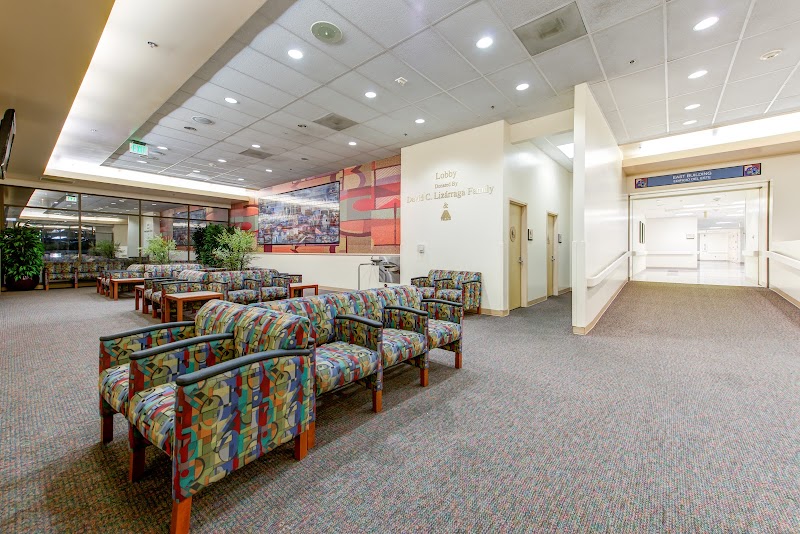
How is White Memorial Medical Ctr Dp Staffed?

CMS rates WHITE MEMORIAL MEDICAL CTR DP's staffing level at 1 out of 5 stars, which is much below average compared to other nursing homes.

What Have Inspectors Found at White Memorial Medical Ctr Dp?

State health inspectors documented 18 deficiencies at WHITE MEMORIAL MEDICAL CTR DP during 2020 to 2024. These included: 17 with potential for harm and 1 minor or isolated issues.

Who Owns and Operates White Memorial Medical Ctr Dp?

WHITE MEMORIAL MEDICAL CTR DP is owned by a non-profit organization. Non-profit facilities reinvest revenue into operations rather than distributing to shareholders. The facility is operated by ADVENTIST HEALTH, a chain that manages multiple nursing homes. With 27 certified beds and approximately 0 residents (about 0% occupancy), it is a smaller facility located in LOS ANGELES, California.

How Does White Memorial Medical Ctr Dp Compare to Other California Nursing Homes?

Compared to the 100 nursing homes in California, WHITE MEMORIAL MEDICAL CTR DP's overall rating (3 stars) is below the state average of 3.1 and health inspection rating (4 stars) is above the national benchmark.

What Should Families Ask When Visiting White Memorial Medical Ctr Dp?

Based on this facility's data, families visiting should ask: "Can you walk me through typical staffing levels on day, evening, and night shifts?" "Can I visit during a mealtime to observe dining assistance and food quality?" "How do you handle medical emergencies, and what is your hospital transfer rate?" "Can I speak with family members of current residents about their experience?" These questions are particularly relevant given the below-average staffing rating.

Is White Memorial Medical Ctr Dp Safe?

Based on CMS inspection data, WHITE MEMORIAL MEDICAL CTR DP has a clean safety record: no substantiated abuse findings (meaning no confirmed cases of resident harm), no Immediate Jeopardy citations (the most serious violation level indicating risk of serious injury or death), and is not on the Special Focus Facility watch list (a federal program monitoring the lowest-performing 1% of nursing homes). The facility has a 3-star overall rating and ranks #100 of 100 nursing homes in California. While no facility is perfect, families should still ask about staff-to-resident ratios and recent inspection results during their visit.

Do Nurses at White Memorial Medical Ctr Dp Stick Around?

WHITE MEMORIAL MEDICAL CTR DP has not reported staff turnover data to CMS. Staff turnover matters because consistent caregivers learn residents' individual needs, medications, and preferences. When staff frequently change, this institutional knowledge is lost. Families should ask the facility directly about their staff retention rates and average employee tenure.

Was White Memorial Medical Ctr Dp Ever Fined?

WHITE MEMORIAL MEDICAL CTR DP has no federal fines on record. CMS issues fines when nursing homes fail to meet care standards or don't correct problems found during inspections. The absence of fines suggests the facility has either maintained compliance or corrected any issues before penalties were assessed. This is a positive indicator, though families should still review recent inspection reports for the full picture.

Is White Memorial Medical Ctr Dp on Any Federal Watch List?

WHITE MEMORIAL MEDICAL CTR DP is not on any federal watch list. The most significant is the Special Focus Facility (SFF) program, which identifies the bottom 1% of nursing homes nationally based on persistent, serious quality problems. Not being on this list means the facility has avoided the pattern of deficiencies that triggers enhanced federal oversight. This is a positive indicator, though families should still review the facility's inspection history directly.