YORK HEALTHCARE & WELLNESS CENTRE

6071 YORK BLVD., LOS ANGELES, CA 90042 (323) 254-3407
For profit - Individual 107 Beds Independent Data: November 2025 2 Immediate Jeopardy citations
Trust Grade
11/100
#961 of 1155 in CA
Last Inspection: May 2025

Inspected within the last 6 months. Data reflects current conditions.

Overview

York Healthcare & Wellness Centre has received a Trust Grade of F, which indicates significant concerns regarding care quality and safety. Ranking #961 out of 1155 facilities in California puts it in the bottom half, while its county rank of #265 out of 369 means there are only a few local options that perform better. Although the facility's trend is improving, with the number of issues decreasing from 26 in 2024 to 13 in 2025, there are still serious concerns. Staffing has a mixed rating; it scores 3 out of 5 stars, with a relatively low turnover rate of 34%, better than the state average. However, the facility has incurred $99,206 in fines, which is concerning and suggests ongoing compliance problems. Specific incidents highlight serious risks, such as failing to address known food allergies for residents, leading to meals containing allergens like fish and wheat being served. Additionally, a resident at risk for falls did not receive adequate assessments or care to prevent recurrent falls, raising safety issues. While the facility has strengths, such as average RN coverage and some good quality measures, these critical deficiencies cannot be overlooked.

Trust Score
F
11/100
In California
#961/1155
Bottom 17%
Safety Record
High Risk
Review needed
Inspections
Getting Better
26 → 13 violations
Staff Stability
○ Average
34% turnover. Near California's 48% average. Typical for the industry.
Penalties
✓ Good
$99,206 in fines. Lower than most California facilities. Relatively clean record.
Skilled Nurses
○ Average
Each resident gets 31 minutes of Registered Nurse (RN) attention daily — about average for California. RNs are the most trained staff who monitor for health changes.
Violations
⚠ Watch
56 deficiencies on record. Higher than average. Multiple issues found across inspections.
★★☆☆☆
2.0
Overall Rating
★★★☆☆
3.0
Staff Levels
★★★★☆
4.0
Care Quality
★★☆☆☆
2.0
Inspection Score
Stable
2024: 26 issues
2025: 13 issues

The Good

  • 4-Star Quality Measures · Strong clinical quality outcomes
  • Full Sprinkler Coverage · Fire safety systems throughout facility
  • No fines on record
  • Staff turnover below average (34%)

    14 points below California average of 48%

Facility shows strength in quality measures, fire safety.

The Bad

2-Star Overall Rating

Below California average (3.1)

Below average - review inspection findings carefully

Staff Turnover: 34%

12pts below California avg (46%)

Typical for the industry

Federal Fines: $99,206

Well above median ($33,413)

Moderate penalties - review what triggered them

The Ugly 56 deficiencies on record

2 life-threatening 1 actual harm
May 2025 11 deficiencies 1 Harm
SERIOUS (G) 📢 Someone Reported This

A family member, employee, or ombudsman was alarmed enough to file a formal complaint

Actual Harm - a resident was hurt due to facility failures

Accident Prevention (Tag F0689)

A resident was harmed · This affected 1 resident

**NOTE- TERMS IN BRACKETS HAVE BEEN EDITED TO PROTECT CONFIDENTIALITY** Based on observation, interview, and record review, the facility failed to ensure one of one sampled residents (Resident 1), who...

Read full inspector narrative →
**NOTE- TERMS IN BRACKETS HAVE BEEN EDITED TO PROTECT CONFIDENTIALITY** Based on observation, interview, and record review, the facility failed to ensure one of one sampled residents (Resident 1), who was at risk for fall due to poor safety awareness and history of repeated falls was provided care and services to prevent recurrent falls in accordance with the facility's policy and procedures (P&P). The facility failed to: 1. Ensure a fall assessment and reassessment was conducted to identify the risk factors and cause of each fall, in accordance with the facility ' s Fall Management Program. 2. Ensure the care plan interventions were revised after each unwitnessed falls ([DATE], [DATE] and [DATE]) by addressing what caused the fall that included identifying the resident ' s behavior, poor safety awareness due to severe cognition impairment and inability to communicate as a result of dementia (a progressive state of decline in mental abilities), in accordance with the facility ' s P&P on Dementia Care. 3. Ensure to communicate to all facility staff Resident 1 ' s need for a person-centered observation or monitoring systems to address the identified risk factors for falls, in accordance with the facility P&P on Resident Safety. As a result of these deficient practices, Resident 1, who had an unwitnessed fall with no injuries inside his room due to getting up unassisted on [DATE] and [DATE], sustained another unwitnessed fall on [DATE] at 8:07 PM. Resident 1 complained of left hip pain, head pain, bruising to the left forehead and was transferred to the General Acute Care Hospital (GACH) on [DATE] via 911 emergency services. The GACH indicated Resident 1 sustained a fracture (a break in the bone) to the left upper leg. The GACH record indicated Resident 1 underwent a left hip hemiarthroplasty (a surgical procedure that replaces or reconstructs a joint) on [DATE]. Findings: During a review of Resident 1 ' s admission Record [AR], the AR indicated the resident was originally admitted on [DATE], and readmitted on [DATE], with diagnoses that included dementia, Alzheimer ' s disease (a disease characterized by a progressive decline in mental abilities), fractures, and muscle wasting (weakening, shrinking, and loss of muscle). During a review of Resident 1 ' s History and Physical (H&P), dated [DATE], the H&P indicated the resident had the capacity to understand and make decisions. During a review of Resident 1 ' s care plan for impaired communication, initiated on [DATE], revised on [DATE], included interventions initiated on [DATE], to evaluate Resident 1 ' s ability to comprehend. During a review of Resident 1 ' s care plan for communication, initiated on [DATE], indicated the resident has communication problems related to her confusion, language barrier, and dementia. During a review of Resident 1 ' s care plan for safety, initiated on [DATE], indicated the resident has poor safety awareness related to impaired cognition and attempts to perform [activities of daily living] beyond physical ability. Resident self-propels in wheelchair. The care plan added the resident is at risk for falls, elopement, and injury. The care plan included interventions for facility staff to include strategies to reduce the risk of falls and injury. During a review of Resident 1 ' s care plan for falls, initiated on [DATE], indicated the resident is at risk for falls related to history of falls, dementia, Alzheimer ' s disease, poor safety awareness, and wheeling self around in the wheelchair and a Fall Score of 15 (High Risk for Falls). The care plan included the following interventions initiated on [DATE]: -Assist Resident with ambulation (walking) and transfers, utilizing therapy recommendations. -Determine Residents ability to transfer. -Evaluate fall risk of admission and [as needed]. -If fall occurs, alert provider. -If fall occurs, initiate frequent neuro and bleeding evaluation per facility protocol. -If resident is a fall risk, initiate fall risk precautions. During a review of Resident 1 ' s Minimum Data Set (MDS – a federally mandated resident assessment tool), dated [DATE], the MDS indicated the resident had severely impaired cognition (the ability to process thoughts). The MDS indicated the resident requires substantial assistance (helper does more than half the effort) on activities such as toileting, bathing, dressing, changing position from sitting to lying and lying to sitting on side of the bed. The MDS also indicated the resident is dependent (helper does all the effort on activities such as transferring from chair to chair or bed to chair. The MDS also indicated the resident was not assessed on activities such as sitting to stand due to medical condition or safety concerns. Further review of the MDS also indicated Resident 1 requires supervision (helper provides verbal cues and/or touching/steadying and/or contact guard assistance as resident completes activity) to operate and move while on a manual wheelchair for at least 150 feet. The MDS assessment did not indicate that the resident had any falls prior to MDS assessment, admission/readmission/entry/reentry from the facility. During a review of Resident 1 ' s Fall Risk Evaluation (FRE), dated [DATE], the FRE indicated the following information regarding Resident 1 ' s fall risks: -Resident 1 had no falls in past 3 months. -Resident 1 had intermittent confusion. -Resident 1 was chairbound (state of being confined to a chair/wheelchair) and incontinent (does not have the ability to control over urination or defecation). -Resident 1 had 1 to 2 predisposing diseases. -Resident 1 had a change in condition in the last 14 days from the time of assessment. -Resident 1 was recently hospitalized from the time of assessment due to hypotension (low blood pressure) and bradycardia (slow heart rate). -Resident 1 was taking 1 to 2 medications at the time or within the last 7 days of assessment. -Resident 1 was at risk for falls. -Interventions included to assist resident with ambulation and transfers, determine resident ' s ability to transfer, evaluate fall risk on admission and [as needed], and if resident is a fall risk, initiate fall risk precautions. During a review of a physician order dated [DATE], indicated an order for Resident 1 to have bilateral landing pads (or floor mat, (a thin foam that is placed beside the bed as a cushion for when a resident falls) due to risk of falls. Check for placement every shift. During a review of Resident 1 ' s Change in Condition Evaluation (CIC), dated [DATE], timed at 10:49 PM, the CIC indicated Resident 1 was, observed to be sitting up right [at] her bedside atop the landing pad. During a review of a physician order dated [DATE] (five months after the [DATE] fall), indicated an order for Resident 1 to have a bed alarm to remind resident not to get up unassisted. The order further indicated for the charge nurse to monitor for proper placement and function. Every shift document Y if the alarm is in place and functioning properly, and N if not. During a review of a physician order dated [DATE] (five months after the [DATE] fall), indicated an order for Resident 1 to have a wheelchair alarm to remind resident not to get up unassisted. The order further indicated for the charge nurse to monitor for proper placement and function every shift. During a review of Resident 1 ' s Fall Risk Evaluation (FRE), dated [DATE], the FRE indicated the following information regarding Resident 1 ' s fall risks: - Resident 1 had no falls in past 3 months. - Resident 1 was disoriented (confused) x 3 at all times. - Resident 1 was chairbound and incontinent. - Resident 1 had poor vision (with or without glasses). - Resident 1 had 1 to 2 predisposing diseases. - Resident 1 had balance problems while standing and walking. - Resident 1 requires the use of assistive devices such as a cane, wheelchair, or walker. - Resident 1 was taking 3 to 4 medications at the time or within the last 7 days of assessment. During a review of Resident 1 ' s care plan for risk of falls, initiated on [DATE], revised on [DATE], the care plan indicated the resident is at risk for falls related to confusion, gait and balance problems, poor communication and comprehension, and unaware of safety needs. The care plan included the following interventions: May have a bed alarm to remind resident not to get up unassisted. Charge nurse to monitor for proper placement and function, initiated on [DATE] (two months after Fall Risk Evaluation on [DATE]). -May have a wheelchair alarm to remind resident not to get up unassisted. Charge nurse to monitor for proper placement and function, initiated on [DATE] (two months after Fall Risk Evaluation on [DATE]). Anticipate and meet the resident ' s needs. During a review of Resident 1 ' s Fall Risk Evaluation (FRE), dated [DATE], timed at 4:11 PM, the FRE indicated the resident the following information regarding Resident 1 ' s fall risks: -Resident 1 had no falls in past 3 months. -Resident 1 was disoriented (confused) x 3 at all times. - Resident 1 was chairbound and incontinent. - Resident 1 had poor vision (with or without glasses). - Resident 1 had 1 to 2 predisposing diseases. - Resident 1 had balance problems while standing and walking. - Resident 1 requires the use of assistive devices such as a cane, wheelchair, or walker. - Resident 1 was taking 3 to 4 medications at the time or within the last 7 days of assessment. During a review of Resident 1 ' s CIC, dated [DATE], timed at 11:20 PM, the CIC indicated the resident had an unwitnessed fall. The CIC indicated facility staff, heard an alarm coming from [Resident 1 ' s room]. The CIC indicated the Resident 1 was sitting down on the floor next to her bed. The CIC added that the resident was unable to state what occurred, however, she was noted with facial redness. During a review of Resident 1 ' s Fall Risk Evaluation (FRE), dated [DATE], timed at 11:17 PM, signed by the Assistant Director of Nursing (ADON), the FRE indicated if the total score was 10 or greater, the resident is considered as high risk for potential falls, prevention protocol should be initiated immediately and documented on the care plan. The FRE indicated the following information regarding Resident 1 ' s fall risks: -Resident had a history of 3 or more falls in past 3 months. -Resident 1 was disoriented x 3 at all times. -Resident 1 was chairbound and incontinent. -Resident 1 had poor vision (with or without glasses). -Resident 1 had a change in condition in the last 14 days. -Resident 1 ' s gait (ability to walk) and balance were not assessed. The evaluation was blank. -Resident 1 was taking 3 to 4 medications at the time or within the last 7 days of assessment. The FRE did not include interventions on the FRE Sections for 5. Risk for Falls, to indicate if Resident 1 was at risk for falls and Clinical Suggestions During a review of Resident 1 ' s Post Fall Evaluation (PFE) dated [DATE], timed at 11:23 PM, the PFE indicated the resident had a fall on [DATE]. The PFE indicated the resident ' s Pre-Fall Score was 15 (High Risk) and the resident Post Fall Score was now a 17 (High Risk). The PFE indicated the resident did not sustain any injuries from this fall. The PFE indicated Resident 1 was unable to state what she was doing (prior to the fall). During a review of Resident 1 ' s IDT Progress Notes- Falls, dated [DATE], timed at 11:58 AM, the IDT note indicated on [DATE] at 11:00 PM, the nurse heard an alarm coming from Resident 1 ' s room. The notes indicated the nurse found Resident 1 sitting down on the floor next to the bed. The notes indicated the root cause of the fall was poor safety awareness, impaired cognition, and unsteady gait and transfer. The notes indicated interventions such as remind resident regarding safety precautions, bed and wheelchair alarm, bed on the lowest position, and floor mats. During a review of Resident 1 ' s CIC, dated [DATE], timed at 8:07 PM, indicated the resident had another fall. The CIC indicated the resident took self to room and attempted to be independent without calling for help. The CIC indicated the wheelchair alarm sounded and when staff responded, the resident was noted on the floor, reaching for left hip/facial grimacing. The CIC also indicated the resident had skin discoloration on left top of head. The CIC added the resident was transferred via 911 at 8:37 PM. During a review of a physician order dated [DATE], the order indicated May transfer [Resident 1] via 911 due to [status post/after] fall for further evaluation 7 days bed hold. During a review of Resident 1 ' s care plan for impaired cognitive function or impaired thought processes, initiated on [DATE], and revised on [DATE], the care plan included goals for the resident to maintain safety by the review date. The care plan indicated to cue, reorient, and supervise [Resident 1] as needed. During a review of Resident 1 ' s Actual Fall care plan that happened on [DATE] at 11 PM (night shift), the care plan developed on [DATE], indicated the resident sustained another unwitnessed fall on [DATE] at 8:07 PM (evening shift). The care plan included the following interventions with corresponding dates of initiation: -Monitor for hypoglycemia (low blood sugar levels) [related to] Insulin (injectable medication that is used to control the blood sugar) use, initiated on [DATE], revised on [DATE]. -Monitor for hypoglycemia and bradycardia [related to] Glimepiride (oral medication used to control the blood sugar) use, initiated on [DATE], revised on [DATE]. -Monitor for dizziness, hypotension, and bradycardia [related to] Amlodipine (oral medication used to control or lower the blood pressure) use, initiated on [DATE], revised on [DATE]. -Hypotension can cause dizziness or blurry vision which may increase the risk of falling. Please monitor [blood pressure] as indicated, initiated on [DATE], revised on [DATE]. -Low vitamin D level may cause muscle weakness, initiated on [DATE], revised on [DATE]. -May have a bed alarm to remind resident not to get up unassisted. Charge nurse to monitor for proper placement and function, initiated on [DATE]. -May have a wheelchair alarm to remind resident not to get up unassisted. Charge nurse to monitor for proper placement and function, initiated [DATE] -For no apparent acute injury, determine and address causative factors of the fall, initiated [DATE]. During a review of the resident ' s entire care plans on [DATE] at 12:09 PM in the presence of Assistant Director of Nursing (ADON), the ADON stated the resident ' s care plans did not address Resident 1 ' s specific behavior and poor safety awareness/inability to communicate, which caused the multiple falls, but instead focused on the resident ' s medications. The ADON stated the care plans did not have updated interventions to address the resident ' s behavior and poor safety awareness after the fall happened again on [DATE], because the bed alarms and wheelchair alarms were ordered on [DATE] and, therefore, they were not new fall interventions. The ADON further stated frequent visual checks or close monitoring of Resident 1 or moving Resident 1 closer to the Nurse Station would have prevented the resident ' s fall with injury on [DATE]. During a review of the resident ' s entire medical records on [DATE] at 12:09 PM in the presence of the Assistant Director of Nursing (ADON), the resident ' s medical records did not indicate documented evidence that the resident was assessed if the resident understood that the sound of the wheelchair alarm meant for the resident not to get up unassisted. During a review of the resident ' s entire medical record on [DATE] at 12:09 PM in the presence of the ADON, the resident ' s medical records did not indicate documented evidence that the resident was closely monitored prior to the fall on [DATE]. During a review of Resident 1 ' s Trauma Surgery History and Physical (H&P) from the GACH, dated [DATE], timed at 11:12 PM, the GACH H&P indicated Resident 1 was brought into the GACH by emergency medical services (EMS 911). The GACH H&P indicated Resident 1 ' s chief complaint indicated left hip and head pain. The H&P indicated Resident 1 ' s left forehead showed bruising, and the left lower extremity was tender to palpation (touch) over the hip. The GACH H&P also indicated Resident 1 sustained a left hip fracture. During a review of Resident 1 ' s GACH Orthopedic Surgery Consult note, dated [DATE], the note indicated the resident sustained a left displaced femoral neck (a part of the thigh bone) fracture after a fall. The note indicated the resident will have a plan for a left hemiarthroplasty. During a review of Resident 1 ' s GACH Advanced Care Planning Note, dated [DATE], the note indicated the resident underwent a left hip hemiarthroplasty on [DATE]. The notes also indicated Resident 1 has not had meaningful recovery. During a review of Resident 1 ' s GACH Advanced Care Planning Note, dated [DATE], the note indicated the resident ' s health status has declined both mentally and physically since [the resident ' s] [hospital] admission/surgery, despite full support. The note indicated Resident 1 ' s family member (FM) wishes to change [the resident ' s] code status (type of emergent treatment a person would or would not receive if their heart or breathing were to stop) to do not attempt resuscitation (DNR, medical order that directs healthcare providers not to perform cardiopulmonary resuscitation (CPR, an emergency lifesaving procedure when the heart stops beating). During a phone interview on [DATE] at 3:19 PM with Licensed Vocational Nurse (LVN) 5, LVN 5 stated that on [DATE], about 20 minutes prior to Resident 1 ' s fall, LVN 5 saw Resident 1 on her wheelchair in the hallway. LVN 5 stated she was called by Certified Nursing Assistant (CNA) 5 into Resident 1 ' s room. LVN 5 stated when she arrived inside Resident 1 ' s room, the wheelchair alarm was ringing and the resident was lying on the floor next to the wheelchair, on her left side. LVN 5 stated Resident 1 appeared to have pain in her head and the left side of her body. LVN 5 added when the resident was interviewed, the resident was not able to provide an answer as to what happened prior to the fall. During a phone interview on [DATE] at 9:48 AM with CNA 2, CNA 2 stated Resident 1 wheels herself around the facility. CNA 2 stated Resident 1 is able to stand up with staff assistance. CNA 2 further added when the wheelchair alarm sounds, it means the resident wants something. CNA did not state that the wheelchair alarm indicated the resident is trying to get up unassisted. During a phone interview on [DATE] at 10:23 AM with CNA 3, CNA 3 stated Resident 1 is confused and wheels self around the facility using her wheelchair. CNA 3 stated Resident 1 usually goes back to bed at around 7:00 PM to 8:00 PM every night. During the same phone interview on [DATE] at 10:27 AM with CNA 3, CNA 3 stated on [DATE] at 7:55 PM, he saw Resident 1 on the wheelchair in the hallway. CNA 3 stated he was tending to another resident when he heard an alarm ring at around 8:07 PM. CNA 3 stated he went to Resident 1 ' s room immediately, and he saw the resident lying on the floor next to the wheelchair. CNA 3 could not recall the exact time that he responded to Resident 1 ' s room. CNA 3 stated LVN 5, Treatment Nurse (TN) 1, and Registered Nurse (RNS) 2 responded when he called for help. CNA 3 added Resident 1 is not a resident that is on close monitoring by staff. During an interview and concurrent record review on [DATE] at 11:26 AM with TN 1, Resident 1 ' s entire medical records were reviewed. TN 1 stated Resident 1 is confused and does not follow commands. TN 1 stated Resident 1 ' s medical records did not indicate that the resident would be and was closely monitored by facility staff as an added intervention to prevent further falls, as indicated in the facility ' s P&P, titled Fall Management Program, residents may require more frequent observation of activities and whereabouts. During a phone interview on [DATE] at 11:50 AM with RNS 2, RNS 2 stated Resident 1 does not know how to follow directions because of confusion related to dementia. RNS 2 stated Resident 1 ' s use of the wheelchair alarm is not new, because it has been used previously, before Resident 1 ' s fall on [DATE]. RNS 2 stated Resident 1 ' s room was not in front of any of the Nurses ' Station for closer monitoring. RNS 2 further added Resident 1 is a high fall risk resident. During an interview and record review on [DATE] at 12:09 PM with the ADON, Resident 1 ' s medical records were reviewed. The ADON stated the bed and wheelchair alarm was ordered and placed for Resident 1 ' s use since 12/2024 (before [DATE] and [DATE] episodes of falls), to remind the resident not to get up unassisted. The ADON stated there was no documented evidence in the medical records that Resident 1 understood that the sound coming from the bed and wheelchair alarm meant to remind the resident not to get up by herself. The ADON stated the use of the wheelchair alarm did not work because Resident 1 fell on [DATE]. During the same interview on [DATE] at 12:09 PM with the ADON, the ADON stated other interventions added in the Resident 1 ' s Actual Fall care plan initiated on [DATE] in response to the resident ' s fall on [DATE], that included monitoring for hypoglycemia, bradycardia, dizziness, and hypotension, were not adequate enough to prevent further falls because Resident 1 ' s fall was related to the resident ' s behavior of trying to get up unassisted. The ADON stated the resident ' s care plan should have included strategies to prevent falls such as frequent visual checks/monitoring and/or moving the resident closer to the Nurses ' Station would have been the appropriate interventions to prevent the resident from repeated falls. The ADON stated if Resident 1 ' s bed or wheelchair alarm was already ringing, it will already be too late, because that means Resident 1 was already trying to get up. During an interview on [DATE] at 1:10 PM with Director of Nursing (DON), the DON stated the cause of Resident 1 ' s fall on [DATE] was due to the resident ' s lack of safety awareness and getting up without staff assistance. The DON stated changing the resident ' s room to a room closer to the Nurses ' Station would be hard because of the resident ' s diagnosis of dementia. The DON stated that if the resident ' s room was changed to a room near the Nurses ' Station for closer monitoring, after the fall on [DATE], it could have changed the outcome of the resident ' s fall on [DATE], but stated he was not sure of what the outcome would be. During an interview and concurrent record review on [DATE] at 3:01 PM with the ADON, Resident 1 ' s entire medical records were reviewed that included the nurses' notes, care plans, IDT progress notes, CICs. The ADON stated Resident 1 ' s IDT Progress Notes- Falls, dated [DATE], documented at 11:58 AM, did not indicate that changing Resident 1 ' s room to a room closer to the station or frequent/closer staff monitoring was discussed. The ADON also stated there is no documented evidence that Resident 1 ' s roommates were interviewed regarding the fall on [DATE]. During a review of the facility ' s P&P, titled Fall Management Program, revised [DATE], indicated the following: a. Interdisciplinary (IDT) and/or licensed nurse will develop a care plan according to the identified risk factors and root cause of the fall. b. The licensed nurse will evaluate the resident ' s response to the interventions on the weekly summary and update the resident ' s care plan as necessary. c. Residents may require more frequent observation of activities and whereabouts. d. Residents may require a structured environment or routine. During a review of the facility ' s P&P titled, Resident Safety, revised [DATE], indicated the following: a. The IDT will establish a person-centered observation or monitoring systems for the resident to address the identified risk factors identified. b. To observe the safety and wellbeing of the residents, a resident check will be made at least every two hours around the clock by nursing service personnel. The person-centered care plan may require more frequent safety checks. During a review of the facility ' s P&P titled, Dementia Care, revised 10/2017, indicated the following regarding the care of a resident with a diagnosis of dementia: a. The resident ' s plan of care will reflect a baseline of common behaviors (target behaviors) exhibited by the resident, interventions and specific goals. b. Behavioral interventions are individualized approaches that are provided as part of a supportive physical and psychosocial environment, and are directed toward understanding, preventing and relieving, a resident ' s distress or to accommodate loss of abilities. c. The IDT will develop plans of care and interventions in an attempt to understand and address behaviors as a form of communication and modify the environment and daily routines to meet the resident ' s needs/preferences. d. Interventions will be assessed, including benefits and complications of interventions, in a timely manner. e. Interventions will be regularly monitored for efficacy, risks, and benefits.
CONCERN (D)

Potential for Harm - no one hurt, but risky conditions existed

Safe Environment (Tag F0584)

Could have caused harm · This affected 1 resident

**NOTE- TERMS IN BRACKETS HAVE BEEN EDITED TO PROTECT CONFIDENTIALITY** Based on observation, interview and record review, the facility failed to provide a homelike environment for two of two sampled ...

Read full inspector narrative →
**NOTE- TERMS IN BRACKETS HAVE BEEN EDITED TO PROTECT CONFIDENTIALITY** Based on observation, interview and record review, the facility failed to provide a homelike environment for two of two sampled residents (Residents 89 and 32) by failing to ensure: Resident 89 was provided with a wall clock in the room, and Resident 32 ' s bedside table was in functional and working condition. These deficient practices had the potential to create an uncomfortable environment leading to Resident 89 verbalizing feelings of frustration and Resident 32 ' s personal items to be exposed. Findings: 1. A review of Resident 89's admission Record indicated the facility admitted Resident 89 on 12/27/2024 with diagnoses that included hemiplegia (characterized by paralysis on one side of the body) and hemiparesis (partial weakness on one side of the body) affecting left non-dominant side, depression (a persistent feeling of sadness and a loss of interest or pleasure in activities, lasting for at least two weeks, that interferes with daily life) and anxiety disorder (A condition in which a person has excessive worry and feelings of fear, dread, and uneasiness). A review of Resident 89 ' s History and Physical (H&P), dated 3/18/2025, indicated Resident 89 was alert with normal affect. A review of Resident 89's Minimum Data Set (MDS - a resident assessment tool), dated 5/1/2025, indicated Resident 89 ' s cognitive status (ability to think and reason) was intact. The MDS indicated Resident 89 required setup or clean-up assistance (helper sets up or cleans up; resident completes activity) with eating, and oral hygiene, supervision or touching assistance (Helper provides verbal cues and or touching steadying) with dressing, partial/moderate assistance (helper does less than half the effort) with personal hygiene, and substantial/maximal assistance (helper does more than half the effort) with toileting and bathing. 2. A review of Resident 32's admission Record, indicated the facility admitted Resident 32 on 1/7/2025 with diagnoses that included hemiplegia and hemiparesis affecting left non-dominant side, chronic kidney disease (when the kidneys have become damaged over time and have a hard time doing all their important jobs) and generalized muscle weakness. A review of Resident 89 ' s History and Physical (H&P), dated 1/10/2025, indicated Resident 89 was alert cooperative with the exam. A review of Resident 89's MDS dated [DATE], indicated Resident 89 ' s cognitive status moderately impaired. The MDS indicated Resident 89 required supervision or touching assistance (Helper provides verbal cues and or touching steadying) with eating, partial/moderate assistance (helper does less than half the effort) with oral and personal hygiene, substantial/maximal assistance with dressing and toileting and dependent (helper does all the effort) with bathing. During a concurrent observation and interview on 5/13/2025 at 10:05 AM with Resident 89 in Resident 89 ' s room, Resident 89 was observed in bed with the head of bed elevated and watching television. Resident 89 ' s room did not have a wall clock. Resident 89 stated, she did not know why her room did not have a wall clock. Resident 89 stated she did not know why she was not provided a wall clock, and that it was frustrating always asking facility staff for the time. During an interview on 5/13/2025 at 10:10 AM with licensed vocational nurse (LVN) 6 in Resident 89 ' s room, LVN 6 stated, Resident 89 should have been provided a wall clock in her room. LVN 6 stated, having a wall clock in Resident 89 ' s room assisted Resident 89 with orientation and may prevent frustration, and having a clock made the room more homelike. During a concurrent observation and interview on 5/13/2025 at 3:35 PM in Resident 32 ' s room, Resident 32 was in bed with head of bed elevated. Resident 32 ' s bedside table, located to the right side of Resident 32 ' s bed was broken. Resident 32 ' s personal items located inside the bedside table were exposed. During an interview on 5/13/2025 at 3:40 PM with LVN 7, in Resident 32 ' s room, LVN 7 stated Resident 32 ' s bedside table was and should have been fixed right away. LVN 7 stated Resident 32 ' s personal belongings were exposed and that the broken bedside table in Resident 32 ' s room was not homelike. LVN 7 stated the Maintenance Supervisor (MS) would be notified right away. During an interview on 5/14/2025 at 11:10 AM with the MS, MS stated, everything in a resident ' s room should always be functioning and operable, and that he would continue to follow up with the nurses to ensure residents items were in good condition and not broken. MS stated facility staff were the one who informed the MS on items that required repairing or were missing. During an interview on 5/14/2025 at 11:17 AM with the DON (Director of Nurses), DON stated, it was the policy of the facility to ensure that all the rooms had a wall clock for residents ' orientation. The DON stated broken furniture or equipment such as Resident 32 ' s bedside table must be fixed right away to create a home like environment for the residents. A review of the facility ' s policy and procedure (P&P) titled, Maintenance Service, revised 1/1/2012, indicated; a) the maintenance department is responsible for always maintaining equipment ' s in a safe and operable manner, b) providing routinely scheduled maintenance service to all areas and other services that can become necessary or appropriate. A review of the facility ' s policy and procedure (P&P) titled, Residents Room and Environment, revised 1/1/2012 indicated the purpose was to provide residents with safe, clean, comfortable and homelike environment. The P&P indicated the facility staff will provide residents with a pleasant environment and person-centered care, and that the facility staff aim to create a personalize home like atmosphere.
CONCERN (D)

Potential for Harm - no one hurt, but risky conditions existed

Comprehensive Care Plan (Tag F0656)

Could have caused harm · This affected 1 resident

**NOTE- TERMS IN BRACKETS HAVE BEEN EDITED TO PROTECT CONFIDENTIALITY** Based on interview and record review the facility failed to develop a person-centered care plan (a treatment plan that focused o...

Read full inspector narrative →
**NOTE- TERMS IN BRACKETS HAVE BEEN EDITED TO PROTECT CONFIDENTIALITY** Based on interview and record review the facility failed to develop a person-centered care plan (a treatment plan that focused on the needs and preferences of a resident or individual) for one of three sampled residents (Resident 94) Speech Therapy (ST, helped people who had trouble with speaking, understanding language, or swallowing). This deficient practice had the potential for a lack of individualized care and to affect the quality of services provided to Resident 94. Findings: A review of Resident 94 ' s admission Record (AR), indicated the resident was admitted to the facility on [DATE], with diagnoses that included encephalopathy (a disease, disorder, or damage that affected the brain ' s structure or function), muscle weakness (decrease in muscle strength), and abnormalities of gait and mobility (a change to your walking pattern). A review of Resident 94 ' s History and Physical (H&P) dated 4/1/2025, indicated the resident ' s neurological status alert and oriented times four (A&Ox4, someone who was alert and oriented to person, place, time, and event). The H&P indicated Resident 94 was able to answer questions appropriately. A review of Resident 94 ' s Physician ' s Order dated 4/1/2025 at 2:40 PM, indicated ST order for dysphagia (difficulty swallowing) and cognitive-communication deficits (having difficulty communicating because of problems with thinking and processing information, not just speaking or listening), six times for 27 days for cognitive training (a workout for your brain, designed to improve mental skills like attention, memory, and problem-solving), safe swallow strategies training, aspiration precautions (to prevent food, liquid, or saliva from going into your lungs instead of your stomach when you swallow), diet/liquids analysis/management, patient/caregiver education/training. A review of Resident 94 ' s ST Evaluation and Plan of Treatment dated 4/1/2025, indicated the goal for the resident was to improve cognition and tolerate the least restrictive diet and liquids without over signs or symptoms of aspiration. The ST Evaluation indicated Resident 94 had mild dysphagia and severe cognitive-communication deficits, decreased cognition, incomplete bolus formation (difficulty forming a cohesive, well-shaped ball of food and saliva [the bolus] in the mouth before swallowing), oral residue (having food or liquid left over in your mouth after you swallow), difficulty chewing the regular texture, decreased bolus preparation (the process of preparing food for swallowing was not happening properly), and manipulation and decreased lingual base retraction (pulling back part of your tongue towards the back of your throat, a crucial part of the swallowing process helping to push food down your throat and away from your airway). A review of Resident 94 ' s Comprehensive (complete) Care Plan for 4/1/2025, indicated there was no ST care plan initiated after Resident 94 ' s ST evaluation. A review of Resident 94 ' s Minimum Data Set (MDS, a resident assessment tool) dated 4/7/2025, indicated the resident had severe cognitive impairment (problems with a person ' s ability to think, learn, remember, use judgement, and make decisions). The MDS indicated Resident 94 had a manual wheelchair and required substantial/maximal assistance (helper did more than half the effort) from facility staff for toileting hygiene, showering, rolling to the left, rolling to the right, sitting to lying, and lying to sitting. The MDS indicated Resident 94 was dependent (helper did all of the effort) on facility staff for lower body dressing, sitting to stand, and chair/bed-to-chair transfers. During a concurrent interview and record review of Resident 94 ' s Comprehensive Care Plan on 5/15/2025 at 10:26 AM, the Minimum Data Set Coordinator (MDSC) stated the resident did not have a ST care plan but should have had one. The MDSC stated that without a care plan, the facility staff would not know the specific needs required for Resident 94 ' s dysphagia and Resident 94 could not receive the appropriate treatment further affecting resident ' s diet, chewing or swallowing depending on the needs. During a concurrent interview and record review of Resident 94 ' s Comprehensive Care Plan on 5/15/2025 at 3:45 PM, the Director of Nursing (DON) stated there should have been a care plan for the resident ' s ST Evaluation to guide the staff on how to care for the resident. The DON stated the Speech Therapist did an assessment, provided recommendations, and communicated with the staff to safely care for Resident 94. The DON stated if those recommendations were not listed, the resident could be at risk. During a concurrent interview and record review with the MDSC of the facility ' s policy and procedure (P&P) titled, Comprehensive Person-Centered Care Planning dated 9/7/2023, the P&P indicated The comprehensive care plan will also be reviewed and revised at the following times: onset of new problems; change of condition; in preparation for discharge; to address changes in behavior and care; and other times as appropriate or necessary. The MDSC stated the facility was not following the P&P but should have been. The MDSC stated if the P&P was not followed then the facility was not providing that direction which could affect the resident ' s quality of care and would not be resident centered.
CONCERN (D)

Potential for Harm - no one hurt, but risky conditions existed

Deficiency F0657 (Tag F0657)

Could have caused harm · This affected 1 resident

**NOTE- TERMS IN BRACKETS HAVE BEEN EDITED TO PROTECT CONFIDENTIALITY** Based on observation, interview, and record review, the facility failed to ensure the comprehensive care plan were revised for t...

Read full inspector narrative →
**NOTE- TERMS IN BRACKETS HAVE BEEN EDITED TO PROTECT CONFIDENTIALITY** Based on observation, interview, and record review, the facility failed to ensure the comprehensive care plan were revised for two of two sampled residents (Resident 1 and Resident 94) that included resident-specific interventions. This deficient practice had the potential to delay care and services that were specific to the residents ' needs. Findings: 1. A review of Resident 1 ' s admission Record indicated the resident was initially admitted on [DATE], and readmitted on [DATE], with diagnoses that included dementia (a progressive state of decline in mental abilities), Alzheimer ' s disease (a disease characterized by a progressive decline in mental abilities), fractures, and muscle wasting (weakening, shrinking, and loss of muscle). A review of Resident 1 ' s History and Physical (H&P), dated 7/2/2024, indicated the resident had the capacity to understand and make decisions. A review of Resident 1 ' s Minimum Data Set (MDS - a resident assessment tool), dated 4/2/2025, indicated the resident has severely impaired cognition (ability to process thoughts). The MDS also indicated the resident requires substantial assistance (helper does more than half the effort) on activities such as toileting, bathing, dressing, changing position from sitting to lying and lying to sitting on side of the bed. The MDS also indicated the resident is dependent (helper does all the effort on activities such as transferring from chair to chair or bed to chair. The MDS also indicated the resident was not assessed on activities such as sitting to stand due to medical condition or safety concerns. Further review of the MDS also indicated Resident 1 requires supervision (helper provides verbal cues and/or touching/steadying and/or contact guard assistance as resident completes activity) to operate and move while on a manual wheelchair for at least 150 feet. A review of Resident 1 ' s Order Summary Report, dated 5/15/2025, included the following orders: a. Ordered on 12/2/2024, May have a bed alarm to remind resident not to get up unassisted. Charge nurse to monitor for proper placement and function. Every shift document Y if the alarm is in place and functioning properly, and N if not. b. Ordered on 12/2/2024, May have a wheelchair alarm to remind resident not to get up unassisted. Charge nurse to monitor for proper placement and function. Every shift. c. Ordered on 7/1/2024, May have bilateral landing pads due to risk of falls. Check for placement every shift. d. Ordered on 5/13/2025, May transfer via 911 due to [status post/after] fall for further evaluation 7 days bed hold. e. Ordered on 7/1/2024, Psychology/Psychiatrist consult, with follow-up treatment as indicated. A review of Resident 1 ' s Change in Condition Evaluation (CIC), dated 7/21/2024, timed at 10:49 PM, indicated Resident 1 was observed to be sitting up right at her bedside on top of the landing pad (a thin foam that is placed beside the bed as a cushion for when a resident falls). A review of Resident 1 ' s CIC, dated 5/2/2025, timed at 11:20 PM, indicated the resident had an unwitnessed fall. The CIC indicated facility staff heard an alarm coming from Resident 1 ' s room. The CIC indicated Resident 1 was seated on the floor next to Resident 1 ' s bed. The CIC indicated that the Resident 1 had facial redness and could not state why she was on the floor. A review of Resident 1 ' s Fall Risk Evaluation (FRE), dated 5/2/2025, timed at 11:17 PM, signed by the Assistant Director of Nursing (ADON) indicated the resident had a history of three (3) or more falls within the past 3 months. The FRE did not include any interventions under the section titled Risk for Falls. A review of Resident 1 ' s CIC, dated 5/13/2025, timed at 8:07 PM, indicated the resident had another fall. The CIC indicated the Resident 1 attempted to get up on her without calling for assistance, and staff were alerted after Resident 1 ' s wheelchair alarm was triggered. The CIC indicated facility staff found Resident 1 on the floor, grimacing and reaching towards her left hip. The CIC indicated Resident 1 had a discoloration to the top left of the head, and Resident 1 was transferred via 911 at 8:37 PM. A review of Resident 1 ' s care plan for impaired communication, initiated on 11/11/2023, revised on 10/08/2024, included interventions to evaluate the resident ' s ability to comprehend. A review of Resident 1 ' s care plan for actual fall on 5/2/2025 at 11:00 PM, initiated on 5/4/2025 and revised on 5/14/2025, indicated the resident also sustained an unwitnessed fall on 5/13/2025 at 8:07 PM. The care plan included the following interventions: a. Monitor for hypoglycemia (low blood sugar levels) [related to] Insulin (injectable medication that is used to control the blood sugar) use. b. Monitor for hypoglycemia and bradycardia (low heart rate) [related to] Glimepiride (oral medication used to control the blood sugar) use. c. Monitor for dizziness, hypotension (low blood pressure), and bradycardia [related to] Amlodipine (oral medication used to control or lower the blood pressure) use. d. Hypotension can cause dizziness or blurry vision which may increase the risk of falling. Please monitor [blood pressure] as indicated. e. Low vitamin D level may cause muscle weakness. f. May have a bed alarm to remind resident not to get up unassisted. Charge nurse to monitor for proper placement and function, initiated on 5/4/2025 g. May have a wheelchair alarm to remind resident not to get up unassisted. Charge nurse to monitor for proper placement and function, initiated 5/4/2025 h. For no apparent acute injury, determine and address causative factors of the fall. A review of Resident 1 ' s care plan for an actual unwitnessed fall on 5/13/2025 at 8:07 PM, initiated on 5/13/2025, revised on 5/15/2025, indicated the resident had left hip pain and left scalp discoloration. A review of Resident 1 ' s care plan for impaired cognitive function or impaired thought processes, revised on 5/14/2025, indicated goals for the resident to maintain safety by the review date. A review of Resident 1 ' s care plan for safety, revised on 5/15/2025, indicated the resident had poor safety awareness related to impaired cognition and attempts to perform [activities of daily living] beyond physical ability. Resident self-propels in wheelchair. The care plan indicated the resident was at risk for falls, elopement, and injury. The care plan included interventions for facility staff to include strategies to reduce the risk of falls and injury. The care plan did not indicate specific strategies to reduce the risk for falls for Resident 1. A review of Resident 1 ' s care plan for falls, revised on 5/15/2025, indicated the resident was at risk for falls related to history of falls, dementia, Alzheimer ' s disease, poor safety awareness, and wheeling self around in the wheelchair. A review of Resident 1 ' s care plan for an actual unwitnessed fall on 5/13/2025 at 8:07 PM, initiated on 5/13/2025, revised on 5/15/2025, indicated the resident had left hip pain and left scalp discoloration. During a concurrent interview and record review on 5/16/2025 at 3:40 PM with Assistant Director of Nursing (ADON), Resident 1 ' s care plans were reviewed. ADON stated the interventions in the care plans were not person-centered since the care plan did not address Resident 1 ' s poor safety awareness. ADON stated interventions should include frequent visual checks on the resident. A review of the facility ' s Policy and Procedure (P&P) titled, Dementia Care, revised 10/2017, indicated the following regarding the care of a resident with a diagnosis of dementia: a. The resident ' s plan of care will reflect a baseline of common behaviors (target behaviors) exhibited by the resident, interventions and specific goals. b. Behavioral interventions are individualized approaches that are provided as part of a supportive physical and psychosocial environment, and are directed toward understanding, preventing and relieving, a resident ' s distress or to accommodate loss of abilities. c. The IDT will develop plans of care and interventions in an attempt to understand and address behaviors as a form of communication and modify the environment and daily routines to meet the resident ' s needs/preferences. d. Interventions will be assessed, including benefits and complications of interventions, in a timely manner. e. Interventions will be regularly monitored for efficacy, risks, and benefits. A review of the facility ' s P&P titled, Comprehensive Person-Centered Care Planning, effective 9/2023, indicated the following: a. The care plan should address resident-specific health and safety concerns to prevent decline or injury, and would identify needs for supervision, behavioral interventions, and assistance with activities of daily living, as necessary. b. The care plan will be reviewed and revised to address changes in behavior and care. 2. A review of Resident 94 ' s admission Record (AR) indicated the resident was admitted to the facility on [DATE], with diagnoses that included encephalopathy (a disease, disorder, or damage that affected the brain ' s structure or function), muscle weakness (decrease in muscle strength), and abnormalities of gait and mobility (a change to your walking pattern). A review of Resident 94 ' s History and Physical (H&P) dated 4/1/2025, indicated the resident ' s neurological status alert and oriented times four (A&Ox4, someone who was alert and oriented to person, place, time, and event). The H&P indicated Resident 94 was able to answer questions appropriately. A review of Resident 94 ' s Physician ' s Order dated 4/1/2025 at 10:02 AM, indicated PT services necessary for treatment diagnosis (other abnormalities of gait and mobility) to provide therapeutic exercise (a type of physical activity designed to help heal or improve physical functions), therapeutic activities (intentionally chosen tasks and exercises designed to improve physical, mental, and emotional well-being), neuromuscular re-education , gait training, and patient/caregiver education as necessary for five times per week for four weeks, one time only for 30 days. A review of Resident 94 ' s PT Evaluation and Plan of Treatment dated 4/1/2025 indicated the goal for Resident 94 was to reach optimal level (the best possible level or state of something, like performance) in order to be safely discharged home. The PT Evaluation indicated Resident 94 required skilled PT services to analyze gait pattern (the way someone walks), assess functional abilities, evaluate need for assistive device, improve dynamic balance (the ability to maintain your balance while you were moving or changing positions), increase coordination, increase lower extremity range of motion and strength and promote safety awareness. The PT Evaluation indicated that ambulation was not attempted due to medical conditions or safety concerns. A review of Resident 94 ' s PT Care Plan dated 4/1/2025, indicated Resident 94 had limited bilateral assisted range of motion (AROM, a type of exercise where you move a body part with some help), bilateral weakness, assistance with bed mobility and transfers, increase assistance with standing, inability to ambulate, and fall risk with cognitive impairment and unable to follow directions. The Care Plan goal indicated to improve bilateral AROM, increase bilateral strength, decrease assistance with bed mobility, transfers, standing, ability to ambulate, and reduce fall risk. The Care Plan goal was not updated with Resident 94 ' s current ambulation status and did not include a new goal. A review of Resident 94 ' s Minimum Data Set (MDS, a resident assessment tool) dated 4/7/2025, indicated the resident had severe cognitive impairment (problems with a person ' s ability to think, learn, remember, use judgement, and make decisions). The MDS indicated Resident 94 had a manual wheelchair and required substantial/maximal assistance (helper did more than half the effort) from facility staff for toileting hygiene, showering, rolling to the left, rolling to the right, sitting to lying, and lying to sitting. The MDS indicated Resident 94 was dependent (helper did all of the effort) on facility staff for lower body dressing, sitting to stand, and chair/bed-to-chair transfers. A review of Resident 94 ' s PT Therapy Progress Report dated 5/5/2025 to 5/11/2025, indicated the resident required partial/moderate assistance with ambulation and Resident 94 ' s gait distance was 100 feet (ft, unit of measurement) with a two-wheeled walker (a mobility aid with wheels on the front two legs and fixed, non-wheeled rear legs). During a concurrent interview and review of Resident 94 ' s Comprehensive Care Plan on 5/15/2025 at 10:43 AM, the MDS Coordinator (MDSC) stated the resident ' s PT Care Plan should have been updated since Resident 94 was ambulating. The MDSC stated the PT Care Plan should have been resident specific to indicate how far Resident 94 could ambulate, the schedule of ambulation, and a new goal for how much further rehabilitation (rehab, care that could help you get back, keep, or improve abilities that you need for daily life) would like Resident 94 to walk. The MDSC stated if the PT Care Plan was not updated the facility staff would not know if Resident 94 was improving or not. During a concurrent interview and record review of Resident 94 ' s Comprehensive Care Plan on 5/15/2025 at 3:45 PM, the Director of Nursing (DON) stated there should have been a care plan for the resident ' s ST to guide the staff on how to care for the resident. The DON stated the Speech Therapist did an assessment, provided recommendations, and communicated with the staff to safely care for Resident 94. The DON stated if those recommendations were not listed, the resident could be at risk. During a concurrent interview and record review with the MDSC of the facility ' s policy and procedure (P&P) titled, Comprehensive Person-Centered Care Planning dated 9/7/2023, the P&P indicated The comprehensive care plan will also be reviewed and revised at the following times: onset of new problems; change of condition; in preparation for discharge; to address changes in behavior and care; and other times as appropriate or necessary. The MDSC stated the facility was not following the P&P but should have been. The MDSC stated if the P&P was not followed then the facility was not providing that direction which could affect the resident ' s quality of care and would not be resident centered.
CONCERN (D)

Potential for Harm - no one hurt, but risky conditions existed

Quality of Care (Tag F0684)

Could have caused harm · This affected 1 resident

**NOTE- TERMS IN BRACKETS HAVE BEEN EDITED TO PROTECT CONFIDENTIALITY** Based on interview, and record review, the facility failed to ensure that the insulin order to manage the diabetes mellitus (DM-...

Read full inspector narrative →
**NOTE- TERMS IN BRACKETS HAVE BEEN EDITED TO PROTECT CONFIDENTIALITY** Based on interview, and record review, the facility failed to ensure that the insulin order to manage the diabetes mellitus (DM-a disorder characterized by difficulty in blood sugar control and poor wound healing ) of one of one sampled residents (Resident 79) was followed when Resident 79 ' s blood sugar was tested above 300 mg/dL, in accordance with the physician ' s order to notify the physician of the results. This deficient practice had the potential for facility staff to mismanage the Resident 79 ' s diabetes mellitus. Findings: During a review of Resident 79 ' s admission Record indicated the resident was admitted on [DATE] with diagnoses that included diabetes mellitus, sepsis (a life-threatening blood infection), and kidney failures (a condition in which the kidneys stop working and are not able to remove waste and extra water from the blood or keep body chemicals in balance). During a review of Resident 79 ' s care plan for diabetes mellitus, initiated on 3/4/2025, the care plan indicated the resident was at risk for complications of hypoglycemia and hyperglycemia. The care plan indicated interventions that included the following: -Diabetes medication as ordered by doctor. Monitor/document for side effects and effectiveness. -Fasting Serum Blood Sugar as ordered by doctor. -Notify MD if [blood sugar] is [more than] 300. During a review of the residents Order Summary, for May 2025, the Order Summary indicated a physician order dated 3/25/2025, for Resident 79 to receive Insulin Lispro Injection Solution 100 unit/mL (Insulin Lispro) Inject subcutaneously before meals and at bedtime for DM, notify MD (medical doctor) if [blood sugar] [is more than] 300. During a review of Resident 79 ' s History and Physical (H&P), dated 4/9/2025, does not indicate if the resident has the capacity to understand and make decisions. The H&P indicated the resident ' s chief complaints include diabetes mellitus. During a review of Resident 79 ' s Minimum Data Set (MDS - a federally mandated resident assessment tool), dated 4/16/2025, indicated the resident has severely impaired cognition (ability to process thoughts). The MDS also indicated the resident has an active diagnosis of diabetes mellitus. The MDS also indicated that the resident receives insulin. During a review of the Resident 79 ' s Blood Sugar Summary from March to May 2025, the Summary included the following test results: -On 4/17/2025 at 11:56 AM, 328 mg/dL. -On 4/17/2025 at 11:19 AM, 328 mg/dL. -On 5/14/2025 at 12:17 PM, 322 mg/dL. -On 5/14/2025 at 11:49 AM, 322 mg/dL. -On 5/5/2025 at 9:09 PM, 302 mg/dL. During a review of Resident 79 ' s entire medical records did not indicate documented evidence that the MD was informed when the resident ' s blood sugar was more than 300 mg/dL on 5/14/2025, 5/5/2025, and 4/17/2025. During an interview and concurrent record review on 5/15/2025 at 10:30 AM with Director of Nursing (DON), Resident 79 ' s medical records were reviewed. The DON stated the resident ' s blood sugar was more than 300 mg/dL on 5/14/2025, 5/5/2025, and 4/17/2025. The DON stated there was no documented evidence that licensed nurses informed the doctor regarding Resident 79 ' s blood sugar, as indicated in the physician ' s order. The DON stated the licensed nurses should inform the doctor because there could be a need to change the order to better manage the resident ' s blood sugar. The DON added mismanagement of the resident ' s DM could include conditions such as hyperglycemia episodes (high blood sugar). During an interview on 5/16/2025 at 1:45 PM with Licensed Vocational Nurse (LVN) 6, LVN 6 stated she made a mistake when she did not inform the doctor when Resident 79 ' s blood sugar was more than 300 mg/dL. LVN 6 stated if the doctor is not notified, the doctor would not be able to know if the resident requires a change in the dose of insulin required to manage the resident ' s blood sugar. During a review of the facility ' s policy and procedure (P&P) titled, Diabetic Care, revised 1/1/2012, indicated the following: A licensed nurse will monitor the resident ' s blood glucose (blood sugar) per the [doctor ' s] order and will administer medication as indicated. The attending physician will write parameters for notification for blood sugar that is out of control, and the attending physician must be notified; unless otherwise noted on the physician ' s order. A licensed nurse will ensure that lab tests ordered by the attending physician are carried out and that abnormal tests are reported to the attending physician
CONCERN (D)

Potential for Harm - no one hurt, but risky conditions existed

Incontinence Care (Tag F0690)

Could have caused harm · This affected 1 resident

**NOTE- TERMS IN BRACKETS HAVE BEEN EDITED TO PROTECT CONFIDENTIALITY** Based on observation, interview, and record review, the facility failed to ensure one of eight sampled residents (Resident 84) w...

Read full inspector narrative →
**NOTE- TERMS IN BRACKETS HAVE BEEN EDITED TO PROTECT CONFIDENTIALITY** Based on observation, interview, and record review, the facility failed to ensure one of eight sampled residents (Resident 84) who had a Foley catheter (a thin, flexible catheter used especially to drain urine from the bladder), received appropriate care when Resident 84 ' s Foley catheter was nonfunctioning and leaking. This deficient practice had the potential to result in an increased risk for urinary tract infection (UTI- an infection in any part of the urinary system), increased pain and discomfort for Resident 84. Findings: A review of Resident 84 ' s admission Record (AR) indicated Resident 84 was originally admitted to the facility on [DATE] with a diagnosis not limited to Retention of urine( a condition in which you are unable to empty all the urine from your bladder), and urinary tract infection with prostatic hyperplasia (Prostate gland enlargement ). A review of Resident 84 ' s History and Physical (H&P), Dated 04/25/2025 indicated resident 84 was alert and had no apparent neurological disease. A review of Resident 84 ' s Minimum Data set (MDS – a resident assessment tool) dated 05/01/2025, indicated resident 84 is cognitively intact (ability to think and process information effectively without any significant limitations in their thinking skills or mental abilities). Further indicating Resident 84 is always incontinent (unable to control their bladder) and has an indwelling catheter (a flexible tube used to empty the bladder and collect urine in a drainage bag). A review of Resident 84 ' s Care Plan for indwelling Catheter due to obstructive Uropathy (a condition in which the flow of urine is blocked) initiated on 08/07/2024, indicated interventions to monitor, record and report to the medical doctor (MD) for signs and symptoms of pain, burning, blood-tinged urine, cloudiness, and no urine output. A review of Resident 84 ' s Care Plan for at risk for urinary tract infection (UTI, an infection in any part of the urinary system) related to Benign prostatic hyperplasia (the prostate gland grows larger than normal) initiated on 02/19/2025, indicated interventions to evaluate for urinary complaints, incontinence and urine characteristics. A review of Resident 84 ' s Order summary dated 04/24/2025, indicated Foley catheter was to be changed as needed for leaking, occlusion, dislodgement, and excessive sedimentation. A review of Resident 84 ' s Order summary dated 04/24/ 2025, indicated to irrigate with 100 ml of normal saline if clogged and as needed for clogging and obstruction. A review of Resident 84 ' s Progress notes, dated 05/12/2025 at 7:53PM, indicated Resident 84 ' s Foley catheter was not working. The Progress Note did not indicate the MD was notified. A review of Resident 84 ' s Care plan for UTI, dated 05/13/2025, did not indicate any goals or interventions to prevent or monitor for UTI. During a review of Resident 84 ' s Care plan for Antibiotics for Urinary tract infection, dated 5/14/2025, indicated Sulfamethoxazole – Trimethoprim (used to treat infections including urinary tract infection) 800; 160 milligrams (mg) was to be taken twice a day for five days for UTI. During an interview on 05/13/2025 at 10:02 AM with Resident 84, Resident 84 stated his Foley catheter was clogged, and that the urine was leaking out, around the urethra (the tube through which urine leaves the body). Resident 84 stated he had a towel close by since the Foley catheter had been leaking onto Resident 84 ' s bedding. Resident 84 stated the Foley catheter had been leaking since 5/12/25. During an interview on 05/13/2025 at 10:27AM with licensed vocational nurse (LVN) 1, LVN 1 stated Registered Nurse (RN) 1 informed LVN 1 on 5/13/25 at 7 AM about Resdient 84 not having any urine output from the Foley catheter since 3 AM. LVN 1 stated attempting to flush Resident 84 ' s Foley catheter with RN 1, and still, Resident 84 did not have any output. LVN 1 stated Resident 84 ' s Foley catheter was not changed, even after identifying that the Resident 84 ' s Foley catheter was not working. LVN 1 stated Resident 84 ' s Foley Catheter should not be left in Resident 84 ' s since it was not working and could cause an infection or injury to Resident 84 ' s urethra. During an interview on 05/13/2025 at 4:20 PM with LVN 2, LVN 2 stated when a foley Catheter was not functioning the MD must be notified. During an interview on 05/13/2024 at 4:30 PM with Nurse Practitioner (NP), NP stated she had been notified the morning of 5/13/25 regarding Resident 84 experiencing issues with his Foley catheter. NP stated after assessing Resident 84, NP ordered the catheter to be discontinued and replaced due to leakage and no urine output and also ordered for a bladder scan. NP stated since Resident 84 was undergoing a procedure at the general acute care hospital (GACH) later that day, interventions for the non-functioning catheter could be addressed at the GACH. During a review of the facility ' s policy and procedure(P&P) titled, Catheter – Care of, dated 09/01/2014, the P&P indicated that the purpose of the policy is to relieve bladder distention, obtain urine specimens for diagnostic testing, and maintain consistent urinary drainage. The policy states that catheterization is to be performed under physician ' s order using sterile technique. Indwelling catheters are to be used only when medically indicated. The licensed nurse is responsible for notifying the physician if assessment indicates a need to discontinue catheter use. The discontinuation of the catheter must be ordered by a physician.
CONCERN (D)

Potential for Harm - no one hurt, but risky conditions existed

Deficiency F0698 (Tag F0698)

Could have caused harm · This affected 1 resident

**NOTE- TERMS IN BRACKETS HAVE BEEN EDITED TO PROTECT CONFIDENTIALITY** Based on interview and record review the facility failed to ensure one of six sampled residents (Resident 7) who received dialys...

Read full inspector narrative →
**NOTE- TERMS IN BRACKETS HAVE BEEN EDITED TO PROTECT CONFIDENTIALITY** Based on interview and record review the facility failed to ensure one of six sampled residents (Resident 7) who received dialysis (a life-sustaining treatment for people whose kidneys were not functioning properly, replacing their filtering function) had a post-dialysis weight documented on 5/3/2025 and 5/10/2025. This deficient practice had the potential for unidentified complications after dialysis such as fluid shifts or significant weight loss. Findings: A review of Resident 7 ' s admission Record (AR),indicated the resident was admitted to the facility on [DATE] and re-admitted to the facility on [DATE], with diagnoses that included end stage renal disease (ESRD, the kidneys have failed and could no longer perform their essential functions, requiring dialysis or a kidney transplant to survive), arteriovenous fistula (AV fistula, an abnormal connection between an artery and a vein, bypassing the normal capillary network), and dependence on renal dialysis. A review of Resident 7 ' s Dialysis Care Plan revised 4/26/2025, indicated a goal for the resident to have no complications from dialysis treatment and the resident ' s vascular access (gaining access to the bloodstream, typically through a vein, to administer fluids, medications, for blood draws or dialysis) site would have no signs and symptoms of infection every day. The Care Plan indicated interventions to monitor Resident 7 ' s AV access, instruct resident not to sleep on access site, and facility staff to document time, date, and the resident ' s general condition when taken to dialysis and when Resident 7 returns back to the facility. A review of Resident 7 ' s History and Physical, dated 5/1/2025, indicated the resident ' s neurological status had no focal deficits, the resident was alert and had no abnormality detected (NAD, neurological examination findings to indicate that the exam did not reveal any significant issues or abnormalities). A review of Resident 7 ' s Minimum Data Set (MDS, a resident assessment tool) dated 5/2/2025, indicated the resident ' s cognition was intact (sufficient judgement and self-control to manage the normal demands of the environment). The MDS indicated Resident 1 ' s active diagnoses included ESRD, arteriovenous fistula, and dependence on renal dialysis. The MDS indicated special treatments, procedures, and programs Resident 1 received included dialysis. A review of Resident 7 ' s Pre-Dialysis Evaluation dated 5/3/2025 at 6:48 AM, indicated that the post-dialysis weight was blank. A review of Resident 7 ' s Pre-Dialysis Evaluation dated 5/10/2025 at 6:24 AM, indicated that the post-dialysis weight was blank. During an interview on 5/15/2025 at 11 AM, Restorative Nursing Aid (RNA) 1 stated when residents were receiving dialysis, all weights were obtained from the dialysis report and were never taken at the facility. RNA 1 stated Resident 7 was placed on weekly weights upon readmission to the facility from the General Acute Care Hospital (GACH), and the facility would only use the weights from the dialysis report. During a concurrent interview and record review of Resident 7 ' s Pre-Dialysis Evaluation on 5/15/2025 at 3:29 PM, the Director of Nursing (DON) stated the weights from dialysis were the most accurate since dialysis rids the resident ' s excess fluid. The DON stated the post-dialysis weight should have been documented on the Pre-Dialysis Evaluation and should not have been left blank. The DON stated that when Resident 7 returned to the facility the facility staff should have re-weighed the resident upon return to the facility. The DON stated if the facility staff did not re-weigh the resident, then Resident 1 ' s weight would have been missed and the facility staff would not have known if the resident had lost or gained any weight. During a concurrent interview and record review of Resident 7 ' s Pre-Dialysis Evaluation on 5/15/2025 at 4:30 PM, the Assistant Director of Nursing (ADON) stated dialysis residents were weighed at dialysis and the weights obtained from dialysis was inputted into the facility ' s Point Click Care (PCC, a software platform that helped healthcare providers manage various aspects of care, particularly for senior care settings like skilled nursing facilities). The ADON stated if the Pre-Dialysis Evaluation did not have the post-dialysis weight, facility staff should have called the dialysis center to request documentation of Resident 1 ' s post-dialysis weight. The ADON stated that knowing Resident 1 ' s post-dialysis weight was important to identify any fluid shift or significant weight loss. A review of the facility ' s policy and procedure (P&P) titled, Dialysis Management dated 3/27/2024, indicated A pre and post dialysis evaluation will be completed by the licensed nurse. The P&P indicated All documentation concerning dialysis services and care of the dialysis resident will be maintained in the resident ' s medical record. Dialysis Communication Record: The nursing staff will send a dialysis communication form to the dialysis center every time a resident is scheduled for off-site dialysis. The dialysis provider ' s nurse will be responsible for documentation of dialysis treatment and providing the resident ' s post dialysis weight.
CONCERN (D)

Potential for Harm - no one hurt, but risky conditions existed

Pharmacy Services (Tag F0755)

Could have caused harm · This affected 1 resident

**NOTE- TERMS IN BRACKETS HAVE BEEN EDITED TO PROTECT CONFIDENTIALITY** Based on observation, interview and record review, the facility failed to ensure one of eight sampled residents (Resident 52), w...

Read full inspector narrative →
**NOTE- TERMS IN BRACKETS HAVE BEEN EDITED TO PROTECT CONFIDENTIALITY** Based on observation, interview and record review, the facility failed to ensure one of eight sampled residents (Resident 52), who was receiving Apixaban (anticoagulant medication used for the treatment of blood clots) was adequately monitored for signs and symptoms of bleeding. This deficient practice had the potential for Resident 52 to not be adequately monitored leading to the worsening of Resident 52 ' s health condition.Findings: A review of Resident 52 ' s admission Record indicated Resident 52 was admitted to the facility on [DATE], with a diagnosis that included Obstructive Pulmonary Embolism (a blood clot in the lung artery) and Atrial Fibrillation (an abnormal heartbeat). A review of Resident 52 ' s Minimum Data Set ( MDS, a resident assessment tool), dated 04/22/2025, indicated Resident 52 was cognitively intact ( mentally alert, oriented, and capable of thinking clearly and making decisions) but required moderate assistance ( helper lifts, holds, or supports limbs) with tasks that include eating and oral hygiene ( using utensils to bring food and / or liquids to the mouth and swallow food and/ or liquid once the meal is placed before the resident). A review of Resident 52 ' s Care Plan titled for Anticoagulant therapy, dated 05/07/2025, indicated resident would be free from adverse reactions (undesired effect of a drug) related to anticoagulant use. The Care Plan indicated to administer anticoagulant medications as ordered by the physician and to monitor for side effects and effectiveness every shift. A review of Resident 52 ' s Care Plan for anticoagulant therapy use, dated 05/05/2025, indicated Apixaban (oral tablet, 5mg) was a black box warning (alerts healthcare providers and patients about serious or life-threatening risk associated with a drug) medication. A review of Resident 52 ' s care plan for anticoagulant therapy use, dated 05/05/2025, indicated to monitor, document and report adverse reactions of anticoagulant therapy such as bruising and to preform daily skin inspection reporting abnormalities to the nurse. A review of Resident 52 ' s Order Summary dated 04/28/2025, indicated to observe for discolored urine, black tarry stools, sudden severe headache, nausea, vomiting, muscle joint pain, lethargy, bruising, sudden changes in mental status and or vital sign, shortness of breath, and nosebleed. The Order Summary indicated to monitor every shift for the use of Apixaban. A review of Resident 52 ' s Medication Administration Record (MAR) dated 04/ 28/2025 to 5/13/2025, indicated to observe for discolored urine, black tarry stools, sudden severe headache, nausea, vomiting, muscle joint pain, lethargy, bruising, sudden changes in mental status and or vital signs , shortness of breath, and nosebleed to be done every shift for the use of Apixaban. The MAR indicated if symptoms exist, document Y for yes or N for no. If yes, document the findings in the resident's progress notes or change of condition. The MAR indicated ' N was documented from 4/28/2025 to 5/13/2025. During an interview on 05/13/2025 at 12 PM with Resident 52, Resident 52 stated she was admitted to the facility approximately three weeks ago. Resident 52 stated she had bruising on her arms and believed the bruising was from the medication she was taking. During a concurrent interview and record review on 05/15/2025 at 12:03PM with Licensed Vocational Nurse (LVN) 4, Resident 52 ' s MAR, dated 04/28/2025 to 05/13/2025 was reviewed. The MAR indicated, from 04/28/2025 – 05/13/2025, for the day, evening, and night shift licensed nursing staff documented NO under observations of bruising for Resident 52. LVN 4 stated there was no documentation on the MAR to indicate resident had bruising from day, evening or night shift. LVN 4 stated she documented NO in the monitoring portion of the MAR and had only become aware of the bruising because Resident 52 ' s daughter had informed LVN 4 of Resident 52 ' s bruising. LVN 4 stated bleeding was an adverse symptom of blood thinners. During an interview on 05/15/2025 at 01:23 PM with Nurse Practitioner (NP), NP stated she was notified of Resident 52 ' s bruising and discoloration on both arms by LVN 4 on 5/13/2025. NP stated she had not notified the Medical Doctor (MD) since NP believed the discoloration was a side effect of the resident ' s medication and not urgent. NP stated Resident 52 ' s bruising was non-critical and that only when the MD was onsite was when the NP would notify the physician. NP stated she had conducted an assessment on Resident 52 but did not document the assessment of the bruising on Resident 52 ' s medical record. During an interview on 05/15/2025 at 1:32PM with Medical Director (MD), MD stated licensed nurse should follow MD orders to notify the MD when adverse signs or symptoms occur due to residents medications, and that physician orders must be carried out. During an interview on 05/15/2025 at 5 PM with Pharmacy Consultant (PC) stated Apixaban 5 milligrams twice a day was considered a high dose and required to be monitored every shift for adverse signs and symptoms PC stated anticoagulant therapy could result in bleeding and adverse outcomes such as Cerebral hemorrhage (brain bleed). A review of the facility ' s policy and procedure (P&P) titled, Adverse Drug Reactions, revision date 01/01/2012, the P&P indicated to monitor the resident ' s reaction to prescribed medications. If an adverse reaction is suspected, the first observed occurrence must be reported to the attending physician immediately. Any subsequent reactions are to be recorded in accordance with the physician ' s instructions. Documentation of the observed reaction, physician notification, and the physician ' s response must be completed in full by a licensed nurse. Monitoring of the resident during the episode should be carried out by the physicians ' orders, with all appropriate documentation entered into the resident ' s medical record. In addition, the pharmacist must be notified of adverse drug reactions experienced by the resident.
CONCERN (E)

Potential for Harm - no one hurt, but risky conditions existed

Deficiency F0558 (Tag F0558)

Could have caused harm · This affected multiple residents

**NOTE- TERMS IN BRACKETS HAVE BEEN EDITED TO PROTECT CONFIDENTIALITY** Based on observation, interview, and record review, the facility failed to ensure call light (consists of a button that, when pr...

Read full inspector narrative →
**NOTE- TERMS IN BRACKETS HAVE BEEN EDITED TO PROTECT CONFIDENTIALITY** Based on observation, interview, and record review, the facility failed to ensure call light (consists of a button that, when pressed, sends a signal to the nursing station or a centralized system, alerting healthcare providers that assistance is required in the patient's room) was within reach for Three out of eight sampled residents (Residents 66, 83, and 54). This deficient practice has the potential to delay care and services to the residents and preventing a timely response to care needs. Findings: 1. A review of Resident 66 ' s admission record indicated the resident was originally admitted to the facility on [DATE], with diagnoses that included aphasia ( loss of language) and dysphagia ( difficulty with verbal communication) following cerebral infarction with hemiplegia(paralysis or weakness of one side of body) and hemiparesis ( weakness or inability to move on one side of body) affecting right dominant side. A review of Resident 66 ' s Minimum Data Set (MDS, a resident assessment tool) dated 04/18/2025, indicated resident had moderate cognitive impairment (difficulty with short term memory, trouble making decisions, challenges with orientation), unclear speech (slurred or mumbled words), and has impairment on onside of his body (upper right extremity including shoulder, elbow, wrist, and hand). A review of Resident 66 ' s Care plan for At Risk for falls, dated 12/28/2024, indicated interventions to ensure Resident 66 ' s call light was within reach and to encourage the resident to use it for assistance as needed. A review of Resident 66 ' s Care plan for Potential for injury, initiated on 04/11/22025, indicated interventions to keep call light within reach. During a concurrent observation and interview on 05/13/2025 at 11:29AM, in Resident 66 ' s room, Resident 66 was observed lying in bed. The call light was observed not within Resident 66 ' s reach. Resident 66 stated only able to use his left hand and that he could not locate where the call light was placed. During a concurrent observation and interview on 05/13/2025 at 11:45AM with licensed vocational nurse (LVN)3 in resident 66 ' s room, Resident 66 ' s call light was observed. Resident 66 ' s call light was positioned above the resident ' s head and not within Resident 66 ' s reach. LVN 3 stated Resident 66 ' s call light should be within reach of the resident and that when the call light was not within a resident ' s reach, and the resident required assistance, the resident could not call for assistance. 2.A review of Resident 83 ' s admission record indicated the resident was originally admitted to the facility on [DATE], with diagnoses that included dysphagia (difficulty with verbal communication) and dependence on supplemental oxygen. A review of Resident 83 ' s MDS dated [DATE] indicated the resident has moderate cognitive impairment (difficulty with memory or recalling information and requires supervision or assistance with activities) requiring maximal assistance with ability to move from lying on the back to sitting on the side of the bed. A review of Resident 83 ' s Care plan for Activities of Daily Living (ADL basic skills necessary for individuals to independently care for themselves, such as eating, bathing, and mobility) self-care performance deficit, dated 05/19/2024, indicated intervention to encourage the resident to use call light to call for assistance. A review of Resident 83 ' s Care plan for Communication Problem, dated 8/14/2024, indicated to ensure and provide a safe environment which indicated interventions to place call light within reach. A review of Resident 83 ' s care plan for at Risk for Falls dated 12/09/2024, indicated the resident required a functional and reachable call light. During a concurrent observation and interview on 05/13/2025 at 2 PM in Resident 83 ' s room, Resident 83 ' s call light was observed. Resident 83 ' attempted to grab for the call light but could not reach for the call light. During a concurrent observation and interview on 5/13/2025 at 2 PM in Resident 83 ' s room, LVN 3 stated that Resident 83 ' s call light was not within the residents ' reach, and that Resident 83 could not reach her call light. LVN 3 stated that it was important for the call light to be within reach, and if the call light was not within reach the resident was unable to request assistance when needed. 3. A review of Resident 54's admission Record indicated Resident 54 was admitted to the facility on [DATE] with diagnoses that included anxiety disorder (a condition in which a person has excessive worry and feelings of fear, dread, and uneasiness), muscle weakness and history of falling A review of Resident 54 ' s History and Physical Examination (H&P), dated 9/24/2024, indicated Resident has the capacity to understand and make decisions. A review of Resident 54's Minimum Data Set (MDS - a resident assessment tool), dated 3/22/2025, indicated Resident 54 required Setup and clean-up assistance (helper sets up and cleans up; resident completes activity) with eating, supervision or touching assistance (Helper provides verbal cues and or touching steadying) with personal hygiene and dressing, and partial/moderate assistance (helper does less than half the effort) with toileting and bathing. A review of Resident 54 ' s care plan (CP) for potential for injury related to the use of one half (½) side rail (a barrier attached to the side of a bed) for bed mobility, turning and repositioning, dated 9/23/2024, indicated intervention to keep call light within reach. A review of Resident 54 ' s care plan (CP) for an actual fall dated, 3/29/2025, indicated intervention for the use of bilateral floor mats and low bed. A review of the facility provided documents for falls, titled Fall Risk Evaluation dated 3/29/25 and 5/3/2025, indicated Resident 54 was at high risk for fall. During a concurrent observation and interview on 5/14/2025 at 8:18 AM with Resident 54 in Resident 54 ' s room, Resident 54 was observed sitting on his wheelchair to the left side of the bed, with a bedside table in front of him. Resident 54 ' s call light was placed to the right side of Resident 54 ' s bed. Resident 54 stated he cannot reach the call light, and he uses it if he needs assistance. During a concurrent observation and interview on 5/14/2025 at 8:20 AM with LVN (license Vocational Nurse) 8, in Resident 54 ' s room, licensed vocational nurse (LVN) 8 stated, Resident 54 ' s call light was not within Resident 54 ' s reach. LVN 8 stated, the policy of the facility for call lights was to ensure residents ' call light were within residents reach at all times in case of emergencies. During an interview on 5/14/2025 at 11:22 AM with the DON (Director of Nurses), DON stated, the facility ' s policy was to ensure residents call light was always within the residents ' reach. DON stated, a residents ' call light must be reachable so residents can call for assistance, especially during emergencies, and to prevent accidents, such as falls. A review of the facility ' s policy and procedure titled, Communication - Call system, revised on 01/01/2024, indicated that the purpose of the policy is to provide a mechanism for residents to promptly communicate with Nursing Staff. The policy specifies the facility will provide a call system to enable resident to alert the nursing staff from their rooms, toileting and bathing facilities. The policy ' s procedure indicated that call cords will be placed within reach of residents in their rooms. When a resident is out of bed, the call cord will be clipped to the bedspread in a manner that ensures it remains accessible to a wheelchair - bound resident.
CONCERN (E)

Potential for Harm - no one hurt, but risky conditions existed

Infection Control (Tag F0880)

Could have caused harm · This affected multiple residents

**NOTE- TERMS IN BRACKETS HAVE BEEN EDITED TO PROTECT CONFIDENTIALITY** Based on observation, interview, and record review, the facility failed to follow their infection control policy of two out of t...

Read full inspector narrative →
**NOTE- TERMS IN BRACKETS HAVE BEEN EDITED TO PROTECT CONFIDENTIALITY** Based on observation, interview, and record review, the facility failed to follow their infection control policy of two out of two sampled residents (Resident 25 and Resident 29) by failing to: 1. Ensure Resident 25, who had a wound infection and used a peripheral inserted central catheter (PICC a long, thin tube that's inserted through a vein in the arm and passed through the larger veins near the heart) to receive antibiotics (medicines that fight bacterial infections in people) was provided care using enhanced barrier precaution (EBP) (taking extra steps to prevent the spread of serious infections, like using gowns and gloves) by Certified Nurse Assistant (CNA) 4 who failed to wear a gown. 2. Ensure a used glove was disposed of properly after each use and not placed on Resident 29 ' s blanket while Resident 29 laid in bed. This deficient practice had the potential to transmit and spread infection (a process when a microorganism, such as bacteria, fungi, or a virus, enters a person's body and causes harm) and multidrug resistant organism (MDRO - is a germ that is resistant to many antibiotics) from resident to resident. Findings: 1. A review of Resident 25 ' s admission Record (AR), indicated Resident 25 was originally admitted to the facility on [DATE], and readmitted on [DATE], with diagnoses included hemiplegia (paralysis) and hemiparesis (weakness) following cerebral infarction (disrupted blood flow to the brain ) affecting the left side of the body, diabetes (blood sugar, is too high), and osteomyelitis (bone infection) of right ankle and foot. A review of Resident 25 ' s History and Physical Examination (H&P), dated 4/23/2025, indicated Resident 25 had no focal deficits, alert. A review of Resident 25 ' s Minimum Data Set (MDS-a resident assessment tool) dated 12/3/2024, the MDS indicated Resident 25 ' s cognitive status (the mental process of thinking and understanding) was intact. MDS indicated Resident 25 was dependent on eating, toileting, bathing, personal hygiene and dressing. A review of Resident 25 ' s care plan (CP) for Resident 25 on Enhance Barrier Precautions related to indwelling medical device (PICC line right upper arm), and surgical wound, right 2nd toe amputation dated 4/23/2025, indicated the goal was to reduce the risk of MDRO transmission through the next review date (8/11/2025). The CP indicated interventions to implement EBP to prevent the spread of infections and to perform hand hygiene and don (put on) PPE before beginning resident high contact care activities. During an observation on 5/13/2025 at 12:44 PM in the facility ' s hallway in front of Resident 25 ' s room, a signage was placed by the door that indicated Resident 25 was on EBP and providers and staff must wear gloves and a gown for high contact care (activities include, but are not limited to dressing, bathing/showering, transferring, changing linens, changing briefs or assisting with toileting, device care or use, Wound care (chronic wounds rather than skin tears and abrasions) and physical and occupational therapy). CNA 4 was observed talking to Resident 25 and moving up and down next to Resident 25 ' s bed. During a concurrent observation and interview on 5/13/2025 at 12:50 PM with Resident 25 and CNA 4, in Resident 25 ' s room, CNA 4 opened Resident 25 ' s privacy curtain and was observed not wearing a gown and holding a clear plastic bag with a used resident gown and towel. Resident 25 nodded when asked if CNA 4 groomed her and changed her clothes. CNA 4 stated, she groomed Resident 25, changed her clothes and repositioned her. CNA 4 stated, she knew she was supposed to wear PPE which included a gown when taking care of Resident 25 because Resident 25 was on EBP but stated she forgot. CNA 4 stated that using PPE for Resident 25, who ' s on EBP, would help prevent the spread of infections. During an interview on 5/13/2025 at 1 PM with Assistant Director of Nurses (ADON) in Resident 25 ' s room. ADON stated, Resident 25 was on EBP because of her wound infection to her second toe to the right foot and since Resident 25 ' s right arm had a PICC line, which was used for antibiotic administration. ADON stated, staff should wear PPE when providing close contact care to Resident 25, to protect Resident 25 and other residents in the facility from infections. A review of Resident 25 ' s facility document titled Order Summary Report (OSR), dated 5/14/2025, indicated to administer Ceftriaxone (medication to treat bacterial infection) sodium injection 2 grams (a unit of weight) intravenously (a method of putting fluids, including drugs, into the bloodstream) daily for osteomyelitis, and to administer Doxycycline Hyclate (medication to treat bacterial infection) 100 mg 1 tablet by mouth every 12 hours for diabetic foot infection. During an interview on 5/14/2025 at 9:38 AM with Infection Preventionist Nurse (IPN), IPN stated EBP was utilized for residents who had risk of transmission or acquisition of MDRO ' s which included Resident 25, due to her unhealed wound and the current use of a PICC line. IPN stated, staff were required to use PPEs which included wearing a gown when changing and dressing a Resident. IPN stated, not adhering to EBP policy, such as using a gown during close contact care with Resident 25, had the potential to transmit bacteria, virus and MDRO ' s and cause infection to Resident 25 and other residents in the facility. During an interview on 5/14/2025 at 11:29 AM with the DON (Director of Nurses), DON stated Resident 25 was currently on antibiotics due to the infection to her second toe of the, and since Resident 25 had a PICC line to administer antibiotics for osteomyelitis. DON stated it was important to utilize EBP for Resident 25 due to her wound infection and has a PICC line usage, which placed Resident 25 at risk to acquire and/or spread bacteria, virus and/or MDRO ' s in the facility. DON stated PPEs should always be used for Residents on EBP, due to the potential for acquiring and spreading of infections to Resident 25 and other residents in the facility. A review of the facility ' s policy and procedure (P&P) titled, Enhanced Barrier Precautions, revised 5/28/2024 indicated; a) purpose is to reduce the risk of transmission of epidemiologically (the study of the determinants, occurrence, and distribution of health and disease in a defined population) important microorganisms by direct or indirect contact, b) MDR ' s transmission is common in long term care (LTC) facilities contributing to substantial resident morbidity and mortality, and many residents in nursing homes are at increases risk of becoming colonized and developing infections with MDRO ' s, c) resident whom EBP is indicated, EBP is employed when performing high contact resident care that includes dressing, providing hygeine and device care such as central line, and d) to facilitate compliance with EBP, gowns and gloves are donned before each high contact task. A review of the facility ' s policy and procedure (P&P) titled, Infection Control – Policies and Procedures, revised 1/1/2012 indicated; a) policies and procedure are intended, b) prevent, detect, investigate, infections in the facility. 2. A review of Resident 29 ' s admission Record indicated the resident was admitted on [DATE] with diagnoses that included metabolic encephalopathy (an alteration in consciousness caused due to brain dysfunction), muscle weakness, and chronic obstructive pulmonary disease (COPD-a chronic lung disease causing difficulty in breathing). A review of Resident 29 ' s History and Physical (H&P),indicated the resident did not have the capacity to understand and make decisions. A review of Resident 29 ' s Minimum Data Set (MDS - a resident assessment tool), dated 4/8/2025, indicated the resident has severe cognitive impairment. The MDS also indicated the resident required substantial assistance (helper does more than half the effort) on activities such as oral hygiene, toileting, bathing, and dressing, and in mobility such as rolling left and right, sitting to lying, and transferring from chair to chair. During an observation on 5/14/2025 at 9:00 AM inside Resident 27 ' s room, Resident 27 was observed lying in bed and a used glove was placed on top of Resident 27 ' s blanket toward the foot of the bed. During a concurrent observation and interview on 5/14/2025 at 9:05 AM inside Resident 27 ' s room with Restorative Nursing Assistant (RNA) 1, RNA 1 stated there was a used glove on top of Resident 27 ' s blanket. RNA 1 stated the glove appeared used since the glove was inside out. RNA 1 stated used gloves should always be thrown in the trash bin. During an interview on 5/14/2025 at 9:33 AM with Infection Preventionist Nurse (IPN), IPN stated used gloves were considered dirty and that used gloves could harbor infectious material and cause infections. During an interview on 5/15/2025 at 10:35 AM with Director of Nursing (DON), DON stated disposing of gloves was a basic infection prevention practice, and that used gloves need to be disposed into the trash. DON stated used gloves could be soiled with infectious material and was a transmission for infection from resident to resident and could potentially lead to an outbreak (two or more linked cases of the same illness). During a review of the facility ' s Policy and Procedure (P&P) titled, Personal Protective Equipment, revised 1/1/2012, indicated protective equipment are to be used whenever there is touching blood, body fluids, secretions, excretions, mucous membranes, and/or non-intact skin. The P&P also indicated gloves are only used once and are discarded into the appropriate receptacle located in the room.
MINOR (B)

Minor Issue - procedural, no safety impact

Deficiency F0912 (Tag F0912)

Minor procedural issue · This affected multiple residents

Based on observation, interview and record review, the facility failed to ensure the room space were at a minimum of 80 square feet (Sq. Ft.- a unit of measurement) for two out of 42 residents rooms (...

Read full inspector narrative →
Based on observation, interview and record review, the facility failed to ensure the room space were at a minimum of 80 square feet (Sq. Ft.- a unit of measurement) for two out of 42 residents rooms (Rooms A & B). The two resident rooms consisted of two beds each room. Room A was occupied by Resident 65. This deficient practice had the potential to negatively impact the quality-of-care and the ability of the nursing care to safely provide care and privacy to the residents. Findings: During an interview with the Administrator (ADM) on 5/13/2025 at 9:34 AM, the ADM stated Room A and B do not have the required 80 square feet per resident. The ADM added the facility would like to continue to apply for the room waiver for the 2 rooms. During a review of the facility ' s Client Accommodation Analysis (CAA), dated 5/13/2025, indicated Room A and B each have 2 beds. The CAA indicated both rooms have a floor area of 156 square feet, which is equal to 78 square feet per resident. During a review of the Facility's Client Accommodations Analysis form date 5/13/2025, indicated the facility had two rooms that measured less than the required 80 square footages per resident in multiple bedrooms. A review of the facility's request for the room waiver dated 5/16/2025 indicated the variance will not compromise the health, welfare, and safety of the residents. The following resident bedrooms were: Room # # of beds # of residents Sq. Ft Sq. Ft. per resident Room A 2 beds 1 residents 156 78 Room B 2 beds 1 residents 156 78 During a concurrent observation and interview on 5/15/2025 at 11:19 AM with the Maintenance Supervisor (MS), Rooms A and B were measured. The MS stated both rooms currently have two residents each. The MS stated the rooms measured below the 80 square feet per resident requirement. During an observation and interview on 5/15/2025 at 11:25 AM inside Room A, Resident 65 stated the room has enough space to go around. The resident stated staff do not have any difficulties in providing care because of the space. During an interview on 5/15/2025 at 11:39 AM with Licensed Vocational Nurse (LVN) 6, LVN 6 stated the residents in Room A and B have enough space to move around. Per LVN 6, staff are able to provide care with no issues in the 2 rooms. During the recertification survey from 5/13/2025 to 5/16/2025, the rooms were observed and no issues were identified due to the room size. During a review of the facility ' s Room Waiver Request letter, dated 5/16/2025, indicated Room A and B are below the required 80 square feet per resident in a multiple resident room. The letter also indicated the rooms do not adversely affect the residents ' health and safety. The California Department of Public Health (CDPH) recommends continuation of the facility ' s room waiver.
Apr 2025 1 deficiency
CONCERN (D) 📢 Someone Reported This

A family member, employee, or ombudsman was alarmed enough to file a formal complaint

Potential for Harm - no one hurt, but risky conditions existed

Accident Prevention (Tag F0689)

Could have caused harm · This affected 1 resident

**NOTE- TERMS IN BRACKETS HAVE BEEN EDITED TO PROTECT CONFIDENTIALITY** Based on observation, interview, and record review, the facility failed to ensure one of three sampled residents (Resident 1), h...

Read full inspector narrative →
**NOTE- TERMS IN BRACKETS HAVE BEEN EDITED TO PROTECT CONFIDENTIALITY** Based on observation, interview, and record review, the facility failed to ensure one of three sampled residents (Resident 1), having a history of dementia ( a Condition of brain that makes it hard for a person to make decisions , and think clearly), requiring 1:1 supervision (one staff member is assigned to stay with and closely monitor one specific person at all times) for safety was not left unsupervised by Licensed Vocational Nurse (LVN) 2. This deficient practice resulted in Resident 1 sustaining a fall on 3/13/2025, requiring transfer to the acute hospital for evaluation and had the potential for serious physical injury. Findings: During a review of Resident 1 ' s admission Record, (AR), the AR indicated Resident 1 was originally admitted on [DATE] with diagnoses including dementia (a Condition of brain that makes it hard for a person to make decisions , and think clearly), disorders of bone density and structure (fragile bones, more likely to break) and history of falling. During a review of Resident 1 ' s History and Physical (H&P) dated 3/14/2024, the H&P indicated Resident1 was somnolent (very drowsy or sleepy, not fully awake) but arousable (can be woken up) during Neurological assessment. During a review of Resident 1 ' s Minimum Data Set (MDS - Standardized assessment and care screening tool) dated 03/19/2025, the MDS indicated the resident had severe cognitive impairment ( the person has difficulty with memory or understanding) and was dependent required two-person assistance for toilet transfers and sit to stand positions. During a review of Resident 1 ' s care plan titled Communication / comprehension dated 02/06/2025, the care plan indicated Resident 1 was unaware of safety needs. The care plan intervention included Resident 1 may have a 1:1 sitter due to poor safety awareness, getting up unassisted with poor balance and gait. During a review of Resident 1 ' s care plan titled [Resident 1] has a activities of daily living self-care performance deficit related to limited mobility dated 12/4/2024 with intervention stating resident is not able to come to a standing position from sitting in a chair, wheelchair, or on the side of the bed and will need 1 person assistance. During a review of Resident 1 ' s care plan titled [Resident 1] has an ADL self - care performance deficit related to limited mobility dated 12/04/2024, the care plan indicated interventions for Resident 1 to have a 1:1 sitter. During a review of Resident 1 ' s care plan titled [Resident 1] is dependent on staff for meeting emotional , intellectual, physical , and social needs, enjoys religious programs and music dated 12/11/2024, the care plan indicated Resident 1 needs 1:1 at bedside/in- room visits and activities if unable to attend out of room events. During a Review of Resident 1 ' s Progress notes titled Post fall evaluation dated 3/13/2025, the care plan indicated the resident ' s fall was unwitnessed and occurred in the bathroom while the resident was attempting to self- toilet. The notes indicated that the resident was disoriented and had a known tendency to attempt getting out of bed without assistance. At the time of the incident, Resident 1 had an assigned 1:1 sitter, who was reportedly on a bathroom break. During the sitter ' s absence, Resident 1 got out of bed , ambulated independently to the restroom, and later reported that she fell. According to the author of the note, Resident 1 did not sustain any injuries but was transferred to the General Acute Care Hospital (GACH) emergency room . During a review of Resident 1 ' s Telephone Order dated 02/07/2025, the Order indicated Resident 1 may have 1:1 sitter due to poor safety awareness, getting up unassisted with poor balance and gait. Every shift. During an interview on 4/3/2025, at 9:41AM with LVN1, LVN 1 stated Resident 1 has been observed attempting to stand and walk independently, despite having an unsteady gait and being too weak to stand without assistance. LVN 1 stated Resident 1 frequently attempts to stand without assistance, and that the staff is aware of this behavior. LVN 1 stated interventions are currently in place, including a wheelchair alarm, fall mat, and one -to-one sitter, to ensure resident safety and prevent falls. During an interview on 4/3/2025, at 9:50 AM with Certified Nursing Assistant ( CNA1) stated Resident 1 is oriented but experiences periods of confusion. CNA 1 stated that the resident is frequently restless, trying to get out of bed and out of her chair. CNA1 stated that bed and chair alarms are in place for the resident ' s safety and added, We are always watching her, and that is why she has a one -to one sitter. CNA 1 stated Resident 1 consistently tries to get up on her own, and as a result, requires someone to be present with her at all times. During a concurrent interview and record review on 4/3/2025 at 10:12AM with Director of Nursing (DON) the physician ' s order dated 03/27/205, was reviewed. The order indicated that Resident 1 may have a one-to-one sitter in place due to poor balance and unsteady gait. The DON stated he is familiar with the resident and described her as a very active person with a history of falls and fractures. The DON stated that resident 1 frequently attempts to stand up and get out of bed, grabbing nearby surfaces, and taking small, unsteady steps. The DON stated at the time of the fall, the 1:1 sitter requested to use the restroom and notified the charge nurse, who then assumed responsibility for monitoring the resident. The Charge nurse reported checking on the resident, and confirmed she was in bed with alarms activated, and then stepped away to assist another resident with a procedure. During this time, Resident 1 got out of bed unassisted and was found on the bathroom floor. DON went on to state Resident 1 lacks mental capacity ( ability) to use the call light, and following incident was transferred via 911 to an acute care hospital due to complaints of head pain after reportedly hitting her head during the fall. During an interview on 4/3/2025 at 10:20AM with Director of Staff Development ( DSD) stated the caregivers assigned to residents are not certified nursing assistants, but they are permanent staff members employed by the facility. The DSD explained that these caregivers receive dementia care training and participate in hand - in- hand training programs. The DSD stated that if a caregiver who is supervising a resident need to take a break or use the restroom, the charge nurse is responsible for covering their break. The DSD also stated that the person assuming coverage should not leave the resident alone, and once they take over supervision, they are responsible for the resident ' s safety. Furthermore, DSD said residents requiring constant supervision should never be left unattended, because of the significant risk for falls. During an interview on 4/3/2024 at 11:09AM with LVN 2 stated the caregiver assigned to Resident 1 needed to use the restroom and was called in to supervise the resident. LVN 2 stated after checking Resident 1 and saw that everything was in place and Resident 1 was fine at that time. LVN 2 stated that she was called away to perform a breathing treatment for another resident, and left Resident 1 unattended in the restroom. Upon returning and opening the restroom door, LVN 2 stated Resident 1 was found on the floor, in a sitting position. LVN 2 stated there was no visible bleeding, but Resident 1 complained of a headache. After the incident, Resident 1 was transferred to the hospital for further evaluation. LVN 2 stated The reason we don ' t leave a resident who is on 1:1 supervision is because they can fall and injure themselves. During a review of the facility ' s policy and procedure titled Resident safety, with a revision date of 04/15/2021, indicated its purpose was to provide a safe and hazard free environment. Procedure will include a risk evaluation and a resident centered care plan to be developed to mitigate safety risk factors. Resident will be checked a minimum of every two hours around the clock and may be care planned to require more frequent safety checks , modifying the frequency as necessary.
Feb 2025 1 deficiency
CONCERN (D) 📢 Someone Reported This

A family member, employee, or ombudsman was alarmed enough to file a formal complaint

Potential for Harm - no one hurt, but risky conditions existed

Safe Transfer (Tag F0626)

Could have caused harm · This affected 1 resident

**NOTE- TERMS IN BRACKETS HAVE BEEN EDITED TO PROTECT CONFIDENTIALITY** Based on observation, interview, and record review, the facility failed to ensure one of three sampled residents (Resident 1), t...

Read full inspector narrative →
**NOTE- TERMS IN BRACKETS HAVE BEEN EDITED TO PROTECT CONFIDENTIALITY** Based on observation, interview, and record review, the facility failed to ensure one of three sampled residents (Resident 1), to be readmitted back to the facility on the first available bed, in accordance with the facility ' s policy and procedure titled Bed-Holds and Return, and the California Standard admission Agreement for Skilled Nursing Facilities and Intermediate Care Facilities. Resident 1, was transferred from the Skilled Nursing Facility (SNF 1) to GACH 1 on 2/04/2025 for further evaluation of Candida Auris (CRS) and was medically stable to be discharged back to the SNF 1 on 2/05/2025 but SNF 1 refused to readmit Resident 1 back to the facility. Resident 1 had to stay in the GACH for additional seven (7) days (from 2/05/2025 to 2/11/2025) and was discharged home on 2/12/2025 with home health. This deficient practice resulted to Resident 1 incurring extra seven days of unnecessary acute hospital stay at GACH 1, from 2/5/2025 to 2/12/2025. Findings, During a review of Resident 1 ' s admission Record (AR) indicated a readmission to the facility on 1/31/2025 with diagnoses that included but not limit to pyothorax without fistula (a condition where pus accumulates in the space between the lungs and chest wall), acute respiratory failure with hypoxia ( a medical condition where the lungs are unable to adequately exchange oxygen). During a review of Resident 1 ' s History and Physical [H&P] dated 2/03/2025, the H&P indicated the resident has the capacity to understand and make decisions. During a review of Resident 1 ' s Change of Condition (COC) dated 2/4/2025, the COC indicated Resident 1 started receiving intravenous antibiotics that included Fluconazole 800 milligrams (a unit of measure-mg) Intravenous (IV) one time a day & Meropenem (injection used to treat infections caused by bacteria) 2 gm (a unit of measurement) for aspiration pneumonia. Resident 1 ' s Primary Physician ordered to transfer Resident 1 to GACH for further evaluation of Candida Auris (C. Auris-a species of fungus that grows as yeast). During a review of Resident 1 ' s Telephone order, dated 2/04/2025 timed at 6:12 PM, the physician order indicated to transfer Resident 1 to GACH for further evaluation of Candida Auris. During a review of Resident 1 ' s Bed Hold Agreement dated 1/31/2025 indicated The facility had a bed hold policy and will hold the bed for up to seven (7) days if the resident is transferred to a general acute care hospital. Resident 1 ' s admission Bed Hold Agreement indicated Resident 1 and a facility representative signed on 1/31/2025. During a review of Resident 1 ' s Consent to Treatment indicated Resident 1 ' s name and Date of admission as 1/31/2025. The form was signed by the resident and facility representative and dated 1/31/2025. During a review of Resident 1 ' s Bed Hold Agreement dated 2/4/2025 indicated Notification of bed hold upon transfer/therapeutic leave indicated Resident 1 was transferred to GACH 1 on 2/4/2025 at 10:00 pm. During a review of Resident 1 ' s Physician Discharge Summary indicated admission date 1/31/2025 and discharge date [DATE]. The Discharge Summary indicated Resident 1 ' s disposition as Hospital. A review of a facility document titled Daily Census, dated 2/04/2025, the Daily Census indicated Resident 1 in a room with 2 beds. The Daily Census Bed A as empty and indicated in Residents 1 ' s status hospital paid leave. A review of a facility document titled Daily Census, dated 2/05/2025, the Daily Census indicated Resident 1 room Bed A as occupied by Resident 2 and indicated in Residents 1 ' s status hospital paid leave. A review of a facility document titled Daily Census, dated 2/06/2025, the Daily Census indicated Resident 1 room Bed A as empty and indicated in Residents 1 ' s status hospital paid leave. A review of a facility document titled Daily Census, dated 2/07/2025, the Daily Census indicated Resident 1 room Bed A as empty and indicated in Residents 1 ' s status hospital paid leave. A review of a facility document titled Daily Census, dated 2/08/2025, the Daily Census indicated Resident 1 room Bed A as occupied by Resident 3 and indicated in Residents 1 ' s status hospital paid leave. A review of a facility document titled Daily Census, dated 2/09/2025, the Daily Census indicated Resident 1 room Bed A as occupied by Resident 3 and indicated in Residents 1 ' s status hospital paid leave. A review of a facility document titled Daily Census, dated 2/10/2025, the Daily Census indicated Resident 1 room Bed A as occupied by Resident 3 and indicated in Residents 1 ' s status hospital paid leave. A review of a facility document titled Daily Census, dated 2/11/2025, the Daily Census indicated Resident 1 room Bed A as occupied by Resident 3 and indicated in Residents 1 ' s status hospital paid leave. During an interview on 2/11/2025 at 9:48 AM with GACH 1 Case Manager (GCM), GCM stated the facility admitted Resident 1 on 1/31/2025. GACH 1 ' s CM stated the facility then discharged Resident 1 on 2/4/2025 and transferred him back to GACH 1 via non-emergency ambulance services and refused to take Resident 1 back to the facility. GCM stated he and his coworker CM contacted the facility on 2/5/25, 2/6/258 and 2/7/25 and spoke to facility Case Manager, facility Marketing Director, and Licensed Vocational Nurse (LVN 1)1 who all stated the facility would not be taking Resident 1 back to the facility due to Resident 1 ' s diagnosis of C. Auris. GCM stated the facility was aware prior to admitting Resident 1 of his C. Auris diagnosis and choose to accept him, all of Resident 1 ' s clinical information was sent to the facility prior to admission for the facility to review. GCM stated facility Marketing Director stated the facility would not take Resident 1 back because they did not have a single room to accommodate him. GCM stated Resident 1 required Intravenous Antibiotics to be administered and ongoing Skilled Rehabilitation therapy that could be provided at the skilled nursing facility and did not require any additional hospital services that is why he was discharged to the facility on 1/31/2025. During an interview on 2/11/2025 at 10:50 AM with Resident 1, Resident 1 stated on 2/4/25 in the afternoon a nurse from the facility came to his room and told him the facility was going to send him back to the hospital because, What he had was not what they thought he had. Resident 1 stated he assumed it was about a disease, but the facility nurses did not explain any further when he asked why the facility nurse told him she had no idea, but he could either be transferred to GACH 1 or they could let him go from the facility. Resident 1 stated he felt angry because the facility was kicking him out on the street and did not give him a choice or explanation. During an interview on 2/11/2025 at 12:09 PM with Administrator (ADM), ADM stated Resident 1 was transferred back to GACH 1 because the information the facility had received from GACH 1 prior to admission did not coincide with the information they received after admission. ADM stated they thought Resident 1 would be able to cohort with another resident but due to his diagnosis he was not able to cohort, and they could not keep him in the facility. During an interview on 2/11/2024 at 12:27 PM with Infection Preventionist Nurse (IPN), IPN stated on 2/4/2025 she was reviewing Resident 1 ' s GACH Faxed record when she noticed the section where is said IPN stated she was confused with the C. Auris diagnosis and asked the Nurse Practitioner (NP) to review with her. IPN stated then the NP wrote the order to transfer Resident 1 for further evaluation of C. Auris. IPN stated there was no specific needs Resident 1 needed that could not be met at the facility other than understanding the medical information and information on how long isolation for Resident 1 ' s diagnosis of C. Auris needed to be. IPN stated the facility was able to care for Residents with a diagnosis of C. Auris but if there was no other resident currently in the facility with that same diagnosis the resident would be able to share a room with. During a concurrent interview and record review on 2/11/2025 at 12:45 with IPN, IPN stated the Resident 2 who had been admitted to the facility on [DATE] did not have any medical condition that required isolation. During a telephone interview on 2/11/2025 at 2:21 PM with Director of Nursing (DON), the DON stated he completed the pre- admission inquiry for Resident 1 and notified the Facility Marketing Director that the facility was able to admit Resident 1. The DON stated he did not notice the preadmission inquiry included Resident 1 ' s diagnosis of C. Auris. The DON stated after the facility admitted Resident 1 the NP decided to transfer Resident 1 back to GACH due to GACH not disclosing Resident 1 diagnosis of C. Auris before admission. The DON stated he was not aware GACH was trying to transfer Resident 1 back to the facility until today (2/11/2025). DON stated the facility is able to provide care for a Resident with a diagnosis of C. Auris and Resident 1 was on a 7-day bed hold that allowed him to return back to the facility. During a telephone Interview on 2/11/2025 at 3:13 PM with Facility Marketing Director (FMD), the FMD stated the facility received the initial Quick check Inquiry Form request for admission for Resident 1 in January he sent the documents for review it to the DON who responded that the Resident was ok to be admitted to the facility. FMD stated after Resident 1 ' s admission to the facility was made aware by the facility Resident 1 had a diagnosis of C. Auris. The FMD stated he meet with the Interdisciplinary team (team consisting of ADM, DON, Case manager) to review the facility census but decided that Resident 1 ' s diagnosis of C. Auris and the facility not having another Resident with the same diagnosis to be able to share a room with they could not afford to accommodate Resident 1 with a single room and decided to transfer him back to the GACH. FMD stated GACH CM contacted him various times and on various days asking for the facility to take Resident 1 back, but he informed them the facility would not take Resident 1 back. During a review of the facility ' s policy and procedure (P&P) titled Bed Hold with a revision date of July 2017 indicated Purpose-To ensure that the resident and/or his/her representative is aware of the facility ' s bed-hold policy, and that such policy complies with State and federal laws and regulations. The policy further indicated B. The licensed Nurse will ask the attending physician to determine the resident ' s projected length of stay in the acute care hospital. The licensed nurse will write the approximate length of stay in the acute care hospital on the Physicians order sheet for the bed hold, The licensed nurse will communicate with acute care hospital staff to monitor the resident ' s medical progress and expected date of return to the facility.
Dec 2024 1 deficiency
CONCERN (D) 📢 Someone Reported This

A family member, employee, or ombudsman was alarmed enough to file a formal complaint

Potential for Harm - no one hurt, but risky conditions existed

Pressure Ulcer Prevention (Tag F0686)

Could have caused harm · This affected 1 resident

**NOTE- TERMS IN BRACKETS HAVE BEEN EDITED TO PROTECT CONFIDENTIALITY** Based on observation, interview, and record review, the facility failed to prevent one of four sampled residents (Resident 2) fr...

Read full inspector narrative →
**NOTE- TERMS IN BRACKETS HAVE BEEN EDITED TO PROTECT CONFIDENTIALITY** Based on observation, interview, and record review, the facility failed to prevent one of four sampled residents (Resident 2) from developing pressure injuries (localized damage to the skin and/or underlying tissue usually over a bony prominence) by not providing the necessary treatment and services to prevent the formation of and promote healing of pressure injury in accordance with the facility's policy and procedure and physician's order. This failure resulted in Resident 2 developing Deep Tissue Injuries (damage to the soft tissue and skin caused by pressure or shear forces) to the left and right heels and had the potential for complications that included pain, infection, tissue necrosis, delayed wound healing, and reduced mobility. Findings: During a review of Resident 2 ' s admission Record, the facility admitted Resident 2 on 5/27/2024 and readmitted Resident 2 on 11/23/2024 with diagnoses that included fracture of unspecified part of neck of left femur(broken upper leg), Type 2 Diabetes Mellitus (DM, a disorder characterized by difficulty in blood sugar control and poor wound healing), and protein-calorie malnutrition (an imbalance between nutrients the body needs to function and the nutrients it absorbed). During a review of Resident 2 ' s History and Physical (H&P, a comprehensive physician ' s note regarding the assessment of a resident ' s health status), dated 11/23/2024, the H&P indicated Resident 2 did have the capacity to understand and make decisions. During a review of Resident 2 ' s Minimal Data Set (MDS, a resident assessment tool), dated 9/30/2024, the MDS indicated Resident 2 did not have any pressure injuries. During a review of Resident 2 ' s MDS, dated [DATE], the MDS indicated Resident 2 was cognitively (a person ' s mental process of thinking, learning, remembering, and using judgements) intact and required maximal assistance (helper does more than half the effort. Helper lifts or holds trunk or limbs and provides more than half the effort) for activities of daily living (ADLs, activities such as bathing, dressing, and toileting a person performs daily) and functional mobility (a person ' s ability to move safely and independently within their environment). The MDS indicated Resident 2 does not have any unhealed pressure injuries. During a review of Resident 2 ' s Order Summary Report (instructions that communicated the medical care that the resident received while in the facility), an order, dated 11/23/2024, indicated Resident 2 had partial weight bearing status (a resident may only put a small amount of body weight on the injured leg). During a review of Resident 2 ' s Braden Scale – for Predicting Pressure Ulcer Risk Evaluation (Braden Scale, a scale used to assess a resident ' s risk of developing pressure injury by evaluating six factors: sensory perception, skin moisture, activity mobility, friction and shear, and nutritional status), dated 11/23/2024, the Braden Scale indicated Resident 2 was At risk for pressure ulcers. The Braden Scale indicated that Resident 2 ' s activity level was confined to bed, he occasionally made slight changes in his body ' s position, he ate over half of his meals, required minimum assistance with mobility. During a review of Resident 2 ' s Skin Check document, dated 11/23/2024, the new admit skin assessment indicated left lateral inguinal hernia, cyst to left side of scrotum, bilateral upper arm skin discoloration, and there was no documented evidence of pressure injuries. During a review of Resident 2 ' s Wound Assessment and Plan, dated 11/26/2024 [3 days after readmission], the document indicated Resident 2 did not have a pressure injury. During a review of Resident 2 ' s care plan, initiated on 11/27/2024 and revised on 12/13/2024, the care plan indicated Resident 2 had the potential for impaired skin integrity as evidence by the Braden Scale for Predicting Pressure Ulcers Risk. The care plan interventions initiated on 11/27/2024 included evaluating the Resident ' s skin integrity and provide skin care as needed. During a review of Resident 2 ' s Early Warning Tool, dated 12/9/2024, the Early Warning Tool indicated Resident 2 complained of pain on his bilateral heels and redness was noted on the left heel. The Tool indicated the charge nurse and treatment nurse was made aware. During a review of Resident 2 ' s eINTERACT Change in Condition Evaluation document, dated 12/9/2024, the document indicated Resident 2 complained of soreness to bilateral heels during routine physical therapy. The document indicated and skin assessment was done, and Resident 2 was noted with non-blanchable (a red area on the skin that did not turn white or fade in color when pressed) redness to bilateral heels. The document indicated, Physician 1 recommended to paint Resident 2 ' s bilateral heels with betadine (an antiseptic to disinfect wounds) and wrap with rolled gauze. During a review of Resident 2 ' s Skin Check document, dated 12/9/2024, indicated 3 skin assessments: a surgical incision to the left hip, a diabetic ulcer to the left heel that was 3 centimeters (cm, unit of measure) by 3 cm by 0 cm, and a diabetic ulcer to the right heel was 3cm by 3cm by 0cm. During a review of Resident 2 ' s Wound Assessment Plan document, dated 12/10/2024, the Wound Assessment Plan indicated Resident 2 had a Deep Tissue Injury on his right heel. The document indicated Resident 2 ' s right heel wound measurements was 1.2 cm length x2.5 cm width. The document indicated Resident 2 had a Deep Tissue Injury on his left heel. The document indicated Resident 2 ' s left heel wound measurements was 1.7cm length x 3.1cm width. The document indicated Resident 2 ' s Treatment order was to cleanse the wound with sterile water, cover with dry clean dressing, hydrocolloid dressing (a dressing for wounds) change as needed, and to apply heel protectors (medical equipment used to minimize the risk of pressure damage to heels) every day and as needed. During a review of Resident 2 ' s SNF/NF to Hospital Transfer Form document, dated 12/10/2024, the document indicated Resident 2 was transferred to the General Acute Care Hospital (GACH) for an abnormal low hemoglobin (iron rich protein inside the red blood cells that carries oxygen from the lungs to the rest of the body; normal adult levels were 12 to 18 grams per deciliter [g/dL, unit of measure]) level of 6.4. During a review of Resident 2 ' s General Acute Care Hospital (GACH) 1 H&P, dated 12/11/2024, the H&P indicated Resident 2 had a stable deep tissue pressure injury to the left and right heel upon admission to the GACH. During a review of Resident 2 ' s care plans, revised on 12/12/2024, the care plans indicated Resident 2 had a deep tissue pressure injury to the left and right heel. The care plan interventions included monitoring resident ' s skin for worsening changes, elevating heels, applying heel protectors, and the physician ' s treatment to apply hydrocolloid dressing. During an interview on 12/31/2024 at 12:07PM with Treatment Nurse (TXN) 2, TXN 2 stated Resident 2 was admitted on [DATE] with a left hip incision and no wounds noted on Resident 2 ' s bilateral heels. TXN 2 stated, Resident 2 ' s bilateral heels deep pressure injury did not develop until 12/9/2024. TXN 2 stated, Resident 2 had Physical Therapy daily and would get up and walk. TXN 2 stated, on 12/9/2024, Resident 2 suddenly started to complain about pain to his bilateral heels. TXN 2 stated, the interventions for Resident 2 bilateral heels included apply heel protector, elevate heels with pillow, apply betadine, and wrap heels with rolled gauze. During an interview on 12/31/2024 at 2:50PM with the Director of Nursing (DON), the DON stated that a pressure ulcer or injury was an injury to the skin along boney prominences. The DON stated that pressure injuries may develop quickly, and the DON stated a Deep Tissue Injury was defined as a resident ' s skin was intact with some discoloration and bogginess to touch but unable to see the extent of the injury because the skin was still intact. The DON stated, on the Braden Scale, At Risk or moderate risk indicated a Resident who may have issues with mobility, repositioning, and required assistance. The DON stated, a resident has an existing problem that increased their risk for a pressure injury but at risk does not mean the resident has a pressure ulcer. The DON stated, the pressure injury prevention included frequent monitoring of resident ' s skin and reposition resident with peri-care every 2 hours and as needed. During an interview on 12/31/2024, at 4:30PM with Licensed Vocational Nurse (LVN) 3, LVN 3 stated prior to a resident ' s transfer to GACH, a thorough head to toe assessment must be completed. LVN 3 stated, a head-to-toe assessment included a thorough skin assessment which required the licensed nurse to check the resident ' s back, trunk, and under all skin folds to see if there were any wounds present. LVN 3 stated, if there were any wounds present, it should be documented in the skin assessment section in the transfer form. During a review of facility ' s policy and procedures (P&P), titled skin integrity management, effective date 11/14/2024 with revision date 10/26/2023 indicated, the licensed nurse will complete skin assessment when there is change in skin integrity weekly. Notify physician, provide treatment ordered by physician, provide dietitian evaluation, and documented in the resident ' s medical record. During a review of the facility ' s P&P, Pressure Injury Prevention, dated 7/31/2024, revised on 6/27/2024, the P&P indicated, complete skin risk evaluation upon admission/readmission, weekly , quarterly and when there is a significant change in condition. During a review of the facility ' s P&P, Pressure Injury Prevention, dated 7/31/2024, revised on 6/27/2024, the P&P indicated, implement interventions identified in the plan of care, staff will observe for any signs of potential or active pressure injury daily and weekly skin check will be completed and documented in the medical record.
Oct 2024 1 deficiency
CONCERN (D) 📢 Someone Reported This

A family member, employee, or ombudsman was alarmed enough to file a formal complaint

Potential for Harm - no one hurt, but risky conditions existed

Deficiency F0552 (Tag F0552)

Could have caused harm · This affected 1 resident

**NOTE- TERMS IN BRACKETS HAVE BEEN EDITED TO PROTECT CONFIDENTIALITY** Based on observation, interview, and record review, the facility failed to ensure the residents had the right to participate in ...

Read full inspector narrative →
**NOTE- TERMS IN BRACKETS HAVE BEEN EDITED TO PROTECT CONFIDENTIALITY** Based on observation, interview, and record review, the facility failed to ensure the residents had the right to participate in self-care as indicated in the resident's care plan titled ADL (activities of daily living) self – care promoting independence and autonomy for one of three sampled residents (Resident 1). This deficient practice violated the residents ' rights to participate in his or her own care and had the potential to create emotional distress leading to loss of autonomy. Findings: A review of the admission record indicated Resident 1 was initially admitted on [DATE], with a primary diagnosis of Metabolic encephalopathy (a change in consciousness that can cause confusion, memory loss, and loss of consciousness). A review of the History and Physical report completed on July 20, 2024, indicated Resident 1 had the capacity to understand and make decisions. A review of Resident 1 ' s Minimum Set Data (MDS – a federally mandated resident assessment tool) dated October 17, 2024, indicated resident had a BIMs (brief interview for mental status) score of 15 indicating residents ' cognition (thinking) is intact. A review of Resident 1 Care – Plan titled Activities of daily living dated July 20, 2024, indicated the resident was to be encouraged to participate to the fullest extent possible with interaction including bathing/showering, dressing, skin inspection and activities of daily living. During an interview on 10/25/2024 at 4:28 PM with Resident 1, Resident 1 stated two Certified Nursing Assistants [CNA 1 and 2] denied him the opportunity to engage in his own self-care by refusing to allow him to participate in doing of his own personal hygiene. Resident 1 stated that during the time CNAs 1 and 2was assisting him, his arm had been grabbed and twisted during the care leaving the resident feeling embarrassed and angry as if his independence had been taken from him. During an interview on 10/28/2024, at 10:45 AM with Social Service Director (SSD), the SSD stated during herinterview with Resident 1, the resident stated the CNAs assigned to him were insisting that they would clean Resident 1, even after Resident 1 made it known that he wished to clean himself. The SSD stated it was important to allow residents to participate in their care in order to promote independence. During an interview on 10/28/2024, at 11 AM with CNA1, CNA1 stated he Resident 1, You are clean, We cleaned you already. CNA1 stated Resident 1 became frustrated and angry, insisting he wanted to clean himself. CNA 1 stated while repositioning Resident1, he pulled his arm back from CNA 1and yelled No! During an interview on 10/28/2024 at 12:53 PM with Resident 1, Resident 1 stated he wanted to ensure his cleanliness, but the CNAs 1 and 2 were doing everything they could to stop him from trying to clean himself and in doing so twisted his arm. Resident 1 stated the CNA ' s kept saying loudly Your clean, your clean. Resident 1 stated he felt controlled and stated he was not allowed to clean himself. A review of the facility's policy and procedure titled Residents Rights with a revision date of January 1,2012, indicated Residents of skilled nursing facilities have a number of rights under state and federal law. The Facility will promote and protect those rights. Residents ' have freedom of choice, as much as possible, about how they wish to live their everyday lives and receive care. A review of the facility's policy and procedure titled Resident Rights – Quality of Life with a revision date of March , 2017, indicated Reach resident shall be cared for in a manner that promotes and enhances the quality of life, dignity, respect, individuality and receives services in a person -centered manner, as well as those that support the resident in attaining or maintaining his/ her highest practicable well – being.
Sept 2024 1 deficiency
CONCERN (D) 📢 Someone Reported This

A family member, employee, or ombudsman was alarmed enough to file a formal complaint

Potential for Harm - no one hurt, but risky conditions existed

Pressure Ulcer Prevention (Tag F0686)

Could have caused harm · This affected 1 resident

**NOTE- TERMS IN BRACKETS HAVE BEEN EDITED TO PROTECT CONFIDENTIALITY** Based on observation, interview, and record review, the facility failed to ensure one of seven sampled residents (Resident 2), w...

Read full inspector narrative →
**NOTE- TERMS IN BRACKETS HAVE BEEN EDITED TO PROTECT CONFIDENTIALITY** Based on observation, interview, and record review, the facility failed to ensure one of seven sampled residents (Resident 2), who was assessed by the facility as a high risk for developing pressure ulcer (PU, a localized injury to the skin and/or underlying tissue usually over a bony prominence due to unrelieved prolong pressure in combination with shear) and was admitted without pressure ulcers received the necessary care and services to prevent PU as indicated in the facility's policy and procedure. Resident 2 was observed with Stage 2 PU (a partial-thickness skin loss that appears as an open sore or blister) in the sacrococcyx (tailbone) that was not previously assessed and identified by the facility. This deficient practice placed the resident and other potentially high risk residents for PU to be at risk of developing pressure ulcer that could result in delayed treatment, infection, discomfort, poor healing, and deterioration of PU. Findings: During a review of Resident 2's admission Record, indicated Resident 2 was admitted to the facility on [DATE] with diagnoses that included type 2 diabetes mellitus (a chronic condition that results in increased blood sugar), chronic kidney disease (a long-term condition that occurs when the kidneys are damaged and can't filter blood properly), and muscle weakness (generalized). During a review of Resident 2's Minimal Data Set (MDS- a resident assessment and care planning tool) dated, 8/28/24, indicated Resident 2 had severe cognitive (ability to think and reason or thought process) impairment that required maximum assistance with turning and repositioning. The MDS indicated Resident 2 was at risk for developing PU and had zero PU, no other ulcers, wound or skin problems. During a review of Resident 2's Weekly Skin Check, dated 9/2/24, indicated Resident 2 was noted to have MASD (Moisture Associated Skin Damage, an inflammation of the skin caused by long-term exposure to moisture) to sacrococcyx area, and a history of pressure ulcer stage 3 (a wound that has full-thickness skin loss). The Weekly Skin Check indicated the resident will be assisted with turning and repositioning and will place and pillow to offload heals and PU from developing. During a concurrent observation and interview on 9/5/24 at 2:15 pm, in Resident 2's room. Resident 2 was observed with a stage 2 PU on the sacrococcyx area measuring approximately one and a half centimeter in diameter. Resident 2 stated, I didn't know anything about the wound on my buttocks, I just felt they put something on my buttock. I didn't know I have a wound. I was never turned side to side by the staff, no one mentioned to me anything about skin care or bedsore (another name for pressure ulcer) prevention. During a concurrent observation of Resident 2's PU and concurrent interview on 9/5/24 at 2:15 pm with Licensed Vocational Nurse (LVN) 2, LVN 2 stated, she did not know that Residents 2 has a PU on the sacrococcyx area. During an interview on 9/5/24 at 3:50 pm with Treatment Nurse (TXN) stated, Resident 2 returned to the facility from the hospital with MASD on the sacrococcyx area that was treated with Zinc Oxide (ointment used to treat pressure ulcers because of its anti-inflammatory and antimicrobial (against development of disease-causing agent). The TXN stated I assessed the resident's skin, it was red, non-blanchable (rash or skin that doesn't fade when pressure is applied), but the skin was not open yesterday The TXN stated, I haven't done skin treatment for the resident today, but I'll do it later. During a review of Resident 2's Weekly Skin Check, dated 9/5/24, indicated Resident 2 has Sacrococcyx (tailbone area) scars from previous wound developed outside of the facility and the skin was currently clear and intact. However, Resident 2 was observed by the surveyor on 9/5/24 at 2:15 pm with stage 2 PU on the sacrococcyx area that was not documented in Resident 2's clinical record. During a record review and concurrent interview on 9/6/24 at 9:25 am, pm with LVN 1 stated, there was no documented evidence Resident 2 was assessed for the stage 2 PU on the sacrococcyx area on 9/4/24 and 9/5/24. During an interview with the Director of Nursing (DON) on 9/6/24, the DON stated the CNAs reports to the charge nurses right away if there was any change of skin condition on the residents, including new pressure ulcer. DON stated the LVN was supposed to assess the skin condition and report to the Treatment Nurse (TXN), or Registered Nurses (RNs) immediately if there were new pressure ulcers so that the facility will start interventions to prevent the potential infection and the deterioration of the wound. DON stated the CNAs and the LVNs should not wait for the TXN to conduct skin assessment for the resident. DON stated the delay of treatment could lead to wound infection and deterioration. During a review of the facility's policy and procedure (P&P) titled, Pressure Injury Prevention dated 3/30/23, the P&P indicated that staff would observe and report any signs of potential or active pressure ulcer as appropriate. The facility will complete skin assessment upon admission, readmission, weekly, consecutive weeks after admission, quarterly and when there is a significant change in condition.
Aug 2024 1 deficiency
CONCERN (D) 📢 Someone Reported This

A family member, employee, or ombudsman was alarmed enough to file a formal complaint

Potential for Harm - no one hurt, but risky conditions existed

Quality of Care (Tag F0684)

Could have caused harm · This affected 1 resident

**NOTE- TERMS IN BRACKETS HAVE BEEN EDITED TO PROTECT CONFIDENTIALITY** Based on observation, interview, and record review, the facility failed to ensure the resident received treatment and services i...

Read full inspector narrative →
**NOTE- TERMS IN BRACKETS HAVE BEEN EDITED TO PROTECT CONFIDENTIALITY** Based on observation, interview, and record review, the facility failed to ensure the resident received treatment and services in accordance with professional standards of practice and the facility's policy and procedures on Fall Management Program, revised 3/13/2021 and Completion & Correction, revised 1/1/2012 for one of two sampled residents (Resident 1) by failing to: 1. Ensure Resident 1 had appropriate footwear as indicated in the resident's care plan and on oxygen while ambulating as indicated in the physician's order, during the time of fall incident on 1/13/2024. 2. Perform neurological check monitoring immediately after the fall incident on 1/13/2024 as indicated in the facility's fall management protocol, to perform neurological checks at the ordered frequency every 15 minutes for one hour, then every 30 minutes for one hour, then every hour for 4 hours. 3. Ensure thorough assessment of Resident 1's Fall Risk Evaluation (FRV) on 11/26/2023, completion of post fall FRV and revision of care plan during the IDT (Interdisciplinary Team, a team of staff that review and develop the resident's plan of care) meeting with the resident on 1/13/2024. 4. Ensure accuracy of Resident 1's records documented related to the resident's fall on 1/13/2024. This failure resulted in Resident 1's transfer to the General Acute Care Hospital (GACH) after the fall incident on 1/13/2024 at 1 PM and had a potential to result in Resident 1's recurrent for falls. Findings: During a review of Resident 1's admission Record, indicated Resident 1 was originally admitted to the facility on [DATE] and readmitted on [DATE] with diagnosis that included protein-calories malnutrition ((inadequate intake of food as a source of protein, calories, and other essential nutrients), abnormality of gait (manner of walking or moving on foot) and mobility, muscle weakness, dependence on supplemental oxygen, anemia (lower than normal number of red blood cells in the blood stream). During a review of Resident 1's Fall Risk Evaluation, dated 11/26/2023, indicated Resident 1 was at high risk for falls due to balance problem while standing and walking, decreased muscular coordination, change in gait pattern when walking through doorway, and requires use of assistive devices. The record indicated interventions and clinical suggestions (Utilize personal/pressure sensor alarms; Rubber-soled shoes or nonskid slippers worn for ambulation; Utilize toileting program) that addressed risk for falls was left unchecked. During a review of Resident 1's Care Plan, dated 12/2/2023, indicated Resident 1 was at high risk for falls related to gait/balance problems and unaware of safety needs due to history of fall, stroke (damage to the brain from interruption of its blood supply), compression fracture (broken bone) lumbar vertebra (largest bones of the spine), the goals were that the resident would be free of falls, free of minor and serious injury with the interventions that included to anticipate and meet the resident's needs, ensure resident's call light within reach and prompt response to all request for assistance, ensure that the resident is wearing appropriate footwear when ambulating or mobilizing in wheel chair, and follow facility fall protocol. The Care plan indicated, resident had an actual fall due to syncope ad hypotension on 1/13/2024 and the care plan was revised on 2/10/2024. During a review of Resident 1's Minimum Data Set (MDS, a comprehensive assessment and screening tool) dated 12/3/2024, indicated Resident 1's cognitive skills were severe impairment (difficulty with or unable to make decisions, learn, remember things), needed moderate assistance (helper does less than half the effort, helper lifts, holds, or supports trunk or limbs, but provides less than half the effort) in toileting hygiene (ability to maintain perineal hygiene, adjust clothes before and after voiding or having a bowel movement) and walking 10 feet in a room/corridor/similar space. The MDS indicated toilet transfer (the ability to get on and off a toilet or commode) was not attempted for assessment due to medical condition or safety concern. The MDS indicated, Resident 1 was frequently incontinent (unable to control bladder to urine and bowel to have a bowel movement). The MDS indicated, Resident 1 had a history of fall with fracture within one month prior to initial admission to the facility on [DATE]. During a review of Resident 1's Order Summary Report, indicated, on 12/8/2023, Resident 1 had a physician order for oxygen at 2 litter per minutes via nasal cannula to keep oxygen saturation at or above 93% every shift. During a review of Resident 1's Change in Condition Evaluation (COC), dated 1/13/2024 at 1 PM, indicated Resident 1 had a change in condition related to abdominal pain, abnormal vital signs, falls, loss of consciousness, nausea/vomiting, uncontrolled pain, trauma (fall related or other), seems different than usual, talks/communicates less, new or worsening pain. The record indicated patient had alleged episode of syncope after self-transferring from raised toilet seat to wheelchair. B/P (blood pressure) showed 20 mmHg drop from supine to sitting, and patient c/o (complained of) 10/10 abdominal pain s/p (status post, meaning after) fall. During the same record review, the COC indicated CNA reported that she found the resident side lying on her right side on the floor with her pants down and emesis and stool noted beside her, emesis green in color and think in consistency. Resident was assessed BP 90/40, pulse 58, RR 20, T 97.8, pain 10/10 lower abdominal pain. Patient had episode of syncope due to orthostatic hypotension, patient complained of nausea, skin noted cold. Body assessment done, no bruising or bleeding, resident claimed she hit the back of her head when she attempted to independently self-transfer from the toilet to her wheelchair and allegedly fainted. Head was assessed, no injuries present, skin remains intact and free from discoloration. Neuro-check was provided and within normal limit to self and situation. A&O x 4. Resident stated she did not utilize call light when she attempted to transfer independently. MD was notified of new change in condition; new order noted and carried out. Resident was transferred via 911 to general hospital ER for further evaluation for abnormal vital signs secondary to episode of syncope orthostatic hypotension. POA was notified and verbalized understanding of fall. Nursing needs attended prior to transfer and left clean, dry, and free from odor. The COC indicated; the physician was notified on 1/13/2024 at [12 AM] with the recommendation to transfer to general acute hospital for fall secondary to episode of syncope orthostatic hypotension. During a review of Resident 1's Neurological Check List, dated 1/13/2024 at 2:30 PM (1 hour and 30 minutes from the time of fall incident at 1 PM), indicated, the form was incomplete with no licensed nurse signature and date. The Neurological Checklist indicated vital signs information and neurological assessment one time on 1/13/2024 timed at 12:50 AM. The Neurological Checklist did not indicate the signature and name/title of the licensed nurse who performed the Neurological Assessment. There were no other Neurological Assessments found preceding the indicated assessment as indicated in the facility's policy and procedures. During a review of Resident 1's SNF/NF to Hospital Transfer Form, undated, indicated, Resident was transferred to the GACH due to a fall happened on 1/13/2024. The record indicated Resident 1 was sent on 12/3/2023 (one month before the incident happened) at 4:10 AM and the report was given to receiving Registered Nurse on 1/12/2024 (one day before the incident happened) at 1:05 PM. The SNF/NF to Hospital Transfer Form dates and timeframes were inaccurate. During a review of Resident 1's GACH record titled Emergency Documentation, ED Note - Provider, dated 1/13/2024 timed at 3:30 PM, indicated, Resident 1 was admitted to the ED for a mechanical fall, Resident 1 reported that she was trying to transfer from toiler back to wheelchair, she as feeling weak and tried to sit down but wheelchair was not where she thought, hit her head, complains of left lateral head pain. During a review of Resident 1's Progress Notes, Type: IDT Progress Notes-Falls, dated 1/15/2024, indicated a late entry for the resident's fall on 1/13/2024. The record indicated root cause analysis was Resident has hypotension, resident fainted, unsteady with gait and transfer, desires for independence not asking for assistance, and the interventions were neuro check initiated, encourage resident to ask for assistance, transfer via 911 due to hypotension, resident will be re-assessed by rehab when back from the hospital. During a review of Resident 1's Post Fall Evaluation, dated 1/24/2024 (11 days after the fall), indicated Resident 1 had an unwitnessed fall on 1/13/2024 at 1 PM in her room while attempting to self-toilet and the primary physician was notified on 2/2/2024 for fall and notification of pain in the abdominal are. The record indicated, Resident 1 was found with bare feet (no shoes/socks or non-skid shoes or socks), and Resident 1 was not wearing oxygen as prescribed at the time of fall. During a review of Resident 1's Fall Risk Evaluation, dated 1/26/2024, indicated Resident was a low risk for fall. The record indicated questions 4 to 11 in History, Current Status, Predisposing Conditions, interventions and clinical suggestions that addressed risk for falls were left unchecked/not assessed. During a review of Resident 1's Care Plan, dated 1/27/2024 (14 days after Resident 1's actual fall on 1/13/2024), indicated Resident 1 had an actual fall with poor balance, unsteady gait and the interventions included, to monitor/document/report as needed for 72 hours to the physician for signs and symptoms of pain/bruises/change in mental status/new onset of confusion/sleepiness/inability to maintain posture/agitation. The care plan indicated the interventions included neuro-checks with no specific frequency noted. During an interview on 8/14/2024 at 1:30 PM with the Director of Nurses (DON), the DON stated, the Certified Nurse Assistant (CNA) 1, Registered Nurse (RN) 1, and the previous DON that handled Resident 1's fall incident on 1/13/2024 was no longer employed with the facility. During an interview on 8/14/2024 at 2 PM with CNA 2, CNA 2 stated, she was working on 1/13/2024 and was not taking care of Resident 1. CNA 2 stated, she could not recall if there was any fall or fall huddle on 1/13/2024. During an interview on 8/14/2024 at 2:15 PM with CNA 3, CNA 3 stated, she was working on 1/13/2024 from 7 AM to 3:30 PM and was not taking care of the resident. CNA 3 stated she could not recall any fall incident happened in the facility and if she attended any fall huddle during her shift. CNA 3 stated, she had taken care of Resident 1 prior to her fall. CNA 3 stated, Resident 1 always called for help when she needed to go to the bathroom. During an interview on 8/14/2024 at 2:30 PM with MDS Nurse, the MDS Nurse stated, she could not recall if the Resident 1 had any falls in January 2024. During an interview on 8/14/2024 at 3 PM with the Medical Record (MR), the MR stated, she could not find any neurological check records for Resident 1 on 1/13/2024. The MR stated there was only one neuro-check on file on 1/13/2024 at 2:30 PM that was not completed. During a concurrent record review and interview on 8/14/2024 at 3:50 PM with the DON, Resident 1's Fall Risk Evaluation, dated 11/26/2024 and 1/26/2024 was reviewed. The DON stated the evaluation was not thoroughly assessed. The DON stated, it should be completed, and all questions should be answered for appropriate interventions and recommendations. During a concurrent record review and interview on 8/14/2024 at 4 PM with the DON, Resident 1's Neurological Check List, dated 1/13/2024 was reviewed, the DON stated, the form was incomplete. The DON stated, per facility protocol, when a resident had a fall, the resident would be under monitoring for 72 hours, and neurological check supposed to be done every 15 minutes for one hour, every 30 minutes for another one hour, every hour for 4 hours after that. The DON stated, based on the record, the neurological check was initiated on 1/13/2024 at 2:30 PM and was not completed because the resident was already picked up by ambulance to the general acute hospital for higher level of care at 2:30 PM. During a concurrent record review and interview on 8/14/2024 at 4:30 PM with the DON, Resident 1's Progress Notes, Type: IDT Progress Notes-Falls, dated 1/15/2024 and Resident 1's Care plan, since admission on [DATE] were reviewed. The DON stated, based on the record, the IDT meeting was done on 1/13/2024 just prior to Resident 1 was transferred to GACH. The DON stated, per facility protocol, when conducting IDT meeting fall, the facility's staffs who presented during the meeting would go over the existing care plan to determine why the current interventions were not working and they would revise the care plan so it could best adhere to the resident's specific needs. The DON stated the actual fall care plan was created on 1/27/2024 (14 days after the resident's actual fall on 1/13/2024), and the care plan for high risk of fall dated on 12/2/2023 was revised on 2/10/2024 (28 days after the resident's actual fall on 1/13/2024). During a concurrent record review and interview on 8/14/2024 at 5 PM with the DON, Resident's electronic medical records since admission on [DATE] was reviewed. The DON stated, Resident 1's SNF/NF to Hospital Transfer Form was documented with the transfer date of 12/3/2023, which was incorrect because the incident happened on 1/13/2024. The DON stated, Resident 1's COC, dated 1/13/2024 with indication that the physician was notified on 1/13/2024 at midnight was incorrect because the physician should be notified at the time of the event, which should be 1 PM. The DON stated RN 1 and the previous DON did not document the incident correctly. During an interview on 8/14/2024 at 5:20 PM with the DON, the DON stated, based on incomplete fall risk assessment, late care plan revision, and inaccurate documentation, Resident 1 could potentially have a risk for a recurrent fall. During a review of the facility's policy and procedure (P&P) titled, Fall Management Program, revised 3/13/2021, the P&P indicated the following information: -A licensed nurse will conduct a new fall risk evaluation quarterly, annually, upon identification of a signification change of condition, port fall and as needed. -The IDT will initiate, review and update the Resident's fall risk status and care plan at the following intervals: on admission, quarterly, annually, upon identification of a significant change of condition, post fall and as needed. -For an unwitnessed fall or a witnessed fall with suspected or known head injury, the licensed nurse will complete neurological checks for 72 hours following the fall incident: perform neurological checks at the ordered frequency every 15 minutes for one hour, then every 30 minutes for one hour, then every hour for 4 hours. -The Residents' care plans will be updated with the IDT's recommendations. During a review of the facility's P&P titled, Completion and Correction, revised 1/1/2012, the P&P indicated the following: -Entries will be recorded promptly as the events or observations occur. -Entries will be complete, legible, descriptive and accurate. -Entries will include date: month, day, year and time; signature and professional designation (e.g. MD, RN, LVN) -Documentation content included: date, time, method of admission, transfer or discharge; each time a physician is notified via phone or in person regarding the resident's condition, date and time noting physician orders -An event is never to be documented before it occurs.
Jun 2024 1 deficiency
CONCERN (D) 📢 Someone Reported This

A family member, employee, or ombudsman was alarmed enough to file a formal complaint

Potential for Harm - no one hurt, but risky conditions existed

Deficiency F0657 (Tag F0657)

Could have caused harm · This affected 1 resident

**NOTE- TERMS IN BRACKETS HAVE BEEN EDITED TO PROTECT CONFIDENTIALITY** Based on interview and record review, the facility failed to revise care plans for two of five sampled residents (Resident 1 and...

Read full inspector narrative →
**NOTE- TERMS IN BRACKETS HAVE BEEN EDITED TO PROTECT CONFIDENTIALITY** Based on interview and record review, the facility failed to revise care plans for two of five sampled residents (Resident 1 and Resident 2) ensuring care plan was revised following Covid 19 infection. This deficient practice had the potential to affect the provision of care for these affected residents. Finding: A review of the facility ' s policy and procedure titled COVID-19 infection, dated with the revision date of January 28th, 2022, indicated resident vital sign monitoring - Residents in the red area will have vital signs, blood pressure, pulse, respiration rate, temperature and oxygen saturation documented every four hours. A review of Resident 1 ' s admission Record indicated the resident was admitted to the facility on [DATE] with diagnoses including hemiplegia (inability to move affected body part) and hemiparesis (one sided weakness) following a cerebral infarction (stroke). A review of Resident 1 ' s History and Physical dated 06/23/2023, indicated Resident 1 had the capacity to understand and make decisions. A review of Resident 1 ' s Minimum Data Set (MDS, a standardized assessment and care- screening tool), dated 5/17/2024, indicated Resident 1 ' s cognition is intact but requires partial to moderate assistance with all functional activity requiring assistance from staff with bed mobility, transfer, ambulation, locomotion on and off, and toilet use. A review of Resident 1 ' s Care Plan dated 06/24/2024, titled fever related to Covid positive indicated to monitor vital signs every shift. The care plan did not show revision for Covid Screening /Monitoring to be done every 4 hours. A review of Resident 1 ' s Medication Administration record dated 6/23/2024, indicated Monitor temperature, Pulse, respiration, blood pressure, and oxygen Saturation and Symptoms daily every 4 hours for Covid Screening/ Monitoring for 10 Days. A review of Resident 2 ' s admission Record indicated the resident was admitted to the facility on [DATE], with diagnoses including below the right knee amputation. A review of Resident 2 ' s history and physical dated 9/20/2023, indicated this resident has fluctuating capacity to understand and make decisions. A review of Resident 2's Minimum Data Set (MDS, a standardized assessment and care-screening tool), Dated 6/21/2024, indicated residents ' cognition is intact and requires only supervision or verbal cues with all functional mobility tasks. A review of Resident 2 ' s care plan dated 6/24/2024, indicated Resident 2 has actual Covid 19 infection as evidence by positive laboratory finding. The care plan Interventions indicated to monitor vital signs every shift. The care plan did not show revision for Covid Screening/Monitoring to be done every 4 hours. A review of Resident 2 ' s Medication Administration Record dated 6/24/2024, indicated Monitor temperature, Pulse, respiration, blood pressure, and oxygen Saturation and Symptoms daily every 4 hours for Covid Screening/ Monitoring for 11 Days. During a concurrent interview and record review on 6/24/2024 at 12:40 pm with the Director of Nursing (DON), the care plans for Resident 1 and Resident 2 were reviewed. The care plans indicated to monitor vital signs every shift. The DON stated the monitoring of vital signs for covid positive residents needs to be done every 4hrs as policy states, to ensuring proper monitoring of resident. Stated we need to monitor the vital signs more often with covid residents to identify symptoms such as shortness of breath or a decline in oxygenation.
May 2024 16 deficiencies
CONCERN (D)

Potential for Harm - no one hurt, but risky conditions existed

Deficiency F0558 (Tag F0558)

Could have caused harm · This affected 1 resident

**NOTE- TERMS IN BRACKETS HAVE BEEN EDITED TO PROTECT CONFIDENTIALITY** Based on observation, interview and record review, the facility failed to accommodate the needs for one of one sampled resident ...

Read full inspector narrative →
**NOTE- TERMS IN BRACKETS HAVE BEEN EDITED TO PROTECT CONFIDENTIALITY** Based on observation, interview and record review, the facility failed to accommodate the needs for one of one sampled resident (Resident 288) in accordance with the facility's policy and procedure by failing to ensure the call light (a device used by residents to signal his or her needs for assistance) was within reach. This deficient practice had the potential for Resident 288 not able to call the facility staff to ask for help or assistance specially during emergency. Findings: During a review of Resident 288's admission Record indicated the facility originally admitted Resident 288 on 11/6/21 and readmitted on [DATE] with diagnoses that included encephalopathy (a disorder of brain function that often impairs consciousness) and history of fall. During a review of Resident 288's Minimum Data Set (MDS, a standardized assessment and care planning tool), dated 3/28/24, indicated Resident 288 had severely impaired memory and cognition (ability to think and reason). The MDS indicated Resident 288 required setup or clean-up assistance with eating and oral hygiene, partial/moderate assistance with toileting hygiene and personal hygiene, and substantial/maximal assistance with shower/bathe self, sit to lying, sit to stand, chair/bed-to-chair transfer, and toilet transfer. During a concurrent observation and interview on 5/6/24 at 3:06 PM with Resident 288, Resident 288 was lying in bed with head of bed elevated at 30 degrees angle. Resident 288 was receiving oxygen via nasal cannula (a flexible plastic tube placed at his nares to deliver oxygen). Resident 288 pointed to a yellow blanket at the foot of his bed and asked the surveyor to the yellow blanket .cover . There was no staff in the room or in the hallway at the moment. Resident 288 ' s call light was on the floor on the right side of the resident ' s bed. Resident 288 tried to turn his head and body to the right side, but he could not turn on his own. Resident 288 reached out with his right arm to locate the call light cord on the right side of the bed, but he could not reach the call light. Resident 288 panted and said he could not find his call light. During a concurrent observation and interview on 5/6/24 at 3:10 PM with the Case Manager (CM), Resident 288's call light was on the floor, and Resident 288 was unable to reach the call light. The CM stated the call light should be within residents' reach at all times for them to express their feelings and needs, so the staff would provide care right away and ensure the residents' safety. During review of the facility's policy and procedure titled, Communication-Call System, dated on 1/1/12, indicated call cords will be placed within the resident's reach in the resident 's room.
CONCERN (D)

Potential for Harm - no one hurt, but risky conditions existed

Deficiency F0578 (Tag F0578)

Could have caused harm · This affected 1 resident

Based on interview and record review, the facility failed to maintain a current copy of the resident's Advanced Healthcare Directive (AHCD, a legal document that provide instructions for medical care ...

Read full inspector narrative →
Based on interview and record review, the facility failed to maintain a current copy of the resident's Advanced Healthcare Directive (AHCD, a legal document that provide instructions for medical care and only go into effect if you cannot communicate your own wishes) in the resident's medical record for one (1) of one (1) sampled residents (Resident 69). This deficient practice had the potential for Resident 69 to not have her wishes met regarding life-sustaining treatment (any treatment that serves to prolong life without reversing the underlying medical condition). Findings: A review of Resident 69's admission Record indicated the facility admitted the resident on 5/14/23 with diagnoses that included end stage renal disease (ESRD-occurs when a gradual loss of kidney function reaches an advanced state in which kidneys no longer work as they should to meet the body's needs), type 2 diabetes mellitus (a disease that occurs when the body's blood sugar is too high), weakness, and depression (a constant feeling of sadness and loss of interest, which stops a person doing normal activities). A review of Resident 69's Minimum Data Sheet (MDS, a standard assessment tool that measures health status), dated 2/19/24, indicated Resident 69's cognitive level was cognitively intact (able to process information, remember and reason). The MDS indicated Resident 69 required setup or clean up assistance (helper sets up or cleans up, resident completes activity. Helper assists only prior to or following the activity) in eating, oral hygiene, and needed supervision or touching assistance (helper provides verbal cues and/or touching/steadying and/or contact guard assistance as resident competes activity. Assistance may be provided throughout the activity or intermittently) in toilet hygiene, upper body dressing and personal hygiene. During an interview on 5/7/24 at 2:37 PM, Resident 69 stated she created a written Advance Healthcare Directive (AHCD) a long time ago. During a concurrent record review and interview on 5/8/24 at 11:07 AM with the Social Service Worker (SSW), Resident 69's AHCD Acknowledgement Form dated 5/15/23 was reviewed. The SSW stated, Resident 69 had an AHCD, and the facility was aware of it since 5/15/23. The SSW stated, AHCD was a legal document which indicated the resident ' s wishes regarding their care so it was it's very important to make sure it was it ' s on file if the resident has an existing AHCD. During a concurrent interview and record review on 5/8/24 at 3 PM, with the SSW, Resident 69 's Social Services Progress notes from admission date of 5/14/23 was reviewed. The SSW stated there was no documentation indicating SSW followed up with Resident 69's family member regarding Resident 69's AHCD. The SSW stated she was aware that Resident 69 had a AHCD since 5/15/23 (one year) During an interview on 5/9/24 at 3:52 PM, with the Director of Nurses (DON), the DON stated, it is the facility's protocol to keep a copy of the resident's AHCD on file since the AHCD indicated the resident ' s wishes for medical emergencies toward the end of life in case the resident could no longer make medical decisions for themselves. The DON stated it was necessary to keep a copy of residents AHCD in their current medical records. A review of the facility's policy and procedure (P&P) titled, Advance Directives, revised July 2018, indicated the Facility would respect a resident's advance directive and would comply with the resident ' s wishes expressed in an advance directive. The P&P indicated upon admission, the admission staff or designee would obtain a copy of a resident ' s advance directive and a copy of the resident ' s advance directive would be included in the resident ' s medical record. The P&P indicated if the resident had an Advance Directive, the facility shall obtain a copy of the document and place it in the resident's medical record.
CONCERN (D)

Potential for Harm - no one hurt, but risky conditions existed

Deficiency F0583 (Tag F0583)

Could have caused harm · This affected 1 resident

**NOTE- TERMS IN BRACKETS HAVE BEEN EDITED TO PROTECT CONFIDENTIALITY** 2. During a review of Resident 66's Record of admission indicated the resident originally admitted to the facility on [DATE], an...

Read full inspector narrative →
**NOTE- TERMS IN BRACKETS HAVE BEEN EDITED TO PROTECT CONFIDENTIALITY** 2. During a review of Resident 66's Record of admission indicated the resident originally admitted to the facility on [DATE], and readmitted on [DATE] with diagnoses that included dementia (a group of related symptoms associated with an ongoing decline of the brain and its abilities), pulmonary fibrosis (lung tissue becomes damaged and scarred), and disorder of kidney and ureter (organs that collects and drains out urine from the body). During a review of Resident 66's Minimum Data Set (MDS, a standardized assessment and care-screening tool) dated 2/3/2024 indicated cognitive skills (ability to make daily decisions) was intact. Resident 66 required partial/moderate assistance (helper does less than half the effort) with sit to stand and walk 10 feet, supervision or touching assistance (helper provides verbal cues and/or touching/steadying and or contact guard assistance as resident completes activity) with persona hygiene and toileting hygiene. A review of Resident 66's History and Physical dated 5/2/2024 indicated the resident has the capacity to understand and make decisions. During a concurrent observation and interview on 5/6/2024 at 10:25 AM with Licensed Vocational Nurse (LVN) 1, nearby Resident 66's room, Resident 66 was using her bedside commode with her pants down, privacy curtains were not drawn, and Resident 66 could be seen from outside the room by anyone who passed by. LVN 1 stated, we should ensure residents privacy curtain is drawn when she is using her commode, it violates resident rights for privacy and dignity. During a concurrent observation and interview on 5/6/2024 at 10:35 AM with Resident 66 in Resident 66 ' s room, observed Resident 66 with frowned facial expression (the eyebrows are brought together, and the forehead is wrinkled, usually indicating displeasure, sadness or worry), stated, it is just hard for me to go around and draw the curtain when I used the bedside commode. A review of Resident 66's care plan (CP) titled bowel and bladder need assistance with toileting initiated on 5/9/2023, indicated to always treat resident with respect and dignity. A review of Resident 66's care plan (CP) titled ADL self-care deficit related to impaired balance, limited mobility initiated 11/2/2023, the CP indicated to monitor/document/report as needed any changes, any potential for improvement, reasons for self-care deficit, expected course and decline for function, monitor ADL (activity of daily living) needs, and assist with ADL as needed. During an interview on 5/9/2024 at 7:28 AM with Director of Nurses (DON), stated, When a resident is using a bedside commode, I expect the facility nurse to ensure the privacy curtains are drawn, because the resident may feel embarrassed, as it violates resident rights for personal privacy and dignity. A review of the facility's policy and procedure (P&P) titled, Resident Rights - Quality of Life revised 3/2017, indicated, each resident shall be cared for in a manner that promotes and enhances the quality of life ,dignity, respect, individuality and receives services in a person-centered manner, as well as those that support the resident in attaining or maintaining his/her highest practicable wellbeing. The P&P indicated, facility staffs promote, maintains, and protect resident privacy, when assisting with personal care and during treatment procedures. Based on observation, interview, and record review, the facility failed to promote resident's rights by failing to maintain privacy for two of 2 sampled residents (Residents 67 and 66) by failing to: 1. During a medication pass observation, Licensed Vocational Nurse 4 (LVN 4) failed to pull the privacy curtain while administering medications to Resident 67. 2. During facility rounds, the privacy curtains were not drawn close, while Resident 66 was using the bedside commode (portable toilet) with her pants down, and Resident 66 could be seen from outside the room by anyone who passed by. This deficient practice had violated resident rights for personal privacy and had the potential to negatively affect the resident's quality of life. Findings: 1. During a review of Resident 67's Record of admission indicated the resident admitted to the facility on [DATE] with diagnoses that included aphasia (is a disorder that affects how you communicate) and dysphagia (difficulty swallowing foods or liquid) following cerebral infarction (a result of disrupted blood flow to the brain due to problems with the blood vessels that supply it.). During a review of Resident 67's Minimum Data Set (MDS, a standardized assessment and care-screening tool) dated 2/17/24 indicated the resident usually understood or made self-understood to others and had moderate impairment in cognitive skills. Resident 67 required partial/moderate assistance (helper does less than half the effort) from staff for toileting hygiene, shower/bath self, and personal hygiene. A review of Resident 67's History and Physical dated 6/23/23 indicated the resident has the capacity to understand and make decisions. During a review of Resident 67's Order Summery Report with the Report Date on 4/29/24, indicated the resident was ordered for the following medications: 1. Monitor temperature, pulse, respiration, blood pressure, and oxygen saturate and symptoms daily every shift. 2. Carvedilol (medication used to treat high blood pressure) 25 mg (milligrams - unit of measure) one tab, by mouth (PO) two times a day for hypertensive (high blood pressure, give with food. Hold SBP (Systolic blood pressure- the top number measures the pressure in the arteries when the heart beats) less than 110. During a Medication Pass observation on 5/8/24 at 10:38 AM, LVN 4 was observed performing a blood pressure measurement on Resident 67's left upper arm and prepared the Carvedilol 25 mg one tab for Resident 67. The door leading to the hallway was observed open and the curtain was not drawn closed between Resident 67's bed and his roommate. Resident 67's roommate was observed sitting in the wheelchair facing Resident 67. On 5/8/24 at 10:47 AM, during an interview, Resident 67 stated he didn't want other people to know what medications he was receiving. On 5/8/24 at 10:51 AM, during an interview, the LVN 4 stated she should have pulled the curtain to provide privacy to Resident 67. On 5/8/24 at 11:31 AM, during an interview, the Director of Nursing (DON) stated whenever a treatment or care was being done, LVN 4 should have pulled the curtain to provide privacy. LVN 4 violated the residents' rights to privacy.
CONCERN (D)

Potential for Harm - no one hurt, but risky conditions existed

Comprehensive Care Plan (Tag F0656)

Could have caused harm · This affected 1 resident

**NOTE- TERMS IN BRACKETS HAVE BEEN EDITED TO PROTECT CONFIDENTIALITY** Based on observation, interview, and record review, the facility failed to develop a person-centered comprehensive care plan to ...

Read full inspector narrative →
**NOTE- TERMS IN BRACKETS HAVE BEEN EDITED TO PROTECT CONFIDENTIALITY** Based on observation, interview, and record review, the facility failed to develop a person-centered comprehensive care plan to address the resident's medical and physical needs for one of one sampled resident (Resident 28), had a physician order to receive Amoxicillin-Pot Clavulanate (a medication used to treat bacterial infections) tablet and Tylenol (medication used for aches and pains) tablet for tooth infection and tooth pain on 5/6/2024. This deficient practice had the potential to affect Resident 28's quality of care and quality of life by not receiving the appropiate interventions for the dental care. Findings: A review of Resident 28's admission Record indicated the resident was admitted to the facility on [DATE], with diagnoses that included cerebral infarction (damage to tissues in the brain due to a loss of oxygen to the area) with hemiplegia (paralysis that affects one side of your body) and hemiparesis (weakness or the inability to move on one side of the body) affecting the right side, dysphagia (difficulty swallowing) and diabetes (lifelong condition that causes a person's blood sugar level to become too high). A review of the Minimum Data Set (MDS, a standardized assessment and care screening tool), dated 4/17/2024, indicated Resident 28 ' s cognitive skills (ability to make daily decisions) was intact. The MDS indicated Resident 28 required set up or clean-up assistance (helper sets up or clean up resident; resident completes activity. Helper assists only prior to or following the activity) with eating and oral hygiene, substantial/maximal assist (helper does more than half the effort) with bathing and personal hygiene, and dependent (helper does all the effort) with toileting. A review of Resident 28's facility document titled Change of Condition Evaluation (COC) dated 5/6/2024, the COC indicated the resident complained of toothache and swollen gums (pink tissues in the upper and lower jaws that surround the base of your teeth). The COC indicated the PCP (Primary Care Physician) was made aware with an order for Amoxicillin-Pot Clavulanate twice a day for seven days and Tylenol every six hours for three days. A review of Resident 28's Physician Order dated 5/6/2024, indicated to give Amoxicillin-Pot Clavulanate tablet 875-125 mg (milligram) (unit of measurement) two times a day for toothache with swollen gums for 1 week, and Tylenol oral tablet 325 mg every six hours for tooth ache with swollen gums for three days. During a concurrent interview and record review, on 5/8/2024, at 9:45 AM, with the Director of Nurses (DON) and Minimum Data Set Nurse (MDSN), Resident 28's electronic medical record (EMR -a collection of medical information about a person that is stored on a computer) care plans was reviewed. The EMR did not indicate a plan of care was done for Resident 28's toothache, new order for Amoxicillin-Pot Clavulanate and the Tylenol. The DON stated, the care plan should have been initiated after the COC on 5/6/2024. MDSN stated, she did not know why the care plan was not initiated because a care plan should be initiated for any change of condition. During a concurrent observation and interview on 5/8/2024 at 10:20 AM with Resident 28 in the hallway, the resident was observed with right upper and lower gums swollen. Resident 28 stated, the resident had trouble eating yesterday because of toothache. During a concurrent interview and record review, on 5/8/24, at 3:30 PM, Resident 28 facility document percentage of meal eaten (PME), dated 5/7/2024, was reviewed with the DON. The PME indicated, one entry for breakfast of 26% to 50% intake, no entry for lunch and dinner. The DON stated, Resident 28 possibly refused her lunch and dinner due to her toothache. During a review of Resident 28's care plan (CP), initiated 1/10/2022, the CP indicated risk for alteration in nutritional status due to dysphagia and diabetes, with a goal for resident to consume 80% to 100% of meals without any sign or symptoms of unplanned weight loss/gain in 3 months. The CP interventions included encourage food intake /diet as ordered. During an interview on 5/9/2024 at 7:57 AM with the DON, the DON stated, a person-centered care plan should be started immediately for residents who had a change of condition such as toothache and tooth infection to meet the health and safety of residents. The DON stated that residents who had toothaches had the potential to have difficulty taking oral diet and has potential for weight loss. A review of the facility's policy and procedure (P&P) titled, Comprehensive Person-Centered Care Planning, revised on 11/2018, indicated; a) facility is to provide person-centered, comprehensive and interdisciplinary care that reflects best practice standards for meeting health, safety, psychosocial, behavioral, and environmental needs of residents in order to obtain and maintain the highest physical, and mental, and psychosocial well-being, b)additional changes or updates the residents comprehensive care plan will be base on the assessed needs of the resident, and c) comprehensive care plan will be reviewed and revised at onset of new problems and change of condition.
CONCERN (D)

Potential for Harm - no one hurt, but risky conditions existed

Accident Prevention (Tag F0689)

Could have caused harm · This affected 1 resident

**NOTE- TERMS IN BRACKETS HAVE BEEN EDITED TO PROTECT CONFIDENTIALITY** Based on observation, interview, and record review, the facility failed to implement a post fall intervention for one of two sam...

Read full inspector narrative →
**NOTE- TERMS IN BRACKETS HAVE BEEN EDITED TO PROTECT CONFIDENTIALITY** Based on observation, interview, and record review, the facility failed to implement a post fall intervention for one of two sampled residents (Resident 13) who was at high risk for fall, by not having a bed alarm (alarms to alert staff to respond quickly and intervene to assist the patient, thus preventing a fall) and bilateral floor mats (placed adjacent to the bed may prevent injury for those prone to rolling out of bed) placed as indicated in the resident's plan of care. This deficient practice had the potential for Resident 13 to have a recurrent fall that could cause serious injury and compromise the resident's well being. Findings: A review of Resident 13's admission record indicated the resident was originally admitted to the facility on [DATE] and readmitted on [DATE] with diagnoses that included generalized muscle weakness, cervical disc disorder with radiculopathy (nerve compression in the neck, leading to pain, numbness, and weakness in specific areas), and anxiety disorder (feeling of unease, such as worry or fear, that can be mild or severe). A review of Resident 13's History and Physical Examination, dated 4/1/2024, indicated Resident 13 has the capacity to understand and make decisions. A review of Minimum Data Set (MDS, a standardized assessment and care screening tool), date 4/7/2024, indicated Resident 13 ' s cognitive skills (ability to make daily decisions) was mildly impaired. The MDS indicated Resident 13 required set up or clean-up assistance (helper sets up or clean up resident; resident completes activity. Helper assists only prior to or following the activity) with eating, partial/moderate assistance (helper does less than half the effort) with oral hygiene, and substantial/maximal assist (helper does more than half the effort) with upper body dressing. During a concurrent observation and interview on 5/8/2024 at 1:24 PM, Resident 13 lying in bed in his room and was able to move both upper extremities ( arm, forearm, wrist, and hand) and turn left and right using bilateral bed grab bars (grab handles can be used by people who need help when getting in and out of bed). Resident 13 stated, I had a fall incident before, but I don ' t remember when. A review of Resident 13 titled Change of Condition Evaluation (COC), dated 3/8/2023, the COC indicated Resident 13 was heard calling for help and was found on the footrest of his wheelchair. The COC indicated, per Resident 13, he was trying to walk and slid out of the wheelchair. A review of Resident 13 facility document titled Fall Risk Evaluation (FRE) dated 3/29/2023 (Resident 13 readmission date), the FRE indicated Resident 13 was at risk for fall. A review of Resident 13 facility document titled Fall Risk Evaluation (FRE), dated 3/31/2024, the FRE indicated Resident 13 was at high risk for fall. A review of Resident 13 care plan (CP), revised 1/17/2024, indicated Resident 13 ' s fall risk due to decreased functional mobility without physical therapy intervention, fall actual found on sitting position on the wheelchair footrest on 3/8/23, The CP revised on 4/1/2024, indicated the CP goal was to minimize incident of falls daily for 90 days. The CP interventions included to keep bed alarm to alert staff and bilateral floor mats. During a concurrent observation and interview on 5/8/2024 at 2:04 PM with Licensed Vocational Nurse (LVN) 5 in Resident 13's room, Resident 13 ' s bed did not have a bed alarm, and there were no bilateral floor mats on the side of the bed. LVN 5 stated, the care plan fall risk intervention was for Resident 13 to have bed alarm and bilateral floor mats, so Resident 13 should have it. LVN 5 stated, Resident 13 not having bed alarm and bilateral floor mats puts Resident 13 at risk for fall. Resident 13 stated, having a bed alarm and bilateral floor mats was ideal for his safety. During an interview on 5/9/2024 at 7:47 AM, the DON stated, the care plan for fall prevention for Resident 13 should have been implemented, especially Resident 13 who was high risk for fall. A review of the facility's policy and procedure (P&P) titled, Fall Management Program, 3/13/2021, indicated: a) The facility to provide residents a safe environment that minimizes complications associated with falls. b) Fall risk factor is identified, document interventions on the residents care plan. c) The Interdisciplinary team (IDT) and/or the licensed nurse will develop a care plan according to the identified risk factors and root cause(s) per care area assessment guidelines.
CONCERN (D)

Potential for Harm - no one hurt, but risky conditions existed

Deficiency F0760 (Tag F0760)

Could have caused harm · This affected 1 resident

**NOTE- TERMS IN BRACKETS HAVE BEEN EDITED TO PROTECT CONFIDENTIALITY** Based on observation, interview and record review the facility failed to ensure the resident was free from significant medicatio...

Read full inspector narrative →
**NOTE- TERMS IN BRACKETS HAVE BEEN EDITED TO PROTECT CONFIDENTIALITY** Based on observation, interview and record review the facility failed to ensure the resident was free from significant medication error by not omitting Carvedilol (medication used to treat high blood pressure) during medication pass observation for one of five (Resident 67) sampled residents. This deficient practice had the potential to cause complications of hypertension hypertension (high blood pressure) and lead to heart attack ( lack of blood flow to the heart), heart failure(failure of the heart to meet the body's demand) and stroke-poor blood flow to the brain results in cell death). Findings: On 5/8/24 at 9:01 AM, during a Medication Pass (Med Pass) observation, conducted with Licensed Vocational Nurse 4 (LVN 4) at Nursing Station 3, LVN 4 prepared and administered the following medications to Resident 67 orally (by mouth): 1. Colace 100 MG (milligrams - unit of measure) one capsule (for bowel management). 2. Lisinopril 40 MG one tablet (for hypertension). 3. Nifedipine ER Osmotic Release 30 MG one tablet (for hypertension) 4. Clonidine HCl 0.3 MG one tablet (for hypertension) During an interview after completing the Med Pass for Resident 67 on 5/8/24 at 9:18 AM, LVN 4 stated she had four medications in the medicine cup for Resident 67. During a review of Resident 67's Record of admission indicated the resident admitted to the facility on [DATE] with diagnoses that included aphasia (is a language disorder that affects how you communicate) and dysphagia (difficulty swallowing foods or liquid) following cerebral infarction (a result of disrupted blood flow to the brain due to problems with the blood vessels that supply it.). During a review of Resident 67's Minimum Data Set (MDS, a standardized assessment and care-screening tool) dated 2/17/24 indicated the resident usually understood or made self-understood to others and had moderate impairment in cognitive skills. Resident 67 required partial/moderate assistance (helper does less than half the effort) from staff for toileting hygiene, shower/bath self, and personal hygiene. During a review of Resident 67's History and Physical dated 6/23/23 indicated the resident has the capacity to understand and make decisions. During a review of Resident 67's May 2024 Order Summary (a physician's order) record and concurrent interview with LVN 4, on 5/8/24 at 10:24 a.m., the Order Summery Report indicated Resident 67 was ordered by the physician to administer Carvedilol 25 mg (a medication used to lower blood pressure) one tablet for hypertension (a condition of having high blood pressure). LVN 4 reviewed the Order Summary and stated Resident 67 was scheduled to have five medications administered at 9 a.m., LVN 4 stated that she omitted Carvedilol 25mg and was not given to Resident 67. LVN 4 stated it was important to administer antihypertensive medication as prescribed by the doctor to effectively managed Resident 67's high blood pressure. During an interview with the Director of Nursing (DON) on 5/8/24 at 11:31 AM, the DON stated it was important to take Carvedilol on time to help lower blood pressure and reduce the chances of having blood pressure related health problems such as heart disease or stroke (an interruption of blood flow to the brain). A review of the facility's policy and procedures titled, Monitoring of Medication Administration, date 5/2022, indicated, Medications are administered at the frequency and times indicated in the prescriber orders, verification of current orders for medication given, and identification of any orders omitted.
CONCERN (D)

Potential for Harm - no one hurt, but risky conditions existed

Deficiency F0761 (Tag F0761)

Could have caused harm · This affected 1 resident

**NOTE- TERMS IN BRACKETS HAVE BEEN EDITED TO PROTECT CONFIDENTIALITY** Based on observation, interview, and record review the facility failed to ensure proper storage of medications and/or treatment ...

Read full inspector narrative →
**NOTE- TERMS IN BRACKETS HAVE BEEN EDITED TO PROTECT CONFIDENTIALITY** Based on observation, interview, and record review the facility failed to ensure proper storage of medications and/or treatment supplies for one of one sampled residents (Resident 26) who was observed with opened tube of Fluocinonide (medication used to treat many skin disorders), opened tube of hydrocortisone (medication used to help relieve redness, itching, swelling, or other discomfort caused by skin condition), and unopened tube of Ketoconazole (used to treat fungal skin infection) in the wash basin on Resident 26's bedside table. These deficient practices had the potential for other residents to use medications that could cause cross contamination of infection and/ or consume by other residents with cognitive impairment that could be harmful to their wellbeing. Findings, During an initial facility tour with Licensed Vocational Nurse 2 (LVN 2), on 5/7/24 at 10:22 AM, three medications tubes were observed in the wash basin on top of Resident 26's bedside table: Fluocinonide (missing the cap), Hydrocortisone (missing the cap) and the unopened tube of Ketoconazole. In a concurrent interview LVN 2 stated the medications should not have been left on the bedside table of Resident 26 and should have capped them if they were to be used again because of infection control purposes. LVN 2 stated that the Treatment Nurse (TN) probably forgot to put them away after providing skin treatment to Resident 26. During a review of Resident 26's Record of admission indicated the resident was originally admitted to the facility on [DATE] with diagnoses that included depression (a common and serious medical illness that negatively affects how the person feels, the way they think and how they act) and hypertension. During a review of Resident 26's Minimum Data Set (MDS, a standardized assessment and care-screening tool) dated 2/17/24 indicated the resident usually understood or made self-understood to others and had moderate impairment in cognitive skills. Resident 26 required partial/moderate assistance (helper does less than half the effort) from staff for toileting hygiene, shower/bath self, and lower body dressing. A review of Resident 26's History and Physical dated 9/20/23 indicated the resident has the capacity to understand and make decisions. A review of Resident 26's monthly physician's order for May 2024 indicated the resident was ordered for Fluocinonide on 2/9/24 to apply to scalp; Hydrocortisone on 6/1/23 to apply to buttock topically as needed for itchiness; and Ketoconazole on 1/12/24 to apply scalp for Seborrheic Dermatitis (skin condition that cause scaly patches, red skin, mainly on the scalp) wash scalp. During an interview, on 5/7/24 at 3:18 PM, the Treatment Nurse 1 (TXN 1) stated that the Fluocinonide and Hydrocortisone should be covered with caps, or they were exposed to potential contaminant. TXN 1 stated he should put away Fluocinonide, Hydrocortisone, and Ketoconazole tubes back in the treatment cart for storage and not left at the bedside because the risk of infection and improper storage of supplies. A review of the facility's policy and procedure titled, Disposal of Medication and Medication Related Supplies, dated May 2022, indicated medications are removed from the medication cart or active supply immediately upon receipt of an order to discontinue (to avoid inadvertent administration). Medications awaiting disposal or return are stored in a locked secure area designated for that purpose until destroyed or picked up by pharmacy.
CONCERN (D)

Potential for Harm - no one hurt, but risky conditions existed

Menu Adequacy (Tag F0803)

Could have caused harm · This affected 1 resident

Based on observation, interview, and record review, the facility failed ensure one of two sampled residents (Resident 55) with history of weight loss was assessed and served food that the resident pre...

Read full inspector narrative →
Based on observation, interview, and record review, the facility failed ensure one of two sampled residents (Resident 55) with history of weight loss was assessed and served food that the resident preferred. This failure had a potential to result in Residnet 55's continued or recurrent weight loss due to that could result in a decline in the resident's well being due to not receiving food items of her choices. Findings: A review of Resident 55's admission Record indicated the facility admitted the resident on 3/27/24 with diagnoses that included type 2 diabetes mellitus (a disease that occurs when the body ' s blood sugar is too high) and protein-calorie malnutrition (a serious condition happens when a person ' s diet does not contain the right amount of nutrients), and muscle weakness. A review of Resident 55's Minimum Data Sheet (MDS, a standard assessment tool that measures health status), dated, indicated Resident 55's cognitive level was cognitively intact (able to process information, remember and reason), needed supervision or touching assistance (helper provides verbal cues and/or touching/steadying and/or contact guard assistance as resident competes activity. Assistance may be provided throughout the activity or intermittently) in eating, oral hygiene, upper body dressing, personal hygiene, and needed moderate assistance (helper does less than half the effort) in toileting hygiene, and shower. A review of Resident 55's History and Physical, dated 4/1/24, indicated Resident 55 had the capacity to understand and make decisions. A review of Resident 55's Care Plan, dated 3/29/24, indicated Resident 55 was at risk for impaired nutrition and the interventions included to encourage the resident participation in meal planning. A review of Resident 55's Care Plan, dated 3/28/24, indicated Resident 55 had nutritional problem or potential nutritional problem such as weight loss and dehydration (not sufficient fluid in the body) related to diet restrictions on therapeutic (medically prescribed) diet and the goal was to maintain adequate nutritional status as evidenced by maintaining the body weight. A review of Resident 55's Care Plan, dated 4/4/24, indicated Resident 55 had unplanned/unexpected weight loss related to variable intake of 26-100 percents and the interventions included to offer substitutes as requested. A review of Resident 55's Nutrition/Dietary Note, dated 5/6/24 at 2:26 PM, indicated Resident 55 had five (5) pounds or 5.3 percent weight loss in the last thirty (30) days. During an observation and concurrent interview with Resident 55, on 5/7/24 at 1PM, Resident 55 stated, the facility's staff never asked what her food preferences were. Resident 55 stated, the facility usually brought her a lot of food that she did not like during mealtimes and told her to eat as much as she could. Resident 55 stated, she requested for food alternative before but was told that it was the facility's protocol that everyone had the same food. Resident 55 stated, she had been consuming about twenty percent of her food plates during mealtimes. During an interview on 5/9/24 at 1:30 PM with the Dietary Supervisor (DS), the DS stated, all residents must be screened for food preferences upon admission, and the information must be documented in the resident's record titled Profile. During a concurrent record review and interview on 5/9/24 at 3:52 pm with the Director of Nurses (DON), Resident 55's Profile record dated 3/29/24 was reviewed. The record indicated, the document was completed and signed by the DS on 5/7/24. The DON stated, he did not have any document to prove that the dietary assessment for likes and dislikes food was completed on 3/29/24 for Resident 55 by the DS. The DON stated it is the facility ' s protocol to respect the right of the resident for food preferences and failure to assess for food preferences upon admission could result in resident ' s risk for weight loss because of serve food not from resident' s liking list. A review of the facility's policy and procedure (P&P) titled, Dietary Profile and Resident Preference Interview, revised 4/21/22, indicated the following: 1. The Dietary Manager will complete a Dietary Profile for residents within 72 hours of admission to capture and update information regarding nutritional needs and preferences: Obtain the information requested on the Dietary Profile from the resident ' s medical record and resident interview. 2. The Dietary Department will provide residents with meals consistent with their preferences. If a preferred item is not available, a suitable substitute should be provided. 3. The Dietary Manager will sign and date the Dietary Profile on the date of completion.
CONCERN (D)

Potential for Harm - no one hurt, but risky conditions existed

Deficiency F0849 (Tag F0849)

Could have caused harm · This affected 1 resident

**NOTE- TERMS IN BRACKETS HAVE BEEN EDITED TO PROTECT CONFIDENTIALITY** Based on interview and record review, the facility staff failed to ensure one of two sampled residents (Resident 288) who was re...

Read full inspector narrative →
**NOTE- TERMS IN BRACKETS HAVE BEEN EDITED TO PROTECT CONFIDENTIALITY** Based on interview and record review, the facility staff failed to ensure one of two sampled residents (Resident 288) who was receiving hospice care services (hospice care is a type of health care that focuses on the palliation of a terminally ill patient's pain and symptoms and attending to their emotional and spriritual needs at the end of life) collaborated with hospice agency on the resident's plan of care by ensuring the plan of care was in the resident's medical record binder. This deficient practice had he potential to result in a delay or lack of coordination in delivery of hospice care and services to Resident 288. Findings: During a review of Resident 288's admission Record indicated the facility originally admitted Resident 288 on 11/6/21 and readmitted on [DATE] with diagnoses that included encephalopathy (a disorder of brain function that often impairs consciousness) and fall. During a review of Resident 288's Minimum Data Set (MDS, a standardized assessment and care planning tool), dated 3/28/24, indicated Resident 288 was assessed with severely impaired memory and cognition (ability to think and reason). The MDS indicated Resident 288 required setup or clean-up assistance with eating and oral hygiene, partial/moderate assistance with toileting hygiene and personal hygiene, and substantial/maximal assistance with shower/bathe self, sit to lying, sit to stand, chair/bed-to-chair transfer, and toilet transfer. During a review of Resident 288's Order Summary Report, dated 4/29/24, indicated Resident 288 was admitted to hospice under routine level of care for terminal diagnosis of acute respiratory failure (a life-threatening condition that the lungs and the body could not get enough oxygen). During a review of Resident 288's Care Plan, dated 4/24/24, indicated the CP addressed the resident having a terminal prognosis related to the resident being admitted to hospice and the interventions including working cooperatively with hospice team to ensure the resident ' s spiritual, emotional, intellectual, physical and social needs are met. During an interview and record review on 5/8/24 at 1:25 PM with Registered Nurse (RN) 1, Resident 288's hospice binder was reviewed. RN 1 stated she had only been working in the facility for a few months and she was not clear about the collaboration between the facility and the hospice. RN 1 stated the hospice nurses came to the facility to visit Resident 288 once a week. RN 1 stated the facility nurses and the hospice staffs should communicate about the resident's care through the plan of care placed in the Hospice Binder. During a review of the Hospice Binder with RN 1, RN 1 stated she was unaware that the hospice licensed nurses visited Resident 288 twice a week rather than once a week. RN 1 stated there was no plan of care in Resident 288's Hospice Binder, and she would not know what care the hospice nurse would provide to Resident 288 and what the frequency of the visit from the hospice nurse would be. RN 1 stated the hospice plan of care should be kept in the Hospice Binder to ensure the delivery of the coordinated and consistent care to Resident 288. During an interview on 5/8/24 at 1:40 PM with the Social Services Supervisor (SSS), the SSS stated she did not have the hospice plan of care in Resident 288 ' s medical record and the hospice plan of care should be kept in the resident's medical record or hospice binder to ensure a good communication and collaboration between the facility staff and the hospice staff to provide consistent care to Resident 288. During an interview on 5/8/24 at 4:15 PM with the Director of Nursing (DON), the DON stated the facility did not have Resident 288's hospice plan of care in the medical record or the hospice binder. The DON stated the hospice plan of care should be kept in Resident 288's hospice binder and readily available for review, so the facility staff and the hospice staff would maintain a good communication and ensure coordinated and timely care to Resident 288. During a review of the updated facility's policy and procedure titled, Hospice and Nursing Facility Services Agreement, indicated hospice and facility each shall maintain a copy of each Patient's plan of Care in the respective clinical records maintained by each Party. During a review of the facility ' s policy and procedure titled, Hospice Care of Residents, dated 1/1/12, indicated Facility and Hospice Staff will collaborate on a regular basis concerning the resident's care and All documentation concerning hospice services will be maintained in the resident's medical record.
CONCERN (D)

Potential for Harm - no one hurt, but risky conditions existed

Infection Control (Tag F0880)

Could have caused harm · This affected 1 resident

Based on observation, interview, and record review, the facility failed to ensure the facility staffs implemented the facility's policy and procedure titled Resident Isolation - Categories of Transmis...

Read full inspector narrative →
Based on observation, interview, and record review, the facility failed to ensure the facility staffs implemented the facility's policy and procedure titled Resident Isolation - Categories of Transmission-Based Precautions (precautions to prevent spread of infection) to wear isolation gown when taking care of one of two sampled residents (Resident 55). Resident 55 was ordered by the physician to be placed on contact isolation (precautions steps that healthcare facility visitors and staff need to follow before going into a patient's room, used for patients with diseases caused by bacteria and virus that are spread through direct and indirect contact). This failure had a potential to result in the spread of infection to the facility's staffs and residents and could cause a decline in other residents' health. Findings: A review of Resident 55 ' s admission Record indicated the facility admitted the resident on 3/27/24 with diagnoses that included Methicillin Resistant Staphylococcus Aureus Infection [MRSA, a staphylococcus bacteria (a type of germ) that is resistant to certain antibiotics that usually cure staphylococcus infections], type 2 diabetes mellitus (a disease that occurs when the body ' s blood sugar is too high), protein-calorie malnutrition (a serious condition happens when a person ' s diet does not contain the right amount of nutrients), and muscle weakness. A review of Resident 55 ' s Minimum Data Sheet (MDS, a standard assessment tool that measures health status), dated, indicated Resident 55 ' s cognitive level was cognitively intact (able to process information, remember and reason), needed supervision or touching assistance (helper provides verbal cues and/or touching/steadying and/or contact guard assistance as resident competes activity. Assistance may be provided throughout the activity or intermittently) in eating, oral hygiene, upper body dressing, personal hygiene, and needed moderate assistance (helper does less than half the effort) in toileting hygiene, and shower. A review of Resident 55's History and Physical, dated 4/1/24, indicated Resident 55 had the capacity to understand and make decisions. A review of Resident 55's Order Summary Report, dated 5/1/24, indicated Resident 55 had a physician order started on 3/27/24 for contact isolation due to MRSA of the right hip wound. A review of Resident 55's Care plan, dated 3/28/24, indicated Resident 55 had MRSA of right hip wound and the interventions included contact isolation with instructions to wear gowns and masks when changing contaminated linens. During a concurrent observation and interview on 5/8/24 at 3:50 PM, with Certified Nurse Assistant (CNA) 4, CNA 4 was observed changing Resident 55's brief and linens with no gown on. CNA 4 stated, she was helping Resident 55 changing her soiled brief and linens. CNA 4 stated, Resident 55 was on contact isolation because of her infectious wound on her right hip. CNA 4 stated, I forgot to gown up, I ' m so sorry. During an interview on 5/8/24 at 3:58 PM, with the Director of Nurses (DON), the DON stated, if a resident is on contact isolation, the staff needs to strictly follow the protocol to gown up. The DON stated failure to follow the facility ' s protocol could pose a risk for contamination and a break in the infection control process, which could spread the infection to the staffs and other residents in the facility. During an interview on 5/9/24 at 1:43 PM, with Infection Prevention Nurse (IPN), the IPN stated, any resident with MRSA is placed on contact isolation and she expects the facility staff to follow the facility ' s protocols for it. The IPN stated, all staffs need to wear gloves and gown before going to the resident ' s room to prevent further transmission of the infection to other residents. The IPN added, there is a possibility of spreading MRSA infection to other residents and staff and cause a potential risk of decline in other residents' health. A review of the facility's policy and procedure (P&P) titled, Resident Isolation - Categories of Transmission-Based Precautions, dated 1/1/12, indicated the following for Contact Precautions: -Contact precautions are implemented for residents known or suspected to be infected or colonized with microorganisms that are transmitted by direct contact with the resident or indirect contact with environmental surfaces or resident-care items in the resident ' s environment. Examples of infections requiring Contact Precautions include wound infections or colonization with multi-drug resistant organisms (e.g, MRSA). -Gown is worn for interactions that may involve contact with the resident or potentially contaminated items in the resident ' s environment. -After removing gown, clothing is not allowed to contact potentially contaminated environmental surfaces.
CONCERN (D)

Potential for Harm - no one hurt, but risky conditions existed

Safe Environment (Tag F0921)

Could have caused harm · This affected 1 resident

Based on observation and interview the facility failed to ensure one of one sampled resident (Resident 34) was provided with safe and comfortable environment by failing to ensure the resident's restro...

Read full inspector narrative →
Based on observation and interview the facility failed to ensure one of one sampled resident (Resident 34) was provided with safe and comfortable environment by failing to ensure the resident's restroom had a functional toilet's handle. This failure resulted in Resident 34's feeling uncomfortable when manually flushing the toilet and lifting the toilet water tank lid by herself to manually flush the toilet, that could potentially cause accidents and injury to resident. Findings: A review of Resident 34's admission Record indicated the facility admitted the resident on 1/20/24 with diagnoses that included peripheral vascular diseases [a systemic disorder that involves the narrowing of peripheral blood vessels (vessels situated away from the heart or the brain)], type 2 diabetes mellitus (a disease that occurs when the body's blood sugar is too high), protein-calorie malnutrition (a serious condition happens when a person ' s diet does not contain the right amount of nutrients), and muscle weakness. A review of Resident 34's Minimum Data Sheet (MDS, a standard assessment tool that measures health status), dated, indicated Resident 34's cognitive level was cognitively intact (able to process information, remember and reason), needed supervision or touching assistance (helper provides verbal cues and/or touching/steadying and/or contact guard assistance as resident competes activity. Assistance may be provided throughout the activity or intermittently) in eating, oral hygiene, upper and lower body dressing, personal hygiene, and needed substantial assistance (helper does more than half the effort) in toilet hygiene. A review of Resident 34's History and Physical, dated 2/14/24, indicated Resident 34 had the capacity to understand and make decisions. During a concurrent interview and observation on 5/6/24 at 3:30 PM, Resident 34 was walking to the restroom and tried to flush the toilet but was unsuccessful. Resident 34 demonstrated how she had been flushing the toilet for a week. Resident 34 was observed lifting up the water tank's lid and manually pulled up the flush lever located inside the water tank. Resident 34 stated, it was very uncomfortable for her to manually flush the toilet every time she uses the restroom. Resident 34 stated the water tank ' s cover was too heavy for her to lift, and she could accidentally drop the lid, which could lead to accident and injury to herself. During an interview on 5/6/24 at 3:49 PM, with the Maintenance Supervisor (MS), the MS stated, the house keepers usually clean the restroom daily and were responsible to check the toilet handle to make sure it's functional because the handle is very easy to break. The MS stated, he was not informed of any broken toilet ' s handle for Resident 34 ' s room. During an interview on 5/6/24 at 4:05 PM, with Certified Nurse Assistant (CNA) 3, CNA 3 stated, she found out that Resident 34's room's restroom had a broken toilet's handle on 5/3/24 when she assisted another resident to the toilet, but she forgot to report the broken toilet handle to the MS. During an interview on 5/6/24 at 4:18 PM, with the MS, the MS stated, he just spoke on the phone with the housekeeper that worked in the morning shift and was informed that she forgot to report the broken handle to him. The MS stated, the toilet handle was very easy to fix and as soon as he gets report from the housekeeper, he could fix it right away. The MS added, when a toilet handle was broken, the toilet would not flush, and it would cause unsanitary environment if the resident urinated or had bowel movement without flushing. During an interview on 5/9/24 at 3:52 PM, with the Director of Nurses (DON), the DON stated, the toilet handle should be fixed right away when CNA 3 found out that it was broken. The DON added, manually lifting the toilet's water tank cover could compromise the safety of Resident 34 and pose a danger and risk for accident and injury to the resident. A review of the facility's policy and procedure (P&P) titled, Maintenance Service, revised 1/1/12, indicated The Maintenance Department is responsible for maintaining the buildings, grounds, and equipment in a safe and operable manner at all times.
CONCERN (E)

Potential for Harm - no one hurt, but risky conditions existed

Deficiency F0574 (Tag F0574)

Could have caused harm · This affected multiple residents

**NOTE- TERMS IN BRACKETS HAVE BEEN EDITED TO PROTECT CONFIDENTIALITY** Based on interview and record review, the facility failed to promote the resident's rights of four (4) of eight (8) alert and or...

Read full inspector narrative →
**NOTE- TERMS IN BRACKETS HAVE BEEN EDITED TO PROTECT CONFIDENTIALITY** Based on interview and record review, the facility failed to promote the resident's rights of four (4) of eight (8) alert and oriented resident (23, 26, 31, and 58) who attended the Resident Council meeting (meeting held in the facility attended by the residents) reported they were not informed of the State Long Term Ombudsman program (a program consist of resident advocacy group that promotes resident's rights) and/or provided with the telephone numbers and/or email on how to contact the Ombudsman's office. This deficient practice had violated the resident's rights, and a potential not to receive residents' assistance from resident advocacy group should unresolved issues arise in the facility. Findings, On 5/8/24 at 11:43 AM, during the Resident Council meeting and resident group interview with eight alert and oriented residents that attended the meeting, four Residents (Residents 23, 26, 31, and 58) from the group stated they were not aware of what a State Long Term Ombudsman program does and how to contact the Ombudsman's office. All four residents stated it would be helpful to be aware of the role of the Ombudsman and how to contact the Ombudsman office for questions or unresolved issues in the facility. On 5/8/24 at 12:21 PM, during an interview, the Activity Director (AD) stated that residents were notified of the Ombudsman on admission to the facility and during the resident council meeting. The AD further stated the Ombudsman information were posted on the wall in the Activity Room and at the hallway. The AD further stated the facility will ensure the residents will be informed of the Ombudsman program especially for those who do not attend the Resident Council meeting. On 5/8/24 at 1:57 PM, during an interview, the Director of Nursing (DON) stated that it was important for the residents to know the role and the contact information of the ombudsman which was the spokesperson for the residents' concerns. 1. During a review of Resident 23's Record of admission indicated the resident was originally admitted to the facility on [DATE] and re-admitted on [DATE] with diagnoses that included hypertension (high blood pressure) and hyperlipidemia (a condition in which there are high levels of fat particles [lipids] in the blood). During a review of Resident 23's Minimum Data Set (MDS, a standardized assessment and care-screening tool) dated 3/2/24 indicated the resident usually understood or made self-understood to others and had moderate impairment in cognitive skills (mental action or process of acquiring knowledge and understanding). Resident 23 required substantial/maximal assistance (helper does more than half the effort) from staff for toileting hygiene and personal hygiene. A review of Resident 23's History and Physical dated 5/2/24 indicated the resident has the capacity to understand and make decisions. 2. During a review of Resident 26's Record of admission indicated the resident was originally admitted to the facility on [DATE] with diagnoses that included depression (a common and serious medical illness that negatively affects how the person feels, the way they think and how they act) and hypertension. During a review of Resident 26's MDS, dated [DATE], indicated the resident usually understood or made self-understood to others and had moderate impairment in cognitive skills. Resident 26 required partial/moderate assistance (helper does less than half the effort) from staff for toileting hygiene, shower/bath self, and lower body dressing. A review of Resident 26's History and Physical dated 9/20/23 indicated the resident has the capacity to understand and make decisions. 3. During a review of Resident 31's Record of admission indicated the resident originally admitted to the facility on [DATE] and re-admitted on [DATE] with diagnoses that included chronic obstructive pulmonary disease (a group of lung diseases that block airflow and make it difficult to breathe) and hyperlipidemia. During a review of Resident 31's MDS, dated [DATE], indicated the resident had severely impaired cognitive skills in decision making. Resident 31 required substantial/maximal assistance (helper does more than half the effort) from staff for shower/bathe self, and lower body dressing. A review of Resident 31's History and Physical dated 5/2/24 indicated the resident does not have the capacity to understand and make decisions. 4. During a review of Resident 58's Record of admission indicated the resident admitted to the facility on [DATE] with diagnoses that heart failure (a chronic condition in which the heart does not pump and fill blood adequately) and adult failure to thrive (unintentional weight loss, a decline in functional abilities, and an overall decline in health status.) During a review of Resident 58's MDS, dated [DATE], indicated the resident usually understood or made self-understood to others and had moderate impairment in cognitive skills. Resident 58 required partial/moderate assistance (helper does less than half the effort) from staff for eating and personal hygiene. A review of Resident 58's History and Physical dated 2/22/24 indicated the resident has the capacity to understand and make decisions. A review of the undated facility's policy and procedure titled, Resident Council, indicated residents have the rights to invite facility staff, families, and the facility designated ombudsman to attend Resident Council meetings and providing feedback on resident grievance and complaint. A review of the undated facility's admission package included a form titled, Resident [NAME] of Rights, indicated a posting of names, addresses, and telephone numbers of all pertinent state client advocacy groups such as the State survey, and certification agency, the State licensure office, the State Ombudsman program, and the protection and advocacy network, and the Patients has the right to voice grievances to facility personnel free from reprisal and can submit complaints to the state (Department of Public Health) or its representative.
CONCERN (E)

Potential for Harm - no one hurt, but risky conditions existed

Food Safety (Tag F0812)

Could have caused harm · This affected multiple residents

Based on observation, interview and record review, the facility failed to ensure Dietary Aide (DA) 1 washed her hands properly before touching the clean dishes after sorting the dirty dishes in a dish...

Read full inspector narrative →
Based on observation, interview and record review, the facility failed to ensure Dietary Aide (DA) 1 washed her hands properly before touching the clean dishes after sorting the dirty dishes in a dish rack and pushing the dish rack into the dish washer. This deficient practice had the potential to cause food-borne illnesses (diseases are caused by eating food contaminated with bacteria, viruses, parasites or chemical substances) to the residents. Findings: During an observation on 5/6/24 at 9 AM, DA 1 was wearing a pair of vinyl exam gloves while sorting the dirty dishes on the counter on the left side of the dishwasher. After DA 1 put the dirty dishes on the dish rack and push the dish rack into the dishwasher, DA 1 dipped her hands with the vinyl exam gloves on into a red bucket with clean solution in it. Then, DA 1 took her hands with the gloves on out of the red bucket and touched the clean dishes on a dish rack. DA 1 moved the clean dishes on the dish rack to the drying cart. During a concurrent observation and interview on 5/6/24 at 9:01 AM with DA 1, DA 1 stated she washed her hands by dipping into the solution in the red bucket. DA 1 removed the gloves and dipped her hands into the solution in the red bucket. DA 1 stated the solution in the red bucket was the sanitizer solution for cleaning kitchen equipment. During an interview on 5/6/24 at 9:02 AM with DA 3, DA 3 stated the solution in the red bucket was the sanitizer solution for cleaning kitchen equipment, but it should not be used for cleaning hands. DA 3 stated the DA 1 should wash hands with soap and water after touching dirty dishes and before touching clean dishes. During an interview on 5/6/24 at 9:03 AM with DA 1, DA 1 stated she was busy, and she thought it would be faster to clean her hand by wearing gloves and dipping her hands into the sanitizer solution in the red bucket. DA 1 stated she should wash her hands with soap and water before touching the clean dishes to prevent residents contracting illness. During an interview on 5/6/24 at 9:15 AM with the Dietary Supervisor (DS), the DS stated the solution in the red bucket was the sanitizer solution used to clean kitchen equipment. The DS stated the dietary staff should not use it to clean hands. The DS stated the dietary staff should wash hands properly after they touched dirty dishes and before touching the clean dishes to prevent foodborne illness to the residents. During a review of the facility ' s policy and procedure titled, Dietary Department-Infection Control for Dietary Employee, dated 11/9/16, indicated proper handwashing by personnel will be done immediately before engaging in food preparation, including working with clean equipment and utensils and after handling soiled equipment or utensils.
CONCERN (E)

Potential for Harm - no one hurt, but risky conditions existed

Deficiency F0847 (Tag F0847)

Could have caused harm · This affected multiple residents

**NOTE- TERMS IN BRACKETS HAVE BEEN EDITED TO PROTECT CONFIDENTIALITY** Based on interview, and record review, the facility failed to ensure three of three sampled Residents (Residents 89, 77, and 193...

Read full inspector narrative →
**NOTE- TERMS IN BRACKETS HAVE BEEN EDITED TO PROTECT CONFIDENTIALITY** Based on interview, and record review, the facility failed to ensure three of three sampled Residents (Residents 89, 77, and 193) were informed and verbalized understanding of the concept of the proposed arbitration (solving disputes with a neutral third party instead of the court) and the Binding Arbitration Agreement (BAA, a binding agreement by the parties to submit to arbitration all or certain disputes between them in respect of a defined legal relationship, whether contractual or not) before having Residents 89,77, and 193 signed and entered into a binding arbitration agreement. The deficient practice resulted in Residents 89, 77, and 193 unknowingly giving up their right to resolve any disputes with the facility through a court of law before a jury. Findings: During an interview on 5/9/2024 at 11:02 AM with admission Director (AD), AD stated she was responsible for explaining and obtaining the BAA to the residents upon admission. The AD stated if the BAA was signed by the resident, the BAA was effective immediately. 1. A review of Resident 89's admission record indicated the resident was admitted to the facility on [DATE] with diagnoses that included bicondylar fracture of the right tibia (break of the upper part of the shinbone), generalized muscle weakness, and benign prostatic hyperplasia (an enlarged prostate). A review of Resident 89's History and Physical Examination, dated 4/21/2024, indicated Resident 89 had the capacity to understand and make decisions. A review of Minimum Data Set (MDS, a standardized assessment and care screening tool), date 4/27/2024, indicated Resident 89's cognitive skills (ability to make daily decisions) was intact. During a concurrent interview and record review on 5/9/2024 at 12:45 PM with Resident 89, Resident 89's BAA, dated 4/21/2024 was reviewed. Resident 89 stated, the document was not thoroughly explained to him. Resident 89 stated he thought the BAA was just a first step to settle dispute with the facility, and he can still go to court if the dispute was not settled. Resident 89 stated, he was still having discomfort when he was initially admitted to the facility and did not understand much about what he signed. 2. A review of Resident 77's admission record indicated the resident was admitted to the facility on [DATE] with diagnoses that included displaced comminuted supracondylar fracture (bone can crack just slightly or break into many pieces) of the humerus (upper arm bone), generalized muscle weakness, and osteoporosis (porous bone). A review of Resident 77's History and Physical Examination, dated 2/19/2024, indicated Resident 77 had the capacity to understand and make decisions. A review of Minimum Data Set (MDS, a standardized assessment and care screening tool), dated 4/7/2024, indicated Resident 77's cognitive skills (ability to make daily decisions) was mildly impaired. During a concurrent interview and record review on 5/9/2024 at 1PM with Resident 77, Resident 77's signed BAA, dated 1/1/2024 was reviewed. Resident 77 stated, she was not aware that she signed the BAA document, she did not remember agreeing to it the agreement. Resident 77 stated, she does not remember that the BAA was thoroughly explained to her upon admission. 3. A review of Resident 193's admission record indicated the resident was admitted to the facility on [DATE] with diagnoses that included right ankle and foot Charcot ' s joint (degeneration of foot and ankle), osteomyelitis (inflammation or swelling of bone tissue that is usually the result of an infection), and generalized muscle weakness. A review of Resident 193 ' s History and Physical Examination, dated 3/4/2024, indicated Resident 193 had the capacity to understand and make decisions. A review of the MDS, dated [DATE], indicated Resident 193 ' s cognitive skills (ability to make daily decisions) was intact. During a concurrent interview and record review on 5/9/2024 at 1:15 PM with Resident 193, Resident 193's signed BAA document, dated 2/23/2024 was reviewed. Resident 193 stated, she was not aware that by signing the BAA, she was giving up her right to settle dispute in a court of law before a jury. Resident 193 stated, when the BAA was given to her to sign, she was not aware it was a BAA because it was not explained to her, she thought it was just required papers to sign upon admission to the facility. Resident 193 stated, she was having discomfort upon admission to the facility when the BAA was signed, if it was explained to her better, she would have not signed it. During an interview on 5/9/2024 at 1:49 PM with AD, AD stated, she thought the BAA was just a first step to settle dispute between the facility and the residents, and thought, the resident who signed it still has the right to settle dispute in the court of law before the jury. AD stated, the BAA was not explained clearly, which violates resident rights. A review of facility document Binding Arbitration Agreement(BAA), revised 10/5/2020, tindicated in Article 1, 1.1 both parties to this contract , by entering into it, are giving up their constitutional right to have any such dispute decided in a court of law before a jury, and instead are accepting the use of arbitration. A review of the facility's policy and procedure (P&P) titled, Arbitration Agreement, revised 5/25/2023, the P&P indicated, if the Facility presents an arbitration agreement to a Resident, the person presenting the arbitration agreement will: a) Explain the agreement to the Resident in a form and manner that they understand, and including the language the Resident understands; and b) confirm that the resident understands the agreement.
CONCERN (F)

Potential for Harm - no one hurt, but risky conditions existed

Garbage Disposal (Tag F0814)

Could have caused harm · This affected most or all residents

Based on observation, interview, and record review, the facility failed to ensure one of two outdoor refuse containers (a waste container that a person controls that includes dumpsters, trash cans, ga...

Read full inspector narrative →
Based on observation, interview, and record review, the facility failed to ensure one of two outdoor refuse containers (a waste container that a person controls that includes dumpsters, trash cans, garbage pails, and plastic trash bags) was placed in covered garbage cans. This failure had the potential to attract insects and harbor rodents and pests in the refuse area that can cause a wide spread of diseases and affect the residents, staff, and visitors. Findings: During a concurrent observation and interview on 5/6/24 at 9:05 AM, with Dietary Aide (DA) 2 at the facility's parking lot, the outdoor refuse container was observed with no secured lid covered. The open refuse container was one-third full, filled with several closed plastic bags of garbage and a foam plate with food items lying on top of the garbage bags. DA 2 stated the lid of the refuse container should be closed at all times. DA 2 stated she would report to the Maintenance Supervisor (MS). During an interview on 5/6/24 at 9:31 AM with the MS, the MS stated he was notified by the dietary staff that the lid of the outdoor refuse container was not closed just now. The MS stated the lid of the refuse container should be closed at all times to prevent infestation of insects and rodents, and to prevent illness to the residents, staff and visitors. During a review of the facility ' s policy and procedure titled, Garbage and Trash Can Use and Cleaning, dated 10/1/14, indicated, food waste will be placed in covered garbage and trash cans.
MINOR (B)

Minor Issue - procedural, no safety impact

Deficiency F0912 (Tag F0912)

Minor procedural issue · This affected multiple residents

**NOTE- TERMS IN BRACKETS HAVE BEEN EDITED TO PROTECT CONFIDENTIALITY** Based on observation, interview and record review, the facility failed to ensure the room space were at a minimum of 80 square f...

Read full inspector narrative →
**NOTE- TERMS IN BRACKETS HAVE BEEN EDITED TO PROTECT CONFIDENTIALITY** Based on observation, interview and record review, the facility failed to ensure the room space were at a minimum of 80 square feet (Sq. Ft.- a unit of measurement) for 2 out of 42 residents rooms (Rooms 25 & 26). The two resident rooms consisted of two beds each. room [ROOM NUMBER] was not occupied by a resident and room [ROOM NUMBER] was occupied by Resident 82. This deficient practice had the potential to negatively impact the quality-of-care and the ability of the nursing care to safely provide care and privacy to the residents. Findings: During an interview with the Administrator (ADM) on 5/7/2024 at 8:15 AM, he stated multiple rooms in the facility did not have the required 80 square feet of space per resident, but the facility has a room waiver (a permit approved by Centers for Medicare & Medicaid Services for rooms that did not meet the regulation requirement) in place and will request an additional waiver for this year. The ADM stated the room size had no impact on care of the residents. The ADM provided the Client Accommodation Analysis (CAA-document provided by the facility that included the room sizes in the facility) with current census. The ADM confirmed there was only one resident in room [ROOM NUMBER] and room [ROOM NUMBER] was unoccupied. A review of the Facility's Client Accommodations Analysis form date 5/6/2024, indicated the facility had two rooms that measured less than the required 80 square footages per resident in multiple bedrooms. A review of the facility's request for the room waiver dated 5/7/2024 indicated the variance will not compromise the health, welfare, and safety of the residents. The following resident bedrooms were: Room # # of beds # of residents Sq. Ft Sq. Ft. per resid room [ROOM NUMBER] 2 beds 1 residents 156 78 room [ROOM NUMBER] 2 beds unoccupied 156 78 During an interview on 5/7/2024 at 8:45 AM, the Assistant Director of Nurses (ADON) stated. the facility usually uses rooms [ROOM NUMBERS] for residents that needed to be on isolation or fall monitoring, and it is usually occupied by one resident at a time. During an observation on 5/7/2024 at 12:08 PM in rooms [ROOM NUMBERS], room [ROOM NUMBER] was occupied by Resident 82 who was observed sitting in a wheelchair, and room [ROOM NUMBER] was closed and there were no residents. A review of Resident 82's Minimum Data Set (MDS- a resident assessment and care planning too) dated 4/8/24, Resident 82 was admitted on [DATE] with diagnoses that included hypertension (high blood pressure). The MDS indicated Resident 82 had no cognitive (ability to process information) impairment. During a concurrent observation and interview on 5/7/2024 at 12:10 PM, with Resident 82 in Resident 82's room (room [ROOM NUMBER]), Resident 82 was on a wheelchair, there was no clutters, resident able to move freely. Resident 82 stated, she had no issues about the room size, and the nurses are able to move around the room to care for her. During an interview on 5/7/2024 at 2:25 PM, with Licensed Vocational Nurse (LVN) 4, LVN 4 stated, Resident 82 was able to move around in her room without difficulty. LVN 4 stated, she was able to care for resident 82 in her room without issues. During an interview on 5/7/2024 at 2:40 PM, with certified nurse assistant (CNA) 1, CNA 1 stated, he had enough space in Resident 82's room to give her care. During the recertification survey from 5/6/2024 to 5/9/2024, there were no observed adverse effects as to the adequacy of space, nursing care, comfort, and privacy to the residents. The resident residing in the affected rooms with an application for variance were observed to have enough space to move freely inside the rooms. The resident inside the affected rooms had beds and side tables. There was an adequate room for the operation and use of the wheelchairs, walkers, or canes. The room variance did not affect the care and services provided to the residents when nursing staff were observed providing care to the residents. The facility indicated on the Room Waiver Request the rooms have enough space to provide for each resident's care, dignity, and privacy. The rooms are in accordance with the special needs of the residents and do not have any adverse effect on the residents' health and safety or impede the ability of any residents in the above listed room to attain his/her highest practicable wellbeing. The Department recommends the waiver of the rooms.
Apr 2024 1 deficiency
CONCERN (D) 📢 Someone Reported This

A family member, employee, or ombudsman was alarmed enough to file a formal complaint

Potential for Harm - no one hurt, but risky conditions existed

Deficiency F0657 (Tag F0657)

Could have caused harm · This affected 1 resident

**NOTE- TERMS IN BRACKETS HAVE BEEN EDITED TO PROTECT CONFIDENTIALITY** Based on observation, interview, and record review, the facility failed to implement comprehensive person-centered care plan for...

Read full inspector narrative →
**NOTE- TERMS IN BRACKETS HAVE BEEN EDITED TO PROTECT CONFIDENTIALITY** Based on observation, interview, and record review, the facility failed to implement comprehensive person-centered care plan for one of three sampled residents (Resident 2) who required one-to-one staff supervision (sitter) and monitoring of the placement of wander guard, to reflect the current interventions and assessment to meet the immediate needs of the resident. This deficient practice in establishing, documenting, and implementing the care and services to be provided to the resident has the potential to negatively affect the physical well-being of Resident 2 and could potentially place the resident at risk for harm or injury. Findings: A review of Resident 2 ' s admission Record indicated the resident was admitted to the facility on [DATE], with diagnoses that included but not limited to dementia (impaired ability to remember, think, or make decisions that interferes with doing everyday activities) and cognitive communication deficit (cannot recognize everyday social cues, both verbal and non – verbal). A review of the History and Physical dated 11/20/2023, indicated Resident 2 does not have the capacity to understand and make decisions. A review of Resident 2 ' s physician orders dated 4/10/2024, indicated to monitor the wander guard inside Red Headband every shift. There was no documented evidence of a physician order or an entry in the resident ' s Order Summary Report for a one-to-one sitter for Resident 2. A review of Resident 2 ' s Medication Administration Record with an order date of 4/10/2024, indicated Resident 2, was to have Wander Guard inside Red Headband monitored every shift for placement and function. A review of Resident 2 ' s Care plan dated 2/26/2024, indicated the resident has behaviors of elopement risk/wanderer related to disoriented to place, with history of attempts to leave facility unattended, impaired safety awareness, wanders aimlessly, and removing facility name band. The care plan interventions included to monitor wander guard on the resident ' s Right wrist every shift. There was no documented evidence of the interventions for one-to-one sitter or monitoring the placement of Resident 2 ' s wander guard in her Red Headband. A review of the facility ' s staffing Daily Assignment log dated 3/30/2024 to 4/10/2024, indicated that a one-to-one sitter was not assigned to Resident 2. During an Interview on 4/11/2024 at 10:48 am, the Activity Director stated Resident 2 requires a one-to-one sitter requiring a high level of assistance. During an Interview on 4/11/2024 at 11:30 am, the Director of Nursing (DON) stated the facility have a one-to-one sitter every day to assist Resident 2 with activities. During an Interview on 4/11/2024 at 1 pm, CNA1 stated Resident 2 has a one-to-one sitter since a resident to resident altercation happened on 3/30/2024. The DON stated Resident 2 shoud not wander in the facility unsupervised. During an Interview on 4/11/2024 at 1:30 pm, DON stated Resident 2 now has a one-to-one sitter to monitor her whereabouts. During an Interview on 4/11/2014 at 2:28 pm, the facility ' s Sitter 1 (one to one sitter) stated the charge nurse notifies her in morning who will be the resident she will be supervising one to one with. Sitter 1 stated she did not receive any specific instructions how to provide the one-to-one supervision with Resident 2. During an interview on 4/11/2024 at 3:30 pm, the DON Director of Nursing, we do not have an order for one-to-one sitter (for Resident 2), we should. During a concurrent observation and interview on 4/11/2024 at 3:33 pm with the DON, the DON verified that Resident 2 was wearing the red head band with the wander guard in placed. The DON stated the wander guard to be placed in Resident 2 ' s red head band was ordered on 4/10/24 but the facility have not updated the care plan. The DON stated, We need a care plan to be done in order to ensure proper intervention are being done. During an interview on 4/11/2024 at 4:40 pm, with RNA1, RNA 1 stated she completes the daily staffing assignments for 7 am to 3pm and 3pm to 11pm shift. RNA 1 stated it is the Director of Staff Development (DSD) who informs RNA 1 who was the resident that requires a one-to-one sitter on a daily basis. RNA 1 stated they are informed verbally from shift to shift only. A review of the facility ' s policy and procedure titled Comprehensive Person – Centered Care Planning dated 9/7/2023 revised on 8/24/2023, indicated a care plan must reflect the resident ' s stated goals and objectives, and include interventions that address his or her needs. A Review of the facility ' s policy and titled Signaling Device – dated 10/26/2023, revised on 10/26/2023, indicated A signaling device is an intervention that can be utilized as part of a Resident ' s plan of care when they have been identified as being at risk for elopement. The licensed nurse will document the placement and functionality in the Resident ' s medical record. A review of the facility ' s policy and titled Sitters – dated 3/27/2024, indicated the facility would orient the sitter regarding reporting responsibilities, the resident ' s Care Plan, and the duties and responsibilities of the sitter.
Mar 2024 1 deficiency
CONCERN (D) 📢 Someone Reported This

A family member, employee, or ombudsman was alarmed enough to file a formal complaint

Potential for Harm - no one hurt, but risky conditions existed

Pharmacy Services (Tag F0755)

Could have caused harm · This affected 1 resident

Based on interviews and record review, the facility failed to ensure that Licensed Vocational Nurse (LVN) 1 and Registered Nurse (RN) 1 implement the facility ' s policy and procedures titled Receivin...

Read full inspector narrative →
Based on interviews and record review, the facility failed to ensure that Licensed Vocational Nurse (LVN) 1 and Registered Nurse (RN) 1 implement the facility ' s policy and procedures titled Receiving Controlled Substances (controlled medications), by failing to: 1. Reconcile controlled drug records with valid orders and administration record to detect irregular controlled medications activities and identify inventory discrepancy that occurred after a resident had been discharged from the facility. The facility accepted a pharmacy delivery of Norco for Resident 1 after Resident 1 had been discharged from the facility. The facility did not have a record of the physician order that matched the aforementioned delivery. As a result, there was a loss of 38 tablets of Norco (hydromorphone-acetaminophen, a narcotic or controlled medications, a potent opioid to treat pain) 10-325 milligrams (mg, an unit to measure mass) for one (1) of 2 sampled residents (Resident 1) These deficient practices may have led to the loss or diversion of Resident 1 ' s controlled drug, Norco. Findings: On 3/19/2024 at 9:50 AM, during an interview, the director of nursing (DON) stated on 3/4/2024 around 11 AM, LVN 4 inquired whether the licensed nurse of the previous shift had turned in the controlled medications (Norco) of a discharged resident (Resident 1). The DON stated during that time, no one had turned in Resident 1 ' s controlled medication for disposition. A review of Resident 1 ' s admission Record and clinical census indicated Resident 1 was admitted and discharged from the facility on 2/29/2024. As of the date of onsite visit, Resident 1 had not returned or readmitted to the facility. A review of Resident 1 ' s physician order dated 2/29/2024 timed at 7:42 AM, indicated to give Norco oral tablet 10/325 mg, 1 tablet by mouth one time only for severe pain (8 to 10). A review of Resident 1 ' s Progress Notes (dated 2/29/2024 timed at 2:40 PM) indicated a change in condition had occurred. This note indicated while Resident 1 ' s attending physician (MD) was at the facility, Resident 1 was experiencing shortness of breath and was transferred to the general acute care hospital (GACH) on 2/29/24. On 3/19/2024 at 10 AM, during an interview with the DON, and a concurrent review of Resident 1 ' s Individual Narcotic Record, for the hydrocodone-acetaminophen 10-325 mg (also known as Norco) indicated five tablets had been taken out of the inventory for administration from 2/29/2024 through 3/1/2029. The DON stated Resident 1 was discharged to the GACH on 2/29/2024 at around 2 PM. The Individual Narcotic Record indicated the following information: · 1 tablet removed on 2/29/2024 at 4 PM · 1 tablet removed on 2/29/2024 at 10 PM · 1 tablet removed on 3/1/2024 at 8 AM · 1 tablet removed on 3/1/2024 at 3:45 PM · 1 tablet removed on 3/1/2024 at 9 PM During the same interview and record review of Resident 1 ' s Individual Narcotic Record, on 3/19/2024 at 10 AM, the record also indicated there were 38 tablets of Norco to start. Thus, there should be 33 (38 tablets minus 5 tablets) tablets remained in inventory. However, the DON stated the remaining 33 tablets of Norco were missing. On 3/19/2024 at 10:33 AM, during an interview and concurrent review, the DON presented a copy of the pharmacy delivery receipt for Resident 1's Norco. The delivery receipt indicated the facility ' s pharmacy delivered 38 tablets of Norco, and Registered Nurse (RN) 1 signed the receipt on 2/29/2024 (not timed). The delivery receipt was printed on 2/29/2024 at 7:48 PM. The DON stated the delivery happened after Resident 1 had already been transferred out of the facility on 2/29/2024. On 3/19/2024 at 10:51 AM, during an interview, the DON stated she collected all the signatures/initials of the licensed nursing staff to compare with the writings in the Narcotic Records. During a concurrent review of Resident 1 ' s Individual Narcotic Record of Norco, the DON stated the record indicated 5 doses were given at 5 different times. During the review of the licensed staff signatures log, the DON pointed at the writing of those 5 entries and the signatures of the first two entries looked the same, however, the other 3 signatures were somewhat different and did not match any staff ' s signatures on record. The DON stated she compared and interviewed the signatures of the licensed nurses. The DON stated that all licensed nurses with the exception of one licensed vocational nurse (LVN 1), had denied administering and/or signing the narcotic record for Resident 1. The DON stated the signatures on the first two doses (2/29/24 at 4 PM and 2/29/24 at 10 PM) of Resident 1 ' s Norco Individual Narcotic Record was LVN 1's signature. The DON stated she was not able to interview LVN 1 because LVN 1 did not respond to the facility ' s requests for interviews. The DON stated LVN 1 had abandoned the position at the facility and LVN 1 had not come back to work at the facility since the incident. A review of LVN 1's payroll record indicated LVN 1 last worked at the facility on 3/2/2024 from 5:12 PM to 11:21 PM. On 3/19/2024 at 12:30 PM, during a review and concurrent interview with the medical record and the DON, the medical record staff stated Resident 1 had one controlled medication (narcotic) order, which was Norco 10/325 mg to be given one tablet one time only, dated on 2/29/2024 at 7:42 AM. During the same interview and review of Resident 1 ' s electronic medication administration record (eMAR) on 3/19/2024 at 12:30 PM, the medical records staff stated that the eMAR indicated LVN 5 administered a single dose of Resident 1 ' s Norco at 8:17 AM on 2/29/2024. The medical record staff confirmed that there was no other order of Norco for Resident 1. During the same interview, the DON acknowledged the physician order of Norco did not indicate why the facility ' s pharmacy would deliver #38 tablets of Norco to the facility. A review of the facility ' s interview statement with LVN 5, dated 3/6/2024 timed at 9 AM, indicated LVN 5 ' s statement that Resident 1 ' s Norco dose given on 2/29/2024 around 9 AM was the only dose she administered for Resident 1. LVN 5 stated the Norco she administered to Resident 1 was taken from the facility ' s emergency drug supplies (EKit) kit. On 3/19/2024 at 1:04 PM, the DON presented a screen shot of a document from the facility ' s pharmacy and stated the facility ' s pharmacist received Resident 1 ' s physician approval on 2/29/2024 at 8:01 AM, to modify Resident 1 ' s Norco from the one-time dose to give one tablet every 4 hours as needed. The DON stated that was the reason why the facility ' s pharmacy delivered 38 tablets of Norco for Resident 1 on 2/29/2024. The DON stated, the facility ' s pharmacy did not notify the facility of the modification of the Norco order. The DON stated the Norco delivery happened after Resident 1 had been transferred out of the facility on 2/29/2024. The DON stated the pharmacy did not inform the facility of Norco ' s order modification. On 3/19/2024 at 1:51 PM during an interview, the DON stated RN 1 received Resident 1's Norco from the pharmacy on 2/29/2024, passed the Norco bubble packs to LVN 1, and witnessed LVN 1 logged Resident 1 ' s Norco inventory in Resident 1 ' s Individual Narcotic Record. During a concurrent interview, the DON stated the nurse who accepted the controlled medications delivery should check with residents ' physician orders. The DON stated the licensed nurses should not accept the Norco since Resident 1 had already been transferred out of the facility. On 3/19/2024 at 2:06 PM, during a telephone interview, in the presence of the DON, RN 1 stated he did not check Resident 1's order when he received the pharmacy delivery because the GACH had called the facility earlier to discuss Resident 1 ' s possible return to the facility later that evening. The DON stated Resident 1 did not return to the facility. On 3/19/2024 at 2:58 PM, during an interview, LVN 4 stated during a medication pass (administration) preparation on 3/4/2024, for another resident, she flipped through the facility ' s-controlled medications record book and noticed the written note Pt was in hospital (dated 3/2/2024) on Resident 1 ' s Norco. LVN 4 stated she checked the controlled medication drawer (the secured compartment of the medication cart) and did not find Resident 1 ' s Norco. LVN 4 stated that was the reason she asked the DON if someone turned in Resident 1's Norco for disposition. LVN 4 also stated during shift count the incoming and out-going nurses would count what were in the controlled medications drawer. LVN 4 could not remember if Resident 1's Norco was part of the shift count. On 3/19/2024 at 4:27 PM, during an interview, the DON stated the pharmacy delivered Resident 1 ' s Norco without notifying the facility of a modified order. The DON stated RN 1 should have declined Resident 1 ' s Norco delivery because Resident 1 had been discharged and the facility did not have an active order for Resident 1. On 3/19/2024 at 4:36 PM, during an interview, DON confirmed the nursing staff did not notice Resident 1 ' s narcotic record for Norco had activities after the resident had been transferred out of the facility. Both Administrator (ADM) and DON acknowledged the facility failed to reconcile Resident 1 ' s Norco with valid order and administration record daily which led to the 38 tablets of Norco not accounted for. A review of the facility policy and procedures, Receiving Controlled Substances (dated February 2020), indicated Medications included . classification as controlled substances . are subject to special ordering, receipt, and recordkeeping requirements by the facility in accordance with federal and state laws and regulations . Procedures for receiving controlled substances include: . A nurse reconciles controlled substance orders and refill requests against what has been received from the pharmacy; a nurse notifies the pharmacist if controlled substance orders or doses are missing or incorrect . Two nurses witness placement of the controlled substances in the secured compartment of the medication cart .
Mar 2024 1 deficiency
CONCERN (D) 📢 Someone Reported This

A family member, employee, or ombudsman was alarmed enough to file a formal complaint

Potential for Harm - no one hurt, but risky conditions existed

Pressure Ulcer Prevention (Tag F0686)

Could have caused harm · This affected 1 resident

**NOTE- TERMS IN BRACKETS HAVE BEEN EDITED TO PROTECT CONFIDENTIALITY** Based on interview and record review, the facility failed to ensure consistent treatments and services were implemented to promo...

Read full inspector narrative →
**NOTE- TERMS IN BRACKETS HAVE BEEN EDITED TO PROTECT CONFIDENTIALITY** Based on interview and record review, the facility failed to ensure consistent treatments and services were implemented to promote the healing and prevention of pressure ulcers (wound caused when an area of skin is placed under pressure) for one of four sampled residents (Resident 1). 1. The facility did not update Resident 1's pressure ulcer treatment order as recommended by Medical Doctor (MD) 2. The facility did not create a care plan for Resident 1 ' s Stage 4 (deep wounds that may impact muscle, tendons, ligaments, and bone) pressure ulcer. 3. The facility did not completely document Residents 1's pressure ulcer treatments provided ,as indicated on the Treatment Administration Record (TAR) from January 2023 to March 2023. These deficient practices had the potential for delayed healing of pressure ulcers and the potential detrorioration of Resident 1's Sacro-coccyx (middle of the buttocks) Stage 2 (affecting the top layer of the skin, with some loss of skin) pressure ulcer to Stage 4 pressure ulcer. Findings: A review of Resident 1 's H&P from General Acute Care Hospital (GACH) 3, dated 12/23/22, did not show documented evidence that Resident 1 had a pressure ulcer. A review of Resident 1 ' s admission Record indicated the resident was admitted to the facility on [DATE] with diagnoses that included muscle weakness and failure to thrive. The admission Record did not indicate that the resident had a pressure ulcer. A review of the Resident 1 ' s document titled, Braden Scale for Predicting Pressure Ulcer Risk, dated 1/4/2023, completed by Licensed Vocational Nurse (LVN) 2, indicated the resident was at risk for developing pressure ulcers. The section of document titled, Clinical Suggestions, did not indicate interventions for the staff to implement for the prevention of a pressure ulcer. A review of the Resident 1 ' s document titled, Skin Only Evaluation, dated 1/4/23 timed at 6:02 PM, indicated LVN 2 assessed Resident 1 ' s skin and noted that the resident ' s skin had no other skin issues besides a gastrostomy tube (a plastic tube inserted through the abdomen to the stomach) insertion site. A review of Resident 1 ' s history and physical (H&P), dated 1/6/23, indicated Resident had the capacity to understand and make decisions. The H&P did not indicate that the resident had a pressure ulcer. A review of Resident 1 ' s Minimum Data Set (MDS, a comprehensive standardized assessment and screening tool), dated 1/8/2023, indicated the resident had severe cognitive impairment. The MDS also indicated the resident required extensive assistance (resident involved in activity, staff provide weight-bearing support) with one person assist for bed mobility (how resident moves to and from lying position, turn side to side, and positions body while in bed or alternate sleep furniture). The MDS also indicated the resident did not have a pressure injury. A review of Resident 1 ' s Change in Condition Evaluation, dated 1/19/23, indicated Resident 1 ' s skin was reassessed by LVN2 and indicated that Resident 1 had a Sacro-coccyx stage 2 pressure [ulcer] measuring 7 centimeters (cm, unit of measure) x 7cm x 0.1cm. 100% granulation (new tissue and blood vessels in a wound during the healing process) noted at this time. A review of Resident 1 ' s Care Plan initiated on 1/19/23, indicated Resident 1 had a pressure ulcer. The care plan did not indicate the location and the description of Resident 1 ' s pressure ulcer. The care plan interventions indicated for staff to administer treatments as ordered and monitor for effectiveness. A review of Resident 1 ' s Change in Condition Evaluation, dated 1/30/23, indicated the resident ' s skin was reassessed by LVN 2 and indicated that that the resident ' s pressure ulcer was now noted with a Sacro-coccyx stage 3 pressure [ulcer] (pressure ulcer that extends through the skin into deeper tissue and fat but do not reach muscle, tendon, or bone). A review of Resident 1 ' s Change in Condition Evaluation, dated 1/31/23, indicated the resident ' s skin was reassessed by LVN 2 and indicated that the resident ' s pressure ulcer was now noted as an unstageable (wound that is covered by dead tissue) pressure [ulcer]. The Change in Condition Evaluation also indicated the physician recommended Santyl ointment (wound medication used to help remove dead tissue) for the treatment of the pressure ulcer. A review of Resident 1 ' s Treatment Administration Record (TAR) dated 1/1/23 to 1/31/23 indicated a treatment order for: a. Sacro coccyx Stage 2 Pressure [ulcer]: cleanse with normal saline, pat dry, apply med-honey, cover with dry dressing daily x 30 days every day shift for 30 days; Start date of 1/20/23 at 7:00 AM and discontinue date of 1/30/23 at 8:58 AM. The TAR did not indicate any documentation on 1/27/23, 1/28/23, and 1/30/23 b. Sacro coccyx Stage 3 Pressure [ulcer]: cleanse with normal saline, pat dry, apply med-honey, cover with dry dressing daily x 30 days every day shift for 30 days; Start date of 1/30/23 at 7:00 AM and discontinue date of 1/31/23 at 10:25 AM. The TAR did not indicate any documentation on 1/31/23. A review of Resident 1 ' s Care Plan initiated on 1/31/2023, indicated Resident 1 had an unstageable pressure ulcer. The care plan did not indicate the location and the description of Resident 1 ' s pressure ulcer. The care plan interventions included staff to administer treatments as ordered and monitor for effectiveness. A review of the facility ' s document titled, SNF/NF to Hospital Transfer Form, undated, indicated the resident was transferred to GACH 1 on 1/31/23 at 9:30 PM. The document indicated the reason for transfer was for gastrostomy tube blockage or displacement. A review of Resident 1 ' s Order Summary Report, dated 2/1/23, indicated the resident had a Sacro-coccyx stage 2 pressure ulcer. The treatment order, indicated a start date of 1/19/23, for staff to cleanse with normal saline, pat dry, apply Medi-honey (wound medication that hastens the healing of wounds and reduces swelling), cover with dry dressing daily. A review of Resident 1 ' s progress notes, dated 2/3/23, timed at 3:29 PM, indicated the resident was readmitted to the facility on [DATE] at 2:00 PM. A review of Resident 1 ' s Weekly Skin/Wound Assessment, dated 2/3/23, indicated LVN 2 assessed the resident ' s Sacro-coccyx unstageable pressure ulcer and indicated a measurement of 5 centimeters (cm, a unit of measurement) in length, 3cm in width and an undetermined depth. The Assessment indicated that the pressure ulcer had slough (yellow/white material in the wound that consists of dead tissue) with 50% granulation. A review of Resident 1 ' s Wound Assessment and Plan, dated 2/14/23, conducted by MD 1, indicated Resident 1 ' s Sacro-coccyx unstageable pressure ulcer had a length of 5cm, width of 4cm, and undetermined depth. The document also indicated MD 1 recommended a treatment order to cleanse wound with normal saline or sterile water. Santyl. Nickel thick layer- cover with moist gauze daily. A review of Resident 1 ' s Treatment Administration Record (TAR) dated 2/1/23 to 2/28/23 indicated a treatment order for: a. Sacro coccyx Unstageable Pressure [ulcer]: cleanse with normal saline, pat dry, apply Santyl ointment, and cover with dry dressing every day shift; Start date of 2/4/23 at 7:00 AM and discontinue date of 2/8/23 at 3:40 PM. The TAR did not indicate any documentation on 2/5/23. b. Sacro coccyx Unstageable Pressure [ulcer]: cleanse with normal saline, pat dry, apply Santyl ointment, and cover with dry dressing x 30 days every day shift for 30 days; Start date of 2/9/23 at 7:00 AM and no discontinuation date. The TAR did not indicate any documentation on 2/9/23, 2/11/23, 2/12/23, 2/16/23, 2/18/23, 2/19/23, 2/22/23, 2/25/23, and 2/26/23. A review of Resident 1 ' s Order Summary Report, dated 3/1/23, indicated the resident had a Sacro-coccyx unstageable pressure ulcer. The treatment order had a start date 2/9/23, (nine days after Resident 1 ' s Stage 3 pressure ulcer was reassessed to unstageable pressure ulcer) indicated for staff to cleanse with normal saline, pat dry, apply Santyl Ointment, cover with dry dressing daily. A review of Resident 1 ' s Wound Assessment and Plan, dated 3/7/23, conducted by MD 1, indicated Resident 1 ' s Sacro-coccyx unstageable pressure ulcer was re-classified to a Stage [4] pressure ulcer. The document also indicated the pressure ulcer had a length of 3.5 cm, width of 2 cm, and depth of 1 cm. A review of Resident 1 ' s care plan did not indicate that the care plan was updated when Resident 1 ' s pressure ulcer was re-classified to a Stage 4 pressure ulcer. A review of Resident 1 ' s Order Summary Report, dated 3/18/23 indicated the resident had a Sacro-coccyx unstageable pressure ulcer. The Report indicated a treatment order, started on 3/12/2023, indicated was to cleanse with normal saline, pat dry, apply Santyl Ointment, cover with dry dressing daily. A review of Resident 1 ' s Treatment Administration Record (TAR) dated 3/1/23 to 3/31/23 indicated a treatment order for: a. Sacro coccyx Unstageable Pressure [ulcer]: cleanse with normal saline, pat dry, apply Santyl ointment, and cover with dry dressing x 30 days every day shift for 30 days; Start date of 2/9/23 at 7:00 AM and no discontinuation date. The TAR did not indicate any documentation on 3/4/23, 3/5/23, and 3/8/23. A review of the facility ' s document titled, SNF/NF to Hospital Transfer Form, undated, indicated the resident was transferred to GACH 2 on 3/18/23 at 7:56 AM. The document indicated the reason for transfer was bleeding of the wound site on the right armpit. Further record review of Resident 1 ' s medical record did not indicate that the resident was admitted back to the facility. During an interview on 3/18/2024 at 11:25 AM, LVN 1 stated pressure ulcer wound treatments must be done to prevent the wounds from getting worse. During a concurrent interview and record review with treatment nurse (TN) on 3/18/23 at 2:50 PM, Resident 1 ' s TAR was reviewed. TN stated there were missing entries on Resident 1 ' s TAR. TN stated the missing entries on Resident 1 ' s TAR for the stage 2 pressure ulcer was on 1/27/23, 1/28/23, 1/30/23, and 1/31/23. TN stated there were missing entries in the treatment for Resident 1 ' s unstageable pressure ulcer on 2/5/23, 2/9/23, 2/11/23, 2/12/23, 2/16/23, 2/18/23, 2/19/23, 2/22/23, 2/25/23, and 2/26/23. TN further stated there were missing entries in the treatment for Resident 1 ' s unstageable pressure ulcer on 3/4/23, 3/5/23, and 3/8/23. TN stated if there were no documention of entries indicated on the TAR, the treatments were not done. TN stated not performing treatments on pressure ulcers could cause a further decline of pressure ulcers. TN stated it was the duty of the treatment nurse to ensure wound care treatments were done as ordered. During a concurrent interview and record review with TN on 3/18/23 at 3:00 PM, Resident 1 ' s care plan was reviewed. TN stated the care plan was not updated when Resident 1 ' s Sacro-coccyx pressure ulcers progressed to a stage 4 pressure ulcer. TN stated there should be care plans for each stage of pressure ulcers. During a concurrent interview and record review on 3/26/24 at 2:07PM with TN, Resident 1 ' s Wound Assessment and Plan dated 2/14/23, and Order Summary Report dated 3/1/23 were reviewed. The TN stated when new wound treatments were recommended from the physician, wound orders must be updated. The Wound Assessment and Plan indicated a recommendation for a moist dressing to Resident 1 ' s unstageable pressure ulcer on 2/14/24, however Resident 1 ' s Order Summary Report indicated to cover Resident 1 ' s unstageable pressure ulcer with a dry dressing on 2/9/23. The TN stated Resident 1 ' s Wound Assessment and Plan had was not updated indicating the physician's recommendation for Resident 1 ' s unstageable pressure ulcer. During a concurrent interview and record review with Director of Nursing (DON) on 3/18/23 at 4:22 PM, Resident 1 ' s chart was reviewed. The DON stated the missing entries on the TAR indicated that Resident 1 ' s ordered treatment for pressure ulcers was not done. The DON stated Resident 1 ' s Skin Evaluation, dated 1/4/23, indicated Resident 1 did not a pressure ulcer on admission. The DON stated the Change in Condition notes, dated 1/19/2023, indicated the resident developed a stage 2 pressure ulcer in the facility. The DON stated the stage 2 pressure ulcer progressed into an unstageable pressure ulcer, and then into a stage 4 pressure ulcer, according to the notes titled, Wound Assessment and Plan, dated 3/7/2023. The DON stated not performing treatment orders could have contributed to the worsening of Resident 1 ' s pressure ulcer. A review of the facility ' s job description titled, Treatment Nurse, undated, indicated it was the treatment nurse who was responsible for all the treatments that are prescribed by the attending physician. The treatment nurse was also tasked to audit missing documentation on treatment sheet at the end of each month. The treatment nurse was to ensure that all skin problems and pressure ulcers are documented on the resident ' s [care plan]. A review of the facility ' s policy and procedure (P&P) titled, Skin and Wound Management, revised 1/1/2012, indicated the treatment nurse was to document treatments for wounds. The P&P also instructed staff are to update the resident ' s care plan as necessary. A review of the facility ' s P&P titled, Pressure Injury Management-Fundamentals, revised 8/2016, indicated the goal of wound dressings was to provide an environment to promote healing. A review of the facility ' s P&P titled, Comprehensive Person-Centered Care Planning, revised 2/2018, indicated the care plan would be reviewed and revised when there was a change of condition. A review of the facility ' s policy and procedure (P&P), Pressure Injury Prevention, revised 9/1/20, indicated nursing staff were to implement interventions identified in the care plan.
Mar 2024 1 deficiency
CONCERN (D) 📢 Someone Reported This

A family member, employee, or ombudsman was alarmed enough to file a formal complaint

Potential for Harm - no one hurt, but risky conditions existed

Accident Prevention (Tag F0689)

Could have caused harm · This affected 1 resident

**NOTE- TERMS IN BRACKETS HAVE BEEN EDITED TO PROTECT CONFIDENTIALITY** Based on interview and record review, the facility failed to implement fall interventions for 1 of 3 sampled residents (Resident...

Read full inspector narrative →
**NOTE- TERMS IN BRACKETS HAVE BEEN EDITED TO PROTECT CONFIDENTIALITY** Based on interview and record review, the facility failed to implement fall interventions for 1 of 3 sampled residents (Resident 1) who was identified as high risk for falls. 1. The facility did not place Resident 1 (R 1) close to the nurse ' s station after R1 ' s sustained a fall on 2/20/2024 with a nasal fracture. 2. The facility did not follow fall care plan goal for no fall related injury. 3. The facility did not follow fall care intervention for fall related injury. These deficient practices resulted in R1 falling on 1/25/2024/, 2/16/2024 and sustaining a nasal fracture after falling on 2/20/2024. A review of Resident 1's Face Sheet (admission record) indicated the resident was admitted to the facility on [DATE] and readmitted on [DATE] with diagnosis of cerebral infarction (also know as a stroke which refers to damage to tissue in the brain due to a loss of oxygen to the area) and a history of falls (to drop or descend under the force of gravity, as to a lower place through loss or lack of support). A review of Resident 1's History and Physical dated 3/1/2024, indicated R1 does have the capacity to understand and make decisions. A review of Resident 1's Minimum Data Set (MDS, a standardized resident assessment and care screening tool) dated 2/16/2024, indicated Resident 1 ' s cognition (the mental action or process of acquiring knowledge and understanding) was intact. The MDS indicated R1 balance during transitions and walking is not steady and is only able to stabilize with staff assistance. A review of a facility document titled Fall List undated, indicated R1 had a fall on 1/25/2024, 2/16/2024 and 2/20/2024. A review of Resident 1 ' s General Acute Care Hospital (GACH) records dated 2/20/2024, indicated R1 had a nasal bone fracture from a fall. A review of Resident 1 ' s Fall Care Plan initially dated 9/28/2023 revised on 1/17/2024, indicated R1 is a high risk for falls related to gait/balance problems. The goal of care plan was interventions R1 should be wearing appropriate footwear (non-skid socks) when ambulating (to move especially by walking) to ensure R1 would not fall and sustain a serious injury with fall. A review of Resident 1 ' s Post Fall Evaluation dated 1/25/2024, indicated that R1 had no footwear and had bare feet (not wearing any shoes or socks) at the time of the fall. A review of Resident 1 ' s Change of Condition (a change in a resident's health or functioning) dated 1/25/2024 indicate R1 was found on the floor sitting on his buttock facing the bathroom door and R1 stated that he had fallen. A review of Resident 1 ' s Post Fall Evaluation dated 2/16/2024, indicated that R1 had no footwear and had bare feet at the time of the fall. A review of Resident 1 ' s Change of Condition dated 2/16/2024 indicate R1 was found lying on the floormat at 2:00AM, on 2/16/2024 and R1 stated he fell trying to self-ambulate. A review of Resident 1 ' s Health Status Note dated 2/20/2024 at 7:10PM, indicated Registered Nurse (RN 1) found R1 laying on the floor and had blood on his nose and face. During an interview and concurrent record review of R1 ' s fall care plan on 3/13/2024 at 1:54PM, Director of Nursing (DON) stated R1 had an unwitnessed fall with a nasal bone fracture on 2/20/2024. DON stated that R1 fall care plan ' s goal was for R 1 not to fall and sustaining a serious injury. It was not met because R1 was not wearing appropriate footwear according to the fall care plan intervention when he fell. DON stated if R1 had been wearing non-skid socks it would have prevented the falls and injury on 2/20/2024, During an interview on 3/13/2024 at 2:15PM, RN 1 stated R1 had a fall with an injury to his nose. RN 1 stated if R1 ' s room had been closer to the nurse ' s station for closed observation it could have prevented the fall with injury. A review of the facility ' s policy and procedure titled, Fall Management Program dated 3/13/2021, indicated the facility will implement a fall management program that supports providing an environment free from all fall hazards. The policy indicated the licensed nurse will evaluate the resident ' s response to the interventions on the weekly summary and update the residents care plan as necessary.
Jan 2024 1 deficiency
CONCERN (D) 📢 Someone Reported This

A family member, employee, or ombudsman was alarmed enough to file a formal complaint

Potential for Harm - no one hurt, but risky conditions existed

Deficiency F0604 (Tag F0604)

Could have caused harm · This affected 1 resident

**NOTE- TERMS IN BRACKETS HAVE BEEN EDITED TO PROTECT CONFIDENTIALITY** Based on observation, interview and record review, the facility failed to ensure a resident was free from physical restraints, w...

Read full inspector narrative →
**NOTE- TERMS IN BRACKETS HAVE BEEN EDITED TO PROTECT CONFIDENTIALITY** Based on observation, interview and record review, the facility failed to ensure a resident was free from physical restraints, when Licensed Vocational Nurse (LVN) 1 placed both bed side rails up and dressers on both sides of the bed to prevent one of three sampled residents (Resident 1) from getting out of bed, without a physician ' s order and on-going assessments, in accordance with the facility policy and procedure on Bed Rails and Restraints. This deficient practice had the potential to place Resident 1 for accidents due to the use of bed side rails and dressers on both sides of the bed, without physician orders and ongoing assessment. Findings: A review of Resident 1 ' s admission Record indicated the facility admitted the resident on 11/21/23, with diagnoses that included but not limited to Alzheimer ' s Disease. (A brain disorder that slowly destroys memory and thinking skills, and eventually, the ability to carry out the simplest tasks. A review of Resident 1 ' s History and Physical (H&P) dated 12/4/2023, indicated the resident did not have the capacity to understand and make decisions. A review of Resident 1 ' s Minimum Data Set (MDS- a standardized assessment tool that measures health status in nursing home residents) dated 12/8/2023, indicated the resident ' s cognition was severely impaired. The MDS indicated Resident 1 required moderate assistance with bed to chair transfers and maximum assistance for walking. A review of Resident 1 ' s Fall Risk assessment dated [DATE], indicated Resident 1 had history of falls within the past three months, disoriented at all times, with poor balance and unstable gate. A review of Resident ' s 1 care plan titled High risk for falls dated 1/26/2024, showed a goal indicating the resident will not sustain serious injury. The care plan interventions indicated the facility to provide a sitter during daytime. During further review of Resident 1 ' s care plans indicated Resident 1 did not have a care plan developed for the use of both bed siderails up and/or the use of physical restraints. A review of Resident ' s 1 Physician ' s Orders, dated 1/25/2024, indicated the orders for Resident 1, which included: bilateral floor mats to ensure safety and bed alarms to be monitored each shift. There were no physician orders for the use of physical restraints while in bed or for the use of both side rails up to prevent the resident from getting out of bed. A review of Resident 1 ' s Progress Notes dated 1/25/2024 and timed at 2:45 pm, authored by LVN 1, the Progress Notes indicated the following information: -The Progress Notes indicated that at 12 am, Resident 1 was noted to frequently get out of bed despite frequent reorientations . and warning that Resident 1 could fall and hurt herself. -The Progress Notes indicated that at 1 am, Resident 1 was moving around in bed and Resident 1 was found up and nearly out of bed. Resident 1 was assisted to the restroom. -The Progress Notes indicated that at 2 am, a nursing assistant periodically stays in the room with resident to ensure her safety as she (Resident 1) frequently attempts to get up. -The Progress Notes indicated that at 3 am . Frequent attempts were made to calm the resident and help her sleep. -The Progress Notes indicated that at 4 am, while repositioning the resident who appeared calm, LVN 1 was scratched and struck in the face. The Progress Notes indicated LVN 1 disengaged with the resident after ensuring that her bed was in its lowest position. A review of the facility ' s investigation dated 1/26/2024, indicated that the Administrator interviewed LVN 3 (morning shift licensed nurse on 1/26/2024). The facility investigation indicated that when LVN 3 received Resident 1 on 1/26/2024 during the morning shift, LVN 3 saw side tables on both sides of the resident ' s (1) bed. LVN 3 stated that LVN 1 informed her that the use of the side tables was necessary to keep the resident safe. During an observation on 1/31/2024, at 10:30 am, Resident 1 was observed sleeping in bed with bedrails up on both sides of the bed with open gaps at the head and foot area on both sides of bed. One-to-one caregiver (Caregiver 1) (a non-licensed paid employee who provides care for activities of daily living) sitting in the room with the resident. During an interview on 1/31/2024, at 10:30 am with Caregiver 1, Caregiver 1 stated Resident 1 is a fall risk and continuously tries to get out of bed. Caregiver 1 stated Resident 1 was not able to release the bed side rails by herself, and unable to get out of bed without removal of the side rails. Caregiver 1 stated the bed side rails are always up because Resident 1 was at risk for falls. During an interview on 1/31/2024, at 11:40 am, the Administrator stated he was notified by LVN 3 that bedside tables were placed on both sides of Resident 1 ' s bed for safety of the resident. During an interview on 1/31/2024, at 12:37 pm, the Administrator stated he was unable to provide a Physician order for the continuous use of bed side rails and care plans indicating ongoing monitoring for the use of bedside rails or physical restraints. During a telephone interview on 2/6/2024, at 12:45pm, LVN 1 stated on 1/25/2023 at approximately 4 am, Resident 1 became aggressive, attempting to get out of bed. LVN 1 stated that the use of multiple dressers/side tables were placed in the gaps on both sides of bed (near head and foot areas) not covered by bedside rails (both sides). LVN 1 stated that the dressers/side tables were placed around the gaps of the bed to prevent Resident 1 from exiting the bed. LVN 1 stated LVN 1 did not know if Resident 1 had a physician order for physical restraints. LVN 1 stated LVN 1 did not notify the physician during the nightshift of 1/25/2024 of Resident 1 ' s behaviors of frequently attempting to get out of bed. During a review of the facility ' s policy and procedure titled Bed Rails, Policy No – NP-120, Date Revised: December 4, 2020, Indicated, A detailed order by a healthcare provider (e.g., a physician, nurse practitioner) is required before any restrains can be utilized. During a review of the facility ' s policy dated 11/16/2022, titled, NP115 Restraints indicated the facility honors the resident ' s right to be free from any restraints that are imposed for reasons other than that of treatment of the resident ' s medical symptoms. Restraints require a physician order and are used as a last resort measure to be used only when deemed necessary by the interdisciplinary team (IDT) and in accordance with the resident ' s assessment and plan of care.
Dec 2023 2 deficiencies
CONCERN (D) 📢 Someone Reported This

A family member, employee, or ombudsman was alarmed enough to file a formal complaint

Potential for Harm - no one hurt, but risky conditions existed

Report Alleged Abuse (Tag F0609)

Could have caused harm · This affected 1 resident

**NOTE- TERMS IN BRACKETS HAVE BEEN EDITED TO PROTECT CONFIDENTIALITY** Based on interview and record review, the facility failed to report an allegation of resident abuse for one of one resident (Res...

Read full inspector narrative →
**NOTE- TERMS IN BRACKETS HAVE BEEN EDITED TO PROTECT CONFIDENTIALITY** Based on interview and record review, the facility failed to report an allegation of resident abuse for one of one resident (Resident 1) to the Department, Ombudsman (an official appointed to investigate individuals' complaints against maladministration), and to the local law enforcement, within two hours. This failure had the potential for Resident 1 to be at risk of further abuse. Findings: During a review of Resident 1 ' s admission Record, dated 11/03/2023, the admission Record indicated, Resident 1 was admitted to the facility on [DATE], with multiple diagnoses including depression (feelings of hopelessness, sadness, and a general disinterest in life, which for the most part have no cause and may be the result of a psychiatric illness), hemiplegia (paralysis on one side of the body) and hemiparesis (weakness or inability to move one side of the body) following unspecified cerebrovascular disease (a group of conditions that affect blood flow and the blood vessels in the brain) affecting left dominant side. During a review of Resident 1's Minimum Data Set (MDS, a standardized assessment and care screening tool), dated 11/10/2023, the MDS indicated the resident had impairments with cognitive skills (unable to make own decisions). Resident 1 required assistance from staff for toileting, dressing and personal hygiene. During an interview on 12/29/2023 at 3:35 p.m. with CNA 2, CNA 2 stated Resident 1 ' s family member spoke with them on 11/25/2023 and stated Resident 1 was uncomfortable and afraid of CNA 1. CNA 2 explained they did not report the family member ' s statement to anyone because the charge nurse had already changed the staff assignment to remove CNA 1 from Resident 1 ' s care and thought the charge nurse was already aware of the issue. CNA 2 stated normally one would consider potential abuse if a resident said they ' re scared of someone, and it would be reported right away to the charge nurse, registered nurse supervisor and the administrator. During an interview on 12/29/2023 at 3:45 p.m. with CNA 3, CNA 3 stated if a family member said a resident was scared of a CNA, then staff would have to take action right away and CNA 3 would report it to the supervisor right away per protocol. CNA 3 further stated that even if the previous shift ' s charge nurse said that a resident does not want a particular CNA and the family later said the resident was scared of the CNA, then CNA 3 would speak with the charge nurse and still report it right away because that is their responsibility. During an interview on 12/29/2023 at 3:55 p.m. with Director of Staff Development (DSD), DSD stated when a family member says a resident is afraid of a CNA, DSD expects staff to suspect abuse and it should be reported immediately along with removing the CNA from the room. DSD further stated it is unacceptable to assume a report was already made when CNA 2 received the statement from family, it should have been reported per abuse policy. During a concurrent interview and record review on 12/29/2023 at 4:10 p.m. with DSD, the facility ' s Daily Assignment 3-11 Shift, dated 11/25/2023 was reviewed. DSD stated CNA 1 ' s assignment was changed from Resident 1 to Resident 1 ' s roommate. DSD further stated CNA 1 should not have been taking care of the roommate and by still entering the room, there are many potential negative outcomes for Resident 1 such as increased anxiety, accidents and a potential for the resident to get hurt. During an interview on 12/29/23 at 4:50 p.m. with Administrator (ADM), ADM stated they were informed of the abuse allegation on 11/27/2023 by Resident 1 ' s family member. ADM also stated they are always available to staff via phone call or text message and the expectation from staff is report right away if they suspect any abuse. During a review of the facility ' s policy and procedure titled, P-AN07 Abuse – Reporting and Investigations, dated 07/31/2023 indicated the administrator or designated representative will notify within two hours notify, by telephone, CDPH, the Ombudsman and Law Enforcement and send a written SOC341 report to the Ombudsman and Law Enforcement and CDPH Licensing and Certification within two hours.
CONCERN (E) 📢 Someone Reported This

A family member, employee, or ombudsman was alarmed enough to file a formal complaint

Potential for Harm - no one hurt, but risky conditions existed

Abuse Prevention Policies (Tag F0607)

Could have caused harm · This affected multiple residents

**NOTE- TERMS IN BRACKETS HAVE BEEN EDITED TO PROTECT CONFIDENTIALITY** Based on interviews and record reviews, the facility staff failed to implement the facility's policy and procedure, titled Abuse...

Read full inspector narrative →
**NOTE- TERMS IN BRACKETS HAVE BEEN EDITED TO PROTECT CONFIDENTIALITY** Based on interviews and record reviews, the facility staff failed to implement the facility's policy and procedure, titled Abuse - Reporting and Investigations, by identifying, protecting, reporting, and initiating an investigation immediately from a suspected abuse allegation brought up by a resident's family member (FAM 1) to facility staff on 11/23/2023, 11/24/2023, and 11/25/2023, for one of four sampled residents (Resident 1). The facility failed to: 1. Identify an allegation of abuse against CNA 1 by Resident 1, when FAM 1 reported on 11/23/2023 to a night shift (11 p.m. to 7 a.m.) facility staff (unable to recall clear staff name), on 11/24/2023 to LVN 1 during the dayshift (7 a.m. to 3 p.m.), and again on 11/25/2023 to LVN 1 during the dayshift (7 a.m. to 3 p.m.), and on 11/25/2023 to CNA 2 during the evening shift (3 p.m. to 11 p.m. shift). 2. Protect Resident 1 from a suspected abuse when CNA 1 continued to work throughout the 11 a.m. to 7 a.m. shift, on 11/23/2023, after FAM 1 reported the abuse allegation. 3. Protect Resident 1 from a suspected abuse when CNA 1 continued to work and was assigned to care for Resident 1 on 11/24/2023 during the evening (3 p.m. to 11 p.m. shift) and night (11 p.m. to 7 a.m.) shifts. 4. Protect Resident 1 from a suspected abuse when CNA 1 continued to be assigned in the same room where Resident 1 was residing after FAM 1 reported an abuse allegation against CNA 1 to LVN 1 and CNA 2 on 11/25/2023. 5. Report Resident 1's allegation of abuse against CNA 1 to the California Department of Public Health (CDPH; State Survey Agency), local law enforcement, Ombudsman (state agency that advocates for the residents) and Adult Protective Services (agency that protects the adults and elderly) on 11/23/2023, 11/24/2023, and 11/25/2023. 6. Investigate an allegation of abuse immediately and thoroughly as indicated in the facility's policy and procedure and immediate actions taken that a facility wide interview was conducted in lieu of Resident 1's abuse allegation against CNA 1. These deficient practices resulted in the facility under reporting allegations of abuse and Resident 1 verbalizing feeling afraid or scared, uncomfortable, agitated, angry, upset, and anxious to sleep. This deficient practice also had the potential to affect other vulnerable residents in the facility to experience possible abuse. Findings: 1. A review of Resident 1's admission Record, dated 11/03/2023, indicated Resident 1 was admitted to the facility on [DATE], with multiple diagnoses including depression (feelings of hopelessness, sadness, and a general disinterest in life, which for the most part have no cause and may be the result of a psychiatric illness), hemiplegia (paralysis on one side of the body) and hemiparesis (weakness or inability to move one side of the body) following unspecified cerebrovascular disease (a group of conditions that affect blood flow and the blood vessels in the brain) affecting left dominant side. A review of Resident 1's Minimum Data Set (MDS, a standardized assessment and care screening tool), dated 11/10/2023, indicated the resident had impairments with cognitive skills (unable to make own decisions). The MDS indicated Resident 1 required total dependence from staff for toileting hygiene, upper/lower body dressing and bed mobility. A review of a facility report titled Communications with an entry date of 11/25/2023 timed at 3:54 p.m., authored by LVN 1, indicated Attention DSD: Please don't assign (CNA 1) in (Resident 1's room/bed). Per family request. A review of Resident 1's Progress Notes dated 11/27/2023 timed at 10:35 a.m., indicated a Late Entry note indicating FAM 1 had complained to the Administrator about an allegation of abuse against CNA 1. The progress note indicated the allegation of abuse was reported to the local police, ombudsman, and the CDPH . The report indicated Resident 1 was referred to a psychologist for evaluation. A review of Resident 1's Progress Notes written by the Psychologist dated 11/27/2023 timed at 3:20 p.m., indicated Resident 1 was alert to person and place and manifested appropriate behavior during the interview session. The report indicated FAM 1 reported Resident 1 continues to suffer from visual hallucination and changing cognition. The psychologist progress notes did not indicate a discussion or validation of Resident 1's allegation of abuse against a facility staff (CNA 1). A review of the facility's Daily Assignment Sheets for 3 to 11 and 11 to 7 shifts indicated the following information: -On 11/23/2023 - CNA 1 worked during the 3 to 11 shift but was assigned to another room. -On 11/23/2023 - CNA 1 continued to work during the 11 to 7 shift but was assigned to another room. -On 11/24/2023 - CNA 1 worked during the 3 to 11 shift and was assigned to care for Residents 1 and Resident 4 (roommates). -On 11/24/2023 - CNA 1 continued to work during the 11 to 7 shift and was assigned to care for the same resident assignments, including Residents 1 and 4. -On 11/25/2023 -CNA 1 worked during the 3 to 11 shift and was assigned to care for Residents 1 and 4. However, the assignment indicated a line across Resident 1's bed number but did not indicate the time Resident 1 was reassigned to CNA 2's care. The assignment indicated Resident 1's roommate, Resident 4 continued to be assigned under CNA 1. -On 11/26/2023 - CNA 1 continued to work the next day, during the 3 to 11 shift, now assigned to a room next to Resident 1's room. A review of an untitled facility document dated 12/02/2023, indicated the facility's conclusive report regarding Resident 1's allegation against CNA 1. The report indicated that on November 27, 2023 (Resident 1) informed (FAM 1) that when he was being changed by CNA 1, after having a bowel movement, (Resident 1) felt CNA 1 on the bed. The report indicated that Resident 1 informed FAM 1 that Resident 1 called out for a nurse as CNA 1 placed Resident 1 on his back and saw CNA 1's zipper was open. The report indicated that CNA 1 was contacted that day (11/27/2023) and suspended pending the findings of the investigation. The report indicated that the Social Services Director (SSD) and Director of Staff Development (DSD) had conducted a facility wide interview and no resident complained regarding the alleged staff. The report indicated the facility concluded there was no evidence of abuse, and the allegation was unsubstantiated. The report indicated It is believed that the incident was due to hallucinations that have been observed by the psychologist. A review of a facility document titled Corrective Action Memo dated 11/27/2023, indicated CNA 1 was suspended from work (4 days after FAM 1 first notification to facility staff) due to an abuse allegation. 2. A review of Resident 2's admission Record, dated 10/02/2023, indicated Resident 2 was admitted to the facility on [DATE], with multiple diagnoses including type 2 diabetic mellitus (DM2 - condition that results in too much sugar circulating in the blood), heart failure (a chronic condition in which the heart does not provide adequate blood flow to meet the body's needs), and generalized muscle weakness. A review of Resident 2's History and Physical, dated 10/03/2023, indicated Resident 2 had the capacity to understand and make decisions. 3. A review of Resident 3's admission Record, dated 07/05/2020, indicated Resident 3 was originally admitted to the facility on [DATE] and readmitted on [DATE], with multiple diagnoses including type 2 diabetic mellitus (DM2 - condition that results in too much sugar circulating in the blood), chronic obstructive pulmonary disease (COPD - a lung disease characterized by long-term poor airflow), chronic respiratory failure (condition in which not enough oxygen passes from the lungs into the blood), and chronic kidney disease (CKD - longstanding disease of the kidneys leading to renal failure) A review of Resident 3's History and Physical, dated 08/22/2023, indicated Resident 3 had the capacity to understand and make decisions. During an interview with Resident 1's Family Member (FAM 1) on 12/28/23 at 4:45 p.m., FAM 1 stated, Resident 1 informed her on 11/23/23 that he almost got raped. FAM 1 stated Resident 1 informed her that CNA 1 was changing his diaper, pushed him down, his face was down and against the rail, inside the bar . FAM 1 stated Resident 1 told her he started to scream Nurse, nurse, nurse. FAM 1 stated CNA 1 was the CNA taking care of him and Resident 4 (previous roommate) and that he was afraid. FAM 1 stated the incident with CNA 1 happened during the nightshift on 11/23/23. FAM 1 stated she called the facility during the night shift of 11/23/2023 and spoke to a facility staff (unable to recall a clear name) that Resident 1 did not want CNA 1 and requested not to assign Resident 1 to CNA 1. FAM 1 stated, she informed Licensed Vocational Nurse (LVN) 1 during the dayshift on 11/24/2023. FAM 1 stated that LVN 1 stated that other residents had requested not to be assigned to Resident 1 as well and would bring it up to the supervisor. During the same interview, on 12/28/23 at 4:45 p.m., FAM 1 stated that when she visited the facility on 11/25/2023, she found out that CNA 1 was still assigned to care for Resident 1 during the evening shift. FAM 1 stated that she had to talk to LVN 1 again and questioned why CNA 1 was still assigned to care for Resident 1. FAM 1 stated that later the same day, 11/25/2023, during the 3 to 11 shift, she found out that Resident 1 was removed from CNA 1's care but was still assigned to the same room, with Resident 1's roommate, Resident 4. FAM 1 stated she spoke to CNA 2, the new CNA reassigned to Resident 1 that evening (3-11 shift, 11/25/2023) and informed CNA 2 about Resident 1's sexual abuse allegation against CNA 1. FAM 1 stated she told CNA 2 that Resident 1 was afraid of CNA 1 and anxious to sleep knowing that CNA 1 was still coming in and out of the room all night. FAM 1 stated that CNA 2 informed her that she already told her supervisor, and that Resident 1 would be moved to another room but that evening (11/25/2023) would be the same CNA assignment because CNA 1 was not directly assigned to Resident 1 anymore, and there was nothing else they could do. During an interview with LVN 1, on 12/29/2023 at 9:57 a.m., LVN 1 stated that on 11/25/2023, FAM 1 came to the facility and told her that she did not want CNA 1 to care for Resident 1 because he was not comfortable with CNA 1. LVN 1 stated, she spoke to the SSD and the DSD, so CNA 1 was removed from Resident 1's assignment. LVN 1 stated that FAM 1 informed her that Resident 1 did not want CNA 1. LVN 1 stated she did not suspect abuse because when she asked Resident 1 about it, Resident 1 just stated he was not comfortable with CNA 1, so she did not ask further. LVN 1 stated she reported it to the DSD and noted it in the Staff Communication but did not document Resident 1's concern in Resident 1's progress notes. During a concurrent interview with the DSD and LVN 1, on 12/29/2023 at 10:50 a.m., the DSD stated that LVN 1 called her over the phone on 11/25/2023 and informed her that Resident 1 did not want CNA 1 anymore and said, It was a preference thing. During the interview, LVN 1 stated she called the DSD on 11/25/2023 to inform her that Resident 1 does not want CNA 1 because he was Not comfortable, but it was not really abuse. LVN 1 stated that the DSD was the one who makes the CNA assignments and that is why the DSD removed Resident 1 out of CNA 1's assignment but not including his roommate (Resident 4). During an interview on 12/29/2023 at 2:17 p.m., with Resident 2, Resident 2 stated, CNA 1 stated he knew CNA 1, and CNA1 had took care of him quite a few times. Resident 2 stated that when CNA 1 cleans him, he was rough and thought CNA 1 was not aware that he was being rough. Resident 1 stated that CNA 1 might be a little rough handling like pulling. Resident 2 stated that he knew because another resident got on his case one night about that (being rough) and hollered Don't do that. Resident 1 stated He (CNA 1) might be rough with the residents but it's because it's his culture . He (CNA 1) is only a little bit rough turning when he's cleaning you. During an interview on 12/29/2023 at 2:34 p.m., with Resident 3, Resident 3 stated, he was familiar with CNA 1. Resident 3 stated I don't like the way he works. Resident 3 stated he does not let CNA 1 clean him because CNA 1 had a bad attitude . Resident 3 stated I don't let nobody be rough with me. During an interview on 12/29/2023 at 3:35 p.m., with CNA 2, CNA 2 stated FAM 1 informed CNA 2 on 11/25/2023 that Resident 1 was uncomfortable and scared of CNA 1. CNA 2 stated FAM 1 told her that FAM 1 did not want CNA 1 near Resident 1. CNA 2 explained she did not report FAM 1's concern on 11/25/2023 to anyone because she thought that her charge nurse was already aware of it and removed CNA 1 from Resident 1's care. CNA 2 stated that the facility policy indicated the facility staffs to consider potential abuse if a resident reported they were scared of anyone. CNA 2 stated she should have reported the allegation right away to the charge nurse, registered nurse supervisor and the administrator. During another interview on 12/29/2023 at 3:55 p.m., the DSD stated when FAM 1 informed LVN 1 on 11/24/2023 that Resident 1 was not comfortable with CNA 1, and informed CNA 2 on 11/25/2023 that Resident 1 was afraid of CNA 1, the DSD expected the facility staff to suspect abuse and reported it right away so CNA 1 could be removed completely out of the room immediately per facility's protocol. The DSD further stated it was unacceptable for CNA 2 to assume a report was already made when CNA 2 received the allegation directly from Resident 1's family member. The DSD stated it was important to suspend CNA 2 right after the allegation was made to prevent Resident 1 from further abuse. The DSD stated, failure to take immediate action could result in potential negative outcomes to the resident such as creating more anxiety, and the resident might actually get hurt. During a concurrent interview and record review of the Daily Staffing Assignment for 11/23/2023, 11/24/2023, and 11/25/2023, on 12/29/2023 at 4:10 PM, the DSD stated CNA 1 worked on 11/23/2023, 11/24/2023, and 11/25/2023. The DSD stated, CNA 1 should already be removed from Resident 1's on the night of 11/24/2023 when FAM 1 reported her concern to LVN 1 and CNA 1 should not be assigned to Resident 1's roommate to allow access to the room once FAM 1 reported the issue to CNA 2. The DSD stated that CNA 1's assignment on 11/25/2023 was changed from Resident 1 to Resident 4 (Resident 1's roommate). The DSD further stated CNA 1 should not have been reassigned to care for Resident 1's roommate (Resident 4) because that means CNA 1 would still be entering Resident 1's room. The DSD stated there are many potential negative outcomes for Resident 1 such as increased anxiety, accidents, and a potential for the resident to get hurt. During an interview on 12/29/2023 at 4:50 p.m. with the Administrator (ADM), the ADM stated they were informed of the abuse allegation on 11/27/2023 (two days after Resident 1's family member notified CNA 1) by Resident 1's family member. The ADM stated the expectation from the facility staff was to report right away if they suspect any abuse. During another interview on 01/03/2024 at 10:09 a.m. with FAM 1, FAM 1 stated, Resident was afraid, not able to sleep, anxious, agitated, angry and upset since 11/23/2023, until he was moved to another room in a different Nursing Station (FAM 1 could not remember when). During an interview on 01/03/2024 at 3:45 p.m. with the ADM, the ADM stated, FAM 1 reported to him on 11/27/2023 that CNA 1 was trying to get on Resident 1's bed per FAM 1's conversation with Resident 1. The ADM stated, FAM 1 informed the charge nurse on 11/23/2023 that Resident 1 was not comfortable with CNA 1 taking care of him. The ADM stated, he was not informed about the incident until 11/27/2023 when FAM 1 came and spoke to him. The ADM stated, he did not interview all residents that was taken care of by CNA 1, so he did not know that Resident 2 and Resident 3 also had concerns regarding CNA 1. The ADM stated, he chose random residents that CNA 1 took care of in November to interview and concluded his investigation when they did not complain about CNA 1. A review of the facility's policy and procedure titled, Abuse - Reporting and Investigations, dated 07/31/2023, indicated the following information: - When the administrator or designated representative receives a report of an incident or suspected incident of resident abuse, mistreatment, neglect, mistreatment . the administrator or designated representative will initiate an investigation immediately. - The administrator or designated representative will provide for a safe environment for the resident as indicated by the situation . The policy indicated if the alleged perpetrator is an employee . to remove the employee immediately from the care of the resident and immediately suspend the employee pending the outcome of the investigation. -The administrator or designated representative conducting the investigation will interview individuals who may have information relevant to the allegation . - The administrator or designated representative will notify within two hours notify, by telephone, CDPH, the Ombudsman and Law Enforcement and send a written SOC341 report to the Ombudsman and Law Enforcement and CDPH Licensing and Certification within two hours.
Dec 2023 4 deficiencies 2 IJ
CRITICAL (J) 📢 Someone Reported This

A family member, employee, or ombudsman was alarmed enough to file a formal complaint

Immediate Jeopardy (IJ) - the most serious Medicare violation

Quality of Care (Tag F0684)

Someone could have died · This affected 1 resident

**NOTE- TERMS IN BRACKETS HAVE BEEN EDITED TO PROTECT CONFIDENTIALITY** Based on observation, interviews, and record reviews, the facility failed to provide treatments and services for two of two samp...

Read full inspector narrative →
**NOTE- TERMS IN BRACKETS HAVE BEEN EDITED TO PROTECT CONFIDENTIALITY** Based on observation, interviews, and record reviews, the facility failed to provide treatments and services for two of two sampled residents (Residents 1 and 2) by failing to: 1. Ensure Resident 1's food allergy and allergic reaction to fish were transcribed and verified in the resident's Dietary Profile and Meal Ticket, in accordance with the facility's policy and procedure on Food Allergies and Reference Sheets, and Diet Record Maintenance to alert facility staff of the resident's food allergies. 2. Ensure Resident 1's care plan (a nursing care plan provides direction on the type of nursing care the individual may need) on food allergy was developed to include the type of allergic reaction manifested by the resident and implemented the care plan on food allergy (fish allergy) to ensure Resident 1 was free from allergic reaction. 3. Ensure Licensed Vocational Nurse (LVN) 3 communicated with the facility's Dietary Department by indicating Resident 1's fish allergy on the Diet Communication Slip upon Resident 1's admission to the facility on [DATE], as indicated in Resident 1's Order Summary Report and in accordance with the facility's policy and procedure titled Diet Orders. 4. Ensure the facility's Dietary Supervisor (DS) checked Resident 1's Allergy Report found in the resident's electronic records and General Acute Care Hospital (GACH) 1's History and Physical (H&P), during initial resident interviews. In addition, to check accuracy of the Dietary Communication Slip, the resident's Diet Type Report (a list of residents, their corresponding diets and other information such as allergies) and Meal Tickets, in accordance with the Dietary Supervisor's documented Job Description. 5. Ensure Resident 2's care plan on food allergies to eggs, milk and milk products, shrimp, wheat, beef, tomato, pork, orange juice was implemented. 6. Ensure the facility had a system in place for licensed nurses, certified nurse assistants, dietary supervisor, and kitchen staff to implement the facility's policy and procedure titled Food Allergies and Reference Sheets, to ensure the resident's entire care team (interdisciplinary team) is made aware of Residents 1 and 2's food allergies and its reaction. The facility was aware Resident 1 had fish allergy but Resident 1 was served fish on 11/24/2023 (tuna salad sandwich) and 12/1/2023 (lemon ginger fish). The facility was aware Resident 2 was allergic to wheat, but on 12/5/23, during a lunch tray line (an area used to dish out resident's food) observation, the kitchen staff served triple fruit crisp and garlic white bread that contained wheat, to Resident 2. As a result of these deficient practices, Resident 1 had an allergic reaction on 12/1/2023, after eating fish for lunch. Resident 1 had difficulty breathing and was observed with watery eyes and swollen face. The facility's licensed nurses called 911 emergency medical services (EMS), EMS intubated (healthcare provider inserts a tube through person's mouth or nose down to their airway) Resident 1 and administered three doses of epinephrine (used in emergencies to treat very serious allergic reactions). Resident 1 passed away upon arrival to the General Acute Care Hospital (GACH) 2 emergency room (ER) due to anaphylaxis (severe allergic reaction including closure of airways). This deficient practice had the potential to cause life-threatening conditions such as anaphylactic shock (severe allergic reaction including closure of airways), severe tachycardia (increased heart rate), cardiac arrest (heart stops beating suddenly) and death for Resident 2. On 12/5/2023 at 7 PM, while onsite at the facility, the Director of Nursing (DON) and the Administrator (ADM) were verbally notified of an Immediate Jeopardy (IJ, a situation in which the provider's noncompliance with one or more requirements of participation has caused or is likely to cause serious injury, harm, impairment, or death of a resident) situation regarding the facility's failure to have a system in place for licensed nurses, certified nurse assistants, dietary supervisor, and kitchen staff to ensure the resident's entire care team (interdisciplinary team) is made aware of Residents 1 and 2's food allergies and its reaction. Resident 1, who was identified as having food allergies to fish was served fish on 11/24/2023 and 12/1/2023, that resulted to Resident 1's death. Resident 2, who was identified as having food allergy to wheat was served wheat on 12/1/2023. On 12/07/2023 at 7:13 PM, the IJ was removed in the presence of the ADM, DON, Registered Dietitian (RD) 1, Nursing Consultant 1 (NC 1) and NC 2 after the facility submitted an acceptable IJ Removal Plan (a plan that identifies all actions the facility will take to immediately address the noncompliance that has resulted in the IJ situation) and the surveyor verified and confirmed onsite the facility's implementation of the IJ Removal Plan. The accepted IJ Removal Plan indicated the following information: 1. Registered Dietitian (RD) 1 educated Resident 2 about avoiding food that she was allergic to minimize adverse reaction. RD 1 reviewed all resident's meals served on 12/6/2023 to ensure accuracy on meals served for breakfast prior to distribution of trays to the residents. RD 1 observed dietary staff during meal preparation on 12/6/2023 for breakfast, lunch, and dinner to ensure tray accuracy before the trays were served to the residents. RD 1 in-serviced nursing staff on 12/6/2023, about wheat allergy and wheat containing foods. 2. RD 1 conducted training with dietary staff on 12/6/2023, including aides and cooks regarding diet communication form processing, meal ticket creation, meal preparation following recipes and spreadsheet, tray line process and food allergies. RD 1 conducted interviews with all residents with food allergies and food preferences to ensure accuracy of allergies transcribed on the meal tickets based on Residents medical records. 3. The DON provided education to LVNs (Licensed Vocational Nurses) and Certified Nursing Assistants (CNA) on 12/6/2023, regarding food allergies, meal tray verification and tray accuracy. 4. The DON audited the Nutritional Care plans to ensure that allergies and allergic reactions of all residents with known allergies are entered in the care plans. 5. The DON provided in-service education to LVN 3 who admitted Resident 1 on 11/20/2023, regarding completion of dietary communication of diet orders and restrictions, allergies with the kitchen staff. The DON and DSD provided in-service on 12/1/2023 to LVNs regarding the process of communication of diet orders, restrictions, allergies to the kitchen. 7. The Regional Dietitian provided education on 12/4/2023, 12/5/2023 and 12/6/2023 to Cooks and Dietary Staff on the following: Diet Communication Form Processing, Meal ticket creation, meal preparation following the recipe and spreadsheet, tray line process and food allergies. 8. The Regional Dietitian updated Resident 2's Dietary Profile and care plan on 12/5/2023 for food preferences, food allergies and meal tray ticket. The Regional Dietitian reverified Resident 2's food allergies and updated Resident 2's meal tray ticket indicating the food allergies of Resident 2 according to the Dietary Profile. 9. Resident 2's physician placed an order for Resident 2 to obtain an allergy test determining allergy severity and reactions to wheat. The physician will notify Resident 2 and her family upon the receipt of the allergy test. 10. Licensed Nurses and RD 1 revised Resident 2's Nutritional Comprehensive Care Plan on 12/6/2023 based on Resident 2's dietary interview. 11. The facility designee conducted a meal tray verification learning validation testing on 12/7/2023 to the two LVNs and CNAs who verified Resident 2's meal tray on 12/5/2023. 12. The DON, designee and dietary manager reviewed and audited 99 current diet orders, allergies, tray cards on 12/1/2023 to ensure all dietary allergies were reflected on resident's records. 13. The DON and designee conducted rounds and observations of current residents and assessed if any residents were exhibiting signs and symptoms of allergic reactions. 14. The Regional Dietitian conducted a second audit of the diet orders, dietary profiles and meal ticket to ensure diet restrictions, preferences and food allergies are accurately entered in the system. No other residents were identified. 15. The DON reported to the attending physician of four (4) other residents who had no history or were unable to recall allergic reactions. Attending physician ordered an allergy test. The facility drew an allergy test on 12/6/2023 to the 4 residents. The attending physician will notify the resident and family of the allergy test. 16. The Regional Dietitian audited and observed the following on 12/6/2023 - Conducted skill competency validation to the dietary staff regarding transcription of dietary orders, restrictions, food preferences, and allergy information into the Resident Dietary System (RDS) to generate accurate meal tickets. - Observed dietary staff during the meal preparation for breakfast, lunch, and dinner. - Observed tray line service for breakfast, lunch, and dinner for tray accuracy prior to placing the meal trays in the meal cart. 17. The Regional Dietitian provided in-service education to nursing staff on wheat allergen and food to avoided. 18. The Regional Dietitian will orient, train, and conduct competency regarding dietary policies and procedures, diet communication from processing meal ticket, RDS system, meal preparation, tray line, food allergies, dietary profile, and care plan development once the Dietary Manager was hired. 19. The facility implemented of the new process on how to handle food allergy on 12/7/2023: The dietary manager will conduct an audit of current diet orders, diet order and communication forms, food allergies, meal tray ticket from the RDS system, dietary profile, and care plan weekly for 4 weeks then bi-monthly for 2 months to ensure accuracy of diet of residents. Cross Reference to F806 Findings: A review of Resident 1's admission Record indicated the facility admitted the resident on 11/20/2023, with diagnoses that included Type 2 diabetes mellitus (DM, a health condition when the body does not use insulin properly causing increase in blood sugar), chronic obstructive pulmonary disease (COPD-a group of lung diseases that block airflow and make it difficult to breathe), and essential hypertension (high blood pressure). A review of Resident 1's Minimum Data Sheet (MDS, a standard assessment tool that measures health status), dated 11/27/2023, indicated the resident's cognition (a mental process that take place in the brain, including thinking, attention, language, learning, memory, and perception) was severely impaired. The MDS indicated Resident 1 needed partial/moderate (helper does less than half of the effort. Helper lifts, holds, or supports trunk or limbs and provides more than half the effort) assistance when eating. A review of Resident 1's physician diet order, dated 11/20/2023, indicated Resident 1's diet was No Added Salt (NAS, no salt packet on the tray) consistent carbohydrates (CCHO, the same amount of carbohydrate served each meal), regular texture, thin consistency. A review of Resident 1's GACH 1 History and Physical (H&P, details of physician examination of the resident), dated 11/10/2023, indicated, Resident 1's allergic reaction to fish was anaphylactic reaction. A review of Resident 1's Order Summary Report, for December 2023, signed by Physician 1 on 11/21/2023, indicated Allergies: fish. A review of Resident 1's Allergy Report printed by the facility with created date 11/20/2023 indicated Resident 1 had a food allergy and the allergy was Fish. The Allergy Report severity indicated unknown. The Allergy Report indicated blank on Reaction Manifestation and blank on Reaction Note. A review of a facility document titled Diet Communication Slip dated 11/20/2023, and signed by LVN 3, indicated Resident 1's name, room number, regular diet, no concentrated sweets, no added salt diet. The Allergies Section of the Diet Communication Slip was left blank. A review of Resident 1's care plan indicated that on 11/25/2023, a care plan was developed for Resident 1's food allergy, titled Resident allergic to fish and at risk for allergic reaction (4 days after the physician's order summary report indicating the resident was allergic to fish). The care plan indicated a goal for Resident 1 to be free of allergic reaction through the next review date. The care plan interventions included, to list all allergies in the resident's face sheet, have an allergy sticker on the chart, list allergies to medications, and treatment administration sheet. The care plan interventions also included to notify the physician for further change of condition or allergic reaction, and to administer antihistamine (a class of drugs commonly used to treat symptoms of allergies) as ordered. A review of the facility's fall menu spreadsheet dated 12/1/2023, approved by RD 2 on 8/17/2023 indicated, CCHO, NAS diet included the following food item on the tray: Lemon ginger fish 3 ounces (oz, a unit of measurement) A review of the facility's recipe titled Lemon-Ginger Fish not dated, indicated ingredients included: fish fillet, thawed (suggest tilapia, pangasius-swai, cod), ginger, jarred or ginger, ground, melted margarine, lemon juice and salt. A review of a physician's telephone order dated 12/01/2023 timed 12:30 PM, authored by the case manager (CM), indicated an order for Resident 1 to receive Epinephrine Injection kit 1 milligrams (mg/milliliter (ml) (a unit of measurement) inject 1 mg intramuscularly (under the muscle) one time only for anaphylaxis (a severe, potentially life-threatening allergic reaction). A review of Resident 1's progress notes from 11/07/2023 to 12/08/2023, with a note titled SBAR [Situation, Background, Assessment and Recommendations] Summary for Providers dated 12/01/2023 signed by Registered Nurse (RN) 1 timed at 12:30 PM, indicated, At 12:15 PM, Certified Nursing Assistant (CNA 1) served lunch plate to Resident 1. Around 12:25 PM, the resident called the CNA and complained of shortness of breath. CNA (CNA 1) called LVN (LVN 2), and he paged Registered Nurse 1 (RN 1) to assess Resident 1 around 12:26 PM. Resident 1 was assessed at 12:28 PM, Resident 1's Oxygen saturation (amount of oxygen circulating in the blood) was at 88% (normal oxygen saturation: 95 to 100%). RN 1 administered oxygen 2 liters via nasal cannula (a medical device to provide supplemental oxygen therapy to people who have lower oxygen level) and elevated the resident's head of bed. Oxygen saturation was rechecked, and it was 91%. RN 1 asked Case Manager (CM) to call Resident 1's physician around 12:30 PM. (Physician 1) ordered epinephrine 1 mg via intramuscular (under the muscle) injection and to call 911 emergency service. LVN 1 was delegated to call 911 around 12:31 PM. Around 12:32 PM, epinephrine was administered to left thigh of Resident 1 but no effect. No vital signs (clinical measurements, specifically pulse rate, temperature, respiration rate, and blood pressure, that indicate the state of a patient's essential body function) appreciated (found or noted) around 12:35 PM. CPR (cardiopulmonary resuscitation [an emergency life-saving procedure that is done when someone's breathing or heartbeat has stopped]) initiated and 911 (EMS) came around 12:38 PM and took over to continue CPR and resident was taken to (GACH 2) around 1 PM. A review of Resident 1's Fire Department Patient Care Report, dated 12/2/2023, timed at 1:03 PM, indicated Emergency Medical Services (EMS) was notified at 1:03 PM, EMS was dispatched at 1:04 PM, En route at 1:05 PM, and arrived at the facility at 1:07 PM. The Report indicated under EMS Narrative Resident 1 was found in bed pulseless (a condition where your heart stops), apneic (a temporary stop of breathing), pupils fixed/dilated (when the black circles in the colored part of the eyes [iris] gets larger, usually caused by brain damage/injury), unresponsive. The Report indicated that upon arrival the EMS arrival, they found facility staff performing CPR on Resident 1, for approximately 3 minutes. The Report indicated that according to facility staff, Resident 1 was Seen approximately 10 minutes before being found in full cardiac arrest, conversing and being alert and oriented times 3 (patient is alert and oriented to person, place and time). The Report indicated Per facility staff patient (Resident 1) had eaten lunch, which was a fish meal. Unknown if patient has any allergies to fish . A review of Resident 1's GACH 2 records dated 12/1/2023 titled ED Provider Notes authored by the ED Physician, indicated (Resident 1) was brought in from the (facility) where the resident was in cardiac arrest, CPR for 18 minutes. The ED Physician wrote that according to the paramedics, 3 (three) epinephrine were given and Resident 1 lost pulses and ED Physician immediately intubated Resident 1. The ED Physician wrote Resident 1 was given another epinephrine and CPR was continued until the ultrasound (an imaging method that uses sound waves to produce images of structures within the body) showed no heart movement at 1:53 PM. At 2:06 PM, Resident 1 was defibrillated (use of electrical current to help a person's heart return to normal rhythm) in the ED and there was no change in heart movement at 2:06 PM. The ED Physician wrote Diagnosis Death secondary to cardiac arrest with severe metabolic (a condition in which acids build up in the body) and respiratory acidosis (occurs when the blood is too acidic due to high levels of carbon dioxide [the gas formed when carbon is burned, or when people or animals breathe out). The ED Physician further wrote that he spoke to Resident 1's attending physician, Physician 1, who stated Resident 1 was allergic to fish and she was given fish. During an interview on 12/5/2023 at 9:15 AM, CNA 1 stated she worked on 12/1/2023 during the 7 AM to 3 PM shift and was assigned to Station 1 and to Resident 1. CNA 1 stated on 12/1/2023 at around 12:30 PM, she responded to Resident 1's call light and upon CNA 1's entrance to Resident 1's room, Resident 1 verbalized to her that she was having an allergic reaction to fish. CNA 1 stated, Resident 1 was exhibiting shortness of breath. CNA 1 stated she ran out of Resident 1's room to get the oxygen tank and informed LVNs 1 and 2, who both attended to Resident 1. CNA 1 stated the kitchen staff served fish that looked like tilapia to Resident 1 for lunch. CNA 1 stated Resident 1 ate the whole fish. CNA 1 stated, she was aware that Resident 1 was allergic to fish and seafood but unsure of the allergic reaction. CNA 1 could not recall who passed Resident 1's lunch tray on 12/1/2023. During an interview on 12/5/2023 at 10:46 AM, LVN 1 stated he worked on 12/1/2023 during the 7 AM to 3 PM shift as a desk nurse. LVN 1 stated he observed Resident 1 coughed, held her neck with swollen face, and had watery eyes. LVN 1 stated that Resident 1 stated she had a hard time breathing. LVN 1 further stated that LVN 2 checked the facility's electronic medical records for Resident 1's food allergy and the resident's records indicated Resident 1 was allergic to fish. LVN 1 stated he was aware Resident 1 was allergic to fish as he saw fish as food allergy indicated in the resident's Medication Administration Record (MAR, a record detailing the medications given to the residents by a healthcare professional). LVN 1 stated the fish came from Resident 1's lunch tray served by the facility's kitchen. LVN 1 stated RN 1 told the Case Manager (CM) to call Resident 1's physician (Physician 1). During an interview on 12/5/2023 at 3:44 PM, the DON stated according to her investigation, RN 1 and LVN 2 administered oxygen while Resident 1 was having shortness of breath. The DON stated Resident 1 ate fish that came from the facility's kitchen during lunch meal on 12/1/2023. The DON stated that based on their investigation, RN 1 and LVN 2 checked Resident 1's meal tray for accuracy and Resident 1's Meal Ticket did not indicate Resident 1 was allergic to fish. The DON stated the DS did not indicate Resident 1's allergy to fish on the resident's Meal Ticket. The DON stated the DS could not say if he checked Resident 1's electronic medical records to confirm. The DON stated Resident 1 passed away on 12/1/2023. During an interview on 12/5/2023 at 4 PM, the ADM stated that on 12/1/2023, he had witnessed Resident 1's change of condition (allergic reaction) around 12:15 PM to 12:30 PM, however, he got out of the scene so nursing staff could take care of the situation. The ADM stated Resident 1's fish allergy was indicated in the electronic medical records; however, the DS did not indicate the fish allergy on Resident's 1 meal ticket. The ADM stated the incident could have been avoided if the DS checked the electronic medical records for Resident 1's food allergy and indicated the fish allergy on the meal ticket correctly. The ADM stated the DS's employment was terminated from the facility. During a telephone interview on 12/5/2023 at 4:12 PM, LVN 2 stated he worked on 12/1/2023 during the 7 AM to 3 PM shift at Station 1. LVN 2 stated that at around 12:20 PM, CNA 1 called him for help because Resident 1 was having difficulty breathing. LVN 2 stated Resident 1 told him she was having a hard time breathing because she ate fish. LVN 2 stated Resident 1 told him she was allergic to fish when he arrived in Resident 1's room. LVN 2 stated the fish came from the resident's lunch tray, but he did not know Resident 1 was allergic to fish until he checked the electronic medical records. LVN 2 stated Resident 1's oxygen saturation was around 80%. LVN 2 stated he called RN 1 to assess Resident 1. LVN 2 stated he administered oxygen, elevated Resident's 1 head of the bed and rechecked Resident's 1 oxygen which was around 90% at that time. LVN 2 stated that he and RN 1 checked Resident 1's tray earlier that morning however, Resident 1's Meal Ticket did not indicate fish allergy. During an interview on 12/6/2023 at 10:06 AM, CNA 2 stated she worked on 12/1/2023, during the 7 AM to 3 PM shift and was assigned in Station 1. CNA 2 stated that on 12/1/2023, she checked Resident 1's lunch meal tray accuracy and delivered the tray to Resident 1. CNA 2 stated Resident 1's meal ticket indicated Resident's 1 name, room number but did not indicate food allergies and food dislikes. CNA 2 stated she saw a food that looked like it was fried and breaded and mixed vegetables on Resident 1's lunch tray, but unable to tell what it was. During a telephone interview on 12/6/2023 at 11:53 AM, the Dietary Supervisor (DS) stated the facility's process of communicating food allergies to the facility's kitchen. The DS stated that nursing staff would give a nursing communication slip (Dietary Communication Slip) which contained the resident's name, diet order and any known food allergies to the kitchen staff. The DS stated that after the receipt of the Dietary Communication Slip, he would visit the residents to obtain their food preferences. The DS stated, the Dietary Communication Slip did not always indicate the food allergies of the residents. The DS stated that during off hours (time when kitchen was closed), the nurses would leave the Dietary Communication Slip in a box outside the kitchen door. The DS stated the kitchen staff served fish on 12/1/2023 for lunch meals. The DS stated he was not aware that Resident 1 was allergic to fish because the Dietary Communication Slip only indicated Resident 1's name and diet. The DS stated the Dietary Communication Slip did not indicate Resident 1 had food allergy to fish. The DS could not remember if he checked Resident 1's Allergy Report found in the resident's electronic medical records. The DS stated he gave the original Dietary Communication Slip that did not indicate Resident 1's food allergy to fish, to the DSD, on 12/1/2023, after Resident 1 had the allergic reaction. During an interview on 12/6/2023 at 3:44 PM, with Resident 1's attending physician (Physician 1), Physician 1 stated he was Resident 1's primary physician. Physician 1 stated he was notified on 12/1/2023 at around 1:30 PM via text message from the facility's phone that Resident 1 had been transferred to the acute hospital (GACH 2) and Epinephrine had been administered by the facility staff. Physician 1 stated he was not notified by the facility staff before Resident 1 was transferred to GACH 2. Physician 1 stated he did not know who sent him the text message from the facility's phone because it did not indicate the name of who sent the text message. Physician 1 stated he did not know what happened to Resident 1 but was informed by facility staff afterwards, that Resident 1 was allergic to fish and ate fish on 12/1/2023. During an interview and concurrent record review on 12/6/2023 at 4:48 PM, LVN 3 stated she was the admitting nurse who admitted Resident 1 to the facility. LVN 3 stated she could not remember why she put Resident 1's Allergy Report severity as unknown and allergy manifestation as blank on Resident 1's Allergy Report. LVN 3 stated she forgot to include Resident 1's fish allergy in the Diet Communication Slip. LVN 3 stated that on 11/20/2023, upon Resident 1's admission to the facility, she saw that Resident 1 was allergic to fish upon review of Resident 1's GACH 1 record but did not see Resident 1's (allergy) severity reaction. LVN 3 stated she was busy that night (11/20/2023) when she admitted Resident 1 and must have overlooked, putting down Resident 1's allergies on the Diet Communication Slip provided to the kitchen. LVN 3 stated she should have put Resident1's allergies on the Diet communication slip so that the Kitchen staff and DS would know Resident 1 had fish allergies. During a telephone interview on 12/7/2023 at 4:08 PM, RN 1 stated that on 12/1/2023 at around 12:30 PM, LVN 2 called an overhead page regarding Resident 1 needing help. RN 1 stated Resident 1 was sitting on her bed, had watery eyes, and swollen face, particularly around the eyes. RN 1 stated Resident 1 had signs of difficulty of breathing because she was moving her hands towards her neck. RN 1 stated Resident 1's oxygen saturation was at 88%. RN 1 stated he asked CNA 1 to grab the oxygen tank and administered Resident 1 oxygen. RN 1 stated the CM told him that she spoke to Physician 1 and Physician 1 ordered to administer epinephrine and call 911. RN 1 stated he administered epinephrine to Resident 1's left thigh at around 12:32 PM. RN 1 stated that the epinephrine had no effect to Resident 1 as Resident 1 was still having shortness of breath. RN 1 stated that at that time, Resident 1 was not really talking as compared to the time when he initially got in her room. RN 1 stated LVN 2 performed CPR to Resident 1. RN 1 stated the paramedics took Resident 1 to GACH 2 at around 1 PM. During the same interview, on 12/7/2023 at 4:08 PM, RN 1 stated he was not aware that Resident 1 was allergic to fish. RN 1 stated he was the one who checked Resident 1's food tray against the Diet Type Report prior to lunch. RN 1 stated the Diet Type Report did not indicate Resident 1's food allergies. RN 1 stated Resident 1's meal ticket indicated NKFA (No Known Food Allergy) that was why the CNA handed the tray with fish to Resident 1. During a telephone interview on 12/7/2023 at 5:39 PM, with Resident 1's representative (Family 1), Family 1 stated the facility staff was aware of Resident 1's fish allergies prior to Resident 1's death on 12/1/2023. Family 1 stated she had visited Resident 1 in the facility, in the late afternoon of 11/24/2023. Family 1 stated she was in the room with Resident 1 when a CNA (unknown) brought in Resident 1's dinner. RP 1 stated she saw the dinner tray contained what appeared to be Tuna (food containing fish). Family 1 stated she asked the CNA if the tray she was bringing contained tuna because Resident 1 was allergic to fish. Family 1 stated the CNA confirmed it was tuna. RP 1 stated she told CNA 1 to immediately remove the dinner tray because Resident 1 was severely allergic to fish. Family 1 stated right after the CNA left with the dinner tray, she informed a licensed nurse of the incident and informed LVN 1 that Resident 1 could not eat fish because she was severely allergic to it. Family 1 stated LVN 1 assured her he would inform the dietary (kitchen) staff about Resident 1's fish allergy. Family 1 stated Resident 1 had been confused since admission to the facility. Family 1 stated if Resident 1 was not confused she would not have eaten the fish because Resident 1 knew she was allergic to fish. During an interview on 12/7/2023 at 6:50 PM, LVN 1 stated he worked on 11/24/2023. LVN 1 stated he could not remember if speaking to Resident 1's family on 11/24/2023. LVN 1 stated he did not remember Resident 1's Family 1 speaking to him about Resident 1 being served Tuna salad and Resident 1's fish allergy. LVN 1 stated if he was notified of Resident 1's fish allergy on 11/24/2023 by Family 1 he would have reported to the kitchen staff or Dietary supervisor. A review of the facility's Fall Menu dated 11/20/2023 to 11/26/2023, indicated the menus served to the residents on 11/24/2023, for dinner included Cream of mushroom soup, Dill Tuna Salad Sandwich, Potato chips and fruit. 2. During an interview with Resident 2, on 12/5/2023 at 9:24 AM, Resident 2 stated she was allergic to eggs, milk, wheat, sour food, and spicy food. Resident 2 stated she vomited blood and had blood in her bowel movement when she eats sour and spicy food; however, she does not remember what her allergic reactions to eggs, milk, and wheat. During the tray line observation and record review on 12/5/2023 at 11:58 AM, the diet meal ticket for Resident 2 was reviewed. The diet meal ticket indicated Resident 2 was on NAS, regular with thin liquid and included allergies to egg, wheat, shrimp, tomato, orange juice, pork, beef, and milk. A review of Resident 2's admission Record indicated the facility initially admitted the resident on 9/25/2017, and readmitted the resident on 9/13/2022, with diagnoses that included unspecified severe protein-calorie malnutrition (lack of protein and calorie in the diet causing weight and muscle loss), hypertensive heart disease with heart failure (a group of medical condition resulting from unmanaged high blood pressure) and anemia (a condition which the body does not have enough health red blood cells). A review of Resident 2's MDS, dated [DATE], indicated Resident 2's cognition was moderately impaired. The MDS indicated Resident 2 needed set up only and clean-up assistance when eating. A review of Resident 2's Physician diet order, dated 12/3/2023, indicated Resident 2's diet was NAS regular texture. The diet order indicated Resident 2 was allergic to egg, shrimp, tomato, orange juice, pork, beef, wheat, and milk. A review of Resident 2's care plan titled Allergies dated 6/21/2022, indicated Resident 2 had a Potential allergic reaction related to resident is allergic to: aspirin (medication is used to reduce fever and relieve minor to moderate pain), azithromycin (antibiotic that fights bacteria), eggs, milk and milk products, shrimp, wheat, beef, tomato, pork, orange juice. The care plan indicated Resident 2's allergic reaction was rash per a family member. The care plan goals indicated the resident will have no allergic reaction daily . A review of the facility's diet list (a list contained resident's name, diet and allergies used to check against resident's tray) titled Diet Type Report dated 12/5/2023, indicated, Resident 2's diet was NAS, regular texture and Resident 2's allergies included egg, shrimp, tomato, orange[TRUNCATED]
CRITICAL (J) 📢 Someone Reported This

A family member, employee, or ombudsman was alarmed enough to file a formal complaint

Immediate Jeopardy (IJ) - the most serious Medicare violation

Deficiency F0806 (Tag F0806)

Someone could have died · This affected 1 resident

**NOTE- TERMS IN BRACKETS HAVE BEEN EDITED TO PROTECT CONFIDENTIALITY** Based on observation, interview and record review, the facility failed to ensure meals did not contain food allergens (a substan...

Read full inspector narrative →
**NOTE- TERMS IN BRACKETS HAVE BEEN EDITED TO PROTECT CONFIDENTIALITY** Based on observation, interview and record review, the facility failed to ensure meals did not contain food allergens (a substance that causes an allergic reaction) for two (2) of 2 sampled residents (Residents 1 and 2) with known food allergies, in accordance with the facility's policy and procedures titled Food Allergies and Reference Sheets, by: 1. Serving fish and fish containing products to Resident 1 who was allergic to fish. The facility was aware Resident 1 had fish allergy but Resident 1 was served fish on 11/24/2023 (tuna salad sandwich) and 12/1/2023 (lemon ginger fish). 2. Serving wheat (a cereal that yields a fine white flour used chiefly in breads, baked goods, and pastas) containing foods to Resident 2 who was allergic to wheat. On 12/5/23, during a lunch tray line (an area used to dish out resident's food) observation, kitchen staff served triple fruit crisp and garlic white bread that contained wheat to Resident 2. The facility was aware Resident 2 was allergic to wheat. 3. Ensuring the facility had a system in place for facility staff (licensed nurses, certified nurse assistants, dietary supervisor, kitchen staff) to implement the facility's policy and procedure titled Food Allergies and Reference Sheets, by making sure the ingredient list of foods was reviewed and recipes served to residents, which included fish for Resident 1 and wheat for Resident 2, were followed to verify that the items and meals prepared were truly allergen free. 4. Ensuring facility staff check Residents 1 and 2's meal tickets for accuracy, and food allergens as indicated in residents' electronic medical records, in accordance with the facility's policy and procedure titled Diet Record Maintenance. As a result of this deficient practice, Resident 1 had an allergic reaction on 12/1/2023, after eating fish for lunch. Resident 1 had difficulty breathing and was observed with watery eyes and swollen face. The facility's licensed nurses called 911 emergency medical services (EMS), EMS intubated (healthcare provider inserts a tube through person's mouth or nose down to their airway) Resident 1 and administered two doses of epinephrine (used in emergencies to treat very serious allergic reactions). Resident 1 passed away upon arrival to the General Acute Care Hospital (GACH) 2 emergency room (ER) due to anaphylaxis (severe allergic reaction including closure of airways). This deficient practice had the potential to cause life-threatening conditions such as anaphylactic shock (severe allergic reaction including closure of airways), severe tachycardia (increased heart rate), cardiac arrest (heart stops beating suddenly) and death for Resident 2. On 12/5/2023 at 7 PM, while onsite at the facility, the Director of Nursing (DON) and the Administrator (ADM) were verbally notified of an Immediate Jeopardy (IJ, a situation in which the provider's noncompliance with one or more requirements of participation has caused or is likely to cause serious injury, harm, impairment, or death of a resident) situation regarding food and nutrition services. Resident 1, who was identified as having food allergies to fish was served fish on 11/24/2023 and 12/1/2023. Resident 2, who was identified as having food allergy to wheat was served wheat on 12/1/2023. On 12/07/2023 at 7:11 PM, the IJ was removed in the presence of the ADM, DON, Registered Dietitian (RD) 1, Nursing Consultant 1 (NC 1) and NC 2 after the facility submitted an acceptable IJ Removal Plan (a plan that identifies all actions the facility will take to immediately address the noncompliance that has resulted in the IJ situation) and the surveyor verified and confirmed onsite the facility's implementation of the IJ Removal Plan. 1. Registered Dietitian 1 (RD 1) educated Resident 2 about avoiding food that she was allergic to minimize adverse reaction. RD 1 reviewed all residents' meals served on 12/6/2023 to ensure accuracy on meals served for breakfast prior to distribution of trays to the residents. RD 1 observed dietary staff during meal preparation on 12/6/2023 for breakfast, lunch and dinner to ensure tray accuracy before the trays were served to the residents. RD 1 in-serviced nursing staff on 12/6/2023, about wheat allergy and wheat containing foods. 2. RD 1 conducted training with dietary staff on 12/6/2023, including aides and cooks regarding diet communication form processing, meal ticket creation, meal preparation following recipes and spreadsheet, tray line process and food allergies. RD 1 conducted interviews with all residents with food allergies and food preferences to ensure accuracy of allergies transcribed on the meal tickets based on Residents medical records. 3. The DON provided education to LVNs (Licensed Vocational Nurses) and Certified Nursing Assistants (CNA) on 12/6/2023, regarding food allergies, meal tray verification and tray accuracy. 4. The DON audited the Nutritional Care plans to ensure that allergies and allergic reactions of all residents with known allergies are entered in the care plans. 5. The DON provided in-service education to LVN 3 who admitted Resident 1 on 11/20/2023, regarding completion of dietary communication of diet orders and restrictions, allergies with the kitchen staff. The DON and Director of Staff Development (DSD) provided in-service on 12/1/2023 to LVNs regarding the process of communication of diet orders, restrictions, allergies to the kitchen. 7. The Regional Dietitian provided education on 12/4/2023, 12/5/2023 and 12/6/2023 to Cooks and Dietary Staff on the following: Diet Communication Form Processing, Meal ticket creation, meal preparation following the recipe and spreadsheet, tray line process and food allergies. 8. The Regional Dietitian updated Resident 2's dietary profile and care plan on 12/5/2023 for food preferences, food allergies and meal tray ticket. The Regional Dietitian reverified Resident 2's food allergies and updated Resident 2's meal tray ticket indicating the food allergies of Resident 2 according to the Dietary Profile. 9. Resident 2's physician placed an order for Resident 2 to obtain an allergy test determining allergy severity and reactions to wheat. The physician will notify Resident 2 and her family upon the receipt of the allergy test. 10. Licensed Nurses and RD 1 revised Resident 2's Nutritional Comprehensive Care Plan on 12/6/2023 based on Resident 2's dietary interview. 11. The facility designee conducted a meal tray verification learning validation testing on 12/7/2023 to the two LVNs and CNAs who verified Resident 2's meal tray on 12/5/2023. 12. The DON, designee and dietary manager reviewed and audited 99 current diet orders, allergies, tray cards on 12/1/2023 to ensure all dietary allergies were reflected on resident's records. 13. The DON and designee conducted rounds and observations of current residents and assessed if any residents were exhibiting signs and symptoms of allergic reactions. 14. The Regional Dietitian conducted a second audit of the diet orders, dietary profiles and meal ticket to ensure diet restrictions, preferences and food allergies are accurately entered in the system. No other residents were identified. 15. The DON reported to the attending physician of four (4) other residents who had no history or were unable to recall allergic reactions. Attending physician ordered an allergy test. The facility drew an allergy test on 12/6/2023 to the 4 residents. The attending physician will notify the resident and family of the allergy test. 16. The Regional Dietitian audited and observed the following on 12/6/2023 - Conducted skill competency validation to the dietary staff regarding transcription of dietary orders, restrictions, food preferences, and allergy information into the Resident Dietary System (RDS) to generate accurate meal tickets. - Observed dietary staff during the meal preparation for breakfast, lunch, and dinner. - Observed tray line service for breakfast, lunch, and dinner for tray accuracy prior to placing the meal trays in the meal cart. 17. The Regional Dietitian provided in-service education to nursing staff on wheat allergen and food to avoided. 18. The Regional Dietitian will orient, train, and conduct competency regarding dietary policies and procedures, diet communication from processing meal ticket, RDS system, meal preparation, tray line, food allergies, dietary profile, and care plan development once the Dietary Manager was hired. 19. The facility implemented of the new process on how to handle food allergy on 12/7/2023: The dietary manager will conduct an audit of current diet orders, diet order and communication forms, food allergies, meal tray ticket from the RDS system, dietary profile, and care plan weekly for 4 weeks then bi-monthly for 2 months to ensure accuracy of diet of residents. Cross referenced to F684. Findings: A review of Resident 1's admission Record indicated the facility admitted the resident on 11/20/2023, with diagnoses that included Type 2 diabetes mellitus (DM, a health condition when the body does not use insulin properly causing increase in blood sugar), chronic obstructive pulmonary disease (COPD-a group of lung diseases that block airflow and make it difficult to breathe), and essential hypertension (high blood pressure). A review of Resident 1's Minimum Data Sheet (MDS, a standard assessment tool that measures health status), dated 11/27/2023, indicated the resident's cognition (a mental process that take place in the brain, including thinking, attention, language, learning, memory, and perception) was severely impaired. The MDS indicated Resident 1 needed partial/moderate (helper does less than half of the effort. Helper lifts, holds, or supports trunk or limbs and provides more than half the effort) assistance when eating. A review of Resident 1's physician diet order, dated 11/20/2023, indicated Resident 1's diet was No Added Salt (NAS, no salt packet on the tray) consistent carbohydrates (CCHO, the same amount of carbohydrate served each meal), regular texture, thin consistency. A review of Resident 1's Order Summary Report, for December 2023, signed by Physician 1 on 11/21/2023, indicated Allergies: fish. A review of Resident 1's GACH 1 History and Physical (H&P, details of physician examination of the resident), dated 11/10/2023, indicated, Resident 1's allergic reaction to fish was anaphylactic reaction. A review of Resident 1's Allergy Report printed by the facility with created date 11/20/2023 indicated Resident 1 had a food allergy and the allergy was Fish. The Allergy Report severity indicated unknown. The Allergy Report indicated blank on Reaction Manifestation and blank on Reaction Note. A review of the facility's fall menu spreadsheet dated 12/1/2023, approved by RD 2 on 8/17/2023 indicated, CCHO, NAS diet included the following food item on the tray: Lemon ginger fish 3 ounces (oz, a unit of measurement) A review of the facility's recipe titled Lemon-Ginger Fish not dated, indicated ingredients included: fish fillet, thawed (suggest tilapia, pangasius-swai, cod), ginger, jarred or ginger, ground, melted margarine, lemon juice and salt. A review of Resident 1's progress notes from 11/07/2023 to 12/08/2023, with a note titled SBAR [Situation, Background, Assessment and Recommendations] Summary for Providers dated 12/01/2023 signed by Registered Nurse (RN) 1 timed at 12:30 PM indicated, At 12:15 PM, Certified Nursing Assistant (CNA 1) served lunch plate to Resident 1. Around 12:25 PM, the resident called the CNA and complained of shortness of breath. CNA (CNA 1) called LVN (LVN 2), and he paged Registered Nurse 1 (RN 1) to assess Resident 1 around 12:26 PM. Resident 1 was assessed at 12:28 PM, Resident 1's Oxygen saturation (amount of oxygen circulating in the blood) was at 88% (normal oxygen saturation: 95 to 100%). RN 1 administered oxygen 2 liters via nasal cannula (a medical device to provide supplemental oxygen therapy to people who have lower oxygen level) and elevated the resident's head of bed. Oxygen saturation was rechecked, and it was 91%. RN 1 asked Case Manager (CM) to call Resident 1's physician around 12:30 PM. (Physician 1) ordered epinephrine 1 mg via intramuscular (under the muscle) injection and to call 911 emergency service. LVN 1 was delegated to call 911 around 12:31 PM. Around 12:32 PM, epinephrine was administered to left thigh of Resident 1 but no effect. No vital signs (clinical measurements, specifically pulse rate, temperature, respiration rate, and blood pressure, that indicate the state of a patient's essential body function) appreciated (found or noted) around 12:35 PM. CPR (cardiopulmonary resuscitation [an emergency life-saving procedure that is done when someone's breathing or heartbeat has stopped]) initiated and 911 (EMS) came around 12:38 PM and took over to continue CPR and resident was taken to (GACH 2) around 1 PM. During an interview on 12/5/2023 at 9:15 AM, CNA 1 stated she worked on 12/1/2023 during the 7 AM to 3 PM shift and was assigned to Station 1 and to Resident 1. CNA 1 stated on 12/1/2023 at around 12:30 PM, she responded to Resident 1's call light and upon CNA 1's entrance to Resident 1's room, Resident 1 verbalized to her that she was having an allergic reaction to fish. CNA 1 stated, Resident 1 appeared to have shortness of breath. CNA 1 stated she ran out of Resident 1's room to get the oxygen tank and informed LVNs 1 and 2, who both attended to Resident 1. CNA 1 stated the kitchen staff served fish that looked like tilapia to Resident 1 for lunch. CNA 1 stated Resident 1 ate the whole fish. CNA 1 stated, she was aware that Resident 1 was allergic to fish and seafood but unsure of the allergic reaction. CNA 1 could not recall who passed Resident 1's lunch tray on 12/1/2023. During an interview on 12/5/2023 at 10:46 AM, with LVN 1, LVN 1 stated he worked on 12/1/2023 during the 7 AM to 3 PM shift as a desk nurse. LVN 1 stated on 12/1/2023, at around lunch time, he observed Resident 1 coughed, held her neck with swollen face, and watery eyes. LVN 1 stated the fish came from Resident 1's tray served by the facility's kitchen. During an interview on 12/6/2023 at 10:06 AM, CNA 2 stated she worked on 12/1/2023, during the 7 AM to 3 PM shift and was assigned in Station 1. CNA 2 stated that on 12/1/2023, she checked Resident 1's lunch meal tray accuracy and delivered the tray to Resident 1. CNA 2 stated Resident 1's meal ticket indicated Resident's 1 name, room number but did not indicate food allergies and food dislikes. CNA 2 stated she saw a food that looked like it was fried and breaded and mixed vegetables on Resident 1's lunch tray, but unable to tell what it was. CNA 2 stated that the process of passing the meal trays to the residents were as follows: (1) Two licensed nurses checked each resident's tray in the hallway from the kitchen against a list (Diet Type Report (a list of residents, their corresponding diets and other information such as allergies) for diet accuracy, consistency of food, food preferences, food likes and dislikes and food allergies. Once the licensed nurse checked the resident's tray, the licensed nurse passed the meal trays to the CNAs to deliver to the resident's room. (2) CNAs checked the meal ticket on the trays for resident's name, room number, allergies, dislikes, and food that the residents were supposed to be getting before giving it to the residents. If the meal trays were inaccurate, CNAs would not pass the trays to the residents and report it to the licensed nurse. During an interview on 12/5/2023 at 3:44 PM, the DON stated RN 1 and LVN 2 administered oxygen while Resident 1 was having shortness of breath. The DON stated Resident 1 ate fish that came from the facility's kitchen during lunch meal on 12/1/2023. The DON stated that based on their investigation, RN 1 and LVN 2 checked Resident 1's meal tray for accuracy and Resident 1's meal ticket did not indicate Resident 1 was allergic to fish. The DON stated the Dietary Supervisor (DS) did not indicate Resident 1's allergy to fish on the resident's meal ticket. The DON stated the DS could not say if he checked Resident 1's electronic medical records to confirm. The DON stated Resident 1 passed away on 12/1/2023. During an interview on 12/5/2023 at 4 PM, the ADM stated that on 12/1/2023, he had witnessed Resident 1's change of condition (allergic reaction) around 12:15 PM to 12:30 PM, however, he got out of the scene so nursing staff could take care of situation. The ADM stated Resident 1's fish allergy was indicated in the electronic medical records; however, the DS did not indicate the fish allergy on Resident's 1 meal ticket. The ADM stated the incident could have been avoided if the DS checked the electronic medical records for Resident 1's food allergy and indicated the fish allergy on the meal ticket correctly. The ADM stated the DS's employment was terminated from the facility. During a telephone interview on 12/5/2023 at 4:12 PM, LVN 2 stated he worked on 12/1/2023 during the 7 AM to 3 PM shift at Station 1. LVN 1 stated that at around 12:20 PM, CNA 1 called him for help because Resident 1 was having difficulty breathing. LVN 2 stated Resident 1 told him she was having a hard time breathing because she ate fish. LVN 2 stated Resident 1 told him she was allergic to fish when he arrived in Resident 1's room. LVN 2 stated the fish came from the resident's lunch tray, but he did not know Resident 1 was allergic to fish until he checked the electronic medical records. LVN 2 stated, on 12/1/2023, at approximately around 12:25 PM, Resident 1's oxygen saturation was around 80%. LVN 2 stated that he and RN 1 checked Resident 1's tray earlier that morning however, Resident 1's meal ticket did not indicate fish allergy. During a concurrent interview on 12/5/2023 at 6:11 PM, with Nursing Consultant (NC) 1 and a record review of Resident 1's profile in the electronic medical records, Resident 1's profile indicated Resident 1 was allergic to fish written in red font. During a telephone interview on 12/6/2023 at 10:59 AM, the Director of Staff Development (DSD) stated that residents who have known allergies, the specific allergies were written in red and those residents with no known food allergy, would indicate NKFA on their meal tickets. During an interview on 12/6/2023 at 11:15 AM, the CM stated she went to Resident 1's room when she heard Resident 1 needed help on 12/1/2023 at approximately around 12:30 PM. The CM stated she saw Resident 1 had an oxygen mask and struggling to breathe. The CM stated she observed Resident 1 had a swollen face. The CM stated she was aware that Resident 1 was allergic to fish and called 911 emergency medical services (EMS). During a telephone interview on 12/6/2023 at 11:53 AM, the Dietary Supervisor (DS) stated the facility's process of communicating food allergies to the facility's kitchen. The DS stated that nursing staff would give a nursing communication slip which contained the resident's name, diet order and any known food allergies to the kitchen staff. The DS stated that after the receipt of the nursing communication slip, he would visit the residents to obtain their food preferences. The DS stated, the nursing communication slip did not always indicate the food allergies of the residents. The DS stated that during off hours (time when kitchen was closed), the nurses would leave the nursing communication slip in a box outside the kitchen door. The DS stated the kitchen staff served fish on 12/1/2023 for lunch meals. The DS stated he was not aware that Resident 1 was allergic to fish because the nursing communication slip only indicated Resident 1's name and diet. The DS stated the nursing communication slip did not indicate Resident 1 had food allergy to fish. The DS could not remember if he checked Resident 1's Allergy Report found in the resident's electronic medical records. The DS stated he gave the original nursing communication slip that did not indicate Resident 1's food allergy to fish, to the DSD, on 12/1/2023, after Resident 1 had the allergic reaction. During a telephone interview on 12/7/2023 at 4:08 PM, RN 1 stated that on 12/1/2023 at around 12:30 PM, Resident 1 was sitting on her bed, had watery eyes, and swollen face, particularly around the eyes. RN 1 stated Resident 1 had signs of difficulty of breathing because she was moving her hands towards her neck. RN 1 stated that the epinephrine he administered to the resident had no effect as Resident 1 was still having shortness of breath. RN 1 stated LVN 2 performed CPR on Resident 1. RN 1 stated the paramedics ([or EMS -Emergency Medical Services] a person trained to give emergency medical care to people who are injured or ill, typically in a setting outside of a hospital) took Resident 1 to GACH 2 at around 1 PM. RN 1 stated he was not aware that Resident 1 was allergic to fish. RN 1 stated he was the one who checked Resident 1's food tray against the Diet Type Report prior to lunch. RN 1 stated the Diet Type Report did not indicate Resident 1's food allergies. RN 1 stated Resident 1's meal ticket indicated NKFA (No Known Food Allergy) that was why the CNA handed the tray with fish to Resident 1. During an interview on 12/7/2023 at 5:39 PM with Resident 1's representative (Family 1), Family 1 stated the facility staff was aware of Resident 1's fish allergies prior to Resident 1's death on 12/1/2023. Family 1 stated she visited Resident 1 in the late afternoon of 11/24/2023. Family 1 stated she was in the room with Resident 1 when a CNA (unknown) brought in Resident 1's dinner. RP 1 stated she saw the dinner tray contained what appeared to be Tuna (food containing fish). Family 1 stated she asked the CNA if the tray she was bringing contained tuna because Resident 1 was allergic to fish. Family 1 stated the CNA confirmed it was tuna. RP 1 stated she told CNA 1 to immediately remove the dinner tray because Resident 1 was severely allergic to fish. Family 1 stated right after the CNA left with the dinner tray, she informed a licensed nurse of the incident and informed LVN 1 that Resident 1 could not eat fish because she was severely allergic to it. Family 1 stated LVN 1 assured her he would inform the dietary (kitchen) staff about Resident 1's fish allergy. A review of the facility's Fall Menu dated November 20 to 26, 2023, indicated the menu served to the residents on 11/24/2023, for dinner, included Cream of mushroom soup, Dill Tuna Salad Sandwich, Potato chips and Fruit. A review of Resident 1's GACH 2 records dated 12/1/2023 titled ED Provider Notes authored by the ED Physician, indicated (Resident 1) was brought in from the (facility) where the resident was in cardiac arrest, CPR for 18 minutes. The ED Physician wrote that according to the paramedics, 3 (three) epinephrine were given and Resident 1 lost pulses and ED Physician immediately intubated Resident 1. The ED Physician wrote Resident 1 was given another epinephrine and CPR was continued until the ultrasound (an imaging method that uses sound waves to produce images of structures within the body) showed no heart movement at 1:53 PM. At 2:06 PM, Resident 1 was defibrillated (use of electrical current to help a person's heart return to normal rhythm) in the ED and there was no change in heart movement at 2:06 PM. The ED Physician wrote Diagnosis Death secondary to cardiac arrest with severe metabolic (a condition in which acids build up in the body) and respiratory acidosis (occurs when the blood is too acidic due to high levels of carbon dioxide [the gas formed when carbon is burned, or when people or animals breathe out). The ED Physician further wrote that he spoke to Resident 1's attending physician, Physician 1, who stated Resident 1 was allergic to fish and she was given fish. 2. A review of Resident 2's admission Record indicated the facility initially admitted the resident on 9/25/2017, and readmitted the resident on 9/13/2022, with diagnoses that included unspecified severe protein-calorie malnutrition (lack of protein and calorie in the diet causing weight and muscle loss), hypertensive heart disease with heart failure (a group of medical condition resulting from unmanaged high blood pressure) and anemia (a condition which the body does not have enough health red blood cells). A review of Resident 2's MDS, dated [DATE], indicated Resident 2's cognition was moderately impaired. The MDS indicated Resident 2 needed set up only and clean-up assistance when eating. A review of Resident 2's Physician diet order, dated 12/3/2023, indicated Resident 2's diet was NAS regular texture. The diet order indicated Resident 2 was allergic to egg, shrimp, tomato, orange juice, pork, beef, wheat, and milk. During an interview with Resident 2, on 12/5/2023 at 9:24 AM, Resident 2 stated she was allergic to eggs, milk, wheat, sour food, and spicy food. Resident 2 stated she vomited blood and had blood in her bowel movement when she eats sour and spicy food; however, she does not remember what her allergic reactions to eggs, milk, and wheat. During the tray line observation and record review on 12/5/2023 at 11:58 AM, the diet meal ticket for Resident 2 was reviewed. The diet meal ticket indicated Resident 2 was on NAS, regular with thin liquid and included allergies to egg, wheat, shrimp, tomato, orange juice, pork, beef and milk. A review of the facility's diet list (a list contained resident's name, diet and allergies used to check against resident's tray) titled Diet Type Report dated 12/5/2023, indicated, Resident 2's diet was NAS, regular texture and Resident 2's allergies included egg, shrimp, tomato, orange juice, pork, beef, wheat and milk. A review of the facility's diet manual titled Gluten-Restricted Diet (a type of protein naturally found in wheat, grains, barley and rye), (not dated) indicated, This diet eliminates all foods containing wheat. List of foods to avoid included bread, rolls, cookies, cakes or pies prepared with prohibited flours. During the tray line observation at the facility's hallway, on 12/5/2023 at 12:50 PM, Resident 2's diet meal ticket indicated Resident 2's allergies included egg, wheat, shrimp, tomato, orange juice, pork, beef and milk as allergies . Resident 2's meal tray consisted of mashed potatoes, fried chicken, triple fruit crisp, garlic white bread, soup, cranberry juice and water. During the meal tray checking observation by licensed nurses on 12/5/2023 at 1:02 PM, RN 2 and the Infection Preventionist Nurse [IPN] checked Resident 2's lunch tray against the Diet Type Report. During the observation, RN 2 read Resident 2's name, diet, allergies to egg, wheat, shrimp, tomato, orange juice, pork, beef and milk while IPN checked the diet meal ticket and foods on Resident 2's tray. The IPN handed Resident 2's meal tray containing wheat without any corrections. At this time, the State Agency (SA) intervened and alerted the facility staff to remove the tray being served to Resident 2 because the meal being served contained wheat. A review of the facility's recipe titled Garlic Bread (not dated), indicated Ingredients included garlic powder, melted margarine, parsley flakes, wheat bread of soft French bread. Serve 1 corn tortilla with 1 tsp margarine for gluten free diet. A review of the facility's recipe titled Triple Fruit Crisp not dated, indicated Ingredients included diced pears, diced peaches, canned crushed pineapple, lemon juice, cinnamon, softened margarine, all-purpose flour, uncooked rolled oats, and brown sugar. Serve mix fruit topped with gluten free whipped cream for gluten free diet. During a concurrent observation of Resident 2's lunch meal tray on 12/5/2023 at 1:14 PM, in Resident 2's room and an interview with RD 1 and Resident 2, RD 1 stated, Resident 2 should have not been given bread nor granola in her tray and replaced the tray with a wheat free tray. RD 1 stated the possible outcome to Resident 2, who received food items that they were allergic to were allergic reactions such as rash, anaphylactic shock, and death. Resident 2 stated she was hungry and wanted to eat the bread, but she was told and tested in the past that she was allergic to wheat and did not know her allergic reaction if she ever ate wheat. Resident 2 stated that she was not aware what foods contained wheat and questioned if she was supposed to have had bread on her tray because of her wheat allergy. During an interview on 12/7/ 2023 at 8:24 AM, the IPN stated that the facility's process of checking the resident's meal trays was to have two licensed nurses check the Diet Type Report against the diet meal ticket and the meal tray. After the 2 licensed nurses checked the meal for accuracy, they would hand the meal trays to the CNAs. The CNAs would recheck the meal trays for accuracy prior to serving to the residents. The IPN stated that on 12/5/2023, he was the one who checked Resident 2's trays and RN 2 was holding the Diet Type Report. The IPN stated he checked everything on Resident 2's meal tray, diet meal ticket and read that Resident 2 was allergic to wheat; however, he did not know that the garlic white bread contained wheat. The IPN stated the possible outcome for Resident 2 who consumed foods that she was allergic to was anaphylactic shock, enlarge tonsils (either of a pair of prominent masses of tissues that lie one on each side of the throat) causing inability to breath and cardiac arrest. During an interview on 12/7/2023 at 3:35 PM, RD 2 stated that the DS was the one who interviewed residents for food allergies and food preferences and that food allergies and preferences auto populate (data that is being inputted or entered were auto filled in every field in a form) in the dietitian's assessment for the residents. RD 2 stated they do not repeat or re-interview residents for food allergies. RD 2 stated it was important to have a system in place and have accurate allergy records for the residents because it could lead to different type of reactions including rashes and anaphylactic shock for those residents who consumed food that they were allergic to. A review of the facility's policy and procedure titled Diet Record Maintenance revised on 6/10/2014 and approved by Quality Improvement Committee (QIC) on 1/31/2023, indicated The diet record will contain the following information to be reflected on the resident's tray card: (g) allergies. A review of the facility's policy and procedure titled Diet Identification Card revised on 4/21/2012 and approved by QIC on 1/31/2023, indicated To ensure the resident receives the proper diet as ordered by the physician. II. Additional information available on the diet identification card should be completed for each resident. Additional information may include, food preferences, beverage, dining location and level of assistance. A review of the facility's diet manual titled Food Allergies and Reference Sheets, not dated, indicated Food allergies may produce adverse, sometimes life threatening, effects and eliminating the allergy causing food is the only way for residents to avoid a reaction. It is important that the resident's entire care team is made aware of the food allergy and its reaction. Special consideration must be taken within the facility kitchen, as well as any foods being brought in from outside sources for residents. The avoidance of cross contamination within the facility's kitchen is key when preparing food for residents with food allergies. This means that safe, non-allergic food must not come in contact with other potential allergenic foods within only step of the foodservice preparation and delivery. General considerations included reviewing ingredient list of foods used and recipes followed to verify that the items and meals prepared are truly allergen free. A review[TRUNCATED]
CONCERN (D) 📢 Someone Reported This

A family member, employee, or ombudsman was alarmed enough to file a formal complaint

Potential for Harm - no one hurt, but risky conditions existed

Deficiency F0657 (Tag F0657)

Could have caused harm · This affected 1 resident

**NOTE- TERMS IN BRACKETS HAVE BEEN EDITED TO PROTECT CONFIDENTIALITY** Based on interview and record review the facility failed to revise and implement the resident's care plan with accurate and upda...

Read full inspector narrative →
**NOTE- TERMS IN BRACKETS HAVE BEEN EDITED TO PROTECT CONFIDENTIALITY** Based on interview and record review the facility failed to revise and implement the resident's care plan with accurate and updated information regarding allergies and allergic reactions for one of three sampled residents (Resident 4) with documented food/drug allergies. This deficient practice had the potential to delay care and service provided to the residents. Findings: A review of Resident 4 ' s Face Sheet (a document that gives a patient ' s information at a quick glance) indicated the resident was readmitted to the facility on [DATE] with diagnoses that included metabolic encephalopathy (brain dysfunctions due to problems with your metabolism), mycosis(Any disease caused by a fungus that invades the tissue can cause a disease that's confined to the skin, spreads into tissue, bones, and organs, or affects the whole body) A review of Resident 4 ' s History and Physical Assessment, dated 1/15/2024 indicated Resident 4 had the capacity to understand and make decisions. A review of Resident 4 ' s Allergy Report dated 1/18/2024, indicated Resident 1 had an allergy to Clindamycin. The Allergy Report indicated under Clindamycin, indicated the allergic reaction manifestation was blank, the severerity of the allergy was unknown with a date of 8/4/2023. The report indicated the status is active. A review of Resident 4's Allergy Report indicated Resident 1 had an allergy to Oranges. The Allergy Report indicated under Ornages, indicated the allergic reaction manifestation was blank, the severity was unknown with a date of 8/29/2022. The report indicated the status is active. A review of Resident 4 ' s Baseline Care Plan signed on 1/17/2024, indicated allergies to Clindamycin and oranges. A review of Resident 4 ' s active Nutritional Status Care plan with initiation date of 12/06/2023, listed under Allergy indicated Resident 4 is at risk for allergic reaction or anaphylactic reaction related to Orange and Clindamycin. The care plan interventions indicated to monitor for any signs and symptoms of allergic reactions and hives and itchiness (in general). The care plan did not indicate Resident 4's specific allergic reactions in the past for Orange and Clindamycin. During an interview and concurrent record review on 1/19/2024 at 11:30 AM, of Resident 4 ' s Nutritional Status Care plan with the Director of Nursing (DON), the DON stated Resdent 4's Nutritional care plan should include the food allergy and list the specific allergic reaction, if known. The DON stated Resident 4 ' s care plan should have been revised on admission and should reflect the baseline care plan and Resident 4 ' s allergy reports. The DON stated care plans should be accurate and complete with Resident ' s current information. A review of facility policy titled Comprehensive Person Centered Care Planning Revised November 2018, indicated It is the policy of this facility to provide person-centered, comprehensive and interdisciplinary care that reflects best practice standards for meeting health, safety, psychosocial, behavioral and environmental needs of residents in order to obtain or maintain the highest physical,mental and psychosocial well being.
CONCERN (D) 📢 Someone Reported This

A family member, employee, or ombudsman was alarmed enough to file a formal complaint

Potential for Harm - no one hurt, but risky conditions existed

Food Safety (Tag F0812)

Could have caused harm · This affected 1 resident

**NOTE- TERMS IN BRACKETS HAVE BEEN EDITED TO PROTECT CONFIDENTIALITY** Based on observation, interview, and record review, the facility failed to ensure safe and sanitary food preparation practice, w...

Read full inspector narrative →
**NOTE- TERMS IN BRACKETS HAVE BEEN EDITED TO PROTECT CONFIDENTIALITY** Based on observation, interview, and record review, the facility failed to ensure safe and sanitary food preparation practice, when two (2) of 2 staff were observed wearing a watch and bracelets in the kitchen. These failures had the potential to result in harmful bacteria growth and cross contamination (transfer of bacteria from one place to another) that could lead to foodborne illness (an illness caused by contaminated food and beverages) to 93 of 96 medically compromised residents who received food from the kitchen. Findings: During an observation of the [NAME] 2 ' s (Cook 2) chopping of vegetables and Dietary Aide 1 (DA 1) portioning of milk on 1/18/2024 at 12:42 PM in the preparation area inside the facility's kitchen, [NAME] 2 was wearing a gold bracelet on her left arm while chopping vegetables and DA 1 was wearing a wristwatch and a metal bracelet while portioning milk in its individual cups. During a concurrent observation of [NAME] 2 and DA 1's food preparation on 1/18/2024 at 12:45 PM, and interview with the Dietary Supervisor (DS) and Registered Dietitian 1 (RD 1), the DS stated he needed to double check the policy for wearing jewelries in the kitchen. RD 1 stated, he believes that minimal jewelries such as wedding band and for as long as jewelries were not loose were allowed to be worn in the kitchen. RD 1 stated, it was okay for [NAME] 1 to wear the gold bracelet because it was not loose. RD 1 stated DA 1 was allowed to wear the wristwatch per facility policy, but he needed to double check. RD 1 stated staff were not usually allowed to wear jewelries in the kitchen due to the risk of touching the food for potential contamination. A review of the facility ' s Employee Handbook titled Dress Code, dated 1/2018, indicated Other areas: jewelry shall not be worn in excess so that it can be grabbed by a resident, or interfere with resident care. Engagement rings, wedding rings, and watches are permitted. During an interview with RD 1 and DS on 1/18/2024 at 4:16 PM, RD 1 stated the policy for dress code was part of the facility handbook. RD 1 stated, watch and wedding rings were allowed to be worn in the kitchen for as long as it was kept clean. RD 1 stated jewelries worn in the kitchen must not be dangling and extravagant and some staff worn jewelries for religious reasons. RD 1 stated the facility followed retail food code for jewelries. The DS stated jewelries can be worn by staff in the kitchen for as long as it was simple without [NAME] (a small corner) and crannies (small break or slit) as these could contaminate allergens by touching the food. The DS stated staff should not wear diamond rings, bracelets that has holes while preparing food regardless if staff wore gloves or not. The DS stated staff should not wear jewelries from their wrist to their palms and fingers due to possible cross-contamination that could make residents sick. A review of Food Code 2017 indicated 2-303.11 Prohibition. Except for a plain ring such as wedding band, while preparing food, food employees may not wear jewelry including medical information jewelry on their arms and hands.
Apr 2023 1 deficiency
CONCERN (D) 📢 Someone Reported This

A family member, employee, or ombudsman was alarmed enough to file a formal complaint

Potential for Harm - no one hurt, but risky conditions existed

Deficiency F0624 (Tag F0624)

Could have caused harm · This affected 1 resident

**NOTE- TERMS IN BRACKETS HAVE BEEN EDITED TO PROTECT CONFIDENTIALITY** Based on interview and record review, the facility failed to inform the Attending Physician of the resident's desire to leave th...

Read full inspector narrative →
**NOTE- TERMS IN BRACKETS HAVE BEEN EDITED TO PROTECT CONFIDENTIALITY** Based on interview and record review, the facility failed to inform the Attending Physician of the resident's desire to leave the facility and ensuring the safety for one of two sampled residents (Resident 1) who was discharged Against Medical Advice (AMA, when a resident leaves the facility against the advice of their doctor), according to the facility's policy and procedure. This deficient practice had the potential to cause injuries and harm to the resident. Findings: A review of Resident 1's admission Record indicated the resident was admitted to the facility on [DATE] with diagnoses of altered mental status (a change in mental function that stems from illnesses, disorders, and injuries affecting the brain which is often manifested by confusion and disorientation), depression (a mood disorder that causes a persistent feeling of sadness and loss of interest), and bipolar disorder ((a mental health condition that causes extreme mood swings that include emotional highs and lows). The admission Record indicated Resident was responsible to self and had Family 1 as an emergency contact. A review of Resident 1's Minimum Data Set (MDS, a standardized assessment and care screening tool), dated 4/17/23, indicated Resident 1 had severe impairment in cognitive skills (ability to make daily decisions) and required extensive assistance (resident involved in activity, staff provide weight bearing support) during transfer, dressing, toilet use, and personal hygiene. A review of Resident 1's History and Physical (H&P), dated 4/11/23 and signed by Resident 1's attending physician (MD 1), did not indicate Resident 1's capacity to understand and make decisions but had a question mark written on the document. A review of the AMA form indicated Resident 1 signed the form at 9:40 AM, witnessed by Registered Nurse (RN) 1 and Licensed Vocational Nurse (LVN) 1. A review of the progress notes dated 4/22/23 at 8:22 PM indicated LVN 1 called MD 1 and the Director of Nursing (DON) after Resident 1 was not in his room at 10 AM and after finding out from RN 1 that Resident 1 had left AMA. During an interview on 4/25/23 at 11:37 AM, the DON stated RN 1 should have looked at Resident 1's MDS and H& P to check if Resident 1 had the capacity to understand and make decisions for himself before letting Resident 1 sign an AMA form and allowed to leave the facility. The DON further stated RN 1 should have called MD 1 to let him know of Resident 1's decision to go home and get an order for AMA. During an interview on 4/25/23 at 11:50 AM, MD 1 stated the nurses informed him of Resident 1's decision to leave against Medical Advice after Resident 1 had already left the facility. MD 1 also stated his assessment for Resident 1's capacity was not clear and was questionable. MD 1 stated that is the reason why he wanted a psychiatric consultation. MD 1 further stated anything could happen even death, when residents who do not have decision making capacity were allowed to leave AMA. During an interview on 4/25/23 at 12:40 PM, the DON stated RN 1 did not base his decision on Resident 1's MDS and H & P prior to allowing Resident 1 to leave the facility, but instead based his decision on his own assessment. The DON stated anything could go wrong including death to Resident 1 if he did not have decision making capacity and was allowed to leave AMA. During an interview on 4/25/23 at 12:58 PM, RN 1 stated the only option he had is to have Resident 1 sign the AMA form on 4/22/23, because Resident 1 had made up his mind to go home. RN 1 stated he did not check Resident 1's MDS if Resident 1 had the capacity to understand and make decisions for himself. RN 1 also stated he only saw a question mark on the residents History and Physical (H & P) related to the Resident 1's capacity to understand and make decisions but did not call or inform MD 1 prior to sending Resident 1 home. During the same interview, on 4/25/23 at 12:58 PM, RN 1 stated he should have called the family to pick up Resident 1 instead of allowing a friend to pick him up. RN 1 also stated it was a safety concern to send Resident 1 to anyone other than the people on the contact list. RN 1 further stated, when MD 1 called back, he was told to call the police to bring Resident 1 back to the facility because he did not believe Resident 1 had the decision-making capacity to leave the facility. A review of the facility's policy and procedure titled, Discharge Against Medical Advice, indicated the facility will make reasonable attempts to ensure the safety of residents wishing to leave the facility against medical advice. The policy also indicated a licensed nurse will notify the attending physician, on call physician, or Medical Director of the resident's desire to leave the facility against medical advice. The policy further indicated, the facility and/or physician will discuss with the residents the reason for the AMA decision and will advise them of the potential consequences of the AMA decision. Despite this effort, if the resident/responsible party is still determined to leave AMA, the licensed nurse will obtain a physician's order for the resident to leave AMA.
Mar 2022 10 deficiencies
CONCERN (D)

Potential for Harm - no one hurt, but risky conditions existed

Deficiency F0558 (Tag F0558)

Could have caused harm · This affected 1 resident

**NOTE- TERMS IN BRACKETS HAVE BEEN EDITED TO PROTECT CONFIDENTIALITY** Based on observation, interview, and record review, the facility failed to ensure the needs were met for one of two sampled resi...

Read full inspector narrative →
**NOTE- TERMS IN BRACKETS HAVE BEEN EDITED TO PROTECT CONFIDENTIALITY** Based on observation, interview, and record review, the facility failed to ensure the needs were met for one of two sampled residents (Resident 56) with disabilities. This deficient practice had the potential not to meet the residents' needs and cause psychological harm. Findings: A review of the admission Record indicated Resident 56 was admitted to the facility on [DATE], with diagnoses that included COVID-19, other sequelae of Cerebral Infarction (residual effects or conditions produced after the acute phase of an illness or injury has ended. In this case a lack of adequate blood supply to brain causing a part of the brain to die off), Multiple Sclerosis (a disease in which the immune system eats away at the protective covering of nerves), unspecified hearing loss- bilateral, and cognitive communication deficit (a disorder that effects communication). A review of the admission Report dated 01/26/22, indicated Resident 56 was alert and oriented to person, place, time and event, that required a board for communication due to being deaf. A review of the care plan initiated on 01/26/22, indicated Resident 56 had impaired nutrition with a goal of resident's intake of nutrients meeting metabolic needs. The care plan indicated to assist with meals (feed/ set-up as needed), resident to eat meals in a monitored environment and provide companionship during mealtime. A review of the care plan initiated on 01/26/22, indicated Resident 56 had impaired coping with a goal that resident will be free from fear and anxiety. The care plan interventions indicated to acknowledge awareness of Resident 56's fear and encourage resident to verbalize feelings regarding fear and/ or anxiety. Interventions included to explain all procedures as appropriate, using simple, concrete terms. A review of the care plan initiated on 01/26/22, indicated Resident 56 had risk for impaired communication due to resident being deaf. Care plan indicated resident would communicate via notepad and A.S.L. Care plan goal was the resident will be able to effectively communicate basic needs and be able to effectively comprehend commands. The care plan interventions indicated the need to educate representative/ staff on anticipation of resident's needs until an alternative communication method can be established, encourage representative to communicate with resident, evaluate resident's ability to comprehend, incorporate alternative means of communication such as music, song, or visual demonstration, incorporate visual prompting, cues or gestures, provide resident with verbal feedback and updates on care and provide emotional support for resident regarding impaired communication. A review of the Minimum Data Set (MDS - a comprehensive assessment and care screening tool) dated 02/02/22, indicated Resident 56 did not need an interpreter to communicate with staff and failed to indicate American Sign Language (A.S.L) as her primary language. The MDS also indicated Resident 56 was highly impaired- absence of hearing for residents' ability to hear. MDS indicated the resident had clear speech and the ability to make self understood. The MDS indicated it was very important to have family or a close friend involved in discussions about resident care. During the Resident Council meeting on 03/09/22 at 9:25 a.m., Resident 56 participated during the meeting with questions being asked with pen and paper. During a concurrent interview, Resident 56 indicated that the interpreter services offered to the resident are staff members that only have 1 or 2 A.S.L. courses but the facility mostly relies on pen and paper. Resident indicated that when first admitted to the facility a staff member placed a stack of photocopied papers from an A.S.L. book on the bedside table but not a single staff member has asked to use them since. When asked if resident was provided with a communication board, Resident indicated I do not know anything about that. Resident indicated the refusal of interpreter services from the staff via A.S.L. due to staff not being qualified to use A.S.L. and both parties end up being frustrated so it was easier to use pen and paper. Resident stated the facility does not utilize T.D.D. (a Telecommunications Device for the Deaf that allows people with hearing loss to communicate over telephone lines by connecting a telephone with a typewriter-like terminal) and was unable to contact anyone outside the facility via telephone. Resident stated spouse was also a resident at the facility until they were transferred to another hospital for higher level of care. Since the spouse was transferred, resident has been unable to contact spouse and believes spouse may be dying. Resident indicated, It has been so frustrating. Resident indicated multiple staff members, including the social worker were aware of her concern regarding being unable to reach her spouse and not knowing what was happening with his health. According to the resident, a meeting with the social worker was requested 3 weeks ago and it was not until this week that social worker saw the resident. Resident 56 stated that it was the pastor from their church that got in contact with the facility caring for spouse and found out that spouse had been transferred to another facility to receive Long Term Acute Care and provided resident's email address to the facility for communication. Resident 56 indicated she submitted teh following four grievances to the facility: 1.) Lack of A.S.L interpreters 2.) Request for Social Worker consult for 3 weeks and not being seen until this week, felt as though request was basically unheard. 3.) Often feel that the afternoon/ evening staff are underqualified or just poorly trained. Stated they do not understand English and especially written English, so she was unable to communicate. 4.) On at least 2 occasions resident requested the night staff for her pain medication which was as need (PRN). On 1 occasion resident stated request was completely ignored. On occasion 2 resident stated that there was a documented grievance because the nurse stated she was just too busy and would come back in a few minutes, but Resident waited 5 hours and nurse never came back with medication after numerous attempts. Resident just went to sleep after that. Stated the grievance was given to Activities Director . Resident was also concerned about food being cold but stated that it was not the fault of the kitchen but that of the floor staff. Sometimes on the weekends, staff forget how to wake me up. They tell me they called to me. By the time Resident 56 awakes for breakfast it was cold. Resident voices concern regarding dignity and respect by feeling pushed to the side due to hearing impairment and staff being unable to understand Resident needs. Resident believes it was mistreatment that they do not offer interpretation services. During an interview on 03/09/22 at 11:45 a.m., the Activities Director of the facility stated Resident 56 attended the March Resident Council meeting to voice concerns regarding staffing with the DSD in attendance. Translation during meeting was done with pen and paper for the resident. The Activities Director stated they have a translation line to call and a tablet if needed but has not felt as though they needed to use it due to resident utilizing pen and paper for communication. During an interview on 03/10/22 at 8:18 a.m., Resident 56, resident stated staff did not wake Resident 56 for breakfast. Resident 56 woke up 5 minutes prior to surveyor arrival on her own. Resident 56 stated she was only able to eat oatmeal, all of the other food was inedible due to it being cold, I am not hard to wake up, they just have to touch my arm. Resident 56 refused offer to warm food due to microwaves making eggs like rubber. During a concurrent observation the food tray was noted to only have oatmeal eaten and all other food remaining. During this time resident showed surveyor the stack of photocopied A.S.L. documents at bedside and above resident's bed there was a sign explaining how to use the Language line. The sign offered audio translation but did not mention anything regarding visual services for the hearing impaired. During this interview resident stated that no one has asked her to use a tablet for visual interpretation but has used those services in other facilities. During an interview on 03/10/22 at 9:07 a.m., LVN 6 stated they have a communication board they can use if needed and provided surveyor with a copy of a picture chart they can use for communication. Stated Resident 56 communicates well with the pen and paper and when resident's spouse was in the facility he translated via Sign Language for the resident and staff. During an interview on 03/10/22 at 9:19 a.m., the Speech Therapist stated that Resident 56 communicates very well by reading lips and that is how most of their interactions were done. During an interview on 03/10/22 at 9:47 a.m., the facility Social worker stated she gave the resident pen and paper to communicate. The facility has a tablet available for translation if needed and some of the staff know A.S.L. Social Worker stated she was unaware regarding concerns by Resident 56. During an interview on 03/10/22 at 10:42 a.m., Resident 56 stated feelings of frustration with not having anyone to translate since the spouse went to other facility have been expressed to multiple staff members including CNAs, LVNs and the Social Worker. During the interview on date at 11:07 a.m., Resident 56 stated that she was so frustrated, and that staff seem to really care but they are not trained enough to deal with residents with disabilities. I need to know what is going on. They just do not understand that I can not pick up a phone myself and get the information I need because of my disability, and I hate relying on other people to help me, anyone that knows me before I came here know that I am very independent and the only person I have ever relied on was not here right now and I do not know his status. Resident also stated, The psychological aspect of this whole situation is holding me back from getting well but I do not think they understand that. A review of the facility's revised policy and procedure dated 12/01/13 and titled Translation or Interpretation Services indicated it was the facility's policy to provide appropriate translation services for residents with hearing and speech disabilities according to SS-05- Telecommunications Relay Service for Residents with Hearing and Speech Disabilities. Interpreters and translators are appropriately trained in medical terminology, confidentiality of protected health information, and ethical issues that may arise in communicating health-related information.
CONCERN (D)

Potential for Harm - no one hurt, but risky conditions existed

Deficiency F0657 (Tag F0657)

Could have caused harm · This affected 1 resident

**NOTE- TERMS IN BRACKETS HAVE BEEN EDITED TO PROTECT CONFIDENTIALITY** Based on observation, interview, and record review, the nursing staff failed to set time frames to review and revise a care plan...

Read full inspector narrative →
**NOTE- TERMS IN BRACKETS HAVE BEEN EDITED TO PROTECT CONFIDENTIALITY** Based on observation, interview, and record review, the nursing staff failed to set time frames to review and revise a care plan for Risk of Impaired Communication for one of one sampled resident (Resident 56), who has bilateral hearing loss (Resident 56 is deaf). This deficient practice had the potential to place Resident 56 at risk for needs not being met and emotional distress. Findings: A review of the admission record indicated Resident 56 was admitted to the facility on [DATE], with diagnoses that included COVID-19, Other sequelae of Cerebral Infarction (residual effects or conditions produced after the acute phase of an illness or injury has ended. In this case a lack of adequate blood supply to brain causing a part of the brain to die off), Multiple Sclerosis (a disease in which the immune system eats away at the protective covering of nerves) Unspecified Hearing loss, bilateral, and Cognitive Communication Deficit (a disorder that effects communication). A review of the admission Report dated 01/26/22, indicated Resident 56 was alert and oriented to person, place, time, and event. It also indicated that resident was deaf. A review of the care plan dated 01/26/22 indicated Resident 56 was at risk for impaired communication due to resident being deaf. Interventions include encourage representative to communicate with resident, educate representative/ staff on anticipation of Resident's needs until an alternative method can be established, and provide emotional support for Resident regarding impaired communication. The care plan did not include when the interventions should be reassessed or a revision of care plan after spouse was transferred to another facility. Prior to the transfer, spouse was translating information from staff for resident utilizing American Sign Language (A.S.L.) Spouse and Resident both resided in facility and shared a room prior to the transfer. A review of the History and Physical report completed on 01/27/22, indicated Resident 56 was alert and non-verbal. A review of the Progress Notes for spouse of Resident 56 indicates the transfer to another facility occurred on 02/15/22. During an interview on 03/10/2022 at 11:07 a.m. Resident 56 began to cry stating that she was just so frustrated, and that staff seem to really care but they just are not trained enough to deal with residents with disabilities. I need to know what is going on. They just do not understand that I cannot pick up a phone myself and get the information I need because of my disability, and I hate relying on other people to help me, anyone that knows me before I came here know that I am very independent and the only person I have ever relied on was not here right now and I do not know his status. During an interview on 03/10/2022 at 11:23 a.m. RN supervisor stated care plans are done at admission and every 3 months. They manage care plans as needed if an issue arises. RN supervisor stated Resident 56 communicates via writing but when the spouse was here, he used to translate for Resident 56. During an interview on 03/11/22 at 12:47 p.m., the Director of Nursing (DON) stated that baseline care planning should be done in 48 hours of admission, reassessed in 3 months, and if there is a change in resident needs. DON confirmed that care plans need a time frame documented and Resident 56's care plan did not include time frames. DON stated they are still getting used to PointClickCare system (the program the facility used to document in the electronic medical record.) DON stated it is important to have the initiation date on care plan and the time frame when to reassess to ensure that the goals are met. DON further stated it was important to reassess the needs for Resident 56 when the spouse left to the hospital because spouse was helping with translation but due to spouse leaving, Resident 56 needs changed, and care plan was not reassessed. A review of the facility's revised policy and procedure, dated 11/18, titled Comprehensive Person-Centered Care Planning indicated it was the facility's policy to complete a baseline care plan within 48 hours of admission, review and revise the care plan after each MDS assessment and during these following times: onset of new problems, change of condition and other times as necessary.
CONCERN (D)

Potential for Harm - no one hurt, but risky conditions existed

Deficiency F0697 (Tag F0697)

Could have caused harm · This affected 1 resident

**NOTE- TERMS IN BRACKETS HAVE BEEN EDITED TO PROTECT CONFIDENTIALITY** Based on interview and record review, the facility failed to effectively manage resident's pain for one of three sample residen...

Read full inspector narrative →
**NOTE- TERMS IN BRACKETS HAVE BEEN EDITED TO PROTECT CONFIDENTIALITY** Based on interview and record review, the facility failed to effectively manage resident's pain for one of three sample residents (Resident 60). For Resident 60, 1. The facility staff failed to communicate with the physician to obtain orders to manage resident's mild and severe pain levels. 2. The facility staff failed to follow the facility's pain management policy, to provide the medication accordingly to the severity of pain. These deficient practices had the potential to negatively affect Resident 60's physical comfort and psychosocial well-being by not providing the care for pain. Findings: A review of Resident 60's admission Record indicated the resident was admitted to the facility on [DATE] with diagnoses included Fibromyalgia, Chronic Obstructive Pulmonary Disease, Type 2 Diabetes, Major Depressive Disorder. During an interview, on 03/09/22 at 2:20 p.m., Resident 60 stated sometimes her pain medication was not effective and had to ask for additional doses. During an interview on 3/10/2021 at 9:20 a.m., Registered Nurse 1 (RN 1) stated there was no physician order for mild and severe pain level. RN 1 stated Resident 1 received Tylenol with codeine #4 (pain medication) for pain level of 8 on 03/01/2022, RN 1 further stated Resident 1 received Tylenol tablet 325 milligrams (mg-unit of measurement) for pain level of 8 on 03/06/2022. RN 1 stated there was a potential that Resident 60 received a lower or higher dose of pain medication. RN 1 stated facility's policy for pain management was not followed. RN 1 stated as a result of the pain management used for Resident 60, the medication would not be effective. During an interview on 3/10/2021 at 9:20 a.m., the Director of Nursing (DON) stated there was no physician order for mild and severe pain level. The DON stated different levels of pain; mild pain (1-3), moderate (4-7) severe (8-10) require different pain medication. DON stated Resident 60 received Tylenol with Codeine #4 for pain level of 8 on 03/01/2022, DON stated Resident 1 received Tylenol tablet 325mg for pain level of 8 on 03/06/2022. DON stated there was a potential for harm since resident could potentially receive the lower or higher dose of medication. DON stated for the same pain level (8/10) Resident 60 received two different doses of medication (Tylenol with Codeine #4 and Tylenol). A review of Resident 60's physician's order dated 02/11/2022, indicated to give the resident Tylenol with codeine # 4 tablet (a medication used to relieve moderate to severe pain) 300-60 milligram (mg) one tablet by mouth every 12 hours as needed for moderate pain. A review of Resident 60's physician's order dated 02/18/2022, indicated to give the resident Tylenol tablet (a medication used to relieve pain) 325 milligram (mg) two tablets by mouth every 4 hours as needed for moderate pain. A review of Resident 60's Medication Administration Record (MAR) for the month of March 2022, indicated the resident was administered Tylenol with codeine # 4 tablet 300-6- mg one tablets by mouth for moderate pain (moderate pain was indicated as pain levels 5,6,7,8 on a pain rating scale of zero to ten, zero being no pain and 10 being the worst pain possible) on March 1,2,3, 5, 6, 8,9,10 ,2022 at 7 am to 3 pm shift, 3pm to 11pm shift, and 11 p.m. to 7 a.m. shift. A review of Resident 60's Medication Administration Record (MAR) for the month of March 2022, indicated the resident was administered Tylenol tablet 325 mg two tablets by mouth for moderate pain (moderate pain was indicated as pain levels 4,5,8 on a pain rating scale of zero to ten, zero being no pain and 10 being the worst pain possible) on March 6, 8,2022 at 7 am to 3 pm shift, 3pm to 11pm shift, and 11 p.m. to 7 a.m. shift. A review of the facility's policy and procedures titled, Pain Management, revised on 11/2016, indicated that a license nurse will assess each resident for pain upon admission, quarterly, when there is new onset of pain, will administer pain medication and document results on the MAR each shift using 0-10 pain scale and if the new onset of pain or if the pain has changed, the license nurse will notify the Attending Physician.
CONCERN (D)

Potential for Harm - no one hurt, but risky conditions existed

Staffing Information (Tag F0732)

Could have caused harm · This affected 1 resident

Based on observation, interview, and record review, the facility failed to follow its policy to post actual nursing hours at the start of each shift. During the tour of the facility, the posted nursin...

Read full inspector narrative →
Based on observation, interview, and record review, the facility failed to follow its policy to post actual nursing hours at the start of each shift. During the tour of the facility, the posted nursing hours for the day was not correct. This deficient practice had the potential to affect the actual nurses providing direct care to the residents. Findings: During an observation and interview on 3/11/22 at 10:36 a.m., the Director of Nursing (DON) verified the nursing hours posted were the projected nursing hours and do not updated at the start of each shift to reflect actual hours worked. A review of the facility's policy and procedure titled, Posting Direct Care Daily Staffing Number, indicated within two hours of the beginning of each shift, the number of licensed nurses (for example registered nurses and licensed vocational nurses) and the number of unlicensed nursing personnel directly responsible for resident care will be posted in a prominent location and in a clear and readable format. Shift staffing information shall be recorded such as the actual time worked during that shift for each category and type of nursing staff.
CONCERN (D)

Potential for Harm - no one hurt, but risky conditions existed

Deficiency F0849 (Tag F0849)

Could have caused harm · This affected 1 resident

**NOTE- TERMS IN BRACKETS HAVE BEEN EDITED TO PROTECT CONFIDENTIALITY** Based on observation, interview, and record review, the facility failed to communicate with hospice regarding resident's care fo...

Read full inspector narrative →
**NOTE- TERMS IN BRACKETS HAVE BEEN EDITED TO PROTECT CONFIDENTIALITY** Based on observation, interview, and record review, the facility failed to communicate with hospice regarding resident's care for one of one sample resident (Resident 34). The facility failed to include hospice nursing progress notes and the physician's certification of terminal illness in the facility's medical record. This deficient practice placed the resident at risk for the lack of coordination with hospice services and ensure quality of care. Findings: A review of Resident 34's admission Record indicated Resident 34 was admitted to the facility on [DATE], with diagnoses including hemiplegia (muscle weakness or partial paralysis on side of the body that can affect the arms, legs, and facial muscles), encounter for surgical after care following surgery on the digestive system, rectal abscess (a collection of pus in the tissue around the anus and rectum), encounter for attention to colostomy (an exam used to detect changes or abnormalities in the large intestine (colon) and rectum), atrial fibrillation (an irregular, often rapid heart that commonly causes poor blood flow), depression (a mental health disorder characterized by depressed mood or loss of interest in activities, causing significant impairment in daily life), hypertension (a condition in which the force of the blood against the artery walls is too high), acute embolism (obstruction of an artery) and thrombosis (a blood clot) of unspecified deep veins of unspecified lower extremity, gastro-esophageal reflux disease (a digestive disease in which stomach acid or bile irritates the food pipe lining). A review of Resident 34'a Minimum Data Set (MDS- a standardized assessment and screening tool), dated 12/10/2021, indicated resident was cognitively intact and required extensive assistance for bed mobility, transfer, dressing, and personal hygiene. A review of Resident 34's Care Plan, dated 11/26/2021, resident required hospice due to expected deterioration due to decline/terminal illness. A review of Resident 34's Situation/Background/Assessment/Reaction (SBAR) Communication Form, dated 2/7/2022 at 12:00 am, indicated Resident 34 was referred to hospice. During a review of Resident 34's Hospice binder on 3/10/22 at 1:15 pm, observed a monthly visit calendar for February and March 2022 and a Staff Sign in/out Sheet. According with the Staff Sign in/out Sheet, Resident 34 received 6 hospice nursing visits, but nursing progress notes were not found. A Physician's Certification for hospice benefit was also not found. During an interview on 03/10/22 at 1:25 PM with LVN6 and DON, they stated, Resident 34 was receiving hospice services, but they confirmed that there were no hospice nursing progress notes and physician's certification of illness inside the binder. According with the Hospice and Nursing Facility Service Agreement dated 2/4/2022, the Hospice and facility have a joint responsibility to communicate with each other the provision of care for the hospice resident (terminal illness, related conditions, and other conditions) to ensure quality of care.
CONCERN (D)

Potential for Harm - no one hurt, but risky conditions existed

Infection Control (Tag F0880)

Could have caused harm · This affected 1 resident

Based on observation, interview, and record review, the facility failed to maintain an infection control program designed to prevent the development and transmission of disease and infection, by faili...

Read full inspector narrative →
Based on observation, interview, and record review, the facility failed to maintain an infection control program designed to prevent the development and transmission of disease and infection, by failing to: a. Facility staff wear appropriate Personal Protective Equipment (PPE/ wearable gown that minimizes one's exposure to sources of illness and helps inhibit the spread of infection to others) when working in yellow room resident with contact and droplet precautions (intended to prevent transmission of infectious agents which are spread by direct or indirect contact with the patient or the patient's environment). b. Maintain and document a monthly tracking surveillance log to help identify patterns, rates, and possible outbreaks in the facility. These deficient practices had the potential to result in the transmission of disease and infection. Findings: a. During an observation on 03/08/2022 at 07:40 a.m., Restorative Nursing Assistant (RNA 1) in Resident 275's room (Yellow area, contact and droplet, N95, and eye protection) providing care, assisted Resident 275 to sit in bed and set up the breakfast tray. RNA was wearing gloves, face shield, N95, and no gown. During an interview on 03/08/2022 at 7:50 a.m., RNA 1 stated he should have worn a gown when providing care for Resident 275. RNA further stated he failed to wear gown while caring for resident, placing the residents at risk of cross contamination. During an interview and concurrent record review on 03/08/2022 at 8:10 a.m., with the Infection Preventionist (IP), he stated based on the Mitigation Plan staff must wear goggles, N95, gown, and gloves when in yellow area and providing care for resident. He stated if any staff fail to wear gown while caring for resident, he/she will place the residents at risk of cross contamination. A review of the facility's Covid 19-Mitigation plan, revised 2/23/22, indicated Yellow Area: Contact and droplet precaution, N95 respirator and eye protection and gown should be worn and changed between resident encounters. b. During an interview and concurrent record review on 03/10/22 at 11:29 a.m., with the Infection Preventionist (IP), he stated the monthly tracking logs maintained by the facility were used to track residents on antibiotics. The IP further verified the current list maintained by the facility failed to include residents with signs and symptoms of possible infections that may lead to outbreaks. The facility's current practice was to document 72 hours monitoring and were not able to identify outbreaks because documentation in resident's medical record, not in a centralized area such as a list or log. The IP further stated logs are important to prevent the spread of infection to other residents and identify outbreaks. A review of the Centers of Disease Control and Prevention (CDC) recommendations, dated 6/19/17, indicated long-term care (LTC) facilities should track infections. Tracking infections help eliminate infections, many of which are preventable, improve care and decrease costs. When facilities track infections, they can identify problems and track progress toward stopping infections. https://www.cdc.gov/nhsn/ltc/index.html
CONCERN (E)

Potential for Harm - no one hurt, but risky conditions existed

Free from Abuse/Neglect (Tag F0600)

Could have caused harm · This affected multiple residents

**NOTE- TERMS IN BRACKETS HAVE BEEN EDITED TO PROTECT CONFIDENTIALITY** Based on observations, interviews, and record reviews, the facility failed to protect and ensure residents were free of mistreat...

Read full inspector narrative →
**NOTE- TERMS IN BRACKETS HAVE BEEN EDITED TO PROTECT CONFIDENTIALITY** Based on observations, interviews, and record reviews, the facility failed to protect and ensure residents were free of mistreatment for two of two sampled residents (Resident 24 and 39). a. Resident 39, has vision impairment and requires moderate care from staff, reported was yelled at and called names by Certified Nursing Assistant 1 (CNA 1) for five months. b. Resident 24, reported CNA 1 called him derogatory names such as Malagradecido (ungrateful), not assisting him with ADLs (Activities of Daily Living) and not emptying his foley catheter (a flexible tube that passes through into the bladder to drain urine) on a timely manner. These deficient practices had the potential to increase the risk of abuse and resident neglect due to the staff not verified for CNA duties prior to providing care to the residents. Findings: a. During an observation and interview on 03/10/22, at 11:40 a.m., Resident 39 was sitting at the side of bed, food, and breadcrumbs all over his bed and around the floor area, urinal at bedside hanging from side rail with urine inside. Resident 39 was observed to be blind. Spanish speaking, Resident 39 stated had been at the facility about 2 years but calls it a jail. Stated feels like he's in jail, because of the way he has been treated. I am afraid to say anything because if I do speak up, 'she' will retaliate against me like she did last time. When asked who he referred to, Resident 39 stated CNA 1. When asked to describe, he stated she yells at me and calls me names. Resident 39 stated CNA 1 tells him that he was ungrateful, that he needs to be spoon fed and taken care of and he doesn't appreciate anything that was being done for him at the facility to help him. Resident 39 expressed he agreed with CNA 1 and stated, she was right, I don't deserve anything. Resident stated he spoke to the social worker (SW) around 5 months ago and notified her about the ongoing abuse from CNA 1. Resident 39 recounted that within the same week, CNA 1 retaliated against him. Resident 39 stated she yelled at me and told him me I needed to stop telling on her. A record review of Resident 39's admission Record, indicated Resident 39 was originally admitted to the facility on [DATE] with diagnoses that included unspecified protein-calorie malnutrition (significant muscle wasting), Type two Diabetes (a chronic condition that affects the way the body processes blood sugar), unspecified visual loss (low vision). A review of Resident 39's Minimum Data Set (MDS- a standardized assessment and care-screening tool) dated 10/21/2020, indicated the resident had intact cognition and required limited assistance from staff. A review of Resident 39's care plan with admission date of 10/21/2020, indicated impaired vision with a goal that the resident should be able to maintain ability to enjoy activities and have minimal the risk of injury. A review of Resident 39's care plan with admission date of 10/21/2020, indicated risk for emotional distress, with goal to allow resident to express positive feelings about care. During a subsequent interview on 03/11/22, at 12:16 p.m., in the presence of SW 1, Resident 39 stated he was not happy with the care and services received from CNA 1 during the last 5 months. b. During an observation and interview on 03/08/22, at 7:26 a.m., Resident 24 was lying in bed, clean and waiting for breakfast. Resident 24 reposition himself in bed, foley catheter attached to bottom siderail. Resident 24 stated, I don't have any issues with the care I get, unless I get assigned CNA 1. Resident 24 stated, was having too many problems with CNA 1 because she's just too mean. When asked to describe what kind of problems he meant, Resident 24 stated, for example, one time I asked CNA 1 for hot water for my tea around dinner time the other night, CNA 1 yelled at me saying, I don't deserve it and said she didn't have time to be running around to do that, she never brought the water for my tea. Resident 24 stated he talked to the lady that makes schedule for nurses (CNA7 TL) not to assign CNA 1 to him again. I am alert and know what's going on, CNA 1 wasn't going to abuse me like she does others, CNA 1 is too mean. A review of the admission Report indicated Resident 24 was admitted to the facility on [DATE], with diagnoses that included Polyneurophaty (many nerves in different parts of the body are affected), Paraplegia (paralysis of the legs and lower body), muscle weakness and neuromuscular dysfunction of bladder (lower urinary tract dysfunction). A review of the Minimum Data Set (MDS - a comprehensive assessment and care screening tool) dated 12/09/21 indicated, Resident 24 was alert and can verbalize his needs and concern and required extensive assistance with care from staff. During a subsequent interview on 03/10/22, at 11:25 a.m., Resident 24 stated CNA 1 treated other residents worse, especially Resident 39. Resident 24 stated, She calls me names like ungrateful and was just simply real mean, she doesn't come to help me at night when she is working. Last time I pressed the call light at 9 pm to ask for a blanket and she didn't show up until 10pm and was upset yelling at me telling me asking why I was calling and to stop bothering her, that she didn't have time for that. During an interview on 03/10/22, at 02:04 p.m., Resident 24 reported CNA 1 never empties my foley catheter bag on time, the bag was about to burst. Resident 24 then preceded to show a picture on his cell phone. Resident 24 stated he time stamped the picture, the date for the picture was 02/06/22 at 6:33 a.m. In the picture the foley catheter bag was noted to be filled with urine over 2000 milliliters (ml) out of 2000 mL. Resident 24 stated, I had to call CNA 1 multiple times the whole shift. Until the end of shift, then she came and emptied the bag when it was already morning, and I was afraid to get an infection because of it. During an interview on 03/11/22, at 9:50 a.m., CNA 7 TL was asked who empties foley catheter bag, she stated CNAs do, and about how often do they empty foley catheter bag, when it gets to 500ml because it can cause infections. During a phone interview on 03/11/22, at 8 a.m., CNA 1 stated she was a new hire, she'd been working at the facility for about 6 months. CNA 1 further stated she received training at the facility on abuse. When asked if her assignment had been changed per resident's request, she stated Yes, there are some that have done that. A review of the employee file for CNA 1 indicated, CNA 1 was hired on 5/28/21 as a caregiver and on 8/27/21 she received her certification as a CNA and began providing care as a CNA to residents in the facility. There was no documentation competency was verified as a CNA prior to providing care to residents. During an interview on 3/11/22 at 10:36 a.m., the Director of Staff Development (DSD) verified the competencies for CNA 1 were not documented prior to CNA 1 starting as a CNA in the facility. DSD stated it was important to verify competencies prior to providing care to residents. A review of the facility's record titled IN-SERVICE/MEETING SIGN-IN-SHEET dated 02/18/22 to 02/20/22, included CNA 1's signature of completing training for a course titled- Abuse Prevention. A review of the facility's policy and procedure titled ABUSE AND NEGLECT, dated November 18, 2021, indicated the facility will protect the health, safety and welfare of facility residents.
CONCERN (E)

Potential for Harm - no one hurt, but risky conditions existed

Antibiotic Stewardship (Tag F0881)

Could have caused harm · This affected multiple residents

**NOTE- TERMS IN BRACKETS HAVE BEEN EDITED TO PROTECT CONFIDENTIALITY** Based on interview and record review, the facility failed to document a clinical justification for the use of antibiotic for two...

Read full inspector narrative →
**NOTE- TERMS IN BRACKETS HAVE BEEN EDITED TO PROTECT CONFIDENTIALITY** Based on interview and record review, the facility failed to document a clinical justification for the use of antibiotic for two of two sample residents (Resident 97 and 98) reviewed for the facility's Antibiotic Stewardship Program. a. For Resident 97, the physician ordered Ertapenam Sodium Solution 1 gram (gm) (medication used to treat infection) with no indication (based on residents' assessment for any infection using standardized tools and criteria) for the use of the antibiotic. b. For Resident 98, the physician ordered Ceftriaxone Sodium Solution 1gm (medication used to treat infection) with no indication (based on residents' assessment for any infection using standardized tools and criteria) for the use of the antibiotic. This deficient practice had the potential for the development of resistance due to the lack of screening and implementation of the facility's policy and procedure for antibiotic time-out. Findings: a. A review of Resident 97's admission Record indicated an admission on [DATE], with diagnoses including, Polyneuropathy, Extended Spectrum Beta Lactamase (ESBL) Resistance, Leukemia. A review of Resident 97's Surveillance Data Collection Form, revised 05/2018, indicated Resident 97 was admitted to the facility with Ertapenem 1g IV for every day. The form included a section to screen the resident for infection for the use of antibiotics. The form indicated both criteria must be present for the use of the antibiotic. Resident 97's form had no criteria documented for the use of the antibiotic. b. A review of Resident 98's admission Record, indicated an admission on [DATE], with diagnoses including, Cerebral Ischemia, Hypertension, Dysphagia. (DEFINE) A review of Resident 98's Surveillance Data Collection Form, revised 05/2018, indicated Resident 98 was admitted to the facility with Ceftriaxone Sodium Solution 1gm. The form included a section to screen the resident for infection for the use of antibiotics. The form indicated both criteria must be present for the use of the antibiotic. Resident 98's form had no criteria documented for the use of the antibiotic. During an interview on 3/10/2022 at 11:29 a.m. with the Infection Preventionist (IP), he stated the treatment for Resident 97 and 98 was started without a complete screening using the criteria for the use of antibiotics. He further stated there was no documentation from the physician for the justification for the use for the treatment. The IP stated Resident 97 and 98 did not meet the criteria for the use of the antibiotic. According to the Centers for Disease Control and Prevention (CDC), there are identified core elements/actions a nursing home should ensure to prevent antibiotic resistance. The nursing home should: 1. Educate their providers on the potential harm of antibiotics 2. Document the meet criteria for the use of the antibiotic and making this information accessible (e.g., verifying indication and planned duration is documented on transfer paperwork) helps ensure that antibiotics can be modified as needed based on additional laboratory and clinical data and/or discontinued in a timely manner (time-out) to reduce unnecessary antibiotic exposure and improve resident outcomes. http://www.cdc.gov/longtermcare/pdfs/core-elements-antibiotic-stewardship-appendix-a.pdf
CONCERN (F)

Potential for Harm - no one hurt, but risky conditions existed

Deficiency F0725 (Tag F0725)

Could have caused harm · This affected most or all residents

**NOTE- TERMS IN BRACKETS HAVE BEEN EDITED TO PROTECT CONFIDENTIALITY** Based on observation, interview, and record review, the facility failed to provide sufficient nurse staffing in accordance with ...

Read full inspector narrative →
**NOTE- TERMS IN BRACKETS HAVE BEEN EDITED TO PROTECT CONFIDENTIALITY** Based on observation, interview, and record review, the facility failed to provide sufficient nurse staffing in accordance with the Facility Assessment. This deficient practice had the potential to affect the quality of care and quality of life of the residents. Findings: A review of the Facility assessment dated [DATE], indicated based on the acuity level of the residents, 7 Certified Nursing Assistants (CNAs) were required to provide care during the 11 p.m. to 7 a.m. shift, 8 CNAs for the 3 p.m. to 11 p.m. shift and 10 CNAs for the 7a.m. to 3 p.m. shift. A review of the February CNA schedule for the 11 p.m. to 7 a.m. shift indicated for the Month of February 3 to 7 CNAs were scheduled daily. One day had 3 CNAs, 8 days had 4 CNAs, 5 days had 5 CNAs, 10 days had 6 CNAs and 4 days had 7 CNAs scheduled. A review of the CNA Assignment Sheet dated 03/07/22 for the 11p.m. to 7 a.m. shift, indicated 5 CNAs with 15-16 residents each to provide care. The sheet indicated there were 5 CNAs present in the facility and one CNA was assigned 15 residents and the other 4 CNAs had 16 residents. A review of the CNA Assignment Sheet dated 03/08/22 for the 7 a.m. to 3 p.m. shift, indicated 7 CNAs with 9-11 residents each to provide care. The sheet indicated there were 7 CNAs present in the facility and one CNA was assigned 18 residents. The sheet further indicated the lunch breaks for 4 staff were at 11 a.m., 4 staff were off the floor leaving 3 staff to provide care to the residents. During an interview on 03/08/22 at 01:10 p.m., Resident 31 stated they are always sitting on their back and needed help to turn. During the Resident Council meeting on 03/09/22 at 09:10 a.m., Resident 25 stated a lot of staff do not answer the call lights and the night shift leaves the resident in the restroom, not coming back when the call light is pressed. There is a very long wait for the call light to be answered. Furthermore Resident 25 stated that the Administrator was informed that the resident requested more nurses, and not more people behind the desk but nothing has been done. Resident 16 stated that they need more nurses, general nurses. They got some registry staff but from what he knows they all quit. During an interview on 03/09/22 at 09:45 a.m., Resident 56 stated that it feels like the facility is understaffed and the staff try to answer call lights in a timely manner but sometimes cannot. Furthermore Resident 56 stated they see the same nurses covering multiple shifts such as 3 p.m. to 6 a.m., staff look very tired and sometimes the nurses work multiple shifts 3 days in a row. Night shift staffing is the worst and sometimes only 2 employees can be found on the unit and that is not enough staff to help everyone in a timely manner especially when a lot of residents need a lot of care. During an interview on 03/09/22 at 10:00 a.m., Resident 30 stated they believe the facility is short staffed. During an interview on 03/09/22 at 10:13 a.m., Resident 31 stated that during the last months, there has been a tremendous staff shortage. A review of the CNA Assignment Sheet dated 03/09/22 for the 11 p.m. to 7 a.m. shift, indicated 6 CNAs with 9-16 residents each were required to provide care. The sheet indicated there were 6 CNAs present in the facility and 4 CNAs assigned 16 residents. During an observation on 03/10/22 at 05:01 a.m., the staff posting for 03/09/22 indicated there were 3 LVNs and 6 CNAs. During an interview on 03/10/22 at 05:27 a.m., CNA 8 stated they had 13 or more residents in the yellow zone, and it was hard to cover shift care, but it must be done. It makes it harder having to gown and use PPEs. During a concurrent observation, CNA was visibly flustered and rushing. During an interview on 03/10/22 at 05:30 a.m., CNA 9 stated they had 16 total care residents on their shift, usually there are 6 CNAs at night but tonight there were only 5. During an interview on 03/10/22 at 05:36 a.m., CNA 10 stated she had 16 residents on assignment tonight and it was a heavy assignment. CNA 10 further stated these assignments are not fair to residents when there is not enough staff and things need to change. CNA stated they have already brought this up to Administrator. During an interview on 03/11/22 at 10:36 a.m., the Director of Staff Development (DSD) confirmed, 7-3 shift requires 11 CNAs but only had 8 with assignment 10-11 residents each. DSD further verified the Facility Assessment indicated 11 CNAs and with the current facility census of 82 each CNA will care for 7 residents. A review of the Facility assessment dated [DATE], indicated the nursing facility conducts, document and annually review a facility-wide assessment that includes resident population and resources the facility needs to care for their residents.
MINOR (B)

Minor Issue - procedural, no safety impact

Deficiency F0912 (Tag F0912)

Minor procedural issue · This affected multiple residents

**NOTE- TERMS IN BRACKETS HAVE BEEN EDITED TO PROTECT CONFIDENTIALITY** Based on observation, interview and record review, the facility failed to provide a minimum of 80 square feet per resident for 2...

Read full inspector narrative →
**NOTE- TERMS IN BRACKETS HAVE BEEN EDITED TO PROTECT CONFIDENTIALITY** Based on observation, interview and record review, the facility failed to provide a minimum of 80 square feet per resident for 2 out of 16 resident rooms (Rooms 25 & 26). The 2 resident rooms consisted of two beds each. This deficient practice had the potential to impact the ability to provide safe nursing care and privacy to the residents. Findings: During an interview with the Administrator on 03/08/2022 at 9:30 AM, he stated multiple rooms in the facility did not have the required 80 square feet of space per resident, but the facility has a waiver in place and will request an additional waiver for this year. The Administrator stated the room size had no impact on care of the residents. A review of the Facility's Client Accommodations Analysis form date 03/08/2022, indicated the facility had 2 rooms that measured less than the required 80 square footages per resident in multiple bedrooms. A review of the facility's request for the room waiver dated 03/08/2022 indicated the variance will not compromise the health, welfare, and safety of the residents. The following resident bedrooms were: Room # # of beds # of residents Sq. Ft Sq. Ft. per resident room [ROOM NUMBER] (2 beds) 1 residents 155.68 sq. ft. 77.84 sq. ft. room [ROOM NUMBER] (2 beds) 1 residents 292 sq. ft. 73 sq. ft. During an interview with the Administrator on 3/8/2022 at 2:30 PM, he provided the Client Accommodation Analysis, with current census the Administrator confirmed there was one resident in each rooms 25 & 26. During the recertification survey, from 03/08/2022 to 03/11/2022, there were no observed adverse effects as to the adequacy of space, nursing care, comfort, and privacy to the residents. The residents residing in the affected rooms with an application for variance were observed to have enough space to move freely inside the rooms. Each resident inside the affected rooms had beds and side tables. There was an adequate room for the operation and use of the wheelchairs, walkers, or canes. The room variance did not affect the care and services provided to the residents when nursing staff were observed providing care to the residents. The facility indicated on the Room Waiver Request the rooms have enough space to provide for each resident's care, dignity, and privacy. The rooms are in accordance with the special needs of the residents and do not have any adverse effect on the residents' health and safety or impede the ability of any residents in the above listed room to attain his/her highest practicable wellbeing. The Department recommends the waiver of the rooms.
Understanding Severity Codes (click to expand)
Life-Threatening (Immediate Jeopardy)
J - Isolated K - Pattern L - Widespread
Actual Harm
G - Isolated H - Pattern I - Widespread
Potential for Harm
D - Isolated E - Pattern F - Widespread
No Harm (Minor)
A - Isolated B - Pattern C - Widespread

Questions to Ask on Your Visit

  • "What changes have you made since the serious inspection findings?"
  • "Can I speak with families of current residents?"
  • "What's your RN coverage like on weekends and overnight?"

Our Honest Assessment

Strengths
  • • 34% turnover. Below California's 48% average. Good staff retention means consistent care.
Concerns
  • • Multiple safety concerns identified: 2 life-threatening violation(s), 1 harm violation(s), $99,206 in fines, Payment denial on record. Review inspection reports carefully.
  • • 56 deficiencies on record, including 2 critical (life-threatening) violations. These warrant careful review before choosing this facility.
  • • $99,206 in fines. Extremely high, among the most fined facilities in California. Major compliance failures.
  • • Grade F (11/100). Below average facility with significant concerns.
Bottom line: Trust Score of 11/100 indicates significant concerns. Thoroughly evaluate alternatives.

About This Facility

What is York Healthcare & Wellness Centre's CMS Rating?

CMS assigns YORK HEALTHCARE & WELLNESS CENTRE an overall rating of 2 out of 5 stars, which is considered below average nationally. Within California, this rating places the facility higher than 0% of the state's 100 nursing homes. A rating at this level reflects concerns identified through health inspections, staffing assessments, or quality measures that families should carefully consider.

How is York Healthcare & Wellness Centre Staffed?

CMS rates YORK HEALTHCARE & WELLNESS CENTRE's staffing level at 3 out of 5 stars, which is average compared to other nursing homes. Staff turnover is 34%, compared to the California average of 46%. This relatively stable workforce can support continuity of care. RN turnover specifically is 60%, which is notably high. RNs provide skilled clinical oversight, so turnover in this role can affect medical care quality.

What Have Inspectors Found at York Healthcare & Wellness Centre?

State health inspectors documented 56 deficiencies at YORK HEALTHCARE & WELLNESS CENTRE during 2022 to 2025. These included: 2 Immediate Jeopardy (the most serious level, indicating potential for serious harm or death), 1 that caused actual resident harm, 50 with potential for harm, and 3 minor or isolated issues. Immediate Jeopardy findings are rare and represent the most serious regulatory concerns. They require immediate corrective action.

Who Owns and Operates York Healthcare & Wellness Centre?

YORK HEALTHCARE & WELLNESS CENTRE is owned by a for-profit company. For-profit facilities operate as businesses with obligations to shareholders or private owners. The facility operates independently rather than as part of a larger chain. With 107 certified beds and approximately 96 residents (about 90% occupancy), it is a mid-sized facility located in LOS ANGELES, California.
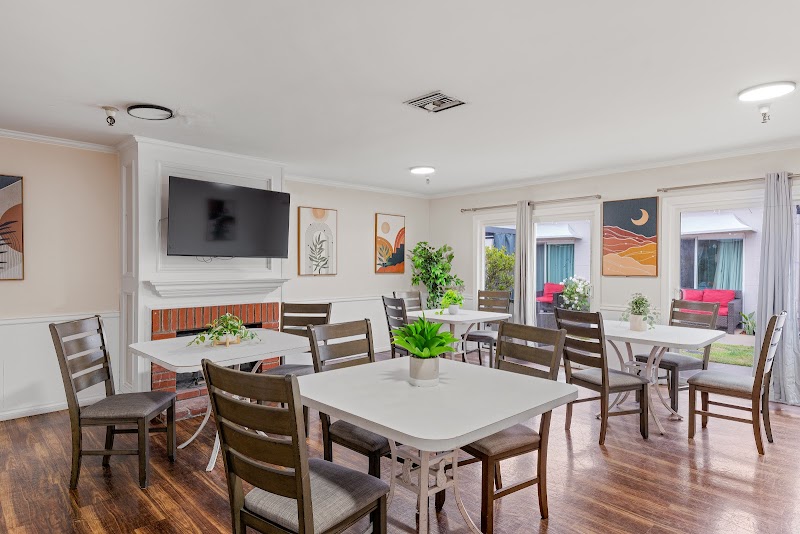
How Does York Healthcare & Wellness Centre Compare to Other California Nursing Homes?

Compared to the 100 nursing homes in California, YORK HEALTHCARE & WELLNESS CENTRE's overall rating (2 stars) is below the state average of 3.1, staff turnover (34%) is significantly lower than the state average of 46%, and health inspection rating (2 stars) is below the national benchmark.

What Should Families Ask When Visiting York Healthcare & Wellness Centre?

Based on this facility's data, families visiting should ask: "What changes have been made since the serious inspection findings, and how are you preventing similar issues?" "Can I visit during a mealtime to observe dining assistance and food quality?" "How do you handle medical emergencies, and what is your hospital transfer rate?" "Can I speak with family members of current residents about their experience?" These questions are particularly relevant given the facility's Immediate Jeopardy citations.

Is York Healthcare & Wellness Centre Safe?

Based on CMS inspection data, YORK HEALTHCARE & WELLNESS CENTRE has documented safety concerns. Inspectors have issued 2 Immediate Jeopardy citations (the most serious violation level indicating risk of serious injury or death). The facility has a 2-star overall rating and ranks #100 of 100 nursing homes in California. Families considering this facility should ask detailed questions about what corrective actions have been taken since these incidents.

Do Nurses at York Healthcare & Wellness Centre Stick Around?

YORK HEALTHCARE & WELLNESS CENTRE has a staff turnover rate of 34%, which is about average for California nursing homes (state average: 46%). Moderate turnover is common in nursing homes, but families should still ask about staff tenure and how the facility maintains care continuity when employees leave.

Was York Healthcare & Wellness Centre Ever Fined?

YORK HEALTHCARE & WELLNESS CENTRE has been fined $99,206 across 1 penalty action. This is above the California average of $34,071. Fines in this range indicate compliance issues significant enough for CMS to impose meaningful financial consequences. Common causes include delayed correction of deficiencies, repeat violations, or care failures affecting resident safety. Families should ask facility leadership what changes have been made since these penalties.

Is York Healthcare & Wellness Centre on Any Federal Watch List?

YORK HEALTHCARE & WELLNESS CENTRE is not on any federal watch list. The most significant is the Special Focus Facility (SFF) program, which identifies the bottom 1% of nursing homes nationally based on persistent, serious quality problems. Not being on this list means the facility has avoided the pattern of deficiencies that triggers enhanced federal oversight. This is a positive indicator, though families should still review the facility's inspection history directly.