WOODLANDS HEALTHCARE CENTER

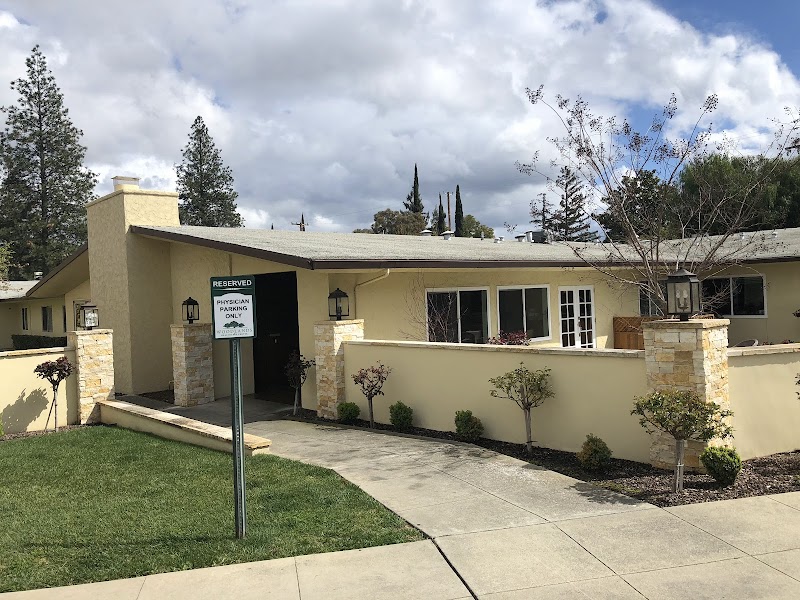
14966 TERRENO DE FLORES LANE, LOS GATOS, CA 95032 (408) 356-8136
For profit - Limited Liability company 65 Beds ASPEN SKILLED HEALTHCARE Data: November 2025
Trust Grade
83/100
#274 of 1155 in CA
Last Inspection: February 2025

Within standard 12-15 month inspection cycle. Federal law requires annual inspections.

Overview

Woodlands Healthcare Center in Los Gatos, California, has a Trust Grade of B+, which means it is above average and recommended for families considering care options. It ranks #274 out of 1155 facilities in California, placing it in the top half, and #19 out of 50 in Santa Clara County, indicating only a few local options are better. However, the facility's trend is concerning as it has worsened from 1 issue in 2024 to 3 in 2025, highlighting a growing number of compliance problems. Staffing is a strength here, with a 4/5 star rating and a turnover rate of 28%, which is lower than the California average, suggesting staff are more stable and familiar with the residents. While there have been no fines, which is good, there are some areas of concern; for instance, expired food was found in the kitchen, and there were failures to implement isolation precautions during a gastrointestinal illness outbreak, which could have posed risks to residents.

Trust Score
B+
83/100
In California
#274/1155
Top 23%
Safety Record
Low Risk
No red flags
Inspections
Getting Worse
1 → 3 violations
Staff Stability
✓ Good
28% annual turnover. Excellent stability, 20 points below California's 48% average. Staff who stay learn residents' needs.
Penalties
✓ Good
No fines on record. Clean compliance history, better than most California facilities.
Skilled Nurses
○ Average
Each resident gets 32 minutes of Registered Nurse (RN) attention daily — about average for California. RNs are the most trained staff who monitor for health changes.
Violations
⚠ Watch
27 deficiencies on record. Higher than average. Multiple issues found across inspections.
★★★★★
5.0
Overall Rating
★★★★☆
4.0
Staff Levels
★★★☆☆
3.0
Care Quality
★★★★★
5.0
Inspection Score
Stable
2024: 1 issues
2025: 3 issues

The Good

  • 4-Star Staffing Rating · Above-average nurse staffing levels
  • Low Staff Turnover (28%) · Staff stability means consistent care
  • Full Sprinkler Coverage · Fire safety systems throughout facility
  • No fines on record
  • Staff turnover is low (28%)

    20 points below California average of 48%

Facility shows strength in staffing levels, staff retention, fire safety.

The Bad

Chain: ASPEN SKILLED HEALTHCARE

Part of a multi-facility chain

Ask about local staffing decisions and management

The Ugly 27 deficiencies on record

Sept 2025 2 deficiencies
CONCERN (D) 📢 Someone Reported This

A family member, employee, or ombudsman was alarmed enough to file a formal complaint

Potential for Harm - no one hurt, but risky conditions existed

Deficiency F0605 (Tag F0605)

Could have caused harm · This affected 1 resident

Based on interview and record review, the facility failed to ensure free from unnecessary psychotropic medication (medications capable of affecting the minds, emotions, and behaviors) for one of three...

Read full inspector narrative →
Based on interview and record review, the facility failed to ensure free from unnecessary psychotropic medication (medications capable of affecting the minds, emotions, and behaviors) for one of three sampled resident (Resident 1) when: 1.There was no documented evidence of non-pharmacological (treatments and strategies that mange health conditions without using medications) approaches attempted before administered psychotropic medication lorazepam (used to treat for anxiety [persistent worry and fear about everyday situations]) to Resident 1;2.There was no documented evidence of side effects monitored for use of lorazepam (an unintended consequence of a medication, may be harmful) for Resident 1;3. There was no documented evidence of episodes of adequate behavior monitored for use of lorazepam for Resident 1.These above failures had the potential to place sampled resident at risk to receive unnecessary psychotropic medication.Findings:1.Review of Resident 1's face sheet (FS: a document that gives resident's information at a quick glance) indicated Resident 1 was admitted to facility on 7/9/2024. Resident 1's diagnoses indicated dementia with anxiety (loss of memory, language, problem solving and thinking abilities interfere with daily living along with irritability, agitation and restlessness).Review of Resident 1's order summary report indicated lorazepam oral concentrate (liquid)1MG (mg: milligram, unit of mass equal to one thousandth of a gram)/ 0.5 ML (ml: milliliter, unit of volume equal to one thousandth of a liter) give 0.25 ml every 6 hours as needed for agitation ., dated 6/28/2025.Review of Resident 1's electronic medication administration record (EMAR: a digital system used in healthcare settings to manage and track administration of medications to residents) for June/2025 indicated Resident 1 received lorazepam as ordered above on 6/28/2025 at 1846 and on 6/29/2025 at 1026.Further review of Resident 1's EMAR for June/2025 indicated there was no documented evidence for non-pharmacological approaches attempted before administered lorazepam on 6/28 and 6/29/2025.2.Review of Resident 1's EMAR for June/2025 indicated there was no documented evidence of monitored for side effects for lorazepam administration.3. Review of Resident 1's EMAR for June/2025 indicated there was no documented evidence for adequate behavior monitored for use of lorazepam.During an interview with facility's director of nursing (DON) on 7/1/2025 at 2:21 p.m., DON confirmed there was no documented evidence of nursing staff attempted non-pharmacological approaches before administered lorazepam, monitored side effects and adequate behavior monitored for use of lorazepam for Resident 1. DON stated license nursing staff should have attempted non-pharmacological interventions, monitored and documented side effects and adequate behavior when administered lorazepam to Resident 1.Review of facility's policy and procedure (P&P) titled, Psychotherapeutic Drug Management, dated 3/2010, the P&P indicated, The nurse shall implement non-drug interventions to modify behavior according to the care plan. Manifestations for the drug i.e. hitting others etc. Documentation shall occur each shift with the number of times this behavior has occurred. Side effects of the drug i.e. drooling, dry mouth, abnormal gait etc. Documentation of side effects shall occur each shift.
CONCERN (D) 📢 Someone Reported This

A family member, employee, or ombudsman was alarmed enough to file a formal complaint

Potential for Harm - no one hurt, but risky conditions existed

Deficiency F0658 (Tag F0658)

Could have caused harm · This affected 1 resident

Based on interview and record review, the facility failed to ensure to notify primary care physician (PCP) for refusal of blood tests (a laboratory analysis of a blood sample used to assess various as...

Read full inspector narrative →
Based on interview and record review, the facility failed to ensure to notify primary care physician (PCP) for refusal of blood tests (a laboratory analysis of a blood sample used to assess various aspects of resident's health) as ordered by the physician for one of three sampled resident (Resident 1) to meet professional standards.This failure had the potential to affect Resident 1's medical condition and well-being.Findings:Review of Resident 1's face sheet (FS: a document that gives resident's information at a quick glance) indicated, Resident 2 was admitted to facility on 7/9/2024.Review of Resident 1's medical diagnoses included diabetes type 2 (high blood sugar levels), chronic kidney (bean shaped body organ, filters waste and extra fluids from blood to produce urine) disease (a long term condition where the kidneys gradually lose tier ability to function properly), and atrial fibrillation (an irregular, often rapid heart rate that commonly causes poor blood flow).Review of Resident 1's order summary report indicated basic metabolic (a blood test that measures several key substances in the blood), CBC (complete blood count) with Diff (differential) (a blood test that measures the number and types of blood cells in the body), iron (a blood test that measures the amount of iron [a mineral found in cell, crucial for various bodily functions] in body), A1C (blood test that measures the average blood sugar level over the past 2-3 months) dated 6/21/2025.Review of laboratory requisitions dated 6/21/2025 at 16:02, 6/23/2025 at 13:02, 6/24/2025 at 12:03 and 6/25/2025 at 9:09 and 18:04 indicated multiple attempts to obtain blood sample for above ordered blood tests.Review of nursing notes during 6/21/2025 to 6/25/2025 indicated there was no documented evidence of Resident 1 refused blood draw for lab tests as ordered above.Review of Resident 1's blood work results indicated there was no documented evidence of above ordered blood test results.During an interview with licensed vocational nurse A (LVN A) on 7/1/2025 at 12:10 p.m., LVN A confirmed there was no documented results for above ordered blood tests for Resident 1. LVN A stated do not recall why blood draw was not done for this resident. LVN A stated possibility resident refused blood work.During an interview with facility's director of nursing (DON) on 7/1/2025 at 2:21 p.m., DON confirmed blood draw for lab tests was not completed. DON stated Resident 1 refused blood draw for lab work several days in a row when attempted by lab staff as indicated per lab requisitions. DON also confirmed license staff did not inform PCP when Resident 1's refused blood draw multiple attempts, unable to get blood test as ordered. DON also confirmed nursing staff did not document when Resident 1 refused blood test as ordered. DON stated license staff should have informed PCP and documented when Resident 1 refused blood draw for testing. Review of facility's policy and procedure (P&P) titled, Requesting, Refusing and /or Discontinuing Care or Treatment, the P&P indicated, Documentation pertaining to a resident's request, discontinuation or refusal of treatment includes at least the following: a. The date and time the care or treatment was attempted;b. The type of care or treatment;c. The resident's response and stated reason(s) for request, discontinuation or refusal;d. The name of the person who attempted to administer the care or treatment;g. The date and time the practitioner was notified as well as the practitioner's response;i. The signature and title of the person recording the data.The healthcare practitioner must be notified of refusal of treatment, in a time frame determined by the resident's condition and potential serious consequences of the request.
Feb 2025 1 deficiency
CONCERN (D)

Potential for Harm - no one hurt, but risky conditions existed

Deficiency F0637 (Tag F0637)

Could have caused harm · This affected 1 resident

Based on interview, record review, and document review, the facility failed to complete a significant change in status assessment (SCSA) Minimum Data Set (MDS) for 1 (Resident #51) of 2 sampled reside...

Read full inspector narrative →
Based on interview, record review, and document review, the facility failed to complete a significant change in status assessment (SCSA) Minimum Data Set (MDS) for 1 (Resident #51) of 2 sampled residents reviewed for nutrition. Findings included: The Centers for Medicare & Medicaid Services Long -Term Care Facility Resident Assessment Instrument [RAI] 3.0 User's Manual dated 10/2024, indicated, 03. Significant Change in Status Assessment The SCSA is a comprehensive assessment for a resident that must be completed when the IDT [interdisciplinary team] has determined that a resident meets the significant change guidelines for either major improvement or decline. Per the manual, A significant change is a major decline or improvement in a resident's status that: 1. Will not normally resolve itself without intervention by staff or by implementing standard disease-related clinical interventions, the decline is not considered self-limiting; 2. Impacts more than one area of the resident's health status; and 3. Required interdisciplinary review and/or revision of the care plan. According to the manual, a Decline in two or more of the following: included Any decline an ADL [activity of daily living] physical functioning area where a resident is newly coded as partial/moderate assistance, substantial/maximal assistance, dependent, resident refused, or the activity was not attempted since last assessment and does not reflect normal fluctuations in that individual's functioning; and Emergence of unplanned weight loss problem (5% change in 30 days or 10% change in 180 days). An admission Record indicated the facility admitted Resident #51 on 06/26/2024. According to the admission Record, the resident had a medical history that included diagnoses of Alzheimer's disease, dementia, need for personal assistance, and dysphagia (difficulty swallowing). A quarterly MDS, with an Assessment Reference Date (ARD) of 09/26/2024, revealed Resident #51 was severely impaired in cognitive skills for daily decision making. The MDS indicated the resident required substantial/maximal assistance with eating and oral hygiene. Per the MDS, the resident weighed 125 pounds and did not have any weight loss. A quarterly MDS, with an ARD of 12/19/2024, revealed Resident #51 was severely impaired in cognitive skills for daily decision making. The MDS indicated the resident was dependent on staff for eating and oral hygiene. Per the MDS, the resident weighed 115 pounds and had weight loss of 5% or more in the last month or 10% or more in the last six months. Resident #51's care plan, included a focus area initiated 06/26/2024 and revised 07/11/2024, that indicated the resident had impaired nutritional and hydration status. Interventions directed staff to refer the resident to the registered dietician and/or the interdisciplinary team for significant with loss, poor hydration, poor meal intake, diet/texture intolerance or nutrition related problems (initiated 06/26/2024). Resident #51's care plan, included a focus area initiated 01/05/2025, that indicated the resident had weight loss. Interventions directed the staff to monitor and evaluate any weight loss (initiated 01/05/2025). On 02/11/2025 at 11:29 AM, the Dietician stated Resident #51 had an unexpected significant weight loss, in which the resident lost 15.7 pounds in three months. On 02/11/2025 at 2:03 PM, Certified Nursing Assistant (CNA) #4 stated Resident #51 now required to be fed by staff. CNA #4 stated there was a change in the resident and the resident use to be able to do more. On 02/11/2025 at 2:05 PM, CNA #3 stated Resident #51 was now dependent on staff for eating. Per CNA #3, a couple of months ago, the resident was able to feed themselves. On 02/11/2025 at 2:13 PM, Restorative Nursing Assistant (RNA) #2 stated Resident #51 had to be fed by staff and was dependent on staff for all care. RNA #2 stated the resident use to be able to feed themselves, but now they could not. On 02/12/2025 at 8:03 AM, Registered Nurse (RN) #1 stated Resident #51 declined and was no longer able to participate in activities of daily living, such as eating. Per RN #1, the resident had to be fed all their meals by staff. According to RN #1, the resident also lost 15 pounds in three months. On 02/12/2025 at 8:07 AM, MDS Assistant #7 stated the identification of a SCSA was to make sure a resident maintained their quality of life and for the facility to attempt to rectify the change to help the resident recover and/or improve. MDS Assistant #7 confirmed Resident #51 had a change in their ability to feed themselves and experienced a significant weight loss. MDS Assistance #7 stated the resident qualified for a SCSA MDS and she missed it. On 02/12/2025 at 8:16 AM, the Director of Nursing stated she expected a SCSA MDS to be completed when a resident had a significant change in their status so that the IDT could meet and implement interventions to resolve the change. On 02/12/2025 at 11:08 AM, the Administrator stated he expected the MDS staff to follow the RAI and timely complete a SCSA MDS when needed.
Dec 2024 1 deficiency
CONCERN (E) 📢 Someone Reported This

A family member, employee, or ombudsman was alarmed enough to file a formal complaint

Potential for Harm - no one hurt, but risky conditions existed

Infection Control (Tag F0880)

Could have caused harm · This affected multiple residents

Based on interview and record review, the facility failed to follow it's Policy and Procedure titled Isolation-Categories of Transmission- Based Precautions, when the facility failed to provide eviden...

Read full inspector narrative →
Based on interview and record review, the facility failed to follow it's Policy and Procedure titled Isolation-Categories of Transmission- Based Precautions, when the facility failed to provide evidence of implementing isolation precautions (process of creating barriers between people and germs to help prevent the spread of infectious microbes) during an outbreak of infectious gastrointestinal related illnesses for four of six sampled residents (Resident 1, Resident 2, Resident 3 & Resident 4). This failure had the potential to spread infectious disease to other residents and staff at the facility. Findings: During an interview on 12/2/24, at 9:35 a.m., with Infection Prevention Nurse (IP), IP stated, the care staff reported multiple residents with vomiting and diarrhea during the night shift in early October. IP stated, she became aware of the outbreak because it was documented in a change of condition report. IP stated, they began testing residents for C-diff (Clostridium difficile a bacterium that causes an infection of the colon, spread through physical contact) and Norovirus (viral infection causing vomiting and diarrhea spread through physical contact). IP stated, their procedure for isolation precautions are, once the staff identify symptoms of an infectious disease, they notify charge nurse who will place orders and notify the doctor, and put in orders for isolation precautions, in this case we would put the order for contact precautions (Use of personal protective equipment (PPE) appropriately, including gloves and gown). The IP stated, either herself or the charge nurse would put up isolation precaution signs outside the residents room to inform staff and visitors. During a review of the IP's outbreak documentation spreadsheet (an excel spreadsheet of all persons involved in the outbreak), undated, the spreadsheet indicated, 23 residents had GI related symptoms (ranging from nausea, vomiting, diarrhea, fever, or abdominal cramping) from the date range 10/18-10/30/24. The spreadsheet indicated, 11 staff members had GI related symptoms from the date range 10/22-10/27/24. The spreadsheet indicated, 6 residents were tested positive for norovirus in this date range, and one for c-diff. During a review of Resident 1's Change in Condition Evaluation(CIC) dated 10/22/24, CIC indicated, Nausea/Vomiting reported by staff during the night. During a concurrent interview and record review on 12/2/24, at 11:04 a.m., with IP, Resident 1's MD orders dated 10/22/24-10/28/24 was reviewed. MD orders indicated, no order for isolation precautions. IP stated Resident 1 should have been placed on isolation during the outbreak. During a review of Resident 1's MD orders dated 10/23/24, MD order indicated, collect stool culture for norovirus. During a review of Resident 1's progress note dated 10/22/24, note indicated, resident began vomiting around 8p.m. During a review of Resident 1's progress note dated 11/4/24, note indicated, Resident 1 was positive for norovirus on 10/25/24. During a review of Resident 2's Care Plan dated 10/22/24, Care plan indicated, Episodes of diarrhea due to unknown etiology. Interventions.Implement enhanced barrier precautions (Enhanced Barrier Precautions are an infection control intervention designed to reduce transmission of multidrug-resistant organisms (MDROs) in nursing homes) During a concurrent interview and record review on 12/2/24, at 11:06 a.m., with IP, Resident 2's MD orders dated 10/22/24-10/28/24 was reviewed. MD orders indicated, no order for isolation precautions. IP stated Resident 2 should have been placed on isolation during the outbreak. During a review of Resident 3's Care Plan dated 10/24/24, Care plan indicated, Episodes of diarrhea. Interventions. Implement enhanced barrier precautions. During a review of Resident 3's progress note dated 11/4/24, note indicated, Resident 3 was positive for norovirus on 10/25/24. During a concurrent interview and record review on 12/2/24, at 11:08 a.m., with IP, Resident 3's MD orders dated 10/22/24-10/28/24 was reviewed. MD orders indicated, no order for isolation precautions. IP stated Resident 3 should have been placed on isolation during the outbreak. During a review of Resident 4's Care Plan dated 10/24/24, Care plan indicated, Episodes of diarrhea due to unknown etiology. Interventions.Implement contact precaution. During a concurrent interview and record review on 12/2/24, at 11:10 a.m., with IP, Resident 4's MD orders dated 10/22/24-10/28/24 was reviewed. MD orders indicated, no order for isolation precautions. IP stated Resident 4 should have been placed on isolation during the outbreak. During a review of the facility's Policy & Procedure (P&P) titled, Infection Prevention and Control Program, dated 2021, the P&P indicated, 10. Outbreak management a. Outbreak management is a process that consists of: .(3) preventing the spread to other residents During a review of the facility's P&P titled, Isolation-Categories of Transmission- Based Precautions, the P&P indicated, Transmission-Based Precautions are initiated when a resident develops signs and symptoms of a transmissible infection.
Oct 2023 9 deficiencies
CONCERN (D)

Potential for Harm - no one hurt, but risky conditions existed

Pharmacy Services (Tag F0755)

Could have caused harm · This affected 1 resident

**NOTE- TERMS IN BRACKETS HAVE BEEN EDITED TO PROTECT CONFIDENTIALITY** Based on interview and record review, the facility failed to meet the needs of two residents (13 and 20) when they were simultan...

Read full inspector narrative →
**NOTE- TERMS IN BRACKETS HAVE BEEN EDITED TO PROTECT CONFIDENTIALITY** Based on interview and record review, the facility failed to meet the needs of two residents (13 and 20) when they were simultaneously administered two medications with drug-to-drug interaction (situation in which a drug affects the activity of another drug when both are administered together). This interaction may decrease the therapeutic effect of the medications for the residents. Findings: Review of Resident 13's admission Record indicated, she was admitted to the facility on [DATE] with anemia (a low number of red blood cells) diagnosis. Review of Resident 13's clinical record indicated, she had physician orders for ferrous sulfate (a supplement used to prevent or treat low blood iron levels) 220 milligrams (mg, a metric unit of mass) per 5 milliliters (ml, a metric unit of volume) daily at 9 a.m., started on 7/21/23, and for calcium carbonate (a medication used to prevent or treat low blood calcium levels) 500 mg, give two tablets daily at 9 a.m., started on 7/21/23. Thus, since 7/21/23, ferrous sulfate and calcium carbonate were given daily at the same time at 9 a.m. Review of Resident 20's admission Record indicated, he was admitted to the facility on [DATE] with iron deficiency anemia secondary to blood loss diagnosis. Review of Resident 20's clinical record indicated, he had physician orders for ferrous sulfate 220 mg/5 ml, give 7.5 ml daily at 9 a.m., started on 8/24/23, and for Calcium 600-D (a medication used to prevent or treat low blood calcium levels) 600-400 mg-unit, two times daily at 9 a.m. and 5 p.m., started on 8/24/23. Thus, since 8/24/23, ferrous sulfate and Calcium 600-D were given daily at the same time at 9 a.m. During an interview with the pharmacy consultant (PC), on 10/13/23 at 2:55 p.m., she stated the ferrous sulfate and calcium should have administered at least one to two hours apart to avoid drug-to-drug interaction that may decrease the absorption of ferrous sulfate. During an interview with the director of nursing (DON) on 10/13/23 at 3:05 p.m., she confirmed the ferrous sulfate and calcium should have not given at the same time to Resident 13 and Resident 20. According to Lexicomp (www.[NAME].com), a nationally recognized drug information resource, the concurrent use of calcium and ferrous sulfate led to a drug-drug interaction (DDI) of Risk Rating D, which was a significant interaction and required therapy modification. The effect of the DDI was that the calcium may decrease the absorption of oral preparations of iron salts. It indicated the iron absorption was decreased an average of 60% when given as ferrous sulfate and co-administered with calcium. Lexicomp also indicated to separate the administrations of these medications so it may minimize the potential for significant interaction. Review of the facility's policy, Medication Regimen Review, dated 4/2008, indicated, The consultant pharmacist performs a comprehensive medication regimen review (MRR) at least monthly. The MRR includes evaluating the resident's response to medication therapy to determine that the resident maintains the highest practicable level of functioning and prevents or minimizes adverse consequences related to medication therapy.
CONCERN (D)

Potential for Harm - no one hurt, but risky conditions existed

Deficiency F0813 (Tag F0813)

Could have caused harm · This affected 1 resident

Based on observation, interview and policy review, the facility failed to follow its policy and procedure on foods brought by resident's family for two of fifteen residents (11 and 21), when an expire...

Read full inspector narrative →
Based on observation, interview and policy review, the facility failed to follow its policy and procedure on foods brought by resident's family for two of fifteen residents (11 and 21), when an expired 8-ounce bottle of Glucerna (a nutritional supplement) and an expired box of sesame cookie rolls were on Resident 11's and Resident 21's night stands. These failures had the potential to result, for Resident 11 and Resident 21, to develop foodborne illness. Findings: During an observation and interview with licensed vocational nurse B (LVN B) on 10/9/23 at 12:03 p.m., an 8-ounce bottle of Glucerna was found on top of Resident 11's night stand with an expiration date of 7/1/23. LVN B stated, the Glucerna bottle had already expired, and it should have not kept inside the resident room. During an interview with the director of nursing (DON) on 10/13/23 at 2:34 p.m., she stated the expired Glucerna bottle should have not in Resident 11's room on her night stand even though it was brought in by Resident 11's family. During an observation and interview with LVN B on 10/9/23 at 12:24 p.m., a box of sesame cookie rolls was found on top of Resident 21's night stand with an expiration date of 3/23/22. LVN B stated, the box of sesame cookie rolls had already expired, and it should have not kept inside the resident room. During an interview with the DON on 10/13/23 at 3:08 p.m., she stated the box of sesame cookie rolls was expired, and it should have not kept with Resident 21 on her night stand. Review of the facility's policy, Foods Brought by Family/Visitors, dated 10/2017, indicated, . 9. The nursing and/or food service staff will discard any foods prepared for the resident that show obvious signs of potential foodborne danger (for example, mold growth, foul odor, past due package expiration dates).
CONCERN (E)

Potential for Harm - no one hurt, but risky conditions existed

Comprehensive Care Plan (Tag F0656)

Could have caused harm · This affected multiple residents

**NOTE- TERMS IN BRACKETS HAVE BEEN EDITED TO PROTECT CONFIDENTIALITY** 3. A review of Resident 18's clinical record indicated Resident 18 was admitted to the facility on [DATE] with diagnoses includi...

Read full inspector narrative →
**NOTE- TERMS IN BRACKETS HAVE BEEN EDITED TO PROTECT CONFIDENTIALITY** 3. A review of Resident 18's clinical record indicated Resident 18 was admitted to the facility on [DATE] with diagnoses including sequelae of cerebral infarction (area of brain tissue that dies because of localized hypoxia/ischemia due to a cessation of blood flow), dysphagia swallowing difficulties), unspecified dementia (impaired ability to remember, think, or make decisions that interfere with doing everyday activities) without behavioral disturbance. During an observation of Resident 18 on 10/9/2023 at 8:44 a.m., Resident 18 was sleeping in bed. During an observation of Resident 18 on 10/11/2023 at 10:01 a.m., Resident 18 was sleeping in bed. A record review of Resident 18's physician order dated 9/6/2023, indicated, administering Modafinil, 100 mg, 1 tablet via percutaneous endoscopic gastrostomy (PEG, a feeding tube that is placed into a patient's stomach) tube, daily for excessive sleepiness. A review of Resident 18's care plan indicated, the excessive sleepiness problem was not addressed in the care plan. During a concurrent interview and record review with the Director of Staff development (DSD) on 10/12/2023 at 2:42 p.m., DSD confirmed after reviewing Resident 18's care plan that Resident 18's excessive sleepiness was not addressed in her care plan. DSD further stated, Resident 18 had been taking Modafinil to treat excessive daytime sleepiness since 9/6/2023 and nurses should have developed a comprehensive person-centered care plan to track the progress toward the therapeutic goals. During an interview with the Director of Nursing (DON) on 10/13/2023 at 2:00 p.m., the DON stated the licensed nurses should have been address Resident 18's excessive sleepiness issue in the care plan. Review of the facility's policy and procedure titled, Care Plans, Comprehensive Person-Centered, revised December 2016, indicated, A comprehensive, person-centered care plan that includes measurable objectives and timetables to meet the resident's physical, psychosocial and functional needs is developed and implemented for each resident. The comprehensive, person-centered care plan will include measurable objectives and timeframes, describe the services that are to be furnished to attain or maintain the resident's highest practicable physical, mental and psychosocial well-being and reflect treatment goals, timetables and objectives in measurable outcomes. Identifying problem areas and their causes and developing interventions that are targeted and meaningful to the resident. The comprehensive, person-centered care plan is developed within 7 days of the completion of the required comprehensive assessment. Based on observation, interview and record review, the facility failed to develop and implement comprehensive, person-centered, care plans for four of thirty-one residents investigated, (Residents 14, 41, 160 and 18) when: 1. Residents 14 and 41, the activity care plans did not specify the activities provided, there were no frequency of visits for the activities, and no measurable outcomes of the visits; 2. Resident 160, there were no interventions that were developed in the activity care plan, and 3. Resident 18, there was no care plan to address her excessive sleepiness issue. These failures had the potential to result in the residents, not receiving the interventions necessary to maintain their highest level of well-being. Findings: 1. Review of Resident 14's clinical record indicated, Resident 14 was an [AGE] year-old female with diagnoses including Alzheimer's disease (a progressive disease that destroys memory and other important mental functions), type 2 diabetes mellitus (adult onset, high blood sugar) and chronic atrial fibrillation (longstanding, irregular or rapid heartbeat). Resident 14 was admitted to the facility last 10/26/2020. During an observation of Resident 14 on 10/9/23 at 1:04 p.m., Resident 14 was laying in her bed with the head of her bed elevated to almost 90 degrees. Resident 14 was alert, oriented, calm, and with no behaviors. Review of Resident 14's active physician orders as of 10/11/23, indicated, Resident 14 may participate in activities if not in conflict with treatment plan, initiated, 10/26/20. Review of Resident 14's activity care plan indicated, the staff to provide one on one bedside or in-room visits and activities. The activity care plan did not describe the services that are to be furnished to attain or maintain the resident's highest practicable physical, mental and psychosocial well-being, there was no frequency, timetable in the intervention provided, and no measurable outcome of the visits. During a concurrent interview with minimum data set coordinator (MDSC) and record review of Resident 14's care plans on 10/13/23 at 10:19 a.m., MDSC verified that Resident 14's care plan for her activities was not comprehensive and person-centered, and the interventions did not specify the activities to be provided and did not have the frequency of the visits provided. MDSC further verified that there was no measurable outcome for the visits in the care plan. During a concurrent interview with activities director (AD) and record review of Resident 14's care plans on 10/13/23 at 10:40 a.m., AD verified that Resident 14's care plan for her activities was not comprehensive and person-centered, and the interventions did not specify the activities to be provided and did not have the frequency of the visits provided. AD further verified that there was no measurable outcome for the visits in the care plan. During an interview with the director of nursing (DON) on 10/13/23 at 2:55 p.m., DON verified that the activity care plan of Resident 14 should have been comprehensive and person-centered. DON further verified the care plan should have specified the services provided and the frequency of the visits. Review of Resident 41's clinical record indicated, Resident 41 was an [AGE] year-old female, admitted to the facility last 4/25/23, with diagnoses including, hemiplegia (complete paralysis of one side of the body) and hemiparesis (partial weakness on one side of the body) following cerebral infarction (also known as stroke, refers to damage to tissues in the brain due a loss of oxygen to the area) affecting left non-dominant side, dysphagia (difficulty swallowing) and type 2 diabetes mellitus (adult onset, high blood sugar). During an observation of Resident 41 on 10/9/23 at 2:17 p.m., Resident 41 was sitting in her wheelchair, alert, calm, and comfortable. Review of Resident 41's active physician orders as of 10/11/23, indicated, Resident 41 may participate in activities if not in conflict with treatment plan, initiated, 4/25/23. Review of Resident 41's care plan for her activities indicated, the staff to provide one on one bedside or in-room visits and activities. The activity care plan did not describe the services that are to be furnished to attain or maintain the resident's highest practicable physical, mental and psychosocial well-being and there was no frequency and timetable in the intervention provided and no measurable outcome of the visits. During a concurrent interview with MDSC and record review of Resident 41's care plans on 10/13/23 at 10:19 a.m., MDSC verified that Resident 41's care plan for her activities was not comprehensive and person-centered, and the interventions did not specify the activities to be provided and did not have the frequency of the visits provided. MDSC further verified that there was no measurable outcome for the visits in the care plan. During a concurrent interview with AD and record review of Resident 41's care plans on 10/13/23 at 10:40 a.m., AD verified that Resident 41's care plan for her activities was not comprehensive and person-centered, and the interventions did not specify the activities to be provided and did not have the frequency of the visits provided. AD further verified that there was no measurable outcome for the visits in the care plan. During an interview with the DON on 10/13/23 at 2:55 p.m., DON verified that the activity care plan of Resident 41 should have been comprehensive and person-centered. DON further verified that the care plan should have specified the services provided and the frequency of the visits. 2. Review of Resident 160's clinical record indicated, Resident 160 was a [AGE] year old male, admitted to the facility last 9/28/23, with diagnoses including, displaced intertrochanteric fracture (extracapsular fracture of the proximal femur that occur between the greater and lesser trochanter) of right femur (thigh bone), hypertension (high blood pressure) and history of falling. During an observation of Resident 160 on 10/9/23 at 1:55 p.m., Resident 160 was laying in his bed, alert, oriented, calm and verbally responsive. Review of Resident 160's active orders as of 10/11/23, indicated, Resident 160 may participate in activities if not in conflict with treatment plan, initiated, 9/28/23. Review of Resident 160's care plan for his activities indicated, there were no interventions or tasks formulated for his activity care plan. There were no specific services that were to be furnished to attain or maintain the resident's highest practicable physical, mental and psychosocial well-being, no frequency of the services and no measurable outcomes of the services. During a concurrent interview with MDSC and record review of Resident 160's care plans on 10/13/23 at 10:19 a.m., MDSC verified that Resident 160's care plan for her activities was not comprehensive and person-centered. MDSC further verified that there were no interventions or tasks formulated for his activity care plan and there were no specific services that were to be furnished to attain or maintain the resident's highest practicable physical, mental and psychosocial well-being, no frequency of the services and no measurable outcomes of the services. During a concurrent interview with AD and record review of Resident 160's care plans on 10/13/23 at 10:40 a.m., AD verified that Resident 160's care plan for her activities was not comprehensive and person-centered, and there were no interventions or tasks formulated. During an interview with the DON on 10/13/23 at 2:55 p.m., DON verified that the activity care plan of Resident 160 should have been comprehensive and person-centered. DON further verified that the interventions or tasks in the activity care plan should have been formulated already with specific services to be provided, frequency of the services provided and the measurable outcomes of the services.
CONCERN (E)

Potential for Harm - no one hurt, but risky conditions existed

Deficiency F0658 (Tag F0658)

Could have caused harm · This affected multiple residents

**NOTE- TERMS IN BRACKETS HAVE BEEN EDITED TO PROTECT CONFIDENTIALITY** Based on interview and record review, the facility failed to ensure care and services were provided in accordance with professio...

Read full inspector narrative →
**NOTE- TERMS IN BRACKETS HAVE BEEN EDITED TO PROTECT CONFIDENTIALITY** Based on interview and record review, the facility failed to ensure care and services were provided in accordance with professional standards of practice for three of 15 sampled residents (Residents 16, 18, and 21) when: 1. Resident 16, there were two duplicated insulin orders without parameters; 2. Resident 18, the treatment nurse did not label the dressing with the date, time, and initial and; 3. Resident 21, the licensed nurse did not refill her eye drop medicine on time and caused six missed treatments. These failures had the potential to negatively affect the residents' health and well-being. Findings: 1. A review of Resident 16's clinical record indicated Resident 16 was admitted to the facility on [DATE] with diagnoses including type 2 diabetes mellitus (type 2 DM, adult onset high blood sugar) with diabetic neuropathy (the presence of symptoms or signs of peripheral nerve dysfunction in people with diabetes), type 2 diabetes mellitus with unspecified diabetic retinopathy (an eye condition that can cause vision loss and blindness in people who have diabetes) without macular edema. A review of Resident 16's physician order dated 3/26/2023 indicated, Novolog (medication for blood sugar) FlexPen Solution Pen-injector 100 unit/ml (insulin Aspart), inject 15 units subcutaneously with meals for Type 2 DM, if blood sugar (BS) < 150; give 20 units if BS> 150; NovoLog FlexPen Solution Pen-injector 100 unit/ml (insulin Aspart) inject 20 units subcutaneously with meals for Type 2 DM if BS is >150; give 15units if BS is <150. During a concurrent interview and record review with Licensed Vocational Nurse (LVN) A on 10/11/2023 at 11:45 a.m., LVN A stated that the above orders were duplicated without parameters for low blood sugar and had caused confusion. During a concurrent interview and record review with the Director of Staff Development (DSD) on 10/13/2023 at 10:03 a.m., the DSD reviewed Resident 16's physician order and confirmed, the above orders were duplicated and incomplete. The DSD further stated that the nurse who received the orders needed to clarify with the doctor for parameters to prevent medication errors. 2. During a concurrent observation and interview with the treatment nurse (TN) on 10/12/2023 at 10:20 a.m., there was a dressing without a label of the date, time and initial under Resident 18's PEG tube. The TN removed the dressing and cleaned the area of the PEG tube, then placed a new one under the tube without labeling the dressing with date, time, and initial. During an interview with TN on 10/12/2023 at 10:30 a.m., the TN acknowledged that she did not label the dressing with the date, time, and initial. During an interview with the DSD on 10/13/2023 at 10:03 a.m., the DSD stated that the TN should have been labeled the dressing with date, time, and initial for next-shift nurses to track. During an interview with the DON on 10/13/2023 at 2:00 p.m., the DON stated the nurses should have label the dressing with date, time, and initial according to the facility policy and procedure. A review of the facility's policy and procedure titled, Dressing, Dry/Clean, Revised September 2013, indicated, .label tape or dressing with date, time and initials . 3. A review of Resident 21's clinical record indicated, Resident 21 was admitted to the facility on [DATE] with diagnoses including unspecified glaucoma (a group of eye diseases that can cause vision loss and blindness by damaging a nerve in the back of the eyes). A review of Resident 21's physician order indicated, instilling one drop of Dorzolamide (medication for the eyes) Hydrochloride and Timolol Mal (medication for the eyes), in both eyes twice daily for glaucoma. During a concurrent observation and interview with the nurse supervisor on 10/9/2023 at 5:16 p.m., she stated the registered nurse (RN E) did not instill the Dorzolamide eye drops in Resident 21's eyes during the medication pass. RN B stated that there were no Dorzolamide eye drops in the medication cart for Resident 21. During an interview and concurrent record review with licensed vocational nurse (LVN B) on 10/9/2023 at 5:30 p.m., LVN B reviewed Resident 1's nursing note dated 10/6/2023 to 10/9/2023 and confirmed, there was no Dorzolamide eye drops available for Resident 21 since 10/6/2023, and the licensed nurse reordered on the same day. LVN B stated that nurses should have refill the medication when there was a 3-to-4-day supply left. LVN B further stated, those missed treatments would make Resident 21, not receive the medication's full therapeutic effects. During a concurrent interview and record review with the DON on 10/13/2023 at 2:00 p.m., the DON confirmed, six missed Dorzolamide eye drops treatment for Resident 21's glaucoma, from 10/6-10/9. The DON stated that the nurses should have check the expired medications frequently and refill medications, 3 to 5 days before the last dosage. A review of the facility's policy and procedure titled Medication and Treatment orders, Revised July 2016, indicated, .Drugs and biologicals that are required to be refilled must be reordered from the issuing pharmacy not less than three days prior to the last dosage being administered to ensure that refills are readily available . A review of the facility's undated Medication Delivery Cut Off time Schedule, indicated .refills should have been ordered when there is a 3-to-5-day supply left in the card .
CONCERN (E)

Potential for Harm - no one hurt, but risky conditions existed

Quality of Care (Tag F0684)

Could have caused harm · This affected multiple residents

**NOTE- TERMS IN BRACKETS HAVE BEEN EDITED TO PROTECT CONFIDENTIALITY** Based on observation, interview and record review, the facility failed to ensure the residents received the necessary care and s...

Read full inspector narrative →
**NOTE- TERMS IN BRACKETS HAVE BEEN EDITED TO PROTECT CONFIDENTIALITY** Based on observation, interview and record review, the facility failed to ensure the residents received the necessary care and services for five of 15 residents (2, 8, 20, 22, and 37) when: 1. Licensed nurses did not follow the physician's order for pain medication based on the resident's pain level for Resident 2; 2. A bottle of gel hand sanitizer was on Resident 8's night stand in her room; 3. Licensed nurse did not follow the physician's order for oxygen supplement for Resident 20; 4. Licensed vocational nurse G (LVN G) did not know how to monitor Resident 22's AV fistula (a special connection that is made by joining a vein onto an artery, usually in the arm) and what to do if it was bleeding; and 5. LVN G did not know how to monitor the signs and symptoms if the pacemaker would malfunction for Resident 37. These failures had the potential to affect the residents' care and could jeopardize their health and well-being. Findings: 1. Review of Resident 2's admission Record indicated she was admitted to the facility on [DATE]. Review of Resident 2' physician order, dated 3/26/22, indicated she had an order for Tylenol (medication used to treat minor pains) 325 milligrams (mg, a metric unit of mass) give two tablets every 6 hours as needed for pain level 1 to 3; and Norco (medication used to relieve moderate to severe pain) 5-325 mg every 4 hours as needed for pain level 4 to 10. However, review of Resident 2's Medication Administration Record (MAR), dated 8/2023 and 9/2023, indicated the licensed nurses administered Norco 5-325 mg to Resident 2 when she had pain level below 4 on 8/8/23, 8/23/23, 8/28/23, 9/19/23, 9/25/23, and 9/28/23. During an interview with the director of nursing (DON) on 10/13/23 at 2:38 p.m., she reviewed Resident 2's 8/2023 and 9/2023 MARs and confirmed the licensed nurses administered Norco 5-325 mg to Resident 2 when she had pain level below 4 on 8/8/23, 8/23/23, 8/28/23, 9/19/23, 9/25/23, and 9/28/23. The DON stated the licensed nurses should have administered Tylenol to Resident 2 when she had pain level below 4. Review of the facility's policy, Administering Pain Medications, dated 10/2010, indicated . Steps in the Procedure: . 6. Administer pain medications as ordered. 2. Review of Resident 8's admission Record indicated she was admitted to the facility on [DATE] with diagnoses including Alzheimer's disease (a brain disorder that slowly destroys memory and thinking skills) and dementia (loss of memory, language, problem-solving and other thinking abilities that are severe enough to interfere with daily life). During an observation on 10/9/23 at 1:09 p.m., Resident 8 was lying in bed and was able to turn, grab, and pull the blanket to cover herself. A 354 milliliters (ml, a metric unit of volume) bottle of gel hand sanitizer was on Resident 8's bedside night stand. The hand sanitizer bottle was 2/3 full. During an observation and interview with license vocational nurse B (LVN B) on 10/9/23 at 1:11 p.m., he picked up the hand sanitizer bottle and stated it should have not left inside Resident 8's room. During an interview with the director of staff development (DSD) on 10/13/23 at 2:10 p.m., she stated the certified nursing assistant (CNA) in night shift used the hand sanitizer bottle and left it there on Resident 8's night stand. The DSD stated the CNA should have not left the hand sanitizer bottle there with Resident 8's room because the residents could drink it. Review of the facility's policy, Safety and Supervision of Residents, dated 7/2017, indicated Our facility strives to make the environment as free from accident hazards as possible. Resident safety and supervision and assistance to prevent accidents are facility-wide priorities. 3. Review of Resident 20's admission Record indicated he was admitted to the facility on [DATE] with acute respiratory failure diagnosis. Review of Resident 20's physician order, dated 8/23/23, indicated he had an order for oxygen (therapy that provides extra air to breathe in) at 2 liters (L, a metric unit of volume) per minute via nasal cannula (device used to deliver supplemental or air to a resident) continuously every shift. During an observation and interview with license vocational nurse B (LVN B) on 10/9/23 at 11:44 a.m., Resident 20 was lying in bed and the resident was on 3 L of oxygen per minute. LVN B stated Resident 20 should have administered 2 L of oxygen per minute as ordered. Review of the facility's policy, Medication Administration - General Guidelines, dated 4/2008, indicated . Procedures: . B. Administration: . 2. Medications are administered in accordance with written orders of the attending physician. 4. Review of Resident 22's admission Record indicated he was admitted to the facility on [DATE] with diagnoses including end stage renal disease and dependence on renal dialysis (the machine removes waste and extra fluid from the blood before pumping it back into the body; the blood leaves and then returns to the body through a needle, usually in the arm, neck, or leg). Review of Resident 22's physician orders, dated 6/21/21, indicated he had orders for the licensed nurses to check his AV fistula site on his left forearm for bruit (a whooshing sound heard by using a stethoscope) and thrill (a vibration caused by blood flowing through the fistula and can be felt by placing the fingers just above the incision line) every shift, to observe his AV fistula site for redness, swelling, and bleeding every shift, and if bleeding was apparent, apply direct pressure over the dialysis access site and call the physician immediately. During an interview with licensed vocational nurse G (LVN G) on 10/11/23 at 11:14 a.m., she stated she was the assigned licensed nurse for Resident 22. LVN G stated she checked Resident 22's AV fistula site for redness, swelling, bleeding, and bruit. LVN G stated she did not know anything else to check on Resident 22's fistula site. LVN G stated she checked the bruit by observing the fistula site, and if the site was bleeding, she would wrap it up so that the blood did not go everywhere and call the physician. During an interview with the DON on 10/13/23 at 3:13 p.m., she stated the licensed nurses should know they should check the thrill and know how to check bruit and thrill, and she should have applied direct pressure on the site if it was bleeding as ordered by the physician. Review of the facility's policy, Hemodialysis Access Care, dated 9/2010, indicated . Steps in the Procedure: . h. Check patency of the site at regular intervals. Palpate the site to feel the thrill, or use a stethoscope to hear the whoosh or bruit of blood flow through the access. Care Immediately Following Dialysis Treatment: . If there is bleeding from site, apply pressure to insertion site . 5. Review of Resident 37's admission Record indicated she was admitted to the facility on [DATE] with presence of cardiac pacemaker (a small battery-operated device implanted in the chest that helps the heart beat in a regular rhythm) diagnosis. Review of Resident 37's physician order, dated 3/6/23, indicated she had an order for the licensed nurse to observe her and report signs and symptoms of pacemaker malfunction such as pulse less than 60, and/or shortness of breath, chest pain, dizziness, altered level of consciousness (ALOC), prolonged hiccups, chest muscle twitching, swelling of both legs and ankles, fainting or palpitations (rapid pulsations or abnormally rapid or irregular beating of the heart), hypotension (low blood pressure) every shift. During an interview with LVN G on 10/11/23 at 11:21 a.m., she stated she was the assigned licensed nurse for Resident 37. LVN G stated she checked the malfunction of Resident 37's pacemaker by checking her apical pulse (a pulse point on the chest at the bottom tip of the heart), and she would call the physician if the apical pulse was less than 60. LVN G stated she did not know any other signs or symptoms to monitor for the malfunction of Resident 37's pacemaker. During an interview with the DON on 10/13/23 at 2:32 p.m., she stated the physician had already ordered to monitor Resident 37 for signs and symptoms of the pacemaker malfunction, the licensed nurses should have known about these signs and symptoms of the pacemaker malfunction. Review of the facility's policy, Pacemaker, Care of a Resident with a, dated 12/2015, indicated . Monitoring: Monitor the resident for pacemaker failure by monitoring for signs and symptoms including: syncope, shortness of breath, dizziness, fatigue, and/or confusion.
CONCERN (E)

Potential for Harm - no one hurt, but risky conditions existed

Deficiency F0761 (Tag F0761)

Could have caused harm · This affected multiple residents

**NOTE- TERMS IN BRACKETS HAVE BEEN EDITED TO PROTECT CONFIDENTIALITY** Based on observation, interview, and record review, the facility failed to ensure proper medication storage and labeling of medi...

Read full inspector narrative →
**NOTE- TERMS IN BRACKETS HAVE BEEN EDITED TO PROTECT CONFIDENTIALITY** Based on observation, interview, and record review, the facility failed to ensure proper medication storage and labeling of medications when: 1. unlabeled, discontinued, and expired medications were not removed from the medication carts to prevent medication errors; 2. medications were not labeled with full names or open date; 3. an insulin glargine injection pen (medication to lower blood sugar) did not have a patient-specific label; 4. two bottles of normal saline, and a cup with itching medication were left inside the resident's room. These deficient practices had the potential for residents, to receive medications with unsafe and reduced potency, from using them past their discard date and medication errors due to medications not being labeled or removed from active stock. Findings: 1. During an inspection of medication cart one on 10/9/2023 at 12:40 p.m., with the Nurse Supervisor (NS), the NS confirmed the following findings: a) an Enoxaparin sodium (anticoagulant medication) injection 40mg (milligram, a unit of measurement of mass )/0.4ml (milliliter, a metric unit of volume) without label of resident information, b) a box of Aspercreme Lidocaine (pain medication) pain relief cream without label of resident information, c) a box motion sickness medication labeled with only room number and the NS verified that this a discontinued medication for previous resident and d) an insulin admelog solostar (medication for blood sugar) 100 unit/ml subcutaneous solution pen, open date 9/9/2023. The NS stated that the above medications should have been labeled with resident name, specific directions for use, strength of medication, and the insulin pen was good for 28 days after opening and expired on 10/7/2023. NS further stated, those medications should have been removed from the medication cart to prevent medication errors. 2. During an inspection of medication cart one on 10/9/2023 at 12:50 p.m., with the NS, the NS confirmed the following findings: a) two boxes of Brinonidine (eye medication) 0.2% eye drops for Resident 41 were not labeled with open date and the NS stated, those eye drops should have been discarded after 28 days of opening, b) a bottle of Systane (eye medication) 0.3-0.4 eyedrops long-lasting for dry eye relief for Resident 3 had no open date, c) a bottle of artificial tears for Resident 40 was not labeled with full name and no open date, d) an Icyhot Max (pain medication) no mess pain relief Lidocanine 4% roll-on for Resident 7 was labeled only with room number and last name and e) a bottle of women's daily multivitamins, 90 tablets for Resident 7 was labeled with only room number and last name. The NS stated those medications should have been labeled with full name and open date to prevent medication errors. 3. During an inspection of medication cart two on 10/9/2023 at 1:39 with NS, identified an insulin glargine injection pen was not labeled with resident information. The NS confirmed the insulin pen should have a patient-specific label to prevent mix-up with other residents' pens who had the same insulin orders. During an interview with the director of nursing (DON) on 10/9/2023 at 4:30 p.m., the DON stated, the insulin pen had been used for resident 17 for three days since 10/6/2023 and should have been labeled with patient-specific labeling and open date to prevent medication errors. A review of the 2017 Institute for Safe Medication Practices' (ISMP, a nonprofit patient safety organization with recognized national expertise in medication error prevention) Guidelines for Optimizing Safe Subcutaneous Insulin Use in Adults, indicated, If an institution chooses to use insulin pen devices, each should have contain a patient-specific label and be stored in a patient-specific bin/drawer . to prevent contamination from inadvertent misuse on another patient. A review of the facility's policy and procedure titled, Medication Ordering and Receiving From Pharmacy: Medication Labels, Effective date, April 2014, indicated, .Each prescription medication label includes: resident's name, specific directions for use, including route of administration, medication name, expiration date of medication .nonprescription medication not labeled by the pharmacy are kept in the manufacturer's original container and identified with the resident's name . 4. Review of Resident 26's admission Record indicated she was admitted to the facility on [DATE]. During an observation and interview with licensed vocational nurse D (LVN D) on 10/9/23 at 11:08 a.m., two 100-milliliters (ml, a metric unit of volume) bottles of normal saline (NS, a 0.9% sterile solution of salt in water) were on Resident 26's bedside table and a medicine cup with white cream in it was on Resident 26's overbed table. Resident 26 stated she was itching in the weekend, and the licensed nurse gave the medicine cup with cream to her for itching. LVN D stated, the two bottles of NS and a cup with itching medication should not have been left in the room with the resident. During an interview with the DON on 10/13/23 at 2:49 p.m., she stated, the two bottles of NS and a cup with itching medication should not have been left in Resident 26's room. Review of the facility's policy, Storage of Medications, dated 4/2008, indicated, Medications and biologicals are stored safely, securely, and properly, following manufacturer's recommendations or those of the supplier. The medication supply is accessible only to licensed nursing personnel, pharmacy personnel, or staff members lawfully authorized.
CONCERN (E)

Potential for Harm - no one hurt, but risky conditions existed

Deficiency F0804 (Tag F0804)

Could have caused harm · This affected multiple residents

**NOTE- TERMS IN BRACKETS HAVE BEEN EDITED TO PROTECT CONFIDENTIALITY** Based on observation, interview and record review, the facility failed to ensure food palatability was maintained, when three of...

Read full inspector narrative →
**NOTE- TERMS IN BRACKETS HAVE BEEN EDITED TO PROTECT CONFIDENTIALITY** Based on observation, interview and record review, the facility failed to ensure food palatability was maintained, when three of nine residents investigated, (Residents 3, 155 and 161), complained about the taste of the food being served. This failure had the potential to result in decreased food intake and weight loss, compromising the resident's nutritional status. Findings: 1. During a concurrent observation and interview of Resident 3 on 10/9/23 at 11:30 a.m., Resident 3 was laying in her bed, alert, oriented, calm and comfortable. She's on oxygen inhalation (therapy that provides extra air to breathe in) at 2 liters per minute via nasal cannula (device used to deliver supplemental or air to a resident). Resident 3 stated that she did not like the food, it had no flavor or taste. She said that she told the dietary manager in training (DMIT) already about it but nothing was done. Review of Resident 3's clinical record indicated, Resident 3 was an [AGE] year-old female, admitted to the facility last 12/19/22, with diagnoses including, chronic obstructive pulmonary disease (COPD, a group of lung diseases that block airflow and make it difficult to breathe) with acute exacerbation (sudden worsening of symptoms), Alzheimer's disease (a progressive disease that destroys memory and other important mental functions) and muscle weakness. Her brief interview for mental status (BIMS, cognitive screening measure that evaluates memory and orientation) score was 12, done on 8/10/23. Review of Resident 3's active orders as of 10/11/23, indicated, Resident 3 was on constant or controlled carbohydrate (CCHO) diet, regular texture, thin liquids consistency, low fat, chopped meat, cranberry juice with all meals, initiated on 10/10/23. During an interview with dietary manager (DM) on 10/12/23 at 10:42 a.m., DM verified that the reason, the food did not have taste to Resident 3, was because, they were not very specific in asking questions to Resident 3, about her food taste choice. DM further verified that she will do an in-service with her kitchen staffs about the proper way to ask residents, for their specific food taste choices. DMIT agreed with DM. 2. During a concurrent observation and interview of Resident 155 on 10/9/23 at 2:10 p.m., Resident 155 was laying in her bed, alert, oriented, calm and comfortable. She said that her food does not taste good or had no taste. Resident 155 further stated that the vegetables were either undercooked or overcooked and she told the staffs already about her concerns, but nothing was done. Review of Resident 155's clinical record indicated, Resident 155 was an [AGE] year-old female, admitted to the facility last 9/21/23, with diagnoses including, acute cystitis (infection of the bladder) without hematuria (blood in urine), COPD and difficulty in walking. Her BIMS score was 7, done on 9/26/23. Review of Resident 155's active orders as of 10/13/23, indicated, Resident 155 was on no added salt (NAS), regular texture, thin liquids consistency, fortified diet, initiated on 9/21/23. During an interview with DM on 10/12/23 at 10:55 a.m., DM verified that the reason, the food lack taste to Resident 155, was because, they were not very specific in asking questions to Resident 155, about her food taste choice and dislikes. DM further verified that she will do an in-service with her kitchen staffs about the proper way to ask residents, for their specific food taste choices and dislikes, so they can address the issue properly. DMIT agreed with DM. 3. During a concurrent observation and interview of Resident 161 on 10/10/23 at 8:20 a.m., Resident 161, was laying in her bed, alert, oriented, weak but verbally responsive. She said that her food is not flavorful, and salty. Review of Resident 161's clinical record indicated, Resident 161 was a [AGE] year-old female, admitted to the facility last 10/6/23, with diagnoses including, hemiplegia (paralysis on one side of the body) and hemiparesis (muscle weakness on one side of the body) following cerebral infarction (also known as stroke, refers to damage to tissues in the brain due to loss of oxygen to the area), affecting left non-dominant side, facial weakness and Parkinson's disease (a disorder of the central nervous system that affects movement, often including tremors). Her BIMS score was 12, done on 10/11/23. Review of Resident 161's active orders as of 10/13/23, indicated, Resident 161 was on constant or controlled carbohydrate, no added salt diet, pureed texture, thin liquids consistency, low fat, low cholesterol, initiated on 10/6/23. During an interview with DM on 10/12/23 at 11:02 a.m., DM verified that the reason, the food did not have flavor to Resident 161, was because, they were not very specific in asking questions to Resident 161, about her food taste choice. DM further verified that she will do an in-service with her kitchen staffs about the proper way to ask residents, for their specific food taste choices, so they can address the issue properly. DMIT agreed with DM. During an observation and taste testing of sample lunch meal trays on 10/12/23 at 12:50 p.m., with DM, two lunch meal test trays were brought for taste testing. The first lunch meal test tray had regular lasagna and regular Italian green beans. The second lunch meal test tray had pureed lasagna and pureed Italian green beans. Tasted the regular lasagna, in the first lunch meal test tray and the regular lasagna tasted bland and did not have flavor at all. During an interview with DM on 10/12/23 at 12:52 p.m., DM acknowledged, after tasting also the regular lasagna that it tasted bland and did not have flavor. During the taste testing observation on 10/12/23 at 12:54 p.m., the regular Italian green beans in the first lunch meal test tray were then tasted and they had no flavor. They tasted bland. During an interview with DM on 10/12/23 at 12:55 p.m., DM acknowledged, after tasting the regular Italian green beans, that they tasted bland and did not have flavor. During the taste testing observation on 10/12/23 at 12:58 p.m., the pureed lasagna and pureed Italian green beans in the second lunch meal test tray were then tasted and they tasted ok. Review of the facility's policy and procedure titled, Food Preparation, dated 2023, indicated, Food shall be prepared by methods that conserve nutritive value, flavor and appearance. Prepared food will be sampled. The food and nutrition service employee who prepares the food will sample it to be sure the food has a satisfactory flavor and consistency. Poorly prepared food will not be served. Such food is to either be improved, prepared again or replaced with an appropriate substitution. May add increased amounts of herbs and spices, not salt, since potency of products may vary.
CONCERN (E)

Potential for Harm - no one hurt, but risky conditions existed

Food Safety (Tag F0812)

Could have caused harm · This affected multiple residents

Based on observation, interview, and policy review, the facility failed to ensure food was stored in accordance with professional standards for food safety when: 1. one 8-ounce water bottle brought by...

Read full inspector narrative →
Based on observation, interview, and policy review, the facility failed to ensure food was stored in accordance with professional standards for food safety when: 1. one 8-ounce water bottle brought by employee, was in Freezer #1; 2. one plastic bag with 7 frozen beef strips inside, had no used by date; and 3. the temperature of Refrigerator #2 was 50 degrees Fahrenheit (F, temperature scale). These failures had the potential to cause the growth of micro-organisms which could cause foodborne illness for the 56 residents eating at the facility. Findings: 1. During an observation and interview with the dietary manager in training (DMIT) on 10/9/23 at 8:50 a.m., one 8-ounce water bottle brought by employee, was in Freezer #1. The DMIT stated that personal water bottle should have not put inside kitchen freezer. Review of the facility's undated policy, Employee meals, indicated, Policy: Food brought by employees from outside the facility should have not kept in the facility's refrigerator in the kitchen nor prepared or reheated in the facility's kitchen. Procedure: Employees bringing food from outside the facility may not keep their food in the refrigerator used to store food for the residents. 2. During an observation and interview with the dietary manager (DM) on 10/9/23 at 9:10 a.m., a plastic bag with 7 beef strips inside was in Freezer #3 and had no used-by date. The DM stated the plastic bag with 7 frozen beef strips should have been labeled with used-by date, and she should have thrown the bag away. Review of the facility's undated policy, Labeling and Dating of Foods, indicated, Newly opened food items would need to be closed and labeled with an open date and used by date. 3. During an observation and interview with the DM on 10/12/23 at 11:10 a.m., Refrigerator #2 had several cheese packs, juice boxes, milk containers, and a pan of cake inside, and the thermometer reading inside Refrigerator #2 was 50 degrees F. The DM stated that the refrigerator temperature should have been less than or equal to 41 degrees F, and she should have thrown the food items in Refrigerator #2 away. Review of the facility's undated policy, Cold Storage Temperature Monitoring and Record Keeping, indicated, Refrigerator temperature standards are less or equal to 41 F.
CONCERN (E)

Potential for Harm - no one hurt, but risky conditions existed

Infection Control (Tag F0880)

Could have caused harm · This affected multiple residents

**NOTE- TERMS IN BRACKETS HAVE BEEN EDITED TO PROTECT CONFIDENTIALITY** Based on observation, interview, and record review, the facility failed to ensure infection control practices were implemented f...

Read full inspector narrative →
**NOTE- TERMS IN BRACKETS HAVE BEEN EDITED TO PROTECT CONFIDENTIALITY** Based on observation, interview, and record review, the facility failed to ensure infection control practices were implemented for five of fifteen sampled residents (Residents 16,18, 161, 20, and 26) when: 1. Resident 16 and 18, the licensed nurses did not perform hand hygiene between glove changes during medication administration, 2. Resident 161, the licensed nurse did not disinfect the medication tray after touching potentially contaminated surfaces, 3. Resident 20, the filter of the oxygen concentrator was dusty and 4. for Resident 26, Certified Nursing Assistant C (CNA C) walked out of Resident 26's room with gloves on her hands. These failures could result in the spread of infection and cross-contamination that could affect the 61 residents in the facility. Findings: 1. During a medication administration observation on 10/11/2023 at 11:45 a.m., with licensed vocational nurse LVN A in front of Resident 16's room, LVN A was observed performing multitask and changing gloves between tasks but did not wash or sanitize her hands between glove changes. During an interview with LVN A on 10/11/2023 at 11:50 a.m., LVN A acknowledged she did not perform hand hygiene between glove changes. LVN A stated she should have sanitized her hands between glove changes to prevent spreading infections. During a percutaneous endoscopic gastrostomy (PEG, a feeding tube that is placed into a patient's stomach) tube dressing change observation on 10/12/2023 at 10:20 a.m., at Resident 18's bedside, the treatment nurse (TN) was observed performing multitask by removing old dressing, cleaning the PEG tube area, and placing new dressing with different new pairs of gloves but did not perform hand hygiene between glove changing. During an interview with the treatment nurse on 10/13/2023 at 8:47 a.m., the TN acknowledged she should have sanitized her hands between changing gloves, and during dressing change. A review of the facility's policy and procedure titled Hand Washing /Hand Hygiene, Revised 6/2021, indicated, Use an alcohol-based hand rub containing at least 62% alcohol; alternatively, soap (antimicrobial or non-antimicrobial) and water for the following situations: .after removing gloves . 2. During a medication administration observation on 10/11/2023 at 12:07 p.m. with licensed vocational nurse (LVN F) in Resident 161's room., LVN F was observed placing the medication tray on Resident 161's bed and then placing it on Resident 161's lunch tray without disinfection in between. During an interview with LVN F on 10/11/2023 at 12:15 p.m., LVN F acknowledged he should have not placed the medication tray on Resident 16's bed and moved it to her lunch tray without disinfecting it. During an interview with the director of nursing (DON) on 10/13/2023 at 2:00 p.m., the DON stated staff should have perform hand hygiene between glove changes and disinfect resident care items or medicinal equipment after touching potentially contaminated surfaces to prevent infections. A review of the facility's policy and procedure titled Cleaning and Disinfection of Resident-care items and Equipment, Revised October 2018, indicated, .Reusable items are cleaned and disinfected or sterilized between residents . single resident-use items are cleaned/disinfected between uses . 3. Review of Resident 20's admission Record indicated he was admitted to the facility on [DATE] with acute respiratory failure diagnosis. Review of Resident 20's physician order, dated 8/23/23, indicated he had an order for oxygen (therapy that provides extra air to breathe in) at 2 liters (L, a metric unit of volume) per minute via nasal cannula (device used to deliver supplemental or air to a resident) continuously every shift. During an observation and interview with licensed vocational nurse B (LVN B) , on 10/9/23 at 11:44 a.m., Resident 20 was lying in bed and was on oxygen. However, the filter of the oxygen concentrator was dusty. There was a layer of dust in the filter. LVN B stated, the filter of Resident 20's oxygen concentrator should have been cleaned. During an interview with the director of staff development (DSD), on 10/13/23 at 2:13 p.m., she stated, the filter of the oxygen concentrator should have been cleansed every week. Review of the facility's undated oxygen concentrator Patient Manual, indicated Cleaning the air inlet filter was the most important maintenance activity that you would perform and should have been done at least once a week. 4. During an observation on 10/11/23 at 11:06 a.m., certified nursing assistant C (CNA C) walked out of Resident 26's room with gloves on her hands. During a concurrent interview with CNA C, she stated, she just helped Resident 26, and she should have removed her gloves before exiting Resident 26's room. During an interview with the DSD on 10/13/23 at 2:12 p.m., she stated the staff should have removed the gloves before exiting the residents' room. Review of the facility's policy, Personal Protective Equipment - Gloves, dated 7/2009, indicated, Gloves should have been used only once and discarded into the appropriate receptacle located in the room in which the procedure is being performed.
Aug 2023 1 deficiency
CONCERN (D) 📢 Someone Reported This

A family member, employee, or ombudsman was alarmed enough to file a formal complaint

Potential for Harm - no one hurt, but risky conditions existed

Pharmacy Services (Tag F0755)

Could have caused harm · This affected 1 resident

**NOTE- TERMS IN BRACKETS HAVE BEEN EDITED TO PROTECT CONFIDENTIALITY** Based on interview and record review, the facility failed to provide pharmaceutical services to meet the needs of one of 3 resid...

Read full inspector narrative →
**NOTE- TERMS IN BRACKETS HAVE BEEN EDITED TO PROTECT CONFIDENTIALITY** Based on interview and record review, the facility failed to provide pharmaceutical services to meet the needs of one of 3 residents (Resident 1) when Resident 1 did not receive her Hydromorphone (a potent controlled medication for pain) Hydrochloride (HCL - acid salt mixed in the medication) in timely manner as prescribed by the physician. This failure had the potential to result in unnecessary pain. Findings: Review of Resident 1's admission Record, indicated Resident 1 was admitted to the facility with diagnoses including aftercare following joint replacement surgery, presence of left artificial knee joint, other chronic pain and dorsalgia (physical discomfort occurring anywhere on the spine or back, ranging from mild to disabling). Review of Resident 1's clinical record titled, Order Summary Report, dated 05/17/2023, indicated, HYDROmorphone HCL Oral Tablet 2 MG (milligrams - unit of measurement) Give 4 mg by mouth every 3 hours as needed for severe pain 7-10. The medication was ordered on 5/14/2023. Review of Resident 1's admission Note, dated 5/14/2023, it indicated Resident 1 was admitted on [DATE] at 1:49 p.m. Review of Resident 1's clinical record titled, Progress Notes, dated 5/15/2023, it indicated Resident 1 complained of pain at 12 midnight, but her medications were not delivered yet. The licensed vocational nurse A (LVN A) assigned to Resident 1, called the facility's pharmacy to obtain the Cubex code (authorization provided by the pharmacist) to get the Hydromorphone HCL from the Cubex (automated dispensing cabinet for medication supply) machine. When LVN A spoke to someone at the facility's pharmacy, he was told they were on lunch break. LVN A tried to call after 10 minutes but nobody answered his call. Further review of the progress note indicated Resident 1 called 911 at around 2:30 a.m. due to severe pain and medications were still not available. During a phone interview with LVN A on 8/17/2023 at 1:50 p.m., LVN A stated when Resident 1 complained of pain, he tried to offer Tylenol (Brand name of acetaminophen - non-narcotic pain reliever) but Resident 1 refused. LVN A further stated he called the facility's pharmacy several times to get the Cubex code but phamacy staff were on their lunch break. LVN A confirmed Resident 1 called 911 due to severe pain. LVN A stated he finally got the Cubex code at 3:00 a.m. During a follow up phone interview with DON on 8/21/2023 at 1:54 p.m., DON stated the delivery of medications for residents admitted in the afternoon, would be the following day at 6 a.m. During a phone interview with the pharmacist on 8/21/2023 at 2:40 p.m., pharmacist confirmed nurses should call the facility's pharmacy to obtain a Cubex code to get pain medication from the Cubex machine. The pharmacist stated the ideal response time for the pharmacy to provide the Cubex code should be 3-5 minutes. Pharmacist further stated, there were times it would take about 20 minutes when nurses called the wrong extension number. Pharmacist confirmed three hours wait time to obtain the Cubex code was not acceptable. During a review of the Pharmacy's policy and procedure titled, MEDICATION ORDERING AND RECEIVING FROM PHARMACY, dated January 2022, indicated, Medications and related products are received from the dispensing pharmacy on a timely basis. During a review of the Pharmacy's policy and procedure titled, Accurate Use and Storage of Drugs in Automated Drug Delivery System (ADDS), dated 07/01/19, indicated, .to establish guidelines for medication order review, dispensing, and authorized access to medications from automated drug delivery systems to ensure patient safety. Access to automated drug delivery systems was granted only to licensed facility nursing staff and was assigned by the Director of Nursing. Medication shall be retrieved from the automated drug delivery systems only upon authorization by a .pharmacist.
Apr 2023 1 deficiency
CONCERN (D) 📢 Someone Reported This

A family member, employee, or ombudsman was alarmed enough to file a formal complaint

Potential for Harm - no one hurt, but risky conditions existed

Deficiency F0761 (Tag F0761)

Could have caused harm · This affected 1 resident

Based on observation, interview and record review, the facility failed to implement their Policies and Procedures (P&P) related to administering and storage of medications. Upon a random, initial tour...

Read full inspector narrative →
Based on observation, interview and record review, the facility failed to implement their Policies and Procedures (P&P) related to administering and storage of medications. Upon a random, initial tour round, a medicine cup with six pills was observed on Resident's 2 overbed table while he was asleep. In addition, a opened bottle of Acetaminophen (Tylenol, a pain medication) was on top of a medication cart with no nursing staff nearby and a resident sitting near the medication cart. These failures had the potential to cause harm by allowing other residents the opportunity to access unattended medications. Findings: 1. On 4/5/2023 at 9:25 a.m., during initial tour rounds, two clear medicine cups were observed on Resident 2's overbed table while he had his eyes closed. One medicine cup had six different color medications in it and one medicine cup had a small amount of white fluid in it. At 9:29 a.m., RN A entered the room and told Resident 2 she needed to take his blood pressure. When she was asked the reason Resident 2's medications where left unattended on his overbed table, she stated the resident was in the shower when she placed the medication cups on his overbed table. RN A stated the medications should have not been left on Resident 2's overbed table if he was not available to administer the medications. Clinical record review for Resident 2 was initiated on 4/5/2023. Resident 2 was admitted to the facility with diagnoses including Metabolic Encephalopathy (damage or disease that affects the brain) and Dysphagia (swallowing difficulty). Review of Resident 2's Minimum Data Set (MDS, an assessment tool) dated 2/17/2023 showed a Brief Interview for Mental Status (BIMS) score of 12 (moderate cognitive impairment). Review of Resident 2's physician orders from 2/12/2023 - 4/5/2023, showed no order to leave his medications at his bedside. Review of Resident 2's care plan problems indicated the following: a. impaired swallowing related to dysphagia (revised date 2/12/2023); b. altered thought process related to short term memory problem-cannot recall after 5 minutes and periods of forgetfulness (revised date 2/21/2023); and c. at risk for injury related to increased confusion (revised date 3/14/2023). Review of Resident 2's Medication Administration Record (MAR) showed Registered Nurse (RN) A had initialed as being given at 9 a.m. on 4/5/2023: a. Aspirin (medication to reduce heart attack) chewable 81 milligrams (mg, unit of measurement) by mouth; b. Cholecalciferol tablet (supplement) 1000 units, one tablet by mouth; c. Cyanocobalamin tablet (vitamin B-12, supplement) 100 micrograms (mcg) by mouth; d. Famotidine (medication gastrointestinal prophylaxis) tablet 20 mg by mouth; e. Folic Acid (supplement) tablet 1 mg by mouth; f. Midodrine HCL (blood presure medication) 5 mg by mouth for g. Megestrol Acetate (Megace, appetite stimulant) oral suspension (liquid) 400 mg/10 milliliters (ml), give 10 ml by mouth. On 4/5/2023 at 11:15 a.m., an interview was conducted with Certified Nursing Assistant (CNA) B. She stated Resident 2 gets a little bit disoriented in the mornings. CNA B confirmed she had given Resident 2 a shower earlier this morning and when the resident returned to his room, she observed the nurse had left his medications on the overbed table. 2. Another observation on 4/5/2023 at 9:32 a.m., showed an open bottle of Acetaminophen 325 mg containing multiple tablets, was on top of a medication cart located in the hallway at the Nurses' Station. A resident was sitting in her wheelchair across the Nurses' Station. There was no licensed nurse was visible at or around the Nurses' Station. As the Administrator was walking by, this Surveyor brought the opened bottle of Acetaminophen on top of the medication cart. He picked up the medication and stated the medication should not have been there. During an interview on 4/5/2023 at 11:40 a.m., the Director of Nursing (DON) stated Resident 2 was alert with periods of forgetfulness. She stated Resident had never requested to self-administer his medications. The DON stated the nurse should not have left Resident 2's medications at his bedside if the resident was not there. In addition, she stated the open bottle of Acetaminophen should not have been left on the medication cart, unattended. Review of the facility's Policy and Procedure (P&P) titled Administering Medications (revised date December 2012) showed for residents not in their room or otherwise unavailable to receive medication on the pass, the Medication Administration Record (MAR) may be flagged. After completing the medication pass, the nurse would return to the missed resident to administer the medication. The resident may self-administer their own medications only if the Attending Physician, in conjunction with the Interdisciplinary Care Planning Team, has determined that they have the decision-making capacity to do so safely. Review of the facility's P&P titled Storage of Medications (revised date April 2007) showed Compartments containing drugs and biologicals shall be locked when not in use and items shall not be left unattended if open or otherwise potentially available to others.
Dec 2021 12 deficiencies
CONCERN (D)

Potential for Harm - no one hurt, but risky conditions existed

Deficiency F0554 (Tag F0554)

Could have caused harm · This affected 1 resident

Based on observation, interview and record review, the facility failed to assess if the resident was safe to self-administer medications for one of 15 sampled residents (Resident 6). A resident may on...

Read full inspector narrative →
Based on observation, interview and record review, the facility failed to assess if the resident was safe to self-administer medications for one of 15 sampled residents (Resident 6). A resident may only self-administer medications after the IDT (Inter Disciplinary Team) has determined which medications may be self-administered. This failure had the potential to result in unsafe medication administration, and could have allowed other residents to access unlocked medications. Findings: During an observation on 12/13/21 at 10:00 a.m., an Aquaphor cream jar (a topical ointment for dry skin) and other personal cleaning products were found on Resident 6's bedside nightstand. During a follow-up observation on 12/14/21 at 3:51 p.m., multiple medications were found on Resident 6's bedside nightstand and over-bed table. During an interview on 12/14/21 at 4:00 p.m., with licensed vocational nurse H (LVN H) , she stated the medications found at Resident 6's bedside were Nystatin powder (a topical powder for fungal infection) and Biofreeze (a topical ointment for pain). LVN H further stated there should be no medication left at bedside. During an interview on 12/16/21 at 9:33 a.m., Resident 6 stated he would like to have Biofreeze at the bedside. During an interview on 12/16/21 at 1:05 pm, the director of nursing (DON) stated bedside medications brought in by family should be given to the charge nurse. The DON further stated if the resident prefers to self-administer a medication, facility would assess, and would obtain a physician order. During a review of Resident 6's electronic health record (EHR), no orders for Nystatin Powder and Biofreeze were found, and no assessment for self-administration of medication was found. Review of the facility's policy, Self-Administration of Medications, revised December 2016, indicated that staff shall identify and give to the charge nurse any medications found at the bedside that are not authorized for self-administration, for return to the family or responsible party.
CONCERN (D)

Potential for Harm - no one hurt, but risky conditions existed

Deficiency F0578 (Tag F0578)

Could have caused harm · This affected 1 resident

**NOTE- TERMS IN BRACKETS HAVE BEEN EDITED TO PROTECT CONFIDENTIALITY** Based on interview and record review, the facility failed to ensure a resident's code status (instructions on what to do if the ...

Read full inspector narrative →
**NOTE- TERMS IN BRACKETS HAVE BEEN EDITED TO PROTECT CONFIDENTIALITY** Based on interview and record review, the facility failed to ensure a resident's code status (instructions on what to do if the resident has no pulse and stops breathing) was clearly indicated in the medical record for one of 15 sampled residents (Resident 24). This failure had the potential to result in the facility not acting in accordance with Resident 24's wishes in the event of an emergency. Findings: Review of Resident 24's medical record indicated he was admitted on [DATE]. Resident 24's face sheet (document with basic information) did not specify his code status. The area of the face sheet titled Advance Directive [resident's wishes regarding medical treatment] was blank. Resident 24's undated Physician Orders for Life Sustaining Treatment (POLST, document that specifies the medical treatments the resident wants to receive during serious illness) was reviewed. Most of the POLST was blank, including the section regarding what to do if the resident had no pulse or stopped breathing. During an interview and concurrent record review with the medical records director (MRD) on [DATE] at 3:20 p.m., the MRD stated the resident's code status should be indicated on the physician's orders. The MRD reviewed Resident 24's medical record and confirmed his code status was not specified on the physician's orders. The MRD also confirmed Resident 24's code status was not indicated on his face sheet. After searching Resident 24's record for some time, the MRD found a History and Physical, dated [DATE], that indicated Resident 24 demonstrated capacity (had the ability to make decisions) and was to have a code status of Do Not Resuscitate [allow natural death]. During an interview and concurrent record review with licensed vocational nurse B (LVN B) on [DATE] at 3:37 p.m., LVN B was asked to explain what he would do if Resident 24 had no pulse and was not breathing. LVN B stated he would confirm if the resident wanted CPR (cardiopulmonary resuscitation, a procedure consisting of chest compressions and artificial breaths) by looking at the POLST or electronic health record. LVN B reviewed Resident 24's POLST and confirmed it was blank. He then opened Resident 24's electronic health record and confirmed that the area designated for code status was blank. LVN B then stated that in this situation, he would assume Resident 24 was full code (all resuscitation procedures are to be provided to keep the resident alive) and start CPR. On [DATE] at 4:00 p.m., the MRD presented an untitled document for Resident 24, dated 5/10, that indicated, Do Not Resuscitate. The facility's policy titled Advance Directives, revised 12/2016, indicated Advance directives will be respected in accordance with state law and facility policy. Information about whether or not the resident has executed an advanced directive shall be displayed prominently in the medical record. The plan of care for each resident will be consistent with his or her documented treatment preferences and/or advance directive.our facility has defined advanced directives as preferences regarding treatment options and include, but are not limited to: e. Do Not Resuscitate - indicates that, in case of respiratory or cardiac failure, the resident, legal guardian, health care proxy, or representative (sponsor) has directed that no cardiopulmonary resuscitation (CPR) or other life-sustaining treatments or methods are to be used.
CONCERN (D)

Potential for Harm - no one hurt, but risky conditions existed

Pressure Ulcer Prevention (Tag F0686)

Could have caused harm · This affected 1 resident

**NOTE- TERMS IN BRACKETS HAVE BEEN EDITED TO PROTECT CONFIDENTIALITY** Based on interview and record review, the facility failed to provide services to promote healing of pressure ulcers (damage to t...

Read full inspector narrative →
**NOTE- TERMS IN BRACKETS HAVE BEEN EDITED TO PROTECT CONFIDENTIALITY** Based on interview and record review, the facility failed to provide services to promote healing of pressure ulcers (damage to the skin and underlying tissue as a result of prolonged pressure) for one of 15 sampled residents (Resident 11) when: 1. The facility did not obtain treatment orders for the resident's multiple pressure ulcers in a timely manner; 2. There was no documentation indicating the facility provided treatments for the resident's multiple pressure ulcers; and 3. The facility did not develop care plans to address the resident's multiple pressure ulcers. These failures had the potential to result in worsening pressure ulcers and the development of new pressure ulcers for Resident 11. Findings: Review of Resident 11's medical record indicated she was readmitted to the facility on [DATE]. Review of Resident 11's Baseline Admission/readmission Screen document, dated 12/12/2021, indicated Resident 11 had one pressure ulcer on her left heel, one on her right heel, four on her back, one on her sacrum (tailbone area), one on her left buttock, and one on her right elbow (nine total pressure ulcers). The pressure ulcers were of different sizes and severities. Review of Resident 11's December 2021, Order Summary Report indicated she did not have orders for treatment of the above pressure ulcers until 12/16/2021 (four days after the resident was noted with pressure ulcers upon readmission). Resident 11's December 2021, treatment administration record (TAR) was reviewed on 12/17/2021. There was no documentation indicating the facility provided treatment for any of Resident 11's multiple pressure ulcers from 12/12/2021 to 12/16/2021. During an interview and concurrent record review with the director of nursing (DON) on 12/17/2021 at 10:42 a.m., she acknowledged that when a resident is noted with pressure ulcers, treatments should be initiated right away. The DON reviewed Resident 11's record and confirmed there were no pressure ulcer treatment orders until 12/16/2021. She also confirmed there was no documentation indicating the facility provided pressure ulcer treatments from 12/12/2021 to 12/16/2021. The DON acknowledged that if the treatments were not documented, they were not done. Further review of Resident 11's medical record indicated there were no care plans to address her multiple pressure ulcers. During an interview and concurrent record review with the DON on 12/17/2021 at 11:29 a.m., she reviewed Resident 11's record and confirmed there were no care plans to address her multiple pressure ulcers. The DON stated the facility was supposed to develop a separate care plan for each individual pressure ulcer. The facility's policy titled Wound Care, revised 10/2010, indicated Verify that there is a physician's order for this procedure. The following information should be recorded in the resident's medical record: 1. The type of wound care given. 2. The date and time the wound care was given. 3. The position in which the resident was placed. 4. The name and title of the individual performing the wound care. 5. Any change in the resident's condition. 6. All assessment data (i.e. wound bed color, size, drainage, etc.) obtained when inspecting the wound (weekly). 7. How the resident tolerated the procedure. 8. Any problems or complaints made by the resident related to the procedure. 9. If the resident refused the treatment and the reason(s) why. 10. The signature and title of the person recording the data. The facility's policy titled Care Plans, Comprehensive Person-Centered, revised 12/2016, indicated the comprehensive person-centered care plan will incorporate identified problem areas.
CONCERN (D)

Potential for Harm - no one hurt, but risky conditions existed

Accident Prevention (Tag F0689)

Could have caused harm · This affected 1 resident

**NOTE- TERMS IN BRACKETS HAVE BEEN EDITED TO PROTECT CONFIDENTIALITY** Based on interview and record review, the facility failed to develop and implement appropriate new interventions after a fall fo...

Read full inspector narrative →
**NOTE- TERMS IN BRACKETS HAVE BEEN EDITED TO PROTECT CONFIDENTIALITY** Based on interview and record review, the facility failed to develop and implement appropriate new interventions after a fall for one of 15 sampled residents (Resident 9). This failure had the potential to result in Resident 9 experiencing further falls and injury. Findings: Review of Resident 9's medical record indicated she was admitted on [DATE] and had the diagnoses of disorientation (a state of mental confusion), glaucoma (condition that causes gradual loss of sight), and abnormalities of gait (manner of walking) and mobility. Review of Resident 9's Minimum Data Sets (MDS, assessment tools) dated 9/14/2020, 9/30/2020 and 12/31/2020, indicated she had brief interview for mental status (BIMS) scores ranging from 5 to 11 (these scores indicate moderate to severe cognitive impairment). Review of Resident 9's care plan, dated 9/4/2020, indicated she was at high risk for falls and injury related to use of psychotropic medications (medications used to treat mental disorders). The care plan included interventions such as, Encourage resident to use call light and wait for staff assistance prior to transferring and Provide assistance needed with transfer and ambulation [walking]. Review of Resident 9's Progress Notes, dated 1/22/2021, indicated she had a fall while transferring herself from bed to wheelchair. Review of Resident 9's Post Fall Evaluation, dated 1/25/2021, indicated Resident 9 forgot to ask for staff assistance and claimed she could transfer by herself. The Post Fall Evaluation further indicated Resident 1 needed re-education, and the interdisciplinary team (IDT, staff from different disciplines who work together to plan and provide care) recommended to encourage the resident to use the call light to call for assistance. During an interview with the director of nursing (DON) on 12/16/2021 at 8:58 a.m., she confirmed that when a resident falls, the facility should develop and implement a new intervention to try and prevent future falls. During an interview and concurrent record review with the DON on 12/17/2021 at 8:25 a.m., she reviewed Resident 9's record and confirmed that after the resident fell on 1/22/2021, the IDT recommended to encourage the resident to use the call light for assistance. She stated the IDT also recommended to provide assistance during transfers. The DON confirmed these interventions were already in place before Resident 9 fell on 1/22/2021, and the IDT did not develop new interventions. The DON also acknowledged that encouraging and/or providing reminders were not appropriate interventions to prevent future falls for Resident 9 because her cognition was impaired. The facility's policy titled Falls Management Program, revised 1/2019, indicated The Interdisciplinary Team will reassess the risk factors contributing to falls and interventions to minimize recurrence of falls and injury during the initial, quarterly and annual assessment, post fall and when a significant change of condition is identified. The Interdisciplinary Team will review the appropriateness of the interventions.
CONCERN (D)

Potential for Harm - no one hurt, but risky conditions existed

Respiratory Care (Tag F0695)

Could have caused harm · This affected 1 resident

2. A review of Resident 12's clinical record indicated the resident was admitted with a diagnosis of acute respiratory failure with hypoxia. A review of Resident 12's physician order, dated 10/28/21, ...

Read full inspector narrative →
2. A review of Resident 12's clinical record indicated the resident was admitted with a diagnosis of acute respiratory failure with hypoxia. A review of Resident 12's physician order, dated 10/28/21, indicated Change humidifier bottle every week, every Sunday and as needed (PRN) when empty. During observations on 12/13/21 at 9:17 a.m. and on 9/14/21 at 1:10 p.m., Resident 12 was in bed, with oxygen at six LPM and no humidifier bottle connected to the oxygen concentrator. During a concurrent interview and record review on 12/15/21 at 10:40 a.m., the nurse supervisor (NS) reviewed Resident 12's physician order and confirmed the resident had an order for humidifier. During an interview on 12/16/21 at 12:50 p.m., the DON confirmed Resident 12 did not have an oxygen humidifier when she did her rounds on 12/15/21. Review of the facility's policy titled Oxygen Administration, dated 2/2014, indicated Steps in the Procedure: Check the mask, tank, humidifying jar, etc., to be sure they are in good working order and are securely fastened. Based on observation, interview and record review, the facility failed to ensure two of 15 sampled residents (Residents 18 and 12) received humidified oxygen while on an oxygen concentrator (medical device that gives extra oxygen). This failure had the potential to affect the residents' health and well-being. Findings: 1. Review of Resident 18's clinical record indicated she was admitted with the diagnoses of acute respiratory failure with hypoxia (not enough oxygen in the blood), chronic pulmonary edema (condition caused by excess fluid in the lungs), and pleural effusion (build up of fluid between the tissues that line the lungs and chest). During an observation on 12/14/21 at 10:30 a.m., Resident 18 was lying in bed and receiving oxygen at two liters per minute (LPM, unit of measurement) per nasal cannula (NC, narrow, flexible plastic tubing used to deliver oxygen through the nostrils) via oxygen concentrator. The NC was not attached to the humidifier bottle (a bottle filled with water connected to the oxygen concentrator, to keep the nostrils moist). During an observation and concurrent interview with licensed vocational nurse C (LVN C) on 12/14/2021 at 10:35 a.m., LVN C confirmed the above observation and stated that the NC was not attached to the humidifier. LVN C immediately attached the NC to the humidifier bottle. During an interview with the director of nursing (DON) on 12/15/2021 at 3:00 p.m., the DON stated that staff should make sure oxygen concentrators are set up properly.
CONCERN (D)

Potential for Harm - no one hurt, but risky conditions existed

Pharmacy Services (Tag F0755)

Could have caused harm · This affected 1 resident

Based on interview and record review, the facility failed to document administration of controlled medications (medications controlled by the government because they may be abused or cause addiction) ...

Read full inspector narrative →
Based on interview and record review, the facility failed to document administration of controlled medications (medications controlled by the government because they may be abused or cause addiction) on the controlled medication accountability sheet (count sheet) for three residents (Residents 6, 11 and 16). This failure compromised the facility's ability to ensure accurate administration of medications. Findings: Review of Resident 11's controlled medication accountability sheet on 12/14/21, indicated the remaining count of Pregabalin (nerve pain medication) 50 milligrams (mg, unit dose of measurement) was 17, but the medication stock count was 16. During an interview with licensed vocational nurse C (LVN C) on 12/14/21 at 10:45 a.m., she stated she gave one dose of Pregabalin 50 mg around 10:00 a.m., today, but did not document it yet. The LVN stated she should have documented it right away. Review of Resident 16's controlled medication accountability sheet on 12/14/21, indicated the remaining count of Metronidazole (antibiotics) 500 mg was 20, but the medication stock count was 19. The controlled medication accountability sheet also indicated the remaining count of Vancomycin (antibiotics) 125 mg was 7, but the medication stock count was 6. During an interview with LVN D on 12/14/21 at 11:15 a.m., she stated she gave one dose of Metronidazole 500 mg and one dose of Vancomycin 125 mg that morning, but did not document yet. The LVN stated she should document when she administered the medications. Review of Resident 6's controlled medication accountability sheet on 12/14/21, indicated the remaining count of Testosterone (major sex hormone in male) 200 mg/milliliter (ml, unit dose of measurement) was 1, but the medication was not in the medication cart. During an interview with LVN D on 12/14/21 at 11:15 a.m., she stated she gave one dose of Testosterone 200 mg/ml this morning, but did not document it yet. The LVN stated she should document when she gave the medication. During an interview with the DON on 12/14/21 at 1:07 p.m., she confirmed the licensed nurses should document administration of controlled medications on the controlled medication accountability sheet when the medications are administered. Review of the facility's policy, Medication Storage in the Facility, Controlled Medication Storage, dated April 2008, indicated, a physical inventory of all controlled medication is documented on the controlled medication accountability record. Review of the facility's policy, Documentation of Medication Administration, revised April 2007, indicated Administration of medication must be documented immediately after it is given.
CONCERN (D)

Potential for Harm - no one hurt, but risky conditions existed

Deficiency F0757 (Tag F0757)

Could have caused harm · This affected 1 resident

Based on interview and record review, the facility failed to ensure one of 15 sampled residents (Resident 50) had the appropriate indication for the use of Nuedexta (medication for pseudobulbar affect...

Read full inspector narrative →
Based on interview and record review, the facility failed to ensure one of 15 sampled residents (Resident 50) had the appropriate indication for the use of Nuedexta (medication for pseudobulbar affect). This failure put the resident at risk for receiving unnecessary medication. Findings: Review of Resident 50's clinical record indicated she had the diagnosis of unspecified psychosis (a mental disorder characterized by a disconnection from reality) and did not have the diagnosis of pseudobulbar affect (a nervous system disorder that causes inappropriate involuntary laughing and crying). Review of Resident 50's physician orders, dated 12/04/21, indicated Nuedexta 20-10 milligrams (mg, unit of dose measurement) by mouth two times a day for psychosis manifested by hallucination. During an interview and concurrent record review with the director of nursing (DON) on 12/15/21 at 2:56 p.m., Resident 50's Consultant pharmacist's medication regimen review, dated 10/6/21, indicated Clarify diagnosis for use of Nuedexta. This is only approved for pseudobulbar affect. The DON stated she was aware of the pharmacy consultant recommendation, and verified Nuedexta was approved for pseudobulbar affect, not for Psychosis. During an interview and concurrent record review with the DON on 12/15/21 at 2:56 p.m., Resident 50's physician orders, dated 12/4/21, indicated Psychological/psychiatric evaluation and treatment as needed. The DON confirmed there was no psychological/psychiatric evaluation. During an interview and concurrent record review with the DON on 12/15/21 at 2:56 p.m., she reviewed Resident 50's record and verified the resident was on Nuedexta 20-10 mg for Psychosis manifested by hallucination. The DON stated nurses used an inappropriate indication for Nuedexta. Review of the facility's policy, Medication administration, dated April 2008, indicated If a medication order seems to be unrelated to the resident's diagnosis or conditions, the nurse calls the provider pharmacy for clarification or contacts the prescriber for clarification.
CONCERN (D)

Potential for Harm - no one hurt, but risky conditions existed

Medication Errors (Tag F0758)

Could have caused harm · This affected 1 resident

Based on interview and record review, the facility failed to ensure one of 15 sampled residents (Resident 50) was free of unnecessary psychotropic medications (medications capable of affecting the min...

Read full inspector narrative →
Based on interview and record review, the facility failed to ensure one of 15 sampled residents (Resident 50) was free of unnecessary psychotropic medications (medications capable of affecting the mind, emotions and behavior) when there was no documentation of monitoring for the specific target behavior of paranoid ideation. This failure resulted in lack of adequate behavior monitoring and had the potential for the resident to receive unnecessary psychotropic medications. Findings: Review of Resident 50's clinical record indicated she had the diagnosis of unspecified psychosis (a mental disorder characterized by a disconnection from reality). Review of Resident 50's physician orders, dated 12/4/21, indicated Risperidone [medication for mental/mood disorder] 0.5 milligrams [mg, unit of dose measurement] by mouth at bedtime for psychosis manifested by paranoid ideation. The orders also indicated, Monitor episodes of paranoid ideation and document number of episode(s) every shift. During an interview and concurrent record review with the director of nursing (DON) on 12/15/21 at 2:56 p.m., she reviewed Resident 50's record and confirmed there was no documentation of monitoring for the specific target behavior of paranoid ideation. The DON stated staff should monitor for specific target behavior not general behavior, and the resident's specific target behavior of paranoid ideation was seeing things outside of window. During an interview and concurrent record review with licensed vocational nurse C (LVN C) on 12/15/21 at 3:30 p.m., she reviewed Resident 50's record and confirmed there was no documentation of monitoring for the specific target behavior of paranoid ideation. LVN C stated the specific target behavior of paranoid ideation was someone will hurt her. During an interview and concurrent record review with registered nurse E (RN E) on 12/15/21 at 3:35 p.m., she reviewed Resident 50's record and confirmed there was no documentation of monitoring for the specific target behavior of paranoid ideation. RN E stated the specific target behavior of paranoid ideation was not taking care of her, seeing abnormal things, someone hurting her. During an interview with certified nursing assistant F (CNA F) on 12/15/21 at 3:45 p.m., she stated she was not aware of the resident taking psychotropic medication and was not monitoring any behavior. Review of the facility's policy, Antipsychotic Medication Use, revised December 2016, indicated Staff will gather and document information to clarify a resident's behavior, mood, function, medical condition, specific symptoms.
CONCERN (D)

Potential for Harm - no one hurt, but risky conditions existed

Deficiency F0761 (Tag F0761)

Could have caused harm · This affected 1 resident

2. During an observation on 12/15/21 at 11:12 a.m., there was an unlabeled tube of Nystatin cream (a topical ointment for fungal infections) in treatment cart #1. During a concurrent observation and i...

Read full inspector narrative →
2. During an observation on 12/15/21 at 11:12 a.m., there was an unlabeled tube of Nystatin cream (a topical ointment for fungal infections) in treatment cart #1. During a concurrent observation and interview on 12/16/21 at 10:35 a.m., there was an unlabeled tube of Lidocaine cream (a topical ointment to numb the skin) in treatment cart #2. The tube of Lidocaine cream also had an expiration date of 11/2021. The treatment nurse (TN) confirmed these observations. During an interview on 12/16/21 at 1:05 p.m., the DON stated medications that come from the pharmacy should all have labels. The DON also stated expired medications should be removed, and put in a locked room for disposal. Review of the facility's Labeling of Medication Containers policy, revised April 2007, indicated that labels for individual drug containers shall include all necessary information, such as: a. the resident's name; b. the prescribing physician's name; c. the name, address, and telephone number of the issuing pharmacy; d. the name, strength, and quantity of the drug; e. the prescription number (if applicable); f. the date that the medication was dispensed; g. appropriate accessory and cautionary statements; h. the expiration date when applicable; and i. directions of use. Review of the facility's Storage of Medications policy, dated April 2008, indicated that outdated, contaminated, or deteriorated medications and those in containers that are cracked, soiled, or without secure closures are immediately removed from stock, disposed of according to procedures for medication disposal, and reordered from the pharmacy if a current order exists. Based on observation, interview and record review, the facility failed to ensure: 1. Five expired medications were properly discarded and not stored in the medication cart and/or the medication refrigerator and, 2. Safe storage of medications for two of two treatment carts. These deficient practices had the potential for unsafe and ineffective use of medications being used past the expiration date and risk the misuse of medications because they were unlabeled or improperly labeled. Findings: 1. During a concurrent medication refrigerator inspection for Station J and interview with the director of nursing (DON) on 12/13/21 at 3:45 p.m., the surveyor observed one opened Afluria Quadrivalent (influenza vaccine) 5ml multi dose vial (about half dose remaining) with no open date. The included full prescribing information for the medication indicated, Once the stopper of the multi-dose vial has been pierced the vial must be discarded within 28 days. The DON verified there was no open date and no proof that the medication was not expired. The DON stated she would consider it as expired. During a concurrent medication cart inspection for Station J and interview with the DON on 12/13/21 at 3:50 p.m., the surveyor observed one Rhopressa ophthalmic (medication for eye disorder) 0.02 % solution without an open date, which was filled on 10/31/21. The DON stated the medication expires six weeks after opening, per the facility pharmacy. The DON verified there was no open date and no proof that the medication was not expired. The DON stated the medication was expired, and licensed nurses should date when they opened it. During a concurrent medication cart inspection for Station J and interview with the DON on 12/13/21 at 3:55 p.m., the surveyor observed one Latanoprost ophthalmic (medication for eye disorder) 0.005 % solution without an open date, which was filled on 10/31/21 and indicated discard 42 days after opening on the pharmacy sticker attached to the vial. The DON verified there was no open date and no proof that the medication was not expired. The DON stated the medication was expired, and licensed nurses should date when they opened it. During a concurrent medication cart inspection for Station J and interview with the DON on 12/13/21 at 4:00 p.m., the surveyor observed one Ipratropium Bromide and Albuterol sulfate (medication to open the air passages) 0.5-3 mg/3 ml vial in an open foil pouch without an open date, which was filled on 10/22/21, and indicated Once removed from the foil pouch, the individual vials should be used within two weeks on the box. The DON verified there was no open date and no proof that the medication was not expired. The DON stated the medication was expired, and licensed nurses should date when they opened it. During a concurrent medication cart inspection for Station K and interview with licensed vocational nurse C (LVN C) on 12/14/21 at 10:41 a.m., the surveyor observed one Ipratropium Bromide and Albuterol sulfate 0.5-3 mg/3 ml vial in an open foil pouch without an open date, which was filled on 11/25/21, and indicated Once removed from the foil pouch, the individual vials should be used within two weeks on the box. LVN C verified there was no open date and no proof that the medication was not expired. LVN C stated she did not know the open date and the medication was expired. Review of the facility's policy, Medication Storage in the Facility, dated April 2008 indicated,Outdated, contaminated, or deteriorated medications are immediately removed from stock.
CONCERN (E)

Potential for Harm - no one hurt, but risky conditions existed

Quality of Care (Tag F0684)

Could have caused harm · This affected multiple residents

**NOTE- TERMS IN BRACKETS HAVE BEEN EDITED TO PROTECT CONFIDENTIALITY** 3. During an observation on 12/13/21 at 12:13 p.m., in Resident 58's room, a blue finger brace was found on the floor. Resident ...

Read full inspector narrative →
**NOTE- TERMS IN BRACKETS HAVE BEEN EDITED TO PROTECT CONFIDENTIALITY** 3. During an observation on 12/13/21 at 12:13 p.m., in Resident 58's room, a blue finger brace was found on the floor. Resident 58 did not have a finger brace on his hand. During an interview on 12/13/21 at 1:00 p.m., CNA I stated he did not know whose finger brace it was. CNA I picked up the finger brace and threw it in the garbage, without notifying the charge nurse. During an observation on 12/14/21 at 10:00 a.m., Resident 58 did not have a finger brace on. During an interview on 12/15/21 at 1:52 p.m., LVN C stated Resident 58 had an order to apply a finger brace to the left little finger. During an interview on 12/15/21 at 3:15 p.m., LVN H stated staff could not find the blue finger brace for several days. Reviewed of Resident 58's Electronic Health Record (EHR) indicated Resident 58 had the diagnoses of dislocation of distal interphalangeal joint of left little finger (left little finger out of place) and dementia (a disease with memory loss). Review of Resident 58's physician order, dated 12/9/21, indicated apply finger brace to left little finger at all times. Review of Resident 58's EHR indicated there was no care plan regarding the intervention of applying a finger brace to the left little finger. During an interview on 12/16/21 at 1:45 p.m., the DON stated Resident 58 should have the finger brace on the left little finger at all times. The DON confirmed the nurses should update resident care plans. 4. During a concurrent interview and review of Resident 6's December 2021, Medication Administration Record (MAR) on 12/15/21 at 11:05 a.m., with LVN C, Resident 6's day shift Nystatin cream (a topical ointment for fungal infection) administration was signed off by LVN C. LVN C stated she did not apply any cream for Resident 6 that morning. During an interview on 12/15/21 at 11:12 a.m., the TN stated she applied Nystatin cream for Resident 6 this morning, but did not document. During an interview on 12/16/21 at 1:05 p.m., the DON stated nurses should only document in the MAR or TAR (treatment administration record) if they gave the medication or provided treatment to the resident. The DON acknowledged the TN should have signed for Resident 6's Nystatin cream administration. Review of the facility's policy, Administering Medications, revised December 2012, indicated the individual administering the medication must initial the resident's MAR on the appropriate line after giving each medication and before administering the next dose. Based on observation, interview and record review, the facility failed to provide treatment and care in accordance with professional standards of practice for five of 15 sampled residents (Residents 55, 35, 58, 6 and 12) when: 1. Nursing staff provided ice chips to Resident 55, who had a strict nothing by mouth (NPO, no food or drinks) doctor's order; 2. Nursing staff did not provide Resident 35's right hand carrot orthosis (device used to prevent further stiffening of the hand) as ordered; 3. Nursing staff did not provide a left fifth finger splint to Resident 58 as ordered; 4. For Resident 6, the charge nurse signed for a treatment that was provided by the treatment nurse; and 5. The physical therapist did not use a gait belt (device attached to the resident to assist with transferring and walking) while walking Resident 12 when indicated. These failures had the potential to affect the residents' care and jeopardize their health and well-being. Findings: 1. A review of Resident 55's clinical record indicated he was admitted with the diagnosis of dysphagia (difficulty in swallowing) following cerebral infarction (also called stroke). During a concurrent observation and interview on 12/13/21 at 12:11 p.m., with Resident 55's family member, a pitcher of ice chips was on Resident 55's overbed table. Resident 55's family member stated, he can only have ice chips. During an observation on 12/15/21 at 10:15 a.m. inside Resident 55's room, a pitcher of ice chips was observed on top of the overbed table. During a concurrent interview and record review on 12/15/21 at 10:22 a.m., licensed vocational nurse C (LVN C) reviewed resident 55's physician order and did not find an order for ice chips. During a concurrent interview and record review on 12/15/21 at 10:33 a.m., the nurse supervisor (NS) reviewed Resident 55's physician order and confirmed there was no order for the resident to have ice chips. During an interview on 12/16/21 at 12:50 p.m., the director of nursing (DON) stated a physician's order was needed prior to giving ice chips to Resident 55. 2. A review of Resident 35's clinical record indicated she was admitted with the diagnosis of Alzheimer's disease (a condition characterized by memory loss). A review of Resident 35's physician order, dated 12/4/2020, indicated Apply right hand carrot d/t (due to) contractures (stiffness of joints). Check skin integrity for breakdown, every shift. A review of Resident 35's occupational therapy Discharge summary, dated [DATE], indicated Discharge Recommendations: Hand carrot orthosis on right hand. During an observation on 12/13/21 at 9:27 a.m., while Resident 35 was in bed, there was no hand carrot orthosis observed to right hand. During a concurrent observation and interview on 12/14/21 at 10:00 a.m., the treatment nurse (TN) was looking for Resident 35's hand carrot orthosis. The TN stated Resident 35 used a carrot to the right hand for contractures. During a concurrent observation and interview on 12/15/21 at 10:17 a.m., LVN C stated Resident 35 should have the carrot to her right hand. During a concurrent interview and record review on 12/15/21 at 10:44 a.m., the NS reviewed Resident 35's list of care plans and confirmed there was no care plan regarding Resident 35's refusal to use the right-hand carrot orthosis. During a concurrent observation and interview on 12/15/21 at 1:54 p.m., with certified nursing assistant G (CNA G), the carrot was observed on top of Resident 35's overbed table. CNA G stated Resident 35 threw the carrot to the floor. During an interview on 12/16/21 at 12:50 p.m., the DON confirmed she was not aware of Resident 35's refusal to use the carrot orthosis. The DON stated nursing staff should have notified the physician, the family and care planned the refusal of carrot use. 5. Review of Resident 12's clinical record indicated he was admitted on [DATE] and had diagnoses that included acute respiratory failure (when fluid builds up in the air sacs in the lungs), difficulty in walking, shortness of breath, abnormal posture, exhaustion due to excessive exertion, and need for assistance with personal care. Review of Resident 12's Minimum Data Set (MDS, assessment tool), dated 10/2/2021, indicated he had a Brief Interview for Mental Status (BIMS, a screening tool to assess cognition) score of 13. This score indicates intact cognitive response. Review of Resident 12's current PT (physical therapy) Evaluation and Treatment indicated, Gait: requires contact guard assist [CGA, the assisting person has one or two hands on the resident's body but provides no other assistance to perform the functional mobility task]. During an observation on 12/15/2021 at 10:06 a.m., Resident 12 was walking in the hallway using a front wheel walker (FWW, device that provides additional support to maintain balance or stability while walking). Physical therapist K (PT K) was supporting Resident 12 by the waist with her left hand, and using the other hand for a wheelchair to follow Resident 12 during walking. Resident 12 was also receiving oxygen per nasal cannula (a device used to deliver supplemental oxygen or increased airflow to a patient or person in need of respiratory help) via oxygen tank, which was strapped to the back of the wheelchair. No gait belt was observed around Resident 12's waist. During an interview with the PT K on 12/15/2021 at 10:15 a.m., PT K confirmed that Resident 12 was not wearing a gait belt. PT K stated gait belts were used during ambulation for safety. During an interview with the Director of Rehabilitation (DOR) on 12/15/2021 at 3:10 p.m., she stated that a gait belt should be used when assisting residents during therapy for safety. During an interview with Resident 12 on 12/17/2021 at 9:00 a.m., he stated that a gait belt was usually used when walking during therapy for safety because he gets dizzy and nervous sometimes during therapy. Resident 12 further stated he did not know why a gait belt was not used last time he had therapy. Review of the facility's undated policy titled Gait Belts, indicated To promote prevention of patient falls while treatment is being rendered and to reduce injury to staff assisting patients.
CONCERN (E)

Potential for Harm - no one hurt, but risky conditions existed

Infection Control (Tag F0880)

Could have caused harm · This affected multiple residents

4. During an observation on 12/13/21 at 8:43 a.m., in the facility lobby, the BOM entered the facility without performing COVID-19 screening and started helping to clean up. Review of the facility's H...

Read full inspector narrative →
4. During an observation on 12/13/21 at 8:43 a.m., in the facility lobby, the BOM entered the facility without performing COVID-19 screening and started helping to clean up. Review of the facility's Healthcare Professional Screening Log, dated 12/13/21, indicated the BOM was screened on 12/13/21 at 8:51 a.m. During an interview on 12/14/21 at 11:00 a.m., the BOM confirmed the above observation. During an interview on 12/16/21 at 1:05 p.m., the DON stated all staff should answer the screening questions and check their temperature before they start working. Review of the facility's COVID-19 Visitation Policy, revised 8/12/2021, indicated one of the core principles of COVID-19 infection prevention is, Screening of all who enter the facility for signs and symptoms of COVID-19 (e.g., temperature checks, questions about and observations about signs and symptoms), and denial of entry of those with signs or symptoms or those who have had close contact with someone with COVID-19 infection in the prior 14 days (regardless of the visitor's vaccination status). 2a. During an observation on 12/13/21 at 10:17 a.m., the HK exited one resident room after cleaning it. The HK did not perform hand hygiene. The HK then entered another resident room and started cleaning the overbed tables, bedside drawers, and bed frames without wearing gloves. The HK then put on a pair of gloves prior to entering the bathroom and started cleaning. During an observation on 12/13/21 at 10:23 a.m., the HK removed her gloves after cleaning the bathroom, and did not perform hand hygiene. The HK stepped out into the hallway, grabbed the floor mop, then went into a resident room and started mopping the floor. During an interview on 12/13/21 at 10:52 a.m., the HK confirmed she should have washed her hands before leaving the resident room, before wearing gloves, and after removing gloves. During an interview on 12/17/21 at 10:03 a.m., the IP stated housekeepers should be wearing gloves when cleaning residents' rooms and bathrooms. The IP added that housekeepers should perform hand hygiene before wearing and upon removal of gloves and when touching dirty to clean surfaces. Review of the facility's policy and procedure titled Handwashing/Hand Hygiene, dated August 2015, indicated All personnel shall follow the handwashing/hand hygiene procedures to help prevent spread of infections to other personnel, residents, and visitors. 2b. During an observation on 12/14/21 at 9:58 a.m., CNA J was performing a bed bath and incontinent care (cleansing areas between thighs to buttocks) for Resident 35 after the resident had a bowel movement (BM). Using only one pair of gloves, CNA J cleansed Resident 35's perineal area (area between thighs to buttocks) with a wet washcloth, turned the resident to the left side, touched the bed control to adjust the bed's height level, went to the resident's bathroom by touching the doorknob, took a roll of toilet paper to wipe Resident 35's buttocks and remove the BM, and wiped resident's upper back with another wet washcloth. Still using the same pair of gloves, CNA J touched the overbed table and applied a clean pad under the resident. CNA J then removed the gloves, and put on a new pair of gloves without performing hand hygiene. During an interview on 12/14/21 at 10:33 a.m., CNA J confirmed touching the bed remote and bathroom doorknob with dirty gloves. CNA J stated she should have performed hand hygiene during Resident 35's bed bath and incontinent care. Review of the facility's policy and procedure titled, Handwashing/Hand Hygiene, dated August 2015, indicated 7. Use of an alcohol-based hand rub containing at least 62% alcohol; or, alternatively, soap (antimicrobial or non-antimicrobial) and water for the following situations: h. Before moving from a contaminated body site to a clean body site during resident care; 3. During an observation on 12/14/21 at 9:24 a.m., the TN performed a wound treatment in a resident's room, then went out of the room. The TN did not sanitize the scissors and Sharpie pen she used during the wound treatment. She went straight to Resident 35's room. During an observation on 12/14/21 at 10:06 a.m., the TN was performing wound care to Resident 35's sacrum (tailbone area) pressure ulcer (PU, wound caused by pressure). The TN used only one pair of gloves when removing the old/dirty foam dressing, cleansing the wound, picking up scissors from her pants side pocket to cut a piece of silver alginate (a dressing with antimicrobial, use to absorb some drainage), and applying a clean foam dressing to the PU. The TN used the same gloves to apply lotrisone cream (a cream used to treat rashes) to Resident 35's back and neck. The TN removed her right hand glove, replaced it with a new one, touched the bedside drawer to look for a face towel, changed the right hand glove to help reposition resident, then removed both gloves. Without performing hand hygiene, the TN went out of Resident 35's room to get a clean face towel in the linen room. The TN rolled the face towel and applied it to Resident 35's right hand. Without performing hand hygiene, the TN put on a new pair of gloves, took Sani Wipes (wipes used to clean and sanitize surfaces, equipment, etc), started wiping a bottle of Dakin's solution (a liquid solution used to cleanse wounds), a bottle of normal saline, a pair of scissors, and the top of the treatment cart. She then removed her gloves and starting documenting on the laptop, without performing hand hygiene. During an interview on 12/14/21 at 10:18 a.m., the TN stated she used double gloves, but she should have removed her old gloves and performed hand hygiene in between tasks and when touching surfaces. The TN confirmed not sanitizing the pair of scissors and Sharpie pen used during wound treatment. During an interview on 12/17/21 at 10:03 a.m., the IP stated nursing staff and CNAs should perform hand hygiene before donning (putting on) and after doffing (removing) gloves, and when touching dirty to clean surfaces. The IP stated nurses should sanitize materials brought and used inside residents' rooms, like scissors, Sharpie pens, etc. Review of the facility's policy and procedure titled Handwashing/Hand Hygiene, dated August 2015, indicated 7. Use of an alcohol-based hand rub containing at least 62% alcohol; or, alternatively, soap (antimicrobial or non-antimicrobial) and water for the following situations: f. Before donning sterile gloves; g. Before handling clean or soiled dressings, gauze pads, etc.; k. After handling used dressings, contaminated equipment, etc. 9. The use of gloves does not replace hand washing/hand hygiene. Integration of glove use along with routine hand hygiene is recognized as the best practice for preventing healthcare- associated infections. Based on observation, interview and record review, the facility failed to implement infection control practices when: 1. Certified nursing assistant L (CNA L) did not perform the COVID-19 (infectious disease caused by SARS-Cov-2 virus) healthcare professional screening prior to entering the facility; 2. The housekeeper (HK) and CNA J did not perform hand hygiene in between tasks; 3. The treatment nurse (TN) did not perform hand hygiene in between tasks and practiced double gloving (wearing of inner and outer gloves) during wound care; and 4. The business office manager (BOM) did not perform the COVID-19 screening assessment prior to entering the facility. These failures had the potential to compromise resident's health and safety in the facility. Findings: 1. During an observation and interview on 12/13/2021 at 8:55 a.m., while in the facility's lobby, CNA L went inside the facility, checked his temperature, but did not perform the employee COVID-19 screening prior to entering the facility. CNA L said he started orientation 3 days ago. During an interview and record review with the front desk receptionist (FDR) on 12/15/2021 at 9:24 a.m., she stated that CNA L was in-serviced (trained) on 12/13/2021 to perform the COVID-19 symptoms self-check before entering the facility. The surveyor reviewed the healthcare/visitor screening log for 12/6/2021, 12/8/2021 and 12/10/2021, and did not see evidence of documentation. During an interview with Infection Preventionist (IP) on 12/16/2021 at 9:00 a.m., the IP stated employees and visitors should self-screen before entering the facility. She further stated the facility will improve on orienting new staff members on screening procedures.
CONCERN (F)

Potential for Harm - no one hurt, but risky conditions existed

Food Safety (Tag F0812)

Could have caused harm · This affected most or all residents

Based on observation, interview and document review, the facility failed to store and prepare food under sanitary conditions when: 1. There was outdated food in the kitchen refrigerator; 2. There was...

Read full inspector narrative →
Based on observation, interview and document review, the facility failed to store and prepare food under sanitary conditions when: 1. There was outdated food in the kitchen refrigerator; 2. There was water leaking from a ceiling vent onto the kitchen freezer; 3. There was a brown substance inside the ice machine; and 4. Dietary staff used expired test strips and improper technique when testing the kitchen surface sanitizer (solution used to kill microorganisms on kitchen surfaces). These failures had the potential to result in foodborne illness (illness resulting from contaminated food) throughout the facility. Findings: 1. During an observation on 12/13/2021 at 8:58 a.m., there was a plastic container of strawberries in one of the kitchen refrigerators. The container was labeled, Use by 12/11. During a concurrent interview with [NAME] A, she confirmed the strawberries in the refrigerator were outdated. The facility's 2018 document, titled Produce Storage Guidelines, indicated strawberries can be stored in the refrigerator for two to three days. 2. During an observation on 12/13/2021 at 9:00 a.m., there was water dripping from a ceiling vent onto one of the kitchen freezers. When the freezer door was open, the water dripped in front of, and into the freezer. During a concurrent interview with [NAME] A, she confirmed the above observation. [NAME] A stated the vent was leaking water onto the freezer because it was raining outside. The facility's policy titled Food Receiving and Storage, revised 10/2017, indicated Food shall be received and stored in a manner that complies with safe food handling practices. The U.S. Food & Drug Administration's 2017 Food Code indicated, Food equipment and the food that contacts the equipment must be protected from sources of overhead contamination such as leaking or ruptured water or sewer pipes, dripping condensate, and falling objects. When equipment is installed, it must be situated with consideration of the potential for contamination from such overhead sources. 3. During an observation on 12/14/2021 at 8:49 a.m., there was a brown substance on the inside of the ice machine, right above the compartment where the ice was stored. The brown substance was near the part of the machine that dropped the ice into the storage compartment. There were also water droplets around the area of the brown substance, which had the potential to drop onto the ice. During a concurrent interview with the maintenance director (MD), he confirmed there was a brown substance on the inside of the ice machine. The U.S. Food & Drug Administration's 2017 Food Code indicates that equipment, including ice makers, shall be clean to sight and touch. 4. During an observation on 12/14/2021 at 9:27 a.m., [NAME] A tested the kitchen surface sanitizer. [NAME] A emptied a red bucket and filled it with new sanitizer solution. Without checking the temperature of the sanitizer solution, [NAME] A took a test strip from its container and dipped it in the red bucket. She then checked if the test strip changed to the appropriate color. The test strip container indicated the test strips expired on 11/15/2018 (more than three years prior to this observation). During a concurrent interview with the dietary manager (DM), the DM confirmed the test strips [NAME] A used were expired. The DM also acknowledged that [NAME] A should have checked the temperature of the sanitizer solution to ensure it was within the correct parameters for testing. The DM checked the temperature of the sanitizer solution and stated the temperature was 64 degrees Fahrenheit (F, unit of temperature measurement). The facility's undated instructions for testing the kitchen surface sanitizer, which were posted on the wall in the kitchen, indicated the temperature of the testing solution should be between 65 and 75 degrees F.
Understanding Severity Codes (click to expand)
Life-Threatening (Immediate Jeopardy)
J - Isolated K - Pattern L - Widespread
Actual Harm
G - Isolated H - Pattern I - Widespread
Potential for Harm
D - Isolated E - Pattern F - Widespread
No Harm (Minor)
A - Isolated B - Pattern C - Widespread

Questions to Ask on Your Visit

  • "Can I speak with families of current residents?"
  • "What's your RN coverage like on weekends and overnight?"

Our Honest Assessment

Strengths
  • • Grade B+ (83/100). Above average facility, better than most options in California.
  • • No major safety red flags. No abuse findings, life-threatening violations, or SFF status.
  • • No fines on record. Clean compliance history, better than most California facilities.
  • • 28% annual turnover. Excellent stability, 20 points below California's 48% average. Staff who stay learn residents' needs.
Concerns
  • • 27 deficiencies on record. Higher than average. Multiple issues found across inspections.
Bottom line: Generally positive indicators. Standard due diligence and a personal visit recommended.

About This Facility

What is Woodlands Healthcare Center's CMS Rating?

CMS assigns WOODLANDS HEALTHCARE CENTER an overall rating of 5 out of 5 stars, which is considered much above average nationally. Within California, this rating places the facility higher than 99% of the state's 100 nursing homes. This rating reflects solid performance across the metrics CMS uses to evaluate nursing home quality.

How is Woodlands Healthcare Center Staffed?

CMS rates WOODLANDS HEALTHCARE CENTER's staffing level at 4 out of 5 stars, which is above average compared to other nursing homes. Staff turnover is 28%, compared to the California average of 46%. This relatively stable workforce can support continuity of care.

What Have Inspectors Found at Woodlands Healthcare Center?

State health inspectors documented 27 deficiencies at WOODLANDS HEALTHCARE CENTER during 2021 to 2025. These included: 27 with potential for harm.

Who Owns and Operates Woodlands Healthcare Center?

WOODLANDS HEALTHCARE CENTER is owned by a for-profit company. For-profit facilities operate as businesses with obligations to shareholders or private owners. The facility is operated by ASPEN SKILLED HEALTHCARE, a chain that manages multiple nursing homes. With 65 certified beds and approximately 59 residents (about 91% occupancy), it is a smaller facility located in LOS GATOS, California.
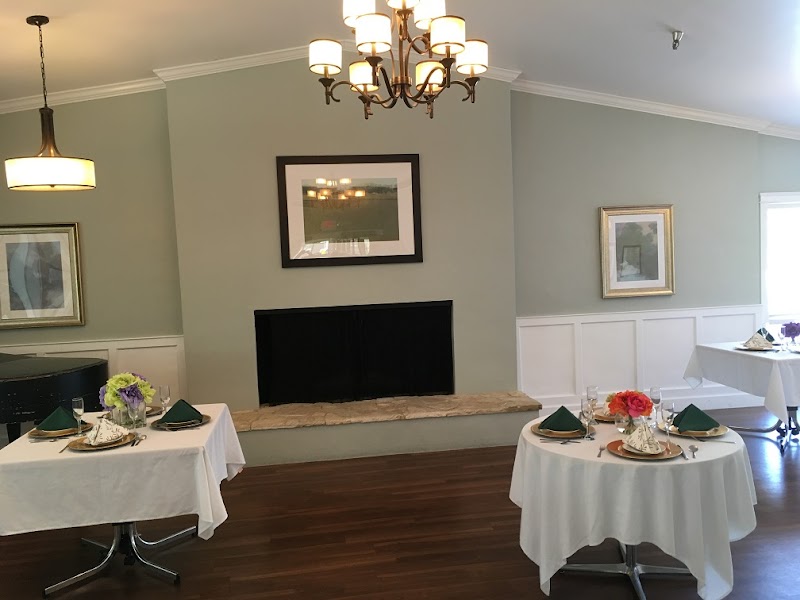
How Does Woodlands Healthcare Center Compare to Other California Nursing Homes?

Compared to the 100 nursing homes in California, WOODLANDS HEALTHCARE CENTER's overall rating (5 stars) is above the state average of 3.2, staff turnover (28%) is significantly lower than the state average of 46%, and health inspection rating (5 stars) is much above the national benchmark.

What Should Families Ask When Visiting Woodlands Healthcare Center?

Based on this facility's data, families visiting should ask: "Can I visit during a mealtime to observe dining assistance and food quality?" "How do you handle medical emergencies, and what is your hospital transfer rate?" "Can I speak with family members of current residents about their experience?"

Is Woodlands Healthcare Center Safe?

Based on CMS inspection data, WOODLANDS HEALTHCARE CENTER has a clean safety record: no substantiated abuse findings (meaning no confirmed cases of resident harm), no Immediate Jeopardy citations (the most serious violation level indicating risk of serious injury or death), and is not on the Special Focus Facility watch list (a federal program monitoring the lowest-performing 1% of nursing homes). The facility has a 5-star overall rating and ranks #1 of 100 nursing homes in California. While no facility is perfect, families should still ask about staff-to-resident ratios and recent inspection results during their visit.

Do Nurses at Woodlands Healthcare Center Stick Around?

Staff at WOODLANDS HEALTHCARE CENTER tend to stick around. With a turnover rate of 28%, the facility is 18 percentage points below the California average of 46%. Low turnover is a positive sign. It means caregivers have time to learn each resident's needs, medications, and personal preferences. Consistent staff also notice subtle changes in a resident's condition more quickly.

Was Woodlands Healthcare Center Ever Fined?

WOODLANDS HEALTHCARE CENTER has no federal fines on record. CMS issues fines when nursing homes fail to meet care standards or don't correct problems found during inspections. The absence of fines suggests the facility has either maintained compliance or corrected any issues before penalties were assessed. This is a positive indicator, though families should still review recent inspection reports for the full picture.

Is Woodlands Healthcare Center on Any Federal Watch List?

WOODLANDS HEALTHCARE CENTER is not on any federal watch list. The most significant is the Special Focus Facility (SFF) program, which identifies the bottom 1% of nursing homes nationally based on persistent, serious quality problems. Not being on this list means the facility has avoided the pattern of deficiencies that triggers enhanced federal oversight. This is a positive indicator, though families should still review the facility's inspection history directly.