MONROVIA GARDENS HEALTHCARE CENTER
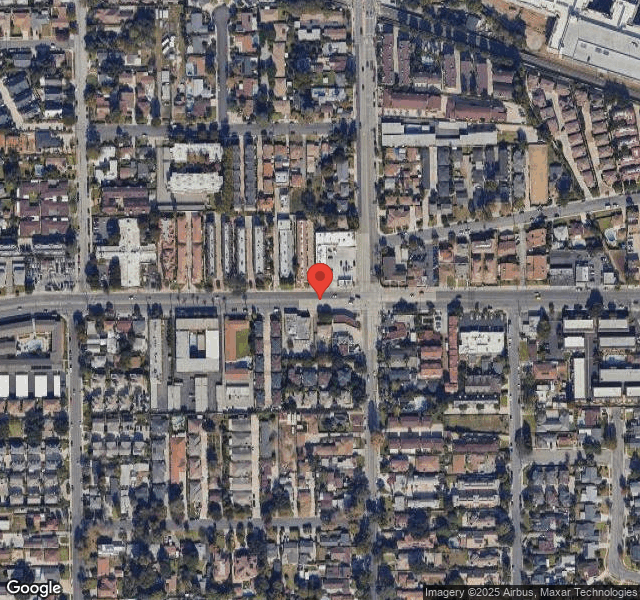
615 W. DUARTE RD., MONROVIA, CA 91016 (626) 358-4547
For profit - Corporation 96 Beds CAMBRIDGE HEALTHCARE SERVICES Data: November 2025
Trust Grade
35/100
#1068 of 1155 in CA
Last Inspection: October 2024

Within standard 12-15 month inspection cycle. Federal law requires annual inspections.

Overview

Monrovia Gardens Healthcare Center has received a Trust Grade of F, indicating significant concerns about the quality of care provided. They rank #1068 out of 1155 facilities in California, placing them in the bottom half, and #323 out of 369 in Los Angeles County, suggesting there are better local options available. The facility is worsening, with issues increasing from 27 in 2024 to 32 in 2025. Staffing is rated at 2 out of 5 stars, and they have a high turnover rate of 48%, meaning many staff members leave, which can impact resident care. While they have not incurred any fines, recent inspections revealed serious issues such as failing to supervise a high-risk resident to prevent falls and neglecting basic hygiene needs for some residents, highlighting both critical weaknesses and the need for improvement in overall care quality.

Trust Score
F
35/100
In California
#1068/1155
Bottom 8%
Safety Record
Moderate
Needs review
Inspections
Getting Worse
27 → 32 violations
Staff Stability
⚠ Watch
48% turnover. Above average. Higher turnover means staff may not know residents' routines.
Penalties
✓ Good
No fines on record. Clean compliance history, better than most California facilities.
Skilled Nurses
⚠ Watch
Each resident gets only 25 minutes of Registered Nurse (RN) attention daily — below average for California. Fewer RN minutes means fewer trained eyes watching for problems.
Violations
⚠ Watch
116 deficiencies on record. Higher than average. Multiple issues found across inspections.
★☆☆☆☆
1.0
Overall Rating
★★☆☆☆
2.0
Staff Levels
★★★★☆
4.0
Care Quality
★☆☆☆☆
1.0
Inspection Score
Stable
2024: 27 issues
2025: 32 issues

The Good

  • 4-Star Quality Measures · Strong clinical quality outcomes
  • Full Sprinkler Coverage · Fire safety systems throughout facility
  • No fines on record

Facility shows strength in quality measures, fire safety.

The Bad

1-Star Overall Rating

Below California average (3.1)

Significant quality concerns identified by CMS

Staff Turnover: 48%

Near California avg (46%)

Higher turnover may affect care consistency

Chain: CAMBRIDGE HEALTHCARE SERVICES

Part of a multi-facility chain

Ask about local staffing decisions and management

The Ugly 116 deficiencies on record

1 actual harm
Sept 2025 3 deficiencies
CONCERN (D) 📢 Someone Reported This

A family member, employee, or ombudsman was alarmed enough to file a formal complaint

Potential for Harm - no one hurt, but risky conditions existed

Deficiency F0558 (Tag F0558)

Could have caused harm · This affected 1 resident

Based on observation, interview, and record review, the facility to ensure one of four sampled residents (Resident 4) received timely response to Resident 4's requests and needs in accordance with the...

Read full inspector narrative →
Based on observation, interview, and record review, the facility to ensure one of four sampled residents (Resident 4) received timely response to Resident 4's requests and needs in accordance with the facility's policy and procedure (P&P) titled, Answering the Call Light, by failing to ensure: On 8/29/2025, Resident 4's call light was fully connected to the wall and was within reach of Resident 4. This failure caused Resident 4 to not be able to get assistance from staff when Resident 4 needed to be changed. Resident 4 was left soiled in Resident 4's briefs (disposable under garment used for those who have a loss of continence [ability to hold the bladder and bowels]) with urine and/or feces. Findings: During a review of Resident 4's admission Record (AR), the AR indicated the facility admitted Resident 4 on 10/4/2023 with diagnoses that included conversion disorder (CD, a mental illness where a person experiences physical symptoms that cannot be explained by a medical or neurological causes) with mixed symptom presentation, aphonia (inability to produce voiced sounds), and generalized anxiety disorder (persistent feeling of dread or panic that can interfere with daily life). During a review of an untitled Care Plan (CP), initiated on 5/12/2025, the CP indicated Resident 4 preferred the call light to hang from above Resident 4's head on the trapeze (a mobility aid, often used in healthcare settings, that is suspended above a bed to assist patients with repositioning, transferring in and out of bed, and performing exercises). The CP indicated Resident 4 would be able to use the call light by tapping it. The CP interventions indicated educating staff on Resident 4's preference of call light placement, and to ensure Resident 4 was able to reach the call light. During a review of untitled CP, initiated on 10/14/2023 and revised on 3/7/2025, the CP indicated Resident 4 was incontinent (inability to control the bladder and bowels) with both bowel and bladder in relation to impaired mobility and inability to alert staff of Resident 4's urges. The CP indicated Resident 4 was at risk for infection, skin breakdown, and was on a check and change program. The CP goals indicated Resident 4 would be kept clean, dry, and odor free daily for three months. The CP interventions indicated that CNAs were to check Resident 4 for bladder incontinence at least every two hours, as needed, and increase frequency as needed, keep Resident 4's call light within reach and answer promptly, to monitor as indicated for redness or skin breakdown, and to report to MD (medical doctor, physician). During a review of Resident 4's Minimum Data Set (MDS, a resident assessment tool) dated 7/7/2025, the MDS indicated Resident 4 had intact cognition (ability to think, remember, and function). The MDS indicated Resident 4 was dependent (helper does ALL the effort to complete the activity) with toileting hygiene and chair/bed-to-chair transfers. The MDS indicated Resident 4 required substantial/maximal assistance (helper does more than half the effort to complete activity) with personal hygiene, showering/bathing self, and rolling left and right (in bed). The MDS indicated the activity was not attempted due to medical condition or safety concerns for sitting to lying, lying to sitting on side of bed, and sitting to standing. The MDS indicated Resident 4 had hereditary (passed down from parent to child) and idiopathic (no identifiable cause) neuropathy (a condition that involves damage to the peripheral nervous system from injury or disease process). During a concurrent observation and interview on 8/29/2025 at 4:38 pm, inside Resident 4's room, Resident 4's call light was observed with Licensed Vocational Nurse (LVN) 1. LVN 1 stated Resident 4 was unable to reach the call light. During a concurrent observation and interview on 8/29/2025 at 5:14 pm, inside Resident 4's room, Resident 4's call light was observed with Certified Nurse Assistant (CNA) 1. CNA 1 stated, I let them (Resident 4) I come in because the call light is not working and not within reach. During a concurrent observation and interview on 8/29/2025 at 5:23 pm, inside Resident 4's room, Resident 4's call light was observed with LVN 1. LVN 1 stated, This is the first time I have seen the cord pulled out from the wall. During an interview on 9/3/2025 at 1:49 pm, with the Director of Nursing (DON), the DON stated [maintenance staff] had the call light cord secured to the wall in Resident 4's room, but realized it was still not secured so another piece was bought but had not been installed yet. The DON stated it was noticed the prior week (before the day of interview) that Resident 4's call light was still not secured to the wall, but did not remember the exact date. The DON stated [facility staff] needed to make sure the call light was connected to the wall and within reach to ensure it was working and Resident 4 could ask for help. During a review of the facility's undated policy and procedure (P&P) titled, Answering the Call Light, the P&P indicated the purpose of the procedure was to ensure timely responses to the resident's requests and needs. The P&P indicated to be sure the call light was plugged in and functioning at all times, and to ensure the call light was accessible to the resident when in bed, from the toilet, from the shower, or bathing facility, and from the floor.
CONCERN (D) 📢 Someone Reported This

A family member, employee, or ombudsman was alarmed enough to file a formal complaint

Potential for Harm - no one hurt, but risky conditions existed

Deficiency F0808 (Tag F0808)

Could have caused harm · This affected 1 resident

Based on observation, interview, and record review, the facility failed to ensure one of four sampled residents (Resident 3) was given a therapeutic diet (a medically-prescribed meal plan tailored to ...

Read full inspector narrative →
Based on observation, interview, and record review, the facility failed to ensure one of four sampled residents (Resident 3) was given a therapeutic diet (a medically-prescribed meal plan tailored to manage or treat a specific health condition, often by modifying nutrient intake, texture, or food types) according to the facility's policy and procedure (P&P) titled, Therapeutic Diets, by failing to ensure Resident 3, who was prescribed a minced and moist diet (a dietary modification designed for individuals with moderate to severe difficulty swallowing [dysphagia] that adds moisture and small pieces of food aid in swallowing), did not receive toasted bread on Resident 3's lunch tray on 9/2/2025.This failure resulted in Resident 3 being served food that was not minced and moist. This failure had the potential for Resident 3 to be unable to swallow the bread and lead to choking. Findings: During a review of Resident 3's admission Record (AR), the AR indicated the facility admitted Resident 3 on 8/8/2025 with diagnoses that included dysphagia (difficulty swallowing). The AR indicated Resident 3 had a gastrostomy [tube] (G-tube- tube inserted through the belly that brings nutrition directly to the stomach) status. During a review of Resident 3's Speech Therapy, Speech and Language Pathology (SLP- pathologist who helps residents with speaking, understanding, or using language, and swallowing disorders) Plan of Treatment (SLPPT), dated 8/12/2025, the SLPPT indicated Resident 3 had severe oropharyngeal (middle part of the throat, behind the mouth) dysphagia among thin liquids and beyond puree [food]. The SLPPT indicated the recommendations for Resident 3 included pureed consistency food with nectar thick liquids and close supervision during oral intake. During a review of Resident 3's Minimum Data Set (MDS - a resident assessment tool), dated 8/13/2025, the MDS indicated Resident 3 had severely impaired cognition (ability to think, remember, and function). The MDS indicated eating was not attempted due to medical condition or safety concerns. The MDS indicated Resident 3 experienced coughing or choking during meals or when swallowing medications and had complaints of difficulty or pain with swallowing. The MDS indicated Resident 3 had a mechanically altered diet (required change in texture or liquids such as pureed food and thickened liquids). During a review of Resident 3's Order Summary Report (OSR), active as of 9/3/2025, the OSR indicated Resident 3 had a physician's order, dated 8/28/2025, for fortified (adding nutrients)/high protein/carbohydrate controlled-no added salt diet, minced and moist texture, mildly thick consistency, with Ensure (protein shake). During a concurrent observation and interview on 9/2/2025 at 12:13 pm, inside Resident 3's room, Resident 3's meal tray was observed with Responsible Party (RP) 1. Resident 3's meal tray was observed with toasted bread on the tray, a plate with three scoops of minced and moist food, a separate bowl with yellow-colored paste-like food, and a bowl of soup. RP 1 stated, I told them many times not to bring bread, she (Resident 3) chokes on bread. They bring her bread. During a concurrent interview and record review on 9/2/2025 at 2:42 pm, with the Dietary Service Supervisor (DSS), Resident 3's diet order was reviewed. The DSS stated staff had to follow the diet spreadsheet, to give the right item and provide the correct texture to the residents. The DSS stated, I don't know what happened, I think it (the bread) was accidentally placed (on Resident 3's tray). The DSS stated there was danger of choking by having toasted bread on Resident 3's tray. During an interview on 9/2/2025 at 5:24 pm, with RP 1, RP 1 stated there was bread in a bag on Resident 1's tray this morning. RP 1 stated, Thank God she (Resident 3) did not eat the bread. RP 1 stated RP 1 told nurses (unidentified) about the bread and was told, It's okay. During an interview on 9/3/2025 at 1:39 pm with the Director of Nursing (DON), the DON stated kitchen staff build the resident meals on the trays and the licensed staff were supposed to check the trays before being served. The DON stated staff checked the trays to ensure residents were given the right diet and texture prescribed by the physician. The DON stated if resident trays were not checked appropriately then residents could get served the wrong food and or diet. The DON stated a resident with a minced and moist diet should be given bread that's minced and moist otherwise they could aspirate (the accidental breathing in of food or fluid into the lungs, potentially causing pneumonia [inflammation and fluid in lungs] or other lung problems). The DON stated if a resident aspirated, they could choke, and that was dangerous. During a review of the facility's P&P titled, Therapeutic Diets, revised 12/2008, the P&P indicated the Food Services Manager would establish a tray identification system to ensure that each resident received his or her diet as ordered. During a review of the facility's P&P titled, Tray Identification, undated, the P&P indicated the appropriate identification coding shall be used to identify various diets. The P&P indicated the Food Services Manager, or supervisor would check the trays for correct diets before the food carts were transported to their designated areas. The P&P indicated nursing staff shall check each food tray for the correct diet before serving the resident. The P&P indicated if there was an error, the nurse supervisor would notify the dietary department immediately by phone so that the appropriate food tray can be served.
CONCERN (E) 📢 Someone Reported This

A family member, employee, or ombudsman was alarmed enough to file a formal complaint

Potential for Harm - no one hurt, but risky conditions existed

ADL Care (Tag F0677)

Could have caused harm · This affected multiple residents

**NOTE- TERMS IN BRACKETS HAVE BEEN EDITED TO PROTECT CONFIDENTIALITY** Based on observation, interview, and record review, the facility failed to ensure two of four sampled residents (Resident 2 and ...

Read full inspector narrative →
**NOTE- TERMS IN BRACKETS HAVE BEEN EDITED TO PROTECT CONFIDENTIALITY** Based on observation, interview, and record review, the facility failed to ensure two of four sampled residents (Resident 2 and Resident 4), received activities of daily living care according to the facility's policy and procedure (P&P) titled, Activities of Daily Living (ADL), Supporting, by failing to: 1. Ensure Resident 4 was not left soiled with urine and/or feces on 8/29/2025. 2. Ensure Resident 2's hair was regularly brushed and groomed. As a result of these failures, Residents 2's and Resident 4's needs were unmet. Resident 4 was left soiled in Resident 4's brief (disposable under garment used for those who have a loss of continence [ability to hold the bladder and bowels]) with urine and feces. Resident 2's hair was matted (hair that is closely tangled into a dense mass). Resident 2 experienced pain and itching in Resident 2's head.These failures have the potential for Resident 2 and Resident 4 to experience psychosocial (mental, emotional, social, and spiritual effects) harm. Findings: a. During a review of Resident 2's admission Record (AR), the AR indicated the facility admitted Resident 2 on 8/19/2025 with diagnoses that included lack of coordination and abnormalities of gait and mobility (inability to walk normally due to injuries or underlying conditions). During a review of Resident 2's Minimum Data Set (MDS, a resident assessment tool), dated 8/25/2025, the MDS indicated Resident 2 had moderately impaired cognition. The MDS indicated Resident 2 was dependent with showering/bathing self. The MDS indicated Resident 2 required supervision or touching assistance (helper provides verbal cues and/or touching/steadying and/or contact guard assistance as resident completes the activity and may be provided throughout the activity or intermittently) with oral hygiene and personal hygiene. During a concurrent observation and interview on 9/3/2025 at 11:16 am, inside Resident 2's room, Resident 2 was observed by LVN 5. LVN 5 translated Spanish to English for Resident 2. LVN 5 stated Resident 2's hair was matted and had not been brushed. LVN 5 stated, It takes days for the hair to get matted like that. Resident 2 stated, The last time someone brushed my hair was last week, but they (staff) only brushed the front and not the back. Resident 2 stated, It hurts and it's itchy and in the middle I have to open it because it's itchy. LVN 5 stated Resident 2 had been refused the last two showers, but did not mean Resident 2's could not be brushed. LVN 5 stated Resident 2's hair was supposed to be brushed at least every day and as needed. During a concurrent interview and record review on 9/3/2025 at 11:26 am, with LVN 5, Resident 2's CP and Progress Notes (PN) were reviewed. LVN 5 stated Resident 2's shower days were Tuesdays and Fridays. LVN 5 stated Resident 2 did not have a CP for refusing showers. LVN 5 stated Resident 2 required supervision or touching assistance with personal hygiene which meant staff needed to give Resident 2 a hairbrush and be there to assist if Resident 2 needed help. LVN 5 stated there was Progress Notes (PN) dated 8/26/2025 that Resident 2 refused to shower. LVN 5 stated there were no PN that Resident 2 refused a shower on 8/29/2025 or 9/2/2025. During a concurrent observation and interview on 9/3/2025 at 11:42 am, inside Resident 2's room, CNA 6 observed Resident 2. CNA 6 was observed using a wooden pick in Resident 2's hair. CNA 6 stated CNA 6 was assigned to Resident 2. CNA 6 stated CNA 6 was using lotion and soap to try and untangle Resident 2's hair. CNA 6 stated, It's matted. CNA 6 stated, It (Resident 2's hair) must have been like this for a while. CNA 6 stated when CNA 6 was assigned to Resident 2 on 9/2/2025 CNA 6 thought Resident 2's hair was in a bun. CNA 6 stated, I didn't brush her hair yesterday (9/2/2025). CNA 6 stated (in general) when a resident refused to be showered, CNA 6 could still assist with personal hygiene such as teeth brushing, hair brushing, face washing, under arm washing, or anywhere else. a. During a review of Resident 4's AR, the AR indicated the facility admitted Resident 4 on 10/4/2023 with diagnoses that included conversion disorder (CD, a mental illness where a person experiences physical symptoms that cannot be explained by a medical or neurological causes) with mixed symptoms presentation, aphonia (inability to produce voiced sound), and generalized anxiety disorder (persistent feeling of dread or panic that can interfere with daily life). During a review of untitled Care Plan (CP), initiated on 10/14/2023 and revised on 7/31/2025, the CP indicated Resident 4 was incontinent (inability to control the bladder and bowels) with both bowel and bladder in relation to impaired mobility and inability to alert staff of Resident 4's urges. The CP indicated Resident 4 was at risk for infection, skin breakdown, and was on a check and change program. The CP goals indicated Resident 4 would be kept clean, dry, and odor free daily for three months. The CP interventions indicated that CNAs were to check Resident 4 for bladder incontinence at least every two hours, as needed, and to increase frequency as needed, keep Resident 4's call light within reach and answer promptly, to monitor as indicated for redness or skin breakdown, and to report to MD (medical doctor, physician). During a review of Resident 4's MDS, dated [DATE], the MDS indicated Resident 4 had intact cognition (ability to think, remember, and function). The MDS indicated Resident 4 had the absence of spoken words. The MDS indicated Resident 4 had seven to 11 days (half or more of the days) feeling down, depressed (common and serious illness that negatively affects how one feels, thinks and acts) or hopeless. The MDS indicated Resident 4 was dependent (helper does ALL the effort to complete the activity) with toileting hygiene and chair/bed-to-chair transfers. The MDS indicated Resident 4 required substantial/maximal assistance (helper does more than half the effort to complete activity) with personal hygiene, showering/bathing self, and rolling left and right (in bed). The MDS indicated the activity was not attempted due to medical condition or safety concerns for sitting to lying, lying to sitting on side of bed, and sitting to standing. The MDS indicated Resident 4 had hereditary (passed down from parent to child) and idiopathic (no identifiable cause) neuropathy (a condition that involves damage to the peripheral nervous system from injury or disease process). During an observation on 8/29/2025 at 4:30 pm, inside Resident 4's room, Resident 4 was observed with Certified Nurse Assistant (CNA 1). CNA 1 moved Resident 4 to Resident 4's right side. Resident 4's brief was observed to have yellowish color on the lower side of the brief, and brown-colored stool (feces) that was medium in size. During a concurrent observation and interview on 8/29/2025 at 5:14 pm, inside Resident 4's room, Resident 4 was observed with CNA 1. CNA 1 stated Resident 4's wet brief was yellow in color. CNA 1 stated Resident 4's bed sheet smelled of urine. Resident 4 typed on Resident 4's tablet, I was not changed since yesterday (8/28/2025) at 2 pm. During an interview on 8/29/2025 at 5:25 pm with CNA 1, CNA 1 stated the left side of Resident 4's bed sheet and gown were wet. CNA 1 stated Resident 4's whole brief was wet. During an interview on 9/3/2025 at 1:39 pm, with the Director of Nursing (DON), the DON stated hair brushing was part of activities of daily living (ADL, the tasks of everyday life fundamental to caring for oneself) and should be done after a shower, as part of morning care, and as needed. The DON stated morning care included oral care, washing of face, peri care, and hair brushing. The DON stated if hair is not brushed it could matte, tangled and if bad enough, could need to be cut. The DON stated matted hair could cause discomfort. The DON stated having matted hair could make a resident feel like there are not cared for. The DON stated (in general) residents' briefs should be checked and changed every two hours and as needed. The DON stated this was to ensure residents' briefs were, Not soaked, and were not uncomfortable. The DON stated being left wet or having matted hair could lead to psychosocial issues. During a review of the facility's policy and procedure (P&P) titled, Activities of Daily Living (ADL), Supporting, revised 3/2018, the P&P indicated, Residents who are unable to carry out activities of daily living independently will receive the services necessary to maintain good nutrition, grooming and personal and oral hygiene.
Aug 2025 1 deficiency
CONCERN (E) 📢 Someone Reported This

A family member, employee, or ombudsman was alarmed enough to file a formal complaint

Potential for Harm - no one hurt, but risky conditions existed

Room Equipment (Tag F0908)

Could have caused harm · This affected multiple residents

Based on observation, interview, and record review, the facility failed to ensure swamp coolers (evaporative cooler, a device that cools air by using water evaporation) used in resident's rooms and in...

Read full inspector narrative →
Based on observation, interview, and record review, the facility failed to ensure swamp coolers (evaporative cooler, a device that cools air by using water evaporation) used in resident's rooms and in the facility were maintained in a safe and operable manner for two of three sampled residents (Resident 1 and Resident 2).This deficient practice had the potential to result in electrical resident care equipment not in safe operating conditions and affecting residents' wellbeing.Findings:During a review of Resident 1's admission Record, the admission Record indicated the facility admitted Resident 1 on 4/2/2019 and readmitted Resident 1 on 2/15/2025 with diagnoses which included bipolar disorder (sometimes called manic-depressive disorder; mood swings that range from the lows of depression to elevated periods of emotional highs) and hypertension (high blood pressure).During a review of resident 1's History and Physical (H&P), dated 2/16/2025, the H&P indicated Resident 1 had capacity to understand and make decisions.During a review of Resident 1's Minimum Data Set (MDS- a resident assessment tool) dated 5/23/2025, the MDS indicated the resident had intact cognitive (ability to remember things, solve problems, or make decisions) skills for daily decision making. The MDS indicated the resident required partial/moderate assistance (helper does less than half the effort) with lower body dressing and showering/bathing self. The MDS indicated the resident was independent for eating, oral hygiene, upper body dressing and personal hygiene.During a review of Resident 2's admission Record, the admission Record indicated the facility admitted Resident 2 on 8/21/2025 with diagnoses including sepsis (a life-threatening blood infection) and mycosis (fungal infections).During a concurrent observation and interview on 8/26/2025 at 2:21 PM with Resident 1, at the bedside of Resident 1, there was a swamp cooler in use. There was no water in the tank inside the swamp cooler. Resident 1 stated that the facility did not clean or change the filter and the water tank inside the cooler since it was placed inside the room at least a month ago.During a concurrent observation and interview on 8/26/2025 at 3:03 PM with Resident 2, at the bedside of Resident 2, there was a swamp cooler in use. Resident 2 stated that the facility did not clean or change the filter and the water container inside the cooler since Resident 2 was admitted .During an interview on 8/26/2025 at 3:47 PM with the administrator, the administrator stated that the maintenance and Infection Preventionist (IP) were responsible for maintaining and cleaning the swamp coolers. The administrator stated that there was no scheduled maintenance time for the coolers.During a concurrent interview and record review on 8/27/2025 at 12:18 PM with the administrator, the scheduled maintenance record was reviewed. The administrator stated there was no scheduled maintenance for the coolers. The administrator stated that the facility should maintain the coolers and the portable air conditioners following the facility's P&P and the manufacture manual for the electrical equipment.During an interview on 8/27/2025 at 3:38 PM with the interim Maintenance Director (MD), the MD stated there was no scheduled maintenance time for all the coolers.During a phone interview on 8/28/2025 at 11:05 AM with the IP, the IP stated there was no scheduled maintenance or cleaning time for all the coolers.During a review of the facility's P&P titled, Maintenance Service, revised 12/2009, the P&P indicated, The maintenance director is responsible for developing and maintaining a schedule of maintenance service to assure that the buildings, grounds, and equipment are maintained in a safe and operable manner. The P&P indicated, Maintenance personnel shall follow the manufacturer's recommended maintenance schedule.Records shall be maintained in the maintenance director's office.
Aug 2025 3 deficiencies
CONCERN (E) 📢 Someone Reported This

A family member, employee, or ombudsman was alarmed enough to file a formal complaint

Potential for Harm - no one hurt, but risky conditions existed

Deficiency F0558 (Tag F0558)

Could have caused harm · This affected multiple residents

**NOTE- TERMS IN BRACKETS HAVE BEEN EDITED TO PROTECT CONFIDENTIALITY** Based on observation, interview, and record review, the facility to ensure one of five sampled residents (Resident 1) was provid...

Read full inspector narrative →
**NOTE- TERMS IN BRACKETS HAVE BEEN EDITED TO PROTECT CONFIDENTIALITY** Based on observation, interview, and record review, the facility to ensure one of five sampled residents (Resident 1) was provided timely responses to requests and needs according to the facility's policy and procedure (P&P) titled, Answering the Call Light, by failing to ensure:On [DATE], [DATE] and [DATE], Resident 1's call light was fully connected to the wall and was within reach of Resident 1.This failure caused Resident 5 to not be able to get assistance from staff when Resident 1 needed to be changed. Resident 1 was left soiled in Resident 1's briefs (disposable under garment used for those who have a loss of continence [ability to hold the bladder and bowels]) with urine, feces, and/or blood.During a review of Resident 1's admission Record (AR), the AR indicated the facility admitted Resident 1 on [DATE] with diagnoses that included conversion disorder (CD- a mental health condition where a person experiences neurological symptoms, like paralysis [the loss of muscle function in part of the body, resulting from problems with how messages travel between the brain and muscles] or blindness [partial or full loss of vision], that cannot be explained by a medical or neurological condition due to the brain converting psychological distress into physical symptoms) with mixed symptom presentation, aphonia, and generalized anxiety disorder (persistent feeling of dread or panic that can interfere with daily life). During a review of an untitled CP, the CP indicated Resident 1 preferred the call light to hang from above Resident 1's head on the trapeze (a mobility aid, often used in healthcare settings, that is suspended above a bed to assist patients with repositioning, transferring in and out of bed, and performing exercises), initiated [DATE]. The CP indicated Resident 1 would continue to be able to use call light by tapping it. The CP interventions indicated educating staff on Resident 1's preference of call light placement, and to ensure Resident 1 was able to reach the call light. During a review of the same untitled CP, the CP indicated Resident 1 was incontinent (inability to control the bladder and bowels) with both bowel and bladder in relation to impaired mobility and inability to alert staff of Resident 1's urges, and was at risk for infection, skin breakdown, and was on a check and change program, initiated [DATE] and revised on [DATE]. The CP goals indicated Resident 1 would be kept clean, dry, and odor free daily for three months. The CP interventions indicated that CNAs were to check Resident 1 for bladder incontinence at least every two hours, as needed, and to increase frequency as needed, keep Resident 1's call light within reach and answer promptly, and to monitor as indicated for redness or skin breakdown, and to report to MD (medical doctor, physician). During a review of Resident 1's Minimum Data Set (MDS- a resident assessment tool) dated [DATE], the MDS indicated Resident 1 had intact cognition (ability to think, remember, and function). The MDS indicated Resident 1 had the absence of spoken words. The MDS indicated Resident 1 had seven to 11 days (half or more of the days) feeling down, depressed (common and serious illness that negatively affects how one feels, thinks and acts) or hopeless. The MDS indicated Resident 1 was dependent (helper does ALL the effort to complete the activity) with toileting hygiene and chair/bed-to-chair transfers. The MDS indicated Resident 1 required substantial/maximal assistance (helper does more than half the effort to complete activity) with personal hygiene, showering/bathing self, and rolling left and right (in bed). The MDS indicated the activity was not attempted due to medical condition or safety concerns for sitting to lying, lying to sitting on side of bed, and sitting to standing. The MDS indicated Resident 1 had hereditary (passed down from parent to child) and idiopathic (no identifiable cause) neuropathy (a condition that involves damage to the peripheral nervous system from injury or disease process). During an observation on [DATE] at 9:58 am, inside Resident 1's room, Resident 1 was observed until 10:09 am. Resident 1 was lying in bed with closed eyes. Resident 1's call light was hanging above Resident 1's head on the trapeze. The call light was placed towards the wall on the trapeze, not above Resident 1's head and out of Resident 1's reach. During a concurrent observation and interview on [DATE] at 11 am, in Resident 1's room, Resident 1 was observed. Resident 1 used the surveyor's phone to type Resident 1's responses to questions. Resident 1 typed, I am really wet. I pooped and peed and I can't reach my call light, and I can't communicate with anyone because the tablet they (staff in general) gave me died and no one can understand me. Resident 1 typed that Resident 1's sheets and brief were wet. Resident 1 typed, I am so uncomfortable, and they don't care. During a concurrent observation and interview on [DATE] at 11:27 am, inside Resident 1's room, CNA 1 and CNA 2 were observed with Resident 1. Resident 1 typed on surveyor's phone, I've been wet since 2 am. The night staff wouldn't change and neither of you asked me if I needed to be changed. Resident 1 typed, I need a bath, please. I pooped and peed and I've been asking since you gave me breakfast this morning. I can't reach the call light to ask you two for help, Resident 1 typed, You both are aware of that, and I expressed my concerns, and you don't communicate with me. Resident 1 attempted to reach for Resident 1's call light but was unable to. CNA 1 stated Resident 1 liked the call light to be on the bar (trapeze) but should be within reach on the bar. During a concurrent observation and interview on [DATE] at 11:46 am, inside Resident 1's room, Resident 1 was observed with CNA 1 and CNA 2. CNA 1 stated Resident 1's sheets and pillow under the left leg were wet with urine. CNA 2 stated Resident 1's gown and bed pad were wet with urine. During a concurrent observation and interview on [DATE] at 3:15 pm, inside Resident 1's room, with CNA 4, Resident 1 and the call light were observed. CNA 4 stated Resident 1's call light was unplugged from the wall. CNA 4 stated, It was not pulled out of the wall completely, just enough so that it won't work. CNA 4 stated, This isn't the first time this happened. CNA 4 stated Resident 1's call light was usually pushed behind Resident 1's head so Resident 1 could not reach it and was currently positioned that way. CNA 4 stated Resident 1 did not currently have the iPad. CNA 4 stated, It's pretty typical that [Resident 1] is soaked through [Resident 1's] brief with urine and/or feces when I come onto my shift. CNA 4 stated Resident 1 was currently soaked through the brief. Resident 1 typed on surveyor's phone, No one has ever used the communication board with me. I don't even know what that is. Resident 1 stated, I'm wet and haven't been offered to be changed since you (points to surveyor) were in here this morning. Resident 1 stated, [CNA 1] and [CNA 2] were supposed to change me, they didn't ask me if I wanted to be changed and I can't reach the call light. During a concurrent observation and interview on [DATE] at 4:13 pm, inside Resident 1's room, with CNA 4, Resident 1 was observed. CNA 4 stated Resident 1's brief was really full and wet all the way through. CNA 4 stated, If [Resident 1] was changed every two hours, [Resident 1] won't be this wet. CNA 4 stated that Resident 1 was able to use the call light with CNA 4 to let CNA 4 know when Resident 1 needed to be changed. CNA 4 stated if Resident 1's call light was disconnected then Resident 1 could not ask for help. CNA 4 repeated, This isn't the first time this happened. CNA 4 stated the call light being disconnected was a Real safety issue. CNA 4 stated if something was really wrong, Resident 1 could not get help because Resident 1's call light was pushed back and unreachable for Resident 1. During a concurrent observation and interview on [DATE] at 4:45 pm, inside Resident 1's room, with the Director of Nursing (DON), Resident 1 was observed. The DON stated, I see your call light is over your trapeze but not over your head. Resident 1 typed, They keep pushing it back so I can't reach it. Resident 1 attempted to reach the call light but was unable to. Resident 1 would not indicate who, They were. During an interview on [DATE] at 1:25 pm, with CNA 1, CNA 1 stated call lights were not supposed to be disconnected or unplugged from the walls and should be within reach. CNA 1 stated if a call light is disconnected and out of reach from a resident it became a safety issue. During an interview on [DATE] at 2:13 pm, with LVN 2, LVN 2 stated LVN 2 was familiar with Resident 1. LVN 2 stated Resident 1 could not move Resident 1's legs or right arm. LVN 2 stated a resident's call light should always be within reach in case they needed assistance. LVN 2 stated if Resident 1's call light was not within reach, then Resident 1 could not ask for help. LVN 2 stated Resident 1 could not talk, so Resident 1's needs would go unmet, which was a safety issue. During an interview on [DATE] at 3:34 pm, with the DON, the DON stated call lights were supposed to be within reach and always connected to the wall so residents could ask for help, otherwise they could not get help timely and their needs could go unmet or there be a delay in their needs being met. The DON stated this was a safety issue, for example, if a resident fell. The DON stated if a resident like Resident 1 was not able to communicate with staff in the way Resident 1 needed and the call light was not reachable, it was possible Resident 1's needs would go unmet or be delayed and that could possibly lead to neglect. During a concurrent observation and interview on [DATE] at 4:20 pm, inside Resident 1's room, with CNA 6, Resident 1 was observed. CNA 6 stated LVN 3 had asked CNA 6 to change Resident 1, but CNA 6 was bathing another Resident. CNA 6 checked Resident 1's call light and CNA 6 stated Resident 1's call light was not working. CNA 6 stated the cord was pulled out of the outlet about halfway, and the call light did not work when it was like that. CNA 6 stated this was not the first time CNA 6 had seen Resident 1's call light cord partially disconnected from the wall. CNA 6 stated, It happens more often than not when I come onto my shift. CNA 6 stated Resident 1 was, Pretty soaked through with urine and blood in [Resident 1's] briefs. CNA 6 stated Resident 1's gown and sheets were wet too. During a review of the facility's undated P&P titled, Answering the Call Light, the P&P indicated the purpose of the procedure was to ensure timely responses to the resident's requests and needs. The P&P indicated to be sure the call light was plugged in and functioning at all times, and to ensure the call light was accessible to the resident when in bed, from the toilet, from the shower, or bathing facility, and from the floor.
CONCERN (E) 📢 Someone Reported This

A family member, employee, or ombudsman was alarmed enough to file a formal complaint

Potential for Harm - no one hurt, but risky conditions existed

ADL Care (Tag F0677)

Could have caused harm · This affected multiple residents

Based on observation, interview, and record review, the facility failed to ensure one of five sampled residents (Resident 1) received activities of daily living care according to the facility's policy...

Read full inspector narrative →
Based on observation, interview, and record review, the facility failed to ensure one of five sampled residents (Resident 1) received activities of daily living care according to the facility's policy and procedure (P&P) titled, Activities of Daily Living (ADL), Supporting, by failing to: Ensure Resident 1 was not left soiled of urine, feces, and/or menstruation fluid on 7/12/2025, 8/1/2025, and 8/5/2025. As a result of these failures, Resident 1 was left soiled in Resident 1's brief (disposable under garment used for those who have a loss of continence [ability to hold the bladder and bowels]) with urine, feces, and/or blood. Cross Reference: F558Findings: During a review of Resident 1's admission Record (AR), the AR indicated the facility admitted Resident 1 on 10/4/2023 with diagnoses that included conversion disorder (CD- a mental health condition where a person experiences neurological symptoms, like paralysis [the loss of muscle function in part of the body, resulting from problems with how messages travel between the brain and muscles] or blindness [partial or full loss of vision], that cannot be explained by a medical or neurological condition due to the brain converting psychological distress into physical symptoms) with mixed symptoms and suffered from aphonia (a medical condition characterized by the complete loss of voice), with mixed symptom presentation, aphonia, and generalized anxiety disorder (persistent feeling of dread or panic that can interfere with daily life). During a review of the same untitled CP, the CP indicated Resident 1 was incontinent (inability to control the bladder and bowels) with both bowel and bladder in relation to impaired mobility and inability to alert staff of Resident 1's urges, and was at risk for infection, skin breakdown, and was on a check and change program, initiated 10/14/2023, revised on 7/31/25. The CP goals indicated Resident 1 would be kept clean, dry, and odor free daily for three months. The CP interventions indicated that CNAs were to check Resident 1 for bladder incontinence at least every two hours, as needed, and to increase frequency as needed, keep Resident 1's call light within reach and answer promptly, and to monitor as indicated for redness or skin breakdown, and to report to MD (medical doctor, physician). During a review of Resident 1's Minimum Data Set (MDS- a resident assessment tool) dated 7/7/2025, the MDS indicated Resident 1 had intact cognition (ability to think, remember, and function). The MDS indicated Resident 1 had the absence of spoken words. The MDS indicated Resident 1 had seven to 11 days (half or more of the days) feeling down, depressed (common and serious illness that negatively affects how one feels, thinks and acts) or hopeless. The MDS indicated Resident 1 was dependent (Helper does ALL the effort to complete the activity) with toileting hygiene and chair/bed-to-chair transfers. The MDS indicated Resident 1 required substantial/maximal assistance (helper does more than half the effort to complete activity) with personal hygiene, showering/bathing self, and rolling left and right (in bed). The MDS indicated the activity was not attempted due to medical condition or safety concerns for sitting to lying, lying to sitting on side of bed, and sitting to standing. The MDS indicated Resident 1 had hereditary (passed down from parent to child) and idiopathic (no identifiable cause) neuropathy (a condition that involves damage to the peripheral nervous system from injury or disease process). During a telephone interview on 8/1/2025 at 2:55 pm, with CNA 3, CNA 3 stated that CNA 3 worked the 3 pm to 11 pm shift that day (7/12/2025) and was assigned to Resident 1. CNA 3 stated when CNA 3 started the shift, Resident 1 was really upset. CNA 3 stated Resident 1 was completely soiled, and there were urine and feces that were completed soaked through Resident 1's brief, bed pad, sheets, and gown. CNA 3 stated CNA 3 had to bathe Resident 1. CNA 3 stated CNA 3 worked the 3 pm to 11 pm shift on 7/13/2025 and again, Resident 1's sheets and gown were wet. CNA 3 stated Resident 1 told CNA 3 that the staff on 7 am to 3 pm shift had not changed Resident 1. CNA 3 stated, The CNA that morning was [CNA 1]. CNA 3 stated Resident 1 was panicked because they (CNA 1) did not change Resident 1 during the entire day shift (7 am to 3 pm). CNA 3 stated, every shift CNA 3 have Resident 1, CNA 3 had to change Resident 1's brief and bedding because Resident 1 is soaked wet right when the shift starts. CNA 3 stated it was even worse when Resident 1 was on Resident 1's period because they (staff in general) leave Resident 1 wet and do not change Resident 1. During a concurrent observation and interview on 8/1/2025 at 3:15 pm, inside Resident 1's room, with CNA 4, Resident 1 and the call light were observed. CNA 4 stated Resident 1's call light was unplugged from the wall. CNA 4 stated, It's pretty typical that Resident 1 is soaked through Resident 1's brief with urine and/or feces when CNA 4 come onto my shift. CNA 4 stated Resident 1 was currently soaked through the brief. Resident 1 typed on surveyor's phone, No one has ever used the communication board with me. I don't even know what that is. Resident 1 stated, I'm wet and haven't been offered to be changed since you (points to surveyor) were in here this morning. Resident 1 stated, [CNA 1] and [CNA 2] were supposed to change me, they didn't ask me if I wanted to be changed and I can't reach the call light. During a concurrent observation and interview on 8/1/2025 at 4:13 pm, inside Resident 1's room, with CNA 4, Resident 1 was observed. CNA 4 stated Resident 1's brief was really full and wet all the way through. CNA 4 stated, If [Resident 1] was changed every two hours, [Resident 1] won't be this wet. CNA 4 stated that Resident 1 was able to use the call light with CNA 4 to let CNA 4 know when Resident 1 needed to be changed. CNA 4 stated if Resident 1's call light was disconnected then Resident 1 could not ask for help. CNA 4 repeated, This isn't the first time this happened. CNA 4 stated the call light being disconnected was a Real safety issue. CNA 4 stated if something was really wrong, Resident 1 could not get help because Resident 1's call light was pushed back and unreachable for Resident 1. During an interview on 8/5/2025 at 10:06 am, with Resident 1, Resident 1 typed with surveyor's phone, I'm wet. I'm on my period, and I'm so uncomfortable lying here in all of it (urine and blood). Resident 1 typed, I can smell me, and I don't like the way it smells. It smells bad. They (staff in general) haven't changed me yet and haven't asked at any point this morning if I need to be changed. During a concurrent observation and interview on 8/5/2025 at 10:29 am, inside Resident 1's room, with LVN 1, Resident 1 was observed. LVN 1 stated Resident 1's brief was full of urine in the front. LVN 1 stated Resident 1 was on Resident 1's period and the brief was soiled with blood. LVN 1 stated blood was coming out of the back of the brief. During a concurrent observation and interview on 8/5/2025 at 10:39 am, inside Resident 1's room, with CNA 1 and LVN 1, Resident 1 was observed. Resident 1 threw up. Resident 1 typed with surveyor's phone that Resident 1 was stressed, anxious, and Resident 1's chest and head hurt. CNA 1 stated Resident 1's sheets were wet but could not tell if the red on the sheet was vomit or blood. LVN 1 stated Resident 1's vomit was tan, not red. Neither CNA 1 nor LVN 1 are using a communication device with Resident 1. LVN 1 stated, I can't understand you. LVN 1 performed a skin assessment. LVN 1 stated Resident 1's middle buttocks near the crease were red. LVN 1 stated Resident 1's perineum (the area of skin and underlying tissue between the anus and the genitals) where it met the thighs in the front and back were red. LVN 1 stated Resident 1 was soiled through Resident 1's briefs with urine, feces, and blood. During an interview on 8/5/2025 at 1:47 pm, with CNA 5, CNA 5 stated when CNA 1 and CNA 2 were assigned to Resident 1, Resident 1 only got changed once a shift. CNA 5 stated residents were supposed to be changed every two hours and as needed. CNA 5 stated CNA 5 was taught to use the communication board by having Resident 1 point to the letters, but CNA 5 did not use it. CNA 5 stated, When I don't have the communication board or tablet for [Resident 1] I have to guess what [Resident 1] needs. CNA 5 stated that it made it really hard to know what Resident 1 needed. CNA 5 stated if Resident 1 could not reach the call light, then Resident 1 could not tell staff Resident 1 needed to be changed. CNA 5 stated staff must be able to communicate with residents and if staff could not, then staff will not meet residents' needs. CNA 5 stated, This is neglect. Neglect is a form of abuse. During an interview on 8/5/2025 at 2:13 pm, with LVN 2, LVN 2 stated LVN 2 was familiar with Resident 1. LVN 2 stated Resident 1 could not move Resident 1's legs or right arm. LVN 2 stated LVN 2 learned how to use Resident 1's communication board. LVN 2 stated, There's no needs [Resident 1] can point to, it's just letters. Do you know how long it would take to do that? LVN 2 stated, Even then, I'm guessing what [Resident 1] wants. I have to pull my phone out when [Resident 1] doesn't have the tablet. LVN 2 stated, I'd be in [Resident 1's] room for a long time, an hour at least, and I have 21 residents' worth of meds (medication) to give, and my residents are alert and need a lot of things. LVN 2 stated a resident's call light should always be within reach in case they needed assistance. LVN 2 stated if Resident 1's call light was not within reach, then Resident 1 could not ask for help. LVN 2 stated Resident 1 could not talk, so Resident 1's needs would go unmet, which was a safety issue. During an interview on 8/5/2025 at 4:12 pm, with Resident 1, Resident 1 typed with surveyor's phone, I haven't been changed since you were in here earlier today and saw me be changed. Resident 1 stated Resident 1 asked LVN 3 to change Resident 1 at 3 pm but was told LVN 3 would get the CNA. Resident 1 stated, I'm on my period and I'm so uncomfortable. I'm lying in my own blood and it's disgusting. Resident 1 cried. Resident 1 typed, When is all this torture going to be over? During an interview on 8/5/2025 at 4:15 pm, with LVN 3, LVN 3 stated Resident 1 had asked LVN 3 to change Resident 1 at 3 pm. LVN 3 stated LVN 3 asked CNA 6 to change Resident 1 because LVN 3 was needed in the facility huddle (meeting to review residents' status), but CNA 6 was giving another resident a bath. LVN 3 stated, I could have changed [Resident 1] after the huddle. [Resident 1] should not have waited an hour and 15 minutes for a brief change. During a concurrent observation and interview on 8/5/2025 at 4:20 pm, inside Resident 1's room, with CNA 6, Resident 1 was observed. CNA 6 stated LVN 3 had asked CNA 6 to change Resident 1, but CNA 6 was bathing another Resident. CNA 6 stated Resident 1's call light was not working. CNA 6 stated the cord was pulled out of the outlet about halfway, and the call light did not work when it was like that. CNA 6 stated this was not the first time CNA 6 had seen Resident 1's call light cord partially disconnected from the wall. CNA 6 stated, It happens more often than not when I come onto my shift. CNA 6 stated Resident 1 was, Pretty soaked through with urine and blood in [Resident 1's] briefs. CNA 6 stated Resident 1's gown and sheets were wet too. During a review of the facility's P&P titled, Activities of Daily Living (ADL), Supporting, revised 89/2022, the P&P indicated Residents who are unable to carry out activities of daily living independently will receive the services necessary to maintain good nutrition, grooming and personal and oral hygiene.
CONCERN (E) 📢 Someone Reported This

A family member, employee, or ombudsman was alarmed enough to file a formal complaint

Potential for Harm - no one hurt, but risky conditions existed

QAPI Program (Tag F0867)

Could have caused harm · This affected multiple residents

**NOTE- TERMS IN BRACKETS HAVE BEEN EDITED TO PROTECT CONFIDENTIALITY** Based on observation, interview, and record review, the facility failed to implement its past plan of correction regarding provi...

Read full inspector narrative →
**NOTE- TERMS IN BRACKETS HAVE BEEN EDITED TO PROTECT CONFIDENTIALITY** Based on observation, interview, and record review, the facility failed to implement its past plan of correction regarding providing means of communication for one of five sampled residents (Resident 1).This deficient practice had the potential for facility staff to inappropriately communicate with residents that could lead to a delay in care, needs being unmet, or neglect. During a review of Resident 1's admission Record (AR), the AR indicated the facility admitted Resident 1 on [DATE] with diagnoses that included conversion disorder (CD- a mental health condition where a person experiences neurological symptoms, like paralysis [the loss of muscle function in part of the body, resulting from problems with how messages travel between the brain and muscles] or blindness [partial or full loss of vision], that cannot be explained by a medical or neurological condition due to the brain converting psychological distress into physical symptoms) with mixed symptom presentation, aphonia, and generalized anxiety disorder (persistent feeling of dread or panic that can interfere with daily life). During a review of Resident 1's untitled care plan (CP) initiated [DATE], the CP indicated Resident 1 had a communication problem related to aphonia, dysarthria (a motor speech disorder that makes it difficult to pronounce words clearly) and anarthria (a severe speech disorder characterized by the complete loss of the ability to articulate speech), non-verbal, and utilized Resident 1's phone to make needs known and types responses, usually understands others with episodes of asking staff to repeat questions multiple times, episodes of refusing communication board (a tool that helps residents who have difficulty speaking or understanding spoken language to express themselves), and pen and paper as alternative means of communication. The CP indicated on [DATE], Resident 1 asked the (unknown) Certified Nurse Assistant (CNA) to bring Resident 1 the community phone so Resident 1 could call and talk to Resident 1's parent. The CP indicated on [DATE], Resident 1 refused white communication board as alternative means of communication when [tablet (electronic tablet device)] was low battery. The CP goal indicated Resident 1 would maintain current level of communication function (how, with what assistance i.e. making sounds, using appropriate gestures, responding to yes/no questions appropriately, using communication board, writing messages) through the review date of [DATE]. The CP interventions indicated Resident 1 preferred communicating face to face, while family was present to translate with the cellphone facetime (video call), ensure availability and functioning of adaptive communication equipment, message bard, and telephone, in the event the [tablet] is dead, offer communication board, offer pen and paper, and offer the communication board, and to use [tablet] as means of communication- resident (1) types in and shows it to be ready by other person. During a review of Resident 1's Minimum Data Set (MDS- a resident assessment tool) dated [DATE], the MDS indicated Resident 1 had intact cognition (ability to think, remember, and function). The MDS indicated Resident 1 had the absence of spoken words. The MDS indicated Resident 1 had seven to 11 days (half or more of the days) feeling down, depressed (common and serious illness that negatively affects how one feels, thinks and acts) or hopeless. The MDS indicated Resident 1 was dependent (helper does ALL the effort to complete the activity) with toileting hygiene and chair/bed-to-chair transfers. The MDS indicated Resident 1 required substantial/maximal assistance (helper does more than half the effort to complete activity) with personal hygiene, showering/bathing self, and rolling left and right (in bed). The MDS indicated the activity was not attempted due to medical condition or safety concerns for sitting to lying, lying to sitting on side of bed, and sitting to standing. The MDS indicated Resident 1 had hereditary (passed down from parent to child) and idiopathic (no identifiable cause) neuropathy (a condition that involves damage to the peripheral nervous system from injury or disease process). During a concurrent observation and interview on [DATE] at 11 am, in Resident 1's room, Resident 1 was observed. Resident 1 used the surveyor's phone type Resident 1's responses to questions. Resident typed, I am really wet. I pooped and peed and I can't reach my call light, and I can't communicate with anyone because the tablet they (staff) gave me died and no one can understand me. Resident 1 typed that Resident 1 was not provided with the charger to the [tablet] so Resident 1 was unable to charge it when Resident 1 used the [tablet]. Resident 1 typed, the [tablet] did not have the capability to send messages or have a place to type for Resident 1 to communicate with family and with staff. Resident 1 typed that Resident 1 was told Resident 1 would have the [tablet] every day from 2 pm to 10 am the next day. Resident 1 typed that there were days Resident 1 would not receive the [tablet], and times when staff would put the [tablet] on the bedside tray but push the tray away so Resident 1 could not reach it. Resident 1 typed, They (staff) think they know what I need with gestures, but they don't. They don't listen. Resident 1 typed that the [tablet] had been taken away around 9 am that morning. During a concurrent observation and interview on [DATE] at 11:04 am, inside Resident 1's room, CNA 1 was with Resident 1. CNA 1 asked Resident 1 if Resident 1 needed anything. Resident 1 lipped words to CNA 1 and was pointing with Resident 1's left hand. CNA 1 stated, What do you need? Do you need something? Are you good? Resident 1 continued to lip words and point at things with Resident 1's left hand. CNA 1 stated CNA 1 was usually able to understand Resident 1's gestures when Resident 1 did not have the [tablet]. CNA 1 stated, I can't read them right now. CNA 1 stated Activities usually took the [tablet] at 10 am and gave it back in the afternoon. During an interview on [DATE] at 11:09 am, with the Activities Supervisor (AS), the AS stated Resident 1 got the [tablet] from 2 pm until 10 am the next day so the AS could charge it for other residents to use. The AS stated the AS could not ensure the [tablet] was fully charged before giving to Resident 1 to use. The AS stated the AS did not give Resident 1 the charger and did not know how to ensure the [tablet] was charged for Resident 1 during the time Resident 1 used it. During a concurrent observation and interview on [DATE] at 1120, outside of Resident 1's room, a communication board was observed with CNA 2. CNA 2 stated the communication board was supposed to be used for residents who did not speak English and that the items on the board were in both English and Spanish. CNA 2 stated Resident 1 could point to the letters of the alphabet from the to tell staff what Resident 1 was trying to say. CNA 2 stated Resident 1 had to make words from the letter and, We could try and guess what [Resident 1] wants. During a concurrent observation and interview on [DATE] at 11:27 am, inside Resident 1's room, CNA 1 and CNA 2 were observed with Resident 1. CNA 1 stated, The communication board doesn't work. CNA 1 stated CNA 1 usually used the [tablet] in the afternoon before the end of CNA 1's shift but if the tablet was not charged in the morning or the AS took it away before 10 am, CNA 1 had to read Resident 1's lips, but it was not one hundred percent successful. CNA 1 and CNA 2 asked Resident 1 questions. Resident 1 was gesturing and pointing and using Resident 1's lips, but both CNA 1 and CNA 2 stated they could not understand Resident 1. Resident 1 typed on surveyor's phone, I've been wet since 2 am. The night staff wouldn't change and neither of you asked me if I needed to be changed. Resident 1 typed, I need a bath, please. I pooped and peed and I've been asking since you gave me breakfast this morning. It's hard to communicate when I don't have the tablet. I can't reach the call light to ask you two for help, Resident 1 typed, You both are aware of that, and I expressed my concerns, and you don't communicate with me. CNA 1 stated, CNA 1 and CNA 2 did not know what Resident 1 needed until the surveyor brought out a phone. CNA 1 stated, if CNA 1 and CNA 2 could not communicate with Resident 1 then they would not know what Resident 1 needed and Resident 1's needs could go unmet and make Resident 1 feel bad. During a concurrent observation and interview on [DATE] at 10:17 am, inside Resident 1's room, CNA 1 was observed with Resident 1. CNA 1 stated CNA 1 did not have the tablet to communicate with Resident 1 or the communication board. During a concurrent observation and interview on [DATE] at 3:15 pm, inside Resident 1's room, with CNA 4, CNA 4 stated Resident 1 did not currently have the [tablet]. Resident 1 typed on surveyor's phone, No one has ever used the communication board with me. I don't even know what that is. During a concurrent observation and interview on [DATE] at 4:45 pm, inside Resident 1's room, with the Director of Nursing (DON), Resident 1 was observed. Resident 1 now had the [tablet]. Resident 1 showed the DON that the [tablet] did not have messaging or note taking capabilities. The DON stated, I see what you mean. You don't really have the ability to communicate effectively with the [tablet]. During a concurrent observation and interview on [DATE] at 10:39 am, inside Resident 1's room, with CNA 1 and LVN 1, Resident 1 was observed. Resident 1 threw up. Resident 1 typed with surveyor's phone that Resident 1 was stressed, anxious, and chest and head hurt. Neither CNA 1 nor LVN 1 are using a communication device with Resident 1. LVN 1 stated, I can't understand you. During an interview on [DATE] at 11:48 am, with the DSD, the DSD stated staff were supposed to use the communication board and write down the letters that Resident 1 pointed to and allow Resident 1 to express Resident 1's needs that way, when Resident 1 did not have the tablet. The DSD stated if staff were not communicating with Resident 1 appropriately it could lead Resident 1's needs being unmet and could lead to neglect. The DSD stated if Resident 1 could not tell staff what Resident 1 needed then staff could not properly help Resident 1 and that could affect Resident 1 mentally and emotionally. During an interview on [DATE] at 1:25 pm, with CNA 1, CNA 1 stated there was an in-service for the communication board with Resident 1. CNA 1 stated the DSD did not show staff how to use it but instructed staff to offer it to Resident 1. CNA 1 stated, when Resident 1 was not using the tablet, CNA 1 was just guessing what Resident 1 needs and it took a while. CNA 1 stated the communication board was very time consuming. CNA 1 stated, I guess it could make [Resident 1] feel bad and feel like we don't listen or meet [Resident 1's] needs if we can't communicate with [Resident 1]. CNA 1 stated it was possible Resident 1's needs could go unmet when a communicate device was not being used because Resident 1 got frustrated. CNA 1 stated it was difficult as well because CNA 1 worried about CNA 1's other residents when CNA 1 was in Resident 1's room for so long trying to figure out what Resident 1 needed. During an interview on [DATE] at 3:34 pm, with the DON, the DON stated staff were educated to always offer other means of communication to communicate with residents. The DON stated staff were told to use the communication board or white board when Resident 1 did not have the tablet. The DON stated it was important to communicate with residents in the way they needed or it's possible their needs could go unmet. The DON stated if a resident like Resident 1 was not able to communicate with staff in the way Resident 1 needed, it was possible Resident 1's needs would go unmet or be delayed and that could possibly lead to neglect. During a review of the facility's policy and procedure (P&P) titled, Quality Assurance and Performance Improvement (QAPI) Program, revised 2/2020, the P&P indicated the facility shall develop, implement, and maintain an ongoing, facility-wide, data driven QAPI program that was focused on indicators of the outcomes of care and quality of life for the residents. The P&P indicated the objectives of the QAPI program were to provide a means to measure the current and potential indicators for outcomes of care and quality of life, to provide a means to establish and implement performance improvement projects to correct identified negative or problematic indicators. The P&P indicated the QAPI plan described the process for identifying and correcting quality deficiencies where key components included, tacking and measuring performance, identifying and prioritizing quality deficiencies, systematically analyzing underlying causes of systemic quality deficiencies, developing and implementing corrective action or performance improvement activities; and monitoring or evaluating the effectiveness of the corrective action/performance improvement activities, and revising as needed.
Jul 2025 3 deficiencies
CONCERN (D) 📢 Someone Reported This

A family member, employee, or ombudsman was alarmed enough to file a formal complaint

Potential for Harm - no one hurt, but risky conditions existed

Deficiency F0558 (Tag F0558)

Could have caused harm · This affected 1 resident

Based on observation, interview and record review, the facility staff failed to ensure one of three sampled residents (Resident 3) who was unable to speak would have a communication board to assist he...

Read full inspector narrative →
Based on observation, interview and record review, the facility staff failed to ensure one of three sampled residents (Resident 3) who was unable to speak would have a communication board to assist her to communicate with the facility staff as indicated in the care plan. This deficient practice had the potential for the resident's inability to express her needsFindings: During a review of Resident 3's nursing care plan dated 10/14/2024, the care plan indicated Resident 3 had communication problem. The care plan goal was for Resident 3 to maintain current level of communication by (how, with what assistance i.e. making sounds, using appropriate gestures, responding to yes/no questions, using communication board, writing messages). The care plan interventions were to ensure availability and functioning of adaptive communication equipment message board, telephone. Use alternative communication tools as needed, such as communication book/board, writing pad, gestures, signs, and pictures. During an observation on 7/9/2025 at 12:55 PM, in the presence of Certified Nurse Assistant 3 (CNA 3), Resident 3 was observed sitting on the bed. Resident 3 was not able to verbally communicate but able to nod and shake her head when spoken to. During an interview on 7/9/2025 at 1 PM with Certified Nurse Assistant 3 (CNA 3), the evaluator requested CNA 3 to look for Resident 3's communication board. CNA 3 was unable to locate the communication board, was not available for the use of Resident 3, to ensure there was continued communication. During a review of the facility's policy and procedure (P&P) titled, Accommodation of Needs, revised 2021, indicated 'The resident's individual needs and preferences are accommodated to the extent possible,' and includes access to assistive and adaptive devices.
CONCERN (D) 📢 Someone Reported This

A family member, employee, or ombudsman was alarmed enough to file a formal complaint

Potential for Harm - no one hurt, but risky conditions existed

Deficiency F0604 (Tag F0604)

Could have caused harm · This affected 1 resident

**NOTE- TERMS IN BRACKETS HAVE BEEN EDITED TO PROTECT CONFIDENTIALITY** Based on interview, and record review, the facility failed to follow the facility's Use of Restraints policy and procedure (P&P)...

Read full inspector narrative →
**NOTE- TERMS IN BRACKETS HAVE BEEN EDITED TO PROTECT CONFIDENTIALITY** Based on interview, and record review, the facility failed to follow the facility's Use of Restraints policy and procedure (P&P) to ensure one of two sampled residents (Resident 1) freedom from physical restraint (any manual method, physical or mechanical device, equipment, or material that meets all of the following criteria: Is attached or adjacent to the resident's body; Cannot be removed easily by the resident; and Restricts the resident's freedom of movement or normal access to his/her body) not required to treat the resident's medical symptoms (an indication or characteristic of a physical or psychological condition) by using a gown to confine Resident 1 on Resident 1's wheelchair to prevent resident's falling on 6/26/205.This deficient practice violated Resident 1's right and had the potential to result in impairing Resident 1's physical and psychosocial wellbeing.Findings:During an interview on 7/9/2025 at 2:12 p.m. with Licensed Vocational Nurse (LVN)/Treatment Nurse (TN) 1, LVN/TN 1 stated on 6/26/2025 around 1:30 p.m., when a clinical team (members including LVN/TN 1, a physician, case manager [CM], social worker, a Certified Nurse Assistant [CNA]) were making round, they found Resident 1 was tied on the wheelchair by using a gown across Resident 1's waist and Resident 1 could not lift from the wheelchair. LVN/TN 1 stated it is a physical restraint to tie a resident on wheelchair and need to be reported right away.During an interview on 7/9/2025 at 2:57 p.m. with the Director of Nursing (DON), the DON stated on 6/26/2025 around 1:30 p.m., the Case Manager (CM) reported that the clinical team found Resident was found be tied on the wheelchair by using a gown when doing rounds. The DON stated it was a restraint if a resident was tied on wheelchair by using a gown.During an interview on 7/9/2025 at 3:05 p.m. with the Administrator, the Administrator stated on 6/26/2025 around 1:30 p.m., the case manager reported to the Administrator that Resident 1 was found tied on the wheelchair by using a gown. The administrator stated the facility suspended CNA 1 who tied Resident 1 on the wheelchair right away and terminated CNA 1 after the investigation. The administrator stated tying a resident on a wheelchair was a physical restraint and physical restraint was a type of abuse.During a concurrent interview and record review on 7/9/2025 at 4:10 p.m. with the DON, Resident 1's Order Summary Report (OSR), dated 7/9/2025, and Resident 1's Care Plan (CP) were reviewed. The DON stated there were no orders and no CP for using physical restraint. Resident 1's Minimum Data Set (MDS- a resident assessment tool) dated 6/28/2025, was reviewed. The DON stated the MDS indicated restraints were not used for Resident 1. Resident 1's Change in Condition Evaluation (CICE) dated 6/26/2025 was reviewed. The DON stated The CICE indicated that Resident 1 was noted having a hospital gown around Resident 1's waist and tied behind the wheelchair on 6/26/2025 around 1:20 p.m. Resident 1's Multidisciplinary Care Conference (MCC), dated 6/26/2025 was reviewed. The DON stated the MCC indicated that Resident 1 was found with a hospital gown lace tied around the wheelchair which prevented the resident from moving freely on 6/26/2026 at around 1:20 p.m. and was considered restraint. The DON stated the MCC indicated there was no physical and chemical restraint order for Resident 1 at that time. Resident 1's Post-Event Review (PER) dated 6/26/2025 at 2:09 p.m. was reviewed. The DON stated the PER indicated that Resident 1 was found confined to wheelchair with a hospital gown on 6/26/2025 at 1:30 p.m. Resident 1's Progress Note (PN) dated 6/2025 and 7/2025 were reviewed. The DON stated the PN dated 6/26/2025 at 5:07 p.m. indicated that Resident was on monitoring for being a victim of alleged abuse. The DON stated the facility needs a physician's order, a consent from patient or family for permission and tried other less restrictive measures to use a restraint. The DON stated it was abuse if using a physical restraint without physician order and family and patient's consent.During a review of resident 1's History and Physical (H&P), dated 6/1/2025, the H&P indicated Resident 1 had the fluctuating capacity to understand and make decisions.During a review of Resident 1's admission Record, the admission Record indicated the facility admitted Resident 1 originally on 6/4/2024 and readmitted on [DATE] with diagnoses including dementia (a progressive state of decline in mental abilities), cognitive impairment, hypertension (HTN-high blood pressure), left lower leg contracture (a stiffening/shortening at any joint, that reduces the joint's range of motion) of muscle, lack of coordination, history of transient ischemic attack (TIA- is a temporary blockage of blood flow to the brain) and cerebral infarction ( a region or area of brain tissue that dies as a result of reduced or blockage of vessel blood flow).During a review of Resident 1's Change in Condition Evaluation (CICE), dated 6/26/2025 at 1:20 p.m., the CICE indicated Resident 1 was noted having a hospital gown around Resident 1's waist and tied behind the wheelchair.During a review of Resident 1's Multidisciplinary Care Conference (MCC), dated 6/26/2025 at 1:30 p.m., the MCC indicated that Resident 1 was found with a hospital gown lace tied around the wheelchair which prevent the resident from moving freely and was considered restraint. The MCC indicated there was no physical and chemical restraint order for Resident 1 at that time.During a review of Resident 1's Minimum Data Set (MDS- a resident assessment tool) dated 6/28/2025, the MDS indicated the resident had severe impaired cognitive (ability to remember things, solve problems, or make decisions) skills for daily decision making. The MDS indicated the resident required substantial/maximal assistance (helper does more than half the effort. Helper lifts or holds trunk or limbs and provides more than half the effort) with eating, oral hygiene, toileting hygiene, and upper body dressing. The MDS indicated the resident is dependent (helper does all of the effort resident does none of the effort to complete the activity. Or, the assistance of 2 or more helpers is required for the resident to complete the activity) with lower body dressing, shower/bathe self, putting on/taking off footwear, sit to lying, lying to sitting on side of bed, and sit to stand). The MDS indicated restraints were not used for Resident 1.During a review of Resident 1's Order Summary Report (OSR), the OSR indicated there was no order for physical restraint.During a review of the facility's Verification of Investigation (VOI) report, dated 6/30/2025, the VOI report indicated that on 6/26/2025, the facility's clinical team found Resident 1 was confined to the wheelchair using a gown during routine rounds. The VOI report indicated that Certified Nurse Assistant (CNA) 1 who tied the resident on wheelchair stated CNA 1 used a gown to secure the resident to the wheelchair with the intent of preventing the resident from leaning forward and falling. The VOI indicated that CNA 1 confirmed that CNA 1 did not follow proper facility protocol to prevent fall.During a review of CNA 1's Employee Termination (ET), dated 7/3/2025, the ET indicated CNA 1 was terminated due to a reported abuse allegation on 6/26/2025 and the investigation findings that CNA 1 did not comply with the facility policies, resident rights, or standard care protocol and had confined a resident to wheelchair using a gown.During a review of the facility's policy and procedure (P&P) titled, Use of Restraints, dated 4/2017, the P&P indicated, Practice that inappropriately utilize equipment to prevent resident mobility are considered restraints and are not permitted, including placing a resident in chair that prevents the resident from rising. The P&P indicated that Restraint shall only be used for the safety and well-being of the resident(s) and only after other alternatives have been tried unsuccessfully. The P&P indicated that Restraints shall only be used to treat the resident's medical symptom(s) and never for discipline or staff convenience, or for the prevention of falls.
CONCERN (D) 📢 Someone Reported This

A family member, employee, or ombudsman was alarmed enough to file a formal complaint

Potential for Harm - no one hurt, but risky conditions existed

Quality of Care (Tag F0684)

Could have caused harm · This affected 1 resident

Based on interview and record review, the facility failed to ensure a physician-ordered diagnostic test (MRI) was scheduled and completed for one of three residents (Resident 3 ) reviewed for follow-u...

Read full inspector narrative →
Based on interview and record review, the facility failed to ensure a physician-ordered diagnostic test (MRI) was scheduled and completed for one of three residents (Resident 3 ) reviewed for follow-up medical care. This failure resulted in a delay in diagnostic testing for Resident 3 and had the potential to result in delayed diagnosis and treatment for the resident. Findings: During a review of Resident 3's admission Record (Face Sheet), the facility admitted Resident 3 on 10/4/2023 with diagnoses including Aphonia (Loss of Voice), Dysarthria and anarthria (refer to a condition that interferes with the muscles that control speech). During a review of Resident 3's History and Physical (H&P), dated 10/4/2024 indicated, Resident 3 had the mental capacity to make medical decisions. During a review of the After Visit Summary (AVS) from the resident's neurology appointment, dated 11/12/2024, the neurologist assessment and plan for Resident 3 was an MRI of the thoracic and lumbar spine (without contrast). During a review of Resident 3's Minimum Data Set (MDS-a federally mandated resident assessment tool), dated 4/8/2025, indicated the cognitive (the ability to think and process information) skills for daily decisions making was intact, and needed supervision to extensive assistance from the staff for the activities of daily living. During a concurrent interview and record review on 7/9/2025 at 4:30 PM with the Director of Nursing (DON), Resident 3's AVS was reviewed. The DON stated that the MRI was ordered by the physician but was never scheduled. The DON confirmed this was an oversight and stated corrective measures would be taken. During a review of the facility's policy and procedure (P&P) titled, Request for Diagnostic Services, revised 2007, indicated that orders for diagnostic services will be promptly carried out as instructed by the physician's order. 020Gigi$
May 2025 3 deficiencies
CONCERN (D) 📢 Someone Reported This

A family member, employee, or ombudsman was alarmed enough to file a formal complaint

Potential for Harm - no one hurt, but risky conditions existed

Deficiency F0558 (Tag F0558)

Could have caused harm · This affected 1 resident

Based on observation, interview, and record review, the facility failed to ensure the call light was plugged in and functioning for one of two sampled residents (Resident 1). This deficient practice h...

Read full inspector narrative →
Based on observation, interview, and record review, the facility failed to ensure the call light was plugged in and functioning for one of two sampled residents (Resident 1). This deficient practice had the potential to result in unmet needs for Resident 1. Findings: During a review of Resident 1's admission Record (AR), the AR indicated the facility admitted Resident 1 on 10/4/2023, with diagnoses that included conversion disorder (a psychiatric disorder characterized by symptoms affecting sensory or motor function which are inconsistent with patterns of known neurologic diseases or other medical conditions) and aphonia (voice disorder, loss of voice). During a review of Resident 1's Minimum Data Set (MDS - a resident assessment tool), dated 4/8/2025, the MDS indicated Resident 1 had intact cognition (ability to understand and process information). The MDS indicated Resident 1 was dependent on staff with toileting hygiene and required maximal assistance (helper lifts or holds trunk or limbs and provides more than half the effort). During an observation on 5/12/25 at 1:55 PM, the call light button was hanging on the trapeze (the overhead device features a triangular handle for patients with limited mobility to hold onto while lifting themselves into a new position in the bed or into a mobility device) handle, the call light plug was pulled out from the wall outlet. Licensed Vocational Nurse 1 (LVN 1) connected the call light plug to the wall outlet. LVN 1 stated LVN 1 had just noticed the call light plug was not connected so LVN 1 pushed the plug into the wall outlet so the call light would work. LVN 1 stated LVN 1 was inside Resident 1's room between 8 AM to 9 AM and did not check the call light plug at that time. Resident 1 was unable to move the right side of Resident 1's body, the wall outlet used to connect the call light was located on the head part of the bed and toward the right side. During an interview on 5/12/25 at 3:23 PM, Certified Nursing Assistant 7 (CNA 7) stated Resident 1 usually called [for assistance] a lot. CNA 7 stated CNA 7 wondered why Resident 1 was not calling [by pressing the call light button] for assistance on 5/12/2025. CNA 7 stated CNA 7 did not check Resident 1's call light. CNA 7 stated CNA 7 needed to check if the call light was working so Resident 1 would call for assistance in the case of an emergency. During an interview on 5/12/2025 at 3:55 PM with the Director of Nursing (DON), the DON stated the call light needed to be within resident's reach and functioning. During a review of the facility's undated Policy and Procedure (P&P) titled, Answering the Call Light, the P&P indicated to ensure the call light is plugged in and functioning at all times.
CONCERN (D) 📢 Someone Reported This

A family member, employee, or ombudsman was alarmed enough to file a formal complaint

Potential for Harm - no one hurt, but risky conditions existed

Abuse Prevention Policies (Tag F0607)

Could have caused harm · This affected 1 resident

Based on interview and record review the facility failed to ensure the facility's Policy and Procedure (P&P) titled, Abuse, Neglect, Exploitation, and Misappropriation Prevention Program included scre...

Read full inspector narrative →
Based on interview and record review the facility failed to ensure the facility's Policy and Procedure (P&P) titled, Abuse, Neglect, Exploitation, and Misappropriation Prevention Program included screening of potential employees, previous employers, and/or current employers. The facility failed to maintain documentation indicating screening of 3 of 6 sampled employees (Certified Nursing Assistant [CNA] 1, CNA 2 and CNA 3). This deficient practice had the potential to result in hiring of employees that were involved in resident abuse incidents and the potential to jeopardize the safety of the residents. Findings: During a record review of Employee Files and a concurrent interview with the Director of Staff Development (DSD) on 5/9/2025 at 1:52 PM. Six employee files were reviewed. The employee files indicated 3 out of 6 employees did not have reference checks. a. (CNA) 1 had no reference check and the Pre-Employment Reference Checklist (PRC) was left blank. b. CNA 2 had no reference check and there was no PRC in CNA 2's employee file. c. CNA 3 had no reference check and there was no PRC in CNA 3's employee file. There were previous employee files stacked on the floor, the files were reviewed with the DSD. There were no other documents found that indicated reference checks were completed for CNA 1, 2, and CNA 3. During an interview on 5/9/2025 at 3 PM, the DSD stated during reference checks, the DSD inquired about the employee's attitude at work, for any history of allegations of abuse at the previous employer, and if the previous employer would hire the employee back. During an interview on 5/9/2025 at 3:10 PM, the Administrator (ADM) stated the facility did background screening (checks) when asked regarding reference checks. During an interview on 5/13/2025 at 12:50 PM, the ADM stated the facility conducted reference checks for new employees and did now know what happened with the previous DSD. The ADM stated new hires had reference checks in their files and the ADM personally called the reference check for CNA 2. The ADM did not have documented evidence that indicated the date and time of CNA 2's reference check or the previous employer's reference feedback. During a review of the facility's document titled Pre-Employment Reference Checklist the PRC indicated the facility obtained at least two (2) reference checks for each applicant. During a review of the facility's Policy and Procedure (P&P) titled Abuse, Neglect, Exploitation and Misappropriation Prevention Program dated April 2021, the P&P did not indicate screening potential employees for a history of abuse, neglect, exploitation, or misappropriation of resident property including attempting to obtain information from previous employers and/or current employers.
CONCERN (D) 📢 Someone Reported This

A family member, employee, or ombudsman was alarmed enough to file a formal complaint

Potential for Harm - no one hurt, but risky conditions existed

ADL Care (Tag F0677)

Could have caused harm · This affected 1 resident

Based on observation, interview, and record review, the facility failed to ensure Certified Nursing Assistant (CNA) 7 and CNA 8 provided incontinent (loss of bladder control, varying from a slight los...

Read full inspector narrative →
Based on observation, interview, and record review, the facility failed to ensure Certified Nursing Assistant (CNA) 7 and CNA 8 provided incontinent (loss of bladder control, varying from a slight loss of urine after sneezing, coughing, or laughing to complete inability to control urination) care to one of two sampled residents (Resident 1). This deficient practice had the potential to result in a rash or skin irritation to Resident 1. Findings: During a review of Resident 1's admission Record (AR), the AR indicated the facility admitted Resident 1 on 10/4/23, with diagnoses that included conversion disorder (a psychiatric disorder characterized by symptoms affecting sensory or motor function which are inconsistent with patterns of known neurologic diseases or other medical conditions) and aphonia (voice disorder, loss of voice). During a review of Resident 1's care plan (CP), initiated 10/14/23, the CP indicated Resident 1 was incontinent with both bowel and bladder secondary to impaired mobility and inability to alert staff. The CP's interventions indicated CNAs to check for bladder incontinence at least every two hours as needed and to increase frequency as needed. During a review of Resident 1's Minimum Data Set (MDS - a resident assessment tool), dated 4/8/2025, the MDS indicated Resident 1 had intact cognition (ability to understand and process information). The MDS indicated Resident 1 was dependent on staff with toileting hygiene and required maximal assistance (helper lifts or holds trunk or limbs and provides more than half the effort). During an observation on 5/12/2025 at 1:18 PM, Resident 1 communicated through gestures to check Resident 1's gown, Resident 1 held up the left side of Resident 1's gown, the gown was wet, and there was a smell of urine when standing a foot away from Resident 1. The pad underneath Resident 1 was wet. Resident 1 wrote on a tablet [electronic device], They do not change me, they leave me like this and if I complain, they will say I am lying and that I spilled water. In Resident 1's room, there were two water pitchers that were heavy and filled with water. During an interview on 5/12/2025 at 2:04 PM, with CNA 7, CNA 7 stated Resident 1 was asleep when CNA 7 came to check on Resident 1's roommate at 9 AM. CNA 7 stated Resident 1 was asleep when CNA 7 went inside Resident 1's room to check on Resident 1's roommate at 11 AM. CNA 7 stated CNA 7 knew when Resident 1 was asleep because Resident 1 usually opened the curtain facing the door but Resident 1 did not open the curtain during those times. CNA 7 stated around lunch time, CNA 7 removed the breakfast tray and left 2 cups of strawberry milkshake on Resident 1's table. CNA 7 stated CNA 7 did not check if Resident 1 needed a diaper (adult brief) change. During an observation on 5/12/2025 at 2:17 PM, CNA 7 and the Case Manager (CM) prepared to change Resident 1's adult brief. While CNA 7 prepared a bucket for soap and water. Resident 1 asked the CM using gestures to check Resident 1's gown, the CM touched Resident 1's gown and stated the gown was damp. Resident 1 asked the CM through gestures to lower the CM's mask, the CM pulled down the CM's mask and stated the CM could smell urine. During an observation on 5/12/2025 at 2:44 PM, Resident 1's adult brief was wet, there was a yellowish tinge color on the adult brief. The CM stated the adult brief was wet. CNA 7 with the CM assisting with the change proceeded to provide a bed bath to Resident 1. During an interview on 5/12/2025 at 3:23 PM, with CNA 7, CNA 7 stated Resident 1 was known to be very demanding and particular with Resident 1's care. CNA 7 stated CNA 7 was planning to provide care to Resident 1 at the end of CNA 7's rounds after CNA 7 saw and provided care to the rest of CNA 7's assigned residents (8). CNA 7 stated CNA 7 had to provide 4 showers that day. CNA 7 stated CNA 7 asked 2 co-workers to assist CNA 7 with Resident 1's care but the two CNAs could not help. CNA 7 stated CNA 7 needed to check residents assigned to CNA 7 more than once per shift for incontinence care, because residents could develop rashes, skin irritation, or a urinary tract infection urinary tract infections (an infection in any part of the urinary system: kidneys, bladder [reservoir for urine], or urethra [tube through which the urine leaves the body]) when residents did not receive incontinent care as needed. During an interview on 5/12/2025 at 3:55 PM, the Director of Nursing (DON) stated the CNA's (in general) needed to check their assigned residents [adult briefs] every 2 hours and as needed. The DON stated when a resident requested an adult brief change, the CNA or the nurse needed to communicate with other staff to find out who could provide the care if the assigned CNA was not available. During an observation on 5/13/2025 at 8:17 AM, Resident 1 typed on the tablet I need to be changed. LVN 1 stated LVN 1 would notify CNA 8 who was providing a shower to another resident. During an observation on 5/13/2025 at 10:20 AM, Resident 1 shook Resident 1's head (side to side to indicate no) when asked if CNA 8 had changed Resident 1's adult brief. During an observation on 5/13/2025 at 10:40 AM, CNA 8 and the CM were preparing to change Resident 1's adult brief, CNA 8 checked Resident 1's adult brief and the brief was neatly closed with no signs of tearing on the sides. CNA 8 opened the adult brief and the brief expanded. CNA 8 checked the pad located underneath Resident 1, CNA 8 stated the pad was wet. During an interview on 5/13/2025 at 11:35 AM, CNA 8 stated this was the first time CNA 8 changed Resident 1's adult brief today. CNA 8 stated when LVN 1 informed CNA 8 Resident 1 needed incontinent care, CNA 8 did not change Resident 1's adult brief because CNA 8 was with attending to and showering other residents. During a review of the facility's Policy and Procedure (P&P) titled, Activities of Daily Living, Supporting dated March 2018, the P&P indicated appropriate care and services will be provided for residents who are unable to carry out Activity of Daily Living (ADL, term used in healthcare that refers to self-care activities) independently, with the consent of the resident and in accordance with the plan of care, including appropriate support and assistance with hygiene (bathing, dressings, grooming, and oral care) elimination (toileting) .
Apr 2025 2 deficiencies
CONCERN (D) 📢 Someone Reported This

A family member, employee, or ombudsman was alarmed enough to file a formal complaint

Potential for Harm - no one hurt, but risky conditions existed

Comprehensive Care Plan (Tag F0656)

Could have caused harm · This affected 1 resident

Based on observation, interview, and record review, the facility failed to develop a person-centered comprehensive care plan (a plan that outlines resident-specific interventions used to guide a resid...

Read full inspector narrative →
Based on observation, interview, and record review, the facility failed to develop a person-centered comprehensive care plan (a plan that outlines resident-specific interventions used to guide a resident ' s care for a given area of concern), with measurable objections for one of three sampled residents (Resident 6) to ensure Resident 6 was monitored and interventions were identified for her non-compliance to wear Resident 6's facemask during a SARS-Co2-V (COVID-19) outbreak in the facility. This failure had the potential to result in Resident 6 not receiving the necessary care and interventions for non-compliance that could lead to a decline in the resident ' s physical and psychosocial well-being. Findings: During a review of Resident 6 ' s admission Records, the facility admitted Resident 6 on 8/24/2024 with diagnoses that included Alzheimer ' s disease (a disease characterized by a progressive decline in mental abilities), generalized muscle weakness, and displaced fracture of second cervical vertebra (spinal fracture). During a review of Resident 6 ' s History and Physical (H&P, a comprehensive physician ' s note regarding the assessment of the resident ' s health status), dated 8/24/2024, the H&P indicated Resident 6 did not have the capacity to understand and make decisions. During a review of Resident 6 ' s Minimum Data Set (MDS, a resident assessment tool), dated 2/28/2025, the MDS indicated Resident 3 ' s cognitive (a person ' s mental process of thinking, learning, remembering, and using judgement) skills were severely impaired. The MDS indicated Resident 6 was dependent (helper does all the effort) on staff assistance to perform her activities of daily living (ADLs, activities such as bathing, dressing, and toileting a person performs daily) and for Resident 6's functional mobility (a person ' s ability to move safely and independently within their environment) such as turning to the left and right side and returning to Resident 6 back on the bed. During a review of Resident 6 ' s care plan, initiated on 4/14/2025, the care plan indicated Resident 6 was exposed to the COVID-19 virus. The care plans interventions included to educate resident on hand hygiene, benefits of wearing masks or covering mouth, and social distances. During an observation on 4/22/2025 at 12:08PM by Residents 6 room, a purple Novel Respiratory Precautions isolation sign was posted on the door. During an observation on 4/22/2025 at 12:09PM in the hallway of Resident 6 ' s room, Resident 6 was observed in the hallway sitting in Resident 6's wheelchair (a chair with feels for use as a means of transport) interacting with other residents and staff members not wearing a face mask. During an observation on 4/23/2025 at 11:23AM in the hallway of Resident 6 ' s room, Resident 6 was observed in the hallway sitting in Resident 6's wheelchair not wearing a face mask. During an observation on 4/23/2025 at 12:13PM in the hallway of Resident 6 ' s room, Resident 6 was observed in the hallway sitting in Resident 6's wheelchair with a face mask position under Resident 6's chin, not covering Resident 6's nose or mouth. During an interview on 4/23/2025 at 1:48PM with Licensed Vocational Nurse (LVN) 1, LVN 1 stated, Resident 6 was compliant and stayed in Resident 6's room for the first few days after the positive COVID exposure. LVN 1 stated, it became hard to keep Resident 6 in Resident 6's room because Resident 6 wanted to be in the hallway. LVN 1 stated, Resident 6 needed frequent reminders to stay in Resident 6's room or to wear a mask in the hallway. During an interview on 4/23/2025 at 4:30PM with the Infection Preventionist (IP), the IP stated, Resident 6 was exposed to a positive COVID-19 resident on 4/14/2025. The IP stated, for the first couple days post-exposure, Resident 6 was complaint and stayed in Resident 6's room. The IP stated, Resident 6 started leaving Resident 6's room and going into the hallways starting 4/18/2025. The IP nurse stated, Resident 6 needed constant reminders to wear a face mask in the hallway or to stay in Resident 6's room. During an interview on 4/23/2025 at 4:40PM with the IP, the IP stated a care plan was not created on 4/18/2025 related to Resident 6 ' s non-compliance. The IP stated, a care plan should have been created on 4/18/2025 because Resident 6 had a known behavior related to Resident 6's non-compliance of not wearing a face mask. The IP stated, it was important to create a care plan to ensure there were interventions and a plan in place to prevent Resident 6 from exposing other patients and staff to COVID-19. The IP stated, care plans were important for nurses to follow the plan and to implement interventions for patients who may be confused, nonverbal, or forgetful. During a review of the facility ' s policies and procedures (P&P) titled, Care Plans, Comprehensive Person-Centered, dated 3/2022, the P&P indicated a comprehensive, person-centered care plan describes the services that are to be furnished to attain or maintain the resident ' s highest practicable physical, mental, and psychosocial well-being, which reflects currently recognized standards of practice for problems areas and conditions. During a review of the facility ' s P&P titled, Care Plan, Comprehensive Person-Centered, dated 3/2022, the P&P indicated assessments of residents are ongoing and care plans are revised as information about the resident and the residents conditions change.
CONCERN (E) 📢 Someone Reported This

A family member, employee, or ombudsman was alarmed enough to file a formal complaint

Potential for Harm - no one hurt, but risky conditions existed

Infection Control (Tag F0880)

Could have caused harm · This affected multiple residents

**NOTE- TERMS IN BRACKETS HAVE BEEN EDITED TO PROTECT CONFIDENTIALITY** Based on observations, interview, and record review, the facility failed to follow its infection control measure for three of th...

Read full inspector narrative →
**NOTE- TERMS IN BRACKETS HAVE BEEN EDITED TO PROTECT CONFIDENTIALITY** Based on observations, interview, and record review, the facility failed to follow its infection control measure for three of three sampled residents (Residents 6, 7, and 8) by failing to ensure: 1. Certified Nurse Assistant (CNA) 2 used proper hand hygiene after handling Resident 8 ' s dirty food tray. 2. CNA 2 used proper hand hygiene before handling Resident 6 and 7 ' s food tray to CNA 1. 3. CNA 1 used proper personal protective equipment (PPE, clothing and equipment that is worn or used to provide protection against hazardous substances and/or environments) in a SARS-CoV-2 (COVID-19) exposed room 4. CNA 1 used proper hand hygiene before tray-set up and in-between Resident 6 and 7. These failures had the potential to contribute to poor infection control and had the potential to result on the continued widespread infection (a process when a microorganism, such as a bacteria, fungi, or a virus, enters a person ' s body and causes harm) of COVID-19 affecting residents, staff members, and visitors to the facility. Findings: During a review of Resident 8 ' s admission Records, the facility admitted Resident 8 on 7/9/2022 and readmitted Resident 8 on 2/7/2023 with diagnoses of epilepsy (two or more unprovoked seizures [a sudden, uncontrolled electrical disturbance in the brain, which can cause uncontrolled jerking, blank stares, and loss of consciousness]), hypertension (blood pressure), and gastro-esophageal reflux disease (GERD, backward flow of stomach acid into the tube that connects the stomach to the throat). During a review of Resident 8 ' s Order Summary Report (physician orders), an order, with a start date of 2/7/2023, indicated Resident 8 had a no-added salt, with ground meat-like texture, mechanical soft (foods that require minimal chewing and easily swallowed) diet. During a review of Resident 8 ' s Minimal Data Set (MDS, a resident assessment tool), dated 2/21/2025, the MDS indicated Resident 8 ' s cognitive (a resident ' s mental process of thinking, learning, remembering, and using judgement) skills were severely impaired. The MDS indicated Resident 8 required set up or clean up assistance (helper assists only prior to or after the activity) when eating and required dependent (helper does all the effort) assistance with performing activities of daily living (ADLs, activities such as bathing, dressing, and toileting a person performs daily). During a review of Resident 8 ' s History and Physical (H&P, a comprehensive physician ' s note regarding the assessment of the resident ' s health status), dated 4/24/2025, Resident 8 did not have the capacity to understand and make decisions. During a review of Resident 7 ' s admission Records, the facility admitted Resident 6 on 10/26/2021 with diagnoses which included vascular dementia (decrease blood supply to the brain leading to brain tissue damage and impaired cognitive function), localized osteoporosis (weak and brittle bones due to lack of calcium and vitamin D), and osteoarthritis (a progressive disorder of the joints, caused by a gradual loss of cartilage). During a review of Resident 7 ' s Order Summary Report, an order, with a start date of 8/11/2024, indicated Resident 7 had a fortified (added nutrients) and high protein, with ground meat-like texture), mechanical soft diet. During a review of Resident 7 ' s MDS, dated [DATE], the MDS indicated Resident 7 ' s cognitive skills were moderately impaired. The MDS indicated Resident 7 required maximal assistance (helper does more than half the effort) to perform her ADLs and for functional mobility (a person ' s ability to move safely and independently within their environment) such turning to the left and right side and returning to her back on the bed. During a review of Resident 7 ' s H&P, dated 4/11/2025, the H&P indicated Resident 7 made her needs known but cannot make medical decisions. During a review of Resident 6 ' s admission Records, the facility admitted Resident 6 on 8/24/2024 with diagnoses which included muscle weakness, Alzheimer ' s disease (a disease characterized by a progressive decline in mental abilities), and displaced fracture of the second cervical vertebra (spinal fracture). During a review of Resident 6 ' s Order Summary Report, an order, with a start date of 10/22/2024, indicated Resident 6 had a fortified regular no-added salt, ground meat-like texture, mechanical soft diet. During a review of Resident 6 ' s H&P, dated 8/24/2024, the H&P indicated Resident 6 did not have the capacity to understand and make decisions. During a review of Resident 6 ' s MDS, dated [DATE], the MDS indicated Resident 3 ' s cognitive skills were severely impaired. The MDS indicated Resident 6 was dependent on assistance to perform her ADLs and for her functional mobility such as turning to the left and right side and returning to her back on the bed. During an observation on 4/23/2025 at 12:07PM, in the hallway outside Resident 8 ' s room, Certified Nurse Assistant (CNA) 2 was observed walking out of Resident 8 ' s room without wearing gloves, holding Resident 8 ' s finished food tray, and putting it in the transport tray cart (wheeled device used to carry trays). CNA 2 was observed not sanitizing his hands with alcohol-based hand rub before handling and passing Resident 7 ' s clean food tray to CNA 1. During an observation on 4/23/2025 at 12:08PM by Residents 6 and 7 ' s room, a purple Novel Respiratory Precautions isolation sign was posted on the door. CNA 1 was observed standing in the doorway not wearing gloves. During an observation on 4/23/2025 at 12:10PM by Residents 6 and 7 ' s room, CNA 2 passed Resident 7 ' s clean food tray to CNA 1. CNA 1 accepted the clean food tray, proceed to enter Resident 6 and 7 ' s room, and set-up Resident 7 ' s food tray on the overbed table (a small, mobile table designed to be placed over a bed or chair). CNA 1 was observed not sanitizing CNA 1's hands with alcohol-based hand rub before accepting Resident 7 ' s clean food tray. During an observation on 4/23/2025 at 12:15PM, by Resident 6 and 7 ' s room, CNA 2 passed Resident 6 ' s clean food tray to CNA 1. CNA 1 accepted Resident 6 ' s clean food tray, proceeded to enter Resident 6 and 7 ' s room, and set up Resident 6 ' s food tray on the overbed table. CNA 1 was observed not sanitizing CNA 1's hands with alcohol-based hand rub before accepting Resident 6 ' s clean lunch tray and in-between setting up Resident 6 and 7 ' s food trays. During an interview on 4/23/2025 at 1:02PM with CNA 2, CNA 2 stated, CNA 2 did not wash CNA 2's hands or use alcohol-based hand rub when exiting Resident 8 ' s room with a dirty food tray and putting it in the transport tray cart. CNA 2 stated, CNA 2 did not use alcohol-based hand rub to sanitize CNA 2's hands before removing Resident 6 or Resident 7 ' s clean lunch tray from the transport tray cart and passing the clean food trays (Resident 6 and 7) to CNA 1. During an interview on 4/23/2025 at 1:15PM with CNA 1, CNA 1 stated, the rooms with the purple Novel Respiratory precautions isolation sign and a yellow sticker by the resident ' s name indicated the resident had been exposed to COVID-19. CNA 1 stated, it was important to wear all PPE in these rooms which consist of N95 mask, gown, gloves, face shield, or eye protection. CNA 1 stated, CNA 1 was not wearing gloves when accepting Resident 6 and 7 ' s food trays from CNA 2. CNA 1 stated, CNA 1 did not wear gloves or use alcohol-based hand sanitizer in-between tray set-ups for Resident 6 and Resident 7. During an interview on 4/23/2025 at 4:00PM with the Infection Preventionist (IP), the IP stated, for residents who were exposed to COVID 19, it was important for the staff to wear their PPE, which included gown, gloves, eye goggles/ face shields, and an N95 mask to prevent the spread of infections such as COVID 19 to other residents, staff members, and visitors. During an interview on 4/23/2025 at 4:15PM with the IP, the IP stated, the CNAs should practice good hand hygiene such as washing hands or using alcohol-based hand rub when handling resident ' s food trays, before and after entering a resident ' s room, providing cares in-between residents, and touching the resident ' s environment. The IP stated, good hand hygiene was important for infection control and to prevent the spread of germs, bacteria, and viruses between residents, staff members, and visitors. During a review of the facility ' s P&P titled Coronavirus Disease (COVID-19) – Identification and Management of Ill Residents, dated 5/2023, the P&P indicated staff who enter the room of a resident with suspected or confirmed SARS-VoC-2 infection will adhere to standard precautions and use a NIOSH (National Institute for Occupational Safety and Health, federal agency responsible for work-related injuries, illness, disability, and death) approved particulate respiratory with N95 filters or higher, gown, gloves, and eye protection. During a review of the facility ' s policies and procedures (P&P) titled Handwashing/Hand Hygiene, dated 10/2023, the P&P indicated, all personnel are expected to adhere to hand hygiene policies and practices to help prevent the spread of infections to other personnel, residents, and visitors. The P&P indicated, hand hygiene was practiced [ .] after touching the resident ' s environment.
Mar 2025 6 deficiencies
CONCERN (D) 📢 Someone Reported This

A family member, employee, or ombudsman was alarmed enough to file a formal complaint

Potential for Harm - no one hurt, but risky conditions existed

Deficiency F0583 (Tag F0583)

Could have caused harm · This affected 1 resident

**NOTE- TERMS IN BRACKETS HAVE BEEN EDITED TO PROTECT CONFIDENTIALITY** Based on interview and record review, the facility failed to protect resident's rights to privacy and confidentiality of protect...

Read full inspector narrative →
**NOTE- TERMS IN BRACKETS HAVE BEEN EDITED TO PROTECT CONFIDENTIALITY** Based on interview and record review, the facility failed to protect resident's rights to privacy and confidentiality of protected health information (PHI, any information in the medical record that can be used to identify an individual and that was created, used, or disclosed in the course of providing a health care service such as diagnosis or treatment) for one of 15 sampled residents (Resident 8) when the Social Services Director (SSD) emailed Resident 8 ' s Face Sheet (admission Record) and podiatry (medical care and treatment of the feet) care needs to an unauthorized recipient. This deficient practice had the potential to compromise Resident 8's privacy and confidentiality. Findings: During a review of Resident 8 ' s admission Record (AR), the AR indicated the facility admitted Resident 8 on 11/17/2022, with diagnoses including anemia (a condition in which the blood does not have enough healthy red blood cells to carry oxygen throughout the body), chronic pain, and gout (a form of arthritis [a disease that causes joint damage] that causes pain and swelling in the joints). The AR indicated Resident 8 ' s PHI including Resident 8 ' s Medicaid (government program that provides health insurance for persons with limited income and resources), Medicare (federal health insurance program for anyone age [AGE] and older), and insurance policy numbers, home address, and care providers. The AR indicated Resident 8 ' s emergency contact and financial representative was Family Member (FM) 1. During a review of Resident 8 ' s History and Physical Examination (H&P), dated 8/16/2024, the H&P indicated Resident 8 can make his needs known but cannot make medical decisions. During a review of an electronic mail (e-mail) dated 10/14/2024, timed at 10:45 am, sent by the facility ' s SSD, the email indicated the email subject was Resident 8 ' s name. The email indicated information regarding Resident 8 ' s podiatry care needs and had Resident 8 ' s AR attached. The email was sent to another resident ' s (Resident 1 ' s) family member (FM 2). During a review of Resident 8 ' s Minimum Data Set (MDS, a resident assessment tool), dated 2/25/2025, the MDS indicated Resident 8 had severely impaired cognition (ability to think, learn and remember). The MDS indicated Resident 8 required substantial/maximal assistance (helper does more than half the effort) with toileting, shower/bathe self, upper and lower body dressing, and putting on/taking off footwear. During a concurrent interview and record review on 3/25/2025 at 4:49 pm with the SSD, the SSD ' s email dated 10/14/2024 and timed at 10:45 am was reviewed. The SSD stated the SSD sent the email containing Resident 8 ' s Face Sheet and information regarding podiatry care to FM 2 (Resident 1 ' s family member) by mistake. The SSD stated the SSD thought she was sending the email to Medical Provider 1 who had the same first name as FM 2. During a follow-up interview on 3/27/2025 at 1:45 pm with the SSD, the SSD stated after the SSD recognized SSD's mistake of sending the email to the wrong recipient, the SSD recalled SSD's email right away. The SSD stated SSD could not remember when SSD recalled the email. The SSD stated the SSD did not report the accidental emailing of Resident 8 ' s confidential information to unauthorized recipient to anyone. During an interview on 3/27/2025 at 2:16 pm with the Administrator (ADM), the ADM stated the SSD needed to report the breach of protected health information to the ADM and the DON immediately. The ADM stated for any breach of PHI, the facility needed to investigate to find out what transpired and reach out to the resident and/or responsible party (RP) to notify them of description of breached information and guide them on how to protect themselves from any threats because of the breach. The ADM stated the facility needed to notify the receiving party and ask the receiving party to destroy or return the PHI. During an interview on 3/27/2025 at 3:55 pm with the Director of Nursing (DON), the DON stated for any breach of PHI, as soon as facility staff found out PHI was sent to the wrong recipient, staff needed to notify the wrong recipient that the information was sent in error and needed to communicate the incident to the resident and/or RP. The DON stated the SSD needed to immediately report the incident to the ADM so the ADM could follow-up and guide the SSD on what to do and provide the SSD education on privacy/confidentiality. During a review of the facility ' s policy and procedure (P&P) titled, Confidentiality of Information and Personal Privacy, revised 10/2017, the P&P indicated, The facility will safeguard the personal privacy and confidentiality of all resident personal and medical records. The P&P indicated, Access to resident personal and medical records will be limited to authorized staff and business associates.
CONCERN (D) 📢 Someone Reported This

A family member, employee, or ombudsman was alarmed enough to file a formal complaint

Potential for Harm - no one hurt, but risky conditions existed

ADL Care (Tag F0677)

Could have caused harm · This affected 1 resident

**NOTE- TERMS IN BRACKETS HAVE BEEN EDITED TO PROTECT CONFIDENTIALITY** Based on observation, interview, and record review, the facility failed to ensure one of four sampled residents (Resident 1) who...

Read full inspector narrative →
**NOTE- TERMS IN BRACKETS HAVE BEEN EDITED TO PROTECT CONFIDENTIALITY** Based on observation, interview, and record review, the facility failed to ensure one of four sampled residents (Resident 1) who required assistance with activities of daily living (ADLs- tasks of everyday life such as bathing, dressing, and toileting) was provided care when staff did not change Resident 1 ' s incontinence (involuntary loss of urine or feces) brief (diaper) promptly. This failure resulted in Resident 1 to not receive assistance with ADL as needed and had the potential to result in skin breakdown and affect Resident 1 ' s well-being. Findings: During a review of Resident 1's admission Record (AR), the AR indicated Resident 1 was admitted to the facility on [DATE], with diagnoses which included conversion disorder (condition where a mental health issue causes physical symptoms), anarthria (loss of speech due to inability to control the muscles used for speaking), and aphonia (loss of voice). During a review of Resident 1's Minimum Data Set (MDS, a resident assessment tool), dated 1/9/25, the MDS indicated Resident 1 had no speech but was able to express ideas and wants and had moderately impaired cognition (ability to think, learn, and remember). The MDS indicated Resident 1 was dependent on staff for toileting hygiene, lower body dressing, and for putting on/taking off footwear and required substantial/maximal assistance (helper does more than half the effort) with showering/bathing and personal hygiene. During a review of Resident 1 ' s care plan (CP) titled, Care Plan Report, revised 3/25/25, the CP indicated Resident 1 had ADL decline and alteration in physical functioning. The CP interventions included to check Resident 1 for incontinence every two hours and as needed (PRN) and provide good peri-care (the cleaning and maintenance of the genitals and anal areas) after episodes. During a concurrent observation and interview on 3/27/25 at 9:45 am with Resident 1, in Resident 1 ' s room, Resident 1 was in bed. Resident 1 gestured with Resident 1's hand and mouthed words for the surveyor to put on gloves. Resident 1 pulled off Resident 1 ' s thick blankets to show that Resident 1 was wet. Resident 1 ' s bottom bedsheet, pad, top cover sheet, and gown were wet. Resident 1 moved Resident 1's shoulders up and mouthed long time ago when asked when Resident 1 was last changed. Resident 1 pressed Resident 1's call light and showed Certified Nursing Assistant (CNA) 6 that Resident 1 was wet. During an interview on 3/27/25 at 9:50 am with CNA 6, CNA 6 stated CNA 6 did not change Resident 1 ' s diaper yet that morning (3/27/25) because Resident 1 usually called for help when Resident 1 was wet. During an interview on 3/27/25 at 12:51 pm with CNA 6, CNA 6 stated CNA 6 normally checked all the residents assigned to CNA 6 and changed the residents as needed in the morning upon the start of CNA 6's shift. CNA 6 stated that morning (3/27/25), CNA 6 did not know CNA 6's assignment when CNA 6's started CNA 6's shift, so CNA 6 passed trays to all the different stations while waiting for CNA 6's assignment. CNA 6 stated the morning shift CNAs got behind on checking on their assigned residents because the CNA staffing assignment was not done. During an interview on 3/27/25 at 12:58 pm with the Director of Staff Development (DSD), the DSD stated the DSD made the CNA staffing assignment for the morning shift on 3/27/25. The DSD stated the DSD took longer to complete the CNA staffing assignment because it had to be revised more than once due to registry staff (staff personnel provided by a placement service on a temporary or on a day-to-day basis, in a facility). The DSD stated the CNA assignment was not done until after 7:30 am. The DSD stated it was important to have the CNA staffing assignment ready at the beginning of the shift so the CNAs could start tending to the residents, providing care, changing, and making sure everybody was safe. The DSD stated the morning CNAs needed to check on their residents at the start of their shift and change the residents who needed immediate changing. During an interview on 3/27/25 at 3:55 pm with the Director of Nursing (DON), the DON stated facility staff needed to check the residents, provide incontinent care, peri-care, and change residents every two hours and as needed. The DON stated the outgoing licensed nurse needed to complete the staffing assignment for the incoming shift. The DON stated it was important to have the staffing assignment ready as soon as the CNAs came in to work so the CNAs would know their assigned residents right away and could provide care right away. During a review of the facility ' s policy and procedure (P&P) titled, Activities of Daily Living (ADL), Supporting, revised 3/2018, the P&P indicated, Appropriate care and services will be provided for residents who are unable to carry out ADLs independently, with the consent of the resident and in accordance with the plan of care, including appropriate support and assistance with . hygiene (bathing, dressing, grooming, and oral care) . elimination (toileting) .
CONCERN (D) 📢 Someone Reported This

A family member, employee, or ombudsman was alarmed enough to file a formal complaint

Potential for Harm - no one hurt, but risky conditions existed

Deficiency F0697 (Tag F0697)

Could have caused harm · This affected 1 resident

Based on interview and record review, the facility failed to manage pain for one of seven sampled residents (Resident 2) as indicated in Resident 2's care plan and the facility's policy and procedure ...

Read full inspector narrative →
Based on interview and record review, the facility failed to manage pain for one of seven sampled residents (Resident 2) as indicated in Resident 2's care plan and the facility's policy and procedure (P&P) titled, Pain Assessment and Management, by failing to: 1. Ensure licensed nurses (LNs) assessed and documented Resident 2's pain level before and after administration of oxycodone (medication used to treat moderate to severe pain) for pain management. 2. Ensure LNs assessed and documented Resident 2's abdominal pain level and characteristic and administered pain medication as needed and ordered by the physician on 1/13/2025 and 1/14/2025. These deficient practices had the potential for Resident 2 to experience unrelieved/uncontrolled pain that could result in physical, mental, and emotional distress. Findings: During a review of Resident 2's admission Record (AR), the AR indicated the facility admitted Resident 2 on 12/13/2024, with diagnoses that included fracture (break in a bone) of the right femur (thigh bone), subsequent encounter for closed fracture (broken bone without puncture or open wound) with routine healing, other abnormalities of gait and mobility, and other muscle spasm. During a review of Resident 2's History and Physical Examination (H&P) dated 12/14/2024, the H&P indicated Resident 2 did not have the capacity to understand and make decisions. During a review of Resident 2's Care Plan (CP) titled, Care Plan Report, initiated on 12/14/2024, the CP indicated Resident 2 was at risk for unrelieved pain due to right hip fracture status post (s/p- condition after) open reduction and internal fixation (ORIF- surgical procedure to treat bone fractures). The CP interventions included for staff to monitor/document pain on a scale of zero (0) to 10 (0 = no pain and 10 = the worst pain) before and after implementing measures to reduce pain. During a review of Resident 2's Minimum Data Set (MDS- a resident assessment tool) dated 12/18/2024, the MDS indicated Resident 2 was able to understand others and express ideas and wants. The MDS indicated Resident 2 had severely impaired cognition (ability to think, learn, and remember), required substantial/maximal assistance (helper does more than half the effort) with toileting hygiene, showering/bathing self, lower body dressing, putting on/taking off footwear, and rolling left and right on the bed, and was dependent on staff for chair/bed-to-chair transfer. The MDS indicated Resident 2 received scheduled pain medication regimen and had no pain in the last five days of assessment. During a review of Resident 2's Physician Order (PO) dated 12/20/2024, the PO indicated Resident 2 had an order for licensed staff to administer oxycodone hydrochloride (HCl) oral tablet 5 milligrams (mg- unit of measurement), one (1) tablet by mouth two times a day for pain management. During a review of Resident 2's Medication Administration Records (MAR) for 12/2024 and 1/2025, the MAR indicated Resident 2 received the oxycodone HCl two times a day at 9 am and 5 pm from 12/20/2024 to 12/31/2024 and 1/1/2025 to 1/13/2025. During a review Resident 2's Progress Notes (PN) dated 1/13/2025, timed at 11:53 am, the PN indicated Nurse Practitioner (NP 1) visited Resident 2 at the bedside and ordered abdominal ultrasound (US- imaging test that uses sound waves to take pictures of the inside of the body) due to Resident 2's complaint of right upper abdominal pain. The PN indicated no documentation of Resident 2's pain level and characteristic and what interventions were provided to address Resident 2's pain on 1/13/2025. During a review of Resident 2's PO dated 1/13/2025, the PO indicated Resident 2 had an order for licensed staff to administer oxycodone HCl oral tablet 5 mg, one tablet by mouth every 12 hours as needed for moderate to severe pain (pain level of 4 to 10 out of 10). During a review of Resident 2's Change in Condition Evaluation (CICE) dated 1/14/2025, timed at 3:30 pm, the CICE indicated Resident 2 complained of abdominal pain and was requesting to be transferred to the hospital for further evaluation and treatment. The CICE indicated no documentation of Resident 2's pain level and pain characteristic. During an interview on 3/26/2025 at 8:01 am with Licensed Vocational Nurse 2 (LVN) 2, LVN 2 stated Resident 2 complained of frequent back and hip pain and received routine oxycodone at 9 am and 5 pm. LVN 2 stated any resident who complained of pain needed to be assessed for facial grimacing (expression of pain/strong dislike) and pain level from a scale of 0 to 10. LVN 2 stated depending on the resident's pain level, LVN 2 would provide non-pharmacological (treatment or strategies that do not involve medications) interventions first and if ineffective, would follow with pain medication as ordered. LVN 2 stated, LNs needed to assess and document the resident's (in general) pain level on the electronic MAR (eMAR) and/or progress notes before giving routine and/or as needed (PRN) pain medication. LVN 2 stated LNs needed to reassess and document the resident's pain level an hour after giving the pain medication to evaluate if the pain medication was effective in relieving the resident's pain. During a concurrent interview and record review on 3/26/2025 at 8:58 am with Registered Nurse Supervisor (RNS) 1, Resident 2's MAR for 12/2024 and 1/2025 and Resident 2's PN from 12/2024 to 1/2025 were reviewed. The MAR for 12/2024 and 1/2025 indicated Resident 2 received oxycodone HCl every day at 9 am and 5 pm routinely (regularly) for pain management as ordered by the physician. RNS 1 stated Resident 2's MAR and PN indicated no documented evidence LNs assessed and documented Resident 2's pain level before and after administering oxycodone. RNS 1 stated LNs needed to assess and document the residents' (in general) pain level before and after giving routine and/or PRN pain medication. During the same concurrent interview and record review on 3/26/2025 at 8:58 am with RNS 1, Resident 2's PN dated 1/13/2025 and 1/14/2025, CICE dated 1/14/2025, and MAR for 1/2025 were reviewed. RNS 1 stated she was the RNS on duty on 1/13/2025 and 1/14/2025, and RNS 1 completed Resident 2's CICE dated 1/14/2025. RNS 1 stated Resident 2 complained of abdominal pain on 1/14/2025 and told RNS 1 her pain (Resident 2's) was bad. RNS 1 stated Resident 2 was crying at that time and requested to be transferred to the hospital. RNS 1 stated RNS 1 notified NP 2 and NP 2 ordered to transfer Resident 2 to the hospital per Resident 2's request. RNS 1 stated Resident 2's PN and CICE indicated no documentation of Resident 2's abdominal pain level and characteristic. RNS 1 stated LNs needed to assess and document residents' (in general) pain level and characteristic, provide non-pharmacological and pharmacological interventions to address the pain, and evaluate effectiveness of the interventions. RNS 1 stated Resident 2's MAR for 1/2025 indicated no documentation staff administered any pain medication to Resident 2 for Resident 2's complaints of abdominal pain on 1/13/2025 at 11:53 am and 1/14/2025 at 3:30 pm. RNS 1 stated LNs needed to give Resident 2 pain medication for Resident 2's abdominal pain and document the medication administration in the MAR. During a telephone interview on 3/26/2025 at 11:32 am with the Director of Nursing (DON), the DON stated LNs should assess and document the resident's (in general) pain level before and after administering routine and prn pain medications. The DON stated a resident's new onset of pain was considered a change of condition and LNs needed to address it. The DON stated LNs needed to notify the resident's physician of the change of condition, obtain physician orders, and carry out the orders. The DON stated LNs needed to document the change of condition in the CICE form on the date and time the change of condition first started and LNs needed to monitor the resident. The DON stated LNs should administer pain medications as needed for pain and as ordered by the physician. During a review of the facility's P&P titled, Pain Assessment and Management, revised 10/2022, the P&P indicated, Acute pain (or significant worsening of chronic pain) should be assessed every 30 to 60 minutes after the onset and reassessed as indicated until relief is obtained. The P&P indicated, Monitor the resident for the presence of pain and the need for further assessment when there is a change of condition. The P&P indicated, During the pain assessment gather the following information as indicated from the resident . Characteristics of pain: (1) Location of pain; (2) Intensity of pain (as measured on a standardized pain scale); (3) Characteristics of pain (e.g. aching, burning, crushing, numbing, burning, etc.); (4) pattern of pain (e.g., constant or intermittent); and (5) frequency, timing and duration of pain) . The P&P indicated, Document the resident's reported level of pain with adequate detail (i.e., enough information to gauge the status of pain and the effectiveness of interventions for pain) as necessary and in accordance with the pain management program. Upon completion of the pain assessment, the person conducting the assessment shall record the information obtained from the assessment in the resident's medical record.
CONCERN (D) 📢 Someone Reported This

A family member, employee, or ombudsman was alarmed enough to file a formal complaint

Potential for Harm - no one hurt, but risky conditions existed

Deficiency F0806 (Tag F0806)

Could have caused harm · This affected 1 resident

**NOTE- TERMS IN BRACKETS HAVE BEEN EDITED TO PROTECT CONFIDENTIALITY** Based on interview and record review, the facility failed to honor 1 of 15 sampled residents' (Resident 1's) food preferences wh...

Read full inspector narrative →
**NOTE- TERMS IN BRACKETS HAVE BEEN EDITED TO PROTECT CONFIDENTIALITY** Based on interview and record review, the facility failed to honor 1 of 15 sampled residents' (Resident 1's) food preferences when the dietary services department did not provide Resident 1's requested meal for dinner on 3/26/25. This failure resulted in Resident 1's food choices not being honored and had the potential for unmet nutritional needs to Resident 1. Findings: During a review of Resident 1's admission Record (AR), the AR indicated Resident 1 was admitted to the facility on [DATE], with diagnoses which included conversion disorder (condition where a mental health issue causes physical symptoms), anarthria (loss of speech due to inability to control the muscles used for speaking), and aphonia (loss of voice). During a review of Resident 1's care plan (CP) titled, Care Plan Report, revised on 9/24/24, the CP indicated Resident (Resident 1) has special foods request for dietary; dietary will provide foods per resident preference however resident 1 will decline the food tray . The CP's interventions indicated dietary to review food preferences as needed and provide and serve diet as ordered. During a review of Resident 1's Minimum Data Set (MDS, a resident assessment tool), dated 1/9/25, the MDS indicated Resident 1 had no speech but was able to express ideas and wants and had moderate impaired cognition (ability to think, learn, and remember). The MDS indicated Resident 1 was dependent on staff for toileting hygiene, lower body dressing, putting on/taking off footwear, and required substantial/maximal assistance (helper does more than half the effort) with showering/bathing and with personal hygiene. During an interview on 3/26/25 at 1:18 pm with the Dietary Services Supervisor (DSS), the DSS stated Resident 1 requested 240 milliliters (ml - unit of fluid volume) of strawberry smoothie with ice three times a day every day, liked fresh fruits, and a bowl of lemon for her water. The DSS stated Resident 1 would then let dietary know what Resident 1 wanted to eat for each meal on that day and if Resident 1 wanted to have more than a smoothie. During an interview on 3/26/25 at 1:25 pm with Resident 1, Resident 1 stated the facility's kitchen already had a list of foods Resident 1 wanted to eat for each meal. During a concurrent interview and record review on 3/26/25 at 1:50 pm with Resident 1 and the DSS, Resident 1 showed an undated written list/menu of Resident 1's preferred foods for breakfast, lunch, and dinner for the week. The written list/menu was reviewed and indicated Resident 1's food preferences included the following: 1. Breakfast: two (2) soft boiled eggs, not burnt or greasy bacon, a smoothie. 2. Lunch: red chicken pozole with lots of chicken with chopped jalapenos, finely chopped onions, thinly shredded cabbage, finely chopped cilantro, finely chopped diced tomatoes, and finely chopped round relish on the side, and cookies, or buffalo chicken salad. 3. Dinner: fried crispy burger with melted cheese and bacon wrapped lettuce with lots of sliced onion, tomatoes, jalapenos, and barbecue sauce. The written list/menu had the DSS's signature on the top. Resident 1 stated Resident 1 discussed her preferred menu for the week with the DSS. Resident 1 and the DSS agreed that moving forward, every Tuesday, Resident 1 and DSS would discuss a new menu for the week (Wednesday to Wednesday) and agreed to implement this plan (on 3/26/25) for dinner. During an interview on 3/26/25 at 7:14 pm with Certified Nursing Assistant (CNA) 11, CNA 11 stated Resident 1 only received a strawberry smoothie for dinner. CNA 11 stated Resident 1 did not request any other food from the kitchen for dinner. During an interview on 3/27/25 at 11:58 am with the DSS, the DSS stated there was a miscommunication with the facility's cook (Cook 1) from the previous night (3/26/25). The DSS stated the cook probably thought the kitchen only had to serve a smoothie to Resident 1 for dinner. The DSS stated the kitchen needed to serve the resident's (in general) food preferences. The DSS stated the kitchen needed to provide Resident 1's food preferences according to Resident 1's written list/menu. During an interview on 3/27/25 at 12:39 pm with [NAME] 1 and [NAME] 2, [NAME] 1 and [NAME] 2 stated they prepared and provided food according to resident (in general) food preferences. [NAME] 1 and [NAME] 2 stated Resident 1 only ordered strawberry smoothies and lemons for breakfast, lunch, and dinner. [NAME] 1 and [NAME] 2 stated the DSS did not inform [NAME] 1 and [NAME] 2 to prepare and provide something else to Resident 1 for dinner (on 3/26/25). During a telephone interview on 3/27/25 at 3:55 pm with the Director of Nursing (DON), the DON stated it was important for the residents to receive their food preferences because that was their right and that was their source of nutrition. During a review of the facility's policy and procedure (P&P) titled, Resident Food Preferences, undated, the P&P indicated When possible, staff will interview the resident directly to determine current food preferences based on history and life patterns related to food and mealtimes. The P&P indicated, If the resident refused or is unhappy with his or her diet, the staff will create a care plan that the resident is satisfied with. The P&P indicated, The food services department will offer a variety of foods at each scheduled meal, as well as access to nourishing snacks throughout the day and night.
CONCERN (D) 📢 Someone Reported This

A family member, employee, or ombudsman was alarmed enough to file a formal complaint

Potential for Harm - no one hurt, but risky conditions existed

Deficiency F0807 (Tag F0807)

Could have caused harm · This affected 1 resident

**NOTE- TERMS IN BRACKETS HAVE BEEN EDITED TO PROTECT CONFIDENTIALITY** Based on observation, interview, and record review, the facility failed to ensure 1 of 15 sampled residents (Resident 1) was pro...

Read full inspector narrative →
**NOTE- TERMS IN BRACKETS HAVE BEEN EDITED TO PROTECT CONFIDENTIALITY** Based on observation, interview, and record review, the facility failed to ensure 1 of 15 sampled residents (Resident 1) was provided with water according to Resident 1's need and preference when Resident 1's water pitcher was not filled during the morning of 3/27/25. This deficient practice had the potential for Resident 1 to not receive proper hydration. Findings: During a review of Resident 1's admission Record (AR), the AR indicated Resident 1 was admitted to the facility on [DATE], with diagnoses which included conversion disorder (condition where a mental health issue causes physical symptoms), anarthria (loss of speech due to inability to control the muscles used for speaking), and aphonia (loss of voice). During a review of Resident 1's Minimum Data Set (MDS, a resident assessment tool), dated 1/9/25, the MDS indicated Resident 1 had no speech but was able to express ideas and wants and had moderate impaired cognition (ability to think, learn, and remember). The MDS indicated Resident 1 was dependent on staff for toileting hygiene, lower body dressing, putting on/taking off footwear, and required substantial/maximal assistance (helper does more than half the effort) with showering/bathing and with personal hygiene. During an observation on 3/27/25 at 9:45 am, Resident 1 was lying in bed. Resident 1's water tumblers and cups were empty. During a concurrent observation and interview on 3/27/25 at 9:55 am with Licensed Vocational Nurse (LVN) 6 and CNA 6, in Resident 1's room, Resident 1 was observed pointing to Resident 1's empty water tumblers. LVN 6 left Resident 1's room to refill Resident 1's water tumblers and brought the tumblers back to Resident 1's room. LVN 6 and CNA 6 stated night shift nurses passed out fresh waters for the residents in the beginning of their shift. CNA 6 stated if residents needed more water in the morning, the morning CNAs refilled the residents' water pitchers. During an interview on 3/27/25 at 12:51 pm with CNA 6, CNA 6 stated CNA 6 usually refilled the residents' water pitchers in the morning if the pitchers were empty. During an interview on 3/27/25 at 12:58 pm with the Director of Staff Development (DSD), the DSD stated night shift CNAs provided [NAME] pitchers to residents during the night shift and pitchers needed to be refilled as needed. During a follow-up interview on 3/27/25 at 3:18 pm with the DSD, the DSD stated it was important to provide residents with water, the water to be within reach, and important to refill residents' water to keep residents hydrated. The DSD stated it was important to provide fluids according to residents' needs and preferences to honor a residents' basic right. During an interview on 3/27/25 at 3:55 pm with the Director of Nursing (DON), the DON stated residents' water pitchers needed be within the residents' reach, needed to be filled, and ready for the residents to drink. The DON stated water pitchers must be checked at least every two hours and refilled as needed. During a review of the facility's policy and procedure (P&P) titled, Resident Hydration and Prevention of Dehydration, revised 10/2017, the P&P indicated, This facility will strive to provide adequate hydration and to prevent and treat dehydration.
CONCERN (E) 📢 Someone Reported This

A family member, employee, or ombudsman was alarmed enough to file a formal complaint

Potential for Harm - no one hurt, but risky conditions existed

Deficiency F0725 (Tag F0725)

Could have caused harm · This affected multiple residents

Based on observation, interview, and record review, the facility failed to provide sufficient nurse staffing for one of two night shifts (11 pm to 7 am shift) staffing reviewed to provide incontinent ...

Read full inspector narrative →
Based on observation, interview, and record review, the facility failed to provide sufficient nurse staffing for one of two night shifts (11 pm to 7 am shift) staffing reviewed to provide incontinent (unable to control excretion of urine or the contents of the bowels) care to one of 15 sampled residents (Resident 3) on 3/26/2025, in accordance with the facility's Policy and Procedure (P&P) titled, Staffing, Sufficient and Competent Nursing, and the facility's Facility Assessment (a guide used by the facility to evaluate what resources are necessary to care for the facility's residents). This failure had the potential to delay the provision of care and services for Resident 3 and other residents in the facility. Findings: During a review of Resident 3's admission Record (AR), the AR indicated the facility admitted Resident 3 on 3/18/2025 with diagnoses that included Type 2 diabetes mellitus (a condition where the body has trouble controlling blood sugar ) with foot ulcer (open sore), other abnormalities of gait (pattern of walking) and mobility (ability to move freely), and benign prostatic hyperplasia (enlargement of the prostate gland [gland that sits below a male's bladder] with lower urinary tract symptoms. During a review of Resident 3's Admission/readmission Data Tool (ARDT) dated 3/18/2025, timed at 4:25 pm, the ARDT indicated Resident 3 was alert and cooperative and required one-person physical assistance with bed mobility and activities of daily living (ADL- basic task needed to perform for daily self-care). During a review of Resident 3's History and Physical Examination (H&P) dated 3/19/2025, the H&P indicated= Resident 3 had the capacity to understand and make decisions. During a review of Resident 3's Care Plan (CP) titled, Care Plan Report, dated 3/20/2025, the CP indicated Resident 3 was frequently incontinent of bowel and bladder (urine) and was at risk for skin breakdown. The CP interventions included for the certified nursing assistant (CNA) to check Resident 3 for bladder incontinence at least every two hours and as needed and increase frequency as needed. During a general observation of the facility on 3/26/2025 at 5:15 am, there were two CNAs observed providing care to the residents, two licensed vocational nurses (LVNs) observed passing medications, and one Registered Nurse Supervisor (RNS) observed doing deskwork at the nursing station. During a concurrent interview and record review on 3/26/2025 at 6:05 am with CNA 4, the facility's census (the number of residents currently under the care of the facility), Assignment Sheet (AS), and Nursing Staffing Assignment and Sign-In Sheet (NSASS) dated 3/25/2025 were reviewed. The census indicated there were 89 residents currently in the facility. The AS and NSASS indicated there were two CNAs on duty during the 11 pm to 7 am night shift on 3/25/2025. CNA 4 stated usually there were four CNAs on the night shift and each CNA would have 16 to 17 residents. CNA 4 stated CNA 4 was assigned to provide care for 33 residents in the North Station. CNA 4 stated LVN 2 was assigned to provide incontinent care to the residents in the [NAME] Station. CNA 4 stated it was hard for her (CNA 4) to change everyone. CNA 4 stated CNA 4 did not provide care to the residents in the [NAME] Station because LVN 2 was supposed to do it. During an interview on 3/26/2025 at 6:55 am with CNA 5, CNA 5 stated there were only two CNAs working on 3/25/2025 for 11 pm to 7 am shift. CNA 5 stated normally night shift was staffed with four to five CNAs. CNA 5 stated CNA 5 was assigned to 40 residents in the South Station. CNA 5 stated CNA 5 was able to provide the care, finish assigned tasks, and change the residents, but it was very hard. CNA 5 stated CNA 5 always answered the call light and did CNA 5's best when caring for CNA 5's residents. During an interview on 3/26/2025 at 8:01 am with LVN 2, LVN 2 stated the facility only had two CNAs who worked on 3/25/2025 during the 11 pm to 7 am shift. LVN 2 stated LVN 2 had to provide ADL care last night because the facility was short of CNAs. LVN 2 stated usually the night shift was staffed with four to five CNAs for a census of 89. LVN 2 stated LVN 2 did not mind providing ADL care, but it was hard for LVN 2. LVN 2 stated it put LVN 2 behind on her work. During an interview on 3/26/2025 at 8:35 am with LVN 3, LVN 3 stated facility management was aware the facility was short of CNAs on 3/25/2025 for the 11 pm to 7 am shift. LVN 3 stated this was the first time LVN 3 experienced being short of CNA at night as a charge nurse in the facility. LVN 3 stated LVN 3 assisted CNA 5 with some basic patient care and helped change two residents who were lightweight. LVN 3 stated LVN 3 was not sure if all residents who needed incontinent care were changed. LVN 3 stated the night shift team tried to do their best within their capabilities. During a concurrent observation and interview on 3/26/2025 at 9:50 am with Resident 3, Resident 3 was observed lying in bed. Two nursing aide students and one licensed staff were observed coming out of Resident 3's room. Resident 3 stated staff just finished changing Resident 3. Resident 3 stated no one checked and changed Resident 3 throughout the night and that was the first time Resident 3 got changed (on 3/26/2025). Resident 3 stated normally staff would check and change Resident 3 more often throughout the night. Resident 3 stated, They lowered the number of people during the night. I think that's why no one got to check me. During a telephone interview on 3/26/2025 at 11:32 am with the Director of Nursing (DON), the DON stated the facility's night shift staffing normally had two LVNs and at least six CNAs for a census of 89. The DON stated one night shift CNA would normally be assigned to care for 15 to 17 residents. The DON stated facility management was aware of the short staffing issue on 3/25/2025 for the night shift and attempted to look for CNA replacement but was unsuccessful. The DON stated RN Supervisor 2 stayed longer in the facility to help. The DON stated the facility was currently working on hiring more staff, offering incentives for current staff to pick up extra shifts or stay over, and using staffing registry as needed. During a review of the facility's P&P titled, Staffing, Sufficient and Competent Nursing, revised 8/2022, the P&P indicated, Our facility provides sufficient numbers of nursing staff with the appropriate skills and competency necessary to provide nursing and related care and services for all residents in accordance with resident care plans and the facility assessment. The P&P indicated, Staffing numbers and the skill requirements of direct care staff (CNAs) are determined by the needs of the residents based on each resident's plan of care, the resident assessments and the facility assessment. During a review of the facility's document titled, Requirements of Participation: Facility Assessment (FA), dated 8/2024, the FA indicated the average ratio for one night shift (11 pm to 7 am shift) CNA was 12 to 16 residents per CNA.
Feb 2025 3 deficiencies
CONCERN (D) 📢 Someone Reported This

A family member, employee, or ombudsman was alarmed enough to file a formal complaint

Potential for Harm - no one hurt, but risky conditions existed

Safe Environment (Tag F0584)

Could have caused harm · This affected 1 resident

Based on observation, interview, and record review, the facility failed to protect one of three sampled residents' (Resident 2's) property from loss, according to the facility's policy and procedure (...

Read full inspector narrative →
Based on observation, interview, and record review, the facility failed to protect one of three sampled residents' (Resident 2's) property from loss, according to the facility's policy and procedure (P&P) titled, Personal Property, when facility staff did not inventory Resident 2's durable medical equipment (DME- reusable medical devices, equipment, or supplies prescribed by a healthcare provider to assist with the treatment, monitoring, or management of a medical condition or disability) of a right hand resting splint (RHRS) in Resident 2's Resident Clothing and Possession (RCP) form on 1/21/2025, and the RHRS was not lost in the facility. These failures had the potential for Resident 2 to develop further loss of function and contracture (a condition of shortening and hardening of muscles, tendons, or other tissues, often leading to deformity and rigidity of joints) of the right hand. Findings: During a review of Resident 2's admission Record (AR), the AR indicated the facility admitted Resident 2 on 10/4/2023 with diagnoses that included conversion disorder with mixed symptom presentation (mental health condition characterized by physical symptoms that cannot be explained by a medical or neurological condition), dysarthria (speech disorder characterized by difficulty in articulating words and producing clear speech due to weakness or poor coordination of the muscles involved in speech production), anarthria (characterized by the complete inability to articulate speech. caused by damage to the brain or nerves that control the muscles involved in speech production, such as the lips, tongue, and vocal cords), and unspecified neuropathy (A condition that involves damage to the peripheral nervous system from injury or disease process). During a review of Resident 2's RCP dated 10/4/2024, the RCP indicated no inventory update was documented when Resident 2 received the RHRS on 1/21/2025. During a review of Resident 2's Minimum Data Set (MDS- resident assessment tool), dated 1/9/2025, the MDS indicated Resident 2 had moderately impaired cognition (ability to think, remember, and reason). The MDS indicated Resident 2 was dependent (helper does ALL the effort. Resident does none of the effort to completely the activity, or the assistance of 2 or more helpers is required for the resident to complete the activity) with toileting hygiene, lower body dressing, putting on/taking off footwear, and chair/bed-to-chair transfers. The MDS indicated Resident 2 required substantial/maximal assistance (helper does more than half the effort. Helper lifts or holds trunk or limbs and provides more than half effort) with showering/bathing self, personal hygiene, and rolling left and right. The MDS indicated the activity was not attempted due to medical condition or safety concerns with sitting to lying, lying to sitting on side of bed, sitting to standing, toilet transfers, and walking 10 feet. During a review of Resident 2's physician orders (PO) dated 1/22/2025, timed at 2:57 pm, the PO indicated Resident 2 to don (put on) and (take) off RHRS at night tolerated by resident, at bedtime. During a review of Resident 2's DME Wear and Care Instructions (DME WCI), undated, the DME WCI indicated, DO NOT LOSE. During a review of Resident 2's Progress Notes (PN) dated 1/21/2025 to 2/26/2025, the PN indicated no documentation Resident 2's RHRS was lost. During an interview on 2/26/2025 at 11:06 am with Resident 2, Resident 2 stated (unidentified) facility staff lost Resident 2's RHRS the week of 1/21/2025 when Resident 2 received the splint. Resident 2 stated Resident 2 told facility staff (unidentified) Resident 2 needed to wear her RHRS, but facility staff did not listen. Resident 2 stated facility staff (unidentified) would not give Resident 2 the RHRS and would not tell Resident 2 where the RHRS was. Resident 2 stated Resident 2 still did not know where the RHRS was at, and that no staff have found it or looked for it. During a telephone interview on 2/26/2025 at 3:52 pm with the Director of Rehabilitation Services (DOR), the DOR stated the DOR was aware Resident 2 had a RHRS for contractures, but was not aware it was missing. The DOR stated Resident 2's RHRS put Resident 2's hand in a resting position to keep the hand in a more open and natural position. The DOR stated without Resident 2's RHRS, Resident 2 could develop further contractures, increased stiffness, discomfort, and pain to the right hand. During a concurrent interview and record on 2/26/2025at 4:57 pm with Registered Nurse (RN) 2, Resident 2's medication administration record (MAR- a report that serves as a legal record of the medications administered to a resident) for 1/2025 and 2/2025 was reviewed. RN 2 stated RN 3 received the order for Resident 2's RHRS on 1/21/2025 when Resident 2 received the RHRS. RN 2 stated the DOR assisted RN 2 on how to write the order for Resident 2's RHRS. RN 2 stated RN 2 saw Resident 2's RHRS on the evening of 1/22/2025 and that was the last time RN 2 saw it. RN 2 stated starting 2/10/2025, Resident 2's MAR for the RHRS indicated 10, which was other and required a PN to indicate why a licensed nurse was documenting other. RN 2 stated all facility staff were supposed to keep track of Resident 2's RHRS by documenting it in Resident 2's RCP form and document in Resident 2's PN when the RHRS was donned and doffed (to take off). RN 2 stated if staff could not find Resident 2's RHRS it was their responsibility to report it missing. RN 2 stated Resident 2's RHRS was supposed to help Resident 2 with pain, movement, and help prevent contractures. During a review of the facility's P&P titled, Personal Property, revised 8/2022, the P&P indicated resident belongings were treated with respect by facility staff, regardless of perceived value. The P&P indicated residents' personal belongings and clothing are inventoried and documented upon admission and updated as necessary. The P&P indicated the facility would promptly investigate any complaints of misappropriation or mistreatment of resident property.
CONCERN (E) 📢 Someone Reported This

A family member, employee, or ombudsman was alarmed enough to file a formal complaint

Potential for Harm - no one hurt, but risky conditions existed

Deficiency F0688 (Tag F0688)

Could have caused harm · This affected multiple residents

Based on observation, interview and record review, the facility failed to provide restorative nursing services (RNS- specialized nursing interventions provided by a restorative nursing assistant [RNA]...

Read full inspector narrative →
Based on observation, interview and record review, the facility failed to provide restorative nursing services (RNS- specialized nursing interventions provided by a restorative nursing assistant [RNA] focused on helping to maintain or regain functional abilities to achieve the highest level of well-being, often after rehabilitation or to prevent decline) for one of three sampled residents (Resident 2), according to the facility's policy and procedure (P&P) titled, Restorative Nursing Services, by failing to: 1. Ensure Restorative Nurse Assistant (RNA) 5 completely followed Resident 2's physician orders (PO) for range of motion (ROM- exercises and/or movements designed to improve the flexibility and mobility of joints) when RNA 5 provided RNS to Resident 5 on 2/25/2025, 2/26/2025 and other unspecified days in 2/2025. 2. Ensure RNA 1 and RNA 2 did not initial Resident 2's Restorative Nursing Flow Sheet (RNFS) to indicate RNS was provided to Resident 2 on 1/16/2025, 1/24/2025, 1/27/2025, 1/28/2025, 1/29/2025, 1/30/2025, and 1/31/2025 when RNA 1 and RNA 2 were not clocked in to work on those dates. As a result of these failures, Resident 2 did not receive the complete order for RNS on 2/25/2025 and 2/26/2025. Resident 2 did not receive any RNS on 1/16/2025, 1/24/2025, 1/27/2025, 1/28/2025, 1/29/2025, 1/30/2025, and 1/31/2025. These failures had the potential to result in further ROM decline, loss of function, and contracture (a condition of shortening and hardening of muscles, tendons, or other tissues, often leading to deformity and rigidity of joints) for Resident 2. Cross Reference F842 Findings: During a review of Resident 2's admission Record (AR), the AR indicated the facility admitted Resident 2 on 10/4/2023, with diagnoses that included conversion disorder with mixed symptom presentation (mental health condition characterized by physical symptoms that cannot be explained by a medical or neurological condition), dysarthria (speech disorder characterized by difficulty in articulating words and producing clear speech due to weakness or poor coordination of the muscles involved in speech production), anarthria (characterized by the complete inability to articulate speech. caused by damage to the brain or nerves that control the muscles involved in speech production, such as the lips, tongue, and vocal cords), and unspecified neuropathy (a condition that involves damage to the peripheral nervous system from injury or disease process). During a review of Resident 2's physician order (PO) dated 6/11/2024 the PO indicated Resident 2 to have RNA for bilateral lower extremity (BLE- both legs) active-assisted ROM exercises (AAROM- the joint receives partial assistance from an outside force) daily, five (5) days per week of 20 repetitions, three (3) sets of each exercise or as tolerated by patient. During a review of Resident 2's (CP) titled Care Plan Report, initiated on 10/20/2024, the CP indicated Resident 2 was at risk for decreased muscle strength. The CP goals indicated to maintain/increase muscle strength. The CP interventions included RNA for BLE AAROM exercises daily, 5 days per week of 20 repetitions, 3 sets of each exercise or as tolerated by patient. During a review of Resident 2's Minimum Data Set (MDS- resident assessment tool), dated 1/9/2025, the MDS indicated Resident 2 had moderately impaired cognition (ability to think, remember, and reason). The MDS indicated Resident 2 was dependent (helper does ALL the effort or the assistance of 2 or more helpers is required for the resident to complete the activity) on staff for toileting hygiene, lower body dressing, putting on/taking off footwear, and chair/bed-to-chair transfers. The MDS indicated Resident 2 required substantial/maximal assistance (helper does more than half the effort. Helper lifts or holds trunk or limbs and provides more than half effort) with showering/bathing self, personal hygiene, and rolling left and right. During a review of Resident 2's RNFS for 1/2025 and 2/2025, the RNFS indicated on 1/16/2025, 1/30/2025, and 1/31/2025, RNA 2 initialed the Resident 2's RNFS to indicate RNA 2 provided AAROM exercises to Resident 2 as ordered by Resident 2's physician. The RNFS indicated on 1/24/2025, 1/27/2025, 1/28/2025, and 1/29/2025, RNA 1 initialed Resident 2's RNFS to indicate RNA 1 provided AAROM exercises to Resident 2. The RNFS indicated on 2/3/2025, 2/5/2025 to 2/7/2025, 2/10/2025, 2/12/2025 to 2/14/2025, 2/18/2025 to 2/21/2025, 2/24/2025, and 2/25/2025, RNA 5 initialed Resident 2's RNFS to indicate RNA 5 provided AAROM exercises to Resident 2 as ordered by the physician. During a concurrent interview and record review on 2/26/2025 at 1:44 pm with the Director of Staffing Developing (DSD), RNA 1 and RNA 2's timecards and staffing sign-in sheets and Resident 2's RNFS for 1/2025 and 2/2025 were reviewed. The DSD stated on 1/16/2025, 1/30/2025, and 1/31/2025, RNA 2 initialed Resident 2's RNFS indicating RNA 2 provided the RNS, however RNA 2 was not working (on 1/16/2025, 1/30/2025, and 1/31/2025). The DSD stated on 1/24/2025, 1/27/2025, 1/28/2025, and 1/29/2025, RNA 1 initialed Resident 2's RNFS indicating RNA 2 provided the RNS, however RNA 1 was not working (on 1/24/2025, 1/27/2025, 1/28/2025, and 1/29/2025). The DSD stated RNA 1 and RNA 2 no longer worked at the facility. The DSD could not say if Resident 2 received RNS on 1/16/2025, 1/24/2025, 1/27/2025, 1/28/2025, 1/29/2025, 1/30/2025, and 1/31/2025. The DSD stated if Resident 2 did not receive RNS as ordered by the physician, Resident 2 could have a decline in mobility that could cause Resident 2 to be unable to use Resident 2's limbs and would make Resident 2 more dependent with care and activities of daily living (ADL- the tasks of everyday life fundamental to caring for oneself). During an interview on 2/26/2025 at 11:06 am with Resident 2, Resident 2 stated the RNAs (unidentified) did not provide RNS to Resident 2 on 2/24/2025 or 2/25/2025. Resident 2 stated the RNAs (unidentified) say they are providing RNS, but they either don't do it or only complete the order partially. During a concurrent observation and interview on 2/26/2025 at 2:49 pm with RNA 5, Resident 2's RNS was observed. RNA 5 was observed providing BLE AAROM to Resident 2. RNA 5 was observed doing one set of 10 repetitions. RNA 5 stated RNA 5 was providing Resident 2 with leg extensions (to straighten the knee and hip from a bent or flexed position), leg flexion (to bend the knee and hip from a straight or extended position), lateral (side to side) movement, ankle rotation, flexion and extension. During a concurrent interview and record review on 2/26/2025 at 3:14 with RNA 5, Resident 2's RNFS dated 2/2025 was reviewed. RNA 5 stated Resident 2 was supposed to get three sets of 20 repetitions. RNA 5 stated RNA only provided one set of 10 repetitions to Resident 2. RNA 5 stated RNA 5 did not provide RNS to Resident 2 on 2/25/2025. RNA 5 stated RNA 5 initialed Resident 2's RNFS on 2/25/2025 indicating the treatment was completed even though RNA 5 did not complete the treatment because RNA 5, was supposed to. RNA 5 stated there were other dates in 2/2025 (unable to recall exact dates) where RNA 5 either did not give the complete treatment to Resident 2 or did not do Resident 2's RNS at all because RNA 5 did not have time. RNA 5 stated if Resident 2 did not receive RNS as ordered by the physician, Resident 2 could become contracted, be in pain, and have a loss of function. RNA 5 stated RNA 5 should not have documented that RNA 5 completed Resident 2's RNS on 2/25/2025 or the other dates in 2/2025 (unable to recall exact dates) so other staff could know Resident 2 did not receive RNS. RNA 5 stated documenting Resident 2's RNS was complete when it was not meant that Resident 2 was not getting the care and services ordered by Resident 2's physician and cannot make up for the loss in treatment. During an interview on 2/26/2025at 4:57 pm with Registered Nurse (RN) 2, RN 2 stated (in general) if RNAs did not complete a resident's RNS order in its entirety or at all, they were not supposed to initial they completed the treatment, and were supposed to inform a licensed nurse the treatment was not completed. RN 2 stated documenting a treatment was completed when it was not, was considered willful falsification of medical records. RN 2 stated not delivering care to Resident 2 could lead to a decline in Resident 2's health and Resident 2's health would not improve. During a review of the facility's P&P titled, Restorative Nursing Services, undated, the P&P indicated, Residents will receive restorative nursing care as needed to help promote optimal safety and independence. The P&P indicated, Restorative goals may include, but are not limited to supporting and assisting the resident in: a. adjusting or adapting to changing abilities; b. developing, maintaining or strengthening his/her physiological and psychological resources; c. maintaining his/her dignity, independence and self-esteem; and d. participating in the development and implementation of his/her plan of care.
CONCERN (E) 📢 Someone Reported This

A family member, employee, or ombudsman was alarmed enough to file a formal complaint

Potential for Harm - no one hurt, but risky conditions existed

Medical Records (Tag F0842)

Could have caused harm · This affected multiple residents

Based on observation, interview, and record review, the facility failed to ensure accurate documentation of restorative nursing services (RNS- specialized nursing interventions provided by a restorati...

Read full inspector narrative →
Based on observation, interview, and record review, the facility failed to ensure accurate documentation of restorative nursing services (RNS- specialized nursing interventions provided by a restorative nursing assistant [RNA] focused on helping to maintain or regain functional abilities to achieve the highest level of well-being, often after rehabilitation or to prevent decline) provided to one of three sampled residents (Resident 2), according to the facility's policy and procedure (P&P) titled, Charting and Documentation, by failing to: 1. Ensure RNA 5 did not initial Resident 2's Restorative Nursing Flow Sheet (RNFS) when RNA 5 did not provide Resident 2 with range of motion (ROM- exercises and/or movements designed to improve the flexibility and mobility of joints) as ordered by the physician on 2/25/2025, 2/26/2025 and other unspecified days in 2/2025. 2. Ensure RNA 1 and RNA 2 did not initial Resident 2's RNFS to indicate RNS was provided to Resident 2 on 1/16/2025, 1/24/2025, 1/27/2025, 1/28/2025, 1/29/2025, 1/30/2025, and 1/31/2025 when RNA 1 and RNA 2 were not clocked in to work on those dates. These failures resulted in Resident 2's medical records to contain inaccurate information that could affect Resident 2's care and result in ROM decline. Cross Reference F688 Findings: During a review of Resident 2's admission Record (AR), the AR indicated the facility admitted Resident 2 on 10/4/2023 with diagnoses that included conversion disorder with mixed symptom presentation (mental health condition characterized by physical symptoms that cannot be explained by a medical or neurological condition), dysarthria (speech disorder characterized by difficulty in articulating words and producing clear speech due to weakness or poor coordination of the muscles involved in speech production), anarthria (characterized by the complete inability to articulate speech. caused by damage to the brain or nerves that control the muscles involved in speech production, such as the lips, tongue, and vocal cords), and unspecified neuropathy (A condition that involves damage to the peripheral nervous system from injury or disease process). During a review of Resident 2's physician order (PO) dated 6/11/2024 the PO indicated Resident 2 to have RNA for bilateral lower extremity (BLE- both legs) active-assisted ROM exercises (AAROM- the joint receives partial assistance from an outside force) daily, five (5) days per week of 20 repetitions, three (3) sets of each exercise or as tolerated by patient. During a review of Resident 2's Minimum Data Set (MDS- resident assessment tool), dated 1/9/2025, the MDS indicated Resident 2 had moderately impaired cognition (ability to think, remember, and reason). The MDS indicated Resident 2 was dependent (helper does ALL the effort or the assistance of 2 or more helpers is required for the resident to complete the activity) on staff for toileting hygiene, lower body dressing, putting on/taking off footwear, and chair/bed-to-chair transfers. The MDS indicated Resident 2 required substantial/maximal assistance (helper does more than half the effort. Helper lifts or holds trunk or limbs and provides more than half effort) with showering/bathing self, personal hygiene, and rolling left and right. During a review of Resident 2's RNFS for 1/2025 and 2/2025, the RNFS indicated on 1/16/2025, 1/30/2025, and 1/31/2025, RNA 2 initialed Resident 2's RNFS to indicate RNA 2 provided AAROM exercises to Resident 2 as ordered by Resident 2's physician. The RNFS indicated on 1/24/2025, 1/27/2025, 1/28/2025, and 1/29/2025, RNA 1 initialed Resident 2's RNFS to indicate RNA 1 provided AAROM exercises to Resident 2. The RNFS indicated on 2/3/2025, 2/5/2025 to 2/7/2025, 2/10/2025, 2/12/2025 to 2/14/2025, 2/18/2025 to 2/21/2025, 2/24/2025, and 2/25/2025, RNA 5 initialed Resident 2's RNFS to indicate RNA 5 provided AAROM exercises to Resident 2 as ordered by the physician. During a concurrent interview and record review on 2/26/2025 at 1:44 pm with the Director of Staffing Developing (DSD), RNA 1 and RNA 2's timecards and staffing sign-in sheets and Resident 2's RNFS for 1/2025 and 2/2025 were reviewed. The DSD stated on 1/16/2025, 1/30/2025, and 1/31/2025, RNA 2 initialed Resident 2's RNFS indicating RNA 2 provided the RNS, however RNA 2 was not working (on 1/16/2025, 1/30/2025, and 1/31/2025). The DSD stated on 1/24/2025, 1/27/2025, 1/28/2025, and 1/29/2025, RNA 1 initialed Resident 2's RNFS indicating RNA 2 provided the RNS, however RNA 1 was not working (on 1/24/2025, 1/27/2025, 1/28/2025, and 1/29/2025). The DSD stated RNA 1 and RNA 2 no longer worked at the facility. The DSD could not say if Resident 2 received RNS on 1/16/2025, 1/24/2025, 1/27/2025, 1/28/2025, 1/29/2025, 1/30/2025, and 1/31/2025. The DSD stated if Resident 2 did not receive RNS as ordered by the physician, Resident 2 could have a decline in mobility that could cause Resident 2 to be unable to use Resident 2's limbs and would make Resident 2 more dependent with care and activities of daily living (ADL- the tasks of everyday life fundamental to caring for oneself). During an interview on 2/26/2025 at 11:06 am with Resident 2, Resident 2 stated the RNAs (unidentified) did not provide RNS to Resident 2 on 2/24/2025 or 2/25/2025. Resident 2 stated the RNAs (unidentified) say they are providing RNS, but they either don't do it or only complete the order partially. During a concurrent observation and interview on 2/26/2025 at 2:49 pm with RNA 5, Resident 2's RNS was observed. RNA 5 was observed providing BLE AAROM to Resident 2. RNA 5 was observed doing one set of 10 repetitions. RNA 5 stated RNA 5 was providing Resident 2 with leg extensions (to straighten the knee and hip from a bent or flexed position), leg flexion (to bend the knee and hip from a straight or extended position), lateral (side to side) movement, ankle rotation, flexion and extension. During a concurrent interview and record review on 2/26/2025 at 3:14 with RNA 5, Resident 2's RNFS dated 2/2025 was reviewed. RNA 5 stated Resident 2 was supposed to get three sets of 20 repetitions. RNA 5 stated RNA only provided one set of 10 repetitions to Resident 2. RNA 5 stated RNA 5 did not provide RNS to Resident 2 on 2/25/2025. RNA 5 stated RNA 5 initialed Resident 2's RNFS on 2/25/2025 indicating the treatment was completed even though RNA 5 did not complete the treatment because RNA 5, was supposed to. RNA 5 stated there were other dates in 2/2025 (unable to recall exact dates) where RNA 5 either did not give the complete treatment to Resident 2 or did not do Resident 2's RNS at all because RNA 5 did not have time. RNA 5 stated if Resident 2 did not receive RNS as ordered by the physician, Resident 2 could become contracted, be in pain, and have a loss of function. RNA 5 stated RNA 5 should not have documented that RNA 5 completed Resident 2's RNS on 2/25/2025 or the other dates in 2/2025 (unable to recall exact dates) so other staff could know Resident 2 did not receive RNS. RNA 5 stated documenting Resident 2's RNS was complete when it was not meant that Resident 2 was not getting the care and services ordered by Resident 2's physician and cannot make up for the loss in treatment. During an interview on 2/26/2025at 4:57 pm with Registered Nurse (RN) 2, RN 2 stated (in general) if RNAs did not complete a resident's RNS order in its entirety or at all, they were not supposed to initial they completed the treatment, and were supposed to inform a licensed nurse the treatment was not completed. RN 2 stated documenting a treatment was completed when it was not, was considered willful falsification of medical records. RN 2 stated not delivering care to Resident 2 could lead to a decline in Resident 2's health and Resident 2's health would not improve. During a review of the facility's P&P titled, Charting and Documentation, revised 7/2017, the P&P indicated, All services provided to the resident, progress towards the care plan goals, or any changes in the resident's medical, physical, functional or psychosocial condition, shall be documented in the resident's medical record. The P&P indicated, The medical record should facilitate communication between the interdisciplinary team (IDT- group of health care professionals with various areas of expertise who work together toward goals of their residents) regarding the resident's condition and response to care. The P&P indicated, Documentation in the medical record would be objective (not opinionated or speculative), complete, and accurate.
Feb 2025 1 deficiency
CONCERN (D) 📢 Someone Reported This

A family member, employee, or ombudsman was alarmed enough to file a formal complaint

Potential for Harm - no one hurt, but risky conditions existed

Comprehensive Care Plan (Tag F0656)

Could have caused harm · This affected 1 resident

**NOTE- TERMS IN BRACKETS HAVE BEEN EDITED TO PROTECT CONFIDENTIALITY** Based on interview and record review, the facility failed to develop a care plan (CP - document created that outlines the type o...

Read full inspector narrative →
**NOTE- TERMS IN BRACKETS HAVE BEEN EDITED TO PROTECT CONFIDENTIALITY** Based on interview and record review, the facility failed to develop a care plan (CP - document created that outlines the type of care a patient needs) for one of seven sampled residents (Resident 4) for a rash discovered on admission. This failure had the potential to result in unmet individualized needs for Resident 4 and to lead to a break in continuity of care for an existing condition. Findings: During a review of Resident 4's admission Record, (AR), the AR indicated Resident 4 was admitted on [DATE] with multiple diagnoses including toxic encephalopathy (brain disorder or disease that affects how the brain functions) and chronic kidney disease (when the kidneys become damaged and cannot filter blood properly). During a review of Resident 4's Admission/readmission Data Tool (ARDT) dated 1/13/2025, the ARDT indicated Resident 4 had a generalized body rash on the arms, back, chest, and abdomen. The ARDT described the rash as spotted dark brownish red on the entire body with itching. During a review of Resident 4's Minimum Data Set (MDS - a resident assessment tool) dated 1/16/2025, the MDS indicated Resident 4 had severe cognitive impairment (ability to reason, think, plan) and required moderate assistance (helper does less than half the effort) for bathing and toileting hygiene. During a concurrent interview and record review on 2/10/2025 at 2:20 PM with the Infection Preventionist Nurse (IPN), Resident 4's CPs were reviewed. The IPN stated Resident 4 did not have a CP developed for Resident 4's rash that was present on admission. The IPN stated Resident 4 was admitted to the facility on [DATE] and the hospital ordered treatment for generalized rash was continued on 1/14/2025. The IPN stated [developing a] CP was important because it was a marker of what the facility was doing to address the rash and could indicate if changes needed to be made to Resident 4's treatment and indicate if there were general improvements. During a review of the facility's policy and procedure (P&P) titled, Care Plans, Comprehensive Person-Centered, dated 3/2022, the P&P indicated the comprehensive, person-centered CP is developed within seven days of the required MDS assessment and no more than 21 days after admission.
Jan 2025 7 deficiencies 1 Harm
SERIOUS (G) 📢 Someone Reported This

A family member, employee, or ombudsman was alarmed enough to file a formal complaint

Actual Harm - a resident was hurt due to facility failures

Accident Prevention (Tag F0689)

A resident was harmed · This affected 1 resident

Based on interview and record review, the facility failed to provide care and services to prevent a fall (move downward, typically rapidly and freely without control, from a higher to a lower level) f...

Read full inspector narrative →
Based on interview and record review, the facility failed to provide care and services to prevent a fall (move downward, typically rapidly and freely without control, from a higher to a lower level) for one of three sampled residents (Resident 12) as indicated in the facility's policies and procedures (P&P) titled, Falls and Fall Risk, Managing, Safety and Supervision of Residents, and Care Plans, Comprehensive Person-Centered, by failing to: 1. Ensure Certified Nursing Assistant (CNA) 4 and/or Licensed Vocational Nurse (LVN) 6 provided supervision/monitoring (the act of watching a person) to Resident 12, who was assessed as being high risk for falls and had a history of multiple falls when CNA 4 and LVN 6 failed to prevent Resident 1 from being inside the facility's conference room with the door closed, unsupervised, on 12/28/2024. 2. Ensure CNA 4, LVN 6, and all nurses (any CNAs, LVNs, and Registered Nurses [RNs]) in the nursing station implemented Resident 1's untitled care plans for falls when CNA 4, LVN 6, and any nurses who were in the nursing station failed to provide frequent (often, many times) visual checks and keep Resident 12 at the nursing station for monitoring. As a result, on 12/28/2024 at 12 p.m., Resident 12 fell to the floor inside the facility's conference room. Resident 12 sustained a fracture (a break or crack in a bone) of the dens (bony projection of the spine [line of bones down the center of the back that provides support for the body] that allows the head to rotate) of cervical spine 2 (C2 - the upper portion of the spine located in the neck). Resident 1 was transferred and admitted to General Acute Care Hospital (GACH) 1 on 12/28/2024 at 4:10 p.m. for further evaluation. Cross Reference F656 Findings: During a review of Resident 12's admission Record (AR), the AR indicated the facility admitted Resident 12 to the facility on 9/16/2022, with diagnoses that included congested heart failure (CHF - a heart condition that develops when the heart does not pump enough blood for the body's needs), type 2 diabetes (DM2 - a long-term condition in which the body has trouble controlling blood sugar and using it for energy), and end stage renal disease (ESRD - a condition where the kidneys have permanently lost most of their function and can no longer adequately filter waste products from the blood) with hemodialysis (a treatment to cleanse the blood of wastes and extra fluids artificially through a machine when the kidney(s) have failed). During a review of Resident 12's first untitled care plan (CP), initiated on 7/14/2023, and revised on 8/2/2024, the CP indicated Resident 12 was at risk for falls related to limited mobility, balance problems, confusion, poor safety awareness, history of multiple falls, and use of psychotropics (medications that affect the mind, emotions, and behavior) and diuretic (medication that causes the kidneys to make more urine). The CP interventions included to anticipate and meet Resident 12's needs, follow facility's fall protocol, and provide a safe environment. During a review of Resident 12's Fall Risk Assessment (FRA), dated 4/15/2024, the FRA indicated Resident 12 was at high risk for falls due to history of falls, use of psychotropics, antihypertensive (medication to treat high blood pressure), and hypoglycemic agents (medications to treat high blood sugar), urinary incontinence (inability to control the flow of urine from the bladder), agitated (irritable/unpleasant) behavior and predisposing conditions (conditions that give way to the development of disease). During a review of Resident 12's History and Physical Examination (H&P), dated 4/16/2024, the H&P indicated Resident 12 did not have the capacity to understand and make decisions. During a review of Residents 12's Physical Therapy (PT- therapy used to preserve, enhance, or restore movement and physical function impaired or threatened by disease, injury, or disability) Encounter Notes (PTEN), dated 6/7/2024, the PTEN indicated Resident 12 required maximal assistance (assisting person performed 75 percent (%) of the task) for bed mobility and transfers. During a review of Resident 12's second untitled CP, initiated on 6/14/2024, and revised on 8/7/2024, the CP indicated Resident 12 had an unwitnessed fall (a fall that occurs when no one is present to see it happen) on 6/14/2024. The CP interventions included to provide frequent visual checks and keep Resident 12 at the nursing station so staff (all nursing staff) can monitor and help Resident 12 immediately if Resident 12 tries to stand up without assistance. During a review of Resident 12's third untitled CP, initiated on 9/21/2024, the CP indicated Resident 12 had a witnessed fall (when someone sees another person fall) on 9/21/2024. The CP interventions included to provide frequent visual checks. During a review of Resident 12's Minimum Data Set (MDS, a resident assessment tool), dated 10/26/2024, the MDS indicated Resident 12 had severely impaired cognition (ability to think and process information). The MDS indicated Resident 12 normally used a wheelchair for mobility and was dependent (helper does all the effort) on staff for toileting, and personal hygiene, and chair/bed-to-chair transfer. During a review of Resident 12's Change in Condition Evaluation (CICE), dated 12/28/2024, timed at 12:15 p.m., the CICE indicated on 12/28/2024, untimed, Resident 12 had an unwitnessed fall in the facility's conference room located in front of the nursing station. The CICE indicated Resident 12 suffered a bump to Resident 12's left side of the head. The CICE indicated Resident 12 was awake, alert, verbally responsive, able to follow commands, and answer questions. The CICE indicated Resident 12's vital signs (measurements of the body's most basic functions) were stable and Resident 12 had no neurological deficit (impairment or loss of function affecting the brain, spinal cord [a tube of tissues/nerve fibers that runs from the brain to the lower back. The spinal cord carries nerve signals from the brain to the rest of the body and back], nerves, or muscles). The CICE indicated Registered Nurse (RN) 2 notified Resident 12's physician/medical doctor (MD 1) and MD 1 ordered to transfer Resident 12 to GACH 1 for further evaluation and treatment. During a review of Resident 12's GACH 1 Emergency Note (EN), dated 12/28/2024, timed at 4:10 p.m., the EN indicated Resident 12 was brought in by ambulance from the skilled nursing facility (SNF) where Resident 12 had a mechanical fall (a type of fall caused by an external force or object) out of a wheelchair, and hitting Resident 12's left side of the head and face. During a review of Resident 12's GACH 1 Computed Tomography Scan (CT scan, medical imaging technique used to obtain detailed internal images of the body) Report of Resident 12's cervical spine, dated 12/28/2024, timed at 6 pm, the CT Scan Report indicated Resident 1 had a fracture through the dens (a break in the peg-like [a bolt or pin that holds something in place or marks a location] bone at the top of the C2 in the neck). During a review of Resident 12's GACH 1 Magnetic Resonance Imaging (MRI- medical imaging technique used to obtain images of the body) Report of Resident 12's cervical spine, dated 12/28/2024, timed at 9:05 pm, the MRI Report indicated Resident 12 had a fracture of the dens of C2. The MRI Report indicated findings were concerning for nerve compression (occurs when a nerve is under too much pressure from surrounding tissues). The MRI Report indicated neurosurgical (relating to or involving surgery performed on the nervous system, especially the brain and spinal cord) consultation was recommended for further evaluation and management guidance. During a review of Resident 12's Neurosurgery Consultation Notes (NCN), dated 12/29/2024, untimed, the NCN indicated Resident 12 presented for evaluation of dens fracture and found to have severe stenosis (narrowing of any channel or passageway in the body) in the lower cervical spine sustained after a fall at the SNF. The NCN indicated Resident 12 was a high risk for postoperative (after surgery) complications due largely to age and comorbidities (the condition of having two or more diseases at the same time). The NCN indicated Resident 12's family would like to manage Resident 12 conservatively with a brace (a device fitted to a weak or injured part of the body, to give support). During a review of Resident 12's GACH 1 Discharge Summary Notes (DS), dated 12/30/2024, untimed, the DS indicated Resident 12 was a high risk for postoperative complications, quality of life, and there was an unclear benefit if Resident 12 were to have surgery. The DS indicated Resident 12 was to continue with cervical collar (C-collar - an instrument used to support the neck and spine and limit head movement after an injury) and follow-up with spine surgery for a repeat CT scan of the spine in four weeks. During an interview on 1/21/2025 at 8:30 a.m. with CNA 4, CNA 4 stated on 12/28/2024, at around 8:30 a.m., CNA 4 got Resident 12 ready for the day, transferred Resident 12 in Resident 12's wheelchair after breakfast, wheeled Resident 12 in the hallway, and left Resident 12 next to the nursing station. CNA 4 stated residents (in general) who needed to be monitored were taken to the nursing station at around 8:30 a.m. (daily) so nurses (any CNAs, LVNs, and RNs) in the nursing station could monitor the residents who were left there (at the nursing station). CNA 4 stated CNA 4 returned to the nursing station at 12 p.m. but CNA 4 did not find Resident 12 in the hallway next to the nursing station where CNA 4 left Resident 12. CNA 4 stated when CNA 4 went to the conference room, the conference room door was closed. CNA 4 stated CNA 4 opened the conference room door and found Resident 12 on the floor next to Resident 12's wheelchair by herself (alone). CNA 4 stated Resident 12 had a large bump on Resident 12's head. CNA 4 stated there was no staff supervising Resident 12 in the conference room and staff were unable to see Resident 12 in the conference room from the nursing station because the conference room door was closed. During an interview on 1/21/2025 at 12 p.m. with RN 2, RN 2 stated on 12/28/2024, after 12 pm, LVN 6 called RN 2 into the conference room and when RN 2 entered the conference room, Resident 12 was on the floor. RN 2 stated Resident 12 should not be left in the conference room unsupervised since Resident 12 was confused and at high risk for falls. RN 2 stated Resident 12 was able to wheel herself (Resident 12) around the facility. RN 2 stated Resident 12 needed frequent monitoring per Resident 12's care plans and staff did not follow Resident 12's care plans. During an interview on 1/22/2025 at 2:30 p.m. with the Administrator (ADM), the ADM stated Resident 12 had history of multiple falls and needed frequent visual checks. The ADM stated Resident 12 was supposed to be at the nursing station for monitoring. The ADM stated all nurses (any CNAs, LVNs, and RNs) at the nursing station were responsible for supervising/monitoring the residents who were around the nursing station. The ADM stated fall risk and confused residents needed to be monitored every one to two hours. The ADM stated the facility did not know how long Resident 12 was inside the conference room alone and unsupervised. The ADM stated no one witnessed Resident 12 going or being taken into the conference room (on 12/28/2024). During a telephone interview on 1/23/2025 at 3:53 p.m. with LVN 6, LVN 6 stated on 12/28/2024, before lunch time, (unable to recall exact time), LVN 6 checked on Resident 12 and Resident 12 was sitting (in Resident 12's wheelchair) in front of the nursing station . LVN 6 stated Resident 12 was able to wheel herself (Resident 12) to the nursing station. LVN 6 stated (on 12/28/2024) after 12 p.m., CNA 4 notified LVN 6 that Resident 12 had fallen in the conference room. LVN 6 stated when LVN 6 arrived in the conference room, Resident 12 was on the floor next to the door. LVN 6 stated Resident 12 had a bump on Resident 12's left side of the head. LVN 6 stated LVN 6 could not remember if there were any nurses at the nursing station monitoring the residents (all residents including Resident 12) at that time (12/28/2024, before lunch time). LVN 6 stated Resident 12 should not be left alone and unsupervised in the conference room. LVN 6 stated Resident 12 needed to be monitored every hour and frequently because Resident 12 was confused and at high risk for falls. LVN 6 stated since Resident 12's fall was unwitnessed in the conference room, Resident 12 was not being supervised. LVN 6 stated LVN 6 did not see Resident 12 going or being taken to the conference room. LVN 6 stated We, (staff including LVN 6) did not follow Resident 12's care plans to monitor Resident 12 frequently. During a review of the facility's P&P titled, Safety and Supervision of Residents, revised 7/2017 (most updated), the P&P indicated, Resident safety supervision and assistance to prevent accidents were facility-wide priorities. The P&P indicated, The care team shall target interventions to reduce individual risks related to hazards in the environment, including adequate (sufficient for a specific need or requirement) supervision. The P&P indicated, Implementing interventions to reduce accident risks and hazards included the following: a. Communicating specific interventions to all relevant staff; b. Assigning responsibility for carrying out interventions; c. Providing training, as necessary; d. Ensuring that interventions are implemented . The P&P indicated, Resident supervision is a core component of the systems approach to safety. The type and frequency of supervision may vary among residents and over time for the same residents. During a review of the facility's P&P titled, Fall and Fall Risk, Managing, revised 3/2018 (most updated), the P&P indicated, Based on previous evaluations and current data, the staff will identify interventions related to the resident's specific risks and causes to try to prevent the resident from falling and to try to minimize complications from falling. The P&P indicated, The staff will implement a resident-centered fall prevention plan to reduce the risk factor(s) of falls for each resident at risk or with a history of falls. During a review of the facility's P&P titled, Care Plans, Comprehensive Person-Centered, revised 3/2022 (most updated), the P&P indicated, A comprehensive, person-centered care plan that includes measurable objectives and timetables to meet the resident's physical, psychosocial and functional needs is developed and implemented for each resident. The P&P indicated, The comprehensive, person-centered care plan . describes the services that are to be furnished to attain or maintain the resident's highest practicable physical, mental, and psychosocial well-being, including . which professional services are responsible for each element of care . builds on the resident's strengths; and reflects currently recognized standards of practice for problem areas and conditions.
CONCERN (D) 📢 Someone Reported This

A family member, employee, or ombudsman was alarmed enough to file a formal complaint

Potential for Harm - no one hurt, but risky conditions existed

Deficiency F0576 (Tag F0576)

Could have caused harm · This affected 1 resident

**NOTE- TERMS IN BRACKETS HAVE BEEN EDITED TO PROTECT CONFIDENTIALITY** Based on observation, interview, and record review, the facility failed to ensure a communication device was provided to 1 of 18...

Read full inspector narrative →
**NOTE- TERMS IN BRACKETS HAVE BEEN EDITED TO PROTECT CONFIDENTIALITY** Based on observation, interview, and record review, the facility failed to ensure a communication device was provided to 1 of 18 sampled residents (Resident 17) when Resident 17, who was not able to speak, went out to a medical appointment on 1/21/2025. This failure had the potential for Resident 17 to not be able to communicate during a medical appointment. Findings: During a review of Resident 17's admission Record (AR), the AR indicated Resident 17 was admitted to the facility on [DATE], with diagnoses which included conversion disorder (condition where a mental health issue causes physical symptoms), anarthria (loss of speech due to inability to control the muscles used for speaking), and aphonia (loss of voice). During a review of Resident 17's Minimum Data Set (MDS - a resident assessment tool), dated 1/9/2025, the MDS indicated Resident 17 had no speech but was able to express ideas and wants. The MDS indicated Resident 17 was dependent (helper does all the effort) on staff for toileting hygiene, lower body dressing, and putting on/taking off footwear. The MDS Resident 17 required substantial/maximal assistance (helper does more than half the effort) with showering/bathing and with personal hygiene. During a review of Resident 17's care plan (CP), dated 10/14/2023, the CP indicated Resident 17 had a communication problem related to aphonia and anarthria, was non-verbal, and used the telephone to make needs known and type responses. The CP indicated Resident 17 used a [brand name tablet computer] to communicate, and for staff to ensure availability and functioning of adaptive communication equipment. During a review of the Social Services Director (SSD) Progress Note (SSD PN), dated 12/23/2024 and timed 11:34 a.m., the SSD PN indicated Resident 17 had an outside appointment on 1/21/2025 at 8 a.m. with an occupational therapist (OT- a healthcare professional who helps individuals improve their ability to perform everyday activities). During a review of a nursing progress note (NPN), dated 1/21/2025 and timed 2:52 p.m., the NPN indicated Resident 17 arrived from an outside appointment at 10 a.m. via gurney and accompanied by two attendants. During an interview on 1/22/2025 at 2:44 p.m. with Certified Nursing Assistant (CNA) 4, CNA 4 stated Resident 17 did not speak and used a tablet and or mobile telephone to communicate. During an observation on 1/22/2025 at 3:30 p.m. in Resident 17's room, Resident 17 was seen communicating with CNA 10 using a tablet computer. Resident 17 typed on the tablet and CNA 10 read Resident 17's words on the tablet. Resident 17 was non-verbal, pointed at things, and tapped on the tablet with Resident 17's fingers. During an interview on 1/23/2025 at 7:27 a.m. with CNA 12, CNA 12 stated CNA 12 accompanied Resident 17 to an outside appointment on 1/21/2025. CNA 12 stated Resident 17 did not have a communication device at the appointment on 1/21/2025 and had to use CNA 12's mobile telephone to communicate during the appointment. During an interview on 1/23/2025 at 12:26 p.m. with the SSD, the SSD stated Resident 17 must go out to all outside appointments with a communication device. During a telephone interview on 1/23/2025 at 1:35 p.m. with Licensed Vocational Nurse (LVN) 8, LVN 8 stated LVN 8 took care of Resident 17 on 1/20/2025 from 11 p.m. to 7 a.m. on 1/21/2025. LVN 8 stated Resident 17 left for an outside appointment on 1/21/2025 but could not remember if Resident 17 had a tablet computer when Resident 17 left for Resident 17's appointment. LVN 8 stated Resident 17 must have a tablet because that was Resident 17's form of communication. During a review of the facility's policy and procedure (P&P) titled, Resident Rights, dated 2/2021, the P&P indicated, Federal and state laws guarantee certain basic rights to all residents of this facility. These rights include the resident's right to . communication with and access to people and services, both inside and outside the facility .
CONCERN (D) 📢 Someone Reported This

A family member, employee, or ombudsman was alarmed enough to file a formal complaint

Potential for Harm - no one hurt, but risky conditions existed

Comprehensive Care Plan (Tag F0656)

Could have caused harm · This affected 1 resident

**NOTE- TERMS IN BRACKETS HAVE BEEN EDITED TO PROTECT CONFIDENTIALITY** Based on observation, interview, and record review, the facility failed to implement the care plan for 2 of 18 sampled residents...

Read full inspector narrative →
**NOTE- TERMS IN BRACKETS HAVE BEEN EDITED TO PROTECT CONFIDENTIALITY** Based on observation, interview, and record review, the facility failed to implement the care plan for 2 of 18 sampled residents (Residents 12 and 17) by failing to: 1. Ensure Certified Nursing Assistant (CNA) 4, Licensed Vocational Nurse (LVN) 6, and all nurses (any CNAs, LVNs, and Registered Nurses [RNs]) in the nursing station provided frequent visual checks and kept Resident 12 at the nursing station for monitoring. 2. Ensure LVN 9 administered medications to Resident 17 accompanied by another staff. These failures had the potential for Resident 12 and Resident 17 to not receive the care and services needed to address Resident 12's fall risk and Resident 17's psychosocial well-being. Cross Reference F689 Findings: 1. During a review of Resident 12's admission Record (AR), the AR indicated the facility admitted Resident 12 to the facility on 9/16/2022, with diagnoses that included congested heart failure (CHF - a heart condition that develops when the heart does not pump enough blood for the body's needs), type 2 diabetes (DM2 - a long-term condition in which the body has trouble controlling blood sugar and using it for energy), and end stage renal disease (ESRD - a condition where the kidneys have permanently lost most of their function and can no longer adequately filter waste products from the blood) with hemodialysis (a treatment to cleanse the blood of wastes and extra fluids artificially through a machine when the kidney(s) have failed). During a review of Resident 12's first untitled care plan (CP), initiated on 7/14/2023, and revised on 8/2/2024, the CP indicated Resident 12 was at risk for falls related to limited mobility, balance problems, confusion, poor safety awareness, history of multiple falls, and use of psychotropics (medications that affect the mind, emotions, and behavior) and diuretic (medication that causes the kidneys to make more urine). The CP interventions included to anticipate and meet Resident 12's needs, follow facility's fall protocol, and provide a safe environment. During a review of Resident 12's Fall Risk Assessment (FRA), dated 4/15/2024, the FRA indicated Resident 12 was at high risk for falls due to history of falls, use of psychotropics, antihypertensive (medication to treat high blood pressure), and hypoglycemic agents (medications to treat high blood sugar), urinary incontinence (inability to control the flow of urine from the bladder), agitated (irritable/unpleasant) behavior and predisposing conditions (conditions that give way to the development of disease). During a review of Resident 12's History and Physical Examination (H&P), dated 4/16/2024, the H&P indicated Resident 12 did not have the capacity to understand and make decisions. During a review of Residents 12's Physical Therapy (PT- therapy used to preserve, enhance, or restore movement and physical function impaired or threatened by disease, injury, or disability) Encounter Notes (PTEN), dated 6/7/2024, the PTEN indicated Resident 12 required maximal assistance (assisting person performed 75 percent (%) of the task) for bed mobility and transfers. During a review of Resident 12's second untitled CP, initiated on 6/14/2024, and revised on 8/7/2024, the CP indicated Resident 12 had an unwitnessed fall (a fall that occurs when no one is present to see it happen) on 6/14/2024 . The CP interventions included to provide frequent visual checks and keep Resident 12 at the nursing station so staff (all nursing staff) can monitor and help Resident 12 immediately if Resident 12 tries to stand up without assistance. During a review of Resident 12's third untitled CP, initiated on 9/21/2024, the CP indicated Resident 12 had a witnessed fall (when someone sees another person fall down) on 9/21/2024. The CP interventions included to provide frequent visual checks. During a review of Resident 12's Minimum Data Set (MDS, a resident assessment tool), dated 10/26/2024, the MDS indicated Resident 12 had severely impaired cognition (ability to think and process information). The MDS indicated Resident 12 normally used a wheelchair for mobility and was dependent (helper does all the effort) on staff for toileting, and personal hygiene, and chair/bed-to-chair transfer. During a review of Resident 12's Change in Condition Evaluation (CICE), dated 12/28/2024, timed at 12:15 p.m., the CICE indicated on 12/28/2024, untimed, Resident 12 had an unwitnessed fall in the facility's conference room located in front of the nursing station. The CICE indicated Resident 12 suffered a bump to Resident 12's left side of the head. The CICE indicated Resident 12 was awake, alert, verbally responsive, able to follow commands, and answer questions. The CICE indicated Resident 12's vital signs (measurements of the body's most basic functions) were stable and Resident 12 had no neurological deficit (impairment or loss of function affecting the brain, spinal cord [a tube of tissues/nerve fibers that runs from the brain to the lower back. The spinal cord carries nerve signals from the brain to the rest of the body and back], nerves, or muscles). The CICE indicated Registered Nurse (RN) 2 notified Resident 12's physician/medical doctor (MD 1) and MD 1 ordered to transfer Resident 12 to GACH 1 for further evaluation and treatment. During a review of Resident 12's GACH 1 Emergency Note (EN), dated 12/28/2024, timed at 4:10 p.m., the EN indicated Resident 12 was brought in by ambulance from the skilled nursing facility (SNF) where Resident 12 had a mechanical fall (a type of fall caused by an external force or object) out of a wheelchair, and hitting Resident 12's left side of the head and face. During a review of Resident 12's GACH 1 Computed Tomography Scan (CT scan, medical imaging technique used to obtain detailed internal images of the body) Report of Resident 12's cervical spine, dated 12/28/2024, timed at 6 pm, the CT Scan Report indicated Resident 1 had a fracture through the dens (a break in the peg-like [a bolt or pin that holds something in place or marks a location] bone at the top of the C2 in the neck). During a review of Resident 12's GACH 1 Magnetic Resonance Imaging (MRI- medical imaging technique used to obtain images of the body) Report of Resident 12's cervical spine, dated 12/28/2024, timed at 9:05 pm, the MRI Report indicated Resident 12 had a fracture of the dens of C2. The MRI Report indicated findings were concerning for nerve compression (occurs when a nerve is under too much pressure from surrounding tissues). The MRI Report indicated neurosurgical (relating to or involving surgery performed on the nervous system, especially the brain and spinal cord) consultation was recommended for further evaluation and management guidance. During a review of Resident 12's Neurosurgery Consultation Notes (NCN), dated 12/29/2024, untimed, the NCN indicated Resident 12 presented for evaluation of dens fracture and found to have severe stenosis (narrowing of any channel or passageway in the body) in the lower cervical spine sustained after a fall at the SNF. The NCN indicated Resident 12 was a high risk for postoperative (after surgery) complications due largely to age and comorbidities (the condition of having two or more diseases at the same time). The NCN indicated Resident 12's family would like to manage Resident 12 conservatively with a brace (a device fitted to a weak or injured part of the body, to give support). During a review of Resident 12's GACH 1 Discharge Summary Notes (DS), dated 12/30/2024, untimed, the DS indicated Resident 12 was a high risk for postoperative complications, quality of life, and there was an unclear benefit if Resident 12 were to have surgery. The DS indicated Resident 12 was to continue with cervical collar (C-collar - an instrument used to support the neck and spine and limit head movement after an injury) and follow-up with spine surgery for a repeat CT scan of the spine in four weeks. During an interview on 1/21/2025 at 8:30 a.m. with CNA 4, CNA 4 stated on 12/28/2024, at around 8:30 a.m., CNA 4 got Resident 12 ready for the day, transferred Resident 12 in Resident 12's wheelchair after breakfast, wheeled Resident 12 in the hallway, and left Resident 12 next to the nursing station. CNA 4 stated residents (in general) who needed to be monitored were taken to the nursing station at around 8:30 a.m. (daily) so nurses (any CNAs, LVNs, and RNs) in the nursing station could monitor the residents who were left there (at the nursing station). CNA 4 stated CNA 4 returned to the nursing station at 12 p.m. but CNA 4 did not find Resident 12 in the hallway next to the nursing station where CNA 4 left Resident 12. CNA 4 stated when CNA 4 went to the conference room, the conference room door was closed. CNA 4 stated CNA 4 opened the conference room door and found Resident 12 on the floor next to Resident 12's wheelchair by herself (alone). CNA 4 stated Resident 12 had a large bump on Resident 12's head. CNA 4 stated there was no staff supervising Resident 12 in the conference room and staff were unable to see Resident 12 in the conference room from the nursing station because the conference room door was closed. During an interview on 1/21/2025 at 12 p.m. with RN 2, RN 2 stated on 12/28/2024, after 12 pm, LVN 6 called RN 2 into the conference room and when RN 2 entered the conference room, Resident 12 was on the floor. RN 2 stated Resident 12 should not be left in the conference room unsupervised since Resident 12 was confused and at high risk for falls. RN 2 stated Resident 12 was able to wheel herself (Resident 12) around the facility. RN 2 stated Resident 12 needed frequent monitoring per Resident 12's care plans and staff did not follow Resident 12's care plans. During an interview on 1/22/2025 at 2:30 p.m. with the Administrator (ADM), the ADM stated Resident 12 had history of multiple falls and needed frequent visual checks. The ADM stated Resident 12 was supposed to be at the nursing station for monitoring. The ADM stated all nurses (any CNAs, LVNs, and RNs) at the nursing station were responsible for supervising/monitoring the residents who were around the nursing station. The ADM stated fall risk and confused residents needed to be monitored every one to two hours. The ADM stated the facility did not know how long Resident 12 was inside the conference room alone and unsupervised. The ADM stated no one witnessed Resident 12 going or being taken into the conference room (on 12/28/2024). During a telephone interview on 1/23/2025 at 3:53 p.m. with LVN 6, LVN 6 stated on 12/28/2024, before lunch time, (unable to recall exact time), LVN 6 checked on Resident 12 and Resident 12 was sitting (in Resident 12's wheelchair) in front of the nursing station. LVN 6 stated Resident 12 was able to wheel herself (Resident 12) to the nursing station. LVN 6 stated (on 12/28/2024) after 12 p.m., CNA 4 notified LVN 6 that Resident 12 had fallen in the conference room. LVN 6 stated when LVN 6 arrived in the conference room, Resident 12 was on the floor next to the door. LVN 6 stated Resident 12 had a bump on Resident 12's left side of the head. LVN 6 stated LVN 6 could not remember if there were any nurses at the nursing station monitoring the residents (all residents including Resident 12) at that time (12/28/2024, before lunch time). LVN 6 stated Resident 12 should not be left alone and unsupervised in the conference room. LVN 6 stated Resident 12 needed to be monitored every hour and frequently because Resident 12 was confused and at high risk for falls. LVN 6 stated since Resident 12's fall was unwitnessed in the conference room, Resident 12 was not being supervised. LVN 6 stated LVN 6 did not see Resident 12 going or being taken to the conference room. LVN 6 stated We, (staff including LVN 6) did not follow Resident 12's care plans to monitor Resident 12 frequently. During a review of the facility's P&P titled, Safety and Supervision of Residents, revised 7/2017 (most updated), the P&P indicated, Resident safety supervision and assistance to prevent accidents were facility-wide priorities. The P&P indicated, The care team shall target interventions to reduce individual risks related to hazards in the environment, including adequate (sufficient for a specific need or requirement) supervision. The P&P indicated, Implementing interventions to reduce accident risks and hazards included the following: a. Communicating specific interventions to all relevant staff; b. Assigning responsibility for carrying out interventions; c. Providing training, as necessary; d. Ensuring that interventions are implemented . The P&P indicated, Resident supervision is a core component of the systems approach to safety. The type and frequency of supervision may vary among residents and over time for the same residents. During a review of the facility's P&P titled, Fall and Fall Risk, Managing, revised 3/2018 (most updated), the P&P indicated, Based on previous evaluations and current data, the staff will identify interventions related to the resident's specific risks and causes to try to prevent the resident from falling and to try to minimize complications from falling. The P&P indicated, The staff will implement a resident-centered fall prevention plan to reduce the risk factor(s) of falls for each resident at risk or with a history of falls. During a review of the facility's P&P titled, Care Plans, Comprehensive Person-Centered, revised 3/2022 (most updated), the P&P indicated, A comprehensive, person-centered care plan that includes measurable objectives and timetables to meet the resident's physical, psychosocial and functional needs is developed and implemented for each resident. The P&P indicated, The comprehensive, person-centered care plan . describes the services that are to be furnished to attain or maintain the resident's highest practicable physical, mental, and psychosocial well-being, including . which professional services are responsible for each element of care . builds on the resident's strengths; and reflects currently recognized standards of practice for problem areas and conditions. 2. During a review of Resident 17's admission Record (AR), the AR indicated Resident 17 was admitted to the facility on [DATE], with diagnoses which included conversion disorder (condition where a mental health issue causes physical symptoms), anarthria (loss of speech due to inability to control the muscles used for speaking), and aphonia (loss of voice). During a review of Resident 17's Minimum Data Set (MDS), dated [DATE], the MDS indicated Resident 17 had no speech but was able to express ideas and wants. The MDS indicated Resident 17's cognition was moderately impaired, and Resident 17 was dependent on others for toileting hygiene, lower body dressing, and for putting on/taking off footwear. Resident 17 required substantial/maximal assistance (helper does more than half the effort) with showering/bathing and with personal hygiene. During a review of Resident 17's CP, dated 11/12/2024, the CP indicated Resident 17 had concerns regarding safety and missing belongings. The CP indicated an intervention for Resident 17 to be always approached and cared for by two staff. During a review of the Resident 17's clinical record, the physician's order (PO), dated 7/7/2024, indicated to give Resident 17 thirty (30) milliliters (ml- unit of measure) of [brand name liquid protein] once a day. The PO, dated 9/11/2024, indicated to give Resident 17 Calcium 600 milligrams (mg- unit of measure) with Vitamin D3 10 micrograms (mcg- unit of measure) (Calcium and Vitamin D3 -nutrients needed to keep the body healthy) two times a day. During an interview on 1/23/2025 at 3:01 p.m. with Resident 17, Resident 17 stated LVN 9 did not give Resident 17 a Calcium pill, [brand name liquid protein], and a pain pill as scheduled in the morning. Resident 17 also stated facility staff always came in two at a time in Resident 17's room, and Resident 17 thought it was unnecessary. During an interview on 1/23/2025 at 3:27 p.m. with LVN 9, LVN 9 checked Resident 17's medication administration record (MAR) and stated LVN 9 gave Resident 17 a Calcium tablet and [brand name liquid protein] as scheduled in the morning as indicated by LVN 9's initials on Resident 17's MAR. LVN 9 stated LVN 9 did not give Resident 17 pain medication because LVN 9 did not get any report Resident 17 needed something for pain. During an observation on 1/23/2025 at 3:34 p.m. in Resident 17's room, LVN 9 reminded Resident 17 that LVN 9 gave Resident 17 a Calcium tablet and [brand name liquid protein] while Resident 17 was having breakfast. Resident 17 stated Resident 17 could not remember LVN 9 giving Resident 17 a Calcium tablet and [brand name liquid protein] during breakfast. Resident 17 asked LVN 9 what color Calcium tablet LVN 9 gave Resident 17, and LVN 9 stated LVN 9 did not remember the color of the Calcium tablet LVN 9 gave to Resident 17. Resident 17 asked LVN 9 what Resident 17 had for breakfast and the name of the staff who accompanied LVN 9 during medication administration. LVN 9 stated LVN 9 did not remember what Resident 17 had for breakfast and stated no one was with LVN 9 when LVN 9 gave Resident 17 a Calcium tablet and [brand name liquid protein]. During an interview on 1/23/2025 at 3:40 pm with LVN 9, LVN 9 stated LVN 9 was supposed to be accompanied by another staff whenever LVN 9 provided care to Resident 17, but LVN 9 forgot. During a review of the facility's policy and procedure (P&P) titled, Care Plans, Comprehensive Person-Centered, dated 3/2022, the P&P indicated, A comprehensive, person-centered care plan that includes measurable objectives and timetables to meet the resident's physical, psychosocial and functional needs is developed and implemented for each resident .The comprehensive, person-centered care plan .describes the services that are to be furnished to attain or maintain the resident's highest practicable physical, mental, and psychosocial well-being .
CONCERN (D) 📢 Someone Reported This

A family member, employee, or ombudsman was alarmed enough to file a formal complaint

Potential for Harm - no one hurt, but risky conditions existed

Quality of Care (Tag F0684)

Could have caused harm · This affected 1 resident

**NOTE- TERMS IN BRACKETS HAVE BEEN EDITED TO PROTECT CONFIDENTIALITY** Based on interview and record review, the facility failed to coordinate with an outside care provider to provide necessary care ...

Read full inspector narrative →
**NOTE- TERMS IN BRACKETS HAVE BEEN EDITED TO PROTECT CONFIDENTIALITY** Based on interview and record review, the facility failed to coordinate with an outside care provider to provide necessary care and services for 1 of 18 sampled residents (Resident 17) when the facility did not obtain an after visit care record or after visit summary (AVS- document which details everything that happened during an appointment, the treatment plan, and any new medications, tests, and instructions from the care provider) from Resident 17's neurologist's (a medical doctor who diagnoses, treats and manages disorders of the nervous system [brain, spinal cord and nerves]) office after Resident 17's appointment on 11/12/2024. This failure had the potential for Resident 17 to not receive the necessary care and services. Findings: During a review of Resident 17's admission Record (AR), the AR indicated Resident 17 was admitted to the facility on [DATE], with diagnoses which included conversion disorder (condition where a mental health issue causes physical symptoms), anarthria (loss of speech due to inability to control the muscles used for speaking), and aphonia (loss of voice). During a review of Resident 17's Minimum Data Set (MDS - a resident assessment tool), dated 1/9/2025, the MDS indicated Resident 17 had no speech but was able to express ideas and wants. The MDS indicated Resident 17 was dependent (helper does all the effort) on others for toileting hygiene, lower body dressing, and for putting on/taking off footwear. Resident 17 required substantial/maximal assistance (helper does more than half the effort) with showering/bathing and with personal hygiene. During a review of Resident 17's Social Services Director (SSD) Progress Note (SSD PN), dated 10/25/2024 and timed 12:13 p.m., the SSD PN indicated Resident 17 had an appointment with a neurologist on 11/12/2024 at 12:30 p.m. During a review of Resident 17's Nursing Progress Note (NPN), dated 11/12/2024 and timed 11:20 a.m., the NPN indicated Resident 17 was picked up to go to a neurologist appointment at 11:16 a.m. (on 11/12/2024). During a review of Resident 17's NPN, dated 11/12/2024 and timed 1:38 p.m., the NPN indicated Resident 17 returned to the facility from a neurologist appointment at 1:30 p.m. The NPN indicated no documentation if there were any or no new orders for tests, treatments, and or follow-up appointments from the neurologist's office. During an interview on 1/23/2025 at 8:25 a.m. with Resident 17, Resident 17 stated the neurologist wanted Resident 17 to get a magnetic resonance imaging (MRI- a test that creates clear images of the organs inside the body using a large magnet, radio waves and a computer), but Resident 17 has not had one yet. During an interview on 1/23/2025 at 2:33 p.m. with Registered Nurse (RN) 1, RN 1 reviewed Resident 17's electronic medical record and was unable to find a physician's order for Resident 17 to get an MRI. RN 1 stated Resident 17 went out for a neurologist appointment on 11/12/2024. During an interview on 1/24/2025 at 10:44 a.m. with RN 1, RN 1 stated whenever a resident came back from an outside medical appointment without any after visit care records, the licensed vocational nurse (LVN) or the RN supervisor must inform the Medical Records Supervisor (MRS) to contact the doctor's office and obtain the resident's care records. RN 1 stated it was important to get an after-visit care record so the licensed nurse would know if there were any new orders from the doctor. During an interview on 1/24/2025 at 11:20 a.m. with the MDS Coordinator and the MRS, the MDS Coordinator and the MRS stated whenever a resident came back from an outside appointment, it was the licensed nurse's responsibility to collect information and care records or reports from the resident, the family, or the staff who went out to the appointment with the resident. If the licensed nurse was unable to obtain care records, the licensed nurse must inform medical records to request the AVS records. The MRS stated nobody informed the MRS to request the AVS records from Resident 17's neurologist's office visit on 11/12/2024. During a subsequent interview on 1/24/2025 at 12:29 p.m. with the MRS, the MRS stated the facility did not have a specific policy regarding obtaining resident records after an outside medical appointment. The MRS stated the facility practice was whenever a resident came back from an outside appointment without any care records or report, the licensed nurse must call the doctor's office to obtain the records. If the licensed nurse was unable to obtain any records or report from the doctor's office, then the licensed nurse must inform the MRS to request records from the doctor's office. During an interview on 1/24/2025 at 12:33 p.m. with LVN 6, LVN 6 stated Resident 17 came back from a neurology appointment on 11/12/2024 at 1:30 p.m. and LVN 6 did not receive any new orders from the neurologist. LVN 6 stated the only records LVN 6 received when Resident 17 came back from the neurology appointment were the transfer records and a blank progress note page which were sent out with Resident 17 to bring to the appointment. LVN 6 stated there was nothing written on the progress note. LVN 6 stated LVN 6 told the RN Supervisor Resident 17 was back from the neurologist's office and LVN 6 did not receive any new orders from the neurologist. LVN 6 stated LVN 6 and/or the RN Supervisor was supposed to notify medical records to obtain resident records from the doctor's office, and the MRS was supposed to call the doctor's office to request for the resident's records. LVN 6 stated LVN 6 did not notify medical records on 11/12/2024 that LVN 6 did not receive any records after Resident 17's neurology appointment. LVN 6 stated the RN Supervisor was supposed to call the neurologist's office to obtain Resident 17's records because LVN 6 was busy passing medications.
CONCERN (D) 📢 Someone Reported This

A family member, employee, or ombudsman was alarmed enough to file a formal complaint

Potential for Harm - no one hurt, but risky conditions existed

Deficiency F0726 (Tag F0726)

Could have caused harm · This affected 1 resident

**NOTE- TERMS IN BRACKETS HAVE BEEN EDITED TO PROTECT CONFIDENTIALITY** Based on interview and record review, the facility failed to ensure certified nursing assistants (CNAs) turned and cared for 2 o...

Read full inspector narrative →
**NOTE- TERMS IN BRACKETS HAVE BEEN EDITED TO PROTECT CONFIDENTIALITY** Based on interview and record review, the facility failed to ensure certified nursing assistants (CNAs) turned and cared for 2 of 18 sampled residents (Resident 7 and Resident 8) according to the CNAs training when: 1. CNAs (unable to identify) did not use a draw sheet (lift sheet- small sheet used to reposition patients in bed) to turn Resident 7 and Resident 8 in bed. 2. CNAs (unable to identify) roughly and hurriedly turned Resident 8 to Resident 8's side while changing Resident 8 in bed. These failures resulted in Resident 7 and Resident 8 to have pain during care provision and had the potential to affect Resident 7's and Resident 8's well-being. Findings: 1. During a review of the admission Record (AR) for Resident 7, the AR indicated Resident 7 was admitted to the facility on [DATE], with diagnoses which included dislocation of internal right hip prosthesis (an artificial device or implant used to replace or enhance a missing or damaged body part or function). During a review of Resident 7's History and Physical (H&P, physician's clinical evaluation and examination of the resident), dated 1/5/2025, the H&P indicated Resident 7 had capacity to understand and make decisions. During a review of Resident 7's Minimum Data Set (MDS - a resident assessment tool), dated 1/10/2025, the MDS indicated Resident 7's cognition (mental action or process of acquiring knowledge and understanding through thought, experience, and the senses) was intact. The MDS indicated Resident 7 required substantial/maximal assistance (helper does more than half the effort) with toileting hygiene and upper body dressing and was dependent (helper does all of the effort) on others for showering/bathing, lower body dressing, and putting on/taking off footwear. During an interview on 1/16/2025 at 2:40 p.m. with Resident 7, Resident 7 stated some of the CNAs (unable to identify) in the facility pushed on Resident 7's skin instead of using a draw sheet whenever the CNAs turned Resident 7 in bed. Resident 7 stated it was painful when CNAs do not use a draw sheet to turn Resident 7. 2. During a review of Resident 8's AR, the AR indicated Resident 8 was admitted to the facility on [DATE], with diagnoses which included wedge compression fracture of unspecified thoracic vertebra (a fracture in the spine/backbone where the front of the vertebra [one of the small bones forming the backbone/spine] collapses and forms a wedge shape). During a review of Resident 8's H&P, dated 12/12/2024, the H&P indicated Resident 8 had the capacity to understand and make decisions. During a review of Resident 8's MDS, dated [DATE], the MDS indicated Resident 8's cognition was intact. The MDS indicated Resident 8 required partial/moderate assistance (helper does less than half the effort) with toileting hygiene, showering/bathing, upper and lower body dressing, and putting on/taking off footwear. During an interview on 1/16/2025 at 2:49 p.m. with Resident 8, Resident 8 stated some CNAs (unable to identify) pushed and held on to Resident 8's skin whenever the CNAs turned Resident 8 in bed. Resident 8 stated it was painful when CNAs pushed on Resident 8's skin to turn Resident 8. Resident 8 stated some CNAs were rough when providing care to Resident 8. Resident 8 stated the CNAs were not intentionally rough just in a hurry. During an interview on 1/21/2025 at 2:55 p.m. with the Director of Staff Development (DSD), the DSD stated the facility checked the CNAs skills competency last October 2024 which included how to turn and reposition residents, how to transfer residents from bed to wheelchair and wheelchair to bed, and to handle residents gently and unhurriedly. The DSD stated CNAs were taught to use a draw sheet to turn residents to their side when changing and repositioning. The DSD stated CNAs were expected to do what they were taught. During a review of the facility document titled, Competency Assessment Repositioning, dated 5/2013, the document indicated to use two people and a draw sheet to avoid shearing while turning or moving the resident up in bed . During a review of the facility's policy and procedure (P&P) titled, Staffing, Sufficient and Competent Nursing, dated 8/2022, the P&P indicated the facility provides sufficient numbers of nursing staff with the appropriate skills and competency necessary to provide nursing and related care and services for all residents in accordance with resident care plans .Competency requirements and training for nursing staff are established and monitored by nursing leadership with input from the medical director to ensure that .education topics and skills needed are determined based on the resident population .
CONCERN (E) 📢 Someone Reported This

A family member, employee, or ombudsman was alarmed enough to file a formal complaint

Potential for Harm - no one hurt, but risky conditions existed

ADL Care (Tag F0677)

Could have caused harm · This affected multiple residents

**NOTE- TERMS IN BRACKETS HAVE BEEN EDITED TO PROTECT CONFIDENTIALITY** Based on interview and record review, the facility failed to ensure 4 of 18 sampled residents (Residents 3, 8, 17, and 18) who r...

Read full inspector narrative →
**NOTE- TERMS IN BRACKETS HAVE BEEN EDITED TO PROTECT CONFIDENTIALITY** Based on interview and record review, the facility failed to ensure 4 of 18 sampled residents (Residents 3, 8, 17, and 18) who required assistance with activities of daily living (ADLs- activities such as bathing, dressing and toileting, a person performs daily) were provided assistance with ADLs when: 1. Resident 3's, Resident 8's, and Resident 18's wet and/or dirty incontinence briefs (diapers) were not changed promptly. 2. Resident 17's hair was not washed and combed as scheduled. These failures resulted in Resident 3, Resident 8, Resident 17, and Resident 18 to not receive assistance with ADLs as needed and had the potential to affect Resident 3's, Resident 8's, Resident 17's, and Resident 18's well-being. Findings: 1. During a review of Resident 3's admission Record (AR), the AR indicated Resident 3 was admitted to the facility on [DATE], with diagnoses which included spina bifida (a birth defect that occurs when the spine and spinal cord don't form properly) and diabetes mellitus (DM-a disorder characterized by difficulty in blood sugar control and poor wound healing). During a review of Resident 3's History and Physical (H&P, physician's clinical evaluation and examination of the resident), dated 5/16/2024, the H&P indicated Resident 3 can make needs known but cannot make medical decisions. During a review Resident 3's care plan (CP), dated 10/16/2024, the CP indicated Resident 3 had a decline in ADLs performance and the CP interventions included to check Resident 3 for incontinence every 2 hours and as needed, and to change and clean Resident 3 well after each episode of incontinence. During a review of Resident 3's Minimum Data Set (MDS - a resident assessment tool), dated 11/11/2024, the MDS indicated Resident 3's cognition (mental action or process of acquiring knowledge and understanding through thought, experience, and the senses) is intact. The MDS indicated Resident 3 was dependent (helper does all the effort) on others for toileting hygiene, showering/bathing, lower body dressing, and putting on/taking off footwear. The MDS indicated Resident 3 was always incontinent (lack of voluntary control over urination and/or bowel movement) of bladder and bowel. 2. During a review of Resident 8's AR, the AR indicated Resident 8 was admitted to the facility on [DATE], with diagnoses which included wedge compression fracture of unspecified thoracic vertebra (a fracture in the spine/backbone where the front of the vertebra [one of the small bones forming the backbone/spine] collapses and forms a wedge shape). During a review of Resident 8's H&P, dated 12/12/2024, the H&P indicated Resident 8 had the capacity to understand and make decisions. During a review of Resident 8's CP, dated 12/12/2024, the CP indicated Resident 8 had a decline in ADLs performance and the CP interventions included to check Resident 8 for incontinence every 2 hours and as needed, and to change and clean Resident 8 well after each episode of incontinence. During a review of Resident 8's MDS, dated [DATE], the MDS indicated Resident 8's cognition was intact. The MDS indicated Resident 8 required partial/moderate assistance (helper does less than half the effort) with toileting hygiene, showering/bathing, upper and lower body dressing, and putting on/taking off footwear. The MDS indicated Resident 8 was frequently incontinent of bowel and bladder. 3. During a review of Resident 18's AR, the AR indicated Resident 18 was admitted to the facility on [DATE], with the diagnoses that included myelodysplastic syndrome (a group of blood disorders that affect the bone marrow, the place where blood cells are produced), type 2 diabetes (DM2-health condition that affects how your body turns food into energy), chronic kidney disease stage 4 (CKD-4- a condition where the kidneys have permanently lost most of their function and can no longer adequately filter waste products from the blood). During a review of Resident 18's H&P, dated 12/22/2024, the H&P indicated Resident 18 had decision making capacity. During a review of Resident 18's care plan (CP), dated 12/23/2024, the CP indicated Resident 18 had a decline in: Grooming, feeding, dressing, bathing, toileting, balance, safety, related to decreased functional mobility. CP interventions dated 12/23/2024 indicated Occupational therapy (OT-A healthcare professional that helps people regain or improve their ability to perform daily task) skilled OT services every day for 5 days a week for 4 weeks. During a review of Resident 18's MDS, dated [DATE], the MDS indicated Resident 18 is dependent for toileting, oral hygiene, shower, upper and lower body dressing, and personal hygiene. The MDS indicated Resident 18 did not perform ambulation activity. 4. During a review of Resident 17's admission Record (AR), the AR indicated Resident 17 was admitted to the facility on [DATE], with diagnoses which included conversion disorder (condition where a mental health issue causes physical symptoms), anarthria (loss of speech due to inability to control the muscles used for speaking), and aphonia (loss of voice). During a review of Resident 17's CP, dated 10/5/2023, the CP indicated Resident 3 was at risk for decline in ADLs. The CP interventions included to assist Resident 17 with ADLs every shift. During a review of Resident 17's Minimum Data Set (MDS - a resident assessment tool), dated 1/9/2025, the MDS indicated Resident 17 had no speech but was able to express ideas and wants. The MDS indicated Resident 17's cognition was moderately impaired, and Resident 17 was dependent on others for toileting hygiene, lower body dressing, and for putting on/taking off footwear. Resident 17 required substantial/maximal assistance (helper does more than half the effort) with showering/bathing and with personal hygiene. During an interview on 1/16/2025 at 10:37 a.m. with Family Member (FM) 3, FM 3 stated the nurses were taking 1 hour to change Resident 18's diaper. During an interview on 1/16/2025 at 1:30 p.m. with Resident 3, Resident 3 stated Resident 3 mostly used the call light (a device used by a resident to signal their need for assistance from staff) for a diaper change. Resident 3 stated the longest time Resident 3 waited for a diaper change was an hour. Resident 3 stated the wait to answer the call light and/or to be changed depended on how many residents were assigned to each certified nursing assistants (CNAs). Resident 3 stated the more residents the CNAs had to take care of, the longer it took for CNAs to answer the call lights and to assist other residents. During an interview on 1/16/2025 at 2:49 p.m. with Resident 8, Resident 8 stated on 12/16/2024, Resident 8 reported to a nurse (unidentified) at 8 a.m. and at 9 a.m. Resident 8 had a bowel movement. Resident 8 stated a nurse (unidentified) responded at 9:35 a.m., but Resident 8 did not get cleaned and changed until 10:25 a.m. Resident 8 stated some CNAs were rough when providing care to Resident 8. Resident 8 stated the CNAs were not intentionally rough just in a hurry. During an interview on 1/21/2025 at 2:55 p.m. with the Director of Staff development (DSD), the DSD stated CNAs needed to assist residents with ADLs and were expected to check on residents every 2 hours to turn, reposition, and check residents if residents were dirty or wet. During a concurrent observation and interview on 1/22/25 5:02 p.m. with Resident 17, Resident 17 stated CNA 4 did not wash and comb Resident 17's hair that day. Resident 17's hair was checked with the help of CNA 10. Resident 17's hair was matted and hard. During an interview on 1/23/2025 at 11:15 a.m. with the DSD, the DSD stated CNAs need to do hair care (shampoo, dry, comb) when giving showers to the residents twice a week. The DSD stated Resident 17 did not get up in the shower chair and instead got a bed bath twice a day and got hair care done in bed. The DSD stated Resident 17's hair care schedule was arranged by the Social Services Director (SSD) in accordance with Resident 17's and Resident 17's mother's request. During an interview on 1/23/2025 at 12:26 p.m. with the SSD, the SSD stated during the last meeting with Resident 17 and Resident 17's mother on 12/9/2024, Resident 17 and Resident 17's mother requested for Resident 17's hair to be washed and combed every Wednesday. During an interview on 1/24/2025 at 9:53 a.m. with CNA 13, CNA 13 stated CNA 13 assisted CNA 4 on 1/22/2025, Wednesday, to bathe Resident 17, but CNA 4 and CNA 13 did not wash Resident 17's hair. CNA 13 stated Resident 17's hair was washed and combed every Saturday. CNA 13 stated CNA 15 came in on Saturdays to wash and comb Resident 17's hair. CNA 13 stated CNA 13 was not informed and did not know Resident 17's shampoo days were changed to Wednesdays. During a review of Resident 17's schedule for November 2024, the schedule indicated Resident 17's shampoo day was on Saturdays. During a review of Resident 17's schedule for December 2024, the schedule indicated Resident 17's shampoo day was on Wednesdays. During a review of the facility's policy and procedure (P&P) titled, Activities of Daily Living (ADL), Supporting, dated 3/2018, the P&P indicated, residents will be provided with care, treatment, and services to ensure that their activities of daily living (ADLs) do not diminish unless the circumstances of their clinical condition(s) demonstrate that diminishing ADLs are unavoidable .Appropriate care and services will be provided for residents who are unable to carry out ADLs independently, with the consent of the resident and in accordance with the plan of care .
CONCERN (E) 📢 Someone Reported This

A family member, employee, or ombudsman was alarmed enough to file a formal complaint

Potential for Harm - no one hurt, but risky conditions existed

Deficiency F0725 (Tag F0725)

Could have caused harm · This affected multiple residents

**NOTE- TERMS IN BRACKETS HAVE BEEN EDITED TO PROTECT CONFIDENTIALITY** Based on interview and record review, the facility failed to ensure sufficient Certified Nursing Assistants (CNAs) provided care...

Read full inspector narrative →
**NOTE- TERMS IN BRACKETS HAVE BEEN EDITED TO PROTECT CONFIDENTIALITY** Based on interview and record review, the facility failed to ensure sufficient Certified Nursing Assistants (CNAs) provided care and services to four of 18 sampled residents (Residents 3, 8, 17, and 18) in accordance with the facility's policy and procedure (P&P) titled, Staffing, Sufficient and Competent Nursing, and the facility's Facility Assessment Tool (a guide used by the facility to evaluate what resources are necessary to care for the facility's residents), on 12/16/2024, 12/22/2024, 12/23/2024, 12/26/2024, 12/28/2024, 1/4/2025, and 1/7/2025. This failure resulted in residents having to wait for up to an hour for call lights (device used by a resident to signal their need for assistance from staff) to be answered and for residents to be changed and cleaned promptly. This failure also had the potential to result in a decline in the residents' physical and psychosocial well-being due to poor quality of care. Findings: 1. During a review of Resident 3's admission Record (AR), the AR indicated Resident 3 was admitted to the facility on [DATE], with diagnoses which included spina bifida (a birth defect that occurs when the spine and spinal cord don't form properly) and diabetes mellitus (DM-a disorder characterized by difficulty in blood sugar control and poor wound healing). During a review of Resident 3's History and Physical (H&P, physician's clinical evaluation and examination of the resident), dated 5/16/2024, the H&P indicated Resident 3 can make needs known but cannot make medical decisions. During a review Resident 3's care plan (CP), dated 10/16/2024, the CP indicated Resident 3 had a decline in ADLs performance and the CP interventions included to check Resident 3 for incontinence every 2 hours and as needed, and to change and clean Resident 3 well after each episode of incontinence. During a review of Resident 3's Minimum Data Set (MDS - a resident assessment tool), dated 11/11/2024, the MDS indicated Resident 3's cognition (mental action or process of acquiring knowledge and understanding through thought, experience, and the senses) is intact. The MDS indicated Resident 3 was dependent (helper does all the effort) on others for toileting hygiene, showering/bathing, lower body dressing, and putting on/taking off footwear. The MDS indicated Resident 3 was always incontinent (lack of voluntary control over urination and/or bowel movement) of bladder and bowel. 2. During a review of Resident 8's AR, the AR indicated Resident 8 was admitted to the facility on [DATE], with diagnoses which included wedge compression fracture of unspecified thoracic vertebra (a fracture in the spine/backbone where the front of the vertebra [one of the small bones forming the backbone/spine] collapses and forms a wedge shape). During a review of Resident 8's H&P, dated 12/12/2024, the H&P indicated Resident 8 had the capacity to understand and make decisions. During a review of Resident 8's CP, dated 12/12/2024, the CP indicated Resident 8 had a decline in ADLs performance and the CP interventions included to check Resident 8 for incontinence every 2 hours and as needed, and to change and clean Resident 8 well after each episode of incontinence. During a review of Resident 8's MDS, dated [DATE], the MDS indicated Resident 8's cognition was intact. The MDS indicated Resident 8 required partial/moderate assistance (helper does less than half the effort) with toileting hygiene, showering/bathing, upper and lower body dressing, and putting on/taking off footwear. The MDS indicated Resident 8 was frequently incontinent of bowel and bladder. 3. During a review of Resident 18's AR, the AR indicated Resident 18 was admitted to the facility on [DATE], with the diagnoses that included myelodysplastic syndrome (a group of blood disorders that affect the bone marrow, the place where blood cells are produced), type 2 diabetes (DM2-health condition that affects how your body turns food into energy), chronic kidney disease stage 4 (CKD-4- a condition where the kidneys have permanently lost most of their function and can no longer adequately filter waste products from the blood). During a review of Resident 18's H&P, dated 12/22/2024, the H&P indicated Resident 18 had decision making capacity. During a review of Resident 18's care plan (CP), dated 12/23/2024, the CP indicated Resident 18 had a decline in: Grooming, feeding, dressing, bathing, toileting, balance, safety, related to decreased functional mobility. CP During a review of Resident 18's MDS, dated [DATE], the MDS indicated Resident 18 is dependent for toileting, oral hygiene, shower, upper and lower body dressing, and personal hygiene. The MDS indicated Resident 18 did not perform ambulation activity. interventions dated 12/23/2024 indicated Occupational therapy (OT-A healthcare professional that helps people regain or improve their ability to perform daily task) skilled OT services every day for 5 days a week for 4 weeks. 4. During a review of Resident 17's admission Record (AR), the AR indicated Resident 17 was admitted to the facility on [DATE], with diagnoses which included conversion disorder (condition where a mental health issue causes physical symptoms), anarthria (loss of speech due to inability to control the muscles used for speaking), and aphonia (loss of voice). During a review of Resident 17's CP, dated 10/5/2023, the CP indicated Resident 3 was at risk for decline in ADLs. The CP interventions included to assist Resident 17 with ADLs every shift. During a review of Resident 17's Minimum Data Set (MDS - a resident assessment tool), dated 1/9/2025, the MDS indicated Resident 17 had no speech but was able to express ideas and wants. The MDS indicated Resident 17's cognition was moderately impaired, and Resident 17 was dependent on others for toileting hygiene, lower body dressing, and for putting on/taking off footwear. Resident 17 required substantial/maximal assistance (helper does more than half the effort) with showering/bathing and with personal hygiene. During an interview on 1/16/2025 at 10:37 a.m. with Family Member (FM) 3, FM 3 stated the nurses were taking 1 hour to change Resident 18's diaper. During an interview on 1/16/2025 at 1:30 p.m. with Resident 3, Resident 3 stated Resident 3 mostly used the call light (a device used by a resident to signal their need for assistance from staff) for a diaper change. Resident 3 stated the longest time Resident 3 waited for a diaper change was an hour. Resident 3 stated the wait to answer the call light and/or to be changed depended on how many residents were assigned to each certified nursing assistants (CNAs). Resident 3 stated the more residents the CNAs had to take care of, the longer it took for CNAs to answer the call lights and to assist other residents. During an interview on 1/16/2025 at 2:49 p.m. with Resident 8, Resident 8 stated on 12/16/2024, Resident 8 reported to a nurse (unidentified) at 8 a.m. and at 9 a.m. Resident 8 had a bowel movement. A nurse (unidentified) responded at 9:35 a.m., but Resident 8 did not get cleaned and changed until 10:25 a.m. Resident 8 stated some CNAs (unidentified) were rough when providing care to Resident 8. Resident 8 stated the CNAs were not intentionally rough just in a hurry. During an interview on 1/21/2025 at 10:20 a.m. with CNA 3, CNA 3 stated for 7-3 shift (7 a.m. to 3 p.m.), before January 2025, CNAs usually had 10 to 12 residents 3 to 4 times a week because some CNAs would call in sick. CNA 3 stated with 10 to 12 residents CNAs could not provide good care. CNA 3 stated CNAs tried their best but could not do it. CNA 3 stated whenever CNAs had 10 to 12 residents each, residents would not get showered, residents would not get changed right away, and residents were not gotten up out of bed because more CNAs were needed to use the machine to lift the residents out of bed. During an interview on 1/21/2025 at 12:51 p.m. with FM 1, FM 1 stated FM 1 have heard other residents complain to each other about being left wet. During an interview on 1/21/2025 at 2:06 p.m. with Licensed Vocational Nurse (LVN) 4, LVN 4 stated a resident complained once of call lights not being answered right away because there were only 4 CNAs on the 3-11 (3 p.m. to 11 p.m.) shift. LVN 4 did not remember the name of the resident and/or when the resident complained. During an interview on 1/22/2025 at 11:33 a.m. with FM 2, FM 2 stated how often residents got turned and how soon residents got cleaned depended on how many CNAs were working. FM 2 stated some days, residents were not turned and cleaned every 2 hours. During an interview on 1/22/2025 at 2:44 p.m. with CNA 4, CNA 4 stated when CNAs have 12 or more residents each, it took a long time to change residents. During an interview on 1/23/2025 at 8:07 am with LVN 7, LVN 7 stated sometimes there were only 4 CNAs working in the whole facility on the 11-7 (11 p.m. to 7 a.m.) shift. LVN 7 stated there was a time when there were only three CNAs working. LVN 7 stated not having enough CNAs could result in resident fall and delay in ADL care. During a review of the facility assignment sheet, the assignment sheet indicated the following: a. On 12/16/2024, there were 6 CNAs in the 3 p.m. to 11 p.m. shift. 3 CNAs had 13 residents, 1 CNA had 11 residents, and 1 CNA had 18 residents. b. On 12/16/2024, there were 4 CNAs in the 11 p.m. to 7 a.m. shift. 3 CNAs had 20 residents, and 1 CNA had 22 residents. c. On 12/22/2024, there were 8 CNAs in the 7 a.m. to 3 p.m. shift. 3 CNAs had 12 residents, 2 CNAs had 9 residents, 1 CNA had 10 residents, and 1 CNA had 8 residents. d. On 12/22/2024, there were 4 CNAs on the 11 p.m. to 7 a.m. shift. 1 CNA had 7 residents, 1 CNA had 29 residents, 1 CNA had 28 residents, and 1 CNA had 22 residents. e. On 12/23/2024, there were 7 CNAs in the 7 a.m. to 3 p.m. shift and the 7 CNAs had 12 to 13 residents each. There were 6 CNAs on the 3 p.m. to 11 p.m. shift and the 6 CNAs had 13 to 15 residents each. There were 4 CNAs in the 11 p.m. to 7 a.m. shift and the 4 CNAs had 18 to 22 residents each. f. On 12/26/2024, there were 5 CNAs on the 11 p.m. to7 a.m. shift. 2 CNAs had 15 residents,1 CNA had 16 residents, 1 CNA had 17 residents, and 1 CNA had 21 residents. g. On 12/28/2024, there were 4 CNAs on the 11 p.m. to 7 a.m. shift. 2 CNAs had 20 residents, and 2 CNAs had 21 residents. h. On 1/4/2025, there were 4 CNAs on the 11 p.m. to 7 a.m. shift. 1 CNA had 19 residents, 2 CNAs had 20 residents, and 1 CNA had 21 residents. i. On 1/7/2025, there were 5 CNAs on the 11 p.m. to 7 a.m. shift. 2 CNAs had 16 residents, 1 CNA had 17 residents, 1 CNA had 18 residents, and 1 CNA had 19 residents. During a review of the facility's P&P titled, Staffing, Sufficient and Competent Nursing, dated 8/2022, the P&P indicated, staffing numbers and the skill requirements of direct care staff (CNAs) are determined by the needs of the residents based on each resident's plan of care, the resident assessment, and the facility assessment . During a review of the facility's document titled, Facility Assessment, dated 8/2024, the Facility Assessment indicated the total number of CNAs needed for each shift were: 7 to 10 residents per CNA on the 7 a.m. to 3 p.m. shift; 10 to13 residents per CNA on the 3 p.m. to 11 p.m. shift; and 12 to 16 residents on the 11 p.m. to 7 a.m. shift.
Dec 2024 1 deficiency
CONCERN (E) 📢 Someone Reported This

A family member, employee, or ombudsman was alarmed enough to file a formal complaint

Potential for Harm - no one hurt, but risky conditions existed

Deficiency F0725 (Tag F0725)

Could have caused harm · This affected multiple residents

**NOTE- TERMS IN BRACKETS HAVE BEEN EDITED TO PROTECT CONFIDENTIALITY** Based on interview and record review, the facility failed to ensure sufficient nursing staff was available to answer call lights...

Read full inspector narrative →
**NOTE- TERMS IN BRACKETS HAVE BEEN EDITED TO PROTECT CONFIDENTIALITY** Based on interview and record review, the facility failed to ensure sufficient nursing staff was available to answer call lights timely and provide care and nursing related services to 2 of 3 sampled residents. This deficient practice resulted in the failure to answer Resident 1's and Resident 2's call lights timely, and Resident 3 to feel nursing service provided was too rushed. Findings: 1. During a review of Resident 1's admission Record (AR), the AR indicated the facility admitted Resident 1 on 4/9/24, with diagnoses that included Stage 4 pressure ulcer (full-thickness skin and tissue loss that exposes bone, tendon, or muscle) of the sacral region (the triangular-shaped bone at the base of the back) and malnutrition (lack of sufficient nutrients in the body). During a review of Resident 1's Minimum Data Set (MDS - a resident assessment tool) dated 10/11/24, the MDS indicated Resident 1 had intact cognition (ability to think, learn, and remember) and was dependent on staff for toileting hygiene, showering/bathing, personal hygiene, and bed mobility. 2. During a review of Resident 2's AR, the AR indicated the facility admitted Resident 2 on 3/23/21, with diagnoses that included heart failure (failure of the heart to provide sufficient blood flow) and diabetes mellitus (DM- a disorder characterized by difficulty in blood sugar control and poor wound healing). During a review of Resident 2's MDS dated [DATE], the MDS indicated Resident 2 had intact cognition and required supervision or touching assistance (helper provides verbal cues and/or touching/steadying and/or contact guard assistance as resident completes activity) from staff with toileting hygiene, showering/bathing, personal hygiene, bed mobility, and ambulation. 3. During a review of Resident 3's AR, the AR indicated the facility admitted Resident 3 on 10/29/19, with diagnoses that included heart failure and type 2 diabetes mellitus. During a review of Resident 3's MDS dated [DATE], the MDS indicated Resident 3 had moderate deficit in cognition. Resident 3 was dependent on staff for toileting hygiene, showering/bathing, and transfers. During a review of the facility's Staff Assignment Sheet dated the following dates: On 11/28/24 during the 11 pm to 7 am shift, there were 4 certified nursing assistants (CNAs) on duty. CNA 1 had 19 residents, CNA 2 had 19 residents, CNA 5 had 24 residents, and CNA 6 had 19 residents assigned to them. On 12/17/24 during the 11 pm to 7 am shift, there were 3 CNAs on duty. CNA 1 had 30 residents, CNA 3 had 27 residents, and CNA 4 had 25 residents assigned to them. On 12/21/24 during the 11 pm to 7 am shift, there were 4 CNAs on duty. CNA 1 had 21 residents, CNA 2 had 23 residents, CNA 3 had 21 residents, and CNA 4 had 21 residents assigned to them. On 12/22/24 during the 11 pm to 7 am shift, there were 3 CNAs on duty. CNA 4 had a written note indicating CNA 4 was off. CNA 1 had 29 residents, CNA 2 had 29 residents, and CNA 3 had 29 residents assigned to them. During an interview on 12/31/24 at 6:30 am with CNA 1, CNA 1 stated when CNA 1's workload would reach 17 residents, CNA 1 stated CNA 1 would try to complete incontinent care, turning and repositioning, but it would be too stressful that CNA 1 would work fast to be able to attend to another resident. During an interview on 12/31/24 at 6:35 am with CNA 4, CNA 4 stated the facility would normally assign 5 CNAs at night when the facility had close to 80 residents. CNA 4 stated when there would be less than 5 CNAs, the call light would keep ringing because the CNAs could not get to the residents on time. During an interview on 12/31/24 at 6:48 am with CNA 3, CNA 3 stated when there would only be 3 CNAs on duty at night, CNA 3 stated the CNAs could provide the care such as incontinent care, turning and repositioning, but the CNAs would get overworked and burned out and the CNAs would end up calling off on the next schedule and it would become a cycle. CNA 3 stated when the workload was high and there were only 3 or 4 CNAs at night, the residents needed to wait longer when they called to be changed since CNA 3 had to finish with another resident. CNA 3 stated when the facility was fully staffed with 5 CNAs at night, CNA 3 would be able to make rounds for incontinent care and turning/repositioning so there would be less call lights not being answered timely. During an interview on 12/31/24 at 7:12 am with CNA 3, CNA 3 stated if the facility would be fully staffed with 5 CNAs on duty, the CNAs would be able to answer call lights on time, and the CNAs could do their job right. During an interview on 12/31/24 at 8:47 am with Resident 2, Resident 2 stated Resident 2 could tell when the CNAs were short staffed because it would take longer for staff to respond to Resident 2's call light. Resident 2 stated the length of wait time varied, but it was longer wait time because Resident 2 could hear the call lights at night. During an interview on 12/31/24 at 9 am with Resident 3, Resident 3 stated when the CNAs were short staffed, the CNAs would inform Resident 3 that the facility was short staffed, and the CNAs would appear mad while working. Resident 3 stated the CNAs would be rushed and as soon as the CNAs completed the incontinent care, the CNAs would be out of the room quickly. During an interview on 12/31/24 at 9:36 am with Resident 1, Resident 1 stated all the time it would take time for staff to answer the call light. Resident 1 stated there was a time it took over an hour for staff to answer the call light at night. Resident 1 stated Resident 1 would usually call for a diaper change. During a concurrent interview and record review with the Director of Staff Development (DSD) on 12/31/24 at 10:15 am, the facility's December CNA Monthly Schedule was reviewed. On 12/17/24, CNA 5 had not been working since 12/11/24 and CNA 2 requested to be off, there were no other CNA scheduled to replace the two CNAs. On 12/21/24, CNA 5 had not been working since 12/11/24 and CNA 7 had not been working since 12/1/24. Only 1 CNA was replaced. On 12/22/24, CNA 5 had not been working since 12/11/24 and CNA 4 was off, there were no other CNA scheduled to replace the two CNAs. The DSD stated the facility practice would be for the charge nurse to ask staff from the previous shift if they could stay over or ask staff from the next shift to come in early. The DSD stated the facility would not use registry staff. During a review of the facility's document titled, Requirements of Participation: Facility Assessment (Facility Assessment), dated 8/2024, the Facility Assessment indicated a staffing ratio of one (1) CNA to 12 to 16 residents for night shift. During a review of the facility's policy and procedure (P&P) titled, Staffing, Sufficient and Competent Nursing revised 8/2022, the P&P indicated, Staffing numbers and the skill requirements of direct care staff are determined by the needs of the residents based on each resident's plan of care, the resident assessments and the facility assessment. The P&P indicated, Licensed nurses and certified nursing assistants are available 24 hours a day, seven (7) days a week to provide competent resident care services including: a. assuring resident safety; b. attaining or maintaining the highest practicable physical, mental, and psychosocial well-being of each resident; c. assessing, evaluating, planning and implementing resident care plans; and d. responding to resident needs. During a review of the facility's P&P titled, Answering the Call Light, revised 9/2022, the P&P indicated, The purpose of this procedure is to ensure timely responses to the resident's requests and needs. The P&P indicated, Answer the resident call system immediately.
Dec 2024 2 deficiencies
CONCERN (D) 📢 Someone Reported This

A family member, employee, or ombudsman was alarmed enough to file a formal complaint

Potential for Harm - no one hurt, but risky conditions existed

Resident Rights (Tag F0550)

Could have caused harm · This affected 1 resident

Based on interview and record review, the facility failed to protect one of three sampled residents' (Resident 1) right to be treated with dignity and respect when Registered Nurse (RN) 1 instructed R...

Read full inspector narrative →
Based on interview and record review, the facility failed to protect one of three sampled residents' (Resident 1) right to be treated with dignity and respect when Registered Nurse (RN) 1 instructed Resident 1, in the presence of Resident 1's visitor, that Resident 1 needed to provide a urine sample (a collection of urine that can be used for a variety of tests). This failure resulted in Resident 1 feeling embarrassed and disrespected. Findings: During a review of Resident 1's admission Record (AR), the AR indicated the facility admitted Resident 1 on 7/12/2019, with diagnoses including congestive heart failure (condition in which the heart cannot pump enough blood to all parts of the body), acquired absence of right and left leg below knee (amputation, a surgical procedure to remove a limb), and anxiety disorder (mental health disorder characterized by feelings of worry, anxiety, or fear that are strong enough to interfere with one's daily activities). During a review of Resident 1's Minimum Data Set (MDS, a resident assessment tool), dated 10/16/2024, the MDS indicated Resident 2 had no impairment in cognitive skills (ability to make daily decisions). The MDS indicated Resident 1 required supervision or touch assistance from staff for bathing, toileting and personal hygiene, and dressing. During an interview on 12/24/2024 at 10:02 a.m. with Resident 1, Resident 1 stated that on 12/12/2024 at around 10 a.m., her friend (FR 1) was visiting Resident 1 at the facility. Resident 1 stated RN 1 came into her room and said RN 1 needed a urine sample from Resident 1. Resident 1 stated RN 1 held up the urine cup like it was a prize from The Price is Right (a game show). Resident 1 stated Resident 1 felt embarrassed and mortified because RN 1 behaved that way in front of FR 1. Resident 1 stated RN 1 should have privately talked to Resident 1 about the urine sample and not in front of FR 1. Resident 1 stated she felt disrespected. Resident 1 stated Licensed Vocational Nurse (LVN) 1 was also present when RN 1 was asking Resident 1 for a urine sample. During an interview on 12/24/2024 at 10:07 a.m. with FR 1, FR 1 stated FR 1 was present inside Resident 1's room when RN 1 informed Resident 1 that Resident 1 needed to provide a urine sample before leaving the facility and again when Resident 1 returned to the facility. During an interview on 12/24/2024 at 10:20 a.m. with LVN 1, LVN 1 stated LVN 1 witnessed RN 1 asking Resident 1 for a urine sample in the presence of FR 1. LVN 1 stated Resident 1 later informed LVN 1 that Resident 1 did not like how RN 1 asked for a urine sample in front of FR 1. During an interview on 12/24/2024 at 10:40 a.m. with the Director of Nursing (DON), The DON stated facility should discuss the need to collect a urine sample with a resident (in general) in private or get permission first to talk in front of the resident's visitor. The DON stated that was important to protect the resident's dignity. During a review of the facility's policy and procedure (P&P) titled, Resident Rights, revised February 2021, the P&P indicated, Employees shall treat all residents with kindness, respect, and dignity. The P&P indicated, Federal and state laws guarantee certain basic rights to all residents of this facility. These rights include the resident's right to: a. a dignified existence; b. be treated with respect, kindness, and dignity; .
CONCERN (D) 📢 Someone Reported This

A family member, employee, or ombudsman was alarmed enough to file a formal complaint

Potential for Harm - no one hurt, but risky conditions existed

Quality of Care (Tag F0684)

Could have caused harm · This affected 1 resident

Based on interview and record review, the facility failed to monitor blood sugar levels for one of three sampled residents (Resident 4) who was diabetic (diabetes, also known as diabetes mellitus, is ...

Read full inspector narrative →
Based on interview and record review, the facility failed to monitor blood sugar levels for one of three sampled residents (Resident 4) who was diabetic (diabetes, also known as diabetes mellitus, is a chronic condition that affects how the body uses glucose [sugar] for energy). This failure had the potential for Resident 4's blood sugar levels to be too high or too low which could lead to illness and/or death. Findings: During a review of Resident 4's admission Record (AR), the AR indicated the facility admitted Resident 4 on 12/21/2024. During a review of Resident 4's LTC Skilled admission History & Physical (H&P), dated 12/22/2024, the H&P indicated Resident 4 had diagnoses including type 1 diabetes (a type of diabetes also called juvenile diabetes), major depressive disorder (a mental health disorder characterized by persistently depressed mood or loss of interest in activities, causing significant impairment in daily life). The H&P indicated Resident 4 had a history of using an insulin pump (a small, portable device that delivers insulin [hormone that regulates blood sugar levels] continuously throughout the day to people with type 1 diabetes) to control her blood sugar levels. During a concurrent interview and record review on 12/24/2024, at 11:57 a.m. with the Director of Nursing (DON), Resident 4's Discharge to SNF (Skilled Nursing Facility) Summary and Transfer Orders (Transfer Orders), dated 12/21/2024 was reviewed. The Transfer Orders indicated Resident 4 was a type 1 diabetic who had a history of using an insulin pump. The DON stated Resident 4 did not have an insulin pump while she was residing at the facility. The Transfer Orders indicated to continue OneTouch Delica Plus Lancet (lancing device which pricks the finger and causes a drop of blood for diabetes testing) . Use 4 times a day as directed to test blood sugar . The DON stated the facility staff did not continue the order to check Resident 4's blood sugar as indicated on the Transfer Orders. The DON stated facility staff were not monitoring Resident 4's blood sugar. During a telephone interview on 12/24/2024 at 12:55 p.m. with Resident 4's daughter (FM 1), FM 1 stated Resident 4 had been a type 1 diabetic for 57 years. FM 1 stated Resident 4 was currently at the G Acute Care Hospital. FM 1 stated Resident 4's blood sugar level was in the 700s when Resident 4 was transferred from the facility to GACH on 12/23/2024. FM 1 stated the facility was not managing Resident 4's blood sugar. FM 1 stated before Resident was admitted to the facility, the GACH staff were checking Resident 4's blood sugar and giving Resident 4 insulin. During a concurrent interview and record review on 12/24/2024, at 2:00 p.m. with the DON, Resident 4's Transfer Orders, dated 12/21/2024 was reviewed. The Transfer Orders indicated Resident 4 was a type 1 diabetic. The DON stated the [NAME] had processed the Transfer Orders on 12/21/2024 when Resident 4 was admitted to the facility. The DON stated the DON noticed Resident 4 was a type 1 diabetic. The DON stated all residents with type 1 diabetes should have their blood sugar levels monitored. The DON stated the blood sugar levels should be checked at least twice a day. The DON stated the DON did not have a discussion with Resident 4's physician to ask the physician for an order to monitor Resident 4's blood sugar levels. The DON stated not monitoring type 1 diabetic residents' blood sugar levels was dangerous to the health of the residents (in general). During a review of the facility's policy and procedure (P&P) titled, Diabetes - Clinical Protocol, revised November 2020, the P&P indicated, For residents with confirmed diabetes, the nurse shall assess and document/report .Resident's blood sugar history over 48 hours . The P&P indicated, For the resident receiving insulin who is well controlled: monitor blood glucose levels twice a day if on insulin (for example, before breakfast and lunch and as necessary); monitor 3 to 4 times a day if on intensive insulin therapy or sliding-scale insulin .
Nov 2024 1 deficiency
CONCERN (D) 📢 Someone Reported This

A family member, employee, or ombudsman was alarmed enough to file a formal complaint

Potential for Harm - no one hurt, but risky conditions existed

Investigate Abuse (Tag F0610)

Could have caused harm · This affected 1 resident

Based on interview and record review, the facility failed to immediately remove Certified Nurse Assistant 1 (CNA 1) from performing resident care duties in accordance with the facility's policy and pr...

Read full inspector narrative →
Based on interview and record review, the facility failed to immediately remove Certified Nurse Assistant 1 (CNA 1) from performing resident care duties in accordance with the facility's policy and procedure for one of three sampled residents (Resident 1), who alleged CNA 1 was rough while changing Resident 1 while the facility's investigation was in progress. This deficient practice had the potential to result in the potential for Resident 1 to be subjected to further abuse. Findings: During a review of Resident 1's admission Record (AR), the AR indicated the facility originally admitted Resident 1 on 10/12/23 and readmitted Resident 1 on 7/8/24 with diagnoses that included acute osteomyelitis to the right hand (inflammation of bone or bone marrow, usually due to infection), other lack of coordination (a condition that causes uncoordinated or unsteady movements), bilateral primary osteoarthritis of the knee (a degenerative joint condition where the cartilage in both knees breaks down, causing pain, stiffness, and limited mobility), and a pressure ulcer of the sacral region, Stage 3 (localized, pressure-related damage to the skin and/or underlying tissue usually over a bony prominence). During a review of Resident 1's History & Physical (H&P) dated 7/9/24, the H&P indicated Resident 1 can make needs known but cannot make medical decisions. During a review of Resident 1's Change in Condition (CIC), dated 11/10/24 at 6:40 p.m., the CIC indicated, Alleged physical abuse: Resident 1 accusing CNA 1 left her soaking wet and was rough with her. The CIC further indicated, CNA 3, assigned to Resident 1 who came to nursing station and reported to RN Supervisor that Resident 1 reported to her another CNA [CNA 1] left her wet and was rough to resident. RN supervisor called and reported to DON right away and proceed with the procedure of reporting abuse. During a review of the facility's Investigation Report (received from the facility on 11/25/24), dated 11/10/24, the report indicated the facility investigation was ongoing from 11/10/24 to 11/11/24. The investigation notes indicated the CNA (unidentified) who reported the abuse was interviewed on 11/10/24, and Resident 1 was interviewed on 11/11/24. During an interview and concurrent review of CNA 1's time sheet on 11/25/24 at 12:16 p.m., with the Director of Nursing (DON), CNA 1's time sheet indicated CNA 1 worked the following hours: Saturday 11/9/24 - Worked from 10:40PM to 7:02AM on 11/10/24. Sunday 11/10/24 - Worked from 10:32PM to 7 AM on 11/11/24. Monday 11/11/24 and on Tuesday 11/12/24, CNA 1 worked from 12 AM to 3:01 AM and from 3:31 AM to 7 AM. Tuesday 11/12/24 - Did not work any shift. Wednesday 11/13/24 - Did not work any shift. Thursday 11/14/24 - Returned to work and CNA 1 worked from 11/14/24 to 11/24/24. The DON acknowledged CNA 1 was not suspended during the facility investigation, which started on 11/10/24. CNA 1 worked CNA 1's regular schedule. During an interview with LVN 1 on 11/25/24 at 10:40 a.m , LVN 1 was asked, Why do you send the accused staff member home? LVN 1 stated, We should protect the resident and other residents from any further abuse. During an interview with Resident 1 on 11/25/24 at 11:05 a.m., Resident 1 stated, I told CNA 1 to stop, but she kept changing me. Resident 1 stated, CNA 1 did not say anything, she just kept working and took the blankets off and changing me after I told her to leave the room. Resident 1 further stated, She [CNA 1] is the only one that did that to me; No one else changes me rough like that. During an interview with CNA 3 on 11/25/24 at 12:36 p.m., CNA 3 stated, Resident 1 told me that CNA 1 mistreated her, was rough with her, and neglected her. During a review of the facility's Policy and Procedure (P&P) titled, Abuse, Neglect, Exploitation and Misappropriation Prevention Program, revised date 4/2021, the P&P indicated, Policy Statement: Residents have the right to be free from abuse, neglect, misappropriation of resident property and exploitation. The P&P indicated, The resident abuse, neglect and exploitation prevention program consists of a facility-wide commitment and resource allocation to support the following objectives: Protect residents from any further harm during investigations.
Oct 2024 18 deficiencies
CONCERN (D)

Potential for Harm - no one hurt, but risky conditions existed

Resident Rights (Tag F0550)

Could have caused harm · This affected 1 resident

**NOTE- TERMS IN BRACKETS HAVE BEEN EDITED TO PROTECT CONFIDENTIALITY** Based on observation, interview, and record review, the facility failed to ensure one of two sampled residents (Resident 34) was...

Read full inspector narrative →
**NOTE- TERMS IN BRACKETS HAVE BEEN EDITED TO PROTECT CONFIDENTIALITY** Based on observation, interview, and record review, the facility failed to ensure one of two sampled residents (Resident 34) was treated with dignity by failing to provide privacy while accessing Resident 34's G-tube (gastrostomy tube, a tube inserted through the belly to bring nutrition and/or medications directly to the stomach) during medication administration. This deficient practice resulted in exposure of Resident 34's portion of the abdomen (belly) and had the potential to result in Resident 34's value as human being not respected. Findings: During a review of Resident 34's admission Record (AR), the AR indicated, Resident 34 was originally admitted to the facility on [DATE] and readmitted on [DATE] with multiple diagnoses including sepsis (a serious condition in which the body responds improperly to an [infection, refers to an invasion of the body by harmful microorganisms]), unspecified organism, gastrostomy status (the presence of a G-tube) and essential (primary) hypertension (high blood pressure). During a review of Resident 34's History and Physical (H&P), dated 6/19/2024, the H&P indicated, Resident 34 did not have the capacity to understand and make decisions. During a review of Resident 34's Minimum Data Set (MDS, a federally mandated resident assessment tool), dated 8/15/2024, the MDS indicated, Resident 34's cognitive (ability to think and process information) skills for daily decision making were severely impaired (never/rarely made decisions). The MDS indicated, Resident 34 was dependent (helper does all the effort, resident does none of the effort to complete the activity, or the assistance of 2 or more helpers is required for the resident to complete the activity) for all activities of daily living. The MDS indicated, Resident 34 had a feeding tube (e.g., nasogastric or abdominal [PEG]). During a review of Resident 34's Order Summary Report (OSR), dated active orders as of 10/31/2024, the OSR indicated, Resident 34 had an enteral (food or drug administration via the human gastrointestinal tract) feed order and oral medication orders via G-tube. During a concurrent observation and interview on 10/30/2024 at 8:46 AM with Licensed Vocational Nurse 2 (LVN) 2, during medication administration, Resident 34 was lying in bed in a multi-bed occupancy room with two roommates. LVN 2 drew the privacy curtain between Resident 34 and Resident 34's roommate's bed. LVN 2 did not draw the privacy curtain located on the left side of Resident 34 completely and around Resident 34's foot of the bed. LVN 2 lifted Resident 34's gown and exposed a portion of Resident 34's abdomen. LVN 2 assessed Resident 34's G-tube to administer Resident 34's medications. LVN 2 stated, Resident 34's privacy curtain was partially drawn and should be [drawn] all the way for privacy. During an interview on 10/30/2024 at 1:02 PM with the Registered Nurse Supervisor (RNS), the RNS stated, when accessing a resident's (in general) G-tube, the privacy curtain should be drawn and closed all the way 100% for privacy and dignity especially if the roommates are mobile and because somebody always gonna go by, doing rounds, visitors. During a review of the facility's policy and procedure (P&P) titled, Dignity, revised date February 2021, the P&P indicated, residents were treated with dignity and respect at all times. The P&P indicated, residents' private space and property were respected at all times. During a review of the facility's P&P titled, Resident Rights, revised date February 2021, the P&P indicated, Federal and state laws guaranteed certain basic rights to all residents of this facility that included the resident's right to a dignified existence and be treated with respect, kindness, and dignity. During a review of the facility's undated P&P titled, Administration of Medication via Feeding Tube, the P&P indicated, one of the procedures was to screen patients for privacy.
CONCERN (D)

Potential for Harm - no one hurt, but risky conditions existed

Notification of Changes (Tag F0580)

Could have caused harm · This affected 1 resident

**NOTE- TERMS IN BRACKETS HAVE BEEN EDITED TO PROTECT CONFIDENTIALITY** Based on interview and record review, the facility staff failed to promptly notify the physician that a resident had broken bott...

Read full inspector narrative →
**NOTE- TERMS IN BRACKETS HAVE BEEN EDITED TO PROTECT CONFIDENTIALITY** Based on interview and record review, the facility staff failed to promptly notify the physician that a resident had broken bottom dentures which caused difficulty with eating for one of one sampled resident (Resident 73). This deficient practice resulted in a delay in the provision of necessary care and services. Findings: During a review of Resident 73's admission Record (AR), the AR indicated Resident 73 was admitted to the facility on [DATE], and re-admitted on [DATE], with diagnosis that included acute respiratory failure (ARF, a condition that occurs when the body's respiratory system can't supply enough oxygen to the blood and organs, or remove enough carbon dioxide [a colorless, odorless gas that's naturally present in the air, essentially a waste product that we breathe out when we exhale] from the body), type 2 diabetes mellitus (T2DM, a disease that occurs when your blood glucose [blood sugar], is too high), and congestive heart failure (CHF, a serious condition that occurs when the heart can't pump enough blood to meet the body's needs). During a review of Resident 73's Minimum Data Set (MDS, a federally mandated resident assessment tool), dated 10/15/2024, the MDS indicated Resident 73 had severe cognitive (the ability to thin and process information) impairment. The MDS indicated Resident 73 required substantial/maximal assistance (helper does more than half the effort and helper lifts or holds trunk or limbs and provides more than half the effort) with activities of daily living (ADL, term used in healthcare that refers to self-care activities) and was dependent (helper does all the effort) in mobility. During an interview on 10/28/2024 at 10:04 AM, with Resident 73, Resident 73 stated that she had been without her bottom dentures for almost a week. Resident 73 stated that on the week prior on Thursday the 24th of October at around 4 AM, Certified Nursing Assistant (CNA) 5, took her bottom dentures for a wash and cleanse. Resident 73 stated that CNA 5 did not return right away and about 20 minutes later that morning returned with the Licensed Vocational Nurse (LVN) 4. Resident 73 stated LVN 4 and CNA 5 notified her that the dentures had been accidentally dropped and had broken in half. Resident 73 was also notified that that the Director of Nursing (DON) had been notified. Resident 73 stated that later that morning the Social Services Director (SSD) informed her that the facility would request a dental consult for evaluation. During an interview on 10/30/2024 at 9:38 AM, with the DON, the DON stated she was notified about Resident 73's broken bottom dentures on 10/24/24 at approximately 04:36 AM, by LVN 4. The DON stated that the facility did not complete a change of condition (COC) and notify the medical doctor (MD) in a timely manner about Resident 73's broken dentures and the possible complications. The DON stated completing a COC in a timely manner helps address potential complications, prevent further decline, and provide the necessary adjustments to the diet, to maintain Resident 73's quality of life. The DON stated changes that are not reported can lead to serious outcomes including medical complications. During a review of Resident 73's Change in Condition Evaluation, dated 10/30/2024, indicated Resident 73's lower dentures were broken, and Resident 73 requested a diet texture change to facilitate chewing and swallowing meals easier. During a review of the facility's P&P titled, Change in Resident Condition or Status, dated revised 2/2021, the P&P indicated: 3. The facility promptly notifies the resident, his or her attending physician, and the resident representative of changes in the resident's medical/mental condition and/or status (e.g., changes in level of care, billing/payments, resident rights, etc.). 4. Except in medical emergencies, notifications will be made within twenty-four (24) hours of a change occurring in the resident's medical/mental condition or status.
CONCERN (D)

Potential for Harm - no one hurt, but risky conditions existed

Deficiency F0625 (Tag F0625)

Could have caused harm · This affected 1 resident

Based on interview and record review, the facility failed to ensure bed hold (holding or reserving a resident's bed during periods of absence) notification was provided to one of one sampled resident ...

Read full inspector narrative →
Based on interview and record review, the facility failed to ensure bed hold (holding or reserving a resident's bed during periods of absence) notification was provided to one of one sampled resident (Resident 83) or the resident's representative when Resident 83 was transferred to the General Acute Care Hospital (GACH) on 9/7/2024. This deficient practice had the potential to result in Resident 83 or the resident's representative to not be aware of the option to return to the facility following hospitalization. Findings: During a review of Resident 83's admission Record (AR), the AR indicated the facility admitted the Resident 83 on 8/31/2024, with diagnoses that included encephalopathy (disease that affects the function or structure of the brain), acute lymphoblastic leukemia (cancer of the blood that affects the bone marrow and blood cells). During a review of Resident 83's Minimum Data Set (MDS - a federally mandated resident assessment tool) dated 9/3/2024, the MDS indicated Resident 83 was able to understand, be understood (able to express ideas and wants) by others and had severe cognitive impairment. The MDS indicated Resident 83 was dependent with toileting hygiene and required maximal assistance (helper does more than half the effort, helper lifts or holds trunk or limbs and provides more than half the effort) with bed mobility; rolling left to right and sit to lying. During a concurrent review of the Notice of Transfer and Discharge (NTD), dated 9/5/2024, and interview with the Director of Nursing (DON) on 10/31/2024 at 2:36 PM, the Notice of Transfer and Discharge had a portion for Bed-Hold Notification. The NTD, section B: Bed Hold Section, dated 9/7/2024, indicated this section was to be completed for transfers only. The NTD's Bed Hold Section B, 1 to 3 were left blank. The DON stated Resident 83's transfer to GACH was an emergency and Resident 83's RP was not notified of the option for a bed hold. The DON stated bed hold notifications needed to be completed to indicate the resident (in general) or the resident's RP was notified regarding bed holds and the date of the notification. The DON stated the resident or resident representative would be informed regarding the facility's bed hold policy upon admission and when a resident was transferred to the hospital. During a review of the facility's Policy and Procedure (P&P) titled Bed-Holds and Returns, dated October 2022, the P&P indicated all residents/representatives are provided written information regarding the facility and stated bed-hold policies, which addressed holding or reserving a resident's bed during periods of absence (hospitalization or therapeutic leave). Residents, regardless of payer source, are provided written notice about these policies at least twice: a. notice 1: well in advance of any transfer (e.g., in the admission packet); and b. notice 2: at the time of transfer (or, if the transfer was an emergency, withing 24 hours.)
CONCERN (D)

Potential for Harm - no one hurt, but risky conditions existed

Assessment Accuracy (Tag F0641)

Could have caused harm · This affected 1 resident

**NOTE- TERMS IN BRACKETS HAVE BEEN EDITED TO PROTECT CONFIDENTIALITY** Based on observation, interview and record review, the facility failed to ensure an accurate assessment was conducted for one of...

Read full inspector narrative →
**NOTE- TERMS IN BRACKETS HAVE BEEN EDITED TO PROTECT CONFIDENTIALITY** Based on observation, interview and record review, the facility failed to ensure an accurate assessment was conducted for one of one sampled resident (Resident 40). Resident 40 did not have physical restraints as indicated on Resident 40's Minimum Data Set (MDS - a federally mandated resident assessment tool). This deficient practice led to an inaccurate assessment of Resident 40's status during the observation period captured on the MDS and had the potential to result in incorrect care and services provided to Resident 40. Findings: During a review of Resident 40's admission Record, (AR), the AR, indicated Resident 40 was admitted to the facility on [DATE] with diagnoses that included Alzheimer's disease (a brain disorder that slowly destroys memory and thinking to an extent that it interferes with a person's daily life and activities) and hypertension (condition where one's blood is pumping with more force than normal through the arteries). During a review of Resident 40's, Minimum Data Set (MDS - a federally mandated resident assessment tool), dated 8/9/2024, the MDS, indicated Resident 40 had moderately impaired cognition and required maximal assistance (helper does more than half the effort) for toileting and bathing. During an observation on 10/29/2024 at 1:23 PM outside of Resident 40's room, Resident 40 was sitting up in wheelchair with no restraints noted and no devices or equipment limiting Resident 40's movement. Resident 40 stated Resident 40 was doing well and could not remember any time Resident 40 felt staff purposefully limited their movement. During an interview on 10/30/2024 at 2:34 PM with Restorative Nurse Assistant (RNA) 3, RNA 3 stated restraints had not been used on Resident 40 as far as RNA 3 was aware. During a concurrent interview and record review on 10/30/2024 at 4:38 PM with the MDS nurse (MDSRN), Resident 40's MDS dated [DATE], and question history of question text Trunk restraint, dated from 1/16/2023 to 5/9/2024 was reviewed. The MDS dated [DATE] indicated Resident 40 used a trunk restraint less than daily. The MDSRN stated the facility did not use physical restraints and the previous MDSRN marked the MDS [to indicate Resident 40 used a trunk restraint] document in error. The MDSRN stated all previous MDS documents did not indicate the use of trunk restraints. During an interview on 10/31/2024 at 12:05 PM with the Director of Nursing (DON), the DON stated the facility did not use physical restraints on the residents at the facility.
CONCERN (D)

Potential for Harm - no one hurt, but risky conditions existed

Comprehensive Care Plan (Tag F0656)

Could have caused harm · This affected 1 resident

**NOTE- TERMS IN BRACKETS HAVE BEEN EDITED TO PROTECT CONFIDENTIALITY** Based on interview and record review, the facility failed to implement the intervention to monitor and document peripheral edema...

Read full inspector narrative →
**NOTE- TERMS IN BRACKETS HAVE BEEN EDITED TO PROTECT CONFIDENTIALITY** Based on interview and record review, the facility failed to implement the intervention to monitor and document peripheral edema (swelling caused by fluid trapped in the body such as the hands, legs and feet) for one of one sampled resident (Resident 14) as indicated in Resident 14's care plan (CP - document developed that describes the supports, services and interventions for a person's care) titled, At risk for fluid/ electrolyte (type of mineral found in fluids and body) imbalance, at risk for peripheral edema. This deficient practice had the potential to lead to Resident 14 developing shortness of breath and fluid overload (when the body has too much fluid). Findings: During a review of Resident 14's admission Record, (AR), the AR indicated Resident 14 was admitted to the facility on [DATE] and readmitted on [DATE] with diagnoses that included end stage renal disease (condition in which a person's kidney's stop functioning on a permanent basis) and dependence on renal dialysis (a procedure to remove waste products and excess fluid from the blood when the kidneys stop working properly). During a review of Resident 14's Minimum Data Set (MDS - a federally mandated resident assessment tool) dated 10/4/2024, the MDS, indicated Resident 14 had intact cognition (ability to think, reason, plan) and was dependent (helper does all the effort) on staff for toileting and personal hygiene. During an interview on 10/30/2024 at 9:52 AM with the Registered Nurse Supervisor (RNS), the RNS stated Resident 14 had a doctor that ordered fluid restriction and the dietary department was instructed to give only certain amounts of fluid during each meal tray and nursing was instructed to only give a certain amount of fluids during their shifts. The RNS stated Resident 14 was aware of the fluid limitations but continued to drink sodas and extra fluids sometimes brought by family members. During a concurrent interview and record review on 10/31/2024 at 12:08 PM with the Director of Nursing (DON) Resident 14's CP titled, At risk for fluid/ electrolyte imbalance, at risk for peripheral edema, dated 4/14/2018 was reviewed. The CP indicated to monitor/ document for peripheral edema. The DON stated Resident 14 was not being monitored for edema but should be because it was indicated on the CP. The DON further stated Resident 14 should be monitored for edema because Resident 14 was frequently non-compliant with fluid restrictions and could develop shortness of breath and fluid overload potentially leading the heart to work too hard. During a review of the facility's policy and procedure (P&P) titled, Care Plans, Comprehensive Person-Centered, dated 3/2022, the P&P, indicated each resident's comprehensive person-centered care plan is consistent with the resident's right to participate in the development and implementation of his or her plan of care, including the right to: 4.g. receive the services and/or items included in the plan of care.
CONCERN (D)

Potential for Harm - no one hurt, but risky conditions existed

Deficiency F0676 (Tag F0676)

Could have caused harm · This affected 1 resident

**NOTE- TERMS IN BRACKETS HAVE BEEN EDITED TO PROTECT CONFIDENTIALITY** Based on observation, interview, and record review, the facility failed to ensure one of one sampled residents (Resident 27) was...

Read full inspector narrative →
**NOTE- TERMS IN BRACKETS HAVE BEEN EDITED TO PROTECT CONFIDENTIALITY** Based on observation, interview, and record review, the facility failed to ensure one of one sampled residents (Resident 27) was provided with appropriate treatment and services in accordance with the physician's orders and as outlined in the resident's plan of care (CP [provides direction on the type of nursing care an individual needs that include goals of treatment, specific nursing interventions [actions, treatments, procedures, or activities designed to meet an objective] and an evaluation plan]) to maintain, restore or improve the functional ability for Resident 27. This deficient practice had the potential for Resident 27's contracture (shortening of muscles, tendons, skin, and nearby soft tissues that causes the joints to shorten and become very stiff, preventing normal movement) of the left hand to get worsened and cause considerable pain, strength loss and muscle atrophy (partial or complete wasting away). Findings: During a review of Resident 27's admission Record (AR), the AR indicated, Resident 27 was originally admitted to the facility on [DATE] and last readmitted on [DATE] with multiple diagnoses including hemiplegia (paralysis of one side of the body) and hemiparesis (weakness of one entire side of the body) following cerebral infarction (also known as stroke when area of the brain dies due to blocked or reduced blood supply) affecting left non-dominant side, unspecified dementia (a general term for loss of memory, language, problem-solving and other thinking abilities that are severe enough to interfere with daily life), unspecified severity without behavioral disturbance, psychotic ( a mental disorder characterized by a disconnection from reality) disturbance, mood disturbance, and anxiety (intense, excessive, and persistent worry and fear about everyday situations) and contracture left hand. During a review of Resident 27's CP, titled, RNA (Restorative Nurse Assistant), initiated on 7/1/24, the CP indicated for Resident 1 to reduce the risk of deformity and or contracture progression and or formation. The interventions were for RNA to apply L (left) resting hand splint (a medical device that stabilizes a part of your body and holds it in place to help reduce pain and promote healing) to Resident 27 for up to 8 hours or as tolerated QD (every day) 3x/week (3 times per week). During a review of Resident 27's Order Summary Report (OSR), dated 7/21/24, the OSR indicated, as of 10/31/24, Resident 27 had an active order for RNA to apply L resting hand splint for up to 8 hours or as tolerated QD 3x/week. During a review of Resident 27's History and Physical (H&P), dated 8/21/24, the H&P indicated, Resident 27 could make needs known but could not make medical decisions. During a review of Resident 27's Minimum Data Set (MDS, a federally mandated resident assessment tool), dated 9/21/24, the MDS indicated, Resident 27's BIMS (Brief Interview for Mental Status) Summary Score for cognitive (ability to think and process information) status was severely impaired. The MDS indicated, Resident 27 was dependent (helper does all the effort, resident does none of the effort to complete the activity, or the assistance of 2 or more helpers is required for the resident to complete the activity) for all activities of daily living. The MDS indicated, Resident 27 had no number of days of restorative program performed such as a splint or brace assistance. During a concurrent observation and interview on 10/28/24 at 9:30 a.m. in Resident 27's room, Resident 27 was sitting up in a wheelchair parked on the left side of Resident 27's bed. Resident 27 had a slurred speech, left sided facial droop, left sided paralysis with left wrist/hand contracted without a splint on and resting on her abdomen (belly). Resident 27 stated, Resident 27 was not getting therapy or splint for Resident 27's contracture (on the left hand). During an observation on 10/29/24 at 10 a.m. in the Dining Room, multiple residents including Resident 27 were in the Dining Room for activity. Resident 27 was sitting up in a wheelchair without a splint on her contracted left hand. During an observation on 10/29/24 at 3:11 p.m. in the Dining Room, multiple residents including Resident 27 were in the Dining Room for Bingo activity. Resident 27 was sitting up in a wheelchair without a splint on her contracted left hand. During an observation on 10/30/24 at 12:12 p.m. in the Dining Room for activity, Resident 27 was in a wheelchair and Resident 27's left hand had a blue green colored soft splint on. During a concurrent interview and record review on 10/31/24 at 9:23 a.m. with RNA 2, Resident 27's Restorative Nursing Flow Sheet (RNFS), dated 10/1/24 - 10/31/24 was reviewed. RNA 2 stated, Resident 27 was supposed to get g exercise, hand roll (a rolled up wash cloth or towel placed in the hand to prevent hand contractures) and splint for treatment of Resident 27's stroke/contracture. RNA 2 stated, sometimes Resident 27 did not get the exercise/splint because RNA 2 was utilized as a CNA (Certified Nursing Assistant) and was so busy, and was by myself. RNA 2 stated, it was important for Resident 27 to get the exercise and splint for Resident 27's contracture (on the left hand). During a review of the facility's policy and procedure (P&P) titled, Restorative Nursing Services, with a date revised of July 2017, the P&P indicated, residents would receive restorative nursing care as needed to help promote optimal safety and independence.
CONCERN (D)

Potential for Harm - no one hurt, but risky conditions existed

Deficiency F0692 (Tag F0692)

Could have caused harm · This affected 1 resident

**NOTE- TERMS IN BRACKETS HAVE BEEN EDITED TO PROTECT CONFIDENTIALITY** Based on observation, interview, and record review the facility failed to honor the food preferences of one of one sampled resid...

Read full inspector narrative →
**NOTE- TERMS IN BRACKETS HAVE BEEN EDITED TO PROTECT CONFIDENTIALITY** Based on observation, interview, and record review the facility failed to honor the food preferences of one of one sampled resident (Resident 69) and ensure Boost (nutritional supplement shake) was given to Resident 69 on 10/29/2024. This deficient practice led to Resident 69's decreased appetite and potentially contributed to significant weight loss. Findings: During a review of Resident 69's admission Record, (AR), the AR indicated Resident 69 was admitted to the facility on [DATE] with diagnoses that included conversion disorder (a psychiatric disorder characterized by symptoms affecting sensory or motor function) and major depressive disorder (a mood disorder that causes a persistent feeling of sadness and loss of interest). During a review of Resident 69's Care Plan (CP - document developed that describes the supports, services and interventions for a person's care) titled, The resident has a potential nutritional problem, dated 4/17/2024, and revised 7/12/2024, the CP indicated interventions to provide, serve diet as ordered and dietary to review food preferences as needed. The CP also indicated to give Boost two times a day for supplement. During a review of Resident 69's Minimum Data Set (MDS - a federally mandated resident assessment tool) dated 10/11/2024, the MDS indicated Resident 69 had moderately impaired cognition (ability to think, reason, plan) and required maximal assistance (helper does more than half of the effort) for bathing and personal hygiene. Resident 69 had the ability to eat without assistance. During a review of Resident 69's Nutrition Assessment (NA), dated 10/25/2024, the NA indicated Resident 69 had a weight loss of 18% (49 pounds) in the past six months. The NA indicated Resident 69 reported poor appetite and not getting requested foods from the kitchen despite the kitchen having Resident 69's food preferences. During an interview on 10/28/2024 at 2 PM with Restorative Nursing Assistant (RNA) 3, RNA 3 stated it was true that Resident 69 did not always get Resident 69's preferred food items. RNA 3 stated when the kitchen was asked in the past about the wrong or missing items the kitchen staff responded the kitchen does not have those items. During a concurrent observation and interview on 10/30/2024 at 1:45 PM with the Dietary Supervisor (DS) and the [NAME] (CK), Resident 69's lunch tray was observed. The DS and the CK stated that Resident 69's meal ticket did not match the items on Resident 69's tray and it should. The DS stated tray instructions to include fresh fruit and slice lemon were reasonable requests but were not included on the lunch tray and they should be. The CK stated the meal ticket indicated barbeque pork, but chicken was placed on the tray. The CK stated the meal ticket did not match the tray and it should so there was no confusion. The DS stated when a resident did not get their preferred food items it could lead to decreased appetite and potentially weight loss. During an interview on 10/30/2024 at 2 PM with Resident 69, Resident 69 stated Resident 69 was tired of going back and forth with the kitchen to get Resident 69's preferred foods and the conflict sometimes decreased Resident 69's appetite. During a concurrent interview and record review on 10/30/2024 at 2:57 PM with Licensed Vocational Nurse (LVN) 5, Resident 69's Medication Administration Record (MAR) dated 10/1/2024 - 10/31/2024 was reviewed. The MAR indicated on 10/29/2024, Resident 69's 9 AM scheduled Boost was administered to Resident 69. LVN 5 stated LVN 5 first documented Resident 69 received the shake with the intention of giving the resident the shake afterwards but forgot to administer it and also forgot to fix the documentation. LVN 5 stated staff were supposed to document after a medication or shake was administered and not before. LVN 5 stated documenting incorrectly could affect Resident 69 by obstructing whether Resident 69's interventions were working and could potentially lead to further weight loss. During a review of the facility's policy and procedure (P&P) titled, Resident Food Preferences, undated, the P&P indicated, the food services department will offer a variety of foods at each scheduled meal, as well as access to nourishing snacks throughout the day and night.
CONCERN (D)

Potential for Harm - no one hurt, but risky conditions existed

Deficiency F0790 (Tag F0790)

Could have caused harm · This affected 1 resident

**NOTE- TERMS IN BRACKETS HAVE BEEN EDITED TO PROTECT CONFIDENTIALITY** Based on observation, interview and record review, the facility failed to promptly provide dental services for one out of one sa...

Read full inspector narrative →
**NOTE- TERMS IN BRACKETS HAVE BEEN EDITED TO PROTECT CONFIDENTIALITY** Based on observation, interview and record review, the facility failed to promptly provide dental services for one out of one sampled resident (Resident 73). This deficient practice had the potential to result in the inability to effectively chew foods, weight loss, lack of energy and loss of muscle mass for Resident 73. Findings: During a review of Resident 73's admission Record (AR), the AR indicated Resident 73 was admitted to the facility on [DATE], and re-admitted on [DATE], with diagnosis that included acute respiratory failure (ARF, a condition that occurs when the body's respiratory system can't supply enough oxygen to the blood and organs, or remove enough carbon dioxide [a colorless, odorless gas that's naturally present in the air, essentially a waste product that we breathe out when we exhale] from the body), type 2 diabetes mellitus (T2DM, a disease that occurs when your blood glucose [blood sugar], is too high), and congestive heart failure (CHF, a serious condition that occurs when the heart can't pump enough blood to meet the body's needs). During a review of Resident 73's Minimum Data Set (MDS, a federally mandated resident assessment tool), dated 10/15/2024, the MDS indicated Resident 73 had severe cognitive (the ability to thin and process information) impairment. The MDS indicated Resident 73 required substantial/maximal assistance (helper does more than half the effort and helper lifts or holds trunk or limbs and provides more than half the effort) with activities of daily living (ADL, term used in healthcare that refers to self-care activities) and was dependent (helper does all the effort) with mobility. During an interview on 10/28/2024 at 10:04 AM, with Resident 73, Resident 73 stated that she had been without her bottom dentures for almost a week. Resident 73 stated that on the week prior on Thursday the 24th of October at around 4 AM, Certified Nursing Assistant (CNA) 5, took her bottom dentures for a wash and cleanse. Resident 73 stated that CNA 5 did not return right away and about 20 minutes later that morning returned with the Licensed Vocational Nurse (LVN) 4. Resident 73 stated LVN 4 and CNA 5 notified her that the dentures had been accidentally dropped and had broken in half. Resident 73 was also notified that that the Director of Nursing (DON) had been notified. Resident 73 stated that later that morning the Social Services Director (SSD) informed her that the facility would request a dental consult for evaluation. During a concurrent observation and interview on 10/28/2024 at 12:33 PM, Resident 73 was observed having difficulty chewing her chicken on her lunch plate. Resident 73 was unable to continue eating the chicken and was only able to partially consume the rice and broccoli on her lunch plate. Resident 73 stated that she has difficulties eating certain meals without her bottom dentures. During an interview on 10/30/2024 at 9:19 AM, with the Social Services Director (SSD), the SSD stated that the DON had verbally notified her that Resident 73's dentures had fell to the ground and had broken in half on 10/24/24. The SSD met with Resident 73 to inform her that she would request a dental consult for evaluation. The SSD stated she met with Resident 73 to inform her that she would notify her insurance about replacement coverage. The SSD stated that she also inquired about the cost of the bottom denture replacement with the dentist and would cost the facility about $200 to replace. The SSD stated that she was unable to provide documentation of the referral made to the dentist for the dental consultation. The SSD stated that she did not document the referral made to dentist in the progress notes of Resident 73's medical record. The SSD stated she was unable to specify the time and date of when the referral was made to the dentist, as she was unable to locate the email referral request. The SSD stated that she was unable to provide an email confirmation from the dentist responding to the referral request. The SSD stated that documentation is critical for ensuring accountability, preserving information, and enhancing communication which ensures that the residents' quality of life is maintained. The SSD stated that if it's not documented, then it didn't happen. During an interview on 10/30/24 at 9:38 AM, with the DON, the DON stated completing a Change in Condition (COC) in a timely manner helps address potential complications, prevent further decline, and provide the necessary adjustments, like the diet, to maintain Resident 73's quality of life. The DON stated changes that are not reported can lead to serious outcomes including medical complications. The DON stated that Resident 73 had not been assessed to ensure that she was able to eat and drink adequately while she was waiting for her bottom denture replacements. During a record review of Resident 73's Order Summary, dated 10/30/2024, indicated Resident 73 had an active diet order that started on 7/8/2024, and consisted of reduced concentrated sugars, no added salt, regular texture, and thin consistency. During a record review of Resident 73's Order Summary, dated 10/30/2024, indicated Resident 73 had an active diet order that started on 10/30/2024 and consisted of reduced concentrated sugars, no added salt, mechanical/soft ground meat texture, thin consistency, temporary texture change. During a review of the facility's P&P titled, Dental Services, dated revised 12/2016, the P&P indicated: 3. Lost or damaged dentures will be replaced at the resident's expense unless an employee or contractor of the facility is responsible for accidentally or intentionally damaging the dentures. 4. If dentures are damaged or lost, residents will be referred for dental services within three (3) days. If the referral is not made within three days, documentation will be provided regarding what is being done to ensure that the resident is able to eat and drink adequately while awaiting the dental services; and the reason for the delay.
CONCERN (D)

Potential for Harm - no one hurt, but risky conditions existed

Menu Adequacy (Tag F0803)

Could have caused harm · This affected 1 resident

**NOTE- TERMS IN BRACKETS HAVE BEEN EDITED TO PROTECT CONFIDENTIALITY** Based on observation, interview, and record review, the facility failed to ensure one of one sampled resident (Resident 68), was...

Read full inspector narrative →
**NOTE- TERMS IN BRACKETS HAVE BEEN EDITED TO PROTECT CONFIDENTIALITY** Based on observation, interview, and record review, the facility failed to ensure one of one sampled resident (Resident 68), was honored, and served her food preferences during tray-line observation of the kitchen. This deficient practice had the potential to negatively impact Resident 68's nutritional status. Findings: During a review of the admission record indicated Resident 68 was admitted to the facility on [DATE], and re-admitted on [DATE], with diagnosis including but not limited to, congestive heart failure (CHF, a serious condition that occurs when the heart can't pump enough blood to meet the body's needs), end stage renal disease (ESRD, is a medical condition in which a person's kidneys cease functioning on a permanent basis leading to the need for a regular course of long-term dialysis), and type 2 diabetes mellitus (T2DM, a disease that occurs when your blood glucose [blood sugar], is too high. During a review of Resident 68's Minimum Data Set (MDS, a federally mandated resident assessment tool), dated 8/23/2024, the MDS indicated Resident 68's cognition (the ability to think and process information) was severely impaired. The MDS indicated Resident 68 was dependent (helper does all the effort) with activities of daily living (ADL, term used in healthcare that refers to self-care activities) and was dependent with mobility. During a review of Resident 68's Dietary Profile/Preferences, dated 10/15/2024, indicated that Resident 68 had a list of cultural, ethnic, and religious food preferences consisting of the Asian menu. During a review of Resident 68's Noon Meal Ticket, dated 10/29/2024, indicated Resident 68's tray instructions was highlighted with the Asian menu. During a review of the Facility's Weekly Menu, dated 10/29/2024, indicated the noon menu consisted of meatloaf with ketchup sauce, scalloped potatoes, roasted cauliflower, biscuit, and pound cake. The weekly menu indicated that the noon alternate Asian menu consisted of Polynesian chicken, steamed rice, roasted brussels sprouts, and fruit medley. During an observation on 10/29/2024 at 12:26 PM, in the kitchen, the [NAME] (CK) served Resident 68 meatloaf with ketchup sauce, scalloped potatoes, roasted cauliflower, and biscuit. The kitchen aide (KA) placed the plate on the tray cart and stated it was clear to be sent out to the unit. During an interview on 10/29/2024 at 12:28 PM, with the KA, the KA stated the resident was served meatloaf with ketchup sauce, scalloped potatoes, roasted cauliflower, and biscuit. The KA stated the resident should have been served the Asian menu. The KA stated he made a mistake and did not read off the meal ticket correctly. The KA stated he did not verify the plate with the meal ticket to ensure they both matched before placing it on the delivery tray cart. During an interview on 10/29/2024 at 12:50 PM, with the CK, the CK stated that the tray-line process is a team effort. The CK stated that she should have verified and crossed check with the KA before serving the meal on the plate. The CK stated serving a resident the wrong food goes against the resident's food gratification and dietary preferences which can affect overall satisfaction and quality of life in the facility. During an interview on 10/29/2024 at 3:15 PM, with the Dietary Supervisor (DS), the DS stated that the kitchen staff must double check and verify each tray with the meal ticket to ensure the accuracy of meal before any tray carts are distributed to the units and dining area. The DS stated that ensuring residents get the correct food preferences helps maintain or improve their health, and well-being. The DS stated that ensuring residents get their food preferences ensures residents can eat their food of choice while retaining their dignity. The DS stated that staff should also be checking to ensure that residents aren't served food that may go against their food allergies or dislikes which could have a negative impact on their health. During a review of the facility's policy and procedure (P&P) titled Food and Nutrition Services, dated revised 10/2017, indicated food and nutrition services staff will inspect food trays to ensure that the correct meal is provided to each resident, the food appears palatable and attractive, and it is served at a safe and appetizing temperature.
CONCERN (D)

Potential for Harm - no one hurt, but risky conditions existed

Deficiency F0919 (Tag F0919)

Could have caused harm · This affected 1 resident

**NOTE- TERMS IN BRACKETS HAVE BEEN EDITED TO PROTECT CONFIDENTIALITY** Based on observation, interview, and record review, the facility failed to ensure one of one sampled resident's (Resident 27) ca...

Read full inspector narrative →
**NOTE- TERMS IN BRACKETS HAVE BEEN EDITED TO PROTECT CONFIDENTIALITY** Based on observation, interview, and record review, the facility failed to ensure one of one sampled resident's (Resident 27) call light (a device used by a resident to signal the need for assistance) system was within reach in accordance with Resident 27's care plan (CP, provides direction on the type of nursing care an individual needs that include goals of treatment, specific nursing interventions [actions, treatments, procedures, or activities designed to meet an objective] and an evaluation plan]) and the facility's policy and procedure (P&P) titled, Call Lights. This failure had the potential to result in Resident 27 to not have Resident 27's needs met in a timely manner and/or Resident 27 to experience harm if Resident 27 was unable to alert staff during an emergency. Findings: During a review of Resident 27's admission Record (AR), the AR indicated Resident 27 was originally admitted to the facility on [DATE] and last readmitted on [DATE] with multiple diagnoses including hemiplegia (paralysis of one side of the body), hemiparesis (weakness of one entire side of the body) following cerebral infarction (also known as stroke when area of the brain dies due to blocked or reduced blood supply) affecting left non-dominant side, unspecified dementia (a general term for loss of memory, language, problem-solving and other thinking abilities that are severe enough to interfere with daily life), unspecified severity without behavioral disturbance, psychotic (a mental disorder characterized by a disconnection from reality) disturbance, mood disturbance, anxiety (intense, excessive, and persistent worry and fear about everyday situations) and contracture (shortening of muscles, tendons, skin, and nearby soft tissues that causes the joints to shorten and become very stiff, preventing normal movement) of the left hand. During a review of Resident 27's History and Physical (H&P), dated 8/21/2024, the H&P indicated Resident 27 could make needs known but could not make medical decisions. During a review of Resident 27's Minimum Data Set (MDS, a federally mandated resident assessment tool), dated 9/21/2024, the MDS indicated, Resident 27's cognitive (ability to think and process information) status was severely impaired. The MDS indicated, Resident 27 was dependent (helper does all the effort, resident does none of the effort to complete the activity, or the assistance of 2 or more helpers is required for the resident to complete the activity) for all activities of daily living. During a concurrent observation and interview on 10/28/2024 at 9:39 AM with Certified Nursing Assistant 1 (CNA 1) in Resident 27's room, Resident 27 was sitting up in a wheelchair parked on the left side of Resident 27's bed. Resident 27 had slurred speech, left sided facial droop, left sided paralysis with the left wrist/hand contracted resting on Resident 27's abdomen (belly). Resident 27 had limited right-side movement and could not reach Resident 27's call light. CNA 1 stated, Resident 27 could not reach the call light located in the middle of Resident 27's bed and the call light should be close to Resident 27. During an interview on 10/30/2024 at 1:02 PM with the Registered Nurse Supervisor (RNC), the RNC stated, resident's (in general) call light should always be here (gesturing to the abdomen [belly]) at all times and within reach so residents could call for help when needed and do not try to get out of bed and for resident's safety. During a review of Resident 27's CP, titled, BLADDER AND BOWEL, date initiated 12/27/2019, the CP indicated, one of the interventions was for Resident 27's call light to be within reach and answered promptly. During a review of the facility's P&P titled, Call Lights, date revised January 2024, the P&P indicated, each resident was provided with a means to call staff directly for assistance from his/her bed, from toileting/bathing facilities and from the floor. The P&P indicated, upon admission and as needed, resident call light should be within reach.
CONCERN (E)

Potential for Harm - no one hurt, but risky conditions existed

Deficiency F0558 (Tag F0558)

Could have caused harm · This affected multiple residents

**NOTE- TERMS IN BRACKETS HAVE BEEN EDITED TO PROTECT CONFIDENTIALITY** Based on observation, interview, and record review the facility failed to accommodate to the needs of two of two sampled residen...

Read full inspector narrative →
**NOTE- TERMS IN BRACKETS HAVE BEEN EDITED TO PROTECT CONFIDENTIALITY** Based on observation, interview, and record review the facility failed to accommodate to the needs of two of two sampled residents (Resident 36 and Resident 26) when: a. The facility failed to ensure a toilet paper dispenser was installed in the restroom for Resident 36. b. The facility failed to ensure Resident 26 had footrests when transported via the wheelchair. This deficient practice led to pain in Resident 36's shoulder when reaching for toilet paper and resulted in Resident 26 feeling uncomfortable during transport. Findings: a. During a review of Resident 36's admission Record, (AR) dated 10/17/2024, the AR indicated Resident 36 was admitted on [DATE] with diagnoses encephalopathy (disorder of the brain often causing confusion, memory loss, and coma in severe cases) and lack of coordination (not able to move different parts of the body well or easily.) During a review of Resident 36's Minimum Data Set (MDS -a federally mandated resident assessment tool) dated 10/17/2024, indicated Resident 36 had intact cognition (ability to think, reason and plan) and required moderate assistance (helper does less than half the effort) for toileting hygiene and transferring to and from the toilet. During a concurrent observation and interview on 10/30/2024 at 9:30 AM with Resident 36 in Resident 36's restroom, the toilet paper was observed on top of the toilet tank. Resident 36 stated there had not been a toilet paper holder since Resident 36 had been in Resident 36's room which was a few months. Resident 36 stated when Resident 36 reached behind to get the toilet paper located on the toilet tank, it caused pain Resident 36's shoulder on of the arm used to reach. During an interview on 10/31/2024 at 1:55 PM with Certified Nursing Assistant (CNA) 6, CNA 6 stated CNA 6 had noticed the toilet paper was on top of the toilet tank in Resident 36's restroom. CNA 6 stated it would be better if the toilet paper was more easily accessible to Resident 36 and was placed on the side of the toilet. During a concurrent observation and interview on 10/31/2024 at 2:15 PM with the Maintenance Supervisor (MS) in Resident 36's restroom, the toilet paper was observed on top of the toilet tank. The MS stated there was no toilet paper holder in Resident 36's restroom and there should be. The MS stated if there was no toilet paper holder, it would be harder for Resident 36 to use [the toilet paper], and it could potentially be out of reach. During a review of the facility's policy and procedure (P&P) titled, Activities of Daily Living (ADL), Supporting, dated 3/2018, the P&P indicated residents who are unable to carry out activities of daily living independently will receive the services necessary to maintain good nutrition, grooming and personal hygiene. b. During a review of Resident 26's AR, the AR indicated, Resident 26 was admitted to the facility on [DATE] with multiple diagnoses including unspecified dementia (a general term for loss of memory, language, problem-solving and other thinking abilities that are severe enough to interfere with daily life), unspecified severity, with agitation, other abnormalities of gait (walking patterns in humans) and mobility, and history of falling. During a review of Resident 26's History and Physical (H&P), dated 6/8/2024, the H&P indicated Resident 26 did not have the capacity to understand and make decisions. During a review of Resident 26's MDS, dated [DATE], the MDS indicated, Resident 26's cognition (ability to think and process information) status was moderately impaired. The MDS indicated, Resident 26 required substantial/maximal assistance (helper does more than half the effort) to supervision or touching assistance (helper provides verbal cues and/or touching/steadying and/or contact guard assistance as resident completes activity) for all activities of daily living. The MDS indicated, Resident 26 used a manual wheelchair. During a concurrent observation and interview on 10/28/2024 at 9:34 AM in Resident 26's room, CNA 2 was transporting Resident 26 on a wheelchair out of Resident 26's room. The wheelchair did not have a footplate/rest-foot pedal (part of the wheelchair to rest the user's feet) and Resident 26's feet were being dragged on the floor while being transported. Resident 26 had to raise Resident 26's feet off the floor as Resident 26 was being wheeled out of Resident 26's room. Resident 26 stated, the wheelchair did not have a foot plate it doesn't have one, to rest Resident 26's feet while being transported. Resident 26 stated, Resident 26 felt uncomfortable sometimes when having to raise Resident 26's feet off the floor during wheelchair transports. CNA 2 stated, CNA 2 would let the facility know about how Resident 26 felt and a need for a footrest. During an interview on 10/30/2024 at 1:02 PM with the Registered Nurse Supervisor (RNS), the RNS stated, Resident 26's wheelchair should have had a footrest when assisting residents (in general) on wheelchairs and transporting from one room to another for comfort and safety. The RNS stated, the facility encouraged the independent residents to self-propel. During a review of the facility's untitled P&P titled, Assistive Devices and Equipment, the P&P indicated, the facility maintained and supervised the use of assistive devices and equipment for residents. The P&P indicated, certain devices and equipment that assist with resident mobility, safety, and independence are provided for residents that included mobility devices (wheelchairs, walkers and canes).
CONCERN (E)

Potential for Harm - no one hurt, but risky conditions existed

Deficiency F0578 (Tag F0578)

Could have caused harm · This affected multiple residents

**NOTE- TERMS IN BRACKETS HAVE BEEN EDITED TO PROTECT CONFIDENTIALITY** Based on interview and record review, the facility failed to ensure two of two sampled residents (Resident 14 and 40) and/ or th...

Read full inspector narrative →
**NOTE- TERMS IN BRACKETS HAVE BEEN EDITED TO PROTECT CONFIDENTIALITY** Based on interview and record review, the facility failed to ensure two of two sampled residents (Resident 14 and 40) and/ or their representatives were informed of their right to formulate an advanced directive as indicated in the facility's policy and procedure (P&P) titled, Advanced Directives. This deficient practice infringed on the resident's and/or the representatives' right to be fully informed of the option to formulate an advance directive and had the potential to cause conflict with the residents' wishes regarding health care decision making. Findings: During a review of Resident 14's admission Record, (AR), the AR indicated Resident 14 was admitted to the facility on [DATE] and readmitted on [DATE] with diagnoses that included end stage renal disease (condition in which a person's kidney's stop functioning on a permanent basis) and type 2 diabetes (long standing disease that affects the way one's body processes sugar). During a review of Resident 14's Minimum Data Set (MDS - a federally mandated resident assessment tool) dated 10/4/2024, the MDS, indicated Resident 14 had intact cognition (ability to think, reason, plan) and was dependent (helper does all the effort) on staff for toileting and personal hygiene. During a review of Resident 40 's AR, the AR, indicated Resident 40 was admitted to the facility on [DATE] with diagnoses that included Alzheimer's disease (a brain disorder that slowly destroys memory and thinking to an extent that it interferes with a person's daily life and activities.) and hypertension (condition where one's blood is pumping with more force than normal through the arteries). During a review of Resident 40's, MDS, dated 8/9/2024, the MDS, indicated Resident 40 had moderately impaired cognition and required maximal assistance (helper does more than half the effort) for toileting and bathing. During a concurrent interview and record review on 10/30/2024 at 11 AM with the Social Services Director (SSD), Resident 14's and Resident 40's Advanced Healthcare Directive Acknowledgment Forms (AHDAF), undated, were reviewed. The AHDAF indicated Resident 14, and Resident 40 did not have an advanced healthcare directive. The SSD stated the AHDAF did not indicate Resident 14 and Resident 40 and/or their representative had received written information regarding their rights to formulate an advance directive. The SSD stated an email was sent to Resident 14's and Resident 40's responsible party on 10/23/2024 and the email was the first documented proof that the representatives had received written information about the right to accept or refuse medical or surgical treatment or to formulate an advanced directive. During a concurrent interview and record review on 10/30/2024 at 11 AM with Social Services Director (SSD), the facility's policy and procedure (P&P) titled, Advanced Directives, dated 9/2022 was reviewed. The P&P indicated under Determining Existence of Advanced Directive 1. Prior to or upon admission of a resident, the social services director or designee inquires of the resident, his/her family members and/or his legal representative, about the existence of any written advance directives. 2. The resident or representative is provided written information concerning the right to refuse or accept medical or surgical treatment and to formulate and advance directive if he or she chooses to do so. The SSD stated the SSD could not confirm the SSD had reached out to Resident 14 or Resident 40's representative regarding formulating an advance directive. The SSD stated according to facility policy, the resident's representatives should have received the written information upon admission. The SSD stated it can affect the care of Resident 14 and 40 because if either resident became incapacitated, the representative may not be informed of their rights to refuse or accept medical treatment.
CONCERN (E)

Potential for Harm - no one hurt, but risky conditions existed

Quality of Care (Tag F0684)

Could have caused harm · This affected multiple residents

**NOTE- TERMS IN BRACKETS HAVE BEEN EDITED TO PROTECT CONFIDENTIALITY** b. During a review of Resident 34's AR, the AR indicated, Resident 34 was originally admitted to the facility on [DATE] and read...

Read full inspector narrative →
**NOTE- TERMS IN BRACKETS HAVE BEEN EDITED TO PROTECT CONFIDENTIALITY** b. During a review of Resident 34's AR, the AR indicated, Resident 34 was originally admitted to the facility on [DATE] and readmitted on [DATE] with multiple diagnoses including sepsis (a serious condition in which the body responds improperly to an [infection, refers to an invasion of the body by harmful microorganisms]), unspecified organism, gastrostomy status (the presence of a G-tube) and essential (primary) hypertension (high blood pressure). During a review of Resident 34's Order Summary Report (OSR), dated 6/12/24, the OSR indicated, as of 10/31/24, Resident 34 had enteral (food or drug administration via the human gastrointestinal tract) feed and oral medication orders via G-tube that included an order on 6/12/24 for Doxazosin Mesylate (medication used to treat hypertension [HTN, high blood pressure]) oral tablet 2 MG (milligrams - a measure of weight), give 1 tablet via G-tube one time a day for HTN, hold if SBP (systolic blood pressure) less than 110 millimeters of mercury (mmHg) or HR (heart rate) less than 60 (beats per minute). During a review of Resident 34's History and Physical (H&P), dated 6/19/24, the H&P indicated, Resident 34 did not have the capacity to understand and make decisions. During a review of Resident 34's MDS, dated [DATE], the MDS indicated, Resident 34's cognitive skills for daily decision making was severely impaired (never/rarely made decisions). The MDS indicated, Resident 34 was dependent (helper does all the effort, resident does none of the effort to complete the activity, or the assistance of 2 or more helpers is required for the resident to complete the activity) for all activities of daily living. During a concurrent interview and record review on 10/31/24 at 10:42 a.m. with Licensed Vocational Nurse (LVN) 2, Resident 34's Medication Administration Record (MAR), dated 10/1/24 - 10/31/24 was reviewed. The MAR indicated, Resident 34's blood pressure (BP) was 106/66 mmHg on 10/7/24, Resident 34's BP was103/83 mmHg on 10/27/24 and Resident 34's BP was 106/66 mmHg on 10/29/24. A check mark with LVN 2's initials was documented for the 9 a.m. medication administration time on 10/6/24 and 10/29/24. A check mark with LVN 3's initials was documented for the 9 a.m. medication administration time on 10/27/24. The MAR indicated, different chart codes including a check mark for Administered. LVN 2 stated, a check mark indicated Doxazosin was given/administered. LVN 2 stated, the number 13 documented on the MAR indicated the medication was either held (not given/administered) because it (blood pressure) was not within the parameters from the physician's order. LVN 2 stated, the process of safe medication administration included the right dose, right patient, right route, route medication, right time, and parameters for the resident's BP. LVN 2 stated, Resident 34's Doxazosin should have been held because Resident 34's BP could drop. During a concurrent interview and record review on 10/31/24 at 10:58 a.m. with the DON, Resident 34's MAR, dated 10/1/24 - 10/31/24 was reviewed. The DON stated, Doxazosin should not be given for Resident 34's safety because Resident 34's BP was already low. The DON stated giving the Doxazosin to Resident 34 could lower Resident 34's BP. The DON stated, the process of safe medication administration included checking the BP's parameters for the medication as ordered. During a review of the facility's P&P titled, Medication Administration-General Guidelines, with an effective date of October 2017, the P&P indicated, medications were administered as prescribed in accordance with good nursing principles and practices. The P&P indicated, medications were administered in accordance with written orders of the attending physician. The P&P indicated, the individual who administered the medication dose records the administration on the resident's MAR directly after the medication was given. The P&P indicated, the resident's MAR was initialed by the person administering the medication, in the space provided under the date, and on the line for that specific medication dose administration. Based on observation, interview and record review, the facility failed to ensure three of three sampled residents (Residents 34, 48 and Resident 79) received appropriate care, treatment, and services to meet each resident's physical, mental, and psychosocial needs when the facility failed to: a. Initiate 72-hour monitoring when Resident 79 experienced a change of condition (COC, a sudden clinically important deviation from a resident's baseline in physical, cognitive, behavioral, or functional domains) and when Resident 79 was found with bruising and a scab on Resident 79's left eye and left eyebrow. b. Follow physician's order for Resident 34's doxazosin (medication used to treat high blood pressure and used to treat an enlarged prostate). These deficient practices could have resulted in Resident 34's blood pressure to drop and for Resident 79 not to receive treatment and services needed for Resident 79's left eye. Findings: a. During a review of Resident 79's admission Record(AR), the AR indicated the facility admitted Resident 79 on 6/4/2024 with diagnoses that included lack of coordination, history of transient ischemic attack (mild stroke, a temporary blockage of blood flow to the brain) and cerebral infarction (stroke - a lack of blood flow to the brain that will eventually cause permanent brain damage) without residual effects. During a review of Resident 79's Minimum Data Set (MDS) dated [DATE], the MDS indicated Resident 79 had severe cognitive (ability to think and process information) impairment. The MDS indicated Resident 79 required moderate assistance (helper does less than half the effort. Helper lifts or holds, or supports trunk or limbs, but provides less than half the effort) with toileting hygiene, chair/bed-to-chair transfers, bed mobility such as rolling left and right, sit to lying, lying to sitting on the side of the bed and sit to stand. The MDS indicated Resident 79 was always incontinent (having no or no voluntary control over urination or defecation [discharge of feces from the body]) of bowel and bladder. During a review of Resident 79's Post-Event Review, date and time of event 10/21/2024 at 10:14 AM, the review indicated Resident 79 fell asleep and hit Resident 79's forehead against the table. The review indicated Resident 79 had a bump with redness above the left eyebrow and a small skin tear. The review indicated Resident 79's doctor ordered continued monitoring for Resident 79. During an observation on 10/28/2024 at 11:31 AM, Resident 79 was lying on Resident 79's bed, Resident 79 had a bruise that was dark purple, brown about one inch in size under Resident 79's left eye (from the inner eye to the middle of the eye) and a scab that measured 0.5 cm (centimeters, unit of length) above Resident 79's left eyebrow. During an observation on 10/30/2024 at 12:26 PM, Resident 79 was eating lunch, Resident 79 had Resident 79's head bent forward and Resident 79's face was very close to Resident 79's plate. During a concurrent record review and interview on 10/31/2024 at 1:09 PM, with the Medical Records Staff (MRS), Resident 79's Change of Condition records were reviewed, there was no documentation that indicated Resident 79's left eye discoloration or that indicated a scab above Resident 79's left eyebrow. The MRS stated there were two existing change of condition records for Resident 79, but the records were not related to the discoloration or scab. During an interview on 10/31/2024 at 1:19 PM with Licensed Vocational Nurse 1 (LVN 1), LVN 1 stated Resident 79 got the bruise while Resident 79 was in the dining room, Resident 79 fell asleep, and hit Resident 79's face on the table. During an interview on 10/31/2024 at 1:47 PM with the Treatment Nurse (TN), the TN stated the TN did not create a change of condition record because the TN was not the one who identified Resident 79's bruising and scab. During a concurrent observation and interview on 10/31/2024 at 1:51 PM with the Director of Nursing (DON), the DON stated there was a purple and brown discoloration under Resident 79's left eye and a scab above Resident 79's left eyebrow. The DON stated a new bruise needed to be investigated and the staff needed to create a change of condition record [Resident 79's bruise and scab was a change of condition for Resident 79] for staff to be able to monitor further changes experienced by Resident 79. The DON stated the DON investigated immediately and found out the cause of the bruise was Resident 79's positioning when Resident 79 sat down, Resident 79 tended to position his head close to the table and Resident 79 fell asleep and hit Resident 79's head on the table. The DON stated 72-hour monitoring for Resident 79's bruising and scab was done. The DON stated creating a COC was important so the facility could monitor residents (in general) for 72 hours after the change of condition occurred. During a review of the facility's Policy and Procedure (P&P) titled Change in a Resident's Condition or Status revised February 2021, the P&P indicated the facility will record in the resident's medical record information relative to changes in the resident's medical/mental condition or status.
CONCERN (E)

Potential for Harm - no one hurt, but risky conditions existed

Pressure Ulcer Prevention (Tag F0686)

Could have caused harm · This affected multiple residents

**NOTE- TERMS IN BRACKETS HAVE BEEN EDITED TO PROTECT CONFIDENTIALITY** Based on observation, interview and record review, the facility failed to ensure facility provided care and services to prevent ...

Read full inspector narrative →
**NOTE- TERMS IN BRACKETS HAVE BEEN EDITED TO PROTECT CONFIDENTIALITY** Based on observation, interview and record review, the facility failed to ensure facility provided care and services to prevent pressure ulcers for two of four sampled residents (Resident 47 and Resident 79.) As a result, Resident 47 developed a recurrent Associated Skin Damage (MASD, an erosion or inflammation of the skin caused by long-term exposure to moisture and irritants such as urine or stool) and Resident 79 developed a skin rash on the scrotum and buttocks. Cross Reference F690 Findings: a. During a review of Resident 47's admission Record, the admission Record indicated the facility admitted the resident on 5/25/2021, with diagnoses that included hemiplegia and hemiparesis following cerebral infarction (paralysis/weakness of one side of the body following a stroke,) type 2 diabetes mellitus (a disease in which the body's ability to produce or respond to the hormone insulin is impaired, resulting in elevated levels of glucose/sugar in the blood and urine.) During a review of Resident 47's Minimum Data Set (MDS - a federally mandated resident assessment tool) dated 5/24/2024, the MDS indicated Resident 47 had intact cognition. The MDS indicated Resident 47 was totally dependent with toileting hygiene and transfers and required maximal assistance (helper does more than half the effort. Helper lifts or holds trunk or limbs and provides more than half the effort) with bed mobility such as rolling left and right, lying to sitting on the side of the bed, and sit to lying. The MDS indicated Resident 47 was always incontinent. During a review of Resident 47's Braden Scale for Predicting Pressure Ulcer Risk, dated 8/23/2024, the Braden Scale indicated Resident 47 had a score of 14 ( a score of 13-14 indicated moderate risk for the development of pressure ulcer). During a review of Resident 47's care plan for being at risk for unavoidable pressure ulcer or potential for pressure ulcer development related to impaired mobility and incontinence with both bowel and bladder, dated 7/21/2024, the care plan indicated the goal was for the resident to have intact skin, free from redness, blisters, or discoloration. The care plan had interventions that included to monitor/document/report to the physician changes in skin status and to monitor nutritional status. The care plan interventions did not indicate ways to prevent the development of pressure ulcer related to the following risk factors, immobility, and incontinence. During an observation on 10/30/2024 at 9:07 AM, Resident 47 was asleep, lying in bed on his back. During an observation on 10/30/2024 at 11:07 AM, Resident 47 was asleep, lying in bed on his back. During an observation on 10/30/2024 at 12:50 PM. Resident 47 was asleep after lunch, lying on his back. During multiple observations of Certified Nursing Assistant 1 (CNA 1) who was assigned to care for Resident 47. CNA 1 did not enter Resident 47's room from 9:07 am to 1:04 pm. 10/30/2024 09:20 AM, CNA 1 was standing in the hallway. 10/30/2024 10:00 AM, CNA 1 was off the floor for lunch break. 10/30/2024 10:15 AM, two others CNAs were on the floor, CNA 1 was still on break. 10/30/2024 10:30 AM, CNA 1 was back on the floor, standing in the hallway. 10/30/2024 10:47 AM, CNA 1 was standing in the hallway. 10/30/2024 10:48 AM, CNA 1 was answered call light in room [ROOM NUMBER] 10/30/2024 10:51 AM, CNA 1 was standing in the hallway. 10/30/2024 11:03 AM, CNA 1 checked another resident, a roommate of Resident 47. 10/30/2024 11:07 AM, Resident 47 was asleep, lying in bed on his back. 10/30/2024 11:08 AM, CNA 1 repositioned another resident. 10/30/2024 11:09 AM, CNA 1 answered room [ROOM NUMBER]'s call light 10/30/2024 11:11 AM, CNA 1 went to a room across Resident 47. 10/30/2024 11:16 AM, CNA 1 was standing in the hallway, talking to someone. 10/30/2024 11:22 AM, CNA 1 left the floor, to the nurse's station. 10/30/2024 11:25 AM, CNA 1 was back on the floor. 10/30/2024 11:33 AM, CNA 1 was inside Resident 47's room, talking to Resident 47's roommate. 10/30/2024 11:43 AM, CNA 1 was standing in the hallway. 10/30/2024 11:56 AM, CNA 1 answered a call light adjacent to Resident 47's room. 10/30/2024 12:05 PM, CNA 1 was at the Nurse's station. 10/30/2024 12:16 PM, CNA 1 was distributing lunch trays, then assisted another resident with lunch. 10/30/2024 12:50 PM, Resident 47 was asleep, lying in bed on his back. 10/30/2024 12:52 PM, CNA 1 was assisting a resident adjacent to Resident 47's room. 10/30/2024 1:08 PM, CNA 1 and the Treatment Nurse (TN) was preparing to help Resident 47 with incontinence care. Resident 47's incontinent pad was wet with urine. During a concurrent observation and interview on 10/30/2024 at 1:08 PM, the Treatment Nurse (TN) and Certified Nursing Assistant 1 (CNA 1) went inside Resident 47's room for incontinence care. The incontinence pad was wet with urine and there was pink, peeling area around the sacrococcyx and the buttocks. There were two open areas on the right buttocks and 1 open area on the left buttocks. The TN stated Resident 47 had MASD in the past, the TN stated it looked like Resident 47 had a recurrence of the MASD. During an observation of Resident 47 on 10/30/2024 at 1:14 PM, there were no positioning pillows inside Resident 47's room, CNA 1 left the room and came back with 2 pillows. TN and CNA 1 positioned Resident 47 on his left side. During an interview on 10/30/2024 at 1:21 PM, Resident 47 stated the staff were not repositioning the resident. Resident 47 stated the staff would change the incontinence pad and would apply cream to the buttocks. Resident 47 stated he did not refuse care such as repositioning. During a review of Resident 47's Change of Condition (COC) dated 10/30/2024 at 1:17 PM, the COC indicated a change in skin color or condition, a pale, pinkish patchy redness with moist erosion of the skin on the right and left buttocks measuring 5.5 X 6.4 (unit of measurement was not listed). During an observation on 10/31/2024 at 9:57 AM, the opened areas of the right and left buttocks were measured as follows: Length of the open area on the right buttocks measured: 1 inch. Width of the open area on the right buttocks measured: 0.5 inch. Length of the open area on the left buttocks measured 2.2 inches. Width of the open area on the left buttocks measure 2.2 inches. During the same observation, the right and left buttocks had peeling skin with the above open areas on the right and left buttocks. The Treatment Nurse (TN) cleaned the whole area of the right and left buttocks then applied nystatin cream (anti-fungal medication.) During an interview on 10/30/2024 at 2:57 PM, CNA 1 stated facility practice was to reposition residents every 2 hours and showed the repositioning schedule that she had attached to the identification badge. CNA 1 stated CNA 1 asked Resident 47 after breakfast to reposition and CNA 1 did not ask again because Resident 47 was sleeping. CNA 1 did not report Resident 47's refusal to the Charge Nurse or the TN. During an interview on 10/31/2024 at 10:20 AM, The TN stated the measurement on the COC was the measurement of the entire area of the right and left buttocks that the skin was peeling. The TN did not measure the open area on the right and left buttocks. During an interview on 10/31/2024 at 10:36 AM, the TN stated a pressure ulcer is a change in skin integrity related to pressure, a resident could get a pressure ulcer from steady/constant pressure to an area. The moisture from urine could irritate the skin exposed to the urine and could break down the skin. The TN stated the exposure to the moisture could cause a fungal infection of the skin. The TN stated the assigned CNA was responsible for changing and repositioning Resident 47 , and the assigned charge nurse and the Registered Nurse Supervisor need to monitor to ensure Resident 47 was changed and repositioned. During an interview on 10/31/2024 at 10:48 AM, the Registered Nurse Supervisor (RNS) stated a pressure ulcer is a skin decline due to being in one position for more than two hours. The RNS stated moisture could open the skin and could cause a fungal rash. The RNS stated the open area on the buttocks could cause by moisture, or a fungal infection or it could be pressure because of the location of the open areas on the buttocks. The RNS stated the weight of the body would be on the pressure areas such as the occipitus (back of the head, the back of the shoulders, the coccyx, the buttocks, and the heels. b. During a review of Resident 79's admission Record, the admission Record indicated the facility admitted the resident on 6/4/24, with diagnoses that included lack of coordination, history of transient ischemic attacks (mild stroke, a temporary blockage of blood flow to the brain) and cerebral infarction (stroke - a lack of blood flow to the brain that will eventually cause permanent brain damage) without residual effects. During a review of Resident 79's MDS dated [DATE], the MDS indicated Resident 79 had severe cognitive impairment. The MDS indicated Resident 79 required moderate assistance (helper does less than half the effort. Helper lifts or holds, or supports trunk or limbs, but provides less than half the effort) with toileting hygiene, chair/bed-to-chair transfers, bed mobility such as rolling left and right, sit to lying, lying to sitting on the side of the bed and sit to stand. The MDS indicated Resident 79 was always incontinent of bowel and bladder. During a review of Resident 79's Braden Risk for Predicting Pressure Sore Risk dated 9/10/2024, the Braden Risk indicated a score of 15 ( a score of 15-18 indicated at risk for the development of pressure ulcer). During an observation on 10/30/2024 at 9:20 AM, Resident 79 was not in Resident 79's room. Certified Nursing Assistant 1 (CNA 1) who was assigned to care for Resident 79 stated Resident 79 was in the dining room for Activities. During an observation on 10/30/2024 at 11:06 AM, Resident 79 was not in Resident 79's room. During an observation on 10/30/2024 at 12:26 PM, Resident 79 was eating lunch in the dining room. During multiple observations from 9:20 am to 1:57 PM, CNA 1did not assist Resident 79 back to Resident 79's room to change Resident 79's incontinence pad. 10/30/2024 09:20 AM, CNA 1 was standing in the hallway. 10/30/2024 10:00 AM, CNA 1 was off the floor for lunch break. 10/30/2024 10:15 AM, two others CNAs were on the floor, CNA 1 was still on break. 10/30/2024 10:30 AM, CNA 1 was back on the floor, standing in the hallway. 10/30/2024 10:47 AM, CNA 1 was standing in the hallway. 10/30/2024 10:48 AM, CNA 1 answered call light in room [ROOM NUMBER] 10/30/2024 10:51 AM, CNA 1 was standing in the hallway. 10/30/2024 11:03 AM, CNA 1 checked another resident, a roommate of Resident 47. 10/30/2024 11:08 AM, CNA 1 repositioned another resident. 10/30/2024 11:09 AM, CNA 1 answered room [ROOM NUMBER]'s call light 10/30/2024 11:11 AM, CNA 1 went to a room across Resident 47. 10/30/2024 11:16 AM, CNA 1 was standing in the hallway, talking to someone. 10/30/2024 11:22 AM, CNA 1 left the floor, to the nurse's station. 10/30/2024 11:25 AM, CNA 1 was back on the floor. 10/30/2024 11:33 AM, CNA 1 was inside Resident 47's room, talking to Resident 47's roommate. 10/30/2024 11:43 AM, CNA 1 was standing in the hallway. 10/30/2024 11:56 AM, CNA 1 answered a call light adjacent to Resident 47's room. 10/30/2024 12:05 PM, CNA 1 was at the Nurse's station. 10/30/2024 12:16 PM, CNA 1 was distributing lunch trays, then assisted another resident with lunch. 10/30/2024 12:52 PM, CNA 1 was assisting a resident adjacent to Resident 47's room. 10/30/2024 1:08 PM, CNA 1 and the TN were preparing for Resident 47's incontinence care. During an observation of Resident 79 on 10/30/2024 1:57 PM, Resident 79 was sitting on the wheelchair in a hallway away from Resident 79's room. Licensed Vocational Nurse 5 (LVN 5) stated LVN 5 would wheel Resident 79 back to the activity room. LVN 5 stated she did not know if Resident 79 had not received incontinence care. During a concurrent observation and interview on 10/30/2024 at 2:20 PM, there were open areas on Resident 79's right and left buttocks and on the scrotum. Registered Nurse Supervisor (RNS) stated the open areas looked like excoriated skin. During a review of Resident 79's COC dated 10/30/2024, the COC indicated a fungal skin rash of the scrotum, right and left buttocks. During an interview on 10/30/2024 at 2:56 PM, CNA 1 stated facility practice was for staff to check incontinence residents every 2 hours. CAN 1 stated if the incontinence pad was wet and has urine or bowel movement staff need to change the pad. CNA 1 did not give a reason why CNA 1 failed to check on Resident 79's incontinence pad. CNA 1 stated Resident 79 needed to be back to the Resident 79's bed after lunch at around 1-1:30 PM for incontinence care, CNA 1 stated CNA 1 failed to bring Resident 79 back to his room in the morning for incontinence care and to relieve the pressure from sitting down for long hours. During a review of the facility's Policy & Procedure (P&P) titled, Prevention of Pressure Injuries, dated February 2024. The P&P indicated to reposition all resident with or at risk for pressure injuries. The P&P indicated to provide skin care that included to keep the skin clean and hydrated and to clean promptly after episodes of incontinence.
CONCERN (E)

Potential for Harm - no one hurt, but risky conditions existed

Incontinence Care (Tag F0690)

Could have caused harm · This affected multiple residents

**NOTE- TERMS IN BRACKETS HAVE BEEN EDITED TO PROTECT CONFIDENTIALITY** Based on observation, interview, and record review, the facility failed to ensure incontinent (having no or no voluntary control...

Read full inspector narrative →
**NOTE- TERMS IN BRACKETS HAVE BEEN EDITED TO PROTECT CONFIDENTIALITY** Based on observation, interview, and record review, the facility failed to ensure incontinent (having no or no voluntary control over urination or defecation [discharge of feces from the body]) care was provided for two of two sampled residents (Resident 47 and Resident 79). This deficient practice resulted in Resident 47 and Resident 79 to develop Moisture Associated Skin Damage (MASD, an erosion or inflammation of the skin caused by long-term exposure to moisture and irritants such as urine or stool), this failure had the potential to result in physical declines to Residents 47 and 79. Cross Reference F686 Findings: a. During a review of Resident 47's admission Record (AR), the AR indicated the facility admitted the resident on 5/25/2021, with diagnoses that included hemiplegia and hemiparesis following cerebral infarction (paralysis/weakness of one side of the body following a stroke,) type 2 diabetes mellitus (a disease in which the body's ability to produce or respond to the hormone insulin is impaired, resulting in elevated levels of glucose/sugar in the blood and urine). During a review of Resident 47's Minimum Data Set (MDS - a federally mandated resident assessment tool) dated 5/24/2024, the MDS indicated Resident 47 had intact cognition. The MDS indicated Resident 47 was totally dependent with toileting hygiene and transfers and required maximal assistance (helper does more than half the effort. Helper lifts or holds trunk or limbs and provides more than half the effort) with bed mobility such as rolling left and right, lying to sitting on the side of the bed, and sit to lying. The MDS indicated Resident 47 was always incontinent. During an observation on 10/29/2024 at 08:15 AM, at 9:54 AM and at 12:08 PM, Resident 47 was asleep on Resident 47's bed and Resident 47 was lying on Resident 47's back. During an observation on 10/30/2024 at 9:07 AM, and at 11:07 AM, Resident 47 was asleep on Resident 47's bed and Resident 47 was lying on Resident 47's back. During a after lunch observation on 10/30/2024 at 12:50 PM. Resident 47 was asleep on Resident 47's bed and Resident 47 was lying on Resident 47's back. During a review of Resident 47's care plan (CP) on bowel and bladder incontinence related to impaired mobility and inability to anticipate toileting needs, at risk for altered skin integrity and complications, initiated 7/1/2022. The CP indicated Resident 47 would remain free of skin breakdown due to incontinence and [adult] brief use. The CP indicated interventions to check Resident 47 every shift and as required for incontinence. The CP indicated to wash, rinse, and dry the perineum (the thin layer of skin between your genitals [outer sexual organs]). During multiple observations on 10/30/2024 of Certified Nursing Assistant 1 (CNA 1), CNA 1 was assigned to Resident 47. CNA 1 did not enter Resident 47's room from 9:07 AM to 1:04 PM. On 10/30/2024 09:20 AM, CNA 1 was standing in the hallway. On 10/30/2024 10 AM, CNA 1 was not on the floor [hallway area where resident rooms are located] and was on for lunch break. On 10/30/2024 at 10:15 AM, two other CNA's (unidentified) were on the floor, CNA 1 was on lunch break. On 10/30/2024 at 10:30 AM, CNA 1 was back on the floor and was standing in the hallway. On 10/30/2024 at 10:47 AM, CNA 1 was standing in the hallway. On 10/30/2024 at 10:48 AM, CNA 1 answered a call light in room [ROOM NUMBER]. On 10/30/2024 at 10:51 AM, CNA 1 was standing in the hallway. On 10/30/2024 at 11:03 AM, CNA 1 checked on Resident 47's roommate [entered Resident 47's room]. On 10/30/2024 at 11:07 AM, Resident 47 was asleep and lying on Resident 47's back. On 10/30/2024 at 11:09 AM, CNA 1 answered room [ROOM NUMBER]'s call light. On 10/30/2024 at 11:11 AM, CNA 1 entered a room located across Resident 47's room. On 10/30/2024 at 11:16 AM, CNA 1 was standing in the hallway. On 10/30/2024 at 11:22 AM, CNA 1 left the hallway and walked toward the nurse's station. On 10/30/2024 at 11:25 AM, CNA 1 was back on the floor. On 10/30/2024 at 11:33 AM, CNA 1 was inside Resident 47's room talking to Resident 47's roommate. On 10/30/2024 at 11:43 AM, CNA 1 was standing in the hallway. On 10/30/2024 11:56 AM, CNA 1 answered a call light adjacent to Resident 47's room. On 10/30/2024 at 12:05 PM, CNA 1 walked toward the nurse's station. On 10/30/2024 at 12:16 PM, CNA 1 distributed lunch trays, then assisted another resident (unidentified) with lunch. On 10/30/2024 at 12:50 PM, Resident 47 was asleep on Resident 47's bed and lying on Resident 47's back. On 10/30/2024 at 12:52 PM, CNA 1 assisting a resident (unidentified) who's room was adjacent to Resident 47's room. On 10/30/2024 at 1:08 PM, CNA 1 and the Treatment Nurse (TN) prepared to do Resident 47's incontinent care. Resident 47's incontinent pad was wet with urine. During a concurrent observation and interview on 10/30/2024 at 1:08 PM, with the TN, the TN and CNA 1 went inside Resident 47's room to perform incontinent care. The incontinent pad was wet with urine and there was an area that had pink, peeling around the sacrococcyx (sacral [a triangular shaped bone at the bottom of the spine] coccyx [tailbone]) and on the buttocks, there were two open areas on the right buttock and one open area on the left buttock. The TN stated Resident 47 had MASD in the past. The TN stated it looked like Resident 47 had a recurrence of the MASD. During a review of Resident 47's Change in Condition Evaluation (COC, a sudden clinically important deviation from a resident's baseline in physical, cognitive, behavioral, or functional domains), dated 10/30/2024 at 1:17 PM, the COC indicated a change in skin color or condition, a pale, pinkish patchy redness with moist erosion of the skin on the right and left buttocks measuring 5.5 X 6.4 [no unit of measurement indicated in the COC, wounds measured in centimeters]. During an interview on 10/30/2024 at 2:56 PM with CNA 1, CNA 1 stated facility practice was for staff to check incontinent residents every two hours and if the incontinent pad was wet, [the CNA] changed the pad if the resident urinated or had a bowel movement. CNA 1 stated the last time CNA 1 checked Resident 47 and provided incontinent care was after breakfast around 8 am. CNA 1 stated CNA 1 did not ask Resident 47 [if Resident 47 needed an adult brief change] again because Resident 47 was sleeping. During an observation of Resident 47's buttocks area with the TN on 10/31/2024 at 9:57 AM, Resident 47's opened areas on the right and left buttocks measured as followed: Length, the right buttock measured: 1 inch (unit of length). Width, the right buttock measured: 0.5 inch. Length on the left buttock measured 2.2 inches. Width on the left buttock measure 2.2 inches. During this same observation, the right and left buttocks had peeling skin. The Treatment Nurse (TN) cleaned the right and left buttock area and applied nystatin cream (anti-fungal medication). Resident 47 grimaced in pain and stated Resident 47 stated Resident 47's bottom hurt a 9/10 pain (pain scale 0 to 10, 0 means no pain and 10 means the worst possible pain felt) and described the pain as sharp. During an interview on 10/31/2024 at 10:52 AM, with the Registered Nurse Supervisor (RNS), the RNS stated moisture could open the skin and moisture could cause a fungal rash. The open area on Resident 47's buttocks could be caused by moisture, or a fungal infection. b. During a review of Resident 79's AR, the AR indicated the facility admitted Resident 79 on 6/4/2024 with diagnoses that included lack of coordination, history of transient ischemic attack (mild stroke, a temporary blockage of blood flow to the brain) and cerebral infarction (stroke - a lack of blood flow to the brain that will eventually cause permanent brain damage) without residual effects. During a review of Resident 79's MDS, dated [DATE], the MDS indicated Resident 79 had severe cognitive impairment. The MDS indicated Resident 79 required moderate assistance (helper does less than half the effort. Helper lifts or holds, or supports trunk or limbs, but provides less than half the effort) with toileting hygiene, chair/bed-to-chair transfers, bed mobility such as rolling left and right, sit to lying, lying to sitting on the side of the bed and sit to stand. The MDS indicated Resident 79 was always incontinent (having no or no voluntary control over urination or defecation [discharge of feces from the body]) of bowel and bladder. During a review of Resident 79's CP on bowel and bladder incontinence related to confusion, impaired mobility, and inability to communicate needs. The CP's goal indicated Resident 79 would remain free from skin breakdown. The CP indicated CNA interventions to change disposable briefs every shift and as needed, to check Resident 79 frequently and as required for incontinence, and to wash, rinse and dry the perineum. During an observation on 10/29/2024 at 8:11 AM, Resident 79 was sitting on Resident 79's wheelchair. During an observation on 10/29/2024 at 10:27 AM and at 12:06 PM, Resident 79 was not in Resident 79's room. CNA 1 stated Resident 79 was in the dining room for activities. During an observation on 10/30/2024 at 9:20 AM, Resident 79 was not in Resident 79's room. CNA 1 who was assigned to Resident 79 stated Resident 79 was in the dining room for Activities. During an observation on 10/30/2024 at 11:06 AM, Resident 79 was not in Resident 79's room. During an observation on 10/30/2024 at 12:26 PM, Resident 79 was eating lunch in the dining room. During multiple observations on 10/30/2024 from 9:20 AM to 1:57 PM, CNA 1 (assigned to care for Resident 79) did not bring Resident 79 back to Resident 79's room to check for incontinence or to change Resident 79's adult brief, CNA 1's activity included, On 10/30/2024 09:20 AM, CNA 1 was standing in the hallway. On 10/30/2024 10 AM, CNA 1 was not on the floor [hallway area where resident rooms are located] and was on for lunch break. On 10/30/2024 at 10:15 AM, two other CNA's (unidentified) were on the floor, CNA 1 was on lunch break. On 10/30/2024 at 10:30 AM, CNA 1 was back on the floor and was standing in the hallway. On 10/30/2024 at 10:47 AM, CNA 1 was standing in the hallway. On 10/30/2024 at 10:48 AM, CNA 1 answered a call light in room [ROOM NUMBER]. On 10/30/2024 at 10:51 AM, CNA 1 was standing in the hallway. On 10/30/2024 at 11:03 AM, CNA 1 checked on Resident 47's roommate [entered Resident 47's room]. On 10/30/2024 at 11:07 AM, Resident 47 was asleep and lying on Resident 47's back. On 10/30/2024 at 11:09 AM, CNA 1 answered room [ROOM NUMBER]'s call light. On 10/30/2024 at 11:11 AM, CNA 1 entered a room located across Resident 47's room. On 10/30/2024 at 11:16 AM, CNA 1 was standing in the hallway. On 10/30/2024 at 11:22 AM, CNA 1 left the hallway and walked toward the nurse's station. On 10/30/2024 at 11:25 AM, CNA 1 was back on the floor. On 10/30/2024 at 11:33 AM, CNA 1 was inside Resident 47's room talking to Resident 47's roommate. On 10/30/2024 at 11:43 AM, CNA 1 was standing in the hallway. On 10/30/2024 11:56 AM, CNA 1 answered a call light adjacent to Resident 47's room. On 10/30/2024 at 12:05 PM, CNA 1 walked toward the nurse's station. On 10/30/2024 at 12:16 PM, CNA 1 distributed lunch trays, then assisted another resident (unidentified) with lunch. On 10/30/2024 at 12:50 PM, Resident 47 was asleep on Resident 47's bed and lying on Resident 47's back. On 10/30/2024 at 12:52 PM, CNA 1 assisting a resident (unidentified) who's room was adjacent to Resident 47's room. During an observation and interview on 10/30/2024 at 1:57 PM, with Licensed Vocational Nurse 5 (LVN 5). Resident 79 was sitting on the Resident 79's wheelchair in a hallway. LVN 5 stated LVN 5 would wheel Resident 79 back to the activity room. LVN 5 stated LVN 5 did not know if Resident 79''s adult brief was changed. During a concurrent observation and interview on 10/30/2024 at 2:20 PM, with the Registered Nurse Supervisor (RNS), Resident 79 had open areas located on the right buttock, the left buttock, and on the scrotum (the bag of skin that holds and helps protect the testicles). The RNS stated the open areas looked like excoriated skin. During an interview on 10/30/2024 at 2:56 PM with CNA 1, CNA 1 stated facility practice was for staff to check incontinent residents every two hours and if the incontinent pad was wet, [the CNA] changed the pad if the resident urinated or had a bowel movement. CNA 1 did not answer when asked why CNA 1 failed to check Resident 79 for incontinence. CNA 1 stated Resident 79 needed to be back in Resident 79's bed after lunch around 1-1:30 PM for incontinent care, CNA 1 stated CNA 1 failed to bring Resident 79 back to Resident 79's room for incontinent care and to relieve the pressure [off Resident 79's buttocks] from sitting down. During a review of the facility's Policy and Procedure titled Activities of Daily Living, Supporting dated March 2018, the P&P indicated residents will be provided with care, treatment and services as appropriate to maintain or improve their ability to carry out activities of daily living. Residents who are unable to carry out activities of daily living independently will receive the services necessary to maintain good nutrition, grooming, and personal and oral hygiene.
CONCERN (E)

Potential for Harm - no one hurt, but risky conditions existed

Deficiency F0725 (Tag F0725)

Could have caused harm · This affected multiple residents

Based on interview and record review, the facility failed to ensure there was sufficient nursing aides to provide care and respond to each resident's basic needs for two of two sampled residents (Resi...

Read full inspector narrative →
Based on interview and record review, the facility failed to ensure there was sufficient nursing aides to provide care and respond to each resident's basic needs for two of two sampled residents (Residents 29 and 51). This failure resulted in Residents 29, 51 felt frustrated and the residents not receiving the care or receiving delayed care and treatments. Findings: During an interview on 10/29/24 at 9:52 a.m. with the Restorative Nurse Assistant (RNA) 1, RNA 1 stated, staff felt short-staffed especially when some staff called in sick or came to work late and facility's administrative staff did not have time to call for coverage. RNA 1 stated, facility's administrative staff would take an RNA to work as a CNA (Certified Nursing Assistant) on the floor when the facility was short-staffed. RNA 1 stated, only certain licensed nurses helped. During an interview on 10/29/24 at 10:37 a.m. with the residents (present) conducted during the Resident Council Meeting (RCM), Resident 51 stated, staff on the night shift would ignore the call light or would turn the call light off and say I will tell the CNA. Resident 51 stated, Resident 51 told staff to prepare the resident for the RCM today but Resident 51 was ignored by staff and Resident 51 was not able to take a shower today. Resident 51 stated, staff, especially staff on the night shift were not responding to call lights in a timely manner. Resident 51 stated Resident 51 brought up the concern of staff not responding to call lights in a timely manner during last month's RCM, but it was still an on-going issue. Resident 51 stated Resident 51 believed it (call light late response) was a result of staffing issues. Resident 29 stated, Resident 29 had become frustrated and had problems on Resident 29's shower days as the aides kept Resident 29 wait a long time for shower. During an interview on 10/29/24 at 11 a.m. with the residents during the RCM, Resident 51 stated, residents had to wait for thirty (30) minutes to an hour. Resident 51 stated, nobody wants to wait. During an interview on 10/30/24 at 11:14 a.m. with CNA 1, CNA 1 stated, the facility had a staffing shortage and facility's administrative staff did not call registry (a person or organization that maintains a list of nursing staff) for coverage. CNA 1 stated, CNAs (in general) had an average of ten (10) residents to care for per shift and CNAs would try their best to complete the tasks. During an interview on 10/31/24 at 8 a.m. with the Director of Staff Development (DSD), the DSD stated, the facility had a contract with two (2) companies for registries, but the facility did not utilize the registries because staff would call off on the last minute and the registries needed four (4) hours notification prior to the start of each shift. During an interview on 10/31/24 at 9:15 a.m. with RNA 2, RNA 2 stated, residents would not get the exercise (restorative therapy) when RNA 2 was the only RNA scheduled to work and would work as a CNA on the floor when the facility was short-staffed. During an interview on 10/31/24 at 10:58 a.m. with the Director of Nursing (DON), the DON stated, the facility was short of CNA and RNA for the last two (2) months since ten (10) CNAs had left. The DON stated, I have to be honest with you. The DON stated the facility currently was short of (six) 6 CNAs. The DON stated, short staffing would affect the care of the residents. The DON stated, the facility did not utilize registries since the facility has had bad experiences with registry staff such as no call, no show and registry staff had attitude of having no responsibility. During an interview on 10/31/24 at 12:50 p.m. with the DSD, the DSD stated, the DSD accepted that the facility had a staffing shortage, mostly CNAs. The DSD stated, short staffing affected the care of the residents. The DSD stated, we need to take care of residents. During an interview on 10/31/24 at 2:21 p.m. with the DSD, the DSD stated, CNA 4 was scheduled as a CNA on 10/28/24 but CNA 4 was utilized as a back-up RNA. During a review of the facility's RCM Minutes (RCMM), dated 9/18/24, the RCMM indicated, residents had expressed that different CNAs would come to the resident rooms to answer call lights and would end up telling the residents that CNAs would be back but never came back to attend to the residents' needs. During a review of the facility's policy and procedure (P&P) titled, Staffing, Sufficient and Competent Nursing, date revised August 2022, the P&P indicated, the facility provided sufficient numbers of nursing staff with the appropriate skills and competency necessary to provide nursing and related care and services for all residents and responding to resident needs.
CONCERN (E)

Potential for Harm - no one hurt, but risky conditions existed

Food Safety (Tag F0812)

Could have caused harm · This affected multiple residents

Based on observation, interview, and record review, the facility failed to ensure food were stored, prepared, and distributed under sanitary conditions for all the residents in the facility by failing...

Read full inspector narrative →
Based on observation, interview, and record review, the facility failed to ensure food were stored, prepared, and distributed under sanitary conditions for all the residents in the facility by failing to: C. Ensure food past it's use-by date was not stored in one of two freezers observed in the kitchen. D. Check the quaternary sanitizing solution (ammonium solution used for sanitizing surfaces) with the quaternary test strip according to the manufacturer's instructions for one of two Kitchen Aides observed. These deficient practices placed the residents at risk for an outbreak of foodborne illnesses (refers to illness caused by the ingestion of contaminated food or beverages). Findings: During an observation on 10/28/2024 at 08:30 AM, in the kitchen, Freezer 1 had ice cream cups stored in a clear plastic bag that were past the used by date and to use by 10/25/2024. During an interview on 10/28/2024 at 08:32 AM, with the [NAME] (CK), the CK stated food past the use-by date should not be stored in the freezer, and should be discarded, as it could potentially cause a foodborne illness if served to the residents. During a review of the facility's policy and procedure (P&P) titled Food Receiving and Storage, dated revised 11/2022, indicated that foods shall be received and stored in a manner that complies with safe food handling practices. The P&P indicated that refrigerated/frozen storage foods are labeled, dated, and monitored so they are used by their use-by date, frozen, or discarded. During an observation on 10/28/2024 at 8:42 AM, in the kitchen, the kitchen aide (KA) dipped the quaternary test strip into the bucket of quaternary sanitizing solution for three seconds and removed the strip and read the result. The results of the quaternary test strip indicated the testing solution was 150 ppm (ppm, parts per million). During an observation on 10/28/2024 at 8:45 AM, in the kitchen, the KA dipped the quaternary test strip into the bucket of quaternary sanitizing solution for five seconds and removed the strip and read the result. The results of the quaternary test strip indicated the testing solution was 300 ppm (ppm, parts per million). During an interview on 10/29/2024 at 3:15 PM, with the Dietary Supervisor (DS), the DS stated that food that is past the use-by date should not be stored in the freezer and should be thrown away. The DS stated eating food past its use-by date can lead to foodborne illnesses and serious health consequences. During an interview on 10/29/2024 at 3:15 PM, with the DS, the DS stated that the quaternary test strip is used to check that the sanitizing solution is effective. The DS stated the strip should be in the solution for at least ten seconds before the results are checked as stated on the manufacturer's instructions. The DS stated that the quaternary solution should be checked accurately to ensure it is at the correct concentration for effective disinfection. The DS stated serving food to residents past the use-by date puts them at risk for exposure to bacteria that can make you sick and may cause food poisoning. During a review of the Hydrion QT-10 test strip instructions indicated to immerse the test strip paper for ten seconds in the sanitizing solution. During a review of the facility's policy and procedure (P&P) titled Sanitization, dated and revised 11/2022, indicated chemical sanitizing solutions (e.g., chlorine, iodine, quaternary ammonium compound) are used according to manufacturer's instructions.
CONCERN (E)

Potential for Harm - no one hurt, but risky conditions existed

Infection Control (Tag F0880)

Could have caused harm · This affected multiple residents

**NOTE- TERMS IN BRACKETS HAVE BEEN EDITED TO PROTECT CONFIDENTIALITY** c. During a review of Resident 71's AR, the AR indicated the facility admitted Resident 71 on 3/26/2024, and re-admitted on [DAT...

Read full inspector narrative →
**NOTE- TERMS IN BRACKETS HAVE BEEN EDITED TO PROTECT CONFIDENTIALITY** c. During a review of Resident 71's AR, the AR indicated the facility admitted Resident 71 on 3/26/2024, and re-admitted on [DATE], with diagnoses that included pneumonia (an infection of the lungs that may be caused by bacteria, viruses, or fungi), quadriplegia (a condition that causes partial or total paralysis [the loss of the ability to move some or all of the body] of all four limbs and the torso), neuralgia (a sharp, burning, or stabbing pain that occurs in a nerve pathway and is caused by nerve damage or irritation), and neuritis (inflammation of a nerve or nerves). During a review of Resident 71's MDS, dated [DATE], indicated Resident 71 was dependent (helper does all of the effort) with activities of daily living (ADL, term used in healthcare that refers to self-care activities) and dependent with mobility. During a review of Resident 71's H&P, dated 10/27/2024, indicated Resident 71 had the capacity to understand and make decisions. During an observation on 10/28/2024 at 09:51 AM, Resident 71's oxygen nasal cannula tubing connected to the oxygen concentrator (a medical device that separates nitrogen from the air around you so you can breathe up to 95% pure oxygen) was found resting over the oxygen concentrator and was not stored in the plastic bag. During an interview on 10/29/2024 at 9:24 AM, with the Infection Preventionist (IP), the IP stated that the oxygen nasal cannula tubing should always be properly stored after each use and placed in a clean dry plastic bag at the bedside. The IP stated the oxygen nasal cannula tubing in Resident 71's room was susceptible to bacterial pathogens (harmful species that cause bacterial infections and contagious diseases that result in many serious complications) and could have worsen Resident 71's pneumonia (an infection of the lungs that may be caused by bacteria, viruses, or fungi) infection. During a review of Resident 71's physician order, dated 11/01/2024, indicated to provide oxygen at two (2) liters per minute via nasal cannula continuously every shift for acute hypoxia (a condition where someone is exposed to low oxygen levels for a short period of time, usually a few minutes to a few hours) due to community pneumonia for one week. During a review of the facility's policy and procedure (P&P) titled Infection Control, dated revised 10/2018, indicated the facility's infection control policies and practices are intended to facilitate maintaining a safe, sanitary, and comfortable environment and to help prevent and manage transmission of diseases and infections. The P&P indicated that the objectives of the facility's infection control policies and practices is to provide guidelines for the safe cleaning and reprocessing of reusable resident care-equipment. Based on observation, interview, and record review, the facility failed implement infection (the invasion and growth of germs in the body) control practice and protocols for six of six sampled residents (Residents 16, 21, 32, 34, 42, 71) by failing to: a. Ensure an open and unlabeled personal toiletry was not stored inside the shared restroom of Residents 16, 32 and 42. b. Ensure Enhanced Barrier Precautions (EBP, an infection control intervention designed to reduce transmission of multidrug-resistant organisms [MDRO, bacteria that have become resistant to certain antibiotics, and these antibiotics can no longer be used to control or kill the bacteria]) were implemented while nursing staff providing care to Residents 34 and 21. c. Ensure Resident 71's oxygen nasal cannula tubing (device used to deliver supplemental oxygen placed directly on a resident's nostrils) was stored in a sanitary manner for continued resident use of the equipment. These failures had the potential to spread pathogens (any organism that causes disease) and result in cross contamination (process by which bacteria can be transferred from one area to another) among residents and healthcare workers and further compromise Residents 16, 21, 32, 34, 42, 71's physical well-being. Findings: a. During a review of Resident 16's admission Record (AR), the AR indicated, Resident 16 was admitted to the facility on [DATE] with multiple diagnoses including essential (primary) hypertension (high blood pressure), dementia (a general term for loss of memory, language, problem-solving and other thinking abilities that are severe enough to interfere with daily life) in other diseases classified elsewhere, unspecified severity, without behavioral disturbance, psychotic (a mental disorder characterized by a disconnection from reality) disturbance, mood disturbance, and anxiety (intense, excessive, and persistent worry and fear about everyday situations), and personal history of COVID-19 (Coronavirus, an infectious disease that can cause mild to severe respiratory illness and is a virus that spreads from person to person). During a review of Resident 16's History and Physical (H&P), dated 11/30/23, the H&P indicated, Resident 16 did not have the capacity to understand and make decisions. During a review of Resident 16's Minimum Data Set (MDS, a federally mandated resident assessment tool), dated 8/30/24, the MDS indicated, Resident 16's cognitive (ability to think and process information) skills for daily decision making was severely impaired (never/rarely made decisions). The MDS indicated, Resident 16 was dependent (helper does all the effort, resident does none of the effort to complete the activity, or the assistance of 2 or more helpers is required for the resident to complete the activity) for all activities of daily living. During a review of Resident 32's AR, the AR indicated, Resident 32 was originally admitted to the facility on [DATE] and readmitted on [DATE] with multiple diagnoses including unspecified dementia, unspecified severity, without behavioral disturbance, psychotic disturbance, mood disturbance, and anxiety, type 2 diabetes mellitus (adult on-set high levels of sugar in the blood) and personal history of COVID-19. During a review of Resident 32's H&P, dated 8/21/24, the H&P indicated, Resident 32 did not have the capacity to understand and make decisions. During a review of Resident 32's MDS, the MDS dated 9/4/24, the MDS indicated, Resident 32's cognitive skills for daily decision making was severely impaired. The MDS indicated, Resident 32 was dependent for all activities of daily living. During a review of Resident 42's AR, the AR indicated, Resident 42 was originally admitted to the facility on [DATE] and readmitted on [DATE] with multiple diagnoses including acquired absence of right leg below knee, acquired absence of left leg below knee, chronic pain syndrome and impulse disorder, unspecified. During a review of Resident 42's H&P, dated 7/30/24, the H&P indicated, Resident 42 had the capacity to understand and make decisions. During a review of Resident 42's MDS, dated 10/16/24, the MDS indicated, Resident 34's BIMS (Brief Interview for Mental Status) Summary Score for cognitive (ability to think and process information) status was intact. The MDS indicated, Resident 42 required supervision or touching assistance (helper provides verbal cues and/or touching/steadying and/or contact guard assistance as resident completes activity) to setup or clean-up assistance (helper sets up or cleans up; resident completes activities) for all activities of daily living. During a concurrent observation and interview on 10/28/24 at 9:22 a.m. with Certified Nursing Assistant (CNA) 1, inside the shared restroom of Residents 16, 32 and 42, an opened and unlabeled Remedy (name brand) Cleanse Shampoo & Body Wash was stored on top of the toilet. CNA 1 stated the toiletry was the facility's supply and the toiletry was not supposed to be there for infection control since staff would not know who does the toiletry belonged to. CNA 1 stated each resident (in general) was supposed to get their own toiletry and kept at the bedside. During an interview on 10/30/24 at 1:37 p.m. with the Infection Preventionist (IP), the IP stated, each resident should have their own toiletry in the resident's possession such as in the resident's bedside drawer. The IP stated, the toiletry did not need to be labeled when the toiletry was kept at the resident's bedside but the facility preferred to label toiletry so staff would know who the toiletry belonged to. The IP stated, leaving the unlabeled toiletry in the restroom was not ok for infection control. b. During a review of Resident 34's AR, the AR indicated, Resident 34 was originally admitted to the facility on [DATE] and readmitted on [DATE] with multiple diagnoses including sepsis (a serious condition in which the body responds improperly to an [infection, refers to an invasion of the body by harmful microorganisms]), unspecified organism, gastrostomy status (the presence of a G-tube) and essential (primary) hypertension (high blood pressure). During a review of Resident 34's Order Summary Report (OSR), dated 6/11/24, the OSR indicated, as of 10/31/24, Resident 34 had orders for EBP related to G-Tube every shift. During a review of Resident 34's H&P, dated 6/19/24, the H&P indicated, Resident 34 did not have the capacity to understand and make decisions. During a review of Resident 34's MDS, dated 8/15/24, the MDS indicated, Resident 34's cognitive skills for daily decision making was severely impaired. The MDS indicated, Resident 34 was dependent for all activities of daily living. The MDS indicated, Resident 34 had a feeding tube (e.g., nasogastric, or abdominal [PEG]) while a resident. During a review of Resident 21's AR, the AR indicated, Resident 21 was originally admitted to the facility on [DATE] and readmitted on [DATE] with multiple diagnoses including pressure ulcer (PU, bed sores, areas of damage and injury to skin and underlying tissue resulting from prolonged pressure on the skin) of left buttock, stage 3 (full thickness tissue loss), pressure ulcer of right buttock stage 4 (severe tissue damage to the bones), pneumonia (an infection in your lungs caused by bacteria), unspecified organism and sepsis (a life-threatening complication of an infection) due to streptococcus pneumoniae (a type of bacteria). During a review of Resident 21's H&P, dated 9/22/24, the H&P indicated, Resident 21 could make needs known but could not make medical decisions. During a review of Resident 21's MDS, dated 9/25/24, the MDS indicated, Resident 21's BIMS Summary Score for cognitive status was severely impaired. The MDS indicated, Resident 21 was dependent for all activities of daily living. The MDS indicated, Resident 21 had stage 3 and stage 4 PU and receiving PU/injury care. During a review of Resident 21's OSR, dated 9/29/24, the OSR indicated, as of 10/31/24, Resident 21 had orders for EBP related to unhealed wound every shift. During a concurrent observation and interview on 10/30/24 at 8:46 a.m. with Licensed Vocational Nurse (LVN) 2, during medication administration, Resident 34 was in bed in a multi-bed occupancy room with two (2) roommates. The room had an EBP signage posted and an over the door organizer of PPE supply outside of room. LVN 2 entered Resident 34's room without donning gown and gloves, made contact with Resident 34's hands while taking Resident 34's vital signs. LVN 2 stated, LVN 2 forgot to don PPE. During an interview on 10/30/24 at 1:37 p.m. with the Infection Preventionist (IP), the IP stated, for residents on EBP, staff was supposed to wear gloves and gown when staff would have contact with the residents, the bed, surroundings and for residents who had medical devices like Foley (a catheter device that drains urine from your bladder into a collection bag outside of your body), G-Tube and wounds like PU for infection control. The IP stated, staff should still be wearing PPE (personal protective equipment, like gown and gloves you wear to create a barrier between you and germs) when taking resident's vital signs (e.g. blood pressure, heart rate) because you never know if the patient needs to be repositioned, and if there was an emergency with the resident, at least you're already ready. During a concurrent observation on 10/31/24 at 8:26 a.m. with Registered Nurse (RN) 1 and the Treatment Nurse (TN), in Resident 21's room, Resident 21's room was a double-occupancy bed with one (1) roommate. The room had an EBP signage posted and an over the door organizer of PPE supply outside of the room. The TN donned a gown, and the gown was not covering the TN's back side. The TN did not don gloves as the TN and RN 1 were turning and preparing Resident 21 for PU care. The TN opened and checked Resident 21's diaper. The TN did hand hygiene, placed Resident 21's bedside table with the wound care supplies against the wall on the right side of Resident 21's bed. The TN donned gloves and stayed on Resident 21's right side and between the bedside table of wound care supplies during the treatment. RN 1 was on Resident 21's left side assisting and holding Resident 21 on Resident 21's left side. The TN's back side was touching Resident 21's bed each time the TN turned around to get wound care supplies from Resident 21's bedside table during the PU treatment. During a concurrent observation and interview on 10/31/24 at 9:11 a.m. with the TN and the IP, the TN stated, the gown did not fit my bottom is big and facility would need to order an extra-large size gown. The TN was asked to try a new gown and the gown fit and covered the TN's back side. The TN stated, it was important to don PPE properly because Resident 21 was already compromised and we don't want cross contamination. During a review of the facility's policy and procedure (P&P) titled, Infection Control, revised date October 2018, the P&P indicated, the facility's infection control P&P was intended to facilitate maintaining a safe, sanitary, and comfortable environment and to help prevent and manage transmission of diseases and infections. The P&P indicated, one of the objectives of the facility's infection control P&P was to prevent, detect, investigate, and control infections in the facility. During a review of the facility's P&P titled, Enhanced Barrier Precautions, dated October 2018, the P&P indicated, EBP were utilized to prevent the spread of MDROs to residents. The P&P indicated, EBP's employed targeted gown and glove use during high contact resident care activity when contact precautions do not otherwise apply. Gloves and gown are applied prior to performing the high contact resident care activity (as opposed to before entering the room).
Jun 2024 1 deficiency
CONCERN (D) 📢 Someone Reported This

A family member, employee, or ombudsman was alarmed enough to file a formal complaint

Potential for Harm - no one hurt, but risky conditions existed

Free from Abuse/Neglect (Tag F0600)

Could have caused harm · This affected 1 resident

**NOTE- TERMS IN BRACKETS HAVE BEEN EDITED TO PROTECT CONFIDENTIALITY** Based on interview and record review, the facility failed to protect one of one resident (Resident 1) from physical abuse (willf...

Read full inspector narrative →
**NOTE- TERMS IN BRACKETS HAVE BEEN EDITED TO PROTECT CONFIDENTIALITY** Based on interview and record review, the facility failed to protect one of one resident (Resident 1) from physical abuse (willful infliction of injury, deliberate aggressive or violent behavior with the intention to cause harm), when Resident 2 hit Resident 1 in the face with a closed fist on 6/5/2024. This failure had the potential to result in serious mental and physical injury and a physical and psychosocial decline to Resident 1. FINDINGS: During a review of Resident 1's admission Record, (AR), the AR indicated Resident 1 was admitted to the facility on [DATE] with multiple diagnoses including diabetes mellitus type 2 (disease that occurs when a person's blood sugar is too high), and epileptic syndrome with complex partial seizures (a type of seizure [sudden, uncontrolled burst of electrical activity in the brain] that results in a sudden absence of awareness regarding surroundings). During a review of Resident 1's History and Physical, (H&P) dated 12/9/2023, the H&P indicated Resident 1 was able to make decisions. During a review of Resident 1's Minimum Data Set (MDS - a standardized assessment and care planning tool) dated 4/11/2024, the MDS indicated Resident 1 was dependent (helper does all the effort to complete the activity) for toileting and bathing. During a review of Resident 1's Change in Condition (COC) form dated 6/5/2024, the COC indicated Resident 1's roommate (Resident 2) hit Resident 1 in the face. During an interview on 6/21/2024 at 9:30 AM with Resident 1, Resident 1 stated Resident 1 was sitting up in bed and was feeling hot and wanted the shared privacy curtain, located between Resident 1 and Resident 2, open to get more airflow due to Resident 1 feeling hot. Resident 1 stated Resident 2 was in a wheelchair and attempted to close the curtain when Resident 1 asked Resident 2 to keep it open. Resident 1 stated Resident 2 wheeled over to the right side of Resident 1's bed while Resident 1 grabbed the call light to get help from facility staff. Resident 1 stated Resident 2 dared Resident 1 to press the call light button, stood up from the wheelchair, and punched (strike with a closed fist) Resident 1 on the right side of Resident 1's face multiple times. Resident 1 stated a staff member came in after the last hit and separated Resident and Resident 2. Resident 1 stated there were no injuries but Resident 1 felt soreness on the right side of the face where Resident 1 was hit. During a review of Resident 2's admission Record, (AR), the AR indicated Resident 2 was admitted to the facility on [DATE] with multiple diagnoses including paranoid schizophrenia (mental health disorder characterized by loss of contact with the environment, pattern of behavior where a person feels distrustful and suspicious of other people and acts accordingly) and major depressive disorder (a mood disorder the causes a persistent feeling of sadness and loss of interest). During a review of Resident 2's Minimum Data Set (MDS - a standardized assessment and care planning tool) dated 4/10/2024, the MDS indicated Resident 2 was dependent for toileting and required partial assistance (helper does less than half the effort) to transfer from a sitting to standing position. During a review of Resident 2's COC form dated 6/5/2024, the COC indicated Resident 2 hit Resident 2's roommate (Resident 1) in the face. During an interview on 6/21/2024 at 11:40 AM with the Director of Staff Development (DSD), the DSD stated the DSD interviewed Resident 2 shortly after the allegation occurred between Resident 1 and Resident 2. The DSD stated during the interview (conducted during incident investigation), Resident 2 immediately admitted to hitting Resident 1 in the face because Resident 1 wanted the privacy curtain closed and Resident 1 was talking too much. During an interview on 6/21/2024 at 11:57 AM with the Social Services Director (SSD), the SSD stated the SSD interviewed Resident 2 and Resident 2 stated Resident 2 hit Resident 1 because Resident 2 was mad at Resident 1 for wanting the privacy curtain open. During an interview on 6/21/2024 at 1:25 PM with the Licensed Vocational Nurse (LVN), the LVN stated the LVN was present during the interview between Resident 2 and the DSD. The LVN stated Resident 2 stated Resident 2 was calm after the incident and during the interview. The LVN stated Resident 2 stated Resident 2 was angry at Resident 1 for wanting the curtain open and talking too much so Resident 2 stated Resident 2 hit Resident 1. During an interview on 6/21/2024 at 1:56 PM with the Director of Nursing (DON), the DON stated the DON interviewed Resident 1 first in Resident 1's room. The DON stated the DON assessed Resident 1 for injury and did not see any redness or swelling, and in the days following the incident, no marks were noted on Resident 1's face. During a review of the facility's policy and procedure (P&P) titled, Abuse, Neglect, Exploitation and Misappropriation, dated 4/2021, the P&P indicated residents have a right to be free from abuse, neglect, misappropriation of resident property and exploitation. This includes but is not limited to freedom from corporal punishment, involuntary seclusion, verbal, mental sexual or physical abuse, and physical or chemical restraint not required to treat the resident's symptoms.
May 2024 1 deficiency
CONCERN (D) 📢 Someone Reported This

A family member, employee, or ombudsman was alarmed enough to file a formal complaint

Potential for Harm - no one hurt, but risky conditions existed

Notification of Changes (Tag F0580)

Could have caused harm · This affected 1 resident

Based on interview and record review, the facility failed to notify the physician of a change in condition (COC- a change in the resident's health or functioning that requires further assessment and i...

Read full inspector narrative →
Based on interview and record review, the facility failed to notify the physician of a change in condition (COC- a change in the resident's health or functioning that requires further assessment and intervention) for one of four sampled residents (Resident 1) as indicated in the facility's policy and procedure (P&P) titled, Change in a Resident's Condition or Status, by failing to: Ensure Resident 1's assigned Licensed Vocational Nurses notified Resident 1's Primary Physician (PP/Medical Doctor [MD] 1) promptly (punctually [with little or no delay]) when Resident 1 was assessed not taking in foods or liquids from 5/11/2024 at 5 pm to 5/13/2024 at 7:30 am. This failure resulted in a delay in providing the necessary care and treatment for Resident 1. Findings: During a review of Resident 1's admission Record (AR), the AR indicated, the facility originally admitted Resident 1on 7/7/2021, and readmitted Resident 1 on 5/27/2024, with diagnoses that included dysphagia (difficulty or discomfort in swallowing), failure to thrive (FTT- a decline in older adults that manifests as a downward spiral of health and ability), and dementia (progressive impaired ability to think, remember or make decisions that interferes with doing everyday activities). During a review of Resident 1's untitled Care Plan (CP) dated 7/7/2021, and revised on 8/6/2023, the CP indicated Resident 1 was at risk for fluid deficit (a state or condition where the fluid output exceeds the fluid intake) related to impaired cognition (ability to think, remember, and reason) with diagnosis of dementia, physical impairment, and requiring staff assistance with fluid intake. The CP goals indicated, Resident 1 would be free of signs and symptoms (s/s) of dehydration. The CP interventions included for staff to monitor and document intake and output as per the facility policy, monitor, document, and report to MD as needed any s/s of dehydration such as decreased or no urine output, concentrated urine, strong odor, tenting skin (a delay in the return of pinched skin to a flat position after it has been pinched), cracked lips, furrowed tongue (the finding of multiple small grooves on the top surface of the tongue), new onset confusion, dizziness on sitting/standing, increased pulse (HR), headache, fatigue/weakness, dizziness, thirst, recent/sudden weight loss, and dry/sunken eyes. During a review of Resident 1's Minimum Data Set (MDS - a standardized resident assessment and care screening tool) dated 5/1/2024, the MDS indicated, Resident 1 had severely impaired cognition. The MDS indicated, Resident 1 required substantial/maximal assistance (helper did more than half the effort. and helper lifted or held trunk or limbs and provided more than half effort) with eating. The MDS indicated, Resident 1 was dependent (helper did all the effort) on the staff for oral hygiene, toileting hygiene, showering/bathing self, upper and lower body dressing, putting on and taking off footwear, personal hygiene, rolling left and right in bed, lying to sitting on side of bed, chair/bed-to-chair transfers, and tub/shower transfers. During a review of Resident 1's Nutrition Assessment (NA) completed by Registered Dietician (RD) 1 dated 1/17/2024, the NA indicated, Resident 1's estimated fluid needs per day was between 1275 milliliters (mL- unit of measurement) to 1530 mL of fluids per day. The NA indicated, Resident 1 was on regular/thin liquids and had 76 percent (%) to 100% food and fluid intake. The NA indicated, RD 1 recommended to monitor Resident 1's oral intakes. During a review of Resident 1's Progress Notes (PN) dated 5/11/2024, timed at 4:51 pm, the PN indicated, the CNA (unidentified) and charge nurse (unidentified) reported to the Director of Nursing (DON) that Resident 1's Responsible Party (RP) 1 stated Resident 1 had traces of pink blood in Resident 1's brief. The PN indicated, the DON explained to RP 1 that Resident 1 did not eat or drink and therefore had no urine output. The PN indicated, staff (unidentified) would continue to observe Resident 1 more and report to MD 1 for any COC. During a review of Resident 1's medical record document titled, Documentation Survey Report v2, (CNA Interventions/Tasks) for May 2024, the document indicated, Resident 1 refused to eat or drink fluids on 5/11/2024 at 5 pm, 5/12/2024 at 7:30 am, 5/12/2024 at 12 pm, 5/12/2024 at 5 pm, and 5/13/2024 at 7:30 am During a review of Resident 1's PN dated 5/12/2024, timed at 2:53 pm, the PN indicated, RP 1 visited Resident 1 and tried to feed Resident 1 during lunch time but Resident 1 still didn't take in foods or liquids. The PN indicated, staff encouraged more fluid intake as tolerated and would continue to monitor Resident 1. During a review of Resident 1's PN dated 5/12/2024 and 5/13/2024, the PN indicated, no documented evidence that licensed staff (LVNs) notified MD 1 regarding Resident 1 did not eat or drink fluids from 5/11/2024 at 5 pm to 5/13/2024 at 7:30 am. During a review of Resident 1's PN dated 5/13/2024, timed at 2:17 pm, the PN indicated, Resident 1 left the facility for an appointment with MD 2. During a review of Resident 1's PN dated 5/13/2024, timed at 4:24 pm, the PN indicated, RP 1 called the facility and reported that Resident 1 was transported to General Acute Care Hospital (GACH) 1's emergency room from MD 2's office due to dehydration. During an interview on 5/29/2024 at 3:22 pm with the DON, the DON stated (in general) if a resident had decreased fluid intake, licensed staff needed to notify the resident's primary physician to discuss what interventions needed to be implemented. The DON stated Resident 1's decrease in fluid intake was considered a change in condition and the licensed staff needed to notify Resident 1's PP/MD 1. The DON stated not notifying the physician regarding a resident's COC could affect the health of the resident which could result in a medical decline. During a review of the facility's P&P titled, Change in a Resident's Condition or Status, revised in 2/2021, the P&P indicated, the facility promptly notified the residents, his or her attending physician, and the resident's representative of changes in the resident's medical/mental condition and/or status (e.g., changes in level of care, billing/payments, resident rights, etc.). The P&P indicated, the nurse notified the resident's attending physician or physician on-call when there has been a need to alter the resident's medical treatment significantly and refusal of treatment or medications two (2) or more consecutive times. The P&P indicated, a significant change of condition was a major decline or improvement in the resident's status that would not normally resolve itself without intervention by staff or by implementing standard disease-related clinical interventions and impacted more than one area of the resident's health status. The P&P indicated, the nurse recorded in the resident's medical record information relative to the changes in the resident's medical/mental condition or status.
May 2024 3 deficiencies
CONCERN (D) 📢 Someone Reported This

A family member, employee, or ombudsman was alarmed enough to file a formal complaint

Potential for Harm - no one hurt, but risky conditions existed

Deficiency F0688 (Tag F0688)

Could have caused harm · This affected 1 resident

**NOTE- TERMS IN BRACKETS HAVE BEEN EDITED TO PROTECT CONFIDENTIALITY** Based on interview and record review, the facility failed to ensure one of two sampled residents (Resident 1) received restorati...

Read full inspector narrative →
**NOTE- TERMS IN BRACKETS HAVE BEEN EDITED TO PROTECT CONFIDENTIALITY** Based on interview and record review, the facility failed to ensure one of two sampled residents (Resident 1) received restorative nursing services ([RNS], person-centered nursing care provided by a restorative nursing assistant [RNA] designed to improve or maintain the functional ability of residents to achieve their highest level of well-being possible) as ordered by the physician. This deficient practice had the potential for Resident 1 to experience decreased functional mobility and decline in Activities of Daily Living ([ADL] fundamental skills required to independently care for oneself, such as eating, bathing, and mobility). Findings: During a review of Resident 1's admission Record (AR), the AR indicated the facility admitted Resident 1 to the facility on [DATE], with diagnoses that included conversion disorder (a condition in which a person experienced physical and sensory problems, such as paralysis, numbness, blindness, deafness or seizures, with no underlying neurologic pathology) with mixed symptom presentation, aphonia (functional voice disorder), and other symptoms and signs involving the musculoskeletal (involving the body's muscles, bones, tendons, ligaments, joints, and cartilage) system. During a review of Resident 1's Quarterly Minimum Data Set ([MDS] a standardized assessment and care planning tool), dated 4/11/24, the MDS indicated Resident 1 had moderately impaired cognition (ability to think and process information). The MDS indicated Resident 1 required substantial/maximal assistance (helper did more than half the effort and helper lifted or held trunk or limbs and provided more than half the effort) for toileting hygiene, showering/bathing self, and personal hygiene. The MDS indicated Resident 1 required substantial/maximal assistance for rolling left and right (the ability to roll from lying on back to left and right side and return to lying on back on the bed). During a review of Resident 1's Physician Order (PO), dated 1/24/24, the PO indicated for RNA to provide bilateral (both sides) upper extremities (BUE) strengthening exercises with a 10-pound dumbbell daily as tolerated three times a week. During a review of Resident 1's PO, dated 3/29/24, the PO indicated for RNA to provide active assisted range of motion ([AAROM] aide assisted the patient with the muscles around a weak joint to complete stretching activity) exercises to Resident 1's bilateral lower extremities (BLE) for 20 repetitions three times, daily for five times a week or as tolerated by Resident 1. During a review of Resident's 1 RNA Flow Sheet, dated 4/1/24 to 4/30/24, indicated Resident 1 did not receive Resident 1's BLE AAROM exercises five times a week as ordered for the weeks of 4/7/24 to 4/13/24 and 4/14/24 to 4/20/24. During an interview on 5/7/24 at 10:20 am, Resident 1 stated that Resident 1 did not receive RNA in April (2024). During an interview with a certified nursing assistant 1 (CNA 1) on 5/8/24 at 1:49 pm, CNA 1 stated Resident 1 used to receive Physical Therapy (PT, therapy used to preserve, enhance, or restore movement and physical function) and RNA. CNA 1 stated when CNA 1 provided Resident 1's bed bath, CNA 1 stretched out Resident 1's legs so that Resident 1 did not feel stiff. CNA 1 stated Resident 1 felt like Resident 1's knees were becoming stiff. CNA 1 stated Resident 1 stated RNA 1 would provide RNA exercises to Resident 1 but RNA 1 never showed up the next day. During an interview with Physical Therapist (PT) 1 on 5/9/24 at 9:33 am, PT 1 stated Resident 1's RNA PO indicated Resident 1 should receive upper extremities, lower extremities, and range of motion (ROM) exercises five times a week. PT 1 stated if Resident 1 was not receiving RNA exercises, Resident 1 could develop bedsores ([pressure injuries] injuries to the skin and the tissue below the skin that were due to pressure on the skin for a long time) or contractures (a permanent tightening of the muscles, tendons, skin, and nearby tissues that caused the joints to shorten and become very stiff). During a concurrent interview and record review of Resident 1's RNA Flow Sheet, dated 4/1/24 to 4/30/24 with Registered Nurse (RN) 1 on 5/9/24 at 11:45 am, RN 1 stated Resident 1 received RNA three times a week for the weeks of 4/7/24 to 4/13/24 and 4/14/24 to 4/20/24. RN 1 stated the importance of following a PO was so Resident 1 could get better and get the care Resident 1 needed. RN 1 stated it could hinder Resident 1's progress if Resident 1 did not receive Resident 1's RNA as ordered. During a concurrent interview and record review of Resident 1's RNA Flow Sheet, dated 4/1/24 to 4/30/24, with RN 2 on 5/9/24 at 1:13 pm, RN 2 stated for the week of 4/7/24 to 4/13/24, Resident 1 received RNA three times. RN 2 stated for the week of 4/14/24 to 4/20/24, Resident 1 received RNA three times. During a review of the facility's policy and procedure (P&P) titled, Restorative Nursing Services, revised in 7/17, the P&P indicated residents would receive restorative nursing care as needed to help promote optimal safety and independence.
CONCERN (D) 📢 Someone Reported This

A family member, employee, or ombudsman was alarmed enough to file a formal complaint

Potential for Harm - no one hurt, but risky conditions existed

Infection Control (Tag F0880)

Could have caused harm · This affected 1 resident

**NOTE- TERMS IN BRACKETS HAVE BEEN EDITED TO PROTECT CONFIDENTIALITY** Based on observation, interview, and record review, the facility failed to implement interventions to prevent and control the sp...

Read full inspector narrative →
**NOTE- TERMS IN BRACKETS HAVE BEEN EDITED TO PROTECT CONFIDENTIALITY** Based on observation, interview, and record review, the facility failed to implement interventions to prevent and control the spread of COVID-19 (minor to severe respiratory illness caused by a virus and spread from person to person) in accordance with the facility's policy and procedure by failing to: 1. Ensure Certified Nursing Assistant (CNA) 1 wore proper personal protective equipment ([PPE] protective clothing, helmets, goggles, or other garments or equipment designed to protect the wearer's body from injury or infection) while in a suspected COVID-19 room. 2. Ensure CNA 1 removed used gloves after leaving a resident's room (Resident 1). These deficient practices had the potential to cause the spread of COVID-19 infection to other residents and staff members in the facility. Findings: During a review of Resident 1's admission Record (AR), the AR indicated the facility admitted Resident 1 to the facility on [DATE], with diagnoses that included conversion disorder (a condition in which a person experienced physical and sensory problems, such as paralysis, numbness, blindness, deafness or seizures, with no underlying neurological pathology) with mixed symptom presentation, aphonia (functional voice disorder), and other symptoms and signs involving the musculoskeletal (involving the body's muscles, bones, tendons, ligaments, joints, and cartilage) system. During a review of Resident 1's Quarterly Minimum Data Set ([MDS] a standardized assessment and care planning tool), dated 4/11/24, the MDS indicated Resident 1 had moderately impaired cognition (ability to think and process information). The MDS indicated Resident 1 required substantial/maximal assistance (helper did more than half the effort and helper lifted or held trunk or limbs and provided more than half the effort) for toileting hygiene, showering/bathing self, and personal hygiene. The MDS indicated Resident 1 required substantial/maximal assistance for rolling left and right (the ability to roll from lying on back to left and right side and return to lying on back on the bed). During an observation of the outside of Resident 1's door on 5/7/24 at 9:45 am, an isolation sign was posted that indicated Novel (newly identified) Respiratory Precautions were in place. The sign indicated to clean hands upon room entry, wear a gown on room entry, wear an N-95 (respiratory protective device designed to achieve a very close facial fit and very efficient filtration of airborne particles) and face shield or goggles, wear gloves on room entry, and clean hands when exiting. During a concurrent observation and interview on 5/7/24 at 9:57 am with the Infection Preventionist Nurse ([IPN] healthcare professional that is trained to develop ways to detect, prevent, and control the spread of disease in healthcare settings), CNA 1 was in Resident 1's room providing patient care (taking care of basic needs such as hygiene). CNA 1 wore an N-95 mask, face shield, and gloves. CNA 1 was observed without an isolation gown while in a suspected COVID-19 room. The IPN asked CNA 1 how come CNA 1 was not wearing an isolation gown. CNA 1 stated CNA 1 thought CNA 1 had to wear an isolation gown only in COVID-19 positive rooms. During an observation on 5/7/24 at 10:08 am, CNA 1 left Resident 1's room with used gloves and holding a trash bag. During an interview on 5/7/24 at 10:15 am with CNA 1, CNA 1 stated CNA 1 thought the isolation gowns were for actual COVID-19 positive rooms. CNA 1 acknowledged that CNA 1 had to remove gloves when CNA 1 left Resident 1's room, but CNA 1 stated CNA 1 carried out a wet trash bag from the room. CNA 1 stated CNA 1 could expose the residents and staff to COVID-19 if CNA 1 did not follow proper infection prevention practices. During an interview on 5/8/24 at 1:21 pm with the IPN, the IPN stated IPN always educated the facility staff to wear PPE even with residents exposed to COVID-19. The IPN stated CNA 1 must not walk outside a resident's room with used gloves because CNA 1 could transmit COVID-19 or other germs to other residents and staff. During a review of the facility's policy and procedure (P&P) titled, Coronavirus Disease (COVID-19)- Infection Prevention and Control Measures, revised in 7/2020, the P&P indicated for a resident with known or suspected COVID-19, staff must wear gloves, isolation gown, eye protection and an N95 or higher-level respirator if available.
CONCERN (E) 📢 Someone Reported This

A family member, employee, or ombudsman was alarmed enough to file a formal complaint

Potential for Harm - no one hurt, but risky conditions existed

Deficiency F0882 (Tag F0882)

Could have caused harm · This affected multiple residents

Based on interview and record review, the facility failed to ensure they had a certified Infection Preventionist (IP- a nurse who helped prevent and identify the spread of infectious disease in the he...

Read full inspector narrative →
Based on interview and record review, the facility failed to ensure they had a certified Infection Preventionist (IP- a nurse who helped prevent and identify the spread of infectious disease in the healthcare environment) on staff from 4/24/2024 to 5/7/2024. This failure had the potential for lack of oversight of the facility's infection control practices during a COVID-19 (minor to severe respiratory illness caused by a virus and spread from person to person) outbreak at the facility. Findings: During an interview on 5/9/24 at 2:06 pm with the Infection Preventionist Nurse (IPN), the IPN stated IPN was on vacation for two weeks and the Director of Nursing (DON) covered the IP duties at the facility during that time. During an interview on 5/9/24 at 3 pm with the IPN, the IPN stated another staff member, Licensed Vocational Nurse (LVN) 1 was a certified IP and usually covered the IP duties if IPN was not available. The IPN stated the facility needed to always have a certified IP on staff because it could potentially lead to a lapse in oversight of infection control practices. During a telephone interview on 5/9/2024 at 2:40 pm with the DON, the DON stated DON was the acting IP while IPN was on vacation. The DON stated the DON did not know all the COVID-19 protocols. The DON stated LVN 1 was also on vacation during IPN's absence. During an interview on 5/9/24 at 3:57 PM with the Administrator (ADM), the ADM stated the DON was the acting IP from 4/24/24 to 5/6/24 while IPN was on vacation, and the ADM was aware that the DON did not have IP certification. The ADM stated it was important that a certified IP was at the facility because the acting IP may not know the infection control protocols and there could be potential for spread of infection among the residents and staff. During a review of the facility's job description (JD) for Infection Preventionist titled, Infection Preventionist, undated, the JD indicated under position summary, The Infection Preventionist is accountable for decreasing the incidence and transmission of infectious diseases between patients, staff, visitors and the community. The JD indicated under requirements: education/ licensure, the IP have, specialty training in Infection Prevention and Control through accredited continuing education.
Oct 2023 17 deficiencies
CONCERN (D) 📢 Someone Reported This

A family member, employee, or ombudsman was alarmed enough to file a formal complaint

Potential for Harm - no one hurt, but risky conditions existed

Resident Rights (Tag F0550)

Could have caused harm · This affected 1 resident

**NOTE- TERMS IN BRACKETS HAVE BEEN EDITED TO PROTECT CONFIDENTIALITY** Based on observation, interview, and record review, the facility failed to protect one of one sampled resident's (Resident 235) ...

Read full inspector narrative →
**NOTE- TERMS IN BRACKETS HAVE BEEN EDITED TO PROTECT CONFIDENTIALITY** Based on observation, interview, and record review, the facility failed to protect one of one sampled resident's (Resident 235) right of self-determination (make choices and manage one's own life) and treat Resident 235 with respect and dignity. Certified Nursing Assistant (CNA) 1 cut Resident 235's hair without Resident 235's consent. This failure resulted in Resident 235 to feel angry and sad. Findings: During a review of Resident 235's History and Physical (H&P), dated 10/12/23, the H&P indicated, Resident 235 had multiple diagnosis including metabolic encephalopathy (brain disease that alters brain function or structure), hypertension (high blood pressure), and hypothyroidism (a condition in which the body doesn't produce enough thyroid hormone). The H&P indicated Resident 235 had the capacity to understand and make decisions. During a review of Resident 235's Change in Condition Evaluation (CIC), dated 10/17/23, the CIC indicated, Resident 235 was admitted to the facility on [DATE]. The CIC indicated Resident 235's daughter called the Social Service Director (SSD) to complain about a CNA (no name) who cut Resident 235's hair without asking for Resident 235's permission. The CIC indicated Resident 235's was matted after coming back from the hospital. During an interview on 10/18/23 at 10:29 a.m. with the SSD, the SSD stated Resident 235's daughter told the SSD during a phone call, that Resident 235's hair was cut off without the resident's consent or the permission from the family. The SSD stated Resident 235's daughter informed the SSD the facility should have asked for consent before cutting Resident 235's hair. During a concurrent observation and interview on 10/18/23 at 10:57 a.m. with Resident 235, Resident 235 had gray hair with five inches of hair in length on top and on the sides. The hair on the back of Resident 235's head was one inch long. Resident 235 stated last week a staff person (unknown) was washing Resident 235's hair in the shower room and cut off Resident 235's hair. Resident 235 stated the staff person did not ask permission to cut off Resident 235's hair. Resident 235 stated Resident 235 did not know why the staff person cut off her hair. Resident 235 stated Resident 235 felt mad after the staff person cut off Resident 235's hair. Resident 235 stated Resident 235 had not cut Resident 235's hair in four years. Resident 235 stated Resident 235 was not going to cut it for one more year and would cut it to give it to the saint, [NAME]. During an interview on 10/18/23 at 11:19 a.m. with Licensed Vocational Nurse (LVN) 3, LVN 3 stated CNA 1 told LVN 3 CNA 1 had to cut Resident 235's hair because the hair was clumped on the back of Resident 235's head. LVN 3 stated LVN 3 was surprised CNA 1 had cut Resident 235's hair. LVN 3 stated CNA 1 should have called LVN 3 first and LVN 3 would have called the family and informed them of the situation. LVN 3 stated LVN 3 would have obtained permission before allowing someone to cut Resident 235's hair. During a telephone interview on 10/18/23 at 12:10 p.m. with CNA 1, CNA 1 stated CNA 1 was assisting Resident 235 with a shower. CNA 1 stated Resident 235 had tangles and clumps in Resident 235's hair. CNA 1 stated CNA 1 asked Resident 235 first if Resident 235 wanted CNA 1 to cut Resident 235's hair. CNA 1 stated no one else was with her when she cut Resident 235's hair. CNA 1 stated she had never cut another residents hair before. During a concurrent observation and interview on 10/19/23 at 11:11 a.m. with Registered Nurse (RN) 1 in Resident 235's room, Resident 235 had gray hair with five inches of length on top and on the sides. The hair on the back of Resident235's head was one inch long. RN 1 stated the CNAs should not cut resident's hair. RN 1 stated we [the facility] had a hair stylist that came to the facility. RN 1 stated CNA 1 should have arranged for the hair stylist to come in and cut Resident 235's hair after getting consent to cut Resident 235's hair. RN 1 stated the hair stylist would have done a better job of cutting Resident 235's hair. RN 1 stated if the residents' hair was not cut properly, then the residents' self-esteem and well-being could be impacted negatively. During a review of the facility's policy and procedure (P&P) titled, Resident Rights, revised February 2021, the P&P indicated, Employees shall treat all residents with kindness, respect, and dignity. The P&P indicated, all residents had the right to self-determination.
CONCERN (D)

Potential for Harm - no one hurt, but risky conditions existed

Deficiency F0645 (Tag F0645)

Could have caused harm · This affected 1 resident

Based on interview and record review, the facility failed to submit a new Level I Screening (identifies if an individual has a suspected mental illness or an intellectual/developmental disability) for...

Read full inspector narrative →
Based on interview and record review, the facility failed to submit a new Level I Screening (identifies if an individual has a suspected mental illness or an intellectual/developmental disability) for one of four sampled residents (Resident 29) for Preadmission Screening and Resident Review (PASRR). This failure had the potential to result in Resident 29 to not receive special services for treatment of mental illnesses. Findings: During a review of Resident 29's admission Record (AR), the AR indicated Resident 29 was admitted to facility on 12/24/19 with multiple diagnoses including schizoaffective disorder (a mental health condition including schizophrenia and mood disorder symptoms), bipolar disorder (a mental illness that causes unusual shifts in a person's mood), and type 2 diabetes mellitus (a chronic [long standing] condition that affects the way the body processes blood sugar). During a review of Resident 29's MDS, dated 9/21/23, the MDS indicated Resident 29 was moderately impaired in cognitive skills (the ability to make daily decisions). The MDS indicated Resident 29 required extensive assistance (resident involved in activity, staff provide weight-bearing support) from staff for dressing, personal hygiene, and toilet use. During a review of a letter provided by the facility from the State of California - Health and Human Services Agency - Department of Health Care Services, dated 12/31/2022, the letter indicated Resident 29, Positive Level I Screening Indicates a Level II Mental Health Evaluation is Required [Level I Screening]. the letter (Level I Screening) indicated Resident 29 was suspected to have mental illness and required a Level II Mental Health Evaluation. The letter indicated once the Level II Mental Health Evaluation was completed, Resident 29 would receive a report that would recommend specialized services. The letter indicated an evaluator would contact the facility to set up an appointment to conduct the Level II Mental Health Evaluation. During a concurrent interview and record review on 10/19/23 at 10:35 a.m. with Registered Nurse (RN) 1, the facility's letter titled, Unable to Complete Level II Evaluation, dated 1/10/23 was reviewed. The letter indicated, a Level II Mental Health Evaluation was not scheduled because Resident 29 was isolated as a health or safety precaution. The letter indicated the case was closed and in order to reopen the case, a new Level I Screening needed to be submitted. RN 1 stated whoever printed the letter should have followed up to make sure a new Level I Screening was submitted for Resident 29. RN 1 stated it was important a Level I Screening was resubmitted to ensure the facility could provide the level of care Resident 29 required. RN 1 stated Resident 29 could experience psychological breakdown if Resident 29 did not obtain the services Resident 29 needed. During a review of the facility's Policy and Procedure (P&P) titled, Behavioral Assessment, Intervention and Monitoring, revised March 2019, the P&P indicated, If the level I screen indicates that the individual may meet the criteria for a mental disorder, intellectual disability or related condition he or she will be referred to the state PASSAR representative for the Level II (evaluation and determination) screening process. The P&P indicated, The Level II evaluation report will be used when conducting the resident assessment and developing the care plan.
CONCERN (D)

Potential for Harm - no one hurt, but risky conditions existed

Comprehensive Care Plan (Tag F0656)

Could have caused harm · This affected 1 resident

**NOTE- TERMS IN BRACKETS HAVE BEEN EDITED TO PROTECT CONFIDENTIALITY** Based on interviews and record review, the facility failed to develop and implement an individualized care plan (CP) for one of ...

Read full inspector narrative →
**NOTE- TERMS IN BRACKETS HAVE BEEN EDITED TO PROTECT CONFIDENTIALITY** Based on interviews and record review, the facility failed to develop and implement an individualized care plan (CP) for one of one sampled resident (Resident 30) by failing to: A. Implement Resident 30's CP related to rehab services to reflect the current individualized plan of care for physical therapy (PT) services. B. Develop and/or implement Resident 30's CP related to the monitoring of Resident 30's hemoglobin (red protein in red blood cells that transport oxygen to the body's tissues) and occult bleeding (refers to the positive lab test from a stool sample to determine blood loss not visible to the resident or physician). C. Develop and/or implement Resident 30's CP related to Resident 30's eye specialist consultations to reflect all interventions, including the follow-up appointments and ophthalmologist's recommendations. These failures had the potential to negatively affected Resident 30's physical and psychosocial well-being due to the inaccurate or inconsistent provision of the necessary treatment and services. Cross Reference: F685, F770, and F825 Findings: A. During a review of Resident 30's admission Record (AR), the AR indicated the facility initially admitted Resident 30 on 9/27/2020 with multiple diagnoses including periprosthetic fracture around prosthetic right knee joint (cracking or breaking around the stem of the metal component placed in the femur [thigh bone]), history of falling, abnormalities of gait and mobility, Type 2 diabetes mellitus (DM, long-standing condition wherein the body does not produce enough or resists insulin [hormone that regulates blood sugar]), glaucoma (group of eye diseases that cause vision loss and blindness by damaging the optic nerve [nerve in the back of your eye]), end-stage renal disease (ESRD, loss of kidney function) with dependence on renal dialysis (procedure to filter blood of individuals with ESRD to remove toxins), alcoholic cirrhosis of liver (chronic liver damage that may lead to gastrointestinal bleeding), anemia (lack of healthy red blood cells), and long-term use of anticoagulants (group of medications that decrease the blood's ability to clot). During a review of Resident 30's History and Physical Examination (H&P), dated 5/28/2023, the H&P indicated Resident 30 had the capacity to understand and make decisions. The H&P indicated Resident 30 had an Open Reduction and Internal Fixation (ORIF, surgery to stabilize and heal a broken bone) to Resident 30's right distal femur and diabetic retinopathy (complication of diabetes caused by damage to the blood vessels in the tissue at the back of the eye.) During a review of Resident 30's care plan for Activities of Daily Living (ADL) Self Care Performance Deficit, dated 6/8/2023, indicated the intervention/task PT/OT evaluation and treatment as per MD orders. During a review of Resident 30's Minimum Data Set (MDS, a standardized resident assessment and care-planning tool), dated 9/5/2023, the MDS indicated Resident 30 had no impairment in cognition (ability to understand and process information). The MDS indicated Resident 30 had highly impaired ability to see in adequate light. The MDS indicated Resident 30 required extensive assistance with bed mobility (how resident positions body while in bed), locomotion on/off unit, toilet use and was totally dependent on staff with transfers (how resident moves to and from bed, wheelchair, and standing position). The MDS indicated Resident 30's balance during transitions and walking was not steady and was only able to stabilize with staff assistance. During a review of Resident 30's physician's order, dated 9/6/2023, the order indicated: PT Evaluation and Treatment as indicated: Gait with Knee Brace Locked in Extension (stretching out), Range of Motion (full movement potential of a joint), Strength Weight Bearing (activity that skeletal system does against gravity) as tolerated with Knee Brace Locked in Extension 2 to 3 times per week. During an interview on 10/16/2023 at 10:35 a.m., Resident 30 stated he was not getting PT because it was denied by Resident 30's healthcare insurance. Resident 30 stated the facility had not followed up or assisted Resident 30 with any appeals. Resident 30 stated before Resident 30 had the injury, Resident 30 could dress himself and go to the bathroom independently. During a concurrent interview and record review on 10/18/2023 at 4:50 p.m. with Case Manager 1 (CM 1), Resident 30's rehab notes and orthopedist's (physician specializing in musculoskeletal system) notes were reviewed. CM 1 stated Resident 30 went to Resident 30's outpatient (receive treatment without being admitted to a hospital) orthopedics (medical specialty focusing on injuries and diseases of the musculoskeletal system) follow-up appointment on 9/6/2023 with the recommendation to provide PT three times per week. CM 1 stated Registered Nurse 1 (RN 1) inputted the physician's order in the computer, but CM 1 did not receive a request for rehab services authorization at that time. CM 1 stated, Perhaps it was overlooked. CM 1 stated CM 1 got a call from the Rehab Department today (10/18/2023) regarding a request for authorization to see the resident. CM 1 stated the authorization from Resident 30's healthcare insurance was required prior to conducting a PT evaluation. During an interview on 10/19/2023 at 9:45 a.m., RN 1 stated she inputted the PT order, dated 9/6/2023, for Resident 30 on the day Resident 30 came back from the outpatient orthopedic appointment to determine his weight-bearing status. RN 1 stated at the time, licensed nurses (in general) would only need to input the physician's order for PT with no other forms to attach. During a concurrent interview and record review on 10/19/2023 at 11:04 a.m. with the Director of Rehab (DOR), the PT Discharge Summary and orthopedist's notes were reviewed. The DOR stated prior to the in-service regarding request for rehab services a few days ago, the licensed nurse (in general) would verbally notify the Rehab Department of residents being referred to the Rehab Department. The DOR stated DOR received Resident 30's physician's order, dated 9/6/2023, for PT Evaluation and Treatment form on 10/18/2023 and immediately requested an authorization from CM 1. The DOR stated Resident 30 started his PT today (10/19/2023) and was able to stand without knee hyperextension (excessive joint movement) with a long-term goal to walk. The DOR stated a delay in the provision of rehab services as ordered could lead to a decline in the Resident 30's mobility or psychosocial well-being. During a concurrent interview and record review on 10/19/2023 at 3:26 a.m. with Licensed Vocational Nurse 1 (LVN 1), Resident 30's care plans (CPs) were reviewed. LVN 1 stated Resident 30's CP for Activities of Daily Living (ADL) Self Care Performance Deficit, dated 6/8/2023, was not implemented. LVN 1 stated the CP related to Resident 30's decreased functional mobility and range of motion limitation and abnormal muscle tone to his right lower extremity, dated 10/19/2023, were not developed and implemented when the facility received the recommendation from the Orthopedist on 9/6/2023 to start physical therapy three times a week. B. During a review of Resident 30's care plan (CP), initiated on 12/13/2021, for chronic anemia due to ESRD, the CP indicated the intervention/task lab/diagnostic work as ordered. Report results to MD and follow up as indicated. During a review of Resident 30's Dialysis Communication Record, dated 10/6/2023, the record indicated Resident 30's stools must be monitored as Resident 30's hemoglobin continues to drop despite Epogen (prescription medicine to treat anemia due to chronic kidney disease) and iron administration. During a review of Resident 30's Dialysis Communication Record, dated 10/16/2023, the record indicated Resident 30's hemoglobin continued to drop and to obtain stool sample for occult blood test as soon as possible [ASAP]. During a concurrent interview and record review on 10/19/2023 at 12:15 p.m. with LVN 1, Resident 30's physician's orders and Order Requisition forms were reviewed. LVN 1 stated occult blood test was initially ordered on 10/9/2023. LVN 1 stated the Order Notes, dated 10/12/2023 and timed at 6:48 p.m., indicated RN 1 was notified of the occult blood sample rejection due to an error and RN 1 elected to place new requisition in binder for redraw during next routine labs. LVN 1 stated there was no documented evidence that a new stool specimen was obtained until a new physician's order to obtain stool sampled for OB was noted and carried out on 10/18/2023 at 6:50 p.m. LVN 1 stated the lab personnel comes to the facility every Mondays through Fridays for routine labs. LVN 1 stated ASAP means to obtain the stool sample within the same or the next business day. During an interview and concurrent review on 10/19/2023 at 3:26 a.m. with LVN 1, Resident 30's care plans were reviewed. LVN 1 stated Resident 30 did not have an individualized care plan to address Resident 30's monitoring of the hemoglobin decline. LVN 1 stated the facility did not implement Resident 30's care plan interventions for chronic anemia and did not follow up with the stool sample for occult bleeding timely. C. During a review of Resident 30's CP for impaired visual function, initiated on 8/17/2021, the CP indicated the intervention/task Arrange consultation with eye care practitioner as required added on 6/8/2023. During a review of Resident 30's Order Summary Report (OSR) for 5/2023, the OSR included a physician's order, dated 5/27/2023, to provide eye health and vision consult and treatment as needed. During an interview on 10/16/2023 at 10:35 a.m., Resident 30 stated Resident 30 had eye issues due to Resident 30's DM and was seen by two to three ophthalmologists, who stated Resident 30 had cataracts. Resident 30 stated Resident 30 was dissatisfied with Social Services, because Resident 30 was denied surgery on the eye and the facility had not done anything about it. Resident 30 stated Resident 30 was blind in Resident 30's right eye, could not read, and felt like it was getting worse. During an interview and a concurrent record review on 10/19/2023 at 12:15 p.m. with LVN 1, Resident 30's physician progress notes, hospital notes, nursing progress notes, and social worker progress notes were reviewed. LVN 1 stated the following: 1. Per facility document, titled Health Status Note, dated 8/20/2022, Resident 30 came back from his appointment in General Acute Care Hospital 1 (GACH 1) and Ophthalmologist 3's Office. Resident 30 was prescribed the eye drops Alphagan Solution 0.2% twice a day (medication to treat glaucoma) and Timoptic Solution 0.5% (medication to treat glaucoma) and Diamox 250 milligrams twice a day. Resident 30 was requested to return to the clinic in 1 week with Ophthalmologist 3. 2. Per Ophthalmologist 3's notes, titled Physician's Progress Notes, dated 8/31/2022, Ophthalmologist 3 recommended Resident 30 to continue with the eye drops and medication to treat glaucoma and requested a referral to Ophthalmologist 4, a glaucoma specialist. 3. There was no documented evidence of ophthalmologist follow-up after 8/31/2022. 4. Resident 30 was hospitalized from [DATE] to 9/29/2022, but there was no documented evidence of ophthalmologist follow-up after Resident 30 was readmitted back to the facility on 9/29/2022. Resident 30 was hospitalized again on 4/24/2023 to 5/27/2023. 5. Not following up with the ophthalmologist could lead to worsened vision or vision loss. During an interview and concurrent review on 10/19/2023 at 3:26 a.m. with LVN 1, Resident 30's care plans were reviewed. LVN 1 stated Resident 30 did not have an individualized CP to identify the specific interventions/tasks related to the eye specialist recommendations. LVN 1 stated Resident 30's CP for impaired visual function was not implemented as there were no follow-up appointments to the ophthalmologist after 8/31/2022. During a review of the facility's policy and procedure (P&P), titled Care Plans, Comprehensive Person-Centered, dated 3/2022, the P&P indicated the following: 1. The comprehensive, person-centered care plan: a. includes measurable objectives and timeframes; b. describes the services that must be furnished to attain or maintain the resident's highest practicable physical, mental, and psychosocial well-being; and c. reflects currently recognized standards of practice for problem areas and conditions. 2. Care plan interventions must be chosen only after data gathering, proper sequencing of events, careful consideration of the relationship between the resident's problem areas and their causes, and relevant clinical decision-making. 3. When possible, interventions must address the underlying source(s) of the problem area(s), not just symptoms or triggers. 4. Assessments of residents must be ongoing and card plans must be revised as information about the residents and the residents' conditions change.
CONCERN (D)

Potential for Harm - no one hurt, but risky conditions existed

Deficiency F0657 (Tag F0657)

Could have caused harm · This affected 1 resident

**NOTE- TERMS IN BRACKETS HAVE BEEN EDITED TO PROTECT CONFIDENTIALITY** Based on interview and record review, the facility failed to revise a Care Plan (CP), for one of one sampled resident (Resident ...

Read full inspector narrative →
**NOTE- TERMS IN BRACKETS HAVE BEEN EDITED TO PROTECT CONFIDENTIALITY** Based on interview and record review, the facility failed to revise a Care Plan (CP), for one of one sampled resident (Resident 68), to reflect the Registered Dietitian's (RD) recommendation to increase daily Boost (high calorie nutritional support for weight loss or maintenance) consumption as indicated in the facility's Policy and Procedure (P&P), titled, Care Plans, Comprehensive Person-Centered, This failure had the potential to result in a physical decline and additional weight loss to Resident 68. Findings: During a review of Resident 68's admission Record (AR), the AR indicated Resident 68 was admitted to the facility on [DATE] with diagnoses that included unspecified dementia without behavioral disturbance (a group of thinking and social symptoms that interfere with daily function), bilateral primary osteoarthritis (breakdown of cartilage in the joint with no known cause), and unspecified psychosis (loss of touch with reality). During a record review of Resident 68's CP, initiated 2/8/23, the CP indicated Resident 68 had weight loss of 5 pounds in the past 30 days as of 10/4/23. The CP's latest revision was on 10/16/23, the CP did not include RD's recommendations to increase daily Boost consumption. During a review of Resident 68's Minimum Data Set (MDS, a resident assessment and care screening tool) dated 9/22/23, indicated Resident 68 had severe impaired cognition (ability to understand and process information) and required supervision with bed mobility, transfers (moving a resident from one flat surface to another), and toilet use. During a review of the facility's RD Nutrition Consult Report, dated 10/4/23, the report indicated a recommendation to change oral (by mouth) nutritional supplement, Boost to 4 cartons daily to help meet Resident 68's estimated nutritional needs. During a record review of the Order Summary Report, active orders as of 10/19/23, the report included physician's order dated 8/17/23 and indicated Resident 68's boost with meals for risk of malnutrition, give one 8-ounce carton when passing medication. During an interview on 10/18/23 at 1:52 p.m., with RD, the RD stated Resident 68 had significant weight loss and the RD assessed Resident 68's dietary needs on 10/4/23. The RD stated recommendations were made on 10/4/23 to increase Boost, a high protein nourishment, from three times a day to four times a day with meals. During a subsequent interview on 10/18/23 at 2:29 p.m., the RD stated at the end of the visit day, nutritional assessments were communicated by email to the Food Services Manager (FSM), the Minimum Data Set (MDS, an assessment and screening tool) nurse, the Director of Nursing (DON), the Administrator (ADM), and the medical record staff. During an interview with Registered Nurse 1 (RN 1) on 10/19/23 at 2:28 p.m., RN 1 stated Resident 68's CP was revised on 10/16/23. RN 1 stated it was important to update and revise CPs [to include RD recommendations] because if the resident (in general) was already losing weight and the facility did not carry out the recommendations it could lead to the resident losing more weight. During a review of the facility's P&P, titled, Care Plans, Comprehensive Person-Centered, dated revised March 2022, the P&P indicated, Assessments of residents are ongoing and care plans are revised as information about the residents and the residents' conditions change. The interdisciplinary team reviews and updates the care plan: a. when there has been a significant change in the resident's condition; b. when the desired outcome is not met; c. when the resident has been readmitted to the facility from a hospital stay; and at least quarterly, in conjunction with the required quarterly assessment.
CONCERN (D)

Potential for Harm - no one hurt, but risky conditions existed

Deficiency F0658 (Tag F0658)

Could have caused harm · This affected 1 resident

Based on observation, interview, and record review, the facility staff failed to administer eye drops in accordance with the professional standards of practice for one of six residents selected for me...

Read full inspector narrative →
Based on observation, interview, and record review, the facility staff failed to administer eye drops in accordance with the professional standards of practice for one of six residents selected for medication pass observation (Resident 41). This failure had the potential to cause adverse effects to Resident 41 related to the systemic absorption (process of medication movement from the site of medication administration to the body) or lower-than-prescribed dose administered to Resident 41. Findings: During a review of Resident 41's admission Record (AR), the AR indicated the facility initially admitted Resident 41 on 8/14/2023 with multiple diagnoses including dementia (group of mental conditions affecting memory, judgment, and behavior severe enough to affect daily activities) and glaucoma (progressive eye disease due to a damaged optic nerve [transmits electrical impulses from the eyes to the brain] usually caused by increased eye pressure). During a review of Resident 41's Minimum Data Set (MDS, a standardized resident assessment and care-planning tool), dated 8/21/2023, the MDS indicated Resident 41 had impaired ability to see in adequate light (sees large print, but not regular print in newspapers/books). The MDS indicated Resident 41 had severely impaired cognitive skills (ability to understand and process information) for daily decision-making. The MDS indicated Resident 41 was totally dependent on staff with bed mobility (how resident positions body while in bed), transfers (how resident moves to or from bed, chair, wheelchair, standing position), locomotion on and off unit, dressing, eating, toilet use, and personal hygiene. During a review of Resident 41's History and Physical Examination (H&P), dated 9/27/2023, the H&P indicated Resident 41 did not have the capacity to understand and make decisions. During a review of Resident 41's Order Summary Report for 10/2023, the report included a physician's order, dated 8/15/2023, to administer Brimonidine Tartrate - Timolol Ophthalmic Solution 0.2-0.5% (eye drops with the trade name Combigan to treat glaucoma) in both eyes twice a day. During a concurrent observation and interview on 10/18/2023 at 10:33 a.m. with Licensed Vocational Nurse 3 (LVN 3), LVN 3 administered Combigan to the lower eyelid of the Resident 41's right eye and then the left eye without applying pressure to the inner corners of the eyes. LVN 3 could not identify the technique during eye drop administration to ensure optimal eye drops absorption and prevent systemic absorption of the medication. A review of the guidance from the American Academy of Ophthalmology (AAO), titled How to Put in Eye Drops, dated 5/5/2023, indicated the following: 1. Whether eye drops are used for glaucoma, dry eye, or eye infection, the eye drops must be used correctly to get the full benefit. 2. Use one hand to pull the lower eyelid down, away from the eye, to form a pocket to catch the drop. 3. Without letting the eye drop bottle to touch the eye or eyelid to prevent contamination, gently squeeze the bottle to let the eye drop fall into the pocket. 4. Apply gentle pressure to the tear ducts, where the eyelids meet the nose for a minute or two-or as long as the ophthalmologist recommends-before opening the eyes to give the eye drop time to be absorbed by the eye, instead of draining into the nose. [Source: https://www.aao.org/eye-health/treatments/how-to-put-in-eye-drops]
CONCERN (D)

Potential for Harm - no one hurt, but risky conditions existed

Deficiency F0685 (Tag F0685)

Could have caused harm · This affected 1 resident

**NOTE- TERMS IN BRACKETS HAVE BEEN EDITED TO PROTECT CONFIDENTIALITY** Based on interviews and record review, the facility failed to ensure follow-up appointments with the eye specialist/s were arran...

Read full inspector narrative →
**NOTE- TERMS IN BRACKETS HAVE BEEN EDITED TO PROTECT CONFIDENTIALITY** Based on interviews and record review, the facility failed to ensure follow-up appointments with the eye specialist/s were arranged to address the eye problems of one of one sampled resident (Resident 30). This failure had the potential to cause further vision disturbances or loss of vision of Resident 30 due to a delay in proper eye health services. Findings: During a review of Resident 30's admission Record (AR), the AR indicated the facility initially admitted Resident 30 on 9/27/2020 with multiple diagnoses including Type 2 diabetes mellitus (DM, longstanding condition wherein the body does not produce enough or resists insulin [hormone that regulates blood sugar]), glaucoma (group of eye diseases that cause vision loss and blindness by damaging the optic nerve [nerve in the back of your eye]), and end-stage renal disease (ESRD, loss of kidney function) with dependence on renal dialysis (procedure to filter blood of individuals with ESRD to remove toxins). During a review of Resident 30's History and Physical Examination (H&P), dated 5/28/2023, the H&P indicated Resident 30 had the capacity to understand and make decisions. The H&P indicated Resident 30 had diabetic retinopathy (complication of diabetes caused by damage to the blood vessels in the tissue at the back of the eye.) During a review of Resident 30's Minimum Data Set (MDS, a standardized resident assessment and care-planning tool), dated 9/5/2023, the MDS indicated Resident 30 had no impairment in cognition (ability to understand and process information). The MDS indicated Resident 30 had highly impaired ability to see in adequate light. The MDS indicated Resident 30 required extensive assistance with bed mobility (how resident positions body while in bed), locomotion on/off unit, toilet use and was totally dependent on staff with transfers (how resident moves to and from bed, wheelchair, and standing position). The MDS indicated Resident 30's balance during transitions and walking was not steady and was only able to stabilize with staff assistance. During a review of Resident 30's Optometry Department 1 (Opto Dep 1) Referral for Services/Recommendations, form dated 6/3/2022, the form indicated Resident 30 was referred to Eye Center 1 (EC 1) for cataract surgery consultation. The form indicated Resident 30 was referred to Doctor of Optometry (Optometrist 1, able to examine, diagnose, treat and manage diseases and disorders of the eye). During a review of Resident 30's Opto Dep 2 Patient Service Request Form, dated 6/17/2022, the form indicated Optometrist 2 referred Resident 30 to a retina specialist and recommended Ophthalmologist 1 (physician specializing in complex medical issues related to the eyes, like glaucoma or diabetic retinopathy, and can perform corrective procedures or surgeries) or Ophthalmologist 2. The form indicated Resident 30 must be evaluated for central retinal vein occlusion (CRVO, eye condition wherein main vein of the eye that drains blood becomes partially or fully occluded, causing blurred vision or other eye problems) or proliferative diabetic retinopathy (advanced stage requiring urgent treatment due to possible severe vision loss related to the abnormal new blood vessels that grow on the surface of the retina and break and bleed into the clear watery gel in the eye). During a review of Resident 30's Order Summary Report (OSR) for 10/2023, the OSR included a physician's order, dated 5/27/2023, to provide eye health and vision consult and treatment as needed. During an interview on 10/16/2023 at 10:35 a.m., Resident 30 stated Resident 30 had eye issues due to his DM and was seen by two to three ophthalmologists, who stated Resident 30 had cataracts. Resident 30 stated Resident 30 was dissatisfied with Social Services, because he was denied surgery on the eye and the facility had not done anything about it. Resident 30 stated Resident 30 was blind in his right eye, could not read, and felt like it was getting worse. During a concurrent interview and record review on 10/19/2023 at 12:15 p.m. with Licensed Vocational Nurse 1 (LVN 1), Resident 30's physician progress notes, hospital notes, nursing progress notes, and social worker progress notes were reviewed. LVN 1 stated the following: 1. Per facility document, titled Health Status Note, dated 8/20/2022, Resident 30 came back from his appointment in General Acute Care Hospital 1 (GACH 1) and Ophthalmologist 3's Office. Resident 30 was prescribed the eye drops Alphagan Solution 0.2% twice a day (medication to treat glaucoma) and Timoptic Solution 0.5% (medication to treat glaucoma) and Diamox 250 milligrams twice a day. Resident 30 was requested to return to the clinic in 1 week with Ophthalmologist 3. 2. Per Ophthalmologist 3's notes, titled Physician's Progress Notes, dated 8/31/2022, Ophthalmologist 3 recommended Resident 30 to continue with the eye drops and medication to treat glaucoma and requested a referral to Ophthalmologist 4, a glaucoma specialist. 3. There were no documented evidence of ophthalmologist follow-up after 8/31/2022. 4. Resident 30 was hospitalized from [DATE] to 9/29/2022, but there were no documented evidence of ophthalmologist follow-up appointments after Resident 30 was readmitted back to the facility on 9/29/2022. Resident 30 was hospitalized again on 4/24/2023 to 5/27/2023. 5. Not following up with the ophthalmologist could lead to worsened vision or vision loss. During a review of the facility's policy and procedures (P&P), titled Referrals, Social Services (undated), the P&P indicated the following: 1. Social services personnel must coordinate most resident referrals with outside agencies. The exceptions might include emergency or specialized services that must be arranged directly by a physician or the nursing staff. 2. Referrals for medical services must be based on physician evaluation of the resident need and a related physician's order. 3. Social services must collaborate with the nursing staff or other pertinent disciplines to arrange for services that have been ordered by the physician. 4. Social services must help arrange transportation to outside agencies, clinic appointments, etc. as appropriate.
CONCERN (D)

Potential for Harm - no one hurt, but risky conditions existed

Incontinence Care (Tag F0690)

Could have caused harm · This affected 1 resident

Based on observation, interview, and record review, the facility failed to assess for removal of an indwelling catheter (urinary catheter, a tube left in the bladder to drain urine) for one of two sam...

Read full inspector narrative →
Based on observation, interview, and record review, the facility failed to assess for removal of an indwelling catheter (urinary catheter, a tube left in the bladder to drain urine) for one of two sampled residents (Resident 11) according to the facilities policy and procedure (P&P) when they failed to: 1. Assess and document Resident 11's ongoing need for a urinary catheter. 2. Use a standardized tool for documenting clinical indications for the need of Resident 11's urinary catheter. This failure had the potential to result in a urinary tract infection (UTI, an infection of any part of the urinary system, kidneys, bladder or urethra) for Resident 11. Findings: During a review of Resident 11's admission Record (AR), the AR indicated Resident 11 was admitted to facility on 6/11/23 with diagnoses including chronic obstructive pulmonary disease (COPD, a group of diseases that cause airflow blockage and breathing-related problems), type 2 diabetes mellitus (a chronic condition that affects the way the body processes blood sugar), and chronic kidney disease (a long standing condition in which the kidneys are damaged and cannot filter blood as well as they should). During a review of Resident 11's Minimum Data Set (MDS, an assessment and screening tool) (MDS) dated 10/5/23, the MDS indicated Resident 11 was moderately impaired in cognitive skills (the ability to make daily decisions). The MDS indicated Resident 11 was dependent on staff for dressing, personal hygiene, and toilet use. The MDS indicated Resident 11 had a urinary catheter. During a review of Resident 11's Order Summary Report, active orders as of 10/19/23, the Order Summary Report include an order, dated 9/19/23, the order indicated, Resident 11 required a urinary catheter for neurogenic bladder (conditions in people who lack bladder control due to a brain, spinal cord or nerve problem). During a concurrent observation and interview on 10/16/23 at 3:04 p.m. with Resident 11, Resident 11 had a urinary catheter bag hanging on the right side of Resident 11's bed. Resident 11 stated Resident 11 had the urinary catheter for two months. During an interview on 10/19/23 at 10:30 a.m. with the Infection Preventionist Nurse (IPN), the IPN stated when Resident 11 was admitted to the facility Resident 11 already had the urinary catheter. The IPN stated Resident 11 needed the urinary catheter because Resident 11 had urinary retention (a condition in which you cannot empty all the urine from your bladder). During an interview on 10/19/23 at 1:41 p.m. with the IPN, the IPN stated Resident 11's medical record did not include any interdisciplinary team (IDT, a group of health care professionals with various areas of expertise who work together toward the goals of the resident) notes to indicate the IDT assessed Resident 11's need for the continued use of a urinary catheter. The IPN stated the facility did not have a standardized tool to document clinical indicators for the catheter use. The IPN stated it was important to assess the continued need for a urinary catheter because residents with urinary catheters had an increased risk for infection. The IPN stated the IDT needed to assess if Resident 11 still had urinary retention. The IPN stated urinary retention can be resolved [residents do not require urinary catheters when the retention is resolved]. During a review of the facility's P&P titled, Catheter Care, Urinary, revised August 2022, the P&P indicated, Nursing and the interdisciplinary team should assess and document the ongoing need for a catheter that is in place. Use a standardized tool for documenting clinical indications for catheter use.
CONCERN (D)

Potential for Harm - no one hurt, but risky conditions existed

Deficiency F0692 (Tag F0692)

Could have caused harm · This affected 1 resident

**NOTE- TERMS IN BRACKETS HAVE BEEN EDITED TO PROTECT CONFIDENTIALITY** Based on interview and record review, the facility failed to implement Registered Dietitian's recommendations to prevent weight ...

Read full inspector narrative →
**NOTE- TERMS IN BRACKETS HAVE BEEN EDITED TO PROTECT CONFIDENTIALITY** Based on interview and record review, the facility failed to implement Registered Dietitian's recommendations to prevent weight loss for one of three sampled residents (Resident 68) by failing to provide Resident 68 Boost (nutritional drink) with high protein nourishment four times a day. This failure resulted in Resident 68 experiencing weight loss and had the potential to result in significant weight loss. Findings: During a review of Resident 68's admission Record indicated she was admitted to the facility on [DATE] with diagnoses that included unspecified dementia without behavioral disturbance (a group of thinking and social symptoms that interferes with daily function), bilateral primary osteoarthritis (breakdown of cartilage in the joint with no known cause), and unspecified psychosis (loss of touch with reality). During a record review of the Weight Loss Monthly Report, dated, April 2023 to October 2023, the Weight Loss Monthly Report indicated Resident 68's weight on 9/1/23 was 118 lbs. and her weight on 10/1/23 was 113 lbs. Resident 68 lost 5 lbs. in 30 days, indicating at 4.3 % weight loss. During a review of Resident 68's Minimum Data Set (MDS, a resident assessment and care screening tool) dated 9/22/23, indicated Resident 68 was severely cognitively impaired (a term referring to an individual's ability to process thoughts and the ability of an individual to perform the various mental activities) and required supervision with mobility and limited to extensive and activities of daily living (ADLs). During a record review of RD Nutrition Consult Report, dated 10/4/23, the RD Nutrition Consult Report indicated recommended to change oral nutritional supplement (ONS); Boost x 4 cartons daily to help meet estimated nutritional needs. During an interview, on 10/18/23, at 1:52 p.m., with Registered Dietitian (RD), the RD stated significant weight loss is 5 percents (%) weight loss in 30 days and/or plus or minus 5 pounds (lbs.) in 30 days, 7.5% weight loss in 3 months, or 10% weight loss in 6 months. The RD stated Resident 68's dietary needs were assessed, and the nutrition assessment was completed on 10/4/23. The RD stated on 10/4/2, she increased Boost with high protein nourishment to four times a day from Boost with meals which is three times day for Resident 68. During an interview, on 10/18/23, at 2:25 p.m., with the RD, the RD stated currently, Resident 68's weights were obtained monthly. The RD stated the next weight will be in a month and there was no weekly weight order in place. During a subsequent interview on 10/18/23, at 2:29 p.m., with the RD, the RD stated at the end of the visit day, the nutritional assessment was communicated via email to the Food Services Manager, MDS Nurse, DON, ADM, and Medical Records. During a subsequent interview, on 10/18/23, at 2:33 p.m., the RD stated she would recommend to obtain weekly weights for Resident 68. During an interview and concurrent record review of the Order Summary Report, on 10/19/23, at 2:04 p.m., with Registered Nurse (RN 1), RN 1 stated she did not see the Physician Orders were updated with the RD's recommendation to increase Boost with high protein nourishment to four times a day as of 10/19/23. During a subsequent interview with RN 1, on 10/19/23, at 2:28 p.m., RN 1 stated Resident 68's Care Plan was revised on 10/16/23 with the dietary recommendations. During a record review of the Order Summary Report, dated 10/19/23, the Order Summary Report indicated Resident 68's current diet was regular diet, mechanical soft/chopped meat texture, thin liquid, high protein nourishment twice a day, and Boost with meals and did not include the RD's dietary recommendation to increase Boost with high protein nourishment to four times a day. Resident 68's daily meal intake documentation was requested and not provided by the facility. During a review of the facility's policy and procedure (P&P) titled, Weight Assessment and Intervention, dated May 2023, indicated Resident weights are monitored for undesirable or unintended weight loss or gain.
CONCERN (D)

Potential for Harm - no one hurt, but risky conditions existed

Drug Regimen Review (Tag F0756)

Could have caused harm · This affected 1 resident

**NOTE- TERMS IN BRACKETS HAVE BEEN EDITED TO PROTECT CONFIDENTIALITY** Based on interview and record review, the facility failed to follow pharmacy recommendations, for one of one sampled resident (R...

Read full inspector narrative →
**NOTE- TERMS IN BRACKETS HAVE BEEN EDITED TO PROTECT CONFIDENTIALITY** Based on interview and record review, the facility failed to follow pharmacy recommendations, for one of one sampled resident (Resident 31), to evaluate for discontinuation for the use of megestrol acetate (megace, appetite stimulant) as indicated in the facility's Policy and Procedure (P&P), titled Medication Regimen Review (Monthly Report [MRR]). This failure had the potential to result in administration of unnecessary medication to Resident 31. Findings: During a review of Resident 31's admission Record (AR), the AR indicated Resident 31 was admitted to the facility on [DATE] with diagnosis that included dementia (a disorder that affect the brain), anxiety (a feeling of worry, nervousness, or unease) and encephalopathy (damage or disease that affects the brain). During a review of a History and Physical Examination (H&P), dated 9/12/23, the H&P indicated Resident 31 did not have the capacity to understand and make decisions. During a review of Resident 31's Minimum Data Set, MDS, dated 7/19/23, the MDS indicated Resident 31 was totally dependent (full staff support) and required assistance from two-persons with bed mobility (moves toa and from lying position, and turns from side to side) transfers, and toilet use. A review of Resident 31's Order Summary Report, dated 5/1/23, the report indicated megestrol acetate (megace) 40 milligrams (mg, unit of measurement) per milliliter (ml), to administer 10 ml by mouth two times a day to stimulate Resident 31's appetite. A review of pharmacy record, titled, Note to Attending Physician/Prescriber, undated, printed on 8/22/23 by the facility and completed by the facility's pharmacy consultant, the note indicated Resident 31 had been receiving megace 400 mg BID [twice a day] since 5/1/23. The recommended length of therapy for appetite stimulation is 3 months. There has been no weight gain since start of therapy. Please evaluate for discontinuation at the time. If discontinuing, recommended tapering [gradual decrease in medication) to 400 mg QD [daily for] seven days then DC [discontinue]. During a review of Resident 31's Medication Administration Record (MAR), for August 2023, the MAR indicated Resident 31 received megace 40 mg per ml (10 ml) by mouth two times a day from 8/22/23 to 8/31/23. During an interview and concurrent record review on 10/19/23 at 2:57 p.m., with Infection Preventionist Nurse (IPN), Resident 31's paper and electronic records were reviewed. The IPN stated Resident 31's physician was not notified of the pharmacist recommendations for August 2023. The IPN stated it was important for physician's to be notified of pharmacy recommendations to determine the risk, benefits, and dangers of the continued use of medications when used for a long time. A review of the facility's P&P, titled Medication Regimen Review (Monthly Report), effective date December 2016, the MRR indicated the consultant pharmacist performed a comprehensive MRR at least monthly. The MRR included evaluating the resident's response to medication therapy to determine that the resident maintained the highest practicable level of functioning and prevented or minimized adverse consequences related to medication therapy. Resident-specific irregularities and/or clinically significant risk resulting from or associated with medications are documented and reported to the Director of Nursing, and/or prescriber as appropriate. Recommendations are acted upon and documented by the facility staff and or the prescriber. Physician accepts and acts upon suggestion or rejects and provides an explanation for disagreeing by the next physician visit.
CONCERN (D)

Potential for Harm - no one hurt, but risky conditions existed

Unnecessary Medications (Tag F0759)

Could have caused harm · This affected 1 resident

**NOTE- TERMS IN BRACKETS HAVE BEEN EDITED TO PROTECT CONFIDENTIALITY** Based on observation, interview, and record review, the facility failed to ensure that the medication error rate was less than 5...

Read full inspector narrative →
**NOTE- TERMS IN BRACKETS HAVE BEEN EDITED TO PROTECT CONFIDENTIALITY** Based on observation, interview, and record review, the facility failed to ensure that the medication error rate was less than 5 percents (%) for two of two sampled residents (Residents 16 & 41) during the medication pass observation by failing to: 1. Ensure Licensed Vocational Nurse 4 (LVN 4) verified the medication expiration date prior to the administration of Calcium (dietary supplement and antacid) to Resident 16 in accordance with the facility's policy and procedures (P&P). 2. Ensure LVN 3 administered Resident 41's eye drops in accordance with the professional standards of practice. As a results, the medication error rates during the medication pass observation was at 5.56% due to two medication errors in a total of 36 opportunities observed. These failures had the potential to result in a decreased medication efficacy (ability to produce a desired or intended result) for Resident 16 and Resident 41. Findings: a. During a review of Resident 16's admission Record (AR), the AR indicated Resident 16 was admitted to the facility on [DATE] with diagnoses that included vertebral burst fracture (injury to the spine), right knee prosthesis (artificial knee joint), and lumbago with sciatica (sciatic nerve is compressed or irritated). During a review of Resident 16's Minimum Data Set (MDS, a standardized resident assessment and care-planning tool), dated [DATE], the MDS indicated Resident 16 did not have an impairment in cognition (ability to understand and process information). The MDS indicated Resident 16 required partial/moderate assist with positioning, was dependent for mobility, and required supervision with activities of daily living (ADLs). During a medication pass observation and concurrent interview, on [DATE] at 9:55 a.m., with LVN 4, LVN 4 was preparing nine medications for Resident 16. LVN 4 placed one Calcium 500 milligram (mg) tablet in the medication cup and continued to prepare Resident 16's additional medications in medication cups. The container of Calcium 500 mg tablets indicated the Calcium 500 mg tablet medication to be administered to Resident 16 had expired [DATE]. A concurrent interview was conducted, LVN 4 stated she did not check the medication's expiration date for the Calcium 500 mg tablet. A review of the facility's P&P, titled, Administering Medications, dated 2019, the P&P indicated, The expiration/beyond use date on the medication label is checked prior to administering. b. During a review of Resident 41's AR, the AR indicated the facility initially admitted Resident 41 on [DATE] with multiple diagnoses including dementia (group of mental conditions affecting memory, judgment, and behavior severe enough to affect daily activities) and glaucoma (progressive eye disease due to a damaged optic nerve [transmits electrical impulses from the eyes to the brain] usually caused by increased eye pressure). During a review of Resident 41's MDS, dated [DATE], the MDS indicated Resident 41 had impaired ability to see in adequate light (sees large print, but not regular print in newspapers/books). The MDS indicated Resident 41 had severely impaired cognitive skills (ability to understand and process information) for daily decision-making. The MDS indicated Resident 41 was totally dependent on staff with bed mobility (how resident positions body while in bed), transfers (how resident moves to or from bed, chair, wheelchair, standing position), locomotion on and off unit, dressing, eating, toilet use, and personal hygiene. During a review of Resident 41's History and Physical Examination (H&P), dated [DATE], the H&P indicated Resident 41 did not have the capacity to understand and make decisions. During a review of Resident 41's Order Summary Report for 10/2023, the report included a physician's order, dated [DATE], indicated to administer Brimonidine Tartrate - Timolol Ophthalmic Solution 0.2-0.5% (eye drops with the trade name Combigan to treat glaucoma) in both eyes twice a day. During an observation and a concurrent interview on [DATE] at 10:33 a.m. with LVN 3, LVN 3 administered Combigan to the lower eyelid of the right eye and then the left eye without applying pressure to the inner corners of the eyes. A concurrent interview was conducted, LVN 3 could not identify the technique during eye drop administration to ensure optimal eye drops absorption and prevent systemic absorption of the medication. A review of the guidance from the American Academy of Ophthalmology (AAO), titled How to Put in Eye Drops, dated [DATE], indicated the following: 1. Whether eye drops are used for glaucoma, dry eye, or eye infection, the eye drops must be used correctly to get the full benefit. 2. Use one hand to pull the lower eyelid down, away from the eye, to form a pocket to catch the drop. 3. Without letting the eye drop bottle to touch the eye or eyelid to prevent contamination, gently squeeze the bottle to let the eye drop fall into the pocket. 4. Apply gentle pressure to the tear ducts, where the eyelids meet the nose for a minute or two-or as long as the ophthalmologist recommends-before opening the eyes to give the eye drop time to be absorbed by the eye, instead of draining into the nose. [Source: https://www.aao.org/eye-health/treatments/how-to-put-in-eye-drops]
CONCERN (D)

Potential for Harm - no one hurt, but risky conditions existed

Laboratory Services (Tag F0770)

Could have caused harm · This affected 1 resident

Based on interviews and record review, the facility failed to ensure the timely collection of a lab sample as ordered by the physician for one of one sampled resident (Resident 30), who was being moni...

Read full inspector narrative →
Based on interviews and record review, the facility failed to ensure the timely collection of a lab sample as ordered by the physician for one of one sampled resident (Resident 30), who was being monitored for occult bleeding (OB, bleeding not visible to the resident or the physician but would test positive on the fecal occult blood test [lab test to check stool samples for hidden or occult blood]). This failure had the potential to cause a decline in Resident 30's physical and/or psychological well-being due to the delay in services provided. Findings: During a review of Resident 30's admission Record (AR), the AR indicated the facility readmitted Resident 30 on 5/27/2023 with multiple diagnoses including end-stage renal disease (ESRD, loss of kidney function) with dependence on renal dialysis (procedure to filter blood of individuals with ESRD to remove toxins), alcoholic cirrhosis of liver (chronic liver damage that may lead to gastrointestinal bleeding), anemia (lack of healthy red blood cells), and long-term use of anticoagulants (group of medications that decrease the blood's ability to clot). During a review of Resident 30's History and Physical Examination (H&P), dated 5/28/2023, the H&P indicated Resident 30 had the capacity to understand and make decisions. During a review of Resident 30's Minimum Data Set (MDS, a standardized resident assessment and care-planning tool), dated 9/5/2023, the MDS indicated Resident 30 had no impairment in cognition (ability to understand and process information). The MDS indicated Resident 30 required extensive assistance with bed mobility (how resident positions body while in bed), locomotion on/off unit, toilet use and was totally dependent on staff with transfers (how resident moves to and from bed, wheelchair, and standing position). During a review of Resident 30's Dialysis Communication Record, dated 10/6/2023, the record indicated Resident 30's stools must be monitored as Resident 30's hemoglobin (red protein in red blood cells that transport oxygen to the body's tissues) continues to drop despite Epogen (prescription medicine to treat anemia due to chronic kidney disease) and iron (medication to treat anemia) administration. During a review of Resident 30's Dialysis Communication Record, dated 10/16/2023, the record indicated Resident 30's hemoglobin continued to drop and to obtain stool sample for occult blood test as soon as possible [ASAP]. During a concurrent interview and record review on 10/19/2023 at 12:15 p.m. with Licensed Vocational Nurse 1 (LVN 1), Resident 30's physician's orders and Order Requisition forms were reviewed. LVN 1 stated occult blood test was initially ordered on 10/9/2023 (Monday). LVN 1 stated the Order Notes, dated 10/12/2023 (Thursday) and timed at 6:48 p.m., indicated Registered Nurse 1 (RN 1) was notified of the occult blood sample rejection due to an error and RN 1 elected to place new requisition in binder for redraw during next routine labs. LVN 1 stated there was no documented evidence that a new stool specimen was obtained until a new physician's order to obtain stool sampled for OB was noted and carried out on 10/18/2023 (Wednesday) at 6:50 p.m. LVN 1 stated the lab personnel comes to the facility every Mondays through Fridays for routine labs. LVN 1 stated ASAP means to obtain the stool sample within the same or the next business day. During a review of the facility's policy and procedures (P&P), titled Lab and Diagnostic Test Results - Clinical Protocol, dated 11/2018, the P&P indicated the following: 1. The staff must process test requisitions and arrange for tests. 2. The laboratory, diagnostic radiology provider, or other testing source must report test results to the facility. 3. When the test results are reported to the facility, a nurse must first review the results. If the staff who first receive or review lab and diagnostic test results cannot follow the remainder of this procedure for reporting and documenting the results and their implications, another nurse in the facility (supervisor, charge nurse, etc.) should follow or coordinate the procedure.
CONCERN (D)

Potential for Harm - no one hurt, but risky conditions existed

Deficiency F0773 (Tag F0773)

Could have caused harm · This affected 1 resident

**NOTE- TERMS IN BRACKETS HAVE BEEN EDITED TO PROTECT CONFIDENTIALITY** Based on interviews and record review, the facility failed to ensure nursing staff notify the resident's physician (PHYS 1) rega...

Read full inspector narrative →
**NOTE- TERMS IN BRACKETS HAVE BEEN EDITED TO PROTECT CONFIDENTIALITY** Based on interviews and record review, the facility failed to ensure nursing staff notify the resident's physician (PHYS 1) regarding critical lab value/results (blood test result) for one of one sampled resident (Resident 24). This failure resulted in Resident 24 receiving a delay in care. Resident 24 was transferred to General Acute Care Hospital 1 (GACH 1) for a higher level of care one day after Licensed Vocational Nurse 2 (LVN 2) received the critical lab results from the Premier Lab Solutions (PLS). Findings: During a review of Resident 24's admission Record indicated the resident was admitted to the facility on [DATE] with diagnoses that included sepsis (a life-threatening complication of an infection), peripheral vascular disease (narrowed blood vessels reduce blood flow to limbs), and chronic kidney disease (disease of the kidneys leading to renal failure). During a review of Resident 24's Minimum Data Set (MDS, a resident assessment and care screening tool) dated 8/21/23, indicated Resident 24 was severely cognitively impaired (a term referring to an individual's ability to process thoughts and the ability of an individual to perform the various mental activities) and required extensive assistance with his mobility and activities of daily living (ADLs). During an interview, on 10/19/23, at 3:59 p.m., LVN 2 stated, she received the call from the PLS, but she was not the one who notify the physician. LVN 2 stated when she received the critical lab results, she reported the lab results to her supervisor, and the supervisor need to follow up with the physicians. LVN 2 stated, it is important to notify the physician because it was a change in the resident's condition. During an interview, on 10/19/23, at 4:04 p.m., LVN 1 stated, when a critical lab result is received, the physician has to be notified right away. A review of Resident 24's PLS lab results report, dated, 8/23/23, at 12:45 p.m., the PLS report indicated a critical high blood urea nitrogen (BUN). The laboratory results indicated high levels of BUN = 103 mg/dl [reference range=less than 7-25 mg/dl (milligrams (mg) per deciliter (dl), a milligram is one-thousandth of a gram, a gram is about 1/30 of an ounce.)] and Creatinine (a waste product made by your muscles. This test measures Creatinine levels in the blood or urine of how well your kidneys are performing their job of filtering waste from your blood) = 3.11 mg/dl (reference range = 0.7-1.30 mg/dl). During a review of Resident 24's PLS lab results report, dated 8/23/23, the PLS lab results report did not indicated PHYS 1 was notified of Resident 24's critical lab results until 8/24/23. During a review of Resident 24's Change In Condition Evaluation, dated 8/24/23, the Change In Condition indicated Resident 24 had an abnormal critical lab. During a review of Resident 24's Nurses Progress Note, dated 8/23/23, there was no documentation indicated nursing staff reported Resident 24's critical lab results to PHYS 1. During a review of Resident 24's Nurses Progress Notes, dated 8/24/23, at 1:26 p.m., the Progress Notes indicated nursing staff received a call back from PHYS 1 and PHYS 1 ordered to transfer Resident 24 to GACH 1 for evaluation due to critical lab results. During a review of Resident 24's Nurses Progress Notes, dated 8/24/23, at 2:45 p.m., the Progress Notes indicated the lab results were faxed to PHYS 1 for review. Resident 24 was transported in stable condition via ambulance/gurney to GACH 1 for abnormal critical lab results as ordered by PHYS 1. During a review of the facility's policy and procedure (P&P), titled, Lab and Diagnostic Test Results- Clinical Protocol, indicated, facility staff should document information about when, how, and to whom the information was provided and the response. This should be done in the Progress Notes section of the medical record and not on the lab results report, because test results should be correlated with other relevant information such as the individual's overall situation, current symptoms, advance directives, prognosis, etc. The P&P indicated A nurse will identify the urgency of communicating with the Attending Physician based on physician request, he seriousness of any abnormality, and the individual's current condition.
CONCERN (D)

Potential for Harm - no one hurt, but risky conditions existed

Deficiency F0825 (Tag F0825)

Could have caused harm · This affected 1 resident

Based on interviews and record review, the facility failed to provide physical therapy (PT) as ordered by the physician for one of two sampled residents (Resident 30). This failure had the potential ...

Read full inspector narrative →
Based on interviews and record review, the facility failed to provide physical therapy (PT) as ordered by the physician for one of two sampled residents (Resident 30). This failure had the potential to negatively affect Resident 30's physical well-being due to a decline in mobility and/or psychosocial well-being. Findings: During a review of Resident 30's admission Record (AR), the AR indicated the facility readmitted Resident 30 on 5/27/2023 with multiple diagnoses including periprosthetic fracture around prosthetic right knee joint (cracking or breaking around the stem of the metal component placed in the femur [thigh bone]), history of falling, abnormalities of gait and mobility, and end-stage renal disease (ESRD, loss of kidney function) with dependence on renal dialysis (procedure to filter blood of individuals with ESRD to remove toxins). During a review of Resident 30's History and Physical Examination (H&P), dated 5/28/2023, the H&P indicated Resident 30 had the capacity to understand and make decisions. The H&P indicated Resident 30 had an Open Reduction and Internal Fixation (ORIF, surgery to stabilize and heal a broken bone) to right distal femur and diabetic retinopathy (complication of diabetes caused by damage to the blood vessels in the tissue at the back of the eye.) During a review of Resident 30's Minimum Data Set (MDS, a standardized resident assessment and care-planning tool), dated 9/5/2023, the MDS indicated Resident 30 had no impairment in cognition (ability to understand and process information). The MDS indicated Resident 30 required extensive assistance with bed mobility (how resident positions body while in bed), locomotion on/off unit, toilet use and was totally dependent on staff with transfers (how resident moves to and from bed, wheelchair, and standing position). The MDS indicated Resident 30's balance during transitions and walking was not steady and was only able to stabilize with staff assistance. During a review of Resident 30's physician's order, dated 9/6/2023, the order indicated: PT Evaluation and Treatment as indicated. Gait with Knee Brace Locked in Extension (stretching out), Range of Motion (full movement potential of a joint), Strength Weight Bearing (activity that skeletal system does against gravity) as tolerated with Knee Brace Locked in Extension 2 to 3 times per week. During an interview on 10/16/2023 at 10:35 a.m., Resident 30 stated he was not getting PT because it was denied by Resident 30's healthcare insurance. Resident 30 stated the facility has not followed up or assisted him with any appeals. Resident 30 stated before Resident 30 had the injury, Resident 30 could dress himself and go to the bathroom independently. During an concurrent interview and record review on 10/18/2023 at 4:50 p.m. with Case Manager 1 (CM 1), Resident 30's rehab notes and orthopedist's (physician specializing in musculoskeletal system) notes were reviewed. CM 1 stated Resident 30 went to Resident 30's Outpatient (receive treatment without being admitted to a hospital) Orthopedics (medical specialty focusing on injuries and diseases of the musculoskeletal system) follow-up appointment on 9/6/2023 with the recommendation of PT three times per week. CM 1 stated Registered Nurse 1 (RN 1) inputted the physician's order in the computer, but CM 1 did not receive a request for rehab services authorization at the time. CM 1 stated, Perhaps it was overlooked. CM 1 stated CM 1 got a call from the Rehab Department today (10/18/2023) regarding a request for authorization to see the resident. CM 1 stated the authorization from Resident 30's healthcare insurance was required prior to conducting a PT evaluation. During an interview on 10/19/2023 at 9:45 a.m., RN 1 stated she inputted the PT order, dated 9/6/2023, for Resident 30 on the day he came back from the outpatient orthopedic appointment to determine his weight-bearing status. RN 1 stated at the time, licensed nurses (in general) would only need to input the physician's order for PT with no other forms to attach. During a concurrent interview and record review on 10/19/2023 at 11:04 a.m. with the Director of Rehab (DOR), the PT Discharge Summary and orthopedist's notes were reviewed. The DOR stated prior to the in-service regarding request for rehab services a few days ago, the licensed nurse would verbally notify the Rehab Department of residents being referred to the Rehab Department. The DOR stated he received Resident 30's physician's order, dated 9/6/2023, for PT Evaluation and Treatment on 10/18/2023 and immediately requested an authorization from CM 1. The DOR stated Resident 30 started his PT today (10/19/2023) and Resident 30 was able to stand without knee hyperextension (excessive joint movement) with a long-term goal to walk. The DOR stated a delay in the provision of rehab services as ordered could lead to a decline in the Resident 30's mobility or psychosocial well-being. During an interview on 10/19/2023 at 4:38 p.m., the Administrator stated the facility must shoulder the expense of physical therapy if necessary for the resident(s) (in general) whom had not been authorized by the resident(s) healthcare insurance. During a review of the facility's policy and procedures (P&P), titled Requests for Therapy Services (undated), the P&P indicated once a physician's order for therapy services is obtained, the Director of Nursing must forward a request to the therapist with the following information: 1. Resident's name and room number; 2. Age and sex of the resident; 3. Type of therapy ordered; 4. Diagnosis or complaint; 5. Objectives of the treatment; 6. Physician's recommendation; and 7. Other information as necessary or appropriate.
CONCERN (D)

Potential for Harm - no one hurt, but risky conditions existed

Deficiency F0837 (Tag F0837)

Could have caused harm · This affected 1 resident

**NOTE- TERMS IN BRACKETS HAVE BEEN EDITED TO PROTECT CONFIDENTIALITY** Based on observation, interview, and record review, the facility's governing body (individuals such as the facility owner, chief...

Read full inspector narrative →
**NOTE- TERMS IN BRACKETS HAVE BEEN EDITED TO PROTECT CONFIDENTIALITY** Based on observation, interview, and record review, the facility's governing body (individuals such as the facility owner, chief executive officer, or other individuals who are legally responsible to establish and implement policies regarding the management and operations of the facility) failed to ensure, for one of one sampled resident (Resident 71), policies regarding wheelchair alarms ( fall prevention alarm, devises designed to alert a care giver or staff member that a patient attempts to exit the wheelchair) and bed alarms were created and implemented. This failure had the potential to cause emotional or physical harm to Resident 71. Findings: A review of an admission record indicated Resident 71 was re-admitted to the facility on [DATE] with diagnosis that included psychosis ((abnormal condition of the mind that involves a loss of contact with reality), abnormal gait (walking) and lack of coordination. A review of a history and physical, dated 7/15/23, indicated Resident 71 did not have the capacity to understand and make decisions. During a review of a Minimum Data Set (MDS, a resident assessment and care-screening tool), dated 7/28/23, indicated Resident 71 had clear speech, sometimes understood (limited to make concrete request) and sometimes had the ability to understand (simple, direct communication) others. The MDS indicated Resident 71 needed extensive assistance (full staff support) with two-person assist with bed mobility (moves toa and from lying position and turns from side to side) transfers (moves between to and from bed to chair) and toilet use. During a review of the Order Summary Report, active orders as of 10/19/23, the report included a physician order, dated 8/17/23, the order indicated a bed alarm when Resident 71 was in bed to alert staff when Resident 71 [attempted] to transfer without assistance. During a review of the Order Summary Report, active orders as of 10/19/23, the report included a physician order, dated 8/17/23, the order indicated a wheelchair alarm when Resident 71 sat on the wheelchair to alert staff when Resident 71 [attempted] to transfer without assistance. During an observation in the facility's activity room on 10/19/23 at 10:48 a.m., Resident 71 was observed sitting on a wheelchair with a wheelchair alarm noted behind Resident 71's chair. During an observation and concurrent interview with Licensed Vocational Nurse 4 (LVN 4) on 10/19/23 at 11:45 a.m., Resident 71 was lying in bed and a bed alarm was noted under the Resident 71's bed sheets. LVN 4 stated Resident 71's wheelchair and bed alarm were use as fall precaution to alert staff when Resident 71 attempted to get up without calling for assistance. During an interview and concurrent record review with the Infection Prevention Nurse (IPN) on 10/19/23 at 3:29 p.m., the IPN stated Resident 71's wheelchair and bed alarms were used as a nursing intervention to alert staff Resident 71 was attempting to get up and to prevent future falls. The IPN stated there was no policy regarding [bed and wheelchair] alarms. During an interview with the Medical Records Director (MRD) on 10/19/23 at 4:55 p.m., the MRD stated the facility did not have a policy pertaining to wheelchair or bed alarms. During an interview with Registered Nurse 1 (RN 1) on 10/19/23 at 5:05 p.m., RN 1 stated there was no policy for the use of wheelchair or bed alarms. RN 1 stated it was important to have a policy to keep track and maintain the effectiveness of the equipment. During an interview with the Administrator (ADM) on 10/19/23 at 5:08 p.m., the ADM stated a [bed and wheelchair alarm] policy was needed to ensure the equipment was safe to use. During a review of the facility's Policy and Procedure (P&P), titled Administrative Management (Governing Board), revised February 2023, the P&P indicated the governing board shall be responsible for the management and operation of the facility. The governing board is responsible for but is not limited to oversight of facility care and services in accordance with professional standards of practice and principles, establishment and annual review of policies and procedures governing facility operations; provision of a safe physical environment equipped and maintain the facility and services.
CONCERN (E)

Potential for Harm - no one hurt, but risky conditions existed

Deficiency F0761 (Tag F0761)

Could have caused harm · This affected multiple residents

Based on observation, interview, and record review, the facility failed to ensure safe provision of pharmaceutical services for two of five sampled residents (Resident 282 and Resident 16) by failing ...

Read full inspector narrative →
Based on observation, interview, and record review, the facility failed to ensure safe provision of pharmaceutical services for two of five sampled residents (Resident 282 and Resident 16) by failing to: a. Ensure Resident 282's discontinued medication was removed from one of two medication carts observed (Medication Cart 1). b. Ensure physician ordered medication Calcium 500 milligram (mg, unit of measurement- supplement used to prevent or treat low blood calcium) was not expired for Resident 16. This failure had the potential to lead to medication administration errors and/or drug diversion (transfer of a resident's prescribed medication to another individual). Findings: a. During a review of Resident 282's admission Record (AR), the AR indicated the facility initially admitted Resident 282 on 3/30/2023 with multiple diagnoses including dementia (group of mental conditions affecting memory, judgment, and behavior severe enough to affect daily activities), chronic kidney disease, and chronic respiratory failure. The AR indicated Resident 282 was discharged on 10/8/2023. During a review of Resident 282's History and Physical Examination (H&P), dated 3/31/2023, the H&P indicated Resident 282 could make needs known but could not make medical decisions. During a review of Resident 282's Progress Notes, dated 10/8/2023, the note indicated Resident 282 passed away at 7:14 p.m. During a concurrent observation and interview on 10/18/2023 at 1:59 p.m. with Licensed Vocational Nurse 3 (LVN 3), Medication Cart 1 was inspected. A bottle containing Atropine 1.5% sublingual suspension with a label indicating to administer 2 drops under the tongue every 2 hours as needed for excessive secretions to Resident 282 was observed. LVN 3 stated the medication bottle must be removed from the cart since Resident 282 passed away about a week ago. The bottle was not labeled to indicate it was a discontinued medication. During an interview with LVN 1 on 10/19/2023 at 2:29 p.m., LVN 1 stated the discontinued medications or medications from discharged or expired residents must be disposed of right away to prevent being mistakenly given to other residents. During a review of the facility's policy and procedures (P&P), titled Discontinued Medications (undated), the P&P indicated staff must destroy discontinued medications or returned to the issuing pharmacy in accordance with the facility policy and state regulations. During a review of the State Regulations from Title 22, Division 5, Chapter 3, Article 3, Section 72357, titled Pharmaceutical Service - Labeling and Storage of Drugs, the State Regulations indicated discontinued drug containers shall be marked, or otherwise identified, to indicate that the drug has been discontinued, or shall be stored in a separate location which shall be identified solely for this purpose. b. During a review of Resident 16's admission Record (AR), the AR indicated the facility initially admitted Resident 16 on 7/8/2023 with multiple diagnoses including vertebral burst fracture (injury to the spine), right knee prosthesis (artificial knee joint), and lumbago with sciatica (sciatic nerve compressed or irritated). During a review of Resident 16's Minimum Data Set (MDS, a standardized resident assessment and care-planning tool), dated 10/12/2023, indicated Resident 16 was cognitively intact (a term referring to an individual's ability to process thoughts and the ability of an individual to perform the various mental activities) and required partial/moderate assist with rolling left and right (the ability to roll from lying on back to left and right side, and return to lying on back on the bed), sit to lying (the ability to move from sitting on side of bed to lying flat on the bed), Lying to sitting on side of bed (the ability to move from lying on the back to sitting on the side of the bed and with no back support), and required supervision with oral (the ability to use suitable utensils to bring food and/or liquid to the mouth and swallow food and/or liquid once the meal is placed before the resident) and personal (the ability to maintain personal hygiene, including combing hair, shaving, applying makeup, washing/drying face and hands) hygiene. During a concurrent medication pass observation and interview on 10/18/2023, at 9:55 a.m., with LVN 4 in front of Resident 16's room, LVN 4 prepared nine medications for Resident 16. LVN 4 placed one Calcium 500 mg tablet in the medication cup and continued to prepare Resident 16's additional eight medications in the medication cup. During the same observation, the Calcium 500 mg tablet medication container indicated the Calcium 500 mg tablet medication had expired August 2023. LVN 4 placed the Calcium 500 mg medication bottle back into the medication cart drawer. LVN 4 stated LVN 4 did not see the Calcium 500 mg medication was expired. LVN 4 stated it was important to make sure medication are not expired to be sure the potency is maintained. During a review of Resident 16's Order Summary Report (OSR) for 10/2023, the OSR indicated a physician's order, dated 9/28/2023, to give Calcium 500+D oral tablet 500-5 mg-mcg (calcium carbonate-Cholecalciferol) one tablet, by mouth, one time a day for supplement. During a review of the facility's policy and procedure (P&P) titled, Administering Medications, dated, 2019, the P&P indicated, the expiration/beyond use date on the medication label is checked prior to administering.
CONCERN (E)

Potential for Harm - no one hurt, but risky conditions existed

Food Safety (Tag F0812)

Could have caused harm · This affected multiple residents

Based on observation, interview, and record review, the facility failed to ensure safe and sanitary conditions were maintained in one of one kitchen (Kitchen 1). On 10/16/23, a bag of frozen chicken w...

Read full inspector narrative →
Based on observation, interview, and record review, the facility failed to ensure safe and sanitary conditions were maintained in one of one kitchen (Kitchen 1). On 10/16/23, a bag of frozen chicken was unlabeled and undated. This failure had the potential to result in foodborne illnesses to all residents residing at the facility. Findings: During an initial tour of Kitchen 1 on 10/16/23 at 9:00 a.m., with the dietary cook (DC), a bag of frozen white meat was inside the meat freezer. The DC stated the bag looked like it was frozen chicken. The DC stated the bag of food did not have a label to indicate the content or an expiration date. The DC stated food should be labeled and dated to determine the type of food and how long the food was good for. During an interview with the Dietary Supervisor (DS) on 10/16/23 at 9:01 a.m., the DS stated food should be labeled and dated to know the kind of food and how long we (the facility) could use it. A review of the facility's Policy and Procedure (P&P) titled, Labeling and Dating of Food, revised 1/3/2018, indicated all food will be dated, labeled, and prepared for storage to prevent contamination, deterioration, and dehydration. The policy indicated food would be rotated and used in a first in, first out basis to ensure quality of product. A review of the facility's P&P titled, Food Receiving and Storage, revised November 2022, indicated food shall be received and stored in a manner that complies with safe food handling practices. The policy indicated Refrigerated foods are labeled, dated, and monitored so they are used by their use-by date, frozen, or discarded.
CONCERN (E)

Potential for Harm - no one hurt, but risky conditions existed

Infection Control (Tag F0880)

Could have caused harm · This affected multiple residents

**NOTE- TERMS IN BRACKETS HAVE BEEN EDITED TO PROTECT CONFIDENTIALITY** Based on observation, interview, and record review, the facility failed to maintain infection control practices when: a. The wa...

Read full inspector narrative →
**NOTE- TERMS IN BRACKETS HAVE BEEN EDITED TO PROTECT CONFIDENTIALITY** Based on observation, interview, and record review, the facility failed to maintain infection control practices when: a. The water temperature for two of two laundry room washing machines were 71 degrees Fahrenheit (F, unit of measurement). b. Personal Protective Equipment (PPE, protective clothing or equipment, designed to protect the wearer from injury or the spread of infection or illness) was not use while providing care for two of two sampled residents (Resident 29 and Resident 31). These failures had the potential to result in the spread of infections throughout the facility. Findings: a. During a concurrent observation and interview on 10/19/23 at 9:10 a.m. with the Housekeeping Manager (HM) in the soiled laundry room, two of two washers were operating. The HM stated that the temperature gauge for the washing machine water was located over a sink in the corner of the room. The temperature gauge indicated the water temperature for both washing machines was 71 degrees F. The HM turned on the water faucet below the gauge and ran the hot water. The temperature remained at 71 degrees F. The HM stated every time the washers were working the water temperature dropped. The HM stated, to kill bacteria, the water temperature for the washers needed to be 140 degrees F. The HM stated if the bacteria was not killed, the linens and clothes would stay dirty. During a review of the facility's policy and procedure (P&P) titled, Infection Control Disinfection in the Laundry Process, dated 1/1/2000, the P&P indicated, the main role of the laundry operation was to disinfect the linens before sending them to the nursing units. A well-structured, well implemented wash cycle would provide an infection free product. The P&P indicated, Most detergent and bleach cycles called for 140° F. to 160°F . b. During a review of Resident 29's admission Record (AR), the AR indicated Resident 29 was admitted to the facility on [DATE] with diagnosis that included hemiparesis (weakness or inability to move on one side of the body) affecting the left side, dementia (a disorder that affects the brain) and contracture (a permanent shortening [muscle] producing deformity). During a review of the Minimum Data Set (MDS, a resident assessment and care screening tool), dated 9/21/23, indicated Resident 29 required extensive assistance (full staff support) from two-persons for transfers (moves to or from bed, chair) and toilet use. During a review of Resident 29's Physician Orders, dated 10/14/23, the Physician Orders indicated a complete blood count (CBC, a blood test that measures many different parts and features of your blood) was ordered for Resident 29. During a review of Resident 31's AR, the AR indicated Resident 31 was admitted to the facility on [DATE] with diagnosis that included dementia (a disorder that affect the brain), anxiety (a feeling of worry, nervousness, or unease) and encephalopathy (damage or disease that affects the brain). During a review of a History and Physical Examination (H&P), dated 9/12/23, the H&P indicated Resident 31 did not have the capacity to understand and make decisions. During a review of Resident 31's MDS, dated [DATE], the MDS indicated Resident 31 was totally dependent (full staff support) and required assistance from two-persons with bed mobility (moves toa and from lying position, and turns from side to side) transfers, and toilet use. During a review of Resident 31's Physician Orders, dated 10/13/23, the Physician Orders indicated an albumin (a blood test that measured the amount of albumin in your blood) laboratory test for malnutrition was ordered for Resident 31. During a review of a notification letter from the County of Los Angeles Public Health, titled Covid-19 Outbreak Notification, dated 10/11/23, indicated the facility had a Covid-19 outbreak (OB, a higher-than-expected number of occurrences of a disease in a specific location and time). During an observation, on 10/16/23 at 10:11 am, Phlebotomist 1 (P1, a health worker trained in drawing venous blood for testing), contracted by the facility, was observed in Resident 31's room, within six feet of Resident 31, drawing blood from Resident 31's left arm. P1 was not wearing a face shield or eye protection. During an observation and concurrent interview with P1, on 10/16/23 at 10:18 am, P1 was observed in the doorway of Resident 29's room, within six feet of Resident 29, drawing blood from Resident 29's right arm. P1 was not wearing a face shield or eye protection. P1 stated she was not informed or asked to wear a face shield upon entering the facility. P1 stated P1 should have been informed by the facility to wear a face shield prior to entering the facility to protect the resident and P1 from Covid-19. During an observation and concurrent interview with Registered Nurse 1 (RN 1), on 10/16/23 at 10:19 am, RN 1 stated P1 should have worn a face shield when providing care and when within six feet of residents to protect the patients and staff from the spread of Covid-19. During an interview with the Infection Control Preventionist (IP, professionals who make sure healthcare workers and patients are doing all the things they should to prevent infections) on 10/17/23 at 10:40 am, the IP stated the facility was experiencing a Covid-19 outbreak. The IP stated staff were required to wear face shields when they were in patient care areas (resident rooms and the facility hallways). The IP stated it was important to wear face shields to prevent the transmission of infections - Covid-19 and to protect the residents, staff, and yourself. During a telephone interview with the Public Health Nurse (PHN, nursing specialty focused on public health), assigned to the facility by the County of Los Angeles Department of Public Health, on 10/17/23 at 2:59 pm, the PHN stated the facility had an active Covid-19 outbreak. The PHN stated during an active outbreak staff should wear proper PPE's to include face shields to avoid exposure and contain the spread of Covid-19. During a review of the facility's P&P, titled Coronavirus Disease (Covid-19) - Using Personal Protective Equipment, dated 9/2021, indicated personnel working in facilities located in areas with moderate to substantial community transmission were to adhere to the following infection prevention and control strategies: eye protection is worn during resident care encounters to ensure the eyes are also protected from exposure to respiratory secretions.
Oct 2023 1 deficiency
CONCERN (E) 📢 Someone Reported This

A family member, employee, or ombudsman was alarmed enough to file a formal complaint

Potential for Harm - no one hurt, but risky conditions existed

Report Alleged Abuse (Tag F0609)

Could have caused harm · This affected multiple residents

**NOTE- TERMS IN BRACKETS HAVE BEEN EDITED TO PROTECT CONFIDENTIALITY** Based on interview and record review, the facility failed to report 2 of 2 sampled resident's (Resident 1 ' s and Resident 2 ' s...

Read full inspector narrative →
**NOTE- TERMS IN BRACKETS HAVE BEEN EDITED TO PROTECT CONFIDENTIALITY** Based on interview and record review, the facility failed to report 2 of 2 sampled resident's (Resident 1 ' s and Resident 2 ' s) allegation of abuse to the local Ombudsman (an official appointed to investigate individuals ' complaints against facility administration), to the Police, and to the State Survey Agency within two hours by failing to: 1. Report Resident 1 ' s alleged physical abuse on 9/15/2023 by CNA 1 and 2. Report Resident 2's alleged verbal abuse on 10/1/2023 by LVN 1. This failure had the potential to place Resident 1, Resident 2, and other residents of the facility at risks for physical and verbal abuse by Certified Nursing Assistant (CNA 1) and Licensed Vocational Nurse (LVN 1) after being identified as perpetrators of the alleged abuses on 9/15/2023 and 10/1/2023. Findings: a. During a review of Resident 1 ' s admission Record indicated the Resident was admitted to the facility on [DATE] with diagnoses included urinary tract infection (UTI, an infection of the bladder and urinary system), Chronic kidney disease (CKD- a condition characterized by a gradual loss of kidney function over time, diabetes mellitus (high blood sugar), Alzheimer's disease (a brain disorder that destroys memory and other important mental functions), and anxiety (a feeling of worry). During a review of Resident 1 ' s Minimum Data Set (MDS- a standardized assessment and care planning tool), dated 9/5/2023, indicated Resident 1 had a severely impaired cognition (ability to think and process information). The MDS indicated Resident 1 required extensive assistance (resident involved in activitiy, staff provide weight-bearing support) for bed mobility, transfer, dressing, eating, toilet use, and personal hygiene. The MDS indicated Resident 1 requested two or more persons physical assist for bed mobility, transfer, dressing, and toilet use. During an interview on 10/6/2023 at 2:40 PM with CNA 2, CNA 2 stated CNA 2 requested CNA 1 to help turn Resident 1 on 9/15/2023 at 6 AM. CNA 2 stated CNA 1 slapped Resident 1 twice on the shoulder (unspecified side of shoulder). CNA 2 stated CNA 2 notified the Administrator (ADM) on 9/15/2023 at 6:50 AM. b. During a review of Resident 2 ' s admission Record indicated the Resident was admitted to the facility on [DATE] with diagnoses including hypertension (high blood pressure), hyperlipidemia (a condition in which there are high levels of fat particles in the blood), muscle weakness, Gastro-Esophageal Reflux Disease (GERD - a digestive disease in which stomach acid or contents irritates the food pipe lining), and lack of coordination. During a review of Resident 2 ' s Minimum Data Set (MDS- a standardized assessment and care planning tool), dated 9/26/2023, indicated Resident 2 had a severely impaired cognition. The MDS indicated Resident 2 required extensive assistance for dressing. The MDS indicated Resident 2 required one person physical assist for bed mobility, transfer, walk in room/corridor, locomotion on/off unit, dressing, eating, toilet use, and personal hygiene. During an interview on 10/6/2023 at 2:45 PM with CNA 2, CNA 2 stated on 10/1/2023 at 6:15 AM, CNA 2 and CNA 3 witnessed LVN 1 yelling at Resident 2 to go back to Resident 2's room. CNA 2 stated on 10/2/2023, CNA 2 left a letter under the ADM's door to report the verbal abuse. CNA 2 stated CNA 2 reported the verbal abuse to the ADM late. During an interview on 10/10/2023 at 2:30 PM with the ADM, ADM stated, both of the alleged abuse incidents on 9/15/2023 and 10/1/2023 were reported late. ADM stated, the alleged physical abuse on 9/15/2023 was reported on 9/27/2023 (12 days late). ADM stated, the alleged verbal abuse on 10/1/2023 was reported on 10/3/2023 (two days late). ADM stated, the requirement is for the facility to report any abuse or alleged abuse within two hours because it is the law, and all staff are mandated to report abuse or suspected abuse. ADM stated, it is important to report abuse to prevent harm to the residents affected or other potential residents who could be affected by the abuser(s). During a review of the facility ' s policy and procedure titled, Abuse Investigation and Reporting, revised on July 2017, indicated, all reports of resident abuse . shall be promptly reported to local, state, and federal agencies (as defined by current regulations) . An alleged violation of abuse .will be reported immediately, but no later than: Two (2) hours if the alleged violation involves abuse .
Jul 2023 1 deficiency
CONCERN (E) 📢 Someone Reported This

A family member, employee, or ombudsman was alarmed enough to file a formal complaint

Potential for Harm - no one hurt, but risky conditions existed

Safe Environment (Tag F0584)

Could have caused harm · This affected multiple residents

**NOTE- TERMS IN BRACKETS HAVE BEEN EDITED TO PROTECT CONFIDENTIALITY** Based on observation and interview, the facility failed to ensure safe and comfortable temperature levels by failing to: 1. Main...

Read full inspector narrative →
**NOTE- TERMS IN BRACKETS HAVE BEEN EDITED TO PROTECT CONFIDENTIALITY** Based on observation and interview, the facility failed to ensure safe and comfortable temperature levels by failing to: 1. Maintain the temperature of one of 31 resident rooms (room [ROOM NUMBER]), which housed three residents. room [ROOM NUMBER] was found to have a temperature of 82.5 degrees Fahrenheit (F- Unit of temperature measurement). 2. Maintain two thermostats (a device that automatically regulates temperature, or that activates a device when the temperature reaches a certain point) working and functioning that service 11 residents room (Rooms 1, 2, 3, 4, 5, 6, 26, 27, 28, 29, and 30) and housed 31 residents. These failures resulted in residents being uncomfortable and hot, and have the potential for residents to develop hyperthermia (dangerously overheated body, usually in response to prolonged, hot, humid weather) Findings: 1. During an interview on 7/15/2023 at 12:12 PM, Maintenance Supervisor (MS) stated, the temperatures of the resident rooms should be between 73 degrees F and 78 degrees F. During a concurrent observation and interview, on 7/15/2023 at 12:14 PM, the MS took the temperature inside of room [ROOM NUMBER]. The MS stated, the temperature of the room was 82.5 degrees F. The MS stated, the room is one of two most south-facing resident rooms in the facility. room [ROOM NUMBER] had a sliding-glass door along the east wall and has curtains to cover the glass door and a window that goes across the south wall that does not have window coverings or curtains. The MS stated, the temperature of the room was not within an acceptable range.The MS stated, the thermostat in room [ROOM NUMBER] serviced Rooms 7, 8, 9, 10, 11, and 12. The MS stated, he knew the air conditioner and thermostat were working but did not know why the room temperature was out of the acceptable range. During a review of Resident 4 ' s admission Record indicated Resident 4 was admitted to the facility on [DATE], with diagnoses that included peripheral vascular disease (PVD- a systemic disorder that involves the narrowing of peripheral blood vessels) and acquired absence of right and left leg, above knee (AKA- involves removing the leg from the body by cutting through both the thigh tissue and femoral bone). During a review of Resident 4 ' s Minimum Data Set (MDS- a standardized resident assessment and care screening tool), dated 6/1/2023, indicated Resident 4 had intact cognition (ability to think, remember, and reason), required extensive assistance (resident involved activity, staff provide weight-bearing support) with bed mobility, transfers, locomotion, toilet use, and personal hygiene. During an interview on 7/15/2023 at 12:16 PM, Resident 4 stated, it was always hot and uncomfortable in his room. He did not like to be in his room because it was always too. Resident 4 stated, the fans did not help to aid the heat because there was window on the east wall, and a window along the south wall that did not have a curtain. Resident 4 stated both windows were not insulated so the heat baked the room. During a review of Resident 8 ' s admission Record indicated Resident 8 was admitted to the facility on [DATE] with diagnoses that included hemiplegia (paralysis of one side of the body) and hemiparesis (one-sided muscle weakness caused by a disruption of the brain, spinal cord, or nerves connected to the affected muscles) of the left side of the body following a cerebral infarct (stroke- disruption of blood flow to the brain due to problematic vessels that cause lack of blood supply and oxygen to the brain). During a review of Resident 8 ' s MDS, dated [DATE], indicated Resident 8 had intact cognition, required extensive assistance with bed mobility, transfers, locomotion, dressing, toilet use, and personal hygiene. During an interview on 7/15/2023 at 1:39 PM, Resident 8 stated, when the room gets hot, it affected his sleep. He did not want to do anything because the room was too hot and made him uncomfortable. During an interview on 7/15/2023 at 2:01 PM, the Director of Nursing (DON) stated, if the rooms were too hot the residents could get sick and dehydrated and require immediate medical attention. It was important to keep the rooms at the adequate temperature range, so the residents did not get too hot or too cold. The DON stated the residents were medically fragile and if they were too hot, they could become dehydrated and ill. During a review of the facility ' s policy and procedure (P&P) titled, Homelike Environment, revised 2/2021, residents were provided with safe, clean, comfortable, and homelike environment and encouraged to use their personal belongings to the extent possible. The P&P indicated the facility staff and management maximizes, to the extent possible, the characteristics of the facility that reflect a personalized, homelike setting which included: comfortable and safe temperatures of 71 degrees F to 81 degrees F. 2. During a concurrent observation and interview on 7/15/2023 at 12:20 PM, with the MS, inside of room [ROOM NUMBER], the thermostat in the room was observed to be off. The MS stated, the thermostat was off because the batteries needed to be replaced. The MS stated, the thermostat serviced resident rooms 1, 2, 3, 4, 5, and 6. The MS stated, if the thermostat was off then the residents in those rooms were not receiving air conditioning and the rooms could possibly get warmer. The MS stated, the city was currently experiencing a heat wave and not having air conditioning could affect the residents in a bad way. The MS took the temperature of room [ROOM NUMBER] was found to be 78 degrees F. During a review of Resident 6 ' s admission Record indicated Resident 6 was initially admitted to the facility on [DATE] and readmitted on [DATE] with diagnoses of AKA of left and right legs, polyneuropathy (simultaneous malfunction of many peripheral nerves throughout the body) and chronic pain syndrome (pain caused by inflammation or dysfunctional nerve that lasts weeks to years). During a review of Resident 6 ' s MDS, dated [DATE], indicated the resident had intact cognition, was independent (no help or staff oversight at any time) with locomotion, dressing, eating and personal hygiene. The resident required supervision (oversight, encouragement, or cueing) with bed mobility, transfers, and toilet use. During an interview on 7/15/2023 at 12:24 PM, Resident 6 stated, every summer it gets really hot in the facility and the MS has to go to the roof to fix the air conditioning. Resident 6 stated, the DON told Resident 6 the thermostat was not working and had called the MS to look at it. Resident 6 stated, the residents had been complaining since 7/5/2023, that the resident ' s room was too hot. Resident 6 stated, the resident wears a fentanyl (opioid pain and medication) patch (medication delivered over several hours or days through a patch attached to the skin) and when it got hot inside the resident ' s room, the resident ' s sweat made the patch come off. Resident 6 stated, when her patch comes off, she did not get the adequate dose of pain medication needed to help her. Resident 6 stated, the resident had not been hungry because it was so hot. During a review of Resident 6 ' s Order Summary Report, dated 7/15/2023, indicated Resident 6 had an order a fentanyl patch 72 hours 100 microgram (MCG- unit of measurement) per hour. The order indicated to apply the patch transdermally every 72 hours for phantom pain (pain that occurs after amputation) to bilateral upper stump (remainder of leg) related to polyneuropathy. The order was indicated as active with a start date of 3/24/2023. During a concurrent observation and interview, on 7/15/2023 at 12:31 PM, with the MS, inside of room [ROOM NUMBER], the thermostat in the room was observed to be off. The MS stated, the battery for the thermostat needed to be replaced. The MS stated, the thermostat in room [ROOM NUMBER] serviced the air conditioning for rooms 26, 27, 28, 29, and 30. The MS stated, he checked the temperatures of Rooms 26, 28, 29, and 30 on 7/14/2023, before he left for the day. the MS stated, he did not log the temperatures of the rooms, but that he normally did. The MS stated, if the thermostat was off then the residents in those rooms were not getting any air conditioning. The residents could get hot and overheated. The MS took the temperature of room [ROOM NUMBER] and was found to be 79 degrees F. During a review Resident 5 ' s admission Record indicated, Resident 5 was admitted to the facility on [DATE] with diagnoses that included Parkinson ' s disease (a progressive disease of the nervous system marked by tremor, muscular rigidity, and slow imprecise movement), polyneuropathy, and chronic kidney disease (damage to the kidneys so they cannot filter blood the way they should). During a review of Resident 5 ' s MDS, dated [DATE], indicated the resident had moderately impaired cognition. The resident required extensive assistance with bed mobility, transfers, locomotion, dressing, toilet use, and personal hygiene. During an interview on 7/15/2023 at 12:33 PM, Resident 5 stated, it had been really hot in the resident ' s room. Resident 5 stated, it made her feel like she could not breathe at times. Resident 5 stated, she had to cover the windows and it had been really hot in the room for about two weeks. Resident 5 stated, she complained to staff, but they had not done anything about the temperature of the room. During an interview on 7/15/2023 at 1:02 PM, the MS stated, he last checked the thermostats in the facility on 7/13/2023, before he left for the evening and that the thermostats were working then. The MS stated, he was not told the thermostats were not working on the day of the interview. The MS stated, he does not usually check the thermostats when he checks the temperatures of the residents ' rooms. The MS stated, he does not log the thermostat temperatures. The MS stated, he checked the temperatures of the residents ' rooms twice a week and as needed. During an interview on 7/15/2023 at 2:01 PM, the DON stated, if the residents complain of hot temperatures, she would call the MS. DON stated, it was maintenance ' s responsibility to ensure the thermostats are working and the thermostats were working and the temperatures were within range. During a review of the facility ' s job description titled, Maintenance Supervisor, undated, indicated the Maintenance Supervisor position was to assist in supervising day-to-day activities (installing, repairing, and upkeep) of the facility in accordance with current applicable federal, state, and local standards and regulations to ensure the safety of all residents and personnel as directed by the Administrator. The job description indicated essential duties and responsibilities included: performing regular inspections of resident rooms for order, safety, and proper performance of equipment and maintaining maintenance logs weekly, monthly, and quarterly as required.
Jun 2023 1 deficiency
CONCERN (D) 📢 Someone Reported This

A family member, employee, or ombudsman was alarmed enough to file a formal complaint

Potential for Harm - no one hurt, but risky conditions existed

Comprehensive Care Plan (Tag F0656)

Could have caused harm · This affected 1 resident

Based on interview and record review, the facility failed to develop and implement a person-centered care plan for one of three sampled residents (Resident 1) by failing to: 1. Develop a care plan for...

Read full inspector narrative →
Based on interview and record review, the facility failed to develop and implement a person-centered care plan for one of three sampled residents (Resident 1) by failing to: 1. Develop a care plan for Resident 1 who had a diagnosis of legal blindness (defined as having a visual acuity [central vision] of 20/200 which means that what the legally blind person can see at 20 feet, the average person can see clearly at 200 feet). 2. Develop a care plan for Resident 1 ' s refusal of medications. These deficient practices had the potential to place Resident 1 at risk for injury and inconsistent implementation of care. Findings: During a review of Resident 1's admission Record, the admission Record indicated Resident 1 ' s recent admission to the facility was on 2/17/2023. Resident 1's diagnoses included type 2 diabetes mellitus (a medical condition characterized by the body's inability to regulate blood sugar levels), legal blindness, glaucoma (a condition of increased pressure within the eyeball, causing gradual loss of sight), and cataract (a condition in which the lens of the eye becomes cloudy, resulting in blurred vision). During a review of Resident 1 ' s Minimum Data Set (MDS, a standardized assessment and care screening tool), dated 2/28/23, the MDS indicated Resident 1 had the ability to understand others and be understood by others. The MDS also indicated Resident 1 ' s vision was severely impaired (functioning poorly or inadequately). During a review of Resident 1 ' s Order Summary Report, dated 6/1/23, the Order Summary Report indicated Resident 1 had an order for metformin hydrochloride ([HCl] - medication used to lower the blood sugar levels in those with type 2 diabetes) 500 milligrams (mg – measure of weight), one tablet by mouth, in the morning, to be taken with meals/food. During a review of Resident 1 ' s Order Summary Report, dated 6/1/23, the Order Summary Report indicated Resident 1 had an order for gabapentin capsule (medication primarily used to treat partial seizures and neuropathic pain [shooting or burning pain]) 100 mg, two capsules to be given by mouth, three times a day for neuropathy (a nerve problem that causes pain, numbness, tingling, swelling, or muscle weakness in different parts of the body). During a review of Resident 1 ' s Medication Administration Record (MAR) for the months of May and June 2023, the MAR indicated Resident 1 had episodes of refusing his medication of metformin HCl on the following days: 5/26/23, 5/27/23, 5/29/23, 5/30/23, 5/31/23, 6/4/23, and 6/5/23. During a review of Resident 1 ' s Medication Administration Record (MAR) for the months of May and June 2023, the MAR indicated Resident 1 had episodes of refusing his medication of gabapentin on the following days: 5/26/23, 5/27/23, 5/28/23, 5/29/23, 5/30/23, 5/31/23, 6/1/23, 6/2/23, 6/4/23, and 6/5/23. During a review of Resident 1 ' s Care Plans on 6/1/23, Resident 1 ' s Care Plans did not indicate care plans were in place in regard to his impaired vision and refusal of medications. During an interview on 6/1/23 at 4:15 pm with Resident 1, Resident 1 stated he was only able to see shadows and shapes. Resident 1 stated he was not able to see details and that people were just a blur to him. Resident 1 also stated he had to figure out by himself where everything was situated in his room and in the facility. During an interview on 6/1/23 at 4:15 pm with Resident 1, Resident 1 stated he refused to take metformin HCl because it caused him to vomit. Resident 1 stated he refused to take gabapentin because he just did not want to take it at all. During a concurrent interview and record review on 6/5/23 at 4:47 pm with the Director of Nursing (DON), DON acknowledged and stated there were no care plans in Resident 1 ' s record about his impaired vision and refusal of medications. DON stated the care plans should be there in order to understand Resident 1 ' s needs. During a review of the facility ' s policy and procedure (P&P) titled, Care Plans, Comprehensive Person-Centered, revised in March 2022, the P&P indicated, A comprehensive, person-centered care plan that includes measurable objectives and timetables to meet the resident's physical, psychosocial and functional needs is developed and implemented for each resident. Assessments of residents are ongoing and care plans are revised as information about the residents and the residents' conditions change.
Apr 2023 3 deficiencies
CONCERN (D) 📢 Someone Reported This

A family member, employee, or ombudsman was alarmed enough to file a formal complaint

Potential for Harm - no one hurt, but risky conditions existed

Deficiency F0655 (Tag F0655)

Could have caused harm · This affected 1 resident

Based on interview and record review, the facility failed to develop a baseline care plan to address the abnormal (deviating from what is normal or usual) blood sugar levels for one of four sampled re...

Read full inspector narrative →
Based on interview and record review, the facility failed to develop a baseline care plan to address the abnormal (deviating from what is normal or usual) blood sugar levels for one of four sampled residents (Resident 1). This deficient practice had the potential to result in a delay in the provision of necessary care and services and placed Resident 1's safety at risk. Findings: A review of Resident 1's admission Record, indicated the facility admitted Resident 1 on 3/8/2022, with diagnoses including diabetes mellitus type 2 (a chronic condition that affects the way the body processes blood sugar) and hypertension (a condition in which the force of the blood against the artery walls is too high). A review of Resident 1's baseline care plans on admission dated 3/8/2023, did not address Resident 1's blood sugar monitoring. A review of Resident 1's Order Summary Report dated 3/9/2022, indicated Resident 1 had an order to give Humulin 70/30 (an intermediate-acting insulin [a hormone that regulates blood sugar] combined with the more rapid onset of action of regular insulin) per sliding scale (refers to the progressive increase in pre-meal or nighttime insulin doses, based on pre-defined blood glucose ranges) two times a day and Regular insulin per sliding scale three times a day for diabetes mellitus. A review of Resident 1's Blood Glucose Monitoring from 3/9/2022 to 3/22/2022, indicated the resident's blood sugar ranges from 86 - 427 (normal fasting blood sugar ranges from 70 - 100, and 125 or lower for random blood glucose test). During an interview on 4/20/2023 at 12:48 p.m., Licensed Vocational Nurse 1 (LVN 1) stated the licensed staff (in general) needed to initiate a care plan upon Resident 1's admission based on the resident's diagnosis, identified problems, and risk factors. During an interview on 4/20/2023 at 1:04 p.m., LVN 2 stated a care plan needed to be specific for every resident. LVN 2 stated a care plan was to guide the nursing staff on how to provide care and meet the Resident 1's needs. During an interview on 4/20/2023 at 1:19 p.m., the Registered Nurse Supervisor (RN Sup) stated a resident (in general) with diabetes mellitus needed to have a care plan to address the risks for hypoglycemia (low blood sugar) or hyperglycemia (high blood sugar). It is a communication to provide better care to the resident and avoid hospitalization. During an interview on 4/20/2023 at 1:30 p.m., the Minimum Data Set Coordinator (MDS C) stated a baseline care plan was developed on all residents within forty-eight hours upon admission. MDS C stated the baseline care plan would cover the status of Resident 1's on admission, mentation, medication Resident 1was on, and skin condition. MDS C stated a resident on insulin needed to have a care plan regarding blood sugar monitoring, its goals, and interventions. During an interview and concurrent record review on 4/20/2023 at 1:43 p.m., the Director of Nursing (DON) stated Resident 1 did not have a care plan to address the diagnosis of diabetes mellitus, the insulin medication, and the abnormal blood sugar levels of the resident. The DON stated the facility could not focus on the care of the resident without the care plan. A review of the facility's policy and procedure, titled Care Plans - Baseline, revised in March 2022, indicated a baseline plan of care to meet the resident's immediate health and safety needs is developed for each resident within forty-eight hours of admission. The baseline care plan includes instructions needed to provide effective, person-centered care of the resident that meet professional standards of quality of care and must include the minimum healthcare information necessary to properly care for the resident.
CONCERN (E) 📢 Someone Reported This

A family member, employee, or ombudsman was alarmed enough to file a formal complaint

Potential for Harm - no one hurt, but risky conditions existed

Deficiency F0760 (Tag F0760)

Could have caused harm · This affected multiple residents

Based on observation, interview and record review, the facility failed to ensure two out of four residents (Residents 2 and 3) were free from significant medication error (means one which causes the r...

Read full inspector narrative →
Based on observation, interview and record review, the facility failed to ensure two out of four residents (Residents 2 and 3) were free from significant medication error (means one which causes the resident discomfort or jeopardizes his or her health and safety) when Residents 2 and 3 were given insulin (a hormone that regulates blood sugar) that was opened more than 28 days in accordance with the facility ' s policy and procedure. This deficient practice had the potential to affect Residents 2 and 4's health and well-being. Findings: A review of Resident 2 ' s admission Record, indicated the facility admitted Resident 2 on 1/3/2023, with diagnoses that included diabetes mellitus type 2 (a chronic condition that affects the way the body processes blood sugar) and epilepsy ( a disorder in which nerve cell activity in the brain is disturbed causing seizures). A review of Resident 3 ' s admission Record, indicated the facility admitted Resident 3 on 2/27/2023, with diagnoses that included chronic kidney disease (a condition characterized by a gradual loss of kidney function) and diabetes mellitus type 2. During an observation and interview on 3/16/2023 at 2:33 p.m., Licensed Vocational Nurse 3 (LVN 3), stated Medication Cart 1 had the following insulin (a hormone made by the pancreas that helps the body use sugar for energy) medications: 1. Resident 2 ' s Insulin Aspart vial (rapid acting insulin) was opened on 2/6/2023. 2. Resident 3 ' s Humulin N vial (an intermediate acting insulin) was opened on 2/14/2023 and had a label to discard after fourteen days. During an interview on 3/16/2023 at 2:40 p.m., LVN 3 stated she used the insulin inside the Medication Cart 1. LVN 3 stated she should not use insulin after 28 days of being opened since that insulin would be expired. LVN 3 stated insulin pens and vials were good for twenty-eight days and should be discarded after the recommended twenty-eight days of use after opening. LVN 3 stated using expired medications would not be as effective in controlling blood sugar. LVN 3 stated Resident 3 ' s Humulin N needed to be discarded after fourteen days since that ' s what the medication label indicated. During an interview on 4/20/2023 at 1:19 p.m., the Registered Nurse Supervisor (RN Sup) stated the licensed staff (in general) must order the insulin vial or pen before it got too low or expired. RN Sup stated the insulin vials and pen were good for twenty-eight days and must be discard after twenty-eight days. During an interview on 4/20/2023 at 1:43 p.m., the Director of Nursing (DON) stated the twenty-eight days expiration of insulins were recommendation from the facility ' s pharmacy. A review of the facility ' s pharmacy guidelines, titled Skilled Nursing Pharmacy, created in 9/2022, indicated Insulin Aspart had an expiration date of 28 days and Humulin N had an expiration date of 14 days when opened, stored at room temperature up to 86 F. A review of the facility ' s policy and procedure, titled Adverse Consequences and Medication Errors, revised in April 2014, indicated the staff and practitioner shall strive to minimize adverse consequences by following relevant clinical guidelines and manufacturer ' s specifications for use, dose, administration, duration, and monitoring of the medication. A medication error is defined as the preparation or administration of drugs or biological which is not in accordance with physician ' s orders, manufacturer specifications, or accepted professional standards and principles of the professional(s) providing services.
CONCERN (E) 📢 Someone Reported This

A family member, employee, or ombudsman was alarmed enough to file a formal complaint

Potential for Harm - no one hurt, but risky conditions existed

Room Equipment (Tag F0908)

Could have caused harm · This affected multiple residents

Based on interview and record review, the facility failed to maintain daily quality control (a procedure intended to ensure that a manufactured product adheres to a defined set of quality criteria to ...

Read full inspector narrative →
Based on interview and record review, the facility failed to maintain daily quality control (a procedure intended to ensure that a manufactured product adheres to a defined set of quality criteria to meet the requirements of the client or customer) for two of two Accu-check devices (a machine that used for monitoring glucose) based on the manufacturer ' s recommendation. This deficient practice had the potential to result in inaccurate blood sugar readings. Findings: A review of Quality Control Record in the north station of the facility indicated the licensed staff (unidentified) missed to perform quality control of Assure Platinum Blood Glucose Monitoring System (a brand of an accu-check device) two days in February 2023 and one day in March 2023. The facility missed to perform quality control on 2/1/2023, 2/17/2023 and 3/15/2023. A review of Quality Control Record in the south station of the facility indicated the licensed staff (in general) missed to perform quality control of Assure Platinum Blood Glucose Monitoring System three days in February 2023 and one day in March 2023. The facility missed to perform quality control on 2/4/2023, 2/24/2023, 2/25/2023 and 3/9/2023. During an interview on 4/20/2023 at 12:48 p.m., Licensed Vocational Nurse 1 (LVN 1) stated the licensed staff (in general) must perform quality control on all accu-check devices every day based on manufacturer ' s recommendation. During an interview on 4/20/2023 at 1:04 p.m., LVN 2 stated quality control is done on all accu-check devices daily to ensure the machine was working properly. During an interview on 4/20/2023 at 1:19 p.m., the Registered Nurse Supervisor (RN Sup) stated performing quality control on all accu-check devices should not be missed to make sure the machine was working properly and cleaned. During an interview and concurrent record review on 4/20/2023 at 1:43 p.m., the Director of Nursing (DON) stated the licensed staff (unidentified) missed to perform quality control on 2/1/2023, 2/17/2023 and 3/15/2023 in the north station and on 2/4/2023, 2/24/2023, 2/25/2023, and 3/9/2023 in the south station. The DON stated performing quality control on all accu-check devices was essential to ensure accuracy of glucose readings and to ensure the machines were working properly. A review of the facility's undated Regulatory Review and Guidelines for QA/QC Protocols from the manufacturer, indicated quality control procedures are performed at least once each day on each instrument used for resident testing. Additional checks should be performed when a new bottle of strips is opened, each time a reagent lot is changed and to ensure the strips and meter are functioning properly.
Feb 2023 1 deficiency
CONCERN (D) 📢 Someone Reported This

A family member, employee, or ombudsman was alarmed enough to file a formal complaint

Potential for Harm - no one hurt, but risky conditions existed

Medical Records (Tag F0842)

Could have caused harm · This affected 1 resident

**NOTE- TERMS IN BRACKETS HAVE BEEN EDITED TO PROTECT CONFIDENTIALITY** Based on interview and record review, the facility failed to ensure one of three sampled residents (Resident 1) closed record re...

Read full inspector narrative →
**NOTE- TERMS IN BRACKETS HAVE BEEN EDITED TO PROTECT CONFIDENTIALITY** Based on interview and record review, the facility failed to ensure one of three sampled residents (Resident 1) closed record reviewed had accurate documentation regarding the resident ' s discharge plan of care. This deficient practice had the potential to result in miscommunication among health care providers and in provision of inconsistent care for Resident 1. Findings: A review of Resident 1's admission Record indicated Resident 1 was admitted to the facility on [DATE] with diagnoses that included malignant neoplasm of prostate (prostate cancer), retention of urine (unable to urinate) and muscle weakness. A review of Resident 1 ' s Minimum Data Set (MDS, a resident assessment and care screening tool) dated 10/27/2022, indicated Resident 1 was cognitively intact (ability to think and reason), had clear speech, was able to make self understand, and required extensive assistance with one-person physical assist for transfer, toilet use and personal hygiene. Resident 1 had intact cognition status. A review of Resident 1 ' s Physician Discharge Summary indicated Resident 1 was discharged on 12/30/2022 to home. A review of Resident 1 ' s Post Discharge Plan of Care indicated Resident 1 admitted on [DATE] and discharged on 12/17/2022 with Home Health Agency (HHA a public or private organization that delivers skilled nursing and other therapeutics service to a resident at home) 1 to provide care. During an interview on 1/23/2023 at 9:55 am, the Director of Nursing (DON) stated, the Social Service Director (SSD) was responsible to complete the Post Discharge Plan of Care and the licensed nurse was responsible to double check the form and enter medications on the form and sign off once completed. The DON stated, she was the nurse who signed Resident 1 ' s Post Discharge Plan of Care. The DON stated, she did not double check Resident 1 ' s Post Discharge Plan of Care for discharged date and name of home health agency. The DON stated, it was important to make sure the correct discharge information was documented on the Post Discharge Plan of Care so Resident 1 would know which physician and/or home health agency was to follow-up on his care. The DON stated, if the incorrect information was documented, the resident might have a delay in care causing a decline of health condition. During an interview on 1/23/2023 at 11:30 am, the SSD stated, she was responsible to complete the Post Discharge Plan of Care and nurse was to double check it. The SSD stated, Resident 1 ' s Post Discharge Plan of Care was incorrect. The SSD stated, I messed it up. The SSD stated, the correct discharge date for Resident 1 was 12/30/2022 and not 12/17/2022, and the correct home health agency should be HHA 2 not HHA 1. A review of the facility ' s policy and procedure titled, Discharge Summary and Plan, revised December 2016, indicated when a resident ' s discharge is anticipated, a discharge summary and post-discharge plan will be developed to assist the resident to adjust to his/her new living environment. If the resident indicates an interest in returning to the community, he or she will be referred to local agencies and support services that can assist in accommodating the resident ' s post-discharge preferences.
Dec 2022 1 deficiency
CONCERN (E) 📢 Someone Reported This

A family member, employee, or ombudsman was alarmed enough to file a formal complaint

Potential for Harm - no one hurt, but risky conditions existed

Safe Environment (Tag F0921)

Could have caused harm · This affected multiple residents

Based on observation, interview and record review, the facility failed maintain to a safe environment for residents, staff and the public regarding the implementation of the facility's fire watch poli...

Read full inspector narrative →
Based on observation, interview and record review, the facility failed maintain to a safe environment for residents, staff and the public regarding the implementation of the facility's fire watch policy (a process when the fire alarm system goes out of service and the staff patrol the area for any possible fire situations). This deficient practice of an unsafe environment has the potential to have a negative effect to the health, safety and welfare of the residents, staff and the public. Findings: On December 13, 2022, at 9:20 a.m., a complaint investigation was conducted regarding the facility's self-reported incident regarding one malfunctioning smoke detector. The administrator was informed of the complaint visit. At 9:25 a.m., an interview was conducted with the administrator regarding the malfunctioning smoke detector. During this interview, the administrator stated that, on December 11, 2022, at 9:30 a.m., the smoke detector (on the corridor ceiling) outside of the kitchen, triggered the fire alarm system and set off the alarm, but there was no smoke nor fire. At around 9:50 a.m., the local fire department arrived and assessed the situation. They determined that this smoke detector was setting off the fire alarm system due to rainwater that had leaked through the roof from the previous night's rain. The fire department disconnected this smoke detector and ordered the facility to go to fire watch until the fire alarm system was back to normal. At 10:00 a.m., the facility started it's fire watch procedure and contacted the fire alarm company to repair the fire alarm system. The fire alarm company operator said they could send a technician to the facility, on the following day. The facility assigned certain staff to patrol the entire facility, every 30 minutes, for any possible fire situations. These staff recorded their watch on the fire watch log. On the morning of December 12, 2022, a fire alarm technician arrived at the facility, replaced the malfunctioned smoke detector, tested the fire alarm system and everything was back to normal. Before 2:00 p.m., the facility ceased its fire watch procedure. On December 13, 2022, between 9:55 a.m. and 10:40 a.m., a general observation was conducted with the administrator. During this observation, it was noticed that all the smoke detectors, including the one outside of the kitchen, appeared to be normal. At 11:05 a.m., a review of the facility's fire watch policy and procedure was conducted. The policy stated that the facility would notify the local fire department and the state licensing agency at least 24 hours in advance of any situation where it is foreseeable that the fire protection system will be completely or partially disabled for a period exceeding 4 hours in a 24-hour period. The policy also stated that both the fire department and the state licensing agency will be notified when the fire alarm system is restored and fully operational. At this same time a review of the facility's fire watch log was conducted. It showed that the fire watch procedure began, on December 11, 2022, at 10:00 a.m., and the last entry was on December 12, 2022, at 1:30 p.m. On December 13, 2022, at 12:50 p.m., an interview was conducted with the administrator regarding the facility's fire watch policy. The administrator was asked if he notified the fire department and this Department when the fire alarm system was restored and fully operational. The administrator said no, but would write a letter and send it to the fire department and this Department, today. Based on observation, interview, and record review, the facility failed maintain to a safe environment for residents, staff, and the public regarding the implementation of the facility's fire watch policy (a process when the fire alarm system goes out of service and the staff patrol the area for any possible fire situations). This deficient practice of an unsafe environment has the potential to have a negative effect to the health, safety and welfare of the residents, staff and the public. Findings: On December 13, 2022, at 9:20 a.m., a complaint investigation was conducted regarding the facility's self-reported incident regarding one malfunctioning smoke detector. The administrator was informed of the complaint visit. At 9:25 a.m., an interview was conducted with the administrator regarding the malfunctioning smoke detector. During this interview, the administrator stated that, on December 11, 2022, at 9:30 a.m., the smoke detector (on the corridor ceiling) outside of the kitchen, triggered the fire alarm system and set off the alarm, but there was no smoke nor fire. At around 9:50 a.m., the local fire department arrived and assessed the situation. They determined that this smoke detector was setting off the fire alarm system due to rainwater that had leaked through the roof from the previous night's rain. The fire department disconnected this smoke detector and ordered the facility to go to fire watch until the fire alarm system was back to normal. At 10:00 a.m., the facility started its fire watch procedure and contacted the fire alarm company to repair the fire alarm system. The fire alarm company operator said they could send a technician to the facility, on the following day. The facility assigned certain staff to patrol the entire facility, every 30 minutes, for any possible fire situations. These staff recorded their watch on the fire watch log. On the morning of December 12, 2022, a fire alarm technician arrived at the facility, replaced the malfunctioned smoke detector, tested the fire alarm system and everything was back to normal. Before 2 p.m., the facility ceased its fire watch procedure. On December 13, 2022, between 9:55 a.m. and 10:40 a.m., a general observation was conducted with the administrator. During this observation, it was noticed that all the smoke detectors, including the one outside of the kitchen, appeared to be normal. At 11:05 a.m., a review of the facility's fire watch policy and procedure was conducted. The policy stated that the facility would notify the local fire department and the state licensing agency at least 24 hours in advance of any situation where it is foreseeable that the fire protection system will be completely or partially disabled for a period exceeding 4 hours in a 24-hour period. The policy also stated that both the fire department and the state licensing agency will be notified when the fire alarm system is restored and fully operational. At this same time a review of the facility's fire watch log was conducted. It showed that the fire watch procedure began, on December 11, 2022, at 10:00 a.m., and the last entry was on December 12, 2022, at 1:30 p.m. On December 13, 2022, at 12:50 p.m., an interview was conducted with the administrator regarding the facility's fire watch policy. The administrator was asked if he notified the fire department and this Department when the fire alarm system was restored and fully operational. The administrator said no, but would write a letter and send it to the fire department and this Department, today.
Nov 2022 30 deficiencies
CONCERN (D)

Potential for Harm - no one hurt, but risky conditions existed

Deficiency F0558 (Tag F0558)

Could have caused harm · This affected 1 resident

**NOTE- TERMS IN BRACKETS HAVE BEEN EDITED TO PROTECT CONFIDENTIALITY** Based on observation, interview, and record review, the facility failed to provide reasonable accommodation of individual needs ...

Read full inspector narrative →
**NOTE- TERMS IN BRACKETS HAVE BEEN EDITED TO PROTECT CONFIDENTIALITY** Based on observation, interview, and record review, the facility failed to provide reasonable accommodation of individual needs for two of 26 sampled residents (Residents 26 and 60) by failing to provide communication books (a communication tool with pictures to assist residents with communicating with staff) to the residents. This deficient practice placed Residents 26 and 60 at risk for not be able to communicate their needs to staff. Findings: a. A review of Resident 26's admission Record indicated the facility admitted the resident on 8/12/2022 and readmitted him on 9/7/2022 with diagnoses including dementia (loss of memory and other mental abilities severe enough to interfere with daily life), and lack of coordination. A review of Resident 26's Minimum Data Set (MDS, a standardized assessment and care planning tool), dated 9/12/2022, indicated the resident was able to see regular print in newspapers/books and was total dependent on staff for personal hygiene with one person assist. During an observation of the facility's hallway on 11/11/2022 at 7:45 am, Resident was sitting on a wheelchair awake outside and the resident did not respond when the Infection Control Nurse (IPN, nurse who helps prevent and identify the spread of infectious agents like bacteria and viruses in a healthcare environment) asked the resident if he was hungry. The IPN stated the resident spoke a different language and needed a communication book to communicate with staff. The IPN stated she could not find the resident's communication book and stated the resident did not have one. During an interview on 11/11/2022 at 5:57 pm, Resident 26's Family Member 2 (FM 2) stated the resident was a teacher and was able to read and write in a different language. b. A review of Resident 60's admission Record indicated the facility admitted the resident on 2/21/2022 with diagnoses including dementia, pain on the right hip, and history of falling. A review of Resident 60's History and Physical Examination dated 6/19/2022, indicated the resident did not have the capacity to understand and make decisions. A review of Resident 60's MDS dated [DATE], indicated the resident was able to see regular print in newspapers/books and required extensive assistance for personal hygiene with one person assist. During an observation of Resident 60's room on 11/11/2022 at 8 am, Resident 1 was in bed awake and could not understand Certified Nursing Assistant 1 (CNA 1) when CNA 1 asked the resident if she was hungry. During the concurrent observation the IPN stated Resident 60 needed a communication book because the resident spoke a different language. The IPN could not find the communication book and stated the resident did not have one. During a telephone interview on 11/11/22 3:41 pm, Resident 60's Family Member 1 (FM 1) stated Resident 60 required a communication book with pictures to help the resident communicate with facility's staff. A review of the facility's policy and procedure, titled Translation and /or Interpretation of Facility Services, with a revised date of November 2020, indicated the facility's language access program would ensure that individuals with limited English proficiency should have meaningful access to information and services provided by the facility.
CONCERN (D)

Potential for Harm - no one hurt, but risky conditions existed

Deficiency F0561 (Tag F0561)

Could have caused harm · This affected 1 resident

Based on interview and record review, the facility failed to follow up on a request to transfer to another nursing facility for one of one sampled resident (Resident 51). This deficient practice had t...

Read full inspector narrative →
Based on interview and record review, the facility failed to follow up on a request to transfer to another nursing facility for one of one sampled resident (Resident 51). This deficient practice had the potential for Resident 51 to feel unimportant, frustrated, and lonely. Findings: A review of Resident 51's admission Record indicated the facility admitted the resident on 7/26/2022, with diagnoses that included hemiplegia (one sided weakness) and hemiparesis (one sided paralysis) following a cerebral infarction (stroke), history of falling. A review of Resident 51's Minimum Data Set (MDS _ an assessment and care planning tool) dated 8/16/2022, indicated the resident had no cognitive impairment. The MDS indicated Resident 51 was totally dependent with the following activities of daily living; bed mobility, transfers, dressing, toilet use, and personal hygiene. During an interview on 11/11/2022 at 1:47 pm, Resident 51 stated she wanted to move to another facility and she had informed the Social Services Director (SSD) about it and asked several times. Resident 51 stated the SSD would respond okay, but no information was provided to her. During an interview on 11/11/2022 at 4:29 pm, the SSD stated Resident 51 spoke to her about her request to transfer two weeks ago. The SSD stated she did not document the request and she did not document what steps she had taken about Resident 51's request. The SSD stated it was her responsibility to assist residents' request for transfers. A review of the Social Services Director's job description indicated the purpose of this job is to assist in the planning, developing, implementing and evaluating the social services programs to assure they meet the emotional and social needs of the residents in accordance with current federal, stated and local standards that govern the facility. The omission of specific statements of duties does not exclude them from the position if the work is similar, related, or is an essential function of the position. The job description indicated that one of the essential duties and responsibilities included discharging, appointment setting, and arranging transportation for residents. A review of the facility's Policy and Procedure titled Resident Rights with a revised date of February 2021, indicated federal and state laws guarantee certain basic rights to all residents of this facility which include self-determination.
CONCERN (D)

Potential for Harm - no one hurt, but risky conditions existed

Deficiency F0578 (Tag F0578)

Could have caused harm · This affected 1 resident

Based on observation, interview, and record, the facility failed to ensure an Advance Directive (legal documentation consistent with the known requests or desires of the patient's medical preference) ...

Read full inspector narrative →
Based on observation, interview, and record, the facility failed to ensure an Advance Directive (legal documentation consistent with the known requests or desires of the patient's medical preference) was in place for one of four sampled residents (Resident 64). This deficient practice placed Resident 64 at risk for not receiving the necessary treatment when needed. Findings: A review of Resident 64's admission Record indicated the facility admitted the resident on 2/21/2022 with diagnoses including history of falling and Parkinson's disease (movement disorder). A review of Resident 64's History and Physical Examination dated 2/21/2022, indicated the resident had the capacity to understand and make decisions. A review of Resident 64's Minimum Data Set (MDS, a standardized assessment and care planning tool), dated 8/27/2022, indicated the resident's cognitive (ability to understand and process information) was intact. During an observation and concurrent interview on 11/11/2022 at 7:40 am, Resident 64 was awake sitting on a wheelchair inside his room. Resident 64 stated he could not hear well and he has not been evaluated for his hearing difficulty. Resident 64 stated facility's staff did not offer nor explained the advance directive form to him. During an interview and a concurrent review of Resident 64's medical record on 11/11/22 6:34 pm, the Social Services Director (SSD) stated Resident 64 was awake alert and oriented. The SSD stated she did not offer the resident an advanced directive. The SSD stated the resident's medical record did not have an advance directive. The SSD stated the resident had the right to choose whether or not to have an advanced directive. A review of the facility's Advanced Directives policy and procedure with a revised date of December 2016, indicated upon admission, the residents would be provided with written information concerning the right to refuse or accept medical or surgical treatment, and to formulate an advance directive if the residents choose to do so.
CONCERN (D)

Potential for Harm - no one hurt, but risky conditions existed

Deficiency F0604 (Tag F0604)

Could have caused harm · This affected 1 resident

Based on observation, interview, and record review, the facility failed to obtain a consent for the use of mittens (bulky that the resident's ability to use their hands is significantly reduced), for ...

Read full inspector narrative →
Based on observation, interview, and record review, the facility failed to obtain a consent for the use of mittens (bulky that the resident's ability to use their hands is significantly reduced), for one of one sampled residents (Resident 39). This deficiency practice has potential violate Resident 39's right to be free from physical restraints (restricts movements). Findings, A review of Resident 39's admission Record indicated the facility admitted the resident on 8/2/2022 from a general acute care hospital (GACH) with diagnoses included toxic encephalopathy (a disease in which the function of the brain is affected by some agent or condition in the blood), dysphagia (difficulty swallowing), and gastrostomy (G-tube, an opening into the stomach from the belly, made surgically for the insertion of a tube, to feed the resident who cannot swallow food to obtain nutrition). A review of Resident 39's History and Physical Examination, dated 8/5/2022, indicated Resident 39's did not have the capacity to understand and make decisions. A review of Resident 39's Minimum Data Set (MDS, a standardized assessment and care screening tool) dated 8/8/2022, indicated the resident had a brief interview mental (BIM) score zero which signifies the resident's cognitive skills for daily decision making was severely impaired, and required extensive assistance to total dependance from staff activities of daily living (ADL). A review of Resident 39's Physician Order, recapitulate on November 2022, indicated dated ordered 9/16/2022, Enteral Feeding: Diabetic source via G-tube for a total of 1200 ml (milliliter is a metric measure system)/1200Kcal a rate of 60 ml/hour (hr) x 20 hrs, or until done met. 10:00 AM off/ 2:00 PM on - Hold if more than 100ml residual. Dated ordered on10/10/2022, and 11/6/2022, indicated May have mittens to prevent pulling/removing G tube/biting his fingernails and scratching his face, every shift. During an initial tour on 11/11/2022, at 8:20 am, Resident 39 was awake lying in the bed with bilateral (both) hand mitten on. G-tube feeding via pump Diabetic source AC stopped infusion with G-tube hung on the pump pole. During an observation on 11/12/2022, at 7:45 am, observed Certified Nursing Assistant 4 (CNA 4) and CNA 6 came and changed Resident 39's adult brief (disposable underwear), bilateral hand mittens were on. During an interview and a record review of Resident 39's medical record on 11/12/2022, at 3:55 pm, Registered Nurse Supervisor (RNS) stated there were no documented consent for the use of hand mittens. During an interview on 11/12/22 5:15 pm, the Director of Nrsing (DON) stated hand mitten was considered a physical restraint and stated the facility did not obtain consent for the use of hand mittens for Resident 39. A review of the facility's policy and procedure titled, Use of Restraint, revised April 2017, indicated Resident and/or surrogate/sponsor shall be informed about the potential risks and benefits of all options under consideration, including the use of restraint, not use the restraints, and alternative to the restraint use.
CONCERN (D)

Potential for Harm - no one hurt, but risky conditions existed

Assessment Accuracy (Tag F0641)

Could have caused harm · This affected 1 resident

**NOTE- TERMS IN BRACKETS HAVE BEEN EDITED TO PROTECT CONFIDENTIALITY** Based on observation, interview, and record review, the facility failed to accurately code the Minimum Data Set (MDS, a standard...

Read full inspector narrative →
**NOTE- TERMS IN BRACKETS HAVE BEEN EDITED TO PROTECT CONFIDENTIALITY** Based on observation, interview, and record review, the facility failed to accurately code the Minimum Data Set (MDS, a standardized assessment and care planning tool), for one of 26 sampled residents (Resident 26). This deficient practice had the potential for Resident 26 not having accurate plan of care. Findings: A review of Resident 26's admission Record indicated the facility admitted the resident on 8/12/2022 and readmitted him on 9/7/2022 with diagnoses including dementia (loss of memory and other mental abilities severe enough to interfere with daily life), and lack of coordination. A review of Resident 26's Weights and Vital Summary dated 8/1/2022 to 11/30/2022, indicated on 8/15/2022 indicated the resident's weight was 133 pounds and on 9/8/2022 the resident was 115 pounds. A review of Resident 26's MDS, dated [DATE], indicated the resident did not have weight loss and was total dependent on staff for personal hygiene with one person assist and required extensive assistance with eating. During an observation of the facility's hallway on 11/11/2022 at 7:45 am, the Resident was sitting on a wheelchair awake. The resident did not respond when the Infection Control Nurse (IPN, nurse who helps prevent and identify the spread of infectious agents like bacteria and viruses in a healthcare environment) asked the resident if he was hungry. During an observation and concurrent interview on 11/11/2022 at 5:57 pm, Resident 26's Family Member 2 (FAM 2) was assisting Resident 26 to eat. FAM 2 stated the resident had been losing weight and needed assistance to eat. During an interview and a concurrent review of Resident 26's medical record on 11/12/2022 at 10 am, the MDS Nurse stated he was new to the facility. The MDS Nurse stated Resident 26 lost 26 pounds from 8/15/2022 to 9/8/2022 and the MDS dated [DATE] was coded incorrectly as if the resident did not have any weight loss within one month. The MDS Nurse stated the MDS assessment needed to be coded correctly to develop a plan of care to address the resident's weight loss. A review of the facility's Resident Assessments policy and procedure with a revised date of March 2022 indicated a comprehensive assessment included a completion of an MDS and the results of the assessments were used to develop, review and revise the resident's comprehensive care plans.
CONCERN (D)

Potential for Harm - no one hurt, but risky conditions existed

Deficiency F0657 (Tag F0657)

Could have caused harm · This affected 1 resident

**NOTE- TERMS IN BRACKETS HAVE BEEN EDITED TO PROTECT CONFIDENTIALITY** b. A review of Resident 53's admission Record indicated the facility admitted the resident on 9/29/2020 from a general acute car...

Read full inspector narrative →
**NOTE- TERMS IN BRACKETS HAVE BEEN EDITED TO PROTECT CONFIDENTIALITY** b. A review of Resident 53's admission Record indicated the facility admitted the resident on 9/29/2020 from a general acute care hospital (GACH) with diagnoses included intellectual disabilities (the main symptom is difficulty thinking and understanding), lack of coordination (it leads to a jerky, unsteady, to and from motion of the middle of the body-trunk and an unsteady gait -walking style), and mental disorder ( a wide range of conditions that affect mood, thinking, and behavior) due to unknown physiological condition. A review of Resident 53's MDS, dated [DATE], indicated the resident had a brief interview mental (BIM) score zero which signifies the resident's cognitive skills for daily decision making was severely impaired, and activities of daily living (ADL) required supervision for transfer, eating to extensive assistance from walk in room, walk in corridor, locomotion on unit, dressing, personal hygiene, and total dependance from staff toilet use. Section G, Balance during transitions and walking not steady, only able to stabilize with staff assistance. A review of Resident 53's History and Physical Examination, dated 11/20/2021, indicated Resident 53's did not have the capacity to understand and make decisions. A review of Resident 53' Fall Risk Assessment, dated 1/14/2021, indicated Resident was at risk for falls. During an interview and record review of Resident 53's medical record on 11/13/22, at 7:41 am, Licensed Vocational Nurse 2 (LVN) stated there was no documented evidence that the resident's fall care plan was revised for Resident 53 when the resident sustained a fall on 11/12/2022. A review of the policy and procedure, dated 3/2022, title Comprehensive Person-Centered Care Plan indicated assessments of residents are ongoing and care plans are revised as information about the residents and the residents' conditions change. Based on observation, interview, and record review, the facility failed to revise the care plan interventions for two of 26 sampled residents (Residents 14 and 53) by failing to: a. Evaluate and revise the comprehensive plan of care for Resident 14 with significant weight loss of 14 pounds in three months. b. Revise the care plan to prevent further falls for Resident 53. These deficient practices had the potential for the residents not to receive the necessary intervention to attain their highest potential. Findings: a. A review of Resident 14's admission Record indicated the facility admitted the resident with diagnoses that included end stage renal disease, dependence on hemodialysis (a medical procedure to remove waste products and excess fluid from the blood when the kidneys stop working properly) and psychosis (a severe mental disorder in which thought, and emotions are so impaired that contact is lost with external reality). A review of the Minimum Data Set (MDS a resident assessment and care screening tool), dated 10/7/22, indicated Resident 14 had no memory and cognitive (ability to think and reason) that required supervision (oversight, encouragement and cuing) with set up only help on eating, and required extensive assistance (resident involved in activity, staff provide weight bearing support) with one person physical assistance on bed mobility, transfers and personal hygiene. During an observation on 11/11/22 at 5:30 pm, Resident 14 was observed eating a hamburger with potato chips on the side. During an interview Resident 14 stated, Yes, I want to eat hamburger and potato chips, now leave me alone. No further interview was conducted. During a record review of Resident 14's plan of care and total body weight report with the Director of Nursing (DON) on 11/13/2022 at 9:13 am, indicated Resident 14 had a weight loss of 14 pound in three months. Resident 14's weight from July 2022 was 152 pounds to 138 pounds on 11/11/22. In a concurrent interview the DON state, Resident 14 had a fluctuating weight change due to dialysis, a plan of care was not developed to address interventions for the significant weight loss, The DON stated the IDT Interdisciplinary Team, (group of diverse health care professionals from different fields) meeting was not conducted to evaluate, explain the reasons for Resident 14's continued weight loss and revise the plan of care for weight loss. A review of the policy and procedure, dated 3/2022, title Comprehensive Person-Centered Care Plan indicated assessments of residents are ongoing and care plans are revised as information about the residents and the residents' conditions change. The interdisciplinary team reviews and updates the care plan, when there has been a significant change in the resident's condition, when the desired outcome is not met.
CONCERN (D)

Potential for Harm - no one hurt, but risky conditions existed

Deficiency F0658 (Tag F0658)

Could have caused harm · This affected 1 resident

Based on observation, interview, and record review, the facility failed to ensure medications were not left unattended on top of the medication cart for one of one sampled resident (Resident 32). This...

Read full inspector narrative →
Based on observation, interview, and record review, the facility failed to ensure medications were not left unattended on top of the medication cart for one of one sampled resident (Resident 32). This deficient practice had the potential for medications to be taken and ingested by another resident and/or for Resident 32 to receive medications that could be tampered with due to being left unattended. Findings: During an observation on 11/12/2022 at 5:20 pm, Licensed Vocational Nurse 6 (LVN 6) prepared the following medications; 1. Atorvastatin (medication for high cholesterol) 80 milligrams (mg, a unit of measurement) one tablet a day in the evening. 2. Senna (stool softener) 8.6 mg, two tabs in the evening 3. Calcium Oyster Shell (supplement) 500 mg., one tablet two times a day 4. Docusate Sodium (stool softener) 100 mg., two times a day 5. Vitamin D3 (supplement) 25 micrograms (mcg, a unit of measurement), one tablet During the same observation, LVN 6 crushed the medications separately then mixed all the crushed tablets with a cup of white ice cream. Resident 32 refused the medication and the nurse offered the medication again, the resident continued to refuse. During an observation on 11/12/2022 at 5:36 pm, LVN 6 left the ice cream with the mixed medication on a tray with ice on top of the cart, the cup was left uncovered. LVN 6 went to the other wing near Rooms 26-33. LVN 6 passed medications residents in the other wing using a different medication cart. During an observation and interview on 11/12/2022 at 5:36 pm, the same cup of white ice cream was on top of the medication cart, it was still uncovered. During an interview, the Registered Nurse Supervisor (RNS) stated it was not appropriate to leave medications unattended, the medication needed to be wasted. The RNS stated the medication placed on top of the medication cart could be taken and ingested by another resident. RNS stated this medication that was left unattended could no longer be administered to Resident 32. A review of the facility's Policy and Procedure titled Medication Administration - General Guidelines dated October 2017, indicated medications are administered as prescribed in accordance with good nursing principles and practices. The P&P indicated medications are administered at the time they are prepared.
CONCERN (D)

Potential for Harm - no one hurt, but risky conditions existed

Deficiency F0679 (Tag F0679)

Could have caused harm · This affected 1 resident

**NOTE- TERMS IN BRACKETS HAVE BEEN EDITED TO PROTECT CONFIDENTIALITY** Based on interview and record review, the facility failed to provide activities for three of four sampled residents (Resident 51...

Read full inspector narrative →
**NOTE- TERMS IN BRACKETS HAVE BEEN EDITED TO PROTECT CONFIDENTIALITY** Based on interview and record review, the facility failed to provide activities for three of four sampled residents (Resident 51, 43, and 15) based on the resident's preferences. This deficient practice had the potential to affect the residents' physical, mental, and psychosocial well-being. Findings: a.A review of Resident 51's admission Record indicated the resident was admitted on [DATE], with diagnoses that included hemiplegia (one sided weakness) and hemiparesis (one sided paralysis) following a cerebral infarction (stroke), history of falling. A review of Resident 51's Minimum Data Set (MDS, an assessment and care planning tool) dated 8/16/2022, indicated the resident had no cognitive impairment (able to make decisions). The MDS indicated Resident 51 was totally dependent with the following activities of daily living; bed mobility, transfers, dressing, toilet use, and personal hygiene. A review of Resident 51's Activity Participation Review dated 8/16/2022, indicated the resident enjoyed reading books, magazines, playing bingo and listening to jazz. The resident also enjoyed socialization with other people, word games and watching TV. During a review of Resident 51's Activity Attendance Record indicated the resident did not join group activities and had room visits on 11/2/2022, 11/5/2022 to 11/7/2022, 11/9/2022 to 11/11/2022 During an interview on 11/13/2022 at 5:40 pm, the AD stated Resident 51 would refuse to go to group activities when offered after her rehabilitation services, the AD stated she did not provide books, magazines to Resident 51 during her room visits. During an interview on 11/13/22, at 5:44 pm, the AD stated when residents were not provided activities meaningful to them, the residents could get sad. b. A review of Resident 43's admission Record indicated the resident was admitted on [DATE], with diagnoses that included osteoporosis (means porous bone. It is a disease that weakens bones), wedge compression fracture (These compression fractures can occur in vertebrae anywhere in the spine, but they tend to occur most commonly in the upper back/ thoracic spine). A review of Resident 43's Minimum Data Set (MDS - a standardized assessment and care planning tool) dated 9/5/2022, indicated the resident had no cognitive impairment. The MDS indicated the resident required extensive assistance (resident involved in activity, staff provide weight bearing support) with bed mobility, transfers, toilet use and totally dependent with personal hygiene. A review of Resident 43's Activity Attendance Record for November 2022, indicated the facility did not provide activities on 11/2/2022, 11/5/2022, 11/7/2022, 11/9/2022 and 11/10/2022. A review of Resident 43's Activity Attendance Record for November 2022, indicated the facility did not provide activities the resident had expressed she enjoyed such as reading books of biography, travel and horror. A review of Resident 43's Activity Participation Review dated 9/6/2022, indicated the resident expressed she enjoys reading books of biography, travel, horror. The resident also enjoys the monthly gazette and crossword puzzles. During an interview on 11/1/32022 at 5:18 pm, the AD stated there were days there were no activities provided to Resident 43 because she was the only activity staff Monday to Friday and she would try her best to visit the residents at the facility. The AD stated there were 12 residents who would attend group activities out of 88 residents, there were 79 residents were to be provided room visits. The AD stated that on Monday to Friday she could visit two to three residents and there was another activity staff who worked weekends. A review of the facility's Policy and Procedure titled Activity Evaluation revised June 2018, indicated the activity evaluation is used to develop an individual activities care plan that will allow the resident to participate in activities of his/her choice and interest. A review of the Activity Attendance Record indicated the Plan of Care recommendations did not include individualized activities based on Resident 51's interest. A review of the facility's Policy and Procedure titled Activity Evaluation revised June 2018, indicated the activity evaluation is used to develop an individual activities care plan that will allow the resident to participate in activities of his/her choice and interest. A review of Resident 15's admission Record indicated the facility admitted Resident 15 on 4/30/2019 with diagnoses that included repeated falls and cerebrovascular accident (interruption of blood flow to the brain) and personal mental behavioral disorder. A review of Resident 15's History and Physical assessment, dated 6/1/2022, indicated Resident 15 did not have the capacity to understand and make medical decision. A review of Resident 15's Minimum Data Set (MDS) a resident assessment and care screening tool, dated 11/4/2022, indicated Resident 15 had memory and cognitive (ability to think and reason) that required extensive assistance (resident involved in activity, staff provide weight bearing support) with one-person physical assistance on bed mobility, transfers and personal hygiene. A review of Resident 15's Activity Participation Review, dated 11/7/22, indicated Resident 15 was alert and makes eye contact at times when approached. Resident 15 was provided room visit for socialization. Resident 15's past interest included watching Chinese shows, going outside to get fresh air, painting and playing the organ. During an observation facility tour on 11/11/2022 at 9:22 am, Resident 15 was observed sleeping in bed. During a facility tour on 11/12/2022 at 2:41 pm, Resident 15 was observed in the room without activity participation. During a facility tour on 11/13/2022 at 4:41 pm, Resident 15 was observed in the room without activity participation. During an interview on 11/13/2022 at 5:33 pm, the Activity Director (AD) stated there were about 91 residents in the facility who required assistance with an ongoing activity participation and assistance but since she was the only AD in the facility it was difficult to provide activity to all the residents. During an interview on 11/13/22 at 5:41 pm, the AD stated Resident 15 required a room visit but she could not visit the resident every day that she was in the facility, she could only provide music-from her phone. The AD stated a lack of activity for the resident could result in a decline in the quality of the resident's lives.
CONCERN (D)

Potential for Harm - no one hurt, but risky conditions existed

Quality of Care (Tag F0684)

Could have caused harm · This affected 1 resident

**NOTE- TERMS IN BRACKETS HAVE BEEN EDITED TO PROTECT CONFIDENTIALITY** Based on observation, interview, and record review, the facility failed to assess and monitor one of four sampled residents (Res...

Read full inspector narrative →
**NOTE- TERMS IN BRACKETS HAVE BEEN EDITED TO PROTECT CONFIDENTIALITY** Based on observation, interview, and record review, the facility failed to assess and monitor one of four sampled residents (Resident 53) after the resident sustained a fall. This deficient practice had the potential to cause harm to Resident 53. Cross reference F725 Findings: A review of Resident 53's admission Record indicated the facility admitted the resident on 9/29/2020 from a general acute care hospital (GACH) with diagnoses included intellectual disabilities (the main symptom is difficulty thinking and understanding), lack of coordination (it leads to a jerky, unsteady, to and from motion of the middle of the body-trunk and an unsteady gait-walking style), and mental disorder ( a wide range of conditions that affect mood, thinking, and behavior) due to unknown physiological condition. A review of Resident 53's Minimum Data Set (MDS, a standardized assessment and care screening tool) dated 8/18/2022, indicated the resident had a brief interview mental (BIM) score zero which signifies the resident's cognitive skills for daily decision making was severely impaired, and activities of daily living (ADL) required supervision for transfer, eating to extensive assistance from walk in room, walk in corridor, locomotion on unit, dressing, personal hygiene, and total dependance from staff toilet use. Section G, Balance during transitions and walking not steady, only able to stabilize with staff assistance. A review of Resident 53' Fall Risk Assessment, dated 1/14/2021, indicated Resident was at risk for falls. A review of Resident 53's Care Plan, dated 11/16/2021, indicated Resident had unsteady gait, at risk for fall, and the intervention was to provide frequent rounding check. A review of Resident 53's History and Physical Examination, dated 11/20/2021, indicated Resident 53's did not have the capacity to understand and make decisions. During an interview, on 11/13/22, at 7:41 am, with Licensed Vocational Nurse 2 (LVN 2) worked 7pm to 7am, he stated Resident 53 alert to name only in his good mood, not answer or verbalized, unsteady gait, no walker or cane, he fell on [DATE], saw resident 53's right elbow skin tear bruise red purple, left palm skin tear with dry dressing left posterior forearm skin tear with dry dressing. During a record review, on 11/13/22, at 2:54 pm, with the Director of Nursing (DON), she stated Resident 53 had a history of fall and the resident sustained a fall on 11/12/22, at 6:53 pm, skin tear right arm, left forearm. Resident had unsteady gate. The DON stated the facility was short of staff to monitor and assess the resident after his fall. A review the facility policy and procedures, titled Falls-Clinical Protocol dated Revised March 2018, indicated monitor and follow up the staff and physician will monitor and document the individual's response to interventions intended to reduce falling or the consequences of falling.
CONCERN (D)

Potential for Harm - no one hurt, but risky conditions existed

Deficiency F0685 (Tag F0685)

Could have caused harm · This affected 1 resident

Based on observation, interview, and record review, the facility failed to assist one of one sampled residents (Resident 64) who has hard of hearing receive a hearing evaluation. This deficient practi...

Read full inspector narrative →
Based on observation, interview, and record review, the facility failed to assist one of one sampled residents (Resident 64) who has hard of hearing receive a hearing evaluation. This deficient practice had the potential to affect Resident 64's quality of life. Findings: A review of Resident 64's admission Record indicated the facility admitted the resident on 2/21/2022 with diagnoses including history of falling and Parkinson's disease (movement disorder). A review of Resident 64's History and Physical Examination dated 2/21/2022, indicated the resident had the capacity to understand and make decisions. A review of Resident 64's Minimum Data Set (MDS, a standardized assessment and care planning tool), dated 8/27/2022, indicated the resident's cognitive (ability to understand and process information) and required supervision for personal hygiene. During an observation and concurrent interview on 11/11/2022 at 7:40 am, Resident 64 was awake sitting on a wheelchair inside his room. Resident 64 grabbed his right ear with his hand and stated he could not hear well and stated he has not been evaluated for his hearing difficulty. Resident 64 stated he would like to obtain an hearing evaluation. During an interview and concurrent review of Resident 64's Medical Record on 11/11/2022 6:34 pm, the Social Services Director (SSD) stated she did not know the resident has hard of hearing. The SSD stated Resident 64's medical record did not have a hearing evaluation for the resident. During an observation and concurrent interview on 11/11/2022 at 6:36 pm, Resident 64 was awake inside his room sitting on a wheelchair. The SSD asked the resident if he had difficulty in hearing. Resident 64 told the SSD I told you in the beginning, that he could not hear. The SSD told the resident she would assist him to obtain a hearing evaluation. A review of the facility's Social Services policy and procedure with a revised date of September 2021, indicated the facility provided medically related social services to assure that each resident could attain or maintain his/her highest practicable physical, mental, or psychosocial well-being.
CONCERN (D)

Potential for Harm - no one hurt, but risky conditions existed

Pressure Ulcer Prevention (Tag F0686)

Could have caused harm · This affected 1 resident

Based on observation, interview and record review, the facility failed to provide treatment and services to one of two sampled residents (Resident 43) to prevent development and promote healing of pre...

Read full inspector narrative →
Based on observation, interview and record review, the facility failed to provide treatment and services to one of two sampled residents (Resident 43) to prevent development and promote healing of pressure injuries/ulcer (lesion/wound caused by unrelieved pressure that results in damage of underlying tissue). The facility did not reassess Resident 43's non-blanchable (the skin does not turn white when touched with a finger) redness to the sacrum (located in between the right and left iliac bones and forms the back of the pelvis) after the treatment was completed for Resident 43 on 11/9/2022. This deficient practice had the potential for Resident 43's skin to worsen due to failure to provide prompt monitoring and treatment. Findings: A review of Resident 43's admission Record indicated the facility admitted the resident on 12/5/2017, with diagnoses that included osteoporosis (means porous bone. It is a disease that weakens bones), wedge compression fracture (These compression fractures can occur in vertebrae anywhere in the spine, but they tend to occur most commonly in the upper back/ thoracic spine). A review of Resident 43's Minimum Data Set (MDS - a standardized assessment and care planning tool) dated 9/5/2022, indicated the resident had no cognitive impairment. A review of Resident 43's Medication Administration Record (MAR) from 11/1/2022 to 11/30/2022, there was an order to cleanse the resident's sacrum redness with Normal Saline (solution used to clean), pat dry and cover with hydrocolloid patch (dressing for wounds) one time a day for 14 days. The MAR indicated the last day a licensed nurse signed on the MAR was on 11/9/2022. A review of Resident 43's care plan, indicated the resident had non-blanchable redness over bony prominence on sacrum. The care plan indicated the resident's redness would decrease by next review date with a target date on 11/10/2022. During a concurrent observation and interview on 11/11/2022 at 9:26 am, Resident 43 was laying on her back. Resident 43 stated My bottom had been sore for a long time. During a concurrent observation and interview on 11/13/2022, at 2:40 pm, there was an area on the sacrum with non-intact skin and a small open ulcer with redness around the area. The Case Manager/covering Treatment Nurse (CM/TN) stated it was a Stage 2 pressure ulcer (partial thickness loss of dermis presenting as a shallow open ulcer with a red or pink wound bed) because there was a loss of dermis and she confirmed the area of non-intact skin was located in a pressure area. LVN 2 stated there was redness on the surrounding area of the stage 2 pressure ulcer. During a concurrent record review and interview on 11/13/22 at 2:43 pm, a review of Resident 43's Change of Condition dated 10/27/2022 indicated there was non-blanchable redness over a bony prominence. During a concurrent review of Resident 43's skin assessment and interview on 11/13/2022 at 2:45 pm, CM/TN stated there was no follow up skin assessment after the last treatment on 11/9/2022. The CM/TN stated there needed to be a follow up assessment to check if the redness was resolved or progressed further and to be able to provide appropriate treatment. A review of the Change of Condition dated 11/13/2022, indicated Stage 1 pressure ulcer on the sacrum was reclassified to a Stage 2 pressure ulcer (partial-thickness loss of skin with exposed dermis, presenting as a shallow open ulcer. The wound bed is viable, pink or red, moist) measuring 1.5 centimeters (cm) X 1 cm X0.1 cm. A review of the facility's Policy and Procedure titled Pressure Ulcers/Skin Breakdowns - Clinical Protocol revised April 2018, indicated the facility's P&P did not address the frequency of reassessment of pressure ulcers.
CONCERN (D)

Potential for Harm - no one hurt, but risky conditions existed

Tube Feeding (Tag F0693)

Could have caused harm · This affected 1 resident

Based on observation, interview, and record review, the facility failed to ensure proper care and treatment for gastrostomy tube (G-tube, a tube inserted through the abdomen that delivers nutrition di...

Read full inspector narrative →
Based on observation, interview, and record review, the facility failed to ensure proper care and treatment for gastrostomy tube (G-tube, a tube inserted through the abdomen that delivers nutrition directly to the stomach) was provided for one of one sampled resident (Resident 39). This deficient practice had the potential for Resident 39 not to receive the nutrition as ordered by the physician. Findings, A review of Resident 39's admission Record indicated the facility admitted the resident on 8/2/2022 from a general acute care hospital (GACH) with diagnoses included toxic encephalopathy (a disease in which the function of the brain is affected by some agent or condition in the blood), dysphagia (difficulty swallowing), and gastrostomy (G-tube, an opening into the stomach from the belly, made surgically for the insertion of a tube, to feed the resident who cannot swallow food to obtain nutrition). A review of Resident 39's History and Physical Examination dated 8/5/2022, indicated Resident 39's did not have the capacity to understand and make decisions. A review of Resident 39's Minimum Data Set (MDS, a standardized assessment and care screening tool) dated 8/8/2022, indicated the resident had a brief interview mental (BIM) score zero which signifies the resident's cognitive skills for daily decision making was severely impaired, and required extensive assistance to total dependance from staff activities of daily living (ADL). A review of Resident 39's Physician Order, recapitulate on November 2022, indicated dated ordered 9/16/2022, Enteral Feeding: Diabetic source via G-tube for a total of 1200 ml (milliliter is a metric measure system)/1200Kcal (kilocalories, is metric measurement for food caloric) a rate of 60 ml/hour (hr) x 20 hrs, or until done met. 10:00 AM off/ 2:00 PM on - Hold if more than 100ml residual. During an observation on 11/11/2022, at 8:20 am, Resident 39 was awake lying on the bed G-tube feeding via pump Diabetic source AC stopped infusion, G-tube was hung on the pump pole. During an observation and interview on 11/11/22, at 1:33 pm, Licensed Vocational Nurse 4 (LVN 4) stated Resident 39 pulled the G-tube at 2:30 am, no medication, and no feeding and Resident 39 did not receive seven and half hours of nutrition. During a record review and interview on 11/12/2022, at 3:55 pm, with Registered Nurse Supervisor (RNS) stated there was no document of G-tube dislodgement on 10/4/2022 and 11/11/2022. During an interview, on 11/12/2022, at 5:15 pm, with director of nursing (DON), she stated we did not have IDT (interdisciplinary team, a group of healthcare professionals from different disciplines caring for the resident) meeting with the resident's family regarding resident pulled out the G-tube on 10/4/22, and 11/11/22. The DON stated she did not chart a change of condition of G-tube dislodgement on 10/4/2022 and 11/11/2022. DON stated the resident pulled the G-tube two times. A review of the facility's policy and procedure titled, Enteral Nutrition Revised dated November 2018, indicated adequate nutritional support through enteral nutrition is provided to residents as ordered.
CONCERN (D)

Potential for Harm - no one hurt, but risky conditions existed

Deficiency F0698 (Tag F0698)

Could have caused harm · This affected 1 resident

**NOTE- TERMS IN BRACKETS HAVE BEEN EDITED TO PROTECT CONFIDENTIALITY** Based on observation, interview and record review the facility failed to ensure an emergency kit (a kit with surgical tape, gauz...

Read full inspector narrative →
**NOTE- TERMS IN BRACKETS HAVE BEEN EDITED TO PROTECT CONFIDENTIALITY** Based on observation, interview and record review the facility failed to ensure an emergency kit (a kit with surgical tape, gauze and scissors) was readily available in case of an emergency for two of two sampled residents (Resident 14). Resident 14 had a perma-catheter (special catheter inserted into the blood vessel in your neck or upper chest just under the collarbone) on the right upper chest used for hemodialysis (a medical procedure to remove excess fluid and toxins in the body). This deficient practice had the potential for the staff not to immediately stop the bleeding on the catheter site that could result in excessive bleeding and eventual death. Findings: A review of Resident 14's admission Record indicated the facility admitted Resident 14 on 4/13/2018 and readmitted on [DATE] with diagnoses that included end stage renal disease, dependence on hemodialysis (a medical procedure to remove waste products and excess fluid from the blood when the kidneys stop working properly) and psychosis (a severe mental disorder in which thought and emotions are so impaired that contact is lost with external reality). A review of Resident 14's Minimum Data Set (MDS) a resident assessment and care screening tool, dated 10/7/2022, indicated Resident 14 had no memory and cognitive (ability to think and reason) that required supervision (oversight, encouragement and cuing) with set up only help on eating, and required extensive assistance (resident involved in activity, staff provide weight bearing support) with one person physical assistance on bed mobility, transfers and personal hygiene. During an observation on 11/12/2022 at 12:25 am, with the Infection Control Nurse (IPN, nurse who helps prevent and identify the spread of infectious agents like bacteria and viruses in a healthcare environment), theres was no visible emergency kit at Resident 14's bedside. During an interview on 11/12/2022, at 12:29 pm IPN stated she did not know where the emergency kit was stored. Together with the IPN the medication cart and the main supply room was observed, in a concurrent interview the IPN stated she could not find where the emergency kit was stored. During an observation and interview on 11/12/2022 at 12:34 pm, the Director of Nursing (DON) went to medication room and obtained an emergency kit. In a concurrent interview the DON explained emergency kit needed to be kept at the bedside of the resident's receiving hemodialysis and/or the medication cart that can easily be accessed in an event the residents bleed from the catheter site. A review of the facility's policy and procedure, dated 12/2013, titled Care of Residents Renal Dialysis indicated the facility will follow the standard of care for residents receiving hemodialysis that included providing nursing care that maintains the patency of an access site, prevents complications such as infection, bleeding and trauma and identifies specific measures to be followed if complications occur.
CONCERN (D)

Potential for Harm - no one hurt, but risky conditions existed

Deficiency F0700 (Tag F0700)

Could have caused harm · This affected 1 resident

Based on observation, interview, and record review, the facility failed to address safe practices for the use of bed rails (adjustable metal or rigid plastic bars that attach to the bed) for one of on...

Read full inspector narrative →
Based on observation, interview, and record review, the facility failed to address safe practices for the use of bed rails (adjustable metal or rigid plastic bars that attach to the bed) for one of one sampled resident (Resident 73), by failing to ensure the bed's dimensions (measurements) were appropriate for the resident's size and weight. This deficient practice had the potential for harm and injury to Resident 73. Findings: A review of Resident 73's admission Record indicated the facility admitted the resident on 8/19/2022 with diagnoses that included post-traumatic stress disorder (PTSD, a mental health condition that is triggered by a terrifying event either experiencing it or witnessing it), epilepsy (brain activity becomes abnormal, causing seizures [a sudden, uncontrolled electrical disturbance in the brain] or periods of unusual behavior, sensations and sometimes loss of awareness). A review of Resident 73's Minimum Data Set (MDS, a standardized assessment and care planning tool) dated 8/25/2022, indicated the resident's cognitive (ability to understand and process information) was intact and required extensive assistance for transfers and personal hygiene. During an observation and concurrent interview on 11/12/2022 at 5:13 pm, Resident 73 was awake siting on his bed inside his room stated he had a fall and could not remember the time and date. Resident 73 grabbed the bed rails and began to shake them and stated they were not steady for him. Resident 73 stated the Registered Nurse Supervisor (RNS) and the Director of Nursing (DON) saw him on the floor inside his room and assisted him back to bed. During an interview on 11/12/2022 at 6 pm, the RNS stated she and the DON saw Resident 73 on the floor and could not remember the date and time. The RNS stated she and the DON assisted the resident back to bed using a blanket to lift him off the floor. The RNS stated she did not document the resident's fall. During an interview and a concurrent review of Resident 73's medical record on 11/12/2022 at 6:06 pm, the DON stated she and the RNS saw Resident 73 siting on the floor next to the resident's bed and could not remember the date and time. The DON stated she did not document any information regarding the resident's unwitnessed fall. The DON stated there was no care plan developed for the resident's unwitnessed fall. The DON stated the facility did not have any documentation on the resident's bed dimensions. The DON stated she does not know the bed dimensions were needed and the bed need to be appropriate for the resident's size and weight. During an interview on 11/13/2022, at 9:34 am, the Maintenance Supervisor (MS) stated the nurses (in general) would tell him when a resident needed bed rails and he stated he did not know if Resident 73's bed's dimensions were appropriate for the resident's size and weight. The MS stated he did not measure the bed before he applied the bed rails. A review of the facility's Proper Use of Side Rails (bed rails) with a revised date of December 2016, indicated an assessment would be made to determine the resident's symptoms, risk for entrapment and reason for using the side rails. The policy indicated the bed's dimensions were appropriate for the resident's size and weight.
CONCERN (D)

Potential for Harm - no one hurt, but risky conditions existed

Deficiency F0741 (Tag F0741)

Could have caused harm · This affected 1 resident

Based on observation, interview, and record review, the facility failed to have staff members who possessed the basic competencies and skills sets to meet the behavioral health needs of one of one sam...

Read full inspector narrative →
Based on observation, interview, and record review, the facility failed to have staff members who possessed the basic competencies and skills sets to meet the behavioral health needs of one of one sampled residents (Resident 73) from a total sample of 26 residents who had a diagnosis of post-traumatic stress disorder (PTSD, a mental health condition that is triggered by a terrifying event either experiencing it or witnessing it) by failing to provide training regarding PTSD to all staff in the facility. This deficient practice placed Resident 73 and other residents with PTSD at risk for not receiving care to meet the residents' behavioral health needs. Findings: A review of Resident 73's General Acute Care Hospital (GACH) History of Present Illness, dated 8/14/2022 (prior to the resident's admission to the facility) indicated the resident had a history of aggressive behavior and had a diagnosis of PTSD. A review of Resident 73's admission Record indicated the facility admitted the resident on 8/19/2022 with diagnoses that included PTSD, epilepsy (brain activity becomes abnormal, causing seizures [a sudden, uncontrolled electrical disturbance in the brain] or periods of unusual behavior, sensations and sometimes loss of awareness). A review of Resident 73's Minimum Data Set (MDS, a standardized assessment and care planning tool) dated 8/25/2022, indicated the resident's cognitive (ability to understand and process information) was intact and required extensive assistance for transfers and personal hygiene. A review of Resident 73's untitled Care Plan dated 9/30/2022, indicated the resident had the potential to demonstrate verbally abusive behaviors toward staff when things did not go his way and the interventions (did not include who was responsible), indicated to analyze key times, places, circumstances, triggers, and what de-escalates the behavior and document. During a telephone interview on 11/12/2022 at 3:55 pm, Medical Director 1 (MD 1) stated Resident 73 was very manipulative, and was not compliant with his care. During an observation and concurrent interview on 11/12/2022 at 5:13 pm, Resident 73 was awake siting on his bed inside his room and stated he had seven falls in the facility inside his room and stated he could not remember the dates and times. Resident 73 stated during one of his falls, he yelled for help and could not remember the time and date. Resident 73 stated the Registered Nurse Supervisor (RNS), and the Director of Nursing (DON) went inside his room and saw him on the floor inside his room and assisted him back to bed. Resident 73 used derogatory words to describe the facility's staff and stated he was unhappy at the facility. During an interview on 11/12/2022 at 6 pm, the RNS stated she and the DON saw Resident 73 on the floor and could not remember the date and time. The RNS stated she and the DON assisted the resident back to bed using a blanket to lift him off the floor. The RNS stated she did not document the resident's unwitnessed fall. The RNS stated Resident 73 did not allow her to assess him and was aggressive and did not document the resident's behaviors. The DON stated the facility could not provide Resident 73's behavioral services at the facility. During an interview on 11/12/2022 at 6:06 pm, the DON stated Resident 73 was aggressive and he would not be compliant with his care. The DON stated she and the RNS saw Resident 73 siting on the floor next to the resident's bed and could not remember the date and time. The DON stated she did not document any information regarding the resident's unwitnessed fall. The DON stated there was no care plan developed for the resident's unwitnessed fall. The DON stated the resident did not let her do an assessment. The DON stated she did an observation on the resident's head, and the resident had no injuries. The DON stated she did not document her observations in the resident's medical record. The DON stated she need to document and address safety interventions after Resident 73's unwitnessed fall to prevent future falls. The DON stated the facility did not conduct an interdisciplinary (IDT, group of diverse health care professionals from different fields) meeting to address Resident 73's aggressive behaviors or refusal of treatments. During an interview and concurrent review of Resident 73's medical record on 11/13/2022 at 9:02 am, the Medical Record Director (MRD) stated the resident did not have a care plan to address his unwitnessed falls and nor develop the care plan to address the resident's PTSD. During an interview on 11/13/2022 at 11:10 am the Director of Staff Development (DSD) stated Resident 73 did not have a care plan in place to address his unwitnessed falls and PTSD for his overall care. The DSD stated she was new to the facility and did not conduct an in-service regarding PTSD. A review of the facility's Behavioral Assessment, Intervention and Monitoring policy and procedure with a revised date of March 2019, indicated the facility would provide and residents would receive behavioral health services as needed to attain or maintain the highest practicable physical, mental, and psychosocial well-being in accordance with the comprehensive assessment and plan of care. The policy indicated behavioral services would be provided by qualified staff who have the competencies and skills necessary to provide appropriate services to the residents.
CONCERN (D)

Potential for Harm - no one hurt, but risky conditions existed

Pharmacy Services (Tag F0755)

Could have caused harm · This affected 1 resident

Based on observation, interview, and record review, the facility failed to ensure medication to treat an ear infection was available for administration for one of one sampled resident (Resident 81). T...

Read full inspector narrative →
Based on observation, interview, and record review, the facility failed to ensure medication to treat an ear infection was available for administration for one of one sampled resident (Resident 81). This deficient practice had the potential for worsening of Resident 81's ear infection due to delayed treatment. Findings: On 11/13/2022 at 1:05 pm, the Registered Nurse Supervisor (RNS) prepared the following medication; Cortisporin-TC suspension 3.3-3-10 -0.5 mg/ml (Neomycin-Colist-HC-Thonsonium), instill 4 drops in right ear three times a day for ear infection. Metformin HCL, give 1000 milligrams (mg) by mouth two times a day. Eliquis (blood thinner) 5 milligrams, give one tablet daily (hold for hematuria) Fish Oil capsule 500 mg, give two capsules one time a day Multivitamins-Minerals, give one tablet by mouth two times a day. During an interview and observation on 11/13/2022 at 1:10 pm, RNS stated she had not administered the ear drops since it was ordered because the pharmacy did not deliver the medication. The RNS stated she had faxed the order but the medication was still not available. The RNS checked inside the medication room and the refrigerator, the medication was not inside the medication room. During the same interview, the RNS stated the pharmacy needed to deliver the medication within a few hours so it could be administered to the resident. On 11/13/2022 at 1:30 pm, the RNS stated she could not find proof of the communication she had sent to the pharmacy. A review of Resident 81's Progress Notes dated 11/8/2022, indicated the resident complained of pain on the right ear with dark brown-dry blood outside the ear and greenish pus found inside the ear. The Progress Notes indicated the physician was notified with an order for cortisporin-TC. A review of the facility's Policy and procedure titled Pharmacy Services revised on April 2019, indicated residents have sufficient supply of their prescribed medications and receive medications (routine, emergency or as needed) in a timely manner.
CONCERN (D)

Potential for Harm - no one hurt, but risky conditions existed

Drug Regimen Review (Tag F0756)

Could have caused harm · This affected 1 resident

**NOTE- TERMS IN BRACKETS HAVE BEEN EDITED TO PROTECT CONFIDENTIALITY** Based on interviews and record review, the facility failed to follow its policy and procedure for Medication Regimen Review (MRR...

Read full inspector narrative →
**NOTE- TERMS IN BRACKETS HAVE BEEN EDITED TO PROTECT CONFIDENTIALITY** Based on interviews and record review, the facility failed to follow its policy and procedure for Medication Regimen Review (MRR is a thorough evaluation of the medication regimen of a resident, with the goal of promoting positive outcomes and minimizing adverse consequences and potential risks associated with medication) and failed to act upon the Pharmacist's report of the medication irregularities for three sampled residents (Residents 24, 26, and 70) by failing to: a. Address Resident 24's MMR for the use of Remeron (medication used to treat depression [ mood disorder also described as feelings of sadness), 30 milligrams (mg, a unit of measurement). b. Address Resident 26's MMR for the use of Megace (medication used to treat the symptoms of loss of appetite) 400 mg and Remeron 15 mg. c. Address Resident 73's MMR for the use of Melatonin (used for short-term treatment of trouble sleeping) 15 mg. These deficiencies placed Residents 24, 26 and 73 at risk for receiving unnecessary medications and side effects from these medications. Cross reference F725 Findings a. A review of Resident 24's admission record indicated the facility admitted the resident on 4/14/2022 and readmitted on [DATE] with diagnoses difficulty in walking and lack of coordination. A review of Resident 24's Order Summary Report dated 8/6/2022, indicated for the resident to receive Mirtazapine (Remeron) 30 milligrams (mg, a unit of measurement) one tablet by mouth one time a day for depression manifested by verbalization of sadness. A review of Resident 24's History of Physical dated 9/12/2022 indicated the resident did not have the capacity to understand and make decisions. A review of Resident 24's Note to Attending Physician/Prescriber, dated 9/23/2022, indicated to consider evaluating whether a reduction in dose for the use of Remeron 30 mg would be feasible and appropriate. A review of Resident 24's Medication Administration Record dated 10/1/2022 to 10/31/2022 indicated the resident received Mirtazapine 30 mg one time a day daily. During a tour observation on 11/11/2022 at 7:21 am, Resident 24 was in bed and had his eyes closed. During an interview and a review of Resident 24's medical record on 11/12/2022 at 10:07 am, the Director of Nursing (DON) stated the resident's MRR in September 2022 was not done because of short staff. The DON stated we were trying to catch up. b. A review of Resident 26's admission Record indicated the facility admitted the resident on 8/12/2022 and readmitted him on 9/7/2022 with diagnoses including dementia (loss of memory and other mental abilities severe enough to interfere with daily life), and lack of coordination. A review of Resident 26's Minimum Data Set (MDS, a standardized assessment and care planning tool), dated 9/12/2022, indicated the resident was able to see regular print in newspapers/books and was total dependent on staff for personal hygiene with one person to assist. A review of Resident 26's Note to Attending Physician/Prescriber, dated 9/23/2022, indicated to consider reducing Melatonin 5 mg to as needed (PRN) since Remeron was sedating and Megestrol (Megace) had minimal effect in weight gain. The recommendations were to offer the resident feeding assistance, nutritional supplements, or snacks between meals. During an observation of the facility's hall way on 11/11/2022 at 7:45 am, Resident 26 was sitting on a wheelchair awake and the resident did not respond when the Infection Control Nurse (IPN, nurse who helps prevent and identify the spread of infectious agents like bacteria and viruses in a healthcare environment) asked the resident if he was hungry. The IPN stated the resident spoke a different language and needed a communication book to communicate with the staff. The IPN stated she could not find the resident's communication book and stated he did not have one. During an interview on 11/11/2022 at 5:57 pm, Resident 26's Family Member 2 (FM 2) stated the resident was a teacher and was able to write in a different language and was concerned about the resident's weight loss. During an interview and a review of Resident 26's medical record on 11/12/2022 at 10:07 am, the DON stated the resident's MRR in September 2022 was not done because of short staff. The DON stated they were trying to catch up. c. A review of Resident 73's General Acute Care Hospital (GACH) History of Present Illness, dated 8/14/2022 (prior to the resident's admission to the facility) indicated the resident had a history of aggressive behavior and had a diagnosis of PTSD. A review of Resident 73's admission Record indicated the facility admitted the resident on 8/19/2022 with diagnoses that included PTSD, epilepsy (brain activity becomes abnormal, causing seizures [a sudden, uncontrolled electrical disturbance in the brain] or periods of unusual behavior, sensations and sometimes loss of awareness). A review of Resident 73's MDS dated [DATE], indicated the resident's cognitive (ability to understand and process information) was intact and required extensive assistance for transfers and personal hygiene. A review of Resident 73's Note to Attending Physician/Prescriber, dated 9/23/2022, indicated the maximum dose for Melatonin was 12 mg daily for the elderly and to consider reducing it to 12 mg. During an interview and a review of Resident 73's medical record on 11/12/2022 at 10:07 am, the DON stated the resident's MRR in September 2022 was not done because of short staff. The DON stated they were trying to catch up. During a telephone interview on 11/12/2022 at 3:55 pm, the Medical Doctor (MD 2) stated Resident 73 was very manipulative, and was not compliant with his care. MD 2 stated he would just prescribe whatever medications the resident requested to keep him calm. A review of the Medication Regimen Review policy and procedure with an effective date of December 2016, indicated the consultant pharmacist performed a comprehensive MRR at least monthly and the physician accepts and acts upon suggestions or rejects and provides an explanation.
CONCERN (D)

Potential for Harm - no one hurt, but risky conditions existed

Medication Errors (Tag F0758)

Could have caused harm · This affected 1 resident

**NOTE- TERMS IN BRACKETS HAVE BEEN EDITED TO PROTECT CONFIDENTIALITY** Based on observation, interview, and record review, the facility failed to ensure one of five sampled residents (Resident 114) d...

Read full inspector narrative →
**NOTE- TERMS IN BRACKETS HAVE BEEN EDITED TO PROTECT CONFIDENTIALITY** Based on observation, interview, and record review, the facility failed to ensure one of five sampled residents (Resident 114) did not use Lexapro (medication used to treat depression [feeling of severe sadness and hopelessness] unnecessarily. A GDR (gradual dose reduction, is the stepwise tapering of a dose to determine if symptoms, conditions, or risks can be managed by a lower dose or if the dose or medication can be discontinued indications) was not attempted with Resident 114 who had no manifestation or verbalization of feeling depression for nine months. This deficient practice had the potential for the resident to develop adverse reaction (undesired effect) for prolonged use of Lexapro. Findings: A review of Resident 14's admission Record indicated Resident 14 was admitted to the facility on [DATE] and readmitted on [DATE] with diagnoses that included psychosis (a severe mental disorder in which thought, and emotions are so impaired that contact is lost with external reality) and major depressive disorder. A review of Resident 14's Minimum Data Set (MDS) a resident assessment and care screening tool, dated 10/7/2022, indicated Resident 14 had no memory and cognitive (ability to think and reason) that required supervision (oversight, encouragement and cuing) with set up only help on eating, and required extensive assistance (resident involved in activity, staff provide weight bearing support) with one person physical assistance on bed mobility, transfers and personal hygiene. A review of Resident 14's Physicians Order dated 9/28/2021 indicated Resident 14 was to receive Escitalopram Oxalate (Lexapro) 5 milligrams one tablet by mouth one time a day for depression manifested by reduced social interaction. A review of the Psychiatric Progress Notes, dated 10/18/22, indicated Resident 14 is alert, oriented, thought process intact and calm. During an observation on 11/11/2022 at 1:30 pm, Resident 14 was observed lying in bed calm and talking to the staff and was smiling. During a record review and concurrent interview with the Social Service Designee (SSD) on 11/13/2022 11:26 am, stated a GDR was not attempted and no non pharmacological interventions documented for Resident 14. The SSD stated according to the Psychoactive and Sedative Hypnotic Assessment form, indicated Resident 14 had zero episodes of depression manifested by did not have depressed mood leading to crying and reduced social interaction from December 2021 to September 2022. SSD stated there was no documented evidence that a non-pharmacological (without the use of drug) intervention was attempted and did not work which resulted in the continued use of Lexapro for Resident 14. A review of the pharmacy drug regimen review, date 10/26/22, the pharmacist indicated This patient is currently taking which was started on Federal facility regulations require that gradual Lexapro 5 dosage mg QD for reduction depression, (GDR) be attempted in two separate 6/21. quarters (with nursing at least one month between attempts) within the first year and then annually unless clinically contraindicated. Please consider evaluating whether discontinuation would be feasible and appropriate . If GDR is not feasible at this time, please document below. A review of the physician prescriber response dated 10/26/22, indicated, GDR contraindicated because the continued use is in accordance with relevant current standards practice. Any attempted dose reduction would be likely to impair the patient's function or cause psychiatric of instability by exacerbating underlying medical or psychiatric disorder. During an interview and concurrent review of the Drug Regimen Review with the Director of Nursing (DON), 11/13/2022 11:36 am, stated a GDR was not attempted for Resident 14 because the physician did not recommend to attempt a GDR, but GDR should had been attempted to evaluated her behavior and to make sure Resident 14 does not receive Lexapro unnecessarily. A review of the policy and procedure, dated 4/2007, titled Tapering Medications and Gradual Drug Dose Reduction indicated for any individual who is receiving an antipsychotic medication. The staff and practitioner will consider tapering under certain circumstances, including when: a. the resident's clinical condition has improved or stabilized. b. the underlying causes of the original target symptoms have resolved. c. non-pharmacological interventions, including behavioral interventions, have been effective in reducing symptoms; or d. a resident's condition has not responded to treatment or has declined despite treatment.
CONCERN (D)

Potential for Harm - no one hurt, but risky conditions existed

Medical Records (Tag F0842)

Could have caused harm · This affected 1 resident

Based on observation, interview, and record review, the facility failed to document an unwitnessed fall (move downward, typically rapidly and freely without control, from a higher to a lower level), f...

Read full inspector narrative →
Based on observation, interview, and record review, the facility failed to document an unwitnessed fall (move downward, typically rapidly and freely without control, from a higher to a lower level), for one of 26 sampled residents (Resident 73) as indicated in the facility's Charting and Documentation policy and procedure. This deficient practice had the potential to result in miscommunication among health care providers regarding Resident 73's medical condition and response to care. Findings: A review of Resident 73's admission Record indicated the facility admitted the resident on 8/19/2022 with diagnoses that included post-traumatic stress disorder (PTSD, a mental health condition that is triggered by a terrifying event either experiencing it or witnessing it), epilepsy (brain activity becomes abnormal, causing seizures [a sudden, uncontrolled electrical disturbance in the brain] or periods of unusual behavior, sensations and sometimes loss of awareness). A review of Resident 73's Minimum Data Set (MDS - a standardized assessment and care planning tool) dated 8/25/2022, indicated the resident's cognitive (ability to understand and process information) was intact and required extensive assistance for transfers and personal hygiene. The MDS indicated the resident did not have a fall any time since admission to the facility. A review of Resident 73's untitled care plan dated 9/8/2022, indicated the resident was at risk for unavoidable falls with injury related to limited mobility and the nursing interventions were to anticipate and meet the resident's needs. During an observation and concurrent interview on 11/12/2022 at 5:13 pm, Resident 73 was awake siting on his bed inside his room and stated he had seven falls in the facility inside his room and stated he could not remember the dates and times. Resident 73 stated during one of his falls, he yelled for help and could not remember the time and date. Resident 73 stated the Registered Nurse Supervisor (RNS), and the Director of Nursing (DON) went inside his room and saw him on the floor inside his room and assisted him back to bed. During an interview on 11/12/2022 at 6 pm, the RNS stated she and the DON saw Resident 73 on the floor and could not remember the date and time. The RNS stated she and the DON assisted the resident back to bed using a blanket to lift him off the floor. The RNS stated she did not document the resident's unwitnessed fall in the resident's medical record. During an interview on 11/12/2022 at 6:06 pm, the DON stated she and the RNS saw Resident 73 siting on the floor next to the resident's bed but she could not remember the date and time. The DON stated she did not document any information regarding the resident's unwitnessed fall. The DON stated there was no care plan developed for the resident's unwitnessed fall. The DON stated the resident did not let her do an assessment and stated she did an observation on the resident's head, and the resident had no injuries but she did not document her observations. The DON stated she needs to document the unwitnessed fall in the resident's medical record and address safety interventions to prevent futures falls. During an interview and review of Resident 73's medical record on 11/13/2022 at 9:02 am, the Medical Record Director (MRD) stated the resident did not have a care plan to address his unwitnessed falls. During an interview on 11/13/2022 at 11:10 am the Director of Staff Development (DSD) stated Resident 73 needs to have a care plan in place to address his unwitnessed falls for his overall care. A review of the facility's Falls and Fall Risk Managing policy and procedure with a revised date of March 2018, indicated based on previous evaluations and current data, the staff would identify interventions related to the resident's specific risks and causes to try to prevent the resident from falling and to try to minimize complications from falling. The policy indicated the staff would monitor and document each resident's response to interventions intended to reduce falling or the risks of falling. A review of the facility's Charting and Documentation policy and procedure with a revised date of July 2017, indicated all services provided to the resident, progress toward the care plan goals, or any changes in the resident's medical, physical, functional, or psychological condition, should be documented on the resident's medical record. The policy indicated the medical record should facilitate communication between the interdisciplinary team (group of diverse health care professionals from different fields) regarding the resident's condition and response to care.
CONCERN (E)

Potential for Harm - no one hurt, but risky conditions existed

Safe Environment (Tag F0584)

Could have caused harm · This affected multiple residents

**NOTE- TERMS IN BRACKETS HAVE BEEN EDITED TO PROTECT CONFIDENTIALITY** e.A review of Resident 8's admission Record indicated the facility admitted to the resident on 10/29/2019, with diagnoses includ...

Read full inspector narrative →
**NOTE- TERMS IN BRACKETS HAVE BEEN EDITED TO PROTECT CONFIDENTIALITY** e.A review of Resident 8's admission Record indicated the facility admitted to the resident on 10/29/2019, with diagnoses included Diabetes Mellitus (high blood sugar) and hypertension (high blood pressure). A review of Resident 8's MDS dated [DATE], indicated the resident had a brief interview mental (BIM) score 15 which signifies the resident's cognitive skills for daily decision making was intact, and required supervision to total dependence from staff for activities of daily living (ADL). A review of Resident 8's History and Physical Examination, dated 9/25/2022, indicated Resident 8 had the capacity to understand and make decisions. During a Resident Council Meeting with seven Residents, on 11/11/2022, at 4:09 pm, Resident 8 stated the room was cold at night in these two weeks. Observed Resident 8 on multiple cover during meeting. Based on observation, interview, and record review, the facility failed to maintain comfortable temperature levels for 5 of 5 sampled residents (Residents 6, 7, 8, 35, and 67). This had the potential for the residents to feel an uncomfortable environment. Findings: a. A review of Resident 7's admission Record indicated the facility admitted the resident on 4/7/2022 with diagnoses that included diabetes mellitus (a condition of having high blood sugar) and lack of coordination. A review of Resident 7's MDS dated [DATE], indicated Resident 7 had no memory and cognitive (ability to think and reason) impairment that required extensive assistance (resident involved in activity and staff provide weight bearing support) with one person assistance on eating, on bed mobility, transfers, personal hygiene. b. A review of Resident 35's admission Record indicated the facility admitted Resident 35 on 6/23/2021 with diagnoses that included arthritis (a degenerative joint disease that results in aches and pains exacerbated by cold temperature). A review of Resident 35's MDS, dated [DATE], indicated Resident 35 had memory and cognitive impairment that required extensive assistance with one person assistance on eating, on bed mobility, transfers, personal hygiene. c.A review of Resident 6's admission Record indicated Resident 6 was admitted to the facility on [DATE] with diagnoses that included dementia (impaired ability to remember, think, or make decisions that interferes with doing everyday activities). A review of Resident 6's MDS, dated [DATE], indicated Resident 6 had memory and cognitive impairment that required extensive assistance with one person assistance on eating, on bed mobility, transfers, personal hygiene. During an initial tour and concurrent interviews of the Resident 7, 35, and 6's room, on 11/11/2022 at 7:56 am, Residents 7, 35 and 6 were observed wearing jackets and sweaters with multiple blankets on the bed. In a concurrent interview, the residents stated their room was cold and uncomfortable, especially at night in which they had to use multiple blankets every night since the weather changed about three weeks ago. Resident 24 stated her side of the room was colder since her bed was right next to the sliding door. Resident 24 stated she informed the staff many times that their room was cold and they provided her with a blanket, but the room was still cold and uncomfortable. During an observation on 11/11/2022 at 8:11 am, with the Maintenance Supervisor (MS) the following room temperature were obtained in the residents' room by their bedside temperatures (temp) as follows: Resident 6- bedside temp 71.9 °F Resident 35- bedside temp 71.5 °F room [ROOM NUMBER]-3 Resident 7- bedside temp 71.6 °F In a concurrent interview the MS stated he adjusted the temperature to 73 degrees °F last night but the temperature did not remain 73 °F. d.During a facility tour of Resident 67's room on 11/11/22 at 9:46 am, Resident 67 was sitting on the on the walker with seat at the bedside in her room next to a sliding door. In an concurrent interview, Resident 67 stated, It is too cold in my room, I need a little heat. I think they need to seal the sides of the door. I had complained that my room is too cold to the staffs before. A review of Resident 67's admission record indicated, Resident 67 was admitted to the facility on [DATE] with diagnoses that included osteoarthritis. A review of Resident 67's MDS, dated [DATE], indicated Resident 67 had no memory and congnitive that required supervision (oversight, encouragement and cuing) with set up only help on eating, and limited assistance (resident highly involved in activity), on bed mobility, transfers and toilet use. During an observation and interview on 11/12/22 at 8:12 am, Residents 7, 35, 6, and 67 continued to complain that it was too cold in the facility and especially last night. In a concurrent interview the MS stated the thermostat was set at 73°F. last night. The MS checked the Room Temperature in room [ROOM NUMBER]-3 and the Temperature read at 71.6 °F. A review of the facility's policy and procedure, titled Accommodation of Needs dated March 2021, the facility will accommodate the individual resident's needs and preferences, including the need for adaptive devices and modifications to the physical environment, are evaluated upon admission and on an going basis.
CONCERN (E)

Potential for Harm - no one hurt, but risky conditions existed

Comprehensive Care Plan (Tag F0656)

Could have caused harm · This affected multiple residents

**NOTE- TERMS IN BRACKETS HAVE BEEN EDITED TO PROTECT CONFIDENTIALITY** c. A review of Resident 78's admission Record indicated the facility admitted the resident on 6/9/2022 with diagnoses that inclu...

Read full inspector narrative →
**NOTE- TERMS IN BRACKETS HAVE BEEN EDITED TO PROTECT CONFIDENTIALITY** c. A review of Resident 78's admission Record indicated the facility admitted the resident on 6/9/2022 with diagnoses that included repeated falls, dementia (impaired ability to remember, think, or make decisions that interferes with doing everyday activities) and muscle weakness. A review of Resident 78's History and Physical Examination dated 6/10/2022, indicated Resident with a diagnosis that included four repeated falls. A review of Resident 78's MDS dated [DATE], indicated Resident 78 had severe cognitive impairment but usually understood most conversation and was able to express ideas and wants. The MDS indicated Resident 78 required extensive assistance (resident involved in activity, staff provide weight bearing support) with the following activities of daily living; bed mobility, transfers, locomotion on and off unit, dressing, toilet use and personal hygiene. The MDS indicated Resident 78 had a fall with no injury since admission. A review of Resident 78's care plan titled Resident is at risk for falls initiated on 6/22/2022 with a target date on 1/11/2023, indicated to provide a bed mattress alarm to remind resident not to get up out of bed unassisted and to provide a wheelchair seat alarm to remind resident not to stand up out of the wheelchair unassisted. A review of Resident 78's care plan titled The resident is at risk for unavoidable falls with injury related to limited mobility, Alzheimer's disease, recent infection, use of antihypertensive medications, and anemia) initiated on 6/28/2022 with a target date on 1/11/2023, indicated to follow facility's fall protocol. A review of Resident 78's care plan on actual fall initiated on 8/22/2022 and a target date on 1/11/2023, indicated to place a non-skid floor mat at the bedside. During an observation on 11/12/2022 at 11:10 am, Resident 78 was sitting on a wheelchair, there was a cut on her left ear with a small amount of blood on the ear and on the floor. During an interview on 11/12/2022 at 11:14 am in front of Resident 78's room, Certified Nursing Assistant 7 (CNA 7) stated Resident 78 fell, CNA 7 stated she heard a loud sound when Resident 78 fell, at that time she was walking in the hallway when she heard the loud sound, she went to the room and saw the resident laying on the floor and pointed to the wall near the foot of the bed. CNA 7 stated the last time she checked, Resident 78 was in bed. CNA 7 stated Resident 78 was a fall risk because she would move from the bed and she would also move the bed in a high position. CNA 7 stated Resident 78 had a fall before. During an observation on 11/12/2022 at 11:23 am inside Resident 78's room, there was a bed alarm hanging on the side of the bed, CNA 7 checked the bed alarm by pulling the string and the alarm did not make any noise. CNA 7 stated the bed alarm did not work and stated Maintenance is responsible for checking the bed alarm. During an interview on 11/12/2022 at 11:26 am inside Resident 78 room, Licensed Vocational Nurse 5 (LVN 5) stated both the assigned CNA 7 and nurse needed to check that the bed alarm was working. During a review of Resident 78's plan of care, interview, and observation on 11/12/2022 at 11:29 am, a review of the plan of care for fall risk with LVN 5 indicated the use of bed mattress alarm and wheelchair seat alarm, a review of the plan of care for an actual fall with LVN 5 indicated to place a non-skid floor mat at the bedside. LVN 5 stated for the bed alarm to work, a pad needed to be placed underneath the bed mattress. During an observation with LVN 5 inside Resident 78's room, there was no floor mat on the floor next to the bed and there was no pad for the alarm underneath the bed mattress. During an interview on 11/12/22 at 11:40 am, LVN 5 stated Resident 78 was a fall risk because the resident had a fall before and the resident would not ask for help. During an interview and observation on 11/12/22 at 11:41 am, the Director of Nursing (DON) stated the facility staff would know if a resident was a fall risk if there was a sign outside the door to be placed beside the resident's name. During an observation, there was no sign placed beside the resident's name, the DON stated the sign could have fallen off. During an observation on 11/13/22 at 7:38 am, Resident 78 was in bed with sutures on the left lower earlobe. CNA 7 checked the bed alarm by pulling on the string and it made a loud sound and there was an alarm device on the wheelchair. During an observation on 11/13/2022 at 1:29 pm, Resident 78 was in bed, a fall mat in place, a bed alarm and a wheelchair alarm was in place. RNA 2 checked under the bed mattress, there was a pad underneath the mattress attached to the alarm. A review of Resident 78's General Acute Hospital (GACH) Notes dated 11/1/2022, indicated the resident sustained a left earlobe laceration (deep cut) requiring 6 sutures. A review of the facility's Policy and Procedure, titled Falls and Fall Risk, Managing, revised March 2018, indicated that based on previous evaluations and current data, the staff will identify interventions related to the resident's specific risks and causes to try to prevent the resident from falling and to try to minimize complications from falling. The same P&P indicated position-change alarms will not be used as the primary or sole intervention to prevent falls, but rather will be used to assist the staff in identifying patterns and routines of the resident. The use of alarms will be monitored for efficacy and staff will respond to alarms in a timely manner. A review of the facility's Policy and Procedure, titled Care Plans, Comprehensive Person-Centered, dated March 2022, indicated a comprehensive, person-centered care plan that includes measurable objectives and timetables to meet the resident's physical, psychosocial and functional needs is developed and implemented for each resident. Based on observation, interview and record review, the facility failed to develop and implement a plan of care for three of 26 sampled residents (Residents 26, 73, and 78), when: a. Resident 26 did not have a care plan to address the resident's language barrier. b. Resident 73 did not have a care plan to address the resident's unwitnessed fall (unidentified date) and for the resident's diagnosis of post-traumatic stress disorder (PTSD, a mental health condition that is triggered by a terrifying event either experiencing it or witnessing it). c. the facility did not implement Resident 78's care plan interventions to prevent the resident from falling on 11/12/2022. These failures had the potential to result in Residents 26, 73, and 78 not attaining their highest practicable well-being. Findings: a. A review of Resident 26's admission Record indicated the facility admitted the resident on 8/12/2022 and readmitted him on 9/7/2022 with diagnoses including dementia (loss of memory and other mental abilities severe enough to interfere with daily life), and lack of coordination. A review of Resident 26's Minimum Data Set (MDS, a standardized assessment and care planning tool), dated 9/12/2022, indicated the resident was able to see regular print in newspapers/books and was total dependent on staff for personal hygiene with one person assist. During an observation of the facility's hallway on 11/11/2022 at 7:45 am, Resident was sitting on a wheelchair awake and the resident did not respond when the Infection Control Nurse (IPN, nurse who helps prevent and identify the spread of infectious agents like bacteria and viruses in a healthcare environment) asked the resident if he was hungry. The IPN stated the resident spoke a different language and needed a communication book to communicate with staff. The IPN stated she could not find the resident's communication book and stated he did not have one. During an interview and concurrent review of Resident 26's medical record on 11/13/2022 at 9 am, the Medical Record Director (MRD) stated the resident did not have a care plan to address his language barrier. During an interview on 11/13/2022 at 11:09 am the Director of Staff Development (DSD) stated Resident 26 needed to have a care plan in place to address the language barrier for his overall care. b. A review of Resident 73's admission Record indicated the facility admitted the resident on 8/19/2022 with diagnoses that included PTSD, epilepsy (brain activity becomes abnormal, causing seizures [a sudden, uncontrolled electrical disturbance in the brain] or periods of unusual behavior, sensations and sometimes loss of awareness). A review of Resident 73's MDS indicated the resident's cognitive (ability to understand and process information) was intact and required extensive assistance for transfers and personal hygiene. During an observation and interview on 11/12/2022 at 5:13 pm, Resident 73 was awake siting on his bed inside his room. Resident 73 stated he had a fall and could not remember the time and date. Resident 73 stated the Registered Nurse Supervisor (RNS) and the Director of Nursing (DON) saw him on the floor inside his room and assisted him back to bed. During an interview on 11/12/2022 at 6 pm, RNS stated she and the DON saw Resident 73 on the floor and could not remember the date and time. The RNS stated she and the DON assisted the resident back to bed using a blanket to lift him off the floor. The RNS stated she did not document Resident 73's fall. During an interview on 11/12/2022 at 6:06 pm, the DON stated she and the RNS saw Resident 73 siting on the floor next to the resident's dress and could not remember the date and time. The DON stated she did not document any information regarding the resident's unwitnessed fall. The DON stated there was no care plan developed for the resident's unwitnessed fall. The DON stated the resident had an aggressive behavior and preferred not to be assessed. During an interview and concurrent review of Resident 73's Medical Record on 11/13/2022 at 9:02 am, the Medical Record Director (MRD) stated the resident did not have a care plan to address his PTSD. During an interview on 11/13/2022 at 11:10 am, the DSD stated Resident 73 needed to have a care plan in place to address his PTSD for his overall care. The DSD stated she did not conduct an in-service regarding PTSD to staff. A review of the facility's Care Plans, Comprehensive Person-Centered policy and procedure with a revised date of March 2022, indicated a comprehensive, person-centered care plan that included measurable objectives and timetables to meet the resident's physical, psychosocial and functional need was developed and implemented for each resident.
CONCERN (E)

Potential for Harm - no one hurt, but risky conditions existed

Accident Prevention (Tag F0689)

Could have caused harm · This affected multiple residents

**NOTE- TERMS IN BRACKETS HAVE BEEN EDITED TO PROTECT CONFIDENTIALITY** Based on observation, interview, and record review, the facility failed to implement fall prevention interventions for three of ...

Read full inspector narrative →
**NOTE- TERMS IN BRACKETS HAVE BEEN EDITED TO PROTECT CONFIDENTIALITY** Based on observation, interview, and record review, the facility failed to implement fall prevention interventions for three of four sampled residents (Residents 78, 53, and 73). This deficient practice placed Residents 78, 53, and 73 at risk for falls. Findings: a. A review of Resident 78's admission Record indicated the resident was admitted on [DATE] with diagnoses that included repeated falls, dementia (impaired ability to remember, think, or make decisions that interferes with doing everyday activities) and muscle weakness. A review of Resident 78's Minimum Data Set (MDS - a standardized assessment and care planning tool) dated 9/15/2022, indicated Resident 78 had severe cognitive impairment but usually understands most conversation and able to express ideas and wants. The MDS indicated Resident 78 required extensive assistance (resident involved in activity, staff provide weight bearing support) with the following activities of daily living; bed mobility, transfers, locomotion on and off unit, dressing, toilet use and personal hygiene. The MDS indicated Resident 78 had a fall with no injury since admission. A review of Resident 78's History and Physical Examination dated 6/10/2022, indicated Resident had a diagnosis that included four repeated falls. A review of Resident 78's care plan titled Resident is at risk for falls, initiated on 6/22/2022 with a target date on 1/11/2023, indicated to provide the resident with a bed mattress alarm to remind resident not to get up out of bed unassisted and to provide a wheelchair seat alarm to remind resident not to stand up out of the wheelchair unassisted. A review of Resident 78's care plan titled The resident is at risk for unavoidable falls with injury related to limited mobility, Alzheimer's disease, recent infection, use of antihypertensive medications, and anemia) initiated on 6/28/2022 with a target date on 1/11/2023, indicated to follow facility's fall protocol. A review of Resident 78's General Acute Hospital (GACH) Notes dated 11/1/2022, indicated the resident sustained a left earlobe laceration (deep cut) requiring 6 sutures. A review of the care plan on actual fall initiated on 8/22/2022 and a target date on 1/11/2023, indicated to place a non-skid floor mat at the bedside. During an observation on 11/12/22 at 11:10 am, Resident 78 was sitting on a wheelchair, there was a cut on her left ear with a small amount of blood on the ear and on the floor. During an interview on 11/12/2022 at 11:14 am in front of Resident 78's room, Certified Nursing Assistant 7 (CNA 7) stated Resident 78 fell, CNA 7 stated she heard a loud sound when Resident 78 fell, at that time she was walking in the hallway when she heard the loud sound, she went to the room and saw the resident laying on the floor and pointed to the wall near the foot of the bed. CNA 7 stated the last time she checked, Resident 78 was in bed. CNA 7 stated Resident 78 was a fall risk because she would move from the bed and she would also move the bed in a high position. CNA 7 stated Resident 78 had a fall before. During an observation on 11/12/2022 at 11:23 am inside Resident 78's room, there was a bed alarm hanging on the side of the bed, CNA 7 checked the bed alarm by pulling the string and the alarm did not make any noise. CNA 7 stated the bed alarm did not work and stated Maintenance is responsible for checking the bed alarm. During an interview on 11/12/2022 at 11:26 am inside Resident 78 room, Licensed Vocational Nurse 5 (LVN 5) stated both the assigned CNA and nurse needed to check that the bed alarm was working. During a review of Resident 78's plan of care, interview, and observation on 11/12/2022 at 11:29 am, a review of the plan of care for fall risk with LVN 5 indicated the use of bed mattress alarm and wheelchair seat alarm, a review of the plan of care for an actual fall with LVN 5 indicated to place a non-skid floor mat at the bedside. LVN 5 stated for the bed alarm to work, a pad needed to be placed underneath the bed mattress. During an observation with LVN 5 inside Resident 78's room, there was no floor mat on the floor next to the bed and there was no pad for the alarm underneath the bed mattress. During an interview on 11/12/22 at 11:40 am, LVN 5 stated Resident 78 was a fall risk because the resident had a fall before and the resident would not ask for help. During an interview and observation on 11/12/22 at 11:41 am, the Director of Nursing stated the facility staff would know if a resident was a fall risk if there was a sign outside the door to be placed beside the resident's name. During an observation, there was no sign placed beside the resident's name, the DON stated the sign could have fallen off. During an observation on 11/13/22 at 7:38 am, Resident 78 was in bed with sutures on the left lower earlobe. CNA 7 checked the bed alarm by pulling on the string and it made a loud sound and there was an alarm device on the wheelchair. During an observation on 11/13/2022 at 1:29 pm, Resident 78 was in bed, a fall mat in place, a bed alarm and a wheelchair alarm was in place. RNA 2 checked under the bed mattress, there was a pad underneath the mattress attached to the alarm. A review of the facility's Policy and Procedure titled Falls and Fall Risk, Managing revised March 2018, indicated that based on previous evaluations and current data, the staff will identify interventions related to the resident's specific risks and causes to try to prevent the resident from falling and to try to minimize complications from falling. The same P&P indicated position-change alarms will not be used as the primary or sole intervention to prevent falls, but rather will be used to assist the staff in identifying patterns and routines of the resident. The use of alarms will be monitored for efficacy and staff will respond to alarms in a timely manner. A review of the facility's Policy and Procedure titled Care Plans, Comprehensive Person-Centered dated March 2022, indicated a comprehensive, person-centered care plan that includes measurable objectives and timetables to meet the resident's physical, psychosocial and functional needs is developed and implemented for each resident. c. A review of Resident 73's admission Record indicated the facility admitted the resident on 8/19/2022 with diagnoses that included post-traumatic stress disorder (PTSD, a mental health condition that is triggered by a terrifying event either experiencing it or witnessing it), epilepsy (brain activity becomes abnormal, causing seizures [a sudden, uncontrolled electrical disturbance in the brain] or periods of unusual behavior, sensations and sometimes loss of awareness). A review of Resident 73's MDS dated [DATE], indicated the resident's cognitive (ability to understand and process information) was intact and required extensive assistance for transfers and personal hygiene. The MDS indicated the resident did not have a fall any time since admission to the facility. A review of Resident 73's untitled care plan dated 9/8/2022, indicated the resident was at risk for unavoidable falls with injury related to limited mobility and the nursing interventions were to anticipate and meet the resident's needs. During an observation and interview on 11/12/2022 at 5:13 pm, Resident 73 was awake siting on his bed inside his room and stated he had seven falls in the facility inside his room and stated he could not remember the dates and times. Resident 73 stated during one of his falls, he yelled for help and could not remember the time and date. Resident 73 stated the Registered Nurse Supervisor (RNS) and the Director of Nursing (DON) went inside his room and saw him on the floor and assisted him back to bed. During an interview on 11/12/2022 at 6 pm, the RNS stated she and the DON saw Resident 73 on the floor but she could not remember the date and time. The RNS stated she and the DON assisted the resident back to bed using a blanket to lift him off the floor. The RNS stated she did not document Resident 73's unwitnessed fall. During an interview on 11/12/2022 at 6:06 pm, the DON stated she and the RNS saw Resident 73 siting on the floor next to the resident's bed and could not remember the date and time. The DON stated she did not document any information regarding the resident's unwitnessed fall. The DON stated there was no care plan developed for the resident's unwitnessed fall. The DON stated the resident did not let her do an assessment. The DON stated she did an observation on the resident's head, and the resident had no injuries. The DON stated she did not document her observations in the resident's medical record. The DON stated she need to document her observation and implement safety interventions after Resident 73's unwitnessed fall to prevent future falls. During an interview and concurrent review of Resident 73's medical record on 11/13/2022 at 9:02 am, the Medical Record Director (MRD) stated the resident did not have a care plan to address his unwitnessed falls. During an interview on 11/13/2022 at 11:10 am the Director of Staff Development (DSD) stated Resident 73 need to have a care plan in place to address his unwitnessed falls for his overall care. A review of the facility's Falls and Fall Risk Managing policy and procedure with a revised date of March 2018, indicated based on previous evaluations and current data, the staff would identify interventions related to the resident's specific risks and causes to try to prevent the resident from falling and to try to minimize complications from falling. The policy indicated the staff would monitor and document each resident's response to interventions intended to reduce falling or the risks of falling. b. A review of Resident 53's admission Record indicated the facility admitted the resident on 9/29/2020 from a general acute care hospital (GACH) with diagnoses included intellectual disabilities (the main symptom is difficulty thinking and understanding), lack of coordination (it leads to a jerky, unsteady, to and from motion of the middle of the body-trunk and an unsteady gait -walking style), and mental disorder ( a wide range of conditions that affect mood, thinking, and behavior) due to unknown physiological condition. A review of Resident 53' Fall Risk Assessment, dated 1/14/2021, indicated Resident was at risk for falls. A review of Resident 53's History and Physical Examination, dated 11/20/2021, indicated Resident 53's did not have the capacity to understand and make decisions. A review of Resident 53's Minimum Data Set (MDS, a standardized assessment and care screening tool) dated 8/18/2022, indicated the resident had a brief interview mental (BIM) score zero which signifies the resident's cognitive skills for daily decision making was severely impaired, and activities of daily living (ADL) required supervision for transfer, eating to extensive assistance from walk in room, walk in corridor, locomotion on unit, dressing, personal hygiene, and total dependence from staff toilet use. Section G, Balance during transitions and walking not steady, only able to stabilize with staff assistance. During an observation on 11/12/2022, at 6:53 pm, heard Resident 53 fall in the resident's room. There was no staff in the room. During an interview, on 11/13/22, at 7:41 am, Licensed Vocational Nurse 2 (LVN 2) stated he worked 7 pm to 7 am, and stated Resident 53 had unsteady gait, no walker or cane, he fell on [DATE] and he saw resident 53's right elbow skin tear bruise red purple, left palm skin tear with dry dressing left posterior forearm skin tear with dry dressing. During an interview, on 11/13/2022, at 6:03 pm, with Certified Nurse Assistant 9 (CNA 9), she stated on 11/12/2022, at 3:30 pm changed Resident 53, dinner at 5:00 PM CNA 4 assisted Resident 53, she was in the hallway waiting at room [ROOM NUMBER]. CNA 9 stated she heard a loud sound and roommate of Resident 53 screamed for help. CNA 9 and CNA 4 found Resident 53 was lying on the floor between foot of the bed and bathroom door head face to the room door lying on his left side with left hand under his back. They waited for Director of Nursing (DON) came. Three of staff sit resident 53 and lead him back to the bed, and DON assessed. CNA 9 stated she aw the skin tear on the right arm, left arm skin scratch. DON gave treatment. He is unsteady gait. Resident had a history of tantrum scream at the bed A review the facility policy and procedures, titled Assessing Falls and Their Causes, dated Revised March 2018, indicated after a fall document any observed signs or symptoms of pain, swelling, bruising, deformity, and/or decreased mobility; and changes in level of responsiveness/consciousness and overall function. Note the presence or absence of significant findings. Complete an incident report for resident falls no later than 24 hours after the fall occurs. The incident report form should be completed by the nursing supervisor on duty at the time and submitted to the Director of Nursing Services.
CONCERN (E)

Potential for Harm - no one hurt, but risky conditions existed

Deficiency F0692 (Tag F0692)

Could have caused harm · This affected multiple residents

**NOTE- TERMS IN BRACKETS HAVE BEEN EDITED TO PROTECT CONFIDENTIALITY** c. A review of Resident 60's admission Record indicated the facility admitted the resident to the facility on 2/21/2022 with dia...

Read full inspector narrative →
**NOTE- TERMS IN BRACKETS HAVE BEEN EDITED TO PROTECT CONFIDENTIALITY** c. A review of Resident 60's admission Record indicated the facility admitted the resident to the facility on 2/21/2022 with diagnoses including dementia (loss of memory and other mental abilities severe enough to interfere with daily life), pain on the right hip, and history of falling. A review of Resident 60's Weights and Vitals Summary dated 6/4/2022 indicated the resident weighed 90 pounds (lbs., a unit of weight). A review of Resident 60's History and Physical Examination dated 6/19/2022, indicated the resident did not have the capacity to understand and make decisions. A review of Resident 60's Weights and Vitals Summary dated 7/5/2022, indicated the resident weighed 85 lbs. A review of Resident 60's MDS, dated [DATE], indicated the resident required supervision to eat. During an initial observation of Resident 60's room on 11/11/2022, at 8 am, the resident was in bed awake alone trying to reach for a spoon from the breakfast tray that was in front of the resident. During the same observation, Certified Nursing Assistant 1 (CNA 1) came inside the resident's room and asked the resident if she was hungry. Resident 60 did not respond. CNA 1 stated the resident would eat very slow by herself. During a telephone interview on 11/11/22, at 3:41 pm, Resident 60's Family Member 1 (FM 1) stated Resident 60 had lost weight and FM 1 was concerned about the resident's weight. During an interview and a concurrent review of Resident 60's medical record on 11/11/2022, at 3:55 pm, the Director of Nursing (DON) stated there were no weights for the resident since July 2022 and there was no documentation in the resident's record. The DON stated Resident 60's weight needed to be done monthly or more often depending on the physician's orders. The DON stated the facility did not conduct an interdisciplinary (IDT, group of diverse health care professionals from different fields). The DON stated the IDT was important to discuss the resident's overall care, we missed this one. The DON stated the system was to weigh the residents upon admission, weekly and then monthly depending on the resident's weights. The DON stated there were no orders not to weigh the resident. The DON stated there were no weights from July to 11/11/2022. A review of the facility's Weight Assessment and Intervention policy and procedure with a revised date of March 2022, indicated the resident's weights were monitored for undesirable or unintended weight loss or gain. The policy indicated the physician and IDT identified conditions and medications that could be causing weight loss. Based on observation, interview and record review, the facility failed to provide a nutritional evaluation for three of three sampled residents (Residents 14, 67, and 60) by failing to: a. Ensure Resident 14's dietary intake and cause of continued significant weight loss was assessed and evaluated. b. Ensure Resident 67's with diabetes (a condition of having high blood sugar) was not served food with high concentrated sweets and salt as ordered by the physician. c. Address Resident 60's five pounds weight loss on 7/5/2022. The facility did not weight the resident after 7/5/2022. These deficient practices had the potential to result in Residents 14, 67, and 60 not receiving necessary interventions to prevent further weight loss and uncontrolled blood sugar which could lead to health complications. Findings: a. A review of Resident 14's admission Record indicated the facility admitted the resident on 4/13/2018 and readmitted her on 7/7/2018 with diagnoses that included end stage renal disease, dependence on hemodialysis (a medical procedure to remove waste products and excess fluid from the blood when the kidneys stop working properly) and psychosis (a severe mental disorder in which thought and emotions are so impaired that contact is lost with external reality). A review of Resident 14's Physicians Order, dated 8/20/21, indicated Resident 14 was to be served with RCS liberal renal Diet (reduced concentrated sweets, renal diet is one that is low in sodium, phosphorous, and emphasizes consuming high-quality protein and limiting fluids, potassium and calcium) regular texture, thin liquid (no thickener) with high protein to promote wound healing. A review of Resident 14's Minimum Data Set (MDS, a resident assessment and care screening tool), dated 10/7/22, indicated Resident 14 had no memory and cognitive (ability to think and reason) that required supervision (oversight, encouragement and cuing) with set up only help on eating, and required extensive assistance (resident involved in activity, staff provide weight bearing support) with one person physical assistance on bed mobility, transfers and personal hygiene. During an observation on 11/11/2022 at 5:30 pm, Resident 14 was observed eating a hamburger with potato chips on the side. During an interview Resident 14 stated, Yes, I want to eat hamburger and potato chips. During a record review of Resident 14's clinical record with the Director of Nursing (DON) on 11/13/22 at 9:13 am, indicated Resident 14 had a total weight loss of 14 pound in three months. In a concurrent interview with the DON stated, Resident 14 had a fluctuating weight change due to dialysis, but she continued to have significant weight loss that was not evaluated to determine the cause. The DON stated, Resident 14 had been noncompliant with meals, care and treatments. A review of the policy and procedure, dated 3/2022, titled Weight Assessment and Interventions, the facility will evaluate the resident for any undesirable weight change that includes: a. resident's target weight range (including rationale if different from ideal body weight); b. resident's calorie, protein, and other nutrient needs compared with the resident's current intake; c. relationship between current medical condition or clinical situation and recent fluctuations in weight; and d. whether and to what extent weight stabilization or improvement can be anticipated. The policy and procedure indicated the physician and the multidisciplinary team identify conditions and medications that may be causing anorexia, weight loss or increasing the risk of weight loss such as cognitive or functional decline, chewing or swallowing abnormalities; medication-related adverse consequences; environmental factors (such as noise or distractions related to dining); increased need for calories and/or protein; or poor digestion or absorption. The threshold for significant unplanned and undesired weight loss will be based on the following criteria [ where percentage of body weight loss (usual weight - actual weight)/(usual weight) x 100]: a. 1 month - 5% weight loss is significant; greater than 5% is severe. b. 3 months - 7.5% weight loss is significant; greater than 7.5% is severe. c. 6 months - 10% weight loss is significant; greater than 10% is severe. b. A review of an admission record indicated Resident 67 was admitted to the facility with diagnoses that included morbid obesity (severely overweight) and diabetes mellitus (a condition of having high blood sugar). A review of the MDS, dated [DATE], indicated Resident 67 had no memory and cognitive that required supervision (oversight, encouragement and cuing) with set up only help on eating, and limited assistance (resident highly involved in activity), on bed mobility, transfers and toilet use. A review of the physician's order, dated 11/1/2021, indicated to Resident 67 was to be receive RCS NAS ( no added salt) regular texture, thin consistency liquid with chopped meats (small portion for lunch and dinner). A review of Resident 67's plan of care, revised on 12/23/2021, indicated Resident 67 had nutritional problem related to diabetes and morbid obesity. The care plan indicated to prevent complications related to obesity and diabetes, the facility would serve diet as ordered and the Registered Dietician will evaluate and make diet recommendation as needed. A review of the Resident 67's laboratory test result for hemoglobin AIC (measures the average blood sugar levels over the past 3 months) indicated 9.0% (reference range 4.0 to 6.0%) with an estimated average blood glucose level of 212 milligrams/deciliter (mg/dl) the reference range ( 68-126 mg/dl). During a facility tour on 11/11/2022 at 9:44 am, Resident 67 was observed sitting by the sliding door in her room. In a concurrent interview, Resident 67 stated she is diabetic but she receives food that are high in sugar, such as cake and pizza and bread, gravy and its hard to do that if that is all I can eat. Resident 67 stated, That is why my blood sugar is always high. During an observation on 11/12/2022 at 6:16 pm, conducted with the Dietary Supervisor (DS), Resident 67 was observed with cake with white frosting. In a concurrent interview the DS stated Resident 67 should not had been served with cake and frosting which is high in sugar since the kitchen staffs does not prepare a cake with low concentrated sugar. During an interview and record review of Resident 67's clinical record and care plan with the Director of Nursing (DON) on 11/13/2022 at 9:45 am, she stated she is working with the RD right now who is new to the facility to develop a menu list to determine the caloric count and the sodium content of the food. The DON stated she will contact the corporate office to provide the correct menu plan for different therapeutic diets with the caloric count and nutritive value in the dietary spread sheets. A review of the facility's policy and procedure, titled Therapeutic Diets dated 10/2017, therapeutic diets are prescribed by the attending physician to support the resident's treatment and plan of care and in accordance with his or her goals and preferences. The dietitian, nursing staff, and attending physician will regularly review the need for, and resident acceptance of, prescribed therapeutic diets and they will document significant information relating to the resident's response to his/her therapeutic diet in the resident's medical record.
CONCERN (E)

Potential for Harm - no one hurt, but risky conditions existed

Deficiency F0712 (Tag F0712)

Could have caused harm · This affected multiple residents

**NOTE- TERMS IN BRACKETS HAVE BEEN EDITED TO PROTECT CONFIDENTIALITY** b.A review of Resident 31's admission Record indicated the facility admitted the resident on 6/1/2015, with diagnoses that inclu...

Read full inspector narrative →
**NOTE- TERMS IN BRACKETS HAVE BEEN EDITED TO PROTECT CONFIDENTIALITY** b.A review of Resident 31's admission Record indicated the facility admitted the resident on 6/1/2015, with diagnoses that included cerebral infarction (stroke), acquired absence of unspecified leg above the knee. A review of Resident 31's MDS dated [DATE], indicated the resident had no cognitive impairment, the MDS indicated the resident required extensive assistance with bed mobility, transfers, locomotion, dressing, toilet use and personal hygiene. A review of Resident 31's Physician Progress Notes indicated the physician had written monthly progress notes. The progress notes indicated the resident had no complaints. c.A review of Resident 74's admission Record indicated the facility admitted the resident on 2/8/2022, with diagnoses that included epilepsy (a broad term used for a brain disorder that causes seizures - a person having a seizure may seem confused or look like they are staring at something that isn't there. Other seizures can cause a person to fall, shake, and become unaware of what's going on around them) extrapyramidal and movement disorder (drug-induced movement disorders, caused by side effects to certain antipsychotic and other drugs that include involuntary or uncontrollable movements, tremors and muscle contractions). A review of Resident 74's Minimum Data Set (MDS - an assessment and care planning tool) dated 8/14/2022, indicated the resident had no cognitive impairment. The MDS indicated the resident was totally dependent with transfers, locomotion and toilet use and required extensive assistance with bed mobility, dressing and personal hygiene. A review of Resident 74's Physician Progress Notes indicated the physician had written monthly progress notes. The progress notes indicated resident was doing fine with no complaints. During a concurrent observation and interview on 11/11/2022 at 2:33 pm, Resident 74 was laying in bed. Resident 74 stated he had concerns regarding his medication for muscle spasms but he could not talk to the physician because he had not seen his physician since he was admitted last February of 2022. During an interview on 11/13/22 at 6:02 pm, Resident 31 stated he saw his physician two to three months ago and that was the fifth time in 8 years he had been at the facility. During the last physician visit two to three months ago, the physician came in the evening but he did not come close enough to check, the resident. A review of the faciity's Physician Visits policy and procedure with a revised date of April 2013, indicated the attending physician must make visits in accordance with applicable state and federal regulations. Based on observation, interview and record review, the facility failed to ensure three of three sampled residents (Residents 57, 31, and 74) were seen face to face by a provider (must be seen, means that the physician must make actual face-to-face contact with the resident, and at the same physical location, not via a telehealth arrangement) at least once every 30 days for the first 90 days after admission, and at least once every 60 days thereafter. This deficient practice had the potential for inadequate medical care. Findings: a. A review of Resident 57's admission Record indicated the facility admitted the resident on 3/23/2021 and re-admitted on [DATE], with diagnoses included Heart failure, and hypertension (high blood pressure). A review of Resident 57's Minimum Data Set (MDS, a standardized assessment and care screening tool) dated 8/17/2022, indicated the resident had a brief interview mental (BIM) score 15 which signifies the resident's cognitive skills for daily decision making was intact, and required supervision to limited assistance from staff activities of daily living (ADL). During an interview on 11/13/2022, at 1:12 pm, Medical Director (MD 2) stated he visited residents while they were asleep in the morning at 7 am to 8 am. When asked how did he assess the assessment such as listening to their heart and lungs if they are asleep, MD 2 Stated I do check them, and they fall back to sleep. During an observation and interview on 11/13/2022, at 2:35 pm, with Resident 57, he was awake, alert, and stated he had been in the facility for two years and under hospice care (care for people who are nearing the end-of-life prioritizing comfort and quality of life by reducing pain and suffering) with MD 3 which he saw frequently. Resident 57 stated he had been with the facility care for 3 months and has not seen the doctor ever since he switched to the facility care. Resident 57 stated he had not seen by MD and no provider had come and listed to his heart or lungs, and he was usually up at 7 am eating breakfast. Resident 57 stated he wanted to talk to the doctor because he wanted to see the condition of his heart and wanted to know if he could begin to go out on pass to see his family.
CONCERN (E)

Potential for Harm - no one hurt, but risky conditions existed

Deficiency F0725 (Tag F0725)

Could have caused harm · This affected multiple residents

During various observations on 11/11/2022, 11/12/2022, 11/13/2022 at different times, the Director of Nursing (DON) passed medications, walked from unit to unit and provided resident care. During an i...

Read full inspector narrative →
During various observations on 11/11/2022, 11/12/2022, 11/13/2022 at different times, the Director of Nursing (DON) passed medications, walked from unit to unit and provided resident care. During an interview on 11/12/2022 at 6:06 pm, the DON stated the facility was short of licensed nurses and she needed to pass medications and could not focus on supervising the licensed nurses and certified nursing assistants. The DON stated she was not able to perform the DON job description full time and had to serve a charge nurse. During an interview 11/13/2022, at 7:25 am, the facility's Administrator (ADM) stated the facility was short of licensed nurses and certified nursing assistants and the DON served as a charge nurse due to lack of licensed nurses on the floor. A review of the facility's Data Staffing Report dated January 1 to March 31, 2022, indicated weekend staffing was excessively low and no Registered Nurse were reported (four or more days). A review of the facility's Data Staffing Report dated October 2022 indicated weekend staffing was excessively low. A review of the facility's Staffing policy and procedure with a revised date of October 2017, indicated the facility provided sufficient number of staff witht the skills and competency necessary to provide care and services for all the residents in accordance with the resident care plans and the facility assessement. Based on observation, interview, and record review, the facility failed to provide sufficient nursing services for 3 of 3 days during the recertification survey. This deficient practice had the potential for the residents not to receive prompt care. Findings: During a Resident Council Meeting on 11/11/2022, at 4:09 pm, Resident 8 was awake and stated he waited 30 minutes to one hour for staff to come and answer the call light (a device used by a patient to signal his or her need for assistance) to get extra blanket, and water usually at night. A review of Resident 8's History and Physical Examination, dated 9/25/2022, indicated Resident 8 had the capacity to understand and make decisions. During an interview on 11/13/2022, at 6:03 pm, Certified Nurse Assistant 8 (CNA 8) stated she had 17 residents and did not have enough time to take care residents as needed. Based on observation, interview, and record review, the facility failed to provide sufficient nursing services for 3 of 3 days during the recertification survey. This deficient practice had the potential for the residents not to receive prompt care. Findings: During a Resident Council Meeting on 11/11/2022, at 4:09 pm, Resident 8 was awake and stated he waited 30 minutes to one hour for staff to come and answer the call light (a device used by a patient to signal his or her need for assistance) to get extra blanket, and water usually at night. A review of Resident 8's History and Physical Examination, dated 9/25/2022, indicated Resident 8 had the capacity to understand and make decisions. During an interview on 11/13/2022, at 6:03 pm, Certified Nurse Assistant 8 (CNA 8) stated she had 17 residents and did not have enough time to take care residents as needed.
CONCERN (E)

Potential for Harm - no one hurt, but risky conditions existed

Deficiency F0727 (Tag F0727)

Could have caused harm · This affected multiple residents

Based on observation, interview, and record review, the facility failed to ensure the Director of Nursing (DON) managed, developed, and directed the overall operation of the nursing department on a fu...

Read full inspector narrative →
Based on observation, interview, and record review, the facility failed to ensure the Director of Nursing (DON) managed, developed, and directed the overall operation of the nursing department on a full-time basis (35 or more hours a week) for 3 of 3 days during the recertification survey. The DON served as a charge nurse from April 2022 to November 2022 for the facility with a census of 88 residents. This deficient practice had the potential to impact the quality of care delivered by licensed and non-licensed nursing staff to the residents. Findings: During various observations on 11/11/2022, 11/12/2022, 11/13/2022 at different times, the Director of Nursing (DON) passed medications, walked from unit to unit and provided resident care. During an interview on 11/12/2022 at 6:06 pm, the DON stated the facility was short of licensed nurses and she needed to pass medications and could not focus on supervising the licensed nurses and certified nursing assistants. The DON stated she was not able to perform the DON job description full time and had to serve a charge nurse. During an interview 11/13/2022, at 7:25 am, the facility's Administrator (ADM) stated the facility was short of licensed nurses and certified nursing assistants and the DON served as a charge nurse due to lack of licensed nurses on the floor. A review of the facility's undated Director of Nursing job description, indicated the purpose of the DON job description was to manage, develop and direct the overall operation of the nursing department in accordance with current Federal, State, and local standards that governed the facility.
CONCERN (E)

Potential for Harm - no one hurt, but risky conditions existed

Deficiency F0808 (Tag F0808)

Could have caused harm · This affected multiple residents

**NOTE- TERMS IN BRACKETS HAVE BEEN EDITED TO PROTECT CONFIDENTIALITY** Based on observation, interview, and record review, the facility failed to ensure three of four sampled residents (Resident 14, ...

Read full inspector narrative →
**NOTE- TERMS IN BRACKETS HAVE BEEN EDITED TO PROTECT CONFIDENTIALITY** Based on observation, interview, and record review, the facility failed to ensure three of four sampled residents (Resident 14, 29, and 83) received and consumed foods in the appropriate form and/or the appropriate nutritive content as prescribed by a physician, and/or assessed by the interdisciplinary team by failing to: a. check the food tray of Residents 29 and 83 before serving. Resident 29 was served the food tray of Resident 83 and Resident 83 was served the food tray of Resident 29 with different therapeutic diet (meals ordered by the physician is a specific form and nutritive value). b. Ensure Resident 14 was not served potato chips without an order from the physician or recommendation from the registered dietician.Therapeutic diet refers to a diet ordered by a physician or other delegated provider that is part of the treatment for a disease or clinical condition, to eliminate, decrease, or increase certain substances in the diet (e.g., sodium or potassium). These deficient practices had the potential to result in uncontrolled blood sugar, high salt intake could result in uncontrolled hypertension (high blood pressure) and fluid overload and fluid retention in the body and other complications related to incorrect therapeutic diet that was served. Findings: a. A review of Resident 29's admission Record indicated Resident 29 was admitted to the facility on [DATE], with diagnoses that included diabetes (a condition of having high blood sugar) and hypertension (a condition of having a high blood pressure). A review of Resident 29's Minimum Data Set (MDS, a resident assessment and care screening tool), dated 10/27/2022, indicated Resident 29 had moderate impairment in memory and cognition (ability to think and reason), that required supervision (oversight, encouragement or cueing) and set up only help with eating. A review of Resident 29's Physician's Order, dated 10/27/2022, indicated Resident 29 was to receive thin beverage concentration (no thickener added to the fluid) and regular thin mechanical soft ground diet (any foods that can be blended, mashed, pureed, or chopped using a kitchen tool) with meat texture and small portion. During an observation on 11/12/2022. at 7:47 am with Licensed Vocational Nurse 2 (LVN 2), Resident 29 was in her room sitting up in a wheelchair eating breakfast. Resident 29's breakfast tray was observed with a meal ticket labeled with Resident 83''s name that indicated, Thin mechanical soft ground, fortified (extra nutrient added), high protein. Resident 29 observed eat 100% of the meal. A review of Resident 83's admission Record indicated Resident 83 was admitted to the facility on [DATE], with diagnoses that included hypertension and morbid obesity (severely over weight) and chronic kidney disease (failure of the kidney to filter out excess fluid and toxins in the body). A review of the MDS, (MDS), dated [DATE], indicated Resident 83 had no impairment in memory and cognition, and she required supervision and set up only help with one with eating. A review of the physician's order, dated 10/20/22, indicated Resident 83 was to receive thin mechanical soft ground, fortified, high protein diet. During an observation on 11/12/22. at 7:50 AM conducted with LVN 2, Resident 83 was in her room sitting up in a wheelchair eating breakfast. Resident 83's breakfast tray was observed with a meal ticket labeled with Resident 29''s name that indicated, Regular thin mechanical soft ground. In a concurrent interview on 11/12/22. at 7:50 AM, LVN 2 stated, she was in charge of Resident 29 and 83, but she did not check the meal trays before they were delivered to Residents 29 and Resident 83. LVN 2 stated it was important for the residents to be served correct diet that was ordered by the physician to prevent complications. During an interview on 11/12/22 at 7:53 AM, Certified Nursing Assistant 3 (CNA 3) stated, the licensed staffs did not check the trays for the residents in the before she delivered the trays to the residents in the North Wing Station. CNA 3 stated she delivered the trays to Resident 83 and Resident 29 but did not make sure they were the right residents. A review of the policy and procedure, titled Tray Identification, dated April 2007, indicated the nursing staff shall check the food tray for the correct diet before serving the residents. b. A review of an admission record indicated Resident 14 was admitted to the facility with diagnoses that included end stage renal disease, dependence on hemodialysis (a medical procedure to remove waste products and excess fluid from the blood when the kidneys stop working properly) and psychosis (a severe mental disorder in which thought and emotions are so impaired that contact is lost with external reality). A review of the Minimum Data Set (MDS) a resident assessment and care screening tool, dated 10/7/22, indicated Resident 14 had no memory and cognitive (ability to think and reason) that required supervision (oversight, encouragement and cuing) with set up only help on eating, and required extensive assistance (resident involved in activity, staff provide weight bearing support) with one person physical assistance on bed mobility, transfers and personal hygiene. A review of the physician order, dated 8/20/21, Resident 14 was to be served with RCS liberal renal Diet (reduced concentrated sweets, renal diet is one that is low in sodium, phosphorous, and emphasizes consuming high-quality protein and limiting fluids, potassium and calcium) regular texture, thin liquid ( no thickener) with high protein to promote wound healing. During an observation on 11/11/22 at 5:30 PM, Resident 14 was observed eating a hamburger with potato chips on the side. During an interview Resident 14 stated, Yes, I want to eat hamburger and potato chips, now leave me alone. No further interview was conducted. During an interview with the Dietary Supervisor on 11/12/20 at 6:03 PM, stated Resident 14 had no physician order and no dietary recommendation to served the resident potato chips with meals. DS stated Resident is non compliant and always ask food that is not recommended for her so we just give it to her to accommodate her needs. During a record review of Resident 14's plan of care and total body weight report with the Director of Nursing (DON) on 11/13/22 at 9:13 AM, indicated Resident 14 no physician or RD's recommendation to be served with potato chips. The DON stated before serving Resident 14 with potato chips, the physician and the RD should had been consulted, and discussed with the resident the consequence of eating potato chips because of the high salt and potassium that could result in a complications such as a heart attack, fluid retention or overload (excess fluid in the body) A review of the facility's policy and procedure, dated 12/2013, titled Care of Residents Renal Dialysis the facility will not change the diet of resident receiving hemodialysis without the confirmation from the physician and the nutritionist facility will educate the resident and resident family as needed regarding risk and benefits of compliance with diet.
CONCERN (E)

Potential for Harm - no one hurt, but risky conditions existed

QAPI Program (Tag F0867)

Could have caused harm · This affected multiple residents

Based on observation, interview and record review, the facility failed to implement its Quality Assurance and Performance Improvement Program (QAPI, a program that is focused on action plan to correct...

Read full inspector narrative →
Based on observation, interview and record review, the facility failed to implement its Quality Assurance and Performance Improvement Program (QAPI, a program that is focused on action plan to correct identified quality deficiencies [a deviation in performance resulting in an actual or potential undesirable outcome, or an opportunity for improvement]) to address the facility's staffing shortages, falls, weight variances, and behavioral health treatment for 3 of 4 fiscal quarters. This deficient practice had the potential for the residents not to receive the necessary care and services and could result in the decline of the residents' quality of life and wellbeing. Cross References F689, F692, F741, F725, and F727 Findings: During the observations on 11/11/2022 and 11/12/2022, the Director of Nursing (DON) passed medications, walked from unit to unit and provided resident care. During an interview on 11/12/2022 at 6:06 pm, the DON stated the facility was short of staff and she needed to pass medications and could not focus on the QAPI program topics such as falls, weight variances, and behavioral health. The DON stated Resident 73 had an unwitnessed fall (Please refer to F689) and she could not remember the dates and times. The DON stated she did not document and did not address the resident's fall and behavioral health treatments (please refer to F740). During an interview 11/13/2022, at 7:25 am, the facility's Administrator (ADM) stated the QAPI team met quarterly and discussed topics that included staffing, falls, weight variances, and behavioral problems. During the same interview the ADM stated the facility was short of licensed nurses and certified nursing assistants. The ADM stated the facility continued to admit new residents and did not want to contact any registry (a staffing agency which provide nursing personnel per shift or temporarily) to assist with the facility's short staffing. A review of the Facility's Quality Assurance and Performance Improvement (QAPI) Program with a revised date of February 2020, indicated the facility should develop, implement, and maintain an ongoing, facility-wide, data-driven QAPI program that was focused on indicators of the outcomes of care and quality of life for its residents.
CONCERN (E)

Potential for Harm - no one hurt, but risky conditions existed

Infection Control (Tag F0880)

Could have caused harm · This affected multiple residents

Based on observation, interview, and record review, the facility failed to implement the facility's policy and procedure water management system (the process of planning, developing, and managing wate...

Read full inspector narrative →
Based on observation, interview, and record review, the facility failed to implement the facility's policy and procedure water management system (the process of planning, developing, and managing water resources, in terms of both water quantity and quality, across all water use) and infection control by failing to: a. ensure the facility conducted a surveillance and monitoring to determine the staff compliance with hand washing and protective personal equipment (PPE, protective clothing, gloves, face shields, goggles, facemasks and/or respirators or other equipment designed to protect the wearer from the spread of infection or illness) use to prevent spread of infection. b. ensure a water system was assessed where Legionella (a bacteria that can cause a serious type of pneumonia [lung infection] called Legionnaires' disease transmitted by breathing in small droplets of water or accidentally swallow water containing Legionella into the lungs) and other opportunistic waterborne pathogens could grow and measures to manage or prevent the growth of Legionella (and other opportunistic pathogens (disease causing organisms) based on the nationally accepted standards. These deficient practices had the potential to result in a wide spread of infection at the facility that could threaten the health and safety of the residents, staff and visitors. Findings: a. During an interview and record review on 11/12/2022 10:20 am, the Infection Prevention Nurse (IPN, nurse who helps prevent and identify the spread of infectious agents like bacteria and viruses in a healthcare environment) stated there was no record that indicated a surveillance or monitoring conducted by the facility during the night shift to indicate that the staff during the night shift were compliant with the proper use of PPE, handwashing and if infection control practices were implemented to prevent the spread of infection. A review of the facility's policy and procedure, dated 4/2013, titled Surveillance for Infection indicated, the Infection Preventionist will conduct ongoing surveillance for Healthcare-Associated Infections (HAI) and other epidemiologically (causes and risk factors) significant infections that have substantial impact on potential resident outcome and that may require transmission-based precautions and other preventative interventions. The purpose of the surveillance is to prevent future infections. b. During a facility tour observation on 11/12/2022 at 10:52 pm conducted with the Maintenance Supervisor (MS) the laundry room and the surrounding building were checked for any stagnant water. During an interview and concurrent record review of the Water Management Program, on 11/12/2022 at 11:04 am, MS stated to prevent the spread of the Legionella and other opportunistic waterborne pathogens, he would put a Clorox (antibacterial agent) in the toilets. The MS stated he did not perform assessment to ensure the sensors and meters were working properly and ensure the corrective measures are conducted as indicated in the policy and procedure of Water Management Program. During an interview and concurrent interview of Water Management Program, on 11/12/2022 at 11:10 am, the Administrator (ADM) stated he did not monitor and did not document the performance of the water management at the facility to ensure the MS identified the areas where legionella and other opportunistic waterborne pathogens could grow and ensure the water sensors and meters were working properly to identify if the meters were working properly, and corrective action was taken as necessary. ADM stated there was no outside agency that routinely checked the facility's water system. A review of the facility's, undated, Water Management Program, the Administrator would oversee the program, monitor and document program performance. The MS would ensure the sensors and the meters were working properly.
CONCERN (E)

Potential for Harm - no one hurt, but risky conditions existed

Antibiotic Stewardship (Tag F0881)

Could have caused harm · This affected multiple residents

**NOTE- TERMS IN BRACKETS HAVE BEEN EDITED TO PROTECT CONFIDENTIALITY** Based on interview and record review, the facility failed to use the facility approved antibiotic (medication used to treat infe...

Read full inspector narrative →
**NOTE- TERMS IN BRACKETS HAVE BEEN EDITED TO PROTECT CONFIDENTIALITY** Based on interview and record review, the facility failed to use the facility approved antibiotic (medication used to treat infection) surveillance tracking form and review the antibiotic utilization prior to the administration which is part of the facility's Antibiotic Stewardship Program (protocols and a system to monitor antibiotic use) for one of three sampled residents (Resident 137), who the facility administered Ciprofloxacin (an antibiotic). This deficient practice had the potential for Resident 137 to develop infection that is resistant (organism that is not able to be killed and continued to grow) to antibiotics or multiple drug resistant organism (MDRO, are defined as microorganisms, predominantly bacteria, that are resistant to one or more classes of antimicrobial agents) that is difficult to treat. Findings: A review of Resident 137's admission Record indicated the facility admitted Resident 137 to the facility on [DATE] with the diagnoses that included sepsis (severe life threatening infection in the blood) and cholelithiasis (gallstone present in the gallbladder). The admission Record indicated the facility discharged Resident 134 home on [DATE]. A record review of Resident 137's Physician Order, dated 11/8/2022 indicated Resident 134 was to receive Ciprofloxacin HCL (Hydrochloride) 500 milligrams (mg, a unit of measurement) two times a day for Escherichia coli (E.coli) for 10 days. A review of Resident 137's History and Physical assessment, dated 11/9/2022, indicated Resident 137 had a fluctuating capacity to understand and make decisions. A review of the Medication Administration Record (MAR) for the month of November 2022 indicated, Resident 137 received Ciprofloxacin HCL 500 mg two times a day for E.coli from 11/8/2022 to 11/11/2022. During an interview and concurrent record review on 11/12/2022 at 10:35 am, the Infection Prevention Nurse (IPN, nurse who helps prevent and identify the spread of infectious agents like bacteria and viruses in a healthcare environment) stated Resident 137 had a gastrointestinal (GI) infection and was prescribed Ciprofloxacin but the Licensed Vocational Nurse 3 (LVN 3) did not assess and complete the antibiotic surveillance tracking form to ensure Resident 137 received the correct antibiotic. The IPN stated it was important to complete the antibiotic surveillance tracking form to ensure the resident received the correct antibiotics to treat the infection and to prevent Resident 137 from having an infection that was resistant (not treated) to antibiotics or MDRO. A review of the facility's policy and procedure, dated December 2016, titled Antibiotic Stewardship-Review and Surveillance of Antibiotic Use and Outcome indicated the antibiotic usage and outcome data will be collected and documented using a facility approved antibiotic surveillance tracking form The Infection Preventionist (IP) or designee would review antibiotic utilization and will identify specific situations that were not consistent with the appropriate use of antibiotics.
Nov 2022 2 deficiencies
CONCERN (D) 📢 Someone Reported This

A family member, employee, or ombudsman was alarmed enough to file a formal complaint

Potential for Harm - no one hurt, but risky conditions existed

Free from Abuse/Neglect (Tag F0600)

Could have caused harm · This affected 1 resident

**NOTE- TERMS IN BRACKETS HAVE BEEN EDITED TO PROTECT CONFIDENTIALITY** Based on observation, interview and record review, the facility failed to ensure one of two sampled residents (Resident 1) was f...

Read full inspector narrative →
**NOTE- TERMS IN BRACKETS HAVE BEEN EDITED TO PROTECT CONFIDENTIALITY** Based on observation, interview and record review, the facility failed to ensure one of two sampled residents (Resident 1) was free from sexual abuse (non-consensual sexual contact of any type with a resident) by failing to: 1. Protect Resident 1 who was cognitively impaired (resident ability to understand, remember and make decision) and wheelchair bound (use wheelchair as source of mobility) from being inappropriately touched by Resident 2. 2. Follow the facility's policy and procedure (P & P) on Abuse Prevention Program including resident's rights to be free from any form of abuse. On 10/25/20 at 10 am, Certified Nurse Assistant 2 (CNA 2) saw Resident 2's hand inside Resident 1's blouse on her breast area. These deficient practices had the potential for Resident 1 to develop psychological and emotional harm. Findings: a. A review of Resident 1's admission Record, indicated the facility admitted Resident 1 on 3/6/2020 and was re-admitted on [DATE] with the diagnoses that included schizophrenia (mental health condition that affects a person's ability to think, feel and behave), bipolar disorder (mental health condition that causes extreme mood swings) and anoxic brain damage (brain damage caused by lack of oxygen). A review of Resident 1's History and Physical (H & P), dated 9/16/2020, indicated Resident 1 did not have the capacity to understand and make decision. A review of Resident 1's Minimum Data Set (MDS, a resident assessment and care plan screening tool), dated 9/23/2020, indicated Resident 1 had severe impairment in cognition. The MDS indicated Resident 1 required one-person extensive assistance (resident involved in activity, staff provided weight-bearing support) from staff with transfer, locomotion (movement) on and off the facility floor, toilet use and personal hygiene. The MDS indicated Resident 1 used wheelchair for her mobility. A review of Resident 1's Situation Background Appearance Review (SBAR) Communication Form, dated 10/25/2020, indicated Resident 1 experienced a sexual abuse by another resident. A review of Resident1's care plan titled The resident has experienced sexual abuse, dated 10/25/2020, indicated that included an arrangement for psychiatrist (a medical doctor that specialized mental health including substance use disorder) consultation. A review of Resident 1's Medication Administration Record (MAR), dated 10/2020, indicated she had been receiving Ativan (anti-anxiety [nervous disorder characterized by excessive uneasiness and apprehension] medicine) 2 milligrams (mg, unite of measurement) as needed (PRN) one and up to three times daily for anxiety. The MAR indicated Resident 1 had multiple anxiety outburst. A review of Resident 1's record titled Order Summary Report, dated 10/27/2020, indicated for the resident to receive Ativan (medication for anti-anxiety [nervous disorder characterized by excessive uneasiness and apprehension] medicine) 1 mg give 2 tablets (2 mg total) by mouth every 8 hours as needed for anxiety for sixty days m/b screaming for no apparent reason and uncontrollable anger outburst. b. A review of the admission Record indicated Resident 2 was admitted on [DATE] with diagnoses that included dementia (chronic or persistent disorder of the mental process caused by brain disease or injury and marked by memory disorder, personality changes and impaired reasoning) and benign prostatic hyperplasia (BPH, an age associated prostate gland enlargement that can cause difficulty in passing out urine). A review of Resident 2's admission Data Tool, dated 9/3/2020, indicated Resident 2 was alert, cooperative, attentive, calm and had normal thought process (cognition). A review of Resident 2's H & P, dated 9/9/2020, indicated he had senile degeneration of the brain (mental changes that occurs in aging). His general appearance described as calm, followed simple command, alert times four (x4, resident ability to remember a person, time, place, and situation) but forgetful. Resident 2's capacity to understand and make decisions was unmarked. A review of Resident 2's MDS, dated [DATE], indicated he was cognitively intact. Resident 2's functional status (ability to move) was independent on bed mobility, transfer, walking in room and corridor, toilet use and required supervision on personal hygiene. A review of Resident 2's SBAR Communication Form, dated 10/25/2020, indicated he touched a female resident's body part. A review of Resident 2's record titled Progress Notes, dated 10/25/2020 timed 10:30 am, indicated a CNA (unknown name) reported she saw Resident 2 touched Resident 1's breast in the hallway at 9:50 am. A review of the facility's conclusion investigational report, dated 10/29/2020, indicated the facility was not able to determine why Resident 2 had a sudden urge to touch Resident 1's breast. During a concurrent observation and interview on 10/27/2020 at 1:33 pm, Resident 1 was awake in her room and stated she did not know Resident 2. During a concurrent observation and interview on 10/27/2020 at 1:41 pm, Resident 2 denied knowing Resident 1 and stated he did not have recollection of the incident. During a telephone interview on 11/9/2021 at 8:02 am, CNA 2 stated she saw Resident 1 approximately at 10 am (unable to recall the date) on her wheelchair while Resident 2 standing in front of Resident 1 across the bathroom near the nurse's station. CNA 2 stated when she approached the two residents, she saw Resident 2's hand (unable to recall specific hand) inside Resident 1's blouse on her breast area. CNA 2 stated there was no one at the nurse's station at that time. She stated she had no idea how long Resident 1 and 2 where at that location. CNA 2 stated all staff were responsible to watch the residents. A review of the facility's P & P titled Abuse Prevention Program, revised date 12/2016, indicated the following policy interpretation and implementation included as part of abuse prevention, the administration would protect the residents from abuse by anyone including, but not necessarily limited to: facility staff, other residents, consultants, volunteers, staff from other agencies, family members, legal representatives, friends, visitors, or any other individual.
CONCERN (D) 📢 Someone Reported This

A family member, employee, or ombudsman was alarmed enough to file a formal complaint

Potential for Harm - no one hurt, but risky conditions existed

Deficiency F0744 (Tag F0744)

Could have caused harm · This affected 1 resident

**NOTE- TERMS IN BRACKETS HAVE BEEN EDITED TO PROTECT CONFIDENTIALITY** Based on observation, interview, and record review the facility failed to ensure one of two sampled residents (Resident 2) who w...

Read full inspector narrative →
**NOTE- TERMS IN BRACKETS HAVE BEEN EDITED TO PROTECT CONFIDENTIALITY** Based on observation, interview, and record review the facility failed to ensure one of two sampled residents (Resident 2) who was diagnosed with dementia (loss of memory and other mental abilities severe enough to interfere with daily life) received the appropriate treatment and services by failing to: 1. Develop a person-centered care plan (a care plan tailored to resident needs, values and preferences in clinical setting) with interventions that promoted resident's safety. 2. Closely monitor and supervise Resident 2 for his safety and other resident's safety. 3. Implement the facility's policy on Dementia to obtain a psychiatrist (a medical doctor who specializes in mental health) or a neurologist (medical physician with specialized training in diagnosing, treating, and managing disorders of the brain and nervous system) consultation to assist with treatment selection, monitoring of responses to treatment, and adjustment of medications. On 10/25/20 at 10 am, Resident 2 touched Resident 1's breast. Resident 2's inappropriate behavior continued to increase including physical assault to a new roommate, hitting himself, and staff with a cane. These deficient practices resulted in Resident 2 not to receive appropriate activities, care, and services that would suit Resident 2's needs. Cross reference F600 Findings: A review of Resident 2's admission Record indicated the facility admitted Resident 2 on 9/3/2020 with diagnoses that included dementia (loss of memory and other mental abilities severe enough to interfere with daily life) and benign prostatic hyperplasia (BPH, an age associated prostate gland enlargement that can cause difficulty in passing out urine). A review of Resident 2's admission Data Tool, dated 9/3/2020, indicated Resident 2 was alert, cooperative, attentive, calm and had normal thought process (cognition). A review of Resident 2's record dated 9/4/20 to 10/28/2020, indicated Resident 2 had no record on file of dementia care plan. A review of Resident 2's History and Physical, dated 9/9/2020, indicated Resident 2 had senile degeneration of the brain (mental changes that occurs in aging). His general appearance described as calm, followed simple command, alert times four (x4, resident ability to remember a person, time, place, and situation) but forgetful. Resident 2's capacity to understand and make decisions was unmarked. A review of Resident 2's MDS, dated [DATE], indicated he was cognitively intact. Resident 2's functional status (ability to move) was independent on bed mobility, transfer, walking in room and corridor, toilet use and required supervision on personal hygiene. A review of Resident 2's SBAR Communication Form, dated 10/25/2020, indicated the resident touched a female resident's body part. A review of Resident 2's record titled Order Summary Report, dated 10/27/2020, indicated for the resident to receive Donepezil Hydrochloride (medication treatment for dementia) 10 milligrams (mg, a unit of measurement) by mouth at bedtime. A review of Resident 2's record titled Progress Notes, dated 10/25/2020 timed 10:30 am, indicated a CNA (unknown name) reported she saw Resident 2 touched Resident 1's breast in the hallway at 9:50 am. A review of Resident 2's Interdisciplinary Team (IDT, group of healthcare providers from different types of staff work together to share expertise, knowledge, and skills to provide best of care to a patient) review, dated 10/26/2020, indicated the resident had a diagnosis of dementia. The IDT recommendation included Resident 2 to be moved to another wing, away from the female resident, monitor for increasing confusion and changes in cognitive level and psychosocial visits by SSD. During a concurrent observation and interview on 10/27/2020 at 1:41 pm, Resident 2 denied knowing Resident 1 and had no recollection of him touching Resident 1's breast. A review of Resident 2's physician order, dated 10/28/2020, indicated an order for Seroquel (medication treatment for schizophrenia, a mental health condition that affects a person's ability to think, feel and behave) tablet 25 mg one tablet by mouth two times a day for aggressive behavior m/b hitting staff with his cane. A review of Resident 1's licensed progress note had the following entries from 10/28/2020 to 10/29/2020: 1.On 10/28/2020 at 10:14 pm, Resident 2 was transferred to General Acute Care Hospital 1 (GACH 1) for psychiatric evaluation for hitting a staff on the leg with his cane. 2.On 10/29/2020 at 5:52 am, Resident 2 returned to the facility. 3. On 10/29/2020 at 12:30 pm, Resident 2 was agitated (disturbed), had uncontrollable temper, and was hitting staff and himself with his cane. Resident 2 was transferred out to GACH 2 for further evaluation and did not return to the facility. During a telephone interview on 11/9/2021 at 8:02 a.m., CNA 2 stated she saw Resident 1 approximately at 10 am (unable to recall the date) on her wheelchair while Resident 2 standing in front of Resident 1 right across the bathroom near the nurse's station. CNA 2 stated when she approached the two residents, she saw Resident 2's one hand (unable to recall specific hand) inside Resident 1 blouse breast area. CNA 2 stated there was no one at the nurse station at that time. She stated she had no idea how long Resident 1 and 2 where in that location. CNA 2 stated all staff was responsible to watch resident safety. During a telephone interview on 11/9/2021 at 4 pm, Medical Record 1 (MR 1) stated Resident 2 had no physician progress notes, psychiatric evaluation and dementia care plan on file. Resident 2 was discharged to the hospital and did not return to the facility. During a concurrent telephone interview and record review on Resident 2's chart on 11/15/2021 at 12:20 pm, the Dircetor of Nursing (DON) stated there was no dementia care plan on file. A review of facility's P & P titled Departmental Supervision revised date 4/2006, indicated the DON services and/or nurse supervisor/charge nurse, as a minimum, was responsible for reviewing individual resident care plans for appropriate goals, problems, approaches, and revisions based on nursing needs and assuring that the residents plan of care was being followed. A review of facility's P & P titled Care Planning, with a revised date 9/2013, indicated in the policy statement that the facility's care planning/IDT is responsible for the development of an individualized comprehensive care plan for each resident. A review of facility's P & P titled Dementia - Clinical Protocol, revised date 11/2018, indicated under assessment and recognition: As part of the initial assessment, the physician will help identify individuals who have been diagnosed as having dementia and those with otherwise impaired cognition. The document indicated under the cause identification included the following: As needed, (for example, when the diagnoses is unclear, a basis for the diagnosis cannot be readily identified, or the individual's cognitive function is borderline normal or better), the physician will help verify or reconsider the diagnosis of dementia and identify other possible cause and coexisting psychiatric condition. The individual with dementia can also have a personality disorder, mental illness, psychosis, delirium, depression, adverse drug reactions (ADRs), or other conditions causing or contributing to impaired cognition and problematic behavior. As needed, the physician may obtain a psychiatrist or neurologist consultation to assist with the diagnosis, treatment selection, monitoring of response to treatment, and adjustment of medication. The P & P also included its treatment and management indicated that the Individual with confirmed dementia, the IDT would identify a resident-centered care plan to maximize remaining function and quality of life.
Understanding Severity Codes (click to expand)
Life-Threatening (Immediate Jeopardy)
J - Isolated K - Pattern L - Widespread
Actual Harm
G - Isolated H - Pattern I - Widespread
Potential for Harm
D - Isolated E - Pattern F - Widespread
No Harm (Minor)
A - Isolated B - Pattern C - Widespread

Questions to Ask on Your Visit

  • "Can I speak with families of current residents?"
  • "What's your RN coverage like on weekends and overnight?"

Our Honest Assessment

Strengths
  • • No fines on record. Clean compliance history, better than most California facilities.
Concerns
  • • 116 deficiencies on record, including 1 serious (caused harm) violation. Ask about corrective actions taken.
  • • Grade F (35/100). Below average facility with significant concerns.
Bottom line: Trust Score of 35/100 indicates significant concerns. Thoroughly evaluate alternatives.

About This Facility

What is Monrovia Gardens Healthcare Center's CMS Rating?

CMS assigns MONROVIA GARDENS HEALTHCARE CENTER an overall rating of 1 out of 5 stars, which is considered much below average nationally. Within California, this rating places the facility higher than 0% of the state's 100 nursing homes. A rating at this level reflects concerns identified through health inspections, staffing assessments, or quality measures that families should carefully consider.
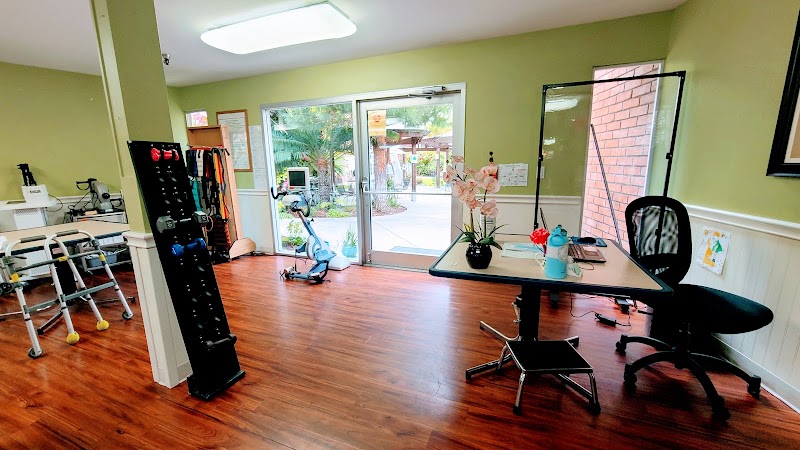
How is Monrovia Gardens Healthcare Center Staffed?

CMS rates MONROVIA GARDENS HEALTHCARE CENTER's staffing level at 2 out of 5 stars, which is below average compared to other nursing homes. Staff turnover is 48%, compared to the California average of 46%. RN turnover specifically is 62%, which is notably high. RNs provide skilled clinical oversight, so turnover in this role can affect medical care quality.

What Have Inspectors Found at Monrovia Gardens Healthcare Center?

State health inspectors documented 116 deficiencies at MONROVIA GARDENS HEALTHCARE CENTER during 2022 to 2025. These included: 1 that caused actual resident harm and 115 with potential for harm. Deficiencies causing actual harm indicate documented cases where residents experienced negative health consequences.
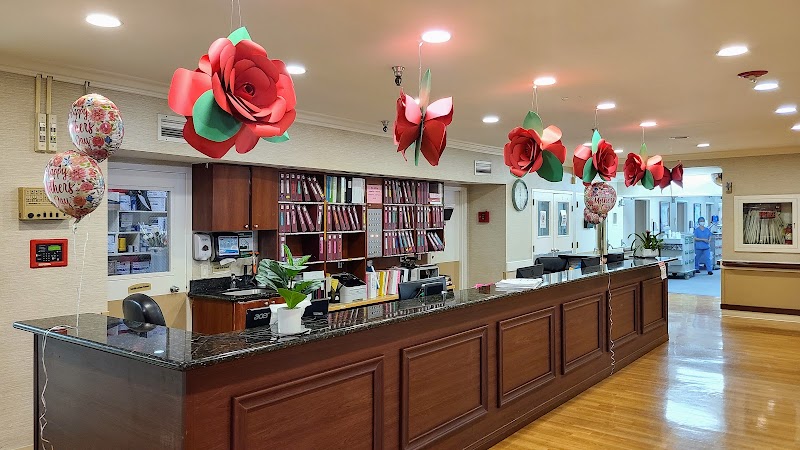
Who Owns and Operates Monrovia Gardens Healthcare Center?

MONROVIA GARDENS HEALTHCARE CENTER is owned by a for-profit company. For-profit facilities operate as businesses with obligations to shareholders or private owners. The facility is operated by CAMBRIDGE HEALTHCARE SERVICES, a chain that manages multiple nursing homes. With 96 certified beds and approximately 81 residents (about 84% occupancy), it is a smaller facility located in MONROVIA, California.
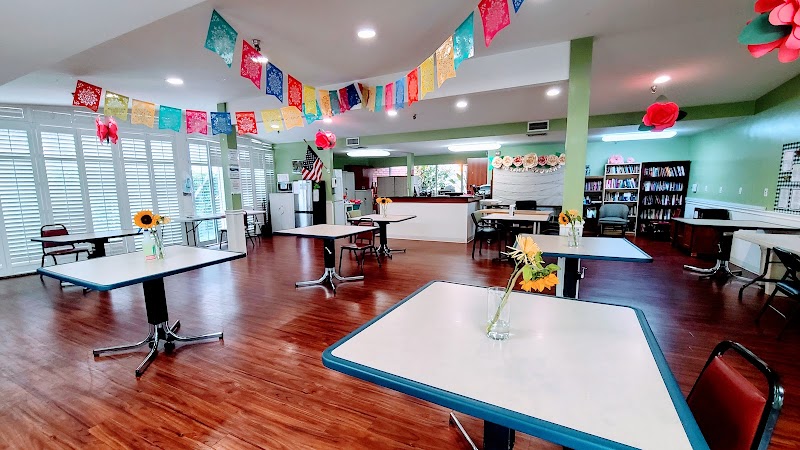
How Does Monrovia Gardens Healthcare Center Compare to Other California Nursing Homes?

Compared to the 100 nursing homes in California, MONROVIA GARDENS HEALTHCARE CENTER's overall rating (1 stars) is below the state average of 3.1, staff turnover (48%) is near the state average of 46%, and health inspection rating (1 stars) is much below the national benchmark.

What Should Families Ask When Visiting Monrovia Gardens Healthcare Center?

Based on this facility's data, families visiting should ask: "Can you walk me through typical staffing levels on day, evening, and night shifts?" "Can I visit during a mealtime to observe dining assistance and food quality?" "How do you handle medical emergencies, and what is your hospital transfer rate?" "Can I speak with family members of current residents about their experience?" These questions are particularly relevant given the below-average staffing rating.

Is Monrovia Gardens Healthcare Center Safe?

Based on CMS inspection data, MONROVIA GARDENS HEALTHCARE CENTER has a clean safety record: no substantiated abuse findings (meaning no confirmed cases of resident harm), no Immediate Jeopardy citations (the most serious violation level indicating risk of serious injury or death), and is not on the Special Focus Facility watch list (a federal program monitoring the lowest-performing 1% of nursing homes). The facility has a 1-star overall rating and ranks #100 of 100 nursing homes in California. While no facility is perfect, families should still ask about staff-to-resident ratios and recent inspection results during their visit.

Do Nurses at Monrovia Gardens Healthcare Center Stick Around?

MONROVIA GARDENS HEALTHCARE CENTER has a staff turnover rate of 48%, which is about average for California nursing homes (state average: 46%). Moderate turnover is common in nursing homes, but families should still ask about staff tenure and how the facility maintains care continuity when employees leave.

Was Monrovia Gardens Healthcare Center Ever Fined?

MONROVIA GARDENS HEALTHCARE CENTER has no federal fines on record. CMS issues fines when nursing homes fail to meet care standards or don't correct problems found during inspections. The absence of fines suggests the facility has either maintained compliance or corrected any issues before penalties were assessed. This is a positive indicator, though families should still review recent inspection reports for the full picture.

Is Monrovia Gardens Healthcare Center on Any Federal Watch List?

MONROVIA GARDENS HEALTHCARE CENTER is not on any federal watch list. The most significant is the Special Focus Facility (SFF) program, which identifies the bottom 1% of nursing homes nationally based on persistent, serious quality problems. Not being on this list means the facility has avoided the pattern of deficiencies that triggers enhanced federal oversight. This is a positive indicator, though families should still review the facility's inspection history directly.