COMMUNITY EXTENDED CARE HOSPITAL OF MONTCLAIR
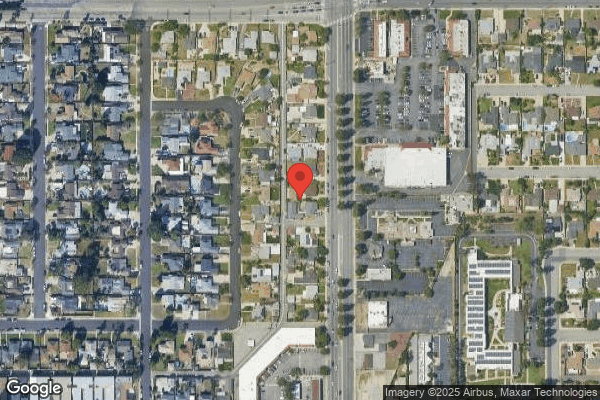

9620 FREMONT AVENUE, MONTCLAIR, CA 91763 (909) 621-4751
For profit - Limited Liability company 140 Beds THE MANDELBAUM FAMILY Data: November 2025
Trust Grade
80/100
#53 of 1155 in CA
Last Inspection: January 2025

Within standard 12-15 month inspection cycle. Federal law requires annual inspections.

Overview

Community Extended Care Hospital of Montclair has a Trust Grade of B+, indicating it is above average and recommended for families considering their options. It ranks #53 out of 1,155 facilities in California, placing it in the top half, and #4 out of 54 in San Bernardino County, meaning only three local facilities are better. The facility's trend is improving, with issues decreasing from four in 2024 to one in 2025, although it still reported 23 areas of concern in its latest inspection. While staffing received a below-average rating of 2 out of 5 stars, turnover is relatively low at 36%, which is below the state average, and there have been no fines on record, indicating a good compliance history. However, specific incidents raise concerns, such as staff failing to properly prepare pureed diets for residents, which could lead to choking hazards, and issues with food service safety that could result in foodborne illnesses. Overall, while there are strengths in its compliance and staffing stability, families should carefully consider the reported concerns in food safety and dietary preparation.

Trust Score
B+
80/100
In California
#53/1155
Top 4%
Safety Record
Low Risk
No red flags
Inspections
Getting Better
4 → 1 violations
Staff Stability
○ Average
36% turnover. Near California's 48% average. Typical for the industry.
Penalties
✓ Good
No fines on record. Clean compliance history, better than most California facilities.
Skilled Nurses
○ Average
Each resident gets 30 minutes of Registered Nurse (RN) attention daily — about average for California. RNs are the most trained staff who monitor for health changes.
Violations
⚠ Watch
23 deficiencies on record. Higher than average. Multiple issues found across inspections.
★★★★★
5.0
Overall Rating
★★☆☆☆
2.0
Staff Levels
★★★☆☆
3.0
Care Quality
★★★★★
5.0
Inspection Score
Stable
2024: 4 issues
2025: 1 issues

The Good

  • Full Sprinkler Coverage · Fire safety systems throughout facility
  • No fines on record
  • Staff turnover below average (36%)

    12 points below California average of 48%

Facility shows strength in fire safety.

The Bad

Staff Turnover: 36%

Near California avg (46%)

Typical for the industry

Chain: THE MANDELBAUM FAMILY

Part of a multi-facility chain

Ask about local staffing decisions and management

The Ugly 23 deficiencies on record

May 2025 1 deficiency
CONCERN (D) 📢 Someone Reported This

A family member, employee, or ombudsman was alarmed enough to file a formal complaint

Potential for Harm - no one hurt, but risky conditions existed

Deficiency F0573 (Tag F0573)

Could have caused harm · This affected 1 resident

**NOTE- TERMS IN BRACKETS HAVE BEEN EDITED TO PROTECT CONFIDENTIALITY** Based on interview and record review, the facility failed to ensure a resident was able to exercise the right to access personal...

Read full inspector narrative →
**NOTE- TERMS IN BRACKETS HAVE BEEN EDITED TO PROTECT CONFIDENTIALITY** Based on interview and record review, the facility failed to ensure a resident was able to exercise the right to access personal and medical records for one of three residents (Resident 1), when medical records for Resident 1 were requested by Resident 1 Power of Attorney (POA) but were not delivered within two working days of the request as per the facility ' s policy. This failure resulted in a violation of Resident 1 ' s right to have access to medical records as requested by POA. Findings: During a review of Resident 1 Face Sheet (Contain Resident 1 demographic), the Face Sheet indicated, Resident 1 was admitted on [DATE], with diagnosis that included cerebral infraction (a condition where blood flow to the brain is interrupted, causing brain tissue to die). During an interview on May 7, 2025, at 11:40 AM, with the Medical Record Supervisor (MRS 1), the MRS 1 indicated that the POA for Resident 1 requested the resident's documents on Thursday, April 24, 2025, and completed the necessary release form on the same day. On April 30, 2025, she reached out to Resident 1's POA to notify her that the documents were ready for collection, which Resident 1 ' s POA did on that day. The MRS 1 acknowledged that the release of the documents exceeded the 48-hour policy, recognizing that they had gone beyond the specified timeframe. Nevertheless, she asserted that she followed the established protocol, which required the Director of Nursing and nursing staff to review the chart, followed by an administrative review of the documents before their release. She admitted that adherence to protocol does not justify the failure to comply with the timeline. During a review of document titled, Resident/Resident Representative Request for Access to Protected Health Information indicated Resident 1 POA requested Resident 1 Medical Record signed by POA on April 24, 2025. During an interview on May 7, 2025, at 12:31 PM, with the Director of Nursing (DON 1), the DON stated that passing the dateline in releasing resident ' s medical record to the family is unacceptable because family needs to look at the documentation and that is their right. During a telephone interview on May 14, at 2:47 PM, with MRS 1, MRS 1 reported that the POA of Resident 1 collected the medication record on April 30, 2025, made a cash payment for the documents, and received a receipt in return. During a review facility document titled, receipt (document containing payment confirmation), dated April 30, 2025, the receipt indicated payment receipt for Resident 1 records. During a review of facility policy and procedures (P&P) dated titled, Release of Records indicated, .Copies or any portion of them should be available within 2 working days of the request with advance notice to the facility . Based on interview and record review, the facility failed to ensure a resident was able to exercise the right to access personal and medical records for one of three residents (Resident 1), when medical records for Resident 1 were requested by Resident 1 Power of Attorney (POA) but were not delivered within two working days of the request as per the facility's policy. This failure resulted in a violation of Resident 1's right to have access to medical records as requested by POA. Findings: During a review of Resident 1 Face Sheet (Contain Resident 1 demographic), the Face Sheet indicated, Resident 1 was admitted on [DATE], with diagnosis that included cerebral infraction (a condition where blood flow to the brain is interrupted, causing brain tissue to die). During an interview on May 7, 2025, at 11:40 AM, with the Medical Record Supervisor (MRS 1), the MRS 1 indicated that the POA for Resident 1 requested the resident's documents on Thursday, April 24, 2025, and completed the necessary release form on the same day. On April 30, 2025, she reached out to Resident 1's POA to notify her that the documents were ready for collection, which Resident 1's POA did on that day. The MRS 1 acknowledged that the release of the documents exceeded the 48-hour policy, recognizing that they had gone beyond the specified timeframe. Nevertheless, she asserted that she followed the established protocol, which required the Director of Nursing and nursing staff to review the chart, followed by an administrative review of the documents before their release. She admitted that adherence to protocol does not justify the failure to comply with the timeline. During a review of document titled, Resident/Resident Representative Request for Access to Protected Health Information indicated Resident 1 POA requested Resident 1 Medical Record signed by POA on April 24, 2025. During an interview on May 7, 2025, at 12:31 PM, with the Director of Nursing (DON 1), the DON stated that passing the dateline in releasing resident's medical record to the family is unacceptable because family needs to look at the documentation and that is their right. During a telephone interview on May 14, at 2:47 PM, with MRS 1, MRS 1 reported that the POA of Resident 1 collected the medication record on April 30, 2025, made a cash payment for the documents, and received a receipt in return. During a review facility document titled, receipt (document containing payment confirmation), dated April 30, 2025, the receipt indicated payment receipt for Resident 1 records. During a review of facility policy and procedures (P&P) dated titled, Release of Records indicated, .Copies or any portion of them should be available within 2 working days of the request with advance notice to the facility .
Nov 2024 2 deficiencies
CONCERN (D) 📢 Someone Reported This

A family member, employee, or ombudsman was alarmed enough to file a formal complaint

Potential for Harm - no one hurt, but risky conditions existed

Resident Rights (Tag F0550)

Could have caused harm · This affected 1 resident

**NOTE- TERMS IN BRACKETS HAVE BEEN EDITED TO PROTECT CONFIDENTIALITY** Based on observation, interview and record review, the facility failed to respect the rights of one of the three sampled residen...

Read full inspector narrative →
**NOTE- TERMS IN BRACKETS HAVE BEEN EDITED TO PROTECT CONFIDENTIALITY** Based on observation, interview and record review, the facility failed to respect the rights of one of the three sampled residents (Resident 1) when a Certified Nurse Assistant (CNA 1) turned on the light in Resident 1 ' s room without her permission on September 28, 2024. This failure had the potential compromise Resident 1 ' s sense of safety and dignity. Findings: During a review of Resident 1 ' s admission Record (contains demographic and medical information) it indicated Resident 1, was initially admitted to the facility on [DATE], with diagnoses which included chronic respiratory failure (the lungs can ' t get enough oxygen into the body), tracheostomy (a medical procedure where a small hole is made in the neck and windpipe to help someone breath), and dependence on respiratory. During a review of Resident 1 ' s Minimum Data Set (MDS), Section C Cognitive Patterns (items in this section are intended to determine the resident ' s attention, orientation and ability to register and recall new information.), dated September 26, 2024, it indicated Resident 1 had a Brief Interview for Mental Status (used to determine functioning used to determine a resident cognitive functioning status) Score of 14 ( a core of 13-15 indicates intact cognition.) During a concurrent observation and interview, on October 9, 2024, at 2:14 PM, Resident 1, stated that CNA 1 entered her room, turned on the overhead light without asking for permission, and dismissed her concern about her medical condition. Resident 1, who was lying in bed with her head elevated to 45 – degree angle in a dimly lit room, expressed that her sensitivity to bright light made it uncomfortable for her when the light was turned on without her consent. During a phone interview on October 9, 2024, at 5:57 PM, with (CNA 1), CNA 1 confirmed that he turned on the light at Resident 1 ' s room without permission on September 29, 2024. CNA 1 acknowledged that he should have asked Resident 1 first to respect her preference. During a concurrent interview and record review on November 11, 2024, at 2:18 PM, with Director of Nursing (DON), the facility ' s policy and procedure (P&P) titled Resident Rights Policy, dated September 2017, was reviewed. The policy indicated Facility must protect promote their rights each resident .To be free from mental and physical abuse .Participate in the development and implementation of his on her person. centered plan of care to include establishing goals and outcomes and to be informed in advance of changes to be plan of care. Also, the right to identify individuals to be included in are planning, the right to request meetings or revisions to the care plan .To be treated with consideration, respect and full recognition of dignity and individually, including privacy in treatment and in care of personal needs. To resident and receive services with reasonable accommodation of resident need and preferences unless to do so would endanger the health and safety of the resident or other residents . The DON stated the staff did not follow the policy.
CONCERN (D) 📢 Someone Reported This

A family member, employee, or ombudsman was alarmed enough to file a formal complaint

Potential for Harm - no one hurt, but risky conditions existed

Quality of Care (Tag F0684)

Could have caused harm · This affected 1 resident

**NOTE- TERMS IN BRACKETS HAVE BEEN EDITED TO PROTECT CONFIDENTIALITY** Based on observation, interview, and record review, the facility failed to implement the care for one of three sampled residents...

Read full inspector narrative →
**NOTE- TERMS IN BRACKETS HAVE BEEN EDITED TO PROTECT CONFIDENTIALITY** Based on observation, interview, and record review, the facility failed to implement the care for one of three sampled residents (Resident 1), who required two – person assistance for repositioning and care, when Certified Nursing Assistant (CNA 1) provided care to Resident 1 on two separate occasions (September 28, 2024, and September 29, 2024.) This failure has the potential to compromise Resident 1 ' s physical safety, emotional well-being and trust in care services. Findings: During a review of Resident 1 ' s admission Record (contains demographic and medical information),it indicated Resident 1, was initially admitted to the facility on [DATE], with diagnoses which included chronic respiratory failure (the lungs can ' t get enough oxygen into the body), tracheostomy (a medical procedure where a small hole is made in the neck and windpipe to help someone breath), and dependence on respiratory. During a review of Resident 1 ' s care plan titled ADL (Activities of Daily Living) Functional / Rehabilitation Potential, dated July 8, 2024, it indicated, impaired physical mobility and self – care r/t [related t0] scoliosis (when the spine curves sideways into an S or C) muscular dystrophy (a condition where the muscles in the body become weak and lose strength .roll left & right max of assistance ( a person needs a lot of help from one or more caregivers to do basic), approach plan .provide 2 person assist . During a review of Resident 1 ' s Minimum Data Set (MDS), Section C Cognitive patterns (items in the section are intended to determine the resident ' s attention, orientation and ability to register and recall new information), dated September 26, 2024, it indicated Resident 1 had a Brief Interview for Mental Status (used to determine functioning use to determine a resident cognitive functioning status) Score of 14 ( A score 13-15 indicates intact cognition.) During a review of Resident 1 ' s Minimum Data Set (MDS) Section GG functional Abilities and Goals, dated September 26, 2024, it indicted, Resident 1 was dependent (helps does all of the efforts, Resident does none of the efforts to complete the activity .or the assistance of two or more helper is required for resident to complete activity.) for toileting hygiene. During a concurrent observation and interview on October 9, 2024, at 2:14 PM, inside Resident 1 ' s room, Resident 1 was lying in bed with the head of the bed elevated to approximately 45 degrees. Resident 1 stated that over the weekend, CNA 1 provided care alone two occasions, despite her care plan requiring two-person assistance for repositioning and care. She further stated that this led to a commotion, prompting a Respiratory Therapist (RT) to enter the room and assist CAN 1. Resident 1 expressed frustration with CNA1 ' s action and reported feeling unsafe during these incidents. During a phone interview on October 9, 2024, at 5:57 PM, with CNA 1, CNA 1 stated first incident occurred on September 28, 2024.) CNA 1 stated he entered Resident 1 ' s room and attempted to change Resident 1 by himself. He further stated the situation escalated when Resident because upset, and a Respiratory Therapist (RT) overheard the commotion entered the room and assisted with the repositioning and care. CNA 1 stated he did not ask for help, and he was unaware of the two-person requirement. CNA 1 further stated the same incident occurred again on September 29, 2024. During a phone interview on October 10, 2024, at 9:23 AM, with Registered Nurse (RN 1), RN 1 states she did not informed CAN 1 of two – person assistance requirement for all residents in the subacute unit (a care area for patient who need require more medical support related to physical weakness or unable to help themselves and depend on medical equipment.) During a concurrent interview and record review on November 15, 2024, at 5:23 PM the facility ' s policy titled Care Planning – Interdisciplinary Team, dated January 2017, was reviewed. The policy indicated, The care plan is based on the resident ' s needs and the resident ' s comprehensive assessment and is developed by a Care Planning / Interdisciplinary Team .Nursing Assistants responsible for the resident ' s care .
Oct 2024 1 deficiency
CONCERN (D) 📢 Someone Reported This

A family member, employee, or ombudsman was alarmed enough to file a formal complaint

Potential for Harm - no one hurt, but risky conditions existed

Accident Prevention (Tag F0689)

Could have caused harm · This affected 1 resident

**NOTE- TERMS IN BRACKETS HAVE BEEN EDITED TO PROTECT CONFIDENTIALITY** Based on observation, interview, and record review, the facility failed to adhere to its safety and supervision of resident ' s ...

Read full inspector narrative →
**NOTE- TERMS IN BRACKETS HAVE BEEN EDITED TO PROTECT CONFIDENTIALITY** Based on observation, interview, and record review, the facility failed to adhere to its safety and supervision of resident ' s policy when one of three sampled residents (Resident 1) was not adequately supervised following two prior falls within the facility. This failure resulted in Resident 1 falling for the third time and sustaining a red/purple discoloration in the left head area, left hip swelling (abnormal enlargement), and pain in the left hip/leg Findings: During an interview on October 17, 2024, at 12:54 a.m. with Resident 1 ' s granddaughter, she stated the nurse who informed her mother about the latest fall incident indicated Resident 1 was in the hallway in front of her room during the incident. in addition, Resident 1 relayed at that time, the wheelchair was not locked, which contradicts the staff ' s claimed the wheelchair was secured. During a review of Resident 1 ' s post-fall risk assessment dated [DATE], and July 25, 2024, indicated Resident 1 has history of falls within the facility prior to the latest incident on August 20, 2024. During an interview on October 17, 2024, at 12:24 p.m. with the Director of Nursing (DON) 1, DON 1 was asked whether Resident 1 should have been monitored closely by placing her room nearer to the station. DON 1 stated Resident 1 was already located closer to the nurses ' station. However, when it was pointed out that at that time of the fall incident on August 20, 2024, Resident 1 was not in her current room, which is near the nurses ' station, but rather in another room, which is farther away. DON 1 did not respond directly to this observation. During a review of the undated facility ' s policy and procedure (P&P) titled, Safety and Supervision of Residents, the P&P indicated, Resident supervision is a core component of the systems approach to safety. The type and frequency of resident supervision is determined by the individual resident ' s assessed needs and identified hazards in the environment.
Jul 2024 1 deficiency
CONCERN (D) 📢 Someone Reported This

A family member, employee, or ombudsman was alarmed enough to file a formal complaint

Potential for Harm - no one hurt, but risky conditions existed

Accident Prevention (Tag F0689)

Could have caused harm · This affected 1 resident

F689 (Rev. 173, Issued: 11-22-17, Effective: 11-28-17, Implementation: 11-28-17) §483.25(d)(2) Each resident receives adequate supervision and assistance devices to prevent accidents. Based on ob...

Read full inspector narrative →
F689 (Rev. 173, Issued: 11-22-17, Effective: 11-28-17, Implementation: 11-28-17) §483.25(d)(2) Each resident receives adequate supervision and assistance devices to prevent accidents. Based on observation, interview, and record review, the facility failed to ensure the facility's policy regarding safety and supervision of residents was implemented, when one of the four sampled residents (Resident 1) was not supervised during lunchtime, which potentially resulted to a change of condition leading to Resident 1 being transferred to a general acute hospital for evaluation and treatment. This failure had the potential to place a clinically compromised resident (Resident 1) at risk for aspirating when resident was not supervised by the staff during mealtime. Findings: During a review of Resident 1's History and Physical H&P) dated February 3, 2023, the H&P indicated that Resident 1 had a diagnosis that included paraplegia (loss of muscle function and senses of the legs and lower body), seizure (a sudden uncontrolled burst of electrical activity in the brain that can cause changes in behavior, movement[uncontrollable shaking, with muscles contracting and relaxing repeatedly, however, some have mild symptoms without shaking] feelings, and level of consciousness), and dysphagia (difficulty of swallowing). During a review of facility provided document titled SBAR (stands for situation, background, appearance, review and notify.) communication form and progress notes for RNs/LVNS/LPNs (registered nurses, licensed vocational nurses & licensed practical nurses). It indicated Resident 1 was found unresponsive and necessitated initiation of a code blue (a hospital code for an emergency that requires resuscitation - the process of reviving a patient that lacks breathing or pulse). was initiated, and subsequently transferred to an acute hospital. During a telephone interview on July 3, 2024, at 4:03 PM, with the Speech Therapist (ST -a profession that work to prevent , assess, diagnose, and treat speech, language, social communication, cognitive-communication, and swallowing disorders ) ST 1 stated Resident 1 did not require assistance with feeding at that time, but needed someone to be with him to ensure that he was following aspiration precautions (swallowing problems like choking while or after eating). During a telephone interview on July 8, 2024, at 4:03 PM, with the Director of Nursing (DON 1), DON 1 stated that she could not find any notes regarding Resident 1's condition during lunchtime or whether staff supervised or assisted the resident during lunch on August 29, 2023. However, DON 1 stated that she found a document in the nurse's notes dated August 28, 2023, the day before Resident 1 was transferred, indicating that Resident 1 was supervised while eating. During a review of the ST 1's evaluation and treatment plan for Resident 1 covering the certification period from August 16,2023 through September 10, 2023, it was noted that ST 1 recommended distant supervision and close supervision during mealtime. The document also mentioned that the resident was at risk for aspiration due to documented physical impairment. During a review of Resident 1's care plan for activities of daily living (ADL - activities related to personal care. They include bathing or showering, dressing, getting in and out of bed or a chair, walking using the toilet, and eating.) dated February 2, 2023, the care plan indicated that Resident 1 required supervision while eating. During a review of the facility's policy and procedure (P&P) titled, Safety and Supervision of Residents dated May 2015, the P&P indicted, Resident supervision is a core component of the systems approach to safety. The type and frequency of resident supervision is determined by the individual resident's assessed needs and identified hazards in the environment.
Jun 2023 1 deficiency
CONCERN (D) 📢 Someone Reported This

A family member, employee, or ombudsman was alarmed enough to file a formal complaint

Potential for Harm - no one hurt, but risky conditions existed

Accident Prevention (Tag F0689)

Could have caused harm · This affected 1 resident

Based on observation, interview, and record review, the facility failed to maintain a safe and hazard free environment when a fire incident occurred on May 22, 2023. One of the facility's employee's b...

Read full inspector narrative →
Based on observation, interview, and record review, the facility failed to maintain a safe and hazard free environment when a fire incident occurred on May 22, 2023. One of the facility's employee's battery pack caught on fire while it was stored in one of two oxygen storage rooms. This failure had the potential to cause smoke inhalation, burns, explosion, and even death to 133 residents in the facility. Findings: During an observation on May 31, 2023, at 10:17 AM, in the Oxygen Storage Room, by the Sub-Acute Unit (inpatient unit for residents needing services more intensive than typically provided in a skilled nursing facility), fifty-eight portable oxygen tanks were inside the storage room. The tile where the fire had occurred had black residue. During an interview, on May 31, 2023, at 10:31 AM, with Respiratory Therapist (RT 1), RT 1 stated he was checking on his patients, when he heard the fire alarm, he saw smoke coming from the oxygen storage room in the sub-acute unit . RT 1 further stated he grabbed a fire extinguisher and attempted to put out the fire, but the sprinkler system had already been activated. RT 1 stated his next step was to close the door to the oxygen storage room and start closing all the resident rooms doors. During an interview with the Sub-Acute RN, on May 31, 2023, at 10:42 AM, the Sub-acute RN stated the fire department came to the facility and asked the staff to step outside the facility. Sub-acute RN further stated the fire department stated that there was no need to evacuate the ventilated residents. Sub-acute RN stated she was informed by the fire department that the cause of the fire was a battery pack inside of an employee's backpack stored inside the oxygen storage room. During an interview with Respiratory Therapist 2 (RT 2), on June 2, 2023, at 3:55 PM, the RT 2 stated he left his backpack inside the oxygen storage room. RT 2 further stated he should not have left his backpack in the oxygen storage room. During an interview with the Director of Nursing (DON), on May 31, 2023, at 11:53 AM, the DON stated the expectation for employees is to store their belongings in the facility provided lockers. The DON further stated an oxygen storage room is not the expected location for employees to store their personal belongings. The DON stated there was no policy and procedure for the storage of employee's personal belongings. During a concurrent interview and record review on May 31, 2023, at 11:53 AM, of the facility's policy and procedure (P&P) titled 4.3 Hazards , dated March 2021, with the DON, the P&P was reviewed. The P&P indicated, You must immediately report any safety hazards you may observe to your supervisor, the DSD or Administrator. The DON stated the policy was not followed. During a concurrent interview and record review on May 31, 2023, at 11:53 AM, of the facility's P&P titled 4.4 Injury and Illness Prevention dated March 2021, with the DON, the DON reviewed the P&P which indicated, Conducting periodic safety inspections to find and eliminate unsafe working conditions or practices. The DON stated the policy was not followed.
Apr 2023 1 deficiency
CONCERN (D) 📢 Someone Reported This

A family member, employee, or ombudsman was alarmed enough to file a formal complaint

Potential for Harm - no one hurt, but risky conditions existed

Deficiency F0558 (Tag F0558)

Could have caused harm · This affected 1 resident

**NOTE- TERMS IN BRACKETS HAVE BEEN EDITED TO PROTECT CONFIDENTIALITY** Based on observation, interview, and record review, the facility failed to ensure call lights were within reach while in bed in ...

Read full inspector narrative →
**NOTE- TERMS IN BRACKETS HAVE BEEN EDITED TO PROTECT CONFIDENTIALITY** Based on observation, interview, and record review, the facility failed to ensure call lights were within reach while in bed in accordance with their policy and procedure for two out of three sampled residents (Residents 1 and 2). This failure has the potential to result into a delay in the provision of services and needs not being met for Residents 1 and 2. Findings: 1. During a review of Resident 1's medical record, the Resident Face Sheet (contains demographic and medical information), indicated Resident 1 was admitted to the facility on [DATE], with diagnoses which included cerebrovascular disease (a conditions that adversely affect blood flow to the brain, can cause lasting brain damage and long-term disability), chronic systolic congestive heart failure (disease in which heart cannot pump blood efficiently and makes it difficult to breathe), and hypertensive (elevated blood pressure). A review of Resident 1's Minimum Data Set (MDS- a standardized assessment and screening tool) dated January 30, 2023, indicated Resident 1 was assessed to be in need of extensive assistance (when Staff fully assists the person in accomplishing the task; person is unable to or minimally participates) with 1-person physical assistance with bed mobility, dressing, and personal hygiene. During an observation and concurrent interview, with Resident 1, on March 15, 2023, at 2:30 PM, Resident 1 was in her room, lying down in bed. Resident 1's call light was not within reach. When Resident 1 was asked to reach her call light, Resident 1 stated she was unable to reach her call light. During an observation and concurrent interview, with Certified Nurses Assistance 1 (CNA 1), on March 15, 2023, at 2:40 PM, in Resident 1's room, Resident 1's call light was not within reach of the resident. The resident's call light was clipped to the corner of pillowcase, close to the headboard of her bed, and was dangled down over the head bed frame to the floor. CNA 1 stated call light should be clipped within Resident 1's easy reach. 2. During a review of Resident 2's medical record, the Resident Face Sheet, indicated Resident 2 was admitted to the facility on [DATE], with diagnoses which included cerebrovascular disease,hypertensive, and hyperlipidemia (too many lipids (fats) in the blood). A review of Resident 2's MDS, dated [DATE], indicated Resident 2 has severely impaired cognitive skills for daily decision making. Further review indicated Resident 2 was assessed to be in need of extensive assistance with 1-person physical assistance with bed mobility, dressing, and personal hygiene. Furthermore, the MDS indicated Resident 2's upper and lower extremity had impairment on one side. A review of Resident 2's care plan, dated July 14, 2022, indicated .Problem: at risk for pain/discomfort r/t [related to] .medical condition . (R) [right] sided weakness . During an observation, on March 15, 2023, at 3:00 PM, Resident 2 was in his room, lying down in bed. Resident 2's call light was not within his reach. When asked to reach for his call light. Resident 2 tried to reach it using his left hand (which was his strong side). Resident 2 was unable to reach the call light. During an observation and concurrent interview, with License Vocational Nurse (LVN 1), on March 15, 2023, at 3:10 PM, Resident 2's call light was wrapped up to the right side of Resident 2's bed grab bar (a device attached to the bed frame gives assistance in moving around and repositioning in bed), which was at Resident 2's weak side. The call light was dangled down to the floor. LVN 1 confirmed Resident 2's call light was not within the resident's reach. LVN 1 further stated Resident 2's call light should be clipped within Resident 2's left hand easy reach. During a concurrent interview and record review, on March 15, 2023, at 3:45 PM, with the Director of Nurses (DON), the DON reviewed the facility's policy and procedure (P&P) titled Call Lights revised January 2017, which indicated Policy: it is the policy of the facility to respond to the resident's requests and needs . Procedure: . When the resident is in bed or in the wheelchair or chair in the room staff should make sure that the call is within easy reach of the resident . The DON stated the facility did not follow the policy.
Feb 2023 11 deficiencies
CONCERN (D)

Potential for Harm - no one hurt, but risky conditions existed

Deficiency F0578 (Tag F0578)

Could have caused harm · This affected 1 resident

**NOTE- TERMS IN BRACKETS HAVE BEEN EDITED TO PROTECT CONFIDENTIALITY** Based on observation, interview, and record review, the facility failed to ensure the advance directives (a legal document that ...

Read full inspector narrative →
**NOTE- TERMS IN BRACKETS HAVE BEEN EDITED TO PROTECT CONFIDENTIALITY** Based on observation, interview, and record review, the facility failed to ensure the advance directives (a legal document that states a person's wishes about receiving medical care if that person is no longer able to make medical decisions), were completed and available for one of four residents (Resident 112) reviewed for advance directives. This failure had the potential to result in a delay of treatment for Resident 112 as related to advance directives, or for life sustaining measures to be rendered against what the resident wanted. Findings: During a review of Resident 112's clinical record, the admission Record (clinical records with demographic information) indicated, Resident 112 was admitted to the facility on [DATE], with diagnoses which included chronic obstructive pulmonary disease (long term inflammatory lung disease that causes obstructed airflow from the lungs), heart failure (heart muscle doesn't pump blood as well as it should), and diabetes mellitus 2 (increased blood sugar level). During a review of Resident 112's Advance Directive Acknowledgement (ADA), dated December 23, 2022, and Social Service Advance Directive Department Note (SSADDN), dated December 15, 2022, it indicated Resident 112 had an advance directive. During a concurrent interview and record review with the Social Service Director (SSD), on February 8, 2023, at 10:55 AM, the SSD reviewed Resident 112's clinical record, and stated the advance directive was not in the chart. SSD further stated it should have been in the chart. During a concurrent interview and record review with the Director of Nursing (DON), on February 9, 2023, at 12:57 PM, the DON reviewed the facility's policy and procedure (P&P) titled, Advance Directives, dated April 2017, which indicated, .The resident or their responsible party will be asked if the resident has completed an advance directive, and to provide a copy of the document for the resident's clinical record . The DON stated the facility did not follow the policy.
CONCERN (D)

Potential for Harm - no one hurt, but risky conditions existed

Assessment Accuracy (Tag F0641)

Could have caused harm · This affected 1 resident

**NOTE- TERMS IN BRACKETS HAVE BEEN EDITED TO PROTECT CONFIDENTIALITY** Based on interview and record review, the facility failed to ensure Minimum Data Set (MDS- a computerized assessment instrument)...

Read full inspector narrative →
**NOTE- TERMS IN BRACKETS HAVE BEEN EDITED TO PROTECT CONFIDENTIALITY** Based on interview and record review, the facility failed to ensure Minimum Data Set (MDS- a computerized assessment instrument) Assessments were completed accurately to reflect the resident's status, care, and services in the skin conditions under Section M for one of three residents (Resident 116) reviewed for pressure injury (an open wound on the skin caused by a long period of constant pressure). This failure had the potential to cause inaccuracy in identifying Resident 116's care and support needs. Findings: During a review of Resident 116's admission Record (document that contains demographic and clinical data), the admission Record indicated Resident 116 was admitted to the facility on [DATE], with diagnoses which included acute respiratory failure with hypoxia (when the respiratory system cannot adequately provide oxygen to the body), encounter for attention to gastrostomy (a tube inserted through the wall of the abdomen directly into the stomach) and encounter for attention to tracheostomy (surgically created airway that is kept open with a breathing tube). During a review of Resident 116's Initial Nursing History and Assessment was conducted for Resident 116 on April 4, 2022, and Resident 116's MDS admission Assessment (a comprehensive assessment for a resident that must be completed within 14 days after admission), dated April 18, 2022, on Section M titled Skin Conditions, it indicated Resident 116 did not have any unhealed pressure injury upon admission. During a concurrent interview and record review with the Minimum Data Set Nurse (MDS Nurse), on February 9, 2023, at 1:21 PM, the MDS Nurse reviewed Resident 116's clinical record and was not able to find any documentation that Resident 116 had any pressure injury upon admission. During a concurrent record review and interview with the MDS Nurse, on February 9, 2023, at 1:40 PM, the MDS Nurse reviewed Resident 116's MDS Quarterly Assessment (an assessment for a resident that must be completed every 92 days following the previous assessment), dated July 13, 2022, on Section M titled Skin Conditions which indicated Resident 116 had an unhealed pressure ulcer/injuries category stage 3 (sore that involved skin loss throughout the entire thickness of the skin) that was present on admission. The MDS Nurse stated, It was coded in error. The MDS Nurse further stated it should have not been coded as present on admission. During a concurrent interview and record review with MDS Nurse, on February 9, 2023, at 2:00 PM, the MDS Nurse reviewed the CMS (The Centers for Medicare & Medicaid Services) RAI (Resident Assessment Instrument- provides guidelines and definitions for completing MDS assessment) manual, revised October 2019, and stated the facility did not follow the RAI manual. A review of the CMS RAI manual, revised October 2019, indicated .Steps for Assessment 1. Review the medical record, including skin care flow sheets or other skin tracking forms. 2. Speak with direct care staff and the treatment nurse to confirm conclusions from the medical record review . Steps 3: Determine Present on Admission For each pressure ulcer/injury, determine if the pressure ulcer/injury was present at the time of admission/entry or reentry and not acquired while the resident was in the care of the nursing home. Consider current and historical levels of tissue involvement. 1. Review the medical record for the history of the ulcer/injury admitted to the facility without a pressure ulcer/injury. During the stay .develops . pressure ulcer. This is a facility acquired pressure ulcer and was not present on admission.
CONCERN (D)

Potential for Harm - no one hurt, but risky conditions existed

Deficiency F0676 (Tag F0676)

Could have caused harm · This affected 1 resident

**NOTE- TERMS IN BRACKETS HAVE BEEN EDITED TO PROTECT CONFIDENTIALITY** 2. During a review of Resident 123's Face Sheet, it indicated Resident 123 was admitted to the facility on [DATE], with diagnose...

Read full inspector narrative →
**NOTE- TERMS IN BRACKETS HAVE BEEN EDITED TO PROTECT CONFIDENTIALITY** 2. During a review of Resident 123's Face Sheet, it indicated Resident 123 was admitted to the facility on [DATE], with diagnoses which included rheumatoid arthritis (degenerative joint disease) and muscle weakness. During a review of Resident 123's physician's order, dated January 17, 2023, it indicated Brace for Right hand contractures, PT/OT [physical therapy/occupational therapy] to evaluate for R [right] hand brace. During a review of Resident 123's care plan for Potential/Actual Alteration in Mobility, dated August 10, 2022, it indicated .Goal: . Resident will maintain/ improve functional mobility as long as possible within limitations of medical conditions . Approaches: . ROM [range of motion] during care; . Encourage participation with ADLS [activities of daily living]; . PT/OT/ST [physical therapy/occupational therapy/speech therapy] as needed . During a concurrent observation and interview, on February 10, 2023, at 7:55 AM, in Resident 123's room, Resident 123 was lying on her bed. She was not wearing a brace on her right hand. Resident 123 stated she does not have a brace, although she knows about the order since her physician told her about it. During an interview with the DOR, on February 10, 2023, at 9:52 AM, the DOR stated she just learned about the order for Resident 123's hand brace. (24 days after it was ordered). The DOR further stated there was a miscommunication between nursing and rehabilitation department for this order. The DOR stated We [Rehabilitation Department] missed this evaluation. During a concurrent interview and record review, with the DOR, on February 10, 2023, at 2:48 P.M., the DOR reviewed and acknowledged a facility document titled Job Description for Director of Rehabilitation, dated March 10, 2014, which indicated .Essential Functions: . Communicate with the referring physician and other professionals regarding patient's treatment program . Maintain progress notes and treatment plans on patients' treatments or referrals . Based on observation, interview, and record review, the facility failed to ensure necessary care and services to ensure resident's abilities in activities of daily living was provided for two of eight residents (Residents 77 and 123) reviewed for position and mobility, when: 1. For Resident 77, the physician's order for Speech Therapy evaluation (an assessment to evaluate a resident's ability to swallow) was not carried out. 2. For Resident 123, the physician's order for a brace (a material used to support, align, or hold a bodily part in the correct position) for the right-hand contracture (a condition of shortening and hardening of muscle, tendons, or other tissues, often leading to deformity of joints) was not carried out. These failures had the potential to delay treatment for Resident 77 and 123, which could hinder them to maintain or improve their ability to carry out the activities of daily living. Findings: 1. During a review of Resident 77's clinical record, the Resident Face Sheet (contains demographic and medical information), indicated Resident 77 was admitted to the facility on [DATE], with diagnoses which included gastrostomy status (a surgical operation for making an opening in the stomach), quadriplegia (partial or complete paralysis of both arms and legs) and dysphagia (difficulty swallowing). During a concurrent observation and interview, on February 7, 2023, at 10:10 A.M., inside Resident 77's room, Resident 77 was lying in bed, watching television. Resident 77 had a gastrostomy tube (G-tube - a tube inserted through abdomen that delivers nutrition and hydration directly to the stomach) attached to his stomach. He stated was able to eat through his mouth before he was transferred to the hospital. He further stated when he returned to the facility, he could only receive nutrition via the G-tube, and not by mouth. During a review of Resident 77's Physician Order, dated February 2, 2023, it indicated Resident 77 had an order for ST [Speech Therapy] eval [evaluation] to return to PO [by mouth]. During a concurrent interview and record review with the Director of Rehabilitation (DOR), on February 10, 2023, at 10:30 A.M., the DOR reviewed Resident 77's health records, and was not able to find documented evidence to indicate a ST eval had been conducted to Resident 77. The DOR stated, I was not aware of the ST eval order. The DOR further stated the order was not followed up and conducted. During a concurrent interview and record review, with the DOR, on February 10, 2023, at 2:47 P.M., the DOR reviewed a facility document titled Job Description for Director of Rehabilitation, dated March 10, 2014, which indicated, Essential Functions . Perform initial patient evaluations and evaluates response to treatment interventions . Develops and manages the rehabilitation department that includes workstation inspections and assessment. The DOR stated her job description was not followed when Resident 77's ST evaluation was not done.
CONCERN (D)

Potential for Harm - no one hurt, but risky conditions existed

Accident Prevention (Tag F0689)

Could have caused harm · This affected 1 resident

**NOTE- TERMS IN BRACKETS HAVE BEEN EDITED TO PROTECT CONFIDENTIALITY** Based on observation, interview, and record review, the facility failed to ensure a safe environment was maintained for three of...

Read full inspector narrative →
**NOTE- TERMS IN BRACKETS HAVE BEEN EDITED TO PROTECT CONFIDENTIALITY** Based on observation, interview, and record review, the facility failed to ensure a safe environment was maintained for three of nine residents (Residents 34, 112, and 104) reviewed for accidents, when: 1. There was no oxygen sign posted outside Resident 34's room. (Resident 34 had an order to receive oxygen therapy.) 2. There was no oxygen sign posted outside Resident 112's room. (Resident 112 had an order to receive oxygen therapy.) 3. The facility's own smoking policy was not implemented for Resident 104, who was a smoker. These failures have the potential to increase the risk of injuries, which could threaten the welfare, health, and safety of Residents 34, 104, and 112. Findings: 1. During a review of Resident 34's clinical record, the Resident Face Sheet (contains demographic and medical information) indicated Resident 34 was admitted to the facility on [DATE], with diagnoses which included diabetes mellitus (increased blood sugar level), heart failure (heart muscle doesn't pump blood as well as it should), and cardiomyopathy (enlarged heart). During a concurrent observation and interview with a Licensed Vocational Nurse (LVN 4), on February 7, 2023, at 10:00 AM, Resident 34 was lying in bed. An oxygen concentrator [machine that delivers oxygen], with a transparent bag containing the nasal canula (tube used to deliver oxygen) tubing, was at the right side of his bed. There was no No Smoking/ Oxygen in Use sign posted outside Resident 34's room. LVN 4 stated there should have been a sign. During a concurrent interview and record review with the Director of Nursing (DON), on February 9, 2023, at 12:57 PM, the DON reviewed and acknowledged Resident 34's Physician Order, dated October 20, 2022, which indicated, .OXYGEN AT 2 L [liters- unit of measurement]/ MIN [minute] VIA NC [nasal canula] CONTINUOUSLY TO KEEP 02 [oxygen] SATURATION [Sat-level of absorption] > [greater than] 92% .Special instructions: INDICATION: .MAY TITRATE TO MAINTAIN 02 SAT < [below]92 % . The DON stated there should have been a No Smoking/ Oxygen in Use sign posted outside Resident 34's room. A review of the facility's policy and procedure titled, Oxygen Administration dated March 2017, indicated, .The following equipment and supplies are necessary when performing this procedure .No Smoking/ Oxygen in Use signs . 2. During a review of Resident 112's clinical record, the Resident Face Sheet indicated Resident 112 was admitted to the facility on [DATE], with diagnoses which included chronic obstructive pulmonary disease (lung disease that causes obstructed airflow from the lungs), heart failure, and diabetes mellitus. During a concurrent observation and interview with LVN 4, on February 7, 2023, at 10:30 AM, Resident 112 was lying in bed, and was receiving oxygen therapy. There was no No Smoking/ Oxygen in Use sign posted outside Resident 112's room. LVN 4 stated they should have placed a No Smoking/ Oxygen in Use sign. During a concurrent interview and record review with the DON, on February 9, 2023, at 12:58 PM, the DON reviewed and acknowledged Resident 112's Physician Order, dated December 13, 2022, which indicated, .Oxygen at 2 L/MIN via NC PRN [as needed] to keep O2 Saturation > 92%. The DON stated there should had been a No Smoking/ Oxygen in Use sign outside Resident 112's room. A review of the facility's policy and procedure titled, Oxygen Administration dated March 2017, indicated, .The following equipment and supplies are necessary when performing this procedure .No Smoking/ Oxygen in Use signs . 3. During a review of Resident 104's clinical record, the Resident Face Sheet indicated Resident 104 was admitted to the facility on [DATE], with diagnoses which included hepatic failure (damaged liver), anxiety disorder (feelings of fear, dread and uneasiness) and depression (persistent feelings of sadness and loss of interest). During a concurrent observation and interview, on February 7, 2023, at 11:10 A.M., inside Resident 104's room, Resident 104 was sitting on his wheelchair. He stated he was going to the smoking patio. He further stated he has been a smoker for 50 years. During a review of a facility provided document titled Smokers List, it indicated Resident 104 was an active smoker. During a concurrent interview and review of Resident 104's clinical records with the Registered Nurse (RN 1), on February 10, 2023, at 11:29 A.M., the RN 1 reviewed Resident 104's Smoking Screening, dated October 31, 2022, which indicated Resident 104 was a Non-smoker. RN 1 stated it was wrong because Resident 104 was an active smoker. RN 1 was not able to find documented evidence that a Smoking Safety Assessment [to determine the level of supervision needed while smoking], Care Plan ([to address resident's needs] and Smoking Contract [agreement between resident and facility to comply with smoking policies] was initiated and completed for Resident 104. During a concurrent interview and record review, with the DON, on February 10, 2023, at 11:49 A.M., the DON reviewed the facility's policy and procedure (P&P) titled, Smoking Policy, dated January 2017, and stated the policy was not followed. During a review of the facility's P&P titled, Smoking Policy, dated January 2017, it indicated, Smoking Safety Assessment . 1. All residents who want to smoke will be assessed to determine their level of supervision . a. Smoking Safety Assessment should be completed as soon as possible but within the first seven days of admission for residents who smoke/use tobacco products . b. Smoking Safety Assessment will be updated quarterly and as needed . c. A plan of care will be developed to address each resident's need and level of supervision . Smoking Contract . A. A Smoking Contract shall be developed and serve as an agreement between the resident and the facility .
CONCERN (D)

Potential for Harm - no one hurt, but risky conditions existed

Pharmacy Services (Tag F0755)

Could have caused harm · This affected 1 resident

**NOTE- TERMS IN BRACKETS HAVE BEEN EDITED TO PROTECT CONFIDENTIALITY** Based on observation, interview, and record review, the facility failed to ensure the medication destruction policy was followed...

Read full inspector narrative →
**NOTE- TERMS IN BRACKETS HAVE BEEN EDITED TO PROTECT CONFIDENTIALITY** Based on observation, interview, and record review, the facility failed to ensure the medication destruction policy was followed for one of eleven residents (Resident 24) reviewed for medication administration, when two licensed nurses disposed a controlled medication (medication or substances that is controlled by the government because it may be abused or cause addiction) in a pharmaceutical waste container (container used by facility to discard medications). This failure has the potential for diversion (illegal distribution of controlled drugs for any illicit use) of controlled medications by staff. Findings: During a review of Resident 24's clinical record, the Resident Face Sheet (contains demographic and medical information), indicated Resident 24 was admitted to the facility on [DATE], with diagnoses which included, multiple sclerosis (a condition in which the body's immune system attacks the nerve cells in the brain and spinal cord), trigeminal neuralgia (condition that causes painful sensations on one side of the face) and osteoarthritis (degenerative joint disease). During a review of Resident 24's physician order, dated August 6, 2022, it indicated Resident 24 had an order for Hydrocodone-Acetaminophen [Norco] - Schedule II tablet; 5-325 mg [milligrams -unit of measurement], 1 tab [tablet] Every 8 Hours PRN [as needed] for trigeminal neuralgia pain. During a review of Resident 24's physician order, dated August 17, 2022, it indicated Resident 24 had an order for Tramadol - Schedule V tablet; 50 mg, 1 tab [tablet] Every 8 hours PRN for severe pain (7-10). During a concurrent observation and interview with a Licensed Vocational Nurse (LVN 1), on February 9, 2023, at 9:05 A.M., in Resident 24's room, Resident 24 stated she had a pain level of 8 out of 10 in the pain rating scale (used to measures pain intensity where '0' represents no pain and '10' represents the worst pain) in her face due to trigeminal neuralgia. LVN 1 proceeded to administer Norco to Resident 24. Resident 24 refused Norco and requested to receive Tramadol instead. During a subsequent observation on February 9, 2023, at 9:15 A.M., with LVN 1, inside Resident 24's room, LVN 1 administered Tramadol to Resident 24 for pain, per Resident 24's request. During further observation and interview, on February 9, 2023, at 9:45 A.M., with LVN 1, outside Resident 24's room, LVN 1 asked LVN 2, to witness the destruction of Norco. LVN 1 and LVN 2 counted the contents of Norco in the bubble pack (a card that packages doses of medication within small bubbles, designed to help track medications) and signed the Antibiotic or Controlled Drug Record (document used to record the administration or destruction of a controlled drug for tracking purposes). Afterwards, LVN 1 and LVN 2 entered the medication storage room and disposed the Norco tablet onto the pharmaceutical waste container, which was located next to the refrigerator. The pharmaceutical waste container had four white round tablets and several pink capsules. The medications inside it were dry. There was no liquids or other substance inside the container. LVN 2 stated the facility do not mix the medications with liquids because they will be incinerated. During a telephone interview with the Pharmacist Consultant (PhC), on February 9, 2023, at 1:13 P.M., the PhC stated controlled medications must be kept in the possession of the DON until they were destroyed. PhC further stated controlled medications must be destroyed in the presence of the DON and the PhC and sign the disposition form. PhC further stated controlled medications must be irretrievable (unrecognizable) with liquid or flour to avoid unauthorized persons to take it. During a concurrent interview and record review, on February 9, 2023, at 1:32 P.M., with the Director of Nursing (DON), the DON reviewed the facility's policy and procedure (P&P) titled, Medication Destruction, dated April 2008. The P&P indicated, .B. Controlled substances are retained in a securely locked area with restricted access until destroyed by the facility director of nursing or a registered nurse employed by the facility and a consultant pharmacist . D. The nurse(s) and/or pharmacist witnessing the destruction ensure that the following information is entered on the disposition form . 1) Date of the destruction . 2) Resident's name . 3) Name and strength of the medication . 4) Prescription number . 5) Amount of medication destroyed . 6) Signatures of witnesses. DON stated facility did not follow the policy.
CONCERN (D)

Potential for Harm - no one hurt, but risky conditions existed

Deficiency F0761 (Tag F0761)

Could have caused harm · This affected 1 resident

Based on observation, interview, and record review, the facility failed to provide adequate supervision to ensure medications and medication carts (used to transport resident's medication) were proper...

Read full inspector narrative →
Based on observation, interview, and record review, the facility failed to provide adequate supervision to ensure medications and medication carts (used to transport resident's medication) were properly secured when one of six medication carts was found unlocked and unattended by a licensed nurse. This failure had the potential to compromise the security of the medications, for potentially unauthorized staff and residents could access it in a highly vulnerable population of 128 residents. Findings: A medication administration observation for Resident 34 was conducted with a Licensed Vocational Nurse (LVN 3) on February 9, 2023, at 5:10 AM. The medication cart, where Resident 34's medication was stored, was by Resident 34's room door. LVN 3 turned her back from the medication cart, which had its top drawer open, and entered Resident 34's room to prepare for medication administration. LVN 3 stated, The drawer should be closed when my back is turned or away from the medication cart, and the drawers should be locked when I am not at the cart. During a review of the facility's policy and procedure (P&P) titled, Medication Storage in The Facility ID1: Storage of Medications, dated April 2008, it indicated, Medication rooms, carts, and medication supplies are locked or attended by persons with authorized access.
CONCERN (D)

Potential for Harm - no one hurt, but risky conditions existed

Deficiency F0919 (Tag F0919)

Could have caused harm · This affected 1 resident

Based on observation, interview, and record review, the facility failed to ensure call lights systems were easily accessible to 128 residents, in two of four shower rooms (West Shower rooms A and B). ...

Read full inspector narrative →
Based on observation, interview, and record review, the facility failed to ensure call lights systems were easily accessible to 128 residents, in two of four shower rooms (West Shower rooms A and B). This failure had the potential for harm, as residents left unattended in the shower would be unable to call for help, or alert staff in the event of an incident. Findings: During an interview with Resident 115, on February 9, 2023, at 10:09 A.M., Resident 115 stated he was taken to the shower room and was left in his wheelchair. He further stated when he was done showering, he was unable to reach the call light and had to yell for help three times. During a concurrent observation and interview with the Maintenance Manager (MM), on February 9, 2023, at 12:45 P.M., in the [NAME] Shower rooms, the MM measured a distance of 55 inches from the midline of the shower to the hanging call light pull string, for both [NAME] Shower rooms A and B. The MM acknowledged it was not possible to reach the call light if confined to a wheelchair while in the shower. During a concurrent observation, interview, and record review with the Director of Nursing (DON), on February 9, 2023, at 1:10 P.M., in the [NAME] Shower rooms, the DON inspected the distance between the call light and midline of the shower. The DON was asked if she could reach the call light if she was left in a wheelchair while in the shower. She attempted to reach the call light and failed, then stated, No, it's too far. The DON reviewed the facility's policy and procedure titled Call Lights, dated January 2017, and acknowledged that staff should make sure call lights were within easy reach of the residents. During a review of the facility's policy and procedure (P&P) titled, Call Lights, dated January 2017, it indicated, . When the resident is in bed or in the wheelchair or chair in the room, staff should make sure that the call light is within easy reach of the resident.
CONCERN (E)

Potential for Harm - no one hurt, but risky conditions existed

Tube Feeding (Tag F0693)

Could have caused harm · This affected multiple residents

**NOTE- TERMS IN BRACKETS HAVE BEEN EDITED TO PROTECT CONFIDENTIALITY** 2. During a review of Resident 29's clinical records, the face sheet indicated Resident 29 was admitted to the facility on [DATE...

Read full inspector narrative →
**NOTE- TERMS IN BRACKETS HAVE BEEN EDITED TO PROTECT CONFIDENTIALITY** 2. During a review of Resident 29's clinical records, the face sheet indicated Resident 29 was admitted to the facility on [DATE], with diagnoses which included chronic heart failure (an ongoing inability of the heart to pump enough blood through the body), and diabetes (a disease that affect how the body uses blood sugar). During an observation with LVN 3, on February 9, 2023, at 6:00 AM, LVN 3 was administering medication to Resident 29. The Levothyroxine (medication used to treat thyroid hormone deficiency) was given via g-tube by gravity (downward direction). LVN 3 used a drinking cup of water to administer the medication. LVN 3 did not measure the amount of water. The syringe was filled with water two times. The syringe was labeled 60 mL. LVN 3 then attempted to use a second cup to flush the medication, but Resident 29 refused. During a follow up interview and concurrent review of Resident 29's clinical record with LVN 3 on February 9, 2023, at 6:10 AM, LVN 3 reviewed Resident 29's physician order, dated February 9, 2023, which indicated, 30 mL water flush, pre [before] and post [after] medication administration and 150 ml water flush q [every] 6 hours. LVN 3 stated she used about 250 ml of water flush, and acknowledged Resident 29 did not receive the appropriate amount of water during G-tube medication administration. LVN 3 further stated Oh it says 150 ml (on the physician order). During a review of the facility's policy and procedure (P&P) titled, IIB13: Enteral Tube Medication Administration, dated April 2008, it indicated, . G. Flush the tube with at least 15-30 ml of water prior to medication administration. 3. During a review of Resident 42's medical record, the Resident Face Sheet indicated, Resident 42 was admitted to the facility on [DATE], with diagnoses which included quadriplegia (unable to move all arms and legs), aphasia (loss of ability to understand or express speech), dysphagia, and diabetes mellitus. During a review of Resident 42's Physician's Order, dated January 5, 2022, it indicated Resident 42 has an order to receive GLUCERNA 1.2 [Formula] via GT delivered through an enteral feeding pump [pump used to deliver formula at an optional rate] at 60mL/hr [hour] for 20 hrs to provide 1200 mL/day . enteral feeding pump to run from 12pm to 8 am . A concurrent observation and interview were conducted with LVN 1, on February 7, 2023, at 9:25 AM, in Resident 42's room. Resident 42 was lying in bed. A tube feeding, which was running at 60 mL/hr, was connected to Resident 42. Resident 42's tube feeding bottle, hanging on a stand close to his bed, was inspected. The tube feeding bottle was dated February 5, 2023, and with a start time at 12 PM (45 hours upon inspection). LVN 1 stated the tube feedings should have been completed and was not sure what happened. A concurrent interview and record review were conducted with the DON, on February 8, 2023, at 3:31 PM. The DON reviewed the facility's P&P titled, Medication Administration, dated May 2019, and Gastrostomy Tube Feeding via Continuous Pump, dated January 2017, and stated the policies were not followed. The DON further stated Resident 42's tube feeding bottle should have been completed by 5:00 PM on February 6, 2023. During a review of the facility's P&P titled Medication Administration, dated May 2019, it indicated, .Medications must be administered in accordance with the physician orders, including any required time frame . During a review of the facility's P&P titled Gastrostomy Tube Feeding via Continuous Pump, dated January 2017, it indicated, . It is the policy of the facility to provide nourishment via continuous pump to residents who are unable to obtain adequate nourishment orally, as ordered by the resident's attending physician . Based on observation, interview, and record review, the facility failed to ensure appropriate treatment and management of a gastrostomy tube (G-tube - a tube inserted through abdomen that delivers nutrition and hydration directly to the stomach) was implemented in accordance with the facility's policy and procedure, for three of four residents (Resident 84, 29 and 42) reviewed for G-tube when: 1. For Resident 84, a license nurse did not check for G-tube placement (listening to gurgling sound when flushing air through the G-tube to confirm the correct position) before administering medications. This failure had the potential to increase the risk for aspiration (when food or liquids enter the lungs) and compromise Resident 84's health. 2. For Resident 29, a licensed nurse did not flush the appropriate amount of water during G-tube medication administration in accordance with the physician's order. This failure had the potential to increase the risk for hyponatremia (level of sodium in blood is too low) and compromise Resident 29's health. 3. For Resident 42, a licensed nurse did not administer the tube feeding formula in accordance with the physician's order. This failure had the potential to increase the risk for malnutrition and compromise Resident 42's health. Findings: 1. During a review of Resident 84's clinical record, the Resident Face Sheet (contains demographic and medical information), indicated Resident 84 was admitted to the facility on [DATE], with diagnoses which included dysphagia (difficulty swallowing), and gastrostomy status (a surgical operation for making an opening in the stomach), and chronic obstructive pulmonary disease (a group of lung diseases that makes difficult to breath). During a review of Resident 84's Physician Order, dated March 12, 2022, indicated Resident 84 had an order for nurses to Check placement and patency of tube [G-tube] prior to medication administration, Every shift; 07:00 AM - 03:00 PM, 03:00 PM - 11:00 PM, 11:00 PM - 07:00 AM. An observation of medication administration for Resident 84 by a Licensed Vocational Nurse (LVN 1) was conducted on February 9, 2023, at 9:50 A.M., in Resident 84's room. Resident 84 was lying in bed, watching television, with the head of the bed elevated. LVN 1 attached a syringe into the G-tube, checked for residual (fluid/contents that remain in the stomach), and proceeded to flush the G-tube with 30 mL (milliliters - unit of measurement) of water and administered Amlodipine (medication to treat high blood pressure) 5 mg (milligrams -unit of measurement). LVN 1 did not check for G-tube placement. LVN 1 stated he needed to check for placement before administering medication, but he forgot to do it. During a concurrent interview and record review with the Director of Nursing (DON), on February 9, 2023, at 1:49 P.M., the DON reviewed the facility's policy and procedure (P&P) titled, Enteral Tube Medication Administration, revised April 2008, which indicated, Procedures .D. Verify tube placement . 1) Use the following procedures: .a. Insert a small amount of air into the tube with syringe and listen to stomach with stethoscope for gurgling sounds. The DON stated the staff did not follow the policy.
CONCERN (E)

Potential for Harm - no one hurt, but risky conditions existed

Menu Adequacy (Tag F0803)

Could have caused harm · This affected multiple residents

Based on observation, interview, and record review, the facility failed to follow the approved menus when: 1. Four residents receiving a Korean puree diet (food prepared with a smooth and moist consis...

Read full inspector narrative →
Based on observation, interview, and record review, the facility failed to follow the approved menus when: 1. Four residents receiving a Korean puree diet (food prepared with a smooth and moist consistency for residents who have difficulty chewing and/or swallowing) were served the incorrect portion size on their lunch tray for the following items: 1.a. ½ cup of pureed rice was served on February 7, 2023, and February 8, 2023. (The spreadsheet indicated to serve ¾ cup.) 1.b. ¼ cup of pureed beef/tofu was served on February 8, 2023. (The spreadsheet indicated to serve ½ cup.) 2. The recipe for pureed rice was not followed when the cook used water to puree rice. (The recipe indicated to use milk.) 3. Eleven residents receiving altered texture diets received the incorrect ordered texture when six residents receiving a dysphagia mechanical soft diet (foods are moist, mechanically altered or easily mashed for residents with difficulty swallowing) received a puree texture instead of indicated ground, and five residents receiving a mechanical soft diet (foods are a soft chopped or ground consistency for residents who experience chewing or swallowing limitations) received a regular chicken texture instead of indicated ground. These failures resulted in lower caloric content of meals served, a potential to contribute to a decline in nutritional status and undesirable weight loss when recipes are not followed for medically compromised residents, and a potential choking incident when foods of incorrect consistency are served. Findings: 1.a. During a tray line (an assembly line preparation of meal trays in the kitchen to be delivered to residents) observation on February 7, 2023, at 12:00 PM, in the kitchen, a [NAME] (Cook 1) served pureed steamed rice using a number 8 serving scoop (½ cup). During a review of facility document titled Daily Spreadsheet- Korean Menu Week 1, dated Tuesday- Day 3 (February 7, 2023), it indicated serve ¾ cup of pureed steamed rice. 1.b During a tray line observation on February 8, 2023, at 11:59 AM, in the kitchen, [NAME] 2 served pureed steamed rice using a number 8 serving scoop (½ cup), and pureed beef/tofu using a number 16 serving scoop (¼ cup). During a review of facility document titled Daily Spreadsheet- Korean Menu Week 1, dated Wednesday- Day 4 (February 8, 2023), it indicated serve ¾ cup pureed steamed rice and serve pureed beef/tofu with a number 8 serving scoop (½ cup). During an interview with the Registered Dietitian (RD 1), on February 10, 2023, at 2:59 PM, the RD 1 stated her expectation was that cooks should follow portion sizes as stated in the menu. During a review of the facility's policy and procedure (P&P) titled, Food Preparation, dated 2018, it indicated 2. Recipes are specific as to portion yield. During a review of the facility's P&P titled Pureed Foods, dated 2020, it indicated always puree food that is already prepared and portion per the recipe to meet the need of the diet and portion size. 2. During an observation with [NAME] 1, on February 7, 2023, at 11:18 AM, in the kitchen, [NAME] 1 was preparing to puree steamed rice. [NAME] 1 placed an unmeasured amount of steamed rice in a 2.7-quart metal pan and poured an unmeasured amount of hot water from a hot water dispenser into the metal pan. [NAME] 1 mixed the rice and water mixture with the immersion mixer (a hand-held kitchen blade grinder used to mix ingredients in the container they are being prepared). During an interview with RD 1, on February 10, 2023, at 2:59 PM, the RD 1 stated [NAME] 1 should have followed the recipe and used milk, and not water to puree the rice. During a review of an undated facility document titled Recipe- Pureed Starch (Rice, Pasta, Potatoes), it indicated, complete the regular recipe, measure out the total number of portions needed for puree diets, puree on low speed to a paste consistency before adding any liquid, gradually add warm milk, as indicated per the recommended amount to achieve the desired consistency, and the puree should reach a consistency slightly softer than whipped topping. During a review of the facility's diet manual titled RDs for Healthcare, Inc Diet Manual for Long Term Care Facilities, dated year 2020, it indicated water is not used since it dilutes flavors and results in poorly accepted products. During a review of the facility's undated policy and procedure (P&P) titled, Food Preparation, it indicated Policy: Food shall be prepared by methods that conserve nutritive value, flavor, and appearance. Procedure: 2. Recipes are specific as to portion yield, method of preparation, amounts of ingredients, and time and temperature guide. 3. During a lunch tray line observation on February 7, 2023, at 12:00 PM, in the kitchen, [NAME] 1 served the regular Korean chicken with no texture alteration for mechanical soft diet trays and pureed chicken for dysphagia mechanical diet trays. During an interview with the RD 1, on February 10, 2023, at 2:59 PM, the RD 1 stated all cooks should be following the spreadsheet for texture and the chicken served for lunch should have been ground for mechanical soft and dysphagia mechanical diets. During a review of a facility document titled Daily Spreadsheet- Korean Menu Week 1, dated Tuesday- Day 3 (February 7, 2023), it indicated both the mechanical soft and dysphagia mechanical chicken to be served ground (cut up or chopped into very small pieces, often using a special machine) with a number 12 serving scoop (1/3 cup). During a review of an undated facility document titled Recipe- Korean Barbequed Chicken (Dak Bulgogi), it indicated For the following diets: grind chicken to desired texture, reheat to 165 degrees F and refer to spreadsheet for serving portion: Mechanical soft: serve with 1 oz sauce, broth, or gravy. Dysphagia mechanical: serve with 2 oz sauce, broth, or gravy. During a review of the facility's diet manual titled RDs for Healthcare, Inc. Diet Manual for Long Term Care Facilities- Mechanical Soft, dated 2020, it indicated ground is achieved by reducing to small fragments by friction, it is recommended to use a grinder/food processor to achieve the consistency of ground beef. The manual further indicated that meat should not be served in chunks for mechanical soft diets, and one should strive to individualize a resident's diet before going to a full puree texture.
CONCERN (F)

Potential for Harm - no one hurt, but risky conditions existed

Deficiency F0802 (Tag F0802)

Could have caused harm · This affected most or all residents

Based on observation, interview, and record review, the facility failed to ensure the Food and Nutrition Services staff had appropriate competencies to prepare puree diets (food prepared with a smooth...

Read full inspector narrative →
Based on observation, interview, and record review, the facility failed to ensure the Food and Nutrition Services staff had appropriate competencies to prepare puree diets (food prepared with a smooth and moist consistency for residents who have difficulty chewing and/or swallowing) when a [NAME] (Cook 1) used an immersion mixer (a hand-held blender usually used to mix or blend single serving food portions in the container they are being prepared) to puree meat, rice, and soup from the Korean Diet menu which resulted in puree that was not smooth and did not hold its shape for four residents receiving a physician-ordered puree Korean Diet. This failure had the potential to result in choking or unpalatable texture that could potentially alter the nutrition status for medically compromised residents. Findings: During an observation with [NAME] 1, on February 7, 2023, at 11:18 AM, in the kitchen, [NAME] 1 was preparing to puree Korean steamed rice. [NAME] 1 added water to cooked rice in a pan and blended the rice and water mixture with an immersion mixer. The rice texture was thin, watery, and grainy. [NAME] 1 added more cooked rice into the metal pan and used the immersion mixer again. The pureed rice was runny and non-smooth in texture. During further observation with [NAME] 1, on February 7, 2023, at 11:23 AM, [NAME] 1 was preparing to puree Korean spinach soup. She used the immersion mixer to puree the soup. When she was done, the pureed soup was thin consistency with stringy chunks of spinach visible. During a subsequent observation with [NAME] 1, on February 7, 2023, at 11:29 AM, [NAME] 1 was preparing to puree Korean Chicken (Dak Bulgogi). She blended the chicken using the immersion mixer. The pureed chicken was stringy consistency with visible chicken chunks. During a tray line (an assembly line preparation of meal trays in the kitchen to be delivered to residents) observation and concurrent interview with Dietary Services Supervisor 1 (DSS 1), on February 7, 2023, at 12:10 PM, in the kitchen, DSS 1 inspected the pureed chicken and stated the chicken was not smooth and had chunks of chicken. DSS 1 stated [NAME] 1 should have pureed the chicken in a food processor or blender to ensure that it was smooth. During a follow up interview with DSS 1, on February 7, 2023, at 3:11 PM, DSS 1 stated staff were last trained for pureed food almost two years ago and [NAME] 1 did not have a one-on-one training by the DSS and no other in-service or training for preparing pureed foods was done. During an interview with the Registered Dietitian 1 (RD 1), on February 10, 2023, at 2:59 PM, the RD 1 stated she has not performed in-service for puree with Korean diet cooks. She further stated the expectation was that pureed food should be smooth and mashed potato texture. During a review of Inservice Education Record-Pureed Food, dated April 2, 2021, the training record indicated [NAME] 1 did not attend the training. During a review of the facility's diet manual titled RDs for Healthcare, Inc. Diet Manual for Long Term Care Facilities- Puree Diet, dated 2020, it indicated the texture of the pureed food should be of a smooth and moist consistency, able to hold its shape, and all foods are prepared in a food processor or blender. During a review of the facility's policy and procedure (P&P) titled, Food Preparation, dated 2018, it indicated Policy: Food shall be prepared by methods that conserve nutritive value, flavor, and appearance. Procedure: 2. Recipes are specific as to . method of preparation .
CONCERN (F)

Potential for Harm - no one hurt, but risky conditions existed

Food Safety (Tag F0812)

Could have caused harm · This affected most or all residents

Based on observation, interview, and record review, the facility failed to maintain professional standards for food service safety when: 1. The ice machine cooling compartment (where the ice is made) ...

Read full inspector narrative →
Based on observation, interview, and record review, the facility failed to maintain professional standards for food service safety when: 1. The ice machine cooling compartment (where the ice is made) had a black colored residue that could be wiped away with a paper towel, which had the potential to contaminate the ice and cause foodborne illness (illness caused by ingestion of contaminated food or beverages). 2. The food preparation sink did not have an air gap (a separation in the drain pipe that ensures prevention of contaminated drain and wastewater from contaminating the sink) which had the potential to cause foodborne illness. 3. The middle sink of the three-compartment sink (three sinks used for manual dishwashing, one for washing, one for rinsing, and one for sanitizing dishes) had rust which had the potential to contaminate the water being used to rinse the dishes. 4. The dishwasher did not have a data plate affixed with the important manufacturer's information on wash and rise temperature and ppm (parts per million) of chlorine. This had the potential for staff to incorrectly operate the dish machine which could lead to dishes not being appropriately cleaned. 5. The dishwasher was not reaching appropriate wash and rinse temperature per the manufacturer guidelines which had the potential for dishes to not be washed properly and potentially cause foodborne illness. These failures had the potential to expose 86 medically compromised residents who receive food from the kitchen to foodborne illness due to cross-contaminations (the transfer for harmful substances or disease-causing microorganisms to food). Findings: 1. During a concurrent observation and interview with Dietary Services Supervisor 1 (DSS 1), on February 7, 2023, at 8:15 AM, in the kitchen's dry storage area, DSS 1 opened the ice machine for inspection. The interior of the machine was found to have black colored residue on the side wall of the compartment by the ice chute (where ice contacts the surface to fall into the ice bin) which was easily wiped off with a white paper towel. DSS 1 validated seeing the residue and stated it was maintenance responsibility to maintain the ice machine cleanliness. During a concurrent observation and interview with the Maintenance Manager (MM), on February 7, 2023, at 8:47 AM, the MM verified seeing the black residue on paper towel after wiping near the ice chute. During a review of a facility document titled Monthly Ice Machine Cleaning Log for 2023, it indicated the machine was last cleaned on January 5, 2023 (33 days since the inspection of the ice machine.). During a review of the facility's policy and procedure (P&P) titled, Ice Machine Cleaning Procedures, dated 2018, it indicated the ice machine needs to be cleaned monthly and the date recorded when cleaned. During an interview with the Registered Dietitian (RD 1), on February 10, 2023, at 2:59 PM, the RD 1 stated the ice machine should be cleaned per cleaning schedule, and ideally there should be no build up in the machine. During a review of the Food Drug Administration (FDA) Food Code 2022, 4-601.11 titled Equipment, Food-Contact Surfaces, Nonfood-Contact Surfaces, and Utensils, it indicated, (A) Equipment food-contact surfaces and utensils shall be clean to sight and touch. During a review of the FDA Food Code 2022, 4-602.11 titled Equipment Food- Contact Surfaces and Utensils, it indicated surfaces of utensils and equipment contacting food .icemakers and ice bins must be cleaned on a routine basis to prevent the development of slime, mold, or soil residues that may contribute to an accumulation of microorganisms. During a review of the FDA Food Code 2022, 4-204.17 titled Ice Units, Separation of Drains, it indicated, the potential for mold and algal growth in this area is very likely due to the high moisture environment. Molds and algae . present a risk of contamination to the ice stored in the bin. 2. During a concurrent observation and interview with DSS 1, on February 7, 2023, at 8:45 AM, in the kitchen, a food preparation sink did not have an air gap. DSS 1 acknowledged the finding, and stated he was not aware the sink needed an air gap. During an interview with the RD 1, on February 10, 2023, at 2:59 PM, the RD 1 stated she was not aware of the requirement for an air gap. During a review of the facility's P&P titled, Accident Prevention- Safety Precautions, dated 2018, it indicated if a connection exists between the system and a source of contaminated water during times of a negative pressure, contaminated water may be drawn into and foul the entire system. An air gap is the most reliable backflow prevention device. All .food preparation sinks . and other equipment that discharge liquid waste or condensate shall be drained though an air gap . During a review of the FDA Food Code 2022, 5-402.11 titled Backflow Prevention, it indicated, (A) a direct connection may not exist between the sewage system and a drain originating from equipment in which food, portable equipment, or utensils are placed. In addition, 5-202.13 indicates, During periods of extraordinary demand, drinking water systems may develop negative pressure in portions of the system. If a connection exists between the system and a source of contaminated water during times of negative pressure, contaminated water may be drawn into and foul the entire system. Providing an air gap between the water supply outlet and the flood level rim of a plumbing fixture or equipment prevents contamination that may be caused by backflow. 3. During a concurrent observation and interview with DSS 1, on February 9, 2023, at 9:45 AM, in the kitchen's dishwashing area, the three-compartment sink was inspected. The middle sink had a rust-colored area on its' interior lower left corner. DSS 1 verified the finding, and stated there was previously a hole in the middle compartment of the sink that had been repaired. DSS 1 stated the material they used to patch the hole was not stainless steel because stainless steel does not rust. During an interview with the RD 1, on February 10, 2023, at 2:59 PM, the RD 1 stated it was their expectation that the sink should not be rusted and should be avoided until fixed. During a review of the facility's P&P titled, Sanitation, dated 2018, it indicated, All equipment shall be maintained as necessary and kept in working order. 5. The [Food & Nutrition Services] FNS Director . will report any equipment needing repair to the maintenance man. 9. All . equipment shall be kept clean, maintained in good repair and shall be free from breaks, corrosions, open seam, cracks and chipped areas. During a review of the FDA Food Code 2022, 4-101.11, it indicated, Materials that are used in the construction of utensils and Food-contact surfaces of equipment may not allow the migration of deleterious substances or impart colors, odors, or tastes to FOOD and under normal use conditions shall be: (A) Safe; (B) Durable, corrosion-resistant, and nonabsorbent; (C) Sufficient in weight and thickness to withstand repeated warewashing [the process of cleaning and sanitizing the dishware used in the preparation or service of food]; (D) Finished to have a smooth and easily cleanable surface. In addition, Multiuse equipment is subject to deterioration because of its nature, i.e., intended use over an extended period of time. Certain materials allow harmful chemicals to be transferred to the food being prepared which could lead to foodborne illness. In addition, some materials can affect the taste of the food being prepared. Surfaces that are unable to be routinely cleaned and sanitized because of the materials used could harbor foodborne pathogens. Deterioration of the surfaces of equipment such as pitting may inhibit adequate cleaning of the surfaces of equipment, so that food prepared on or in the equipment becomes contaminated. 4. During a concurrent observation and interview with Dish Washer (DW 1), on February 9, 2023, at 1:50 PM, in the kitchen, DW 1 was using a low temperature dish wash machine. The dishwasher did not have an affixed data plate with important manufacturer information. DW 1 verified there is no data plate present on dish wash machine. During an interview with the RD 1, on February 10, 2023, at 2:59 PM, the RD 1 stated they did not know having an affixed data plate was a requirement. During a review of the facility's P&P titled, Dishwashing, dated 2018, it indicated, All dishes will be properly sanitized through the dishwasher. The dishwasher will be kept clean and in good working order. 9. The dishwasher will run the dish machine until the temperature is within the manufacturer's recommendations. *Please check your manufacturer's recommendations, which should be posted on your machine . During a review of the FDA Food Code 2022, 4-204.113 titled Warewashing Machine, Data Plate Operating Specifications, it indicated, A warewashing machine shall be provided with an easily accessible and readable data plate affixed to the machine by the manufacturer that indicates the machines design and operation specifications . During a review of the FDA Food Code 2022, 4-501.113 titled Warewashing Machines, Data Plate Operating Specifications, it indicated, the data plate provides the operator with the fundamental information needed to ensure that the machine is effectively washing, rinsing, and sanitizing equipment and utensils. The warewashing machine has been tested and the information on the data plate represents the parameters that ensure effective operation and sanitation and that need to be monitored. 5. During a concurrent observation and interview with DW 1, on February 9, 2023, at 1:50 PM, in the kitchen, DW 1 was using a low temperature dish wash machine. DW 1 stated the appropriate wash and rinse temperature for their machine, and according to their policy, was 120 degrees Fahrenheit (unit of temperature measurement, F), rinse temperature is 140 degrees F, and chlorine (chemical for sanitation) is 50 ppm (parts per million). The disher water temperature gauge was inspected. The temperature was at 98 degrees F. The DW 1 verified the temperature during the wash cycle was below 120 degrees F. (22 degrees difference.) During a concurrent observation and interview with DSS 1, on February 9, 2023, at 1:52 PM, in the kitchen's dishwashing area, DSS 1 used a facility thermometer, and verified the temperature on wash cycle was 92 degrees F. (28 degrees F difference from 120 degree F.) During a review of the facility's P&P titled, Dishwashing, dated 2018, it indicated, All dishes will be properly sanitized through the dishwasher. The dishwasher will be kept clean and in good working order. 9. The dishwasher will run the dish machine until the temperature is within the manufacturer's recommendations. *Please check your manufacturer's recommendations, which should be posted on your machine . If you cannot achieve this temperature, alert the dietetic supervisor, or cook who will alert the maintenance personnel and stop washing dishes. Low-temperature machine: If you do not have the manufacturer's recommendations, use the machine at a range of 120 to 140 F. During a review of the FDA Food Code 2022, 4-501.110 titled Mechanical Warewashing Equipment, Wash Solution Temperature, it indicated, (B) the temperature of the wash solution in spray-type warewashers that use chemicals to sanitize may not be less than (120 F). During a review of the FDA Food Code 2022, 4-501.11 titled Mechanical Warewashing Equipment, Wash Solution Temperature, it indicated, the wash solution temperature in mechanical warewashing equipment is critical to proper operation. The chemicals used may not adequately perform their function of the temperature is too low. Therefore, the manufacturer's instructions must be followed.
Oct 2019 5 deficiencies
CONCERN (D)

Potential for Harm - no one hurt, but risky conditions existed

Deficiency F0558 (Tag F0558)

Could have caused harm · This affected 1 resident

**NOTE- TERMS IN BRACKETS HAVE BEEN EDITED TO PROTECT CONFIDENTIALITY** Based on observation, interview, and record review, the facility failed to ensure the call light for one of 28 sampled residents...

Read full inspector narrative →
**NOTE- TERMS IN BRACKETS HAVE BEEN EDITED TO PROTECT CONFIDENTIALITY** Based on observation, interview, and record review, the facility failed to ensure the call light for one of 28 sampled residents (Resident 8) was within easy reach. This failure had the potential for Resident 8's needs to not be provided in a timely manner resulting in a delay in treatment and services. Findings: During an observation of Resident 8's room on September 30, 2019, at 9:48 AM, Resident 8 was in bed with the curtain pulled around the bed. Resident 8 was observed to have pulled on her pillow multiple times in an attempt to get help. During a concurrent interview with Resident 8, when asked to use the call light to ask for help, Resident 8 was unable to locate the call light to ask for assistance. Resident 8 was not able to verbalize her needs. During an observation with a Certified Nursing Assistant (CNA 1) on September 30, 2019, at 9:53 AM, CNA 1 located the unclamped (used to secure the call light in place) call light hanging behind the bed side rail, in back of a trash bag. CNA 1 stated, When I came in the room the call light was out of (Resident 8's) reach and it was not clamped. CNA 1 confirmed that Resident 8 was not able to speak. CNA 1 verified Resident 8's call light was not within easy reach of Resident 8. During an interview with a Licensed Vocational Nurse (LVN 3) on September 30, 2019, at 9:58 AM, LVN 3 stated, Resident 8's call light should have been within her reach. LVN 3 further stated the clamp should have been applied close to her. During an interview with the Director of Nursing (DON), on October 2, 2019, at 3:17 PM, the DON stated, The call light should have been within (Resident 8's) reach. A clinical record review of Resident 8's facesheet indicated Resident 8 was admitted on [DATE], with diagnoses that included tracheostomy (opening in the neck used for breathing), cancer of the skin of other parts of the face, and respiratory failure. During a record review for Resident 8, the care plan dated May 6, 2019, indicated, At risk for Impaired communication .call light within reach . The facility policy and procedure titled, Call Lights dated January 2017, indicated Policy: It is the policy of the facility to respond to the resident's requests and needs. Procedure .When the resident is in bed or in the wheelchair or chair in the room, staff should make sure that the call light is within easy reach of the resident .
CONCERN (D)

Potential for Harm - no one hurt, but risky conditions existed

Deficiency F0685 (Tag F0685)

Could have caused harm · This affected 1 resident

Based on observation, interview, and record review, the facility failed to offer Resident 39 hearing aids on a regular basis and ensure that the hearing devices were maintained and in proper working o...

Read full inspector narrative →
Based on observation, interview, and record review, the facility failed to offer Resident 39 hearing aids on a regular basis and ensure that the hearing devices were maintained and in proper working order. This failure had potential to impact Resident 39's quality of life by preventing her to be able to communicate easily with other residents or staff. Findings: During an observation and concurrent interview with Resident 39 on September 30, 2019, at 10:30 AM, in her room. Resident 39 asked this writer to speak really loudly so she could hear. She turned her head and stated she could hear better in her left ear because she had a hearing aid in. There was not a hearing aid observed in either ear and there were no hearing aids observed at her bedside or in her room. During an interview with a Licensed Vocational Nurse (LVN 6) on, September 30, 2019, at 10:45 AM, she stated she was not aware the resident had hearing aids. During an interview with the Director of Social Services (SSD) on October 1, 2019, at 1:20 PM, the SSD stated Resident 39 had hearing aids, but did not like to use them. The SSD stated she did not know where the hearing aids were, but would look for them. During an interview with the SSD, on October 1, 2019, at 1:35 PM, the SSD brought out a box with Resident 39's hearing aids, and stated they were found them in the medication cart. The SSD stated, nurses do not offer them to Resident 39. During an interview with Resident 39 on October 2, 2019, at 10:00 AM, stated she had not been wearing her hearing aids, but would like to try them. During an interview with LVN 6, on October 2, 2019, at 10:02 AM, LVN 6 stated she was employed at the facility for nine months and did not know the resident had hearing aids. When LVN 6 took the hearing aids out of the medication cart and offered them to the Resident 39, she stated they were not helping her. LVN 6 checked the hearing aids to see if they were working properly and neither hearing aid worked. During an interview with the SSD on October 2, 2019 at 10:25 AM, she stated it was the nurse's responsibility to make sure the residents hearing aids worked properly and stated the nurses could get replacement batteries from her. SSD stated if audiologist (a doctor who specializes in diseases of the ears) is needed they will come see the resident at the facility. If the resident needed assistance, they were kept in the medication cart and the nurse was responsible to give the hearing aid to the resident and assist them with putting them on. During an observation on, October 2, 2019, at 11:00 AM, after putting new batteries in the hearing aids, the SSD offered Resident 39 the hearing aids to the resident and she agreed to wear them. After Resident 39 had them in her ears, she was able to hear without the other person speaking loudly. Resident 39 responded appropriately when asked a question, and stated she could hear fine. The SSD removed them and put them back in to the box. She stated she would put them in the medication cart and would make sure they were offered to her and were kept in working order. During a review of the clinical record for Resident 39, the IDT ( Interdisciplinary Team- a group of clinical staff) Care Plan conference summary report dated April 10, 2019 and July 17, 2019 indicated the resident did not use hearing aids according to the Cognitive/Communication Vision area of the form. During a review of the clinical record for Resident 39, the Nurses Notes dated May 18, 2019 through October 3, 2019 indicated there was no documentation the nurses offered the resident her hearing aids or that she had refused to use her hearing aids. During a review of the clinical record for Resident 39, the Social Service Progress Notes dated December 31, 2018 through July 24,2019 indicated there was no documented evidence of the resident having or using a hearing aid. The document indicated Resident 39 had adequate hearing. During an interview with the morning shift Registered Nurse Supervisor (RN 6) on October 3, 2019, at 3:30 pm, she reviewed the clinical record for Resident 39 and was unable to find the documentation to show that the nurses offered the resident her hearing aid or the resident had refused to use them. RN 6 stated the records indicated the resident had adequate hearing. During an interview with DON, on October 3, 2019, at 3:45 pm, she reviewed the clinical record and was unable to find documented evidence that the nurses offered the resident her hearing aids or that she refused to wear them. The DON was unable to find documentation to show Resident 39 had an audiology appointment since she's lived at the facility. During a review of the clinical record for resident 39, indicated the Resident's, Clothing and Possessions form, dated Decmeber 28, 2018, did not include hearing aids. The facility policy and procedure titled Disposition of Resident's Belongings undated, indicated, .that all residents' personal belongings will be kept safe and secure at all times, especially when they are transferred out or expire . The facility policy and procedure titled Quality of Care, Routine Resident Monitoring and Scope of Services dated January 2017, indicated, .Policy: that each resident is to receive and the facility must provide care and services to attain or maintain highest practicable physical, mental and psychosocial well-being consistent with the resident's comprehensive assessment and plan of care .
CONCERN (D)

Potential for Harm - no one hurt, but risky conditions existed

Medical Records (Tag F0842)

Could have caused harm · This affected 1 resident

**NOTE- TERMS IN BRACKETS HAVE BEEN EDITED TO PROTECT CONFIDENTIALITY** Based on observation, interview, and record review, the facility failed to accurately document a decubitus ulcer (pressure injur...

Read full inspector narrative →
**NOTE- TERMS IN BRACKETS HAVE BEEN EDITED TO PROTECT CONFIDENTIALITY** Based on observation, interview, and record review, the facility failed to accurately document a decubitus ulcer (pressure injury) for one of 28 sampled residents (Resident 127) on the daily nursing assessment notes. This failure had the potential for this resident's pressure injury to worsen and increase in size. Findings: A clinical record review of Resident 127's face sheet indicated Resident 127 was admitted on [DATE], with diagnoses that included tracheostomy (opening in the neck used for breathing), cancer of the nasal cavity (nose), and respiratory failure. During an observation of Resident 127 with the Respiratory Therapist (RT 2) on October 3, 2019, at 1:48 PM, a dressing could be seen on the back of Resident 127's neck. During a concurrent interview with RT 2, he stated Resident 127 had a wound to the back of his neck. During a review of the clinical record for Resident 127, the Skin Management Team Review note dated September 11, 2019, indicated Resident 127's posterior neck had a pressure injury, stage 2 (a pale pink wound bed which may present itself as a shallow crater, with a watery fluid drainage) which measured 0.4 centimeters long (cm - unit of measure) by 6.1 cm wide by 0.1 cm deep. During an interview and concurrent record review of Resident 127's Subacute Daily Nursing Assessment (SDNA) notes with a Registered Nurse 1 (RN 1) on October 3, 2019, at 2:08 PM, RN 1 stated the SDNA sheet was a head to toe assessment of Resident 127. RN 1 further stated the nurses did not document the pressure injury to the back of Resident 127's neck from September 19, 2019 through October 2, 2019. During an interview and concurrent record review of Resident 127's SDNA sheets with the Director of Nursing (DON) on October 3, 2019, at 2:35 PM, the DON stated, On the Subacute Daily Assessment sheets, the pressure injury was not documented on every day. The DON confirmed the Subacute Daily Assessment sheets did not have documentation of the pressure injury to Resident 127's neck from September 19, 2019 to October 2, 2019. During a review of the clinical record for Resident 127, the Subacute Daily Nursing Assessment notes failed to have documented evidence regarding the status of the pressure injury to the back of Resident 127's neck as follows: 1. September 19, 20, 21, 22, 23, 24, 25, 29 and 30, 2019, all three shifts (days, evening and nights) failed to document. 2. October 1 and 2, 2019, all three shifts (days, evening and nights) failed to document. The facility Job description titled, Charge Nurse undated, indicated Purpose: The primary purpose of your job is to provide direct nursing care to the residents, and to supervise the day-to-day nursing activities performed by certified nursing assistants .General Duties and Responsibilities .1. Perform resident assessments and develop, implement and evaluate care plans as necessary per state, federal and facility policies. Maintain all documentation as required by federal and state regulations and facility policy .
CONCERN (D)

Potential for Harm - no one hurt, but risky conditions existed

Deficiency F0919 (Tag F0919)

Could have caused harm · This affected 1 resident

**NOTE- TERMS IN BRACKETS HAVE BEEN EDITED TO PROTECT CONFIDENTIALITY** Based on observation, interview, and record review, the facility failed to ensure the call light for one of 28 sampled residents...

Read full inspector narrative →
**NOTE- TERMS IN BRACKETS HAVE BEEN EDITED TO PROTECT CONFIDENTIALITY** Based on observation, interview, and record review, the facility failed to ensure the call light for one of 28 sampled residents (Resident 8) was in functional condition. This failure had the potential for this resident to have a medical emergency such as respiratory failure placing her life in jeopardy due to not being able to call out for help. Finding: During an observation of Resident 8's room on October 1, 2019, at 5:44 AM, Resident 8 was awake with the curtain pulled back and the call light clamped to the bed sheet. The call light was disconnected from the wall socket. No lights or alarms could be seen or heard to alert staff of the disconnected call light. During a concurrent interview with a Licensed Vocational Nurse (LVN 1). LVN 1 stated, The call light, it is not connected (to the wall outlet.) LVN 1 confirmed the call light was not connected to the wall socket and the call light bulb was not lit to alert staff of the disconnected call light. During an interview with LVN 2 on October 2, 2019, at 9:29 AM, LVN 2 verified the call light was not working properly when disconnected from the wall socket. The call light bulb did not light up inside or outside of the room. The overhead call system did not state Resident 8's room needed assistance. LVN 2 stated, It (call light) should be working. Resident 8 does not talk. During an observation of Resident 8's room, with the Environmental Services Manager (EVS), on October 2, 2019, at 9:35 AM, EVS stated, It (call light) is not working. EVS further stated that if the light does not go off or light up then the overhead Public Announcement system will not state which room needs assistance. EVS verified the call light system light for Resident 8 did not ring or light up inside or outside of the room and that the public announcement system did not call for assistance in Resident 8's room. During an interview with the Director of Nursing (DON), on October 2, 2019, at 3:17 PM, DON stated, The call light should have alerted staff when it came out of the wall. A clinical record review of Resident 8's face sheet indicated Resident 8 was admitted on [DATE], with diagnoses that included tracheostomy (opening in the neck used for breathing), cancer of the skin of other parts of the face, and respiratory failure. The facility policy and procedure titled, General Maintenance dated January 2017, indicated Policy: It is the policy of the facility to provide general maintenance and housekeeping services daily. Procedures .Maintenance will ensure that inspection and services are provided to repair and maintain all functional equipment.
CONCERN (E)

Potential for Harm - no one hurt, but risky conditions existed

Deficiency F0761 (Tag F0761)

Could have caused harm · This affected multiple residents

**NOTE- TERMS IN BRACKETS HAVE BEEN EDITED TO PROTECT CONFIDENTIALITY** 2. During an observation on September 30, 2019, at 9:35 AM, in front of room [ROOM NUMBER], medication Cart #1, drawer #3 was pu...

Read full inspector narrative →
**NOTE- TERMS IN BRACKETS HAVE BEEN EDITED TO PROTECT CONFIDENTIALITY** 2. During an observation on September 30, 2019, at 9:35 AM, in front of room [ROOM NUMBER], medication Cart #1, drawer #3 was pulled out. The lock was pushed in but the drawer was opened, leaving drawer #3 accessible to anyone walking by. Drawer #3 contained bubble packs of medications (pre-formed plastic/paper/foil packaging with specific spaces for medicines to be taken at particular times of the day), liquid medications for 14 residents, and house supply (over-the-counter) medications. During an interview with a Licensed Vocational Nurse (LVN 7), on September 30, 2019, at 9:40 AM, LVN 7 stated It wasn't me. LVN 7 proceeded to unlock the cart, pushed the third drawer in and re-locked the cart. During a concurrent interview with LVN 7, she stated she was in charge of the medication pass, but did not leave the cart open. LVN 7 stated the DON took her keys to retrieve the medication administration record (MAR) from the cart and left the drawer out. LVN 7 confirmed, all drawers are to be locked before walking away from the cart. During an interviewed with Registered Nurse (RN 5,) on September 30, 2019, at 11:05 AM, RN 5 stated only licensed nurses should have access to the cart. RN 5 confirmed, the cart should be locked and all drawers checked before the nurse leaves the cart and stated, The drawers are not supposed to be accessible if the cart is locked. During an interview with the Director of Nurses (DON), on September 30, 2019, at 12:10 PM, the DON stated that the cart had a malfunction and they are working on replacing it right. The DON stated the drawers open when it's not supposed to be. The DON acknowledged that the expectation is to ensure that the med cart is locked and all the drawers checked by the nurses to make sure its locked and secure before walking away from the cart. The facility policy and procedure titled Storage of Medications dated April 2008, indicated Only licensed nurses, pharmacy personnel, and those lawfully authorized are allowed access to medications. Medication rooms, carts, and medication supplies are locked or attended by persons with authorized access. Based on observation, interview, and record review, the facility failed to ensure medications were stored properly and secured when: 1. An insulin pen for one of one sampled residents (Resident 121) was found in a medication cart, unopened and unrefrigerated. This had the potential for the potency of the medication to be affected. 2. The third drawer of a medication cart was left open and unattended which had the potential to allow unauthorized access to resident medications, which could cause undetected misuse, and/or diversion of medication intended for 14 residents. Findings: 1. During an observation and concurrent interview with a Licensed Vocational Nurse (LVN 4) conducted on October 1, 2019, at 7 AM, of the medication cart #1- Northwest station, in the top drawer one insulin pen was found with labeled prescription for Resident 121, unopened and unrefrigerated. The insulin pen was contained in a plastic bag with a bright pink label that read, Refrigerate. LVN 4 stated the insulin pen should be stored in a refrigerator until opened, and should not be stored in the medication cart before it was opened. During an interview on October 1, 2019, at 7:45 AM, with the Director of Nurses (DON,) she stated insulin pens should be refrigerated until opened, and should not be stored in the medication cart until opened. During an interview on October 1, 2019, at 8 AM, a Registered Nurse 3 (RN 3), she stated insulin pens should be refrigerated until opened and ready for use, and should not be stored in the medication cart until after opened. During an interview on October 1, 2019, at 8:20 AM, with a Licensed Vocational Nurse (LVN 5), she stated insulin pens should be refrigerated until ready for use. During review of the facility policy and procedure titled, Medication Storage in the Facility, dated April 2008, indicated the following: Policy: Medications and biologicals are stored safely, securely, and properly, following manufacturer's recommendations or those of the supplier .Procedures: .K. Medications requiring 'refrigeration' or 'temperatures between 36* F and 46* F, are kept in the refrigerator with a thermometer to allow temperature monitoring.
Understanding Severity Codes (click to expand)
Life-Threatening (Immediate Jeopardy)
J - Isolated K - Pattern L - Widespread
Actual Harm
G - Isolated H - Pattern I - Widespread
Potential for Harm
D - Isolated E - Pattern F - Widespread
No Harm (Minor)
A - Isolated B - Pattern C - Widespread

Questions to Ask on Your Visit

  • "Can I speak with families of current residents?"
  • "What's your RN coverage like on weekends and overnight?"

Our Honest Assessment

Strengths
  • • Grade B+ (80/100). Above average facility, better than most options in California.
  • • No major safety red flags. No abuse findings, life-threatening violations, or SFF status.
  • • No fines on record. Clean compliance history, better than most California facilities.
  • • 36% turnover. Below California's 48% average. Good staff retention means consistent care.
Concerns
  • • 23 deficiencies on record. Higher than average. Multiple issues found across inspections.
Bottom line: Generally positive indicators. Standard due diligence and a personal visit recommended.

About This Facility

What is Community Extended Care Hospital Of Montclair's CMS Rating?

CMS assigns COMMUNITY EXTENDED CARE HOSPITAL OF MONTCLAIR an overall rating of 5 out of 5 stars, which is considered much above average nationally. Within California, this rating places the facility higher than 99% of the state's 100 nursing homes. This rating reflects solid performance across the metrics CMS uses to evaluate nursing home quality.

How is Community Extended Care Hospital Of Montclair Staffed?

CMS rates COMMUNITY EXTENDED CARE HOSPITAL OF MONTCLAIR's staffing level at 2 out of 5 stars, which is below average compared to other nursing homes. Staff turnover is 36%, compared to the California average of 46%. This relatively stable workforce can support continuity of care.

What Have Inspectors Found at Community Extended Care Hospital Of Montclair?

State health inspectors documented 23 deficiencies at COMMUNITY EXTENDED CARE HOSPITAL OF MONTCLAIR during 2019 to 2025. These included: 23 with potential for harm.
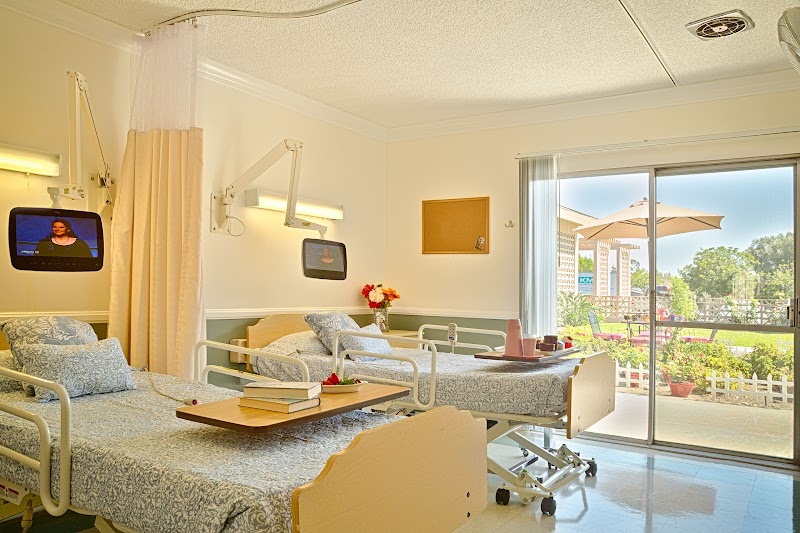
Who Owns and Operates Community Extended Care Hospital Of Montclair?

COMMUNITY EXTENDED CARE HOSPITAL OF MONTCLAIR is owned by a for-profit company. For-profit facilities operate as businesses with obligations to shareholders or private owners. The facility is operated by THE MANDELBAUM FAMILY, a chain that manages multiple nursing homes. With 140 certified beds and approximately 130 residents (about 93% occupancy), it is a mid-sized facility located in MONTCLAIR, California.
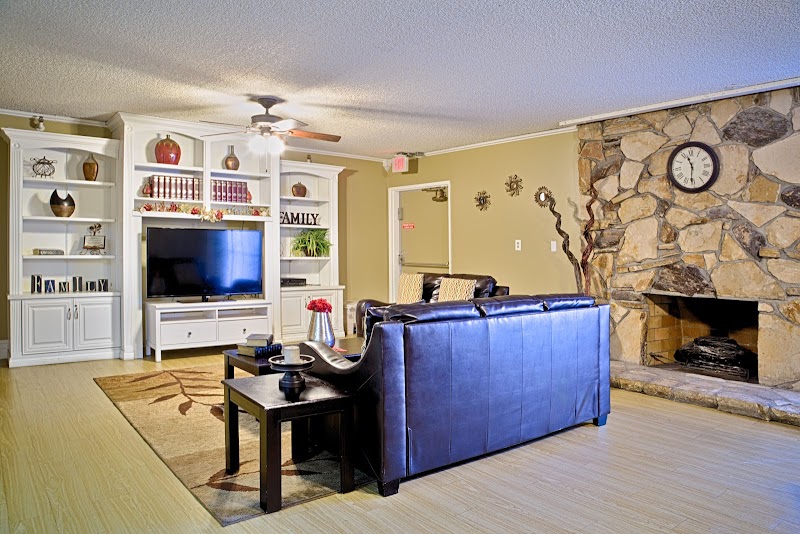
How Does Community Extended Care Hospital Of Montclair Compare to Other California Nursing Homes?

Compared to the 100 nursing homes in California, COMMUNITY EXTENDED CARE HOSPITAL OF MONTCLAIR's overall rating (5 stars) is above the state average of 3.2, staff turnover (36%) is near the state average of 46%, and health inspection rating (5 stars) is much above the national benchmark.

What Should Families Ask When Visiting Community Extended Care Hospital Of Montclair?

Based on this facility's data, families visiting should ask: "Can you walk me through typical staffing levels on day, evening, and night shifts?" "Can I visit during a mealtime to observe dining assistance and food quality?" "How do you handle medical emergencies, and what is your hospital transfer rate?" "Can I speak with family members of current residents about their experience?" These questions are particularly relevant given the below-average staffing rating.

Is Community Extended Care Hospital Of Montclair Safe?

Based on CMS inspection data, COMMUNITY EXTENDED CARE HOSPITAL OF MONTCLAIR has a clean safety record: no substantiated abuse findings (meaning no confirmed cases of resident harm), no Immediate Jeopardy citations (the most serious violation level indicating risk of serious injury or death), and is not on the Special Focus Facility watch list (a federal program monitoring the lowest-performing 1% of nursing homes). The facility has a 5-star overall rating and ranks #1 of 100 nursing homes in California. While no facility is perfect, families should still ask about staff-to-resident ratios and recent inspection results during their visit.

Do Nurses at Community Extended Care Hospital Of Montclair Stick Around?

COMMUNITY EXTENDED CARE HOSPITAL OF MONTCLAIR has a staff turnover rate of 36%, which is about average for California nursing homes (state average: 46%). Moderate turnover is common in nursing homes, but families should still ask about staff tenure and how the facility maintains care continuity when employees leave.

Was Community Extended Care Hospital Of Montclair Ever Fined?

COMMUNITY EXTENDED CARE HOSPITAL OF MONTCLAIR has no federal fines on record. CMS issues fines when nursing homes fail to meet care standards or don't correct problems found during inspections. The absence of fines suggests the facility has either maintained compliance or corrected any issues before penalties were assessed. This is a positive indicator, though families should still review recent inspection reports for the full picture.

Is Community Extended Care Hospital Of Montclair on Any Federal Watch List?

COMMUNITY EXTENDED CARE HOSPITAL OF MONTCLAIR is not on any federal watch list. The most significant is the Special Focus Facility (SFF) program, which identifies the bottom 1% of nursing homes nationally based on persistent, serious quality problems. Not being on this list means the facility has avoided the pattern of deficiencies that triggers enhanced federal oversight. This is a positive indicator, though families should still review the facility's inspection history directly.