MONTCLAIR MANOR CARE CENTER
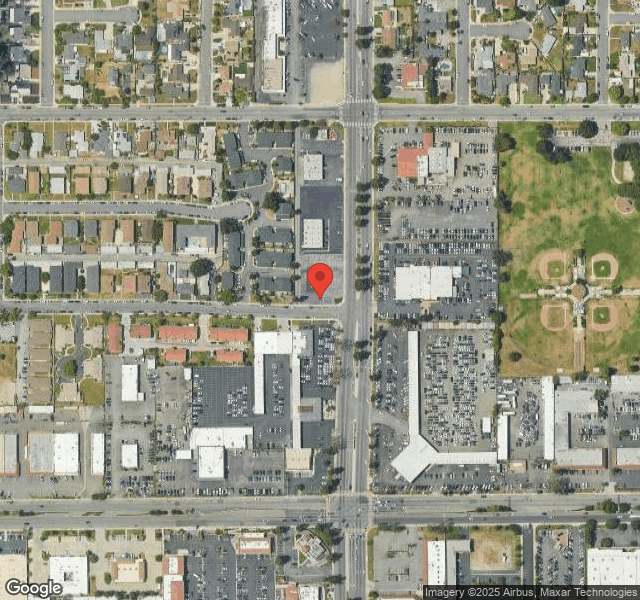
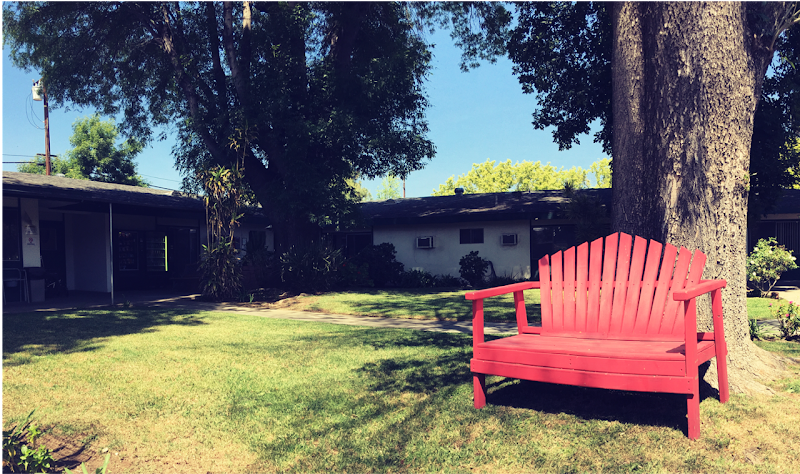
5119 BANDERA STREET, MONTCLAIR, CA 91763 (909) 626-1294
For profit - Individual 59 Beds EVA CARE GROUP Data: November 2025
Trust Grade
73/100
#409 of 1155 in CA
Last Inspection: April 2025

Within standard 12-15 month inspection cycle. Federal law requires annual inspections.

Overview

Montclair Manor Care Center has a Trust Grade of B, indicating it is a good choice for families, offering a solid level of care. It ranks #409 out of 1,155 nursing homes in California, placing it in the top half of facilities, and #30 out of 54 in San Bernardino County, suggesting only a few local options are better. However, the facility is currently worsening, with issues increasing from 4 in 2024 to 13 in 2025. Staffing is a strength, with a rating of 4 out of 5 stars and a low turnover rate of 23%, which is better than the California average of 38%. On the downside, they have received $2,098 in fines, an average amount, and there have been concerning incidents, such as poor food safety practices in the kitchen, including dirty ice machines and improper food storage that could lead to contamination.

Trust Score
B
73/100
In California
#409/1155
Top 35%
Safety Record
Low Risk
No red flags
Inspections
Getting Worse
4 → 13 violations
Staff Stability
✓ Good
23% annual turnover. Excellent stability, 25 points below California's 48% average. Staff who stay learn residents' needs.
Penalties
✓ Good
$2,098 in fines. Lower than most California facilities. Relatively clean record.
Skilled Nurses
○ Average
Each resident gets 31 minutes of Registered Nurse (RN) attention daily — about average for California. RNs are the most trained staff who monitor for health changes.
Violations
⚠ Watch
27 deficiencies on record. Higher than average. Multiple issues found across inspections.
★★★★☆
4.0
Overall Rating
★★★★☆
4.0
Staff Levels
★★☆☆☆
2.0
Care Quality
★★★★☆
4.0
Inspection Score
Stable
2024: 4 issues
2025: 13 issues

The Good

  • 4-Star Staffing Rating · Above-average nurse staffing levels
  • Low Staff Turnover (23%) · Staff stability means consistent care
  • Full Sprinkler Coverage · Fire safety systems throughout facility
  • No fines on record
  • Staff turnover is low (23%)

    25 points below California average of 48%

Facility shows strength in staffing levels, staff retention, fire safety.

The Bad

Federal Fines: $2,098

Below median ($33,413)

Minor penalties assessed

Chain: EVA CARE GROUP

Part of a multi-facility chain

Ask about local staffing decisions and management

The Ugly 27 deficiencies on record

Apr 2025 1 deficiency
CONCERN (D) 📢 Someone Reported This

A family member, employee, or ombudsman was alarmed enough to file a formal complaint

Potential for Harm - no one hurt, but risky conditions existed

Deficiency F0573 (Tag F0573)

Could have caused harm · This affected 1 resident

Based on interviews and record review, the facility failed to provide medical records to the party responsible for one of four residents (Resident 1) in a timely manner, in accordance with the facilit...

Read full inspector narrative →
Based on interviews and record review, the facility failed to provide medical records to the party responsible for one of four residents (Resident 1) in a timely manner, in accordance with the facility policy. This failure had the potential to compromise Resident 1 ' s rights which had the potential for Resident 1 ' s responsible party to experience psychosocial harm (mental harm and suffering). Findings During a concurrent interview and record review, on April 15, 2025, at 2:30 PM, with the Medical Records Director (Director), the facility ' s AUTHORIZATION FOR THE RELEASE OF CLINICAL INFORMATION, the authorization indicated, on March 19, 2025, the responsible party requested medical records. This information is verified and confirmed by the director. Director stated the party responsible was provided with the current records after 3 (three) days upon request; however, not all requested records were given. During a concurrent interview and record review on April 30, 2025, at 1:31 PM, the Director stated records should be provided within 72 hours upon request. During review of the policy and procedure (P&P) titled Access to Personal and Medical Records, dated May 2017, was reviewed. The P&P indicated Access to the resident's personal and medical records will be provided to the resident within 72 hours (excluding weekends and holidays) of his or her request. The Director stated the policy was followed. During a concurrent interview and record review on April 30, 2025, at 1:55 PM, the DON stated release of medical records should occur in a timely manner, specifically within 72-hour time frame. During review of the policy and procedure (P&P) titled Access to Personal and Medical Records, dated May 2017, was reviewed. The P&P indicated Access to the resident's personal and medical records will be provided to the resident within 72 hours (excluding weekends and holidays) of his or her request. The Director stated she does not have an answer regarding whether the policy was followed. During a concurrent interview and record review on April 30, 2025, at 2:11 PM, the administrator stated the expectation for releasing medical records is within 72 hours upon request. During review of the policy and procedure (P&P) titled Access to Personal and Medical Records, dated May 2017, was reviewed. The P&P indicated Access to the resident's personal and medical records will be provided to the resident within 72 hours (excluding weekends and holidays) of his or her request. The Director stated the policy was followed.
Apr 2025 12 deficiencies
CONCERN (D)

Potential for Harm - no one hurt, but risky conditions existed

Deficiency F0583 (Tag F0583)

Could have caused harm · This affected 1 resident

Based on observation, interview, and record review, the facility failed to ensure resident's electronic health records (EHR- medical records kept on a computer system) were kept private and protected ...

Read full inspector narrative →
Based on observation, interview, and record review, the facility failed to ensure resident's electronic health records (EHR- medical records kept on a computer system) were kept private and protected from public view for one of nineteen sampled residents (Resident 22) when the Assistant Director of Nursing (ADON) left Resident 22's EHR unattended, visible and viewable to the hallway at the nursing station. This failure had the potential to place Resident 22 at risk for her medical records to be viewed by other residents or healthcare providers who should not have access to Resident 22's medical records. Findings: During an observation on April 3, 2025, at 8:46 AM, there was no nurse at the nursing station. There was one computer facing the hallway, with the EHR open and viewable to the public. The computer screen showed Resident 22's weights. Upon further inspection, the person who accessed Resident 22's EHR was the Assistant Director of Nursing (ADON). During a concurrent observation and interview, on April 3, 2025, at 8:53 AM, in the nursing station, with the ADON, the ADON logged off Resident 22's EHR from the computer. The ADON apologized and stated it should have not been left unattended and visible to the hallway. During a concurrent interview and record review, on April 3, 2025, at 9:09 AM, with the Director of Nursing (DON), the DON reviewed the facility's policy and procedure (P&P) titled, Computer Terminals/Workstations dated revised January 2025, which indicated Computer terminals and workstations will be positioned/shielded to ensure that protected health information (PHI) and facility information is protected from public view or unauthorized access . 3. A user may not leave his/her workstation or terminal unattended unless the terminal screen is cleared, and the user is logged off . The DON stated the P&P was not followed.
CONCERN (D)

Potential for Harm - no one hurt, but risky conditions existed

Comprehensive Care Plan (Tag F0656)

Could have caused harm · This affected 1 resident

**NOTE- TERMS IN BRACKETS HAVE BEEN EDITED TO PROTECT CONFIDENTIALITY** Based on interview and record review, the facility failed to ensure the care plan (specific interventions to provide effective a...

Read full inspector narrative →
**NOTE- TERMS IN BRACKETS HAVE BEEN EDITED TO PROTECT CONFIDENTIALITY** Based on interview and record review, the facility failed to ensure the care plan (specific interventions to provide effective and person-centered care to meet the resident's needs) was updated in accordance with the facility's policy and procedure for one of four residents (Resident 41) reviewed for nutrition. This failure had the potential for Resident 41 to be at risk for continued nutritional decline, delayed interventions and unmet care needs related to weight loss and associated medical conditions. Findings: During a review of Resident 41's admission Record (contains demographic and medical information), it indicated Resident 41 was admitted to the facility on [DATE], with diagnoses of type 2 diabetes (a condition where the body has trouble using sugar properly, causing high blood sugar levels), and hypertension (elevated blood pressure). During a review of Resident 41's Weight Changes Note, dated February 21, 2025, at 3:29 PM, it indicated, Resident noted to have 16 lbs. (pounds) / 13.3% weight loss x 3 months (for 3 months). Significant loss . Nursing reported that the weekly weight today was 106 lbs. (pounds) 2lb gain. She also reported that intakes have improved. At this time would recommend to continue weekly weights and to add fortified diet (practice of deliberately increasing the content of one or more micronutrients in a food or condiment to improve the nutritional quality of the food) to current diet order in order to encourage weight gain . During a review of Resident 41's Physician Orders, dated February 25, 2025, at 7:27 PM, it indicated Fortified Regular [normal, general diet with no food restrictions] NAS [ No added Salt, limits sodium intake] , CCHO [Consistent Carbohydrate, the person gets the same amount of sugar and starchy foods-like bread, rice, fruit] with thin liquids, with meals. During a review of Resident 41's Care Plan for Nutrition, dated April 3, 2025, it indicated, Focus, 10 lbs . while in the hospital. At risk for further signification weight change. There was no documented evidence to indicate the care plan was updated or revised to reflect the interventions placed on February 21, 2025 to address Resident 41's weight loss. During a concurrent interview and record review on April 4, 2025, at 9:57 AM, with the Director of Nursing (DON). The DON reviewed Resident 41's clinical record and stated the care plan for nutrition was not updated even though Resident 41 had a diet order change to address his weight loss. The DON stated the delay may have been due to oversight by the nurse who received the order. During a concurrent interview and record review, on April 4, 2025, at 10:03 AM, with the DON, the facility's undated policy and procedure titled Care Plans, Comprehensive Person-Centered was reviewed. The P&P indicated, .7. The comprehensive, person-centered care plan ., b. describes the services that are to be furnished to attain or maintain the resident's highest practicable physical, mental and psychosocial well-being .11. Assessment of resident are ongoing, and care plans are revised as information about the residents are the residents' conditions change.12. The interdisciplinary team reviews and updates the care plan: a. When there has been a significant change in the resident's condition . The DON stated the policy was not followed. The DON further stated the care plan was delayed beyond the expected time frame.
CONCERN (D)

Potential for Harm - no one hurt, but risky conditions existed

Incontinence Care (Tag F0690)

Could have caused harm · This affected 1 resident

**NOTE- TERMS IN BRACKETS HAVE BEEN EDITED TO PROTECT CONFIDENTIALITY** Based on interview and record review, the facility failed to ensure their catheter (tube that is inserted into your bladder, all...

Read full inspector narrative →
**NOTE- TERMS IN BRACKETS HAVE BEEN EDITED TO PROTECT CONFIDENTIALITY** Based on interview and record review, the facility failed to ensure their catheter (tube that is inserted into your bladder, allowing your urine to drain freely) care policy and procedure was implemented for one of two residents (Resident 11) reviewed for catheter. This failure had the potential to place Resident 11 at risk for developing urinary infection (when bacteria enters and infects the urinary tract). Findings: During a review of Resident 11's face sheet (contains demographic and medical information), it indicated Resident 11 was admitted to the facility on [DATE], with diagnoses of hydroureter (a muscular tube that transports urine from the kidneys to the bladder, gets bigger than normal due to a backup of urine) caused by any blockage that prevents urine from draining into the bladder, chronic kidney disease (a long-term condition where the kidneys do not work as well as they should) and obstructive, and reflux uropathy (flow of urine is blocked). During a review of Resident 11's physician's order, dated February 14, 2023, it indicated Suprapubic [above the pubic bone] catheter care; wash with water and soap every shift [a set amount of time an employee to work Morning, Evening and Night] and PRN [as necessary]. During a concurrent interview and record review, on April 3, 2025, at 4:44 PM, with the Director of Nursing (DON), the DON reviewed Resident 11's Treatment Administration Record (TAR) for the month of March 2025. The TAR indicated catheter care were not recorded for the following dates: a. March 2, 2025, evening shift b. March 3, 2025, day shift c. March 5, 2025, day shift d. March 6, 2025, day shift e. March 8, 2025, evening shift f. March 9, 2025, evening shift g. March 10, 2025, day shift h. March 12, 2025, day shift i. March 20, 2025, day shift j. March 22, 2025, evening shift k. March 31, 2025, evening shift The DON acknowledged the finding and stated staff should complete the catheter care every shift and document it right after if it was done. During a follow up interview and concurrent record review, on April 3, 2025, at 4:45 PM, with the DON, the DON reviewed the facility's undated policy and procedure (P&P) titled, Catheter Care which indicated It is the policy of the facility to improve hygiene and reduce infection by ensuring that catheter care is done every shift to residents who are using foley catheter. The DON stated the policy was not followed.
CONCERN (D)

Potential for Harm - no one hurt, but risky conditions existed

Deficiency F0698 (Tag F0698)

Could have caused harm · This affected 1 resident

**NOTE- TERMS IN BRACKETS HAVE BEEN EDITED TO PROTECT CONFIDENTIALITY** Based on observation, interview, and record review, the facility failed to coordinate and arrange the dialysis (procedure to rem...

Read full inspector narrative →
**NOTE- TERMS IN BRACKETS HAVE BEEN EDITED TO PROTECT CONFIDENTIALITY** Based on observation, interview, and record review, the facility failed to coordinate and arrange the dialysis (procedure to remove waste products and excess fluid from the blood) appointment for one of one resident (Resident 36) reviewed for dialysis. This failure had the potential to place Resident 36 at risk of complications due to fluid overload (body has too much water). Findings: During a review of Resident 36's face sheet (contains demographic and medical information), it indicated Resident 36 was admitted on [DATE], with diagnoses of end stage renal disease (a medical condition in which a person's kidneys cease functioning on a permanent basis) and diabetes (blood sugar is too high). During a review of Resident 36's physician's order, dated March 15, 2025, it indicated Will have an extra dialysis on March 17, 2025, per dialysis center due to fluid overload. During a concurrent observation and interview, with Resident 36, on April 4, 2025, at 9:07 AM, in Resident 36's room, Resident 36 was sitting on her wheelchair, alert and oriented. Resident 36 stated she missed some of her additional dialysis schedule because transportation did not arrive. During an interview with the Social Services Designee (SSD), on April 4, 2025, at 9:11 AM, the SSD stated she was off when Resident 36 received an order to have additional dialysis for March 17, 2025. The SSD further stated Resident 36 missed the dialysis appointment because she failed to arrange transportation, which was part of her responsibility. During a concurrent interview and record review on April 4, 2025, at 9:37 AM, the Director of Nursing (DON) reviewed the policy and procedure (P&P) titled Dialysis Services revised on January 2024, which indicated .4. Coordination of care may include the following . b. Transportation Arrangements and Transportation Appointments 1. Nursing arranges outside appointments and makes social services aware, 2. Social Services will coordinate transportation and notify family member or responsible party to accompany residents to outside appointment, 4. License Personnel will call the transportation 1 hour prior to the appointment of the resident to verify pick up and return. The DON stated that the policy was not followed.
CONCERN (D)

Potential for Harm - no one hurt, but risky conditions existed

Deficiency F0806 (Tag F0806)

Could have caused harm · This affected 1 resident

**NOTE- TERMS IN BRACKETS HAVE BEEN EDITED TO PROTECT CONFIDENTIALITY** Based on observation, interview, and record review, the facility failed to ensure food preferences were accommodated for one of ...

Read full inspector narrative →
**NOTE- TERMS IN BRACKETS HAVE BEEN EDITED TO PROTECT CONFIDENTIALITY** Based on observation, interview, and record review, the facility failed to ensure food preferences were accommodated for one of four residents (Resident 11) reviewed for nutrition when Resident 11 was served green beans for lunch on April 1, 2025. This failure had the potential to result in unmet care of needs for Resident 11 which could potentially affect the resident's nutrition status. Findings: During a review of Resident 11's admission Record, (contains demographic and medical information), it indicated Resident 11 was admitted to the facility on [DATE], with diagnoses of chronic systolic heart failure (a long-term condition where the heart struggles to pump blood effectively), depression (a persistent mood disorder characterized by a sustained feeling of sadness and loss of interest), and muscle wasting (the loss of muscle mass and strength). During an interview, with Resident 11, in Resident 11's room, on April 1, 2025, at 12:03 PM, Resident 11 stated she often gets served food that does not accommodate her preferences. During an observation and concurrent interview, with Resident 11, on April 1, 2025, at 12:26 PM, Resident 11's lunch was delivered to her room. Resident 11 was sitting up on her bed with the lunch plate on her table. The lunch tray included a pork patty with gravy, noodles, and green beans. Resident 11's meal ticket was inspected, and it indicated green beans was one of her dislikes. Resident 11 stated And there isn't anything I can do about it [being served food she did not like]. During a concurrent interview and record review on April 1, 2025, at 12:35 PM, with the Director of Nursing (DON), in the presence of the Administrator (Admin), Resident 11's meal ticket was reviewed and compared to Resident 11's food tray. The DON and the Admin verified green beans were served to Resident 11 despite it being listed as part her dislikes. During a concurrent interview and record review, on April 1, 2025, at 3:50 PM, with the DON, the DON reviewed the facility's undated policy and procedure (P&P) titled, Resident Nutrition Services, which indicated, It is the policy of this facility that each resident shall receive the correct diet, with preferences accommodated, as feasible, and shall receive prompt meal services and appropriate feeding assistance . (2.) Prior to serving the food tray, the nurse aide/feeding assistant must check the tray card to assure that the correct food tray is being served to the resident . The DON stated the policy was not followed but should have been.
CONCERN (D)

Potential for Harm - no one hurt, but risky conditions existed

Infection Control (Tag F0880)

Could have caused harm · This affected 1 resident

**NOTE- TERMS IN BRACKETS HAVE BEEN EDITED TO PROTECT CONFIDENTIALITY** Based on observation, interview, and record review, the facility failed to ensure proper and safe infection control practices we...

Read full inspector narrative →
**NOTE- TERMS IN BRACKETS HAVE BEEN EDITED TO PROTECT CONFIDENTIALITY** Based on observation, interview, and record review, the facility failed to ensure proper and safe infection control practices were followed when: 1. A Certified Nursing Assistant (CNA 1) did not wear a protective gown while providing care for Resident 31, who was on enhanced barrier precautions (EBP- infection control intervention designed to reduce the transmission of harmful germs by wearing gown and gloves during high-contact care activities). 2. Resident 18's oxygen tubing (tube that contains two open prongs intended to deliver oxygen into the nose) was not changed in accordance with the facility's policy. These failures had the potential to result in cross-contamination (the transfer of harmful bacteria) causing a preventable infection to 54 highly vulnerable residents whose health conditions were already compromised. Findings: 1. During a review of Resident 31's admission Record (contains demographic and medical information), it indicated Resident 31 was admitted to the facility with the diagnoses of cardiomegaly (enlarged heart), type 2 diabetes mellitus with diabetic neuropathy (elevated blood sugars with nerve damage), and chronic mastoiditis, right ear (infection of the bone located behind the ear). During a review of Resident 31's physician order, dated May 30, 2024, it indicated Enhanced Barrier Precaution when performing high-contact resident care activities related to resident with wound. During an observation on April 2, 2025, at 9:00 AM, there was a sign posted by the door of Resident 31's room. The sign indicated Resident 31 was on EBP. CNA 1 was providing care to Resident 31 without wearing a protective gown. During an interview on April 2, 2025, at 9:09 AM, with CNA 1, CNA 1 stated she did not wear a gown because Resident 31 was not on EBP. During a concurrent interview and record review, on April 2, 2025, at 9:12 AM, with Licensed Vocational Nurse (LVN 1), LVN 1 reviewed Resident 31's medical records and stated he has a physician's order for EBP. During an interview on April 2, 2025, at 9:14 AM, with the Infection Preventionist Nurse (IPN), the IPN stated Resident 31 was on EBP and CNA 1 should have worn a gown while providing care for Resident 31. During an interview on April 2, 2025, at 9:16 AM, with CNA 1, CNA 1 stated she was unaware Resident 31 remained on EBP. CNA 1 further stated she should have worn a gown. During a concurrent interview and record review, on April 3, 2025, at 9:23 AM, with the Director of Nursing (DON), the facility's policy and procedure (P&P) titled, Enhanced Barrier Precautions, dated revised March 2024 was reviewed. The P&P indicated, Enhanced barrier precautions (EBPs) are utilized to reduce the transmission of multi-drug resistant organisms (MDROs) to residents . 2. EBP's employ targeted gown and glove use in addition to standard precautions during high contact resident care activities when contact precautions do not otherwise apply . a. gloves and gown are applied prior to performing the high contact resident care activity . The DON stated the P&P was not followed. 2. During a review of Resident 18's face sheet (contains demographic and medical information), it indicated Resident 18 was admitted on [DATE], with diagnoses of hypoxia (low levels of oxygen in body tissues.) and chronic obstructive pulmonary disease (common lung disease causing restricted airflow and breathing problems.) During a review of Resident 18's physician's order, dated December 10, 2024, O2 [oxygen] at 2L [liters] /min [minutes] via nasal cannula (device that delivers extra oxygen through a tube and into your nose) continuously. During a concurrent observation and interview, on April 1, 2025, at 9:35 AM, with the Treatment Nurse (TN), in Resident 18's room, Resident 18 was lying on his bed. An oxygen concentrator (a machine which delivers oxygen) was supplying oxygen through a nasal cannula to Resident 18. The TN inspected the oxygen tubing and noted it was dated 3/23/25 (March 23, 2025). (Nine days ago.) The TN stated their protocol was to change it every Saturdays and as needed. The TN further stated it should have been changed last Saturday. During a concurrent interview and record review on April 3, 2025, at 8:19 AM, with the Director of Nursing (DON) and Administrator (Admin), the DON and Admin reviewed the facility's undated policy and procedure (P&P) titled, Oxygen Therapy, indicated .9. Oxygen tubing is to be replaced once a week. Oxygen masks or nasal prongs are to be replaced once a week. The Admin and DON agreed the policy was not followed.
CONCERN (D)

Potential for Harm - no one hurt, but risky conditions existed

Room Equipment (Tag F0908)

Could have caused harm · This affected 1 resident

Based on observation, interview, and record review, the facility failed to ensure two sinks in the kitchen were in safe operating condition when: 1. The hand washing sink drainpipe (a pipe carrying o...

Read full inspector narrative →
Based on observation, interview, and record review, the facility failed to ensure two sinks in the kitchen were in safe operating condition when: 1. The hand washing sink drainpipe (a pipe carrying off dirty water) was not connected and turbid water was leaking on the kitchen floor. 2.The dish washing waterline (a hose that carries water into the sink) under the sink was leaking water onto the kitchen floor. These failures had the potential of causing water damage, mold (a type of fungus that grows in damp, warm places and can look like fuzzy spots or patches) growth, causing staff injury, and contamination compromising the health of the 54 vulnerable residents. Findings: 1. During an observation on April 1, 2025, at 8:00 AM, in the kitchen, with the Dietary Aid, there was a pool of water on the floor next the handwashing sink. The drainpipe of the handwashing sink was not connected, and turbid water was leaking onto the floor. During an interview on April 3, 2025, at 10:32 AM, with the Registered Dietician (RD), the RD stated the sink should not be leaking. The RD further stated any leakage of water should be reported right away to maintenance. During a review of the facility's policy and procedures (P&P) titled Sanitation, dated 2023, it indicated .all equipment shall be maintained as necessary and kept in working order . During a review of the FDA Federal Food Code, dated 2022, 5-205.11 indicated, (A) A handwashing sink shall be maintained so that it is accessible at all times for employee use. Facilities must be maintained in a condition that promotes handwashing and restricted for that use. Convenient accessibility of a handwashing facility encourages timely handwashing which provides a break in the chain of contamination from the hands of food employees to food or food-contact surfaces. Sinks used for food preparation and ware washing can become sources of contamination if used as handwashing facilities by employees returning from the toilet or from duties which have contaminated their hands 2. During an observation on April 1, 2025, at 8:06 AM, in the kitchen, with the Dietary Aid, a waterline under the dish washing machine was leaking onto the floor, making a puddle of water. During an interview on April 1, 2025, at 8:08 AM, with the Maintenance Employee (ME), the ME stated the waterline seal probably needs to be changed to stop the leak. During an interview on April 3, 2025, at 10:33 AM, with the RD, the RD stated part of his responsibilities consisted of doing a kitchen inspection. The RD further stated the waterline should not be leaking, and it should definitely be fixed. During a review of the facility's policy and procedures (P&P) titled Sanitation, dated 2023, it indicated .all equipment shall be maintained as necessary and kept in working order .
CONCERN (E)

Potential for Harm - no one hurt, but risky conditions existed

Deficiency F0692 (Tag F0692)

Could have caused harm · This affected multiple residents

**NOTE- TERMS IN BRACKETS HAVE BEEN EDITED TO PROTECT CONFIDENTIALITY** 2. During a review of Resident 41's admission Record (contains demographic and medical information), it indicated Resident 41 wa...

Read full inspector narrative →
**NOTE- TERMS IN BRACKETS HAVE BEEN EDITED TO PROTECT CONFIDENTIALITY** 2. During a review of Resident 41's admission Record (contains demographic and medical information), it indicated Resident 41 was admitted to the facility on [DATE], with diagnoses of type 2 diabetes (a condition where the body has trouble using sugar properly, causing high blood sugar levels), and hypertension (elevated blood pressure). During a review of Resident 41's physician order, dated February 25, 2025, it indicated Fortified Regular [normal, general diet with no food restrictions] NAS [ No added Salt, limits sodium intake] , CCHO [Consistent Carbohydrate, the person gets the same amount of sugar and starchy foods-like bread, rice, fruit] with thin liquids. During a concurrent observation and interview, on April 1, 2025, at 12:30 PM, with the Treatment Nurse (TN), in the dining room, Resident 41's lunch tray card was reviewed. The tray card indicated, Regular CCHO diet. There was no indication of the fortified component on the tray card as required by the physician's order. The TN acknowledged the finding, and confirmed tray card did not match the physician order. During an interview on April 3, 2025, at 10:57 AM, with the Registered Dietitian (RD), the RD stated the staff should have followed the correct diet as prescribed by the physician. During a concurrent interview and record review, on April 4, 2025, at 9:47 AM, with the Director of Nursing (DON), the DON reviewed the facility's policy and procedure (P&P) titled Tray Cards dated January 2025, which indicated, Procedure: 1. Upon receipt of diet communication slip form nursing containing a new or changed diet order, the dietary staff will prepare a tray card for that resident. 2. Tray card should list the resident's name . diet order . 3. If permanent tray card are used, before each meal service, dietary staff will check the tray cards against a master list . The DON stated the policy was not followed. Based on observation, interview, and record review, the facility failed to ensure physician ordered therapeutic diets (special meal plans, made for people with health problems) were provided to three of 11 residents (Residents 34, 48, and 41) reviewed for dining observation when: 1. Residents 34 and 48 did not receive their physician ordered cardiac diet (low sodium, low fat diet). 2. Resident 41 did not receive the prescribed therapeutic diet for lunch on April 1, 2025. These failures had the potential to cause nutritional decline and unmet care needs for Residents 41, 34 and 48. Finding: 1. During a review of a facility document titled Order Listing Report [contains the resident's diet], it indicated Residents 34 and 48 had therapetic diets of .Regular Cardiac (Low fat, Low sodium), CCHO (Consistent Carbohydrate) NAS (No added Salt) with meals. During an interview on April 2, 2025, at 8:40 AM, with the Dietary Services Supervisor (DSS), the DSS stated they do not provide the cardiac diet at the facility. The DSS further stated for residents who have cardiac diet orders (Residents 34 and 48), they provide the NAS (No Added Salt) diet. During an interview on April 3, 2025, at 10:41 AM, with the RD, the RD stated the facility missed these residents [Residents 34 and 48] were on the cardiac diet. The RD further stated the diets of these residents should have been changed to a diet the facility can provide. The RD stated that the DSS should have made sure that the order on PCC (electronic health record) was correct. During a review of the facility's undated policy and procedure (P&P) titled Food Preparation, it indicated, Food shall be prepared by methods that conserve nutritive value, flavor, and appearance . The facility will use approved recipes, standardized to meet the resident census .
CONCERN (E)

Potential for Harm - no one hurt, but risky conditions existed

Menu Adequacy (Tag F0803)

Could have caused harm · This affected multiple residents

Based on observation, interview, and record review, the facility failed to follow their daily approved menu for lunch on April 1, 2025, and April 2, 2025, when: 1. On April 1, 2025, Dietary [NAME] 1 (...

Read full inspector narrative →
Based on observation, interview, and record review, the facility failed to follow their daily approved menu for lunch on April 1, 2025, and April 2, 2025, when: 1. On April 1, 2025, Dietary [NAME] 1 (Cook 1), served puree (food that has been blended, pressed or ground to have a creamy texture) lasagna with #8 scoop (1/2 cup). The menu indicated the portion should be 1 cup. 2. On April 1, 2025, [NAME] 1, for the large portion orders served 1 ½ of lasagna. The menu indicated that it should be 1 ½ garlic bread not lasagna. 3. On April 2, 2025, Dietary [NAME] 2 (Cook 2), for the mechanical soft (foods that are easily swallowed) orders served #16 scoop (¼ cup). The menu indicated the portion should be #10 scoop (3/8 cup). These failures had the potential to compromise resident's nutritional status, when menus were not followed for 18 of 55 medically compromised residents (on puree, on large portion, or mechanical soft diets) who received food from the kitchen. Findings: 1. During a review of a facility document titled Orders Listing Report [contains the resident's diet], it indicated the following residents had an order for puree diet: Residents 27, 3, 47, 17, 30, 29, and 42. During a review of a facility document titled Spring Cycle Menu, dated April 1, 2025, it indicated for the Puree meal portion 8oz= 1 cup of Zesty Lasagna. During a trayline (system used in hospitals to assemble and deliver meals to residents) observation on April 1, 2025, at 11:39 AM, in the kitchen, [NAME] 1 used #8 scoop (1/2 cup) to serve puree lasagna for Resident 27. During a continued trayline observation on April 1, 2025, at 11:40 AM, in the kitchen, [NAME] 1 used scoop #8 (1/2 cup) to serve puree lasagna for Resident 47. During further trayline observation on April 1, 2025, at 11:41 AM, in the kitchen, [NAME] 1 used scoop #8 (1/2 cup) to serve puree lasagna for Resident 3. During an interview on April 2, 2025, at 8:34 AM, with [NAME] 1, [NAME] 1 acknowledged he used the incorrect scoop to serve the puree Lasagna. [NAME] 1 further stated the menu should have been followed. During an interview on April 2, 2025, at 8:39 AM, with the Dietary Service Supervisor (DSS), the DSS stated two #8 (1/2 cup) scoops should have been served. The DSS further stated the menu should have been followed. During an interview on April 3, 2025, at 10:44 AM, with the Registered Dietician (RD), the RD stated the expectation was for the menu portions to be followed. The RD further stated a review of portion sizes with the cooks might be needed. During a review of the facility's undated policy and procedure (P&P) titled Food Preparation, it indicated, Food shall be prepared by methods that conserve nutritive value, flavor, and appearance . The facility will use approved recipes, standardized to meet the resident census . 2. During a review of a facility document titled Orders Listing Report, it indicated the following residents had an order for large portions: Residents 21, 402, and 6. During a review of the menu titled Spring Cycle Menu dated, April 1, 2025, it indicated for the large portion the resident should get 1 serving of Zesty Lasagna, ½ cup of Italian green beans and 1 ½ Garlic bread. During a trayline observation on April 1, 2025, at 11:39 AM, [NAME] 1 served 1 ½ servings of lasagna for Resident 21. During further trayline observation on April 1, 2025, at 11:42 AM, [NAME] 1 served 1 ½ servings of lasagna for Resident 402. During an interview on April 2, 2025, at 8:35 AM, with [NAME] 1, [NAME] 1 stated instead of giving extra ½ serving of lasagna, it should have been ½ slice more of garlic bread as stated on the menu. During an interview on April 2, 2025, at 8:41 AM, with the DSS, the DSS stated [NAME] 1 should have given 1 ½ bread instead of addition lasagna. The DSS stated the menu should have been followed. During an interview on April 3, 2025, at 10:45 AM, with the RD, the RD stated the expectation was for the menu portions to be followed. During a review of the facility's undated policy and procedure (P&P) titled Food Preparation, it indicated, Food shall be prepared by methods that conserve nutritive value, flavor, and appearance . The facility will use approved recipes, standardized to meet the resident census . 3. During a review of a facility document titled Orders Listing Report, it indicated the following residents had an order for mechanical soft: Residents 155, 6, 21, 37, 15, 31,16, 9, 13, and 12. During a review of the menu titled Spring Cycle Menu dated April 2, 2025, it indicated for mechanical soft diet, the portion for roast turkey was #10 scoop (3/8 cup). During a trayline observation on April 2, 2025, at 11:39 AM, in the kitchen, [NAME] 2 used #16 scoop (1/4 cup) to serve the mechanical soft roast turkey. During an interview on April 3, 2025, at 10:46 AM, with the DSS, the DSS stated the expectation was the menu portions were to be followed. During a review of the facility's undated policy and procedure (P&P) titled Food Preparation, it indicated, Food shall be prepared by methods that conserve nutritive value, flavor, and appearance . The facility will use approved recipes, standardized to meet the resident census .
CONCERN (F)

Potential for Harm - no one hurt, but risky conditions existed

Food Safety (Tag F0812)

Could have caused harm · This affected most or all residents

**NOTE- TERMS IN BRACKETS HAVE BEEN EDITED TO PROTECT CONFIDENTIALITY** Based on observation, interview, and record review, the facility failed to ensure safe, sanitary food preparation, and storage p...

Read full inspector narrative →
**NOTE- TERMS IN BRACKETS HAVE BEEN EDITED TO PROTECT CONFIDENTIALITY** Based on observation, interview, and record review, the facility failed to ensure safe, sanitary food preparation, and storage practices in the kitchen when: 1. The ice machine had yellow grime (dirt clinging to or rubbed into a surface) in the ice chute (a passage, often filled with ice). This had the potential for contribution of microorganism (tiny living things like bacteria, fungi and algae that are too small to be seen with the naked eye) growth. 2. The floor under the reach-in refrigerator had a black grime and trash. This had the potential of pathogenic (something that can make you sick like germs or viruses) microorganisms to accumulate and attract pests. 3. Inside the refrigerator, the chicken was thawing (to unfreeze) over another set of meat. This had the potential of cross-contamination (contamination between two things). These failures had the potential to cause food-borne illness (a condition that occurs when a person consumes food or beverages contaminated with harmful microorganisms, toxins, or chemicals) and to attract pests for 54 medically compromised residents who received food from the kitchen. Findings: 1. During an observation on April 1, 2025, at 9:25 AM, in the hallway, with the Maintenance Supervisor (MS), the ice machine was inspected. The ice machine had yellow discoloration on the ice chute. A white paper towel was used to wipe the yellow slime, which was located on the ice chute. During an interview on April 1, 2025, at 9:26 AM, with the MS, the MS stated perhaps he has to clean the ice machine weekly for it to be kept clean. During an interview on April 3, 2025, at 10:36 AM, with the Registered Dietician (RD), the RD stated the ice chute should definitely be cleaned, since the ice is used for resident's drinks and water pitchers. During a concurrent interview and record review, on April 3, 2025, at 10:37 AM, with the RD, the facility's ice machine manual titled [Brand Name of Ice Machine] was reviewed. Under a section titled Cleaning and Maintenance Instructions, it indicated .[Brand Name of Ice Machine] recommends cleaning this unit at least once a year. More frequent cleaning, however, may be required in some existing water conditions . The RD stated the ice machine should be maintained cleaned at all times even if manual states annually cleaning. During a review of the FDA [Food and Drug Administration] Federal Food Code, dated 2022, under 4-602.11, it indicated, .Surfaces of utensils and equipment contacting food that is not time/temperature control for safety food such as . ice makers, and ice bins must be cleaned on a routine basis to prevent the development of slime [a moist, soft, slippery substance], mold [a type of fungus that grows in damp, warm places and can look like fuzzy spots or patches], or soil residues [remain] that may contribute to an accumulation [build up] of microorganisms . 2. During an observation on April 1, 2025, at 8:25 AM, in the kitchen, the floor under the reach-in freezer had black grime build-up, trash, and a fork. During an interview on April 3, 2025, at 10:38 AM, with the RD, the RD stated the expectation was for kitchen's floors to be maintained clean. During a review of the FDA Federal Food Code, dated 2022, under 4-601.11, it indicated, .Nonfood-contact surfaces of equipment shall be kept free of an accumulation of dust, dirt, food residue, and other debris [scattered pieces of waste or remains] .in addition, The objective of cleaning focuses on the need to remove organic matter from food-contact surfaces so that sanitization can occur and to remove soil from nonfood contact surfaces so that pathogenic microorganisms will not be allowed to accumulate and insects and rodents will not be attracted. 3. During an observation on April 1, 2025, at 8:18 AM, in the kitchen, with [NAME] 1, the refrigerator was inspected. Inside the refrigerator, there was chicken thawing in a metal pan, and packages of chicken were hanging over the side of the pan, thawing over a raw turkey. In the front was a container of raw beef. During an interview on April 1, 2025, at 8:20 AM, with [NAME] 1, [NAME] 1 stated the chicken should not be hanging over the side of the metal pan. During an interview on April 1, 2025, at 11:02 AM, with the DSS, the DSS acknowledged that the chicken was hanging over the raw turkey. During an interview on April 3, 2025, at 10:39 AM, with the RD, the RD stated the chicken should be kept contained in its own metal container. During a review of the facility's policy and procedure (P&P) titled, Thawing of Meats, dated 2023, it indicated, .use a drip pan under food being thawed so drippings do not contaminate other food . During a review of the FDA Federal Food Code dated 2022, under 3-302.11, it indicated, .(2) Except when combined as ingredients, separating types of raw animal FOODS from each other such as beef, FISH, lamb, pork, and POULTRY [chicken, turkey, ducks, [NAME]] during storage, preparation, holding, and display(2) Except when combined as ingredients, separating types of raw animal FOODS from each other such as beef, FISH, lamb, pork, and POULTRY during storage, preparation, holding, and display by: (a) Using separate EQUIPMENT for each type, (b) Arranging each type of FOOD in EQUIPMENT so that cross contamination of one type with another is prevented .
CONCERN (F)

Potential for Harm - no one hurt, but risky conditions existed

Deficiency F0925 (Tag F0925)

Could have caused harm · This affected most or all residents

Based on observation, interview, and record review, the facility failed to maintain an effective pest (insect or animal such as rodents that can spread disease) control program when in the kitchen, a ...

Read full inspector narrative →
Based on observation, interview, and record review, the facility failed to maintain an effective pest (insect or animal such as rodents that can spread disease) control program when in the kitchen, a closet, used to store paper goods (paper cups, paper plates, napkins, etc.), had missing drywall. The hole caused by the missing drywall was covered by a metal mesh wire (a net like material that has holes) cover. This failure had the potential of making an entry for pests and causing food contamination for 54 medically compromised residents who receive food from the kitchen. Findings: During an observation on April 1, 2025, at 8:03 AM, in the kitchen's storage area, a closet, used to store paper goods, had a hole in the wall. Upon further inspection, it was noted that the hole was from a missing drywall. The hole was covered with a metal wire mesh. The openings between the metal mesh wire were about ½ inch wide. During an interview on April 3, 2025, at 10:38 AM, with the Registered Dietician (RD), the RD stated the expectation was for all walls to be intact. The RD acknowledged it was possible for pests to get through the metal wire mesh. During a review of the facility's policy and procedure (P&P) titled, Sanitation dated 2023, it indicated .all utensils, counter, shelves and equipment shall be kept clean, maintained in good repair and shall be free from breaks, corrosions, open seams, cracks and chipped areas . During a review of the FDA Federal Food Code, dated 2022, 4-202.16, it indicated Nonfood-Contact Surfaces shall be free of unnecessary ledges, projections, and crevices, and designed and constructed to allow easy cleaning and to facilitate maintenance. In addition, Hard-to-clean areas could result in the attraction and harborage of insects and rodents and allow the growth of foodborne pathogenic microorganisms. Well-designed equipment enhances the ability to keep nonfood-contact surfaces clean.
MINOR (B)

Minor Issue - procedural, no safety impact

Deficiency F0912 (Tag F0912)

Minor procedural issue · This affected multiple residents

**NOTE- TERMS IN BRACKETS HAVE BEEN EDITED TO PROTECT CONFIDENTIALITY** Based on observation, interview, and record review, the facility failed to ensure ten rooms (Rooms 4, 5, 7, 8, 10, 11, 12, 14, 1...

Read full inspector narrative →
**NOTE- TERMS IN BRACKETS HAVE BEEN EDITED TO PROTECT CONFIDENTIALITY** Based on observation, interview, and record review, the facility failed to ensure ten rooms (Rooms 4, 5, 7, 8, 10, 11, 12, 14, 16 and 18) measured at least 80 square feet per resident. This failure had the potential for the residents housed in Rooms 4, 5, 7, 8, 10, 11, 12, 14, 16, and 18 to not have the ability to move about freely if the square footage limited their personal space. Findings: During a concurrent interview and record review, with the Administrator (Admin), on April 2, 2025, at 2:30 PM, the Admin reviewed the Entrance Conference Checklist and stated the facility had room waivers for Rooms 4, 5, 7, 8, 10, 11, 12, 14, 16, and 18 for less than 80 square feet. During an environmental tour with the Maintenance Supervisor (MS) and the Admin, on April 3, 2025, at 3:35 PM, Rooms 4, 5, 7, 8, 10, 11, 12, 14, 16, and 18 were inspected and the residents' rooms and their measurements of livable space were noted as follows: 1. room [ROOM NUMBER] (three beds) measured: 237.3 sq. ft. [square feet] (79.1 sq. ft. per resident) 2. room [ROOM NUMBER] (three beds) measured: 234.6 sq. ft. [square feet] (78.2 sq. ft. per resident) 3. room [ROOM NUMBER] (three beds) measured: 232.8 sq. ft. [square feet] (77.6 sq. ft. per resident) 4. room [ROOM NUMBER] (three beds) measured: 233.7 sq. ft. [square feet] (77.9 sq. ft. per resident) 5. room [ROOM NUMBER] (three beds) measured: 231.9 sq. ft. [square feet] (77.3 sq. ft. per resident) 6. room [ROOM NUMBER] (three beds) measured: 233.7 sq. ft. [square feet] (77.9 sq. ft. per resident) 7. room [ROOM NUMBER] (three beds) measured: 232.8 sq. ft. [square feet] (77.6 sq. ft. per resident) 8. room [ROOM NUMBER] (three beds) measured: 232.8 sq. ft. [square feet] (77.6 sq. ft. per resident) 9. room [ROOM NUMBER] (three beds) measured: 231.0 sq. ft. [square feet] (77 sq. ft. per resident) 10. room [ROOM NUMBER] (four beds) measured: 308.6 sq. ft. [square feet] (77.1 sq. ft. per resident) During a follow up interview with the Admin, on April 3, 2025, at 3:50 PM, the Admin confirmed the measurements of the ten resident rooms, Rooms 4, 5, 7, 8, 10, 11, 12, 14, 16, and 18, did not meet the 80 square feet per resident. During the survey, the residents occupying Rooms 4, 5, 7, 8, 10, 11, 12, 14, 16, and 18 were interviewed and had no complaints with regards to the size and the space of their rooms. The rooms were not crowded and did not impose any safety hazards to the residents that occupied the rooms. The survey team recommends the approval of the room waiver request for the rooms listed in this deficiency.
Apr 2024 4 deficiencies
CONCERN (D)

Potential for Harm - no one hurt, but risky conditions existed

Drug Regimen Review (Tag F0756)

Could have caused harm · This affected 1 resident

Based on interviews, record reviews, and facility document and policy review, the facility failed to have evidence that pharmacy recommendations were communicated to the physician, and physician respo...

Read full inspector narrative →
Based on interviews, record reviews, and facility document and policy review, the facility failed to have evidence that pharmacy recommendations were communicated to the physician, and physician response was documented for 1 (Resident #11) of 5 sampled residents reviewed for unnecessary medications. Findings included: A review of a facility policy titled Pharmacy Services Overview, revised in April 2019, revealed, 4. The Consultant Pharmacist will provide specific activities related to medication regimen review including: a. a [sic] documented review of the medication regimen of each resident at least monthly, or more frequently under certain conditions, based on applicable federal and state guidelines. b. providing [sic] the facility with written or electronic reports and recommendations related to all aspects of medication and pharmaceutical services review and to be completed within 14 days. A review of Resident #11's admission Record indicated the facility admitted the resident on 12/28/2023 with a diagnosis of stage 3 chronic kidney disease. A review of Resident #11's significant change Minimum Data Set (MDS), with an Assessment Reference Date (ARD) of 03/22/2024, revealed Resident #11 had a Brief Interview for Mental Status (BIMS) score of 11, which indicated the resident had moderate cognitive impairment. The MDS revealed Resident #11 received antidepressant and antiplatelet medications during the seven-day lookback period. A review of Resident #11's Order Summary Report with active orders as of 04/17/2024 revealed an order with a start date of 12/28/2023 for hydroxyzine (an antihistamine) oral tablet 10 milligram (mg), with instructions to give 10 mg by mouth every eight hours as needed for itching. Further review revealed there was no stop date. A review of Resident #11's Consultant Pharmacist's Medication Regimen Review dated 02/01/2024 revealed, Currently on Hydroxyzine prn [pro re nata; as needed] itching with strong anticholinergic properties and caution for drowsiness/sedation and risk for fall. Clarify for a stop date, i.e. [id est, that is]: 30 days and or recommend other agents, i.e.: Claritin, Zyrtec, Allegra if clinically Indicated / appropriate. A review of Resident #11's Consultant Pharmacist's Medication Regimen Review dated 03/01/2024 revealed, Add a few of the most common side effects on MAR [medication administration record]/monthly recaps, appropriate for Hydroxyzine prn itching. Make sure informed consent is obtained by prescriber. A review of Resident # 11's Progress Notes for the timeframe from 02/01/2024 to 04/17/2024 and the resident's electronic health record revealed no evidence the physician was informed/notified of the pharmacist's recommendations for February and March of 2024. Further review revealed there was no consent completed by the physician for the continued use of the hydroxyzine, and there was no evidence that a stop date had been added to the hydroxyzine order. During an interview on 04/17/2024 at 9:54 AM, the Assistant Director of Nursing (ADON) stated that the pharmacy consultant's recommendations were given to the Director of Nursing (DON), and the DON gave them to the licensed nurses. The ADON stated that once they received the recommendations, they would act in a timely manner, in less than two weeks. The ADON stated the physician's response was documented in the electronic health record under the resident's progress notes. During an interview on 04/17/2024 at 10:18 AM, the DON stated she received the pharmacy recommendations monthly. The DON stated recommendations were emailed to her and that she would print them out. The DON stated there was no designated person, but the licensed nurses helped with the pharmacy recommendations. The DON stated whoever she assigned to help would reach out to the physician and document their response in the resident's progress notes. The DON stated that she reviewed Resident #11's physician's order for hydroxyzine and verified that there was no stop date documented. The DON stated that she reviewed Resident #11's medical record and verified that no informed consent was documented for hydroxyzine. During a follow-up interview on 04/18/2024 at 12:27 PM, the DON stated it was her expectation that pharmacy recommendations were completed and documented in a timely manner. During an interview on 04/18/2024 at 12:59 PM, the Assistant Administrator (AA) stated when there was a pharmacist recommendation, she expected the staff to notify the physician and document the physician's response in the resident's medical record.
CONCERN (D)

Potential for Harm - no one hurt, but risky conditions existed

Deficiency F0761 (Tag F0761)

Could have caused harm · This affected 1 resident

Based on observation, interviews, and record review, the facility failed to ensure single-use packets of topical medications were not stored at the bedside for 1 (Resident #14) of 1 sampled resident o...

Read full inspector narrative →
Based on observation, interviews, and record review, the facility failed to ensure single-use packets of topical medications were not stored at the bedside for 1 (Resident #14) of 1 sampled resident observed with medications stored in their room. Findings included: A review of an admission Record revealed the facility admitted Resident #14 on 09/29/2023 and most recently readmitted the resident on 12/05/2023. A review of a quarterly Minimum Data Set (MDS), with the Assessment Reference Date (ARD) of 03/08/2024, revealed Resident #14 had a Brief Interview for Mental Status (BIMS) score of 14, which indicated the resident was cognitively intact. An observation on 04/16/2024 at 9:48 AM, with Licensed Vocational Nurse (LVN) #3 present, revealed two individual-use packets of topical medications were stored at Resident #14's bedside. One packets was A&D ointment (a skin protectant), and the other packet was hydrocortisone cream (a topical corticosteroid cream). LVN #3 said the medications were not allowed to be kept at the resident's bedside. A review of Resident #14's Order Summary Report, listing active orders as of 04/18/2024, revealed no orders for the use of hydrocortisone cream or A&D ointment. During an interview on 04/16/2024 at 9:55 AM Resident #14 said overnight shift staff left the medications at their bedside. During an interview on 04/16/2024 at 5:03 PM, Certified Nursing Aide (CNA) #4 said she did not know any medication was left at Resident #14's bedside. During an interview on 04/16/2024 at 5:23 PM, LVN #5 said she was the nurse assigned to Resident #14 during the overnight shift. LVN #5 said he did not know a staff member left medications at the resident's bedside and further stated they should have been stored in a medication or treatment cart. During an interview on 04/17/2024 at 10:03 AM, LVN #1 stated Resident #14 did not have an order for the medications observed at the resident's bedside. LVN #1 further stated that she had not removed the medications when she observed them at the bedside in the presence of the surveyor, but she informed another nurse they were there. LVN #1 said the hydrocortisone cream and A&D ointment should be stored in a locked medication or treatment cart.
CONCERN (D)

Potential for Harm - no one hurt, but risky conditions existed

Medical Records (Tag F0842)

Could have caused harm · This affected 1 resident

**NOTE- TERMS IN BRACKETS HAVE BEEN EDITED TO PROTECT CONFIDENTIALITY** Based on interviews, record reviews, and facility policy review, the facility failed to ensure documentation was completed and d...

Read full inspector narrative →
**NOTE- TERMS IN BRACKETS HAVE BEEN EDITED TO PROTECT CONFIDENTIALITY** Based on interviews, record reviews, and facility policy review, the facility failed to ensure documentation was completed and dated accurately for 1 (Resident #12) of 5 sampled residents reviewed for advance directives. Findings included: A review of a facility policy titled Physician Orders for Life Sustaining Treatment (POLST) or Request Regarding Resuscitative Measures Form, with a revision date of [DATE], revealed, 1. Request Regarding Resuscitative Measures: is a written document, signed by an individual with capacity, or a legally recognized health care decision maker, and that [sic] individual's physician, that directs a health care provider regarding resuscitative measures. The policy revealed that this included B. A Physician Orders for Life Sustaining Treatment (POLST) form, as approved by the Emergency Medical Services Authority. Further review revealed, b. A substantially similar printed document is valid and enforceable if all of the following conditions are met: The form is signed by the individual, or the individual's legally recognized health care decision maker, and a physician. A review of a facility policy titled Advance Directive Policy and Procedure, revised in 2017, revealed that it did not address the physician signing and dating the POLST form. A review of Resident #12's admission Record revealed the facility admitted the resident on [DATE] with diagnoses that included chronic obstructive pulmonary disease (COPD), malignant neoplasm of the prostate, sepsis, chronic respiratory failure with hypoxia, and stage 3 chronic kidney disease. A review of Resident #12's significant change in status Minimum Data Set (MDS), with an Assessment Reference Date of [DATE], revealed that the resident had a Brief Interview for Mental Status (BIMS) score of 15, which indicated the resident was cognitively intact. The MDS revealed the resident had active diagnoses that included cardiorespiratory conditions, cancer, heart failure, and COPD. A review of Resident #12's care plan revealed a Focus area initiated on [DATE] that indicated the resident had a POLST and to attempt resuscitation/CPR. The care plan revealed interventions that included the medical doctor being made aware of Resident #12's wishes. A review of Resident #12's Order Summary Report with active orders as of [DATE], revealed an order dated [DATE] for code status of Full Code. A review of Resident #12's Physician Orders for Life-Sustaining Treatment (POLST) form with a prepared date of [DATE] revealed the form was neither signed nor dated by the provider. The form revealed under the section titled Cardiopulmonary Resuscitation (CPR) the box for Attempt Resuscitation/CPR was checked. Further review revealed the plastic sleeve that contained the document appeared to have a signature that aligned with the signature line on the POLST form with no date. The POLST form revealed, A copy of the signed POLST form is a legally valid physician order. Any section not completed implies full treatment for that section. During an interview on [DATE] at 2:13 PM, Medical Records (MR) Staff #8 revealed that she and the Social Services/Activities Director were responsible for making sure the physician signed the POLST form. MR Staff #8 acknowledged that the physician had signed the plastic sleeve containing the form and not the actual POLST form. The facility provided an updated POLST form on [DATE] that revealed the provider signature section of the form was signed by Nurse Practitioner (NP) #7 and dated [DATE]. During an interview on [DATE] at 3:53 PM, the Director of Nursing (DON) stated that she was unaware the POLST was not filled out completely. The DON reviewed a copy of the original POLST form and the newly signed POLST form for comparison. The DON indicated that she would need to clarify if the POLST form was filled out while NP #7 was in the building that day. The DON stated that if the form was signed that day, then it should reflect the day it was signed. The DON indicated that facility staff did not backdate any documents. During a phone interview on [DATE] at 9:44 AM, NP #7 stated that she had signed on top of the plastic sleeve. NP #7 stated upon seeing that it was signed on the plastic sleeve, she went back to a date when she thought she had seen Resident #12 and signed the POLST based on that date. NP #7 stated that it was not standard practice to backdate. During an interview on [DATE] at 12:45 PM, the Assistant Administrator stated that facility staff did not backdate and that it was not policy to do that. The Assistant Administrator indicated that everything should have been done in real-time.
MINOR (B)

Minor Issue - procedural, no safety impact

Deficiency F0912 (Tag F0912)

Minor procedural issue · This affected multiple residents

Based on observations, interviews, and facility document review, the facility failed to ensure the required 80 square feet (sq ft) per resident was met for 12 of 18 resident rooms (rooms 4, 5, 6, 7, 8...

Read full inspector narrative →
Based on observations, interviews, and facility document review, the facility failed to ensure the required 80 square feet (sq ft) per resident was met for 12 of 18 resident rooms (rooms 4, 5, 6, 7, 8, 10, 11, 12, 14, 15, 16 and 18). Findings included: A review of a facility letter dated 07/12/2023 revealed the facility requested a room size waiver for nine rooms in the facility. A review of a facility document titled Client Accommodations Analysis dated 04/17/2024 revealed that rooms 4, 5, 6, 7, 8, 10, 11, 12, 14, 15, 16, and 18 did not provide each resident that resided in the rooms with 80 sq ft per resident. During an interview on 04/18/2024 at 1:14 PM, the Director of Nursing (DON) stated that she knew the facility had a waiver for room sizes. She stated that the size of the rooms did not affect the care that was provided and that she had not received any complaints about the size of the rooms. During an interview on 04/18/2024 at 1:40 AM, the Assistant Administrator (AA) stated that the size of the rooms did not affect resident care. She stated that she had no complaints from residents about the size of the rooms. She stated that the residents had enough room for personal items and were accommodated as much as possible. During an interview on 04/18/2024 at 1:52 PM, the Administrator stated that each resident was supposed to have 80 square feet of room. He stated that the size of the rooms did not affect the care of the residents; they had no complaints about the size of the rooms, and they were able to accommodate the residents' personal belongings.
Oct 2022 10 deficiencies
CONCERN (D)

Potential for Harm - no one hurt, but risky conditions existed

Assessment Accuracy (Tag F0641)

Could have caused harm · This affected 1 resident

Based on observation, interview, and record review, the facility failed to accurately code the Minimum Data Set Assessment (MDS - a computerized assessment instrument) for one resident (Resident 31) r...

Read full inspector narrative →
Based on observation, interview, and record review, the facility failed to accurately code the Minimum Data Set Assessment (MDS - a computerized assessment instrument) for one resident (Resident 31) reviewed for communication. This failure had the potential to cause inaccuracy in identifying Resident 31's care and support needs, and cause delay in these needs being met. Findings: During an observation on October 4, 2022, at 12:56 PM, Resident 31 was in bed, using simple and small words in English, combined with hand gestures, in an attempt to communicate with staff who came into the room. No communication aides were seen at bedside. During an interview with Certified Nursing Assistant 1 (CNA 1) on October 4, 2022, at 1:01 PM, CNA 1 stated that Resident 31 was primarily Mandarin speaking, and she attempts to communicate with staff by using a few simple words in English, accompanied with hand gestures. During a concurrent interview and record review with the MDS Coordinator on October 6, 2022, at 1:44 PM, the Resident's Quarterly MDS assessment, dated August 12, 2022, was reviewed. The MDS assessment indicated under Section C: Cognitive Patterns, the resident was Never/Rarely Understood and there was no Brief Interview for Mental Status (BIMS - a screening done to assist with identifying a resident's current cognition level) assessment done for Resident 31. The MDS coordinator stated that Section C was not coded accurately, and a BIMS should have been done. She confirmed that the resident is able to be interviewed with communication aides, and is able to communicate to staff. During a review of the facility's policy and procedure (P&P) titled, MDS with Signatures, dated January 2013, the P&P indicated the information in each section completed is relevant to the resident's medical, physical, psychosocial and the like. During a review of CMS (Centers for Medicare and Medicaid Services) Long Term Care Facility Resident Assessment Instrument (RAI) 3.0 User's Manual, dated October 2019, the manual indicated on page C-2 .the interview should be conducted because the resident is at least sometimes understood verbally, in writing, or using another method, and if an interpreter is needed, one is available.
CONCERN (D)

Potential for Harm - no one hurt, but risky conditions existed

Comprehensive Care Plan (Tag F0656)

Could have caused harm · This affected 1 resident

**NOTE- TERMS IN BRACKETS HAVE BEEN EDITED TO PROTECT CONFIDENTIALITY** Based observation, interview, and record review, the facility failed to develop a comprehensive and personalized care plan to ad...

Read full inspector narrative →
**NOTE- TERMS IN BRACKETS HAVE BEEN EDITED TO PROTECT CONFIDENTIALITY** Based observation, interview, and record review, the facility failed to develop a comprehensive and personalized care plan to address the needs and goals for two of 24 sampled residents (Residents 31 and 150) when: 1. Resident 31 did not have a personalized care plan for communication. 2. Resident 150 did not have a care plan for diagnosis of cataracts (a condition which causes blurry vision). These failures had the potential to prevent the resident's medical and psychosocial needs from being met. Findings: 1. During a record review of Resident 31's medical record, the admission Record (contains demographic and medical information), indicated Resident 31 was admitted to the facility on [DATE], with diagnoses which included dysphagia (unable to, or having difficulty swallowing), hypertension (high blood pressure levels), and cerebral infarction (lack of blood supply to the brain). During an observation on October 4, 2022, at 12:56 PM, Resident 31 was in bed, using simple and small words in English, combined with hand gestures, in an attempt to communicate with staff who came into the room. No communication aides were seen at bedside. During an interview with a Certified Nursing Assistant (CNA 1) on October 4, 2022, at 1:01 PM, CNA 1 stated Resident 31 was primarily Mandarin speaking, and she attempts to communicate with staff by using a few simple words in English, accompanied with hand gestures. During a concurrent interview and record review with the Minimum Data Set (MDS) Nurse, on October 6, 2022, at 1:44 PM, Resident 31's care plan At Risk for Communication Problem, dated May 21, 2021, was reviewed. The MDS Nurse confirmed the care plan for communication had not been personalized, since most recent comprehensive quarterly assessment completed on August 12, 2022. The MDS Nurse further stated the expectation was to see interventions addressing the primary language spoken by the resident, if it was a foreign language, and what communication tools were to be used. The MDS Nurse verified neither of those interventions were in Resident 31's current care plan. During a concurrent interview and record review with the Director of Nurses (DON), on October 7, 2022, at 10:38 AM, the facility's policy and procedure (P&P) titled, Reduction of Communication Barriers, dated December 2004, the P&P indicated, Methods instituted to aid the resident in communicating their needs will be identified in the resident's plan of care. The DON confirmed they did not follow their policy. 2. During a review of Resident 150's clinical record, the admission Record indicated Resident 150 was admitted to the facility on [DATE], with diagnoses which included, chronic kidney disease (gradual loss of kidney function), hyperlipidemia (excessive fat in the blood), anemia (not enough red blood cells in the blood) and bilateral cataracts (a condition which causes blurry vision). During a concurrent observation and interview on October 4, 2022, at 10:16 AM, in Resident 150's room, Resident 150 was sitting on her wheelchair, watching television. Resident 150 stated she had an upcoming appointment with Ophthalmologist (eye doctor who performs medical and surgical treatments for eye conditions), due to her diagnosis of cataracts. A review of Resident 150's Order Summary Report, dated October 5, 2022, indicated Resident 150 had an Opthalmology appointment on November 26, 2022, due to eye cataract. During a concurrent interview and review of Resident 150's medical records, with the MDS Nurse, on October 5, 2022, at 4:11 PM, the MDS Nurse was not able to find documented evidence to indicate that a care plan was initiated for Resident 150's diagnosis of cataract. The MDS Nurse stated it must be care planned. During a concurrent interview and record review with the MDS Nurse, on October 5, 2022, at 4:30 PM, the MDS Nurse reviewed the facility's policy and procedure (P&P) titled, Policy and Procedure on Formulation of Plan of Care, revised December 8, 2008, which indicated, . In order to attain and to meet this standard set forth by the facility a plan of care for each admitted individual resident will be formulated. Plan of care will be based on comprehensive assessment of resident within 7 days upon admission, quarterly, annually and as often as needed. The MDS Nurse stated the facility did not follow the policy.
CONCERN (D)

Potential for Harm - no one hurt, but risky conditions existed

Deficiency F0688 (Tag F0688)

Could have caused harm · This affected 1 resident

Based on observation, interview, and record review, the facility failed to provide appropriate treatment and services to increase range of motion (measurement of how far you can move a specific joint ...

Read full inspector narrative →
Based on observation, interview, and record review, the facility failed to provide appropriate treatment and services to increase range of motion (measurement of how far you can move a specific joint or other body part) or to prevent further decrease in range of motion for one of three sampled residents (Resident 38), when the Restorative Nursing Assistance (RNA) active range of motion (A/AROM) program was not being provided to Resident 38, as per physician orders. This failure had the potential to decrease Resident 38's range of motion and could have resulted in worsening of contractures and mobility. Findings: During a concurrent observation and interview, on October 4, 2022, at 9:00 AM, Resident 38 was observed to be in bed, unable to move her right arm. Resident 38 stated she was not getting any exercises done. A review of Resident 38's clinical record titled admission Record, (a document containing clinical and demographic data) indicated an admission date of November 15, 2008, with the diagnoses of hemiplegia (unable to move one side of the body) affecting the right side, cerebral infarction (not enough oxygen to the brain), and muscle wasting. A review of the Physical Therapy Treatment Encounter Note (s), dated August 8, 2022, at 7:15 AM, by the PT, indicated, .Resident seen for her last skilled P.T. [Physical Therapy] session today. Please see PT DC [discharge] summary for DC status . Resident to be referred to RNA program for maintenance. Resident aware and agreeable to this plan . A review of the Order Summary, dated August 9, 2022, indicated RNA A/AROM program to all extremities QD [every day] 3 x [times]/ week as tolerated every day shift on Mon, Wed, Thu. During a concurrent interview and record review, on October 6, 2022, at 9:15 AM, with Restorative Nursing Assistant (RNA 1), RNA 1 reviewed Resident 38's Order Summary, dated August 9, 2022, and stated that Resident 38 did not receive any RNA A/AROM therapy. During a concurrent interview and record review, on October 6, 2022, at 9:30 AM, with the PT, the PT reviewed, Physical Therapy Treatment Encounter Note (s), dated August 8, 2022. The PT stated Resident 38 was supposed to be on RNA A/AROM program after August 8, 2022, but has not received the treatment. During a review of the facility's policy titled, POLICY AND PROCEDURE IN R.N.A. REFERRAL, dated November 2018, the policy indicated, It is the policy of the facility to provide rehabilitative services and a restorative nursing program for residents to prevent deterioration and to achieve and maintain optimal levels of functioning and independence . 6. Restorative assistant carries out program in according to the written plan of care and document after each R.N.A. therapy to provide to the resident. Weekly summaries are documented for each resident in R.N.A. program .
CONCERN (D)

Potential for Harm - no one hurt, but risky conditions existed

Tube Feeding (Tag F0693)

Could have caused harm · This affected 1 resident

**NOTE- TERMS IN BRACKETS HAVE BEEN EDITED TO PROTECT CONFIDENTIALITY** Based on observation, interview, and record review, the facility failed to ensure appropriate treatment and management of a gast...

Read full inspector narrative →
**NOTE- TERMS IN BRACKETS HAVE BEEN EDITED TO PROTECT CONFIDENTIALITY** Based on observation, interview, and record review, the facility failed to ensure appropriate treatment and management of a gastrostomy tube (G-tube - a tube inserted through abdomen that delivers nutrition and hydration directly to the stomach) was implemented for one resident (Resident 39) reviewed for G-tube. This failure had the potential to increase the risk for aspiration (when food or liquids enter the lungs) and compromise Resident 39's health. Findings: During a review of Resident 39's clinical record, the admission Record (contains demographic and medical information), indicated Resident 39 was admitted to the facility on [DATE], with diagnoses which included, hemiparesis following a cerebrovascular disease affecting left dominant side (paralysis on left side of body due to a stroke), dysphagia (difficulty swallowing), and gastrostomy status (a surgical operation for making an opening in the stomach). During a review of Resident 39's Order Summary Report, it indicated an order, dated June 13, 2022, Check Residual QS [every shift]. Hold if > [more than] 100 cc [cubic centimeter] x [for] 1 hour and Check tube site q [every] shift. A medication administration observation for Resident 39 by a Licensed Vocational Nurse (LVN 1) was conducted on October 6, 2022, at 6:09 AM, in Resident 39's room. Resident 39 was lying in bed, watching television, with the head of the bed elevated. LVN 1 attached a syringe into the G-tube, poured water and administered Pepcid (medication to treat acid reflux) 20 mg (milligrams -unit of measurement) and proceeded to flush the G-tube with 100 mL (milliliters - unit of measurement) of water. LVN 1 did not check for placement of the G-tube site or residual (fluid/contents that remain in the stomach). LVN 1 stated she needed to check for placement and residual before administering medication via G-tube, but she forgot to do it. During a concurrent interview and record review with the Assistant Administrator (Admin 2), on October 6, 2022, at 6:45 AM, the Admin 2 reviewed the facility's policy and procedure (P&P) titled, Enteral Administration - Nasogastric, Gastric & Jejunostomy, revised December 2004, which indicated, .8. Verify for correct positioning of tube by directing air and auscultation with a stethoscope or by aspirating gastric contents. The Admin 2 stated the staff did not follow the policy.
CONCERN (D)

Potential for Harm - no one hurt, but risky conditions existed

Pharmacy Services (Tag F0755)

Could have caused harm · This affected 1 resident

Based on observation, interview, and record review, the facility failed to properly record and account for a medication removed from one of 12 Emergency Kits (E-kit- secure box kept with medications i...

Read full inspector narrative →
Based on observation, interview, and record review, the facility failed to properly record and account for a medication removed from one of 12 Emergency Kits (E-kit- secure box kept with medications inside for urgent use). This failure had the potential to cause medications to not be readily available for resident during an urgent situation in a highly vulnerable population of 49 residents. Findings: A medication storage inspection was conducted with a Registered Nurse(RN 1) on October 6, 2022, at 7:50 AM. One non-antibiotic (medications that are not in the antibiotic category) oral emergency kit was observed to have been opened for use and re-sealed with black ties. RN 1 re-opened the emergency kit and three blank record sheets were seen inside. There was no record of what medication had been used. RN 1 stated when a medication is used, it should be documented on the record sheet inside of the kit. RN 1 confirmed one tablet of Coumadin (type of blood thinner medication) 5 milligram (mg - unit of measurement) had been removed from the emergency kit. During an interview with the Director of Nursing (DON), on October 6, 2022, at 8:10 AM, the DON stated the expectation was for the emergency kit record sheets to be an accurate account of what medications have been removed for administration to residents. The DON also stated these sheets should be kept inside the emergency kits once they have been filled out. During a concurrent interview and record review. on October 6, 2022, at 1:23 PM, with the DON, the facility's undated policy and procedure (P&P) titled Emergency Kit (E-Kit) Use was reviewed. The P&P indicated, Records will be completed according to Title 22 regulations, which includes documentation in the E-kit log and the E-kit drug card inside the kit. The DON stated they did not follow their policy.
CONCERN (E)

Potential for Harm - no one hurt, but risky conditions existed

Medical Records (Tag F0842)

Could have caused harm · This affected multiple residents

**NOTE- TERMS IN BRACKETS HAVE BEEN EDITED TO PROTECT CONFIDENTIALITY** 3. During a record review of Resident 14's medical record, the admission Record indicated Resident 14 was admitted to the facili...

Read full inspector narrative →
**NOTE- TERMS IN BRACKETS HAVE BEEN EDITED TO PROTECT CONFIDENTIALITY** 3. During a record review of Resident 14's medical record, the admission Record indicated Resident 14 was admitted to the facility on [DATE], with diagnoses which included cardiac arrhythmia (irregular heartbeat), and hypertensive heart disease (high blood pressure). Further review indicated there was no Physician's Orders for Life Sustaining Treatment (POLST) Form in the chart. During an interview with the MRD, on October 5, 2022, at 12:26 PM, the MRD stated she could not find Resident 14's POLST. The MRD stated the original POLST Form was mailed to the physician upon Resident 14's admission three months ago, and she denied having a copy kept in the chart in the meantime. During a concurrent interview and record review with the MRD, on October 6, 2022, at 1:40 PM, the facility's policy and procedure (P&P) titled, Physician's Orders for Life Sustaining Treatment (POLST) or Request Regarding Resuscitative Measures Form, dated January 2015, was reviewed. The P&P indicated a copy of the POLST is to be retained in the resident's health record. The MRD confirmed there was no POLST Form in Resident 14's medical record, and stated they did not follow their policy. 4. During a record review of Resident 44's medical record, the admission Record indicated Resident 44 was admitted to the facility on [DATE], with diagnoses which included pain, neuropathy (numbness and pain in the hands and feet), and restless leg syndrome (uncontrollable urge to move the legs). During further record review of Resident 44's medical record, the Order Summary Report (contains physician's orders), dated August 19, 2022, indicated the physician had ordered Norco (pain medication) 5/325 mg Give 1 tablet by mouth every 8 hours for pain management. During a concurrent interview and record review with a Registered Nurse 1 (RN 1), on October 7, 2022, at 9:21 AM, Resident 44's September 2022 MAR was reviewed. The MAR indicated there was no documentation of administration for routinely scheduled Norco 5/325mg for three separate administration times: September 15, 2022 at 2:00 PM, September 23, 2022 at 2:00 PM, and September 29, 2022 at 2:00 PM. RN 1 stated there should not be any missing documentation in the MAR. RN 1 further stated missing documentation or signatures on the MAR indicate that the medication was not given. During a concurrent interview and record review with the DON, on October 7, 2022, at 10:34 AM, the facility's policy and procedure (P&P) titled Policy and Procedure in Medication Administration, dated August 2015, was reviewed. The P&P indicated Drugs must be administered in accordance with the written orders of the attending physician. The DON stated they did not follow their policy. Based on observation, interview, and record review, the facility failed to ensure accurate and complete documentations when: 1. Resident 249's Physician Orders for Life-Sustaining Treatment (POLST- medical order that tells emergency health care professionals what to do during a medical crisis where the patient cannot speak for themselves) did not have any dates next to the signature of the Physician and Resident 249. 2. Resident 8's Medication Administration Record (MAR) has no documentation of licensed nurses' initials when three blood pressure medications were administered. 3. There was no POLST in Resident 14's medical record. 4. There were missing documentations of Resident 44's routine pain medication administration. These failures had the potential for unmet resident care needs due to incomplete and inaccurate medical information. Findings: 1. During a review of Resident 249's clinical record, the admission Record (contains demographic and medical information) indicated, Resident 249 was admitted to the facility on [DATE], with diagnoses which included, fracture of the right femur (broken thigh bone), type 2 diabetes mellitus (high sugar levels), and hypertension (high blood pressure). During a review of Resident 249's undated POLST, the POLST was filled out and signed by the Physician and Resident 249. Further review indicated it did not have any dates to specify when the Physician and Resident 249 signed the POLST. During a concurrent interview and record review, with the Medical Records Director (MRD), on October 5, 2022, at 8:19 AM, the MRD reviewed Resident 249's POLST and stated there should have been dates where the Physician and Resident 249 signed. During a concurrent interview and record review, with the Assistant Administrator (Admin 2), on October 5, 2022, at 10:30 AM, the Admin 2 reviewed Resident 249's POLST and reviewed the policy and procedure titled, Physician Orders for Life Sustaining Treatment (POLST) or Request Regarding Resuscitative Measures Form, dated January 2015, indicated, .The form is to be signed and dated by the resident with capacity . The Admin 2 stated the policy was not followed because of the missing dates beside the signatures of the Physician and Resident 249. 2. During a review of Resident 8's clinical record, the admission Record indicated Resident 8 was admitted to the facility on [DATE], with diagnoses which included, type 2 diabetes mellitus, end stage renal disease (condition in which kidneys are not working), and hyperlipidemia (excessive fat in the blood). During an observation on October 6, 2022, at 7:20 AM, Resident 8 was sitting in her wheelchair, eating breakfast. Resident 8 stated she was leaving for her dialysis treatment (procedure to remove waste products and excess fluid from the blood). A concurrent interview and record review with the Director of Nursing (DON) was conducted on October 6, 2022, at 3:12 PM. The DON reviewed Resident 8's September 2022 Medication Administration Record (MAR), which indicated the following missing documentations: a. Amlodipine Besylate (medicine to treat high blood pressure) Tablet 5 MG by mouth one time a day, to be given at 9:00 AM, for hypertensive kidney disease, was left blank on September 15 and September 29. b. Hydralazine HCl [hydrochloride] (medicine to treat high blood pressure)Tablet 10 MG by mouth every 8 hours, to be given at 6:00 AM, 2:00 PM and 10:00 PM for hypertensive kidney disease, was left blank on September 15 at 2:00 PM, September 23 at 2:00 PM, September 26 at 2:00 PM and September 29 at 2:00 PM. c. Clonidine HCl [hydrochloride] (medicine to treat high blood pressure) Tablet 0.1 MG by mouth every 6 hours, to be given at 12:00 AM, 6:00 AM, 12:00PM and 6:00 PM for hypertensive kidney disease, was left blank on September 15 at 12:00 PM and September 29 at 12:00 PM. The DON stated there should not be blank spaces in the MAR and it was the licensed nurses' responsibility to document in the MAR after administering medications. During an interview with a License Vocational Nurse (LVN 3) on October 7, 2022, at 8:00 AM, LVN 3 stated licensed nurses must document in the MAR after administering medications. LVN 3 further stated If it is not documented that means is not done. During a concurrent interview and record review with the DON, on October 7, 2022, at 9:48 AM, the DON reviewed the facility's policy and procedure (P&P) titled, Policy and Procedure in Medication Administration, revised August 2015, which indicated, .12. Medications must be immediately charted following the administration by the license nurse who administered the medication. The DON stated the facility did not follow the policy.
CONCERN (E)

Potential for Harm - no one hurt, but risky conditions existed

Infection Control (Tag F0880)

Could have caused harm · This affected multiple residents

**NOTE- TERMS IN BRACKETS HAVE BEEN EDITED TO PROTECT CONFIDENTIALITY** Based on observation, interview, and record review, the facility failed to maintain infection control practices when: 1. Staff d...

Read full inspector narrative →
**NOTE- TERMS IN BRACKETS HAVE BEEN EDITED TO PROTECT CONFIDENTIALITY** Based on observation, interview, and record review, the facility failed to maintain infection control practices when: 1. Staff did not perform proper hand hygiene during medication pass for three residents (Residents 2, 248, 6, and 8). 2. Staff did not follow facility policy and procedure for wound care for Resident 21. 3. Resident 35's foley catheter bag (a bag connected to the catheter to collect urine) was not changed in accordance with facility policy and procedure. These failures had the potential to spread infectious disease (disease caused by bacteria, viruses, fungi or parasites) to other residents and staff in the facility. Findings: 1.a. During a review of Resident 2's admission Record (clinical record with demographic information), the admission Record indicated, Resident 2 was admitted on [DATE], with the diagnoses of fracture of lower end of left femur (broken bone in the thigh), hypertension (high blood pressure), and myocardial infarction (heart not getting enough oxygen). A medication administration observation for Resident 2 was conducted on October 5, 2022, at 10:42 AM. LVN 2 performed hand hygiene prior to medication preparation. Before administering Resident 2's medication, LVN 2 touched the laptop. LVN 2 did not perform hand hygiene prior to medication adminitration. During an interview, on October 5, 2022, at 10:45 AM, with LVN 2, when asked if hand hygiene was performed before giving Resident 2's medication, LVN 2 stated, No. LVN 2 further stated, I was supposed to sanitize my hands before I gave her [Resident 2] medication. 1.b. During a review of Resident 248's admission Record, the admission Record indicated, Resident 248 was admitted on [DATE], with the diagnoses of fracture of left femur, type 2 diabetes mellitus (high blood sugar levels), and hypertension. A medication administration observation for Resident 248 was conducted on October 5, 2022, at 10:59 AM. LVN 3 did not perform hand hygiene prior to medication preparation and administration. During an interview, on October 5, 2022, at 11:15 AM, with LVN 3, when asked if hand hygiene was performed before preparing and giving medication for Resident 248, LVN 3 stated, No, I did not do it. I should have cleaned my hands before preparing the medication and when giving it to the resident. 1.c. During a review of Resident 6's admission Record, the admission Record indicated, Resident 6 was admitted on [DATE], with the diagnoses of chronic kidney disease (long term loss of kidneys working), dementia (hard time remembering and/or making decisions), and hypertension. A medication administration observation for Resident 6 was conducted on October 5, 2022, at 11:15 AM. LVN 3 performed hand hygiene prior to medication preparation. Before administering medication to Resident 6, LVN 3 touched the laptop. LVN 2 did not perform hand hygiene prior to medication adminitration. During an interview on October 5, 2022, at 11:15 AM, with LVN 3, when asked if hand hygiene was performed before giving medication for Resident 6, LVN 3 stated, No, I did not do it. I should have cleaned my hands before giving the medication to the resident. 1.d. During a review of Resident 8's admission Record, the admission Record indicated Resident 8 was admitted to the facility on [DATE], with diagnoses which included hypertensive chronic kidney disease (condition happens when the arteries that transport blood to your kidneys get smaller), and cellulitis of right upper limb (bacterial skin infection that causes redness, swelling, and pain in the infected area of the skin). During a medication administration observation for Resident 8, by a Licensed Vocational Nurse 2 (LVN 2), on October 4, 2022, at 12:10 PM, in Resident 8's room, LVN 2 took out Resident 8's medications from the cart. LVN 2 placed the medications in a medication cup and poured Resident 8 a cup of water. During further observation, after administering the medications, LVN 2 placed the cups on top of the medication cart, used hand sanitizer, and proceeded to discard the used cups in the trash. LVN 2 went to the next resident's room, he touched the laptop on the medication cart, the next medication he was giving and went into the next resident's room. During an interview with LVN 2, on October 4, 2022, at 12:55 PM, LVN 2 was asked if he needed to perform hand hygiene prior to using the laptop and pouring medications for the next resident, LVN 2 stated, I did use hand sanitizer when I left out of Resident 8's room so that was my hand hygiene. During a review of the facility's policy and procedure titled, Handwashing/Hand Hygiene, dated March 2019, it indicated . 3. If hands are not visibly soiled, use a minimum 70% alcohol-based hand rub for all the following situations: . a. Before direct contact with residents, . d. Before preparing or handling medications, . g. After direct contact with residents . 2. During a review of Resident 21's admission Record, the admission Record indicated, Resident 21 was admitted to the facility on [DATE], with diagnoses which included sepsis (potentially life-threatening condition that occurs when the body's response to an infection damages its own tissues), depression (disorder is used when symptoms cause significant distress or impairment in social, occupational), and dysphagia (disorder characterized by difficulty in swallowing). During a wound care treatment observation for Resident 21's wound care, by Licensed Vocational Nurse 3 (LVN 3) and the Infection Preventionist (IP), on October 6, 2022, at 2:16 PM, in Resident 21's room, LVN 3 removed the soiled dressing from Resident 21's right hand with scissors. LVN 3 did not sanitize the scissors after removing them from his pocket. After cutting the dressing off, LVN 3 placed the soiled dressings on the resident's bed. The IP entered the room and set up the wound supplies to be used. LVN 3 poured normal saline on the scissors and proceeded to provide wound care treatment. LVN 3 washed his hands with soap and water and left the soiled dressings on the bed. After handwashing, LVN 3 proceeded to pick up the soiled dressings with the paper towel he was using to dry his hands. During an interview with the IP, on October 6, 2022, at 2:50 PM, after wound care was completed, the IP confirmed LVN 3 should have placed the soiled dressings in the trash can and then removed them from the resident's room. During an interview and record review with the IP, on October 6, 2022, at 3:15 PM, 2022, the facility policy and procedure, titled, Wound Care, dated December 2014, was reviewed, which indicated It is the policy for the facility to provide guidelines for the care of wounds to promote healing . 2. Use disposable cloth (paper towel is adequate) to establish clean barrier field. Place all items to be used during procedure on the clean field. Arrange the supplies so they can be easily reached, 3. Wash and dry hands thoroughly. 4. Position resident. Place disposable cloth next to resident (under the wound) to serve as a barrier to protect the bed linen and other body sites. 5. Wash and dry hands thoroughly. 6. Put on exam glove. Loosen tape and remove dressing. 7. Pull glove over dressing and discard into appropriate receptacle. Wash and dry your hands thoroughly. The IP stated the facility did not follow the policy. 3. A review of Resident 35's admission Record indicated Resident 35 was admitted to the facility on [DATE], with diagnoses which included hemiplegia (condition caused by brain damage or spinal cord injury that leads to paralysis on one side of the body), uterovaginal prolapse (occurs when pelvic floor muscles and ligaments stretch and weaken until they no longer provide enough support for the uterus), and urinary tract infection (infection in any part of the urinary system). A review of Resident 35's treatment administration record (TAR) indicated an order, dated August 30, 2022, for Resident 35's foley catheter and bag to be changed once a month, on the third of every month and as needed. During a concurrent observation and interview with Resident 35, on October 7, 2022, at 2:30 PM, Resident 35's foley catheter bag was inspected. There was no date or time written on the bag to indicate when it was last changed. Resident 35 stated she could not remember the last time her foley catheter or the bag was changed. During a concurrent observation and interview in Resident 35's room, with the LVN 3, on October 7, 2022, at 2:40 PM, LVN 3 inspected Resident 35's foley catheter bag and was unable to find any label on the bag. LVN 3 stated catheter bag should be dated. During an interview with the Infection Preventionist (IP) and the Director of Nursing (DON), on October 7, 2022, at 2:45 PM, when asked if the facility's policy and procedure was to label the foley catheter drainage bag when it was changed, both responded, Yes. During record review of the facility's undated policy and procedure, titled, Urinary Catheter, the policy indicated . Section #4. Catheter Change, . 4.3 - Catheter and Urinary Bag change should labeled, dated, and documented in the Resident's record.
CONCERN (F)

Potential for Harm - no one hurt, but risky conditions existed

Food Safety (Tag F0812)

Could have caused harm · This affected most or all residents

Based on observation, interview, and record review, the facility failed to maintain professional standards for food service safety when two sinks in the kitchen did not have an air gap (separation of ...

Read full inspector narrative →
Based on observation, interview, and record review, the facility failed to maintain professional standards for food service safety when two sinks in the kitchen did not have an air gap (separation of the drainpipe on a sink to prevent backflow of contaminated water during negative pressure). This failure had the potential to expose 48 highly vulnerable residents who received food from the kitchen to food-borne illness (food poisoning). Findings: During a concurrent observation and interview, with the Dietary Services Supervisor (DSS), in the kitchen, on October 4, 2022, at 8:15 AM, two sinks, one food preparation sink and one dishwashing sink, did not have an air gap. The DSS confirmed the sink drainpipes did not have air gaps. During a concurrent interview and record review, with the DSS and the Maintenance Supervisor (MS), on October 6, 2022, at 2:28 PM, the DSS and the MS reviewed a document titled ACCIDENT PREVENTION- SAFETY PRECAUTIONS, dated December 2014, which indicated .Food preparation sinks . and other equipment that discharge liquid waste or condensate shall be drained through an air gap into an open floor sink .An air gap between the water supply inlet (drain pipe) and the flood level rim of the plumbing fixture (floor sink drain), equipment or non-food equipment shall be at least twice the diameter of the water supply inlet and may not be less than one inch. The DSS and the MS stated both sinks should have an air gap. A review of the FDA Federal Food Code 2017 5-202.13, indicated, Backflow Prevention, Air Gap. An air gap between the water supply inlet and the flood level rim of the plumbing fixture, equipment, or nonfood equipment shall be at least twice the diameter of the water supply inlet and may not be less than 25 mm (1 inch).
CONCERN (F)

Potential for Harm - no one hurt, but risky conditions existed

Garbage Disposal (Tag F0814)

Could have caused harm · This affected most or all residents

Based on observation, interview, and record review, the facility failed to ensure one of three outside dumpster lids were completely closed. This failure had the potential to attract vermin (pest or a...

Read full inspector narrative →
Based on observation, interview, and record review, the facility failed to ensure one of three outside dumpster lids were completely closed. This failure had the potential to attract vermin (pest or animals that spread diseases) in a facility that cares for 49 medically compromised residents. Findings: During a concurrent observation and interview, on October 4, 2022, at 11:12 AM, with the Maintenance Supervisor (MS), the outside garbage storage area was inspected. There were three outside dumpsters. One of the outside dumpster's lid was not closed completely. It was observed to be propped open with a long metal bar. There were plastic forks, straws, sugar packets, creamer, and milk containers on the ground. The MS stated the garbage dumpster should not be propped open and the outdoor garbage storage area should be clean and free of trash. A review of the facility's policy and procedure (P&P) titled, Food Related Garbage and Rubbish Disposal, dated December 2014, indicated, .7. Outside dumpsters provided by garbage pick up services will be kept close and free of surrounding litter. During a review of the FDA Federal Food Code, 2017, it indicated in 5-501.11 Proper storage and disposal of garbage and refuse are necessary to minimize the development of odors, prevent such waste from becoming an attractant and harborage or breeding place for insects and rodents.
MINOR (B)

Minor Issue - procedural, no safety impact

Deficiency F0912 (Tag F0912)

Minor procedural issue · This affected multiple residents

**NOTE- TERMS IN BRACKETS HAVE BEEN EDITED TO PROTECT CONFIDENTIALITY** Based on observation, interview, and record review, the facility failed to provide a minimum of 80 square feet (sq. ft.- unit of...

Read full inspector narrative →
**NOTE- TERMS IN BRACKETS HAVE BEEN EDITED TO PROTECT CONFIDENTIALITY** Based on observation, interview, and record review, the facility failed to provide a minimum of 80 square feet (sq. ft.- unit of measurement) of livable space per resident for nine of 19 resident rooms. This failure had the potential to affect the resident's health and safety and prevent the residents from maintaining their highest level of well-being by limiting the movements of these residents in their rooms. Findings: During an interview with the Administrator (Admin), on October 4, 2022, at 8:26 AM, the Admin stated the facility had nine of 19 resident rooms (Rooms 4, 5, 7, 8, 10, 11, 12, 14 and 16) which had less than the required square footage (80 sq. ft. of livable space). During an environmental tour with the Maintenance Supervisor (MS), on October 5, 2022, at 10:33 AM, nine of the 19 resident rooms were observed to be less than 80 sq. ft. per resident. The residents' rooms and their measurements of livable space were noted as follows: i. room [ROOM NUMBER] (3 beds) measured: 232.83 sq. ft. (77.6 sq. ft. per resident) ii. room [ROOM NUMBER] (3 beds) measured: 234.66 sq. ft. (78.2 sq. ft. per resident) iii. room [ROOM NUMBER] (3 beds) measured: 234.66 sq. ft. (78.2 sq. ft. per resident) iv. room [ROOM NUMBER] (3 beds) measured: 234.66 sq. ft. (78.2 sq. ft. per resident) v. room [ROOM NUMBER] (3 beds) measured: 231.07 sq. ft. (77 sq. ft. per resident) vi. room [ROOM NUMBER] (3 beds) measured: 234.66 sq. ft. (78.2 sq. ft. per resident) vii. room [ROOM NUMBER] (3 beds) measured: 233.72 sq. ft. (77.9 sq. ft. per resident) viii. room [ROOM NUMBER] (3 beds) measured: 231.95 sq. ft. (77.3 sq. ft. per resident) ix. room [ROOM NUMBER] (3 beds) measured: 231.95 sq. ft. (77.3 sq. ft. per resident) These rooms were not crowded and did not impose any safety hazards. There were no complaints of space or room issues from the residents occupying these rooms. During an interview with the Assistant Administrator (Admin 2), on October 7, 2022, at 2:05 PM, the Admin 2 confirmed the measurements for 19 of the 19 residents' rooms and nine of these did not meet the required 80 square feet per resident requirement. The survey team recommends the approval of the room waiver request for the rooms listed in this deficiency.
Understanding Severity Codes (click to expand)
Life-Threatening (Immediate Jeopardy)
J - Isolated K - Pattern L - Widespread
Actual Harm
G - Isolated H - Pattern I - Widespread
Potential for Harm
D - Isolated E - Pattern F - Widespread
No Harm (Minor)
A - Isolated B - Pattern C - Widespread

Questions to Ask on Your Visit

  • "Can I speak with families of current residents?"
  • "What's your RN coverage like on weekends and overnight?"

Our Honest Assessment

Strengths
  • • No major safety red flags. No abuse findings, life-threatening violations, or SFF status.
  • • $2,098 in fines. Lower than most California facilities. Relatively clean record.
  • • 23% annual turnover. Excellent stability, 25 points below California's 48% average. Staff who stay learn residents' needs.
Concerns
  • • 27 deficiencies on record. Higher than average. Multiple issues found across inspections.
Bottom line: Mixed indicators with Trust Score of 73/100. Visit in person and ask pointed questions.

About This Facility

What is Montclair Manor's CMS Rating?

CMS assigns MONTCLAIR MANOR CARE CENTER an overall rating of 4 out of 5 stars, which is considered above average nationally. Within California, this rating places the facility higher than 99% of the state's 100 nursing homes. This rating reflects solid performance across the metrics CMS uses to evaluate nursing home quality.
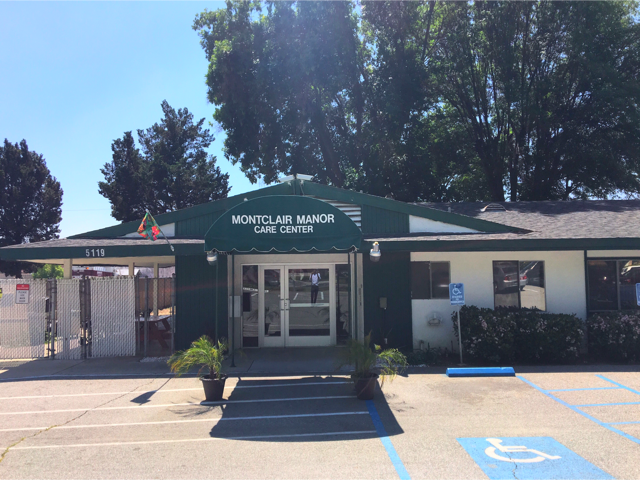
How is Montclair Manor Staffed?

CMS rates MONTCLAIR MANOR CARE CENTER's staffing level at 4 out of 5 stars, which is above average compared to other nursing homes. Staff turnover is 23%, compared to the California average of 46%. This relatively stable workforce can support continuity of care.

What Have Inspectors Found at Montclair Manor?

State health inspectors documented 27 deficiencies at MONTCLAIR MANOR CARE CENTER during 2022 to 2025. These included: 24 with potential for harm and 3 minor or isolated issues.
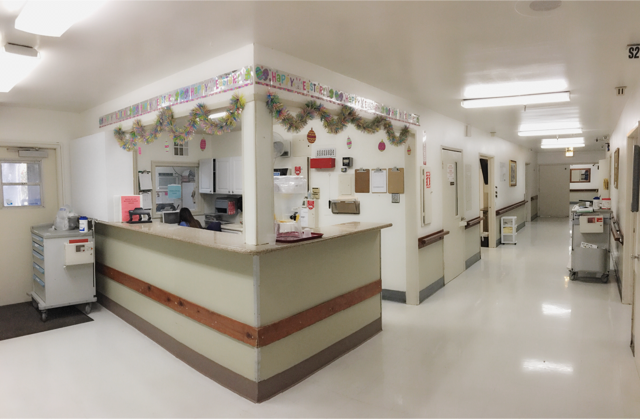
Who Owns and Operates Montclair Manor?

MONTCLAIR MANOR CARE CENTER is owned by a for-profit company. For-profit facilities operate as businesses with obligations to shareholders or private owners. The facility is operated by EVA CARE GROUP, a chain that manages multiple nursing homes. With 59 certified beds and approximately 50 residents (about 85% occupancy), it is a smaller facility located in MONTCLAIR, California.
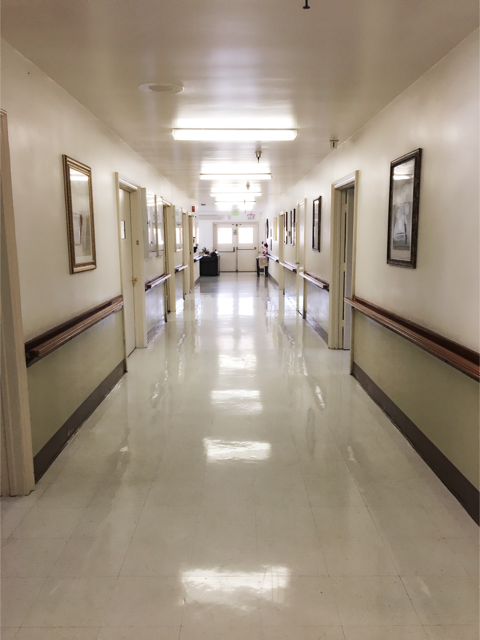
How Does Montclair Manor Compare to Other California Nursing Homes?

Compared to the 100 nursing homes in California, MONTCLAIR MANOR CARE CENTER's overall rating (4 stars) is above the state average of 3.2, staff turnover (23%) is significantly lower than the state average of 46%, and health inspection rating (4 stars) is above the national benchmark.

What Should Families Ask When Visiting Montclair Manor?

Based on this facility's data, families visiting should ask: "Can I visit during a mealtime to observe dining assistance and food quality?" "How do you handle medical emergencies, and what is your hospital transfer rate?" "Can I speak with family members of current residents about their experience?"

Is Montclair Manor Safe?

Based on CMS inspection data, MONTCLAIR MANOR CARE CENTER has a clean safety record: no substantiated abuse findings (meaning no confirmed cases of resident harm), no Immediate Jeopardy citations (the most serious violation level indicating risk of serious injury or death), and is not on the Special Focus Facility watch list (a federal program monitoring the lowest-performing 1% of nursing homes). The facility has a 4-star overall rating and ranks #1 of 100 nursing homes in California. While no facility is perfect, families should still ask about staff-to-resident ratios and recent inspection results during their visit.

Do Nurses at Montclair Manor Stick Around?

Staff at MONTCLAIR MANOR CARE CENTER tend to stick around. With a turnover rate of 23%, the facility is 23 percentage points below the California average of 46%. Low turnover is a positive sign. It means caregivers have time to learn each resident's needs, medications, and personal preferences. Consistent staff also notice subtle changes in a resident's condition more quickly.

Was Montclair Manor Ever Fined?

MONTCLAIR MANOR CARE CENTER has been fined $2,098 across 1 penalty action. This is below the California average of $33,100. While any fine indicates a compliance issue, fines under $50,000 are relatively common and typically reflect isolated problems that were subsequently corrected. Families should ask what specific issues led to these fines and confirm they've been resolved.

Is Montclair Manor on Any Federal Watch List?

MONTCLAIR MANOR CARE CENTER is not on any federal watch list. The most significant is the Special Focus Facility (SFF) program, which identifies the bottom 1% of nursing homes nationally based on persistent, serious quality problems. Not being on this list means the facility has avoided the pattern of deficiencies that triggers enhanced federal oversight. This is a positive indicator, though families should still review the facility's inspection history directly.