RIO HONDO SUBACUTE & NURSING CENTER
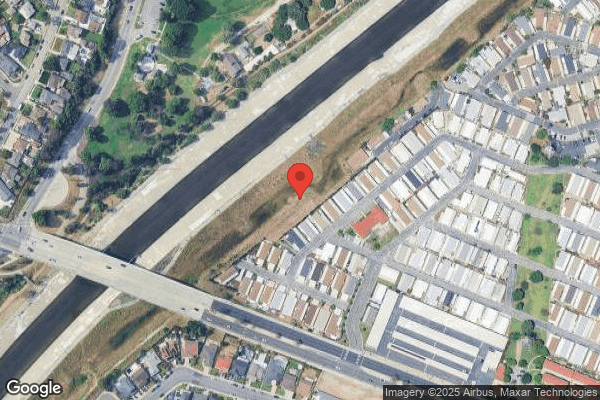
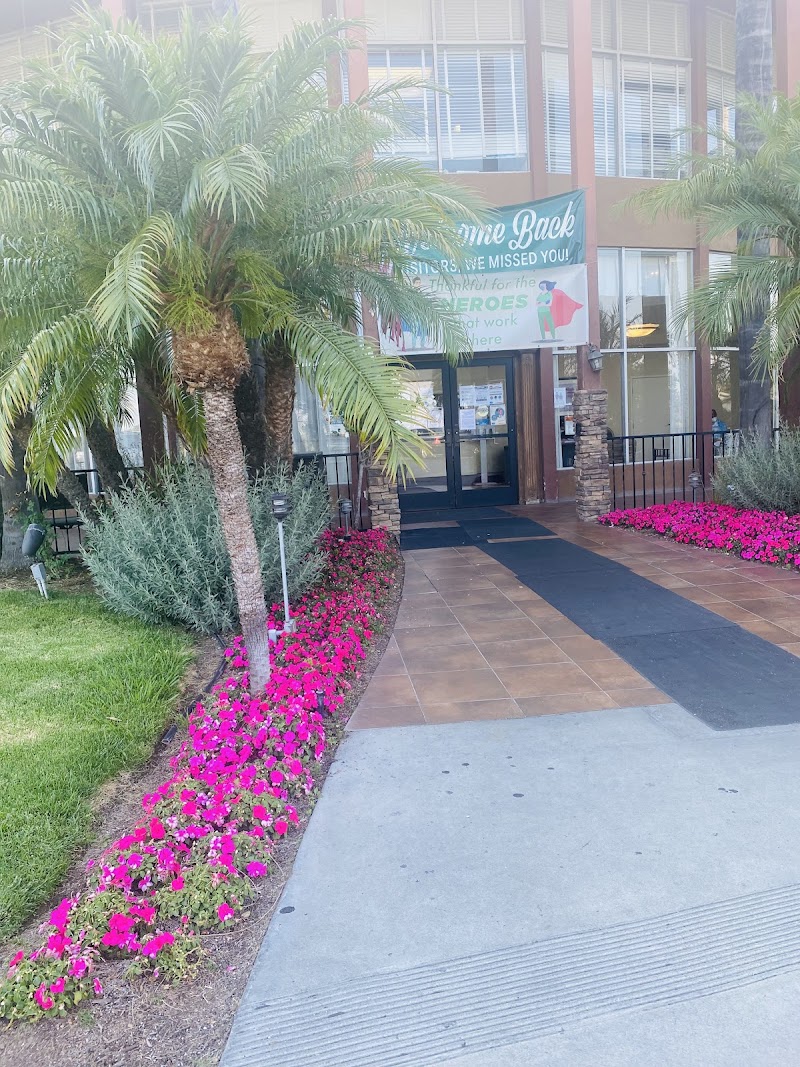
273 E BEVERLY BOULEVARD, MONTEBELLO, CA 90640 (323) 724-5100
For profit - Limited Liability company 200 Beds GENESIS HEALTHCARE Data: November 2025 5 Immediate Jeopardy citations
Trust Grade
0/100
Last Inspection: August 2025

Inspected within the last 6 months. Data reflects current conditions.

Overview

Rio Hondo Subacute & Nursing Center in Montebello, California, has received a Trust Grade of F, which indicates significant concerns about the quality of care provided. The facility ranks poorly, with no other facilities in the state or county to compare against, suggesting a lack of better options locally. Although the trend is improving, moving from 68 issues in 2024 to 61 in 2025, there are still serious concerns, including critical incidents of failure to prevent sexual abuse among residents and inadequate management of diabetes care for at least one resident. Staffing is a notable weakness, with a high turnover rate of 62%, which is above the state average, and the facility has incurred $321,239 in fines, indicating serious compliance issues. On a positive note, the facility does maintain average RN coverage, which is crucial for identifying health problems that other staff might overlook.

Trust Score
F
0/100
In California
#112/223
Top 50%
Safety Record
High Risk
Review needed
Inspections
Getting Better
68 → 61 violations
Staff Stability
⚠ Watch
62% turnover. Above average. Higher turnover means staff may not know residents' routines.
Penalties
○ Average
$321,239 in fines. Higher than 53% of California facilities. Some compliance issues.
Skilled Nurses
⚠ Watch
Each resident gets only 29 minutes of Registered Nurse (RN) attention daily — below average for California. Fewer RN minutes means fewer trained eyes watching for problems.
Violations
⚠ Watch
165 deficiencies on record. Higher than average. Multiple issues found across inspections.
☆☆☆☆☆
0.0
Overall Rating
☆☆☆☆☆
0.0
Staff Levels
☆☆☆☆☆
0.0
Care Quality
☆☆☆☆☆
0.0
Inspection Score
Stable
2024: 68 issues
2025: 61 issues

The Good

  • Full Sprinkler Coverage · Fire safety systems throughout facility
  • No fines on record

Facility shows strength in fire safety.

The Bad

Staff Turnover: 62%

16pts above California avg (46%)

Frequent staff changes - ask about care continuity

Federal Fines: $321,239

Well above median ($33,413)

Significant penalties indicating serious issues

Chain: GENESIS HEALTHCARE

Part of a multi-facility chain

Ask about local staffing decisions and management

Staff turnover is elevated (62%)

14 points above California average of 48%

The Ugly 165 deficiencies on record

5 life-threatening 10 actual harm
Aug 2025 2 deficiencies
CONCERN (D) 📢 Someone Reported This

A family member, employee, or ombudsman was alarmed enough to file a formal complaint

Potential for Harm - no one hurt, but risky conditions existed

Accident Prevention (Tag F0689)

Could have caused harm · This affected 1 resident

Based on interviews and record reviews, the facility failed to ensure one of five sampled residents (Resident 1) reviewed for falls, who was identified at risk for falls, and assessed as dependent for...

Read full inspector narrative →
Based on interviews and record reviews, the facility failed to ensure one of five sampled residents (Resident 1) reviewed for falls, who was identified at risk for falls, and assessed as dependent for bed mobility with the use of a mechanical lift (a sling placed under or around the resident to lift or transfer a resident using a mechanical equipment), received adequate assistance to prevent accidents while laying on a low air loss mattress (LAL; a special type of mattress) for alternation therapy (also called alternating pressure therapy on a LAL mattress that involves a system that inflate [increase in size when filled with air] and deflate [decrease in size when filled with air] in cycles, redistributing pressure across the patient's body), by failing to: 1. Ensure Certified Nurse Assistant (CNA) 1 implement Resident 1's care plan to utilize the mechanical lift during bed mobility when CNA 1 repositioned Resident 1 in bed on 7/21/2025, during the nightshift (11 PM to 7 AM). 2. Ensure CNA 1 asked for staff assistance to ensure at least two people assisted Resident 1 during turning/repositioning and activities of daily living (ADL - self care tasks of everyday life) care in bed on 7/21/2025, as indicated in Resident 1's transfer assessment titled Resident 1's Lift Transfer Reposition. 3. Ensure CNA 1 delay repositioning until the LAL mattress was firm and stable to reposition Resident 1 in bed on 7/21/2025, when CNA 1 noticed that the alternation therapy of the resident's LAL continued to inflate and deflate, after Licensed Vocational Nurse (LVN) 4 reset the LAL mattress on static mode (In static mode, the LAL are fully inflated, creating a firm, stable surface. This is beneficial in situations where a stable surface is needed such as for turning and repositioning in bed), in accordance with the physician's order to place the resident on an LAL mattress and monitor the settings. As a result of these deficient practices, Resident 1 slid off from left side of the LAL mattress during turning and repositioning, causing the resident to fall to the floor on the left side of the bed. Resident 1 verbalized being in significant pain with 10/10 (pain level numbers, typically on a scale of 0 to 10, represent the subjective intensity of pain a person is experiencing, with 0 being no pain and 10 being the worst pain imaginable) pain level at the head and both arms. Resident 1 sustained swelling of the left arm, scrapes on the right side of the face, abrasion on the right elbow, redness, swelling on both sides of the abdomen. Resident 1 was transferred to the General Acute Care Hospital (GACH 1) on 7/21/2025 and was readmitted back on the same day (7/21/2025) with abrasions (a superficial wound caused by rubbing or scraping away the skin's outer layers) to the elbow and contusions (medical term for a bruise) on the face. Findings: During a review of Resident 1's admission Record indicated the facility originally admitted Resident 1 on 6/18/2021 with a diagnosis which included thrombocytopenia (your blood does not clot well due to low levels of cells that help to stop bleeding by clumping together), muscle weakness, blindness, cerebral infarction ( blockage in a blood vessel that result in a section of brain tissue death). During a review of Resident 1's History and Physical (H&P) dated 6/10/2024, the H&P indicated Resident 1 has fluctuating capacity to understand and make decisions. During a review of Resident 1's care plan titled The Resident has an ADL Self Care performance Deficit related to his disease process of cerebral edema (swelling in the brain) dated 5/9/2025, the care plan indicated interventions to include mechanical lift transfer, being dependent with toilet hygiene, bed mobility, and personal hygiene. During a review of Resident 1's Order Summary Report dated 6/3/2025, the Report indicated Resident 1 had an order for a low air loss mattress [LAL]: monitor settings based on residents' weight and functional level every shift. During a review of Resident 1's record titled Lift Transfer Reposition dated 6/11/2025, indicated Resident 1 Required total lift, requiring two staff members for repositioning in bed. During a review of Resident 1's Minimum Data Set (MDS, standardized care and screening tool), dated 7/3/2025, indicated Resident 1 was assessed to be cognitively impaired (a term used when a person has certain limitations in mental functioning and in skills). The MDS also indicated Resident 1 was assessed as being dependent (helper does all of the effort, or the assistance of 2 or more helpers is required for the resident to complete the activity) while rolling to left and right and when transferring from chair to bed. During a review of Resident 1's Progress Notes titled SBAR [Situation, Background, Assessment, Recommendation] Summary documented on 7/21/2025, the SBAR indicated Resident 1 was observed laying on the floor at 6:10 AM (7/21/2025) on his left side facing the glass door and verbalized having head pain. The SBAR indicated Resident 1 was assisted back to bed with the assistance of three nurses and provided with wound treatment. The SBAR indicated 911 Emergency Services (EMS - refers to the system of healthcare professionals and resources that provide immediate medical care to individuals in emergency situations) was called and transferred Resident to GACH 1 on 7/21/2025. During a review of Resident 1's Interdisciplinary Care Conference dated 7/21/2025, the record indicated Resident 1 had a witnessed fall during ADL care. The record indicated Resident 1 was noted to have blood coming off of the right palm and right elbow. The record indicated Resident 1 reported having 8/10 pain. During a review of Resident 1's Medication Administration Record for July 2025, Resident 1 started receiving pain medication after the fall on 7/21/2025 and received Hydrocodone - Acetaminophen (a drug used to treat moderate to severe pain) oral tablet 5-325 milligrams (mg- unit of measurement) on the following dates, after the fall on 7/21/2025: 7/22/2025 at 4:59 PM - for moderate to severe pain 7/22/2025 at 11:23 PM - for moderate to severe pain 7/23/2025 at 5:57 AM - for moderate to severe pain 7/23/2025 at 1:59 PM - for moderate to severe pain 7/23/2025 at 9:32 PM - for moderate to severe pain 7/24/2025 at 9:42 AM - for moderate to severe pain During a review of Resident 1's record titled, Follow- up document dated 7/22/2025, the record indicated Resident 1 on observation had the following injuries: Swelling of the left arm Scrape on the right side of face Abrasion on the right elbow Redness on the right side of the abdomen Swelling and tenderness on both sides of the abdomen Pain to touch on the left side of the abdomen During a review of Resident 1's Occupation Therapy Treatment Note dated 7/23/2025, the Note indicated Resident 1 was a fall risk, dependent and required 100% (total dependence) physical assist, two or more helpers with transfers. The Note further indicated Resident 1 had impaired safety awareness. During a review of GACH 1 records dated 7/21/2025, the records indicated Resident 1 was sent back to the facility on the same day (7/21/2025) with abrasions (a superficial wound caused by rubbing or scraping away the skin's outer layers) to the elbow and contusions (medical term for a bruise) on the face. During a review of a printed document titled Med- Aire Edge (brand name for the LAL) Alternating Pressure and Low Air Loss Mattress replacement System User Manual, (undated), provided by the facility as Resident 1's manufacturer's manual for the LAL mattress used on 7/21/2025, the manual indicated a warning information that indicated when using the therapy mattress system to ensure that the patient is positioned properly within the confines of the bed. The manual indicated, a static button is available to discontinue alternation therapy for patient transfers, caregiving, comfort, or preference. The manual indicated Max firm (maximum firmness - refers to a setting that maximizes the inflation of the LAL, providing a firm and stable surface) is available for patient transfers or other patient care procedures. During an interview on 7/24/2025 at 10:30AM with Resident 1, Resident 1 stated he felt like he was thrown out of bed by his CNA (CNA1) that night (7/21/2025). Resident 1 stated he landed on the floor on the left side of his body, hitting his head on an unknown object. Resident 1 was unsure of the exact time of the fall but believed it occurred during the night or early morning hours. Resident 1 stated he recalled three nurses assisted and carried him back to the bed after the fall. Resident 1 stated after the fall, he was in significant pain, felt very upset, and believed that he had been pushed out of the bed. During an interview on 7/24/2025 at 10:50 AM with CNA 2, CNA 2 stated that she had previously cared for Resident 1. CNA 2 stated Resident 1 required two - person assistance or a mechanical lift when repositioning in bed or transfers. CNA 2 stated that whenever a resident is on a LAL mattress, facility staff always provides a two-person assist for safety during turning and repositioning in bed. During an interview on 7/24/2025 at 10:55 AM with LVN 1, LVN 1 stated she was assigned to Resident 1 on 7/21/25 during the night shift after the fall occurred on 7/21/25 at around 6:30 AM. LVN 1 stated Resident 1 was laying on an LAL mattress. LVN 1 stated CNA 1 was assisting Resident 1 with changing clothes and briefs in bed by himself at the time of the fall on 7/21/2025 (6:30 AM). LVN 1 stated Resident 1 required two-person assistance while in bed using the LAL, because of the danger of the LAL mattress shifting during the inflation and deflation (alternation therapy). LVN 1 stated We were provided in-service on this (LAL mattress). During a concurrent interview and record review on 7/24/2025 at 11:29 AM with the Director of Nursing (DON), Resident 1's active care plans were reviewed from 1/2025 to 7/2025. During the review, the DON stated there was no care plan developed specifically for Resident 1's use of the LAL mattress and how it required two-person assist for safety while in bed. The DON stated it was safer that Resident 1 would have two persons assist when turning and repositioning while laying on the LAL mattress. During an interview on 7/24/2025 at 12:05 PM with LVN 2, LVN 2 stated Resident 1 required a two person assist for transfers and turning/repositioning in bed. LVN 2 stated Resident 1 also required a mechanical lift for lifting, transfers, and two person-assist for safety at all times. LVN 2 stated when repositioning a resident who is laying on a LAL mattress, the facility practice was to use a two-person assist for resident safety. During an interview on 7/24/2025 at 12:30 PM with LVN 3, LVN 3 stated a two-person assist is required when repositioning all residents using LAL mattress to ensure the resident does not roll out of the bed and for safety. LVN 3 stated all staff were taught to always ask for another staff assistance when assisting residents in bed for ADLs while using the LAL mattress. During an interview on 7/24/2025 at 1:15 PM with the facility's [NAME] President of Operations (VP), the VP stated it is the facility's current standard of practice to teach all facility staff to ask for a two person assist when transferring or repositioning residents while LAL mattress is in use. During an interview on 7/24/2025 at 2:30 PM with CNA 1, CNA 1 stated Resident 1 was on a low air loss (LAL) mattress, which continuously alternates air movement as the resident moves in bed. CNA 1 stated that if the LAL mattress is placed on firm [static] mode, the mattress will become firm and provide more stability for repositioning Resident 1. CNA1 stated that on 7/21/25 during the nightshift, CNA 1 asked an LVN for assistance in changing the settings/mode of Resident 1's LAL mattress, prior to repositioning Resident 1 in bed to assist in changing the resident's clothes and brief. CNA 1 stated while rendering care in bed, he believed Resident 1's LAL mattress continued to fluctuate (inflate and deflate cycles). CNA 1 stated he was unsure if the LVN actually changed the settings or mode of the LAL mattress because Resident 1's LAL mattress was still moving as if the mattress was still in alternating mode (alternation therapy) while changing Resident 1's clothes and brief in bed. CNA 1 stated a two-person assist is usually required when repositioning a resident using an LAL mattress. CNA1 stated he needed another staff assistance, but no other staff were available to help during that time. CNA 1 stated while repositioning and assisting Resident 1 in bed, he felt worried about performing the task alone by himself due to the fact that Resident 1 is heavy and totally dependent to staff for ADL care. CNA 1 stated prior to the Resident 1's fall, he saw the LAL mattress deflate when Resident 1 was rolled (repositioned) facing the left side of the bed and then at the same time the LAL mattress began to inflate on the right side which resulted in Resident 1 sliding off the bed, falling to the floor. CNA 1 stated he did not have the strength to catch Resident 1 by himself when the resident fell to the floor. CNA 1 stated Resident 1 landed on the left side of his body and there was blood. CNA 1 could not answer why he did not use a mechanical lift on 7/21/2025 during Resident 1's turning and repositioning in bed. During an interview on 7/24/2025 at 4:45 PM with LVN 4, LVN 4 stated he worked at the night of Resident 1's fall incident on 7/21/2025. LVN 4 stated he recalled CNA 1 asked for assistance in changing the settings/mode of Resident 1's LAL mattress. LVN 4 stated the licensed nurses encourage the CNAs to ask for two persons assist for safety precautions when caring for resident laying on LAL mattress. LVN 4 stated if the LAL mattress continued to fluctuate and did not successfully reset on static or firm mode, LVN 4 stated that CNA 1 should have notified LVN 4 before continuing to reposition Resident 1 in bed. LVN 4 stated he remembered asking CNA 1 how Resident 1 had fallen and further stated CNA 1 informed him that Resident 1 was too heavy and positioned too far over to the left side of the bed for him to catch the resident prior to falling. LVN 4 stated CNA 1 should have asked for other staff's assistance while repositioning Resident 1. During a concurrent interview and record review on 7/24/2025 at 5 PM with the Director of Staff Development (DSD) Resource, Resident 1's care plan titled The Resident has ADL self-care performance deficit dated 5/9/2025 and Lift Transfer Reposition record, were reviewed. The Care plan indicated Resident 1 needed a mechanical lift transfer and requires dependent assistance to reposition and turn in bed. The DSD stated she did not know why the care plan did not indicate Resident 1 required two persons for transfers and bed repositioning as indicated in the resident's assessment titled Lift Transfer Reposition, and the specific safety settings required for the LAL mattress while Resident 1 is using the LAL mattress. During an interview on 7/24/2025 at 7 PM with Family Member (FM1), FM1 stated Resident 1 informed FM 1 that while being assisted by CNA 1 in bed, Resident 1 felt like CNA 1 pushed him over too roughly in bed and went over the bed. FM 1 stated Resident 1 is alert and oriented but is unable to use or hold on to any side rails of the bed. Stating prior to fall he could not use his arms. FM1 stated Resident 1 is a heavy person and without being able to assist in care, Resident 1 would require two people to reposition Resident 1 in bed. During another interview with Resident 1 on 7/28/2025 at 2:30 PM, Resident 1 stated he could not see what is going on because of his blindness, he felt that the CNA turned him abruptly in bed and when he fell, he yelled, Pick me up, pick me up! Resident 1 stated at the time of the fall his arms hurt all over and his head. Resident 1 stated the pain was a 10 out 10 on a pain scale. Resident 1 stated he felt like he was left on floor for a long period of time and did not know what was happening. Resident 1 stated he felt angry and fearful while he was on the floor waiting for nurses to pick him up. During a review of facility's Policies and Procedure (P&P) titled Repositioning, dated 5/2013 indicated that the purpose of this policy is to provide guidelines for evaluating a resident's reposition needs. The policy instructs staff to review the review the resident's scare plan to identify any special reposition requirements. The procedure outlines that staff should check the care plan, assignment sheet, or communication system to determine the resident's specific positioning needs, including the use of special equipment, the resident's ability to participate in the repositioning process, and the number of staff required to safely complete the procedure. During a review of facility's Policies and Procedures (P&P) titled Fall Management, dated 5/26/2021 indicated that the purpose of this policy is to reduce the risk of falls and minimize the occurrence of falls by addressing potential injuries and providing appropriate care for residents who experience a fall. The policy states that residents will be assessed for fall risk as part of the nursing assessment process. Residents identified as being at risk for falls will receive appropriate interventions to reduce the risk of falls and minimize the potential for injury.
CONCERN (F) 📢 Someone Reported This

A family member, employee, or ombudsman was alarmed enough to file a formal complaint

Potential for Harm - no one hurt, but risky conditions existed

Infection Control (Tag F0880)

Could have caused harm · This affected most or all residents

**NOTE- TERMS IN BRACKETS HAVE BEEN EDITED TO PROTECT CONFIDENTIALITY** Based on observation, interview, and record review, the facility failed to implement the facility's infection control program to...

Read full inspector narrative →
**NOTE- TERMS IN BRACKETS HAVE BEEN EDITED TO PROTECT CONFIDENTIALITY** Based on observation, interview, and record review, the facility failed to implement the facility's infection control program to prevent, identify, report, investigate an infection outbreak (OB-an unusual increase of disease among a specific population in a geographic area during a specific period) for 9 out of 22 sampled residents (Resident 6, 7, 8, 9, 10, 11, 12, 13, 14) in accordance with the facility's policy and procedures and standard of professional practice. The facility failed to: 1. Identify scabies OB (an increased number of skin infection caused by infestation of the human itch mite that burrow under the skin where it lives and lays its eggs that can cause intense itching, especially at night, and a pimple-like rashes that spread through prolonged, direct skin-to-skin contact with an infected person) when Resident 6 was diagnosed with scabies on 7/23/2025 and when (Residents 7, 8, 9 and 10) were suspected and exhibited signs and symptoms consistent of scabies such as rashes and were treated with Permethrin 5% cream (a scabicide or a medication used to treat scabies) on 7/23/2025. 2. Report on 7/23/2025 the scabies OB to the local health department about the presence of a scabies OB in the facility when Resident 6 was clinically diagnosed at the General Acute Care Hospital (GACH) with scabies and five residents were suspected of scabies (Resident 7, 8, 9 and 10) on 7/23/2025. 3. Prevent the spread of infectious disease and rashes by failing to immediately place Residents 7, 8, 9 and 10 on 7/23/2025 who were suspected and exhibited signs and symptoms of scabies and Resident 11 who was exposed Resident 6 or on contact isolation or transmission-based precaution (contact precautions, an infection control measures used in healthcare settings to prevent the spread of germs that can be transmitted through direct or indirect contact with a patient or their environment). 4. Prevent the spread of infection by limiting the movement of Residents 13 and 14 within the facility who are on transmission-based precaution on 8/8/2025. 5. Prevent the spread of infectious disease by ensuring Resident 12 was placed on transmission-based precaution when suspected with scabies infection on 8/3/2025 and when the resident complained of rashes and itching was not resolved. 6. Conduct a surveillance and thorough investigation of residents with rashes and include in the Line Listing to tract and identify the root cause of residents with rashes and staff by identifying individual cases and trends. Residents 12, 13, 14, 15, 16, 17 , 18 and 19 were not included in the line listings the facility provided 7/28/2025 as having rashes and suspected with scabies. 7. Ensure the Infection Prevention Nurse (IPN) or designee inform and educate all the facility staff, residents and visitors in direct contact with the residents about the scabies OB from 7/23/2025 to present (8/9/2025) to control further spread of infection. 8. Ensure the IPN educate the Restorative Nurse Assistant, Certified Nursing Assistant and Social Service Assistant and Receptionist) about transmission-based precautions who were in close contact with Residents 13 and 14 with rashes and suspected of scabies infection on 8/8/2025. 9. Ensure the Director of Nursing (DON), Administrator (ADM), Infection Prevention Nurse (IPN) and designee perform daily surveillance, monitor and evaluate the compliance of the staff, residents and visitors regarding infection control practices. 10. Conduct an oversight or surveillance of the staff when reporting to residents identified with rashes and verify the accuracy of the scabies OB line listings (a tool used to track and manage scabies outbreaks consisting of or suspected of infection or had closed contact with residents with infection) provided. 11. Ensure the Infection Prevention Nurse (IPN) and/or designee consistently conduct surveillance, track and monitor residents and staff with signs and symptoms of scabies infection during the scabies OB. 12. Establish a surveillance system that allows the facility to track, analyze and interpret the data, and identify a concern related to infection control. These deficient practices contributed to the ongoing transmission of scabies within the facility that resulted in a facility wide scabies OB that increased the residents' cases of 21 suspected scabies and one confirmed resident with scabies from 7/23/2025 to 8/9/2025 which placed the remaining 116 residents at risk for contracting scabies. Findings: A review of the facility's policy and procedure for Infection Control and Prevention indicates a resident(s) who is presented with a suspected or confirmed infection, illness or condition that is reportable, and that the administrator (or designee) is to notify the local health department. A suspected or confirmed outbreak within the facility is promptly identified and managed by ensuring the infection prevention control nurse and/or designee is to educate facility staff, visitors, residents, conduct surveillance, tracking and ensure transmission-based precautions are implemented. 1. During a review of Resident 6's Change in Condition (CoC) evaluation report, dated 1/13/2025, indicated Resident 6 had scattered erythematous papules (small, red, raised bumps on the skin) and self-inflicted excoriation to left knee. During a review of Resident 6's Medication Administration Record (MAR) indicated on 1/30/2025 Resident 6 received Ivermectin (medication used to treat scabies) 3 milligrams (mg unit of measurement) four tablets by mouth for scabies. During a review of Resident 6's CoC evaluation, dated 2/10/2025, indicated Resident 6 complained of itching and rashes to the bilateral lower extremities. During a review of the Dermatologist Consultation Note dated 2/12/2025 indicated Resident 6 was suspected with scabies after treatment with Ivermectin (medication used to treat scabies) with improvement. During a review of Resident 6's Nursing progress notes, dated 2/14/2025 timed at 6:43 PM, indicated Resident 6 was placed on transmission-based precaution for suspected scabies. During a review of Resident 6's MAR, dated March 2025, the MAR indicated Resident 6 received Ivermectin on 3/22/2025 and on 3/30/2025 by mouth for itchiness and rash. During a review of Resident 6's Nursing progress notes, dated 5/24/2025 timed at 12:48 PM, the progress notes indicated MD 1 ordered Hydrocortisone cream (medication used to relieve itching and inflammation) for rash and itching four times a day and PRN (as needed). During a review of the Dermatologist (MD 1) report dated 5/30/2025 indicated Resident 6 was observed with mild dermatitis. The physician ordered for Resident 6 to receive Triamcinolone 0.1% cream daily to affected area and will reassess as needed. During a review of Resident 6's Interdisciplinary Care Conference (IDT) note, dated 6/3/2025 timed at 9:47 AM, the IDT noted indicated for Resident 6's to apply to generalized body topically two times a day for generalized itching/rashes for 30 days, apply to generalized body for itching/rashes BID (twice a day) and PRN (as needed) and apply to generalized body topically every 8 hours as needed for generalized itching/rashes for 30 days, apply to generalized body for itching/rashes BID and PRN. During a review of Resident 6's MAR note, dated 6/6/2025 timed at 9:00 AM, the note indicated Resident 6's Hydrocortisone cream was discontinued. The MAR note indicated Resident 6 will be started on Triamcinolone 0.1% everyday shift for 30 days until finished. During a review of the Weekly Summary Documentation dated 6/8/2025 indicated Resident 6 have a general body rash with treatments as ordered. During a review of the Progress Notes dated 7/11/2025 timed at 1:39 AM indicated Resident 6 was seen by the Dermatologist (MD 1) and IPN during rounds and observed Resident 6 with scattered papulosis with erythema and MD 1 ordered Triamcinolone 0.1% daily for two weeks. During a review of Resident 6' s Progress Notes, dated 7/22/2025, indicated Resident 6 arrived back to facility from the GACH with diagnoses of scabies. During a review of Resident 6's Order Summary, the physician ordered Resident 6 to receive Permethrin External Cream 5% (a medication used to treat scabies) and apply to skin, head and feet topically (on top of the skin) for scabies with a start date of 7/23/2025. During a review of Resident 6's Order Summary Reported, dated 7/23/2025, indicated the resident was transferred out to the hospital due to extreme itching on 7/22/25 and to place the resident on Contact Precautions (an infection control measures used in healthcare settings to prevent the spread of germs that can be transmitted through direct or indirect contact with a patient or their environment) practice for Scabies. During a review of Resident 6's Dermatology assessment dated [DATE], indicated the staff had reported Resident 6 to have pruritic rash (a medical term for itching, and presence of rash suggests a visible skin scratches) affecting multiple areas of body. The distribution of pattern and history suggest possible contagious etiology (disease that can be transferred from one person to another) with suspicion for possible scabietic exposure. During a review of Resident 6's Medication Administration Record (MAR) for July, indicated Resident 6 received Permethrin External Cream 5% 7/23/2025 at 5:05 AM. During an interview on 7/26/25 at 6:32 PM with ADM, the ADM stated Resident 6 was transferred to the GACH on 7/22/25 and returned to the facility less than 24 hours on 7/23/25 for complaint of severe itching with rashes and was diagnosed in the GACH with scabies without skin scrapings (a procedure where the skin samples are collected and viewed under a microscope, a device that lets the user view very small objects). The ADM stated Resident 6 received Permethrin cream 5 % topical to treat scabies in the facility on 7/23/25. The ADM stated that the facility's Dermatologist verified no scabies OB in the facility but recommended treating the residents who agreed to be treated with Permethrin were treated prophylactically (preventative measure). The ADM stated Resident 6 was placed on transmission-based precaution upon returning to the facility. The ADM stated the facility was identified as not having a scabies OB. During a review and concurrent interview of the Line Listing conducted with ADM on 7/28/25 at 2PM, the ADM stated according to the line listing Resident 6 was observed with rashes on 7/11/2025 and was confirmed positive with scabies on 7/23/25, Permethrin treatment was provided and placed on contact precaution. During a follow up interview with the ADM on 7/28/2025 at 2:04 PM, the ADM stated the Line Listing was initiated on 7/23/25 and not on 7/11/2025 when Resident 6 was observed with rashes and complained of itching. The ADM stated, due to the facility's history of scabies, she consulted with the facility's dermatologist and recommended prophylactic treatment of Permethrin 5% to be administered to all residents in Station 2 and Station 4 and no skin scrapings or diagnostic tests were performed at the facility. During a concurrent observation in Resident 6's room and interview on 8/7/2025 at 11:01 AM with LVN 5, Resident 6 was observed lying on her back while in bed, scratching her arms and chest. Resident 6 stated she has been suffering from itchiness since April 2025. Resident 6 stated the itchiness was very disturbing that she begged the nurses to send her to the hospital. During the same concurrent observation and interview on 8/7/2025 at 11:01 AM with LVN 5, Resident 6's body was observed with rashes on the upper arm had small red circular lesions, right forearm had scratches, and the entire back was covered with dark red circular spots that were slightly raised. Resident 6's abdomen had clusters of red circular spots that were slightly raised. Resident 6 stated sometimes she would scratch that her skin would open and bleeding. During a concurrent observation and interview on 8/8/2025 at 9:20 AM in Resident 6's room, Resident 6 was lying in bed scratching both of her exposed arms. Resident 6 stated, at night, there was no way I can sleep. Resident 6 stated, her rash started at the beginning of April and needed to go to the hospital because I was so itchy it was unbearable. Resident 6 stated, she was itchy all over her body. Resident 6 stated, after she came back to the facility from the hospital, the facility told her she was not allowed to go to the same room and have to go to a different room, and I do not know why. During an interview on 8/8/2025 at 9:23 AM in Resident 6's room, Resident 6 stated, the itchiness was on her back, arms, and at night. Resident 6 stated, she received Benadryl (medication to help relieve itching) but it does not help. Resident 6 stated, I get anxiety because I cannot relieve the itchiness. I want to scratch so badly. Resident 6 stated, she felt depressed and defeated because I cannot do anything to stop the itch. During an interview on 8/8/2025 at 9:25 AM in Resident 6's room, Resident 6 stated, she received a cream, but it has not relieved anything. Resident 6 stated, she feels frustrated. Resident 6 stated, she wore a sweater because she felt embarrassed of the rash when she went to the therapy room in June 2025. During an interview on 8/8/2025 at 9:25 AM with Certified Nurse Assistant (CNA) 8, CNA 8 stated, she was unaware of what type of rash Resident 6 had. CNA 8 stated, she saw Resident 6's skin this morning and she had a rash and red bumps on her arms and back. CNA 8 stated, Resident 6 told her Resident 6 could not sleep last night because she was so itchy, and she was tired this morning. During an interview on 8/9/2025 at 10:20 AM in Resident 6's room, Resident 6 stated, she was not able to sleep well last night because the itching was really intense. Resident 6 stated, she called the nurses at 11:30 PM last night (8/8/2025) and asked for Benadryl. Resident 6 stated, the nurses told her she cannot have anything until 1 AM. Resident 6 stated, she called the nurses at 1 AM, but no one responded. Resident 6 stated, she prayed O Lord, just let me get through the night. During an interview on 8/9/2025 at 10:23 AM in Resident 6's room, Resident 6 stated, she did not fall asleep until 3:30 AM and woke up when the nurses brought her breakfast tray at 8:30 AM. Resident 6 stated, her back was really itchy last night. 2. During a review of Resident 7's AR, The AR indicated that Resident 7 was admitted on [DATE], with a diagnosis that included metabolic encephalopathy (brain is not working properly because of a chemical imbalance). During a review of Resident 7's Progress Notes SBAR (Situation, Background, Assessment, Recommendation used to create a reliable consistent process and focused communication between the team) dated 7/23/2025, indicated Resident 7 had a skin condition to order for the resident to receive Permethrin Cream. During a review of Resident 7's care plan titled Rash - Pinpoint dated 7/23/2025, indicated a goal for resident to be free from itchiness x 2 weeks and intervention for enhanced barrier precautions as needed for resident. During a review of Resident 7's Treatment Administration Record for month of July 2025, indicated Permethrin External Cream 5 % Apply to Body topically for Rash with a start date of 7/23/2025 administered on 7/24/2025 at 9:53 PM. During a review of Resident 7's Dermatology assessment dated [DATE], indicated the resident had generalized rash with itching, worse at night, with erythematous papules and excoriations noted diffusely on trunk, limbs, and abdomen. The distribution suggests possible infestation related dermatitis likely scabietic exposure. 3. During a review of Resident 8's AR, The AR indicated that Resident 8 was admitted on [DATE]. During a review of Resident 8's Progress Notes Follow up Documentation - Exposure to roommate with skin rash dated 7/25/2025, indicated Resident 8 have pinpoint lesions and provided treatment as ordered. During a review of Resident 8's Treatment Administration Record for the month of July 2025, indicated Permethrin External Cream 5% (permethrin) was administered to the resident on 7/24/2025 at 9:52PM. During a review of Resident 8's Dermatology assessment dated [DATE], indicated the resident had rash over trunk with associated itching, scattered erythematous papules and linear excoriations of trunk and generalized dermatitis with concern for possible exposure to scabies. 4. During a review of Resident 9's admission Record (AR), The AR indicated that Resident 9 was admitted on [DATE]. During a review of Resident 9's Nursing progress note SBAR Summary dated 7/23/2025, indicated a change in skin condition with positive for skin rash. During a review of Resident 9's Dermatology assessment dated [DATE] indicated Resident 9 complained of diffuse itching over body with diffuse erythematous macules and excoriations noted over trunk, limbs, and abdomen indicating generalized dermatitis with concern for possible exposure to scabies. During a review of Resident 9's Treatment Administration Record for the month of July 2025, indicated Permethrin External Cream 5% was applied on 7/23/2025 at 9:52PM. During a concurrent observation in Resident 9's room and interview on 8/7/2025 at 10:16 AM with LVN 5, Resident 9 was observed lying on her back while in bed, scratching her arms and shifting her body to the left and right. Resident 9 stated she is moving left and right because her entire back is itchy. Resident 9 stated she informed staff about the itchiness about 2 weeks ago. Resident 9 added she is feeling tired of the itchiness because it doesn't allow her to sleep at night. During the same concurrent observation and interview on 8/7/2025 at 10:16 AM with LVN 5, Resident 9's body was observed. Resident 9's entire back was observed with red circular spots. Resident's arms were observed with scratches on both arms. Resident 9's left hip was observed with scratches. Resident 9 stated the scratches were caused by scratches due to the itchiness. During another observation and interview on 8/8/2025 at 9:36 AM with Resident 9, Resident 9 was observed lying in bed, scratching her arms and moving to the body from left to right. Resident 9 stated that she kept waking up at night because of the itchiness. Resident 9 stated that she is feeling really bad due to the lack of sleep. Resident 9 emphasized that the itching is everywhere. 5. During a review of Resident 10's AR, The AR indicated that Resident 10 was admitted on [DATE]. During a review of Resident 10's Dermatology assessment dated [DATE], indicated Resident 10 complained of generalized itching with scattered erythematous papules and dermatitis with suspicion for scabies exposure. The Dermatologist recommended to apply Ivermectin cream from neck to toe overnight weekly for two weeks. 6. During a review of Resident 11's AR, the facility admitted Resident 11 on 3/11/2019 and readmitted Resident 11 on 4/15/2025. During a review of Resident 11's care plan, dated 7/23/2025, the care plan indicated Resident 11 had possible exposure to roommate with pinpoint lesions. The care plan indicated to place Resident 11 on contact isolation precautions for any signs and symptoms and for exposure to a resident with scabies. During a review of Resident 11's Medication Administration Record (MAR), dated for July 2023, the MAR indicated Resident 11 received Permethrin external cream 5% topically for scabies prophylaxis treatment for 1 day on 7/23/2025. During a review of Resident 11's care plan, dated 7/24/2025, the care plan indicated Resident 11 refused the permethrin cream application. During a review of Resident 11's Order Summary report, dated 8/8/2025, the order indicated Resident 11 was placed on contact isolation for exposure to scabies. 7. During a review of Resident 12's AR, the AR indicated that Resident 12 was admitted on [DATE] with diagnoses that included diabetes mellitus and muscle weakness. During a review of Resident 12's H&P, dated 7/7/2025 indicated that the resident has the capacity to understand and make decisions. During a review of Resident 12's Change of Condition (CoC) notes, dated 8/3/2025, timed at 9:28 PM, indicated the resident complained of extreme itching all over the upper body and the arms. The CIC also indicated the resident was observed and rash and bumps can be seen and scratch marks were present [due to] excessive scratching. The CIC also indicated the locations of the rash with bumps were located on the resident's chest, right front shoulder, and left front shoulder. The CIC did not include any instructions for staff to follow regarding Resident 12's condition. During an observation and interview on 8/7/2025 at 12:50 PM in front of Resident 12's room, CNA 8 was observed carrying a meal tray while entering Resident 12's room without wearing a gown and gloves. CNA 8 stated Resident 12's room was not a contact isolation room and she doesn't have to wear a gown and gloves when passing trays. No signage for contact isolation was observed around the doorway to Resident 12's room. During a concurrent interview and record review on 8/7/2025 at 12:54 PM, the facility's Scabies OB Line List for Healthcare Facilities, dated 8/7/2025, was reviewed with the IPN. The IPN stated the record indicated most updated list of residents that are on contact isolation for scabies. A review of the record indicated Resident 12 was not included as a resident that should be on contact isolation. During a concurrent observation and interview on 8/7/2025 at 1:07 PM with LVN 5, Resident 12 was observed lying in bed, scratching her right shoulder while watching the TV. LVN 5 stated Resident 12 has not been placed on contact isolation. Resident 12 stated she has had rashes and has been itching since February 2025. Resident 12 stated a facility staff informed her over the weekend that she may have scabies, but she did not hear back from the staff again. Resident 12 stated staff do not wear gowns or gloves whenever they attend to her. During the same concurrent observation in Resident 12's room and interview on 8/7/2025 at 1:07 PM with LVN 5, Resident 12's body was observed. with left underarm had patches of red spots that cover most of the underarm, left breast had clusters of multiple red spots, abdomen had multiple scratches, the right upper chest had scratches with some covered with scabs and right shoulder with multiple long scratches with some covered with dry blood. Resident 12's bilateral hands' fingernails were approximately 4 mm (millimeters, a unit of measuring length) and were observed with pink substance underneath the nails. Resident 12 stated she would wake up with some blood in her fingers because of scratching her body due to the itching. During a concurrent interview and record review on 8/7/2025 at 2:22 PM with IPN, Resident 12's CoC, dated 8/3/2025, was reviewed. The CoC indicated the resident complained of itching and was assessed to have rashes. IPN stated the nurses should have placed the resident on contact isolation because the resident's symptoms were suspicious of scabies. IPN stated that not placing the resident on contact isolation placed the entire facility at risk of contracting scabies infection. During a phone interview on 8/8/2025 at 5:17 PM with Family Member (FM) 1, FM 1 stated Resident 12's itching and rashes started at the beginning of 2/2025. FM 1 stated the resident started about 3 weeks ago that had worsened. FM 1 the stated the resident could no longer bear the itchiness. FM 1 stated she and Resident 12 have been telling the facility staff about the itchiness and rashes for months that the ointment used to treat the rashes for Resident 12 since 2/2025 does not work and Resident 12 had told her that she was feeling helpless. FM 1 stated on 8/3/2025, she notified facility staff again about the resident's itchiness and rashes. 8. A review of Resident 13's AR, the AR indicated the resident was admitted to the facility on [DATE] and readmitted on [DATE] with diagnosis that included Chronic Obstructive Pulmonary Disease (COPD- a progressive lung disease that results in difficulty breathing). During a concurrent observation and interview on 8/7/2025 at 9:55 AM with Minimum Data Set Nurse (MDSN), outside Resident 13's room, Resident 13's door was observed closed and no signage was present to indicate that the resident was placed on a contact isolation. MDSN stated Resident 13 is a resident that is suspected of having a scabies infection. MDSN stated there should be a sign to indicate that the resident is on contact isolation precautions, as well as a cart that contains the necessary personal protective equipment (PPE) that facility staff should wear prior to entering the resident's room. MDSN stated the signage and cart of PPE's should have been set up on 8/5/2025, when the resident was suspected of being infected with scabies. During an interview on 8/7/2025 at 10:01 AM with the IPN, the IPN stated there was no cart with PPE's and no signage to indicate Resident 13 was in contact isolation room because it has been hectic in the past few days. IPN stated the signage should have been posted and the PPE cart set up when the Resident 13 was suspected of having scabies on 8/5/2025. IPN stated she missed on asking the physician for an order for contact isolation. IPN added that without the signage, facility staff would not know that they need to wear PPE's before taking care of Resident 13. IPN further added that not wearing PPE's places the staff at risk of getting infected and spreading the infection to other residents. During a concurrent observation and interview on 8/7/2025 at 10:26 AM with LVN 5 inside Resident 13's room, Resident 13 was observed scratching his hands and arms. Resident 13 stated that his abdomen, arms, and the area between his toes and fingers are itchy. Resident 13 stated he notified staff that his body was itchy in the past few weeks and that the cream that he was receiving was not helping relieve the itchy. Resident 13 stated he is still feeling itchy, and it has not changed. During the same concurrent observation and interview on 8/7/2025 at 10:26 AM with LVN 5 inside Resident 13's room, Resident 13's body was observed. Resident 13's abdomen and chest were observed to have multiple small round pinpoint lesions that are colored pink to red. The Resident 13's hands showed pink-colored lines. Resident 13 stated the lines are from when he scratched his arms. During an observation and interview on 8/9/2025 at 11:22 AM with Resident 13, Resident 13 was observed sitting on a chair in the activity room and the resident was scratching is hands and arms. Resident 13 stated the itchiness is still present. Resident 13 stated the experience of itchiness is terrible and it does not allow him to sleep. Resident 13 stated he was getting depressed because the facility allowed an OB to happen in the facility. Resident 13 stated he felt neglected when his itchiness could have been addressed earlier but his plea for help was ignored. Resident 13 added he feels embarrassed for contracting the infection and fears that the IPN will be scarred from the scratches caused by the itching. 9. During a review of Resident 14's AR, the facility admitted Resident 14 on 4/22/2008 and readmitted Resident 14 on 5/17/2025. During a review of Resident 14's MAR, dated July 2025, the MAR indicated Resident 14 received Permethrin External Cream 5% on 7/24/2025 with instructions to apply to the body topically one time for prophylaxis for 1 day. During an interview on 7/29/2025 at 12:48 PM with License Vocational Nurse (LVN)1, LVN 1 stated Residents 7, 8 and 9 were placed on enhanced precaution because they do not have rashes and Resident 10 was not placed on contact isolation even though she has pinpoint rashes. During a concurrent observation and interview on 7/29/2025 at 1:06 PM with Certified Nursing Assistant (CNA) 3, in Resident 7, 8 and 9's room, Resident 7 had dark red pinpoint rash on the back and legs, Resident 8 had pinpoint red rash on the upper torso and scabs on the thighs and Resident 9 observed with pinpoint rash with scabs and scratch marks on the legs, back, and hip area. CNA 3 stated that she had observed Resident 7, 8 and 9 scratching their skin until it bled. During an interview on 8/7/2025 at 5:03 PM with the Director of Nursing (DON), DON stated skin scraping should be conducted to residents diagnose with scabies. The DON stated none of the residents underwent skin scraping. The DON stated only a physician can decide if a skin scraping can be done. The DON stated the facility conducts skin rashes assessment through skin sweep (process in which the resident's skin is assessed) and the Stop and Watch (a process in which the staff stop to assess and report any significant change in resident's condition to the licensed staffs) procedure. The DON stated there were no new cases of residents with rashes as of 8/7/2025. A new Line Listings of the residents and staff with rashes, confirmed or suspected of having scabies was requested from the DON. During an interview on 8/8/2025 at 8:30 AM with the ADM and DON stated the root cause analysis of the cause of the scabies outbreak has not been determined. During an interview on 8/8/2025 at 8:39 AM with IPN, IPN stated that a skin sweep was conducted on 8/7/2025 of all 138 residents inside the facility. IPN stated that after the skin sweep was conducted the facility identified 7 additional residents (12, 13, 14,15, 16, 17 and 19) with rashes that must be placed on contact isolation due to suspicion of scabies infection. The IPN stated also added that the skin sweep conducted on 8/7/2025 was the first skin sweep the facility conducted on all 138 residents. IPN stated she is not sure how the scabies OB. IPN also started she and the facility did not investigate how the scabies infection initially started. The IPN also stated she cannot provide an investigation on how the initial case turned into an OB. During an interview on 8/8/2025 at 9:30 AM, the DON stated the facility conducted a Stop and Watch to identify any new cases of rashes. The DON the 7 added residents identified with rashes was missed and should have been identified sooner on 7/23/2025 to 8/8/2025 The DON stated the facility did not have a specific person that routinely conducts surveillance and oversight of the reports to ensure accuracy and the staff's compliance with the infection control protocols. The DON also stated there was no specific log that the facility used to tract when the residents' rashes were identified, what part of body was affected, what treatment was provided and evaluated if the treatment was effective or not. During an observation on 8/8/2025 at 11:21 AM in the facility's front lobby, Resident 14 was observed sitting in her wheelchair in front of the receptionist's desk. Resident 14 was observed grabbing multiple bags of groceries and putting her hands inside of each bag. Resident 14 lifted a box of yogurt from one of the bags and placed it back inside of the bag. Resident 14 then handed 2 bags, including the bag with the yogurt, to Receptionist 1. Receptionist 1 then walked away from Resident 14 with the bags in his hands without wearing gloves. During an interview on 8/8/2025 at 11:26 AM with Resident 14 in the front lobby, Resident 14 stated the bags on the floor near the receptionist's desk are her groceries. Resident 14 stated that she looked through each bag to make sure she received all of her items and that they were all correct. Resident 14 stated that she handed the bag to Receptionist 1 to put in her room and into the refrigerator which is in the activity room of the facility. During an interview on 8/8/2025 at 11:27 AM with Receptionist 1 in the hallway, Receptionist 1 was observed without grocery bags in his hands. Receptionist 1 stated he was instructed by Resident 14 to put the grocery bags inside Resident 14's room and inside of the facility's refrigerator for residents. Receptionist 1 stated the refrigerator was inside of the activity room and any resident in the facility may put food in it. Receptionist 1 [TRUNCATED]
Jun 2025 2 deficiencies
CONCERN (D) 📢 Someone Reported This

A family member, employee, or ombudsman was alarmed enough to file a formal complaint

Potential for Harm - no one hurt, but risky conditions existed

Pharmacy Services (Tag F0755)

Could have caused harm · This affected 1 resident

**NOTE- TERMS IN BRACKETS HAVE BEEN EDITED TO PROTECT CONFIDENTIALITY** Based on observation, interview, and record review, the facility failed to ensure medications were administered as prescribed an...

Read full inspector narrative →
**NOTE- TERMS IN BRACKETS HAVE BEEN EDITED TO PROTECT CONFIDENTIALITY** Based on observation, interview, and record review, the facility failed to ensure medications were administered as prescribed and appropriately monitored for one of six sampled resident's (Resident 2) reviewed for medication administration. During an observation conducted on 6/30/2025 at 11AM, a plastic medication cup containing unadministered medications was found on the resident's bedside table. Review of the Medication Administration Record (MAR) indicated that the medication had been documented as administered at 9:23AM, although it remained untouched over 90min later. This deficient practice had the risk of medication errors, missed doses, and adverse health outcomes. Findings: During a review of Resident 2's admission Record indicated Resident 2 was admitted to the facility on [DATE] with a primary diagnosis of anemia (a condition when the red blood cells carrying oxygen is not sufficient) and displacement of nephrostomy catheter (a tube from kidney has been moved out of its correct place and is no longer connected to the drainage bag). During a review of Resident 2's History and Physical (H&P) dated 2/28/2025, indicated Resident 2 was alert and oriented x3 (a person knows who they are, where they are, and what time it is). During a review of Resident 2's Minimum Data Set (MDS - a federally mandated resident assessment tool) dated 6/11/2025, indicated Resident 2 was cognitively intact (having normal or unimpaired ability to think, reason, remember, and make decisions). During a review of Resident 2's Care Plan titled Missing Medication 5/22/25 - Juven date revised on 5/22/2025, indicated a goal to have no changes in LOC with interventions to monitor Resident 2. During a review of Resident 2's Care plan, dated 1/2/2025, titled Resident missed his medication - Oxycodone (medication administered to relieve pain) yesterday with a goal that Resident will have no negative outcome and interventions to include Medical Doctor made aware. During a review of Resident 2's Care plan titled Resident received the wrong pain medications from 2/27/2025 - 2/28/2025, with a goal that Resident will have no complication following wrong medication given and intervention of Medical Doctor made aware. During a review of Resident 2's Care plan titled Risk for Adverse effect or complication related to missed dose of medication - Gabapentin - a class of medication call anticonvulsants that treats seizures dated 4/10/2025, with a goal that Resident will have no adverse effects or complications and intervention to monitor vital signs and symptoms for adverse effects or complications. During an observation on 6/15/2025 at 11AM, in Resident 2's room, Resident 2 was sleeping with 6 pills in a medication cup at the bedside table without a nurse in the room. In a concurrent interview Resident 2 stated she has not taken her medication at the bedside because Oh I was sleeping. During a concurrent observation and interview on 6/15/2025 at 11:02 AM with Licensed Vocation Nurse (LVN)1, Resident 2's was observed with 6 pills in a medication cup at the bedside table that was left unattended. LVN1 stated, I had just placed the medications on the bedside table but was called out of the room. LVN 1 stated the resident usually takes his medication as instructed. During a concurrent interview and record review on 6/15/2025 at 11:02AM with Licensed Vocational Nurse (LVN)1, Resident 2's Medication Administration Record (MAR), dated 6/30/2025 was reviewed. The MAR indicated, on 6/30/2025 at 9:23AM the following medications were documented as given by LVN1. Vitamin C 500Mg chewable- (vitamin supplement) Aspirin chewable 81 mg- (used to relieve mild pain and reduce fever and inflammation) Iron 325 mg (supplement) Gabapentin 300mg- (a class of medication call anticonvulsants that treats seizures) Multivitamin with minerals - (Vitamin and mineral supplement) Zinc 220mg - (a mineral that is good for immune system) During a concurrent interview on 6/15/2025 at 11:02AM, LVN 1 stated, it is important to ensure the medications were taken by Resident 2 in her presence to confirm the resident has taken the prescribed medication, to prevent a missed dose, and to ensure medication was not taken by wrong resident. During a review of the facility's policy and procedure (P&P) titled, Administering Medications, (no date), the P&P indicated, that medications are to be administered in a safe and timely manner as prescribed. The P&P indicated The individual administering the medication initials the resident's MAR on the appropriate line after giving each medication and before administering the next ones. The P&P further indicated For residents not in their rooms or otherwise unavailable to receive medication on the pass, the MAR may be flagged. After completing the medication pass, the nurse will return to the missed resident to administer the medication.
CONCERN (D) 📢 Someone Reported This

A family member, employee, or ombudsman was alarmed enough to file a formal complaint

Potential for Harm - no one hurt, but risky conditions existed

Safe Environment (Tag F0921)

Could have caused harm · This affected 1 resident

Based on observations, Interviews and record review the facility failed to ensure that trash, debris and clutter did not accumulate for one of six sampled residents' (Resident 5) rooms observed for cl...

Read full inspector narrative →
Based on observations, Interviews and record review the facility failed to ensure that trash, debris and clutter did not accumulate for one of six sampled residents' (Resident 5) rooms observed for clean and sanitary environment, in accordance with the facility's policy and procedures (P&P) titled Homelike Environment.This failure had the potential to increase the risk of infection, attract pests such as ants, and cockroaches, and increased Resident 5's fall risk which could compromise the resident's health, safety, and overall quality of life. Findings: During an observation on 6/30/2025 at 11:35 AM, in Resident 5's room, Resident 5's environment was observed to be cluttered and unsanitary. During the observation, trash and debris were piled up across the floor consisting of a used cover (lid used to cover meal plate) from a breakfast tray on top of a pile of empty boxes, used plastic bottles, and empty drink cartons. There were also used eating utensils observed on Resident 5's bedside table. During a review of Resident 5's admission Record (AR), the AR indicated the facility admitted Resident 5 on 3/4/2025, with a diagnosis of urinary tract infection ( bacteria in the bladder, kidneys, and the tubes that carry urine) and chronic obstructive pulmonary disease( long- term lung condition that makes it hard to breath). During a review of Resident 5's History and Physical examination (H&P), dated 4/2025, the H&P indicated, Resident 5 had the capacity to understand and make decisions. During a review of Resident 5's Minimum Data Set (MDS - a federally mandated resident assessment tool) dated 6/10/2025, the MDS indicated the resident showed no signs of memory loss, confusion, or disorientation and is fully alert. During a review of Resident 5's Care Plan titled Resident is at risk for fall/ injury dated 3/31/2025, the MDS indicated a goal to have no injury related to falls and intervention to maintain a clutter - free environment in the resident's room and consistent furniture arrangement. During a concurrent observation in Resident 5's room and interview on 6/30/2025 at 11:35 AM, Resident 5 stated the trash, and clutter had been in his room for approximately two weeks. Resident 5 stated his room always looks cluttered. During a concurrent observation and interview on 6/30/2025 at 1:38 PM, with the Assistant Director of Nursing (ADON), in Resident 5's room, the ADON stated The empty boxes should not be kept in the resident's room. The ADON stated cleaning of the resident's rooms should be done two times a day by Housekeeping. The ADON stated the CNAs, and licensed nurses were responsible for contacting housekeeping to ensure the resident's room were kept clean and free of clutter. The ADON stated the clutter and debris in the resident's room creates a hazard to the resident's environment and predisposes Resident 5 to falls. The ADON stated Resident 5 frequently orders various items online, including drinks, snacks, and bottled water and stores the delivered items inside his room. During a review of the facility's policy and procedure (P&P) titled, Homelike Environment, dated 2/2021, indicated, Resident are provided with a safe, clean, comfortable and homelike environment.' The facility staff and management maximize, to the extent possible, the characteristics of the facility that reflect a personalized, homelike setting. These characteristics include having a clean, sanitary and orderly environment.
Jun 2025 6 deficiencies 2 Harm
SERIOUS (G) 📢 Someone Reported This

A family member, employee, or ombudsman was alarmed enough to file a formal complaint

Actual Harm - a resident was hurt due to facility failures

Accident Prevention (Tag F0689)

A resident was harmed · This affected 1 resident

**NOTE- TERMS IN BRACKETS HAVE BEEN EDITED TO PROTECT CONFIDENTIALITY** Based on observation, interview, and record review, the facility failed to ensure two of three sampled residents (Residents 1 an...

Read full inspector narrative →
**NOTE- TERMS IN BRACKETS HAVE BEEN EDITED TO PROTECT CONFIDENTIALITY** Based on observation, interview, and record review, the facility failed to ensure two of three sampled residents (Residents 1 and 2) reviewed for the use of a mechanical lift (a device used to assist with transfers and movement of individuals who require support for mobility beyond manual support), implemented interventions, provided adequate supervision and assistance to prevent falls and injury, while transferring from chair to bed to prevent accidents/ hazards by failing to: 1. Ensure Certified Nurse Assistants (CNAs) 2 and 3 provide Resident 1 with a full body, extra-large size sling (a flexible strap or belt used in the form of a loop to support or raise a weight) while using the mechanical lift, in accordance with the resident's Lift Transfer Assessment, during the resident's transfer from chair to bed on 5/16/2025. As a result, Resident 1 fell and landed on the floor when she slipped out from the small sling that was used by CNAs 2 and 3 to transfer the resident with the mechanical lift. 2. Implement interventions to reduce hazards and risks by not providing specific training and evaluation regarding the use of the correct size of a sling for resident transfers when using a mechanical lift. This deficient practice resulted to Resident 1 sustaining a golf-sized large bump, posterior swelling at the back of the head, pain at the back of the head, nausea/vomiting and transfer to the General Acute Care Hospital (GACH) via 911 emergency services (Emergency Medical Services, refers to the system that provides out-of-hospital medical care and transport to individuals in need, typically after a medical emergency or accident), on 5/16/2025. 3. Ensure at least two CNAs transfer Resident 2 using the mechanical lift on 6/10/2025, in accordance with the facility's policy and procedure (P&P) titled Lifting Machine, Using a Mechanical, when CNA 1 transferred Resident 2 by herself, with the mechanical lift from bed to the shower chair (a four-legged seat with rubberized feet made to provide support for bathtubs or showers). This deficient practice had the potential for Resident 2 to experience a fall and physical injuries while being transferred using the mechanical lift. Cross reference to F656 and F726. Findings: 1. During a review of Resident 1's admission Record (AR), the AR indicated the facility admitted Resident 1 on 4/22/2008 and readmitted on [DATE] with diagnoses that included hemiplegia (paralysis of one side of the body) and hemiparesis (inability to move one side of the body) following cerebral infarction (a medical condition that occurs when the blood flow to the brain is disrupted), muscle weakness, lack of coordination, contractures (a permanent tightening of the muscles, tendons [connects muscles to bones], skin, and nearby tissues that causes the joints to shorten and become very stiff) of right hand and right shoulder, osteoarthritis (the swelling and tenderness of one or more joints) of the left hand, abnormalities of gait (manner of walking or moving on foot) and mobility. During a review of a facility record titled Lift Transfer Reposition, dated 1/7/2025, the record indicated Resident 1 was not able to transfer independently or with staff supervision without using a device. The assessment indicated, Resident 1 required a total lift (mechanical lift) with the use of a full body, extra-large size sling type for the mechanical life device. During a review of Resident 1's Minimum Data Set (MDS-resident assessment tool), dated 5/12/2025, the MDS indicated Resident 1's cognition (ability to think, remember, and reason) was intact. The MDS indicated Resident 1 required moderate assistance (helper does less than half the effort, helper lifts, holds or supports trunk or limbs, but provides less than half the effort) in transfer to and from bed to a chair and in toilet transfer (get on and off a toilet or commode) and needed maximal assistance (helper does more than half the effort, helper lifts or holds trunk or limbs and provides more than half the effort) in tub/shower transfer (get in and out of tub/shower). During a review of Resident 1's physician order, dated 5/16/2025, the order indicated to transfer Resident 1 to the GACH via 911 EMS. During a review of Resident 1's record titled Change in Condition Evaluation, dated 5/16/2025, the record indicated Resident 1 was transferred to the GACH emergency room (ER) due to injury at the back of the head, after slipping out of the sling during transfer from wheelchair to bed. During a review of Resident 1's Progress Notes, dated 5/16/2025 timed at 4:48 PM documented by Registered Nurse (RN) 1, the Note indicated Resident 1 was sent to the GACH via 911 at 4:38 PM. During a review of Resident 1's Progress Notes, dated 5/16/2025 timed at 5:12 PM documented by Director of Nurses (DON) 2 (previous DON), the Note indicated Resident 1 was sent to the GACH via 911 due to possible hematoma (a closed wound where blood collects and fills a space inside your body because it cannot flow or drain out) at the back of the head. During a review of Resident 1's Progress Notes, dated 5/16/2025 timed at 11:48 PM documented by Licensed Vocational Nurse (LVN) 1, the Note indicated on 5/16/2025 at 4 PM, LVN 1 received Resident 1 during the night shift (11 PM to 7 AM), after a fall from the mechanical lift sling with two CNAs present during the fall. The Note indicated Resident 1 was alert and oriented with vital signs within normal limits (no abnormalities) and no complaint of dizziness or pain. The Note indicated, there was a possible hematoma presented on the back of Resident 1's head with the size of a tennis ball. During a review of Resident 1's GACH ED Physician Notes, dated 5/16/2025 electronically signed by the GACH Physician at 8:17 PM, the GACH ED Note indicated [Resident 1] was admitted to the GACH ED via EMS with a chief complaint of fall with head injury that was accidental as she was being transported by [facility] staff and hit her head. The GACH ED Note indicated, [Resident 1] hit her head on the back, reported no pain, but there is a large bump on the back of her head, with physical exam indicating a firm, 4 x 4-centimeter (cm - unit of measurement) round hematoma on the back of her head. The GACH ED Note indicated a Computerized Tomography (CT, a diagnostic imaging procedure that produces images of the inside of the body) of Resident 1's brain performed on 5/16/2025, indicated a posterior scalp (the back of the scalp, which is the area of skin covering the back of the head) soft tissue (the non-bone parts of the body that connect, support, or surround other structures and organs) swelling and no other acute abnormalities. The GACH ED Note indicated Resident 1's diagnosis as Closed head injury (a traumatic brain injury where the skull remains intact) without concussion (a mild blow to the head that affects brain function). The GACH ED Note indicated an ice pack was applied to Resident 1's head and was offered Tylenol (an over-the-counter pain medication) for pain but declined. The GACH ED Note indicated Resident 1 was discharged back to the facility, the same evening, on 5/16/2025. During a review of Resident 1's Progress Notes, dated 5/17/2025 documented at 1:22 AM, the Notes indicated, Resident 1 was readmitted back to the facility from GACH with diagnosis of closed head injury without concussion. During a review of Resident 1's Progress Note, dated 5/17/2025 timed at 1:34 AM, documented by LVN 1, the Note indicated Resident 1 had three episodes of nausea and vomiting, LVN 1 was informed by the GACH nurse (unidentified) that Resident 1 had a concussion and would have nausea and vomiting for three days. The Note indicated Resident 1's CT result was negative (no significant abnormalities seen) and Resident 1's physician was made aware. During a review of Resident 1's Interdisciplinary (IDT) Care Conference (a meeting where healthcare professionals from different disciplines collaborate to discuss a patient's care plan) documentation by DON 2, dated 5/19/2025, the IDT note indicated an IDT discussion for Resident 1's fall incident on 5/16/2025 at 4 PM. The IDT note indicated Resident 1 slipped out of the sling of the mechanical lift and fell on the floor while being transferred by two CNAs (CNAs 2 and 3). The IDT note indicated the sling was inspected by DON 2 with no signs of tear or breakdown. The IDT note further indicated Resident 1 was checked for any injury while on the floor. Resident 1 had a golf size area at the back of [the] head and was transferred to the bed with an aid of sheet and five nursing staff. Ice was applied to the back of the head. The IDT note indicated Resident 1 was transferred out via 911 and returned later that evening with no significant injuries identified. The IDT note further indicated It was noted that the sling used during transfer . may have been too small. This may have contributed to shift in her balance and consequence fall. The small sling was removed, and staff was instructed to use a larger size sling. During a review of Resident 1's Interdisciplinary Care Conference, dated 5/28/2025, the notes indicated a weekly IDT meeting was held to follow up on the fall incident that happened on 5/16/2025. The note indicated, the facility's Rehabilitation (care that can help a person get back, keep, or improve abilities that you need for daily life) Department reevaluated Resident 1's sling on 5/28/2025, to ensure that they were appropriate and the right size for Resident 1 and three slings were assigned and labeled specifically for Resident 1's use only. During an observation and interview of Resident 1, inside her room on 6/10/2025 at 11:55 AM, Resident 1 was observed sitting on the wheelchair. Resident 1 stated on 5/16/2025, two CNAs (CNAs 2 and 3) used the mechanical lift to transfer her from her wheelchair to the bed. Resident 1 then stated one CNA (could not recall which CNA) hooked the four corners of the slings to the mechanical lift. Resident 1 stated she felt the sling that was being used by the CNAs (CNAs 2 and 3) were too tight and asked the CNAs (CNAs 2 and 3) to wait, but CNAs 2 and 3 did not wait and started lifting her up in the air with the mechanical lift. Resident 1 stated while in the air, Resident 1 saw one of the sling connectors at the left upper corner come off the hook of the mechanical lift. Resident 1 then stated she slipped out of the sling and fell to the floor. Resident 1 stated she hit the back of her head onto the floor. Resident 1 stated that after the fall, she experienced pain at the back of the head and had nausea and vomiting. She stated after the fall, the nurses came to help her, and she was sent to the hospital. During a telephone interview on 6/11/2025 at 11:40 AM with CNA 2, CNA 2 stated she was asked to help Resident 1's CNA (CNA 3) in transferring Resident 1 from the wheelchair to her bed on 5/16/2025. CNA 2 stated she did not touch Resident 1. CNA 2 stated she stood in front of Resident 1 and observed CNA 3 strap the mechanical lift sling into the mechanical lift. CNA 2 stated she asked CNA 3 if the sling straps were secured, and CNA 3 said yes. CNA 2 stated she then proceeded to operate the mechanical lift and lift Resident 1. CNA 2 stated one of the sling straps came loose causing Resident 2 to fall off the mechanical lift from her back side and hit her head on the floor. CNA 2 stated she went to call an LVN. CNA 2 stated she was not aware that the resident's slings use for the mechanical lift come in different sizes. CNA 2 stated she had not been in serviced on how to use the mechanical lift or slings at the facility. During a telephone interview on 6/11/2025 at 12:06 PM with CNA 3, CNA 3 stated that on 5/16/2025, Resident 1 asked to be changed so she asked CNA 2 to help her transfer Resident 1 from the wheelchair to the bed using the mechanical lift. CNA 3 stated, she hooked up three sling ties to the mechanical lift and CNA 2 hooked the fourth tie of the mechanical lift. CNA 3 stated she remembered telling CNA 2 that she was ready; as the mechanical lift went up, CNA 3 remembered Resident 1 moving to fix her buttocks and then fell to the floor. CNA 3 stated, the previous DON of the facility (DON 2), came into Resident 1's room after Resident 1's fall incident and explained to her (CNA 3) and CNA 2 that the blue sling used in Resident 1's mechanical lift was too small because the hole where Resident 1's buttocks went in was too small. CNA 3 stated she did not understand what DON 2 meant about the color of the sling. CNA 3 stated she was not trained by the facility on the colors/sizes of the slings to differentiate the correct sling size to use when moving the resident with the mechanical lift. CNA 3 stated, she was only trained on how to hook the mechanical lift sling into the mechanical lift when moving a resident. During a concurrent interview on 6/11/2025 at 3:46 PM and record review of Resident 1's Lift Transfer Reposition, dated 1/7/2025, and the Comprehensive Care Plans developed from facility readmission dated 5/17/2025 to 6/11/2025, the MDS Nurse (MDSN) stated the facility had assessed Resident 1 for the use of a mechanical lift for transfers on 1/7/2025 and the CNAs had been using the mechanical lift to transfer Resident 1, but the licensed nurse did not develop a comprehensive care plan to address the use of mechanical lift for the safety of Resident 1's transfers that addresses the appropriate slings to use. 2. During a review of Resident 2's AR, the AR indicated the facility admitted Resident 2 on 6/13/2019 and readmitted on [DATE] with diagnoses that included contracture, quadriplegia (paralysis from the neck down, affecting all four limbs), contracture of upper arm muscle, contracture of right ankle, convulsion (seizure disorder - sudden surge of electrical activity in the brain when a person experiences abnormal behavior, symptoms, and sensations, sometimes including loss of consciousness), seizure, contracture of left knee and left ankle, and history of falling. During a review of Resident 2's History and Physical (H&P), dated 4/19/2024, the H&P indicated Resident 2 did not have the capacity to understand and make decision. During a review of Resident 2's MDS dated [DATE], the MDS indicated Resident 2 was dependent (helper does all of the effort. Resident does none of the effort to complete the activity, requiring the assistance of 2 or more helpers for the resident to complete the activity) in bed to chair transfer, toilet transfer (get on and off a toilet or commode), and shower transfer (get in and out of shower). During a review of a facility record titled Lift Transfer Reposition, dated 4/28/2025, the record indicated Resident 2 was not able to transfer independently or with supervision without using a device. The assessment indicated, Resident 2 required a total lift device with the use of a full body, medium size sling type. During an observation on 6/10/2025 at 10:38 AM, in Resident 2's room, Resident 2 was observed positioned in a sling and lifted in the air by a mechanical lift. During the observation, the Assistant Director of Nursing (ADON), entered Resident 2's room while CNA 1 was operating the mechanical lift to transfer Resident 2 from the bed to a shower chair by herself. Resident 2 was positioned in a sling in mid-air. The ADON stated the facility's policy indicated the use of mechanical lift for transferring a resident required two people assistance. The ADON stated CNA 1 who was transferring the resident with the mechanical lift by herself put the resident at risk for fall and injury because the resident required two persons assist. During a subsequent interview on 6/10/2025 at 10: 45 AM with CNA 1, CNA 1 stated she was aware that two people were required to transfer a resident with the use of a mechanical lift. CNA 1 stated she saw other staff were busy, so she did not ask other staff for assistance before she transferred Resident 2 with the mechanical lift by herself. CNA 1 stated transferring Resident 2 with a mechanical lift by herself potentially have caused an accident to the resident and hurt Resident 2. During a concurrent observation and interview on 6/11/2025 at 11:15 AM with Laundry Staff (LS) 1, multiple blue slings with numbers written on the corner of the slings were hung in the facility's Laundry Room. LS 1 stated that whenever CNAs would use the mechanical lift for residents, the CNAs would go and ask LS 1 for a sling. LS 1 stated the blue slings were used for transferring. LS 1 stated the blue slings had different color edges, light blue and purple. LS 1 stated the slings of the mechanical lift were the same size regardless of the color difference on the edge on the blue slings (light blue and purple). LS 1 stated she just gives the CNAs any blue slings when the CNAs asked her for a sling. During a concurrent observation and interview on 6/11/2025 at 11:17 AM with LS 1, LS 1 held one blue sling with the light blue edge and one blue sling with purple edge overlapping each other, and observed the blue sling with the light blue edge was larger than the sling with the purple edge. LS 1 stated she did not know the slings with different color edges were different sizes. LS 1 stated no one informed her or given her in-service of what sling sizes to provide the CNAs when they ask for a sling. During an interview on 6/11/2025 at 11:28 AM with the Maintenance Director (MD), the MD stated he was responsible for purchasing the slings for the mechanical lift in the facility, but he did not know there are different sizes and/or colors on the edge of the slings presented. During an interview on 6/11/2025 at 11:30 AM with the Housekeeping Supervisor (HKS), the HKS stated he did not know the connection between the different colors of the edge of the blue slings and the different sizing of the slings for each resident that uses the mechanical lift. The HKS stated he did not have any written document of the information and did not have any posting in the laundry area to guide the laundry staff such as LS1, when the laundry staff gives out the slings to the CNAs. During an interview on 6/11/2025 at 12:47 PM with CNA 1, CNA 1 stated she went to the facility's Laundry Room and asked the laundry staff for a sling for the resident she would use a mechanical lift to transfer the resident. CNA 1 stated the slings were the same and there was no difference in sizes. During an interview on 6/11/2025 3:30 PM with the Director of Staff Development (DSD), the DSD stated facility staff should choose the appropriate size of a sling when transferring a resident with a mechanical lift by identifying the correct color of the edge of the blue sling. The DSD stated if the wrong sling was used for the resident during transfers with the mechanical lift, it could lead to fall and injuries. The DSD stated she was new at the facility and had not trained the CNAs or conducted any skills competencies for the use of the mechanical lift and choosing the correct slings when transferring a resident according to the resident's weight and assessment. During a concurrent interview and record review of a facility record titled Portable Lift (mechanical lift) Competency Check List (undated), on 6/11/2025 at 4:35 PM with Director of Nursing (DON) 1, DON 1 stated the CNA competency check list for the portable lift does not include assessing for the mechanical lift sling size or reviewing resident assessments for recommended sling size based on the resident's weight. DON 1 stated using the correct size of a sling when transferring a resident with a mechanical lift could capture the resident's whole body and ensure the residents' safety during transferring to prevent falls and injury. DON 1 stated two staff were required to transfer a resident when using a mechanical lift to ensure resident's safety. During a review of the undated facility's policy and procedure (P&P) titled, Lifting Machine, Using a Mechanical, the P&P indicated at least two nursing assistants are needed to safely move a resident with a mechanical lift. The P&P indicated to measure the resident for proper sling size and purpose, according to manufacturer's instruction, double check the sling and machine's weight limits against the resident's weight, visually check the size to ensure it is not too large or too small, and attach sling straps to sling bar (a bar that attaches to the mechanical lift, providing connection point for slings, which support the resident during movement), according to manufacturer's instructions. During a review of the facility's mechanical lift manufacturer's manual (a step-by-step document that guides workers through production processes, machine operation, and safety procedures) titled, Battery Operated Patient Lift, the manual indicated the mechanical lift should be used for transferring residents to and from/to a wheelchair, bed, commode, shower chair, floor, or similar. The P&P indicated to select a sling that will properly fit the resident and have the appropriate weight capacity and ensure that the sling and lift have compatible connection points. The P&P indicated under Sling Use Warnings to Use compatible slings and always ensure the sling is the correct size and capacity for the patient being transferred.
SERIOUS (G) 📢 Someone Reported This

A family member, employee, or ombudsman was alarmed enough to file a formal complaint

Actual Harm - a resident was hurt due to facility failures

Deficiency F0697 (Tag F0697)

A resident was harmed · This affected 1 resident

**NOTE- TERMS IN BRACKETS HAVE BEEN EDITED TO PROTECT CONFIDENTIALITY** Based on observation, interview and record review, the facility failed to implement an effective pain management (the process of...

Read full inspector narrative →
**NOTE- TERMS IN BRACKETS HAVE BEEN EDITED TO PROTECT CONFIDENTIALITY** Based on observation, interview and record review, the facility failed to implement an effective pain management (the process of alleviating pain), in accordance with the physician's order, the resident's goals and comprehensive care plans for pain for one of three sampled residents (Resident 3) reviewed for pain, who has a diagnosis of chronic pain syndrome (persistent pain that lasts weeks to years) by: 1. Failing to ensure licensed nurses follow up with Resident 3's physician to sign a required medication order refill form (a document used to request a new supply of a medication that has previously been prescribed by the physician), after the resident missed the scheduled dose of fentanyl patch (a pain patch that applied on the skin and delivers pain relief through the bloodstream. It is used to treat severe, persistent pain in individuals who are already tolerant to opioid [very strong pain medications that treats severe pain] pain medications and who needs around-the-clock [lasting 24 hours a day], long-term pain relief) every 72 hours on 6/1/2025. 2. Failing to ensure licensed nurses assess Resident 3's pain level, evaluate pain characteristics and monitor for non-verbal signs/symptoms of pain, in accordance with the resident's care plan titled, Alterations in Comfort due to Uncontrolled Pain. Upon Resident 3's interview on 6/11/2025, Resident 3 verbalized he was in severe pain during the time the fentanyl patch was not administered (6/1/2025 to 6/7/2025), however, the SBAR (Situation, Background, Assessment, Recommendation) Summary for Providers, dated 6/5/2025 indicated Resident 3 was not experiencing pain, despite the resident's verbalizing severe pain. As a result, Resident 3 experienced unrelieved pain when the resident missed two doses of fentanyl patch on 6/1/2025 and 6/4/2025. The fentanyl patch was later applied to Resident 3 for pain as ordered on 6/7/2025. Findings: During a review of Resident 1's admission Record (AR), the AR indicated the facility admitted Resident 3 on 7/18/2023 with diagnoses that included quadriplegia (severe medical condition characterized by the partial or total loss of function in all four limbs), chronic pain syndrome, depression (mood disorder that causes a persistent feeling of sadness and loss of interest in life), anxiety disorder (a group of mental disorders characterized by significant feelings of fear that affect with daily activities), left hip osteoarthritis (the swelling and tenderness of one or more joints [places where two bones meet]), and opioid dependence (a state where the body adapts to the presence of opioids) During a review of Resident 3's History and Physical (H&P) dated 7/28/2023, the H&P indicated Resident 3 had the capacity to understand and make decisions. During a review of Resident 3's care plan, revised on 2/28/2024, the care plan indicated Resident 3 exhibited or had the potential to demonstrate verbal behaviors related to depression and anxiety. The goal indicated for the resident to demonstrate effective coping skills related to verbal behavior. The care plan interventions included to monitor for pain and administer pain medication as ordered. During a review of Resident 3's care plan, revised on 10/23/2024, the care plan indicated Resident 3 exhibits or was at risk for alterations in comfort due to uncontrolled pain. The goal indicated for the resident to not experience pain and would achieve acceptable level of pain control. The care plan interventions included to apply one patch transdermally (delivered through the skin) every 72 hours for chronic pain management, evaluate pain characteristics, utilize pain scale, monitor for non-verbal signs/symptoms of pain and medicate as ordered. During a review of Resident 3's physician order, dated 10/30/2024, the order indicated Resident 3 to apply one patch of Fentanyl transdermal patch 25 micrograms/hour (mcg/hr - unit of measurement), every 72 hours, transdermally, at bedtime for chronic pain syndrome. During a review of Resident 3's Minimum Data Set (MDS-resident assessment tool), dated 4/4/2025, the MDS indicated Resident 3's cognition (ability to think, remember, and reason) was intact. The MDS indicated Resident 3 was dependent (helper does all of the effort to complete the activity) in shower/bathe self, toilet hygiene and lower body dressing. During a review of Resident 1's physician orders dated 5/12/2025, the order indicated to administer 30 mg oxycodone HCL every 6 hours as needed for moderate to severe pain, 5-10 (pain scale - a tool used to help individuals describe and quantify their pain. It typically uses a numerical or visual scale, such as the 0-10 scale, where 0 represents no pain and 10 represents the worst pain imaginable). During a review of Resident 3's Medication Administration Record (MAR) for the month of May 2025, the MAR indicated, the facility applied fentanyl patch to Resident 3 on 5/29/2025. During a review of Resident 3's eMAR (electronic medical administration record) Progress Note (PN), dated 6/1/2025 timed at 3:30 PM, the eMAR PN indicated, Resident 3's fentanyl patch was Waiting for authorization for refill. During a review of Resident 3's Medication Administration Record (MAR) for the month of June 2025, the MAR indicated Resident 3's next fentanyl Patch schedule should be every 72 hours, on 6/1/2025, 6/4/2025, and 6/7/2025. The MAR indicated Resident 3 missed two doses of fentanyl patches, on 6/1/2025 and 6/4/2025. The MAR indicated the fentanyl patch was applied to Resident 3 on 6/7/2025 (6 days later than scheduled). During a review of a facility record titled SBAR (Situation, Background, Assessment, Recommendation) Summary for Providers, dated 6/1/2025 timed at 11 PM, the SBAR indicated Resident 3 had a Change in Condition related to Resident 3 missing the fentanyl patch doses due to No medication available. The SBAR indicated the facility contacted the facility's pharmacy and a new order from Resident 3's physician was needed. The SBAR indicated, the facility notified Resident 3's physician and a new order was obtained and faxed to the pharmacy. The SBAR indicated, the new order for the fentanyl patch was On waiting for authorization and delivery. During a review of Resident 3's eMAR Progress Note (PN), dated 6/2/2025 timed at 11:17 PM, the eMAR PN, indicated the fentanyl patch was still Pending delivery. During a review of Resident 3's eMAR Progress Note (PN), dated 6/5/2025 timed at 8:05 PM, the eMAR PN indicated Resident 3's fentanyl patch was not available because Resident 3's physician had not signed the medication refill form. During a review of Resident 1's MAR with dates 6/1/2025 to 6/6/2025, the MAR indicated Resident 3 had received 30 mg oxycodone HCL every 6 hours as needed for moderate to severe pain, 5-10, on 6/1/2025, 6/2/2025, 6/3/2025, 6/4/2025, 6/5/2025, and 6/6/2025 with pain scale that ranges between 5 to 8. During a review of Resident 3's SBAR Summary for Providers, dated 6/5/2025 timed at 8:27 PM, the SBAR indicated, Resident 3 missed his Fentanyl patch because the physician did not sign the medication refill form, and that the physician would come the next day (6/6/2025) to sign the form. The SBAR indicated Resident 3's physician stated to offer Resident 3 oxycodone hydrochloride (HCL) (pain medication for moderate to severe pain that wears after 4 to 6 hours) 30 mg as needed for moderate to severe pain. However, the SBAR indicated, Resident 3 was not in pain or discomfort. During an interview and record review on 6/10/2025 at 2 PM with the Director of Nursing (DON) 1, DON 1 stated Resident 3's next fentanyl patch dose was to be administered on 6/1/2025, when the Licensed Vocational Nurse (LVN 7) needed to administer during the evening shift on 6/1/2025, and noticed the facility had run out of fentanyl patches for Resident 3. DON 1 stated LVN 7 called the Pharmacy to reorder refills for the fentanyl patch but the Pharmacy stated they would need to obtain a new order from Resident 3's physician. DON 1 stated LVN 7 called Resident 3's physician and obtained a telephone order which they faxed to the pharmacy that evening. DON 1 stated there was no documented evidence in Resident 3's records to indicate if facility staff had followed up with the pharmacy or Resident 3's physician to sign the medication order refill form needed for the pharmacy to refill and deliver Resident 3's fentanyl patches until the SBAR note dated 6/5/2025, 5 days after the initial missed dose on 6/1/2025. During an interview on 6/10/2025 at 2:13 PM with Pharmacist 1, Pharmacist 1 stated the facility should never run out of medication. Pharmacist 1 stated the facility staff should be reordering the resident's medication before the medication [NAME] out just in case there are any problems with the reordering, so it can be resolved before the medication is due, to ensure a resident never goes without missing any medication. During an interview on 6/11/2025 at 9:23 AM with Licensed Vocational Nurse (LVN 3), LVN 3 stated she was working during evening shift on 6/5/2025. LVN 3 stated that during medication pass she noticed Resident 3's fentanyl patch was not available. LVN 3 stated she was not aware it had not been available since 6/1/2025. LVN 3 stated she called the pharmacy to order the medication and was told they could not refill Resident 3's fentanyl patch medication until Resident 3's physician signed the medication order refill form. LVN 3 stated she then called Resident 3's physician who informed her he would be coming into the facility the following day (6/6/2025) and would sign the medication order refill form. LVN 3 stated she normally works the morning shift (7 am to 3 pm) and was not endorsed to follow up on Resident 3's missing medication. LVN 3 stated if the previous shift licensed nurses endorsed to her to follow up the reordering of the fentanyl patch, LVN 3 stated she would have followed up with Resident 3's physician and the pharmacy ahead of time. During an interview on 6/11/2025 at 11 AM with Resident 3, Resident 3 sounded upset. Resident 3 stated he was upset because he was missing his fentanyl patch medication and stated I keep bugging them (licensed nurses) for 9 days. Resident 3 stated he was in a lot of pain and would ask the nurses every day for the patch, but nurses would blame it to the other nurses from other shifts saying the other nurses had not ordered the medication. Resident 3 stated he was in a lot of pain, but facility staff would not believe him because They (facility staff) do not feel it (pain). Resident 3 further stated that he was in a lot of pain during the days that the facility staff failed to administer his fentanyl patch. During an interview on 6/11/2025 at 12:35 PM, Certified Nurse Assistant (CNA) 5, who had been caring for Resident 3 in the facility for the morning shifts, stated Resident 3 was always in pain. During an interview on 6/11/2025 at 4:35 PM with DON 1, DON 1 stated Nurses should check residents' medication and reorder medications before it ran out. DON 1 stated the licensed nurses should have followed up Resident 3's fentanyl patch medication order form, the next day on 6/2/2025, with the Pharmacy and Resident 3's physician and should have endorsed to the next shift to follow up. DON 1 stated if Resident 3 misses his scheduled fentanyl patch, it can lead to withdrawal from the medication, and unrelieved pain. During a review of the facility's policy and procedure (P&P) titled, Pain Management, dated 8/25/2021, the P&P indicated the purpose of pain management was to maintain the highest possible level of comfort for residents by providing a system to identify, assess, treat, and evaluate pain. The facility is responsible for pain management that is consistent with professional standards of practice, the comprehensive person-centered care plan, and the residents' goals and preferences is provided to residents who require such service. During a review of the facility's P&P titled, Medication Orders and Receipt Record, revised on April 2007, the P&P indicated Medications should be ordered in advance, based on the dispensing pharmacy's required lead time.
CONCERN (D) 📢 Someone Reported This

A family member, employee, or ombudsman was alarmed enough to file a formal complaint

Potential for Harm - no one hurt, but risky conditions existed

Comprehensive Care Plan (Tag F0656)

Could have caused harm · This affected 1 resident

**NOTE- TERMS IN BRACKETS HAVE BEEN EDITED TO PROTECT CONFIDENTIALITY** Based on observation, interview, and record review, the facility failed to develop and implement comprehensive care plans for tw...

Read full inspector narrative →
**NOTE- TERMS IN BRACKETS HAVE BEEN EDITED TO PROTECT CONFIDENTIALITY** Based on observation, interview, and record review, the facility failed to develop and implement comprehensive care plans for two of two sampled residents (Resident 1 and 2), who required the use of a mechanical lift (device used to assist with transfers and movement of individuals who require support for mobility beyond manual support) for transfers. Resident 1 had experienced a fall from the mechanical lift on 5/16/2025 when Certified Nurse Assistants (CNAs) 2 and 3 did not provide Resident 1 with the correct sling (a flexible strap or belt used in the form of a loop to support or raise a weight), in accordance with Resident 1 ' s assessment. The facility failed to develop a comprehensive care plan for Resident 2 ' s use of the mechanical lift for transfers, in accordance with the resident assessment and the mechanical lift ' s manufacturer ' s manual titled, Battery Operated Patient Lift. Resident 2 had the potential to experience a fall on 6/10/2025 when CNA 1 did not follow the facility ' s policy and procedure titled Lifting Machine, Using a Mechanical, to assist Resident 2 with two persons while using the mechanical lift. The facility failed to develop a comprehensive care plan for Resident 2 ' s use of the mechanical lift for transfers, in accordance with the resident assessment and facility P&P. These deficient practices had the potential to result to falls with injuries to all residents requiring the use of mechanical lifts for transfers. Cross reference to F689 and F726. Findings: 1. During a review of Resident 1's admission Record (AR), the AR indicated the facility admitted Resident 1 on 4/22/2008 and readmitted on [DATE] with diagnoses that included hemiplegia (paralysis of one side of the body) and hemiparesis (inability to move one side of the body) following cerebral infarction (a medical condition that occurs when the blood flow to the brain is disrupted) affecting dominant side, muscle weakness, lack of coordination, contracture [a type of scarring in soft tissues (tissues that support, connect and surround other structures and organs in the human body) that causes them to tighten and stiffen] of right hand and right shoulder, osteoarthritis [the swelling and tenderness of one or more joints (places where two bones meet, such as the elbow or knee) that occurs when flexible tissue at the ends of bones wears down] of left hand, abnormalities of gait (manner of walking or moving on foot) and mobility. During a review of a facility document titled Lift Transfer Reposition, dated 1/7/2025, the assessment indicated Resident 1 was not able to transfer independently or with supervision without using a device. The assessment indicated, Resident 1 required a total lift with the use of a full body, extra-large size sling type for the mechanical life device. During a review of Resident 1 ' s Care plan, there was no documented evidence that a care plan for utilization of a mechanical lift for Resident 1 was developed and implemented. During a review of Resident 1 ' s Minimum Data Set (MDS-resident assessment tool), dated 5/12/2025, the MDS indicated Resident 1 ' s cognition (ability to think, remember, and reason) was intact, needed moderate assistance (helper does less than half the effort, helper lifts, holds or supports trunk or limbs, but provides less than half the effort) in transfer to and from bed to a chair and in toilet transfer (get on and off a toilet or commode) and needed maximal assistance (helper does more than half the effort, helper lifts or holds trunk or limbs and provides more than half the effort) in tub/shower transfer (get in and out of tub/shower). During a review of Resident 1 ' s Change in Condition Evaluation, dated 5/16/2025, the evaluation indicated Resident 1 was transferred to the GACH emergency room (ER) due to injury at the back of the head, after slipping out of the sling during transfer from wheelchair to bed. During a review of Resident 1 ' s Progress Notes, dated 5/16/2025 timed at 11:48 PM documented by Licensed Vocational Nurse (LVN) 1, the Note indicated on 5/16/2025 at 4 PM, LVN 1 received Resident 1 during the night shift (11 PM-7 AM), after a fall from the mechanical lift sling with two CNAs present during the fall. The Note indicated Resident 1 was alert and oriented with vital signs within normal limits (no abnormalities) and no complaint of dizziness or pain. The Note indicated, there was a possible hematoma presented on the back of Resident 1 ' s head with the size of a tennis ball. During a review of Resident 1 ' s Progress Notes, dated 5/17/2025 documented at 1:22 AM, the Notes indicated, Resident 1 was readmitted back to the facility from the GACH with diagnosis of closed head injury without concussion. During a review of Resident 1 ' s Interdisciplinary (IDT) Care Conference (a meeting where healthcare professionals from different disciplines collaborate to discuss a patient's care plan) documentation by DON 2, dated 5/19/2025, the IDT note indicated an IDT discussion for Resident 1 ' s fall incident on 5/16/2025 at 4 PM. The IDT note indicated Resident 1 slipped out of the sling of the mechanical lift and fell on the floor while being transferred by two CNAs (CNAs 2 and 3). The IDT note indicated the sling was inspected by DON 2 with no signs of tear or breakdown. The IDT note further indicated Resident 1 was checked for any injury while on the floor. Resident 1 had a golf size area at the back of [the] head and was transferred to the bed with an aid of sheet and five nursing staff. Ice was applied to the back of the head. The IDT note indicated Resident 1 was transferred out via 911 and returned later that evening with no significant injuries identified. The IDT note further indicated It was noted that the sling used during transfer . may have been too small. This may have contributed to shift in her balance and consequence fall. The small sling was removed, and staff was instructed to use a larger size sling. During a review of Resident 1 ' s Care plan, there was no documented evidence that a care plan for utilization of a mechanical lift for Resident 1 was developed and implemented. During an observation and interview of Resident 1, inside her room on 6/10/2025 at 11:55 AM, Resident 1 was observed sitting on the wheelchair. Resident 1 stated on 5/16/2025, two CNAs (CNAs 2 and 3) used the mechanical lift to transfer her from her wheelchair to the bed. Resident 1 then stated one CNA (could not recall which CNA) hooked the four corners of the slings to the mechanical lift. Resident 1 stated she felt the sling that was being used by the CNAs (CNAs 2 and 3) were too tight and asked the CNAs (CNAs 2 and 3) to wait, but CNAs 2 and 3 did not wait and started lifting her up in the air with the mechanical lift. Resident 1 stated while in the air, Resident 1 saw one of the sling connectors at the left upper corner come off the hook of the mechanical lift. Resident 1 then stated she slipped out of the sling and fell to the floor. Resident 1 stated she hit the back of her head onto the floor. Resident 1 stated that after the fall, she experienced pain at the back of the head and had nausea and vomiting. She stated after the fall, the nurses came to help her, and she was sent to the hospital. During a telephone interview on 6/11/2025 at 11:40 AM with CNA 2, CNA 2 stated she was asked to help Resident 1 ' s CNA (CNA 3) in transferring Resident 1 from the wheelchair to her bed on 5/16/2025 . CNA 2 stated one of the sling straps came loose causing Resident 2 to fall off the mechanical lift from her back side and hit her head on the floor . CNA 2 stated she was not aware that the resident ' s slings use for the mechanical lift come in different sizes. CNA 2 stated she had not been in serviced on how to use the mechanical lift or slings at the facility. During a telephone interview on 6/11/2025 at 12:06 PM with CNA 3, CNA 3 stated, the previous DON of the facility (DON 2), came into Resident 1 ' s room after Resident 1 ' s fall incident and explained to her (CNA 3) and CNA 2 that the blue sling used in Resident 1 ' s mechanical lift was too small because the hole where Resident 1 ' s buttocks went in was too small. CNA 3 stated she did not understand what DON 2 meant about the color of the sling. CNA 3 stated she was not trained by the facility on the colors/sizes of the slings to differentiate the correct sling size to use when moving the resident with the mechanical lift. CNA 3 stated, she was only trained on how to hook the mechanical lift sling into the mechanical lift when moving a resident. During a concurrent interview on 6/11/2025 at 3:46 PM and record review of Resident 1 ' s Lift Transfer Reposition, dated 1/7/2025, and the Comprehensive Care Plans developed from facility readmission dated 5/17/2025 to 6/11/2025, the MDS Nurse (MDSN) stated the facility had assessed Resident 1 for the use of a mechanical lift for transfers on 1/7/2025 and the CNAs had been using the mechanical lift to transfer Resident 1, but the licensed nurse did not develop a comprehensive care plan to address the use of mechanical lift for the safety of Resident 1 ' s transfers that addresses the appropriate slings to use. The MDSN stated it was important to develop and implement the care plan regarding the use of a mechanical lift to ensure staff to follow the interventions and instructions when using a mechanical lift and to ensure resident ' s safety during transferring. 2. During a review of Resident 2's AR, the AR indicated the facility admitted Resident 2 on 6/13/2019 and readmitted on [DATE] with diagnoses that included contracture, quadriplegia (paralysis from the neck down, affecting all four limbs), contracture of upper arm muscle, contracture of right ankle, convulsion (seizure disorder - sudden surge of electrical activity in the brain when a person experiences abnormal behavior, symptoms, and sensations, sometimes including loss of consciousness), seizure, contracture of left knee and left ankle, and history of falling. During a review of Resident 2 ' s History and Physical (H&P), dated 4/19/2024, the H&P indicated Resident 2 did not have the capacity to understand and make decision. During a review of Resident 2 ' s MDS dated [DATE], the MDS indicated Resident 2 was dependent (helper does all of the effort. Resident does none of the effort to complete the activity, requiring the assistance of 2 or more helpers for the resident to complete the activity) in bed to chair transfer, toilet transfer (get on and off a toilet or commode), and shower transfer (get in and out of shower). During a review of a facility record titled Lift Transfer Reposition, dated 4/28/2025, the record indicated Resident 2 was not able to transfer independently or with supervision without using a device. The assessment indicated, Resident 2 required a total lift device with the use of a full body, medium size sling type. During a review of Resident 2 ' s Care plan, there was no documented evidence that a care plan for utilization of a mechanical lift for Resident 2 was developed and implemented. During an observation on 6/10/2025 at 10:38 AM, in Resident 2 ' s room, Resident 2 was observed positioned in a sling and lifted in the air by a mechanical lift. During the observation, the Assistant Director of Nursing (ADON), entered Resident 2 ' s room while CNA 1 was operating the mechanical lift to transfer Resident 2 from the bed to a shower chair by herself. Resident 2 was positioned in a sling in mid-air. The ADON stated the facility ' s policy indicated the use of mechanical lift for transferring a resident required two people assistance. The ADON stated CNA 1 who was transferring the resident with the mechanical lift by herself put the resident at risk for fall and injury because the resident required two persons assist. During a subsequent interview on 6/10/2025 at 10: 45 AM with CNA 1, CNA 1 stated she was aware that two people were required to transfer a resident with the use of a mechanical lift. CNA 1 stated she saw other staff were busy, so she did not ask other staff for assistance before she transferred Resident 2 with the mechanical lift by herself. CNA 1 stated transferring Resident 2 with a mechanical lift by herself potentially have caused an accident to the resident and hurt Resident 2. During a concurrent interview and record review on 6/11/2025 at 3:50 PM with the MDS Nurse (MDSN), Resident 2 ' s Comprehensive Care Plan was reviewed. The MDSN stated Resident 2 required the use of mechanical lift for transferring, but they did not develop the care plan to address the use of a mechanical lift to transfer the resident. The MDSN stated it was important to develop and implement the care plan regarding the use of a mechanical lift to ensure staff to follow the interventions and instructions when using a mechanical lift and to ensure resident ' s safety during transferring. During a review of the facility ' s policy and procedure (P&P) titled, Care Plan Comprehensive, dated 8/25/2021, the P&P indicated the following: -An individualized comprehensive care plan that includes measurable objectives and timetables to meet the resident ' s medical, physical, mental and psychosocial needs shall be developed for each resident. -Each resident ' s comprehensive care plan is designed to: Incorporate identified problem areas; build on the resident ' s individualized needs; Identify the professional services that are responsible for each element of care; Aid in preventing or reducing declines in the resident ' s functional status and/or functional levels; Reflect currently recognized professional standards of practice for problem areas and conditions. -The comprehensive care plan includes the services that are to be furnished to attain or maintain the resident ' s highest practicable physical, mental, and psychosocial well-being. During a review of the undated facility ' s P&P titled, Lifting Machine, Using a Mechanical, the P&P indicated at least two nursing assistants are needed to safely move a resident with a mechanical lift. During a review of the undated manufacturer ' s manual titled, Battery Operated Patient Lift, the manual indicated Always ensure the sling is the correct size and capacity for the patient being transferred.
CONCERN (D) 📢 Someone Reported This

A family member, employee, or ombudsman was alarmed enough to file a formal complaint

Potential for Harm - no one hurt, but risky conditions existed

Pharmacy Services (Tag F0755)

Could have caused harm · This affected 1 resident

**NOTE- TERMS IN BRACKETS HAVE BEEN EDITED TO PROTECT CONFIDENTIALITY** Based on observation, interview and record review, the facility failed to ensure that Potassium Chloride (KCL-a mineral suppleme...

Read full inspector narrative →
**NOTE- TERMS IN BRACKETS HAVE BEEN EDITED TO PROTECT CONFIDENTIALITY** Based on observation, interview and record review, the facility failed to ensure that Potassium Chloride (KCL-a mineral supplement to replenish the loss of potassium in the body to maintain normal body function) was administered for one of two sampled residents reviewed for medication administration (Resident 5) as ordered by the physician and in accordance with the facility ' s policy and procedure titled, Administering Medications. The facility documented KCL was administered on 6/5/25 to 6/9/25 but there were three KCL packets remaining in Resident 5 ' s supply that were not administered. These deficient practices had potential for Resident 5 to be at risk for medication error or hypokalemia (low KCL level in the blood) that can lead to cramping, irregular heartbeat and cardiac arrest (heart ceases in functioning). Findings: During a review of Resident 5 ' s admission Record indicated the facility originally admitted Resident 5 on 11/23/19 and readmitted on [DATE] with diagnoses that included seizure (a sudden, uncontrolled burst of electrical activity in the brain. It can cause changes in behavior, movements, feelings, and levels of consciousness) and paraplegia (the inability to voluntarily move the lower parts of the body). During a review of Resident 5's Minimum Data Set (MDS, a standardized assessment and care planning tool), dated 4/10/2025, indicated Resident 5 had intact memory and cognition (ability to think and reasonably). The MDS indicated Resident 5 required setup or clean-up assistance with eating, partial/moderate assistance with oral hygiene and personal hygiene, and was dependent with toileting hygiene and chair/bed-to-chair transfer. During a review of Resident 5 ' s Lab Results Report, dated 6/4/2025, the report indicated Resident 5 ' s Potassium level was at 3.2 Milliequivalent (MEQ, a unit of measurement/Millimeter (ML, a unit of measurement) which was low (reference range 3.5-5). During a review of Resident 5 ' s Order Summary Report, dated 6/10/2025, indicated the physician ordered to administer KCL oral (by mouth) packet 20 MEQ one packet daily (without end date ordered). During a review of Resident 5 ' s Medication Administration Record (MAR), dated 6/2025, indicated for Resident 5 to receive KCL Oral (given by mouth) Packet 20 MEQ one packet on 6/5/2025 to 6/10/2025. During a concurrent observation and interview on 6/10/2025 at 6:05 AM with Registered Nurse (RN) 1, RN 1 looked through Medication Cart 1 and found KCL in one of the drawers that was labeled with Resident 5 ' s name with an open date of 6/5/25 that was not administered to Resident 5. RN 1 stated there were 28 individual packets of KCL inside the manufacturer box that should had been administered to Resident 5. RN 1 stated the pharmacy label on the box indicated 30 packets were in the box. RN 1 stated these were the only KCL packets that belongs to Resident 5 in Medication Cart 1. During a telephone interview on 6/10/2025 at 9:40 AM with Family Member (FM)1, FM 1 stated the physician prescribed KCL for Resident 5 starting on 6/4/2025 because Resident 5 ' s Potassium level was low. FM 1 stated she went to visit Resident 5 on 6/9/2025 and observed the charge nurse did not administer KCL to Resident 5. FM 1 stated she asked the charge nurse why Resident 5 did not receive KCL, the charge nurse replied to FAM 1 that KCL was not available. FM 1 stated she repeatedly inquired about the resident ' s (Resident 5) KCL, until the charge nurse finally administered KCL to Resident 5 around 3 PM on 6/9/25. During an interview on 6/10/2025 at 9:45 AM with Resident 5, Resident 5 stated he did not receive his KCL until 3 PM on 6/9/2025 because the charge nurse could not find the Potassium Chloride (KCL) in the medication cart. During a concurrent observation and interview on 6/10/2025 at 1:30 PM with LVN 1, LVN 1 counted Resident 5 ' s KCL packet from the manufacturer ' s box. LVN 1 stated she administered one packet of KCL this morning (6/10/2025) and there were 27 packets left in the box now after removing one packet. LVN 1 stated Resident 5 ' s KCL packet was the only place the packet was stored. During a telephone interview on 6/10/2025 at 1:35 PM with LVN 3, LVN 3 stated if Resident 5 ' s MAR indicated KCL was administered by her, then she must have administered the KCL. LVN 3 did not explain why there was remaining KCL packets in the medication cart for Resident 5. During a concurrent interview and record review on 6/10/2025 on 2:19 PM with Pharmacist 1, Resident 5 ' s MAR, dated 6/2025, and the Pharmacy Delivery Track (a receipt of medications delivered to the facility), dated 6/5/2025 were reviewed. Pharmacist 1 stated three packets of KCL for Resident 5 were not accounted for based on the number of KCL packet left in the box and the Pharmacy Delivery Track. Pharmacist 1 stated this discrepancy could be due to the nurses not administering the medication as ordered by the physician, but the nurses documented KCL was administered in the MAR even when there was remaining KCL packets. Pharmacist 1 stated the discrepancy could lead to medication error and potential harm to the resident. Pharmacist 1 stated the nurses should have documented accurately to reflect the actual administration of medication. During a concurrent interview and record review on 6/10/2025 at 2:43 PM with the Director of Nursing (DON), Resident 5 ' s MAR, dated 6/2025, the Pharmacy Delivery Track, dated 6/5/2025, Resident 5 ' s Progress Note, dated from 6/5/2025 to 6/10/2025, were reviewed. The DON stated the pharmacy delivered 30 packets of KCL on 6/5/2025 and Resident 5 ' s MAR indicated the nurses administered KCL oral packet 20 MEQ one packet daily to Resident 5 for five days from 6/5/2025 to 6/9/2025. There should be 25 packets of KCL left in the box as 6/10/2025 at 6:05 AM, but there were 28 packets left in the box this morning. The DON stated three extra KCL packets that were not accounted for and there was a discrepancy in the nurses ' documentation of administrations of KCL that did not match the number KCL left in the box. The DON stated the nurse should document accurately the administration of medication to prevent medication error, overdose and underdose of the medication. During a review of facility ' s policy and procedures (P&P) titled, Administering Medications, dated 4/2019, indicated Medications are administered in a safe and timely manner, and as prescribed, If a drug is withheld, refused, or given at a time other than the scheduled, document refusal, and Medications ordered for a particular resident may not be administered to another resident.
CONCERN (D) 📢 Someone Reported This

A family member, employee, or ombudsman was alarmed enough to file a formal complaint

Potential for Harm - no one hurt, but risky conditions existed

Deficiency F0761 (Tag F0761)

Could have caused harm · This affected 1 resident

**NOTE- TERMS IN BRACKETS HAVE BEEN EDITED TO PROTECT CONFIDENTIALITY** Based on observation, interview and record review the facility failed to safely store and discard drugs and biologicals in accor...

Read full inspector narrative →
**NOTE- TERMS IN BRACKETS HAVE BEEN EDITED TO PROTECT CONFIDENTIALITY** Based on observation, interview and record review the facility failed to safely store and discard drugs and biologicals in accordance with the professional standard of practice for one of eight sampled residents reviewed for medication storage (Resident 4) who expired on [DATE]. Resident 4 who was no longer at the facility but medications were still stored in the Medication Room in a locked box with code that the facility could not unlock and the facility had no record of the drug contents in the box. This deficient practice had potential to lead to drug diversion and/or misuse of Resident 4's medications. Findings: During a review of Resident 4's admission Record (AR), the AR indicated the facility admitted Resident 4 on [DATE] and readmitted on [DATE] with diagnoses that included sepsis [a body's overwhelming and life-threatening response to infection (the invasion and growth of germs in the body)], type 2 diabetes mellitus (DM2 - condition that results in too much sugar circulating in the blood), end stage renal disease (ESRD - a stage where the kidneys can no longer support the body's needs for waste removal and fluid balance), and anemia (a condition that develops when the blood produces a lower-than-normal amount of healthy red blood cells, resulting in pallor and weariness). During a review of Resident 4's physician order, dated [DATE], indicated Resident 4's body was released due to resident's expiration on [DATE]. During a concurrent observation and interview on [DATE] at 6:25 AM with Registered Nurse (RN) 1 in Nursing Station 1's Medication Room, a locked black box with security code panel labeled with Resident 4's name was found on the top shelf of the storage cabinet. RN 1 stated she did not know there was a box of medication on the top shelf of the cabinet, and she did not know the code to open the box. RN 1 stated she did not know what medications were inside the box and if the resident's name labeled on the box had expired or had been discharged . During a concurrent interview and record review on [DATE] at 2:07 PM with Director of Nursing (DON) 1, DON 1 stated the facility policy does not have specific instruction regarding what to do with the medications for the residents who expired in the facility. DON 1 stated Resident 4's medication should had been discarded a long time ago to prevent diversion or misuse of the medications. DON 1 stated she could not open the medication box and did not know what medications were inside the box and or if there was any controlled medications inside the box. DON 1 stated Resident 4 expired on [DATE] and the facility staff should have discarded the medications. During a review of the undated facility's policy and procedure titled Medication Labeling and Storage indicated the facility stores all medications and biologicals in locked compartments under proper temperature,humidity and light controls. Only authorized personnel have access to keys. If the facility has discontinued, outdated or deteriorated medications or biologicals, the dispensing pharmacy is contacted for instructions regarding returning or destroying these items.
CONCERN (E) 📢 Someone Reported This

A family member, employee, or ombudsman was alarmed enough to file a formal complaint

Potential for Harm - no one hurt, but risky conditions existed

Deficiency F0726 (Tag F0726)

Could have caused harm · This affected multiple residents

**NOTE- TERMS IN BRACKETS HAVE BEEN EDITED TO PROTECT CONFIDENTIALITY** Based on observation, interview, and record review, the facility failed to ensure five of five sampled certified nurse assistant...

Read full inspector narrative →
**NOTE- TERMS IN BRACKETS HAVE BEEN EDITED TO PROTECT CONFIDENTIALITY** Based on observation, interview, and record review, the facility failed to ensure five of five sampled certified nurse assistants (CNAs 1, 2, 3, 4 and 7) reviewed for skills competencies, were trained and competent in using the mechanical lift device (a piece of equipment designed to safely and easily take the whole weight of an individual with limited mobility from one place to another), in accordance with the facility ' s Policy and Procedure (P&P) titled, Lifting Machine, Using a Mechanical. As a result, Certified Nurse Assistants (CNAs) 2 and 3 did not provide Resident 1 with the correct sling (a flexible strap or belt used in the form of a loop to support or raise a weight), in accordance with Resident 1 ' s assessment. CNAs 2 and 3 used a small sling, instead of a full body, extra-large size sling, while using the mechanical lift during the resident ' s transfer from chair to bed on 5/16/2025. Resident 1 slipped out from the small sling that was used by CNAs 2 and 3 to transfer the resident with the mechanical lift on 5/16/2025. This deficient practice resulted to Resident 1 sustaining a golf-sized large bump, posterior swelling at the back of the head, pain at the back of the head, nausea/vomiting and transfer to the General Acute Care Hospital (GACH) via 911 emergency services (Emergency Medical Services, refers to the system that provides out-of-hospital medical care and transport to individuals in need, typically after a medical emergency or accident), on 5/16/2025. This deficient practice can further result to other resident injuries while using the incorrect sling size with the mechanical lift. Cross reference to F689 and F656. Findings: During a review of Resident 1's admission Record (AR), the AR indicated the facility admitted Resident 1 on 4/22/2008 and readmitted on [DATE] with diagnoses that included hemiplegia (paralysis of one side of the body) and hemiparesis (inability to move one side of the body) following cerebral infarction (a medical condition that occurs when the blood flow to the brain is disrupted) affecting dominant side, muscle weakness, lack of coordination, contracture [a type of scarring in soft tissues (tissues that support, connect and surround other structures and organs in the human body) that causes them to tighten and stiffen] of right hand and right shoulder, osteoarthritis [the swelling and tenderness of one or more joints (places where two bones meet, such as the elbow or knee) that occurs when flexible tissue at the ends of bones wears down] of left hand, abnormalities of gait (manner of walking or moving on foot) and mobility. During a review of a facility record titled Lift Transfer Reposition, dated 1/7/2025, the record indicated Resident 1 was not able to transfer independently or with supervision without using a device. The assessment indicated, Resident 1 required a total lift with the use of a full body, extra-large size sling type for the mechanical life device. During a review of Resident 1 ' s Progress Notes, dated 5/16/2025 timed at 4:48 PM documented by Registered Nurse (RN) 1, the Note indicated Resident 1 was sent to the GACH via 911 at 4:38 PM. During a review of Resident 1 ' s Progress Notes, dated 5/16/2025 timed at 5:12 PM documented by the Director of Nurses (DON) 2 (previous DON), the Note indicated Resident 1 was sent to the GACH via 911 due to possible hematoma (a closed wound where blood collects and fills a space inside your body because it cannot flow or drain out) at the back of the head. During a review of Resident 1 ' s GACH ED Physician Notes, dated 5/16/2025 electronically signed by the GACH Physician at 8:17 PM, the GACH ED Note indicated [Resident 1] was admitted to the GACH ED via EMS with a chief complaint of fall with head injury that was accidental as she was being transported by [facility] staff and hit her head. The GACH ED Note indicated, [Resident 1] hit her head on the back, reported no pain, but there is a large bump on the back of her head, with physical exam indicating a firm, 4 x 4-centimeter (cm - unit of measurement) round hematoma on the back of her head. The GACH ED Note indicated a Computerized Tomography (CT, a diagnostic imaging procedure that produces images of the inside of the body) of Resident 1 ' s brain performed on 5/16/2025, indicated a posterior scalp (the back of the scalp, which is the area of skin covering the back of the head) soft tissue (the non-bone parts of the body that connect, support, or surround other structures and organs) swelling and no other acute abnormalities. The GACH ED Note indicated Resident 1 ' s diagnosis as Closed head injury (a traumatic brain injury where the skull remains intact) without concussion (a mild blow to the head that affects brain function). The GACH ED Note indicated an ice pack was applied to Resident 1 ' s head and was offered Tylenol for pain but declined. The GACH ED Note indicated Resident 1 was discharged back to the facility, the same evening, on 5/16/2025. During a review of Resident 1 ' s Progress Notes, dated 5/16/2025 timed at 11:48 PM documented by Licensed Vocational Nurse (LVN) 1, the Note indicated on 5/16/2025 at 4 PM, LVN 1 received Resident 1 during the night shift (11 PM-7 AM), after a fall from the mechanical lift sling with two CNAs present during the fall. During a review of Resident 1 ' s Interdisciplinary (IDT) Care Conference (a meeting where healthcare professionals from different disciplines collaborate to discuss a patient's care plan) documentation by DON 2, dated 5/19/2025, the IDT note indicated an IDT discussion for Resident 1 ' s fall incident on 5/16/2025 at 4 PM. The IDT note indicated Resident 1 slipped out of the sling of the mechanical lift and fell on the floor while being transferred by two CNAs (CNAs 2 and 3). The IDT note further indicated It was noted that the sling used during transfer . may have been too small. This may have contributed to shift in her balance and consequence fall. The small sling was removed, and staff was instructed to use a larger size sling. Further review of the same IDT notes indicated, the risk factor with the use of mechanical lift and IDT recommendations for Resident 1 ' s post-fall included: neurochecks, use of larger size sling, resident ' s education about the size of sling, and staff ' s education in use of appropriate size sling per resident ' s size and weight. During a review of Resident 1 ' s Interdisciplinary Care Conference, dated 5/28/2025, the note indicated, the facility ' s Rehabilitation (care that can help a person get back, keep, or improve abilities that you need for daily life) Department reevaluated Resident 1 ' s sling on 5/28/2025, to ensure that they were appropriate and the right size for Resident 1 and three slings were assigned and labeled specifically for Resident 1 to be used alternatively. During an interview on 6/10/2025 at 2:11 PM with Certified Nurse Assistant (CNA) 4, CNA 4 stated she had been working for the facility for three years and had not been provided with an in-service for the use of the mechanical lift and the correct sling size according to resident ' s weight or assessment, from the Director of Staff Development (DSD) or the DON. CNA 4 stated, she learned from another coworker CNA how to use the mechanical lift and was told to use the blue sling for all types of residents as they were all the same size. During a telephone interview on 6/11/2025 at 11:40 AM with CNA 2, CNA 2 stated she was asked to help Resident 1 ' s CNA (CNA 3) in transferring Resident 1 from the wheelchair to her bed on 5/16/2025 . CNA 2 stated one of the sling straps came loose causing Resident 2 to fall off the mechanical lift from her back side and hit her head on the floor. CNA 2 stated she went to call an LVN. CNA 2 stated she was not aware that the resident ' s slings use for the mechanical lift come in different sizes. CNA 2 stated she had not been in serviced on how to use the mechanical lift or slings at the facility. CNA 2 stated she had not been informed by the DSD that there were supposed to be different sling sizes to be used for the mechanical lift. During a telephone interview on 6/11/2025 at 12:06 PM with CNA 3, CNA 3 stated Resident 1 asked to be changed so she asked CNA 2 to help her transfer Resident 1 from the wheelchair to the bed using the mechanical lift . CNA 3 stated, the previous DON of the facility (DON 2), came into Resident 1 ' s room after Resident 1 ' s fall incident and explained to her (CNA 3) and CNA 2 that the blue sling used in Resident 1 ' s mechanical lift was too small because the hole where Resident 1 ' s buttocks went in was too small. CNA 3 stated she did not understand what DON 2 meant about the color of the sling. CNA 3 stated she was not trained by the facility on the colors/sizes of the slings to differentiate the correct sling size to use when moving the resident with the mechanical lift. CNA 3 stated, she was only trained on how to hook the mechanical lift sling into the mechanical lift when moving a resident. During a concurrent observation and interview on 6/11/2025 at 11:15 AM with Laundry Staff (LS) 1, multiple blue slings with numbers written on the corner of the slings were hung in the facility ' s Laundry Room. LS 1 stated that whenever CNAs would use the mechanical lift for residents, the CNAs would go and ask LS 1 for a sling. LS 1 stated the blue slings were used for transferring. LS 1 stated the blue slings had different color edges, light blue and purple. LS 1 stated the slings of the mechanical lift were the same size regardless of the color difference on the edge on the blue slings (light blue and purple). LS 1 stated she just gives the CNAs any blue slings when the CNAs asked her for a sling. During a concurrent observation and interview on 6/11/2025 at 11:17 AM with LS 1, LS 1 held one blue sling with the light blue edge and one blue sling with purple edge overlapping each other, and observed the blue sling with the light blue edge was larger than the sling with the purple edge. LS 1 stated she did not know the slings with different color edges were different sizes. LS 1 stated no one informed her or given her in-service of what sling sizes to provide the CNAs when they ask for a sling. During an interview on 6/11/2025 at 11:28 AM with the Maintenance Director (MD), the MD stated he was responsible for purchasing the slings for the mechanical lift in the facility, but he did not know there are different sizes and/or colors on the edge of the slings presented. During an interview on 6/11/2025 at 12:47 PM with CNA 1, CNA 1 stated whenever she needs a sling to use for the mechanical lift she would go to the laundry room and asked the laundry staff for a sling to be used for a resident for the mechanical lift. CNA 1 stated the slings available in the facility laundry room were all the same color and there was no difference in sling sizes. CNA 1 stated she did not know there were different sling sizes. During an interview on 6/11/2025 at 1:35 PM with CNA 7, CNA 7 stated, she was trained to use the mechanical lift by another coworker CNA but was not made aware about the different sizes of slings to use according to the resident ' s weight or assessment. During an interview on 6/11/2025 3:30 PM with the Director of Staff Development (DSD), the DSD stated facility staff should choose the appropriate size of a sling when transferring a resident with a mechanical lift by identifying the correct color of the edge of the blue sling. The DSD stated if the wrong sling was used for the resident during transfers with the mechanical lift, it could lead to fall and injuries. The DSD stated she was new at the facility and had not trained the CNAs or conducted any skills competencies for the use of the mechanical lift and choosing the correct slings when transferring a resident according to the resident's weight and assessment. During a concurrent interview and record review of a facility record titled Portable Lift (mechanical lift) Competency Check List (undated), on 6/11/2025 at 4:35 PM with Director of Nursing (DON) 1, DON 1 stated the CNA competency check list for the portable lift does not include assessing for Hoyer lift sling size or reviewing resident assessments for recommended sling size based on resident weight. During a review of the facility ' s P&P titled, Competency of Nursing Staff, undated, the P&P indicated licensed nurses and nursing assistants employed (or contracted) by the facility will participate in a facility-specific, competency-based staff development and training program; and demonstrate specific competencies and skill sets deemed necessary to care for the needs of residents, as identified through resident assessments and described in the plans of care. Facility and resident-specific competency evaluations will include demonstrated ability to use tools, devices, or equipment used to care for residents. During a review of the facility ' s Policy and Procedure (P&P) titled, Lifting Machine, Using a Mechanical, undated, the P&P indicated staff must be trained and demonstrated competency using the specific machines or devices utilized in the facility. During a review of the facility ' s mechanical lift manufacturer ' s manual (a step-by-step document that guides workers through production processes, machine operation, and safety procedures) titled, Battery Operated Patient Lift, the manual indicated the mechanical lift should be used for transferring residents to and from/to a wheelchair, bed, commode, shower chair, floor, or similar. The P&P indicated to select a sling that will properly fit the resident and have the appropriate weight capacity and ensure that the sling and lift have compatible connection points. The P&P indicated under Sling Use Warnings to Use compatible slings and always ensure the sling is the correct size and capacity for the patient being transferred. During a review of the facility records titled Initial and Competency Checklist for the month of April 2025, the checklist indicated the following information for CNAs 1, 2, 3, and 4: 1. Education and skills competency was conducted by the DSD consultant on CNA 1 dated 4/10/2025, CNA 2 on 4/16/2025, CNA 3 on 4/10/2025, and CNA 4 on 4/9/2025. 2. The Competency Checklists for CNAs 1, 2, 3, and 4 included a topic titled Portable Lift, and covered the following subtopics: -Identifies components of the portable lift -Sling use and operation that included examining the sling for durability, loop positions, demonstrating proper sling placement, demonstrate putting the sling under the resident, demonstrate sling leg support positions, and demonstrate use of limb lift. -Portable lift operation that included locking the wheels, position of lift over the resident, proper sling/loop attachment, demonstrate operation/transfer of the resident (moving and lowering the resident from the lift), and demonstrate sling removal. The Competency Checklist did not include a demonstration how the facility staff would ensure the sling is the correct size and capacity for the resident being transferred, in accordance to the mechanical lift manufacturer ' s manual titled, Battery Operated Patient Lift.
May 2025 2 deficiencies
CONCERN (D) 📢 Someone Reported This

A family member, employee, or ombudsman was alarmed enough to file a formal complaint

Potential for Harm - no one hurt, but risky conditions existed

Medical Records (Tag F0842)

Could have caused harm · This affected 1 resident

**NOTE- TERMS IN BRACKETS HAVE BEEN EDITED TO PROTECT CONFIDENTIALITY** Based on interview and record review, the facility failed to maintain complete Inventory of Personal Effects (form used that lis...

Read full inspector narrative →
**NOTE- TERMS IN BRACKETS HAVE BEEN EDITED TO PROTECT CONFIDENTIALITY** Based on interview and record review, the facility failed to maintain complete Inventory of Personal Effects (form used that list the personal belongings that was [NAME] in by the residents in the facility), upon admission and discharge from the facility, of one of three sampled resident's (Resident 1) by failing to ensure Resident 1 have signed the Inventory of Personal Effects. This deficient practice had resulted to inaccurate inventory of Resident 1's belongings and placed the resident potential for theft and loss of property. Findings: During an observation of the facility's parking lot on 5/15/2025 at 7:52 AM, the facility's private parking lot was observed with white/beige colored residue that covered the entire ground of the assigned parking spot of the facility's Business Office Manager (BOM) located at the south end of parking lot. During a review of Resident 1's admission Record [AR], the AR indicated Resident 1 was originally admitted to the facility on [DATE], with diagnoses that included a history cerebral vascular accident (CVA - blood flow interruption to the brain) and right dominant side hemiplegia (severe weakness or paralysis [no movement] to one side of the body). During a review of Resident 1's History and Physical Examination (HPE, a comprehensive physician's note regarding the assessment of the Patient's health status) signed by the attending physician on 10/14/2024, the HPE indicated Resident 1 had the capacity to understand and make decisions. During a review of Resident 1's Minimum Data Set (MDS, a comprehensive standardized assessment and screening tool) dated 3/4/2025, the MDS indicated the Resident 1's cognition (thought process) was moderately impaired. During a review of Resident 1's Inventory of Personal Effects dated 4/28/2025, the Inventory did not include Resident 1's car and car keys on the list of Resident 1's personal items brought to the facility. The Inventory also did not indicate Resident 1's signature. During an interview on 5/15/2025 at 8:25 AM, the Interim Administrator (IADM) stated that on 5/13/2025 at around 4 PM, the facility Housekeeping Manager (HM) reported there was smoke coming out from inside a car parked at the facility's parking lot. The IADM stated that the HM grabbed a fire extinguisher and sprayed inside of the car. The IADM stated she observed white colored smoke coming from inside the car. The IADM stated that police officers came and assisted by breaking the windows of the car for ventilation. The IADM stated the Fire Department (FD) arrived and extinguished the smoke coming from the car. The IADM stated she did not observe anyone fleeing the parking lot when HM reported the smoke coming from the vehicle. The IADM stated the police had checked the car's license plate and she was informed that the car belonged to a resident residing at the facility (Resident 1). The IADM stated Resident 1's car was towed away by the police on 3/17/2025, because it was under arson (the act of willfully and deliberately setting fire) investigation. The IADM stated that no one had reported to her that there was an abandoned car parked in the facility parking lot. The IADM stated Resident 1 is currently not in the facility and was recently transferred to an acute hospital. The IADM stated she was not sure when Resident 1 would be readmitted back to the facility. The IADM stated the abandoned car posed a fire hazard risk and should have been towed off by facility staff if had been reported to facility management as abandoned by Resident 1. During the same interview and a concurrent record review of Resident 1's Inventory of Personal Effects dated 4/28/2025 on 5/15/2025 at 8:25 AM, the IADM stated that Resident 1's inventory list did not indicate that Resident 1's car was listed on the Inventory and the Inventory had not been signed by Resident 1. The IADM stated that by not following the facility's policy and procedure on having Resident 1 list all his personal belongings and sign the inventory of personal effects form, it was hard to accurately monitor the residents' belongings or to verify or keep track of Resident's 1 personal items brought to the facility. During an interview on 5/15/2025 at 8:52 AM with the HM, the HM stated that on 5/13/2025 at around 4 PM, he observed white smoke from a car parked at the south end of the facility's parking lot. The HM stated he immediately ran back inside the facility to have the front desk call 911 and informed the IADM. The HM stated he got a fire extinguisher from the facility and ran outside to put out the smoke. The HM stated the Fire Department arrived and put out the smoke. The HM stated the police department towed the car because it was under arson investigation. On 5/15/2025, at 10 AM, during a review of Resident 1's Skilled Nursing Facility to Hospital Transform Form dated 5/2/2025, the Form indicated Resident 1 personal belongings were not listed and Resident was transferred to the General Acute Care Hospital (GACH) for shortness of breath. The facility records indicated that as of 5/15/2025, Resident 1 had not been readmitted back from the GACH to the facility. During a phone interview on 5/15/2025 at 1 PM with Registered Nurse (RN) 1, RN 1 stated that he did not remember listing a car and car key for Resident 1 on the resident's Inventory of Personal Effects, but RN 1 signed the Inventory. RN 1 could not recall why Resident 1 did not sign the Inventory on 4/28/2025. RN 1 stated that he would have remembered if Resident 1 had a car to list on the Inventory list because the facility would have to hold on to the car keys and monitor the car in the facility parking lot for theft and vandalism, however RN 1 stated nobody had informed him about Resident 1's car/car keys. During a phone interview on 5/15/2025 at 1:40 PM with the family member (FM 1) of Resident 1, FM 1 stated that Resident 1 had told FM 1 that a friend of Resident 1 had parked the grey car at the facility back in Year 2021 and the same car used to be parked in front of the facility. FM 1 stated he remembered seeing Resident 1's grey car in the front of the facility in the parking spot assigned to the Director of Nursing, approximately two years ago, then the same car was moved at the back of the facility, a year and a half ago. FM 1 stated Resident 1's grey car had been vandalized when the car was moved at the back of the facility parking lot. FM 1 stated Resident 1's car tires were slashed and flattened; the driver's side window had been broken when he visited Resident 1 at the facility. FM 1 stated that he received a phone call from a Police Officer (PO 1) about how someone had started a fire in Resident 1's car on 5/13/2025. FM 1 stated PO 1 had mentioned that a facility staff member had witnessed an unidentified person fleeing from the parking lot on 5/13/2025 when the fire started. FM 1 stated PO 1 stated the police department is currently investigating the car fire for arson. FM 1 stated the car would be towed off from the facility to be examined and investigated. FM 1 stated no one in the facility had called him about Resident 1's car or to sign Resident 1's Inventory of Personal Effects. During a review of the facility's policy and procedure (P&P) titled Resident's Personal Property dated 8/25/2021, indicated the facility will protect the Resident right to retain his/her personal belongings and preserve the resident individuality and dignity. The P&P indicated residents will be encouraged to send valuables home; however, a personal property lock box/area may be made available, and items can be stored in a secured area of the Facility. The P&P indicated all items brought into the Facility will be listed on the Inventory of Personal Effects form and kept in the resident clinical chart. The P&P indicated any additional items brought to the facility after admission must be added to this list and obtain in the following signatures on the Inventory of Personal Effects: Resident or resident representative/date and Employee/date.
CONCERN (D) 📢 Someone Reported This

A family member, employee, or ombudsman was alarmed enough to file a formal complaint

Potential for Harm - no one hurt, but risky conditions existed

Safe Environment (Tag F0921)

Could have caused harm · This affected 1 resident

**NOTE- TERMS IN BRACKETS HAVE BEEN EDITED TO PROTECT CONFIDENTIALITY** Based on observation and interview, the facility staff failed to provide a safe and comfortable environment for residents, when ...

Read full inspector narrative →
**NOTE- TERMS IN BRACKETS HAVE BEEN EDITED TO PROTECT CONFIDENTIALITY** Based on observation and interview, the facility staff failed to provide a safe and comfortable environment for residents, when one of three sampled residents' (Resident 1) abandoned car was left unattended for an extended period (approximately two years) in a state of disrepair and neglect at the facility parking lot. As a result, Resident 1's abandoned car caught on fire on 5/13/2025 at 4 pm. The facility staff and the Fire Department responded immediately to extinguish the fire. This deficient practice placed 159 residents, facility staff and visitors at risk for injury from burns due to a fire hazard (anything, including actions, materials, or conditions, that can start or contribute to the spread of a fire). Findings: During an observation of the facility's parking lot on 5/15/2025 at 7:52 AM, the facility's private parking lot was observed with white/beige colored residue that covered the entire ground of the assigned parking spot of the facility's Business Office Manager (BOM) located at the south end of parking lot. During a review of Resident 1's admission Record [AR], the AR indicated Resident 1 was originally admitted to the facility on [DATE], with diagnoses that included a history cerebral vascular accident (CVA - blood flow interruption to the brain) and right dominant side hemiplegia (severe weakness or paralysis [no movement] to one side of the body). During a review of Resident 1's History and Physical Examination (HPE, a comprehensive physician's note regarding the assessment of the Patient's health status) signed by the attending physician on 10/14/2024, the HPE indicated Resident 1 had the capacity to understand and make decisions. During a review of Resident 1's Minimum Data Set (MDS, a comprehensive standardized assessment and screening tool) dated 3/4/2025, the MDS indicated the Resident 1's cognition (thought process) was moderately impaired. During a review of the facility's Maintenance Daily Rounds Log provided by the Maintenance Manager (MM) for dates 5/12/25, 5/13/25, 5/14/25, the log indicated the facility's MM checked the facility's Exterior/Grounds from unobstructed exits/walkways, functionality of the dumpster area, that included being free from trash and debris. During an interview on 5/15/2025 at 8:25 AM with the Interim Administrator (IADM), the IADM stated that on 5/13/2025 at around 4 PM, Housekeeping Manager (HM) had gone outside the main entrance of the facility and reported to her to call 911 because there was smoke coming out from inside a car parked at the facility's parking lot. The IADM stated that the HM grabbed a fire extinguisher and sprayed inside of the car. The IADM stated she observed white colored smoke coming from inside the car. The IADM stated that police officers came and assisted by breaking the windows of the car for ventilation. The IADM stated the Fire Department (FD) arrived and extinguished the smoke coming from the car. The IADM stated she did not observe anyone fleeing the parking lot when HM reported the smoke coming from the vehicle. The IADM stated the police had checked the car's license plate and she was informed that the car belonged to a resident residing at the facility (Resident 1). The IADM stated Resident 1's car was towed away by the police on 3/17/2025, because it was under arson (the act of willfully and deliberately setting fire) investigation. The IADM stated that no one had reported to her that there was an abandoned car parked in the facility parking lot. The IADM stated Resident 1 is currently not in the facility and was recently transferred to an acute hospital. The IADM stated she was not sure when Resident 1 would be readmitted back to the facility. The IADM stated the abandoned car posed a fire hazard risk and should have been towed off by facility staff if had been reported to facility management as abandoned by Resident 1. During a review of Resident 1's Inventory of Personal Effects dated 4/28/2025, the Inventory did not include Resident 1's car and car keys on the list of Resident 1's personal items brought to the facility. The Inventory also did not indicate Resident 1's signature. During an interview on 5/15/2025 at 8:52 AM with the HM, the HM stated that on 5/13/2025 at around 4 PM, he observed white smoke from a car parked at the south end of the facility's parking lot. The HM stated he immediately ran back inside the facility to have the front desk call 911 and informed the IADM. The HM stated he got a fire extinguisher from the facility and ran outside to put out the smoke. The HM stated when he approached the car, he observed white smoke coming from a gray colored car. The HM stated he did not see fire inside the car but that there was a lot of smoke coming from the driver and passenger side of the car. The HM stated the FD arrived and put out the smoke. The HM stated the police department towed the car because it was under arson investigation. The HM stated he did not see anyone around the car when he observed the smoke prior to getting the fire extinguisher. During a concurrent interview and record review on 5/15/2025 at 9:45 AM with the MM, the Maintenance Daily Round for the month of May 2025 was reviewed. The MM stated that he marked on the maintenance daily rounds that the facility exterior grounds were free of trash and debris. The MM stated that he conducts daily rounds around the facility's private parking lot, around the facility premises and on the roof of the facility. The MM stated that he remembered an old grey car parked in the BOM's assigned spot, the car tires were flat and there was a lot of dust/trash in the car. The MM stated the car appeared abandoned. The MM stated he did not realize an abandoned car was considered trash and debris as indicated in the Maintenance Daily Round Log. The MM stated he did not remember reporting to administration and could not recall how long the abandoned car and who owned that car that had been parked at the facility parking lot. The MM stated he should have reported it because the abandoned car was a fire hazard, and it should have been towed off the facility property. On 5/15/2025, at 10 AM, during a review of Resident 1's Skilled Nursing Facility to Hospital Transform Form dated 5/2/2025, the Form indicated Resident 1 personal belongings were not listed and Resident was transferred to the General Acute Care Hospital (GACH) for shortness of breath. The facility records indicated that as of 5/15/2025, Resident 1 had not been readmitted back from the GACH to the facility. During an interview on 5/15/2025 at 10:10 AM with the Dietary Supervisor (DS), the DS stated that on 5/12/2025 at around 3:50 PM to 4 PM, the DS smelled smoke while inside the facility's kitchen and inspected the entire kitchen to make sure the smoke was not coming from the kitchen. The DS stated that he went outside the facility to the parking lot to see where the source of the smoke was coming from. The DS stated he saw smoke coming from a grey car parked out at the facility's private parking lot. The DS stated he had seen the same grey car abandoned and parked at the facility parking lot for about one to two years. The DS stated the driver side window of the car was smashed, all 4 tires flat, and the interior of the car were filled with trash. The DS stated he did not report to any facility staff/management that there was an abandoned car in the facility's parking lot. The DS stated the abandoned grey car should have been towed because the car had been vandalized (deliberately destroyed or damaged) and was a fire hazard having been parked at the facility parking lot for years now. During a phone interview on 5/15/2025 at 1:40 PM with the family member (FM 1) of Resident 1, FM 1 stated that Resident 1 had told FM 1 that a friend of Resident 1 had parked the grey car at the facility back in Year 2021 and the same car used to be parked in front of the facility. FM 1 stated he remembered seeing Resident 1's grey car in the front of the facility in the parking spot assigned to the Director of Nursing, approximately two years ago, then the same car was moved at the back of the facility, a year and a half ago. FM 1 stated Resident 1's grey car had been vandalized when the car was moved at the back of the facility parking lot. FM 1 stated Resident 1's car tires were slashed and flattened; the driver's side window had been broken when he visited Resident 1 at the facility. FM 1 stated that he received a phone call from a Police Officer (PO 1) about how someone had started a fire in Resident 1's car on 5/13/2025. FM 1 stated PO 1 had mentioned that a facility staff member had witnessed an unidentified person fleeing from the parking lot on 5/13/2025 when the fire started. FM 1 stated PO 1 stated the police department is currently investigating the car fire for arson. FM 1 stated the car would be towed off from the facility to be examined and investigated. During a phone interview on 5/15/2025 at 2:43 PM with the Social Worker (SW 1), SW 1 stated that there was an abandoned car in the BOM Parking spot. SW 1 stated the car was covered with dust, the driver side window was broken, the car had 4 flat tires and full of debris. SW 1 stated she assumed the facility management was aware that there was an abandoned car in the facility's parking lot, so SW 1 did not do anything about it. SW 1 stated that on 5/2/2025 when HM reported smoke coming the abandoned car she ran to her car because she parked close to the abandoned car. SW 1 stated that she did not see anyone running from the area or away from the parking lot because she was worried that her car would catch fire. During a phone interview on 5/19/2025 at 3:30PM with Police Officer (PO 1), PO 1 stated that when he arrived at the facility parking lot he observed smoke rising from a vehicle at the south end of the parking lot. PO 1 stated he observed to facility staff around the vehicle that had smoke engulfed inside the car. PO 1 stated that one of the staff had used fire extinguishers. PO 1 stated he approached the vehicle he did not observe any fire just a lot of white smoke. PO 1 stated he then broke the other windows to ventilate the car then the fire department (FD) arrived and used a fire hose to put out the remaining smoke in the car. PO 1 stated he then verified the vehicle licensed plate and the car was registered to Resident 1. PO 1 stated he spoke with the ADM, the ADM stated she observed a male suspect wearing a grey sweater with a hoodie covering his face fleeing the parking lot and running away from the facility. PO 1 stated the incident was deemed as arson per the FD and then the vehicle was towed to the police station for further investigation. PO 1 stated that the abandoned car was a fire hazard to the facility and should have been towed away immediately. During a review of the facility's policy and procedure titled Maintenance Service revised 12/2009, indicated Maintenance service shall be provided to all areas of the building, group and grounds. The policy indicated the Maintenance Department is responsible for always maintaining the building and grounds in a safe and operable manner. The policy indicated functions of maintenance personnel include but are not limited to maintaining the building in good repair and free from hazards and maintaining the grounds, sidewalks, parking lots, etc., in good order.
Apr 2025 7 deficiencies
CONCERN (D) 📢 Someone Reported This

A family member, employee, or ombudsman was alarmed enough to file a formal complaint

Potential for Harm - no one hurt, but risky conditions existed

Report Alleged Abuse (Tag F0609)

Could have caused harm · This affected 1 resident

**NOTE- TERMS IN BRACKETS HAVE BEEN EDITED TO PROTECT CONFIDENTIALITY** Based on interview and record review, the facility failed to report an allegation of physical abuse, for one of three sampled re...

Read full inspector narrative →
**NOTE- TERMS IN BRACKETS HAVE BEEN EDITED TO PROTECT CONFIDENTIALITY** Based on interview and record review, the facility failed to report an allegation of physical abuse, for one of three sampled residents (Resident 2) who reported being punched on the leg by an unnamed nurse on 4/5/25, to the California Department of Public Health (CDPH), Ombudsman (a person who investigates, reports on, and helps settle complaints) and local law enforcement immediately or within two (2) hours in accordance to the facility ' s Policy and Procedure titled Abuse, Neglect, Exploitation or Misappropriation - Reporting and Investigating. This deficient practice had the potential for facility staff to under report allegations of abuse placing Resident 2 at risk for further abuse and resulted in a delay in the investigation for Resident 2 ' s abuse allegation. Findings: During a record review of Resident 2 ' s admission Record, the admission Record indicated Resident 2 was admitted to the facility on [DATE] with the diagnoses including but not limited to infection of amputation stump (part of a limb that remains after an amputation surgery) of the right and left lower extremities (thigh, knee, ankle, foot, and toes), anxiety disorder (persistent and excessive worry that interferes with daily activities), and transient cerebral ischemic attack (a blockage of blood flow to the brain). During a record review of Resident 2 ' s Minimum Data Set (MDS, a resident assessment and tool), dated 4/5/2025, the MDS indicated Resident 2 ' s cognitive (mental action or process of acquiring knowledge and understanding) skills for daily decision making was intact. The MDS indicated Resident 2 was dependent (helper does all the effort, resident does none of the effort to complete the activity) for toileting hygiene, shower/bathing self, and chair/bed-to-chair transferring. During a record review of Resident 2 ' s Change of Condition (COC, tool used by health care professionals when communicating about critical changes in a resident ' s status), dated 4/5/2025, the COC indicated on 4/5/2025 at 2:30 PM, Resident 2 stated a nurse punched him in the leg. The COC did not indicate which nurse Resident 2 identified. During a record review of Licensed Vocational Nurse 4 ' s (LVN 4) interview statement, dated 4/8/2025, the statement indicated Resident 2 informed LVN 4 that a nurse punched his leg. The statement indicated LVN 4 informed Registered Nurse Supervisor 2 (RNS 2) of the abuse allegation. During a record review of RNS 2 ' s interview statement, dated 4/8/2025, the statement indicated LVN 4 did not inform RNS 2 of Resident 2 ' s allegation of abuse. During a record review of Resident 2 ' s care plan, dated 4/9/2025, the care plan indicated Resident 2 was at risk to exhibit psychosocial (combined influence of psychological factors and the surrounding social environment on physical, emotional, and/or mental wellness) and/or emotional distress related to abuse allegation and Resident 2 alleged a nurse hit his leg. The care plan indicated staff interventions were to provide emotional support as needed based on the resident ' s response, encourage resident to verbalize feelings, and give support and reassurance. During an interview on 4/21/2025 at 11:05 AM with the Interim Director of Nursing (IDON), the IDON stated staff did not report Resident 2 ' s allegation of abuse to CDPH, Ombudsman, and local law enforcement. The IDON stated LVN 4 completed a COC for the abuse allegation on 4/5/2025 at 2:30 PM. The IDON stated LVN 4 should have should have notified CDPH, Ombudsman, and local law enforcement within two hours of the abuse allegation. The IDON stated reporting within the two-hour time frame ensured prompt investigation and prevention of further abuse. The IDON stated the IDON found out about the abuse allegation through a review of the nurses ' notes done on 4/7/2025. The IDON stated the IDON made the report on 4/7/2025 (2 days after the allegation of abuse) to CDPH, Ombudsman, and local law enforcement. The IDON stated Resident 2 ' s abuse allegation was not and should have been reported on 4/5/2025 when Resident 2 initially informed LVN 4 of the abuse allegations. During a concurrent interview and record review on 4/23/2025 at 10:12 AM with the IDON of the facility ' s policy and procedure (P&P), the IDON stated based on the facility ' s P&P any allegation of abuse should be reported to CDPH, Ombudsman, and local law enforcement officials within 2 hours of the allegation. During a record review of the facility ' s P&P titled, Abuse, Neglect, Exploitation or Misappropriation - Reporting and Investigating, revised 9/2022, the policy indicated if resident abuse is suspected, the suspicion must be reported immediately to the administrator and to other official according to state law. The administrator or the individual making the allegation immediately reports his or her suspicion to the following persons or agencies: The state licensing/certification agency responsible for surveying/licensing the facility The local/state ombudsman Law enforcement officials within two hours of an allegation involving abuse.
CONCERN (D) 📢 Someone Reported This

A family member, employee, or ombudsman was alarmed enough to file a formal complaint

Potential for Harm - no one hurt, but risky conditions existed

Accident Prevention (Tag F0689)

Could have caused harm · This affected 1 resident

**NOTE- TERMS IN BRACKETS HAVE BEEN EDITED TO PROTECT CONFIDENTIALITY** Based on observation, interview, and record review, the facility failed to prevent accident and hazard as indicated in the facil...

Read full inspector narrative →
**NOTE- TERMS IN BRACKETS HAVE BEEN EDITED TO PROTECT CONFIDENTIALITY** Based on observation, interview, and record review, the facility failed to prevent accident and hazard as indicated in the facility's policy and care plan by ensuring the wheelchair was properly locked to prevent accidental fall and ensure the resident was assessed for pain and injury after a fall of one of three sampled residents (Resident 3). As a result of this deficient practice Resident 3 had a fall without major injury but the deficient practice had the potential to result in the resident to have major injury or delayed and/or no care and treatment after the fall. Findings: During a review of Resident 3 ' s admission Record (AR), the AR indicated the resident was admitted to the facility on [DATE] and readmitted back to the facility on 4/12/2025, with diagnoses that included morbid obesity (a severe form of obesity where a person ' s Body Mass Index [BMI, a number calculated from your height and weight that was used to classify people as underweight, healthy weight, overweight, or obese] was 40 or higher), type 2 diabetes mellitus (DM, a disorder characterized by difficulty in blood sugar control and poor wound healing), and history of falling. During a review of Resident 3 ' s Risk for Falls Care Plan dated 3/23/2025, the Care Plan indicated a goal for the resident to be free of falls, free of minor injury, and the resident would not sustain serious injury. The Care Plan indicated interventions to ensure the resident ' s call light was within reach, to anticipate and meet the resident ' s needs, and to follow the facility fall protocol. During a review of Resident 3 ' s Nursing Evaluation dated 3/23/2025 at 1:34 PM, the Nursing Evaluation indicated the resident ' s Fall Risk Factor was due to impaired balance. During a review of Resident 3 ' s MDS dated [DATE], the MDS indicated the resident ' s cognition was intact. The MDS indicated Resident 3 required substantial/maximal assistance (helper did more than half the effort) from facility staff for chair/bed-to-chair transfer. The MDS indicated Resident 3 did not have any falls since admission. During a review of Resident 3 ' s medical records indicated no documented evidence that indicate the resident had a fall on 4/19/2025. During an interview on 4/22/2025 at 9:39 AM, Resident 3 stated facility staff did not put on socks for the resident or put on the brakes for the wheelchair and the resident fell on the floor. During the interview, Resident 3 started crying and did not want to discuss the incident further. During an interview on 4/22/2025 at 9:55 AM, CNA 7 stated on 4/19/2025 he was called by CNA 6 because Resident 3 was on the floor, sitting up in front of the wheelchair. CNA 7 stated CNA 6 went to tell the LVN 7 about the incident because the CNAs were not supposed to move residents after a fall until the LVNs did an assessment. CNA 7 stated when CNA 6 came back from speaking with LVN 7, LVN 7 informed her (CNA 6) it was okay and to get the resident up. CNA 7 stated CNA 6 asked the resident if she (Resident 3) was in pain and when the resident said no, CNA 7 and CNA 6 placed Resident 3 back into bed. CNA 7 stated LVN 7 did not assess Resident 3 prior to them moving the resident. During an interview on 4/22/2025 at 11:50 AM, CNA 6 stated Resident 3 fell on 4/19/2025 in her (Resident 3) room during a resident transfer from the bed to a wheelchair. CNA 6 stated Resident 3 was wearing skid free socks, but she did not know the brakes were not working properly before transferring Resident 3. CNA 6 stated the resident ' s butt was on the edge of the chair, and because the wheelchair ' s brakes were not locked properly, the wheelchair moved backward, and Resident 3 slipped on to the floor. CNA 6 stated CNA 7 walked by and provided assistance. During the same interview on 4/22/2025 at 11:50 AM, CNA 6 stated while CNA 7 stayed with Resident 3, she went to LVN 7 to report Resident 3 ' s fall incident. CNA 6 stated when she approached LVN 7, LVN 7 she would do a Change of Condition (COC) report. CNA 6 stated LVN 7 did not assess Resident 3 after the fall and instead directed CNA 6 to put the resident back into bed. CNA 6 stated LVN 7 should have assessed Resident 3 after the fall for the safety of the resident otherwise Resident 3 could have been more hurt or had more injuries. During an interview on 4/22/2025 at 2:09 PM, LVN 7 stated she was not aware of Resident 3 ' s fall incident therefore she did not develop a COC report or a care plan. LVN 7 stated on 4/19/2025, she did not recall Resident 3 falling or any facility staff informing her of a fall for Resident 3. During an interview on 4/22/2025 at 6:43 PM, the Interim Director of Nursing (IDON) stated she and Administrator (ADM) and licensed staffs were unaware of Resident 3 ' s fall on 4/19/2025 and started an investigation today in regard to the fall. The IDON stated for Resident 3 ' s fall incident there should have been an investigation and COC initiated at the time of the fall, the physician and resident ' s family should have been notified and there should have been an investigation. The IDON stated if the necessary steps were not done the resident could develop complications such as pain or skin issues related to the fall. During a review of the facility ' s P&P titled Falls - Clinical Protocol dated March 2018, the P&P indicated the staff would evaluate and document falls that occurred while the individual was in the facility; for example, when and where they happen and any observations of the events.
CONCERN (D) 📢 Someone Reported This

A family member, employee, or ombudsman was alarmed enough to file a formal complaint

Potential for Harm - no one hurt, but risky conditions existed

Respiratory Care (Tag F0695)

Could have caused harm · This affected 1 resident

**NOTE- TERMS IN BRACKETS HAVE BEEN EDITED TO PROTECT CONFIDENTIALITY** Based on observation, interview, and record review, the facility failed to provide necessary respiratory care and services in ac...

Read full inspector narrative →
**NOTE- TERMS IN BRACKETS HAVE BEEN EDITED TO PROTECT CONFIDENTIALITY** Based on observation, interview, and record review, the facility failed to provide necessary respiratory care and services in accordance with the facility's policy and procedures and standards of practice for one of three sampled residents (Resident 3) with COPD (Chronic Obstructive Pulmonary Disease- a progressive lung disease that causes shortness of breath and difficulty breathing), congestive heart failure (CHF, a heart disorder which caused the heart to not pump the blood efficiently causing shortness of breath) by failing to: 1. Indicate the justification for the use of Resident 3's oxygen therapy. 2. Ensure physician's order for prn (as needed) oxygen therapy outlines oxygen parameters to determine the appropriate level of supplemental oxygen to be delivered to Resident 3. 3. Develop and implement a comprehensive and resident centered care plan for Resident 3 with chronic obstructive pulmonary disease (COPD, a chronic lung disease causing difficulty in breathing)/oxygen (O2) therapy. These deficient practices had the potential to result in Resident 3 to receive too much or not sufficient oxygen therapy and have increased difficulty breathing and shortness of breath and will result in inability to recognize if oxygen used by Resident 3 was required and effective. Findings: During a review of Resident 3's admission Record (AR), the AR indicated the resident was admitted to the facility on [DATE] and readmitted to the facility on [DATE], with diagnoses that included COPD cand CHF. During a review of Resident 3's Minimum Data Set (MDS, a federally mandated resident assessment tool) dated 4/6/2025, the MDS indicated the resident's cognition was intact (sufficient judgement and self-control to manage the normal demands of the environment). The MDS indicated Resident 3's active diagnoses included heart failure and COPD. The MDS indicated the Resident 3 did not have shortness of breath or trouble breathing with exertion, when sitting at rest, and when lying flat. The MDS indicated the Resident 3 did not have any respiratory treatments including oxygen (O2) therapy. During a review of Resident 3's MAR (Medication Administration Record) indicated Resident 3 had no documented evidence Resident 3 received oxygen as needed from 4/17/2025 to 4/22/2025. During a review of Resident 3's Order Summary (a physician's order) dated 4/17/2025 at 1:32 PM, the Order Summary indicated to deliver oxygen at two liters per minute (2L/min, a way to measure the rate of flowing oxygen) via nasal cannula (NC, a medical device, a simple way to deliver supplemental oxygen) as needed for COPD. The Order Summary did not indicate parameters on what oxygen blood level or when to increase or decrease the oxygen therapy. During a review of Resident 3's Weights and Vitals Summary, the Weights and Vitals Summary indicated the resident required oxygen on but did not indicate the amount of oxygen delivered: 1. 4/17/2025 at 12:02 AM, oxygen saturation: 97% (Oxygen via NC). 2. 4/20/2025 at 12:10 AM, oxygen saturation: 97% (Oxygen via NC). 3. 4/20/2025 at 11:26 PM, oxygen saturation: 99% (Oxygen via NC). 4. 4/21/2025 at 12:27 AM, oxygen saturation: 98% (Oxygen via NC). 5. 4/22/2025 at 12 AM, oxygen saturation: 98% (Oxygen via NC). During a concurrent interview and record review of Resident 3's April MAR on 4/21/2025 at 4:18 PM, LVN 6 stated the MAR did not indicate Resident 3 received oxygen therapy, the Progress Notes did not indicate when Resident 3 was placed on oxygen, the reason for the oxygen, how long the resident was on oxygen for, and when or why the oxygen was discontinued. The Progress Notes did not have documented evidence that indicated the physician was notified why Resident 3 was placed on oxygen uses from 4/17/2025 to 4/22/2025, a total of five times the resident required oxygen. During a concurrent interview and record review of Resident 3's Progress Notes on 4/21/2025 at 4:19 PM, LVN 6 stated the resident's Progress Notes did not indicate the resident received oxygen. LVN 6 stated there should have been documentation Resident 3 received oxygen because that could affect the resident's safety, and the resident could decline. During an observation on 4/22/2025 at 7:51 AM in Resident 3's room, Resident 3 was sleeping in bed with the head of bed elevated at45 degrees angle receiving oxygen via NC at 2L/min. During a concurrent interview and record review of Resident 3's Order Summary report, dated 4/17/2025 at 1:32 PM on 4/22/2025 at 3:43 PM, the Registered Nurse Supervisor (RNS) 3 stated the physician order should have had a reason for the oxygen use and the parameter on when to start and stop the oxygen therapy. RNS 3 stated the order must be clarified and there should have been documentation when the resident was placed on oxygen, the resident's response to the oxygen, and an assessment to see if Resident 3 was tolerating the oxygen and to monitor if titration (the process of adjusting the amount of oxygen a patient received to maintain an adequate level of oxygen in their blood, typically between 94-98% saturation) was needed. RNS 3 stated there was no documented evidence that Resident 3 was assessed for oxygen use. During a concurrent interview and record review of Resident 3's Medical Record on 4/22/2025 at 3:50 PM, RNS 3 stated there was no documented evidence that the physician was made aware of the resident's need for oxygen. RNS 3 stated the physician should have been notified to monitor if the resident could be taken off the oxygen. During a concurrent interview and record review of Resident 3's Comprehensive Care Plan on 4/22/2025 at 3:55 PM, RNS 3 stated Resident 3's Care Plan, dated 11/2/2023 (Initial admission date), indicated Resident 3 was at Risk for Respiratory Complications related to anxiety (fear of the unknown) and COPD. The Care Plan interventions did not have a specific goal, intervention on management of respiratory care and oxygen therapy. RN 3 stated there should have been a care plan because Resident 3 was receiving oxygen. RNS 3 stated the facility staff would not know if the resident was getting better or worse. During a concurrent interview and record review on 4/22/2025 at 4:03 PM of the facility's policy and procedure (P&P) titled Chronic Obstructive Pulmonary Disease (COPD) - Clinical Protocol dated November 2018, the P&P indicated The staff and physician would monitor the progress of individuals with COPD, including ongoing evaluation and documentation of signs and symptoms and condition changes. The physician and staff would use screening tests such as pulse oximetry appropriately and in accordance with their known limitations. RNS 3 stated the facility staff were not following the COPD P&P because the facility staff were not closely monitoring the resident to see if she was getting better or worse and that could be detrimental because of Resident 3's oxygen, her (Resident 3) oxygen could drop and that would be dangerous. During a concurrent interview and record review on 4/22/2025 at 4:07 PM of the facility's P&P titled Care Plan Comprehensive dated 8/25/2021, the P&P indicated An individualized comprehensive care plan included measurable and timetables to meet the resident's medical, physical, mental, and psychosocial needs should have been developed for each resident. The P&P indicated Assessments of resident were ongoing, and care plans were reviewed and revised as information about the resident and the resident's condition changed. The Interdisciplinary Team was responsible for evaluation and updating of care plans: when there had been a significant change in the resident's condition or when the desired outcome was not met. RNS 3 stated the facility staff were not following the Care Plan P&P because there were no goals or interventions to closely monitor the resident which could be detrimental to Resident 3's health. During an interview on 4/22/2025 at 4:31 PM, the Interim Director of Nursing (IDON) stated there was no documented evidence for why Resident 3 required oxygen in the progress notes or the MAR. The IDON stated there should have been ongoing documentation of when and why the resident needed oxygen and the resident's response to using the oxygen. The IDON also stated the physician was not notified but should have been made aware because the resident needed oxygen almost every night. During a concurrent interview and record review on 4/22/2025 at 4:45 PM of Resident 3's Comprehensive Care Plan, the IDON stated there was no resident centered care plan for oxygen therapy so that the nurses could refer to when caring for the residents. The IDON stated the care plan should have been person centered and if the care plan was not person-centered Resident 3 could have complications with her COPD, and she could suffer. During a concurrent interview and record review on 4/22/2025 at 4:56 PM of the facility's P&P titled Chronic Obstructive Pulmonary Disease (COPD) - Clinical Protocol dated November 2018, the IDON stated the facility was not following the P&P and that could cause complications to Resident 3's COPD such as shortness of breath (SOB, the feeling of not getting enough air or having trouble breathing). During an interview on 4/23/2025 at 8:25 AM, LVN 5 stated Resident 3 uses oxygen when lying down, otherwise the resident would complain of SOB. LVN 5 stated at the start of her shift, Resident 3 uses oxygen on every morning. LVN 5 stated when she administers oxygen to Resident 3, she documents when the oxygen was administered and not when it was discontinued. oxygen, she (LVN 5) would document when the oxygen was admin, but not when the oxygen was taken off. LVN 5 stated she should have documented when the oxygen was taken off to know how much oxygen Resident 3 required during the day. During a review of the facility's P&P titled Oxygen Administration dated 4/2/2007, the P&P indicated The purpose of this procedure was to provide guidelines for safe oxygen administration. The P&P indicated Verify that there was a physician's order for this procedure. Review the physician's orders or facility protocol for oxygen administration. Review the resident's care plan to assess for any special needs of the resident.
CONCERN (D) 📢 Someone Reported This

A family member, employee, or ombudsman was alarmed enough to file a formal complaint

Potential for Harm - no one hurt, but risky conditions existed

Deficiency F0697 (Tag F0697)

Could have caused harm · This affected 1 resident

**NOTE- TERMS IN BRACKETS HAVE BEEN EDITED TO PROTECT CONFIDENTIALITY** Based on observation, interview, and record review, the facility failed to identify, assess, treat, and evaluate pain for one of...

Read full inspector narrative →
**NOTE- TERMS IN BRACKETS HAVE BEEN EDITED TO PROTECT CONFIDENTIALITY** Based on observation, interview, and record review, the facility failed to identify, assess, treat, and evaluate pain for one of two sampled residents (Resident 4), who showed signs of pain and verbalized severe pain to the left leg on 4/21/2025 at 9:22 PM and up to 2:10 PM the next day on 4/22/2025 (16 hours), in accordance with the facility ' s policy and procedure (P&P) titled Pain Management. As a result, Resident 4 verbalized hopelessness for experiencing horrific pain and sleeplessness on 4/21/2025 until the next day on 4/22/2025. This has the potential to result in Resident 4 ' s unmet needs and affect the resident ' s cognitive processes and significantly affect quality of life. Findings: During a review of Resident 4 ' s admission Record (AR), the AR indicated the resident was admitted to the facility on [DATE] and readmitted on [DATE], with diagnoses that included chronic pain syndrome (ongoing pain that lasted longer than expected, often for months or years, and could affect daily life), osteoarthritis (a progressive disorder of the joints, caused by a gradual loss of cartilage) of knee, sciatica (a condition characterized by pain that radiated along the sciatic nerve, which runs from the lower back through the buttocks and down the back of each leg) of the left side, lower end (distal) of left femur fracture (a break in the thigh bone near the knee joint), left tibia fracture (a break or crack in the tibia, which was the larger of the two bones in the lower leg), chronic ulcer (a break on the skin, in the lining of an organ, or on the surface of a tissue) of part of left lower leg, chronic ulcer of left calf, and left lower quadrant pain (pain felt in the lower left part of the abdomen). During a review of Resident 4 ' s previously submitted Minimum Data Set (MDS - a federally mandated resident assessment tool) dated 4/3/2025, the MDS indicated the resident ' s cognition was intact (sufficient judgement and self-control to manage the normal demands of the environment). The MDS indicated Resident 4 ' s active diagnoses included chronic pain syndrome. The MDS indicated Resident 4 receives scheduled pain medication, had the presence of pain frequently in the last five days, and occasionally could not sleep because of the pain with a pain rating of seven (From a zero to ten scale, with zero being no pain and ten as the worst pain you could imagine). The MDS indicated Resident 4 had a Care Area Assessment (CAA) for pain. During a review of Resident 4 ' s Situation, Background, Assessment, and Recommendation (SBAR, a communication tool used by healthcare workers when there was a change of condition among the residents) dated 4/19/2025, the SBAR indicated Resident 4 complained of leg pain and received pain medication but still complained of leg pain and called 911 (emergency phone number to request help from emergency services like an ambulance when there was a serious situation) without informing the facility staff. The SBAR indicated the physician and resident ' s representative was made aware of Resident 4 ' s transfer to the General Acute Care Hospital (GACH) via 911 on 4/19/2025. During a review of Resident 4 ' s GACH Discharge (DC) Summary dated 4/20/2025, the GACH DC Summary indicated Resident 4 ' s Final Diagnoses included acute osteomyelitis, arthritis of the knee, chronic pain, urinary tract infection (UTI) due to Extended Spectrum Beta Lactamase (ESBL - an enzyme produced by bacteria that are resistant to a wide range of antibiotics). The GACH DC Summary indicated Resident 4 had a recent surgery to the left leg and was getting ready to be discharged back to the facility on 4/21/2025. During a review of Resident 4 ' s GACH Transfer/Discharge Medication Review & Order Sheet dated 4/21/2025, the Transfer/Discharge Medication Review & Order Sheet under the Active Orders as of 4/21/2025, indicated Resident 4 was receiving acetaminophen-hydrocodone (a combined medication preparation to treat moderate to severe pain) 325 milligram (mg, unit of measurement) - 10 mg oral tablet while at the GACH for severe pain with last dose administered to the resident on 4/21/2025 at 2:34 AM and was receiving acetaminophen-hydrocodone 325 mg - five mg oral tablet) for moderate pain with last dose received on 4/21/2025 at 10:21 AM. Resident 4 ' s GACH Discharge Medication List, however, did not include these pain medications for moderate and severe pain in the actual list under the GACH Discharge Medications. During a review of Resident 4 ' s Order Summary Report dated 4/21/2025, the Order Summary Report indicated to document the resident ' s pain level with a pain rating scale of 1 to 4 as mild pain, 5 to 7 as moderate pain, and 8 to 10 as severe pain, every shift. The Order Summary Report indicated a physician order for acetaminophen 325 mg, insert two suppository rectally every six hours as needed for mild pain. During a review of Resident 4 ' s Nursing Progress Note dated 4/21/2025, the Nursing Progress Note indicated Resident4 was readmitted from the GACH with a discharge diagnosis of bacterial urinary tract infection (UTI, an infection in the bladder/urinary tract). The Nursing Progress Note indicated the Registered Nurse Supervisor (RNS) 4 reconciled medications with the physician and faxed the orders to the pharmacy. During a review of Resident 4 ' s assessment dated [DATE] at 9:22 PM, the Assessment indicated the resident had no complaint of pain. During a review of Resident 4 ' s care plan for Acute Pain related to acute osteomyelitis (an infection of the bone tissue) dated 4/22/2025, the care plan indicated a goal for the resident to verbalize adequate relief of pain or ability to cope with incompletely relieved pain. The care plan interventions included to anticipate the resident ' s need for pain relief and respond immediately to any complaint of pain, notify physician if interventions were unsuccessful, and to report any change in usual activity attendance patterns and complaints of pain or discomfort. During a concurrent observation and interview on 4/22/2025 at 10:55 AM in Resident 4 ' s room, Resident 4 stated she had a lot of pain on her left leg. Resident 4 stated she called the nurse earlier this morning, around 9:30 AM, but nobody came. Resident 4 pressed the call light for some water and CNA 8 responded at 11:02 AM. After 5 minutes, CNA 8 came back with water and Resident 4 informed CNA 8 about her leg pain. CNA 8 stated [LVN 8] would be checking her (Resident 4) pain medications. During the same observation and interview on 4/22/2025 at 11:15 AM, in Resident 4 ' s room, Treatment Nurse (TXN) 4 entered Resident 4 ' s room to reapply Resident 4 ' s dressing to the left leg. TXN 4 stated she was just reapplying the dressing to the resident ' s left leg surgical wound. Resident 4 was observed guarding her left leg, with facial grimacing and making fists while verbalizing to TXN 4 to be careful, because her left leg really hurts, while TXN 4 was pulling Resident 4 ' s left sock. TXN 4 did not stop and continued to reapply the dressing to the left leg without assessing the resident ' s pain. TXN 4 was observed leaving the room after completing the resident ' s dressing change. Resident 4 was asked by the surveyor to describe her pain and Resident 4 stated her pain level at that time was 10 out of 10. Resident 4 stated she was given acetaminophen by the licensed nurse the night before (4/21/2025) but was still in pain. Resident 4 stated she had not received pain medication that morning (4/22/2025). During a subsequent observation and interview on 4/22/2025 at 11:20 AM in Resident 4 ' s room, LVN 8 entered the resident ' s room and informed Resident 4 that there was only acetaminophen (an over-the-counter analgesic [substance that reduces pain] drug used to treat mild pain) available for pain management. Resident 4 responded to LVN 4 and stated that the acetaminophen pain medication was not enough and LVN 8 responded to Resident 4 that acetaminophen was the only pain medication she had and left the room. After LVN 4 left the resident ' s room, Resident 4 stated I feel I ' m going to be laying with pain forever. They do not seem to understand. I have so much pain and it ' s their (facility staff) responsibility to take care of my need. During a subsequent interview on 4/22/2025 at 11:27 AM, LVN 8 was asked what pain medication was ordered by the physician for Resident 4 ' s chronic pain LVN 8 and stated Resident 4 did not have any other pain medications other than acetaminophen. LVN 8 stated when he started his shift that morning (4/22/2025), he did not ask Resident 4 ' s pain level. LVN 8 stated that he also did not assess Resident 4 ' s pain when he informed the resident that there was no other stronger pain medication available. LVN 8 stated he should have asked Resident 4 ' s pain level and pain description at that time. LVN 8 stated he would call the physician because Resident 4 stated acetaminophen did not relieve her pain. During a review of Resident 4 ' s Order Summary dated 4/22/2025 at 12:21 PM, the Order Summary indicated acetaminophen-codeine tablet 300-30mg, give two tablets every four hours as needed for severe pain. During a review of Resident 4 ' s Change of Condition (COC) Progress Note dated 4/22/2025 at 1:09 PM, the COC Progress Note indicated the physician was notified to discuss Resident 4 ' s pain management. The COC Progress Note indicated Tylenol #3 may be taken from the emergency kit (e-kit, a small collection of medications and supplies designed to be used in emergency situations, particularly when a pharmacy was not readily available). During an interview on 4/22/2025 at 1:50 PM, TXN 4 was asked why Resident 4 ' s pain was not assessed when TXN 4 was reapplying the left leg dressing change earlier that morning at 11:15 AM. TXN 4 stated she should have assessed Resident 4 ' s pain when she was reapplying the left leg dressing. TXN 4 acknowledged Resident 4 was making facial grimaces and making a fist and verbalized it hurts, while she was performing the dressing earlier at 11:15 AM. During a review of Resident 4 ' s MAR for April 2025, the MAR indicated Resident 4 received acetaminophen-codeine tablet 300-30 mg, two tablets by mouth for a pain level of seven (moderate pain) on 4/22/2025 at 2:10 PM. Further review of Resident 4 ' s MAR from 4/1/2025 to 4/30/2025, the MAR did not include or specify a pain medication prescribed for moderate pain level (5 to 7 level of pain). The MAR indicated Resident 4 ' s physician order for acetaminophen-codeine tablet 300-30 mg, two tablets by mouth every four hours was ordered for severe pain (8 to 10 level of pain). During a review of Resident 4 ' s Medication Administration Record (MAR) for April 2025, the MAR indicated that on 4/22/2025 for the 7 AM to 3 PM shift, Resident 4 had a pain level of seven (Pain level of 1 to 4 for mild pain, 5 to 7 for moderate pain, and 8 to 10 for severe pain). During another interview on 4/23/2025 at 2:45 PM, Resident 4 stated she was readmitted back to the facility from the GACH during the evening of 4/21/2025. Resident 4 stated when she was re-admitted to the facility on [DATE], Resident 4 was in horrific pain. Resident 4 stated she received acetaminophen but informed the facility staff the acetaminophen was not working. Resident 4 stated she did not receive a stronger pain medication until the next day 4/22/2025. Resident 4 stated her pain level was a 10 out of 10 pain and the pain would shoot up and down her left side and she had a real bad headache. Resident 4 stated the pain was so bad she wanted to go back to the GACH. During an interview on 4/23/2025 at 4:39 PM, the Interim Director of Nursing (IDON) stated the facility assessed Resident 4 for pain on 4/21/2025 as documented in the MAR, but should have added the acetaminophen-codeine tablet pain medication to the resident ' s orders because that is what Resident 4 was receiving at the GACH. During a review of the facility ' s policy and procedure (P&P) titled Pain Management dated 8/25/2021, the P&P indicated To maintain the highest possible level of comfort for Residents by providing a system to identify, assess, treat, and evaluate pain. The P&P indicated, Residents would be evaluated as part of the nursing assessment process for the presence of pain upon admission/re-admission, quarterly, with change in condition or change in pain status, and as required by the state thereafter. The P&P indicated, The nurse would notify the physician as appropriate and obtain treatment orders as indicated.
CONCERN (E) 📢 Someone Reported This

A family member, employee, or ombudsman was alarmed enough to file a formal complaint

Potential for Harm - no one hurt, but risky conditions existed

Deficiency F0657 (Tag F0657)

Could have caused harm · This affected multiple residents

**NOTE- TERMS IN BRACKETS HAVE BEEN EDITED TO PROTECT CONFIDENTIALITY** Based on observation, interview, and record review, the facility failed to develop, revise and implement an individualized compr...

Read full inspector narrative →
**NOTE- TERMS IN BRACKETS HAVE BEEN EDITED TO PROTECT CONFIDENTIALITY** Based on observation, interview, and record review, the facility failed to develop, revise and implement an individualized comprehensive care plan that included measurable and timetables to meet the resident's medical, physical, mental, and psychosocial needs, with an ongoing resident assessments and revisions as information about the resident and the resident's condition changed in accordance with the facility's policy and procedures for: 1a. Resident 3 with chronic obstructive pulmonary disease (COPD, a chronic lung disease causing difficulty in breathing)/oxygen (O2) therapy. 1b. Resident 3 with reddish/purplish discoloration/hematoma (a collection of blood outside of a blood vessel caused by a broken blood vessel) to her right trunk area upon readmission to the facility from the General Acute Care Hospital (GACH) on 4/12/2025. 2.Resident 1 with moisture associated skin damage (MASD- caused by prolonged exposure to a source of moisture such as urine, stool, sweat, wound drainage, saliva, or mucus) and Stage 3 Pressure injury (full thickness tissue loss where the skin and underlying subcutaneous fat are damaged, but the bone, tendon, or muscle is not exposed). These deficient practices had the potential for the staff not to implement adequate interventions for Resident 3 to ensure sufficient oxygen therapy and respiratory intervention were provided. In addition, for Resident 3 and Resident 1 the deficient practice could result in worsened skin breakdown or hematoma that could lead to infection, discomfort, pain that required hospitalization for higher level of care. Cross Reference to F686 and F695 Findings: 1a. During a review of Resident 3's admission Record (AR), the AR indicated the resident was admitted to the facility on [DATE] and readmitted on [DATE], with diagnoses that included COPD cand CHF, morbid obesity (a severe form of obesity where a person's Body Mass Index [BMI, a number calculated from your height and weight that was used to classify people as underweight, healthy weight, overweight, or obese] was 40 or higher), type 2 diabetes mellitus (DM, a disorder characterized by difficulty in blood sugar control and poor wound healing), and history of falling. During a review of Resident 3's Minimum Data Set (MDS, a federally mandated resident assessment tool) dated 4/6/2025, the MDS indicated the resident's cognition was intact (sufficient judgement and self-control to manage the normal demands of the environment). The MDS indicated Resident 3 required substantial/maximal assistance (helper did more than half the effort) from facility staff for chair/bed-to-chair transfer. The MDS indicated Resident 3's active diagnoses included heart failure and COPD and did not have short breath or trouble breathing with exertion, when sitting at rest, and when lying flat. The MDS indicated Resident 3 did not have any respiratory treatments including oxygen (O2) therapy. During a review of Resident 3's MAR (Medication Administration Record) indicated Resident 3 had no documented evidence Resident 3 received oxygen as needed from 4/17/2025 to 4/22/2025. During a review of Resident 3's Order Summary (a physician's order) dated 4/17/2025 at 1:32 PM, the Order Summary indicated to deliver oxygen at two liters per minute (2L/min, a way to measure the rate of flowing oxygen) via nasal cannula (NC, a medical device, a simple way to deliver supplemental oxygen) as needed for COPD. The Order Summary did not indicate parameters on what oxygen blood level or when to increase or decrease the oxygen therapy. During a review of Resident 3's Weights and Vitals Summary, the Weights and Vitals Summary indicated the resident required oxygen on but did not indicate the amount of oxygen delivered from 4/17/2025 and 4/20/2025 to 4/22/2025. During a concurrent interview and record review of Resident 3's Progress Notes on 4/21/2025 at 4:19 PM, LVN 6 stated the resident's Progress Notes did not indicate the resident received oxygen. LVN 6 stated there should have been documentation Resident 3 received oxygen because that could affect the resident's safety, and the resident could decline. During an observation on 4/22/2025 at 7:51 AM in Resident 3's room, Resident 3 was sleeping in bed with the head of bed elevated at45 degrees angle receiving oxygen via NC at 2L/min. During a concurrent interview and record review of Resident 3's Comprehensive Care Plan on 4/22/2025 at 3:55 PM, RNS 3 stated Resident 3's Care Plan, dated 11/2/2023 (Initial admission date), indicated Resident 3 was at Risk for Respiratory Complications related to anxiety (fear of the unknown) and COPD. The Care Plan interventions did not have a specific goal, intervention on management of respiratory care and oxygen therapy. RN 3 stated there should have been a care plan because Resident 3 was receiving oxygen. RNS 3 stated the facility staff would not know if the resident was getting better or worse. During a concurrent interview and record review on 4/22/2025 at 4:07 PM of the facility's P&P titled Care Plan Comprehensive dated 8/25/2021, the P&P indicated An individualized comprehensive care plan included measurable and timetables to meet the resident's medical, physical, mental, and psychosocial needs should have been developed for each resident. The P&P indicated Assessments of resident were ongoing, and care plans were reviewed and revised as information about the resident and the resident's condition changed. The Interdisciplinary Team was responsible for evaluation and updating of care plans: when there had been a significant change in the resident's condition or when the desired outcome was not met. RNS 3 stated the facility staff were not following the Care Plan P&P because there were no goals or interventions to closely monitor the resident which could be detrimental to Resident 3's health. During a concurrent interview and record review on 4/22/2025 at 4:45 PM of Resident 3's Comprehensive Care Plan, the IDON stated there was no resident centered care plan for oxygen therapy so that the nurses could refer to when caring for the residents. The IDON stated the care plan should have been person-centered and if the care plan was not person-centered Resident 3 could have complications with her COPD, and she could suffer. During a review of the facility's P&P titled Oxygen Administration dated 4/2/2007, the P&P indicated The purpose of this procedure was to provide guidelines for safe oxygen administration. The P&P indicated Verify that there was a physician's order for this procedure. Review the physician's orders or facility protocol for oxygen administration. Review the resident's care plan to assess for any special needs of the resident. 1b. During a review of Resident 3's Body Check dated 4/12/2025 at 9:37 PM indicated Resident 3 had no skin breakdown. 1b. During an observation on 4/22/2025 at 9:07 AM in Resident 3's room, Resident 3 was observed with reddish/purplish discoloration/hematoma to her right trunk area while two facility staff were providing incontinent care to Resident 3. Resident 3 did not appear to be in pain and when a facility staff asked the resident if she was in pain, Resident 3 replied with no. During a review of Resident 3's comprehensive Care Plans the Care Plan did not have documentation regarding the resident having a palm size reddish/purplish discoloration/hematoma to the right rib/trunk of the body (the main part, everything from the neck down to the waist, excluding the arms and legs). The care plan did not include the goals or interventions for the management hematoma and skin discoloration. During an interview on 4/23/2025 at 9:31 AM, the Treatment Nurse (TXN) 5 stated Resident 3 had the right trunk discoloration upon readmission to the facility but did not develop a care plan or implemented interventions for the management of skin discoloration. During a concurrent interview and concurrent record review with the IDON on 4/23/2025 at 9:45 AM, indicated Resident 3's Body Check on 4/12/2025 timed at 9:37 PM and Resident 3's readmission Skin Assessment on 4/13/2025 timed at 12:58 PM. The IDON stated the two documents had conflicting information. The Body Check indicated Resident 3 had no skin issues whereas the readmission Skin Assessment indicated the resident had five different skin issues. The IDON stated the two documents had conflicting information and should not have been like that. During a concurrent interview and record review of Resident 3's Comprehensive Care Plan on 4/23/2025 at 10 AM, the IDON stated the resident did not have a care plan for the management of reddish/purplish discoloration/hematoma to her right trunk area. The IDON stated Resident 3 should have had a care plan so the wound could be monitored otherwise Resident 3 could have further complications and developed pain related to the area or have other skin issues. The IDON stated there was no continued assessment or reassessment of Resident 3's reddish/purplish discoloration/hematoma to her right trunk area but there should have been. The IDON stated the facility was not following the P&P because Resident 3 should have had a care plan for the reddish/purplish discoloration/hematoma to her right trunk area. The IDON stated that without a care plan, the resident could have further complications, skin issues, pain, and if the facility was not reassessing the wound, the facility staff would not know if the wound was getting better or not. 2. During a record review of Resident 1's admission Record, the admission Record indicated Resident 1 was initially admitted to the facility on [DATE] and readmitted on [DATE] with the diagnoses including but not limited to hemiplegia (a condition caused by brain damage or spinal cord injury that leads to paralysis [loss of motor function in one or more muscles] on one side of the body) and hemiparesis (weakness on one side of the body) following cerebral infarction (a stroke, damage to tissue in the brain due to loss of oxygen to the area) affecting left non-dominant side, functional quadriplegia (complete immobility due to severe disability or frailty from another medical condition without injury to the brain or spinal cord), and urinary tract infection (UTI, an infection of the bladder and urinary system). During a record review of Resident 1's care plan, revised 4/14/2023, the care plan indicated Resident 1 was at risk for skin breakdown related to advanced age (greater than 75 years), decreased activity, frail fragile skin, history of pressure ulcer, impaired cognition (mental action or process of acquiring knowledge and understanding), incontinence (involuntary loss of urine or stool), limited mobility, and diabetes mellitus (a disorder in which the body does not produce enough or respond normally to insulin [a hormone released from the pancreas that controls the amount of glucose in the blood], causing blood sugar [glucose] levels to be abnormally high). The staff interventions were to turn and/or reposition the resident as needed to resident comfort, observe skin for signs/symptoms of skin breakdown, and observe skin condition daily with activities of daily living care and report abnormalities. During a record review of Resident 1's care plan, revised 9/25/2024, the care plan indicated Resident 1 had scattered discoloration to the right and left upper extremities. The staff interventions indicated the facility will assist the resident in turning and repositioning every 2 hours and provide wound treatment as ordered. During a record review of Resident 1's Minimum Data Set (MDS, a resident assessment and tool), dated 1/31/2025, the MDS indicated the resident had severe cognitive impairment for daily decision making. The MDS indicated Resident 1 had impairment to both sides of the upper extremities (shoulders, elbows, wrists, hands) and lower extremities (hips, knees, ankles, feet). The MDS indicated Resident 1 was dependent (helper does all the effort, resident does none of the effort to complete the activity) for toileting hygiene, shower/bathing, upper and lower body dressing, rolling left and right, and sitting to lying. The MDS also indicated Resident 1 had Stage 3 Pressure injury (full thickness tissue loss where the skin and underlying subcutaneous fat are damaged, but the bone, tendon, or muscle is not exposed). During a record review of Resident 1's Braden Scale for Predicting Pressure Sore Risk, dated 2/17/2025, indicated Resident 1 was at high risk for developing pressure injury. During a record review of Resident 1's Physician Order Summary Report, dated 4/9/2025, the order indicated MASD to perineal area extend to groin area, cleanse with normal saline, pat dry, apply barrier cream, leave open to air everyday shift for 30 days. During a record review of Resident 1's Interdisciplinary Team (IDT, group of healthcare professionals from diverse fields who work in a coordinated manner toward a common goal for the resident), dated 4/9/2025, the IDT care conference indicated Resident 1 had a Stage 3 pressure injury on the sacrococcyx measuring 3.0-centimeter (cm, unit of measurement) x 3.0 cm x 0.4 cm. The IDT also indicated Resident 1 had MASD to the perineal area extending to the groin. During a record review of Resident 1's Wound Assessment, dated 4/9/2025, the assessment indicated Resident 1's Stage 3 pressure injury had reopened on the sacrococcyx and measured 3.0 cm x 3.0 cm x 0.4 cm with wound bed 90 % pink and 10 % slough with the wound margines and peri-wound (area of skin surrounding the wound) and macerated (skin that has softened and broken down due to prolonged exposure to moisture), atrophic (thinning and weakening of the skin), slough (a layer of dead, yellow-white tissue that forms in a wound), and friable (breaking easily). The assessment also indicated 100% MASD on the perineal area with wound margins and peri-wound was macerated and friable. The assessment indicated that due to wound history, Resident 1 was at high risk for wound reopening, wound decline, and delayed wound healing. During an observation on 4/21/2025 at 8:59 AM in Resident 1's room, Resident 1 was sleeping and lying on his back. During an interview on 4/21/2025 at 10:03 AM with CNA 1, CNA 1 stated she changed Resident 1 around 8 AM in the morning. CNA 1 stated the next change was going to be around 2 PM. CNA 1 stated she would not change Resident 1 prior to 2 PM because she had to take care of the other residents and had to do tasks like passing out the food trays. During an observation on 4/21/2025 at 10:06 AM in Resident 1's room, Resident 1 was lying in LAL mattress and sleeping on his back and was not repositioned. During an observation on 4/21/2025 at 11:30 AM in Resident 1's room, Resident 1 was in LAL mattress and sleeping on his back and was not repositioned. During an observation on 4/21/2025 at 2 PM in Resident 1's room, Resident 1 was in bed awake lying on his back and was not repositioned. During an interview on 4/21/2025 at 2:02 PM with CNA 1, CNA 1 stated she had not changed and reposition Resident 1 since this morning at around 8 AM. During an interview on 4/21/2025 at 2:16 PM with CNA 1, CNA 1 stated CNA 1 and TXN 2 would usually do the brief and dressing change at this time (2 PM). CNA 1 stated she was not able to locate TXN 2. During an observation on 4/21/2025 at 2:40 PM in Resident 1's room, Resident 1 was awake and lying on his back. During an observation on 4/21/2025 at 2:47 PM in Resident 1's room, CNA 1 and CNA 2 repositioned and changed Resident 1's brief. MDSN/TXN changed the pressure injury dressing and provided treatment to the MASD on the perineal area. During an interview on 4/21/2025 at 3:10 PM with CNA 2, CNA 2 stated it was the first time going inside Resident 1's room today to help with the brief change and positioning. CNA 2 stated prior to Resident 1's brief change and treatment, Resident 1 was lying on his back. CNA 2 stated nursing staff were supposed to check for incontinence every 2 hours and reposition the residents every 2 hours. During an interview on 4/22/2025 at 9:55 AM with TXN 3, TNX 3 stated Resident 1 had a reopened Stage 3 pressure injury on the sacrococcyx and MASD on the perineal area. TXN 3 stated the interventions for Resident 1's pressure injury was placing the low air loss mattress (LAL, mattress used for residents who are at risk for developing sores or already have pressure sores designed to circulate a constant flow of air for the management of pressure sores), turning and repositioning every 2 hours, and offloading of the heels. TXN 3 stated Resident 1 should not be positioned on his back for greater than 2 hours to prevent pressure on his bony prominences especially on his back since the goal was trying to relieve pressure off Resident 1's back. TXN 3 stated Resident 1's pressure injury could get worse and increase in size if Resident 1 were to stay lying too long on his back. TXN 3 stated Resident 1 did not have a behavior to refuse to be turned and repositioned. During the same interview on 4/22/2025 at 9:55 AM with TXN 3, TNX 3 stated Resident 1 should be checked for incontinence at least every hour since he had a lot of bowel movements. TXN 3 stated Resident 1's skin was very fragile and sensitive and could burn and macerate his skin if he was not being changed for his incontinence. TXN 3 stated MASD developed from not being changed or from sweating. TNX 3 stated Resident 1 was at severe risk for developing pressure ulcers. TXN 3 stated Resident 1 required two people to change and reposition him. During an interview on 4/23/2025 at 8:58 PM with MDSN 1, MDSN 1 stated Resident 1 returned to the facility on 4/8/2025. MDSN 1 stated the longer the moisture stays in the resident's perinium the more the MASD would get worse. MDSN 1 stated residents were checked every 2 hours for incontinent care and repositioned every 2 hours and as needed for their comfort. MDSN 1 stated to prevent skin breakdown the residents were supposed to be kept dry, clean, skin care provided, and turning and repositioning. MDSN 1 stated when incontinent residents were not changed, the residents could develop skin breakdown and MASD could worsen and cause skin irritation and discomfort to the residents. During a concurrent interview and record review on 4/23/2025 at 9:10 AM with MDSN 1 of Resident 1's care plans, MDSN 1 stated Resident 1's care plan did include interventions to check the residents for incontinence care every 2 hours and as needed, which the nurses were supposed to be doing. MDSN 1 stated Resident 1 developed a new MASD when he was readmitted on [DATE] to the facility. MDSN 1 stated the licensed nurse was supposed to create an individualized care plan to address Resident 1's care and treatment for the MASD and meet the goal to resolve the MASD. MDSN 1 stated an intervention for the MASD should include incontinent interventions to make sure the resident was being changed every 2 hours. During an interview on 4/23/2025 at 10:05 AM with the Interim Director of Nursing (IDON), the IDON stated nurses were supposed to provide good skin care, turn and reposition every 2 hours, and check the residents every 2 hours for incontinence to prevent skin breakdown. The IDON stated these interventions were done to prevent further skin breakdown for incontinence and pressure injury. The IDON stated residents should not have to wait over six (6) hours or later to be repositioned and/or changed. The IDON stated the residents needed to be repositioned and/or changed every 2 hours which was the standard of practice. The IDON also stated Resident 1 should have a care plan for MASD to address the problem and the care plan would allow the nurses to know the care plan and how to care for the residents. During a record review of the facility's P&P titled, Skin Integrity Management, dated 5/26/2021, the P&P indicated to provide safe and effective care to prevent occurrence of pressure ulcers, management treatment, and promote healing of all wounds. The implementation of an individual patient's skin integrity management occurs within the care delivery process. Staff continually observe and monitor patients for changes and implement revisions to the care plan as needed. Turning and repositioning based on resident care needs. During a review of the facility's policy and procedure (P&P) titled Care Plan Comprehensive dated 8/25/2021 with the IDON, the P&P indicated an individualized comprehensive care plan included measurable and timetables to meet the resident's medical, physical, mental, and psychosocial needs should be developed for each resident, designed to incorporate identified problem areas, interventions were designed after careful consideration of the relationship between the resident's problem areas and their causes.
CONCERN (E) 📢 Someone Reported This

A family member, employee, or ombudsman was alarmed enough to file a formal complaint

Potential for Harm - no one hurt, but risky conditions existed

Pressure Ulcer Prevention (Tag F0686)

Could have caused harm · This affected multiple residents

**NOTE- TERMS IN BRACKETS HAVE BEEN EDITED TO PROTECT CONFIDENTIALITY** Based on observation, interview, and record review, the facility failed to provide care and services for prevention and manageme...

Read full inspector narrative →
**NOTE- TERMS IN BRACKETS HAVE BEEN EDITED TO PROTECT CONFIDENTIALITY** Based on observation, interview, and record review, the facility failed to provide care and services for prevention and management of skin breakdown in accordance with the resident's care plan, standard of practice, care plan and facility's policy for two of two sampled residents (Resident 1 and 3) who were at risk for skin breakdown by failing to ensure: 1a. Resident 1 was checked for incontinence (involuntary loss control of urination or bowel movement) and changed as needed due to moisture associated skin damage (MASD- caused by prolonged exposure to a source of moisture such as urine, stool, sweat, wound drainage, saliva, or mucus) upon re-admission to the facility. 1b. Resident 1 with Stage 3 Pressure injury (full thickness tissue loss where the skin and underlying subcutaneous fat are damaged, but the bone, tendon, or muscle is not exposed) was turned and repositioned as needed and/or every two hours. 2. Resident 3's was assessed, documented and implemented interventions for the reddish/purplish discoloration/hematoma (a collection of blood outside of a blood vessel caused by a broken blood vessel) to her right trunk area upon readmission to the facility from the General Acute Care Hospital (GACH) on 4/12/2025. These deficient practices had the potential to place Resident 1 at risk for skin integrity complications and to have worsening MASD and pressure ulcer (an injury that breaks down the skin and underlying tissue) such as pain, discomfort and infection. For Resident 3 the failure could result in not receiving appropriate and timely care for the skin discoloration and hematoma that could lead to pain, discomfort and increased bleeding that is not monitored. Findings: 1a. During a record review of Resident 1's admission Record, the admission Record indicated Resident 1 was initially admitted to the facility on [DATE] and readmitted on [DATE] with the diagnoses including but not limited to hemiplegia (a condition caused by brain damage or spinal cord injury that leads to paralysis [loss of motor function in one or more muscles] on one side of the body) and hemiparesis (weakness on one side of the body) following cerebral infarction (a stroke, damage to tissue in the brain due to loss of oxygen to the area) affecting left non-dominant side, functional quadriplegia (complete immobility due to severe disability or frailty from another medical condition without injury to the brain or spinal cord), and urinary tract infection (UTI, an infection of the bladder and urinary system). During a record review of Resident 1's care plan, revised 4/14/2023, the care plan indicated Resident 1 was at risk for skin breakdown related to advanced age (greater than 75 years), decreased activity, frail fragile skin, history of pressure ulcer, impaired cognition (mental action or process of acquiring knowledge and understanding), incontinence (involuntary loss of urine or stool), limited mobility, and diabetes mellites (a disorder in which the body does not produce enough or respond normally to insulin [a hormone released from the pancreas that controls the amount of glucose in the blood], causing blood sugar [glucose] levels to be abnormally high). The staff interventions were to turn and/or reposition the resident as needed to resident comfort, observe skin for signs/symptoms of skin breakdown, and observe skin condition daily with activities of daily living care and report abnormalities. During a record review of Resident 1's care plan, revised 9/25/2024, the care plan indicated Resident 1 had scattered discoloration to the right and left upper extremities. The staff interventions were to assist the residents in turning and repositioning every 2 hours and provide wound treatment as ordered. During a record review of Resident 1's Minimum Data Set (MDS, a resident assessment and tool), dated 1/31/2025, the MDS indicated the resident's cognitive skills for daily decision making was severely impaired. The MDS indicated Resident 1 had impairment to both sides of the upper extremities (shoulders, elbows, wrists, hands) and lower extremities (hips, knees, ankles, feet). The MDS indicated Resident 1 was dependent (helper does all the effort, resident does none of the effort to complete the activity) for toileting hygiene, shower/bathing, upper and lower body dressing, rolling left and right, and sitting to lying. The MDS also indicated Resident 1 had a Stage 3 Pressure injury (full thickness tissue loss where the skin and underlying subcutaneous fat are damaged, but the bone, tendon, or muscle is not exposed). During a record review of Resident 1's Braden Scale for Predicting Pressure Sore Risk, dated 2/17/2025, the Braden Scale indicated Resident 1 was at severe risk for developing pressure injury. During a record review of Resident 1's Physician Order Summary Report, dated 4/9/2025, the order indicated MASD to perineal area extend to groin area, cleanse with normal saline, pat dry, apply barrier cream, leave open to air everyday shift for 30 days. During a record review of Resident 1's Interdisciplinary Team (IDT, group of healthcare professionals from diverse fields who work in a coordinated manner toward a common goal for the resident), dated 4/9/2025, the IDT care conference indicated Resident 1 had a Stage 3 pressure injury on the sacrococcyx measuring 3.0-centimeter (cm, unit of measurement) x 3.0 cm x 0.4 cm. The IDT also indicated Resident 1 had MASD to the perineal area extending to the groin. During a record review of Resident 1's Wound Assessment, dated 4/9/2025, the assessment indicated Resident 1's Stage 3 pressure injury had reopened on the sacrococcyx and measured 3.0 cm x 3.0 cm x 0.4 cm with wound bed 90 % pink and 10 % slough with the wound margines and peri-wound (area of skin surrounding the wound) and macerated (skin that has softened and broken down due to prolonged exposure to moisture), atrophic (thinning and weakening of the skin), slough (a layer of dead, yellow-white tissue that forms in a wound), and friable (breaking easily). The assessment also indicated 100% MASD on the perineal area with wound margins and peri-wound was macerated and friable. The assessment indicated that due to wound history, Resident 1 was at high risk for wound reopening, wound decline, and delayed wound healing. During an observation on 4/21/2025 at 8:59 AM in Resident 1's room, Resident 1 was sleeping and lying on his back. During an interview on 4/21/2025 at 9:25 AM with Treatment Nurse 2 (TXN 2), TXN 2 stated she just spoke with Certified Nursing Assistant 1 (CNA 1) and TXN 2 would change Resident 1's pressure injury dressing at 2 PM during Resident 1's next brief (protective underwear to prevent leakage) change. TXN 2 stated CNA 1 had already changed his brief this morning and preferred to do the dressing change along with the brief change scheduled at 2 PM. During an interview on 4/21/2025 at 10:03 AM with CNA 1, CNA 1 stated she changed Resident 1 around 8 AM in the morning. CNA 1 stated the next change was going to be around 2 PM. CNA 1 stated at 2 PM, CNA 1 and TXN 2 were going to do everything all together (brief and dressing change). CNA 1 stated she would not change Resident 1 prior to 2 PM because she had to take care of the other residents and had to do tasks like passing out the food trays. During an observation on 4/21/2025 at 10:06 AM in Resident 1's room, Resident 1 was lying in bed and sleeping on his back and was not repositioned. During an observation on 4/21/2025 at 11:30 AM in Resident 1's room, Resident 1 was lying in bed and sleeping on his back and was not repositioned. During an observation on 4/21/2025 at 2 PM in Resident 1's room, Resident 1 was in bed awake lying on his back and was not repositioned. During an interview on 4/21/2025 at 2:02 PM with CNA 1, CNA 1 stated she had not changed and reposition Resident 1 since this morning at around 8 AM. CNA 1 stated she will try to find TXN 2 to assist her. During an interview on 4/21/2025 at 2:16 PM with CNA 1, CNA 1 stated CNA 1 and TXN 2 would usually do the brief and dressing change at this time (2 PM). CNA 1 stated she was not able to locate TXN 2. During an interview on 4/21/2025 at 2:34 PM with Minimum Data Set Nurse/Treatment Nurse (MDSN/TXN), MDSN/TXN stated she did not know what happened to TXN 2 and will be changing Resident 1's pressure injury dressing. During an observation on 4/21/2025 at 2:40 PM in Resident 1's room, Resident 1 was awake and lying on his back. During an observation on 4/21/2025 at 2:47 PM in Resident 1's room, CNA 1 and CNA 2 repositioned and changed Resident 1's brief. MDSN/TXN changed the pressure injury dressing and provided treatment to the MASD on the perineal area. During an observation on 4/21/2025 at 2:54 PM in Resident 1's room, CNA 1 and CNA 2 repositioned Resident 1 on the right-hand side facing the window. During an interview on 4/21/2025 at 2:58 PM with CNA 1, CNA 1 stated when TXN 2 came in this morning CNA 1 had informed her that CNA 1 had already changed Resident 1. CNA 1 stated TXN 2 wanted to know when CNA 1 was going to do her next round of brief changes. CNA 1 stated she informed TXN 2 around 2 PM, but did not know what happened to TNX 2 at 2 PM. CNA 1 stated residents were repositioned every 2 hours. CNA 1 stated she repositioned Resident 1 twice this morning with CNA 2 prior to changing his brief (2:47 PM). During an interview on 4/21/2025 at 3:10 PM with CNA 2, CNA 2 stated she did not help CNA 1 reposition Resident 1 prior to the brief change that just occurred (2:47 PM). CNA 2 stated it was the first time going inside Resident 1's room today to help with the brief change and positioning for Resident 1's treatment to be done by the treatment nurse. CNA 2 stated prior to Resident 1's brief change and treatment, Resident 1 was lying on his back. CNA 2 stated nursing staff were supposed to check for incontinence every 2 hours and reposition the residents every 2 hours. During an interview on 4/22/2025 at 9:55 AM with TXN 3, TNX 3 stated Resident 1 had a reopened Stage 3 pressure injury on the sacrococcyx and MASD on the perineal area. TXN 3 stated the interventions for Resident 1's pressure injury was placing the low air loss mattress (LAL, mattress used for residents who are at risk for developing sores or already have pressure sores designed to circulate a constant flow of air for the management of pressure sores), turning and repositioning every 2 hours, and offloading of the heels. TXN 3 stated Resident 1 should not be positioned on his back for greater than 2 hours to prevent pressure on his bony prominences especially on his back since the goal was trying to relieve pressure off Resident 1's back. TXN 3 stated Resident 1's pressure injury could get worse and increase in size if Resident 1 were to stay lying too long on his back. TXN 3 stated Resident 1 did not have a behavior to refuse to be turned and repositioned. During the same interview on 4/22/2025 at 9:55 AM with TXN 3, TNX 3 stated Resident 1 should be checked for incontinence at least every hour since he had a lot of bowel movements. TXN 3 stated Resident 1's skin was very fragile and sensitive and could burn and macerate his skin if he was not being changed for his incontinence. TXN 3 stated MASD developed from not being changed or from sweating. TNX 3 stated Resident 1 was at severe risk for developing pressure ulcers. TXN 3 stated Resident 1 required two people to change and reposition him. During an interview on 4/23/2025 at 8:58 PM with MDSN 1, MDSN 1 stated Resident 1 returned to the facility on 4/8/2025. MDSN 1 stated the longer the moisture stays in the resident's perinium the more the MASD would get worse. MDSN 1 stated residents were checked every 2 hours for incontinent care and repositioned every 2 hours and as needed for their comfort. MDSN 1 stated to prevent skin breakdown the residents were supposed to be kept dry, clean, skin care provided, and turning and repositioning. MDSN 1 stated when incontinent residents were not changed, the residents could develop skin breakdown and MASD could worsen and cause skin irritation and discomfort to the residents. During a concurrent interview and record review on 4/23/2025 at 9:10 AM with MDSN 1 of Resident 1's care plans, MDSN 1 stated Resident 1's care plan did include interventions to check the residents for incontinence care every 2 hours and as needed, which the nurses were supposed to be doing. MDSN 1 stated Resident 1 developed a new MASD when he was readmitted on [DATE] to the facility. MDSN 1 stated the licensed nurse was supposed to create an individualized care plan to address Resident 1's care and treatment for the MASD and meet the goal to resolve the MASD. MDSN 1 stated an intervention for the MASD should include incontinent interventions to make sure the resident was being changed every 2 hours. During an interview on 4/23/2025 at 10:05 AM with the Interim Director of Nursing (IDON), the IDON stated nurses were supposed to provide good skin care, turn and reposition every 2 hours, and check the residents every 2 hours for incontinence to prevent skin breakdown. The IDON stated these interventions were done to prevent further skin breakdown for incontinence and pressure injury. The IDON stated residents should not have to wait over six (6) hours or later to be repositioned and/or changed. The IDON stated the residents needed to be repositioned and/or changed every 2 hours which was the standard of practice. The IDON also stated Resident 1 should have a care plan for MASD to address the problem and the care plan would allow the nurses to know the care plan and how to care for the residents. During a record review of the facility's policy and procedure (P&P) titled, Activities of Daily Living (ADLs), Supporting, revised 3/2018, the P&P indicated appropriate care and services will be provided for residents who are unable to care out ADLs independently, with the consent of the resident and in accordance with the plan of care, including appropriate support and assistance with elimination (toileting). During a record review of the facility's P&P titled, Certified Nursing Assistant, revised 10/2020, the P&P indicated CNAs will assist residents in accordance with their needs ranging from minimal assistance total dependent care on ADLs. CNAs will contribute to the development and implementation of interventions in accordance with the residents' needs/goals for care preferences and recognize standards of practice that address the identified limitations in ability to perform ADLs. During a record review of the facility's P&P titled, Skin Integrity Management, dated 5/26/2021, the P&P indicated to provide safe and effective care to prevent occurrence of pressure ulcers, management treatment, and promote healing of all wounds. The implementation of an individual patient's kin integrity management occurs within the care delivery process. Staff continually observe and monitor patients for changes and implement revisions to the care plan as needed. Turning and repositioning based on resident care needs. During a record review of the facility's P&P titled, Care Plan Comprehensive, dated 8/25/2021, the P&P indicated an individualized comprehensive care plan that includes measurable objectives and timetables to meet the resident's medical, physical, mental and psychosocial needs shall be developed for each resident. Each resident's comprehensive care plan is designed to incorporate identified problem areas. Care plan interventions are designed after careful consideration of the relationship between the resident's problem areas and their causes. 2. During a review of Resident 3 ' s admission Record (AR), the AR indicated the resident was admitted to the facility on [DATE] and readmitted back to the facility on [DATE], with diagnoses that included morbid obesity (a severe form of obesity where a person ' s Body Mass Index [BMI, a number calculated from your height and weight that was used to classify people as underweight, healthy weight, overweight, or obese] was 40 or higher), type 2 diabetes mellitus (DM, a disorder characterized by difficulty in blood sugar control and poor wound healing), and history of falling. During a review of Resident 3's MDS dated [DATE], it indicated the resident ' s cognition (thought process and ability to reason) was intact. The MDS indicated Resident 3 required substantial/maximal assistance (helper did more than half the effort) from facility staff for chair/bed-to-chair transfer. The MDS indicated the residents did not have any falls since admission. During a review of Resident 3 ' s Body Check dated 4/12/2025 at 9:37 PM, indicated Resident 3 ' s had no skin issues. During an observation on 4/22/2025 at 9:07 AM in Resident 3 ' s room, Resident 3 was observed with reddish/purplish discoloration/hematoma to her right trunk area while two facility staff were providing incontinent care to Resident 3. Resident 3 did not appear to be in pain and when a facility staff asked the resident if she was in pain, Resident 3 replied with no. During a review of Resident 3 ' s comprehensive Care Plans the Care Plan did not have documentation regarding the resident having a palm size reddish/purplish discoloration/hematoma to the right rib/trunk of the body (the main part, everything from the neck down to the waist, excluding the arms and legs). The care plan did not include the goals or interventions for the management hematoma and skin discoloration. During an interview on 4/23/2025 at 9:31 AM, the Treatment Nurse (TXN) 5 stated Resident 3 had the right trunk discoloration upon readmission to the facility but did not develop a care plan or implemented interventions for the management of skin discoloration. During a concurrent interview and concurrent record review with the IDON on 4/23/2025 at 9:45 AM, indicated Resident 3 ' s Body Check on 4/12/2025 timed at 9:37 PM and Resident 3 ' s readmission Skin Assessment on 4/13/2025 timed at 12:58 PM. The IDON stated the two documents had conflicting information. The Body Check indicated Resident 3 had no skin issues whereas the readmission Skin Assessment indicated the resident had five different skin issues. The IDON stated the two documents had conflicting information and should not have been like that. During a concurrent interview and record review of Resident 3's Comprehensive Care Plan on 4/23/2025 at 10 AM, the IDON stated the resident did not have a care plan for the management of reddish/purplish discoloration/hematoma to her right trunk area. The IDON stated Resident 3 should have had a care plan so the wound could be monitored otherwise Resident 3 could have further complications and developed pain related to the area or have other skin issues. The IDON stated there was no continued assessment or reassessment of Resident 3 ' s reddish/purplish discoloration/hematoma to her right trunk area but there should have been. The IDON stated the facility was not following the P&P because Resident 3 should have had a care plan for the reddish/purplish discoloration/hematoma to her right trunk area. The IDON stated that without a care plan, the resident could have further complications, skin issues, pain, and if the facility was not reassessing the wound, the facility staff would not know if the wound was getting better or not. During a record review of the facility ' s P&P titled, Skin Integrity Management, dated 5/26/2021, the P&P indicated to provide safe and effective care to prevent occurrence of pressure ulcers, management treatment, and promote healing of all wounds. The implementation of an individual patient ' s kin integrity management occurs within the care delivery process. Staff continually observes and monitors patients for changes and implements revisions to the care plan as needed. Turning and repositioning based on resident care needs. During a review of the facility ' s policy and procedure (P&P) titled Care Plan Comprehensive dated 8/25/2021 with the IDON, the P&P indicated an individualized comprehensive care plan included measurable and timetables to meet the resident ' s medical, physical, mental, and psychosocial needs should be developed for each resident, designed to incorporate identified problem areas, interventions were designed after careful consideration of the relationship between the resident ' s problem areas and their causes
CONCERN (E) 📢 Someone Reported This

A family member, employee, or ombudsman was alarmed enough to file a formal complaint

Potential for Harm - no one hurt, but risky conditions existed

Infection Control (Tag F0880)

Could have caused harm · This affected multiple residents

**NOTE- TERMS IN BRACKETS HAVE BEEN EDITED TO PROTECT CONFIDENTIALITY** Based on observation, interview, and record review, the facility failed to implement the facility ' s infection prevention and c...

Read full inspector narrative →
**NOTE- TERMS IN BRACKETS HAVE BEEN EDITED TO PROTECT CONFIDENTIALITY** Based on observation, interview, and record review, the facility failed to implement the facility ' s infection prevention and control program (IPCP) to prevent the development and transmission of communicable disease and infections for one of two sampled residents (Resident 4) who has diagnosis of Extended Spectrum Beta Lactamase (ESBL - an enzyme produced by bacteria that are resistant to a wide range of antibiotics making the bacteria more difficult to treat and transmitted through direct contact with infected individuals or by touching contaminated surfaces) resistance in the urine by failing to: 1. Communicate to facility staff that Resident 4 required the use of EBP Enhanced Barrier Precaution (EBP, infection control practices, designed to reduce the spread of multidrug-resistant organism [MDRO - multidrug-resistant organisms]) to wear appropriate personal protective equipment [PPE- specialized clothing or equipment worn to protect workers from work-place hazards)] during high contact resident care activities from 4/21/2025 to 4/23/2025. 2. Implement the physician ' s order from 4/21/2025 to 4/23/2025, to prevent the transmission of MDRO. During observations on 4/23/2025, Licensed Vocational Nurse (LVN) 1 failed to wear appropriate PPE (gown and gloves) during Resident 4 ' s medication administration and Certified Nurse Assistant (CNA) 8 failed to wear an isolation gown during Resident 4 ' s incontinence care. This deficient practice had the potential to result in an increased spread of infection in the facility among facility staff, residents, and visitors. Findings: During a review of Resident 4 ' s admission Record (AR), the AR indicated the resident was admitted to the facility on [DATE] and readmitted back to the facility on 4/21/2025, with diagnoses that included ESBL resistance, unspecified Escherichia coli (E. coli, a type of bacteria that usually lives in the intestines of humans and animals), urinary tract infection (UTI, an infection in the bladder/urinary tract), and obstructive and reflux uropathy (blockage in the urinary tract that prevented urine from flowing, while reflux uropathy, also known as vesicoureteral reflux [VUR], was when urine flowed backward from the bladder into the ureters). During a review of Resident 4 ' s ESBL Care Plan initiated 11/7/2024, the Care Plan indicated a goal for the resident to have no signs or symptoms of infection in the next 90 days. The Care Plan indicated interventions of meticulous handwashing before and after each resident care, enhanced precautions, and proper use of PPE ' s during care. During a review of Resident 4 ' s History and Physical (H&P) dated 2/2/2025, the H&P indicated Resident 4 had the capacity to understand and make decisions. During a review of Resident 4 ' s Minimum Data Set (MDS - a federally mandated resident assessment tool) dated 4/3/2025, the MDS indicated the resident ' s cognition was intact (sufficient judgement and self-control to manage the normal demands of the environment). The MDS indicated Resident 4 was always incontinent of bowel and bladder (losing control of your bladder or bowel, which could lead to accidental leakage of urine or stool) and was not in a bowel and bladder toileting program. The MDS indicated Resident 4 ' s active diagnoses included obstructive uropathy. The MDS indicated Resident 4 did not have any isolation precautions. During a review of Resident 4 ' s General Acute Care Hospital (GACH) Discharge summary dated [DATE], the Discharge Summary indicated Resident 4 had a UTI due to ESBL producing E. coli. The Discharge Summary indicated Resident 4 was to continue intravenous (IV, refers to a way of giving a drug through a needle or tube inserted into a vein) daptomycin (an antibiotic that was used to treat certain skin and bloodstream infections, particularly those caused by bacteria that were resistant to other antibiotics) and oral Levaquin (an antibiotic medication that treated bacterial infections) for a total of six weeks and oral nitrofurantoin (an antibiotic used to treat urinary tract infections) for seven more days. During a review of Resident 4 ' s Order Summary Report dated 4/21/2025, the Order Summary Report indicated a physician order to apply Enhanced Barrier Precautions. During an observation on 4/23/2025 at 11:07 AM, Resident 4 ' s room did not have an Enhanced Barrier Precaution communication or signage posted outside the door and did not have PPE cart placed in front of the resident ' s door or inside the resident ' s room. During an observation on 4/23/2025 at 3:08 PM in Resident 4 ' s room, LVN 1 was observed preparing and entered the room without wearing appropriate PPE (gloves and gown). LVN 1 administered the medication to Resident 4. During a concurrent interview and observation on 4/23/2025 at 3:12 PM, CNA 8 was observed changing Resident 4 ' s incontinent brief (absorbent undergarments designed to manage urine and/or bowel incontinence) and did not use proper PPE (isolation gown) during the incontinence care. CNA 8 stated she was not aware Resident 4 was supposed to be on isolation precautions. CNA 8 stated when residents were on isolation precautions there would be a signage posted in front of the resident ' s door indicating what precautions the resident would require and including an isolation cart with PPE in front of the door. CNA 8 stated there was no EBP signage posted on Resident 4 ' s door and no isolation cart with the appropriate PPE for staff to wear prior to rendering high contact activities with Resident 4. During a concurrent interview and record review on 4/23/2025 at 3:25 with CNA 8, Resident 4 ' s Order Summary Report was reviewed. CNA 8 stated Resident 4 ' s order for Enhanced Barrier Precautions meant when taking care of the resident, the facility staff needed to put on the appropriate PPE for EBP which included isolation gown and gloves. CNA 8 stated if the proper transmission-based precautions were not in place, the facility staff would not know that staff needs to wear PPE whenever performing direct care to Resident 4. CNA 8 stated that other residents, including Resident 4 could get sick. During a concurrent interview and record review on 4/23/2025 at 3:32 PM with LVN 1, Resident 4 ' s Order Summary Report was reviewed. LVN 1 stated Resident 4 did not have a sign or PPE indicating the resident was on transmission-based precautions, as indicated in the facility ' s policy and procedure. LVN 1 stated the facility staff should have communicated to all facility staff, because there was an order for Enhanced Barrier Precautions for Resident 4 ' s ESBL of the urine. LVN 1 stated the facility staff must wear isolation gown and gloves when providing direct care and there should have been communication to ensure the proper precautions were in place. LVN 1 stated if the proper precautions were not in place that was an infection control issue and Resident 4 could be at more risk for infection including super bug infections (a microorganism [like bacteria, fungi, or viruses] that had become resistant to multiple types of antibiotics). LVN 1 stated having EBP was for the safety of everyone not only Resident 4 but for Resident 4 ' s roommate as well. During a concurrent interview and record review on 4/23/2025 at 3:51 PM with the Assistant Director of Nursing (ADON), Resident 4 ' s Order Summary Report was reviewed. The ADON stated Resident 4 did not have EBP in place. The ADON stated if EBP was not in place Resident 4 ' s condition could worsen, and the resident could have an infection because Resident 4 has an open wound and could possibly introduce a new bacteria or virus to the resident. During a review of the facilities Enhanced Standard Precautions (ESP) document revised 9/8/2023, the ESP indicated, Everyone must clean hands on room entry and when exiting and wear gloves and a gown for high-contact resident care activities. The ESP indicated, 6 moments for Enhanced Standard Precautions included 1. Activities of daily living (dressing, grooming, bathing, changing bed linens, feeding); 2. Toileting & changing incontinence briefs; 3. Caring for devices & giving medical treatments; 4. Wound care; 5. Mobility assistance & preparing to leave room; and 6. Cleaning the environment. During a review of the facility ' s policy and procedure (P&P) titled Infection Prevention and Control Program dated 9/18/2023, the P&P indicated An infection prevention and control program (IPCP) was established and maintained to provide a safe, sanitary, and comfortable environment and to help prevent the development and transmission of communicable disease and infections. The P&P indicated Important facets of infection prevention include educating staff and ensuring that they adhere to proper techniques and procedures and implementing appropriate isolation precautions when necessary. During a review of the facility ' s P&P titled Enhanced Standard/Barrier Precautions dated 3/27/2024 and revised 2/21/2025, the P&P indicated the policy of the facility was to Implement enhanced barrier precautions for the prevention of transmission of multidrug-resistant organisms. EBP refer to an infection control intervention designed to reduce transmission of multidrug resistant organisms that employs targeted gown and gloves use during high contact resident care activities. The P&P indicated compliance guidelines included Prompt recognition of need: The facility would have the discretion on how to communicate to staff which residents required the use of EBP, as long as stare were aware of which residents required the use of EBP prior to providing high-contact care activities. The P&P indicated The residents that would benefit from EBP were the following: infection or colonization with a Centers for Disease Control and Prevention (CDC, the US federal agency responsible for public health protection) targeted MDRO when Contact Precautions (wearing gloves and a gown to prevent the spread of germs from a patient or their environment through direct or indirect contact) do not otherwise apply. The P&P indicated to make PPE available near or outside of the resident ' s room. The P&P indicated high-contact resident care activities included dressing, bathing, transferring, providing hygiene, changing linens, changing briefs or assisting with toileting, device care or use: PICC (peripherally inserted central catheters, a long, thing, flexible tube inserted into a vein in your arm and threaded to a large vein near your heart), and wound care: any skin opening requiring a dressing. The P&P indicated Additional epidemiologically important MDROs may include but were not limited to: ESBL - producing enterobacterales (a group of bacteria, many of which were commonly found in the gut).
Apr 2025 2 deficiencies
CONCERN (D) 📢 Someone Reported This

A family member, employee, or ombudsman was alarmed enough to file a formal complaint

Potential for Harm - no one hurt, but risky conditions existed

Deficiency F0740 (Tag F0740)

Could have caused harm · This affected 1 resident

**NOTE- TERMS IN BRACKETS HAVE BEEN EDITED TO PROTECT CONFIDENTIALITY** Based on interview and record review, the facility failed to ensure residents who displayed psychosocial adjustment difficulty r...

Read full inspector narrative →
**NOTE- TERMS IN BRACKETS HAVE BEEN EDITED TO PROTECT CONFIDENTIALITY** Based on interview and record review, the facility failed to ensure residents who displayed psychosocial adjustment difficulty receives appropriate treatment and services to correct the assessed problem and provided behavioral health services for one of two sampled residents (Resident 1), whose primary diagnosis was alcoholic cirrhosis (a serious liver condition caused by heavy alcohol consumption, where healthy liver tissue is replaced by scar tissue) and had a behavior of going out of the facility to the liquor store. 1. Social Services Director (SSD) 1 failed to refer Resident 1 to a psychiatrist and/or psychologist for appropriate counseling and behavioral services for alcoholism, in accordance with Resident 1 ' s written Behavioral Contract. 2. SSD 1 and the facility ' s licensed nurses failed to develop and implement person-centered care plans that included and support the behavioral health care needs, identified in Resident 1 ' s Behavioral Contract, SSD 1 ' s evaluation of Resident 1 dated 4/8/2024 and SSD 2 ' s observations of Resident 1 ' s behavior on 3/11/2025, 3/19/25 and 3/27/25. This deficient practice had the potential to cause complications (an unfavorable result of a disease, health condition, or treatment) of Resident 1 ' s alcoholism, can negatively affect Resident 1 ' s quality of life. Findings: 1. During a review of Resident 1 ' s, admission Record (AR), dated 4/2/2025, the AR indicated Resident 1 was originally admitted to the facility on [DATE], and readmitted on [DATE], with diagnoses of alcoholic cirrhosis of the liver, chronic kidney disease (kidneys are damaged and can't filter blood effectively, leading to waste buildup and other health problems) and hypertension (elevated blood pressure). During a review of Resident 1 ' s Social Services Progress Notes, authored by the Social Services Director (SSD 1), dated 4/8/2024, SSD 1 ' s Progress Note indicated, Evaluation completed for resident [Resident 1] with diagnosis of substance abuse and use [Alcohol Cirrhosis of Liver]. Resident [1] has adapted well to the facility, no substance abuse occurred in the facility. Had a conversation with the resident and offered psychiatrist and psychologist consult and resident agreed to be seen. Resident [1] also informed and is in agreement for checking belongings every quarter and as necessary through inventory. During a review of Resident 1 ' s Behavioral Contract signed by Resident 1 on 4/9/2024, the Contract indicated the facility ' s Interdisciplinary Team (IDT) is proposing a behavioral contract to Resident 1 to facilitate compliance with facility rules, care plan adherence, and/or to promote optimal health, safety, and well-being for self and others. The Contract indicated the Specific Safety Issues, Behavioral Problems are [Behavior] related to diagnosis of Alcohol Cirrhosis of Liver. The Behavioral goals of the contract indicated Resident [1] will be referred to Psych services [Psychiatrist/Psychologist] and Resident [1] will obtain redirection as needed. The Contract further indicated for the resident to write Specific Things [Resident 1] will not do, and the contract indicated Resident 1 agreed and wrote I won ' t drink alcohol, I have not in years. The Contract indicated if Resident 1 choose not to comply with the contract, the consequence/s would be Redirection. A review of Resident 1 ' s clinical record indicated no documented evidence found in Resident 1 ' s care plans that a person-centered care plan was developed and implemented from this Behavioral Contract and Agreement made between Resident 1 and the facility ' s Interdisciplinary Team [IDT], including the Social Services Director (SSD 1). During a review of Resident 1 ' s Minimum Data Set (MDS-a resident assessment tool) dated 3/1/2025, the MDS indicated Resident 1 ' s cognitive status (the mental process of thinking and understanding) was intact. MDS indicated Resident 1 independent with eating, set-up or clean-up assistance (helper sets up and clean up) with personal hygiene and partial/moderate assistance (helper does less than half the effort) with toileting and bathing. During a review of Resident 1 ' s care plans (CP) since being admitted to the facility on [DATE], the following care plans were developed for Resident 1 for the diagnosis of Alcoholic Cirrhosis of the Liver and behavior/mental issues: 1. The CP developed on 7/11/2023 and revised on 3/31/2025, the CP indicated Resident 1 was at risk for Falls due to diagnoses that included Alcoholic Cirrhosis. The CP indicated some of the contributing factors were poor balance and antihypertensive medications. The CP interventions included assessments and monitoring for changes in mental/medical status, and to encourage the resident to attend all activities that maximizes their full potential while meeting their needs to socialize. 2. The CP developed on 10/11/2023 and revised on 3/31/2025, the CP indicated Resident 1 was at risk for Alteration in Comfort due to diagnoses that included Alcoholic Cirrhosis. The CP indicated a goal of achieving acceptable level of pain control for 90 days. 3. The CP developed on 3/5/2023 and revised on 3/31/2025, the CP indicated Resident 1 was alert and oriented with periods of confusion and forgetfulness. The CP indicated a goal that Resident 1 will express satisfaction that his daily routines and preferences are accommodated by staff. The CP interventions included Resident 1 enjoying going outdoors to sit and relax. 4. Resident 1 ' s Care Plans did not include person centered care plans were developed for Resident 1 ' s behavioral health care needs specific to behaviors assessed for substance abuse/alcohol abuse, that included psychiatrist/psychologist consult, voluntary checking of personal belongings every quarter and as necessary, as indicated in the Social Services Evaluation and Progress Note on 4/8/2024 and observations documented by the SSD in Resident 1 ' s Progress Notes on 3/11/2025 and 3/19/2025. During an interview on 4/2/2025 at 1:45 PM with the SSD 2, SSD 2 stated she saw Resident 2 rolling around his wheelchair outside of the facility near the construction site, on two occasions on 3/11/2025 and 3/19/2025. SSD 2 stated, she was not sure if Resident 1 was trying to go to the nearby liquor store because the liquor store was on the same street as the facility. SSD 2 stated SSD 2 stated Resident 1 was self-responsible and able to decision for himself. SSD 2 stated the facility did not develop a care plan , refer the resident to alcoholism (an addiction to the consumption of alcoholic liquor) such as a referral to Alcoholic Anonymous (AA-a fellowship of people who come together to solve their drinking problem) for Resident 1 ' s behavior concerns, and no referral was made for behavior health services to manage Resident 1 ' s possible psychosocial issues with alcohol abuse. SSD 2 stated, Resident 1 was not referred to psychiatrist and psychologist consultant related to behavior of alcohol abuse when the resident was observed going to the liquor store. During a concurrent interview and record review, on 4/2/2025, at 3 PM, with the IDON (Interim Director of Nurses), Resident 1 ' s electronic health records (EHR) from admission up to 4/2/2025 was reviewed. The DON stated, Resident 1 ' s records did not indicate documented evidence that a care plan for Resident 1 ' s behavior for potential for alcohol abuse was developed for Resident or any person-centered interventions were implemented to provide behavioral health services to Resident 1 that included counseling for Resident 1 ' s alcoholism such as a referral to Alcoholic Anonymous. The DON stated, not having a plan of care, and behavioral services such as AA, Resident 1 had the potential for worsening alcoholic condition, alcoholic behavior. During an interview on 4/2/2025 at 4:20 PM with IDON, IDON stated, Resident 1 should have been supervised, should have a care plan and discussed during IDT, and should be monitored frequently, and the need for behavioral health services such as psych counseling or AA should have been addressed, because of the potential for complications from alcoholism, potential for accidents or any type of incidents. During a review of the facility ' s policy and procedure (P&P) titled, Care Plan Comprehensive, dated 8/25/2021, the P&P indicated; a) an individualized comprehensive care plan that includes measurable objectives and timetables to meet the resident ' s mental and psychosocial needs shall be developed for each resident b) each resident ' s care plan is designed to incorporate identified problem areas, incorporate risk contributing factors associated with identified areas, and c) aid in preventing and reducing declines in the residents functional status and/or functional level. During a review of the facility ' s policy and procedure (P&P) titled, Behavior Management revised 2/1/2023, the P&P indicated; a) Resident exhibiting behavioral symptoms will be individually evaluated to determine the behavior. The interdisciplinary team identifies the underlying medical, psychosocial, emotional, psychiatric, or environmental causes that contribute to changes in the resident ' s behavior, and b) Staff must ensure that a Resident who displays with a psychosocial adjustment difficulty receives appropriate treatment and services to correct the assessed problem or to attain the highest practicable mental and psychosocial wellbeing. The policy and procedure did not indicate how the Behavior Contract will be implemented for residents identified with alcohol abuse.
CONCERN (E) 📢 Someone Reported This

A family member, employee, or ombudsman was alarmed enough to file a formal complaint

Potential for Harm - no one hurt, but risky conditions existed

Accident Prevention (Tag F0689)

Could have caused harm · This affected multiple residents

**NOTE- TERMS IN BRACKETS HAVE BEEN EDITED TO PROTECT CONFIDENTIALITY** Based on observation, interview, record review, the facility failed to ensure adequate supervision is provided and residents are...

Read full inspector narrative →
**NOTE- TERMS IN BRACKETS HAVE BEEN EDITED TO PROTECT CONFIDENTIALITY** Based on observation, interview, record review, the facility failed to ensure adequate supervision is provided and residents are free of accident hazards to prevent injuries for 5 of 13 sampled residents (Residents 7, 8, 9, 10 and 11) in accordance with the facility's policy and resident's care plan for smoking by failing to: 1. Prevent a smoking-related incident in which Resident 7's linens were burned inside the resident's room while three roommates were in the room. 2. Provide supervision and monitoring to Residents 3, 4, 5 and 6 for safely smoking by conducting an Interdisciplinary Team (IDT- a group of facility staff that plan the care for the residents) to discuss about risk and benefit of smoking safely prior to allowing the residents keep in their possession and/or access to smoking materials. These deficient practices had the resulted in Resident 7 and his roommates, staffs and visitors' safety due to risk for burn from fire or smoke inhalation (damaging the airways and lungs, potentially leading to difficulty breathing, lung damage, and even death due to lack of oxygen). Findings: 1. During a review of Resident 7's admission Record, indicated the facility admitted Resident 7 on 10/19/2023 and readmitted on [DATE] with diagnoses including with diagnoses including heart failure (heart can't pump enough blood to meet the body's needs or demand) and diabetes mellitus (DM: long-term metabolic disorder that is characterized by high blood sugar, insulin resistance, and relative lack of insulin). During a review of Resident 7's History and Physical Examination (H&P), dated 10/26/2023 indicated, Resident 7 had the mental capacity to make medical decisions. During a review of Resident 7's Care Plan for Smoking, dated on 10/27/2023, revised on 3/24/2025 indicated Resident 7 may smoke with supervision. The care plan goal indicated Resident 7 may smoke in designated area safely x (times) 90 days. The interventions included the facility will supervise Resident 7 when smoking in accordance with assessed needs; monitor resident's compliance to smoking policy and maintain resident's smoking materials at the nurses' station. During a review of Resident 7's Interdisciplinary Notes (IDT) notes dated 4/10/2024, indicated an IDT meeting was held on 4/10/2024 to address resident behaviors related to nicotine (is a chemical in tobacco, which is used in cigarettes, cigars, pipes tobacco, chewing tobacco, some vaping liquids) use. Resident is alert and oriented, acknowledged the concerns, and signed the facility's behavior contract. Resident is adjusting well with no current questions or concerns. During a review of Resident 7 IDT notes dated 5/14/2024 indicated the IDT met with the resident, using a translator to discuss the risks of smoking in unauthorized areas. Resident 7 was encouraged to follow the scheduled smoking times, and the resident agreed. During a review of Resident 7 's smoking evaluation form, dated 2/12/2025 indicated Resident 7 required supervision when smoking due to poor safety judgement. During a review of Resident 7's Change in Condition (COC) Evaluation form, dated 4/02/2025 indicated Resident 7 was smoking in bed and setting fire to bed linen on 4/2/202 at 12:50 AM During a review of Resident 7 IDT notes dated 4/2/2025 indicated the IDT met with the resident, to discuss smoking incident when the staff responded to a smoke in Resident 7's room and found burn marks on a towel and bedding. There were no injuries noted. Police were notified, and a lighter was confiscated. Roommates were unharmed and had no concerns. Resident was placed on 1:1 (one resident and one staff) monitoring. Resident 7 expressed a desire to smoke freely and agreed to discharge to a lower level of care. MD approved the discharge. During an interview with the Interim Director of Nursing (IDON) on 4/3/2025 at 6:51 PM, the DON stated Resident 7 was known to be noncompliant with the smoking policy and the facility was not aware that Resident 7 kept cigarettes and lighter in his possession. 2. During a review of Resident 8's admission Record, indicated the facility admitted Resident 8 on 1/27/2017 and readmitted on [DATE] with diagnoses including hypertension (high blood pressure) and heart failure. During a review of Resident 8's H&P, dated 3/18/2024 indicated, Resident 8 had the mental capacity to make medical decisions. During a review of Resident 8's Smoking Evaluation Form, dated 2/12/2025 indicated Resident 8 required supervision with smoking due to poor safety judgement. During a review of Resident 8's Care Plan for Smoking, initiated on 2/27/2025, indicated Resident 8 may smoke with supervision. The care plan goal indicated Resident 8 will smoke in designated area safely x 90 days per smoking assessment. The interventions included the facility will explain the risk and benefit of smoking safety and will supervise the resident with smoking in accordance with assessed needs and maintain patients smoking materials at nurses' station. During an observation in the patio area and concurrent interview on 4/4/2025 at 2:45PM, Resident 8 had a cigarette and a lighter in the pocket of his wheelchair. In an interview Resident 8 stated, he has possession of his lighter and cigarettes because it is his property so he will hold on to them. 3. During a review of Resident 9's admission Record, the facility admitted Resident 9 on 11/23/2022 and readmitted on [DATE] with diagnoses including hemiplegia (unable to move one side of the body) and hemiparesis (severe loss of strength to one side of the body) of the left side of the body and depression (severe sadness and hopelessness). During a review of Resident 9's H&P, dated 12/25/2024 indicated, Resident 9 had the mental capacity to make medical decisions. During a review of Resident 9's Care Plan for Smoking, initiated on 2/27/2025, indicated Resident 9 may smoke with supervision. The care plan goal indicated for the resident to smoke in a designated area safely x 90 days per smoking assessment. The interventions indicated the facility will explain risk and benefit supervise patient with smoking in accordance with assessed needs. During an observation on 4/3/2025 at 3:38 PM, in the smoking patio, Resident 9 was observed smoking with a staff supervising the area. Resident 9 had a lighter and stated it was her right to keep the cigarette and lighter in her possession. Then Resident 9 proceeded to place the lighter in a pouch in her wheelchair. 4. During a review of Resident 10's admission Record, the facility admitted Resident 10 on 7/14/2023 with diagnoses including hypertension and diabetes mellitus. During a review of Resident 10's H&P, dated 7/18/2023 indicated, Resident 10 had the mental capacity to make medical decisions. During a review of Resident 10's Smoking Evaluation Form, dated 2/12/2025 indicated Resident 10 required supervision while smoking due to poor safety judgment. During a review of Resident 10's Care Plan for Smoking, initiated on 2/27/2025, indicated Resident 10 may smoke with supervision. The goal is for the resident to safely smoke in designated areas for 90 days, as indicated by the smoking assessment. Interventions include educating the resident on the risks and benefits of smoking and providing supervision during smoking in accordance with the resident's assessed needs. A review of Resident 10's clinical record indicated an IDT was not conducted to discuss with the resident about risk and benefit of smoking safely. During an observation and concurrent interview on 4/3/2025 at 2:39 PM, in Resident 10's room, Resident 10 had a box of cigarettes on top of a walker that belonged to Resident 10. Resident 10 stated she holds on to the cigarettes because it is her right to keep her possession. Resident 10 was not observed smoking in the room. 5. During a review of Resident 11's admission Record (Face Sheet), the facility admitted Resident 11 on 3/14/2025 with diagnoses including hypertension (a long-term medical condition in which the blood pressure in the arteries is persistently elevated) and heat failure. During a review of Resident 11's History and Physical (H&P), dated 3/15/2025 indicated, Resident 11 had the mental capacity to make medical decisions. During a review of Resident 11's Smoking Evaluation Form, dated 3/14/2025 indicated Resident 11 was not allowed to smoke due to not being able. During an observation of the Smoking Patio on 4/3/2025 at 12:23 PM, Resident 11 pulled a cigarette out of his hospital gown pocket and lit his own cigarette with another resident's cigarette and started smoking. During an interview with Resident 11 on 4/3/2025 at 12:45PM, Resident 11 stated he smoked a few times a day. When asked where the residents lighter and cigarettes were kept, Resident 11 stated he kept the cigarettes at his bedside. During a review of Resident 11's Care Plans from 3/14/2025-4/3/2025, indicated no evidence a care plan was developed for smoking and an IDT meeting was not conducted to discuss with the resident about the risk and benefit of smoking safely. During an interview on 4/3/2025 at 11:45 AM, Licensed Vocational Nurse 1 (LVN 1) stated she was not aware that residents kept cigarettes and lighters in their possession. LVN 1 stated the residents cannot have lighters with them due to fire and safety reasons and because there are residents on oxygen. During an interview on 4/3/2025 at 2:50 PM, Registered Nurse 1 (RN 1) stated residents are not allowed to have lighters with them due to safety issues, the safety of others, and the presence of oxygen in the residents' rooms. RN 1 stated once residents finished smoking the lighters are collected by the staff supervising the smoking area. RN 1 stated some residents do keep cigarettes and lighters in their possession, but I confiscated them because they should not keep cigarettes and lighters with them. During a concurrent interview and record review on 4/3/2025 at 6:59PM, with the IDON stated, all the residents that smoke should go through an IDT meeting to discuss about resident's right and to determine if it's safe for them to retain cigarettes and lighters without supervision and a care plan should be developed about smoking safety. The IDON stated according to record review only 3 residents out of 13 residents that smokes attended an IDT meeting to discuss about safe smoking and importance of compliance with the policy. During a review of the facility's policy and procedure (P&P) titled, SMOKING, dated 08/09/22, indicated that the Licensed Nurse will evaluate residents who express a desire to smoke and present the evaluation to the Interdisciplinary Team (IDT). The IDT is required to develop an individualized plan for safe storage, use of smoking materials, and supervision as needed. The policy further noted that residents requiring supervision or monitoring for safety are not allowed to retain smoking materials or smoke unaccompanied.
Mar 2025 6 deficiencies 1 IJ
CRITICAL (J) 📢 Someone Reported This

A family member, employee, or ombudsman was alarmed enough to file a formal complaint

Immediate Jeopardy (IJ) - the most serious Medicare violation

Quality of Care (Tag F0684)

Someone could have died · This affected 1 resident

**NOTE- TERMS IN BRACKETS HAVE BEEN EDITED TO PROTECT CONFIDENTIALITY** Based on interviews and record reviews, the facility failed to ensure that one of two sampled residents (Resident 1), who had a ...

Read full inspector narrative →
**NOTE- TERMS IN BRACKETS HAVE BEEN EDITED TO PROTECT CONFIDENTIALITY** Based on interviews and record reviews, the facility failed to ensure that one of two sampled residents (Resident 1), who had a diagnosis of Diabetes Mellitus ([DM, a chronic disease where a person has high blood sugar levels because the body does not produce insulin [a hormone that regulates blood sugar levels in the body]) and history of hypoglycemia (a condition were blood sugar levels drop below normal), received treatment and services, in accordance with professional standards of practice, the care plan, and physician orders for the management of DM and hypoglycemia. The facility failed to: 1. Ensure Registered Nurse (RN) 2 reviewed Resident 1's General Acute Hospital Records (GACH 2) on [DATE], for all appropriate GACH 2 discharge orders and ensure readmission orders from GACH 2 and continuity of care for DM was verified with the facility's attending physician (MD 1) or the facility's Nurse Practitioner (NP 1), upon readmission back to the facility on [DATE]. 2. Ensure the facility's licensed staff (Registered Nurse [RN] 2 and Licensed Vocational Nurse [LVN] 3) reviewed Resident 1's medical history of DM and history of hypoglycemic episode, requiring transfer to GACH 2 on [DATE], and was previously receiving blood sugar (BS) monitoring (the process of regularly checking and measuring the levels of blood sugar), prior to readmission to the facility to ensure continuity of diabetic care and management, on [DATE] to [DATE]. 3. Ensure Resident 1's care plan for DM was implemented by monitoring Resident 1 for hypoglycemia and hyperglycemia (a condition in which a person's blood sugar level is higher than normal) while residing at the facility from [DATE] to [DATE] (5 days). 4. Inform or verify with MD 1 or NP 1 on [DATE] that Resident 1's GACH 2 Discharge Summary orders dated [DATE] for BS monitoring before meals and at bedtime, including a routine insulin injection (Insulin Glargine [a long acting insulin used to manage blood sugar levels]) at bedtime was not ordered upon the resident's readmission back to the facility on [DATE], to manage the resident's DM. Licensed Vocational Nurse (LVN) 3 failed to obtain an order from MD 1 or NP 1 prior to entering an order for 10 units of routine insulin injection to be administered at bedtime on [DATE], three days after the resident's readmission to the facility. Additionally, LVN 4 failed to check Resident 1's blood sugar before administering the newly entered order of routine insulin injection on [DATE] at bedtime to Resident 1, in accordance with Resident 1's care plan for DM and P&P on Physician Orders. 5. Ensure LVN 1 and LVN 2 performed adequate assessment of Resident 1's condition on [DATE] and notified MD 1 or NP 1 of Resident 1's altered level of consciousness, blood sugar of 27 and low blood pressure (undocumented) on [DATE] and called 911 emergency services, in accordance with professional standards of practice and recommended guidelines for residents with hypoglycemia. As a result, Resident 1 had a change in condition in the morning of [DATE], as evidenced by altered level of consciousness (a change in a patient's state of awareness [ability to relate to self and the environment]), and hypoglycemia with a blood sugar of 27 (normal blood sugar levels are between 70 to 100). Resident 1 was transferred to GACH 3 via 911 emergency services (EMS - provides emergency medical care) on [DATE] and admitted to the Intensive Care Unit (ICU - provides the critical care and life support for acutely ill and injured patients). Resident 1 died at GACH 3 on [DATE]. On [DATE] at 4:51 PM, while onsite at the facility, the California Department of Public Health (CDPH) identified an Immediate Jeopardy situation (IJ, a situation in which the provider's noncompliance with one or more requirements of participation has caused or is likely to cause serious injury, harm, impairment, or death of a resident) regarding the facility's failure to ensure a resident with a diagnosis of Diabetes Mellitus (DM) received treatment and services for diabetes. The team notified the Administrator (ADM) of an IJ situation on [DATE] at 4:51 PM, due to the facility's failure to ensure Resident 1 received the appropriate admission orders for diabetes care and management provided by a physician. On [DATE] at 1:48 PM, the Administrator (ADM) provided an acceptable IJ Removal Plan (a detailed plan to address the IJ findings). On [DATE] at 1:52 PM, while onsite and after the surveyor verified/confirmed the facility's full implementation of the IJ Removal Plan through observation, interview, and record review, and determined the IJ situation was no longer present, the IJ was removed onsite, in the presence of the ADM and the DON. After the IJ was removed, the surveyor verified that the facility's non-compliance remained at a lower scope and severity (refers to the seriousness of the harm to the residents) of isolated (refers to the deficiencies affecting a very limited number of resident/s), actual harm (means the resident have experienced a negative outcome or injury due to the non-compliance), that was not immediate jeopardy. The IJ Removal Plan dated [DATE], included the following: - On [DATE], the admitting licensed nurse was provided a one-to-one re-education and training by the vice president of education (VPE) on receiving diabetic treatment and services, in accordance with professional standards of practice, have care plan, and physician orders for the management of hypoglycemia. - Admitting licensed nurse will be provided re-education and training by the vice president of education on received diabetic treatment and services, in accordance with professional standards of practice, have care plan, and physician orders for the management of DM and hypoglycemia prior to her next scheduled work. - The interim director of nursing started [DATE] and was provided by the VPE with training on care plan for DM and review the resident's records to ensure the care plan is being followed, in accordance with the Director of Nursing's job description. - On [DATE], the Interdisciplinary Team (IDT - a group of healthcare professionals from various disciplines who collaborate to provide comprehensive patient care) was also provided education and training by the vice president of education regarding reviewing the residents plan of care upon admission/readmission, change of condition and as needed. - The Medical Director was informed by the administrator on [DATE] regarding the IJ findings for further corrective actions and recommendations. - Diabetic residents (91) had their care plan reviewed. Eighteen (18) residents care plans were revised and 20 new care plans were initiated on [DATE] by the interim Director of Nursing or designees, to reflect blood glucose monitoring check order and current diabetic management protocol of hypoglycemia and hyperglycemia. - On [DATE], the interim Director of Nursing initiated education to licensed nursing staff on all shift on diabetic management with emphasis on the following:- Ensure diabetic residents upon admission/re-admission have blood sugar monitoring as ordered. - Ensure diabetic residents have parameters for low and high BS and has order to give when below/high BS parameters. - Ensure physicians are notified when resident's blood sugar falls below the parameters as specified by Physician. - Licensed Nurses that are newly hired, on vacation, on leave, part time, or on call and registry staff will be given inservice by the Interim DON or designee prior to the start of their shift or hired. - The facility's policies and procedures regarding Diabetic Management of residents was reviewed on [DATE]. - On [DATE], The Interim Director of Nursing or designee audited (1) new admission on [DATE] and current residents (91) with diagnosis of Diabetes for diabetic management and ensure appropriate interventions are in place and care planned. Facility created an audit tool for residents with diagnosis of Diabetes for diabetic management - New hires will receive education on Diabetic Management, and resident safety by the Interim Director of Nursing or designee. - Registry staff (staff personnel provided by a placement service on a temporary or on a day-to-day basis, in a facility) will be provided with accelerated orientation that includes checking of blood glucose levels and care plan initiation on residents upon admission/re-admission and as needed. - A Quality Assurance Performance Improvement (QAPI - a comprehensive, data-driven approach to continuously improve the quality of care and services in long-term care facilities) Performance Improvement Project (PIP) will be implemented to review and interpret all audit findings pertaining to the new admission and current residents with diabetes from Monday to Friday by the IDT during clinical meetings and RN Supervisor on weekends. - Monthly, the Interim DON and or designee will continue to review QAPI plan to address, monitor progress and address missed opportunities by conducting root cause analysis and continuous quality improvement with collaboration with attending physician's medical director, pharmacy consultant and company management clinical resource. - New admissions/re-admissions will be reviewed from Mondays to Fridays, during clinical meeting by the IDT headed by the Interim DON and RN Supervisor on weekends to ensure that all admitted resident with Diabetes diagnosis, treatment and services with accordance with professional standard of practice which include diabetic management protocol for hypoglycemia and hyperglycemia, monitoring of blood glucose as ordered and care plan. - The RN Supervisor on weekends will review all admissions/re-admissions to ensure compliance with Diabetes treatment and services with accordance with professional standard of practice which include diabetic management protocol for hypoglycemia and hyperglycemia, monitoring of blood glucose as ordered and care plan. - The RN Supervisor during the shift will be notified by the Charge Nurse for any change of condition for coordination of care. Findings: During a review of Resident 1's admission Record (AR), the AR documented that Resident 1 was admitted to the facility on [DATE] and readmitted to the facility on [DATE] with diagnoses that included pneumonia (an infection that inflames air sacs in one or both lungs, which may fill with fluid), sepsis (a serious condition in which the body responds improperly to an infection), respiratory failure (a serious condition that makes it difficult to breathe on your own), DM Type 2 , cerebral infarction (when a blood vessel in the brain is blocked, preventing blood and oxygen from reaching the brain tissue, leading to cell death), End Stage Renal Disease (ESRD- a condition in which the kidneys have lost most of their function and are no longer able to adequately filter waste products, excess fluids, and electrolytes from the blood). During a review of Resident 1's Physician Telephone Order (TO) dated [DATE] timed at 1:44 AM, the TO indicated, Insulin Lispro (a fast acting type of insulin) injection solution, inject as per insulin sliding scale (ISS - a chart of insulin dosages preordered for each blood sugar result): 2 units for BS of 150 - 199 [mg/dL], 4 units for BS of 200 - 249 [mg/dL], 6 units for BS of 250 - 299 [mg/dL], 8 units for BS of 300 - 349 [mg/dL], and 10 units for BS of 350 - 399 [mg/dL], Subcutaneously (SC-beneath the skin) at bedtime for Antidiabetics, before meals. During a review of Resident 1's Physician TO dated [DATE] timed at 2:01 AM, the TO indicated an order to admit Resident 1 under the care of MD 1. During a review of Resident 1's Nurses Progress Notes dated [DATE] documented at 3:08 AM, the TO indicated Resident 1 was readmitted back from GACH 1. The Note indicated Resident 1 was alert and oriented. During a review of Resident 1's Medication Administration record (MAR), the MAR indicated a start date of [DATE] and discontinued (DC) date of [DATE]. The MAR showed the licensed nurses monitored Resident 1's blood sugar with Lispro ISS injection of 2 units for BS of 150 - 199, 4 units for BS of 200 - 249 [mg/dL], 6 units for BS of 250 - 299 [mg/dL], 8 units for BS of 300 - 349 [mg/dL], and 10 units for BS of 350 - 399 [mg/dL], Subcutaneously at bedtime for Antidiabetics, before meals from [DATE] to [DATE]. The MAR indicated the code HO which indicated Resident 1 was hospitalized from [DATE] to [DATE]. During a review of Resident 1's MAR for February 2025, the MAR indicated Resident 1 was on insulin Glargine solution (long acting form of insulin), inject 10 units SC at bedtime [9 PM] for DM. The MAR indicated Resident 1 received one dose of Insulin Glargine 10 units routinely every 9 PM from [DATE] to [DATE]. The MAR indicated the code HO which indicated Resident 1 was hospitalized from [DATE] to [DATE]. During a review of Resident 1's MAR indicated a start date of [DATE] and DC date of [DATE], the MAR showed Resident 1 was on Metformin Hydrochloride (HCL) (a medicine taken by mouth to treat type 2 diabetes) oral tablet 1000 mg, one tablet by mouth two times a day for Antidiabetic. During a review of Resident 1's Nurses Progress Notes dated [DATE] documented at 10:30 AM, the Note indicated Resident 1 was observed with altered level of consciousness (ALOC) staring at the ceiling, with cold clammy skin, BS was at 60 [mg/dL] with oxygen saturation (measures the percentage blood that is carrying oxygen - with normal levels between 95 to 100%) of 80%. The Note indicated the physician was notified and ordered the licensed nurse to transfer Resident 1 to the GACH via 911 EMS. The Note indicated EMS arrived on [DATE] at 10:45 AM and transferred Resident 1 to GACH 2 for ALOC. During a review of Resident 1's Physician TO dated [DATE] timed at 10:40 AM, the TO indicated an order to transfer the resident to GACH 2 for ALOC. During a review of Resident 1's GACH 2 records titled Discharge Summary dated [DATE], the DC Summary indicated Resident 1's discharge medications that included Insulin Glargine solution, inject 10 units subcutaneously (SC-beneath the skin) at bedtime and Insulin lispro, 0 units SC before meals and at bedtime. During a review of Resident 1's History and Physical Examination (HPE) from the facility, dated [DATE] and signed by Resident 1's attending physician (MD 1), the HPE indicated the resident had the capacity to understand and make decisions. The HPE indicated a handwritten Plan for Resident 1 that included blood sugar checks before meals and at bedtime with insulin sliding scale (ISS) and low dose insulin, Hemodialysis (a treatment to filter wastes and water from the blood) Mondays, Wednesdays and Fridays, fall precautions, and medication reconciliation. During a review of Resident 1's Nurses Progress Notes dated [DATE] documented at 7:36 PM by RN 2, the Note indicated Resident 1 was readmitted back to the facility from GACH 2 due to altered mental status and metabolic acidosis (develops when too much acid is produced in the body). During a review of Resident 1's Physician TO dated [DATE] documented at 8:16 PM, the TO indicated an order to admit Resident 1 under the care of MD 1. During a review of Resident 1's Physician TO dated [DATE] documented at 8:21 PM, the TO indicated an order for: Insulin Lispro injection solution, inject as per sliding scale (ISS): 2 units for BS of 150 - 199, 4 units for BS of 200 - 249, 6 units for BS of 250 - 299, 8 units for BS of 300 - 349, and 10 units for BS of 350 - 399, Subcutaneously at bedtime for Antidiabetics, before meals. The order further indicated the BS monitoring was discontinued on [DATE] timed at 11:20 PM. During a review of Resident 1's TO dated [DATE] documented at 1:43 AM was entered by RN 2 in Resident 1's electronic records. The TO indicated Resident 1 to be readmitted back to the facility. Further review of Resident 1's TO indicated no evidence of blood sugar monitoring ordered for Resident 1, after the blood sugar monitoring order had been discontinued on [DATE]. During a review of Resident 1's Nurses Progress Notes dated [DATE] documented at 1:52 AM by RN 2, the Note indicated Resident 1's readmission orders and medications were reconciled and faxed to the facility pharmacy. During a review of Resident 1's Nurses Progress Notes dated [DATE] documented at 7:49 PM by LVN 2, the Note indicated NP 1 came to visit Resident 1 at the facility and reviewed the resident's admission orders. During a review of Resident 1's MAR for February 2025 with a start date of [DATE], indicated Resident 1 was on Metformin HCL oral tablet 1000 mg, one tablet by mouth two times a day for DM2. The MAR indicated Resident 1 received one dose of Metformin by mouth on [DATE] (9 AM and on hemodialysis appointment at 5 PM), [DATE] (9 AM and 5 PM), [DATE] (9AM and 5 PM), [DATE] (9 AM and Resident 1 was HO at 5 PM). During a review of Resident 1's TO dated [DATE] (three days after Resident 1's readmission to the facility) documented at 10:44 AM and entered by LVN 3 in Resident 1's electronic records, the TO indicated to administer Insulin Glargine SC solution injection, 10 units subcutaneously at bedtime for Diabetes Mellitus. During a review of Resident 1's MAR for February 2025, the MAR indicated Resident 1 was started on Insulin Glargine solution, inject 10 units SC at bedtime [9 PM] for DM on [DATE]. The MAR indicated Resident 1 received one dose of Insulin Glargine 10 units on [DATE] at 9 PM. The MAR indicated the code HO (hospitalized ) the next day on [DATE]. During a review of Resident 1's Nurses Progress Notes dated [DATE] documented at 9:38 PM by LVN 4, the Notes indicated Insulin Glargine SC solution injection 10 units was administered to Resident 1 at bedtime on [DATE] (9 PM) for DM 2. The Note did not indicate evidence that Resident 1's BS was checked prior to the insulin administered by LVN 4. During a review of Resident 1's Nurses Progress Notes dated [DATE] documented at 11:35 AM by LVN 2, the Note indicated that the charge nurse (LVN 1) assigned to Resident 1 checked the resident's BS on [DATE], before lunch at 11:30 AM and the BS indicated 47. The Note indicated Glucose gel (an over the counter product taken by mouth to swallow and used to treat low blood sugar levels) and orange juice given. The Note indicated Resident 1 was Awake and able to swallow. The Note indicated the physician was notified and ordered to transfer the resident to GACH 3 for management of hypoglycemia. The Note indicated at the time of the evaluation Resident 1's BP at 100/66, pulse at 68, respiration at 20. During a review of Resident 1's Physician TO dated [DATE] documented at 1:48 PM by LVN 2, the TO indicated an order to transfer Resident 1 to GACH 3 due to low blood glucose (blood sugar) level. During a review of Resident 1's Nurses Progress Notes dated [DATE] documented at 3:11 PM by LVN 2, the Note indicated the Emergency Medical Technician (EMT - provide out of hospital emergency medical care and transportation) transport arrived at 2 PM and refused to take Resident 1 to GACH 3 as ordered. The Note indicated that according to the EMT, the facility staff needed to Upgrade the call to 911. The Note indicated 911 paramedics/EMS was called by LVN 2. The Note indicated upon arrival of 911 (no time indicated) paramedics/EMS, Resident 1's BS was 37. During a review of Resident 1's Physician TO dated [DATE] documented at 3:22 PM by LVN 2, the TO indicated May transfer to GACH [3] via 911 for further evaluation of hypoglycemia. During a review of the EMTs Patient Care Report (ambulance transport) for Resident 1 with date of service [DATE], indicated the call type was Basic Life Support (BLS) Emergency (provides essential pre-hospital medical care and transportation for patients who are not in a critical condition, focusing on basic interventions and is staffed by trained EMTs]. The EMT Report indicated the EMTs time of arrival at Resident 1's room was at 2:15 PM. The EMT Report indicated the medical transport was Canceled on scene after the patient was evaluated timed at 2:40 PM. The EMT Report indicated Resident 1's vital signs timed at 2:17 PM indicated blood pressure (BP normal ranges between 90/60 to 120/80) of 81/42, pulse was 77 weak normal range was 60 to 100), respiration was 14 (normal range was 12 to 20), oxygen saturation was 97%, and blood sugar level at 47. The EMT Report indicated the EMT requested LVN 1 to take another set of vital signs and BS and at 2:20 PM Resident 1's BP was at 80/44 with a BS of 27. During the same review of the EMT Report dated [DATE], the EMT Narrative indicated Resident 1 appeared to be altered (a change from a person's normal level of mental function) and disoriented. The EMT Narrative indicated LVN 1 stated that Resident 1 was Typically much more alert and responsive, tracking more appropriately. Patient (Resident 1) has had decreased level of alertness and altered mentation since approximately 12:30 (PM) today. The EMT report indicated At this time given severe hypoglycemia and hypotension (abnormally low blood pressure level) as well as patient's reported decreased mental status from baseline, EMTs agreed that patient needed to be upgraded to ALS (Advanced Life Support - refers to a medical service that provides advanced medical care to critically ill or injured patients during transport to a healthcare facility) call and patient was too unstable for BLS transport. The EMT Narrative indicated LVN 2 stated This was unnecessary and Resident 1 was stable enough to transfer to the acute hospital. The EMT Narrative indicated that EMT 1 spoke to NP 1 over the phone, in the presence of LVN 2 and reiterated Resident 1's instability and need for ALS transport while LVN 2 stated Resident 1 did not need 911 (ALS) transport. The EMT Narrative indicated LVN 2 was advised that LVN 1 had confirmed that Resident 1's decreased alertness was new onset for the past two hours and not Resident 1's baseline. During a review of GACH 3 Emergency Department (ED) Reports dated [DATE] timed at 3:06 PM, the Report indicated Resident 1 arrived at the GACH 3 ED for Hypoglycemia. The Report included initial vital signs taken at [DATE] timed at 3:07 PM included temperature of 97.9, heart rate of 90, respirations of 16, BP of 80/44, oxygen saturation was 99%. The Report further indicated, Patient presents with hypotension, hypoglycemia . glucose was in the 20's . Given intravenous (IV - through the vein) Dextrose 50 and 250 milliliters (solution restores blood glucose levels in hypoglycemia) bolus of D5water (an IV solution used to provide hydration and calories, often used to treat dehydration [severe fluid loss in the body] or low blood sugar). Sugars improved to the 200's . [Resident 1] does not appear to be able to take anything by mouth at this time. The GACH 3 ED Report indicated Resident 1 was admitted to the GACH 3's ICU with diagnoses that included hypoglycemia, hypotension (abnormally low blood pressure), lactic acidosis (refers to lactic acid [produced when oxygen levels become low in cells within the areas of the body] build up in the bloodstream), and pneumonia (an infection of one or both of the lungs). During a review of GACH 3 Discharge Summaries Notes, Death Summary dated [DATE], the Death Summary indicated on [DATE] to [DATE], while waiting for hospice (a home providing care for the terminally ill patient) evaluation, Resident 1's code status was changed to a DNR (Do not Resuscitate - a legal document that instructs providers not to revive if a patient's breathing stops or if the patient's heart stops beating). The GACH 3 Death Summary indicated Resident 1 expired on [DATE] with final diagnoses that included chronic kidney (a condition where the kidneys are damaged and cannot filter blood as well as they should, leading to a gradual loss of kidney function over time) disease, hypoglycemia, hypotension, lactic acidosis, pneumonia, and septic shock (a condition in which the blood pressure fail, and the organs of the body fail to receive sufficient oxygen). During an interview on [DATE] at 12:12 PM with Resident 2, Resident 2 stated on [DATE], he was Resident 1's roommate and remembered EMT 1 coming into their room to take Resident 1 to the hospital but when EMT 1 saw Resident 1 was incoherent (talking in a confused/unclear way), EMT 1 told the nurse (LVN 2) I can't take him like this you have to call 911. Resident 2 stated LVN 2 and EMT 1 began to argue back and forth for a while. Resident 2 stated Resident 1 would often yell to call out for the nurses or say he wanted to go home but on that day ([DATE]) Resident 1 was just lying in bed just making like groaning noises. Resident 2 stated Resident 1 was not acting like his normal self. During an interview on [DATE] at 4:04 PM and record review of Resident 1's telephone readmission orders dated [DATE] and GACH 2 DC Summary and discharge medications dated [DATE] with the MDS (Minimum Data Set, a federally mandated assessment tool) Nurse, the MDS Nurse stated Resident 1's [DATE] readmission orders did not include an order for Blood Sugar monitoring or hypoglycemic protocol as well. The MDS Nurse stated the licensed nurses should have had both blood sugar monitoring on Resident 1's readmission because of DM diagnosis and past history of hypoglycemic episodes at the facility so that his BS levels could be monitored. The MDS Nurse indicated the admitting nurse (RN 2) should have clarified the missing admission orders by notifying MD 1 or NP 1. During a subsequent interview on [DATE] at 4:08 PM and record review of Resident 1's Care Plans for DM with the MDS nurse, the MDS Nurse stated Resident 1's Care plan for DM was not implemented by monitoring the resident for hypoglycemia and hyperglycemia while residing in the facility from [DATE] to [DATE], because Resident 1 did not have any order for blood sugar checks. During a telephone interview on [DATE] at 12:59 PM with LVN 2, LVN 2 stated she was called by LVN 1 to Resident 1's room on [DATE] at around 11:30 AM because Resident 1's BS was 47. LVN 2 stated she rechecked Resident 1's BS but could not recall what the reading was and did not document. LVN 2 stated both LVN 1 and LVN 2 gave Resident 1 glucose gel and rechecked Resident 1's BS and read as 46. LVN 2 stated she thought Resident 1's BS was rechecked two more times and remained at 46. LVN 2 stated she called Resident 1's NP 1 and informed him of Resident 1's BS and that they had already administered glucose gel twice prior to calling him and Resident 1 was awake. LVN 2 stated she did not take Resident 1's vital signs because LVN 1 checked the vital signs but recalled the vital signs were normal. LVN 2 stated the NP 1 1 ordered a regular ambulance transport for Resident 1's transfer order to GACH 3. LVN 2 stated on [DATE] at around 2 PM, the ambulance transport arrived and the EMT's did not want to take Resident 1 to GACH 3 due to his low BS levels. LVN 2 stated she informed the EMTs their dispatch operator had said it was okay to transfer the resident because Resident 1 was awake and responsive but the EMT's refused. LVN 2 stated she called NP 1 and informed him the EMTs did not want to take Resident 1 because his BS was low, the EMT spoke to NP 1 and NP 1 decided to call 911. During a telephone interview on [DATE] at 1:50 PM with NP 1, NP 1 stated on [DATE] he remembered receiving a call from LVN 2 who informed him Resident 1 had a low blood sugar. NP 1 stated LVN 2 informed him Resident 1 was given glucose gels and was awake and alert. NP 1 stated he told LVN 2 it was okay to transfer Resident 1 to the hospital so he can be monitored for low blood sugar levels. NP 1 stated he ordered regular ambulance transport and not 911 emergency services based on the information he received from LVN 2, who informed him Resident 1 was alert and awake. NP 1 stated if he had been notified by LVN 2 that Resident 1 had ALOC with severely low BS, he would have ordered the licensed nurses to call 911 EMS. NP 1 stated Resident 1 should have had his BS checked routinely before meals and bedtime while in the facility. During an interview on [DATE] at 2:17 PM with LVN 1, LVN 1 stated that on [DATE], LVN 1 was Resident 1's assigned nurse. LVN 1 stated she remembered that around 8:30 AM to 9 AM Resident 1's CNA (CNA 1) approached her and asked to check on Resident 1 because he did not look good and did not look like himself. LVN 1 stated she went to Resident 1's bedside and immediately checked his vital signs. LVN 1 stated Resident 1's BP was 98/62 and the BS was 27. LVN 1 stated she thought the glucose machine was defective and went to get another glucose machine to recheck Resident 1's BS but received the same BS reading of 27. LVN 1 stated she did not document the BS of 27 and low BP because LVN 2 stated she would document Resident 1's change in condition. LVN 1 stated she asked for LVN 2s help. LVN 1 stated she told LVN 2 that Resident 1's BS was really low at 27 and that they should call 911 emergency services. LVN 1 stated LVN 2 gave Resident 1 three packets of glucose gel at the same time and observed LVN 2 directly squeezed the glucose gel into Resident 1's mouth because Resident 1 did not want to eat. LVN 1 stated LVN 2 prompted Resident 1 to swallow the glucose gel by tapping Resident 1's cheeks and throat so he would swallow the glucose gel. LVN 1 stated Resident 1 was just sitting and did not try help LVN 2 as she squeezed another glucose gel onto his mouth. LVN 1 stated Resident 1 appeared very weak. LVN 1 stated she told LVN 2 they should call 911 because Resident 1's BS levels were not going up but LVN 2 stated Resident 1's NP 1 wants Resident 1 to be transferred via regular ambulance transport to GACH 3. LVN 1 stated regular ambulance transport takes a long time to arrive as it is not for emergency situations. During the same interview on [DATE] at 2:17 PM, LVN 1 stated when the regular ambulance transport arrived and evaluated Resident 1, they stated they could not take Resident 1 because he was too unstable, and it was unsafe. LVN 1 stated EMT 1 informed us that Resident 1 required 911 emergency services. LVN 1 stated eventually LVN 2 called NP 1 and overheard the EMTs talking to NP 1 and informed NP 1 that either the facility calls 911 or the EMTs would call 911 to take Resident 1 to the GACH. LVN 1 stated she recalled LVN 2 getting angry and telling the EMTs to leave and then proceeded to get into an argument with the EMTs until the 911 paramedics arrived. LVN 1 stated she did not notify the facility's Registered Nurse (RN 3) Supervisor on duty, because RN 3 was from a Nursing Registry (a nurse who works on an as needed or temporary basis through an agency) and she thought LVN 2 who was a regular facility staff who knew Resident 1 better would be able to help her. LVN 1 stated when 911 paramedics arrived, she recalled the RN 3 got upset because she was not notified of Resident 1's condition. LVN 1 stated RN 3 informed them (LVN 1 and LVN 2) that Resident 1's low BS levels, hypotension, and ALOC was an emergency situation that warranted a 911 call. During a telephone interview on [DATE] at 12:11 PM with CNA 1, CNA 1 stated the morning of [DATE], Resident 1 had refused to eat breakfast in the morning. CNA 1 stated when she went to Resident 1's room around 9 AM to 10 AM, Resident 1 looked pale and was not acting like his normal self. CNA 1 stated Resident 1 did not respond to any questions and only responded with a grunt (a noise that is a byproduct of the body's struggle to compensate for the decreased muscle strength).[TRUNCATED]
CONCERN (D) 📢 Someone Reported This

A family member, employee, or ombudsman was alarmed enough to file a formal complaint

Potential for Harm - no one hurt, but risky conditions existed

Free from Abuse/Neglect (Tag F0600)

Could have caused harm · This affected 1 resident

**NOTE- TERMS IN BRACKETS HAVE BEEN EDITED TO PROTECT CONFIDENTIALITY** Based on observation, interview, and record review the facility failed to ensure two of two sampled residents (Resident 3 and Re...

Read full inspector narrative →
**NOTE- TERMS IN BRACKETS HAVE BEEN EDITED TO PROTECT CONFIDENTIALITY** Based on observation, interview, and record review the facility failed to ensure two of two sampled residents (Resident 3 and Resident 5) were free from physical abuse from Resident 4 by failing to: 1. Protect Resident 3, who required moderate assistance with activities of daily living (ADLs), from Resident 4. On 3/22/25, Resident 4 threw water at Resident 3 and hit Resident 3's left elbow with a metal bar which was removed from the arm rest of Resident 4 ' s wheelchair. Resident 3 experienced bruising and redness on their elbow, and stated that they felt anxious, angry, and upset after being hit by Resident 4. 2. Protect Resident 5, who was legally blind, from Resident 4, after facility staff moved Resident 4 to Resident 5 ' s room following the physical altercation between Residents 3 and 4 on 3/22/25. Five days after moving Resident 4 into Resident 5 ' s room, Resident 4 hit Resident 5 on the left side of the face with a radio. Resident 5 sustained a forehead laceration (a cut or tear in the skin resulting from tearing or blunt force) that measured 2 cm (centimeters) by 0.5 cm, as well as redness. Resident 5 stated that he felt upset following the incident, as he was blind, and could not see anything. Findings: 1. A review of Resident 3 ' s admission Record documented that Resident 3 was admitted to the facility on [DATE] with a diagnoses including heart failure, abnormalities of gait (walking) and mobility, and dysphagia (difficulty swallowing). A review of Resident 3 ' s History and Physical (H&P) dated 3/15/25, documented that Resident 3 had the capacity to understand and make decisions. A review of Resident 3 ' s Minimum Data Set (MDS- a resident assessment tool) dated 3/17/25, documented that Resident 3 required set up or clean up assistance with eating. Resident 3 required supervision (helper provided cues) with oral hygiene, upper body dressing and personal hygiene. The MDS documented that Resident 3 required partial/moderate assistance (helper does less than half the effort) for toileting hygiene, showering, lower body dressing and putting on/taking off of footwear. A review of Resident 3 ' s Care Plan for Resident was allegedly hit by another patient, initiated on 3/22/25, the Care Plan indicated to monitor resident for 72 hours and for a wellness check by social services for 72 hours. A review of Resident 3 ' s Situation Background, Action and Response (SBAR) dated 3/22/25 indicated Resident 3 was allegedly hit by Resident 4 on the left elbow with Resident 4 ' s wheelchair armrest. A review of Resident 3 ' s Statement for Abuse/ Neglect Allegation, dated 3/22/25, indicated Resident 3 was hit on the left elbow by Resident 4 with Resident 4 ' s wheelchair arm rest that was removed by Resident 4. The Statement indicated that an assessment was conducted on Resident 3 with no signs of distress, pain, or injuries. The Statement indicated that facility staff immediately separated Resident 3 and Resident 4. A review of Resident 3 ' s Initial Psychiatric Evaluation, dated,3/25/25 indicated Resident 3 was involved in a recent altercation with Resident 4 on Saturday (3/22/25). The Evaluation indicated Resident 3 stated that crazy guy [Resident 4] said he ' s going to kill me and my family. I told him to turn his TV down and he threw water at me. Resident 4 grabbed the armrest and started to hit me. The Evaluation indicated Resident 3 was reported by staff to show anxiety. 2. A review of Resident 4 ' s admission Record indicated that Resident 4 was admitted to the facility on [DATE] with diagnoses that included paraplegia (loss of motor and sensory function in the lower half of the body), muscle weakness, and lack of coordination. A review of Resident 4 ' s History and Physical (H&P), dated 3/14/25, indicated the resident had the capacity to understand and make decisions. A review of Resident 4 ' s Minimum Data Set (MDS- a resident assessment tool), dated 3/18/25, indicated the resident had intact cognition (the ability to process thoughts). The MDS also indicated Resident 4 required setup assistance (helper assists only prior to or following the activity. Resident completes activity.) on self-care activities such as eating, upper body dressing, and personal hygiene. The MDS also indicated the resident required set up assistance for mobility activities such as rolling left and right and moving from sitting position to lying in bed. The MDS also indicated the resident was independent (Resident completes the activity by themself with no assistance from a helper) for mobility activities such as the ability to wheel himself while seated on a manual wheelchair. A review of Resident 4 ' s Care Plan for allegedly hitting another patient, initiated on 3/22/25, indicated Resident 4 was at risk for emotional distress related to the recent incident with another resident. The Care Plan indicated a goal for Resident 4 to not allegedly hit another resident. The Care Plan indicated interventions to transfer to a different room to station 4 right away for safety and to monitor the resident for 72 hours. The care plan lacked interventions for what to do. A review of Resident 4 ' s Order Summary Report indicated a physician order dated 3/22/25, for Resident 4 to be referred for a psychiatric consult. A review of Resident 4 ' s Nurses Progress Note, dated 3/22/25 at 9:42 AM, indicated Resident 3 informed licensed vocational nurse (LVN) 6 that Resident 4 hit Resident 3 on the left elbow with the arm rest of Resident 4 ' s wheelchair. The Note indicated Resident 4 was moved to another room. The Note indicated for frequent visual monitoring, psychiatric consult and for social services to have a meeting with Resident 4. A review of Resident 4 ' s Statement for Abuse/ Neglect Allegation, dated 3/22/25, indicated Resident 3 was hit on the left elbow by Resident 4 with Resident 4 ' s wheelchair arm rest that was removed by Resident 4. The Statement indicated that an assessment was conducted on Resident 3 with no signs of distress pain, and injuries. The Statement indicated Resident 3, and Resident 4 were immediately separated. A review of Resident 4 ' s Care Plan for Going to other patients ' room, initiated on 3/24/25, indicated interventions to re-direct Resident 4. A review of Resident 4 ' s Order Summary Report indicated a physician order dated 3/24/25, for a psychiatric consult for behavior and going to other residents ' room. A review for Resident 4 ' s Care Plan for Resident exhibits or has the potential to exhibit physical behaviors relate to: History of harm to others: assaultive actions toward other residents, initiated on 3/25/25, indicated a goal for Resident 4 to not harm others. The Care Plan interventions indicated for social service visits to provide support, and to evaluate the nature and circumstances of the physical behavior with Resident 4. A review of Resident 4 ' s Order Summary Report indicated a physician order dated 3/25/25 for a psychiatric consult. A review of Resident 4 ' s Psychiatrist Initial Evaluation, dated 3/25/25, indicated Resident 4 was assessed to be agitated, aggressive, suspicious, and irritable. The notes indicated that during the interview, Resident 4 was angry and very uncooperative with the interview process. Further review of the notes indicated facility staff reports that the [resident] displayed some level of anxiety in recent days such as agitation and irritability. The Note indicated recommendation for staff to contact GACH for a 5150 (a 72-hour involuntary psychiatric hold) evaluation. The notes added that the resident was also exhibiting increased behavioral issues, such as aggression or mood swings. A review of Resident 4 ' s Order Summary Report indicated a physician order dated 3/25/25, for Resident 4 to be assessed by the Psychiatric Emergency Team (PET -mobile teams operated by psychiatric hospitals) team and to be transferred to the General Acute Care Hospital (GACH). A review of Resident 4 ' s Nurses Progress Note, dated 3/25/25 at 6:29 PM, indicated the facility attempted to call the PET team. Once the facility contacted the PET Team, Resident 4 could not be assessed since the PET team could only assess Resident 4 if Resident 4 was transferred to where the PET Team was. A review of Resident 4 ' s Nurses Progress Note, dated 3/25/25 at 10:58 PM, indicated Resident 4 was seen by the crisis management team (a group of skilled staff members who plan for and respond to major issues that could harm the company) and did not qualify for a 5150 hold. A review of Resident 4 ' s Progress Note for SBAR (situation, background, action, and response), dated 3/27/25 at 5:05 AM indicated at approximately 5:05 AM heard a noise Help, Help! The SBAR indicated LVN 7 went into Resident 4 and Resident 5 ' s room and saw Resident 4 in his wheelchair next to Resident 5. The SBAR indicated Resident 5 was bleeding and had a skin tear on the left side of the face and redness to the left side of the forehead. The SBAR indicated Resident 5 stated he hit me with radio. The SBAR indicated Resident 4 and 5 were separated and that the facility changed Resident 4s room. A review of Resident 4 ' s Care Plan for allegedly hit roommate in the head/face, initiated on 3/27/25, indicated at risk for emotional distress related to the recent incident with another resident. The Care Plan indicated to monitor Resident 4 ' s behaviors every shift, separate Resident 4 from other residents, remove triggers, and transfer Resident 4 to the hospital. A review of Resident 4 ' s Order Summary Report indicated a physician order dated 3/27/25, that Resident 4 may be evaluated by the PET team and transfer to the GACH for psychiatric hold. A review of Resident 4 ' s Order Summary Report indicated a physician order dated 3/27/25 for PET Team evaluation for a 5150 hold and for possible addition to GACH due to aggressive behavior. A review of Resident 4 ' s Order Summary Report indicated a physician order dated 3/27/25 for Resident 4 to be a 1:1 watch (constant, uninterrupted monitoring of a patient by a nurse or staff member to ensure their safety and prevent harm). A review of Resident 4 ' s Order Summary Report indicated a physician order dated 3/27/25 for Ativan solution (treat anxiety disorders) 2 milligram per milliliter (mg/ml- a unit of measurement), inject 1 mg intramuscularly (IM- in the muscle) every 8 hours as needed for aggressive behavior. A review of Resident 4 ' s Order Summary Report indicated a physician order dated 3/27/25 for Ativan solution 2 milligram per milliliter (mg/ml- a unit of measurement), inject 2mg IM one time only for aggressive behavior for 1 day. A review of Resident 4 ' s Order Summary Report indicated a physician order dated 3/27/25 for Haldol Injection Solution (a medication that is used to control behavior) 5mg/ml inject 5 mg IM every 24 hours as needed for aggressive behavior. A review of Resident 4 ' s Order Summary Report indicated a physician order dated 3/27/25 for Haldol Injection Solution 5mg/ml, inject 5 mg IM one time only for aggressive behavior for 1 day. A review of Resident 4 ' s Nurses Progress Note, dated 3/27/25 at 12:32 PM indicated Resident 4 was transferred to the GACH via transport with all his belongings for a psychiatric evaluation. A review of Resident 4 ' s Nurse Progress Note, dated 3/27/25 at 5:20 PM, indicated Resident 4 was readmitted back to the facility and placed on a 1:1 watch. 3. A review of Resident 5 ' s admission Record indicated the resident was admitted on [DATE] and readmitted on [DATE] with diagnoses that included visual loss on both eyes, hearing loss on both ears, muscle weakness, aphasia (a disorder that affects a person ' s ability to communicate), altered mental status, and dementia (a progressive state of decline in mental abilities). A review of Resident 5 ' s History and Physical (H&P), dated 9/19/24 indicated the resident has fluctuating capacity to understand and make decisions. A review of Resident 5 ' s Care Plan for exhibiting or having potential to demonstrate verbal behaviors related to history of verbal outbursts directed toward others (use of abusive language, pattern of challenging/confrontation verbal behavior and refusing care), initiated on 2/5/24, indicated the goal was for Resident 5 to verbale understanding of triggers. The Care Plan interventions indicated to evaluate the nature and circumstances of the verbal behavior with resident. A review of Resident 5 ' s Care Plan for Increase confusing, non-stop screaming and yelling without cause in Spanish, initiated 8/15/24 indicated interventions to inform the physician of the current situation and for further evaluation at the GACH. A review of Resident 5 ' s MDS, dated [DATE], indicated the resident has severely impaired vision (no vision or sees only light, colors or shapes; eyes do not appear to follow objects) at the time of the assessment. The MDS indicated the resident has moderately impaired cognition. The MDS also indicated the resident requires substantial assistance (helper does more than half the effort) on self-care activities such as eating, oral hygiene, toileting. A review of Resident 5 ' s Care Plan for requiring bedside activities for social and sensory program (legally blind), revised on 3/10/25, indicated interventions that included Resident 5 enjoyed listening to music with radio at bedside, and for the TV to be on for stimulation. A review of Resident 5 ' s Order Summary Report, indicated a physician ' s order dated 3/27/25 to cleanse skin tear to left side of face with NS [normal saline, a water and salt solution used for cleaning wounds] pat dry, apply betadine solution [a cleaning solution] and cover with dry dressing daily x 14 days then [re-evaluate] one time a day for 14 days. A review of Resident 5 ' s Care Plan for Claimed of being hit by another resident in the face/head initiated on 3/27/25, indicated interventions to monitor for: vital signs (VS), emotional distress and pain. A review of Resident 5 ' s Care Plan for Redness to the left side of the forehead, indicated on 3/27/25, indicated to monitor for: VS every shift, pain and for an x-ray to the skull/face. A review of Resident 5 ' s Care Plan for Skin tear to the left side of the face, initiated on 3/27/25 indicated to monitor for pain and signs and symptoms of infection. A review of Resident 5 ' s CIC, dated 3/27/2025, timed at 5:05 AM, indicated Resident 5 was bleeding with skin tear from left side of the face and left forehead with redness. The CIC also indicated the skin tear was accompanied by significant pain or bleeding. The CIC indicated Resident 5 was legally blind and claimed Resident 4 hit Resident 5 with a radio. The CIC indicated left side of face tear measuring approximately 2 centimeters (cm- a unit of measurement) by 0.5cm and left side of the forehead with redness. A review of Resident 5 ' s Progress Note SBAR dated 3/27/25 at 5:05 AM indicated LVN 7 heard Resident 5 say Help, Help and when LVN 7 went into Resident 4 and 5 ' s room, Resident 4 was seated in his wheelchair next to Resident 4. Resident 5 had a skin tear and bleeding on the left side of the face and forehead with redness. The SBAR indicated Resident 5 stated he hit me with radio. During an interview on 3/25/25 at 9:38 AM, Resident 3 stated about two or three weeks ago, Resident 4 threw a cup of cold water at Resident 3 because Resident 3 told Resident 4 to lower the volume of his TV. Resident 3 stated Resident 4 ' s cup of water landed on Resident 3 ' s face and chest, and that Resident 3 reported the incident to a nurse, however there was nothing done about the incident, since Resident 4 still remained in the room with Resident 3. Resident 3 further stated that on 3/22/25, early in the morning, Resident 4 came up to Resident 3 ' s bed and hit Resident 3 with a metal bar, that was removed from the arm rest of Resident 4 ' s wheelchair. Resident 3 stated he covered his face with his arms and elbow, that was why Resident 3 had sustained bruising and pain to his arm. Resident 3 stated he was angry and upset that Resident 4 hit him just for asking Resident 4 to lower his TV volume. During a concurrent interview and record review on 3/26/25 at 1:51 PM with Registered Nurse Supervisor (RN 2), Resident 3 ' s and Resident 4 ' s incident statements titled, Abuse/Neglect Allegation, dated 3/22/2025 were reviewed. The Incident Statements indicated Resident 3 and Resident 4 ' s statements were identical, and RN 2 stated she copied and pasted Resident 3 ' s statement onto the documentation of Resident 4 since Resident 4 denied the altercation between him and Resident 3. RN 2 stated no other investigation was completed. During an interview on 3/26/25 at 2:59 PM, Certified Nursing Assistant (CNA) 3 stated she has observed Resident 4 had a behavior of yelling the word what and would start punching the air. CNA 3 stated on 3/23/25, when she was inside Resident 4 and Resident 5 ' s room, she observed Resident 4 wheel himself toward Resident 5 and approached Resident 5 aggressively. CNA 3 stated Resident 4 looked like he wanted to fight. CNA 3 stated she reported her observations to a Licensed Vocational Nurse (LVN), but CNA 3 stated she did not know if any actions were taken as a response to her report to the LVN. CNA 3 stated she could not recall the LVN that she reported Resident 4 ' s behavior toward Resident 5 on 3/23/25. During an interview on 3/27/25 at 2:16 PM, LVN 5 stated she has not received or notified of a report from any staff that Resident 4 was exhibiting aggressive behavior toward Resident 5. During an interview on 3/27/25 at 2:41 PM, Registered Nurse (RN) 4 stated she was the nurse that transferred Resident 4 into Resident 5 ' s room on 3/23/25. RN 4 stated she thought Resident 5 was an appropriate roommate for Resident 4 since Resident 5 seemed okay. RN 4 stated she did not know Resident 5 was blind in both eyes. During an interview on 3/25/25 at 9:38 AM, Resident 3 stated Resident 4 came up to Resident 3 ' s bed on 3/22/25, early in the morning and hit Resident 3 with a metal bar, which was Resident 4 ' s arm rest that he removed from his wheelchair. Resident 3 stated covering his face with his arms and that was why Resident 3 had bruising and pain to his arm. Resident 3 stated he was angry and upset that Resident 4 hit Resident 3 for no reason. During a concurrent observation and interview on 3/27/25 at 5:45 PM inside Resident 5 ' s room, Resident 5 was observed lying in bed with a square bandage on the left cheek. Resident 5 stated he was upset about getting hit in the face. Resident 5 stated he did not want to talk about the incident because it was upsetting him. To the left of Resident 5 ' s bed is a bedside table, and a radio was on top, measuring approximately 11 inches (a unit of measuring length) and 8 inches in height, and 8 inches in depth. During an interview on 3/27/25 at 6:03 PM, CNA 4 stated whenever Resident 5 played music on his radio, she observed that Resident 4 would get agitated by the music. CNA 4 stated she expressed to RN 4 that Resident 4 should not be assigned to the room with Resident 5, since Resident 4 exhibits aggressive behavior and Resident 5 was blind and vulnerable. CNA 4 stated that RN 4 expressed that she was told by another nurse, which name she could not recall, to place Resident 4 into Resident 5 ' s room. During an interview on 3/28/25 at 11:11 AM, Resident 5 stated feeling angry and was upset about getting hit on the face by Resident 4 with his radio. Resident 5 stated he was blind, and he could not do anything about what happened. During another interview on 3/28/25 at 11:28 AM with RN 4, RN 4 stated when Resident 4 was transferred to Resident 5 ' s room, an assessment should be conducted, however RN 4 stated there was no criteria to assess roommates' compatibility. RN 4 stated the compatibility was determined based on the nurse's judgment. RN 4 stated since Resident 5 liked to have his TV or radio on, which caused noise, it was not safe to place Resident 4 into Resident 5 ' s room. During an interview on 3/28/25 at 11:32 AM, the Director of Nursing (DON) stated when a resident was transferred to another room, roommate compatibility should be assessed. The DON stated to assess for roommate compatibility, the licensed nurses must assess the resident's history and behaviors, to ensure roommate compatibility. During a concurrent interview and record review on 3/28/25 at 11:59 AM, the facility ' s policy and procedure (P&P) titled, Abuse Prohibition Policy and Procedure, effective 2/23/21, was reviewed with the DON. The DON stated the P&P must be followed to prevent resident abuse. The DON stated CNA 3 should have reported the verbal abuse of Resident 4 towards Resident 5 on 3/23/24 to the Administrator. The DON stated if the verbal abuse was reported, it would have prevented the physical abuse that followed when [Resident 4] hit [Resident 5] with the radio. During an interview on 3/29/25 at 12:10 PM, the Administrator (ADM) stated acts of verbal abuse must be reported to her. The ADM stated when verbal abuse occurs between two residents, they must be separated immediately to prevent further abuse. The ADM stated if verbal abuse was not reported to her, interventions to prevent further abuse would not take place, such as separating the two residents. A review of the facility ' s P&P titled, Abuse Prohibition and Procedure, effective 2/23/21, indicated that Employees are designated as mandated reporters and are obligated to immediately report any suspicion of a crime against a resident. The P&P indicated Verbal abuse is any use of oral, written, or gestured language that includes disparaging and derogatory terms to patients or their families, or within their hearing distance . Examples of verbal abuse include, but are not limited to: threats of harm; saying things to frighten a [resident] . The P&P indicated actions to prevent abuse would include: (5.2) Identifying, correcting, and intervening in situations in which abuse was more likely to occur. The P&P indicated 6.1 Anyone who witnesses an incident of suspected abuse, is to tell the abuser to stop immediately and report the incident to his/her supervisor immediately. And If the suspected abuse is resident-to-resident, the resident who has in any way threatened or attacked another will be removed from the setting or situation and an investigation will be completed. The P&P indicated 6.2.1 The [facility] will provide adequate supervision when the risk of resident-to-resident altercation is suspected and that [facility] is responsible for identifying residents who have a history of disruptive or intrusive interactions or who exhibit other behaviors that make them more likely to be involved in an altercation. A review of the facility ' s P&P titled, Abuse Prevention Program, revised 12/16, indicated the administration would protect residents from abuse by anyone including, but not necessarily limited to: facility staff, other resident. The P&P also indicated the administration will develop and implement policies and procedures to aid [the] facility in preventing abuse.
CONCERN (D) 📢 Someone Reported This

A family member, employee, or ombudsman was alarmed enough to file a formal complaint

Potential for Harm - no one hurt, but risky conditions existed

Investigate Abuse (Tag F0610)

Could have caused harm · This affected 1 resident

**NOTE- TERMS IN BRACKETS HAVE BEEN EDITED TO PROTECT CONFIDENTIALITY** Based on observation, interview and record review, the facility failed to thoroughly investigate, take appropriate corrective ac...

Read full inspector narrative →
**NOTE- TERMS IN BRACKETS HAVE BEEN EDITED TO PROTECT CONFIDENTIALITY** Based on observation, interview and record review, the facility failed to thoroughly investigate, take appropriate corrective action/steps, by not obtaining statements from residents involved in a physical altercation, and maintain documentation of the facility's thorough investigation to prevent further abuse, for one of two sampled residents (Resident 3) in accordance with the facility's Policy and Procedure (P&P) on Abuse Prohibition Policy and Procedure. This deficient practice resulted in an incomplete investigation of physical abuse and had the potential to place other residents at risk for abuse. Cross referenced to F600 FINDINGS: 1. During a review of Resident 3's admission Record (AR), the AR indicated Resident 3 was admitted to the facility on [DATE] with a diagnoses of heart failure, abnormalities of gait (walking) and mobility, and dysphagia (difficulty swallowing). During a review of Resident 3's History and Physical (H&P) dated 3/15/25, the HPE indicated Resident 3 had the capacity to understand and make decisions. During a review of Resident 3's Minimum Data Set (MDS- a resident assessment tool) dated 3/17/25, the MDS indicated Resident 3 required set up or clean up assistance with eating. Resident 3 required supervision (helper provided cues) with oral hygiene, upper body dressing and personal hygiene. The MDS initiated Resident 3 required partial/moderate assistance (helper does less than half the effort) for toileting hygiene, shower, lower body dressing and putting on/taking off of footwear. During a review of Resident 3's Situation Background, Action and Response (SBAR) dated 3/22/25, the SBAR indicated Resident 3 was allegedly hit by Resident 4 on the left elbow with Resident 4's wheelchair armrest. During a review of Resident 3's Statement for Abuse/ Neglect Allegation, dated 3/22/25, the Statement indicated Resident 3 was hit on the left elbow by Resident 4 with Resident 4's wheelchair arm rest that was removed by Resident 4. The Statement indicated that an assessment was conducted on Resident 3 with no signs of distress pain, and injuries. The Statement indicated Resident 3 and Resident 4 were immediately separated. During a review of Resident 3's Care Plan titled, Resident was allegedly hit by another patient, initiated on 3/22/25, the Care Plan indicated to monitor resident for 72 hours and for a wellness check by social services for 72 hours. During a review of Resident 3's Initial Psychiatric Evaluation, dated 3/25/2025, the Evaluation indicated Resident 3 was Spanish speaking and required staff assistance for translation. The Evaluation indicated Resident 3 was involved in a recent altercation with Resident 4 on 3/22/2025. The Evaluation indicated Resident 3 stated that crazy guy [Resident 4] said he's going to kill me and my family. I told him to turn his TV down and he threw water at me. He grabbed the armrest and started to hit me. The Evaluation indicated Resident 3 was reported by staff to show mild anxiety. 2. During a review of Resident 4's AR, the AR indicated Resident 4 was admitted to the facility on [DATE] with diagnoses that included paraplegia (loss of motor and sensory function in the lower half of the body), muscle weakness, and lack of coordination. During a review of Resident 4's H&P, dated 3/14/25, the H&P indicated the resident had the capacity to understand and make decisions. During a review of Resident 4's MDS dated [DATE], the MDS indicated the resident had intact cognition (the ability to process thoughts). The MDS also indicated Resident 4 required setup assistance (helper assists only prior to or following the activity. Resident completes activity.) on self-care activities such as eating, upper body dressing, and personal hygiene. The MDS indicated the resident required set up assistance for mobility activities such as rolling left and right and moving from sitting position to lying in bed. The MDS also indicated the resident was independent (resident completes the activity by themself with no assistance from a helper) for mobility activities such as the ability to wheel himself while seated on a manual wheelchair. During a review of Resident 4's Care Plan for allegedly hitting another patient, initiated on 3/22/25, the care plan indicated Resident 4 was at risk for emotional distress related to the recent incident with another resident. The Care Plan indicated a goal for Resident 4 to Not allegedly hit another resident. The Care Plan indicated interventions to transfer Resident 4 to a different room at Station 4 Right away for safety and to monitor the resident for 72 hours. During a review of Resident 4's Order Summary Report indicated a physician order dated 3/22/25, the Report indicated for Resident 4 to be referred for a psychiatric consult. During a review of Resident 4's Nurses Progress Note, dated 3/22/25 timed at 9:42 AM, the Note indicated Resident 3 informed Licensed Vocational Nurse (LVN) 6 that Resident 4 hit Resident 3 on the left elbow with the arm rest of Resident 4's wheelchair. The Note indicated Resident 4 was moved to another room. The Note indicated for frequent visual monitoring, psychiatric consult and for social services to have a meeting with Resident 4. During a review of Resident 4's Statement for Abuse/ Neglect Allegation, dated 3/22/25, the Statement indicated Resident 3 was hit on the left elbow by Resident 4 with Resident 4's wheelchair arm rest that was removed by Resident 4. The Statement indicated that an assessment was conducted on Resident 3 with no signs of distress pain, and injuries. The Statement indicated Resident 3, and Resident 4 were immediately separated. During a review of Resident 4's Care Plan for Going to other patients' room, initiated on 3/24/25, the care plan indicated interventions to re-direct Resident 4. During a review of Resident 4's Order Summary Report, the report indicated a physician order dated 3/24/25, for a psychiatric consult for behavior and going to other residents' room. During a review of Resident 4's Psychiatrist Initial Evaluation, dated 3/25/25, the Evaluation indicated Resident 4 was assessed to be agitated, aggressive, suspicious, and irritable. The notes indicated that during the interview, Resident 4 was angry and very uncooperative with the interview process. Further review of the notes indicated facility staff reports that the [resident] displayed some level of anxiety in recent days such as agitation and irritability. The notes added that the resident was also exhibiting increased behavioral issues, such as aggression or mood swings. During an interview on 3/25/25 at 9:38 AM, Resident 3 stated about two or three weeks ago, Resident 4 threw a cup of cold water at Resident 3 because Resident 3 told Resident 4 to lower the volume of his TV. Resident 3 stated Resident 4's cup of water landed on Resident 3's face and chest, and that Resident 3 reported the incident to a nurse, however there was nothing done about the incident, since Resident 4 still remained in the room with Resident 3. Resident 3 further stated that on 3/22/25, early in the morning, Resident 4 came up to Resident 3's bed and hit Resident 3 with a metal bar, that was removed from the arm rest of Resident 4's wheelchair. Resident 3 stated Resident 4 swung the armrest at Resident 3, and the armrest hit Resident 3's left elbow/arm, since Resident 3 had lifted his left arm to shield himself. Resident 3 stated he covered his face with his arms and elbow, that was why Resident 3 had sustained bruising and pain to his arm. Resident 3 stated he was angry and upset that Resident 4 hit him just for asking Resident 4 to lower his TV volume. During an interview on 3/26/2025 at 1:31 PM with Licensed Vocational Nurse (LVN) 5, LVN 5 stated the alleged abuse incident occurred on 3/22/2025. LVN 5 stated Resident 3 reported the abuse to an unnamed CNA who then informed LVN 5 and Registered Nurse Supervisor (RN) 2. LVN 5 stated Resident 4 was immediately moved to a different room, and the administrator was notified. LVN 5 and RN 2 completed the progress note and Care Plan together. LVN 5 assessed Resident 3 and stated, he did not have any visible injuries. During an interview on 3/26/2025 at 1:49 PM with RN 2, RN 2 stated on 3/22/2025, RN 2 asked Resident 3 for a statement on what occurred. Resident 3 stated his left elbow was hit by Resident 4 who used one of the armrests from his wheelchair. RN 2 also went to Resident 4, who was moved to a new room, and requested a statement of what occurred. Resident 4 denied anything happened with Resident 3. RN 2 saw Resident 4's wheelchair near his bed and observed one of the armrests was already removed. RN 2 stated she did not replaced Resident 4's wheelchair or investigated further why Resident 4 picks up objects and used the objects to hit other residents in order to prevent abuse to other residents in the facility. During a concurrent interview and record review on 3/26/2025 at 1:51 PM with RN 2, Resident 3 and Resident 4's incident statements titled, Abuse/Neglect Allegation, dated 3/22/2025 were reviewed. RN 2 stated the Statement records indicated Resident 3 and Resident 4's statements on 3/22/2025 were the same. RN 2 stated she copied and pasted Resident 3's statement onto the documentation for Resident 4's statement since Resident 4 denied the altercation between him and Resident 3. RN 2 stated no other investigation, or reassessment was completed for Resident 3 and 4's physical altercation that occurred on 3/22/2025. During an interview on 3/26/2025 at 12:28 PM with the Administrator (ADM), the ADM stated once the facility was made aware of any alleged abuse incident, the licensed staff should obtain statements from the residents involved and any other witnesses. The licensed staff should complete the state form reporting the abuse to the appropriate agencies and the skin body assessment. The ADM could not provide additional documents or evidence that indicated thorough investigation of Resident 3 and 4's physical altercation on 3/22/2025. During a review of the facility's policy and procedure (P&P) titled, Abuse Prohibition Policy and Procedure, dated 2/23/21, the P&P indicated the facility will protect patients from further harm during an investigation. During a review of the facility's policy and procedure (P&P) titled, Abuse Prohibition Policy and Procedure, dated 2/23/21, the P&P indicated, causative factors must be investigated within two hours of an allegation of abuse, and that the investigation will be thoroughly documented.
CONCERN (D) 📢 Someone Reported This

A family member, employee, or ombudsman was alarmed enough to file a formal complaint

Potential for Harm - no one hurt, but risky conditions existed

Tube Feeding (Tag F0693)

Could have caused harm · This affected 1 resident

**NOTE- TERMS IN BRACKETS HAVE BEEN EDITED TO PROTECT CONFIDENTIALITY** Based on observation, interview, and record review, the facility failed to ensure Resident 7's gastrostomy feeding tube (GT - a ...

Read full inspector narrative →
**NOTE- TERMS IN BRACKETS HAVE BEEN EDITED TO PROTECT CONFIDENTIALITY** Based on observation, interview, and record review, the facility failed to ensure Resident 7's gastrostomy feeding tube (GT - a tube that is passed through the abdominal wall to the stomach used to provide nutrition) removal was implemented as ordered by the physician on 2/8/2025, for one of three sampled residents (Resident 7) by failing to: 1. Timely follow up following a recommendation from Physician Assistant (PA) 1 when PA1 could not remove R7's GT. PA1 referred Resident 7 to a gastrointestinal (GI) specialist (doctor who specializing in stomach issues) on 2/10/2025.Facility staff failed to refer Resident 7 to a GT specialist until 3/14/2025 (32 days after PA 1's recommendation). Resident 7's GT specialist appointment was scheduled for 4/25/2025, over two months after PA1 made the original referral. This deficient practice resulted in severe resistance of the resident's unused GT, due to the delay of Resident 1's GT removal. This deficient practice has the potential to cause further GT complications such as infection due to not being flushed for several weeks. Findings: During a review of Resident 7's admission Record [AR] indicated Resident 7 was originally admitted to the facility on [DATE], with diagnoses that included a history of acute respiratory failure (a life threating condition where the lungs can't deliver oxygen to the blood) and type 2 diabetes mellitus (high blood sugar levels in the body). During a review of Resident 7's Care Plan titled Resident on enhanced barrier precaution (infection control measure) precaution related to an indwelling device (a device inside the body) revised on 12/11/2024, the care plan indicated Resident 7 will have no signs and symptoms of infection related to the indwelling device. During a review of Resident 7's History and Physical Examination (HPE, a comprehensive physician's note regarding the assessment of the Patient's health status) signed by MD 1 on 8/27/2025, the HPE indicated Resident 7 had the capacity to understand and make decisions During a review of Resident 7's Minimum Data Set (MDS, a comprehensive standardized assessment and screening tool) dated 2/13/2025, the MDS indicated the Resident 7's cognition (thought process) was intact. During a review of Resident 7's Telephone Orders (TO) dated 9/6/2024, the TO indicated enteral feed (nutrition given through a tube into the stomach) order Glucerna 1.5 Cal (unit of measurement) via continuous pump at a rate of 40 ml (unit of measure) times 20 hours. During a review of Resident 7's TO dated 11/4/2024, indicated for Resident GT to be flushed with 30ml of water every 6 hours. During a review of Resident 7's TO dated 1/11/2025, the TO indicated Resident 7 was placed on oral diet of carbohydrate control, regular texture with thin liquid consistency. During a review of Resident 7's TO dated 2/6/2025, the TO indicated Resident 7's GT feeding was discontinued due to a new oral diet order. During a review of Resident 7's Nutritional Progress Notes dated 2/6/2025 timed at 4:27 PM, the Progress Note indicated Resident 7 was on carbohydrate control (diet more managing blood sugar levels) oral diet, regular texture. During a review of Resident 7's TO dated 2/8/2025 timed at 4:04 PM, the TO indicated Resident 7 may have GT removed by the wound specialist (PA 1). During a review of Resident 7's Wound Note, dated 2/10/2025, written by PA 1, the Note indicated PA 1 could not remove Resident 7's GT secondary to severe resistance and recommended Resident 7 to be sent to a GI specialist, for proper removal. The Note indicated PA 1 communicated to the facility's charge nurse and registered nurse. Further review of R1's chart lacked evidence that facility staff completed the referral to a GI specialist, as PA1 had recommended. During a review of Resident 7's Nurses Progress Note dated 3/14/2025 timed at 4:49 PM, the Note indicated Resident 7 was seen by the Nurse Practitioner (NP) 1 with a second recommendation for a referral to a GI specialist to remove GT. During a review of Resident 7's TO dated 3/14/2025, the TO indicated an order for GT removal with a GI specialist. The TO indicated the facility's case manager would follow up on insurance authorization. Further review of R7's chart lacked evidence the referral was made until 4/8/25. During a review of Resident 7's TO dated 4/8/2025, almost a month after NP1's order, a TO indicated Resident 7's GI specialist appointment with a schedule date of 4/25/2025 at 11 AM for GT removal. The appointment was over two months from PA1's original recommendation that R7 be referred to a GI specialist. During an interview on 3/25/2025 at 10:22 AM, PA 1 stated that on 2/8/2025, MD 1 ordered to remove Resident 7's GT. PA 1 stated on 2/10/2025, she was at the facility to remove Resident 7's GT and attempted to remove the GT three times, but the GT's anchor would not collapse. PA 1 stated there was some slight bleeding from the resident's GT site and she placed a dressing over it. PA 1 stated she wrote her report in Resident 1's records (Wound Note) and notified the charge nurse and the registered nurse supervisor. PA 1 stated she did not notify MD 1 that Resident 1's GT was not removed because the licensed nurses were made aware. PA 1 stated the licensed nurses should have read her Wound Note and notified MD 1. PA 1 stated since the licensed nurses did not notify MD 1 that GT was still in placed, this could result in the resident's GT to further clog and risk for Resident 7 to get an infection at the GT site. During an interview on 3/25/2025 at 10:47 AM, Resident 7 stated he wanted the GT removed because there was no need for it and that he has been tolerating oral diet. Resident 7 stated that he had been eating food for the past six weeks. Resident 7 stated the GT feeding had been discontinued, and the licensed nurses had stopped flushing the tube with water at the same time. During an interview on 3/25/2025 at 11:05 AM, Licensed Vocational Nurse (LVN) 7 stated that Resident 7 GT had been inactive for several weeks, and Resident 7's GT feedings were stopped several weeks ago. LVN 7 stated the GT medications were switched to oral medications and the GT had not been flushed for several weeks. LVN 7 stated she did not know Resident 7's GT was not removed by PA 1 on 2/10/2025. During a concurrent interview on 3/27/2025 at 3:30 PM and record review of Resident 7's Nursing Progress Note dated 2/10/2025 to 3/13/2025, the Interim Director of Nursing (IDON) stated there was no evidence that the licensed nurses followed up on PA 1's recommendation to have a GI specialist remove Resident 7's GT. The IDON stated that failing to follow up on PA 1's recommendation resulted in the delay in Resident 1's GT removal and had the potential for the GT to further clog and could result in an infection from the unused GT. The IDON stated the licensed nurses should have followed up with MD 1, but failed to call MD 1 until four weeks later. During a review of the facility's policy & procedure (P&P) titled Changing a Percutaneous Endoscopic Gastrostomy Tube revised on 11/2018, the P&P indicated to report complications promptly to the supervisor and the attending physician and report other information in accordance with facility policy and professional standards of practice. During a review of the facility's P&P titled Enteral Feedings - Safety Precautions revised on 11/2018, the P&P indicated to ensure the safe administration of enteral nutrition. The P&P indicated the facility will remain current in and follow accepted best practices in enteral feeding. The P&P indicated recognizing and reporting other complications.
CONCERN (D) 📢 Someone Reported This

A family member, employee, or ombudsman was alarmed enough to file a formal complaint

Potential for Harm - no one hurt, but risky conditions existed

Deficiency F0698 (Tag F0698)

Could have caused harm · This affected 1 resident

**NOTE- TERMS IN BRACKETS HAVE BEEN EDITED TO PROTECT CONFIDENTIALITY** Based on observation, interview, and record review, the facility failed to ensure one of three sampled residents (Resident 6) wh...

Read full inspector narrative →
**NOTE- TERMS IN BRACKETS HAVE BEEN EDITED TO PROTECT CONFIDENTIALITY** Based on observation, interview, and record review, the facility failed to ensure one of three sampled residents (Resident 6) who was receiving hemodialysis (HD - process of removing waste products and excess fluid from the body) treatments received care in accordance with professional standards of practice and in accordance with the facility's Policy & Procedure (P&P) on Dialysis Care, by failing to: 1. Ensure that facility staff completed Resident 6 Post Hemodialysis Treatment status, in accordance with the facility's P&P on Dialysis Care. 2. Ensure to assist Resident 6 ready for scheduled HD, three days a week, with a scheduled transportation and pick up time of 12:30 PM at the facility, every Mondays, Wednesday and Fridays. This deficient practice resulted in frequent delays in the resident's dialysis treatment sessions and had the potential to result in serious health complications. Findings: During a review of Resident 6's admission Record [AR] indicated Resident 6 was originally admitted to the facility on [DATE] and readmitted on [DATE], with diagnoses that included a history renal failure (kidneys (organ in the body responsible for removing waste) stop working) and type 2 diabetes mellitus (high blood sugar levels in the body). During a review of Resident 1's Hemodialysis care plan, revised on 10/8/2024, the care plan documented a goal that Resident 1 would have no complications related to hemodialysis. The interventions included Resident 1's scheduled hemodialysis treatments every Mondays, Wednesday and Fridays with transportation pick up time at the facility of 12:30 PM. A review of Resident 6's History and Physical Examination (HPE, a comprehensive physician's note regarding the assessment of the Patient's health status) signed by the attending physician on 11/23/2024, documented that Resident 6 had the capacity to understand and make decisions. A review of Resident 6's Minimum Data Set (MDS, a comprehensive standardized assessment and screening tool) dated 2/14/2025, documented that Resident 6's cognition (thought process) was intact. During a review of Resident 6's Order Summary Report dated 3/2025, the Report documented that Resident 6 pick-up time for Hemodialysis was scheduled at 12:30 PM and Resident 6 chair time (time that the dialysis treatment typically starts) was at 1:45 PM. During a review of Resident 6's Order Summary Report dated 3/2025, the Report documented that Resident 6 pick-up time for Hemodialysis was scheduled at 12:30 PM and Resident 6 chair time (time that the dialysis treatment typically starts) was at 1:45 PM. During a review of Resident 6's Hemodialysis Communication Record for February and March 2025, the resident's Hemodialysis Communication Records failed to document Resident 1's Post Hemodialysis Treatment status, including the date/time Resident 6 returned to the facility from the Dialysis Center. The Hemodialysis Communication Records for 3/24/25, 3/21/25, 3/19/25, 3/17/25, 3/14/25, 3/7/25, 3/3/25, 2/28/25, 2/26/25, 2/24/25, 2/21/25, 2/19/25, 2/14/25, 2/12/25, 2/10/25, and 2/7/25 lacked documentation of vital signs, dialysis site status for swelling/drainage/pain, and monitoring for post hemodialysis complications that included dizziness, vomiting, nausea, fatigue, hypotension, or none; and lacked Resident 1 's licensed nurse's signature. During a review of Resident 6's Nursing Progress Note dated 3/17/2025 at 1:30 PM, the Note documented that Resident 6 left the facility for a dialysis appointment. The Progress Note did not document what time Resident 6 left the facility and did not indicate when Resident 6 returned back to the facility. The Progress Note did not document Resident 6's status upon returning from the Dialysis appointment. During a review of Resident 6's Nursing Progress Note dated 3/19/2025 at 1:04 PM, the Progress Note documented that Resident 6 left the facility for her dialysis appointment. The Progress Note did not document what time Resident 6 left the facility and did not document when Resident 6 returned back to the facility. The Progress Note did not document Resident 6's status upon returning from the Dialysis appointment. During a review of Resident 6's Nursing Progress Note dated 3/24/2025 at 12:30 PM, the Progress Note documented that Resident 6 left the facility for her dialysis appointment. The Progress Note did not document what time Resident 6 left the facility and it did not document what time Resident 6 returned to the facility on 3/24/2025. The Progress Note did not document Resident 6's status upon returning from the dialysis appointment. During a telephone interview on 3/25/2025 at 10 AM with the Dialysis Center Secretary (DCS), the DCS stated that Resident 6 had a pickup time from the facility that was scheduled for 12:30 PM every Mondays, Wednesdays, and Fridays to go to Ddialysis appointments because Resident 6's chair time at the Dialysis Center is 1:45 PM. The DCS stated that Resident 6's pickup time from the facility was constantly delayed about 20 minutes to 30 minutes. As a result, Resident 6 would arrive at the Dialysis Center around 2:20 PM. The DCS stated that if Resident 6 did not arrive at the assigned chair time, it would be given to the next resident that was waiting at the Dialysis Center. The DCS stated that Resident 6 dialysis appointments would sometimes start around 3 PM to 4 PM because of the delay and would finish around 7 PM to 8 PM. The DCS stated if Resident 6 started at her assigned chair time of 1:45 PM, then her dialysis sessions would have been finished between 5:30 PM to 6 PM. The DCS stated that on 3/24/2025, Resident 6 arrived at the Dialysis Center at 2:30 PM and her dialysis session finished at 7 PM. The DCS stated on 3/24/2025, there were issues with the facility's transportation and the facility driver failed to picked up Resident 6 until 10:30 PM. The DCS stated she spoke with the facility staff 7 PM, and again at 8:30 PM, because there was no transportation to pick up Resident 6 not until 10:30 PM that night. During an interview on 3/25/2025 at 1:15PM, Resident 6 stated that the dialysis transportation would arrive on time at the facility, but nursing staff would make the driver wait because the staff failed to help her get ready prior to her dialysis appointment. Resident 6 stated she would leave the facility at around 1 PM or 1:30 PM, instead of the scheduled pick-up time of 12:30 PM. Resident 6 stated that on 3/24/2025 she left the facility late again, then her dialysis was delayed and she had to start late and finished at around 7 PM to 8 PM. Resident 6 stated that the transportation was late picking her up at a later time because of the delay in her dialysis treatments. Resident 6 stated she returned to the facility late at around 10:30 PM or 11 PM. Resident 6 stated she was upset, tired, and was unable to get sleep that night. During an interview on 3/25/2025 at 1:47 PM, the facility's Social Worker (SW 1), SW 1 stated Resident 6 had a scheduled pick-up time of 12:30 PM on Mondays, Wednesday, and Fridays. SW 1 stated on 3/24/2025 Resident 6 was late for her dialysis appointment and was unable to recall what time Resident 6 left for the Dialysis Center. SW 1 stated she received a phone call from the Dialysis Center on 3/24/2025 around 7 PM because the driver had not picked up Resident 6 SW 1 stated when she contacted the transportation company, the company stated they were able to pickup Resident 6 at the Dialysis Center at around 10:30 PM. SW 1 stated that the facility's nursing staff should have followed the scheduled pick-up time of Resident 6 at 12:30 PM during dialysis days and had Resident 6 ready for pick up at 12:30 PM, then, Resident 6 could have started dialysis chair time on time at 1:45 PM and returned to facility at around 6 PM. SW 1 stated Resident 6's scheduled pick up time from the Dialysis Center every Mondays, Wednesdays, and Fridays' was 4:30PM. During a concurrent interview on 3/27/2025 at 2:10 PM and record review of Resident 6 Hemodialysis Communication Records dated 2/7/2025 to 3/24/2025, Interim Director of Nursing (IDON) stated that Resident 6's Hemodialysis Communication Records failed to document the time Resident 6 left the facility for the dialysis center and failed to document what time Resident 6 returned back to the facility. The IDON stated Resident 6's Hemodialysis Communication Records does not have documented evidence if the licensed nurses performed an assessment of Resident 6 after coming back from dialysis appointments. During a concurrent interview on 3/27/2025 at 2:10 PM and record review of Resident 6's Nursing Progress Notes dated 3/17/2025, 3/19/2025, and 3/24/2025, the IDON stated Resident 6's Progress Notes did not document what time Resident 6 left the facility for the Dialysis Center and did not indicate document what time Resident 6 returned back to the facility. The IDON stated that the facility's' nursing staff should have had Resident 6 ready at the scheduled time pick-up time of 12:30 PM, but Resident 6 was always not up and ready by 12:30 PM during Dialysis appointments. The IDON stated the delay in getting Resident 6 ready to leave the facility for Dialysis appointments at 12:30 PM contributed to the transportation delays in Resident 6's arrival at the Dialysis Center and also contributed to the delay in picking up Resident 6 on 3/24/2025. The IDON stated the transportation company ended up picking up Resident 6 back to the facility after 10:30 PM on 3/24/2025. The IDON stated this delay could have caused harm to Resident 6 because of the late dialysis treatments, fatigue, hunger, and not returning to the facility on time to rest after Dialysis treatments. A review of the facility's P&P titled Dialysis Care dated 8/25/2021, documented that the facility would provide dialysis care for residents in renal failure and those residents who require ongoing dialysis treatments. The policy documented that the Facility would arrange transportation to and from the dialysis provider, as well as for meals (if necessary), medication administration, and a method of communication between the dialysis provider and the Facility. The policy documented that nursing staff would communicate the following information in writing to the Dialysis Staff: The resident's current vital signs, any changes of conditions specific to the resident with each treatment; and that the Dialysis Provider would communicate in writing to the Facility any problems encountered while the resident was at the dialysis provider and any ongoing monitoring required., Nursing Staff would keep the Attending Physician, the resident, and the resident's family informed of any change in conditions and nursing staff may use hemodialysis communication record. The policy documented that all documentation concerning dialysis services and care of the dialysis resident would be maintained in the resident's medical record, the Dialysis Communication Record, and that the nursing staff would send a dialysis communication form to the dialysis center every time a resident was scheduled for off-site dialysis. The provider's dialysis nurse would be responsible for documentation of dialysis treatments and documentation would be maintained in the resident's medical record.
CONCERN (D) 📢 Someone Reported This

A family member, employee, or ombudsman was alarmed enough to file a formal complaint

Potential for Harm - no one hurt, but risky conditions existed

Medical Records (Tag F0842)

Could have caused harm · This affected 1 resident

**NOTE- TERMS IN BRACKETS HAVE BEEN EDITED TO PROTECT CONFIDENTIALITY** Based on interview and record review, the facility failed to maintain accurate documentation in accordance with accepted profess...

Read full inspector narrative →
**NOTE- TERMS IN BRACKETS HAVE BEEN EDITED TO PROTECT CONFIDENTIALITY** Based on interview and record review, the facility failed to maintain accurate documentation in accordance with accepted professional standards and practices for one of three sampled residents (Resident 6) by ensuring Residents 8's weight was accurately recorded in the resident's records on 2/8/2025 and 3/6/2025. Resident 6's weight on 2/8/2025 was recorded as 169.4 lbs. (unit of measurement) on the Hemodialysis Communication Record - Post (after) Dialysis Treatment but the Weight Vitals Summary Record indicated on 3/6/2025 Resident 6's weight was 116.4 lbs. which was a 53 lbs. difference. This deficient practice had the potential to result in inaccurate assessments and interdisciplinary team (IDT) recommendations for Resident 1's care and management of current medical condition that included diagnoses of renal failure (a condition where the kidneys lose their ability to filter waste products from the blood) and diabetes mellitus (a chronic condition where the body cannot regulate blood sugar (glucose) levels effectively). Cross reference to F698 Findings: During a review of Resident 6's admission Record [AR], the AR indicated Resident 6 was originally admitted to the facility on [DATE] and readmitted on [DATE], with diagnoses that included renal failure and Type 2 diabetes mellitus. During a review of Resident 6's History and Physical Examination (HPE, a comprehensive physician's note regarding the assessment of the Patient's health status) dated 11/23/2024, the HPE indicated Resident 6 had the capacity to understand and make decisions. During a review of Resident 6's Minimum Data Set (MDS, a comprehensive standardized assessment and screening tool) dated 2/14/2025, the MDS indicated the Resident 6's cognition (thought process) was intact. During a review of Resident 6's Monthly Weights dated 2/5/2025, the Monthly Weights record did not have a documentation of Residents 8's weight upon admission to the facility on 2/5/2025. During a review of Resident 6's Nutritional assessment dated [DATE], written by Registered Dietitian (RD)1, the Assessment indicated Resident 6's post dialysis weight was 169.4 lbs. During a review of Resident 6's Weights and Vitals Summary, the summary indicated that Resident 6's weight on 2/8/2025 was recorded as 169.4 lbs. from the Hemodialysis Communication Records Post Dialysis Treatment. During a review of Resident 6's Hemodialysis Communication Records dated 3/3/2025, the Record indicated Resident 6's post dialysis weight was 167.6 lbs. During a review of Resident 6's Weights and Vitals Summary, the summary indicated that on Resident 6's weight on 3/6/2025 was recorded at 116.4 lbs. from the Hemodialysis Communication Records Post Dialysis Treatment. During a review of Resident 6's Hemodialysis Communication Records dated 3/7/2025, indicated Resident 6's post dialysis weight was 173.8 lbs. During a review of Resident 6's Registered Dietitian (RD) Monthly Weight Variance Review dated 3/18/2025, the RD Monthly Weight Variance Review indicated Resident 6's current weight was 116.4 lbs. The RD Review indicated that Resident 6 had a 55 lbs. weight loss with a comparison weight of 169 lbs. from 2/8/2025. The RD Review indicated under RD evaluation that the resident's weight loss was likely related to fluid shifts with dialysis and weight loss was unavoidable. The RD Review indicated that weight loss may be beneficial due to the resident being overweight for short stature. During an interview on 3/25/2025 at 11:20 AM, Rehab Nursing Assistant (RNA 1) stated that he is responsible for weighing the residents during the day shift for the weekly and monthly resident weights. RNA 1 stated there was a logbook for resident's weights that he fills out and documents residents' weights. RNA 1 stated that if a resident was a new admit, the Certified Nurse Assistants (CNA) and Charge Nurse are responsible for weighing the residents especially dialysis residents. During an observation of Resident 6's weight on 3/25/2025 at 11:50 AM, CNA 8 and RNA 1 entered Resident 6's room with a Hoyer Lift (a devise used to weight and transfer residents with mobility challenges) to weigh Resident 6. RNA 1 calibrated the Hoyer lift indicated by mark of two zeros on the digital display. RNA 1 and CNA 8 both stated that Resident 6's weight taken from the Hoyer Lift weighing scale was 165 lbs., (as opposed to the recorded weight of 116.4 lbs. in the RD Monthly Weight Variance Review on 3/18/2025). During a concurrent interview on 3/25/2025 at 12:05 PM and record review of Resident 6 Weights and Vitals Summary record, RNA 1 stated that the weights documented on Resident 6's Weights and Vitals Summary record dated 2/8/2025 and 3/6/2025 were weights copied from the Hemodialysis Communication Record Post Dialysis Treatment. RNA 1 stated that the facility staff should re-weigh Resident 6 prior to recording the weights on Resident 6's Weights and Vitals Summary record and not copy the weights indicated in Resident 6's post dialysis treatment records to get an accurate weight. RNA 1 stated that Resident 6 weight on 3/6/2025 of 116.4 lbs. as indicated on the Weights and Vitals Summary record was an incorrect weight and Resident 6 should have been reweighed immediately after the dialysis treatment. During a concurrent interview on 3/26/2025 at 12:50 PM and record review of Resident 6's Registered Dietitian Monthly Weight Variance Review dated 3/18/2025 with the RD 1, RD 1 stated that Resident 6 had a weight recorded of 116.4 lbs. which was a significant weight loss with no new recommendation. RD 1 stated that she took Resident 6's weight from the Hemodialysis Communication Records. RD 1 stated she did not ask the facility staff to reweigh the resident on 3/18/2025 during her in-person evaluation. RD 1 stated that she did not recommend for Resident 6 to be reweighed. RD 1 stated that Resident 6 should have been reweighed on 3/6/2025 and when asked why RD 1 did not report to the nurses the discrepancy of the weight records, RD 1 had no answer. During an interview on 3/27/2025 at 2:50 PM and record review of Resident 6 Monthly Weights dated 2/5/2025, the Interim Director of Nursing (IDON) stated Residents 8's weights was not recorded accurately for 2/5/2025 and 3/6/2025. The DON stated that nursing staff should have reweighed Resident 6 to have an accurate weight and not copy from any other records. In a concurrent record review of Resident 6's Hemodialysis Communication Record dated 3/3/2025 with the IDON, the IDON stated that Resident 6 hemodialysis communication records indicated Resident 6's post dialysis weight was 167.4 lbs. and for 3/7/2025 Resident 6's post dialysis weight was 173.8 lbs. which were a big difference from the resident's recorded weight of 116.4 lbs. During a review of Resident 6's Weights and Vital Summary on 3/27/2025 at 2:50 PM, the IDON stated Resident 6's weight on 3/6/2025 was 116.4 lbs. The IDON stated that Resident 6 weight on 3/6/2025 was incorrect and that the nursing staff and RD 1 should have noticed the weight was incorrect. The IDON stated that by not accurately documenting the correct weight would have harmed Resident 6 with her fluid balance because she is a dialysis resident. During a review of the facility's P&P titled Guideline for Charting and Documents revised 4/2012, indicated the purpose of charting and documentation is to provide: a complete account of the resident's care, treatment, response to the care, signs, symptoms, etc., and the progress of the resident's care, guidance to the physician in prescribing appropriate medications and treatments, the facility, as well as other interested parties, with a tool for measuring the quality of care provided to the resident, nursing service personnel with a record of the physical and mental status of the resident, assistance in the development of a Plan of Care for each resident. The P&P indicated document the iet, appetite, food consumption, eating habits, assistance needed and where, diet normally consumed, weight variations, hydration status, fluid intake, tolerance of tube feeding, etc. During a review of the facility's P&P titled Weight Management revised 4/2012, indicated the facility will obtain baseline weight and identify significant weight change, to determine possible causes of significant weight change and each individual's weight will be obtained and documented upon admission to the facility. The P&P indicated Nursing will be responsible for obtaining each individual's initial weight. The P&P indicated the nursing facilities, weights will be obtained weekly for 4 weeks after admission, the registered dietitian or designee will be responsible for determining the desirable weight range or usual body weight range and staff will follow acceptable procedure to obtain accurate weights
Mar 2025 1 deficiency
CONCERN (E) 📢 Someone Reported This

A family member, employee, or ombudsman was alarmed enough to file a formal complaint

Potential for Harm - no one hurt, but risky conditions existed

Infection Control (Tag F0880)

Could have caused harm · This affected multiple residents

**NOTE- TERMS IN BRACKETS HAVE BEEN EDITED TO PROTECT CONFIDENTIALITY** Based on observations, interviews, and record review, the facility failed to implement an ongoing infection prevention and contr...

Read full inspector narrative →
**NOTE- TERMS IN BRACKETS HAVE BEEN EDITED TO PROTECT CONFIDENTIALITY** Based on observations, interviews, and record review, the facility failed to implement an ongoing infection prevention and control program (IPCP) to prevent, control the onset and spread of scabies for two of five sampled residents (Resident 1 and Resident 2) in accordance with the facility's policy and procedure (P&P) titled, Infection Prevention and Control Program by failing to: 1. Implement Resident 1's dermatology orders to apply medication, Permethrin (medication to treat scabies) 5% topical cream, after Resident 1 was diagnosed of scabies (itchy skin rash caused by a tiny burrowing mite called Sarcoptes scabiei) on 3/6/25. 2. Place Resident 2, (Resident 1's roommate) under contact isolation (prevent transmission of infectious agents) for seven (7) days, as indicated in the physician orders. Resident 2 was transferred to another resident's room with three new roommates (Residents 3, 4, and 5) on 3/10/2025. 3. Monitor and track Resident 2 on 3/6/25, after Resident 1 was diagnosed of Scabies and perform surveillance tracking of Residents 3, 4, and 5 and other potentially exposed residents and staff at the facility, after Resident 2 was moved out of Resident 1's room on 3/10/25. 4. Carry out the requirements of the facility's Infection Preventionist (IP), in accordance to the IP Job Description by assessing, implementing, monitoring, and managing the facility's IPCP when Resident 1 was diagnosed with scabies on 3/6/25. This deficient practice had the potential to result in transmission of communicable disease and infection to visitor, residents and staffs. Findings: During a review of the facility's Census dated 3/18/25, the Census indicated there were 186 residents in the facility. 1. During a review of Resident 1's admission Record (AR), the AR indicated that Resident 1 was originally admitted on [DATE] and readmitted on [DATE] with diagnoses including malignant neoplasm (cancerous tumor) of bladder, local infection (a disease caused by germs or bacteria) of the skin and subcutaneous (beneath or under the skin) tissue, paraplegia (loss of movement and/or sensation, to some degree, of the legs), malignant neoplasm of head, face, and neck, and cerebral infarction (stroke, loss of blood flow to a part of the brain). During a review of Resident 1's Minimum Data Set (MDS - a resident assessment tool) dated 1/13/25, indicated Resident 1 was cognitively intact. The MDS indicated that Resident 1 required partial/moderate assistance (helper does less than half the effort. Helper lifts, holds, or supports trunk or limbs, but provides less than half the effort) on upper body dressing, and was dependent (helper does ALL of the effort. Resident does none of the effort to complete the activity) on toilet hygiene, shower/bath transfer, lower body dressing, and putting on/ taking off footwear. During a review of Resident 1's Situation, Background, Assessment, Recommendation (SBAR -a communication tool used by healthcare workers when there is a change of condition among the residents) dated 3/10/25, the SBAR indicated that Resident 1 missed his medication last week; cream was not available. Physician notified, called dermatology clinic for verification of orders from last week, noted with new order but was not relayed to the facility. Dermatologist was made aware to notify facility if resident has new prescription. Resident 1 and sister notified, will administer topical cream as soon as it is delivered. During a review of Resident 1's Nursing Progress Notes dated 3/6/25, the Progress Note documented Resident 1 was out on pass for appointment with the dermatologist on 3/6/25 timed at 10:30 AM. The Progress Notes lacked documentation that the licensed staff performed a skin assessment and/or documented Resident 1's rashes. During a review of Resident 1's Dermatologist's note dated 3/6/25, the Note documented that Resident 1's physical exam indicated the following problems, the Note indicated Resident 1 had well demarcated pruritic (a skin condition characterized by a well-defined, itchy rash) pink erythematous (abnormal redness of the skin) and edematous papule (small, raised skin bumps that are swollen or puffy due to fluid retention)/macule (flat, distinct, discolored area of skin)/patch (flat, adhesive area applied to the skin that delivers medication or protects it)/plaque (sticky film that coats site of the body and contains bacteria), involving neck, right scapular (shoulder or shoulder blade) and lateral back. The Note further indicated Resident 1 had pink erythematous plaques (raised, flat-topped areas of skin that are red or inflamed), involving the right scapular, linear tracks (straight, line-like marks or lesions that can be caused by various factors) and burrows (raised, winding lines or tracks that appear on the skin due to the burrowing activity of certain parasites, most commonly scabies mites.), involving head, neck, chest, abdomen, back, pelvis, upper extremities. The Note documented that Resident 1 received a diagnosis of scabies affecting the resident's head, neck, chest, abdomen, pelvis, upper extremities and lower extremities. The Note indicated the plan was to apply medication, Permethrin (medication to treat scabies) 5% topical cream and repeat in one week. During a review of Resident 1's Nursing Progress Notes dated 3/6/25, the Note documented that Resident 1 was back from the Dermatology appointment on 3/6/25 at 12:12 pm with no new orders. The Note documented that the charge nurse followed up with the Dermatologist office and was informed there was no new orders. The Note indicated that all medication and orders will be sent to the facility that night of 3/6/25. The Note indicated that the Treatment nurse made aware. The Note did not indicate further follow up from 3/7/25 to 3/9/25. The note lacked evidence that facility staff implemented any isolation precautions for Resident 1, who had just received a diagnosis of scabies; and lacked evidence that facility staff followed up on the order for Permethrin cream as documented in the dermatology appointment documentation. During a review of Resident 1's Physician Orders dated 3/10/25 (four days after Resident 1 was diagnosed with Scabies and facility staff received the original Permethrin order from the dermatologist), facility staff received an order to place Resident 1 on contact isolation for scabies. Facility staff received an additional order for Permethrin External Cream 5 % (Permethrin) Apply to neck down topically one time only for scabies until 03/10/2025 repeat in a week and apply to neck down topically one time only for scabies until 03/17/2025 second application. During a review of Resident 1's Treatment Administration record (TAR) for March 2025, the TAR indicated Permethrin 5% cream was applied to Resident 1 on 3/10/25. The TAR indicated Resident 1 received another dose of Permethrin 5% cream on 3/17/25. The TAR did not indicate any other skin assessments and monitoring of rashes. 2. During a review of Resident 2's admission Record (AR), the AR indicated Resident 2 was admitted to the facility on [DATE] and readmitted on [DATE] with diagnoses including hemiplegia (total paralysis of the arm, leg, and trunk on the same side of the body) and hemiparesis (one-sided muscle weakness), diabetes mellitus (DM-a disorder characterized by difficulty in blood sugar control and poor wound healing), and gastrostomy (a surgical opening fitted with a device to allow feedings to be administered directly to the stomach common for people with swallowing problems) status. During a review of Resident 2's Physician Orders Dated 3/10/25, the order to apply Permethrin External Cream 5 % (Permethrin) topically one time only for exposure to scabies and contact isolation precaution for exposure to scabies for seven days. During a review of Resident 2's Treatment Administration Record (TAR) dated 3/1/2025 to 3/31/2025, the TAR indicated Permethrin External Cream 5 Percent was applied on 3/11/25 at 3:53 pm for exposure to scabies. During a review of Resident 2's SBAR dated 3/10/25, the SBAR indicated Resident 2 was on monitoring for exposure to scabies. The SBAR indicated that Resident 2's Primary physician was made aware with new orders provided, and that the IP (infection Preventionist) was also notified. The SBAR indicated to place Resident 2 on Contact isolation precaution for exposure to scabies. During a review of Resident 2's Census List, indicated Resident 2 had a room change to another station on 3/10/25, and returned to Resident 1's room on 3/14/25. During a review of a facility provided form titled, Scabies Case/Contact Line list Form for Patients, provided by the Infection Preventionist (IP) Consultant, the Line list form was reviewed. The Line list indicated the start of the outbreak was 10/1/24 (5 months ago). Resident 1's information was added on the list with an onset date of 3/6/25. The Line list indicated Yes for Evaluated for scabies, and No on Skin Scraping (a procedure where a small amount of skin is removed and examined under a microscope) performed. The Line list failed to document Resident 1's signs and symptoms, number of scabies treatment, treatment name, treatment date, and healing stage. The required information in the Line list for Resident 1 were left blank. The Line list lacked evidence that the facility was monitoring any other residents or facility staff for scabies exposure. During a concurrent observation and interview on 3/18/25 at 10 am with Resident 1, Resident 1 was observed with rashes on the left side of his neck. Resident 1 stated that he still feels itchy all over specially the hands, legs and back area. Resident 1 stated he told a facility staff about his rashes and itchiness but could no recall who and when. Resident 1 stated about a few weeks ago, he and his family member went to a Dermatology clinic for his rashes and other wounds. Resident 1 stated that he was informed by his family member and facility staff that had scabies after the medication for scabies was applied to him. During a concurrent observation and interview on 3/18/25 at 10:05 am with Licensed Vocational Nurse (LVN) 1, while standing in the facility hallway, Resident 1's doorway wall, prior to entrance was observed. A signage was posted indicating STOP. Contact Isolation (separation of residents with an infection from residents without an infection). LVN 1 could not state whether Resident 1 was removed from isolation or still required isolation. LVN 1 stated that IP 1 or IP 2 had not updated LVN 1 on Resident 1's current isolation status. During an interview on 3/18/25 at 10:15 am with Registered Nurse (RN) 1, RN 1 stated Resident 1 went out to a Dermatologist appointment on 3/6/25, that was arranged by Resident 1's Responsible Party (RP). RN 1 stated when Resident 1 returned to the facility on the same day, Resident 1 did not have the Dermatologist's note or order. RN 1 stated that LVN 1 called the Dermatologist on 3/6/25 to obtain the Dermatologist order and prescription to be sent to the facility that night on 3/6/25. RN 1 stated the order was still not received on 3/6/25 and no one from the facility followed up the next day, 37/25. RN 1 stated it was not until 3/10/25 (4 days later) that RN 1 called the Dermatologist office and was informed that Resident 1 had scabies. RN 1 stated Resident 1 was not placed on contact isolation until 3/10/25. During a concurrent interview and record review on 3/18/25 at 1:20 pm with IP 1, the Scabies Case Line list, dated 10/1/24 was reviewed. IP 1 stated Resident 1's name should not have been added to the previous line list for scabies. IP 1 stated the Line List was incomplete since the illness description was not completed in its entirety. IP 1 stated as an IP she must monitor and follow up on infectious cases within the facility. During an interview on 3/19/25 at 10:20 am with IP 1, IP 1 stated Resident 2 was moved out from Resident 1's room on 3/10/25 and returned to Resident 1's room (initial room) on 3/14/25, four days after being diagnosed with scabies. IP 1 stated she could not tell how long Resident 2 should have been in isolation for scabies exposure. During an interview on 3/19/25 at 10:35 AM with IP 2, IP 2 stated he was both the facility's Case Manager and IP. IP 2 stated spending approximately few hours serving as an IP at the facility, and the other hours as a Case Manager. IP 2 stated not being familiar with IP tasks and could not state specific tasks performed as an IP. IP 2 stated he could not state hours spent as IP and Case Manager. IP 2 stated that his Case Management case load and responsibilities takes a lot of his time. During an interview on 3/19/25 at 11:25 am with Licensed vocational nurse (LVN) 1, LVN 1 stated Resident 2 was transferred to another room with three other residents on 3/10/25, after being exposed to scabies. LVN 1 stated she only informed another licensed nurse (unknown) upon Resident 2's room change on 3/10/25, that Resident 2 was exposed to scabies. During a concurrent interview and record review on 3/19/25 at 11:45 am with LVN 2, LVN 2 stated she was unaware of Resident 2's exposure to scabies or the treatment Resident 2 received for Scabies on 3/6/25. LVN 2 stated she did not conduct a body skin assessment or monitor Resident 2's exposure to scabies since she was not notified of Resident 2's exposure to scabies. During an interview on 3/18/25 at 11:54 am with IP 1, IP 1 stated she was assigned as IP designee today, and a desk nurse. IP 1 stated her role for desk nurse responsibilities includes: Following up lab result, reporting to physician, and carry out orders, place care plans, discharge, and admissions, as well as follow up on any Change in Conditions. IP 1 stated her role as an IP included antibiotic stewardship (a coordinated effort to promote the appropriate use of antibiotics to improve patient health outcomes, reduce antibiotic resistance), providing in-service to staffs regarding infection control, ensuring staff have enough personal protective equipment (PPE) supplies, ensuring labs were reported in related to infections. IP 1 stated that she is often assigned as a desk nurse at the facility, as well as IP. IP 1 stated she does not monitor how many hours she spent as an IP on daily basis, but mainly focus as an IP. IP 1 stated Resident 1 no longer required to be on contact isolation for scabies. During an interview on 3/19/25 at 1:50 pm with the Administrator (ADM), the ADM stated the facility staff should have conducted monitoring, assessment, and appropriate follow through of Resident 1's Dermatology consult and orders to ensure the primary physician was made aware to implement the Dermatologist order on 3/6/25. The ADM stated that appropriate endorsements should had been more thorough between all facility staff and the facility's IP nurses. The ADM stated facility's infection prevention and control should have been followed and implemented. The ADM stated the IP Consultant was assisting with the IP role, since the Assistant Director of Nursing (DON) was only part time and the Interim DON was not IP certified. The ADM stated there was no follow ups conducted since the previous designated IP nurse left the facility. During a review of the facility's Policy and Procedure (P&P) titled Infection Prevention and Control Program dated 9/18/23, the P&P indicated an infection prevention and control program (IPCP) was established and maintained to provide a safe, sanitary and comfortable environment and to help prevent the development and transmission of communicable diseases and infections. The P&P indicated the infection prevention and control committee was responsible for reviewing and providing feedback to the overall program and coordination and oversight included that the infection prevention and control committee was responsible for reviewing and providing feedback on the overall program. The P&P indicated surveillance data and reporting information was used to inform the committee of potential issues and trends. The P&P indicated surveillance tools were used for recognizing the occurrence of infections, recording their number and frequency, detecting outbreaks and epidemics, monitoring employee infection, monitoring adherence to infection prevention and control practices, and detecting unusual pathogens with infection control implications. The P&P indicated Outbreak management was a process that consists of determining the presence of an outbreak, managing the affected residents and preventing the spread to other residents. The P&P indicated to educate the staff and the public and to monitoring for recurrences. The P&P indicated medical staff will help the facility comply with pertinent state and local regulations concerning the reporting and management of those with reportable communicable diseases. During a review of the facility's job description for, Infection Preventionist, dated 10/2020, the job description indicated the primary purpose of this position is to plan, organize, develop, coordinate, and direct the facility infection prevention and control program and its activities in accordance with current federal, state, and local standards, guidelines, and regulations that govern such programs and as directed by the Administrator and the Infection Prevention and Control Committee. During a review of the Facility's Policy and Procedure (P&P) titled Infection Preventionist revised 09/2022, the P& P indicated the infection preventionist (or designee) coordinates the development and monitoring of the infection prevention and control program. The P&P indicated the infection preventionist collects, analyzes and provides infection and antibiotic usage data and trends to nursing staff and health care practitioners. The P&P indicated the infection preventionist was scheduled with enough time to properly assess, develop, implement, monitor, and manage the IPCP, address training requirements, and participate in required committees such as QAPI.
Mar 2025 29 deficiencies 3 Harm
SERIOUS (G) 📢 Someone Reported This

A family member, employee, or ombudsman was alarmed enough to file a formal complaint

Actual Harm - a resident was hurt due to facility failures

Pressure Ulcer Prevention (Tag F0686)

A resident was harmed · This affected 1 resident

**NOTE- TERMS IN BRACKETS HAVE BEEN EDITED TO PROTECT CONFIDENTIALITY** 2a. During a review of Resident 121's admission Record (AR), the AR indicated the facility admitted Resident 121 on 7/23/2024 an...

Read full inspector narrative →
**NOTE- TERMS IN BRACKETS HAVE BEEN EDITED TO PROTECT CONFIDENTIALITY** 2a. During a review of Resident 121's admission Record (AR), the AR indicated the facility admitted Resident 121 on 7/23/2024 and readmitted him on 8/21/2024 with diagnoses that included diabetes mellitus (a group of diseases that result in too much sugar in the blood) and stage four pressure ulcer (the most severe stage of a pressure sore, where the wound extends through all layers of skin to the bone structure) on the sacrum (lower back and upper buttock). During a review of Resident 121's Minimum Data Set (MDS, a standardized assessment and care planning tool), dated 2/6/2025, indicated Resident 121 had moderately impaired memory and cognition (ability to think and reason). The MDS indicated Resident 121 required substantial/maximal assistance with rolling left and right, and was dependent from staff with toileting hygiene, personal hygiene, chair/bed-to-chair transfer. During a review of Resident 121's Order Summary Report, dated 2/28/2025, the report indicated the physician ordered for the resident to have a low air loss mattress and wound management, to check for comfort, setting and connection (functioning properly) every shift, starting on 1/4/2025. During a review of the User Manual for Low Air Loss Mattress System, dated 2018, indicated to turn the pressure adjust knob to a comfortable pressure level using the weight scale. During a concurrent observation and interview on 2/25/2025 at 9:13 AM, with Licensed Vocational Nurse (LVN) 5, Resident 121 was lying on a LAL mattress. LVN 5 stated, Resident 121's LAL mattress pump had a yellow sticker with a number 150 which indicates the resident weighs 150 pounds. LVN 5 stated, the pressure adjust knob on the LAL mattress pump was set below pounds on the weight scale display panel. LVN 5 stated the number 150 on the yellow sticker indicated the LAL mattress pressure should be set at 150 pounds and the pressure adjust knob should be pointing at 150 on the weight scale. During a concurrent interview and record review on 2/27/2025 at 10:15AM, with Treatment Nurse (TXN) 1, Resident 121's Treatment Administration Record (TAR), dated 1/2025 and 2/2025, were reviewed. TXN 1 stated, there were no documentation to indicated Resident 121's LAL mattress settings, connection, and functions were checked during the morning shift from 7AM to 3PM on 1/17/2025. The TXN 1 stated, there was no documentation to indicated Resident 121's LAL mattress setting, connection, and functions were checked during the evening shift from 3PM to 11PM on 1/8/2025, 1/11/2025, 1/15/2025, 1/17/2025, 1/23/2025, 2/4/2025, 2/23/2025, and 2/24/2025. The TXN 1 stated, there was no documentation to indicate Resident 121's LAL mattress setting, connections, and functions were checked during the night shift from 11PM to 7AM on 1/18/2025, 2/8/2025, 2/14/2025, and 2/19/2025. During an interview on 2/27/2025 at 10:15AM with TXN 1, the physician ordered was to check Resident 121's LAL mattress every shift. TXN 1 stated, the TXN should check the LAL mattress when providing wound care for the resident and document the setting, connections, and functions as completed during the morning shift. TXN 1 stated, the charge nurses were responsible to check the LAL mattress and document for the evening and night shift. During an interview on 2/27/2025 at 10:15AM with TXN 1, TXN 1 stated Resident 121's sacral wound was healed, but Resident 121 was still at high risk for skin breakdown and needed to continue skin treatments to prevent the recurrence of the of the pressure ulcer. TXN 1 stated, it was important to provide comfort and to alleviate pressure on the resident's bony parts to prevent the recurrent pressure ulcer and formation of a new pressure ulcer. During a review of Resident 9's Care Plan Report, dated 1/24/2025, the report indicated the care plan addressed Resident 9's DTI at the left ischium (lower and back part of the hip) and the interventions included pressure redistribution surface (a surface that distributes body weight across a larger area to reduce pressure on the body) to be as guideline for LAL mattress. During a review of Resident 9's MDS, dated [DATE], the MDS indicated Resident 9 had severely impaired memory and cognition. The MDS indicated Resident 9 required partial/moderate assistance with eating, substantial/maximal assistance with oral hygiene, toileting hygiene, shower/bathe self, and personal hygiene, and was dependent with rolling left and right. During a review of Resident 9's Order Summary Report, dated 2/28/2025, the order indicated to clean Resident 9's left ischium DTI with normal saline, pat try, and apply barrier cream for skin maintenance every day for 30 days starting on 2/23/2025. During a review of Resident 9's Order Summary Report, dated 2/28/2025, the order indicated for Resident 9's LAL mattress to check for comfort, setting, and connection every shift, starting on 1/25/2025. During a review of the undated User Manual for Low Air-Loss Mattress, the manual indicated The Pressure Control Knob on the pump should be set to a weight slightly greater than the patient's weight. During a concurrent observation and interview on 2/25/2025 at 10:07 AM, with LVN 2, Resident 9 was lying on a LAL mattress. Resident 9's LAL mattress pump had a yellow sticker written with 80-160 on it. LVN 2 stated Resident 9's recent weigh in February 2025 was 101 lbs. and the current LAL mattress setting was set at set slightly over 160 lbs. which was not the right setting. LVN 2 stated it was important to ensure the air mattress was at the right setting to redistribute the pressure and promote healing and comfort to the resident. During a concurrent observation and interview on 2/27/2025 at 10:20 AM, with TXN 1, Resident 9's TAR, dated 1/2025 and 2/2025, were reviewed. TXN 1 stated, there were no documentation that indicated the nurses checked Resident 9's LAL air mattress during the morning shift from 7 AM to 3 PM on 2/4/2024, the evening shift from 3 PM to 11 PM on 1/29/2025, 1/31/2025, 2/4/2025, 2/16/2025, 2/23/2025, 2/24/2025, and the night shift from 11 PM to 7 AM on 2/1/2025, 2/6/2025, 2/7/2025, and 2/13/2025, 2/15/2025, and 2/18/2025. TXN 1 stated, Resident 9's left ischium wound was healed, but Resident 9 was still at high risk for skin breakdown. TXN 1 stated, it was important to ensure the LAL mattress was at the right setting to provide comfort and to alleviate pressure on Resident 9's bony parts to prevent the recurrent pressure ulcer and the formation of new pressure ulcer. 3. During a review of Resident 55's AR, the AR indicated the facility admitted Resident 55 on 11/23/2019 and readmitted him on 12/16/2024 with diagnoses that included dementia (a decline in mental abilities that can include memory loss, difficulty thinking, and challenges with reasoning) and stage four pressure at right buttock. During a review of Resident 55's Care Plan Report, revised on 10/23/2024, the report indicated the care plan addressed Resident 55's stage four pressure ulcer at right ischium and the interventions included to monitor for further skin breakdown and report to physician as indicated, and weekly skin assessment to include measurements and description of redness status. During a review of Resident 55's MDS, dated [DATE], the MDS indicated Resident 55 had intact memory and cognition. The MDS indicated Resident 55 required setup or clean-up assistance with eating, partial/moderate assistance with personal hygiene, and was dependent with staff on toileting hygiene, chair/bed-to-chair transfer and rolling left and right. During a review of Resident 55's Physician Order, dated 1/23/2025, the order indicated the physician ordered to cleanse the resident's stage four pressure ulcer at right ischium with NS, pat dry, apply collagen powder (a substance applied to wounds to promote wound healing), calcium alginate (a substance used to treat wound), cover with foam dressing as needed for if soiled and every day shift for pressure ulcer at right ischium for 30 days. During a concurrent interview on 2/28/2025 at 10:35AM with TXN 1, TXN 1 stated, Resident 55 was seen by a wound care specialist in the facility every week for his right ischium pressure ulcer. TXN 1 stated, a facility TXN would accompany the wound care specialist to assess and provide wound care treatment for Resident 55 during the visit. TXN 1 stated, the TXN would document the wound assessment, current treatment, and additional wound notes in the Interdisciplinary Care Conference weekly. TXN 1 stated, the Interdisciplinary Care note was considered as the weekly wound assessment. During an interview on 2/28/2025 at 10:36 AM with TXN 1, TXN 1 stated the wound care specialist started to see Resident 55 on 1/6/2025 and the facility did not obtain any wound assessment reports, treatment recommendation and progress notes from the wound care specialist since 1/6/2025. During a concurrent interview and record review on 2/28/2025 at 11:25 AM with TXN 1, Resident 55's Interdisciplinary Care Notes, dated from 1/6/2025 to 2/14/2025, and Resident 55's Progress Notes, dated 1/2025 to 2/2025, were reviewed. TXN 1 stated there was no documentation of wound assessment for Resident 55's pressure ulcer on the right ischium after 1/23/2025. During an interview on 2/28/2025 at 11:30AM with TXN 1, TXN 1 stated, due to a lack of weekly skin/wound assessment in the Interdisciplinary Care Notes and the Nursing Progress notes, there was no indication of the communication with the wound care specialist about Resident 55's wound to indicate the condition of the wound or to evaluate if the current treatment was effective. The TXN 1 stated, it was important to obtain the progress notes from the wound care specialist because the facility staff would be aware of the wound's condition and treatment plan effectiveness. During an interview on 2/28/2025 at 7:13 PM with the Acting Director of Nursing (ADON), the ADON stated the TXNs were supposed to complete a weekly skin/wound assessment in the Interdisciplinary Care Conference note for all the residents with a skin issue or a wound, so the facility could monitor and know the healing progress of the skin and the wound, and intervene if there was a deterioration of the skin condition and the wound. The ADON stated the facility should obtain the progress notes for the residents that were seen by a wound specialist to ensure the consistent wound assessment and wound care were provided to the residents. During a review of the facility's policy and procedure (P&P) titled, Skin Integrity Management, dated 5/26/2021, indicated the facility will provide safe and effective care to prevent the occurrence of pressure ulcers, manage treatment, and promote healing of all wounds and will perform wound observations and measurements upon initial identification of altered skin integrity, weekly, and with anticipated decline of wound. The P&P also indicated the facility will: A. Implement an individual patient's skin integrity management when it occurs within the care delivery process. B. Staff continually observes and monitors patients for changes and implements revisions to the plan of care as needed. C. Perform skin inspection on admission, readmission, weekly and document in the Treatment Administration Record and the Point Click Care (a computerized charting system at the facility). D. Nursing staff will observe for any sign of potential injury or active pressure ulcer daily while providing care. E. Develop comprehensive care plan and IDT care plan for prevention and treatments, identify risk factors and determine turning and repositioning based on resident's needs. Based on observation, interview, and record review, the facility failed to ensure 4 of 9 residents reviewed with pressure ulcer (Resident 186, 9, 121 and 55) received treatment and services to protect skin integrity (the state of skin being intact, healthy, and free from damage), promote healing, and prevent the development and worsening of pressure ulcer (localized damage to the skin and/or underlying tissue usually over a bony prominence) by failing to ensure: 1. Resident 186, who did not have a pressure ulcer on admission to the facility, developed a Stage 2 (partial-thickness of skin, presenting as a shallow open sore or wound) coccyx (tailbone) pressure ulcer that worsened to a Stage 3 pressure ulcer (full-thickness loss of skin, dead and black tissue may be visible). In addition, the resident developed a left heel vascular ulcer (an open sore developed due to problems with poor blood circulation) while in the facility. 2a. Resident 121's, who had a healed Stage 4 pressure ulcer (skin damage due to unrelieved pressure of all layers of the skin, reaching the underlying muscle, tendon, or bone, often with exposed tissue and a high risk of infection) on the sacral, Low Air loss Mattress (LAL, distributes the resident's body weight over a broad surface area and help prevent skin breakdown) was not set based on the resident's weight of 150 pounds (lbs.) and was not checked every shift for setting, connection, and functioning as ordered by the physician. 2b. Resident 9's, who had a healed Deep Tissue Injury (DTI, skin damage due to unrelieved pressure beneath the skin that may appear purple or maroon, or with blood-filled blister) on the ischium (lower and back part of the hip), the LAL mattress was not set based on the resident's weight of 101 lbs. and was not checked every shift for setting, connection, and functioning as ordered by the physician. 3. Resident 55, who had a Stage 4 pressure ulcer on the right ischium, the facility had no obtain records from the wound specialist regarding the resident's wound condition and treatment recommendation since 1/23/2025. In addition, there was no weekly skin and wound assessment documentation in Nursing Progress Notes and Interdisciplinary Team report of the resident's wound condition after 1/23/25. These deficient practices resulted in the development of pressure ulcer for Resident 186 and the potential to result in the recurrent development of pressure ulcers and/or worsening of pressure that could lead to pain, discomfort and infection for Residents 121, 9 and 55. Findings: 1. During a review of Resident 186's admission Record, indicated the facility admitted Resident 186 on 1/31/2025 with diagnoses that included acute respiratory failure (ARF, when the lungs have trouble getting enough oxygen [odorless gas needed for plant and animal life] into the blood) with hypoxia (not enough oxygen in the body's tissues, muscle weakness, and peripheral vascular disease (PVD, a slow progressive narrowing of the blood flow to the arms and legs). During a review of Resident 186's History and Physical (H&P, a comprehensive physician's note regarding the assessment of a resident's health status), dated 1/31/2025, Resident 186 had the capacity to understand and make decisions. The H&P indicated Resident 186 had no skin breakdown and skin was intact. During a review of Resident 186's Body Check document, dated 1/31/2025, indicated Resident 186 did not have any skin breakdown. During a review of Resident 186's Braden Scale for Predicting Pressure Sore Risk Original (a standardized and evidence-based assessment tool to assess a resident's risk of developing pressure ulcers), dated 1/31/2025, indicated Resident 186 was at mild risk for developing pressure ulcer due to the resident's skin was occasionally moist, and makes small frequent movement while confined to bed. During a review of the Nursing Progress Notes, dated 2/1/2025, Treatment Nurse (TXN) 2 indicated Resident 186 had a coccyx (tailbone) Stage 2 pressure ulcer (partial-thickness loss of skin, presented as a shallow open sore or wound) sized 2 centimeters (cm, unit of measure) by 2 cm by 0.1 cm, with 100% pink wound bed. During a review of Resident 186's Order Summary Report (physician's orders), dated 2/1/2025, indicated to clean Resident 186's coccyx pressure ulcer with normal saline, pat dry, apply [NAME]-honey (sterile, medical grade honey dressing used to treat wounds), and cover with foam dressing every day, every shift. During a review of Resident 186's care plan, date initiated on 2/1/2025, the care plan indicated Resident 186 had an actual skin breakdown on her coccyx pressure. The care plans interventions, dated 2/1/2025, included to turn or reposition the resident for comfort as tolerated, observe for signs and symptoms of skin breakdown such as redness, decrease sensation, and if skin that does not blanche easily, and to observe for verbal and nonverbal signs of pain related to wound treatment. During a review of Resident 186's care plan, date initiated on 2/5/2025, the care plan indicated Resident 186 missed her treatment that included Coccyx pressure ulcer cleanse with NS, pat dry, apply thera-honey, cover with foam dressing every day shift for 30 days until finished Bilateral lower extremity apply A&D ointment x dry scaley skin every day for 30 days until finished to bilateral legs and coccyx 2/4/2025. The care plan's interventions included monitor vital signs every shift, provide treatment as ordered, and call the physician for any changes of condition. During a review of Resident 186's Minimum Data Set (MDS, a resident assessment), dated 2/6/2025, the MDS indicated Resident 186's cognition (a person's mental process of thinking, learning, remembering, and using judgement) was intact. The MDS indicated Resident 186 was dependent (helper does all the effort. Resident does none of the effort to complete the activity) for activities of daily living (ADLs, activities such as bathing, dressing, and toileting a person performs daily), and Resident 186 required substantial assistance (helper does more than half the effort) to turn from her back to the left or right side and to return to lying on her back on the bed. The MDS indicated Resident 186 was always incontinent (involuntary loss of bladder or bowel control) for urine and stool. The MDS indicated Resident 186 was at risk for developing pressure ulcers, and Resident 186 had one Stage 2 pressure ulcer present upon admission. The MDS indicated Resident 186's skin and pressure ulcer treatments included a pressure reducing device for the bed, pressure ulcer care, and the application of ointment or medication to the pressure ulcer. During a review of Resident 186's Order Summary Report, dated 2/6/2025 the physician ordered Resident 186 to be seen by wound consult (a physician specialized in wound care and pressure ulcers). During a review of Resident 186's Wound Assessment, dated 2/6/2025, evaluated by Physician Assistant (PA) 1, PA 1 indicated Resident 186 had a Stage 2 pressure ulcer on her coccyx measured 2.0 cm by 2.0 cm by 0.1 cm with light serosanguinous (thin watery fluid pink in color) drainage. PA 1 indicated Resident 186's pressure ulcer wound edges were macerated (a process where the skin becomes softened and breaks down due to prolonged exposure to moisture) and easily irritated. During a review of Resident 186's Wound Assessment, dated 2/13/2025, evaluated by PA 1, PA 1 indicated Resident 186's coccyx Stage 2 pressure ulcer measured 2.0 cm by 2.0 cm by 0.2 cm. PA 1 indicated Resident 186 had a serial surgical debridement (a medical procedure to clean a wound by removing the dead or damaged tissue). PA 1 indicated Resident 186's pressure ulcer remeasurement was 2 cm by 2 cm by 0.3 cm and reclassified as a Stage 3 pressure ulcer (full-thickness loss of skin. Dead and black tissue may be visible). PA 1 indicated Resident 186 had multiple comorbidities (two or more conditions occurring at the same time) and a high Braden score resulting in high risk for wound decline and delayed wound healing. PA 1 indicated Resident 186's coccyx pressure ulcer wound edges were macerated and easily irritated with light serosanguinous drainage noted. During a review of Resident 186's Change of Condition (CoC) document, dated 2/13/2025, the CoC indicated PA 1 examined Resident 186 and reported Resident's coccyx pressure ulcer had declined due to comorbidities. The Primary Care Physician (PCP) 1 recommendations included to continue following PA 1's treatment orders. During a review of Resident 186's care plan, date initiated 2/13/2025, the care plan indicated Resident 186 had been seen by the wound care physician for a decline of wounds related to her comorbidities. The care plan's interventions included continuing wound care treatment plan and to notify physician for any changes. During a review of Resident 186's Braden Scale document, dated 2/14/2025, the Braden Scale indicated Resident 186 was at high risk for developing pressure ulcers due to limited movement and required complete assistance with movement and skin was constantly damped with sweat or urine. During a review of Resident 186's Interdisciplinary Team (IDT, a group of health care professionals with various areas specialties who work together towards the goal of their resident) Care Conference note, dated 2/14/2025, the IDT note indicated Resident 186 had a Stage 3 coccyx pressure ulcer sized 2 cm by 2 cm by 0.3mcm, with 50% pink wound bed and 50% slough (dead tissue that is usually yellow, tan, grey, or green in color, usually moist and stringy in texture, that may be found in wounds), with light serosanguinous drainage, no odor, macerated and easily irritated wound edges. The IDT note wound status indicated Resident 186 Stage 3 pressure ulcer wound status was worsening. The IDT note indicated Resident 186's risk factors included exposure of skin to urinary and fecal incontinence. During a review of Resident 186's Order Summary Report, with an ordered date on 2/14/2025, Resident 186 had an order for a Low Air Loss (LAL, a mattress used to distribute a resident's body weight over a broad surface area and help prevent skin breakdown) mattress for pressure distribution and to monitor the LAL mattress was functioning properly. During a review of Resident 186's Nursing Progress Notes, dated 2/18/2025, TXN 3 indicated Resident 186 was seen by wound consultant on 2/17/2025 and recommended to continue current Stage 3 pressure ulcer treatment. The Nursing Progress Notes indicated a new skin breakdown on the left heel with vascular ulcer (an open sore developed due to problems with poor blood circulation). During a review of Resident 186's Order Summary Report, with an ordered date on 2/18/2025, Resident 186 had an order to cleanse the left heel vascular ulcer with normal saline, pat dry, apply betadine, and cover with dry dressing every day, every shift. During a review of Resident 186's care plan, revised on 2/20/2025, the care plan indicated Resident 186 was incontinent. The care plans interventions included, monitor for skin redness or irritation and to notify the physician and to assist Resident 186 with perineal care (cleaning and caring for the genital and anal areas to maintain hygiene and prevent infections) as needed. During a review of Resident 186's care plan, revised on 2/20/2025, the care plan indicated Resident 186 had actual skin impairment and was at risk for further skin breakdown infection, wound deterioration, and not healing wound. The care plans interventions included assisting Resident 186 with turning and repositioning for comfort and as needed, evaluate for any skin problems, to observe her skin condition daily with ADL cares and report any changes to the physician, to perform weekly skin assessments by the licensed nurse, and to perform weekly wound assessments to include measurements and descriptions of wound status. During a review of Resident 186's care plan initiated on 2/1/2025 and revised on 2/21/2025, the care plan indicated Resident 186 had a Stage 3 coccyx pressure ulcer. The care plans added the interventions to provide Resident 186 with pressure redistribution surface to her bed. The care plan's interventions included turning or repositioning the resident as tolerated, observe skin for signs and symptoms of break down which included redness, cracking, blistering, decrease sensation, and non-blanchable skin (redness that does not fade when pressed), and to provide ordered treatment and observe for signs and symptoms of infection until healed and to report changes. During a review of Resident 186's IDT note, dated 2/22/2025, the TXN 2 indicated Resident had two identified wounds. Resident 186's first wound was the Stage 3 coccyx wound was 2 cm by 2 cm by 0.3 cm with 70% pink wound bed and 30% slough with moderate serosanguinous drainage, with macerated, thinned, and irritated wound edges. Resident 186's second wound was located on the right heel sized 3 cm by 3 cm by 0.3 cm with 10% pink wound bed, 80% eschar (dead tissue that was hard or soft in texture; usually black, brown, or tan in color, and may appear scab-like, usually firmly attached to the base, sides and/or edges of the wound and over time falls off) and 10% slough with moderate serosanguinous drainage, with macerated, irritated, and slough wound edges. During a review of Resident 186's Skilled Nursing Facility/Nursing Facility (SNF/NF) to Hospital Transfer Form (Transfer Form), transfer date of 2/24/2025, the Transfer Form there was no documented evidence Resident 186 had any pressure ulcers or wounds at the time of transfer. During an interview on 2/28/2025 at 10:19AM with Registered Nurse (RN) 3, RN 3 stated, it was important to reposition the resident every two hours, place resident on a LAL mattress, and perform regular wound care treatments. RN 3 stated, it was important for the Registered Dietitian (RD) to evaluate the residents and to ensure the residents were ordered the correct supplements to encourage wound healing. During a concurrent interview and record review on 2/28/2025 at 8:30PM with Licensed Vocational Nurse (LVN) 5, Resident 186's Body Check document, dated 1/31/2025, was reviewed. There was no documented evidence Resident 186 had any skin breakdown. Resident 186 did not have any pressure ulcers or skin issues upon admission. During a concurrent interview and record review on 2/28/2025 at 8:30PM with LVN 5, Resident 186's Nursing Documentation Evaluation, dated 1/31/2025, was reviewed. The Nursing Documentation Evaluation indicated Resident 186 did not have any skin issues. LVN 5 stated, this document indicated Resident 186 did not have any skin breakdown. During a concurrent interview and record review on 2/28/2025 at 8:30PM with LVN 5, Resident 186's Weekly Summary Documentation, dated 2/4/2025, was reviewed. The Weekly Summary Documentation indicated Resident 186 did not have any skin issues. LVN 5 stated, this document indicated Resident 186 did not have any skin breakdown. During a concurrent interview and record review on 2/28/2025 at 8:30PM with LVN 5, Resident 186's CoC, dated 2/13/2025, was reviewed. The CoC indicated Resident 186 was seen by a wound consultant and noted with a decline in wound due to comorbidities. LVN 5 stated, she was unaware Resident 186 had any pressure ulcers or skin impairments prior to the PA 1's visit with Resident 186. During a concurrent interview and record review on 2/28/2025 at 8:30PM with LVN 5, Resident 186's Body Check, dated 2/21/2025, was reviewed. LVN 5 stated, there was no documented evidence Resident 186 had a Stage 3 coccyx pressure ulcer or a left heel vascular ulcer. LVN 5 stated Resident 186's skin condition should had been documented in the Body Check weekly. During a concurrent interview and record review on 2/28/2025 at 8:45PM with LVN 5, LVN 5 stated, Resident 186's Transfer form prior to transfer to General Acute Care Hospital (GACH), dated 2/24/2025, there was no indication in the Body Check form that the resident had any skin breakdown. LVN 5 stated, if there was documentation of Resident 186's pressure ulcer the skin would have been monitored, and the wound's decline could have been identified earlier. During an interview on 2/28/2025 at 9 PM with LVN 5, LVN 5 stated, Resident 186's pressure ulcer may have worsened because the resident's briefs were not being changed as often leaving Resident 186 lying in her wet and dirty briefs for a long period of time. LVN 5 also stated, Resident 186 probably was not being repositioned every two hours. LVN 5 stated she was in charge of the documentation and putting in orders and assessments for residents. During an interview on 3/1/2025 at 12 PM with TXN 2, the TXN 2 stated, Resident 186 was probably not turned and repositioned every two hours, and Resident 186's brief was probably not changed as often as it should have been, resulting in the resident lying in the same positioning and in their urine or stool filled briefs for long periods of time. During a concurrent interview and record review on 3/1/2025 at 2:55PM with CNA 9, CNS 9 stated Resident 186's Daily Skin Assessments (the skin assessment form used by the CNAs to document the residents skin condition) dated 2/12/2025, 2/13/2025, 2/14/2025, 2/18/2025, 2/19/2025, 2/20/2025, and 2/21/2025 were reviewed. CNA 9 stated she took care of Resident 186 and upon review the Daily Skin Assessments did not indicate that Resident 186 had pressure ulcers or skin breakdown. CNA 9 stated, it was never reported to her by the Licensed Nurses that Resident 186 had a pressure ulcer.
SERIOUS (G)

Actual Harm - a resident was hurt due to facility failures

Accident Prevention (Tag F0689)

A resident was harmed · This affected 1 resident

**NOTE- TERMS IN BRACKETS HAVE BEEN EDITED TO PROTECT CONFIDENTIALITY** 2. During a review of Resident 128's admission Record, the facility admitted Resident 128 on 10/19/2023 with diagnoses including...

Read full inspector narrative →
**NOTE- TERMS IN BRACKETS HAVE BEEN EDITED TO PROTECT CONFIDENTIALITY** 2. During a review of Resident 128's admission Record, the facility admitted Resident 128 on 10/19/2023 with diagnoses including Type 2 Diabetes Mellitus ([DM] disorder characterized by difficulty in blood sugar control and poor wound healing), chronic (long-standing) kidney disease, presence of a right artificial shoulder joint, muscle weakness, and history of falling. During a review of Resident 128's Minimum Data Set ([MDS] a resident assessment tool), dated 11/2025/2024, the MDS indicated Resident 128 had clear speech, expressed ideas and wants, understood verbal content, and had intact cognition (ability to think, understand, learn, and remember) The MDS indicated Resident 128 was independent with eating, oral hygiene, toileting, transferring from lying in bed to the side of the bed, transferring from sitting to standing, transferring from the chair/bed-to-chair, and walking 150 feet using a walker. During a review of Resident 128's physician orders, dated 12/5/2024, the physician orders indicated to apply Nystatin External Powder (medication to treat fungal or yeast infections of the skin) to axillae (underarms) topically(means applying a medication or treatment directly to the skin one time a day for prurigo nodularis (skin condition characterized by intense itching and the formation of small, firm modules on the skin) for 30 days. During a review of Resident 128's Change in Condition Evaluation (CICE), dated 12/23/2024 and signed by Registered Nurse 1 (RN 1) on 12/26/2024, the CICE indicated Resident 128 was found lying on the floor next to the bed. The CICE indicated Resident 128 slid off the bed, landed on the left shoulder, and complained of pain to the left elbow and left shoulder. The CICE indicated Resident 128's physician ordered for Resident 128 to transfer to the General Acute Care Hospital (GACH). During a review of Resident 128's GACH X-ray (image of the inside of the body) report, dated 12/23/2024, the X-ray report indicated Resident 128 had a left proximal (closer to the center of the body) humerus (shoulder bone) fracture. During a review of Resident 128's Census List (record of residents in the facility) the Census List indicated Resident 128 returned to the facility on [DATE]. During a review of Resident 128's History and Physical (H&P) Examination, dated 12/28/2024, the H&P indicated Resident 128 had the capacity to understand and make decisions. During a review of Resident 128's IDT Care Conference, dated 12/30/2024, the IDT Care Conference indicated the IDT Care Conference did not include Resident 128 as an attendee. The IDT Care Conference indicated the root cause of Resident 128's fall was associated with the resident not asking for assistance as needed and poor balance. The IDT indicated Resident 128's care plan will be updated to prevent recurrence. During a review of Resident 128's care plan for an actual fall with (Specify: No Injury, Minor Injury, Serious Injury) Poor Balance, initiated 12/31/2024, the care plan goals and interventions were blank without any indication of goals and interventions. During a review of Resident 128's Occupational Therapy ([OT] profession aimed to increase or maintain a person's capability of participating in everyday life activities [occupations]) Evaluation, dated 12/31/2024, the OT Evaluation indicated Resident 128 was seated at the edge of the bed, slipped while standing up, and fell on [DATE]. The OT Evaluation indicated Resident 128 was referred to OT due to a decline in the ability to move without pain, ability to perform activities of daily living ([ADLs] tasks related to personal care including bathing, dressing, hygiene, eating, and mobility), range of motion ([ROM] full movement potential of a joint [where two bones meet]), and strength. During a review of Resident 128's Physical Therapy ([PT] profession aimed in the restoration, maintenance, and promotion of optimal physical function) Evaluation, dated 1/6/2025, the PT Evaluation indicated Resident 128 slipped on powder on the floor and fell on [DATE]. The PT Evaluation indicated Resident 128 was referred to PT due to the fall and was a fall risk, a decline in functional mobility, limitation with ambulation (the act of walking), and limited and painful movement. During a concurrent observation and interview on 2/27/2025 at 2:03 PM with Resident 128, Resident 128 was sitting on a bench located in the grass lawn next to the facility's parking lot. Resident 128 had a rollator walker next to bench (a mobility aid that features wheels, a frame, and handgrips, designed to assist individuals with walking difficulties by providing stability and balance) Resident 128 stated he slipped on powder, which was used for a body rash, on the floor, fell directly next to the bed, and broke the left arm approximately eight weeks ago. Resident 128 stated he already had a right shoulder replacement prior to living at the facility and stated the left arm did not feel the same after the shoulder fracture despite receiving therapy services. During a concurrent observation and interview on 2/28/2025 at 8:21 AM in Resident 128's room, Resident 128 was sitting at edge of the left side of the bed, facing the door. Resident 128 stated the facility staff had applied powder to Resident 128's body due to a skin rash during the time of the fall (on 12/23/2024). Resident 128 stated the powder was not visible on the floor but there were powder next to the bed. Resident 128 stated he stood up on the left side of the bed while reaching for the rollator walker, then he slipped on the powder, and he heard a crack upon falling onto the left arm. Resident 128 stated the floor was slippery to begin which became more slippery with the powder present on the floor. During an observation the floor on the left side of Resident 128's bedside was observed dry, but the surface was slippery. Resident 128's shoes slid slightly forward when Resident 128 attempted to plant both feet on the floor. During an interview with Resident 128, Certified Nursing Assistant 1 (CNA 1) walked into the room and stated she felt the floor on Resident 128's bedside was dry but felt slippery. During the same interview on 2/28/2025 at 8:21 AM in Resident 128's room, Resident 128 stated he pushed the call light after the fall, but nobody came for at least 10 minutes. Resident 128 stated he managed to kick the bedside table over, causing CNA 11 (no longer an employee) to come into the room and then called RN 1 for assistance. Resident 128 stated RN 1 came into the room after the fall and called the ambulance, which took Resident 128 to the hospital. During a concurrent interview and record review on 2/28/2025 at 12:07 PM with RN 1, RN 1 reviewed Resident 128's care plan for actual fall, initiated 12/31/2024 (after the IDT Care Conference), and stated Resident 128's care plan did not include any interventions to prevent recurrent fall that addressed preventing the resident from slipping on the floor due to the Nystatin powder. During an interview on 2/28/2024 at 12:44 PM with Resident 128 in the presence of RN 1, Resident 128 stated he slipped on powder located on the floor and could not prevent himself from falling (on 12/23/2024). Resident 128 stated the facility did not meet with Resident 128 after the fall. During a concurrent interview and record review on 2/28/2025 at 12:46 PM with RN 1, RN 1 reviewed Resident 128's MDS, dated [DATE], physician orders, dated 12/5/2024, and IDT Care Conference, dated 12/30/2024. RN 1 stated the MDS indicated Resident 128 was independent with transferring from lying in bed to the side of the bed, transferring from sitting to standing, transferring from the chair/bed-to-chair, and walking 150 feet using a walker. RN 1 stated Resident 128 did have physician orders to apply Nystatin powder at the time of the fall. RN 1 stated the IDT Care Conference indicated the root cause of Resident 128's fall was poor balance and not asking for assistance as needed. RN 1 stated the root cause was not accurate since Resident 128 was independent with sit to stand transfers and walking at the time of the fall and would not need to call for assistance. RN 1 stated the facility should have included Resident 128 in the IDT Care Conference and would have discovered the root cause was the presence of Nystatin powder on the floor. RN 1 stated the IDT should have developed interventions with Resident 128 to prevent further falls. Based on observation, interview and record review, the facility failed to provide a hazard free environment and adequate supervision (an intervention and means of mitigating the risk for accidents) for three of five sampled (Residents 29, 128 and 491) who were assessed at high risk for falls in accordance with the facility's policy titled, Fall Management, effective 5/26/2021 by failing to: 1. Evaluate and analyze hazard and risk factors to reduce recurrent falls for Resident 29 who had multiple incidents of falls on 10/9/2024, 10/21/2024, 11/6/2024, 11/25/2024 and 11/26/2024. 2. Identify environmental hazard and risk of an accident for Resident 128 who slipped onto the floor due from Nystatin powder (medication to treat fungal or yeast infections of the skin) that was left on the ground. In addition, Resident 128 called for assistance and the resident's call light was not answered immediately after the resident fell on [DATE]. 3. Re-evaluate and provide adequate supervision for Resident 491 to prevent falls, who had been found crawling on the floor on 2/18/2025, 2/19/2025, and 2/26/2025. As a result, Resident 29 sustained a non-displaced (not out of place) acute fracture (sudden and unexpected broken bone due to traumatic event) of the left ankle on 11/27/2024. Resident 128 sustained a fracture (break in bone) of the left proximal (closer to the center of the body) humerus (shoulder bone) on 12/23/2024 resulting in pain, discomfort and decline in mobility. Resident 491 had incidents of being found on the floor that could potentially result in injuries, pain, fractures, hospitalization and a decline in mobility. Cross Reference F-657 Findings: 1. During a review of Resident 29's admission Record (Face Sheet), indicated Resident 29 was admitted to the facility on [DATE], with diagnoses that included history of falling, muscle weakness, and dementia (a chronic or persistent disorder of the mental processes caused by brain disease or injury and marked by memory disorders, personality changes, and impaired reasoning). During a review of Resident 29's History and Physical (H&P) dated 9/13/2024, indicated Resident 29 did not have the capacity to understand and make decisions. During a review of Resident 29's care plan dated 9/14/2024 indicated Resident 29 was at risk for falls related to history of falls, The care plan goal indicated Resident 29 would have no falls with injury x (for) 90 days. The care plan interventions included reviewing past information on past falls, attempts to determine cause of falls, provide non-skid socks, place bed against the wall, assess for changes in mental status, pain status, mental status, and report to MD (medical doctor) as indicated, keep bed in low position, floor mat on the right side of the bed, non-skid floormats. During a review of Resident 29 's Minimum Data Set (MDS - a comprehensive assessment and screening tool), dated 12/24/2024, indicated Resident 29 's cognitive skills (mental action or process of acquiring knowledge and understanding) for daily decision-making were severely impaired. The MDS also indicated Resident 29 required substantial/maximal assistance (the helper does more than half of the effort ) with siting to lying, lying to sitting on the side of the bed, and dependent on toileting, chair/bed transferring, dressing, toileting, and personal hygiene. During a review of Resident 29 's Nursing documentation evaluation- admission, dated 9/13/2024, indicated Resident 29 was at high risk for falling. During a review of Resident 29's Change in Condition (COC) Evaluation form, dated 10/9/2024 indicated Resident 29 had a fall on 10/9/2024 at 11:12 AM but did not suffer any injuries. The form indicated that an Infection Prevention (IP) consultant saw the resident sitting in a wheelchair outside his room before the fall. The IP consultant reported that the resident fell forward onto the floor. Upon assessment, the resident was awake, responsive, and able to move both arms and legs without discomfort. A minor skin tear was found on the top of the right hand. Resident 29's family and doctor were informed, and the doctor ordered a transfer to the emergency room for further evaluation. During a Review of Resident 29's medical records showed that no Interdisciplinary Care Team (IDT) meeting was conducted after the fall on 10/9/2024. During a review of Resident 29's COC, dated 10/21/2024 indicated that Resident 29 had another fall that morning without any visible injuries. At 7:20 AM, a Certified Nursing Assistant (CNA) reported finding the resident on the floor. A Licensed Vocational Nurse (LVN) arrived and found the resident with his feet touching the wall and crouched near the bed with his head resting on it. The resident complained of back pain. The doctor was notified, and an X-ray was ordered at 8:00 AM. During a review of Resident 29's IDT meeting notes from 10/21/2024 at 10:28 AM, following the fall, indicated that safety measures would be put in place, including bed rails and a floor mat. The IDT also recommended a review of the resident's medications, continuation of the rehabilitation program, and the use of non-slip socks and a floor mat. During a review of Resident 29's COC Evaluation form dated 11/6/2024 indicated that the resident was found sleeping on a floor mattress and assisted back into bed. During a review of Resident 29 IDT dated 11/6/2024 timed at 12:01 AM, post fall incident on 11/16/24, indicated, the following will be provided to the resident: a Safety devices/Enabler, bed placed in low bed, floor pad/mat and nonskid socks. The IDT recommended continuing rehabilitation therapy five times per week, provide a hip protector, and update the resident's care plan to help prevent future falls. During a review of Resident 29's COC Evaluation form dated 11/27/2024 indicated that Resident 29 was moaning while walking and when his left ankle was moved. He was assisted back to bed, and no swelling was observed. During a review of the X-ray (a type of medical imaging that uses radiation to create pictures of the inside of your body, often used to see bones and diagnose broken bones or other injuries by showing how dense different tissues are within the body), dated 11/27/2024, at 1:45 PM, indicated Resident 29 had a non-displaced acute fracture of the left ankle. During a review of Resident 29's IDT meeting notes from 11/28/2024 indicated that the resident was experiencing pain in his left leg. The CNA reported that on 11/25/2024, just before lunchtime, the resident was found on the floor mat with both legs under the lower part of the bed. At that time, there was no noticeable change in his condition. The resident was assisted back into bed, and an additional mattress was placed next to the bed for safety. During a review of Resident 29 IDT dated 11/29/2024 at 9:59 post fall incident on 11/25/2024 indicated, Safety devices/Enabler in place: low bed, floor pad/mat and nonskid socks, bolters while on bed. IDT recommendations were to update the care plan updated to prevent reoccurrence. During a concurrent observation and interview on 2/25/2025 at 9:54 AM, Resident 29 was lying in bed, awake mumbling words and did not respond to questions appropriately. During an observation and interview on 2/26/2025 at 5:55 PM, with Family Member 1 (FM)1 in Resident 29's room. FM1 expressed concerns about Resident 29's care, stating that he has had multiple falls and that his floor mats are often not in place. During a concurrent interview and record review on 2/28/2025 at 10:46 AM with Licensed Vocational Nurse 5 (LVN) 5, Resident 29's COC was reviewed, LVN 5 stated that she was notified by a Physical Therapist that resident was complaining of pain during ambulation. LVN 5 stated that at the time she was unaware of any recent falls, she created a COC form to report about the resident's complaint of pain on 11/26/2024 and informed the doctor and FM 1. LVN 5 stated that the doctor ordered an x-ray of the left foot. She stated that results indicated the resident sustained a fracture. During a concurrent interview and record review on 2/28/2025 at 10:46 AM with LVN 5, Resident 29 care plan was reviewed. LVN 5 stated that facility did not update the resident's care plan after each fall as per policy and procedure. LVN 5 stated that the last update on the care plan was on 10/21/2024. LVN 5 stated that Resident 29 had multiple falls before the fracture occurred on 10/21/2024 and 11/6/2024 and did not complete required fall prevention measures. LVN 5 stated, The resident had a history of falls, but the care plan was not updated with new interventions before the resident sustained injury. The interventions implemented before the fall on 10/21/2024 included placing floor mats, providing non-slip socks, and physical therapy, but these measures should have been adjusted sooner. During a concurrent interview and record review of Resident 29 medical chart on 2/28/2025 at 10:46 AM with LVN 5, LVN 5 stated that after a fall it was required for the staffs to closely monitor the Resident 29 after a fall. LVN 5 stated after Resident 29 multiple falls resident was not closely monitored after the fall. LVN 5 stated that proper monitoring and supervision of Resident 29, the fall that led to the fracture could have been prevented. During a concurrent interview and record review on 2/28/2025 at 4:46 PM with Registered Nurse 1(RN) 1, RN 1 stated that Resident 29 was not properly assessed, monitored, and communicated to the staffs about the resident's risk for fall and that the resident was at high fall risk that led to preventable reoccurring falls and injury. RN 1 stated that the resident's care plan was not individualized or updated to reflect new interventions, and poor team communication further contributed to inadequate fall prevention measures. RN1 stated that there was no investigation for the root cause of the fall incidents on 10/9/2024, 11/6/2024 and 11/25/2024 and determine the appropriate intervention to implement to prevent recurrent falls. 3. During a review of Resident 491's admission Record, indicated Resident 491 was admitted on [DATE] with diagnoses which included acute respiratory failure (ARF, when the lungs have trouble getting enough oxygen [odorless gas needed for plant and animal life] into the blood) with hypoxia (condition where the body's tissues doesn't have enough oxygen), unspecified atrial fibrillation (a heart condition that caused an irregular heart beat), and other abnormalities of gait (the pattern a person walks) and mobility. During a review of Resident 491's History and Physical (H&P, a comprehensive physician's note regarding the assessment of the resident's health status), dated 2/15/2025, indicated Resident 491 does have the capacity to understand and make decisions. During a review of Resident 491's Minimum Data Set (MDS, a federally mandated resident assessment), dated 2/20/2025, indicated Resident 491's cognition (a person's mental process of thinking, learning, remembering, and using judgement) was severely impaired. The MDS indicated Resident 491 required moderate assistance (helper does less than half the effort) when transferring from sitting to lying in bed, lying to sitting on the side of the bed and the ability to sit to stand from the chair. The MDS indicated Resident 491 was frequently incontinent (involuntary loss of bladder or bowel control) of urine and stool. The MDS indicated Resident 491 did not have any history of falls prior to admission to the facility. During a review of Resident 491's care plan, dated 2/15/2025, the care plan indicated Resident 491 was at risk for falls related to confusion, gait (the way the residents walks or moves /balance problems. The care plan goals indicated the resident will be free of falls by 5/16/2025. The care plan interventions included anticipating and meeting the residents needs and ensuring the resident's call light was within reach. During a review of Resident 491's Nursing Documentation Evaluation document, dated 2/15/2025, the document indicated Resident 491's had a risk factor of falls related to disorientation and confusion. During a review of Resident 491's Change in Condition Evaluation (CoC, a form used to document and report a significant change in a resident's health or circumstances) document, dated 2/18/2025 timed at 3:40 PM, LVN 5 indicated Resident 491 had episodes of confusion and was found crawling on the floor. During a review of Resident 491's care plan, dated 2/18/2025, the care plan indicated Resident 491 was at risk for falls due to episodes of confusion and crawling on the floor. The care plans goals indicated the resident will have no falls by 5/16/2025. The care plans interventions, included providing verbal safety reminders, placing the call light within reach, and monitoring for and assisting Resident 491 with toileting needs. During a review of Resident 491's Nursing Progress Notes, dated 2/19/2025, Licensed Vocational Nurse (LVN) 11 indicated at 3:30PM on 2/19/2025, Resident 491 was crawling on the floor. LVN 11 indicated one to one staffing was provided. During an observation on 2/26/2025 at 9:40 AM in the hallway by Resident 491's room, Resident 491 was raising his voice in foreign language asking for food as Certified Nurse Assistant (CNA) 10 was seen walking out of Resident 491 and saying to Resident 491 Let me change you. Resident 491 continued to refuse CNA 10's assistance and was asking for food. CNA 10 walked out of Resident 491's room, and Treatment Nurse (TXN) 1 asked CNA 10 to check another resident's room. CNA 10 walked away from Resident 491's room. Resident 491 could be heard raising his voice asking for help. During an observation on 2/26/2025 at 9:42 AM in Resident 491's room, Resident 491 was found lying on his left side on the floor by the foot of the bed on the right side of the bed. Resident 491 was without clothing covered with blanket and lying on a bedsheet stained with stool. Resident 491 was heard raising his voice speaking in a foreign language asking for help. During an interview on 2/26/2025 at 9:53AM with CNA 10, CNA 10 stated, she went into Resident 491's room to assist the resident with the morning care, and Resident 491 refused his linens and adult briefs to be changed. CNA 10 stated, someone (unable to identify) told her to go change another resident's linens. CNA 10 stated, she stepped out of Resident 491's room to go change another resident's linen while Resident 491 was still lying in bed. CNA 10 did not state the reason why Resident 491 was refusing to have his linens and adult brief to be changed. During an interview on 2/26/2025 at 9:53AM with CNA 10, CNA 10 stated, she was unaware Resident 491 was at risk for fall. CNA 10 stated, nobody told me. I should not have left (Resident 491) alone. CNA 10 stated, she was unaware Resident 491 needed frequent supervision, and she was not aware how the resident fell on the floor because the resident was left on the bed when she left the room to assist another resident. During an interview on 2/27/2025 at 5:36PM with CNA 12, CNA 12 stated, Resident 491 has tried to get out of bed a couple times before because he was always trying to stand up. CNA 12 stated, Resident 491 was mad because he wants to walk but he cannot. CNA 12 stated, Whenever I work with him, I end up trying to catch him. CNA 12 stated, Resident 491's room was located far away from the nursing station. CNA 12 stated, I make sure to be aware of him at all times by passing by his room and checking if he needs any assistance. CNA 12 stated, she tried to stay close to Resident 491 when she was assigned to him because Resident 491 was always trying to get up. During an interview on 2/28/2025 at 3PM with LVN 10, LVN 10 stated, Resident 491 was considered a fall risk. LVN 10 stated, Resident 491 has a yellow star outside his door, which indicated Resident 491 was a fall risk. LVN 10 stated, Resident 491 needed frequent monitoring and supervision because Resident 491 has a history of putting himself on the floor. During a concurrent record review and interview on 2/28/2025 at 5:38PM with RN 1, Resident 491's Nursing Documentation Evaluation, dated 2/15/2025 and CoC, dated 2/18/2025 were reviewed. The Nursing Documentation Evaluation, dated 2/15/2025, indicated Resident 491 was a fall risk. Resident 491's CoC, dated 2/18/2025, indicated Resident 491 was found crawling on the floor. RN 1 stated, Resident 491's fall risk indicators indicated he was disorientated and confused. RN stated, Resident 491 had a history of being found on the floor and crawling three different episodes since his admission on [DATE]. RN 1 stated, Resident 491 required more frequent staff supervision and a re-evaluation of fall precaution interventions because Resident 491 had a history of being found on the floor on 2/18/2025, 2/19/2025, and 2/26/2025. During a review of the facility policy and procedure (P&P) titled, Fall Management, effective on 5/26/2021, the P&P's purpose included to reduce risk for falls and minimize he actual occurrence of falls. The P&P indicated residents experiencing a fall will receive appropriate care and investigation of the cause. The P&P also indicated the IDT reviewed the incidence after the fall and updated the care plan to reflect new interventions if a resident falls in the facility. During a review of the facility's policy and procedure (P&P) titled, Fall Prevention and Management, effective date 5/26/2021, indicated: 1. Residents at risk for falls as part of the nursing process. 2. Document accident/incident in the clinical record 3. Residents determined to be at risk will receive appropriate intervention to reduce risk and minimize injury. 4. Communicate resident's fall risk to the caregivers. 5. Develop individualized plan of care and review and revise as indicate. 6. Update care plan to reflect new interventions. 7. Interdisciplinary to review post Fall.
SERIOUS (G)

Actual Harm - a resident was hurt due to facility failures

Incontinence Care (Tag F0690)

A resident was harmed · This affected 1 resident

**NOTE- TERMS IN BRACKETS HAVE BEEN EDITED TO PROTECT CONFIDENTIALITY** Based on observation, interview, and record review, the facility failed to provide care and services to prevent new and recurren...

Read full inspector narrative →
**NOTE- TERMS IN BRACKETS HAVE BEEN EDITED TO PROTECT CONFIDENTIALITY** Based on observation, interview, and record review, the facility failed to provide care and services to prevent new and recurrent urinary tract infection (UTI an infection in any part of the urinary system, the kidneys, bladder, or urethra)) infection, blockage (an obstruction or flow which makes movement or flow difficult or impossible) or bleeding for five of five sampled residents Resident 180,10, 57, 14 and 25) by failing to: 1. Ensure no delay in informing Resident 180's primary physician of Resident 180's critical lab values of white blood cell count (WBC, a type of blood cell that helps fight infection and disease) and low blood glucose (BG, the main sugar found in the blood), which were reported by the laboratory on 2/23/2025 at 11:48 PM as evidenced by the critical lab results were followed up on 2/24/2025 at 2:36 PM (approximately 14.5 hours when the critical lab results were reported). 2. Ensure the Licensed Nurses assessed and documented their daily nursing assessment related to Resident 180's indwelling catheter (a tube inserted into the bladder to drain urine) and urine output characteristics from 2/15/2025 to 2/25/2025. 3. Ensure the Licensed Nurses continued to monitor, document the vital signs, (measurements of the body's most basic functions, such as breathing rate, BP, HR, and temperature),change in mental status and food intake from 2/24/2025 to 2/25/2025 when Resident 180 started to become more lethargic (weak), responsive only to sternal rub (rubbing the middle of the chest to elicit pain and response) and immediately called the physician for the resident's worsening change in condition. 4. Ensure Residents 10 and 57 with suprapubic catheter (a device surgically inserted into the bladder to empty urine from the bladder) and history of recurrent UTIs were kept and dry when incontinent (no control) of urine and stool. 5. Ensure Residents 14 with indwelling urinary catheter and 25 suprapubic catheters, the facility failed was assessed and monitored the signs and symptoms of UTI such the presence sediment (presence of crystals, bacteria, or blood exit through the urine in the urine, blood in the urine, back/flank pain with urination and fever as ordered by the physician. As a result of these deficiencies Resident 180 was transferred to General Acute Care Hospital (GACH) 1 and arrived at the Emergency Department (ED) by ambulance on 2/25/2025 at 3:19 PM with admitting blood pressure (BP, the measurement of the pressure or force of blood inside the blood vessels) 64/44 mm Hg (Millimeters of mercury, a unit of measurement for pressure), and heart rate (HR) of 115 per minute (unit of time). Subsequently, Resident 180 was admitted to the Intensive Care Unit (ICU, a hospital ward that provides specialized care for patients who are very ill or injured) where the resident was diagnosed with septic shock (a life-threatening condition that occurs when an infection causes dangerously low BP and organ failure) with obstructive uropathy (a condition in which the flow of urine is blocked). While in the ICU, 700 milliliters (unit of volume) of purulent urine (urine that contains pus, a thick, yellowish fluid which indicates a sign of infection) was drained out from the indwelling catheter (a tube inserted into the bladder to drain urine). In addition, for Residents 10, 14, 57 and 25 the residents were at risk for recurrent UTIs that could lead to pain and hospitalization and decline in the wellbeing. Findings: 1. During a review of Resident 180's admission Record (AR), the AR indicated the facility admitted Resident 180 on 1/29/2025 with diagnoses that included pneumonia (a severe an infection of the lungs that may be caused by bacteria, viruses, or fungi), sepsis (a life threatening infection in the blood which could lead to decreased in BP, increased HR, shortness of breath and altered level of consciousness, that can damage the body organs). During a review of Resident 180's Minimal Data Set (MDS-a federally mandated resident assessment), dated 2/4/2025, indicated Resident 180's cognition (ability to think, remember, and reason with no difficulty) was intact and needed partial assistance (helper does less than half the effort) in eating and personal hygiene. During a review of Resident 180's Plan of Care Progress Notes for Physical Medicine and Rehabilitation, dated 2/4/2025, indicated Resident 180 was identified to have diagnoses and/or comorbidities which were impacting functional status. The notes indicated the diagnoses included sepsis, with a high risk of complication. The notes indicated Resident 180's multiple medical issues necessitate frequent clinical evaluations, placing him at high risk for readmission without proper care. Neglecting regular monitoring and management may result in symptom exacerbation and complications, possibly requiring hospitalization. The notes indicated Resident 180 would require close monitoring for altered mental status, fever and or leukocytosis (an abnormally high number of white blood cells in the bloodstream) that would indicate recurrent or worsening state of sepsis. During a review of Resident 180's Order Summary Report (OSR), indicated on 2/5/2025, Resident 180 had a physician order for Indwelling Catheter for BPH [Benign Prostatic Hyperplasia, a benign (not cancer) condition in which the prostate gland (a gland in the male reproductive system) is larger than normal] and obstructive uropathy. The order indicated to change the indwelling catheter for blockage, leaking, pulled out, excessive sedimentation; change catheter drainage bag as needed and with every change of indwelling catheter. Further review of Resident 180's OSR lacked orders or other documentation for catheter care. During a review of Resident 180's care plans, indicated that facility staff failed to develop a care plan for interventions and monitoring of Resident 180's indwelling catheter use. During a review of Resident 180's Daily Documentation [Nursing assessment on overall health of the resident including vital signs (measurements of the body's most basic functions, such as breathing rate, BP, HR, and temperature), mental status, and activity of daily living], dated 2/14/2025, indicated Resident 180 was alert and oriented to time, place, and person. The assessment indicated Resident 180's indwelling catheter was in place with yellow urine output. During a review of Resident 180's Daily Documentation for the month of February 2025, indicated that facility staff failed to complete daily nursing assessments from 2/15/2025 to 2/25/2025 related to indwelling catheter and urine output characteristics. During a review of Resident 180's Order Summary Report (OSR), indicated on 2/15/2025 (10 days after the physician order indwelling catheter on 2/5/2025), Resident 180 had a physician order for indwelling catheter care every shift. The order failed to specify how facility staff were to care for the indwelling catheter. During a review of Resident 180's Treatment Administration Record (TAR) for the month of February 2025, the TAR indicated Resident 180 was given indwelling catheter care as ordered from 2/15/2025 to 2/25/2025. The TAR did not specify how the care was given and if the characteristic of the urine was assessed. During a review of Resident 180's phone orders, dated 2/22/2025, indicated Resident 180 had a physician order on 2/22/2025 at 7:39 PM for CBC (complete blood count, a blood test that measures the number and size of different types of blood cells), CMP (a routine blood test that measures 14 different substances in a sample of the blood), and UA with C&S (urinalysis with culture and sensitivity). During a review of Resident 180's Laboratory Results Report, dated 2/23/2025 timed at 11:48 PM, indicated Resident 180 had critical lab values for BG level of 60 milligrams (unit of weight) per deciliter (a metric unit of capacity) (mg/dL- reference range 65-99 mg/dL) and WBC count of 39.59 cells per microliter (unit of volume) of blood (normal reference range was 4-11 cells per microliter of blood). During a review of Resident 180's Change in Condition (CIC) Evaluation, dated 2/24/2025, indicated Resident 180 had critical lab results with low BG of 60, high WBC of 39.59 with no fever, clear breath sounds, and vital signs within normal range. The CIC indicated, on 2/24/2025 at 2:48 AM, LVN 5 notified Resident 180's Nurse Practitioner (NP) 1 about critical lab results of low blood glucose and high WBC and received a physician order for antibiotics (medication given to treat infection), however, further review of the CIC indicated that facility staff failed to document the antibiotic order. During a review of Resident 180's care plans since admission date of 1/29/2025, indicated a care plan was not developed to indicate interventions and monitoring of Resident 180 with critical lab results of low BG and high WBC on 2/23/2025. During a review of Resident 180's Follow-up Documentation for the CIC of critical lab results of low BG and high WBC, dated 2/24/2025, timed at 2:36 PM, the document indicated Licensed Vocational Nurse (LVN) 10 followed up with NP 1 for abnormal labs with no new order and to continue to monitor Resident 180. During a review of Resident 180's phone orders, dated 2/25/2025, Resident 180 had a physician order on 2/25/2025 at 10:14 AM for Zosyn (medication to treat infection) intravenously (into the vein/bloodstream) three times a day for Leukocytosis for 10 Days. During an observation on 2/25/2025 at 10:05 AM in Resident 180's room, Resident 180 was lying with a towel on his head and eyes closed. During a concurrent observation and interview on 2/25/2025 at 10:07 AM with Resident 180's Family Member (FAM) 1, FAM 1 was shaking Resident 180's arms then both legs and was calling Resident 180 to wake up, Resident 180 did not respond, and his eyes remained closed. FAM 1 stated, Resident 180 always called him every day, but on 2/24/2025, Resident 180 did not call him on the phone. FAM 1 stated, Resident 180 had not eaten anything since 2/24/2025 morning. During a concurrent observation and interview on 2/25/2025 at 11:05 AM with Certified Nurse Assistant (CNA) 4 in Resident 180's room with the presence of FAM 1, Resident 180 was lying in bed with his eyes closed. CNA 4 stated, she needed to change Resident 180 because he was wet due to his indwelling catheter was leaking. While CNA 4 was cleaning Resident 180, the resident was observed with an indwelling catheter and a sheet wet with urine. Resident 180 did not wake up while being changed. During a review of the facility's Charting Guidelines, indicated Resident 180 was to be monitored from 2/24/2025 to 2/27/2025 for vital signs, pain, change in behavior, level of consciousness and mental status due to abnormal labs, and generalized weakness. During a review of Resident 180's Weight and Vitals Summary, there was no documented evidence that Resident 180's BP, HR, oxygen saturation level, body temperature and level of consciousness were monitored from 2/24/2025 at 2:36 PM to 2/25/2025 at 1:54 PM (approximately for 24 hours, the resident's vital signs were not assessed). During a review of Resident 180's CIC Evaluation, dated 2/25/2025, indicated Resident 180 was noted with no intake for breakfast and lunch, vomiting, and overall weakness. The CIC indicated NP 1 was made aware of the resident's worsen condition at 1:30 PM on 2/25/2025. The CIC indicated NP 1 recommended to transfer Resident 180 to GACH for further evaluation. The CIC indicated Resident 180's BP was at 90/62 with HR of 110 at 1:54 PM on 2/25/2025. During a review of Resident 180's Order Summary Report (OSR), indicated on 2/25/2025, NP 1 ordered Resident 180 to transfer to acute hospital for further evaluation. During a concurrent record review and interview on 2/25/2025 at 1:05 PM with LVN 5, Resident 180's CIC Evaluation, dated 2/24/2025, timed at 3:31 AM was reviewed. LVN 5 stated, she worked as a Desk Nurse during the day, who was responsible to assist the Charge Nurses in communicating with the doctors. LVN 5 stated, she only worked dayshift and was not working at nighttime on 2/23/2025 and 2/24/2025. LVN 5 stated, in the morning of 2/25/2025, she noticed that there was an incomplete CIC which was created on 2/24/2025 at 3:31 AM for critical lab results of low glucose and high WBC. LVN 5 stated, the CIC indicated that on 2/24/2025 at 2:48 AM, Resident 180's physician was messaged and was still waiting for response, so she called Resident 180's covering physician (NP 1) to report the critical lab results and received a physician order for antibiotics around 9:30 AM. LVN 5 stated, on 2/25/2025, after she received order for antibiotics, she revised the physician recommendations on 2/24/2025 at 2:48 AM from waiting for response to NP 1 made aware with new orders for IV antibiotic. LVN 5 stated, she forgot to change the physician notification time from 2/24/2025 at 2:48 AM to 2/25/2025 at 9:30 AM. LVN 5 stated, she should have documented her physician notification in Resident 180's progress notes or a follow up assessment for the CIC. During an interview on 2/25/2025 at 1:13 PM with LVN 7, LVN 7 stated, she was taking care of Resident 180 from 11 PM on 2/24/2025 until 7 AM on 2/25/2025. LVN 7 stated, did not receive any report from LVN 9 (3-11 PM shift LVN) that Resident 180 was to be monitored for critical lab results. LVN 7 stated during the shift from 11 PM on 2/24/2025 until 7 AM on 2/25/2025, Resident 180 was observed asleep throughout the shift, and she did not check or ensure Resident 180's vital signs were taken during night shift when she took care of Resident 180. During an interview on 2/25/2025 at 1:17 PM with LVN 8, LVN 8 stated, he was the charge nurse for Resident 180 since 7 AM on 2/25/2025. LVN 8 stated, he was not aware and did not receive any report from previous nurse on the night shift (LVN 7) that Resident 180 was to be monitored for critical lab results of low blood glucose, high WBC, and generalized weakness. LVN 8 stated, he took care of Resident 180 for the first time today (2/25/2025), he did not know that Resident 180's baseline mental status as more awake and alert before, so he did not notify the physician. LVN 8 stated, Resident 180 was asleep during his shift on 2/25/2025 prior to transfer to GACH 1. During an interview on 2/25/2025 at 3:40 PM with LVN 9, LVN 9 stated, she was the Charge Nurse who took care of Resident 180 from 3-11 PM on 2/23/2025 and 2/24/2025. LVN 9 stated, she saw a significant change in Resident 180's mental status. LVN 9 stated, on 2/23/2025, Resident 180 was awake, alert, and able to eat, but on 2/24/2025, during 3-11 PM shift, Resident 180 was lethargic, sleeping, did not respond when spoken to, and did not eat his dinner. LVN 9 stated, she did not notify the Resident 180's physician because she was informed by LVN 10 (7-3 PM LVN on 2/24/2025) that the physician was already aware of the situation with no new order but to continue to monitor the resident. During a review of Resident 180's GACH 1's ED (Emergency Department) Triage, dated 2/25/2025, indicated Resident 180 arrived at the ED by ambulance on 2/25/2025 at 3:19 PM with admitting BP of 64/44 mm Hg, and HR of 115 per minute. During a review of Resident 180's GACH 1's History and Physical (H&P) Notes, dated 2/25/2025, timed at 7:15 PM, indicated Resident 180 was admitted to GACH 1 with altered mental status and drowsiness. The H&P indicated Resident 180's CT (computed tomography, scan is a non-invasive medical imaging procedure that uses X-rays to create detailed pictures of the inside of the body) of abdomen/pelvis revealed distended bladder. The physician's assessment indicated Resident 180 had septic shock with obstructive uropathy. The H&P indicated Resident 180 had an indwelling catheter and purulent urine was drained out from the bladder with 700 milliliter was removed. During a review of Resident 180's GACH 1's Progress Notes-Nursing, dated 2/25/2025, timed at 11:56 PM, indicated Resident 180 was admitted to GACH 1's ICU at 10:30 PM with an indwelling mixed of pus and blood output. During a phone interview on 2/26/2025 at 5:23 PM with Resident 180's FAM 1, FAM 1 stated, on 2/24/2025, he brought food to Resident 180 around noon time but Resident 180 was sleeping so after waiting for an hour, FAM 1 left his food at the bedside and left the facility. FAM 1 stated, he came back to the facility around 6 PM on the same day, he tried to touch and shake Resident 180 to wake him up but Resident 180 would not wake up, so he notified LVN 9. FAM 1 stated, LVN 9 and Registered Nurse (RN) 2 came to comfort him and told him that Resident 180's BP was low, and that Resident 180 was running a fever, so they had a towel over Residents 180's head. FAM 1 stated, RN 2 and LVN 9 told him that they would monitor Resident 180 but did not explain to him how they would monitor Resident 180. FAM 1 stated, he thought Resident 180 was already dead. FAM 1 stated, he stayed for 2.5 hours and did not see any staff come back to check the resident's vital signs. During an interview on 2/27/2025 at 4:20 PM with NP 1, NP 1 stated, on 2/20/2025 he ordered laboratory tests for blood and urinary analysis (a series of test on the urine) for a general checkup to make sure Resident 180 was stable with no infection related to his Foley catheter, in preparation for discharging Resident 180 home with his family. NP 1 stated, he did not receive any call or messages from the nurses regarding Resident 180's condition from the facility before he ended his shift at 7 PM on 2/24/2025. NP 1 stated, he only received text messages from the nurses reporting that Resident 180's HR was fast and was running a fever, so he ordered to monitor the resident. NP 1 stated, monitor means frequent assessment during each shift for change in mental status, abnormal vital signs, any decrease in baseline condition and that he expected the LVNs to report their findings to the physician. NP 1 stated, if he was aware of the lab results and the mental status changes when Resident 180 was not responsive and not eating on the night of 2/24/2025, he would have recommended to transfer Resident 180 to an acute hospital because, NP 1 stated, it was a 9/10 urosepsis [a life-threatening condition that occurs when a urinary tract infection (a bacterial infection that occurs in the urinary tract) spreads to the kidneys and causes sepsis], and for BG at 60, the BG should also be monitored as well as sign and symptoms of hypoglycemia. During an interview on 2/27/2025 at 5:12 PM with LVN 10, LVN 10 stated, he took care of Resident 180 from 7 AM to 3 PM on 2/24/2025. LVN 10 stated during the first or second hour of his shift, the RN supervisor gave him lab results and asked him to wait for the physician to respond so he did not call NP 1 in the morning of 2/24/2025. LVN 10 stated, Resident 180 was alert and responded to verbal command at the start of his shift. LVN 10 stated, around 2 PM, Resident 180 was slightly lethargic with generalized weakness, and elevated temperature so he notified NP 1 and received order to monitor. During an interview on 2/28/2025 at 10:30 AM with LVN 5 (Desk Nurse), LVN 5 stated, she was helping on 2/25/2025. LVN 5 stated, around 1:15 PM, when she came in Resident 180's room to notify Resident 180's FAM 1 that Resident 180 had a physician order for antibiotics, FAM 1 told her that Resident 180 had not eaten anything since 2/24/2025. LVN 5 stated, LVN 5 asked CNA 4 and was informed that Resident 180 did not have breakfast and lunch. LVN 5 stated, she notified NP 1 and received an order around 2 PM to transfer Resident 180 to an acute hospital for further evaluation. LVN 5 stated, LVN 8 was responsible to monitor, assess, and follow up with the physician when Resident 180 continued to not able to eat breakfast and drowsy. During a concurrent record review and interview on 2/28/2025 at 10:45 AM with LVN 5, Resident 180's Daily Documentation, for the month of February 2025, were reviewed. LVN 5 stated, per facility's protocol, the dayshift LVNs were responsible for Resident 180's assessment and document them daily. LVN 5 stated, based on the record, there was no daily assessment since 2/14/2025, which indicated Resident 180 was alert and oriented to time, place, and person. During a concurrent record review and interview on 2/28/2025 at 11:15 AM with LVN 10, Nursing Station 1's CIC book with Charting Guidelines, for the month of February 2025, was reviewed. LVN 10 stated, when a resident had any CIC, the LVN who created the CIC was responsible to list the resident's name, reason for CIC, with the start date and end date to monitor the resident. LVN 10 stated, Resident 180 was listed on 2/24/2025 with abnormal labs, generalized weakness and to be monitored for all shifts from 2/24/2025 to 2/27/2025. LVN 10 stated, the Charting Guidelines indicated Resident 180 to be monitored for vital sings, pain, change in behavior, level of consciousness and mental status. There no documented evidence the Resident 180 was monitored for the change in vital signs, pain, change in behavior and change in level of consciousness. During an interview on 2/28/2025 at 12:30 PM with CNA 4, CNA 4 stated, she took care of Resident 180 from 7AM to 3 PM on 2/24/2025 and 2/25/2025. CNA 4 stated, on 2/24/2025, Resident 180 ate very little of his breakfast, and was not able to eat anything for lunch. CNA 4 stated, around 1-2 PM on 2/24/2025 she tried to wake Resident 180, but he would not respond and was very drowsy. CNA 4 stated, she reported Resident 180's condition to LVN 10 and was told by LVN 10 that the doctor was already aware and to continue to monitor Resident 180. CNA 4 stated, when she started her shift on 2/25/2025 at 7 AM, Resident 180 was very drowsy with a towel over his head. CNA 4 stated, Resident 180 did not eat breakfast and did not wake up when she tried to wake Resident 180 up for at least 2 times prior to his transfer to GACH 1. CNA 4 stated, Resident 180 had an indwelling catheter, but Resident 180 was frequently wet with urine. During an interview on 2/28/2025 at 4:44 PM with the Acting Director of Nursing (ADON), the ADON stated, critical lab results must be reported to the physician promptly to avoid delay in treatment and Resident 180 was supposed to be monitored for his mental status, vital signs for at least 72 hours. The ADON stated, all shift LVNs were responsible to monitor and document their findings in the Progress notes or the CIC-Follow up assessment so the LVNs could see the changes in Resident 180's condition to report to the physician. The ADON stated, if Resident 180 was awake and alert on 2/23/2025 but was lethargic, responding only to sternal rub with poor intake, she expected RN 2 and LVN 9 to immediately notify Resident 180's physician for a transfer out for higher level of care. ADON stated, LVN 8 was supposed to follow up with the physician right away when Resident 180 continued to be drowsy and not able to eat breakfast, not waiting until after lunch time. The ADON stated, a delay in physician notification could result in a delay in care and worsen resident's condition. During an interview on 2/28/2025 at 5:40 PM with CNA 5, CNA 5 stated, she took care of Resident 180 from 3-11 PM on 2/24/2025. CNA 5 stated, Resident 180 was very drowsy and would not wake up and did not have dinner. During an interview on 2/28/2025 at 7:15 PM with RN 2, RN 2 stated, he was in charge of Resident 180's care from 3-11 PM on 2/24/2025. RN 2 stated, he received report from the previous shift that Resident 180 was under monitoring for critical labs and lethargy. RN 2 stated, toward the nighttime, he heard crying sounds from Resident 180's FAM 1 with concern for Resident 180's lethargy, unresponsiveness, and not able to eat anything. RN 2 stated, Resident 180 would not respond to voice or touch, and would only respond to sternal rub (rubbing the mid chest to elicit a response). RN 2 stated, he did not call Resident 180's physician about what he observed on Resident 180's condition because he was informed by LVN 9 that a CIC was already created and that LVN 9 would monitor Resident 180. During a review of the facility's Policy and Procedure (P&P) titled, Urinary Tract Infections/Bacteriuria-Clinical Protocol, revised 2018, indicated: -The physician and staff will identify individuals with history of symptomatic UTIs, (such as noticeable symptoms like pain or burning during urination, strong urge to urinate, cloudy or bloody urine, etc.) and those who have risk factors (for example, an indwelling catheter, urinary outflow obstruction) for UTIs. -The staff and practitioner will identify individuals with possible signs and symptoms of a UTI, nurses should observe, document and report signs and symptoms in detail. During a review of the facility's P&P titled, Change in Condition: Notification of, dated 8/25/2021, indicated Facility must immediately inform the resident, consult with the Resident's physician and/or NP, and notify, consistent with his/her authority, Resident Representative where there is a significant change in the resident's physical, mental, or psychosocial status (such as a deterioration in health, mental or psychosocial status in either life-threatening conditions or clinical complications). During a review of the facility's P&P titled, Guidelines for Charting and Documentations, revised 2012, indicated the purpose of charting and documentation is to provide: a. A complete account of the resident's care, treatment, response to care, signs, symptoms, etc., and the progress of the resident's care. b. The facility, as well as other interested parties, with a tool for measuring the quality of care provided to the resident. c. Nursing service personnel with a record of the physical and mental status of the resident. -Chart all pertinent changes in the resident's condition, reaction to treatments, medication, etc., as well as routine observation. -For Medicare residents: chart daily, all three shifts must chart (e.g., vital signs, eating, condition of the resident, etc.) -Document assessments, interventions, treatments, outcomes, etc. 2. During a review of Resident 10's admission Record, the facility admitted Resident 10 on 3/20/2018 and readmitted on [DATE] with diagnoses including UTI, and muscle weakness. During a review of Resident 10's History and Physical (H&P), dated 1/15/2025 indicated, Resident 10 did not have the mental capacity to make medical decisions. During a review of Resident 10's MDS, dated [DATE], indicated the cognitive skills for daily decisions making of the resident was severely impaired, and the resident was dependent on staff for toileting hygiene, that required supervision to extensive assistance from the staff for the activities of daily living. The MDS indicated Resident 10 was frequently incontinent of bladder and bowel. During a review of Resident 10's Change in Condition (COC) Evaluation form, dated 5/22/2024 indicated Resident 10 had pain when urinating on 5/22/2024 and MD (Medical doctor) notified. During a review of Resident 10's urinalysis (UA- checking the appearance, concentration and content of urine) results dated 5/27/2024, indicated Resident 10's urine appearance was cloudy, with presence of white blood cell (WBC), small bacteria, and few mucus threads (thin, stringy particles that can be visible in the urine), and Klebsiella pneumonia in the urine (a bacterium commonly found in the intestines of humans and other animals, where it usually causes no harm. If entering the urinary system, this can cause UTI). During a review of Resident 10's COC Evaluation form, dated 8/13/2024 indicated Resident 10 had burning (sensation) with urination on 8/13/2024 and the MD was notified and ordered UA. During a review of Resident 10's UA results dated 8/19/2024, indicated Resident 10's urine appearance was cloudy, with presence of WBC, small bacteria, and few mucus threads, and with Escherichia coli in the urine (E. coli, a bacterium commonly found in the intestines of humans and other animals that can cause UTI). During a review of Resident 10's COC Evaluation form, dated 1/3/2025 indicated Resident 10 had a change of condition resulting in the left side weakness, slurred speech (difficult to speak clearly), and elevated blood pressure and was transferred to the hospital. During a review of Resident 10's GACH Progress Note dated 1/3/2025, indicated the Resident 10 had severe sepsis (infection in the blood) likely secondary to UTI. During a review of Resident 10's GACH medication administration dated 1/3/2025, indicated the Resident 10 received Meropenem (medication use to treat infection)1000mg (milligram) every 12 hours for UTI. During an observation on 2/26/2026 at 12:32 PM, in Resident 10's room, Resident 10 was observed sitting in a wheelchair. During an interview on 2/26/205 at 6:45 PM with Family Member 2(FM) 2, FM 2 stated, she has found Resident 10 soiled or wet when she visits Resident 10 and was concern that Resident 10 has had recurrent UTIs while at the facility. FM 2 stated that Resident 10 was transferred to the hospital in January 2025 due to UTI. During a concurrent record review and interview conducted on 2/28/2025 at 1:45 PM with Certified Nurse Assistant (CNA)13, indicated the Documentation Survey Reports Personal Hygiene: toileting Resident 10 was dependent on staff for incontinence care and brief changes. CNA 13 stated that residents who are incontinent required to be checked at least every two hours or as needed. CNA 13 stated due to staffing shortages, Resident 10 was sometimes left in a wet or soiled diaper for longer periods. CNA 13 stated that documentation of incontinence care was sometimes incomplete, making it unclear whether the resident received timely incontinent care. CNA 13 stated that prolonged exposure to urine and stool can cause bacterial growth and increase the risk of UTIs. During a concurrent interview and record review on 2/28/2025 at 2:45 PM with the Registered Nurse 1 (RN) 1, Resident 10's care plans were reviewed. RN1 stated there were no care plan to monitor or prevent the reoccurrence of UTIs for Resident 10. RN1 stated that Resident 10 had multiple UTIs this last one requiring hospitalization but stated that no additional infection prevention measures were implemented beyond routine care. RN 1 stated that with appropriate care and monitoring Resident 10 should not have had recurrent UTIs. 3. During a review of Resident 57 's admission Record (Face Sheet), the facility admitted Resident 57 on 1/17/2018 and readmitted on [DATE] with diagnoses including UTIs an infection in any and hypertension (a long-term medical condition in which the blood pressure in the arteries is persistently elevated). During a review of Resident 57's History and Physical (H&P), dated 9/25/2024 indicated, Resident 57 did not have the mental capacity to make medical decisions. During a review of Resident 57's Minimum Data Set (MDS-a federally mandated resident assessment tool), dated 1/31/2025, indicated the cognitive (the ability to think and process information) severely impaired and was totally dependent on two persons for bed mobility, transfer, dressing, eating, and toileting. The MDS indicated the resident had an indwelling catheter and was incontinent of bowel. During a review of Resident 57's COC Evaluation form, dated 9/14/2024 indicated Resident 57 had hematuria (presence of blood in the urine) on 9/14/2024 MD notified and ordered GAGH transfer. During a review of Resident 57's GACH record indicated a UA obtained on [TRUNCATED]
CONCERN (D)

Potential for Harm - no one hurt, but risky conditions existed

Resident Rights (Tag F0550)

Could have caused harm · This affected 1 resident

Based on observation, interview, and record review, the facility failed to ensure one of four sampled residents (Resident 392), was provided privacy and treated with dignity when being changed on 2/25...

Read full inspector narrative →
Based on observation, interview, and record review, the facility failed to ensure one of four sampled residents (Resident 392), was provided privacy and treated with dignity when being changed on 2/25/2025 at 11:13 AM. This failure resulted in the violation of residents right for privacy and dignity that resulted in the resident feeling upset and a potential to result in Resident 392's emotional distress. Findings: During a review of Resident 392's admission Record (AR), the AR indicated the facility admitted Resident 392 on 2/19/2025 with diagnoses that included Alzheimer's disease (a brain disorder that slowly destroys memory and thinking skills, and eventually, the ability to carry out the simplest tasks), muscle weakness, and lack of coordination. During a review of Resident 392's History and Physical Examination, dated 2/19/2025, indicated Resident 392 did not have the capacity to understand and make decisions. During an observation on 2/25/2025 at 11:13 AM in Resident 392's room, Certified Nurse Assistant (CNA) 6 was assisting Resident 392 change clothing and exposed the resident from the waist up and the privacy curtain was not completely closed and was halfway pulled open. When Resident 392 noticed the surveyor walked by, Resident 392 looked upset and pulled her gown up to cover herself. During an interview on 2/25/2025 at 11:15 AM with CNA 6, CNA 6 stated, she was assisting Resident 392 to get changed. CNA 6 stated, Resident 392 was exposed to any visitors who came in the room because she forgot to pull the privacy curtain fully. During an interview on 2/25/2025 at 12:15 PM with Resident 392, Resident 392 was confused and not able to answer any question. During an interview on 2/28/2025 at 4:20 PM with the Acting Director of Nursing (ADON), the ADON stated, CNA 6 must pull the curtain fully closed to provide privacy to Resident 392 first before informing Resident 392 that she would start assisting the resident with getting changed. The ADON stated, even if the resident was confused, and forgetful, the resident could still be upset, and their dignity could get hurt. During a review of the facility's Policy and Procedure (P&P) titled, Dignity, revised 2021, indicated staff promote, maintain and protect resident privacy, including bodily privacy during assistance with personal care and during treatment procedures.
CONCERN (D)

Potential for Harm - no one hurt, but risky conditions existed

Notification of Changes (Tag F0580)

Could have caused harm · This affected 1 resident

**NOTE- TERMS IN BRACKETS HAVE BEEN EDITED TO PROTECT CONFIDENTIALITY** Based on observation, interview, and record review, the facility failed to notify the physician for two of two sampled residents...

Read full inspector narrative →
**NOTE- TERMS IN BRACKETS HAVE BEEN EDITED TO PROTECT CONFIDENTIALITY** Based on observation, interview, and record review, the facility failed to notify the physician for two of two sampled residents (Resident 14 and Resident 25) of sediment (accumulation of particles or debris that settle at the bottom of the urine bag) of the indwelling catheter (flexible tube that collects urine) bag between 2/25/25-2/28/25. This failure resulted in the delay of Resident 14 and Resident 25's Change of Condition (CoC), which had the potential to result in the delay in treatment for urinary tract infection (UTI, an infection in any part of the urinary system, the kidneys, bladder, or urethra) and reoccurrence of UTIs. Crossed Reference with F690 Findings: 1. During a review of Resident 14's admission Record, the facility admitted Resident 14 on 1/19/2022 and readmitted Resident 14 on 8/22/2024 with diagnoses of Chronic Respiratory Failure (long term condition where the lungs cannot get enough oxygen), Neuromuscular Dysfunction of Bladder (damage to the nerves that control the bladder), and hemiplegia (total paralysis of the arm, leg, and trunk on the same side of the body) and hemiparesis (muscle weakness that affected one side of the body) following cerebral infarction (stroke, that occurred when blood flow to the brain was blocked) affecting the right dominant side. During a review of Resident 14's History and Physical (H&P, a comprehensive physician's note regarding the assessment of the resident's health status), dated 10/31/2022, Resident 14 did not have the capacity to understand and make decisions. During a review of Resident 14's Minimum Data Set (MDS, a resident assessment tool), dated 12/13/2024, the MDS indicated Resident 14 rarely made decisions regarding tasks for daily life. The MDS indicated Resident 14 was dependent (helper does all the effort) on staff for activities of daily living (ADLs, activities such as bathing, dressing, and toileting a person performs daily) such as toileting and was dependent on staff to assist in turning from his back to his left or right side and turning to lie on his back on the bed. The MDS indicated Resident 14 had an indwelling suprapubic catheter (a tube that drains urine from the bladder) and was always incontinent (loss of control) of bowel. The MDS indicated Resident 14 had neurogenic bladder and obstructive uropathy (condition where the urinary tract was blocked). During a review of Resident 14's Order Summary Report (physician order), start date of 8/22/2024, Resident 14's order indicated to monitor for signs and symptoms of new onset of: fever, hematuria (blood in urine), cloudy urine output, foul odor urine, or decrease urine output. This order's instructions included for every day and night shift, to start a Change of Condition (CoC) documentation if any of the following symptoms were noted and to notify the physician, supervisor, and family. During a review of Resident 14's care plan, date revised on 12/30/2024, Resident 14 requires indwelling suprapubic catheter due to neuromuscular dysfunction of bladder. The care plan goal was for no signs and symptoms of urinary tract infection for 90 days. The care plan's interventions included to monitor for signs and symptoms of infection and report to physician, to monitor urine for sediment, cloudy, odor, blood, and amount, to report to physician promptly if the urine contained any sediments (free floating particles), blood, cloudiness or odorous, or a fever. During a review of Resident 14's MAR, dated February 2025, the MAR indicated Resident 14 did not have any signs or symptoms for a new onset of hematuria, cloudy urine output, foul odor urine, or decrease urine output. During an observation on 2/27/2025 at 8:22AM in Resident 14's room, Resident 14's foley catheter drainage tubing and foley catheter bag had yellow urine with sediment. During a concurrent observation and interview on 2/27/2025 at 10:22AM with Treatment Nurse (TXN) 5 in Resident 14's room, Resident 14's indwelling catheter bag was observed. TXN 5 stated, Resident 14's urine looked yellow with some sediment. During an interview on 2/28/2024 at 10:15AM with RN 3, RN 3 stated, the certified nurse assistants (CNA) document Resident 14's urine amount on paper and the licensed nurses documents the resident's urine appearance and characteristics in progress notes in the Electronic Medical Records (EMR). During a concurrent interview and record review on 2/28/2025 at 10:19AM with Registered Nurse (RN) 3, Resident 14's Physician Orders, Care Plans, MAR, TAR, and Progress notes were reviewed. RN 3 stated, the physician was not aware of Resident 14's urine characteristic because there was no Change of Condition (CoC) documentation. RN 3 stated, the physician was not informed of the presence of sediment in the urine as indicated in the Resident's care plan. During an interview with RN 3 stated, for Resident 14's the physician was not informed for the presence of sediment in the urine had sediment as indicated in the resident' s plan of care. 2. During a review of Resident 25's admission Records, the facility admitted Resident 25 on 7/10/2010 and readmitted [DATE] with diagnoses that included acute and chronic respiratory failure (long term condition where the lungs cannot get enough oxygen), hemiplegia (total paralysis of the arm, leg, and trunk on the same side of the body) and hemiparesis (muscle weakness that affected one side of the body) following cerebral infarction (stroke that occurred when blood flow to the brain was blocked) affecting left non-dominant side, obstructive and reflux uropathy (blockage to the urinary tract, which can lead to kidney damage), and hydronephrosis (urine build up in the kidneys). During a review of Resident 25's Order Summary Report (physician order), start date of 7/23/2024, Resident 25's order indicated to monitor for signs and symptoms of new onset of: fever, hematuria, cloudy urine output, foul odor urine, decrease urine output, change in mental status. This order's instructions included for to be monitored every day and night shift. During a review of Resident 25's care plan, created on 1/19/2024, the care plan indicated Resident 25 required an indwelling foley catheter due to her diagnosis of obstructive uropathy and urinary retention. The care plan's interventions, dated 1/19/2024, indicated to monitor for signs and symptoms of infection and to report to the physician, to monitor urine output for color, consistency, and amount, to monitor for sediment, cloudy odor, blood, and amount, and to report to physician promptly if the urine contains any sediment, blood, cloudiness or odorous, or if resident has a fever. During a review of Resident 25's H&P, dated 1/15/2025, the H&P did not have any documented evidence Resident 25 had the capacity to understand or make decisions. During a review of Resident 25's MDS, dated [DATE], the MDS indicated Resident 25 rarely made decisions regarding tasks of daily life. The MDS indicated Resident 25 was dependent on staff for all ADLs and dependent on staff to assist Resident 25 in turning from her back to her left or right side and to returning to lying on her back on the bed. The MDS indicated Resident 25 had an indwelling catheter and was always incontinent of bowel. The MDS indicated Resident 25 had obstructive uropathy. During a review of Resident 25's MAR, dated February 2025, the MAR indicated Resident 25 did not have any signs or symptoms for a new onset of hematuria, cloudy urine output, foul odor urine, or decrease urine output. During an observation on 2/25/2025 at 11:57AM in Resident 25's room, Resident 25's indwelling catheter drainage tubing and catheter bag had yellow urine with sediment. During another observation on 2/27/2025 at 8:40AM in Resident 25's room, Resident 25's indwelling catheter drainage tubing and catheter bag had yellow urine with sediment. During a concurrent observation and interview on 2/27/2025 at 10:15AM with TXN 5 in Resident 25's room, Resident 25's indwelling catheter bag and tubing was observed. TXN 5 stated, Resident 25's urine looked yellow with some sediment. During an interview on 2/27/2025 at 10:22AM with TXN 5, TXN 5 stated the physician was not notified of Resident 14 or Resident 25's urine appearance because Residents 14 and 25 had orders for the indwelling catheter to be flushed with 50 milters of normal saline. During a concurrent interview and record review on 2/28/2025 at 10:30AM with Registered Nurse (RN) 3, Resident 25's Physician Orders, Care Plans, Medication Administration Record (MAR), Treatment Administration Record (TAR), and Progress notes were reviewed. RN 3 stated, the physician was not aware of Resident 25's urine characteristic because there was no CoC documentation. RN 3 stated, for the residents that were non-verbal it was important to identify the monitor the resident's vital signs and signs and symptoms. RN 3 stated, it was important to notify the physician of any change of condition such as sediment in the urine because it could be there was something abnormal happening within the resident's body system such as an infection. During a review of the facility's policies and procedures, titled Change in Condition: Notification of, dated 8/25/2021, the P&P indicated the facility must immediately inform the resident's physician where there is a significant change in the Resident's physical, mental, or psychosocial status.
CONCERN (D)

Potential for Harm - no one hurt, but risky conditions existed

Deficiency F0583 (Tag F0583)

Could have caused harm · This affected 1 resident

**NOTE- TERMS IN BRACKETS HAVE BEEN EDITED TO PROTECT CONFIDENTIALITY** Based on observation, interview, and record review, the facility failed to provide privacy during incontinent (no control bladde...

Read full inspector narrative →
**NOTE- TERMS IN BRACKETS HAVE BEEN EDITED TO PROTECT CONFIDENTIALITY** Based on observation, interview, and record review, the facility failed to provide privacy during incontinent (no control bladder and bowel) care for one of one sampled resident (Resident 19). Certified Nursing Assistant (CNA) 18 did not close the privacy curtain while performing perineal care (cleaning the private areas of the body, including the genitals and the area around the buttocks) for Resident 19. This failure violated Resident 19's right to personal privacy and dignity, exposed Resident 19's private area to Resident 19's roommate (Resident 10) and caused both Residents 10 and 19 felt uncomfortable. Findings: During a review of Resident 19's admission Record (AR), the AR indicated the facility admitted Resident 19 on 4/13/2024, and readmitted on [DATE] with diagnoses including diabetes mellitus (DM: long-term metabolic disorder that is characterized by high blood sugar, insulin resistance, and relative lack of insulin), and heart failure (a condition in which the heart can't pump enough blood to meet the body's needs). During a review of Resident 19's History and Physical (H&P), dated 12/21/2023, the H&P indicated Resident 19 had the mental capacity to make medical decisions. A review of Resident 19's Minimum Data Set (MDS - a resident assessment and care planning tool) dated 11/16/2017, the MDS indicated the resident was moderate impairment of cognitive skills for daily decision making. The resident required extensive assistance with one-person physical assistance with bed mobility, dressing, toilet use, and personal hygiene. During an observation on 2/25/2025 at 2: 40 PM, in Resident's 19's room, Certified Nurse Assistant (CNA) 18, CNA 18 was assisting Resident 19 with perineal care without closing the privacy curtain. Resident 19's roommate (Resident 10) was sitting in Resident 10's wheelchair and was uncomfortable due to the lack of privacy. During an interview on 2/25/2025 at 2:50 PM with CNA 18, CNA 18 stated she forgot to pull the privacy curtain while providing peri care for Resident 19. CNA 18 stated she should have pulled the privacy curtain to maintain Resident 19's privacy during perineal care. During an interview on 2/25/2025 at 2:55 PM with Resident 19, Resident 19 stated that she felt uncomfortable being exposed like that. During a review of Resident 10's AR. The AR indicated the facility admitted Resident 10 on 3/20/2018 and readmitted on [DATE] with diagnoses including urinary tract infection, and muscle weakness. During an interview on 2/25/2025 at 2:57 PM with Resident 10, Resident 10 stated in a foreign language that she felt uncomfortable seeing her roommate (Resident 19) like that. Resident 10 stated that she wishes CNA 18 would have closed the privacy curtain. During an interview on 2/28/2025 at 4:21 PM with RN 1, RN 1 stated CNA 18 needed to maintain Resident 19's privacy during peri care by pulling the privacy curtain. During a review of the facility's undated policy titled, Dignity, the policy indicated Staff will promote, maintained protect resident privacy, including bodily privacy during assistance with personal care and during treatment procedures.
CONCERN (D)

Potential for Harm - no one hurt, but risky conditions existed

Grievances (Tag F0585)

Could have caused harm · This affected 1 resident

Based on interview and record review, the facility failed to implement the facility ' s policy and procedure titled, Grievance/Concern, dated 8/25/2021, to ensure prompt receipt and resolution of Resi...

Read full inspector narrative →
Based on interview and record review, the facility failed to implement the facility ' s policy and procedure titled, Grievance/Concern, dated 8/25/2021, to ensure prompt receipt and resolution of Resident/Representative grievance/concern by failing to: 1. Ensure that information on how to file a grievance or complaint was made available to the resident in accordance with the facility's policy and procedure (P&P) titled Grievance/Concern by posting the information on each unit's prominent locations. 2. Provide prompt efforts to resolve the grievances and provide a written copy of the grievance resolutions (10/3/2024, 10/11/2024, 10/16/2024, 10/21/2024 and 10/22/2024) for one of five sampled residents (Resident 44) reviewed for grievances during the Resident Council Meeting. These deficient practices had the potential to result in the violation of the residents' rights to have his or her grievance addressed due to lack of information in how to file a grievance and had resulted in Resident 44's grievance not being acted upon and not communicated as to what actions were taken to resolve the grievance. Findings: During a review of the facility ' s P&P titled, Grievance/Concern, dated 8/25/2021, the P&P indicated the facility To enusre prompt receipt and resolution of Resident/Representative grievance/concern and A description of the procedure for voicing grievances/concerns will be on each unit in a prominent location. The P&P also indicated the facility to provide written resolution for Civil Rights grievances and upon request for all other grievance by giving a copy of the Grievance/Concern Form to the resident/resident representative. During a review of Resident 44 ' s admission Record (AR), the AR indicated the facility originally admitted Resident 44 on 6/6/2019 and readmitted him on 9/10/2024 with diagnoses that included diabetes mellitus (A group of diseases that result in too much sugar in the blood) and hypertension (high blood pressure). During a review of Resident 44 ' s Minimum Data Set (MDS, a standardized assessment and care planning tool), dated 12/6/2024, the MDS indicated Resident 44 had intact memory and cognition (ability to think and reason). The MDS indicated Resident 44 was independent with eating, oral hygiene, toileting hygiene, personal hygiene, and chair/bed-to-chair transfer, and required setup or clean-up assistance with shower/bathe self. During a review of the facility ' s Resident Grievance/Complaint Log, the log indicated Resident 44 filed multiple grievances on 10/3/2024, 10/11/2024, 10/16/2024, 10/21/2024 and 10/22/2024. During a review of the facility ' s Resident Grievance/Complaint Log, dated 10/21/2024, the Grievance Log indicated Resident 44 filed a grievance on 10/21/2024, date parties informed of findings was 10/25/2024 and the disposition of the complaint was to follow up with the resident. During a review of Resident 44 ' s Grievance/Complaint Resolution Report, dated 10/21/2024, the report indicated Resident 44 complained it was taking a long time for the Colonoscopy (a medical procedure involving the endoscopic examination of the large bowel and the distal portion of the small bowel) appointment. The Report indicated the additional resolution/action plan was that the authorization was obtained on 10/24/2024, and the [NAME] President of Operation spoke to the resident on 10/25/2024. During a review of Resident 44 ' s Progress Notes, dated 10/25/2025 at 10:32 AM, the Progress Notes indicated the gastrointestinal (GI) doctor (a doctor who specializes in digestive system) on Resident 44 ' s authorization was not affiliated with the clinic and new authorization to see a GI doctor was needed. During a review of Resident 44 ' s Progress Notes, dated 10/25/2025 at 3:01 PM, the Progress Notes indicated the Social Services Director informed Resident 44 that copies of grievances will be provided to him on a later date. During an interview on 2/25/2025 at 3:05 PM, Resident 44 stated the information in how to file a grievance was not posted in each unit. Resident 44 stated he filed multiple grievances in 10/2024, and he requested a written copy of his grievances to the facility staff, but he had never received any copy of his grievance resolutions. During an interview on 2/27/2025 at 4:20 PM, Resident 44 stated one of his grievances that he filed in 10/2024 was to see a GI doctor and to schedule a coloscopy, but he had not received a verbal or written resolution for that grievance until now. During a concurrent interview and record review on 2/27/2025 at 4:55 PM, with the Social Service Director (SSD), the facility ' s Resident Grievance/Complaint Log, dated 10/21/2024, and Resident 44 ' s Grievance/Complaint Resolution Report, dated 10/21/2024, were reviewed. The SSD stated the log indicated Resident 44 ' s grievance, dated 10/21/2024 was to follow up with the resident. The SSD stated she did not know that Resident 44 ' s grievances were filed in 10/2024 and did not know that was not resolved. The SSD stated she did know that Resident 44 was still waiting for his GI doctor ' s appointment. The SSD stated she started to work in the facility in the mid of 12/2024 and she did not get endorsement of the unresolved grievances from the other staff. The SSD stated she thought the previous SSD would have resolved all the grievances filed in 10/2024 by 12/2024. The SSD stated the facility should have follow up with Resident 44 ' s unresolved grievances to ensure the resident ' s concern was addressed and resolved. The SSD stated if the resident requested a written copy of the grievance resolution, the SSD should provide a written copy to the resident. During an observation on 2/28/2025 at 4:01 PM, there was no posting of the information in how to file a grievance in Station 2. During a concurrent observation and interview on 2/28/2025 at 4:05 PM, with Registered Nurse (RN) 2, RN 2 stated there was no posting of how to file a grievance in Station 1 for the residents and the family members to see. During a concurrent observation and interview on 2/28/2025 at 4:10 PM, with Treatment Nurse (TXN) 5, TXN 5 stated there was no posting of information in how to file a grievance in Station 3 for the residents and family member to see and know about the grievance process. During an observation on 2/28/2025 at 4:15 PM, there was no posting of the information in how to file a file a grievance in Station 4. During an interview on 2/28/2025 at 5 PM, with the Administrator (ADM), the ADM stated there was one posting of the information about how to file a grievance in the hallway from the lobby to the resident care area. The ADM stated there was no other posting of the information in how to file a grievance in each unit of the facility. The ADM the facility should post the information on how to file a grievance and the process on each unit ' s prominent locations for the residents and the family member to view so they could address their concerns to the facility proper and effectively.
CONCERN (D)

Potential for Harm - no one hurt, but risky conditions existed

Deficiency F0637 (Tag F0637)

Could have caused harm · This affected 1 resident

**NOTE- TERMS IN BRACKETS HAVE BEEN EDITED TO PROTECT CONFIDENTIALITY** he facility failed to complete a significant change Minimum Data Set ([MDS] a resident assessment tool) assessment after Residen...

Read full inspector narrative →
**NOTE- TERMS IN BRACKETS HAVE BEEN EDITED TO PROTECT CONFIDENTIALITY** he facility failed to complete a significant change Minimum Data Set ([MDS] a resident assessment tool) assessment after Resident 128's fall on 12/23/2024 which resulted in a left shoulder fracture (break in bone). This failure resulted in the facility's failure to develop and implement interventions to Resident 128's care plan to prevent another fall. Cross reference F656 and F689. Findings: During a review of Resident 128's admission Record, the facility admitted Resident 128 on 10/19/2023 with diagnoses including Type 2 Diabetes Mellitus ([DM] disorder characterized by difficulty in blood sugar control and poor wound healing), chronic (long-standing) kidney disease, presence of a right artificial shoulder joint, muscle weakness, and history of falling. During a review of Resident 128's MDS, dated [DATE], the MDS indicated Resident 128 had clear speech, expressed ideas and wants, understood verbal content, and had intact cognition (ability to think, understand, learn, and remember). The MDS indicated Resident 128 was independent with eating, oral hygiene, toileting, transferring from lying in bed to the side of the bed, transferring from sitting to standing, transferring from the chair/bed-to-chair, and walking 150 feet using a walker. During a review of Resident 128's Change in Condition Evaluation (CICE), dated 12/23/2024 and completed by Registered Nurse 1 (RN 1), the CICE indicated Resident 128 was found lying on the floor next to the bed. The CICE indicated Resident 128 slid off the bed, landed on the left shoulder, and complained of pain to the left elbow and left shoulder. The CICE indicated Resident 128's physician ordered for Resident 128 to transfer to the General Acute Care Hospital (GACH). During a review of Resident 128's GACH X-ray (image of the inside of the body) report, dated 12/23/2024, the X-ray report indicated Resident 128 had a left proximal (closer to the center of the body) humerus (shoulder bone) fracture. During a review of Resident 128's Interdisciplinary (IDT) Care Conference, dated 12/30/2024, the IDT Care Conference indicated Resident 128 required assistance with bed mobility, ambulation, dressing, and hygiene. The IDT Care Conference recommendations included a Rehabilitation (therapy given to restore an individual back to their highest possible level of physical, mental, and psychosocial well-being) Referral and to update the care plan to prevent recurrence. During a review of Resident 128's Occupational Therapy ([OT] profession aimed to increase or maintain a person's capability of participating in everyday life activities [occupations]) Evaluation, dated 12/31/2024, the OT Evaluation indicated Resident 128 was seated at the edge of the bed, slipped while standing up, and fell on [DATE]. The OT Evaluation indicated Resident 128 was referred to OT due to a decline in the ability to move without pain, ability to perform activities of daily living ([ADLs] tasks related to personal care including bathing, dressing, hygiene, eating, and mobility), range of motion ([ROM] full movement potential of a joint [where two bones meet]), and strength. During a review of Resident 128's Physical Therapy ([PT] profession aimed in the restoration, maintenance, and promotion of optimal physical function) Evaluation, dated 1/6/2025, the PT Evaluation indicated Resident 128 slipped on powder on the floor and fell on [DATE]. The PT Evaluation indicated Resident 128 was referred to PT due to the fall and was a fall risk, a decline in functional mobility, limitation with ambulation (the act of walking), and limited and painful movement. During a concurrent observation and interview on 2/27/2025 at 2:03 PM with Resident 128, Resident 128 was sitting on a bench located in the grass lawn next to the facility's parking lot. Resident 128 had a rollator walker (assistive walking device with four wheels, wheel brakes, and a seat) next to bench. Resident 128 stated he slipped on powder, which was used for a rash, that was on the floor, fell directly next to the bed, and broke the left arm about eight weeks ago. During a review of the Resident Assessment Instrument (RAI) Manual, revised 10/2023, page 2-24, the RAI Manual indicated a significant change assessment was completed when there was a major decline or improvement in a resident's status that will not normally resolve itself without intervention by staff, impacts more than one area of the resident's health, and required an interdisciplinary review and/or revision of the care plan. During an interview and record review on 2/28/2025 at 6:32 PM with the Acting Director of Nursing (ADON), the ADON reviewed Resident 128's MDS assessments and the RAI Manual, revised 10/2023, regarding the significant change assessment. The ADON stated the purpose of the MDS (in general) included the development of a resident's care plan. The ADON stated Resident 128's left shoulder fracture was a significant change of condition and met the criteria for a significant change assessment. The ADON stated the facility was supposed to but did not complete a significant change of condition assessment within 14 days of Resident 128's left shoulder fracture on 12/23/2024 (two months ago). The ADON stated the significant change of condition assessment would have prompted the facility to update Resident 128's care plans, including the care plan for falls.
CONCERN (D)

Potential for Harm - no one hurt, but risky conditions existed

Deficiency F0657 (Tag F0657)

Could have caused harm · This affected 1 resident

**NOTE- TERMS IN BRACKETS HAVE BEEN EDITED TO PROTECT CONFIDENTIALITY** Based on interview and record review, the facility failed to revise a care plan for one of one sampled resident (Resident 491) w...

Read full inspector narrative →
**NOTE- TERMS IN BRACKETS HAVE BEEN EDITED TO PROTECT CONFIDENTIALITY** Based on interview and record review, the facility failed to revise a care plan for one of one sampled resident (Resident 491) who was identified as at risk for fall since admitted to the facility on [DATE]. This failure resulted in Resident 491 sustaining three recurrent falls from his bed within two weeks and has the potential to place Resident 491 for recurrent falls. Crossed reference with F689 Findings: During a review of Resident 491's admission Record, the facility admitted Resident 491 on 2/14/2025 with diagnoses which included acute respiratory failure (ARF, when the lungs have trouble getting enough oxygen [odorless gas needed for plant and animal life] into the blood) with hypoxia (condition where the body's tissues doesn't have enough oxygen), unspecified atrial fibrillation (a heart condition that caused an irregular heart beat), and other abnormalities of gait (the pattern a person walks) and mobility. During a review of Resident 491's History and Physical (H&P, a comprehensive physician's note regarding the assessment of the resident's health status), dated 2/15/2025, the H&P indicated Resident 491 does have the capacity to understand and make decisions. During a review of Resident 491's Minimum Data Set (MDS, a federally mandated resident assessment), dated 2/20/2025, indicated Resident 491's cognition (a person's mental process of thinking, learning, remembering, and using judgement) was severely impaired. The MDS indicated Resident 491 required moderate assistance (helper does less than half the effort) when transferring from sitting to lying in bed, lying to sitting on the side of the bed and the ability to sit to stand from the chair. The MDS indicated Resident 491 was frequently incontinent (involuntary loss of bladder or bowel control) of urine and stool. The MDS indicated Resident 491 did not have any history of falls prior to admission to the facility. During a review of Resident 491's care plan, dated 2/15/2025, the care plan indicated Resident 491 was at risks for falls related to confusion, gait (the way a person walks) balance problems. The care plan goals indicated the resident will be free of falls by target date 5/16/2025. The care plan interventions included anticipating and meeting the residents needs and ensuring the resident's call light was within reach. During a review of Resident 491's Nursing Documentation Evaluation document, dated 2/15/2025, the document indicated Resident 491's had a risk factor of falls related to disorientation and confusion. During a review of Resident 491's Change in Condition Evaluation (CoC) document, dated 2/18/2025, LVN 5 indicated Resident 491 had episodes of confusion and was found crawling on the floor. LVN 5 indicated the bed was in the lowest position with floor mat next to the bed. During a review of Resident 491's care plan, dated 2/18/2025, the care plan indicated Resident 491 was at risk for falls due to episodes of confusion and crawling on the floor. The care plans goals indicated the resident will have no falls by the target date of 5/16/2025. The care plans interventions included providing verbal safety reminders, placing the call light within reach, and monitoring for and assisting Resident 491 with toileting needs. During a review of Resident 491's Nursing Progress Notes, dated 2/19/2025, Licensed Vocational Nurse (LVN) 11 indicated at 3:30PM on 2/19/2025, Resident 491 was crawling on the floor. LVN 11 indicated one to one staffing was provided. During a concurrent record review and interview on 2/28/2025 at 5:38PM with Registered Nurse (RN) 1, Resident 491's fall risk care plan titled (Resident 491) was at risk for falls related to confusion, gait/balance dated 2/15/2025 was reviewed. RN 1 stated, this care plan was last revised on 2/15/2025. During a concurrent record review and interview on 2/28/2025 at 5:38PM with RN 1, Resident 491's fall risk care plan titled (Resident 491) was at risk for falls due to episodes of confusion and crawling on the floor dated 2/18/2025 was reviewed. RN 1 stated, this care plan was last revised on 2/18/2025. During an interview on 2/28/2024 at 5:38PM with RN 1, stated, Resident 491's care plans related to his risk of falls and his recent episodes of being found crawling on the ground were not revised. RN 1 stated, Resident 491 had two previous episodes of being found crawling on the ground, therefore it was important to re-evaluate the effectiveness of the current interventions. RN 1 stated, if the current interventions were not effective, it was important to make revisions and identify different interventions that may be implemented to improve Resident 491's safety and care. RN 1 stated care plans were guidelines of how nurses provide individualized care towards their residents. During a review of the facility's policies and procedures (P&P), titled Fall Management, dated 5/26/2021, the P&P indicated to communicate the patient's fall risk status to the caregivers. The P&P indicated to develop an individualized plan of care and to review and revise care plan as indicated. During a review of the facility's P&P, titled Care Plan Comprehensive, dated 8/25/2021, the P&P indicated the interventions should address the underlying source of the problem areas, rather than addressing only symptoms or triggers. During a review of the facility's P&P, titled Care Plan Comprehensive, dated 8/25/2021, the P&P indicated the assessment of residents are ongoing, and care plans are reviewed and revised as information about the resident and the resident's condition change. During a review of the facility's P&P, titled Care Plan Comprehensive, dated 8/25/2021, the P&P indicated the Interdisciplinary team was responsible for evaluating and updating of care plans when there has been a significant change in the resident's condition.
CONCERN (D)

Potential for Harm - no one hurt, but risky conditions existed

ADL Care (Tag F0677)

Could have caused harm · This affected 1 resident

Based on observation, interview, and record review, the facility failed to provide one of three sampled residents (Resident 130) with care and services to residents unable to carry out Activities of D...

Read full inspector narrative →
Based on observation, interview, and record review, the facility failed to provide one of three sampled residents (Resident 130) with care and services to residents unable to carry out Activities of Daily Living ([ADLs] tasks related to personal care including bathing, dressing, hygiene, eating, and mobility) independently in accordance with the care plan. This deficient practice resulted to Resident 130 verbalizing feelings of helplessness and had the potential to result in skin redness and irritation to Resident 130 ' s skin due to the facility ' s inability to attend timely to the resident ' s perineal care needs. Findings: During a review of the facility ' s policy and procedure (P&P) titled, Activities of Daily Living ([ADLs] tasks related to personal care including bathing, dressing, hygiene, eating, and mobility), supporting, revised on 3/2018, the P&P indicated resident will be provided with care, treatment, and services to residents unable to carry out ADLs independently in accordance with the care plan. During a review of the facility ' s P&P titled, Answering the Call Light, revised 10/24/2024, the P&P indicated the facility would ensure timely responses to the resident ' s requests and needs. The P&P indicated to answer the call system and if the resident ' s request is something you can fulfill, complete the task within five minutes if possible. During a review of Resident 130 ' s admission Record (AR), the AR indicated the facility admitted Resident 130 on 12/4/2024 with diagnoses including cervical spondylosis (condition of age-related wear and tear affecting the spinal discs in the neck) with myelopathy (condition that affects the spinal cord causing damage or compression), cervical spine fusion (surgical procedure that joins two or more discs in the neck), abnormalities of gait (manner of walking) and mobility (ability to move), muscle weakness, and lack of coordination. During a review of Resident 130 ' s Minimum Data Set ([MDS] a resident assessment tool), dated 12/10/2024, the MDS indicated Resident 130 had clear speech, expressed ideas and wants, understood verbal content, and had intact cognition (ability to think, understand, learn, and remember). The MDS indicated Resident 130 had range of motion ([ROM] full movement potential of a joint [where two bones meet]) limitations in one arm and one leg, required substantial/maximal assistance (helper does more than half the effort) for upper and lower body dressing, transfers from lying in the bed to sitting on the side of the bed, transfers from chair/bed-to-chair, and was dependent (helper does all of the effort or the assistance of two or more helpers is required for the resident to complete the activity) for toileting hygiene. During a review of Resident 130 ' s care plan titled, Resident has episodes of bowel and bladder incontinence, created on 12/18/2024, the care plan interventions included to assist with perineal care as needed, monitor for skin redness/irritation, and provide privacy and comfort. During a concurrent observation and interview on 2/25/2025 at 4:18 PM in Resident 130 ' s room, Resident 130 was fully dressed, sat in the wheelchair, and propelled the wheelchair using both legs. Resident 130 stated he pushed the call light this morning (did not specify time) to have his incontinence brief changed. Resident 130 stated Certified Nursing Assistant 2 (CNA 2) came to the room, and informed the resident, she would assist Resident 130, but CNA 2 did not return for one-and-a-half hours (1.5 hours). During a telephone interview on 2/26/2025 at 2:59 PM with CNA 2, CNA 2 stated Resident 130 pushed the call light on 2/25/2025 at approximately 12:15 PM requesting to change the incontinence brief. CNA 2 stated the call light was turned off and returned at approximately 12:45 PM, because CNA 2 helped another resident who was about to fall. CNA 2 stated Resident 130 should not have been waiting that long to change a wet incontinence brief. During a follow-up telephone interview on 2/26/2025 at 3:43 PM with CNA 2, CNA 2 stated she did not know the reason another CNA did not assist Resident 130. During an interview on 2/27/2025 at 8:28 AM with Resident 130, Resident 130 stated he pushed the call light again, while waiting for CNA 2 on 2/25/2025, and a staff member (unknown) came to answer the call light. Resident 130 stated the staff member told him that CNA 2 was assigned to his care and were unable to assist Resident 130. Resident 130 stated he felt bad waiting a long time without assistance while wearing a wet incontinence brief. Resident 130 stated he had skin redness after wearing the wet incontinence brief, which has resolved since the incident (on 2/25/2025). During an interview on 2/27/2025 at 3:40 PM with the Administrator (ADM), the ADM stated a resident (in general) could develop skin irritation if a wet incontinence brief remained on a resident for more than 20 minutes. The ADM stated it was not appropriate for the staff to respond to the call light and deny care because the resident was not assigned to the staff member.
CONCERN (D)

Potential for Harm - no one hurt, but risky conditions existed

Deficiency F0761 (Tag F0761)

Could have caused harm · This affected 1 resident

**NOTE- TERMS IN BRACKETS HAVE BEEN EDITED TO PROTECT CONFIDENTIALITY** Based on observation, interview, and record review the facility failed to store prescription medications in a safe place for on...

Read full inspector narrative →
**NOTE- TERMS IN BRACKETS HAVE BEEN EDITED TO PROTECT CONFIDENTIALITY** Based on observation, interview, and record review the facility failed to store prescription medications in a safe place for one of 8 sampled residents (Resident 391), who was found with prescription medications on top of the bedside drawer on 2/25/2025 in accordance with the facility's policy and procedure (P&P) titled, Medication Storage in the Facility, dated 2008, This failure had a potential to result in accidental consumptions and result in adverse reactions (undesired effects) from medication and harms for any residents and visitors who walked into Resident 391 ' s room and take the prescription medications. Findings: During a review of Resident 391 ' s admission Record, indicated Resident 391 was admitted to the facility on [DATE] with diagnosis that included bilateral primary osteoarthritis (a common joint disease that causes the breakdown of cartilage, the protective tissue that cushions the ends of bones) of knee, hypertension (high blood pressure), and dementia [the loss of cognitive functioning (thinking, remembering, and reasoning) to such an extent that it interferes with a person's daily life and activities. During a review of Resident 391 ' s History and Physical Examination, dated 2/25/2025, indicated Resident 391 did not have the capacity to understand and make decisions. During an observation on 2/25/2025 at 10:02 AM in Resident 391 ' s room, Resident 391 was sleeping in bed, four prescription medication bottles including Levothyroxine (medication for hypothyroidism, a condition where the thyroid gland does not produce enough thyroid hormone) 75 mcg (unit of weight), Terbinafine HCL (medication to treat fungal infection) 250mg tab were on top of the beside drawer. During a concurrent observation and interview on 2/25/2025 at 4:25 PM in Resident 391 ' s room with Licensed Vocational Nurse (LVN) 5, four bottles of prescription medications were on top of Resident 391 ' s bedside drawer. LVN 5 asked Resident 391 how long her medications were at the bedside. Resident 391 stated, she was admitted the night before (2/24/2025) with her prescription medications. During a concurrent record review and interview on 2/25/2025 at 4:40 PM with LVN 5, Resident 391 ' s Belonging List was reviewed. LVN 5 stated, Resident 391 ' s belonging list should have been completed right upon admission, which should include her prescription medications. LVN 5 stated, Resident 391 ' s prescription medication bottles should be kept in a safe place, not at the resident ' s bedside. During an interview on 2/25/2025 at 4:34 PM with the Acting Director of Nursing (ADON), the ADON stated, the admitting staff should complete Resident 391 ' s belonging list right upon admission that included her prescription medications. The ADON stated, the prescription medications needed to be kept in a safe box to limit access from other residents and visitors. The ADON stated, confused residents that walked around could enter the room and took the medications, which could potentially harm them. During a review of the facility ' s Policy and Procedure (P&P) titled, Medication Storage in the Facility, dated 2008, indicated only licensed nurses, pharmacy personnel, and those lawfully authorized are allowed access to medications. Medications labeled for individual residents are stored separately from floor stock medications when not in the medication cart.
CONCERN (D)

Potential for Harm - no one hurt, but risky conditions existed

Deficiency F0773 (Tag F0773)

Could have caused harm · This affected 1 resident

Based on interview and record review, the facility failed to ensure no delay in informing the physician about critical lab results for one of three sampled residents (Resident 180), who had critical l...

Read full inspector narrative →
Based on interview and record review, the facility failed to ensure no delay in informing the physician about critical lab results for one of three sampled residents (Resident 180), who had critical lab values of white blood cell (WBC, a type of blood cell that helps fight infection and disease) count and low blood glucose (BG, the main sugar found in the blood), which were reported on 2/23/2025 at 11:48 PM as evidenced by the critical lab results were not followed up with Resident 180 ' s covering physician [Nurse Practitioner (NP) 1] until 2/24/2025 at 2:36 PM (approximately 14.5 hours when the critical lab results were reported). This deficient practice had a potential to result in a delay in care, interventions and treatment. Cross reference to F690, F842 Findings: During a review of Resident 180's admission Record (AR), the AR indicated the facility admitted Resident 180 on 1/29/2025 with diagnoses that included pneumonia (a severe an infection of the lungs that may be caused by bacteria, viruses, or fungi), sepsis (a life threatening infection in the blood which could lead to decreased in blood pressure (BP), increased heart rate (HR), shortness of breath and altered level of consciousness, that can damage the body organs). During a review of Resident 180 ' s Minimal Data Set (MDS-a federally mandated resident assessment), dated 2/4/2025, indicated Resident 180 ' s cognition (ability to think, remember, and reason with no difficulty) was intact and needed partial assistance (helper does less than half the effort) in eating and personal hygiene. During a review of Resident 180 ' s phone orders, dated 2/22/2025, indicated Resident 180 had a physician order on 2/22/2025 at 7:39 PM for CBC (complete blood count, a blood test that measures the number and size of different types of blood cells), CMP (a routine blood test that measures 14 different substances in a sample of the blood), and UA with C&S (urinalysis with culture and sensitivity). During a review of Resident 180 ' s Laboratory Results Report, dated 2/23/2025 timed at 11:48 PM, indicated Resident 180 had critical lab values for BG level of 60 milligrams (unit of weight) per deciliter (a metric unit of capacity) (mg/dL- reference range 65-99 mg/dL) and WBC count of 39.59 cells per microliter (unit of volume) of blood (normal reference range was 4-11 cells per microliter of blood). During a review of Resident 180 ' s Change in Condition (CIC) Evaluation, dated 2/24/2025, indicated Resident 180 had critical lab results with low glucose of 60, high WBC of 39.59 with no fever, clear breath sounds, and vital signs within normal range. The CIC indicated, on 2/24/2025 at 2:48 AM, LVN 5 notified Resident 180 ' s Nurse Practitioner (NP) 1 about critical lab results of low blood glucose and high WBC and received a new order for antibiotics (medication given to treat infection). Further review of the CIC indicated no order was written for antibiotics. During a review of Resident 180 ' s Follow-up Documentation for the CIC of critical lab results of low BG and high WBC, dated 2/24/2025, timed at 2:36 PM, the document indicated LVN 10 followed up with NP 1 for abnormal labs with no new order and to continue to monitor Resident 180. During a concurrent record review and interview on 2/25/2025 at 1:05 PM with LVN 5, Resident 180's CIC Evaluation, dated 2/24/2025, timed at 3:31 AM was reviewed. LVN 5 stated, she worked as a Desk Nurse during the day, who was responsible to assist the Charge Nurses in communicating with the doctors. LVN 5 stated, she only worked dayshift and was not working at nighttime on 2/23/2025 and 2/24/2025. LVN 5 stated, in the morning of 2/25/2025, she noticed that there was an incomplete CIC which was created on 2/24/2025 at 3:31 AM for critical lab results of low glucose and high WBC. LVN 5 stated, the CIC indicated that on 2/24/2025 at 2:28 AM, Resident 180 ' s physician was messaged and was still waiting for response, so she called Resident 180 ' s covering physician (NP 1) to report the critical lab results as a follow up and received a physician order for antibiotics around 9:30 AM. LVN 5 stated, on 2/25/2025, after she received order for antibiotics, she revised the physician recommendations on 2/24/2025 at 2:48 AM from waiting for response to NP 1 made aware with new orders for IV antibiotic. LVN 5 stated, she forgot to change the physician notification time from 2/24/2025 at 2:48 AM to 2/25/2025 at 9:30 AM. During an interview on 2/27/2025 at 5:12 PM with LVN 10, LVN 10 stated, he took care of Resident 180 from 7 AM to 3 PM on 2/24/2025. LVN 10 stated during the first or second hour of his shift, the RN supervisor gave him lab results and asked him to wait for the physician to respond so he did not call NP 1 to follow up with the critical lab results in the morning of 2/24/2025. LVN 10 stated, Resident 180 was alert and responded to verbal command at the start of his shift. LVN 10 stated, around 2 PM, Resident 180 was slightly lethargic with generalized weakness, and elevated temperature so he notified NP 1 and followed up with the critical lab results and received order to monitor. During an interview on 2/28/2025 at 4:44 PM with the Acting Director of Nursing (ADON), the ADON stated, critical lab results must be reported to the physician promptly to avoid delay in treatment. During a review of the facility ' s policy and procedures (P&P) titled, Test Results, revised 2007, indicated: The resident ' s Attending Physician will be notified of the results of diagnostic tests; Should the test results be provided to the facility, the Attending Physician shall be promptly notified of the results; and, the Director of Nursing Services, or Charge Nurse receiving the test results, shall be responsible for notifying the Physician of such test results.
CONCERN (D)

Potential for Harm - no one hurt, but risky conditions existed

Deficiency F0813 (Tag F0813)

Could have caused harm · This affected 1 resident

Based on observation, interview, and record review, the facility failed to develop specific policies regarding freezer storage and implement the facility ' s current policy of storing foods brought in...

Read full inspector narrative →
Based on observation, interview, and record review, the facility failed to develop specific policies regarding freezer storage and implement the facility ' s current policy of storing foods brought in by residents and family members, that included one of two sampled residents (Resident 96) who use the residents ' refrigerator for food storage. This deficient practice had the potential to promote miscommunication among facility staff, residents, and families about frozen food storage and prevent frozen food from safe and sanitary storage, handling, and consumption. Findings: During a review of the facility ' s policy and procedure (P&P) titled, Food Brought by Family/Visitors, revised 3/28/2024, the P&P indicated the responsible staff member will ensure foods are in a sealed container to prevent cross contamination and will label foods with the resident ' s name, current date, and ' use by date. ' The P&P indicated items not opened can follow the manufacturer use by date and the refrigerator/freezer for storage of foods will be cleaned daily. During a review of Resident 96 ' s admission Record (AR), the AR indicated the facility admitted Resident 96 on 9/22/2024 with diagnoses including complete paraplegia (loss of movement and sensation of the legs) and hemiplegia (total paralysis of the arm, leg, and trunk on the same side of the body) following a cerebral infarction (brain damage due to a loss of oxygen to the area) affecting the left non-dominant side. During a review of an undated History and Physical (H&P) Examination, the H&P indicated Resident 96 had paraplegia related to a motor vehicle accident and a stroke causing left arm paralysis. The H&P indicated Resident 96 had good function in the right arm and had the capacity to understand and make decisions. During a review of Resident 96 ' s physician orders, dated 9/22/2024, the physician orders indicated Resident 96 was on a regular texture diet with regular/thin liquid consistency. During a review of Resident 96 ' s Minimum Data Set ([MDS] a resident assessment tool), dated 2/11/2025, the MDS indicated Resident 96 had clear speech, expressed ideas and wants, understood verbal content, and had intact cognition. The MDS indicated Resident 96 was independent with eating, required partial/moderate assistance (helper does less than half the effort) for oral hygiene and upper body dressing, and was dependent (helper does all of the effort or the assistance of two or more helpers is required for the resident to complete the activity) for lower body dressing, toileting, and chair/bed-to-chair transfers. During a concurrent observation and interview on 2/25/2025 at 12:34 PM in the Activity/Dining Room with the Regional Registered Dietitian (RRD), there were two refrigerators for the residents ' personal food storage. RRD opened the top freezer of the first refrigerator which was full. RRD stated the freezer was for residents and families who brought in food for storage. During a concurrent observation and interview on 2/25/2025 at 12:40 PM in the Activity/Dining Room with Licensed Vocational Nurse 5 (LVN 5), LVN 5 stated the Dietary Supervisor (DS) was responsible for cleaning the freezer. LVN 5 removed frozen items from the freezer for Resident 96, including the following: Five undated plastic storage bags containing one sausage with visible freezer burn without a manufacturer expiration date. One undated plastic storage bag with pancakes and sausage on a stick without a manufacturer expiration date. One undated plastic storage bag of sausages without a manufacturer expiration date. One plastic storage bag dated 10/1/2024-11/1/2024, containing frozen chocolate chip ice cream sandwiches without a manufacturer expiration date. One plastic storage bag dated 10/1/2024-11/1/2024, containing nine popsicles, without a manufacturer expiration date. One plastic storage bag, dated 12/1/2024, containing four biscuits without a manufacturer expiration date. During a concurrent observation and interview on 2/25/2025 at 12:57 PM with Resident 96 in Resident 96 ' s room, Resident 96 was awake and alert while lying in bed. Resident 96 ' s room had boxes containing chips and beverages and one tray table with containers of multiple food condiments. Resident 96 stated she was paralyzed with use of only the right arm, which was observed with full active movement. Resident 96 stated she disliked the facility ' s food and preferred personally purchased food outside the facility. Resident 96 stated the resident freezer was for long-term food storage. During an interview on 2/26/2025 at 6:21 AM with the DS, the DS stated the plastic storage bags, dated 10/1/2024 to 11/1/2024, indicated the food item was placed in the freezer on 10/1/2024 and should be used by 11/1/2024. The DS stated foods with freezer burn were not completely sealed and were improperly stored in the plastic storage bags. During an interview on 2/28/2025 at 9:47 AM with the DS, the DS stated it was the facility ' s practice to throw out stored frozen foods after one month. The DS stated the freezer was last checked on 2/22/2025 but should be checked daily. The DS stated Resident 96 ' s frozen foods that were in undated plastic storage bags, dated 10/1/2024 to 11/1/2024, and did not indicate the manufacturer expiration dates should have been thrown out to prevent food-borne illness. The DS stated the facility P&P did not include the facility ' s practice of storing freezer foods for one month and facility ' s practice to throw out stored frozen foods after one month.
CONCERN (D)

Potential for Harm - no one hurt, but risky conditions existed

Medical Records (Tag F0842)

Could have caused harm · This affected 1 resident

**NOTE- TERMS IN BRACKETS HAVE BEEN EDITED TO PROTECT CONFIDENTIALITY** 2. During a review of Resident 180's admission Record (AR), the AR indicated the facility admitted Resident 180 on 1/29/2025 wit...

Read full inspector narrative →
**NOTE- TERMS IN BRACKETS HAVE BEEN EDITED TO PROTECT CONFIDENTIALITY** 2. During a review of Resident 180's admission Record (AR), the AR indicated the facility admitted Resident 180 on 1/29/2025 with diagnoses that included pneumonia (a severe an infection of the lungs that may be caused by bacteria, viruses, or fungi), sepsis (a life threatening infection in the blood which could lead to decreased in blood pressure (BP), increased heart rate (HR), shortness of breath and altered level of consciousness, that can damage the body organs). During a review of Resident 180 ' s Minimal Data Set (MDS-a federally mandated resident assessment), dated 2/4/2025, indicated Resident 180 ' s cognition (ability to think, remember, and reason with no difficulty) was intact and needed partial assistance (helper does less than half the effort) in eating and personal hygiene. During a review of Resident 180 ' s Laboratory Results Report, dated 2/23/2025 timed at 11:48 PM, indicated Resident 180 had critical lab values for blood glucose (BG, the amount of sugar in the blood) level of 60 milligrams (unit of weight) per deciliter (a metric unit of capacity) (mg/dL- reference range 65-99 mg/dL) and [NAME] Blood Count (WBC) count of 39.59 cells per microliter (unit of volume) of blood (normal reference range was 4-11 cells per microliter of blood). During a review of Resident 180 ' s Change in Condition (CIC) Evaluation, dated 2/24/2025, indicated Resident 180 had critical lab results with low glucose of 60, high WBC of 39.59 with no fever, clear breath sounds, and vital signs within normal range. The CIC indicated, on 2/24/2025 at 2:48 AM, LVN 5 notified Resident 180 ' s Nurse Practitioner (NP) 1 about critical lab results of low blood glucose and high WBC and received a physician order for antibiotics (medication given to treat infection). During a review of Resident 180 ' s Progress Notes, dated 2/25/2025, created by LVN 5, indicated on 2/25/2025 at 8:45 AM, LVN 5 called NP 1 due to abnormal labs as of 2/23/2025 with no answer. The note indicated, on 2/25/2025 at 9:30 AM, LVN 5 had a follow up call and obtained order for IV antibiotics. During a review of Resident 180 ' s phone orders, dated 2/25/2025, Resident 180 had a physician order on 2/25/2025 at 10:14 AM for Zosyn (medication to treat infection) intravenously (into the vein/bloodstream) three times a day for Leukocytosis (an abnormally high number of white blood cells in the bloodstream) for 10 Days. During a review of LVN 5 ' s Employee Timecards, indicated LVN 5 did not work on 2/23/2025 and 2/24/2025. During a concurrent record review and interview on 2/25/2025 at 1:05 PM with LVN 5, Resident 180's CIC Evaluation, dated 2/24/2025, timed at 3:31 AM was reviewed. LVN 5 stated, she worked as a Desk Nurse during the day, who was responsible to assist the Charge Nurses in communicating with the doctors. LVN 5 stated, she only worked dayshift and was not working at nighttime on 2/23/2025 and 2/24/2025. LVN 5 stated, in the morning of 2/25/2025, she noticed that there was an incomplete CIC which was created on 2/24/2025 at 3:31 AM for critical lab results of low glucose and high WBC. LVN 5 stated, the CIC indicated that on 2/24/2025 at 2:28 AM, Resident 180 ' s physician was messaged and was still waiting for response, so she called Resident 180 ' s covering physician (NP 1) to report the critical lab results and received a physician order for antibiotics around 9:30 AM. LVN 5 stated, on 2/25/2025, after she received order for antibiotics, she revised the physician recommendations on 2/24/2025 at 2:48 AM from waiting for response to NP 1 made aware with new orders for IV antibiotic. LVN 5 stated, she forgot to change the physician notification time from 2/24/2025 at 2:48 AM to 2/25/2025 at 9:30 AM. LVN 5 stated, she should have documented her physician notification in Resident 180 ' s progress notes or a follow up assessment for the CIC to ensure accurate documentation. During an interview on 2/27/2025 at 4:20 PM with NP 1, NP 1 stated he was not notified of the critical lab results on 2/24/2025 at 2:48 AM. NP 1 stated, he received a call in the morning of 2/25/2025 and was informed by LVN 5 about the critical lab results so he ordered IV antibiotics. During an interview on 2/28/2025 at 4:44 PM with the Acting Director of Nursing (ADON), the ADON stated, it was the facility ' s responsibility to ensure accurate residents ' medical record. The ADON stated, LVN 5 should not revise any CIC created by a different LVN. The ADON stated, the resident ' s medical record must contain accurate information of what actually happened with the correct date and time. During a review of the facility ' s Policy and Procedure (P&P) titled, Guidelines for Charting and Documentation, revised 2012, the P&P indicated charting, and documentation must be concise, accurate, and complete. During a review of the facility ' s P&P titled, Nursing Documentation, dated 6/27/2022, indicated nursing documentation will follow the guidelines of good communication and be concise, clear, pertinent, and accurate based on the resident ' s condition, situation, and complexity. All patient information will be documented and entered in the appropriate section of the clinal record following established guidelines. Based on observation, interview, and record review, the facility failed to accurately documentation for in the clinical records for two of two sampled residents (Resident 148 and 180). 1. For Resident 148 the Restorative Nursing Aide ([RNA] certified nursing aide program that helps residents to maintain their function and joint mobility) Record for one of five sampled residents (Resident 148) with limitation in range of motion ([ROM] full movement potential of a joint [where two bones meet]) and mobility (ability to move) on 2/24/2025. 2. For Resident 180 the documentation of the resident's Change in Condition Evaluation record for failed to ensure Licensed Vocational Nurse (LVN) 5 documented accurately the date and time when she notified the Resident 180 ' s Nurse Practitioner (NP) 1 on 2/25/2025 with the resident ' s critical lab results. This failure resulted in the inaccurate provision of care recorded in Resident 148 ' s and 180's clinical records and the potential to negatively impact the delivery of services. Cross reference to F690 and F773 Findings: During a review of the facility ' s policy and procedure (P&P) titled, Charting and Documentation, revised 7/2017, the P&P indicated all services provided to the resident shall be document in the resident ' s medical record. The P&P indicated the documentation in the medical record will be objective, complete, and accurate. During a review of Resident 148 ' s admission Record (AR), the AR indicated the facility admitted Resident 148 on 8/12/2024 with diagnoses including ventral hernia (abdominal wall muscles weaken, allowing organs or tissues to bulge through) with obstruction (blockage), perforation of the intestine (hole that develops in the wall of the intestine causing the content to leak into the abdomen), peritonitis (swelling of the lining of the abdomen), and Type 2 Diabetes Mellitus ([DM] disorder characterized by difficulty in blood sugar control and poor wound healing). During a review of Resident 148 ' s History and Physical (H&P) Examination, dated 8/12/2024, the H&P indicated Resident 148 had capacity to understand and make decisions. During a review of Resident 148 ' s Minimum Data Set ([MDS] a resident assessment tool), dated 11/15/2024, the MDS indicated Resident 148 had clear speech, expressed ideas and wants, understood verbal content, and had intact cognition. During a review of Resident 148 ' s Physical Therapy ([PT] profession aimed in the restoration, maintenance, and promotion of optimal physical function) Discharge summary, dated [DATE], the PT Discharge Summary indicated Resident 148 walked 75 feet with supervision/standby assist (cueing, standby for safety) using a two-wheeled walker (an assistive device with two front wheels used for stability when walking). The PT Discharge Summary indicated Resident 148 was referred to a RNA Program. During a review of Resident 148 ' s physician orders, dated 11/28/2024, the physician orders indicated RNA for ambulation (the act of walking) with two-wheeled walker, three times per week as tolerated. During a review of Resident 148 ' s RNA Record for 2/2025, the RNA Record indicated Resident 148 was seen by RNA three times per week throughout the month. During an observation on 2/26/2025 at 10:38 AM with Resident 148 and Restorative Nursing Aide 1 (RNA 1), Resident 148 ' s RNA session was observed. Resident 148 was fully dressed and sitting at the edge of the bed. RNA 1 placed the two-wheeled walker in front of Resident 148 who stood without any physical assistance. Resident 148 walked out of the room, down the hallway, and returned to the room while RNA 1 followed Resident 148 with a wheelchair. During an interview on 2/26/2025 at 10:49 AM with Resident 148 and RNA 1, Resident 148 stated she did not feel well on Monday, 2/24/2025 and did not participate in RNA for walking. RNA 1 stated Resident 148 walked last week since she did not feel well on Monday, 2/24/2025. During a concurrent interview and record review on 2/26/2025 at 2:37 PM with RNA 1, Resident 148 ' s RNA Record for 2/2025 was reviewed. RNA 1 stated Resident 148 last walked with RNA 1 on Friday, 2/21/2025. RNA 1 stated Resident 148 did not participate in RNA on Monday, 2/24/2025 because Resident 148 was not feeling well. RNA 1 reviewed Resident 148 ' s RNA Record and stated RNA 1 ' s initials were entered for 2/24/2025. RNA 1 stated she should have circled the initials for 2/24/2025 to indicate Resident 148 refused to participate. RNA 1 stated she should have but did not document Resident 148 ' s reason for refusal on the back of the RNA Record. RNA 1 stated Resident 148 ' s RNA Record for 2/24/2025 was inaccurate. During an interview on 2/28/2025 at 7:58 PM with the Director of Staff Development (DSD), the DSD stated the RNAs were not supposed to initial or were supposed to circle their initials on the RNA Record when a resident refused treatment. The DSD stated it was not appropriate to initial the RNA record if the treatment was not provided. The DSD stated Resident 148 ' s RNA Record for 2/24/2025 was inaccurate.
CONCERN (D)

Potential for Harm - no one hurt, but risky conditions existed

QAPI Program (Tag F0867)

Could have caused harm · This affected 1 resident

Based on interview and record review, the facility ' s Quality Assessment and Assurance (QAA) committee failed to develop a Quality Assurance Performance Improvement (QAPI-a systematic, interdisciplin...

Read full inspector narrative →
Based on interview and record review, the facility ' s Quality Assessment and Assurance (QAA) committee failed to develop a Quality Assurance Performance Improvement (QAPI-a systematic, interdisciplinary, comprehensive, and data-driven approach to maintain and improve quality in nursing homes) to maintain an effective system to identify, monitor and evaluate implement the facility ' s plan to address care areas of concern that were substantiated during the previous year recertification survey, complaint and facility reported incident (FRI) during the period from 3/2024 to 3/2025 in accordance with the professional standards of practice, physician's orders and facility ' s policy and procedures. The deficient practices previously substantiated were under quality of care for the following Federal tags- F686 (prevention of pressure ulcer), F684 (quality of care), F689 (accidents and supervision) and F755 (pharmacy services- medication administration) The facility failed to: 1. Develop a QAPI plan on how ensure residents with significant change in condition were assessed, monitored, intervention provided, evaluated and reported to the physician immediately. 2. Evaluate the QAPI plan to ensure residents who were admitted to the facility without pressure ulcer (a skin breakdown due to prolonged unrelieved pressure or friction in the bony part of the body) does not develop new or worsened pressure ulcer and MASD (Moisture-Associated Skin Damage is an inflammation, irritation, skin breakdown characterized by redness, shininess, and feelings of burning, itching or pain, especially in areas exposed to moisture). 3. Develop a QAPI plan on how to ensure the medications was administered as ordered by the physician and in accordance with professional standard of practice to prevent medication errors. 4. Did not develop a QAPI plan to ensure competency check and performance evaluation for some of the facility ' s nursing staff and verified the competency of the registry nursing staff to ensure that the registry nursing staff were competent of caring for the residents in the facility. As a result of these deficient practices the facility continued to have deficient practices under substandard quality of care and does not meet the care and treatments needed by the residents which results in the resident ' s hospitalization and decline in wellbeing. Cross reference: F684, F686, F690, F725, F759, and F760. Findings: 1. During an interview on 2/28/2025 at 6:25 PM with the Administrator (ADM), the ADM stated the QAA committee had not developed a QAPI plan to ensure the nursing staff were competent of delivering care to the residents, including assessing residents accurately, recognize and report change of condition, and administering medications. The ADM stated it was important that the nursing staff were competent to care for the residents to ensure quality of care and safety of the residents. 2. During a concurrent interview and record review on 2/28/2025 at 6:30 PM with the Administrator (ADM), System Improvement, Implementation and Re-evaluation on Skin and Wound Management, dated as the starting date on 2/10/2025, was reviewed. The ADM stated they had been doing 24-hour communication and daily audits of the skin and wound issue by the DON from Mondays to Fridays, and the weekly interdisciplinary team meeting to review the physician orders and status of the skin and wounds for each resident who had a skin issue or a wound. The ADM stated she had a list of residents that were having a skin issue or a wound. The ADM stated if they found a change of condition, they would report to the MD, get an order and revise the care plan. The ADM stated she thought they have been doing well on following up with each resident ' s skin and wound status, but she did not know why they did not identify the missed weekly skin/wound assessment and the new changes or worsened of the skin condition and wound for some residents which should had been evaluated. 3. During a concurrent interview and record review on 2/28/2025 at 6:25 PM with the Regional Clinical Resource (RCR), System Improvement, Implementation and Re-evaluation on Medication Management, dated as the starting date on 12/1/2024, was reviewed. The facility did not have a written QAPI plan to ensure that residents received medications as ordered by the physician or ensure residents were free of medication error. 4. During an interview on 2/28/2025 at 6:25 PM with the Administrator (ADM), the ADM stated the QAA committee was aware that the facility had not conducted the competency check and performance evaluation for some of the facility ' s nursing staff. The ADM stated the facility did not have a competency checklist for the registry nursing staff to ensure that the registry nursing staff were competent of caring for the residents in the facility. During a review of the facility ' s policy and procedure (P&P) titled, Quality Assurance and Performance Improvement Plan, revised on 4/2014, the P&P indicated This facility shall develop, implement, and maintain an ongoing, facility-wide QAPI Plan designed to monitor and evaluate the quality and safety of resident care, pursue methods to improve care quality, and resolve identified problems, and the QAPI Plan are to: 1. Provide a means to identify and resolve present and potential negative outcomes related to resident care and services; 2. Reinforce and build upon effective systems and processes related to the delivery of quality care and services; 3. Provide structure and processes to correct identified quality and/or safety deficiencies; 4. Establish and implement plans to correct deficiencies, and to monitor the effects of these action plans on resident outcome; 5. Help departments, consultants, and ancillary services that provide direct or indirect care to residents to communicate effectively, and to delineate lines of authority, responsibility, and accountability; 6. Provide a means to centralize and coordinate comprehensive QAPI activities in order to meet the needs of the residents and the facility; and 7. Establish systems and processes to maintain documentation relative to the QAPI Program, as a basis for demonstrating that there is an effective ongoing program.
CONCERN (E)

Potential for Harm - no one hurt, but risky conditions existed

Deficiency F0558 (Tag F0558)

Could have caused harm · This affected multiple residents

**NOTE- TERMS IN BRACKETS HAVE BEEN EDITED TO PROTECT CONFIDENTIALITY** Based on observation, interview and record review, the facility failed to accommodate the needs of the residents by failing to e...

Read full inspector narrative →
**NOTE- TERMS IN BRACKETS HAVE BEEN EDITED TO PROTECT CONFIDENTIALITY** Based on observation, interview and record review, the facility failed to accommodate the needs of the residents by failing to ensure the resident ' s call light (a device used by residents to signal his or her needs for assistance) is accessible to the residents at all times, in accordance with their resident assessments on functional abilities and the facility ' s policy and procedure (P&P) on Answering the Call Light, for three of four sampled residents (Resident 56, 15, and 73). These deficient practices resulted in Residents 56, 15 and 73 not able to use their call light devices to call the facility staff to ask for help or assistance for basic needs of activities of daily living (ADLs). These deficient practices also had the potential for other residents to have delay in care and services, avoidable falls, and accidents. Findings: A review of the facility ' s P&P titled, Answering the Call Light, dated 10/24/2024 indicated the purpose of the policy is to ensure timely responses to the resident ' s requests and need. The policy further indicated to Ensure that the call light is accessible to the resident when in bed, from the toilet, from the shower or bathing facility and from the floor. 1. During a review of Resident 73 ' s admission Record (AR), the AR indicated the facility admitted Resident 73 on 8/26/2023, with diagnoses that included diabetes mellitus (a group of diseases that result in too much sugar in the blood) and acquired absence of right leg below knee (loss of right leg below the knee). During a review of Resident 73 ' s Minimum Data Set (MDS, a standardized assessment and care planning tool), dated 2/6/2025, the MDS indicated Resident 73 had intact memory and cognition (ability to think and reason). The MDS assessment under Functional Abilities and Goals indicated Resident 73 required setup or clean-up assistance with eating, partial/moderate assistance with oral hygiene, and personal hygiene, substantial/maximal assistance with chair/bed-to-chair transfer, and dependent with toileting hygiene and shower/bathe self. The MDS indicated Resident 73 required partial/moderate assistance with rolling to left and right (ability to roll from lying on back). During a concurrent observation and interview on 2/25/2025 at 9 AM, Resident 73 was sitting on his bed with the head of bed (HOB) elevated greater than 45 degrees and Resident 73 was looking for his call light device. During the observation, Resident 73 ' s call light cord was clipped onto the bed fitted sheet on the left side of the resident ' s HOB and the call light button was hanging behind the HOB. Resident 73 was unable to see the call light device hanging behind the HOB. Resident 73 stated he needed the call light to get a staff to look at his left foot toenails because it was bothering him, but he could not find his call light. During the observation, Resident 73 ' s left big toenail was thick, long, and brown in color. During a subsequent observation and interview on 2/25/2025 at 9:05 AM, with Certified Nursing Assistant (CNA) 2, CNA 2 stated Resident 73 ' s call light was hanging behind the bed mattress, and Resident 73 could not reach his call light. CNA 2 stated Resident 73 ' s call light was out of the resident ' s reach. CNA 2 stated if the resident ' s call light was not within reach, the resident could not ask for help when needed. 2. During a review of Resident 15 ' s AR, the AR indicated the facility originally admitted Resident 15 on 11/2/2023 and readmitted on [DATE] with diagnoses that included dementia (a general term for the impaired ability to remember, think, or make decisions that interferes with doing everyday activities) and muscle weakness. During a review of Resident 15 ' s MDS, dated [DATE], the MDS indicated Resident 15 had moderately impaired memory and cognition. The MDS indicated Resident 15 required partial/moderate assistance with eating, oral hygiene, personal hygiene, and chair/bed-to-chair transfer, and was dependent with toilet hygiene and shower/bathe self. The MDS indicated Resident 15 required substantial/maximum assistance with rolling to left and right (ability to roll from lying on back). During a concurrent observation and interview on 2/25/2025 at 9:46 AM, with Resident 15, Resident 15 was lying on the bed with HOB elevated 45 degrees and her call light cord and button were placed on the top of the nightstand against the wall. During the observation, Resident 15 was unable to see her call light was placed on top of the nightstand and not within the resident ' s reach. Resident 15 stated she could not find her call light and she needed a staff to change her brief (incontinence brief). Resident 15 stated she could not call any staff if her call light is not within her reach. During a subsequent observation and interview on 2/25/2025 at 9:50 AM, with Licensed Vocational Nurse (LVN) 1, LVN 1 stated Resident 15 ' s call light was placed on the top of the nightstand and Resident 15 could not reach the call light. LVN 1 stated resident ' s call lights should be within resident ' s reach at all times so the resident could use it for staff assistance when needed. LVN 1 stated she did not know why and for how long the call light button was placed on the top of Resident 15 ' s nightstand. 3. During a review of Resident 56 ' s AR, the AR indicated the facility originally admitted Resident 56 on 7/14/2021 and readmitted on [DATE] with diagnoses that included schizophrenia (a chronic mental disorder characterized by disruptions in thought processes, perceptions, emotions, and social interactions) and hypertension (high blood pressure). During a review of Resident 56 ' s MDS, dated [DATE], the MDS indicated Resident 56 had severely impaired memory and cognition. The MDS indicated Resident 56 required supervision or touching assistance for toileting hygiene, shower/bathe self, personal hygiene, and chair/bed-to-chair transfer. The MDS indicated Resident 56 required supervision/touching assistance when walking. During an observation on 2/25/2025 at 10:23 AM, an unknown facility staff wheeled Resident 56 who was sitting on a wheelchair, back to his room. During the observation, Resident 56 was left sitting on his wheelchair at the bedside, next to the foot of the bed with his call light cord not within the resident ' s reach. Resident 56 ' s call light button was stuck on the bed frame by the HOB and far from resident ' s reach. During a subsequent observation and interview with Resident 56, on 2/25/2025 at 10:25 AM, Resident 56 stated he could not reach his call light while sitting on his wheelchair. Resident 56 stated he needed to call staff to assist him to go back to his bed. Resident 56 was observed bend over from his wheelchair, attempting to reach the call light stuck on the bed frame by the HOB. During an observation and interview on 2/25/2025 at 10:30 AM, with CNA 1, CNA 1 stated Resident 56 could not reach his call light button stuck on the bed frame by the HOB. CNA 1 stated the staff that wheeled Resident 56 back to his room, should have placed Resident 56 ' s call light within reach before leaving the resident in his room. CNA 1 stated placing the resident ' s call light within reach is important so Resident 56 could use the call light to ask for help when needed. During an interview on 2/28/2025 at 7 PM, with the Acting Director of Nursing (ADON), the ADON stated call light should be within residents ' reach at all times to ensure to provide assistance and meet their needs, especially during an emergency situation.
CONCERN (E)

Potential for Harm - no one hurt, but risky conditions existed

Deficiency F0572 (Tag F0572)

Could have caused harm · This affected multiple residents

Based on observation, interview, and record review, the facility failed to inform one of one sample resident (Resident 44), including 11 of 12 residents alert and oriented residents who were present d...

Read full inspector narrative →
Based on observation, interview, and record review, the facility failed to inform one of one sample resident (Resident 44), including 11 of 12 residents alert and oriented residents who were present during a group interview, of their rights and responsibilities. This failure had the potential for the residents to feel uninformed and unable to fully exercise their rights while residing in the facility. Findings: During a review of the Resident Council Minutes, dated 8/21/2024, the Resident Council Minutes indicated the Activity Director (AD) reminded the residents about the smoking policy and procedure (P&P). During a review of the Resident Council Minutes, dated 9/18/2024, the Resident Council Minutes indicated the AD discussed the smoking P&P with the residents. During a review of the Resident Council Minutes, dated 10/16/2024, the Resident Council Minutes indicated the AD reviewed the grievance process with the residents. During a review of the Resident Council Minutes, dated 11/21/2024, the Resident Council Minutes did not include informing the residents of their rights. During a review of the Resident Council Minutes, dated 12/18/2024, the Resident Council Minutes indicated the AD reviewed the grievance process with the residents. During a review of the Resident Council Minutes, dated 1/15/2025, the Resident Council Minutes did not include informing the residents of their rights. During a review of the Resident Council Minutes, dated 2/19/2025, the Resident Council Minutes indicated the AD reviewed the smoking P&P with the residents. During a group interview on 2/25/2025 at 2:45 PM in the Activity Room, 12 alert and oriented residents, including Resident 44, were present during the group interview. Eleven of the 12 residents stated that the facility did not provide any information about the residents ' rights. Resident 44 stated the Resident Council became more informed of their rights once the ombudsman (an advocate for residents of nursing homes, board and care centers, and assisted living facilities) started attending the monthly Resident Council Meetings (unspecified date). During a concurrent observation, interview, and record review on 2/18/2025 at 10:15 AM with the AD, the facility ' s Activity Calendars and Resident Council Minutes, dated 8/21/2024, 9/18/2024, 10/16/2024, 11/21/2024, 12/18/2024, 1/15/2025, and 2/19/2025, were reviewed. The AD stated the Activity Calendar did not include informing the residents about their rights. The AD reviewed the Resident Council Minutes and stated the smoking and grievance policies were reviewed with the residents. The AD stated the Resident Council Minutes did not indicate the residents were informed of other residents ' rights. The AD observed the facility ' s Activity Room and stated the Activity Room did not have any posted information about the residents ' rights. During an interview on 2/28/2025 at 10:41 AM in Resident 44 ' s room, Resident 44 stated the residents would feel empowered (feel more confident) if the residents knew their rights at the facility. During a review of the facility ' s P&P titled, Resident Rights, revised 12/2021, the P&P indicated the Federal and State laws guaranteed certain basic rights to all residents of the facility, including the right to be informed about his or her rights and responsibilities.
CONCERN (E)

Potential for Harm - no one hurt, but risky conditions existed

Deficiency F0577 (Tag F0577)

Could have caused harm · This affected multiple residents

Based on observation, interview, and record review, the facility failed to ensure the most recent State and Federal survey inspection results were posted in a manner that was clear and visible for res...

Read full inspector narrative →
Based on observation, interview, and record review, the facility failed to ensure the most recent State and Federal survey inspection results were posted in a manner that was clear and visible for residents that included 11 of 12 residents who attended a group meeting, and their families. This failure had the potential to prevent the residents and their families from viewing the survey inspection results without having to ask the facility ' s receptionist. Findings: During an observation on 2/25/2025 at 7:46 AM in the front lobby, an empty file holder was mounted to the wall next to the facility ' s bulletin board. The bulletin board had a posted note indicating, Survey results readily accessible please see receptionist. During a group interview on 2/25/2025 at 2:45 PM in the Activity Room, 12 alert and oriented residents were present during the meeting. Eleven of the 12 residents stated the survey inspection results were not posted or readily available for the residents and families to view. During a concurrent observation and interview on 2/26/2025 at 7:04 AM in the front desk with Receptionist 1, Receptionist 1 stated a receptionist was present in the front desk from 6:30 AM to 10 PM and was not present from 10 PM to 6:30 AM. Receptionist 1 was observed retrieving a large binder from behind the front desk. The large binder was labeled as the facility ' s survey results from 1/2024 to 12/2024. Receptionist 1 stated the facility ' s survey results from 1/2025 were not located at the front desk. During an interview on 2/28/2025 at 7:06 PM with the Administrator (ADM), the ADM stated the facility ' s survey inspection results were available with the receptionists at the front desk because the binders were too heavy to place in existing file holder mounted on the wall next to the bulletin board. During a review of the facility ' s policy and procedure (P&P) titled, Resident Rights, revised 12/2021, the P&P indicated the Federal and State laws guaranteed certain basic rights to all residents of the facility, including the right to examine survey results.
CONCERN (E)

Potential for Harm - no one hurt, but risky conditions existed

Deficiency F0578 (Tag F0578)

Could have caused harm · This affected multiple residents

**NOTE- TERMS IN BRACKETS HAVE BEEN EDITED TO PROTECT CONFIDENTIALITY** Based on interview and record review, the facility failed to inform, explain and follow up with the residents' representatives (...

Read full inspector narrative →
**NOTE- TERMS IN BRACKETS HAVE BEEN EDITED TO PROTECT CONFIDENTIALITY** Based on interview and record review, the facility failed to inform, explain and follow up with the residents' representatives (RP) and offer to assist the residents and their RPs with formulating an Advance Directive (AD- legal documents that express a person's wishes regarding their medical care in the event they become unable to make decisions for themselves due to illness, injury, or incapacity ) upon admission for three of three sampled residents (Resident 63, 180, and 391). As a result of this deficient practice Resident 63, 180 and Resident 391 was not able to exercise their resident's rights to express their wishes to meet the care and medical treatment decisions. Findings: 1. During a review of Resident 63's admission Record (AR), the AR indicated Resident 63 was initially admitted on [DATE] and readmitted on [DATE] to the facility with diagnoses that included pneumonia, chronic obstruction pulmonary disease (COPD - a lung disease characterized by long-term poor airflow) with acute exacerbation, and acute pulmonary edema (condition caused by excess fluid in the lungs). During a review of Resident 63's Social Services Assessment & Documentation (SSAD), dated 1/29/2025, indicated there was no AD in place and there was no clinical record that indicated the AD care planning was provided an opportunity to complete AD was offered to Resident 63's representative. During a review of Resident 63's History and Physical Examination (HPE), dated 1/31/2025, indicated Resident 63 did not have the capacity to understand and make decision. During a review of Resident 63's Minimal Data Set (MDS-a federally mandated resident assessment), dated 2/4/2025, indicated Resident 63's cognition (ability to think, remember, and reason with no difficulty) was moderately impaired and needed moderate assistance (helper does less than half the effort) in personal hygiene. During an interview on 2/27/2025 at 10:10 AM with the Social Service Worker (SSW), the SSW stated, he did not contact Resident 63's family member (the resident's RP) to provide AD information and offer to assist them to formulate an AD. 2. During a review of Resident 180's AR, the AR indicated the facility admitted Resident 180 on 1/29/2025 with diagnoses that included pneumonia (a severe an infection of the lungs that may be caused by bacteria, viruses, or fungi), sepsis (a life threatening infection in the blood which could lead to decreased in BP, increased HR, shortness of breath and altered level of consciousness, that can damage the body organs). During a review of Resident 180's SSAD, dated 1/30/2025, indicated Resident 180's Family Member 1 (FAM 1) was the resident's legal RP. The SSAD indicated, there was no AD in place for Resident 180. The SSAD indicated no additional conversation regarding AD care planning was provided and no opportunity to complete AD was offered to Resident 180 or FAM 1. During a review of Resident 180's MDS, dated [DATE], indicated Resident 180's cognition (ability to think, remember, and reason with no difficulty) was intact and needed partial assistance (helper does less than half the effort) in eating and personal hygiene. During an interview on 2/25/2025 at 10:07 AM with Resident 180's FAM 1, FAM 1 stated, the facility had not informed or explained to him about AD and offered to help Resident 180 to formulate an AD. During an interview on 2/27/2025 at 10:10 AM with the SSW, the SSW stated, since Resident 180 was admitted to the facility on [DATE], the SSW stated he did not have a chance to meet with Resident 180's FAM 1 to discuss the AD information and offer Resident 180 and FAM 1 to formulate an AD. The SSW stated, he was not trained to assist with formulating an AD and did not know that he could contact FAM 1 via phone to go over the AD information. The SSW stated, he also waited until he could meet in person with the resident or the resident's RP. 3. During a review of Resident 391's AR, indicated Resident 391 was admitted to the facility on [DATE] with diagnosis that included bilateral primary osteoarthritis (a common joint disease that causes the breakdown of cartilage, the protective tissue that cushions the ends of bones) of knee, hypertension (high blood pressure), and dementia [the loss of cognitive functioning (thinking, remembering, and reasoning) to such an extent that it interferes with a person's daily life and activities. During a review of Resident 391's HPE, dated 2/25/2025, indicated Resident 391 did not have the capacity to understand and make decisions. During a review of SSAD for Resident 391, dated 2/25/2025, indicated there was no AD in place for Resident 391 and there was no clinical record that indicated the AD care planning was provided an opportunity to complete AD was offered to Resident 391's representative. During an interview on 2/27/2025 at 10:15 AM with the SSW, the SSW stated, Resident 391 was newly admitted to the facility on [DATE] and did not have an existed AD on file when she was admitted . The SSW stated, he had not met Resident 391 in person to go over the AD information or offer Resident 391 and her RP to formulate an AD. During an interview on 2/28/2025 at 4:22 PM with the Acting Director of Nursing (ADON), the ADON stated, the AD information should be explained right upon admission and SSW was responsible to offer/assist the resident and the resident's RP to formulate an AD if there was no AD in place. The ADON stated, it was very important to explain and offer the resident and the resident's RP to formulate an AD because the facility needed to know the treatment decision based on resident's wishes. During a review of the facility's policy and procedure (P&P) titled, Advance Directive, dated 3/23/2022, indicated upon admission, admission Staff or designee will inform the resident of their right to execute an Advance Directive Form, if one does not already exist. The Facility will honor resident's Advance Directive and will provide the resident with information related to Advance Directives upon admission. If no Advance Directive exists, the facility provides the resident with an opportunity to complete the Advance Directive Form upon resident request.
CONCERN (E)

Potential for Harm - no one hurt, but risky conditions existed

Comprehensive Care Plan (Tag F0656)

Could have caused harm · This affected multiple residents

**NOTE- TERMS IN BRACKETS HAVE BEEN EDITED TO PROTECT CONFIDENTIALITY** 2. During a review of Resident 128's AR, the AR indicated the facility admitted Resident 128 on 10/19/2023 with diagnoses includ...

Read full inspector narrative →
**NOTE- TERMS IN BRACKETS HAVE BEEN EDITED TO PROTECT CONFIDENTIALITY** 2. During a review of Resident 128's AR, the AR indicated the facility admitted Resident 128 on 10/19/2023 with diagnoses including Type 2 Diabetes Mellitus ([DM] disorder characterized by difficulty in blood sugar control and poor wound healing), chronic (long-standing) kidney disease, presence of a right artificial shoulder joint, muscle weakness, and history of falling. During a review of Resident 128's MDS, dated [DATE], the MDS indicated Resident 128 had clear speech, expressed ideas and wants, understood verbal content, and had intact cognition (ability to think, understand, learn, and remember). The MDS indicated Resident 128 was independent with eating, oral hygiene, toileting, transferring from lying in bed to the side of the bed, transferring from sitting to standing, transferring from the chair/bed-to-chair, and walking 150 feet using a walker. During a review of Resident 128's Change in Condition Evaluation (CICE), dated 12/23/2024 and completed by Registered Nurse 1 (RN 1), the CICE indicated Resident 128 was found lying on the floor next to the bed. The CICE indicated Resident 128 slid off the bed, landed on the left shoulder, and complained of pain to the left elbow and left shoulder. The CICE indicated Resident 128's physician ordered for Resident 128 to transfer to the General Acute Care Hospital (GACH). During a review of Resident 128's GACH X-ray (image of the inside of the body) report, dated 12/23/2024, the X-ray report indicated Resident 128 had a left proximal (closer to the center of the body) humerus (shoulder bone) fracture. During a review of Resident 128's Census List (record of hospitalizations, room changes, and payer source changes), the Census List indicated Resident 128 returned to the facility on [DATE]. During a review of Resident 128's Interdisciplinary Team (IDT) Care Conference, dated 12/30/2024, the IDT Care Conference indicated the Director of Nursing (DON), previous Assistant Director of Nursing ([NAME]), Social Services Director (SSD), and the Assistant Director of Rehabilitation (ADOR) attended the IDT Care Conference for Resident 128's fall incident. The IDT Care Conference did not include Resident 128 as an attendee. The IDT Care Conference indicated Resident 128 required assistance with bed mobility, ambulation, dressing, and hygiene. The IDT Care Conference recommendations included a Rehabilitation (therapy given to restore an individual back to their highest possible level of physical, mental, and psychosocial well-being) Referral and to update the care plan to prevent recurrence. During a review of Resident 128's care plan for An actual fall with (Specify: No Injury, Minor Injury, Serious Injury) Poor Balance, initiated 12/31/2024, the care plan goals and interventions were blank without any indication of goals and interventions. During a concurrent observation and interview on 2/27/2025 at 2:03 PM with Resident 128, Resident 128 was sitting on a bench located in the grass lawn next to the facility's parking lot. Resident 128 had a rollator walker (assistive walking device with four wheels, wheel brakes, and a seat) next to the bench. Resident 128 stated he slipped on powder, which was used for a rash, that was on the floor, fell directly next to the bed, and broke his left arm about eight weeks ago. Resident 128 stated he already had a right shoulder replacement prior to living at the facility and stated the left arm did not feel the same after the shoulder fracture despite receiving therapy services. During an interview on 2/28/2025 at 8:21 AM in Resident 128's room, Resident 128 stated the facility staff did not discuss the recent fall with Resident 128 and he did not attend the facility's IDT Care Conference on 12/30/2024. During a concurrent interview and record review on 2/28/2025 at 12:07 PM with RN 1, Resident 128's CICE, dated 12/23/2024, X-ray report, dated 12/23/2024, IDT Care Conference, dated 12/30/2024, and care plan for actual fall, initiated 12/31/2024, were reviewed. RN 1 stated Resident 128 usually sat at the edge of the bed and was found on the ground after sliding off the edge of the bed. RN 1 stated Resident 128's physician ordered for Resident 128 to transfer to the GACH and was found to have a left shoulder fracture. RN 1 reviewed Resident 128's care plan for actual fall, initiated 12/31/2024 (after the IDT Care Conference), and stated Resident 128's care plan did not include any interventions and was left blank. During an interview on 2/28/2025 at 12:35 PM with the SSD and RN 1, Resident 128's IDT Care Conference, dated 12/30/2024, was reviewed. The SSD did not remember whether Resident 128 was present for the IDT Care Conference. The SSD stated the IDT Care Conference note did not indicate Resident 128 attended. Both the SSD and RN 1 described Resident 128 as very alert. During an interview on 2/28/2025 at 12:46 PM with RN 1, RN 1 stated the facility should have included Resident 128 in the IDT Care Conference and stated the IDT should have developed interventions to prevent further falls. During a review of the facility's policy and procedure (P&P) titled, Care Plan Comprehensive, revised 8/25/2021, the P&P indicated the facility's IDT in coordination with the resident must develop and implement a comprehensive person-centered care plan that includes measurable objectives. The P&P indicated the comprehensive care plan was designed to aid in preventing or reducing declines in the resident's functional status. Based on observation, interview and record review, the facility failed to develop and implement a comprehensive person-centered care plan for three of four sampled residents (Resident 43, Resident 128, and Resident 54) in accordance with the facility's policy and procedure on Care Plan Comprehensive by failing to: 1. Develop a care plan for Resident 43's psychotropic medications, Lithium and Risperidone (medications that affects mood and behavior) since 11/27/2024. This failure had the potential for Resident 43 not to receive monitoring and interventions related to the adverse (undesired) side effects of psychotropic medications. 2. Develop a care plan for Resident 128 after a fall, resulting in a left shoulder fracture (break in bone) on 12/23/2024. This failure had the potential for Resident 128 to experience another fall which could lead to further physical injury. 3. Develop a care plan for Resident 54 that included interventions related to oxygen use. This failure had a potential to result in Resident 54's not receiving appropriate care, treatments and interventions for her oxygen use. Findings: A review of the facility's policy and procedure titled, Care Plan Comprehensive, dated 8/25/2021, indicated the facility must develop and implement a comprehensive person-centered care plan for each resident, that includes measurable objectives and timeframes to meet a resident's medical, physical, and mental and psychosocial needs that are identified in the comprehensive assessment. 1. During a review of Resident 43's admission Record (AR), the AR indicated the facility originally admitted Resident 43 on 10/19/2021 and readmitted on [DATE] with diagnoses that included schizophrenia (a chronic mental disorder characterized by disruptions in thought processes, perceptions, emotions, and social interactions) and bipolar disorder (a mental illness that involves extreme shifts in mood, energy, and activity levels). During a review of Resident 43's Minimum Data Set (MDS-a federally mandated resident assessment tool), dated 12/16/2024, the MDS indicated Resident 43 had intact memory and cognition (ability to think and reason). The MDS indicated Resident 43 was independent with eating, oral hygiene, toileting hygiene, personal hygiene, and chair/bed-to-chair transfer, and required supervision or touching assistance with shower/bathe self. The MDS indicated Resident 43 exhibited delusions (misconceptions or beliefs that are firmly held, contrary to reality). During a review of Resident 43's Order Summary Report, dated 2/28/2025, the Report indicated the physician ordered to administer Lithium (medications used to stabilize mood) 300 milligram (mg) one tablet by mouth two times a day for bipolar disorder manifested by (m/b) verbal outburst, starting on 11/27/2024. The Report further indicated the physician ordered to administer Risperidone (medication used to treat intense mood such as severe sadness and mania [overly joyful behavior]) two mg one tablet by mouth at bedtime for psychosis (a mental health condition characterized by a loss of contact with reality) manifested by verbalization of sadness, starting on 11/27/2024. During a review of Resident 43's Medication Administration Record (MAR), dated 2/2025, the MAR indicated Resident 43 received Lithium 300 mg by mouth twice a day and Risperidone two mg by mouth at bedtime. During an interview on 2/28/2025 at 2:58 PM with Licensed Vocational Nurse (LVN) 1, LVN 1 stated only the registered nurses initiates the care plan for the residents upon admission and readmission, and the LVNs does not initiate resident's care plans. LVN 1 stated she does not know why there was no care plan for Resident 43 to address care and monitoring related to psychotropic medications, Lithium and Risperidone therapy. During a concurrent interview and record review on 2/28/2025 at 3:03 PM with RN 1, Resident 43's Care Plan was reviewed, RN 1 stated Resident 43 had been taking Lithium and Risperidone since 11/27/2024, but the licensed nurses did not develop the care plan to address the use of psychotropic medications for Lithium and Risperidone. RN 1 stated all licensed nurses, including LVNs and RNs could initiate a care plan. RN 1 stated the licensed nurse who received the order for Lithium and Risperidone on 11/27/2024 should have developed the care plan to address care and monitoring for the use of these two psychotropic medications, and for the staff to care for the resident effectively, including monitor for adverse effects of the medications and the resident's response to the medications. During an interview on 2/28/2025 at 7:15 PM with the Acting Director of Nursing, the ADON stated all licensed nurse could and should develop a care plan for residents who were on psychotropic medications. 3. During a review of Resident 54's AR, the AR indicated Resident 54 was initially admitted on [DATE] and readmitted on [DATE] to the facility with diagnoses that included bronchopneumonia [a type of pneumonia (an infection of one or both of the lungs) that causes inflammation of the air tubes in the lungs]. During a review of Resident 54's History and Physical Examination (HPE), dated 1/21/2025, the HPE indicated Resident 54 had fluctuating capacity to understand and make decision. During a review of Resident 54's MDS dated [DATE], the MDS indicated Resident 54's cognition (ability to think, remember, and reason with no difficulty) was moderately impaired and needed set up or clean up assistance in eating and oral hygiene. During a review of Resident 54's Order Summary Report (OSR), for February 2025, the Report indicated on 2/25/2025, Resident 54 had a physician order for oxygen therapy via nasal cannula (a flexible tube that provides oxygen through the nose) at 3 L/min [liters (unit of volume) per minute (unit of time)] for shortness of breath and to maintain oxygen saturation (measures how much oxygen blood carries in comparison to its full capacity) above 93% every 4 hours as needed. During a concurrent observation and interview on 2/25/2025 at 10:26 AM in Resident 54's room, Resident 54 was observed lying in bed. During the observation, an oxygen supplement device was observed running and connected with a nasal cannula on the floor. Resident 54 stated, the nasal cannula was for Resident 54's oxygen use, and the resident did not know why it was on the floor. During a concurrent record review and interview on 2/25/2025 at 10:35 AM with Licensed Vocational Nurse (LVN) 7, Resident 54's physician orders and care plans were reviewed. LVN 7 stated, Resident 54 had a physician order for oxygen therapy to make sure her oxygen saturation was maintained above 93%. LVN 7 stated, she could not find any care plans developed with interventions for Resident 54's oxygen use. During an interview on 2/28/2025 at 4:29 PM with the Acting Director of Nursing (ADON), the ADON stated, it was important to develop a care plan with interventions to monitor the resident for oxygen use because it was part of the resident's overall care.
CONCERN (E)

Potential for Harm - no one hurt, but risky conditions existed

Deficiency F0725 (Tag F0725)

Could have caused harm · This affected multiple residents

**NOTE- TERMS IN BRACKETS HAVE BEEN EDITED TO PROTECT CONFIDENTIALITY** 2. During a review of Resident 186 ' s admission Record, the facility admitted Resident 186 on 1/31/2025 with diagnoses that inc...

Read full inspector narrative →
**NOTE- TERMS IN BRACKETS HAVE BEEN EDITED TO PROTECT CONFIDENTIALITY** 2. During a review of Resident 186 ' s admission Record, the facility admitted Resident 186 on 1/31/2025 with diagnoses that included acute respiratory failure (ARF, when the lungs have trouble getting enough oxygen [odorless gas needed for plant and animal life] into the blood) with hypoxia, muscle weakness, and peripheral vascular disease (PVD, a slow progressive narrowing of the blood flow to the arms and legs). During a review of Resident 186 ' s H&P, dated 1/31/2025, Resident 186 had the capacity to understand and make decisions. The H&P indicated Resident 186 had no skin breakdown and skin was intact. During a review of Resident 186 ' s Braden Scale for Predicting Pressure Sore Risk Original (Braden Scale, Standardized and evidence-based assessment tool to assess a resident ' s risk of developing pressure ulcers, dated 1/31/2025, the Braden Scale indicated Resident 186 was at mild risk for developing pressure ulcer. The Braden Scale indicated Resident 186 ' s skin was occasionally moist, and Resident 186 was able to make small frequent movement while confined to her bed. During a review of the Nursing Progress Notes, dated 2/1/2025, Treatment Nurse (TXN) 2 indicated Resident 186 had a coccyx (tailbone) Stage 2 pressure ulcer (partial-thickness loss of skin, presented as a shallow open sore or wound) sized 2 centimeters (cm, unit of measure) by 2 cm by 0.1 cm, with 100% pink wound bed. During a review of Resident 186 ' s Wound Assessment, dated 2/6/2025, evaluated by Physician Assistant (PA) 1, PA 1 indicated Resident 186 had a Stage 2 pressure ulcer on her coccyx with light serosanguinous (thin watery fluid pink in color) drainage. PA 1 indicated Resident 186 ' s pressure ulcer wound edges were macerated (a process where the skin becomes softened and breaks down due to prolonged exposure to moisture) and easily irritated. During a review of Resident 186 ' s Minimum Data Set (MDS, a resident assessment), dated 2/6/2025, the MDS indicated Resident 186 ' s cognition was intact. The MDS indicated Resident 186 was dependent on staff for ADLs, and Resident 186 required substantial assistance (helper does more than half the effort) for functional mobility (a person ' s ability to move safely and independently within their environment). The MDS indicated Resident 186 was always incontinent (involuntary loss of bladder or bowel control) for urine and stool. The MDS indicated Resident 186 was at risk for developing pressure ulcers. During an interview on 2/27/2025 at 4:30 PM with CNA 7, CNA 7 stated, there were not enough CNAs to change and turn the residents every two hours during the afternoon and night shift. CNA 7 stated, sometimes when CNAs and Licensed Nurses were helping a resident change their soiled adult brief on one end of the hallway, and the resident who pressed the call light on the opposite side of the hallway must wait until there was another CNA or Licensed Nurse available. CNA 7 stated, sometimes the residents may have to wait the about 20-40 minutes for a CNA or Licensed Nurse to help. During an interview on 2/27/2025 at 4:35PM with CNA 7, CNA 7 stated, residents who have sensitive skin were at increased risk for skin breakdown especially if the residents had been sitting in their soiled and wet adult briefs for long periods of time. 3. During a review of Resident 10 ' s admission Record, the facility admitted Resident 10 on 3/20/2018 and readmitted on [DATE] with diagnoses including urinary tract infection (UTI, an infection in the bladder/urinary tract) and muscle weakness. During a review of Resident 10 ' s H&P, dated 1/15/2025, the H&P indicated Resident 10 did not have the mental capacity to make medical decisions. During a review of Resident 10 ' s MDS, dated [DATE], the MDS indicated Resident 10 ' s cognitive skills were severely impaired, and Resident 10 was dependent on staff for toileting hygiene and required supervision to extensive assistance from the staff for ADLs. The MDS indicated Resident 10 was frequently incontinent (loss of control) of bladder and bowel. During an interview on 2/26/2025 at 6:45 PM with Family Member (FM) 2, FM 2 stated, she was concerned with the care of Resident 10. FM 2 stated, she often found Resident 10 in her soiled or wet adult briefs when she visited Resident 10. FM 2 stated, she was concerned Resident 10 had recurrent UTIs while in the facility. FM 2 stated, Resident 10 was recently transferred to GACH in January 2025 for a UTI. During a concurrent record review and interview on 2/28/2025 at 1:45 PM with CNA 13, indicated in the Documentation Survey Reports Personal Hygiene that Resident 10 was dependent on staff for incontinence care and adult brief changes. CNA 13 stated, residents who were incontinent were required to be checked at least every two hours or as needed. CNA 13 stated, there was low staffing during the night shift and has received Resident 10 with her adult briefs extremely soiled. CNA 13 stated, due to staffing shortages, Resident 10 was sometimes left in her wet or soiled adult brief for longer periods of time. 4. During a review of Resident 57 ' s admission Record, the facility admitted Resident 57 on 1/17/2018 and readmitted on [DATE] with diagnoses including UTIs and hypertension (a long-term medical condition in which the blood pressure in the arteries is persistently elevated). During a review of Resident 57 ' s H&P, dated 9/25/2024 indicated, Resident 57 did not have the mental capacity to make medical decisions. During a review of Resident 57's MDS, dated [DATE], indicated the Resident 57 ' s cognition was severely impaired and was dependent on two persons for bed mobility, transfer, dressing, eating, and toileting. The MDS indicated the Resident 57 had an indwelling catheter (a thin, flexible tube that drains urine from the bladder) and was incontinent of bowel. During an interview on 2/26/205 at 6:45 PM with FM 3, FM 3 stated, Resident 57 had developed a MASD (moisture associated skin damage caused from prolonged exposure to moisture) and recurrent UTIs. FM 3 stated, she often found Resident 57 in a wet adult brief, which she believed was due to poor incontinent care. During a concurrent record review and interview on 2/28/2025 at 2:55 PM with Licensed Vocational Nurse (LVN) 12, Resident 57 ' s Change of Condition (CoC) documentation and physician orders were reviewed. LVN 12 stated, Resident 57 had a suprapubic (a thin flexible tube that drains urine from the bladder through a small incision in the lower abdomen) indwelling catheter and was dependent on staff for incontinence care and diaper changes. LVN 12 stated, Resident 57 had recurrent UTIs and recently developed MASD. LVN 12 stated, Resident 57 ' s UTIs and MASD may be a result of Resident 57 lying in his soiled and wet adult briefs for long periods of time due to low staffing, especially during the night shift. During a concurrent interview and record review on 3/1/2025 at 11:30AM with the Director of Satff Development (DSD), dated 2/8/2025, 2/9/2025, 2/12/2025, 2/13/2025, 2/14/2025, 2/15/2025, 2/16/2025, 2/17/2025, 2/19/2025, 2/23/2025, 2/24/2025, and 2/25/2025 were reviewed. The DSD stated the Licensed Nurses and the CNAs were both understaffed on these days. During an interview on 3/1/2025 at 11:45AM, the DSD stated, if the Licensed Nurses and the CNAs were insufficiently staffed, it means the residents were not getting their needs met due to short staffing. The DSD stated, examples of resident ' s needs not being met could include residents who had wet and soiled adult briefs were not changed frequently, call lights were not answered timely, or residents were getting their medications late. 5. During the group interview for the facility ' s resident council on 2/25/2025 at 2:45 PM with 12 alert and oriented residents, nine out of 12 residents stated the facility was short staffed especially during the night shift. Resident 44 stated he fell out of bed during the night shift, called for assistance using the call light, but staff did not arrive to assist the resident, prompting Resident 44 to call 911 (emergency services). During a review of the Nursing Staff Assignment, dated 2/25/2025, for the 11 PM to 7:30 AM shift, the Nursing Staff Assignment for CNA 3 included Resident During the group interview for the facility ' s resident council on 2/25/2025 at 2:45 PM with 12 alert and oriented residents, nine out of 12 residents stated the facility was short staffed especially during the night shift. Resident 44 stated he fell out of bed during the night shift, called for assistance using the call light, but staff did not arrive to assist the resident, prompting Resident 44 to call 911 (emergency services). During a review of the Nursing Staff Assignment, dated 2/25/2025, for the 11:00 PM to 7:30 AM shift, the Nursing Staff Assignment for CNA 3 included Resident 44 and Resident 96. The Nursing Staff Assignment indicated CNA 3 ' s actual meal break was from 3:30 AM to 4:00 AM. During a review of Resident 44 ' s admission Record (AR), the AR indicated the facility readmitted Resident 44 on 9/10/2024 with diagnoses that included diabetes mellitus ([DM] a disorder characterized by difficulty in blood sugar control and poor wound healing) and hypertension. During a review of Resident 44 ' s Minimum Data Set ([MDS] a resident assessment tool), dated 12/6/2024, the MDS indicated Resident 44 had clear speech, expressed ideas and wants, understood verbal content, and had intact cognition (ability to think, understand, learn, and remember). During a review of Resident 96 ' s AR, the AR indicated the facility admitted Resident 96 on 9/22/2024 with diagnoses including complete paraplegia (loss of movement and sensation of the legs). During a review of Resident 96 ' s MDS, dated [DATE], the MDS indicated Resident 96 had clear speech, expressed ideas and wants, understood verbal content, and had intact cognition. During a concurrent observation and interview on 2/26/2025 at 6:22 AM in the front lobby, CNA 3 walked into the facility holding a coffee cup from a local convenience store. CNA 3 stated she returned from a break. During an interview on 2/26/2025 at 6:43 AM with CNA 3, CNA 3 stated lunch was a scheduled time but break times were not scheduled and varied during the shift. During an interview on 2/26/2025 at 6:45 AM with Licensed Vocational Nurse 6 (LVN 6), LVN 6 stated the CNAs (in general) had a 30-minute lunch and a 15-minute break. LVN 6 stated the CNAs could have lunch or break in the break room or in their cars. LVN 6 stated none of the CNAs during the night shift reported they were going to their car for lunch or break. During an interview on 2/26/2025 at 6:49 AM with CNA 3, CNA 3 stated she did not tell anyone she was in the car for break time. During an interview on 2/26/2025 at 7:42 AM with LVN 6, LVN 6 stated none of the CNAs reported taking a break outside in their car. LVN 6 stated CNAs were supposed to inform LVN 6 of their location during breaktimes, including leaving the facility to take a break in their cars outside, to ensure the residents have adequate supervision and for other facility staff to check on the residents. During an interview on 2/27/2025 at 8:50 AM in Resident 96's room, Resident 96 stated she pressed the call light during the night (of 2/25/2025) at approximately 11:00 PM for Resident 96 ' s roommate. Resident 96 stated CNA 3 answered the call light after 45 minutes. During an interview on 2/28/2025 at 10:41 AM in Resident 44 ' s room, Resident 44 stated CNA 3 has been more attentive lately but sometimes disappeared during the night shift. During an interview on 2/28/2025 at 5:21 PM with the Administrator (ADM) and the Regional Clinical Resource Registered Nurse (RCR), the ADM stated the facility staff could take breaks outside in their car after informing the supervising nurse. The RCR stated there was a potential the residents needs would not be met if the staff took breaks outside in their car without informing the supervising nurse. During a review of the facility's Policy and Procedure (P&P) titled, Staffing, revised 10/2017, the P&P indicated the facility provided sufficient nursing of staff to provide care and services for all residents. The P&P indicated licensed nursing and certified nursing assistants are available 24 hours a day to provide direct resident care services. During a review of the facility ' s P&P, titled Staffing, dated 10/2017, the P&P indicated our facility provides sufficient numbers of staff with the skills and competency necessary to provide care and services for all residents in accordance with resident care plans and facility assessment. The P&P indicated, staffing numbers and skill requirements of direct care staff are determined by the needs of the residents based on each resident ' s plan of care. During a review of the facility ' s P&P, titled Activities of Daily Living (ADLs), Supporting, revised 3/2018, the P&P indicated the facility will provide appropriate care and services for residents who were unable to carry out their ADLs independently with the consent of the resident and in accordance with the plan of care, including: Elimination (toileting); staff will do rounds prior to all meals to ensure that ADL needs are met. During a review of the facility's P&P, titled Call System, Resident, dated 9/2022, the P&P indicated calls for assistance are answered as soon as possible, but no later than 5 minutes. Urgent requests for assistance are addressed immediately. During a review of the facility's policies and procedures (P&P), titled Answering the Call Light, dated 10/24/2024, the P&P indicated to ensure timely responses to the resident ' s requests and needs. Based on observation, interview, and record review, the facility failed to provide sufficient nursing staff to provide treatments/services, that included routine Activities of Daily Living [ADL] and skin/wound treatments to meet the resident needs for four of four sampled residents (Resident 171, 186, 10, and 57) with appropriate competencies and skills set to provide nursing related services to assure resident safety and attain or maintain the highest practicable physical, mental, and psychosocial well being of each resident by failing to ensure: Resident 171, who is a double amputee (surgical removal of a body part such as leg) had to wait for staff to respond to call lights. Resident 186 ' who did not have a pressure ulcer on admission to the facility did not develop a Stage 2 (partial-thickness of skin, presenting as a shallow open sore or wound) coccyx (tailbone) pressure ulcer that worsened to a Stage 3 pressure ulcer (full-thickness loss of skin, dead and black tissue may be visible). Resident 10 ' s incontinent brief (brief used for anyone without control of bowel and bladder) changed when wet and soiled after recently returning to the facility after transferred to the General Acute Care Hospital (GACH) for a Urinary tract infection (UTI, an infection in the bladder/urinary tract) Resident 57 ' s incontinent brief was changed timely to prevent development of MASD (moisture associated skin damage caused from prolonged exposure to moisture) and recurrent UTIs from not being changed timely. Certified Nursing Assistant (CNA 3) during the night shift (11:00 PM to 7:00 AM) in Nursing Station 4 was not physically in the building during break time and did not inform the licensed nurse of CNA 3 ' s location. These deficient practices resulted in the residents not to receive the care and treatments to prevent skin breakdown or worsening of the skin breakdown, infections and not to immediately receive care for their activities of daily living. Cross referenced to F686, F690, and F919 Findings: 1. During a review of Resident 171 ' s admission Record, the facility admitted Resident 171 on 1/3/2025 and readmitted Resident 171 on 2/6/2025 with diagnoses that included infection of the amputation stump, left lower extremity, and infection of amputation stump, right lower extremity. During a review of Resident 171 ' s History and Physical (H&P, a comprehensive physician ' s note regarding the assessment of the resident ' s health status), dated 2/6/2025, the H&P indicated Resident 171 had the capacity to understand and make decisions. During a review of Resident 171 ' s Minimal Data Set (MDS, a resident assessment), dated 1/20/2025, the MDS indicated Resident 171 ' s did make decisions regarding tasks of daily life but had some difficulty make decisions in new situations. The MDS indicated Resident 171 was dependent (helper does all the effort) on staff for all activities of daily living (ADLs, activities such a bathing, dressing, and toileting, a person performs daily) and was dependent on staff when he was lying on his back and turning on his left or right side and when transferring from chair to bed or chair to chair. During a review of Resident 171 ' s care plan, dated 1/7/2025, the care plan indicated Resident 171 was at risk for falls due to impaired mobility. The care plans interventions included to assist resident getting in and out of bed with staff, place the call light within reach while in bed or in close proximity to the bed, monitor for and assist toileting needs, and to remind resident to use call light when attempting to ambulate (walk) or transfer from bed to chair. During an observation and interview at 2/26/2025 at 5:45 PM in Resident 171 ' s room, Resident 171 was observed pressing the call light (a button or a switch used by patients to call for assistance from the staff) for assistance. Resident 171 stated, when he presses the call light for assistance, sometimes it takes them a while to come help me. During an observation at 2/26/2025 at 6 PM in the nurse ' s station, Resident 171 ' s call light was flashing and ringing on the control panel. There was no Certified Nurse Assistant (CNA) or Licensed Vocational Nurse (LVN) at the nurse ' s station. During an interview on 2/26/2025 at 6:05 PM with CNA 15, CNA 15 stated, she did not see Resident 171 ' s call light in the nurse ' s station. CNA 15 stated, she only knew Resident 171 ' s call light was on by passing by Resident 171 ' s room and looking at the call light indicator above Resident 171 ' s bed. During an interview on 2/26/2025 at 6:15PM with Registered Nurse (RN) 3, RN 3 stated, sometimes there was not enough staff to answer call lights timely because the CNAs and the Licensed Nurses could be in their individual resident ' s room assisting another resident, therefore missing another resident ' s call for assistance leading to an unmet need.
CONCERN (E)

Potential for Harm - no one hurt, but risky conditions existed

Deficiency F0730 (Tag F0730)

Could have caused harm · This affected multiple residents

Based on interview, and record review, the facility failed complete a performance review of every nurse aide at least once every 12 months and must provide regular in-service education based on the ou...

Read full inspector narrative →
Based on interview, and record review, the facility failed complete a performance review of every nurse aide at least once every 12 months and must provide regular in-service education based on the outcome of the areas concern at the facility by failing to: 1. Complete a performance/competency review for two sampled Certified Nurse Assistants (CNAs) and one Licensed Vocational Nurse (LVN). The CNAs and LVN did not have a completed Annual Core Clinical Competencies (ACCC, an assessment and training on the nursing staffs the ability to perform clinical nursing care). 2. Develop a system to keep track of the facility ' s ACCC to make sure all CNAs and LVNs to be evaluated annually. This deficient practice had the potential for the residents not to receive based on the standard of professional practice, residents care plans, physician ' s orders and the facility ' s policy and procedures and the Facility Assessment (an assessment to make decisions about direct care staff needs, as well capabilities to provide services to the residents) from the nursing staffs (CNAs and LVNs) not able to provide quality care to the resident ' s population. Findings: During an interview on 2/27/2025 at 6:35 AM with Certified Nurse Assistant (CNA) 16, CNA 16 stated, she had not had her skills competency evaluated annually. During an interview on 2/27/2025 at 6:43 AM with Licensed Vocational Nurse (LVN) 13, LVN 13 stated, he had been working for two years and had not had his competency skill evaluated annually. During an interview on 2/27/2025 at 5:15 PM with CNA 17, CNA 17 stated, she had been working at the facility for two years and had not attended an ACCC. CNA 17 stated, it would be nice to have her skills competency evaluated to see how she was doing and received feedback to improve. During a concurrent record review and interview on 2/28/2025 at 3:15 PM with the Regional Clinical Resource (RCR), nine (9) sampled CNAs including CNA 16 and CNA 17 were selected to review their annual competency evaluation records. The RCR stated, she did not have the ACCC records for the 9 selected CNAs. During an interview on 2/28/2025 at 3:45 PM with the RCR, the RCR stated, the previous Director of Staffing Development (DSD) left around November 2024, and she only came in the facility a few days a week. The RCR stated, when the new management took over about three months ago, the facility found out that the CNAs and LVNs ' records to verify the licenses, background checks, certifications, in-services, and ACCC were missing and not kept on track. The RCR stated, she had not yet created a spreadsheet or a system with a list of all their nursing staffs to keep track of the ACCC. The RCR stated, it was important to have their nursing staffs evaluated for skills competency annually to make sure their skills were up to date and that the nursing staffs were competent in taking care of the facility ' s population. During a review of the facility ' s policy and procedure (P&P) titled, Job Descriptions and Performance Evaluations, revised September 2020, indicated performance evaluations measure the standards against job performance.
CONCERN (E)

Potential for Harm - no one hurt, but risky conditions existed

Unnecessary Medications (Tag F0759)

Could have caused harm · This affected multiple residents

**NOTE- TERMS IN BRACKETS HAVE BEEN EDITED TO PROTECT CONFIDENTIALITY** Based on observation, interview, and record review, the facility failed to maintain a medication error rate of five percent or (...

Read full inspector narrative →
**NOTE- TERMS IN BRACKETS HAVE BEEN EDITED TO PROTECT CONFIDENTIALITY** Based on observation, interview, and record review, the facility failed to maintain a medication error rate of five percent or (5%) or less during medication pass for two of four observed residents (Residents 111 and 113) in which eight (8) medication errors were identified out of 29 opportunities which yielded a cumulative error rate of 27.59 %. The facility failed to ensure: 1. The Licensed Vocational Nurse (LVN) 3 did not mix Keppra (medication given to treat seizures-[sudden, uncontrolled electrical discharges in the brain that can cause changes in behavior, movement, sensation, or consciousness]), multivitamins and Phenytoin (medication given to prevent seizures) in a 5 oz cup before administering via gastrostomy tube (GT- a tube inserted into the stomach through a surgical incision use for feeding and administration of medication for a resident unable to swallow) to Resident 133. 2. LVN 4 did not mix all prescribed medications together in one cup before administration via GT from Resident 111. 3. LVN 3 and LVN 4 did not stop the tube feeding at least one hour before and after administering Phenytoin according to the physician ' s order and pharmaceutical recommendations. These deficient practices had the potential to result in inconsistent medication administration, risks of medication interactions (occurs when a drug reacts with another drug, that cause the drug to be less or more effective or cause unexpected side effects) and compromised drug absorption, altered drug responses, and clog the GT which requires repeat GT insertion. Cross reference with F760 Findings: 1. During a review of Resident 133 ' s admission Record (Face Sheet), indicated the facility admitted the resident on 5/4/2024 and readmitted on [DATE] with diagnoses including convulsions (involuntary muscle shaking due to uncontrolled activity in the brain), and seizures. During a review of Resident 133 ' s History and Physical (H&P), dated 1/8/2025 indicated, Resident 133 does not have the mental capacity to make medical decisions. During a review of Resident 133's Minimum Data Set (MDS-a federally mandated resident assessment tool), dated 2/18/2025, indicated the resident ' s cognitive (the ability to think and process information) skills for daily decisions making was severely impaired, and was dependent on staff for the activities of daily living. During a review of Resident 133's Order Summary, dated 5/21/2024, the Order Summary Report indicated the resident was prescribed the following medications: Ferrous Sulfate (medication use to treat/prevent low iron) Oral Solution 5 mg(milligram)/20ml(milliliters) Give 5 ml by mouth one time a day for supplement with a Start Date 2/13/2025 Keppra Oral Solution 100 mg/ml (Levetiracetam) Give 5 ml via GT two times a day for seizures with a Start Date 2/13/2025 Multivitamin & Mineral Oral Liquid Give 15 ml via GT one time a day for supplement. Start date 2/13/2025. Senna Oral Tablet- give 1 tablet via GT one time a day for constipation hold if loose stool Phenytoin Oral Suspension 125 MG/5ML (Phenytoin) Give 5 ml via GT three times a day for seizures. Start date 2/13/2025. Metoprolol Tartrate (Medication use to help lower blood pressure) Oral Tablet 50 mg Give 1 tablet via GT three times a day for tachycardia hold If SBP less than 110 or HR less than 60. Start date 2/13/2025. Pantoprazole (treats heartburn [a burning feeling in the chest]) Sodium Oral Tablet Delayed Release 40mg (Pantoprazole Sodium) Give 1 tablet via GT one time a day for Increased gastric acid. Start date 2/13/2025. Baclofen (muscle relaxants) Oral Tablet 10mg Give 1 tablet by mouth two times a day for muscle spasm. Start date 2/13/2025. Lactobacillus Oral Capsule (probiotic- stomach bacteria) Give 1 capsule via GT one time a day for GI health Start date 2/13/2025. During a medication pass observation on 2/26/2025 at 9 AM, LVN 3 prepared the following medications for Resident 133 to be administered via GT: Baclofen, Keppra, Lactobacillus, Metoprolol, Multivitamin, Phenytoin, Ferrous Sulfate, and Pantoprazole. LVN 3 then mixed Multivitamins, Keppra and Phenytoin in a 5 ounces medication cup. During a medication pass observation on 2/26/2025 at 9:05 AM, prior to administration of medications to Resident 133, LVN 3 was stopped prior to administration of Multivitamins, Keppra and Phenytoin. LVN 3 did not stop the tube feeding one to two hours before and after administration of medications. During an interview on 2/26/2025 at 9:10AM, LVN 3 stated, that Multivitamins, Keppra and Phenytoin should not have been mixed together. LVN 3 stated she did not stop the tube feeding one hour before administering Phenytoin because I didn ' t think it was necessary. During an interview on 2/26/2025 at 9:25AM with Registered Nurse (RN) 1, RN 1 stated that medications should not be mixed together before administering via GT, and the staff should follow facility ' s policy and procedure which required separating administrations of Multivitamins, Keppra and Phenytoin to prevent medication interactions (occurs when a drug reacts with another drug, that cause the drug to be less or more effective, or cause unexpected side effects) and compromised drug absorption. 2. During a review of Resident 111 ' s admission Record, the facility admitted Resident 111 on 3/15/2023 and readmitted on [DATE] with diagnoses including seizures and respiratory failure. During a review of Resident 111 ' s, H&P, dated 1/7/2025 indicated, Resident 111 does not have the mental capacity to make medical decisions. During a review of Resident 111 ' s MDS, dated [DATE], indicated the cognitive skills for daily decisions making was severely impaired, and needed dependent on staff for the activities of daily living. During a review of Resident 111's Order Summary, dated 2/11/2025, the Order Summary Report indicated the resident was prescribed the following medications: Artificial Tears Ophthalmic Solution 0.2-0.2-1 % (Glycerin-Hypromellose-Polyethylene Glycol 400) Instill 2 drop in both eyes two times a day for dry eyes management, wait 3 minutes between drops. Levetiracetam (Keppra) oral solution 100 mg/ml give 10 ml via GT every 12 hours for seizure Phenytoin oral Suspension 100 mg/4ml give 250 mg via GT two times a day for Seizure management, 10ML =250mg shake well before medication administration, hold feeding for one hour before and after administration. Pantoprazole Sodium Oral Packet 40 mg give 1 packet via GT one time a day for Gastroesophageal reflux disease (GERD- s a condition in which stomach acid repeatedly flows back up into the tube connecting the mouth and stomach) management, mix with 5ml of apple juice, do not prepare using any other liquids or foods including water, after administering medication flush GT with additional apple juice to clear tube. UTI (an infection in any part of the urinary system that includes the kidneys, ureters, bladder and urethra) Stat Oral Liquid (Cranberry-Vitamin C-Inulin) Give 30 ml via GT one time a day for supplement UTI prophylaxis (prevention) During a concurrent observation and interview on 2/27/2025 at 9:50AM, LVN 4 was observed preparing and administering medications for Resident 111. LVN 4 prepared the medication and combined all medications in a 5-oz medication cup to be administered to Resident 111 via GT. LVN 4 stated, I ' ve always mixed medications together in a medication before giving them to the residents, and I ' ve never had an issue. LVN 4 stated she stopped the tube feeding at 9:17AM (33 minutes prior to administering Phenytoin) and she was not aware of the physician ' s order that the tube feeding had to stop one hour before administering Phenytoin. During a telephone interview on 2/27/2025 at 3:30PM with the Pharmacist Consultant (PC), the PC stated that medications should not be mixed together due to a potential drug interaction, which may alter drug effectiveness and increase the risk of clogging the GT. PC stated, that mixing medications is not recommended, and that each medication should be administered separately with appropriate flushing of the GT. During a review of the facility's policy and procedure (P&P) titled, Administering Medications through an enteral tubbing, revised 2018, indicated to Administer each medication separately and flush between medications. During a review of Medline Plus (National Library of Medicine online) recommendations for Phenytoin it indicated, if you are receiving formula or supplements through a feeding tube, talk to your doctor about when you should take phenytoin. You will need to allow some time between receiving your feedings and taking phenytoin. https://medlineplus.gov/druginfo/meds/a682022.html
CONCERN (E)

Potential for Harm - no one hurt, but risky conditions existed

Deficiency F0760 (Tag F0760)

Could have caused harm · This affected multiple residents

**NOTE- TERMS IN BRACKETS HAVE BEEN EDITED TO PROTECT CONFIDENTIALITY** Based on interview and record review the facility failed to ensure two out of four residents (Resident 111 and 113) were free fr...

Read full inspector narrative →
**NOTE- TERMS IN BRACKETS HAVE BEEN EDITED TO PROTECT CONFIDENTIALITY** Based on interview and record review the facility failed to ensure two out of four residents (Resident 111 and 113) were free from significant medication errors as indicated in the physician's order, pharmacy recommendation and facility's policy and procedures by failing to ensure: 1. The Licensed Vocational Nurse (LVN) 3 did not mixed Keppra (medication given to treat seizures-[sudden, uncontrolled electrical discharges in the brain that can cause changes in behavior, movement, sensation, or consciousness]), multivitamins and Phenytoin (medication given to prevent seizures) in a 5 oz cup before administering via gastrostomy tube (GT- a tube inserted into the stomach through a surgical incision use for feeding and administration of medication for a resident unable to swallow) to Resident 133. 2. LVN 4 did not mixed all prescribed medications together in one cup before administration via GT for Resident 111. 3. LVN 3 and LVN 4 did not stop the tube feeding at least one hour before and after administering Phenytoin according to the physician's order for Resident 111 and pharmaceutical recommendations for Resident 133. These failures had the potential for the residents to be at risk for medication errors, reduced drug effectiveness, potential toxicity, and tube clogging, which could lead to nutritional deficiencies, treatment failure, and medical complications. Findings: During a review of Resident 133 ' s admission Record (Face Sheet), indicated the facility admitted the resident on 5/4/2024 and readmitted on [DATE] with diagnoses including convulsions (involuntary muscle shaking due to uncontrolled activity in the brain), and seizures. During a review of Resident 133's History and Physical (H&P), dated 1/8/2025 indicated, Resident 133 does not have the mental capacity to make medical decisions. During a review of Resident 133's Minimum Data Set (MDS-a federally mandated resident assessment tool), dated 2/18/2025, indicated the resident ' s cognitive (the ability to think and process information) skills for daily decisions making was severely impaired, and was dependent on staff for the activities of daily living. During a review of Resident 133's Order Summary, dated 5/21/2024, the Order Summary Report indicated to administer the following medications to the resident: -Keppra Oral Solution 100 mg/ml (Levetiracetam) Give 5 ml via GT two times a day for seizures with a Start Date 2/13/2025 -Multivitamin & Mineral Oral Liquid Give 15 ml via GT one time a day for supplement. Start date 2/13/2025. -Phenytoin Oral Suspension 125 MG/5ML (Phenytoin) Give 5 ml via GT three times a day for seizures. Start date 2/13/2025. During a medication pass observation on 2/26/2025 at 9 AM, LVN 3 prepared the following medications for Resident 133 to be administered via GT: Baclofen, Keppra, Lactobacillus, Metoprolol, Multivitamin, Phenytoin, Ferrous Sulfate, and Pantoprazole. LVN 3 then mixed Multivitamins, Keppra and Phenytoin in a 5 ounces medication cup. During a medication pass observation on 2/26/2025 at 9:05 AM, prior to administration of medications to Resident 133, LVN 3 was stopped prior to administration of Multivitamins, Keppra and Phenytoin. LVN 3 did not stop the tube feeding one to two hours before and after administration of medications. During an interview on 2/26/2025 at 9:10AM, LVN 3 stated, that Multivitamins, Keppra and Phenytoin should not have been mixed together. LVN 3 stated she did not stop the tube feeding one hour before administering Phenytoin because I didn ' t think it was necessary. During an interview on 2/26/2025 at 9:25AM with Registered Nurse (RN) 1, RN 1 stated that medications should not be mixed together before administering via GT, and the staff should follow facility ' s policy and procedure which required separating administrations of Multivitamins, Keppra and Phenytoin to prevent medication interactions (occurs when a drug reacts with another drug, that cause the drug to be less or more effective, or cause unexpected side effects) and compromised drug absorption. 2. During a review of Resident 111 ' s admission Record, the facility admitted Resident 111 on 3/15/2023 and readmitted on [DATE] with diagnoses including seizures and respiratory failure. During a review of Resident 111 ' s, H&P, dated 1/7/2025 indicated, Resident 111 does not have the mental capacity to make medical decisions. During a review of Resident 111 ' s MDS, dated [DATE], indicated the cognitive skills for daily decisions making was severely impaired, and needed dependent on staff for the activities of daily living. During a review of Resident 111's Order Summary, dated 2/11/2025, the Order Summary Report indicated to administer the following medications to the resident: Artificial Tears Ophthalmic Solution 0.2-0.2-1 % (Glycerin-Hypromellose-Polyethylene Glycol 400) Instill 2 drop in both eyes two times a day for dry eyes management, wait 3 minutes between drops. -Levetiracetam (Keppra) oral solution 100 mg/ml give 10 ml via GT every 12 hours for seizure -Phenytoin oral Suspension 100 mg/4ml give 250 mg via GT two times a day for Seizure management, 10ML =250mg shake well before medication administration, hold feeding for one hour before and after administration. -Pantoprazole Sodium Oral Packet 40 mg give 1 packet via GT one time a day for Gastroesophageal reflux disease (GERD- s a condition in which stomach acid repeatedly flows back up into the tube connecting the mouth and stomach) management, mix with 5ml of apple juice, do not prepare using any other liquids or foods including water, after administering medication flush GT with additional apple juice to clear tube. UTI (an infection in any part of the urinary system that includes the kidneys, ureters, bladder and urethra) Stat Oral Liquid (Cranberry-Vitamin C-Inulin) Give 30 ml via GT one time a day for supplement UTI Prophylaxis (prevention) During a concurrent observation and interview on 2/27/2025 at 9:50AM, LVN 4 was observed preparing and administering medications for Resident 111. LVN 4 prepared the medication and combined all medications in a 5-oz medication cup to be administered to Resident 111 via GT. LVN 4 stated, I ' ve always mixed medications together in a medication before giving them to the residents, and I ' ve never had an issue. LVN 4 stated she stopped the tube feeding at 9:17AM (33 minutes prior to administering Phenytoin) and she was not aware of the physician ' s order that the tube feeding had to stop one hour before administering Phenytoin. During a telephone interview on 2/27/2025 at 3:30PM with the Pharmacist Consultant (PC), the PC stated that medications should not be mixed together due to a potential chemical interaction, which may alter drug effectiveness and increase the risk of clogging the GT. PC stated, that mixing medications is not recommended, and that each medication should be administered separately with appropriate flushing of the GT. During a review of the facility's policy and procedure (P&P) titled, Administering Medications through an enteral tubing, revised 2018, indicated to Administer each medication separately and flush between medications. During a review of Medline Plus (National Library of Medicine online) recommendations for Phenytoin it indicated, if you are receiving formula or supplements through a feeding tube, talk to your doctor about when you should take phenytoin. You will need to allow some time between receiving your feedings and taking phenytoin. https://medlineplus.gov/druginfo/meds/a682022.html
CONCERN (E)

Potential for Harm - no one hurt, but risky conditions existed

Menu Adequacy (Tag F0803)

Could have caused harm · This affected multiple residents

Based on observation, interview and record review, the facility failed to ensure the standardized recipes for lunch menu was followed on 2/25/2025 when food items listed on the resident menu were not ...

Read full inspector narrative →
Based on observation, interview and record review, the facility failed to ensure the standardized recipes for lunch menu was followed on 2/25/2025 when food items listed on the resident menu were not available and were replaced by alternative menu without the Registered Dietician (RD) approval. This deficient practice had the potential to result in meal dissatisfaction, decreased nutritional intake, weight loss in 14 residents out of 142 residents. Findings: During a review of the facility ' s P&P titled Menus, revised on 10,2022, the P&P indicated Menus will be planned in advance to meet the nutritional needs of the residents/patients in accordance with the established national guidelines. Menus will be developed to meet the criteria through the use of an approved planning guide. During a review of the facility lunch menu for 2/25/2025, the following food items would be served. Regular diet: beef soft taco with flour tortillas (2 each), garlic green beans ½ cup, green Chile rice ½ cup. During an observation of the tray line service (a system of food preparation, in which trays move along an assembly line) for lunch, on 2/25/2025, at 1:04 PM, the cook served turkey smothered burger patty instead of beef soft tacos for 14 resident meal trays. During an interview with [NAME] (Cook1) on 2/25/2025 at 1:12 PM, Cook1 stated that he did not know why he ran out of beef for the soft tacos to serve for all the residents. Cook1 stated this had never happened before, the facility had previously used this recipe. During an interview with Dietary Supervisor (DS) on 2/26/2025 at 10:13 AM, the DS stated he was not aware why the facility ran out of beef taco meat and had to serve the residents in the last meal cart with the alternative lunch meat. The DS stated they had used this recipe before and had never run out of meat. The DS stated as it was unplanned and was not able to inform or notify the residents before or the RD before changing the menu. The DS stated he believed residents would be upset if they were looking forward to the beef tacos and were served with the alternative turkey patty without being informed, beforehand. During an interview with the RD on 2/26/2025 at 10:08 AM, the RD stated she was not aware that the facility ran out of the beef taco meat until after meals had been served to the residents. During an interview on 2/262025 at 10:31 AM with Resident 5, Resident 5 stated he was not informed the facility had run out of beef tacos before he was served lunch and would only serve the alternative Turkey Patty. Resident 5 stated it is not okay for the facility to not notify the residents prior and not give them a choice in their meal items as he was looking forward to the beef tacos for lunch. During an interview on 2/26/2025 at 10:36 AM with Resident 158, Resident 158 stated the facility would often put one thing on the menu and serve something different without asking or informing the residents or giving them a choice. Resident 158 stated he was upset and surprised to receive a turkey patty for lunch yesterday instead of the beef tacos as indicated in the menu.
CONCERN (E)

Potential for Harm - no one hurt, but risky conditions existed

Food Safety (Tag F0812)

Could have caused harm · This affected multiple residents

Based on observation, interview, and record review the facility failed to follow proper sanitation and safe food handling by failing to: 1. Ensure pre-made cheese sandwiches found in the facility ' s...

Read full inspector narrative →
Based on observation, interview, and record review the facility failed to follow proper sanitation and safe food handling by failing to: 1. Ensure pre-made cheese sandwiches found in the facility ' s walk-in refrigerator were dated and labeled with the prepared and used by dates, as indicated in the facility ' s policy and procedure (P&P) titled, Food Storage: Cold Foods. 2. Ensure the ice scoop used for scooping ice found in the ice machine was stored in a separate container when not in use, to limit exposure to dust and moisture retention, as indicated in the facility ' s P&P titled, Ice. 3. Staff wear gloves when preparing resident apple sauce cups. These deficient practices had the potential for cross contamination and put residents at risk for foodborne illnesses (illness caused by food contaminated with bacteria, viruses, parasites, or toxins). Findings: During a review of the facility ' s P&P titled Food Storage: Cold Foods with a revision date of April 2018, the P&P indicated All foods will be stored wrapped or in covered containers, labeled and dated, and arranged in a manner to prevent cross contamination. During a review of the facility ' s P&P titled Ice with a revision date of 10,2022, indicated Ice will be prepared and distributed in a safe and sanitary manner. 5. Ice scoops will be cleaned and stored in a separate container that limits exposure to dust and moisture retention. During a review of the facility ' s P&P titled Food Preparation and Service, revised on November 2022, the P&P indicated Bare hand contact with food is prohibited. Gloves are worn when handling food directly and changed between tasks. During an observation of the facility ' s kitchen and walk-in refrigerator on 2/25/2025 at 7:45 AM, in the presence of the Dietary Supervisor (DS), there were three cheese sandwiches observed inside plastic bags that were unlabeled and undated. During another observation, inside the facility kitchen on 2/25/2025 at 8:13 AM, the ice scoop of the ice machine was observed placed on top of a metal table next to the ice machine. The ice scoop was not stored on a separate container. During a subsequent interview with DS on 2/25/2025 at 8:13 AM, the DS stated the ice scoop should be kept in a plastic container and should not be left sitting on the metal table when not in use, to prevent cross contamination from the table to the ice. During a concurrent observation and interview on 2/25/2025 at 9:10 AM, in the facility ' s kitchen, the DS stated the undated, unlabeled sandwiches should be dated and labeled to indicate the date prepared and date the sandwich was good to consume. During an a lunch preparation observation on 2/25/2025 at 12:19 PM in the kitchen, the Dietary Aide was observed pouring apple sauce into small individual plastic containers and not wearing food service gloves. The DA was observed using her ungloved hand by placing her index finger inside each plastic containers to separate the empty containers and proceeded to open the nearby reach-in refrigerator to get another bottle of apple sauce and then started to pour a new batch of apple sauce into the small plastic containers again. During a subsequent interview on 2/25/2025 at 12:21 PM with the DS, the DS stated all kitchen staff should be wearing food service gloves anytime they are preparing food for the residents. The DS stated when separating plastic containers used for food for the residents, kitchen staff should not be placing their fingers inside the containers. The DS stated kitchen staff should separating each container by grabbing the outside bottom of each individual container to prevent contaminating the containers from the inside.
CONCERN (E)

Potential for Harm - no one hurt, but risky conditions existed

Infection Control (Tag F0880)

Could have caused harm · This affected multiple residents

**NOTE- TERMS IN BRACKETS HAVE BEEN EDITED TO PROTECT CONFIDENTIALITY** 2. During a review of Resident 54's admission Record (AR), the AR indicated Resident 54 was initially admitted on [DATE] and rea...

Read full inspector narrative →
**NOTE- TERMS IN BRACKETS HAVE BEEN EDITED TO PROTECT CONFIDENTIALITY** 2. During a review of Resident 54's admission Record (AR), the AR indicated Resident 54 was initially admitted on [DATE] and readmitted on [DATE] to the facility with diagnoses that included bronchopneumonia (a type of pneumonia [an infection of one or both of the lungs caused by bacteria, viruses, or fungi]) that causes inflammation (a normal part of the body's response to infection) of the air tubes in the lungs]. During a review of Resident 54 ' s History and Physical Examination (HPE), dated 1/21/2025, indicated Resident 54 had fluctuating capacity to understand and make decision. During a review of Resident 54 ' s Minimal Data Set (MDS-a federally mandated resident assessment), dated 1/24/2025, indicated Resident 54 ' s cognition (ability to think, remember, and reason with no difficulty) was moderately impaired and needed set up or clean up assistance in eating and oral hygiene. During a review of Resident 54 ' s Order Summary Report (OSR), indicated on 2/25/2025, Resident 54 had a physician order for oxygen therapy via nasal cannula at 3 L/min [Litters (unit of volume) per minute (unit of time)] for shortness of breath (SOB) and to maintain oxygen saturation (measures how much oxygen blood carries in comparison to its full capacity) above 93% every 4 hours as needed. During a concurrent observation and interview on 2/25/2025 at 10:26 AM in Resident 54 ' s room, Resident 54 was observed lying in bed. At Resident 54 ' s bedside, an oxygen supplement device was observed on and connected with a NC that was on the floor. In addition, the NC was not dated with when the tube was first used and when to change the NC. Resident 54 stated, the nasal cannula was for oxygen use, and she did not know why it was on the floor. During a concurrent observation and interview on 2/25/2025 at 10:28 AM in Resident 54 ' s room the Licensed Vocational Nurse 7. LVN 7 stated, Resident 54 ' s NC should be labeled with date when it was first used and when to change and discard the NC and the NC should not be on the floor when not in use. During a review of Resident 63's AR, the AR indicated Resident 63 was initially admitted on [DATE] and readmitted on [DATE] to the facility with diagnoses that included pneumonia, chronic obstruction pulmonary disease (COPD - a lung disease characterized by long-term poor airflow) with acute exacerbation, and acute pulmonary edema (condition caused by excess fluid in the lungs). During a review of Resident 63 ' s HPE, dated 1/31/2025, indicated Resident 63 did not have the capacity to understand and make decision. During a review of Resident 63 ' s MDS, dated [DATE], indicated Resident 63 ' s cognition (ability to think, remember, and reason with no difficulty) was moderately impaired and needed moderate assistance (helper does less than half the effort) in personal hygiene. During a review of Resident 63 ' s OSR, indicated on 1/29/2025, Resident 63 had a physician order to administer oxygen at 2 L/min via nasal cannula as needed for SOB every 8 hours as needed. During a review of Resident 63 ' s care plan for respiratory complications related to asthma, COPD, pneumonia, dated 1/29/2025, indicated the interventions was to administer oxygen as ordered via NC. During a concurrent observation and interview on 2/25/2025 at 10:51 AM with Resident 63, Resident 63 was observed sitting in bed with NC on the floor that was not labeled with when the NC was first used and when to change or discard. Resident 63 stated, she could not recall when she last needed oxygen supplement via the nasal cannula. During an interview on 2/25/2025 at 11 AM with LVN 7, LVN 7 stated she was not aware that Resident 63 had a physician order for oxygen therapy as needed so she did not check on the resident ' s oxygen supplement device and was not aware that the resident ' s nasal cannula was on the floor when she made her round at 7 AM. During an interview on 2/28/2025 at 4:29 PM with the Acting Director of Nursing (ADON), the ADON stated, it was important for the licensed nurses to check on their residents who had oxygen use to check if they needed oxygen therapy. The ADON stated, if the residents did not need their oxygen supplement, the licensed nurses were responsible to make sure the nasal cannula was stored appropriately to prevent infection. The ADON stated, all nasal cannula needed to be labeled with open date so that the licensed nurses would be aware how long the nasal cannula was used and if it was changed weekly. The ADON stated, not labeling the nasal cannula and having the nasal cannula on the floor put the resident at risk for lung infection. During a review of the facility ' s Policy and Procedures (P&P) titled, Oxygen Administration, undated, indicated oxygen therapy is administered by way of an oxygen nasal cannula. The nasal cannula is a tube that is placed approximately one-half inch into the resident ' s nose, it is held in place by an elastic band place around the resident ' s head. During a review of the facility ' s P&P titled, Infection Control Program, dated, indicated important facets of infection prevention include identifying possible infections, instituting measures to avoid complications or dissemination During observation, interview, and record review, the facility failed to implement infection control practices as indicated in the facility ' s policy and procedure titled Infection Prevention and Control Program for four of nine residents (Residents 14, 166, 54 and 63) by failing to: 1. For Residents 14 and 166, the Treatment Nurse (TXN) 4 and TXN 5 provided wound care treatments to the residents with pressure ulcers (localized damage to the skin and/or underlying tissue usually over a bony prominence) without performing hand hygiene. 2. For Resident 54, and 63 who had a physician order for oxygen use by failing to ensure the nasal cannula (NC- a tube with small opening used to deliver oxygen to the nares) was labeled of when the NC was first used and when to be changed or discarded was on the floor. These deficient practices had the potential to result of cross contamination of disease-causing organisms that could result in infection for Resident 54 and 63 at increased risk for lung infection and for Resident 14 and Resident 166 to develop infection to their open pressure ulcers which may result in sepsis (a life-threatening blood infection) and lead to hospitalization. Findings: 1a. During a review of Resident 14 ' s admission Record, the facility admitted Resident 14 on 1/19/2022 and readmitted on [DATE] with diagnoses of Chronic Respiratory Failure (long term condition where the lungs cannot get enough oxygen), neuromuscular dysfunction of bladder (damage to the nerves that control the bladder), and hemiplegia (total paralysis of the arm, leg, and trunk on the same side of the body) and hemiparesis (muscle weakness that affected one side of the body) following cerebral infarction (stroke, that occurred when blood flow to the brain was blocked) affecting the right dominant side. During a review of Resident 14 ' s H&P dated 10/31/2022, Resident 14 did not have the capacity to understand and make decisions. During a review of Resident 14 ' s MDS, dated [DATE], the MDS indicated Resident 14 rarely made decisions regarding tasks for daily life. The MDS indicated Resident 14 was dependent (helper does all the effort) on staff for activities of daily living (ADLs, activities such as bathing, dressing, and toileting a person performs daily) such as toileting and was dependent on staff to assist in turning from his back to his left or right side and turning to lie on his back on the bed. The MDS indicated Resident 14 had a suprapubic (a thin tube that drains urine from the bladder directly through the abdominal wall) indwelling catheter (a tube that drains urine from the bladder) and was always incontinent (loss of control) of bowel. The MDS indicated Resident 14 had one Stage 4 Pressure Ulcer (Full-thickness skin and tissue loss with exposed muscle, tendon, ligament, cartilage, or bone) upon admission. The MDS indicated Resident 14 ' s pressure ulcer treatment included pressure ulcer care and application of medications to the site. During a review Resident 14 ' s Order Summary Report (physician orders), dated 2/12/2025, the order indicated to clean Resident 14 ' s sacrococcyx (tailbone) extending to bilateral buttocks pressure ulcer with normal saline, pat dry, apply Santyl ointment (ointment to remove dead tissue from wounds) cover with calcium alginate (material in wound dressings to absorb excess fluids from wounds) then cover with silicone foam dressing every day shift for 21 days. During a review of Resident 14 ' s Order Summary Report, order start date of 2/19/2025, the order indicated to clean Resident 14 ' s right gluteal fold pressure ulcer with normal saline, pat dry, and apply collagen sheet(a think flexible sheet, made from collagen protein that was applied directly to the pressure ulcer to help it heal faster) cover with foam dressing every day. During a review of Resident 14 ' s care plans, date initiated 8/23/2024, the care plan indicated Resident 14 was on enhanced barrier precautions (EBP, infection control measures with the use of personal protective equipment [PPE, clothing or equipment to protect from hazardous materials] to prevent the spread of multi-drug-resistant organisms [MDRO, bacteria resistant to more than one antibiotic]) to reduce the transmission of MDRDO. The care plans interventions included staff using proper PPE such as gloves, masks, and gowns and to do proper hand hygiene before and after resident care. During an observation on 2/28/2025 at 9:57AM with Treatment Nurse (TXN) 5, in Resident 14 ' s room, Resident 14 ' s right gluteal fold pressure ulcer wound care treatment was observed. TXN 5 was wearing clean gloves, touched Resident 14 ' s privacy curtains, then proceeded to perform Resident 14 ' s wound care treatments without changing gloves or performing hand hygiene. 1b. During a review of Resident 166 ' s admission Records, the facility admitted Resident 166 on 12/10/2024 and readmitted on 1/13/2025 with diagnosis that included metabolic encephalopathy (disorder that occurred due to an imbalance of chemicals in the blood), sepsis due to anaerobes (bacteria), and Type 2 Diabetes Mellitus (DM, a disorder characterized by difficulty in bloods sugar control and poor wound healing). During a review of Resident 166 ' s H&P, Resident 166 ' s H&P indicated Resident 166 did not have the capacity to understand and make decisions. During a review of Resident 166 ' s MDS, dated [DATE], indicated Resident 166 never made decisions regarding tasks of daily life. The MDS indicated Resident 166 was dependent (Helper does all the effort) on staff for all ADLs and was dependent on staff to turn Resident 166 from his back to his left or right side and to return lying on his back on the bed. The MDS indicated Resident 166 had an indwelling catheter (a tube that drains urine from the bladder) and was always incontinent (loss of control) of bowel. The MDS indicated Resident 166 had 1 Stage 4 Pressure Ulcer upon admission and had 3 unstageable pressure ulcers (a pressure ulcer covered with dead tissue where the stage is not clearly defined) upon admission. The MDS indicated Resident 166 had surgical wounds. The MDS indicated the skin ulcer/injury treatments included pressure ulcer care, applications of nonsurgical dressing, and application of dressings to feet. During an observation on 2/28/2025 at 10:33AM with TXN 4, in Resident 166 ' s room, Resident 166 ' s wound care treatments were observed. TXN 4 was wearing clean gloves, touch Resident 166 ' s privacy curtains and the window curtain ' s beaded chain to lower the window blinds, then proceeded to perform Resident 14 ' s wound care treatments without changing gloves. During an interview on 2/28/2025 at 11:30M with Registered Nurse (RN) 3, RN 3 stated all wound care treatments should begin with clean gloves and clean gloves should be changed between dirty and clean dressing changes and in-between different wound sites. RN 3 stated, there could be bacteria or viruses on the privacy curtains or beaded chain that may be transferred to the resident ' s open pressure ulcer, which could lead to infection of the pressure ulcer. During an interview on 2/28/2025 at 5:38PM with RN 1, RN 1 stated if the TXN touched a resident ' s environment with clean gloves, the TXN must change their gloves and wash their hands before performing the actual treatment. RN 1 stated, it was important to change gloves and wash their hands to prevent the spread of infection especially for an open wound. During a review of the facility ' s policies and procedures (P&P), titled Infection Prevention and Control Program, dated 9/18/2023, the P&P indicated to provide a safe, sanitary, and comfortable environment to help prevent the development and transmission of communicable diseases and infections. During a review of the facility ' s P&P, titled Infection Prevention and Control Program, dated 9/18/2023, the P&P indicated important facets of infection prevention include . educating staff and ensuring that they adhere to proper techniques and procedures.
CONCERN (E)

Potential for Harm - no one hurt, but risky conditions existed

Deficiency F0909 (Tag F0909)

Could have caused harm · This affected multiple residents

**NOTE- TERMS IN BRACKETS HAVE BEEN EDITED TO PROTECT CONFIDENTIALITY** Based on observation, interview, and record review, the facility failed to ensure three of three sampled residents (Resident 138...

Read full inspector narrative →
**NOTE- TERMS IN BRACKETS HAVE BEEN EDITED TO PROTECT CONFIDENTIALITY** Based on observation, interview, and record review, the facility failed to ensure three of three sampled residents (Resident 138, 110, and 166) bedframes and mattresses gaps were compatible and identified areas for possible bed entrapment (when a resident becomes trapped in a hospital bed, usually in the space between the mattress and the bedrail [the metal or plastic bars along the side of the bed]). This failure had the potential to result in Residents 138, 110, and 166 becoming entrapped between the bedframe and the mattresses gaps and may result in serious injuries such as cuts, bruises, pressure ulcers (localized damage to the skin and/or underlying tissue usually over a bony prominence) or even death. Findings. 1. During a review of Resident 138's admission Record, the facility admitted Resident 138 on 5/31/2024 and readmitted Resident 138 on 10/16/2024 with diagnoses of quadriplegia (paralysis from the neck down, including legs, and arms, usually due to a spinal cord injury), muscle weakness, and seizures (a sudden, uncontrolled electrical disturbance in the brain which can cause uncontrolled jerking, blank stares, and loss of consciousness). During a review of Resident 138's Minimal Data Set (MDS, a resident assessment tool), dated 12/2/2024, the MDS indicated Resident 138 never/rarely made any decisions regarding the tasks of daily life. The MDS indicated Resident 138 was dependent on staff for all activities of daily living (ADLs, activities such as bathing, dressing, and toileting a person performs daily) and was dependent on staff to assist him turning him from his back to his left or right side and returning to his back on the bed. During a review of Resident 138's Bed Rail Evaluation, dated 10/16/2024 and 1/16/2025, the Bed Rail Evaluation indicated there was no gap between the headboard or the footboard and the mattress. During an observation on 2/25/2025 at 10:30AM in Resident 138's room, Resident 138's head of bed elevated to less than 30 degrees (the resident's upper body higher than the feet) and foot of bed were slightly elevated less than 30 degrees (the resident's lower legs slightly higher than the upper body) with a large gap noted in between the footboard (board at the end of the bed) and the mattress, big enough Resident 138's left drop foot boot (a brace that supports the foot and ankle) was noted in-between the mattress and the footboard. During another observation on 2/28/2025 at 9 AM in Resident 138's room, Resident 138's head of bed and foot of bed were slightly elevated to less than 30 degrees with a large gap noted in-between the footboard and the mattress. During an interview on 2/28/2025 at 1:35PM with the Maintenance Department Director (MDD), the MDD stated, he tests the bedrails by doing an entrapment assessment with the bed flat and not when the bed is elevated. The MDD stated he only tested the four side rails on the side of the bed. The MDD stated, he did not test the gap between the head of the bed and the mattress or the gap between the footboard and the mattress. The MDD stated, he only observed the foot and the head of the bed if there was a gap. During an observation on 2/28/2025 at 2 PM with the MDD and Registered Nurse (RN) 3 in Resident 138's room, MDD stated there was gap between the mattress and the footboard. During a concurrent observation and interview on 2/28/2025 at 2:05PM with RN 3 in the presence of MDD inside Resident 138's room, Resident 138's bed and mattress was observed with a gap between the mattress and the footboard. RN 3 stated, Resident 138's head of bed was usually elevated and usually had a large gap in between the footboard and the mattress while the Resident 138 was in bed. 2. During a review of Resident 110's admission Record, the facility admitted Resident 110 on 10/12/2022 and readmitted Resident 110 on 2/28/2024 with diagnoses that included functional quadriplegia, hemiplegia (total paralysis of the arm, leg, and trunk on the same side of the body) and hemiparesis (partial paralysis or muscle weakness that affects one side of the body) following cerebral infarction (type of stroke that occurred when blood flow to the brain was blocked) affecting right dominant side, and contractures (a stiffening/shortening at any joint, that reduces the joint range of motion) of an unspecified joint. During a review of Resident 110's H&P, dated 3/9/2024, the H&P indicated Resident 110 had the capacity to understand and make decisions. During a review of Resident 110's MDS, dated [DATE], indicated the resident never/rarely made any decisions regarding the tasks of daily life. The MDS indicated Resident 110 was dependent on staff for all ADLs and to assist him in turning from his back to his left or right side and returning to his back on the bed. During an observation on 2/25/2025 at 10:40AM in Resident 110's room, Resident 110's head of bed and foot of bed were slightly elevated less than 30 degrees with a large gap noted in between the footboard and the mattress, and a pillow was noted in-between the mattress and the footboard. During a review of Resident 110's Bed Rail Evaluation, dated 2/28/2024, the Bed Rail Evaluation indicated there was no gap between the head or foot board and mattress. The was no documented evidence that the Resident 110's footboard and mattress was reassessed for gaps to prevent entrapment since 2/28/24 (one year ago). During an observation and interview 2/25/2025 at 6 PM in Resident 110's room with Family Member (FM) 4, FM 4 stated Resident 110's and Resident 138's bed always had the gap in between the mattress and the footboard since Resident 110 had been in this facility. During another observation on 2/28/2025 at 9AM in Resident 110's room, Resident 110's head of bed and foot of bed were slightly elevated to less than 30 degrees with a large gap noted in-between the footboard and the mattress. During another concurrent observation and interview on 2/28/2025 at 2PM with RN 3 in Resident 110's room, Resident 110's bed and mattress was observed. RN 3 stated, there was a large gap in between the footboard and the mattress while Resident 110 was in bed. 3. During a review of Resident 166's admission Record, the facility admitted Resident 166 on 12/10/2024 and readmitted Resident 166 on 1/13/2025 with diagnoses that included contracture of the left knee, contracture of the right knee, nontraumatic chronic subdural hemorrhage (buildup of blood between the brain and its outermost covering), and muscle weakness. During a review of Resident 166's H&P, the H&P indicated Resident 166 did not have the capacity to understand and make decisions. During a review of Resident 166's MDS, the MDS indicated Resident 166's cognitive status was not documented and never/rarely made decisions regarding the tasks of daily life. The MDS indicated Resident 166 was dependent on staff for ADLs and dependent on staff to help him roll from his back to his left or right side and to return to lying on his back. During a review of Resident 166's Bed Rail Evaluation, dated 12/4/2024 and 1/13/2025, indicated there was no gap between the head or footboard and the mattress. During an observation on 2/25/2025 at 3PM in Resident 166's room, Resident 166's head of bed and foot of bed were slightly elevated less than 30 degrees with a large gap noted in-between the footboard and the mattress, big enough Resident 166's pillow and linens were noted in-between the mattress and the footboard. During another observation on 2/28/2025 at 11AM in Resident 166's room, Resident 166's head of bed and foot of bed were slightly elevated to less than 30 degrees. There was a large gap noted in-between the footboard and the mattress. During another concurrent observation and interview on 2/28/2025 at 2:15PM with RN 3 in Resident 166's room, Resident 166's bed and mattress was observed. RN 3 stated, there was a large gap in between the footboard and the mattress while Resident 166 was in bed. During an interview on 2/28/2025 at 6PM with RN 1 and the Acting Director of Nursing (ADON), RN 1 stated, there should not be a gap between the headboard and the mattress or the footboard and the mattress. During an interview on 2/28/2025 at 6:05PM with RN 1 and the ADON, the ADON, a large gap could lead to entrapment. The Acting Director of Nursing stated, a resident's body part could be trapped between the bedrail and the mattress or the bedframe and the mattress, which could lead to injury such as a fracture or even death if the Resident's neck was caught in between the gap between the mattress and the bedframe or bedrail. During a review of the facility's policies and procedures (P&P), titled Bed Safety, dated 3/22/2022, the P&P indicated, the facility will provide a properly working bed, and a properly fitting mattress and/or side rails to reduce the hazards of resident entrapment. During a review the facility's P&P, titled Bed Safety, dated 3/22/2022, the P&P indicated to ensure that no gap exists between the mattress, bedframe, or side rail is wide enough to entrap a resident's head, body, arm, or legs. During a review of the facility's P&P, titled 'Bed Safety, dated 3/22/2022, the P&P indicated to ensure that replacement mattresses and bed rails are suitable with the dimensions of the bed.
CONCERN (E)

Potential for Harm - no one hurt, but risky conditions existed

Deficiency F0919 (Tag F0919)

Could have caused harm · This affected multiple residents

**NOTE- TERMS IN BRACKETS HAVE BEEN EDITED TO PROTECT CONFIDENTIALITY** Based on observation, interview, and record review, the facility failed to maintain three of four residents sampled (Resident 12...

Read full inspector narrative →
**NOTE- TERMS IN BRACKETS HAVE BEEN EDITED TO PROTECT CONFIDENTIALITY** Based on observation, interview, and record review, the facility failed to maintain three of four residents sampled (Resident 126, 159 and 171) call light (device used by the resident to communicate needs) in functional and operating condition. This deficient practice had the potential for unmet resident ' s needs and calls for assistance that, may cause negative outcomes such as accidents/injury and/or anxiety (fear of the unknow) and depression (a severe feeling of hopelessness and sadness). Findings: 1. During a review of Resident 126 ' s Face Sheet (front page of the chart that contains a summary of basic information about the resident) indicated an admission to the facility on 8/08/2023 with diagnoses that included metabolic encephalopathy (a change in how your brain works due to an underlying condition), fatty liver (a condition where excessive fat accumulates in the liver) During a review of Resident 126 ' s History and Physical [H&P] dated 1/16/2025, the H&P indicated the resident has fluctuating capacity to understand and make decisions. During a review of Resident 126 ' s Risk for falls revised on 9/02/2024 with a goal indicating the resident will have no falls with injury for 90 days included an intervention to place the call light within reach while I bed or close proximity to the bed, remind resident to use call light when attempting to ambulate or transfer. 2. During a review of Resident 159 ' s Face Sheet (front page of the chart that contains a summary of basic information about the resident) indicated an admission to the facility on [DATE] with diagnoses that included Type 2 Diabetes mellitus (a condition in which the body has problems controlling sugar in the blood), Unspecified visual loss (loss of the ability to see well). During a review of Resident 159 ' s History and Physical [H&P] dated 10/30/2024, the H&P indicated the resident has the capacity to understand and make decisions. During a review of Resident 159 ' s Risk for Falls revised on 11/15/2024 with a goal that a resident will remain free from falls and injuries. The interventions included intervention to place the call light within reach while I bed or close proximity to the bed, remind resident to use call light when attempting to ambulate or transfer. 3. During a review of Resident 171 ' s Face Sheet (front page of the chart that contains a summary of basic information about the resident) indicated a readmission to the facility on 2/06/2025 with diagnoses that included absence of right leg below the knee(missing right lower leg below the knee), absence of left leg below the knee (missing left lower leg below the knee) During a review of Resident 171 ' s History and Physical [H&P] dated 2/06/2025, the H&P indicated the resident has the capacity to understand and make decisions. During a review of Resident 171 ' s Risk for Fall care due to impaired mobility revised on 2/10/2025 with a goal to have less injuries related to fall by next review. The interventions included intervention to place the call light within reach while I bed or close proximity to the bed, remind resident to use call light when attempting to ambulate or transfer. During a concurrent observation and interview with Resident 171, inside Resident 126 ,159 and 171 ' s room, on 2/26/2025 at 10:24 AM, Resident 171 ' s call light was observed in Resident 171 ' s hand. Resident 171 ' s call light was observed plugged into the wall. Resident 171 stated he had pressed the call light over and over for a while and no one had come to as he wanted a snack because he was hungry. During a concurrent observation and interview on 2/26/2025 at 10:42 AM with Certified Nursing Assistant (CNA 14). The CNA 14 checked the call light and confirmed the call light does not turn on the light outside the room to indicate Resident 171 ' s call lights had been pressed. CNA was observed pressing the call lights for Residents 126 and 159 in the room and checked outside and verified the light was not turning on outside the resident room to indicate the call lights had been pressed for all three residents' beds. CNA 14 stated she would notify Charge nurse and Maintenance department to fix the light bulb outside the room. During an observation and interview with Registered Nurse (RN 3 ) on 2/26/2025 at 6:15 PM, RN 3 was observed pressing Resident 171 ' s call light and checking outside the room confirming Resident 171 ' s call light did not light up outside to indicate it was pressed. RN 3 stated she was not aware the light outside the room was not working, RN 3 stated no one had communicated this issue to her before. RN 3 stated she will input a work order to the maintenance department to inform them of the issue. RN 3 stated it is important for the call light to be working for all residents so that the Residents can be able to communicate their needs to staff, and to prevent residents care needs from being met or missed because the call light is not working. During an interview with Maintenance Supervisor on 2/26/2025 at 6:18 PM, MS stated he was not aware the light bulb for Residents 126,159 and 171 ' s room was not working. MS was observed checking the call light by pressing Resident 126,159 and 171 ' s light and confirming the light bulb outside was not turning on to indicate the light was had been pressed. MS stated if he was made aware by nursing staff he would have replaced. During a review of the facility ' s policy and procedure (P&P) titled Maintenance Service dated with a revised date of December 2009, indicated The maintenance department is responsible for maintaining the buildings, grounds, and equipment in a safe and operable manner at all times .g. maintaining the paging system in good working order.
Jan 2025 3 deficiencies 1 Harm
SERIOUS (G) 📢 Someone Reported This

A family member, employee, or ombudsman was alarmed enough to file a formal complaint

Actual Harm - a resident was hurt due to facility failures

Pressure Ulcer Prevention (Tag F0686)

A resident was harmed · This affected 1 resident

**NOTE- TERMS IN BRACKETS HAVE BEEN EDITED TO PROTECT CONFIDENTIALITY** Based on observation, interview, and record review, the facility failed to provide necessary care, treatment and interventions t...

Read full inspector narrative →
**NOTE- TERMS IN BRACKETS HAVE BEEN EDITED TO PROTECT CONFIDENTIALITY** Based on observation, interview, and record review, the facility failed to provide necessary care, treatment and interventions to prevent the development and worsening of pressure ulcer (a localized injury to the skin and/or underlying tissue usually over a bony prominence as a result of pressure) and moisture associated skin damage (MASD- skin irritation and damage caused by prolonged exposure to moisture like urine, sweat, stool, wound fluid) to one (1) of two (2) sampled residents (Resident 1), who was admitted to the facility on [DATE] without pressure ulcer and MASD. The facility failed to: 1. Provide Pressure Ulcer Prevention Measures, in accordance with Resident 1's initial admission assessments on [DATE]. Resident 1 was assessed with skin issues in the groin (the area between the abdomen and the thigh on either side of the body area due to the Foley catheter (a type of indwelling catheter - a thin, flexible tube inserted into the bladder to drain urine), as indicated in the resident's Body Check, and was assessed of moderate risk to develop pressure ulcers as documented in the facility's Braden Scale for Predicting Pressure Sore Risk record. 2. Implement Facility 1's (Skilled Nursing Facility) assessment to provide Resident 1 with pressure ulcer prevention measures on [DATE], that included a low air loss mattress for pressure injury management and frequent turning and positioning. 3. Apply barrier cream (a topical product that creates a physical barrier between the skin and irritants) and turn/reposition Resident 1 every two hours, for skin redness on the resident's groin (the area between the abdomen and the thigh on either side of the body) area and Stage 1 pressure ulcer (a localized area of intact skin that has been altered by pressure and appears red, blue, or purple) on the left buttock/upper thigh under buttocks on [DATE], in accordance with Hospice 1's skin assessment and plan of care dated [DATE]. 4. Perform wound observations, daily monitoring of wounds in accordance with the facility's policy and procedures (P&P) on Skin Integrity Management, Wound Prevention, and Care Plan Comprehensive, upon identification of Resident 1's altered skin integrity on [DATE], [DATE], [DATE], and on [DATE]. As a result of these deficient practices, Resident 1's skin breakdown worsened, resulting in two Stage 3 pressure ulcers (a full-thickness skin loss where subcutaneous fat [deepest layer of the skin] is visible within the wound bed) to the right and left posterior buttocks requiring wound debridement (a wound care procedure that uses mechanical force to remove dead or infected tissue from a wound) on [DATE]. Findings: During a review of Facility 1's P&P titled Skin Integrity Management dated [DATE], the P&P indicated the facility must perform wound observations and measurements upon initial identification of altered skin integrity, weekly, and with anticipated decline of wound, perform daily monitoring of wounds or dressings for presence of complications or declines and document if indicated, and develop comprehensive, interdisciplinary plan of care including prevention and wound treatments, as indicated: implement pressure ulcer prevention for identified risk factors, turning and repositioning based on resident care needs, and review care plan and revise as indicated. During a review of Facility 1's P&P titled Wound Prevention dated 2025, the P&P indicated when a significant change in the resident's status occurs, the resident's skin will be evaluated head-to-toe by the licensed nurse utilizing a Braden Scale Observation and weekly skin checks will be conducted and documented in the resident's Electronic Medical Record (EMR). The P&P indicated daily, during routine care, the CNA will observe the resident's skin and when abnormalities are noted this will be communicated to the licensed nurse and the licensed nurse would complete a Wound Event. During a review of Facility 1's policy and procedure (P&P) titled Pressure Injuries Overview and Wound Staging dated [DATE], the P&P indicated an unavoidable wound meant the resident developed a pressure ulcer/injury and that one or more of the following was not completed: evaluation of the resident's clinical condition and risk factors; definition or implementation of interventions that are consistent with resident needs, resident goals, and professional standards of practice; monitoring or evaluation of the impact of the interventions; and revision of the interventions as appropriate. The P&P indicated a Stage 3 pressure injury was a full-thickness loss of skin, in which adipose (fat) is visible in the ulcer and granulation tissue and epibole (rolled wound edges) are often present. During a review of Facility 1's P&P titled Care Plan Comprehensive dated [DATE], the P&P indicated the facility must develop and implement a comprehensive person-centered care plan that includes measurable objectives and timeframes to meet a resident's medical, physical, mental, and psychosocial needs that are identified in the comprehensive assessment. The P&P indicated each resident's comprehensive care plan is designed to: incorporate identified problem areas, and aid in preventing or reducing declines in the resident's functional status and/or functional levels. The P&P indicated the facility must identify problem areas and their causes and develop interventions that were targeted and meaningful to the resident. The P&P indicated assessments of residents were ongoing and care plans are reviewed and revised as information about the resident and the resident's condition change. The P&P indicated the Interdisciplinary Team was responsible for evaluation and updating of care plans: when there had been a significant change in the resident's condition. During a review of Resident 1's General Acute Care Hospital (GACH 1) History and Physical (H&P) dated [DATE], prior to Resident 1's admission to Facility 1, the GACH 1 H&P documented that Resident 1's skin was intact with no identified issues. During a review of Resident 1's GACH 1 Wound Pressure Injury (pressure ulcer) Photo Note dated [DATE], the GACH 1 record documented that Resident 1 was at risk for pressure ulcers on the backs of the ears, the heels, the sacrum, and the buttocks. The GACH 1 Note indicated Resident 1's skin was intact During a review of Resident 1's Facility 1 records titled admission Record (AR), the AR indicated Facility 1 admitted Resident 1 from GACH 1 on [DATE], with diagnoses including malignant neoplasm of unspecified ovary (cancer [abnormal cell growth] of the ovary a female reproductive system), epilepsy (disorder of the brain characterized by repeated seizures), obstructive and reflux uropathy (a condition that affect the urinary tract and could cause urine to back up into the kidneys), sepsis (a life-threatening blood infection), obstructive and reflux uropathy (when urine cannot drain through the urinary tract) and chronic kidney disease (when the kidneys are damaged and could not filter blood the way they should). The AR indicated Resident 1 was under hospice care with Hospice 1, while residing at Facility 1. During a review of Hospice 1 records, titled Physician's Certification for Hospice Benefit dated [DATE], indicated Resident 1 started Hospice Care Services upon Facility 1 admission on [DATE]. During a review of Facility 1 records, titled Body Check dated [DATE] at 10:12 PM, the record documented Body check completed with skin issues. The record indicated a premade questionnaire to Identify and describe skin issues with a body map illustration of different sites (an area, place or point in the body) of the body. The record indicated one site, the groin and indicated under description was foley catheter and bruising on the back. The record further indicated Pressure Ulcer Prevention Measures, check all that apply. The record lacked documentation that any Pressure Ulcer Prevention Measures were implemented. During a review of Facility 1 records titled Braden Scale (a tool used to predict a patient's risk of developing pressure ulcers) for Predicting Pressure Sore Risk dated [DATE] at 10:41 PM, the Braden Scale indicated Resident 1's score was a 13, indicating that R1 was at moderate risk of developing pressure sores. The Braden Scale indicated the resident's sensory perception (the ability to use the senses of sight, smell, hearing, taste, and touch to understand and interact with the environment) was slightly limited, skin was occasionally moist, activity was bedfast, mobility was very limited, nutrition was probably inadequate, and friction and shear (mechanical forces that contribute to skin and tissue damage, often leading to the development of pressure injuries) was a potential problem. During a review of Hospice 1 records titled Hospice Comprehensive Nursing Assessment dated [DATE] timed at 10:15 PM, the hospice record documented that Resident 1's skin was warm, dry, with fair skin turgor. The hospice record documented that Resident 1 had redness noted to the left hip, but no open wounds were noted. During a review of Facility 1 records titled Body Check dated [DATE], the Body Check indicated to put a check mark for pressure ulcer prevention measures that apply to Resident 1. The Body Check included a check mark was placed next to a pressure reducing mattress, including turning and positioning. During a review of Hospice 1 records titled RN (Registered Nurse) Visit Note dated [DATE] (one day after admission at Facility 1) timed at 12:40 PM, authored by Hospice Registered Nurse 1 (HRN 1), the hospice record indicated Resident 1 did not have any rash, wounds, ulcer/bed sores (injuries to the skin and the tissue below the skin that are due to pressure on the skin for a long time). The hospice record indicated HRN 1's skin assessment of Resident 1 indicated the resident did not have redness or open wounds noted on the skin or body during this visit. During a review of Facility 1 records titled Minimum Data Set (MDS - a federally mandated [a law or court ruling that the federal government imposes on state and local governments] resident assessment tool) with an assessment reference date (timeframe of MDS assessment) of [DATE], the MDS documented that Resident 1 had moderate cognitive impairment (a person experiencing noticeable and significant difficulties with thinking, learning, remembering, and other skills that impact daily life). The MDS documented that the resident was dependent (helper did all the effort and the resident did none of the effort to complete the activity) upon facility staff with all functional abilities (the skill and capacity that allowed people to perform daily tasks and work). The MDS documented that the resident had an indwelling catheter. The MDS further documented that Resident 1 was always incontinent (the inability to control the release of urine or feces) of bowel (the long, tube-shaped organ in the abdomen that completes the process of digestion) movements. During the same review of the MDS dated [DATE], the MDS documented that Resident 1 was free of pressure ulcers but was at risk of developing pressure ulcers/injuries. The MDS documented that Resident 1 did not have any other skin issues at the time of the assessment. During a review of Facility 1 records titled Physician Order dated [DATE] at 6:45 PM, documented that Resident 1 was to have an indwelling catheter as needed for urinary cancer (a type of cancer that develops in the bladder). During a review of Facility 1 records titled Resident requires indwelling foley catheter due to urinary cancer indicated a care plan was developed for Resident 1 on [DATE], with interventions that included facility staff would monitor the residents for signs and symptoms of infection. During a review of Hospice 1's records titled RN Visit Note dated [DATE] timed at 4 PM, the hospice record documented redness was noted to Resident 1's groin area and the buttocks/upper thigh areas under the buttock region. The Visit Note indicated the facility staff were to apply barrier cream and turn and reposition the patient every two hours to maintain skin integrity and prevent pressure ulcers. The Visit Note documented to keep Resident 1's skin dry and clean by limiting exposure to sweat, urine, and stool. The Visit Note documented that facility staff were to inspect Resident 1's skin for signs of redness, discoloration, or breakdown and that the facility staff verbalized understanding. During a review of Hospice 1 records titled Plan of Care dated [DATE] timed at 10:13 AM, the hospice record indicated Resident 1 had Stage 1 (pressure ulcer) on the groin area and Stage 1 (pressure ulcer) on the left buttock/upper thigh under buttock. The Plan of Care indicated a goal for the resident not to have any worsening of wounds within the next 14 days, prevent potential skin problems within the next 21 days, and the resident to verbalize/express understanding of treatment and side effects within the next 30 days. The Plan of Care indicated interventions to assess alteration in skin integrity every visit, assess changes in wound status, and monitor/assess effectiveness of current and new medication/treatment. Further review of Resident 1's medical record lacked evidence that facility staff implemented the care plan interventions developed by Hospice 1 to prevent R1's further skin breakdown. During another review of Hospice 1's records titled RN Visit Note, dated [DATE] timed at 10:45 AM, three days after redness was documented for Resident 1's groin area and under buttocks/upper thigh areas on [DATE] on the Hospice's RN Visit Note, the Hospice 1 records indicated Resident 1 was noted to have IAD (incontinence-associated dermatitis - a skin condition that develops when the skin is exposed to urine or feces for prolonged periods) on the inner thighs and buttocks due to moisture. The Visit Note documented new orders to apply Calmoseptine Topical Cream (an over-the-counter ointment that protects and heals skin irritations) and Zinc Oxide 20% Topical ointment (a topical medication used to treat and prevent minor skin irritations and diaper rash). The Visit Note did not indicate the frequency and location of the treatment orders. During a review of Hospice 1's records titled Physician's Order dated [DATE], the hospice record indicated for Resident 1 to have Zinc Oxide 20% Topical Ointment, 1 application topical, mix a thin layer application with Calmoseptine cream and apply to the area as directed for IAD. During a review of Hospice 1's records titled Physician's Order dated [DATE], the hospice record indicated for Resident 1 to have Calmoseptine Topical 0.44% Cream, 1 application topical, mix a thin layer with Zinc Oxide and apply to the affected area for IAD. During a review of Facility 1 records titled Change of Condition (COC) dated [DATE] timed at 6:57 PM, the COC documented that HRN1 notified facility staff that Resident 1 developed scattered skin openings to the bilateral buttocks and coccyx area. The COC documented that the physician was notified, and recommendations included the Hospice RN to return on [DATE] with orders on wound treatment. During a review of the same Facility 1 record titled COC dated [DATE] but timed at 8:22 PM, the COC documented that the Hospice RN notified facility staff that Resident 1 developed moisture associated skin damage (MASD) to bilateral (both) groin extending to the medial thighs. The COC documented that facility staff were awaiting orders from the physician. During a review of Facility 1 records, the record documented that a care plan was developed on [DATE] for Resident 1's noted skin breakdown. The care plan indicated interventions that included to pat skin when drying, turn/reposition to resident comfort, observe for signs/symptoms of skin breakdown, evaluate for any localized skin problems, observe skin daily during ADL (activities of daily living - daily tasks people perform to care for themselves) care and report abnormalities. Further reviews of Resident 1's medical records lacked evidence Facility 1 developed and implemented Resident 1's care plan for skin breakdown dated [DATE]. During a review of Facility 1 records titled Resident has Actual Skin Breakdown indicated a care plan was developed on [DATE], three days after R1 first developed skin breakdown. The care plan documented interventions to provide treatment to skin tear per physician order and observe for signs of infection, turn and/or reposition as tolerated, and observe skin for signs and symptoms of skin breakdown, and evaluate for any localized skin problems. During a review of Facility 1 records titled Progress Note dated [DATE], the Progress Note documented that facility staff re-inserted R1 a new indwelling catheter due to the leaking foley catheter. . During a review of Facility 1 records, the records indicated the following skin treatment orders ordered by the hospice physician on [DATE] for Resident 1: 1. Cleanse R1's IAD with normal saline (NS - a mixture of water and salt with a salt concentration of 0.9%), pat dry, apply a mixture of zinc oxide and Calmoseptine, leave open to air every day and evening shift for 30 days, until finished and as needed for 30 days. 2. Cleanse R1's bilateral groin (the junctional area between the torso and the thigh) extending to medial (toward the middle or center) thighs IAD with NS, pat dry, apply mixture of zinc oxide and Calmoseptine and leave open to air every day and evening shift for 30 days until finished and as needed for 30 days. 3. A referral for Resident 1 to have a wound consult (a wound specialist to assess a wound and create a treatment plan) with Hospice 1 wound consultant. During a review of Facility 1 records, titled Treatment Administration Record (TAR) dated [DATE] to [DATE], the TAR indicated the following physician orders for skin treatments: -On [DATE], a treatment order was placed for Resident 1's Bilateral buttocks extending to coccyx IAD cleanse with NS, pat dry apply mixture of zinc oxide and Calmoseptine and leave open to air, every day shift (7 AM to 3 PM) and evening shift (3 PM to 11 PM) for 30 days until finished. The treatment order lacked documentation that facility staff completed Resident 1's treatment during the day shift of [DATE] and during the evening shifts of [DATE], [DATE], [DATE], and [DATE]. - On [DATE], a treatment order was placed for Resident 1's Bilateral groin extending to medial thighs IAD cleanse with NS, pat dry, apply mixture of zinc oxide and Calmoseptine, and leave open to air every day shift and evening shift for 30 days until finished. The treatment order lacked documentation that facility staff completed R1's treatment during the day shift of [DATE] and during the evening shifts of [DATE], [DATE], [DATE], and [DATE]. Further review of R1's medical record documented that hospice ordered a wound care evaluation on [DATE]. During a review of Facility 1 records titled Interdisciplinary Care Conference (ICC) dated [DATE] timed at 7:31 PM, the ICC further indicated that aside from Resident 1's existing IAD to the bilateral groin areas extending to the medial thighs, an additional IAD was identified on [DATE] to Resident 1's bilateral buttocks extending to the coccyx area. The ICC indicated Resident 1 was at risk for skin breakdown related to the use of foley catheter, decreased activity, frail fragile skin, impaired cognition, impaired sensation, incontinence, limited mobility, moisture/excessive perspiration, and shear/friction risks. During a review of Hospice 1 records titled RN Visit Note dated [DATE] timed at 3:15 PM, the hospice record documented that R1's Family reports patient's wound is worsening. Further review of R1's hospice documentation revealed that facility staff failed to identify that R1's wound was worsening. The hospice record documented that the hospice nurse notified facility staff that R1 needed to be turned and repositioned every two hours for 7 days to prevent further skin breakdown. The hospice record indicated that Hospice 1 referred Resident 1 to a wound consult on [DATE], and the wound physician is scheduled to visit Resident 1 on [DATE]. During a review of Facility 1 records titled Wound Consult Progress Report dated [DATE], authored by Hospice 1 Wound Nurse Practitioner (NP - a nurse who is qualified to treat certain medical conditions without the direct supervision of a doctor), indicated Resident 1 had a new, right posterior (the back right side of the body) buttocks pressure ulcer at Stage 3. The Progress Report indicated the length (longest dimension of the wound) of the wound was 6.77 centimeters (cm - unit of measurement), the width (widest part of the wound) was 9.55 cm, the depth (measurement of how far a wound penetrates into the tissues) was 0.1 cm, the area (multiplying the greatest length and width of the wound) was 64.65 square cm, and the volume (the amount of tissue lost) was 6.47 cubic cm. The Progress Report indicated moderate amount of exudate (fluid that leaks out of blood vessels into surrounding tissues), 50% granulation tissue (a new connective tissue that forms in the body as part of the healing process), and 50% necrotic tissue (tissue in the body that has died due to lack of blood flow). The Progress Report documented that the wound was Not an unavoidable wound (a skin injury that develops despite proper care and evaluation). The Progress Report indicated Resident 1 had a wound debridement on [DATE] and recommendations for a family conference, off-loading (a treatment that reduces pressure on a wound to help it heal, turning and repositioning, and an air mattress (a type of pressure reducing mattress that help avoid skin breakdown by promoting blood flow and stimulating circulation in the body). During a review of Facility 1 records titled Wound Consult Progress Report dated [DATE], authored by Hospice 1 Wound Physician, indicated Resident 1 had a new left posterior buttocks pressure ulceration Stage 3. The Progress Report indicated the length of the wound was 2.74 cm, the width was 3.71 cm, the depth was 0.1 cm, the area was 10.17 square cm, and the volume was 1.02 cubic cm. The Progress Report indicated moderate amount of exudate, 20% granulation tissue, and 80% necrotic tissue. The Progress Report documented that the wound was not an unavoidable wound. The Progress Report indicated the resident had a mechanical debridement on [DATE] and recommendations for a family conference, off-loading, turning and repositioning, and an air mattress. During a review of Hospice 1's records titled Physician's Order dated [DATE], the hospice record indicated orders for Resident 1's left posterior buttocks: cleanse with saline solution (a mixture of salt and water) and pat dry with gauze (a thin translucent fabric of silk, linen, or cotton), apply Tetracyte (a topical antibiotic ointment that treats bacterial infections of the skin) and medical grade honey (sterile honey that has been processed to treat wounds) to the wound bed, cover with foam with silicone bordered dressing (a sterile, absorbent foam dressing with a silicone adhesive border used to treat wounds) three (3) times weekly and as needed (PRN). The hospice record indicated to clean the wound with wound cleanser, pat dry with gauze, apply Tetracyte, apply Therahoney (a sterile wound dressing made of Manuka honey used to treat wounds) followed by alginate (a natural water-soluble polysaccharide [a long-chain carbohydrate used by the body for energy or to help with cellular structure] extracted from brown algae-cell walls and bacteria), cover with foam dressing. During a review of Hospice 1's records titled Physician's Order dated [DATE], the hospice record indicated orders for Resident 1's right posterior buttocks: cleanse with saline solution and pat dry with gauze, apply Tetracyte and medical grade honey to the wound bed, cover with foam dressing with silicone bordered dressing 3 times weekly and PRN for soiled or loose dressing. The Physician's Order indicated to use bordered gauze between scheduled dressing changes and PRN for soiled or loose dressing. The Physician's Order indicated to secure dressing with tape as needed. During another review of Facility 1 records, titled Treatment Administration Record (TAR) dated [DATE] to [DATE], the TAR indicated additional physician orders for skin treatments for the month of [DATE]: -On [DATE], a treatment order was placed for Resident 1's Left posterior buttocks pressure injury, cleanse with NS, pat dry, apply Tetracyte and Therahoney, cover with foam with silicone border dressing . everyday during Tuesdays, Thursdays and Fridays for 30 days until finished. The treatment order indicated; Resident 1 received the first treatment on [DATE] (no time). -On [DATE], a treatment order was placed for Resident 1's Right posterior buttocks pressure injury, cleanse with NS, pat dry, apply Tetracyte and Therahoney, cover with foam with silicone border dressing . every day shift during Tuesdays, Thursdays and Fridays for 30 days until finished. The treatment order indicated; Resident 1 received the first treatment on [DATE] (no time). During a review of Facility 1 records, titled Progress Notes dated [DATE] at 1:20 PM, Documented that R1 had passed away. During an interview on [DATE] at 12:12 PM, Resident 1's FM 1 and FM 2 stated Resident 1 informed them that Resident 1 would call the facility staff to reposition her, but the facility staff would not come. FM 1 stated after the Resident 1 was admitted to the facility, Resident 1 was placed on diapers and the resident started to develop diaper rash (a skin irritation that occurs when skin is exposed to moisture from urine and stool for too long) a few days later around [DATE]. FM 1 stated that Facility 1 staff asked FM 1 to bring a cream to put on Resident 1. FM 1 stated today ([DATE]), FM 1 stated she arrived at the facility around 11 AM and the facility staff have not checked on Resident 1 to see if she was soiled and needed to be changed. FM 1 stated the staff informed her the facility changed the resident in the morning. During the same interview on [DATE] at 12:12 PM, FM 2 stated that sometime around [DATE] or [DATE], facility staff informed her that Resident 1's diaper rash was getting really bad and looked like a bleeding baby rash with little cuts. FM 2 stated the facility staff asked FM 2 to bring a cream that would work better. FM 2 stated every day when she arrived at the facility around 2 PM, staff would inform FM 2 that Resident 1 was cleaned (incontinence care) around 11 AM. FM 2 stated that she would not see another facility staff member come in the room to check on Resident 1, until the next evening shift around 4 PM. FM 2 stated if the family was not with the resident every day, the resident would have been in the same position all day without being changed. During an observation on [DATE] at 2:40 PM in Resident 1's room, Resident 1 was observed in bed, with an indwelling catheter present with open wounds noted in between the legs around the perineal area, and the left/right buttocks. The resident was noted with a pink xeroform dressing (a sterile, non-adherent gauze dressing that was used to treat wounds) on the sacrum and a bordered dressing (a wound dressing with an adhesive border used to treat wounds, ulcers, and pressure injuries) by the buttocks area. Resident 1 was unresponsive. During an interview on [DATE] at 3:15 PM, the facility's Treatment Nurse (TN) 1 stated the wound care physician determined Resident 1's buttocks wounds were a Stage 3 pressure ulcer during his resident visit on [DATE]. During an observation on [DATE] at 12:15 PM in Resident 1's room, Treatment Nurse (TN) 2 was providing wound care to Resident 1. Two round Stage 3 pressure injuries/wounds were observed in the sacrum area, that included the resident's left and right buttocks. Resident 1's wound beds in the left/right buttocks and sacrum area were red in color with areas of yellow slough (a layer of dead tissue, often yellow or white, that can form on a wound bed) and moderate moisture. Resident 1's surrounding skin showed signs of erythema (reddening of the skin or mucous membranes). During the observation, Resident 1's perineal (the area of the body between the anus and the vulva [the external female genital organs] in females) area was observed to be red in color with areas of peeling skin and open sores (damaged or broken area of skin or tissue that was often painful, red, and could be infected) scattered in different areas. During an interview on [DATE] at 12:30 PM, the facility's second treatment nurse (TN 2) stated Resident 1's wounds are difficult to measure because the resident had scattered openings in different areas with different open skin lesions (an abnormal area of tissue or skin that looks or feels different from the surrounding tissue or skin) in varying sizes. TN 2 stated if a wound developed at the facility, the resident would need a wound consult right away to get immediate physician treatment orders to manage the resident's pressure injuries. TN 2 stated if the wound was a Stage 3 or higher, the resident would need a low air loss mattress (a medical device that helps prevent and treat pressure ulcers by circulating air through the mattress). TN 2 stated Resident 1 was not provided a low air loss mattress for pressure injury management. TN 2 stated pressure injury prevention required repositioning and the Certified Nursing Assistants (CNA) at the bare minimum should have been checking Resident 1's skin at least twice a shift. TN 2 stated there was no documented evidence that Resident 1 was being turned and repositioned every two hours since being admitted to the facility on [DATE]. TN 2 stated residents who acquire IAD or MASD do so because they were left in their own stool or been wet for too long. TN 2 stated residents with pressure ulcers were either left in their own stool for too long, not repositioned, not eating or drinking, and are very compromised (impaired or diminished in function). During an interview on [DATE] at 3:15 PM, CNA 1 stated for residents with pressure ulcers, the facility staff were expected to reposition them every 2 hours and apply Vitamin A and D ointment (A&D ointment - a moisturizer to treat or prevent dry, rough, scaly, itchy skin and minor skin irritations) on the buttocks with each incontinence brief. CNA 1 stated for residents with indwelling catheters, the facility staff were to check at least twice a shift to see if there was urine in the incontinence brief and make sure the indwelling catheter was working. During a concurrent observation and interview on [DATE] at 2:40 PM, inside Resident 1's room with Licensed Vocational Nurse (LVN) 1 R1 was observed lying flat in bed. The resident was turned to the right side, a pink xeroform dressing was noted on the sacrum, and a bordered dressing was observed near the buttocks. LVN 1 stated, sometime last week, (unable to recall exact date) Hospice Nurse 1 noted Resident 1's wound to the buttocks and informed the Facility 1 [NAME][TRUNCATED]
CONCERN (E) 📢 Someone Reported This

A family member, employee, or ombudsman was alarmed enough to file a formal complaint

Potential for Harm - no one hurt, but risky conditions existed

Medical Records (Tag F0842)

Could have caused harm · This affected multiple residents

Based on interview and record review the facility failed to maintain complete and accurate medical records in accordance with accepted professional standards and the facility's policy and procedure (P...

Read full inspector narrative →
Based on interview and record review the facility failed to maintain complete and accurate medical records in accordance with accepted professional standards and the facility's policy and procedure (P&P) on Documentation of Medication Administration for one (1) of two (2) sampled residents (Resident 2) by failing to document the reason for the refusal of four (4) medications and two (2) nutritional supplements on 1/3/2025 and 1/14/2025 for the 5 PM dose. This deficient practice placed Resident 2 at risk for not receiving the necessary care and services and develop a comprehensive plan of care due to licensed nurses not accurately documenting the reasons for resident's refusals of medications and nutritional supplements. Findings: During a review of the facility's policy and procedure (P&P) titled Administering Medications revised April 2019, the P&P indicated if a drug was withheld, refused, or given at a time other than scheduled, document the refusal. During a review of the facility's P&P titled Documentation of Medication Administration revised November 2022, the P&P indicated documentation of medication administration included reason(s) why a medication was withheld, not administered, or refused (as applicable). During a review of the facility 1's P&P titled Care Plan Comprehensive dated 8/25/2021, the P&P indicated the facility must develop and implement a comprehensive person-centered care plan that included measurable objectives and timeframes to meet a resident's medical, physical, mental, and psychosocial needs that were identified in the comprehensive assessment. The P&P indicated the Interdisciplinary Team was responsible for evaluation and updating of care plans: when there had been a significant change in the resident's condition. During a review of Resident 2's admission Record (AR), the AR indicated the facility admitted the resident on 11/23/2019 and re-admitted the resident on 6/10/2024, with diagnoses including depression (a mental health condition that involves a persistent feeling of sadness and loss of interest in activities), anxiety (a feeling of fear, dread, and uneasiness that could be a normal reaction to stress), and epilepsy. During a review of Resident 2's History and Physical (H&P) dated 6/26/2024, the H&P indicated Resident 2 had the capacity to understand and make decisions. During a review of Resident 2's Minimum Data Set (MDS - a federally mandated [a law or court ruling that the federal government imposes on state and local governments to address issues that affect the United States] resident assessment tool) dated 10/14/2024, the MDS indicated the resident's cognition (thought process) was intact (sufficient judgement and self-control to manage the normal demands of the environment). The MDS indicated active diagnoses included epilepsy and the resident was on anticonvulsant (a type of drug that was used to prevent or treat seizures or convulsions by controlling abnormal electrical activity in the brain) medications. During a review of Resident 2's Medication Administration Record (MAR) from 1/1/2025 to 1/31/2025, the MAR indicated the resident refused the 5 PM dose of levetiracetam (a medicine used to treat epilepsy) oral tablet 750 milligram (mg - unit of measurement) two (2) tablet by mouth two times a day (9 AM and 5 PM), for seizures, on 1/3/2025 and 1/14/2025. During a review of Resident 2's MAR from 1/1/2025 to 1/31/2025, the MAR indicated the resident refused the 5 PM dose of Bupropion HCL (a drug used to treat depression and certain other disorders) oral tablet, 75 mg, one tablet by mouth two times a day (9 AM and 5 PM), for depression, on 1/3/2025 and 1/14/2025. During a review of Resident 2's MAR from 1/1/2025 to 1/31/2025, the MAR indicated the resident refused the 5 PM dose of Senokot (natural vegetable laxative to treat constipation) oral tablet, 8.6 mg, one tablet by mouth two times a day (9 AM and 5 PM) for constipation, on 1/3/2025 and 1/14/2025. During a review of Resident 2's MAR from 1/1/2025 to 1/31/2025, the MAR indicated the resident refused the 9 PM dose of gemfibrozil (to treat high cholesterol and triglyceride [fat] levels in the blood) oral tablet 600 mg, one tablet by mouth two times a day (9 AM and 9 PM) for hyperlipidemia (high cholesterol), on 1/3/2025 and 1/14/2025. During a review of Resident 2's MAR from 1/1/2025 to 1/31/2025, the MAR indicated the resident refused the 4 PM dose of juven oral packet (nutritional supplement), one packet by mouth two times a day (9 AM and 4 PM), to promote skin healing, on 1/3/2025 and 1/14/2025. During a review of Resident 2's MAR from 1/1/2025 to 1/31/2025, the MAR indicated the resident refused the 5 PM dose of pro-stat (nutritional supplement) AWC oral liquid, 30 ml by mouth two times a day (10 AM and 5 PM) to promote skin healing, on 1/3/2025 and 1/14/2025. During a review of Resident 2's licensed nurses' Progress Notes for the month of January 2025, the Progress Notes lacked documented evidence that facility staff documented the reason of Resident 1's refusal of levetiracetam, Buproprion HCL, Senokot, gemfibrozil, Juven and pro-stat on 1/3/2025 and 1/14/2025, as required by facility policy and procedure. During a review of Resident 2's care plans, the records indicated no documented evidence that a care plan for refusal of medications was developed for Resident 2's (Levetiracetam, Bupropion HCL, Senokot, Gemfibrozil, Juven, pro-stat) medications. During an interview on 1/23/2025 at 2:40 PM, Licensed Vocational Nurse (LVN) 1 stated if a resident refused a medication, the facility staff must ensure to document notification of the physician and family and document the reason of the medication refusal in the resident's records. During an interview on 1/24/2025 at 4:15 PM, the Assistant Director of Nursing (ADON) stated if a resident refused a medication, the nurse must explain to the resident the risk and benefits of not taking the medication and document the reason in the nurse's notes. The ADON stated if medications are refused by any resident, the refusal should have been documented and care planned in the resident's records.
CONCERN (E) 📢 Someone Reported This

A family member, employee, or ombudsman was alarmed enough to file a formal complaint

Potential for Harm - no one hurt, but risky conditions existed

Infection Control (Tag F0880)

Could have caused harm · This affected multiple residents

**NOTE- TERMS IN BRACKETS HAVE BEEN EDITED TO PROTECT CONFIDENTIALITY** Based on observation, interview, and record review, the facility failed to implement the facility's an infection control program...

Read full inspector narrative →
**NOTE- TERMS IN BRACKETS HAVE BEEN EDITED TO PROTECT CONFIDENTIALITY** Based on observation, interview, and record review, the facility failed to implement the facility's an infection control program and the Department of Public Health recommendation ensure a safe, sanitary, and comfortable environment and to help prevent transmission of disease for 3 of 21 sampled residents (Resident 1, 3 and 7) by failing to: 1. Ensure Resident 1, who had an indwelling catheter (a tube inserted into the bladder used to drain urine), a stage 3 pressure ulcer (a full-thickness skin loss where the underlying fat tissue is visible within the wound due to prolonged unrelieved pressure), and moisture-associated skin damage (MASD, when skin irritation and damage occur caused by prolonged exposure to moisture like urine, sweat, stool, wound fluid) was placed on enhanced barrier precautions (an infection control practice that involves the use of gown and glove use during high-contact of resident care activities known to be high risk or infected with a MDRO [multidrug-resistant organism resistant to many drugs]). 2. Ensure Licensed Vocational Nurse (LVN)1 entered Resident 1's room and provided care to the resident and touched the indwelling catheter with personal protective equipment (PPE, clothing and equipment worn or used to provide protection against hazardous substances and/or environments such as gown, gloves and mask) as indicated in the facility's policy and procedure on enhanced barrier precaution. 3. Ensure the facility did not discontinue Resident 3 and 7's contact precautions (an infection control procedure which required the use of gloves, gown and proper handwashing when in direct contact of the resident and his/her environment) without completing the full treatment of Ivermectin (a drug that treats scabies [a skin infestation of the skin by a human itch mite that causes intense itching, lives and lays eggs under the skin that appear as pimple-like skin rash and spread where close body and skin contact is frequent]) as ordered by the physician to be administered on 1/30/2025, and all signs and symptoms of scabies had resolved. 4. Ensure the facility did not discontinue Resident 3 and 7's contact precaution prior to completing the second treatment of Permethrin cream (medicated skin cream that treats scabies) as ordered by the physician to apply on 1/23/2025. These deficient practices had the potential to result in the spread of infectious disease throughout the facility and continued scabies outbreak and development of multidrug-resistant organism (MDRO-microorganisms, primarily bacteria, that are resistant to multiple classes of medications that kills disease causing organism). Findings: 1. During a review of Resident 1's admission Record (AR), the AR indicated the facility admitted the resident on 1/6/2025, with diagnoses including malignant neoplasm of unspecified ovary (cancer or abnormal cell growth of the ovary a female reproductive system), epilepsy (disorder of the brain characterized by repeated seizures), obstructive and reflux uropathy (a condition that affect the urinary tract and could cause urine to back up into the kidneys), sepsis (a life-threatening blood infection), obstructive and reflux uropathy (when urine cannot drain through the urinary tract) and chronic kidney disease (when the kidneys are damaged and could not filter blood the way they should). During a review of Resident 1's Minimum Data Set (MDS, a federally mandated resident assessment tool), dated 1/10/2025, documented that Resident 1's cognition (a person's mental process of thinking, learning, remembering, and using judgement) was moderately impaired, and that Resident 1 was dependent (helper does all the effort) for activities of daily living (ADLs, activities such as bathing, dressing, and toileting a person performs daily). The MDS documented that Resident 1 had an indwelling urinary catheter (a hollow tube inserted into the bladder to drain or collect urine). During a review of Resident 1's physician's order, dated 1/10/2025, the order documented Resident 1 was to be placed on enhanced barrier precautions related to an indwelling device. During a review of Resident 1's care plans, dated 1/13/2024, documented that the resident was to be placed on enhanced barrier precautions related to the indwelling device. The care plan's interventions included proper use of PPE such as gloves, gown, and mask during care. An observation of the door of R1's room on 1/23/25 at 11:40 am lacked signage indicating that R1 was on enhanced barrier precautions. During another observation on 1/23/2025 at 2:40 PM, LVN 1 entered Resident 1's room without PPE. LVN1 then touched Resident 1's indwelling catheter without PPE. During an observation on 1/24/2025 at 12:15 PM in Resident 1's room, Treatment Nurse (TN) 2 Resident 1 was observed with two round Stage 3 pressure injuries/wounds in the sacrum area, that included the resident's left and right buttocks. During an interview on 1/24/2025 at 10:04 AM with the Infection Preventionist (IP), the IP stated that all residents who have indwelling catheters and wounds should be placed on enhanced barrier precautions. Facility staff were required to wear PPE when touching the residents, such as attending to their ADLs, touching an indwelling catheter, providing treatments, administering medications, and cleaning the environment. The IP stated it was important for staff and visitors to wear PPE to limit the spread of infection such as MDRO to other residents, visitors, and staff. The IP stated if a resident was placed on enhanced barrier precautions, the enhanced barrier precautions sign should be posted outside the resident's room. During an interview on 1/24/2025 at 4:15PM with the Assistant Director of Nursing (ADON), the ADON stated if staff anticipated touching a resident, it was important to wear PPE before entering's the resident's room for infection control. During a review of the facility's P&P titled, Enhanced Standard Precautions, the P&P indicated, Clear signage will be posted on the door or wall outside of the resident room indicating the type of precautions, required personal protective equipment (PPE), and the high-contact resident care activities that require the use of gown and gloves. Additionally, it documented that staff were to wear gowns and gloves while performing the following tasks associated with the greatest risk for MDRO contamination during: - Device care, for example, urinary catheter. -Any care activity where close contact with the resident is expected to occur such as bathing, peri-care, providing assistance with personal hygiene, assisting with toileting, changing incontinence briefs, wound care, etc. 2. During a review of Resident 3's AR, the AR indicated the facility admitted Resident 3 on 8/12/2024 with diagnoses that included Type 2 Diabetes Mellitus (DM, a disorder characterized by difficulty in blood sugar control and poor wound healing) with diabetic neuropathy (disease or dysfunction of one or more nerves, typically causing numbness or weakness in hands and feet), generalized peritonitis (inflammation of the abdomen), and ventral hernia (a weak spot in the abdomen that allows abdominal tissue or an organ to push through a cavity muscle area) with obstruction. During a review of Resident 3's H&P (History and Physical), dated 8/12/2024, the H&P indicated Resident 3 had the capacity to understand and make decisions. During a review of Resident 3's MDS, dated [DATE], the MDS indicated Resident 3's cognition was intact, and the resident required set up assistance (helper sets up or cleans up and resident completes the activity) with eating, performing oral hygiene, and dressing, and required moderate assistance (helper does less than half the effort) with toileting and personal hygiene. During a review of Resident 3's Change of Condition (COC) report, dated 1/13/2025, the COC report indicated Resident 3 had red and warm raised rashes on her torso (main part of the body that contains the chest, abdomen, pelvis, and back) area. During a review of Resident 3's Order Recap Report (a physician's order), dated 1/14/2025, the Report indicated Resident 3 was to be placed on contact precaution related to a rash outbreak. During a review of Resident 3's Order Recap Report, dated 1/14/2025, the Report indicated to apply Permethrin cream (medicated skin cream that treats scabies) to Resident 3's neck to toes for scabies prophylactically (to prevent or protect against something, especially a disease or infection) apply on 1/16/2025 and repeat on 1/23/2025. During a review of Resident 3's Order Recap Report, dated 1/14/2025, the Report indicated to give Ivermectin oral tablet 3 milligrams (mg, unit of measure) by mouth for scabies prophylactically for one day with a start date of 1/30/2025. During an observation and interview on 1/23/2025 at 10:16 AM, Resident 3 was seen sitting in bed and without a contact isolation sign outside the resident's room. Resident 3 stated, I developed a rash on my back and neck about a week ago. I was given cream and oral medication, with instructions for a second dose of the cream. The isolation sign was removed over the weekend, but I still have the rash. Resident 3 was observed with rashes on her back. 3. During a review of Resident 7's AR, the AR indicated the facility admitted Resident 7 on 1/9/2025 with diagnoses that included hypertension (high blood pressure). A review of Resident 7's H&P, dated 1/10/2025, the H&P indicated Resident 7 lacked the capacity to understand and make decisions, and had a diagnosis of dementia (a progressive brain disorder that results in a decline in memory and ability to reason). During a review of Resident 7's MDS, dated [DATE], the MDS indicated that Resident 7's cognition was severely impaired, and the resident required set up assistance (helper sets up or cleans up and resident completes the activity) with eating, performing oral hygiene, and dressing, and required moderate assistance (helper does less than half the effort) with toileting and personal hygiene. During a review of Resident 7's Change of Condition (COC) report, dated 1/14/2025, the COC indicated Resident 7 had red and warm raised rashes on her torso area. During a review of Resident 7's Order Recap Report, dated 1/14/2025, documented that Resident 7 was to be placed on contact precaution related to a rash outbreak. During a review of Resident 7's Order Recap Report, dated 1/14/2025, documented that staff were to apply Permethrin cream (medicated skin cream that treats scabies) from Resident 7's neck to toes for scabies prophylactically (to prevent or protect against something, especially a disease or infection) apply on 1/16/2025 and repeat on 1/23/2025. During a review of Resident 7's Order Recap Report, dated 1/14/2025, documented to give Ivermectin oral tablet 3 milligrams by mouth for scabies prophylactically for one day with a start date of 1/30/2025. During a review of Resident 7's Medication Administration Record (MAR) for January 2025, on 1/16/2025, Resident 7 received 1 dose of Ivermectin and 1 treatment of Permethrin. During a concurrent interview and record review on 1/23/2024 at 5:40 PM with IP, the Line Listing was reviewed the IPN on the Line Listing indicated 21 residents were evaluated for scabies that included symptoms such as itchiness and rash to torso, scatter papules, red bumps to legs and arms. During an interview on 1/23/2025 at 5:40PM with the IP, the IP stated that facility staff had been discontinuing contact isolation precautions after the first application of treatment, not the 2nd application of the treatment. IP stated she must have misunderstood the recommendations of public health. IP nurse stated she has been using the Scabies tool kit since October 2024. During an interview on 1/24/2025 at 4:15PM with the Assistant Director of Nursing (ADON), the ADON stated that the dermatologist visits to assess and manage residents. Facility staff were expected to follow contact precautions for skin rashes as ordered by doctors. Treatment would be considered complete after two full treatments. Contact isolation was to continue until the doctor discontinues the order. If scabs remain, residents would be referred to the dermatologist for further care. During a review of an email communication dated 1/24/2025 titled Department of Public Health (DPH) physician recommendations received by the facility from the DPH Public Health Nurse (nurses that monitors, provide guidance to crucial health status indicators such as environmentally caused illnesses, rates, and communicable disease occurrence) indicated the following recommendations: -Any scabies cases/suspected reported should initiate treatment and be on contact precautions until treatment is completed and/or case is determined to be noninfectious by a healthcare clinician, dermatology consultant or other experienced designee. -Immediately place any patient/resident with suspected scabies infestation on contact precautions as outlined in the CDC Guideline for Isolation Precautions in Hospitals and Contact Precautions and Environmental Control for Patients/Resident with Scabies (Appendix I). For patients/residents with atypical or crusted scabies, contact precautions should be maintained until treatment is completed, and the signs and symptoms of infestation have abated. During a review of the facility's policy and procedure (P&P) titled, Scabies Identification, Treatment and Environmental cleaning, documented that affected residents should remain on Contact Precautions until twenty-four (24) hours after treatment. During a review of SCABIES PREVENTION AND CONTROL GUIDELINES FOR HEALTHCARE SETTINGS Dated July 2019, documented contact precautions should be maintained until treatment is completed and the signs and symptoms of infestation have abated. During a review of the facility's P&P titled, Infection Prevention and Control Program, dated 9/18/2023, the P&P documented, An infection prevention and control program (IPCP) is established and maintained to provide a safe, sanitary and comfortable environment and to help prevent the development and transmission of communicable diseases and infections. The P&P indicated that the elements of the IPCP consisted of coordination/oversight ., surveillance, data analysis ., outbreak management, prevention of infection, and employee health/safety. The P&P indicated Surveillance tools are used for recognizing the occurrence of infections, recording their number and frequency, detecting outbreaks and epidemics, monitoring employee infection .
Jan 2025 1 deficiency 1 Harm
SERIOUS (G) 📢 Someone Reported This

A family member, employee, or ombudsman was alarmed enough to file a formal complaint

Actual Harm - a resident was hurt due to facility failures

Quality of Care (Tag F0684)

A resident was harmed · This affected 1 resident

**NOTE- TERMS IN BRACKETS HAVE BEEN EDITED TO PROTECT CONFIDENTIALITY** Based on interview and record review the facility failed to assess, monitor, evaluate the wound and notify the physician and wou...

Read full inspector narrative →
**NOTE- TERMS IN BRACKETS HAVE BEEN EDITED TO PROTECT CONFIDENTIALITY** Based on interview and record review the facility failed to assess, monitor, evaluate the wound and notify the physician and wound consultant physician's assistant (WCPA) of a significant change in condition for one (1) of four (4) sampled residents (Resident 1) by failing to: 1. Notify Resident 1's physician (Physician 1) when Resident 1's posterior neck incision (surgical cut made in the skin) was noted to have dehisced (something that had split open or come apart along a seam or line) and the wound size increased from 0.5 cm by 0.5 cm (unit of measurement) on 12/19/2024 to 4 cm by 4 cm on 12/21/2024, in accordance with the resident's care plan titled Posterior Neck Incision Dehiscence Care Plan. 2. Notify Resident 1's WCPA and obtain new orders when Resident 1's posterior neck incision was noted to have dehisced on 12/21/2024. 3. Implement the facility's policy & procedure (P&P) titled Skin Integrity Management by not notifying the physician to obtain orders for Resident 1's wound dehiscence ([wound separation] when a surgical incision separates after it has been stitched or stapled closed). 4. Implement the facility's P&P titled Wound Care by ensuring all assessment data (wound bed color, size, drainage) were obtained when inspecting Resident 1's wound. 5. Ensure the Physician Order, Physician's and Nursing Progress notes indicated the reason for discontinuing a foam dressing (a thick foam designed to absorb fluid [exudate] that comes from the wound to maintain a moist environment and help wound to heal) to the neck incision with wound drainage on 12/15/2024. These deficient practices resulted in Resident 1's transfer to the General Acute Care Hospital (GACH) on 12/23/2024 with noted enlarging, purulent (a wound that was infected and produces a thick, milky fluid called pus [liquid produced in an infected tissue]) neck wound and an increased wound separation of about three (3) to five (5) cm. Resident 1 received irrigation and debridement ([I&D] - a medical procedure that involves flushing a wound with a liquid and removing infected or diseased tissue) to the neck wound, application of a wound vacuum (wound vac - a medical device that uses gentle suction to pull excess fluid and debris from a wound helping the wound heal faster by creating a clean environment and bringing the edges of the wound closer together), and surgical procedure to close the neck wound. Findings: During a review of Resident 1's admission Record (AR), the AR indicated the facility admitted the resident on 12/2/2024, with diagnoses including encounter for orthopedic (a branch of medicine that focuses on the care of the skeletal system and the interconnecting parts: bones, muscles, and joints) aftercare (care a patient receives after an orthopedic procedure or injury), fusion of spine (a surgical procedure that permanently joins two or more vertebrae in the spine to prevent movement and relieve pain), and spinal stenosis (a chronic condition that occurs when the spaces in the spine narrow, putting pressure on the spinal cord and nerves). During a review of Resident 1's Body Check dated 12/3/2024, the Body Check indicated the resident had a left upper arm peripherally inserted central catheter (PICC - a long thing tube that was inserted through a vein in the arm and near the heart to give IV medications) and neck post-surgery. During a review of Resident 1's Right Anterior Neck Incision Care Plan dated 12/3/2025, the Care Plan indicated a goal for the wound to remain free from signs and symptoms of infection (the invasion and growth of germs in an area of the body) and for 30 days. The Care Plan interventions included to monitor for pain, monitor for signs and symptoms of infection, and to provide wound treatment as ordered. During a review of the Resident 1's physician's order, dated 12/3/2024 indicated, to apply NS and pat dry cover with dry dressing every day for 30 days on the anterior right side of neck and posterior neck wound. During a review of Resident 1's History and Physical (H&P) dated 12/5/2024, the H&P indicated Resident 1 had the capacity to understand and make decisions. During a review of the Resident 1's physician's order, dated 12/6/2024 indicated, to apply NS and pat dry cover with dry dressing every dayshift and every nine days for 30 days on the anterior right side of neck and posterior neck wound. During a review of Resident 1's Nurses Progress Note dated 12/8/2024 at 1:35 PM, the Nurses Progress Note indicated the resident reported drainage to her posterior neck incision. The Nurses Progress Note indicated Resident 1 verbalized scratching that area and the wound might have opened because of the scratching. The Nurses Progress Note indicated the wound had moderate serosanguinous drainage (a thin, watery fluid that leaks from a wound, usually appearing slightly pink or red due to a small amount of blood mixed with the body's natural fluid) noted, no odor, erythema (a skin condition that causes redness, inflammation, or a rash) to surrounding area. During a review of Resident 1's Change in Condition (COC) evaluation dated 12/8/2024 at 4:18 PM, the COC indicated the resident had posterior neck incision with drainage. The COC indicated the resident was not in pain and the physician was notified and the facility was awaiting a response. The COC posterior neck wound was assessed for the size, the appearance and amount of drainage and if the wound had a foul odor. During a review of the Resident 1's physician's order, dated 12/8/2024 indicated, to apply Calcium Alginate, cleans with NS, pat dry cover with dry dressing every dayshift for 30 days on the posterior neck wound. During a review of Resident 1's Minimum Data Set (MDS - a federally mandated [a law or court ruling that the federal government imposes on state and local governments to address issues that affect the United States] resident assessment tool) dated 12/9/2024, the MDS indicated the resident's cognition (thought process) was intact (sufficient judgement and self-control to manage the normal demands of the environment). The MDS indicated the resident had spinal surgery and received surgical wound care treatments. The MDS indicated the resident had an intravenous (IV - a method of delivering fluids, drugs, blood products, or nutrition directly into the bloodstream through a vein) access and was receiving IV medications. During a review of the Resident 1's physician's order, dated 12/11/2024 indicated, to apply Calcium Alginate, cleans with NS, pat dry cover with foam dressing every dayshift for 14 days on the posterior neck wound. A review of the Nursing Progress Notes on 12/11/2024 timed at 11:11 AM, indicated Resident 1 was observed with open skin in the left shoulder measured at 0.5 cm x 0.5 cm x 0.1 cm, without drainage with 100% pink. During a review of Resident 1's COC evaluation dated 12/13/2024 timed at 3:50 AM, the COC indicated the resident had light yellow color fluid coming out of the resident's neck incision. The COC indicated the resident was not in pain and the physician was notified and stated to continue the resident's IV antibiotic order. During a review of Resident 1's Light Yellow fluid Neck Incision Drainage Care Plan revised 12/13/2024, the Care Plan indicated a goal for the resident to have no further complications for 30 days. The Care Plan interventions included to provide wound care as ordered, monitor for signs and symptoms of infection, and notify the physician for any significant changes. During a review of Resident 1's Wound assessment dated [DATE], authored by the WCPA, indicated Resident 1 was seen by the Wound Physician on 12/19/2024, the Wound Assessment indicated the resident had a posterior neck wound measured 0.5 cm x 0.5 cm. The Wound Assessment indicated the wound had light serosanguinous drainage, no odor, and the resident's wound bed (the open, exposed area at the base of a wound) was 100 % pink. The Wound Assessment indicated treatment for the wound included Calcium Alginate (a substance with many uses, including in food, wound dressings, and plant tissue culture). During a review of Resident 1's Interdisciplinary Care Conference (ICC, a meeting where different healthcare professionals involved in a resident's care, come together to discuss the resident's needs, share information, and coordinate the treatment plan) dated 12/20/2024 at 8:50 PM, indicated the resident had a posterior neck wound measuring 0.5 cm by 0.5 cm. The ICC indicated the resident's wound status/progress was stable and to continue the current plan of care with weekly follow up with the wound consultant. During a review of Resident 1's COC evaluation dated 12/21/2024 at 11:03 PM, authored by Licensed Vocational Nurse (LVN) 1, indicated while providing wound care, the posterior neck incision was noted to have dehisced measuring four (4) by four (4) cm with no odor, moderate drainage, and was 100% pink. The COC indicated the resident was not in pain and the physician (Physician 1) was notified and the facility was awaiting a response. During a review of Resident 1's Posterior Neck Incision Dehiscence Care Plan revised 12/21/2024, the care plan indicated a goal for the resident's wound to remain free from signs and symptoms of infection for 30 days. The care plan interventions included to monitor for pain, to refer to wound consult, and to provide treatment to skin tear (a wound that occurs when the skin is separated from the underlying tissue) per physician order for signs of infection until healed and report changes. During a review of Resident 1's TAR dated 12/16/2024 and 12/22/2024, the TAR indicated Resident 1's received treatment on the posterior neck incision, with NS, pat dried, applied Calcium Alginate and covered with dry dressing without the foam dressing every dayshift for 14 days. During a review of a physician order indicate to discontinue Resident 1's foam dressing on the posterior neck incision on 12/15/2024. A review of the Nursing Progress Notes and Physician's Progress Notes and Physician order on 12/15/2024 had no documented evidence the reason for discontinuing the foam dressing on the posterior neck. During a review of Resident 1's Treatment Administration Record (TAR) dated 12/21/2024, the TAR indicated Resident 1's received treatment on the anterior right side of neck and was cleansed with normal saline (NS), pat dry, cover with dry dressing and cleanse with NS, pat dry, apply calcium alginate, cover with dry dressing as provided. During a review of Resident 1's TAR dated 12/21/2024 and 12/22/2025, the TAR indicated Resident 1's received treatment on the posterior neck incision and was cleansed with NS, pat dry, apply calcium alginate, cover with dry dressing as provided. During a review of Resident 1's Skilled Nursing Facility (SNF) to Hospital Transfer Form dated 12/23/2024, the SNF to Hospital Transfer Form indicated the resident was transferred to the GACH on 12/23/2024. The SNF to Hospital Transfer Form indicated the reason for transfer was for the resident's neck surgical incision. During a review of Resident 1's General Acute Care Hospital (GACH) Plastic Surgery (a surgical specialty involved with both the improvement in a person's appearance and the reconstruction of facial and body tissue defects due to illness or trauma) Infection Prevention (IP) Consult Note dated 12/23/2024, the Note indicated Resident 1 was at a neurosurgery (a medical specialty that involves the diagnosis and treatment of conditions affecting the brain, spinal cord, and peripheral nerves) clinic follow-up appointment on 12/23/2024, when the neurosurgery physician noted Resident 1 with an enlarging, purulent wound. The Consult Note indicated the resident reports moderate pain at the surgical site. The Consult Note indicated upon evaluation, the wound separation was about three (3) to five (5) cm around, fascia (a thin layer of connective tissue that surrounds and supports the body's organs, muscles, bones, nerves, and blood vessels) intact without purulence (the state of containing or producing pus) or drainage but skin flaps (a piece of healthy skin and tissue that had moved to cover a wound) have elevated off of the paraspinal flaps (an extensive set of muscles, that run all the way along the back of the spine). The Consult Note indicated there is No exposure of hardware (pins, plates, or screws to help fix a broken bone). She (Resident 1) states that on 12/12/24, she felt that her shirt was wet and that something came out of her wound, but there was no frank skin separation at that time. The timing of when the separation occurred is unclear. She (Resident 1) reports that she has had a headache for the past 4 (four) days around her temples but otherwise has been feeling normal without any new symptoms. The Consult Note indicated recommendations to pack the neck wound, irrigate and debride, possible wound vac placement, and possible local flap (a piece of skin or tissue taken from an area directly next to a wound or defect, which was then moved and positioned to cover the area that needs repair) with Plastic and Reconstructive Surgery (PRS - a broad field that includes surgical procedures to improve the appearance and function of the body). During a review of Resident 1's GACH Plastic Surgery IP Consult Note dated 1/6/2025, the Consult Note indicated on 12/26/2024, Resident 1 underwent debridement (the process of cleaning a wound by removing dead or infected tissue) of cervical wound (an injury or cut located in the neck area, specifically on the part of the body containing the cervical vertebrae [neck bones]) and wound vac application. The Consult Note indicated on 1/3/2025, the wound vac was taken down at the resident's bedside and replaced with a new wound vac. The Consult Note indicated on 1/6/2025, the wound vac did not have any output (the amount of fluid that was collected and drained from a surgical wound) and planned for the GACH operating room (OR) tomorrow (1/7/2025) for closure. During a review of Resident 1's GACH Surgical/Procedure Documentation dated 1/7/2025, the Documentation indicated the resident had a repeat I&D and closure of the cervical wound. During an interview on 1/8/2025 at 11:09 AM, Resident 1 stated the wound was oozing (the act of flowing slowly through a small opening or producing a thick, sticky liquid) a lot and the facility bandaged the wound up and a couple days afterward the wound was the size of a golf ball. Resident 1 stated while at a follow-up appointment the surgeon looked at the wound and decided to admit the resident to the GACH right away where Resident 1 was still admitted . Resident 1 stated she had surgery yesterday to close the wound. During an interview on 1/8/2025 at 11:50 AM, LVN 1 stated she was the Charge Nurse on 12/21/2024 for Resident 1 and when the Treatment Nurse (TN) noticed Resident 1's wound dehiscence, the TN described the neck wound and asked LVN 1 to document her observations to Resident 1's records (COC Evaluation form) and contact the physician (Physician 1). LVN 1 stated she went home after her shift on 12/21/2024 and did not work the next day (12/22/2024) and was unaware if there was any follow up made by the TN to any of Resident 1's physicians (Physician 1 and WCPA). During an interview on 1/8/2025 at 12:14 PM, the TN stated upon admission to the facility on [DATE], Resident 1's neck wound incision was healed and a week later the incision started opening up (unable to state exact date), started draining, and continued to get bigger. The TN stated she informed another LVN (LVN 1) to contact the physician (Physician 1) to obtain orders for the neck wound. The TN stated the physician did not follow up [call back] and the TN stated she continued to treat the resident's wound with the original treatment order and did not reach out to Physician 1 a second time to follow up. During an interview on 1/8/2025 at 12:40 PM, the Assistant Director of Nursing (ADON) stated if the physician did not call back and the licensed nurse's shift was over, the nurse must endorse the information to the incoming shift (next licensed nurse working). The ADON stated the facility staff should have followed up and called the physician again because there was no response on the first call. The ADON stated if the licensed nurse did not follow up, the resident would not receive the proper treatment and was at risk for deterioration. The ADON stated this incident that happened with Resident 1 could have been prevented if the licensed nurses (TN and LVN 1) obtained another treatment recommendation from the physicians (WCPA and Physician 1) to avoid further wound dehiscence. During an interview on 1/8/2025 at 1 PM, the Registered Nurse Supervisor (RNS) stated Resident 1's physician did not call back and no facility staff followed up with the physician. The RNS stated the physician should have been notified. The RNS stated if the physician was not notified Resident 1 could have an infection and the wound could reopen which could be debilitating for the resident. The RNS stated this incident could have been prevented if the facility staff followed up with Physician 1 or the WCPA to get the necessary measures or treatment for the neck wound. During an interview on 1/8/2025 at 1:35 PM, the TN stated she found the neck wound dehisced while providing wound care on 12/21/2024 at 4 PM. The TN stated documentation was not done to indicate what treatment was provided or how Resident 1's neck wound looked like on 12/21/2024 or the days following before the resident was transferred to the GACH on 12/23/24. The TN stated she did not endorse her observation of Resident 1's neck wound because she did not want to expose the wound to the environment because the treatment for Resident 1's wound was only once a day. The TN stated she should have endorsed Resident 1's neck wound dehiscence to other licensed nurses to follow up with the physicians, otherwise the resident's wound could get worse which could affect the resident's health and possibly require more surgery or be on antibiotics longer. During an interview on 1/8/2025 at 3:05 PM, the Director of Nursing (DON) stated the expectation of the facility staff when a resident's wound dehisces was to inform the physician and follow what the physician ordered. The DON stated the facility staff would let the primary physician know too but the wound physician was the one that should have been informed, and the TN should have done that [inform the WCPA]. The DON stated the TN should not have treated the dehisced wound with the original treatment order because the wound was worse and meant the original treatment order was not working. The DON stated if the right treatment was not provided the wound would be declining and affect the resident's overall health. The DON stated this incident could have been prevented if the facility staff followed the process and the wound consultant assessed Resident 1's neck wound, and new orders were obtained. During another interview on 1/8/2025 at 3:14 PM, the TN stated she could not find documented evidence of a physician order to treat Resident 1's dehisced neck wound. The TN stated she had no documented evidence that the WCPA was notified about the neck wound that dehiscence. During a telephone interview on 1/13/2025 at 10:58 AM, the WCPA stated the TN messaged her to follow up with Resident 1 on the following Monday (12/23/2024) because Resident 1's neck wound was worse. The WCPA stated she was not made aware or informed by the TN on 12/21/2024 of the wound that dehisced on the posterior neck, so she did not order to treat the dehisced wound. The WCPA stated the TN should have notified the physician, the wound consultant, or the surgeon when Resident 1's wound dehisces. The WCPA stated depending on how bad the wound dehiscence status was, she would transfer Resident 1 to the acute hospital or have the physician see the resident to assess the wound. The WCPA stated if the wound was not assessed the wound could get infected and the patient could decline. During a review of the facility's P&P titled, Change in Condition: Notification of, dated 8/25/2021, indicated the purpose was to ensure residents, family, and physicians were informed of changes in the resident's condition. The P&P indicated, a facility must immediately inform the resident, consult with the Resident's physician and/or nurse practitioner (NP), and notify, consistent with his/her authority, Resident Representative where there was: a significant change in the Resident's physical, mental, or psychosocial status (that was, a deterioration in health, mental, or psychosocial status in either life-threatening conditions or clinical complications). The P&P indicated, when making notification, the facility must ensure that all pertinent information was available and provided upon request to the physician and/or NP. During a review of the facility's undated P&P titled, Wound Care, indicated preparation included verifying there was a physician's order for the procedure. The P&P indicated, the following information should have been recorded in the resident's medical record: the type of wound care given, the date and time the wound care was given, any change in the resident's condition, all assessment data (wound bed color, size, drainage) obtained when inspecting the wound, how the resident tolerated the procedure, and the signature and title of the person recording the data. During a review of the facility's P&P titled, Skin Integrity Management, dated 5/26/2021, the P&P indicated, to perform skin inspection on admission/re-admission and weekly. Document on Treatment Administration Record (TAR) or in Point Click Care (PCC); perform wound observations and measurements upon initial identification of altered skin integrity, weekly, and with anticipated decline of wound; and perform daily monitoring of wounds or dressings for presence of complications or declines and document if indicated. The P&P indicated, to implement special wound care treatments/techniques, as indicated and ordered. The P&P indicated to notify the physician to obtain orders and review care plan and revise as indicated. During a review of the facility's Wound Care/Treatment Nurse Job Description dated July 2022, the P&P indicated resident care functions include completing regular skin assessments on residents and documenting the findings and providing skin and wound care and treatments, as ordered. The Job Description indicated, the Wound Care/Treatment Nurse agrees to perform the tasks outline in this job description in a safe manner and in accordance with the facility's established procedures.
Dec 2024 1 deficiency
CONCERN (E) 📢 Someone Reported This

A family member, employee, or ombudsman was alarmed enough to file a formal complaint

Potential for Harm - no one hurt, but risky conditions existed

Infection Control (Tag F0880)

Could have caused harm · This affected multiple residents

**NOTE- TERMS IN BRACKETS HAVE BEEN EDITED TO PROTECT CONFIDENTIALITY** Based on observations, interviews, and record reviews, the facility failed to maintain and implement an ongoing and effective in...

Read full inspector narrative →
**NOTE- TERMS IN BRACKETS HAVE BEEN EDITED TO PROTECT CONFIDENTIALITY** Based on observations, interviews, and record reviews, the facility failed to maintain and implement an ongoing and effective infection prevention and control program (IPCP) during an influenza outbreak (when there are [NAME] disease cases of influenza than what is usually expected), for 13 of 164 sampled residents and one facility staff, from 12/19/2024 to 12/30/2024 (10 days) by failing to: 1. Ensure signage of outbreak notification at the entrance to inform visitors and family members of the influenza outbreak and masking requirements was posted. 2. Ensure compliance with mask-wearing for residents who tested positive for influenza (Residents 4, 5, 6, 7, 8, 9, 10, 11, 12, and 13) or those at risk of exposure (Residents 1, 2, and 3), in accordance with professional standard of practice for respiratory virus in nursing homes. 3. Communicate effectively with residents, families, and staff regarding the outbreak and infection control measures. 4. Provide appropriate personal protective equipment (PPE), such as face shields to staff during an influenza outbreak. 5. Ensure the Infection Preventionist (IP) nurse started the facility's surveillance tracking tool or Line List (a surveillance tool used by the facility for recognizing the occurrence of infections, recording their number and frequency to detect outbreaks and epidemics [a widespread occurrence of an infectious disease in a community at a particular time]) documenting residents and staff affected by the outbreak, as indicated in the facility's policy and procedure (P&P) on Infection Prevention and Control Program. These deficient practices had the potential to cause harm to residents, staff, and visitors by increasing the risk of influenza transmission. The facility's failure to implement effective infection prevention and control measures exposed all individuals in the environment to avoidable health risks, which could lead to serious outcomes, including hospitalizations and even mortality among vulnerable residents. Findings: 1. During an observation on 12/25/2024 at 12:20 PM, there was no signage posted at the main entrance to inform visitors of the ongoing influenza outbreak or to advise visitors to wear masks. During an interview on 12/25/2024 at 12:45 PM with the Assistant Director of Nursing (ADON), the ADON stated that there was no signage posted outside at the main entrance. The ADON stated the signage needs to be posted to alert visitors of an ongoing outbreak with preventive instructions. During a review of the facility's policy and procedure (P&P) titled, Visitation, revised 2022, the P&P indicated for Visitation During Communicable Disease Outbreak: d. Posting signage with infection prevention and control instructions (i.e., hand hygiene, cough etiquette, PPE, etc.). 2a. During an observation on 12/25/2024 at 12:30 PM, multiple residents (Residents 1, 2, and 3) were observed in hallways without masks. During a review of Resident 1's admission Record (AR), the AR indicated the facility admitted Resident 1 on 6/4/2019 and readmitted on [DATE] with diagnoses including hypertension (a long-term medical condition in which the blood pressure in the arteries is persistently elevated), and cerebral infarction (blockage of the flow of blood to the brain, resulting in brain tissue death) affecting left non-dominant side. During a review of Resident 1's History and Physical (H&P), dated 12/1/2023, the H&P indicated Resident 1 had the mental capacity to make medical decisions. During a concurrent observation and interview on 12/25/2024 at 1:40 PM, with Resident 1, in the hallway of the facility, Resident 1 was sitting in the wheelchair without wearing a mask. Resident 1 stated she was made aware of the influenza outbreak today, but she was not informed about the need to wear a mask. 2b. During a review of Resident 2's AR, the AR indicated the facility admitted Resident 2 on 6/18/2019 with diagnoses including diabetes mellitus (DM: long-term metabolic disorder that is characterized by high blood sugar, insulin resistance, and relative lack of insulin), and hypertension (a long-term medical condition in which the blood pressure in the arteries is persistently elevated). During a review of Resident 2's H&P, dated 6/18/2023, the H&P indicated Resident 2 had the mental capacity to make medical decisions. During a review of Resident 2's MDS-, dated 9/20/2024, the MDS indicated Resident 2's cognitive skills for daily decisions making was intact. The MDS indicated Resident 2required limited assistance of one-person physical assist for ADLs. During a concurrent observation and interview on 12/25/2024 at 1:40 PM, with Resident 2, in the hallway, Resident 2 was sitting in the wheelchair without wearing a mask. Resident 2 stated he was not told that he needed to wear a mask. 2c. During a review of Resident 3's AR, the AR indicated the facility admitted Resident 3 on 8/22/2024 with diagnoses including DM, and hypertension. During a review of Resident 3's H&P, dated 8/24/2024, the H&P indicated, Resident 3 had the mental capacity to make medical decisions. During a review of Resident 3's MDS, dated [DATE], the MDS indicated Resident 3's cognitive skills for daily decisions making was moderately impaired. The MDS indicated Resident 3 needed extensive assistance from the staff for ADLs. During an interview on 12/25/2024 at 2:10 PM with Resident 3, outside Resident 3's room, Resident 3 stated he was not aware of the Influenza outbreak or the need to wear a facemask when he is outside of his room. 2d. During a review of Resident 4's AR, the AR indicated the resident was admitted to the facility on [DATE] with diagnoses that included Down's Syndrome (a genetic condition marked by growth, developmental, and learning delays that vary from mild to severe) and anemia. During a review of Resident 4's H&P dated 12/5/2024, the H&P indicated the residents does not have the capacity to understand and make decisions. During a review of Resident 4's laboratory result titled 2019-SARS-CoV-2 Test, collected on 12/23/2024, the test indicated Influenza A was detected on Resident 4. During a review of Resident 4's care plan titled, Resident with positive result for Influenza A, dated 12/24/2024, the care plan indicated interventions included observing for droplet precautions. During an interview on 12/25/2024 at 12:45 PM with the Assistant Director of Nursing (ADON), the ADON stated the facility followed the CDC guidelines as part of their plan to prevent the spread of influenza. The ADON explained that wearing masks is an important part of these guidelines because masks help block respiratory droplets (a very small drop of a liquid with bacteria or viruses that are released into the air when sneezing, coughing or speaking). The ADON stated using masks is a key step in protecting staff and residents during an outbreak. The ADON stated that this practice is part of the facility's infection control plan. The ADON stated she did now know why the facility's licensed nurses did not instruct Resident 3 to wear a facemask when he is outside of his room. During an observation on 12/25/2024 at 4:15 PM, Resident 4, who was diagnosed positive with Influenza was sitting in a wheelchair outside of Resident 4's room, without wearing a face mask. During a subsequent interview on 12/25/2024 at 4:16 PM with CNA 2, CNA 2 stated Resident 4 was informed by facility staff that due to the ongoing influenza outbreak at the facility, he needed to wear a face mask and remained in his room to prevent the spread of the virus, but Resident 4 had been non-compliant and refused to wear a face mask and refused to stay in his room. 3. During an interview on 12/25/2024 at 2 PM with Family Member 1 (FM 1), FM 1 stated, I was not made aware there was an outbreak in the facility. No one informed me or my family about it. FM 1 stated she had not received any communication regarding the necessary precautions to take to protect herself, family member who is residing in the facility or other residents. FM 1 stated she was not wearing a facemask while ambulating in the hallway. During an interview on 12/25/2024 at 2:20 PM with another Family Member (FM 2), FM 2 stated he was not made aware of the current outbreak in the facility, and no one instructed him to wear a mask while he was in the facility. During an interview on 12/25/2024 at 5:49 PM with the ADON, the ADON stated visitors will be reinformed about the need to wear masks to help stop the spread of infections (influenza). The ADON stated that masks are important because they block germs that can spread through coughs or sneezes. During a review of the facility's P&P titled, Visitation, revised 2022, the P&P indicated During an infectious disease outbreak, residents on transmission-based precautions are permitted to have visitors. Before visitation the visitor is: a. made aware of the potential risk of visiting. b. instructed on the precautions necessary in order to visit the resident; and c. asked to adhere to infection prevention principles (e.g., hand hygiene, cough etiquette, etc.) During a review of a guidance published through the Centers for Disease Control (CDC) website titled CDC Viral Respiratory Pathogen Toolkit for Nursing Homes, dated 12/5/2023, https://www.cdc.gov/long-term-care-facilities/media/pdfs/Viral-Respiratory-Pathogens-Toolkit-508.pdf, outline Implement universal masking for source control on affected units or facility-wide, including for residents around others (e.g., out of their room) 4. During an interview on 12/25/2024 at 3:20 PM with Certified Nurse Assistant 1 (CNA 1), CNA 1 stated for droplet precautions, she must wash her hands, wear a mask, and use eye protection, such as a face shield or goggles. CNA 1 stated she has not been wearing a face shield due to the facility's face shields were not available, but she understands that wearing one is necessary for droplet precautions. During a concurrent observation and interview on 12/25/2024 at 4:38 PM, with License Vocational Nurse 1 (LVN 1), outside of an isolation room (a droplet precaution isolation room), there was no face shields in the isolation cart. LVN 1 stated staff were informed of the shortage during an in service provided in the morning (12/25/2024) regarding the facility does not have face shields. LVN 1 stated staff were informed that as soon as face shields are available, they will be provided to staff to meet infection control standards. During an interview on 12/25/2024 at 5:49 PM with the ADON, the ADON stated that while masks and hand hygiene are being followed, the lack of face shields has prevented full compliance with all recommended precautions. The ADON stated It is important to give staff proper protective gear, like face shields, during an influenza outbreak. The ADON stated wearing face shield helped protect staff from getting sick and stopped the virus from spreading to residents, who may be more at risk of serious illness. The ADON stated that the unavailability of face shields had made it harder for staff to follow the recommended safety measures. During a review of the facility's P&P titled, Isolation - Categories of Transmission-Based Precautions, revised 2022, the P&P indicated Droplet precautions are implemented for an individual documented or suspected to be infected transmitted by droplets (large-particle droplets [larger than 5 microns in size] that can be generated by the individual coughing, sneezing, talking, or by the performance of procedures such as suctioning). The facility's P&P further indicated that masks should be worn by individuals entering the resident's room placed on droplet precautions . Gloves, gown, and goggles (face shields) are worn if there is risk of spraying respiratory secretions . The P&P further indicated For Resident transport - A mask is placed on the resident during transport form his/her room. The resident is encouraged to follow respiratory hygiene/cough etiquette to minimize dispersal of droplets. If the resident can tolerate a mask and control respiratory secretions, some activities outside the room may be acceptable. During a review of a guidance published through the Centers for Disease Control (CDC) website titled CDC's Interim Guidance for Influenza Outbreak Management in Long-Term Care and Post-Acute Care Facilities, dated 9/17/24, the guidance indicated Droplet Precautions are intended to prevent transmission of pathogens spread through close respiratory or mucous membrane contact with respiratory secretions. Droplet Precautions should be implemented for residents with suspected or confirmed influenza for 7 days after illness onset or until 24 hours after the resolution of fever and respiratory symptoms, whichever is longer, while a resident is in a healthcare facility. https://www.cdc.gov/flu/hcp/infection-control/ltc-facility-guidance.html, 5. During a review of an email communication authored by the facility's IP nurse to the local health officer with jurisdiction to the facility, dated 12/22/2024 timed at 1:46 PM, the email indicated the facility notified the local health officer of one positive case of influenza. The email indicated that the facility will be conducting a facility wide mass testing on 12/23/2024. During a review of a letter issued by the local health officer to the facility titled, Respiratory Illness Outbreak Notification for (Facility Name), dated 12/24/2024, the Outbreak Notification Letter indicated Based on the preliminary investigation, we [local health department (LADPH)] are recommending the following actions: - Require symptomatic staff, patients, and visitors to stay home for at least 24 hours after they no longer have signs of a fever, without the use of fever-reducing medicines. -Enforce good hand washing among all staff, patients, and visitors, since it is the most effective way to prevent disease . -Enforce good respiratory etiquette, like covering nose and mouth with a tissue when coughing or sneezing (or a shirt sleeve or elbow if no tissue is available) and dispose of tissues properly. Identify symptomatic staff, patients, and visitors, and their contacts so that they can be separated from those not affected by this illness. -Provide the Public Health Nurse with a line listing of symptomatic staff, patients, and visitors and include the date of illness onset, symptoms, and the date that treatment or prophylaxis was provided to these individuals. In addition, please provide a separate list of their contacts to the Public Health Nurse. -Collect nasopharyngeal specimens if requested by the Public Health Nurse. -Follow instructions per outbreak guidelines provided, particularly those related to cleaning procedures. During an interview on 12/25/2024 at 12:45 PM with the ADON, the ADON stated, The IP (Infection Prevention) nurse is not in today, and I am covering for her. However, I do not have the line list on hand. The ADON stated that despite multiple attempts to contact the IP nurse, she had been unable to reach the IP nurse. The ADON stated, I will attempt to reach her again. The ADON stated that she should have access to the documents if she is covering for the IP Nurse. During a review of an email communication response titled Request for Flu Outbreak Line List . for 12/25/2024 from the ADON dated 12/27/2024 timed at 4:45 PM, the email indicated an acknowledgement of the request for a copy of the Line List and that the facility was Working on it. The email indicated We will make sure that it will get to you by Monday (12/30/2024) morning due to IP and scheduler are gone for today. During a review of an email communication dated 12/30/2024 (Monday) sent by the facility's DON on 12/30/2024 (6 days after the Respiratory Illness Outbreak Notification Letter was received by the facility), the email indicated the attached Line Listing completed by the facility for residents and staff. During a review of the Line Listing emailed to the California Department of Public Health (CDPH) by the DON on 12/30/2024, with attachment titled Influenza and Respiratory Outbreak Line List for Healthcare Facilities - Residents, dated 12/26/2024, the Line Listing indicated 10 residents positive for Influenza. The Line Listing indicated the following resident's information with their corresponding illness descriptions that included symptoms such as fever, cough, myalgia (body aches), chills, sore throat, shortness of breath (SOB), specimens collected/specimen type, onset dates, and final diagnosis: -For Resident 4, no symptoms of fever, cough, myalgia, chills, sore throat, SOB. Onset date (12/24/2024), Specimen type (nasal), Final Diagnosis (Influenza). -For Resident 5, no symptoms of fever, cough, myalgia, chills, sore throat, SOB. Onset date (12/24/2024), Specimen type (nasal), Final Diagnosis (Influenza). -For Resident 6, presented symptoms of cough. Onset date (12/22/2024), Specimen type (nasal), Final Diagnosis (Influenza). - For Resident 7, no symptoms of fever, cough, myalgia, chills, sore throat, SOB. Onset date (12/24/2024), Specimen type (nasal), Final Diagnosis (Influenza). -For Resident 8, no symptoms of fever, cough, myalgia, chills, sore throat, SOB. Onset date (12/24/2024), Specimen type (nasal), Final Diagnosis (Influenza). - For Resident 9, no symptoms of fever, cough, myalgia, chills, sore throat, SOB. Onset date (12/24/2024), Specimen type (nasal), Final Diagnosis (Influenza). - For Resident 10, presented symptoms of cough. Onset date (12/21/2024), Specimen type (nasal), Final Diagnosis (Influenza). - For Resident 11, no symptoms of fever, cough, myalgia, chills, sore throat, SOB. Onset date (12/24/2024), Specimen type (nasal), Final Diagnosis (Influenza). - For Resident 12, presented symptoms of cough. Onset date (12/26/2024), Specimen type (nasal), Final Diagnosis (Influenza). -For Resident 13, no symptoms of fever, cough, myalgia, chills, sore throat, SOB. Onset date (12/23/2024), Specimen type (nasal), Final Diagnosis (Influenza). During a review of the Line Listing emailed to the CDPH by the DON on 12/30/2024, with attachment titled Influenza and Respiratory Outbreak Line List for Healthcare Facilities -Staff, dated 12/26/2024, the Line Listing indicated 1staff positive for Influenza. The Line Listing indicated the following staff information with corresponding illness descriptions that included symptoms such as fever, cough, myalgia (body aches), chills, sore throat, shortness of breath (SOB), specimens collected/specimen type, onset date, and final diagnosis: -Staff 1 presented symptoms of cough, myalgia, chills, and sore throat. Onset date (12/19/2024), Specimen type (nasal), Final Diagnosis (Influenza). During an interview on 12/25/2024 at 5:49 PM with the ADON, the ADON stated she was unable to provide a line list documenting residents and staff affected by the influenza outbreak. The ADON stated the facility's infection control mitigation plan outlines the necessary steps to control and prevent the spread of influenza in the facility, but unable to provide documented evidence of the plan at this time. During a review of the facility's P&P titled, Infection Prevention and Control Program, dated 9/18/2023, the P&P indicated, An infection prevention and control program (IPCP) is established and maintained to provide a safe, sanitary and comfortable environment and to help prevent the development and transmission of communicable diseases and infections. The P&P indicated that the elements of the IPCP consisted of coordination/oversight ., surveillance, data analysis ., outbreak management, prevention of infection, and employee health/safety. The P&P indicated Surveillance tools are used for recognizing the occurrence of infections, recording their number and frequency, detecting outbreaks and epidemics, monitoring employee infection .
Dec 2024 1 deficiency
CONCERN (D) 📢 Someone Reported This

A family member, employee, or ombudsman was alarmed enough to file a formal complaint

Potential for Harm - no one hurt, but risky conditions existed

Grievances (Tag F0585)

Could have caused harm · This affected 1 resident

**NOTE- TERMS IN BRACKETS HAVE BEEN EDITED TO PROTECT CONFIDENTIALITY** Based on interview and record review, the facility failed to ensure prompt efforts were made to resolve a grievance for one of t...

Read full inspector narrative →
**NOTE- TERMS IN BRACKETS HAVE BEEN EDITED TO PROTECT CONFIDENTIALITY** Based on interview and record review, the facility failed to ensure prompt efforts were made to resolve a grievance for one of two sampled residents (Resident 1) and keep Resident 1 apprised of progress towards resolution and a written resolution within 72 hours in accordance with the facility's policy on Grievance/Concern. This deficient practice violated the resident's rights to be updated of the resolution of his/her grievance that was filed by the resident and may have a negative psychosocial impact on Resident 1's quality of life. Findings: During a review of Resident 1's Face Sheet (front page of the chart that contains a summary of basic information about the resident), the Face Sheet indicated the resident was admitted to the facility on [DATE], with diagnoses that included Acute kidney failure (when the kidneys suddenly can't filter waist products from the blood), Type 2 Diabetes Mellitus (Type 2 diabetes is a condition that happens because of a problem in the way the body regulates and uses sugar as a fuel). During a review of Resident 1's History and Physical Assessment [HPA] dated 9/10/2024, the HPA indicated Resident 1 had the capacity to understand and make decisions. During a review of Resident 1 's Minimum Data Set (MDS, a federally mandated resident assessment tool) dated 9/20/2024, the MDS indicated Resident 6's cognition was severely impaired. During a review of Resident 1's Grievance/Complaint Resolution Report dated 11/08/2024 timed at 9 AM, the Report indicated Resident 1 reported to the Administrator and Registered Nurse Supervisor Resident [1] told writer that he had an incident that happened early morning. Resident [1] claimed that he supposedly had an appointment with dermatology, and it was cancelled, Resident [1] went to speak to supervisor, but he stated it was not on the schedule. Per resident he went to the front to speak to Administrator. Resident [1] said Administrator would not listen and slammed the door on his face. As I was doing Rounds Resident was already calling the police department and speaking to them. The Report further indicated the employee assigned to process the grievance was the Director of Nursing (DON). The Report further indicated Ongoing process, dated 11/8/2024, under Administrative Follow up/Resolution Complaint section of the Grievance/Complaint Resolution Report. The Report did not indicate the actual status of the filed grievance under the required sections of the form indicating whether Complete resolution/satisfied, partial resolution/ satisfaction and unsatisfied/case referred. These sections of the Grievance/Complaint Resolution Report remained blank. During an interview with Resident 1 on 12/05/2024 at 12:14 PM, Resident 1 stated on 11/08/2024 he had an appointment scheduled but the facility could not provide a certified nurse assistant [CNA], to accompany him as was arranged previously, when he requested. Resident 1 stated he was in the facility lobby when the Administrator walked in. Resident 1 stated he attempted to speak to the Administrator regarding his concern, but the Administrator would not listen to his grievance and proceeded to walk away. Resident 1 stated the Administrator began raising her voice telling Resident 1 the facility does not have the facility staff to accompany him to his appointment on 11/08/2024. Resident 1 stated he raised his voice as well and responded to the Administrator, how is that my problem? Resident 1 stated the Administrator continued raising her voice and walked away, stating to Resident 1 it's impossible to talk to you. Resident 1 stated the Administrator walked into her office and shut the office door in Resident 1's face. Resident 1 stated this incident caused the door to hit Resident 1's four wheeled walker and bump his leg. Resident 1 stated he felt very distraught he could not understand how the situation had gotten to that point. Resident 1 stated, after the incident Resident 1 walked to his room and proceeded to call the police to report the incident with the Administrator. Resident 1 stated the facility's Medical Record Assistant was walking by and wrote down his grievance report that day, on 11/08/2024, but no one in the facility had followed up or notified him of the status of his grievance since 11/08/2024, initial grievance filing. During a concurrent interview and record review of Resident 1's Grievance/Complaint Resolution Report on 12/05/2024 at 3:18 PM with the Director of Nursing (DON), the DON stated she was the facility staff member assigned to Resident1's grievance. The DON stated she unsubstantiated Resident 1's grievance through staff interviews who were around the area at the time and heard the exchange between Resident 1 and Administrator as well as her own observation the day, on 11/08/2024. The DON stated she did not interview or attempted to interview Resident 1, during the grievance investigation process as she believed her own statement and facility staff statement was enough for her investigation of the grievance. Resident 1's grievance was taken down by the facility's Medical Records Assistant on 11/08/2024. The DON stated she had not provided Resident 1 with a written or verbal update on the resident's filed grievance because she did not know the facility's policy on Grievance. During a review of the facility's P &P titled, Grievance/ Concern dated 8/25/2021, the P&P indicated that the facility's department manager will contact the person filing the grievance to acknowledge receipt and notify the person filing the grievance of resolution or status within 72 hours.
Nov 2024 1 deficiency
CONCERN (D) 📢 Someone Reported This

A family member, employee, or ombudsman was alarmed enough to file a formal complaint

Potential for Harm - no one hurt, but risky conditions existed

Quality of Care (Tag F0684)

Could have caused harm · This affected 1 resident

**NOTE- TERMS IN BRACKETS HAVE BEEN EDITED TO PROTECT CONFIDENTIALITY** Based on interview and record review, the facility failed to provide needed care and services to perform wound treatment and adm...

Read full inspector narrative →
**NOTE- TERMS IN BRACKETS HAVE BEEN EDITED TO PROTECT CONFIDENTIALITY** Based on interview and record review, the facility failed to provide needed care and services to perform wound treatment and administer Mupirocin External Ointment 2 % [antibiotic ointment] every day and evening shifts, for one of three sampled residents (Resident 1), in accordance with the physician's order for wound treatment, wound care plan, and the facility's policy & procedure [P&P] on Administering Medications. This deficit practice had a potential to result in Resident 1's worsening of the cellulitis (a skin infection that causes swelling and redness) in the left lower extremity. Findings: During a review of Resident 1's Face Sheet (FS - admission record), the FS indicated Resident 1 was admitted to the facility on [DATE], with diagnoses that included cellulitis (a skin infection that causes swelling and redness) of left lower limb, abnormalities of gait and mobility, and protein calorie malnutrition. During a review of Resident 1's History and Physical (H&P) dated 7/12/2024, the H & P indicated Resident 1 had the capacity to understand and make decision. During a review of Resident 1's Physician Telephone Order dated 10/04/2024, the physician order indicated to administer ceftriaxone sodium injection solution reconstituted 1 gram (Ceftriaxone Sodium), inject 1 gram, intramuscularly [IM] one time a day for cellulitis of the left lower extremity for seven days until finished. During a review of Resident 1's Minimum Data Set [MDS -a federally mandated resident assessment tool) dated 10/15/2024, the MDS indicated the resident's cognition was intact. The MDS indicated application of ointment treatments and nonsurgical dressing on the skin. During a review of Resident 1's Physician Telephone Order dated 10/18/2024, the physician order indicated, to apply Mupirocin External Ointment 2 %, and apply to the left anterior lower leg topically every day and evening shifts, for cellulitis for 14 days, until finished. The physician order indicated to cleanse with normal saline [NS], pat dry, apply Mupirocin to the wound, cover with Gauze, wrap with kerlix, and secure with tape. During a review of Resident 1's Medication Administration Record [MAR] from 10/1/2024 to 10/31/2024, the MAR indicated ceftriaxone sodium IM injection Intramuscularly was to be administered to Resident 1 starting 10/05/2024, one time a day and scheduled at 6 AM. The MAR indicated Resident 1 received the IM injection on 10/5/2024, 10/7/2024, 10/8/2024, 10/9/2024. However, the MAR indicated the following information for 10/6/2024, 10/10/2024, and 10/11/2024: 1. On 10/06/2024, the MAR box remained blank, 2. On 10/10/2024, the MAR box indicated a code HD (hold/see progress note). 3. On 10/11/2024, the MAR box indicated a code ZZ (in progress). During a review of Resident 1's Nurses Note [NN] for the month of October 2024, the NN indicated the following information: 1. On 10/10/2024 timed at 6:14 AM, the NN indicated Order completed. 2. On 10/11/2024 timed at 6:55 AM, the NN indicated Waiting delivery from pharmacy. During a review of Resident 1's Treatment Administration Record (TAR) from 10/1/2024 to 11/30/2024, the TAR indicated Mupirocin External Ointment 2 % (Mupirocin) was to be applied everyday shift from 7 AM to 3 PM shift and evening shift from 3 PM to 1 AM. During the TAR review, the TAR boxes indicated 10/24/2024, 10/25/2024, 10/29/2024, 10/31/2024, and 11/02/2024 [four times in October and one time in November] remained blank. During a review of Resident's 1 care plan dated 7/15/2024, the care plan indicated, Resident has actual skin breakdown, left anterior lower leg open. Wound at risk for further skin breakdown due to scratching site. The care plan interventions indicated to provide wound treatment as ordered. During a review of Resident's 1 care plan dated 10/04/2024, the care plan indicated, Intramuscular antibiotics for cellulitis to left lower extremity. The care plan interventions indicated to provide topical treatment and IM antibiotics. The care plan interventions further indicated to inform the physician [MD] when ATB is ineffective. During an interview on 11/06/2024 at 10:46 AM with Resident 1, Resident 1 stated she has a diagnosis of cellulitis in her left leg and the treatment nurse provided wound treatment for her. Resident 1 stated there were days during the afternoon that she would not receive wound treatment. Resident 1 stated she knew that the physician order for wound treatment was for two times a day. Resident 1 further stated that the physician ordered a seven-day IM antibiotic for her leg cellulitis, but she only received 4 doses. Resident 1 stated that when she asked the licensed staff about the other remaining doses, the licensed staff informed her that the IM antibiotic order was already completed for 4 doses. During an interview on 11/06/2024 at 11:44 AM with the treatment nurse, the treatment nurse stated Resident 1 has a physician order for wound treatment two times a day during the morning and evening shifts. The treatment nurse stated Resident 1 reported to her that there were some days that she did not receive wound treatment in the afternoon. The treatment nurse stated the treatment nurse failed to report this issue to the DON or the charge nurse. During an interview and record review of Resident 1's MAR for month of October 2024, on 11/06/2024 at 12:34 PM with Registered Nurse (RN) 1, RN 1 stated there was a physician order for ceftriaxone IM for seven days. RN 1 stated that according to the MAR documentation, Resident 1 received 4 doses of ceftriaxone IM but did not receive the ceftriaxone IM on 10/06/2024, 10/10/2024 and 10/11/2024. RN 1 stated that the code HD means to hold see progress note and the code ZZ means in progress. RN 1 could not explain what the licensed nurses meant when the MAR codes were documented for 10/06/2024, 10/10/2024 and 10/11/2024. During an interview and record review of Resident 1's NN for the month of October 2024, on 11/06/2024 at 12:36 PM, RN 1 stated for the date of 10/10/2024, the licensed nurse documented order completed and for the 10/11/2024 the nurse documented waiting delivery from pharmacy. RN 1 stated she was unable to find documented evidence of follow up or if Resident 1 received the ceftriaxone IM injections on 10/06/2024, 10/10/2024, and 10/11/2024. During an interview and record review with RN 1 of Resident 1's TAR from 10/1/2024 to 11/30/2024, the TAR indicated Mupirocin External Ointment 2 % (Mupirocin) to be applied to left leg topically every day and evening shifts for 14 Days, the TAR indicated the from 3 PM to 1 AM scheduled for the dates of 10/24/2024 , 10/25/2024, 10/29/2024, 10/31/2024, and 11/02/2024 [four times in October and one time in November] remained blank. The RN 1 stated if the TAR was blank, this means that wound treatment was not provided. During an interview and record review of Resident 1's TAR from 10/1/2024 to 11/30/2024, on 11/06/2024 at 2:18 PM. The DON stated Resident 1 did not receive the wound treatment of Mupirocin External Ointment 2 % (Mupirocin) on 10/24/2024, 10/25/2024, 10/29/2024,10/31/2024 and 11/02/2024. The DON stated the potential outcome of this deficient practice was the worsening or delay the healing of the resident's wound. During an interview and record review of Resident 1's MAR from 10/1/2024 to 10/31/2024, on 11/06/2024 at 2:35, the DON stated she could not provide documented evidence that the IM ceftriaxone was administered as ordered for the resident's cellulitis wound. The DON stated the MAR documentation indicated Resident 1 had received a total of 4 doses of IM ceftriaxone, instead of 7 doses as ordered for 10/06/2024, 10/10/2024, and 10/11/2024. During a review of the facility's P&P, titled Administering Medications revised in April 2010, the P&P indicated: Medications are administered in a safe and timely manner, and as prescribed. Medications are administered If a drug is withheld, refused, or given at a time other than the scheduled time, the individual administering the medication shall initial and circle the MAR space provided for that drug and dose. The individual administering the medication initials the resident's MAR on the appropriate line after giving each medication and before administering the next ones. As required or indicated for a medication, the individual administering the medication records in the resident's medical record: The date and time the medication was administered, the dosage; the route of administration; the injection site if applicable). The P&P further indicated Any results achieved and when those results were observed; and the signature and title of the person administering the drug. Topical medications used in treatments are recorded on the resident's treatment record (TAR).
Oct 2024 3 deficiencies
CONCERN (D) 📢 Someone Reported This

A family member, employee, or ombudsman was alarmed enough to file a formal complaint

Potential for Harm - no one hurt, but risky conditions existed

Deficiency F0757 (Tag F0757)

Could have caused harm · This affected 1 resident

**NOTE- TERMS IN BRACKETS HAVE BEEN EDITED TO PROTECT CONFIDENTIALITY** Based on interview and record review, the facility failed to ensure there was a clear indication for the simultaneous use of lev...

Read full inspector narrative →
**NOTE- TERMS IN BRACKETS HAVE BEEN EDITED TO PROTECT CONFIDENTIALITY** Based on interview and record review, the facility failed to ensure there was a clear indication for the simultaneous use of levothyroxine (a medication used to treat low thyroid levels) and methimazole (a medication used to treat high thyroid levels) in one of eight sampled residents (Resident 1). The deficient practice of failing to document an adequate indication for the simultaneous use of two medications [levothyroxine and methimazole] whose actions oppose each other, increased the risk that Resident 1 would experience adverse effects related to the use of unnecessary medications or an unmanaged thyroid (a hormone that regulates metabolism and other bodily functions) condition possibly leading to a decline in quality of life. Findings: A review of Resident 1 ' s admission Record (a document containing resident demographic and diagnostic information), dated 10/29/24, indicated the resident was admitted to the facility originally on 8/6/24 and readmitted on [DATE] with diagnoses including hyperlipidemia (high cholesterol) and unspecified thyrotoxicosis without thyrotoxic crisis or storm (a medical condition caused by a higher-than-normal thyroid hormone level). A review of Resident 1 ' s Order Summary Report (a summary of all active physician ' s orders), dated 10/29/24, indicated on 8/7/24, Resident 1 ' s attending physician prescribed methimazole 5 milligrams (mg – a unit of measure for mass) by mouth in the morning for hyperthyroidism (high thyroid level.) The Order Summary Report indicated, on 8/24/24, methimazole 5 mg was continued upon Resident 1 ' s readmission to the facility on 8/23/24. A review of Resident 1 ' s Laboratory Results Report, dated 9/12/24, indicated Resident 1 ' s thyroid-stimulating hormone (TSH – a lab measure of how well your thyroid is working) was 0.00 (normal range 0.45 to 5.33) had an abnormally low thyroid level. A review of Resident 1 ' s Order Summary Report, indicated on 9/14/24, Resident 1 ' s attending physician prescribed levothyroxine 25 micrograms (mcg – a unit of measure for mass) by mouth once daily for hypothyroidism (low thyroid level.) A review of Resident 1 ' s clinical record indicated there were no orders to discontinue Resident 1 ' s methimazole after the levothyroxine was prescribed on 9/14/24 or any other documentation indicating a clinical rationale for the simultaneous use of both methimazole and levothyroxine. The clinical record also did not contain physician consult notes from an endocrinologist or any other physician specializing in thyroid disorders. During an interview on 10/30/2024 at 1:10 PM with the Nurse Practitioner (NP 1), NP 1 stated he works with Resident 1 ' s attending physician, who is currently unavailable at this time, to provide primary care for Resident 1. NP 1 stated it is not clear from Resident 1 ' s clinical record why Resident 1 was taking both methimazole and levothyroxine simultaneously as one was meant to bring up thyroid levels and the other medication was meant to bring down thyroid levels. NP 1 stated there was no documentation in Resident 1 ' s clinical record indicating a clinical indication as to why Resident 1 would need to take both medications together. NP 1 stated it is likely the levothyroxine was started on 9/14/24 due to the low thyroid level from the lab drawn on 9/11/24 and reported on 9/12/24, however, it was unclear whether there was a rationale for continuing the methimazole at that time or whether it should have been discontinued. NP 1 stated there was no record that Resident 1 had been seen an endocrinologist or that the thyroid level was rechecked after 9/11/24. NP 1 stated each medication should have a clear indication for use to ensure the resident ' s medical diagnoses are treated effectively, so residents do not experience adverse effects related to medication use. A review of the facility ' s policy, Medication Utilization and Prescribing – Clinical Protocol, revised April 2018, indicated When a medication is prescribed for any reason, the physician and staff will identify the indications (condition or problem for which it is being given, or what the medication is supposed to do or prevent), considering the resident ' s age, medical and psychiatric conditions, risk, health status, and existing medication regimen .
CONCERN (E) 📢 Someone Reported This

A family member, employee, or ombudsman was alarmed enough to file a formal complaint

Potential for Harm - no one hurt, but risky conditions existed

Comprehensive Care Plan (Tag F0656)

Could have caused harm · This affected multiple residents

**NOTE- TERMS IN BRACKETS HAVE BEEN EDITED TO PROTECT CONFIDENTIALITY** 2. A review of Resident 6's admission Record indicated the resident was originally admitted on [DATE] and readmitted on [DATE] w...

Read full inspector narrative →
**NOTE- TERMS IN BRACKETS HAVE BEEN EDITED TO PROTECT CONFIDENTIALITY** 2. A review of Resident 6's admission Record indicated the resident was originally admitted on [DATE] and readmitted on [DATE] with diagnoses that included paraplegia (the inability to voluntarily move the lower parts of the body), hemiplegia (total or partial paralysis of one side of the body), and muscle weakness. A review of Resident 6's History and Physical (H&P, a comprehensive physician's note regarding the assessment of the resident's health status), dated 7/17/2024, indicated the resident does have the capacity to understand and make decisions. A review of Resident 6's Minimum Data Set (MDS - a federally mandated resident assessment tool), dated 9/26/2024, indicated the resident has intact cognition (ability to reason and thought process). The MDS also indicated the resident is dependent (Helper does all the effort. Resident does none of the effort to complete the activity. Or the assistance of 2 or more helpers is required for the resident to complete the activity) on activities including bed mobility and turning left and right. A review of Resident 6's Order Summary Report, for orders as of 10/29/2024, included the following wound treatment orders: a. Left ischium (bony part of the buttock) pressure ulcer (localized, pressure-related damage to the skin and/or underlying tissue usually over a bony prominence), cleanse with normal saline (NS, a saltwater solution), pat dry, apply Manuka honey fiber (a medication that aids in wound healing), cover with foam dressing (a type of bandage) every day shift for 30 Days. b. Left ischium pressure ulcer, cleanse with normal saline, pat dry, apply Manuka honey fiber, cover with foam dressing everyday shift for 30 Days. c. Left posterior thigh open wound cleanse with NS, pat dry, apply [Calcium] alginate (a type of bandage), cover with foam dressing everyday shift for 21 Days. d. Right hip pressure ulcer cleanse with NS, pat dry, apply Manuka honey fiber, cover with foam dressing every day shift for 30 Days. e. Right ischium extending to groin pressure ulcer, cleanse with normal saline, pat dry, apply Manuka honey fiber, cover with foam dressing everyday shift for 30 Days. f. Sacrococcyx (part of the buttock) pressure ulcer, cleanse with normal saline, pat dry, apply Manuka Honey fiber and calcium alginate cover with foam dressing everyday shift for 30 Days. A review of Resident 6's Physical Therapy Treatment Encounter Note, dated 10/26/2024, it indicated resident 6 requires 100% assist, or 2 or more helpers, for bed mobility such as rolling left and right. A review of Resident 6's Care Plans on 10/29/24 at 8:35 AM, the care plans did not show documented evidence that a care plan was developed that indicated the need for two facility staff members to assist the resident during bed mobility, including turning left and right, for safety in accordance with the resident's MDS and Physical Therapy Treatment note. During an interview on 10/29/2024 at 8:37 AM with Resident 6, Resident 6 stated only certain Certified Nursing Assistants (CNA) knew how to assist her. Resident 6 stated she required two people to turn her, especially during wound treatments. Resident 6 stated whenever new facility staff are assigned to her, the new staff do not know how to take care of her. Resident 6 stated she feels pain and uncomfortable if only one staff member assists in turning her in bed. During an interview on 10/29/2024 at 8:48 AM with CNA 1, CNA 1 stated Resident 6 required the efforts of two facility staff members to turn the resident whenever she is cleaned and whenever her wounds are treated by the licensed nurses. CNA 1 stated it was very difficult for only one facility staff to turn and assist the resident during bed mobility. During an interview on 10/29/2024 at 8:59 PM with Treatment Nurse (TX) 1, TX 1 stated Resident 6 required at least two facility staff members to turn the resident to perform her wound treatments. During a concurrent interview and record review on 10/29/2024 at 12:46 PM with TX 1, Resident 6's care pans were reviewed. TX 1 stated Resident 6's care plans did not indicate that the Resident 6 required the assistance of two staff members to be turned left and right. TX 1 stated the care plan should be updated to indicate the resident's needs. TX 1 stated if the interventions are not updated, the resident's goals would not be reached, and the resident's comfort could be compromised during the delivery care. 3. During a review of Resident 5's admission Record, indicated the resident was originally admitted on [DATE], and readmitted back to the facility on 9/8/2024 with diagnoses that included infection of the skin, hypertension (HTN-high blood pressure), and sepsis (a life-threatening blood infection). A review of Resident 5's H&P, dated 6/26/2024, indicated the resident does have the capacity to understand and make decisions. A review of Resident 5's MDS, dated [DATE], indicated the resident had intact cognition. A review of Resident 5's Order Summary Report, dated 10/30/2024, included an order, dated 10/22/2024, for Daily site right neck/ fungating [rapidly growing] tumor [a mass of abnormal cells that form in your body], solution, pat dry, apply [gauze, a loosely woven cotton surgical bandage] on the whole area. Then apply xeroform gauze [a type of gauze] on top. A review of Resident 5's Treatment Administration Record (TAR, a record of treatments, such as wound care, that was performed, or not performed, for a resident), for the month of October 2024, indicated the resident refused his daily wound treatments for the right neck on 10/23/2024, 10/24/2024, and 10/27/2024. A review of Resident 5's Progress Notes, for 10/2024, included an entry, entered on 10/24/2024 timed at 10:31 AM that indicated the resident refused [treatment]. Explained risk and benefits. Resident states that he only wants specific nurses to touch the mass on the right side of the neck. Further review of Resident 5's progress notes did not indicate documented evidence that an Interdisciplinary Team Meeting (IDT, a meeting conducted to discuss a resident's care) was conducted to address Resident 5's preference for a specific nurse to perform his wound treatment. A review of Resident 5's Care Plan for Patient has an actual infection (I) neck mass [a mass of abnormal cells that form in your body], revised on 10/22/2024, did not include interventions that indicated Resident 5 only wants specific nurses to provide his treatments. During an interview on 10/30/2024 at 9:10 AM with Resident 5, Resident 5 stated he only allows Registered Nurse (RN) 1 to perform wound treatment of his right neck mass. Resident 5 stated he does not allow other licensed nurses to perform wound treatments on him because he only preferred the service of RN 1. During an interview on 10/30/2024 at 10:33 AM with RN 1, RN 1 stated Resident 5 would only allow her to perform wound treatments on Resident 5 and not the other licensed nurses. During a concurrent interview and record review on 10/30/2024 at 2:01 PM with RN 1, Resident 5's medical records were reviewed, including the care plans and Progress Notes. RN 1 stated the care plan for Resident 5's wound treatment for the neck mass, titled Patient has an actual infection (I) neck mass, revised on 10/22/2024, did not indicate that Resident 5 would only allow RN 1 to provide his wound treatments. RN 1 stated Resident 1's preference should be indicated in the care plan because it is the resident's preference. During an interview on 10/30/2024 at 4:07 PM with the Assistant Director of Nursing (ADON), the ADON stated care plans must be accurate and include specific interventions that addresses each resident's needs. The ADON stated if care plans are not complete and not specific to each resident's needs, the facility would not be able to meet the residents' specific care needs. A review of the facility's policy with a revision date of April 2019 titled Administering Medications, indicated Medication administration times are determined by residents' need and benefit, not staff convenience factors that are considered include: Honoring resident choices and preferences, consistent with his or her care plan. A review of the facility's policy and procedure (P&P) titled, Care Plan Comprehensive, dated 8/25/2021, indicated the resident's comprehensive care plan is designed to build on the resident's individua needs, strengths, preferences. The P&P also indicated the care plan is also designed to identify professional services that are responsible for each element o care. The P&P also indicated the care plan is to reflect the resident's expressed wishes regarding care and treatment goals. A review of the facility's P&P titled, Care Planning- Interdisciplinary Team, dated 8/25/2021, indicated the Interdisciplinary Team is responsible for the development of an individualized comprehensive care plan for each resident. The P&P also indicated the care plan is based on the resident's comprehensive assessment and is developed by an Interdisciplinary Team which includes the participation of the resident and the resident's representative(s). Based on observations, interview and record review, the facility failed to develop resident centered care plans (means to focus on the resident and support the resident in making their own choices and having control over their daily lives) that includes measurable objectives and timeframes to meet the needs and preferences for three of three sampled residents (Residents 2, 5 and 6) by failing to: 1. Ensure the facility developed a care plan for Resident 2, who had requested facility staff and preferred a different time scheduled for morning blood sugar checks (measures the amount of sugar in blood). 2. Ensure the facility developed a care plan for Resident 6's activities of daily living that indicated the resident's need for two facility staff assistance during bed mobility. 3. Ensure the facility developed a care plan or hold an IDT care plan meeting (a discussion between the resident, their family and the staff providing care for the resident to review and update resident's care plan to ensure the resident's needs are being met) to honor Resident 5's preference to have a specific treatment nurse to perform his wound treatments. These deficient practices had the potential to adversely affect Resident 2, 5 and 6's medical, and physical health and mental well - being. Findings: 1. A review of the admission record indicated Resident 2 was initially admitted to the facility on [DATE] and re-admitted on [DATE] with a primary diagnosis of Acute Kidney failure (kidneys suddenly stop working properly) and secondary diagnosis of Diabetes Mellitus (a disease that affects how the body uses blood sugar) with Hyperglycemia (high blood sugar or high blood glucose). A review of Resident 2's Minimum Data set (MDS - A federally mandated resident assessment tool) dated 09/8/2024, indicated resident 1's has a BIM (Brief interview for Mental Status that Identifies the cognitive condition of a resident) score of 15, indicating the resident's cognition (mental process involved in knowing, learning, and understanding things) is intact. A review of Resident 2's Medication Administration Record (MAR) dated 10/1/2024 to 10/31/2024 indicated Resident 2 was scheduled for 6:30 AM blood sugar checks (measures the amount of sugar in blood) and Humalog KwikPen injection based on the sliding scale (an adjustable amount of rapid acting insulin that is given as needed for high blood sugar). A review of Resident 2's Care plan (a form or document that summarizes a person's health conditions, specific needs and current treatments) dated 04/04/2024, titled Resident [2] refused to get blood sugar checked in AM due too very early. The care plan goals indicated the resident would have no signs and symptoms of hypoglycemia and hyperglycemia related to non-compliance. The care plan indicated the following interventions: a. Continue to check blood sugar as ordered and follow the resident's will. b. Educate the resident on the signs and symptoms of hypo/hyperglycemia, risks and benefits of blood sugar checks. c. Honor the resident's right to refuse care. The care plan did not show documented evidence that the residents' issues with early blood sugar checks and preferences were discussed with the physician to revise the resident's care plan and ensure the care plan goals of not having signs and symptoms of hypo/hyperglycemia are met. During an interview with LVN 1 on 10/29/24 at 11:11 AM, LVN 1 stated Resident 2's preference for taking medications and treatments is at 10 AM instead of the scheduled 6:30 AM. This information should be noted in the resident's care plan for reference by all staff members. During an interview with Resident 2 on 10/29/24 at 1:55 PM, the resident stated he had participated in a care plan meeting twice regarding his preferences to have morning blood sugar checks and medications to be administered after 9 AM. Resident 2 further stated that facility staff continued to wake him up to check his blood sugars at 6:30 AM. Resident 2 stated the scheduled time for his morning blood sugar checks had not changed, based on his preference and care plan meeting to have his blood sugar checked at 9 AM. Resident 2 further stated, I continue to inform staff of my preferences, but it was not acknowledged. During a concurrent interview and record review on 10/29/24 at 2:32PM with the ADON, Resident 2's care plan dated 4/4/2024 was reviewed. The care plan indicated, on 4/4/2024 resident refused blood sugar check at 6:30 AM. The ADON stated the resident does not wish to be disturbed early in the morning. The ADON further stated the facility did not develop a care plan on the residents' preference for medication administration times that includes checking the resident's blood sugar. The ADON confirmed a care plan meeting was held and the resident did state he did not wish to have his medication administered and blood sugar checked early in the morning. The ADON continued to state she was aware the resident was refusing blood sugar checks and medication administration, but not aware of the extent or how often.
CONCERN (E) 📢 Someone Reported This

A family member, employee, or ombudsman was alarmed enough to file a formal complaint

Potential for Harm - no one hurt, but risky conditions existed

Pharmacy Services (Tag F0755)

Could have caused harm · This affected multiple residents

**NOTE- TERMS IN BRACKETS HAVE BEEN EDITED TO PROTECT CONFIDENTIALITY** 3. A review of Resident 5's admission Record indicated the resident was originally admitted on [DATE] and readmitted on [DATE] w...

Read full inspector narrative →
**NOTE- TERMS IN BRACKETS HAVE BEEN EDITED TO PROTECT CONFIDENTIALITY** 3. A review of Resident 5's admission Record indicated the resident was originally admitted on [DATE] and readmitted on [DATE] with diagnoses that included infection of the skin, hypertension (HTN-high blood pressure), and sepsis (a life-threatening blood infection). A review of Resident 5's History and Physical (H&P, a comprehensive physician's note regarding the assessment of the resident's health status), dated 6/26/2024, indicated the resident does have the capacity to understand and make decisions. A review of Resident 5's Minimum Data Set (MDS - a federally mandated resident assessment tool), dated 9/16/2024, indicated the resident has intact cognition (ability to reason and thought process). A review of Resident 5's Order Audit Report (a medication audit report that contains a physician's order, including the date and time the order was placed), indicated an order dated 10/22/2024 to administer Ceftolozane-Tazobactam [an antibiotic] Intravenous Solution Reconstituted 1.5 (1-0.5) GM [gram, a unit of measure] Use 1.5 gram intravenously every 8 hours for mass infection until 10/31/2024. A review of Resident 5's Medication Administration Record (MAR, record of medications that were given or not given at a given range of time), for the month of 10/2024, revealed a missing entry for the medication Ceftolozane-Tazobactam on the date of 10/25/2024, timed at 10PM. A review of Resident 5's Care Plan for Patient has an actual infection(I) neck mass [a mass of abnormal cells that form in your body], initiated on 10/22/2024, indicated for staff to administer Ceftolozane-Tazobactam. A review of the facility's Nursing Staffing Assignment and Sign-In Sheet, dated 10/25/2024, for the 3 to 11PM shift, did not indicate that an RN was assigned to work. The document does not have a name under the section titled, Employee Name, for the section for RN Supervisor. During an interview on 10/30/2024 at 9:10 AM with Resident 5, Resident 5 stated he did not receive his IV antibiotic on the night of 10/25/2024. Resident 5 stated the antibiotic was scheduled to be given at 10PM. During a concurrent interview and record review on 10/30/2024 at 2:01 PM with RN 1, Resident 5's entire medical records were reviewed, including the MAR and PN for 10/2024. RN 1 stated only RN's may administer IV medications to residents. RN 1 stated Resident 5's MAR indicated the antibiotic Ceftolozane-Tazobactam was not administered on 10/25/2024 at 10PM because it is blank. RN 1 stated Resident 5's Progress Notes did not indicate the resident refused the antibiotic. RN 1 stated the resident's antibiotic is to treat the resident's right neck mass infection. RN 1 stated the resident's infection could spread if the resident does not receive his antibiotics. During a concurrent interview and record review on 10/30/2024 at 3:35 PM with Administrator (ADM), the facility's Nursing Staffing Assignment and Sign-In Sheet, dated 10/25/2024, was reviewed. ADM stated the document indicated an RN did not work for the 3 to 11PM shift. During an interview on 10/30/2024 at 4:07 PM with Assistant Director of Nursing (ADON), ADON stated missing a dose of antibiotics could delay the recovery of Resident 5's right neck mass infection. ADON stated infections could spread to other parts of the resident's body if the antibiotics are not administered as ordered. 2. A review of the admission Record indicated Resident 2 was initially admitted to the facility on [DATE] and re-admitted on [DATE]. Resident 2 had a primary diagnosis of Acute Kidney failure (kidneys suddenly stop working properly) and secondary diagnosis of Diabetes Mellitus (a disease that affects how the body uses blood sugar) with Hyperglycemia (high blood sugar or high blood glucose). A review of Resident 2's Minimum Data set (MDS - A federally mandated resident assessment tool) dated 09/8/2024, indicated resident 1's has a BIM (Brief interview for Mental Status that Identifies the cognitive condition of a resident) score of 15. Indicating cognition (mental process involved in knowing, learning, and understanding things) is intact. A review of Resident 2's Medication Administration Record (MAR), dated 10/1/2024 - 10/31/2024 indicated the 6:30 AM scheduled blood sugar checks and Lispro insulin (a hormone that regulates a person's blood sugar in the bloodstream) was not administered to the resident on 10/1/23, 10/2/23, 10/3/23, 10/6/34, 10/7/24, 10/8/24, 10/9/24, 10/10/24,10/11/24, 10/12/23, 10/13/24, 10/19/23, 10/25/24,10/26/24,10/27/24, and 10/28/24. During an interview with Resident 2 on 10/29/24 at 1:55 PM, the resident stated he had requested to have blood sugar monitoring checks and medication administered at a later time, because 6:30 AM was too early. The facility IDT agreed to change the time from 6:30 AM to 9:00 AM, however the facility licensed staff had not made the changes of the scheduled time in the physician orders and the MAR. During a concurrent interview and record review on 10/29/24 at 2:32 PM with ADON. The ADON stated not checking the residents blood sugar or administering Insulin could have resulted in a life- threatening change of condition. A review of the facility's policy and procedure (P&P) titled, General Policies for IV Therapy, dated 3/2023, indicated only an RN may administer IV medications. The P&P also indicated IV antibiotics are to be administered within 1 hour before or 1 hour after the scheduled time. A review of the facility's P&P titled, Administering Medications, revised 4/2019, indicated Medications are administered in accordance with prescriber orders, including unnecessary interruptions. The P&P also indicated medications are administered within one (1) hour of their prescribed time. A review of the facility's policy Medication Administration-General Guidelines, dated October 2017, indicated The individual who administers the medication dose records the administration on the resident's MAR directly after the medication is given. At the end of each medication pass, the person administering the medications reviews the MAR to ensure necessary doses were administered and documented . If a dose of a regularly scheduled medication is withheld, refused, or given at other than the scheduled time . the space provided on the front of the MAR for that dosage administration is initialed and circled. An explanatory note is entered on the reverse side of the record provided for PRN documentation. Documentation procedures may be revised based on electronic MAR protocol . Based on observation, interview, and record review, the facility failed to accurately account, provide and obtain pharmaceutical services, including the provision of routine medications, for three of three sampled residents (Resident 1, 5 and 2) by failing to: 1. Reorder simvastatin (a medication used to treat high cholesterol) on a consistent basis by ordering 56 tablets to cover an 81-day period between 8/6/24 to 10/29/24 totaling 25 missed doses for Resident 1. The facility was not able to account for the discrepancy of the medications [simvastatin] not delivered by the pharmacy, contrary to the licensed nurses' documentation of administration in the MAR. 2. Ensure Resident 5 received antibiotic Intravenous [IV] therapy when Resident 5, who had an infected right neck mass, did not receive his Ceftolozane-Tazobactam [an IV antibiotic [medication to treat an infection]), that was scheduled to be administered on 10/25/2024 at 10 PM, during the 3 PM to 11 PM shift. The facility did not have an available Registered Nurse (RN) on 10/25/2024 during the 3 PM to 11 PM shift to administer Resident 5's Ceftolozane-Tazobactam scheduled at 10 PM. 3. Perform blood sugar monitoring checks for Resident 2 and administer insulin in accordance with the resident's physician's order. As a result, Resident 2 did not receive ordered morning blood sugar checks (measures the amount of sugar in blood) and insulin injections, totaling 16 missed doses during the month of October 2024. These deficient practices placed Residents 1, 2, and 5 at risk for having complications and increases the resident's risk for unnecessary hospitalization. Findings: 1. A review of Resident 1's admission Record (a document containing resident demographic and diagnostic information), indicated she was admitted to the facility originally on 8/6/24 and readmitted back to the facility on 8/23/24 with diagnoses including hyperlipidemia (high cholesterol) and unspecified thyrotoxicosis without thyrotoxic crisis or storm (a medical condition caused by a higher-than-normal thyroid hormone level.) A review of Resident 1's Order Summary Report (a summary of all active physician's orders) for October 2024, indicated a physician order dated 8/6/24, wherein Resident 1's attending physician prescribed simvastatin 5 milligrams (mg - a unit of measure for mass) by mouth at bedtime for hyperlipidemia. The Order Summary Report indicated, on 8/24/24, simvastatin 5 mg was continued upon Resident 1's readmission to the facility [readmission date 8/23/24]. A review of Resident 1's Medication Administration Record (MAR - a record of all medications administered to a resident) between 8/6/24 to 10/29/24 indicated licensed staff marked Resident 1's simvastatin as administered 81 out of 84 days except on 8/21, 8/22, and 8/23/24 when the resident was hospitalized and held due to the medication not being available in the facility on 10/27/2024. A review of Resident 1's nurses' progress notes, dated 10/27/24, indicated simvastatin 5 mg was not administered to Resident 1 due to Medication not available, pending pharmacy delivery. A review of available pharmacy delivery receipts between 8/6/24 and 10/29/24 indicated the facility received 14 tablets of simvastatin 5 mg on 8/7/24, 14 tablets on 8/21/24, 14 tablets on 8/24/24 and 14 tablets on 9/29/24, a total of 56 tablets received in an 81-day period. During an observation on 10/29/24 at 1:44 PM of Station 1 Med Cart 1 with the Licensed Vocational Nurse (LVN 1), Resident 1's supply of simvastatin 5 mg was observed to be missing from the medication cart. During a concurrent interview, on 10/29/24 at 1:44 PM, LVN 1 stated this is the only medication cart that contains medications for Resident 1, and she did not know why the simvastatin was missing from Med Cart 1. LVN 1 stated that simvastatin is administered at bedtime on a different shift than the one she works so she does not see Resident 1's simvastatin in Med Cart 1 regularly. During an interview on 10/30/2024 at 11:35 AM with the Assistant Director of Nursing (ADON), the ADON stated the resident received a total of 56 tablets of simvastatin 5 mg from the facility pharmacy between 8/6/24 and 10/29/24 [84 days]. The ADON stated the 56 tablets of simvastatin 5 mg was not enough to cover the 81 days the resident was in the facility between 8/6/24 and 10/29/24 as the physician's order indicated Resident 1 is supposed to take the simvastatin every day at bedtime. The ADON stated that the licensed staff are required to order medication refills when a five-day supply remains on a resident's medications. The ADON stated that the licensed staff failed to reorder Resident 1's medication refills on a timely basis to ensure Resident 1 did not run out of the simvastatin 5 mg. During the same interview on 10/30/2024 at 11:35 AM, the ADON stated that failing to follow the physician's orders to administer simvastatin as ordered, increased Resident 1's risk for a heart attack or stroke which could lead to hospitalization or death. The ADON stated the facility's licensed staff failed to ensure Resident 1's MAR was accurate by signing that simvastatin was administered to Resident 1, 25 times when the simvastatin 5 mg was unavailable. The ADON stated if a medication is unavailable, the nursing staff should indicate accordingly on the MAR and contact the physician regarding the missed dose. The ADON stated signing the MAR that medication was administered when it was not could mislead the prescriber into adding medications or increasing the dose of existing medication which could cause adverse effects to the resident. During a telephone interview on 11/7/24 at 11:04 AM with the Registered Pharmacist (RPH 1), RPH 1 confirmed a 14-day supply of simvastatin was delivered to the facility on 8/7, 8/21, 8/24, and 9/29/24 and no other deliveries were made until the facility made an additional request on 10/29/24. RPH 1 stated the facility also attempted to reorder on 10/11/24 but Resident 1's insurance would not cover the medication supply because it had already been billed from a different pharmacy during that time. RPH 1 stated she could not confirm whether or not the medication supply from the other pharmacy was picked up or delivered to the resident as they are not affiliated with that pharmacy. RPH 1 stated they communicated to the facility via fax that the medication was not covered and sent an override authorization request for Resident 1's medication supply of simvastatin 5 mg, but the facility did not respond to the pharmacy communication. A review of the facility's policy Medication Ordering and Receiving from Pharmacy, dated January 2022, indicated Medications and related products are received from the dispensing pharmacy on a timely basis. The facility maintains accurate records of medication order and receipt . Reorder medication five days in advance of need to assure an adequate supply is on hand . The refill order is called in, faxed, or otherwise transmitted to the pharmacy .
Oct 2024 4 deficiencies
CONCERN (D) 📢 Someone Reported This

A family member, employee, or ombudsman was alarmed enough to file a formal complaint

Potential for Harm - no one hurt, but risky conditions existed

Grievances (Tag F0585)

Could have caused harm · This affected 1 resident

Based on interview and record review, the facility failed to ensure prompt efforts were made to resolve grievances verbalized by one of two sampled residents (Resident 7) to appropriately apprised (in...

Read full inspector narrative →
Based on interview and record review, the facility failed to ensure prompt efforts were made to resolve grievances verbalized by one of two sampled residents (Resident 7) to appropriately apprised (inform) of progress regarding Resident 7 ' s missing food items on 10/14/2024. In addition, the facility failed to inform Resident 7 verbally and in writing of the findings of the investigation and the actions taken by the facility to correct any identified problems from the grievance, in accordance with the facility ' s policy & procedures [P&P] titled Grievance/Complaints, Filing. This deficient practice violated Resident 7 ' s rights to voice grievances and ensure facility process the grievance and made prompt efforts to resolve the grievance according to established facility P&P. This had the potential to cause psychological distress to Resident 7 and affect the resident ' s quality of life. Findings: A review of Resident 7 ' s admission Record [AR] indicated the facility admitted the resident on 11/23/2022, with diagnoses that included paraplegia (the loss of the ability to move some or all the body) and depression (a feeling of constant sadness and loss of interest). A review of Resident 7 ' s Inventory of Personal Effects dated 3/19/2024, indicated Resident 7 had the following belongings: 1 hospital gown. A review of Resident 7 ' s History and Physical Examination (HPE, a comprehensive physician ' s note regarding the assessment of the Patient ' s health status) signed by the attending physician (Physician 1) on 7/17/2024, indicated Patient 1 had the capacity to understand and make decisions. A review of a facility document titled Grievance/Complaint Resolution Report dated 10/10/2024, authored by the Social Services Director [SSD], indicated Resident 7 complained that her food items [whole chicken] went missing upon delivery. The Report indicated the date of the alleged occurrence happened on 10/4/2024. The Report further indicated that Resident 7 complained again on 10/14/2024, that she re-purchased another food item [cheese and salami] on 10/7/2024 [3 days after the first purchase] and was lost. The Report indicated it was not resolved for more than 7 days. During an interview on 10/21/2024 at 11:44 AM with Resident 7, Resident 7 stated she had sent an email (electronic message to communicate between people via the internet) to the Interim Administrator (ADM 2) and the Social Service Designee (SSD) on 10/14/2024 about food items missing from the common Resident Refrigerator during the night shifts [10/4/24 and 10/7/24], which included a whole chicken, cheese, and salami. Resident 7 stated that neither the Activity Director (AD) or the Social Services Director [SSD] had logged her food items on her Inventory of Personal Belonging list when she had received her ordered food items on 10/4/2024 and 10/7/2024. Resident 7 stated the total cost of all food items delivered were $20.00. Resident 7 stated that her grievance had not been resolved in over a week since 10/10/2024 and she was getting angry nothing had been done to resolve her missing food items. During an interview on 10/21/2024 at 11:56 AM with the AD, the AD stated that Resident 7 had ordered food items from a grocery store on 10/4/2024. The AD stated the facility receptionist had received the package of food items for Resident 7 and gave it to Resident 7. The AD stated that the food items were not logged into Resident 7 ' s Personal Belongings list because Resident 7 had not notified her [AD] or the SSD when the food items were delivered on 10/4/24. The AD stated that herself and the Dietary Manager [DM] have a key to the common Resident ' s Refrigerator. The AD stated that after hours, the facility staff would have the key to access the Resident ' s Refrigerator. The AD stated that the facility did not keep a log to account what food items are stored in the common Resident ' s Refrigerator. The AD stated that Resident 7 ' s Personal Belongings Inventory list should have been up updated by listing the food items she ordered and delivered to her, so staff can properly log and monitor Resident 7 ' s food items. During an interview on 10/21/2024 at 12:15PM with the Dietary Manager (DM), the DM stated he was responsible for monitoring the common Resident ' s Refrigerator food items during the day shift along with the AD. The DM stated there was no log to monitor what food items are in the Resident ' s Refrigerator. The DM stated that Resident 7 consistently had the same three food items that she orders and place in the Resident ' s Refrigerator which consisted of a whole chicken, cheese, and salami. The DM stated that the facility should have a log of all the food items being placed in the Resident ' s Refrigerator. During a concurrent interview and record review of Resident 7 ' s Grievance Resolution Report dated 10/10/2024, with the Social Service Designee Assistant (SSDA) on 10/21/2024 at 12:45PM, the SSDA stated Resident 7 ' s grievance resolution report, indicating missing food items, had not been resolved. The SSDA stated she does not know why this grievance was not resolved and it had been more than 8 working days. The SSDA stated by not resolving the grievance and notifying the resident of its resolution, it had the potential to cause Resident 7 psychosocial distress by making Resident 7 upset and angry that her grievance about missing food items was not resolved. During a concurrent interview and record review of Resident 7 Grievance Resolution Report dated 10/10/2024 with ADM 2 on 10/21/2024 at 1:15 PM, ADM 2 stated Resident 7 ' s grievance resolution report had not been resolved. ADM 2 stated that the facility had 7 working days to resolve Resident 7 ' s grievance according to the facility ' s P&P. ADM 2 stated that 7 working days had passed, and the facility did not follow their policy to resolve Resident 7 ' s grievance. During a concurrent interview and record review of Resident 7 ' s Grievance Resolution Report dated 10/10/2024 with the SSD on 10/22/2024 at 11 AM, the SSD stated that Resident 7 ' s grievance resolution report had not been resolved within 7 working days, according to the facility ' s P&P. The SSD stated that she had verbally communicated with ADM 2 but could not recall documenting the communication with ADM 2 a week ago. The SSD stated there was no documentation to support that she had communicated Resident 7 ' s Grievance Report to ADM 2. The SSD stated by not resolving Resident 7 ' s grievance within 7 working days, the unresolved grievance had the potential to cause Resident 7 psych-social distress. A review of the facility ' s P&P titled Grievances/Complaints, Filing, with a revision date of April 2017, indicated the administrator and staff will make prompt efforts to resolve grievances to the satisfaction of the resident. The P&P further indicated upon receipt of a grievance and/or complaint, the grievance officer will review and investigate the allegations and submit a written report of such findings to the administrator within 5 to 7 working days of receiving the grievance and/ or complaint. The policy further indicated the resident, or person filing the grievance and/or complaint on behalf of the resident will be informed (verbally and in writing) of the findings of the investigation and the actions that will be taken to correct any identified problems. The P&P indicated The Grievance Officer [SSD], Administrator and staff will take immediate action to prevent further potential violations of resident ' s rights while the alleged violation is being investigated. The P&P further indicated The Administrator will review the findings with the Grievance Officer [SSD] to determine what corrective actions, if any, need to be taken.
CONCERN (D) 📢 Someone Reported This

A family member, employee, or ombudsman was alarmed enough to file a formal complaint

Potential for Harm - no one hurt, but risky conditions existed

Employment Screening (Tag F0606)

Could have caused harm · This affected 1 resident

Based on interview and record review, the facility failed to implement pre-employment procedures and ensure not to employ individuals who have been found guilty by a court of law with convictions that...

Read full inspector narrative →
Based on interview and record review, the facility failed to implement pre-employment procedures and ensure not to employ individuals who have been found guilty by a court of law with convictions that included theft [robbery], for one of four sampled employees (Certified Nursing Assistants [CNA]) in accordance with the facility ' s policy and procedures titled Background Screening Investigations. CNA 1 was identified with a background history of a convicted felon [a person who was guilty of a serious crime] on 4/30/2002 and was hired and employed at the facility from 1/25/2024 to 10/22/2024. This deficient practice increased the risk of applicants and employees with possible criminal convictions had direct access to all residents in the facility and the potential for occurrences of misappropriation of property for the residents by CNA 1. Cross referenced to F607. Findings: A review of CNA 1 ' s employee file, dated 1/25/2024 indicated CNA 1 was offered for employment by the facility on 1/25/2024. A review of CNA 1 ' s background check record dated 1/25/2024, indicated CNA 1 had a county criminal offense of felony, misdemeanor, and other offenses on 11/11/1999. The record indicated a disposition of guilty on 4/30/2002 for a charge of Count 02: Robbery. The record indicated CNA 1 sentencing was modified to 20 years prison on 6/20/2023 . Parole length unknown and 9 months amenity program with substance abuse component. A review of the California Department of Public Health (CDPH) Licensing & Certification (L&C) Program website indicated CNA 1 ' s title as Certified Nursing Assistant with an effective date of 5/2/2024 and expiration date of 12/3/2024. During a concurrent interview and record review of CNA 1 ' s employee file with Administrator (ADM) 2, in the presence of the Assistant Director of Nursing (ADON) on 10/22/2024 at 4 PM, ADM 2 stated the facility had moved to terminate CNA 1 off the basis of CNA 1 ' s background check records. ADM 2 stated the review of CNA 1 ' s background check records prior to facility employment might have been missed. ADM 2 stated she could not speak for the previous facility leadership that hired CNA 1 because ADM 1 and Director of Staff Development [DSD] 1 does not work at the facility anymore. ADM 2 stated had they known CNA 1 had a criminal background history the facility would not have hired CNA 1 at the facility. During a concurrent interview and a review of the facility ' s P&P titled Background Screening Investigations with ADM 2 on 10/22/2024 at 4:50 PM, ADM 2 stated the facility failed to follow the facility ' s P&P for background screenings and hired CNA 1 with a criminal background and previous incarceration [being confined in jail or prison]. A review of the facility ' s policy and procedure (P&P) titled Background Screening Investigations, dated 5/2019 indicated background and criminal checks are initiated within two days of an offer of employment or contact agreement and completed prior to employment. The policy indicated for any individual applying for a position as a CNA, the state nurse aide registry is contacted to determine if any findings of abuse, neglect, mistreatment of individuals, and/or theft of property have been entered into the applicant ' s file. The policy indicated should the background investigation disclose any misrepresentation on the application form or information indicating that the individual has been convicted of abuse, neglect, mistreatment of individuals, and/or misappropriation of property, the applicant is not employed or contracted. The policy indicated any information (like court actions) discovered through the course of the background investigation that indicates that the applicant is unfit for employment in a nursing home (for example, convictions involving child abuse, sexual assault, theft, assault with a deadly weapon) is reported to the individual ' s appropriate licensing boards. A review of the facility ' s P&P titled Abuse Prohibition, dated 2/23/2021 indicated the center will not employ or otherwise engage individuals who: have been found guilty by a court of law of abuse, neglect, exploitation, misappropriation of property, or mistreatment.
CONCERN (E) 📢 Someone Reported This

A family member, employee, or ombudsman was alarmed enough to file a formal complaint

Potential for Harm - no one hurt, but risky conditions existed

Abuse Prevention Policies (Tag F0607)

Could have caused harm · This affected multiple residents

**NOTE- TERMS IN BRACKETS HAVE BEEN EDITED TO PROTECT CONFIDENTIALITY** Based on interview and record review, the facility failed to implement the facility ' s policy and procedure (P&P) titled, Abuse...

Read full inspector narrative →
**NOTE- TERMS IN BRACKETS HAVE BEEN EDITED TO PROTECT CONFIDENTIALITY** Based on interview and record review, the facility failed to implement the facility ' s policy and procedure (P&P) titled, Abuse Prohibition, for one of six sampled residents (Resident 1) and failed to followed its P&P titled, Background Screening Investigations, for four of four sampled employee (Certified Nurse Assistants [CNAs] 1, 2, 3 and 4) by failing to: 1. Prevent Resident 1 from verbal and mental abuse by Certified Nursing Assistant (CNA) 1, when CNA 1 raised his voice over Resident 1. CNA 1 also used obscene [something that is morally offensive in a sexual way] language while talking to Resident 1 and threatened to record and report Resident 1 on [DATE]. 2. Conduct employment background screening checks and license/certifications from the State Registry on all applicants for positions with required direct access to the residents. - CNA 1, who was employed at the facility since [DATE], did not have proof of CNA certificate verification from the State Registry [California Department of Public Health (CDPH) Licensing & Certification (L&C) Program] in CNA 1 ' s Employee Files. -CNA 2, who was employed at the facility since [DATE], did not have proof of CNA certificate verification from the State Registry in CNA 2 ' s Employee Files. -CNA 3, who was employed at the facility from [DATE] to [DATE], , did not have proof of CNA certificate verification from the State Registry in CNA 2 ' s Employee Files. In addition, CNA3 had an expired and revoked nurse certification dated [DATE], with a status of Not employable, upon verification of certification through the State Registry. -CNA 4, who was employed at the facility since [DATE] did not have a background check in CNA 4 ' s employee files, prior to hiring and offering employment at the facility on [DATE]. As a result, Resident 1 felt upset, scared, and remorseful that CNA 1 might lose his job and Resident 1 would be forced to leave the facility because of Resident 1 and CNA 1 ' s altercation. In addition, these deficient practices placed other residents at risk of further abuse and feeling of intimidation. Cross referenced F606. Findings: 1a. A review of Resident 1 ' s Face Sheet (FS, front page of the chart that obtain a summary of basic information about the resident) indicated Resident 1 was readmitted to the facility on [DATE] with diagnoses that included malignant neoplasm (cancerous tumor, develops when abnormal cells grow, multiple and spread to other parts of the body) of prostate (a gland in the male reproductive system), hemiplegia (total paralysis of the arm, leg, and trunk on the same side of the body) and hemiparesis (one-sided muscle weakness) following cerebral infarction (also known as ischemic stroke, occurs as a result of disrupted blood flow to the brain due to problems with the blood vessels that supply it) affecting left non-dominant side. A review of Resident 1 ' s History and Physical (H&P) dated [DATE], the H&P indicated Resident 1 had the capacity to understand and make decisions. A review of Resident 1 ' s Minimum Data Set (MDS- a federally mandated resident assessment tool), dated [DATE], indicated the resident was cognitively (mentally) intact. The MDS indicated resident was dependent with toileting hygiene, toilet transfer and chair/bed-to-chair transfer. The MDS indicated Resident 1 required partial/moderate assistance (helper does less than half the effort) with personal hygiene. The MDS indicated resident was always incontinent of urine and bowel movement. 1b. A review of Resident 2 ' s FS, indicated Resident 2 was admitted to the facility on [DATE] and readmitted on [DATE], with diagnoses that included cellulitis of right lower limb, Type 2 Diabetes Mellitus [DM] (a disorder characterized by difficulty in blood sugar control and poor wound healing), and muscle weakness. A review of Resident 2 ' s MDS, dated [DATE], indicated the resident was cognitively intact. The MDS indicated the resident required substantial/maximal assistance (helper does more than half the effort) with toileting hygiene and sit to stand position. The MDS indicated Resident 2 was frequently incontinent of urine (7 or more episodes of urinary incontinence) and bowel movement (2 or more episodes of bowel incontinence). A review of the facility ' s typewritten investigation (submitted to the CDPH on [DATE]), for CNA 1 and Resident 1 ' s allegation of abuse incident dated [DATE], indicated the following interviews: - On [DATE] timed at 9:34 AM, Resident 1 ' s interview statement indicated on [DATE], CNA 2 asked Resident 1 if Resident 1 needed to be changed. Resident 1 was upset and said to CNA 2, you haven ' t asked me all shift. Resident 1 stated CNA 2 responded back to resident fine you can stay like that. The interview statement indicated CNA 1 came into Resident 1 ' s room alone and said to resident don ' t be telling CNA 2 shit. Resident 1 responded to CNA 1 why can ' t I tell her anything, you are just another worker. The interview statement indicated CNA 1 balled his fists and got close to Resident 1 ' s face. The interview statement indicated Resident 2 started screaming at CNA 1 you know he (Resident 1) is sick. The interview statement indicated Resident 1 felt frustrated about the incident and that CNA 1 made a mistake for acting that way. - On [DATE] timed at 9:50 AM, Resident 2 ' s interview statement indicated he heard a man ' s voice screaming obscenities to his roommate (Resident 1) the night of [DATE], at around 11 PM. The interview statement indicated Resident 2 did not see anything due to the privacy curtain but remembered saying something upon hearing the voice screaming and stated, Hey you can ' t be doing that he [Resident 1] is a sick man. The interview statement indicated Resident 2 verbalized he could not say Yes or No if he feels safe at the facility. - On [DATE] timed at 12:14 PM, CNA 6 ' s interview statement indicated Resident 1 reported to CNA 6 that CNA 1 verbalized she would not be changing Resident 1 ' s incontinence brief because Resident 1 was rude. CNA 6 stated Resident 1 reported that CNA 1 got in his face. The interview indicated CNA 1 said he was going to beat up Resident 1 and record it. - On [DATE] timed at 12:25 PM, CNA 1 ' s interview statement indicated at the end of his shift [3 PM to 11 PM], on [DATE], Resident 1 yelled at CNA 1. The interview statement indicated, CNA 1 told Resident 1 to respect the CNAs and Resident 1 yelled at CNA 1. CNA 1 stated after that, he walked away. During an interview with CNA 6 on [DATE] at 12:20 PM, CNA 6 stated that on [DATE] at around 10:30 PM, Resident 1 was upset and told CNA 6 that CNA 1 had held CNA 6 ' s personal cellphone to Resident 1 ' s face and said CNA 1 was going to record Resident 1. CNA 6 stated Resident 1 said the incident occurred due to Resident 1 asked for a change of the incontinence brief. CNA 6 stated Resident 1 told her Resident 2 (Resident 1 ' s roommate) overheard the conversation between Resident 1 and CNA 1 and spoke up. CNA 6 stated she reported incident to the charge nurse right away. During a concurrent observation inside the resident ' s room and an interview with Resident 1, , on [DATE] at 12:37 PM, Resident 1 stated on [DATE] at around 11 PM, CNA 2 was providing care to his roommate (Resident 2). Resident 1 stated he asked CNA 2 who was going to assist him (Resident 1) in changing his incontinence brief. Resident 1 stated CNA 2 responded, I ' m your CNA but I ' m not going to change you right now. Resident 1 stated he told CNA 2 it ' s okay if you ' re not going to change me right now the next shift will. Resident 1 stated after CNA 2 left his room, CNA 1 went into the resident ' s room with CNA 2 ' s phone held up to Resident 1 ' s face. CNA 1 told Resident 1, Hey, don ' t be scolding the CNAs, I ' m going to record you so that everyone can see what you are saying. Resident 1 stated he responded to CNA 1 and told CNA 1 he don ' t care. Resident 1 stated he remained calm and verbalized to CNA 1 who are you to tell me that. You ' re just another ass-wiper. During the same interview, on [DATE] at 12:37 PM, Resident 1 stated he heard Resident 2 interrupt CNA 1 and verbalized Hey leave him (Resident 1) alone. Resident 1 stated when CNA 1 exited the room. Resident 1 stated he thought CNA 1 was going to report him (Resident 1). Resident 1 stated he felt bad because he recognized that he was also aggressive and knew the conversation between him and CNA 1 would become a bigger incident. Resident 1 stated he felt scared in the moment when CNA 1 was in the room with CNA 1 ' s phone. Resident 1 stated when CNA 1 walked out Resident 1 ' s room, Resident 1 felt more remorse than anything because CNA 1 might lose his job. During a subsequent observation, on [DATE] at 12:55 PM, Resident 1 was observed crying and Resident 1 verbalized he felt like he was going to get kicked out of the facility because of what happened between him with CNAs 1 and 2. During an interview with Resident 2 on [DATE] at 12:59 PM, Resident 2 stated (on [DATE]) he was in the room with Resident 1 and CNA 1, and stated he heard, it was obscene language that I will not repeat. Resident 2 stated that the obscene language he heard from CNA 1 prompted him to say Stop, the man (Resident 1) is sick to CNA 1. Resident 2 stated he also told Resident 1 to calm down. Resident 2 stated he did not see CNA 1 ' s face because the privacy curtain was blocking the way. Resident 2 stated CNA 1 left the room when he heard Resident 2 ' s voice. During an interview with CNA 1 on [DATE] at 12:04 PM, CNA 1 stated he was walking to the bathroom and saw Resident 1's call light was on. CNA 1 stated Resident 1 said a bunch of stuff in Spanish and CNA 1 could not comprehend most of it. CNA 1 stated he told Resident 1 stop talking to me like that, it ' s disrespectful. CNA 1 stated he grabbed the tray and told Resident 1 one of these days someone is going to record you or report you. CNA 1 stated Resident 1 was yelling a bunch of stuff that CNA 1 could not recall. CNA 1 stated Resident 1 told CNA 1 that Resident 1 was going to report CNA 1. CNA 1 stated he tried not to use that language, but I might have used a raised voice but none of the foul language. CNA 1 stated I was trying to talk over him (Resident 1). When asked if CNA 1 had CNA 1 ' s cellphone held up at any time during the incident, CNA 1 paused and later stated maybe I did CNA 1 stated he was not sure if he took out his phone. During an interview with Administrator (ADM) 2 on [DATE] at 12 PM, ADM 2 stated facility staff should not raise their voice at the residents. ADM 2 stated she did not expect that type of behavior [raising voices at residents] from facility staff. 2a. A review of CNA 1 ' s employee file indicated CNA 1 was hired at the facility, on [DATE]. CNA 1 ' s employee file did not have documented evidence that CNA 1 ' s certification from the State Registry was checked prior to facility employment. 2b. A review of CNA 2 ' s employee file indicated CNA 2 was hired at the facility on [DATE]. CNA 2 ' s employee file did not have documented evidence that CNA 2 ' s certification from the State Registry was checked prior to facility employment. 2c. A review of CNA 3 ' s employee file indicated CNA 3 was hired at the facility on [DATE] and terminated on [DATE] due to lack of availability. Upon review of CNA 3 ' s employee file, no verification of CNA certificate was found. During a review of the California Department of Public Health (CDPH) Licensing & Certification (L&C) Program website on [DATE] at 10:50 AM, a verification of CNA 3 ' s certification was obtained. The verification indicated CNA 3 ' s CNA certificate expired on [DATE] with a status of Revoked, not employable. During a review of an email communication received from a representative from the State Registry [CDPH L&C Program] on [DATE] timed at 10:11 AM, the email communication indicated CNA 3 ' s certification was revoked on [DATE] for using a false Social Security Number and other means of identification when applying for the CNA certification. 2d. A review of CNA 4 ' s employee file indicated CNA 4 was hired at the facility on [DATE]. During a concurrent interview and record review of CNA 1 ' s employee file with the Assistant Director of Nursing (ADON) on [DATE] at 3:25 PM, the ADON confirmed there was no documented evidence of verification for CNA 1 ' s certificate from the State Registry. The ADON stated the L&C Verification page from the State Registry should be found in CNA 1 ' s employee file and readily accessible. The ADON stated the L&C Verification is filed to make sure CNA 1 had an active certificate prior to facility employment. During a concurrent interview and record review of CNA 2 ' s employee file with the ADON on [DATE] at 3:31 PM, the ADON confirmed there was no documented evidence of verification for CNA 2 ' s certificate from the State Registry. The ADON stated the L&C Verification page from the State Registry should be found in CNA 2 ' s employee file and readily accessible. The ADON stated the L&C Verification is filed to make sure CNA 1 had an active certificate prior to facility employment. During a concurrent interview and record review of CNA 3 ' s employee file with the ADON on [DATE] at 3:37 PM, the ADON confirmed there was no documented evidence of verification for CNA 3 ' s certificate from the State Registry. The ADON stated she did not know CNA 3 ' s certificate from the State Registry was revoked. The ADON stated the facility does not employ applicants with a revoked CNA certification. The ADON stated the L&C Verification page from the State Registry should be found in CNA 3 ' s employee file and readily accessible. The ADON stated the L&C Verification is filed to make sure CNA 3 had an active certificate prior to facility employment. During a concurrent interview and record review of CNA 4 ' s employee file with the ADON on [DATE] at 3:58 PM, the ADON confirmed there was no documented evidence found in CNA 4 ' s employee file of a background check record completed for CNA 4. The ADON stated she did not know why there was no background check record on file for CNA 4. The ADON stated there should be a background check record in CNA 4 ' s employee file. The ADON stated the importance of a background check was to see if there were any criminal or negative activities in the employee ' s record, because this can endanger the care of the residents. A review of the P&P titled, Abuse Prohibition, dated [DATE], indicated staff are doing all that is within their control to prevent occurrences of abuse, mistreatment, neglect, exploitation, involuntary seclusion, injuries of unknown source, and misappropriation of property for all patients. The P&P indicated the center will screen potential employees for a history of abuse, neglect, or mistreating patients/residents, including attempting to obtain information from previous employers, and checking with the appropriate licensing boards and registries. The P&P indicated training and reporting obligations will be provided to all employees to include: appropriate interventions to deal with aggressive and/or catastrophic reactions of patients; prohibition of staff from using any type of equipment (e.g. cameras, smart phones, and other electronic devices) to take, keep, or distribute photographs and recordings of patients that are demeaning or humiliating; understanding behavioral symptoms of patients that may increase the risk of abuse and neglect and how to respond. A review of the facility ' s P&P titled, Background Screening Investigations, dated 5/2019 indicated the facility conducts employment background screening checks, reference checks and criminal conviction investigation checks on all applicants for positions with direct access to residents (direct access employees.) The P&P background and criminal checks are initiated within two days of an offer of employment or contact agreement and completed prior to employment. The policy indicated for any individual applying for a position as a CNA, the state nurse aide registry is contacted to determine if any findings of abuse, neglect, mistreatment of individuals, and/or theft of property have been entered into the applicant ' s file. The policy indicated should the background investigation disclose any misrepresentation on the application form or information indicating that the individual has been convicted of abuse, neglect, mistreatment of individuals, and/or misappropriation of property, the applicant is not employed or contracted. The policy indicated any information (like court actions) discovered through the course of the background investigation that indicates that the applicant is unfit for employment in a nursing home (for example, convictions involving child abuse, sexual assault, theft, assault with a deadly weapon) is reported to the individual ' s appropriate licensing boards.
CONCERN (E) 📢 Someone Reported This

A family member, employee, or ombudsman was alarmed enough to file a formal complaint

Potential for Harm - no one hurt, but risky conditions existed

Deficiency F0725 (Tag F0725)

Could have caused harm · This affected multiple residents

**NOTE- TERMS IN BRACKETS HAVE BEEN EDITED TO PROTECT CONFIDENTIALITY** Based on interview and record review, the facility failed to provide sufficient nursing staff to provide routine Activities of D...

Read full inspector narrative →
**NOTE- TERMS IN BRACKETS HAVE BEEN EDITED TO PROTECT CONFIDENTIALITY** Based on interview and record review, the facility failed to provide sufficient nursing staff to provide routine Activities of Daily Living [ADL] to meet the residents needs for five of seven sampled residents (Resident 9, 10, 11, 12, 13) assigned to a certified nurse assistant [CNA 2] on 10/18/2024 from the 11 PM to 7 AM shift. On 10/18/2024, CNA 2, who was on suspension, was assigned to care for residents [Residents 9, 10, 11, 12, 13] during the 11 PM to 7 AM shift. There was no evidence of another CNA assigned to care for Residents 9, 10, 11, 12, and 13 the night of 10/18/2024. This deficient practice resulted to Residents 9, 10, 11, 12, 13 potentially not receiving routine ADL care and services during the night shift on 10/18/2024 and had the potential to result in unmet resident ' s needs, which can result to a decline in physical and emotional well-being. Cross referenced to F607 Findings: During a review of the facility ' s Nursing Staffing Assignment and Sign-in Sheet dated 10/18/2024 for 11 PM to 7 AM shift, indicated CNA 2 was assigned to provide care for seven residents [Residents 7, 8, 9, 10, 11, 12, and 13]. The Nursing Staffing Assignment and Sign-In Sheet indicated a handwritten signature by CNA 2. The Nursing Staffing Assignment and Sign-In Sheet did not indicate CNA 2 ' s resident assignments were reassigned to another CNA on 10/18/2024, throughout the 11 PM to 7 AM shift. During a review of a facility document titled Certified Nursing Assistant (CNA) 2 ' s Employee Corrective Action Notice dated 10/19/2024, the Notice indicated CNA 2 was suspended pending investigation of allegations that occurred on 10/17/2024. 1. During a review of Resident 9 ' s Face Sheet (FS - front page of the chart that contains a summary of basic information about the resident) indicated Resident 9 was readmitted to the facility on [DATE], with diagnoses that included Type 2 Diabetes Mellitus [DM] (a disorder characterized by difficulty in blood sugar control and poo wound healing) with hyperglycemia (when there is too much sugar (glucose) in the blood) and diabetic neuropathy (type of nerve damage that can occur with diabetes), abnormal posture, and muscle weakness. During a review of Resident 9 ' s History and Physical [H&P] dated 5/20/2024 indicated Resident 9 had the capacity to understand and make decisions. During a review of Resident 9 ' s Minimum Data Set (MDS- a federally mandated resident assessment tool), dated 9/6/2024, indicated the resident was cognitively (mentally) intact. The MDS indicated resident required partial/moderate assistance (helper does less than half the effort) with toileting hygiene and toilet transfer and required supervision (helper provides verbal cues and/or touching/steadying and/or contact guard assistance as resident completes activity) with sit to stand position, chair/bed-to-chair transfer, and walking more than 10 feet. The MDS indicated resident had frequent urinary (7 or more episodes of urinary incontinence) and bowel incontinence (2 or more episodes of bowel incontinence). 2. During a review of Resident 10 ' s FS, the FS indicated Resident 10 was readmitted to the facility on [DATE], with diagnoses that included Type 2 Diabetes Mellitus, cerebrovascular disease (a group of conditions that affect blood flow and the blood vessels in the brain) and muscle weakness. During a review of Resident 10 ' s [H&P] dated 12/28/2023, the [H&P] indicated Resident 10 had fluctuating capacity to understand and make decisions. During a review of Resident 10 ' s MDS, dated [DATE], indicated the resident was cognitively intact. The MDS indicated resident required substantial/maximal assistance (helper does more than half the effort) with toileting hygiene and required partial/moderate assistance with toilet transfer, sit to stand position, and chair/bed-to-chair transfer. The MDS indicated resident had frequent urinary and bowel incontinence. 3. During a review of Resident 11 ' s FS, the FS indicated Resident 11 was readmitted to the facility on [DATE], with diagnoses that included Chronic Obstructive Pulmonary Disease (COPD- a chronic lung disease causing difficulty in breathing), Type 2 DM, and Parkinsonism (clinical syndrome characterized by tremor [involuntary shaking], bradykinesia [slowness of movement and speed], rigidity [not able to bend], and postural instability). During a review of Resident 11 ' s History and Physical dated 7/21/2024 indicated Resident 11 had the capacity to understand and make decisions. During a review of Resident 11 ' s MDS, dated [DATE], indicated the resident ' s cognition was moderately impaired. The MDS indicated resident was independent with toileting hygiene, toilet transfer, sit to stand position, and chair/bed-to-chair transfer. The MDS indicated resident had occasional urinary (less than 7 episodes of incontinence) and bowel incontinence (one episode of bowel incontinence). 4. During a review of Resident 12 ' s FS, the FS indicated Resident 12 was readmitted to the facility on [DATE], with diagnoses that included cerebrovascular disease, Type 2 Diabetes Mellitus, and COPD. During a review of Resident 12 ' s History and Physical dated 2/19/2024 indicated Resident 12 had fluctuating capacity to understand and make decisions. During a review of Resident 12 ' s MDS, dated [DATE], indicated the resident had a memory problem and modified independence (some difficulty in new situations only) with cognitive skills for daily decision making. The MDS indicated resident required substantial/maximal assistance with toileting hygiene, dependent with toilet transfer and personal hygiene, and required partial/moderate assistance with sit to stand position and chair/bed-to-chair transfer. The MDS indicated resident was always incontinent of urine and bowel. During a concurrent interview and record review of Resident 12 ' s Documentation Survey Report for CNAs with the ADON and RNC on 10/23/2024 at 4:13 PM, ADON and RNC confirmed and could not find documented evidence of CNA documentation for Resident 12 on 10/18/2024 from 11 PM to 7 AM. 5. During a review of Resident 13 ' s FS, the FS indicated Resident 13 was readmitted to the facility on [DATE], with diagnoses that included bilateral primary osteoarthritis of knee (a degenerative joint disease that affects both knees), acute ischemic heart disease (any condition brought on by a sudden reduction or blockage of blood flow to the heart), and chronic embolism and thrombosis (when a piece of a clot breaks free and gets stick in a blood vessel of the lungs) of other specified veins. During a review of Resident 13 ' s H&P dated 5/17/2024, the H&P indicated Resident 13 had the capacity to understand and make decisions. During a review of Resident 13 ' s MDS, dated [DATE], the MDS indicated the resident was cognitively intact. The MDS indicated resident required setup or clean-up assistance with toileting hygiene, and required supervision with toilet transfer, sit to stand position and chair/bed-to-chair transfer. The MDS indicated was always continent of urine and bowel. During an interview with the Assistant Director of Nursing (ADON) on 10/18/2024 at 12 PM, the ADON stated CNA 2 was suspended pending investigation starting on 10/18/2024. The ADON stated CNA 2 did not work on 10/18/2024 during the 11 PM to 7 AM shift. During a concurrent interview and record review of the facility ' s Nursing Staffing Assignment and Sign-in Sheet dated 10/18/2024 for 11 PM to 7 AM shift on 10/21/2024 at 11:33 AM, the ADON confirmed CNA 2 ' s signature and resident assignments. The ADON stated she and ADM 2 have made multiple phone calls to CNA 2 since 10/18/2024 but have not been able to reach her. The ADON stated they had left messages to CNA 2 not to come to work because she was suspended starting 10/18/2024, pending investigation of an alleged abuse allegation made against her on 10/17/2024. The ADON could not explain why CNA 2 ' s resident assignments were not reassigned and why CNA 2 signed the Nursing Staffing Assignment and Sign-in Sheet on 10/18/2024 during the 11 PM to 7 AM shift, while CNA 2 was suspended and did not show up to work at the facility. During an interview with ADM 2 on 10/21/2024 at 12 PM, ADM 2 stated that facility staff who worked on 10/18/2024 from 11 PM to 7 AM did not see CNA 2 worked at the facility that night. During a concurrent interview and record review of the facility ' s Point of Care Audit Report [a print out of CNA Documentation Survey Report] from 10/18/2024 to 10/21/2024 on 10/21/2024 at 12:05 PM, ADM 2 stated there was no documented evidence that CNA 2 or any other CNAs and/or facility staff provided care and ADLs to five residents [Residents 9, 10, 11, 12, 13]. The ADM stated there were CNA documentation that indicated another CNA provided routine ADL care to the other two residents in CNA 2 ' s assignment [Residents 7 and 8] on 10/18/2024. During an interview with Resident 10 on 10/22/2024 at 1:53 PM, Resident 10 stated there was no CNA that provided care for her on 10/18/2024 during the 11 PM to 7 AM shift. Resident 10 stated that she specifically remembered that on 10/18/2024 that there was no CNA caring for her from 11 PM to 7 AM and that her diaper had not been changed for the entire nightshift. Resident 10 stated she had slept all night with a soiled diaper, and it had not been changed until the morning shift came on 10/19/2024 at 8 AM. During a concurrent interview and record review of Resident 9 ' s Documentation Survey Report [DRS, also known as Point of Care report that includes resident ' s ADLs [hygiene, grooming, dressing, fluid and nutritional intake, mobility, and elimination needs] for CNAs with the ADON and Regional Clinical Nurse (RNC) on 10/23/2024 at 4:04 PM, the ADON and RNC could not find documented evidence of CNA documentation for Resident 9 on 10/18/2024 from 11 PM to 7 AM, that indicated a CNA provided routine care and services to Resident 9 during the night shift. During a concurrent interview and record review of Resident 10 ' s DRS for CNAs with the ADON and RNC on 10/23/2024 at 4:09 PM, the ADON and RNC could not find documented evidence of CNA documentation for Resident 10 from 10/18/2024 from 11 PM to 7 AM, that indicated a CNA provided routine care and services to Resident 10 during the night shift. During a concurrent interview and record review of Resident 11 ' s DRS for CNAs with the ADON and RNC on 10/23/2024 at 4:11 PM, the ADON and RNC could not find documented evidence of CNA documentation for Resident 11 on 10/18/2024 from 11 PM to 7 AM, that indicated a CNA provided routine care and services to Resident 11 during the night shift. During a concurrent interview and record review of Resident 13 ' s Documentation Survey Report for CNAs with the ADON and RNC on 10/23/2024 at 4:15 PM, ADON and RNC confirmed and could not find documented evidence of CNA documentation for Resident 13 on 10/18/2024 from 11 PM to 7 AM, that indicated a CNA provided routine care and services to Resident 11 during the night shift. During further interview with the ADON on 10/23/2024 at 4:16 PM, the ADON stated it was important for staff, licensed nurses, and CNAs to document what they did to show they provided care for the residents. The ADON stated proper resident documentation indicated that a facility staff was present at the facility during a scheduled work shift to provide routine care and services to the resident. The ADON stated CNAs should always use facility computers and provided ipads [computer tablets] to document care rendered to the residents. The ADON was unable to state why CNA 2 ' s resident assignments were not reassigned. During a review of the facility ' s job description for CNA dated 10/2020 indicated the primary purpose of the position was to provide residents with routine daily nursing care and services in accordance with the resident ' s assessment and care plan and as directed by supervisors. The CNA job description indicated duties and responsibilities of CNA included to record all entries on flow sheets, notes, charts in an informative and descriptive manner. During a review of the facility ' s policies and procedures (P&P) titled, Staffing dated October 2017, indicated, the facility would provide sufficient number of staff with the skills and competency necessary to provide care and services for all residents in accordance with resident care plans and the facility assessment. During a review of the facility ' s policy and procedure titled Activities of Daily Living (ADLs), Supporting, dated 3/2018 indicated residents will be provided with care, treatment and services as appropriate to maintain or improve their ability to carry out ADLs. During a review of the facility ' s policy and procedure titled Charting and Documentation, dated 7/2017 indicated all services provided to the resident, progress toward the care plan goals, or any changes in the resident ' s medical, physical, functional or psychosocial condition shall be documented in the resident ' s medical record.
Oct 2024 6 deficiencies 2 Harm
SERIOUS (G) 📢 Someone Reported This

A family member, employee, or ombudsman was alarmed enough to file a formal complaint

Actual Harm - a resident was hurt due to facility failures

Free from Abuse/Neglect (Tag F0600)

A resident was harmed · This affected 1 resident

**NOTE- TERMS IN BRACKETS HAVE BEEN EDITED TO PROTECT CONFIDENTIALITY** Based on observation, interview, and record review the facility failed to ensure 3 of three sampled residents (Residents 3, 4, a...

Read full inspector narrative →
**NOTE- TERMS IN BRACKETS HAVE BEEN EDITED TO PROTECT CONFIDENTIALITY** Based on observation, interview, and record review the facility failed to ensure 3 of three sampled residents (Residents 3, 4, and 5) were free from neglect (the failure of the facility, its employees, or service providers to provide goods and services to a patient that are necessary to avoid physical harm, pain, mental anguish, or emotional distress) and mistreatment (inappropriate treatment or exploitation of a resident) by facility staff failing to assist Residents 3, 4 and 5 with activities of daily living (ADLs, routine tasks, activities such as bathing, dressing, and toileting a person performs daily to care for themselves) and not respond to their call lights (also known as a call bell or nurse call button; a device typically found near a patient's bed or within reach. It consists of a button that, when pressed, sends a signal to the nursing station or a centralized system, alerting healthcare providers that assistance is required in the patient's room) leaving residents in bed with soiled undergarments. This failure resulted in Resident 3, 4 and 5 feeling neglected and depressed due to the lack of care and services from not having enough staff to provide the needed care and services that could potentially cause psychosocial decline and worsening medical condition such as skin breakdown and urinary tract infection (UTI- a common infection that occurs when bacteria enter the urinary tract and multiply). Findings: 1. During a review of Resident 4's admission Records (Face sheet) indicated Resident 4 was admitted to the facility on [DATE] with diagnoses that included cervical radiculopathy (pinched nerve in the neck area), hemiplegia (paralysis of the dominant side - right), and post (after) laminectomy (post-spinal surgery). During a review of Resident 4's Minimum Data Set (MDS, a federally mandated resident assessment tool), dated 9/25/2024, indicated the resident was moderately impaired in cognition (problems with a person ' s ability to think, learn, remember, use judgement, and make decisions). The MDS indicated Resident 4 was assessed requiring maximal assistance (helper does more than half the effort) with toileting hygiene (the ability to maintain perineal hygiene, adjust clothes before and after urination, or having a bowel movement), and bathing self. The MDS indicated Resident 4 was dependent (helper does all the effort) on assistance for lower body dressing and maximal assistance with mobility such turning side to side, transferring from lying to sitting on the side of the bed, moving from sitting to standing, and transferring from bed to chair. During a review of Resident 4's History and Physical (H&P, a comprehensive physician ' s note regarding the assessment of the resident ' s health status), dated 9/19/2024, indicated Resident 4 does have the capacity to understand and make decisions. During a review of Resident 4's Care Plan (a document that outlines the facility ' s plan to provide personalized care to a resident based on the resident ' s needs), dated 9/20/2024, indicated Resident 4 had MASD [Moisture-associated skin damage caused from prolonged exposure to moisture] on the buttocks with interventions that included to keep Resident 4 clean and dry at all times. During an interview on 10/3/2024 at 2:51 PM with Resident 4, Resident 4 stated, 9/21/2024 during her first night in the facility, she used the call light at 11PM to request the staff to change her urine-soaked undergarment. Resident 4 stated, no nurse came to change her until 2:45AM (a total of 3 hours and 45 minutes wait). Resident 4 stated, she asked the Certified Nursing Assistant (CNA)(unable to identify by the resident) why it took a long time to answer the call light, but the CNA did not respond. Resident 4 stated, she felt depressed and neglected when her undergarment was not changed for a long period of time. Resident 4 stated, the same incident happened for two consecutive nights after she was admitted when her undergarment was soiled with urine and feces/stool (a stool is the solid waste that passes out of the body during a bowel movement. It's also known as feces). Resident 4 stated, the last time her undergarment was soiled with urine and feces was last Sunday, 9/27/2024. Resident 4 stated, when she asked the CNA (unable to identify by the resident) why it took so long for her undergarment to be changed, the CNA stated they are short staffed. During an interview on 10/4/2024 at 12:56 PM, with family member (FM) 1, FM 1 stated, that Resident 1 ' s undergarment was not being changed at night. FM 1 stated, Resident 4 told her The nurses do not check on her at night and leaves her [Resident 4] in her urine-filled undergarment. FM 1 stated, it really affected her (Resident 4) mental health, and she is depressed. FM 1 stated, on 9/25/2025, the Infection Preventionist (IP) told them to push the call light, and someone would come. FM 1 stated, that was the problem, no CNA would come. During a concurrent observation and interview on 10/7/2024 at 8:43AM in Resident 4 ' s room, Resident 4 was observed lying in bed with FM 2 by her bedside. Resident 4 stated she pressed the call light for a nurse to help change her urine-soaked and stool filled undergarment on 9/21/2024, and she had to wait from 11PM to 2:45AM, 9/22/2024 and 9/23/2024 from 12:00AM to 2:00AM for a nurse to come and change her undergarment but the staff did not come. 2. During a review of Resident 3's admission Record indicated that the facility admitted the resident on 9/12/24 with diagnoses that included aftercare following joint replacement surgery (surgical procedure to replace the damage joint with an artificial one) and osteoarthritis of the right hip (a progressive disorder of the joints, caused by a gradual loss of cartilage). A review of Resident 3's MDS, dated 9/14/24, indicated that the resident ' s cognition (mental action or process of acquiring knowledge and understanding through thought, experience, and senses) was intact, and the resident needed substantial/maximal assistance from a person when she must perform daily living activities such as toileting and showering. During a review of Resident 3's Care Plan, created on 9/13/24, indicated that the resident was at risk for decreased ability to perform ADLs in personal hygiene and toileting related to right hip osteoarthritis and postoperative (post [after]-surgery) right total hip replacement. During an interview on 10/3/24 at 2:05 PM, Resident 3 stated, that she used the call light to ask a CNA (unknown identity) to change her undergarment when it becomes soiled with urine, and it usually takes 30-45 minutes before a CNA answers the call. She stated, she felt neglected whenever she waits that long for a CNA to change her undergarment. Resident 3 stated, that the CNAs usually respond late when she presses the call light after 7 PM. 3. A review of Resident 5 's admission Record indicated that the facility admitted the resident on 3/13/24 and readmitted the resident on 9/24/24 with diagnoses that included urinary tract infection (UTI, an infection in the bladder/urinary tract) and calculus of the kidney (hard deposits that form in the kidneys and can cause pain and other symptoms). A review of Resident 5's MDS, dated 9/14/24, indicated that the resident ' s cognition was intact. The MDS indicated that Resident 5 was incontinent of the urine and bowel. A review of Resident 5's Care Plan created on 8/16/23, indicated that the resident required assistance and was dependent for ADL care related to admission diagnosis and history of UTI cystitis (a type of urinary tract infection (UTI) that causes inflammation of the bladder). During an interview on 10/3/24 at 3:15 PM, Resident 5 stated the call light response during the day is acceptable but becomes slower after 7 PM. She stated she waits at least 30 minutes for a staff to answer the call light. During an interview on 10/4/2024 at 10:40AM with LVN 4, LVN 4 stated, on 9/20/2024 there was only 1 LVN (unidentified LVN) scheduled for the 3-11PM shift who called off. LVN 4 stated that all the LVN charge nurses on the 7AM to 3PM shift stayed at the facility to cover the 3PM to 11PM shift. During an interview on 10/4/2024 at 11:33AM with LVN 3, LVN 3 stated the licensed nurses were short staffed on the weekends. LVN 3 stated sometimes there were only four LVN nurses and each LVN had 45 patients. LVN 3 stated there cannot be any distraction when passing medications or she would be late. LVN 3 stated the resident knows when their medications were late. During an interview on 10/3/2024 at 3:44 PM, CNA 1 stated, sometimes the CNAs have a large workload because of staffing shortages. CNA 1 stated, she noticed more workload during the 11PM to 7AM shift. CNA 1 stated staffing shortages affected the care of the resident because it caused many residents to sit in their urine and stool for long periods of time. CNA 1 stated, if the residents were not changed timely, this may cause a break down in the resident ' s skin integrity leading to problems such as wounds or infections. CNA 1 stated the management team was aware of the nursing shortage. During an interview on 10/4/2024 at 3:48 PM, CNA 3 stated, if she was in the hallway, she would answer call lights right away. CNA 3 stated, if she was changing a resident ' s undergarment and heard a call light, the resident who pressed the call light would have to wait until she was done changing the resident ' s undergarment. CNA 3 stated, when the CNAs were short staffed and had a heavy workload, CNA 3 need to prioritize her residents. During an interview on 10/3/2024 at 12:51 PM with the Assistant Director of Nursing (ADON), the ADON stated there were 4 or 5 licensed nurses who resigned (voluntarily leave their job) immediately in the last two weeks. The ADON stated, the facility was not hiring nurses from the registry agency (a business that provides nursing staff to provide nursing services to a healthcare facilities) at this time because the Infection Preventionist (IP) and the MDS nurses were assisting with resident ' s care by passing medication, resident assessments while performing the duties of IP and MDS nurse. The ADON stated she was aware that there was a shortage of staff including the CNAs especially during the night shift but they are not hiring CNAs from the registry agency rather they are just hiring from the community. During an interview on 10/3/2024 at 1:15 PM with the Assistant Director of Staff Development (DSD), the Assistant DSD stated, because of the shortage of staffs, the nurses that works 7AM to 3 PM shift continues to work from 3PM to 11PM), the LVNs works 12 to 16 hours shift and by the night shift [11PM to 7AM] LVNs would come in early to work part of the 3PM to 11PM shift. During an interview on 10/7/2024 at 3:29PM with the Assistant Director of Nursing (ADON), the ADON stated, the staff must answer call lights right away. The ADON stated, it was important to find out how to address the resident ' s needs. During a review of the Facility Assessment Tool dated 8/7/2024, Staff Plan indicated that based on the facility ' s resident population and their needs for care and support, the facility ' s approach to staffing was to ensure there were sufficient staff members with the appropriate skill set to meet the needs of the resident at any given time included the following: Skilled Nursing Facility (SNF) = 7AM to 3PM shift with 1 RN and 5-7 LVN (depending on census and wound care case load) & 8-10 residents per CNA, 3PM to 11PM shift with 1 RN and 4-5 LVN (depending on census) & 10-12 residents per CNA, and 11PM to 7AM shift with 1 RN and 4 LVN & 15-17 residents per CNA. Subacute Unit = 7AM to 7PM with 1 RN and 3 LVN (depending on census and treatment) and 7PM to 7AM with 1 RN and 2 LVN. 7AM to 3PM shift with 8-10 residents per CNA (depending on census), 3PM to 11PM with 10-12 residents per CNA (depending on census), and 11PM to 7AM with 10-12 residents per CNA (depending on census). During a review of the facility ' s Job description for Certified Nursing Assistants, indicated the CNA will provide nursing residents with routine daily nursing care and services in accordance with the residents assessments and care plan as directed by supervisors, by assisting the residents ranging from minimal assistance to total dependent care on activities of daily living (ADL). During a review of the facility ' s P&P, titled Abuse Prohibition Policy and Procedure dated 2/23/21, the facility will prohibit abuse, mistreatment, and neglect of the residents by identifying, correcting, and intervening in situations in which abuse, neglect, is more likely to occur; and establishing a safe environment that supports, to the extent possible, the residents. During a review of the facility ' s policies and procedures (P&P) titled, Answering the Call Light, dated 9/2022, indicated the purpose was to ensure timely responses to the residents request and needs. This P&P indicated the staff to answer the resident call system immediately. During a review of the facility ' s titled Activities of Daily (ADLs), Supporting, dated March 2018, indicated the appropriate care and services will be provided for residents who are unable to carry out ADLs independently, with the consent of the resident and in accordance with the plan of care, including appropriate support and assistance with: a. Hygiene (bathing, dressing, grooming, and oral care) b. Mobility (transfer and ambulation, including walking) c. Elimination (toileting); Staff will do rounds prior to all meals t ensure that ADL are met. During a review of the facility ' s P&P titled, Staffing dated October 2017, indicated, the facility provided sufficient numbers of staff with the skills and competency necessary to provide care and services for all residents in accordance with resident care plans and the facility assessment.
SERIOUS (G) 📢 Someone Reported This

A family member, employee, or ombudsman was alarmed enough to file a formal complaint

Actual Harm - a resident was hurt due to facility failures

Deficiency F0697 (Tag F0697)

A resident was harmed · This affected 1 resident

Based on observation, interview, and record review, the facility failed to provide pain management (the process of alleviating pain) for one of two sampled residents (Resident 2), by failing to: 1. No...

Read full inspector narrative →
Based on observation, interview, and record review, the facility failed to provide pain management (the process of alleviating pain) for one of two sampled residents (Resident 2), by failing to: 1. Notify Resident 2 ' s physician when Resident 2 repeatedly complained of neck and head pain with a pain level above a 4 out of 10 (mild pain) and obtain alternate pain medication to manage and relieve the resident ' s excruciating (intense or agonizing) and uncontrolled pain. 2. Implement the facility ' s policy & procedure (P&P) titled Pain Management by not alleviating Resident 2 ' s pain to a level that is acceptable to the resident while minimizing negative effects on the resident to the extent possible. As a result, Resident 2 experienced excruciating and unrelieved pain resulting in the resident being transferred to the General Acute Hospital (GACH). The resident ' s discharge summary from the GACH indicated the resident had a diagnosis of compression fracture (a break in a bone that occurs when pressure causes the bone to collapse) of L1 vertebra (the topmost vertebra in the lumbar spine, which is the section of the spine that supports the upper body). Findings: During a review of Resident 2 ' s admission Record indicated the facility initially admitted the resident on 9/1/2021 and readmitted the resident on 9/18/2024, with diagnoses including spondylolysis (a stress fracture in the vertebra, or bone in the spine), wedge compression fracture of first lumbar vertebra (a type of spinal fracture that occurs when the front of a vertebra collapses, giving the vertebrae wedge shape), and abnormal posture (a chronic, involuntary, or rigid body position or movement that was different from normal). During a review of Resident 2 ' s Care Plan for Neck Pain and Headaches, initiated 9/4/2021, indicated a goal that Resident 2 would not experience pain for three days. The Care Plan interventions included Tylenol (Acetaminophen) as ordered, send resident to the GACH to locate the source of the pain, and evaluate pain characteristics: quality, severity, location, precipitating/relieving factors. During a review of Resident 2 ' s Physician ' s Order dated 4/13/2024, indicated to give the resident Acetaminophen (a drug that reduces pain and fever but not inflammation) tablet 325 mg (milligram, unit of measurement), give two (2) tablets by mouth every four hours as needed (PRN) for mild pain one (1) to four (4) on a pain scale of 1 to ten (10) [pain scale- pain level from 1 to 3 (mild). The Order also indicated more than three doses in 48 hours, notify the physician/advanced practice provider, and to not exceed three g (grams, metric unit of mass equal to on thousandth of a kilogram) per day. During a review of Resident 2 ' s Quarterly Minimum Data Set (MDS - a federally mandated resident assessment tool) dated 5/7/2024, indicated the resident ' s cognition was intact (sufficient judgement and self-control to manage the normal demands of the environment). The MDS indicated Resident 2 was not receiving scheduled pain medication and did not have any presence of pain during the assessment. During a review of Resident 2 ' s Annual Minimum Data Set (MDS - a federally mandated resident assessment tool) dated 8/1/2024, indicated the resident ' s cognition was intact (sufficient judgement and self-control to manage the normal demands of the environment). The MDS indicated Resident 2 was not receiving scheduled pain medication and did not have any presence of pain during the assessment. During a review of Resident 2 ' s Minimum Data Set (MDS - a federally mandated resident assessment tool) dated 9/18/2024, indicated the resident ' s cognition was intact (sufficient judgement and self-control to manage the normal demands of the environment). The MDS indicated Resident 2 did not have any presence of pain during the assessment. During a review of Resident 2 ' s Medication Administration Record (MAR) for the month September 2024, indicated the pain medication available for the resident was Acetaminophen tablet 325 mg, give two (2) tablets by mouth every four hours PRN for mild pain one (1) to four (4) on a pain scale of 1 to ten (10). The MAR also indicated more than three doses in 48 hours, notify the physician/advanced practice provider, and to not exceed three g (grams, metric unit of mass equal to on thousandth of a kilogram) per day. During a review of Resident 2 ' s Change of Condition (COC) dated 9/4/2024 at 2:53 AM, indicated Resident 2 had uncontrolled pain in her neck and head, and reported a pain level of 10 out of 10 on the pain scale. The COC indicated the physician was notified and Resident 2 was transferred to the General Acute Care Hospital (GACH) for further evaluation. The COC did not indicate any new pain medication was obtained from the physician due to the resident ' s increase in pain level. During a review of Resident 2 ' s Electronic Medication Administration Record (eMAR) Progress Note dated 9/4/2024 at 4:20 AM, indicated Resident 2 was administered 2 tablets of Acetaminophen 325mg for complaints of 6 out of 10 neck pain. During a review of Resident 2 ' s Progress Note dated 9/4/2024 at 5:15 AM, indicated the resident requested to be transferred to the GACH for further evaluation and the MD was notified. The Progress Note indicated the ambulance was scheduled to pick up the resident at 8 AM. During a review of Resident 2 ' s Progress Note dated 9/4/2024 at 7:30 AM, indicated the resident complained of uncontrollable pain all over her body and could not wait for the scheduled ambulance to come at 8 AM. The Progress Note indicated emergency services (911) was initiated to pick up Resident 2 and bring her to the GACH for evaluation. The Progress Note did not indicate pain medication was given to the resident or that the physician was notified to obtain alternative pain medication to manage the resident ' s pain. During a review of Resident 2 ' s Progress Note dated 9/4/2024 at 7:50 AM, indicated emergency services arrived at the facility at 7:38 AM and the resident was transferred to the GACH. During a review of Resident 2 ' s Order Summary Report dated 9/9/2024, indicated an order to readmit Resident 2 to the facility under the care of Physician 2. During areview of Resident 2 ' s Progress Note dated 9/10/2024 at 8:54 PM, indicated the resident complained of pain to the back of her neck. The Progress Note indicated the physician was notified with a new order for Diclofenac Sodium External Gel 1% (blocks substances that cause inflammation and pain), apply to back of neck topically two times a day for pain management. During a review of Resident 2 ' s eMAR Progress Note dated 9/12/2024 at 1:55 PM, indicated Resident 2 was administered 2 tablets of Acetaminophen 325mg for complaints of body pain and reporting a 9 out of 10 pain level. The eMAR Progress Note indicated Acetaminophen (Tylenol) was administered to Resident 2. The Progress Note did not indicate Physician 2 was notified to obtain alternative pain medication to manage the resident ' s pain. During a review of Resident 2 ' s eMAR Progress Note dated 9/12/2024 at 2:30 PM, indicated the Acetaminophen administered to Resident 2 was ineffective and Resident 2 reported pain of 9 out of 10 was and pain was unrelieved. The Progress Note did not indicate pain medication was administered to the resident or tht Physician 2 was notified to obtain alternative pain medication to manage the resident ' s pain. During a review of Resident 2 ' s COC dated 9/12/2024 at 3:38 PM, indicated the resident had neck pain not relieved by pain medication (Acetaminophen). The COC indicated the residents pain level was a six out of 10 on the pain scale. The COC indicated Acetaminophen (Tylenol) was given, Diclofenac cream was applied, and the Medical Director was notified. The Medical Director ordered emergency services to pick up the resident, but Resident 2 refused to be transferred to the GACH on 9/12/24. The COC indicated the residents FM (family member) was notified. The COC did not indicate any new pain medication was ordered by the physician (Medical Director) or that Physician 2 was informed to obtain alternative pain medication to manage the resident ' s pain. During a review of Resident 2 ' s eMAR Progress Note dated 9/12/2024 at 5:55 PM, indicated Resident 2 was administered 2 tablets of Acetaminophen 325 mg for complaints of 9 out of 10 neck pain. During a review of Resident 2 ' s eMAR Progress Note dated 9/12/2024 at 6:25 PM, indicated the 2 tablets of Acetaminophen 325mg, administered to Resident 2 was ineffective, and Resident 2 ' s pain was unrelieved and remained at a 9 out of 10 pain level. There is no documented evidence the physician was notified regarding the resident ' s complaint of unrelieved pain. During a review of Resident 2 ' s eMAR Progress Note dated 9/12/2024 at 9:58 PM, indicated Resident 2 was administered 2 tablets of Acetaminophen 325 mg for complaints 9 out of 10 neck pain. During a review of Resident 2 ' s eMAR Progress Note dated 9/12/2024 at 10:28 PM, indicated the 2 tablets of Acetaminophen 325mg, administered to Resident 2 was ineffective, and Resident 2 ' s pain was unrelieved and remained at a 9 out of 10 pain level. During a review of Resident 2 ' s Progress Note dated 9/13/2024 at 12:46 AM, indicated Resident 2 was complaining of excruciating neck pain that was unrelieved by pain medications. The Progress Note indicated Resident 2 ' s primary physician could not be reached, therefore facility staff called emergency services. The Note indicated emergency services could not transfer Resident 2, since Resident 2 ' s pain was not emergent. The Note indicated Resident 2 did not go to the GACH with emergency services. The Note indicated Medical Director was contacted regarding Residents 2 ' s complaints of excruciating neck pain, however the Note indicated the Medical Director ordered for Resident 2 to be transferred to the GACH. The Note did not indicate any additional or new pain medications ordered for Resident 2. During a review of Resident 2 ' s MAR dated 9/13/2024, indicated Resident 2 was not administered any pain medications for complaints of excruciating pain on 9/13/24 at 12:46 AM. During a review of Resident 2 ' s Progress Notes on 9/13/2024, indicated no documented evidence facility staff provided pain management or treatment for the resident from 12:46 AM to 8:37 AM. During a review of Resident 2 ' s Physician ' s order, dated 9/14/24 indicated an order for Baclofen (skeletal muscle relaxant) 10 mg tablet, one tablet every eight hours as needed (PRN) for muscle spasm/neck pain. During a review of Resident 2 ' s Physician ' s order, dated 9/14/24 indicated an order for Ibuprofen (a drug used to treat fever, swelling, pain, and redness by preventing the body from making a substance that causes inflammation), 600 mg, 1 tablet every 12 hours as needed for pain management/neck pain During a review of Resident 2 ' s eMAR Progress Note date 9/14/2024 at 2:30 PM, indicated the resident received Ibuprofen (a drug used to treat fever, swelling, pain, and redness by preventing the body from making a substance that causes inflammation) due to pain in back of neck. During a review of Resident 2 ' s Lab Result Note dated 9/14/2024 at 2:36 PM, indicated the physician was notified the resident was still complaining of pain to her neck and was informed of the resident ' s spinal x-ray results. The Lab Result Note indicated the Physician stated the results were arthritic (a condition that causes inflammation or degeneration in one or more joints) and ordered Baclofen (skeletal muscle relaxant) 10 mg tablet, one tablet every eight hours PRN for muscle spasm/neck pain; Ibuprofen 600 mg, one tablet every 12 hours as needed for pain management/neck pain; and physical therapy services. During a review of Resident 2 ' s eMAR Progress Note dated 9/14/2024 at 5:30 PM, indicated the resident received Acetaminophen two 325 mg tablets because the resident complained of neck pain. The eMAR did not indicate if the pain medication was effective. A review of Resident 2 ' s MAR dated 9/14/2024 at 5:30 PM, indicated Resident 2 was administered 2 tablets of Acetaminophen 325 mg for complaints of 7 out of 10 neck pain. A review of Resident 2 ' s MAR dated 9/14/2024 at 9:30 PM, indicated Resident 2 was administered 2 tablets of Acetaminophen 325 mg for complaints of 8 out of 10 neck pain. A review of Resident 2 ' s eMAR Progress Note dated 9/15/2024 at 12 PM, indicated the resident received Baclofen one 10 mg tablet. During review of Resident 2 ' s COC dated 9/15/2024 at 1:15 PM, indicated the resident had excruciating pain to her neck unrelieved by pain medication and had two vomiting episodes. The COC indicated the Physician gave new orders to transfer the resident to the GACH. The COC indicated transportation arrived at 2:20 PM and because the resident ' s vitals were not stable, they were unable to provide transport. The facility contacted emergency services and at 2:30 PM t when the resident was transferred to the GACH. During a review of Resident 2 ' s GACH record dated 9/15/2024, the GACH record indicated Resident 2 was admitted to the GACH for complaint of pain. During review of Resident 2 ' s Discharge Summary GACH record dated 9/19/2024 at 5:49 AM, indicated the resident's final diagnosis included compression fracture (a break in a bone that occurs when pressure causes the bone to collapse) of L1 vertebra (the topmost vertebra in the lumbar spine, which is the section of the spine that supports the upper body). The Discharge Summary indicated the resident's history of present illness included mild compression fracture of L1 vertebral body. During a concurrent observation and interview in Resident 2 ' s room on 10/7/2024 at 3:20 PM, Resident 2 was sitting on the right side of her bed in her wheelchair watching television and had her left hand on the left side of her neck. Resident 2 stated her neck was sore. Resident 2 stated she would not receive pain medication until the evening shift (3PM-11PM) and Resident 2 must request for pain medication since facility staff did not provide pain medications unless Resident 2 requested. After Resident 2 called for assistance using her call light, an unnamed facility staff entered Resident 2 ' s room, and Resident 2 told the unnamed staff that her left ear hurt. The unknown facility staff was observed telling Resident 2 that they would inform the licensed nurse to provide Resident 2 with pain medication. During a review of Resident 2 ' s MAR dated 10/7/2024, indicated no pain medication were administered to Resident 2, after Resident 2 complained of left ear pain. During a concurrent interview and record review on 10/7/2024 at 4:30 PM with the Director of Nursing (DON), Resident 2 ' s MAR was reviewed. The DON stated medications administered to Residents were documented on the MAR. The DON stated if the MAR was blank and a facility staff did not sign their name, then the MAR indicated the medication was not given. The DON stated Resident 2 did not have an order for pain medications for complaints of moderate to severe pain level. The DON stated Resident 2 should have pain medications ordered for moderate to severe pain, and not just mild pain, due to Resident 2 ' s history and diagnosis. During a concurrent interview and record review of Resident 2 ' s COC dated 9/4/2024 at 2:53 AM on 10/10/2024 at 10:24 AM, the DON stated the medication provided to Resident 2 was inappropriate since Resident 2 reported a pain level of 10, and only 2 tablets of Acetaminophen 325mg was administered to Resident 2, which was for mild pain (1-4). The DON stated no other pain medications were ordered for Resident 2, and that facility staff have followed up with the physician and documents the physician's response regarding Resident 2 ' s need for pain relieve. During a concurrent interview and record review on 10/10/24 at 10:28 AM, with the DON, Resident 2 ' s Progress Note, dated 9/4/2024 at 7:30 AM was reviewed. The DON stated licensed nurses should have informed the physician immediately when Resident 2 reported unrelieved, excruciating neck pain. The DON state contacting the physician was important so the resident would not be in pain. During a concurrent interview and record review on 10/10/24 at 10:32 AM, with the DON, Resident 2 ' s eMAR Progress Note dated 9/12/2024 at 1:55 PM was reviewed. The DON stated Resident 2 did not have pain medications ordered for the relieve of moderate to severe pain (or pain level about a 4 ou for Resident 2, and administering Resident 2 Acetaminophen (ordered for mild pain) was inappropriate, since Resident 2 reported a pain of 9 out of 10 (severe pain). The DON stated there was no documentation indicating the physician was notified, what was discussed with the physician, nor were their any new orders for Resident 2 to address and relieve her severe pain. During a concurrent interview and record review on 10/10/24 at 10:36 AM, with the DON, Resident 2 ' s eMAR Progress Note dated 9/12/2024 at 2:30 PM was reviewed. The DON stated there was no documentation indicating any follow ups to the physician regarding Resident 2 ' s unrelieved pain. During a concurrent interview and record review on 10/10/24 at 10:41 AM, with the DON, Resident 2 ' s Progress Notes dated 9/13/2024 was reviewed. The DON stated there was no documentation indicating interventions done for Resident 2 ' s complaints of excruciating neck pain on 9/13/24 at 12:46 AM until 9/13/24 at 8:37 AM. During a concurrent interview and record review on 10/10/24 at 10:46 AM, with the DON, Resident 2 ' s MAR dated 9/14/2024 at 5:30 PM and 9:30 PM was reviewed. The DON stated the Acetaminophen administered to Resident 2 was inappropriate since Acetaminophen was ordered for mild pain, and Resident 2 complained of severe pain. The DON stated there was no documentation indicating the Physician was notified regarding Resident 2 ' s unrelieved, severe pain. During a concurrent interview and record review on 10/10/24 at 10:51 AM, with the DON, Resident 2 ' s Progress Notes dated 9/15/2024 at 1:15 PM was reviewed. The DON stated the Physician came to the facility and assessed Resident 2 and concluded the pain Resident 2 was exhibiting was arthritic (joint inflammation) therefore was not sent to the hospital. The DON stated, the facility staff should have asked for a different medication that was stronger to help the resident since the medications on hand were not working. A review of the facility ' s P&P titled Pain Management dated 8/25/2021, indicated to maintain the highest possible level of comfort for residents by providing a system to identify, assess, treat, and evaluate pain. The nurse would notify the physician/advanced practice provider (APP) as appropriate and obtain treatment orders as indicated. An individualized, interdisciplinary care plan would be developed and include using specific strategies for preventing or minimizing different levels of sources of pain or pain related symptoms. Residents receiving interventions for pain would be monitored for the effectiveness and side effects in providing pain relief and document ineffectiveness of as needed medications including interventions, follow-up, and physician/APP notification. The care plan would be evaluated for effectiveness until satisfactory pain management was achieved by contacting the physician/APP to report findings and obtain revised treatment orders, review the non-pharmacological approaches for effectiveness, and revise the care plan as indicated.
CONCERN (D) 📢 Someone Reported This

A family member, employee, or ombudsman was alarmed enough to file a formal complaint

Potential for Harm - no one hurt, but risky conditions existed

Notification of Changes (Tag F0580)

Could have caused harm · This affected 1 resident

**NOTE- TERMS IN BRACKETS HAVE BEEN EDITED TO PROTECT CONFIDENTIALITY** Based on interview and record review, the facility failed to follow its policy and procedure [P&P] titled Change in Condition: N...

Read full inspector narrative →
**NOTE- TERMS IN BRACKETS HAVE BEEN EDITED TO PROTECT CONFIDENTIALITY** Based on interview and record review, the facility failed to follow its policy and procedure [P&P] titled Change in Condition: Notification of and Care Planning-Interdisciplinary Team for one of three sampled residents (Resident 1) by failing to: 1. Notify Resident 1 ' s primary physician [Physician 1] of the resident ' s ongoing rashes and unrelieved itchiness, and coordinate with Physician 1 that the treatment ordered by the Dermatologist (a physician who specializes in wounds and skin diseases) was ineffective and had not resolved Resident 1 ' s ongoing rashes and itchiness from March 2024 to October 2024 [6 months]. 2. Ensure Resident 1 ' s family and representatives participated in the development and revisions of the resident ' s comprehensive care plan with regards to ongoing rashes and unrelieved itchiness from March 2024 to October 2024 [6 months]. These deficient practices resulted to Resident 1 and the resident ' s representative not able to exercise their rights to make informed decision for Resident 1 ' s care. In addition, Physician 1 was not able to provide alternative medical/treatment interventions and conduct tests to determine the cause of Resident 1 ' s ongoing rashes and unrelieved itchiness from 3/1/2024 to 10/1/2024 [6 months], to provide the relief from discomfort of feeling itchy all the time. Findings: During a review of Resident 1 ' s facility records titled admission Record indicated a facility readmission on [DATE], with diagnoses that included Parkinson ' s Disease (a disorder of the central nervous system that affects movement, often including tremors) without dyskinesia (uncontrolled, involuntary muscle movement), Type 2 Diabetes Mellitus (a condition that happens because of a problem in the way the body regulates and uses sugar as a fuel ) with other specified complications. A review Resident 1 ' s physician telephone orders, indicated a physician order dated 2/22/2024, for Resident 1 to have Dermatology Consult. The physician order did not indicate the reason for the Dermatology Consult. A review of Resident 1 ' s licensed nurses ' progress notes dated 2/23/2024, authored by Treatment Nurse [TN] 3, indicated Resident 1 was seen and examined by the Dermatologist Nurse Practitioner on 2/22/2024. The progress notes indicated a new diagnosis of eczema (a medical condition in which patches of skin become rough and inflamed, with blisters that cause itching and bleeding) to the chest abdomen and lower extremities with a treatment order of Clobetasol and Cilopirox [antibiotic ointments] noted and carried out. During a review of Resident 1 ' s Dermatology Progress Notes dated 3/22/2024, indicated Resident 1 had general body dermatitis. The Dermatology Progress Note indicated to apply topical (on top skin) steroids (medication used to treat skin redness and inflammation) treatment, as ordered. During a review of Resident 1 ' s physician order dated 5/13/2024, indicated the Dermatologist ordered to administer Hydroxyzine HCL (relieve itching caused by allergic skin reactions) tablet 25 milligrams (a unit of measurement) one (1) tablet via gastrostomy tube (a tube inserted to the stomach used to deliver liquids and medication) every 8 hours for generalized body itchiness. During a review of Resident 1 ' s Dermatology Progress Notes, dated 5/16/2024, indicated Resident 1 had diagnosis of dermatitis on the shoulders, arms, and chest. The Dermatology Progress Note indicated topical steroids as the form of treatment. The Dermatology Progress Note did not indicate if Resident 1 ' s current treatments [Clobetasol and Cilopirox] was effective and if Resident 1 continued to verbalize itchiness. During a review of Resident 1 ' s Dermatology Progress Notes dated 7/10/2024, the Dermatology Progress Note indicated Resident 1 had a diagnosis of Dermatitis on Resident 1 ' s general body. The Dermatology Progress Note indicated to apply topical steroids to the skin as the form of treatment. The Dermatology Progress Note did not indicate if Resident 1 ' s current skin treatments for the ongoing rashes and itchiness was effective and if Resident 1 continued to verbalize itchiness. A review of the Resident 1 ' s Care Plan, dated 3/1/2024, revised on 7/12/2024, indicated Resident 1 had a skin breakdown generalized body dermatitis (an inflammation of the skin as it becomes red, swollen, and sore, sometimes with small blisters, resulting from direct irritation) The care plan interventions included to place the resident on contact isolation precautions (used to prevent the spread of microorganisms, like bacteria and viruses, that can be transmitted through direct or indirect contact), conduct skin scraping (a removal of outer layers of skin to test for infection), provide preventative skin care such as lotions, barrier creams as ordered, observed skin for signs. The care plan intervention further indicated to provide Resident 1 and/or healthcare decision maker [Family] education regarding the risk factors and interventions. The care plan did not indicate information as to when Resident 1 ' s contact isolation was discontinued. A review of Resident 1 ' s Minimum Data Set (MDS - a federally mandated resident assessment tool), dated 7/19/2024, indicated the resident ' s cognition (mental action or process of acquiring knowledge and understanding through thought, experience, and senses) was severely impaired. The MDS indicated Resident 1 was dependent (resident does none of the effort to complete the activity) on facility staff for eating, toileting, showers, lower body dressing. The MDS further indicated Resident 1 required substantial/maximal assistance (helper does more than half the effort, lifts or holds trunk or limbs) from facility staff for upper body dressing and personal hygiene. The MDS did not indicate Resident 1 ' s active diagnoses that the resident had current skin conditions of eczema and dermatitis. During a review of Resident 1 ' s Care Plan, initially developed on 8/16/2024, and revised on 10/01/2024 titled Resident 1 has skin rashes, the care plan indicated the care plan goal was to resolve skin concerns. The care plan interventions included to notify the medical doctor [MD] [Physician 1], monitor for rashes or other skin concerns, apply medication as ordered and monitor efficacy of skin treatments, symptoms of skin breakdown such as redness, cracking, blistering, decrease sensation, and skin that does not balance easily, obtain dermatology consult as needed/ordered, and provide wound treatment as ordered on dermatology services. During a review of Resident 1 ' s physician orders, the Dermatologist ordered on 8/25/2024, to apply Clobetasol Propionate external Cream (medication used to treat a variety of skin conditions) 0.5% (apply to arms every day and evening shift for dermatitis) until 9/10/24. The Dermatology Progress Note did not indicate if Resident 1 ' s current skin treatments for the ongoing rashes and itchiness was effective and if Resident 1 continued to verbalize itchiness. During a review of Resident 1 ' s Physician 1 ' s Progress Notes from 3/1/2024 to 10/1/2024, Physician 1 ' s progress notes did not address the ongoing treatments for Resident 1 ' s skin condition that included eczema and dermatitis with unrelieved itchiness. During a review of Resident 1 ' s Treatment Nurse Progress Notes from 3/01/2024 to 10/1/2024 [6 months] did not indicate Resident 1 ' s ongoing rashes and unrelieved itchiness had resolved. In addition, there were no documented evidence that Resident 1 ' s family and primary physician was notified of Resident 1 ' s health status with regards to skin condition and treatments [ongoing rashes and unrelieved itchiness], until 10/2/2024 [6 months]. The Treatment Nurse Progress Notes from 3/01/2024 to 10/02/2024 indicated that Resident 1 was still complaining of unrelieved itchiness. During a review of Resident 1 ' s Change in Condition [CIC] Evaluation, dated 10/2/2024, the CIC indicated the resident was experiencing general body rashes that was reported to Resident 1 ' s primary physician [Physician 1] and family member on 10/2/2024. The CIC indicated Physician 1 ordered skin scraping (a procedure when a doctor scrapes off a small amount of skin material, like a scale, for examination under a microscope) Resident 1 ' s rashes on the chest, right knee, and left shoulder. During an interview on 10/03/2024 at 1:04 PM, with the Infection Preventionist Nurse (IPN), the IPN stated Resident 1 had ongoing rashes for a long time but was unsure as to how long the resident had the generalized body rashes. During an interview and observation on 10/03/2024 at 2:55 PM, with Resident 1, Resident 1 was observed lying in bed wearing a hospital gown. Resident 1 was observed scratching her arms and stated, My body itches so much. Resident 1 stated she was always feeling very itchy and would tell all the facility staff. Resident 1 stated the licensed nurses would apply a cream to her body but it does not help relieve the itchiness. During an interview on 10/04/2024 at 10:25 AM with Resident 1 ' s Family Member (FM6), FM 6 stated Resident 1 has complained of rashes all over the body for several months [unable to recall when was the last IDT/Family Conference] which had been unbearable, and the facility staff had not been able to help relieve Resident 1 ' s itchiness. FM 6 stated Resident 1 ' s family members have requested multiple times for updates from the facility IDT regarding Resident 1 ' s ongoing rashes and unrelieved itchiness, and requested for Family/IDT conference, but the facility had not provided any updates or scheduled the family conference. FM 6 stated he could not recall that Resident 1 ' s rashes and unrelieved itchiness was addressed from the last IDT/Family Conference conducted with Resident 1 ' s family from several months ago [unknown date], in spite multiple requests from the family to meet with the facility IDT. During another interview and observation of Resident 1 ' s skin, on 10/04/2024 at 11:30 AM, in the resident ' s room and in the presence of TN3, Resident 1 ' s entire back was observed with small, raised, red dots, that extends to the arms and right thigh area. TN 3 stated Resident 1 had multiple skin treatments ordered by the Dermatologist, but none seem to completely resolve Resident 1 ' s ongoing rashes/itchiness. During another interview and record review of Resident 1 ' s Treatment Nurse Progress Notes and Dermatology Progress Notes from 3/01/204 to 10/04/2024 on 10/04/2024 at 11:35 AM with TN 3, TN 3 stated that she could not find documented evidence that Resident 1 ' s ongoing rashes and unrelieved itchiness was completely resolved even if the Dermatologist and the Nurse Practitioner from the Dermatologist office would come in monthly to assess and document Resident 1 ' s skin condition. TN 3 stated she did not know if Resident 1 ' s primary physician [Physician 1] was notified of the Dermatologist ongoing treatments from 3/1/2024 to 10/1/2024, and that the skin condition had not resolved, including ongoing verbalization of Resident 1 ' s unrelieved itchiness and discomfort. During an interview on 10/04/2024 at 2:59 PM, with Physician 1, Physician 1 stated the facility staff had not notified him of Resident 1 ' s ongoing skin issues that included the resident ' s unresolved rashes and itchiness, until a few days ago [10/2/2024]. Physician 1 stated the facility ' s licensed nurses know his personal cell phone number where he can be reached at, after hours, if needed. Physician 1 stated the licensed nurses had not attempted to coordinate care and notify him regarding Resident 1 ' s unrelieved rashes and itchiness, in spite the Dermatologist monthly visits to the resident. Physician 1 stated if he had been notified by the facility licensed nurses that Resident 1 had been having multiple skin treatments from the Dermatologist due to unrelieved rashes/itchiness, Physician 1 would have come to the facility to assess Resident 1 ' s skin issues, in person and provide alternative medical/treatment interventions. During an interview and concurrent record review of Resident 1 ' s medical records, on 10/04/2024 at 3:40 PM, with the Assistant Director of Nursing (ADON), the ADON stated there was no record that indicated the licensed nurses informed or consulted with Resident 1 ' s primary physician [Physician 1] regarding Resident 1 ' s unrelieved rashes/itchiness. The ADON stated there were no documented evidence found in Resident 1 ' s medical records indicating the facility had conducted an interdisciplinary [IDT] meeting that indicated the involvement of Resident 1 ' s primary physician and/or dermatologist and Resident 1 ' s family members. The ADON stated it was important to notify and update the resident ' s family of the resident ' s health status and the facility's current plan of care to help address any concerns or questions the resident ' s family may have for the resident ' s care. During a review of facility ' s P&P titled Care Planning-Interdisciplinary Team revised on 8/25/2021, the P&P indicated the facility ' s IDT is responsible for the development of an individualized comprehensive care plan. The P&P indicated that the resident ' s family or representative are encouraged to participate in the development of and revisions to the resident ' s care plan. Every effort will be made to schedule care plan meetings at the best time of the day for the resident and the family. During a review of facility ' s P&P titled Change in Condition: Notification of dated 8/25/2021, P&P indicated Facility must immediately inform the resident, consult with the Resident ' s physician and or Nurse Practitioner, and notify, consistent with his/her authority, Resident Representative where there is : A need to alter treatment significantly (that is, a need to discontinue or change existing form of treatment due to adverse consequences, or to commence a new form of treatment).
CONCERN (D) 📢 Someone Reported This

A family member, employee, or ombudsman was alarmed enough to file a formal complaint

Potential for Harm - no one hurt, but risky conditions existed

Safe Environment (Tag F0584)

Could have caused harm · This affected 1 resident

**NOTE- TERMS IN BRACKETS HAVE BEEN EDITED TO PROTECT CONFIDENTIALITY** Based on interview, observation, and record review the facility failed to ensure, Resident 1 was provided with comfortable and h...

Read full inspector narrative →
**NOTE- TERMS IN BRACKETS HAVE BEEN EDITED TO PROTECT CONFIDENTIALITY** Based on interview, observation, and record review the facility failed to ensure, Resident 1 was provided with comfortable and homelike environment, in accordance with the facility's policy and procedure [P&P] titled Homelike environment by failing to ensure Resident 1 had extra linens/blankets and pillows after the facility performed deep cleaning of Resident 1's bedroom on 10/03/2024. This deficient practice led to Resident 1 who was bed bound (someone who is unable to move around safely or comfortably and is confined to their bed) to repeatedly ask facility staff for linens/blankets and pillows from facility staff to cover herself on 10/03/2024 from 12 noon to 4:45 PM, because she was cold. Findings: During a review of Resident 1's facility records titled admission Record indicated a facility readmission on [DATE], with diagnoses that included Parkinson's Disease (a disorder of the central nervous system that affects movement, often including tremors) without dyskinesia (uncontrolled, involuntary muscle movement), Type 2 Diabetes Mellitus (a condition that happens because of a problem in the way the body regulates and uses sugar as a fuel ) with other specified complications. During a review of Resident 1's facility records titled History and Physical (H&P), dated 3/14/2023, the H&P did not indicate the decision-making capabilities of Resident 1 and was left blank. A review of Resident 1's Minimum Data Set (MDS - a federally mandated resident assessment tool), dated 7/19/2024, indicated that the resident's cognition (mental action or process of acquiring knowledge and understanding through thought, experience, and senses) was severely impaired. The MDS indicated Resident 1 was dependent (helper does all effort. Resident does none of the effort to complete the activity) on facility staff for eating, toileting, showers, lower body dressing and putting on /taking off footwear. The MDS further indicated Resident 1 requires substantial/maximal assistance (helper does more than half the effort. Helper lifts or holds trunk or limbs and provides more than half the effort) from facility staff for upper body dressing and personal hygiene. During an interview and observation on 10/03/2024 at 2:55 PM, with Resident 1, Resident 1 was observed lying in bed wearing a hospital gown. Resident 1's bed was observed with a fitted sheet, however, Resident 1's legs were observed exposed and had no blanket or linens over her body. Resident 1 was observed lying in bed shivering (shaking slightly and uncontrollably because of being cold) without blankets and pillows. Resident 1 stated she had been asking for blankets and pillows from facility staff to cover herself because she was cold, however, staff had not responded to Resident 1's request for blankets and pillows. During a concurrent interview and observation in Resident 1's room, on 10/03/2024 at 2:56 PM with Licensed Vocational Nurse (LVN) 6, LVN 6 stated the reason Resident 1 did not have a pillow or blankets is because the facility had deep cleaned the resident's room around 12 noon [10/3/2024] and facility staff removed all the resident's linens/blankets and pillows. Resident 1 was observed asking LVN 6 if she could get Resident 1's shirt or sweater from the bedside drawer and place shirt/sweater on top of her legs because she wanted to cover her legs because it was cold. During an observation and interview of the 10/03/2024 at 4 PM, inside the facility's Laundry Room with Laundry Worker 1, Laundry Worker 1 stated the facility always had extra pillows, linens, and blankets. Laundry Worker 1 stated the facility staff knows they need to come to the Laundry Room to obtain the extra pillows, blankets or bed sheets if they cannot find them around the facility. During an interview and observation, inside Resident 1's room, on 10/03/2024 at 4:45 PM with LVN 6, Resident 1 was observed still lying in bed wearing a hospital gown without blankets over her and pillows. LVN 6 stated she had not looked for pillows or blankets for Resident 1 because she was busy. LVN 6 stated she asked Resident 1's CNA to give the resident a pillow and blanket, however, CNA had not provided them to the resident. During an interview on 10/03/2024 at 4:55 PM with the Assistant Director of Staff Development (ADSD), the ADSD stated the CNAs and LVNs all know that they can go to the Laundry Room to obtain extra pillows or blankets if they cannot find it around the facility floor. A review of facility policy and procedure titled Homelike environment, undated indicated Residents are provided with a safe, clean, comfortable, and homelike environment and encouraged to use their personal belongings .1. Staff provides person-centered care that emphasizes the residents comfort, Independence and personal needs and preferences.
CONCERN (D) 📢 Someone Reported This

A family member, employee, or ombudsman was alarmed enough to file a formal complaint

Potential for Harm - no one hurt, but risky conditions existed

Deficiency F0745 (Tag F0745)

Could have caused harm · This affected 1 resident

**NOTE- TERMS IN BRACKETS HAVE BEEN EDITED TO PROTECT CONFIDENTIALITY** Based on observation, interview, and record review the facility failed to ensure medically related social services by the Social...

Read full inspector narrative →
**NOTE- TERMS IN BRACKETS HAVE BEEN EDITED TO PROTECT CONFIDENTIALITY** Based on observation, interview, and record review the facility failed to ensure medically related social services by the Social Services Director [SSD] is provided to one of two (Resident 2) sampled residents, in accordance with the facility's policy and procedure titled Social Services, by failing to: 1. Provide medically related social services that included coordination in discharge planning when Resident 2 was accepted to a residential care facility (a licensed community care facility that provides non-medical care and supervision for people who need assistance) on 9/3/2024 and 9/25/2024. 2. Schedule and coordinate the Interdisciplinary Team (IDT- a group of professionals with different areas of expertise who work together to achieve a common goal in an individual's healthcare needs) care plan meeting when Resident 2's family requested to meet with the facility's IDT on 9/11/2024, to discuss discharge planning. These deficient practices led to a delay in Resident 2's discharge planning to the Residential Care Facility. Findings: During a review of Resident 2's facility records titled admission Record indicated the resident was initially admitted to the facility on [DATE] and recently readmitted back to the facility on 9/18/2024, with a diagnosis of compression fracture (type of broken bone that can cause your vertebrae to collapse, making them shorter) of first lumbar vertebra( back bones of the spine), Type 2 Diabetes Mellitus (a condition in which the body has trouble controlling blood sugar and using it for energy). During a review of Resident 2's facility record titled admission Record indicated Resident 2 is responsible for [NAME] statement. The admission Record also indicated 2 additional names listed as Emergency contact 1 and 2. During a review of Resident 2's facility records titled History and Physical (H&P), dated 9/19/2024, the H&P indicated Resident 3 had fluctuating capacity to understand and make decisions. During a review of Resident 2's Minimum Data Set (MDS - a federally mandated resident assessment tool), dated 8/01/2024, indicated the resident's cognition (mental action or process of acquiring knowledge and understanding through thought, experience, and senses) was intact. The MDS indicated Resident 2 required supervision or touching assistance (helper sets up cleans up or cleans up; resident completes activity. Helper assists only prior to or following the activity) toileting, shower. The MDS indicated Resident 2 requires partial/moderate assistance (helper does less than half) for lower body dressing, putting on/ taking off footwear. During a review of facility document titled Physician's Report for Residential Care Facilities for the Elderly (RCFE), Section 20 indicated Resident 2's name, telephone number dated 9/25/2024. The RCFE form indicated blank over the required physicians signature portion. A review of Resident 2's Interdisciplinary Care Conference dated 8/26/2024, indicated The facility conducted an IDT meeting with Resident 2. The IDT care conference meeting indicated the only attendees to the IDT meeting were the Director of Nursing (DON), Assistant Director of Nursing (ADON) and Resident 2. The IDT record did not indicate any other topics were discussed regarding the resident's care and/or discharge planning. The IDT record indicated the IDT was not signed by Resident 2. A review of Resident 2's Progress Notes, dated 9/11/2024, authored by the previous Director of Nursing that indicated Follow up call to family member and talked to her. Family Member requested to talk to the IDT Team. During an interview and record review of Resident 2's RCFE form, on 10/07/2024 at 12:11 PM, the SSD stated she had initiated and filled out Resident 2's RCFE form on 9/25/2024 which indicated the day she completed the resident's demographic information and the day SSD had given Resident 2's RCFE form to Registered Nurse (RN 1). The SSD stated it was supposed to be RN 1 to complete the assessment portion of the RCFE form and obtain Resident 2's physician signature. The SSD stated Resident 2's planned discharge to the Residential Care Facility could not be initiated until Resident 2's physician completes and signs the RCFE form. The SSD stated she had not followed up with Resident 2's primary physician because it was not part of her job as SSD. The SSD stated the licensed nurses are the ones responsible and need to follow up with the resident's physician. During an interview on 10/07/2024 at 12:23 PM with Resident 2's Family Member (FM 7), FM 7 stated she had been trying to coordinate Resident 2's transfer to another facility for a few months now with the SSD. FM 7 stated Resident 2 had been accepted to a Residential Care Facility over a month ago [unable to recall date] but did not know what the delay in discharging Resident 2 to the Residential Care Facility. FM 7 stated she had called the facility multiple times to ask on the status of Resident 2's discharge plans to the Residential Care Facility but was not provided with any updates. FM 7 stated she had called the facility's licensed nurses [unable to recall date] and asked to meet with the facility's IDT team on a few occasions but no one from the facility would return her calls to schedule an IDT meeting that she had been requesting. During an interview on 10/07/2024 at 3:45 PM with Registered Nurse (RN) 1, RN 1 stated the SSD had given her Resident 2's RCFE form a few weeks ago [unable to recall date] to complete Resident 2's assessment portion and obtain Resident 2's primary physician signature. RN 1 stated she had not returned Resident 2's RCFE form to the SSD because she had not obtained Resident 2's primary physician's signature because she had not seen the physician in the facility. During an interview and concurrent record review of Resident 2's medical record on 10/07/2024 at 4:22 PM with the ADON, the ADON stated there was no documented evidence on Resident 2's medical record that the facility staff [SSD] had attempted to contact Resident 2's family member when they called to request a meeting with the facility's IDT. The ADON stated there was no documented evidence on Resident 2's clinical record that an IDT meeting had been conducted with Resident 2. The ADON stated the facility should have contacted Resident 2's family and scheduled an IDT meeting as soon as possible. During a concurrent interview and record review of Resident 2's medical records on 10/07/2024 at 4:23 PM with the ADON, the ADON stated the SSD was responsible for updating and coordinating social services concerns in the facility such as discharge planning and coordination with family members. During a concurrent record review of Resident 2's RCFE form with the ADON, the ADON stated it was the SSD's responsibility to make sure the form was completed by the physician. The ADON stated the SSD should contact/update the resident's primary physicians if licensed nurses are unable to obtain signatures required for the completion of the RCFE forms to not delay planned discharges. The ADON stated the facility staff should have contacted Resident 2's primary physician to notify him of Resident 2's RCFE form to prevent a delay in the discharge planning. During another interview on 10/07/2024 at 4:52 PM with the SSD, the SSD stated a representative from the Residential Care Facility came to the facility on 9/03/2024 to evaluate Resident 2 for admission to the Residential Care Facility. The SSD stated the representative from the Residential Care Facility had informed her that on 9/03/2024, the Residential Care Facility had accepted Resident 2. The SSD stated that on 9/15/2024, Resident 2 was transferred to the acute hospital and came back on 9/19/2024. The SSD stated that the Residential Care Facility representative said that Resident 2 needed to be reevaluated again. The SSD stated that the Residential Care Facility representative came back to reevaluate Resident 2 again but could not recall the date because she was not able to document it. However, the SSD stated that the RCFE form was started on 9/25/2024 and given to RN 1, for the second reevaluation of the Residential Care Facility representative. The SSD stated she could not recall if an RCFE form was initiated for the first evaluation of Resident 1 on 9/3/2024 for possible admission to the Residential Care Facility. The SSD stated that up to now, the physician had not completed the RCFE form initiated on 9/25/2024. After the interview, the SSD stated that she would call the physician and follow up the RCFE form. During a review of facility's P&P titled Social Services revised on October 2010, the P&P indicated The Director of Social Services is a qualified social worker and is responsible for consultation with other departments regarding program planning . consultation to allied professional health personnel regarding provisions for the social and emotional needs of the resident and family and maintaining contact with the resident's family members, involving them in the resident's total plan of care.
CONCERN (E) 📢 Someone Reported This

A family member, employee, or ombudsman was alarmed enough to file a formal complaint

Potential for Harm - no one hurt, but risky conditions existed

Pharmacy Services (Tag F0755)

Could have caused harm · This affected multiple residents

**NOTE- TERMS IN BRACKETS HAVE BEEN EDITED TO PROTECT CONFIDENTIALITY** Based on interview and record review the facility failed to administer medications as ordered by the physician for one (1) of th...

Read full inspector narrative →
**NOTE- TERMS IN BRACKETS HAVE BEEN EDITED TO PROTECT CONFIDENTIALITY** Based on interview and record review the facility failed to administer medications as ordered by the physician for one (1) of three (3) sampled residents (Resident 6), by failing to: 1. Notify the physician when Resident 6's Carbamazepine (Tegretol, used to treat certain types of seizures), Levetiracetam (a drug used to treat seizures [a sudden, uncontrolled burst of electrical activity in the brain] medicine), Clopidogrel Bisulfate (Plavix, used to treat blood clots, a mass of blood that stick together) and Atorvastatin Calcium (drug used to lower the amount of cholesterol in the blood) were unavailable and unable to administer the resident's medications as ordered on 10/4/24 and 10/5/24. 2. Ensure medications were readily available by following up with the Pharmacy on delivery of medications prior to the next scheduled dose for Carbamazepine, Clopidogrel Bisulfate, Atorvastatin Calcium and Levetiracetam on 10/4/24 and 10/5/24. 3. Administer Resident 6's Levetiracetam, Carbamazepine, Clopidogrel Bisulfate and Atorvastatin Calcium medications as ordered by the physician. 4. Implement the facility's policy & procedure (P&P) for Medication Ordering and Receiving from Pharmacy when facility licensed staff did not administer Resident 6's medications for two (2) days. As a result, Resident 6 did not receive his scheduled medication as ordered by the physician. This deficient practice had the potential for the resident to have seizure activity (uncontrollable body movements due to abnormal electrical activity in the brain) or blood clotting due to not receiving the prescribed medications. Findings: During a review of Resident 6's General Acute Care Hospital (GACH) Medication Administration Record (MAR) dated 10/3/24 at 9:58 AM, prior to Resident 6 being admitted to the facility, indicated the resident was administered Atorvastatin 80 milligrams (mg, unit of measurement) of and Clopidogrel 75 mg. During a review of Resident 6's GACH MAR dated 10/3/24 at 5:33 PM, indicated the resident was administered Carbamazepine 500 mg five (5) tablets and Levetiracetam 2000 mg (4) four tablets. During a review of Resident 6's GACH discharge orders to the facility dated 10/3/24, indicated the following discharge medication orders for the resident: 1. Atorvastatin 80 mg, one tablet, oral, every 24-hour interval. 2. Carbamazepine 200 mg, 2.5 tablets, oral, two times a day. 3. Clopidogrel 75 mg, 1 tablet, oral, daily. 4. Levetiracetam 500 mg, four tablets, oral, two times a day. During a review of Resident 6's admission Record indicated the facility admitted the resident on 10/3/24, with diagnoses including seizures (sudden, uncontrolled body movements and changes in behavior that occur because of abnormal electrical activity in the brain), hemiplegia (one-sided muscle paralysis or weakness), and muscle weakness (decrease in muscle strength). During a review of Resident 6's undated History & Physical (H&P), indicated the resident had the capacity to understand and make decisions. During a review of Resident 6's Physician's Order dated 10/3/24 at 8:46PM indicated an order for the following medications: 1. Atorvastatin Calcium tablet 80 mg, give one tablet by mouth at bedtime for hyperlipidemia (HLD, a condition what there are too many fats or lipids in your blood). 2. Clopidogrel Bisulfate tablet 75 mg, give one tablet by mouth one time a day for blood clot. 3. Carbamazepine oral tablet 200 mg, give 2.5 tablet by mouth two times a day for anticonvulsant. During a review of Resident 6's Physician's Order dated 10/4/24 at 3:23 AM, indicated an order to give the resident Levetiracetam oral tablet 500 mg, three tablets by mouth two times a day for seizure. During a review of Resident 6's MAR for the month of October 2024, indicated the resident was not administered Atorvastatin Calcium 10/4/2024 (at bedtime) as ordered by the physician indicating the medication was unavailable and, in progress. During a review of Resident 6's MAR for the month of October 2024, indicated the resident was not administered both the 9 AM and 4 PM dose of Carbamazepine as ordered by the physician on 10/4/2024 and 10/5/2024 indicating the medication was unavailable and, in progress. A review of Resident 6's MAR for October 2024, indicated the resident was not administered Clopidogrel Bisulfate as ordered by the physician on 10/4/24 and 10/5/24 indicating the medication was unavailable and, in progress. During a review of the facility's Delivery Track Pharmacy Invoice dated 10/4/24 at 2:58 PM, indicated LVN 2 accepted a delivery of Resident 6's order of Levetiracetam, however, the medication was not administered to the resident until 10/5/24 at 5 PM. During a review of Resident 6's MAR for the month of October 2024, indicated the resident was not administered Levetiracetam oral tablet 500 mg, three tablets by mouth as ordered by the physician on 10/4/24 at 9AM and 4PM and on 10/5/24 at 9AM. During further review of Resident 6's MAR for the month of October 2024 indicated Resident 6 received: a. Levetiracetam oral tablet 500 mg, three tablets on 10/5/24 at 5 PM approximately 37.5 hours after admission to the facility. b. Atorvastatin Calcium tablet 80 mg, one tablet on 10/5/24 at 9 PM approximately 48 hours after admission to the facility. c. Clopidogrel Bisulfate tablet 75 mg, one tablet on 10/6/24 at 9 AM approximately 60 hours after admission to the facility. d. Carbamazepine oral tablet 200 mg, 2.5 tablet on 10/6/24 at 9 AM approximately 60 hours after admission to the facility. During a review of Resident 6's Seizure Care Plan dated 10/7/2024, indicated a goal for the resident to be free of any seizure related injury for 90 days. The Care Plan indicated interventions to medicate the resident as ordered and monitor for effectiveness as well as side effects and report to the nurse and physician as needed, monitor for signs/symptoms of impending seizures, and maintain a safe environment. During a concurrent observation and interview in Resident 6's room on 10/7/2024 at 12:01 PM, Resident 6 was observed lying in bed with the bed. Resident 6 stated upon admission he did not receive Levetiracetam and Carbamazepine and could not remember if he received the other two medications on 10/5/24. Resident 6 stated when he asked about his medications to an unnamed licensed nurse (LN), Resident 6 stated the unnamed LN told Resident 6 that the medications were not in the facility and were waiting for pharmacy to deliver the resident's Levetiracetam and Carbamazepine. During an interview on 10/7/2024 at 1:21 PM, the Registered Nurse Supervisor (RNS) stated on Friday morning 10/4/2024 at 3:23 AM a new order was placed for Levetiracetam and faxed to the pharmacy. The RNS stated Resident 6 did not receive his ordered seizure medications (Levetiracetam and Carbamazepine) until Saturday (10/5/24) evening (4PM), two (2) days after the resident was admitted . During an interview on 10/7/2024 at 1:25 PM, Licensed Vocational Nurse (LVN) 7 stated he was the medication pass nurse assigned to Resident 6 on Friday 10/4/2024 and Saturday 10/5/2024 evening shift (3PM to 11PM). LVN 7 stated there were no medications for Resident 6 in the facility, so he contacted the pharmacy to follow up and the pharmacy stated the medications were being processed. LVN 7 stated a progress note was done indicating the pharmacy was called and the physician was notified. LVN 7 stated the physician did not respond and the pharmacy said the medications were being processed. During an interview on 10/7/2024 at 4:30 PM, the Assistant Director of Nursing (ADON), the ADON stated for newly admitted residents if the ordered medications were not delivered within four (4) hours, the facility must contact the pharmacy and verify when the medications would be delivered. The ADON stated if Resident 6 did not receive his medications, the resident would have a negative outcome or a change of condition like having a seizure. During an interview on 10/8/2024 at 10:02 AM, LVN 2 stated she oversaw caring for Resident 6 on Friday, 10/4/2024 morning shift (7AM to 3PM). LVN 2 stated she faxed Resident 6's physician orders to the pharmacy and spoke to an unknown representative who stated the medications would be delivered on 10/4/24. LVN 2 stated she informed the oncoming LVN that Resident 6's medications would be delivered, however LVN2 stated not documenting in Resident 6's progress notes that Resident 6's medication was unavailable and were pending delivery. LVN 2 stated if Resident 6 was not administered Levetiracetam according to physicians ordered, Resident 6 could have had a seizure. During an interview on 10/8/2024 at 10:24 AM, the Pharmacist stated for new admissions the pharmacy had a six (6) hour window to prepare resident medications. The Pharmacist stated the new order for Levetiracetam on 10/4/2024 was processed the morning of 10/4/24 and sent out with the first delivery scheduled at 1 PM. The Pharmacist stated on 10/4/2024 at 6:13 AM, Resident 6's other medications arrived at the facility for delivery, but facility staff did not answer the door, or the phone and the pharmacy driver returned the medications back to the pharmacy. The Pharmacist stated on the evening of 10/4/2024, LVN 7 contacted the Pharmacy to follow up on Resident 6's medications since the pharmacy was unaware that Resident 6's medication had been returned. The Pharmacist stated Resident 6's medications were then delivered again to the facility on [DATE]. During an interview on 10/8/2024 at 11:55 AM, LVN 8 stated he was the medication nurse assigned to Resident 6 on Saturday 10/5/2024 morning shift (7AM to 3PM). LVN 8 stated he contacted the pharmacy and spoke with an unknown representative who stated the Pharmacy was unable to deliver the medications because the facility did not open the door or answer the phone on 10/4/24, so Resident 6's medications were not received, and that the medications were not administered to the resident on 10/4/24 and 10/5/24. During an interview on 10/8/2024 at 2:50 PM, LVN 2 stated in progress indicated on the MAR, meant that residents' medication was not available in the facility and was in progress to be delivered to the facility. During a concurrent interview and record review on 10/8/2024 at 5:15 PM, with the assistant Director of Nursing (ADON)the facility's P&P titled Medication Ordering and Receiving from Pharmacy was reviewed. The P&P indicated, Receiving Medications from the Pharmacy, a licensed nurse promptly reports discrepancies and omissions to the issuing pharmacy and the charge nurse/supervisor, immediately delivers the medications to the appropriate secure storage area, and assures medications are incorporated into the resident's specific allocation prior to the next medication pass. The ADON stated the facility staff should have followed up with the Pharmacy once licensed nurses identified that Resident 6 did not have the medication Levetiracetam. The ADON stated the facility staff should have documented their discussions with the pharmacy and the physician since that was a nursing standard. The ADON stated the facility staff should have contacted the physician when the medications were not delivered and when the resident did not receive the medications.
Sept 2024 1 deficiency
CONCERN (D) 📢 Someone Reported This

A family member, employee, or ombudsman was alarmed enough to file a formal complaint

Potential for Harm - no one hurt, but risky conditions existed

Accident Prevention (Tag F0689)

Could have caused harm · This affected 1 resident

**NOTE- TERMS IN BRACKETS HAVE BEEN EDITED TO PROTECT CONFIDENTIALITY** Based on observation, interview, and record review, the facility failed to provide supervision for one of two sampled residents ...

Read full inspector narrative →
**NOTE- TERMS IN BRACKETS HAVE BEEN EDITED TO PROTECT CONFIDENTIALITY** Based on observation, interview, and record review, the facility failed to provide supervision for one of two sampled residents (Resident 4), who was assessed at risk for elopement (a form of unsupervised wandering [to move/walk aimlessly without a purpose or definite destination] that leads to resident leaving the facility) dated 7/10/2024, due to a history of elopement and resident ' s wandering behavior. As a result, Resident 4 eloped from the facility on 9/24/2024, and was missing until 9/26/2024 [2 days]. Resident 4 was found at a location, 8.4 miles away from the facility. Resident 4 did not receive routine medications as ordered for Diabetes Mellitus Type 2 (long-term condition in which the body has trouble controlling blood sugar and using it for energy), Parkinson ' s disease [(clinical syndrome characterized by tremor (involuntary shaking)], depression (mental health condition that causes persistent feeling of sadness and changes in how you think, sleep, eat and act), schizophrenia (serious mental illness that affects how a person thinks, feels, and behaves), hypertension (high blood pressure), and seizure (a surge of abnormal electrical activity in the brain cause temporary loss of consciousness and uncontrollable movements). Resident 4 was transferred to a general acute care hospital (GACH 2) for evaluation on 9/26/2024 and readmitted back to the facility on the same date, 9/26/2024 with no injuries. This deficient practice had the potential to result to harm which could lead to serious injury due to accidents, prolonged hospitalization, or impairment. Findings: During a review of Resident 4 ' s admission Record [AR], the AR indicated the resident was initially admitted to the facility on [DATE] and readmitted to the facility on [DATE], with diagnoses that included chronic obstructive pulmonary disease (a group of lung diseases that block airflow and make it difficult to breathe), Type 2 Diabetes Mellitus with hyperglycemia (high blood sugar), and Parkinsonism, bradykinesia [slowness of movement and speed], depression, schizophrenia, hypertension, and seizures, During a review of Resident 4 ' s History and Physical assessment dated [DATE] indicated the resident did not have the capacity to understand and make decisions. During a review of Resident 4 ' s Minimum Data Set (MDS, federally mandated resident assessment tool) dated 9/16/2024, the MDS indicated Resident 4 had moderately impaired cognition (the ability or mental action or process of acquiring knowledge and understanding). During a review of Resident 4 ' s care plans titled Left facility premises initiated on 6/4/2024. The care plan goal indicated Resident 4 will not elope from the facility. The care plan interventions indicated to redirect resident when wandering is observed, educate the resident with the dangers and risks of elopement, and informing the responsible party if behavior continues. During a review of Resident 4 ' s care plan titled Episode of Elopement, at risk for injury due to resident walking out of the street, created on 7/3/2024, indicated care plan interventions that included to approach resident in a calm manner when attempting to walk out of street. During a review of Resident 4 ' s Elopement Evaluation [EA] dated 7/10/2024, the EA indicated the resident had a history of actual elopement or attempted elopement and a history of wandering. The Elopement Evaluation indicated the resident exhibited one or more emotional state or behavior that may result in exit-seeking behavior: hovering near exits, hyperactivity, frustration, impulsiveness, and restlessness and/or agitation. During a review of Resident 4 ' s General Acute Care Hospital (GACH) 1 record titled History of Present Illness dated 7/5/2024 indicated, Resident 4 presented to the GACH 1 emergency room on 7/4/2024, for a behavioral evaluation after eloping from his skilled nursing facility. The GACH 1 record indicated Resident 4 was discharged back to the facility in fair condition on 7/5/2024. During a review of Resident 4 ' s Medication Administration Record (MAR) for 9/1/2024 to 9/30/2024, the following routine medications were missed from 9/24/2024 to 9/26/2024 due to resident ' s elopement: Advair Diskus (used to treat people with asthma [condition in which a person ' s airways become inflamed, narrow and swell, and produce extra mucus, which makes it difficult to breathe] and people with COPD) Inhalation Aerosol Powder Breath Activated 500-50 micrograms (mcg, unit of measure) 1 puff inhale orally two times a day for COPD rinse mouth after use Amantadine Hydrochloride (HCl) (used to treat symptoms of Parkinson ' s Disease) Oral Tablet 100 milligrams (mg, unit of measure) give 1 tablet by mouth three times a day for Parkinson ' s. Aspirin (a type of nonsteroidal anti-inflammatory drug (NSAID) that can treat mild to moderate pain, inflammation or arthritis) Oral Capsule 81 mg give 1 capsule by mouth one time a day for prevent stroke Bupropion (medication that can treat depression and help people quit smoking) HCl extended release (ER) oral tablet 12 hour 150 mg give 1 tablet by mouth one time a day for depression manifested by verbalization of sadness Divalproex (used to treat certain types of seizures) Sodium Oral Tablet Delayed Release 250 mg give 1 tablet by mouth three times a day for seizure Docusate Sodium (stool softener) Oral Tablet 100 mg give 1 tablet by mouth at bedtime for constipation Famotidine (used to prevent and treat heartburn due to acid indigestion and sour stomach caused by eating or drinking certain foods or drinks) Oral Tablet 20 mg give 1 tablet by mouth in the morning for gastroesophageal reflux disease (GERD, common condition in which the stomach contents move up into the esophagus). Insulin Aspart (rapid-acting insulin, a mealtime insulin made to help control blood sugar spikes in adults and children with diabetes) inject as per sliding scale if blood sugar 150-199 give 2 units; notify physician if blood sugar less than 60 and follow hypoglycemic protocol; 200-249 give 4 units; 250-299 give 6 units; 300-349 give 8 units; 400+ give 10 units, call physician if blood sugar over 400; give subcutaneously before meals and at bedtime for Type 2 Diabetes Mellitus. Insulin Glargine (an injection that treats diabetes by increasing insulin levels in your body decreases your blood sugar) Subcutaneous Solution 100 unit/ml inject 40 unit subcutaneously at bedtime for type 2 diabetes mellitus Lipitor (treats high cholesterol [waxy, fat-like substance that ' s found in all the cells in the body] and triglyceride [a type of fat (lipid) found in blood] levels) Oral Tablet 40 mg (Atorvastatin Calcium) give 1 tablet by mouth at bedtime for hyperlipidemia (an excess of lipid or fats in your blood). Losartan Potassium (medication used to treat high blood pressure) Oral Tablet 100 mg give 1 tablet by mouth one time a day for hypertension, hold if blood pressure less that 110 or heart rate less than 60 beats per minute Metformin (used to help lower blood sugar levels in people with type 2 diabetes) Hcl Oral Tablet 1000 mg give 1 tablet by mouth two times a day for type 2 diabetes mellitus, hold if blood sugar less than 110 give with meals/food Multivitamin Oral Tablet give 1 tablet by mouth one time a day for supplement Olanzapine (treats mental disorders, including schizophrenia and bipolar disorder) Oral Tablet 10 mg give 1 tablet by mouth one time a day for schizophrenia manifested by disconnection from reality Omega-3 (fatty acid) Oral Capsule give 1000 mg by mouth one time a day for supplement During a review of Resident 4 ' s Change in Condition (CIC) Evaluation dated 9/24/2024, timed at 2:30 PM, the CIC indicated Licensed Vocational Nurse (LVN) 3 was passing out noon time medications, when she noticed Resident 4 was not in his room. The CIC Evaluation indicated LVN 3 along with Certified Nursing Assistant (CNA) 1 and other facility staff looked for Resident 4 within the facility and could not find Resident 4 in the building. The CIC Evaluation indicated a Code Pink (facility ' s alarm notification for elopement) was called, Registered Nurse Supervisor (RNS) 1, and all other facility staff went around the facility surroundings to look for Resident 4. The CIC Evaluation indicated authorities, the medical doctor (MD), and family/representative were notified on 9/24/2024 at 3 PM. During an interview with LVN 3 on 9/26/2024 at 2:50 PM, LVN 3 stated the last time she saw Resident 4 was inside his room for medication administration on 9/24/2024 at 11:20 AM. LVN 3 stated at 1:50 PM, she was continuing afternoon medication administration and Resident 4 was the last resident to be seen. LVN 3 stated they looked for Resident 4 all over the facility and when resident was not found, the Code Pink was overhead paged to the entire facility. LVN 3 stated Code Pink means a resident is missing, in that way all the staff will (whoever is available) will go to the lobby and begin searching for resident, in this case, they will search for Resident 4 again. LVN 3 stated Resident 4 had a history of eloping. LVN 3 stated at one point Resident 4 had a wanderguard wristband placed on resident. LVN 3 stated a wanderguard is a device placed on the resident, that will alarm when resident exits certain facility doors to get out of the facility. During the same interview on 9/26/2024 at 2:50 PM, LVN 3 stated she did not see a wanderguard wristband on Resident 4 on 9/24/2024, but he did have his facility wristband (name band) and an orange wristband to indicate that he was a wanderer. LVN 3 stated that a wanderguard wristband placement should be checked by licensed nurses and RNS. LVN 3 stated I did not see if he [Resident 4] had one [wanderguard wristband]. LVN 3 stated the nurses check the wanderguard wristbands to make sure it beeps, to indicate it is functional. LVN 3 stated the other care plan interventions for wandering/elopement in place for Resident 4 were to monitor the resident at least every 2 hours. During an interview with RNS 1 on 9/26/2024 at 3:14 PM, RNS 1 stated Resident 4 had history of leaving the facility and was placed on the facility ' s Wanderers list. 4. RNS 1 stated another intervention in place for Resident 4 prior to 9/24/24, was to observe resident ' s whereabouts every 2 hours to locate the resident. RNS 1 stated she was not sure if the resident ' s whereabout were being documented by facility staff. RNS 1 stated most of the time Resident 4 was found in the facility ' s Smoking Area, Activity Room, and facility lobby. RNS 1 stated Resident 4 did not have a wanderguard and was last seen wearing a wanderguard some time in June 2024. RNS 1 stated when Resident 4 was readmitted back to the facility on 7/9/2024, the resident was not given a wanderguard anymore. RNS 1 recalled that some time prior to June 2024, Resident 4 would remove the wanderguard. RNS 1 stated she could not recall why the wanderguard was not reordered when Resident 4 was readmitted back to the facility on 7/9/2024. RNS 1 stated the only interventions Resident 4 had in place after readmission to the facility on 7/9/2024, were monitoring every 2 hours. During an interview with the Assistant Director of Nursing (ADON) on 9/26/2024 at 3:59 PM, the ADON stated she received a phone call earlier this day, 9/26/2024 at around 2:21 PM indicating Resident 4 was found and at a Police Station. The ADON stated physician orders were received from Resident 4 ' s MD to transfer resident to the hospital for evaluation. The ADON stated Resident 4 was also a wanderer and it was important to monitor the resident ' s whereabouts for safety. During an interview with the Administrator (ADM) on 9/26/2024 at 5:14 PM, the ADM stated Resident 4 was transferred to the general acute care hospital (GACH) 1 for further evaluation on 9/26/2024. During a concurrent interview and record review of Resident 4 ' s Physician Orders and Interdisciplinary Team (IDT) Notes on 9/24/2024 at 5:20 PM, the ADON stated that Resident 4 had a physician order dated 5/9/2024 for wanderguard on the right hand and to monitor placement. The ADON stated the physician order for wanderguard was discontinued on 6/7/2024. The ADON stated Resident 4 had another physician order dated 6/7/2024, for wanderguard on the right hand but was discontinued on 7/9/2024. The ADON stated before Resident 4 ' s readmission back to the facility on 7/9/2024, the reason for Resident 4 ' s transfer was for elopement and a wanderguard should have been ordered again upon readmission to the facility. ADON could not find documented evidence of recommendation for wanderguard on post readmission IDT. During a review of Resident 4 ' s GACH 2 Emergency [ER] Documentation dated 9/26/2024, the GACH 2 record indicated Resident 4 presented to the ER due to hyperglycemia. The documentation indicated Resident 4 ' s blood sugar was taken because he did not take his medications for several days and his blood sugar was noted to be elevated. The documentation indicated Resident 4 ' s blood sugar was elevated but he had no symptoms or signs of Diabetic Ketoacidosis (DKA, a complication of diabetes in which acids build up in the blood levels that can be life-threatening) or Hyperosmolar hyperglycemic syndrome (HHS, a serious complication of diabetes that happens when blood sugar levels are very high for a long period of time). The documentation indicated Resident 4 was given fluids and IV Insulin with good effect and discharged back to his nursing facility on 9/26/2024. During a review of Resident 4 ' s Order Summary dated 9/26/2024 indicated a physician order to apply wanderguard to the left foot related to wandering behavior and a one-to-one sitter for high- risk elopement. During a review of the facility ' s policy and procedure (P&P) titled Elopement of Resident revision dated 7/12/2023 indicated residents will be evaluated for elopement risk upon admission, re-admission, quarterly and with a change in condition as part of the clinical assessment process. The P&P indicated those determined to be at risk will receive appropriate interventions to reduce risk and minimize injury. During a review of the undated facility ' s P&P titled Tab Alarms, Bed Alarms, Wanderguard System indicated the Wanderguard would be used for residents at risk for elopement, for each resident to reach his/her highest practicable well being in an environment that prohibits the use of restraints for discipline or convenience.
Aug 2024 1 deficiency
CONCERN (D) 📢 Someone Reported This

A family member, employee, or ombudsman was alarmed enough to file a formal complaint

Potential for Harm - no one hurt, but risky conditions existed

Deficiency F0806 (Tag F0806)

Could have caused harm · This affected 1 resident

**NOTE- TERMS IN BRACKETS HAVE BEEN EDITED TO PROTECT CONFIDENTIALITY** Based on observation, interview and record review, the facility failed to provide one of three sampled residents (Resident 1) wi...

Read full inspector narrative →
**NOTE- TERMS IN BRACKETS HAVE BEEN EDITED TO PROTECT CONFIDENTIALITY** Based on observation, interview and record review, the facility failed to provide one of three sampled residents (Resident 1) with meals that accommodated the resident's food preferences. As aresult of this deficient practice, Resident 1 ' s psychosocial wellbeing was affected and had the potential to alter the residents' health status. Findings: During a review of Resident 1 ' s admission Record indicated the facility admitted Resident 1 on 11/23/22 and readmitted her on 8/14/24 with diagnoses that include paraplegia (a form of paralysis that mostly affects the movement of the lower body) and major depressive disorder (a mental disorder that causes a persistent low mood and loss of interest in activities that are normally enjoyable). During a review of a Minimum Data Set (MDS, a standardized assessment and care planning screening tool), dated 5/9/24, indicated Resident 1 had intact cognitive (ability to understand and make decisions) skills for daily decision making. The MDS indicated Resident 1 was independent with eating, oral hygiene, and personal hygiene, required substantial/maximal assistance with shower/bathe self, and was dependent with toileting hygiene and chair/bed-to-chair transfer. During a review of Resident 1 ' s Order Summary Report, dated 8/20/24, indicated the physician ordered that Resident 1 to receive regular diet and regular texture, starting on 3/18/24. During a concurrent observation and interview on 8/20/24 at 11:58 PM, with Resident 1. Resident 1 was lying in bed, covered with a clean white blanket. Resident 1 was able to turn her and move her arms and hands, but she was not able to move her lower body. Resident 1 stated she was paralyzed in her lower body and easily constipated, so she wanted to increase her fiber intake. Resident 1 stated she spoke to the RD to add fruits to her breakfast and dinner about one and half weeks ago because she had constipation. Resident 1 stated she did not receive fruits for her breakfast and dinner. Resident 1 stated she spoke to the RD again that she wanted to add fruit to her breakfast and dinner, and add salad to her lunch on 8/16/24, but she still had not received the fruit and salad she had requested. Resident 1 stated she depended on the staff to help her. Resident 1 stated she felt helpless when nothing was done after she had voiced out her request more than one time to the staff since 8/7/24. During a concurrent interview and record review of Resident 1 ' s Nutritional assessment dated [DATE] and 8/16/24, on 8/20/24 at 1:02 PM, with the Registered Dietitian (RD), the RD stated she spoke to Resident 1 and documented that Resident 1 requested fruit at breakfast and dinner on 8/7/24. The RD stated she verbally informed the Food Service Manager (FSM) to add fruit for breakfast and dinner to Resident 1 ' s meal ticket on 8/7/24. The RD stated she spoke to Resident 1 again and documented Resident 1 requested fruit at breakfast and dinner on 8/16/24. During a concurrent interview and record review on 8/20/24 at 1:05 PM, with the RD, RD Nutrition Care Recommendation, dated 8/7/24 and 8/16/24 were reviewed. The RD stated she documented her recommendations to the residents ' nutritional status each day and email it to the administrator, the director of nursing, the acting director of nursing (ADON) and the FSM at end of the day, so the responsible staff could follow up and make changes to the resident ' s meal the next day. The RD stated she did not document Resident 1 ' s food preference for fruit and salad on the RD nutrition Care Recommendation on 8/7/24. The RD stated she documented Resident 1 ' s food preference on the RD nutrition Care Recommendation on 8/16/24 and emailed it out at the end of the day. The RD stated she verbally informed the FSM to add the food preference to Resident 1 ' s meal ticket on 8/16/24. The RD stated the FSM was supposed to check the RD ' s recommendation each day and follow it. The RD stated she was not sure if the FSM checked the RD ' s recommendation for Resident 1. The RD stated Resident 1 was on regular diet and she could have fruit and salad without a new physician order. The RD stated adding fruit and salad was Resident 1 ' s food preference and it should be provided the next day. During a concurrent interview and record review of Resident 1 ' s meal tickets, dated from 8/13/24 to 8/20/24 on 8/20/24 at 1:16 PM, with the FSM, the FSM stated he did not remember the RD told him to add fruit and salad to Resident 1 ' s meal tickets since 8/7/24. The FSM stated he did not check the RD ' s recommendation on 8/16/24. The FSM stated he followed the physician ' s order to alter residents ' meal tickets, but he did not receive a physician order to add fruit and salad to Resident 1 ' s meal tickets, therefore, he did not add it. During an interview on 8/20/24 at 2:22 PM, with the ADON, the ADON stated Resident 1 was on regular diet and she could have extra fruit and salad added to her meals without involving the nurses or a new physician order. The ADON stated adding fruits and salad to Resident 1 ' s meal was her preference, and the FSM should update Resident 1 ' s meal tickets when she requested on 8/7/24. The ADON stated Resident 1 would be at risk for constipation and emotional distress. During a review of the facility ' s policy and procedure titled, Dining and Food Preferences, dated 9/17, indicated The Food Preference Interview will be entered into the medical record .The individual tray assembly ticket will identify all food items appropriate for the resident/patient based on diet order, allergies & intolerance, and preferences.
Aug 2024 6 deficiencies
CONCERN (D) 📢 Someone Reported This

A family member, employee, or ombudsman was alarmed enough to file a formal complaint

Potential for Harm - no one hurt, but risky conditions existed

Deficiency F0558 (Tag F0558)

Could have caused harm · This affected 1 resident

**NOTE- TERMS IN BRACKETS HAVE BEEN EDITED TO PROTECT CONFIDENTIALITY** Based on the observation, interview, and record review, the facility failed to ensure the call light (used in healthcare facilit...

Read full inspector narrative →
**NOTE- TERMS IN BRACKETS HAVE BEEN EDITED TO PROTECT CONFIDENTIALITY** Based on the observation, interview, and record review, the facility failed to ensure the call light (used in healthcare facilities as an alerting device for nurses or other nursing personnel to assist a resident when in need) was within reach as indicated in the facility's policy and procedure for one out of two sampled residents (Resident 1) who needed to request for assistance to be cleaned after urinating and bowel movement on 8/2/2024. This deficient practice resulted in Resident 1 feeling upset because he was not able to use the call light while having a soaking wet diaper which could lead to skin breakdown, accident and injury, and/or not able to receive needed care timely in an event of an emergency. Findings: During a review of Resident 1 ' s admission Record, indicated Resident 1 was admitted to the facility on [DATE] and readmitted on [DATE] with diagnosis that included cellulitis (an infection of the deeper layers of skin and the underlying tissue), type 2 diabetes (condition that results in too much sugar circulating in the blood), and malnutrition (inadequate intake of food as a source of protein, calories, and other essential nutrients). During a review of Resident 1 ' s History and Physical, dated 6/5/2024, indicated Resident 1 had capacity to understand and make decisions. During a review of Resident 1 ' s Minimum Data Set (MDS- a comprehensive assessment and screening tool) dated 6/10/2024, indicated, Resident 1 ' s cognition was intact (able to think, remember, and reason) and was dependent (helper does all of the effort, resident does none of the effort to complete the activity. Or, the assistance of two or more helpers is required for the resident to complete the activity) in toileting hygiene [the ability to maintain perineal (relating to the area between the anus and genitals) hygiene, adjust clothes before and after voiding or having a bowel movement]. The MDS indicated Resident 1 was frequently urinary and bowel incontinent (no control of bladder to urinate and bowel to have bowel movement). During a concurrent observation and interview on 8/2/2024 at 8:45 AM with Resident 1 in his room, the resident was lying on a wet diaper that was brown in color. Resident 1 stated, he made a bowel movement for a while, but he could not remember when. Resident 1 stated, he could not use the call light to ask the staff for help because he could not find any call light in his bed. Resident 1 stated, he got upset because he needed help to be cleaned up, but he could not find the call light to let the staff know. During an observation on 8/2/2024 at 9:15 AM in Resident 1 ' s room, the resident was observed unchanged, with wet diaper in brown color. The surveyor walked to the nursing station to request assistance. During a concurrent observation and interview on 8/2/2024 at 9:20 AM with Registered Nurse (RN) 1 in Resident 1 ' s room, Resident 1 ' s call light was observed on the floor, not within reach from Resident 1 to use. RN 1 stated, the call light should not be on the floor and should always be kept within reach of the resident. During an interview on 8/2/2024 at 5:30 PM with the Director of Nurses (DON), the DON stated, the call light should not be on the floor and should always be kept within reach of the resident. The DON stated, the resident would not be able to call for help and the staff would not be able to assist the resident timely, which could lead to the residents ' dissatisfactory. During a review of the facility ' s policy and procedure (P&P) titled, Answering the Call Light, revised 9/2022, the P&P indicated, the procedure was to ensure timely responses to the resident ' s requests and needs, to ensure that the call light is accessible to the resident when in bed.
CONCERN (D) 📢 Someone Reported This

A family member, employee, or ombudsman was alarmed enough to file a formal complaint

Potential for Harm - no one hurt, but risky conditions existed

ADL Care (Tag F0677)

Could have caused harm · This affected 1 resident

**NOTE- TERMS IN BRACKETS HAVE BEEN EDITED TO PROTECT CONFIDENTIALITY** Based on observation, interview, and record review, the facility failed to ensure one of two sampled residents (Resident 1), who...

Read full inspector narrative →
**NOTE- TERMS IN BRACKETS HAVE BEEN EDITED TO PROTECT CONFIDENTIALITY** Based on observation, interview, and record review, the facility failed to ensure one of two sampled residents (Resident 1), who was dependent with the staff with hygiene care and was incontinent (no control of bladder and bowel) was not assisted with care timely. Resident 1 stated he felt upset and discomfort lying on a soaking wet diaper with his urine and stool and waited for at least thirty minutes, to be cleaned on 8/2/2024. This failure resulted in Resident 1 feeling frustrated and upset. This failure also had a potential to result in Resident1 1 and other potentially affected resident to be at risk for urinary infection (a condition in which bacteria invade and grow in the urinary tract), and skin breakdown (tissue damage caused by friction, shear, moisture, or pressure and is limited to the top layer of skin). Findings: During a review of Resident 1 ' s admission Record, indicated Resident 1 was admitted to the facility on [DATE] and readmitted on [DATE] with diagnosis that included cellulitis (an infection of the deeper layers of skin and the underlying tissue), muscle weakness, lack of coordination, type 2 diabetes (condition that results in too much sugar circulating in the blood), and malnutrition (inadequate intake of food as a source of protein, calories, and other essential nutrients). During a review of Resident 1 ' s History and Physical, dated 6/5/2024, indicated Resident 1 had capacity to understand and make decisions. During a review of Resident 1 ' s Minimum Data Set (MDS- a comprehensive assessment and screening tool) dated 6/10/2024, indicated Resident 1 ' s cognition was intact (able to think, remember, and reason) and was dependent (helper does all of the effort, resident does none of the effort to complete the activity. Or, the assistance of two or more helpers is required for the resident to complete the activity) in toileting hygiene [the ability to maintain perineal (relating to the area between the anus and genitals) hygiene, adjust clothes before and after voiding or having a bowel movement]. The MDS indicated Resident 1 was frequently urinary and bowel incontinent (no control of bladder to urinate and bowel to have bowel movement). During a review of Resident 1 ' s Care Plan, dated 6/6/2024, indicated Resident 1 was at risk for falls related to impaired mobility. The intervention indicated Resident 1 will be monitored and assisted with toileting needs. During a review of Resident 1 ' s Care Plan, dated 6/18/2024, indicated Resident 1 was incontinent. To prevent incontinence related complications and to maintain dignity and comfort, Resident 1 ' s incontinent care needs will be provided by the staff. The care plan also indicated Resident 1 will be assisted with perineal care as needed. During a concurrent observation and interview on 8/2/2024 at 8:45 AM with Resident 1 in his room, Resident 1 stated he was lying on a wet diaper. Resident 1 stated, he made a bowel movement for a while, but he could not remember when. Resident 1 stated, he needed help to get cleaned up because it was unacceptable and Resident 1 was observed upset for lying on his stool. During an observation and concurrentinterview on 8/2/2024 at 9:15 AM, (30 minutes later) in Resident 1 ' s room, Resident 1 stated he was still wet and with soiled diaper because no one had come in to help him. Resident 1 was observed, with soiled diaper with brown stool with wet diaper in brown color. The surveyor walked to the nursing station to request assistance. During a concurrent observation and interview on 8/2/2024 at 9:20 AM with Registered Nurse (RN) 1 in Resident 1 ' s room, RN 1 stated, the resident ' s diaper was soaking wet, and looks like he has had a bowel movement for a while. RN 1 stated, Resident 1 ' s diaper should be changed timely immediately after bowel movement to prevent skin breakdown and infection. During an interview on 8/2/2024 at 9:35 AM with Certified Nurse Assistant (CNA) 1, CNA 1 stated, she last checked on Resident 1 around 7 AM. CNA 1 stated, she got busy with other residents, so she did not come back again to check Resident 1 since 7AM. During an interview on 8/2/2024 at 9:40 AM with the Director of Nurses (DON), the DON stated, the CNAs were expected to check on the residents every two hours and as needed. The DON stated, it was not acceptable that Resident 1 was lying on his soaking wet diaper with stool for thirty minutes because it could place him at risk for urinary infection, and skin breakdown. During a review of the facility ' s policy and procedure (P&P) titled, Activities of Daily Living (ADLs), Supporting, revised 3/2018, indicated residents who are unable to carry out activities of daily living independently will receive the services necessary to maintain good nutrition, grooming and personal and oral hygiene. Appropriate care and services will be provided for residents who are unable to carry out ADLs independently, including hygiene (bathing, dressing, grooming, and oral care), and elimination (toileting).
CONCERN (D) 📢 Someone Reported This

A family member, employee, or ombudsman was alarmed enough to file a formal complaint

Potential for Harm - no one hurt, but risky conditions existed

Drug Regimen Review (Tag F0756)

Could have caused harm · This affected 1 resident

**NOTE- TERMS IN BRACKETS HAVE BEEN EDITED TO PROTECT CONFIDENTIALITY** Based on interview and record review, the facility failed to act upon the consultant pharmacist ' s recommendations from 6/1/202...

Read full inspector narrative →
**NOTE- TERMS IN BRACKETS HAVE BEEN EDITED TO PROTECT CONFIDENTIALITY** Based on interview and record review, the facility failed to act upon the consultant pharmacist ' s recommendations from 6/1/2024 and 6/20/2024 to ensure accountability of fentanyl (narcotic/controlled substance with a high risk for addiction and dependence used to treat severe pain) Transdermal (supplying a medication in a form for absorption through the skin into the bloodstream) Patch, removal, and disposal for one of two Resident (Resident 2). (Cross Reference F755) This deficient practice of failing to act upon special handling of controlled medication irregularities (potential issues with a resident's medication regimen) identified by the consultant pharmacist during the Medication Regimen Review (MRR - a monthly report from the consultant pharmacist identifying any medication irregularities in a resident's current medication regimen) increased the potential for exposure of fentanyl by residents, staff, and visitors and could have experienced adverse effects (unwanted, uncomfortable, or dangerous effects that a drug may have) such as respiratory depression (breathing disorder), hospitalization, or death. Findings: During a review of Resident 2's admission Record indicated the resident was admitted to the facility on [DATE] with diagnoses that included quadriplegia (a form of paralysis that affects all four limbs), chronic (long-term) pain syndrome, respiratory failure (difficulty breathing on your own) with hypoxia (low oxygen levels in the blood), and opioid (narcotics used to treat persistent or severe pain) dependence (when you need one or more drugs to function). During a review of Resident 2 ' s History and Physical (H&P), dated 7/29/2024, the H&P indicated, Resident 2 had the mental capacity to understand and make medical decisions. During a review of the Minimum Data Set (MDS - a comprehensive resident assessment and care screening tool) dated 07/11/2024, indicated the resident's cognitive skills (ability to understand and make decisions) were intact (not affected). The MDS indicated Resident 2 required setup or clean-up assistance for eating, required partial or moderate staff assistance with oral hygiene and personal hygiene, and substantial or total dependence on staff assistance for toileting, bathing, dressing. During a review of Resident 2's Order Listing Report indicated the following physician orders on 7/28/23 for Resident 2: - fentanyl Transdermal Patch 72 Hour 25 micrograms (mcg unit of measure) per hour (HR), instructions indicated, apply one patch transdermally every 72 hours for chronic pain management rotate site every application administration - check placement of fentanyl patch every 72 hours - fentanyl patch removal and destruction verified by second nurse every 72 hours During a concurrent interview and record review on 8/2/2024 at 5:33 PM with Director of Nursing (DON), Resident 2 ' s form titled, Controlled Drug Record for Duragesic/ Fentanyl Patch, from 5/5/2024 through 7/31/2024 was reviewed, that indicated one nurse initialed for the removal of the fentanyl patch. DON stated that Licensed Vocational Nurses (LVN)s are disposing of the fentanyl patches without a witness. DON stated the LVNs are not giving the used fentanyl patches to the DON for disposal to be done with the Pharmacist Consultant. DON stated, This was not happening. DON stated that the Pharmacist Consultant did not notice during the monthly controlled drug disposal that there was no fentanyl being disposed of or given to the DON since 2023, the nurses have been destroying the fentanyl in the trash. DON stated that the DON was not aware of the disposal of fentanyl by the nurses or that the nurses was throwing the old fentanyl patches into the regular trash. DON stated that the controlled medication fentanyl can be picked up by staff, other residents, or visitors when the fentanyl patches are removed, and others maybe accidentally exposed to the adverse effects of fentanyl that could lead to hospitalization or death. During concurrent interview and record review on 8/2/24 at 6:22 PM, with DON, Resident 2 ' s pharmacist Monthly Regimen Review (MRR) dated 6/1/2024 and 6/20/2024 was reviewed. Resident 2 ' s MRR documentation included a recommendation to the facility that indicated, Please document removal of the Fentanyl patch and the old patch needs to be kept in the narcotic drawer in a labeled container, counted q shift and prepared to be destroyed with the other narcotics by the DON. DON stated that the Pharmacist Consultant (Pharm 2) MRR recommendation to document the removal of each fentanyl patch and to secure the used patches in a labeled container, locked in a controlled drawer, and then to give the used fentanyl patches to the DON for destruction was not followed. DON stated there was a system failure. During a telephone interview on 8/2/2024 with the facility ' s dispensing pharmacist (Pharm 1) in the presence of the DON, Pharm 1 stated, the facility ' s Consultant Pharmacist (Pharm 2) provides the facility with clinical advise and it depends upon the facility ' s policy as to who does the final disposition and destruction of the fentanyl patches. Pharm 1 stated the fentanyl patch should never be disposed of in the regular trash as there may still be active medication in the patch and others may be exposed to the effects of fentanyl and could experience adverse reactions. During a review of DailyMed (the official provider of U.S. Food and Drug Administration [FDA] label information, manufacturer ' s package inserts), updated 05/2024, included a Fentanyl Box Warning (the strongest warning that the FDA requires, and signifies that medical studies indicate that the drug carries a significant risk of serious or even life-threatening adverse effects) indicated, Accidental exposure of even one dose of fentanyl transdermal system, especially in children, can result in a fatal overdose of fentanyl [see Warnings and Precautions (5.3)]. Deaths due to an overdose of fentanyl have occurred when children and adults were accidentally exposed to fentanyl transdermal system. Strict adherence to the recommended handling and disposal instructions is of the utmost importance to prevent accidental exposure Warnings and Precautions 5.3 . Accidental Exposure .A considerable amount of active fentanyl remains in fentanyl transdermal system even after use as directed. Death and other serious medical problems have occurred when children and adults were accidentally exposed to fentanyl transdermal system. During a review of the facility ' s policy and procedure (P&P) titled, Controlled Medication Disposal, dated 01/2013, the P&P indicated, Fentanyl patches when removed from the resident shall be properly identified, stored, and accounted for consistent with facility requirements for monitoring of controlled medication supplies. When the resident is discharged , the order discontinued, or the current prescription supply of new patches has been used, the remaining removed patches shall be provided for disposition. Removed patches shall be provided to the director of nursing or designated facility registered nurse for proper storage until disposal as outlined under the procedure for disposal of Schedule II-V controlled substances .Schedule II-V controlled substances remaining in the facility after a resident has been discharged , or the order discontinued, are disposed of in the facility by the director of nursing or designated facility registered nurse in conjunction with the pharmacist.
CONCERN (D) 📢 Someone Reported This

A family member, employee, or ombudsman was alarmed enough to file a formal complaint

Potential for Harm - no one hurt, but risky conditions existed

Safe Environment (Tag F0921)

Could have caused harm · This affected 1 resident

**NOTE- TERMS IN BRACKETS HAVE BEEN EDITED TO PROTECT CONFIDENTIALITY** Based on observation, interview, and record review, the facility failed to implement the facility ' s policy and procedure by fa...

Read full inspector narrative →
**NOTE- TERMS IN BRACKETS HAVE BEEN EDITED TO PROTECT CONFIDENTIALITY** Based on observation, interview, and record review, the facility failed to implement the facility ' s policy and procedure by failing to provide clean and sanitary environment and ensure the oxygen nasal cannula (NC, a flexible tube that provides oxygen through the nose) was not reused after it was observed on the floor for one of two sampled residents (Resident 1). This failure had a potential to result in Resident 1 ' s respiratory infection. Findings: During a review of Resident 1 ' s admission Record, indicated Resident 1 was admitted to the facility on [DATE] and readmitted on [DATE] with diagnosis that included cellulitis (an infection of the deeper layers of skin and the underlying tissue), type 2 diabetes (condition that results in too much sugar circulating in the blood), and malnutrition (inadequate intake of food as a source of protein, calories, and other essential nutrients). During a review of Resident 1 ' s History and Physical, dated 6/5/2024, indicatedResident 1 had capacity to understand and make decisions. During a review of Resident 1 ' s Minimum Data Set (MDS- a comprehensive assessment and screening tool) dated 6/10/2024, indicatedResident 1 ' s cognition was intact (able to think, remember, and reason) and needed moderate assistance (helper does less than half the effort. Helper lifts, holds, or supports trunk or limbs, but provides less than half the effort) in oral hygiene and personal hygiene. During a review of Resident 1 ' s Order Summary Report, dated 1/31/2024, indicatedResident 1 had a physician order for oxygen at 2 LPM [Litters (unit of volume) per minute (unit of time)] via NC to keep oxygen saturation (measures how much oxygen blood carries in comparison to its full capacity) above 92% as needed. During a concurrent observation and interview on 8/2/2024 at 8:45 AM with Resident 1 in his room, the resident was observed lying in bed. Resident 1 ' s NC with the marked date (date when the NC was last changed) of 7/24/2024 was on the floor. Resident 1 stated, he did not know why his NC was on the floor. During an observation on 8/2/2024 at 9:40 AM in Resident 1 ' s room, Resident 1 was receiving oxygen at 2 LPM via a NC that had a marked date of 7/24/2024. During an interview on 8/2/2024 at 9:47 AM with the Registered Nurse (RN) 1, RN 1 stated, Resident 1 ' s Certified Nurse Assistant (CNA) 1 was assisting Resident 1 with cleaning and put Resident 1 back on oxygen without letting the nurses know. RN 1 stated, the NC supposed to be discarded because it was on the floor, which could lead to respiratory infection. During an interview on 8/2/2024 at 10:40 AM with CNA 1, CNA 1 stated, when she was assisting with cleaning up Resident 1, Resident 1 stated that he needed his oxygen, so CNA 1 put his NC back on and forgot that it was on the floor. CNA 1 stated, she should have notified the licensed nurse to have the NC replaced. During an interview on 8/2/2024 at 5:30 PM with the Director of Nurses (DON), the DON stated, CNA 1 should have notified the licensed nurse that Resident 1 ' s NC was on the floor because the NC was contaminated. The DON stated, Resident 1 could be at risk for respiratory infection due to reusing contaminated NC. During a review of the facility ' s policy and procedure (P&P) titled, Changing of Nasal Cannula/Oxygen Tubing, undated, indicated it is the policy of this facility to change the nasal cannula and oxygen tubing weekly and as needed, if the nasal cannula is viability soiled or damage. During a review of the facility ' s P&P titled, Policies and Procedures - Infection Prevention and Control, revised 12/2023, indicated the facility adopted infection prevention and control policies and procedures are intended to help maintain safe, sanitary, and comfortable environment and to help prevent and manage transmission of diseases and infections.
CONCERN (E) 📢 Someone Reported This

A family member, employee, or ombudsman was alarmed enough to file a formal complaint

Potential for Harm - no one hurt, but risky conditions existed

Deficiency F0726 (Tag F0726)

Could have caused harm · This affected multiple residents

**NOTE- TERMS IN BRACKETS HAVE BEEN EDITED TO PROTECT CONFIDENTIALITY** Based on interview, and record review, the facility failed to ensure three licensed nurses had sufficient competency and skill s...

Read full inspector narrative →
**NOTE- TERMS IN BRACKETS HAVE BEEN EDITED TO PROTECT CONFIDENTIALITY** Based on interview, and record review, the facility failed to ensure three licensed nurses had sufficient competency and skill sets in proper Fentanyl Transdermal patch (a pain medication administered on the skin via patch) administration, removal, rotation of site placement and disposal as indicated in the facility's policy and procedure titled, Controlled Medication Disposal, dated 01/2013, for one of two sampled residents (Resident 2). This failure resulted in Resident 2's skin irritation around the application site (chest area), and had a potential for the facility's residents, staffs and visitors to exposed toFentanylpatches that were not disposed correctly according to the facility's protocol. Findings: During a review of Resident 2's admission Record, indicated the resident was admitted to the facility on [DATE] with diagnoses that included quadriplegia (a form of paralysis that affects all four limbs), chronic (long-term) pain syndrome, respiratory failure (difficulty breathing on your own) with hypoxia (low oxygen levels in the blood), and opioid (narcotics used to treat persistent or severe pain) dependence (when you need one or more drugs to function). During a review of Resident 2's History and Physical (H&P), dated 7/29/2024, the H&P indicated, Resident 2 had the capacity to understand and make decisions. During a review of the Minimum Data Set (MDS - a comprehensive resident assessment and care screening tool) dated 07/11/2024, the MDS indicated the resident's cognitive skills (ability to understand and make decisions) were intact (not affected). The MDS indicated Resident 2 required setup or clean-up assistance for eating, required partial or moderate staff assistance with oral hygiene and personal hygiene, and substantial or total dependence on staff assistance for toileting, bathing, dressing. During a review of Resident 2's Order Summary Report with physician active orders as of 7/31/2024, indicated, on 7/28/23, the physician ordered for Resident 2 to have Fentanyl Transdermal Patch 25 micrograms (mcg unit of measure) per hour (unit of time) to be applied every 72 hours for chronic pain management. The instruction included to rotate site with every application and required verification of another licensed nurse up on application removal and destruction. During an interview on 8/2/2024 at 12:27 PM, with Resident 2 in the presence of LVN 1 at Resident 2's bedside, Resident 2 stated Fentanyl patch was placed on his chest area, either left or right side. Resident 2 stated, the patches irritated his skin so he had to take it off and would stick it on his glass bottle. During a concurrent interview on 8/2/2024 at 4:35 PM with Licensed Vocational Nurse (LVN) 4 and LVN 5, LVN 4 and LVN 5 stated, they had been taking care of Resident 2. LVN 4 and LVN 5 stated, they did not have any orientation, or in-services from the facility for how to properly rotate site, remove or dispose Fentanyl patches and were not informed that they needed a witness when disposing the patches. LVN 4 and LVN 5 stated, they had been disposing used Fentanyl patches in the trash can with no witness presented. LVN 4 and LVN 5 stated, they did not receive any in-service for Fentanyl administration site. LVN 4 and LVN 5 stated, they had been applying Fentanyl patches on the resident's chest area and did not know any other locations other than the chest that could be used as alternative sites of application for Fentanyl. During an interview on 8/2/2024 at 4:55 PM with LVN 6, LVN 6 stated, she had taken care of Resident 2. LVN 6 stated, she did not receive any in-service for Fentanyl patches handling. LVN 6 stated, she had been throwing the patches in the trash can. LVN 6 stated, she had been administering the patches on the resident's chest area and did not know that the patches could be placed on other alternative sites. During a telephone interview on 8/2/2024 at 6:37 PM with the facility's dispensing pharmacist (Pharm 1) in the presence of the DON, Pharm 1 stated, the facility's Consultant Pharmacist (Pharm 2) provided the facility with clinical advise and it depended upon the facility's policy as to who was responsible for the final disposition and destruction of the Fentanyl patches. Pharm 1 stated the Fentanyl patch should never be disposed in the regular trash as there may still be active medication in the patch and others may be exposed to the effects of Fentanyl and could experience adverse reactions. Pharm 1 stated, Fentanyl patches could be applied on the body sites such as chest, back, upper arm and flanks area and should be rotated to prevent skin irritation. During an interview on 8/2/2024 at 7:10 PM with the Director of Staff Development (DSD), the DSD stated, she was responsible to help the Director of Nurses (DON) to in-service the nurses including the LVNs to make sure they were up to date with their practices. The DSD stated, they gave in-services to the LVNs regularly to follow the facility's policy and procedure because it could cause harm to the residents if the nurses were giving care incorrectly. The DSD stated, she was new to the facility, so she did not have any evidence that they had in-service the LVNs on how to handle the Fentanyl patches and what sites to administer them. During an interview on 8/2/2024 at 7:20 PM with the DON, the DON stated, they did not have any in-service for the licensed nurses related to Fentanyl patches. The DON stated, she was not aware that the nurses had not been bringing the old patches to her per facility's protocol since she started working in 2023. The DON stated, the licensed nurses should have been given in-service based on the facility's policy on Fentanyl patches administration and removal, and the alternative sites to administer the patches to prevent resident's skin irritation. During a review of the facility's policy and procedure (P&P) titled, Controlled Medication Disposal, dated 01/2013, the P&P indicated, Fentanyl patches when removed from the resident shall be properly identified, stored, and accounted for consistent with facility requirements for monitoring of controlled medication supplies. Removed patches shall be provided to the director of nursing or designated facility registered nurse for proper storage until disposal. Schedule II-V controlled substances remaining in the facility after a resident has been discharged , or the order discontinued, are disposed of in the facility by the director of nursing or designated facility registered nurse in conjunction with the pharmacist. During a review of the facility's P&P titled, Competency of Nursing Staff, revised 5/2019, the P&P indicated, licensed nurses employed by the facility will demonstrate specific competencies and skill sets deemed necessary to care for the needs of residents, as identified through resident assessment and described in the plans of care. Competency in skills and techniques necessary to care for residents' needs includes but is not limited to competencies in areas such as: medication management.
CONCERN (E) 📢 Someone Reported This

A family member, employee, or ombudsman was alarmed enough to file a formal complaint

Potential for Harm - no one hurt, but risky conditions existed

Pharmacy Services (Tag F0755)

Could have caused harm · This affected multiple residents

**NOTE- TERMS IN BRACKETS HAVE BEEN EDITED TO PROTECT CONFIDENTIALITY** Based on observation, interview, and record review, the facility failed to ensure one of two sampled residents (Resident 2), fen...

Read full inspector narrative →
**NOTE- TERMS IN BRACKETS HAVE BEEN EDITED TO PROTECT CONFIDENTIALITY** Based on observation, interview, and record review, the facility failed to ensure one of two sampled residents (Resident 2), fentanyl (narcotic/controlled substance with a high risk for addiction and dependence used to treat severe pain) Transdermal (supplying a medication in a form for absorption through the skin into the bloodstream) patch placement was rotated, routinely monitored, and application, removal and disposal was accurately documented. This failure resulted in Resident 2 ' s fentanyl patch being removed by Resident 2 and placed on objects at Resident 2's bedside, such as bedside table and water bottles. The facility failing to document removal and disposal of fentanyl patch increased the potential for Resident 2 to not be administered medication as prescribed to reduce or relieve severe pain, increased risk for adverse reactions, medication errors, drug (medication) diversion, and exposed residents, staff, and visitors to access to unsecured fentanyl, potential for overdose, hospitalization, and death. (Cross Reference F756) Findings: During a review of Resident 2's admission Record indicated the resident was admitted to the facility on [DATE] with diagnoses that included quadriplegia (a form of paralysis that affects all four limbs), chronic (long-term) pain syndrome, respiratory failure (difficulty breathing on your own) with hypoxia (low oxygen levels in the blood), and opioid (narcotics used to treat persistent or severe pain) dependence (when you need one or more drugs to function). During a review of Resident 2's History and Physical (H&P), dated 7/29/2024, the H&P indicated, Resident 2 had the mental capacity to understand and make medical decisions. During a review of the Minimum Data Set (MDS - a comprehensive resident assessment and care screening tool) dated 07/11/2024, indicated the resident's cognitive skills (ability to understand and make decisions) were intact (not affected). The MDS indicated Resident 2 required setup or clean-up assistance for eating, required partial or moderate staff assistance with oral hygiene and personal hygiene, and substantial or total dependence on staff assistance for toileting, bathing, dressing. During a review of Resident 2's Order Summary Report with active orders as of 7/31/2024, included, but not limited to the following physician orders dated 7/28/23 for Resident 2: 1. Fentanyl Transdermal Patch 72 Hour 25 micrograms (mcg unit of measure) per hour (HR), instructions indicated to Apply 1 patch transdermally every 72 hours for Chronic Pain Management Rotate site every application Administration and destruction by Nurse 1, HOLD if SBP (Systolic blood pressure, the pressure exerted when the heartbeats) < (less than) 110 millimeters of mercury (mm Hg. Unit of measure) or HR (heart rate, the number of times the heart beats in a minute) <65 beats per minute (bpm) or RR (respiration rate) <14 breaths per minute or 02 (blood oxygen saturation is the amount of oxygen circulating in the blood) <93% (normal range 95% and 100%) and remove per schedule 2. Check Placement of Fentanyl Patch every 72 hours 3. Fentanyl Patch Removal and Destruction verified by 2nd Nurse every 72 hours 4. Oxycodone (narcotic/controlled substance with a high risk for addiction and dependence used to treat severe pain) HCI Oral Tablet 30 MG, instructions indicated to Give 1 tablet by mouth every 6 hours as needed (PRN) for SEVERE Pain (8-10) HOLD if SBP <110 or HR, <60, or RR <12, or 02 <93% During a review of Resident 2's Care Plans indicated the following Care Plans for: a. Resident's PRN medications given earlier than due time, dated 4/22/2024, goal indicated, Resident will have no complication related to receiving pain medication earlier, interventions indicated, Monitor for non-verbal signs/symptoms of pain and medicate as ordered. Evaluate pain quality. b. Resident exhibits or is at risk for alterations in comfort. Resident has medications with black box warning, fentanyl transdermal patch and oxycodone oral tablet, dated initiated 7/23/2023, date revised 4/18/2024, goal indicated, Resident will not experience pain . Resident will achieve acceptable level of pain control . interventions indicated, Oxycodone exposes patients and other users to the risk of opioid addiction, abuse, and misuse, which can lead to overdose and death .Opioid analgesic risk evaluation and mitigation strategy (REMS). To ensure that the benefits of opioid analgesics outweigh the risks of addition, abuse, and misuse, the FDA has required a REMS for these products .Health care providers are strongly encouraged to complete a REMS-compliant education program and counsel patients and/or their caregivers, with every prescription, on safe use, serious risks, storage, and disposal of these products . During a review of Resident 2 ' s MARs for June 2024 and July 2024, Resident 2 ' s MARs indicated the resident ' s fentanyl patch application site was not rotated with each application. Resident 2 ' s MAR indicated on: 6/22/2024 at 9:08 PM remove fentanyl patch - Abdomen RLQ (right lower quadrant) 6/22/2024 at 9:09 PM apply fentanyl patch - Abdomen RLQ 6/25/2024 at 8:58 PM remove fentanyl patch - Abdomen RLQ 6/25/2024 at 8:58 PM apply fentanyl patch - Abdomen RLQ 7/10/2024 at 10:48 PM remove fentanyl patch - Chest - right 7/10/2024 at 10:48 PM apply fentanyl patch - Chest - right 7/13/2024 at 3:46 PM apply fentanyl patch - Chest - left 7/13/2024 at 6:09 PM remove fentanyl patch - Chest - left 7/22/2024 at 6:28 PM remove fentanyl patch - Chest - left 7/22/2024 at 10:18 PM apply fentanyl patch - Chest - left 7/25/2024 at 10:27 PM remove fentanyl patch - Chest - left 7/25/2024 at 10:28 PM apply fentanyl patch - Chest - left 7/28/2024 at 3:45 PM remove fentanyl patch - Chest - left 7/28/2024 at 3:46 PM apply fentanyl patch - Chest - left 7/31/2024 at 3:45 PM remove fentanyl patch - Chest - left 7/31/2024 at 3:46 PM apply fentanyl patch - Chest - left During a review of Resident 2 ' s MARs for June 2024 and July 2024, Resident 2 ' s MARs indicated the resident was administered PRN oxycodone 30 mg for severe pain 82 doses in June 2024 and 86 doses in July 2024. During an interview on 8/2/2024 at 12:24 PM, with a Licensed Vocational Nurse (LVN) 1 on Nursing Station 2, LVN 1 stated that resident had a pain level of 8 out of 10 and she had just administered to Resident 2 an as needed pain medication oxycodone for spine pain. LVN 2 stated that Resident 2 ask for his PRN pain medication oxycodone about every six hours every day. During an interview on 8/2/2024 at 12:27 PM, with Resident 2 in the presence of LVN 1 at Resident 2 ' s bedside, Resident 2 stated the fentanyl patch fell off last night (8/1/2024) when taking off a shirt. Resident 2 stated the fentanyl patch irritates his skin and he takes off the patch or the patch falls off. Resident 2 stated when the patch is taken off or falls off, he places the patch on the bedside table, or stick the fentanyl patch to a water bottle or soda can, where he can see it. Resident 2 stated when the nurse puts on a new patch, the nurse will take away the old patch or he will give the nurse the fentanyl patch that fell off. Resident 2 looked toward the bedside table and stated the fentanyl patch that fell off last night was no longer there. Resident 2 stated that he believes housekeeping took the fentanyl patch that he placed on the beside table away with the trash. During a concurrent interview and observation on 8/2/2024 at 12:35 PM, with LVN 1 at Resident 2 ' s bedside, LVN 1 stated that she did not know that Resident 2 wears a fentanyl patch and did not know to look for it. LVN 1 looked at Resident 2 ' s upper body and chest and stated that there was no fentanyl patch on the resident. Resident 2 confirmed that he did not have a fentanyl patch on today, 8/2/2024. During a concurrent observation and interview on 8/2/2024 at 2:54 PM, with LVN 3 on Nursing Station 2, at Medication Cart 1, inside of Medication Cart 1 was two boxes of Fentanyl Transdermal Patch 72 Hour 25 mcg/hr labeled for Resident 2, one box was unopened and labeled to contain five patches, the second box was open, and two patches was observed inside. LVN 3 stated the steps for applying and removing the fentanyl patch was as follow: a. check the resident ' s physician order b. review the Medication Administration Record (MAR) c. put on a pair of gloves and remove the old (used) fentanyl patch and put away to give to the Director of Nursing (DON) d. clean the new application site, rotate the site, use a new location to apply the fentanyl patch, date and sign the new fentanyl patch e. has to be two LVNs to sign for the removal of the patch from the resident, the LVN ' s must be together to see the resident, remove the old fentanyl patch and replace with a new fentanyl patch f. put the old (used) patch inside of a plastic pouch and give to the RN or DON During a concurrent interview and record review on 8/2/2024 at 3:10 PM, with LVN 3, Resident 2 ' s July 2024 MAR was reviewed that indicated Resident 2 ' s fentanyl patch was applied to the left chest every 72 hours, on 7/19/2024, 7/22/2024, 7/25/2024, 7/28/2024, and 7/31/2024. LVN 3 stated the documentation does not indicate that the fentanyl patches are being rotated with each new application and the nurses should check the site for skin irritation. LVN 3 stated the application site for fentanyl should have been rotated. During an interview on 8/2/2024 at 3:17 PM, with the DON, DON stated, The licensed nurses have not given me any used fentanyl patches for disposal. DON stated that the licensed nurses have not been following the facility ' s policy to remove the fentanyl patches with 2 nurses and then give the used fentanyl patch to the DON for disposal/destruction. DON stated the reason to have two nurses remove the fentanyl patch is also to check to make sure they apply the fentanyl patch to a different location from the previous site to prevent the resident from having an adverse reaction or causing irritation to the skin. DON stated the licensed nurses must rotate the site with each application. During a concurrent interview and record review on 8/2/2024 at 3:24 PM, with DON, Resident 2 ' s Controlled Drug Record for Duragesic/Fentanyl Patch (CDR) between 5/5/2024 through 7/31/2024, and the DON ' s monthly controlled drug destruction records were reviewed. DON stated there was one nurse ' s initial documented on Resident 2 ' s CDR for the removal of the fentanyl patch and not two nurse ' s initials as ordered by the physician and required by the facility ' s policy. DON stated there was no documentation that she received any used fentanyl patches and there was no documentation of the destruction of fentanyl patches by the DON with the facility ' s consultant pharmacist. During a concurrent interview and record review on 8/2/2024 at 3:45 PM, with DON, Resident 2 ' s July 2024 and July 2024 CDR were reviewed, and there was a discrepancy between the MAR and the CDR. The MAR documented administration of fentanyl on 7/22/2024 and 7/25/2024 and there was no documentation on the CDR that fentanyl was pulled for administration on 7/22/2024 or 7/25/2024. DON could not explain the discrepancies between Resident 2 ' s MAR and CDR and stated that it could be a missed dose or medication error. DON stated, The nurses do not bring the removed fentanyl patches to me to review. DON stated that she could not be sure if the fentanyl patch for Resident 2 was administered to the resident on 7/22/2024 an d7/25/2024, missed, or was a medication error. DON stated that she have not done any reconciliation of any fentanyl patches to ensure accuracy from receipt to resident administration to disposal and destruction to account for each fentanyl patch. DON stated that she was not overseeing the handling, storage, or disposal of fentanyl patches in the facility and have no record of the disposal of fentanyl. DON stated that today, 8/2/2024 was the first time she reviewed the policy on fentanyl. During an interview on 8/2/2024 at 4:15 PM, with LVN 4 and LVN 5, LVN 4 stated when removing fentanyl patch from Resident 2 LVN 4 would put on gloves, remove the used fentanyl patch from the resident, place the patch inside of the glove, remove the glove and throw both the glove and the patch together in the trash can and that there was no nurse to witness the disposal of the fentanyl patch. LVN 5 stated that LVN 5 would remove and disposal of the fentanyl patch into the trash without a witness. LVN 4 stated need more training. LVN 5 stated there was no orientation provided on how to handle controlled medications. LVN 4 and LVN 5 each stated that they did not know locations other than the chest could be used as alternative sites of application for fentanyl. LVN 5 stated that LVN 5 applied the fentanyl patch to left side of Resident 2 ' s chest on 7/28/2024 and again on 7/31/2024 without rotating the site every application. During an interview on 8/2/2024 at 4:22 PM, with LVN 5, LVN 5 stated on 7/28/2024 that LVN 5 saw a used fentanyl patch on a water bottle beside Resident 2 ' s bed and LVN 5 stated she threw the used fentanyl patch away in the trash. During a concurrent interview and record review on 8/2/2024 at 4:33 PM, with LVN 4, Resident 2 ' s July MAR and July CDR for fentanyl was reviewed. LVN 4 stated on 7/22/2024 that LVN 4 signed on Resident 2 ' s MAR for fentanyl patch by mistake but did not apply a fentanyl patch to Resident 2 on 7/22/2024. During a concurrent interview and record review on 8/2/2024 at 4:55 PM, with LVN 6, Resident 2 ' s July MAR and July CDR for fentanyl was reviewed. LVN 6 stated on 7/25/2024 that LVN 6 signed on Resident 2 ' s MAR for fentanyl patch by mistake but did not apply a fentanyl patch to Resident 2 on 7/25/2024. During an interview on 8/2/2024 at 5:33 PM, with DON, DON stated, missed the fentanyl medication errors for Resident 2 on 7/22/2024 and 7/25/2024 that two nurses signed for Resident 2 ' s fentanyl patch and the medication was not administered to the resident. DON stated that she was not aware that the nurses were throwing the used fentanyl patches in the regular trash. DON stated the used fentanyl patches could be picked up by anyone, the staff, other residents, or visitors when the fentanyl patches are removed by the resident and placed at the resident ' s bedside or thrown into regular trash and could cause others to experience adverse reactions which could lead to hospitalization or death. During a telephone interview on 8/2/2024 with the facility ' s dispensing pharmacist (Pharm 1) in the presence of the DON, Pharm 1 stated, the facility ' s Consultant Pharmacist (Pharm 2) provides the facility with clinical advise and it depends upon the facility ' s policy as to who does the final disposition and destruction of the fentanyl patches. Pharm 1 stated the fentanyl patch should never be disposed of in the regular trash as there may still be active medication in the patch and others may be exposed to the effects of fentanyl and could experience adverse reactions. During a review of DailyMed (the official provider of U.S. Food and Drug Administration [FDA] label information, manufacturer ' s package inserts), updated 05/2024, included a Fentanyl Box Warning (the strongest warning that the FDA requires, and signifies that medical studies indicate that the drug carries a significant risk of serious or even life-threatening adverse effects) indicated, Accidental exposure of even one dose of fentanyl transdermal system, especially in children, can result in a fatal overdose of fentanyl [see Warnings and Precautions (5.3)]. Deaths due to an overdose of fentanyl have occurred when children and adults were accidentally exposed to fentanyl transdermal system. Strict adherence to the recommended handling and disposal instructions is of the utmost importance to prevent accidental exposure Warnings and Precautions 5.3 . Accidental Exposure .A considerable amount of active fentanyl remains in fentanyl transdermal system even after use as directed. Death and other serious medical problems have occurred when children and adults were accidentally exposed to fentanyl transdermal system. During a review of the facility ' s policy and procedure (P&P) titled, Controlled Medication Disposal, dated 01/2013, the P&P indicated, Fentanyl patches when removed from the resident shall be properly identified, stored, and accounted for consistent with facility requirements for monitoring of controlled medication supplies. When the resident is discharged , the order discontinued, or the current prescription supply of new patches has been used, the remaining removed patches shall be provided for disposition. Removed patches shall be provided to the director of nursing or designated facility registered nurse for proper storage until disposal as outlined under the procedure for disposal of Schedule II-V controlled substances .Schedule II-V controlled substances remaining in the facility after a resident has been discharged , or the order discontinued, are disposed of in the facility by the director of nursing or designated facility registered nurse in conjunction with the pharmacist.
Jul 2024 4 deficiencies
CONCERN (D) 📢 Someone Reported This

A family member, employee, or ombudsman was alarmed enough to file a formal complaint

Potential for Harm - no one hurt, but risky conditions existed

Abuse Prevention Policies (Tag F0607)

Could have caused harm · This affected 1 resident

**NOTE- TERMS IN BRACKETS HAVE BEEN EDITED TO PROTECT CONFIDENTIALITY** Based on interview and record review, the facility failed to implement with policy and procedure for abuse prevention when Certi...

Read full inspector narrative →
**NOTE- TERMS IN BRACKETS HAVE BEEN EDITED TO PROTECT CONFIDENTIALITY** Based on interview and record review, the facility failed to implement with policy and procedure for abuse prevention when Certified Nursing Assistant (CNA) 2, was allowed to work and take care of residents without a completed background screening (a step in the employment process used to screen individuals for criminal records) for one of two sampled CNA records reviewed. This deficient practice placed the facility ' s residents at risk of harm or abuse from CNA 2. Findings: A review of Resident 4 ' s admission Record indicated the resident was admitted on [DATE] with diagnoses that included pneumonia (infection of the lungs) and diabetes mellitus (a chronic disease that result in high blood sugar levels in the blood). A review of Resident 4 ' s History and Physical (H&P), dated 7/15/2024, indicated the resident has the capacity to understand and make decisions. A review of Resident 4 ' s Minimum Data Set (a comprehensive standardized assessment and screening tool), dated 7/16/2024, indicated the resident has intact cognition. A review of Resident 4 ' s Change in Condition Evaluation (CIC), dated 7/18/2024, timed at 4:32 PM, indicated Resident 4 alleged that a Certified Nursing Assistant (CNA), pushed her on the night of 7/17/2024. The CIC also indicated Resident 4 described the CNA with having tattoos on his arm. A review of the facility ' s Nursing Staffing Assignment and Sign-In Sheet, dated 7/17/2024, indicated CNA 2 worked on the 3 PM to 11 PM shift. During a phone interview on 7/26/2024 at 10:34 AM with CNA 2, CNA 2 stated he took care of Resident 4 on 7/17/2024. During a concurrent interview and record review on 7/26/2024 at 12:29 PM with Administrator (ADM), CNA 2 ' s employee records were reviewed. A review of CNA ' s employee background report document, performed concurrently with ADM, indicated a status of On Hold (Awaiting Subject Input). ADM stated he submitted CNA 2 ' s background check, but it looks like it was not completed. ADM stated usually, background checks should have been completed before a staff is assigned to take care of residents. During a concurrent interview and record review on 7/26/2024 at 4:33 PM with Director of Nursing (DON), the facility ' s CNA Schedule for 7/2024 was reviewed. DON stated the document indicated CNA 2 started taking care of residents on 7/2/2024, as indicated by the number 1. A review of the record indicated CNA 2 worked in the facility on the following dates: 1. 7/2/2024 2. 7/3/2024 3. 7/5/2024 4. 7/6/2024 5. 7/8/2024 6. 7/9/2024 7. 7/10/2024 8. 7/11/2024 9. 7/12/2024 10. 7/15/2024 11. 7/16/2024 12. 7/17/2024 13. 7/20/2024 14. 7/22/2024 15. 7/23/2024 16. 7/24/2024 During a second interview on 7/26/2024 at 4:57 PM with ADM, ADM stated the hiring process of the facility includes a complete background check prior to assigning staff members to take care of residents. ADM stated staff cannot take care of residents if criminal charges are found in the background check. ADM stated placing staff without a completed background check places residents at risk of harm. A review of the facility ' s policy and procedure (P&P) titled, Compliance and Ethics- Screening Employees, Contractors and Volunteers, undated, indicated background screening and investigations are conducted prior to employment or engagement to ensure that employees, contractors and/or volunteers meet at least the following criteria: d. The individual has not been found guilty of abusing, mistreating or neglecting residents; f. The individual has not been found to have a criminal record. A review of the facility ' s P&P titled, Abuse Prohibition Policy and Procedure, effective 2/23/2021, indicated the facility will implement an abuse prohibition program through . screening of potential hires. The P&P also indicated the facility will screen potential employees for a history of abuse, neglect, or mistreating patients/residents, including attempting to obtain information from previous employers, and checking with the appropriate licensing boards and registries.
CONCERN (D) 📢 Someone Reported This

A family member, employee, or ombudsman was alarmed enough to file a formal complaint

Potential for Harm - no one hurt, but risky conditions existed

Comprehensive Care Plan (Tag F0656)

Could have caused harm · This affected 1 resident

**NOTE- TERMS IN BRACKETS HAVE BEEN EDITED TO PROTECT CONFIDENTIALITY** Based on interview and record review, the facility failed to develop resident specific comprehensive care plan for one of two sa...

Read full inspector narrative →
**NOTE- TERMS IN BRACKETS HAVE BEEN EDITED TO PROTECT CONFIDENTIALITY** Based on interview and record review, the facility failed to develop resident specific comprehensive care plan for one of two sampled residents (Resident 2) to address resident safety and behavior management after Resident 2 allegedly hit Resident 3 to address specific interventions and goals to prevent further incidents of altercation. As a result of the deficient practice, Resident 2 and other residents safety were at risk for an altercation. Findings: A review of Resident 2 ' s admission Record indicated Resident 2 was admitted to the facility on [DATE] with diagnoses that included encephalopathy (damage or disease that affects the brain), psychosis (a severe mental condition in which thought and emotions are so affected that contact is lost with external reality), and dementia (a disorder of the brain, causing gradual decline in mental ability) A review of Resident 2 ' s History and Physical (H&P), dated 6/11/2024, indicated Resident 2 has the capacity to understand and make decisions. A review of Resident 2 ' s Minimum Data Set (MDS, a comprehensive standardized assessment and screening tool), dated 6/17/2024, indicated Resident 2 has severely impaired cognition (ability to think, understand, and make decisions). A review of Resident 3 ' s admission Record indicated Resident 3 was originally admitted to the facility on [DATE], readmitted on [DATE], with diagnoses that included heart failure (condition that develops when your heart doesn't pump enough blood for your body's needs) and dyspnea (difficulty breathing) A review of Resident 3 ' s H&P, dated 2/15/2024, indicated Resident 3 has the capacity to understand and make decisions. A review of Resident 3 ' s MDS, dated [DATE], indicated Resident 3 has intact cognition. A review of Resident 2 ' s Change in Condition Evaluation (CIC), dated 7/11/2024, timed at 2:32 PM, indicated Resident 2 had an altercation with Resident 3 when Resident 2 attempted to touch Resident 3 ' s oxygen equipment and tried to pull Resident 3 ' s blanket. The CIC also indicated Resident 3 claimed Resident 2 hit Resident 3 in the nose. A review of Resident 2 ' s care plan (a document that outlines the facility ' s plan to provide personalized care to a resident based on the resident ' s needs) indicated an entry titled Resident allegedly hit another resident dated 7/11/24. The entry indicated the following interventions: 1. Both separated immediately and room changed for [Resident 2] 2. Both body and skin assessment done 3. Both [physician] notified 4. Both self-responsible 5. Abuse coordinator notified 6. [Director of Nursing] made aware 7. Left message and faxed to [Department of Health], ombudsman. 8. Left message to [City] police 9. [Social worker] to provide psychosocial support 10. Staff to monitor any significant change in condition 11. Abuse in-service on going 12. Refer to [psychiatrist- doctor that specializes in behavior problems] as needed 13. Transfer to hospital for [psychiatrist] eval During a concurrent interview and record review on 7/25/2024 at 4:31 PM with RN 1, Resident 2 ' s care plan was reviewed. RN 1 stated Resident 2 ' s care plan titled Resident allegedly hit another resident does not have interventions to prevent Resident 2 from having another altercation. RN 1 stated the interventions should include monitoring of the resident ' s behavior such as one-to-one monitoring for 72 hours. During a concurrent interview and record review on 7/26/2024 at 3:51 PM with Director of Nursing (DON), Resident 2 ' s care plan was reviewed. DON stated care plans are used to guide staff on how to provide care for residents. DON stated Resident 2 ' s care plan titled Resident allegedly hit another resident does not have interventions to prevent further altercations with other residents. DON stated the care plan must have goals and interventions specific to the resident ' s needs. DON stated not having the correct interventions places Resident 2 and other residents at risk for having altercations with Resident 2. A review of the facility ' s policy and procedure (P&P) titled, Care Plan Comprehensive, effective 8/25/2021, indicated a care plan that includes measurable objectives and timetables to meet the resident ' s medical, physical, mental, and psychosocial needs shall be developed for each resident. The P&P also indicated the care plan is to incorporate identified problem areas, incorporate risk and contributing factors associated with identified problems, and reflect treatment goals, timetables, and objectives in measurable outcomes.
CONCERN (D) 📢 Someone Reported This

A family member, employee, or ombudsman was alarmed enough to file a formal complaint

Potential for Harm - no one hurt, but risky conditions existed

Medication Errors (Tag F0758)

Could have caused harm · This affected 1 resident

**NOTE- TERMS IN BRACKETS HAVE BEEN EDITED TO PROTECT CONFIDENTIALITY** Based on interview and record review, the facility failed to monitor the behavior of one of two sampled residents (Resident 2) w...

Read full inspector narrative →
**NOTE- TERMS IN BRACKETS HAVE BEEN EDITED TO PROTECT CONFIDENTIALITY** Based on interview and record review, the facility failed to monitor the behavior of one of two sampled residents (Resident 2) who suffered extreme paranoia (unrealistic distrust of others or a feeling of being persecute [punishment from a crime]) leading anger to determine the effectiveness of Quetiapine Fumarate (a psychotropic medications or type of medication that affects brain activities associated with mental processes and behavior). This failure had the potential for Resident 2 to receive inappropriate treatment and place other residents at risk of altercations with Resident 2 or unnecessary use of medication. Findings: A review of Resident 2 ' s admission Record indicated Resident 2 was admitted to the facility on [DATE] with diagnoses that included encephalopathy (damage or disease that affects the brain), psychosis (a severe mental condition in which thought, and emotions are so affected that contact is lost with external reality), and dementia (a disorder of the brain, causing gradual decline in mental ability) A review of Resident 2 ' s History and Physical (H&P), dated 6/11/2024, indicated Resident 2 has the capacity to understand and make decisions. A review of Resident 2 ' s Minimum Data Set (MDS, a comprehensive standardized assessment and screening tool), dated 6/17/2024, indicated Resident 2 has severely impaired cognition (ability to think, understand, and make decisions). A review of Resident 2 ' s Order Summary Report, dated 7/25/2024, indicated an order was entered on 6/10/2024 for Quetiapine Fumarate Oral (given by mouth)Tablet 25 MG, Give 1 Tablet by mouth at bedtime for psychosis [manifested by] extreme paranoia causing anger. A review of Resident 2 ' s care plan (a document that outlines the facility ' s plan to provide personalized care to a resident based on the resident ' s needs) dated 7/11/24, indicated Resident allegedly hit another resident. A review of Resident 2 ' s Medication Administration Records (MAR) for 6/2024 and 7/2024, indicated Resident 2 was administered the medication Quetiapine Fumarate. The MAR did not show documented evidence that Resident 2 ' s behavior for extreme paranoia causing anger was being monitored. During a concurrent interview and record review on 7/25/2024 at 4:31 PM with RN 1, Resident 2 ' s MAR was reviewed. RN 1 stated Resident 2 ' s behavior of extreme paranoia causing anger was not being monitored. RN 1 stated the medication, Quetiapine Fumarate, is a psychotropic medication and all psychotropic medications must be monitored for its effectiveness. During a concurrent interview and record review on 7/26/2024 at 3:51 PM, Director of Nursing (DON), stated, Resident 2 ' s MAR was reviewed. DON stated Resident 2 ' s behavior of extreme paranoia causing anger needs to be monitored to ensure the effectiveness of the medication. DON stated if the medication is not effective, Resident 2 ' s could have episodes of anger which could lead to altercations with other residents. A review of the facility ' s policy and procedure (P&P) titled, Psychotropic Medication Use, revised 7/2022, indicated psychotropic medication use includes adequate monitoring for efficacy and adverse consequences.
CONCERN (D) 📢 Someone Reported This

A family member, employee, or ombudsman was alarmed enough to file a formal complaint

Potential for Harm - no one hurt, but risky conditions existed

Infection Control (Tag F0880)

Could have caused harm · This affected 1 resident

**NOTE- TERMS IN BRACKETS HAVE BEEN EDITED TO PROTECT CONFIDENTIALITY** Based on observation, interview, and record review, the facility failed to adhere to facility ' s policy and procedure for Enhan...

Read full inspector narrative →
**NOTE- TERMS IN BRACKETS HAVE BEEN EDITED TO PROTECT CONFIDENTIALITY** Based on observation, interview, and record review, the facility failed to adhere to facility ' s policy and procedure for Enhanced Standard/Barrier Precaution (ESP- the use of gown and glove during high-contact resident care activities for residents known to be colonized or infected with disease causing organisms such as MDRO (multi-dose resistant organisms) that are resistant to antibiotics ( medications used to treat infection). Certified Nursing Assistant (CNA) 1 was observed providing patient care to one of one sampled residents (Resident 1), who had a wound and urinary catheter (tube inserted through the urinary tract to drain urine into a bag) without wearing an isolation gown (a type or personal protective equipment [PPE], a disposable gown made of paper-like material or plastic that helps in protecting the user ' s clothes). This deficient practice had the potential to result in a wide spread infection to the residents, staffs and visitors in the facility. Findings: A review of Resident 1 ' s admission Record indicated the resident was admitted originally admitted on [DATE], readmitted on [DATE], with diagnoses that included right buttock pressure ulcer (wound caused when an area of skin is placed under unrelieved pressure for a prolong period of time), neck abscess (a pocket of pus), and urinary tract infection (UTI, infection of the urinary tract). A review of Resident 1 ' s History and Physical (H&P), dated 6/26/2024, indicated the resident has the capacity to understand and make decisions. A review of Resident 1 ' s Minimum Data Set (MDS, a comprehensive standardized assessment and screening tool), dated 6/20/2024, indicated the resident has intact cognition ( thought process or ability to think and reason). A review of Resident 1 ' s Order Summary Report, indicated to place Resident 1 on an order for Enhanced Barrier Precautions on 7/23/2024. A review of Resident 1 ' s care plan indicated an entry for Resident on Enhanced Standard Precautions [related to] wounds and [urinary catheter], dated 4/12/2024. The care plan staff are to adhere to PPE compliance. During an observation and interview on 7/25/2024 at 11:56 AM, inside Resident 1 ' s room, Resident 1 was observed lying on the bed connected to a urinary catheter with urine draining to the bag hanging on the side of the bed. Resident 1 stated sometimes facility staff do not wear isolation gowns when they take care of him. Resident 1 stated he has a wound on his buttock and a urinary catheter. During an observation on 7/25/2024 at 2:08 PM inside Resident 1 ' s room, Certified Nursing Assistant (CNA) 1 was observed providing care to Resident 1. CNA 1 was inside Resident 1 ' s room and was not wearing an isolation gown. CNA 1 was observed touching Resident 1 ' s clothes, call light (device used by residents to call staff), and pillows. During an interview on 7/25/2024 at 2:12 PM with CNA 1, CNA 1 stated she provided care to Resident 1. CNA 1 states she repositioned Resident 1. CNA 1 stated she did not use an isolation gown when she provided care to Resident 1. CNA 1 stated she should have used an isolation gown because the resident required to be on ESP. During an interview on 7/26/2024 at 3:25 PM with Infection Preventionist Nurse (IPN), IPN stated wearing an isolation gown, mask, and gloves, helps in the prevention of the spread of infection-causing bacteria. IPN stated staff members wear an isolation gown, mask, and gloves when providing care to residents on ESP such as providing a shower, repositioning residents, or touching the resident ' s surroundings, such as the resident call light and linens. During an interview on 7/26/2024 at 3:51 PM with Director of Nursing (DON), DON stated Resident 1 has a wound and urinary catheter which places the resident at risk of contracting and a source of spreading infections. DON stated ESP is used to protect residents like Resident 1 from getting infections. DON stated CNA 1 placed Resident 1 at risk of getting an infection when CNA 1 did not wear an isolation gown when she provided care to Resident 1. A review of the facility ' s policy and procedure (P&P) titled, Enhanced Standard/Barrier Precautions, undated, indicated ESP refers to the use of gown and gloves for use during high-contact resident care activities. The P&P also indicated staff are to wear gowns and gloves during resident care involving contact with environmental surfaces contaminated by the resident. The P&P also indicated to use gowns and gloves when close contact with the resident is expected to occur such as bathing, peri-care, providing assistance with personal hygiene, assisting with toileting, changing incontinence briefs, respiratory care, wound care, etc.
Jul 2024 1 deficiency
CONCERN (E) 📢 Someone Reported This

A family member, employee, or ombudsman was alarmed enough to file a formal complaint

Potential for Harm - no one hurt, but risky conditions existed

Deficiency F0725 (Tag F0725)

Could have caused harm · This affected multiple residents

**NOTE- TERMS IN BRACKETS HAVE BEEN EDITED TO PROTECT CONFIDENTIALITY** Based on observation, interview, and record review, the facility failed to ensure there were adequate licensed nurses to provide...

Read full inspector narrative →
**NOTE- TERMS IN BRACKETS HAVE BEEN EDITED TO PROTECT CONFIDENTIALITY** Based on observation, interview, and record review, the facility failed to ensure there were adequate licensed nurses to provide wound care for three of four sampled residents (Resident 1, Resident 2, and Resident 3) with treatment orders for wound care. The deficient practices had placed the residents at risk for skin breakdown, poor wound healing, and deterioration of current pressure ulcers. Findings: 1.During a review of Resident 1 ' s admission Record indicated the facility originally admitted Resident 1 on 11/8/2015 and readmitted on [DATE] with diagnoses that included diabetes mellitus (a disease that affect how the body uses blood sugar and results in high blood sugar) and Parkinson ' s disease (a brain disorder that causes unintended or uncontrollable movements, such as shaking, stiffness, and difficulty with balance and coordination). During a review of Resident 1's Minimum Data Set (MDS, a standardized assessment and care planning tool), dated 4/4/24, indicated Resident 1 had severely impaired cognitive (ability to think and reasonably) skills for daily decision making. The MDS indicated Resident 1 was dependent with eating, oral hygiene, toileting hygiene, shower/bath self, personal hygiene, and chair/bed-to-chair transfer. The MDS indicated Resident 1 received skin and ulcer/injury treatment with application of nonsurgical dressings and ointments/medications. During a review of Resident 1 ' s Care Plan (CP), revised 1/31/24, indicated Resident 1 was at risk for impaired skin integrity and further skin breakdown. The CP indicated the interventions included providing treatment as ordered. During a review of Resident 1 ' s Order Summary Report, dated 7/10/24, indicated Resident 1 to receive treatment for sacrococcyx (the fused sacrum [a triangular bone located at the base of the spine] and coccyx (tailbone): cleanse with normal saline pat dry apply light zinc oxide every day shift, starting on 7/2/2024. During a concurrent observation and interview on 7/10/24 at 10:25 AM, with Responsible Party (RP) 2, Resident 1 was lying on his bed. Resident 1 was unable to turn or reposition on his own. RP 2 stated Resident 1 needed wound treatment on his sacral area everyday but there was no treatment nurse that came to provide wound care for Resident 1 on the past weekend (7/6/24). During a concurrent interview and record review of the Treatment Administration Record, on 7/10/24 at 12:44 AM, with Treatment Nurse (TXN) 2, dated 7/2024, TXN 2 stated there was no documentation that wound treatment was provided to Resident 1 on 7/6/24. TXN 2 stated TXN did not provide wound treatment as ordered to Resident 1 on 7/6/24. 2.During a review of Resident 2 ' s admission Record indicated the facility admitted Resident 2 on 6/5/24 with diagnoses that included diabetes mellitus (a diseases that affect how the body uses blood sugar and results in high blood sugar) and dementia (dementia (a general term for the impaired ability to remember, think, or make decisions that interferes with doing everyday activities). During a review of Resident 2's MDS, dated [DATE]. The MDS indicated Resident 2 was dependent with toileting hygiene, shower/bath self, sit to lying, chair/bed-to-chair transfer and toilet transfer, substantial/maximal assistance with roll left and right and personal hygiene, partial/moderate assistance with oral hygiene. The MDS indicated Resident 2 had an unstageable pressure ulcer and received skin and ulcer/injury treatment with application of nonsurgical dressings and ointments/medications. During a review of Resident 2 ' s Care Plan (CP), dated 6/14/24, indicated Resident 2 had actual skin breakdown stage four pressure ulcer to sacrum. The CP indicated the interventions included providing wound treatment as ordered. During a review of Resident 2 ' s Interdisciplinary Team (IDT) Wound, dated 7/5/24, indicated Resident 2 had a Stage IV pressure ulcer at sacrococcyx, measured 2.4 centimeter (measure unit, CM) in length, 4.9 CM in width and 0.7 CM in depth. During a review of Resident 2 ' s Order Summary Report, dated 7/10/24, indicated Resident 2 to receive treatment for sacrum pressure ulcer (injury to skin and underlying tissue) resulting from prolonged pressure on the skin: cleanse with normal saline, pat dry, apply Santyl (a topical medication used for removing damaged or burned skin to allow for wound healing and growth of healthy skin), cover with foam dressing every day shift. During a concurrent interview and record review on 7/10/24 at 2:15 PM, with TXN 2, Resident 2 ' s Treatment Administration Record, dated 7/2024, was reviewed. TXN 2 stated there was no documentation that wound treatment was provided to Resident 2 on 7/6/24. TXN 2 stated TXN did not provide wound treatment as ordered to Resident 2 on 7/6/24. 3. During a review of Resident 3 ' s admission Record indicated the facility originally admitted Resident 3 on 7/6/23 and readmitted on [DATE] with diagnoses that included diabetes mellitus (a diseases that affect how the body uses blood sugar and results in high blood sugar) and Stage IV pressure ulcer (sores extend into the deep tissue, including muscle, tendons, and ligaments) of the left buttock. During a review of Resident 3's MDS, dated [DATE], indicated Resident 3 had intact cognitive (ability to think and reasonably) skills for daily decision making. The MDS indicated Resident 3 was dependent with lower body dressing and chair/bed-to-chair transfer, substantial/maximal with shower/bathe self and toileting hygiene, partial/moderate assistance with roll left and right, sit to lying and lying to sitting on side of bed, and setup or clean-up assistance with oral hygiene and personal hygiene. The MDS indicated Resident 3 had a Stage IV pressure ulcer. During a review of Resident 3 ' s Care Plan (CP), revised on 1/31/24, indicated Resident 3 had a Stage IV pressure injury to the left posterior (rear, back) thigh extending to the ischium (bones composing pelvis). The CP indicated the interventions included providing wound care as ordered. During a review of Resident 3 ' s IDT Wound, dated 5/9/24, indicated Resident 3 had a stage four pressure ulcer at left posterior thigh extending to ischium, measured 2.3 CM in length, 2 CM in width and 0.1 CM in depth. During a review of Resident 3 ' s Order Summary Report, dated 7/10/24, indicated Resident 2 to receive treatment for left thigh extending to ischium pressure ulcer resulting from prolonged pressure on the skin: cleanse with normal saline, pat dry, apply xeroform (a type of wound dressing), cover with foam dressing every day shift, starting on 7/2/24. During a concurrent interview and record review on 7/10/24 at 2:16 PM, with TXN 2, Resident 3 ' s Treatment Administration Record, dated 7/2024, was reviewed. TXN 2 stated there was no documentation that wound treatment was provided to Resident 3 on 7/6/24. TXN 2 stated TXN did not provide wound treatment as ordered to Resident 2 on 7/6/24. During a telephone interview on 7/10/24 at 3:28 PM, with TXN 1, TXN 1 stated she worked as a TXN from 7AM to 3PM on 7/6/24 and she was the only treatment nurse to provide wound care for all the residents with treatment orders in the facility on that day. TXN 1 stated she was able to complete the wound treatment for the residents at Station 1 and Station 4, but she was not able to provide wound treatment for the residents at Station 3 by 3 PM. TXN 1 stated she stayed to work from 3PM to 11 PM on 7/6/24 and she thought she would be able to complete the rest of the wound treatments, but RN (Registered Nurse) 1 assigned her to pass medication for the residents at Station 2 from 3 PM to 11 PM because the facility was short of licensed vocational nurses (LVN). TXN 1 stated she informed RN 1 that she had not and would not have time to provide wound treatments for the residents at Station 3 before she accepted her new assignment to pass medications at Station 2. During a telephone interview on 7/10/24 at 3:54 PM, with RN 1, RN 1 stated she was the RN supervisor on 7/6/24 and she had to assign TXN 1 to pass medications to the residents at Station 2 because two of the scheduled LVNs from 3 PM to 11 PM called out that day. RN 1 stated TXN 1 informed her that TXN 1 could not provide wound treatments for a few residents before she assigned TXN 1 to pass medication from 3 PM to 11 PM. RN 1 stated she did not ask and know which residents did not receive wound treatments on 7/6/24. RN 1 stated there were not enough LVNs to work in the facility from 3PM to 11PM and she had to ask TXN 1 to pass medications instead of providing wound treatments because medication came first. RN 1 stated after assigning TXN 1 to pass medication, she did not have other LVNs available to provide wound treatment for the rest of the residents who did not receive wound treatment on 7/6/24. RN 1 stated the risk of not providing wound treatment as ordered to the residents would potentially result in skin breakdown and worsening of the wounds. During an interview on 7/10/24 at 4:45 PM, with the Director of Nursing (DON), the DON stated she was not informed that the facility was short of staffing on 7/6/24. The DON stated the facility did not provide wound treatments to the residents on 7/6/24 because no one was assigned to provide wound treatment for these residents. The DON stated the facility should have enough staff to provide care to residents at all times. During a review of the facility ' s policy and procedure (P&P) titled, Facility Assessment, dated 12/2023, the P&P indicated the facility conducted a facility assessment to determine and update the capacity to meet the needs of and competently care for the residents during day-to-day operations, including staffing. During a review of the facility ' s P&& titled, Staffing, Sufficient and Competent Nursing, revised 8/2022, the P&P indicated our facility provides sufficient numbers of nursing staff with the appropriate skills and competency necessary to provide nursing and related care and services for all residents in accordance with resident care plans and the facility assessment.
Jul 2024 1 deficiency
CONCERN (D) 📢 Someone Reported This

A family member, employee, or ombudsman was alarmed enough to file a formal complaint

Potential for Harm - no one hurt, but risky conditions existed

Medical Records (Tag F0842)

Could have caused harm · This affected 1 resident

Based on interview and record review, the facility failed to ensure necessary treatment and services were documented for one of three sampled residents (Resident 1). This deficient practice had the p...

Read full inspector narrative →
Based on interview and record review, the facility failed to ensure necessary treatment and services were documented for one of three sampled residents (Resident 1). This deficient practice had the potential for the resident to not receive medications and treatments as prescribed, which could cause a decline in health status. Findings: A review of Resident 1's Face Sheet indicated the facility readmitted Resident 1 on 4/5/2024 with diagnoses that included sepsis (life threatening body ' s response to an infection) and seizures (sudden, uncontrolled body movements and changes in behavior). A review of Resident 1's History and Physical dated 3/26/2024, indicated Resident 1 had the capacity to understand and make decision. A review of Resident 1's Minimum Data Set (MDS, a standardized assessment and care planning tool), dated 3/26/2024 , indicated Resident 1 ' s cognition (ability to think and reasonably) was intact. A review of Resident 1 ' s Order Summary Report dated July 2024, indicated a treatment order to the resident ' s right ischium pressure ulcer. The order indicated to apply Dakin ' s solution (an antiseptic solution used for wound treatment), pat dry, apply Santyl (a medicine used to remove dead tissue from wounds so they can start to heal) ointment, Calcium Alginate (medication used to promote wound healing) and collagen powder with foam dressing daily. The order report also indicated a treatment order for the resident ' s Sacro-coccyx pressure ulcer by cleansing with normal saline, pat dry, apply skin barrier cream, cover foam dressing for maintenance daily. In addition, an order was for the sacrum extended to bilateral groin moisture-associated skin damage (MASD): cleanse with normal saline, pat dry, apply zinc oxide leave open to air (LOA) daily. A review of Resident 1 ' s Treatment Administration Record dated June 2024 indicated on 6/16/2024 that the wound treatment for Resident 1 ' s right ischium, sacro-coccyx, and sacrum pressure ulcers did not have a check mark, or a licensed nursing staff initials to indicate the treatment was administered. During a concurrent interview and record review on 7/2/2024 at 12:20 PM with Licensed Vocational Nurse (LVN1) 1, Residents 1 ' s Treatment Administration Record (TAR) dated June 2024 was reviewed. LVN 1 stated that the treatment on 6/16/2024 was done by another LVN but the TAR did not have a check mark or the LVN ' s initials to indicate the wound treatments were completed. LVN 1 stated since the TAR was not signed on 6/16/2024 there was no way to confirm that the treatment was administered. LVN 1 stated if the wound treatment was not done for Resident 1 ' s wounds that he would have gotten an infection. During a concurrent interview and record review on 7/2/2024 at 12:30PM with Assistant Director of Nursing (ADON), Residents 1 ' s TAR dated June 2024 was reviewed. The ADON stated the treatment Resident 1 wound treatment were not signed on 6/16/24. ADON stated if the treatment record did not have a check mark or the LVN initials which meant the wound treatments were not done. ADON stated that if a wound treatment were not done that Resident 1 would have gotten an infection and would have been hospitalized for sepsis. A review of Resident 1 ' s Telephone Order dated 6/11/2024, indicated to administer Meropenem (antibiotic to treat infections) Intravenous 1 gram (unit of measurement) every 8 hours for sepsis until 6/17/2024 (from 6/11/24-6/17/24). A review of Resident 1 ' s Medication Administration Record (MAR) dated June 2024, indicated no check mark on 6/16/2024 indicating Meropenem was administered by a licensed nurse. A review of Resident 1 ' s Telephone Order dated 6/11/2024, indicated to administer Meropenem (antibiotic to treat infections) Intravenous 1 gram (unit of measurement) every 8 hours for sepsis until 6/17/2024 (from 6/11/24-6/17/24). A review of Resident 1 ' s Medication Administration Record (MAR) dated June 2024, indicated no check mark on 6/16/2024 indicating Meropenem was administered by a licensed nurse. During a concurrent interview and record review on 7/2/2024 at 12:40PM with Registered Nurse (RN1) 1, Residents 1 ' s MAR dated June 2024 was reviewed. RN1 stated that she gave Resident 1 ' s IV antibiotic Meropenem on 6/16/2024 at 8AM and stated she forgot to document the medication was given. RN1 stated Resident 1 ' s MAR did not have a check mark or her initials the mediation was not given. RN1 stated the MAR should have been signed to indicate the mediation was administered as ordered. RN1 stated when antibiotic is not given that Resident 1 would get an infection and would get hospitalized for sepsis. During a concurrent interview and record review on 7/2/2024 at 12:50PM with Assistant Director of Nursing (ADON), Residents 1 ' s MAR dated June 2024 was reviewed. ADON stated that Resident 1 ' s MAR for 6/16/2024 did not have a check mark or her initials to indicate the IV antibiotic medication Meropenem was not given. ADON stated that RN1 should have signed the MAR on 6/16/2024 but was not done. ADON stated by not giving the antibiotic as ordered and documented that the missing a dose IV antibiotic medication would have been rendered ineffective and the resident would get sepsis and be hospitalized . During a review of the facility ' s policy and procedure titled, Administering Medication revised 3/2019, indicated medications are administered in a safe and timely manner, and as prescribed. The policy indicated as required or indicated for a medication, the individual administering the medication records in the resident's medical record: The date and time the medication was administered, the dosage, the route of administration, any complaints, or symptoms for which the drug was administered, any results achieved and when those results were observed, and the signature and title of the person administering the drug.
Jun 2024 1 deficiency
CONCERN (D) 📢 Someone Reported This

A family member, employee, or ombudsman was alarmed enough to file a formal complaint

Potential for Harm - no one hurt, but risky conditions existed

Infection Control (Tag F0880)

Could have caused harm · This affected 1 resident

Based on observation, interview and record review, the facility failed to implement its infection control policy to wear approproiate Personal Protective Equipment (PPE) to help prevent the spread and...

Read full inspector narrative →
Based on observation, interview and record review, the facility failed to implement its infection control policy to wear approproiate Personal Protective Equipment (PPE) to help prevent the spread and transmission of infections to residents, staff members, visitors in accordance with the facility ' s policy and procedure on infection control by failing to: 1. Ensure Certified Nursing Assistant (CNA1) wore the N95 respirator mask (a respiratory protective device designed to achieve a very close facial fit and very efficient filtration of air particles) that covered the nose and mouth while in the facility during an active Coronavirus (COVID-19, an infectious disease caused by the severe acute respiratory syndrome corona virus 2 (SARS-CoV-2 virus)) outbreak. This deficient practices had the potential to increase the number of infected residents and spread the infection to the residents, staff, and other visitors in the facility. Findings: During an observation on 6/25/2024 at 11:12 AM, CNA 1 was observed pushing a linen cart in the hallway near COVID-19 resident rooms, wearing the N95 respirator mask below her chin and not covering the mouth and nose. CNA 1 was not wearing any other mask. During an interview on 06/25/24 at 11:13 AM, CNA 1 stated she took of the N95 mask because she was sweating and needed to breathe. CNA 1 stated it was important to wear an N95 respirator during a COVID-19 outbreak to protect oneself and patients from infection. During an interview with the Infection Prevention Nurse (IPN) on 6/25/2024 at 12:30 PM, the IPN stated staff should be wearing N95 masks especially in the COVID-19 area of the facility. The IPN stated it the purpose of wearing a mask/N95 is to prevent infection from spreading. During a telephone interview with the facility ' s assigned Public Health Nurse (PHN) on 6/25/2024 at 3:25 PM, the PHN stated she provided recommendations to the facility that all staff and everyone in the building should wear an N95 mask. The PHN stated everyone was required to wear a mask anywhere in the facility because of the shared indoor space. A review of the facility ' s undated policy and procedure (P&P) titled Personal Protective Equipment (PPE), indicated PPE required for transmission-based precautions is maintained outside and inside the resident ' s room, as needed. A review of the facility ' s P&P titled Infection Prevention and Control Program, dated 9/18/2023 indicated important facets of infection prevention include educating staff and ensuring they adhere to proper techniques and procedures.
Jun 2024 4 deficiencies
CONCERN (D) 📢 Someone Reported This

A family member, employee, or ombudsman was alarmed enough to file a formal complaint

Potential for Harm - no one hurt, but risky conditions existed

Grievances (Tag F0585)

Could have caused harm · This affected 1 resident

**NOTE- TERMS IN BRACKETS HAVE BEEN EDITED TO PROTECT CONFIDENTIALITY** Based on interview and record review, the facility failed to: 1. Investigate Resident 2 ' s complaint of Certified Nursing Assis...

Read full inspector narrative →
**NOTE- TERMS IN BRACKETS HAVE BEEN EDITED TO PROTECT CONFIDENTIALITY** Based on interview and record review, the facility failed to: 1. Investigate Resident 2 ' s complaint of Certified Nursing Assistant 1 (CNA 1) being rude on 5/9/24 during the 3 PM to 11 PM shift. 2. Provide Resident 2 a written grievance decision within 5 working days, in accordance with the facility ' s policy titled Grievances/Complaints, Recording and Investigating and dated 8/25/21. This deficient practice violated the residents' right to be provided with a written resolution. As a result, another resident, Resident 1, complained about CNA 1 on 6/11/24, and experienced being upset and disrespected. These deficient practices have the potential to negatively affect the resident ' s psychosocial impact. Findings: A review of Resident 2 ' s admission records, indicated Resident 2 was admitted to the facility on [DATE] with diagnoses that included difficulty in walking, generalized muscle weakness, type 2 diabetes mellitus (disease in which there is a high level of sugar in the blood, and obstructive and reflux uropathy (condition in which the flow of urine is blocked). During a review of Resident 2 ' s History and Physical dated 4/12/24, indicated Resident 2 had the capacity to understand and make decisions. During a review of Resident 2 ' s Minimum Data Set (MDS, a standardized assessment and care screening tool), dated 4/12/24, the MDS indicated Resident 2 ' s cognitive (the ability to think and process information) skills for daily decisions making was cognitively intact. The MDS indicated Resident 2 had impairment in range of motion on one side of the lower extremity and no impairment on the upper extremity. The MDS also indicated Resident 2 required partial/moderate assistance (helper does less than half the effort) with toileting hygiene, personal hygiene, and shower. During an interview with Resident 2 on 6/14/24 at 8:58 AM, Resident 2 stated that about a month ago (5/10/24), she experienced an issue with CNA 1. Resident 2 stated she asked CNA 1 for assistance with a diaper change and CNA 1 told Resident 2 she was too busy and needed to wait. Resident 2 stated CNA 1 left the room and did not return. Resident 2 stated it took about one and a half for CNA 1 to send another staff member to assist with her request for diaper change. Resident 2 stated she asked that staff member who came to assist her to call back CNA 1 to assist her with the diaper change because CNA 1 was the CNA assigned to her. Resident 2 stated the staff member left and came back to Resident 2 ' s room with CNA 1. Resident 2 stated she watched CNA 1 did not speak and just stood by the door of her room while the staff member prepares to assist with the diaper change. Resident 2 stated she declined the staff member ' s assistance and waited for her diaper to be changed on the next shift, 11 PM to 7AM. Resident 2 stated CNA 1 was not nice, and that specific incident made her feel upset and disrespected. Resident 2 stated she reported the encounter with CNA 1 to the Social Service Director (SSD) the following morning (5/11/24). During an interview with SSD on 6/14/24 at 9:26 AM, the SSD stated she spoke to Resident 2 regarding her concerns with CNA 1 on 5/11/24. The SSD stated she recalls Resident 2 expressed CNA 1 was rude. During a concurrent interview and record review on 6/14/24 at 10:28 AM, Resident 2 ' s Grievance/ Complaint Resolution Report dated 5/11/24 was reviewed. The SSD stated Resident 2 expressed CNA 1 was rude on 5/10/24 during the 3 PM to 11 PM shift. The SSD stated, the nature of the complaint/concern showed Resident 2 expressed it was too loud at night and could not sleep and night nurses are rude. SSD 1 stated she did not include Resident 2 ' s complaint specifically about CNA 1 in the report. SSD 1 stated she did not recall Resident 2 reported CNA 1 did not change her diaper during her interview of Resident 2 on 5/11/24. SSD 1 stated the nursing staff from 3 PM to 11 PM and 11PM to 7 AM shifts were provided with an in-service on the topic of staff loud during night shift on 5/13/24. The SSD stated it was important to include the entire account of the resident ' s complaint and include the staff ' s name to conduct a proper investigation of a grievance. During an interview with SSD 1 on 6/14/24 at 11:39 AM, SSD 1 stated on 6/12/24 Resident 1 reported not being changed by CNA 1 on 6/11/24 during the 3PM to 11 PM shift. During an interview with Resident 2 on 6/14/24 at 12:40 PM, Resident 2 stated she did not receive a letter or hear about the findings after reporting the incident with CNA 1. During a concurrent interview and record review on 6/14/24 at 12:53 PM, the Resident Grievance/Complaint Log was reviewed with the SSD. The SSD stated Resident 2 was informed verbally of the findings on 5/13/24. The SSD stated the facility ' s process was to inform the complainant about the findings and corrective action plan verbally. During a concurrent interview and record review on 6/14/24 at 4:54 PM, Resident 2 ' s Grievance/ Complaint Resolution Report dated 5/11/24 was reviewed with the Director of Nursing (DON). The DON stated she was not aware Resident 2 complained about CNA 1. The DON stated if Resident 2 reported not being changed by CNA 1, there was a concern of potential neglect. The DON stated the grievance should have been investigated. The DON stated it was important that the grievance included all the details provided by the complainant. The DON stated if the grievance does not include all the information, it has the potential to not have a correct investigation completed. A review of the facility's policy and procedure titled Grievances/Complaints, Recording and Investigating and dated 8/25/21, indicated all grievances and complaints filed with the facility will be investigated and corrective actions will be taken to resolve the grievance(s). The policy indicated The resident, or person acting on behalf of the resident, will be informed of the findings of the investigation, as well as any corrective action plans recommended within 5 working days of the filing of the grievance or complaint. The investigation and report will include, as applicable: 1. The date and time of the alleged incident; 2. The circumstances surrounding the alleged incident; 3. The location of the alleged incident; 4. The names of any witnesses and their accounts of the alleged incident; 5. The resident ' s account of the alleged incident; 6. The employee ' s account of the alleged incident; 7. Accounts of any other individuals involved (i.e. employees, supervisors, etc.); and 8. Recommendations for corrective action.
CONCERN (D) 📢 Someone Reported This

A family member, employee, or ombudsman was alarmed enough to file a formal complaint

Potential for Harm - no one hurt, but risky conditions existed

Deficiency F0658 (Tag F0658)

Could have caused harm · This affected 1 resident

Based on interview and record review, the facility failed to provide care that meets the professional standards of quality for one of four sampled Residents (Resident 4) by not documenting a psychotro...

Read full inspector narrative →
Based on interview and record review, the facility failed to provide care that meets the professional standards of quality for one of four sampled Residents (Resident 4) by not documenting a psychotropic (a drug or other substance that affects how the brain works and causes changes in mood, awareness, thoughts, feelings, or behavior) medication administered to Resident 4 on his Medication Administration Record (MAR) in accordance with the facility ' s policy and procedure titled, Administering Medications. This deficient practice had the potential to result in medication errors and can lead to adverse reactions (any unexpected or dangerous reaction to a drug) for Resident 4. Findings: During a review of Resident 4 ' s Face Sheet indicated the facility admitted Resident 4 on 7/19/22 with diagnoses that included end stage renal disease (ESRD, a medical condition in which a person's kidneys cease functioning on a permanent basis leading to the need for a regular course of long-term dialysis [a type of treatment that helps your body remove extra fluid and waste products from your blood), bipolar disorder (a mental illness), and metabolic encephalopathy (a condition in which brain function is disturbed either temporarily or permanently due to different diseases or toxins in the body). During a review of Resident 4 ' s Minimum Data Set (MDS, a standardized assessment and care planning tool), dated 1/3/24, indicated Resident 4 had intact memory and cognition (ability to think and reasonably). The MDS indicated Resident 4 exhibited feeling down depressed or hopeless for several days over the two weeks prior to the MDS assessment. The MDS indicated Resident 4 required supervision or touching assistance with eating, oral hygiene, personal hygiene, sit to lying, and partial/moderate assistance with toileting hygiene, sit to stand, chair/bed-to-chair transfer and walk 50 feet with two turns, and dependent with walk 150 feet. During a review of Resident 4 ' s History and Physical (H&P), dated 2/19/24, indicated Resident 4 has fluctuating capacity to understand and make decisions. During a review of Resident 4 ' s Order Summary Report, dated 6/13/24, indicated Resident 4 to receive Olanzapine (a medication helps to manage symptoms of mental health conditions such as: seeing, hearing, feeling or believing things that others do not, feeling unusually suspicious or having muddled thoughts, feeling agitated or hyperactive, very excited, elated, or impulsive [mania symptoms of bipolar disorder]) five milligram (mg, a unit of measurement) by mouth at bedtime related to bipolar disorder, manifested by (m/b) constant yelling. During a review of Resident 4 ' s MAR, dated 6/2024, the MAR indicated there was no documentation of administration of Olanzapine on 6/6/24. During a review of Resident 4 ' s Progress Notes, dated 6/13/24, there were no documentation of administration of Olanzapine on 6/6/24. During an interview on 6/14/24 at 9:45 AM, with the Assistant Director of Nursing (ADON), the ADON stated she was helping pass medications to Resident 4 during the shift from 3PM-11 PM on 6/6/24. The ADON stated she stated she administered Olanzapine to Resident 4 at 9 PM on 6/6/24, but she forgot to document it on Resident 4 ' s MAR. The ADON stated she should document the medications after each administration. The ADON stated Resident 4 could be at risk for overdosing on Olanzapine when it was not documented as administered. During an interview on 6/14/24 at 9:47 AM, the Director of Nursing (DON) stated the ADON did not document Olanzapine 5 mg was administered to Resident 4 on 6/6/24. The DON stated no documentation indicated in the MAR not given. The DON stated according to the standard of nursing practice and the facility ' s policy, the nurses must document the administration of medication on the residents ' MAR immediately after administering. The DON stated the facility was still implementing the practice that the exiting nurse and the oncoming nurse checked all their assigned residents ' MAR during the shift change. The DON stated on 6/6/24, the licensed nurses did not check Resident 4 ' s MAR to ensure all the medication were given as ordered and documented it correctly on the MAR. The DON stated this deficient practice could put Resident 4 at risk for underdosing and overdosing on a psychotropic medication which could lead to adverse effects for Resident 4. During a review of the facility ' s policy and procedure (P&P) titled, Administering Medications, dated 4/2019, indicated The individual administering the medication initials the resident ' s MAR on the appropriate line after giving each medication and before administering the next ones .the individual administering the medication records in the resident ' s medical record: a. the date and times the medication was administered .
CONCERN (D) 📢 Someone Reported This

A family member, employee, or ombudsman was alarmed enough to file a formal complaint

Potential for Harm - no one hurt, but risky conditions existed

Accident Prevention (Tag F0689)

Could have caused harm · This affected 1 resident

Based on interview and record review, the facility failed to provide supervision for one of four sampled residents (Resident 4) when Resident 4 had exited the facility ' s premise without the facility...

Read full inspector narrative →
Based on interview and record review, the facility failed to provide supervision for one of four sampled residents (Resident 4) when Resident 4 had exited the facility ' s premise without the facility's knowledge on 6/8/24. As a result, Resident 4 was found outside of the facility at a liquor store and was brought back to the facility. This deficient practice had placed Resident 4 at risk for cold exposure, dehydration (a dangerous loss of body fluid caused by illness, sweating, or inadequate intake) and other medical complications, and being struck by a motor vehicle. Findings: During a review of Resident 4 ' s Face Sheet indicated the facility admitted Resident 4 on 7/19/22 with diagnoses that included end stage renal disease (ESRD, a medical condition in which a person's kidneys cease functioning on a permanent basis leading to the need for a regular course of long-term dialysis to maintain life), bipolar disorder (a mental illness that causes unusual shifts in a person's mood, energy, activity levels, and concentration), and metabolic encephalopathy (a condition in which brain function is disturbed either temporarily or permanently due to different diseases or toxins in the body). During a review of Resident 4 ' s Minimum Data Set (MDS, a standardized assessment and care planning tool), dated 1/3/24, indicated Resident 4 had intact memory and cognition (ability to think and reasonably). The MDS indicated Resident 4 exhibited feeling down depressed or hopeless for several days over the two weeks prior to the MDS assessment. The MDS indicated Resident 4 required supervision or touching assistance with eating, oral hygiene, personal hygiene, sit to lying, and partial/moderate assistance with toileting hygiene, sit to stand, chair/bed-to-chair transfer and walk 50 feet with two turns, and dependent with walk 150 feet. During a review of Resident 4 ' s History and Physical (H&P), dated 2/19/24, indicated Resident 4 had fluctuating capacity to understand and make decisions. During a review of Resident 4 ' s Order Summary Report, dated 6/13/24, indicated Resident 4 to receive Olanzapine (a medication helps to manage symptoms of mental health conditions such as: seeing, hearing, feeling or believing things that others do not, feeling unusually suspicious or having muddled thoughts, feeling agitated or hyperactive, very excited, elated, or impulsive [mania symptoms of bipolar disorder]) five milligram (mg, a unit of measurement) by mouth at bedtime related to bipolar disorder, manifested by (m/b) constant yelling. The Order Summary Report indicated to monitor Resident 4 for side effects related to Olanzapine intake and episodes of constant yelling for olanzapine every shift. During a review of Resident 4 ' s Care Plan (CP), dated 2/28/24, indicated Resident 4 exhibits or has the potential to demonstrate psychosis (a mental disorder characterized by a disconnection from reality). The CP indicated the interventions were to monitor for side effects and resident ' s response. During a review of Resident 4 ' s CP, revised 4/5/24, indicated Resident 4 is at risk for complications related to the use psychotropic drugs (a drug or other substance that affects how the brain works and causes changes in mood, awareness, thoughts, feelings, or behavior) of Olanzapine. The CP indicated the interventions were to monitor for changes in mental status and functional level and report to MD as indicated and monitor for side effects of the medication. During a review of Resident 4 ' s Medication Administration Record (MAR), dated 6/24, indicated Resident 4 received Olanzapine five mg by mouth at bedtimes from 6/1/24 to 6/5/24 and from 6/7/24 to 6/12/24. During a review of Resident 4 ' s Progress Notes, dated 6/5/24 and 6/7/24, indicated Resident 4 refused dialysis on 6/5/24 and 6/7/24. During a review of Resident 4 ' s Progress Notes dated 6/8/24 timed at 5:40 PM, indicated that around 11:30 AM, Resident 4 could not be found in the facility. The Progress Notes indicated that a missing persons report was made. During a review of Resident 4 ' s Progress Notes dated 6/9/24 timed at 8:00 AM, indicated at around 8 AM nursing staff found the resident walking two blocks away from the facility. The Progress Notes indicated the resident did not sustain any injuries. Resident 4 was transferred to the acute hospital for evaluation. During a concurrent interview and record review on 6/13/24 at 10:24 AM, with Licensed Vocational Nurse (LVN) 5, Resident 4 ' s Elopement Evaluation, dated 1/27/23, 2/9/23, 2/27/23, 4/25/24, 7/19/23, and 6/10/24, were reviewed. LVN 5 stated Resident 4 was ambulatory and seeing Resident 4 walking in the facility sometimes. LVN 5 stated Resident 4 refused the dialysis on 6/5/24 and 6/7/24 before his elopement which occurred on 6/8/24. LVN 5 stated bipolar disorder was checked on Resident 4 ' s Elopement Evaluation on 1/27/24. LVN 5 stated bipolar disorder and schizophrenia were checked on Resident 4 ' s Elopement Evaluation on 6/10/24. LVN 5 stated no diagnosis of bipolar disorder and schizophrenia were checked on Resident 4 ' s Elopement Evaluation on 2/9/23, 2/27/23, 4/25/24, and 7/19/23. LVN 5 stated the inconsistent and inaccurate assessment on Resident 4 ' s Elopement Evaluation would place Resident 4 at risk for injury and harm by not triggering the alert for elopement and not developing the care plan for elopement. LVN 3 stated Registered Nurse (RN) Supervisor was responsible to assess and complete Elopement Evaluation for residents. During an interview on 6/13/24 at 10:57 AM, with Certified Nursing Assistant (CNA) 4, CNA 4 stated Resident 4 was ambulatory. CNA 4 stated Resident 4 was upset and refused to go to his dialysis on 6/8/24 at 9 AM. CNA 4 stated Resident 4 got agitated when the nurses asked him to go to his dialysis again. CNA 4 stated the last time she saw Resident 4 was at 9:30 AM, then, she attended other residents ' care. CNA 4 stated when his transportation to the dialysis arrived at the facility at 11:30 AM, she did not see Resident 4 in his room and could not locate him in the facility. During a concurrent interview and record review on 6/13/24 at 11:10 AM, with RN 1, Resident 4 ' s Elopement Evaluation, dated 1/27/23, 2/9/23, 2/27/23, 4/25/23, 7/19/23 and 6/10/24, were reviewed. RN 1 stated Resident 4 could be at risk for elopement because he was ambulatory and with the diagnosis of bipolar disorder. RN 1 stated Resident 4 ' s Elopement Evaluations were not assessed and documented correctly on 2/9/23, 2/27/23, 4/25/24, and 7/19/23. RN 1 stated Elopement Evaluation should be completed upon admission, readmission, quarterly and annually. RN 1 stated the licensed nurses had not assessed and completed Elopement Evaluation quarterly for Resident 4 since 7/3/23. RN 1 stated all licensed nurses were responsible to assess and complete Elopement Evaluations for residents. RN 1 stated if Elopement Evaluation was not assessed and completed accurately and timely, the nurses could overlook the resident ' s risk of elopement, which placed the resident at risk for injury and harm. RN 1 stated when there was change of condition on Resident 4 on 6/8/24, the staff should monitor Resident 4 closely. During an interview on 6/13/24 at 11:48 AM, with Receptionist 2, Receptionist 2 stated she worked by herself at the facility ' s lobby on 6/8/24 morning. Receptionist 2 stated her responsibilities were to monitor the residents in the lobby and the front patio outside of the building, answer the phone calls, check the residents and visitors in and out of the facility, and provide assistance to the residents and visitors. Receptionist 2 stated she did not see Resident 4 being in the lobby and walking out the facility on 6/8/24. Receptionist 2 stated when she was busy on the phone or helping other residents in the lobby, it could be difficult to monitor every resident ' s movement in the lobby and she might not see Resident 4 walking out of the facility. During a concurrent interview and record review on 6/13/24 at 4:50 PM, with the Director of Nursing (DON), Report of Unusual Occurrence, dated 6/9/24, was reviewed. The DON stated Resident 4 refused dialysis on 6/5/24 and 6/7/24. The DON stated multiple nurses, including herself, spoke to Resident 4 and educated him the importance to be compliant with his dialysis on 6/8/24 morning. The DON stated the Report of Unusual Occurrence indicated the last time the staff checked on Resident 4 before his elopement was 10:30 AM, and the staff did not see Resident 4 in his room at 11:30 AM. The DON stated there was no staff checking on Resident 4 between 10:30 AM and 11:30 AM and there was no staff witnessed Resident 4 walking out of the facility. The DON stated residents should be assessed for elopement and the Elopement Evaluation should be completed timely and accurately upon admission, readmission, quarterly and annually to identify the risk of elopement and prevent injury and harm to the residents. During an interview on 6/14/24 at 9:15 AM, with the DON, the DON Resident 4 was ambulatory with diagnosis of ESRD on dialysis, bipolar disorder on a psychotropic medication, and metabolic encephalopathy. The DON stated Resident 4 did not have dialysis for 2 days before 6/8/24 which could worsen his metabolic encephalopathy. The DON stated Resident 4 became agitated on 6/8/24 morning because the nurses kept explaining and asking him to go to the dialysis which he refused to go. The DON stated the staff should monitor Resident 4 for his behavior because of his medical condition, moreover, the staff should monitor him more frequently on 6/8/24 because of his mood change. The DON stated there was no staff checking on Resident 4 after 10:30 AM and no staff supervised Resident 4 when he left the facility the morning of 6/8/24 morning. During a review of the facility ' s policy and procedure (P&P) titled, Elopement of Resident, dated 7/12/23, the P&P indicated Identify patient ' s elopement risk by reviewing the following upon admission, re-admission, quarterly, or with a significant change in conditions .utilizing the nursing assessment, social services assessment, and other disciplinary assessments. The P&P indicated for those determined to be at risk will receive appropriate interventions, including supervision, to reduce risk and minimize injury.
CONCERN (E) 📢 Someone Reported This

A family member, employee, or ombudsman was alarmed enough to file a formal complaint

Potential for Harm - no one hurt, but risky conditions existed

Free from Abuse/Neglect (Tag F0600)

Could have caused harm · This affected multiple residents

**NOTE- TERMS IN BRACKETS HAVE BEEN EDITED TO PROTECT CONFIDENTIALITY** Based on observation, interview and record review, the facility failed to ensure residents were free from neglect (the failure t...

Read full inspector narrative →
**NOTE- TERMS IN BRACKETS HAVE BEEN EDITED TO PROTECT CONFIDENTIALITY** Based on observation, interview and record review, the facility failed to ensure residents were free from neglect (the failure to provide good and services to a patient that are necessary to avoid physical harm, pain, mental anguish, or emotional distress) for three of three sampled residents. 1. Resident 1 verbalized that on 6/11/24, at around 6 PM during the evening shift (3 PM to 11 PM) when Resident 1 asked Certified Nursing Assistant (CNA) 1 for assistance with toileting. Resident 1 sat on soiled urine on 6/11/24 from 6:20 PM to 11 PM (evening shift - 4 hours and 40 minutes). This deficient practice resulted in Resident 1 verbalizing feeling upset, disrespected, and inhumane having to experienced neglect from CNA 1 on 6/11/24. 2. Resident 3 verbalized how CNA 1 was rude on 3/11/24 during the evening shift. Resident 3 stated that prior to that week (unable to state the exact date) CNA 1 refused to assist her request for transfer from bed to the wheelchair. Resident 3 verbalized being upset with CNA 1. 3. Resident 2 verbalized that on 5/10/24, she experienced an issue with CNA 1. Resident 2 stated she asked CNA 1 for assistance with a diaper change and CNA 1 told Resident 2 she was too busy and needed to wait. Resident 2 stated CNA 1 left the room and did not return. Resident 2 stated the specific incident with CNA 1 made her feel upset and disrespected Findings: A review of Resident 1 ' s admission records indicated Resident 1 was admitted to the facility on [DATE], with diagnoses that included difficulty in walking, generalized muscle weakness, history of falling, diverticulitis (inflammation of irregular bulging pouches in the wall of the large intestine), and Type 2 diabetes mellitus (disease in which there is a high level of sugar in the blood). During a review of Resident 1 ' s Minimum Data Set (MDS, a standardized assessment and care screening tool), dated 5/12/24, the MDS indicated Resident 1 ' s cognitive (the ability to think and process information) skills for daily decisions making was cognitively intact. The MDS indicated Resident 1 had no impairment in range of motion on the upper and lower extremity. The MDS also indicated Resident 1 required substantial/maximal assistance (helper does more than half the effort) with toileting and shower, rolling to the left and right side, and bed to chair transfer. During an interview with Resident 1 on 6/13/24 at 10:26 PM, Resident 1 stated CNA 1 was not nice, and her demeanor was cold. Resident 1 stated on 6/11/24 at about 6 PM, Resident 1 requested for assistance with toileting and needing to have a bowel movement. Resident 1 stated CNA 1 told the resident she had 12 patients and could not put her in a bedside commode. Resident 1 stated CNA 1 then moved Resident 1 in bed abruptly and positioned Resident 1 on her right side with a pillow. Resident 1 stated CNA 1 came back at about 6:20 PM and asked the resident if she was done with the bowel movement. Resident 1 told CNA 1 she was not done with moving her bowels yet and CNA 1 walked out of Resident 1 ' s room without saying anything. Resident 1 stated she remained in bed with a diaper on and lying on her right side. Resident 1 stated she did not receive any toileting assistance from CNA 1 after 6:20 PM on 6/11/24. Resident 1 stated that while lying in bed (on her right side) she urinated about two to three times and did not have a bowel movement. Resident 1 stated that while lying on her right side on 6/11/24 during the evening shift, she again called for assistance using her call light and the call light was not answered. Resident 1 stated she started crying and screaming to get attention from staff. Resident 1 recalled a staff member (CNA 2 and CNA 3) coming in a few minutes before 11 PM and saw her crying. Resident 1 stated she verbalized to CNAs 2 and 3 how upset she was and did not want CNA 1 as her CNA anymore. Resident 1 stated she was not changed on 6/11/24, until about 11 PM when the night shift (11 PM to 7AM) staff arrived and assisted her. Resident 1 stated CNA 2 and CNA 3 from the night shift came to Resident 1 ' s room when she heard Resident 1 crying and screaming and assisted her to get changed around 11 PM. During the same interview with Resident 1 on 6/13/24 at 10:26 PM, Resident 1 stated CNA 2 from the night shift helped Resident 1 transfer from the bed to the wheelchair and wheeled her to the toilet and changed her bed linen. Resident 1 stated that CNA 3 assisted with cleaning Resident 1 in the toilet and changed her gown. Resident 1 stated she was soaked in urine and her mattress/linen was also soaked with urine. Resident 1 stated she took a picture of the soaked mattress with her cellphone. During a concurrent review of the image that Resident 1 took from her cellphone and interview on 6/13/24 at 10:45 AM, Resident 1 ' s cellphone indicated an image of a blue mattress with a dark circle on the right side of the mattress. Resident 1 stated she took the image to show how soaked she was from waiting a long time to be changed on 6/11/24. Resident 1 stated she has heard other residents complained they do not want CNA 1 assigned to them because CNA 1 leaves them wet until the next shift. Resident 1 stated the experience on 6/11/24 during the evening shift with CNA 1 made her feel overwhelmed and upset. Resident 1 stated she became hysterical when she began screaming and crying for help. During a concurrent interview and record review on 6/13/24 at 11:52 AM, the Nursing Staff Assignment and Sign-in Sheet for 6/11/24 for the 3 PM to 11 PM shift was reviewed with the Director of Staff Development (DSD). The DSD stated CNA 1 was assigned to Resident 1 on 6/11/24 during the 3 PM to 11 PM shift. The DSD stated CNA 1 had been suspended from the facility since 6/12/24, pending further investigation of Resident 1 ' s allegation of neglect. During a telephone interview with CNA 1 on 6/13/24 at 1:33 PM, CNA 1 stated she last worked at the facility on 6/11/24, during the 3 PM to 11 PM shift. CNA 1 stated she changed Resident 1 ' s diaper twice during the shift (approximately 3 PM and 7 PM). CNA 1 stated the last call light for Resident 1 was about 8 PM on 6/11/24, when Resident 1 reported abdominal pain and gas. CNA 1 stated she informed the charge nurse. CNA 1 stated she did not have anymore interaction with Resident 1 after 9 PM on 6/11/24. CNA 1 stated she heard Resident 1 crying at about 11 PM but did not go see Resident 1 because her shift had ended. During an interview with another resident in the same Nursing Station, (Resident 3) on 6/13/24 at 2:34 PM, Resident 3 stated CNA 1 was also the CNA assigned to her on 6/11/24 during the 3 PM to 11 PM shift. Resident 3 stated that CNA 1 was rude. Resident 3 stated that the previous week, when Resident 3 asked CNA 1 for help transferring from the bed to the wheelchair, CNA 1 stated Resident 3 needed to do it herself and walked out of Resident 3 ' s room. Resident 3 stated she felt upset and but did not report this incident to anyone. A review of Resident 3 ' s admission records indicated Resident 3 was admitted to the facility on [DATE], with diagnoses that included muscle weakness, acute respiratory failure, and morbid obesity. During a review of Resident 3 ' s Minimum Data Set (MDS, a standardized assessment and care screening tool), dated 4/23/24, the MDS indicated Resident 3 ' s cognitive skills for daily decisions making was cognitively intact. During an interview with CNA 2 on 6/13/24 at 3:27 PM, CNA 2 stated she worked during the night shift (11 PM to 7 AM) and she gets to work at around 10 PM. CNA 2 stated it was a trend that Station 1 call lights are on when CNA 1 was the assigned to the evening 3 PM to 11 PM shift. CNA 2 stated on 6/11/24, CNA 2 entered the facility at about 10:10 PM and at about 10:30 PM, CNA 2 saw the call light for Resident 1 ' s room. CNA 2 stated she informed CNA 1 the call light was on. CNA 2 stated she returned at about 10:50 PM and heard Resident 1 screaming and yelling. CNA 2 stated that she went to Resident 1 ' s room with CNA 3 and found Resident 1 crying. CNA 2 stated Resident 1 expressed she was upset because she was soaked in urine and did not want to have a bowel movement in the diaper. CNA 2 stated Resident 1 reported she had been waiting for more than 4 hours to be changed by CNA 1. CNA 2 stated she stepped out of the room and asked CNA 1 if she had changed Resident 1, and CNA 1 did not respond. CNA 2 stated she returned to Resident 1 ' s room and helped CNA 3 clean Resident 1 and change Resident 1 ' s soiled bed linen. During a phone interview with Licensed Vocational Nurse (LVN) 1 on 6/13/24 at 3:47 PM, LVN 1 stated that on 6/11/24, she gave Resident 1 medication at about 8 PM on 6/11/24. LVN 1 stated Resident 1 reported she needed a diaper change and help to the toilet for a bowel movement. LVN 1 stated she informed CNA 1 and CNA 1 nodded her head. LVN 1 stated she returned to Resident 1 ' s room at about 9:45 PM and Resident 1 had not been changed or assisted to the toilet. LVN 1 stated she looked for CNA 1 and CNA 1 was assisting another resident. LVN 1 stated at about 11 PM, LVN 1 heard Resident 1 yelling that she had not been changed for 5 hours. LVN 1 stated she observed CNA 3 tell CNA 1 that Resident 1 needed a diaper change. LVN 1 stated CNA 1 went to Resident 1 ' s room at about 11 PM. LVN 1 stated she heard CNA 1 and Resident 1 arguing but was not sure if CNA 1 changed Resident 1 and assisted her to the toilet. LVN 1 stated she reported Resident 1 ' s complaint of not being changed for 5 hours to the DSD via text message on 6/11/24. LVN 1 stated it was important that resident diapers are changed in a timely manner because it could lead to skin breakdown and make the resident feel like they are not treated with respect and dignity. During a phone interview with CNA 3 on 6/13/24 at 4:14 PM, CNA 3 stated she entered the facility at 10 PM on 6/11/23 for the night shift 11 PM to 7 AM shift. LVN 3 reported she saw Resident 1 ' s room call light on, and she informed CNA 1. LVN 3 stated CNA 1 got up and walked away from Resident 1 ' s room. CNA 3 stated LVN 1 paged CNA 1 using the overhead page. LVN 3 stated CNA 1 went to Resident 1 ' s room and started arguing with Resident 1. CNA 3 stated CNA 1 was standing at Resident 1 ' s door with her hands on her hip and did not enter Resident 1 ' s room. CNA 3 stated she heard CNA 1 tell Resident 1 she would return to assist her as CNA 1 walked away. CNA 3 returned to Station 1 at 10:50 PM and saw the call light to Resident 1 ' s room on. CNA 3 stated Resident 1 was hysterical and reported feeling inhumane. CNA 3 stated Resident 1 ' s diaper was saturated and soaking with urine. CNA 3 stated the diaper was so wet; the diaper was torn apart. CNA 3 stated there was redness in Resident 1 ' s legs and buttock. CNA 3 stated Resident 1 reported feeling embarrassed and disrespected to CNA 3. CNA 3 stated Resident 1 reported she had not been changed for 5 hours. CNA 3 stated she assisted Resident 1 to the toilet and cleaned the resident from 10:50 PM to 11:30 PM. CNA 3 stated CNA 2 assisted with changing the bed linen. CNA 3 stated there was a pattern with CNA 1 ' s assigned call lights on and not being answered. During an interview with Resident 2 on 6/14/24 at 8:58 AM, Resident 2 stated that about a month ago (5/10/24), she experienced an issue with CNA 1. Resident 2 stated she asked CNA 1 for assistance with a diaper change and CNA 1 told Resident 2 she was too busy and needed to wait. Resident 2 stated CNA 1 left the room and did not return. Resident 2 stated it took about one and a half for CNA 1 to send another staff member to assist with her request for diaper change. Resident 2 stated she asked that staff member who came to assist her to call back CNA 1 to assist her with the diaper change because CNA 1 was the CNA assigned to her. Resident 2 stated the staff member left and came back to Resident 2 ' s room with CNA 1. Resident 2 stated she watched CNA 1 did not speak and just stood by the door of her room while the staff member prepares to assist with the diaper change. Resident 2 stated she declined the staff member ' s assistance and waited for her diaper to be changed on the next shift, 11 PM to 7AM. Resident 2 stated CNA 1 was not nice, and that specific incident made her feel upset and disrespected. Resident 2 stated she reported the encounter with CNA 1 to the Social Service Director (SSD) the following morning (5/11/24). A review of Resident 2 ' s admission records indicated Resident 2 was admitted to the facility on [DATE], with diagnoses that included difficulty in walking, muscle weakness, Type 2 diabetes mellitus, and osteomyelitis. During a review of Resident 2 ' s History and Physical dated 4/12/24, indicated Resident 2 had the capacity to understand and make decisions. During a review of Resident 2 ' s Minimum Data Set (MDS, a standardized assessment and care screening tool), dated 4/17/24, the MDS indicated Resident 2 ' s cognitive (the ability to think and process information) skills for daily decisions making was cognitively intact. During an interview with the DSD on 6/14/24 at 10:45 AM, the DSD stated he first learned about Resident 1 ' s concern with CNA 1 on 6/12/24. The DSD stated Resident 1 reported CNA 1 was unprofessional and Resident 1 waited a while to be changed. The DSD stated Resident 1 did not provide a timeframe for not being changed. The DSD stated he started in-servicing staff on abuse with a focus on neglect. The DSD stated he called CNA 1 on 6/12/24 at about 9 AM. The DSD stated CNA 1 reported she was with another resident when Resident 1 requested for assistance. The DSD stated CNA 1 reported she changed Resident 1 before leaving her shift. The DSD stated he did not have documentation of his interview with CNA 1. The DSD stated he interviewed residents but could not recall the names of the residents interviewed. During the same interview, on 6/14/24 at 10:45 AM, the DSD stated LVN 1 reported to the DSD that CNA 1 did not change Resident 1 on 6/11/24 at 11:20 PM via text message. The DSD stated it was important to address the resident ' s needs because it was their right. The DSD stated leaving residents diapers unchanged for hours could lead to skin breakdown or a urinary tract infection. The DSD stated it was important for residents to feel safe in their environment. During an interview with the Director of Nursing (DON) on 6/14/24 at 11:16 AM, the DON stated this was the first complaint about CNA 1. The DON stated Resident 1 ' s report of not being changed was an allegation of potential neglect. The DON stated it was important for all residents that they are free from abuse/neglect because it has the potential to cause emotional distress that can lead in the resident decline. The DON stated when a resident sits in urine for hours there was a potential for skin breakdown and could make the resident feel upset when their needs are not met. A review of the facility's policy and procedure titled Abuse Prohibition Policy and Procedure last revised 2/23/21, indicated Health Care Centers prohibits abuse, mistreatment, neglect, misappropriation of resident property and exploitation for all residents. The policy defines neglect as the failure of the Center, its employees or service providers to provide good and services to a patient that are necessary to avoid physical harm, pain, mental anguish, or emotional distressed.
May 2024 1 deficiency
CONCERN (D) 📢 Someone Reported This

A family member, employee, or ombudsman was alarmed enough to file a formal complaint

Potential for Harm - no one hurt, but risky conditions existed

Deficiency F0813 (Tag F0813)

Could have caused harm · This affected 1 resident

**NOTE- TERMS IN BRACKETS HAVE BEEN EDITED TO PROTECT CONFIDENTIALITY** Based on observation, interview, and record review, the facility failed to label food brought by resident at bedside for one of ...

Read full inspector narrative →
**NOTE- TERMS IN BRACKETS HAVE BEEN EDITED TO PROTECT CONFIDENTIALITY** Based on observation, interview, and record review, the facility failed to label food brought by resident at bedside for one of two sampled residents (Resident 1) in accordance with the facility's policy and procedure titled Safe Handling of foods from Visitor. This deficient practice had the potential to result in food-borne illnesses (food poisoning) for Resident 1, with symptoms including upset stomach, stomach cramps, nausea, vomiting, diarrhea, and fever and can lead to other serious medical complications (a medical problem that occurred during a disease) and hospitalization. Findings: A review of the admission Record indicated Resident 1 was originally admitted to the facility on [DATE] and readmitted on [DATE], with the diagnoses including but not limited to paraplegia (a condition in which you were unable to move all or part of your body because of illness or injury), muscle weakness, and hypertension (high blood pressure was when the force of the blood pushing on the blood vessel walls was too high). A review of the Minimum Data Set (MDS - a standardized assessment and care planning tool) dated 2/12/24, indicated Resident 1 was cognitively (process of acquiring knowledge and understanding through thought, experience, and the senses) intact. A review of the History and Physical (H&P) dated 7/29/23 indicated Resident 1 had the capacity to understand and make decisions. During a concurrent observation and interview on 5/3/24 at 8:43 am with Resident 1 in her room, Resident 1 was in the bed awake and alert. Resident 1's room was observed with an opened orange juice bottle, opened pasta salads, and unopened salads with no dates or name labeled. Both orange juice bottle and salads covers indicated they should be kept refrigerated. Resident 1 stated her food came in yesterday (5/2/24), and Certified Nurse Assistance (CNA) 1 helped sort her food. Resident 1 stated she did not want to store food in the facility refrigerator because she was scared the facility staff would throw away her food. Resident 1 stated she was aware there was cheese in her salads at bedside and stated it was ok to keep perishable food in room air. During an interview with the director of nursing (DON) on 5/2/24 at 10:37am, the DON stated the facility policy was the nurse needed to check the outside food in the Nursing Station. The DON stated, the opened food in Resident 1 ' s room needed to be labeled. During an interview with CNA 1 on 5/2/24 at 11:43 am, CNA 1 stated he did not label Resident 1 ' s orange juice yesterday because the orange juice bottle was moist and unable to hold the ink. CNA 1 stated he did not label Resident 1 ' s pasta salads because Resident 1 told him that she would consume the food that day. CNA 1 stated, it was important to label food for infection control purpose, and it was important to make sure it is safe for resident to consume. CNA 1 stated if food was opened and not labeled, he would notify charge nurse to come and look at the food to make sure it was still safe to consume. A review of the facility policy Safe Handling of foods from Visitor with revision date 3/28/24 indicated When food items are intended for later consumption, the responsible staff member will: c. Label foods with the resident ' s name, and the current date and us by date.
Apr 2024 2 deficiencies
CONCERN (D) 📢 Someone Reported This

A family member, employee, or ombudsman was alarmed enough to file a formal complaint

Potential for Harm - no one hurt, but risky conditions existed

Staffing Information (Tag F0732)

Could have caused harm · This affected 1 resident

Based on observation, interview and record review, the facility failed to post accurate Nurse Staffing Information of actual hours worked by the licensed and unlicensed nursing staff directly responsi...

Read full inspector narrative →
Based on observation, interview and record review, the facility failed to post accurate Nurse Staffing Information of actual hours worked by the licensed and unlicensed nursing staff directly responsible for resident care per shift/daily. In addition, the Nurse Staffing Information was not posted in a prominent location readily accessible to residents and visitors for viewing, in accordance with the facility's policy and procedure titled Nursing Department – Staffing, Scheduling and Posting. This deficient practice of posting inaccurate Nurse Staffing Information could mislead the residents and visitors that may affect the quality of nursing care provided to the residents. Findings: A review of the Facility's Daily Nursing Staffing Posting, dated (Thursday) 4/18/2024, indicated the facility census, projected PPD (per patient day) for three shifts (day shift, evening shift, night shift) for RNs (registered nurse), LVNs (licensed vocational nurse), CNAs (certified nursing assistant) and RNAs (restorative nursing assistant). During an observation, on 4/18/2024 at 8:55 AM, the facility's projected Daily Nursing Staffing Posting was observed in the facility's front lobby visible area. A concurrent observation and review of the Facility's Daily Nursing Staffing Posting on 4/18/2024 at 2:22 PM with the Director of Staff Development (DSD), the DSD stated the posting was posted by the Assistant of Staff Development in the morning of that day. During the interview, the DSD stated the Daily Nursing Staff posting was a projected PPD and not the actual PPD (actual hours worked). The DSD stated they would not update the Nurse Staffing Posting to the actual hours worked as they were not aware it had to be posted. The DSD stated she believed that posting the projected PPD was sufficient to meet the regulation for posting. The DSD stated posting the projected hours only could create inaccurate information to the staff and visitors. During a review of facility's policy and procedure titled, Posting Direct Care Daily Staffing Number with a revision date of August 2022 indicated Our facility will post on a daily basis for each shift nurse staffing data, including the number of nursing personnel responsible for providing direct care to residents. The policy further indicated that within two (2) hours of the beginning of each shift, the charge nurse or designee computes the number of direct care staff and completes the Nurse Staffing Information form. The charge nurse completed the form and post the staffing information in the location(s) designated by the administrator. Based on observation, interview and record review, the facility failed to post accurate Nurse Staffing Information of actual hours worked by the licensed and unlicensed nursing staff directly responsible for resident care per shift/daily. In addition, the Nurse Staffing Information was not posted in a prominent location readily accessible to residents and visitors for viewing, in accordance with the facility ' s policy and procedure titled Nursing Department – Staffing, Scheduling and Posting. This deficient practice of posting inaccurate Nurse Staffing Information could mislead the residents and visitors that may affect the quality of nursing care provided to the residents. Findings: A review of the Facility ' s Daily Nursing Staffing Posting, dated (Thursday) 4/18/2024, indicated the facility census, projected PPD (per patient day) for three shifts (day shift, evening shift, night shift) for RNs (registered nurse), LVNs (licensed vocational nurse), CNAs (certified nursing assistant) and RNAs (restorative nursing assistant). During an observation, on 4/18/2024 at 8:55 AM, the facility ' s projected Daily Nursing Staffing Posting was observed in the facility's front lobby visible area. A concurrent observation and review of the Facility ' s Daily Nursing Staffing Posting on 4/18/2024 at 2:22 PM with the Director of Staff Development (DSD), the DSD stated the posting was posted by the Assistant of Staff Development in the morning of that day. During the interview, the DSD stated the Daily Nursing Staff posting was a projected PPD and not the actual PPD (actual hours worked). The DSD stated they would not update the Nurse Staffing Posting to the actual hours worked as they were not aware it had to be posted. The DSD stated she believed that posting the projected PPD was sufficient to meet the regulation for posting. The DSD stated posting the projected hours only could create inaccurate information to the staff and visitors. During a review of facility's policy and procedure titled, Posting Direct Care Daily Staffing Number with a revision date of August 2022 indicated Our facility will post on a daily basis for each shift nurse staffing data, including the number of nursing personnel responsible for providing direct care to residents. The policy further indicated that within two (2) hours of the beginning of each shift, the charge nurse or designee computes the number of direct care staff and completes the Nurse Staffing Information form. The charge nurse completed the form and post the staffing information in the location(s) designated by the administrator.
CONCERN (D) 📢 Someone Reported This

A family member, employee, or ombudsman was alarmed enough to file a formal complaint

Potential for Harm - no one hurt, but risky conditions existed

Deficiency F0745 (Tag F0745)

Could have caused harm · This affected 1 resident

**NOTE- TERMS IN BRACKETS HAVE BEEN EDITED TO PROTECT CONFIDENTIALITY** Based on interview and record review, the facility failed to provide medically-related social services to attain or maintain the...

Read full inspector narrative →
**NOTE- TERMS IN BRACKETS HAVE BEEN EDITED TO PROTECT CONFIDENTIALITY** Based on interview and record review, the facility failed to provide medically-related social services to attain or maintain the highest practicable physical, mental and psychosocial well-being for one of one sampled residents (Resident 1). This deficient practice had the potential to result in Resident 1 ' s unmet care needs. Findings: A review of Resident 1 ' s admission Record indicated a readmission to the facility on [DATE], with diagnoses that included seizure (a sudden, uncontrolled burst of electrical activity in the brain that can cause changes in behavior, movements, feelings, and levels of consciousness), paraplegia (the inability to voluntarily move the lower parts of the body), major depressive disorder (mental health disorder characterized by persistently depressed mood or loss of interest in activities, causing significant impairment in daily life). A review of Resident 1 ' s History and Physical Examination dated 9/10/2023 indicated Resident 1 had the capacity to understand and make decisions. A review of Resident 1 ' s Minimum Data Set (MDS, a standardized resident assessment and care planning tool) dated 3/26/2024 indicated Resident 1 ' s cognition was intact. A review of Resident 1 ' s Notice to Principal Regarding Individual Executing Power of Attorney (a legal document when one authorizes another individual to act on their behalf), dated 2/2/2023 indicated Resident 1 being of the age of consent of eighteen (18) years or older designated, established, and appointed his Family Member (Family 1) as his official Attorney-in-Fact (Agent). The document was signed by Resident 1 on 2/2/2024. A review of Resident 1 ' s medical chart indicated a blank Physician Orders for Life-Sustaining Treatment (POLST, a written medical order from a physician, nurse practitioner, or a physician assistant which specifies what a patient ' s lifesaving treatment wishes are). The POLST was not filled out or completed when Resident 1 was readmitted back to the facility since 4/5/2024. During a concurrent interview and record review of Resident 1 ' s Notice to Principal Regarding Individual Executing Power of Attorney, or POA on 4/18/2024 at 10:48 AM, Resident 1 confirmed and stated he signed the POA and agreed Family 1 was his durable power of attorney (DPOA). Resident 1 stated he wanted Family 1 to be the emergency contact and his decision maker. During a concurrent interview and record review of Resident 1 ' s admission Record with Licensed Vocational Nurse (LVN) 1 on 4/18/2024 at 10:52 AM, LVN 1 stated if Resident 1 had any change in condition or updates she would call Family 2, who was listed as the first emergency contact. LVN 1 stated if Family 2 does not answer, she would call Family 3 who was listed as the second emergency contact. LVN 1 stated Family 1 was listed as the third emergency contact. During a concurrent interview and record review of Resident 1 ' s Notice to Principal Regarding Individual Executing Power of Attorney, on 4/18/2024 at 10:58 AM, the Social Services Director (SSD) stated she was not aware that the Notice to Principal Regarding Individual Executing Power of Attorney document was in Resident 1 ' s medical chart. The SSD confirmed and stated Resident 1 ' s DPOA was Family 1. The SSD stated when a DPOA is received, a copy of the legal document should also go to social services. The SSD stated it was important to be informed about the DPOA, so that the staff can update all Resident 1 ' s medical records, to ensure everything was matching the DPOA. The SSD stated she did not know the status of Family 1 ' s visitation for Resident 1. During an interview with the SSD on 4/18/2024 at 2:20 PM, the SSD stated when receiving a DPOA document on behalf of a resident, she would first verify if the resident was at the facility and then confirm with the resident if the person appointed to be the DPOA was the individual the resident wants to make decisions for them. The SSD stated with this legal document it was important to verify with the resident it that was what they really wanted. The SSD stated when given a DPOA, the social services team will make copies, upload it on medical chart, inform directors and clinical staff of the changes. The SSD stated the direct care staff would also be informed so that everyone was aware. The SSD stated verifying with the resident was important to make sure they were not abused of forced into signing a DPOA. At 2:25 PM, the SSD stated she had not spoken or confirmed with Resident 1 regarding the DPOA found in his medical chart. A review of the facility ' s policy and procedure titled Social Services, dated 10/2010 indicated medically-related social services is provided to maintain or improve each resident ' s ability to control everyday physical needs, mental and psychosocial needs (sense of identity, coping abilities, and sense of meaningfulness or purpose). The policy indicated the social services department is responsible for obtaining pertinent social data about personal and family problems related to the resident ' s illness and care and maintaining contact with the resident ' s family members, involving them in the resident ' s total plan of care.
Mar 2024 20 deficiencies 2 IJ
CRITICAL (J) 📢 Someone Reported This

A family member, employee, or ombudsman was alarmed enough to file a formal complaint

Immediate Jeopardy (IJ) - the most serious Medicare violation

Accident Prevention (Tag F0689)

Someone could have died · This affected 1 resident

**NOTE- TERMS IN BRACKETS HAVE BEEN EDITED TO PROTECT CONFIDENTIALITY** Based on interview and record review, the facility failed to identify the provision of monitoring and supervision to prevent abu...

Read full inspector narrative →
**NOTE- TERMS IN BRACKETS HAVE BEEN EDITED TO PROTECT CONFIDENTIALITY** Based on interview and record review, the facility failed to identify the provision of monitoring and supervision to prevent abuse and intoxication of illicit drugs ([street drugs] refers to the use and misuse of illegal and controlled drugs) for one of two sampled residents (Resident 119) with a recent history of polysubstance abuse ([Drug Abuse] when an individual develops the habit of using multiple substances and becomes dependent on them) and an existing intravenous (IV- through the vein) line, in accordance with the facility ' s policies and procedures on Behavioral Management and Out on Pass, by failing to: 1. Identify and assess the risks of Resident 119 leaving the facility without notification for the potential of obtaining illicit drugs. 2. Monitor the use of Resident 119 ' s intravenous (IV-through the vein) line to prevent use for self-administration of illicit drugs. 3. Develop care plan interventions to provide additional monitoring and ensure the safety of Resident 119 who had a history of leaving the facility without notification and illicit drug use. As a result, on [DATE], Resident 119 was found unresponsive in his room on [DATE] and was transferred to the general acute care hospital (GACH 2) via 911 emergency services. Resident 119 was readmitted back to the facility, the same day, on [DATE] with diagnoses that included diagnosed acute methamphetamine (a powerful highly addictive stimulant) intoxication (the condition of having lost some control of one ' s actions or behaviour under the influence of a drug) and abuse. On [DATE], Resident 119 was transferred to GACH 1 via 911 emergency services due to vomiting and stomach pain. Resident 119 refused all care upon arriving to emergency services and signed a Leaving Hospital Against Medical Advice form. Resident 119 was readmitted back to the facility on the same day, on [DATE] with diagnosis of abdominal pain. On [DATE] at 12:20 AM, Resident 119 was transferred back to GACH 2 via 911 emergency services for low blood pressure [BP] (normal adult BP ranges between 90/60 to 120/80) and low oxygen saturation (amount of oxygen in the blood) of 58% (normal oxygen saturation ranges between 95 % to 100%). Resident 119 was pronounced dead on [DATE] at 8:09 AM for worsening respiratory distress (a condition that causes fluid to build up in a person ' s lungs so oxygen cannot get to the organs) with a history of cardiomyopathy (disease of the heart muscle) endocarditis (bacteria or other germs get into the bloodstream and attach to damaged areas in the heart) due to intravenous (IV - through the vein) drug abuse. Resident 119 ' s final diagnoses included acute septic shock (a life-threatening condition that happens when your blood pressure drops to a dangerously low level after an infection) due to acute endocarditis. On [DATE] at 8:01 PM, during the facility ' s Annual Recertification Survey in the presence of the Administrator (ADM) and Director of Nursing (DON), an Immediate Jeopardy (IJ, a situation in which the facility ' s noncompliance with one of more requirements of participation has caused, or likely to cause, serious injury, harm, impairment, or death to a resident) was identified regarding the facility ' s failure to address and implement interventions for a resident with history of polysubstance abuse and was found with illicit drugs and paraphernalia in his room while residing in the facility. On [DATE] at 4:35 PM, the IJ was removed after the surveyor verified and confirmed the facility implemented the facility ' s IJ Removal Plan (a detailed plan to address the IJ findings) while onsite by observation, interview, and record review. The IJ was removed in the presence of the ADM and the DON. The acceptable IJ Removal Plan included the following: The Social Services Director (SSD) performed an audit on [DATE] to identify residents that has a history of substance abuse, behavioral issues and had the potential to leave the facility without notification and had the potential to obtain illicit drugs. A Resident Council was conducted on [DATE] by Recreational Director to discuss that the facility does not allow illegal/illicit substance to be brought to the facility. On [DATE], the Director of Nurses initiated an in-service to licensed nurses to obtain an order for discontinuation and removal of intravenous lines one IV medication has been completed. On [DATE], the Director of Nurses initiated an in-service to the licensed nurses, and Interdisciplinary Team (IDT) that upon admission, the clinical team will review resident ' s history to identify if there is any diagnosis of substance abuse, behavioral issues and with intravenous line and the importance of initiating person-centered care plan including proper referral for psychiatric and psychological consultation. On [DATE], the Director of Nurses initiated an in-service to the licensed nurses to obtain an order to go out on pass for resident who desire to go out on pass. If anytime the licensed nurse evaluates that the out on pass jeopardizes the safety of the resident, the nurse will hold the out on pass order until the physician is notified for further orders. The licensed nurse will inform the resident and/or responsible party of the discontinuation of the out on pass order. On [DATE], the Director of Nurses initiated an in-service to the facility staff on the out on pass policy. An out-on-pass binder will be available to each station. The licensed nurse will complete the out on pass log. The receptionist will have a list of residents with current out on pass order and will verify with the charge nurse if the order is current. The Health Information Management/Designee will print a list of residents with an out-on-pass order daily (Monday to Friday) and distribute list to the station and receptionist. The licensed nurse will endorse residents that are out on pass and expected to come back to the incoming shift. Upon return from out on pass, the licensed nurses will perform a voluntary inspection for residents with a history of drug abuse. If the facility suspects signs and symptoms of possible illegal substance use, and if the resident refuses to be inspected, the physician will be notified, and the suspected resident will be referred to the local law enforcement. Upon admission, the IDT will conduct a post admission conference with resident ' s/responsibility party to discuss resident plan of care including out on pass policy and prohibition of illegal substances in the facility. A behavior contract will be discussed with residents having a diagnosis of substance abuse. A verbal consent will be obtained and documented to inspect the resident and his/her belongings for illegal substance. Any illegal substance in plain view will be confiscated and/or referred to local enforcement. Residents will be monitored for signs and symptoms of substance abuse. The IDT will discuss with the resident/responsible party for discharge plan for rehabilitation during the post admission conference. The IDT will continuously meet with the resident/responsible party if there are barriers in discharge planning. On [DATE], the facility will initiate collaboration with the Committee for Policies and Procedures to develop policy and procedures for resident with diagnosis of substance abuse based on State and Federal Guidelines. On [DATE], the facility assessment will be reviewed and revised to reflect the capability of the facility to admit residents with history of substance abuse. Any resident identified to have an intravenous line and is at high risk to self-administer illegal drugs will be reported to the physician for further recommendations. Residents with diagnosis of substance abuse will be referred to Psychology (the scientific study of the mind and behavior) and Psychiatry (a branch of medicine focused on diagnosing and treating mental health disorders). The DON/Designee will include education on new hires during onboarding, upon return from leave of absence/vacation prior to the beginning of their shift. Findings: A review of Resident 119 ' s GACH 1 Consultation Note dated [DATE] timed at 7:03 PM, indicated Resident 119 was admitted to GACH 1 with history of intravenous (IV) substance abuse developed the endocarditis and congestive heart failure (a condition that develops when your heart does not pump enough blood for your body's needs). A review of Resident 119 ' s GACH 1 record titled Progress Note dated [DATE] timed at 8:40 AM, indicated under Internal Medicine documented Resident 119 with medical history including drug abuse presented in the GACH 1 after having syncopal episode (pass out) due to resident may have aspirated and started vomiting. The GACH 1 Note indicated Resident 119 present in the GACH after passing out after using drugs in the street. The GACH 1 Note indicated Resident 119 acknowledges drug use. The GACH 1 Note indicated a primary diagnosis of syncope after drug use. A review of Resident 119 ' s admission Record indicated the resident was admitted to the facility from GACH 1, on [DATE] with diagnoses that included congestive heart failure and drug abuse counseling and surveillance of drug abuser. A review of Resident 119 ' s History and Physical (H&P) dated [DATE], indicated the resident had the capacity to understand and make decisions. The H&P indicated a handwritten history from Physician 1 that indicated Resident 119 ' s present illness and pertinent past history included syncopal (fainting) episode and possible pending street drugs test. The H&P indicated under Diagnoses included polysubstance abuse ([Drug Abuse] when an individual develops the habit of using multiple substances and becomes dependent on them). A review of a facility document titled PICC [Peripherally Inserted Central Catheter - a type of catheter used to access the large veins in the chest] to administer medication directly in the bloodstream Insertion Record dated [DATE], indicated the central catheter insertion was performed on Resident 119 ' s left upper arm, for intravenous antibiotic infusion due to wound infection. A review of Resident 119's Order Summary Report with a physician order dated: [DATE], indicating the resident's Out on Pass Order was on hold while Resident 119's PICC line was in place [DATE], indicating one to one sitter upon readmission. A review of a facility document titled Midline [a long, flexible tube inserted into a large vein to administer a medication directly into the bloodstream] Insertion Record dated [DATE], indicated another central catheter insertion was performed on Resident 119 ' s left upper arm, for intravenous antibiotic infusion due to cellulitis. A review of Resident 119 ' s care plans included the following resident issues: 1. Patient left facility without notifying staff, dated [DATE]. The care plan interventions included educating the resident on the importance of following the physician ' s order and facility protocol. 2. Non-adherence to physician orders which included refusing blood draws, dated [DATE]. The care plan interventions included explaining the importance of following the physician's orders and respecting the resident ' s rights to refuse. 3. Non-compliance with out-on-pass order, dated [DATE]. The care plan interventions included informing and reminding the resident to sign out before leaving the facility and monitor compliance. 4. Resident 119 on IV antibiotic therapy for cellulitis dated [DATE]. The interventions indicated monitoring the IV site for complications/infections. 5. Resident non-compliant of leaving the facility without an order dated [DATE]. The care plan interventions included frequently check for safety. A review of Resident 119 ' s Change in Condition (COC) Evaluation dated [DATE] timed at 10 AM, indicated that nurses observed Resident [119] with drug paraphernalia. The COC indicated Physician 1 ordered to discontinue Resident 119 ' s midline catheter and to discharge the resident home. The COC indicated the local law enforcement were notified and came to the facility to talk to Resident 119. A review of Resident 119 ' s Progress Notes dated [DATE] timed at 3:54 PM, indicated the resident was leaving for the day and refused for the midline catheter to be removed that day. At 9 PM, the Progress Note indicated that Resident 119 ' s PICC line was infiltrated (when fluid leaks out of the vein into surrounding soft tissue) and the resident continued to refuse for the PICC line to be removed with No reason given. A review of Resident 119 ' s Change in Condition (COC) Evaluation dated [DATE] timed at 10:16 AM, the COC indicated Resident 119 had behavioral symptoms. The COC indicated that the charge nurse heard Resident 119 on the phone stating he was on his way to the Bus Stop. Charge nurse reported to the Supervisor but Resident 119 already left. The COC indicated the facility ' s administrator called the resident on the phone. The COC indicated the physician was notified. The COC did not indicate any new orders ordered by the physician. A review of Resident 119 ' s Progress Notes dated [DATE] timed at 1:28 PM, indicated the resident had been gone for three hours after going out of the facility without a physician ' s order. The Progress Notes indicated Resident 119 returned to the facility at 1:35 PM. The Progress Notes did not indicate when Resident 119 ' s midline catheter was removed as ordered by Physician 1 on [DATE]. A review of Resident 119 ' s Progress Notes dated [DATE] timed at 12:06 PM, indicating the Social Services Designee [SSD] attempted to offer support but the resident refused and became verbally aggressive. On [DATE], timed at 2:19 PM, the SSD attempted to discuss resident ' s potential discharge and Resident 119 became verbally aggressive. The Progress Note indicated Resident 119 refused to talk about discharge plans. On [DATE] timed at 11:15 AM, the SSD note indicated another attempt to have a meeting with the resident, and Resident 119 requested to reschedule. A review of Resident 119 ' s Minimum Data Set (MDS, a care area assessment and screening tool) dated [DATE], indicated the resident had intact cognition (thought process) and able to independently make own decisions. The MDS indicated Resident 119 had verbal behavioral symptoms directed toward others such as threatening and screaming toward others. The MDS indicated Resident 119 uses the wheelchair independently and able to wheel self independently once seated in the wheelchair. The MDS indicated Resident 119 was independent with eating, personal hygiene and toilet hygiene. A review of Resident 119 ' s Change in Condition (COC) Evaluation dated [DATE] timed at 1:24 PM, the COC indicated that the wound doctor (Physician 2) recommended IV antibiotics (medicines that fight bacterial infections in people and animals) due to Resident 119 ' s recurrent lower leg cellulitis. The COC indicated that Physician 1 was made aware of Physician 2 ' s recommendation for IV antibiotics and agreed with the order. A review of Resident 119 ' s Late Entry Progress Notes dated [DATE] timed at 12:33 PM, indicated an interdisciplinary team (IDT - involves team members from different disciplines working collaboratively, with a common purpose, to set goals, make decisions and share resources and responsibilities) meeting attended by the SSD, Activity Director (AD), and the MDS Nurse (MDSN) with the resident to discuss discharge planning in two months. The IDT meeting indicated there were no other issues noted with Nursing and Activity. A review of Resident 119 ' s Progress Notes dated [DATE] timed at 1 PM, indicated the resident was seen leaving the facility premises around 2:40 PM, without a physician ' s order to go out on pass. The Progress Notes indicated Resident 119 had been educated several times on going out of facility premises without a physician ' s order. The Progress Notes indicated Awaiting return. The Progress Notes did not indicate a nursing assessment of Resident 119 for possible signs and symptoms of illegal drug use or drug abuse. A review of Resident 119 ' s Progress Notes dated [DATE] timed at 9:33 AM, indicated the resident could not be found in the facility and did not notify any facility staff before leaving the facility premises. The Progress Note indicated Resident 119 did not have an order to go out on pass. The Progress Note indicated the facility staff was waiting for Resident 119 ' s return. A review of Resident 119 ' s Progress Notes dated [DATE] timed at 10:16 AM, indicated Resident 119 was unresponsive and difficult to arouse. The Progress Note indicated Resident 119 was shivering and uncooperative and had a fast heart rate of 136 (a normal resting heart rate for adult ranges from 60 to 100 beats per minute). The Progress Note indicated Resident 119 was transferred to the general acute care hospital (GACH 2) via 911 emergency services. A review of Resident 119 ' s Progress Notes dated [DATE] timed at 10:22 AM, indicated the licensed nurses found syringes and different types of drugs, including pills and liquid substances in syringes, and other items such as lighters, pipes, container to burn the substances . in the resident ' s personal drawer. The Progress Notes indicated the local law enforcement was notified. A review of Resident 119 ' s Hospital Transfer Form dated [DATE] timed at 10:35 AM, indicated the resident was transferred to the acute hospital via 911 (emergency services). The Form indicated the reason for transfer was altered mental status. A review of Resident 119 ' s Progress Notes dated [DATE] timed at 10:54 AM, indicated local law enforcement arrived at the facility and informed the facility that some of the items found in the resident ' s possession was crystal methamphetamine, heroin (highly addictive and rapidly acting substance), and marijuana (contains active chemicals that cause drug-like effects all through the body, including the central nervous system), fentanyl (a narcotic (controlled) medication used to treat pain that is up to 50 times stronger than heroin and 100 times stronger than morphine (narcotic pain medication) pills. A review of Resident 119 ' s Progress Notes dated [DATE] timed at 12:21 PM, indicated an Interdisciplinary Note attended by the DON, Assistant DON, AD, ADM, and registered nurses. The IDT Note indicated a recount of Resident 119 ' s history of behavioral issues that included history of going out on pass without physician orders, the incident on [DATE] when the resident was found with drug paraphernalia in his room. The IDT Note indicated Resident 119 was not arrested by local law enforcement because the resident resides in a nursing home, for safety. The IDT note indicated that Resident 119 ' s friends and families visit the resident and privacy was provide during these visits. The IDT Note indicated Resident 119 out on pass order was reinstated on [DATE] and the resident went out on pass on [DATE], a day prior to Resident 119 ' s COC on [DATE]. The IDT Note indicated Resident 119 was not observed taking illicit drugs using the syringes while in the facility. The IDT Note indicated the IDT will reevaluate the resident once back in the facility. At 10:45 PM, the Progress Note indicated Resident 119 arrived back at the facility with no new orders. A review of GACH 2 ' s records titled Arrival dated [DATE] timed at 8:07 AM, with a chief complaint of altered level of consciousness indicated the resident arrived at GACH 2 with past medical history of extensive methamphetamine abuse with recurring cellulitis and getting IV antibiotics was found at the skilled nursing facility confused with a meth pipe (methamphetamine pipe- a crystal meth pipe is a small, handheld pipe that is used to smoke methamphetamine) next to his bed. The GACH 2 record indicated a diagnosis of acute methamphetamine intoxication and active drug abuse leading to the patient refusing to participate in his care. A review of the GACH 2 record titled Therapeutic Drug Monitoring dated [DATE] timed at 4:35 PM, that indicated Resident 119 ' s laboratory result as follows: -Cocaine (an addictive drug) [positive] -Opiates (a class of drugs that work to relieve pain) [positive] -Amphetamines (addictive, mood-altering drug, used illegally as a stimulant) [positive] -Fentanyl [positive] A review of Resident 119 ' s Change in Condition (COC) Evaluation documentation dated [DATE] timed at 1:56 PM, indicated that at around 2 AM, resident screaming for help and started vomiting (for three times), stated that he ' s having pain on his middle stomach. The COC indicated the resident had altered level of consciousness and refused to have his vital signs (blood pressure, pulse rate, temperature) taken. The COC indicated Resident 119 was transferred to GACH 1 via 911 emergency services. A review of Resident 119 ' s Hospital Transfer Form dated [DATE] timed at 3 AM, indicated the resident was transferred to GACH 1 via 911. The Form indicated the reason for transfer was stomach pain. A review of Resident 119 ' s Progress Notes dated [DATE] timed at 9:26 AM, indicated the resident returned to the facility from GACH 1. The Progress Note indicated that Physician 1 ordered to continue same prescribed medications. A review of Resident 119 ' s record titled Follow up Documentation dated [DATE] timed at 10:39 AM, indicated Resident 119 returned from GACH 1 Emergency Department (ED) for vomiting and abdominal pain. The follow up documentation indicated Resident 119 had a one-to-one sitter, when the sitter took his break. The follow up documentation indicated Resident 119 managed to wheel himself out of the facility and was seen outside the facility, by the ramp, headed towards the riverbank. A review of Resident 119 ' s handwritten sitter log dated [DATE] to [DATE], indicated that on [DATE] timed at 10:45 AM, Resident 119 managed to get out. A review of Resident 119 ' s Late Entry Progress Notes dated [DATE] timed at 2:42 PM, indicated the IDT met inside resident ' s room to discuss the resident ' s behavior, behavior contract, and non-compliance. The IDT meeting was attended by the ADM, SSD, MDSN, and Nursing. The IDT note indicated the following topics were discussed: placement, smoking, out on pass, and behavior contract to address current situation. A review of a facility document titled Behavioral Contract signed and dated [DATE], by the facility ' s interdisciplinary team (social services director, MDS coordinator, and three unknown facility representatives). The Behavioral Contract showed a contract indicating The IDT is proposing a behavioral contract with you to facilitate compliance with facility rules, care plan adherence, and/or to promote optimal health, safety, and well-being for yourself and others. The Behavioral Contract indicated Resident 119 ' s Specific Safety Issues Behavioral Problems were Follow smoking policy, out on pass order compliance with medication. The Behavioral Contract indicated The Specific Things the Resident Will Not Do Indicated Will not smoke outside of scheduled location times. A review of Resident 119 ' s Hospital Transfer Form dated [DATE] timed at 12:20 AM, indicated the resident was transferred to GACH 2 via 911 emergency services. The Form indicated the reason for transfer was Abnormal Vital Signs [low/high BP, high respiratory rate]. The Form indicated the resident ' s blood pressure was 84/56 and respiratory rate of 22. A review of the GACH 2 records titled History of Present Illness dated [DATE] timed at 12:31 AM, indicated Resident 119 arrived at the GACH 2 Emergency Department (ED) with a history of methamphetamine induced cardiomyopathy or cardiomyopathy secondary to intravenous (IV-through the vein) drug abuse, and severe sepsis .who presented with altered level of consciousness and hypotension (low blood pressure). A review of the GACH 2 record titled ER (Emergency Room) Physician Inpatient Consult with service date [DATE] and electronically signed by the GACH 2 physician on [DATE] timed at 11:36 AM, indicated that a Code Blue was called, and cardiopulmonary resuscitation (CPR) was performed on Resident 119. The GACH 2 record indicated Resident 119 was pronounced dead on [DATE] at 8:09 AM. During an interview with the Social Services Director (SSD) on [DATE] at 12:15 PM, the SSD stated she just recently started her employment at the facility during her first encounter with Resident 119, and it was on [DATE]. The SSD stated she was informed by the previous SSD that Resident 119 leaves the facility multiple times because he liked going to the store. The SSD stated Resident 119 was non-compliant when he did not have an out on pass physician order. The SSD stated Resident 119 would go out of the facility at different times of the day. The SSD stated Resident 119 would sometimes inform and not inform facility staff when going out of the facility. The SSD stated the licensed nurses would normally address Resident 119 ' s behavior since the resident does not leave the facility when she (SSD) was present at the facility. On [DATE] at 12:28 PM, during a concurrent interview and record review of Resident 119 ' s Behavioral Contract dated [DATE], the SSD stated that on [DATE], a behavioral interdisciplinary team meeting was held to discuss the resident ' s behavior. The SSD stated there was no other behavior contracts developed with Resident 119 prior to [DATE]. The SSD stated Resident 119 signed the behavioral contract dated [DATE], which included following the smoking policy, compliance with medications, and discussion of an out on pass order. The SSD stated it did not indicate Resident 119 ' s issues with use of illicit drugs and paraphernalia. During a concurrent interview and record review of Resident 119 ' s non-compliance of leaving the facility without a physician's order care plans and progress notes from [DATE] to [DATE], on [DATE] at 1:06 PM, the Assistant Director of Nursing (ADON) stated Resident 119 went out of facility multiple times without notifying facility staff. The ADON stated the care plans developed for non-compliance of leaving the facility ([DATE], [DATE], [DATE]) indicated that Resident 119 have been reminded of the importance of following physician orders, educated on facility protocol and offered assistance. The ADON stated there was no other evidence found that additional interventions were developed to address the resident ' s continued non-compliance with going out of the facility, according to the facility policy and care plans. During an interview on [DATE] at 1:30 PM, Licensed Vocational Nurse (LVN) 1 stated Resident 119 was able to propel himself independently on the wheelchair. LVN 1 stated Resident 119 had a peripheral (a thin plastic tube inserted into a vein using a needle) IV line and PICC line due to cellulitis and was receiving antibiotic medications. LVN 1 stated Resident 119 would get upset about not going out on pass and would refuse the antibiotics. LVN 1 stated Resident 119 ' s personal belongings were not checked by facility staff routinely. LVN 1 stated that even when Resident 119 was on monitoring, there were times Resident 119 would leave the facility without a physician ' s order. LVN 1 stated that facility staff should know Resident 119's whereabouts and should have monitored the resident ' s activities every shift. During a concurrent interview and record review of Resident 119 ' s Follow up Documentation for [DATE] on [DATE] at 3:56 PM, the ADON stated the follow up documentation dated [DATE] timed at 10:39 AM, indicated Resident 119 was supposed to have a one to one supervision (sitter) but when the sitter took his break, Resident 119 managed to wheel himself out of the facility and was seen outside the facility, by the ramp headed towards the riverbank. The ADON stated monitoring for one-to-one supervision of the sitter is documented on paper. The ADON stated the one-to one sitter monitoring log indicated what the resident was doing during that time, if the resident was in his room or going out of his room. The ADON stated the one-to one sitter log is kept at the Nurse ' s Station. On [DATE] at 4:02 PM, during a concurrent interview and record review of Resident 119 ' s care plans from [DATE] to [DATE], the ADON stated there was no documented evidence that the facility had developed a care plan when Resident 119 required a one-to-one supervision (sitter). During a concurrent interview and record review of Resident 119 ' s progress notes, COCs and medication administration records on [DATE] at 7:32 PM, the ADON stated there was no documented evidence when the licensed nurses removed the midline central catheter as ordered by Physician 1 on [DATE]. The ADON could not find documented evidence of monitoring and care for the midline central catheter when Resident 119 leaves the facility. During an interview with the Director of Nursing (DON) on [DATE] at 3:22 PM, the DON stated if the resident is not compliant with physician orders for going out on pass or continued use of illicit drugs and keeps refusing care, there should be an IDT meeting conducted to explain the risks and benefits to Resident 119, and involved the physician. The DON stated there should be a revised care plan if the resident continued not to comply with physician orders for going out on pass. The DON stated that because Resident 119 had a PICC/IV line, it was for the safety of the resident for him not to have out on pass. The DON stated Resident 119 wanted to go out on pass all the time but during the Behavioral IDT Resident 119 promised he would not leave the facility anymore and signed a behavioral contract on [DATE]. The DON stated Resident 119 would have benefited with a one-to-one sitter earlier when the resident was first admitted to the facility on [DATE]. A review of a facility document titled Midline [a long, flexible tube inserted into a large vein to administer a medication directly into the bloodstream] Insertion Record dated [DATE], indicated another central catheter insertion was performed on Resident 119 ' s left upper arm, for intravenous antibiotic infusion due to cellulitis (a serious bacterial skin infection). A review of the facility ' s policy and procedure titled Out on Pass revised on [DATE], indicated that if at any time the licensed nursing staff believe the resident ' s use of the out on pass order conflicts with the resident ' s plan of care or jeopardizes the resident ' s health or safety, the nursing staff will hold the out on pass order until the attending physician or psychiatrist are notified. The policy indicated Depending on circumstance, and the attending physician or psychiatrist evaluation, the resident may need to be discharged to a more appropriate level of care. The policy indicated the licensed nurse would assess the resident prior to leaving out on pass and reassess the resident to determine the resident ' s condition .after going out on pass. A review of the facility ' s policy and procedure titled Behavioral Management, dated [DATE], indicated a resident who is exhibiting behavioral symptoms including history or current diagnosis of substance abuse will be individually evaluated to determine the behavior. The policy [TRUNCATED]
CRITICAL (J) 📢 Someone Reported This

A family member, employee, or ombudsman was alarmed enough to file a formal complaint

Immediate Jeopardy (IJ) - the most serious Medicare violation

Deficiency F0740 (Tag F0740)

Someone could have died · This affected 1 resident

**NOTE- TERMS IN BRACKETS HAVE BEEN EDITED TO PROTECT CONFIDENTIALITY** Based on interview and record review, the facility failed to address, obtain necessary services (drug counseling and surveillanc...

Read full inspector narrative →
**NOTE- TERMS IN BRACKETS HAVE BEEN EDITED TO PROTECT CONFIDENTIALITY** Based on interview and record review, the facility failed to address, obtain necessary services (drug counseling and surveillance) and develop person centered care plans for the behavioral healthcare needs of one of two sampled residents (Resident 119) diagnosed with polysubstance abuse ([Drug Abuse] when an individual develops the habit of using multiple substances and becomes dependent on them), in accordance with the facility ' s policy and procedure titled Behavioral Management, by failing to: 1. Develop and implement behavior health care plans upon admission to the facility on [DATE] to meet the needs of Resident 119 for the diagnoses of polysubstance abuse and drug abuse counseling and surveillance of drug abuser. 2. Attempt to perform voluntary inspections when facility staff had reasonable suspicion of possession of illicit drugs and refer to local law enforcement. 3. Develop individualized interventions when Resident 119 was found with illicit ([street drugs] refers to the use and misuse of illegal and controlled drugs) drugs and paraphernalia (any collection of articles used for illicit drug activity) in the resident's room and personal belongings. On [DATE] and [DATE], a combination of multiple syringes, pipes, lighters, crystal methamphetamine, heroin (highly addictive and rapidly acting substance), and marijuana (contains active chemicals that cause drug-like effects all through the body, including the central nervous system), and fentanyl (a narcotic [controlled] medication used to treat pain that is up to 50 times stronger than heroin and 100 times stronger than morphine (narcotic pain medication) pills. 4. Ensure facility staff which included licensed nurses, had knowledge of the signs/symptoms and triggers of residents with possible illicit drug abuse which included changes in behavior, lack of coordination, unexplained drowsiness, mood changes and slurred speech. As a result, on [DATE], Resident 119 was found unresponsive in his room and on the same day, was transferred to the general acute care hospital (GACH 2) via 911 emergency services. Resident 119 was readmitted back to the facility, the same day, on [DATE] with diagnoses that included acute methamphetamine (a powerful highly addictive stimulant) intoxication (the condition of having lost some control of one ' s actions or behavior under the influence of a drug) and abuse. On [DATE] at 12:20 AM, Resident 119 was transferred back to GACH 2 via 911 emergency services for low blood pressure and low oxygen saturation (amount of oxygen circulating in the blood) (58%). Resident 119 was pronounced dead on [DATE] at 8:09 AM for worsening respiratory distress (a condition that causes fluid to build up in a person ' s lungs so oxygen cannot get to the organs) with a history of cardiomyopathy (disease of the heart muscle) endocarditis (bacteria or other germs get into the bloodstream and attach to damaged areas in the heart) due to intravenous (IV - through the vein) drug abuse. Resident 119 ' s final diagnoses included acute septic shock (a life-threatening condition that happens when your blood pressure drops to a dangerously low level after an infection) due to acute endocarditis. On [DATE] at 7:53 PM, during the facility ' s Annual Recertification Survey in the presence of the Administrator (ADM) and Director of Nursing (DON), an Immediate Jeopardy (IJ, a situation in which the facility ' s noncompliance with one of more requirements of participation has caused, or likely to cause, serious injury, harm, impairment, or death to a resident) was identified regarding the facility ' s failure to address and implement interventions for a resident with history of polysubstance abuse and was found with illicit drugs and paraphernalia in his room while residing in the facility. On [DATE] at 4:35 PM, the IJ was removed after the surveyor verified and confirmed the facility implemented the facility ' s IJ Removal Plan (a detailed plan to address the IJ findings) while onsite by observation, interview, and record review. The IJ was removed in the presence of the ADM and the DON. The acceptable IJ Removal Plan included the following: The Social Services Director (SSD) performed an audit on [DATE] to identify residents that has a history of substance abuse, behavioral issues and had the potential to leave the facility without notification and had the potential to obtain illicit drugs. The DON initiated an in-service to licensed staff on identifying signs and symptoms and triggers with possible illegal drug abuse such as changes in behavior, lack of coordination, unexplained drowsiness, mood changes and slurred speech (a symptom characterized by the poor pronunciation of words, mumbling, or a change in speed or rhythm) with emphasis on the importance of initiating person-centered care plan including proper referral for psychiatric and psychological consultation. On [DATE], the DON initiated an in-service to the facility staff on the out on pass policy. An out-on-pass binder will be available at each station. The licensed nurse will complete the out on pass log. The receptionist will have a list of residents with current out on pass order and will verify with the charge nurse if the order is current. The Health Information Management/Designee will print a list of residents with an out-on-pass order daily (Monday to Friday) and will distribute list to the station and receptionist. The licensed nurse will endorse residents that are out on pass and expected to come back to the incoming shift. Upon return from out on pass, the licensed nurses will perform a voluntary inspection for residents with a history of drug abuse. If the facility suspects signs and symptoms of possible illegal substance use, and if the resident refuses to be inspected, the physician will be notified, and the suspected resident will be referred to the local law enforcement. Upon admission, the Interdisciplinary Team (IDT) will conduct a post admission conference with resident ' s/responsible party to discuss resident plan of care including out on pass policy and prohibition of illegal substances in the facility. A behavior contract will be discussed with resident having a diagnosis of substance abuse. A verbal consent will be obtained and documented to inspect the resident and his/her belongings for illegal substance. Any illegal substance in plain view will be confiscated and/or referred to local enforcement. Residents will be monitored for signs and symptoms of substance abuse. The IDT will discuss with the resident/responsible party for discharge plan for rehabilitation during the post admission conference. The IDT will continuously meet with the resident/responsible party if there are barriers in discharge planning. On [DATE], the facility will initiate collaboration with the Committee for Policies and Procedures to develop policy and procedures for resident with diagnosis of substance abuse based on State and Federal Guidelines. On [DATE], the Facility Assessment will be reviewed and revised to reflect the capability of the facility to admit residents with history with substance abuse. Any resident identified to have an intravenous line and is at high risk to self-administer illegal drugs will be reported to the physician for further recommendations. Residents with diagnosis of substance abuse will be referred to Psychology (the scientific study of the mind and behavior) and Psychiatry (a branch of medicine focused on diagnosing and treating mental health disorders). The DON/Designee will include education on new hires during onboarding, upon return from leave of absence/vacation prior to the beginning of their shift. Findings: A review of Resident 119's GACH 1 Consultation Note dated [DATE] timed at 7:03 PM, indicated the resident was admitted to GACH 1 with history of intravenous (IV) substance abuse developed the endocarditis and congestive heart failure (a condition that develops when your heart does not pump enough blood for your body's needs). A review of Resident 119 ' s GACH 1 record titled Progress Note dated [DATE] timed at 8:40 AM, indicated under Internal Medicine documented Resident 119 with medical history including drug abuse presented in the GACH 1 after having syncopal episode (pass out) due to resident may have aspirated and started vomiting. The GACH 1 Note indicated Resident 119 present in the GACH after passing out after using drugs in the street. The GACH 1 Note indicated Resident 119 acknowledges drug use. The GACH 1 Note indicated a primary diagnosis of syncope after drug use. A review of Resident 119 ' s admission Record indicated the resident was admitted to the facility on [DATE], with diagnoses that included congestive heart failure and drug abuse counseling and surveillance of drug abuser. A review of Resident 119 ' s History and Physical (H&P) dated [DATE], indicated the resident had the capacity to understand and make decisions. The H&P indicated a handwritten history from Physician 1 that indicated Resident 119's present illness and pertinent past history which included syncopal (fainting) episode, possible pending street drugs test. The H&P indicated under Diagnoses included polysubstance abuse ([Drug Abuse] when an individual develops the habit of using multiple substances and becomes dependent on them). A review of Resident 119's Change in Condition (COC) Evaluation dated [DATE] timed at 10:56 PM, indicated Resident 119 had new/worsened delusions (false belief or judgment of reality) or hallucinations (perception of having seen, heard, touched, tasted, or smelled something that wasn't actually there). The COC indicated the licensed nurses had observed Resident 119 mumbling and talking to himself many times and it was unusual. The COC indicated the physician (Physician 1) was notified and ordered blood tests and transfer to the acute hospital. The COC indicated Resident 119 refused blood tests, urine test, and refused to be transferred to the acute hospital. A review of Resident 119 ' s Progress Notes dated [DATE] timed at 2:07 PM and 2:54 PM, indicated the licensed nurse informed Physician 1 of the resident ' s continued to have inappropriate behavior, talking to himself, yelling for no reason and continued to refuse for blood tests and urine test ordered. A review of Resident 119 ' s Change in Condition (COC) Evaluation dated [DATE] timed at 2:57 PM, indicated Resident 119 had a change in behavioral symptoms. The COC indicated Resident 119 was yelling and talking to himself. The COC indicated the physician was notified. The COC did not indicate any new physician orders. A review of Resident 119 ' s Change in Condition (COC) Evaluation dated [DATE] timed at 10 AM, indicated that nurses observed Resident [119] with drug paraphernalia. The COC indicated the local law enforcement were notified and came to the facility to talk to Resident 119. A review of Resident 119 ' s Change in Condition (COC) Evaluation dated [DATE] timed at 10:16 AM, the COC indicated Resident 119 had behavioral symptoms. The COC indicated that the charge nurse heard Resident 119 on the phone stating he was on his way to the Bus Stop. Charge nurse reported to the Supervisor but Resident 119 already left. The COC indicated the facility ' s administrator called the resident on the phone. The COC indicated the physician was notified. The COC did not indicate any new orders ordered by the physician. A review of Resident 119 ' s Progress Notes dated [DATE] timed at 1:28 PM, indicated the resident had been gone for three hours after going out of the facility without a physician ' s order. The Progress Notes indicated Resident 119 returned to the facility at 1:35 PM. A review of Resident 119 ' s Progress Notes dated [DATE] timed at 12:06 PM, indicating the Social Services Designee [SSD] attempted to offer support but the resident refused and became verbally aggressive. On [DATE], timed at 2:19 PM, the SSD attempted to discuss resident ' s potential discharge and Resident 119 became verbally aggressive. The Progress Note indicated Resident 119 refused to talk about discharge plans. On [DATE] timed at 11:15 AM, the SSD note indicated another attempt to have a meeting with the resident, and Resident 119 requested to reschedule. A review of Resident 119 ' s Minimum Data Set (MDS, a care area assessment and screening tool) dated [DATE], indicated the resident had intact cognition (thought process) and able to independently make own decisions. The MDS indicated Resident 119 had verbal behavioral symptoms directed toward others such as threatening and screaming toward others. The MDS indicated Resident 119 uses the wheelchair independently and able to wheel self independently once seated in the wheelchair. The MDS indicated Resident 119 was independent with eating, personal hygiene and toilet hygiene. A review of Resident 119 ' s Change in Condition (COC) Evaluation dated [DATE] timed at 1:24 PM, the COC indicated that the wound doctor (Physician 2) recommended IV antibiotics (medicines that fight bacterial infections in people and animals) due to Resident 119 ' s recurrent lower leg cellulitis. The COC indicated that Physician 1 was made aware of Physician 2 ' s recommendation for IV antibiotics and agreed with the order. A review of Resident 119 ' s Late Entry Progress Notes dated [DATE] timed at 12:33 PM, indicated an interdisciplinary team (IDT - involves team members from different disciplines working collaboratively, with a common purpose, to set goals, make decisions and share resources and responsibilities) meeting attended by the SSD, Activity Director (AD), and the MDS Nurse (MDSN) with the resident to discuss discharge planning in two months. The IDT meeting indicated there were no other issues noted with Nursing and Activity. A review of Resident 119 ' s Progress Notes dated [DATE] timed at 1 PM, indicated the resident was seen leaving the facility premises around 2:40 PM, without a physician ' s order to go out on pass. The Progress Notes indicated Resident 119 had been educated several times on going out of facility premises without a physician ' s order. The Progress Notes indicated Awaiting return. The Progress Notes did not indicate a nursing assessment of Resident 119 for possible signs and symptoms of illegal drug use or drug abuse. A review of Resident 119 ' s Progress Notes dated [DATE] timed at 9:33 AM, indicated the resident could not be found in the facility and did not notify any facility staff before leaving the facility premises. The Progress Note indicated Resident 119 did not have an order to go out on pass. The Progress Note indicated the facility staff was waiting for Resident 119 ' s return. A review of Resident 119 ' s Progress Notes dated [DATE] timed at 7:35 AM, indicated the resident was found on the floor screaming. The Progress Notes indicated Resident 119 was assisted back to bed. A review of Resident 119 ' s Progress Notes dated [DATE] timed at 10:16 AM, indicated Resident 119 was unresponsive and difficult to arouse. The Progress Note indicated Resident 119 was shivering and uncooperative and had a fast heart rate of 136 (a normal resting heart rate for adult ranges from 60 to 100 beats per minute). The Progress Note indicated Resident 119 was transferred to the general acute care hospital (GACH 2) via 911 emergency services. A review of Resident 119 ' s Progress Notes dated [DATE] timed at 10:22 AM, indicated the licensed nurses found syringes and different types of drugs, including pills and liquid substances in syringes, and other items such as lighters, pipes, container to burn the substances . in the resident ' s personal drawer. The Progress Notes indicated the local law enforcement was notified. A review of Resident 119 ' s Hospital Transfer Form dated [DATE] timed at 10:35 AM, indicated the resident was transferred to the acute hospital via 911 (emergency services). The Form indicated the reason for transfer was altered mental status. A review of Resident 119 ' s Progress Notes dated [DATE] timed at 10:54 AM, indicated local law enforcement arrived at the facility and informed the facility that some of the items found in the resident ' s possession was crystal methamphetamine, heroin (highly addictive and rapidly acting substance), and marijuana (contains active chemicals that cause drug-like effects all through the body, including the central nervous system), fentanyl (a narcotic (controlled) medication used to treat pain that is up to 50 times stronger than heroin and 100 times stronger than morphine (narcotic pain medication) pills. A review of Resident 119 ' s Progress Notes dated [DATE] timed at 12:21 PM, indicated an Interdisciplinary Note attended by the DON, ADON, AD, ADM, and registered nurses. The IDT Note indicated a recount of Resident 119 ' s history of behavioral issues that included history of going out on pass without physician orders, the incident on [DATE] when the resident was found with drug paraphernalia in his room. The IDT Note indicated Resident 119 was not arrested by local law enforcement because the resident resides in a nursing home, for safety. The IDT note indicated that Resident 119 ' s friends and families visit the resident and privacy was provide during these visits. The IDT Note indicated Resident 119 out on pass order was reinstated on [DATE] and the resident went out on pass on [DATE], a day prior to Resident 119 ' s COC on [DATE]. The IDT Note indicated Resident 119 was not observed taking illicit drugs using the syringes while in the facility. The IDT Note indicated the IDT will reevaluate the resident once back in the facility. At 10:45 PM, the Progress Note indicated Resident 119 arrived back at the facility with no new orders. A review of GACH 2 ' s records titled Arrival dated [DATE] timed at 8:07 AM, with a chief complaint of altered level of consciousness indicated the resident arrived at GACH 2 with past medical history of extensive methamphetamine abuse with recurring cellulitis and getting IV antibiotics was found at the skilled nursing facility confused with a meth pipe (methamphetamine pipe- a crystal meth pipe is a small, handheld pipe that is used to smoke methamphetamine) next to his bed. The GACH 2 record indicated a diagnosis of acute methamphetamine intoxication and active drug abuse leading to the patient refusing to participate in his care. A review of the GACH 2 record titled Therapeutic Drug Monitoring dated [DATE] timed at 4:35 PM, that indicated Resident 119 ' s laboratory result as follows: -Cocaine (an addictive drug) [positive] -Opiates (a class of drugs that work to relieve pain) [positive] -Amphetamines (addictive, mood-altering drug, used illegally as a stimulant) [positive] -Fentanyl [positive] A review of Resident 119 ' s Change in Condition (COC) Evaluation documentation dated [DATE] timed at 1:56 PM, indicated that at around 2 AM, resident screaming for help and started vomiting (for three times), stated that he ' s having pain on his middle stomach. The COC indicated the resident had altered level of consciousness and refused to have his vital signs (blood pressure, pulse rate, temperature) taken. The COC indicated Resident 119 was transferred to GACH 3 via 911 emergency services. A review of Resident 119 ' s Hospital Transfer Form dated [DATE] timed at 3 AM, indicated the resident was transferred to GACH 3 via 911. The Form indicated the reason for transfer was stomach pain. A review of Resident 119 ' s Progress Notes dated [DATE] timed at 9:26 AM, indicated the resident returned to the facility from GACH 3. The Progress Note indicated that Physician 1 ordered to continue same prescribed medications. A review of Resident 119 ' s Late Entry Progress Notes dated [DATE] timed at 2:42 PM, indicated the IDT met inside resident ' s room to discuss the resident ' s behavior, behavior contract, and non-compliance. The IDT meeting was attended by the ADM, SSD, MDSN, and Nursing. The IDT note indicated the following topics were discussed: placement, smoking, out on pass, and behavior contract to address current situation. A review of a facility document titled Behavioral Contract signed and dated [DATE], by the facility ' s interdisciplinary team (social services director, MDS coordinator, and three unknown facility representatives). The Behavioral Contract showed a contract indicating The IDT is proposing a behavioral contract with you to facilitate compliance with facility rules, care plan adherence, and/or to promote optimal health, safety, and well-being for yourself and others. The Behavioral Contract indicated Resident 119 ' s Specific Safety Issues Behavioral Problems were Follow smoking policy, out on pass order compliance with medication. The Behavioral Contract indicated the specific things the resident will not do indicated Will not smoke outside of scheduled location times. A review of Resident 119 ' s Hospital Transfer Form dated [DATE] timed at 12:20 AM, indicated the resident was transferred to GACH 2 via 911 emergency services. The Form indicated the reason for transfer was Abnormal Vital Signs [low/high BP, high respiratory rate]. The Form indicated the resident ' s blood pressure was 84/56 and respiratory rate of 22. A review of the GACH 2 records titled History of Present Illness dated [DATE] timed at 12:31 AM, indicated Resident 119 arrived at the GACH 2 Emergency Department (ED) with a history of methamphetamine induced cardiomyopathy or cardiomyopathy seconday to IV drug abuse, and severe sepsis .who presented with altered level of consciousness and hypotension (low blood pressure). A review of the GACH 2 record titled ER (Emergency Room) Physician Inpatient Consult with service date [DATE] and electronically signed by the GACH 2 physician on [DATE] timed at 11:36 AM, indicated that a Code Blue was called, and cardiopulmonary resuscitation (CPR) was performed on Resident 119. The GACH 2 record indicated Resident 119 was pronounced dead on [DATE] at 8:09 AM. During an interview with the Social Services Director (SSD) on [DATE] at 12:15 PM, the SSD stated Resident 119 was consistently verbally aggressive with facility staff and family. The SSD stated Resident 119 wheels himself around the facility in his wheelchair, screaming profanity. The SSD stated Resident 119 consistently threw everyone out of his room. The SSD stated on [DATE], when Resident 119 was transferred to GACH 2, the SSD was at bedside while local law enforcement confiscated the illicit drugs and paraphernalia found in Resident 119 ' s room. The SSD stated when Resident 119 returned from GACH 2, she had a one-to-one visit and started 72-hour monitoring with Resident 119. The SSD stated that on [DATE], she told Resident 119 he could be referred to psychosocial services if and as needed. The SSD stated Resident 119 denied the referral to psychosocial services, so she offered psychosocial support. On [DATE] at 12:28 PM, during a concurrent interview and record review of Resident 119 ' s Behavioral Contract dated [DATE], the SSD stated that on [DATE], a behavioral interdisciplinary team meeting was held to discuss the resident ' s behavior. The SSD stated there was no other behavior contracts developed with Resident 119 prior to [DATE]. The SSD stated Resident 119 signed the behavioral contract dated [DATE], which included following the smoking policy, compliance with medications, and discussion of an out on pass order. The SSD stated it did not indicate Resident 119 ' s issues with use of illicit drugs and paraphernalia. During an interview on [DATE] at 1:30 PM, Licensed Vocational Nurse (LVN) 1 stated in the morning of [DATE], LVN 1 was conducting room rounds and she saw Resident 119 in bed lying in bed, unresponsive. LVN 1 stated Resident 119 was lethargic (sluggish or drowsy) and could not make simple sentences. LVN 1 stated Resident 119 did not make sense of what he was saying. LVN 1 stated Resident 119 refused for facility staff to take his vital signs. LVN 1 stated when the Paramedics arrived they took vital signs. LVN 1 stated at the that time resident was not able to state his name, he was pale, shivering and lethargic, very out of himself. During the same interview, on [DATE] at 1:30 PM, LVN 1 stated the paramedics found a pipe (meth pipe) hidden on the right side of Resident 119 ' s bed. LVN 1 stated there was a lot of drugs and paraphernalia found in Resident 119 ' s bedside drawer. LVN 1 stated there were two pipes, one unknown drug in a tube, one white powder in a ziplock bag, one aerosol spray can, a couple of matches, five or more syringes containing some type of unknown solution inside, and multiple burned soda can bottom. LVN 1 stated the police confiscated the drugs and paraphernalia. LVN 1 stated she worked the next day on [DATE] and saw resident he was more awake and alert to name and place, however he was still out of it, it looked like resident was going through withdrawals (a term used to describe the physical and mental symptoms that a person has when they suddenly stop or cut back the use of an addictive substance). During a concurrent interview and record review of Resident 119 ' s care plans on [DATE] at 3:08 PM, the Assistant Director of Nursing (ADON) could not find documented evidence of a behavioral care plans or care plan developed for Resident 119 ' s diagnosis of drug abuse, including drug abuse counseling and surveillance of drug abuser. The ADON stated that the licensed nurse who admitted Resident 119 should include in the care plan the resident ' s medications and diagnoses. The ADON stated for a diagnosis of drug abuse, interventions that could be implemented are monitoring through the change of condition, surveillance monitoring of the resident, and follow ups with social services and the case manager. During a concurrent interview and record review of Resident 119 ' s IDT notes from admission date of [DATE] to [DATE], on [DATE] at 3:20 PM, the ADON stated Resident 119 ' s IDT notes did not specify or discuss Resident 119 ' s diagnosis of polysubstance abuse and drug abuse counseling and surveillance. The ADON stated there was no documented evidence of an IDT meeting or conference performed for Resident 119 ' s ongoing issues specific to resident's drug counseling and surveillance. During a concurrent interview and record review of Resident 119 ' s nursing progress notes from 1/2024 to 3/2024, on [DATE] at 4:05 PM, the ADON stated she could not find documented evidence of what exactly happened with Resident 119 on [DATE], when drug paraphernalia was found in Resident 119 ' s room but the police spoke with Resident 119. The ADON stated there should have been a facility IDT meeting/conference to create a comprehensive care plan specific to Resident 119 ' s problem of bringing illicit drugs and paraphernalia to the facility. The ADON stated there should have been a care plan created to address the issue and create goals and interventions to prevent Resident 119 ' s continued drug abuse. During a concurrent interview and record review of Resident 119 ' s progress notes, COCs and medication administration records on [DATE] at 7:32 PM, the ADON could not find documented evidence when the licensed nurses was able to remove the midline central catheter as as ordered by Physician 1 on [DATE]. During another interview with the SSD on [DATE] at 2:58 PM, the SSD stated that if the resident had the polysubstance abuse noted in the social services assessment, the social services team would inform staff/nursing to ask Resident 119 if he wants to be referred for psychiatry and psychology consults. The SSD stated residents social services assessments gets reviewed every 3 months or as needed for significant change. The SSD stated a reassessment was done for Resident 119 on [DATE] (quarterly review) but did not indicate any issues about polysubstance abuse. SSD stated when Resident 119 came back after [DATE], resident was in and out of the GACH. The SSD stated the goal for Resident 119 should be to prevent drug overdose. The SSD stated that the facility ' s social services team attempted discharge planning with Resident 119, but the resident rescheduled the IDT meeting. The SSD stated during the IDT they would have presented to the Resident 119 the risks and benefits of staying at facility, versus being at facility more fit for him with counseling, and positive reinforcement for him. During an interview with the DON on [DATE] at 3:05 PM, the DON stated if a resident was admitted with a diagnosis or history of drug abuse, the facility should make sure the resident was seen by psychiatry and psychology. The DON stated monitoring should be mentioned at the initial IDT meeting. The DON stated the IDT should ask the resident when was the last time you used drugs? The DON stated they would remind resident that they are a drug free facility and must follow federal guidelines. The DON stated this was something that should have been discussed during initial IDT for Resident 119. The DON stated this information were not discussed with Resident 119. The DON stated discharge planning was started for Resident 119 to have lower level of care so he would have more independence. The DON stated we are not an institution and the facility will follow the recommendation of the physician. The DON stated as for the safety of other residents, it can pose a risk to other residents, on that aspect if there was a psych unit or if there was any suspicion that Resident 119 was using drugs, we could do urine or blood test and call police to make sure he was not a threat in the facility. During a concurrent interview and record review on Resident 119 ' s progress notes on [DATE] at 1:33 PM, the DON stated on [DATE], when drug paraphernalia was first found in Resident 119 ' s room, prompted the IDT to talk to the resident about behavior management. The DON stated she could not recall if a facility investigation was completed for [DATE]. The DON stated there was no documented evidence of a progress note or IDT narrative about what happened and interventions implemented on [DATE] when drug paraphernalia was first found in Resident 119 ' s room. The DON stated there were no other details documented in Resident 119 ' s progress notes on [DATE]. The DON stated she does not know if there was a facility policy specific to behavior management for residents with history of drug abuse. A review of the facility ' s policy and procedure titled Behavioral Management, dated [DATE] indicated a resident who is exhibiting behavioral symptoms including history or current diagnosis of substance abuse will be individually evaluated to determine the behavior. The policy indicated the facility will implement the following: (1) social services evaluation will be completed on admission/readmission quarterly and as needed to include mental health screening and substance abuse, (2) develop person centered plan of care, (3) implement non-pharmacalogic interventions, (4) refer to mental health services including substance abuse specialist treatment and/or substance abuse counseling if necessary. A review of the facility ' s policy and procedure titled Out on Pass revised on [DATE], indicated the licensed nurse would assess the resident prior to leaving out on pass and reassess the resident to[TRUNCATED]
SERIOUS (G)

Actual Harm - a resident was hurt due to facility failures

Deficiency F0697 (Tag F0697)

A resident was harmed · This affected 1 resident

**NOTE- TERMS IN BRACKETS HAVE BEEN EDITED TO PROTECT CONFIDENTIALITY** Based on observation, interview, and record review, the facility failed to provide pain management to one of two sampled residen...

Read full inspector narrative →
**NOTE- TERMS IN BRACKETS HAVE BEEN EDITED TO PROTECT CONFIDENTIALITY** Based on observation, interview, and record review, the facility failed to provide pain management to one of two sampled residents receiving morphine sulfate (a drug used to treat moderate to severe pain) oral tablet 15 milligrams (a unit of measurement) to (Resident 121) by failing to: 1. Administer Resident 121's morphine sulfate as ordered by Resident 121's Pain Management Physician (PMP 1) on 3/21/24,3/22/2024,3/23/2024 and 3/24/2024. As a result of this deficient practice, Resident 121 verbalized suffering from excruciating pain (pain score of 10 on a scale of 0 to 10 where 0 is no pain and 10 is the worst pain possible) between 3/21/24, 3/22/24,3/23/24 and 3/24/24 that could have resulted in a decline in their mental, and psychosocial well-being. Findings: A review of Resident 121's admission Record indicated the resident was initially admitted to the facility on [DATE] and then readmitted on [DATE] with diagnoses that included acute systolic heart failure(a condition that occurs when the left ventricle cannot pump blood effectively), lumbar spina bifida(a condition that occurs when the spine and spinal cord don't form properly) with hydrocephalus(a buildup of fluid in the brain). A review of Resident 121's Minimum Data Set (MDS - a comprehensive resident assessment tool) dated 2/13/24, indicated he the resident had a Brief Interview for Mental Status (BIMS - a 15-point cognitive screening measure that evaluates memory and orientation) score of 15 (cognitively intact.) A review of Resident 121's Order listing Report (a monthly summary of all active physician orders) for March 2024, indicated the following active orders for pain medications: Morphine Sulfate oral tablet 15 milligrams (a unit of measurement), give 1 tablet by mouth every 12 hours for severe pain (8-10) hold if systolic blood pressure is less than 110 or heart rate less than 65 with a start date of 3/21/2024. A review of the facility's Medication Administration Record (MAR) Chat Codes for 3/1/2024 to 3/31/2024 included the following MAR code descriptions: ZZ= In progress NN= No/ See nurses notes A review of Resident 121's Medication Administration Record, dated March 2024, indicated the following: a. On 3/21/2024 scheduled at 9:00 AM - with the initials of licensed vocational nurse (LVN 1, indicated Resident 121's Morphine Sulfate with the code ZZ(in progress). b. On 3/21/2024 scheduled at 9:00 PM - with the initials of LVN 10, indicated Resident 121's Morphine Sulfate with the code ZZ (in progress). c. On 3/22/2024 scheduled at 9:00 AM - with the initials of LVN 11, indicated Resident 121's Morphine Sulfate with the code ZZ (in progress). d. On 3/22/2024 scheduled at 9:00 PM - with the initials of LVN 10, indicated Resident 121's Morphine Sulfate with the code ZZ (in progress). e. On 3/23/2024 scheduled at 9:00 AM - with the initials of registered nurse (RN 5), indicated Resident 121's Morphine Sulfate with the code NN (No/see nurses notes). f. On 3/23/2024 scheduled at 9:00 PM - with the initials of LVN 10, indicated Resident 121's Morphine Sulfate with the code ZZ (in progress). g. On 3/24/2024 scheduled at 9:00 AM - with the initials of RN 1, indicated Resident 121's Morphine Sulfate with the code ZZ (in progress). h. On 3/24/2024 scheduled at 9:00 PM - with the initials of RN 1, indicated Resident 121's Morphine Sulfate with the code ZZ (in progress). During an interview with Resident 121 on 3/26/2024 at 11:49 AM, Resident 121 stated she had an inoperable hip fracture and suffers from excruciating pain and was unable to sleep for 3 to 4 days because she did not receive her scheduled pain medication. Resident 121 stated the facility's nurses had not administered her scheduled Morphine sulfate even when she would tell staff she was in excruciating pain. Resident 121 stated facility nurses would tell her the pharmacy would not supply the medication (Morphine sulfate) until PM 1 had signed off for the medication. Resident 121 stated she did not understand why facility staff were not contacting PM1 or MD 1 to sign off on her prescribed routine pain medication. During a concurrent interview and record review on 3/26/2024 at 11:05 AM with Registered Nurse (RN 4), Resident 121's March MAR and nursing notes were reviewed. RN 4 stated the zz on Resident 121's MAR indicated Resident 121's medication (morphine sulfate) was 'in progress,' which indicated that the medication was on hold. RN4 stated Resident 121 could not receive the administration of the medication until a physician signed off on the medication, as required from the facility's pharmacy. RN 4 stated when Resident 121 was admitted with a new standing order of a controlled pain medication the nurses should immediately contact Resident 121's PMP 1, so that the PMP1 could sign off on the medication order and have the facility's pharmacy fill the medication order timely. Resident 121's nursing notes did not indicate any attempts of notification to Resident 121's PMP1 to sign off on Resident 121's scheduled Morphine Sulfate. During an interview on 3/27/2024 at 5:07 PM with MD 1, MD 1 stated he was the facilities Medical Director and Resident 121's primary physician. MD 1 stated he was only contacted once on 3/22/2024 regarding Resident 121's pain medication, Morphine Sulfate. MD 1 stated the facility nurse notified MD1 regarding Resident 121's severe pain. MD 1 stated signing off on a one-time emergency dose of Resident 121's prescribed Morphine Sulfate and instructed the facility nurse to contact Resident 121's PMP1 so that Resident 121's order for morphine sulfate could be signed off and ready for administration per physician orders. MD 1 stated Resident 121 had an inoperable hip fracture along with other health conditions that caused Resident 121 to suffer from a lot of pain. During an interview on 3/28/2023 at 1:32 PM with Assistant Director of Nursing (ADON 1), ADON 1 stated facility Nurses should have documented attempts to contact Resident 121's PM1 and if Resident121's PM1 was unreachable, Nurses should have contacted MD 1 and notified him regarding Resident 121's morphine sulfate medication that was on hold, and not available for ordered administration to Resident 121 for severe pain. A review of the facility's policy and procedure (P&P), titled, Pain Assessment and Management, revised 3/2020, indicated the purpose of the P&P was to help staff identify pain in the resident and to develop interventions that were consistent with the residents' goals and needs and that address the underlying cause of pain. The P&P indicated pain management was defined as the process of alleviating the residents pain based on his or her clinical condition and established treatment goals. The P&P indicated pharmacological interventions may be prescribed to manage pain. The P&P indicated the physician and staff would establish a treatment regimen based on current medication regimen and implementing the medication regimen as ordered. The P&P indicated to report the following to the physician or practitioner significant changes in the level of resident pain.
CONCERN (D)

Potential for Harm - no one hurt, but risky conditions existed

Deficiency F0558 (Tag F0558)

Could have caused harm · This affected 1 resident

**NOTE- TERMS IN BRACKETS HAVE BEEN EDITED TO PROTECT CONFIDENTIALITY** Based on observation, interview, and record review, the facility failed to provide reasonable accommodation of needs for two of ...

Read full inspector narrative →
**NOTE- TERMS IN BRACKETS HAVE BEEN EDITED TO PROTECT CONFIDENTIALITY** Based on observation, interview, and record review, the facility failed to provide reasonable accommodation of needs for two of two sampled residents (Resident 15 and 132) by failing to ensure the resident's call light was within reach as indicated in the facility ' s policy and procedure and resident ' s care plan. This deficient practice had the potential for Resident 15 and 132 not to receive or have a delay in the provision of care and services that could result in fall and accident. Findings: 1. A review of Resident 15 ' s admission Record, the admission Record indicated the facility initially admitted Resident 15 on 7/14/2014 and re-admitted the resident on 2/16/2024 with diagnoses including hemiplegia (weakness to one side of the body) and hemiparesis (inability to move one side of the body), contractures (loss of motion of a joint associated with stiffness and joint deformity) of the right hand and left ankle, and dysarthria (motor speech disorder in which the muscles used to produce speech are damaged or weak). A review of Resident 15 ' s Minimum Data Set (MDS, an assessment and care-screening tool), dated 2/19/2024, the MDS indicated Resident 15 had unclear speech and had severely impaired cognitive skills (ability to think, understand, learn, and remember) for daily decision making. The MDS indicated Resident 15 was dependent (helper does all the effort) for eating, oral hygiene, toileting hygiene, bathing, dressing, rolling, and transfers (moving from one surface to another). The MDS indicated Resident 15 had functional limitations in range of motion (ROM limited ability to move a joint that interferes with daily functioning, including activities of daily living, or places the resident at risk of injury) on both arms (shoulder, elbow, wrist, hand) and both legs (hip, knee, ankle, foot). A review of Resident 15 ' s care plan, dated 3/6/2024, the care plan indicated Resident 15 had impaired speech and verbal communication. The care plan indicated the goal was for Resident 15 to communicate needs without frustration. The care plan interventions included keeping the call light within reach. During a concurrent observation and interview on 3/26/2024 at 1:15 pm, in the resident ' s room, Resident 15 was observed lying in bed wearing a splint (rigid material or apparatus used to support and immobilize a broken bone or impaired joint) on the right hand. Resident 15 raised the left shoulder slightly upwards, bent and straightened the left elbow, and opened and closed the left hand. Resident 15 stated she was unable to actively move her right arm and right leg. Resident 15 ' s call light cord was draped over the top of the right side of the bed with the call light pad placed over Resident 15 ' s right shoulder next to her head. Resident 15 attempted to reach for the call light using the left arm but was unable to reach it. During a concurrent observation and interview on 3/26/2024 at 1:40 pm, in the Resident 15 ' s room Certified Nursing Assistant 5 (CNA 5) confirmed Resident 15 ' s call light was not within reach of Resident 15 and was unable to call for nursing assistance if needed. CNA 5 stated Resident 15 was unable to move the right side of the body and would be unable to reach across the body with the left arm to access the call light due to weakness. CNA 5 stated Resident 15 ' s call light should have been placed on the left side of the bed directly under Resident 15 ' s left hand to ensure the call light was accessible. During an interview on 3/29/2024 at 4:52 pm, the Director of Nursing (DON) stated call lights should always be accessible and within the resident ' s reach. The DON stated that if the call light was not within the resident ' s reach, the resident would be unable to call for assistance to get his or her needs met. A review of the facility ' s Policy and Procedure (P/P) titled, Answering the Call Light, revised 9/2022, the P/P indicated the call light was to be accessible to the resident when in bed to ensure timely responses to the resident ' s requests and needs. 2. A review of Resident 132 ' s admission Record indicated a readmission on [DATE] with diagnoses of acute and chronic respiratory failure (a condition that occurs when the lungs cannot get enough oxygen into the blood or eliminate enough carbon dioxide from the body), lobar pneumonia (a type of pneumonia characterized by the infection and inflammation of one or more lobes (part of an organ of the lung), and Ogilvie syndrome (sudden and unexplained paralysis of your colon). A review of Resident 132 ' s History and Physical assessment dated [DATE], indicated Resident 132 did not have decision-making capacities. A review of Resident 132 ' s undated Care plan indicated Resident 132 had impaired speech/verbal communication. The care plan indicated to keep call light in reach. During a concurrent observation and interview in Resident 132 ' s room on 3/26/2024 at 10:42 AM, Registered Nurse (RN) 2 stated she went into Resident 132 ' s room to check if call light was within reach of the resident. Resident 132 ' s call light pad was observed hanging on top of the tube feeding machine and tangled in tube feeding tubing. Resident 132 was not able to reach call light pad. RN 2 stated she did not know where to put the call light pad. During an interview with RN 2 on 3/26/2024 at 12:36 PM, RN 2 stated it was important to have the call light pad next to and in reach of Resident 132 so they can call for help if needed. A review of the facility ' s policy and procedure titled Answering the Call Light, dated 9/2022 indicated ensure that the call light is accessible to the resident when in bed.
CONCERN (D) 📢 Someone Reported This

A family member, employee, or ombudsman was alarmed enough to file a formal complaint

Potential for Harm - no one hurt, but risky conditions existed

Deficiency F0563 (Tag F0563)

Could have caused harm · This affected 1 resident

**NOTE- TERMS IN BRACKETS HAVE BEEN EDITED TO PROTECT CONFIDENTIALITY** Based on interview and record review, the facility failed to ensure one of one sampled resident (Resident 63)'s rights to accept...

Read full inspector narrative →
**NOTE- TERMS IN BRACKETS HAVE BEEN EDITED TO PROTECT CONFIDENTIALITY** Based on interview and record review, the facility failed to ensure one of one sampled resident (Resident 63)'s rights to accept visitors in the facility. Resident 63 was denied the visitation rights to be visited by family member (FM) 1. The deficient practice violated Resident 63's right to accept visitors and resulted Resident 63's verbalizing emotional distress and stated he had felt very sad because he could not see FAM 1 who was very important to him. Findings: During a review of Resident 63's admission Record indicated the facility originally admitted Resident 63 on 11/23/19 and readmitted on [DATE] with diagnoses that included seizure (a sudden, uncontrolled burst of electrical activity in the brain that can cause changes in behavior, movements, feelings, and levels of consciousness) and paraplegia (the inability to voluntarily move the lower parts of the body). During a review of Resident 63's Minimum Data Set (MDS, a standardized assessment and care planning tool), dated 12/29/2023, indicated Resident 63 had intact memory and cognitive (ability to think and reasonably) impairment. The MDS indicated Resident 63 required setup or clean-up assistance with eating, and substantial/maximal assistance with toileting hygiene, personal hygiene, roll left and right, and chair/bed-to-chair transfer. During a review of Resident 63 ' s History and Physical Examination (H&P), dated 3/26/2024, indicating Resident 63 had the capacity to understand and make decisions. During an interview on 3/26/2024 at 4:20 PM with Resident 63, Resident 63 stated he had not seen FAM 1 for one month now and the facility did not allow her to visit him or come into the facility. Resident 63 stated he felt very sad because he could not see her. Resident 63 stated FAM 1 was important to him because she always made sure he received the appropriate care in the facility. Resident 63 stated he was dependent to the staff because of a fractured (broken) leg and pressure ulcer ( a skin injury resulting from prolonged unrelieved pressure or being in one position for a long time or skin friction) on his buttock, so he could only sit in a wheelchair for one hour a day, and it was very difficult to go out of the facility to see his family. Resident 63 stated the visitation from FAM 1 provided him emotional support that allows him to stay positive. Resident 63 stated FAM 1 came to see him on 2/26/2024 and she reported to the staff that his closet was empty, and the staff had removed his clothing from the closet. Resident 63 stated FAM 1 then reported the missing items to the facility staff and the laundry person tried to look into his closet to find it, then, two Social Workers came. Resident 63 stated FM 1 talked to the social workers and resulted in the SSD stating FAM 1 physically slammed the door on the social worker or push the other social worker, which FAM 1 did not do. During an interview on 3/27/2024 at 9:27 AM with FAM 1, FAM 1 stated on 2/26/2024, she went to the facility to see Resident 63 and found out his closet was empty with missing items, so she brought up the issue to the staff. FAM 1 stated two staff from the Social Services came to the room, but they kept bothering Resident 63 and not being professional. FAM 1 stated she asked them to leave because Resident 63 needed to be cleaned and changed. FAM 1 stated she called the police to report the missing item at that time. FAM 1 stated she did not slam the door and try to hurt one of the social workers, and she did not physically push the other social worker. FAM 1 stated Licensed Vocational Nurse (LVN) 6 and Certified Nursing Assistant (CNA) 2 were there too but she did not see the Administrator (ADM) was present at the time of the alleged incident occurred. FAM 1 stated she had not attempted to go to see Resident 63 because the facility told her that she could not go into the facility anymore. FAM 1 stated the facility did not have any legal document that stopped her from going into the facility. FAM 1 stated she and Resident 63 were very close and she had been his legal representative since he was sick. FAM 1 stated Resident 63 called her every day and begged for her to go to see him. During an interview on 3/27/2024 at 10:29 AM with FAM 2, FAM 2 stated when she talked to the Social Services Director (SSD), the SSD told her that FM 1 pushed a nurse, but SSD would not provide the name of the nurse. FAM 2 stated she and other family members were at the Interdisciplinary Team (IDT) meeting with the facility on 3/4/2024, the ADM told her that he was not present when the alleged incident occurred. FAM 2 stated FAM 1 was very important to Resident 63 and Resident 63 was sad and called FAM 1 every day begging her to go in. During an interview on 3/27/2024 at 10:15 AM with the SSD, the SSD stated she had not filed the temporary restraining order against FAM 1. The SSD stated the facility called police on 2/26/2024 because FAM 1 physically assaulted her and the Social Services Assistant (SSA). The SSD stated the police came and escorted FAM 1 out of the facility that day. The SSD stated there was no police report regarding that incident at this time. During an interview on 3/28/2024 at 9:08 AM with CNA 2, CNA 2 stated LVN 6 asked her to help to change Resident 63. CNA 2 stated when she went into the room, FAM 1 had closed the curtain and she saw two social workers were inside the room. CNA 2 stated she did not see any physical or verbal aggression between the FAM 1 and the social workers during the time she was in the room to clean and change resident 63. During an interview on 3/28/2024 at 9:10 AM with LVN 6, LVN 6 stated she saw the two social workers were talking to Resident 63 and FAM 1 while she was going in and out the room. LVN 6 stated she did not witness any hostile attitude or behavior from FAM 1. LVN 6 stated everyone was talking nicely and calmly, and Resident 63 was laughing. LVN 6 stated when she left the room, and she did not witness the alleged incident between FAM 1, Resident 63 and the Social Service Designee. During an interview on 3/28/2024 at 3:09 PM with the SSD, the SSD stated on 2/26/2024, they were informed by a surveyor that Resident 63 had too many linens stocked up in his room, so she and SSA went to talk to Resident 63 and FAM 1. The SSD stated when they arrived in the room, FAM 1 was agitated and saying that someone took Resident 63 ' s clothes. ADM came and tried to check what was missing from the closet, but FAM 1 did not allow anyone to touch the closet and called the police accusing the staffs that they were taking Resident 63 ' s belongings. The SSD stated she was standing between the door and the closet and FAM 1 opened the door intentionally and the door bumped her causing her head to hit the dresser. The SSD stated later, when she and SSA were at Resident 63 ' s bedside to explain the process of refund of the missing items, FAM 1 closed the curtain and push SSA out of the way, yelling get out, get out, and went to grab LVN 6. The SSD stated FAM 1 yelled at them to get out and told them that they needed to change him. The SSD stated they called the police after the incident. The SSD stated the police came and escorted FM 1 out of the facility. The SSD stated the police officer verbally informed them that FAM1 was a threat to more than one person ' s safety and the next step is fill out the temporary restraining order form, but during the meanwhile, the facility could call the police when FAM 1 comes back to the facility. The SSD stated she was not aware if Resident 63 and his family members requested to allow FAM 1 to come back to the facility since the incident on 2/26/24. During an interview on 3/28/2024 at 3:29 PM with the SSA, the SSA stated she agreed what the SSD just stated. The SSA stated the ADM came to tell FM 1 that she could not hoarding linen in the room and the ADM saw FM 1 pushed the door and bumped the SSD into the closet. During an interview on 3/28/2024 at 3:45 PM with FM 3, FM 3 stated she and other family members including Resident 63 and FM 2, attended the IDT (Interdisciplinary Team) meeting on 3/4/2024. FAM 3 stated, Resident 63 and the family members had addressed that FAM 1 should be allowed to come into the facility to visit Resident 63, but the facility ADM kept telling them FAM 1 could not come anymore. During an interview on 3/28/2024 at 3:50 PM with Resident 63, Resident 63 stated he had continued to express his request to the facility to have FAM 1 back to the facility to see him, but no agreed or told him that FAM 1 could come back. During an interview on 3/28/2024 at 3:50 PM with the ADM, the ADM stated FM 1 assaulted the staff in the facility, and the police came and provided the incident number. The ADM stated the police officer told FAM 1 not to return to facility and if they (the facility) see her on the premise, they could call the police and had FAM 1 arrested. The ADM stated he was called to talk to Resident 63 inside the resident ' s room witnessed the alleged incident. The ADM stated FM 1 saw the SSD was behind the door and FAM 1 held the edge of the door with one hand and slammed the door hard onto the SSD. The ADM stated the door bumped the SSD hitting her head on the closet. The ADM stated FAM 1 did that purposely. The ADM stated they had IDT meeting with Resident 63 and his other family members, informing them that FM 1 could not return to the facility. The ADM stated they had been communicating with the corporates attorney regarding filing the restraining order. He stated they were waiting for the attorney to sign the form, but we just find out the SSD did not need the attorney to file her restraining order against FAM1 and she would file it now. The ADM stated at this time, there was no police report regarding the incident and there was no restraining order against FM 1. The ADM stated he did not conduct and completed a facility investigation, and he did not need to do so. During a review of the facility's policy and procedure titled, Visitation, dated 8/2022, indicated the facility permits residents to receive visitors subject to the resident ' s wishes and the protection of the rights of other residents in the facility.
CONCERN (D)

Potential for Harm - no one hurt, but risky conditions existed

Comprehensive Care Plan (Tag F0656)

Could have caused harm · This affected 1 resident

**NOTE- TERMS IN BRACKETS HAVE BEEN EDITED TO PROTECT CONFIDENTIALITY** Based on observation, interview and record review, the facility failed to develop a comprehensive and resident-centered care pla...

Read full inspector narrative →
**NOTE- TERMS IN BRACKETS HAVE BEEN EDITED TO PROTECT CONFIDENTIALITY** Based on observation, interview and record review, the facility failed to develop a comprehensive and resident-centered care plan and implement plant of care for two of two sampled residents (Resident 69 and Resident 15) by failing to ensure to. 1. Resident 15's plan of care was implemented to address resident's nutritional needs who was at risk for nutritional deficit, and high risk for dehydration (the body loses too much water and other fluids that it needs to work normally) by failing to assess the weekly weights and monitor food and fluid intake. 2. Develop a comprehensive and resident centered plan for Resident 69 to address suicidal ideations (being preoccupied with the idea of hurting or killing self). These failures had the potential for Resident 15 and 69 to be left unmonitored that could lead to injury or death and delayed in treatment, care, and services. Findings: 1a. A review of Resident 15's admission Record dated 3/29/2024, indicated the facility initially admitted Resident 15 on 7/14/2014 and readmitted on [DATE] with diagnoses including diabetes mellitus (the body ' s cells do not respond well to the hormone insulin), cerebral infarction (stroke, refers to damage to tissues in the brain due to a loss of oxygen to the area), dysphagia (difficulty swallowing), hemiplegia (weakness to one side of the body) and hemiparesis (inability to move one side of the body), protein-calorie malnutrition (lack of proper nutrition or an inability to absorb nutrients from food), cachexia (weakness and wasting of the body due to severe chronic illness), encephalopathy (a disorder of the brain that can be caused by disease, injury, drugs, or chemicals), chronic systolic congestive heart failure (a specific type of heart failure that occurs in the heart ' s left ventricle), major depressive disorder (mental a health disorder characterized by persistently depressed mood or loss of interest in activities, causing significant impairment in daily life). A review of Resident 15's Minimum Data Set (MDS, an assessment and care-screening tool), dated 2/19/2024, the MDS indicated Resident 15 had unclear speech and had severely impaired cognitive skills (ability to think, understand, learn, and remember) for daily decision making. The MDS indicated Resident 15 was dependent (helper does all the effort) for eating, oral hygiene, toileting hygiene, bathing, dressing, rolling, and transfers (moving from one surface to another). The MDS indicated Resident 15 had functional limitations in ROM (limited ability to move a joint that interferes with daily functioning, including activities of daily living, or places the resident at risk of injury) on both arms (shoulder, elbow, wrist, hand) and both legs (hip, knee, ankle, foot). A review of Resident 15's Interdisciplinary Team Meeting (IDT- a group of professionals all working collaboratively toward a common goal) Weight note, dated 11/22/2023, indicated Registered Dietician (RD) 1 recommended weekly weight times four (4). A review of Resident 15's nurses notes dated 11/22/2023, indicated the physician approved RD 1 recommendation for weekly weights. A review of Resident 15's Weights and Vital Summary, from March 2023 to March 2024, indicated that Resident 15's weights were as follows: 3/26/2024 was 157.0 lbs. 3/16/2024 was 157.0 lbs. 3/9/2024 was 154.0 lbs. 3/4/2024 was 153.0 lbs. 2/24/2024 was 153.0 lbs. 2/17/2024 was 156.0 lbs. 2/10/2024 was 160.0 lbs. 2/3/2024 was 159.0 lbs. 1/20/2024 was 160.0 lbs. 1/13/2024 was 161.0 lbs. 1/10/2024 was 162.0 lbs. 12/22/2023 was 162.0 lbs. 12/7/2023 was 165.0 lbs. 11/14/2023 was 176.0 lbs. 10/5/2023 was 173.0 lbs. 6/7/2023 was 188 lbs. 5/8/2023 was 186 lbs. 4/7/2023 was 188 lbs. 3/8/2023 was 184 lbs. A review of Resident 15's care plan titled Resident is at Nutritional risk date initiated 12/26/2023 by RD 1, care plan indicated Resident 15 was at nutritional risk and risk for dehydration due to poor oral intake related to infection, respiratory distress and upset stomach, with fluid retention and on fluid restriction and Lasix (a medication used to treat excessive fluid accumulation in the body) and wished to lose weight. The care plan indicated Resident 15 was at increased protein and calorie requirement for skin care and one of the interventions was weekly weight times four (4) on 3/20/2023 to 4/17/2023, 11/25/2023 to 12/16/2023, and 12/15/2023-1/25/2024. During a concurrent interview and record review on 3/28/2024 at 9:56 AM with CNA 2, Resident 15's summary of weights was reviewed from 3/2023 to 3/2024. CNA 2 stated she was responsible for weighing Resident 15 and the weights were recorded on the electronic medical record. CNA 2 stated they were not keeping records of previous months' weights and that if no weights were documented on Resident 15's electronic record, then the resident was not weighed. During a concurrent interview and record review on 3/29/2024 at 11:20 AM with Licensed Vocational Nurse (LVN) 9 and Registered Nurse (RN) 4, Resident 15 electronic clinical record from July 2014 to March 2024 including admission record, IDT notes, progress notes, nurses' notes, RD notes, physician orders, summary of weights and care plans were reviewed. LV9 and RN 4 both stated they were surprised to see Resident 15 picture on her admission record and stated they were not aware that she lost so much weight and was weighing 295 lbs. on 1/17/2015 and 157 lbs. on 3/26/2024. Both LVN 9 and RN 4 stated they were not aware Resident 15 had weight loss of 11 lbs. from 11/24/2023 to 12/7 2023 even though they were Resident 15's primary care providers. During a concurrent interview and record review on 3/29/2024 at 11:20 AM with LVN 9 and RN 4, Resident 15's IDT weight notes dated 11/22/2023 and Resident 15's care plan titled Resident is at Nutritional risk date initiated 12/26/2023 by RD 1 was reviewed. RN 4 stated IDT notes indicated there was a recommendation to weigh Resident 15 weekly times four (4). RN 4 also stated that Resident 15's care plan indicated to weigh resident weekly but Resident 15 was not being weighed weekly. RN 4 said she and the charge nurse LVN 9, were both responsible for monitoring Resident 15's weight and wished they were also part of the IDT meeting or that they were informed of Resident 15's plan of care. RN 4 and LVN 9 stated they were not informed that Resident 15 needed to be monitored for weight loss. Both RN 4 and LVN 9 stated that if they knew that there was a recommendation to weigh Resident 15 weekly, they will ensure that weights were documented and monitored. RN 4 stated that the RD should have informed the nurses and nurses could have called the physician to get the order for weekly weights so that it will not be missed. During a concurrent interview and record review on 3/29/2024 at 11:25 a.m., with RN 4, Resident 15's physician order from 2023 to 2024 and Resident 15's weight summary from 3/2023 to 3/2024 were reviewed. RN 4 stated that Resident 15 was not weighed weekly as indicated on the care plan and that there was no order for weekly weights. RN 4 stated that Resident 15 was weighed on 11/13/2023 then was not reweighed until 12/7/2023. During a concurrent interview and record review on 03/29/2024 at 12:12 PM with RD 2 covering for RD 1, Resident 15 ' s electronic clinical record including care plan titled Resident is at Nutritional risk date initiated 12/26/2023, summary of weights from admission to 3/29/2024, and IDT Weight notes dated 12/22/2023 were reviewed. RD 2 stated that Resident 15 had weight loss of 5.4 percent (%) in six months. RD 2 stated RD 1 recommended to weigh Resident 15 weekly times four (4) on 11/22/2023 to monitor weight loss and to be in the feeding program. RD 2 stated that Resident 15 was weighed on 11/14/2023 and was not weighed until 12/7/2023. RD 2 stated Resident 15 was not weighed weekly as recommended by RD 1. RD 2 stated it was important to weigh Resident 15 weekly to evaluate effectiveness of treatment, monitor weight fluctuations, and if resident was not monitored as indicated on the care plan, the physician, and the RD will not be able to formulate effective interventions and could lead to significant weight loss without the proper interventions and could harm the resident. 1b. A review of Resident ' s 15 care plan titled Resident on fluid restriction for 1500 cc (cubic centimeter-unit of measurement) per day, created on 01/19/2023, revised 2/28/2024, indicated to monitor intake and output as ordered. A review of Resident 15 ' s care plan titled Resident is at Nutritional risk date initiated 12/26/2023 by RD 1, the care plan indicated an interventions that included to resume back dining feeding at lunch, monitor intake at all meals, offer alternate choices as needed, alert dietician and physician to any decline in intake, and offer alternate food choices if <50% consumed at mealtime. During a concurrent observation and interview on 3/27/2024 at 9:06 AM, with Resident 15 in her room, Resident 15 was observed unable to move her right hand and limited movement with her left arm, Resident 15 stated she was unable to eat on her own and needed assistance. During an interview on 3/28/2024 at 11:35 AM with Certified Nurse Assistant (CNA) 3, CNA 3 stated that she was not aware that Resident 15 was being monitored for weight loss and just knew Resident 15 just needed assistance for feeding. CNA 3 stated that she was assisting Resident 15 with feeding and thought she only needed to report meal intake percentage of 25% and below and does not recall reporting to charge nurse regarding Resident 15's poor intake. CNA 3 stated they should record the meal percentage and fluid intake in the resident electronic medical record. During a concurrent interview and record review on 3/29/2024 at 11:20 AM with RN 4, Resident 15's meal intake for 2/28/2024 to 3/28/2024 were reviewed. RN 4 stated that Resident 15 ' s meal intakes were not consistently recorded and there were missing documentations for the following dates: Dinner on 2/28/2024, 3/1/2024, 3/2/2024, 3/3/2024, 3/11/2024. Lunch 3/10/2024 and 3/12/2024. Breakfast on 3/12/2024 and 3/17/2024. All 3 meals on 3/6/2024 and 3/7/2024. RN4 stated CNAs have to report to charge RN if meal intake was 25% or below or refuses/skips a meal then notify dietician and MD for orders. RN 4 stated that no one reported that Resident 15 was refusing to eat or eating less than usual. RN 4 also said she and the charge nurse, LVN 9, were both responsible for monitoring that it should be done but was not aware and wished they were also part of the IDT meeting or that they should informed of the plan of monitoring meal intake percentage. During an interview on 03/29/2024 at 12:12 PM with RD 2, RD 2 stated meal intake monitoring should be done daily, and no order was needed. RD 2 stated meal intake percentage monitoring was important in evaluating and assessing the residents plan of care especially if they are on diuretics (a type of drug that causes the kidneys to make more urine) and losing weight. RD 2 stated that staff should monitor and report to dietician and physician if residents refused to eat a meal or eating less than usual. A review of the facility ' s policies and procedure (P&P) titled Weight Management, dated 8/25/2021, indicated the facility was to obtain baseline weight and identify significant weight change, to determine possible causes of significant weight change. Each individual ' s weight will be obtained and documented upon admission to the facility. 1. Nursing will be responsible for obtaining each individual initial weight. This will be included in the initial nursing assessment and/or admission note, MDS, Resident Assessment Instrument (MDS/RAI) for skilled nursing facilities and in the nutrition assessment. Initial and subsequent measurements for weight will also be documented or tracked in the electronic medical record and/or computer data base. 2. Staff will follow acceptable procedure to obtain accurate weights. 3. In the event of a patterned or significant, unplanned weight loss/gain of at least 2% in a week (or +/- 3 lbs.), 5% in 30 days (or +/- 5 lbs.), 7.5% in 90 days or 10% in 180 days, the following will be carried out: Notification of attending physician and family member/responsible party by nursing staff. Notification of dietetics professional by nursing staff. The dietetics professional will assess the resident, document the assessment, and make recommendations in the resident ' s medical record. Orders may be obtained for nutritional supplements or other interventions. The facility IDT collaborates for determining the need for initiation or discontinuation of weights other than weekly or ordered by physician. A review of the facility ' s P&P titled, Nutritional Assessment, dated1/25/2024, Policy Statement: As part of the comprehensive assessment, a nutritional assessment, including current nutritional status and risk factors, shall be conducted for each resident. An individualized care plan will be in place to meet resident ' s nutritional needs. A review of the facility ' s P&P titled, Intake and Output Monitoring, dated 5/26/2021, indicated: To provide an accurate record of the resident ' s fluid intake and/or output. The facility will record intake and output as ordered by the physician. Document intake and output in the resident ' s clinical record. A review of the facility ' s P&P titled, Care Plan, Comprehensive Person-Centered, revised in March 2022, Version 2.0, indicated a comprehensive, person-centered care plan that includes measurable objectives and timetables to meet the resident ' s physical, psychosocial and functional needs is developed and implemented for each resident. The IDT, in conjunction with the resident and his/her family or legal representative, develops and implements a comprehensive, person-centered care plan for each resident. Each resident ' s comprehensive person-centered care plan is consistent with the resident ' s rights to participate in the development and implementation of his or her plan of care, including the right to receive the services and/or items included on the plan of care. 2. A review of Resident 69's Face Sheet (admission record) indicated the resident was admitted to the facility on [DATE] and readmitted on [DATE] with diagnosis of schizophrenia (a chronic, severe mental disorder that affects the way a person thinks, acts, expresses emotions and perceives reality) and suicidal ideations (thinking and planning about death caused by injuring oneself with the intent to die). A review of Resident 69's History and Physical dated 3/25/2023, indicated Resident 69 has the capacity to understand and make decisions. A review of Resident 69 ' s Minimum Data Set (MDS, a standardized resident assessment and care screening tool) dated 12/28/2023, indicated Resident 69 ' s cognition (the mental action or process of acquiring knowledge and understanding) was intact. The MDS indicated Resident 69 had feelings of depression or hopelessness for several days. A review of Resident 69 ' s General Acute Care Hospital (GACH) record dated 10/7/2023, indicated Resident 69 was placed on a 5150 (involuntarily detainment for a 72- hour psychiatric hospitalization when evaluated to be a danger to others, or to himself or herself, or gravely disabled) during her hospitalization at the GACH. The GACH record indicated Resident 69 stated she was feeling suicidal and admitted to hearing voices telling her to commit suicide by overdosing on pills. A review of Resident 69 ' s medical record (electronic and paper chart) did not indicate a care plan was completed and present in Resident 69 ' s medical records. During an interview on 3/28/2024 at 4 PM, Resident 69 stated that she is doing okay and did not have thoughts of suicide but would notify the nursing staff if she had any thoughts of harming herself. During a concurrent interview and record review on 3/28/24 at 4:20 PM with the Assistant Director of Nursing (ADON), Resident 69 care plans were reviewed. The ADON stated she was unable to locate a suicidal ideation care plan in Resident 69 hard chart or electronic chart. The ADON stated by not addressing Resident 69 ' s suicidal ideation diagnosis and developing a care plan during her readmission on [DATE], in which she had an episode of suicidal thoughts at the GACH, put Resident 69 at risk for harming herself at the facility. A review of the facility ' s policy and procedure titled, Care Plan Comprehensive dated 8/25/2021, indicated an individualized comprehensive care that includes measurable objectives and timetables to meet the resident ' s medical, physical, mental and psychosocial needs shall be developed for each resident. The policy indicates the services that are to be furnished to attain or maintain the residents highest practicable physical, mental, and psychosocial wellbeing.
CONCERN (D)

Potential for Harm - no one hurt, but risky conditions existed

Deficiency F0676 (Tag F0676)

Could have caused harm · This affected 1 resident

**NOTE- TERMS IN BRACKETS HAVE BEEN EDITED TO PROTECT CONFIDENTIALITY** Based on observation, interview, and record review, the facility failed to ensure one of seven sampled residents (Resident 113) ...

Read full inspector narrative →
**NOTE- TERMS IN BRACKETS HAVE BEEN EDITED TO PROTECT CONFIDENTIALITY** Based on observation, interview, and record review, the facility failed to ensure one of seven sampled residents (Resident 113) received services to maintain or improve the ability to perform activities of daily living (ADLs, basic activities such as eating, dressing, toileting) by assessing Resident 113 ' s refusal to wear clothing and assist the resident to gain the ability dress self, who requested services from the staff to improve independence with ADLs. This deficient practice resulted in Resident 113 wearing no clothing while in his room daily due to inability to dress self and had the potential to place Resident 113 at risk for a functional decline, decreased quality of life, and feelings of low self-esteem and self-worth. Findings: A review of Resident 113 ' s admission Record indicated Resident 113 was admitted to the facility on [DATE] with diagnoses including left hemiplegia (weakness to one side of the body) and hemiparesis (inability to move one side of the body) following a cerebral infarction (blockage of the flow of blood brain, causing or resulting in brain tissue death) and a left hand contracture (loss of motion of a joint associated with stiffness and joint deformity). During a review of Resident 113 ' s Minimum Data Set (MDS, an assessment and care screening tool), dated 2/22/2024, the MDS indicated Resident 113 was cognitively (ability to think, understand, learn, and remember) intact. The MDS indicated Resident 113 required set-up assistance for eating, substantial/maximal (MAX-A, helper does more than half the effort to complete the task) for upper body dressing, lower body dressing, bathing, toilet hygiene. During a review of Resident 113 ' s Occupational Therapy (OT, profession that provides services to increase and/or maintain a person ' s capability to participate in everyday life activities).The Discharge summary, dated [DATE], indicated Resident 113 required minimal assistance (MIN-A, helper provides 1-25% assistance to complete the task) for upper body dressing and moderate assistance (helper provides 26-50% assistance to complete the task) for lower body dressing. The Discharge Summary indicated Resident 113 reached maximum potential with skilled services and recommended Resident 113 be placed on a Restorative Nursing Aide program (nursing aide program that help residents maintain any progress made after therapy intervention to maintain their function) for the application of a left-hand splint and passive range of motion (ROM, full movement potential of a joint) exercises to the left arm. During an observation and interview on 3/28/2024 at 11:40 am, in the resident ' s room, Resident 113 was lying in bed wearing no clothing except an incontinence brief. Resident 113 reached across the body with the right arm to support the left arm at the elbow and sat at the edge of the bed. Resident 113's left elbow and left wrist were bent, and the left hand was in a fist. Resident 113 was unable to move the left arm when asked. Resident 113 stated he did not wear clothing because he was unable to dress himself. Resident 113 stated he tried to wear a hospital gown in the past but almost choked himself trying to undress. Resident 113 stated he was frustrated and sad because he constantly spilled urine on himself when using a urinal (device used for collecting urine) and sat in soiled pants because he was unable to change his own clothing. Resident 113 stated he was tired of asking for help and wanted to be able to learn how to dress on his own. Resident 113 stated he wished staff would teach him how to dress himself so he could be more independent and wear clothing again. Resident 113 stated he preferred to wear clothing but wanted to be able to dress himself independently or with minimal nursing assistance. Resident 113 stated he told several staff about his request for services to be more independent in dressing, but nothing was done. During an interview on 3/28/2024 at 12:42 pm, Certified Nursing Assistant 7 (CNA 7) stated Resident 113 was always lying in bed without clothing and required maximal to total assistance with all ADLs due to left arm contractures (loss of motion of a joint associated with stiffness and joint deformity) and left leg weakness. CNA 7 stated Resident 113 was always in the room undressed but did not know why and never asked Resident 113 why he did not want to wear clothing. During an interview on 3/28/2024 at 12:49 pm, Licensed Vocational Nurse 9 (LVN 9) stated Resident 113 was always lying in bed without clothing but did not know why. LVN 9 stated she never investigated or asked why Resident 113 did not want to wear clothing and assumed it was his preference. During an interview and record review on 3/29/2024 at 11:10 am, the Director of Rehabilitation who was an Occupational Therapist reviewed Resident 113 ' s OT records. The DOR stated if staff knew Resident 113 refused to wear clothing due to the inability to dress self or detected a change or decline in ADLs, nursing should have informed the Rehabilitation Department to ensure he received OT services for ADL re-training. The DOR stated if interventions were not provided to maintain a resident ' s ADLs, the resident could potentially have a decline in function, depression, and impact his or her dignity. During an interview on 3/29/2024 at 4:13 pm, the Director of Nursing (DON) stated if a resident refused to wear clothing, the facility should investigate the reason behind the refusal to ensure the proper care and services were provided and the resident ' s needs were addressed. The DON stated the facility monitored for changes or declines in ADLs and informed the Rehabilitation Department of any residents requiring OT services to ensure the residents received the proper training for ADLs. The DON stated it was important to have services and interventions in place at the facility to address ADLs to preserve the resident ' s quality of life and prevent a further decline or loss of function. A review of the facility ' s Policy and Procedure (P/P), revised 3/2018, titled Activities of Daily Living (ADLs), Supporting indicated residents would be provided with care, treatment, and services as appropriate to maintain or improve their ability to carry out ADLs. The P/P indicated if a resident resists or refuses ADL care, staff would attempt to identify the underlying cause of the behavior.
CONCERN (D)

Potential for Harm - no one hurt, but risky conditions existed

Pressure Ulcer Prevention (Tag F0686)

Could have caused harm · This affected 1 resident

Based on observation, interview, and record review, the facility failed to ensure the Alternating Pressure Mattress (APM- often used for the purpose of helping to eliminate and provide pressure sore r...

Read full inspector narrative →
Based on observation, interview, and record review, the facility failed to ensure the Alternating Pressure Mattress (APM- often used for the purpose of helping to eliminate and provide pressure sore relied for elderly, bed-bound patients, and bariatric users who have an increased risk to develop bedsores) was adjusted to the correct settings specified for the resident to allow the mattress to alternate the pressure points in the body and redistribute weight for one of one sampled residents (Resident 126) who was at risk for developing pressure injuries (areas of damaged skin caused by staying in one position for too long which reduces blood flow to the area and cause the skin to die and develop a sore). This deficient practice had the potential to cause skin breakdown and depletes the indication for the use of Resident 126's alternating pressure mattress. Findings: A review of Resident 126's admission record indicated an admission to the facility on 2/28/2024 with diagnoses that included chronic respiratory failure (a condition that occurs when the lungs cannot get enough oxygen into the blood or eliminate enough carbon dioxide from the body), type 2 diabetes mellitus (long-term medical condition in which your body doesn ' t use insulin (hormone that helps body turn food into energy and controls blood sugar levels) properly, resulting in unusual blood sugar levels), and quadriplegia (a symptom of paralysis that affects all a person's limbs and body from the neck down). A review of Resident 126's Minimum Data Set (MDS, a standardized resident assessment and care planning tool) dated 12/26/2023, indicated Resident 126 was dependent (helper does all of the effort, resident does none of the effort to complete the activity) for toileting, upper body dressing, lower body dressing, personal hygiene, and positioning. The MDS section titled Skin Conditions indicated Resident 126 ' s Skin and Ulcer/Injury treatments included pressure reducing device for bed. A review of Resident 126's Order Summary indicated a physician order dated 03/04/2024 for low air loss mattress continuous for wound/skin management, check for comfort, setting and connection (functioning properly) every shift. During an observation in Resident 126's room on 3/26/2024 at 11:56 AM, Resident 126 was observed using an air alternating pressure mattress (APM) with a sticker label to indicate the setting of 130-180 pounds (lbs, unit of measure) for Resident 126. Observed the knob on APM machine on the setting of 265 lbs. Resident 126 ' s family member (FAM 1) stated Resident 126 likes the mattress on firm. During a concurrent observation and interview in Resident 126's room on 3/26/2024 at 12:04 PM, licensed vocational nurse (LVN) 5 stated the APM Mattress machine pressure for Resident 126 was set to 265 lbs which means it was completely firm. LVN 5 stated the mattress setting was based on weight as indicated on the sticker label on the machine specific to Resident 126's weight. LVN 5 stated she will check with treatment nurse (TN) 1 for the correct setting for Resident 126. During an interview with TN 1 at 12:06 PM, TN 1 stated the sticker label on Resident 126's APM machine indicates the correct setting specifically for Resident 126. TN 1 stated FAM 1 will be educated not to touch the APM machine. TN 1 stated she will notify Resident 126's physician, document on a progress note about this finding and initiate a care plan to indicate FAM 1 changes Resident 126's APM machine setting. TN 1 stated the purpose of an APM was to prevent skin break down and for pressure wounds/sores to heal effectively. A review of the facility's policy and procedure titled Skin Integrity, dated 5/26/2021 indicated the purpose was to provide safe and effective care to prevent the occurrence of pressure ulcers, manage treatment, and promote healing of all wounds. The policy indicated to provide support devices and assistance as needed. The policy indicated to select appropriate support surfaces and pressure redistribution based on the resident ' s mobility, continence, skin moisture and perfusion, body size, weight, and overall risk factors.
CONCERN (D)

Potential for Harm - no one hurt, but risky conditions existed

Deficiency F0692 (Tag F0692)

Could have caused harm · This affected 1 resident

**NOTE- TERMS IN BRACKETS HAVE BEEN EDITED TO PROTECT CONFIDENTIALITY** Based on observation, interview and record review, the facility failed to ensure one of six sampled resident (Resident 15), who ...

Read full inspector narrative →
**NOTE- TERMS IN BRACKETS HAVE BEEN EDITED TO PROTECT CONFIDENTIALITY** Based on observation, interview and record review, the facility failed to ensure one of six sampled resident (Resident 15), who were at risk for nutritional deficit, and high risk for dehydration (body loses too much water and other fluids that needs it to work normally) received treatment and care according to registered dietician (RD) recommendation, physician order, and resident care plan by failing to: 1. Do weekly weights. 2. Consistently monitor Resident 15 food and fluid intake. These failures had the potential for Resident 15 to be at risk for malnutrition (lack of nutrition that body needs), weight loss, dehydration and delayed in treatment, care and services. Findings: A review of Resident 15's admission Record dated 3/29/2024, indicated the facility initially admitted Resident 15 on 7/14/2014 and readmitted on [DATE] with diagnoses including diabetes mellitus (the body ' s cells do not respond well to the hormone insulin), cerebral infarction (stroke, refers to damage to tissues in the brain due to a loss of oxygen to the area), dysphagia (difficulty swallowing), hemiplegia (weakness to one side of the body) and hemiparesis (inability to move one side of the body), protein-calorie malnutrition (lack of proper nutrition or an inability to absorb nutrients from food), cachexia (weakness and wasting of the body due to severe chronic illness), encephalopathy (a disorder of the brain that can be caused by disease, injury, drugs, or chemicals), chronic systolic congestive heart failure (a specific type of heart failure that occurs in the heart ' s left ventricle), major depressive disorder (mental a health disorder characterized by persistently depressed mood or loss of interest in activities, causing significant impairment in daily life). A review of Resident 15's Minimum Data Set (MDS, an assessment and care-screening tool), dated 2/19/2024, the MDS indicated Resident 15 had unclear speech and had severely impaired cognitive skills (ability to think, understand, learn, and remember) for daily decision making. The MDS indicated Resident 15 was dependent (helper does all the effort) for eating, oral hygiene, toileting hygiene, bathing, dressing, rolling, and transfers (moving from one surface to another). The MDS indicated Resident 15 had functional limitations in ROM (limited ability to move a joint that interferes with daily functioning, including activities of daily living, or places the resident at risk of injury) on both arms (shoulder, elbow, wrist, hand) and both legs (hip, knee, ankle, foot). During a concurrent observation and interview on 3/27/2024 09:06 AM with Resident 15 in her room, Resident 15 was observed with smaller face compared to her picture in her admission Record. Resident 15 stated she lost weight but unable to say how much or reason for losing weight. During an interview on 3/28/2024 at 11:35 AM with Certified Nurse Assistant (CNA) 3, CNA 3 stated that Resident 15 used to weigh approximately around 275 pounds (lbs.- unit of measurement for weight) when Resident 15 was initially admitted around 2014 and have lost weight. CNA 3 stated she was unsure when Resident 15 started losing weight. CNA 3 stated that she was not aware that Resident 15 was being monitored for weight loss and just knew Resident 15 just needed assistance for feeding. A review of Resident 15's Interdisciplinary Team Meeting (IDT- a group of professionals all working collaboratively toward a common goal) Weight note, dated 11/22/2023, indicated Registered Dietician (RD) 1 recommended weekly weight times four (4). A review of Resident 15's nurses notes dated 11/22/2023, indicated the physician approved RD 1 recommendation for weekly weights. A review of Resident 15's Weights and Vital Summary, from March 2023 to March 2024, indicated that Resident 15's weights were as follows: 3/26/2024 was 157.0 lbs. 3/16/2024 was 157.0 lbs. 3/9/2024 was 154.0 lbs. 3/4/2024 was 153.0 lbs. 2/24/2024 was 153.0 lbs. 2/17/2024 was 156.0 lbs. 2/10/2024 was 160.0 lbs. 2/3/2024 was 159.0 lbs. 1/20/2024 was 160.0 lbs. 1/13/2024 was 161.0 lbs. 1/10/2024 was 162.0 lbs. 12/22/2023 was 162.0 lbs. 12/7/2023 was 165.0 lbs. 11/14/2023 was 176.0 lbs. 10/5/2023 was 173.0 lbs. 6/7/2023 was 188 lbs. 5/8/2023 was 186 lbs. 4/7/2023 was 188 lbs. 3/8/2023 was 184 lbs. A review of Resident 15 ' s care plan titled Resident is at Nutritional risk date initiated 12/26/2023 by RD 1, care plan indicated Resident 15 was at nutritional risk and risk for dehydration due to poor oral intake related to infection, respiratory distress and upset stomach, with fluid retention and on fluid restriction and Lasix (a medication used to treat excessive fluid accumulation in the body) and wished to lose weight. The care plan indicated Resident 15 was at increased protein and calorie requirement for skin care and one of the interventions was weekly weight times four (4) on 3/20/2023 to 4/17/2023, 11/25/2023 to 12/16/2023, and 12/15/2023-1/25/2024. During a concurrent interview and record review on 3/28/2024 at 09:56 AM with CNA 2, Resident 15 ' s summary of weights was reviewed from 3/2023 to 3/2024. CNA 2 stated she was responsible for weighing Resident 15 and the weights were recorded on the electronic medical record. CNA 2 stated they were not keeping records of previous months ' weights and that if no weights documented on Resident ' s 15 electronic record, then the resident was not weighed. During a concurrent interview and record review on 3/29/2024 at 11:20 AM with Licensed Vocational Nurse (LVN) 9 and Registered Nurse (RN) 4, Resident 15 electronic clinical record from July 2014 to March 2024 including admission record, IDT notes, progress notes, nurses' notes, RD notes, physician orders, summary of weights and care plans were reviewed. LV9 and RN 4 both stated they were surprised to see Resident 15 picture on her admission record and stated they were not aware that Resident 15 lost so much weight and was weighing 295 lbs. on 1/17/2015 and 157 lbs. on 3/26/2024. Both LVN 9 and RN 4 stated they were not aware Resident 15 had weight loss of 11 lbs. from 11/24/2023 to 12/7 2023 even though they were Resident 15's primary care providers. During a concurrent interview and record review on 3/29/2024 at 11:20 AM with LVN 9 and RN 4, Resident 15 ' s IDT weight notes dated 11/22/2023 and Resident 15 ' s care plan titled Resident is at Nutritional risk date initiated 12/26/2023 by RD 1 was reviewed. RN 4 stated IDT notes indicated there was a recommendation to weigh Resident 15 weekly times four (4). RN 4 also stated that Resident 15 ' s care plan indicated to weigh resident weekly but Resident 15 was not being weighed weekly. RN 4 said she and the charge nurse LVN 9, were both responsible for monitoring Resident 15 ' s weight and wished they were also part of the IDT meeting or that they were informed of Resident 15 ' s plan of care. RN 4 and LVN 9 stated they were not informed that Resident 15 needed to be monitored for weight loss. Both RN 4 and LVN 9 stated that if they knew that there was a recommendation to weigh Resident 15 weekly, they will ensure that weights were entered and monitored. RN 4 stated that the RD should have informed the nurses and nurses could have called the physician to get the order for weekly weights so that it will not be missed. During a concurrent interview and record review on 3/29/2024 at 11:25 a.m., with RN 4, Resident 15 ' s physician order from 2023 to 2024 and Resident 15 ' s weight summary from 3/2023 to 3/2024 were reviewed. RN 4 stated that Resident 15 were not weighed weekly as indicated on the care plan and that there was no order for weekly weights. RN 4 stated that Resident 15 was weighed on 11/13/2023 then was not reweighed until 12/7/2023. During a concurrent interview and record review on 03/29/2024 at 12:12 PM with RD 2 covering for RD 1, Resident 15 ' s electronic clinical record including care plan titled Resident is at Nutritional risk date initiated 12/26/2023, summary of weights from admission to 3/29/2024, and IDT Weight notes dated 12/22/2023 were reviewed. RD 2 stated that Resident 15 had weight loss of -5.4 percent (%) in six months. RD 2 stated RD 1 recommended to weigh Resident 15 weekly times four (4) on 11/22/2023 to monitor weight loss and to be in the feeding program. RD 2 stated that Resident 15 was weighed on 11/14/2023 and was not weighed until 12/7/2023. RD 2 stated Resident 15 was not weighed weekly as recommended by RD 1. RD 2 stated it was important to weigh Resident 15 weekly to evaluate effectiveness of treatment, monitor weight fluctuations, and if resident was not monitored as indicated on the care plan, the physician, and the RD will not be able to formulate effective interventions and could lead to significant weight loss without the proper interventions and could harm the resident. 2b. A review of Resident ' s 15 care plan titled Resident on fluid restriction for 1500 cc (cubic centimeter-unit of measurement) per day, created on 01/19/2023, revised 2/28/2024, indicated to monitor intake and output as ordered. A review of Resident 15 ' s care plan titled Resident is at Nutritional risk date initiated 12/26/2023 by RD 1, the care plan indicated an interventions that included to resume back dining feeding at lunch, monitor intake at all meals, offer alternate choices as needed, alert dietician and physician to any decline in intake, and offer alternate food choices if <50% consumed at mealtime. During a concurrent observation and interview on 3/27/2024 at 09:06 AM, with Resident 15 in her room, Resident 15 was observed unable to move her right hand and limited movement with her left arm, Resident 15 stated she was unable to eat on her own and needed assistance. During an interview on 3/28/2024 at 11:35 AM with Certified Nurse Assistant (CNA) 3, CNA 3 stated that she was not aware that Resident 15 was being monitored for weight loss and just knew Resident 15 just needed assistance for feeding. CNA 3 stated that she was assisting Resident 15 with feeding and thought she only needed to report meal intake percentage of 25% and below and does not recall reporting to charge nurse regarding Resident 15 ' s poor intake. CNA 3 stated they should record the meal percentage and fluid intake in the resident electronic medical record. During a concurrent interview and record review on 3/29/2024 at 11:20 AM with RN 4, Resident 15 ' s meal intake for 2/28/2024 to 3/28/2024 were reviewed. RN 4 stated that Resident 15 ' s meal intakes were not consistently recorded and there were missing documentations for the following dates: Dinner on 2/28/2024, 3/1/2024, 3/2/2024, 3/3/2024, 3/11/2024. Lunch 3/10/2024 and 3/12/2024. Breakfast on 3/12/2024 and 3/17/2024. All 3 meals on 3/6/2024 and 3/7/2024. RN4 stated CNAs have to report to charge RN if meal intake was 25% or below or refuses/skips a meal then notify dietician and MD for orders. RN 4 stated that no one reported that Resident 15 was refusing to eat or eating less than usual. RN 4 also said she and the charge nurse, LVN 9, were both responsible for monitoring that it should be done but was not aware and wished they were also part of the IDT meeting or that they should informed of the plan of monitoring meal intake percentage. During an interview on 03/29/2024 at 12:12 PM with RD 2, RD 2 stated meal intake monitoring should be done daily, and no order was needed. RD 2 stated meal intake percentage monitoring was important in evaluating and assessing the residents plan of care especially if they are on diuretics (a type of drug that causes the kidneys to make more urine) and losing weight. RD 2 stated that staff should monitor and report to dietician and physician if residents refused to eat a meal or eating less than usual. A review of the facility ' s policies and procedure (P&P) titled Weight Management, dated 8/25/2021, indicated the facility was to obtain baseline weight and identify significant weight change, to determine possible causes of significant weight change. Each individual ' s weight will be obtained and documented upon admission to the facility. 1. Nursing will be responsible for obtaining each individual initial weight. This will be included in the initial nursing assessment and/or admission note, MDS, Resident Assessment Instrument (MDS/RAI) for skilled nursing facilities and in the nutrition assessment. Initial and subsequent measurements for weight will also be documented or tracked in the electronic medical record and/or computer data base. 2. Staff will follow acceptable procedure to obtain accurate weights. 3. In the event of a patterned or significant, unplanned weight loss/gain of at least 2% in a week (or +/- 3 lbs.), 5% in 30 days (or +/- 5 lbs.), 7.5% in 90 days or 10% in 180 days, the following will be carried out: Notification of attending physician and family member/responsible party by nursing staff. Notification of dietetics professional by nursing staff. The dietetics professional will assess the resident, document the assessment, and make recommendations in the resident ' s medical record. Orders may be obtained for nutritional supplements or other interventions. The facility IDT collaborates for determining the need for initiation or discontinuation of weights other than weekly or ordered by physician. A review of the facility's P&P titled, Nutritional Assessment, dated1/25/2024, Policy Statement: As part of the comprehensive assessment, a nutritional assessment, including current nutritional status and risk factors, shall be conducted for each resident. An individualized care plan will be in place to meet resident ' s nutritional needs. A review of the facility's P&P titled, Intake and Output Monitoring, dated 5/26/2021, indicated: To provide an accurate record of the resident ' s fluid intake and/or output. The facility will record intake and output as ordered by the physician. Document intake and output in the resident ' s clinical record.
CONCERN (D)

Potential for Harm - no one hurt, but risky conditions existed

Deficiency F0694 (Tag F0694)

Could have caused harm · This affected 1 resident

**NOTE- TERMS IN BRACKETS HAVE BEEN EDITED TO PROTECT CONFIDENTIALITY** Based on observation, interview and record review, the facility failed to assess the IV site and label the intravenous catheter ...

Read full inspector narrative →
**NOTE- TERMS IN BRACKETS HAVE BEEN EDITED TO PROTECT CONFIDENTIALITY** Based on observation, interview and record review, the facility failed to assess the IV site and label the intravenous catheter ([IV] means within a vein. plastic device inserted with a needle or tube into a vein to deliver medications and fluids) site with the date and the initial of the nurse that inserted the IV for one of two sampled resident (Resident 135), and in accordance with the facility's policy on and procedure titled Peripheral Catheter (a device used to draw blood and give treatments, including intravenous fluids, drugs and blood) Dressing change. and the standard of professional practice. This deficient practice had the potential to cause complications associated with IV therapy, including infections, bleeding or catheter displacement or moving out of the vein and cause tissue damage. Findings: A review of Resident 135's Face Sheet indicated the resident was admitted to the facility on [DATE] and the readmitted on [DATE] with diagnoses that included Chronic obstructive pulmonary disease (COPD - type of obstructive lung disease characterized by long-term poor airflow) with (acute) exacerbation, type 2 diabetes mellitus with hyperglycemia (a disease that occurs when your blood sugar is too high) A review of Resident 135's History and Physical assessemnt, dated 3/21/2024 indicated, Resident 135 has the capacity to understand and make decisions. During a review of Resident 135' s Minimum Data Set (MDS, a standardized assessment and care planning tool), dated 3/17/2024, the MDS indicated, Resident 135's cognition (ability to think and reason) for daily decision making was intact. During a review of Resident 135's Intravenous Therapy Medication Record, indicated Resident 135 receives IV medication Vancomycin (antibiotics or medications used to treat infection) every 96 hours with the start date 3/26/2024. During a review of Resident 135's Intravenous Therapy Medication Record- dated 3/22/2024, no time indicated, did not indicate the type of IV-line Resident 135 had, the reason for IV use was observed blank, the section in the record for comments, complications, interventions and education were observed blank. During a concurrent observation and interview on 3/26/2023 at 11AM with Registered Nurse 4 (RN 4), Resident 135 was sitting in bed with an IV catheter site on the right hand without a date indicating when the IV site was inserted, when the IV dressing (cover) was last changed, and no initials of the nurse that inserted the IV site. RN 4 stated Resident 135's peripheral IV site should have a date of when it was inserted and with the initials of the nurse who inserted the IV line. RN 4 stated IV line should be changed every 7 days to prevent infection. During an interview and record on 3/28/2024 at 7:43 pm with RN 3, RN 3 stated Resident 135's Intravenous Therapy Medication Record did not indicate an assessment of Resident 135's IV site upon initial insertion or thereafter. RN 3 stated Resident 135's assessment of her IV should have been documented on her clinical record. During an interview on 3/28/2024 at 7:49 PM with Assistant Director of Nursing (ADON), the DON stated, all resident's IV site should be dated to know when to change the IV site to prevent infection. During a review of the facility's P&P titled, Peripheral Catheter Dressing Change, revised on March 2023, indicated, Transparent dressings are changed with each site rotation and /or at least every 7 days , or if the integrity of the dressing is compromised (wet, loose, or solid) .Label dressing with date, time, and nurses initial's. Documentation in the medical record includes, but is not limited to: 1. Date and time 2. Site assessment 3. Resident response to procedure 4. Resident teaching
CONCERN (D)

Potential for Harm - no one hurt, but risky conditions existed

Deficiency F0698 (Tag F0698)

Could have caused harm · This affected 1 resident

**NOTE- TERMS IN BRACKETS HAVE BEEN EDITED TO PROTECT CONFIDENTIALITY** Based on observation, interview and record review, the facility failed to conduct assessments and monitor one of one sampled res...

Read full inspector narrative →
**NOTE- TERMS IN BRACKETS HAVE BEEN EDITED TO PROTECT CONFIDENTIALITY** Based on observation, interview and record review, the facility failed to conduct assessments and monitor one of one sampled resident(Resident 116) after hemodialysis ([dialysis] a procedure to remove waste products and excess fluid from the blood when the kidneys stop working properly) treatment. This failure had a potential to result Resident 116 to be at risk for complications of dialysis such as bleeding, infection and malfunction of dialysis access (a way to reach the blood for dialysis) leading to delay or not getting dialysis treatment. Findings: A review of Resident 116 ' s admission Record dated 3/29/2024 indicated the facility admitted Resident 116 on 3/23/2022, and readmitted on [DATE] with diagnoses including End Stage Renal Disease ([ESRD] the final permanent stage of chronic kidney disease, where kidney function has declined to the point that the kidneys can no longer filter waste from the blood), dependence on renal dialysis , Type 2 diabetes mellitus (a condition in which the body's cells do not respond well to the hormone insulin), major depressive disorder (a mental health disorder characterized by persistently depressed mood or loss of interest in activities, causing significant impairment in daily life). A review of Resident 116's Minimum Date Set ([MDS] a standardized assessment and care screening tool) dated 1/4/2024, the MDS indicated Resident 116's cognitive (the ability to think and process information) skills for daily decisions making was intact and required substantial/maximal assistance with shower and bath, partial and moderate assistance with upper and lower body dressing, putting on/ taking off footwear, and uses a manual wheelchair with supervision or touching assistance. During a concurrent observation and interview on 3/26/2024 at 10:10 AM, in Resident 116's room, observed Resident 116 lying in bed, with gauze dressing wrap around his left upper arm. Resident 116 stated he goes to dialysis on Monday, Wednesday, and Friday and had dialysis yesterday on 3/25/2024. Resident 116 stated the dressing was applied by the dialysis nurse to prevent bleeding from his access site. Resident 116 stated he did not remove the dressing on his dialysis access yet because he was afraid it might bleed and will ask the charge nurse to take it off later. Resident 116 stated the dialysis nurse at the dialysis center informed him to ensure to remove the dressing before sleeping on Monday night (3/25/2024). Resident 116 stated he usually removed the dressing on his access site on his own and not the charge nurses at the facility. During a concurrent interview and record review on 3/29/2024 at 11:28 AM, with Registered Nurse (RN) 4, Resident 116's electronic medication administration record (eMAR) for February 2024 were reviewed. RN 4 stated that Resident 116 goes to dialysis Monday, Wednesday and Friday at 12:35 p.m. RN 4 stated Resident 116 had an arterial venous shunt (AV shunt-dialysis access site) on his left upper arm for dialysis access and the pressure dressing on his access site should be removed four hours after dialysis to check for complications of dialysis. RN 4 stated Resident 116's eMAR for February 2024 indicated no documentation for AV shunt monitoring before and after dialysis, and no documentation of AV shunt dressing removal four hours after arrival from dialysis treatment. During a concurrent interview and record review on 3/29/2024 at 11:30 AM, with RN 4, Resident's 116's treatment administration record (TAR) for February 2024 were reviewed. RN 4 stated the TAR for February 2024 showed no documentation for AV shunt monitoring before and after dialysis. During a concurrent interview and record review on 3/29/2024 at 11:35 AM, with RN 4, Resident 116's eMAR indicated an order on 3/26/2024 at 3 PM, to monitor Hemodialysis AV fistula (connection that was made between an artery and a vein for dialysis access) /graft (connects the artery and vein indirectly, through a tube and graft) site dressing for signs and symptoms of infection, edema, bleeding upon return from dialysis. The eMAR indicated to notify primary care physician and dialysis unit if there were signs and symptoms of infection. If AV fistula/graft site was bleeding, apply pressure for 15 minutes and notify physician/physician extender if bleeding does not stop every shift. RN 4 stated that there was no documentation if Resident 116 ' s AV shunt was assessed and monitored on 3/25/2024 upon his return from dialysis. During an interview on 3/29/2024 at 09:46 AM with the Director of Nursing (DON), the DON stated the charge nurses or RN supervisor were responsible for the removal of pressure dressing on Resident 116 ' s AV shunt and the dressing should be removed within four (4) hours of arrival from dialysis to assess if resident was bleeding, prevent infection, clotting and malfunction of AV shunt that could lead to Resident 116 not getting dialysis. The DON stated it was not okay for the residents to remove the dressing on their own as it could mess up the AV shunt or resident might bleed. The DON stated there was a monitoring sheet for dialysis resident in the eMAR and the nurses should document they assess Resident 116 after dialysis treatment. The DON also stated it was not okay to document that AV shunt had been assessed and dressing removed while the dressing was still on. The DON stated how can the nurses assess the AV shunt if they will not remove the dressing. A review of the facility's policy and procedure (P&P) titled, Dialysis Care, dated 8/25/2021, the P&P indicated the purpose is to provide dialysis care for residents in renal failure and those residents who require ongoing dialysis treatments. The policy indicated the facility will arrange for dialysis care as ordered by the attending physician. The facility maintains a contract with a dialysis service provider which addresses communications between the facility and provider. The IDT will ensure that the resident's care Plan includes documentation of the resident ' s renal condition and necessary precautions (example shunt site, weights, dietary and fluid restrictions, no blood pressure on affected side, lab draws, intravenous injection on arm with shunt, observe for signs and symptoms of infection). The resident ' s care plan will be updated as needed.
CONCERN (D)

Potential for Harm - no one hurt, but risky conditions existed

Deficiency F0761 (Tag F0761)

Could have caused harm · This affected 1 resident

**NOTE- TERMS IN BRACKETS HAVE BEEN EDITED TO PROTECT CONFIDENTIALITY** Based on observation, interview, and record review the facility failed to ensure not to store one unopened Lantus Solostar insul...

Read full inspector narrative →
**NOTE- TERMS IN BRACKETS HAVE BEEN EDITED TO PROTECT CONFIDENTIALITY** Based on observation, interview, and record review the facility failed to ensure not to store one unopened Lantus Solostar insulin pen (a medication used to control high blood sugar) in the refrigerator per the manufacturer ' s requirements for Resident 46 in one out of two medication carts (Nursing Station 2 Cart 1.) The deficient practice of failing to store medications per the manufacturers ' requirements increased the risk that Resident 46 could have received medication that had become ineffective or toxic due to improper storage possibly leading to health complications resulting in hospitalization. Findings: A review of Resident 46's admission Record (a document containing a resident ' s demographic and diagnostic information), dated [DATE], indicated the resident was admitted to the facility on [DATE] with diagnoses including type 2 diabetes mellitus (a medical condition characterized by the body ' s inability to regulate blood sugar levels.) A review of Resident 46's Order Summary Report (a summary of all currently active physician orders), dated [DATE], indicated on [DATE], Resident 46's attending physician prescribed Lantus Solostar insulin pen to inject 95 units (U = a dosing unit for insulin) subcutaneously (under the skin) in the morning for diabetes mellitus. During a concurrent observation and interview on [DATE] at 11:59 AM of Station 2 Cart 1 with the Licensed Vocational Nurse (LVN 6), one unopened Lantus Solostar pen was found stored in the cart at room temperature, in a manner contrary to the manufacturer ' s requirements. LVN 6 stated the Lantus Solostar insulin pen for Resident 46 was unopened and should be stored in the refrigerator. LVN 6 stated because it cannot be determined on what date it was stored at room temperature, it cannot be known when the Lantus Solostar insulin pen will expire. LVN 6 stated it was not safe to administer to a resident as it might have already expired. LVN 6 stated expired insulin may be ineffective at controlling blood sugar and if administered to a resident could cause medical complications from uncontrolled blood sugar levels. A review of manufacturer's requirements listed on the label of Lantus Solostar insulin pen should be stored in the refrigerator. A review of the facility's policy Medication Labeling and Storage, revised February 2023, indicated The facility stored all medications and biologicals in locked compartments under proper temperature, humidity and light controls . Medications requiring refrigeration are stored in a refrigerator located in the medication room at the nurses ' station or other secured location .
CONCERN (D)

Potential for Harm - no one hurt, but risky conditions existed

Deficiency F0825 (Tag F0825)

Could have caused harm · This affected 1 resident

**NOTE- TERMS IN BRACKETS HAVE BEEN EDITED TO PROTECT CONFIDENTIALITY** Based on observation, interview, and record review, the facility failed to provide Occupational Therapy (OT, profession that pro...

Read full inspector narrative →
**NOTE- TERMS IN BRACKETS HAVE BEEN EDITED TO PROTECT CONFIDENTIALITY** Based on observation, interview, and record review, the facility failed to provide Occupational Therapy (OT, profession that provides services to increase and/or maintain a person's capability to participate in everyday life activities) services who had activities of daily living (ADL, basic activities such as eating, dressing, toileting) and functional mobility (ability to move around and perform daily tasks) concerns to one of seven sampled residents (Resident 76). For Resident 76, the facility failed to provide OT services when the facility discontinued Resident 76's OT services despite Resident 76 making functional gains in therapy and demonstrating skilled therapy (services that require specialized training and experience of a licensed therapist or therapy assistant) needs. This deficient practice prevented Resident 76 from receiving skilled therapy services to maintain or achieve the highest practicable level of function. Findings: A review of Resident 76's admission Record indicated the facility admitted Resident 76 on 6/20/2023 and re-admitted Resident 76 on 12/21/2023 with diagnoses including left hemiplegia (weakness to one side of the body) and hemiparesis (inability to move one side of the body) following a cerebral infarction (blockage of the flow of blood brain, causing or resulting in brain tissue death), acquired absence of the left foot (amputation of the left foot), and traumatic subdural hemorrhage (bleeding of the brain between the skull and surface of the brain commonly caused by a head injury). A review of Resident 76's Order Summary Report, dated 12/22/2023, indicated for Resident 76 to receive an OT evaluation. A review of Resident 76 ' s Minimum Data Set (MDS, an assessment and care-screening tool), dated 3/7/2024, the MDS indicated Resident 76 had moderate cognitive (ability to think, understand, learn, and remember) impairment. The MDS indicated Resident 76 set up assistance for eating, supervision or touching assistance for oral hygiene, partial/moderate assistance for upper body dressing and rolling to both sides, and substantial/maximal assistance for toilet hygiene, bathing, lower body dressing, sit to stand, and transfers (moving from one surface to another). The MDS indicated Resident 76 had functional range of motion (ROM, full movement potential of a joint) limitations (limited ability to move a joint that interferes with daily functioning, including activities of daily living, or places the resident at risk of injury) on one leg (hips, knees, ankles, and feet). A review of Resident 76's OT Evaluation and Plan of Treatment (OT Eval), dated 12/22/2023, indicated the physician referred Resident 76 to OT due to a decline in ADL participation, decreased strength, and decreased coordination (ability to use different parts of the body together smoothly and efficiently). The OT Eval indicated Resident 76 required contact guard assistance (CGA, light touching or cueing) for eating, minimal assistance (MIN-A, helper provides 1-25% assistance to complete the task) for oral hygiene, total assistance (helper provides 76-99% assistance to complete the task) for upper body dressing, and was dependent (DEP, helper provides 100% assistance or two or more helpers to complete the task) for toilet hygiene, bathing, toilet transfers, and lower body dressing. The OT Eval indicated Resident 76 had decreased muscle strength and had no functional ROM limitations in both arms. The OT Eval indicated Resident 76 had good rehabilitation potential, was able to follow one step directions, had supportive caregivers/staff, and had good family support. The OT Eval indicated Resident 76 was at risk for decreased participation in functional tasks, falls, and further decline in function. The OT Eval indicated Resident 76 would receive OT services five times a week for 30 days. A review of Resident 76's OT Discharge summary, dated [DATE] indicated Resident 76 required set-up/clean up assistance for eating, CGA for oral hygiene, moderate assistance (MOD-A, helper provides 26-50% assistance to complete the task) for upper body dressing, and total assistance for toilet hygiene, bathing, and lower body dressing. The OT Discharge Summary included recommendations for nursing staff to encourage Resident 76 to participate in ADLs and out of bed activities. The OT Discharge Summary indicated a Restorative Nursing Aide program (RNA, nursing aide program that helps residents maintain their function and joint mobility) was not indicated. The OT discharge reason indicated Resident 76 was discharged per Physician. During a concurrent observation and interview on 3/27/2024 at 9:46 am, in the resident's room, Resident 76 was observed sitting at the edge of the bed wearing heel protectors (protect the skin from shearing [a horizontal force that causes the bony prominence to move across the tissue as the skin is held in place] or prevent pressure ulcers [damage to an area of the skin caused by constant pressure on the area for a long time] from developing) on both legs and gently kicking both legs up and down. Resident 76 moved the left shoulder minimally, slowly bent and straightened the left elbow, and slowly opened and closed the left hand. Resident 76 stated he was unable to walk, required assistance in all care, and was not receiving therapy services in the facility. During a concurrent interview and record review on 3/29/2024 at 11:10 am with the Director of Rehabilitation (DOR) who was an Occupational Therapist, Resident 76 ' s OT records were reviewed. The DOR confirmed Resident 76 was evaluated by OT on 12/22/2023 and was discharged from OT services on 1/4/2024. The DOR confirmed Resident 76 was discharged from OT services per physician which meant insurance coverage ended. The DOR stated Resident 76 made good progress in therapy, continued to require assistance with ADLs, and could have benefitted from skilled OT services once insurance ended. The DOR stated she should have informed the case manager or administrator once insurance ended to request insurance re-authorization (process of giving someone the ability to access a resource) or find alternate ways of obtaining services but did not. The DOR stated if residents who benefitted or required skilled therapy services did not receive them, it could lead to a functional decline. During an interview on 3/29/2024 at 4:13 pm, the Rehabilitation Resource Support Consultant (RS) stated it was the facility ' s responsibility to provide rehabilitation services to all residents who had skilled therapy needs regardless of payment source. The RS stated if insurance coverage ended and a resident still had skilled therapy needs, the facility should notify either case management or the administrator to request insurance authorization to continue therapy services or discuss alternative ways of obtaining services if authorization was denied. During an interview on 3/29/2024 at 4:52 pm, the Director of Nursing (DON) stated the facility was responsible for providing the care and services the residents in the facility need regardless of payment source. The DON stated if insurance coverage ended and a resident still had skilled therapy needs, the facility should request for insurance re-authorization, put the resident on an RNA program in the meantime, and discuss alternative ways to provide the service. The DON stated if residents who required skilled therapy services did not receive them, it could lead to a functional decline. During an interview on 3/29/2024 at 5:17 pm, the Administrator (ADM) stated the facility was responsible for providing the care and services the residents needed regardless of payment source. The ADM stated if insurance coverage ended and a resident still had skilled therapy needs, the administrator should be informed, and the facility should find ways to ensure the resident gets his or her needs met. The ADM stated he was unaware of any residents in the facility not receiving skilled therapy services due to lack of insurance coverage. The ADM stated that if residents who required skilled therapy services did not receive them, it could lead to a functional decline of the resident. During a review of the facility's undated Policy and Procedure (P&P) titled, Specialized Rehabilitative Services, the P&P indicated the facility would provide Rehabilitative Services, which included PT, OT, and Speech Therapy (profession aimed in the prevention, assessment, and treatment of speech, language, communicative, and swallowing disorders) to the residents by qualified professional personnel. During a review of the facility ' s undated P&P titled, Resident Mobility and Range of Motion, the P&P indicated residents with limited mobility will receive appropriate services, equipment, and assistant to maintain or improve mobility unless reduction in mobility is unavoidable. The P&D indicated a care plan would be developed by the interdisciplinary team that would include specific interventions, exercises, and therapies to maintain, prevent avoidable decline in, and/or improve mobility and ROM. During a review of the facility's P&P titled, Resident Rights, revised 12/2021, the P&P indicated residents had equal access to quality care, regardless of payment source.
CONCERN (E)

Potential for Harm - no one hurt, but risky conditions existed

Deficiency F0578 (Tag F0578)

Could have caused harm · This affected multiple residents

**NOTE- TERMS IN BRACKETS HAVE BEEN EDITED TO PROTECT CONFIDENTIALITY** Based on interview and record review, the facility failed to ensure advance directives (written statement of a person's wishes r...

Read full inspector narrative →
**NOTE- TERMS IN BRACKETS HAVE BEEN EDITED TO PROTECT CONFIDENTIALITY** Based on interview and record review, the facility failed to ensure advance directives (written statement of a person's wishes regarding medical treatment made to ensure those wishes are carried out should the person be unable to communicate them to a doctor) were obtained and accessible in residents medical records for 5 of 5 sampled residents (Resident 17, 50, 58, 65 & 135). 1. Resident 17 and Resident 65's Advance Directive was not in their paper charts and POLST was not completed. 2. Resident 50 and 58's medical records did not include and Advance Directive acknowledgement form or Physician Orders for Life-Sustaining Treatment (POLST: medical order forms that tell medical staff what to do if you have a medical emergency and are unable to speak for yourself). 3. Resident's 135's POLST did not indicate if Resident 135 had an Advance Directive and medical record did not include and Advance Directive acknowledgement form. This deficient practice had the potential for residents' medical treatment provisions to not be carried out, according to the resident's request during emergency situations and/or when a resident was incapacitated (the clinical state in which a patient is unable to participate in a meaningful way in medical decisions). Findings: 1. A review of Resident 65 ' s admission Record indicated Resident 65 was originally admitted to the facility on [DATE] and readmitted on [DATE] with diagnoses that included heart failure (a condition that develops when your heart doesn't pump enough blood for your body's needs) and quadriplegia (a condition that causes paralysis in all 4 limbs, both arms and both legs). A review of Resident 65 ' s History and Physical Examination (H&P), dated 2/27/2024, indicated Resident 65 did not have the capacity to understand and make decisions. A review of Resident 65's Minimum Data Set (MDS, a standardized assessment and care planning tool), dated 3/12/2024, indicated Resident 65 had moderately impaired cognitive (ability to think and reasonably) skills for daily decision making. The MDS indicated Resident 65 was dependent with eating, oral hygiene, toileting hygiene, shower/bath self, personal hygiene, and chair/bed-to-chair transfer. A review of Resident 65 ' s Social Services Assessment & Documentation, dated 2/29/2024, indicated that Resident 65 had an Advance Directives (AD) completed and a copy of the AD was in Resident 65 ' s medical record. A review of Resident 65 ' s Physician Orders for Life-Sustaining Treatment (POLST), dated on 3/5/2024, indicated Resident 65 ' s Information and Signatures for the AD was not completed. A review of Resident 17 ' s admission Record indicated Resident 17 was originally admitted to the facility on [DATE] and readmitted on [DATE] with diagnoses that included dementia (a general term for the impaired ability to remember, think, or make decisions that interferes with doing everyday activities) and hypertension (high blood pressure). A review of Resident 17's Minimum Data Set (MDS, a standardized assessment and care planning tool), dated 1/18/2024, indicated Resident 17 had severely impaired cognitive (ability to think and reasonably) thinking and memory. The MDS indicated Resident 17 required supervision or touching assistance with eating, partial/moderate assistance with oral hygiene, personal hygiene and chair/bed-to-chair transfer, substantial/maximal assistance with shower/bathe self, toilet hygiene, and toilet transfer. A review of Resident 17 ' s Social Services Assessment & Documentation, dated 2/6/2024, indicated Resident 17 had an AD completed and a copy of the AD was in Resident 17 ' s medical record. During a concurrent interview and record review on 3/28/2024 at 11:25 AM with the Minimum Data Set Nurse (MDSN), Resident 65 and Resident 17 ' s active paper charts of medical records were reviewed. The MDSN stated Resident 65 and Resident 17 ' s AD was not in their paper charts. MDSN also stated Resident 65 ' s and Resident 17 ' s Physician Orders for Life-Sustaining Treatment (POLST: medical order forms that tell medical staff what to do if you have a medical emergency and are unable to speak for yourself) was not completed, and facility staff would not know what Resident 65 ' s wishes were regarding treatment care during a medical emergency. MDSN stated she did not know where Resident 65 and 17 ' s ADs were located. The MDSN stated ADs should be kept in the paper chart of resident's current medical record so that the AD was easily accessible at all times. During a concurrent interview and record review on 3/28/2024 at 11:28 AM with the Director of Nursing (DON), Resident 65 ' s and Resident 17 ' s paper charts were reviewed. the DON stated when a resident has an AD, a copy of AD should be kept in the residents' paper chart, so the staff could easily retrieve the information and know about the resident's wish were regarding treatment during an emergency. The DON stated there was no AD documents in Resident 65 and 17 ' s paper chart. During a concurrent interview and record review on 3/28/2024 at 11:35 AM with the Social Services Director (SSD), Resident 65 and 17 ' s paper chart and electronical medical records were reviewed. The SSD stated a copy of residents ' ADs were not inserted into resident's paper charts. The SSD stated the Social Services Assessment and Documentation was also not in the residents ' paper chart for the nurses to review indicating whether a resident had an AD. The SSD stated staff would be unaware of the care treatment that a resident wished during a medical emergency, and without the AD accessible in the paper chart, treatment was delayed since staff would have to find out the status of the AD from either the SSD or medical records. During an interview on 3/28/2024 at 12:30 PM with the SSD, SSD stated the AD should be located in the residents ' paper chart so the AD would be readily accessible for nurses and other interdisciplinary providers in cases of any medical emergency. The SSD stated the AD ' s must be placed in residents paper charts in cases that the facility software malfunctions or system downtimes of the facility ' s electronic healthcare system. 2. A review of Resident 50's admission Record indicated the resident was initially admitted to the facility on [DATE] and readmitted on [DATE] with a diagnosis of schizophrenia (a chronic, severe mental disorder that affects the way a person thinks, acts, expresses emotions and perceives reality) and epileptic syndrome (a brain condition that causes recurring seizures (sudden movement of the muscles in your body that you cannot control)). A review of Resident 50's History and Physical dated 2/29/2024, indicated Resident 50 did not have the capacity to understand and make decisions. A review of Resident 50's Minimum Data Set (MDS, a standardized resident assessment and care screening tool) dated 1/3/2024, indicated Resident 50 ' s cognition (the mental action or process of acquiring knowledge and understanding) was moderately impaired. A review of Resident 50 ' s medical record (electronic and paper chart) did not indicate an advance directive completed and present in Resident 50 ' s medical records. A review of Resident 58's admission Record indicated the resident was initially admitted to the facility on [DATE] and readmitted on [DATE] with diagnosis of respiratory failure (a serious condition that makes it difficult to breathe on your own) and quadriplegia (paralysis (loss of the ability to move) of all four limbs or of the entire body below the neck). A review of Resident 58's History and Physical dated 8/28/2022, indicated Resident 58 did not have the capacity to understand and make decisions. A review of Resident 58's MDS dated [DATE], indicated Resident 58 ' s cognition was severely impaired. A review of Resident 58 ' s medical record (electronic and paper documents) did not indicate an advance directive was completed for Resident 58. During a concurrent interview and record review on 3/28/24 at 10:00AM with Social Service Assistant (SSA), Resident 50 and Resident 58 ' s medical records were reviewed. Social Service Assistant (SSA) confirmed and stated Resident 50 and Resident 58 chart did not include and advance directive acknowledgement form and advance directive and POLST were not readily accessible. SSA stated the advance directive and POLST must be present and accessible in the resident's medical records chart in the event of any medical emergency. 3. A review of Resident 135 ' s admission Record indicated the resident was admitted to the facility on [DATE] and then readmitted on [DATE] with diagnoses that included Chronic obstructive pulmonary disease (COPD - type of obstructive lung disease characterized by long-term poor airflow) with (acute) exacerbation, type 2 diabetes mellitus with hyperglycemia (a disease that occurs when your blood sugar is too high) A review of Resident 135 ' s History and Physical dated 3/21/2024 indicated Resident 135 had the capacity to understand and make decisions. A review of Resident 135 ' s Physician Orders for Life-Sustaining Treatment (POLST) dated 3/21/2024 did not indicate an advance directive was discussed or offered to the resident or representative. During a concurrent interview and record review on 3/27/2024 at 7:08 P.M with Assistant Director of Nursing (ADON), Resident 135 ' s POLST and medical record was reviewed. ADON stated Resident ' s 135 ' s POLST did not indicate if Resident 135 had an advance directive and Resident 135 ' s medical record did not include an advance directive acknowledgement form (form indicating that advance directives were discussed with residents). ADON stated all Resident ' s POLST should indicate the status of their advance directive and if the resident had one in place. ADON stated if a Resident did have an advance directive, the advanced directive should be placed in the Resident ' s paperchart so that the advance directive was easily accessible during medical emergency situation. A review of the facility ' s policy and procedure titled, Advance Directive, dated 3/23/2022, indicated a copy of the Advance Directive is maintained as part of the resident ' s medical record.
CONCERN (E)

Potential for Harm - no one hurt, but risky conditions existed

Safe Environment (Tag F0584)

Could have caused harm · This affected multiple residents

**NOTE- TERMS IN BRACKETS HAVE BEEN EDITED TO PROTECT CONFIDENTIALITY** Based on observation, interview and record review, the facility failed to ensure to maintain a clean and home like environment f...

Read full inspector narrative →
**NOTE- TERMS IN BRACKETS HAVE BEEN EDITED TO PROTECT CONFIDENTIALITY** Based on observation, interview and record review, the facility failed to ensure to maintain a clean and home like environment for four of 160 residents (Resident 71, 75, 116, and 124). This failure resulted in Residents 71, 75, 116, and 124 had dirty, disordered, cluttered, and with fruit flies in the room that could potentially cause spread of virus, infection, and accidents. Findings: A review of Resident 116 ' s admission Record dated 3/29/2024 indicated the facility admitted Resident 116 on 3/23/2022, and readmitted on [DATE] with diagnoses including End Stage Renal Disease ([ESRD] the final permanent stage of chronic kidney disease, where kidney function has declined to the point that the kidneys can no longer filter waste from the blood), dependence on renal dialysis , type 2 diabetes mellitus (a condition in which the body ' s cells do not respond well to the hormone insulin), major depressive disorder (a mental health disorder characterized by persistently depressed mood or loss of interest in activities, causing significant impairment in daily life), hyperlipidemia (an elevated level of lipids like cholesterol and triglycerides in your blood). A review of Resident 116's Minimum Date Set ([MDS] a standardized assessment and care screening tool) dated 1/4/2024, the MDS indicated Resident 116's cognitive (the ability to think and process information) skills for daily decisions making was intact and required substantial/maximal assistance with shower and bath, and partial and moderate assistance with upper and lower body dressing, putting on/ taking off footwear, and used a manual wheelchair with supervision or touching assistance. During an observation on 3/26/2024 at 10:10 AM, in Resident 116 ' s room (room shared with Resident 71, 75, and 124), observed Resident 116 ' s over bed table disorganized, cluttered with peeled orange fruit, half eaten red pepper, opened carton of milk, hot sauce, apple sauce, 25 packets of sugar, two single serve of syrup, one (1) bottle of opened orange juice, seven (7) cups of plastic cups, newspaper and other personal belongings. The overbed table was also noted with food debris and with marked of dried fluid spills. The bedside drawer was also observed cluttered and overfilled with personal belongings including air fresheners spray, hand sanitizer, lotions, bottled water, bug spray, and hot sauce. There was an uncovered trash bin at Resident 116 ' s bedside with orange peels. Observed at least three fruit flies flying over the open cups of juices, over the table and open trash bin at Resident 116 ' s bedside. During an interview on 3/26/2024 at 10:20 AM, Resident 116 stated he kept fruits on his table, threw fruit peel in the trash bin and liked to keep food at bedside in case he gets hungry, and the kitchen was closed. Resident 116 stated that the fruit juices were from his previous days meals and was saving it to drink later. Resident 116 stated it was okay if the facility will clean and organized his room. During an interview on 3/26/2024 at 10:45 AM, with CNA 4, CNA 4 stated she saw the fruit flies flying over the uncovered fruit juices, table and the trash bin. CNA 4 stated that they had to ask first for Resident 116 ' s permission before they clean and throw away uncovered food and juices at Resident 116 ' s bedside. CNA 4 stated that Resident 116 liked to keep food, juices, sweet things at his bedside in case he gets hungry at night and that having juices, fruits, personal items at his bedside was not new and could be the reason for the fruit flies. During an interview on 03/29/2024 at 8:57 AM, with the Maintenance Department Director (MDD), the MDD stated that on 3/26/2024 Resident 116 ' s room was cluttered and dirty and had to ask housekeeping to do deep clean. The MDD stated he saw fruit flies on 3/26/2024 inside Resident 116 ' s room and had to call pest control on 3/26/2024 at around 1 p.m. The MDD stated the pest control team came on 3/27/2024 to treat Resident 116 ' s room. The MDD stated to keep residents' room like home like environment, it was important to keep the residents' room clean. The MDD stated if the residents ' room were not cleaned on a daily basis, fruit flies will keep coming back and that will affect resident ' s safety. The MDD stated that you don't want mouse or flies in your house, it was not acceptable to have a dirty and non-homelike environment. During an interview on 3/29/2024 at 9:15 AM, with the House Keeping Supervisor (HKS), the HKS stated he found Resident 116 ' s room with fruit flies and had to do deep cleaning on 3/27/2024. The HKS stated they had to clean the bed frame and the room walls. The HKS stated a clean room was important for the wellbeing of the resident, and that dirty room could contribute to attracting fruit flies. The HKS stated some residents have so many belongings in their rooms, and some food items were directly on the floor, and can attract pests. A review of the facility ' s policy and procedure (P&P) titled, Homelike Environment revised February 2021, indicated residents are provided with a safe, clean, comfortable, and homelike environment and encouraged to use their personal belongings to the extent possible. Staff provides person-centered care that emphasizes the residents ' comfort, independence and personal needs and preferences. The facility staff and management maximize, to the extent possible, the characteristics of the facility that reflect a personalized, homelike setting. These characteristics include a. a clean, sanitary, and orderly environment, personalized furniture and room arrangements. The facility staff and management minimize, to the extent possible, the characteristics of the facility that reflect a depersonalized, institutional setting.
CONCERN (E)

Potential for Harm - no one hurt, but risky conditions existed

Respiratory Care (Tag F0695)

Could have caused harm · This affected multiple residents

**NOTE- TERMS IN BRACKETS HAVE BEEN EDITED TO PROTECT CONFIDENTIALITY** Based on observation, interview, and record review, the facility failed to maintain a safe, sanitary environment to help prevent...

Read full inspector narrative →
**NOTE- TERMS IN BRACKETS HAVE BEEN EDITED TO PROTECT CONFIDENTIALITY** Based on observation, interview, and record review, the facility failed to maintain a safe, sanitary environment to help prevent the spread and transmission of infections to residents, staff members, and visitors in accordance with the facility's policy and procedure by failing to: 1. Ensure to date and label Resident 65's suction canister, suction tubing, Yankauer suction (a device use to suction inside the mouth) were changed daily. 2. Resident 69's oxygen nasal cannula (NC) tubing (device placed directly on a resident's nostrils to deliver supplemental oxygen) was off the floor. 3. Keep Resident 166's Nebulizer(changes medication from a liquid to a mist so you can inhale it into your lungs) mask in a plastic bag when not in use These deficient practices had the potential to increase the risk of the spread of infection to the residents, staff, and other visitors in the facility. Findings: 1. During a review of Resident 65's admission Record indicated the facility originally admitted Resident 65 on 1/17/2018 and readmitted on [DATE] with diagnoses that included heart failure (a condition that develops when your heart doesn't pump enough blood for your body's needs) and quadriplegia (a condition that causes paralysis in all 4 limbs, both arms and both legs). During a review of Resident 65's History and Physical Examination (H&P), dated 2/27/2024, indicated Resident 65 did not have the capacity to understand and make decisions. During a review of Resident 65's Minimum Data Set (MDS, a standardized assessment and care planning tool), dated 3/12/2024, indicated Resident 65 had moderately impaired cognitive (ability to think and reasonably) skills for daily decision making. The MDS indicated Resident 65 was dependent with eating, oral hygiene, toileting hygiene, shower/bath self, personal hygiene, and chair/bed-to-chair transfer. During a review of Resident 65's Order Summary Report, dated 3/29/2024, indicated to Ask Subacute Respiratory Therapist (RT) when Resident 65 needs suctioning oral secretion and every three hours as needed for screening related to Pneumonitis (general inflammation in your lungs that can affect how well you breathe and cause other bodily symptoms) due to inhalation of food and vomit. During a concurrent observation and interview on 3/26/24 at 10:42 AM with Licensed Vocational Nurse (LVN) 7, a suction canister with secretion collected inside the canister was placed on the nightstand next to Resident 65's bed. The suction canister connected to a suction tubing and the other end of the suction tubing connected to a Yankauer Suction. The Yankauer Suction was inside a plastic bag, dated 3/13/2024. The suction canister, the suctioning tubing and Yankauer Suction should be changed every day. LVN 7 stated the charge nurses were responsible to change the suction equipment, and date and label each new equipment. LVN 7 stated the plastic bag should had been disposed and replaced with a new bag daily. LVN 7 stated since the suction canister, the suction tubing and the Yankauer Suction were not dated and labeled, the staff would not know when the suction equipment were last changed and how long the equipment had been used for, this practice could put the resident at risk for contracting an infection. During an interview on 3/29/24 at 5:01 PM, with the Respiratory Therapist Supervisor (RTS), the RTS stated Yankauer should be changed daily, and the suction tubing should be changed weekly for the skilled nursing unit. The RTS stated the staff placed a Yankauer suction tip inside a plastic bag and the plastic bag should be changed daily with the Yankauer suction tip. The RTS stated the Yankauer Suction tip, the suction tubing, the plastic bag and the suction canister should be dated to prevent spreading infection to the residents in the facility. During a review of the undated facility ' s policy and procedure (P&P) titled, Changing of Suction Canisters/Liners and Tubings, indicated, to change suction Canisters and Tubing Bi-weekly every Tuesdays and Saturdays of the month and as needed, and to date and label equipment. During a review of the undated P&P titled, Changing of Suction Yankauer, indicated to change Suction Yankauker daily and as needed by the night shift and to change plastic set up bags including the Yankauers and date and label each equipment. 2. A review of Resident 69's Face Sheet (admission record) indicated the resident was admitted to the facility on [DATE] and readmitted on [DATE] with diagnosis that included schizophrenia (a chronic, severe mental disorder that affects the way a person thinks, acts, expresses emotions and perceives reality) and heart failure (a condition that develops when your heart doesn't pump enough blood for your body's needs). A review of Resident 69's History and Physical dated 3/25/2023, indicated Resident 69 does have the capacity to understand and make decisions. A review of Resident 69's Minimum Data Set (MDS, a standardized resident assessment and care screening tool) dated 12/28/2023, indicated Resident 69's cognition (the mental action or process of acquiring knowledge and understanding) was intact. During an observation on 3/26/2024 at 9:50AM, Resident 69 was in her room, lying in bed with the oxygen compressor (a device containing oxygen) at bedside attached to a nasal canula (a thin tube that delivers oxygen) that was on the floor. During an interview on 3/26/2024 at 9:52 AM, Certified Nursing Assistant (CNA 1) stated that he observed that Resident 69 ' s oxygen NC tubing was touching the floor and replaced the tubing. CNA 1 stated that oxygen tubing should not be making contact with the floor because of infection control issues and the resident could get sick from the dirty oxygen NC tubing touching the floor. During an interview on 3/29/2024 at 11:15AM, the Infection Prevention Nurse (IPN) stated that the oxygen tubing should not contact the floor because it could transmit infection into the resident's nose. 3. During a review of Resident 166's admission Record indicated Resident 166 was originally admitted to the facility on [DATE] and then readmitted on [DATE] with diagnoses that included Chronic Obstructive Pulmonary Disease (COPD - type of obstructive lung disease characterized by long-term poor airflow), emphysema (a lung condition that causes shortness of breath) A review of Resident 166's History and Physical dated 2/16/2024 indicated Resident 166 has the capacity to understand and make decisions. A review of Resident 166's Order Summary Report dated 3/28/2024, indicated a physician order for Albuterol Sulfate HFA ( medication used to treat breathing problem) inhalation Aerosol solution 108 micrograms one puff inhale orally every 6 hours as needed for shortness of breath/wheezing with a start date of 2/16/2024. During an observation on 3/26/2024 at 9:06 AM, with Licensed Nurse Vocational Nurse (LVN 12), Resident 166 was observed sitting on bed. Resident 166's nebulizer mask was observed on top of Resident 166's bedside dresser. LVN 12 stated Resident 166's nebulizer mask should be kept in bag when not in use to prevent from getting any contamination. During an interview on 3/28/2024 at 1:00 PM with Assistant Director of Nursing (ADON), ADON stated the nebulizer mask should be placed in the bag when not in use to keep it clean and for infection control. DON stated when the nasal cannula or tubing is not in the clean bag or found touching the floor, it should be replaced with a new one. A review of the facility's policy and procedure titled, Infection Prevention and Control Committee (IPCC) dated 9/18/2023, indicated the IPCC will review, establish and monitor environmental infection prevention and control practices in accordance with Centers for Disease Control and Preventions guidelines and local or state requirements, and develop infection prevention and control orientation and in-service training programs for all levels of facility personnel.
CONCERN (E)

Potential for Harm - no one hurt, but risky conditions existed

Food Safety (Tag F0812)

Could have caused harm · This affected multiple residents

Based on observation, interview, and record review, the facility failed to ensure food items in the facility's dry storage area and Refrigerator #1 were properly stored and labeled indicating the food...

Read full inspector narrative →
Based on observation, interview, and record review, the facility failed to ensure food items in the facility's dry storage area and Refrigerator #1 were properly stored and labeled indicating the food preparation date and use by date (must be consumed before that date). These deficient practices had the potential to result in residents being exposed to food borne illnesses. Findings: During an observation of the kitchen during the initial kitchen tour on 3/26/2024 at 8:12AM the dry storage area was observed. One container filled with cereal was observed with the lid of the container open. During an interview on 3/26/2024 at 8:13AM with the Food Service Manager (FSM), FSM stated that the cereal container should have been completely closed since bacteria could enter the container and contaminate the cereal. FSM stated that residents would get sick from food poisoning. During a concurrent observation and interview of the facility ' s kitchen refrigerator 1 on 3/26/2024 at 8:20AM with the FSM, refrigerator 1 was observed with a brown paper bag that was taped with a food item in the brown paper bag. The brown paper bag did not have a label indicating the date the food was prepared, who the food was for, and when the food use by date was. The FSM stated when food was not labeled with a date of preparation or use by date, the food could be expired. FSM stated the brown bag was a snack bag for residents who go to dialysis (a treatment for people whose kidneys are failing) and should be labeled with a name, date prepared and use by date to prevent residents being served food that was expired. The FSM stated if residents were served expired foods, resident could become sick. A review of the facility's policy titled, Food Storage: Dry Goods revised on 9/2017, indicated all dry goods will properly stored in accordance with the Food and Drug Administration food code. The policy indicated all packaged and can food items will be kept clean, dry, and properly sealed. A review of the facility ' s policy titled, Food Storage: Cold Foods revised on 4/2018, indicated all foods will be stored wrapped or in covered containers, labeled and dated, and arranged in a manner to prevent cross contamination.
CONCERN (E)

Potential for Harm - no one hurt, but risky conditions existed

Deficiency F0847 (Tag F0847)

Could have caused harm · This affected multiple residents

**NOTE- TERMS IN BRACKETS HAVE BEEN EDITED TO PROTECT CONFIDENTIALITY** Based on interview and record review, the facility failed to ensure two of four sampled Residents (Resident 166 and 30) were inf...

Read full inspector narrative →
**NOTE- TERMS IN BRACKETS HAVE BEEN EDITED TO PROTECT CONFIDENTIALITY** Based on interview and record review, the facility failed to ensure two of four sampled Residents (Resident 166 and 30) were informed and understood the concept of the proposed arbitration (a formal method of alternative dispute resolution (ADR) involving a neutral third party who makes a binding decision without going through the court) and the Arbitration Agreement (AA, is typically a contractual promise between parties that if any dispute arises between them while they are under contract, they will waive their right to sue and instead settle the matter through arbitration) before having the residents entered an Arbitration Agreement (AA). The deficient practice had the potential resulted in Resident 166 and 30 unknowingly giving up their legal right to resolve any disputes with facility through court of law. Findings: 1. During a review of Resident 166 ' s admission Record indicated the facility originally admitted Resident 166 on 2/15/2024 and readmitted on [DATE] with diagnoses that included chronic obstructive pulmonary disease (a group of diseases that cause airflow blockage and breathing-related problems) and hypertension (high blood pressure). During a review of Resident 166 Minimum Data Set (MDS, a standardized assessment and care planning tool), dated 2/22/2024, indicated Resident 166 ' s cognition (ability to make decision and think reasonably) was intact. During a concurrent interview and record review of signed AA, dated 2/21/2024 on 3/28/2024 at 6:40 PM with Resident 166. Resident 166 stated his mind was not alert enough to understand what arbitration was even if the staff explained to him when the facility admitted him originally. Resident 166 stated he did not understand the term until now he read the agreement himself and the surveyor talked to him. Resident 166 stated he was not aware that by signing the AA, he would loss his legal right to resolve any disputes with the facility through a court of law. Resident 166 stated he did not agree with the terms of the arbitration agreement. Resident 166 stated he would like to be well informed so that he could make a better decision. 2. During a review of Resident 30 ' s admission Record indicated the facility originally admitted Resident 30 on 2/10/2023 and readmitted on [DATE] with diagnoses that included diabetes mellitus (a diseases that affect how the body uses blood sugar and results in high blood sugar) and hypertension (high blood pressure). During a review of Resident 30 ' s Minimum Data Set (MDS, a standardized assessment and care planning tool), dated 3/7/2024, indicated Resident 30 ' s memory and cognitive (able to make decision and think reasonably) was intact. During a concurrent interview and record review of signed AA, dated 2/15/2023, on 3/28/24 at 7:21 PM with Resident 30, Resident 30 stated he was overwhelmed when he was first admitted into the facility. Resident 30 stated he did not remember if staff explained AA to him or he just signed the AA without fully understanding what arbitration was. Resident 30 stated he did not know he had signed the AA until the surveyor showed him and asked him about the AA. Resident 30 stated by reading the signed AA now making him scared because he would not have the right to resolve his disputes with the facility thought a court before a jury and this was not his wish. During an interview on 3/28/2024 at 7:21PM with the admission Assistant, the admission Assistant stated she and the admission Director were responsible for explaining to and obtaining the AA from the residents and their RPs in the facility. The admission Assistant stated the way she would explain the arbitration to the residents and RPs was that if they had any concerns or complaint about their stay and care, they could either hire a lawyer or get a lawyer from the facility if they didn't have one, so the residents/RPs and the facility could settle something together. The admission Assistant stated she did not explain to the residents/RPs that they gave up their right to resolve their disputes with the facility through a court before a jury. The admission Assistant stated they did not document about that they explained and made sure the residents/RPs understood of AA before signing. During a review of the facility ' s policy and procedure titled, Binding Arbitration Agreements, dated 1/2024, indicating the terms and conditions of a binding arbitration agreement are explained to the resident (or representative) in a way that ensures his or her understanding of the agreement, including that the resident may be giving up his or her right to have a dispute decided in a court proceeding.
CONCERN (E)

Potential for Harm - no one hurt, but risky conditions existed

Infection Control (Tag F0880)

Could have caused harm · This affected multiple residents

**NOTE- TERMS IN BRACKETS HAVE BEEN EDITED TO PROTECT CONFIDENTIALITY** 7. During a review of Resident 15 ' s admission Record, indicated the facility admitted Resident 15 on 7/14/2014 and re-admitted...

Read full inspector narrative →
**NOTE- TERMS IN BRACKETS HAVE BEEN EDITED TO PROTECT CONFIDENTIALITY** 7. During a review of Resident 15 ' s admission Record, indicated the facility admitted Resident 15 on 7/14/2014 and re-admitted the resident on 2/16/2024 with diagnoses including hemiplegia (weakness to one side of the body) and hemiparesis (inability to move one side of the body), contractures (loss of motion of a joint associated with stiffness and joint deformity) of the right hand and left ankle, and dysphagia (difficulty swallowing). During a review of Resident 15 ' s Minimum Data Set (MDS, an assessment and care-screening tool), dated 2/19/2024, the MDS indicated Resident 15 had severely impaired cognitive skills (ability to think, understand, learn, and remember) for daily decision making and was dependent (helper does all the effort) for eating. During a review of Resident 15's Order Summary Report, dated 3/26/2024, indicated to place Resident 15 on contact isolation precautions for rashes. During an observation on 3/26/2024 at 1:14 pm, in the hallway in front of Resident 15 ' s room, a sign was posted on the wall indicating all persons who entered the contact isolation room must wear an isolation gown (protective apparel used to protect the wearer from the transfer of microorganisms and body fluids) and gloves before entering the room. During an observation on 3/26/2024 at 1:15 pm, in Resident 15 ' s room, NA1 was seated on Resident 15 ' s right side of the bed wearing an isolation gown, face mask, and without wearing gloves while feeding Resident 15 using a spoon and she wiped Resident 15 ' s mouth using a napkin with her bare hands. 8. During an observation and interview on 3/26/2024 at 1:25 pm, in Resident 15 ' s room, CNA 5 entered Resident 15 ' s room wearing an isolation gown and face mask. CNA 5 was not wearing gloves. CNA 5 walked to Resident 15 ' s bedside table, touched Resident 15 ' s food tray, touched Resident 15 ' s plate of food, moved the bedside table away from the bed, and scratched her own forehead with bare hands. CNA 5 stated she was supposed to wear an isolation gown and gloves when entering the room since Resident 15 was on contact isolation precautions. CNA 5 stated she should not have touched items in Resident 15 ' s room and scratched her own face with bare hands because it could lead to the spread of infection. During an interview on 3/26/2024 at 1:26 pm, NA1 stated she did not know Resident 15 was placed on contact isolation precautions. NA1 stated she was told to wear an isolation gown and gloves when entering the room and when providing direct resident care, but she thought she was supposed to remove the gloves when feeding a resident. NA1 stated she should have worn gloves while feeding Resident 15. During an interview on 3/28/2023 at 1:15 pm, the Infection Preventionist Nurse (IPN) stated the proper PPE which included an isolation gown and gloves should be worn when entering the resident ' s room and while feeding residents while on contact isolation precautions. The IPN stated staff should wear an isolation gown and gloves when performing direct or indirect care with a resident on contact isolation precautions to prevent cross contamination and the spread of infection. During an interview on 3/29/2024 at 4:52 pm, the Director of Nursing (DON) stated all staff or visitors entering a contact isolation room should wear the appropriate PPE which included an isolation gown and gloves. The DON stated it was important to wear the proper PPE before entering the resident ' s room, while in the room, and while providing care to residents on isolation precautions to prevent the spread of infection and cross contamination. A review of the facility's Policy and Procedure (P/P) titled Infection Control, dated 3/22/2022, indicated the facility ' s infection control policies and practices were intended to facilitate maintaining a safe, sanitary, and comfortable environment and to help prevent and manage transmission or diseases and infections. The P/P indicated the objective of the infection control P/P were to prevent, detect, investigate, and control infections in the facility. A review of the facility's policy and procedure titled Enhanced Standard/Barrier Precautions, dated 2/1/2023 indicated gloves and gown are applied prior to perform the high contact resident care activity. The policy indicated examples of high-contact resident care activities requiring the use of gown and gloves for device care of use (central line, urinary catherter, feeding tube, tracheostomy/ventilator). A review of the facility's P/P titled Isolation - Categories of Transmission-Based Precautions, revised 9/2022, indicated contact precautions were implemented for residents known or suspected to be infection with microorganisms that can be transmitted by direct contact with the resident or indirect contact with environmental surfaces or resident-care items in the resident ' s environment. The P/P indicated staff and visitors were to wear gloves when entering the room and removed before leaving the room. A review of the facility ' s policy and procedure titled Handwashing/Hand Hygiene, dated 8/2019 indicated all personnel shall follow the handwashing/hand hygiene procedures to help prevent the spread of infection. The policy indicated residents, family members and/or visitors will be encouraged to practice hand hygiene through the use of fact sheets, pamphlets and/or other written materials provided at the time of admission and/or posted throughout the facility. The policy indicated was hands with soap (antimicrobial or non-microbial) and water for the following situations: before and after entering isolation precaution settings; before and after direct contact with residents; after contact with objects (like medical equipment) in the immediate vicinity of the resident, when in contact with a resident, the equipment of a resident, who is on contact precautions. Based on observation, interview, and record review, the facility failed to maintain a safe, sanitary environment to help prevent the spread and transmission of infections to residents, staff members, visitors in accordance with the facility's policy and procedure on infection control by failing to: 1. Ensure a proper disposal bin was placed in Resident 83 and 54' s room who were on contact isolation precautions (preacutions used to prevent transmissions and spread of infectious agents) . Licensed Vocational Nurse (LVN) 4 was observed throwing used PPE ( Personal Protective Equipment- gown, gloves, mask and face shield) outside of room. 2. Ensure feeding tube syringe was not on the floor for Resident 120. 3. Ensure Registered Nurse Supervisor (RN) 2 donned PPE prior to entering Resident 132's room who was on enhanced standard precautions (an infection control intervention designed to reduce transmission of multidrug-resistant organisms (MDROs) in nursing homes). 4. Ensure Resident 28's indwelling catheter (a tube inserted into the bladder to drain urine from the bladder) drainage bag was not on the floor. 5. Ensure a visitor for Resident 25, 53,13, and 3 's doffed dirty gloves, performed hand hygiene and donned PPE prior to entering room who were on contact isolation precautions. 6. Ensure Housekeeping Supervisor (HKS) performed hand hygiene and donned personal protective equipment (PPE) prior to entering Resident 17 and 45's room who were placed on contact isolation precautions (procedures to reduce risk of spread of infections through direct or indirect contact). 7. Ensure proper PPE was worn by Certified Nursing Assistant 1 (NA 1) while feeding Resident 15 who was placed on contact isolation precautions. 8. Ensure proper PPE was worn by the Certified Nursing Assistant 5 (CNA 5) when entering Resident 15's room who was on contact isolation precautions. These deficient practices had the potential to increase the risk of the spread of infection to the residents, staff, and other visitors in the facility. Findings: 1. A review of Resident 54's admission Record indicated the resident was admitted to the facility on [DATE], with diagnoses that included calculus of gallbladder (gallstones, hard deposits that form inside the gallbladder [small pear shaped organ that holds a digestive fluid called bile]) with acute cholecystitis (inflammation of the gallbladder) with obstruction, acquired absence of other specified parts of digestive tract, type 2 diabetes mellitus (long-term medical condition in which your body doesn ' t use insulin (hormone that helps body turn food into energy and controls blood sugar levels) properly, resulting in unusual blood sugar levels). A review of Resident 54's comprehensive Minimum Data Set (MDS, a standardized assessment and care planning tool) dated 2/21/2024 indicated Resident 54 had intact cognition (ability to think and reason). A review of Resident's 54' s Order Summary Report indicated a physician order dated 3/25/2024 for Permerthrin (medication used to treat scabies [infestation of the skin by the human itch mite] External Cream 5% apply to neck to toes topically one time only for rash/scabies outbreak. A review of Resident 83's admission Record indicated the resident was admitted to the facility on [DATE], with diagnoses that included metabolic encephalopathy (brain disease that alters brain function or structure), reduced mobility, and contracture (condition of shortening and hardening of muscles) of right and left knee. A review of Resident 83's latest comprehensive MDS dated [DATE] indicated Resident 83 had severely impaired cognition. During a concurrent observation and interview on 3/26/2024 at 10:02 AM, LVN 4 was observed throwing a plastic bag of used PPE outside of the Resident 54 and 83's room into a trash bin across the hallway. A contact isolation signage was observed prior to room entrance. LVN 4 stated there was no trash bin inside of the Resident 54 and 83 ' s room who are on contact precaution for rash. LVN 4 stated there should be a trash bin inside of the room to prevent the spread of infection. 2. A review of Resident 120's admission Record indicated the resident was admitted to the facility on [DATE], with diagnoses that included encounter for attention to gastrostomy (a surgical procedure used to insert a tube, often referred to as a g-tube through the abdomen and into the stomach), type 2 diabetes mellitus, and dysphagia (difficulty swallowing). A review of Resident 120's comprehensive MDS dated [DATE] indicated Resident 120 had severely impaired cognitive skills for daily decision making. A review of Resident's 120's Order Summary Report indicated a physician order dated 9/6/2022 for enteral feed: change syringe every 24 hours. During an observation in Resident 120's room on 3/28/2024 at 10:06 AM, Resident 120's tube feeding syringe was observed on the floor next to the bed. During a concurrent observation and interview in Resident 120's room with LVN 4 on 3/28/2024, LVN 4 stated the tube feeding syringe should not be on the floor because it was dirty and infection control. LVN 4 stated the syringe is changed everyday but she would get a new syringe. 3. A review of Resident 132's admission Record indicated a readmission on [DATE] with diagnoses of acute and chronic respiratory failure (a condition that occurs when the lungs cannot get enough oxygen into the blood or eliminate enough carbon dioxide from the body), lobar pneumonia (a type of pneumonia characterized by the infection and inflammation of one or more lobes (part of an organ of the lung), and [NAME] syndrome (sudden and unexplained paralysis of your colon). A review of Resident 132's History and Physical assessment dated [DATE], indicated Resident 132 did not have decision-making capacities. A review of Resident 132's undated Care plan indicated Resident 132 had impaired speech/verbal communication. The care plan indicated to keep call light in reach. During a concurrent observation and interview in Resident 132's room on 3/26/2024 at 10:42 AM, an enhanced standard precaution signage observed prior to entering the room. The signage indicated everyone must clean their hands, including before entering and when leaving the room. The signage indicated providers and staff must also: wear gloves and a gown for the following high-contact resident care activities that included providing hygiene, device care or use: central line, urinary catheter, feeding tube, tracheostomy. Registered Nurse (RN) 2 was observed entering Resident 132 ' s room and did not don proper PPE. RN 2 stated she went into Resident 132 ' s room to check if call light was within reach of the resident. Resident 132's call light pad was observed hanging on top of the tube feeding machine and tangled in tube feeding tubing. RN 2 proceeded to touch Resident 132 ' s call light pad, tube feeding tubing, bed, blankets, and resident ' s head to put call light pad within reach of resident. RN 2 stated she did not provide care to Resident 132 which was why she did not don PPE. RN 2 stated she did not consider touching resident, the call light pad, tube feeding tube, bed and blankets a break in infection control for enhanced standard precautions. During an observation at 10:43 AM, Respiratory Therapist (RT) was observed entering Resident 132's room wearing an isolation and gown gloves and asked if Resident 132 needed any assistance. RT stated RN 2 should have been wearing PPE because Resident 132 was on enhanced standard precautions and RN 2 touched Resident 132, his belongings and medical equipment. 4. A review of Resident 28's admission Record indicated the resident was admitted to the facility on [DATE], with diagnoses sepsis (body' s extreme reaction to an infection, can lead to organ failure, tissue damage and death), chronic respiratory failure, and lobar pneumonia. A review of Resident 28's latest comprehensive MDS dated [DATE] indicated Resident 28 had severely impaired cognitive skills for daily decision making. A review of Resident 28's Order Summary Report indicated a physician order dated 1/19/2024 for foley catheter French 16 (size of catheter) with 10 milliliters (ml, unit of measure) to drainage bag for obstructive uropathy. During an observation in Resident 28's room on 3/26/2024 at 11:20 AM, Resident 28 ' s foley catheter drainage bag was observed not hanging and on the floor. During a concurrent observation and interview in Resident 28' s room with LVN 5 on 3/26/2024 at 11:25 AM, LVN 5 confirmed the foley catheter drainage bag was on the floor and stated it should not be on the floor to prevent infection. 5. A review of Resident 3' s admission Record indicated the resident was admitted to the facility on [DATE], with diagnoses that included acute and chronic respiratory failure (a condition that occurs when the lungs cannot get enough oxygen into the blood or eliminate enough carbon dioxide from the body) with hypoxia (low levels of oxygen in the body tissues), pneumonia (infection in the lungs caused by bacteria, viruses or fungi), and sepsis. A review of Resident 3' s latest comprehensive MDS dated [DATE] indicated Resident 3 had severely impaired cognitive skills for daily decision making. A review of Resident's 3's care plan dated 3/20/2024 indicated resident was on isolation/contact precaution secondary to exposure to rash outbreak. A review of Resident 13's admission Record indicated the resident was admitted to the facility on [DATE], with diagnoses that included chronic respiratory failure with hypoxia, encephalopathy, and encounter for attention to tracheostomy (a surgical airway management to help air and oxygen reach the lungs by creating an opening into the trachea (windpipe) from outside the neck). A review of Resident 13's latest comprehensive MDS dated [DATE] indicated Resident 13 had severely impaired cognitive skills for daily decision making. A review of Resident's 13's care plan dated 3/22/2024 indicated resident was exposed to the rash outbreak and to maintain contact precaution as indicated. A review of Resident 25's admission Record indicated the resident was admitted to the facility on [DATE], with diagnoses that included respiratory failure, encounter for attention to tracheostomy, and dysphagia. A review of Resident 25's latest comprehensive MDS dated [DATE] indicated Resident 25 had severely impaired cognition. A review of Resident 25's care plan dated 3/22/2024 indicated resident was exposed to the rash outbreak and to maintain contact precaution as indicated. A review of Resident 53's admission Record indicated the resident was admitted to the facility on [DATE], with diagnoses that included chronic respiratory failure, seizures, and tracheostomy status. A review of Resident 53's latest comprehensive MDS dated [DATE] indicated Resident 53 had severely impaired cognitive skills for daily decision making. A review of Resident 53's care plan dated 3/20/2024 indicated resident was on isolation/contact precaution secondary to rash/scabies outbreak. During an observation of Resident 3, 13, 25, and 53 ' s room on 3/26/2024 at 12:10 PM, a contact isolation signage was observed prior to entering the room. The signage indicated all persons who entered the contact isolation room must wear an isolation gown (protective apparel used to protect the wearer from the transfer of microorganisms and body fluids) and gloves before entering the room. Visitor (VIS) 1 was observed entering the room wearing used gloves, did not don new PPE, and did not perform hand hygiene. VIS 1 was observed touching Resident 25 ' s bedside table with the used gloves and speaking with Resident 25 ' s family member. VIS 1 did no doff the used gloves or perform hand hygiene prior to leaving the room. During an interview with treatment nurse (TN) 1 on 3/26/2024 at 12:20 PM, TN 1 stated she will educate VIS 1 regarding the importance of wearing proper PPE when entering a contact isolation room. TN 1 stated it was important to educate visitors and family to protect themselves and the residents and to stop the spread of infection. 6. A review of Resident 17's admission Record indicated the resident was admitted to the facility on [DATE], with diagnoses that included disorders of bone density and structure, hypertension (high blood pressure), and unspecified protein calorie malnutrition. A review of Resident 17's latest comprehensive MDS dated [DATE] indicated Resident 17 had severely impaired cognition. A review of Resident's 17's Order Summary Report indicated a physician order dated 3/6/2024 for contact precautions for rash. A review of Resident 45's admission Record indicated the resident was admitted to the facility on [DATE], with diagnoses that included acute cerebrovascular insufficiency (rare condition that result in obstruction of one or more arteries that supply blood to the brain), paroxysmal atrial fibrillation (an irregular, often rapid heart rate that commonly causes poor blood flow), and presence of cardiac pacemaker (implanted medical device that generates electronic pulses delivered by electrodes to one or more of the chambers of the heart). A review of Resident 45's comprehensive MDS dated [DATE] indicated Resident 45 had severely impaired cognition. A review of Resident's 45's Order Summary Report indicated a physician order dated 3/6/2024 for contact precautions for rash. During an observation on 3/28/2024 at 3:40 PM, a contact isolation signage was observed prior to entering Resident 17 and 45's room. HKS was observed entering Resident 17 and 45 ' s room talking on a cellular phone, HKS did not perform hand hygiene and did not wear an isolation gown or gloves. HKS stated he went into the room because someone said the toilet paper/paper towel was not working. HKS stated he was talking on his phone which was why he did not don PPE or perform hand hygiene. HKS stated he should have worn proper PPE to protect himself and the residents from infection.
CONCERN (E)

Potential for Harm - no one hurt, but risky conditions existed

Deficiency F0925 (Tag F0925)

Could have caused harm · This affected multiple residents

**NOTE- TERMS IN BRACKETS HAVE BEEN EDITED TO PROTECT CONFIDENTIALITY** Based on observation, interview and record review, the facility failed to have an effective pest control program to prevent frui...

Read full inspector narrative →
**NOTE- TERMS IN BRACKETS HAVE BEEN EDITED TO PROTECT CONFIDENTIALITY** Based on observation, interview and record review, the facility failed to have an effective pest control program to prevent fruit flies ( flies that can be found in overripe fruits, any fermenting matter in drains, mops, and trash bins and they may carry bactereia that results in food borne illnesses) in four of 160 resident's room (Residents 71, 75, 116, and 124). This failure had a potential to cause spread of bacteria, virus and infection that could potentially affect Residents 71, 75, 116, and 124 health condition. Findings: 1. A review of Resident 116's admission Record dated 3/29/2024 indicated the facility admitted Resident 116 on 3/23/2022, and readmitted on [DATE] with diagnoses including End Stage Renal Disease ([ESRD] the final permanent stage of chronic kidney disease, where kidney function has declined to the point that the kidneys can no longer filter waste from the blood), dependence on renal dialysis , type 2 diabetes mellitus (a condition in which the body ' s cells do not respond well to the hormone insulin), major depressive disorder (a mental health disorder characterized by persistently depressed mood or loss of interest in activities, causing significant impairment in daily life), hyperlipidemia (an elevated level of lipids like cholesterol and triglycerides in your blood). A review of Resident 116 ' s Minimum Date Set ([MDS] a standardized assessment and care screening tool) dated 1/4/2024, the MDS indicated Resident 116 ' s cognitive (the ability to think and process information) skills for daily decisions making was intact and required substantial/maximal assistance with shower and bath, and partial and moderate assistance with upper and lower body dressing, putting on/ taking off footwear, and used a manual wheelchair with supervision or touching assistance. During an observation on 3/26/2024 at 10:10 AM, in Resident 116 room (room shared with Resident 71, 75, and 124), observed there were fruit flies flying around the curtains of Resident 116 and around the room. Observed Resident 116 ' s over bed table disorganized, cluttered with peeled orange fruit, half eaten red pepper, opened carton of milk, hot sauce, apple sauce, 25 packets of sugar, two single serve of syrup, one (1) bottle of opened orange juice, seven (7) cups of plastic cups, newspaper, and other personal belongings. The overbed table was also noted with food debris and with marked of dried fluid spills. The bedside drawer was also observed cluttered and overfilled with personal belongings including air fresheners spray, hand sanitizer, lotions, bottled water, bug spray, and hot sauce. There was an uncovered trash bin at Resident 116 ' s bedside with orange peels. Observed at least three fruit flies flying over the uncovered cups of juices, over the table and uncovered trash bin at Resident 116 ' s bedside. During an interview on 3/26/2024 at 10:20 AM, Resident 116 stated he kept fruits on his table, threw fruit peel in the trash bin and liked to keep food at bedside in case he gets hungry, and the kitchen was closed. Resident 116 stated that the fruit juices were from his previous days meals and was saving it to drink later. Resident 116 stated he noticed the fruit flies flying around his room and was using a bug spray. Resident 116 stated it was okay if the facility will clean and organized his room. During an interview on 3/26/2024 at 10:45 AM, with CNA 4, CNA 4 stated she saw the fruit flies flying over the uncovered fruit juices, table, and the trash bin. CNA 4 stated that they had to ask Resident 116 ' s permission first before they clean and throw away uncovered food and juices at Resident 116 ' s bedside. CNA 4 stated that Resident 116 liked to keep food, juices, sweet things at his bedside in case he gets hungry at night and that having juices, fruits, personal items at his bedside was not new and could be the reason for the fruit flies. During an interview on 03/29/2024 at 8:57 AM, with the Maintenance Department Director (MDD), the MDD stated that on 3/26/2024, Resident 116 ' s room was cluttered and dirty and had to ask housekeeping to do deep clean. The MDD stated he saw fruit flies on 3/26/2024 at Resident 116 ' s room and had to call pest control to treat the room. The MDD stated the pest control came in on 3/27/2024 to treat Resident 116 ' s room. The MDD stated to keep residents' room free from pest, it was important to keep the residents' room clean. The MDD stated if the residents ' room were not cleaned on a daily basis, fruit flies will keep coming back and that will affect resident ' s safety. The MDD stated that you don't want mouse or flies in your house, it was not acceptable to have a dirty room. During an interview on 3/29/2024 at 9:15 AM, with the House Keeping Supervisor (HKS), the HKS stated he found Resident 116 ' s room with fruit flies and had to do deep cleaning on 3/27/2024. The HKS stated they had to clean the bed frame and the room walls. The HKS stated a clean room was important for the wellbeing of the resident, and that dirty room could contribute to attracting fruit flies. The HKS stated some residents have so many belongings in their rooms, and some food items were directly on the floor, and can attract pests. During an interview on 3/29/2024 at 9:46 AM, with the Director of Nursing (DON), the DON stated Resident 116 was hoarding food (such as fruit and juices), and the facility had provided a container for him. The DON stated they reassured Resident 116 that there is food if he gets hungry. The DON stated Resident 116 agreed not to store fruit and juices at his bedside. The DON stated the fruit flies were preventable, and it was important to keep the room clean to prevent infection, infestation and ensure homelike environment. A review of the facility ' s policy and procedure (P&P) titled, Pest Control revised May 2008, indicated the facility shall maintain an effective pest control program. Policy Interpretation and Implementation: 1. This facility maintains an ongoing pest control program to ensure the building is kept free of insects and rodents. 2. Pest control services are provided. 3. Windows are screened at all times. 4. Garbage and trash are not permitted to accumulate and are removed from the facility daily. 5. Maintenance services assist, when appropriate and necessary, in proving pest control services.
Mar 2024 2 deficiencies
CONCERN (D) 📢 Someone Reported This

A family member, employee, or ombudsman was alarmed enough to file a formal complaint

Potential for Harm - no one hurt, but risky conditions existed

Free from Abuse/Neglect (Tag F0600)

Could have caused harm · This affected 1 resident

**NOTE- TERMS IN BRACKETS HAVE BEEN EDITED TO PROTECT CONFIDENTIALITY** Based on observation, interview, and record review, the facility failed to ensure a resident was free from abuse for one of two ...

Read full inspector narrative →
**NOTE- TERMS IN BRACKETS HAVE BEEN EDITED TO PROTECT CONFIDENTIALITY** Based on observation, interview, and record review, the facility failed to ensure a resident was free from abuse for one of two sampled residents (Residents 1) when Certified Nursing Assistant (CNA) 1, a CNA from Hospice (care focuses on the care, comfort, and quality of life of a person with a serious illness who is approaching the end of life) 1, continued providing sponge bath in bed to Resident 1 in a rough manner while Resident 1 cried, on 3/6/2024, as witnessed by CNA 2 (Facility CNA) and Resident 2 (Resident 1 ' s roommate). This deficient practice had a potential for Resident 1 to suffer negative psychosocial outcome such as anger, fear, anxiety, or loss of self-esteem Findings: A review of Resident 1 ' s admission Record indicated the facility initially admitted Resident 1 on 5/29/2019 and then readmitted on [DATE], with diagnoses that included hypertensive heart disease ( problems with the heart that can develop due to high blood pressure) with heart failure, Type 2 diabetes mellitus without complications (condition in which the body has trouble controlling blood sugar and using it for energy). A review of Resident 1 ' s History and Physical dated 10/14/2023 indicated Resident 1 does not have the capacity to understand and make decisions. A review of Resident 1 ' s Minimum Data Set (MDS; a care assessment screening tool) dated 2/22/2024, indicated Resident 1 was severely impaired of cognition. The MDS indicated Resident 1 was dependent (helper does all of the effort, Resident does none of the effort to complete the activity, or the assistance of 2 or more helper is required for the resident to compete activity) for eating, oral hygiene, toileting, shower, upper and lower body dressing and personal hygiene. A review of Facility 1 ' s Visitor Sign In Sheet dated 3/06/2024, included CNA 1 as a visitor for Resident 1 from Hospice and indicated CNA 1 arrived at the facility at 11:15 AM. A review of Resident 1 ' s record titled Change of Condition Evaluation form dated 3/06/2024, indicated Reported by Social Services Assistant an alleged abuse by hospice CNA (CNA 1) towards the resident happened, immediately reported to the abuse coordinator by the SSD, further investigation to follow by abuse coordinator. Resident 1 and roommate kept safe, frequently monitored for emotional distress (sic). A review of Resident 2 ' s admission Record indicated the facility admitted the resident on 7/14/2023, with diagnoses that included Pancreatitis (inflammation of the organ lying behind the lower part of the stomach), Type 2 diabetes mellitus without complications (condition in which the body has trouble controlling blood sugar and using it for energy). A review of Resident 1 ' s History and Physical dated 7/18/2023, indicated Resident 1 had the capacity to understand and make decisions. A review of Resident 2 ' s MDS dated [DATE], indicated Resident 2 was cognitively intact. The MDS indicated Resident 1 was able to understand and be understood. During an interview with Social Services Assistant (SSA) 1 on 3/13/2024 at 11:48 AM, SSA 1 stated that on 3/6/2024, CNA 2 and Central Supply Staff (CSS) 1 notified her about an allegation of abuse against CNA 1 (Hospice CNA) towards Resident 1. SSA 1 stated that CSS 1 informed her that on 3/6/2024, CSS 1 stated observing CNA 1 in a bad mood and heard slamming doors on his way to Resident 1 ' s room. SSA 1 stated that on 3/6/2024, she interviewed Resident 1 in her native language and asked if Resident 1 was okay. SSA 1 stated that Resident 1 gestured with her hand and motioned like someone hit her in the hands. SSA 1 stated that on 3/6/2024, she went and notified the facility ' s administrator of a possible abuse allegation against CNA 1. During an interview and observation with Resident 1 on 3/13/2024 at 12:15 PM, Resident 1 was in bed and did not verbally respond to interview. During the observation, Resident 1 had two fingerprint (the size and shape resembles of fingers) bruising and purplish discoloration on the inside of the right arm and left wrist. During an observation and interview with Resident 1 ' s roommate, Resident 2, inside her room, on 3/13/2024 at 12:19 PM, Resident 2 stated that she had been Resident 1 ' s roommate for about eight months and had seen CNA 1 come and care for Resident 1 every Tuesdays, Wednesdays, and Thursdays. Resident stated, CNA 1 used to be nice and patient but on 3/6/2024, she described CNA 1 as mad at everybody. Resident 2 stated that she saw CNA 1 slammed the door hard at CSS 1 when CSS 1 came to the room. Resident 2 stated that on the same day (3/6/2024), CNA 2 came inside their room and was standing by the foot of her bed and asked CNA 1 if he was, okay and if he needed help? Resident 2 stated she heard CNA 1 respond to CNA 2 that he was okay and that he did not need help. Resident 2 further stated that the entire time that CNA 1 was at Resident 1 ' s bedside, she could hear Resident 1 crying, making noises like if she was in pain. Resident 2 stated that CNA 2 asked CNA 1 again if he needed help and CNA 1 got on her (CNA 2) face and said, she is my patient. Resident 2 stated CNA 2 responded to CNA 1 and informed CNA 1 I hear her (Resident 1) upset. Resident 2 recalled that CNA 1 said why are you bothering me . she is my patient . and I am taking care of her. Resident 2 stated at that point, CNA 1 went back to Resident 1 ' s bedside and close the privacy curtains. Resident 2 stated CNA 1 kicked her bedside table while inside Resident 1 ' s privacy curtain and hit her arm. Resident 2 stated CNA 2 then informed CNA 1 of what had occurred and told CNA 1 he should apologize but CNA 1 refused to apologize stating he didn ' t do anything. During the same interview, on 3/13/2024 at 12:19 PM, Resident 2 further stated that she saw Resident 1 ' s bruising on the right inner arm, left wrist and how Resident 1 was holding on to her right arm immediately after CNA 1 left and CNA 2 was checking on Resident 1 out of concern from what they had heard. Resident 2 stated that Resident 1 whispered after CNA 1 left and stated, He hurt me. Resident 2 stated that Resident 1 rarely speaks but once in a while she would hear Resident 1 speak. Resident 2 stated she could hear CNA 1 was being rough on Resident1 and his tone was harsh and mean like angry on 3/16/2024. Resident 2 stated I had never seen him (CNA 1) like that before. During an interview with Licensed Vocational Nurse (LVN) 1, on 3/13/2024 at 12:52 PM, LVN 1 stated that she conducted Resident 1 ' s body assessment on 3/6/2024 and observed bruising on Resident 1 ' s arms. LVN 1 stated there were on both right and left arms but more on the left hand. LVN 1 stated she was not able to document her assessment of Resident 1 that day. LVN 1 stated she could not remember if Resident 1 had bruising to the arms before CNA 1 came that day. During an interview, on 3/13/2024 at 12:59 PM, CNA 2 stated that CSS 1 informed her on 3/6/2024 to go and check on Resident 1 because CNA 1 seemed upset that day and slammed the door. CNA 2 stated when she arrived at Resident 1 ' s room, she greeted CNA 1 and introduced herself to CNA 2. CNA 2 stated that she observed Resident 1 was in bed and holding on to a sheet and CNA 1 yanked the sheet off Resident 1 ' s hand. CNA 2 stated she asked CNA 1 are you sure you don ' t need help? CNA 2 stated CNA 1 yanked the privacy curtain closed and told her What is your deal . I am her hospice nurse. CNA 2 stated CNA 1 kicked the overbed table towards Resident 2 ' s bedside and hit Resident 2. During the same interview, on 3/13/2024 at 12:59 PM, CNA 2 stated that CNA 1 stormed out of the room after telling her You have a nice day, because I sure will. CNA 2 stated that she immediately checked on Resident 1 and Resident1 pulled her arms out and stated, It hurts. CNA 2 stated Resident 1 had light red bruises on her hands and marks on her right arm. CNA 2 stated she had seen Resident 1 earlier that day, and Resident 1 did not have the marks on her arms and bruises on her hands. CNA 2 stated that Resident 1 was normally assigned to her and had seen CNA 1 come in from hospice. CNA 2 stated CNA 1 did not behave that way before. During a telephone interview with Hospice Director (HD) 1 on 3/13/2024 at 2:15 PM, HD 1 stated that she was informed by the facility staff that Resident 1 was heard on 3/6/2024 while with CNA 1, making smacking motion and was crying. HD 1 stated that upon her initial interview with CNA 1, CNA 1 was very upset and informed him that there was exchange of words between him and CNA 2, and another facility staff (CSS 1) that day (3/6/2024). HD 1 stated that CNA 1 also stated that his hip hit the tray table but apologized to Resident 2 because it was not intentional. HD 1 stated that CNA 1 was suspended pending completion of Hospice 1 ' s investigation. A review of the facility ' s policy and procedure titled Abuse Prohibition Policy and Procedure with a review date of 2/23/2021, indicated Abuse Prohibition Policy and Procedure with a review date of 2/23/2021, indicated Healthcare Centers prohibit, mistreatment, neglect, misappropriation of resident property, and exploitation for all residents. This included, but is not limited to, freedom from corporal punishment, involuntary seclusion, and any physical or chemical restraint to treat the patient ' s medical symptoms.
CONCERN (D) 📢 Someone Reported This

A family member, employee, or ombudsman was alarmed enough to file a formal complaint

Potential for Harm - no one hurt, but risky conditions existed

Abuse Prevention Policies (Tag F0607)

Could have caused harm · This affected 1 resident

**NOTE- TERMS IN BRACKETS HAVE BEEN EDITED TO PROTECT CONFIDENTIALITY** Based on observation, interview, and record review, the facility failed to ensure a resident was free from abuse according to th...

Read full inspector narrative →
**NOTE- TERMS IN BRACKETS HAVE BEEN EDITED TO PROTECT CONFIDENTIALITY** Based on observation, interview, and record review, the facility failed to ensure a resident was free from abuse according to the facility ' s policy and procedure (P&P) for one of two sampled residents (Residents 1) when Certified Nursing Assistant (CNA) 1, a CNA from Hospice (care focuses on the care, comfort, and quality of life of a person with a serious illness who is approaching the end of life) 1, continued providing sponge bath in bed to Resident 1 in a rough manner while Resident 1 cried, on 3/6/2024, as witnessed by CNA 1 (Facility CNA) and Resident 2 (Resident 1 ' s roommate) stood by Resident 1 ' s roommate's (Resident 2) bedside, outside Resident 1 ' s privacy curtain while hearing roughness and crying and did not intervene while Resident 1 was being cared for by Hospice CNA 2. This deficient practice had a potential for Resident 1 to suffer negative psychosocial outcome such as anger, fear, anxiety, or loss of self-esteem. Findings: A review of Resident 1 ' s admission Record indicated the facility initially admitted Resident 1 on 5/29/2019 and then readmitted on [DATE], with diagnoses that included hypertensive heart disease ( problems with the heart that can develop due to high blood pressure) with heart failure, Type 2 diabetes mellitus without complications (condition in which the body has trouble controlling blood sugar and using it for energy). A review of Resident 1 ' s History and Physical dated 10/14/2023 indicated Resident 1 does not have the capacity to understand and make decisions. A review of Resident 1 ' s Minimum Data Set (MDS; a care assessment screening tool) dated 2/22/2024, indicated Resident 1 was severely impaired of cognition. The MDS indicated Resident 1 was dependent (helper does all of the effort, Resident does none of the effort to complete the activity, or the assistance of 2 or more helper is required for the resident to compete activity) for eating, oral hygiene, toileting, shower, upper and lower body dressing and personal hygiene. A review of Facility 1 ' s Visitor Sign In Sheet dated 3/06/2024, included CNA 1 as a visitor for Resident 1 from Hospice and indicated CNA 1 arrived at the facility at 11:15 AM. A review of Resident 1 ' s record titled Change of Condition Evaluation form dated 3/06/2024, indicated Reported by Social Services Assistant an alleged abuse by hospice CNA towards the resident happened, immediately reported to the abuse coordinator by the SSD, further investigation to follow by abuse coordinator. Resident and roommate kept safe, frequently monitored for emotional distress (sic). A review of Resident 2 ' s admission Record indicated the facility admitted the resident on 7/14/2023, with diagnoses that included Pancreatitis (inflammation of the organ lying behind the lower part of the stomach), Type 2 diabetes mellitus without complications (condition in which the body has trouble controlling blood sugar and using it for energy). A review of Resident 1 ' s History and Physical dated 7/18/2023, indicated Resident 1 had the capacity to understand and make decisions. A review of Resident 2 ' s MDS dated [DATE], indicated Resident 2 was cognitively intact. The MDS indicated Resident 1 was able to understand and be understood. During an interview with Social Services Assistant (SSA) 1 on 3/13/2024 at 11:48 AM, SSA 1 stated that on 3/6/2024, CNA 2 and Central Supply Staff (CSS) 1 notified her about an allegation of abuse against CNA 1 (Hospice CNA) towards Resident 1. SSA 1 stated that CSS 1 informed her that on 3/6/2024, CSS 1 stated observing CNA 1 in a bad mood. SSA 1 stated CNA1 had slammed the door on her and walked away. SSA 1 stated that on 3/6/2024, she interviewed Resident 1 in her native language and asked if Resident 1 was okay. SSA 1 stated that Resident 1 gestured with her hand and motioned like someone hit her in the hands. SSA 1 stated that on 3/6/2024, she went and notified the facility ' s administrator of a possible abuse allegation against CNA 1. During an interview and observation with Resident 1 on 3/13/2024 at 12:15 PM, Resident 1 was in bed and did not verbally respond to interview. During the observation, Resident 1 had two fingerprint (the size and shape resembles of fingers) bruising and purplish discoloration on the inside of the right arm and left wrist. During an observation and interview with Resident 1 ' s roommate, Resident 2, inside her room, on 3/13/2024 at 12:19 PM, Resident 2 stated that she had been Resident 1 ' s roommate for about eight months and had seen CNA 1 come and care for Resident 1 every Tuesdays, Wednesdays, and Thursdays. Resident stated, CNA 1 used to be nice and patient but on 3/6/2024, she described CNA 1 as mad at everybody. Resident 2 stated that she saw CNA 1 slam the door hard at CSS 1 when CSS 1 came to the room. Resident 2 stated that on the same day (3/6/2024), CNA 2 came inside their room and was standing by the foot of her bed and asked CNA 1 if he was, okay and if he needed help? Resident 2 stated she heard CNA 1 respond to CNA 2 that he was okay and that he did not need help. Resident 2 further stated that the entire time that CNA 1 was at Resident 1 ' s bedside, she could hear Resident 1 crying, making noises like if she was in pain. Resident 2 stated that CNA 2 asked CNA 1 again if he needed help and CNA 1 got in her (CNA 2) face and said, she is my patient. Resident 2 stated CNA 2 responded to CNA 1 and informed CNA 1 I hear her (Resident 1) upset. Resident 2 recalled that CNA 1 said why are you bothering me . she is my patient . and I am taking care of her. Resident 2 stated at that point, CNA 1 went back to Resident 1 ' s bedside and close the privacy curtains. Resident 2 stated CNA 1 kicked her bedside table while inside Resident 1 ' s privacy curtain and hit her arm. Resident 2 stated CNA 2 then informed CNA 1 of what had occurred and told CNA 1 he should apologize but CNA 1 refused to apologize stating he didn ' t do anything. During the same interview, on 3/13/2024 at 12:19 PM, Resident 2 further stated that she saw Resident 1 ' s bruising on the right inner arm, left wrist and how Resident 1 was holding on to her right arm immediately after CNA 1 left and CNA 2 was checking on Resident 1 out of concern from what they had heard. Resident 2 stated that Resident 1 whispered after CNA 1 left and stated, He hurt me. Resident 2 stated that Resident 1 rarely speaks but once in a while she would hear Resident 1 speak. Resident 2 stated she could hear CNA 1 was being rough on Resident1 and his tone was harsh and mean like angry on 3/16/2024. Resident 2 stated I had never seen him (CNA 1) like that before. During an interview with Licensed Vocational Nurse (LVN) 1, on 3/13/2024 at 12:52 PM, LVN 1 stated that she conducted Resident 1 ' s body assessment on 3/6/2024 and observed bruising on Resident 1 ' s arms. LVN 1 stated there were on both right and left arms but more on the left hand. LVN 1 stated she was not able to document her assessment of Resident 1 that day. LVN 1 stated she could not remember if Resident 1 had bruising to the arms before CNA 1 came that day. During an interview, on 3/13/2024 at 12:59 PM, CNA 2 stated that CSS 1 informed her on 3/6/2024 to go and check on Resident 1 because CNA 1 seemed upset that day and slammed the door. CNA 2 stated when she arrived at Resident 1 ' s room, she greeted CNA 1 and introduced herself to CNA 1. CNA 2 stated that she observed Resident 1 was in bed and holding on to a sheet and CNA 1 yanked the sheet of Resident 1 ' s hand. CNA 2 stated she asked CNA 1 are you sure you don ' t need help? CNA 2 stated CNA 1 yanked the privacy curtain closed and told her What is your deal . I am her hospice nurse. CNA 2 stated CNA 1 kicked the overbed table towards Resident 2 ' s bedside and hit Resident 2. During the same interview, on 3/13/2024 at 12:59 PM, CNA 2 stated that CNA 1 stormed out of the room after telling her You have a nice day, because I sure will. CNA 2 stated that she immediately checked on Resident 1 and Resident1 pulled her arms out and stated It [NAME]. CNA 2 stated Resident 1 had light red bruises on her hands and marks on her right arm. CNA 2 stated she had seen Resident 1 earlier that day, and Resident 1 did not have the marks on her arms and bruises on her hands. CNA 2 stated that Resident 1 was normally assigned to her and had seen CNA 1 come in from hospice. CNA 2 stated CNA 1 did not behave that way before. During a telephone interview with Hospice Director (HD) 1 on 3/13/2024 at 2:15 PM, HD 1 stated that she was informed by the facility staff that Resident 1 was heard on 3/6/2024 while with CNA 1, making smacking motion and was crying. HD 1 stated that upon her initial interview with CNA 1, CNA 1 was very upset and informed him that there was exchange of words between him and CNA 2, and another facility staff (CSS 1) that day (3/6/2024). HD 1 stated that CNA 1 also stated that his hip hit the tray table but apologized to Resident 2 because it was not intentional. HD 1 stated that CNA 1 was suspended pending completion of Hospice 1 ' s investigation. During an interview on 3/14/2024 1:06 PM with Central Supply Staff (CSS) , CSS stated that CNA 2 reported to her that every time CNA came to care for Resident 1, Resident 1 gets agitated. CSS stated due to CNA 2 ' s concerns regarding CNA1, CSS told CNA 2 she should keep an eye on Resident 1. During an interview on 3/14/22024 at 1:21 PM with CNA 2, CNA 2 stated she went to Resident 1 ' s room on 3/6/2024 after discussing CNA1 to CCS. CNA 2 stated upon entering the Resident 1 ' s room she observed Resident 1 on her side, undressed on the bed shivering. CNA 2 stated that that was unusual behavior for Resident 1, therefore decided to stay at Resident 2 ' s bedside with Resident 1. CNA 2 stated she could hear Resident 1 making noises, as if Resident 1 was in pain, but was afraid to intervene due to CNA 1 ' s aggressive attitude towards CNA2. During a concurrent interview and record review with the Assistant Director of Nursing (ADON) on 3/14/2024 at 2:11 PM, the facility ' s Policy and procedure, titled, Abuse Prohibition, dated 2/23/2021 was reviewed. ADON stated CNA 2 should have intervened by calling a charge nurse or telling CNA 1 to stop when CNA 2 suspected CNA 1 would hurt Resident 1 due to his behavior and what was observed CNA 1 arrived at the facility. A review of the facility ' s policy and procedure titled Abuse Prohibition Policy and Procedure dated 2/23/2021 indicated Actions to prevent abuse, neglect, exploitation, or mistreatment, including source and misappropriation of resident property will include . Identifying, correcting and intervening in situations in which abuse, neglect and /or misappropriation of patient property is more likely to occur
Mar 2024 1 deficiency
CONCERN (E) 📢 Someone Reported This

A family member, employee, or ombudsman was alarmed enough to file a formal complaint

Potential for Harm - no one hurt, but risky conditions existed

Infection Control (Tag F0880)

Could have caused harm · This affected multiple residents

**NOTE- TERMS IN BRACKETS HAVE BEEN EDITED TO PROTECT CONFIDENTIALITY** Based on observation, interview, and record review, the facility failed to implement its infection control policy and procedure ...

Read full inspector narrative →
**NOTE- TERMS IN BRACKETS HAVE BEEN EDITED TO PROTECT CONFIDENTIALITY** Based on observation, interview, and record review, the facility failed to implement its infection control policy and procedure for six of 16 sampled residents (Residents 1, 2, 3, 4, 5, 6) identified with rashes at the facility by failing to: 1. Establish a surveillance system (an ongoing systematic collection, analysis, and interpretation of data, that allows the facility to track, analyze and interpret the data), and identify a concern that there was an unusual increasing number of residents with new and ongoing rashes every month from 1/2024 to 3/2024 (a total of 3 months). 2. Identify an outbreak (an increase of disease among a specific population in a geographic area during a specific period) when Resident 1 was diagnosed with scabies (an infestation of the skin by the human itch mite. The microscopic scabies mite burrows into the upper layer of the skin where it lives and lays its eggs and cause severe itchiness) on 2/9/2024 and 4 clinically suspected cases (Residents 2, 3, 4, and 5) were treated with permethrin 5% cream (a scabicide or a medication used to treat scabies. Brand name is Elimite) between the dates of 1/25/24 to 2/14/24. 3. Report an outbreak of scabies to the Local Public Health Department. 4. Administer the second treatment of permethrin 5% cream on Resident 1 as ordered by the physician on 2/9/24. 5. Prevent the spread of scabies infection by providing instructions regarding self-examination and treatment to the residents, staffs and visitor with close contacts to the residents with suspected scabies infection or with confirmed scabies infection. These deficient practices resulted in unrelieved itching for Residents 1, 2, 3, 4, 5, and 6 and placed the residents, facility staff, and visitors at risk for contracting scabies and result in a wide spread infection in the facility. Findings: 1. A review of Resident 1's admission record indicated Resident 1 was initially admitted to the facility on [DATE] and the readmitted to the facility on [DATE] with diagnoses that included acute cerebrovascular insufficiency (conditions that result in obstruction of one or more arteries that supply blood to the?brain), atrial fibrillation (an irregular, often rapid heart rate that commonly causes poor blood flow). A review of Resident 1's History and physical dated 7/7/2023 indicated the Resident does not have the capacity to understand and make decisions. A review of Resident 1's Minimum Data Set (MDS, a care area assessment and screening tool), dated 1/25/2024, indicated the Resident was severely cognitively impaired. A review of Resident 1's telephone orders dated 2/8/2024 timed at 11:14 AM indicated an order for Permethrin external cream 5%, apply to neck to soles of feet topically one time only for unspecified dermatitis until 2/10/2024 wash off after 9 hours repeat in 1 week. A review of Resident 1's telephone orders dated 2/8/2024 timed at 11:45 AM indicated an order for Ivermectin oral tablet 3 milligrams, give 3 tablets by mouth in the evening for scabies for 8 days. A review of Resident 1's SBAR (Situation, Background, Assessment, Recommendation used to create a reliable consistent process and focused communication between the team) summary for Providers dated 2/8/2024 indicated, the Physician's Assistant Dermatologist (health worker specialized in skin diseases) saw Resident 1 for follow up and ordered scabies medication but did not skin scrape ( a medical procedure that uses a scalpel, a type of knife, gently brushed across the skin, like you would a razor blade, to carefully remove a small sample of skin cells for testing) Resident 1's skin. The Primary Care Provider's feedback recommendations indicated to apply Ivermectin oral (medication used to treat scabies given by mouth) tablet 3 mgs given by mouth in the evening every Thursdays for scabies for 2 weeks. Permethrin External Cream 5% apply to neck and to soles of feet on 2/8/24 and on 2/15/2024 massage into skin from below neck to soles of feet and wash off after 8-14 hours. Administer Cetirizine Hydrochloride (a medicine that helps the symptoms of allergies) oral tablet 5mg (Cetirizine HCL) give 1 tablet by mouth for scabies for 10 days. A review of Resident 1's care plan for scabies, dated 2/8/2024, indicated per dermatologist, Resident 1 has scabies, no skin scrape was done; however visually (by looking at the resident) Resident 1 has scabies. Goals listed in Resident 1's care plan indicated Resident 1 will show sign of healing within 30 days. 2. A review of Resident 2's admission record indicated Resident 2 was initially admitted to the facility on [DATE] and the readmitted to the facility on [DATE] with diagnoses that included essential hypertension (abnormally high blood pressure that's not the result of a medical condition) major depressive disorder (a mood?disorder?that?causes?a persistent feeling of sadness and loss of interest). A review of Resident 2's History and Physical, dated 5/15/2023 indicated, Resident 2 does not have the capacity to understand and make decisions. A review of Resident 2's MDS, dated [DATE], indicated Resident 2 was severely cognitively impaired. A review of Resident 2's Order Summary report, dated 2/5/2024 indicated to administer Ivermectin oral tablet 3 milligrams, give 3 tablets by mouth in the morning every Monday for dermatitis (a condition that causes swelling and irritation of the skin) unspecified for 2 weeks until finished take 9 milligrams once a day. A review of Resident 2's physician telephone orders, dated 1/26/2024, indicated to administer Permethrin external cream 5% to Resident 2, apply to neck down to toe topically in the evening every Wednesday for dermatitis unspecified for 4 weeks leave 12 hours then rinse, repeat once a week for 4 weeks. 3. A review of Resident 3's admission record indicated Resident 3 was initially admitted to the facility on [DATE] and the readmitted to the facility on [DATE] with diagnoses that included hemiplegia (paralysis on one side of the body)and hemiparesis (Muscle weakness or partial paralysis on one side of the body that can affect the arms, legs, and facial muscles) following a cerebral infarction, Type 2 diabetes mellitus (high levels of blood sugar in the blood). A review of Resident 3's History and physical dated 10/02/2023 indicated Resident 3 has fluctuating capacity to understand and make decisions. A review of Resident 3's MDS, dated [DATE], indicated Resident 3 was moderately cognitively impaired. A review of Resident 3's Order Summary report, dated 2/14/2024, included an order of Ivermectin oral tablet 3 milligrams, give 5 tablets by mouth in the evening every Wednesday for dermatitis unspecified for 4 weeks. A review of Resident 3's Order summary report dated 2/14/2024 included an order for Permethrin external cream 5%, apply to neck down to toe topically in the evening every Wednesday for dermatitis unspecified for 4 weeks leave 12 hours then rinse, repeat once a week for 4 weeks. A review of Resident 3's SBAR summary for Providers dated 2/14/2024 indicated Resident 3 came back from dermatologist appointment with the following orders: Permethrin external cream 5%, apply to neck down to toe topically in the evening every Wednesday for dermatitis unspecified for 4 weeks leave 12 hours then rinse, repeat once a week for 4 weeks. 4. A review of Resident 4's admission record indicated the Resident was initially admitted to the facility on [DATE] and the readmitted to the facility on [DATE] with diagnoses that included Chronic obstructive pulmonary (lung diseases that block airflow and make it difficult to breathe) disease with exacerbation, hear failure (a chronic condition in which the heart doesn't pump blood as well as it should). A review of Resident 4's MDS, dated [DATE], indicated Resident 4 was severely cognitively impaired. A review of Resident 4's Order Summary report, dated 1/5/2024 included an order for Ivermectin oral tablet 3 milligrams, give 4 tablets by mouth one time a day every Wednesday for rash for 2 weeks. A review of Resident 4's Order summary report dated 1/03/2024 included an order for Permethrin 5% cream for generalized rashes, apply 1 tube from skin to neck to feet, including skin folds, genitalia, between fingers, and toes, leave on for 14 hours then wash/shower in the morning. No need to apply to face, eyes, mouth, and scalp. 5. A review of Resident 5's admission Record indicated Resident 6 was initially admitted to the facility on [DATE] and then readmitted on [DATE] with a diagnosis that included Type 2 diabetes mellitus (high levels of blood sugar in the blood), encephalopathy (A broad term for any brain disease that alters brain function or structure). A review of Resident 5's Dermatology progress note dated 3/7/2024, indicated dermatitis unspecified. Treatment Elimite, Ivermectin, oral steroid's (a type of hormone that reduces redness and swelling inflammation) topical, topical steroids. A review of Resident 5's Physicians telephone orders dated 3/7/2024 indicated an order for Permethrin 5% cream, apply 1 tube from neck to toes, leave for 12 hours then rinse, repeat once a week for 4 weeks for dermatitis unspecified. 6. A review of Resident 6's admission record indicated the Resident was initially admitted to the facility on [DATE] with a diagnosis that included Type 2 diabetes mellitus without complications dysphagia (difficulty swallowing). A review of Resident 6's History and physical dated 10/2023 indicated the Resident has the capacity to understand and make decisions. A review of Resident 6's MDS, dated [DATE], indicated the Resident was cognitively intact. A review of Resident 6's Progress notes dated 3/07/2024 included an eMAR (electronic medical administration record) note for Permethrin external cream 5%, apply to affected areas topically only for rash/scabies for one day. A review of Resident 6's Lab Results Report with collection date of 3/6/2024 indicated Sarcoptes scabiei (Scabies) examination, results scarcoptes scabie seen. During an interview and record review on 3/5/24 at 3:05 PM of Resident 1's clinical record with Infection Preventionist nurse (IPN), IPN stated Resident 1 was clinically diagnosed (a diagnosis based on the medical history and physical examination of the Resident) with scabies on 2/8/2024. During the same interview on 3/5/24 at 3:05 PM, IPN stated there was no contact line listing (surveillance tracking) developed for the residents that were identified with rashes (Residents 1, 2, 3, 4, 5, 6, 7, 8, 9, 10, 11, 12, 13, 14, 15, 16). During an interview and record review on 3/5/24 at 3:30 PM of Residents 2, 3, 4 and 5's clinical record with IPN, the IPN stated the medications Permethrin and Ivermectin are specific medications to treat the residents infected with scabies. The IPN stated a line listing should have been created to identify the caretakers or anyone who had close contacts with residents suspected with scabies infection that included Residents 2, 3, 4 and 5. During a follow up interview and record review on 3/5/24 at 4:15 PM, the facility provided a document titled, Scabies Prevention and Control Guidelines for Healthcare Setting, the IPN nurse stated the facility follows these guidelines for its residents in the facility. The IPN stated according to the guidelines the facility should have reported to the scabies outbreak to the local public health department when Resident's 2, 3,4,5 was suspected to had been infected with scabies and when Resident 1's dermatologist diagnosed Resident 1 of scabies. During an interview on 3/6/24 at 12:01 PM with Certified Nurse Assistant 1, CNA 1 stated she cared for Resident 1 on 2/5/24 through 2/7/2024 (a total of 3 days). CNA 1 stated Resident 1 had rashes, and she informed the charge nurse. CNA 1 stated when she returned to work the following day, she observed a PPE (personal protective gear) cart outside Resident 1's room, but she was not informed of the reason for the contact precautions (a use of PPE including gloves and gown when in contact or interactions with the residents or resident's environment to prevent the spread to infection) until she asked another nurse. CNA 1 stated she was not trained on self-examination or offered treatment for scabies from the facility. During an interview on 3/6/24 at 12:17 PM with the facility Dermatologist, Dermatologist stated he comes in once a month to the facility and assess all residents. Dermatologist stated Permethrin lotion is medication used to treat scabies. Per Dermatologist he cannot diagnose scabies because there was no skin scraping done to confirm scabies infection, but he was suspicious that Residents 2 and 3 had scabies, which was the reason why he ordered Permethrin cream to the residents preventively, because of his suspicion that the resident's rashes were due to scabies. During an interview on 3/7/24 at 11:53 AM with Resident 6, Resident 6 stated he notified the CNA 2 about 3 days ago that he was very itchy especially at night. Resident 6 stated CNA 2 had applied body lotion to his rash area when he complained about the itchiness, but it did not relieve his itchiness. Resident 6 stated he had used hand sanitizer from the facility sanitizer dispenser to apply to his rash hoping it would relief his itchiness. During an interview on 3/7/24 at 3:35 PM with CNA 2, CNA 2 stated she had cared for Resident 6 a few days prior to Resident 6 testing positive for scabies. CNA 2 stated she could not recall the exact date but remembered Resident 6 complaining of being itchy. CNA 2 stated she observed rashes on Resident 6's left upper back and left elbow. CNA 2 stated she informed the charge nurse that day. CNA 2 stated she had applied body lotion to Resident 6's rash area because she thought the itchiness was due to dryness. A review of the facility's Policy titled, Scabies identification, treatment and environmental cleaning, revised on 8/2016, indicated -General guidelines: diagnosis may be established by recovering the mite from its burrow and identifying microscopically, failure to identify scraping as positive does not necessarily exclude the diagnosis .often diagnosis is made from signs and symptoms and treatment followed without scrapings, although scraping is preferred, family and friends of residents who have close contact should be notified and given instructions regarding self-examination and treatment. A review of facility policy titled Infection Control Surveillance undated indicated The care center will have an infection surveillance program that investigates controls and prevent infections in the care center .
Feb 2024 3 deficiencies
CONCERN (D) 📢 Someone Reported This

A family member, employee, or ombudsman was alarmed enough to file a formal complaint

Potential for Harm - no one hurt, but risky conditions existed

Free from Abuse/Neglect (Tag F0600)

Could have caused harm · This affected 1 resident

**NOTE- TERMS IN BRACKETS HAVE BEEN EDITED TO PROTECT CONFIDENTIALITY** Based on observation, interview, and record review, the facility failed to protect a resident ' s right to be free from abuse, b...

Read full inspector narrative →
**NOTE- TERMS IN BRACKETS HAVE BEEN EDITED TO PROTECT CONFIDENTIALITY** Based on observation, interview, and record review, the facility failed to protect a resident ' s right to be free from abuse, but not limited to mental abuse (the use of verbal or nonverbal conduct which causes or has the potential to cause the resident to experience humiliation, intimidation, fear, shame, agitation, or degradation) and corporal punishment (physical punishment; and used as a means to correct or control behavior) for one of three sampled residents (Resident 2). On 2/12/2024, during the night shift (11 PM to 7 AM), Certified Nurse Assistant (CNA) 1 tilted Resident 2 ' s shower chair forward and pushed Resident 2 ' s head down to make Resident 2 pick up a diaper on the ground. CNA 1 yelled at Resident 2 to pick up the diaper from the floor because CNA 1 would not pick it up for Resident 2. On the same night, CNA 1 assisted Resident 2 back to bed and threw Resident 2 ' s feet back to bed. According to the Resident 2, CNA 1 informed her that if Resident 2 needed something else to let CNA 1 know right now, because CNA 1 would not come back until the morning. This deficient practice resulted to Resident 2 experiencing psychosocial harm as a result of the mental abuse and corporal punishment from CNA 1. Resident 2 verbalized feeling upset, felt-like crying, felt like she could not go to sleep, scared and did not feel safe around CNA 1. Findings: A review of Resident 2 ' s admission Record indicated the facility admitted the resident on 6/4/2019 and readmitted to the facility on [DATE], with diagnoses that included hemiplegia (paralysis of one side of the body) and hemiparesis (weakness or the inability to move on one side of the body) following cerebral infarction (stroke- damage to tissues in the brain due to loss of oxygen to the area). A review of a facility document titled Complaint/Grievance (a cause of distress giving reason for complaint) Report dated 11/10/2023, indicated a signed complaint from Resident 2 regarding CNA 1. The Grievance Report indicated Resident 2 reported that CNA 1 would come to Resident 2 ' s room and lift up Resident2 ' s blanket without asking and would say that CNA 1 was checking to see if Resident 2 was wet. The Grievance Report indicated CNA 1 was rude and yells a lot. The Grievance Report indicated CNA 1 gets upset if residents push their call lights. The Grievance Report indicated Resident 2 would not be assigned to CNA 1 as requested by Resident 2. The Grievance Report indicated the CNA 1 received a disciplinary action from the facility and reeducation about resident care and customer service. A review of Resident 2 ' s History and Physical Examination dated 12/1/2023, indicated Resident 2 had the capacity to understand and make decisions. A review of Resident 2 ' s care plan dated 2/13/2024, indicated Resident 2 had an abuse allegation against a staff member. The care plan interventions indicated Resident 2 is being monitored for emotional distress. A review of Resident 2 ' s Minimum Data Set (MDS, an assessment and screen tool) dated 2/4/2024, indicated Resident 2 was cognitively (mental action or process of acquiring knowledge and understanding through thought, experience, and the senses) intact and required partial/moderate assistance for the resident to go from a sitting to a standing position, transfers from chair/bed to chair and the toilet, and walking. The MDS indicated Resident 2 was independent when maintaining personal hygiene. A review of Resident 2 ' s nursing progress notes from 2/13/2024 to 2/14/2024 indicated the following information: 1. On 2/13/2024 timed at 6:15 AM, the progress note indicated that LVN 2 indicated that around 4:30 AM, Resident 2 pressed the call light. CNA (CNA 1) went in Resident 2 ' s room as usual. No complained at that time. Around 5:45 AM LVN 2 went to Resident 2 ' s room to give medications and Resident 2 informed LVN 2 that Resident 2 did not like CNA 1. The progress note indicated LVN 2 explained that the facility was short on CNA that night and each CNA had about 30 residents each. The progress note indicated LVN 2 informed Resident 2 that she was unable to replace CNA 1 with another CNA at that time . 2. On 2/13/2024 timed at 10:30 AM, the progress note indicated a note from Social Services Assistant (SSA) that last night Resident 2 had a CNA that she had previously requested not to have. The SSA note indicated Resident 2 requested not to have the CNA assigned to her again. The SSA note indicated Resident 2 had filed another grievance against CNA 1. 3. On 02/14/2024 timed at 3:58 AM, the progress note indicated that another CNA (CNA 3) went in to Resident 2 ' s room at 3:44 AM, to respond to the resident ' s call light. The progress note indicated CNA 3 reported to LVN 2 that resident said, I want to get up in wheelchair now because I'm scares black CNA (sic). CNA 3 told Resident 2 that the CNA 1 was not in the building. A review of Resident 2 ' s Interdisciplinary Team (IDT- brings together knowledge from different health care disciplines to help people receive the care they need) progress note dated 2/21/2024 timed at 10:36 AM, indicated the IDT meeting conducted regarding Resident 2 ' s allegation of abuse to one CNA (CNA 1). The IDT note indicated Resident 2 requested not to have the CNA assigned to her because she did not like CNA ' s personality. The IDT note indicated Resident 2 was informed that CNA 1 would no longer be coming to her room. A review of an undated investigation signed by the facility administrator, indicated that the facility completed a thorough investigation regarding Resident 2 ' s allegation of abuse against CNA 1. The investigation indicated Resident 2 alleged that CNA 1 pushed her (Resident 2) head down while tilting her chair and asking her to pick up her own disposable brief that she (Resident 2) accidentally dropped on the floor. The investigation indicated CNA 1 denied Resident 2 ' s allegations. The investigation indicated that based on Resident 2 ' s recount of the incident that happened on 2/12/2024, the resident was on a shower chair when the incident happened. The investigation indicated that tilting of the shower chair forward could easily have caused the resident to slide off the chair onto the floor, given that Resident 2 had a left sided weakness due to a history of stroke . The investigation indicated there was no report of fall or any accident related to the allegation. During a concurrent observation and interview in Resident 2 ' s room on 2/16/2024 at 12:40 PM, Resident 2 stated that around midnight on 2/12/2024, Resident 2 called for assistance to use the restroom. Resident 2 stated CNA 1 came to her room and assisted Resident 2 to the restroom. Resident 2 stated CNA 1 removed her diaper and told Resident 2 that the resident ' s diaper was dry. Resident 2 stated CNA 1 took the dry diaper and placed it on top of the toilet flush next to the toilet wipes. Resident 2 stated she told CNA 1 not to place the diaper by the toiler flush because it would get wet. Resident 2 stated she took the diaper on top of the toilet flush and put it on the ground. Resident 2 stated CNA 1 told Resident 2 to pick up the diaper from the ground. Resident 2 stated she told CNA 1 she could not bend down all the way. Resident 2 stated that CNA 1 told her Well I am not going to pick it up, you pick it up. During the same interview, on 2/16/2024 at 12:40 PM, Resident 2 stated CNA 1 tilted the shower chair forward and pushed Resident 2 ' s head down for Resident 2 to pick up the diaper from the ground. Resident 2 stated she told CNA 1 not to do that to her. Resident 2 appeared upset during the interview and stated she felt like crying, when CNA 1 tilted the shower chair forward and pushed her head down. Resident 2 stated she felt like she was going to fall out of the shower chair. Resident 2 stated she felt scared of CNA 1 because CNA 1 yells. Resident 2 stated CNA 1 had yelled at her before. During the same interview, on 2/16/2024 at 12:40 PM, Resident 2 stated that when CNA 1 returned her back to bed, CNA 1 left the room with Resident 2 sitting by the edge of the bed and did not help Resident 2 put her feet on the bed. Resident 2 stated she was scared to push the call light because she knew CNA 1 was going to be mad, but decided to push the call light. Resident 2 stated, CNA 1 returned to her room. Resident 2 stated she told CNA 1 to help her put her feet on the bed. Resident 2 stated CNA 1 came to lift my feet and threw it. Resident 2 stated CNA 1 told her that if Resident 2 needed something else, to let CNA 1 know right now, because CNA 1 would not come back until the morning. Resident 2 stated that since she knew CNA 1 was working night shift on 2/12/2024, Resident 2 did not press the call light for assistance anymore. Resident 2 stated she filed a grievance two to three months ago, not to have CNA 1 assigned to her. Resident 2 stated she did not feel safe with CNA 1. Resident 2 stated that when she hears CNA 1, Resident 2 feels like she could not go to sleep. During an interview with the Director of Staff Development (DSD) on 2/16/2024 at 1:10 PM, the DSD stated there was a grievance filed back by Resident 2 against CNA 1 on 11/10/2023. The DSD stated she had told the licensed nurses not to assign CNA 1 to Resident 2 ' s room. The DSD stated that prior to Resident 2 ' s previous grievance report on 11/10/2023, there were grievances filed by other employees about CNA 1 being rude. During a telephone interview with Licensed Vocational Nurse (LVN) 2 on 2/16/2024 at 2:35 PM, LVN 2 stated Resident 2 did not tell her about the incident the midnight of 2/12/2024, with CNA 1. LVN 2 stated Resident 2 informed her in the morning of 2/13/2024 (same night shift) that she just did not want CNA 1 assigned to her. LVN 2 stated she did not know about Resident 2 ' s filed grievance report regarding CNA 1 (on 11/10/2023). LVN 2 stated she was not aware Resident 2 ' s allegations against CNA 1. LVN 2 stated if she knew, she would not have asked CNA 1 to assist Resident 2 and would have assisted Resident 2 herself. During a telephone interview with CNA 1 on 2/16/2024 at 3:32 PM, CNA 1 stated at around 11:15 PM, she answered Resident 2 ' s call light and Resident 2 requested to go to the bathroom. CNA 1 stated she assisted Resident 2 to the bathroom in a shower chair and took off Resident 2 ' s diaper. CNA 1 stated Resident 2 ' s diaper was dry and put Resident 2 ' s diaper on top of the flush for the toilet. CNA 1 stated Resident 2 threw the diaper at CNA 1 and the diaper fell to the floor. CNA 1 stated she told Resident 2 to pick up the diaper. CNA 1 stated she helped lean [Resident 2 ' s] shower chair to the side for the resident to pick it up (diaper) so that I can put it (diaper) in the proper disposable. CNA 1 stated that if she had hit Resident 2, someone would have heard her, there would have been bruises. CNA 1 stated after assisting Resident 2 in the bathroom, CNA 1 brought Resident 2 back to bed and asked if she needed anything else. CNA 1 stated she was unaware that she was not supposed to be assigned to Resident 2. CNA 1 stated she did not return to work the next day and was taken off the schedule. During an interview with the Administrator (ADM) on 2/16/2024 at 4:39 PM, the ADM stated the facility should not have assigned CNA 1 to assist Resident 2 since the resident already had an existing request from a grievance report filed by Resident 2 back in November 2023, to avoid an incident like this. The ADM stated CNA 1 was suspended until pending investigation. A review of the facility ' s policy and procedure titled Abuse Prohibition, dated 2/23/2021 indicated the facility prohibit abuse, mistreatment, neglect, misappropriation of resident property, and exploitation for all residents. The policy indicated abuse includes, but not limited to freedom from corporal punishment . The policy indicated that Physical abuse includes hitting, slapping, pinching, kicking, etc., as well as controlling behavior through corporal punishment. The policy indicated that Mental abuse includes but is not limited to humiliation, harassment, and threats of punishment or deprivation. Mental abuse may occur through either verbal or non-verbal conduct which causes or has the potential to cause the patient to experience humiliation, intimidation, fear, shame, agitation, or degradation.
CONCERN (D) 📢 Someone Reported This

A family member, employee, or ombudsman was alarmed enough to file a formal complaint

Potential for Harm - no one hurt, but risky conditions existed

Report Alleged Abuse (Tag F0609)

Could have caused harm · This affected 1 resident

Based on interview and record review, the facility failed to report an injury of unknown source to the Department and other officials immediately, but not later than two hours for one of three sampled...

Read full inspector narrative →
Based on interview and record review, the facility failed to report an injury of unknown source to the Department and other officials immediately, but not later than two hours for one of three sampled residents (Resident 1) in accordance with the mandated Federal and State regulatory guidelines. On 2/13/2024, a report was received indicating Resident 1 had a discoloration on right side of forehead from an unknown source. This deficient practice had the potential for the facility to under report allegations of abuse, neglect, exploitation, or mistreatment, including injuries of unknown source, which could lead to failure to investigate in a timely manner. Findings: A review of Resident 1 ' s admission Record indicated an admission date on 12/21/2023 with diagnoses including cerebral infarction (ischemic stroke, occurs as a result of disrupted blood flow to the brain due to problems with the blood vessels that supply it), hemiplegia (one-sided paralysis (loss of the ability to move)) affecting right dominant side, epilepsy (disorder of the brain characterized by repeated seizures), and dermatitis (skin inflammation characterized by itchiness, redness, and a rash). A review of Resident 1 ' s Minimum Data Set (MDS, an assessment and screen tool) dated 9/7/2023 indicated Resident 1 had severely impaired cognition and required (never/rarely made decisions) cognitive skills for daily decision making and total dependence (full staff performance every time during entire 7-day period) for bed mobility and transfer. A review of Resident 1 ' s Change in Condition Evaluation dated 2/11/2024 timed at 8:55 AM, Licensed Vocational Nurse (LVN) 1 indicated Resident noted with discoloration to right side of forehead. Resident denies trauma to forehead, unable to state cause. During an interview with LVN 1 on 2/14/2024 at 2:17 PM, LVN 1 stated while doing rounds she went into Resident 1 ' s room to give her medications and saw the discoloration on the right side of Resident 1 ' s forehead. LVN 1 stated Resident 1 was not able to say what happened. LVN 1 stated the discoloration on the right side of Resident 1 ' s forehead was purplish and Resident 1 did not have any bump on either side of her forehead. LVN 1 stated she assessed Resident 1 with the treatment nurse and the treatment nurse did not notice the discoloration before. LVN 1 stated no other injuries, no open skin, or bleeding was noted at the time. LVN 1 stated the discoloration was reported to the Physician and Resident 1 ' s family member. LVN 1 stated Resident 1 has a behavior of rocking in her bed from side to side for itching due to her dermatitis. LVN 1 stated she did not see Resident 1 physically bump her head on the side rail. During an interview with the Administrator (ADM) on 2/14/2024 at 3:43 PM, the ADM stated the definition of an injury of unknown origin is for example, when resident comes out of the room and is unable to explain where an injury like a laceration (a deep cut or tear in the skin) is from or how they got it. The ADM stated it should have been reported to the Department of Public Health. During an interview with the Director of Nursing (DON) on 2/14/2024 at 3:57 PM, the DON stated the definition of an injury of unknown origin is when one does not know what the cause of the injury is from. The DON stated Resident 1 has episodes of moving from side to side as a way of calming herself to relieve having itchiness and resembles being hit by the side rails of her bed. During an interview with LVN 2 on 2/15/2024 at 12:55 PM, LVN 2 stated Resident 1 moves in bed. LVN 2 stated she has never seen Resident 1's head by the side rail. A review of the facility ' s policy and procedure titled Abuse Prohibition Policy and Procedure, dated 2/23/2021 indicated to report allegations involving neglect, exploitation or mistreatment (including injuries of unknown source), suspected criminal activity, misappropriation of resident property no later than two (2) hours after the allegation is made if the even results in serious bodily injury. The policy indicated staff will identify events- such as suspicious bruising of patients, occurrences, patterns and trends that may constitute abuse and determine the direction of the investigation. The policy indicated injuries of unknown origin will be investigated to determine if abuse or neglect is suspected.
CONCERN (D) 📢 Someone Reported This

A family member, employee, or ombudsman was alarmed enough to file a formal complaint

Potential for Harm - no one hurt, but risky conditions existed

Deficiency F0700 (Tag F0700)

Could have caused harm · This affected 1 resident

**NOTE- TERMS IN BRACKETS HAVE BEEN EDITED TO PROTECT CONFIDENTIALITY** Based on observation, interview and record review, the facility staff failed to assess the use of side rails for two of three sa...

Read full inspector narrative →
**NOTE- TERMS IN BRACKETS HAVE BEEN EDITED TO PROTECT CONFIDENTIALITY** Based on observation, interview and record review, the facility staff failed to assess the use of side rails for two of three sampled residents (Resident 1 and 6) to prevent accident and injury. This deficient practice had the potential for Resident 1 and 6 to sustain serious injuries. Findings: A review of Resident 1 ' s admission Record indicated an admission date on 12/21/2023 with diagnoses including cerebral infarction (ischemic stroke, occurs as a result of disrupted blood flow to the brain due to problems with the blood vessels that supply it), hemiplegia (one-sided paralysis (loss of the ability to move)) affecting right dominant side, epilepsy (disorder of the brain characterized by repeated seizures), and dermatitis (skin inflammation characterized by itchiness, redness, and a rash). A review of Resident 1 ' s Minimum Data Set (MDS, an assessment and screen tool) dated 2/11/2024 indicated Resident 1 had moderately impaired (decisions poor/supervision required) cognition skills for daily decision making and required dependence (helper does all of the effort) for bed mobility and transfer. The MDS did not indicate the use of a bed rails for Resident 1. A review of Resident 1 ' s Bed Rail Evaluation dated 12/21/2023 indicated no bed rail(s) to be used. A review of Resident 1 ' s Change in Condition Evaluations: a. On 2/6/2024 timed at 3:26 PM, Licensed Vocational Nurse (LVN) 4 indicated during shift resident was seeing moving from side to side, rubbing ear against the sheets, I noted abrasion on right ear with scant bleeding. Resident stated ' itching, ' notify wound care nurse and initial treatment provided. Routine Loratadine administered for itching. b. On 2/11/2024 timed at 8:55 AM, LVN 1 indicated Resident noted with discoloration to right side of forehead. Resident denies trauma to forehead, unable to state cause. During an interview with LVN 1 on 2/14/2024 at 2:17 PM, LVN 1 stated while doing rounds she went into Resident 1 ' s room to give her medications and saw the discoloration on the right side of Resident 1 ' s forehead. LVN 1 stated Resident 1 was not able to say what happened. LVN 1 stated the discoloration on the right side of Resident 1 ' s forehead was purplish, and Resident 1 did not have any bump on either side of her forehead. LVN 1 stated she assessed Resident 1 with the treatment nurse and the treatment nurse did not notice the discoloration before. LVN 1 stated no other injuries, no open skin, or bleeding was noted at the time. LVN 1 stated the discoloration was reported to the Physician and Resident 1 ' s family member. LVN 1 stated Resident 1 has a behavior of rocking in her bed from side to side for itching due to her dermatitis. LVN 1 stated she did not see Resident 1 physically bump her head on the side rail. During a concurrent observation and interview in Resident 1 and 6 ' s room on 2/14/2024 at 3:11 PM, Resident 6 was observed in her bed that had ½ side rails on both the right and left side of her bed. Resident 6 stated her roommate, Resident 1, moves from side to side on her bed because she is itchy, she itches a lot. Resident 6 stated she did not hear banging on the side rail, she just hears Resident 1 moving a lot in bed. During a concurrent observation and interview in Resident 1 and 6 ' s room on 2/14/2024 at 3:38 PM, observed Resident 1 ' s ¼ side rails on top of her bed. LVN 3 stated Resident 1 ' s ¼ side rails were taken off prior to Resident 1 ' s transfer into a gurney bed. LVN 3 stated Resident 1 would move on her bed from side to side to relieve feeling itchy. LVN 3 could not recall how long Resident 1 had been using side rails, but it had been for a while. During a concurrent interview and record review of Resident 1 ' s care plans on 2/14/2024 at 3:57 PM, the DON stated Resident 1 has episodes of moving from side to side as a way of calming herself to relieve having itchiness and resembles being hit by the side rails of her bed. The DON confirmed there was no documented evidence of Resident 1 ' s behavior of moving head from side to side due to itchiness or dermatitis in Resident 1 ' s plan of care. The DON also confirmed there was no documented evidence for the use of ¼ side rails in Resident 1 ' s plan of care. The DON stated there should be a care plan because it is a behavior of Resident 1 and specific to know how to manage Resident 1 ' s care. During the same interview and review of Resident 1 ' s medical records on 2/14/2024 at 4:03 PM, the DON confirmed there was no documented evidence of a physician order for the use of ¼ side rails and no consent signed for the use of ¼ side rails for Resident 1. The DON stated the licensed nurse needs to follow up with family or resident and physician, for any orders or consent. The DON stated it is important to have a physician ' s order and consent to make sure the facility can track the use of side rail. The DON stated the physician ' s order confirms the indication of the side rail and the consent should be signed by the family/resident who agrees to it. 2. A review of Resident 6 ' s admission Record indicated an admission date on 5/27/2023 with diagnoses including bilateral primary osteoarthritis (a degenerative joint disease, in which the tissues in the joint break down over time) of knee, muscle weakness, and lack of coordination. A review of Resident 6 ' s History and Physical assessment dated [DATE] indicated Resident 6 had the capacity to understand and make decisions. A review of Resident 6 ' s Minimum Data Set (MDS, an assessment and screen tool) dated 12/18/2023 indicated Resident 6 ' s cognition was intact. The MDS did not indicate the use of bed rails for Resident 6. During a concurrent observation and interview in Resident 1 and 6 ' s room on 2/14/2024 at 3:11 PM, Resident 6 was observed in her bed that had ½ side rails on both the right and left side of her bed. During a concurrent interview and record review of Resident 6 ' s medical records on 2/14/2024 at 4:11 PM, the DON confirmed there was no documented evidence of a physician order for the use of ½ side rails and no consent signed for the use of ½ side rails for Resident 6. A review of the facility ' s policy and procedure titled Siderails, dated 12/28/2023 indicated to ensure the safe use of side rails as an assistive device, to aid mobility, or to treat medical symptoms. The policy indicated the Interdisciplinary Team (IDT) will determine whether a resident should be provided with side rails on his/her bed, based on an individual assessment which includes the risk of entrapment. The policy indicated side rails with padding may be used to prevent resident injury in situations of uncontrollable movement disorders but are still restraints if they meet the definition of a restraint.
Jan 2024 4 deficiencies
CONCERN (D) 📢 Someone Reported This

A family member, employee, or ombudsman was alarmed enough to file a formal complaint

Potential for Harm - no one hurt, but risky conditions existed

Pressure Ulcer Prevention (Tag F0686)

Could have caused harm · This affected 1 resident

**NOTE- TERMS IN BRACKETS HAVE BEEN EDITED TO PROTECT CONFIDENTIALITY** Based on observation, interview and record review, the facility failed to answer the call light and assist the resident in turni...

Read full inspector narrative →
**NOTE- TERMS IN BRACKETS HAVE BEEN EDITED TO PROTECT CONFIDENTIALITY** Based on observation, interview and record review, the facility failed to answer the call light and assist the resident in turning and repositioning timely, in accordance with the facility ' s policy and procedure (P&P) titled, Skin Integrity Management, for one of three sampled residents (Resident 1), who had paraplegia (the inability to voluntarily move the lower parts of the body) and a stage four pressure ulcer (most serious bed sore that caused by something putting pressure on or rubbing the skin) to the right ischium (a bone forms the lower and back part of the hip bone). These deficient practices had place Resident 1 ' at risk for poor wound healing and deterioration of current pressure ulcer. Findings: During a review of Resident 1 ' s admission Record indicated the facility originally admitted Resident 1 on 11/23/19 and readmitted on [DATE] with diagnoses that included paraplegia and a stage four pressure ulcer at right buttock. During a review of Resident 1's Minimum Data Set (MDS, a standardized assessment and care planning tool), dated 12/29/23, indicated Resident 1 had intact memory and cognitive (ability to think and reasonably) impairment. The MDS indicated Resident 1 required setup or clean-up assistance with eating, and substantial/maximal assistance with toileting hygiene, personal hygiene, roll left and right, and chair/bed-to-chair transfer. During a review of Resident 1 ' s Care Plan, dated 12/9/23, indicated the staff to assist resident for turning and repositioning to address Resident 1 ' s right ischium pressure ulcer. During a review of Resident 1 ' s Skin Integrity Report, dated 1/5/24, indicated Resident 1 had a Stage IV pressure ulcer at theright buttock, measured 2.4 centimeter (CM, unit of measurement) in length, 1.4 CM in width, and 1.6 CM in depth. During an observation on 1/17/24 at 1:15 PM, two female staff were repositioning Resident 1 inside the resident ' s room. During an observation on 1/17/24 at 4:05 PM, the call light on top of the of Resident 1 ' s door was observedon and there was no staff present in the hallway to answer the call light. During an observation on 1/17/24 at 4:10 PM, a staff (Staff 1) was observed walking down the hallway and passed Resident 1 ' s room without going into Resident 1 ' s room to check andanswer the resident ' s call light. During an observation on 1/17/24 at 4:15 PM, another staff (Staff 2) was observed, and Staff 2 was coming out from the staff lounge room located by the corner of the unit ' s hallway. Staff 2 looked at the hallway where Resident 1 ' s room was, and then looked away and walked down to the adjacent hallway. During a concurrent observation and interview on 1/17/24 at 4:18 PM, with Resident 1, Resident 1 was lying on an air mattress with the bed facing the window. Resident 1 was able to move both his arms and hands but was not able to move his legs. Resident 1 stated he pushed the call light around 3:50 PM and wanted the staff to reposition him, but no one had come to help him yet. Resident 1 stated he could not move his lower body parts and could not reposition him by himself. Resident 1 stated he had a wound at the right buttock. Resident 1 stated his wound was not healing, so it was important for him to be repositioned every two hours to promote healing. Resident 1 stated the last time he was positioned was around 1:30 PM (around 3 hours). During a concurrent observation and interview on 1/17/24 at 4:21 PM, with Resident 1, Resident 1 was observed using his cell phone to call the Nursing Station. During Resident 1 ' s phone call, Resident 1 told the staff (Staff 3) that answered his phone call that he needed to be repositioned. Resident 1 stated he could not wait any longer and he called the Nursing Station, and Staff 3 told him she would let his Certified Nursing Assistant (CNA) know. During a concurrent observation and interview on 1/17/24 at 4:28 PM, with Resident 1, Resident 1 was observedusing his cell phone againto call the Nursing Station and asked to be repositioned. Resident 1 stated it sometimes took a long time for the staff to answer the call light and he had to call the Nursing Station with his own cell phone several times to get someone to help him. Resident 1 stated he felt very frustrated and helpless when he could not get assistance. During the same concurrent observation and interview on 1/17/24 at 4:30 PM, Resident 1 and in the presence of the surveyor, Resident 1 heard another staff (Staff 4) was talking passing the room outside by the hallway. Resident 1 yelled LVN (Licensed Vocational Nurse) help. During the observation, nobody came in the room. Resident 1 stated See, it is always like this. During a concurrent observation and interview on 1/17/24 at 4:35 PM, Licensed Vocational Nurse (LVN) 1 came into Resident 1 ' s room and greeted Resident 1. LVN 1 turned off the call light. Resident 1 stated he used the call light to ask someone to reposition him and he had not been repositioned for over 3 hours now. LVN 1 stated she started her shift at 3 PM today and Resident 1 was assigned to her today. LVN 1 stated she was doing her rounds and saw Resident 1 ' s call light was on, so she came to check on him. LVN 1 stated she did not know when Resident 1 used the call light and for how long Resident 1 had been waiting for someone to answer the call light. LVN 1 stated no one had told her Resident 1 ' s call light was on. LVN 1 stated it was important to answer call light timely. LVN 1 stated she was here only to check on Resident 1 and CNAs were supposed to reposition Resident 1. LVN 1 stated she would page Resident 1 ' s CNA, then, LVN 1 left the room. During an observation on 1/17/24 at 4:39 PM, Resident 1 ' s CNA was paged through the facility ' s overhead pager. During a concurrent observation and interview on 1/17/24 at 4:43 PM, with CNA 1, CNA 1 was observed inside a different resident ' s room. CNA 1 stated she was busy changing two residents in thatroom, and she did not have time to answer other resident ' s call lights. CNA 1 stated no one told her that Resident 1 used the call light and asked to be repositioned. During a subsequent interview on 1/17/24 at 4:44 PM, with LVN 1. LVN 1 stated CNA 1 was busy, then, Resident 1 had to wait until his assigned CNA comes to help him, because other CNAs were busy too. During an observation on 1/17/24 at 4:49 PM, CNA 1 went into Resident 1 ' s room. During an interview on 1/17/24 at 4:55 PM, with the Director of Nursing (DON), the DON stated it was not acceptable that the facility staff took 45 minutes to answer Resident 1 ' s call light. The DON stated all call light should be answered timely to check on the residents ' needs, especially for Resident 1, who was paraplegic, had an existing pressure ulcer, and needed to be repositioned timely to promote wound healing and ensure his safety. During a review of the facility ' s policy and procedure (P&P) titled, Answering the Call Light, revised 9/22, indicated Answer the resident call system immediately. During a review of the facility ' s policy and procedure (P&P) titled, Skin Integrity Management, dated 5/26/21, indicated turning and repositioning based on resident care needs. During a review of the facility ' s policy and procedure (P&P) titled, Licensed Practical (Vocational) Nurse (LVN), revised 5/22, indicated LVN ' s duties and responsibilities included help bed-bound or chair-bound residents reposition and turn as scheduled.
CONCERN (D) 📢 Someone Reported This

A family member, employee, or ombudsman was alarmed enough to file a formal complaint

Potential for Harm - no one hurt, but risky conditions existed

Deficiency F0745 (Tag F0745)

Could have caused harm · This affected 1 resident

**NOTE- TERMS IN BRACKETS HAVE BEEN EDITED TO PROTECT CONFIDENTIALITY** Based on interview and record review, the facility failed to follow up on the physician's order for ophthalmology (a medical spe...

Read full inspector narrative →
**NOTE- TERMS IN BRACKETS HAVE BEEN EDITED TO PROTECT CONFIDENTIALITY** Based on interview and record review, the facility failed to follow up on the physician's order for ophthalmology (a medical specialty within medicine that deals with the diagnosis and treatment of eye disorders) consultation and otolaryngology (ENT, a medical specialty which is focused on the ears, nose, and throat) follow up upon readmission for one of three sampled residents (Resident 1). These deficient practices had the potential for a delay in the delivery of care and services for Resident 1. Findings: During a review of Resident 1 ' s admission Record indicated the facility originally admitted Resident 1 on 11/23/19 and readmitted on [DATE] with diagnoses that included left eye conjunctivitis (inflammation or infection of the eye) and rhinitis (irritation and swelling of the inside of the nose). During a review of Resident 1's Minimum Data Set (MDS, a standardized assessment and care planning tool), dated 12/29/23, indicated Resident 1 had intact memory and cognitive (ability to think and reasonably) impairment. The MDS indicated Resident 1 required setup or clean-up assistance with eating, and substantial/maximal assistance with toileting hygiene, personal hygiene, roll left and right, and chair/bed-to-chair transfer. During a review of Resident 1 ' s Order Summary Report, dated 1/19/24, indicated Resident 1 to consult with ophthalmology for episcleritis (an inflammatory condition affecting the tissue between the inside of the eyelid and the white part of the eye) ordered on 12/25/23, and follow up with ENT ordered on 12/26/23. During an interview on 1/18/24 at 9:45 AM, with Resident 1 ' s family member (FM) 1, FM 1 stated Resident 1 ' s physician ordered for Resident 1 to see an ophthalmologist for his left eye and an ENT physicianwhen Resident 1 was readmitted into the facility in December 2023, but nothing had been done and no appointment had been scheduled for almost one month. FM 1 stated she had brought up the concerns to facility staff multiple times. During a concurrent interview and record review of Resident 1 ' s Physician Order dated 1/18/24, on 1/19/24 at 10:41 AM, with the Case Manager (CM). The CM stated she was responsible to request insurance authorization and schedule the appointment for the residents whose insurance was under a health maintenance organization (HMO, a medical insurance group that provides health services for a fixed annual fee) to see a specialist in the facility. The CM stated the nurses would print out a copy of the physician order for a referral and handed to her, then, she would start the process by requesting an authorization to the insurance and schedule the appointment. The CM stated when the authorization was approved, then, she would pass to the social services to arrange transportation. The CM stated she only received the physician order for authorization for neurology, urology and ophthalmology on 1/18/24. The CM stated the previous CM who resigned on 1/17/24, did not endorse to her to follow up the referral orders for ophthalmology or ENT for Resident 1, and she did not see any physical copies of the referral orders for Resident 1 prior to 1/18/24. During an interview on 1/19/24 at 11:16 AM, with the CM, the CM stated there were physician orders for ophthalmology consultation on 12/25/24 and ENT follow up on 12/26/24 for Resident 1, but no one had followed up with the order. The CM stated she did not know if the previous CM had followed up because there was no documentation if the previous CM did anything regarding the two referral orders in Resident 1 ' s medical records. CM stated she did not know why no one had followed up before surveyor pointed it out. CM stated it was important to follow up with referral orders for a resident to see a specialist because any delay of care would affect the resident ' s health condition. During an interview on 1/19/24 at 12:36 PM, with the Social Services Assistant (SSA), the SSA stated Resident 1 was under HMO insurance and he would need authorization to see a specialist. The SSA stated when there was a physician order for referral to the specialist, the CM was responsible to request the authorization from the insurance. The SSA stated once the authorization was approved, the CM was supposed to call the physician on the authorization letter to schedule an appointment. The SSA stated after the CM scheduled the appointment, the CM would provide the authorization letter and the appointment information to the Social Services to arrange transportation. During a concurrent interview and record review on 1/19/24 at 1:01 PM, with the Registered Nurse (RN), Resident 1 ' s medical record was reviewed. RN 1 stated the licensed nurses who received the order should print out the order to hand it to the CM. RN 1 stated there was no documentation that the licensed nurse notified the CM about the physician orders for ophthalmology consultation on 12/25/23 and ENT follow up on 12/26/23 in Resident 1 ' s medical record. RN 1 stated he would not know if the licensed nursed notified the CM about the referral orders for Resident 1 since it was not documented. RN 1 stated it was important to follow the procedure to make sure the continuation of care for Resident 1. During a review of the facility ' s policy and procedure (P&P) titled, Case Manager, revised 10/20, indicated the CM ' s nursing care functions including assist in arranging for diagnostic and therapeutic services as necessary. During a review of the facility ' s policy and procedure (P&P) titled, Licensed Practical (Vocational) Nurse (LVN), revised 5/22, indicated the LVN ' s resident care functions included provide nursing services to residents in accordance with scope of practice, facility policies and professional standards of care. During a review of the facility ' s policy and procedure titled, Referrals, Social Services, dated 12/08, indicated, Social services will collaborate with nursing staff or other pertinent disciplines to arrange for services that have been ordered by the physician.
CONCERN (D) 📢 Someone Reported This

A family member, employee, or ombudsman was alarmed enough to file a formal complaint

Potential for Harm - no one hurt, but risky conditions existed

Deficiency F0772 (Tag F0772)

Could have caused harm · This affected 1 resident

**NOTE- TERMS IN BRACKETS HAVE BEEN EDITED TO PROTECT CONFIDENTIALITY** Based on interview and record review, the facility failed to provide one of three sampled residents (Resident 1), who had a diag...

Read full inspector narrative →
**NOTE- TERMS IN BRACKETS HAVE BEEN EDITED TO PROTECT CONFIDENTIALITY** Based on interview and record review, the facility failed to provide one of three sampled residents (Resident 1), who had a diagnosis of seizure (a burst of uncontrolled electrical activity between brain cells, causing changes in behavior, movements, feelings, and levels of consciousness) and was on anticonvulsant (medications used to treat seizure) medications with laboratory (lab) services as ordered by the physician. This deficient practice had placed Resident 1 at risk for receiving anticonvulsants in the dosage that were not within the therapeutic range and had the potential to result in recurrent seizure. Findings: During a review of Resident 1 ' s admission Record indicated the facility originally admitted Resident 1 on 11/23/19 and readmitted on [DATE] with diagnoses that included seizure and paraplegia (the inability to voluntarily move the lower parts of the body). During a review of Resident 1's Minimum Data Set (MDS, a standardized assessment and care planning tool), dated 12/29/23, indicated Resident 1 had intact memory and cognitive (ability to think and reasonably) impairment. The MDS indicated Resident 1 required setup or clean-up assistance with eating, and substantial/maximal assistance with toileting hygiene, personal hygiene, roll left and right, and chair/bed-to-chair transfer. During a review of Resident 1 ' s Physician ' s Telephone Orders, dated 1/14/24 at 9:30 PM, indicated the physician ordered to draw laboratory for lacosamide level, levetiracetam level, complete blood count (a blood test), erythrocyte sedimentation rate (a blood test to detect inflammation in body), C-reactive protein (a blood test to find inflammation in the body), angiotensin converting enzyme level (a blood test to help diagnose and monitor a disorder called sarcoidosis [a disease in which inflammation occurs in the body]) in the morning. During a concurrent interview and record review on 1/18/24 at 10:10 AM with the Licensed Vocational Nurse (LVN) 4, Resident 1 ' s lab results were reviewed. LVN 4 stated there was no laboratoryresults for the lab tests that were ordered by the physician on 1/14/24 at 9:30 PM and the laboratory test swere not done. During a concurrent interview and record review of Resident 1 ' s Laboratory Log on 1/18/24 at 10:14 AM, the Laboratory Log Sheet dated 1/15/24, was reviewed. LVN 4 stated the licensed nurse who received the physician order on 1/14/24,should have called the lab services and write down all the lab test orders to be done on the next day, which is the 15th day ' s log sheet in the lab binder. LVN 4 stated the lab binder was kept in the Nursing Station. LVN 4 stated when the phlebotomist from the lab service came to the facility on 1/15/24, the phlebotomist would check the 15th ' s log sheet in the lab binder and draw the lab teststhat were written on the log sheet. LVN 4 stated the names of the ordered labs for Resident 1 were not indicated on the log sheet. LVN 4 stated it was important to draw the labs as ordered because the physician needed the lab results to adjust Resident 1 ' s medication dose and monitor his health condition. LVN 4 stated if the labs were not drawn, Resident 1 would get the wrong dose of medications and be at risk for seizure and other complications. During an interview on 1/18/24 at 12:30 PM, with the phlebotomist, the phlebotomist stated she would fill out the facility ' s lab requisition form when she checked the lab binder for the labs ordered on the log sheet on that day. The phlebotomist stated she was in the facility on 1/15/24 and she checked the 15th day of log sheet in the lab binder, but she did not see any labs ordered for Resident 1 on the log sheet, so she did not draw any labs for Resident 1 on 1/15/24. During a concurrent interview and record review of the Laboratory Log Sheet, dated 1/15/24, on 1/18/24 at 4:44 PM, LVN 5 stated she noted the physician order for labs on 1/14/24, and she notify the lab services that night over the phone. LVN 5 stated she wrote down Resident 1 ' s labs in the 1st day of the log sheet instead of the 15th day of the log sheet in the lab binder. LVN 5 stated she should have written down the lab orders on the correct log sheet to prevent Residents missed their labs. During an interview with the DON on 1/19/24 at 2:17 PM, the DON stated when nurses received orders for labs, the nurse should call the lab services to inform them about the orders, then, the nurse should write down the names of the ordered labs on the correct log sheet in the lab binder. The DON stated no one followed up with Resident 1 ' s labs which were ordered on 1/14/24 at 9:30 PM which placed Resident 1 at risk for receiving wrong dose of medications and suffering recurrence of seizure. During a review of the facility ' s policy and procedure (P&P) titled, Physician Orders, dated 3/22/22, indicated Orders pertaining to other health care disciplines will be transcribed onto the appropriate communication system for that discipline. During a review of the facility ' s policy and procedure (P&P) titled, Availability of Services, Diagnostic, revised 12/09, indicated clinical laboratory services to meet the needs of the residents are provided by the facility.
CONCERN (E) 📢 Someone Reported This

A family member, employee, or ombudsman was alarmed enough to file a formal complaint

Potential for Harm - no one hurt, but risky conditions existed

Deficiency F0760 (Tag F0760)

Could have caused harm · This affected multiple residents

**NOTE- TERMS IN BRACKETS HAVE BEEN EDITED TO PROTECT CONFIDENTIALITY** Based on interview and record review the facility failed to ensure one of three sampled residents (Resident 1) was free from sig...

Read full inspector narrative →
**NOTE- TERMS IN BRACKETS HAVE BEEN EDITED TO PROTECT CONFIDENTIALITY** Based on interview and record review the facility failed to ensure one of three sampled residents (Resident 1) was free from significant medication error by: 1. Failing to administer lacosamide (a medication used to treat seizure [a burst of uncontrolled electrical activity between brain cells, causing changes in behavior, movements, feelings and levels of consciousness]), and is a federally controlled substance) 200 milligram (mg, a unit measurement) oral one tablet at 9 PM on 1/1/24 and 1/4/24. 2. Failing to administer Keppra (a medication used to treat seizure) 750mg oral one tablet at 9 PM on 1/1/24 and 1/4/24. 3. Failing to administer fish oil supplement (derived from the tissues of oily fish, to improve inflammation and lower blood pressure and fats in the blood) at 500mg oral one capsule at 10 PM on 1/1/24 and 1/4/24. 4. Failing to administer Prednisolone acetate 1% ophthalmic suspension (a medication to treat eye conditions due to inflammation or injury) one drop to each affected eye at 9PM on 1/1/24. 5. Failing to ensure staff document Resident 1 ' s Medication Administrator Record (MAR) in accordance with physician orders as evidence by staff documenting lacosamide 200mg oral one tablet being administered at 9 AM on 1/12/24 in Resident 1 ' s MAR while there was no supply of lacosamide available for Resident 1 in the facility on 1/12/24. 6. Failing to document lacosamide 100 mg oral one tablet being administered to Resident 1 at 3 AM on 1/13/24 in Resident 1 ' s MAR. 7. Failing to administer the correct dose of lacosamide according to the physician ' s order on 1/13/24, 1/14/24 and 1/15/24. These deficient practices placed the resident at risk of having a seizure, worsening of heart condition and conjunctivitis (inflammation or infection of the eye). Findings: During a review of Resident 1 ' s admission Record indicated the facility originally admitted Resident 1 on 11/23/19 and readmitted on [DATE] with diagnoses that included seizure, hyperlipidemia (a condition in which there are high levels of fat particles [lipids] in the blood) and left eye conjunctivitis. During a review of Resident 1's Minimum Data Set (MDS, a standardized assessment and care planning tool), dated 12/29/23, indicated Resident 1 had intact memory and cognitive (ability to think and reasonably) impairment. The MDS indicated Resident 1 required setup or clean-up assistance with eating, and substantial/maximal assistance with toileting hygiene, personal hygiene, roll left and right, and chair/bed-to-chair transfer. During a review of Resident 1 ' s Physician Order, dated 12/24/23, indicated Resident 1 to receive prednisolone acetate 1% ophthalmic suspension one drop to each affected eye four times a day for 10 days for eye infection. During a review of Resident 1 ' s Physician Order, dated 12/25/23, indicated Resident 1 to receive lacosamide oral one tablet two times a day for seizure. During a review of Resident 1 ' s Order Summary Report, dated 1/19/24, indicated Resident 1 to receive Keppra 750 mg one tablet by mouth three times a day for seizures starting on 12/28/23 and fish oil 500 mg one capsule by mouth three times a day for supplement starting on 12/24/23. 1. During a review of Resident 1 ' s MAR, dated January 2024, indicated there was no documentation of administrator of the following medications: a. Lacosamide 200 milligram (mg, a unit measurement) oral one tablet at 9 PM on 1/1/24 and 1/4/24 b. Keppra 750mg oral one tablet at 9 PM on 1/1/24 and 1/4/24 c. Fish oil supplement at 500mg oral one capsule at 10 PM on 1/1/24 and 1/4/24 d. Prednisolone acetate 1% ophthalmic suspension one drop to each affected eye at 9PM on 1/1/24. During a concurrent interview and record review on 1/18/24 at 4:17 PM, with Licensed Vocational Nurse (LVN) 1, Resident 1 ' s MAR, dated 1/24 was reviewed. LVN 1 stated she worked on 1/4/24 evening shift and was assigned to pass and administer medications to Resident 1 on that day. LVN 1 stated there was no documentation of administration of the following medications: a. lacosamide 200 milligram (mg, a unit measurement) oral one tablet at 9 PM on 1/4/24 b. Keppra 750mg oral one tablet at 9 PM on 1/4/24 c. Fish oil at 500mg oral one capsule at 10 PM on 1/4/24 LVN 1 stated she did not know why these medications were not signed off as being given in Resident 1 ' s MAR. During a concurrent interview and record review on 1/18/24 at 4:55 PM, with the Director of Nursing (DON), Resident 1 ' s MAR, dated January 2024, and Resident 1 ' s Nursing Progress Notes, dated 1/19/24, were reviewed. The DON stated there was no documentation in Resident 1 ' s MAR and Nursing Progress Notes indicating the administration of the following medications: a. Lacosamide 200 milligram (mg, a unit measurement) oral one tablet at 9 PM on 1/1/24 and 1/4/24 b. Keppra 750mg oral one tablet at 9 PM on 1/1/24 and 1/4/24 c. fish oil at 500mg oral one capsule at 10 PM on 1/1/24 and 1/4/24 d. prednisolone acetate 1% ophthalmic suspension one drop to each affected eye at 9PM on 1/1/24. The DON stated if there was no documentation of administration of these four medications, then, the medications were not given in accordance with the physician ' s orders. The DON stated it was the standard of professional practice for nurses to document it in the MAR as soon as the medications were given to a resident. 2. During a review of Resident 1 ' s MAR, dated January 2024, indicated lacosamide 200 mg oral one tablet was administered at 9 AM on 1/12/24. During a review of Resident 1 ' s Controlled or Antibiotic Drug Record (CADR) for Resident 1 ' s lacosamide 200 mg, dated 12/26/23, indicated the last dose of lacosamide 200 mg was withdrew on 1/11/24 at 9PM. During a review of Resident 1 ' s CADR for Resident 1 ' s lacosamide 100 mg, dated 1/13/24, indicated the first dose of lacosamide 200 mg was withdrew on 1/13/24 at 3AM. During an interview on 1/18/24 at 3:15 PM, with the DON, the DON stated the last dose of lacosamide 200 mg tablet was taken out and signed off on the Resident 1 ' s CADR for lacosamide 200 mg on 1/11/24 at 9 PM, and there was no lacosamide available for Resident 1 on 1/12/24 (there was no documented physician order to discontinue the lacosamide in the morning of 1/12/24). During a concurrent interview and record review on 1/18/24 at 4:17 PM, with LVN 2, Resident 1 ' s MAR, for January 2024, CADR for lacosamide 200mg, dated 12/26/23, and CADR for lacosamide 100mg, dated 1/12/24, were reviewed. LVN 2 stated Resident 1 was assigned to her on 1/12/24 morning shift and she signed off lacosamide 200mg one tablet oral at 9 AM on 1/12/24 in Resident 1 ' s MAR. LVN 2 stated she could not remember if she signed off one tablet of lacosamide 200 mg on Resident 1 ' s CADR for lacosamide 200 mg and administered the lacosamide at 9 AM on 1/12/24, because she was busy on that day. During an interview on 1/8/24 at 4:20 PM, with the DON, the DON stated LVN 2 did not administer lacosamide 200mg one tablet oral at 9 AM on 1/12/24 because the facility did not have lacosamide available for Resident 1 on 1/12/24. The DON stated LVN 2 should not document the administration of lacosamide in Resident 1 ' s MAR at 9AM on 1/12/24. The DON stated the inconsistent and inaccurate documentation of medication administration could affect resident ' s medication dosage adjustment and resident ' s care. 3.During a record review of Resident 1 ' s CADR for lacosamide 100 mg, dated 1/12/24, indicated lacosamide 100mg oral one tablet was withdrawn at 3 AM on 1/13/24. During a record review of Resident 1 ' s MAR, dated 1/24, indicated there was no documentation of administration of lacosamide 100 mg at 3 AM on 1/13/24. During a telephone interview on 1/19/24 at 1:15 PM, with LVN 3, LVN 3 stated Resident 1 was assigned to her from 11 PM on 1/12/24 to 7 AM on 1/13/24. LVN 3 stated the previous shift charge nurse endorsed to her they were waiting for the pharmacy to deliver lacosamide for Resident 1 and to give lacosamide to resident 1 immediately once the pharmacy delivered it. LVN 3 stated when she received the lacosamide from the pharmacy that night, she signed off lacosamide 100 mg one tablet oral in Resident 1 ' s CADR sheet and administered it to Resident 1. LVN 3 stated she did not remember what time she administered, and she did not document the administration of lacosemide 100mg one tablet oral in Resident ' s MAR and other parts of the medical record. During an interview on 1/19/24 at 2:10 PM, with the DON, the DON stated LVN 3 administered lacosamide 100mg one tablet oral to Resident 1 at 3 AM on 1/13/24 and she should have documented it in the MAR to ensure consistent medication administrator for lacosamide. 4.During a record review of the pharmacy ' s Order Processing, dated 1/12/24, indicated the Primary Physician (PP) called the pharmacy and gave an order to decrease Resident 1 ' s lacosamide 200mg one tablet by mouth twice daily for seizure to 100 mg one tablet by mouth twice daily on 1/12/24 at 8:24 PM. During a record review of Resident 1 ' s MAR, dated 1/24, indicated lacosamide 200 mg one tablet oral twice a day were administered to Resident 1 on 1/13/24, 1/14/24 and 1/15/24. During a telephone interview on 1/19/24 at 1:36 PM, with the PP, the PP stated he called the pharmacy and ordered to decrease Resident 1 ' s lacosamide 200 mg one tablet by mouth twice daily to 100 mg one tablet by mouth twice daily on 1/12/24 night. The PP stated after he called and changed the dosage, the pharmacy would notify the facility about the changes on the same day. During a telephone interview on 1/19/24 at 3:15 PM, with the Compliance Technician (CT) from the pharmacy, CT stated if the doctor called in to change a medication dosage, the pharmacy would notify the facility staff before delivering the medication. During a telephone interview on 1/19/24 at 1:15 PM, with LVN 3, LVN 3 stated the previous shift charge nurse did not endorse to her if there is any dosage change for Resident 1 ' s lacosamide and she did not know what dosage of lacosamide Resident 1 was on. LVN 3 stated when she received the delivery of lacosamide on 1/13/24 and she administered lacosamide 100 mg one tablet oral to Resident 1 as directed on the medication packet without checking the physician order and MAR. LVN 3 stated she should check the physician order before giving any medication and verify the order with the physician if she saw the discrepancy with the pharmacy direction and physician order to prevent administering wrong dose of medications. During an interview on 1/19/24 at 2:15 PM, with the DON, the DON stated the nurses had to check physician ' s order before administering a medication. The DON stated if the medication direction from the pharmacy was different from the physician ' s order, the nurse must verify with the doctor for the correct order to prevent medication errors. During a review of the facility ' s policy and procedure (P&P) titled, Administering Medication, revised 4/19, indicated: · Medications are administered in accordance with prescriber orders, · If a drug is withheld, refused, or given at a time other than the scheduled time, the individual administering the medication shall initial and circle the MAR space provided for that drug and dose, · the individual administering the medication records in the resident ' s medical record, including the date and time the medication was administered, the dosage, the route of administration . the signature and title of the person administering the drug, · the individual administering the medication checks the label three times to verify .right dosage, right time .before giving the medication, · the individual administering the medication initials the resident ' s MAR .after giving each medication and before administering the next ones.
Dec 2023 5 deficiencies
CONCERN (D) 📢 Someone Reported This

A family member, employee, or ombudsman was alarmed enough to file a formal complaint

Potential for Harm - no one hurt, but risky conditions existed

Comprehensive Care Plan (Tag F0656)

Could have caused harm · This affected 1 resident

**NOTE- TERMS IN BRACKETS HAVE BEEN EDITED TO PROTECT CONFIDENTIALITY** Based on observation, interview, and record review, the facility failed to develop and implement a communication care plan for o...

Read full inspector narrative →
**NOTE- TERMS IN BRACKETS HAVE BEEN EDITED TO PROTECT CONFIDENTIALITY** Based on observation, interview, and record review, the facility failed to develop and implement a communication care plan for one of three sampled residents (Resident 6). This failure had the potential to prevent Resident 6 from receiving services, including the recommendation on 6/21/2018 for additional Speech Therapy (ST, profession aimed in the prevention, assessment, and treatment of speech, language, communicative, and swallowing disorders) intervention, to improve and maximize Resident 6 ' s ability to communicate. Findings: A review of Resident 6 ' s admission Record indicated the facility initially admitted Resident 6 on 4/22/2008, with diagnoses including muscle weakness, hemiplegia and hemiparesis (weakness or paralysis of one side of the body) following cerebral infarction (brain damage due to a loss of oxygen to the area) affecting the right dominant side, and dysphagia (difficulty swallowing). A review of Resident 6 ' s ST Discharge summary, dated [DATE], indicated Resident 6 had aphasia (loss of ability to understand or express speech as a result of brain damage). The ST Discharge Summary indicated a home program (individualized set of activities and exercises designed by the therapist) was provided and Resident 6 verbalized understanding of compensatory strategies (alternative way of completing an activity) for expressive communication. The ST Discharge Summary recommended continued Speech Therapy services upon discharge to improve expressive communication and to improve receptive communication. A review of Resident 6 ' s History and Physical Examination, dated 3/10/2023, indicated Resident 6 had the capacity to understand and make decisions. A review of Resident 6 ' s Minimum Data Set (MDS, a comprehensive assessment and care planning tool), dated 11/30/2023, indicated Resident 6 comprehended most conversations and had difficulty communicating some words or finishing thoughts but was able if prompted or given time. The MDS also indicated Resident 6 had functional limitations in range of motion [limited ability to move a joint (where two bones meet) that interferes with daily functioning or places the resident at risk of injury] in one arm and one leg. During a concurrent observation and interview on 12/21/2023 at 10:25 AM, Resident 6 was alert, fully dressed, and sitting up in a wheelchair. Resident 6 used the left arm and left leg to propel the wheelchair. Resident 6 ' s right hand was positioned in a fist and had difficulty raising the right leg. Resident 6 understood questions but had limited ability to respond, using three-to-four-word sentences. Resident 6 stated feeling frustrated because Resident 6 understood the conversation, but speaking was difficult. During further record review of Resident 6 ' s MDS, dated [DATE], the Care Area Assessment Summary (portion of the MDS assessment which indicates the need for additional assessment based on problem identification, known as triggered care areas, which form a critical link between the MDS and decisions about care planning) indicated Resident 6 ' s communication was triggered for care planning. During a review of Resident 6 ' s care plans, the care plans did not include a communication care plan. During a concurrent interview and record review on 12/21/2023 at 4:43 PM with the Director of Rehabilitation (DOR) and the Director of Nursing (DON), the DOR stated Resident 6 had expressive aphasia and would get frustrated when attempting to speak. The DON reviewed Resident 6 ' s MDS, including the Care Area Assessment Summary. The DON stated Resident 6 ' s communication was triggered on the MDS and should have had a care plan addressing communication. The DON reviewed Resident 6 ' s care plans and stated Resident 6 did not have a care plan for communication. The DON stated the care plans were important to monitor the resident ' s condition. During a review of the facility ' s undated Policy and Procedure (P&P) titled, Care Plans, Comprehensive Person-Centered, the P&P indicated a comprehensive, person-centered care plan that includes measurable objectives and timetables to meet the resident ' s physical, psychosocial and functional needs is developed and implemented for each resident. The P&P indicated Care plan interventions are chosen only after data gathering, proper sequencing of events, careful consideration of the relationship between the resident ' s problem areas and their causes, and relevant clinical decision making.
CONCERN (D) 📢 Someone Reported This

A family member, employee, or ombudsman was alarmed enough to file a formal complaint

Potential for Harm - no one hurt, but risky conditions existed

Deficiency F0657 (Tag F0657)

Could have caused harm · This affected 1 resident

**NOTE- TERMS IN BRACKETS HAVE BEEN EDITED TO PROTECT CONFIDENTIALITY** Based on interviews and record reviews, the facility failed to ensure one of three sampled residents (Resident 1) care plan was ...

Read full inspector narrative →
**NOTE- TERMS IN BRACKETS HAVE BEEN EDITED TO PROTECT CONFIDENTIALITY** Based on interviews and record reviews, the facility failed to ensure one of three sampled residents (Resident 1) care plan was revised based on the resident ' s current condition. This deficient practice had the potential to result in the decline of Resident 1 ' s psychosocial status which included self-esteem and self-worth. Findings: A review of Resident 1 ' s Face Sheet indicated the resident was admitted to the facility on [DATE], with diagnoses that included opioid (a class of drugs used to reduce pain; can cause addiction) abuse, stimulant abuse and long-term use of opiate analgesics (a class of medication used in the management and treatment of pain). A review of Resident 1 ' s History and Physical Examination dated 9/5/23, indicated that Resident 1 had the capacity to understand and make decisions. A review of Resident 1 ' s Interdisciplinary Team (IDT) Notes dated 11/1/23, indicated the IDT Notes indicated no evidence of a follow up IDT meeting to address a resident to resident altercation of Resident 1 and 3 on 12/9/23. A review of Resident 1 ' s Minimum Data Set (MDS; a care assessment and screening tool) dated 11/23/23, indicated intact cognition. A review of Resident 1 ' s Progress Notes indicated the following information: -On 12/9/23 timed at 8:53 am, under General Notes, Resident 3 was taken back to his room around 1:05 am from Resident 1 ' s room. At 2:20 am, LVN 3 reported the incident to the Administrator (ADM). -On 12/11/23 timed at 5:37 pm, under Social Service Notes, indicated a follow up note regarding the incident on 12/9/23. The Social service Note indicated that Resident 1 reported that A black male resident went to her room at night. The Social Service Note indicated Resident 1 yelled at the resident to get out of her room and threw a cup at the resident. The Social Service Note indicated Resident 1 threatened to him the resident with a stick if he does not leave the room. The Social Services Note indicated facility staff responded right away and came to Resident 1 ' s room. A review of Resident 1 ' s Care Plan History revised on 11/17/2023, indicated the resident had the potential/risk to exhibit Psycho-Social distress related to abuse. The care plan did not indicate documented evidence that a care plan was developed or revised after the incident between Resident 1 and Resident 3, on 12/9/23. A review of Resident 3 ' s Face Sheet indicated the resident was admitted to the facility on [DATE], with diagnoses that include: schizophrenia (a severe, lifelong brain disorder that causes people to interpret reality abnormally). A review of Resident 3 ' s History and Physical Examination dated 11/23/22, indicated that Resident 1 has the capacity to understand and make decisions. A review of Resident 3 ' s Minimum Data Set (MDS; a care assessment and screening tool) dated 11/23/23, indicated that Resident 3 had severe cognitive impairment. A review of Resident 3 ' s Care Plan History Revision revised on 12/9/2023, indicated Resident 3 had episodes of wandering (travelling aimlessly from place to place) around the facility. The Care Plan indicated that Resident 3 Accidentally used another resident ' s restroom and At risk for emotional distress related to incident with another resident. A review of Resident 3 ' s Progress Notes dated 12/9/23 timed at 1 am, indicated that Resident 3 was in Resident 1 ' s bathroom. The Progress Note indicated Resident 1 was yelling to get him out of her bathroom. The Progress Note indicated Resident 3 was escorted back to his room. The Progress Note indicated Resident 1 verbally told Resident 3 if he comes back, Resident 1 will hit him with a stick. During an interview on 12/20/23 at 12:50 pm, with the Director of Nursing (DON), the DON stated that Licensed Vocational Nurse (LVN) 1 should have updated or revised Resident 1's care plan to better manage Resident 1's care and monitor for emotional distress. The DON stated that when there was an abuse allegation, the resident's care plan should be updated immediately by whoever the licensed nurse that observed it. During an interview on 12/20/23 at 1:11 PM, the Social Services Director (SSD) stated she offered an IDT conference with Resident 1 but Resident 1 refused. The SSD stated she forgot to document that an IDT conference was offered to Resident 1. During an interview on 12/20/23 at 1:23 pm, with LVN 3, LVN 3 stated that he did not update Resident 1 ' s care plan because he thought LVN 1 was going to update the care plan, since LVN 1 was doing the incident report. During an interview on 12/20/23 at 1:33 pm with LVN 1, LVN 1 stated that she was the charge nurse on 12/9/23. LVN 1 stated that she did not update Resident 1 ' s Care Plan because on 12/9/23, LVN 1 agreed to split the work with LVN 3, and LVN 3 was supposed to do it. During a review of the facility ' s policy and procedure (P&P) titled, Care Plans, Comprehensive Person-Centered, dated March 2022, the P&P indicated, 11. Assessments of residents are ongoing and care plans are revised as information about the residents and the residents' conditions change. 12. The interdisciplinary team reviews and updates the care plan: a. when there has been a significant change in the resident's condition.
CONCERN (D) 📢 Someone Reported This

A family member, employee, or ombudsman was alarmed enough to file a formal complaint

Potential for Harm - no one hurt, but risky conditions existed

Infection Control (Tag F0880)

Could have caused harm · This affected 1 resident

Based on observation, interview, and record review, the facility failed to ensure one of two laundry staff wore a face covering, including an N95 respirator (nationally approved face mask that filters...

Read full inspector narrative →
Based on observation, interview, and record review, the facility failed to ensure one of two laundry staff wore a face covering, including an N95 respirator (nationally approved face mask that filters at least 95% of airborne particles), in the facility's clean linen room while the facility had an open outbreak (sudden rise of disease) of Coronavirus-19 (COVID-19, a highly contagious viral disease that can cause respiratory illness). This failure had the potential to spread disease throughout the facility. Findings: During a concurrent observation and interview on 12/21/2023 at 9:45 AM in the facility ' s hallway just outside the laundry room, Laundry Aide 1 (Laundry 1) sat on a chair against the far wall of the room. Laundry 1 stated the Laundry Room contained clean linen. Laundry 1 was not wearing any face covering while folding clean sheets. Laundry 1 walked out of the Laundry Room and returned to the room wearing a surgical face mask (loose-fitting, disposable mask that creates a physical barrier on the mouth and nose of the wearer). During an interview on 12/22/2023 at 10:46 AM with the Infection Prevention Nurse (IPN), the IPN stated the facility staff was supposed to be wearing N95 respirators during direct care and in the facility hallways since the facility continued to have an open outbreak for COVID-19. During an observation and interview on 12/22/2023 at 10:48 AM in the Laundry Room, two laundry aides were observed inside the facility's the clean linen area. Laundry 1 sat on a chair against the far wall of the room and was not wearing a face covering while folding clean linen. Laundry 1 put on a surgical face mask once the IPN arrived at the clean linen area. Laundry 1 stated having lung problems and cannot wear the N95 respirator. The IPN stated IPN was not aware Laundry 1 had lung problems and cannot wear the N95 respirator. The IPN stated Laundry 1 needed a physician ' s note indicating the inability to wear an N95 respirator, and the IPN will provide Laundry 1 with a surgical face mask and a face shield. During a review of the facility ' s undated Policy and Procedure (P&P) titled, COVID-19 Management Infection Control, the P&P indicated all staff should wear a surgical/procedure mask or higher (N95 respirator) for source control in resident care areas in the facility when in an outbreak.
CONCERN (E) 📢 Someone Reported This

A family member, employee, or ombudsman was alarmed enough to file a formal complaint

Potential for Harm - no one hurt, but risky conditions existed

Quality of Care (Tag F0684)

Could have caused harm · This affected multiple residents

**NOTE- TERMS IN BRACKETS HAVE BEEN EDITED TO PROTECT CONFIDENTIALITY** Based on observation, interview, and record review, the facility failed to ensure one of three sampled residents (Resident 7) re...

Read full inspector narrative →
**NOTE- TERMS IN BRACKETS HAVE BEEN EDITED TO PROTECT CONFIDENTIALITY** Based on observation, interview, and record review, the facility failed to ensure one of three sampled residents (Resident 7) received treatment for bowel movements (process of expelling waste, including stool) by failing to: 1. Administer a rectal suppository [medication in a solid, cone-shaped form that is inserted into the rectum (last part of the large intestine where waste material is stored before elimination from the body through the anus) where is dissolves or melts to release the medication] to Resident 7 on 12/10/2023 upon Resident 7 ' s request and in accordance with the physician ' s order; and 2. Accurately document administered suppositories to Resident 7 for the months of 10/2023, 11/2023, and 12/2023, including 12/21/23. These failures had the potential for Resident 7 to experience pain, constipation (condition in which a person has uncomfortable or infrequent bowel movements), and fecal impaction (occurs when hard mass of stool gets stuck in the rectum making it difficult to have a bowel movement) due to Resident 7 ' s inability to eliminate stool independently. Findings: A review of Resident 7 ' s admission Record indicated the facility initially admitted Resident 7 on 10/13/2000 with diagnoses including quadriplegia (weakness or paralysis in both arms, both legs, and trunk caused by injury or damage to the spinal cord in the neck region). A review of Resident 7 ' s annual History and Physical, dated 9/29/2023, indicated Resident 7 had the capacity to understand and make decisions. A review of Resident 7 ' s Minimum Data Set (MDS, a comprehensive assessment and care planning tool), dated 10/17/2023, indicated Resident 7 had intact cognition (ability to think, understand, learn, and remember). The MDS also indicated Resident 7 had functional limitation in range of motion [limited ability to move a joint (where two bones meet) that interferes with daily functioning or places the resident at risk of injury] in one arm and both legs. The MDS further indicated Resident 7 was occasionally incontinent (having little or no control) for bowel movements. A review of Resident 7 ' s care plan, revised on 10/23/2023, indicated Resident 7 exhibited or was at risk for gastrointestinal (relating to the stomach and intestine) symptoms or complications related to constipation. A review of Resident 7 ' s physician ' s orders, dated 4/6/2023, included to insert one Bisacodyl Rectal Suppository 10 milligrams (MG, unit of measure) every 24 hours as needed for constipation. During a concurrent observation and interview on 12/21/2023 at 10:57 AM in the bedroom, Resident 7 was lying in bed with a bed rail that spanned the bed ' s entire left side and an overhead trapeze. Resident 7 used active movements in both elbows to pull and reposition Resident 7 ' s body using the bed rail and overhead trapeze. Resident 7 stated Resident 7 had a spinal cord injury in the neck, did not have the ability to move bowels, and required a suppository to have a bowel movement. Resident 7 stated Resident 7 ' s daily routine included requesting a suppository during the evening shift at 6:00 PM. Resident 7 stated Resident 7 requested a suppository on 12/10/23 at 6:00 PM but did not receive the suppository. During an interview on 12/21/2023 at 3:19 PM with Certified Nursing Assistant (CNA) 5, CNA 5 stated she recalled Resident 7 had pushed the call light on 12/10/2023 at 6:00 PM requesting for a suppository. CNA 5 stated Resident 7 had a daily routine which included requesting a suppository at 6:00 PM. CNA 5 reported Resident 7 ' s request for the suppository to Licensed Vocational Nurse (LVN) 6. CNA 5 stated LVN 6 was new, had multiple assigned residents, and did not come to Resident 7 ' s room when the suppository was requested. During an interview on 12/21/2023 at 3:40 PM with LVN 6, LVN 6 stated a CNA (unknown) informed LVN 6 of Resident 7 ' s request for a suppository on 12/10/2023. LVN 6 stated the shift was very busy, and forgot about Resident 7 ' s request. LVN 6 stated she did not administer the suppository to Resident 7 on 12/10/2023. During a follow-up interview with Resident 7, on 12/21/2023 at 3:53 PM, Resident 7 stated Resident 7 usually request for as suppository three to four times a week since the physician ' s order for the suppository was as needed (PRN). Resident 7 stated it was important to receive the suppository to have bowel movements or else Resident 7 could feel sick. On 12/21/2023 at 4:15 PM, Resident 7 stated he received suppository approximately 11 times this month of December, including the night of 12/20/2023. During a concurrent interview and record review on 12/21/2023 at 5:13 PM with the Director of Nursing (DON), the DON reviewed Resident 7 ' s MDS, dated [DATE], and stated Resident 7 was very alert and had perfect cognition. The DON reviewed Resident 7 ' s MAR for 12/2023 and stated the MAR indicated 12/8/2023 was the only date Resident 7 received the rectal suppository. The DON stated it was important for Resident 7 to receive a rectal suppository to have a bowel movement. The DON stated Resident 7 could experience constipation, stomach pain, and fecal impaction if Resident 7 did not receive the rectal suppository. During an interview on 12/22/2023 at 10:21 AM, Resident 7 stated Resident 7 pushed the call light at 6:30 PM last night (12/21/2023), CNA 4 answered the call light, and Resident 7 requested to receive the suppository. Resident 7 stated LVN 6 administered the suppository upon request on 12/21/2023, and Resident 7 had a bowel movement around 9:00 PM. During an interview on 12/22/2023 at 10:28 AM, CNA 6 stated Resident 7 had a routine of requesting for a rectal suppository at 6:00 PM. CNA 6 did not know if Resident 7 received the rectal suppository every day but knew it was a routine for Resident 7 to request it at 6:00 PM. During an interview on 12/22/2023 at 10:38 AM, CNA 4 stated CNA 4 worked the evening shift last night. CNA 4 stated Resident 7 did ask and received a suppository last night (12/21/2023). A review of Resident 7 ' s Medication Administration Record (MAR) for 10/2023 indicated the rectal suppository was administered to Resident 7 on 10/5/2023 and 10/19/2023. A review of Resident 7 ' s MAR for 11/2023 did not indicate any administration of the rectal suppository to Resident 7. A review of Resident 7 ' s MAR for 12/2023, which was printed on 12/22/23 at 11:58 AM, indicated the rectal suppository was administered to Resident 7 on 12/8/2023. During an interview and record review on 12/22/2023 at 11:02 AM with the DON, the DON reviewed Resident 7 ' s MAR for 10/2023, 11/2023, and 12/2023. The DON stated the MAR for 10/2023 indicated Resident 7 only received the rectal suppository on 10/5/2023 and 10/19/2023. The DON stated the MAR for 11/2023 did not include any records the rectal suppository was administered to Resident 7 for the entire month. The DON stated the MAR for 12/2023 did not include the rectal suppository administered on 12/21/2023. The DON stated the licensed nurses (in general) were definitely supposed to document any administration of PRN medications. During a review of the facility ' s Policy and Procedure (P&P) titled, Medication Administration Times, revised on 5/1/2010, the P&P indicated the facility should ensure authorized personnel, as determine by Applicable Law, administer medication according to times of administration as determined by .Physician/Prescriber. During a review of the facility ' s P&P titled, Nursing Documentation, dated 6/27/2022, the P&P indicated Timely entry of documentation must occur as soon as possible after the provision of care.
CONCERN (E) 📢 Someone Reported This

A family member, employee, or ombudsman was alarmed enough to file a formal complaint

Potential for Harm - no one hurt, but risky conditions existed

Pharmacy Services (Tag F0755)

Could have caused harm · This affected multiple residents

**NOTE- TERMS IN BRACKETS HAVE BEEN EDITED TO PROTECT CONFIDENTIALITY** Based on observation, interview, and record review, the facility failed to: 1. Maintain accountability of 25 doses of Norco (a m...

Read full inspector narrative →
**NOTE- TERMS IN BRACKETS HAVE BEEN EDITED TO PROTECT CONFIDENTIALITY** Based on observation, interview, and record review, the facility failed to: 1. Maintain accountability of 25 doses of Norco (a medication used to treat pain) 10/325 milligrams (mg – a unit of measurement for mass) between 12/17/23 and 12/21/23 for one of three sampled residents (Resident 1.) 2. Ensure licensed staff do not prepare medications for more than one resident at a time during the evening medication administration on 12/17/23 affecting one of three sampled residents (Resident 1.) 3. Ensure licensed staff signed the Ongoing Inventory of Controlled Drugs (a document transferring accountability of controlled medications [medications with a high potential for abuse] between nurses during shift change) a total of six times between 12/9/23 and 12/20/23. 4. Order Norco 5/325 mg from the pharmacy pursuant to an active physician order dated 11/10/23 for one of three sampled residents (Resident 3.) These deficient practices increased the risk that controlled medications could have been diverted (used for any purpose other than the one intended by the prescriber) and increased the risk that Resident 1 and Resident 3 could have experienced more pain than their usual amount due to pain medication not being available possibly leading to a diminished quality of life. Findings: 1. A review of Resident 1 ' s admission Record (a document containing demographic and diagnostic information), dated 12/20/23, indicated she was admitted to the facility on [DATE] with diagnoses including lower back pain. A review of Resident 1 ' s Order Summary Report (a document summarizing all currently active physician orders), dated 12/20/23 indicated there were two active orders for Norco dated 11/16/23: a. Norco 10/325 mg by mouth every eight hours for severe pain. b. Norco 7.5/325 mg by mouth every 8 hours as needed for moderate pain. A review of Resident 1 ' s Medication Administration Record (MAR – a record of all medications given to a resident) for December 2023, indicated Resident 1 received Norco 10/325 mg regularly three times daily at approximately 6:00 AM, 2:00 PM, and 10:00 PM. A review of the Controlled or Antibiotic Drug Record (a record signed by the administering nurse for each dose of a controlled medication) for Resident 1 ' s supply of Norco 10/325 mg dispensed on 12/15/23 indicated she received the last dose from this supply around 9:00 PM on 12/17/23. A review of the Controlled or Antibiotic Drug Record for Resident 1 ' s supply of Norco 10/325 mg dispensed on 12/18/23 indicated she received the first dose from this supply around 1:00 PM on 12/18/23. During an interview on 12/20/23 at 9:24 AM with the Director of Nursing (DON), the DON stated on 12/17/23 the Licensed Vocational Nurse (LVN 1) was assigned to Station 2 Medication Cart as a charge nurse (nurse responsible for administering medications to residents) on the 3 – 11 PM shift. The DON stated around the end of LVN 1 ' s shift, LVN 1 was attempting to reconcile the controlled medications in Station 2 Medication Cart and discovered Resident 1 ' s supply of Norco 10/325 mg was missing. The DON stated that approximately 25 tablets of Resident 1 ' s Norco 10/325 mg were missing. The DON stated she and other facility staff immediately performed a facility-wide search for the missing medication but ultimately were unable to located it anywhere in the facility. The DON stated the facility took steps to immediately order a replacement supply, conduct an internal investigation, and report the missing medications to the appropriate authorities. During an interview on 12/20/23 at 10:19 AM with Resident 1, Resident 1 stated she has two orders for Norco, a 7.5 mg and a 10 mg. Resident 1 stated she receives the 10 mg regularly every eight hours and the 7.5 mg only as needed for breakthrough pain. Resident 1 stated she received a dose of the 10 mg at approximately 9:00 PM on 12/17/23. Resident 1 stated the facility staff later informed her that the rest of her supply of Norco 10/325 mg was missing. Resident 1 stated she offered to have her room and belongings searched to prove she did not remove the medication from the mediation cart. Resident 1 stated the facility conducted a search of her belongings with her permission but did not locate the missing medication. Resident 1 stated on the morning of 12/18/23, she received a dose of the 7.5 mg Norco which was sufficient to control her pain. Resident 1 stated the Norco 10/325 mg was replaced promptly later that day. A review of the Ongoing Inventory of Controlled Substances for Station 2 Medication Cart indicated licensed staff failed to sign (indicating a reconciliation of controlled medications was performed) a total of six times between 12/9/23 and 12/20/23. During a telephone interview on 12/20/23 at 10:50 AM with LVN 1, LVN 1 stated she was working 3-11 PM on 12/17/23 and was administering medications to her last two rooms around 10 PM from Station 2 Medication Cart. LVN 1 stated Resident 1 ' s room was the last room she needed to administer medication for the evening medication pass. LVN 1 stated she prepared Resident 1 ' s medication but could not find her in her room or anywhere else in the facility. LVN 1 stated she left Resident 1 ' s medications on top of Station 2 Medication Cart and began to prepare medication for Resident 1 ' s roommate. LVN 1 stated in the middle of preparing the medications for Resident 1 ' s roommate, Resident 1 returned and requested her medications. LVN 1 stated she stopped preparing Resident 1 ' s roommate ' s medications at that time and administered Resident 1 ' s medications. LVN 1 stated she was distracted by another nurse at a nearby nursing station asking her for information concerning an argument that happened earlier. LVN 1 stated she remembers preparing a dose of Norco 10/325 mg for Resident 1 but does not remember putting the remaining supply back into the cart. LVN 1 stated it is possible that it was left out on top of the medication cart during the confusion. LVN 1 stated she understands that residents ' medications should be prepared one by one rather than simultaneously to avoid administration errors or misplacing medications. LVN 1 stated missing medication or medication errors could cause harm to affected residents. LVN 1 stated she discovered Resident 1 ' s supply of Norco 10/325 mg was missing while performing a reconciliation of the controlled medications in Station 2 Medication Cart with another nurse near the end of her shift. LVN 1 stated she informed the DON and helped to conduct a facility-wide search for the medication. LVN 1 stated despite checking the entire cart and the other carts in the facility, Resident 1 ' s Norco 10/325 mg could not be located. LVN 1 stated she failed to sign the Ongoing Inventory of Controlled Drugs at the end of her shift because she was distracted by the ongoing internal investigation at the time. LVN 1 stated it is important to sign the Ongoing Inventory of Controlled Drugs when a controlled medication reconciliation is performed to maintain accountability of the controlled substances and prevent diversion. During an interview on 12/20/23 at 11:35 AM with the DON, the DON stated when LVNs pass medications, they are required to prepare only one resident ' s medications at a time as is the professional standard of practice. The DON stated when LVNs are preparing medications they should make the preparation of medications their top priority and be able to perform those duties without unreasonable interruptions or distractions. The DON stated LVN 1 failed to follow the policy of only preparing one resident ' s medications at a time by preparing both Resident 1 ' s and her roommate ' s medications simultaneously. The DON stated this increased the opportunity for medication errors to occur or for medications to go missing which could adversely affect the residents involved. The DON stated is it a requirement for the relinquishing nurse and accepting nurse to sign the Ongoing Inventory of Controlled Drugs each time a controlled medication reconciliation is performed to maintain a chain of accountability. The DON stated LVN 1 failed to sign on 12/17/23 when she was relinquishing accountability of the controlled medications for Station 2 Medication Cart. DON acknowledged there were other missing signatures on the Ongoing Inventory of Controlled Drugs for Station 2 Medication Cart in December 2023. DON stated this increases the risk for diversion which could put residents at risk of misappropriation of property, accidental exposure, or staff providing care in an impaired state. 2. A review of Resident 3 ' s admission Record, dated 12/20/23, indicated he was admitted to the facility on [DATE] and most recently readmitted on [DATE] with diagnoses including intervertebral disc degeneration, lumbar region (a medical condition which can lead to lower back pain.) A review of Resident 3 ' s Order Summary Report, dated 12/20/23, indicated he had the following active physician ' s order for Norco dated 11/10/23: 1. Norco 5/325 mg by mouth every eight hours as needed for moderate to severe pain. A review of Resident 3 ' s MAR between 11/10/23 and 12/20/23 indicated licensed staff did not administer any doses of Norco 5/325 mg to Resident 3. During a concurrent observation and interview on 12/20/23 at 1:39 PM of Station 2 Medication Cart with LVN 2, Resident 3 ' s supply of Norco 5/325 mg was observed to be missing from the cart. LVN 2 stated the facility currently does not have any supply of Norco 5/325 mg for Resident 3 in Station 2 Medication Cart or anywhere else in the facility. During an interview on 12/20/23 at 1:55 PM with the Registered Nurse Supervisor (RN 1), RN 1 stated Resident 3 ' s Norco 5/325 mg is not available in the facility despite his active physician ' s order dated 11/10/23. RN 1 stated the facility likely failed to transmit the order to the pharmacy on 11/10/23 and this is why the pharmacy never delivered a supply of Norco 5/325 mg to the facility pursuant to this order. RN 1 stated this increased the risk that Resident 3 could have experienced more pain than necessary due to the medication not being available. During an interview on 12/20/23 at 2:02 PM with the DON, the DON stated the facility failed to transmit Resident 3 ' s new order for Norco 5/325 mg dated 11/10/23 to the pharmacy once received from the physician. DON stated this increased the risk that Resident 3 could have experienced more pain than necessary due to the pain medication not being available. A review of the facility ' s undated policy Administering Medications. Indicated Staffing schedules are arranged to ensure that medications are administered without unnecessary interruptions . During administration of medications, the medication cart is kept closed and locked when out of sight of the medication nurse or aide . No medications are kept on top of the cart . For residents not in their rooms or otherwise unavailable to receive medication on the pass, the MAR may be ' flagged. ' After completing the medication pass, the nurse will return to the missed resident to administer the medications . The individual administering the medication initials the resident ' s MAR on the appropriate line after giving each medication and before administering the next ones . A review of the facility ' s policy Routine Reconciliation of Controlled Substances, dated April 2022, indicated Facility should routinely reconcile controlled substances stored in medication carts . The reconciliation should be performed by two licensed nurses . When conducting the reconciliation both nurses should sign the reconciliation worksheet . A review of the facility ' s policy Physician/Prescriber Authorization and Communicate of Orders to Pharmacy, dated 12/1/07, indicated Authorized staff and prescribers enter prescriber orders into a medical record system that securely transmits prescriber orders electronically to the pharmacy .
Nov 2023 1 deficiency
CONCERN (D) 📢 Someone Reported This

A family member, employee, or ombudsman was alarmed enough to file a formal complaint

Potential for Harm - no one hurt, but risky conditions existed

Pharmacy Services (Tag F0755)

Could have caused harm · This affected 1 resident

Based on interview and record review, the facility failed to administer medications as ordered by the physician and document the reason on the resident's Medication Administration Record (MAR) for one...

Read full inspector narrative →
Based on interview and record review, the facility failed to administer medications as ordered by the physician and document the reason on the resident's Medication Administration Record (MAR) for one of five sampled residents (Resident 1). The facility was unable to find out who the specific assigned licensed nurse to follow up on for appropriate reeducation because the resident assignments were not kept and filed for each shift. This deficient practice can prevent the resident from benefiting from the optimal effects of the medications and the facility not able to provide reeducation and follow through with the specific licensed nurses involved. Findings: A review of Resident 1's admission Record indicated the facility admitted Resident 1 on 1/24/23 with the diagnoses that included cerebral infarction (damage to tissues in the brain due to a loss of oxygen to the area, also known as stroke), depression (a mood disorder that causes a persistent feeling of sadness and loss of interest and can interfere with your daily), and hypertension [HTN, high blood pressure, a condition in which the force of the blood against the artery (a type of blood vessel carrying blood away from the heart) walls is too high]. During a review of Resident 1's Minimum Data Set (MDS, a standardized assessment and care planning tool), dated 10/12/23, indicated Resident 1 had severely impaired memory and cognition (ability to think and reason). The MDS indicated Resident 1 required substantial/maximal assistance (helper does more than half the effort. Helper lifts or holds trunk or limbs and provides more than half the effort) with upper and low body dressing, toilet hygiene, personal hygiene, transferring, and required partial/moderate assistance (helper does less than half the effort. Helper lifts, holds, or supports trunk or limbs, but provides less than half the effort) with eating. During a review of Resident 1's Order Summary Reports, for November 2023, the Order Summary Reports indicated, Resident 1 was to receive: 1. Depakote Sprinkles (a mood stabilizer medication that works in the brain) Oral 125 milligram (mg) one capsule via gastrostomy tube (G-tube, a tube inserted through the belly that brings nutrition directly to the stomach at bedtime for bipolar (a mental illness that causes unusual shifts in a person's mood, energy, activity levels, and concentration) as manifested by mood dysregulate, starting on 10/2/23. 2. Amlodipine besylate (a medication to treat high blood pressure) oral five mg via G-tube two times a day for HTN hold for systolic blood pressure (SBP, the top number, measures the force the heart exerts on the walls of the arteries each time it beats) greater than 110 or less than 60. 3. Aspirin (a medication to treat pain, fever, headache and reduce the risk of heart attack) oral 81 mg one tablet via G-tube one time a day for deep vein thrombosis (DTV, a blood clot in a vein, usually in the leg). 4. Carvedilol (a medication to treat high blood pressure and heart failure) oral 25 mg one tablet via G-tube two times a day for HTN hold for SBP greater than 110 or less than 60. 5. Isosorbide dinitrate (a medication to treat high blood pressure) Oral 30 mg via G-tube three times a day hold SBP greater than 110 or less than 60. 6. Hydralazine (a medication to treat high blood pressure) oral 10 mg via G-tube three times a day hold SBP greater than 110 or less than 60. 7. Lexapro (a medication to treat depression) oral five mg one tablet via G-tube one time a day for depression manifested by episodes of crying. During a review of Resident 1's MAR for November 2023, the MAR did not indicate the following medications were administered. The MAR indicated blank spaces for the following dates for the corresponding medications ordered by the physician. 1. Depakote 125 mg one capsule via G-tube at bedtime, scheduled at 8 PM, did not indicate it was administered on 11/1/23, 11/6/23, and 11/8/23. 2. Amlodipine besylate five mg via G-tube two times a day, scheduled at 6 AM, did not indicate it was administered on 11/8/23 and 11/10/23, and scheduled at 6 PM, did not indicate it was administered on 11/6/23 and 11/8/23. 3. Aspirin 81 mg via G-tube one time a day, scheduled at 6 AM , did not indicate it was administered on 11/8/23 and 11/10/23. 4. Carvedilol 25 mg via G-tube two times a day, scheduled at 6 AM , did not indicate it was administered on 11/8/23 and 11/10/23, and scheduled at 6 PM, , did not indicate it was administered on 11/1/23, 11/6/23 and 11/8/23. 5. Isosorbide dinitrate 30 mg via G-tube three times a day, scheduled at 6:30 AM, did not indicate it was administered on 11/8/23 and 11/10/23, scheduled at 11:30 AM, did not indicate it was administered on 11/11/23, and scheduled at 4:30 PM, did not indicate it was administered on 11/6/23. 6. Hydralazine 10 mg via G-tube three times a day, scheduled at 6 AM, , did not indicate it was administered on 11/8/23 and 11/10/23, scheduled at 2 PM, did not indicate it was administered on 11/9/23 and 11/11/23, and scheduled at 8 PM, did not indicate it was administered on 11/1/23, 11/6/23 and 11/8/23. 7. Lexapro 5 mg via G-tube one time a day scheduled at 9 AM, did not indicate it was administered on 11/11/23. During a review of Resident 1's Progress Notes, dated 11/21/23, there were no documented evidence from the licensed nurses if the following medications were withheld, refused, or given: 1. Depakote 125 mg one capsule via G-tube at bedtime, scheduled at 8 PM, on 11/1/23, 11/6/23, and 11/8/23. 2. Amlodipine besylate five mg via G-tube two times a day, scheduled at 6 AM on 11/8/23 and 11/10/23, and scheduled at 6 PM on 11/6/23 and 11/8/23. 3. Aspirin 81 mg via G-tube one time a day, scheduled at 6 AM on 11/8/23 and 11/10/23. 4. Carvedilol 25 mg via G-tube two times a day, scheduled at 6 AM on 11/8/23 and 11/10/23, and scheduled at 6 PM on 11/1/23, 11/6/23 and 11/8/23. 5. Isosorbide dinitrate 30 mg via G-tube three times a day, scheduled at 6:30 AM on 11/8/23 and 11/10/23, scheduled at 11:30 AM on 11/11/23, and scheduled at 4:30 PM on 11/6/23. 6. Hydralazine 10 mg via G-tube three times a day, scheduled at 6 AM on 11/8/23 and 11/10/23, scheduled at 2 PM on 11/9/23 and 11/11/23, and scheduled at 8 PM on 11/1/23, 11/6/23 and 11/8/23. 7. Lexapro five mg via G-tube one time a day scheduled at 9 AM on 11/11/23. During a telephone interview on 11/22/23 at 1:40 PM, with Licensed Vocational Nurse (LVN) 1, LVN 1 stated she could not remember if she was assigned to care for Resident 1 on 11/6/23 because the facility shuffled the staffing assignments based on the number of nurses and residents each day and she did not get the same resident assignments all the time. During a telephone interview on 11/22/23 at 2:57 PM with LVN 2, LVN 2 stated he could not remember if he was assigned to care for Resident 1 on 11/8/23. LVN 2 stated he was assigned to different Nursing Stations based on the needs on a given day. During an interview on 11/22/23 at 3 PM with the Director of Staff Development (DSD), the DSD stated the facility kept the list of the licensed staff assigned to each Nursing Station, but the facility did not keep a record of the individual LVN's resident assignments. The DSD stated when she needed to know who the licensed staff was who took care of a particular resident on a specific day, she would look at which LVN documented in the resident's MAR and progress notes on that specific day. The DSD stated if there was no documentation in the resident's nursing progress notes and the MAR on that day, she would look at which LVN documented in the other residents' records, who resided next to and around the particular resident in question, then, that would mean, the same licensed staff was usually assigned to the particular resident on that specific day. The DSD stated that was the way how she found out LVN 1 was assigned to Resident 1 on 11/6/23 and LVN 2 was assigned to Resident 1 on 11/8/23. On 11/22/23 at 3:30 PM, during a concurrent interview and record review of Resident 1's MAR dated 11/2023, the Director of Nursing (DON) stated there were no documentation found in the MAR for Depakote, Amlodipine mesylate, Aspirin, Carvedilol, Isosorbide dinitrate, Hydralazine, Lexapro for the abovementioned dates. The DON stated the medications were not administered as indicated in the physician's order. The DON stated it is standard of professional practice for licensed nurses to document in the MAR as soon as the medications were administered to a resident. During a review of the facility's policy and procedure (P&P) titled, Administering Medication, revised 4/19, indicated, Medications are administered in accordance with prescriber orders and If a drug is withheld, refused, or given at a time other than the scheduled time, the individual administering the medication shall initial and circle the MAR space provided for that drug and dose. The P&P indicated the individual administering the medication records in the resident's medical record, including the date and time the medication was administered, the dosage, the route of administration . the signature and title of the person administering the drug.
Oct 2023 1 deficiency
CONCERN (D) 📢 Someone Reported This

A family member, employee, or ombudsman was alarmed enough to file a formal complaint

Potential for Harm - no one hurt, but risky conditions existed

Deficiency F0658 (Tag F0658)

Could have caused harm · This affected 1 resident

**NOTE- TERMS IN BRACKETS HAVE BEEN EDITED TO PROTECT CONFIDENTIALITY** Based on interview and record review, the facility failed to follow nursing professional standards of care (Essentials of nursin...

Read full inspector narrative →
**NOTE- TERMS IN BRACKETS HAVE BEEN EDITED TO PROTECT CONFIDENTIALITY** Based on interview and record review, the facility failed to follow nursing professional standards of care (Essentials of nursing, its activities, and its accountabilities. Establishes the scope, status, and prospect of nursing) for two of four sampled residents (Resident 1 and Resident 2) failing to ensure Resident 1 and 2 was administered medication timely in accordance with the residents physician's orders. These deficient practices had the potential to negatively affect the delivery of care and services related to the Resident 1 and 2's health condition and place the residents at risk for serious illness and/ or death. Findings: 1. A review of Resident 1's admission Record indicated the resident was admitted to the facility on [DATE] and readmitted on [DATE] with diagnoses of, but not limited to, end stage renal disease (the last stage of chronic kidney disease. It marks the point when kidney function drops to very low levels), atherosclerotic heart disease (when a sticky substance called plaque builds up inside your arteries (the blood vessels that carry blood in the body), and hypertension (A condition in which the force of the blood against the artery walls is too high). A review of Resident 1's comprehensive admission Minimum Data Set (MDS - a standardized assessment and screening tool) dated 10/18/2023, indicated the resident had intact cognitive (mental action or process of acquiring knowledge and understanding) skills for daily decision-making. The MDS indicated the resident was assessed partially dependent (requiring less than half the effort) on staff for activities of daily living (ADLs - term used in healthcare to refer to daily self-care activities). A review of Resident 1's history and physical, dated 8/18/2023, indicated that the resident had the capacity to understand and make decisions. A review of Resident 1's medication administration record for October 2023, indicated that the resident was prescribed levetiracetam 750mg to be given twice a day. The scheduled time for the morning administration was for 9:00 am. During an interview on 10/24/23 at 10:30 am, Resident 1 stated she had not received her morning medications (1.5 hours late). During an interview and concurrent record review of Resident 1's medication administration record for October 2023 on 10/25/23 at 10:15 am, the Assistant Director of Nursing (ADON) stated that Resident 1 is prescribed levetiracetam 750mg to be given twice a day. The scheduled time for the morning is for 9:00 am. The ADON also stated LVN1 left the signature for the administration of Resident 1 blank which is a requirement for nurses to do when administering medications. The ADON stated that giving this medication on time was important to prevent the Resident 1's from having seizures. The ADON stated it was important to maintain levels within needed range (of the medication in the resident's body) so that Resident 1 does not have a seizure episode. 2. A review of Resident 2's admission Record indicated the resident was admitted to the facility on [DATE] and readmitted on [DATE] with diagnoses of, but not limited to, congestive heart failure (long-term condition in which your heart can't pump blood well enough to meet your body's needs), chronic obstructive pulmonary disease (A group of lung diseases that block airflow and make it difficult to breathe), and hypertensive heart disease (heart problems that occur because of high blood pressure that is present over a long time). A review of Resident 2's comprehensive admission Minimum Data Set (MDS - a standardized assessment and screening tool) dated 9/7/2023, indicated the resident had intact cognitive (mental action or process of acquiring knowledge and understanding) skills for daily decision-making. The MDS indicated the resident required supervision to perform activities of daily living (ADLs - term used in healthcare to refer to daily self-care activities) for except for walking, dressing and toileting, which he required limited assistance from staff to be able to perform. A review of Resident 2's history and physical, dated 3/1/2023, indicated that the resident had the capacity to understand and make decisions. A review of Resident 2's care plan for cardiovascular symptom and complications related to diagnosis of hypertension initiated on 3/14/2022, indicated an intervention to administer medications as ordered. A review of the Resident 2's medication administration record for October 2023 indicated the resident was prescribed Carvedilol 3.125 mg twice daily to be given at 9:00 a.m. During an interview and concurrent medical record review of Resident 2's medication administration record for October 2023 on 10/25/2023 at 10:20 am, the ADON stated Resident 2 was scheduled to receive the medication Carvidelol 3.125 mg at 9:00 am. The ADON stated it was important for Resident 2 to receive this medication which is for the resident's heart rate and blood pressure. The ADON stated that the late medication administration could result in the resident having an increase in blood pressure that can lead to heart issues. During an interview on 10/24/23 at 10:25 a.m., licensed vocational nurse 1 (LVN 1) stated he had not administered morning medications for Resident 1 and Resident 2. LVN1 stated that the medications for both residents were due at 9:00 a.m. but had not administered them to the residents because the residents were in activities drinking coffee. LVN 1 stated the medications that were due at 9:00 a.m. should have been given no later than 10 am (one hour later) for it to be considering timely. During an interview on 10/24/23 at 10:35 a.m. Resident 2 stated he had not received any of his 9:00 a.m. medications on this day. Resident 2 stated his medications are late and that he gets his medications late 4-5 times per week. During an observation on 10/24/2023 at 10:40 a.m. observation, Resident 2 was observed receiving his medications (1 hour forty minutes after scheduled time). During an interview on 10/24/23 at 11:20 am, Assistant Director of Nursing (ADON) stated medications should be given to residents no later than one hour after the designated time. The ADON stated that 9:00 a.m. medications should be given no later than 10:00 a.m. The ADON stated if medications are given late, the doctor should be notified and documented in the nursing notes. During an interview on 10/25/2023 at 10:30 a.m., the ADON further stated residents being in the activity room is not an acceptable reason for medication to be administered late. The ADON stated it was important to have medications administered on time because some medications need levels in the blood to be maintained, to be steady and that late administration can have a negative effect on blood pressures, heart rates, seizures and that giving the medications on time was important for the best outcome for the resident.
Oct 2023 1 deficiency
CONCERN (D) 📢 Someone Reported This

A family member, employee, or ombudsman was alarmed enough to file a formal complaint

Potential for Harm - no one hurt, but risky conditions existed

Deficiency F0697 (Tag F0697)

Could have caused harm · This affected 1 resident

**NOTE- TERMS IN BRACKETS HAVE BEEN EDITED TO PROTECT CONFIDENTIALITY** Based on observation, interview, and record review, the facility failed to ensure one of four sampled residents (Resident 4), wa...

Read full inspector narrative →
**NOTE- TERMS IN BRACKETS HAVE BEEN EDITED TO PROTECT CONFIDENTIALITY** Based on observation, interview, and record review, the facility failed to ensure one of four sampled residents (Resident 4), was assessed, provided interventions for pain relief and comfort, and reevaluated for pain relief as indicated in the resident ' s care plan. This failure had a potential to result in Resident 4 ' s inability to maintain his highest practicable level of well-being and to prevent pain. Findings: A review of Resident 4 ' s admission record indicated the resident was admitted to the facility on [DATE], with diagnoses that included, Type 2 Diabetes Mellitus (a condition that results in too much sugar circulating in the blood), left knee neuropathy, contracture (a condition of shortening and hardening of muscles, tendons, or other tissue, often leading to deformity and rigidity of joints), muscle weakness, and chronic pain syndrome. A review of Resident 4 ' s History and Physical (H&P), dated 9/22/21, indicated, Resident 4 had hemiplegia (paralysis of one side of the body) on the left side following a stroke (damage to the brain from interruption of its blood supply). A review of Resident 4 ' s Care plan, dated 9/23/21, the Care plan indicated, Resident/Patient requires assistance/is dependent for ADL care in bed mobility. The care plan indicated interventions that included monitor for pain. Attempt non-pharmacologic interventions to alleviate pain and document effectiveness. Administer pain medication as ordered and document effectiveness/side effects, and evaluate and medicate for pain, as appropriate, prior to activity. A review of Resident 4 ' s Physician Order Summary, dated 10/11/23, the Physician Order Summary indicated, Pain Monitor: Document Pain Level Rating scale: 1-4 = Mild pain 5-7 = Moderate pain 8-9 = Severe pain 10 = Horrible pain. A review of Resident 4 ' s Physician Order Summary, dated 10/11/23, the Physician Order Summary indicated, Document non-pharmacological interventions A. Heat B. Repositioning C. Relaxation breathing D. Food/Fluid E. Massage F. Exercise G. Immobilization of joint H. Other: write in progress note as needed. Document Results R- results non-pharm (-) ineffective (+) effective. During a review of Resident 4 ' s Medication Administration Record (MAR), dated October 2023, the MAR did not indicate documentation for pain intervention provided to Resident 4 on 10/8/23. A review of the facility ' s Five day follow up letter, dated 10/13/23, the letter indicated, CNA 1 heard Resident 4 screaming and found Resident 4 in pain after entering his room on 10/8/23. During an interview on 10/11/23 at 1:45 p.m., Resident 4 stated that on 10/9/23, at approximately 7 p.m., he was calling for the nurses to come in and help reposition his left knee because it was hurting a lot and he could not move his knee by himself. During an interview on 10/12/23 at 9 a.m. with Physical Therapist 1 (PT 1), PT 1 stated Resident 4 came in the Activity Room early on 10/9/23 and complained that his left knee was in pain when he called the nurses on 10/8/23 in the afternoon. PT 1 stated Resident 4 reported that Certified Nurse Assistant (CNA) 1 came in but told Resident 4 that CNA 1 did not know what to do with his knee. PT 1 stated Resident 4 became very upset and was still in pain. PT 1 stated, CNA 1 left the room and came back with another CNA, who helped reposition Resident 4 ' s left knee but that caused even more pain. PT 1 stated Resident 4 was more upset after that. During an interview on 10/12/23 at 10:20 a.m. with Certified Nurse Assistant 2 (CNA 2), CNA 2 stated, CNA 2 went in Resident 4 ' s room after CNA 1 asked CNA 2 for help on 10/8/23 at approximately after 4 p.m. CNA 2 stated hearing Resident 4 yelling very loudly, calling nurse, nurse. CNA 2 stated, he (Resident 4) was in pain and upset, he kept shaking his body and continued to slide down in bed. CNA 2 stated, I have never seen him shaking like that before. During an interview on 10/12/23 at 10:20 a.m. with CNA 2, CNA 2 stated, after pulling Resident 4 up, Resident 4 was still in pain, so CNA 2 put a pillow under Resident 4 ' s knee. However, Resident 4 was very agitated so CNA 1 and CNA 2 both left the room so that Resident 4 can calm down. CNA 2 stated he did not assess Resident 4 for pain and did not report Resident 4 ' s complaint of pain to any charge nurse. CNA 2 stated, I did not ask him (Resident 4) if he was still in pain. I am sorry. I should have reported it right away to the charge nurse. During an interview on 10/12/23 at 11:30 a.m. with Resident 4, Resident 4 stated, he was in severe pain, 10/10, and had to wait for at least half an hour before CNA 1 came to his room. CNA 1 stated, there were no licensed nurse that came to assess his pain. During an interview on 10/12/23 at 12:15 p.m. with Licensed Vocational Nurse 1 (LVN 1), LVN 1 stated, LVN 1 was the charge nurse when the Resident 4 complained of pain but did not receive any report from CNA1 or 2. During a concurrent interview and record review on 10/12/23 at 12:20 p.m. with the Assistant Director of Nurses (ADON), Resident 4 ' s Vital signs assessment, dated 10/08/23 was reviewed. The ADON could not find documented evidence of pain assessment conducted for Resident 4 on 10/9/23 from 3 p.m. to 8 p.m., during the time of the incident. The ADON stated, Resident 4 was complaining of pain, so Resident 4 ' s pain should be assessed for location, intensity, what kind of pain and to document the pain. The ADON stated, it is important to assess the pain so that we can relieve him from pain. It is also important to document it so that the staff know if the intervention was effective or not. During an interview on 10/20/23 at 3:50 p.m. with Certified Nurse Assistant 1 (CNA 1), CNA 1 stated that on 10/9/23, Resident 4 was upset when CNA 1 came in. CNA 1 stated, Resident 4 wanted to move his left leg because he was in a very uncomfortable position. CNA 1 stated, Resident 4 was very agitated, yelling very loud and his face was red, so CNA 2 told Resident 4 to calm down and left the room. A review of the facility ' s policy and procedure (P&P) titled, Pain – Clinical Protocol, dated 2018, the P&P indicated, the nursing staff will identify any situations or interventions where an increase in the resident ' s pain may be anticipated; for example, wound care, ambulation, or repositioning. A review of the facility ' s policy and procedure (P&P) titled, Pain – Clinical Protocol, dated 2018, the P&P indicated, the staff will identify the characteristics of pain such as location, intensity frequency, pattern, and severity. A review of the facility ' s policy and procedure (P&P) titled, Pain – Clinical Protocol, dated 2018, the P&P indicated, staff will use a consistent approach and a standardized pain assessment instrument appropriate to the resident ' s cognitive level.
Oct 2023 1 deficiency
CONCERN (D) 📢 Someone Reported This

A family member, employee, or ombudsman was alarmed enough to file a formal complaint

Potential for Harm - no one hurt, but risky conditions existed

Resident Rights (Tag F0550)

Could have caused harm · This affected 1 resident

**NOTE- TERMS IN BRACKETS HAVE BEEN EDITED TO PROTECT CONFIDENTIALITY** Based on interview and record review, the facility failed treat one of 7 sampled residents (Resident 1) with respect and dignity...

Read full inspector narrative →
**NOTE- TERMS IN BRACKETS HAVE BEEN EDITED TO PROTECT CONFIDENTIALITY** Based on interview and record review, the facility failed treat one of 7 sampled residents (Resident 1) with respect and dignity by honoring the resident's right to not to be disturbed during sleep, and to keep his meal tray at the bedside according to his preference, without interference (invading or interfering) or reprisal (act of retaliation) as indicated in the facility's policy and procedure titled Dignity. Resident 1 stated while he was asleep when Certified Nursing Assistant (CNA1) woke up him to eat his meal so that he could collect the meal tray. Resident 1 stated he told CNA3 to leave him alone and told him to leave his food tray at the bedside because he fell asleep during lunch, and he preferred his meal tray remain in the room. When CNA 3 was leaving his room, Resident 1 was heard CNA 3 say in a foreign language, You're lucky you can't walk, mother fucker, and told CNA 1 He is f .king with me, why does he not go and f .his mother . I hate the lies .the liars. These deficient practices resulted in Resident 1 feeling sad and disrespected and hurt because he always needed assistance from the staffs, did not protect and promoted the resident's right to enhance feelings of self-worth and self-esteem. Finding: A review of Resident 1's admission record indicated the resident was admitted to the facility on [DATE] with diagnoses that included quadriplegia (severe weakness or unable to move all four limbs, plus the torso due to spinal injury), depression (medical illness that negatively affects how you feel, think and act) and anxiety disorder (persistent and excessive worry that interferes with daily activities). A review of Resident 1's Minimum Data Set (MDS, a standardized assessment and care planning screening tool), dated 8/3/23, indicated Resident 1 had the capacity to make needs known and understand others with intact cognition (ability to understand and make decisions). A review of the Social Service Designee (SSD) investigation report dated 9/28/23 at 2:44 pm, Resident 1's statement indicated, I was very upset when CNA (CNA 3) came in about 15 minutes after I took a nap after lunch. He pounded on the wall, tried to wake me up & told me I had to eat so he can take my tray. I told him to leave me alone. He told me, 'You're the one that needs help. Alright, that's fine, that's your problem.' As he was walking out of the room, I heard him saying, 'You're lucky you don't walk motherfucker. Then I told him back, you're lucky I don't walk. Then he came back and slammed the door. That's when I called RN Supervisor & Charge Nurse. A review of the investigation report (undated) indicated, during an interview with CNA 3 conducted the Administrator (ADM) (the Abuse Coordinator) on 10/4/23, CNA 3 stated in the he thought about Resident 1's allegation and admitted that when walked out of Resident 1's room he told a coworker in a foreign language and said He is f .king with me, why does he not go and f .his mother . I hate the lies .the liars. The report indicated CNA3 informed the ADM that he did not think Resident 1 could understand the foreign language that he used to say the bad words. During an interview with Resident 1 on 10/11/23 at 12:35 p.m., Resident 1 stated Certified Nurse Assistant (CNA 3) had a bad attitude. Resident 1 stated, while he was sleeping CNA 3 was very loud and woke him up and told him to eat his meal so that he could take his meal tray out. Resident 1 told him to Leave me alone. Resident 1 stated he and CNA 3 had exchanged a few words, then CNA 3 told to him, You are the one needs help, and walking out of the room CNA 3 said (in a foreign language that Resident 1 could understand), You're lucky you can't walk, mother fucker. Resident 1 stated he felt sad and disrespected when he heard CNA 3 said those words to him. Resident 1 stated CNA 3 hurt his [NAME] because Yeah he needs help because he had been paraplegic for over 20 years due to the spinal injury, he cannot do much but just lay on the bed. Resident 1 stated he likes to keep his tray in his room and not allow staff to take out the tray. Resident 1 stated all the other CNAs knows about his preference to keep the tray in the room. During an interview with CNA 1 on 10/11/23 at 1:05 pm, CNA1 stated on 10/28/23, she heard CNA 3 say to Resident 1 that You need me more than I need you. CNA1 also stated she heard CNA 3 said something bad like mother fucker when walking out from Resident 1's room. During an interview with the on 10/11/23 at 3:30 p.m., the ADM stated when interviewed about the incident with Resident 1 and CNA 3, CNA 1 confirmed that she heard CNA 1 tell Resident 1 You need me more than I need you and motherfucker. The ADM stated this was not an acceptable behavior toward Resident 1. The ADM stated CNA 1 had been suspended since 10/3/23. A review of the facility's policy titled Dignity revised in February 2021 indicated each resident shall be cared for in a manner that promotes and enhances his or her sense of well-being, level of satisfaction with life, and feelings of self-worth and self-esteem. The policy and procedure indicated residents are always treated with dignity and respect by honoring resident goals, choices, preferences, values, and beliefs. The Residents may exercise their rights without interference, coercion, discrimination or reprisal from any person or entity associated with this facility. The staffs do not handle or move resident's personal belongings without the resident's permission and will always speak respectfully to residents, demeaning practices, and standards of care that compromise dignity is prohibited.
Oct 2023 2 deficiencies
CONCERN (E) 📢 Someone Reported This

A family member, employee, or ombudsman was alarmed enough to file a formal complaint

Potential for Harm - no one hurt, but risky conditions existed

Pharmacy Services (Tag F0755)

Could have caused harm · This affected multiple residents

**NOTE- TERMS IN BRACKETS HAVE BEEN EDITED TO PROTECT CONFIDENTIALITY** Based on observation, interviews, and record reviews, the facility failed to ensure one of two sampled residents (Resident 1) wh...

Read full inspector narrative →
**NOTE- TERMS IN BRACKETS HAVE BEEN EDITED TO PROTECT CONFIDENTIALITY** Based on observation, interviews, and record reviews, the facility failed to ensure one of two sampled residents (Resident 1) who is receiving antiseizure medications (medications that lowers electrical activity in the brain that causes seizures [uncontrolled body movements]) was given the medications (Keppra or Levetiracetam) to control and manage seizure activity and a medication reconciliation (The process of identifying the most accurate list of all medications that the patient is taking, including name, dosage, frequency, and route, by comparing the medical record to an external list of medications obtained from a patient, hospital, or other provider) is performed to prevent omission of medications. Resident 1 ' s antiseizure medication, Levetiracetam (Keppra) was discontinued on 3/19/23 and 3/20/23. This deficient practice resulted to Resident 1 not receiving Levetiracetam (Keppra) 1500 milligrams (unit of measurement) two times a day, as ordered by the physician as an additional antiseizure medication to control seizures. As a result, Resident 1 continued to have recurrent and breakthrough seizure episodes that led to multiple rehospitalizations to General Acute Care Hospitals (GACH) 1, 2, and 3. Findings: A review of Resident 1 ' s Facility admission Record indicated the facility initially admitted the resident on 11/23/2019, with a current readmission date of 9/9/2023 with diagnoses that included acute kidney failure (a condition in which one or both kidneys no longer work on their own), seizures (abnormal electrical activity in the brain) and functional quadriplegia (refers to complete immobility due to severe physical disability). A review of the facility ' s Minimum Data Set (MDS, a standardized assessment and care screening tool), dated 2/18/2023, indicated Resident 1 required extensive assistance for bed mobility, dressing, transferring, toilet use, and personal hygiene. A review of the facility generated report titled Census List indicated Resident 1 ' s readmission and transfer history at the facility. The report indicated Resident 1 was transferred to an acute hospital (GACH 1) on 3/3/2023 and readmitted back to the facility on 3/18/2023. The report indicated Resident 1 was transferred to an acute hospital (GACH 2) on 3/30/2023, and readmitted back to the facility on 4/6/2023 . The report further indicated Resident 1 ' s most recent transfer to an acute hospital (GACH 3) was 9/3/2023 and readmitted back to the facility on 9/9/2023. A review of Resident 1 ' s GACH 1 Discharge (DC) Summary dated 3/18/2023, indicated the resident was admitted to GACH 1 from the facility on 3/3/2023 and discharged back to the facility on 3/18/2023 for seizures and urinary tract infection (an infection in any part of the urinary system). The GACH 1 DC Summary indicated Resident 1 had a new onset seizure at the facility and continued during Resident 1 ' s transport to the emergency room (ER) and had another seizure while in the ER. A continued review of the GACH 1 DC Summary dated 3/18/2023, indicated during Resident 1 ' s GACH 1 stay, the neurologist adjusted the resident ' s seizure medications which included fosphenytoin (a medication used to manage generalized seizures [affects the whole body]), Vimpat (lacosamide; generic name for Vimpat [brand name]- medication used to treat partial onset seizure [unusual electrical activity affects a small area of the brain), and Keppra (levetiracetam; generic name for Keppra [brand name] – medication used alone or together with other medicines to help control seizures). The GACH 1 DC Summary indicated Resident 1 ' s seizure activity ceased after being placed on multiple antiseizure medications. A review of GACH 1 ' s Discharge Medicationselectronically signed by the GACH 1 Physician dated 3/18/2023, indicated to continue the antiseizure medications Resident 1 was receiving from the facility prior to GACH 1 admission which included Levetiracetam (Keppra) 1500 milligrams (mg; unit of measurement) by mouth twice a day and Lacosamide (Vimpat) 150 mg by mouth twice a day. A review of the facility ' s History and Physical (H&P) signed and dated by Physician 1 on 3/19/2023, indicated Resident 1 had the capacity to understand and make decisions. The H&P indicated Resident 1 ' s diagnoses included status post (means an event that the resident experienced previously) recurrent seizures and recurrent UTIs. A review of a facility document titled Order Recap Report with Resident 1 ' s order history dates from 3/12/2023 to 3/31/2023, indicated an order from Physician 1 dated 3/3/2023 for the resident to receive Levetiracetam Oral Solution (Levetiracetam) 1500 mg by mouth every 12 hours for seizure disorder. A review of Resident 1 ' s Medication Administration Record (MAR) from 3/1/2023 to 3/31/2023 indicated Resident 1 was receiving Keppra 1,500 mg oral tablet with order dated originated from 10/4/2022. The MAR indicated the facility licensed nurses administered this same Keppra 1,500 mg oral tablet on 3/1/2023 and 3/2/2023 scheduled at 9 AM and 9 PM prior to the resident ' s GACH 1 transfer on 3/3/2023. A review of a facility document titled Medication Review Report printed date 3/18/2023, indicated Resident 1 ' s readmission to the facility on 3/18/2023. The Report indicated an order for the resident to receive Keppra oral tablet (Levetiracetam) 1,500 mg by mouth two times a day for anti-convulsant ([sic]; medications that prevents convulsions [seizures]) with order dated 3/18/2023. The Medication Review Report included another order for the resident to receive Levetiracetam Oral Solution (liquid form) 1,500 mg by mouth every 12 hours for seizure disorder related to . seizures of localized (partial) onset, with order dated 3/18/2023. A review of Resident 1 ' s Order Recap Report with order history dates from 3/12/23 to 3/31/23 indicated for the medication Levetiracetam Oral Solution 1500 mg every 12 hours to be discontinued on 3/18/2023, timed at 2:40 PM, indicating a reason of readmit. A review of Resident 1 ' s same Order Recap Report indicated an order from Nurse Practitioner (NP)1 dated 3/18/23 (readmission date at the facility). for the resident to receive Keppra Oral Tablet (Levetiracetam) 1500 mg by mouth two times a day for anti-convulsant. on 3/18/2023. A review of Resident 1 ' s same Order Recap Report indicated the same order for Keppra 1500 mg oral tablet two times a day was discontinued on 3/19/2023,timed at 10:07 AM, and indicating a reason of clarified. A review of Resident 1 ' s same Order Recap Report indicated another order from NP 1 dated 3/18/2 for the resident to receive Levetiracetam Oral Solution (Levetiracetam) 1500 mg indicated to give by mouth every 12 hours for seizure disorder. A review of Resident 1 ' s same Order Recap Report indicated another order for Levetiracetam Oral Solution 1500 mg every 12 hours to be discontinued on 3/19/2023 (one day after readmission at the facility), timed at 10:03 AM, and indicating a reason of double entry. A review of Resident 1 ' s same Order Recap Report, indicated another order from NP 1 dated 3/19/2023 (one day after readmission at the facility) for the resident to receive Levetiracetam Oral Solution (Levetiracetam) 1500 mg by mouth every 12 hours for seizure disorder. A review of Resident 1 ' s same Order Recap Report indicated another order for Levetiracetam Oral Solution 1,500 mg every 12 hours to be discontinued on 3/20/2023 (two days after readmission at the facility), timed at 8:38 AM, and indicating a reason of D/C [discontinued] per medication discharge list from hospital. A review of Resident 1 ' s Medication Administration Record (MAR) from 3/1/2023 to 3/31/2023 indicated Resident 1 was receiving Keppra 1,500 mg oral tablet with order dated originated from 10/4/2022. The MAR indicated the facility ' s licensed nurses administered this same Keppra 1500 mg oral tablet on 3/1/2023 and 3/2/2023 scheduled at 9 AM and 9 PM prior to the resident ' s GACH 1 transfer on 3/3/2023. The MAR indicated when Resident 1 was readmitted back to the facility on 3/18/2023, the MAR indicated Resident 1 was scheduled to receive Keppra Oral Tablet (Levetiracetam) 1500 mg at 9 AM and 5 PM daily. The MAR indicated Resident 1 received this same Keppra Oral Tablet (Levetiracetam) 1500 mg on 3/19/2023 at 9 AM. The MAR indicated this same Keppra Oral Tablet (Levetiracetam) 1500 mg was discontinued on 3/19/2023 timed at 10:07 AM. The MAR further indicated Resident 1 was scheduled to receive Levetiracetam Oral Solution (Levetiracetam) 1500 mg by mouth at 9 AM and 9 PM daily on 3/18/2023. The MAR indicated NN (see nurses notes) on 3/18/2023 (timed at 9 PM) and 3/19/2023 (timed at 9 AM) which showed Resident 1 did not receive this same Levetiracetam Oral Solution (Levetiracetam) 1500 mg as scheduled in the MAR. The MAR indicated this same Levetiracetam Oral Solution (Levetiracetam) 1500 mg was discontinued on 3/19/2023 timed at 10:03 AM. A review of the MAR from 3/20-3/30/23 indicated no documented evidence the resident received Levetiracetam (Keppra) 1500 mg since there was an order to discontinue the medication on 3/19/23 at 10:03am. During the continued review of Resident 1 ' s same MAR from 3/1/2023 to 3/31/2023, further indicated another entry of Levetiracetam Oral Solution (Levetiracetam) 1500 mg by mouth scheduled at 9 AM and 9 PM daily with order dated 3/19/2023. The MAR indicated the licensed nurse administered one dose of Levetiracetam Oral Solution (Levetiracetam) 1500 mg at 9 PM on 3/19/2023. The MAR indicated this same Levetiracetam Oral Solution (Levetiracetam) 1500 mg was discontinued on 3/20/2023 timed at 8:38 AM. The MAR indicated a code of HO (hospitalized ) for 3/30/2023 and 3/31/2023 medications for administration. A review of Resident 1 ' s physician ' s telephone order dated 3/30/2023, indicated Resident 1 was transferred to GACH 2 emergency room (ER) for evaluation. A review of GACH 2 ' s Neurology Progress Notes dated 4/3/2023indicated Resident 1 was admitted to GACH 2 on 3/30/2023 when Resident 1 had an Event at the facility where staff noticed the whole body shaking . with unresponsiveness. GACH 2 ' s Neurology Progress Note indicated Resident 1 had breakthrough seizures and severe leukocytosis (high white blood cell count that may be due to infection). The GACH 2 ' s Neurology Progress Notes indicated Resident 1 ' s Home Medications (medications from the facility) included Lacosamide 150 mg oral tablet two times a day. The GACH 2 records did not indicate evidence that the resident was taking or had orders to take Levetiracetam (Keppra) 1500 mg. A review of a facility document titled Order Summary Report with an admission Date of 4/6/2023, indicated Resident 1 was readmitted back to the facility on 4/6/2023 from GACH 2. The Order Summary Report indicated readmission medication orders included one seizure medication was ordered for the resident that included Lacosamide Oral Tablet 100 mg, by mouth two times a day for convulsion. A review of Resident 1's clinical record indicated no documented evidence of the resident having orders or receiving medication Levetiracetam (Keppra) 1500mg to prevent further seizure activity. A review of Resident 1 ' s physician ' s telephone order dated 9/3/2023 timed at 5:30 AM, indicated the resident was transferredto GACH 3 via 911 emergency services for altered level of consciousness (ALOC) with seizures. A review of Resident 1 ' s GACH 3 History and Physical (H&P) dated 9/3/2023, indicated Resident 1 was arrived at GACH 3 ER on [DATE], with two breakthrough seizures in the facility. The GACH 3 H&P indicated Resident 1 had another seizure episode in the ER. The GACH 3 H&P indicated Resident 1 received oxygen, intravenous (IV- through the vein) antibiotics, and IV Keppra. The GACH 3 H&P indicated Resident 1 ' s diagnoses included severe sepsis with lactic acidosis probably due to chronic indwelling urinary catheter, breakthrough seizure to resume Vimpat and continue IV Keppra 500 mg twice a day, and Coronavirus (COVID) 19 (defined as illness caused by a novel coronavirus called severe acute respiratory syndrome coronavirus) positive. A review of Resident 1 ' s GACH 3 Discharge Medications printed on 9/8/2023, indicated the following antiseizure medications were to be started at the facility: 1. Phenytoin (Dilantin [brand name] -antiseizure medication used for grandma seizures [whole body seizures]) 300 mg oral capsule, extended release, one capsule by mouth once at bedtime. 2. Lacosamide 200 mg tablet, one tablet by mouth two times a day. 3. Levetiracetam (Keppra)1,000 mg oral tablet, one tablet three times a day. A review of a facility document titled Order Summary Report with an admission Date of 9/9/2023, indicated Resident 1 was readmitted back to the facility on 9/9/2023.The Order Summary Report indicated to administer the following antiseizure medication orders that included Keppra oral tablet 1000 mg by mouth three times a day for seizure disorder, Lacosamide oral tablet 100 mg, two tablets by mouth two times a day for seizure disorder, and phenytoin sodium extended), 300 mg by mouth at bedtime for seizure disorder. On 9/26/2023 at 7:30 AM, during a telephone interview with Resident 1 ' s family member (FM) 1, FM 1 stated the facility had not given Resident 1 ' s antiseizure medication (could not recall name of the medication) for several months and just found out when the resident was transferred to the acute hospital. FM 1 stated that Resident 1 was unable to advocate for himself, so FM 1 was reporting for him. On 9/226/2023 at 9:30 AM, during an observation in Resident 1 ' s room and concurrent interview, Resident 1 was awake and lying in bed. Resident 1 stated he has had many seizures while residing in the facility. Resident 1 stated he was not sure if it has something to do with not getting his medications correctly. Resident 1 stated FM 1 informed him she will do something about it. Resident 1 stated he is paraplegic and unable to move. On 9/27/2023 at 3:40 PM, during a concurrent interview and record review of Resident 1 ' s Order Recap Report, MARs from March 2023 to August 2023, nurse ' s progress notes and physician orders from 3/18/2023 to 9/4/2023 with the DON, the DON stated she could not find documented evidence why the Keppra (tablet) and Levetiracetam (oral solution) were discontinued on 3/19/2023 and 3/20/2023. The DON stated there was no physician orders to discontinue the Keppra or Levetiracetam on 3/19/2023 and 3/20/2023. The DON stated Resident 1 did not receive Keppra or Levetiracetam for a total of six months (3/19/2023 to 9/3/2023). The DON stated that the Keppra should not be stopped abruptly since the resident had been taking it prior to 3/18/2023 readmission to the facility. The DON stated she could not find any documentation from the licensed nurses of what the specific reason for the clarification and discontinuance of all the orders for Keppra or Levetiracetam in Resident 1 ' s readmission order in March of 2023. The DON stated Resident 1 had been transferred in and out of the facility to different acute hospitals (GACH 1, GACH 2, GACH 3). The DON stated Resident 1 experienced seizures because the resident did not receive Keppra or Levetiracetam which is given to the resident to prevent seizure activity. The DON stated she could not find documented evidence that the facility pharmacist audited Resident 1 ' s MAR regarding the discontinuance of the Keppra or Levetiracetam. The DON stated she did not find Resident 1 ' s Keppra or Levetiracetam medications mentioned in the medication regimen review from March to September 2023 by the facility ' s pharmacist. During an interview on 10/10/2023 at 3:13 PM with NP 1, NP 1 stated We would not discontinue the Keppra abruptly, NP 1 stated she gave the order for Resident 1 ' s Keppra to be continued in liquid form (oral solution) in March of 2023. NP 1 stated she did not know that the Keppra was not being given to Resident 1 from March 2023 to September 2023. NP 1 stated that she was sure Physician 1 was also not aware Resident 1 ' s Keppra was discontinued from March 2023 (3/20/2023). A review of the facility ' s policy and procedure titled Pharmacy Services Overview revised in April 2019, indicated that the facility shall accurately and safely provide or obtain pharmaceutical services, including the provision of routine and emergency medications and biologicals . The policy indicated that pharmaceutical services consist of The processes of receiving and interpreting prescriber ' s orders; acquiring, receiving, storing, controlling, reconciling, compounding, dispensing, packaging, labeling, distributing, administering, monitoring responses to, using and/or disposing of all medications, biologicals chemicals. The policy also included documentation of processes, as applicable.
CONCERN (E) 📢 Someone Reported This

A family member, employee, or ombudsman was alarmed enough to file a formal complaint

Potential for Harm - no one hurt, but risky conditions existed

Deficiency F0760 (Tag F0760)

Could have caused harm · This affected multiple residents

**NOTE- TERMS IN BRACKETS HAVE BEEN EDITED TO PROTECT CONFIDENTIALITY** Based on interview and record review, the facility failed to administer 47 doses of anti-seizure medications (Lacosamide, Keppra...

Read full inspector narrative →
**NOTE- TERMS IN BRACKETS HAVE BEEN EDITED TO PROTECT CONFIDENTIALITY** Based on interview and record review, the facility failed to administer 47 doses of anti-seizure medications (Lacosamide, Keppra, Phenytoin) at the correct/scheduled times indicated on the physician's orders between 9/1/2023 and 9/26/2023 for one of two sampled residents (Resident 1) receiving anti-seizure medications. The failure of the facility to administer anti-seizure medications at the correct times increased the risk that Resident 1 could have experienced seizures resulting in hospitalization, coma (definition), or death. Findings: A review of Resident 1's Facility admission Record indicated the facility initially admitted the resident on 11/23/2019, with a current readmission date of 9/9/2023 with diagnoses that included acute kidney failure (a condition in which one or both kidneys no longer work on their own), seizures (abnormal electrical activity in the brain) and functional quadriplegia (refers to complete immobility due to severe physical disability). A review of the facility's History and Physical (H&P) signed and dated by Physician 1 on 3/19/2023, indicated Resident 1 had the capacity to understand and make decisions. The H&P indicated Resident 1's diagnoses included status post (means an event that the resident experienced previously) recurrent seizures and recurrent UTIs. A review of Resident 1's History and Physical Examination dated 9/10/2023, indicated Resident 1 has the capacity to understand and make decisions. A review of the Minimum Data Set (MDS, a standardized assessment and care screening tool) comprehensive assessment, dated 7/5/2023, indicated Resident 1 was totally depended with one person physical assist (full staff performance every time) for bed mobility, dressing, eating, toilet use and personal hygiene. A review of Resident 1's physician's telephone order dated 9/3/2023 timed at 5:30 AM, indicated the resident was transferred to GACH 3 via 911 emergency services for altered level of consciousness (ALOC) with seizures. A review of Resident 1's GACH 3 History and Physical (H&P) dated 9/3/2023, indicated Resident 1 arrived at GACH 3 ER on [DATE], with two breakthrough seizures in the facility. The GACH 3 H&P indicated Resident 1 had another seizure episode in the ER. The GACH 3 H&P indicated Resident 1 received oxygen, intravenous (IV- through the vein) antibiotics, and IV Keppra. The GACH 3 H&P indicated Resident 1's diagnoses included severe sepsis with lactic acidosis probably due to chronic indwelling urinary catheter, breakthrough seizure to resume Vimpat and continue IV Keppra 500 mg twice a day, and Coronavirus (COVID) 19 (defined as illness caused by a novel coronavirus called severe acute respiratory syndrome coronavirus) positive. A review of Resident 1's GACH 3 Discharge Medications printed on 9/8/2023, indicated the following antiseizure medications were to be started at the facility: 1. Phenytoin (Dilantin [brand name] -antiseizure medication used for grandma seizures [whole body seizures]) 300 mg oral capsule, extended release, one capsule by mouth once at bedtime. 2. Lacosamide 200 mg tablet, one tablet by mouth two times a day. 3. Levetiracetam (Keppra)1,000 mg oral tablet, one tablet three times a day. A review of a facility document titled Medication Admin Audit Report from 9/1/2023 to 9/26/2023, indicated the following information of Resident 1's anti-seizure medication administration times: Schedule date/time Administration Time Lacosamide 9/1/2023 9:00 am 10:40 am Lacosamide 9/3/23 9:00 am 10:07 am Lacosamide 9/9/23 9:00 am 11:24 am Phenytoin 9/9/23 9:00 am 11:24 am Keppra 9/10/23 5:00 pm 9:26 pm Lacosamide 9/11/23 9:00 am 11:04 am Keppra 9/11/23 9:00 am 11:04 am Keppra 9/11/23 1:00 pm 11:07 am Keppra 9/11/23 5:00 pm 11:17 pm Lacosamide 9/11/23 9:00 pm 11:17 pm Phenytoin 9/11/23 9:00 pm 11:17 pm Phenytoin 9/12/23 9:00 am 10:23 am Keppra 9/12/23 9:00 am 10:24 am Keppra 9/12/23 1:00 pm 2:04 pm Keppra 9/12/23 5:00 pm 6:34 pm Keppra 9/15/23 5:00 pm 6:56 pm Lacosamide 9/15/23 9:00 pm 11:01 pm Phenytoin 9/15/23 9:00 pm 11:01 pm Keppra 9/16/23 5:00 pm 11:55 pm Lacosamide 9/16/23 9:00 pm 11:56 pm Phenytoin 9/16/23 9:00 pm 11:56 pm Keppra 9/17/23 5:00 pm 7:48 pm Keppra 9/18/23 5:00 pm 10:29 pm Lacosamide 9/18/23 9:00 pm 10:29 pm Phenytoin 9/18/23 9:00 pm 10:29 pm Keppra 9/19/23 1:00 pm 2:32 pm Keppra 9/19/23 5:00 pm 10:31 pm Lacosamide 9/19/23 9:00 pm 10:31 pm Phenytoin 9/19/23 9:00 pm 10:32 pm Keppra 9/20/23 9:00 am 10:10 am Lacosamide 9/20/23 9:00 am 10:10 am Keppra 9/20/23 5:00 pm 9:58 pm Lacosamide 9/21/23 9:00 am 10:17 am Keppra 9/21/23 9:00 am 10:17 am Keppra 9/21/23 1:00 pm 2:53 pm Keppra 9/21/23 5:00 pm 6:03 pm Lacosamide 9/21/23 9:00 pm 10:22 pm Phenytoin 9/21/23 9:00 pm 10:22 pm Keppra 9/23/23 5:00 pm 7:49 pm Phenytoin 9/23/23 9:00 pm 10:13 pm Lacosamide 9/23/23 9:00 pm 10:13 pm Phenytoin 9/24/23 9:00 pm 10:57 pm Lacosamide 9/24/23 9:00 pm 10:57 pm Keppra 9/25/23 1:00 pm 2:25 pm Keppra 9/25/23 5:00 pm 6:23 pm Lacosamide 9/25/23 9:00 pm 10:41 pm Phenytoin 9/25/23 9:00 pm 10:41 pm During an interview on 9/26/2023 at 7:30 am, with Family 1, Family 1 stated The problem is the facility staff are not giving Resident 1's medications on time. Family 1 stated that Resident 1's 9 pm medications including the antiseizure medications were given two to three hours late. Family 1 stated that the licensed nurses were overlapping Resident 1's antiseizure medications . FM 1 stated that Resident 1 was unable to advocate for himself, so FM 1 was reporting for him. On 9/26/2023 at 9:30 AM, during an observation in Resident 1's room and concurrent interview, Resident 1 was awake and lying in bed. Resident 1 stated he has had many seizures while residing in the facility. Resident 1 stated he was not sure if it has something to do with not getting his medications correctly. Resident 1 stated FM 1 informed him she will do something about it. Resident 1 stated he is paraplegic and unable to move. Resident 1 stated the facility staff administers his antiseizure medications sometimes too early and sometimes too late. During a telephone interview on 9/27/2023 at 12 pm, with the Licensed Vocational Nurse (LVN 2), LVN 2 stated that licensed nurses have an hour before and an hour after the scheduled time to document after administering the medication to the residents according to facility policy. LVN 2 stated she had not been documenting timely because she was so busy. During a telephone interview on 9/27/2023 at 12:30 pm, LVN 3 stated, I know Resident 1 well, he is on seizure medications, and it is important that these medications be given on time to help prevent the seizures. LVN 3 stated she had been giving the medications late sometimes because she was in a rush. LVN 3 stated This is my mistake I can make errors when trying to do things fast, I know not to do it again. On 9/27/2023 at 3:40, during a concurrent interview and record review of the facility's policy and procedure on Administering Medications, the DON stated, The policy and procedure are to administer medication one hour before or one hour after the time indicated by the physician. The DON stated that the antiseizure medications for Resident 1 that were due at 9 pm could be given between 8 pm or 10 pm according to standard of practice, even if it is not in the facility policy. The DON stated that the antiseizure medications were being given up to three hours late as indicated by the MAR audit report. The DON stated the outcome of not receiving the antiseizure medications accordingly would be rehospitalizations due to seizures. The DON stated that the facility staff were most likely giving the medications late because they were either too slow or have too many residents to administer medications to. A review of the facility's P&P titled Administering Medications, revised April 209, indicated that medications are administered in a safe and timely manner and as prescribed. The policy indicated Medications are administered in accordance with prescriber orders, including any required time frame .Medications are administered within one (1) hour of their prescribed time, unless otherwise specified (for example, before and after meal orders).
Sept 2023 1 deficiency
CONCERN (D) 📢 Someone Reported This

A family member, employee, or ombudsman was alarmed enough to file a formal complaint

Potential for Harm - no one hurt, but risky conditions existed

Accident Prevention (Tag F0689)

Could have caused harm · This affected 1 resident

**NOTE- TERMS IN BRACKETS HAVE BEEN EDITED TO PROTECT CONFIDENTIALITY** Based on interview and record review, the facility failed to provide adequate supervision for two of nine sampled residents (Res...

Read full inspector narrative →
**NOTE- TERMS IN BRACKETS HAVE BEEN EDITED TO PROTECT CONFIDENTIALITY** Based on interview and record review, the facility failed to provide adequate supervision for two of nine sampled residents (Residents 6 and 7) while in facility's Smoking Patio. This deficient practice resulted in Resident 6 rammed the wheelchair into Resident 7. This had the potential for skin injury and preventable accident. Findings: A review of Resident 6's admission Record indicated the facility admitted the resident on 8/10/23 with diagnoses that included anxiety disorder (mental health disorder characterized by feelings of worry or fear that are strong enough to interfere with one's daily activities), depression (a common and serious medical illness that negatively affects how you feel, the way you think and how you act), and malnutrition (occurs when the body doesn't get enough nutrients. Causes include a poor diet, digestive conditions, or another disease.) A review of Resident 6's Minimum Data Set (MDS, a standardized resident assessment and care screening tool), dated 8/17/23, indicated Resident 6 required supervision for locomotion (movement) on and off the unit. The MDS also indicated that Resident 6 required extensive staff assistance with bed mobility, transfers, dressing and toileting. A review of Resident 6 ' s History and Physical dated 8/14/23, indicated that the resident has capacity (ability) to understand and make decisions. A review of Resident 7's admission Record indicated the facility admitted the resident on 8/11/23 with diagnoses that included Rhabdomylosis (a rare muscle injury where your muscles break down), Urinary Tract Infection (infection in any part of the urinary system. The urinary system includes the kidneys, ureters, bladder and urethra), and generalized muscle weakness. A review of Resident 7's MDS dated [DATE], indicated Resident 7 required supervision for locomotion (movement) both on and off the unit. Resident 7 also required extensive assistance by staff for bed mobility, transfers, dressing, toileting and personal hygiene. A review of Resident 7 ' s History and Physical dated 9/2/23, indicated that the resident had the capacity to understand and make decisions. During an interview on 9/25/23 at 1:15 pm, Resident 7 stated that Resident 6 attacked her. Resident 7 stated that when she was outside for a smoke break. Resident 7 stated that Resident 6 approached her, got out of her wheelchair, stood behind her empty wheelchair and rammed the wheelchair into her for four times. Resident 7 stated She (Resident 6) hit me with the wheelchair. Resident 7 stated it was at the point that she called Resident 6 names because Resident 6 assaulted her. Resident 7 stated that during the altercation, there was no facility staff present and supervising the facility's Smoking Patio. During an interview on 9/25/23 at 2:40 pm, Resident 6 stated that Resident 7 blocked the door, so she could not get out. Resident 6 stated it was at that time that she pushed Resident 7. Resident 6 stated there was no facility staff present when the incident occurred between her and Resident 7. During an interview on 9/26/23 at 3 pm, the ADM stated that Resident 7 reported that she was at the Smoking Patio and that Resident 6 told her to get out of the way and then pushed her with a wheelchair when she did not get out of the way fast enough. The ADM stated there was no facility staff that saw the incident occur. During an interview on 9/27/23 at 10:08 am, the Social Services Designee indicated that residents have free access to the Smoking Patio area but that residents should only smoke during the scheduled times which was every two hours. The SSD stated there was no facilty staff to monitor or supervise the Smoking Patio when it is not the facility's Scheduled Smoking time. During an interview on 9/27/23 at 4:45 pm, the DON stated that all residents required supervision while smoking. The DON stated there is a schedule that the facility staff should be supervising the residents while smoking. A review of the facility ' s policy titled, policy and procedure titled, Smoking, dated 8/9/22, indicated that the facility will provide a safe environment for all residents, staff, and visitors. The policy further stated that it is the policy of the facility to accomodate residents who desire to smoke by taking reasonable precautions and providing a safe environment.
Sept 2023 2 deficiencies
CONCERN (D) 📢 Someone Reported This

A family member, employee, or ombudsman was alarmed enough to file a formal complaint

Potential for Harm - no one hurt, but risky conditions existed

Comprehensive Care Plan (Tag F0656)

Could have caused harm · This affected 1 resident

**NOTE- TERMS IN BRACKETS HAVE BEEN EDITED TO PROTECT CONFIDENTIALITY** Based on observation,interview, and record review the facility failed to develop a comprehensive, resident specific care plan fo...

Read full inspector narrative →
**NOTE- TERMS IN BRACKETS HAVE BEEN EDITED TO PROTECT CONFIDENTIALITY** Based on observation,interview, and record review the facility failed to develop a comprehensive, resident specific care plan for one of two sampled residents (Resident 1) upon readmission back to the facility on 7/14/2023. Resident 1 did not have a care plan developed on 7/14/2023 to 7/28/2023 for the management of Type 2 Diabetes Mellitus and hyperglycemia. This deficient practice resulted in the resident 1 ' s diagnosis Type 2 Diabetes / blood glucose levels not properly monitored for the changes in condition and a potential to develop complications from the disease. Findings: A review of Resident 1 ' s admission Record from SNF 1 indicated Resident 1 was initially admitted on [DATE] and readmitted on [DATE], with diagnoses that included metabolic encephalopathy (brain dysfunctions due to problems with your metabolism), Type 2 diabetes mellitus with hyperglycemia (high blood sugar), schizophrenia (a mental disorder characterized by disruptions in thought processes, perceptions, emotional responsiveness, and social interactions), and dementia (impaired ability to remember, think, or make decisions that interferes with doing everyday activities). A review of GACH 1 Physician Daily Progress Note dated 7/13/2023 (a day before Resident 1 ' s discharge from the General acute Care Hospital ]GACH] 1), indicated Resident 1 ' s Inpatient Medication List (medications the resident was receiving from GACH 1) included regular insulin injection, regular insulin sliding scale (a scale of predetermined ranges of blood sugar levels used to determine how much insulin a person needs to give to correct an elevated blood sugar) injections, and insulin glargine (a diabetes medication and a long-acting insulin injection. The Progress Note under Problem/Assessment Plan indicated seven problems and plans for Resident 1 ' s planned discharge that included Problem 4: Diabetes Mellitus Type 2 and Assessment/Plan 4: Continue diabetic meds and follow accu-checks (a point of care blood glucose meter or monitoring system). Add insulin sliding scale. A review of a GACH 1 document titled Case Management Clinical Summary Report Start of Chart to July 14 –2023, included active medication orders of 12 units (unit of measurement for insulin dose) of subcutaneous (applied under the skin) daily dose of insulin glargine injectable solution with date last given indicated on 7/14/2023 timed at 10:05 AM. The Clinical Summary Report further indicated active medication orders of Insulin Regular Sliding Scale 0 Unit(s) if Blood Sugar (BS) 60 – 150, 4 Unit(s) if BS 151 – 200, 6 Unit(s) if BS 201 – 250, 8 Unit(s) if BS 251 – 300, 12 Unit(s) if BS 301 – 350, 14 Unit(s) if BS 351 – 400, 16 Unit(s) if BS > (greater) 401 subcutaneous, four times per day premeal and bedtime. A review of SNF 1's History and Physical Examination (HPE) signed and dated by Physician 1 on 7/16/2023, indicated Resident 1 did not have the capacity to understand and make decisions. A review of SNF 1's Minimum Data Set (MDS; a care assessment screening tool) dated 7/28/2023, indicated Resident 1 had moderately impaired cognition (thought process). The MDS indicated Resident 1 was independent (no help or staff oversight at any time) with bed mobility, transferring between surfaces, and walking inside and outside of his room, eating, toilet use, or personal hygiene. The MDS indicated Resident 1 had a diagnosis of Diabetes Mellitus. A review of SNF 1's provided Resident 1 ' s care plan for Diabetes: Insulin (a hormone produced in the body that regulates blood sugar levels) dependent indicated an initiation date of 2/15/2022 (prior to readmission date of 7/14/2023). The care plan indicated the facility ' s goal for Resident 1 was to be free from all signs and symptoms of hypoglycemia (low blood sugar) and hyperglycemia (high blood sugar) which included sweating, trembling, thirst, fatigue, weakness, blurred vision for 90 days. The care plan interventions included to record blood glucose (blood sugar) levels and administer hypoglycemic (medications to lower blood sugar levels) medications ordered. A review of SNF 1's care plans for Resident 1 did not include a care plan for Diabetes initiated on admission from General Acute Care Hospital (GACH 1) on 7/14/23, when asked to provide a care plan for diabetes for readmission date 7/14/2023. The facility could not provide documented evidence that a care plan was developed for the readmission date 7/14/2023. A review of SNF 1 ' s Physician Telephone Order dated 7/27/2023, indicated Resident 1 was to be discharged to SNF 2 on 7/28/2023. A review of SNF 1 Facility Progress Notes dated 7/28/2023 timed at 10:27 AM, indicated Resident 1 was discharged to SNF 2 on 7/28/2023. The Progress Note indicated SNF 1 ' s Social Service Staff accompanied Resident 1 to SNF 2. On 9/08/2023 at 4 PM, during an interview with Licensed Vocational Nurse (LVN)1, LVN 1 stated he did not review and revise Resident 1 ' s care plans on readmissionto the facility. LVN 1 stated he did not notice that Resident 1 had aprevious care plan from previous admission to SNF 1 prior to 7/14/2023, for Diabetes: Insulin dependent.LVN 1 stated he did not review the previous diabetes care plan prior to facility readmission date. On 9/8/2023 at 5 PM, during a concurrent interview and record review of Resident 1 ' s care plans with the Director of Nursing (DON 1), DON 1 indicated Resident 1 ' s records did not include a Diabetes care plan for admission on [DATE]. The DON stated it is a standard of practice and expected that the admitting licensed nurse should review all General Acute Care Hospital records and care plans when completing a resident admission or readmission. DON 1 stated LVN 1 should have reviewed all of Resident 1 ' s records and created a care plan that reflects Resident 1 ' s current condition on readmission to the facility. A review of facility policy and procedure titled Care Plan Comprehensive dated 8/25/2021, indicated The facility ' s Interdisciplinary Team in coordination with the resident and or his/her family or representative, must develop and implement a comprehensive person-centered care plan for each resident, that includes measurable objectives and timeframes to meet a resident ' s medical, physical, and mental and psychosocial needs that are identified in the comprehensive assessment.
CONCERN (E) 📢 Someone Reported This

A family member, employee, or ombudsman was alarmed enough to file a formal complaint

Potential for Harm - no one hurt, but risky conditions existed

Deficiency F0635 (Tag F0635)

Could have caused harm · This affected multiple residents

Based on interview, and record review, the facility failed to ensure residents received treatment and care in accordance with professional standards of practice and the facility ' s policy for one of ...

Read full inspector narrative →
Based on interview, and record review, the facility failed to ensure residents received treatment and care in accordance with professional standards of practice and the facility ' s policy for one of two sampled residents (Resident 1) with a diagnosis of diabetes mellitus (a disease in which the blood sugar levels are too high), when it failed to ensure all appropriate discharge orders from General Acute Care Hospital (GACH) 1 were verified with the attending physician (Physician 1) upon readmission to Skilled Nursing Facility (SNF) 1 on 7/14/2023. This deficient practice resulted to Resident 1 not receiving the care and services to continue diabetic management and medications for the resident ' s diagnosis while in the facility from 7/14/2023 to 7/28/2023 (14 days) and upon transfer to another Skilled Nursing Facility (SNF 2) on 7/28/2023. As a result, Resident 1 was transferred to GACH 2 for hyperglycemia (high blood sugar) via 9-1-1 emergency services on 8/28/2023. In the GACH 2, Resident 1 had a diagnosis of diabetic ketoacidosis (DKA- a serious complication of diabetes that can be life-threatening) and metabolic acidosis (the buildup of acid in the body due to kidney disease or kidney failure) uncontrolled blood sugars. Resident 1 was discharged back to SNF 2 on 9/3/2023 (6 days acute hospital stay). Findings: A review of SNF 1's Physician Telephone Orders dated 7/06/2023 and timed at 5:35 PM, indicated to transfer Resident 1 to GACH 1 for psychiatric evaluation. A review of GACH 1 Physician Daily Progress Note dated 7/13/2023 (a day before Resident 1's discharge from GACH 1), indicated Resident 1's Inpatient Medication List (medications the resident was receiving from GACH 1) included regular insulin injection, regular insulin sliding scale (a scale of predetermined ranges of blood sugar levels used to determine how much insulin a person needs to give to correct an elevated blood sugar) injections, and insulin glargine (a diabetes medication and a long-acting insulin injection. The Progress Note under Problem/Assessment Plan indicated seven problems and plans for Resident 1's planned discharge that included Problem 4: Diabetes Mellitus Type 2 and Assessment/Plan 4: Continue diabetic meds and follow accu-checks (a point of care blood glucose meter or monitoring system). Add insulin sliding scale. A review of a GACH 1 document titled Case Management Clinical Summary Report Start of Chart to July 14 -2023, included active medication orders of 12 units (unit of measurement for insulin dose) of subcutaneous (applied under the skin) daily dose of insulin glargine injectable solution with date last given indicated on 7/14/2023 timed at 10:05 AM. The Clinical Summary Report further indicated active medication orders of Insulin Regular Sliding Scale 0 Unit(s) if Blood Sugar (BS) 60 - 150, 4 Unit(s) if BS 151 - 200, 6 Unit(s) if BS 201 - 250, 8 Unit(s) if BS 251 - 300, 12 Unit(s) if BS 301 - 350, 14 Unit(s) if BS 351 - 400, 16 Unit(s) if BS > (greater) 401 subcutaneous, four times per day premeal and bedtime. A review of GACH 1's Patient's Home Medications on Admission dated 7/14/2023, indicated a list of Resident 1's medications ordered from GACH 1. The list did not include active medication orders for diabetes mellitus (12 units of insulin glargine daily and insulin sliding scale four times a day) indicated in GACH 1 Case Management Clinical Summary Report Start of Chart to July 14 -2023. A review of SNF 1's admission Record indicated Resident 1 was initially admitted to SNF 1 on 11/17/2021 and readmitted back to the facility on 7/14/2023, with diagnoses that included metabolic encephalopathy (brain dysfunctions due to problems with your metabolism), Type 2 diabetes mellitus with hyperglycemia (high blood sugar), schizophrenia (a mental disorder characterized by disruptions in thought processes, perceptions, emotional responsiveness, and social interactions), and dementia (impaired ability to remember, think, or make decisions that interferes with doing everyday activities). A review of Resident 1's History and Physical Examination (HPE) signed and dated by Physician 1 on 7/16/2023, indicated Resident 1 did not have the capacity to understand and make decisions. A review of SNF 1's July Order Summary Report dated 7/14/2023, did not indicate medications or treatment orders were ordered for Resident 1 such as insulin sliding scale or long-acting insulin [a slow-release insulin that works throughout the day] daily injection for Resident 1 ' s diagnosis of Type 2 diabetes mellitus. A review of SNF 1's Minimum Data Set (MDS; a care assessment screening tool) dated 7/28/2023, indicated Resident 1 had moderately impaired cognition (thought process). The MDS indicated Resident 1 was independent (no help or staff oversight at any time) with bed mobility, transferring between surfaces, and walking inside and outside of his room, eating, toilet use, or personal hygiene. A review of SNF 1's Physician Telephone Order dated 7/27/2023, indicated Resident 1 was to be discharged to SNF 2 on 7/28/2023. A review of SNF 1 Facility Progress Notes dated 7/28/2023 timed at 10:27 AM, indicated Resident 1 was discharged to SNF 2 on 7/28/2023. The Progress Note indicated SNF 1 ' s Social Service Staff accompanied Resident 1 to SNF 2. During a review of SNF 2's Record of admission indicated Resident 1 was admitted to SNF 2 on 7/28/2023, with diagnosis including Type 2 diabetes mellitus without complications. During a review of Resident 1's medications list provided by SNF 1 to SNF 2 on 7/28/2023, indicated SNF 1 ' s document titled Order Summary Report with printed date 7/28/2023 timed at 10:16 AM. SNF 1 ' s Order Summary Report indicated Resident 1 ' s current active orders as of Resident 1 ' s readmission date at SNF 1 dated 7/14/2023, which did not include diabetes medications and treatments (insulin sliding scale, metformin, or long-acting insulin). A review of SNF 2's Situation, Background, Assessment, And Recommendations (SBAR) form dated 8/27/2023 timed at 8:58 PM, indicated Resident 1 was transferred to GACH 2 for high blood sugar levels. The SBAR form further indicated Resident 1 ' s blood sugar measurement via glucometer reading indicated High (a dangerously high blood glucose level that cannot be detected with a Glucometer). A review of SNF 2's Licensed Personnel Progress Notes dated 8/27/2023 timed at 8 PM, indicated Resident 1 had a critical lab 584 blood glucose. Physician notified. A review of SNF 2's Licensed Personnel Progress Notes dated 8/28/2023 timed at 6 AM, indicated Resident 1 ' s blood sugar level indicated HI (or [High] a dangerously high blood glucose level that cannot be detected with a Glucometer). A review of SNF 2 ' s Licensed Personnel Progress Notes dated 8/28/2023 timed at 3:30 PM, indicated Resident 1 was transferred to GACH 2. A review of GACH 2 History and Physical records dated 8/28/2023, indicated Resident 1 was admitted to GACH 2 with diagnoses of diabetic ketoacidosis, uncontrolled blood sugar, and metabolic acidosis. A review of GACH 2 records titled Endocrinology Consult indicated Resident 1 needed to be on continued insulin sliding scale and be continued on Lantus (long-acting insulin) injection. A review of GACH 2 records titled Discharge Reconciliation dated 9/3/2023, indicated Resident 1 was discharged back to SNF 2. During an interview on 9/7/2023 at 12:30 PM with SNF 2 ' s Director of Nurses (DON 2), DON 2 stated that SNF 1 discharged Resident 1 to SNF 2 on 7/28/2023. DON 2 stated that SNF 1 ' s medication reconciliation (the process of identifying the most accurate list of all medications that the patient is taking) provided to SNF 2 did not indicate that Resident 1 was on any routine insulin injections or insulin sliding scale. DON 2 stated Resident 1 ' s recent laboratory result indicated an elevated blood sugar level, so his attending physician (Physician 2) ordered to transfer the resident to GACH 2 on 7/28/2023. During an interview on 9/7/2023 at 1 PM with Resident 1 ' s friend (Friend 1), Friend 1 stated that he knew Resident 1 was receiving insulin and blood sugar checks at SNF 1 on previous admissions (prior to 7/14/2023), however Friend 1 stated he spoke to two licensed nurses at SNF 1 and was informed they were not aware Resident 1 was diabetic or was receiving insulin while residing at SNF 1. On 9/08/2023 at 4 PM, during an interview and concurrent record review of GACH 1 records provided to SNF 1 when Resident 1 was readmitted back to SNF 1 dated 7/14/2023, Licensed Vocational Nurse (LVN) 1 stated he was the licensed nurse who completed Resident 1 ' s admission orders to SNF 1 on 7/14/23. LVN 1 stated when admitting a resident in the facility, the admitting nurse should review the full records sent from the GACH as well as the residents medications list. LVN 1 stated he did not review all the documents provided by GACH 1 (GACH 1 H&P, GACH 1 Clinical Summary Report, GACH 1 active medications, GACH 1 Physician Daily Progress Notes and Assessment/Plan) upon Resident 1 ' s admission to SNF 1. LVN 1 stated he only reviewed GACH 1 ' s record titled Patient ' s Home Medications on Admission. LVN 1 stated he did not notice that he informed Physician 1 of Resident 1 ' s Home Medication on Admission, when he called Physician 1 for SNF 1 ' s readmission orders. LVN 1 stated he did not review GACH 1 Physician Daily Progress Notes dated 7/13/2023, indicated Problem 4: Diabetes Mellitus Type 2 and Assessment/Plan 4: Continue diabetic meds and follow accu-checks. Add insulin sliding scale. During the same interview on 9/08/2023 at 4 PM, LVN 1 stated he did not review and revise Resident 1 ' s care plans on readmission to SNF 1. LVN 1 stated he did not notice that Resident 1 had a previous care plan from previous admission to SNF 1 prior to 7/14/2023, for Diabetes: Insulin dependent. LVN 1 stated he did not review the previous diabetes care plan to learn that Resident 1 was receiving insulin prior to SNF 1 readmission dated 7/14/2023. During an interview on 9/8/2023 at 9:36 AM with Resident 1 ' s conservator (Conservator 1), Conservator 1 stated that she was made aware that Resident 1 was transferred to GACH 2 from SNF 1 due to elevated blood sugar levels. Conservator 1 stated that she thought Resident 1 was receiving insulin and was having his blood sugars checked regularly at SNF 1. On 9/8/2023 at 5 PM, during a concurrent interview and record review of Resident 1 ' s Order Summary Report dated 7/14/2023 to 7/28/2023 and Medication Administration Records between 7/1/2023 to 7/31/2023 with the SNF 1 Director of Nursing (DON 1), DON 1 stated that there were no insulin injections or insulin sliding scale or any diabetic medications reordered upon Resident 1 ' s readmission to the facility on 7/14/2023. DON 1 stated the GACH 1 discharge orders did not include any insulin injections, insulin sliding scale or any diabetic medications. DON 1 stated it is a standard of practice and expected that the admitting licensed nurse should review all GACH records and care plans when completing a resident admission or readmission. DON 1 stated LVN 1 should have reviewed all of Resident 1 ' s GACH 1 record received by SNF 1 on 7/14/2023 to ensure all admission and follow up orders are addressed with Physician 1. During an interview on 9/12/2023 at 11 AM with Physician 1, Physician 1 stated LVN 1 notified him of Resident 1 ' s readmission back to SNF 1, during the evening (unable to recall time) of 7/14/2023, stating there were no changes to Resident 1 ' s medication orders received from GACH 1. Physician 1 stated he assumed there were no changes in the previous medication orders prior to Resident 1 ' s being transferred to GACH 1 on 7/6/2023. Physician 1 stated he was not informed by any facility staff at SNF 1 that Resident 1 ' s diabetic medications (insulin sliding scale, metformin [oral hypoglycemic agents], long-acting insulin injection) and accu-checks were not continued upon readmission to SNF 1. Physician 1 stated that LVN 1 had informed him that LVN 1 had reviewed Resident 1 ' s GACH 1 discharge medications one by one and there were no changes to the medications Resident 1 was previously receiving from GACH 1. Physician 1 stated he expected LVN 1 to go over all the records received from GACH 1 on Resident 1 ' s readmission to SNF 1 and notify him of Resident 1 ' s condition, active diagnoses, medications the resident was taking at GACH 1, and the GACH 1 discharge orders. During the same interview, on 9/12/2023 at 11 AM, Physician 1 further stated that LVN 1 did not verbalize each medication to him one by one over the phone but instead LVN 1 sent the GACH 1 discharge orders to his office via fax on 7/14/2023. Physician 1 stated he did not get to review the GACH 1 orders that LVN 1 faxed because he trusted LVN 1 already checked that there were no changes to the GACH 1 orders. Physician 1 stated nobody from SNF 1 had informed him about GACH 1 Physician Daily Progress Notes dated 7/13/2023, indicated Problem 4: Diabetes Mellitus Type 2 and Assessment/Plan 4: Continue diabetic meds and follow accu-checks. Add insulin sliding scale. Physician 1 stated he visited Resident 1 on 7/16/2023 but he did not review GACH 1 records provided by GACH 1 upon readmission to SNF 1. A review of SNF 1 ' s policy and procedure titled admission Criteria with a revision date of March 2019, indicated that prior to or at the time of admission, the resident ' s attending physician provides the facility with information needed for the immediate care of the resident, including orders covering at least the routine care orders to maintain or improve the resident ' s function until the physician and care planning team can conduct a comprehensive assessment and develop a more detailed interdisciplinary care plan.
Sept 2023 7 deficiencies 2 IJ (1 affecting multiple)
CRITICAL (J) 📢 Someone Reported This

A family member, employee, or ombudsman was alarmed enough to file a formal complaint

Immediate Jeopardy (IJ) - the most serious Medicare violation

Free from Abuse/Neglect (Tag F0600)

Someone could have died · This affected 1 resident

**NOTE- TERMS IN BRACKETS HAVE BEEN EDITED TO PROTECT CONFIDENTIALITY** Based on observation, interview, and record review, the facility failed to ensure two of three sampled residents (Residents 2 an...

Read full inspector narrative →
**NOTE- TERMS IN BRACKETS HAVE BEEN EDITED TO PROTECT CONFIDENTIALITY** Based on observation, interview, and record review, the facility failed to ensure two of three sampled residents (Residents 2 and 3) were free from sexual abuse on 8/24/2023 around 2 AM when Resident 1 laid on top of Resident 2 while in bed, with pants and underwear down as observed by Resident 6. In addition, the facility failed to ensure Resident 3 was free from sexual abuse when Resident 1 wanders (a behavior characterize by aimless, repetitive walking without purpose) frequently to Resident 3's bedside and masturbates (when a person stimulates their genitals for sexual pleasure), as observed by Resident 4 after the facility staff moved Resident 1 to Resident 3 and 4's room. These deficient practices resulted in Resident 2 and 3 experiencing sexual abuse and unwanted nonconsensual sexual contact from Resident 1. Resident 2 verbalized feeling angry and afraid of Resident 1. Resident 4 verbalized feeling afraid for Resident 1 and 3's safety since Resident 1 frequently wanders to Resident 3's bedside. On 9/06/2023 at 10:10 PM, the California Department of Public Health (CDPH) conducted an unannounced visit at the facility to investigate a facility reported incident regarding resident abuse. An Immediate Jeopardy (IJ-a situation in which the facility's noncompliance with one or more requirements of participation has caused, or is likely to cause, serious injury, harm, impairment, or death to a resident) was identified on 9/6/2023 regarding the facility's failure to ensure Residents 2 and 3 were free from sexual abuse by Resident 1. On 9/09/2023 at 8:24 PM, the IJ was removed after the surveyors verified and confirmed the facility implemented the facility's IJ Removal Plan (a detailed plan to address the IJ findings) while onsite by observation, interview, and record review. The IJ was removed in the presence of Administrator (ADM) and the Director of Nursing (DON). The acceptable IJ Removal Plan included the following information: 1. On 9/8/2023, the facility's [NAME] President of Operations (VPO) conducted a one-on-one education and training to the ADM regarding abuse reporting and investigation. 2. On 9/8/2023, the facility's licensed nurses initiated a change of condition documentation for Residents 1 and 2's allegation of abuse. Monitoring residents' condition was initiated and will ensure monitoring every shift for the next 72 hours. Daily resident activity and supervision worksheet will continue until safely discharge in a secured unit. Residents 1 and 2's comprehensive care plans were updated to reflect incident and corrective actions taken to prevent recurrence and to ensure that residents will continue to feel safe and secure. 3. On 9/8/2023, licensed nurses initiated a change of condition documentation for Residents 3 for monitoring of fear, anxiety (a mental disorder characterized by frequent intense, excessive, and persistent worry and fear about everyday situations), and inability to sleep because of Resident 1's wandering inside the room. Monitoring of the resident's condition every shift after the incident will continue for the next 72 hours. 4. On 9/8/23, trauma evaluation was completed by the Social Services worker for Residents 2, 3, 5, and 6. 5. On 9/7/2023, Resident 1 was placed under one-to-one certified nursing assistant (CNA) supervision until Resident 1's is safely discharged to a secured unit (specially designed spaces/unit for people with dementia [is a range of conditions that affects the ability to think, remember, and function normally]). The Interdisciplinary Team (IDT; composed of different facility departments which included the social service, recreational director, DON, Assistant DON, and ADM) met with Resident 1's family to discuss possible placement to a secured unit . 6. Residents 2, 3, 5, and 6 were seen by the psychologist (a professional who is an expert with the scientific study of the mind and behavior) on 9/8/2023 and medications were reviewed for further evaluation. Resident 1 is scheduled to be seen by a psychiatrist and psychologist on 9/8/2023 for further evaluation and recommendations. 7. On 9/7/2023, the DON and the Director of Staff and Development (DSD) initiated in-services which included Abuse reporting and investigation and How to handle wanderers (considered moving around inside the facility or home without awareness of personal safety, potentially putting themselves in harm's way) that could potentially result in non-consensual contact with other residents. 8. On 9/8/2023, the facility's Recreational Director conducted a Resident Council meeting to identify any concerns about safety and unsafe wandering . 9. On 9/8/2023, the facility's IDT, including licensed nurses will schedule care conferences with Residents 1 and 2, including their family and representative to discuss care and continue quarterly. 12. On 9/8/2023, the Nurse Practitioner (NP) examined Resident 1 with an order to reduce Quetiapine Fumarate (antipsychotic medication) from 12.5 mg twice a day to once at bedtime for psychosis (a loss of contact with reality) manifested by striking out and to start on Aricept (a medication used to treat confusion associated with dementia) 5 mg at bedtime for dementia. Resident 1's responsible party was informed about new change of order. Cross referenced to F607, F609, and F867 Findings: 1. A review of Resident 1's admission Record indicated the facility admitted the resident on 8/8/2019 and readmitted on [DATE], with diagnoses that included Alzheimer's disease (a brain disorder that slowly destroys memory and thinking skills and, eventually, the ability to carry out the simplest tasks), dementia and psychosis. A review of Resident 1's Minimum Data Set (MDS; a care assessment screening tool) dated 7/26/2023, indicated the resident had severely impaired cognition (thought process). The MDS indicated the resident required limited assistance (resident highly involved in activity; staff provide guided maneuvering of legs) with bed mobility, transferring between surfaces, and walking inside and outside of his room. A review of Resident 1's History and Physical Examination (HPE) signed and dated by the attending physician on 2/2/23, indicated the resident had fluctuating capacity to understand and make decisions. A review of a facility document titled Elopement Evaluation (assessment questionnaire that focuses on managing wandering and preventing elopement in older adults with dementia in long-term care settings) with effective date 7/26/2023, indicated Resident 1 was able to self-ambulate (walk). The Elopement Evaluation indicated No to the question Patient has a history of wandering that significantly intrudes on the privacy and/or activity of others. A review of Resident 1's Psychiatric Follow Up Note dated 7/5/23, indicated the resident has had previous combative (ready and eager to fight) issues secondary to dementia and confusion. The Note indicated that Resident 1 was alert and oriented to self and place. A review of Resident 1's Progress Notes dated 8/24/23 timed at 3:09 PM, indicated a late entry documentation indicating Resident 1 was asked if he recalled laying down on Resident 2's bed. The Progress Note indicated Resident 1 just stared shaking his head. The Progress Note indicated Resident 1 was very confused . A review of Resident 1's Progress Notes dated 8/24/23 timed at 9:47 PM, indicated Resident 1 was Transferred to another room for his welfare to accompany other resident. A review of Resident 2's admission Record indicated the resident was admitted to the facility on [DATE] and readmitted on [DATE], with diagnoses that included quadriplegia (a symptom of paralysis [the loss of the ability to move] that affects all a person's arms/legs and body from the neck down), depression (a mood disorder that causes a persistent feeling of sadness and loss of interest), and anxiety disorder. A review of Resident 2's HPE dated 7/29/23, indicated the resident had paralysis (loss of the ability to move) and no movements to both upper and lower extremities (parts of the human body, furthest from the heart, up to the hands and feet). The HPE indicated Resident 2 had the capacity to understand and make decisions. A review of Resident 2's MDS indicated Resident 2's cognition was intact. The MDS indicated Resident 2 did not have any difficulty in communicating ideas verbally. The MDS indicated Resident 2 required extensive assistance (resident involved in activity, staff provide weight-bearing support) with bed mobility and personal hygiene. The MDS indicated Resident 2 was totally dependent on and required two-person assistance for transfers. The MDS indicated Resident 2 could not walk. A review of Resident 2's Change in Condition [COC] Evaluation dated 8/24/2023 timed at 2:53 PM and authored by Registered Nurse (RN) 1, the COC evaluation indicated Resident [2] claimed that at 2 AM this morning, a confused resident from 'room (Resident 1's room)' mistaken his bed to his own and tried to lay down while he's in bed. Resident [2] c/o (complained/of) pain to his left rib and left leg . The Progress Notes indicated Resident 2's attending physician was notified and ordered x-ray (a machine that produces a safe level of radiation that passes through the body and records an image on a specialized plate) of the rib and left shoulder. A review of Resident 2's x-ray report of the left ribs due to pain dated 8/24/2023 timed at 9:25 AM, indicated there was no fractures or other acute abnormality identified. A review of Resident 3's admission Record indicated the facility admitted the resident on 2/01/2023 with diagnoses that included seizures (a sudden uncontrolled burst of electrical activity in the brain which can cause changes in behavior, uncontrolled movements, and change in level of consciousness), intellectual disabilities (when limitations in a person's mental abilities affect intelligence, learning and everyday life skills). A review of Resident 3's HPE signed and dated by the attending physician on 2/02/2023, indicated the resident did not have the capacity to understand and make decisions. A review of Resident 3's MDS dated [DATE], indicated the resident had mildly impaired cognition. The MDS indicated Resident 3 did not have issues communicating ideas verbally. The MDS indicated Resident 3 required extensive assistance with bed mobility, dressing, toilet use and personal hygiene. The MDS indicated walking and transfers did not occur with Resident 3. A review of Resident 4's admission Record indicated the facility admitted the resident on 3/17/2022 with diagnoses that included Type 2 diabetes mellitus with hyperglycemia (a disease in which your blood glucose, or blood sugar, levels are too high). A review of Resident 4's MDS dated [DATE], indicated Resident 4 had intact cognition. The MDS indicated Resident 4 did not have problems communicating ideas verbally and had no vision and hearing difficulties. The MDS indicated Resident 4 required extensive assistance with bed mobility, transfers, and locomotion inside the room (how the resident moves in between locations inside his room). A review of Resident 5's admission Record indicated the facility admitted the resident on 11/23/2022 and readmitted on [DATE] with diagnoses that included paraplegia complete (a type of paralyses that affects both legs) and major depressive disorder (a mood disorder that causes a persistent feeling of sadness and loss of interest). A review of Resident 5's HPE signed and dated by the attending physician on 7/29/2023, indicated the resident had the capacity to understand and make decisions. A review of Resident 5's MDS dated [DATE], indicated Resident 5 was cognitively intact. The MDS indicated Resident 5 required extensive assistance one-person physical assist with bed mobility, dressing and personal hygiene. The MDS indicated Resident 5 required total dependance one person assist for toilet use. The MDS indicated walking and transfer did not occur for Resident 5. A review of Resident 6's (Resident 2's roommate) admission Record indicated the facility admitted the resident on 8/22/2023 with diagnoses that included hemiplegia (total or partial paralyses on one side of the body) and hemiparesis (weakness on one side of the body) following cerebral infarction (a medical condition that results in the death of brain cells due to lack of oxygen). A review of Resident 6's HPE signed and dated by the attending physician on 8/25/2023, indicated the resident had fluctuating capacity to understand and make decisions. A review of Resident 6's MDS dated [DATE], indicated Resident 6 was cognitively intact. The MDS indicated Resident 6 required extensive assistance with one-person with bed mobility, transfers, walking, dressing, toilet use. During an interview with Resident 2 on 9/06/2023 at 12:51 PM, Resident 2 stated he did not feel safe in the facility because about a week ago around 2 AM, Resident 1 came into his room and laid on top of him with his pants and underwear down. Resident 2 stated he was sleeping and woke up in pain. Resident 2 stated when he woke up, he saw Resident 1 lying on top of him, Resident 2 stated he immediately started screaming at Resident 1 to get off him. Resident 2 stated his roommate, Resident 6 woke up to the noise and started screaming at Resident 1 to get out and called facility staff to come help. Resident 2 stated Resident 1 got up from his bed appearing confused as he pulled up his pants. Resident 2 stated CNA 1 eventually came in his room and escorted Resident 1 back to his room (adjacent to Resident 2 and 6's room). Resident 2 stated he notified Licensed Vocational Nurse (LVN) 1 that Resident 1 had come inside his room and laid on top of him with his pants down. Resident 2 stated he told LVN 1 his body was in pain due to Resident 1 lying on top of him. Resident 2 stated later that day (8/24/2023) he notified Treatment Nurse (TN) 1 of what had happened to him that morning. Resident 2 stated later that day the facility's Social Service Director (SSD) came to his room and asked what had happened between him and Resident 1. Resident 2 stated he told the SSD that he woke up with Resident 1 lying on top of him with his pants down. Resident 2 stated that the SSD told him that Resident 1 was confused and a wanderer (someone who often travels from place to place, without clear aim or purpose). Resident 2 stated he felt angry and afraid due to the fact he cannot get up and defend himself when Resident 1 came into his room and laid on him with his pants and underwear off. During an interview with Resident 6 on 9/6/2023 at 1:05 PM, Resident 6 stated he was in the bed next to Resident 2's bed the night (8/24/2023) when Resident 1 wandered inside their room and laid on top of Resident 2. Resident 6 stated he saw Resident 1's pants and underwear down. Resident 6 stated he was asleep when he woke to Resident 2 yelling at Resident 1 to get off him. Resident 6 stated Resident 1 got up and pulled his underwear and pants back on before CNA 1 walked in their room. Resident 6 stated CNA 1 escorted Resident 1 out of their room and back to his own room. During an interview with the SSD on 9/6/2023 at 2:07 PM, the SSD stated Resident 2 reported to her on 8/24/2023, Resident 1 went inside his room and laid on Resident 2's bed. The SSD stated she notified the DON, and the facility filed a grievance (complaint) on behalf of Resident 2 on the same day. The SSD stated Resident 2's physician was notified of Resident 2's complaint of Resident 1 lying on Resident 2's bed. The SSD stated that Resident 2's physician ordered a chest x-ray because of Resident 2's complaints of pain to the chest area. The SSD stated Resident 1 was transferred to a different room on 8/24/2023. The SSD stated no one else was interviewed after Resident 2's complaint about Resident 1 because the incident was determined to be a grievance and was resolved by transferring Resident 1 to another room with new roommates. The SSD stated Resident 1 was confused and was known to facility staff to wander around the facility. During an interview on 9/6/2023 at 3:05 PM with RN 1, RN 1 stated that on 8/24/2023, TN 1 informed RN 1 to go speak to Resident 2 because Resident 2 reported that Resident 1 Sat on him. RN 1 stated there were no previous reports from the night shift facility staff (licensed nurses and CNAs) regarding any incidents that happened between Residents 1 and 2. RN 1 stated she notified the SSD who she thought conducted the investigation of Resident 2's report that Resident 1 sat on him. RN 1 stated that Resident 1 was a confused resident and would often wander around the facility. During an interview on 9/07/2023 at 9:51 AM, LVN 1 stated he recalled Resident 2 reported to him during the nightshift on 8/23/2023, Resident 1 had wandered inside Resident 2's room and laid on top of him. LVN 1 stated he could not recall the time of Resident 2's report. LVN 1 stated he did not report or investigate Resident 2's allegations against Resident 1 because he did not believe Resident 2's claims that Resident 1 laid on top of him. LVN 1 stated Resident 2 reported he was in pain due to Resident 1 lying on top of him. LVN 1 stated he gave Resident 2 a pain medication and advised Resident 2 to notify the day shift licensed nurse if he continues to be in pain the next day. During an interview on 9/07/2023 at 2 PM with CNA 5, CNA 5 stated Resident 1 was moved to his present room after a previous incident on 8/24/2023. CNA 5 stated he had known Resident 1 for over a year and had observed Resident 1 wandering behavior getting worst in the last six months. CNA 5 stated he had observed Resident 1 wandering inside other resident's rooms. CNA 5 stated facility staff would redirect Resident 1 back to his room whenever Resident 1 was observed inside other resident's rooms. During a concurrent observation and interview on 9/07/2023 at 3 PM inside Resident 3's bedroom, Resident 3 was observed lying in his bed. During the observation, Resident 3's bed was next to Resident 1's bed inside the room. When Resident 3 was asked if Resident 1 had wandered over to Resident 3's bed, Resident 3 stated Yes and gestured pointing his index finger towards Resident 1's bed. Resident 3 verbalized and stated Masturbating, masturbate . as Resident 3 was observed gesturing his own hips and moved it up and down while his index finger was still pointing towards Resident 1's bed. During a concurrent observation and interview, on 9/07/2023 at 3:16 PM inside Resident 4's bedroom, Resident 4 was observed sitting on his bed. During the observation, Resident 4 was observed to be roommates with Resident 1 and 3. During the observation, Resident 4's bed was located directly across from Resident 3 and Resident 1's beds inside the room. During the interview, Resident 4 stated Resident 1 was moved in their room a little over a week ago (could not recall exact date). Resident 4 stated he had often observed Resident 1 wander over to Resident 3's bed during the night. Resident 4 stated he could not see what was happening because Resident 3's privacy curtain was drawn around Resident 3's bed during the night. Resident 4 stated he had reported to facility staff because he was afraid something will happen to either Resident 1 or Resident 3 because he often sees Resident 1 walking out of Resident 3's bedside at night. During an interview on 9/07/2023 at 3:29 PM with Resident 5, Resident 5 stated she would see Resident 1 wander inside her room during the night. Resident 5 stated she could not sleep all night due to fear that Resident 1 would come in her bedroom and would not hear or feel because she was paralyzed. Resident 5 stated that when Resident 1 comes inside her room she would throw different things towards Resident 1 to try to defend herself and prevent Resident 1 from further walking closer to her. Resident 5 stated she would scream out to the facility staff for help but facility staff would sometimes take too long to come to her room. Resident 5 stated that by the time the facility staff comes to her room, Resident 1 had already left because of the things that she would throw to make Resident 1 leave her room. Resident 5 stated she is very scared and fearful of Resident 1 because she could not get up to defend herself when Resident 1 wanders inside her room. During an interview on 9/07/2023 at 8:30 PM with CNA 2, CNA 2 stated she had observed Resident 1 wandering and going to Resident 3's bedside. CNA stated she sees Resident 1 going to Resident 3's bedside happens as much as three times a day. CNA 2 stated when she sees Resident 1 at Resident 3's bedside, she would redirect Resident 1 back to his own bed. CNA 2 stated there was nothing else she could do . A review of the facility's policy and procedure titled Abuse Prohibition Policy and Procedure with a review date of 2/23/2021, indicated the facility would prohibit abuse . for all residents. The policy further indicated the facility would do all that is within their control to prevent occurrences of abuse. The policy indicated the types of abuse that included sexual abuse defined as a non-consensual (no consent) sexual contact of any type with a resident.
CRITICAL (K) 📢 Someone Reported This

A family member, employee, or ombudsman was alarmed enough to file a formal complaint

Immediate Jeopardy (IJ) - the most serious Medicare violation

Abuse Prevention Policies (Tag F0607)

Someone could have died · This affected multiple residents

**NOTE- TERMS IN BRACKETS HAVE BEEN EDITED TO PROTECT CONFIDENTIALITY** Based on observation, interview and record review the facility failed to ensure that facility staff implement the facility's Abu...

Read full inspector narrative →
**NOTE- TERMS IN BRACKETS HAVE BEEN EDITED TO PROTECT CONFIDENTIALITY** Based on observation, interview and record review the facility failed to ensure that facility staff implement the facility's Abuse Prohibition Policy and Procedure during the provision of care and services for six of six sampled residents (Residents 1, 2, 3, 4, 5, and 6). The facility failed to: 1. Prevent sexual abuse when facility staff did not identify and intervene with Resident 1's sexually inappropriate behaviors that included lying on top of another resident with pants down, masturbating, and wandering (moving around inside the facility or home without awareness of personal safety, potentially putting themselves in harm's way) to Residents 2, 3 and 5's bedside. 2. Identify an allegation that constitutes sexual abuse which was reported by Resident 2 and witnessed by Resident 6 to facility staff when Resident 1 laid on top of Resident 2 with pants and underwear down on 8/24/2023 around 2 AM. In addition, the facility failed to identify an allegation of abuse when Resident 4 reported to facility staff observing Resident 1 wandering often to Resident 3's bedside at night. 3. Investigate and document investigation within two hours to determine if abuse had occurred and to protect Residents 2, 3, 4, 5, and 6 from non-consensual sexual relations by Resident 1. 4. Protect Resident 2 from sexual abuse by not responding immediately to protect Resident 2 when Resident 6 observed Resident 1 lying on top of Resident 2 while in bed, with pants and underwear down on 8/24/2023. 5. Protect Resident 3 from sexual abuse by not providing a safe environment to protect Resident 3 when Resident 4 observed Resident 1 wander frequently to Resident 3's bedside at night. 6. Protect Residents 2, 3, 4, 5, and 6 from Resident 1's wandering to other resident's rooms, other resident's bedside, and masturbating when facility staff did not provide a safe environment by increasing supervision and monitoring of Resident 1's wandering behavior. 7. Report all alleged violations of abuse made by Resident 2, 4, 5, and 6 to the Administrator and all other required agencies within two hours. These deficient practices resulted in Resident 2 and 3 experiencing sexual abuse and unwanted nonconsensual sexual contact from Resident 1. Resident 2 verbalized feeling angry and afraid of Resident 1. Resident 5 verbalized she could not sleep at night due to fear of Resident 1. These failures had the potential to result in serious harm, or injury to Residents 2, 3, 4, 5, and 6 who required extensive to total dependence from facility staff for activities of daily living which included bed mobility and transfers. On 9/06/2023 at 10:12 PM, the California Department of Public Health (CDPH) conducted an unannounced visit at the facility to investigate a facility reported incident regarding resident abuse. An Immediate Jeopardy (IJ-a situation in which the facility's noncompliance with one or more requirements of participation has caused, or is likely to cause, serious injury, harm, impairment, or death to a resident) was identified and called on 9/7/2023, regarding the facility's failure to implement the facility's Abuse Prohibition Policy and Procedure during the provision of care and services for Residents 1, 2, 3, 4, 5, and 6. On 9/09/2023 at 8:24 PM, the IJ was removed after the surveyors verified and confirmed the facility implemented the facility's IJ Removal Plan (a detailed plan to address the IJ findings) while onsite by observation, interview, and record review. The IJ was removed in the presence of Administrator (ADM) and the Director of Nursing (DON). The acceptable IJ Removal Plan included the following information: 1. On 9/7/2023, All 3 reporting agencies were notified. 2. On 9/8/2023, [NAME] President of operations conducted a one-on -one education and training to administrator regarding abuse reporting and investigation. 3. On 9/7/2023, licensed nurse initiated a Change of Condition documentation for Residents 1 and 2 regarding the allegation of abuse. Monitoring of resident's condition post incident was initiated by licensed nurses and will ensure every shift for the next 72 hours. Daily resident activity and supervision worksheet will continue until Resident 1 is safely discharged in a secured unit (specially designed spaces/unit for people with dementia [a range of conditions that affects the ability to think, remember, and function normally]). 4. Residents comprehensive care plans were updated to reflect incident and corrective actions taken to prevent recurrence. 5. On 9/8/2023, trauma evaluation was completed for Resident 1 by the Social Service Director (SSD). 6. On 9/7/2023, Resident 1 was placed under one-to-one certified nursing assistant (CNA) supervision immediately until safely discharged to a secured unit. The facility's interdisciplinary team (IDT; composed of different facility departments which included the social services director, recreational director, DON, Assistant DON, and ADM) met with Resident 1's family to discuss placement to a secured unit . 7. Resident 1 was seen by a psychiatrist and psychologist (a professional who is an expert with the scientific study of the mind and behavior) on 9/8/23 evaluation, including medication regimen review for further recommendations. 8. On 9/7/2023, the DON and the Director of Staff Development (DSD) initiated in-services which included Abuse reporting and investigation and How to handle wanderers (considered moving around inside the facility or home without awareness of personal safety, potentially putting themselves in harm's way) that could potentially result in non-consensual contact with other residents. 9. On 9/8/2023, the Recreational Director conducted a resident council meeting to identify any concerns about safety and unsafe wandering . 11. On 9/8/2023, the facility's IDT scheduled care conference with Resident 1 and Resident 2's family and representatives to discuss care and for further recommendations. 12. On 9/8/2023 the Nurse Practitioner (a nurse who is qualified to treat certain medical conditions without the direct supervision of a physician) examined Resident 1 with order to reduce Quetiapine Fumarate (anti-psychotic [medication that treats psychosis [loss of contact with reality] medication) from 12.5 milligrams (mg; unit of measurement) two times a day to daily at bedtime for psychosis manifested by striking out and to start Resident on Aricept (medication for mild to moderate to severe dementia) 5 milligrams daily at bedtime for dementia. Cross referenced to F600, F609, and F867 Findings: A review of Resident 1's admission Record indicated the facility admitted the resident on 8/8/2019 and readmitted on [DATE], with diagnoses that included Alzheimer's disease (a brain disorder that slowly destroys memory and thinking skills and, eventually, the ability to carry out the simplest tasks), dementia and psychosis. A review of Resident 1's Minimum Data Set (MDS; a care assessment screening tool) dated 7/26/2023, indicated the resident had severely impaired cognition (thought process). The MDS indicated the resident required limited assistance (resident highly involved in activity; staff provide guided maneuvering of legs) with bed mobility, transferring between surfaces, and walking inside and outside of his room. A review of Resident 1's History and Physical Examination (HPE) signed and dated by the attending physician on 2/2/2023, indicated the resident had fluctuating capacity to understand and make decisions. A review of a facility document titled Elopement Evaluation (assessment questionnaire that focuses on managing wandering and preventing elopement in older adults with dementia in long-term care settings) with effective date 7/26/2023, indicated Resident 1 was able to self-ambulate (walk). The Elopement Evaluation indicated No to the question Patient has a history of wandering that significantly intrudes on the privacy and/or activity of others. A review of Resident 1's Psychiatric Follow Up Note dated 7/5/2023, indicated the resident has had previous combative (ready and eager to fight) issues secondary to dementia and confusion. The Note indicated that Resident 1 was alert and oriented to self and place. A review of Resident 1's Progress Notes dated 8/24/2023 timed at 3:09 PM, indicated a late entry documentation indicating Resident 1 was asked if he recalled laying down on Resident 2's bed. The Progress Note indicated Resident 1 just stared shaking his head. The Progress Note indicated Resident 1 was very confused. A review of Resident 1's Progress Notes dated 8/24/2023 timed at 9:47 PM, indicated Resident 1 was Transferred to another room for his welfare to accompany other resident. A review of Resident 2's admission Record indicated the resident was admitted to the facility on [DATE] and readmitted on [DATE], with diagnoses that included quadriplegia (a symptom of paralysis [the loss of the ability to move] that affects all a person's arms/legs and body from the neck down), depression (a mood disorder that causes a persistent feeling of sadness and loss of interest), and anxiety disorder (a mental disorder characterized by frequent intense, excessive and persistent worry and fear about everyday situations). A review of Resident 2's HPE dated 7/29/2023, indicated the resident had paralysis (loss of the ability to move) and no movements to both upper and lower extremities (parts of the human body, furthest from the heart, up to the hands and feet). The HPE indicated Resident 2 had the capacity to understand and make decisions. A review of Resident 2's MDS indicated Resident 2's cognition was intact. The MDS indicated Resident 2 did not have any difficulty in communicating ideas verbally. The MDS indicated Resident 2 required extensive assistance (resident involved in activity, staff provide weight-bearing support) with bed mobility and personal hygiene. The MDS indicated Resident 2 was totally dependent on and required two-person assistance for transfers. The MDS indicated Resident 2 could not walk. A review of Resident 2's Change in Condition [COC] Evaluation dated 8/24/2023 timed at 2:53 PM and authored by Registered Nurse (RN) 1, the COC evaluation indicated Resident [2] claimed that at 2 AM this morning, a confused resident from 'room (Resident 1's room)' mistaken his bed to his own and tried to lay down while he's in bed. Resident [2] c/o (complained/of) pain to his left rib and left leg . The Progress Notes indicated Resident 2's attending physician was notified and ordered for the resident to have X-ray (a machine that produces a safe level of radiation that passes through the body and records an image on a specialized plate) of the rib and left shoulder. A review of Resident 2's X-ray report of the left ribs due to pain dated 8/24/2023 timed at 9:25 AM, indicated there was no fractures or other acute abnormality identified. A review of Resident 2's Grievance/Concern form dated 8/24/2023, indicated Resident 2 reported concern to the Registered Nurse (RN) 1. The Grievance/Concern form indicated Resident [2] claims Resident 1 laid on his bed thinking it was his bed. The Grievance/Concern form indicated investigation was completed by RN 1 and the Social Services Director. The Grievance/Concern form indicated that the recommended corrective actions included Resident 1's room change and Resident 2's X-ray was carried per physician's order. A review of Resident 3's admission Record indicated the facility admitted the resident on 2/01/2023 with diagnoses that included seizures (a sudden uncontrolled burst of electrical activity in the brain which can cause changes in behavior, uncontrolled movements, and change in level of consciousness) and intellectual disabilities (when limitations in a person's mental abilities affect intelligence, learning and everyday life skills). A review of Resident 3's HPE signed and dated by the attending physician on 2/02/2023, indicated the resident did not have the capacity to understand and make decisions. A review of Resident 3's MDS dated [DATE], indicated the resident had mildly impaired cognition. The MDS indicated Resident 3 did not have issues communicating ideas verbally. The MDS indicated Resident 3 required extensive assistance with bed mobility, dressing, toilet use and personal hygiene. The MDS indicated walking and transfers did not occur with Resident 3. A review of Resident 4's admission Record indicated the facility admitted the resident on 3/17/2022 with diagnoses that included Type 2 diabetes mellitus (a chronic disease characterized with having high blood sugars) with hyperglycemia (a disease in which the blood sugar levels are too high). A review of Resident 4's MDS dated [DATE], indicated Resident 4 had intact cognition. The MDS indicated Resident 4 did not have problems communicating ideas verbally and had no vision and hearing difficulties. The MDS indicated Resident 4 required extensive assistance with bed mobility, transfers, and locomotion inside the room (how the resident moves in between locations inside his room). A review of Resident 5's admission Record indicated the facility admitted the resident on 11/23/2022 and readmitted on [DATE] with diagnoses that included paraplegia complete (a type of paralyses that affects both legs) and major depressive disorder (a mood disorder that causes a persistent feeling of sadness and loss of interest). A review of Resident 5's HPE signed and dated by the attending physician on 7/29/2023, indicated the resident had the capacity to understand and make decisions. A review of Resident 5's MDS dated [DATE], indicated Resident 5 was cognitively intact. The MDS indicated Resident 5 required extensive one-person physical assistance with bed mobility, dressing and personal hygiene. The MDS indicated Resident 5 required total dependence with one person for toilet use. The MDS indicated walking and transfer did not occur for Resident 5. A review of Resident 6's (Resident 2's roommate) admission Record indicated the facility admitted the resident on 8/22/2023 with diagnoses that included hemiplegia (total or partial paralyses on one side of the body) and hemiparesis (weakness on one side of the body) following cerebral infraction (a medical condition that results in the death of brain cells due to lack of oxygen). A review of Resident 6's HPE signed and dated by the attending physician on 8/25/2023, indicated the resident had fluctuating capacity to understand and make decisions. A review of Resident 6's MDS dated [DATE], indicated Resident 6 was cognitively intact. The MDS indicated Resident 6 required extensive assistance with one-person for bed mobility, transfers, walking, dressing, toilet use. During an interview with Resident 2 on 9/06/2023 at 12:51 PM, Resident 2 stated he did not feel safe in the facility because about a week ago around 2 AM, Resident 1 came into his room and laid on top of him with his pants and underwear down. Resident 2 stated he was sleeping and woke up in pain. Resident 2 stated when he woke up, he saw Resident 1 lying on top of him, Resident 2 stated he immediately started screaming at Resident 1 to get off him. Resident 2 stated his roommate, Resident 6 woke up to the noise and started screaming at Resident 1 to get out and called facility staff to come help. Resident 2 stated Resident 1 got up from his bed appearing confused as he pulled up his pants. Resident 2 stated CNA 1 eventually came in his room and escorted Resident 1 back to his room (adjacent to Resident 2 and 6's room). Resident 2 stated he notified Licensed Vocational Nurse (LVN) 1 that Resident 1 had come inside his room and laid on top of him with his pants and underwear down. Resident 2 stated he told LVN 1 his body was in pain due to Resident 1 lying on top of him. Resident 2 stated later that day (8/24/2023) he notified Treatment Nurse (TN) 1 of what had happened to him that morning. Resident 2 stated later that day the facility's Social Service Director (SSD) came to his room and asked what had happened between him and Resident 1. Resident 2 stated he told the SSD that he woke up with Resident 1 lying on top of him with his pants and underwear down. Resident 2 stated that the SSD told him that Resident 1 was confused and a wanderer (someone who often travels from place to place, without clear aim or purpose). Resident 2 stated he felt angry and afraid due to the fact he could not get up and defend himself when Resident 1 came into his room and laid on top of him with his pants and underwear down. During an interview with Resident 6 on 9/6/2023 at 1:05 PM, Resident 6 stated he was in the bed next to Resident 2's bed the night (8/24/2023) when Resident 1 wandered inside their room and laid on top of Resident 2. Resident 6 stated he saw Resident 1's pants and underwear down. Resident 6 stated he was asleep when he woke to Resident 2 yelling at Resident 1 to get off him. Resident 6 stated Resident 1 got up and pulled his underwear and pants back on before CNA 1 walked in their room. Resident 6 stated CNA 1 escorted Resident 1 out of their room and back to his own room. During an interview with the SSD on 9/6/2023 at 2:07 PM, the SSD stated Resident 2 reported to her on 8/24/2023, Resident 1 went inside his room and laid on Resident 2's bed. The SSD stated she notified the DON, and the facility filed a grievance (complaint) on behalf of Resident 2 on the same day. The SSD stated Resident 2's physician was notified of Resident 2's complaint of Resident 1 lying on Resident 2's bed. The SSD stated that Resident 2's physician ordered a chest x-ray because of Resident 2's complaints of pain. The SSD stated Resident 1 was transferred to a different room on 8/24/2023. The SSD stated no one else was interviewed after Resident 2's complaint about Resident 1 because the incident was determined to be a grievance and was resolved by transferring Resident 1 to another room with new roommates. The SSD stated Resident 2's report of Resident 1 lying on Resident 2's bed was not investigated. The SSD stated Resident 1 was confused and was known to facility staff to wander around the facility. During an interview on 9/6/2023 at 3:05 PM with RN 1, RN 1 stated that on 8/24/2023, TN 1 informed RN 1 to go speak to Resident 2 because Resident 2 reported that Resident 1 Sat on him. RN 1 stated there were no previous reports from the night shift facility staff (licensed nurses and CNAs) regarding any incidents that happened between Residents 1 and 2. RN 1 stated she notified the SSD who she thought conducted the investigation of Resident 2's report that Resident [1] sat on him. RN 1 stated that Resident 1 was a confused resident and would often wander around the facility. During an interview on 9/07/2023 at 9:51 AM, LVN 1 stated he recalled Resident 2 reported to him on the early morning of 8/24/2023, Resident 1 had wandered inside Resident 2's room and laid on top of him LVN 1 stated he could not recall the time of Resident 2's report. LVN 1 stated he did not report or investigate Resident 2's allegations against Resident 1 because he did not believe Resident 2's claims that Resident 1 laid on top of him. LVN 1 stated Resident 2 reported he was in pain due to Resident 1 lying on top of him. LVN 1 stated he gave Resident 2 a pain medication and advised Resident 2 to notify the day shift licensed nurse if he continues to be in pain the next day. During an interview on 9/07/2023 at 2 PM with CNA 5, CNA 5 stated Resident 1 was moved to his present room after a previous incident on 8/24/2023. CNA 5 stated he had known Resident 1 for over a year and had observed Resident 1's wandering behavior getting worst in the last six months. CNA 5 stated he had observed Resident 1 wandering inside other resident's rooms. CNA 5 stated facility staff would redirect Resident 1 back to his room whenever Resident 1 was observed inside other resident's room. During a concurrent observation and interview on 9/07/2023 inside Resident 3's bedroom, Resident 3 was observed lying in his bed. During the observation, Resident 3's bed was next to Resident 1's bed inside the room. When Resident 3 was asked if Resident 1 had wandered over to Resident 3's bed, Resident 3 stated Yes and gestured pointing his index finger towards Resident 1's bed. Resident 3 verbalized and stated Masturbating, masturbate (stimulate one's own private area for sexual pleasure) . as Resident 3 was observed gesturing his own hips and moved it up and down while his index finger was still pointing towards Resident 1's bed. During a concurrent observation and interview, on 9/07/2023 at 3:16 PM inside Resident 4's bedroom, Resident 4 was observed sitting on his bed. During the observation, Resident 4 was observed to be roommates with Resident 1 and 3. During the observation, Resident 4's bed was located directly across from Resident 3 and Resident 1's beds inside the room. During the interview, Resident 4 stated Resident 1 was moved in their room a little over a week ago but could not recall exact date. Resident 4 stated he had often observed Resident 1 wander over to Resident 3's bed during the night. Resident 4 stated he could not see what was happening because Resident 3's privacy curtain was drawn around Resident 3's bed during the night. Resident 4 stated he had reported to facility staff because he was afraid something will happen to either Resident 1 or Resident 3 because he saw Resident 1 walking out of Resident 3's bedside a few nights ago crying with his hand placed over his eye as if Resident 1 was in pain. Resident 4 stated he reported the incident to multiple facility staff. Resident 4 stated that the facility staff's response to him was that Resident 1 was confused and a wanderer. During an interview on 9/07/2023 at 3:29 PM with Resident 5, Resident 5 stated she would see Resident 1 wander inside her room during the night. Resident 5 stated she could not sleep all night due to fear that Resident 1 would come in her bedroom and would not hear or feel because she was paralyzed. Resident 5 stated that when Resident 1 comes inside her room she would throw different things towards Resident 1 to try to defend herself and prevent Resident 1 from further walking closer to her. Resident 5 stated she would scream out to the facility staff for help, but facility staff would sometimes take too long to come to her room. Resident 5 stated that by the time the facility staff comes to her room, Resident 1 had already left because of the things she threw at Resident 1 to make him leave her room. Resident 5 stated she reported Resident 1 wandering in her room to facility staff. Resident 5 stated she was very scared and fearful of Resident 1 because she could not get up to defend herself when Resident 1 wanders inside her room. During an interview on 9/07/2023 at 8:30 PM with CNA 2, CNA 2 stated she had observed Resident 1 wandering and going to Resident 3's bedside. CNA stated she sees Resident 1 going to Resident 3's bedside happens as much as three times a day. CNA 2 stated when she sees Resident 1 at Resident 3's bedside, she would redirect Resident 1 back to his own bed. CNA 2 stated there was nothing else she could do. CNA 2 stated there were no measures in place for monitoring Resident 1's wandering behavior and everyone in the facility knows Resident 1 was a wanderer and facility staff tried to keep an eye on Resident 1 as much as possible. CNA 2 stated she recalled that Resident 5 reported to her that Resident 1 goes inside her bedroom at night about three nights ago. CNA 2 stated she did not report to the licensed nurse because it was not anything new about Resident 1 because everyone knew he was a wanderer. A review of the facility's policy and procedure titled Abuse Prohibition Policy and Procedure with a review date of 2/23/2021, indicated the facility would implement an abuse prohibition program though following . 1. Prevention of occurrences; The policy indicated that facility staff should identify, correct, and intervene in situations in which abuse, neglect . is more likely to occur and establish a safe environment for the resident. 2. Identification of possible incidents or allegations which need investigation; The policy indicated facility staff will identify events that may constitute abuse and determine the direction of the investigation. 3. Investigation of incidents and allegations; The policy indicated the facility staff should initiate investigation within two hours of abuse . The policy indicated that the investigation should be thoroughly documented. 4. Protection of patients during investigations: The policy indicated the facility would protect residents from further harm during investigation by providing the resident with safe environment by identifying persons with who he/she feels safe and conditions that would feel safe. 5. Reporting of incidents, investigations, and response to the results of their investigations. The policy indicated that upon receiving information on a report of alleged abuse . for facility staff to report allegations involving abuse no later than two hours after allegation is made. The policy indicated to notify local law enforcement, ombudsman, licensing district office, licensing boards, registries, and other agencies as required. During the same interview on 9/09/2023 at 4:15 PM, the DON stated that the facility staff did not implement the facility's Abuse Prohibition Policy and Procedure with regard to prevention of occurrences, identification of possible incidents or allegations which need investigation, investigation of incidents and allegations, protection of patients during investigation and reporting of incidents when Resident 2 reported the allegation to the facility staff on 8/24/2023 and when Resident 4 and Resident 5 reported allegations to facility staff. The DON stated that abuse should had been identified and investigated by the facility and all residents should had been protected from abuse by Resident 1.
CONCERN (D) 📢 Someone Reported This

A family member, employee, or ombudsman was alarmed enough to file a formal complaint

Potential for Harm - no one hurt, but risky conditions existed

Report Alleged Abuse (Tag F0609)

Could have caused harm · This affected 1 resident

**NOTE- TERMS IN BRACKETS HAVE BEEN EDITED TO PROTECT CONFIDENTIALITY** Based on observation, interviews and record review, the facility failed to report allegations of sexual abuse from another resid...

Read full inspector narrative →
**NOTE- TERMS IN BRACKETS HAVE BEEN EDITED TO PROTECT CONFIDENTIALITY** Based on observation, interviews and record review, the facility failed to report allegations of sexual abuse from another resident to the Department and other officials immediately, but not later than two hours for two of three sampled residents (Residents 2 and 3). Resident 2 and 6 reported to facility staff that Resident 1 was observed lying on top of Resident 2 while in bed, with pants and underwear down on 8/24/2023 around 2 AM. This deficient practice had the potential for the facility to under report allegations of abuse, neglect, exploitation or mistreatment which could lead to failure to investigate all types of abuse in a timely manner and protect residents from abuse. Findings: 1. A review of Resident 1 ' s admission Record indicated the facility admitted the resident on 8/8/2019 and readmitted on [DATE], with diagnoses that included Alzheimer ' s disease (a brain disorder that slowly destroys memory and thinking skills and, eventually, the ability to carry out the simplest tasks), dementia and psychosis. A review of Resident 1 ' s Minimum Data Set (MDS; a care assessment screening tool) dated 7/26/2023, indicated the resident had severely impaired cognition (thought process). The MDS indicated the resident required limited assistance (resident highly involved in activity; staff provide guided maneuvering of legs) with bed mobility, transferring between surfaces, and walking inside and outside of his room. A review of Resident 1 ' s History and Physical Examination (HPE) signed and dated by the attending physician on 2/2/23, indicated the resident had fluctuating capacity to understand and make decisions. A review of a facility document titled Elopement Evaluation (assessment questionnaire that focuses on managing wandering and preventing elopement in older adults with dementia in long-term care settings) with effective date 7/26/2023, indicated Resident 1 was able to self-ambulate (walk). The Elopement Evaluation indicated No to the question Patient has a history of wandering that significantly intrudes on the privacy and/or activity of others. A review of Resident 1 ' s Psychiatric Follow Up Note dated 7/5/23, indicated the resident has had previous combative issues secondary to dementia and confusion. The Note indicated that Resident 1 was alert and oriented to self and place. A review of Resident 1 ' s Progress Notes dated 8/24/23 timed at 3:09 PM, indicated a late entry documentation indicating Resident 1 was asked if he recalled laying down on Resident 2 ' s bed. The Progress Note indicated Resident 1 just stared and was shaking his head. The Progress Note indicated Resident 1 was very confused with dementia and Alzheimer ' s disease. A review of Resident 1 ' s Progress Notes dated 8/24/23 timed at 9:47 PM, indicated Resident 1 was Transferred to another room for his welfare to accompany other resident. 2. A review of Resident 2 ' s admission Record indicated the resident was admitted to the facility on [DATE] and readmitted on [DATE], with diagnoses that included quadriplegia (a symptom of paralysis [the loss of the ability to move] that affects all a person ' s arms/legs and body from the neck down), depression (a mood disorder that causes a persistent feeling of sadness and loss of interest), and anxiety disorder (a mental disorder characterized by frequent intense, excessive and persistent worry and fear about everyday situations). A review of Resident 2 ' s HPE dated 7/29/23, indicated the resident had paralysis (loss of the ability to move) and no movements to both upper and lower extremities (parts of the human body, furthest from the heart, up to the hands and feet). The HPE indicated Resident 2 had the capacity to understand and make decisions. A review of Resident 2 ' s MDS indicated Resident 2 ' s cognition was intact. The MDS indicated Resident 2 did not have any difficulty in communicating ideas verbally. The MDS indicated Resident 2 required extensive assistance (resident involved in activity, staff provide weight-bearing support) with bed mobility and personal hygiene. The MDS indicated Resident 2 was totally dependent on and required two-person assistance for transfers. The MDS indicated Resident 2 could not walk. A review of Resident 2 ' s Change in Condition [COC] Evaluation dated 8/24/2023 timed at 2:53 PM and authored by Registered Nurse (RN) 1, the COC evaluation indicated Resident [2] claimed that at 2 AM this morning, a confused resident from ' room (Resident 1 ' s room) ' mistaken his bed to his own and tried to lay down while he ' s in bed. Resident [2] c/o (complained/of) pain to his left rib and left leg . The Progress Notes indicated Resident 2 ' s attending physician was notified and ordered x-ray (a machine that produces a safe level of radiation that passes through the body and records an image on a specialized plate) of the rib and left shoulder. A review of Resident 2 ' s x-ray report of the left ribs due to pain dated 8/24/2023 timed at 9:25 AM, indicated there was no fractures or other acute abnormality identified. During an interview on 9/06/2023 at 12:51 PM with Resident 2, Resident 2 stated he did not feel safe in the facility because about a week ago around 2 AM, Resident 1 came into his room and laid on top of him with his pants and underwear down. Resident 1 stated he was sleeping and woke up in pain. Resident 2 stated when he woke up, he saw Resident 1 lying on top of him, Resident 2 stated he immediately started screaming at Resident 1 to get off him. Resident 2 stated his roommate, Resident 6 woke up to the noise and started screaming at Resident 1 to get out and called facility staff to come help. Resident 2 stated Resident 1 got up from his bed appearing confused as he pulled up his pants. Resident 2 stated CNA 1 eventually came in his room and escorted Resident 1 back to his room (adjacent to Resident 2 and 6 ' s room). Resident 2 stated he notified Licensed Vocational Nurse (LVN) 1 that Resident 1 had come inside his room and laid on top of him with his pants down. Resident 2 stated he told LVN 1 his body was in pain due to the incident (Resident 1 lying on top of Resident 2). Resident 2 stated later that day (8/24/2023) he notified Treatment Nurse (TN) 1 of what had happened to him that morning. Resident 2 stated later that day the facility ' s Social Service Director (SSD) came to his room and asked what had happened between him and Resident 1. Resident 2 stated he told the SSD that he woke up with Resident 1 lying on top of him with his pants down. Resident 2 stated that the SSD told him that Resident 1 was confused and a wanderer. Resident 2 stated he felt angry and afraid due to the fact he cannot get up and defend himself when Resident 1 came into his room and laid on him with his pants and underwear off. During an interview with Resident 6 on 9/6/2023 at 1:05 PM, Resident 6 stated he was in the bed next to Resident 2 ' s bed the night (8/24/2023) Resident 1 came inside their room and laid on top of Resident 2. Resident 6 stated he saw Resident 1 ' s pants and underwear down. Resident 6 stated he was sleeping and woke up by Resident 2 ' s yelling at Resident 1 to get off him. Resident 6 stated Resident 1 was able to get up and pulled his underwear and pants back on before CNA 1 came in their room. Resident 6 stated CNA 1 came into the room and escorted Resident 1 out of their room and back to his own room. During an interview with the SSD on 9/6/2023 at 2:07 PM, the SSD stated Resident 2 reported to her on 8/24/2023, that Resident 1 went inside his room and laid on Resident 2 ' s bed. The SSD stated she did not report to the ADM as an abuse allegation because when she notified the DON on 8/24/2023, the DON instructed her to complete a grievance (complaint) on behalf of Resident 2. The SSD stated Resident 2 ' s physician was notified Resident 2 ' s complaint that Resident 1 laid on Resident 2 ' s bed. The SSD stated Resident 1 was transferred to a different room on 8/24/2023. The SSD stated no one else was interviewed after Resident 2 ' s complaint about Resident 1 because it was determined to be a grievance that was resolved by transferring Resident 1 to another room with new roommates. The SSD stated Resident 1 was confused and was known to facility staff to wander around the facility. During an interview on 9/6/2023 at 3:05 PM with RN 1, RN 1 stated that on 8/24/2023, TN 1 informed RN 1 to go speak to Resident 2 because Resident 2 reported that Resident 1 Sat on him. RN 1 stated there were no previous reports from the night shift facility staff (licensed nurses and CNAs) regarding any incidents that happened between Residents 1 and 2. RN 1 stated she notified the SSD who she thought conducted the investigation of Resident 2 ' s report that Resident 1 sat on him. RN 1 stated that Resident 1 was a confused resident and would often wander around the facility. During an interview on 9/07/2023 at 9:51 AM, LVN 1 stated he recalled Resident 2 reported to him during the nightshift on 8/23/2023, Resident 1 had come inside his room and laid on top of him. LVN 1 stated he could not recall the time of Resident 2 ' s report. LVN 1 stated he did not report to anybody or investigate Resident 2 ' s allegations against Resident 1 because he did not believe Resident 2 ' s claims that Resident 1 laid on top of him. A review of the facility ' s policy and procedure titled Abuse Prohibition Policy and Procedure with a review date of 2/23/2021 indicated Report allegations involving abuse (physical, verbal, sexual, mental) no later than two (2) hours after the allegation is made . The policy further indicated To notify local law enforcement, Ombudsman, licensing district office, licensing boards, registries, and other agencies as required . On 9/09/2023 at 4:15 PM, during a concurrent interview and record review of the facility ' s Abuse Prohibition Policy and Procedure with the DON, the DON stated that the facility ' s policy on reporting abuse allegations to the Department and other State Agencies were not implemented by the facility staff when Resident 2 reported sexual abuse allegations against Resident 1 initially on 8/24/2023.
CONCERN (D) 📢 Someone Reported This

A family member, employee, or ombudsman was alarmed enough to file a formal complaint

Potential for Harm - no one hurt, but risky conditions existed

Deficiency F0688 (Tag F0688)

Could have caused harm · This affected 1 resident

**NOTE- TERMS IN BRACKETS HAVE BEEN EDITED TO PROTECT CONFIDENTIALITY** Based on observation, interview, and record review, the facility failed to ensure two of two sampled residents (Resident 9 and 1...

Read full inspector narrative →
**NOTE- TERMS IN BRACKETS HAVE BEEN EDITED TO PROTECT CONFIDENTIALITY** Based on observation, interview, and record review, the facility failed to ensure two of two sampled residents (Resident 9 and 10), received restorative nursing services (to maintain a person ' s physical abilities to perform activities of daily living (ADLs) that promote independent living) as ordered by the physician. This failure had the potential to cause further decline in Resident 9 and Resident 10 ' s physical abilities and contractures (the shortening and hardening of muscles, tendons, or other tissue, often leading to deformity and rigidity of joints). Findings: During a review of Resident 9 ' s admission record, dated 9/7/23, the admission record indicated Resident 9 was admitted to the facility on [DATE] with the following diagnoses, vitamin D deficiency, paraplegia (the inability to voluntarily move the lower parts of the body), hemiplegia (the inability to voluntarily move one side of the body) and hemiparesis (weakness on one side of the body) following cerebral infarction (also known as a stroke; refers to damage to the tissues in the brain due to a loss of oxygen to the area) and muscle weakness. During a review of Resident 9 ' s History and Physical (H&P) dated 9/29/22, the H&P indicated that Resident 9 had the ability to understand and make decisions. During a review of Resident 9 ' s physician ' s progress note dated 8/21/23, the physician ' s progress note indicated Resident 9 had a history of quadriparesis (muscle weakness in both legs and both arms) following a motor vehicle accident, Dupuytren contractures (an abnormal thickening of tissue in the palm of the hand that causes one or more fingers to bend toward the palm of hand) in both hands. During a review of Resident 9 ' s Minimum Data Set (MDS - a standardized resident assessment care screening tool), dated 7/25/23, the MDS indicated Resident 9 can understand and be understood by others and required extensive assistance with transfers, bed mobility, dressing, toileting, and personal hygiene. Resident 9 ' s mobility device is a wheelchair and requires staff assistance to stabilize himself in the chair. Resident 9 had functional limitation in range of motion (ROM - means the full movement potential of a joint) in the upper extremity on one side and the lower extremity on both sides which place Resident 9 at risk of injury. During a review of Resident 9 ' s physical therapy (PT) evaluation dated 5/11/23, the PT evaluation indicated that Resident 9 needed two-person maximum assistance to transfer from bed to wheelchair and back to bed. Resident 9 also exhibited severe bilateral lower extremity (BLE - affecting both sides of the lower body) spasticity (stiff or rigid muscles), and bilateral ankle plantarflexion (a movement in which the top of your foot points away from your leg) contracture. Resident 9 had a high risk of bilateral knee contractures due to severe spasticity. Stretching and exercise helped Resident 9 ease pain. The PT evaluation indicated Resident 9 would highly benefit from continued RNA program to decrease the risk of pain and contractures due to severe BLE spasticity. During a review of Resident 9 ' s order summary report, dated 9/11/23, the order summary report indicated an active order for restorative nursing assistant (RNA) to perform passive range of motion (PROM - the movement of a joint through the range of motion with no effort from the patient) exercises and gentle passive stretches to BLEs with positioning on therapy mat every day, seven days a week as tolerated. Every dayshift. Order date: 4/1/23. During a review of Resident 9 ' s order summary report, dated 9/11/2023, the order summary report indicated an active order for RNA to provide PROM exercises on bilateral upper extremities (BUEs) every day, seven days a week as tolerated. Order date: 5/10/23. During a review of Resident 9 ' s order summary report, dated 9/11/2023, the order summary report indicated an active order for PT/occupational therapy (OT) evaluation for wheelchair if indicated or as needed. Wheelchair for mobility. Order date: 5/19/23; End date: 9/4/23 - Reason: discharge. During a review of Resident 9 ' s Restorative Administrative Record for the month of August 2023, the Restorative Administration Record indicated that there was no documentation for RNA therapy on 8/12/23 and 8/31/23 . During a review of Resident ' s 9 ' s care plan initiated on 7/24/18 and revised on 11/13/22, the care plan indicated that Resident 9 is at risk for decreased ability to perform activities of daily living (ADLs) in bathing, grooming, personal hygiene, dressing, eating, bed mobility, transfer, movement, and toileting due to paralysis (unable to move and feel certain parts of the body) from the waist down and BLEs. Interventions include RNA to perform gentle passive stretch to BLEs on all planes every day, seven days a week as tolerated and RNA to perform active range of motion (AROM - active range of motion means the performance of an exercise to move a joint without any assistance or effort of another person to the muscles surrounding the joint) to bilateral shoulders and elbows and active-assisted range of motion (AAROM - the use of the muscles surrounding the joint to perform the exercise but requires some help from the therapist or equipment) to both hands and wrists every day, seven days a week as tolerated. During a review of Resident 9 ' s care plan initiated 5/10/23, the care plan indicated that Resident 9 has loss of ROM in BUEs due to functional deterioration (becoming worse). Interventions to improve ROM without discomfort are for RNA to provide PROM exercises on BUEs every day, seven days a week as tolerated. During a review of Resident 10 ' s admission record, dated 9/7/23, the admission record indicated Resident 10 was admitted to the facility on [DATE], with the following diagnoses, cerebral infarction, dysarthria (difficulty speaking because the muscles used for speech are weak) and anarthria (a complete loss of speech), facial weakness, and osteoarthritis (painful inflammation and stiffness of the joints, caused by years of natural wear-and-tear, where the cartilage in the joints break down over time and becomes worse as time passes). During a review of Resident 10 ' s H&P, dated 2/10/23, the H&P indicated that Resident 10 had fluctuating capacity to understand and make decisions. During a review of Resident 10 ' s Minimum Data Set (MDS - a standardized resident assessment care screening tool), dated 5/21/23, the MDS indicated that Resident 10 had disorganized thinking and moderately impaired in his ability to think, remember and reason. Resident 10 required extensive assistance with bed mobility, transfer, dressing, eating, toilet use and personal hygiene. Resident 10 did not walk and required a wheelchair for mobility. Resident 10 had a functional limitation in ROM in the lower extremity on both sides which placed Resident 10 at risk of injury. During a review of Resident 10 ' s order summary report, dated 8/25/23, the order summary report indicated an active order for RNA to provide PROM exercises to BLEs five days a week or as tolerated every dayshift. Order Date: 4/1/23. During a review of Resident 10 ' s PT evaluation, dated 2/15/23, the PT evaluation indicated that Resident 10 was referred to PT due to exacerbation (the sudden worsening of a disease or symptoms) of decrease in functional mobility, fall risk, reduced balance, increased need for assistance from others and reduced ADL participation. No further PT was indicated, and Resident 10 was referred to RNA program for PROM exercises to BLEs. During a review of Resident 10 ' s Restorative Administrative Record for the month of August 2023, the Restorative Administration Record indicated that there was no documentation for RNA therapy on 8/31/23. During a review of Resident 10 ' s care plan initiated 2/15/23, and revised on 6/29/23, the care plan indicated that Resident 10 was at risk for decline in ROM to BLEs. Interventions is for RNA to provide PROM exercises to BLEs five times per week or as tolerated to maintain current ROM to BLEs and prevent contractures from developing.During a review of the facility ' s policy and procedure (P&P) titled, Restorative Nursing Services, dated 2000, the P&P indicated Residents will receive restorative nursing care as needed to help promote optimal safety and independence. During an interview on 9/7/23 at 11:58 a.m. with Resident 9, Resident 9 stated that he had been missing his RNA therapy at least two to three times a month. During a concurrent interview and record review on 9/7/23 at 1:04 p.m. with RNA 1, Resident 9 ' s and Resident 10 ' s Restorative Administrative Records for August 2023 were reviewed. The Restorative Administration Record for Resident 9 indicated that there were no RNA staff initials in the box for Resident 9 ' s RNA therapy on 8/12/23 and 8/31/23. The Restorative Administrative Record for Resident 10 indicated that there were no RNA staff initials in the box for Resident 10 ' s RNA therapy on 8/31/23. RNA 1 acknowledged that there was no documentation on the RNA treatment log for the dates 8/12/23 and 8/31/23 for Resident 9 and there was no documentation on the RNA treatment log for 8/31/23 for Resident 10. RNA 1 stated that she was in the process of completing her documentation for the month of August 2023 by filling in the missing therapy days. RNA 1 stated, I should chart the therapy the same day it was given. During a concurrent interview and record review on 9/7/23 at 2:40 p.m. with the director of staff development (DSD), Resident 9 ' s and Resident 10 ' s Restorative Administrative Records for August 2023 were reviewed. The DSD stated that she is responsible for overseeing the RNAs and ensuring the work is done by auditing and monitoring the RNA ' s documentation during a weekly meeting with the RNA staff. During the RNA weekly meeting, the DSD reviews the Restorative Administrative Record and checks each resident ' s RNA therapy log. DSD acknowledged that there was no RNA therapy documented on Resident 9 ' s August 2023 RNA therapy log for the dates 8/12/23 and 8/31/23. DSD also acknowledged that there was no therapy documented on Resident 10 ' s August 2023 RNA therapy log on 8/31/23. DSD stated that the missing documentation on the RNA therapy logs was an oversight and that the RNAs are responsible for documenting RNA therapy right after the service is completed. The DSD stated that the RNAs should not backdate (to date earlier than the actual date) RNA services.
CONCERN (D) 📢 Someone Reported This

A family member, employee, or ombudsman was alarmed enough to file a formal complaint

Potential for Harm - no one hurt, but risky conditions existed

Medical Records (Tag F0842)

Could have caused harm · This affected 1 resident

**NOTE- TERMS IN BRACKETS HAVE BEEN EDITED TO PROTECT CONFIDENTIALITY** Based on interview and record review the facility failed to maintain clinical records in accordance with accepted professional s...

Read full inspector narrative →
**NOTE- TERMS IN BRACKETS HAVE BEEN EDITED TO PROTECT CONFIDENTIALITY** Based on interview and record review the facility failed to maintain clinical records in accordance with accepted professional standards and practices for 1 out of 2 sample residents (Resident 7) by failing to document the administration of intravenous accurately and completely (IV - within the vein) antibiotics (medication to fight infection) in the Resident 7 Infusion Medication Administration Record (IMAR). 1.Resident 7 ' s IV treatment administration record did not indicate all staff who administered IV medications. 2. Resident 7 ' s IV medications fluid volume was not documented. 3. Resident 7 ' s IV medication rate of infusion was not documented. This failure had the potential to negatively impact the delivery of care and services. Findings: A review of Resident 7 ' s admission Record indicated an initial admission to the facility on 1/17/2018 and readmission on [DATE] with diagnoses diabetes (high blood sugar), hypertension (high blood pressure), and heart disease. A review of Resident 7 ' s History and Physical (H&P) dated 9/6/22 indicated Resident 7 did not have the capacity to understand and make decisions. A review of Resident 7 ' s quarterly Minimum Data Set (a screening and assessment tool) dated 6/27/23 indicated moderate impaired cognition (the mental action or process of acquiring knowledge and understanding through thought, experience, and the senses). A review of Resident 7 ' s Physician Telephone Order dated 8/14/2023 timed at 7:34 PM, indicated Intravenous (IV) antibiotics: Vancomycin (medication to treat severe bacterial infection) 750 milligram ((mg) unit of measurement) intravenous piggyback (IVPB, delivery system for IV medication) every 12 hours at 9AM and 9PM for 5 days, pharmacy to dose, diagnosis right upper arm and back area cellulitis (bacterial skin infection). A review of Resident 7 ' s Physician Telephone Order dated 8/14/2023 timed at 7:34 PM indicated Rocephin (antibiotic to fight bacterial infection) 1 gram every 24hr IVPB for 5 days, for diagnoses of right upper arm and back cellulitis (bacterial skin infection that causes redness, swelling, and pain in the infected area of the skin). A review of Resident 7 ' s IMAR dated 8/2023 indicated more than one Registered Nurses (RN) initials from 8/14/2023 to 8/19/2023. The IMAR legend indicated RN 2 ' s signature and initials. There were no other RN ' s initials or signature to indicate another Registered Nurse had administered R7 ' s Vancomycin (ABX 1) and Rocephin (ABX 2) IV medications. The IMAR did not indicate the fluid volume or IV rate administered for ABX 1 or ABX 2. During a concurrent interview and record review on 9/11/2023 at 2:20 PM with the assistant director of Nurses (ADON)Resident 7 ' s 08/2023 IMAR was reviewed. The IMAR only indicated RN 2 ' s signature or initials on the IMAR legend. The ADON stated she did not know why other RN ' s who administered the IV medications to Resident 7 did not sign the IMAR legend, which was used to identify RN ' s who administered IV medications to Resident 7. The ADON stated she did notknow why the volume of fluid for each antibiotic and the rate of infusion for medications were not documented. The ADON stated the IMAR for 8/2023 was not accurate and complete since the RN ' s did not document the fluid volume or rate of ABX 1 and ABX 2 administered to Resident 7, therefore, the IMAR was incomplete. A review of the facility ' s policy and procedure titled, Administering Medications, revised April 2019, indicated medications are administered in a safe and timely manner and as prescribed. The policy further indicates the individual administering the medications initials the resident ' s MAR on the appropriate line after giving each medication and before administering the next ones. The policy further indicates as required or indicated for a medication, the individual administering the medication records in the residents medical record: the signature and title of the person administering the drug.
CONCERN (E) 📢 Someone Reported This

A family member, employee, or ombudsman was alarmed enough to file a formal complaint

Potential for Harm - no one hurt, but risky conditions existed

Deficiency F0725 (Tag F0725)

Could have caused harm · This affected multiple residents

**NOTE- TERMS IN BRACKETS HAVE BEEN EDITED TO PROTECT CONFIDENTIALITY** 4. During a review of Resident 9 ' s admission Record, dated 9/7/23, the admission Record indicated that Resident 9 was admitted...

Read full inspector narrative →
**NOTE- TERMS IN BRACKETS HAVE BEEN EDITED TO PROTECT CONFIDENTIALITY** 4. During a review of Resident 9 ' s admission Record, dated 9/7/23, the admission Record indicated that Resident 9 was admitted to the facility on [DATE] with the following diagnoses, Vitamin D deficiency, paraplegia (the inability to voluntarily move the lower parts of the body), hemiplegia (the inability to voluntarily move one side of the body) and hemiparesis (weakness on one side of the body) following stroke (refers to damage to the tissues in the brain due to a loss of oxygen to the area) and muscle weakness. During a review of Resident 9 ' s History and Physical (H&P) dated 9/29/22, the H&P indicated Resident 9 had the capacity to understand and make decisions. During a review of Resident 9 ' s physician ' s progress note dated 8/21/23 the physician ' s progress note indicated Resident 9 has a history of quadriparesis following an accident in 1998, prolonged hospitalization, Dupuytren contractures (a painless condition that causes one or more fingers to bend toward the palm of hand) in both hands and decreased level of vitamin B12. During a review of Resident 9 ' s Minimum Data Set (MDS - a standardized care and screening tool), dated 7/25/23 , the MDS indicated Resident 9 has the ability to understand and be understood by others and requires extensive assistance with transfers, bed mobility, dressing, toileting, and personal hygiene. During an interview on 9/7/23 at 11:58 AM, Resident 9 stated that he did not receive his medications or see a licensed nurse the entire morning shift on 8/26/23. Resident 9 stated that he did not receive his morning medications, Vitamin D, Milk of Magnesia, and a multivitamin. Resident 9 also states that he requested a laxative suppository (a form of medication that is inserted into the rectum (the final stop before food waste or stool passes out of the body) to relieve constipation) three times on 8/26/23 but never received the medication. Resident 9 also stated that he rarely sees a licensed nurse come in his room and the facility staff take over 30 minutes to two hours to respond to his call during the nightshift from 11 PM to 7 AM. During a review of Resident 9 ' s Medication Administration Record (MAR) for the month of August 2023, the MAR indicated that there was no documentation for administering a laxative suppository to Resident 9 during the entire month of August 2023. A review of the facility's policy and procedure titled, Facility Assessment, revised on 9/8/2023, indicated the facility will evaluate its resident population and identify the resources needed to provide the necessary person-centered care and services the resident require. The Facility Assessment further indicated the facility's general staffing plan to ensure that the facility have sufficient staff to meet the needs of the residents at any given time. The Facility Assessment to consider if and how the degree of fluctuation in the census and acuity levels impact staffing needs: Licensed nurses providing direct care: 32 Nurse Aides (CNA): 52 Respiratory Care Services Staff: 4 The Facility Assessment did not breakdown the facility's assessed the hours per resident days indicating the total number of licensed nurses staff hours per resident per day (as to the RN, LVN, CNAs) for Days, Evenings, and Night Shifts. A review of the facility's policy and procedure titled, Staffing, revised October 2017, indicated that the facility provides sufficient numbers of staff with the skills and competency to provide care and services for all residents in accordance with resident care plans and the facility assessment. A review of the facility's policy and procedure titled, Safety of Residents dated 6/27/2022, indicated the facility will provide a safe environment for residents and facility staff. During a review of Resident 9's admission Record, dated 9/7/23, the admission Record indicated that Resident 9 was admitted to the facility on [DATE] with the following diagnoses, Vitamin D deficiency, paraplegia (the inability to voluntarily move the lower parts of the body), hemiplegia (the inability to voluntarily move one side of the body) and hemiparesis (weakness on one side of the body) following stroke (refers to damage to the tissues in the brain due to a loss of oxygen to the area) and muscle weakness. During a review of Resident 9's History and Physical (H&P) dated 9/29/22, the H&P indicated Resident 9 had the capacity to understand and make decisions. During a review of Resident 9's physician's progress note dated 8/21/23 the physician's progress note indicated Resident 9 has a history of quadriparesis following an accident in 1998, prolonged hospitalization, Dupuytren contractures (a painless condition that causes one or more fingers to bend toward the palm of hand) in both hands and decreased level of vitamin B12. During a review of Resident 9's Minimum Data Set (MDS - a standardized care and screening tool), dated 7/25/23 , the MDS indicated Resident 9 has the ability to understand and be understood by others and requires extensive assistance with transfers, bed mobility, dressing, toileting, and personal hygiene. During an interview on 9/7/23 at 11:58 AM, Resident 9 stated that he did not receive his medications or see a licensed nurse the entire morning shift on 8/26/23. Resident 9 stated that he did not receive his morning medications, Vitamin D, Milk of Magnesia, and a multivitamin. Resident 9 also states that he requested a laxative suppository (a form of medication that is inserted into the rectum (the final stop before food waste or stool passes out of the body) to relieve constipation) three times on 8/26/23 but never received the medication. Resident 9 also stated that he rarely sees a licensed nurse come in his room and the facility staff take over 30 minutes to two hours to respond to his call during the nightshift from 11 PM to 7 AM. During a review of Resident 9's Medication Administration Record (MAR) for the month of August 2023, the MAR indicated that there was no documentation for administering a laxative suppository to Resident 9 during the entire month of August 2023. 3. A review of Resident 7's admission Record indicated an initial admission to the facility on 1/17/2018 and readmission on [DATE] with diagnoses of diabetes (high blood sugar), hypertension (high blood pressure), and heart disease. A review of Resident 7's History and Physical (H&P) dated 9/6/22 indicated Resident 7 did not have the capacity to understand and make decisions. A review of Resident 7's quarterly Minimum Data Set (a screening and assessment tool) dated 6/27/23 indicated moderate impaired cognition (the mental action or process of acquiring knowledge and understanding through thought, experience, and the senses). The MDS indicated Resident 7 was totally dependent (full staff performance) with two- person physical assist for bed mobility. Resident 7 was totally dependent, with one- person assist with dressing, eating, and toilet use. Resident 7 required extensive assistance (staff provide weight bearing support) with personal hygiene. A review of Resident 7's Change in Condition [(COC) a report that indicates a significant decline of a residents physical health)] dated 8/25/2023 indicated that Resident 7 had a sudden increase in respiration, tachycardia (fast heart rate greater than 100 beats per minute) and shortness of breath (uncomfortable feeling of not being able to breathe well enough). Resident was transferred to the acute hospital. A review of Resident 7's Care Plan dated 8/14/2023 indicated, Resident 7 had cellulitis (bacterial skin infection that causes redness, swelling, and pain in the infected area of the skin) of the right upper arm, back and neck area. The care plan further indicated to administer intravenous (IV) antibiotics (strong medication to fight bacterial infections) Rocephin 1 gram (unit of measurement) daily and Vancomycin 750mg IVPB (Delivery system to infuse medication into the blood stream) every 12 hours for 5 days. A review of Resident 7's Care Plan dated 8/4/2023 indicated, Resident 7 had leaking around suprapubic (the placement of a drainage tube into the urinary bladder around the lower abdomen) catheter. A review of Resident 8's admission Record indicated an initial admission to the facility on 3/20/2018 and readmission on [DATE] with diagnoses of dementia (impaired ability to remember, think, or make decisions), cerebral infarction (blood supply to the brain is blocked) and hemiparesis (weakness or the inability to move on one side of the body) affecting right dominant side and history of falling. A review of Resident 8's H & P dated 8/23/23, indicated Resident 8 was confused and unable to follow simple commands. A review of Resident 8's MDS dated [DATE], indicated severe impaired cognition. The MDS indicated Resident 8 required extensive assistance (staff provide weight bearing support) with personal hygiene. A review of Resident 8's Care Plan dated 7/31/2023 indicated Resident 8 is at risk for falls related to impulsive behavior, spontaneously getting out of bed/wheelchair stating that she wants to go home. The care plan further indicated staff will assist with resident getting in and out of bed with assistance and will check and offer assistance at least every 2 hours. A review of Resident 8's Care Plan dated 3/20/2023, indicated Resident 8 is incontinent of bladder/bowel and is unable to cognitively or physically participate in a retraining program due to poor muscle control. The care plan further indicated Resident 8 will have incontinence care needs met by staff to prevent incontinence related complication. A review of Resident 8's COC dated 8/4/2023 indicated that Resident 2 was found on floor lying on her back next to her bed. The COC further indicated Resident 8 stated I don't know how I ended up on the floor. A review of Resident 8's Physician Progress Note dated 7/25/2023 indicated Resident 8 needed a urine analysis (test to detect infection) and IV antibiotics for Resident 8 urinary tract infection. A review of Resident 8's Physician Progress Note dated 8/23/2023 indicated Resident 8 was admitted to the General Acute Care Hospital (GACH) 8/14/2023 for complication with a UTI. A review of Resident 15's admission Record indicated an initial admission to the facility on 3/11/2019 and readmission on [DATE] with diagnoses of UTI's, hypertension (high blood pressure), and muscle weakness. A review of Resident 15's H&P dated 8/20/2022 indicated Resident 15 had a fluctuating capacity (where a person's decision-making ability varies) to understand and make decisions. A review of Resident 15's quarterly MDS dated [DATE] indicated Resident 15's cognition is intact. During an interview on 8/29/2023 at 12:30 PM, the Director of Staff Development (DSD) stated the facility does not use Nursing Registry nurses anymore and are having a difficult time staffing for licensed nurses such as RNs and LVNs, including CNAs. During an interview on 8/29/2023 at 12:55 PM, Resident 15 stated the care at the facility is going down because of the lack of nursing staff from all shifts. Resident 15 stated that the worst staffing was during the 11 PM to 7AM shift and the weekends. Resident 15 stated it was because there are no nursing staff to answer the call lights. Resident 15 stated that she needed to leave her room and go look for a nursing staff herself when she needed assistance. Resident 15 further stated she can need help/assistance with care. Resident 15 stated her deep concerns about the lack of care for the facility's bedbound residents who are not able to ask for assistance and care for themselves and need to be repositioned and changed. During an interview on 8/29/2023 at 1:20 PM, CNA 7 stated she works for the 7 AM to 3 PM shift and that she normally would average between 12 to 13 residents to care for, from Mondays to Fridays. CNA 7 stated that the weekend staffing was horrible because she had up to 15 residents assigned to care for (bathing, feeding, repositioning, incontinence care, vital signs monitoring, toileting, and other ADL [activities of daily living] assistance). CNA 7 further stated she was unable to properly care for the type of residents assigned to her when the CNA assignments are insufficient. During an interview on 8/29/2023 at 2 PM, the Director of Nurses (DON) stated the facility was short of nursing staff for the past weekend starting from 8/25/2023 through 8/27/2023. The DON stated she could not find enough nursing staff to help the day shift nursing staff, so the day shift nurses had to work a double shift to assist the afternoon shift. The DON stated that there are nurse staffing issues and that if an emergency occurred, the resident would not be able to receive proper care and at risk for serious harm. During a telephone interview and concurrent record review on 8/29/2023 at 4:20 PM, the Administrator (ADM) reviewed the DHPPD for 8/26/2023 and 8/27/2023. The ADM stated the actual CNA hours for 8/26/2023 was 2.07 and 8/27/2023 was 1.57 which indicated the staffing for CNAs was very low and the licensed nurses were staffed very low as well and did not meet the required total direct care hours. The ADM stated the insufficient nursing staff is a serious problem that affects resident care. During a telephone interview on 8/30/2023 at 10 AM, FM 1 [Resident 7's family member] stated that on weekends the staffing at the facility was the worst during the months of July and August 2023. FM 1 stated Resident 7 is non-verbal, has diabetes, a urinary catheter and a feeding tube which requires a lot of nursing care. FM 1 stated Resident 7 required frequent repositioning but there are not enough nursing staff working every shift to provide care. FM 1 stated with the lack of nursing staff Resident 7 urinary catheter does not get empty and fills up backed up urine and gets frequent urinary tract infection ([UTI] infection in the bladder). FM 1 stated Resident 7 was transferred to the general acute care hospital (GACH) for severe dehydration and a UTI on 8/25/2023. FM 1 stated the RN in the facility were passing medication instead of supervising and assessing residents. FM 1 stated that if an emergency occurs in the facility, then no licensed staff would administer medications and residents would end up having late medications or not get their medications at all. During a telephone interview on 8/30/2023 at 10:45 AM, FM 2 [Resident 8's family member] stated Resident 8 has dementia and requires supervision but there are not enough nursing staff to provide the care the resident needs. FM 2 stated on the weekend of 8/26/2023 and 8/27/2023, the facility was short staffed and not adequate for all the residents in the facility (153 residents on 8/26/2023 and 8/27/2023). FM 2 stated she had checked the facility's staffing assignment for Nursing Stations 1, 2, 3 and 4, which indicated the facility had only one RN working in the morning and afternoon shifts for all 4 Nursing Stations, the RN 2 was passing medication and only saw one or two CNAs Nursing Station 2 because she could not find somebody assist with her family member, Resident 8. During an interview on 9/1/2023 at 10:58 AM, LVN 2 stated on 8/25/2023, LVN 2 had to pass medications in morning (9 AM medications) for 33 residents which made it difficult to give the residents their medications on time. LVN 2 stated that on 8/26/2023, she had 50 residents to pass medications in the morning which is not safe for the residents. LVN 2 stated that on 8/26/2023, RN 2 passed medications for Nursing Stations 1 and 3 because of the licensed staff that supposed to pass medications called off sick. RN 2 stated the facility does not use Nursing Registry anymore to assist when the facility is short staffed. LVN 2 stated that on 8/27/2023, RN 2 was passing medications again due to short staffing with the assigned licensed staff to pass medications. LVN 2 further stated the nurse staffing conditions at the facility have been getting worst in the past two months for July and August 2023. LVN 2 stated it is not a safe environment for the resident's health and not conducive to render resident care. During an interview on 9/1/2023 at 11:50 AM, LVN 3 stated that on 8/25/2023, during the 7AM to 3PM shift, she had 40 residents to pass medications to. LVN 3 stated that on 8/27/2023, during the 7AM to 3PM shift, she had 50 residents to care and pass medications to. A review of the Census and Direct Care Service Hours Per Patient Day (DHPPD - actual numbers of hours worked by nursing staff) dated 8/25/2023, indicated the actual direct care hours was 3.40. A review of the DHPPD dated 8/26/2023, indicated the actual direct care hours was 2.79. A review of the DHPPD dated 8/27/2023, indicated the actual direct care hours was 2.22. During an interview on 9/1/2023 at 1:30 PM, the DON stated that staffing without the use of Nursing Registry as a backup for staffing needs had the potential to put residents at risk for harm or serious injury due to not having enough nurses to watch and care for the residents. The DON further stated she understands the problem that resident care is not adequate because of short staffing. The DON stated that without the use of Nursing Registry, she had to ask nursing staff to work extra shifts or overtime. The DON stated that is the only way to staff the facility adequately until the newly hired nursing staff get trained properly. A review of Direct Care Service Hours Per Patient Day (DHPPD) the actual hours worked performed per patient by the care giver) for the month of August 2023 listed as follows: On 8/4/2023, the projected CNA staffing was 2.23 and the actual was 1.99 (less than the required 2.4) On 8/5/2023, the projected CNA staffing was 1.82 and the actual was 1.61 (less than the required 2.4) On 8/6/2023, the projected CNA staffing was 1.87 and the actual was 1.58 (less than the required 2.4) On 8/12/2023, the projected CNA staffing was 1.72 and the actual was 1.67 (less than the required 2.4) On 8/13/2023, the projected CNA staffing was 1.91 and the actual was 1.40 (less than the required 2.4) On 8/14/2023, the projected CNA staffing was 2.52 and the actual was 1.98 (less than the required 2.4) On 8/15/2023, the projected CNA staffing was 2.13 and the actual was 1.83 (less than the required 2.4) On 8/20/2023, the projected CNA staffing was 2.00 and the actual was 1.64 (less than the required 2.4) On 8/25/2023, the projected CNA staffing was 2.21 and the actual was 2.08 (less than the required 2.4) On 8/26/2023, the actual was 2.07 (less than the required 2.4) On 8/27/2023, the actual was 1.57 (less than the required 2.4)2. A review of Resident 1 ' s admission Record indicated the facility admitted the resident on 8/8/2019 and readmitted on [DATE], with diagnoses that included Alzheimer ' s disease (a brain disorder that slowly destroys memory and thinking skills and, eventually, the ability to carry out the simplest tasks), dementia and psychosis. A review of Resident 1 ' s History and Physical Examination (HPE) signed and dated by the attending physician on 2/2/23, indicated the resident had fluctuating capacity to understand and make decisions. A review of Resident 2 ' s admission Record indicated the resident was admitted to the facility on [DATE] and readmitted on [DATE], with diagnoses that included quadriplegia (a symptom of paralysis [the loss of the ability to move] that affects all a person ' s arms/legs and body from the neck down), depression (a mood disorder that causes a persistent feeling of sadness and loss of interest), and anxiety disorder. A review of Resident 2 ' s HPE dated 7/29/23, indicated the resident had paralysis (loss of the ability to move) and no movements to both upper and lower extremities (parts of the human body, furthest from the heart, up to the hands and feet). The HPE indicated Resident 2 had the capacity to understand and make decisions. A review of Resident 2 ' s Change in Condition [COC] Evaluation dated 8/24/2023 timed at 2:53 PM and authored by Registered Nurse (RN) 1, the COC evaluation indicated Resident [2] claimed that at 2 AM this morning, a confused resident from ' room (Resident 1 ' s room) ' mistaken his bed to his own and tried to lay down while he ' s in bed. Resident [2] c/o (complained/of) pain to his left rib and left leg . The Progress Notes indicated Resident 2 ' s attending physician was notified and ordered x-ray (a machine that produces a safe level of radiation that passes through the body and records an image on a specialized plate) of the rib and left shoulder. A review of Resident 3 ' s admission Record indicated the facility admitted the resident on 2/01/2023 with diagnoses that included seizures (a sudden uncontrolled burst of electrical activity in the brain which can cause changes in behavior, uncontrolled movements, and change in level of consciousness), intellectual disabilities (when limitations in a person ' s mental abilities affect intelligence, learning and everyday life skills). A review of Resident 3 ' s HPE signed and dated by the attending physician on 2/02/2023, indicated the resident did not have the capacity to understand and make decisions. A review of Resident 4 ' s admission Record indicated the facility admitted the resident on 3/17/2022 with diagnoses that included Type 2 diabetes mellitus with hyperglycemia (a disease in which your blood glucose, or blood sugar, levels are too high). A review of Resident 5 ' s admission Record indicated the facility admitted the resident on 11/23/2022 and readmitted on [DATE] with diagnoses that included paraplegia complete (a type of paralyses that affects both legs) and major depressive disorder (a mood disorder that causes a persistent feeling of sadness and loss of interest). A review of Resident 5 ' s HPE signed and dated by the attending physician on 7/29/2023, indicated the resident had the capacity to understand and make decisions. A review of Resident 6 ' s (Resident 2 ' s roommate) admission Record indicated the facility admitted the resident on 8/22/2023 with diagnoses that included hemiplegia (total or partial paralyses on one side of the body) and hemiparesis (weakness on one side of the body) following cerebral infarction (a medical condition that results in the death of brain cells due to lack of oxygen). A review of Resident 6 ' s HPE signed and dated by the attending physician on 8/25/2023, indicated the resident had fluctuating capacity to understand and make decisions. During an interview with Resident 2 on 9/06/2023 at 12:51 PM, Resident 2 stated he did not feel safe in the facility because about a week ago around 2 AM, Resident 1 came into his room and laid on top of him with his pants and underwear down. Resident 2 stated he was sleeping and woke up in pain. Resident 2 stated when he woke up, he saw Resident 1 lying on top of him, Resident 2 stated he immediately started screaming at Resident 1 to get off him. Resident 2 stated his roommate, Resident 6 woke up to the noise and started screaming at Resident 1 to get out and called facility staff to come help. Resident 2 stated Resident 1 got up from his bed appearing confused as he pulled up his pants. Resident 2 stated CNA 1 eventually came in his room and escorted Resident 1 back to his room (adjacent to Resident 2 and 6 ' s room). During an interview with Resident 6 on 9/6/2023 at 1:05 PM, Resident 6 stated he was in the bed next to Resident 2 ' s bed the night (8/24/2023) when Resident 1 wandered inside their room and laid on top of Resident 2. Resident 6 stated he saw Resident 1 ' s pants and underwear down. Resident 6 stated he was asleep when he woke to Resident 2 yelling at Resident 1 to get off him. Resident 6 stated Resident 1 got up and pulled his underwear and pants back on before CNA 1 walked in their room. Resident 6 stated CNA 1 escorted Resident 1 out of their room and back to his own room. During an interview with the SSD on 9/6/2023 at 2:07 PM, the SSD stated Resident 2 reported to her on 8/24/2023, Resident 1 went inside his room and laid on Resident 2 ' s bed. The SSD stated Resident 1 was confused and was known to facility staff to wander around the facility. During an interview on 9/6/2023 at 3:05 PM with RN 1, RN 1 stated that Resident 1 was a confused resident and would often wander around the facility. During an interview on 9/07/2023 at 9:51 AM, LVN 1 stated he recalled Resident 2 reported to him during the nightshift on 8/23/2023, Resident 1 had wandered inside Resident 2 ' s room and laid on top of him. LVN 1 stated he did not report or investigate Resident 2 ' s allegations against Resident 1 because he did not believe Resident 2 ' s claims that Resident 1 laid on top of him. During a concurrent observation and interview on 9/07/2023 at 3 PM inside Resident 3 ' s bedroom, Resident 3 was observed lying in his bed. During the observation, Resident 3 ' s bed was next to Resident 1 ' s bed inside the room. When Resident 3 was asked if Resident 1 had wandered over to Resident 3 ' s bed, Resident 3 stated Yes and gestured pointing his index finger towards Resident 1 ' s bed. Resident 3 verbalized and stated Masturbating, masturbate . as Resident 3 was observed gesturing his own hips and moved it up and down while his index finger was still pointing towards Resident 1 ' s bed. During a concurrent observation and interview, on 9/07/2023 at 3:16 PM inside Resident 4 ' s bedroom, Resident 4 was observed sitting on his bed. Resident 4 stated he could not see what was happening because Resident 3 ' s privacy curtain was drawn around Resident 3 ' s bed during the night. Resident 4 stated he had reported to facility staff because he was afraid something will happen to either Resident 1 or Resident 3 because he often sees Resident 1 walking out of Resident 3 ' s bedside at night. During an interview on 9/07/2023 at 3:29 PM with Resident 5, Resident 5 stated she would see Resident 1 wander inside her room during the night. Resident 5 stated she could not sleep all night due to fear that Resident 1 would come in her bedroom and would not hear or feel because she was paralyzed. Resident 5 stated that when Resident 1 comes inside her room she would throw different things towards Resident 1 to try to defend herself and prevent Resident 1 from further walking closer to her. Resident 5 stated she would scream out to the facility staff for help but facility staff would sometimes take too long to come to her room. Resident 5 stated that by the time the facility staff comes to her room, Resident 1 had already left because of the things that she would throw to make Resident 1 leave her room. Resident 5 stated she is very scared and fearful of Resident 1 because she could not get up to defend herself when Resident 1 wanders inside her room. During an interview on 9/07/2023 at 8:30 PM with CNA 2, CNA 2 stated she had observed Resident 1 wandering and going to Resident 3 ' s bedside. CNA stated she sees Resident 1 going to Resident 3 ' s bedside happens as much as three times a day. CNA 2 stated when she sees Resident 1 at Resident 3 ' s bedside, she would redirect Resident 1 back to his own bed. CNA 2 stated there was nothing else she could do .Based on interview and record review, the facility failed to ensure there is always sufficient qualified nursing staff available to provide nursing and related services to meet the residents' needs safely and in a manner that promotes each resident's rights, physical, mental, and psychosocial well-being, in accordance with the resident's assessment, resident's plan of care, and facility assessment. The facility's failure included: 1. Ensure to employ sufficient certified nursing assistants (CNA) to provide care and services in assisting residents on 8/4/23, 8/5/23, 8/6/23, 8/12/23, 8/13/23, 8/14/23, 8/15/23, 8/20/23, and 8/25/23. 2. Not ensuring licensed staff were consistently assigned to each of the facility's three Nursing Station across the shifts. Two Registered Nurses (RN 1 and 2) were consistently assigned to work double shifts with Staffing Assignments reviewed dated 8/5, 8/7, 8/12, 8/14, 8/16, 8/18, 8/19, 8/25 and 8/26) which indicated inadequacy of licensed nurses scheduled for these dates. 3. Residents 7, 8, and 11's families (FM 1, 2 and 3), Residents 9 and 15 reported insufficient licensed nurses were observed in July and August 2023, especially during the weekends. Resident 7 had a change of condition on 8/25/23 and transferred to the acute hospital due to sepsis and recurrent urinary tract infection. Resident 8 who was at risk for falls had a fall on 8/4/23. 4. Protect Residents 2, 3, 4, 5, and 6 from wandering to other resident's rooms, other resident's bedside, and masturbating when facility staff did not increase supervision and monitoring of Resident 1's wandering behavior. 5. Resident 9 reported not receiving his medications or see a licensed nurse the entire morning shift on 8/26/23. Resident 9 stated that he did not receive his morning medications, Vitamin D, Milk of Magnesia, and a multivitamin and did not receive requested laxative suppository three times on 8/26/23. 6. For Resident 11, the facility did not ensure sufficient staffing and safety measures were provided to supervise and monitor Resident 11 who had a history of repeated falls and prevent recurrent falls. Resident 11 had sustained recurrent falls on 8/18/2023, 8/21/2023, 8/23/2023, 8/24/2023, and 8/28/2023 (6 falls). These deficient practices related to insufficient staffing affected the facility staff rendering quality of care and nursing services to the residents resulting to changes in resident conditions, recurrent falls, residents not receiving medications timely, abuse cases not investigated, residents with behaviors not monitored/supervised. Findings: 1. A review of Resident 11 ' s admission Record indicated admission to the facility on 8/17/2023 with diagnoses of nontraumatic chronic subdural hemorrhage (an old clot of blood on the surface of the brain beneath its outer covering), encephalopathy (a decrease in blood flow or oxygen to the brain, can affect many different organs, not just the brain), and repeated falls. A review of Resident 11 ' s History and Physical dated 8/18/2023 indicated Resident 11 did not have the capacity to understand and make decisions. A review of Resident 11 ' s comprehensive MDS dated [DATE] indicated Resident 11 required extensive assistance (resident involved in activity, staff provide weight-bearing support) for bed mobility, transfer, and toilet use. A review of Resident 11 ' s Fall risk care plan initiated on 8/18/2023 with target date 11/15/2023, indicated Resident 11 was at risk for falls related to admission diagnosis and history of status post fall, SDH, diabetes mellitus, hypertension, hyperlipidemia, anemia, cirrhosis of the liver, and dementia. The care plan indicated Resident 11 will have no falls with injury x 90 days. A review of Resident 11 ' s status post fall care plans initiated on 8/18/2023 indicated Resident 11 had sustained a fall on the following dates: 8/18/2023, 8/21/2023, 8/23/2023, 8/24/2023, and 8/28/2023 (6 falls). The care plans indicated Resident 11 will have no further falls. A review of Resident 11 ' s Progress notes indicated the following information: On 8/18/2023 timed at 5:51 PM, the progress notes indicated Resident 11 had a witnessed fall. Resident 11 attempted to stand up from wheelchair, but became weak and slid down to the floor in attempt to try to sit in wheelchair. Wheelchair was locked. Resident 11 denies any pain or discomfort. Resident 11 did not hit his head on any surfaces, no injuries assessed. No changes in level of consciousness. Alert and oriented times three with confusion at baseline. Vital signs within normal limits. Resident 11 able to move all extremities without difficulty or
CONCERN (E) 📢 Someone Reported This

A family member, employee, or ombudsman was alarmed enough to file a formal complaint

Potential for Harm - no one hurt, but risky conditions existed

QAPI Program (Tag F0867)

Could have caused harm · This affected multiple residents

Based on interview and record review, the facility ' s Quality Assurance and Performance Improvement (QAPI) committee failed to develop and implement policies and procedures which included how the fac...

Read full inspector narrative →
Based on interview and record review, the facility ' s Quality Assurance and Performance Improvement (QAPI) committee failed to develop and implement policies and procedures which included how the facility ensures that data were collected, monitored, and appropriate action plans were implemented to identify quality of care issues regarding abuse. As a result of this deficient practice, the facility had no distinct performance improvement for abuse prevention Findings: A review of the facility ' s printed Risk Management System incident report (RMS) with an initiation date 7/20/2023 indicated the facility had over 200 identified RMS remaining to be unlocked. During a concurrent interview and record review on 9/9/23 at 6:30 PM of the facilities RMS form for 7/20/2023 at 6:30 PM with Administrator (ADM) and Director of Nursing (DON). The DON stated she has not had time review RMS identified issues and implement into facilities QAPI. The ADM confirmed current facilities current QAPI plan did not indicate current quality of care issues such as abuse. ADM stated the facility has not had a recent QAPI meeting since new administration and DON came into facility over two months ago. The ADM stated we have been focused on fixing staffing problems and have not time to do QAPI, we are almost staffed enough to start focusing on QAPI. During an interview on 9/9/23 at 7:05 The ADM stated the facility will go through their RMS and begin tracking any quality-of-care issues such as abuse, staffing identified in their RMS by the next meeting. A review of the facility ' s policy and procedure titled Quality Assurance an Performance Improvement (QAPI) Plan with a revision date of April 2014 indicated This facility shall develop, implement and, maintain ongoing, facility-wide QAPI plan designed to monitor and evaluate the quality and safety of resident care, pursue methods to improve care quality, and resolve identified problems. The policy further indicates The QAPI committee should meet monthly to review reports.
Jul 2023 1 deficiency
CONCERN (D) 📢 Someone Reported This

A family member, employee, or ombudsman was alarmed enough to file a formal complaint

Potential for Harm - no one hurt, but risky conditions existed

Accident Prevention (Tag F0689)

Could have caused harm · This affected 1 resident

**NOTE- TERMS IN BRACKETS HAVE BEEN EDITED TO PROTECT CONFIDENTIALITY** Based on observation, interview, and record review, the facility failed to provide safe and hazard free environment to two of 2 ...

Read full inspector narrative →
**NOTE- TERMS IN BRACKETS HAVE BEEN EDITED TO PROTECT CONFIDENTIALITY** Based on observation, interview, and record review, the facility failed to provide safe and hazard free environment to two of 2 sampled residents (Resident 1 and 2) as indicated in the facility ' s policy and procedures and the resident' s Smoking Evaluation (an evaluation completed by the facility to determine the resident's safety when smoking) by failing to ensure: 1. Resident 1 was supervised and wore smokers apron (an apron made of fire resistant material to prevent burn) while smoking and did not keep a cigarette lighter with him and at the bedside. 2. Resident 2 was supervised as was supervised and wore smoking apron when smoking as indicated in the resident's Smoking Evaluation. 3. The concrete ground in the patio, a smoking area was leveled around the planter to prevent Resident 2' s wheelchair wheels from getting stuck. This deficient practice had the potential to negatively affect the resident that could result in accidents and injuries including accidental burn from cigarettes. Findings: 1. A review of Resident 1' s admission record dated 7/17/2023, indicated that the resident was admitted to the facility on [DATE] with diagnoses that included, dysphagia (difficulty swallowing), and chronic obstructive pulmonary disease (COPD-A group of lung diseases that block airflow and make it difficult to breathe.) A review of Resident 1' s A review of Resident 1's Minimum Data Set (MDS - a standardized assessment and care-screening tool), dated 5/9/2023, indicated the resident had no impairment in cognitively skills (has the ability or mental action or process of acquiring knowledge and understanding) and required extensive assistance (unable to perform the task without more than 50% assistance by the facility staff) by facility staff for dressing, toileting, and personal hygiene. He also required limited assistance with bed mobility and transfers. A record review of Resident 1 ' s medical record titled, Smoking Evaluation, dated 7/14/22 indicated that the resident required supervision when smoking and required smoking apron when smoking due to unsafe smoking behavior in the past. A record review of Resident 1' s untitled care plan initiated on 12/5/2022, and revised on 4/26/2023, indicated Resident 1 may smoke with supervision. During an observation on 7/14/2023 at 1:15 pm, Resident 1 was in the patio outside smoking a cigarette in the smoking patio unsupervised without a smoking apron. In a concurrent interview Resident 1 stated he keeps his lighter in his table. During an observation on 7/14/2023 at 3:45 pm, Resident 1 was observed in the bedroom with a lighter on his bedside table. During an interview on 7/14/2023 at 4 pm the Director of Nursing (DON), stated the smoking materials, such as lighters, should be placed in a secure area. The DON stated it may not pose a risk to the resident with the lighter, but that it could pose a risk for other residents that would pick it up. The DON stated that Resident 1's lighter should be placed in a secure place for safety. 2. A review of Resident 2's admission record dated 7/17/2023, indicated that the resident was admitted to the facility on [DATE], with diagnoses that included limited to hemiplegia (Muscle weakness or partial paralysis on one side of the body that can affect the arms, legs, and facial muscles), heart failure (A chronic condition in which the heart doesn't pump blood as well as it should), and chronic kidney disease (a condition in which the kidneys, organs that filter your blood, are damaged and cannot filter blood as well as they should). A review of Resident 2's MDS, dated [DATE], indicated the resident had no impairment in cognitively skills that required extensive assistance by facility staff for dressing, toileting and personal hygiene, locomotion on and off the unit, bed mobility and transfers. The MDS indicated Resident 2 also required limited assistance with eating. A record review of Resident 2' s medical record titled, Smoking Evaluation, dated 7/14/22, indicated that the resident required supervision for smoking. A record review of Resident 2's care plan initiated on 7/14/23, indicated that the resident may smoke with supervision. During an interview on 7/14/2023 at 10:15 am, the Director of Nursing (DON) stated, the residents were assessed and documented on the Smoking Evaluation to determine if residents need supervision while smoking. If the residents need supervision, they should be supervised. 3. During an observation on 7/14/2023 at 9:55 am, Resident 2 was observed in the patio with a wheelchair stuck in the planter area around the tree. The planter was observed with a circular area where the concrete ground ends, and the dirt was not leveled with the concrete. During an observation on 7/14/2023 at 9:55 am, Resident 2 was observed smoking in the patio without a staff supervision while smoking. During an interview on 7/14/2023 at 9:57 am, Resident 2 stated that he misjudged the distance and that his wheelchair went off the cement and that he was stuck on the uneven ground. Resident 2 stated, his wheelchair had been stuck the same area where the concrete ground was not leveled to the dirt in the planter. During an observation on 7/14/2023 at 10 am with Registered Nurse 1 (RN1), RN1 assisted Resident 2 to pivot out of the planter. In a concurrent interview RN 1 stated Resident 1 could have fallen over. RN 1 further stated the uneven ground level between the planter and the concrete was a hazard to the residents that goes out to the patio. During an interview on 7/14/2023 at 10:15 am, the DON stated, the residents DON also stated that the concrete ground near the planter should had been leveled to prevent accidents. A record review of the facility' s policy and procedure titled, Smoking, dated 8/9/2022, indicated the facility will provide a safe environment for residents, staff, and visitors. The policy further stated, the facility will accommodate residents who desire to smoke by providing a safe environment for them and will develop a safe plan for safe storage, use of smoking materials, assistance and required supervision.
Jul 2023 1 deficiency
CONCERN (D) 📢 Someone Reported This

A family member, employee, or ombudsman was alarmed enough to file a formal complaint

Potential for Harm - no one hurt, but risky conditions existed

Resident Rights (Tag F0550)

Could have caused harm · This affected 1 resident

Based on observation, interview, and record review the facility failed to ensure dignity and respect for a homelike and quiet environment to one of three sampled residents (Resident 1) when: a. Near R...

Read full inspector narrative →
Based on observation, interview, and record review the facility failed to ensure dignity and respect for a homelike and quiet environment to one of three sampled residents (Resident 1) when: a. Near Resident 1 ' s room, a contractor was loudly playing music from his phone while working on facility flooring; and b. Infront of Resident 1 ' s room, two Certified Nurse Assistants (CNA 2 and CNA 3) were talking loudly while far from each other. These failures had the potential to result of not having enough rest, irritability, experience loss of dignity, and respect which may affect resident ' s well-being. Findings: a. During an observation on 7/6/23 at 8:39 a.m., the facility hallway 200 (H2) had two facility contractors working and changing the linoleum tile along the sides of facility H2 flooring. Resident 1 ' s room was in the corner of facility H2, and facility hallway 400 (H4), and near to the facility employee ' s lounge. During an interview on 7/6/23 at 9:55 a.m. with Resident 1, Resident 1 stated The noise here is terrible and specially yelling. The loud noise and talking is at odd times, ranging from early morning to midnight. During an interview on 7/6/23 at 10:58 a.m. with Certified Nurse Assistant (CNA) 1, CNA 1 stated the intercom (facility paging system) can be used by any facility staff and heard being used at night. During an interview on 7/6/23 at 11:30 a.m. with Director of Social Services (DSS), DSS stated [Resident 1] has concern with the noise that is why she requested different room changes. During a concurrent observation and interview on 7/6/23, at 3:20 p.m. with the Assistant Director of Nursing (ADON), observed facility contractors working on H4 flooring and loudly playing music from their personal phone. The ADON stated, I informed them to turn the music down. During an interview on 7/6/23 at 4:23 p.m. with Maintenance Supervisor (MS), MS stated I was made aware of loud music they were playing. There are residents who are resting, and I told them to be polite. b. During a concurrent observation and interview on 7/6/23, at 3:35 p.m., observed the ADON standing near Resident 1 ' s door. Observed CNAs talking loudly which can be heard inside Resident 1 ' s room. Observed CNA 2 standing across Resident 1 ' s room and talked loudly to CNA 3 who was four to five rooms away from Resident 1 ' s room. Resident 1 stated For sure you can hear how noisy this place is. They are yelling. During an interview on 7/6/23 at 4:20 p.m. with ADON, the ADON stated They [CNA 2 & 3] need to talk in a low tone of voice and not loudly. They should not be far from each other when talking. During an interview on 7/6/23 at 4:30 p.m. with CNA 3, CNA 3 stated I was walking towards [name of CNA 2] and she was talking to me. We need to keep our voice low. During an interview on 7/6/23 at 4:45 p.m. with CNA 2, CNA 2 stated I was standing across room [Resident 1 ' s room) when talking to [name of CNA 3]. I probably talking loud. During a review of Resident 1 medical records, Resident 1 was admitted to the facility 12/29/2022 with diagnoses of anxiety disorder, unsteadiness on feet, and chest pain. Resident 1 has mental status of 15 (the highest score for alertness and orientation). During a review of the facility ' s policy and procedure titled, Resident Rights: Dignity, undated, version 1.2, indicated, Policy Statement: Each resident shall be cared for in a manner that promotes and enhances his or her sense of well-being, level of satisfaction with life, and feelings of self-worth and self-esteem. Policy Interpretation and Implementation: 1. Residents are treated with dignity and respect at all times. During a review of facility in-service lesson plan titled, Noise Level, dated March 29, 2023, indicated. OBJECTIVES. At the end of the lecture the: 1. Importance of keeping noise level to a minimum. 2. Respect residents' right to have a homelike environment such as having a quiet environment.
Jun 2023 1 deficiency
CONCERN (D) 📢 Someone Reported This

A family member, employee, or ombudsman was alarmed enough to file a formal complaint

Potential for Harm - no one hurt, but risky conditions existed

Comprehensive Care Plan (Tag F0656)

Could have caused harm · This affected 1 resident

**NOTE- TERMS IN BRACKETS HAVE BEEN EDITED TO PROTECT CONFIDENTIALITY** Based on interview and record review the facility failed to develop an individualized comprehensive care plan for one of two sam...

Read full inspector narrative →
**NOTE- TERMS IN BRACKETS HAVE BEEN EDITED TO PROTECT CONFIDENTIALITY** Based on interview and record review the facility failed to develop an individualized comprehensive care plan for one of two sampled residents (Resident 1) with Methicillin-resistant Staphylococcus aureus (MRSA; a cause of staph infection that is difficult to treat because of resistance to some antibiotics) of the nares and Clostridium Difficile (C. Diff; a germ that causes diarrhea and inflammation of the colon). This deficient practice has a potential to affect the delivery of necessary care and services. Findings: A review of Resident 1's admission Record, indicated Resident 1 was originally admitted on [DATE] and was readmitted on [DATE] with diagnosis of Bacteremia (presence of bacteria in the blood stream), Escherichia Coli (E. Coli; bacterial infection) and C-Diff. A review of Resident 1's Minimum Data Set (MDS; a standardized care screening and assessment tool), dated 4/12/2023, indicated the resident is cognitively intact for daily decision making. The MDS also indicated Resident 1 required one-person extensive assistance (resident involved in activity, staff provide weight-bearing support) with bed mobility, dressing and personal hygiene. The MDS indicated Resident 1 was totally dependent (full staff performance every time during entire 7-day period) with one person for toilet use. A review of Resident 1's acute hospital record, dated 5/25/2023, indicated Resident 1 had MRSA of the nares, E. Coli in the urine and was positive of C. Diff. A review of Resident 1's physician orders, dated 6/1/2023, indicated Resident 1 was in contact isolation for C-Diff. During an observation on 6/20/23 at 11 AM, Resident 1's room was observed without contact precaution signs prior to entering Resident 1's room. During the observation, there was no personal protective equipment (PPE; equipment worn to minimize exposure to a variety of hazards) cart outside the resident's room. During an interview with Infection Preventionist (IP) Nurse on 6/20/2023 at 12:28 PM, the IP Nurse stated the resident was not in contact isolation for MRSA of the nares because it is a standard of care. During an interview on 6/20/2023 at 2:44 PM, Resident 1's attending physician stated Resident 1 was colonized for MRSA of the nares. During an interview with the IP nurse on 6/20/2023 at 3 PM, the IP Nurse stated there was no care plan developed for Resident 1's MRSA of the nares because it was a standard of care. The IP nurse stated there was also no care plan developed for Resident 1's C. Diff infection. The IP nurse stated there was no policy and procedure for the transmission based precautions for MRSA of the nares because it is a standard of care. A review of the facility's policy and procedure titled MDRO - F880 infection control, revised April 2019, under Enhanced Infection Control Precautions indicated the facility should implement contact precautions routinely for all residents colonized or infected with a target MDRO. A review of the facility's policy and procedure titled Isolation - Categories of Transmission-Based Precautions, revised September 2022, indicated transmission-based precautions are initiated when a resident arrives for admission with symptoms of an infection; or has a laboratory confirmed infection; and is at risk for transmitting the infection to other residents. Policy also indicated contact precautions are implemented for residents known or suspected to be infected with microorganisms that can be transmitted by direct contact with the resident or indirect contract with environmental surfaces or resident-care items in the resident's environment. Contact precautions are used for residents infected or colonized with Multidrug-resistant organisms (MDRO; organisms that are resistant to multiple antibiotics or antifungals). These strategies may differ depending on the prevalence or incidents of the MDRO in the facility and region. The decision on whether contact precautions are necessary are evaluated on a case-by-case basis. A review of the facility's policy and procedure titled Care Plan Comprehensive, dated 8/25/2021, indicated the purpose is an individualized comprehensive care plan that includes measurables objectives and timetables to meet the resident's medical, physical, mental and psychosocial needs shall be developed for each resident. The policy indicated that each resident's comprehensive care plan is designed to incorporate identified problem areas and incorporate risk and contributing factors associated with identified problems. The policy also indicated the interdisciplinary team is responsible for evaluation and updating of care plans when the resident has been readmitted to the facility from a hospital stay.
Jun 2023 1 deficiency
CONCERN (D) 📢 Someone Reported This

A family member, employee, or ombudsman was alarmed enough to file a formal complaint

Potential for Harm - no one hurt, but risky conditions existed

Pressure Ulcer Prevention (Tag F0686)

Could have caused harm · This affected 1 resident

**NOTE- TERMS IN BRACKETS HAVE BEEN EDITED TO PROTECT CONFIDENTIALITY** Based on observation, interview, and record review the facility failed to provide necessary services to promote healing of press...

Read full inspector narrative →
**NOTE- TERMS IN BRACKETS HAVE BEEN EDITED TO PROTECT CONFIDENTIALITY** Based on observation, interview, and record review the facility failed to provide necessary services to promote healing of pressure ulcers (injuries to skin and underlying tissue resulting from prolonged pressure on the skin) for one (1) of two (2) sampled residents (Resident 1) with functional quadriplegia and Stage IV (pressure ulcer has become so deep that there is damage to the muscle and bone, and sometimes to tendons and joints) right ischium (one of the three bones making up each side of the pelvis that is at the lowermost and in the back) pressure ulcer. This deficient practice resulted in the following: 1. Delayed wound healing to Resident 1 ' s right ischium Stage IV pressure ulcer and sacro-coccyx (pertains to both large triangular shaped bone in the lower spine that forms part of the pelvis and tailbone) deep tissue injury (DTI, purple or maroon localized area of discolored intact skin or blood-filled painful swelling on the surface of the skin due to damage of underlying soft tissue from pressure). 2. Development of Moisture Associated Skin Damage (MASD, occurs when skin is repeatedly exposed to various sources of bodily secretions often leading to irritant contact dermatitis) on Resident 1 ' s buttocks and below the right ischial pressure ulcer. 3. Placed Resident 1 at risk for development of new pressure ulcer and/or progression of pressure ulcer. Findings: A review of Resident 1 ' s admission Record indicated Resident 1 was initially admitted on [DATE] and readmitted on [DATE] with diagnoses that included functional quadriplegia (the complete inability to move due to severe disability caused by another medical condition without physical injury or damage to the spinal cord), pressure ulcer on the right and left buttock, and unstageable pressure ulcer of the sacral region A review of Resident 1 ' s Care Plan, initiated on 4/8/23 indicated Resident 1 had an actual impaired skin integrity described as Stage IV right ischium pressure and was at risk for further skin breakdown related to moisture, limited mobility, and bowel incontinence. Resident 1 ' s Care Plan also indicated Resident 1 had MASD on both left and right buttocks initiated on 4/8/23 and a Sacro coccyx DTI pressure ulcer initiated on 6/5/23. The interventions include reevaluating all prior interventions when and risk factors if wound declining or showing no progress. A review of Resident 1 ' s Minimum Data Set (MDS, a resident assessment and care screening tool) dated 4/12/23 indicated Resident 1 had intact cognitive response. Resident 1 required total dependence (full staff performance every time during entire 7 – day period) in toilet use, extensive assistance with bed mobility, dressing, and personal hygiene. A review of Resident 1 ' s Braden Scale for predicting pressure sore risk with an effective date of 5/31/23 indicated Resident 1 is a high risk for the development of pressure sore. A review of Resident 1 ' s History and Physical (H&P), dated 6/1/23 and signed by Resident 1 ' s attending physician (MD), indicated Resident 1 had the capacity to understand and make decisions. On 6/9/2023, during a review of Resident 1 ' s Medication Administration Record (MAR) for the months of May and June 2023, indicated the physician ordered Sennosides-Docusate Sodium (a medication used to help prevent and treat occasional constipation) 8.6 mg/50 mg (unit of measurement) tablet by mouth 2 times a day for constipation on 4/14/23, routinely scheduled/administered at 9 AM and 5 PM. The order indicated to Hold if Resident 1 had loose stools. The MAR indicated Resident 1 received the Sennosides-Docusate Sodium on the following dates: May 1, 3, 4, 5, 6, 7, 8, 9, 10, 11, 12, 13, 14, 15, 16, 17, 18, 19, 20, and 31, 2023. For the month of June, Resident 1 received Sennosides-Docusate Sodium on June 1, 2, 23, 4, 5, 6, 7, 8, and 9. On 6/9/2023, during the continued review of Resident 1 ' s MAR for May and June 2023, the MAR further indicated Resident 1 was also receiving Docusate Sodium (stool softener) 100 mg 1 tablet by mouth 2 times a day for constipation, ordered by the physician on 4/20/23, and routinely scheduled/administered at 9 AM and 5 PM. The order also indicated to Hold for loose stools. The MAR indicated Resident 1 received Docusate Sodium on the following dates: May 1, 3, 4, 5, 6, 7, 8, 9, 10, 11, 12, 13, 14, 15, 16, 17, 18, 19, 20, and May 31. During a concurrent observation and interview on 6/9/23 at 11:20 AM, Resident 1 was observed to have Stage IV pressure ulcer on the right ischium measuring 3.5 cm x 3.3 cm x 3.4 cm in size with 4.8 cm tunneling, a MASD on the buttocks around peri anal area and below the ischial pressure ulcer including a DTI which measured 4 cm x 4cm on the Sacro coccyx area and confirmed by Treatment Nurse (TN). The TN stated ever since she had taken cared of Resident 1, Resident 1 had loose stools and had to change the wound dressings multiple times a day because they get soiled. The TN also stated Resident 1 ' s pressure ulcers is on a very bad spot so each time Resident 1 had a bowel movement, the pressure ulcers gets soiled. During an interview on 6/9/23 at 4:27 PM, the TN stated Resident 1 was already having loose stools when she started doing wound treatment on the resident in the middle of May 2023. TN stated she had to go back at least 3 times in May 2023 to change the dressing because Resident 1 had multiple loose stools per day. TN also stated this month of June 2023, Resident 1 ' s bowel movement was looser in consistency, so TN had to frequently change his dressings multiple times a day because they get soiled. The TN further stated if Resident 1 continued having loose stools, the wound would have the tendency to get infected and would not heal. TN stated Resident 1 ' s stool softeners should have been stopped or held by the licensed nurses. During an interview on 5/9/23 at 5:20 PM, the Licensed Vocational Nurse 1 (LVN 1) stated she was one of Resident 1 ' s medication nurses and aware of Resident 1 having loose stools and acknowledged she had given the Sennosides-Docusate Sodium on June 8, 2023. LVN 1 stated she should have held it because Resident 1 ' s wound could get worse and could get infected. During an interview on 6/9/23 at 5:30 PM, CNA 4 stated she was assigned to Resident 1 on 6/7/23 and verified Resident 1 still had loose stools that day and was documented in Resident 1 ' s medical record. During an interview on 6/9/23 at 5:38 PM, LVN 2 stated she would hold the stool softener immediately, if Resident 1 had loose stools so Resident 1 ' s pressure ulcers would heal and would not get worse. During an interview on 6/9/23 at 5:40 PM, LVN 3 stated she would hold the stool softeners if Resident 1 had frequent loose stools because of the risk for infection especially when the stools get into his wound. During an interview on 6/9/23 at 6 PM, the Director of Nursing (DON) stated the staff should have held the Sennosides-Docusate Sodium and Docusate Sodium which clearly indicated in the physician ' s orders to hold for loose stools. The DON also stated the licensed staff should have communicated with the CNAs since they are the best person to ask if Resident 1 had loose stools so the stool softeners could be held to prevent Resident 1 ' s pressure ulcers from getting worse. A review of the facility ' s policy and procedure titled, Pressure Injury Risk Assessment, revised in March 2020 indicated its purpose was to provide guidelines for the structured assessment and identification of residents at risk of developing new pressure injuries (injuries to the skin and underlying tissue, primarily caused by prolonged pressure on the skin) or worsening of existing pressure injuries. The policy also indicated guidelines on the risk factors that increase a resident ' s susceptibility to develop or to not heal Pressure injuries to include but are not limited to exposure of skin to fecal incontinence or other sources of moisture.
May 2023 1 deficiency
CONCERN (D) 📢 Someone Reported This

A family member, employee, or ombudsman was alarmed enough to file a formal complaint

Potential for Harm - no one hurt, but risky conditions existed

Safe Environment (Tag F0584)

Could have caused harm · This affected 1 resident

**NOTE- TERMS IN BRACKETS HAVE BEEN EDITED TO PROTECT CONFIDENTIALITY** Based on observation, interview, and record review, the facility failed to maintain a homelike environment in two out of six Res...

Read full inspector narrative →
**NOTE- TERMS IN BRACKETS HAVE BEEN EDITED TO PROTECT CONFIDENTIALITY** Based on observation, interview, and record review, the facility failed to maintain a homelike environment in two out of six Resident Rooms (room [ROOM NUMBER] and room [ROOM NUMBER]) when: 1) The facility failed to maintain Resident Room free of fruit flies. 2) The facility failed to maintain Resident Room free of accumulation of items. This deficient practice has the potential result in distress and discomfort of the residents residing in room [ROOM NUMBER] and room [ROOM NUMBER] (Resident 1, Resident 3, Resident 4, Resident 5, and Resident 6). Findings: During an interview on May 30, 2023, at 1:36 PM, with Licensed Vocational Nurse 1 (LVN 1), LVN 1 stated that she noticed fruit flies in room [ROOM NUMBER]. LVN 1 stated that the fruit flies were from the fruits brought in by Resident 1 ' s family and that Resident 1 keeps the fruits in bags next to his bed. During a concurrent observation and interview on May 30, 2023, at 1:37 PM, with Resident 1 and LVN 1, in room [ROOM NUMBER], approximately five fruit flies were observed flying above Resident 1 ' s bed. Shopping bags containing whole, fresh fruit were stored next to Resident 1 ' s bed. LVN 1 stated that she observed the flies in the room. Resident 1 stated that he keeps fresh fruit inside of the plastic shopping bags next to his bed. During an interview on May 30, 2023, at 1:38 PM, with LVN 1, LVN 1 stated, He [Resident 1] likes to keep fruit in his room. He is not allowed to keep it [the fruit] if the fruit is old or rotten. During a concurrent observation and interview on May 30, 2023, at 1:12 PM, with Maintenance Supervisor (MS), Director of Social Services (DSS), and Social Services Specialist (SSS), outside of room [ROOM NUMBER], stacks of items were observed along the wall opposite of Resident 2 ' s bed inside the Resident Room. MS and SSS stated that the resident had items stacked against the wall measuring at approximately 16 inches out from the wall, 4 or 5 feet along the wall, and 3 feet tall against the wall and the stack of items by Resident 2 ' s bed measured at approximately 28 inches by 18 inches. SSS stated, He [Resident 2] always says he is going to clear it out, but it doesn ' t happen. During a review of Resident 1 ' s Progress Notes dated April 24, 2023, the Progress Notes indicated, Was informed by Charge Nurse that resident had a lot of food items in his nightstand. Asked resident if he can throw away some of the food items that are old & not good anymore. Gave an option to help him, throw the stuff away. Resident stated, ' No, I'm ok, I will clean up after I come back from dialysis. I just have juice bottles there. I'll take care of it. ' During a review of Resident 2 ' s Progress Notes dated August 4, 2023, the Progress Notes indicated, Discussed about the clutter in the room and the facility wants it cleared by Friday next week. He [Resident 2] responded, ' I understand it ' s a hazard and a big safety concern . '
May 2023 2 deficiencies
CONCERN (D) 📢 Someone Reported This

A family member, employee, or ombudsman was alarmed enough to file a formal complaint

Potential for Harm - no one hurt, but risky conditions existed

Deficiency F0559 (Tag F0559)

Could have caused harm · This affected 1 resident

Based on interview and record review the facility failed to provide Resident 1 with written notice of a room change before the resident's room in the facility was changed, in accordance with the facil...

Read full inspector narrative →
Based on interview and record review the facility failed to provide Resident 1 with written notice of a room change before the resident's room in the facility was changed, in accordance with the facility's policy on Resident Rights Under Federal Law. This deficient practice resulted in nine (9) room changes in less than three months, where Resident 1's preferences were not considered. Findings: A review of Resident 1's admission Record indicated the facility readmitted the resident on 2/06/2023 with diagnoses urinary tract infection (an infection in any part of the urinary system, the kidneys, bladder, or urethra), pain in left hip, and anxiety disorder (a mental health disorder characterized by feelings of worry, anxiety, or fear that are strong enough to interfere with one's daily activities). A review of Resident 1's History and Physical Examination dated 1/20/2023, indicated Resident 1 had the capacity to understand and make decisions. A review of Resident 1's Minimum Data Set (MDS, an assessment and screen tool) dated 11/01/2022 indicated Resident 1 was cognitively intact and independent (no help or staff oversight at any time) with bed mobility. A review of the facility's Room Transfer Notification Log indicated Resident 1 had a room change on the following days: 2/27/2023, 3/06/2023, 3/17/2023, 3/17/2023, 3/27/2023, 3/30/2023, 4/12/2023, 4/20/2023, 4/21/2023, and 4/24/2023. A review of Resident 1's Nursing Progress Notes in the facility for April indicated the following information: 1. On 4/26/23 indicated the administrator and SSD spoke with Resident 1 and explained to her again that there is no available room for her to be transferred at this time, but as soon as something comes up, the facility will try their best to do room change again. Resident 1 verbalized understanding and agreed. 2. On 4/25/23 indicated that the administrator and SSD spoke with Resident 1 in the room. The progress note indicated the resident stated she was not happy with the room where she was in. The progress note indicated the Administrator explained to the resident that there was no available room that time, but as soon as something comes up, then she will be informed immediately and be offered for room change. Resident 1 verbalized understanding and agreed. 3. On 4/24/23 indicated the administrator and SSD spoke w/ Resident 1 in the room. The progress note indicated Resident 1 complained this morning that she does not want to move to the room offered earlier in the morning. The progress note indicated that the Administrator explained that they have tried their best to look for a room, but due to previous incidents with the resident and other residents, that would only be the room where Resident 1 can be placed. The progress note indicated that due to the remodeling in the previous stations Resident was before, there was no nurse being assigned in that area. Resident 1 then agreed, and room transfer will be done in the afternoon. 4. On 4/21/2023, indicated a discussion between Resident 1 about the verbal altercation with Resident 1's roommate. The progress note indicated it was explained to the resident that she had been in other stations and had conflicts with other residents. The progress note indicated a proposal for a room change was offered to the resident and explained to Resident 1 about the newly suggested room. The progress note indicated Resident 1 agreed. 5. On 4/20/2023, indicated that Resident 1 was expected for room transfers due to the reason, Per facility arrangement 4/20/2023, patient (resident) was notified. 6. On 4/7/2023, indicated that Resident 1 was informed that a renovation was ongoing for the previous Station she was residing at previously, and there were no rooms available at that time. During an interview in Resident 1's room on 5/10/2023 at 6:53 AM, Resident 1 stated she had nine room changes. Resident 1 stated she was told about the room changes verbally, but not given written notice for any of the nine (9) room changes in a few months. Resident 1 stated she was not happy with the room she was in because of the noise and staff coming in and out. Resident 1 stated the facility was not considerate of her and does not move her roommates. Resident 1 stated she does not understand why she was the one that was always moved and transferred to other rooms and not her roommates. During a concurrent interview and record review the Social Services Director (SSD) on 5/10/2023 at 8:42 AM, SSD stated the Room Transfer Notification Log is the facility's log of room change. The SSD stated there was no written receipt given to Resident 1, it was all done verbally. The SSD stated Resident 1 complained that staff come in and out of her current room for the roommate, which Resident 1 did not like. The SSD stated Resident 1 complained about the door banging and the CNAs who comes in and out. A review of the facility's policy and procedure titled Resident Rights Under Federal Law, dated 11/28/2016 indicated the resident has a right to be treated with respect and dignity, including the right to receive written notice, including the reason for the change, before the resident's room or roommate in the facility is changed.
CONCERN (D) 📢 Someone Reported This

A family member, employee, or ombudsman was alarmed enough to file a formal complaint

Potential for Harm - no one hurt, but risky conditions existed

Grievances (Tag F0585)

Could have caused harm · This affected 1 resident

Based on interview and record review, the facility failed to ensure prompt efforts were made to resolve grievances verbalized by one of three sampled residents (Resident 1) and keep resident appropria...

Read full inspector narrative →
Based on interview and record review, the facility failed to ensure prompt efforts were made to resolve grievances verbalized by one of three sampled residents (Resident 1) and keep resident appropriately apprised of progress towards resolution. In addition, the facility failed to issue a written grievance decision to the resident, in accordance with the facility's policy on Grievance/Concern. This deficient practice increased the risk for negative psychosocial impact on Resident 1's quality of life. Findings: A review of Resident 1's admission Record indicated the facility readmitted the resident on 2/06/2023 with diagnoses of urinary tract infection (an infection in any part of the urinary system, the kidneys, bladder, or urethra), pain in left hip, and anxiety disorder (a mental health disorder characterized by feelings of worry, anxiety, or fear that are strong enough to interfere with one's daily activities). A review of Resident 1's History and Physical Examination dated 1/20/2023, indicated Resident 1 had the capacity to understand and make decisions. A review of Resident 1's Minimum Data Set (MDS, an assessment and screen tool) dated 11/01/2022, indicated Resident 1 was cognitively intact and independent (no help or staff oversight at any time) with bed mobility. A review of Resident 1's Grievance dated 4/21/2023, with an indicated due date of 4/24/23 provided to the facility from Resident 1's Medical Insurance Group, indicated member is filing an expedited grievance against the facility. Member stated she is not able to rest during the day or night because CNAs are coming into her room and disturbing her. Member states that the CNA's are loud and she feels that she is being treated as if she is in the shelter instead of a nursing home. During an interview in Resident 1's room on 5/10/2023 at 6:53 AM, Resident 1 stated she spoke with the Administrator sometime this week (May 2023) about her concern regarding Certified Nursing Assistants (CNA) 1, 2, and 3 going into her room. Resident 1 stated she told the Administrator she did not want the certified nursing assistants coming into her room, as she feels they talk about her. Resident 1 stated she did not know about the facility's grievance policy and stated she also told Licensed Vocational Nurse (LVN) 1 about a room change, keeping her door room closed, and a complaint about the noise around her room. Resident 1 stated she was not sure if LVN 1 did anything to address her concerns. During an interview with LVN 1 on 5/10/2023 at 7:32 AM, LVN 1 stated he reported to the facility's social services director (SSD) that Resident 1 wants her own room. LVN 1 stated Resident 1 complained she wanted to change to a new room because she wanted to close the door. LVN 1 stated the SSD documents every time a resident has a complaint. LVN 1 stated he did not document that he reported Resident 1's concerns to the SSD, only verbally. A review of Resident 1's Progress notes indicated the following information: 1. On 5/03/23 indicated that a response to resident's grievance was faxed to Appeals and Grievances Department of the resident's insurance company regarding complaints about CNAs coming in and out of the resident's room. 2. On 4/26/23 indicated the administrator and SSD spoke with Resident 1 and explained to her again that there is no available room for her to be transferred at this time, but as soon as something comes up, the facility will try their best to do room change again. Resident 1 verbalized understanding and agreed. 3. On 4/25/23 indicated that the administrator and SSD spoke with Resident 1 in the room. The progress note indicated the resident stated she was not happy with the room where she was in. The progress note indicated the Administrator explained to the resident that there was no available room that time, but as soon as something comes up, then she will be informed immediately and be offered for room change. Resident 1 verbalized understanding and agreed. 4. On 4/24/23 indicated the administrator and SSD spoke w/ Resident 1 in the room. The progress note indicated Resident 1 complained this morning that she does not want to move to the room offered earlier in the morning. The progress note indicated that the Administrator explained that they have tried their best to look for a room, but due to previous incidents with the resident and other residents, that would only be the room where Resident 1 can be placed. The progress note indicated that due to the remodeling in the previous stations Resident was before, there was no nurse being assigned in that area. Resident 1 then agreed, and room transfer will be done in the afternoon. A review of an Inservice Training/Attendance Record dated 4/28/23, indicated the facility conducted an inservice to CNAs about Resident 1's grievance over CNAs being loud. There was no documented evidence found for resolution completed for Resident 1's concerns towards CNAs 1, 2, and 3, including concerns brought to the Administrator and SSD about Resident 1's room changes concerns. During a concurrent interview and record review of the facility's Grievance Log with the SSD on 5/10/2023 at 8:19 AM, the SSD stated she could not find documented evidence that grievances were logged for Resident 1 for the month of April and May 2023 or that a written resolution was provided to Resident 1. SSD stated a grievance is when resident and/or family member complains about something. The SSD stated sometimes residents will tell the nurses or CNAs. The SSD stated she also conducts room rounds and will start a grievance process for any residents who have concerns. The SSD stated once a grievance is made, they will notify whichever department it concerns, investigate, and notify the resident and/or family member of the resolved response. The SSD stated if a concern is brought up to a nurse, the nurse must document in the progress notes. The SSD stated the Social Services Department is responsible for filling out the legal document for the resident's grievance. During an interview with the Director of Staff Development (DSD) on 5/10/2023 at 11:31 AM, the DSD stated there have been no complaints regarding CNA 1, 2, or 3. The DSD stated the other day (5/9/23) the Administrator told her to communicate to CNA 3 not to go inside Resident 1's room. The DSD stated CNA 3 was not assigned to Resident 1 after that day. The DSD stated when there is a complaint/concern about any of the CNAs, it would be reported to her. The DSD stated she was not aware of Resident 1's concerns about CNA 1 and 2. During an interview with the Administrator on 5/10/2023 at 11:35 AM, the Administrator stated this week, Resident 1 told him that the CNAs disturb her during her sleep. The Administrator stated he told Resident 1 that he would speak with the DSD and would have CNA 1 and 3 reassigned to another unit. The Administrator stated he was not aware of Resident 1's concern about CNA 2. The Administrator stated a grievance/concern depends on the situation. The Administrator stated when he spoke with Resident 1, the severity of the complaint was that the CNAs went to her room frequently. The Administrator stated, it was not a concern, it was more of checking on her frequently. The Administrator stated he did not consider Resident 1's concern as a grievance. A review of the facility's policy and procedure titled Grievance/Concern, dated 8/25/2021 indicated the purpose was to ensure that any resident or resident representative has the right to express a grievance/concern without fear of restraint, interference, coercion, discrimination, or reprisal in any form. The facility's policy indicated the resident and/or resident representative have the right to file grievances orally (meaning spoken) or in writing. The facility's policy indicated upon receipt of grievance/concern, the Grievance/Concern Form will be initiated by staff member receiving the concern and documented on the Grievance/Concern Log. The facility's policy indicated when the formal grievance/concern is logged, the Administrator and appropriate department manager will be notified and immediate action will be taken to prevent further potential violations of any resident right while the alleged violation is being investigated. The facility's policy indicated the Administrator would serve as the grievance officer for overseeing the grievance process that included issuing written grievance decisions to the resident.
Apr 2023 1 deficiency
CONCERN (D) 📢 Someone Reported This

A family member, employee, or ombudsman was alarmed enough to file a formal complaint

Potential for Harm - no one hurt, but risky conditions existed

Abuse Prevention Policies (Tag F0607)

Could have caused harm · This affected 1 resident

**NOTE- TERMS IN BRACKETS HAVE BEEN EDITED TO PROTECT CONFIDENTIALITY** Based on interview and record review the facility failed to implement the facility' s policy and procedure on Abuse, Neglect, Ex...

Read full inspector narrative →
**NOTE- TERMS IN BRACKETS HAVE BEEN EDITED TO PROTECT CONFIDENTIALITY** Based on interview and record review the facility failed to implement the facility' s policy and procedure on Abuse, Neglect, Exploitation and Misappropriation Prevention Program to protect and prevent one of five sampled resident (Resident 2) from sexual abuse (non-consensual sexual contact of any type). Certified Nursing Assistant 1 (CNA 1) observed Resident 1 sitting on the bed of Resident 2 and touching Resident 2's private area. Resident 2 had no capacity to make decision for himself. Resident 1 had a history of wandering behavior (roams around to places aimlessly) and inappropriately touching the private area and kissing other residents. This deficient practice has the potential for Resident 2 and other female residents especially with impaired cognition to result in a psychosocial decline (emotional and social decline in which daily activities can not be carried out normally). Findings: A review the Resident 1's admission Record, indicated Resident 1 was admitted to the facility on [DATE] and readmitted on [DATE] with the following diagnoses of dementia (impaired ability to remember, think or make decisions that interferes with doing everyday activities) and schizophrenia (a disorder that affects a person ' s ability to think, feel, and behave clearly). A review of Resident 1's Minimum Data Set (MDS, a standardized care screening and assessment tool) dated 1/19/2023, indicated Resident 1 had severe cognitive (ability to remember, think and reason) impairment. MDS also indicates Resident 1 requires limited assistance (resident highly involved in activity; staff provide guided maneuvering of limbs or other non-weight-bearing assistance) with bed mobility, transfer, walk in room, walk in corridor, locomotion (how resident moves to and from locations) on and off unit. A review of Resident 1 ' s History and Physical (H&P) dated 9/22/22, indicated Resident 1 had fluctuating capacity to understand and make decisions. During an observation on 4/5/22 at 11:31 AM, Resident 1 was sitting in a wheelchair and on 1:1 (one on one monitoring) by a CNA. During a concurrent interview, Resident 1 denied touching other residents inappropriately and stated, I do not care about that. A review of Resident 2 ' s admission Record, indicated Resident 2 was admitted to the facility on [DATE] and was readmitted on [DATE] with diagnoses that included Alzheimer's disease (a progressive disease that destroys memory and other important mental functions) and depression (a group of conditions associated with the elevation or lowering of a person ' s mood). A review of Resident 2's MDS dated [DATE], indicated Resident 2 had severe cognitive impairment. MDS also indicates Resident 2 requires extensive assistance (resident involved in activity, staff provide weight-bearing support) with two persons physical assistance with bed mobility and transfer and activities of daily living. A review of Resident 2's H&P dated 2/1/23, indicated Resident 2 has fluctuating capacity to understand and make decisions. During an observation on 4/5/22 at 11:17 AM, Resident 2 was observed sleeping in bed and easily arousable by the CNA staff. During an observation on 4/6/22 at 9:34am, Resident 2 stated he did not recall the incident of being touched in the private area by another resident. During an interview on 4/5/23 at 11 AM, Certified Nursing Assistant 1 (CNA 1) stated while passing by the room, she observed Resident 1 sitting on the bed of Resident 2 with his hand inside Resident 2's diaper. CNA 1 stated Resident 1 was awake during the incident but did not say or do anything while he was being touched on the private area. CNA 1 stated when she confronted Resident 1 and asked, What are you doing? Resident 1 replied nothing and then the resident laughed. During an interview on 4/6/23 at 10:32 AM, CNA 5 stated she previously witnessed Resident 1 putting his hand inside a diaper area of another resident who was not good mentally. CNA 5 stated when she approached Resident 1 and told him Do not do that Resident 1 was then observed laughing. During an interview on 4/6/23 at 10:55 AM, CNA 6 stated Resident 1 had been witnessed touching other female residents in the butt. CNA 6 stated a month ago, she witnessed Resident 1 get happy when he touched female residents in the butt. CNA 6 stated when she approached Resident 1 and told him Do not do that Resident 1 replied Ok, it ' s good. CNA 6 stated she was not made aware of the plan of care to prevent Resident 1 from touching other residents inappropriately. On 4/6/23 at 12 PM, a concurrent record review and interview with Medical Record (MR) indicated the following: a. A review of the care plan, no title, dated 3/31/23, indicated Resident 1 was found touching the genitals of another resident (Resident 2). The intervention indicated Resident 1 was placed on 1:1 monitoring. b. A review of the care plan, no title, dated 10/30/22, indicated Resident 1 was observed by CNA exposing self and kissing another resident on the right cheek. The plan of care did not indicate how Resident 1 will be monitored and supervised to prevent repeat behavior of inappropriately touching other residents. c. A review of the plan of care, no title, dated 10/31/22, indicated Resident 1 had history of wandering around the facility. The plan of care did not indicate interventions to monitor and supervise Resident 1 from wandering in the facility. During a concurrent interview and record review on 4/6/23 at 1:46 PM, Director of Nursing (DON) stated that Resident 1's care plans were not sufficient and did not include interventions to prevent Resident 1 from wandering behavior, kissing, or inappropriately touching other residents in their genitals, or touching female residents on their buttocks without their consents. A review of the facility ' s policy and procedure titled Abuse, Neglect, Exploitation and Misappropriation Prevention Program revised in April 2021 indicated the facility will develop and implement policies and protocols to prevent and identify abuse and mistreatments of the residents. The policy indicated the residents have the right to be free from abuse which included sexual abuse and the facility will protect residents from abuse by anyone, including other residents.
Apr 2023 1 deficiency
CONCERN (D) 📢 Someone Reported This

A family member, employee, or ombudsman was alarmed enough to file a formal complaint

Potential for Harm - no one hurt, but risky conditions existed

Grievances (Tag F0585)

Could have caused harm · This affected 1 resident

**NOTE- TERMS IN BRACKETS HAVE BEEN EDITED TO PROTECT CONFIDENTIALITY** Based on observation, interview, and record review, the facility failed to ensure one of two sampled residents (Resident 1) was ...

Read full inspector narrative →
**NOTE- TERMS IN BRACKETS HAVE BEEN EDITED TO PROTECT CONFIDENTIALITY** Based on observation, interview, and record review, the facility failed to ensure one of two sampled residents (Resident 1) was able to exercise the Resident Right to voice grievance to the facility staff without discrimination or reprisal (retaliation or threatening someone) and without fear of discrimination. After Resident 1 reported to the charge nurse that Certified Nursing Assistant (CNA) 1 did not change her linens upon request, CNA 1 confronted Resident 1 in her room by grabbing Resident 1's wheelchair and spoke to Resident 1 close to her face and said How dare you report me to the nurse. CNA 1 was assigned to Resident 1 after two weeks after she was informed that CNA 1 will no longer be assigned to her. This deficient practice resulted in the Resident 1's violation of the Resident's Right to be free of discrimination and reprisal that resulted in feeling fearful of CNA 1 and caused her to lose sleep, anxious (fear of the unknown) and feeling unsafe while at the facility. Findings: A review of Resident 1' s admission Record indicated the resident was admitted to the facility on [DATE] with diagnoses that included myocarditis (inflammation of the heart muscle reducing the heart's ability to pump), myositis (inflammation of the muscles that you use to move your body), and difficulty walking. A review of Resident 1's Minimum Data Set (MDS, a standardized assessment and care-screening tool), dated 12/21/22, indicated the resident had no memory and cognitive (thought process and ability to reason or make decisions) impairment. The MDS indicated Resident 1 required extensive assistance (resident involved in activity, staff provide weight-bearing support) with one-person physical assist from staff for bed mobility, transfer, locomotion (the ability to move from one place to another) off unit, dressing, toilet use, and personal hygiene. Resident 1 required limited assistance (resident highly involved in activity, staff provide guided maneuvering of limbs or other non-weight bearing assistance) with one-person physical assist from staff for walking in room and corridor, and locomotion on unit. During an interview on 3/31/23, at 3:30 PM, Resident 1 stated that approximately two weeks ago Resident 1 asked Certified Nursing Assistant 1 (CNA 1) to help her change her bed linens and find her shower chair. Resident 1 stated CNA 1 did not change her linen as she requested because the bed sheet was still stained. Resident 1 stated when she saw Licensed Vocational Nurse 1 (LVN 1) in the lobby, she informed him that her linen was not changed by CNA 1. Resident 1 stated when she returned to her room, CNA 1 was waiting inside her room, grabbed her wheelchair handles from each side, and CNA 1 put her face close to her face and told her How dare you report me to the nurse. Resident 1 stated CNA 1's face was very close to her face, that caused CNA1's saliva to land on her face when she spoke. Resident 1 stated during the incident, she felt scared and thought CNA 1 was going to hit her. Resident 1 stated she was not able to sleep the night after the incident and felt teary and sad when she recalls the incident. Resident 1 stated she reported the confrontation between her and CNA 1 to LVN 1 on the same day and, LVN 1 assured her that he will no longer assign CNA 1 her. Resident 1 stated CNA 1 was assigned to her today, which [NAME] back the memories of the incident with CNA 1. Resident 1 stated she felt scared and afraid of CNA 1 when she saw her today. Resident 1 stated she informed the Case Manager (CM), who was in the activity room today, about the incident that happened between her and CNA 1. Resident 1 stated she made the CM aware that she felt uncomfortable and scared because CNA 1 was assigned to her today. During an interview on 3/31/23, at 4:30 PM, the Activity Assistant (AA) stated she was aware of the incident between Resident 1 and CNA 1 that happened a few weeks ago. The AA stated Resident 1 looked concerned while she was in the Activity room the day the incident happened. The AA stated Resident 1 mentioned to her the incident that happened between her and CNA 1, but Resident 1 did not elaborate on what happened. The AA stated Resident 1 reported the incident to LVN 1 but Resident 1 did not want to make a big deal about the incident. During an interview on 3/31/23, at 4:38 PM, the CM stated when he asked Resident 1 how she was doing today, Resident 1 informed him about the incident that happened between her and CNA 1 two weeks ago. CM stated Resident 1 informed him that CNA 1 approached Resident 1 and told her How dare you report me to the nurse. The CM stated Resident 1 was upset that CNA 1 was assigned to her this morning, and that CNA 1 does not listen to her requests. During an interview on 3/31/23, at 4:59 PM, the Restorative Nursing Aide 1 (RNA 1) stated Resident 1 informed RNA 1 during treatment, on the day of the incident, that CNA 1 answered her rudely after Resident 1 asked for assistance. RN1 stated Resident 1 was sad when she informed RNA 1 about the incident which happened approximately two weeks ago. RNA 1 stated she did not tell the charge nurse what Resident 1 said to her because she was informed during treatment. RNA 1 stated it should have been reported to the charge nurse to prevent it from happening to other residents. During an interview with LVN 1 on 3/31/23, at 5:12 PM, LVN 1 stated Resident 1 reported that CNA 1 glared at her when she assisted her to transfer to the wheelchair. LVN 1 stated he spoke to CNA 1 but CNA 1 denied glaring and being aggressive towards Resident 1. LVN 1 stated he did not report the incident to Administrator because CNA 1 denied the allegation she had an aggressive behavior towards Resident 1. LVN 1 stated he remembered Resident 1 appeared upset on the day of the incident. LVN 1 stated other residents have complained about CNA 1's rude behavior towards the other residents which he did not inform the Administrator or the DON about. During an interview with Director of Nursing (DON), on 3/31/23, at 5:20 PM, the DON stated CM informed her of the incident between Resident 1 and CNA 1 on 3/31/23. The DON stated she only learned about the incident today. The DON stated any report of abuse should be reported within two hours to the ADM or the DON and or designee. A review of the facility ' s policy and procedure, dated 8/25/21, titled Grievance indicated the resident has the right to voice grievances to the Center or other agency or entity that hears grievances without discrimination or reprisal and without fear of discrimination or reprisal. All residents and/or their representatives may voice grievances/concerns and recommendations for changes. The Administrator will serve as the Grievance Officer who is responsible for overseeing the grievance process, including Civil Rights grievances/concerns, receiving and tracking grievances through to their conclusion, leading any necessary investigations by the facility, maintaining the confidentiality of all information associated with grievances.
Jan 2023 1 deficiency
CONCERN (D) 📢 Someone Reported This

A family member, employee, or ombudsman was alarmed enough to file a formal complaint

Potential for Harm - no one hurt, but risky conditions existed

Deficiency F0558 (Tag F0558)

Could have caused harm · This affected 1 resident

**NOTE- TERMS IN BRACKETS HAVE BEEN EDITED TO PROTECT CONFIDENTIALITY** Based on observation, interview, and record review, the facility failed to accommodate the needs for one of six sampled resident...

Read full inspector narrative →
**NOTE- TERMS IN BRACKETS HAVE BEEN EDITED TO PROTECT CONFIDENTIALITY** Based on observation, interview, and record review, the facility failed to accommodate the needs for one of six sampled residents (Resident 5) by failing to ensure the call light (a device used by a patient to signal his or her need for assistance) system was within reach in accordance with the facility's Policy and Procedure. This deficient practice had the potential for Resident 5 not being able to call the facility's staff for help or assistance especially during an emergency. Findings: A review of Resident 5's admission Record indicated the resident was admitted to the facility on [DATE] with diagnosis of hemiplegia (paralysis that affects one side of the body) and hemiparesis (muscle weakness or partial paralysis on one side of the body) following cerebral infarction (a lack of adequate blood supply to the brain cells) affecting right non-dominant (less preferred) side. A review of Resident 5's Minimum Data Set (MDS, a standardized assessment and care planning tool), dated 10/12/22, indicated Resident 5 has moderately impaired cognitive status and required extensive assistance with bed mobility, transfer, dressing, eating, and toilet use and total dependence on personal hygiene in activities of daily living (ADL, the tasks of everyday life). During a concurrent observation and interview on 1/20/23 at 9:22 AM, Resident 5's call light was observed on the resident's headboard. Resident 5 was positioned with her head of bed elevated at 45 degrees and is unable to see or reach her call light. Resident 5 stated she could not reach the call light and could not ask for assistance from the staff. During an interview on 1/20/23 at 9:37 AM, Resident 5's call light was verified and acknowledged by LVN 1 as not within the resident's reach. LVN 1 stated Resident 5 would not be able to reach the call light for assistance if needed. LVN 1 also stated, the call lights should be always within the resident's reach. A review of the facility's policy and procedure titled, Answering the Call Light, revised September 2022, indicated to ensure the call light is accessible to the resident when in bed, from the toilet, from the shower, or bathing facility and from the floor.
Jan 2023 1 deficiency
CONCERN (D) 📢 Someone Reported This

A family member, employee, or ombudsman was alarmed enough to file a formal complaint

Potential for Harm - no one hurt, but risky conditions existed

Investigate Abuse (Tag F0610)

Could have caused harm · This affected 1 resident

**NOTE- TERMS IN BRACKETS HAVE BEEN EDITED TO PROTECT CONFIDENTIALITY** Based on interview and record review, the facility failed to report results of an alleged abuse investigation between two of thr...

Read full inspector narrative →
**NOTE- TERMS IN BRACKETS HAVE BEEN EDITED TO PROTECT CONFIDENTIALITY** Based on interview and record review, the facility failed to report results of an alleged abuse investigation between two of three residents (Resident 1 and Resident 2) to the State Survey Agency (The Department of Public Health) within five working days. This deficient practice had the potential to result in Resident 1 being placed at risk for further abuse. Findings: A review of the admission Record indicated Resident 1 was admitted to the facility on [DATE] with diagnoses of Type 2 Diabetes Mellitus (an impairment in the way the body regulates and uses sugar [glucose] as a fuel), calculus (stone) of the kidney, and major depressive disorder (mood disorder with persistent feeling of sadness and loss of interest causing significant impairment in daily life). A review of Resident 1's Minimum Data Set (MDS, a comprehensive assessment and care screening tool), dated 11/9/2022, indicated Resident 1 had cognitively intact (mental action or process of acquiring knowledge and understanding) skills for daily decision making. A review of the admission Record indicated Resident 2 was admitted to the facility on [DATE] with diagnoses of schizophrenia (a chronic and severe mental disorder that affects how a person thinks, feels, and behaves), bipolar disorder (mental disorder characterized by episodes of mania and depression), and paranoid personality disorder (is a mental illness characterized by paranoid delusions, and a pervasive, long-standing suspiciousness and generalized mistrust of others). A review of Resident 2's history and physical (H&P, the initial clinical evaluation and examination of the patient) dated 3/31/22 indicated Resident 2 had fluctuating capacity to understand and make decisions. A record review of the SBAR (an acronym for Situation-Background-Assessment-Recommendation is a technique used to provide a framework for communication between members of the health care team) dated 1/5/2023, indicated Resident 1 notified the Registered Nurse Supervisor and Charge Nurse that Resident 2 hit Resident 1. During a concurrent interview and record review on 1/20/2023 at 12:25 p.m. with the Director of Nursing (DON), the DON stated Resident 1 told her Resident 2 hit him on 1/5/2023 around 5:55 a.m. with two fists on his back. DON stated the final investigation should be submitted to the Department within five days. The DON stated the Administrator (ADM) is responsible for submitted the final investigation report to the Department. The DON stated based on the facility's policy the final investigation report should have been submitted to the Department on 1/12/2023. During a concurrent interview and record review on 1/20/2023 at 3:44 p.m. with the ADM, ADM stated the alleged incident happened on 1/5/2023 and the final investigation report is supposed to be submitted within five days. The ADM stated our policy also indicates to submit the final investigation report to the Department within five days. The ADM stated the final investigation was submitted on 1/16/2023 after the investigation was completed. A review of the facility's policy and procedure titled, Abuse Prohibition Policy and Procedure dated 2/23/2021, indicated the Center Executive Director or designee will report all completed investigations within five working days to the Licensing District Office.
Jan 2023 2 deficiencies
CONCERN (D) 📢 Someone Reported This

A family member, employee, or ombudsman was alarmed enough to file a formal complaint

Potential for Harm - no one hurt, but risky conditions existed

Safe Environment (Tag F0584)

Could have caused harm · This affected 1 resident

**NOTE- TERMS IN BRACKETS HAVE BEEN EDITED TO PROTECT CONFIDENTIALITY** Based on observation, interview, and record review the facility failed to ensure a clean and comfortable environment for three o...

Read full inspector narrative →
**NOTE- TERMS IN BRACKETS HAVE BEEN EDITED TO PROTECT CONFIDENTIALITY** Based on observation, interview, and record review the facility failed to ensure a clean and comfortable environment for three of four sampled residents (Residents 1, 2, 3, and 4) by failing to: 1. Ensure Resident 1, 3, and 4 ' s room temperature was maintained in a comfortable and safe temperature level (means that the ambient temperature should be in a relatively narrow range that minimizes residents ' susceptibility to loss of body heat and risk of hypothermia, or hyperthermia, or and is comfortable for the residents) between 71 to 81 degrees Fahrenheit (°F). 2. Ensure Resident 1 ' s privacy curtain (essential in helping to maintain the dignity and privacy of patients and residents; dividing curtain between Bed A and Bed B) was kept clean and sanitary. There were brown and black stains observed in Resident 1 ' s privacy curtain used to divide her bed in between other residents residing in the same room. 3. Resident 2 verbalized discomfort especially during the night, because the facility was always cold. These deficient practices resulted in residents ' discomfort, potentially increasing the susceptibility to hypothermia (body loses heat faster than it can produce heat, causing a dangerously low body temperature) of susceptible residents and providing an orderly and sanitary environment. Findings: A review of Resident 1 ' s admission Record indicated an admission to the facility on [DATE] with diagnoses of urinary tract infection (UTI: an infection in any part of the urinary system), reduced mobility, and hypotension (low blood pressure) A review of Resident 1 ' s History and Physical dated 12/30/22 indicated the capacity to understand and make decisions. A review of Resident 2 ' s admission Record an initial admission to the facility on 4/22/2008, and readmission on [DATE] with diagnoses of hemiplegia (one-sided muscle paralysis or weakness) and hemiparesis (weakness or the inability to move on one side of the body, making it hard to perform everyday activities) affecting the right dominant side, diabetes (high blood sugar) and hypertension (high blood pressure). A review of Resident 2 ' s History and Physical dated 10/21/21, indicated the capacity to understand and make decisions. A review of Resident 2 ' s Minimum Data Set (a care area screening and assessment tool) dated 12/22/22, indicated Resident required extensive assistance (staff provide weight bearing support) with one-person assist for bed mobility, transfers, dressing and toilet use. A review of Resident 3 ' s admission Record indicated an admission to the facility on [DATE] with diagnoses of dysphagia (difficulty swallowing), history of falls, and hypertension (high blood pressure) A review of Resident 3 ' s History and Physical dated 12/23/22 indicated the capacity to understand and make decisions. A review of Resident 3 ' s MDS dated [DATE] indicate Resident 5 required extensive assistance (staff provide weight bearing support) with one-person assist with bed mobility, dressing, and toilet use. A review of Resident 4 ' s admission Record indicated an initial admission to the facility on [DATE], and readmission on [DATE], indicated diagnoses of hemiplegia (muscle weakness or partial paralysis on one side of the body that can affect the arms, legs, and facial muscles), anemia (a condition in which the blood doesn't have enough healthy red blood cells), and osteoarthritis (occurs when the cartilage that cushions the ends of bones in your joints gradually deteriorates). A review of Resident 4 ' s MDS indicated Resident 4 had moderate cognitive impairment. The MDS indicated Resident 4 required extensive assistance (staff provide weight bearing support) with one person assist with bed mobility, transfers, dressing and toilet use. During an interview on 1/3/23 at 1:52 PM, the Maintenance Supervisor (MS) stated the facility temperature was set by the MS every morning and afternoons, and that the temperature set was dependent on the outside temperature. MS stated always setting the thermostat temperature between 71 to 74 degrees Fahrenheit (temperature scale). During an observation in Resident 1 and 3 ' s room (roommates)on 1/3/23 at 2 PM, MS was observed checking the room temperature using a Laser Infrared Thermometer (a gun-style thermometer used for instantly obtaining accurate temperatures without having to contact the object being measured). The thermometer was pointed at the resident ' s privacy curtain and showed at 69 °F. During a concurrent observation and interview in Resident 4 ' s room on 1/3/23 at 2:02 PM, the Maintenance supervisor (MS) was observed checking Resident 4 ' s room temperature using a laser infrared thermometer. The laser infrared thermometer was pointed at the privacy curtain and measured at 69 °F. Resident 4 was observed seated in a wheelchair by the room ' s glass sliding door and wearing a sweater. During the concurrent interview, Resident 4 stated it was cold inside the room. During an observation of Resident 1 ' s room on 1/3/23 at 2:06 PM, Resident 1 was observed seated on the side of her bed with her back facing the glass sliding door. Resident 1 was observed wearing pants and an oversized shirt, and a cloth wrapped around her neck. Resident 1 ' s privacy curtain was observed with multiple brown and black colored stains (a discoloration that can be clearly distinguished from the surface, material, or medium it is found upon). During a subsequent interview on 1/3/23 at 2:07 PM, Resident 1 stated she was cold and during the night it would become colder. Resident 1 stated she had informed the facility staff, but nothing had been done. Resident 1 stated she was recently moved into the currentroom and when she moved into this new room, the curtains were already stained. Resident 1 stated it was disgusting to see and did not know what the stains on the curtain was, but it looked like bloodstains to her. Resident 1 stated she did not like to look at it and that when she asked for the curtains to be cleaned or changed, the facility staff did not changed it. During a concurrent observation and interview on 1/3/23 at 2:23 PM, Resident 2 was observed in the facility hallway outside of her room in her wheelchair and wearing jeans and a sweater. Resident 2 stated sometimes the facility was cold, which was why she always made sure to carry her sweater and was always covered up. Resident 2 stated verbalizing this issue to the facility staff (unable to recall name of staff) stating the facility was cold, especially during the night, and that the heat would be on briefly, and then shut off. During an interview on 1/3/23 at 3:13 PM, the Director of Nursing (DON) stated once a resident is admitted or transferred to a new room the environment was checked to ensure the safety and comfort of the resident. The DON stated curtains must be clean, and free from observable, fresh stains. The DON stated the room must be a clean environment for the resident. The DON stated temperature set for Residents were within the 70 ' s °F, and sometimes when the temperature was set lower than 70 ' s there would be complaints from residents that the facility was too cold. The DON stated since the population of the facility was older residents, their body temperature was different, and that residents would be colder more. The DON stated having been notified of the facility being too cold and that the MS was contacted to increase the temperature on some occasions. The DON could not state the temperature range set for the facility but stated was based on the medication room range. The DON stated resident rooms must always be in the 70 ' s. A review of the facility ' s Policy and Procedure, titled Homelike Environment, revised in February 2021, indicated, Residents are provided clean, comfortable, home-like environment. The policy indicated characteristics to ensure a homelike environment included a clean, sanitary, and orderly environment and comfortable and safe temperature (71F to 81 °F).
CONCERN (D) 📢 Someone Reported This

A family member, employee, or ombudsman was alarmed enough to file a formal complaint

Potential for Harm - no one hurt, but risky conditions existed

Deficiency F0919 (Tag F0919)

Could have caused harm · This affected 1 resident

**NOTE- TERMS IN BRACKETS HAVE BEEN EDITED TO PROTECT CONFIDENTIALITY** Based on observations, interviews and record review, the facility failed to ensure a consistent working resident call system for...

Read full inspector narrative →
**NOTE- TERMS IN BRACKETS HAVE BEEN EDITED TO PROTECT CONFIDENTIALITY** Based on observations, interviews and record review, the facility failed to ensure a consistent working resident call system for 2 of 3 sampled Residents (Resident 1 and 3). This deficient practice resulted in Resident 1 ' s inability to call for assistance directly to facility staff when Resident 1 would request for care and services. Findings: A review of Resident 1 ' s admission Record indicated an admission to the facility on [DATE] with diagnoses of urinary tract infection (UTI: an infection in any part of the urinary system), reduced mobility, and hypotension (low blood pressure) A review of Resident 1 ' s History and Physical dated 12/30/22 indicated the capacity to understand and make decisions. A review of Resident 3 ' s admission Record indicated an admission to the facility on [DATE] with diagnoses of dysphagia (difficulty swallowing), history of falls, and hypertension (high blood pressure) A review of Resident 3 ' s History and Physical dated 12/23/22 indicated the capacity to understand and make decisions. A review of Resident 3 ' s MDS dated [DATE] indicate Resident 5 required extensive assistance (staff provide weight bearing support) with one-person assist with bed mobility, dressing, and toilet use. During an interview on 1/3/23 at 2:07 PM Resident 1 stated her call light did not work consistently and that she had informed the previous unnamed shifts regarding the functionality of the call light, but still had not been addressed. Resident 1 stated sometimes the call light works, sometimes it doesn ' t. Resident 1 stated when needing assistance, she would just wait for someone to come into the room to assist her since the call light was improperly functioning. Resident 1 stated assistance was needed to assist in brings Resident 1 to the restroom during the night, or if medications for her stomach was needed. During an observation on 1/3/23 at 2:17PM, Resident 1 pressed the call light. Residnet 1 ' s call light did not light up in her bedroom or on the outside above her bedroom door. During a concurrent observation and interview on 1/3/23 at 2:35PM, certified nurse assistant 2 pressed Resident 1 ' s call light and the light did not appear in Resident 1 ' s room nor the light above REsdient ' s bedroom door. CNA2 stated Resident 1 ' s call light was not functioning. CNA2 pressed Resident 3 ' s call light and was also observed not functioning. CNA2 stated Resident 1 and Resident 3 shared the same call light wall connector, therefore both call lights did not work. During a concurrent observation and interview in Resident 1 and 3 ' s room on 1/3/23 at 2:39PM, licensed vocational nurse was observed pressing Resident 3 ' s call light. LVN1 stated since they share the same call light connector, if Resident 3 ' s call light did not work, Resident 1 ' s call light could not work. LVN 1 pressed Resident 3 ' s call light, and the call light was not functioning. LVN 1 stated the light on the call light connector panel in the room should light up, and the light above the door must also light up. LVN1 stated since both were not lighting up, Resident 1 and Resident 3 ' s call light were not working. LVN1 stated the call light was utilized as means for a resident to communicate their needs and call for assistance. LVN1 stated it was very important to ensure the call light was working for resident safety. During an interview in Resident 1 ' s room on 1/3/23 at 2:45PM, Registered Nurse stated call lights were checked daily, and upon admission to the room to ensure call lights were working properly. RN 1 stated when call lights were not functioning it should immediately be reported and notified to the MS to ensure the call light was properly functioning. RN 1 stated the call lights were utilized by the resident to assist with their needs and must work all the time. During an interview on 1/3/23 at 3:13PM, the Director of Nursing (DON) stated once a resident is admitted or transferred to a new room the environment was checked to ensure the safety of the resident. The DON stated the room must be clean and everything in the room must be functional.The DON stated the call light must be functioning since it was part of the environment check. The DON stated if anything was nonfunctioning, the room would not be utilized and another room would find, and the MS would be informed to ensure proper functioning. The DON stated call lights were for residents to call for assistance and was for the safety of the residents. The DON stated call light should be answered right away and could be answered by anyone, not just the licensed nurses (LN). A review of the facility ' s Policy and Procedure, titled Call System, Resident, revised 9/22, indicated residents are provided with a means to call staff for assistance through communication system that directly calls a staff member or a centralized work system. The policy indicated the resident call system always remains functional.
Jan 2023 1 deficiency
CONCERN (D) 📢 Someone Reported This

A family member, employee, or ombudsman was alarmed enough to file a formal complaint

Potential for Harm - no one hurt, but risky conditions existed

Comprehensive Care Plan (Tag F0656)

Could have caused harm · This affected 1 resident

**NOTE- TERMS IN BRACKETS HAVE BEEN EDITED TO PROTECT CONFIDENTIALITY** Based on interview and record review, the facility failed to develop and implement a person- centered plan of care for one of th...

Read full inspector narrative →
**NOTE- TERMS IN BRACKETS HAVE BEEN EDITED TO PROTECT CONFIDENTIALITY** Based on interview and record review, the facility failed to develop and implement a person- centered plan of care for one of three sampled residents (Resident 1) by: 1. Failing to ensure Resident 1 was monitored for hypotension from 11/13/2022 to 11/15/2022 as indicated in the resident ' s care plan (a formal process that correctly identifies existing needs and recognizes a resident ' s potential needs or risks) for hypokalemia (lower than normal potassium [main role in the body is to help maintain normal levels of fluid inside our cells] level in the blood). 2. Failing to ensure Resident 1 had care plan (plan of care) with goals and interventions to treat the change in condition of hypotension (low blood pressure) on 11/16/2022 and to update the resident ' s care plan for hypokalemia on 11/17/2023. This deficient practice had the potential to negatively affect the delivery of care and services related to the resident ' s change of health condition and needs and may put Resident 1 at risk for serious illness and/ or death. Findings: 1. A review of Resident 1 ' s admission Record indicated the resident was admitted to the facility on [DATE] with diagnoses of, but not limited to, metabolic encephalopathy(a problem in the brain caused by chemical imbalances in the blood and can cause changes in personality), dysphagia (difficulty swallowing), adult failure to thrive (syndrome of weight loss, decreased appetite and poor nutrition, and inactivity, often accompanied by dehydration and depressive symptoms), and generalized muscle weakness. A review of Resident 1 ' s care plan for Hypokalemia initiated on 11/11/2022, indicated intervention to monitor for the resident for hypotension. A review of Resident 1 ' s comprehensive admission Minimum Data Set (MDS - a standardized assessment and screening tool) dated 11/14/2022, indicated the resident had moderately impaired cognitive (mental action or process of acquiring knowledge and understanding) skills for daily decision-making. The MDS indicated the resident was extensively dependent to totally dependent on staff for activities of daily living (ADLs - term used in healthcare to refer to daily self-care activities). During a concurrent review of Resident 1 ' s undated Blood Pressure (BP) Summary and interview on 1/18/2022 at 10:15 AM with the Director of Nursing (DON), the BP Summary reflected no documented evidence that resident ' s BP was taken on 11/13/2022, 11/14/2022, 11/15/2022 and on 11/17/2022. The DON stated the vital signs should have been taken at least every six (6) hours which included taking the resident ' s blood pressure (BP). The DON stated according to the BP Summary, the resident ' s BP was not being monitored on 11/13/2022 to 11/15/2022 and on 11/17/2022. The DON stated the vital signs should have been monitored to identify if the resident was experiencing low blood pressure (hypotension) in accordance with the resident plan of care to ensure proper and prompt treatment for the resident. 2. A review of Resident 1 ' s eInteract Change of Condition (COC) Evaluation, dated 11/16/2022 indicated Resident 1 became difficult to arouse, had poor appetite and a BP of 98/68 millimeter of mercury (mm Hg, unit of measurement). During concurrent record review of Resident 1 ' s medical records dated from 11/7/2022 to 11/18/2022 and interview with the DON on 1/18/2023 at 10:20 AM, the DON stated there was no care plan initiated for Resident 1 ' s change of condition on 11/16/2022 to address resident ' s hypotension and altered level of consciousness. The DON stated, it was important to initiate a care plan for resident ' s hypotension or any change of condition to ensure appropriate monitoring of Resident 1 ' s BP was provided, prompt treatment and evaluation of effectiveness of the treatment was done. A record review Resident 1 ' s eInteract COC Evaluation, dated 11/17/2022, indicated Resident 1 had hypokalemia (low potassium in the blood- a problem that can cause fatigue, muscle cramps and abnormal heart rhythms). The COC evaluation indicated Resident 1 ' s BP of 130/72 mmHg with date of 11/12/2022 at 8:16 PM (no BP documented on 11/17/2022). A review of Resident 1 ' s care plan for Hypokalemia initiated on 11/11/2022, indicated intervention to monitor for hypotension. The care plan did not indicate a date it was updated or revised after the resident ' s COC on 11/17/2022 of Hypokalemia. A record review of a document titled, eInteract Transfer Form, dated 11/18/2022 indicated Resident 1 ' s had a blood pressure of 80/50 mmHg. During a concurrent record review of Resident 1 ' s medical records dated from 11/7/2022 to 11/18/2022 and interview with the DON on 1/18/2023 at 11:00 AM, the DON stated while Resident 1 was getting treated for hypotension on 11/16/2022 and hypokalemia on 11/17/2022, there was no documented evidence of consistent BP monitoring. The DON stated, you cannot tell how the resident was doing and if intervention was effective without monitoring the Resident ' s BP. The DON stated, the BP recorded on 11/17/2022 form Resident 1 ' s COC were vital signs that were taken on 11/12/2022 and that the vital signs were 5 days old and did not reflect Resident 1 ' s actual BP on 11/17/2022. During an interview on 1/18/2023 at 11:15 AM, RN 1 stated the vital signs should have been monitored and taken every hour after Resident 1 ' s hypotension episode on 11/16/2022 (after the resident had a COC of hypotension, BP of 98/68 mmHg). RN 1 stated vital signs especially the BP monitoring was needed to tell if the treatment helped with Resident 1 ' s hypotension. RN 1 stated, the BP recorded on Resident 1 ' s COC dated11/17/2022 was the BP taken on 11/22/2022. RN1 stated no actual BP was taken and documented on 11/17/2022. During an interview and concurrent record review on 1/18/2023 at 1:07 PM, the DON stated when a resident has a COC, you must update the care plan to show the residents current needs that includes monitoring the resident ' s blood pressure and vital signs. The DON stated the care plan should have had interventions for monitoring the resident to see what they did (the interventions) are effective. The DON stated, in this case for Resident 1 ' s hypotension on 11/16/2022, interventions such as BP monitoring with frequency of monitoring should have been added in the care plan, in that way facility staff could have monitored Resident 1 ' s BP, intervene as needed and could have prevented Resident 1 ' s low blood pressure episode on 11/18/2022. A review of the facility ' s undated policies and procedures titled, Blood Pressure, Measuring, defines hypotension as blood pressure less than 100/60 mmHg. A review of the facility's undated policies and procedures titled, Care Plans, Comprehensive Person-Centered, indicated the care plan that is person-centered care plan that includes measurable objectives and timeframes and describes the services that are to be furnished to attain or maintain the resident ' s highest practicable physical, mental, and psychosocial well-being should be developed and implemented. The policy also indicated, assessment of resident are ongoing and care plans are revised as information about the residents and the resident ' s condition change.
Jan 2023 1 deficiency
CONCERN (D) 📢 Someone Reported This

A family member, employee, or ombudsman was alarmed enough to file a formal complaint

Potential for Harm - no one hurt, but risky conditions existed

Free from Abuse/Neglect (Tag F0600)

Could have caused harm · This affected 1 resident

**NOTE- TERMS IN BRACKETS HAVE BEEN EDITED TO PROTECT CONFIDENTIALITY** Based on observation, interview, and record review, the facility failed to protect a resident's right to be free from physical a...

Read full inspector narrative →
**NOTE- TERMS IN BRACKETS HAVE BEEN EDITED TO PROTECT CONFIDENTIALITY** Based on observation, interview, and record review, the facility failed to protect a resident's right to be free from physical abuse for one of four sampled residents (Resident 1). Certified Nursing Assistant (CNA 2) reported witnessing CNA 1 hit the face of Resident 1, who had a diagnosis of depression and Alzheimer's disease (progressive disease beginning with mild memory loss and possibly leading to loss of the ability to carry on a conversation and respond to the environment) when CNA 1 assisted the resident during shaving inside the facility's Shower room [ROOM NUMBER] on 12/19/2022. Using the reasonable person concept, this deficient practice resulted in Resident 1 to experience physical abuse from CNA 1. Resident 1 recalled someone hit his face but could not remember who it was. Resident 1's voice changed, appeared in distress and was teary eyed during the interview. Findings: A review of Resident 1's admission Record indicated the facility readmitted the resident on 11/27/2021 with diagnoses including major depressive disorder, Alzheimer's disease, Parkinson's Disease (a brain disorder that causes unintended or uncontrollable movements, such as shaking, stiffness, and difficulty with balance and coordination) and atherosclerotic heart disease (atherosclerosis, type of thickening or hardening of the arteries caused by buildup of plaque in the inner lining of an artery). A review of Resident 1's History and Physical Examination dated 11/29/2021, indicated Resident 1 had fluctuating capacity to understand and make decisions. A review of Resident 1's Minimum Data Set (MDS, an assessment and screen tool) dated 11/01/2022 indicated Resident 1 needed an interpreter to communicate with doctor or health care staff with Armenian as a preferred language. The MDS indicated Resident 1 had severely impaired cognition, required extensive assistance (resident involved in activity, staff provide weight-bearing support) with bed mobility, transfer, dressing, toilet use, and personal hygiene. The MDS indicated Resident 1 required total dependence (full staff performance every time during entire 7-day period) for bathing. During an interview with the facility's Administrator (ADM) on 12/20/22 at 10:19 AM, the ADM stated he interviewed CNA 2 on 12/19/22 and reported witnessing CNA 1 hit Resident 1's face while inside Shower room [ROOM NUMBER]. The ADM stated that CNA 2 told CNA 1 to stop. The ADM stated Resident 1 has the behavior of hitting, kicking, and spitting. The ADM stated during CNA 2's interview, CNA 2 stated witnessing the incident from behind CNA 1. The ADM stated there were no other witnesses. The ADM stated CNA 1 was suspended on 12/19/22 and since CNA 1 was from a Nursing Registry, the Nursing Registry employer was notified by the facility not to send CNA 1 back to the facility. During an interview with CNA 2 on 12/20/22 at 10:43 AM, CNA 2 stated that on 12/19/22 at around 9:50 AM, she was waiting outside of Shower room [ROOM NUMBER] with another resident. CNA 2 stated she entered Shower room [ROOM NUMBER] two times; the first time was to check if CNA 1 was done bathing Resident 1. CNA 2 stated the second time she entered Shower room [ROOM NUMBER], Resident 1 was sitting in the shower chair in the middle of the shower room facing the door entrance and CNA 1 had his back toward the door entrance and was facing Resident 1. CNA 2 stated CNA 1 did not see her enter Shower room [ROOM NUMBER]. CNA 2 stated CNA 1 hit Resident 1 on the left cheek of the face with the palm of his right hand. CNA 2 stated she was in shock and at that time, Resident 1 was screaming, pushing, and spitting on CNA 1. CNA 2 stated she told CNA 1 to stop shaving Resident 1's face, and to leave him like that and take him to his room. CNA 2 stated CNA 1 did not answer back. CNA 2 stated that when she exited Shower room [ROOM NUMBER], CNA 1 slammed the door at her. CNA 2 stated she was in disbelief of what she observed and reported the incident to the Licensed Vocational Nurse (LVN) 1. CNA 2 stated the LVN 1 told CNA 2 to report to the Director of Staff Development (DSD). During an interview with the DON on 12/20/22 at 11:08 AM, the DON stated Resident 1 had no injury or redness to the face after the resident was assessed on 12/19/22. During an interview with the DSD on 12/20/22 at 11:39 AM, the DSD stated on 12/19/22, CNA 2 stated I have something to tell you, I saw CNA 1 slap Resident 1 in the Shower Room. The DSD stated Resident 1 was trying to fight with CNA 1. The DSD stated CNA 2 told CNA 1 to stop shaving Resident 1, give Resident 1 a quick shower and put him back to bed because he is refusing to be shaved. The DSD stated CNA 1 was employed through a Nursing Registry. During a concurrent observation and interview in Resident 1's room on 12/20/22 at 12:29 PM, Resident 1 was resting in bed and able to state his name. Resident 1 was asked about what he can recall about what happened with CNA 1 in the facility's Shower Room. Resident 1 did not want to talk about the incident. When Resident 1 was asked again, the resident appeared in distress, looked down, his voice started to crack and started to tear up. Resident 1 stated he could not remember what happened in the Shower Room. During a telephone interview with CNA 1 on 12/20/22 at 1:30 PM, CNA 1 stated that on 12/19/22 in Shower room [ROOM NUMBER] he told Resident 1 that he was going to shave his face. CNA 1 stated Resident 1 accepted so he started to shave the right side of Resident 1's face, once he got to the left side, Resident 1 started to get aggressive. CNA 1 stated he told Resident 1 I thought you agreed, we are almost done. CNA 1 stated he tried to shave Resident 1's left side of the face again and Resident 1 started to speak in his language (not English) and started spitting at CNA 1. CNA 1 stated he held both of his hands up in front of Resident 1, demonstrating with his hands to Resident 1 to stop spitting and that is when CNA 2 walked in. CNA 1 stated CNA 2 told him, He's not going to let you shave him again, you take him to the shower. CNA 1 stated he took Resident 1 to the shower, gave him a shower, and then took him back to his room. A review of the facility document titled Progress Notes New dated 12/23/22 timed at 12:22 PM indicated that the DON and the facility's abuse coordinator (ADM) interviewed CNA 1 on 12/19/22 timed at 11:10 AM. The Progress Notes indicated CNA 1 denied hitting Resident 1 and stated that Resident 1 was pushing, spitting, and kicking at CNA 1 while he was shaving Resident 1 in the Shower Room. The Progress Notes indicated CNA 1 stated how he was already holding both Resident 1's hands but Resident 1 continued to spit on him. The same Progress Notes further indicated the DON interviewed Resident 1 again using an interpreter line that can communicate in Resident 1's primary language on 12/20/22 timed at 5 PM. The Progress Notes indicated that during the interpreter interview, Resident 1 was asked if he remembered an incident that someone hit his face. The Progress Notes indicated the interpreter informed DON that Resident 1 stated he remembered someone hit his face, but he did not see who it was and could not remember the date and time. During a telephone interview with LVN 1 on 12/30/22 at 2 PM, LVN 1 stated she was at the Nursing Station when CNA 2 approached her on 12/19/22, before 10 AM. LVN 1 stated CNA 2 told her she saw CNA 1 hit Resident 1 in the face during shower. LVN 1 stated she went to Resident 1's room and did not see any physical injury from Resident 1. During a telephone interview with Resident 1's family member (FAM 1) on 1/4/22 at 3:20 PM, FAM 1 stated she was notified by the DON that Resident 1 was hit by CNA 1. FAM 1 stated she was told Resident 1 did not have any injuries and CNA 1 was suspended. FAM 1 stated the day after (12/20/22) the incident she went to the facility to visit Resident 1. FAM 1 stated that the sad part was that Resident 1 did not remember and did not have a clue what was going on. A review of the facility's policy and procedure titled Abuse Prohibition Policy and Procedure, dated 2/23/21 indicated the purpose it to ensure that Center staff are doing all that is within their control to prevent occurrences of abuse, mistreatment, neglect, exploitation, involuntary seclusion, injuries of unknown source, and misappropriation of property for all patients. The policy and procedure indicated physical abuse includes hitting, slapping, pinching, kicking, etc. as well as controlling behavior through corporal punishment. The policy and procedure indicated anyone who witnesses an incident of suspected abuse, neglect, involuntary seclusion, injuries of unknown origin, or misappropriation of patient property is to tell the abuser to stop immediately and report the incident to his/her supervisor immediately.
Understanding Severity Codes (click to expand)
Life-Threatening (Immediate Jeopardy)
J - Isolated K - Pattern L - Widespread
Actual Harm
G - Isolated H - Pattern I - Widespread
Potential for Harm
D - Isolated E - Pattern F - Widespread
No Harm (Minor)
A - Isolated B - Pattern C - Widespread

Questions to Ask on Your Visit

  • "What changes have you made since the serious inspection findings?"
  • "What safeguards are in place to prevent abuse and neglect?"
  • "Why is there high staff turnover? How do you retain staff?"
  • "Can I speak with families of current residents?"
  • "What's your RN coverage like on weekends and overnight?"

Our Honest Assessment

Strengths
  • • Licensed and certified facility. Meets minimum state requirements.
Concerns
  • • Multiple safety concerns identified: Federal abuse finding, 5 life-threatening violation(s), Special Focus Facility, 10 harm violation(s), $321,239 in fines, Payment denial on record. Review inspection reports carefully.
  • • 165 deficiencies on record, including 5 critical (life-threatening) violations. These warrant careful review before choosing this facility.
  • • $321,239 in fines. Extremely high, among the most fined facilities in California. Major compliance failures.
  • • Grade F (0/100). Below average facility with significant concerns.
Bottom line: This facility has a substantiated abuse finding. Extreme caution advised. Explore alternatives.

About This Facility

What is Rio Hondo Subacute & Nursing Center's CMS Rating?

RIO HONDO SUBACUTE & NURSING CENTER does not currently have a CMS star rating on record.
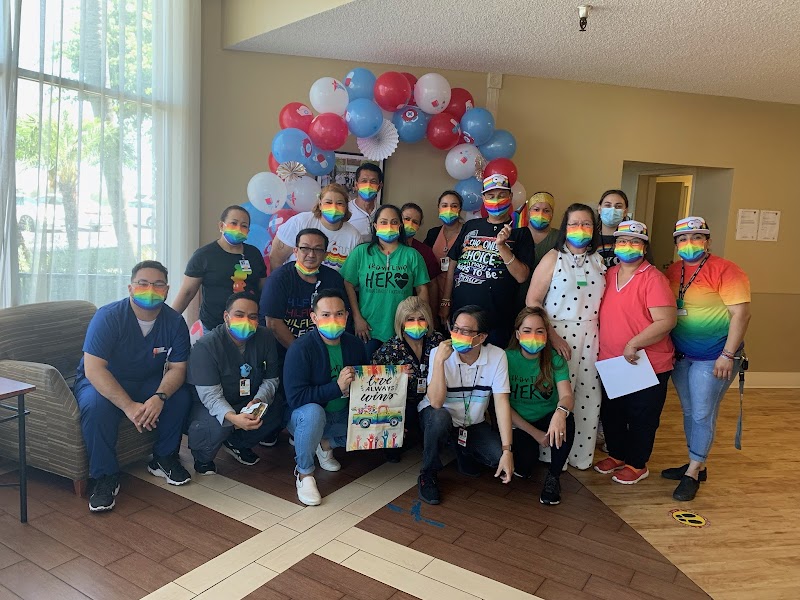
How is Rio Hondo Subacute & Nursing Center Staffed?

Staff turnover is 62%, which is 16 percentage points above the California average of 46%. High turnover can affect care consistency as new staff learn residents' individual needs. RN turnover specifically is 74%, which is notably high. RNs provide skilled clinical oversight, so turnover in this role can affect medical care quality.

What Have Inspectors Found at Rio Hondo Subacute & Nursing Center?

State health inspectors documented 165 deficiencies at RIO HONDO SUBACUTE & NURSING CENTER during 2023 to 2025. These included: 5 Immediate Jeopardy (the most serious level, indicating potential for serious harm or death), 10 that caused actual resident harm, and 150 with potential for harm. Immediate Jeopardy findings are rare and represent the most serious regulatory concerns. They require immediate corrective action.

Who Owns and Operates Rio Hondo Subacute & Nursing Center?

RIO HONDO SUBACUTE & NURSING CENTER is owned by a for-profit company. For-profit facilities operate as businesses with obligations to shareholders or private owners. The facility is operated by GENESIS HEALTHCARE, a chain that manages multiple nursing homes. With 200 certified beds and approximately 155 residents (about 78% occupancy), it is a large facility located in MONTEBELLO, California.

How Does Rio Hondo Subacute & Nursing Center Compare to Other California Nursing Homes?

Compared to the 100 nursing homes in California, RIO HONDO SUBACUTE & NURSING CENTER's staff turnover (62%) is significantly higher than the state average of 46%.

What Should Families Ask When Visiting Rio Hondo Subacute & Nursing Center?

Based on this facility's data, families visiting should ask: "What changes have been made since the serious inspection findings, and how are you preventing similar issues?" "What safeguards and monitoring systems are in place to protect residents from abuse or neglect?" "How do you ensure continuity of care given staff turnover, and what is your staff retention strategy?" "Can I visit during a mealtime to observe dining assistance and food quality?" These questions are particularly relevant given the facility's Immediate Jeopardy citations, the substantiated abuse finding on record, and the facility's high staff turnover rate.

Is Rio Hondo Subacute & Nursing Center Safe?

Based on CMS inspection data, RIO HONDO SUBACUTE & NURSING CENTER has documented safety concerns. The facility has 1 substantiated abuse finding (meaning confirmed case of resident harm by staff or other residents). Inspectors have issued 5 Immediate Jeopardy citations (the most serious violation level indicating risk of serious injury or death). The facility is currently on the Special Focus Facility watch list (a federal program monitoring the lowest-performing 1% of nursing homes nationwide). The facility has a 0-star overall rating and ranks #100 of 100 nursing homes in California. Families considering this facility should ask detailed questions about what corrective actions have been taken since these incidents.

Do Nurses at Rio Hondo Subacute & Nursing Center Stick Around?

Staff turnover at RIO HONDO SUBACUTE & NURSING CENTER is high. At 62%, the facility is 16 percentage points above the California average of 46%. Registered Nurse turnover is particularly concerning at 74%. RNs handle complex medical decisions and coordinate care — frequent RN changes can directly impact care quality. High turnover means new staff may not know residents' individual needs, medications, or preferences. It can also be disorienting for residents, especially those with dementia who rely on familiar faces. Families should ask: What is causing the turnover? What retention programs are in place? How do you ensure care continuity during staff transitions?

Was Rio Hondo Subacute & Nursing Center Ever Fined?

RIO HONDO SUBACUTE & NURSING CENTER has been fined $321,239 across 7 penalty actions. This is 8.9x the California average of $36,291. Fines at this level are uncommon and typically indicate a pattern of serious deficiencies, repeated violations, or failure to correct problems promptly. CMS reserves penalties of this magnitude for facilities that pose significant, documented risk to resident health or safety. Families should request specific documentation of what issues led to these fines and what systemic changes have been implemented.

Is Rio Hondo Subacute & Nursing Center on Any Federal Watch List?

RIO HONDO SUBACUTE & NURSING CENTER is currently on the Special Focus Facility (SFF) watch list. This federal program identifies the roughly 1% of nursing homes nationally with the most serious and persistent quality problems. SFF facilities receive inspections roughly twice as often as typical nursing homes. Factors in this facility's record include 5 Immediate Jeopardy findings, a substantiated abuse finding, and $321,239 in federal fines. Facilities that fail to improve face escalating consequences, potentially including termination from Medicare and Medicaid. Families considering this facility should ask for documentation of recent improvements and what specific changes have been made since the designation.