MONTEREY PARK CONV HOSP
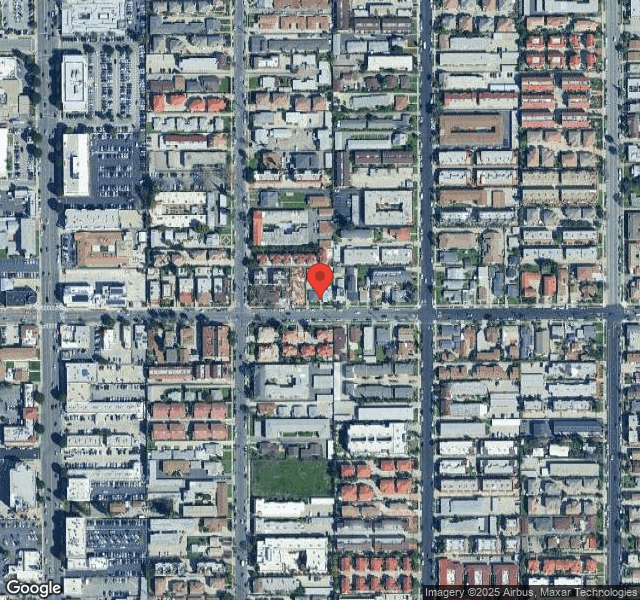
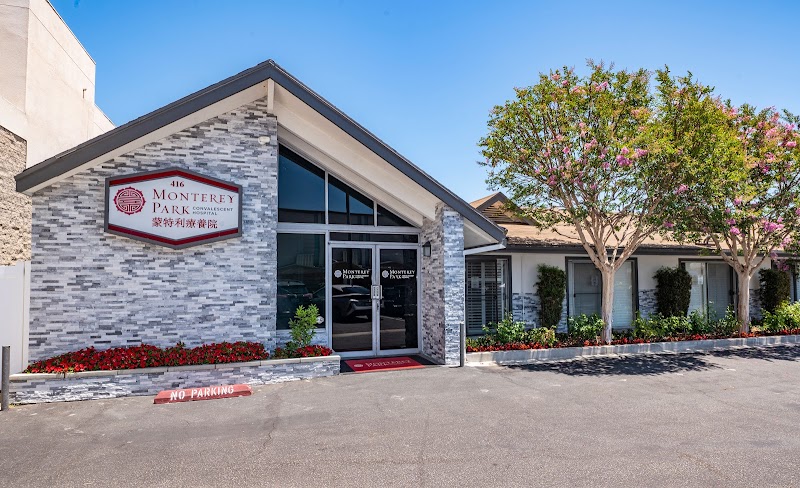
416 N GARFIELD AVE, MONTEREY PARK, CA 91754 (626) 280-0280
For profit - Limited Liability company 89 Beds DAVID & FRANK JOHNSON Data: November 2025
Trust Grade
75/100
#411 of 1155 in CA
Last Inspection: May 2025

Inspected within the last 6 months. Data reflects current conditions.

Overview

Monterey Park Conv Hospital has a Trust Grade of B, indicating it is a good choice for families seeking care, though there may be areas for improvement. It ranks #411 out of 1,155 facilities in California, placing it in the top half, and #61 out of 369 in Los Angeles County, meaning only 60 local options are better. The facility is improving, with a decrease in issues from 16 in 2024 to 13 in 2025. Staffing is a positive aspect, with a turnover rate of just 15%, well below the state average, although RN coverage is rated as average. Notably, there were some concerning inspection findings, including failure to ensure two residents received information about advance directives and an incident where a resident became trapped in bed rails, leading to injury, highlighting the need for better adherence to safety protocols. Additionally, a dietary aide did not wear proper hair restraints, which poses a risk for food contamination.

Trust Score
B
75/100
In California
#411/1155
Top 35%
Safety Record
Low Risk
No red flags
Inspections
Getting Better
16 → 13 violations
Staff Stability
✓ Good
15% annual turnover. Excellent stability, 33 points below California's 48% average. Staff who stay learn residents' needs.
Penalties
✓ Good
No fines on record. Clean compliance history, better than most California facilities.
Skilled Nurses
⚠ Watch
Each resident gets only 25 minutes of Registered Nurse (RN) attention daily — below average for California. Fewer RN minutes means fewer trained eyes watching for problems.
Violations
⚠ Watch
40 deficiencies on record. Higher than average. Multiple issues found across inspections.
★★★★☆
4.0
Overall Rating
★★★☆☆
3.0
Staff Levels
★★★★★
5.0
Care Quality
★★★☆☆
3.0
Inspection Score
Stable
2024: 16 issues
2025: 13 issues

The Good

  • 5-Star Quality Measures · Strong clinical quality outcomes
  • Low Staff Turnover (15%) · Staff stability means consistent care
  • Full Sprinkler Coverage · Fire safety systems throughout facility
  • No fines on record
  • Staff turnover is low (15%)

    33 points below California average of 48%

Facility shows strength in quality measures, staff retention, fire safety.

The Bad

Chain: DAVID & FRANK JOHNSON

Part of a multi-facility chain

Ask about local staffing decisions and management

The Ugly 40 deficiencies on record

May 2025 13 deficiencies
CONCERN (D)

Potential for Harm - no one hurt, but risky conditions existed

Resident Rights (Tag F0550)

Could have caused harm · This affected 1 resident

**NOTE- TERMS IN BRACKETS HAVE BEEN EDITED TO PROTECT CONFIDENTIALITY** Based on observation, interview and record review, the facility failed to ensure one (1) of 1 sampled resident (Resident 139) wa...

Read full inspector narrative →
**NOTE- TERMS IN BRACKETS HAVE BEEN EDITED TO PROTECT CONFIDENTIALITY** Based on observation, interview and record review, the facility failed to ensure one (1) of 1 sampled resident (Resident 139) was treated with respect and dignity in accordance with the facility policy by failing to keep the resident clean and free from food particles. This deficient practice has the potential to affect the resident's self-worth and self-esteem. Findings: During a review of Resident 139's admission Record, the admission Record indicated the resident was admitted to the facility on [DATE] with the following diagnoses of immunodeficiency (failure of the immune system to protect the body adequately from infection) and schizoaffective disorder (a mental illness that is characterized by disturbances in thought). During a review of Resident 139's Minimum Data Set (MDS - a resident assessment tool), dated 5/11/2025, the MDS indicated the resident was moderately impaired in cognitive (the ability to understand and make decisions) skills for daily decision making. The MDS also indicated the resident required partial/moderate assistance (helper does less than half the effort. Helper lifts, holds, or supports trunk or limbs, but provides less than half the effort) with oral hygiene and upper body dressing, but required substantial/maximal assistance (helper does more than half the effort. Helper lifts or holds trunk or limbs and provides more than half the effort) with toileting hygiene, shower/bathe self, lower body dressing and personal hygiene. The resident also required supervision or touching assistance (helper provides verbal cues and/or touching/steadying and/or contact guard assistance as resident completes activity. Assistance may be provided throughout the activity or intermittently) with eating. During a concurrent observation and interview in the Resident 139's room on 5/13/2025 at 8:20 AM with Registered Nurse 1 (RN 1), Resident 139 was observed with yellow and brown particles on the resident's bare chest and stomach area. Resident 139 was also observed rubbing the food particles off his body and stating he needs to get the food particles off him. RN 1 was observed picking the particles off Resident 139 and stating it was food particles on the resident. RN 1 also stated the Certified Nursing Assistant (CNA) should have cleaned the resident after the resident's meal. During an interview on 5/14/2025 at 9:48 AM, the Director of Nursing (DON) stated the resident should not have had food particles on his chest and stomach area because that is the resident's dignity. The DON also stated the CNA should have cleaned the resident after his meal. During a review of the facility's Policy and Procedure (P&P) titled Promoting/Maintaining Resident Dignity During Mealtimes, revised 12/19/2022, the P&P indicated to treat each resident with respect and dignity and care for each resident in a manner and in an environment that maintains or enhances his or her quality of life. During a review of the facility's P&P titled Accommodation of Needs, revised 12/19/2022, the P&P indicated based on individual needs and preferences, the facility will assist the resident as much as possible in maintaining and/or achieving independent functioning, dignity, and well- being to the extent possible.
CONCERN (D)

Potential for Harm - no one hurt, but risky conditions existed

Deficiency F0605 (Tag F0605)

Could have caused harm · This affected 1 resident

**NOTE- TERMS IN BRACKETS HAVE BEEN EDITED TO PROTECT CONFIDENTIALITY** Based on observation, interview and record review, the facility failed to ensure one of five sampled residents (Resident 56) psy...

Read full inspector narrative →
**NOTE- TERMS IN BRACKETS HAVE BEEN EDITED TO PROTECT CONFIDENTIALITY** Based on observation, interview and record review, the facility failed to ensure one of five sampled residents (Resident 56) psychotropic medication (substance that affect the brain's activities and influence mental processes and behaviors) was appropriate to treat the resident's specific and documented condition in accordance with the facility's policy. This deficient practice placed Resident 56 at risk for unnecessary medication and delayed provision of necessary care. Finding: During a review of Resident 56's admission Record, the admission Record indicated the resident was originally admitted to the facility on [DATE] and was readmitted on [DATE] with the following diagnoses of dementia (a progressive state of decline in mental abilities), Alzheimer's disease (a disease characterized by a progressive decline in mental abilities), depression (a mood disorder that causes a persistent feeling of sadness and loss of interest), schizophrenia (a mental illness that is characterized by disturbances in thought) and anxiety (a feeling of fear, dread, and uneasiness). During a review of Resident 56's Physician Orders, dated 1/5/2024, the Physician Orders indicated Xanax (antipsychotic-class of medication that treat mental illness) Oral Tablet 0.25 micrograms (mcg - unit of measure) give 1 tablet by mouth one time a day for anxiety as manifested by constant restlessness as evidenced by repetitive physical movement. During a review of Resident 56's Minimum Data Set (MDS - a resident assessment tool), dated 4/24/2025, the MDS indicated the resident was severely impaired in cognitive (the ability to understand and make decisions) skills for daily decision making. The MDS also indicated Resident 56 was dependent (helper does all of the effort. Resident does none of the effort to complete the activity. Or, the assistance of 2 or more helpers is required for the resident to complete the activity) with eating, oral hygiene, toileting hygiene, shower/bathe self, upper body dressing, lower body dressing, putting on/taking off footwear, personal hygiene, and chair/bed to chair transfer (the ability to transfer to from a bed to a chair or wheelchair). During a review of Resident 56's Medication Administration Record and Treatment Administration Records (MAR & TAR) - a daily documentation record used by a licensed nurse to document medications and treatments given to a resident), for the month of 5/2025, there was no documented evidence Resident 56 was monitored for constant restlessness as evidenced by repetitive physical movement for the use of Xanax. During an observation on 5/12/2025 at 8:55 AM, Resident 56 was observed sleeping in his room. During an observation on 5/13/2025 at 10 AM, Resident 56 was observed sleeping in a Geri-chair (a specialized recliner designed to provide comfort, support, and positioning for individuals, particularly those with limited mobility, who need to sit for extended periods) during activities. During an interview on 5/15/2025 at 8:58 AM, Certified Nursing Assistant 2 (CNA 2) stated Resident 56's repetitive movements is scratching. During an interview on 5/15/2025 at 9:23 AM, CNA 3 stated Resident 56's does not have any repetitive movements. During an interview on 5/15/2025 at 9:25 AM, Licensed Vocational Nurse 1 (LVN 1) stated Resident 56 does not move a lot. LVN 1 was unable to respond to the surveyor when asked to specify the resident's repetitive movements as indicated in the order for Xanax. During an interview on 5/15/2025 at 10 AM, Registered Nurse 3 (RN 3) stated Resident 56's physician order for Xanax was not specific on the repetitive movements. RN 3 also stated the LVNs, and CNAs would not know what to look for when monitoring the resident for repetitive movements. During an interview on 5/15/2025 at 10:13 AM, the Director of Nursing (DON) stated the repetitive movements need to be clarified because it is not specific on what to look for when monitoring the resident as indicated for the use of Xanax. During a review of the facility's Policy and Procedure (P&P) titled Use of Psychotropic Medications, revised 3/17/2025, the P&P indicated psychotropic medications are to be used only when a practitioner determines that the medication(s) is appropriate to treat a resident's specific, diagnosed, and documented condition and the medication (s) is beneficial to the resident, as demonstrated by monitoring and documentation of the resident's response to the medication(s).
CONCERN (D)

Potential for Harm - no one hurt, but risky conditions existed

Comprehensive Care Plan (Tag F0656)

Could have caused harm · This affected 1 resident

**NOTE- TERMS IN BRACKETS HAVE BEEN EDITED TO PROTECT CONFIDENTIALITY** Based on observation, interview and record review, the facility failed to develop an individualized resident-centered care plan ...

Read full inspector narrative →
**NOTE- TERMS IN BRACKETS HAVE BEEN EDITED TO PROTECT CONFIDENTIALITY** Based on observation, interview and record review, the facility failed to develop an individualized resident-centered care plan (a care plan that prioritizes the unique health needs and desired outcomes of the resident) with measurable objectives, timeframe, and interventions to meet the resident's oxygen needs for one (1) of 19 sampled residents (Resident 141). This deficient practice has the potential to delay in the necessary care and services for Resident 141's oxygen therapy resulting to shortness of breath or other respiratory complications. Findings: During a review of Resident 141's admission Record, the admission Record indicated the resident was admitted to the facility on [DATE] with the following diagnoses of sepsis (a life-threatening blood infection), acute respiratory failure (condition making it difficult to breathe on your own) and immunodeficiency. During a review of Resident 141's History and Physical (H&P), dated 5/9/2025, the H&P indicated the resident does not have the capacity to understand and make decisions. During a review of Resident 141's Physician Orders, dated 5/9/2025, the Physician Orders indicated oxygen via nasal cannula 1 liter (l- unit of measure; equals to 1000 milliliters) per minute, may titrate oxygen to maintain oxygen saturation ((level of oxygen found in a person's blood) greater than or equal to 95% as needed. During a concurrent observation and interview on 5/12/2025 at 9:03 AM, Resident 141 was observed not having the nasal cannula in her nostrils. Resident 141 was also observed moving around and was hyperventilating (rapid or deep breathing). Registered Nurse 5 (RN 5) was observed fixing Resident 141's nasal cannula and stated the nasal prongs should be in the nostrils, so the resident can get the oxygen as ordered. During a concurrent interview and record review on 5/14/2025 at 11:46 AM of Resident 141's care plans, RN 2 stated Resident 141 did not and should have had a care plan for oxygen use so the staff will know how and what to care for the resident. During a review of the facility's Policy and Procedure (P&P) titled, Comprehensive Care Plan, revised 12/19/2022, the P&P indicated the care plan will describe the services that are to be furnished to attain or maintain the resident's highest practicable physical, mental and psychosocial well-being. During a review of the facility's P&P titled, Oxygen Administration, revised 5/20/2024, the P&P indicated oxygen is administered to residents who need it, consistent with professional standards of practice, the comprehensive person-centered care plan, and the resident's goals and preferences.
CONCERN (D)

Potential for Harm - no one hurt, but risky conditions existed

Accident Prevention (Tag F0689)

Could have caused harm · This affected 1 resident

**NOTE- TERMS IN BRACKETS HAVE BEEN EDITED TO PROTECT CONFIDENTIALITY** Based on observation, interview, and record review, the facility failed to implement interventions to prevent injuries for two (...

Read full inspector narrative →
**NOTE- TERMS IN BRACKETS HAVE BEEN EDITED TO PROTECT CONFIDENTIALITY** Based on observation, interview, and record review, the facility failed to implement interventions to prevent injuries for two (2) of five (5) residents sampled by failing to: 1. Ensure Resident 55's feet were on a footrest while resident was seated on a wheelchair during transport. This deficient practice had the potential to cause Resident 55's feet to drag which could result in serious injuries. 2. Provide padded siderails (a barrier attached to the side of a bed) for Resident 190 who had history of seizures (burst of uncontrolled electrical activity between brain cells that causes temporary abnormalities in muscle tone or movements like stiffness, twitching or limpness). This deficient practice had the potential for Resident 190 to sustain injuries during a seizure disorder activity. Findings: 1. During a review of Resident 55's admission Record, the admission Record indicated the resident was initially admitted to the facility on [DATE] and was readmitted on [DATE] with a diagnosis that included displaced comminuted fracture (broken in multiple places) of shaft of left femur (long straight part of the thigh bone). During a review of Resident 55's Minimum Data Set (MDS- a resident assessment tool), dated 2/5/2025, the MDS indicated Resident 55 had severe impairment in cognitive (mental action or process of acquiring knowledge and understanding) skills for daily decision making. The MDS also indicated Resident 55 was dependent (helper does all the effort) with toileting hygiene, shower and required substantial/maximal assistance (helper does more than half the effort) with lower body dressing and putting on/taking off footwear. The MDS further indicated Resident 55 required partial/moderate assistance (helper does less than half the effort) with upper body dressing and personal hygiene and required supervision (helper provides cues) with eating and oral hygiene. During an observation on 5/12/2025 at 10:34 AM, Resident 55 was seen seated on a wheelchair with resident's feet on the floor while being pushed down the hallway by Certified Nursing Assistant 5 (CNA 5). The wheelchair's footrest was observed at the bottom of the wheelchair which was folded back and not used during transport. During an interview on 5/14/2025 at 10:53 AM, CNA 5 stated the wheelchairs footrest should be used to prevent Resident 55's feet from touching the floor to avoid injuries during transport. During an interview on 5/14/2025 at 12:44 PM, Registered Nurse 3 (RN 3) stated CNA 5 should have used the wheelchair's footrest to prevent dragging Resident 55's feet and potentially cause injury. During a concurrent interview and record review with RN 4 on 5/15/2025 at 9:43 AM, RN 4 stated the facility's policy and procedure on accidents and supervision indicated that the residents' environment remains free of accident hazards as possible by implementing interventions to reduce risk. RN 4 stated this included ensuring the use of footrest when transporting residents in the wheelchair. During a review of the facility's Policy and Procedure (P&P) titled, Accidents and Supervision, revised on 12/19/2022, the P&P indicated that the residents' environment will remain as free of accident hazards as possible. The policy also indicated that each resident would receive adequate supervision and assistive devices to prevent accidents including implementing interventions to reduce hazard (s) and risk (s). 2. During a review of Resident 190's admission Record, the admission Record indicated the resident was initially admitted on [DATE] and was readmitted on [DATE] with diagnosis of epilepsy (a brain condition that cause recurring seizures, which are sudden, abnormal burst of electrical activity in the brain). During a review of Resident 190's MDS dated [DATE], the MDS indicated Resident 190 had moderate impairment in cognitive skills for daily decision making. The MDS also indicated Resident 190 was dependent with toileting hygiene, shower, lower body dressing and putting on/taking off footwear and required substantial/maximal assistance with upper body dressing and personal hygiene. The MDS further indicated Resident 190 required partial/moderate assistance with eating and oral hygiene. During a review of Resident 190's Care Plan initiated on 5/10/2025, the Care Plan indicated Resident 190 had a seizure disorder and an approach plan to protect the resident from injury. During an observation on 5/13/2025 at 2:40 PM, both of Resident 190's metal bedside rails were not padded. During a concurrent observation and interview with Resident 190 on 5/14/2025 at 8:16 AM, Resident 190's stated he only started to see the black colored pad around the metal bedside rails yesterday when he came back from having hemodialysis (a treatment to cleanse the blood of wastes and extra fluids artificially through a machine when the kidney(s) have failed). During an interview on 5/14/2025 at 10:43 AM, Licensed Vocational Nurse 2 (LVN 2) stated Resident 190 should have padded bedside rails to prevent injuries during seizure activity. During an interview on 5/14/2025 at 12:11 PM, RN 3 stated Resident 190's bedside rails should be padded to prevent any injuries during an episode of seizures. During a review of the facility's P&P titled, Seizure Precautions, revised 12/19/2022, the P&P indicated that the facility ensures a resident is protected from injury and managed in the event of a seizure according to current standards of practice. The P& P also indicated that protecting the resident from injury and complications is paramount in seizure management.
CONCERN (D)

Potential for Harm - no one hurt, but risky conditions existed

Respiratory Care (Tag F0695)

Could have caused harm · This affected 1 resident

**NOTE- TERMS IN BRACKETS HAVE BEEN EDITED TO PROTECT CONFIDENTIALITY** Based on observation, interview and record review, the facility failed to provide the necessary respiratory care services to one...

Read full inspector narrative →
**NOTE- TERMS IN BRACKETS HAVE BEEN EDITED TO PROTECT CONFIDENTIALITY** Based on observation, interview and record review, the facility failed to provide the necessary respiratory care services to one (1) of one sampled resident (Resident 141) by failing to ensure the Resident 1's nasal cannula (NC - a small plastic tube, which fits into the person's nostrils [nasal prongs] for providing supplemental oxygen) for oxygen was placed correctly while the resident is receiving oxygen. This deficient practices have the potential for Resident 141 to develop complications associated with oxygen therapy. Findings: During a review of Resident 141's admission Record, the admission Record indicated the resident was admitted to the facility on [DATE] with the following diagnoses of sepsis (a life-threatening blood infection), acute respiratory failure (condition making it difficult to breathe on your own) and immunodeficiency. During a review of Resident 141's History and Physical (H&P), dated 5/9/2025, the H&P indicated the resident does not have the capacity to understand and make decisions. During a review of Resident 141's Physician Orders, dated 5/9/2025, the Physician Orders indicated oxygen via nasal cannula 1 liters [l- unit of measure; equals to 1000 milliliters]) per minute, may titrate oxygen to maintain oxygen saturation greater than or equal to 95% as needed. During a concurrent observation and interview on 5/12/2025 at 9:03 AM, Resident 141 was observed not having the NC prongs in her nostrils. Resident 141 was also observed moving around and hyperventilating (rapid or deep breathing). Registered Nurse 5 (RN 5) was observed fixing Resident 141's NC and stated the nasal prongs should be in Resident 141'snostrils, so the resident can get the oxygen as ordered. During an interview on 5/14/2025 at 11 AM, the Director of Nursing (DON) stated the nasal cannula/ nasal prongs should be placed in the nostrils of the resident so the resident can get the oxygen as ordered. During a review of the facility's Policy and Procedure (P&P) titled Oxygen Administration, revised 5/20/2024, the P&P indicated the equipment needed for oxygen administration will depend on the type of delivery system ordered such as NC - oxygen is administered through plastic cannulas in the nostril.
CONCERN (D)

Potential for Harm - no one hurt, but risky conditions existed

Deficiency F0698 (Tag F0698)

Could have caused harm · This affected 1 resident

**NOTE- TERMS IN BRACKETS HAVE BEEN EDITED TO PROTECT CONFIDENTIALITY** Based on observation, interviews, and record reviews, the facility failed to ensure hemodialysis (a treatment to cleanse the blo...

Read full inspector narrative →
**NOTE- TERMS IN BRACKETS HAVE BEEN EDITED TO PROTECT CONFIDENTIALITY** Based on observation, interviews, and record reviews, the facility failed to ensure hemodialysis (a treatment to cleanse the blood of wastes and extra fluids artificially through a machine when the kidney[s] have failed) care was provided for one (1) of two (2) sampled residents (Resident 190) when: 1. A pitcher full of water and a 64 ounce (oz- unit of measurement) bottled watermelon cucumber juice was left at Resident 190's bedside table. 2. A 1000 cubic centimeters (cc - units of volume on liquids) per 24 hours fluid restriction sign was not posted inside Resident 190's room. 3. A precaution sign not to use left arm with the arteriovenous shunt (AV- a surgical connection between an artery and a vein used for hemodialysis) for blood pressure [BP] reading, intravenous (IV- within the vein) access and laboratory sticks were not posted inside the room. These deficient practices had the potential to place Resident 190 at risk for fluid overload (a condition where the body has too much fluid) and complications from using left arm AV shunt site for BP, IV, and laboratory sticks. Findings: During a review of Resident 190's admission Record, the admission Record indicated the resident was initially admitted on [DATE] and was readmitted on [DATE] with diagnosis of End Stage Renal Disease (ESRD - irreversible kidney failure) with dependence on renal hemodialysis. During a review of Resident 190's Care Plan initiated on 4/17/2025, the Care Plan indicated Resident 190 required hemodialysis related to renal failure and an approach plan for 1000 cc fluid restriction per day which included the breakdown as follows: 1. Dietary: 480 cc/day 2. Nursing: 520 cc/day During a review of Resident 190's Minimum Data Set (MDS- a resident assessment tool), dated 4/25/2025, the MDS indicated Resident 190 had moderate impairment in cognitive (mental action or process of acquiring knowledge and understanding) skills for daily decision making. The MDS also indicated Resident 190 was dependent (helper does all the effort) with toileting hygiene, shower, lower body dressing and putting on/taking off footwear and required substantial/maximal assistance (helper does more than half the effort) with upper body dressing and personal hygiene. The MDS further indicated Resident 190 required partial/moderate assistance (helper does less than half the effort) with eating and oral hygiene. During a review of Resident 190's physicians order dated 5/3/2025 at 9:30 AM, the physicians order indicated fluid restriction for 1000 cc per day with the following breakdown as follows: 1. Dietary: 480 cc/day (breakfast: 240 cc, lunch: 120 cc, and dinner: 120 cc) 2. Nursing: 520 cc/day (7-3 shift: 200 cc, 3-11 shift: 200 cc, and 11-7 shift:120 cc) During an observation on 5/12/2025 at 8:42 AM, Resident 190 was in bed with a left arm AV shunt and no sign posted inside the room to indicate not to take blood pressure or blood draw on the left arm and a sign to indicate fluid restriction. Resident 190 was observed with a full pitcher of water (approximately 946 cc) and 64 fluid oz of bottled watermelon cucumber juice at bedside with approximately 1/8 of the content left. During an interview on 5/13/2025 at 9:41 AM, Resident 190 stated the facility staff provided water to him but was not limited to how much he could drink. During an interview on 5/14/2025 at 8:08 AM, Certified Nursing Assistant 6 (CNA 6) stated she does not measure Resident 190's fluid intake. CNA 6 stated she was aware Resident 190 was on fluid restriction but did not know how much. CNA 6 also stated Resident 190 was on fluid restriction due to poor kidney function. CNA 6 further stated fluids could go to Resident 190's lungs and complicate the situation which could end up with the resident hospitalized if given too much fluid. During another interview on 5/14/2025 at 8:16 AM, Resident 190 stated the facility staff does not measure how much he drinks and was not aware how much he was allowed to drink. Resident 190 also stated he only drinks whatever was provided to him. During an interview on 5/14/2025 at 10:40 AM, Licensed Vocational Nurse 2 (LVN 2) stated Resident 190's fluid intake should be accurately monitored to prevent fluid overload. During an interview on 5/14/2025 at 12:20 PM, Registered Nurse 3 (RN 3) stated Resident 190 should never have a full pitcher of water at bedside and fluid intakes should be monitored accurately to prevent fluid overload. RN 3 also stated that a fluid restriction sign should be posted inside resident's room including a sign not to use the arm where the AV shunt was for BP, IV access and laboratory sticks for residents with AV shunts. During an interview on 5/15/2025 at 3:49 PM, CNA 7 stated Resident 190's AV shunt was on the right arm and takes the residents blood pressure on the left arm. CNA 7 was aware of Resident 190's fluid restriction but did not know how much. CNA 7 also stated it would be helpful to have a sign posted inside Resident 190's room which arm not to do BP, and a sign posted how much fluid the resident was restricted. During a review of the facility's Policy and Procedure (P&P) titled, Hemodialysis, revised on 6/5/2023, indicated that the facility will provide the necessary care and treatment, consistent with professional standards of practice, physician orders, the comprehensive person-centered care plan, and the residents goals and preferences, to meet the special medical, nursing, mental, and psychological needs of residents receiving hemodialysis. The P&P also indicted guidelines which included that the resident will not receive blood pressure or laboratory sticks on the arm where the dialysis access device is located.
CONCERN (E)

Potential for Harm - no one hurt, but risky conditions existed

Deficiency F0578 (Tag F0578)

Could have caused harm · This affected multiple residents

**NOTE- TERMS IN BRACKETS HAVE BEEN EDITED TO PROTECT CONFIDENTIALITY** Based on interview and record review, the facility failed to follow its Advance Directive (a legal document indicating resident ...

Read full inspector narrative →
**NOTE- TERMS IN BRACKETS HAVE BEEN EDITED TO PROTECT CONFIDENTIALITY** Based on interview and record review, the facility failed to follow its Advance Directive (a legal document indicating resident preference on end-of-life treatment decisions) policy to ensure the residents receive information to formulate an advance directive for two (2) of two sampled residents (Resident 139 and 141). This deficient practice had the potential for Resident 139 and 141 to not have their wishes met regarding life-sustaining treatment (any treatment that serves to prolong life without reversing the underlying medical condition) or health care. Findings: 1. During a review of Resident 139's admission Record, the admission Record indicated the resident was admitted to the facility on [DATE] with the following diagnoses of immunodeficiency (failure of the immune system to protect the body adequately from infection) and schizoaffective disorder (a mental illness that is characterized by disturbances in thought). During a review of Resident 139's Minimum Data Set (MDS - a resident assessment tool), dated 5/11/2025, the MDS indicated the resident was moderately impaired in cognitive (the ability to understand and make decisions) skills for daily decision making. The MDS also indicated the resident required partial/moderate assistance (helper does less than half the effort. Helper lifts, holds, or supports trunk or limbs, but provides less than half the effort) with oral hygiene and upper body dressing, but required substantial/maximal assistance (helper does more than half the effort. Helper lifts or holds trunk or limbs and provides more than half the effort) with toileting hygiene, shower/bathe self, lower body dressing and personal hygiene. During a record review of Resident 139's medical chart and electronic health record on 5/13/2025 at 8:42 AM, there was no advance directive acknowledgement in the resident's medical chart and electronic health record . During a concurrent record review of Resident 139's chart and interview on 5/14/2025 at 9:34 AM, the Social Services Director (SSD) stated the advance directive acknowledgement was not and should have been done within 72 hours of admission. The SSD also stated it is important to provide the resident with information to formulate an advance directive; in case of an emergency, the facility will know what type of care to provide for the resident. 2. During a review of Resident 141's admission Record, the admission Record indicated the resident was admitted to the facility on [DATE] with the following diagnoses of sepsis (a life-threatening blood infection), acute respiratory failure (condition making it difficult to breathe on your own) and immunodeficiency. During a review of Resident 141's History and Physical (H&P), dated 5/9/2025, the H&P indicated the resident does not have the capacity to understand and make decisions. During a record review of Resident 141's chart/electronic record on 5/13/2025 at 9:31 AM, there was no advance directive acknowledgement in the chart/electronic record. During a concurrent record review of Resident 141's medical chart and electronic health record and interview on 5/14/2025 at 9:40 AM, the Social Services Director (SSD) stated the advance directive acknowledgement was not and should have been done within 72 hours of admission. The SSD also stated it is important to provide the resident with information to formulate an advance directive; in case of an emergency, the facility will know what type of care to provide for the resident. During a concurrent record review and interview on 5/14/2025 at 10:20 AM, the DON, the facility's Policy and Procedure (P&P) titled Resident Rights Regarding Treatment and Advance Directive, revised 12/19/2022 was reviewed. The P&P indicated on admission, the facility will determine if the resident has executed an advance directive, and if not, determine whether the resident/resident representative would like to formulate an advance directive. The DON stated the advance acknowledgment form should be done within 72 hours of admission as indicated in the policy, so the facility may know the type of care to provide for the resident.
CONCERN (E) 📢 Someone Reported This

A family member, employee, or ombudsman was alarmed enough to file a formal complaint

Potential for Harm - no one hurt, but risky conditions existed

Deficiency F0700 (Tag F0700)

Could have caused harm · This affected multiple residents

**NOTE- TERMS IN BRACKETS HAVE BEEN EDITED TO PROTECT CONFIDENTIALITY** Based on observation, interview, and record review, the facility failed to ensure the proper use and follow the physician's orde...

Read full inspector narrative →
**NOTE- TERMS IN BRACKETS HAVE BEEN EDITED TO PROTECT CONFIDENTIALITY** Based on observation, interview, and record review, the facility failed to ensure the proper use and follow the physician's order for use of bed rails (are adjustable metal or rigid plastic bars that attach to the bed) for six (6) of 6 sampled residents (Resident 1, 2, 17, 26, 56 and 69), as indicated in the facility's policy and procedure. This deficient practice had the potential to place Residents 2, 17, 26, 56 and 69 at risk for entrapment (residents becomes caught or trapped in spaces around a bed rail) which could result in injury and death. This deficient practice resulted in Resident 1 getting trapped on the bed rails on 3/25/2025, wherein Resident 1's stomach was caught on the side rail (middle section of the bed) with the resident's upper body off the bed with his head touching the floor, while his lower body was on the bed, and Resident 1 sustaining a half centimeter (cm, unit of measure) cut on the nose bridge. Findings: 1. During a review of Resident 56's admission Record, the admission Record indicated the resident was originally admitted to the facility on [DATE] and was readmitted on [DATE] with the following diagnoses of dementia (a progressive state of decline in mental abilities), Alzheimer's disease (a disease characterized by a progressive decline in mental abilities), depression (a mood disorder that causes a persistent feeling of sadness and loss of interest), schizophrenia (a mental illness that is characterized by disturbances in thought) and anxiety (a feeling of fear, dread, and uneasiness). During a review of Resident 56's Care Plan with focus on Side Rails Management, revised 1/30/2025, the Care Plan indicated to check bed, mattress and rail for appropriateness. During a review of Resident 56's Minimum Data Set (MDS - a resident assessment tool), dated 4/24/2025, the MDS indicated the resident was severely impaired in cognitive (the ability to understand and make decisions) skills for daily decision making. The MDS also indicated Resident 56 was dependent (helper does all of the effort. Resident does none of the effort to complete the activity or the assistance of 2 or more helpers is required for the resident to complete the activity) with eating, oral hygiene, toileting hygiene, shower/bathe self, upper body dressing, lower body dressing, putting on/taking off footwear, personal hygiene, and chair/bed to chair transfer (the ability to transfer to from a bed to a chair or wheelchair) During a review of Resident 56's Physician's Order, dated 5/5/2025, the Physician's Order indicated bilateral quarter length side rails up per family request. Monitor resident every shift for appropriate position/movement while in bed that may contribute for possible entrapment. During an observation on 5/12/2025 at 8:55 AM, Resident 56 was lying in bed with the right and left side rails up in the middle section of the bed. During a concurrent interview and record review on 5/14/25 at 12:08 PM, RN 2 stated Resident 2's physician's order which indicated use of bilateral quarter length side rail was not followed. RN 2 stated a doctor's order is needed for the use of right and left side rails up in the middle section of the bed. 2. During a review of Resident 2's Admisison Record, the admission Record indicated the resident was originally admitted to the facility on [DATE] and was readmitted on [DATE] with the following diagnoses of dementia and osteoporosis (weak and brittle bones due to lack of calcium and Vitamin D). During a review of Resident 2's Physician's Order, dated 6/1/2022, the Physician's Order indicated Side Rails Length: ¼ Location: Bilateral, right side, left side. Monitor resident every shift for appropriate position/movement while in bed. During a review of Resident 2's Care Plan with focus on Side rails management, revised 11/18/2023, the Care Plan indicated to check bed, mattress and rail for appropriateness. During a review of Resident 2's MDS, dated [DATE], the MDS indicated the resident was severely impaired in cognitive skills for daily decision making. The MDS also indicated Resident 2 required substantial/maximal assistance (helper does more than half the effort. Helper lifts or holds trunk or limbs and provides more than half the effort.) with oral hygiene, toileting hygiene, shower/bathe self, upper body dressing, lower body dressing, personal hygiene and chair/bed to chair transfer. During an observation on 5/12/2025 at 9:44 AM, Resident 2 was lying in bed with the right and left side rails up in the middle section of the bed. 3. During a review of Resident 69 admission Record, the admission Record indicated the resident was admitted to the facility on [DATE] with the following diagnoses of dementia and hemiplegia (total paralysis of the arm, leg, and trunk on the same side of the body). During a review of Resident 69's Physician Orders, dated 1/22/2025, the Physician Orders indicated bilateral quarter length bed rails up to assist with mobility, turning and repositioning by providing a grasp every shift check resident for position or movement in bed that may contribute to possible entrapment. During a review of Resident 69's MDS, dated [DATE], the MDS indicated the resident was severely impaired in cognitive skills for daily decision making. The MDS also indicated Resident 69 was dependent with eating oral hygiene, toileting hygiene, shower/bathe self, upper body dressing, lower body dressing, putting on/taking off foot wear, personal hygiene and chair/bed to chair transfer. During a review of Resident 69's Care Plan with focus on Side Rails Management, revised 5/11/2025, the Care Plan indicated to check bed, mattress and rail for appropriateness. 4. During a review of Resident 1's admission Record, the admission Record indicated the resident was admitted to the facility on [DATE] with the following diagnoses of dementia and sepsis (a life-threatening blood infection). During a review of Resident 1's Physician Orders, dated 4/25/2025, the Physician Orders indicated bilateral quarter length assist side rails to assist to turn and reposition by providing a grasp every shift monitor resident for appropriate position/movement while in bed that may contribute to possible entrapment. During a review of Resident 1's MDS, dated [DATE], the MDS indicated the resident is severely impaired in cognitive skills for daily decision making. The MDS also indicated Resident 1 required substantial/maximal assistance with toileting hygiene, lower body dressing, putting on/taking off footwear, personal hygiene and chair/bed to chair transfer but is dependent with shower/bathe self. During a review of Resident 1's Care Plan with focus on Side rails management, revised 5/13/2025, the Care Plan indicated check bed, mattress and rail for appropriateness. During an interview on 5/14/2025 at 8:15 AM, RN 5 stated on 3/21/2025 at 3pm when doing rounds, RN 5 found Resident 1 with his stomach caught on the side rail (middle section of the bed) with the resident's upper body off the bed with his head touching the floor, while his lower body was on the bed. RN 5 also stated Resident 1 sustained a half centimeter (cm, unit of measure) cut on the nose bridge. During an interview on 5/14/2025 at 4:10 PM, RN 2 stated Resident 1, 2, 56 and 69's physician order was not followed because the bed side rails were ½ up when the order says ¼ up. 5. During a review of Resident 17's admission Record, the admission Record indicated the resident was admitted to the facility on [DATE] with diagnoses that included repeated falls, fracture of left femur (thigh bone) and multiple fractures of the pelvis (bony structures that support the hips and lower body). During a review of Resident 17's MDS, dated [DATE], the MDS indicated Resident 17 had severe impairment in cognitive skills for daily decision making. The MDS also indicated Resident 17 was dependent (helper does all the effort) eating, oral, toileting and personal hygiene, shower, upper and lower body dressing and putting on/taking off footwear. During a review of Resident 17's physicians order, dated 2/10/2025 at 9:11 PM, the physicians order indicated bilateral quarter length assist siderail up to assist to turn and reposition by providing a grasp. During an observation on 5/12/2025 at 7:58 AM, Resident 17 was in bed sleeping with both right and left half side rail located in the middle section of the bed During a concurrent interview and record review on 05/14/25 at 12:32 PM, Registered Nurse 3 (RN 3) stated the physicians order for Resident 17 was to use a quarter side rail not half side rail. RN 3 stated the physicians order should be followed. RN 3 also stated Resident 3 would be more prone to injuries if the resident tries to climb out of the side rails. RN 3 also confirmed the bed rail assessment does not address the risk for entrapment and should be included. During an interview on 5/15/2025 at 9:37 AM, RN 4 stated the facility staff did not follow the physicians order for Resident 3 to use quarter side rails. 6. During a review of Resident 26's admission Record, the admission Record indicated the resident was admitted to the facility on [DATE] with diagnosis of Dementia (a progressive state of decline in mental abilities). During a review of Resident 26's physicians order dated 4/6/2022 at 4:46 PM, the physicians order indicated an order for bilateral quarter length side rail. The physicians' order also indicated its use was to assist Resident 26 to turn by providing a grasp. During a review of Resident 26's MDS, dated [DATE], the MDS indicated Resident 26 had severe impairment in cognitive skills for daily decision making. The MDS also indicated Resident 26 was dependent on shower and required substantial/maximal assistance (helper does more than half the effort) with eating, oral, toileting and personal hygiene, upper and lower body dressing and putting on/taking off footwear. During an observation on 5/12/2025 at 3:16 PM, Resident 26 was in bed sleeping with both right and left half side rail located in the middle section of the bed were used. During a concurrent interview and record review on 5/14/25 at 3:03 PM, the Director of Nursing (DON) confirmed that half side rails were used for Resident 17 and 26 instead of quarter side rails as ordered. During a concurrent observation and interview on 5/15/25 at 9:54 AM, Certified Nursing Assistant 8 (CNA 8) did not know what the quarter side rail from the half side rail was. CNA 8 identified the quarter side rail as half side rail and the half side rail as full side rail. During a review of the facility's Policy and Procedure (P&P) titled, Proper Use of Bed Rails, revised 12/19/2022, indicated that it is the policy of the facility to utilize a person-centered approach when determining the use of bed rails. The policy also stated that if the bed rails were used, the facility was to ensure correct installation, use, and maintenance of the rails. During a review of the facility's P&P titled Provision of Physician Ordered Services, revised 5/15/2023, the P&P indicated to provide a reliable process for the proper and consistent provision of physician ordered services according to professional standards of quality.
CONCERN (E)

Potential for Harm - no one hurt, but risky conditions existed

Food Safety (Tag F0812)

Could have caused harm · This affected multiple residents

Based on observation, interviews, and record review, the facility failed to ensure Dietary Aide 1 (DA 1) wore hair restraint (worn by food handlers to avoid hair getting into the food) to cover mustac...

Read full inspector narrative →
Based on observation, interviews, and record review, the facility failed to ensure Dietary Aide 1 (DA 1) wore hair restraint (worn by food handlers to avoid hair getting into the food) to cover mustache and beard while in the kitchen and food storage areas. This deficient practice had the potential to result in cross contamination (transfer of harmful bacteria [tiny, single-celled living things that are found everywhere, including in and on your body] from one place to another) and harmful bacterial growth that could lead to illness for 69 of 80 medically compromised residents who receive food from the kitchen. Findings: During a concurrent observation and interview on 5/14/2025 at 10:35 AM in the kitchen, with the Dietary Service Supervisor (DSS) and DA 1, DA 1 was observed with mustache and beard and was not wearing beard mask. DA 1 stated he forgot to wear a beard mask today. DSS and DA 1 stated hair could fall into the food and could cause food contamination. DSS and DA 1 stated it was important to wear a beard mask while in the kitchen and storage areas to prevent the spread of germs (a microorganism that causes disease or illness). DSS stated that residents could get sick and potentially lead to hospitalization. During a review of the facility's Policy and Procedures (P&P) titled Food Safety and Food Storage revised 11/4/2024, the P&P indicated, staff shall adhere to safe hygienic practices to prevent contamination of foods from hands or physical objects. The P&P further indicated that Dietary staff must wear hair restraints (e.g., hair net, hat, and/or beard restraint) to prevent hair from contacting food.
CONCERN (E)

Potential for Harm - no one hurt, but risky conditions existed

Infection Control (Tag F0880)

Could have caused harm · This affected multiple residents

**NOTE- TERMS IN BRACKETS HAVE BEEN EDITED TO PROTECT CONFIDENTIALITY** 3. During a review of Resident 56's admission Record, the admission Record indicated the resident was originally admitted to the...

Read full inspector narrative →
**NOTE- TERMS IN BRACKETS HAVE BEEN EDITED TO PROTECT CONFIDENTIALITY** 3. During a review of Resident 56's admission Record, the admission Record indicated the resident was originally admitted to the facility on [DATE] and was readmitted on [DATE] with the following diagnoses of dementia (a progressive state of decline in mental abilities), Alzheimer's disease (a disease characterized by a progressive decline in mental abilities), depression (a mood disorder that causes a persistent feeling of sadness and loss of interest), and osteoarthritis (a progressive disorder of the joints, caused by a gradual loss of cartilage). During a review of Resident 56's Minimum Data Set (MDS - a resident assessment tool), dated 4/24/2025, the MDS indicated the resident was severely impaired in cognitive (the ability to understand and make decisions) skills for daily decision making. The MDS also indicated Resident 56 was dependent (helper does all of the effort. Resident does none of the effort to complete the activity or the assistance of 2 or more helpers is required for the resident to complete the activity) with eating, oral hygiene, toileting hygiene, shower/bathe self, upper body dressing, lower body dressing, putting on/taking off footwear, personal hygiene, and chair/bed to chair transfer (the ability to transfer to from a bed to a chair or wheelchair). During an observation on 5/15/2025 at 9:08 AM, Certified Nursing Assistant 1 (CNA 1) was observed providing peri-care to Resident 56. CNA 1 did not change gloves and did not perform hand hygiene after providing peri-care to Resident 56. CNA 1 using the same set of gloves was observed touching Resident 56's bed sheets and the resident's body. During an interview on 5/15/2025 at 9:16 AM, CNA 1 stated she should have removed her gloves, performed hand hygiene and changed gloves prior to touching Resident 56's bed sheets and body to prevent the spread of infection. 4. During a review of Resident 69 admission Record, the admission Record indicated the resident was admitted to the facility on [DATE] with the following diagnoses of dementia and immunodeficiency (failure of the immune system to protect the body adequately from infection). During a review of Resident 69's MDS, dated [DATE], the MDS indicated the resident was severely impaired with cognitive skills for daily decision making. The MDS also indicated Resident 69 was dependent with eating, oral hygiene, toileting hygiene, shower/bathe self, upper body dressing, lower body dressing, putting on/taking off footwear, personal hygiene, and chair/bed to chair transfer. During an observation on 5/15/2025 at 8:16 AM, CNA 1 was observed providing peri-care to Resident 69. CNA 1 did not change gloves and did not perform hand hygiene after providing peri-care to Resident 69. CNA 1 using the same set of gloves was observed applying lotion to Resident 69's whole body. During an interview on 5/15/2025 at 9:16 AM, CNA 1 stated she should have removed her gloves, performed hand hygiene and changed gloves prior to touching Resident 69 and applying lotion to the resident. CNA 1 stated it is to prevent the spread of infection. 5. During a review of Resident 141's admission Record, the admission Record indicated the resident was admitted to the facility on [DATE] with the following diagnoses of sepsis (a life-threatening blood infection), acute respiratory failure (condition making it difficult to breathe on your own) and immunodeficiency. During a review of Resident 141's History and Physical (H&P), dated 5/9/2025, the H&P indicated the resident does not have the capacity to understand and make decisions. During a concurrent observation and interview on 5/14/2025 at 9:28 PM, CNA 4 was observed providing peri-care to Resident 141. CNA 4 did not change gloves and did not perform hand hygiene after providing peri-care to Resident 141. CNA 4 using the same set of gloves was observed touching Resident 141's bed sheets, hand and body. CNA 4 stated she should have removed her gloves, performed hand hygiene and changed gloves prior to touching Resident 141's bed sheets, hand and body to prevent the spread of infection During an interview on 5/15/2025 at 11:19 AM, the Infection Preventionist Nurse (IP) stated the CNAs should have removed her gloves, perform hand hygiene, and put on new gloves. IPN also stated the CNAs should not have touched the residents bed sheets, surfaces, and body after providing peri-care to a resident because it can spread infection. During a review of the facility's Policy and Procedure (P&P) titled Hand Hygiene, revised 12/19/2022, the P&P indicated hand hygiene is indicated and will be performed under the conditions listed in, but not limited to: 1. After assistance with personal body functions such as elimination. The P&P also indicated the use of gloves does not replace hand hygiene. If the task requires gloves, perform hand hygiene prior to donning gloves, and immediately after removing gloves. Based on observation, interview, record review, the facility failed to ensure standard infection prevention control practices (a set of practices that prevent or stop the spread of infections and or diseases in the healthcare setting) were followed for five (5) of seven (7) residents sampled for infection control care areas (Resident 49, 50, 56, 69 and 141) and in accordance with the facility's policy and procedure when: 1.a Licensed Vocational Nurse (LVN) 3 failed to don (putting on) an isolation gown prior to entering Resident 49's room who was on a Transmission Based Precaution (TBP - refers to actions [precautions] implemented in addition to standard precautions that are based upon the means of transmission [airborne, contact, and droplet] to prevent or control infections). 1.b Resident 49 who was on TBP was transported and left in the dining room area for activities on 5/12/2025 by Certified Nursing Assistant 9 (CNA 9). 2.a. LVN 2 failed to change gloves and perform hand hygiene (the process of cleaning and disinfecting hands to remove dirt, and germs) after touching multiple surfaces of Resident 50 who was on enhanced barrier precautions (EBP-refers to an infection control intervention designed to reduce transmission of multidrug resistant organisms [MDROs-bacteria that have become resistant to multiple antibiotics, making it difficult to treat infections they cause] that employs targeted gown and glove use during high contact resident care activities). 2.b. LVN 2 failed to change gloves and perform hand hygiene after giving medications via gastrostomy tube (GT-a surgical opening fitted with a device to allow feedings, fluids, and medications to be administered directly to the stomach common for people with swallowing problems)and before administering insulin (a hormone that helps regulate blood sugar levels, typically administered via subcutaneous injection [given into the layer of fat just below the skin]) injection. 3.4., and 5. Facility failed to ensure facility staff doff (take off) Personal Protective Equipment (PPE; protective clothing, goggles, or other garments to prevent or minimize exposure to and spread of infection or illness) and perform hand hygiene (cleaning hands to prevent germs) after providing peri-care (cleaning the genitals and anal area) to Residents 56, 69, and 141). These deficient practices have the potential to spread infection to staff and residents. Findings: 1.a. During a review of Resident 49's admission Record, the admission Record indicated the resident was admitted to the facility on [DATE] with a diagnosis that included scoliosis (sideways curve of a spine) and osteoarthritis (a progressive disorder of the joints, caused by a gradual loss of cartilage). During a review of Resident 49's Minimum Data Set (MDS- a resident assessment tool), dated 2/5/2025, the MDS indicated Resident 49 had moderate impairment in cognitive (mental action or process of acquiring knowledge and understanding) skills for daily decision making. The MDS also indicated Resident 49 required partial/moderate assistance (helper does less than half the effort) with toileting, shower, lower body dressing and putting on and taking off footwear and required supervision (helper provides cues) with eating, oral and personal hygiene, and upper body dressing. During a review of Resident 49's Care Plan initiated on 5/10/2025, the Care Plan indicated the Resident has ESBL of the urine with an approach plan to use contact isolation. During a review of Resident 49's physicians order dated 5/11/2025 at 1:22 PM, the physicians order indicated contact isolation for the resident until 5/17/2025 at 11:59 PM for extended-spectrum beta-lactamase (ESBL, are enzymes produced by some bacteria's that may make them resistant to some antibiotics) of the urine. During an observation on 5/13/2025 at 10:55 AM, Licensed Vocational Nurse 3 (LVN 3) entered Resident 49's room without wearing an isolation gown. During an interview on 5/14/2025 at 12:58 PM, the Infection Prevention Nurse (IPN) confirmed Resident 49 has ESBL of the urine. The IPN stated LVN 3 should have worn an isolation gown before going inside the resident's room to protect her and other residents from contracting the infection. During an interview on 5/14/2025 at 1:06 PM, LVN 3 stated she should have used an isolation gown because the resident is a contact isolation for ESBL of the urine and to prevent the spread of infection to others. During an interview on 5/15/2025 at 9:49 AM, the Director of Nursing (DON) stated that LVN 3 should have worn an isolation gown to protect herself from getting the infection and to prevent spreading the infection to other residents. 1.b During an observation on 5/12/2025 at 10:29 AM, Resident 49 was taken by CNA 9 to the dining room area for activities from the resident's room by wheelchair. During an interview on 5/14/2025 at 12:58 PM, the IPN stated Resident 49 should not have been brought to the dining room by CNA 9 to prevent potential spread of her infection to other residents, staff, and/ or visitors. During an interview on 5/15/2025 at 9:49 AM, the DON stated Resident 49 should not have been brought to the dining room with other residents since the resident could infect other people in the dining room. During a review of the facility's Policy and Procedure (P&P) titled, Transmission -Based Precautions, revised 7/18/2023, the P&P indicated that the facility was to take appropriate precautions to prevent transmission of pathogen, based on the pathogens' mode of transmission. The policy also indicated that residents on TBP should remain in their rooms except for medically necessary care. The policy further indicated that healthcare personnel caring for the residents on contact precautions wear a gown and gloves for all interactions that may involve contact with the resident or potentially contaminated areas in the resident's environment. 2.During a review of Resident 50's admission Record, the admission Record indicated the facility admitted Resident 50 on 9/25/2020 with diagnoses including, but not limited to, diabetes mellitus (DM-a disorder characterized by difficulty in blood sugar control and poor wound healing), long term use of insulin, malnutrition (a condition that occurs when the body does not receive enough nutrients or calories to function properly), and presence of GT to administer the medications and water flush. During a review of Resident 50's MDS, dated [DATE], the MDS indicated Resident 50 had severe impairment with cognitive (the mental process that takes place in the brain, including, thinking, attention, language learning, memory, and perception) skills for daily decision making. The MDS also indicated Resident 50 required partial/moderate assistance (Helper does less than half the effort. Helper lifts, holds, or supports trunk or limbs, but provide less that half the effort) with upper body dressing. The MDS indicated Resident 50 required substantial/maximal assistance (Helper does more than half the effort. Helper lifts or holds trunks or limbs and provides more than half the effort) with eating, oral and personal hygiene, lower body dressing, and putting on/taking off footwear. The MDS further indicated Resident 50 was dependent (Helper does all the effort. Resident does none of the effort to complete the activity, or the assistance of two or more helpers is required for the resident to complete the activity) with toileting hygiene and shower or bathing self. During a review of Resident 50's Care Plan focused on GT site and continuous GT feeding, and EBP due to use of GT, initiated on 1/24/2025, the Care Plan indicated interventions which included applying enhanced barrier to prevent spread of infections for specific care activities such as caring for devices and giving medical treatments. The Care Plan also indicated following facility policy and procedures on EBP, follow EBP for the duration of use of the GT initiated on 5/24/2024. During an observation on 5/14/2025 at 8:22 AM outside Resident 50's room, LVN 2 was observed preparing Resident 50's medications. LVN 2 entered Resident 50's room with the medications. LVN 2 then grabbed the privacy curtain located between Bed A and Bed B. LVN 2 was then observed grabbing the privacy curtain by Bed A without changing gloves and performing hand hygiene. LVN 2 then proceeded to touch Resident 50's GT feeding pump (a device that delivers liquid formula or medication through a GT. It controls the rate and amount of the delivery, ensuring the patient receives the correct dosage and prevents complications) to turn it off, took out the GT feeding syringe (used to feed a resident quickly, introducing a fairly large bolus per swallow or for water flushing) from its plastic cover, touched Resident 50's gown to access the GT, placed the stethoscope's (a medical instrument that allows healthcare providers to listen to sounds produced inside the body, such as heartbeat, lung and bowel sounds, for diagnostic purposes) earpiece to LVN 2's ears and stethoscope diaphragm (circular end of the chest piece) to Resident 50's abdomen to check GT patency (condition of being unobstructed) and placement. LVN 2 proceeded to administer medications via the GT and reconnected the feeding tube. LVN 2 was then observed to administer the insulin that has been prepared to Resident 50's abdomen without changing gloves and performing hand hygiene. During an interview on 5/14/2025 at 9 AM with LVN 2, LVN 2 stated she forgot to change her gloves and perform hand hygiene after touching multiple surfaces and prior to and after administering Resident 50's medications via GT and prior to administering the resident's insulin. LVN 2 stated it was important to remove used gloves and perform hand hygiene after touching multiple surfaces and donning new gloves prior to proceeding with another task. LVN 2 stated it was important to follow standard precautions and EBP to prevent the spread of MDROs to other residents and staff. LVN 2 stated that residents could become infected and get sick because of not observing standard precautions and EBP. During a review of the facility's P&P titled, Enhanced Barrier Precautions, revised 4/22/2024, the P&P indicated: The facility is to implement EBP for the prevention of transmission of multidrug resistant organisms. EBP are indicated for residents with indwelling medical devices such as feeding tubes. High contact resident care activities include device care or use. EBP should be used for the duration of the affected resident's stay in the facility or until resolution of the wound or discontinuation of the indwelling medical device that placed them at higher risk.
CONCERN (E)

Potential for Harm - no one hurt, but risky conditions existed

Safe Environment (Tag F0921)

Could have caused harm · This affected multiple residents

Based on observation, interview, and record review, the facility failed to ensure the facility was safe and sanitary by failing to: 1. The kitchen ceiling was free from water leak stains, bubbling and...

Read full inspector narrative →
Based on observation, interview, and record review, the facility failed to ensure the facility was safe and sanitary by failing to: 1. The kitchen ceiling was free from water leak stains, bubbling and paint that was peeling off. 2. One of four dumpsters was completely closed and not overflowing. This deficient practice resulted in an unsanitary and unhomelike environment and had the potential for residents to be placed at risk for serious illness and hospitalization. Findings: During a concurrent observation and interview on 5/12/2025 at 8:09 AM by the dumpster area, one of four dumpsters was observed overflowing with boxes and dumpster cover was not completely closed. The Maintenance Director stated the company that picks up the garbage has not arrived yet and they were scheduled to be picked up early this morning. During a concurrent observation and interview on 5/12/2025 at 8:13 AM inside the kitchen, with the Dietary Service Supervisor (DSS), the ceiling was observed with water stains, paint patches, bubbling and paint that was peeling off. The DSS stated that the water stains appeared after the rain two weeks ago. DSS stated it still needs to be repaired. The Maintenance Director was already informed but unable to remember the date and time of notification. During a concurrent interview and record review on 5/15/2025 at 9:30 AM with the Maintenance Director, the Policy and Procedure (P&P) titled, Disposal of Garbage and Refuse and Resident Environment Quality, both revised on 12/19/2022 were reviewed. The P&P titled, Disposal of Garbage and Refuse, indicated the facility shall properly dispose of kitchen garbage and refuse. The P&P also indicated that refuse containers and dumpsters kept outside the facility shall be designed and constructed to have tightly fitting lids, doors, or covers. The P&P titled, Resident Environmental Quality, indicated that it was the policy of this facility to be designed, constructed, equipped, and maintained to provide a safe, functional, sanitary and comfortable environment for residents, staff and the public. The Maintenance Director stated that one dumpster was overflowing with cartons/boxes, and the lid was not completely closed. The Maintenance Director stated that if the dumpster remained open, insects/animals can get into the trash and make a mess. The Maintenance Director stated the animals, or small insects can get into the facility and spread germs and disease to the residents and staff. During an interview on 5/15/2025 at 9:40 AM with the M Maintenance Director, the Maintenance Director stated that there was water leaking into the air conditioning unit when it rained two weeks ago. The Maintenance Director stated the leak was repaired and he inspected the ceilings around the area of the leak, and he did not see any water stains or bubbling of the paint. The Maintenance Director stated the kitchen ceiling was about five to six feet approximately from the source of the water leak. The Maintenance Director stated that he did not inspect the kitchen ceiling. The Maintenance Director stated that he was not aware of the water leak stain (yellow in color) in the kitchen and was only notified yesterday. The Maintenance Director stated that the peeling paint was due to the water leak damage and could fall into the food being prepared in the kitchen. The Maintenance Director stated that this could result in food contamination and residents could sick from it. The Maintenance Director stated that the facility policy was to fix what needed to be fixed right away. During a review of the P&P titled, Disposal of Garbage and Refuse, the P&P indicated that dumpsters shall be emptied according to the facility contract. The P&P further indicated that the schedule for garbage pick-up should be revised, as needed, based on the volume or refused. During a review of the P&P titled, Resident Environmental Quality, the P&P also indicated preventative maintenance schedules, for the maintenance of the building and equipment, should be followed to maintain a safe environment.
MINOR (B)

Minor Issue - procedural, no safety impact

Staffing Information (Tag F0732)

Minor procedural issue · This affected multiple residents

Based on observation, interview, and record review, the facility failed to ensure the Daily Staffing Report (Nurse Staffing Information) on 5/12/2025, 5/13/2025 and 5/14/2025 was complete and posted i...

Read full inspector narrative →
Based on observation, interview, and record review, the facility failed to ensure the Daily Staffing Report (Nurse Staffing Information) on 5/12/2025, 5/13/2025 and 5/14/2025 was complete and posted in a prominent place readily accessible to residents, visitors, and staff in accordance with the facility's policy and procedure. These deficient practices had the potential for residents and visitors to not be informed of the actual number of nurses providing direct care to the residents. Findings: During an observation on 5/12/2025 at 8:15 AM, the Daily Staffing Report, dated 5/12/2025, was posted on the wall across from the nurses' station, however, it was placed behind another facility form which made it not visible to residents, visitors, and staff. During an observation on 5/13/2025 at 9:05 AM, the Daily Staffing Report, dated 5/13/2025, was posted on the wall across from the nurses' station, however, it was placed behind another facility form which made it not visible to residents, visitors, and staff. The Daily Staffing Report did not include the actual direct care hours for Registered Nurse (RN), Licensed Vocational Nurse (LVN), Certified Nursing Assistant (CNA) and Restorative Nursing Assistant (RNA) for the day shift (7 am - 3pm). During an observation on 5/14/2025 at 8:30 AM, the Daily Staffing Report, dated 5/14/2025, was posted on the wall across from the nurses' station, however, it was placed behind another facility form which made it not visible to residents, visitors, and staff. The Daily Staffing Report did not include the actual direct care hours for RN', LVNs, CNAs and RNAs for the day shift. During a review of the Daily Staffing Report, Facility Staffing Assignment, and Sign-In Sheet on 5/15/2025 at 11:12 AM with the Director of Staff Development (DSD). The DSD stated the Daily Staffing Report dated 5/13/2025 and 5/14/2025 did not include the actual direct care hours of RNs, LVNs, CNA, and RNA for the day shift. During an interview on 5/15/2025 at 11:30 AM, the DSD stated the Daily Staffing Report should be visible and complete so that residents, visitors, and staff are aware of the number of staff working that day in the facility. The DSD also stated that the actual direct care hours for RNs, LVNs, CNAs, and RNAs should have been included in the Daily Staffing Report posted on 5/13/2025 and 5/14/2025 for the day shift. During an interview on 5/15/2025 at 11:54 AM, RN 1 stated the Daily Staffing Report should be visible for everyone (residents, visitors, and staff) to let the residents, visitors, and staff know if the facility is adequately staffed. During an interview on 5/15/2025 at 12:26 PM, RN 3 stated the Daily Staffing Report is posted and should be visible to the residents, visitors, and staff to let them know how many staff are working that day. RN 3 stated a low number of staff in the Posted Staffing Report could mean the facility would not be able to provide quality care for the residents. During a review of the facility Policy and Procedure (P&P) titled, Nurse Posting Staffing Information, revised 3/10/2025, the P&P indicated that the nurse staffing sheet will be posted daily and will include the total number and actual hours worked by the following categories of licensed and unlicensed nursing staff directly responsible for residents' care per shift. The policy also indicated that the information posted will be in a prominent place readily accessible to staff, residents, and visitors.
MINOR (B)

Minor Issue - procedural, no safety impact

Deficiency F0912 (Tag F0912)

Minor procedural issue · This affected multiple residents

Based on observation, interview, and record review, the facility failed to ensure one of 29 resident rooms, a multiple resident room (Room A) met the minimum square footage requirement of 80 square fe...

Read full inspector narrative →
Based on observation, interview, and record review, the facility failed to ensure one of 29 resident rooms, a multiple resident room (Room A) met the minimum square footage requirement of 80 square feet (sq. ft. unit of measurement) per resident. This deficient practice had the potential to affect the care, comfort, and services to the residents. Findings: During an observation on 5/12/2025 at 1:30 PM, Room A had three beds and three residents (Residents 28, 40, and 42) occupying the beds in the room. All three residents were on the bed and appeared comfortable. Room A had enough space for a bedside table, nightstand, and a wheelchair for each resident. During the survey period from 5/12/2025 to 5/15/2025, residents and staff were interviewed and presented no complaints regarding the size of their room. During a review of the facility's room waiver request, dated 5/15/2025, the request indicated Room A measured at 223 sq. ft. The waiver request also indicated the residents' needs were accommodated and there were no adverse effects to the health and safety and welfare of the residents occupying these rooms. During a review of the facility's Client Accommodations Analysis, dated 5/15/2024, the Client Accommodations Analysis indicated Room A measured at 223 sq. ft and was currently occupied by three residents. The Department is, therefore, recommending the waiver request for Room A.
May 2024 16 deficiencies
CONCERN (D)

Potential for Harm - no one hurt, but risky conditions existed

Resident Rights (Tag F0550)

Could have caused harm · This affected 1 resident

**NOTE- TERMS IN BRACKETS HAVE BEEN EDITED TO PROTECT CONFIDENTIALITY** Based on observation, interview, and record review, the facility failed to provide privacy, dignity, and respect for one of four...

Read full inspector narrative →
**NOTE- TERMS IN BRACKETS HAVE BEEN EDITED TO PROTECT CONFIDENTIALITY** Based on observation, interview, and record review, the facility failed to provide privacy, dignity, and respect for one of four sampled residents (Resident 70) when Licensed Vocational Nurse 2 (LVN 2) did not close Resident 70's door and/or pull the resident's privacy curtain during administration of resident's medication via G-tube (a tube inserted through the belly that brings nutrition directly to the stomach This deficient practice had the potential to affect Resident 70's emotional and mental well-being. Findings: A review of Resident 70 's admission Record, indicated the resident was admitted to the facility on [DATE] with diagnoses that included gastrostomy (an opening into the stomach from the abdominal wall, made surgically for the introduction of food) and hypertension (elevated blood pressure). A review of the History and Physical Examination (H&P), dated 2/13/2024, indicated Resident 70 does not have the capacity to understand and make decisions. A review of the Minimum Data Set (MDS, a standardized assessment and care-screening tool), dated 5/14/2024, indicated Resident 70 had impaired cognitive skills (mental action or process of acquiring knowledge and understanding) in decision making. The MDS indicated Resident 70 was total dependent (helper does all of the effort) on staff for eating, oral hygiene, and toilet hygiene. During a medication pass observation, on 5/25/2024 at 8:12 AM. LVN 2 did not close the Resident 70's door or pull the Resident 70's curtain to provide privacy. Resident 70 was observed lying in bed. LVN 2 assisted Resident 70 to lift the resident's blouse up to the chest and pulled down the resident's abdominal binder. LVN 2 placed a stethoscope (a device to listen to the sounds generated internally by the heart, lungs, and internal tract) on the left side of Resident 70's abdominal area to check for resident's G-tube placement and residual (refer to fluid or contents that remains in the stomach). LVN 2 proceeded to administering the resident's medications. During an interview with LVN 2 on 5/25/2024 at 8:45 AM, LVN 2 stated she did not and should have closed the door or close the curtain while providing care to Resident 70. LVN 2 stated it was important to protect the resident's dignity and privacy by making sure curtain and/or door were closed during resident care. During an interview with the Director of Nursing (DON) on 5/25/2024 at 3:12 PM, the DON stated that Resident 70's privacy and dignity should always be maintained by closing doors, curtain, and asking resident's permission to enter the room in order to assure adequate privacy during nursing care and treatment. A review of the facility's Policy and Procedure titled, Resident Rights, dated 12/19/2022, indicated that the resident has a right to be treated with respect and dignity, including personal privacy of accommodations, medical treatment, written and telephone communications, personal care, visit, and meetings of family and resident groups.
CONCERN (D)

Potential for Harm - no one hurt, but risky conditions existed

Safe Environment (Tag F0584)

Could have caused harm · This affected 1 resident

Based on observation, interview, and record review the facility failed to provide a clean comfortable, sanitary, and home like environment for three (3) of five (5) sampled rooms by failing to ensure:...

Read full inspector narrative →
Based on observation, interview, and record review the facility failed to provide a clean comfortable, sanitary, and home like environment for three (3) of five (5) sampled rooms by failing to ensure: 1. Rooms A and B's bathroom toilet was free of fecal matter. 2. Room D's bathroom light bulb and wire were covered. This deficient practice caused an unsanitary and unsafe environment and had a potential for residents to be placed at risk for infection and injury. Findings: 1. During an observation in Rooms B and Room C 's bathroom on 5/24/2024 at 4:37 PM, Rooms B and Room C's bathroom toilet seat was observed to have a dry dark brown to blackish in color stool. During a concurrent observation, interview, and record review on 5/26/2024 at 7:55 PM with Licensed Vocational Nurse (LVN 3), LVN 3 stated Rooms B and Room C's bathroom toilet seat was observed to have a dry dark brown to blackish in color stool. LVN 3 stated the toilet needs to be sanitary to prevent infection. LVN 3 stated the staff should have cleaned it after for the next resident to use. LVN 3 also stated the Policy and Procedure (P&P) titled, Safe and Homelike Environment, revised 12/10/2024 indicated in accordance with resident's rights, the facility will provide a safe, clean, comfortable and homelike environment. This includes ensuring the resident can receive care and services safely and that the physical layout of the facility maximizes resident independence and does not pose a safety risk. 2. During an observation in Room D's bathroom on 5/24/2024 at 5:34 PM, the bathroom light was observed not to be in good repair because it did not have cover. The light bulb and wires were exposed. During concurrent observation interview and record review on 5/26/2024 at 5:13 PM with the Maintenance Supervisor (MS), MS stated the lights were supposed to be covered for the protection of the resident and staff in the event that the light bulb explodes. The MS also stated this was important as indicated with the facility's P&P for the residents to have a safe and homelike environment.
CONCERN (D)

Potential for Harm - no one hurt, but risky conditions existed

Deficiency F0655 (Tag F0655)

Could have caused harm · This affected 1 resident

**NOTE- TERMS IN BRACKETS HAVE BEEN EDITED TO PROTECT CONFIDENTIALITY** Based on interview, and record review, the facility failed to develop an individualized baseline care plan with 48 hours of admi...

Read full inspector narrative →
**NOTE- TERMS IN BRACKETS HAVE BEEN EDITED TO PROTECT CONFIDENTIALITY** Based on interview, and record review, the facility failed to develop an individualized baseline care plan with 48 hours of admission for one of 19 sampled residents (Resident 182) who was receiving hemodialysis (process of removing waste products and excess fluid from the body). This deficient practice had the potential not to meet the needs of Resident 182 that included interventions for hemodialysis, safety, and wellbeing, which could lead to harm and hospitalization. Findings: A review of Resident 182's admission Record indicated Resident 182 was admitted to the facility on [DATE] with diagnoses that included end stage renal disease (kidneys suddenly become unable to filter waste products from your blood that can develop rapidly over a few hours or a few days), dependence on renal (kidney) dialysis, and hypertension (high blood pressure). A review of Resident 182's Minimum Data Set (MDS, a standardized assessment and care planning tool), dated 5/25/2024, indicated Resident 182's cognitive (ability to think and reason) skills for daily decision making was moderately impaired. The MDS indicated Resident 182 required substantial/maximal assistance (helper does more than half the effort) with eating, oral hygiene, toileting hygiene, shower, upper body dressing, lower body dressing, putting on/taking off footwear and personal hygiene. The MDS also indicated that Resident 182 was receiving hemodialysis. A review of Resident 182's Order Summary Report, dated 5/26/2024, indicated hemodialysis, every Monday, Wednesday, and Friday, ordered on 5/18/2024. During a concurrent record review of Resident 182's medical record and interview with Minimum Date Set Nurse (MDSN) on 5/26/2024 at 4:30 PM, she stated that baseline care plan was to be completed within 48 hours after resident was admitted in the facility. MDSN verified that hemodialysis was not indicated in Resident 182's baseline care plan. MDSN added that it was important to include hemodialysis in baseline care plan so the staff were aware and could appropriately care Resident 182. During an interview on 5/26/2024 at 5:30 PM with the Director of Nursing (DON), the DON stated Resident 182 did not have a baseline care plan for hemodialysis. The DON stated a baseline care plan for Resident 182's hemodialysis was important so staff could be guided on delivering care to Resident 182. The DON stated it was the responsibility of the admitting nurse to develop a baseline care plan after admission. A review of the facility's Policy and Procedure (P&P) titled, Baseline Care Plan, revised on 12/19/2022, indicated, The facility will develop and implement a baseline care plan for each resident that includes the instructions needed to provide effective and person-centered care of the resident that meet professional standards of quality care. The policy also indicated, Interventions shall be initiated that address the resident's current needs including any special needs such as for IV therapy, dialysis, or wound care.
CONCERN (D)

Potential for Harm - no one hurt, but risky conditions existed

Comprehensive Care Plan (Tag F0656)

Could have caused harm · This affected 1 resident

**NOTE- TERMS IN BRACKETS HAVE BEEN EDITED TO PROTECT CONFIDENTIALITY** Based on observation, interview, and record review, the facility failed to ensure a care plan for one of five sampled residents ...

Read full inspector narrative →
**NOTE- TERMS IN BRACKETS HAVE BEEN EDITED TO PROTECT CONFIDENTIALITY** Based on observation, interview, and record review, the facility failed to ensure a care plan for one of five sampled residents (Resident 285) was developed to address non-compliance with medications, as indicated on the facility's care plan policy. This failure had the potential for licensed staff not to utilize interventions for resident to comply with timely administration of medications, which could place Resident 285 at risk for adverse effects from not taking medications as ordered. Findings: A review of Resident 285's admission Records indicated the resident was originally admitted to the facility on [DATE] with diagnoses that included diabetes mellitus (a chronic disease that result in high blood sugar levels in the blood) and cerebral infarction (stroke, a loss of blood flow to part of the brain, causing damage). A review of Resident 285's History and Physical (H&P), dated 5/17/2024, indicated the resident has the capacity to understand and make decisions. A review of Resident 285's Minimum Data Set (MDS, a comprehensive standardized assessment and screening tool), dated 5/22/2024, indicated the resident had intact cognitive (mental action or process of acquiring knowledge and understanding) skills for daily decision making. A review of Resident 285's Care Plans indicated the resident does not have a care plan for non-compliance to resident care. During a concurrent observation and interview on 5/26/2024 at 12:19 PM ins Resident 285's room with Licensed Vocational Nurse 2 (LVN 2), Resident 285 stated to LVN 2 that she does not want to take her medications yet. LVN 2 stated the medications that she was going to give the resident were already late because they should have been given at 9 AM. LVN 2 stated Resident 285 often refuses to take her medications on time. During an interview on 5/26/2024 at 12:29 PM with LVN 2, LVN 2 stated a care plan was not and should have been created for Resident 285's non-compliance. LVN 2 stated care plans are used to address problems that the resident has. LVN 2 added the care plans contain interventions to address resident problems and to keep the resident safe. During a concurrent record review of Resident 285's Progress Notes, dated 5/16/2024, timed at 6:29 AM and interview on 5/26/2024 at 3:53 PM with Quality Assurance Nurse (QAN), QAN stated Resident 285 refused care from facility staff according to an entry on 5/16/2024 indicating Resident 285 refused to take insulin (a medication to control the blood sugar). QAN stated the facility nurses should have initiated a care plan to address the resident's behavior of non-compliance because the resident's non-compliance could be harmful to the resident's health. During an interview on 5/26/2024 at 8:51 PM with the Director of Nursing (DON), the DON stated Resident 285's non-compliance to scheduled care, such as the administration of insulin, should have a care plan. The DON stated the care plan should have interventions to address the behavior, such as educating the resident. The DON stated the interventions should include monitoring of the behavior and of any adverse effects of the non-compliance, such as hyperglycemia (high blood sugar levels) if the resident does not take the insulin. The DON stated the care plan was important to promote the resident's well-being. A review of the facility's Policy and Procedure (P&P) titled, Comprehensive Care Plans, revised 12/19/2022, indicated the facility is to develop and implement a comprehensive person-centered care plan for each resident, consistent with resident rights, that includes measurable objectives and timeframes. The P&P also indicated the objectives will be utilized to monitor the resident's progress. The P&P also indicated the facility will attempt alternate methos for refusal of treatment and services and document such attempts in the clinical record. A review of the facility's P&P titled, Residents' Rights Regarding Treatment and Advance Directives, revised 12/19/2022, indicated services that would be otherwise required, but are refused, will be documented in the resident's comprehensive care plan.
CONCERN (D)

Potential for Harm - no one hurt, but risky conditions existed

Deficiency F0658 (Tag F0658)

Could have caused harm · This affected 1 resident

**NOTE- TERMS IN BRACKETS HAVE BEEN EDITED TO PROTECT CONFIDENTIALITY** Based on observation, interview, and record review, facility failed to meet professional standards of quality (care and services...

Read full inspector narrative →
**NOTE- TERMS IN BRACKETS HAVE BEEN EDITED TO PROTECT CONFIDENTIALITY** Based on observation, interview, and record review, facility failed to meet professional standards of quality (care and services are provided according to accepted standards of clinical practice) for one (1) of four sample residents (Resident 18) when Licensed Vocation Nurse 2 (LVN 2) failed to apply gentle pressure to the lacrimal (tear) duct to prevent systemic absorption of the medication of Artificial Tear ophthalmic Solution (a medication used to treat dry eye) during medication administration, as indicated on the facility's Administration of Eye Drop or Ointment policy. This deficient practice had the potential for Resident 18 to have an adverse reaction. Findings: A review of Resident 18's admission Record indicated Resident 18 was admitted to the facility on [DATE], with diagnoses that included Alzheimer's disease (brain disorder that disables a resident from performing everyday activities) and hyperlipidemia (a condition in which there are high levels of fat particles [lipids] in the blood). A review of the History and Physical Examination (H&P) dated 7/25/2023, indicated Resident 18 has fluctuating capacity to understand and make decisions. A review of the Minimum Data Set (MDS, a standardized assessment and care-screening tool), dated 3/20/2024, indicated Resident 18 was cognitively (a mental process of acquiring knowledge and understanding) intact. The MDS indicated Resident 18 required partial/moderate assistance (Helper dies less than half the effort) with toileting hygiene and shower/bathe self. A review of Resident 18's Order Summary Report (a summary of all currently active physician orders), dated 5/25/2024, indicated a physician's order to administer Artificial Tears Ophthalmic Solution, instill 1 drop in both eyes two times a day for eye dryness. During a medication pass (MedPass) observation on 5/25/2024 at 8:51 AM, LVN 2 prepared the Artificial Tear Ophthalmic Solution for Resident 18. LVN 2 administered the Artificial Tear Ophthalmic Solution to Resident 18's right eye first by having the resident tilt her head back, pulling down the lower lid, and instilled 1 drop to the right eye. LVN 2 did not place pressure to the lacrimal duct. LVN 2 gave Resident 18 a tissue to wipe excess medication from eye. LVN 2 then removed gloves and washed hands, donned a new pair of gloves, and administered the Artificial Tear Ophthalmic Solution to Resident 18's to the left eye. LVN 2 did not apply pressure to Resident 18's left eye lacrimal duct. Resident 18 was observed using the previous used tissue to wipe excess medications from both eyes. During an interview with LVN 2 on 5/25/2024 at 9:02 AM, LVN 2 stated she should wipe off excess solution for Resident 18's eyes and should use clean tissue for each eye to prevent cross contamination. LVN 2 stated she was not aware of the need to apply pressure to lacrimal duct to prevent systemic absorption of medication. During an interview with the Director of Nursing (DON) on 5/25/2024 at 3:12 PM, the DON stated LVN 2 should gently press the finger to the inside corner of the eye for about 1 minute to keep the liquid from draining into the tear duct. The DON stated LVN 2 should complete administrating eye drops by wiping off excess liquid using a clean tissue for each eye to prevent cross contamination by herself. The DON stated LVN 2 should check the standards of practice for administration of eye drop when in doubt. A review of the facility's Policy and Procedure titled, Administration of Eye Drop or Ointment, dated 12/19/22, indicated that eye medications are administered as ordered by the physician and in accordance with professional standards of practice to lubricate the eye or treat certain eye condition. The policy also indicated to instruct resident to close eyes slowly to allow for even distribution over the surface of the eye and apply gentle pressure to the tear duct for one minute or by gently closing the eye for 3 minutes; wipe off excess solution with a clean tissue, use a fresh tissue for each eye to prevent cross contamination.
CONCERN (D)

Potential for Harm - no one hurt, but risky conditions existed

Pressure Ulcer Prevention (Tag F0686)

Could have caused harm · This affected 1 resident

Based on observation, interview, and record review, the facility failed to ensure the Low Air Loss mattress (LAL mattress, designed to prevent and treat pressure ulcer [localized damage to the skin an...

Read full inspector narrative →
Based on observation, interview, and record review, the facility failed to ensure the Low Air Loss mattress (LAL mattress, designed to prevent and treat pressure ulcer [localized damage to the skin and underlying soft tissue caused by prolonged pressure]) for one (1) of three (3) sampled residents (Resident 234) was functioning properly. This deficient practice had the potential for Resident 234's pressure ulcer to worsen and for the resident to develop new pressure injury. Findings: A review of Resident 234's admission Record indicated the facility admitted Resident 234 on 5/16/2024. Resident 234's diagnoses included abnormalities of gait and mobility, repeated fall, pressure ulcer of sacral region (are wounds that form as a direct result of pressure over a bony prominence). A review of Resident 234's Minimum Data Set (MDS, standardized care and screening tool), dated 5/21/2024, indicated Resident 234's cognitive (processes of thinking and reasoning) skills for daily decision making was intact. The MDS indicated Resident 234 was dependent (helper does all the effort) on toileting, shower /bath self, personal hygiene. The MDS also indicated the resident was at risk for developing pressure ulcer/ injuries. The Resident 234 has 1 or more unhealed pressure ulcers / injuries. The MDS also indicated skin and ulcer/ injury treatment included pressure reducing device for chair, pressure reducing device for bed, turning/ repositioning program, nutrition hydration intervention to manage skin problems, and pressure injury care. During an observation in Resident 234's room on 5/24/2024 at 5:47 PM, Resident 234 was observed in bed sleeping with a LAL mattress setting at 4. The mattress was soft and slightly deflated (lose air or gas from inside, sagging). During a concurrent observation and interview on 5/25/2024 at 8AM with the Licensed Vocational Nurse 1 (LVN 1), LVN 1 stated Resident 234 appeared to be sinking at the middle of the LAL mattress. LVN 1 stated The mattress sometimes works and sometimes does not. They called the company last night to change it. During a concurrent interview and record review on 5/26/2024 at 12:59 PM with the Treatment Nurse (TN 1), TN 1 stated Resident 234's weight on 5/24/2024 at 12:25 PM was 136 pounds (lbs). TN 1 stated there was no clear instruction on setting the LAL mattress. TN 1 stated the LAL mattress was not functioning on 5/25/2024 and the facility had called the LAL mattress representative. TN 1 also stated it was important to have a functioning LAL mattress to ensure that it was not too soft, otherwise, Resident 234's sacral area (tailbone) will be in direct contact with the bed frame. During the same interview and record review on 5/26/2024 at 7:31 PM with LVN 3, LVN 3 stated Resident 234's Braden Scale (a commonly used nursing risk assessment tool to determine whether an individual is at risk for pressure injury development), dated 5/16/2024, indicated a score of 14, which indicated moderate risk. During a record review of Resident 234's Order Summary Report dated 5/24/2024 and interview with LVN 3 on 5/26/2024 at 7:31 PM, LVN 3 stated an order to apply low air loss mattress for Resident 234's wound management and to monitor for proper functions. LVN 3 further stated, If the LAL mattress was broken, it should be fixed, or resident should be transferred to another bed that was functioning properly. A review of Resident 234's Care Plan, initiated 5/25/2024, indicated impairment to skin integrity with an intervention to apply LAL mattress for wound management and monitor for proper function. A review of the facility's Policy and Procedure (P&P) titled, Pressure Injury Prevention and Management, revised 12/19/2023, indicated the facility is committed to the prevention of avoidable pressure injuries, unless clinically unavoidable, and to provide treatment and services to heal the pressure ulcer/ injury. The P&P also indicated basic or routine care intervention could include but are not limited to Redistribute pressure such as repositioning, protecting and /or offloading heels, etc.) . Provide appropriate, pressure - redistributing, support surfaces.
CONCERN (D)

Potential for Harm - no one hurt, but risky conditions existed

Deficiency F0698 (Tag F0698)

Could have caused harm · This affected 1 resident

**NOTE- TERMS IN BRACKETS HAVE BEEN EDITED TO PROTECT CONFIDENTIALITY** Based on observation, interview, and record review, the facility failed to ensure one of four sampled resident (Resident 182), w...

Read full inspector narrative →
**NOTE- TERMS IN BRACKETS HAVE BEEN EDITED TO PROTECT CONFIDENTIALITY** Based on observation, interview, and record review, the facility failed to ensure one of four sampled resident (Resident 182), who was receiving hemodialysis (process of removing waste products and excess fluid from the body) treatment was provided dialysis care and services by failing to assess the resident's right upper chest dialysis access site on 5/20/2024, 5/22/2024, 5/24/2024, in accordance with the facility policy. This deficient practice had the potential for Resident 182 to suffer from complications such as bleeding or infection from the central venous catheter (a catheter [thin tube] that is placed under the skin in a vein, allowing long-term access to the vein. Findings: A review of Resident 182's admission Record indicated Resident 182 was admitted to the facility on [DATE] with diagnoses that included end stage renal disease (kidneys suddenly become unable to filter waste products from your blood that can develop rapidly over a few hours or a few days), dependence on renal (kidney) dialysis, and hypertension (high blood pressure). A review of Resident 182's Minimum Data Set (MDS, a standardized assessment and care planning tool), dated 5/25/2024, indicated Resident 182's cognitive (ability to think and reason) skills for daily decision making was moderately impaired. The MDS indicated Resident 182 required substantial/maximal assistance (helper does more than half the effort) with eating, oral hygiene, toileting hygiene, shower, upper body dressing, lower body dressing, putting on/taking off footwear and personal hygiene. The MDS also indicated that Resident 182 was receiving hemodialysis. A review of Resident 182's order summary report dated 5/26/2024, indicated hemodialysis, every Monday, Wednesday, and Friday, ordered on 5/18/2024. A review of Resident 182's order summary report dated 5/26/2024, indicated hemodialysis access site of Quinton catheter (central venous catheter, access for hemodialysis) on right upper chest, monitor for redness, swelling, bleeding, pain, and drainage every shift, ordered on 5/18/2024. During an observation and interview with Resident 182 on 5/24/2024 at 4:18 PM, Resident 182 stated that she goes to dialysis three times a week. Resident 182 stated that they do dialysis and pointed at her right chest. Resident 182 was observed with a right chest dialysis access site. During a concurrent record review of Resident 182's dialysis communication records, dated 5/20/2024, 5/22/2024, 5/24/2024, and interview with Registered Nurse 1 (RN 1) on 5/26/2024 at 11:32 AM, she verified the following: a. Resident 182's dialysis communication record on 5/20/2024 indicated a documentation of right upper chest access site location. It was also documented that bruit (a sound created when blood flows through a narrowed space) and thrill (vibration caused by blood flow) were present. RN 1 also verified that on the same dialysis communication record, the following questions were not answered in the pre dialysis assessment and communication: Copy of most current Physician orders and treatment orders provided? Copy of any lab work done since last dialysis treatment provided? Copy of Advance Directive changes provided if any changes since last dialysis visit? Compliant with fluid restriction since last dialysis center visit? Last meal consumed ____. Percentage consumed ____. Was a sack meal sent with the resident? Any care concerns unre1ated to dialysis (examples like wounds, falls, change of condition) b. For Resident 182's dialysis communication records dated 5/22/2024 and 5/25/2024, RN 1 verified that documentation of right upper chest was documented but did not indicate the type if it's shunt or catheter. RN 1 added that bruit and thrill were documented to be present. RN 1 also stated that on this form, dialysis center assessment was incomplete, where in the following are not answered: Access site assessment Lab results sent with the resident. Food consumed. Medications given. Dialysis treatment provided and the resident's response. Comments or special instructions post dialysis. RN 1 stated Resident 182's access site documentation was incorrect and incomplete for the 3 dialysis communication records that were reviewed. RN 1 stated Resident 182's type of dialysis access site was not and should have been identified and documented. RN 1 added that there should not have been a check mark on the bruit and thrill assessment because Resident 182 did not have a shunt (vascular access in patients receiving regular hemodialysis). RN 1 stated that the documentation might cause confusion when delivering care to Resident 182. During a concurrent record review of Resident 182's dialysis communication records, dated 5/20/2024, 5/22/2024, 5/24/2024, and interview with Director of Nursing (DON) on 5/26/2024 at 5:35 PM, the DON stated Resident 182 had a right upper chest central dialysis access site. The DON verified that Resident 182's dialysis communication record on 5/20/2024, 5/22/2024, 5/24/2024 was incomplete because some of the questions were not answered and left blank. The DON also stated the assessment was inaccurate due to the incorrect dialysis access site documentation. The DON stated since Resident 182 has a right upper chest central line, the check mark on the Dialysis Communication Record for presence of bruit and thrill was a wrong assessment. The DON verified that Resident 182's dialysis communication record on 5/22/2024 and 5/24/2024 was incomplete because dialysis center did not complete and answered the following: Access site assessment Lab results sent with the resident. Food consumed. Medications given. Dialysis treatment provided and the resident's response. Comments or special instructions post dialysis. The DON stated the receiving Licensed Vocational Nurse or RN should have called the dialysis center if Dialysis communication record was incomplete. The DON stated, it was important to properly assess residents, document accurately, and complete the Dialysis communication record to make sure that resident will receive the proper care. During a review of the facility's policy and procedure (P&P) titled, Hemodialysis, revised on 9/2/2022, indicated the facility will assure that each resident receives care and services for the provision of hemodialysis and/or peritoneal dialysis consistent with professional standards of practice. This will include: o The ongoing assessment of the resident's condition and monitoring for complications before and after dialysis treatments received at a certified dialysis facility. o Ongoing assessment and oversight of the resident before, during and after dialysis treatments, including monitoring of the resident's condition during treatments, monitoring for complications, implementation of appropriate interventions, and using appropriate infection control practices: and o Ongoing communication and collaboration with the dialysis facility regarding dialysis care and services. Policy also indicated the facility will coordinate and collaborate with the dialysis facility to assure that: a. The resident's needs related to dialysis treatments are met. b. The provision of the dialysis treatments and care of the resident meets current standards of practice for the safe administration of the dialysis treatments. c. Documentation requirements are met to assure that treatments are provided as ordered by the nephrologist, attending practitioner and dialysis team. d. There is ongoing communication and collaboration for the development and implementation of the dialysis care plan by nursing home and dialysis staff. Policy also indicated the licensed nurse will communicate to the dialysis facility via telephonic communication or written format, such as a dialysis communication form or other form, that will include, but not limit itself to: a. Timely medication administration (initiated, held or discontinued) by the nursing home and/or dialysis facility. b. Physician/treatment orders, laboratory values, and vital signs. c. Advance Directives and code status; specific directives about treatment choices; and any changes or need for further discussion with the resident/representative, and practitioners. d. Nutritional/fluid management including documentation of weights, resident compliance with food/fluid restrictions or the provision of meals before, during and/or after dialysis and monitoring intake and output measurements as ordered. e. Dialysis treatment provided and resident's response, including declines in functional status, falls, and the identification of symptoms that may interfere with treatments. f. Dialysis adverse reactions/complications and/or recommendations for follow up observations and monitoring, and/or concerns related to the vascular access site. g. Changes and/or declines in condition unrelated to dialysis. h. The occurrence or risk of falls and any concerns related to transportation to and from the dialysis facility.
CONCERN (D)

Potential for Harm - no one hurt, but risky conditions existed

Pharmacy Services (Tag F0755)

Could have caused harm · This affected 1 resident

**NOTE- TERMS IN BRACKETS HAVE BEEN EDITED TO PROTECT CONFIDENTIALITY** Based on observation, interview, and record review, the facility failed to provide pharmaceutical services to meet the needs of ...

Read full inspector narrative →
**NOTE- TERMS IN BRACKETS HAVE BEEN EDITED TO PROTECT CONFIDENTIALITY** Based on observation, interview, and record review, the facility failed to provide pharmaceutical services to meet the needs of one of four sampled residents (Resident 11) by failing to administer resident's Calcitonin Solution (a medication used to treat bone loss) nasal spray, as indicated on the physician order. This deficient practice had the potential for Resident 11's bone to become more fragile or low in bone mass which could put the resident at a greater risk for fracture (break in the bone). Findings: A review of Resident 11's admission Record indicated the resident was admitted to the facility on [DATE] with diagnosis including Parkinson's disease (a progressive disease of the nervous system marked by tremor, muscular rigidity, and slow, imprecise movement, chiefly affecting middle-aged and elderly people). A review of the History and Physical Examination (H&P), dated 8/29/2023, indicated Resident 11 does not have the capacity to understand and make decisions. A review of the Minimum Data Set (MDS, a standardized assessment and care-screening tool), dated 5/15/2024, indicated Resident 11 had severely impaired cognitive skills (mental action or process of acquiring knowledge and understanding) in decision making. The MDS also indicated Resident 11 required partial/moderate assistance (Helper does less than half the effort) from staff for roll left and right, lying to sitting on side of bed, and sit to stand. During a concurrent observation of medication administration and interview with the Licensed Vocational Nurse (LVN1) on 5/25/2024 at 9:03 AM, LVN 1 was observed preparing the following medications for Resident 11: 1. One tablet of stool softener 250 milligram (MG- a unit of measure for mass). 2. One tablet of Ferrous Sulfate (a medication used to treat anemia-a condition in which the blood does not have enough healthy red blood cells) 325 MG. 3. One tablet of Folic Acid (a medication used to treat anemia [lowered ability of blood to carry oxygen resulting in feeling tired and shortness of breath]) 1 MG. 4. One capsule of Memantine Hydrochloride Extended Release (a medication used to treat dementia [loss of memory and other mental abilities severe enough to interfere with daily life]) seven MG. 5. One tablet of Myrbetriq Extended Release (a medication used to treat overactive bladder) 25 MG. 6. Artificial Tears Ophthalmic Solution (a medication used to treat dry eyes) one drop. 7. One capsule of Gabapentin (a medication used to treat seizure [sudden, uncontrolled electrical disturbance in the brain which can cause changes in behavior, movements, feelings, and consciousness]) 100 MG. 8. Brimonidine (a medication used to treat dry eyes) one drop. 9. One tablet of Vitamin D3 (a supplement) 25 micrograms (MCG - a unit of measure for mass). LVN 1 stated there were nine total morning medications to administer for Resident 11. During an observation on 5/25/2025 at 9:18 AM, in the Resident 11's room, Resident 11 was observed taking the seven medications by mouth with water and LVN 1 was observed instilling two eye drop medications for Resident 11 as listed above. A review of Resident 11's Order Summary Report (a summary of all currently active physician orders), dated 5/25/25, indicated Resident 11 was also scheduled to receive Calcitonin Solution 200 unit/milliliter (ML) one spray alternating nostrils. During an interview on 5/25/2025 at 10:22 AM, LVN 1 stated she failed to administer the Calcitonin Solution to Resident 11 earlier this morning. LVN 1 stated failing to administer medication to a resident per the physician's order can lead to medical complications possibly resulting in hospitalization. During an interview with the Director of Nurses (DON) on 5/25/2024 at 3:46 PM, the DON stated Licensed Nurse should administer Calcitonin for Resident 11 per physician order, and omitted Calcitonin could result in Resident 11 to be at risk for bone weakening which could lead to bone fracture. A review of the facility`s Policy and Procedure titled, Medication Administration, dated 12/19/22, indicated that medications are administered by licensed nurses, or other staff who are legally authorized to do so in this state, as ordered by physician and in accordance with professional standards of practice.
CONCERN (D)

Potential for Harm - no one hurt, but risky conditions existed

Deficiency F0810 (Tag F0810)

Could have caused harm · This affected 1 resident

**NOTE- TERMS IN BRACKETS HAVE BEEN EDITED TO PROTECT CONFIDENTIALITY** Based on observation, interview, and record review, the facility failed to ensure resident who required adaptive feeding equipme...

Read full inspector narrative →
**NOTE- TERMS IN BRACKETS HAVE BEEN EDITED TO PROTECT CONFIDENTIALITY** Based on observation, interview, and record review, the facility failed to ensure resident who required adaptive feeding equipment (modified utensils, accessories, glasses, and plates to help improve residents' comfort and independence), utilize a plate guard (unique spill guard which prevents food from accidentally being pushed off the plate) during meal, as indicated on the physician's order, for one of 19 sampled resident (Resident 24). This deficient practice placed Resident 24 at risk for further decline in physical functioning and decline to perform self-feeding skills. Findings: A review of Resident 24's admission Record indicated the resident admitted to the facility on [DATE] and got readmitted on [DATE], with diagnoses including but not limited to bilateral nuclear cataract (a type of cataract [a cloudy area in the lens of your eye] that affects the center of the eye's lens, causing cloudy vision), dementia (impaired ability to remember, think, or make decisions that interferes with doing everyday activities) and abnormalities of gait (pattern of movement of the limbs) and mobility (the ability to move or be moved freely and easily). A review of Resident 24's Minimum Data Set (MDS, a resident assessment and care screening tool) dated 7/18/2023, indicated Resident 24's cognitive (ability to think and reason) skills for daily decision making was severely impaired. Resident 24 required extensive assistance with one person assist for bed mobility, transfer, walk in room, walk in corridor, locomotion on and off unit, dressing, eating, toilet use, and personal hygiene. A review of the Resident 24's Order Summary Report dated 5/26/2024, indicated a Physician's Order, dated 7/10/2021, for feeding adaptive equipment to provide plate guard for breakfast, lunch, and dinner. During an observation in Resident 24's room on 5/25/2024 at 5:35 PM, Resident 24 was eating dinner without using the utensil that was on the resident's tray. Resident 24's meal tray was observed to have a plate guard. During a concurrent observation in Resident 24's room and interview with Restorative Nurse Assistant (RNA 1) on 5/25/2024 at 5:37 PM, Resident 24's meal tray was observed to have a plate guard. Resident 24 was eating a bowl of dessert using her hand and not the utensil that was provided on the dinner tray. RNA 1 stated that Resident 24 cannot see because of eye problem but Resident 24 was able to feed self if proper directions were provided the resident. RNA 1 stated that Resident 24 should be reminded on what was on her tray such as where the spoon was located and the placement of the plate guard. RNA 1 stated Resident 24 should be checked periodically during meals to make sure that she was eating properly and using the spoon and plateguard. During an interview on 5/26/2024 at 12:40 PM, Occupational Therapist Assistant 1 (OTA 1), stated that residents with visual impairment should be provided with hand over hand assistance during meals. During an interview on 5/26/2024 at 12:55 PM, the Director of Rehabilitation (DOR) stated that Resident 24 requires assistance with feeding, wherein staff should set up the tray, and ensure for the resident to do hand over hand with scooping food from the plate guard, and guiding spoon from plate to mouth. DOR stated that resident with visual impairment required a lot of verbal cues and staff should check Resident 24 every now and then during meals. Resident can feed self, but staff should recheck her and not to leave her eating with her hands because if she was given the direction to use the spoon, she will be able to feed herself with it. During an interview on 5/26/2024 at 3:29 PM, Licensed Vocational Nurse 4 (LVN 4) stated Resident cannot see, but she can feel things. LVN 4 added that because Resident 24 has visual impairment, location of spoon and plate should be instructed to her every mealtime, so she can be able to hold onto the spoon before staff leaves the room. LVN 4 stated assisting Resident 24 with meals was important for her nutrition to promote independence and to prevent weight loss. During an interview on 5/26/2024 at 3:44 PM. Registered Nurse 2 (RN 2) stated Resident 24 has visual impairment but can follow commands. RN 2 stated Resident 24 should be provided with hand-on-hand assistance/cuing during meals for her to be able to know what was on the meal tray. RN 2 stated Resident 24 did not have a care plan to address visual impairment and the need for cuing and use of adaptive utensil and techniques. A review of facility's Policy and Procedure (P&P) titled, Activities of Daily Living (ADLs), revised on 12/19/2022, indicated that the facility will be based on the resident's comprehensive assessment and consistent with the resident's needs and choices to ensure a resident's abilities in ADLs do not deteriorate unless deterioration is unavoidable. Care and services may consist of eating to include meals and snacks. It also indicated that a resident who is unable to carry out activities of daily living will receive the necessary services to maintain good nutrition, grooming, and personal and oral hygiene. A review of facility's P&P titled, Use of Assistive Devices, revised on 12/19/2022, policy indicated to provide a reliable process for the proper and consistent use of assistive devices for those residents requiring equipment to maintain or improve function and/or dignity. It also indicated that the facility staff will provide appropriate assistance to ensure that the resident can use the assistive devices. This may include education or therapy sessions for training on the use of the device, set up assistance, supervision, or physical assistance as needed.
CONCERN (D)

Potential for Harm - no one hurt, but risky conditions existed

Infection Control (Tag F0880)

Could have caused harm · This affected 1 resident

**NOTE- TERMS IN BRACKETS HAVE BEEN EDITED TO PROTECT CONFIDENTIALITY** Based on observation, interview, and record review, the facility failed to ensure staff followed the facility's infection contro...

Read full inspector narrative →
**NOTE- TERMS IN BRACKETS HAVE BEEN EDITED TO PROTECT CONFIDENTIALITY** Based on observation, interview, and record review, the facility failed to ensure staff followed the facility's infection control policy for one of 19 sampled residents (Resident 70) when staff was observed not using a gown while providing high-contact resident care activities to Resident 70. This deficient practice had the potential to result in Resident 70 developing an infection and spread of infection among staff and residents. Findings: A review of Resident 70's admission Records indicated the resident was originally admitted to the facility on [DATE] with diagnoses that included sepsis (a serious condition in which the body responds improperly to an infection) and urinary tract infection (infection of the urinary tract). A review of Resident 70's History and Physical (H&P), dated 2/13/2024, indicated the resident does not have the capacity to understand and make decisions. The H&P also indicated Resident 70 has a Gastrostomy Tube (g-tube, tube inserted through the belly to the stomach used to give medications, nutrition, and the like). A review of Resident 70's Minimum Data Set (MDS, a comprehensive standardized assessment and screening tool), dated 2/14/2024, indicated the resident has severe cognitive (mental action or process of acquiring knowledge and understanding) skills for daily decision making. A review of Resident 70's Care Plans for Enhanced Standard Precaution (ESP) [related to] Gastrostomy Tube use indicated a goal to prevent/reduce Multi-Drug Resistant Bacteria (bacteria that is resistant to medications) transmission through the use of gowns and gloves while caring for the resident. The staff interventions included were to apply enhanced standard precautions (ESP, also referred as enhanced barrier precautions) to prevent the spread of infections for specific care activities such as toileting and changing incontinence briefs. During an interview on 5/24/2024 at 7:19 PM with Quality Assurance Nurse (QAN), QAN stated Resident 70 is on ESP. QAN stated staff should wear a gown and gloves when providing care to the resident. During an observation on 5/24/2024 at 7:21 PM with Certified Nursing Assistant 2 (CNA 2), CNA 2 was observed going inside Resident 70's room without wearing a gown. During an interview on 5/24/2024 at 7:27 PM with CNA 2, CNA 2 stated he went inside Resident 70's room to clean Resident 70's soiled diaper. CNA 2 stated he forgot to wear a gown. CNA 2 stated he should have worn a gown because the resident is on ESP. During an interview on 5/25/2024 at 4:58 PM with Infection Preventionist Nurse (IPN), IPN stated residents with g-tubes and wounds are placed on ESP because they are high risk of contracting infections. IPN stated changing diapers or cleaning a resident is a high contact activity that requires staff to wear a gown and gloves while providing care. IPN stated not using the correct personal protective equipment (PPE), such as a gown and gloves, during high contact care puts residents at risk of getting infections. During an interview on 5/26/24 at 8:51 PM with the Director of Nursing (DON), the DON stated staff should wear the appropriate PPE during high contact care such as cleaning a resident. The DON stated ESP is used to prevent the spread of infections to the residents of the facility. DON stated not following ESP puts residents at risk for contracting infections. A review of the facility's Policy and Procedure (P&P) titled, Infection Prevention and Control Program, revised 12/19/2022, indicated all staff shall use PPE according to established facility policy governing the use of PPE. A review of the facility's P&P titled, Enhanced Barrier Precautions, copyrighted on 2022, indicated ESP is implemented for the prevention of transmission of multidrug-resistant organism. The P&P indicated ESP refer to the use of gown and gloves during high contact resident care activities. The P&P also indicated high-contact resident care activities include bathing, dressing, providing hygiene, and changing briefs or assisting with toileting.
CONCERN (D)

Potential for Harm - no one hurt, but risky conditions existed

Deficiency F0919 (Tag F0919)

Could have caused harm · This affected 1 resident

**NOTE- TERMS IN BRACKETS HAVE BEEN EDITED TO PROTECT CONFIDENTIALITY** Based on observation and interview, the facility failed to ensure a string was attached to the call light in the bathroom for on...

Read full inspector narrative →
**NOTE- TERMS IN BRACKETS HAVE BEEN EDITED TO PROTECT CONFIDENTIALITY** Based on observation and interview, the facility failed to ensure a string was attached to the call light in the bathroom for one of 19 sampled residents (Resident 39). This deficient practice resulted in the call light not being easily accessible to Resident 39 which had the potential to result in a delay in the provision of care and assistance leading to falls, accidents, and injuries. Findings: A review of Resident 39's admission Record indicated she was admitted to the facility on [DATE] with diagnosis including Parkinson's disease (a progressive disease of the nervous system marked by tremor, muscular rigidity, and slow, imprecise movement, chiefly affecting middle-aged and elderly residents). A review of the Minimum Data Set (MDS, a standardized assessment and care-screening tool), dated 4/8/2024, indicated Resident 39 cognitive skill (mental action or process of acquiring knowledge and understanding for daily decision-making) was moderately impaired. The MDS also indicated Resident 39 required partial/moderate assistance (Helper does less than half the effort) from staff for toilet hygiene and lower body dressing. A review of Resident 39's Care Plan, initiated on 4/3/2024, indicated resident has an Activity of Daily Living (ADL) self-care performance deficit related to Parkinson's disease and restless legs syndrome. Staff interventions included was to encourage the resident to use bell to call for assistance. During an observation in Resident 39's bathroom on 5/24/2024 at 7:27 PM, there was a wall switch which was about three (3) feet (ft. - measurement unit for height) about ground level. The wall switch was observed between the bathroom door and the toilet. During a concurrent interview and observation in Resident 39's bathroom, with the Maintenance Supervisor (MS) on 5/24/2024 at 7:40 PM, the MS stated the switch was about 3ft above the ground level. MS stated the switch was not reachable if the resident was on the floor. MS stated it could possibly delay response time, especially during emergency, by not allowing resident to activate the call light. During an interview on 5/24/2024 at 7:43 PM, Resident 39 stated, I feel safe to have pull string cord light in the bathroom so I can get help when I experience discomfort or fall or during an emergency. During an interview with the Director of Nurses (DON) on 5/25/2024 at 3:46 PM, the DON stated Resident 39's bathroom should have a call light with string that the resident could pull and call staff for assistance. A review of the facility's Policy and Procedure titled, Call Lights: Accessibility and Timely Response, dated 12/19/22, indicated that the call system be accessible to the resident at each toilet and bath or shower facility. The call system should be accessible to a resident lying on the floor.
CONCERN (E)

Potential for Harm - no one hurt, but risky conditions existed

Accident Prevention (Tag F0689)

Could have caused harm · This affected multiple residents

**NOTE- TERMS IN BRACKETS HAVE BEEN EDITED TO PROTECT CONFIDENTIALITY** Based on observation, interview, and record review, the facility failed to provide supervision during toileting and failed to en...

Read full inspector narrative →
**NOTE- TERMS IN BRACKETS HAVE BEEN EDITED TO PROTECT CONFIDENTIALITY** Based on observation, interview, and record review, the facility failed to provide supervision during toileting and failed to ensure the sensor alarm (helps to alert caregivers when a resident gets out of bed in order to ensure resident safety) was functioning for one (1) of two (2) sampled residents (Resident 34), who was at high risk for falls. This deficient practice resulted to Resident 34 had fall on 2/13/2024 and was sent to General Acute Care Hospital (GACH 1) and another fall on 3/23/2024. Findings: A review of Resident 34's admission record indicated the facility admitted Resident 34 on 5/9/2022 with diagnoses which includes muscle weakness, repeated falls, and lack of coordination. A review of Resident 34's H&P dated 5/26/2024 indicated Resident 34 does not have the capacity to understand make decisions. A review of Resident 34's Minimum Data Set (MDS, standardized care and screening tool), dated 3/15/2024, indicated Resident 34 was severely impaired with cognitive (processes of thinking and reasoning) skills for daily decision making. The MDS also indicated Resident 34 needs partial moderate assistance (helper does less than half the effort. The helper lifts, holds or support trunk or limbs, but provide less than half the effort) on toilet hygiene, personal hygiene. Supervision or touching assistance ( helper provides verbal cue and or touching/ steadying and or contact guard assistance as resident completes activity) on laying to sit on the side of the bed( the ability to move from laying on the back to sitting on the side of the bed), Sit to stand ( the ability to come to standing position from sitting in a chair, wheelchair or on the side of the bed), Chair /bed to chair transfer( ability to transfer to and from a bed to chair), toilet transfer( ability to get on and off a toilet or commode. Walks 10 feet (once standing ability to walk at least 10 feet in the room, corridor or similar space) The MDS also indicated Resident 34 was continent on bowel and bladder (able to control their bladder and/or their bowel of their own accord). During concurrent interview and record review on 5/26/2024 at 10:31 AM with the Quality Assurance Nurse (QAN), QAN stated fall risk assessment, dated 12/18/2023 at 5:40 PM, indicated Resident 34's score was 17 which indicated high risk for fall. During concurrent interview and record review on 5/26/2024 at 11:55 AM with the Director of Rehab (DOR), the DOR stated the physical therapy (PT) notes titled PT Evaluation and Plan of treatment, dated 11/8/2023, indicated Resident 34 was stand by assist (SBA) on transfer. DOR stated, Somebody needs to watch the resident, they should have somebody to stand by to assist the resident. During the same interview and record review with the DOR on 5/26/2024 at 11:55 AM, DOR stated the occupational therapy (OT) notes titled, OT Evaluation and Plan of treatment, dated 2/16/2024 indicated Resident 34 needs contact guard assist (resident required assistance) with toileting, bathing/ transfer, dressing. During concurrent interview and record review on 5/26/2024 at 10:13 AM with the Registered Nurse (RN 1), RN 1 stated Resident 34's care plan initiated 12/16/2021, and revised on 1/4/2024, indicated resident was at risk for fall related to repeated fall and poor safety awareness. Staff interventions indicated to continue to anticipate and meet residents needs/wants such as assisting to toilet and apply smart wireless sensor alarm in bed. RN 1 stated the care plan was not and should have been updated to prevent further injury to the resident. RN 1 stated the care plan should have an intervention to supervise the resident as indicated on the MDS. During concurrent observation in Resident 34's room, interview, and record review with the QAN on 5/26/2024 at 11:44 AM, Resident 34 was in bed. Resident 34 got up from her bed and the smart alarm did not turn on. The QAN verified that the smart alarm did not turn on when Resident 34 stood up. QAN further stated the smart alarm should have turned on when the resident stood up to alert the staff. QAN stated Resident 34's Order Summary Report, dated 5/8/2024 indicated May have cordless smart sensor to alert staff that the resident needs assistance. During concurrent interview and record review on 5/26/2024 at 6:19 PM, Licensed Vocational Nurse 3 (LVN 3) stated Resident 34's Progress Notes, dated 2/13/2024 at 9:21 PM indicated Resident 34 requiring acute hospital transfer due to laceration (a cut or slice of tissue caused by a sharp object, fall, or blunt trauma) for possible suturing (to stitch a wound closed) and further evaluation. During the same interview with LVN 3, LVN 3 stated, Resident 34's progress notes on 2/14/2024 at 7:16 AM, indicated Resident 34 returned from GACH 1 at 1 AM, suffered laceration to the mid forehead due to status post fall, stitches were placed as well as dry dressing; after care of removal of dressing in 10 days. During a record review of GACH 1 records, dated 2/13/2024 at 10:28 PM, it indicated Resident 34's admitting diagnosis was forehead laceration. GACH 1's discharge packet summary dated 2/14/2024 indicated Head Injury Observation Discharge Instructions: Laceration repair with stitches discharge instructions. During a concurrent interview and record review on 5/26/2024 at 11:33 with the QAN, QAN stated Resident 34's progress notes dated 3/23/2024 at 9:21 PM indicated CNA 1 called and informed QAN Resident 34 was found on the bathroom floor, QAN stated it was unwitnessed fall, happened around dinner time, resident was found at the bathroom. QAN also stated nobody was with the resident, CNA 1 was passing the tray. During interview with on 5/26/2024 at 6:19 PM with the LVN 1, LVN 1 stated Resident 34 's needs supervision and was contact guard assist based on MDS, that means somebody needs to be assisting the resident when getting out of bed going to the bathroom. LVN 1 further stated if there was a staff to assist Resident 34 on 2/13/2024 and 3/23/2024, Resident 34 will not fall. During a review of facility's policy and procedure (P&P) titled, Resident Alarm revised 12/19/2022, indicated An alarm is any physical or electronic device that monitors the resident movement and alert the staff, by either audible or inaudible means when movement is detected. The use of alarm does not eliminate the need for adequate supervision of the resident. During a review of facility's P&P titled, Comprehensive Care Plans, revised 12/19/2022 indicated, It is the facility policy to develop and implement a comprehensive person -centered care plan for each resident, consistent with resident rights, that includes measurable objectives and timeframes to meet a resident's medical, nursing, and mental and psychosocial needs that are identified in the resident's comprehensive assessment. During a review of facility's P&P titled, Care Plan Revision Upon Status [NAME],e revised date 12/19/2022 indicated The purpose of this procedure is to provide a consistent process for reviewing and revising the care plan for those residents experiencing a status change. The Comprehensive care plan will be reviewed revised as necessary when resident experienced status change.
CONCERN (E)

Potential for Harm - no one hurt, but risky conditions existed

Deficiency F0761 (Tag F0761)

Could have caused harm · This affected multiple residents

**NOTE- TERMS IN BRACKETS HAVE BEEN EDITED TO PROTECT CONFIDENTIALITY** Based on observation, interview, and record review the facility failed to follow its Medication Storage policy by failing to: 1....

Read full inspector narrative →
**NOTE- TERMS IN BRACKETS HAVE BEEN EDITED TO PROTECT CONFIDENTIALITY** Based on observation, interview, and record review the facility failed to follow its Medication Storage policy by failing to: 1. Remove an expired Humulin R insulin (Insulin Regular Human - a medication used to treat high blood sugar) vial in the refrigerator. 2. Store five (5) unopened Insulin Glargine Flex Pen (a medication used to control high blood sugar) in the refrigerator. This deficient practice increased the risk for Residents on insulin to receive medication that had become ineffective or toxic due to improper storage possibly leading to health complications, which may result to harm and hospitalization. Findings: 1. During a concurrent observation and interview with the Director of Nursing (DON) on [DATE] at 6:33 PM in the Medication Storage room located in Nursing Station 1 (NS 1), a Humulin R insulin vial was observed to be labeled with an open date of [DATE] and discard date of [DATE] in the medication refrigerator. The DON stated the Humulin R vial should be used or discarded within 28 days of opening. The DON stated because Resident 20's Humulin R vial was opened on [DATE], it should have been used by [DATE] in accordance with the manufacturer's recommendations. The DON stated the Humulin R vial was now expired and should have been removed from the cart and discarded. The DON stated expired insulin may be ineffective to control the resident's blood sugar. The DON added, administering expired insulin may cause the resident to develop medical complications which could result in hospitalization. A review of the facility's policy Labeling of Medications and Biologicals, dated [DATE], indicated all opened or accessed vials should be discarded within 28 days unless the manufacturer specifies a different (shorter or longer) date for that opened vial. 2. During a concurrent observation and interview with the Director of Nursing (DON) on [DATE] at 6:48 PM in the Medication Storage room located in Nursing Station 1 (NS 1), 5 unopened insulin glargine flex pens were found in the plastic bag on the countertop at room temperature. The DON stated the 5 insulin glargine pens should have been stored in the refrigerator. The DON stated according to the product labeling, unopened insulin glargine pens should be stored in the refrigerator. The DON stated because they were not stored in the refrigerator and cannot determine when they were stored at room temperature, they were now considered expired and were not safe to administer to the resident. The DON stated insulin that was not stored properly could be ineffective at controlling the resident's blood sugar which could cause medical complication to the resident, which possibly can lead to harm and hospitalization. A review of the facility's Policy and Procedure titled, Medication Storage, dated [DATE], indicated all medications housed in the facility will be stored in the pharmacy and/or medication rooms according to the manufacturer's recommendations and sufficient to ensure proper sanitation, temperature, light, ventilation, moisture control, segregation, and security. The policy also indicated that all medications requiring refrigeration are stored in the refrigerator located in the pharmacy and at each medication room.
CONCERN (E)

Potential for Harm - no one hurt, but risky conditions existed

Food Safety (Tag F0812)

Could have caused harm · This affected multiple residents

Based on observation, interview, and record review, the facility failed to follow proper food handling practices in accordance with its policy and procedure by failing to ensure: 1. A container of [NA...

Read full inspector narrative →
Based on observation, interview, and record review, the facility failed to follow proper food handling practices in accordance with its policy and procedure by failing to ensure: 1. A container of [NAME] was not broken. 2. A container of cookies was sealed properly. 3. A can opener was clean and free of gunk and rust. 4. Trash can lid was closing properly. Trash can was observed to be full beyond capacity. These deficient practices had the potential to result in pathogen (germ) exposure to residents, which could place the residents at risk for developing foodborne illness ([food poisoning] with symptoms including upset stomach, stomach cramps, nausea, vomiting, diarrhea, and fever) and can lead to other serious medical complications and hospitalization. Findings: During an observation in the facility's kitchen on 5/24/2024 at 1:55PM, the following were observed: 1. The yellow container of [NAME] rice storage was broken. The corner of the hard plastic lid was missing. 2. One container of cookies was not sealed. 3. A can opener was dirty with dried food residue, gunk (unpleasantly sticky or messy substance), and was rusty (a reddish-brown substance that forms on the surface of iron and steel as a result of reacting with air and water). 4. Trash can lid was closing properly. Trash can was observed to be full beyond capacity. During concurrent observation, and interview on 5/25/2024 at 3:45 PM with the Dietary Supervisor (DS), DS stated the plastic cover of the [NAME] rice was broken, the container of cookies was not properly closed, and the can opener was dirty with dried food residue, gunk and was rusty. The DS also stated the trash can was overflowing. DS also stated all food containers were supposed to be tightly closed to avoid pest inside the container for infection control. DS stated all lids and containers were supposed to be in good condition and not broken. DS added, the can opener should be washed after every use to keep it clean. DS stated the trashcan were not supposed to be overflowing to prevent infection. A review of facility Policy & Procedure (P&P) titled, Sanitation Inspection, revised 12/19/2022, indicated it is the P&P of the facility as part of the department's sanitation program, to conduct inspections to ensure food services areas are clean, sanitary and in compliance with applicable state and federal regulations. The P&P also indicated all food services area shall be kept clean, sanitized, free from litter, rubbish and protect from rodents, roaches flies and other insects. A review of the facility P&P titled, Food Storage, dated revised 12/20/2019 indicated Improper food storage is the main reason for foodborne illness.
CONCERN (E)

Potential for Harm - no one hurt, but risky conditions existed

Garbage Disposal (Tag F0814)

Could have caused harm · This affected multiple residents

Based on observation, interview, and record review, the facility failed to dispose garbage and refuse (disposable material, which includes both recyclable and non-recyclable material) from the kitchen...

Read full inspector narrative →
Based on observation, interview, and record review, the facility failed to dispose garbage and refuse (disposable material, which includes both recyclable and non-recyclable material) from the kitchen properly when two bags of kitchen trash were observed on the ground right outside at the back of the facility kitchen. This failure had the potential to result in the attraction and spread of vermin (animals that are believed to be harmful, or that carry diseases, e.g., rodent's parasitic worms or insects) that could potentially infiltrate the facility, affect the resident care areas and pose a disease threat to residents of the facility. Findings: During a concurrent observation and interview on 5/25/2024 at 8:38 AM with the maintenance supervisor (MS), observed two bags of kitchen trash on the ground near outside the back of the facility kitchen. MS stated the trash was not and should be inside the dumpster (a movable waste container designed to be brought and taken away by a special collection vehicle). MS stated the kitchen staff left the trash on the ground instead of dumping it in the dumpster. MS stated trash needs to be inside the dumpster to prevent attraction of rats, insects like ants, or fly. MS stated, This was an infection control issue. During interview on 5/25/2024 at 3:45 PM with the Dietary Supervisor (DS), DS stated, Sometimes the company that takes care of the trash leaves the dumpster on the street. They do not return the dumpster to the facility's assigned location. DS stated, We have nowhere to throw the trash, so they are left outside the building momentarily. DS stated the trash should be inside the dumpster to avoid the rats or any animals going into the trash, which was an infection control issue. A record review of the facility's policy and procedure (P&P) titled, Disposal of Garbage and Refuse, revised 12/19/2022, the P&P indicated the facility shall properly dispose of kitchen garbage and refuse. The dumpster shall be emptied according to the facility contract. Garbage should not accumulate or be left outside of the dumpster. The P&P also indicated storage areas, enclosure and receptacles for refuse shall be maintained in good repair and clean at frequency necessary to prevent them from developing buildup of soil or becoming attractant for insects and rodents.
MINOR (B)

Minor Issue - procedural, no safety impact

Deficiency F0912 (Tag F0912)

Minor procedural issue · This affected multiple residents

Based on observation, interview, and record review, the facility failed to ensure one of 29 resident rooms, a multiple resident room (Room E) met the minimum square footage requirement of 80 square fe...

Read full inspector narrative →
Based on observation, interview, and record review, the facility failed to ensure one of 29 resident rooms, a multiple resident room (Room E) met the minimum square footage requirement of 80 square feet (sq. ft. unit of measurement) per resident. This deficient practice had the potential to affect the care, comfort, and services to the residents. Findings: A review of the facility's room waiver request, dated 5/24/2024, indicated Room E measured at 223 sq. ft. and that the residents' needs were accommodated and that there were no adverse effects to the health and safety and welfare of the residents occupying these rooms. A review of the facility's Client Accommodations Analysis, dated 5/24/2024, indicated Room E measured at 223 sq. ft and was currently occupied by three residents. During an observation on 5/24/2024 at 1:38 PM, Room E had three beds and three residents (Residents 1, 19, and 40) occupying the beds in the room. All three residents were on the bed and appeared comfortable. Room E had enough space for a bedside table, nightstand, and a wheelchair for each resident. During the survey period from 5/24/2024 to 5/26/2024, residents and staff were interviewed and presented no complaints regarding the size of their room. The Department is, therefore, recommending the waiver request for Room E.
Sept 2023 2 deficiencies
CONCERN (D) 📢 Someone Reported This

A family member, employee, or ombudsman was alarmed enough to file a formal complaint

Potential for Harm - no one hurt, but risky conditions existed

Notification of Changes (Tag F0580)

Could have caused harm · This affected 1 resident

**NOTE- TERMS IN BRACKETS HAVE BEEN EDITED TO PROTECT CONFIDENTIALITY** Based on interview and record review, the facility failed to notify the physician for one of two sampled residents (Resident 1) ...

Read full inspector narrative →
**NOTE- TERMS IN BRACKETS HAVE BEEN EDITED TO PROTECT CONFIDENTIALITY** Based on interview and record review, the facility failed to notify the physician for one of two sampled residents (Resident 1) when the resident had a change in condition (COC) for a fever (elevated temperature) and episodes of nausea as indicated in the facility's policy and procedure. This deficient practice had the potential to delay medical interventions and treatment for a possible wound infection. Findings: A review of Resident 1's admission Record indicated Resident 1 was admitted to the facility on [DATE], with diagnosis of Type 2 Diabetes Mellitus (a disorder in which the body does not produce enough or respond normally to insulin [a hormone released from the pancreas that controls the amount of glucose in the blood], causing blood sugar [glucose] levels to be abnormally high), chronic obstructive pulmonary disease (COPD- disease that causes obstructed airflow from the lungs), and wedge compression fraction (small breaks in the vertebrae [bones in your spine] of the T11 to T12 (the last members of the thoracic spinal column before transitioning into the lumbar section of the spinal column). A review of A review of Resident 1's History and Physical (H&P, the initial clinical evaluation and examination of the patient) dated 8/10/2023, indicated Resident 1 had the capacity to understand and make decisions. A review of Resident 1's Social Service assessment dated [DATE] indicated Resident 1 was oriented to person, place, and time and did not have any memory impairment. A review of Resident 1's Minimum Data Set (MDS- a standardized assessment and care planning tool) dated 9/7/2023, indicated Resident 1 was assessed and required extensive assistance (resident involved in activity, staff provide weight-bearing support) for bed mobility (ability to move easily from lying position, turns side to side, and positions body while in bed), transfer (how resident moves between surfaces), dressing, toilet use, and personal hygiene(practices conducive to maintaining health and preventing disease, especially through cleanliness). A review of Resident 1's SBAR (an acronym for Situation-Background-Assessment-Recommendation is a technique used to provide a framework for communication between members of the health care team) dated 9/5/2023 by Registered Nurse 1 (RN 1), indicated Resident 1 was noted with elevated temperature (normal body temperature 97 °F to 99°F) during the previous shift and the wound has a small drainage with blood tinged. A review of Resident 1's Care Plan, undated, indicated to report abnormalities of the lower back open skin, failure to heal, signs and symptoms of infection, maceration (the process of skin softening and breaking down due to prolonged contact with moisture that is usually not present on the skin) to the doctor and resident/resident representative. A review of Resident 1's Medication Review Report for the month of 09/2023 indicated an order was placed on 9/5/2023 for CBC, BMP in the morning one time for fever. A review of Resident 1's Temperature Summary for 09/2023 indicated, resident's temperature on 9/3/2023 until 9/4/2023 at 7 AM were within normal. During an interview on 9/25/2023 at 10:30 AM with Family Member (FM), the FM stated, FM visited Resident 1 on 9/2/2023 and Resident 1 was shaking, and the resident told FM she felt cold, and her back was hurting different than normal. FM stated that evening Resident 1 started vomiting. FM stated the nurse (unidentified) informed FM that Resident 1 had a slight fever, and they were contacting the doctor. FM stated the next day, 9/3/2023 Resident 1's body was shaking violently, and she was vomiting more. FM stated Resident 1 vomited so much that there was irritation on the left corner of her mouth. During an interview on 9/26/2023 at 11:49 PM with the Licensed Vocation Nurse 1 (LVN 1), LVN 1 stated, on 9/5/2023 she saw drainage on Resident 1's wound. LVN 1 stated Resident 1 had a fever the day before (9/4/2023). During a concurrent interview and record review on 9/26/2023 at 2:34 PM with LVN 1, Resident 1's progress notes dated from 9/1/2023 to 9/4/2023 was reviewed, it did not indicate Resident 1's doctor was notified for her fever. LVN 1 stated LVN 2 informed her on 9/4/2023 during the morning shift change that Resident 1 had a fever. LVN 1 stated LVN 2 said Resident 1 had a fever and was given medication and her fever went down. LVN 1 stated when Resident 1 had a fever, the doctor needed to be contacted right away. LVN 1 stated the doctor needed to be notified for the elevated temperature because the resident could have an infection and could develop sepsis especially since Resident 1 had a wound. During a concurrent interview and record review on 9/26/2023 at 2:52 PM with Registered Nurse 1 (RN 1), Resident 1's progress notes dated from 9/1/2023 to 9/7/2023 was reviewed, it did not indicate that the physician was notified of Resident 1's fever and episodes of nausea. RN 1 stated she was given report by licensed nurse (unidentified) that sometimes during other shift (from 9/3/2023 to 9/4/023) Resident 1 had a fever. RN 1 stated when a resident had a fever, nurses (general) needed to contact the physician because it might be a sign of an incoming infection. RN 1 stated she did not recall how long Resident 1 had a fever for. RN 1 stated she could not find any documentation in Resident 1's medical records that the doctor was notified of the fever prior to her shift (morning shift 7 AM to 3 PM) on 9/5/2023. RN 1 also stated on 9/6/2023, Resident 1 informed her she was nauseated and had saliva on her mouth. RN 1 stated she gave Resident 1 a basin for the nausea. RN 1 stated she did not recall notifying the doctor regarding Resident 1's nausea on 9/6/2023. During an interview on 9/26/2023 at 5:40 PM with the Director of Nursing (DON), the DON stated when a resident had a fever, the doctor needed to be notified. A review of the facility's policy and procedure titled, Notification of Changes, revised 12/19/2022, indicated a significant change in the resident's physical status such as a clinical complication ensured that the facility would promptly inform the physician.
MINOR (B) 📢 Someone Reported This

A family member, employee, or ombudsman was alarmed enough to file a formal complaint

Minor Issue - procedural, no safety impact

Medical Records (Tag F0842)

Minor procedural issue · This affected multiple residents

Based on interview and record review, the facility failed to maintain accurately documented medical records for one of two sampled residents (Resident 1) by failing to document the resident ' s elevat...

Read full inspector narrative →
Based on interview and record review, the facility failed to maintain accurately documented medical records for one of two sampled residents (Resident 1) by failing to document the resident ' s elevated temperature from 9/3/2023 until 9/04/2023 at 7 AM. This deficient practice had the potential to cause medication errors, inconsistencies in providing the necessary care and services to Resident 1. Findings: During a review of Resident 1's admission Record indicated the facility admitted the resident on 8/8/2023, with diagnoses including hypertension (an abnormally high blood pressure), a non-displaced compression fraction T12 (a type of broken bone that can cause your vertebrae to collapse, making them shorter), hyponatremia (an abnormally low concentration of sodium in the blood), and type 2 diabetes mellitus (disease, involving inappropriately elevated blood glucose levels). During a review of Resident 1 ' s History and Physical (H&P, the initial clinical evaluation and examination of the patient) dated 8/10/2023, indicated Resident 1 had the capacity to understand and make decisions. During a review of Resident 1 ' s Minimum Data Set (MDS- a standardized assessment and care planning tool) dated 9/7/2023, indicated Resident 1 was assessed and required extensive assistance (resident involved in activity, staff provide weight-bearing support) for bed mobility (ability to move easily from lying position, turns side to side, and positions body while in bed), transfer (how resident moves between surfaces), dressing, toilet use, and personal hygiene(practices conducive to maintaining health and preventing disease, especially through cleanliness). During an interview with Licensed Vocational Nurse 1 (LVN), on 9/26/2023 at 2:34 PM, LVN 1 stated, she was informed by the night shift (11 PM to 7 AM) nurse that Resident 1 had a fever (elevated temperature). LVN 1 stated there was no documentation of the actual elevated temperature of Resident 1 from 9/3/2023 until 9/04/2023 at 7 AM in the resident ' s medical chart (both in the paper and electronic form health record). During concurrent interview and record review with Registered Nurse (RN 1) on 9/26/2023 at 2:50 PM, Resident 1 ' s medical records were reviewed, RN 1 stated there was no documentation of the resident ' s elevated temperature from 9/3/2023 until 9/04/2023 at 7 AM. During a review of the facility ' s policy and procedures (P&P) titled, Documentation in Medical Record dated 12/19/2022, the P&P indicated, Licensed staff and interdisciplinary team members should document all assessments, observations, and services provided in the resident ' s medical record in accordance with state laws and facility policy.
Mar 2023 1 deficiency
CONCERN (D) 📢 Someone Reported This

A family member, employee, or ombudsman was alarmed enough to file a formal complaint

Potential for Harm - no one hurt, but risky conditions existed

Deficiency F0676 (Tag F0676)

Could have caused harm · This affected 1 resident

**NOTE- TERMS IN BRACKETS HAVE BEEN EDITED TO PROTECT CONFIDENTIALITY** Based on observation, interview, and record review, the facility failed to offer and utilize interpreter services based on the r...

Read full inspector narrative →
**NOTE- TERMS IN BRACKETS HAVE BEEN EDITED TO PROTECT CONFIDENTIALITY** Based on observation, interview, and record review, the facility failed to offer and utilize interpreter services based on the resident ' s care plan for one (1) of two (2) sampled residents (Resident 1) who has limited understanding of the primary language spoken in the facility. This deficient practice had the potential for Resident 1 ' s needs to not be met, which can result in a decline in physical and emotional well-being. Findings: A review of Resident 1 ' s admission record indicated the resident was admitted on [DATE] with diagnoses of unspecified fracture of third lumbar vertebra with routine healing, unspecified fracture of fourth lumbar vertebra with routine healing, and bilateral primary osteoarthritis of hip. The admission record indicated Resident 1 ' s primary language was not the primary language spoken in the facility. A review of Resident 1 ' s history and physical dated 9/26/2022 indicated Resident 1 had fluctuating capacity to understand and make decisions. A review of Resident 1 ' s comprehensive Minimum Data Set (MDS, a standardized assessment and care planning tool), dated 12/31/2022, indicated the resident had intact cognition (the mental action or process of acquiring knowledge and understanding through thought, experience, and the senses). The MDS indicated Resident 1 needed/wanted an interpreter to communicate with a doctor or health care staff. A review of Resident 1 ' s care plan for language initiated on 10/14/2022 indicated to utilize the use of a professional interpreter during rehabilitation to assist understanding instructions and that the resident ' s family member (Family) 1 prefers to have the facility use an interpreter while providing treatment to the resident and assessment. The care plan indicated to verify with Resident 1 if she would want an interpreter to explain to her rehabilitation instructions. The care plan did not indicate additional interventions or resources to communicate Resident 1 ' s needs. During a telephone interview with Family 1 on 2/21/2023 at 4:27 PM, Family 1 stated the facility repeatedly denied for the resident to have an interpreter. Family 1 stated she requested an interpreter for Resident 1 on 9/24/2022, the day after Resident 1 was admitted to the facility. Family 1 stated she has made numerous requests for language access on behalf of Resident 1. During an observation of Resident 1 ' s room on 2/22/2023 at 1:48 PM, Resident 1 was observed sleeping in bed. Resident 1 ' s wall was observed to have two signage indicating the resident needed an interpreter based on her primary language and instructions on how to contact interpreter services. During a concurrent interview and record review of Resident 1 ' s rehabilitation notes dated from 9/24/2022 to 12/31/2022 in the rehabilitation room on 2/22/2023 at 2:00PM, the Rehabilitation Program Director (RPD) stated Family 1 requested for Resident 1 to have a translator during her physical therapy. RPD stated she could not remember what day Family 1 initially requested a translator. RPD stated she could not remember the first day a translator was used for Resident 1 ' s physical therapy. RPD stated once, it took over an hour to get a translator. RPD stated the rehabilitation staff would always call for a translator for Resident 1 before, but has not called for a translator, recently. RPD stated not all the rehabilitation progress notes have documentation when the translator was offered to resident and/ or utilized during rehabilitation treatment for the resident. RPD stated she could not remember the last time a translator was called for Resident 1. A review of the rehabilitation notes dated from 9/24/2023 to 12/31/2023, the rehabilitation notes did not indicate translator was offered and or utilized during physical therapy and occupational therapy for Resident 1 on the following dates: 09/26/22 to 09/30/22, 10/03/22 to 10/07/22, 10/10/22 to 10/14/22, 10/17/22 to 10/21/22, 10/24/22 to 10/28/22, 10/31/22 to 11/01/22 and 11/29/22 to 11/30/22. The rehabilitation notes did not indicate translator was offered and or utilized during occupational therapy for Resident 1 on the following dates:12/01/22 to 12/02/22, 12/05/22 to 12/10/22, 12/12/22 to 12/17/22, 12/19/22 to 12/23/22, 12/26/22 and 12/28/22 to 12/31/22. During an interview with the Social Services Director on 2/22/2023 at 2:11 PM, SSD stated most of the resident population at the facility did not speak the primary language of the resident. SSD stated a communication board was offered for residents who are unable to communicate in the primary language spoken in the facility. SSD stated the facility did not have any interpreter resources at the time Family 1 requested an interpreter for Resident 1. SSD stated she did not document when Family 1 requested for an interpreter. SSD stated she did not document anything about using the interpreter service because, you know, it gets busy. During a concurrent observation and interview in Resident 1 ' s room on 2/22/2023 at 2:30 PM, SSD confirmed there was no communication board available for Resident 1. SSD stated Resident 1 had a communication board before and did not know what happened to it. At 2:35 PM, interpreter services were called to translate for Resident 1. Resident 1 stated, the last time staff used an interpreter was two weeks ago. Resident 1 stated she has seen the communication board before and did not know where it is now. Resident 1 stated she would like a communication board so she can use it to communicate her needs to staff. During an interview on 2/22/2023 at 2:50 PM, the Director of Nursing (DON) stated she does not know if a communication board was offered to Resident 1 before, but she will provide one for Resident 1. A review of facility ' s policy and procedure titled Communicating with Persons with Limited English Proficiency, dated 9/2/2023 indicated facility staff will identify the language and communication needs of the limited English Proficiency (LEP) person during pre-screening and admission process. The policy indicates the facility will document the offer of an interpreter and the resident ' s response in the resident ' s medical records. The policy indicated the facility will provide translation of other written materials. The policy indicated staff that may have direct contact with LEP individuals will be trained in effective communication techniques, including the effective use of an interpreter. The policy indicated the policy will conduct a regular review of the language access needs of the resident population as well as update and monitor the implementation of the policy as needed.
Jan 2023 1 deficiency
CONCERN (E) 📢 Someone Reported This

A family member, employee, or ombudsman was alarmed enough to file a formal complaint

Potential for Harm - no one hurt, but risky conditions existed

Infection Control (Tag F0880)

Could have caused harm · This affected multiple residents

**NOTE- TERMS IN BRACKETS HAVE BEEN EDITED TO PROTECT CONFIDENTIALITY** Based on observation, interview, and record review, the facility failed to ensure standard infection prevention control practice...

Read full inspector narrative →
**NOTE- TERMS IN BRACKETS HAVE BEEN EDITED TO PROTECT CONFIDENTIALITY** Based on observation, interview, and record review, the facility failed to ensure standard infection prevention control practices (a set of practices that prevent or stop the spread of infections and or diseases in the healthcare setting) were followed in accordance with the facility's policy and procedure and Centers for Disease Control (CDC, the nation's leading science-based, data-driven, service organization that protects the public's health) guidelines when: 1. Housekeeping 2 (HK 2) did not follow the standard cleaning process that ensures prevention of contamination when performing an environmental cleaning and disinfection (removal of infective agents) by starting from the resident's dirtier part of the room to cleaner part of the room. 2. Nine (9) out of forty-eight (48) employees working on 1/24/23 were not screened for symptoms of Coronavirus-19 (Covid-19, an acute respiratory illness in humans caused by coronavirus, capable of producing severe symptoms and in some cases death, especially in older people and those with underlying health conditions) before entering the facility. These deficient practices had the potential to do the following: 1. Transmit infectious agent from a contaminated area to high touch (frequently touched) environmental surface area that could get Resident 3 sick from the infectious agents carrying bacteria and/or virus. 2. Spread infection to residents, staff, and visitors in the facility. Findings: 1. A review of Resident 3's admission Record indicated Resident 3 was admitted on [DATE], readmitted with diagnoses of unspecified Dementia (impaired ability to remember, think, or make decisions that interferes with everyday activities) and Alzheimers (a brain disorder that slowly destroys memory and thinking skills and, eventually, the ability to carry out the simplest tasks) disease. A review of Resident 3's Minimum Data Set (MDS, a standardized assessment and care screening tool), dated 12/27/22, indicated Resident 3 has moderate impairment in cognitive skills (ability to make daily decisions). During a concurrent observation and interview on 1/24/23 at 10:05 am, HK 2 was seen removing trash from inside Resident 3's room, swept then mopped the floor before proceeding to spray and clean the bedside table (used by residents during mealtime) with an unlabeled disinfectant spray. HK 2 stated she uses the same disinfectant solution every day and knows what it is for. During an interview on 1/24/23 at 10:15 am, HK 2 stated she could potentially contaminate the resident's bedside table if she cleans them after mopping and throwing trash. During the same interview on 1/24/23 at 10:25 AM, Housekeeping Supervisor (HKS) stated contamination could result if staff starts cleaning from the dirty part of the room before cleaning bedside tables. HKS also stated somebody can use the unlabeled disinfectant spray for anything other than its intended use if it is not labeled. During an interview on 1/24/23 at 4:10 PM, the Director on Nursing (DON) stated it is not appropriate to clean from dirty to cleaner area. The DON also stated, moving from dirty to clean area can cause contamination. During the same interview on 1/24/23 at 4:10 PM, the DON stated cleaning supplies should be labeled to make sure you are using the right chemical on the right surface and following its manufacturer's instructions. A review of the facility's policy and procedure titled, Hazardous Material, revised on 2/1/21, indicated containers must be clearly and appropriately labeled as to the contents before use and must have hazard warning labels clearly marked. A review of the facility's policy and procedure titled, Routine Cleaning and Disinfection, dated 9/2/22, indicated cleaning considerations include, but not limited to cleaning from areas that are visibly clean and least likely to be contaminated to areas usually visibly dirty. A review of CDC's guidance for preventing Healthcare- associated infections (HAI), reviewed 4/21/2020, indicated under Environmental Cleaning Procedure, proceed from cleaner to dirtier areas to avoid spreading dirt and microorganisms. https://www.cdc.gov/hai/prevent/resource-limited/cleaning-procedures.html 2. A review of the facility's map and census on 1/24/23 at 9:30 AM indicated there were 85 residents residing in the facility. During a concurrent interview and record review on 1/24/23 at 11:44 AM, HK 2 stated she screened and puts her name in the screening log. A review of the screening log did not indicate HK 2 was being screened for symptoms of COVID-19 such as respiratory symptoms before entering the facility. During the same interview on 1/24/23 at 11:44 AM, HK 2 stated screening is necessary to make sure she is not having symptoms that could expose residents to the infection and gets them sick. During a concurrent interview and record review on 1/24/23 at 3:48 PM, the facility's screening log dated 1/24/23 indicated 9 facility staff comprised of Certified Nursing Assistants (CNA's), HK, Maintenance, and Speech Therapist working from 7 AM to 3 PM shift was not screened for Covid-19 before entering the facility. The IP stated some of the staff on the list are always missing their screening and will need to speak to them. During the same interview on 1/24/23 at 3:48 PM, the IPN stated screening for symptoms of COVID-19 or respiratory symptoms prior to entering the facility is important for the safety of the residents and staffs. IPN also stated staffs could spread infections if they are symptomatic and carries the virus. During an interview on 1/24/23 at 4 PM CNA 3 stated she forgot to screen herself and knows she must do it every day to protect the residents. During an interview on 1/24/23 at 4:10 PM, the DON stated it is important to screen the staff prior to entering the facility so they could send them home and not provide care to the residents if they have symptoms which could potentially spread to the residents. During an interview on 1/24/23 at 4:40 PM, CNA 4 stated he came late and went to start his rounds right away. CNA 4 also stated screening is necessary before entering the facility for the resident's safety in case he has fever and ends up exposing them. A review of the facility's undated policy and procedure titled, Interim COVID-19 Visitation, indicated that all healthcare workers will be permitted to come into the facility if they are not subject to work exclusions or showing signs and symptoms of COVID-19. A review of Quality, Safety, and Oversight-20-14 (QSO-20-14) Nursing Home (NH) updated on 3/10/21 indicated an additional guidance that included screening all staff at the beginning of their shift for fever and respiratory symptoms. The guidance also included for the staff to actively take their temperature and document absence of shortness of breath, new or change in cough, and sore throat. If they are ill, the staff must put on a facemask and self-isolate at home.
Oct 2021 7 deficiencies
CONCERN (D)

Potential for Harm - no one hurt, but risky conditions existed

Deficiency F0557 (Tag F0557)

Could have caused harm · This affected 1 resident

**NOTE- TERMS IN BRACKETS HAVE BEEN EDITED TO PROTECT CONFIDENTIALITY** Based on observation, interview and record review, the facility failed to maintain the respect and dignity of one of seven sampl...

Read full inspector narrative →
**NOTE- TERMS IN BRACKETS HAVE BEEN EDITED TO PROTECT CONFIDENTIALITY** Based on observation, interview and record review, the facility failed to maintain the respect and dignity of one of seven sampled residents (Resident 14). This deficient practice had the potential to result in psychological harm to the resident. Findings: A review of the admission Record dated October 21, 2021, indicated Resident 14 was admitted to the facility on [DATE], with the diagnosis of hemiplegia (paralysis of one side of the body) and hemiparesis (muscle weakness) affecting left side, and dementia (a group of thinking and social symptoms that interferes with daily functioning) without behavioral disturbance. A review of the Minimum Data Set (MDS-a standardized assessment and care screening tool), dated October 05, 2021, indicated Resident 14's cognitive skills for daily decision making was severely impaired, required limited to extensive assistance by staff for activities of daily living (ADL's), was always incontinent of bladder and frequently incontinent of bowel movement. During a review of the minimum data set [an assessment tool (MDS)] a quarterly assessment dated [DATE], it indicated Resident 14 has a brief interview mental status score of 7 which indicated Resident 14 was severely impaired cognitively (the mental action or process of acquiring knowledge and understanding through thought, experience, and the senses). For assistance with activities of daily living (ADL), Resident 14 required extensive assistance with bed mobility, transfer, walk in room/corridor, eating, and dressing. Resident 14 required total dependence with toilet use. On October 19, 2021 11:37 AM during the Initial Tour of the facility, Resident 14 was observed lying in bed with right leg straight and left leg bent. The resident's pants were observed half way down to his knees and his incontinent brief was exposed to the individual who was in his room. On October 19, 2021 11:46 PM, during observation and interview with Certified Nurse Assistant (CNA 1), CNA 1 stated that she changed Resident 14's incontinent brief and forgot to pull up the resident's pants. When asked if it was okay for the resident to expose himself, LVN 4 stated it wasn't okay. On October 22, 2021 11:16 AM, during interview with Registered Nurse Supervisor, (RNS 3), RNS 3 supervisor stated that privacy was important to all residents here. Exposing resident's brief would compromise resident's privacy. RN supervisor further stated that CNA should complete her task (changing brief/clothes) before moving to another task.
CONCERN (D)

Potential for Harm - no one hurt, but risky conditions existed

Safe Environment (Tag F0584)

Could have caused harm · This affected 1 resident

**NOTE- TERMS IN BRACKETS HAVE BEEN EDITED TO PROTECT CONFIDENTIALITY** Based on observation, interview and record review, the facility failed to ensure residents were provided with a safe, clean, com...

Read full inspector narrative →
**NOTE- TERMS IN BRACKETS HAVE BEEN EDITED TO PROTECT CONFIDENTIALITY** Based on observation, interview and record review, the facility failed to ensure residents were provided with a safe, clean, comfortable, and homelike environment for 1 out of 4 sampled residents (Resident 3). Resident 3's wheelchair cusion was observed with a torn back. This failure had the potential to make the residents feel like they are not in a comfortable homelike environment. Findings: During an observation on 10/19/21, at 12:13pm, Resident 3 was observed lying in bed with wheelchair at bedside. The back of the chair was torn in multiple spots, with cushion exposed. A record review of Resident 3's admission Record indicated the resident was admitted to the facility on [DATE], with diagnoses of left femur fracture (a break, crack, or crush injury of the thigh bone), Alzheimer's disease (a progressive disease od the brain that destroys memory and other important mental functions), repeated falls, contracture (a permanent tightening of the muscles, tendons, skin, and nearby tissues that cause the joints to become stiff) of right and left ankle, and abnormal gait (the way a person walks) and mobility (ability to move freely). During a concurrent interview and observation on 10/21/21, at 12:43pm, with certified nursing assistant (CNA 5), CNA 5 stated that maintenance personnel is responsible for the upkeep of residents wheelchairs. CNA 5 was shown Resident 3's torn wheelchair and stated that the chair backing was not good, and should not be like that. During an interview on 10/22/21, at 8:12 am, with Maintenance 1 (M1), M1, he stated that maintenance made rounds on equipment at least weekly. During rounds, staff also report any broken equipment to maintenance. M1 stated that he tells staff that they are our eyes, so if they see anything broken to come tell us because we may miss it on rounds. M1 stated that they repair wheelchairs, they have extra parts for replacement, or can replace with new wheelchair. During a concurrent observation and interview on 10/22/21, at 8:16 am, with M1, M1 observed Resident 3's wheelchair and stated he will repair right away and removes wheelchair from Resident 3's room. A record review of Residents 3's Minimum Data Set (MDS-Resident Assessment and Care Screening), dated 9/24/21, indicated that Resident 3 uses a wheelchair as a mobility device. A review of the facility's P&P titled, Building Systems General Maintenance Inspections, dated 3/1/16, indicated that the facility is to maintain building systems in good working order, inspecting them at intervals which comply with state, federal and company standards to repair as necessary.
CONCERN (D)

Potential for Harm - no one hurt, but risky conditions existed

Deficiency F0658 (Tag F0658)

Could have caused harm · This affected 1 resident

Based on observation, interview, and record review, the facility failed to dispose medication properly. During a medication pass observation for Resident 136, a Licensed Vocational Nurse 1 (LVN 1) dro...

Read full inspector narrative →
Based on observation, interview, and record review, the facility failed to dispose medication properly. During a medication pass observation for Resident 136, a Licensed Vocational Nurse 1 (LVN 1) dropped a medication (tamsulosin, a medication used to treat enlarged prostate which is a gland that secretes fluid that nourishes and protects sperm) 0.4 milligram (mg, a unit of measurement) on the floor and picked it up and put it back into a medication cup. LVN 1 did not know that tamsulosin needed to be administered half an hour before or after meals. LVN 1 did not dispose of the medication she dropped on the floor with another licensed staff as a witness and/or document the disposal of the medication in a disposition binder. These deficient practices had the potential for another resident to receive the contaminated medication and/or have adverse reactions due to timing of administration of the medication during meals. Findings: During a medication pass observation and interview for Resident 136, on 10/22/21 8:03 am, LVN 1 prepared tamsulosin 0.4 mg 1 capsule. LVN 1 dropped Resident 136's medication (tamsulosin), picked it up off the floor, and put it in a medication cup. LVN 1 prepared another tamsulosin 0.4 mg 1 capsule for administration. Continuing with the medication pass observation and interview on 10/22/21 at 8:32 am, LVN 1 was at Resident 136's bedside to administer tamsulosin 0.4 mg 1 cap. Resident 136 was eating breakfast. LVN 1 did not know the medication had to be administered half an hour before or after meals. LVN 1 was stopped from administration. During an interview on 10/22/21 at 9:39 am, a Registered Nurse 3 (RN 3) stated that Flomax (tamsulosin) needed to be handled with gloves and was administered for Benign Prostate Hypertrophy (BPH, a condition in which the prostate is enlarged). During an interview and record review with LVN 1, LVN 3 (charge nurse of LVN 1), and RN 3, on 10/22/21 at 10:52 am, LVN 1 stated she picked up the medication (Resident 136's tamsulosin) off the floor and put it in the medication cup and did not give it to Resident 136. LVN 1 stated she disposed the medication in a container in the medication room. LVN 1 stated she was busy and did not record it in the disposed medication binder. LVN 1 also stated that she did not have a witness of the disposal of the medication. RN 3 stated when disposing medications, licensed nurses have to have a witness and then record the disposed medication in the binder right away. LVN 3 concurred with RN 3. RN 3 stated that a review of the disposed medication binder, did not indicate documentation of the disposal of Resident 136's medication (tamsulosin). A review of the facility's policy and procedure titled, Preparation and General Guidelines, dated 1/2017, indicated medications were administered as prescribed in accordance with good nursing principles and practices and only by the person legally authorized to do so, and personnel authorized to administer medication do so only after they have familiarized themselves with the medication. A review of the facility's policy and procedure titled, Disposal of Medications and Medication-Related Supplies, dated 1/2017, indicated medication destruction occurred only in the presence of two licensed nurses. The licensed nurses and/or pharmacist witnessing the destruction ensured that the following information was entered on the medication disposition form: 1. Date of destruction, 2. Resident's name, 3. Name and strength of medication, 4. Prescription number, 5. Amount of medication destroyed, and 6. Signatures of witnesses.
CONCERN (D)

Potential for Harm - no one hurt, but risky conditions existed

Unnecessary Medications (Tag F0759)

Could have caused harm · This affected 1 resident

**NOTE- TERMS IN BRACKETS HAVE BEEN EDITED TO PROTECT CONFIDENTIALITY** Based on observation, interview, and record review, the facility failed to ensure medication error rate was less than five (5) p...

Read full inspector narrative →
**NOTE- TERMS IN BRACKETS HAVE BEEN EDITED TO PROTECT CONFIDENTIALITY** Based on observation, interview, and record review, the facility failed to ensure medication error rate was less than five (5) percent (%). 35 opportunities of medication administration were observed and three of the 35 medications were not administered in accordance with physician's orders, resulting in a medication error rate of 8.5 %. During a medication pass observation with Resident 67, a Licensed Vocational Nurse 1 (LVN 1) crushed three medications: Xyzal (a medication used to treat allergies and itching), amlodipine (a medication used to treat high blood pressure), and losartan (a medication used to treat high blood pressure), mixed all three medications, and administered them to Resident 67. This deficient practice had the potential for drug to drug interaction and for the resident to be at risk for adverse reactions. Findings: During a medication pass observation with Resident 67, on 10/22/21 at 7:41 am, LVN 1 crushed the following medications in the same medication cup for administration: 1. Xyzal 5 milligrams (mg, a unit of measurement) one tab 2. amlodipine 5 mg one tab 3. losartan 100 mg one tab LVN 1 mixed the medications together with water and administered the mixed medications to Resident 67 at the bedside. During an interview on 10/22/21 at 7:44 am, LVN 1 stated that she always crushed the medications, mixed them together, and gave it to the residents who were not able to swallow the medication as whole. LVN 1 was not able to state if any of the medications could be mixed together and not have a drug-to-drug interference and/or possibly have decreased effectiveness. During an interview on 10/22/21 at 7:47 am, a Registered Nurse 3 (RN 3) stated the medications should be crushed individually and given to Resident 67 individually. RN 3 stated that the licensed nurse cannot mix the medications together. A review of Resident 67's Face Sheet (a record of admission), indicated the resident initially admitted to the facility on [DATE] and re-admitted on [DATE] with diagnoses that included dysphagia (difficulty swallowing) and essential hypertension (a condition present when blood flows through the blood vessels with a force greater than normal). A review of Resident 67's Minimum Data Set (MDS, a standardized assessment and care-screening tool), dated 9/17/21, indicated the resident sometimes made self-understood or understood others. The resident had severe impairment in cognitive skills (ability to make daily decisions). Resident 67 required total dependence (full staff performance every time) from staff for toileting and personal hygiene. A review of Resident 67's monthly physician's order for October 2021, indicated the resident was ordered for the following medications to be administered: 1. amlodipine besylate tablet (tab) 5 mg 1 tab by mouth (PO) in the morning (QAM) for hypertension, hold if systolic blood pressure (SBP, measures the force your heart exerts on the walls of your arteries each time it beats) less than 110. 2. losartan potassium tab 100 mg 1 tab PO QAM for hypertension hold if SBP less than 110. A review of Resident 67's physician's order, dated 10/15/21, indicated an order to administer Xyzal 5 mg PO QDay for itching for 10 days. A review of facility's policy and procedure titled, Preparation and General Guidelines, dated 1/2017, indicated medications were crushed between two souffle cups (small paper medication cups) or comparable device to prevent contact between the medication and the crushing device. If contact occured, the crushing device was to be properly cleaned prior to further use.
CONCERN (E)

Potential for Harm - no one hurt, but risky conditions existed

Food Safety (Tag F0812)

Could have caused harm · This affected multiple residents

Based on observation and interview, the facility failed to store and prepare food items served to facility residents by failing to: 1. Ensure that refrigerated and frozen food were properly labeled, d...

Read full inspector narrative →
Based on observation and interview, the facility failed to store and prepare food items served to facility residents by failing to: 1. Ensure that refrigerated and frozen food were properly labeled, dated, monitored for expiration date, and discarded after expiration date. 2. Ensure staff (Cook 1) follows proper hand hygiene while preparing food after touching a trash can and then proceeded on cooking facility residents' lunch. These deficient practices had the potential to result in foodborne illness to all residents served by the facility kitchen. Findings: 1. During initial kitchen tour with the Dietary Supervisor (DS 1), on 10/19/2021 at 8:48 a.m., an opened bacon box was observed in the facility's freezer. The opened bacon box had a label indicating a received date, on 9/2/21, best by (expiration date) date, on 10/3/21, and opened date, on 10/6/21 (3 days after the expiration date). During an observation with DS 1, on 10/19/2021 at 8:50 a.m., an opened turkey ham package was observed in the facility's freezer. The opened turkey ham package had a label indicating a received date, on 8/27/21, best by date, on 9/27/21, and the opened date was blank. During an observation with DS 1, on 10/19/2021 at 8:55 a.m., four single packed sandwiches and 3 cups of cottage cheese were observed inside the facility refrigerator. The labels were dated 10/18/21. During an interview on 10/19/2021 at 8:55 a.m., DS 1 stated the four sandwiches and the cottage cheese were prepared yesterday and were supposed to be thrown away. During an observation on 10/19/2021 at 8:58 a.m., a one gallon of chopped garlic was observed in the refrigerator and had labels indicating opened date 10/4/21 and best by date, on 10/13/21, (6 days after the expiration date date). 2. During kitchen tour on 10/21/2021 at 11:41 a.m., [NAME] 1 used oven mitts to discard a pan content into the trash can. [NAME] 1 then placed the mitts on the side of the stove and placed hands on running water for 3 seconds at the food preparation sink and proceeded on cooking. During an observation with DS 1, on 10/21/2021 at 11:43 a.m., [NAME] 1 observed and continued to handle cooking spoon and stirring a dish on the stove without performing proper hand washing. During an interview, on 10/21/2021 at 11:44 a.m., [NAME] 1 stated that he dipped his hands in the bucket of sanitation agent in the food preparation sink after he took the oven mitts off his hands. During an interview on 10/21/2021 at 11:45 a.m., DS 1 stated hand washing should be done on the hand washing sink using soap and water and not on the food preparation sink with sanitizing agent. During an interview, on 10/21/2021 at 11:46 a.m., [NAME] 1 stated he should have washed his hands on the hand washing sink using soap and water. A review of facility's policy and procedure for Handwashing/Hand Hygiene, dated 1/2021, indicated all personnel shall follow the handwashing/ hand hygiene procedure to help prevent the spread. Employees must wash their hands for at least twenty (20) seconds using soap and water. Employees must wash their hand under the following conditions that included after removing gloves or aprons, and after completing a duty and before handling food (hand washing with soap and water).
CONCERN (E)

Potential for Harm - no one hurt, but risky conditions existed

Infection Control (Tag F0880)

Could have caused harm · This affected multiple residents

**NOTE- TERMS IN BRACKETS HAVE BEEN EDITED TO PROTECT CONFIDENTIALITY** Based on observation, interview, and record review, the facility failed to ensure staff preformed hand hygiene when entering and...

Read full inspector narrative →
**NOTE- TERMS IN BRACKETS HAVE BEEN EDITED TO PROTECT CONFIDENTIALITY** Based on observation, interview, and record review, the facility failed to ensure staff preformed hand hygiene when entering and exiting four (4) resident rooms (Rooms 108, 109, 110, and 107) during a lunch meal tray delivery. This failure had the potential to spread infections to other residents and/or staff. Findings: During an observation on 10/19/21 starting at 12:31 pm to 12:38, the following was observed of Certified Nursing Assistant 5 (CNA 5) during a meal tray delivery to residents in the following rooms: 1. entered room [ROOM NUMBER] with a lunch tray and placed the tray on the resident's bedside table for bed B. CNA 5 exited room without washing hands. 2. entered room [ROOM NUMBER] holding two cups and placed the cups on two residents' bedside tables. CNA 5 exited room [ROOM NUMBER] without washing hands. 3. entered room [ROOM NUMBER] to provide assistance to bed A. CNA 5 exited room [ROOM NUMBER] without washing hands. 4. grabbed straws from a nearby medication cart, entered room [ROOM NUMBER] and handed out straws to the residents in the room. CNA 5 exited room [ROOM NUMBER] without washing hands. 5. entered room [ROOM NUMBER] and exited room [ROOM NUMBER] without washing hands with a food plate lid and placed the lid on a cart in the hallway. 6. CNA 5 went to the meal cart in the hallway to grab another meal tray, and entered room [ROOM NUMBER], passed out the meal tray. While in room [ROOM NUMBER], CNA 5 opened a resident's closet, looked through the closet, closed the closet, and exited room [ROOM NUMBER] without washing hands. 7. CNA 5 then entered room [ROOM NUMBER], grabbed a piece of linen out of the closet, exited room [ROOM NUMBER] without washing hands. During an interview on 10/19/21 at 12:50 pm, CNA 5 stated that she could not remember if she washed her hands when entering and exiting residents' rooms because she was passing out food trays. CNA 5 stated that in the future she would make sure she cleaned her hands when going in and out of residents' rooms for infection control. During an interview on 10/19/21 at 3:41 pm, the Infection Preventionist Nurse (IP) stated that all staff should be preforming hand hygiene before entering and after exiting rooms for infection control. A review of the facility's policy and procedure (P &P) titled, Handwashing/Hand Hygiene, dated January 2021, indicated that the facility considered hand hygiene the primary means to prevent the spread of infections. Employees must preform hand hygiene before and after resident contact and before and after assisting a resident with meals.
MINOR (B)

Minor Issue - procedural, no safety impact

Deficiency F0912 (Tag F0912)

Minor procedural issue · This affected multiple residents

**NOTE- TERMS IN BRACKETS HAVE BEEN EDITED TO PROTECT CONFIDENTIALITY** Based on observation, interview, and record review, the facility failed to ensure one of the 29 resident rooms, a multiple resid...

Read full inspector narrative →
**NOTE- TERMS IN BRACKETS HAVE BEEN EDITED TO PROTECT CONFIDENTIALITY** Based on observation, interview, and record review, the facility failed to ensure one of the 29 resident rooms, a multiple residents room (room [ROOM NUMBER]) met the minimum square footage requirement of 80 square feet (sq. ft.) per resident. This deficient practice had the potential to affect the care, comfort, and services to the residents. Findings: During an interview on 10/20/21, the Administrator (ADM) stated that one of the residents' room (room [ROOM NUMBER]) did not meet the minimum requirement of 80 sq. ft per person and would submit a room waiver request for room [ROOM NUMBER]. A review of the facility's room waiver request, dated 10/19/21, indicated that room [ROOM NUMBER] measured at 223 sq. ft. and that the residents' needs were accommodated and that there were no adverse effect to the health and safety and welfare of the residents occupying these rooms. A review of the facility's Client Accommodations Analysis indicated that room [ROOM NUMBER] measured at 223 sq. ft and was currently occupied by three residents. The minimum square footage requirement for a multiple resident bedroom should be at least 80 sq. ft. The minimum square footage requirement for a three-bedroom is 240 sq. ft. room [ROOM NUMBER] was below the minimum requirement by 17 sq. ft. and could lead to possible inadequate nursing care to the residents in room [ROOM NUMBER]. During an observation on 10/21/21 at 9:13 am, room [ROOM NUMBER] had three beds and three residents (Residents 9, 24, and 77) occupying the beds in the room. All three residents were wheelchair bound and do not get out of bed by themselves. The residents had enough space for a bedside table, night stand, and a wheelchair for each resident. During an observation and interview on 10/21/21 at 9:13 am, a Certified Nursing Assistant 3 (CNA 3) was assisting Resident 9 onto a wheelchair. CNA 3 stated that she had enough space when assisting/taking care of the residents who occupied the room. During the survey period from 10/19/21 to 10/22/21, residents and staff were interviewed and presented no complaints regarding the size of their room. The Department is, therefore, recommending the waiver request for room [ROOM NUMBER].
Understanding Severity Codes (click to expand)
Life-Threatening (Immediate Jeopardy)
J - Isolated K - Pattern L - Widespread
Actual Harm
G - Isolated H - Pattern I - Widespread
Potential for Harm
D - Isolated E - Pattern F - Widespread
No Harm (Minor)
A - Isolated B - Pattern C - Widespread

Questions to Ask on Your Visit

  • "Can I speak with families of current residents?"
  • "What's your RN coverage like on weekends and overnight?"

Our Honest Assessment

Strengths
  • • No major safety red flags. No abuse findings, life-threatening violations, or SFF status.
  • • No fines on record. Clean compliance history, better than most California facilities.
  • • 15% annual turnover. Excellent stability, 33 points below California's 48% average. Staff who stay learn residents' needs.
Concerns
  • • 40 deficiencies on record. Higher than average. Multiple issues found across inspections.
Bottom line: Generally positive indicators. Standard due diligence and a personal visit recommended.

About This Facility

What is Monterey Park Conv Hosp's CMS Rating?

CMS assigns MONTEREY PARK CONV HOSP an overall rating of 4 out of 5 stars, which is considered above average nationally. Within California, this rating places the facility higher than 99% of the state's 100 nursing homes. This rating reflects solid performance across the metrics CMS uses to evaluate nursing home quality.
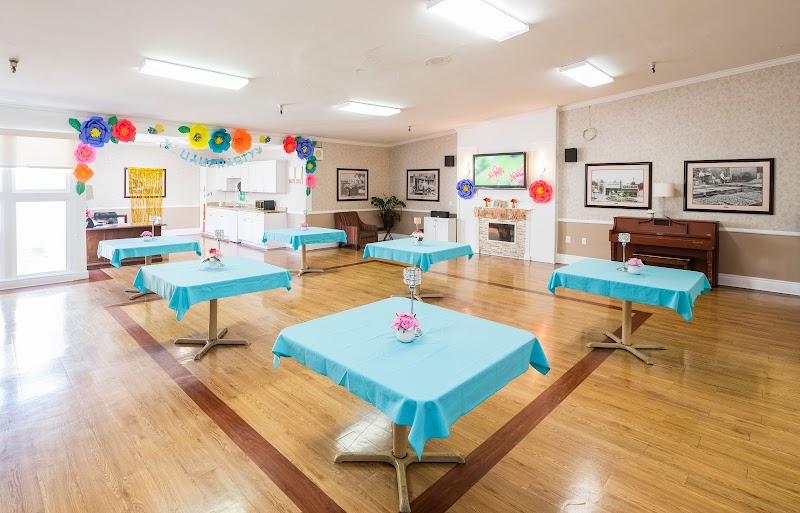
How is Monterey Park Conv Hosp Staffed?

CMS rates MONTEREY PARK CONV HOSP's staffing level at 3 out of 5 stars, which is average compared to other nursing homes. Staff turnover is 15%, compared to the California average of 46%. This relatively stable workforce can support continuity of care.

What Have Inspectors Found at Monterey Park Conv Hosp?

State health inspectors documented 40 deficiencies at MONTEREY PARK CONV HOSP during 2021 to 2025. These included: 35 with potential for harm and 5 minor or isolated issues.

Who Owns and Operates Monterey Park Conv Hosp?

MONTEREY PARK CONV HOSP is owned by a for-profit company. For-profit facilities operate as businesses with obligations to shareholders or private owners. The facility is operated by DAVID & FRANK JOHNSON, a chain that manages multiple nursing homes. With 89 certified beds and approximately 84 residents (about 94% occupancy), it is a smaller facility located in MONTEREY PARK, California.

How Does Monterey Park Conv Hosp Compare to Other California Nursing Homes?

Compared to the 100 nursing homes in California, MONTEREY PARK CONV HOSP's overall rating (4 stars) is above the state average of 3.2, staff turnover (15%) is significantly lower than the state average of 46%, and health inspection rating (3 stars) is at the national benchmark.

What Should Families Ask When Visiting Monterey Park Conv Hosp?

Based on this facility's data, families visiting should ask: "Can I visit during a mealtime to observe dining assistance and food quality?" "How do you handle medical emergencies, and what is your hospital transfer rate?" "Can I speak with family members of current residents about their experience?"

Is Monterey Park Conv Hosp Safe?

Based on CMS inspection data, MONTEREY PARK CONV HOSP has a clean safety record: no substantiated abuse findings (meaning no confirmed cases of resident harm), no Immediate Jeopardy citations (the most serious violation level indicating risk of serious injury or death), and is not on the Special Focus Facility watch list (a federal program monitoring the lowest-performing 1% of nursing homes). The facility has a 4-star overall rating and ranks #1 of 100 nursing homes in California. While no facility is perfect, families should still ask about staff-to-resident ratios and recent inspection results during their visit.

Do Nurses at Monterey Park Conv Hosp Stick Around?

Staff at MONTEREY PARK CONV HOSP tend to stick around. With a turnover rate of 15%, the facility is 31 percentage points below the California average of 46%. Low turnover is a positive sign. It means caregivers have time to learn each resident's needs, medications, and personal preferences. Consistent staff also notice subtle changes in a resident's condition more quickly.

Was Monterey Park Conv Hosp Ever Fined?

MONTEREY PARK CONV HOSP has no federal fines on record. CMS issues fines when nursing homes fail to meet care standards or don't correct problems found during inspections. The absence of fines suggests the facility has either maintained compliance or corrected any issues before penalties were assessed. This is a positive indicator, though families should still review recent inspection reports for the full picture.

Is Monterey Park Conv Hosp on Any Federal Watch List?

MONTEREY PARK CONV HOSP is not on any federal watch list. The most significant is the Special Focus Facility (SFF) program, which identifies the bottom 1% of nursing homes nationally based on persistent, serious quality problems. Not being on this list means the facility has avoided the pattern of deficiencies that triggers enhanced federal oversight. This is a positive indicator, though families should still review the facility's inspection history directly.