MONTROSE HEALTHCARE CENTER
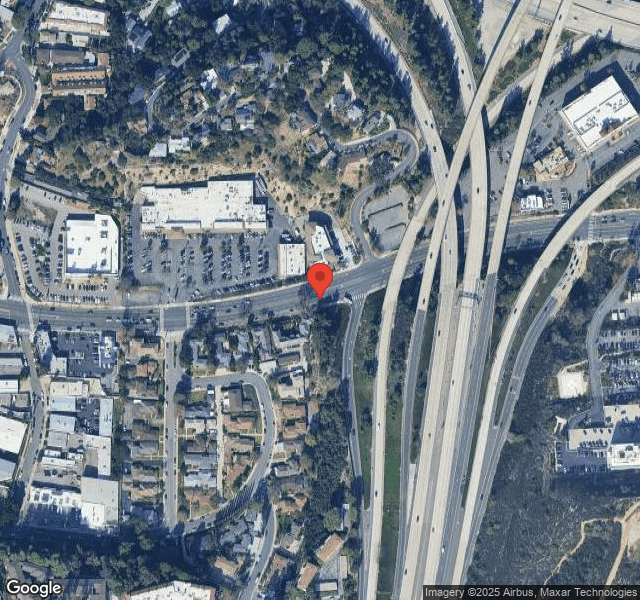
2123 VERDUGO BLVD., MONTROSE, CA 91020 (818) 249-3925
For profit - Limited Liability company 59 Beds LONGWOOD MANAGEMENT CORPORATION Data: November 2025
Trust Grade
70/100
#412 of 1155 in CA
Last Inspection: April 2025

Within standard 12-15 month inspection cycle. Federal law requires annual inspections.

Overview

Montrose Healthcare Center has a Trust Grade of B, indicating it is a good facility and a solid choice for care. It ranks #412 out of 1,155 nursing homes in California, placing it in the top half of the state's facilities, and #62 out of 369 in Los Angeles County, meaning only one local option is rated higher. The facility is improving, as it reduced its issues from 13 in 2024 to 12 in 2025. Staffing is a strength, with a rating of 4 out of 5 stars and a turnover rate of 33%, which is below the California average. However, there have been some concerning incidents, such as unsafe storage of medications and improper food handling practices, which could pose risks to residents. Overall, while Montrose Healthcare Center has strengths in staffing and a strong rating, families should be aware of the facility's areas that need attention.

Trust Score
B
70/100
In California
#412/1155
Top 35%
Safety Record
Low Risk
No red flags
Inspections
Getting Better
13 → 12 violations
Staff Stability
○ Average
33% turnover. Near California's 48% average. Typical for the industry.
Penalties
✓ Good
No fines on record. Clean compliance history, better than most California facilities.
Skilled Nurses
⚠ Watch
Each resident gets only 26 minutes of Registered Nurse (RN) attention daily — below average for California. Fewer RN minutes means fewer trained eyes watching for problems.
Violations
⚠ Watch
38 deficiencies on record. Higher than average. Multiple issues found across inspections.
★★★★☆
4.0
Overall Rating
★★★★☆
4.0
Staff Levels
★★★★☆
4.0
Care Quality
★★★★☆
4.0
Inspection Score
Stable
2024: 13 issues
2025: 12 issues

The Good

  • 4-Star Staffing Rating · Above-average nurse staffing levels
  • 4-Star Quality Measures · Strong clinical quality outcomes
  • Full Sprinkler Coverage · Fire safety systems throughout facility
  • No fines on record
  • Staff turnover below average (33%)

    15 points below California average of 48%

Facility shows strength in staffing levels, quality measures, fire safety.

The Bad

Staff Turnover: 33%

13pts below California avg (46%)

Typical for the industry

Chain: LONGWOOD MANAGEMENT CORPORATION

Part of a multi-facility chain

Ask about local staffing decisions and management

The Ugly 38 deficiencies on record

Jul 2025 1 deficiency
CONCERN (D) 📢 Someone Reported This

A family member, employee, or ombudsman was alarmed enough to file a formal complaint

Potential for Harm - no one hurt, but risky conditions existed

Comprehensive Care Plan (Tag F0656)

Could have caused harm · This affected 1 resident

Based on observation, interview, and record review, the facility failed to ensure one of three sampled residents (Resident 1), had a comprehensive, person-centered care plan created for known behavior...

Read full inspector narrative →
Based on observation, interview, and record review, the facility failed to ensure one of three sampled residents (Resident 1), had a comprehensive, person-centered care plan created for known behaviors related to the diagnosis of dementia.During the investigation, Resident 1 had known behaviors that included noncompliance with safety interventions, such as the resident's inability to consistently remember to use the call light and repeated attempts to get out of bed or chair without seeking staff assistance. Despite a documented history of three prior falls, Resident 1's care plans lacked individualized interventions and measurable goals to effectively manage Resident 1's behaviors. This failure has further potential to result in a decline in the resident' physical and psychosocial well- being due to the lack of individualized and effective care.Findings:During a review of Resident 1's admission Record (AR), the AR indicated the facility initially admitted the resident on 11/26/2025, with a diagnosis of dementia (a decline in mental ability such as memory, and problem solving, making it hard to perform everyday task and activities.During a review of Resident 1's care plan titled Non - Compliance with Care - I am at risk for health conditions not being treated or managed because I refuse to use call light to ask for assistance and remove my tab alarm, dated 3/1/2024, the care plan goal included to comply with the facility's policy and protocols and physician's orders. The care plan Interventions included documenting of resident's noncompliance as needed and to respect her right to refuse.During a review of Resident 1's Minimum Set Data ( MDS- a federally mandated resident assessment tool) dated 5/28/2025, the MDS indicated Resident 1 is not cognitively intact (has difficulty with short-term memory, attention, or decision - making). The MDS indicated Resident 1 also required the use of a walker and wheelchair for mobility and requires steadying with contact guard assistance as resident completes activities such as transfer to toilet or chair to bed activities.During a review of Resident 1's History and Physical ( H&P), dated 6/24/2025, the H&P indicated Resident 1 had the capacity to understand and make decisions.During a review of Resident 1's Medication Administration Record ( MAR) for the month of June 2025, the MAR indicated Resident 1 received Tramadol HCL (an opioid analgesic - used for moderate to severe pain) oral Tablet 50mg on the following dates:- - 6/14/2025 at 11:30AM for Pain of 9 out of 10 on pain scale- -6/19/2025 at 05:30AM for Pain of 7 out of 10 on pain scale- -6/19/2025 at 3:50PM for Pain of 8 out of 10 on pain scale- -6 /20/2025 at 1:38PM for Pain of 8 out of 10 on pain scale- -6/21/2025 at 11:05 PM for Pain of 6 out of 10 on pain scale- -6/22/2025 at 10:30PM for Pain of 6 out of 10 on pain scale- -6/23/2025 at 12:15 PM for Pain of 9 out of 10 on pain scale- -6/29/2025 at 9:21PM for Pain of 6 out of 10 on pain scaleDuring a review of Resident 1's Fall Risk assessment dated 2/28/ 2025, the record indicated Resident 1 had a fall risk score of 24. The record indicated a score higher than 18 is considered High Risk and a care plan will be developed to reduce falls and injuries. There were no further care plan revised or developed for Resident 1's high fall risk assessed on 2/28/2025. During a review of Resident 1's Radiology Results Report, dated 6/14/2025, the report indicated the reason for X-ray was unspecified pain. Radiology findings indicated Resident 1 had a right superior and inferior pubic rami fracture with mild displacement(a right sided fracture of the pelvis with broken pieces of bone slightly shifted out of place).During a review of Resident 1's General Acute Care Hospital record ( GACH 1) titled Emergency Department Final Report dated 6/14/2025, the GACH 1 record indicated Resident 1 was admitted for a witnessed fall. The GACH 1 record indicated Resident 1 did not have nay head trauma or loss of consciousness, but complaining of severe right hip pain. The GACH 1 record indicated an X-ray done was performed and Resident 1 was positive for right and lower pubic fracture.During an interview on 7/1/2025 at 10:08 AM, Family Member (FM1), stated Resident 1 cannot walk by herself and requires assistance with transfers from bed to wheelchair and using the restroom. FM 1 stated Resident 1 has dementia with periods of confusion. FM1 stated Resident 1 has had previous falls while trying to use the restroom.During an interview on 7/1/2025 at 11:15 AM, with Licensed Vocational Nurse ( LVN1), LVN 1 stated Resident 1 has behaviors such as getting up by herself and not asking for assistance. During an interview on 7/1/2025 at 11:32 AM, with Certified Nursing assistant (CNA1), CNA 1 stated Resident 1 was her regular assignment. CNA 1 stated Resident 1 tries to get up by self frequently to use the restroom and required one to two person assistance depending on how the resident was feeling. CNA1 stated Resident 1 is a high risk for falls.During an interview on 7/1/2025 at 1:49 PM with LVN1, LVN 1 stated Resident 1 sometimes has the capacity for understanding. LVN 1 stated due to a diagnosis of dementia, the resident has periods of forgetfulness, which adds to noncompliance with using the call light or requesting assistance. LVN 1 stated that despite ongoing reminders and education, the resident is unable to consistently request assistance or use the call light when needed. During a concurrent interview and record review on 7/1/2025 at 1:58 PM, with the Director of Nursing (DON), Resident 1's care plan titled Supers, dated 2/22/2024 was reviewed. The DON stated the care plan indicated a goal to reduce risk of fall and injury with intervention to start monitoring every 30 minutes and offer toileting assistance. The DON stated the intervention to monitor was only implemented for a duration of two weeks and did not specify a specific time frame for the continuation or discontinuation of the monitoring intervention. During a concurrent interview and record review on 7/1/2025 at 2:51 PM, with the MDS Coordinator, Resident 1's care plans were reviewed. The MDS Coordinator stated the care plans indicated no revisions had been made to the resident's care plans following three separate incidents such as added intervention or to adjust the resident's level of supervision. The MDS coordinator stated the current care plan should have addressed Resident 1's dementia and noncompliance with specific interventions for known behaviors.During a review of the facility's policy and procedure (P&P) titled, Care Plans, Comprehensive Person-Centered, dated 3/2021, the P&P indicated A comprehensive, person-centered care plan that includes measurable objectives and timetables to meet the resident's physical, psychosocial and functional needs is developed and implemented for each resident. Care plan interventions should address the underlying source of the problem area, not just the symptoms or triggers.
Apr 2025 11 deficiencies
CONCERN (D)

Potential for Harm - no one hurt, but risky conditions existed

Resident Rights (Tag F0550)

Could have caused harm · This affected 1 resident

**NOTE- TERMS IN BRACKETS HAVE BEEN EDITED TO PROTECT CONFIDENTIALITY** Based on observation, interviews, and record reviews the facility failed to provide respect and dignity to one of 18 sampled res...

Read full inspector narrative →
**NOTE- TERMS IN BRACKETS HAVE BEEN EDITED TO PROTECT CONFIDENTIALITY** Based on observation, interviews, and record reviews the facility failed to provide respect and dignity to one of 18 sampled residents (Resident 1) who received a meal tray 20 minutes after the other residents she was seated with in the dining table received their trays. When Resident 1 received her meal tray, she ate by herself. This deficient practice violated the rights of Resident 1 to have dignified, equal care and potentially affect Resident 1's self-esteem and self-worth. Findings: During an observation on 4/8/25 at 12:40 PM in Activity/Dining Room, Resident 1 was observed sitting in the dining room waiting for the lunch tray while other residents at the same table were eating. During a review of Resident 1's admission Record (AR), indicated Resident 1 was originally admitted on [DATE] and readmitted on [DATE] with diagnoses that include but not limited to heart failure (the heart muscle doesn't pump blood as well as it should), schizophrenia (a mental illness that is characterized by disturbances in thought), and hypertension (HTN- high blood pressure). During a review of Resident 1's Minimum Data Set (MDS - a resident assessment tool) dated 1/23/25 indicated that Resident 1 was moderately cognitively impaired (difficulty in memory, language, judgment, and problem-solving). The MDS also indicated that Resident 1 required supervision or touching assistance (Helper provides verbal cues and/or touching/steadying and/or contact guard assistance as resident completes activity; assistance may be provided throughout the activity or intermittently) on eating. During an observation and concurrent interview on 4/8/25 at 12:37 PM with Resident 1 in the dining room, Resident 1 stated I'm hungry, I ' m not happy that I waited for so long for my tray. It's not the first time my tray was served later than the others. During an observation on 4/8/25 at 12:57 PM Resident 1 received her lunch tray. In an interview Resident 1 stated she waited at least 20 minutes before she received her lunch tray, while other residents at the same table were eating. During an interview on 4/8/25 at 12:40 PM with LVN 4 in the dining room, LVN 4 stated she's supervising the dining room for residents dining and she ' s not sure the reason Resident 1's tray did not come with the tray of other residents. LVN 4 stated the cart should have included all the trays of the residents that come to eat in the dining room for meals. During an interview on 4/8/25 1:10 PM with the Dietary Supervisor (DS), the DS stated they have a list of residents that go to dining room for their meals, but the list is not always updated. The DS stated the kitchen should have worked with the dining room supervising staff and kept the list updated in order to deliver trays together and timely for residents ' dignity and rights. During a review of facility's policy and procedure (P&P) titled Dining Room Audits revised in 10/2017, the P&P indicated residents are each table are served together. During a review of facility's P&P titled, Resident Rights undated, indicated that employee shall treat all residents with kindness, respect, and dignity. In addition, staff will have appropriate in-service training on resident rights prior to having direct-care responsibilities for residents.
CONCERN (D)

Potential for Harm - no one hurt, but risky conditions existed

Deficiency F0658 (Tag F0658)

Could have caused harm · This affected 1 resident

Based on observation, interview and record review, the facility failed to ensure the licensed nurse to document the accurately and timely after medications were administered to one of four residents (...

Read full inspector narrative →
Based on observation, interview and record review, the facility failed to ensure the licensed nurse to document the accurately and timely after medications were administered to one of four residents (Resident 37) in accordance with the facility ' s policy and procedure (P&P) titled, Administering Medications, as evidenced by: 1.Document Resident 37's medications that were scheduled at 9 AM as administered on the Medication Administration Record (MAR) before the actual medication administration. 2. Document Resident 37's ASA (Aspirin medication that thins the blood to prevent blood clot to form) that was not administered, as administered on the MAR. The deficient practices had result in Resident 37 not receiving ASA as scheduled and put him at risk for medication error, including overdosing and underdosing on medications. Findings: During a review of Resident 37's admission Record (AR), the AR indicated the facility originally admitted Resident 37 on 4/28/2022 and readmitted him on 1/5/2025 with diagnoses that included dementia (a term for a range of conditions that affect the brain's ability to think, remember, and function normally) and atherosclerotic heart disease (build up of fat in the blood vessels on the heart, causing blockage of blood flow to the heart and leading to heart attack and stroke). During a review of Resident 37's Minimum Data Set (MDS, a standardized assessment and care planning tool), dated 1/27/2025, indicated Resident 37 had intact memory and cognition (ability to think and reason). The MDS indicated Resident 37 was independent with eating, required setup or clean-up assistance with oral hygiene, and supervision or touching assistance with toileting hygiene, shower/bathe self, personal hygiene, and chair/bed-to-chair transfer. During a review of Resident 37's Physician Order Summary, dated 4/10/2025, the Physician Order Summary indicated the physician ordered: Aspirin (ASA, a drug used to treat pain, fever and reduce the risk of heart attack) 81 milligram (mg, a measurement unit) by mouth one time a day for cerebrovascular accident (CVA, also known as a stroke, which occurs when blood flow to the brain is interrupted, leading to long-term disability or death) Prophylaxis (action taken to prevent disease), starting on 1/6/2025. Metformin (a medication used to control blood sugar) 1000 mg one tablet by mouth two times a day, starting on 1/5/2025. Jardiance (a medication used to control blood sugar) 10mg one tablet by mouth in the morning, starting on 1/6/2025. Losartan (a medication used to control blood pressure) 25mg one tablet by mouth one time a day, starting on 1/6/2025. Probiotic two capsules (live bacteria and yeasts that offer health benefits when consumed) by mouth one time a day, starting on 1/6/2025. Loratadine (a medication used to trat allergy symptoms) 10mg one tablet by mouth one time a day, starting on 1/6/2025. Metoprolol (a medication used to control heart rate and blood pressure) tartrate 50mg one tablet by mouth two times a day, starting on 1/9/2025. Refresh Plus Ophthalmic Solution (Eye Drops instantly lubricates and moisturizes the eyes) instill one drop in both eyes three times a day, starting on 1/5/2025. During a review of Resident 37 ' s MAR, dated April 2025, the MAR indicated Resident 37 was to receive ASA 81 mg one tablet at 9 AM. During a concurrent observation and interview on 4/8/2025 at 8:50 AM with Licensed Vocation Nurse (LVN) 1, LVN 1 prepared seven medications listed as below: 1. Metformin (a medication used to control blood sugar) 1000 mg one tablet 2. Jardiance (a medication used to control blood sugar) 10mg one tablet 3. Losartan (a medication used to control blood pressure) 25mg one tablet 4. Probiotic two capsules (live bacteria and yeasts that offer health benefits when consumed) 5. Loratadine (a medication used to trat allergy symptoms) 10mg one tablet 6. Metoprolol (a medication used to control heart rate and blood pressure) tartrate 50mg one tablet 7. Refresh Plus Ophthalmic Solution (Eye Drops instantly lubricates and moisturizes the eyes) In an interview on 4/8/2025 at 8:50 AM, LVN 1 stated Resident 37 was scheduled to receive these seven medications at 9 AM. During a review of Resident 37 ' s MAR, dated 4/8/2025, timed at 8:53 AM, the MAR was signed indicating the medications listed below were given to Resident 37 on 4/8/2025, timed at 8:53 AM ASA 81 mg one tablet Metformin (a medication used to control blood sugar) 1000 mg one tablet Jardiance (a medication used to control blood sugar) 10mg one tablet Losartan (a medication used to control blood pressure) 25mg one tablet Probiotic two capsules (live bacteria and yeasts that offer health benefits when consumed) Loratadine (a medication used to trat allergy symptoms) 10mg one tablet Metoprolol (a medication used to control heart rate and blood pressure) tartrate 50mg one tablet Refresh Plus Ophthalmic Solution (Eye Drops instantly lubricates and moisturizes the eyes) one drop to both eyes During an observation on 4/8/2025 at 8:53 AM, LVN 1 brought the medications into the Resident 37 ' s room and started administering the medications. Resident 37 stated he did not see ASA among the seven medications he prepared. LVN 1 stated Resident 37 was prescribed ASA by the physician to be given everyday at 9am. During an interview on 4/8/2025 at 9:24 AM with LVN 1, LVN 1 stated she signed the MAR indicating the medication was already given to Resident 37 before administering ASA on the scheduled administration time at 9AM which was not the standard of practice for documenting the medications administered. LVN 1 stated he should have singed the MAR after administering the medications. LVN 1 stated documenting medications as administered before medication administration could leading to medication error and potential harm the residents ' health. During a concurrent observation and interview on 4/8/2025 at 10:12 AM with LVN 1, LVN 1 stated she did not administer ASA to Resident 37 which was scheduled to be given at 9 AM today because she overlooked the physician ' s order. LVN 1 stated she documented ASA 81 mg one tablet as administered at 9 AM, which was incorrect. LVN 1 stated she did not double check the physician ' s order and document the medication administration after administering the medication to ensure accurate documentation. During an interview on 4/10/2025 at 1:46 PM with the Director of Nursing (DON), the DON stated the standard of practice for the licensed nurses was to sign the MAR after the medications were administered to the residents. The DON stated signing the MAR and documenting the medications as administered before passing the medications could result in the inaccurate documentation and medication error, leading to underdose or overdose of the resident, and potentially hard the residents. During a review of the facility ' s policy and procedure (P&P) titled, Administering Medications, dated 4/2019, the P&P indicated The individual administering the medication initials the resident's MAR on the appropriate line after giving each medication and before administering the next ones.
CONCERN (D)

Potential for Harm - no one hurt, but risky conditions existed

ADL Care (Tag F0677)

Could have caused harm · This affected 1 resident

**NOTE- TERMS IN BRACKETS HAVE BEEN EDITED TO PROTECT CONFIDENTIALITY** Based on observation, interview, and record review, the facility staff failed to assist one of three sampled residents (Resident...

Read full inspector narrative →
**NOTE- TERMS IN BRACKETS HAVE BEEN EDITED TO PROTECT CONFIDENTIALITY** Based on observation, interview, and record review, the facility staff failed to assist one of three sampled residents (Resident 9) who unable to carry out activities of daily living (ADLs) and incontinent (no control) of bladder and bowel receives assistance with perineal care and changed incontinent brief timely. Resident 9 was observed with wet incontinent brief with pink colored urine and had foul smell that was not changed from 7am to 3:10 pm on 4/7/2025. This deficient practice had the potential to place Resident 9 at risk for infection and skin breakdown and to negatively impact Resident 9's self-esteem. Findings: During a review of Resident 9's admission Record (AR), the AR indicated that Resident 9 was originally admitted on [DATE] and readmitted on [DATE] with diagnoses including sepsis (a life-threatening blood infection), obstructive and reflux uropathy (a condition in which the flow of urine is blocked and backward from the bladder into a ureter and toward a kidney), and anemia (a condition where the body does not have enough healthy red blood cells). During a review of Resident 9's Minimal Data Sheet (MDS- a resident assessment tool) dated 2/28/25, the MDS indicated that Resident 9 was cognitively intact (a person has sufficient judgment, planning, organization, self-control, and the persistence needed to manage the normal demands of the environment). the MDS also indicated that Resident 9 required substantial/maximal assistance (Helper does more than half the effort. Helper lifts or holds trunk or limbs and provides more than half the effort) on toileting hygiene, shower/bathe self, and personal hygiene. During a review of Resident 9'a Care Plan dated 3/12/25, indicated Resident 9 had ADL/ Self-care deficits and required assistance with activities of daily living due to muscle weakness, sepsis (a life-threatening blood infection), and urinary tract infection (UTI- an infection in the bladder/urinary tract); the interventions included to assist with toileting needs and/or provide incontinent care after incontinent episodes. During an observation with the on 4/7/25 at 8:45 am, Resident 9's room had a foul that smelled like urine. Resident 9 was wearing a diaper, and a foul smell was noticed. During an observation and a concurrent interview on 4/7/25 at 3:10 pm with Resident 9, Resident 9's room smelled urine with foul smell. Resident 9 stated the last time staff changed and cleaned her was around 7 am in the morning and it is now 3pm. Resident 9 stated sometimes she had to remind staff to clean for her and to change her diaper. During an observation and concurrent interview on 4/7/25 3:10 pm with Certified Nurse Assistant (CNA) 1 stated Resident 1 smelled like a urine with foul smell when she went to Resident 9's bedside, CNA 1 stated the previous CNA did not inform her the last time Resident 9's incontinent brief was changed and when the resident was provided perineal (cleaning of the genital and anal area). Resident 1 ' s incontinent brief was observed wet with pink colored urine with foul smell when CNA 1 changed the brief. During an interview on 4/7/25 at 3:20 pm with the Treatment Nurse (TXN), the TXN stated Resident 9, needed frequent checking and perineal care was needed and not acceptable to leave Resident 9 with soiled foul-smell incontinent brief. During an interview on 4/10/25 at 2:20pm with the Director of Nursing (DON), the DON stated for any residents who are not able to carry out ADLs by themselves are assisted by CNAs at the level of assistance. The DON stated when the CNA assigned to Resident 9 should provided proper perineal hygiene and should have done rounding and checking around the clock. The DON stated it ' s not acceptable that CNAs did not endorse to each other of their work during shift change, and resident was left soiled and with foul smell for hours. During a review of the facility ' s policy and procedure (P&P) revised in 3/2018, the P&P indicated that residents who are unable to carry out ADLs independently will receive the services necessary to maintain good grooming, and personal hygiene. Appropriate care and services will be provided for residents who are unable to carry out ADLs independently, including adequate support and assistance with hygiene, mobility, elimination, and communication.
CONCERN (D)

Potential for Harm - no one hurt, but risky conditions existed

Pressure Ulcer Prevention (Tag F0686)

Could have caused harm · This affected 1 resident

**NOTE- TERMS IN BRACKETS HAVE BEEN EDITED TO PROTECT CONFIDENTIALITY** Based on observation, interview, and record review, the facility failed to provide necessary care and interventions to prevent d...

Read full inspector narrative →
**NOTE- TERMS IN BRACKETS HAVE BEEN EDITED TO PROTECT CONFIDENTIALITY** Based on observation, interview, and record review, the facility failed to provide necessary care and interventions to prevent development or recurrence of pressure injury (PI-localized damage to the skin and/or underlying tissue usually over a bony prominence) for one of three sampled residents (Resident 9) who was not repositioned and turned, skin was not assessed and documented in the resident's clinical record the skin condition daily and weekly as indicated in the residents care plan, and facility ' s policy and procedures titled Prevention of Pressure Injuries. These deficient practices placed Resident 9 and all other residents at risk for skin breakdown to develop PI or reopening of a healed PI that could lead to discomfort, pain and infection. Findings: During a review of Resident 9's admission Record (AR), the AR indicated that Resident 9 was originally admitted on [DATE] and readmitted on [DATE] with diagnoses including sepsis (a life-threatening blood infection), obstructive and reflux uropathy (a condition in which the flow of urine is blocked and backward from the bladder into a ureter and toward a kidney), and anemia (a condition where the body does not have enough healthy red blood cells). During a review of Resident 9 ' s Minimal Data Sheet (MDS- a resident assessment tool) dated 2/28/2025, the MDS indicated that Resident 9 was cognitively intact (a person has sufficient judgment, planning, organization, self-control, and the persistence needed to manage the normal demands of the environment). the MDS also indicated that Resident 9 required partial/moderate assistance (Helper does less than half the effort, lifts, holds, or supports trunk or limbs, but provides less than half the effort) on rolling left and right. During a review of Resident 9 ' s Braden Scale for Predicting Pressure Injury Risk, indicated the total score was 16 (scale range 15 to 18 at risk for pressure injury). There was no documented assessment after the last note dated 12/22/2024. During a review of Resident 9 ' s Weekly Licensed Nurse Note dated 4/6/2025, indicated to prevent skin breakdown for Resident 9 the interventions included only the placement of LAL mattress. During a review of Resident 9 ' s Skin and Wound Evaluation, dated 12/20/24, indicated Resident 9 had discoloration was on right upper arm. There was no documented skin assessment after 12/20/2024, During a review of Resident 9's Care Plan dated 1/1/2025, indicated that Resident 9 was at risk to develop additional pressure sores related to history of Stage 4 pressure injury (Full-thickness skin and tissue loss with exposed muscle, tendon, ligament, cartilage, or bone) upon admission, due to wheelchair-bound (unable to walk through injury, illness, etc and relying on a wheelchair to move around). The care plan also indicated interventions included to assist with toileting needs and/or provide incontinent care after incontinent episodes; staff to assess risk by using the Wound Risk Assessment on admission, quarterly and PRN (as needed); staff will assess skin condition daily during care and with weekly body checks; staff will provide pressure relieving device/interventions as ordered. During an observation on 4/7/2025 at 3:15 pm with Certified Nurse Assistant (CNA) 1, Resident 9 ' s both buttocks were observed with skin redness approximately 5 inches in diameter. TXN stated he was not sure how often or if repositioning for Resident 9 was done today. TXN later stated he should have properly assessed Resident 9 ' s skin redness and documented the assessment, interventions, and monitoring of the skin. During an interview on 4/7/2025 at 3:55 pm with the Licensed Vocational Nurse (LVN) 5, LVN 5 stated it was the facility staff ' s responsibility to turn and reposition Resident 9 every two hours per facility-wide turning schedule. LVN 5 stated Resident 9 was on Low Air Loss Mattress (LALM-a mattress designed to prevent and treat pressure wounds) due to history of pressure injury, and due to impaired mobility, it ' s crucial to reposition Resident 9 around the clock and with adequate support. During an interview on 4/8/2025 at 12:20 pm with CNA 4, CNA 4 stated she was assigned with Resident 9 on 4/7/2025 am shift. CNA 4 stated when she finished bathing Resident 9 at around 8 am to 9 am, she cleaned and changed Resident 9 ' s diaper at around 2 pm and repositioned the resident. Resident 9 remained laying on her back from 9 am to 2 pm. During an interview on 4/10/25 at 2 pm with the Director of Nursing (DON), the DON stated , CNA 4 should have not left Resident 9 in the same position for a long time, residents would understand and accept if staff kindly offered and explained the importance of repositioning and turning in bed. The DON stated Resident 9 had a history of healed Stage 4 (four) PI so proper skin care and repositioning was very important for Resident 9 to minimize the risk of reopening PI because when it ' s open again it can deteriorate fast. During a review of the facility's Policy & Procedure (P&P) titled Prevention of Pressure Injuries revised 3/2023, indicated the following: Inspect the skin on a daily basis when performing or assisting with personal care or ADLs (activities of daily living- activities such as bathing, dressing and toileting a person performs daily.) Identify any signs of developing pressure injuries (i.e. non-blanchable erythema [any abnormal redness of the skin].) For darkly pigmented skin, inspect for changes in skin tone, temperature, and consistency. Inspect pressure points (sacrum, heels, buttocks, coccyx, elbows, ischium, trochanter, etc.) Moisturize dry skin daily Reposition resident as indicated on the care plan. Reposition all residents with or at risk of pressure injuries on an individualized schedule. Select appropriate supportive surfaces based on the resident ' s risk factors, in accordance with current clinical practice. Evaluate, report, and document potential changes in the skin.
CONCERN (D)

Potential for Harm - no one hurt, but risky conditions existed

Accident Prevention (Tag F0689)

Could have caused harm · This affected 1 resident

**NOTE- TERMS IN BRACKETS HAVE BEEN EDITED TO PROTECT CONFIDENTIALITY** Based on observation, interview, record review, the facility failed to provide an environment free of accident and hazard, monit...

Read full inspector narrative →
**NOTE- TERMS IN BRACKETS HAVE BEEN EDITED TO PROTECT CONFIDENTIALITY** Based on observation, interview, record review, the facility failed to provide an environment free of accident and hazard, monitoring and supervising as indicated in the facility's policy and procedure and resident's care plan for one out of 4 residents (Resident 2) who was at risk for fall due to poor safety awareness and unable to see clearly due to an eye infection and wandering behavior (walking in places aimlessly), Resident 2 was walking in the room with eyes closed and hands outstretched, running into wall several times near the restroom area without staff present to assist or redirect the resident. This failure had the potential to result in serious physical harm, psychosocial isolation, and unmet care needs, compromising both the resident ' s safety and quality of life. Findings: During a review of Resident 2's admission Record indicated Resident 2 was originally admitted on [DATE] with a diagnosis of dementia (a disease that affects ability perform everyday activities, memory and thinking) , Alzheimer's disease ( a type of dementia that affects memory, thinking and behavior) and difficulty in walking with subsequent fractures (broken bone) of the right pubis ( one of three bones that make up the pelvis). During a review of Resident 2's History and Physical (H&P) dated 12/21/2024, indicated Resident 2 does not have the capacity to understand and make decisions. During a review of Resident 2's Minimum Data Set (MDS - a standardized assessment and care - screening tool) dated 1/28/2025, indicated Resident 2 was not able complete the interview due to severe cognitive impairment (a decline in mental abilities that interferes with daily functioning, safety, and independence). During a review of Resident 2's Fall Risk Assessment dated 1/27/2025, indicated Resident 2 was at high risk for falls and unable to stand without assistance related to unsteady gait (unable to balance self when walking) and poor standing balance. During a review of Resident 2's Care Plans titled Fall Risk with a revision date of 11/11/2024, indicated Resident 2 was at risk for falls and injury because of dementia with a history of falling related to behavioral problems, difficulty walking, general weakness, history of falling, impaired cognition, poor safety awareness and judgment. The Care plan goal was to reduce the risk of falls and injury through appropriate interventions such as performing a fall risk assessment upon admission, quarterly, annual, and with change of condition. During a review of Resident 2's Care plans titled Dementia/ BPSD with a Revision date 11/11/2024, indicated Resident 2 was at risk for behavioral problems and confusion due to Dementia. Exhibiting restlessness, sadness, crying, inattention or indifference in her surrounding, uncooperativeness and wandering. The Care plan goal was to manage behaviors through appropriate interventions such as behavior management, consistent caregiver, and redirection as needed. During a review of Resident 2's Change of Condition Assessment Form dated 3/30/2025, it was noted that the resident had experienced a change in condition. The documentation indicated that Resident 2 was found to have eye irritation. During an observation on 4/7/2025 at 9:23AM, Resident 2 was walking in her room without supervision or assistance. Resident 2 was walking with eyes closed and hands outstretched, running into wall several times near the restroom area. No staff were present to assist or redirect her at the time of observation, no bed or chair alarm was heard during the incident. In a concurrent interview on 4/7/2025 at 9:25AM, with Resident 2, in the presence of the Director of Nursing (DON), the DON interpreted and interviewed Resident 2 in her native language. In an interview Resident 2 stated Yes, I need assistance with walking. I need to hold someone as a guide, I don ' t know where I ' m going. I cannot see. During an interview on 4/7/25 at 9:37AM, the DON stated that Resident 2 has a diagnosis of dementia and was known to be a wanderer who frequently walks around the facility. The DON explained that in some cases, Resident 2 requires one to one assistance for safety and must have supervision and assistance when ambulating. The DON stated So far, we are lucky. Normally she's in activities or we keep her engaged, but if she is unwatched, she could get hurt. During a concurrent interview and record review of Resident 2's Care plans on 4/9/2025 at 11:40 AM with Infection Preventionist (IP). IP stated Resident 2 was not blind, and that her wandering behavior was due to a new onset behavioral concern related to eye irritation. IP stated she was unable to locate a care plan specifically addressing Resident 2 ' s behavior of walking with her eyes closed stating this behavior is a potential fall risk. During an interview on 4/10/2025 at 8:29AM with Licensed Vocational Nurse (LVN1), LVN 1 stated she first noticed Resident 2's eyes were bothering her approximately nine days ago and it was at this time Resident 2 began demonstrating new behaviors of walking around with her eyes closed. During an interview on 4/10/2025 at 10:05AM with Certified Nursing Assistant (CNA) 3, CNA3 stated that for approximately one week, Resident 2 has not been opening her eyes. CNA 3 stated that the resident now attempts to walk but does so with her hands extended in front of her, as if trying to feel her surroundings and when she attempts to walk, she is unable to see where she is going. CNA3 stated Resident 2 requires increased assistance and supervision due to visual impairment and states Resident 2 should have 1:1 supervision for safety. During a review of the facility ' s policy and procedure titled, Safety and Supervision of Residents Revised on 7/2017, indicated the facility strives to maintain an environment free from accident hazards and that resident safety, supervision, and assistance to prevent accidents are facility - wide priorities grounded in an individualized, person - centered approach. The policy outlines that the care team is responsible for targeting interventions to reduce resident - specific risks related to environmental hazards. This includes providing adequate supervision and assistive devices, ensuring interventions are implemented and documented, monitoring the effectiveness of those interventions, which includes ensuring consistent and correct implementation, modifying or replacing interventions as necessary and evaluation of the effectiveness of any new or revised interventions.
CONCERN (D)

Potential for Harm - no one hurt, but risky conditions existed

Incontinence Care (Tag F0690)

Could have caused harm · This affected 1 resident

**NOTE- TERMS IN BRACKETS HAVE BEEN EDITED TO PROTECT CONFIDENTIALITY** Based on observation, interview and record review, the facility failed to accurately monitor signs and symptoms of urinary tract...

Read full inspector narrative →
**NOTE- TERMS IN BRACKETS HAVE BEEN EDITED TO PROTECT CONFIDENTIALITY** Based on observation, interview and record review, the facility failed to accurately monitor signs and symptoms of urinary tract infection (UTI- an infection in the bladder/urinary tract) for one of one sampled resident with suprapubic catheter (SPC- a tube that is used to drain urine from the bladder through a cut in the abdomen) was secured with anchor (a catheter securement device) as indicated in the facility ' s policy and procedure titled Catheter Care, Urinary by failing to ensure: 1. Resident 9 was monitored for presence of foul urine smell and pink urine stain in the incontinent brief (undergarment used due to incontinence (no control) bladder and bowel. 2. Resident 9 ' s suprapubic catheter was secured with an anchor to prevent or minimize dislodging. These deficient practices had the potential for Resident 9 to develop recurrent UTI and bladder trauma and receive delayed care and treatment from infection that could lead to a decline in the residents well being. Findings: During a review of Resident 9 ' s admission Record (AR), the AR indicated that Resident 9 was originally admitted on [DATE] and readmitted on [DATE] with diagnoses including sepsis (a life-threatening blood infection), obstructive and reflux uropathy (a condition in which the flow of urine is blocked and backward from the bladder into a ureter and toward a kidney), and anemia (a condition where the body does not have enough healthy red blood cells). During a review of Resident 9 ' s Minimal Data Sheet (MDS- a resident assessment tool) dated 2/28/25, the MDS indicated that Resident 9 was cognitively intact (a person has sufficient judgment, planning, organization, self-control, and the persistence needed to manage the normal demands of the environment). the MDS also indicated that Resident 9 required substantial/maximal assistance (Helper does more than half the effort. Helper lifts or holds trunk or limbs and provides more than half the effort) on toileting hygiene, shower/bathe self, and personal hygiene. During a review of a Care Plan dated 1/1/25 indicated Resident 9 was at risk for UTI due to supra pubic catheter use with interventions that included staff to monitor Resident 9 ' s urine for sediment (solid substance in the urine) cloudiness, odor, blood, and amount of output; staff will assess for signs and symptoms of UTI and will notify the physician as needed. During a review of Resident 9 ' s Physician Order dated 3/14/25, the order indicated to monitor SPC urinary drainage bag and document the following: Color, consistency, odor, hematuria (presence of blood in the urine), bladder distention (bladder stretched) , burning sensation plus(+)= presence of S/S (signs and symptoms) of UTI, zero (0)= absence of S/S of UTI. The physician ' s order also indicated to secure SPC tubing with anchor everyday shift to minimize dislodging of catheter. During a review of Resident 9 ' s Treatment Administration Record (TAR) dated from 3/14/25 through 4/7/25. The TAR indicated Resident 9 had S/S of UTI on 3/26/25, 4/2/25, 4/4/25, and 4/5/25. The TAR also indicated no S/S was noted on 4/7/25. The TAR did not indicate what specific S/S UTI was observed and treatments provided. During a review of Resident 9 ' s Catheter Assessment and Care Plan and Nursing Progress Note, had no documented evidence what the S/S UTI observed, and intervention provided on the dates 3/26/25, 4/2/25, 4/4/25, and 4/5/25 for the S/S of UTI. During an observation and concurrent interview on 4/7/25 at 8:45 am with Resident 9 in the room, observed Resident 9 ' s suprapubic catheter with pinkish urine output, and a foul smell was noticed. Resident 9 stated she has a SPC and a nephrostomy tube (a thin catheter that drains urine from the kidney into a bag) because of an obstruction in the kidney. Resident 9 stated she cannot see her urine drainage from her laying position and have not heard anything from the nurse about her urine output. During an observation and concurrent interview on 4/7/25 at 3:05 pm in Resident 9 ' s room with Certified Nursing Assistant (CNA 1) and Treatment nurse (TXN), CNA 1 stated she noticed the smell when she walked in the room for Resident 9. CNA 1 and TXN stated Resident 9 ' s SPC was not secured and was leaking. The TXN stated a catheter anchor device should have always been applied to prevent dislodging. During an interview on 4/7/25 at 3:15 pm with TXN, the TXN stated he was not aware Resident 9 ' s SPC urinary output was pink in the morning and just found out that the pink color in the resident ' s urine was blood at around 2:15 pm. The TXN stated he would have checked Resident 9 ' s urine earlier but he had to do treatment for all other residents. During an interview on 4/7/25 at 3:35 pm with RN 1, RN 1 stated Resident 9 had recurrent infection, and went to GACH (General Acute Care Hospital) and returned same day with physician prescribed antibiotics. RN 1 stated if the nurse identified S/S of UTI, the TAR should be documented as (+), the physician should be notified, there should be interventions and more documentation about it. RN 1 it ' s every nursing staff and his responsibilities to monitor and identify S/S of UTI so not to delay care and treatment. During an interview on 4/9/25 at 12:00 pm with LVN 3, LVN 3 stated he did not find any details describing about infection related to the TAR that indicated presence of S/S of UTI on 3/26/25, 4/2/25, 4/4/25, and 4/5/25. LVN 3 stated the nurses should have completed the documentations and indicated the interventions provided. During an interview on 4/10/25 at 1:55pm with the Director of Nursing (DON), the DON stated the SPC should've have been kept secured with an anchor at all times. The DON stated CNA should have reported to charge nurse about pink urine and foul smell when she did catheter care in the morning. The DON stated Resident 9 has had history of sepsis and foul smell which is a S/S of UTI. DON stated any nursing staff assigned for Resident 9 should have the knowledge and should have identified the issue. During a review of the facility ' s policy and procedure (P&P) titled Catheter Care, Urinary, revised on 08/2022, the P&P indicated to secure catheter with catheter securement device. Observe the resident for complications associated with urinary catheters. Report unusual findings to the physician: If urine has unusual appearance (i.e. color, blood, etc.) If signs and symptoms of urinary tract infection or urinary retention occur. The P&P also indicated the following information should be recorded in the resident ' s medical record: The date and time that catheter care was given, character of urine such as color (straw color, dark, or red), clarity (cloudy, solid, particles, or blood) and odor.
CONCERN (D)

Potential for Harm - no one hurt, but risky conditions existed

Pharmacy Services (Tag F0755)

Could have caused harm · This affected 1 resident

Based on observation, interview and record review, the facility failed to administer aspirin (ASA, a drug used to treat pain, fever and reduce the risk of heart attack) 81 milligram (mg, a unit of mea...

Read full inspector narrative →
Based on observation, interview and record review, the facility failed to administer aspirin (ASA, a drug used to treat pain, fever and reduce the risk of heart attack) 81 milligram (mg, a unit of measurement) one tablet for one of four residents (Resident 37) as ordered by the physician. The deficient practice had resulted in Resident 37 not receiving ASA as physician ' s order which put the resident at risk for cerebrovascular accident (CVA, also known as a stroke, which occurs when blood flow to the brain is interrupted, leading to long-term disability or death). Findings: During a review of Resident 37 ' s admission Record (AR), the AR indicated the facility originally admitted Resident 37 on 4/28/2022 and readmitted him on 1/5/2025 with diagnoses that included dementia (a term for a range of conditions that affect the brain's ability to think, remember, and function normally) and atherosclerotic heart disease (build up of fat in the blood vessels on the heart, causing blockage of blood flow to the heart and leading to heart attack and stroke). During a review of Resident 37 ' s Minimum Data Set (MDS, a standardized assessment and care planning tool), dated 1/27/2025, indicated Resident 37 had intact memory and cognition (ability to think and reason). The MDS indicated Resident 37 was independent with eating, required setup or clean-up assistance with oral hygiene, and supervision or touching assistance with toileting hygiene, shower/bathe self, personal hygiene, and chair/bed-to-chair transfer. During a review of Resident 37 ' s Physician Order Summary, dated 4/10/2025, the Physician Order Summary indicated the physician ordered ASA 81 mg by mouth one time a day for CVA Prophylaxis (action taken to prevent disease), starting on 1/6/2025. During a review of Resident 37 ' s Medication Administration Record (MAR), dated April 2025, the MAR indicated Resident 37 to receive ASA 81 mg one tablet at 9 AM. During a concurrent observation and interview on 4/8/2025 at 8:50 AM with Licensed Vocation Nurse (LVN) 1, LVN 1 prepared seven medications listed as below that did not include ASA. Metformin (a medication used to control blood sugar) 1000 mg one tablet Jardiance (a medication used to control blood sugar) 10mg one tablet Losartan (a medication used to control blood pressure) 25mg one tablet Probiotic two capsules (live bacteria and yeasts that offer health benefits when consumed) Loratadine (a medication used to trat allergy symptoms) 10mg one tablet Metoprolol (a medication used to control heart rate and blood pressure) tartrate 50mg one tablet Refresh Plus Ophthalmic Solution (Eye Drops instantly lubricates and moisturizes the eyes) LVN 1 stated Resident 37 was scheduled to receive these seven medications at 9 AM. During an observation on 4/8/2025 at 8:53 AM, LVN 1 brought the seven medications into the Resident 37 ' s room and started administering the medications. Resident 37 stated he did not see ASA among the seven medications and asked LVN 1 where his ASA was. LVN 1 stated Resident 37 was not taking ASA. During a medication pass observation on 4/8/2025 at 10:12 AM, LVN 1 did not administer ASA to Resident 37. LVN 1 stated she did not administered ASA to Resident 37 which was scheduled at 9 AM today because she overlooked the physician ' s order in the MAR. LVN 1 stated when Resident 37 mentioned that ASA was missing, she should have double checked the physician ' s order to verify. LVN 1 stated not administering ASA could cause Resident 37 having a stroke. During an interview on 4/10/2024 at 1:45 PM with the Director of Nursing (DON), the DON stated the licensed nurses did not check the order and did not know the resident was taking ASA, so she did not prepare and administer AS to Resident 37 as scheduled to avoid missed medication and medication error and prevent potential adverse effects from the underdose and overdose on the residents. During a review of the facility ' s policy and procedure (P&P) titled, Administering Medications, dated 4/2019, the P&P indicated Medications arc administered in a safe and timely manner, and as prescribed and Mcdicatio,1s are administered within one (1) hour of their prescribed time.
CONCERN (D)

Potential for Harm - no one hurt, but risky conditions existed

Medical Records (Tag F0842)

Could have caused harm · This affected 1 resident

**NOTE- TERMS IN BRACKETS HAVE BEEN EDITED TO PROTECT CONFIDENTIALITY** Based on interview and record review, the facility failed to maintain complete and accurate medical records in accordance with t...

Read full inspector narrative →
**NOTE- TERMS IN BRACKETS HAVE BEEN EDITED TO PROTECT CONFIDENTIALITY** Based on interview and record review, the facility failed to maintain complete and accurate medical records in accordance with the updated facility ' s policy and procedure (P&P) titled, Charting and Documentation, for one of three residents (Resident 52). The facility staff did not document vital signs (measurement of the blood pressure, heart rate, respiratory rate and body temperature) updated plan of care, and document the treatment and services provided completely and accurately on Resident 52 ' s clinical record with declining condition and was being considered for hospice care (end of life care) by the family and was found unresponsive on [DATE]. This deficient practice had the potential to negatively impact the delivery of services to Resident 52 and other potential residents in the facility. Findings: During a review of Resident 52 ' s admission Record (AR), the AR indicated the facility admitted Resident 52 on [DATE] with diagnoses that included dementia (a term for a range of conditions that affect the brain's ability to think, remember, and function normally) and diabetes mellitus (A diseases that result in too much sugar in the blood). During a review of Resident 52 ' s Minimum Data Set (MDS, a standardized assessment and care planning tool), dated [DATE], indicated Resident 52 had severely impaired memory and cognition (ability to think and reason). The MDS indicated Resident 52 required substantial/maximal assistance with eating, oral hygiene, and personal hygiene, and was dependent with toileting hygiene, shower/bathe self, and chair/bed-to-chair transfer. During a review of Resident 52 ' s COC (change of condition)/Interact Assessment Form, dated [DATE] timed at 6:25 AM, the COC indicated no record of Resident 52's vital signs readings from 11:30 PM on [DATE] to 5:30 AM on [DATE]. During an interview on [DATE] at 2:42 PM with Licensed Vocational Nurse (LVN) 2, LVN 2 stated she was assigned to take care of Resident 52 from [DATE] at 11 PM to [DATE] at 7 AM. LVN 2 stated Resident 52 ' s condition had been deteriorating. LVN 2 stated the family was planning to place Resident 52 on hospice care (end of life care) on [DATE]. LVN 2 stated Resident 52 was in a critical state that required frequent monitoring and care, so she checked the resident every hour and she performed vital signs (VS) check on the resident every two hours. LVN 2 stated Resident 52 was weak, but his vital signs were still normal parameter that did not trigger a change of condition, until the certified nursing assistant informed her that Resident 52 was not responsive at 5:30 AM on [DATE]. LVN 2 stated she did not document Resident 52 ' s VS during her shift and did not document Resident 52 ' s condition and care in the progress notes which she should have. During a concurrent interview and record review on [DATE] at 3:49 PM with the MDS Nurse (MDSN), the MDSN stated there was no recorded VS from [DATE] at 10:07 AM to the time when Resident 52 was found unresponsive on [DATE] at 5:30 AM. The MDSN stated no progress notes that documented the resident ' s condition from [DATE] at 4:31 PM to the time when Resident 52 ' s body was picked by the mortuary on [DATE] at 9:12 AM. The MDSN stated she would now know if the resident was deteriorating and what exactly happened to the resident before he was found unresponsive on [DATE] from the resident ' s medical record. During an interview on [DATE] at 5 PM with the Physician, the Physician stated she was informed about Resident 52 ' s change of condition and she had discussed with the family member regarding the option of putting the resident on hospice care during his stay in the facility. During an interview on [DATE] at 5:20 PM with the DON, the DON stated Resident 52 was admitted to the facility on [DATE] and the physician and the family were planning to put the resident on hospice for comfort care as the resident ' s condition continued to deteriorate, but the facility did not have any documentation indicating the plan of care regarding potential comfort care and hospice. The DON stated there was no progress notes for three days before the resident expired to indicate the resident ' s deteriorating condition and the care and services provided to the resident and the family members. The DON stated the staff did not document any VS to indicating frequent monitor of the resident ' s condition before he was found unresponsive on [DATE]. The DON stated the staff should document the ongoing assessment, the updated plan of care, and the provided treatment and services completely and accurately in the medical records to reflect a consistent delivery of care for Resident 52. During a review of the updated facility ' s (P&P) titled, Charting and Documentation, the P&P indicated All services provided to the resident, progress toward the care plan goals, or any changes in the resident ' s medical, physical, functional or psychosocial condition, shall be documented in the resident ' s medical record.
CONCERN (D)

Potential for Harm - no one hurt, but risky conditions existed

Infection Control (Tag F0880)

Could have caused harm · This affected 1 resident

**NOTE- TERMS IN BRACKETS HAVE BEEN EDITED TO PROTECT CONFIDENTIALITY** Based on observation, interview, and record review, the facility failed implement the facility ' s policy and procedure to Certi...

Read full inspector narrative →
**NOTE- TERMS IN BRACKETS HAVE BEEN EDITED TO PROTECT CONFIDENTIALITY** Based on observation, interview, and record review, the facility failed implement the facility ' s policy and procedure to Certified Nursing Assistant (CNA) 1 wear personal protective equipment (PPE - clothing and equipment that is worn or used to provide protection against hazardous substances and/or environments) during care activities for one of four sampled residents (Resident 33) who was placed on enhanced barrier precaution (EBP- an infection control measure designed to reduce transmission of multidrug-resistant organisms [MDROs-a germ that is resistant to many antibiotics.]) This deficient practice had the potential to result in the spread to infection in the facility that could affect the well being of the residents, staffs and visitors. Findings: During an observation and concurrent interview on 4/7/25 at 10:35 am, observed CNA 1 was in Resident 33 room with a sign for EBP posting at room entrance. CNA 1 was observed inside the room not wearing PPE. In an interview CNA 1 stated she was just looking for an item for Resident 33. CNA 1 touched Resident 33 ' s nightstand drawer, the table, and touched Resident 33 in the who was sitting in the wheelchair. CNA 1 stated she touched Resident 33 and her belongings and was aware that Resident 33 was placed on EBP. CNA 1 stated she should have worn PPE as instructed by the IPN. During a review of Resident 33 ' s admission Record (AR), the AR indicated that Resident 33 was originally admitted on [DATE] and readmitted on [DATE] with diagnoses including Parkinson ' s Disease (a progressive disease of the nervous system marked by tremor, muscular rigidity, and slow, imprecise movements), difficulty in walking, and dysphagia (difficulty swallowing). During a review of Resident 33 ' s Minimum Data Set (MDS - a resident assessment tool), dated 12/25/24, the MDS indicated Resident 33 was cognitively intact (a person has sufficient judgment, planning, organization, self-control, and the persistence needed to manage the normal demands of the environment). the MDS also indicated that Resident 33 required substantial/maximal assistance (Helper does more than half the effort. Helper lifts or holds trunk or limbs and provides more than half the effort) on toileting hygiene, shower/bathe self, upper and lower body dressing, rolling left and right, and sitting to lying. During a review of Resident 33 ' s Physician Order dated 11/20/24, the order indicated Enhanced Barrier Precaution due to history of MDRO infection, observe proper Donning (put on) and Doffing (remove) of PPE and encourage good hand hygiene encourage. During an interview on 4/10/25 at 11am with the Infection Preventionist Nurse (IPN), the IPN stated if the CNA was just looking for items for the resident, he or she was not required to wear PPE. The IP stated the CNA followed the poster for EBP that indicated Wear gloves and a gown for the following high contact resident care activities: Dressing, bathing/showering, transferring, changing linens, providing hygiene, changing briefs or assisting with toileting, device care or use, and wound care. During an interview on 4/10/25 at 1:55pm with the Director of Nursing (DON), the DON stated the CNA should have worn PPE not just according to what the poster indicated, PPE was necessary for direct care but also applied to situations as the resident ' s bedside and surroundings likely contaminated by the resident. During a review of the facility ' s policy and procedure (P&P) titled Enhanced Barrier Precaution undated, the P&P indicated to perform hand hygiene, wear gowns and gloves while performing the task associated with residents who require EBP including any care activity involving contact with environmental surfaces likely contaminated by the resident.
CONCERN (E)

Potential for Harm - no one hurt, but risky conditions existed

Deficiency F0761 (Tag F0761)

Could have caused harm · This affected multiple residents

**NOTE- TERMS IN BRACKETS HAVE BEEN EDITED TO PROTECT CONFIDENTIALITY** Based on observation, interview, and record review the facility failed to store medications safely, labeled with expiration or d...

Read full inspector narrative →
**NOTE- TERMS IN BRACKETS HAVE BEEN EDITED TO PROTECT CONFIDENTIALITY** Based on observation, interview, and record review the facility failed to store medications safely, labeled with expiration or discard date and store controlled drugs (medications that can create mental and physical addiction or dependency) in a locked in compartments that are separately locked in storage of controlled drugs for two of two sampled residents receives (Residents 37 and 40) in accordance to the facility's policy and procedure (P&P) titled, Storage of Medications. by failing to ensure: 1. Resident 37 does not store two bottles of Flonase nasal suspension (a nasal spray that treats allergy symptoms like sneezing, itching and a runny or stuffy nose) in his nightstand drawer who was not a candidate for Self Medication Adminitration. 2. Resident 40's Lorazepam (a controlled medication medications that can create mental and physical addiction or dependency used to treat anxiety [fear of the unknown]) was separately locked from other non controlled medications (not addictive or habit forming) in the refrigerator inside the medication storage room. 3. Store Novolog FlexPen and Glargine solution pen ( injectable medications given to lower the blood sugar level) with expiration or discard date in the medication storage. These deficient practices had a potential to result in accidental consumptions and result in adverse reactions (undesired effects) from medication and harms for the resident. These deficient practices also had the potential for medication theft or diversion (when a medication is taken for use by someone other than whom it is prescribed or for an indication other than what is prescribed). In addition the deficient practice could result administering expired medication with reduced potency and lead to inadequate blood sugar control. Findings: 1. During a review of Resident 37 ' s admission Record (AR), the AR indicated the facility originally admitted Resident 37 on 4/28/2022 and readmitted him on 1/5/2025 with diagnoses that included dementia (a term for a range of conditions that affect the brain's ability to think, remember, and function normally) and atherosclerotic heart disease (a disease with build-up of fat in the blood vessels on the heart, causing blockage of blood flow to the heart and leading to heart attack and stroke). During a review of Resident 37's Minimum Data Set (MDS, a standardized assessment and care planning tool), dated 1/27/2025, indicated Resident 37 had intact memory and cognition (ability to think and reason) and was independent with eating, that required setup or clean-up assistance with oral hygiene, and supervision or touching assistance with toileting hygiene, shower/bathe self, personal hygiene, and chair/bed-to-chair transfer. During a concurrent observation and interview on 4/8/2025 at 8:45 AM with Licensed Vocational Nurse (LVN) 1, LVN 1 took out the paper packaging box of Resident 37 ' s Flonase from the medication cart but did not find Flonase nasal suspension in the box. LVN 1 stated Resident 37 usually kept it inside his nightstand drawer. LVN 1 stated she saw Resident 37 had Flonase in his nightstand drawer yesterday. During a review of Resident 37's Physician Order Summary, dated 4/10/2025, indicated the physician ordered Flonase nasal suspension 50 microgram (mcg, a measurement unit) per spray one spray in both nostrils two times a day for allergic rhinitis (inflammation of the nasal lining, causing symptoms like a runny or stuffy nose, sneezing, and itching), starting 1/5/2025. During an observation on 4/8/2025 at 9:12 AM, Resident 37 was holding two bottles of Flonase and walking from his room to the nursing station. Resident 37 told the staff that one bottle of Flonase was empty, and he needed more Flonase. During an interview on 4/8/2025 at 9:27 AM with Resident 37, Resident 37 stated he got Flonase from the nurse on 4/6/2025 and he had been administering Flonase nasal spray to himself three to four times at night. Resident 37 stated the nurse knew that he had the Flonase with him and the licensed nurses had been allowing him to administer to himself. During a concurrent interview and record review on 4/8/2025 at 10:02 AM with LVN 1, Resident 37 ' s Physician Order, dated 4/8/2025, was reviewed. LVN 1 stated there was no physician order for Resident 37 to keep his medication at bedside and self-administer medications. LVN 1 stated Resident 37 was at risk for overdosing for administering the medication too many times or underdosing for not administering it. LVN 1 stated Resident 37 ' s medication should be kept in safe place and not at the bedside drawer and only authorized staff could access it. During a concurrent interview and record review on 4/8/2025 at 4:43 PM with the MDS Nurse (MDSN), Resident 37 ' s Self Administration of Drug Assessment, dated 1/5/2025, Interdisciplinary Team Meeting (IDT) Notes, dated from 1/2025 to present, and Care Plan, dated from 4/28/2022 to present, were reviewed. The MDSN stated according to Resident 37 clinical record the resident was not a candidate to self-administer his medication, and the licensed nurses would have to administer the prescribed medications. The MDSN stated she was not aware of that Resident 37 had kept the medication at bedside and was self-administering the medication himself until the surveyor started the investigation this morning. The MDSN stated Resident 37 ' s self-storing Flonase and self-administering medication was not addressed in the IDT and no care plan was developed regarding these issues to prevent Resident 37 from harm. During an interview on 4/10/2025 at 1:47 PM with the Director of Nursing (DON), the DON stated Resident 37 was not a candidate for self-administering medication and he should not keep the medication at bedside to prevent medication error that could lead to adverse reaction from the overdose of the medication. During a review of the facility ' s P&P titled, Storage of Medications, dated 3/2023, the P&P indicated Drugs and biologicals used in the facility are stored in locked compartment under proper temperature, light and humidity controls. Only persons authorized to prepare and administer medications have access to locked medications. 2. During a review of Resident 40 ' s AR, the AR indicated the facility originally admitted Resident 40 on 8/1/2024 and readmitted her on 10/26/2024 with diagnoses that included epilepsy (a burst of uncontrolled electrical activity between brain cells, causing changes in behavior, movements, feelings and levels of consciousness) and psychosis (a state where individuals experience a loss of contact with reality). During a review of Resident 40 ' s MDS, dated [DATE], indicated Resident 40 had moderately impaired memory and cognition (ability to think and reason). The MDS indicated Resident 40 required partial/moderate assistance with eating, substantial/maximal assistance with oral hygiene, shower/bathe self and chair/bed-to-chair transfer, and dependent with toileting hygiene and personal hygiene. During a concurrent observation and interview on 4/9/2025 at 10:54 AM with the Infection Preventionist Nurse (IPN), in the locked medication storage room, three vials of Lorazepam solution labeled with Resident 40 ' s were stored with other noncontrolled medications in a single-locked medication refrigerator. The IPN stated even though Resident 40 ' s lorazepam was stored with other noncontrolled medications, but it was double locked with the lock to the medication storage room and the lock to the medication refrigerator. During an interview on 4/9/2025 at 11:25 AM with the DON, the DON stated it was important to store the controlled medication double locked in a separate space and not to share the same assess with the noncontrolled medication, so they could track down the controlled medications and alert the staff to be cautious when handling the controlled medication to prevent medication diversion and protect residents ' property. During a review of Resident 40 ' s Physician Order Summary, dated 4/10/2025, indicated the physician ordered to administer Lorazepam injection solution 2 milligram (mg, a measurement unit) per milliliter (ml, a measurement unit) inject 0.5 ml intramuscularly (installing medications into the muscle) as needed for status epilepticus, repeat dosing five to 15 minutes after first dose, max dose two mg. During a review of the facility's P&P titled, Storage of Medications, dated 3/2023, the P&P indicated Scheduled II-V (a class of medication at high risk for both physical and psychological dependence) controlled medications are stored in separately locked, permanently affixed compartments. Access to controlled medications is separate from access to non-controlled medications. 3. During a review of Resident 5 ' s admission Record ( AR), the AR indicated Resident 5 was originally admitted to the facility on [DATE], with diagnoses including acute respiratory failure (Lungs cannot get enough oxygen into blood), heart failure( heart cannot pump enough blood to meet the body ' s needs) and Type 2 diabetes mellitus (the body does not use insulin properly , leading to high blood sugar). During a review of Resident 5's History and Physical (H&P), dated 12/28/2024, the H&P indicated the resident had the capacity to understand and make decision and able to make decisions for activities of daily living. During a review of Resident 5's Order Summary Report dated 4/10/2025, the physician order summary indicated the physician ordered Insulin Glargine Subcutaneous (given under the skin) Solution ( insulin Glargine) Inject 14 unit subcutaneously at bedtime for Diabetes mellitus (DM 2) Rotate injection sites, starting 12/28/2024 and NovoLog Flex Pen Subcutaneous Solution Pen injector 100 UNIT/ML ( insulin Aspart )inject as per sliding scale, subcutaneously before meals and at bedtime for Diabetes mellitus( DM2), starting 12/28/2024. During a review of Resident 5 ' s Medication Administration Record (MAR) dated 4/1/2025 - 4/30/2025, indicated Novolg flex pen had been administered subcutaneously for Resident 5 before meals for blood sugars greater that 150 from: 4/2/2025 - 4/10/2025. During a concurrent observation and interview on 4/10/2025 at 10:44 AM with Licensed Vocational Nurse (LVN1) a medication cart storage inspection was conducted. The following observation of expired medication were made for Resident 5: -Novolog flexPen Subcutaneous Solution Pen injector 100 Unit/Ml (Aspart) was labeled with an open date of 3/5/2025, no expiration or discard date was indicated on pen. -Glargine Subcutaneous solution Pen injector inject 14 unit subcutaneously at bedtime for Diabetes mellitus (DM 2), was labeled with an open date 3/5/2025, no expiration or discard date was indicated on pen. During the same interview on 4/10/2025 at 10:44 AM, LVN1 stated that insulin pens are valid for 28 days after opening and further stated it is the responsibility of all licensed nurses to check and monitor expiration dates. LVN 1 stated expired insulin may not have the same potency, and as a result the resident may not be treated appropriately. During an interview on 4/10/2025 at 1:50PM with Director of Nursing (DON), DON stated Novolog was expired, 9 days past the 28 days period from its open date on 3/6/2025. The DON stated the nurses have been administering expired NovoLog to the resident from 4/2/2025 to 4/10/2025. The DON stated the expired medication had the potential to lose its strength and become ineffective when administering to the resident. Administering expired NovoLog puts the resident tat risk for uncontrolled blood sugar. During an interview on 4/10/2025 at 1:53PM with Director of Nursing (DON), DON stated expired medications should be discarded immediately and replaced with unexpired medication. The DON stated the expired medication had the potential to lose its strength and became ineffective when administering to the resident. The DON stated expired medications should not be stored in the medication cart to prevent the administration of the expired medications to the residents and the potential adverse reaction from the expired medications During a review of the facility ' s policy and procedure titled Storage of Medications with a revision date of 3/2021, indicated Nursing staff are responsible for maintaining medication storage and preparation areas in clean, safe, and sanitary manner. Drug containers with missing, incomplete, improper, or incorrect labels are to be returned to the pharmacy for proper labeling before being stored and discontinued, outdated, or deteriorated drugs or biologicals are to be returned to the dispensing pharmacy or disposed of as indicated by facility procedures. During a review of the facility ' s policy and procedure titled Administering Medication with a revision date of 3/2023, indicated medications are administered in a safe and timely manner, as prescribed, and expiration or beyond use date on the medication label is checked prior to administering
CONCERN (E)

Potential for Harm - no one hurt, but risky conditions existed

Food Safety (Tag F0812)

Could have caused harm · This affected multiple residents

Based on observation, Interview, and record review the facility failed to ensure proper food handling practices by: Failing to prepare food in a manner to prevent food born illness by using bare hand...

Read full inspector narrative →
Based on observation, Interview, and record review the facility failed to ensure proper food handling practices by: Failing to prepare food in a manner to prevent food born illness by using bare hand contact while plating food. Failing to label with the Use by Date potentially hazardous food in the refrigerator and freezer. These deficient practices had the potential to result in foodborne illness for those who receive and consume food prepared from the facility kitchen. Findings: During an initial tour of the kitchen on 4/7/2025 at 8:16 AM and concurrent interview with the Dietary Supervisor (DS), there were multiple plastic cups observed labeled whole milk and juice stored in the refrigerator. The cups labeled with poured date of 4/6/2025 but did not include a use by or expiration date. Dietary Supervisor stated the date on label reflects the date the milk and juice had been poured into cups and further stated the Use by Date was not necessary. During the continuation of the kitchen tour with the DS, observed in the reach- in freezer one bag of green beans, loosely wrapped and unsealed labeled with a date of 4/1/2025, no use by date or expiration date present. Chocolate cream de la cream pie dated 3/20/2025, the pie did not indicate a use by date, or expiration date. The DS stated the food items are good for one year, but the facility use them fast. The DS further stated she really did not know the date the mentioned food items need to be used by. The DS stated she does know the facility has a list. During the continuation of the kitchen tour with the DS, observed in freezer two lunch meat in box with open date of 3/1/2025, no use by date indicated. The DS stated the facility does not put any use by date on any of the food items. During an interview on 4/7/2025 at 2:55 PM, with the DS, the DS stated a thaw by date refers only to meat products, indicating when the meat should be defrosted. The DS further stated that she does not apply expiration or use by dates to food items stored in the refrigerator or freezer. The DS stated that use by dates should be applied to food items after opening in order for staff to know when it should be used by. During an observation of tray line (physical setup and preparation of resident meals assembled and prepared for delivery) in the kitchen and concurrent interview on 4/8/2025 at 12:15 PM with Kitchen Staff 1, it was observed that staff member was plating food without wearing gloves and without washing hands. The meal being prepared included pasta, spinach, and meat sauce. Kitchen Staff 1 stated the kitchen staff are supposed to wear gloves while preparing food to serve. Staff member further stated that this practice is required for food safety and to prevent contamination. During a review of the facility ' s policy and procedure titled, Refrigerator and Freezer storage (Undated), indicated, all items stored in the refrigerator and freezer should be properly covered, dated and labeled. Frozen food removed from its original packaging must be labeled and dated. Leftovers are to be covered, dated, and labeled.
Apr 2024 13 deficiencies
CONCERN (D)

Potential for Harm - no one hurt, but risky conditions existed

Deficiency F0578 (Tag F0578)

Could have caused harm · This affected 1 resident

**NOTE- TERMS IN BRACKETS HAVE BEEN EDITED TO PROTECT CONFIDENTIALITY** Based on interview and record review, the facility failed to provide information of Advance Directive (AD, a written preferences...

Read full inspector narrative →
**NOTE- TERMS IN BRACKETS HAVE BEEN EDITED TO PROTECT CONFIDENTIALITY** Based on interview and record review, the facility failed to provide information of Advance Directive (AD, a written preferences regarding treatment options, a process of communication between individuals and their healthcare agents to understand, reflect on, discuss, and plan for future healthcare decisions for a time when individuals are not able to make their own healthcare decisions.) for one out of two sample residents (Resident 36). This failure had the potential to result in the violation of the residents right and the facility staffs to provide medical or surgical treatment against the resident's will. Findings: During a review of Resident 36's admission Record indicated Resident 36 was readmitted on [DATE], with diagnoses that included dysphagia (difficult swallowing) and malignant neoplasm of prostate cancer (abnormal cell growth in the gland of male reproductive system). During a review of Resident 36's Minimum Data Set (MDS, a resident assessment and care screening tool) dated 2/23/2024, indicated Resident 36 had clear speech, usually understood other and able to make self-understood. During an interview and concurrent Resident 36's record review on 4/19/202 at 7:33 pm, the Social Service Director (SSD) stated, there was no information about AD provided to Resident 36 or Resident 36's responsible party. The SSD stated the SSD forgot to screen Resident 36 for AD. The SSD stated it was important to provide information and offer the resident to formulate an AD to know the resident ' s wishes on how they wanted to be medically treated. The SSD stated it was the resident ' s right so the facility would not treat the resident against their wills. During a review of the facility's policy and procedure titled, Advance Directives revised 9/2022, indicated, The resident has the right to formulate an advance directive, including the right to accept or refuse medical or surgical treatment. Advance directives are honored in accordance with state law and facility policy. Prior to or upon admission of a resident, the social services director or designee inquires of the resident, his/her family members and/or his or her legal representative, about the existence of any written advance directives. The resident or representative is provided with written information concerning the right to refuse or accept medical or surgical treatment and to formulate an advance directive if he or she chooses to do so.
CONCERN (D)

Potential for Harm - no one hurt, but risky conditions existed

Deficiency F0658 (Tag F0658)

Could have caused harm · This affected 1 resident

**NOTE- TERMS IN BRACKETS HAVE BEEN EDITED TO PROTECT CONFIDENTIALITY** Based on observation, interview and record review, the facility failed to follow the professional standard of care and the facil...

Read full inspector narrative →
**NOTE- TERMS IN BRACKETS HAVE BEEN EDITED TO PROTECT CONFIDENTIALITY** Based on observation, interview and record review, the facility failed to follow the professional standard of care and the facility's policy and procedure on documenting the medication as given right after medication was administered for one out of five residents (Resident 6). This failure had the potential to result in medication error and a potential for the residents not to receive medications as prescribed by the physician or the same medication causing decline in the resident health condition. Findings: During medication administration observation on 4/20/2024 at 8:59 am with Registered Nurse 2 (RN 2), RN 2 completed administering Ceftriaxone (antibiotic or medication to treat bacterial infection) intravenously (IV, refers to a way of giving a drug or other substance through a needle or tube inserted into a vein) to Resident 6. After the medication administration RN 2 did not sign the Medication Administration Record (MAR, a record used to document medications taken by each individual) after administering the medication and walked away. During an interview on 4/20/2024 at 9:19 am, RN 2 stated, the MAR was not signed right after administrating the Ceftriaxone to Resident 6. RN 2 stated I will sign right now. RN 2 stated the MAR should signed right after administering medication to the resident, and it was a professional standard of practice and the facility's policy. RN 2 stated, signing MAR right after administrating medication could avoid medication error and prevent the resident receiving double dose which may cause harm to the resident. During a review of Resident 6's admission Record indicated Resident 6 was readmitted on [DATE], with diagnoses that included dysphagia (difficulty swallowing) and hypertension (increased blood pressure). During a review of Resident 6's Minimum Data Set (MDS, a resident assessment and care screening tool) dated 3/8/2024, indicated Resident 6 had clear speech, had ability to understand others and had ability to make self-understood. During a review of Resident 6's Order Summary Report as of 4/20/2024, indicated, Resident 6 was prescribed Ceftriaxone 1 gram IV every 24 hours for bacteria in urine for 4 days started on 4/18/2024. During an interview on 4/21/2024 at 9:35 am, with the Director of Nursing (DON), the DON stated, medication administration should follow patient ' s right that included, right patient, right medication, right dose, right route and right documentation. The DON stated, the staff should sign MAR right after medication given to avoid medication error. During a review of the facility's policy and procedure, titled, Administering Medications, revised 3/2023, indicated, As required or indicated for a medication, the individual administering the medication records in the resident's medical record: the date and time the medication was administered; the signature and title of the person administering the drug.
CONCERN (D)

Potential for Harm - no one hurt, but risky conditions existed

Incontinence Care (Tag F0690)

Could have caused harm · This affected 1 resident

**NOTE- TERMS IN BRACKETS HAVE BEEN EDITED TO PROTECT CONFIDENTIALITY** Based on observation, interview and record review, the facility failed to provide indwelling catheter (foley catheter - a tube i...

Read full inspector narrative →
**NOTE- TERMS IN BRACKETS HAVE BEEN EDITED TO PROTECT CONFIDENTIALITY** Based on observation, interview and record review, the facility failed to provide indwelling catheter (foley catheter - a tube inserted in the bladder to drain urine into a drainage bag) and ensure foley catheter touching the trash Bin as indicated in the facility ' s policy and procedure, titled Urinary Catheter Care and the resident ' s care plan for one of one sampled residents ( Resident 48) by failing to ensure: 1. Resident 48 was assessed and monitored the presence of white sediments (visible particles in the urine that may contain red or white blood cells, casts, bacteria, fungi, parasites in the urine that could indicate presence of infection or dehydration [fluid deficit]) and cloudiness in the urine. 2. The indwelling catheter was not touching the trash bin. These deficient practices had the potential for Resident 48 to receive no care or delayed care and treatment for urinary tract infection (UTI, condition in which bacteria invade and grow in any part the urinary system). Findings: During a review of Resident 48's admission record indicated, the facility admitted Resident 48 on 3/9/2024 with diagnoses that included UTI and retention of urine. A review of the Minimum Data Set (MDS- a resident assessment and care planning tool) dated 3/16/24 indicated Resident 48 had moderately impaired cognition (mental action or process of acquiring knowledge and understanding) was dependent (helper does all the effort) with staff on toileting hygiene. During a review of Resident 48's Physicians Order Notes, dated 3/9/2024, indicated to insert foley catheter French (a type of catheter) 16 (size of the catheter) attached to bedside drainage bag for urinary retention. During a review of Resident 48's History and Physical assessment dated [DATE], indicated Resident 48 has the capacity to understand and make decisions. During a review of Resident 48's Physicians Order Notes, dated 3/9/2024, indicated to monitor FC urinary drainage bag and document the following: color, consistency, odor, hematuria, bladder distension, burning sensation every shift. During a review of Resident 48's care plan titled UTI/Current UTI initiated on 3/9/2024, the care plan indicated Resident 48 was at risk for having recurrent UTI's and urinary retention. The care plan interventions included for the nursing staff to assess for signs/symptoms of UTI such as complaints of pain, burning, increase in frequency and urgency during urination, increased temperature, change in urine character: color, cloudy, odor, amount, clarity, and will notify physician as indicated. During a review of Resident 48's care plan titled Foley Catheter initiated on 3/9/2024, the care plan indicated for staff to monitor Resident 48 ' s urine for sediments, cloudiness, odor, blood and amount of output. During an observation on 4/19/2024 at 6:28 pm, Resident 48 was lying in bed. Resident 48 had foley catheter hanging on the right side of bed. Resident 48's foley catheter tubing was cloudy and contained white sediments. Resident 48 ' s foley catheter tubing was touching the trash bin. During a concurrent observation and interview on 4/19/2024 at 6:30 pm, with Licensed Vocational Nurse 2 (LVN 2), the LVN 2 stated the FC tubing was cloudy. LVN 2 stated foley catheter needed to be monitored for signs and symptoms of UTI such as presence of sediments and cloudiness by licensed nurses to prevent infection. LVN 2 stated, foley catheter should not be touching the trash Bin to prevent cross contamination (the process by which bacteria or other microorganisms are unintentionally transferred from one substance or object to another, with harmful effect). During an interview on 4/20/2024 at 1:23 pm with the facility ' s Director of Nursing (DON), the DON stated, licensed nurses needed to monitor the foley catheter every 8 hours to check for presence of blood or sediments, cloudiness, pain in urination and signs and symptoms of UTI to prevent infection. The DON stated, foley catheter should not be touching the trash bin to prevent cross contamination. During a review of the facility ' s policy and procedure (P&P) titled, Urinary Catheter Care, revised on 8/2022, the P&P indicated, the purpose of the procedure is to prevent urinary catheter associated complications, including urinary tract infections. The P&P indicated to use aseptic technique when handling or manipulating the drainage system and be sure catheter tubing and drainage bag are kept off the floor. The P&P indicated to observe the resident for complications associated with urinary catheter and to report unusual findings to the physician if urine has an unusual appearance and s/s of urinary tract infection.
CONCERN (D)

Potential for Harm - no one hurt, but risky conditions existed

Deficiency F0694 (Tag F0694)

Could have caused harm · This affected 1 resident

**NOTE- TERMS IN BRACKETS HAVE BEEN EDITED TO PROTECT CONFIDENTIALITY** Based on observation, interview and record review, the facility failed to ensure one of one sampled resident (Resident 6) receiv...

Read full inspector narrative →
**NOTE- TERMS IN BRACKETS HAVE BEEN EDITED TO PROTECT CONFIDENTIALITY** Based on observation, interview and record review, the facility failed to ensure one of one sampled resident (Resident 6) received care and services for parenteral (liquid solution administered into the vein) antibiotic (a drug used to treat infections caused by bacteria and other microorganisms) consistent with professional standards of practice and the facility's policy and procedure titled General Policy for IV therapy on documentation of intravenous catheter (IV-a plastic device inserted into the vein used to deliver fluids) insertion date This deficient practice had the potential for the resident to develop infection and worsen health condition. Findings: During an observation on 4/19/2024 at 6:13 pm, in Resident 6's room, Resident 6 ' s right hand was wrapped with gauze (a pad covers the IV site) with an IV port (part of the IV catheter that inserted into the skin) protruding out of the gauze. The IV site was not labeled with date of insertion. During a concurrent interview with Registered Nurse 1 (RN 1), RN 1 stated, Resident 6 was receiving Ceftriaxone (antibiotic) IV daily for infection. RN 1 stated Resident 6 ' s IV site should be labeled with date the IV was inserted so that staff knows when to change the IV site to control infections. RN 1 stated, IV sites should be rotated every three days, and labeled, so that the staffs would know when to change the IV site. RN 1 stated, IV sites might get infected if the IV was not changed for extended days. RN 1 stated, it was important to change the IV site for resident ' s health and safety. During a review of Resident 6's admission Record indicated Resident 6 was readmitted on [DATE], with diagnoses that included dysphagia (difficulty swallowing) and hypertension (increased blood pressure). During a review of Resident 6's Minimum Data Set (MDS, a resident assessment and care screening tool) dated 3/8/2024, indicated Resident 6 had clear speech, had ability to understand others and had ability to make self-understood. During a review of Resident 6's Order Summary Report as of 4/20/2024, indicated, Resident 6 was prescribed Ceftriaxone 1 gram IV every 24 hours for bacteria in urine for 4 days started on 4/18/2024. During a review of the facility's policy and procedure, titled, General Policy for IV therapy, dated 6/2018, indicated, IV peripheral sites will be rotated at least every 96 hours and as needed. A physician ' s order is required to extend the use of an IV site beyond 96 hours, if warranted due to poor venous access. The extensions for continued IV use was not recommended to exceed 7 days.
CONCERN (D)

Potential for Harm - no one hurt, but risky conditions existed

Respiratory Care (Tag F0695)

Could have caused harm · This affected 1 resident

Based on observation, interview, and record review, the facility failed to ensure one of one sampled resident (Resident 49) received oxygen in accordance with the facility's policy and procedure by fa...

Read full inspector narrative →
Based on observation, interview, and record review, the facility failed to ensure one of one sampled resident (Resident 49) received oxygen in accordance with the facility's policy and procedure by failing to: 1. Resident 49's nasal cannula tubing (flexible plastic tubing with prongs [small opening] used to deliver oxygen through nostrils and fitted over the patient ' s ears) and was touching the trash bin. 2. Resident 49 was receiving oxygen therapy without a physician's order. This deficient practice had the potential to increase the risk of the spread of infection to Resident 49 and at risk for shortness of breath and/or hypoxia (low levels of oxygen in the body tissues) which can lead to serious complications. Findings: During a review of Resident 49's admission Record, the admission record indicated the facility admitted Resident 49 on 1/27/2024 with diagnoses that included acute respiratory failure (a condition when the lungs cannot get enough oxygen into the blood) with hypoxia and pneumonia (infection that inflames the lungs). During a review of Resident 49's Minimum Data Set (MDS, a standardized assessment and care planning tool), dated 3/22/2024, the MDS indicated, Resident 49 had intact cognition (mental action or process of acquiring knowledge and understanding) for daily decision making. The MDS indicated, Resident 49 required supervision with eating, oral hygiene, toileting hygiene, shower, upper/lower body dressing and personal hygiene. During a review of Resident 49's Order Summary Report (OSR), dated 4/20/2024, the OSR did not indicate Resident 49 had an order for oxygen at 2 liters per minute via nasal cannula. During an observation on 4/19/2024, at 6:16 pm, with Certified Nursing Assistant 2 (CNA 2), Resident 49 was walking towards her bed and oxygen tubing and nasal prongs was touching the trash bin. The CNA 2 stated oxygen tubing should be off the floor because the floor is dirty and can cause infection. During an observation and record review on 4/20/2024, at 11:09 am, with the Registered Nurse 1 (RN 1), Resident 49 ' s OSR dated 4/20/2024 was reviewed. The OSR, did not indicate an order for use of oxygen for Resident 49. The RN 1 stated continuous or as needed use of oxygen required a doctor ' s order to ensure Resident 49 was getting accurate oxygen therapy. During an interview on 4/20/2024 at 1:29 pm with the facility's Director of Nurses (DON), the DON stated oxygen administration needed a doctor ' s order to ensure Resident 49 will not get too little or too much oxygen. The DON stated oxygen tubing should not be touching the trash bin to prevent infection cross contamination (the process by which bacteria or other microorganisms are unintentionally transferred from one substance or object to another, with harmful effect). During a review of the undated facility's policy and procedure (P&P) titled, Oxygen Administration, P&P indicated, to review physicians order for oxygen use. The P&P indicated, oxygen tubing should be changed weekly and as needed, including changing the mask, cannula. The P&P indicated, when not in use, the oxygen tubing should be stored in a clean bag. The P&P indicated since oxygen is based on a physician ' s order, it is considered a licensed staff procedure.
CONCERN (D)

Potential for Harm - no one hurt, but risky conditions existed

Medical Records (Tag F0842)

Could have caused harm · This affected 1 resident

Based on observation, interview, and record review, facility failed to follow the facility ' s policy and procedure titled Management and Protection of Protected Health Information, by ensuring one of...

Read full inspector narrative →
Based on observation, interview, and record review, facility failed to follow the facility ' s policy and procedure titled Management and Protection of Protected Health Information, by ensuring one of one sample residents (Resident 34) identifiable, personal and medical information were not exposed on the computer screens unattended and in view of unauthorized persons to view and access confidential information without the resident ' s consent or knowledge. This deficient practice resulted in Resident 34 ' s violation of resident ' s right for privacy. Findings: During a review of Resident 34 ' s admission record indicated, the facility admitted Resident 34 on 6/7/2023 with diagnoses that included anemia (decrease in the total amount of red blood cells in the blood) and neoplasm (abnormal cell growth with the potential to invade or spread to other parts of the body) related to pain. During a review of Resident 34 ' s History and Physical (H&P), dated 6/8/2023, the record indicated, Resident 34 had the capacity to understand and made decision. During a review of Resident 34 ' s Minimum Data Set (MDS, a standardized assessment and care planning tool), dated 1/31/2024, the MDS indicated, Resident 34 ' s cognition (mental action or process of acquiring knowledge and understanding) for daily decision making was moderately impaired. The MDS indicated Resident 34 required total dependence with toileting, shower, lower body dressing and personal hygiene. During an observation of the facility ' s hallway 4/20/2024 at 4:47 pm, one computer screen was observed unattended and logged on, exposing Resident 34 ' s identifiable, personal, and medical information. During a concurrent observation and interview with the Licensed Vocational Nurse 3 (LVN 3) on 4/20/2024 at 4:49 pm, LVN 3 stated she went inside Resident 34 ' s room and forgot to log out the computer screen. LVN 3 stated computer screen should not be left opened and unattended exposing residents' information. LVN 3 stated, it was a HIPPA (Health Insurance Portability Accountability Act, a federal law that required the creation of national standards to protect sensitive patient health information from being disclosed without the patient ' s consent or knowledge) violation by exposing residents personal and medical information. LVN 3 stated anybody could come and access Resident 34 ' s file and records. During an interview on 4/21/2024 at 9:33 am, with the Director of Nursing (DON), the DON stated, staff needed to protect Resident 34 ' s personal records all time to prevent illegal use of information because people passing at the hallway could possibly access to Resident 34 ' s information without the resident's consent. A review of facility's Policy and Procedure (P&P) titled Management and Protection of Protected Health Information, revised 4/2014, indicated, it is the responsibility of all personnel who have access to resident and facility information to ensure such information is managed and protected to prevent unauthorized release or disclosure.
CONCERN (D)

Potential for Harm - no one hurt, but risky conditions existed

Deficiency F0847 (Tag F0847)

Could have caused harm · This affected 1 resident

**NOTE- TERMS IN BRACKETS HAVE BEEN EDITED TO PROTECT CONFIDENTIALITY** Based on interview and record review, the facility failed to ensure one of three sampled residents (Resident 14), who signed a R...

Read full inspector narrative →
**NOTE- TERMS IN BRACKETS HAVE BEEN EDITED TO PROTECT CONFIDENTIALITY** Based on interview and record review, the facility failed to ensure one of three sampled residents (Resident 14), who signed a Resident - Facility Arbitration Agreement (Binding Arbitration Agreement- is a binding agreement by the parties to submit to arbitration all or certain disputes which have arisen or may arise between them in respect of a defined legal relationship, whether contractual or not. The decision is final, can be enforced by a court, and can only be appealed on very narrow grounds), had the capacity to understand and make an informed decision. Resident 14 signed a Binding arbitration Agreement but did not have the capacity to understand and make decisions. This failure had the potential to result in Resident 14 to not be able to make an informed decision and/or her rights to be denied. Findings: During a review of Resident 14's admission Record (AR), the AR indicated Resident 14 was admitted to the facility on [DATE] with multiple diagnoses including schizophrenia (a disorder that affects a person's ability to think, feel, and behave clearly), Alzheimer's disease (a progressive disease that destroys memory and other important mental functions), and bipolar disorder (a mental illness that causes unusual shifts in a person's mood). During a review of Resident 14's Minimum Data Set (MDS, a standardized assessment and care screening tool), dated 1/13/2024, the MDS indicated Resident 14 was moderately impaired in cognitive skills (the ability to make daily decisions and process information). During a concurrent interview and record review on 4/20/2024 at 3:06 pm with Resident the Business Office Manager (BOM), Resident 14's Binding Arbitration Agreement, signed 1/22/2024, and Resident 14's History and Physical (H&P), dated 1/8/2024 were reviewed. The Binding Arbitration Agreement indicated Resident 38 signed the document on 1/22/2024. The H&P indicated Resident 14 does not have the capacity to understand and make decisions. The BOM stated the staff who asked Resident 14 to sign the Binding Arbitration Agreement should not have let Resident 14 sign the document. The BOM stated residents who do not have capacity to understand and make decisions do not understand what they are signing. During a concurrent interview and record review on 4/21/2024 at 8:37 pm with the Director of Nursing (DON), Resident 14's H&P was reviewed. The DON stated staff should not ask residents (in general) to sign an arbitration agreement if their H&P indicated they do not have the capacity to understand and make decisions. The DON confirmed the facility did not have a Policy and Procedure (P&P) on having residents sign an arbitration agreement.
CONCERN (D)

Potential for Harm - no one hurt, but risky conditions existed

Infection Control (Tag F0880)

Could have caused harm · This affected 1 resident

**NOTE- TERMS IN BRACKETS HAVE BEEN EDITED TO PROTECT CONFIDENTIALITY** Based on observation, interview, and record review, the facility failed to ensure infection control practices per facility's Pol...

Read full inspector narrative →
**NOTE- TERMS IN BRACKETS HAVE BEEN EDITED TO PROTECT CONFIDENTIALITY** Based on observation, interview, and record review, the facility failed to ensure infection control practices per facility's Policy and Procedure (P&P) were followed to prevent the transmission of disease and infection for one of five sampled residents (Residents 52). The facility failed to place Resident 52 who had a Peripherally Inserted Central Catheter (PICC, a long, thin tube that's inserted through a vein in your arm and passed through to the larger veins near your heart) on Enhanced Barrier Precautions (EBP, wearing gown and glove during high contact with resident care activities). This failure had the potential to result in the spread of infection to Resident 52 while residing at the facility. Findings: During a review of Resident 52's admission Record (AR), the AR indicated Resident 52 was admitted to the facility on [DATE] with multiple diagnoses including peritonitis (a redness and swelling of the tissue that lines the belly or abdomen), cancer of the stomach, and surgical aftercare following surgery of the stomach. During a review of Resident 52's Minimum Data Set (MDS, a standardized assessment and care screening tool), dated 12/6/23, the MDS indicated Resident 52 was moderately impaired in cognitive skills (ability to make daily decisions). The MDS indicated Resident 52 was dependent (helper does all the effort) on staff for toileting, dressing, and bathing. The MDS indicated Resident 52 had a central intravenous (IV, in the vein) access (a small, soft tube put in a blood vessel). During a review of Resident 52's care plan titled Risk for Infection, revised on 3/5/2023, the care plan indicated, Provide enhanced standard precaution During a concurrent observation and interview on 4/19/2024 at 7:54 pm with the Infection Preventionist (IP), Resident 52 had a PICC line in Resident 52's right arm. Resident 52 was lying in Resident 52's bed. There were no signs on the wall indicating Resident 52 needed EBP. The IP stated Resident 52 should be on EBP since Resident 52 had a PICC line. The IP stated the reason Resident 52 needed EBP was to protect Resident 52 from contracting a multidrug resistant organism (MDRO-disease causing organism that are difficult to treat with antibiotics [ medication to treat infections]) infection. The IP stated resident 52 was at higher risk of getting an infection because Resident 52 had the PICC line. The IP stated there should be signage at the Resident 52's room doorway and on the wall at the head of Resident 52's bed. The IP stated the IP forgot to put Resident 52 on EBP. The IP stated staff could spread a MDRO to Resident 52 since he was not on EBP. During a review of the facility's P&P titled, Enhanced Barrier Precaution undated, the P&P indicated Enhanced Barrier Precaution is infection control intervention designed to reduced transmission of multidrug resistant organism (MDRO) Enhanced barrier Precautions involve gown and glove use during high contact resident care activities for resident known to be infected or colonized with a MDRO as well as those at increased risk of MDRO acquisition (e.g. resident with wounds or indwelling medical devices). The P&P indicated, +All resident will be assessed for the need of Enhanced Barrier Precaution upon admission quarterly as needed with any of the following: Active infection (Non-MDRO infection) o Colonization (presence of a microorganism on/in a host, with growth and multiplication of the organism, but without interaction between host and organism) with MDRO o Any open wound o Indwelling (inside the body) medical device.
CONCERN (E)

Potential for Harm - no one hurt, but risky conditions existed

Deficiency F0558 (Tag F0558)

Could have caused harm · This affected multiple residents

**NOTE- TERMS IN BRACKETS HAVE BEEN EDITED TO PROTECT CONFIDENTIALITY** Based on observation, interview and record review, the facility failed to provide reasonable accommodation of need for two of fo...

Read full inspector narrative →
**NOTE- TERMS IN BRACKETS HAVE BEEN EDITED TO PROTECT CONFIDENTIALITY** Based on observation, interview and record review, the facility failed to provide reasonable accommodation of need for two of four sampled resident (Resident 27 and Resident 14) who were at risk for fall, by failing to ensure the residents call light was within reach as indicated in the facility's policy and procedure, titled Call Lights and resident's Care Plan. These deficient practices had the potential for Resident 27 and Resident 14 not to receive or received delayed care to meet the necessary care and services that could result in fall and accident. Findings: a. During a review of Resident 27's admission Record, the admission record indicated the facility admitted Resident 27 on 3/24/2023 with diagnoses that included history of falling. A review of the Minimum Data Set (MDS- a resident assessment and care screening tool) dated 3/27/2024, indicated Resident 27 had no cognitive (ability to remember and process information) impairment that requires supervision or touching assistance and helper provides verbal cues on toileting and personal hygiene. During a review of Resident 27's History and Physical assessment dated [DATE], indicated Resident 27 has the capacity to understand and make decisions. During a review of Resident 27's Care Plan titled Fall Risk, dated 3/29/2023, the Care Plan indicated Resident 27 was at risk for fall due to history of falling. The Care Plan interventions indicated for the nursing staff to place Resident 27's call light within easy reach. During a review of Resident 27's Care Plan titled Falling Star Program, dated 4/13/2023, the Care Plan indicated Resident 27 was at risk for fall due to history of falling, muscle weakness and difficulty in walking. The Care Plan interventions indicated for the nursing staff to place Resident 27 ' s call light within easy reach. During a review of Resident 27's Care Plan titled Actual Fall, dated 11/17/2023, the Care Plan indicated Resident 27 was at risk for fall due to history of falling, The Care Plan interventions indicated for the nursing staff to attached call light to bed within access of Resident 27. During an observation on 4/19/2024 at 5:46 pm, Resident 27 was sitting on her wheelchair. Resident 27 ' s call light was placed at the head of Resident 27 ' s bed. Resident 27 stated, she could not reach the call light and wanted to ask her nurse to clean her bed. During a concurrent observation and interview on 4/19/2024 at 5:47 pm, with Registered Nurse 1 (RN 1), the RN 1 stated Resident 27's call light was not in reach. In an interview RN 1 stated, call light was needed to be within reach for Resident 27 to use to call for help when she needed assistance. RN 1 stated, Resident 27 ' s call light needed to be in reach to maintain Resident 27's safety. b. During a review of Resident 14's admission Record, the admission record indicated the facility admitted Resident 14 on 11/12/2020 with diagnoses that included Alzheimer's disease (irreversible, progressive brain disorder that slowly destroys memory and thinking skills, and eventually the ability to carry out the simplest tasks). During a review of Resident 14's Care Plan titled Falling Star Program, dated 11/27/2020, the Care Plan indicated Resident 14 was at risk for fall due to history of falling, muscle weakness and osteoarthritis. The Care Plan interventions indicated for the nursing staff to place Resident 24's call light within easy reach. During a review of Resident 14's Care Plan titled Fall Risk, dated 11/27/2022, the Care Plan indicated Resident 14 was at risk for fall due to muscle weakness, osteoarthritis (type of joint disease that results from breakdown of joint cartilage [connective tissue] and underlying bone). The Care Plan interventions indicated for the nursing staff to place Resident 14 s call light within easy reach. During a review of Resident 14's History and Physical assessment dated [DATE], indicated Resident 14 did not have the capacity to understand and make decisions. During a review of Resident 14's MDS, dated [DATE], the MDS indicated, Resident 14's cognition (mental action or process of acquiring knowledge and understanding) for daily decision making was intact. The MDS indicated, required maximum assistance with shower, lower body dressing and putting on/taking off footwear. During a concurrent observation on 4/19/2024 at 6:06 pm, Resident 14 was sitting on her wheelchair. Resident 14's call light was observed hanging on the cabinet next to Resident 14's bed. Resident 14 stated I could not reach it. During a concurrent observation and interview on 4/19/2024 at 6:09 pm, with Certified Nurse Assistant 1 (CNA 1), the CNA stated Resident 14 ' s call light was hanging on the cabinet. CNA 1 stated Resident 14 was unable to reach the call light. CNA stated call light was needed to be within reach to for Resident 14 to use to call for help. During an interview on 4/20/2024 at 1:26 pm, with Director of Nursing (DON), DON stated, call light should be within reach for Resident 14 to call for help if assistance needed and to maintain Resident 14 ' s safety. During a record review of the facility ' s undated policy and procedure (P&P) titled, Call Light the P&P indicated, ensuring that the call light is within the resident ' s reach when in his/her room or when on the toilet.
CONCERN (E)

Potential for Harm - no one hurt, but risky conditions existed

Safe Environment (Tag F0584)

Could have caused harm · This affected multiple residents

**NOTE- TERMS IN BRACKETS HAVE BEEN EDITED TO PROTECT CONFIDENTIALITY** Based on observation, interview, and record review, the facility failed to ensure two of four sampled resident (Residents 51 and...

Read full inspector narrative →
**NOTE- TERMS IN BRACKETS HAVE BEEN EDITED TO PROTECT CONFIDENTIALITY** Based on observation, interview, and record review, the facility failed to ensure two of four sampled resident (Residents 51 and 54) were provided a homelike environment to maintain a comfortable noise level in accordance with the facility ' s Policy and Procedure (P&P), when Resident 12 ' s disruptive behavior of yelling cursing and swearing kept Residents 51 and 54 awake at night and disturbed their sleep. This failure resulted in residents 51 and 54 to feel tired and/or frustrated that could potentially result the residents to experience a decline in their health, quality of life and psychosocial (mental and emotional) wellbeing. Findings: During a review of the facility's daily census report, dated 4/18/2024, the daily census report indicated Residents 12, 51, and 54, were roommates, all residing in the same room. During a review of Resident 12's admission Record (AR), the AR indicated Resident 12 was admitted to the facility on [DATE] with multiple diagnoses including fracture (broken bone) of the right femur (thighbone), hyperlipidemia (a condition in which there are high levels of fat particles [lipids] in the blood), and difficulty in walking. During a review of Resident 12's Minimum Data Set (MDS, a standardized assessment and care screening tool), dated 3/16/2024, the MDS indicated Resident 12 had no impairment in cognitive skills (the ability to make daily decisions). The MDS indicated Resident 12 was dependent (helper does all the effort to complete the activity) performs on staff for toileting and personal hygiene, bathing, and dressing. During a review of Resident 51's AR, the AR indicated Resident 51 was admitted to the facility on [DATE] with multiple diagnoses including sepsis (a serious condition in which the body responds improperly to an infection), acute respiratory failure (when the lungs can't get enough oxygen into the blood) with hypoxia (low levels of oxygen in your body tissues), and difficulty in walking. During a review of Resident 51's MDS, dated 3/16/2024, the MDS indicated Resident 51 had no impairment in cognitive skills (the ability to make daily decisions). The MDS indicated Resident 51 required partial/moderate assistance (helper does less than half the effort) from staff for toileting, bathing, and dressing. During a review of Resident 54's AR, the AR indicated Resident 54 was admitted to the facility on [DATE] with multiple diagnoses including cerebral infarction (also called ischemic stroke, occurs as a result of disrupted blood flow to the brain), hyperlipidemia (a condition in which there are high levels of fat particles [lipids] in the blood), and hypertension (high blood pressure). During a review of Resident 54's MDS, dated 3/25/2024, the MDS indicated Resident 54 had no impairment in cognitive skills (the ability to make daily decisions). The MDS indicated Resident 54 required partial/moderate assistance (helper does less than half the effort) from staff for toileting and oral hygiene. The MDS indicated resident 54 required substantial/maximal assistance (helper does more than half the effort) from staff for dressing and bathing. During an interview on 4/19/2024 at 18:45 pm with Resident 54, Resident 54 stated Resident 12 yelled all the time. Resident 54 stated he could not sleep at night because Resident 12 yelled during the night. During a concurrent observation and interview on 4/20/2024 at 10:25 am with Resident 51, Resident 12 was observed to be swearing every few minutes. Resident 51 stated that Resident 12 would sometimes wake him up at night or early in the morning due to Resident 12 ' s outbursts. Resident 51 stated Resident 12 cussed all the time because Resident 12 was crazy. Resident 51 stated Resident 51 felt frustrated and mad. Resident 51 stated Resident 51 told the staff everyday about the situation. During an interview on 4/20/2024 at 11:15 am with Resident 54, Resident 54 stated Resident 12 swears all the time. Resident 54 stated this had been going on for 3 or 4 days already. Resident 54 stated he could not get any sleep because of resident 12 ' s outbursts of yelling. Resident 54 stated it made him feel lousy during the day. During an interview on 4/20/2024 at 11:25 am with Licensed Vocational Nurse (LVN) 1, LVN 1 stated Resident 12 did have a behavior of outbursts with swearing. The surveyor informed LVN 1 Residents 51 and 54 had complaints of not getting good rest at night because of Resident 12 ' s noisy behavior. During an interview on 4/21/2024 at 9:45 am with Resident 51, Resident 51 stated Resident 12 was still disruptive during the previous night. Resident 51 stated he wanted to tell Resident 12 to shut up. During an interview on 4/21/2024 at 8:50 am with Resident 54, Resident 54 stated Resident 12 was still waking Resident 54 up during the night. Resident 54 stated it happened again last night. During an interview on 4/21/2024 at 9:44 am with the Social Services Designee (SSD), the SSD stated she was not notified on 4/20/2024 that Residents 51 and 54 were not able to sleep due to Resident 12's behavior. The SSD stated Resident 12's behavior did not provide a homelike environment for Residents 51 and 54. The SSD stated residents (in general) could not get good rest at night then they would not feel well and might not want to participate in activities. The SSD stated the residents could feel anxious. During a review of the facility's P&P titled, Homelike Environment revised February 2021, the P&P indicated Residents are provided with a safe, clean, comfortable and homelife environment . The P&P indicate, The facility staff and management maximize, to the extent possible, the characteristics of the facility that reflect a personalized, homelike setting. These characteristics include: comfortable sound levels.
CONCERN (E)

Potential for Harm - no one hurt, but risky conditions existed

Staffing Information (Tag F0732)

Could have caused harm · This affected multiple residents

Based on interview and record review, the facility failed to post actual worked nursing hours at the start of each shift in the nursing stations visible to the residents and visitors according to the ...

Read full inspector narrative →
Based on interview and record review, the facility failed to post actual worked nursing hours at the start of each shift in the nursing stations visible to the residents and visitors according to the facility ' s Policy and Procedure. This failure resulted in the facility inaccurately reflecting the number of staff providing direct care to the residents which could result in the residents not receiving the necessary care they needed. Findings: During a concurrent interview and record review on 4/20/2024 at 3:57 pm with the Director of Staff Development (DSD), the facility's Daily Staffing Posting dated 4/20/2024 and the facility's 7am - 3 pm staffing assignment, untitled, dated 4/20/2024 were reviewed. The staffing assignment indicated there were 10 Certified Nursing Assistants (CNA) assigned to care for residents during the morning shift. The DSD stated there were 10 CNAs working the morning shift. The Daily Staffing Posting indicated there were only 7 CNAs working the morning shift. The DSD stated she posted the Daily Staffing Posting the night before the shift started and that the Daily Staffing Posting was only the projected number of staff planned for the day. The DSD stated it was not her practice to change the Daily Staffing Posting if there were call offs or staffing changes. During a review of the facility's P&P titled, Staffing, Sufficient and Competent Nursing, revised August 2022, the P&P indicated, Direct care daily staffing numbers (the number of nursing personnel responsible for providing direct care to residents) are posted in the facility for every shift.
CONCERN (E)

Potential for Harm - no one hurt, but risky conditions existed

Deficiency F0761 (Tag F0761)

Could have caused harm · This affected multiple residents

**NOTE- TERMS IN BRACKETS HAVE BEEN EDITED TO PROTECT CONFIDENTIALITY** Based on observation, interview and record review, the facility failed to ensure medication room free from expired medications f...

Read full inspector narrative →
**NOTE- TERMS IN BRACKETS HAVE BEEN EDITED TO PROTECT CONFIDENTIALITY** Based on observation, interview and record review, the facility failed to ensure medication room free from expired medications for one out of one medication storage room. During a review of the facility ' s policy and procedure, titled, Labeling of Medication Containers, revised 3/2023, indicated, Labels for individual resident medications include all necessary information, such as: the expiration date when applicable. This failure had the potential to result in the residents to recieve medications that are not effective to treat their diseases and result in a worsened health condition. Findings: During an inspection of the facility's medication storage room on 4/20/2024 at 9:23 am, with the Minimum Data Set Coordinator (MDSC), there were two bottles of undated opened Gabapentin oral solution (medication to treat seizures [a burst of uncontrolled electrical activity between brain cells that causes temporary abnormalities in muscle tone or movements, behaviors, sensations or states of awareness] and/or neuropathic pain [nerve pain n caused by nervous system malfunction or damage]) in the medication refrigerator, . One opened bottle was labeled with Resident 40 ' s name and the other bottle was labeled with Resident 13 ' s name. During a concurrent interview, the MDSC stated, the prescribed medication should have a label indicating the opened date so that the staff would know when the medication expires or when it should be disposed. The MDSC stated, the prescribed medication expires in 30 days after the medication had been opened. The MDSC stated, it was important to label the opened medication bottle with the date the bottle was opened to know when the medication expires so that the facility staff would not provide expired medication to the resident to ensure resident safety. The MDSC stated, expired medication might not be effective and might affect resident ' s health conditions. 1. During a review of Resident 40's admission record, indicated Resident 40 was readmitted to the facility on [DATE], with diagnoses that included dysphagia (difficult swallowing) and hemiplegia (weakness on one side of the body). A review of the Minimal Data Set (MDS a resident assessment and care screening tool) dated 3/4/2024, indicated Resident 40 had severely impaired cognition (ability to remember and process information). The MDS indicated Resident 40 was dependent (helper does all the effort to complete the activity) performs on staff for toileting and personal hygiene, bathing, and dressing. During a review of Resident 40's physician order summary report dated 4/21/2024, indicated, Resident 40 ' s was prescribed Gabapentin oral solution for neuropathic pain. 2. During a review of Resident 13's admission record, indicated Resident 13 was readmitted to the facility on [DATE], with diagnoses that included dysphagia and cerebral infarction (stroke or interruption of blood flow to the brain). During a review of Resident 13's physician order summary report dated 4/21/2024, indicated, Resident 13 ' s was prescribed Gabapentin oral solution for neuropathic pain. A review of the MDS, dated [DATE], indicated Resident 13 had moderately impaired cognition. The MDS indicated Resident 13 was dependent performs on staff for toileting and personal hygiene, bathing, and dressing. During an interview on 4/21/2024 at 9:37 am, the Director of Nursing (DON) stated, all medication that was opened required a label of the date on when it was opened and/or when it should be discarded after 30 days per facility ' s policy. The DON stated, the facility should not provide expired medications to resident to protect resident's safety. During a review of the facility ' s policy and procedure, titled, Labeling of Medication Containers, revised 3/2023, indicated, Labels for individual resident medications include all necessary information, such as: the expiration date when applicable.
CONCERN (E)

Potential for Harm - no one hurt, but risky conditions existed

Food Safety (Tag F0812)

Could have caused harm · This affected multiple residents

Based on observation, interview and record review, the facility's kitchen staff failed to follow the facility's infection control policies to ensure the department operates under sanitary conditions a...

Read full inspector narrative →
Based on observation, interview and record review, the facility's kitchen staff failed to follow the facility's infection control policies to ensure the department operates under sanitary conditions at all times by failing to wear a hair net (a net worn over the hair to keep it in place) in food preparing area. This failure had the potential to result in food contamination and food-borne illnesses (illness caused by consuming food or beverages containing disease causing organisms) to the residents. Findings: During an observation on 4/19/2024 at 5:36 pm, in the facility's kitchen, Dietary Supervisor (DS) was working in the food preparing area without wearing a hair net. During a concurrent interview, the DS stated that the DS forgot to wear a hair net before entering the kitchen's food preparing area. The DS stated anyone entering the kitchen should wear a hair net before walking in. The DS stated that wearing a hair net could prevent hair from falling in food and cause food contamination. The DS stated that food contamination could put residents at risk for food borne illness. During a review of the facility's policy and procedure titled, Sanitation and Infection Control, revised 2019, indicated, Food service employees will follow infection control policies to ensure the department operates under sanitary conditions at all times. A hair net or head covering which completely covers all hair should be worn at all times.
Aug 2023 1 deficiency
CONCERN (D) 📢 Someone Reported This

A family member, employee, or ombudsman was alarmed enough to file a formal complaint

Potential for Harm - no one hurt, but risky conditions existed

Deficiency F0658 (Tag F0658)

Could have caused harm · This affected 1 resident

**NOTE- TERMS IN BRACKETS HAVE BEEN EDITED TO PROTECT CONFIDENTIALITY** Based on interview, and record review, the facility failed to monitor and assess Resident 1 ' s surgical staples on the resident...

Read full inspector narrative →
**NOTE- TERMS IN BRACKETS HAVE BEEN EDITED TO PROTECT CONFIDENTIALITY** Based on interview, and record review, the facility failed to monitor and assess Resident 1 ' s surgical staples on the resident ' s surgical incision (a cut made through the skin and soft tissue to facilitate an operation or procedure) in the right upper hip for one of two sampled residents (Resident 1) in accordance with professional standards of practice. The facility ' s licensed nurses did not complete an assessment or monitor Resident 1 ' s surgical staples after Resident 1 ' s right hip surgery since admission to the facility. This deficient practice had the potential for increased risk for infection from Resident 1 ' s surgical wound with prolonged staples. Findings: A review of Resident 1 ' s Face Sheet indicated Resident 1 was admitted to the facility on [DATE] with diagnoses including fracture of unspecified part of neck of right femur (the bone of the thigh), subsequent encounter for closed fracture (the bone is broken, but the skin is intact) with routine healing, chronic obstructive pulmonary disease (COPD; a group of lung diseases that block airflow and make it difficult to breathe). A review of Resident 1 ' s admission reassessment dated [DATE], indicated Resident 1 most recent admission 5/18/23 at 7:20 PM with a surgical incision on right upper hip measuring 17.2 centimeters (cm; a unit of measurement) in length, 0.1 centimeter wide. The admission reassessment indicated that Resident 1 was noted with right upper hip surgical incision and was on wound vacuum machine (type of therapy that uses a machine to gently pull fluid from the wound over time). A review of Resident 1 ' s Non-Pressure Sore Skin Problem report with effective date of 5/19/23, weekly progress report section indicated the following information: 1. 5/24/23 the reportindicated Removed the wound vac, and wound site clean, no discharge, no redness. Surgical site has staples on it, and intact. 2. 5/25/23 the report indicated Resident 1 seen by nurse practitioner (NP 1) and noted with right upper hip surgical incision, no new order. Clean with normal saline pat dry, paint with Betadine cover with dry dressing. The Report did not indicate further documented evidence after 5/5/23 through 6/15/23 (Resident 1 ' s discharge) while Resident 1 resides at the facility, that showed an assessment of Resident 1 ' s surgical hip wound that mentioned if staples were still intact. A review of Resident 1 ' s admission reassessment dated [DATE] indicated Resident 1 ' s most recent facility admission dated 6/5/23 with a with a surgical incision on right upper hip measuring 17.2 centimeters (a unit of measurement) in length, 0.1 centimeter wide. Noted with right upper hip surgical incision. The admission reassessment did not indicate further documented evidence that showed an assessment of Resident 1 ' s surgical hip wound that mentioned if staples were still intact. A review of Resident 1 ' s Discharge summary report dated 6/15/23, did not indicate documented evidence that showed an assessment of Resident 1 ' s staples on right hip surgical site. The discharge summary report indicated Resident 1 was discharged from the facility to the GACH( General acute care hospital) on 6/15/23 at 5:32 PM. A review of Resident 1 ' s nursing progress notes did not indicate an assessment or monitoring of Resident 1 ' s staples on the right hip surgical site from readmission dated 6/5/23 to 6/15/23. During an interview on 8/09/23 at 12:32 PM with Resident 1 ' s Hospice Case Manager outside of the facility, Hospice Case Manager stated Resident 1 ' s surgical wound staples were discovered on Resident 1, during admission assessment by the Hospice Nurse. Hospice Nurse called and notified Resident 1 ' s orthopedic surgeon who stated that Resident 1 ' s staples should have been removed months ago after Resident 1 ' s surgery. Hospice Case Manager stated the hospice nurse removed Resident 1 ' s staples. During a validation interview on 8/16/23 at 4 PM with the facility ' s Director of Nursing (DON 1), DON 1 stated the facility did not complete an assessment or monitoring of Resident 1 ' s right hip staples after Resident 1 ' s wound vac was removed on 5/24/23, until Resident 1 ' s last stay in the facility on 6/15/23.
Jul 2023 1 deficiency
CONCERN (D) 📢 Someone Reported This

A family member, employee, or ombudsman was alarmed enough to file a formal complaint

Potential for Harm - no one hurt, but risky conditions existed

Safe Transfer (Tag F0626)

Could have caused harm · This affected 1 resident

**NOTE- TERMS IN BRACKETS HAVE BEEN EDITED TO PROTECT CONFIDENTIALITY** Based on interview and record review, the facility failed to ensure Resident 1 who was transferred to a General Acute Care Hospi...

Read full inspector narrative →
**NOTE- TERMS IN BRACKETS HAVE BEEN EDITED TO PROTECT CONFIDENTIALITY** Based on interview and record review, the facility failed to ensure Resident 1 who was transferred to a General Acute Care Hospital (GACH) for a therapeutic leave was permitted to be readmitted back to the facility on the first available bed, in accordance with the facility's policy and procedure on readmission to the Facility for one of one sampled resident (Resident 1). Resident 1 1 who was transferred to the GACH from Skilled Nursing Facility (SNF)1 on 6/15/23 due to a change in condition and was medically stable to be discharged back to SNF 1 on 6/23/23, had to stay in the GACH setting for 14 days (from 6/23/23 to 7/7/23) when Resident 1 was transferred and admitted to SNF 2 due to SNF 1 refusing to readmit Resident 1 back. This deficient practice had the potential to cause psychosocial harm to Resident 1 and incurred unnecessary hospital days (14 days) at the GACH, from 6/23/23 to 7/7/23. Findings: A review of Resident 1's admission Record indicated the resident was initially admitted to the facility on [DATE] with the diagnosis of dementia (the impaired ability to remember, think, or make decisions that interferes with doing everyday activities), major depressive disorder (mood disorder that causes a persistent feeling of sadness and loss of interest) and Type 2 diabetes (a disease that occurs when your blood sugar is too high). A review of Resident 1's Minimum Data Set (MDS - a standardize assessment and care screening tool) dated 5/25/2023 indicated the resident had moderately impaired cognition (the ability or mental action or process of acquiring knowledge and understanding). A review of Resident 1's Change of Condition Form (COC) dated 6/15/2023 timed at 4:15 PM, indicated Resident 1 was transferred to the GACH for ALOC. A review of Resident 1's Notice of Proposed Transfer/discharge date d and signed by Resident 1's family member/responsible party (Family [FM]1) and facility administrator on 6/15/2023, indicated Resident 1 was transferred/discharge to the GACH for further evaluation and treatment, due to altered level of consciousness (ALOC - a change in one's mental state). A review of Resident 1's Notification of Bed Hold (a hold or reservation on the resident's bed while out of the facility for therapeutic services) dated 6/15/2023, indicated a bed hold would be maintained for Resident 1 (not to exceed seven [7] days) for the period of Bed hold start date 6/15/2023, Bed hold stop date 6/21/2023. A review of SNF 1's Social Service Note dated 6/15/2023 timed at 9:31 PM, indicated a verbal instruction from FM 1 that stated, Per FM 1, at this moment don't refer Resident 1 to other facility until I give written notice discharge to other SNF. A review of Resident 1's GACH record titled Social Work Note dated 6/26/2023, timed at 4:57 PM, indicated that GACH Social Worker (SW) 1 contacted several other skilled nursing facilities to follow up regarding placement. A review of Resident 1's GACH record titled Social Work Note dated 6/27/2023 timed at 5:48 PM, indicated that GACH SW 1 informed FM 1 that there were no other facilities accepting Resident 1 at that time. A review of Resident 1's GACH record titled Social Work Note dated 7/3/2023, timed at 4:48 PM, indicated GACH SW 1 contacted SNF 1 and asked if SNF 1 would be accepting Resident 1 back to the facility. The note further indicated FM 1 also called SNF 1 and spoke with one of the facility staff and was informed SNF 1 declined Resident 1's readmission back to SNF 1. A review of Resident 1's GACH Final Report dated 7/3/2023 indicated Resident 1 had discharge orders to a SNF since 6/23/2023. The Report indicated Resident 1's status as Pending SNF placement and medically stable to be discharged when bed is available. During a telephone interview on 7/3/2023 at 11:56 AM, GACH SW 1 stated that SNF 1's Director of Nurses (DON) refused to readmit Resident 1 pending a legal matter. During an interview on 7/3/2023 at 1:30 PM, the DON acknowledged that SNF 1 had refused to readmit Patient 1 back to the facility according to the advice of SNF 1's corporate attorney due to the legal matter. The DON further stated that on 6/15/2023, SNF 1 planned to readmit Patient 1 back to the facility. However, on 6/17/23, the facility decided they would not readmit Resident 1 back to the facility. During an interview with the DON on 7/6/23 at 11:30 AM, the DON stated the facility still would not readmit Resident 1 back to SNF 1. During a review of an email communication dated 7/6/23 timed at 4:49 PM, sent by SNF 1's DON to FM 1 indicated a Written Involuntary discharge notification sent for Resident 1. The email attachment indicated a document titled Notice of Discharge. The Notice indicated The facility had determined the resident should be discharged on 6/19/2023 at the GACH. The Notice indicated under Advance Notice of Discharge that 30 days advance notice is not required because the resident is being discharged for one or more of the reasons checked under Section 4 (a - f), and notice was being provided as soon as practicable. The Notice indicated the reason for discharge under Section 4 d. indicated, The safety of individuals in the facility are endangered due to the clinical or behavioral status of the resident. During an interview with GACH SW 1 on 7/7/23 at 4:30 PM, GACH SW 1 stated that Resident 1 was transferred to another facility (SNF 2) on 7/7/23. A review of the facility's policy titled, readmission to the Facility (undated) indicated, residents who have been discharged to the hospital or for therapeutic leave will be given priority in readmission to the facility. The policy indicated that a resident whose stay exceeded the bed hold period would be readmitted to the facility upon the first availability of a bed .
Feb 2023 1 deficiency
CONCERN (D) 📢 Someone Reported This

A family member, employee, or ombudsman was alarmed enough to file a formal complaint

Potential for Harm - no one hurt, but risky conditions existed

Deficiency F0676 (Tag F0676)

Could have caused harm · This affected 1 resident

**NOTE- TERMS IN BRACKETS HAVE BEEN EDITED TO PROTECT CONFIDENTIALITY** Based on observation, interview, and record review, the facility staff failed to meet the residents communication needs for one ...

Read full inspector narrative →
**NOTE- TERMS IN BRACKETS HAVE BEEN EDITED TO PROTECT CONFIDENTIALITY** Based on observation, interview, and record review, the facility staff failed to meet the residents communication needs for one of 3 sampled residents (Resident 1) by not utilizing a communication board (A communication board is a device that displays photos, symbols, or illustrations to help people with limited language skills express themselves) to communicate with the resident. This deficient practice had the potential for the resident ' s care needs to not be met, which can result to a decline in physical and emotional well-being. Findings: A review of the admission Record indicated Resident 1 was admitted to the facility on [DATE]. Resident 1 ' s diagnoses included cerebrovascular disease (conditions that affect blood flow and the blood vessels in the brain, hypertension (high blood pressure) and depression (constant feeling of sadness). A review of Resident 1 ' s Minimum Data Set (MDS - a standardized assessment and screening tool) dated 1/18/2023, indicated Resident 1 cognition was severely impaired. The MDS indicated Resident 1 was assessed needing limited assistance of two people for transfer, locomotion, dressing, toilet use and personal hygiene. A review history and physical dated 10/20/2022 indicated Resident 1 does not have capacity to understand and make decisions. A review of Resident 1's Care Plan (CP) initiated 11/03/2022, target date 04/18/2023 indicated Resident 1 has an impaired communication and has difficulty communicating. Resident 1 ' s CP indicates in the interventions indicating the resident prefers responding to simple yes/no question, for staff to anticipate the resident ' s needs, for staff to assess for nonverbal indicators of pain, anxiety, or depression and to notify the resident ' s physician as needed, and to provide/utilize communication devices/board. During an observation in Resident 1 ' s room and interview with Resident 1 on 2/06/2023 at 1:04 PM, Resident 1 was observed lying in bed talking in a foreign language other than the common language spoken in the facility. A communication board was observed at the resident ' s bedside. Resident 1 stated something in his foreign language. The resident used communication board by pointing to a picture of arm and the word hurt. During an observation and interview in Resident 1 ' s room on 2/06/2023 at 1:16 PM, Certified Nursing assistant 1 (CNA 1) stated Resident 1 spoke a foreign language and was able to communicate with him by looking at his body language and gestures. CNA 1 asked Resident 1 in his native foreign language if the resident had pain, Resident 1 stated yes in his native foreign language. CNA 1 stated, Resident 1 reported no pain. CNA 1 was asked if there is any other communication tools that he can use to communicate with the resident. CNA 1 stated he was not aware of any other communication tools he can use to communicate with the resident. During an observation and interview in Resident 1 ' s room on 2/06/2023 at 1:25 PM, Registered Nurse 1 (RN 1) stated Resident 1 spoke a foreign language and facility staff used a communication board to communicate with Resident 1. Other means to communicate with Resident 1 was to call the resident ' s responsible party to help translate for the resident. Resident 1 stated something is nis language and RN1 translated that he reports his native language that his right arm hurts constantly, but he did not want pain medication. During an observation and interview in Resident 1 ' s room on 2/06/2023 at 1:40 PM, CNA 2 stated Resident 1 speak foreign language stated she use a communication board or asked RN1 to help who translate for the resident. CNA 2 stated it was important to have a communication board for the non- English-speaking residents, so if they needed something and they cannot say it in English the residents can point on the pictures, and staff can understand them. CNA 2 used a communication board that was place at the bedside and Resident 1 pointed to the picture that was showing a picture of an arm and word hurt. During an interview with License Vocational Nurse 1 (LVN 1) on 2/06/2023 at 2:45 PM, the LVN 1 stated, that Resident 1 speaks a different language other than English and does gestures and non-verbal cues when communicating with the staff 2 stated she is using communication board to communicate with Resident 1. LVN 1 stated it is important to have a communication board so that resident can communicate their needs to the staff. LVN 1 stated potential negative outcome of not using a communication board may result. During an interview with the Director of Nursing Development (DSD) on 2/06/2023 at 3:05 PM, the DSD stated, communication is essential and it the main key to provide quality of care to residents. The DSD stated facility staff should use communication boards for residents who speak different languages other than English. A review of Resident 1's Care Plan (CP) initiated 11/03/2022, target date 04/18/2023 with DSD, on 02/06/2023 at 3:20 PM, indicated facility staff will provide/utilize communication devices/board. A review of the facility ' s policy and procedure titled, The Resident Care Plan, with no date, indicated, the Resident care plan shall be implemented for each resident on admission, and develop throughout the assessment process. Healthcare professionals involved in the care of the resident shall contribute to the Resident ' s written care plan. The care plan generally includes Identification of medical, nursing, and psychosocial needs, Goals stated in measurable/observable term, Approaches (staff action) to meet the above goals, Discipline/staff responsible for approaches, Reassessment and change as needed to reflect current status. It is responsibility of the Director of Nursing to ensure that each professional involve in the care of the resident is aware of the written plan of care, including its location, the current problems of the resident, and the goals or objective of the plan. A review of the facility ' s policy and procedure titled, Accommodation of Needs Related to Communication, with policy and procedure manual review approval date of 4/21/2022, indicated, The facility will take reasonable steps to ensure that the staff will communicate with residents to accommodate the needs of residents. o Identify resident and/or employee who has language barrier. o Assign staff to residents who speak the same language if possible. o Assign bilingual staff member work on the same shift with staff who has language barrier to interpret, in the event that an interpreter is needed. o Provide communication board with written translation as indicated o May use virtual or other means to assist in communication if applicable.
May 2022 10 deficiencies
CONCERN (D)

Potential for Harm - no one hurt, but risky conditions existed

Comprehensive Care Plan (Tag F0656)

Could have caused harm · This affected 1 resident

**NOTE- TERMS IN BRACKETS HAVE BEEN EDITED TO PROTECT CONFIDENTIALITY** Based on observation, interview, and record reviews, the facility failed to follow the comprehensive care plan to have the call ...

Read full inspector narrative →
**NOTE- TERMS IN BRACKETS HAVE BEEN EDITED TO PROTECT CONFIDENTIALITY** Based on observation, interview, and record reviews, the facility failed to follow the comprehensive care plan to have the call lights within reach for one out of one sampled resident (Resident 33) who was reviewed for range of motion (ROM/how far an individual can move or stretch a part of his/her body, such as joint or a muscle). This deficient practice had the potential to result in unmet needs related to medical, physical, mental, and psychosocial. Findings: A review of Resident 33's admission record indicated Resident 33 was admitted to the facility on [DATE] with Hemiplegia (a condition caused by damage to the brain or a column of nerve tissue that runs from the base of the skull down the center of the back that leads to paralysis on one side of the body) and Hemiparesis (a slight loss of strength in a leg, arm, or face) following Cerebral Infarction (damage to tissues in the brain due to a loss of oxygen to the area) to the left side. A review of Resident 33's Minimum Data Set (MDS, a resident assessment and care screening tool) dated 02/11/2022 indicated Resident 33 had moderate cognitive impairment and required limited to extensive assistance for activities of daily living. During an observation on 05/02/2022 at 9:23 am, Resident 33's call light was on the left side and was verified by the Infection Preventionist (IP) Nurse. According to the staff, Resident 33 does not move the left arm and call lights are required to be within reach for Resident 33 to use. A review of Resident 33's care plan dated 02/23/2022 indicated problems related to muscle weakness with decreased Range of Motion of the left hand due to contractures (a permanent shortening of a muscle, tendon, or scar tissue producing deformity or distortion). Interventions included to place Resident 33's call light within easy reach. A review of the facility's undated Policy and Procedure titled, The resident Care Plan, indicated it was the responsibility of the Licensed Nurse to ensure that the plan of care was initiated and evaluated. A review of the facility's undated Policy and Procedure titled, Call Lights, indicated as part of the Nursing and Care duties to ensure the call lights are within the resident's reach when in their room.
CONCERN (D)

Potential for Harm - no one hurt, but risky conditions existed

Tube Feeding (Tag F0693)

Could have caused harm · This affected 1 resident

**NOTE- TERMS IN BRACKETS HAVE BEEN EDITED TO PROTECT CONFIDENTIALITY** Based on observation, interview, and record review, the facility failed to utilize standard protocols for gastrostomy (GT - a fl...

Read full inspector narrative →
**NOTE- TERMS IN BRACKETS HAVE BEEN EDITED TO PROTECT CONFIDENTIALITY** Based on observation, interview, and record review, the facility failed to utilize standard protocols for gastrostomy (GT - a flexible tube surgically inserted into the abdomen to stomach for feeding and medication administration) tube medication administration for 1 out of 1 sampled resident (Resident 16). The facility administered ice cold water in between each medication pass and flush the GT. This deficient practice can potentially cause abdominal cramping or pain to residents. Finding: A review of Resident 16's admission Record indicated the facility admitted Resident 16 on 2/7/15 and readmitted on [DATE] with dementia (impaired ability to remember, think, or make decisions), functional quadriplegia (the complete inability to move due to severe disability or frailty caused by another medical condition without physical injury or damage to the spinal cord), and essential hypertension (occurs when you have abnormally high blood pressure that's not the result of a medical condition). A review of Resident 16's Minimum Data Set (MDS - a standardized assessment and care planning tool), dated 1/28/22, indicated Resident 16's cognitive skills (learning, understanding, and making sound decisions) for daily decision making were severely impaired. Resident 16 required total assistance from staff with bed mobility, transfer, dressing, eating, toilet use and personal hygiene. A review of Resident 16's Order Summary Report dated 10/22/21 indicated to flush feeding tube 30cc of water pre and post medication administration every shift. During a concurrent observation and interview on 5/3/22, at 9:57 a.m., with Licensed Vocational Nurse 3 (LVN 3), LVN 3 administered medication via GT. LVN 3 administered and flushed Resident 16's GT with ice cold water (water had ice floating). LVN 3 stated it was better to use room temperature water instead of ice cold water for GT medication administration for better absorption and patient comfort. During an interview with the DON on 5/3/22, at 11:46 a.m., the DON stated the staff should use room temperature water for flushing GT. The DON stated cold water will not allow medication to dissolve appropriately and cause discomfort to the resident. A review of the facility's undated policy and procedure (P&P) titled, Medication Administration Via Gastrostomy or Nasogastric Tube, stated to use 10cc of water prior to placement of medication in cup and the enteral feeding tube should be flushed with at least 30cc of water before and after medications are administered. The facility's P&P did not indicate the temperature of the water to be administered via GT. The DON stated the facility will review and revise the P&P for Medication Administration Via Gastrostomy or Nasogastric Tube as needed with the Administrator.
CONCERN (D)

Potential for Harm - no one hurt, but risky conditions existed

Respiratory Care (Tag F0695)

Could have caused harm · This affected 1 resident

**NOTE- TERMS IN BRACKETS HAVE BEEN EDITED TO PROTECT CONFIDENTIALITY** Based on observation, interview, and record review, the facility failed to adjust supplement oxygen based on the physicians' ord...

Read full inspector narrative →
**NOTE- TERMS IN BRACKETS HAVE BEEN EDITED TO PROTECT CONFIDENTIALITY** Based on observation, interview, and record review, the facility failed to adjust supplement oxygen based on the physicians' order and ensure respiratory care is provided in accordance with the resident's care plan in one out of one sampled resident (Resident 8). This deficient practice has the potential to create an adverse effect such as dangerously high levels of carbon dioxide that can lead to worsening respiratory acidosis (a condition where there is too much acids in the body fluids) caused by the administration of high concentrations of oxygen to an already compromised respiratory function. Findings: A review of Resident 8's admission record indicated Resident 8 was admitted to the facility on [DATE] with Chronic Respiratory Failure with Hypoxia (a condition that results in the inability to effectively exchange carbon dioxide and oxygen and induces chronically low oxygen levels). A review of Resident 8's Minimum Data Set (MDS, a resident assessment and care screening tool) dated 04/15/2022 indicated Resident 8 had severe cognitive impairment and required extensive to total dependence for activities of daily living. During observation on 05/02/2022 at 9:40 am, Resident 8 was administered 4 Liter per minute (L/min - unit of flow rate) humidified oxygen via nasal cannula. The humidified bottle was dated 04/27/2022 with no liquid inside and was inflated. Licensed Vocational Nurse 3 (LVN 3) verified the physicians order for Resident 8 was for 2 L/min via nasal cannula and to titrate up to 5 L/min for oxygen saturation (the amount of oxygen traveling through the body with the red blood cells) less than 92 %. The last oxygen saturation taken for Resident 8 on 05/01/2022 was 97 %. Oxygen saturation monitoring log from 04/24/2022 to 05/01/2022 indicated O2 sat for Resident 8 ranging from 92 % - 98 % and did not indicate the increase titration of the oxygen. [NAME] 3 further stated the danger is of giving more oxygen than the needed, placed the resident at risk of decompensation (deterioration of a structure or system that had been previously working). A review of the physician's order dated 02/02/2022 at 9:26 am, indicated to administer O2 (oxygen) at 2L/min via nasal cannula (a medical device used to provide supplemental oxygen therapy to people who have lower oxygen levels) and to titrate up to 5 L/min for oxygen saturation less than 92 %, every shift for SOB (shortness of breath), desaturation. A review of Resident 8's care plan dated 04/26/2022 indicated, Resident 8 will be free from adverse effects related to the use of oxygen. It also stated to check rate of oxygen flow every shift, monitor oxygen saturation, and provide oxygen as ordered. A review of the facility's undated Policy and Procedure titled, Oxygen Administration, indicated to administer oxygen according to physicians' orders and if oxygen saturation is ordered, the licensed personnel are to ensure the use of oxygen is effective.
CONCERN (D)

Potential for Harm - no one hurt, but risky conditions existed

Deficiency F0761 (Tag F0761)

Could have caused harm · This affected 1 resident

Based on observations, interviews, and record reviews, the facility failed to ensure one of two medication carts was locked or under direct observation during a medication pass. This deficient practic...

Read full inspector narrative →
Based on observations, interviews, and record reviews, the facility failed to ensure one of two medication carts was locked or under direct observation during a medication pass. This deficient practice had the potential for medication access to residents and unauthorized staff causing a potential for medication related harm. Findings: During an observation of medication pass on 5/3/22 at 9:05 a.m., Licensed Vocational Nurse 4 (LVN 4) provided Resident 43 privacy using the curtain, prior to administering Resident 43 medication. Medication cart 2 was located outside of resident's room, left unsupervised and unlocked resulting in accessibility of medications to unauthorized staff and residents. During an interview with LVN 4, on 5/3/22 at 9:09 a.m., LVN 4 was made aware medication cart 2 was unlocked while LVN 4 was administering medication to Resident 43. LVN 4 was apologetic and stated if the medication cart is not locked and unsupervised while passing medication, she cannot see the cart and medication can be taken from anyone in the facility. LVN 4 stated, I will lock it next time. During an interview with the Director of Nursing (DON), on 5/3/22, at 11:46 a.m., the DON stated medication carts should be locked, so only authorized staff have access to it. If medication carts are left unlocked and unsupervised, anyone could possibly take the medication. During an interview with LVN 3 on 5/3/22, at 9:57 a.m., LVN 3 stated medication carts should be locked for safety reasons. LVN 3 stated if the medication cart was left unsupervised and unlocked, anyone can have access to the medication. A review of the facility's policy and procedures, titled, Medication Storage in the Facility, effective date 04/2008, indicated, only licensed nurses, pharmacy personnel, and those lawfully authorized are allowed access to medications. Medication rooms, carts, and medication supplies are locked or attended by person with authorized access.
CONCERN (D)

Potential for Harm - no one hurt, but risky conditions existed

Deficiency F0838 (Tag F0838)

Could have caused harm · This affected 1 resident

Based on interview and record review, the facility failed to evaluate its resident population to identify the services and resources required to meet the resident's care needs. This deficient practice...

Read full inspector narrative →
Based on interview and record review, the facility failed to evaluate its resident population to identify the services and resources required to meet the resident's care needs. This deficient practice placed the residents at risk for lack of or delay in care and/or treatment services as needed due to not enough staffing and/or resources during daily care. Findings: A review of the Facility Assessment, dated 4/21, consisted of a facility analysis that included three parts, Resident Profile, Services and Care Offered Based on Resident's Needs and Facility Resources Needed to Provide Competent Support and Care to the Residents Every Day and During Emergencies. The analysis failed to include quantifiable data (data obtain from data sources such as RUGs [Resource Utilization Groups are significant because they are the core services provided to residents such as Rehabilitation, Extensive Services, Special Care, Clinically Complex, Impaired Cognition, Behavior Problems, and Reduced Physical Function], MDS [Minimum Data Set data are comprehensive assessments of each resident's functional capabilities and helps nursing home staff identify health problems] and resident/patient acuity tools) to describe the number of residents that require the services in facility to understand and make an analysis of the required staff needed to meet the residents needs. During an interview with Director of Nursing (DON) and Administrator (ADM) on 05/04/22 at 01:01 p.m., the ADM stated the last facility assessment tool was reviewed in 4/21 and failed to provide the staffing plan based on the resident's needs. The ADM stated there is no Policy & Procedure for the Facility Assessment.
CONCERN (D)

Potential for Harm - no one hurt, but risky conditions existed

Infection Control (Tag F0880)

Could have caused harm · This affected 1 resident

Based on interview and record review, the facility failed to enforce its own policy related to infection control surveillance system by not having a data collection process to monitor residents with s...

Read full inspector narrative →
Based on interview and record review, the facility failed to enforce its own policy related to infection control surveillance system by not having a data collection process to monitor residents with sign and symptoms of possible infections to reduce and control the spread of infections and/or outbreaks. This deficient practice had the potential to transmit infectious microorganisms and increase the risk of infections and/or outbreaks for the residents in the facility. Findings: A review of the facility's record titled Antimicrobial Tracking Log for the month of 01/22, did not indicate the number of residents monitored for signs and symptoms of possible infections without the use of antibiotics. During an interview with the Infection Preventionist (IP) on 05/04/22 at 08:14 a.m., when asked to explain the facility's infection control surveillance program, she stated the residents logged and monitored on the Antimicrobial Tracking Log were only the residents with antibiotic orders. The IP further stated she did not have a process or a log to reflect the residents with signs and symptoms of possible infections for the month 01/22 without antibiotics. The IP verified there were residents with signs and symptoms of possible infections without an order of antibiotics in 01/22. The IP stated since infectious periods are used to determine an outbreak, a data collection tool to monitor residents with signs and symptoms of possible infection was necessary. For example, Clostridioides difficile (C-diff, inflammation of the colon caused by the bacteria) has an infectious period of 7 days to determine an outbreak. A review of the facility's undated Policy and Procedure titled Infection Control indicated the following: 1. The essential elements of a surveillance system include the use of standardized definitions and listing the symptoms of infections, the use of surveillance tools such as infection surveys and data collection template. 2. An effective infection prevention and control program is necessary to control the spread of infections and /or outbreaks.
CONCERN (D)

Potential for Harm - no one hurt, but risky conditions existed

Antibiotic Stewardship (Tag F0881)

Could have caused harm · This affected 1 resident

Based on interview and record review, the facility failed to implement the protocol for antibiotic (a substance used to kill bacteria and to treat infections) use for 1 of 12 sampled residents (Reside...

Read full inspector narrative →
Based on interview and record review, the facility failed to implement the protocol for antibiotic (a substance used to kill bacteria and to treat infections) use for 1 of 12 sampled residents (Resident 12). This deficient practice had the potential for the resident to receive an inappropriate antibiotic and develop antibiotic resistance. Findings: A record review of Resident 12's Face Sheet, indicated an admission date of 1/25/22, with diagnoses of Sepsis (the body's overwhelming and life-threatening response to infection that can lead to tissue damage, organ failure, and death), unspecified organism (condition is unknown). A review of the Minimum Data Set (MDS, a standardized resident assessment and care screening tool), dated 2/01/22, indicated Resident 12's cognition was severely impaired and required total dependence on the staff for activities of daily living (transfer, dressing, eating, toilet use, personal hygiene, and bathing). A review of Resident 12's physician order dated 1/25/22, indicated Cephalexin Tablet (tab) 500 milligrams (mg, a unit of measurement) 1 tab by mouth three times a day for Urinary Tract Infection (UTI, infection of the urine) for 5 days. A review of Resident 12's Medication Administration Record (MAR) indicated Resident 12 received Cephalexin Tab 500 mg 1 tab by mouth three times a day for UTI (Urinary Tract Infection) for 5 days from 1/26/22 until 1/31/22. A review of Resident 12's Surveillance Data Collection Form (UTI without an Indwelling Catheter) dated 1/26/22, indicated both Criteria 1 and 2 must be present to meet the indication for the use of an antibiotic. Resident 12's screening form failed to indicate if Resident 12 meet the requirement for Criteria 1. Criteria 1 required at least one of the following sign or symptoms, such as, acute pain and/or fever, the section was left blank. During an interview with Infection Preventionist (IP) on 05/04/22 at 08:14 a.m., she stated the Antibiotic Stewardship Surveillance Screening Form was used to assess and screen residents with antibiotic orders. Resident 12 was readmitted to the facility from the hospital with antibiotics. The IP further stated the physician was notified Resident 12's was readmitted with an antibiotic order, however, the physician was not notified Resident 12's did not meet the criteria under Antibiotic Surveillance Screening Form. The IP verified Criteria 1 was left blank for Resident 12 and the screening was not complete. The IP further stated it was important for the form to be completed because a time out (when the use of the antibiotic is stopped when the diagnostic test of symptoms of resident do not support the diagnosis of infection) could be indicated after 3 days of antibiotics, especially when a resident comes back from the hospital. A review of the facility's undated policy and procedure titled Policy on Antimicrobial Stewardship Program, indicated the following: 1. The Antimicrobial Stewardship Program will focus on a coordinated interventions designed to improve and measure the appropriate use of antimicrobial agents by promoting the selection of optimal antimicrobial drug regimen including dosing, duration of therapy and route of administration. 2. A multidisciplinary inter-professional antimicrobial stewardship team supervised by Medical Director will be established to support and monitor a facility safe and appropriate use of antibiotics. 3. Implement a time-out (TO) practices, wherein the TO is considered a stop order for an antibiotic when diagnostic test of symptoms of resident do not support the diagnosis of infection. 4. Feedback will be given to physicians on their individual prescribing .antibiotics prescribe on a regular basis.
CONCERN (E)

Potential for Harm - no one hurt, but risky conditions existed

Pharmacy Services (Tag F0755)

Could have caused harm · This affected multiple residents

Based on observation, interviews, and record reviews, the facility failed to do the following: 1) Verify the identification of a resident prior to medication administration on one of seven sampled r...

Read full inspector narrative →
Based on observation, interviews, and record reviews, the facility failed to do the following: 1) Verify the identification of a resident prior to medication administration on one of seven sampled residents (Resident 12). 2) Ensure Hydrocodone /APAP 5-325 mg tablet (a combination of two pain medications used to treat moderate to severe pains) dispensed was accurately, accounted and documented in the Medication Administration Record (MAR) for effective pain reassessment on one of seven sampled residents (Resident 44). 3) Failed to dispose of narcotic medications according to facility protocols. These deficient practices had the potential to create medication - related adverse consequences or events such as medication errors, unrelieved pains, risks of respiratory distress, death if additional dose are given, and potential for loss, diversions and/or accidental exposures to controlled medications by staff. Findings: (1) During a medication pass observation on 05/03/2022 at 9:10 am, Licensed Vocational Nurse 4 (LVN 4) administered Resident 12's medications without checking the identification (ID) band and asking for her name. Medication Administration Record (MAR) cart left outside the room had Residents 12's photo but there was nothing to compare the residents with while LVN 4 was inside the room. During an interview on 05/03/2022 at 9:24 am, LVN 4 was asked how she verifies the resident when giving medications, the LVN stated she asks for the resident's name, checks the residents arm band and photo on the Medication Administration Record (MAR). LVN 4 stated she failed to check ID band and ask the resident for her name. A review of the facility's undated Policy and Procedure titled, Medication Pass, indicated to make sure during a medication pass, the resident was identified by ID band, photo, or by verification with another staff member. It also indicated the residents should never just be called out by name or asked for the name. (2) A review on one of two medication carts with the LVN Charge Nurse showed Resident 44's Hydrocodone/APAP 5-325 milligram (mg - a unit of measurement) was documented in the narcotic count sheet as removed on 05/03/2022 at 00:20 but did not reflect on Resident 44's MAR as given. During an interview on 05/04/2022 at 11:01 am, LVN 3 stated Hydrocodone/APAP tablet taken out from the narcotic drawer should also be reflected in the MAR with the exact time it was given. LVN 3 stated failure to document in the MAR can pose a risk of overdosing, if accidentally given an extra dose. LVN 3 further stated a nurse would not be able to verify the effectiveness of the pain medication given since most of the residents would not remember if they received them at a certain time of day. During an interview on 05/04/2022 at 11:06 am with the Director of Nursing (DON), he stated pain medications taken out especially narcotics should be documented in the MAR, so they know if it was given to the resident and accounted for. Narcotic pain medications removed from the narcotic drawer poses a risk for the resident in receiving another dose if not charted in the MAR. A review of the facility's Policy and Procedures titled, Preparation and General Guidelines with an effective date of 08/2014 indicated when controlled medication was administered, the licensed nurse administering the medication immediately enters the following information on the accountability record and the MAR: 1) Date and time of administration 2) Amount administered 3) Signature of the nurse administering the dose on the accountability record at the time the medication is removed from the supply. 4) Initials of the nurse administering the dose on the MAR after the medication is administered. (3) During an interview on 05/03/2022 at 1:32 pm, Registered Nurse Supervisor (RNS) stated there was only 1 medication room in the facility located in Nursing Station 2. During an inspection of the medication room, on 05/03/2022, at 1:40pm, with RNS 1, a Morphine Sulfate (a controlled narcotic medication used to treat severe pain) Oral Solution 100 milligram (mg) per 5 milliliter (ml) (20 mg/ml) box was noted inside the discontinued medication bin, mixed with other non-controlled medications. The Morphine Sulfate Oral 100 mg bottle had been opened with about 29 ml out of 30ml remaining. During an interview on 05/03/2022 at 1:42pm, RNS 1 stated the Morphine Sulfate bottle should not be mixed in with other medications. RNS 1 stated for controlled substances 2 Licensed Nurses must sign and date a count sheet and return controlled substance to RNS 1 or DON for proper disposal once the medication has been discontinued. A review of the Controlled Drug Record (narcotic count sheet) dated 02/03/2022, indicated that on 02/03/2022, 0.25 ml of the medication was given. On the bottom of the record under Disposition of remaining doses, there was no documentation that the medication was destroyed, and no nurse signatures are present. During an interview on 05/03/2022 at 1:44pm, RNS 1 stated that the purpose of a count sheet was to have an accurate count of the controlled medication and to know if any of the controlled substance went missing. During an interview on 05/04/2022, at 7:22 am, the Director of Nursing (DON) stated, when controlled medication was discontinued the Licensed Nurse was supposed to give narcotics to the charge nurse (CN) on change of shift with narcotic count sheet, then the CN should give the medication and sheet to the DON. The DON also stated that he double checks narcotics with License Nurse and places narcotics in the DON's office under double locked drawer. The DON stated he was the only one with key to the narcotic drawer. Lastly, DON stated that the Pharmacist and DON destroy narcotics by using Drug disposal liquid RX destroyer and this process usually happens once a month. A review of the facility's Policy and Procedure titled Disposal of Medications and Medication-Related Supplies, dated 01/2013, indicated medications included in the Drug Enforcement Administration (DEA) classification as controlled substances are subject to special handling, storage, disposal, and recordkeeping in the facility in accordance with federal and state laws and regulations.
CONCERN (E)

Potential for Harm - no one hurt, but risky conditions existed

Menu Adequacy (Tag F0803)

Could have caused harm · This affected multiple residents

Based on observation, interviews and record reviews, the facility failed to ensure residents foods are prepared according to the menu and standardized recipes when: 1. The cook did not follow the Pa...

Read full inspector narrative →
Based on observation, interviews and record reviews, the facility failed to ensure residents foods are prepared according to the menu and standardized recipes when: 1. The cook did not follow the Parmesan chicken recipe for regular, mechanical, pureed diets. 2. The cook used the same scoop on scalloped potatoes for all residents on both regular and Consistent Carbohydrate (CCHO) diets (a regulated system of eating to lose weight or control a medical condition). 3. Margarine for wheat rolls were not provided on any of the lunch trays. These deficient practices had the potential to result in an inconsistent distribution of carbohydrates to control the blood sugar level for 18 out of 47 residents that were on Consistent Carbohydrate (CCHO) diets. In addition, failure to follow the recipes had the potential to result in weight loss from inadequate caloric intake for residents on mechanical and pureed diets due to decreased quality of prepared food. Findings: (1) During a concurrent observation and interview on 05/02/2022 at 9 am, the cook was cooking on a large skillet ground meat which appeared red and bloody. When asked the type of meat, she stated it was ground beef for mechanical soft diet. When asked what was on the menu for lunch the cook stated chicken parmesan. When asked why she was cooking beef instead of chicken, she stated it was ground chicken. The cook also indicated the package has been thrown away in the main dumpster. During an observation on 05/02/2022 at 10:30 am, foods prepared for pureed and mechanical soft diet was already completed and, in the oven, together with the tray of chicken. During a tray line observation on 05/02/2022 at 12:00 pm, the chicken parmesan was noticed to look like a bone in chicken with tomato sauce. Chicken was not battered and there was no mozzarella and parmesan cheese on the chicken as indicated in the recipe. Observed the cook adding tomato sauce on top of the ground meat for mechanically soft diet trays. During a concurrent interview with [NAME] 1 and Dietary Service Supervisor (DSS) on 05/02/2022 at 12:15 pm, the cook stated she seasoned the pieces of chicken with salt and pepper, added parmesan then bake them. After 30 minutes, tomato sauce was added and returned in the oven to finish cooking. When asked if she used flour and egg batter to dip the chicken in for a crust, the cook looked at the surveyor and did not answer. The cook was also asked how she prepares the ground meat. Both [NAME] and DSS stated the meat was ground chicken but was unable to verify since the package was already discarded, and they could not find it. The cook also stated she took half of the cooked ground chicken and blended them with chicken broth for residents on pureed diet and adds tomato sauce on top during service. The cook also stated she added parmesan cheese in the tomato sauce. When asked if there was mozzarella cheese on the chicken, she stated she added them in the tomato sauce. During a test tray on 05/02/22 at 12:40 pm with the DSS, the ground meat did not taste like chicken and there was no cheese flavor. The regular baked chicken was not boneless and did not have mozzarella cheese in them. During the same test tray and observation DSS agreed they will add mozzarella cheese next time and use breaded boneless chicken per menu and recipe. During an interview on 05/02/2022 at 1pm with the DSS, she stated the cook prepares the mechanical soft and puree separately due to time constraints. DSS indicated the process is the same whether the chicken was whole or grinded. DSS stated the cook added parmesan cheese in the tomato sauce. When asked if the chicken was breaded and with mozzarella, DSS answered we added parmesan cheese in the tomato sauce. A review of the facility's Policy and Procedure titled, Menu, dated 2019 indicated menus should be prepared as written using standardized recipes. The DSS and cooks are trained and responsible for the preparation and service of therapeutic diets as prescribed. A review of the Chicken Parmesan Recipe indicated the use of boneless chicken thighs with directions that included combining flour, salt, and pepper then combining beaten eggs and milk and then dipping the chicken in egg/milk mixture and into the flour mixture. It also indicated to mix parmesan and mozzarella together and top chicken with one tablespoon of the cheese mixture and one tablespoon of marinara sauce after baking the chicken for about 30 - 40 minutes before placing the chicken back in the oven and cheese melted. (2) During a tray line service observation on 05/02/2022 at 11:55 am, the cook used the same gray scoop #8 (½ cup) for scalloped potatoes to serve residents on CCHO diet and residents on regular diet. CCHO diet received ½ cup of scalloped potatoes instead of ¼ cup as indicated in the lunch menu. According to the facility's spring cycle lunch menu and recipe instructions for 05/02/2022, the following portions should be served for scalloped potatoes: ½ cup for regular portions (regular diet) and ¼ cup for regular portions (CCHO diet). During an interview and review of the facility lunch menu with Dietary Supervisor (DSS) on 5/3/22 at 9:30, the DSS stated both CCHO diet and regular diet receive the same food. During a concurrent review of the menu, the DSS stated they didn't realize that the portion for potatoes was smaller for the resident's on CCHO diabetic diet. The DSS verified it was a mistake and stated she will provide in-service to cooks and staff. A review of the facility's undated Policy and Procedure titled, Consistent Carbohydrate Diet, indicated it was designed to provide a sufficient amount of calories in a consistent distribution of carbohydrate, protein, and fat to maintain the individual at a desirable weight and/or control the blood glucose level. (3) During an observation on 05/02/2022 at 11:55 am, the margarine were not provided for the wheat rolls on all resident's meal trays. During an interview with the DSS on 05/03/22 at 9:36, she stated they forgot and will make sure residents receive the margarine with dinner roll. According to the facility's spring cycle lunch menu for 05/02/2022, 1 teaspoon (tsp) of margarine will be provided for both regular and CCHO diets together with 1 wheat roll for each.
CONCERN (E)

Potential for Harm - no one hurt, but risky conditions existed

Food Safety (Tag F0812)

Could have caused harm · This affected multiple residents

**NOTE- TERMS IN BRACKETS HAVE BEEN EDITED TO PROTECT CONFIDENTIALITY** Based on observation, interviews, record reviews the facility failed to store, prepare, distribute, and serve food in accordance...

Read full inspector narrative →
**NOTE- TERMS IN BRACKETS HAVE BEEN EDITED TO PROTECT CONFIDENTIALITY** Based on observation, interviews, record reviews the facility failed to store, prepare, distribute, and serve food in accordance with professional standards for food service safety, in addition facility failed to follow proper sanitation and food handling practices to prevent the outbreak of foodborne illness when: 1) High concentration of chemical sanitizing solution used to clean kitchen surfaces which could potentially contaminate food contact surfaces. The facility was using 1 tablespoon (tbsp) of bleach per gallon instead of 2 teaspoon (tsp) per facility policy. 2) Dishwasher staff was going from dirty to clean task without changing gloves and washing hands. 3) Cook did not have fully covered hair while preparing and cooking food in the kitchen. 4) Multiple unlabeled and undated food items in the residents' dining room refrigerator with staff and residents' foods stored on the same refrigerator. These deficient practices had the potential to result in food borne illnesses and chemical contamination for residents who consume the food prepared by the facility every day. Findings: (1) During a concurrent observation and interview in the kitchen on 05/02/2022 at 9:10 am, a red bucket with liquid and wet cloth was stored on the counter next to dishwashing area. Dietary Aid (DA) stated there was a sanitizer solution inside the red bucket. DA stated she prepared the sanitizer solution in the red bucket at 8 am and used them to sanitize the food preparation counters and meal carts. DA was asked to test the chemical concentration in the red bucket. DA took a test strip and dipped in the solution for one second then compared the color on the test strip to the color code on the test strip bottle. Test strip indicator read 200 parts per million (ppm) which was above the manufacturers recommended sanitation concentration for chlorine of 50 - 100 ppm. During an interview on 05/02/2022 at 1:03 pm with the Dietary Service Supervisor (DSS), who worked in the facility for 15 years, DSS verified sanitizing agent in the red bucket was increased due to Covid by corporate and was told by county health inspector that chlorine reading should be at 200 ppm. DSS also stated their policy indicated chlorine at 200 ppm. DSS stated dinnerware sanitizing agent concentration was kept at 50 - 100 ppm. When asked what's the difference between the two, DSS stated all food contact surfaces should not have chemical contamination. A review of records on chlorine sanitizer log for the month of 05/2022, indicated chlorine level should be at least 100 ppm. For 05/01/2022 and 05/02/2022 log entries indicated a 200 ppm reading. A review of the facility's undated Policy and Procedure titled, Sanitizing Equipment and Surfaces with Chlorine, indicated to fill bucket with water and chlorine solution per manufacturers guidelines using 2 teaspoons of chlorine diluted in one gallon of water. (2) During an observation on 05/02/2022 at 9 am, Dietary aid/dishwasher (DA) was noticed moving from dirty task to clean task without changing gloves and washing hands. The Dietary aid/dishwasher took out clean dishes from the dishwasher without changing gloves and washing her hands after cleaning and touching dirty utensils and dishes. During an interview with the DA on 05/02/2022 at 9:20 am, she stated she forgot and will work on making sure to change gloves and wash her hands next time to prevent contaminating clean dishes and utensils. A review of the facility's Policy and Procedure titled, Sanitation and Infection Control, dated 2019 indicated, hand washing was to be performed after handling soiled dishes and utensils. (3) During a kitchen tour on 05/02/22 at 8:56 am, the [NAME] was observed wearing a hair cap that did not completely cover the bottom part of the hair while preparing and cooking food. During an interview with the DSS on 05/02/2022 at 1:10 pm, the DSS was informed of the [NAME] not wearing a hair net instead was wearing a cap exposing the bottom parts of the hair. DSS stated she will remind the cook to wear a hair net and review Sanitation and Infection Control policy with her. A review of the facility's Policy and Procedure titled, Sanitation and Infection Control, dated 2019 indicated on personal hygiene section, a hair net or head covering which completely covers all hair should be always worn. (4) During an observation in the resident's refrigerator located inside the dining room on 05/02/2022 at 9:50 am, a sign posted on the refrigerator indicated Attention: All staff and Resident's foods inside the refrigerator are to be labeled and discarded after 3 days. During the same observation there were multiple unlabeled and undated food items stored inside the refrigerator. There were three bags of food for resident in room [ROOM NUMBER]A with no date, the bags were closed tight was not able to identify contents. There were two packages labeled with resident's room number with no date. Inside the package was cold pressed juice that was opened and half empty and a container of peanut butter in a jar. There was one bag of leftover food content not identified with a date of 04/20/2022 exceeding storage period. There was expired heavy cream and a container of tuna salad dated 04/25/2022 and a chicken chili beans dated 04/24/2022. There was a staff lunch bag and staff left over food inside the same refrigerator. During an interview on 05/02/2022 at 10:05 am, the Director of Staff Development (DSD) stated the refrigerator was for resident's outside food and staff. She also stated housekeeping empties and disinfect the refrigerator at the end of the week. DSD stated the policy indicated resident food was kept in the refrigerator for 3 days and if it was homemade should be discarded after 1 day. During the same interview the DSD verified there were multiple unlabeled and expired food items. The DSD stated staff had a refrigerator in the break room and they should not store food in the resident's refrigerator. The DSD added there was a confusion with staff food storage, and she will provide in-service. The DSD added she would remove the posted sign indicating staff and resident's refrigerator. The DSD stated she would speak with residents and family and discard all expired and not dated items. During an interview on 05/02/2022 at 10:15 am, the Director of Nursing (DON) stated the refrigerator was used to store outside food for residents. The DON stated food should be clearly labeled and dated before storing in the refrigerator. During an observation in Nurses' Station 2 on 05/02/22 at 10:17 am, there was a V8 energy drink with an expiration date of 01/18/2022, stored inside the resident's refrigerator. The DSD verified she does not know whose owned the drink. The DSD added that food and drinks from home are labeled with resident's names, room numbers, and dated. After 72 hours they are discarded, and containers saved for the family to pick up. A review of the facility's undated Policy and Procedure titled, Food from Outside Sources, indicated, foods from outside sources are discouraged due to problems with food safety and infection control, as well as control of therapeutic diet orders. Foods from outside sources are occasionally encouraged if a resident was eating poorly. Foods that are brought in should be placed in a plastic container with a tight-fitting lid, labeled with the individuals name and dated if it must be stored.
Understanding Severity Codes (click to expand)
Life-Threatening (Immediate Jeopardy)
J - Isolated K - Pattern L - Widespread
Actual Harm
G - Isolated H - Pattern I - Widespread
Potential for Harm
D - Isolated E - Pattern F - Widespread
No Harm (Minor)
A - Isolated B - Pattern C - Widespread

Questions to Ask on Your Visit

  • "Can I speak with families of current residents?"
  • "What's your RN coverage like on weekends and overnight?"

Our Honest Assessment

Strengths
  • • No major safety red flags. No abuse findings, life-threatening violations, or SFF status.
  • • No fines on record. Clean compliance history, better than most California facilities.
  • • 33% turnover. Below California's 48% average. Good staff retention means consistent care.
Concerns
  • • 38 deficiencies on record. Higher than average. Multiple issues found across inspections.
Bottom line: Mixed indicators with Trust Score of 70/100. Visit in person and ask pointed questions.

About This Facility

What is Montrose Healthcare Center's CMS Rating?

CMS assigns MONTROSE HEALTHCARE CENTER an overall rating of 4 out of 5 stars, which is considered above average nationally. Within California, this rating places the facility higher than 99% of the state's 100 nursing homes. This rating reflects solid performance across the metrics CMS uses to evaluate nursing home quality.
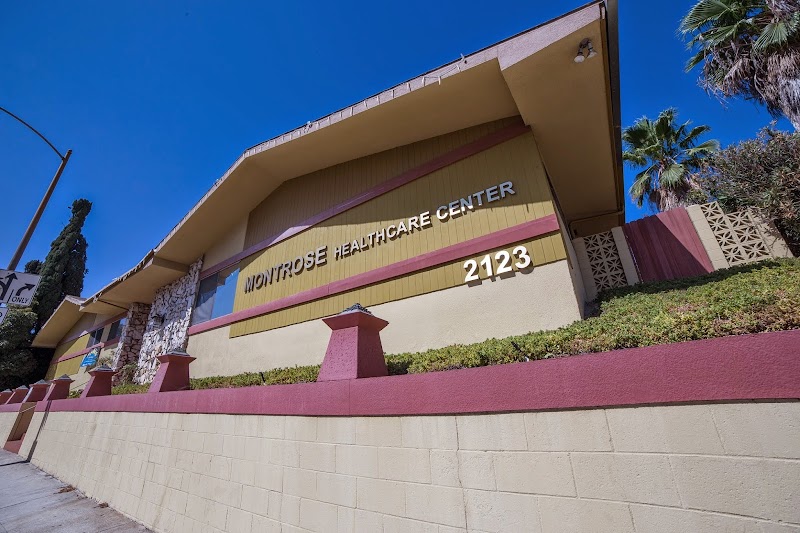
How is Montrose Healthcare Center Staffed?

CMS rates MONTROSE HEALTHCARE CENTER's staffing level at 4 out of 5 stars, which is above average compared to other nursing homes. Staff turnover is 33%, compared to the California average of 46%. This relatively stable workforce can support continuity of care.

What Have Inspectors Found at Montrose Healthcare Center?

State health inspectors documented 38 deficiencies at MONTROSE HEALTHCARE CENTER during 2022 to 2025. These included: 38 with potential for harm.
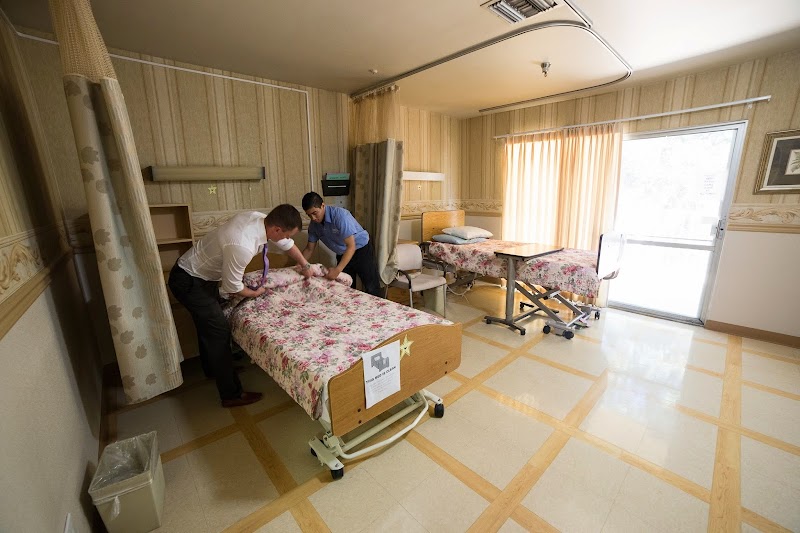
Who Owns and Operates Montrose Healthcare Center?

MONTROSE HEALTHCARE CENTER is owned by a for-profit company. For-profit facilities operate as businesses with obligations to shareholders or private owners. The facility is operated by LONGWOOD MANAGEMENT CORPORATION, a chain that manages multiple nursing homes. With 59 certified beds and approximately 53 residents (about 90% occupancy), it is a smaller facility located in MONTROSE, California.
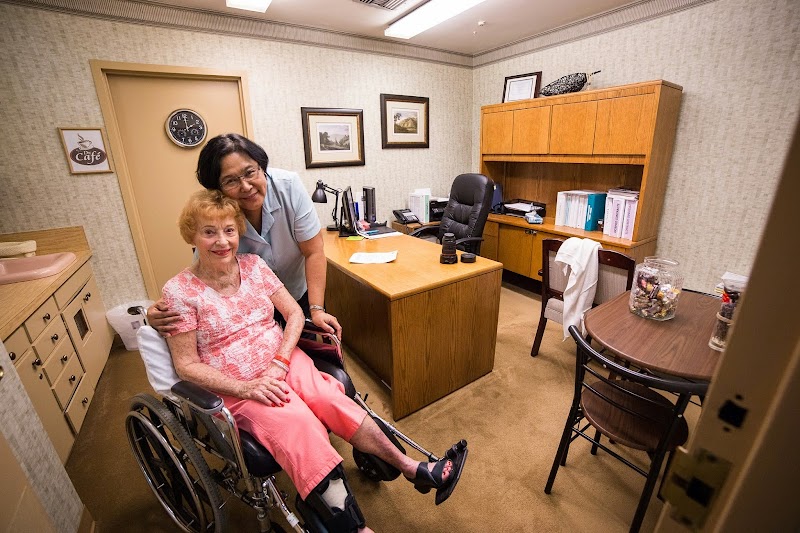
How Does Montrose Healthcare Center Compare to Other California Nursing Homes?

Compared to the 100 nursing homes in California, MONTROSE HEALTHCARE CENTER's overall rating (4 stars) is above the state average of 3.2, staff turnover (33%) is significantly lower than the state average of 46%, and health inspection rating (4 stars) is above the national benchmark.

What Should Families Ask When Visiting Montrose Healthcare Center?

Based on this facility's data, families visiting should ask: "Can I visit during a mealtime to observe dining assistance and food quality?" "How do you handle medical emergencies, and what is your hospital transfer rate?" "Can I speak with family members of current residents about their experience?"

Is Montrose Healthcare Center Safe?

Based on CMS inspection data, MONTROSE HEALTHCARE CENTER has a clean safety record: no substantiated abuse findings (meaning no confirmed cases of resident harm), no Immediate Jeopardy citations (the most serious violation level indicating risk of serious injury or death), and is not on the Special Focus Facility watch list (a federal program monitoring the lowest-performing 1% of nursing homes). The facility has a 4-star overall rating and ranks #1 of 100 nursing homes in California. While no facility is perfect, families should still ask about staff-to-resident ratios and recent inspection results during their visit.

Do Nurses at Montrose Healthcare Center Stick Around?

MONTROSE HEALTHCARE CENTER has a staff turnover rate of 33%, which is about average for California nursing homes (state average: 46%). Moderate turnover is common in nursing homes, but families should still ask about staff tenure and how the facility maintains care continuity when employees leave.

Was Montrose Healthcare Center Ever Fined?

MONTROSE HEALTHCARE CENTER has no federal fines on record. CMS issues fines when nursing homes fail to meet care standards or don't correct problems found during inspections. The absence of fines suggests the facility has either maintained compliance or corrected any issues before penalties were assessed. This is a positive indicator, though families should still review recent inspection reports for the full picture.

Is Montrose Healthcare Center on Any Federal Watch List?

MONTROSE HEALTHCARE CENTER is not on any federal watch list. The most significant is the Special Focus Facility (SFF) program, which identifies the bottom 1% of nursing homes nationally based on persistent, serious quality problems. Not being on this list means the facility has avoided the pattern of deficiencies that triggers enhanced federal oversight. This is a positive indicator, though families should still review the facility's inspection history directly.