MONTROSE SPRINGS SKILLED NURSING & WELLNESS CENTER
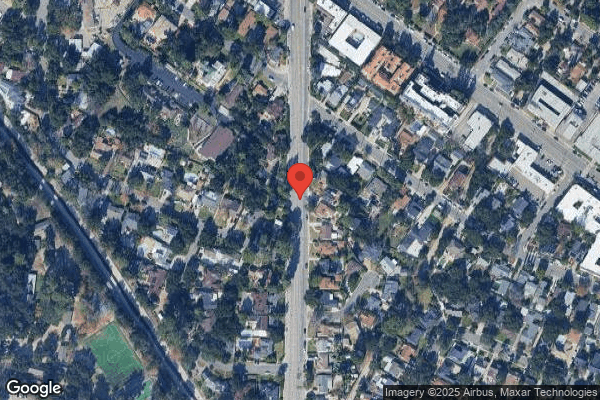
2635 HONOLULU AVE, MONTROSE, CA 91020 (818) 248-6856
For profit - Limited Liability company 109 Beds PACIFIC HEALTHCARE HOLDINGS Data: November 2025
Trust Grade
25/100
#634 of 1155 in CA
Last Inspection: July 2025

Inspected within the last 6 months. Data reflects current conditions.

Overview

Montrose Springs Skilled Nursing & Wellness Center has a Trust Grade of F, indicating poor performance and significant concerns regarding resident care. With a state rank of #634 out of 1155 facilities in California, they are in the bottom half, and they rank #125 out of 369 in Los Angeles County, meaning that only a limited number of local options are worse. The facility is showing signs of improvement, with issues decreasing from 32 in 2024 to 20 in 2025, but they still have a troubling history, including serious incidents of physical abuse and failure to protect residents, which led to a resident sustaining a fractured arm. Staffing is a relative strength with a turnover rate of 30%, below the state average, and they maintain average RN coverage, which is crucial for catching potential problems. However, the facility has been fined $32,139, an average amount, highlighting ongoing compliance issues that families should consider.

Trust Score
F
25/100
In California
#634/1155
Bottom 46%
Safety Record
High Risk
Review needed
Inspections
Getting Better
32 → 20 violations
Staff Stability
○ Average
30% turnover. Near California's 48% average. Typical for the industry.
Penalties
✓ Good
$32,139 in fines. Lower than most California facilities. Relatively clean record.
Skilled Nurses
⚠ Watch
Each resident gets only 27 minutes of Registered Nurse (RN) attention daily — below average for California. Fewer RN minutes means fewer trained eyes watching for problems.
Violations
⚠ Watch
78 deficiencies on record. Higher than average. Multiple issues found across inspections.
★★★☆☆
3.0
Overall Rating
★★★☆☆
3.0
Staff Levels
★★★★★
5.0
Care Quality
★★☆☆☆
2.0
Inspection Score
Stable
2024: 32 issues
2025: 20 issues

The Good

  • 5-Star Quality Measures · Strong clinical quality outcomes
  • Full Sprinkler Coverage · Fire safety systems throughout facility
  • No fines on record
  • Staff turnover below average (30%)

    18 points below California average of 48%

Facility shows strength in quality measures, fire safety.

The Bad

3-Star Overall Rating

Near California average (3.1)

Meets federal standards, typical of most facilities

Staff Turnover: 30%

16pts below California avg (46%)

Typical for the industry

Federal Fines: $32,139

Below median ($33,413)

Moderate penalties - review what triggered them

Chain: PACIFIC HEALTHCARE HOLDINGS

Part of a multi-facility chain

Ask about local staffing decisions and management

The Ugly 78 deficiencies on record

3 actual harm
Jul 2025 15 deficiencies
CONCERN (D)

Potential for Harm - no one hurt, but risky conditions existed

Resident Rights (Tag F0550)

Could have caused harm · This affected 1 resident

Based on observation, interview, and record review, the facility failed to provide one of eight (8) sampled residents (Resident 56) with respect and dignity during mealtime, when Certified Nurse Assis...

Read full inspector narrative →
Based on observation, interview, and record review, the facility failed to provide one of eight (8) sampled residents (Resident 56) with respect and dignity during mealtime, when Certified Nurse Assistant (CNA) 3 was observed standing over Resident 56 while providing feeding assistance. This failure had the potential to result in negatively affecting Resident 56's self-esteem and self-worth. Findings: During a review of Resident 56's admission Record (AR), the AR indicated the facility admitted Resident 56 on 8/19/2019 and readmitted Resident 56 on 6/29/2021 with diagnoses that included contracture (a stiffening/shortening at any joint, that reduces the joint's range of motion) of Resident 56's left and right hands, dysphagia (difficulty swallowing), and unspecified dementia (a progressive state of decline in mental abilities). During a review of Resident 56's Minimum Data Set (MDS, a resident assessment tool), dated 3/25/2025, the MDS indicated Resident 56 had modified independence (some difficulty in new situations only) when making decisions regarding tasks of daily life. The MDS indicated Resident 56 required maximal assistance (helper does more than half the effort) with activities of daily living (ADLS, activities such as bathing, dressing, and toileting a person performs daily) such as eating (the ability to use suitable utensils to bring food and/or liquids to the mouth and swallow food and/or liquid once the meal is placed before the resident). The MDS indicated Resident 56 had a mechanically altered (required change in texture of food or liquids) therapeutic diet (a meal plan ordered by the physician to help manage or treat a specific medical condition). During a review of Resident 56's History and Physical (H&P, a comprehensive physician's note regarding the assessment of the resident's health status), dated 5/27/2025, the H&P indicated Resident 56 did not have the capacity to make their own decision. During a review of Resident 56's Order Summary Report, dated 5/30/2025, the Report indicated that Resident 56 had an order for a pureed (smooth, soft, and creamy) texture, nectar thick (thicken liquid consistency) regular diet. During an observation on 7/1/2025 at 1:08 PM in Resident 56's room, Resident 56 was observed lying in bed with the head of bed elevated, and CNA 3 was observed standing by Resident 56's bedside while feeding and assisting Resident 56 with meals. During an interview on 7/1/2025 at 3:03 PM with CNA 3, CNA 3 stated, Resident 56 was a completely dependent resident. CNA 3 stated, Resident 56 required feeding assistance during meals. During an interview on 7/1/2025 at 3:05 PM with CNA 3, CNA 3 stated a chair was not used while feeding Resident 56 since CNA 3 could not find a chair, therefore assisted feeding Resident 56 while standing up. During an interview on 7/1/2025 at 3:08PM with CNA 3, CNA 3 stated, when assisting with meals with any resident, staff should be seated and at eye level with the resident to ensure a resident did not feel rushed. During an interview on 7/3/2025 at 3:30 PM with Registered Nurse (RN) 1, RN 1 stated, if a resident required assistance with feeding during meals, the CNAs must sit and be at eye level with the resident. RN 1 stated, the staff assisting with feeding must be patient with the resident to allow the resident enough time to swallow. RN 1 stated, the CNA must sit at eye-level with the resident to allow the resident and the CNA to converse with each other. RN 1 stated by having staff sit and be eye level with a resident during meals allowed the resident to feel dignified, respected, and more comfortable with the CNA. During a review of the facility's policies and procedures (P&P) titled Resident Rights - Accommodation of Needs, dated 1/1/2012, the P&P indicated the facility staff interacts with the resident in a way that accommodates the physical or sensory limitations of the residents, promotes communication, and maintains each resident's dignity.
CONCERN (D)

Potential for Harm - no one hurt, but risky conditions existed

Deficiency F0552 (Tag F0552)

Could have caused harm · This affected 1 resident

**NOTE- TERMS IN BRACKETS HAVE BEEN EDITED TO PROTECT CONFIDENTIALITY** Based on interview, and record review, the facility failed to obtain an informed consent (a process of communication between a p...

Read full inspector narrative →
**NOTE- TERMS IN BRACKETS HAVE BEEN EDITED TO PROTECT CONFIDENTIALITY** Based on interview, and record review, the facility failed to obtain an informed consent (a process of communication between a person and the health care provider that often leads to agreement or permission for care, treatment, or services) for psychotropic/psychotherapeutic (any drug that affects behavior, mood, thoughts, or perception) drug for one of two sampled resident (Resident 52) who was prescribed Ativan (a psychotropic medication used for anxiety). This deficient practice violated Resident 52's rights to be informed when choosing the type of care or treatment to be received, making decisions on alternative measures that the resident or responsible party preferred, which can negatively affect Resident 52's quality of life. Findings: During a review of Resident 52’s admission Record [AR], the AR indicated Resident 52 was originally admitted to the facility on [DATE], with diagnoses that included dementia (the loss of thinking, remembering and reasoning) and anxiety disorder (feeling of fear as a reaction to stress). During a review of Resident 52’s History and Physical Examination (HPE, a comprehensive physician’s note regarding the assessment of the patient’s health status) signed by the attending physician on 11/17/2023, the HPE indicated Resident 52 had the capacity to understand and make decisions. During a review of Resident 52’s Minimum Data Set (MDS, a resident assessment tool), dated 5/24/2025, the MDS indicated the Resident 52’s cognition (thought process) was moderately impaired. During a review of Resident 52’s “Order Summary Report” dated 6/2/2025, indicated Resident 52 had a physician order for Ativan Oral Tablet 0.5 mg (unit of measurement) to give 0.5 mg by mouth two times a day for anxiety manifested by irritability and easily agitated. During a concurrent interview and record review on 7/2/2025 at 2:15 PM with the Medical Records (MR), Resident 52’s medical chart under the consent section and electronic health record (EHR, an electronic/digital collection of medical information about a person that is stored on a computer) was reviewed. The MR stated the informed consent form for the use of Ativan was not in Resident 52’s hard copy medical record and EHR. During a concurrent interview and record review on 7/2/2025 at 2:15 PM with Registered Nurse Supervisor (RN 1), Resident 52’s medical paper chart under the consent section and EHR were reviewed. RN 1 stated the Resident 52’s EHR and hard copy medical record did not have any documentation that an informed consent for psychotropic medication Ativan was given to Resident 52 in 2025. RN 1 stated there should have been a current consent form obtained for 2025. RN 1 stated that consent for psychotropic medications forms was updated and reviewed quarterly. RN 1 stated it was the responsibility of the RN to follow up and make sure a signed and dated consent form was in Resident 52’s medical record. During an interview on 7/3/2025 at 1:05 PM with the Director of Nursing (DON), The DON stated he reviewed Resident 52’s medical record (paper chart and EHR) and he was unable to locate the consent form for the use of the psychotropic medication Ativan for 2025. The DON stated, it was important for the informed consent to be completed since the consent form validated that Resident 52 was informed that the physician had explained to Resident 52 and /or the responsible party the risks and benefits while taking the psychotropic medication Ativan and other alternative treatments had been provided. DON stated, not having an informed consent for psychotropic medications violates resident rights. During a review of the facility’s policy and procedure (P&P) titled “Informed Consent,” revised 6/27/2024, the P&P indicated that the licensed nurse will confirm that the Healthcare Practitioner obtained informed consent and will document the verification in the Resident's medical record, before administering the first dose or first increased dose of psychoactive medications, applying physical restraints or medical devices. The P&P indicated the informed consent will be placed in the resident's medical record. During a review of the facility’s P&P titled “Behavior/Psychoactive Medication Management” revised 4/24/2025, the P&P indicated the facility must obtain a resident's written informed consent for treatment using psychoactive drugs and consent renewal every 6 (six) months.
CONCERN (D)

Potential for Harm - no one hurt, but risky conditions existed

Deficiency F0565 (Tag F0565)

Could have caused harm · This affected 1 resident

**NOTE- TERMS IN BRACKETS HAVE BEEN EDITED TO PROTECT CONFIDENTIALITY** Based on interview, and record review the facility failed to provide prompt efforts to resolve grievances for one of two sampled...

Read full inspector narrative →
**NOTE- TERMS IN BRACKETS HAVE BEEN EDITED TO PROTECT CONFIDENTIALITY** Based on interview, and record review the facility failed to provide prompt efforts to resolve grievances for one of two sampled residents (Resident 107) who voiced to the facility during the Resident Council Meetings to provide a follow-up or a resolution for Wi-Fi extenders (a device that helped extend the range of your existing Wi-Fi network) because it was for the resident's phone and television to work correctly. This deficient practice resulted in unresolved grievance for Resident 107 that affects the residents the resident's quality of life. Findings: During a review of Resident 107's admission Record (AR), the AR indicated the resident was admitted to the facility on [DATE], with diagnoses that included congestive heart failure (CHF, a heart disorder which caused the heart to not pump the blood efficiently, sometimes resulting in leg swelling), hypertension (HTN, high blood pressure), and anemia (a condition where the body did not have enough healthy red blood cells). During a review of Resident 107's History and Physical (H&P) dated 10/31/2024, the H&P indicated the resident had the capacity to understand and make decisions. During a review of Resident 107's Minimum Data Set (MDS, a federally mandated resident assessment tool) dated 5/7/2025, the MDS indicated the resident's cognition was intact (sufficient judgement and self-control to manage the normal demands of the environment). The MDS indicated that the resident required setup or clean-up assistance from facility staff for eating, oral/personal hygiene and rolling to the left and right. The MDS indicated the resident required supervision or touching assistance from facility staff for toileting hygiene, showering, and transfers. During a review of the Facility's Resident Council Meeting Notes dated 4/8/2025, the Resident Council Meeting Notes indicated Residents are asking to have Wi-Fi extender due to some not being able to connect to personal devices. The Resident Council Meeting Notes indicated a department response Administrator is working with maintenance supervisor to obtain Wi-Fi extenders appropriate for the facility. The Resident Council Meeting Notes included several e-mail correspondences with the administrator (ADM) and the Senior Information Technology (IT) Support from 4/16/2025 to 4/25/2025 indicating approval of the request and discussing difference access points to place the equipment. During a review of the ADM's e-mail correspondence dated 4/28/2025 to 6/24/2025, the e-mail correspondence indicated equipment had been delivered to the facility and the facility was waiting on a vendor to run lines through the facility before installation. The e-mail correspondence's last note on 6/24/2025 indicated, I have someone coming out tomorrow for the third quote. He should be there in the afternoon. During Resident Council Meeting and concurrent interview on 7/1/2025 at 10:02 AM, Resident 107 stated she had already spoken about the Wi-Fi extenders twice to the facility staffs and today was the third time. Resident 107 stated she spoke with the ADM to provide information on the extenders to boot up what's already in place because It's hard to get my phone and tv to work correctly. During an observation and interview on 7/1/2025 at 11:25 AM, the Registered Nurse (RN) 3 was moving the medication cart around the hallway and was observed getting medications ready in front of a resident's room. The RN 3 stated, Because of the internet, I need to move a little far and stationed the medication cart in front of a different resident's room. The RN 3 stated, I'm having issues, so I was moving to see if there was a better connection. During an interview on 7/3/2025 at 12:35 PM, Resident 107 stated when she informed the ADM of the Wi-Fi extenders and the ADM looked interested. Resident 107 stated, the facility maintenance staff started to measure the building, but no rationale was provided as to why the extenders were not placed yet and there was no follow-up that she could recall. During an interview on 7/3/2025 at 4:41 PM, the ADM stated the facility followed up with the resident regarding the Wi-Fi extender. When asked, the ADM was unable to provide documentation of the interaction with the maintenance supervisor on why the Wi-Fi extender has not been placed. The ADM stated if there was no follow-up with the resident, Resident 107 felt like the request was not being addressed and the facility would not be able to ensure the resident's satisfaction. During a review of the facility's policy and procedure (P&P) titled, Grievances and Complaints dated December 2017, the P&P indicated The facility Administrator is the Grievance Official responsible for overseeing the grievance process, receiving and tracking grievances through to their conclusion, maintain the confidentiality of information associated with the grievance as necessary and assuring written grievance decisions are provided to the residents upon request. The P&P indicated, If follow-up is required, the Grievance Official is responsible for ensuring that the follow-up action is taken in a timely manner.
CONCERN (D)

Potential for Harm - no one hurt, but risky conditions existed

Deficiency F0578 (Tag F0578)

Could have caused harm · This affected 1 resident

**NOTE- TERMS IN BRACKETS HAVE BEEN EDITED TO PROTECT CONFIDENTIALITY** Based on interview and record review, the facility failed to ensure the Advance Directives Acknowledgement Form (written stateme...

Read full inspector narrative →
**NOTE- TERMS IN BRACKETS HAVE BEEN EDITED TO PROTECT CONFIDENTIALITY** Based on interview and record review, the facility failed to ensure the Advance Directives Acknowledgement Form (written statement of a person's wishes regarding medical treatment made to ensure those wishes are carried out should the person be unable to communicate them to a doctor) and Physician Orders for Life-Sustaining Treatment (POLST, medical order forms that tell medical staff what to do if you have a medical emergency and are unable to speak for yourself) were obtained and readily accessible in the residents' hard copy medical records for one of three sampled residents (Resident 34). These deficient practices had the potential for residents' medical treatment provisions to not be carried out, according to the resident's wishes during emergency situations and/or when a resident was incapacitated (the clinical state in which a patient is unable to participate in a meaningful way in medical decisions). Findings: During a review of Resident 34’s admission Record [AR], the AR indicated Resident 34 was originally admitted to the facility on [DATE], with diagnoses that included a bipolar disorder (mental health condition that causes extreme mood swings) and paranoid schizophrenia (distorted thinking and awareness). During a review of Resident 34’s History and Physical Examination (HPE, a comprehensive physician’s note regarding the assessment of the patient’s health status) signed by the attending physician on 5/17/2025, the HPE indicated Resident 34 had a fluctuating capacity to understand and make decisions. During a review of Resident 34’s Minimum Data Set (MDS, a resident assessment tool) dated 5/23/2025, the MDS indicated the Resident 1’s cognition (thought process) was severely impaired. During a concurrent interview and record review on 7/1/2025 at 1:19 PM with the Social Services Designee (SSD), Resident 34’s hard copy medical record was reviewed. The SSD stated Resident 34’s advance directive acknowledgement form and the POLST was not in the resident’s medical record. The SSD stated the POLST was important for the facility staff to know what Resident 34 wishes were regarding treatment in the event of a medical emergency. During a concurrent interview and record review on 7/1/2025 at 1:40 PM with Registered Nurse Supervisor (RN 1), Resident 34’s hard copy medical record was reviewed. RN 1 stated that Resident 34’s advance directive acknowledgement form and the POLST were not located in Resident 34’s medical record RN 1 stated it was important for the POLST to be placed in the residents’ hard copy medical record so the licensed nursing staff would know what Resident 34's wishes were regarding treatment and care during a medical emergency. During an interview on 7/3/2025 at 1:48 PM with the Director of Nursing (DON), DON stated that the advance directive acknowledgement form and POLST must be readily accessible and placed in the resident’s hard copy medical records in the event of an emergency so the licensed nurses would know how to properly respond and provide the correct treatment in accordance with Resident 34’s medical treatment wishes. During a review of the facility’s policy and procedures (P&P) titled “Advance Directive” revised 7/25/24, the P&P indicated “upon admission, the Admissions Staff or Designee will provide written information to the resident concerning his or her right to make decisions concerning medical care; including the right to accept or refuse medical or surgical treatment, and the right to formulate advance directives.”
CONCERN (D)

Potential for Harm - no one hurt, but risky conditions existed

Comprehensive Care Plan (Tag F0656)

Could have caused harm · This affected 1 resident

**NOTE- TERMS IN BRACKETS HAVE BEEN EDITED TO PROTECT CONFIDENTIALITY** Based on interview and record review, the facility failed to develop a comprehensive person-centered care plan (a treatment plan...

Read full inspector narrative →
**NOTE- TERMS IN BRACKETS HAVE BEEN EDITED TO PROTECT CONFIDENTIALITY** Based on interview and record review, the facility failed to develop a comprehensive person-centered care plan (a treatment plan that focused on the needs and preferences of a resident or individual for two of four sample residents (Resident 43 and 27) by failing to: 1. Develop a care plan to address interventions for Resident 43's abdominal pain on 3/25/2025. 2. Develop a care plan for Resident 27's to address interventions for medication side effects and behavior monitoring for poor impulse control which was prescribed Depakote (an antiepileptic medication used to reduce excessive electrical activity in the brain believed to cause mood fluctuations in bipolar disorder [sometimes called manic-depressive disordered; mood swings that range from the lows of depression to elevated periods of emotional highs]). These deficient practices had the potential to result in Resident 43 not receiving individualized and necessary care and treatment for pain control and had the potential to result in Resident 27 receiving a delay in resident-care services and the inability to monitor the effectiveness or non-effectiveness of the specific care provided. Findings: 1.During a review of Resident 43’s admission Record (AR), the AR indicated the resident was admitted to the facility on [DATE], with diagnoses that included abdominal pain, gastro-esophageal reflux disease (GERD, a condition where stomach acid frequently flows back into the esophagus, causing irritation and discomfort), and Type 2 Diabetes Mellitus (DM, a disorder characterized by difficulty in blood sugar control and poor wound healing). During a review of Resident 43’s Physician’s Order dated 3/25/2025, the Physician’s Order indicated may transfer resident to the general acute care hospital (GACH) for further evaluation and management of abdominal pain. Bed hold for seven days if admitted . Hold medication upon transfer and may discontinue medication if admitted . During a review of Resident 43’s Minimum Data Set (MDS, a federally mandated resident assessment tool) dated 6/14/2025, the MDS indicated the resident had moderate cognitive impairment (a person was experiencing noticeable and significant difficulties with thinking, learning, remembering, and other cognitive skills that impact their daily life). The MDS indicated Resident 43 required setup or clean-up assistance from facility staff for eating, supervision or touching assistance from facility staff for oral/personal hygiene and required substantial/maximal assistance from facility staff for transfers. During a review of Resident 43’s Change in Condition Evaluation dated 3/25/2025 at 2:06 PM, the Evaluation indicated the resident had abdominal pain that started on 3/24/2025 in the afternoon. The Evaluation indicated the resident verbalized having abdominal pain but refused pain medication. The Evaluation indicated the Physician was notified and ordered Resident 43 to transfer to the GACH (General Acute Care Hospital) for further evaluation and management. During a review of Resident 43’s Vitals and Pain Note dated 3/25/2025 at 2:22 PM, the Vitals and Pain Note indicated the resident had occasionally moderate aching pain over the last five days with a pain score of four (a numerical pain scale from 0 to 10, where 0 meant no pain and 10 meant the worse pain imaginable). During a review of Resident 43’s Comprehensive (complete) Care Plan dated 3/25/2025, the Care Plan did not mention the resident’s abdominal pain. During a concurrent interview and record review of Resident 43’s Comprehensive Care Plan on 7/3/2025 at 8:43 AM, the Licensed Vocational Nurse (LVN) 2 stated if a resident had a change in condition, the facility was supposed to implement a care plan for that change to make sure the facility was informed of what the next plan of care would be. LVN 2 stated if a care plan was not implemented the resident would not be getting the proper care that was designed/catered to the resident and Resident 43 could decline very fast if the care provided was not what the resident was supposed to receive. LVN 2 stated Resident 43 did not have a Care Plan to address intervention for the resident’s abdominal pain on 3/25/2025. During a concurrent interview and record review of Resident 43’s Comprehensive Care Plan on 7/3/2025 at 3:18 PM, the Director of Nursing (DON) stated there was no care plan on 3/25/2025 for Resident 43’s abdominal pain but the facility should have implemented a care plan for that day. The DON stated if a care plan was not implemented there was potential for incomplete records on what the facility did for interventions. During a concurrent interview and record review of the facility’s policy and procedure (P&P) titled, “Comprehensive Person-Centered Care Planning” dated November 2018 on 7/3/2025 at 3:41 PM, the P&P with the DON indicated, “Additional changes or updates to the resident’s comprehensive care plan will be made based on the assessed needs of the resident.” The P&P indicated, “The comprehensive care plan will be periodically reviewed and revised by IDT (interdisciplinary team) after each assessment. In addition, the comprehensive care plan will also be reviewed and revised at the following times: change of condition.” The DON stated the facility was not following the P&P and could potentially be administering care outside of the facility’s established policy and procedure or standard for Resident 43. 2. During a review of Resident 27’s admission Record (AR), the AR indicated the facility admitted Resident 27 on 10/18/2024 with diagnoses that included Type 2 Diabetes Mellitus (DM, a disorder characterized by difficulty in blood sugar control and poor wound healing) with diabetic neuropathy (disease or dysfunction of one or more nerves, typically causing numbness or weakness in the hands and feet) and depression (mental health condition characterized by persistent sadness, loss of interest in activities, and difficulty carrying out daily tasks). During a review of Resident 27’s History and Physical (H&P, a comprehensive physician’s note regarding the assessment of the resident’s health status), dated 10/22/2024, the H&P indicated Resident 27 had the ability to follow simple commands and had the capacity to make Resident 27’s own decisions. During a review of Resident 27’s Minimum Data Set (MDS, a resident assessment), dated 3/28/2025, the MDS indicated Resident 27’s cognition (a person’s mental process of thinking, learning, remembering, and using judgement) was moderately impaired. The MDS indicated Resident 27’s active diagnoses included depression and bipolar disorder. The MDS indicated Resident 27 took the following medications: an antidepressant, an anticoagulant (medication to prevent blood clots), an opioid (strong pain reliever), a hypoglycemia (medication to decrease blood sugar) medication, and an anticonvulsant (medication to reduce abnormal electrical brain activity). During a review of Resident 27’s Order Summary Report, the Report indicated an order, with a start date of 6/17/2025, for Depakote ER Oral Tablet Extended Release 24 hours 500 milligrams (mg, unit of measure). The order indicated to “give 500 mg by mouth in the morning for poor impulse control disorder manifested by verbal aggression.” During a review of Resident 27’s Order Summary Report, the Report indicated an order with a start date of 6/11/2025 to monitor side effects of Depakote every shift such as diarrhea, constipation, altered appetite, drowsiness or confusion. During a review of Resident 27’s Order Summary Report, the Report indicated an order with a start date of 6/11/2025 to monitor target behaviors for use of Depakote ER for poor impulse control manifested by verbal aggression. During a concurrent interview and record review on 7/3/2025 at 4:06 PM with Registered Nurse (RN) 1, Resident 27’s care plans were reviewed. There was no care plan initiated for the use of Depakote for Resident 27. RN 1 stated, there was no care plan indicated for Resident 27’s Depakote medication. RN 1 stated, there should be a care plan created for Depakote. During an interview on 7/3/2025 at 4:10 PM with RN 1, RN 1 stated a care plan must be initiated for each medication that affected the resident’s mood and behavior. RN 1 stated, Resident 27 received Depakote for behaviors of poor impulse control, which affected the resident’s mood and behavior. RN 1 stated, a care plan for Depakote was important to identify the purpose of the medication, to monitor the effectiveness of the medication, and to monitor the side effects of the medication. During a review of the facility’s policies and procedures (P&P) titled, Person-Centered Planning, dated 4/24/2025, the P&P indicated “the facility must develop and implement a comprehensive person-centered care plan for each resident consistent with the resident rights, that includes measurable objectives, and timeframes to meet a resident’s medical, nursing, mental, and psychosocial needs.
CONCERN (D)

Potential for Harm - no one hurt, but risky conditions existed

Deficiency F0688 (Tag F0688)

Could have caused harm · This affected 1 resident

Based on observation, interview, and record review, the facility failed to provide pillows or wedges for body support to help one of four sampled residents (Resident 54) who was quadriplegic (complete...

Read full inspector narrative →
Based on observation, interview, and record review, the facility failed to provide pillows or wedges for body support to help one of four sampled residents (Resident 54) who was quadriplegic (complete immobility due to severe disability from injury to the brain or spinal cord) to achieve the desired comfort and position as indicated in the resident's care plan and the facility's policy and procedures. These deficient practices had the potential for Resident 54 to develop pain, discomfort and contracture (a permanent tightening of muscles, tendons, skin, or other tissues, causing joints to shorten and become stiff, thus limiting normal movement) negatively affect the residents' physical comfort and psychosocial well-being. Findings: During a review of Resident 54's admission Records (AR), the AR indicated that the facility admitted Resident 54 on 6/12/2020, with diagnoses including multiple sclerosis (MS, a chronic, progressive disease involving damage to the nerve cells in the brain and spinal cord), gastrostomy status (presence of a G-tube, a surgical opening fitted with a device to allow feedings to be administered directly to the stomach common for people with swallowing problems), and functional quadriplegia (complete immobility due to severe disability from another medical condition without injury to the brain or spinal cord). During a review of Resident 54's Minimum Data Set (MDS, a resident assessment tool) dated 3/27/2025, the MDS indicated that Resident 54 was severely cognitively impaired (never/rarely made decisions). The MDS indicated that Resident 54 needed substantial/maximal assistance (helper does more than half the effort) on toileting hygiene, personal hygiene, rolling left to right, sit to lying, lying to sitting on side of bed, and toilet transfer. During a review of Resident 54's Care Plan revised 7/3/2025, the care plan indicated that Resident 54 had impaired physical mobility (a limitation in a person's ability to move around independently and freely) related to contractures. The Care Plan intervention included to provide comfort by putting pillows or wedges on desired or comfort position. During a concurrent observation and an interview on 6/30/2025 at 8:40 AM in Resident 54's room, Resident 54 was observed in a position with upper and lower body facing opposite direction, with no supportive devices such as pillows or wedges on for comfort position. CNA 1 stated he just finished providing the morning ADL (activities of daily living- basic self-care tasks that individuals perform on a daily basis) care for Resident 54. CNA 1 was observed exiting the resident room for his next resident without ensuring the resident had pillows and wedges for comfort. During a concurrent observation and an interview on 6/30/2025 at 8:50 am with the Licensed Vocational Nurse (LVN) 1 in Resident 54's room, LVN 1 stated Resident 54 did not look comfortable lying in bed and without support for his position. LVN 1 stated Resident 54 was dependent on staff's assistance with repositioning and it's not acceptable leaving resident like this. During a concurrent record review and an interview on 7/3/2025 at 10:23 AM, Resident 54's Care Plan was reviewed. LVN 1 stated an appropriate supportive device should be used for Resident 54 because he had limited mobility and was unable to stay in a comfortable position by himself. During an interview on 7/3/2025 at 3:50 PM with the Director of Nursing (DON), DON stated it was important for nursing staffs to provide assistance to residents who could not reposition or maintain in the position on their own, and use of supportive device will be necessary for resident's physical comfort. During a review of the facility's Policy and Procedures titled Positioning and Body Alignment revised in 1/1/2012, the P&P indicated that each resident who is partially or totally dependent will be positioned in good body alignment. The P&P indicated to have proper equipment to redistribute pressure and maintain body alignment at bedside, position resident to maintain comfort and redistribute pressure, and ensure sufficient support for the extremities and head.
CONCERN (D) 📢 Someone Reported This

A family member, employee, or ombudsman was alarmed enough to file a formal complaint

Potential for Harm - no one hurt, but risky conditions existed

Accident Prevention (Tag F0689)

Could have caused harm · This affected 1 resident

**NOTE- TERMS IN BRACKETS HAVE BEEN EDITED TO PROTECT CONFIDENTIALITY** Based on observation, interview, and record review, the facility failed to follow the facility's policies and procedures (P&P) t...

Read full inspector narrative →
**NOTE- TERMS IN BRACKETS HAVE BEEN EDITED TO PROTECT CONFIDENTIALITY** Based on observation, interview, and record review, the facility failed to follow the facility's policies and procedures (P&P) titled, Fall Management Program and Fall Prevention and Management Program for two of four sampled residents (Resident 106 and Resident 27) by: 1. Failing to provide appropriate and sufficient supervision for Resident 106 by failing to: a. Implement Resident 106's Risk for Falls Care Plan interventions to not leave Resident 106 unattended when toileting. b. Update Resident 106's Fall Risk after falling on 6/24/2025 as indicated in the facility's P&P titled, Fall Prevention and Management Program. c. Document interventions recommended by the Interdisciplinary Team (IDT, a group of healthcare professionals with various areas of expertise who work together toward the goal of the resident) after Resident 106's fall on 6/24/2025. 2. Failing to ensure that the IDT team met after Resident 27 sustained a fall on 5/2/2025 as indicated in the facility's P&P titled, Fall Management Program. As a result of these deficient practices, Resident 106, who had an unwitnessed fall that resulted in an injury and was transferred to the general acute care hospital (GACH) on 6/24/2025 at 11:09 AM for further treatment of three-centimeter (cm, a measure of length) laceration (a deep cut or tear in skin) with skin discoloration to right cheek and received seven sutures (surgical threads used to close wounds from injuries) on the resident's right eyebrow and these deficient practices had the potential to place Resident 27 at risk for further falls. Findings: 1. During a review of Resident 106’s admission Record (AR), the AR indicated the resident was admitted to the facility on [DATE], with diagnoses that included Alzheimer’s disease (a disease characterized by a progressive decline in mental abilities), palliative care (specialized medical care focused on improving the quality of life for people with serious illnesses), and type 2 diabetes mellitus (DM, a disorder characterized by difficulty in blood sugar control and poor wound healing). During a review of Resident 106’s Risk for Falls Care Plan dated 2/19/2025, the Care Plan indicated a goal for the resident to have reduced risk of falls/injuries daily for 90 days. The Care Plan interventions included frequent safety monitoring, to ensure the room was free of clutter, and to not leave resident unattended when toileting and in shower room. During a review of Resident 106’s History and Physical (H&P) dated 3/5/2025, the H&P indicated the resident could make needs known but could not make medical decisions. During a review of Resident 106’s Minimum Data Set (MDS, a federally mandated resident assessment tool) dated 6/8/2025, the MDS indicated the resident had severe cognitive impairment (problems with a person’s ability to think, learn, remember, use judgement, and make decisions). The MDS indicated the resident did not have any falls since admission and required substantial maximal assistance (helper does more than half the effort) with sit to stand and toilet transfer. The MDS indicated the resident did not have any alarms. During a review of Resident 106’s Fall Risk Evaluation dated 6/8/2025 at 1:33 AM, the Fall Risk Evaluation indicated the resident was disoriented times three at all times and was chairbound/incontinent (someone who “goes to the bathroom” without actually being able to make it to the bathroom). The Fall Risk Evaluation indicated the resident required use of assistive devices. During a review of Resident 106’s Vitals and Pain Only Evaluation dated 6/24/2025 at 8:43 AM, the Evaluation indicated the resident’s pain level was 3/10 on the pain scale (a pain scale of 1-10 was a common method for gauging pain intensity, with 0 representing no pain and 10 representing the worse possible pain). During a review of Resident 106’s Medication Administration Record (MAR) dated 6/24/2025 at 8:43 AM, the MAR indicated the resident received Acetaminophen oral tablet 500 milligram (mg, unit of mass or weight), 1,000 mg by mouth every eight hours as needed (PRN) mild pain (one to four) for the pain level of 3. During a review of Resident 106’s Change in Condition Evaluation dated 6/24/2025 at 8:52 AM, the Evaluation indicated Resident 106 had an unwitnessed fall in the bathroom with a laceration to right brow bone and an abrasion (the surface layers of the skin (epidermis) had been broken) with skin discoloration to right cheek. The Evaluation indicated Resident 106 received pain medication and treatment was provided. The Evaluation indicated the Resident’s Representative (RR) and physician were notified with orders to transfer the resident to the GACH for further evaluation and treatment. During a review of Resident 106’s Post Fall Evaluation dated 6/24/2025 at 10:13 AM, the Post Fall Evaluation indicated the resident’s pre-fall: fall risk score was a nine and the post-fall: fall risk score was also a nine. During a review of Resident 106’s Fall Risk Evaluation dated 6/24/2025 at 11:15 AM, the Fall Risk Evaluation indicated the resident had no falls in the past three months, had intermittent confusion, and was chairbound/incontinent. The Fall Risk Evaluation indicated the resident required use of assistive devices. During a review of Resident 106’s Skin Check dated 6/24/2025 at 4:31 PM, the Skin Check indicated the resident had a right brow bone laceration acquired in house measuring four cm by 0.3 cm with steri-strips (thin, adhesive strips used to close small cuts or wounds) applied for closure. The Skin Check indicated the resident had a right front knee abrasion, a right cheek abrasion with discoloration, and a right upper orbital region (the bony cavity, or socket in your skull that housed your eyeball and related structures) discoloration, all acquired in house. During a review of Resident 106’s Physician’s Order dated 6/24/2025, the Physician’s Order indicated treatment: right brow bone laceration. Cleanse with normal saline (NS), pat dry, apply steri-strips PRN. During a review of Resident 106’s Physician’s Order dated 6/24/2025, the Physician’s Order indicated treatment: right cheek abrasion with discoloration. Apply triple antibiotic (medication used to treat infection) ointment daily everyday shift. During a review of Resident 106’s Physician’s Order dated 6/24/2025, the Physician’s Order indicated treatment: right eyebrow skin tear. Cleanse with NS, pat dry, apply steri-strips and monitor daily PRN. During a review of Resident 106’s Physician’s Order dated 6/24/2025, the Physician’s Order indicated treatment: right eyebrow skin tear. Cleanse with NS, pat dry, apply steri-strips and monitor daily everyday shift. During a review of Resident 106’s Physician’s Order dated 6/24/2025, the Physician’s Order indicated treatment: right knee abrasion. Cleanse with NS, pat dry, apply triple antibiotic ointment daily everyday shift for 21 days. During a review of Resident 106’s GACH Emergency Department (ED) Physician Notes dated 6/24/2025 at 11:24 AM, the ER Report indicated the resident fell at the nursing facility with an abrasion or bruising to the right side of the face with no loss of consciousness. The ER Report’s physical exam indicated Resident 106 had an abrasion/laceration to right eyebrow with steri-strips in place and an abrasion to right cheek. During a review of Resident 106’s GACH ED Physician Notes dated 6/24/2025 at 1:59 PM, the ED Physician Notes indicated the Physician performed a laceration repair for Resident 106’s right eyebrow with a local anesthetic (a drug or other substance that caused a loss of feeling or awareness) and placed seven sutures. The ED Physician Notes indicated the sutures were dressed in antibiotic ointment and a four-by-four gauze (a loosely woven, almost translucent fabric that was used to bandage a wound. During a review of Resident 106’s GACH Discharge Instructions dated 6/24/2025 at 3:21 PM, the Discharge Instructions indicated for the resident to follow up with the primary care doctor within three to five days after ED visit for suture removal. During a review of Resident 106’s Physician’s Order dated 6/24/2025, the Physician’s Order indicated to follow up with the primary care physician within three to five days after the emergency room visit for suture removal. During a review of Resident 106’s IDT Progress Notes – Falls dated 6/27/2025 at 7:42 AM, the IDT Progress Notes indicated the resident was assisted to the rest room and the Certified Nursing Assistant (CNA) was making the bed with privacy provided for the resident. The IDT Progress Note indicated the resident seemed to have “gotten up” and sustained a fall and transferred to the GACH to rule out a head injury. The IDT Progress Note indicated recommendations to continue with toileting regimen program, frequent safety checks, nigh shift staff to station by resident’s room, and continue to proactively anticipate needs and help as needed. During an observation in Resident 106’s room on 7/1/2025 at 9:08 AM, the resident’s bed was low to the ground with the call light system in reach. Resident 106 was sitting in a wheelchair smiling and making eye contact but was unable to speak but was mumbling words. Resident 106 had sutures to the right lower eyebrow. During an interview on 7/2/2025 at 3:59 PM, CNA 7 stated on 6/24/2025 he placed Resident 106 in the restroom, left the resident in the restroom alone and closed the door for privacy. CNA 7 stated he would usually leave Resident 106 in the restroom to give the residents privacy. CNA 7 stated he checked on the resident every one minute to ensure the resident was safe but then after closing the door the resident fell. During an interview on 7/2/2025 at 4:28 PM, the Director of Nursing (DON) stated Resident 106 was able to be left in the restroom by himself to provide dignity and give privacy. During a concurrent interview and record review of Resident 106’s IDT Progress Note - Falls on 7/2/2025 at 4:45 PM, The DON stated he did not require the facility staff to document every intervention or every action . The DON stated, “Registered nurses has integrity and for me to say that I said I saw it, it’s enough.” The DON was unable to provide documentation of the night shift staff stationed by the residents’ room as recommended by IDT. During a concurrent interview and record review of Resident 106’s Post Fall Evaluation on 7/3/2025 at 2 PM, the DON stated the document was not correct because the resident’s post fall score should have been higher because of the fall. During a concurrent interview and record review of Resident 106’s Risk for Falls Care Plan on 7/3/2025 at 2:05 PM, the DON stated the facility was not following the Care Plan interventions. The DON stated if the facility was not following the interventions there was potential to pose the resident at risk for falls because the plan of care would not be accurate to reflect the resident’s current status. During an interview on 7/3/2025 at 3:15 PM, the DON stated CNA 7 should have left the door open. The DON stated when the door was closed, there was no direct line of sight or adequate supervision so if the door was kept open, CNA 7 could have potentially intervened and could have been timelier to get to the resident. 2. During a review of Resident 27’s admission Record (AR), the AR indicated the facility admitted Resident 27 on 10/18/2024 with diagnoses that included sepsis (a life-threatening blood infection), Type 2 Diabetes Mellitus (DM, a disorder characterized by difficulty in blood sugar control and poor wound healing) with neuropathy (disease or dysfunction of one or more nerves, typically causing numbness or weakness in the hands and feet), and muscle weakness. During a review of Resident 27’s Fall Risk Evaluation, dated 10/18/2025, the evaluation indicated Resident 27 was assessed as a high risk for falls and included interventions to assist Resident 27 with ambulation(walking) and transfers, and to initiate fall risk precautions. During a review of Resident 27’s Risk for Falls Care Plan (CP), dated 10/18/2024, the CP indicated a goal to reduce the risk for falls. The CP’s interventions indicated frequent safety monitoring, anticipating needs, and keeping all personal and frequently used items within easy reach. During a review of Resident 27’s History and Physical (H&P, a comprehensive physician’s note regarding the assessment of the resident’s health status), dated 10/22/2024, the H&P indicated Resident 27 could follow simple commands and had the capacity to make their own decisions. During a review of Resident 27’s Minimal Data Set (MDS, a resident assessment tool), dated 3/28/2025, the MDS indicated Resident 27’s cognition (a person’s mental process of thinking, learning, remembering, and using judgement) was moderately impaired. The MDS indicated Resident 27 required moderated assistance (helper does less than half the effort) transferring from a sitting to a standing position and when transferring from chair to bed or wheelchair. The MDS indicated Resident 27 used a manual wheelchair or scooter with supervision (helper provides verbal or touch cues to assist the resident) to ambulate within the Resident 27’s room or the facility. The MDS indicated Resident 27 did not have any falls since admission. During a review of Resident 27’s Change in Condition Evaluation (CIC), dated 5/2/2025 at 3:25 AM, the CIC indicated Resident 27 had a fall. The CIC indicated Primary Care Provider (PCP) 1 was notified and recommended an x-ray (diagnostic imaging) of Resident 27’s right hip. During a review of Resident’s 27 Fall Risk Evaluation Progress Note, dated 5/2/2025 timed at 3:46 AM, the Note indicated Resident 27 was assessed as high risk for falls. During a review of Resident 27’s Post Fall Evaluation Progress Nott dated 5/2/2025 timed at 4:02 AM, the Note indicated Resident 27 had an unwitnessed fall in Resident 27’s room. The Note indicated there was no recent change to Resident 27’s environment. During a review of Resident 27’s Transfer to Hospital Summary Progress Note, dated 5/2/2025 at 9:01 AM, the Note indicated Resident 27 fell from Resident 27’s bed around 3:25 AM and initially denied pain. The Note indicated at 7:30 AM Resident 27 complained of right hip pain; PCP 1 was notified and recommended resident to be transferred to the General Acute Hospital (GACH) 1 for further evaluation and treatment. During a review of Resident 27’s Transition of Care/Post Hospitalization Progress Note dated 5/5/2025 at 8:30 AM and written by Nurse Practitioner (NP) 1, the Note indicated Resident 27 was admitted to the GACH 1 on 5/2/2025 after a fall from Resident 27’s bed and complained of right hip pain. The Note indicated Resident 27 was diagnosed with a urinary tract infection (UTI, an infection in the bladder/urinary tract) at GACH 1, and readmitted to the facility on [DATE] with an order for antibiotics (medications that fight bacterial infections by either killing bacteria or preventing their growth for the treatment of UTI. During a review of Resident 27’s Actual Fall Care Plan on 5/2/2025 and dated 5/5/2025, the CP indicated Resident had an actual fall with no injury or minor injury related to poor balance. The CP’s interventions included assessing Resident 27 for pain and providing pain medication as needed, and to determine and address the cause of the fall. During a review of Resident 27’s Progress Note for the month of May 2025, Resident 27’s Progress Notes were reviewed. There was no documentation indicating that an IDT meeting was conducted following Resident 27’s fall on 5/2/2025 and readmission to the facility on 5/3/2025. During an interview on 7/3/2025 at 3:15 PM with Registered Nurse (RN) 1, RN 1 stated, post-fall interventions included pain and neurological assessments, post-fall evaluation, creating and revising a resident’s fall care plan, and the head of the departments conduct an IDT meeting to evaluate the resident’s hazards and risks and to monitor for the effectiveness of the care plan’s interventions. During an interview on 7/3/2025 at 4:57 PM with the Director of Nursing (DON), the DON stated, an IDT meeting must be conducted 3-5 days after as resident falls so the IDT could review and identify the cause of the fall. During a concurrent interview and record review on 7/3/2025 at 5 PM with the DON, Resident 27’s Progress Notes for the month of May 2025, were reviewed. The DON stated, there was “no note specifically titled IDT Meeting” when Resident 27’s fell on 5/2/2025. During a review of the facility’s P&P titled, “Fall Management Program” dated 3/13/2021, the P&P indicated “The IDT will initiate, review and update the Resident’s fall risk status and care plan at the following intervals: on admission, quarterly, annually, upon identification of a significant change of condition, post fall and as needed.” During a review of the facility’s P&P titled, “Fall Prevention and Management Program” dated 8/1/2014, the P&P indicated “The IDT will initiate, review, and update resident fall risks and Plan of Care at the following intervals: admission, quarterly, annually, upon significant change of condition identification, and post fall.” The P&P indicated “Following each resident fall, the Licensed Nurse will perform a Post-Fall Assessment and update, initiate, or revise a Plan of Care. Following each resident fall, the IDT Falls Committee will review, revise, and update the Plan of Care to meet resident needs.” During a review of the facility’s P&P titled, “Fall Management Program,” dated 3/13/2021, the P&P indicated “the IDT will investigate the fall including a review of the Resident’s medical record, post-fall huddle, and review of the Incident and Accident Report.” During a review of the facility’s policies and procedures (P&P) titled, “Fall Management Program,” dated 3/13/2021, the P&P indicated “IDT will review the circumstances surrounding the fall then summarize their conclusions on an IDT note.”
CONCERN (D)

Potential for Harm - no one hurt, but risky conditions existed

Incontinence Care (Tag F0690)

Could have caused harm · This affected 1 resident

**NOTE- TERMS IN BRACKETS HAVE BEEN EDITED TO PROTECT CONFIDENTIALITY** Based on observation, interview, and record review, the facility failed to provide appropriate care and services to prevent urin...

Read full inspector narrative →
**NOTE- TERMS IN BRACKETS HAVE BEEN EDITED TO PROTECT CONFIDENTIALITY** Based on observation, interview, and record review, the facility failed to provide appropriate care and services to prevent urinary tract infections (UTI- an infection in the bladder [a hollow, stretchy organ in the lower part of your abdomen that stores urine before it leaves your body]/urinary tract) by assessing the urine for cloudiness, color, sediments (the matter that settles to the bottom of a liquid), blood, odor, and amount of urine output for one of three sampled residents (Resident 2) with foley catheter (an indwelling device that drains urine from urinary bladder into a collection bag outside of body). This deficient practice had the potential for Resident 2 to develop UTI and receive delayed or no treatment for could lead to a decline in the resident's well-being. Findings: During a review of Resident 2's admission Record (AR), the AR indicated that the facility originally admitted Resident 2 on 8/21/2024 and readmitted on [DATE], with diagnoses including encephalopathy (term that refers to a generalized dysfunction of the brain), end stage renal disease (ESRD, irreversible kidney failure), benign prostatic hyperplasia (BPH, a condition in which the prostate gland grows larger than normal, but the growth is not caused by cancer), and neuromuscular dysfunction of bladder (known as neurogenic bladder, when a person lacks bladder control due to brain, spinal cord or nerve problems.). During a review of Resident 2's Minimum Data Set (MDS, a resident assessment tool) dated 5/24/2025, the MDS indicated that Resident 2 was severely cognitively impaired (never/rarely made decisions). The MDS indicated that Resident 2 needed partial/moderate assistance (helper does less than half the effort) on toileting hygiene, shower/bathe self, and sit to stand. During a review of Resident 2's Physician Orders dated 6/3/2025 indicated the following: 1. Provide foley catheter care every shift. 2. Assess urinary drainage for signs and symptoms of infection, noting cloudiness, color, sediments, blood, odor, and amount of urine output. 3. Change foley catheter per schedule and as needed for leaking, occlusion (blockage), dislodgement (something moving or being removed from a fixed position, for example inside the body), excessive sediment. 4. Physician Order dated 6/17/2025 indicated to change foley catheter and drainage bag if clogged, or dislodged, and as needed. During a review of Resident 2's Treatment Administration Record (TAR) dated from 6/1/2025 to 7/3/2025, indicated no documented evidence indicating that Resident 2's foley catheter and/or drainage bag were changed. During a review of Resident 2's Progress Notes dated from 6/3/2025 to 7/1/2025, there was also no documented evidence describing Resident 2's urinary output amount, cloudiness, color, sediments, blood, odor, and amount of urine output that was assessed every shift. During a concurrent observation and an interview on 7/1/2025 at 9:20 AM in Resident 2's room, Resident 2 was observed with a foley catheter connected to drainage bag hanging at bedside, the drainage tubing was observed with cloudy yellow urine output with sediments. Resident 2 stated he had to keep the catheter because he could not pee (urinate). Resident 2 stated he had a history of UTI, which he could not recall how long ago but he has not been told about any issue with his urine so far. During a concurrent record review and an interview on 7/3/2025 at 9:40 AM with Registered Nurse (RN) 1, Resident 2's Physician Orders and TAR dated from 6/1/2025 to 7/3/2025, were reviewed. RN 1 stated she could not find documentation mentioning the date Resident 2's foley catheter was changed. RN 1 stated she assumed it was done outside the facility before readmitted on [DATE]. RN 1 stated there was no regular schedule to change the residents foley catheter. RN 1 stated it was very important to monitor when resident's foley was changed and the urine output for any signs and symptoms of infection because prolonged foley catheter use increases risks of infection. During a concurrent record review and an interview on 7/3/2025 at 9:50 AM with the Treatment Nurse (TXN) 1, Resident 2's Physician Orders and TAR dated from 6/1/2025 to 6/30/2025 were reviewed. TXN 1 stated according to the order dated 6/17/2025 foley catheter did not have to be changed unless it's soiled or clogged. TXN 1 stated she could not find documentation mentioning the date that Resident 2's foley catheter was changed. TXN 1 also stated she documented that Resident 2's foley catheter output was assessed but did not indicate the presence of cloudy yellow urine output with sediments. During a concurrent observation and an interview on 7/3/2025 at 10:15 AM with RN 1 and TXN 1 in Resident 2's room. RN 1 and TXN 1 were observed inspecting Resident 2's foley catheter and urinary output. RN 1 and TXN 1 stated that neither of them noticed Resident 2's urine output was cloudy until now. RN 1 stated she had to supervise all floors including 130 beds so she could not check drainage output of every resident. During a concurrent record review and an interview on 7/3/2025 at 1:15 PM with the Director of Nursing (DON), Resident 2's Physician Orders were reviewed. DON stated that the date (6/17/2025) of the order Change foley catheter and drainage bag if clogged, or dislodged, and as needed. was the date Resident 2's foley was inserted. DON stated the catheter currently in Resident 2's bladder was exactly from 6/17/2025. DON stated he could not find documentation to support it. DON also stated Resident 2 had the diagnosis of ESRD so cloudy urine was not a definite confirmation of infection, but the nursing staffs should have identified the sediments and cloudy urine timely and notify the doctor for clinical interventions. During a review of the facility's Policy and Procedures (P&P) titled Catheter- Care of revised 6/10/2021, the P&P indicated that residents with foley catheters will be cared utilizing the most current CDC Guidelines to prevent urinary tract infections (UTI). The P&P indicates that nursing staff will assess urinary drainage for signs and symptoms of infection, noting cloudiness, color, sediments, blood, odor, and amount of urine. The P&P also indicated that a licensed nurse will notify the Attending Physician of any signs and symptoms of infection for clinical interventions.
CONCERN (D)

Potential for Harm - no one hurt, but risky conditions existed

Deficiency F0692 (Tag F0692)

Could have caused harm · This affected 1 resident

Based on observation, interview, and record review, the facility failed to provide adequate nutritional care and services to one of five (5) sampled residents (Resident 117) based on the comprehensive...

Read full inspector narrative →
Based on observation, interview, and record review, the facility failed to provide adequate nutritional care and services to one of five (5) sampled residents (Resident 117) based on the comprehensive assessment when Certified Nurse Assistant (CNA) 5 failed to assist Resident 117, who required moderate assistance (helper less than half the effort) during mealtime. This failure had the potential to result in Resident 117 not being provided the proper nutritional care and services consistent with the resident's comprehensive assessment which may lead to decreased appetite and sensation for thirst and could result in unplanned weight loss, dehydration, and the inability to maintain the highest practicable level of well-being. Findings: During a review of Resident 117's admission Records (AR), the AR indicated the facility admitted Resident 117 on 6/9/2025 with diagnoses that included dysphagia (difficulty swallowing), severe protein-calorie malnutrition, and unspecified dementia (a progressive state of decline in mental abilities). During a review of Resident 117's History and Physical (H&P, a comprehensive physician's note regarding the assessment of the resident's health status), dated 6/12/2025, the H&P indicated Resident 117 did not have the capacity to understand and make decisions. During a review of Resident 117's Order Summary Report, the Report indicated an order with a start date of 6/9/2025, for a therapeutic diet (a physician order diet tailored to help manage or treat a specific medical condition or illness) of no added salt, mechanical soft texture diet. During a review of Resident 117's care plan (CP), dated 6/9/2025, the CP indicated Resident 117 was at risk for further decline in activities of daily living (ADLs, activities such as bathing, dressing, and toileting a person performs daily) assistance for eating, dressing, and personal hygiene. The CP's interventions included monitoring resident frequently, anticipating resident's needs, and meeting resident's needs promptly. During a review of Resident 117's Minimum Data Set (MDS, a resident assessment tool) dated 6/16/2025, the MDS indicated Resident 117's cognition (a person's mental process of thinking, learning, remembering, and using judgement) was severely impaired. The MDS indicated Resident 117's required moderate assistance for ADL such as eating (the ability to use suitable utensils to bring food and/or liquids to the mouth and swallow food and/or liquid once the meal is placed before the resident. The MDS indicated Resident 117 required a mechanically altered therapeutic diet upon admission. During an observation on 7/2/2025 at 8:00 AM in Resident 117's room, Resident 117's breakfast tray was placed in front of Resident 117 on an overbed table (an adjustable table with lockable wheels designed to roll over a bed or chair and provide a flat and stable surface). Resident 117 was observed placing a napkin on top of her upper chest and attempting to cut a piece of bread in half with a fork and spoon. Resident 117 then requested assistance to cut the piece of bread into smaller pieces. During an observation on 7/2/2025 at 10:33 AM in Resident 117's room, Resident 117's snack container was observed next to Resident 117's bed placed the overbed table with a spoon on top of the snack container. Resident 117 grabbed the snack container but was unable to reach for the spoon and water cup. During an interview on 7/3/2025 at 2:00 PM with CNA 4, CNA 4 stated, providing assistance while feeding meant to assist with tray set up and cutting up the resident's food into smaller pieces. During an interview on 7/3/2025 at 2:45 PM with CNA 5, CNA 5 stated, providing assistance while feeding a resident included tray set up and feeding assistance. CNA 5 stated, Resident 117's breakfast tray was set up, but CNA 5 did not cut Resident 117's bread into smaller pieces. During an interview on 7/3/2025 at 3:55 PM with Registered Nurse (RN)1, RN 1 stated, Resident 117's diet ordered was mechanical soft diet and Resident 117 required moderate assistance with feeding. RN 1 stated, the CNA should have set up Resident 117's tray by opening all the lids, cutting the food into smaller pieces, and placing everything within Resident 117's reach before leaving Resident 117's room. During a review of the facility's policies and procedures (P&P) titled Dining Program, dated 1/30/2025, the P&P indicated the nursing staff will provide assistance as needed to those residents who have difficulty or are unable to feed themselves.
CONCERN (D)

Potential for Harm - no one hurt, but risky conditions existed

Deficiency F0745 (Tag F0745)

Could have caused harm · This affected 1 resident

**NOTE- TERMS IN BRACKETS HAVE BEEN EDITED TO PROTECT CONFIDENTIALITY** Based on observation, interview, and record review, the facility failed to provide medically related social service to assist on...

Read full inspector narrative →
**NOTE- TERMS IN BRACKETS HAVE BEEN EDITED TO PROTECT CONFIDENTIALITY** Based on observation, interview, and record review, the facility failed to provide medically related social service to assist one of four sampled resident (Resident 91), who had no teeth and loose-fitting dentures, by failing to follow up and make an appointment with the dentist. This deficient practice resulted in Resident 91 not utilizing the facility provided dentures and leaving Resident 91 unable to eat well that could lead to weight loss and negatively impacting the resident's quality of life and well-being. Findings: During a review of Resident 91's admission Records (AR), the AR indicated the facility originally admitted Resident 91 on 5/3/2023 and readmitted on [DATE] with diagnoses including Parkinson's Disease (a progressive disease of the nervous system marked by tremor, muscular rigidity, and slow, imprecise movements), schizoaffective disorder (a mental illness that can affect thoughts, mood, and behavior), and asthma (a chronic [long term] condition that causes airways to swell, narrow and fill with mucus). During a review of Resident 91's Minimum Data Set (MDS - a resident assessment tool) dated 5/8/2025, the MDS indicated Resident 91 was moderately cognitively impaired. The MDS also indicated Resident 91 required setup or clean-up assistance (helper sets up or cleans up) on eating and oral hygiene. During a review of Resident 91's Physician's Orders, dated 2/23/2025, the orders indicated to provide mechanical soft texture NAS (no added salt) diet. During a review of Resident 91's History and Physical (H&P), dated 2/24/2025, the H&P indicated Resident 91 had fluctuating capacity to understand and make decisions. During a review of Resident 91's Dental Progress Notes (DPN), dated 4/14/2025, the DPN indicated Resident 91 was upper and lower edentulous (with no teeth). During a review of Resident 91's DPN, dated 4/24/2025, the DPN indicated Resident 91's denture assessment with FUD (full lower denture) loose. During a review of Resident 91's Care Plan Report, indicated Resident 91 refused to wear dentures due to dentures were loose with the denture adjustment was done on 8/2/2024 and the reline was done on 4/21/2025. The interventions included to arrange services as desired/requested/needed. During a review of Resident 91's Social Service Progress Notes (SSPN), dated from 7/29/2024 to 6/30/2025, the SSPN indicated the following: a. SSPN dated 7/29/2024 indicated Resident 91 received the new FUD/ FLD (full upper denture/ full lower denture) and the resident was happy with the results. b. SSPN dated 7/30/2024 indicated Resident 91 requested to return the denture and complained that the dentures he received were not comfortable, and that he could not eat or speak with the new dentures. c. SSPN dated 8/2/2024 indicated that Resident 91's FUD/ FLD adjustment was done with the dentist's recommendation for reline (reshaping the base to ensure optimal fit and functionality). d. SSPN dated from 4/21/2025 and 4/24/2025 indicated that Resident 91's FLD was relined and delivered to Resident 91. e. There was no documented evidence indicating in the SSPN, dated from 4/25/2025 to 6/30/2025, that follow-up visits with Resident 91 and evaluation of denture use were done. During the same observation and a concurrent interview on 7/1/2025 at 12:45 PM, Resident 91 was observed dipping a piece of sandwich in coffee cup. Resident 91 stated, he had not used his dentures for months. Resident 91 stated they (the facility and the dentist) tried to adjust his denture sometime this year (2025), but they knew it still didn't fit. Resident 91 stated he wished they (the social service) could send him out to another dentistry because the dentures were not comfortable from the beginning. Resident 91 stated, I'm a little disappointed, they just asked me to try and repeat. They don't understand my feeling. During a concurrent record review and interview on 7/3/2025 at 9:00 AM with the Social Service Director (SSD) and Social Service Assistant (SSA), Resident 91's SSPN dated from 7/29/2024 to 6/30/2025 were reviewed. The SSA stated she could not find any followed up documents with Resident 91 on how the relined denture fit or if the resident was using it since the last dental service. SSA stated Resident 91 was able to communicate his needs so if he was unhappy with the dentures he could tell us any time. SSD stated she did not follow up with Resident 91 if the dentures were adjusted and fit well because the dentist said it would take a while to get used to it. SSD stated that she did not make any appointment with the dentist to request for another adjustment of the dentures. The SSD also stated it was the responsibility of social service to identify physical and psychosocial needs of the resident, to communicate with the resident and ensure Resident 91 has the proper device when he eats. During a review of the facility's Policy and Procedures (P&P) titled Social Service Program revised 12/1/2013, the P&P indicated the following: 1. Medically-related social services are provided to residents to maintain and improve the resident's well-being. 2. Responsibilities of the Social Service Department include but not limited to identifying individual and social needs and making supportive visits to the residents. During a review of the facility's Job Description Manual (JDM) titled Social Service Coordinator undated, the JDM indicated principal responsibilities of social service coordinator include: 1. Ensure the psychosocial and concrete needs are identified and met in accordance with federal, state, and company requirements. 2. Communicate needs and plan of care to resident, families, responsible parties and appropriate staff. 3. Promotes and observe resident rights per regulatory guidelines.
CONCERN (D)

Potential for Harm - no one hurt, but risky conditions existed

Infection Control (Tag F0880)

Could have caused harm · This affected 1 resident

**NOTE- TERMS IN BRACKETS HAVE BEEN EDITED TO PROTECT CONFIDENTIALITY** Based on observation, interview and record review, the facility failed to enforce the facility's policy and procedure on infecti...

Read full inspector narrative →
**NOTE- TERMS IN BRACKETS HAVE BEEN EDITED TO PROTECT CONFIDENTIALITY** Based on observation, interview and record review, the facility failed to enforce the facility's policy and procedure on infection control related to a safe, sanitary environment by failing to: 1. Ensure that Certified Nurse Assistant (CNA) 1 performed hand hygiene between contacts with Resident 2 and Resident 79. 2. Ensure that CNA 1 and Registered Nurse (RN) 1 followed Resident 2 and Resident 54's Enhanced Barrier Precautions (EBP- an infection control intervention designed to reduce transmission of resistant organisms) to prevent spread of infections. This deficient practice had the potential to transmit infectious microorganisms and increase the risk of infection for the residents. Findings: 1. During a review of Resident 54's admission Records (AR), the AR indicated that the facility admitted Resident 54 on 6/12/2020, with diagnoses including multiple sclerosis (MS- a chronic, progressive disease involving damage to the nerve cells in the brain and spinal cord), gastrostomy status (presence of a G-tube- a surgical opening fitted with a device to allow feedings to be administered directly to the stomach common for people with swallowing problems) and functional quadriplegia (complete immobility due to severe disability from another medical condition without injury to the brain or spinal cord). During a review of Resident 54's History and Physical (H&P) dated 8/5/2024, the H&P indicated that Resident 54 did not have the capacity to understand and make decisions. During a review of Resident 54's Minimum Data Set (MDS - a resident assessment tool) dated 3/27/2025, the MDS indicated that Resident 54 was severely cognitively impaired (never/rarely made decisions). The MDS indicated that Resident 54 needed substantial/maximal assistance (helper does more than half the effort) on toileting hygiene, personal hygiene, rolling left to right, sit to lying, lying to sitting on side of bed, and toilet transfer. During a review of Resident 54's Care Plan dated 5/26/2025, the care plan indicated that Resident 54 requires G-tube feeding related to dysphagia (difficulty swallowing), and the intervention included to use EBP PPE (personal protective equipment - clothing and equipment that is worn or used to provide protection against hazardous substances and/or environment) for successful infection prevention practices. During a concurrent observation and interview on 7/1/2025 at 8:39 AM in Resident 54's room, CNA 1 was observed picking up dirty linens and the call light from the floor without wearing PPE or gloves. CNA 1 was then observed without performing hand hygiene straightly walking to next bed and picking up Resident 79's finished meal tray with bare hands. Then CNA 1 grabbed Resident 54's call light with bare hands and tried to explain reason of how Resident 54's call light dropped. CNA 1 stated he forgot to perform hand hygiene between contact of the residents and their items, which he should have never forgotten. CNA 1 also stated he should have observed EBP for Resident 54 as indicated on the sign by the room entrance and should have worn an isolation gown and gloves. During an interview on 7/1/2025 at 8:50 AM with the Licensed Vocational Nurse (LVN) 1, LVN 1 stated CNA 1 was supposed to follow the infection control practices all the time. 2. During a review of Resident 2's admission Record (AR), the AR indicated that the facility originally admitted Resident 2 on 8/21/2024 and readmitted on [DATE], with diagnoses including encephalopathy (term that refers to a generalized dysfunction of the brain), end stage renal disease (ESRD -irreversible kidney failure), and benign prostatic hyperplasia (BPH- a condition in which the prostate gland grows larger than normal, but the growth is not caused by cancer.) During a review of Resident 2's Minimum Data Set (MDS - a resident assessment tool) dated 5/24/2025, the MDS indicated that Resident 2 was severely cognitively impaired (never/rarely made decisions). The MDS indicated that Resident 2 needed partial/moderate assistance (helper does less than half the effort) on toileting hygiene, shower/bathe self, and sit to stand. During a review of Resident 2's Physician Orders indicated the following: i. Physician Orders dated 6/3/2025 indicated Finasteride (a medication used to treat BPH) 5mg (milligrams- metric unit of measurement, used for medication dosage and/or amount) by mouth in the morning for BPH. ii. Physician Order with the same date indicated to provide foley catheter (a tube drains urine from the bladder into a bag outside the body) care every shift. iii. Physician Orders dated 6/24/2025 indicated to hold Resident 2's scheduled medications on dialysis (a treatment to cleanse the blood of wastes and extra fluids artificially through a machine when the kidney[s] have failed) days. During an observation on 7/3/2025 at 10AM, Registered Nurse (RN) 1 was observed performing hand hygiene with ABHR (Alcohol-based hand rub- a hand hygiene measure to mitigate and prevent infectious disease transmission), putting on gloves, and entering Resident 2's bedside to check foley catheter. The Infection Preventionist Nurse (IPN) was observed shortly calling RN 1 from the entrance, giving RN 1 an isolation gown and reminding her to put on PPE as indicated marked on the signage posted by room entrance. During an interview on 7/3/2025 at 10:05 AM with RN 1 in Resident 2's room, RN 1 stated she was familiar with Resident 2 and aware that the resident was on EBP. RN 1 stated she was supposed to follow the policy and wear a gown prior to entering the room without being reminded. During an interview on 7/3/2025 at 11:30 AM with IPN, the IPN stated that she routinely made daily rounds on the floor, made sure PPE supplies were made available, and TBP or EBP signs indicating the resident were correctly marked. The IPN stated any facility staff should not try to skip or rush but observe the protocol for infection control to prevent spread of infection in the facility. During an interview on 7/3/2025 at 1:35 PM with the Director of Nursing (DON), DON stated hand hygiene applies to everyone prior to and after providing care activities, entering and exiting a resident room. EBP applies to different situations that residents have including indwelling (relating to a device that is left inside the body) medical devices. DON stated hand hygiene is one of infection prevention and control protocol, and all nursing staffs are required to comply. During a review of the facility's Policy and Procedure (P&P) titled Hand Hygiene revised on 5/19/2022, the P&P indicated that the facility considers hand hygiene meaning cleaning your hands by handwashing, antiseptic hand wash or antiseptic hand rub (i.e. alcohol-based hand rub [ABHR] including foam or gel) as the primary means to prevent the spread of infections. Facility staff, healthcare personnel, residents, visitors, and volunteers must perform hand hygiene to prevent the transmission of HAIs (healthcare associated infections). During a review of the facility's Policy and Procedure (P&P) titled Enhanced Barrier Precaution revised on 10/15/2024, the P&P indicated that no physician order is necessary for Enhanced Barrier Precaution or Transmission-based Precaution as a national standard of practice. EBP is employed when performing the following high contact resident care for activities for those at risk of transmission or acquisition of MDROs (multidrug-resistant organisms- microorganisms, mainly bacteria, that are resistant to one or more classes of antibiotics): 1. Dressing 2. Bathing/showering 3. Providing hygiene 4. Changing linens The P&P titled Enhanced Barrier Precaution also indicated the required PPE included gloves and gown prior to the high-contact care activity, and change PPE before caring for another resident.
CONCERN (D)

Potential for Harm - no one hurt, but risky conditions existed

Deficiency F0919 (Tag F0919)

Could have caused harm · This affected 1 resident

**NOTE- TERMS IN BRACKETS HAVE BEEN EDITED TO PROTECT CONFIDENTIALITY** Based on observation, interview, and record review the facility failed to provide a call light system (a communication device at...

Read full inspector narrative →
**NOTE- TERMS IN BRACKETS HAVE BEEN EDITED TO PROTECT CONFIDENTIALITY** Based on observation, interview, and record review the facility failed to provide a call light system (a communication device attached to the bed or on the wall that allows residents to call for assistance from staff when needed) according to the need of two of six residents (Resident 3 and Resident 59) with limited range of motion (ROM) to upper extremities in accordance with the facility's policy and procedure (P&P) titled, P-NP29 Communication - Call System. These deficient practices had the potential to result in a delay in the provision of assistance for all care needs that could lead to accidents for Resident 3 and Resident 59. Findings: a. During a review of Resident 3's admission Record (AR), the AR indicated the resident was admitted to the facility on [DATE] and re-admitted to the facility on [DATE], with diagnoses that included dementia (a progressive state of decline in mental abilities), arthritis (a condition that caused inflammation and pain in the joints), and osteochondrodysplasias (a group of genetic disorders that affect bone and cartilage development). During a review of Resident 3's History and Physical (H&P) dated 3/1/2025, the H&P indicated the resident did not have the capacity to understand and make decisions. During a review of Resident 3's Minimum Data Set (MDS, a federally mandated resident assessment tool) dated 3/26/2025, the MDS indicated the resident had severe cognitive impairment (problems with a person's ability to think, learn, remember, use judgement, and make decisions). The MDS indicated the resident required substantial/maximal assistance from facility staff for upper body dressing, rolling to the left and to the right, sitting to lying, lying to sitting on the side of the bed, and transfers. The MDS indicated Resident 3 had limited range of motion on upper and lower extremities. During an observation on 7/1/2025 at 9:34 AM, Resident 3 was unable to press or reach for the call light system and the resident was unable to extend the arms. During an interview on 7/3/2025 at 8:27 AM, Certified Nursing Assistant (CNA) 6 stated Resident 3 was unable to press the call light system so the facility staff would not be able to help the resident. CNA 6 stated if Resident 3 was unable to press the call light system, the facility staff would not know what the resident needed, and no one would go to help the resident's needs. During an interview on 7/3/2025 at 8:53 AM, Licensed Vocational Nurse (LVN) 2 stated Resident 3 was unable to use the call light system but should have been able to do so, to let the facility staff know when the resident needed something. LVN 2 stated if the resident was unable to press the call light system, the facility staff would not know if the resident needed something and the resident could have felt forgotten and not felt heard. During an interview on 7/3/2025 at 11:20 AM, Registered Nurse (RN) 2 stated if a resident was unable to press the call light system, the call light would have been switched out to a sensitivity call light (referred to a call light that is easily activated by the resident to request for help), or the resident would have been moved closer to the nursing station, and the facility staff would have done frequent rounds. RN 2 stated the residents should have been able to have a call light system they were able to use without difficulty, otherwise the residents could be at risk for falls. RN 2 stated on an emotional level, if the residents were unable to press the call light system, the residents could lose their trust in the nurses and not felt heard. RN 2 stated if the residents were unable to press the call light system the residents might start to do things they were not supposed to and possibly get out of bed and injure themselves. b. During a review of Resident 59's AR, the AR indicated the resident was admitted to the facility on [DATE], with diagnoses that included osteoporosis (weak and brittle bones due to lack of calcium and Vitamin D), weakness, and failure to thrive (a decline caused by chronic diseases and functional impairments which could cause weight loss, decreased appetite, poor nutrition, and inactivity). During a review of Resident 59's H&P dated 10/14/2024, the H&P indicated the resident did not have the capacity to understand and make decisions. During a review of Resident 59's MDS dated [DATE], the MDS indicated the resident had severe cognitive impairment. The MDS indicated the resident was dependent on facility staff for eating, oral/toileting/personal hygiene, showering, and transfers. The MDS indicated the resident was dependent on facility staff for upper and lower body dressing, putting on/taking off footwear, rolling to the left and to the right, sit to lying, and lying to sitting on the side of the bed. The MDS indicated Resident 3 had limited range of motion on upper and lower extremities. During an observation on 7/1/2025 at 9:32 AM, Resident 59 stated It's a little hard sometimes to call them and the resident was unable to press or reach for the call light due to contractures. During an interview on 7/3/2025 at 8:37 AM, CNA 6 stated Resident 59 was unable to press the call light system and should have been able to so that somebody could help the resident. CNA 6 stated if Resident 59 was unable to press the call light system, the resident would not get the help needed and would not receive the care that Resident 59 required. During an interview on 7/3/2025 at 8:50 AM, LVN 2 stated Resident 59 was unable to press the call light system but should have been able to, to indicate when the resident needed assistance because that was the resident's right to let the facility staff know. LVN 2 stated if the resident was unable to press the call light system, the resident could have felt like they were not being heard or felt forgotten and would not be receiving the care that the resident required. During an interview on 7/3/2025 at 11:20 AM, RN 2 stated if a resident was unable to press the call light system, the call light would have been switched out to a sensitivity call light, the resident would have been moved closer to the nursing station, and the facility staff would have done frequent rounds. RN 2 stated the residents should have been able to have a call light system they were able to use without difficulty otherwise the residents could be at risk for falls. RN 2 stated on an emotional level, if the residents were unable to press the call light system, the residents could lose their trust in the nurses and not felt heard. RN 2 stated if the residents were unable to press the call light system, the residents might start to do things they were not supposed to and possibly get out of bed and injure themselves. During a review of the facility's policy and procedure (P&P) titled, P-NP29 Communication - Call System dated 8/24/2024, the P&P indicated An adaptive call alert system will be provided to residents who are unable to utilize the general call alert system. During a review of the facility's P&P titled, NP29 Communication - Call System dated 8/29/2024, the P&P indicated The facility will maintain a communication system to allow residents to call for staff assistance from their rooms and toileting/bathing facilities. To ensure that residents have a means of contacting facility staff for assistance.
CONCERN (E)

Potential for Harm - no one hurt, but risky conditions existed

Food Safety (Tag F0812)

Could have caused harm · This affected multiple residents

Based on observation, interview and record review, the facility failed to follow the facility's policy and procedure on Dry Goods Storage Guidelines to ensure safe and sanitary food storage in the kit...

Read full inspector narrative →
Based on observation, interview and record review, the facility failed to follow the facility's policy and procedure on Dry Goods Storage Guidelines to ensure safe and sanitary food storage in the kitchen where several food items were stored in the dry storage area with no opened date. In addition, one bag of dried cheese powder, dated 3/28/2025, exceeded storage period and was stored in the dry storage area. This deficient practice had the potential to result in harmful bacteria growth that could lead to foodborne illness (any illness resulting from the consumption of contaminated food or beverages) in 113 out of 117 residents who receive food from the kitchen. Findings: During a concurrent observation and interview on 7/1/2025 at 10:15 AM with the Registered Dietitian (RD) in the dry storage area, there was one medium plastic storage bin labeled with powder cheese dated 4/1/2025. Inside the storage bin, there was one open bag of powdered cheese dated 3/28/2025. The RD stated, 4/1/2025 was the delivery/received date for the cheese with opened bag and was old and should already be discarded. During a concurrent observation and interview with the RD on 7/1/2025 at 10:20 AM in the dry storage area, there was one opened bag of gelatin mix, one opened bag of chocolate cake mix, one opened bag of breadcrumbs and one opened bag of coconut flakes with no label indicating the opened date. The RD stated, once opened, food in the bags should be dated to know when to discard the food. During a concurrent observation and interview with the RD on 7/1/2025 at 10:25 AM in the dry storage area, there was one storage bin labeled with pasta dated 6/11/2025 and inside the bin, there was one individual bag of pasta dated 6/26/2025. The RD stated the delivery/received dates on the storage bins did not match the delivery/received dates on the individual food packages inside the bin. The RD stated facility follows the USDA (United States Department of Agriculture, a government agency that supports American agriculture, rural communities, and food safety food storage guidelines to store products. The RD stated the correct dates are important to know when to discard and to maintain quality of food. During a review of facility's policy and procedures (P&P) titled Food Storage and handling, revised 2/29/2024, the P&P indicated, Dry Storage Area: place opened products in storage containers with tight fitting lids, label and date all storage products, rotate stock. During a review of facility's policy and procedure titles Dry Goods Storage Guidelines dated 2018, indicated, for breadcrumbs, cocoa mixes, and coconut when opened keep for 6 months, for gelatin when opened keep for 3 months.
MINOR (B)

Minor Issue - procedural, no safety impact

Deficiency F0911 (Tag F0911)

Minor procedural issue · This affected multiple residents

**NOTE- TERMS IN BRACKETS HAVE BEEN EDITED TO PROTECT CONFIDENTIALITY** Based on observation, interview, and record review, the facility failed to ensure the resident bedrooms accommodated no more tha...

Read full inspector narrative →
**NOTE- TERMS IN BRACKETS HAVE BEEN EDITED TO PROTECT CONFIDENTIALITY** Based on observation, interview, and record review, the facility failed to ensure the resident bedrooms accommodated no more than four residents for eight of 41 rooms (Rooms 2, 19, 23, 26, 39 with five beds in the room, and rooms [ROOM NUMBER] with six beds in the room) in the facility. This deficient practice had the potential to negatively affect the residents' privacy, safety, and quality of care due to inadequate space for quality nursing and emergency care services. Findings: During a review of the Client Accommodation Analysis document submitted by the facility on 6/30/2025, the document indicated the following rooms did not meet the federal requirement of no more than four beds per resident room in a multiple-resident room: From 6/30/2025 to 7/3/2025, during the recertification survey, the following were observed: 1. room [ROOM NUMBER] has five (5) beds with four (4) beds occupied 2. room [ROOM NUMBER] has six (6) beds with six (6) beds occupied 3. room [ROOM NUMBER] has six (6) beds with five (5) beds occupied 4. room [ROOM NUMBER] has five (5) beds with four (4) beds occupied 5. room [ROOM NUMBER] has six (6) beds with six (6) beds occupied 6. room [ROOM NUMBER] has five (5) beds with four (4) beds occupied 7. room [ROOM NUMBER] has five (5) beds with five (5) beds occupied 8. room [ROOM NUMBER] has five (5) beds with five (5) beds occupied During the survey, multiple observations on 6/30/2025, 7/1/2025, 7/2/2025, and 7/3/2025, were conducted at random times from 7:30 AM to 5:00 PM. The residents in rooms 2, 4, 17, 19, 22, 23, 26, and 39 had enough space for individualized beds, bedside tables, overbed tables (an adjustable tablet with lockable wheels designed to roll over a bed or a chair and provide a flat and stable surface), and individualized resident care equipment. During the resident council meeting on 7/1/2025 at 10:02 AM in the facility's activity room, the resident council was interviewed. The residents did not report any concerns related to the room sizes and space for the residents. During a review of the facility's room waivers letter submitted by the Administrator (ADM) on 6/30/2025 indicated Rooms 2, 4, 17, 19, 23, 22, 26, and 39 had adequate space for nursing caring and for wheelchairs, Geri-Chair (a specialized, wheeled recliner chair designed for individuals with limited mobility, particularly seniors) access, and multiple beds per room and do not adversely affect the health an safety of the residents. During a review of the facility's policies and procedures (P&P) titled Room Waivers, dated 12/01/2015, the P&P indicated the management team consisting of Administrator, Director of Nurses, and Social Services Director will observe the rooms to ensure they are in accordance with the special needs of the resident, and will not have an adverse effect on the residents' health and safety or impede the ability of any resident in the rooms to attain his or her highest practical well-being.
MINOR (B)

Minor Issue - procedural, no safety impact

Deficiency F0912 (Tag F0912)

Minor procedural issue · This affected multiple residents

**NOTE- TERMS IN BRACKETS HAVE BEEN EDITED TO PROTECT CONFIDENTIALITY** Based on observation, interview, and record review, the facility failed to ensure the room space was at a minimum of 80 square f...

Read full inspector narrative →
**NOTE- TERMS IN BRACKETS HAVE BEEN EDITED TO PROTECT CONFIDENTIALITY** Based on observation, interview, and record review, the facility failed to ensure the room space was at a minimum of 80 square feet (sq.ft.- a unit of measurement) for 18 of 41 resident rooms (room [ROOM NUMBER], 17, 19, 22, 23, 26, 27, 28, 30, 31, 32, 33, 34, 35, 36, 37, 38, and 39). This deficient practice had the potential to negatively affect the quality-of-care delivery and the ability of the nursing care to safely provide care and privacy to the residents. Findings: During the Recertification Survey Entrance Conference on 6/30/2025 at 8:56 AM, in the presence of the Director of Nursing (DON), the Administrator (ADM) stated the facility has 18 rooms (mentioned above) that do not have the required 80 sq. ft. per resident. ADM stated the facility would like to continue to apply for a room waiver for those 18 rooms. During a review of the Client Accommodation Analysis (CAA) dated 6/30/2025, the CAA indicated the following rooms did not meet the required square foot per resident in a multiple resident bedroom: Room #/ # of beds/ # of residents/ Sq. Ft./ Sq. Ft. per resident room [ROOM NUMBER]/ 6 beds/ 6 residents/ 307/ 51.1 room [ROOM NUMBER]/ 6 beds/ 6 residents/ 427.31/ 71.2 room [ROOM NUMBER]/ 5 beds/ 5 residents/ 364.30/ 72.86 room [ROOM NUMBER]/ 6 beds/ 6 residents/ 440.50/ 73.4 room [ROOM NUMBER]/ 5 beds/ 5 residents/ 375.31/ 75 room [ROOM NUMBER]/ 5 beds/ 5 residents/ 340.83/ 68.1 room [ROOM NUMBER]/ 3 beds/ 3 residents/ 231.31/ 77.1 room [ROOM NUMBER]/ 3 beds/ 3 residents/ 229.74/ 76.5 room [ROOM NUMBER]/ 3 beds/ 3 residents/ 233.04/ 77.6 room [ROOM NUMBER]/ 3 beds/ 3 residents/ 233.04/ 77.6 room [ROOM NUMBER]/ 3 beds/ 3 residents/ 231.39/ 77.1 room [ROOM NUMBER]/ 3 beds/ 3 residents/ 231.08/ 77 room [ROOM NUMBER]/ 3 beds/ 3 residents/ 231.08/ 77 room [ROOM NUMBER]/ 3 beds/ 3 residents/ 229.44/ 76.4 room [ROOM NUMBER]/ 3 beds/ 3 residents/ 229.44/ 77.4 room [ROOM NUMBER]/ 3 beds/ 3 residents/ 228.77/ 77.2 room [ROOM NUMBER]/ 3 beds/ 3 residents/ 224.78/ 76.9 room [ROOM NUMBER]/ 5 beds/ 5 residents/ 361.53/ 72.3 During the recertification survey from 6/30/2025 to 7/3/2025, the rooms were observed, and no issues were identified due to the room size. During a review of the facility's Room Waiver Request Letter (RWR), dated 6/30/2025, the RWR letter listed 18 rooms in the facility that are below the required 80 sq. ft per resident in a multiple resident room. The letter also indicated these rooms do not adversely affect the residents health and safety. During a Resident Council/group interview on 7/1/2025 at 10:15 AM in the facility's activity room with the resident council, no concerns were brought up regarding the room sizes for the residents. The California Department of Public Health (CDPH) recommends continuation of the facility's room waiver.
May 2025 1 deficiency
CONCERN (D) 📢 Someone Reported This

A family member, employee, or ombudsman was alarmed enough to file a formal complaint

Potential for Harm - no one hurt, but risky conditions existed

Comprehensive Care Plan (Tag F0656)

Could have caused harm · This affected 1 resident

**NOTE- TERMS IN BRACKETS HAVE BEEN EDITED TO PROTECT CONFIDENTIALITY** Based on observation, interview, and record review, the facility failed to ensure one of three sampled residents (Resident 1) ca...

Read full inspector narrative →
**NOTE- TERMS IN BRACKETS HAVE BEEN EDITED TO PROTECT CONFIDENTIALITY** Based on observation, interview, and record review, the facility failed to ensure one of three sampled residents (Resident 1) care plan was initiated to indicate Resident 1 ' s current therapeutic diet (a meal plan that controls the intake of certain foods or nutrients) ordered for nothing by mouth (NPO). This deficient practice had the potential for Resident 1 to not receive specific care and services specific to Resident 1 ' s needs in accordance to the facility ' s policy and procedure titled, Care Plans, Comprehensive Person-Centered Care Planning. Findings: A review of Resident 1 ' s admission Record [AR] indicated Resident 1 was admitted to the facility on [DATE], with diagnoses that included adult failure to thrive (a decline in an adult ' s physical and mental state) and Alzheimer ' s disease (a brain disorder that destroys memory and thinking skills). A review of Resident 1 ' s History and Physical Examination (HPE, a comprehensive physician ' s note regarding the assessment of the Patient ' s health status) dated 4/26/2025, the HPE indicated Resident 1 did not have the capacity to understand and make decisions. A review of Resident 1 ' s Telephone Orders dated 4/24/2025, indicated an order for NPO, due to Resident 1 not being able to swallow food or medications. A review of Resident 1 ' s active Care plans, the care plans did not indicate Resident 1 was NPO. During a concurrent interview and record review on 4/30/2025 at 2:45PM with Registered Nurse (RN1) 1, Residents 1 ' s Care Plans were reviewed. RN 1 stated that Resident 1 did not have a care plan to address her NPO status. RN 1 stated that Resident 1 was NPO upon admission since Resident 1 was unable to swallow any food or liquids. RN 1 stated Resident 1 was at high risk for aspiration (food or fluids entering the airway) and that if Resident 1 received any food or fluid by mouth, the food or liquidcould enter her lungs and cause Resident 1 to choke. During a concurrent interview and record review on 4/30/2025 at 4 PM, with the Director of Nursing (DON), Resident 1 ' s Care Plans were reviewed. DON stated that Resident 1 did not have a care plan to address her NPO status. DON stated that his nursing staff should have initiated a care plan to address Resident 1 NPO status immediately to avoid Resident 1 being given any food or fluids that could potentially cause harm. A review of the facility ' s policy and procedure titled, Care Plans, Comprehensive Person-Centered Care Planning revised 11/2018 indicated the facility will ensure that a comprehensive person-centered care plan is developed for each resident. The policy indicated the facility to provide person-centered, comprehensive and interdisciplinary care that reflects best practice standards for meeting health, safety, psychosocial, behavioral, and environmental needs of residents in order to obtain or maintain the highest physical, mental, and psychosocial wellbeing. The policy indicated the baseline care plan Summary will be developed and implemented, using the necessary combination of problem specific care plans, within 48 hours of the resident's admission and it will include, at minimum, the following information necessary on each care plan to properly care for a resident: physician orders and dietary orders.
Mar 2025 2 deficiencies 1 Harm
SERIOUS (G) 📢 Someone Reported This

A family member, employee, or ombudsman was alarmed enough to file a formal complaint

Actual Harm - a resident was hurt due to facility failures

Free from Abuse/Neglect (Tag F0600)

A resident was harmed · This affected 1 resident

**NOTE- TERMS IN BRACKETS HAVE BEEN EDITED TO PROTECT CONFIDENTIALITY** Based on interview, and record review the facility failed to ensure one of three sampled residents (Residents 1) were free from ...

Read full inspector narrative →
**NOTE- TERMS IN BRACKETS HAVE BEEN EDITED TO PROTECT CONFIDENTIALITY** Based on interview, and record review the facility failed to ensure one of three sampled residents (Residents 1) were free from physical abuse by Certified Nurse Assistant (CNA) 1 by failing to: 1. Protect Resident 1 when Responsible Party (RP) 1 observed CNA 1 being rough during Resident 1 ' s peri care (also known as perineal care, refers to the cleaning and maintenance of the genital and anal areas), on 3/14/2025 and informed CNA 1 to be gentler. RP 1 reported to the facility ' s Infection Preventionist (IP) Nurse witnessing CNA 1 was rough during Resident 1 ' s peri care and complained of vaginal pain on 3/14/2025. 2. Protect Resident 1 from further abuse by CNA 1 when IP Nurse and Licensed Vocational Nurse (LVN) 1 allowed CNA 1 to continue caring for Resident 1 on 3/14/2025 and the next day, 3/15/2025. On 3/15/2025, RP 1 found Resident 1 in distress as reported by Resident 1 ' s roommate (Resident 2), who witnessed Resident 1 screaming, in distress and verbalized pain, while CNA 1 performed peri care towards Resident 1. CNA 1 continued to ignore Resident 1's screams and verbalization of pain on 3/15/2025 during peri care. These failures resulted in Resident 1 ' s rights violated when Resident 1 screamed and cried in tears and verbalized pain in the vaginal area during peri care and feeling scared towards CNA 1. Resident 2, verbalized being scared and uncomfortable on 3/15/2025, upon witnessing and hearing Resident 1 cried and screamed while CNA 1 rendered care to Resident 1. Findings: 1. During a review of Resident 1 ' s admission Records (AR), the AR indicated Resident 1 was admitted to the facility on [DATE] with diagnoses that included traumatic subdural hemorrhage (a collection of blood between the brain and its outer covering due to a head injury, leading to a temporary or prolonged loss of awareness), Type 2 Diabetes( high blood sugar), and major depressive disorder (a mood disorder that causes a persistent feeling of sadness and loss of interest). During a review of Resident 1 ' s History and Physical (H&P, a comprehensive physician ' s note regarding the assessment of the resident ' s health status), dated 3/13/2025, the H&P indicated Resident 1 did not have the capacity to understand and make decisions. During a review of Resident 1 ' s Minimum Data Set (MDS, a federally mandated resident assessment tool), dated 3/20/2025, the MDS indicated the resident was severely impaired in cognition (problems with a person ' s ability to think, learn, remember, use judgement, and make decisions). The MDS indicated Resident 1 was dependent (helper does all the effort) with rolling to left and right, sit to lying, toilet transfer, tub/shower transfer. 2. During a review of Resident 2 ' s AR, the AR indicated Resident 1 was admitted to the facility on [DATE] with diagnoses that included joint replacement surgery (a surgical procedure that replaces a damaged joint with an artificial implant), hypertension (high blood pressure), and hyperlipidemia (high cholesterol). During a review of Resident 2 ' s MDS dated [DATE], the MDS indicated the resident cognition is intact. During a review of Resident 2 ' s History and Physical (H&P, a comprehensive physician ' s note regarding the assessment of the resident ' s health status), dated 3/7/2025, indicated Resident 1 is alert oriented, thought process, thought content without any abnormal thoughts, delusions, or hallucinations, normal cognition including orientation, attention, and memory, normal insight and judgment. During review of facility document titled Nursing Staffing Assignment and Sign in Sheet dated 3/14/2025 indicated CNA 1 was assigned to care for Resident 1 from 7 AM to 3 PM. During review of facility document titled Nursing Staffing Assignment and Sign in Sheet dated 3/15/2025 indicated CNA 1 was assigned to care for Resident 1 from 7 AM to 3 PM. During review of a facility document titled Alleged abuse dated 3/15/2025 timed at 4 PM, the document indicated the Director of Nurses (DON) spoke to [RP 1] who claimed she saw [CNA 1] performing peri care with Resident 1. The document indicated [RP 1] claimed that [CNA 1] wiped Resident 1 with the washcloth repeatedly in a rough manner. The document indicated [RP 1] claimed she told [CNA 1] to be gentle, but [CNA 1] ordered her [RP 1] out of the room, closed the curtain and continued with the care. The document indicated [RP 1] claimed [CNA 1] later came out of Resident 1 ' s room with the dirty briefs. The document indicated [RP 1] stated she did not like how CNA 1 responded so RP 1 called the police. During a review of Resident 1 ' s Care Plan (CP) dated 3/13/2025, the CP indicated Resident 1 ' s ADL (activities of daily living) function rehabilitation potential altered manifested by requires cues, reminders, and supervision ADL assistance needed: personal hygiene, toileting, bathing. The interventions included, Do not rush resident, allow enough time to complete task at own pace, explain all necessary procedure prior to rendering care and treatment plan. During a review of Resident 1 ' s Care Plan (CP) dated 3/15/2025, the CP indicated Resident 1 was At risk for psychosocial distress (a set of painful mental and physical symptoms that are associated with normal fluctuations of mood in most people) related to allegations by [RP 1] that staff [CNA1] was rough during care with interventions that included, Change caregiver to ensure immediate safety, monitor for psychosocial distress manifested by tearfulness, fearfulness related allegation of roughness. During a review of the Police Report dated 3/15/2025 timed at 5:48 PM, the Report indicated on Saturday, 3/15/2025 at approximately 6 PM, Police Officer responded at the facility regarding an abuse investigation concerning Resident 1. The Report indicated Resident 1 speaks a foreign language. On Friday 03/14/2025 at approximately 9 AM, [RP 1] visited Resident 1 at the facility. [RP 1] entered the room and noticed [Resident 1] was in distress and grasping for air attempting to say something. Resident 1 was in pain, stressed out, and agitated. [Resident 1] said CNA 1 was mistreating her. [RP 1] added that she witnessed CNA 1 aggressively grabbed her [Resident 1] by the arm, attempting to move her on her side to clean the resident ' s vaginal area. [RP 1] stated [Resident 1] was recovering from a dislocated shoulder and had fragile muscle. [RP 1] stated [CNA 1] was rough when cleaning [Resident 1] and ultimately causing pain. [RP 1] stated [CNA 1] showed no interest in treating [Resident 1] in a fair manner. [RP 1] asked [CNA 1] about what was going on, when [CNA 1] quickly closed the curtains on [RP 1]. [RP 1] reported the incident. The next day, Saturday 3/15/2025 at approximately 9 AM, [RP 1] went back to the facility. [CNA 1] was in the room changing [Resident 1] before she arrived. When [RP 1] arrived, she observed Resident 1 in distress again about to cry and took RP 1 some time to calm Resident 1 down. Resident 2 (Resident 1 ' s roommate) stated she heard Resident 1 screaming in pain before [RP 1] had arrived. [Resident 2] stated [CNA 1] continued to ignore [Resident 1] screams, closed the curtain and walked out of the room. During a review of an electronic (e-mail) mail sent by the DON on 3/28/2025 timed at 5:03 PM, the e-mail indicated the DON had just completed Resident 1 ' s roommate ' s interview with the help of a translator and would need to further investigate. The e-mail indicated the DON called CNA 1 and placed CNA 1 on administrative leave (a temporary, paid or unpaid, suspension of an employee's duties, typically initiated by an employer for specific reasons) pending further investigation. During an interview on 3/28/2025 at 9:40 AM with Resident 1, Resident 1 stated, CNA 1 hurt her many times. Resident 1 stated CNA 1 hold her body very hard and rough, and clean her vaginal area very rough. Resident 1 nodded her head and stated Yes in Resident 1 ' s primary language, when asked if she was scared with CNA 1. During an interview on 3/28/2025 at 9:50 AM with RP 1, RP 1 stated that on 3/14/2025, on a Friday at around 9 AM, RP 1 came to the facility to visit Resident 1. RP 1 stated when she entered Resident 1 ' s room, the privacy curtains were pulled back. RP 1 stated she heard Resident 1 moaning, so RP 1 opened the privacy curtain and saw CNA 1 was cleaning Resident 1. RP 1 stated CNA 1 asked her to get out and close the curtain, so RP 1 introduced herself and informed CNA 1 that she is Resident 1 ' s responsible party. RP 1 stated CNA 1 did not listen to her and still informed RP 1 to close the curtain and get out. RP 1 stated she closed back the privacy curtain but stayed inside the room. RP 1 stated that after a few minutes, RP 1 heard Resident 1 saying in her primary language You hurting me, it hurts. RP 1 stated she opened the privacy curtain and asked CNA 1 to be gentle, but CNA 1 continued wiping Resident 1 ' s peri area with the towel (wash cloth) repeatedly in a rough manner. RP 1 stated CNA 1 did not stop even after RP 1 had approached her. RP 1 stated that when CNA 1 finished Resident 1 ' s peri care, CNA 1 just left the room with no explanation. During the same interview on 3/28/2025 at 9:50 AM, RP 1 stated that on that same day (3/14/2025) at around 11 AM, the Infection Preventionist (IP) nurse came in and RP 1 reported witnessing CNA 1 was rough during Resident 1 ' s peri care and Resident 1 complained that her vagina hurts. RP 1 stated that IP nurse informed her that she would inform Licensed Vocational Nurse (LVN) 1. RP 1 stated that CNA 1 continued to be assigned to Resident 1 on 3/14/2025 until the end of the AM shift, up to the afternoon (7 AM to 3 PM). RP 1 stated CNA 1 was still the assigned CNA who assisted Resident 1 with incontinence care (refers to cleaning and drying of the perineal area after involuntary leakage of urine) in the afternoon. During the same interview on 3/28/2025 at 9:50 AM, RP 1 stated the next day, 3/15/2025, RP 1 stated she came back to the facility to visit Resident 1 at around 9 AM. RP 1 stated she found Resident 1 in tears, crying, and gasping for words. RP 1 stated Resident 1 informed RP 1 that CNA 1 was very rough during peri care and turned her from side to side forcefully. RP 1 stated she reported Resident 1 ' s allegations to Registered Nurse (RN) 1 on the same day, 3/15/2025 at around 10 AM. RP 1 stated that RN 1 did not reassure her or Resident 1 that CNA 1 ' s roughness against Resident 1 will not happen again. RP 1 stated RN 1 did not inform her and Resident 1 what interventions RN 1 would do to prevent the incident from happening again. RP 1 stated that RN 1 assigned another CNA to Resident 1 around 12 PM, on 3/15/2025. RP 1 stated she tried to call the DON but was unsuccessful. RP 1 stated she called the police on 3/15/2025 between 4 to 5 PM, because she was concerned for Resident 1 ' s safety. RP 1 stated the police arrived at the facility on 3/15/2025 and the police was there for a while. RP 1 stated the DON called her after the police left the facility and informed her that what CNA 1 did was Bad customer service. During an interview on 3/28/2025 at 10:34 AM with CNA 2, CNA 2 stated on 3/15/2025 at around 12 PM, CNA 2 was informed by RN 1 that her assignment had changed, and CNA 1 would be assigned to Resident 1. During an interview on 3/28/2025 at 10:45 AM with CNA 1, CNA 1 stated she was assigned to Resident 1 on 3/14/2025 and 3/15/2025, during the AM shift, 7 AM to 3 PM. CNA 1 stated Resident 1 is confused and speaks in the resident ' s primary language. CNA 1 stated she does not speak and understand Resident1 ' s primary language. CNA 1 stated that during care Resident 1 would usually moan and say something in her primary language that she did not understand. CNA 1 stated that on Friday, 3/14/2025 at around 9 AM was the first time she had Resident 1 assigned to her. CNA 1 stated that while she was changing Resident 1 ' s incontinence brief, the privacy curtain was closed. CNA 1 stated that someone came into the room and pulled the curtain and stated she was RP 1. CNA 1 stated she told RP 1 to close the curtain so she can finish cleaning up Resident 1. CNA 1 stated she closed the curtain then Resident 1 said something in her primary language and then RP 1 opened the curtain again. CNA 1 stated RP 1 told her that Resident 1 was saying that it hurts, and RP 1 told her to just take it easy. CNA 1 stated she said Okay. CNA 1 stated that later the same day, she went back to Resident For the second change. During the same interview on 3/28/2025 at 10:45 AM with CNA 1, CNA 1 stated that on Saturday, 3/15/2025, CNA 1 was assigned back to Resident 1. CNA 1 stated she performed peri care and changed Resident 1 ' s incontinence brief in the morning at around 9 AM. CNA 1 stated that later that day, the charge nurse (RN 1) called CNA 1 and stated she would be removed from that assignment with Resident 1. CNA 1 stated she did not get any report if Resident 1 required one person or two-person assistance for ADLs and did not get a report how Resident 1 communicate and the primary language that she speaks. CNA 1 stated she cleaned Resident 1 ' s peri area with a towel. CNA 1 stated that she was trying to finish Resident 1 ' s peri care that ' s why she did not stop, even if RP 1 approached her. CNA 1 stated that some residents are sensitive during peri care. During an interview on 3/28/2025 at 11:22 AM with LVN 2, LVN 2 stated that if the family member is the RP, the family member has the right to be present during the resident ' s care. LVN 2 stated that if CNA 1 did not understand Resident 1 ' s primary language, CNA 1 should find someone that speaks Resident 1 ' s language or ask RP 1 to help. LVN 2 stated if Resident 1 reported that it hurts during care, the staff or CNA 1 should call another staff to help with Resident 1 ' s ADL care and bed mobility (turning/repositioning). During an interview on 3/28/2025 at 12:08 PM with the IP Nurse, the IP Nurse stated on 3/14/2025 at around 11 AM, RP 1 reported to her that CNA 1 was rough with Resident 1 during peri care. The IP Nurse stated she informed LVN 1 on 3/14/2025. During an interview on 3/28/2025 at 12:30 PM with LVN 1, LVN 1 stated she was assigned to Resident 1 on 3/14/2025 during the AM shift, from 7 AM to 3 PM. LVN 1 stated on 3/14/2025 between 8 AM to 12 PM, the IP nurse reported to her that CNA 1 was rough with Resident 1 during peri care and RP 1 was not happy with the care. LVN 1 stated she did not talk to RP 1 or Resident 1 regarding their concern. LVN 1 stated she talked to CNA 1 and ask her to be gentler. LVN 1 stated some residents are more sensitive than others. LVN 1 stated she did not change CNA 1 ' s assignment and did not investigate and reported the allegation to the abuse coordinator, the Administrator. LVN 1 stated she did not document Resident 1 or RP 1 allegations towards CNA 1. LVN 2 stated she is a mandated reporter; however, she did not consider being rough as an allegation of abuse. During an interview on 3/28/2025 at 1:27 PM with RN 1, RN 1 stated on 3/15/2025 between 10 AM and 11 AM, RP 1 reported to her that CNA 1 was rough with Resident 1 when cleaning the peri area with a towel, and she was not happy and comfortable with CNA 1. RN 1 stated she assigned CNA 2 to Resident 1. RN 1 stated she did not see being rough as a form of abuse. RN 1 stated CNA 1 worked the whole shift on 3/15/2025 stated she did not report to the DON or ADM at that time (3/15/2025). RN 1 stated in the afternoon of 3/15/2025, RP 1 called the police, and the police showed up at the facility around 4 PM and that was the time, LVN 1 decided to report to the DON. RN 1 stated the DON informed RN 1 to file an allegation of abuse and investigate. During an interview on 3/28/2025 at 1:46 PM with the DON, the DON stated being rough is subjective (something is based on or influenced by personal feelings, opinions, or perspectives) and has a broad meaning. The DON stated if he would have received a complaint/report from a resident or family, that a facility staff was being rough with a resident, he would interview the resident and the family. The DON stated he would investigate and based on the findings he would know if it was abuse or not. The DON stated he would expect his staff to do the same. The DON stated if staff does not understand the resident during care, for example because the resident speaks a different language, the staff, like CNA 1 should get an interpreter to help them. During an interview on 3/28/2025 at 4:07 PM with Resident 2, Resident 2 stated she was roommate with Resident 1 on 3/15/2025. Resident 2 stated on 3/15/2025, after breakfast at around 9 AM, Resident 2 heard Resident 1 screaming and speaking in her language, You are killing me, stop. Resident 2 stated she speak and understand Resident 1 ' s language. Resident 2 stated she was sitting in bed and look through the curtain and saw Resident 1 lying in bed and CNA 1 was cleaning her. Resident 2 stated CNA 1 closed the curtain right away and she was not able to see anything anymore and just heard Resident 2 screaming. Resident 2 stated that for more than five minutes, Resident 1 was screaming You killing me. Resident 2 stated that after a few minutes, she saw RP 1 come and Resident 2 reported the incident to RP 1. Resident 2 stated during the night shift, there was another CNA, CNA 3 who assisted Resident 1 with cleaning and peri care, but she did not hear Resident 1 complained at all. Resident 2 stated this incident when Resident 1 cried and screamed while CNA 1 assisted Resident 1 made her scared and uncomfortable. Resident 2 stated she was planning to live at a nursing home in the future but after the incident she witnessed with Resident 1, Resident 2 would not consider living in the nursing home for long term in the future. During an interview on 4/1/2025 at 2:21 PM with the DON, the DON stated he interviewed the roommate, Resident 2 for the first time on 3/28/2025, with the help of a translator, and see the need for further investigation. The DON stated he placed CNA 1 on administrative leave pending further investigation on 3/28/2025. The DON stated CNA 1 worked on 3/14/2025, 3/15/2025, from 7 AM to 3 PM, but suspended at the end of shift on 3/15/2025. The DON stated CNA 1 worked on 3/18/2025, 3/19/2025, 3/20/2025, 3/21/2025 and 3/22/2025, 3/25/2025 and 3/26/2025, 3/27/2025, and 3/28/2025 during the AM shift (7 AM to 3 PM) and suspended on 3/28/2025 at the end of the shift, for further investigation. During a review of facility policy & procedure (P&P) titled Abuse - Prevention, Screening, and Training Program revised July 2018, the P&P indicated To address the health, safety, welfare, dignity, and respect of residents by preventing abuse, neglect, misappropriation of resident property, exploitation, and mistreatment .Abuse is defined as the willful, deliberate (intentional) infliction of injury, unreasonable confinement (the state of being forced to stay in a closed space) . not required to treat symptoms and/or imposed for the purposes of discipline or convenience, intimidation . mistreatment, and injuries of unknown source or punishment with resulting physical harm, pain, or mental anguish . During the review of facility P&P titled Abuse Prevention and Management revised 05/30/2024, the P&P indicated The Facility does not condone (to forgive or approve) any form of resident abuse, neglect, misappropriation of resident property . and/or mistreatment . Reports of resident abuse, mistreatment, neglect . or injuries of an unknown source, and any suspicion of crimes are promptly reported and thoroughly investigated. During a review of facility P&P titled Residents Rights revised 01/01/2012, the P&P indicated Residents of skilled nursing facilities have a number of rights under state and federal law. The facility will promote and protect those rights. Residents have freedom of choice, as much as possible, about how they wish to live their everyday lives and receive care, subject to the facility's rules and regulations and applicable state and federal laws governing the protection of resident health and safety.
CONCERN (D) 📢 Someone Reported This

A family member, employee, or ombudsman was alarmed enough to file a formal complaint

Potential for Harm - no one hurt, but risky conditions existed

Report Alleged Abuse (Tag F0609)

Could have caused harm · This affected 1 resident

**NOTE- TERMS IN BRACKETS HAVE BEEN EDITED TO PROTECT CONFIDENTIALITY** Based on interview, and record review the facility failed notify CDPH, the Ombudsman, and Law Enforcement within two (2) hours o...

Read full inspector narrative →
**NOTE- TERMS IN BRACKETS HAVE BEEN EDITED TO PROTECT CONFIDENTIALITY** Based on interview, and record review the facility failed notify CDPH, the Ombudsman, and Law Enforcement within two (2) hours of an allegation of abuse. The allegation of abuse was reported to CDPH via fax on 3/15/2025 at 8:06 PM (around 33 hours later), iin accordance with the facility's policy and procedure titled Abuse - Reporting & Investigations. The facility failed to: 1. Notify the allegation of physical abuse by Certified Nurse Assistant (CNA) 1 for Resident 1 when Responsible Party (RP) 1 observed CNA 1 being rough during Resident 1 ' s peri care (also known as perineal care, refers to the cleaning and maintenance of the genital and anal areas), on 3/14/2025 and informed CNA 1 to be gentler. RP 1 reported to the facility ' s Infection Preventionist (IP) Nurse around 11:00 AM witnessing CNA 1 was rough during Resident 1 ' s peri care and complained of vaginal pain on 3/14/2025. 2. Suspend the CNA on 3/14/2025 in accordnace with the facility's P&P. CNA 1 was assigned back to Resident 1 on 3/15/2025 after allegation of abuse was reported by RP 1 to IP nurse on 3/14/2025. 3. Investigate the allegation of abuse when RP 1 reported the incident to the IP Nurse on 3/14/2025. These failures resulted in the facility violating its policy of reporting, investigating and protecting Resident 1 from further abuse. Findings: During a review of Resident 1 ' s admission Records (AR), the AR indicated Resident 1 was admitted to the facility on [DATE] with diagnoses that included traumatic subdural hemorrhage (a collection of blood between the brain and its outer covering due to a head injury, leading to a temporary or prolonged loss of awareness), Type 2 Diabetes( high blood sugar), and major depressive disorder (a mood disorder that causes a persistent feeling of sadness and loss of interest). During a review of Resident 1 ' s History and Physical (H&P, a comprehensive physician ' s note regarding the assessment of the resident ' s health status), dated 3/13/2025, the H&P indicated Resident 1 did not have the capacity to understand and make decisions. During a review of Resident 1 ' s Minimum Data Set (MDS, a federally mandated resident assessment tool), dated 3/20/2025, the MDS indicated the resident was severely impaired in cognition (problems with a person ' s ability to think, learn, remember, use judgement, and make decisions). The MDS indicated Resident 1 was dependent (helper does all the effort) with rolling to left and right, sit to lying, toilet transfer, tub/shower transfer. During a review of Resident 2 ' s AR, the AR indicated Resident 1 was admitted to the facility on [DATE] with diagnoses that included joint replacement surgery (a surgical procedure that replaces a damaged joint with an artificial implant), hypertension (high blood pressure), and hyperlipidemia (high cholesterol). During a review of Resident 2 ' s MDS dated [DATE], the MDS indicated the resident cognition is intact. During a review of Resident 2 ' s History and Physical (H&P, a comprehensive physician ' s note regarding the assessment of the resident ' s health status), dated 3/7/2025, indicated Resident 1 is alert oriented, thought process, thought content without any abnormal thoughts, delusions, or hallucinations, normal cognition including orientation, attention, and memory, normal insight and judgment. During review of facility document titled Transition Verification Report dated 3/15/2025 and timed 8:06 PM, the document indicated 9 pages was faxed and indicates a result as ok. During review of facility document titled Nursing Staffing Assignment and Sign in Sheet dated 3/14/2025 indicated CNA 1 was assigned to care for Resident 1 from 7 AM to 3 PM. During review of facility document titled Nursing Staffing Assignment and Sign in Sheet dated 3/15/2025 indicated CNA 1 was assigned to care for Resident 1 from 7 AM to 3 PM. During review of a facility document titled Alleged abuse dated 3/15/2025 timed at 4 PM, the document indicated the Director of Nurses (DON) spoke to [RP 1] who claimed she saw [CNA 1] performing peri care with Resident 1. The document indicated [RP 1] claimed that [CNA 1] wiped Resident 1 with the washcloth repeatedly in a rough manner. The document indicated [RP 1] claimed she told [CNA 1] to be gentle, but [CNA 1] ordered her [RP 1] out of the room, closed the curtain and continued with the care. The document indicated [RP 1] claimed [CNA 1] later came out of Resident 1 ' s room with the dirty briefs. The document indicated [RP 1] stated she did not like how CNA 1 responded so RP 1 called the police. During a review of Resident 1 ' s Care Plan (CP) dated 3/13/2025, the CP indicated Resident 1 ' s ADL (activities of daily living) function rehabilitation potential altered manifested by requires cues, reminders, and supervision ADL assistance needed: personal hygiene, toileting, bathing. The interventions included, Do not rush resident, allow enough time to complete task at own pace, explain all necessary procedure prior to rendering care and treatment plan. During a review of Resident 1 ' s Care Plan (CP) dated 3/15/2025, the CP indicated Resident 1 was At risk for psychosocial distress (a set of painful mental and physical symptoms that are associated with normal fluctuations of mood in most people) related to allegations by [RP 1] that staff [CNA1] was rough during care with interventions that included, Change caregiver to ensure immediate safety, monitor for psychosocial distress manifested by tearfulness, fearfulness related allegation of roughness. During a review of the Police Report dated 3/15/2025 timed at 5:48 PM, the Report indicated on Saturday, 3/15/2025 at approximately 6 PM, Police Officer responded at the facility regarding an abuse investigation concerning Resident 1. The Report indicated Resident 1 speaks a foreign language. On Friday 03/14/2025 at approximately 9 AM, [RP 1] visited Resident 1 at the facility. [RP 1] entered the room and noticed [Resident 1] was in distress and grasping for air attempting to say something. Resident 1 was in pain, stressed out, and agitated. [Resident 1] said CNA 1 was mistreating her. [RP 1] added that she witnessed CNA 1 aggressively grabbed her [Resident 1] by the arm, attempting to move her on her side to clean the resident ' s vaginal area. [RP 1] stated [Resident 1] was recovering from a dislocated shoulder and had fragile muscle. [RP 1] stated [CNA 1] was rough when cleaning [Resident 1] and ultimately causing pain. [RP 1] stated [CNA 1] showed no interest in treating [Resident 1] in a fair manner. [RP 1] asked [CNA 1] about what was going on, when [CNA 1] quickly closed the curtains on [RP 1]. [RP 1] reported the incident. The next day, Saturday 3/15/2025 at approximately 9 AM, [RP 1] went back to the facility. [CNA 1] was in the room changing [Resident 1] before she arrived. When [RP 1] arrived, she observed Resident 1 in distress again about to cry and took RP 1 some time to calm Resident 1 down. Resident 2 (Resident 1 ' s roommate) stated she heard Resident 1 screaming in pain before [RP 1] had arrived. [Resident 2] stated [CNA 1] continued to ignore [Resident 1] screams, closed the curtain and walked out of the room. During a review of an electronic (e-mail) mail sent by the DON on 3/28/2025 timed at 5:03 PM, the e-mail indicated the DON had just completed Resident 1 ' s roommate ' s interview with the help of a translator and would need to further investigate. The e-mail indicated the DON called CNA 1 and placed CNA 1 on administrative leave (a temporary, paid or unpaid, suspension of an employee's duties, typically initiated by an employer for specific reasons) pending further investigation. During an interview on 3/28/2025 at 9:40 AM with Resident 1, Resident 1 stated, CNA 1 hurt her many times. Resident 1 stated CNA 1 hold her body very hard and rough. Resident 1 nodded her head and stated Yes in Resident 1 ' s primary language, when asked if she was scared with CNA 1. During an interview on 3/28/2025 at 9:50 AM with RP 1, RP 1 stated that on 3/14/2025, on a Friday at around 9 AM, RP 1 came to the facility to visit Resident 1. RP 1 stated when she entered Resident 1 ' s room, the privacy curtains were pulled back. RP 1 stated she heard Resident 1 moaning, so RP 1 opened the privacy curtain and saw CNA 1 was cleaning Resident 1. RP 1 stated CNA 1 asked her to get out and close the curtain, so RP 1 introduced herself and informed CNA 1 that she is Resident 1 ' s responsible party. RP 1 stated CNA 1 did not listen to her and still informed RP 1 to close the curtain and get out. RP 1 stated she closed back the privacy curtain but stayed inside the room. RP 1 stated that after a few minutes, RP 1 heard Resident 1 saying in her primary language You hurting me, it hurts. RP 1 stated she opened the privacy curtain and asked CNA 1 to be gentle, but CNA 1 continued wiping Resident 1 ' s peri area with the towel (wash cloth) repeatedly in a rough manner. RP 1 stated CNA 1 did not stop even after RP 1 had approached her. RP 1 stated that when CNA 1 finished Resident 1 ' s peri care, CNA 1 just left the room with no explanation. During the same interview on 3/28/2025 at 9:50 AM, RP 1 stated that on that same day (3/14/2025) at around 11 AM, the Infection Preventionist (IP) nurse came in and RP 1 reported witnessing CNA 1 was rough during Resident 1 ' s peri care and Resident 1 complained that her vagina hurts. RP 1 stated that IP nurse informed her that she would inform Licensed Vocational Nurse (LVN) 1. RP 1 stated that CNA 1 continued to be assigned to Resident 1 on 3/14/2025 until the end of the AM shift, up to the afternoon (7 AM to 3 PM). RP 1 stated CNA 1 was still the assigned CNA who assisted Resident 1 with incontinence care (refers to cleaning and drying of the perineal area after involuntary leakage of urine) in the afternoon. During the same interview on 3/28/2025 at 9:50 AM, RP 1 stated the next day, 3/15/2025, RP 1 stated she came back to the facility to visit Resident 1 at around 9 AM. RP 1 stated she found Resident 1 in tears, crying, and gasping for words. RP 1 stated Resident 1 informed RP 1 that CNA 1 was very rough during peri care and turned her from side to side forcefully. RP 1 stated she reported Resident 1 ' s allegations to Registered Nurse (RN) 1 on the same day, 3/15/2025 at around 10 AM. RP 1 stated that RN 1 did not reassure her or Resident 1 that CNA 1 ' s roughness against Resident 1 will not happen again. RP 1 stated RN 1 did not inform her and Resident 1 what interventions RN 1 would do to prevent the incident from happening again. RP 1 stated that RN 1 assigned another CNA to Resident 1 around 12 PM, on 3/15/2025. RP 1 stated she tried to call the DON but was unsuccessful. RP 1 stated she called the police on 3/15/2025 between 4 to 5 PM, because she was concerned for Resident 1 ' s safety. RP 1 stated the police arrived at the facility on 3/15/2025 and the police was there for a while. RP 1 stated the DON called her after the police left the facility and informed her that what CNA 1 did was Bad customer service. During an interview on 3/28/2025 at 10:34 AM with CNA 2, CNA 2 stated on 3/15/2025 at around 12 PM, CNA 2 was informed by RN 1 that her assignment had changed, and CNA 1 would be assigned to Resident 1. During an interview on 3/28/2025 at 10:45 AM with CNA 1, CNA 1 stated she was assigned to Resident 1 on 3/14/2025 and 3/15/2025, during the AM shift, 7 AM to 3 PM. CNA 1 stated Resident 1 is confused and speaks in the resident ' s primary language. CNA 1 stated she does not speak and understand Resident1 ' s primary language. CNA 1 stated that during care Resident 1 would usually moan and say something in her primary language that she did not understand. CNA 1 stated that on Friday, 3/14/2025 at around 9 AM was the first time she had Resident 1 assigned to her. CNA 1 stated that while she was changing Resident 1 ' s incontinence brief, the privacy curtain was closed. CNA 1 stated that someone came into the room and pulled the curtain and stated she was RP 1. CNA 1 stated she told RP 1 to close the curtain so she can finish cleaning up Resident 1. CNA 1 stated she closed the curtain then Resident 1 said something in her primary language and then RP 1 opened the curtain again. CNA 1 stated RP 1 told her that Resident 1 was saying that it hurts, and RP 1 told her to just take it easy. CNA 1 stated she said Okay. CNA 1 stated that later the same day, she went back to Resident For the second change. During the same interview on 3/28/2025 at 10:45 AM with CNA 1, CNA 1 stated that on Saturday, 3/15/2025, CNA 1 was assigned back to Resident 1. CNA 1 stated she performed peri care and changed Resident 1 ' s incontinence brief in the morning at around 9 AM. CNA 1 stated that later that day, the charge nurse (RN 1) called CNA 1 and stated she would be removed from that assignment with Resident 1. CNA 1 stated she did not get any report if Resident 1 required one person or two-person assistance for ADLs and did not get a report how Resident 1 communicate and the primary language that she speaks. CNA 1 stated she cleaned Resident 1 ' s peri area with a towel. CNA 1 stated that she was trying to finish Resident 1 ' s peri care that ' s why she did not stop, even if RP 1 approached her. CNA 1 stated that some residents are sensitive during peri care. During an interview on 3/28/2025 at 11:22 AM with LVN 2, LVN 2 stated that if the family member is the RP, the family member has the right to be present during the resident ' s care. LVN 2 stated that if CNA 1 did not understand Resident 1 ' s primary language, CNA 1 should find someone that speaks Resident 1 ' s language or ask RP 1 to help. LVN 2 stated if Resident 1 reported that it hurts during care, the staff or CNA 1 should call another staff to help with Resident 1 ' s ADL care and bed mobility (turning/repositioning). During an interview on 3/28/2025 at 12:08 PM with the IP Nurse, the IP Nurse stated on 3/14/2025 at around 11 AM, RP 1 reported to her that CNA 1 was rough with Resident 1 during peri care. The IP Nurse stated she informed LVN 1 on 3/14/2025. During an interview on 3/28/2025 at 12:30 PM with LVN 1, LVN 1 stated she was assigned to Resident 1 on 3/14/2025 during the AM shift, from 7 AM to 3 PM. LVN 1 stated on 3/14/2025 between 8 AM to 12 PM, the IP nurse reported to her that CNA 1 was rough with Resident 1 during peri care and RP 1 was not happy with the care. LVN 1 stated she did not talk to RP 1 or Resident 1 regarding their concern. LVN 1 stated she talked to CNA 1 and ask her to be gentler. LVN 1 stated some residents are more sensitive than others. LVN 1 stated she did not change CNA 1 ' s assignment and did not investigate and reported the allegation to the abuse coordinator, the Administrator. LVN 1 stated she did not document Resident 1 or RP 1 allegations towards CNA 1. LVN 2 stated she is a mandated reporter; however, she did not consider being rough as an allegation of abuse. During an interview on 3/28/2025 at 1:27 PM with RN 1, RN 1 stated on 3/15/2025 between 10 AM and 11 AM, RP 1 reported to her that CNA 1 was rough with Resident 1 when cleaning the peri area with a towel, and she was not happy and comfortable with CNA 1. RN 1 stated she assigned CNA 2 to Resident 1. RN 1 stated she did not see being rough as a form of abuse. RN 1 stated CNA 1 worked the whole shift on 3/15/2025 stated she did not report to the DON or ADM at that time (3/15/2025). RN 1 stated in the afternoon of 3/15/2025, RP 1 called the police, and the police showed up at the facility around 4 PM and that was the time, LVN 1 decided to report to the DON. RN 1 stated the DON informed RN 1 to file an allegation of abuse and investigate. During an interview on 3/28/2025 at 1:46 PM with the DON, the DON stated being rough is subjective (something is based on or influenced by personal feelings, opinions, or perspectives) and has a broad meaning. The DON stated if he would have received a complaint/report from a resident or family, that a facility staff was being rough with a resident, he would interview the resident and the family. The DON stated he would investigate and based on the findings he would know if it was abuse or not. The DON stated he would expect his staff to do the same. The DON stated if staff does not understand the resident during care, for example because the resident speaks a different language, the staff, like CNA 1 should get an interpreter to help them. During an interview on 3/28/2025 at 4:07 PM with Resident 2, Resident 2 stated she was roommate with Resident 1 on 3/15/2025. Resident 2 stated on 3/15/2025, after breakfast at around 9 AM, Resident 2 heard Resident 1 screaming and speaking in her language, You are killing me, stop. Resident 2 stated she speak and understand Resident 1 ' s language. Resident 2 stated she was sitting in bed and look through the curtain and saw Resident 1 lying in bed and CNA 1 was cleaning her. Resident 2 stated CNA 1 closed the curtain right away and she was not able to see anything anymore and just heard Resident 2 screaming. Resident 2 stated that for more than five minutes, Resident 1 was screaming You killing me. Resident 2 stated that after a few minutes, she saw RP 1 come and Resident 2 reported the incident to RP 1. Resident 2 stated during the night shift, there was another CNA, CNA 3 who assisted Resident 1 with cleaning and peri care, but she did not hear Resident 1 complained at all. Resident 2 stated this incident when Resident 1 cried and screamed while CNA 1 assisted Resident 1 made her scared and uncomfortable. Resident 2 stated she was planning to live at a nursing home in the future but after the incident she witnessed with Resident 1, Resident 2 would not consider living in the nursing home for long term in the future. During an interview on 4/1/2025 at 2:21 PM with the DON, the DON stated he interviewed the roommate, Resident 2 for the first time on 3/28/2025, with the help of a translator, and see the need for further investigation. The DON stated he placed CNA 1 on administrative leave pending further investigation on 3/28/2025. The DON stated CNA 1 worked on 3/14/2025, 3/15/2025, from 7 AM to 3 PM, but suspended at the end of shift on 3/15/2025. The DON stated CNA 1 worked on 3/18/2025, 3/19/2025, 3/20/2025, 3/21/2025 and 3/22/2025, 3/25/2025 and 3/26/2025, 3/27/2025, and 3/28/2025 during the AM shift (7 AM to 3 PM) and suspended on 3/28/2025 at the end of the shift, for further investigation. During an interview and record review of Facility policy and procedure titled Abuse - Reporting & Investigations with DON on 4/1/2025 at 2:25 PM with the DON, the DON stated based on policy the Administrator, or designated representative should notify within two hours notify CDPH, the Ombudsman and Law Enforcement any allegation of abuse including no serious body injury . During an interview and record review of Facility policy and procedure titled Transition Verification Report with DON on 4/1/2025 at 2:27 PM with the DON, the DON stated according to the fax machine's timestamp, the fax to CDPH on 3/15/2025 was sent at 8:06 PM. However, he believes the fax machine's clock is incorrect, running 20 minutes ahead. As a result, he maintains that the documents were actually faxed at 7:50 PM rather than 8:06 PM. During a review of facility policy & procedure (P&P) titled Abuse - Prevention, Screening, and Training Program revised July 2018, the P&P indicated To address the health, safety, welfare, dignity, and respect of residents by preventing abuse, neglect, misappropriation of resident property, exploitation, and mistreatment .Abuse is defined as the willful, deliberate (intentional) infliction of injury, unreasonable confinement (the state of being forced to stay in a closed space) . not required to treat symptoms and/or imposed for the purposes of discipline or convenience, intimidation . mistreatment, and injuries of unknown source or punishment with resulting physical harm, pain, or mental anguish . During a review of facility P&P titled Abuse - Reporting & Investigations revised March 2018, the P&P indicated The facility will report all allegations of abuse and criminal activity as required by law and regulations to the appropriate agencies. The Facility promptly reports and thoroughly investigates allegations of resident abuse, mistreatment, neglect, exploitation, abuse facilitated or enabled by the use of technology, misappropriation of resident property, or injuries of an unknown source, and suspicions of crimes. The administrator or designated representative will provide for a safe environment for the resident as indicated by the situation. If the suspected perpetrator is an employee, remove the employee immediately from the care of the resident(s) and immediately suspend the employee pending the outcome of the investigation in accordance with facilities policies. The administrator or designated representative conducting the investigation will interview individuals who may have information relevant to the allegation or suspected crime. individuals who may have information relevant to the allegation or suspected crime are the resident, witnesses to the incident, other residents under the care of the staff member involved, room mates, family, visitors, etc. Notification of Outside Agencies of Allegation of Abuse With No Serious Bodily Injury. The Administrator or designated representative will notify within two (2) hours notify, by telephone, CDPH, the Ombudsman and Law Enforcement. The Administrator or designated representative will send a written SOC341 report to the Ombudsman and Law Enforcement and CDPH Licensing and Certification within two (2) hours. Reporting of Reasonable Suspicion of a Crime Against a Resident: The Administrator or designated representative within two (2) hours notify, by telephone, CDPH, the Ombudsman and Law Enforcement. The Administrator or designated representative will send a written SOC341report to the Ombudsman and Law Enforcement and CDPH Licensing and Certification within two (2) hours. During the review of facility P&P titled Abuse Prevention and Management revised 05/30/2024, the P&P indicated The Facility does not condone (to forgive or approve) any form of resident abuse, neglect, misappropriation of resident property . and/or mistreatment . Reports of resident abuse, mistreatment, neglect . or injuries of an unknown source, and any suspicion of crimes are promptly reported and thoroughly investigated. During a review of facility P&P titled Residents Rights revised 01/01/2012, the P&P indicated Residents of skilled nursing facilities have a number of rights under state and federal law. The facility will promote and protect those rights. Residents have freedom of choice, as much as possible, about how they wish to live their everyday lives and receive care, subject to the facility's rules and regulations and applicable state and federal laws governing the protection of resident health and safety.
Mar 2025 1 deficiency 1 Harm
SERIOUS (G) 📢 Someone Reported This

A family member, employee, or ombudsman was alarmed enough to file a formal complaint

Actual Harm - a resident was hurt due to facility failures

Free from Abuse/Neglect (Tag F0600)

A resident was harmed · This affected 1 resident

Based on observation, interviews, and record reviews, the facility failed to implement the facility's policy and procedure to prevent, protect, report timely and thoroughly investigate the any allegat...

Read full inspector narrative →
Based on observation, interviews, and record reviews, the facility failed to implement the facility's policy and procedure to prevent, protect, report timely and thoroughly investigate the any allegation of abuse for one or the three sampled residents (Resident 1) who reported to the facility on 3/7/2025 that a certified nursing assistant who provided care to him during ADL (activities of daily living) was rough but dismissed his request even after he requested from the staff to be gentle due to his severe contractures (a fixed tightening of muscle, tendons, ligaments, or skin that prevents normal movement of the associated body part that result in pain) of the arms and legs. As a result, Resident 1 sustained an acute impacted fracture (sudden broken bone pushed together in broken pieces due to traumatic injury) of the left upper arm and was displaced (bone was out of its normal position) causing the resident unbearable pain and discomfort and hospitalization. Findings: During a review of Resident 1's admission Record (Face Sheet), the facility admitted Resident 1 on 5/2/2023 with diagnoses including hypertension (a long-term medical condition in which the blood pressure in the arteries is persistently elevated), weakness, polyarthritis (arthritis [conditions that cause joint pain and inflammation] that affects five or more of your joints), muscle wasting (a condition where muscles lose mass and strength) and muscle atrophy (the loss of muscle tissue, leading to a decrease in muscle mass and strength). During a review of Resident 1's History and Physical (H&P), dated 5/2/2023 indicated, Resident 1 had the mental capacity to make medical decisions. During a review of Resident 1's Minimum Data Set (MDS-a federally mandated resident assessment tool), dated 2/5/2025, indicated the resident's cognitive (the ability to think and process information) skills for daily decisions making was moderately impaired, and required substantial/maximal assistance (helper does more than half the effort. Helper lifts or holds trunk or limbs and provides more than half the effort) on toileting, dressing and personal hygiene. The MDS indicated Resident 1 had functional limitations in the upper and lower extremities. During a review of Resident 1's care plan for arthritis, not dated, indicated to prevent Resident 1 from trauma to joint x 90 days, the interventions indicated the facility will provide careful handling during care, avoid overexertion to reduce discomfort, gently provide range of motion (ROM) exercises during care. During a review of Resident 1's Change in Condition (COC) Evaluation Form, dated 3/7/2025, timed at 11:36 AM, Resident 1 was noted with discoloration and bruising on the upper part of the left arm but denied feeling any pain. To prevent further movement of the affected arm, staff placed a rolled-up blanket for support. An ice pack was offered to help with swelling, but the resident declined. The doctor and Director of Nursing (DON) were notified, and the doctor ordered an emergency (STAT) X-ray of the left shoulder and upper arm to check for any fractures or injuries. During a review of the X-ray Result report dated 3/7/2025 timed at 2:59 PM, indicated Resident 1 had a fracture in his left upper arm bone near the shoulder that was described as acute impacted and displaced fracture. A review of the physician order dated 3/7/2025, not timed, indicated to transfer Resident 1 to the hospital due to left shoulder fracture. During a review of Resident 1's Progress' Note, dated 3/7/2025 at 9:38 AM, the Progress Note indicated Resident 1 has a new aching pain in the left upper arm, rated as moderate 5/10 (pain scale 0-no pain and 10-severe pain). The note indicated Resident 1's pain occurs occasionally, has rarely affected sleep, and has sometimes limited Resident 1's daily activities and the resident has voiced complaints of pain. A review of the GACH dated 3/7/2025 timed at 8:19 PM indicated to refer Resident 1 to an orthopedic surgeon (doctors specialized in diagnoses, treatment, and performs surgery on conditions affecting the musculoskeletal system including bones, joints, ligaments, tendons, muscles, and nerves) as soon as possible, ideally one-week further evaluation on the proximal humerus fracture found on X-ray today which sustained last week. The GACH discharge record indicated to administer Tramadol 50 milligrams tablet to be given by mouth every six hours as needed for three times daily. During a review of Resident 1's Progress' Note, dated 3/7/2025 at 9:29 PM the Progress Note indicated Resident 1 was being monitored after a left shoulder fracture. Resident 1 arrived in the facility stable, alert, and able to communicate. Resident 1 reported mild pain (3/10) and was prescribed Tramadol (a pain medication) but chose to take medication until bedtime. Resident 1 had bruising present on the left upper arm, unable to move the arm due to a prior contracture, and there was no swelling noted. Two staff members assisted Resident 1 with care for safety, and repositioning was done every two hours for comfort and skin protection. Resident 1's medications have been well tolerated. During a review of the investigation report dated 3/7/25, timed 12 midnight, indicated Resident 1 had pain level of 7/10 and skin discoloration. The report indicated Resident 1 reported that last week before he was sent to the hospital a different guy came to change him who was very rough from the beginning. Resident 1 stated I said please be gentle, I have body pain due to my arthritis and he said, shut up. I will change you the way I change other people. He turned me to the side and that was when he really pulled me by my arm. It hurt so bad. I screamed. He said shut up. The he pushed me hard. It was very painful. He told me to turn. I told him I cannot, and he purposely pulled my legs open. I cannot open my legs because of arthritis. I hurt so bad. The report indicated Resident 1 said something in a foreign language and when asked the guy what he said, He said I am finished with you and walked away. During a concurrent observation and interview on 3/11/2025 at 9:50 AM, with Resident 1, in Resident 1's room, Resident 1 was observed lying on his bed with visible discomfort and extensive bruising and discoloration in various shades of deep purple, red, and yellow on his left elbow, arm and shoulder with contractures on all extremities. In an interview Resident 1 stated, he was feeling discomfort and pain on the left shoulder. Resident 1 stated he sustained an injury while receiving care from a CNA (CNA 1) who was unfamiliar to him. Resident 1 stated, I have severe contractures, so I need a bit more help and time, but he didn't know that. I told him but he dismissed me. Resident 1 stated recalled telling the CNA 1 to be gentler but CNA 1 dismissed me and continued repositioning him forcefully. Resident 1 stated he has severe contractures and requires additional time and assistance with care, but CNA 1 did not appear to know about his condition and handled him roughly, causing pain. Resident 1 explained due to his pre-existing arthritis and chronic pain, he did not realize the severity of the injury until Friday 3/7/2025, when the pain became unbearable. Resident 1 stated he then informed the nurses who assessed him and facilitated his transfer to the hospital in which an X-rays confirmed fractures in his left shoulder. During an interview of Resident 1's roommate, Resident 2, on 3/11/25, at 10:15 AM, Resident 2 stated while he was in the room with Resident 1, he heard CNA 1 interacting with Resident 1 on multiple occasions and observed CNA 1 handling Resident 1 roughly. Resident 2 stated he could hear Resident 1 expressing discomfort during care by CNA 1 and CNA1 did not request assistance from other staff when attending to Resident 1. During an interview on 3/11/2025 at 11:25 AM, CNA 2 stated on 3/7/2025, Resident 1 was observed with bruising on the elbow that extended to the shoulder. CNA 2 stated Resident 1 informed him that Resident 1 had been rough while giving him care which he reported to the charge nurse on the same day. During an interview on 3/11/2025 at 2PM with the DON stated Resident 1 denied falling and only reported pain on the left shoulder on 3/7/25, the attending physician was notified, and the resident was transferred to the hospital for surgical evaluation. The DON stated the resident returned to the facility on the same day and was ordered to be administered pain medication and referral to the orthopedic surgeon. The DON stated he initiated the investigation on 3/7/2025 but did not interview CNA1 who matched the description that the resident reported and did not suspend the CNA1 to work since CNA1 just returned to work on today (3/11/2025). During a concurrent interview and record review 3/11/2025 at 2:30 PM with the DON indicated the Facility Reported Incident (FRI) intake (a report provided by the facility to the Department of Public Health), dated 3/10/2025 timed at 1:37 PM, indicated the facility reported to the an allegation of injury of unknown origin related to Resident 1 who reported on 3/7/2025 at 10 AM that Resident 1 had contractures, discoloration on the left upper arm and refused to be touched by the DON. The FRI report did not indicate Resident 1's report of allegation of abuse. During an interview on 3/11/2025 at 3:15 PM, with CNA 1, CNA 1 denied handling Resident 1 roughly and claimed he assisted Resident 1 multiple times. CNA 1 stated that he used a sheet to reposition the resident rather than pulling his arms and asking a staff to assist with repositioning Resident 1. CNA 1 stated he did not ask any staff to assist with repositioning Resident 1.CNA 1 stated repositioning Resident 1 with significant mobility limitations required maximum assistance. CNA 1 was unable to explain how the resident sustained visible injuries and denied hearing any complaints of pain at the time of care. During an interview on 3/11/2025 at 3:30 PM with the DON, the DON stated that CNA 1 should not have been rough with Resident 1. The DON stated that proper care protocols were not followed, which contributed to the resident's injury. A review of the investigation report dated 3/11/2025, not timed, indicated the DON went to Resident 1's room with CNA 1 without exchange of words. Then CNA 1 walked out. The DON came back and asked Resident 1 if that was the CNA. The report indicated Resident 1 confirmed that CNA1 was the staff that took care of him and was rough. DON reassured Resident of his safely. A review of facility's policy and procedure (P&P) titled Abuse-Prevention, Screening, & Training Program revised on July 2018, indicated the facility does not condone any form of resident abuse, The P&P indicated the facility conducts mandatory staff training programs during orientation, annually and as needed on recognizing abuse, to whom and when to report without fear of reprisal. The P&P indicated The facility identifies, corrects, and intervenes in situations in which abuse, neglect, exploitation, misappropriation of resident property/and or mistreatment is more likely to occur. The P&P indicated The facility provides, and staff sign an acknowledgement of their responsibility to report alleged or suspected abuse, neglect, exploitation, misappropriation of resident property/and/or mistreatment. A review of facility's P&P titled Abuse-Reporting & Investigations revised on May 2018, indicated To protect the health, safety, and welfare of Facility residents by ensuring that alt reports of resident abuse, mistreatment, neglect, exploitation or injuries of an unknown source and suspicion of crimes are promptly reported and thoroughly investigated. The P&P indicated The administrator or designated representative conducting the investigation will interview individuals who may have information relevant to the allegation or suspected crime; Individuals who may have information relevant to the allegation or suspected crime are the resident, witnesses to the incident, other residents under the care of the staff member involved, roommates, family, visitors, etc.
Feb 2025 1 deficiency
CONCERN (D) 📢 Someone Reported This

A family member, employee, or ombudsman was alarmed enough to file a formal complaint

Potential for Harm - no one hurt, but risky conditions existed

Deficiency F0660 (Tag F0660)

Could have caused harm · This affected 1 resident

**NOTE- TERMS IN BRACKETS HAVE BEEN EDITED TO PROTECT CONFIDENTIALITY** Based on observation, interview, and record review, the facility failed to provide appropriate discharge planning and assistance...

Read full inspector narrative →
**NOTE- TERMS IN BRACKETS HAVE BEEN EDITED TO PROTECT CONFIDENTIALITY** Based on observation, interview, and record review, the facility failed to provide appropriate discharge planning and assistance for resident ' s safe discharge for one of three residents (Resident 1) by not ensuring home health services (medical services being provided at home) and durable medical equipment (DME-reusable medical devices, equipment, or supplies prescribed by a healthcare provider to assist with the treatment, monitoring, or management of a medical condition or disability) is arranged and confirmed for delivery prior to Resident 1 ' s discharge from the facility. This deficiency resulted in Resident 1 did not receive rehabilitation therapy and the durable medical equipment needed for use at home. Findings: During a review of Resident 1 ' s admission Record dated 12/5/24 indicated that initial admission on [DATE] with diagnoses including Parkinson ' s Disease (a progressive disease of the nervous system marked by tremor, muscular rigidity, and slow, imprecise movements), Dementia (a progressive state of decline in mental abilities), and Difficulty in Walking. During a review of Resident 1 ' s Minimum Data Sheet (MDS-a resident assessment tool) indicated Resident 1 required substantial/maximal assistance (helper lifts or holds trunk or limbs and provides more than half the effort) on toilet hygiene, shower/ bath, and upper and lower body dressing. Resident 1 ' s MDS also indicated that Resident 1 required partial/ moderate assistance (helper lifts, holds, or supports trunk or limbs, but provides less than half the effort) on eating, oral hygiene, and personal hygiene. During a review of Resident 1 ' s Physician Order dated 1/2/25, indicated, Discharge to home with Home Health PT/OT (Physical Therapy/Occupational Therapy), HH (Home Health) Nurse for medication and care management. DME: FWW (Front-wheeled Walker) and Compact Wheelchair (lightweight, foldable wheelchair). During a review of Social Service Progress Note dated 1/6/25, indicated Contacted Resident 1 ' s husband with HHPT/OT, HH nursing medication management and care, DME FWW, and discharge transportation as arranged by facility. There were no other concerns. During an interview on 2/19/25 at 3:20pm with the Social Service Director (SSD), the SSD stated she spoke with family and discussed discharge planning and care needs then nursing staff obtained an order for discharge and service requests, but she was not the person arranging and authorization of home health services. The SSD stated the case manager was responsible for the arrangement and was unaware as to whether the DME or home health services had been confirmed or arranged prior to the resident ' s discharge. During an interview on 2/19/25 at 4:05pm with the Case Manager (CM), the CM stated she coordinates with other CM from insurance company for authorizing any requests with orders. The CM further stated the resident was admitted required rehabilitation therapy services and was informed during the interdisciplinary team (IDT) meeting of the discharge order. The CM stated arranging medication, home care management, DME, physical and occupational therapy. The CM stated she did not have a chance to request for authorizations and did not follow up for DME or home health services. During an interview on 2/20/25 at 11:20am with SSD, SSD she is responsible in ensuring DME supplies are arranged and provided to the resident prior to discharge and that home health services is confirmed prior to resident being discharged home During an interview on 2/20/25 at 12:12pm with the Administrator (ADM), ADM stated SS and CM have the responsibility to ensure resident are ready for discharge, arrangements are set up, and family support is capable for safe discharge. Social services are required to make a follow up call to make sure Home Health visits and follow up if the resident did not receive the DME at home. During a phone interview on 2/20/25 at 1:45pm with Resident 1's family member, the family member stated the resident did not receive rehabilitation therapy since being discharged home and did not receive any DME supplies.
Jul 2024 22 deficiencies
CONCERN (D)

Potential for Harm - no one hurt, but risky conditions existed

Resident Rights (Tag F0550)

Could have caused harm · This affected 1 resident

**NOTE- TERMS IN BRACKETS HAVE BEEN EDITED TO PROTECT CONFIDENTIALITY** Based on observation, interview, and record review, the facility failed to promote dignity and respect for two of three sampled ...

Read full inspector narrative →
**NOTE- TERMS IN BRACKETS HAVE BEEN EDITED TO PROTECT CONFIDENTIALITY** Based on observation, interview, and record review, the facility failed to promote dignity and respect for two of three sampled residents (Resident 16 and 80) when: 1. Certified Nursing Assistant (CNA) 1 was observed standing over Resident 16, who was in bed, while feeding resident for breakfast. 2. CNA 3 was observed standing over Resident 80, who was in bed, while feeding resident for breakfast. This deficient practice violated the resident's rights to maintain and enhanced their self-esteem, self-worth, and the right to be treated with dignity and respect. Findings: 1. During a review of Resident 16's, admission Record (AR), dated 7/10/2024, indicated Resident 16 was admitted to the facility on [DATE], and readmitted on [DATE], with diagnoses including metabolic encephalopathy (damage or disease that affects the brain), Parkinsonism (a brain disorder that causes unintended or uncontrollable movements, such as shaking, stiffness, and difficulty with balance and coordination) and muscle wasting (a weakening, shrinking, and loss of muscle caused by disease or lack of use). A review of Resident 16's History and Physical Examination, dated 4/25/2024, indicated Resident 16 does not have the capacity to understand and make decisions. A review of Resident 16's Minimum Data Set (MDS-a standardized assessment and screening tool) dated 4/30/2024, the MDS indicated Resident 16's cognitive status (the mental process of thinking and understanding) was severely impaired. MDS indicated Resident 16 required substantial/maximal assist (helper does more than half the effort) with eating, oral hygiene, toileting and bathing. 2. During a review of Resident 80's AR, dated 7/10/2024, indicated Resident 80 was admitted on [DATE], with diagnoses including idiopathic peripheral autonomic neuropathy (a nerve problem that causes pain, numbness, tingling, swelling, or muscle weakness in different parts of the body), lack of coordination, and muscle wasting. A review of Resident 80's History and Physical Examination, dated 4/25/2024, indicated Resident 80 had fluctuating capacity to understand and make decisions. A review of Resident 80's MDS dated [DATE], indicated Resident 80 cognitive status was severely impaired. The MDS indicated Resident 80 required partial/moderate assistance (helper does less than half the effort) with eating, oral hygiene and required substantial/maximal assist with toileting and bathing. During a concurrent observation and interview on 7/10/2024 at 7:40 AM in Residents 16's and 80's room (roommate's). CNA 1 was observed standing over Resident 16, who was lying with head of bed elevated, while feeding resident for breakfast, also CNA 3 was observed standing over Resident 80, who was lying with head of bed elevated, while feeding resident for breakfast. CNA 1 stated, she should have used a chair and/or at the eye level with Resident 16 while feeding, it violates residents ' rights and dignity. CNA 3 stated, she was just uncomfortable using the chair, but she should be sitting down, and be at the eye level of Resident 80 and not standing over, the resident as it violates the resident ' s rights and dignity. During an interview on 7/10/2024 at 8:50 AM with Registered Nurse (RN) 2, RN 2 stated, CNAs should be assisting the residents to eat while the residents were sitting/lying with head of bead elevated and within eye level of the resident, and not stand over the residents as it violates resident rights and dignity. During an interview on 7/10/2024 at 4:12 PM with the Director of Nurses (DON), DON stated, he expected the CNAs sitting next to the resident to see eye level while feeding the resident, it is more dignified than standing over the resident during the process. A review of the facility's policy and procedure (P&P) titled, Resident Rights - Quality of Care, dated 3/2017, indicated; a) each resident shall be cared for in a manner that promotes and enhances the quality of life, dignity, respect individuality and services in a person-centered manner, as well as those that support the resident in attaining or maintaining his/her highest practicable well-being, b) demeaning practices and standards of care that compromises dignity are prohibited, c) facility staff treats cognitively impaired residents with dignity and sensitivity.
CONCERN (D)

Potential for Harm - no one hurt, but risky conditions existed

Deficiency F0558 (Tag F0558)

Could have caused harm · This affected 1 resident

**NOTE- TERMS IN BRACKETS HAVE BEEN EDITED TO PROTECT CONFIDENTIALITY** 2. During a review of Resident 26's admission Record, dated 7/10/2024, indicated Resident 26 was admitted to the facility on [DA...

Read full inspector narrative →
**NOTE- TERMS IN BRACKETS HAVE BEEN EDITED TO PROTECT CONFIDENTIALITY** 2. During a review of Resident 26's admission Record, dated 7/10/2024, indicated Resident 26 was admitted to the facility on [DATE], and readmitted on [DATE], with diagnoses including Parkinsonism (a brain disorder that causes unintended or uncontrollable movements, such as shaking, stiffness, and difficulty with balance and coordination), hypertensive heart disease (abnormally high blood pressure) and diabetes (lifelong condition that causes a person's blood sugar level to become too high). A review of Resident 26's MDS dated [DATE], the MDS indicated Resident 26 cognitive status was severely impaired. The MDS Indicated Resident 26 was dependent (helper does all the effort) with eating and required substantial/maximal assist During a concurrent observation and interview on 7/9/2024 at 9:55 AM with Licensed Vocational Nurse (LVN) 3 in Resident 26 ' s room, Resident 26 made eye contact to surveyor waving his left hand, but unable to move his right hand. Resident 26 ' s call light button was attached at the right upper corner of the bed. LVN 3 stated, Resident 26 does not move his right hand, but can move his left hand, so the call light should be within reach of the left hand. LVN 3 stated, call light should be within reach of Resident 26, who was a fall risk, to call for assistance, especially in case of emergency. A review of Resident 26's CP for potential alteration of ADL (activity of daily living) function, dated 12/22/2021, the CP indicated, Resident 26 required extensive assistance from staff. The CP interventions included to keep call light within easy reach. A review of Resident 26's CP for risk for falls/injuries, dated 12/22/2021, the CP indicated, Resident 26 had communication deficit. The CP interventions included to place call light within reach and answered promptly. A review of Resident 26's Occupational Therapy OT Evaluation & Plan of Treatment, dated 7/30/2023, indicated Resident 26's medical history included right hemiparesis (weakness or the inability to move one side of the body). During an interview on 7/10/2024 at 8:19 AM with Occupational Therapist (OT), OT stated, Resident 26 has right hand hemiparesis, so call light should be within reach of the functional hand which is the left. During an interview on 7/10/2024 at 3:58 PM with the Director of Nurses (DON), DON stated, he expected Resident 26 ' s call light to be within reach to accommodate his needs and in case of emergency. DON stated, Resident 26 had minimal movement on his right hand, so the call light should be within reach of his left hand. A review of facility's policy and procedure (P&P) titled, Communication - Call Light dated 1/1/2012, the P&P indicated, the facility will provide a call system to enable residents to alert the nursing staff from their rooms and toileting/bathing facilities. The call cords will be placed within the resident ' s reach in the resident ' s room. Based on the observation, interview, and record review, the facility failed to ensure call light (used in healthcare facilities as an alerting device for nurses or other nursing personnel to assist a resident when in need) was within reach for two out of three sampled residents (Resident 357 and Resident 26) as indicated in the facility's policy and procedure. These deficient practices had the potential not to meet the residents' needs, preferences, especially during emergency. Findings: 1. A review of Resident 357's admission Record indicated the resident was admitted to the facility on [DATE] and re-admitted on [DATE], with diagnoses that included major depression (a common and serious medical illness that negatively affects how the person feels, the way they think and how they act) and aphasia (a language disorder that affects a person ' s ability to communicate), and Parkinsonism (a disorder of the central nervous systems that affects movement). A review of Resident 357's History and Physical Examination (H&P) dated 12/7/2023, indicated Resident 357 does not have the capacity to understand and make decisions. A review of Resident 357's the Minimum Data Set (MDS, a standardized assessment and care-screening tool), dated 4/29/2024, indicated Resident 357 has severely impaired cognitive skills (mental action or process of acquiring knowledge and understanding) for daily decision making. Resident 357 required substantial/maximal assistance (helper does more than half the effort) from staff with oral hygiene, upper body dressing, lower body dressing, and personal hygiene. A review of Resident 357's care plan (CP), titled Activities of Daily Living (ADLs, are activities related to personal care including bathing or showering, dressing, getting in and out of bed or a chair, walking, using the toilet, and eating), dated 5/11/2024, indicated Resident 357 has limited mobility, required extensive assistance from staff, and at risk for further ADL decline in function. The (CP), intervention indicated to keep the call light within easy reach for Resident 357 and remind Resident 357 to call for assistance at all times. During a concurrent observation in Resident 357's room and interview with Resident 357 on 7/9/2024 at 10:03 AM, Resident 357's call light was hanging on the right side of the bed and tied to the right bedrail. Resident 357 was lying in bed. Resident 357 pointed at the call light cord which was wrapped on the right bedrail. Resident 357 stated she could not reach the call light cord and was not able to use the call light. During a concurrent observation and interview with Certificated Nursing Assistant 3 (CNA) on 7/9/2024 at 10:31 AM, the CNA 3 stated the call light was hanging on the side of the bed. The call light should be placed closer to Resident 357's hand which was easy for resident to call for assistance. During a concurrent interview with Director of Nursing (DON) on 7/9/2024 at 4:23 PM, the DON stated it was important to place the call light within easy reach of the resident. Resident could quickly alert staff if they require assistance.
CONCERN (D)

Potential for Harm - no one hurt, but risky conditions existed

Notification of Changes (Tag F0580)

Could have caused harm · This affected 1 resident

**NOTE- TERMS IN BRACKETS HAVE BEEN EDITED TO PROTECT CONFIDENTIALITY** Based on observation, interview, and record review, the facility failed to report a significant change in condition to the atten...

Read full inspector narrative →
**NOTE- TERMS IN BRACKETS HAVE BEEN EDITED TO PROTECT CONFIDENTIALITY** Based on observation, interview, and record review, the facility failed to report a significant change in condition to the attending physician (Physician 1) and responsible party for one of three sampled residents (Resident 48), with a redness on both eyes. This failure resulted in a delay in receiving necessary care and treatment to both eyes which could potentially result in worsened eyes condition and/or infection that could lead to blindness. Findings: A review of Resident 48 admission Record indicated Resident 48 was initially admitted to the facility on [DATE] and readmitted on [DATE], with diagnosis that included hypertension (high blood pressure), obesity (overweight) , type 2 diabetes mellitus (condition that results in too much sugar circulating in the blood) with diabetic nephropathy [the deterioration of kidney (a pair of organs in the abdomen which remove waste and extra water from the blood) function], and bilateral age-related cataract (a condition in which the lens of the eye becomes cloudy). A review of Resident 48's Minimum Data Set (MDS- a comprehensive assessment and screening tool) dated 6/26/2024 indicated, Resident 48's cognitive skills was severely impaired (difficulty with or unable to make decisions, learn, remember things), and needed supervision or touching assistance (helper provides verbal cues and/or touching/steadying and/or contact guard assistance as resident completes activity. Assistance may be provided throughout the activity or intermittently) in eating and personal hygiene. A review of Resident 48's Order Summary Report (a summary of all currently active physician orders), indicated Physician 1 ordered the facility to obtain an eye health and vision consult for Resident 48 on 5/11/2024. Physician 1 also ordered for Resident 48 to receive an Artificial Tears Ophthalmic Solution (Artificial Tear Solution to keep eyes moist) to instill two drops in both eyes every 6 hours as needed for dry eye relief dated 7/9/2024. A review of Resident 48's Change in Condition Evaluation (CIC), dated 7/9/2024 timed at 6:08 PM, indicated Resident 48's eyes appeared reddened, Resident 48 ' s Primary Physician was notified with order received for lubricant eyedrops. During a concurrent observation and interview on 7/9/2024 at 9:32 AM with Resident 48 in her room, Resident 48 was observed lying in bed, with the right eye ' s sclera (the white layer of the eyes that covers most of the outside of the eyeball) redness, and the left eye ' s sclera was observed slightly red. Resident 48 stated, her eyes had been red since the previous morning, and she needed eye drops. During a concurrent observation and interview on 7/9/2024 at 3:55 PM with Resident 48 in her room, Resident 48 was observed sitting on a wheelchair, with both eyes remained reddened. Resident 48 stated, there was no staff that assessed her eyes in the morning, and she had not received any eye drops yet. Resident 48 stated, it bothered her that her eyes were red and believed that her eyes were dry or because she was allergic to something. During a concurrent observation and interview on 7/9/2024 at 4:10 PM with Licensed Vocational Nurse (LVN) 6 in Resident 48's room, Resident 48's eyes were observed. LVN 6 stated, she has noticed Resident 48 ' s eyes were reddened for about two or three days already and LVN 6 believed the eye redness was due to Resident 48 had not been sleeping well at nighttime. LVN 6 stated, Resident 48 liked to eat food in her room, not washing her hands and might scrub her eyes, which could contribute to the resident's eyes redness. LVN 6 stated, she did not report Resident 48's eyes ' redness to the physician because it should have already been reported and there should be a CIC documentation in the resident's chart. During a concurrent interview and record review on 7/11/2024 at 2 PM with LVN 3, Resident 48's records titled CIC was reviewed from the date the resident was readmitted to the facility on [DATE] was reviewed. LVN 3 stated, she could not find any CIC related to Resident 48 ' s eyes condition in her electronic medical chart prior to 7/9/2024. During an interview on 7/11/2024 at 2:02 PM with LVN 3, LVN 3 stated, she was in charge of Resident 48's care on the day shift on 7/9/2024. LVN 3 stated, she did not notice Resident 48's redness on both eyes during her morning shift on 7/9/2024 and did not assess Resident 48's eyes because the assessment should be done weekly, not daily. LVN 3 stated, the Certified Nurse Assistant (CNA) usually report any changes in resident ' s condition because they take care of the residents closely. LVN 3 stated, she did not receive any report related to Resident 48's eyes from any CNA. During an interview on 7/11/2024 at 2:05 PM with Registered Nurse (RN) 2, RN 2 stated, Resident 48 ' s redness on both eyes should have been reported to the physician once the licensed nurse noticed the redness because the eyes needed to be monitored for infection. During an interview on 7/11/2024 at 2:17 PM with the Director of Nurses (DON), the DON stated, LVN 6 should have reported to the physician right after she noticed Resident 48 ' s eyes ' redness. The DON stated, even if LVN 6 believed that the redness on both eyes were normal and caused by the resident ' s inability to sleep at night, LVN 6 should have reported it to the RN supervisor to communicate with the physician for interventions and monitoring needed for the resident. The DON stated, there could be a risk of infection and worsening eyes' condition if not being monitored right away. A review of the facility ' s policy and procedure (P&P) titled, Change in Condition Notification, revised 4/1/2015, indicated Change in Condition related to Attending Physician notification is defined as when the Attending Physician must be notified when any sudden and marked adverse change in the resident ' s condition which is manifested by signs and symptoms different than usual denote a new problem, complication or permanent change in status and require a medical assessment, coordination and consultation with the Attending Physician and a change in the treatment plan.
CONCERN (D)

Potential for Harm - no one hurt, but risky conditions existed

Deficiency F0583 (Tag F0583)

Could have caused harm · This affected 1 resident

**NOTE- TERMS IN BRACKETS HAVE BEEN EDITED TO PROTECT CONFIDENTIALITY** Based on observation, interview, and record review, the facility failed to preserve one of twenty-seven sampled residents (Resid...

Read full inspector narrative →
**NOTE- TERMS IN BRACKETS HAVE BEEN EDITED TO PROTECT CONFIDENTIALITY** Based on observation, interview, and record review, the facility failed to preserve one of twenty-seven sampled residents (Resident 36), dignity when failing to pull the privacy curtain while a certified nurse assistant was cleaning the resident without clothes inside the resident ' s room. This failure resulted in Resident 36's privacy violated and had the potential to impact the resident's self esteem and feel humiliated on 7/9/2024. Findings: A review of Resident 36's admission Record indicated Resident 36 was initially admitted to the facility on [DATE] and readmitted on [DATE], with diagnoses that included encephalopathy (damage or disease that affects the brain), dementia [the loss of cognitive functioning (thinking, remembering, and reasoning) to such an extent that it interferes with a person's daily life and activities], Type 2 diabetes mellitus ((DM2 - condition that results in too much sugar circulating in the blood), and hypotension (low blood pressure). A review of Resident 36's Minimum Data Set (MDS- a comprehensive assessment and screening tool) dated 6/16/2024 indicated, Resident 36's cognitive skills was severely impaired (never/rarely made decisions), and Resident 36 needed substantial/maximal assistance (helper does more than half the effort, healer lifts or holds trunk or limbs and provides more than half the effort) in toileting hygiene (maintain perineal hygiene), shower/bathe self (washing, rising, and drying self), and personal hygiene (combing hair, shaving, washing/drying face and hands). During an observation on 7/9/2024 at 10:55 AM in Resident 36's room, Resident 36 was observed without clothes or covering from the neck down and being cleaned by Certified Nurse Assistant (CNA) 10. During the observation, Resident 36's privacy curtain was wide open and not pulled back to provide privacy to Resident 36. Resident 36's roommate was observed present while Resident 36 was being cleaned. During an interview on 7/9/2024 at 11:12 AM with CNA 10, CNA 10 stated, he was giving Resident 36 a bed bath and changing his gown. CNA 10 stated, he was supposed to pull the curtain around the resident ' s bed to provide privacy while cleaning the resident. CNA 10 stated, he forgot to pull the privacy curtain. During an interview on 7/11/2024 at 2 PM with Registered Nurse (RN) 2, RN 2 stated, before cleaning Resident 36, CNA 10 must pull the privacy curtain to provide privacy even if the resident ' s door was closed because there were other residents residing in the same room. RN 2 stated, Resident 36 could be exposed, and it could affect the resident's dignity. During an interview on 7/11/2024 at 2:09 PM with the Director of Nurses (DON), the DON stated, for all residents including the cognitively impaired residents, privacy must be provided by pulling the curtain to preserve the resident ' s dignity. The DON stated, the resident could feel like I was exposed, I feel humiliated. A review of the facility's policy and procedure (P&P) titled, Resident Rights - Quality of Life, revised March 2017, indicated the following: -Each resident shall be cared for in a manner that promotes ad enhances the quality of life, dignity, respect. -Facility Staff promotes, maintains, and protects resident privacy, including bodily privacy, when assisting with personal care. -Facility Staff treats cognitively impaired residents with dignity and sensitivity.
CONCERN (D)

Potential for Harm - no one hurt, but risky conditions existed

Comprehensive Care Plan (Tag F0656)

Could have caused harm · This affected 1 resident

**NOTE- TERMS IN BRACKETS HAVE BEEN EDITED TO PROTECT CONFIDENTIALITY** 2. A review of Resident 99's admission record indicated Resident 99 was admitted to the facility on [DATE] with diagnoses that i...

Read full inspector narrative →
**NOTE- TERMS IN BRACKETS HAVE BEEN EDITED TO PROTECT CONFIDENTIALITY** 2. A review of Resident 99's admission record indicated Resident 99 was admitted to the facility on [DATE] with diagnoses that included inguinal hernia and weight loss. A review of Resident 99's History and Physical (H&P), dated 3/14/2024, indicated Resident 99 has the capacity to understand and make medical decisions. The H&P indicated Resident 99 has a history of inguinal hernia and abdominal pain. A review of Resident 99's Minimum Data Set (MDS, a comprehensive standardized assessment and screening tool), dated 6/19/2024, indicated Resident 99 has intact cognition (able to make reasonable decisions). During an observation and interview on 7/9/2024 at 9:30 AM, inside Resident 99 ' s room, Resident 99 was sitting on the edge of the bed eating breakfast. Resident 99 stated he was eating slowly because his abdomen was bothering him. Resident 99 stated he has a hernia, and he can only eat slowly. During a concurrent interview and record review on 7/11/2024 at 1:48 PM with Registered Nurse (RN) 1, Resident 99's care plans were reviewed. RN 1 stated there was no care plan for Resident 99 to address the interventions necessary in the care of the resident with inguinal hernia. RN 1 stated Resident 99 has a diagnosis of inguinal hernia and there should be a care plan. RN 1 stated not having a care plan is like not having a plan to address the resident ' s problem. During an interview on 7/12/2024 at 2:15 PM with Director of Nursing (DON), DON stated Resident 99 should have had a care plan for the inguinal hernia. DON stated comprehensive care plans are used by staff to help take care of residents. A review of the facility's policy and procedure (P&P) titled, Comprehensive Person-Centered Care Planning, revised 11/2018, indicated the facility is to provide person-centered, comprehensive and interdisciplinary care. The P&P also indicated the care plan must reflect the resident's stated goals and objectives and include interventions that address his or her needs that will be reviewed and revised at the following times: Onset of new problems; Change of condition; To address changes in behavior and care. Based on observation, interview, and record review, the facility failed to develop a comprehensive care plan that address the necessary interventions in management and services for two out of 22 total sample residents (Resident 48 and Resident 99), when: 1. Resident 48 was observed with redness of both eyes on 7/9/2024. 2. Resident 99 did not have a care plan for the clinical management of inguinal hernia (condition in which soft tissue bulges through a weak point in the abdominal muscles, causing discomfort and/or pain). These failures had a potential to result in inadequate and incomplete provision of care and result in the residents' decline in wellbeing. Findings: 1. A review of Resident 48 admission Record indicated Resident 48 was initially admitted to the facility on [DATE] and readmitted on [DATE], with diagnosis that included hypertension (high blood pressure), obesity (severely overweight) , type 2 diabetes mellitus (condition that results in too much sugar circulating in the blood) with diabetic nephropathy [the deterioration of kidney (a pair of organs in the abdomen which remove waste and extra water from the blood) function], and bilateral age-related cataract (a condition in which the lens of the eye becomes cloudy). A review of Resident 48's Minimum Data Set (MDS- a comprehensive assessment and screening tool) dated 6/26/2024 indicated, Resident 48 ' s cognitive skills was severely impaired (difficulty with or unable to make decisions, learn, remember things), and needed supervision or touching assistance (helper provides verbal cues and/or touching/steadying and/or contact guard assistance as resident completes activity. Assistance may be provided throughout the activity or intermittently) in eating and personal hygiene. A review of Resident 48's Order Summary Report, dated 7/11/2024, indicated Resident 48 had physician orders for eye health and vision consult dated 5/11/2024 and Artificial Tears Ophthalmic Solution (Artificial Tear Solution) to instill two drops in both eyes every 6 hours as needed for Dry eye relief dated 7/9/2024. A review of Resident 48 ' s Change in Condition Evaluation (CIC), dated 7/9/2024 timed at 6:08 PM by Licensed Vocational Nurse (LVN) 6, indicated Resident 48 ' s eyes appeared reddened, Resident 48 ' s Primary Physician was notified with order received for lubricant (solution to keep eyes moist) eyedrops. During a concurrent record review and interview on 7/11/2024 at 2:05 PM with Registered Nurse (RN) 2, Resident 48 ' s Care Plan since readmission on [DATE] was reviewed. RN 2 stated, she could not find any care plan developed that addresses the intervention for Resident 48 with eyes redness. RN 2 stated, with all CIC and new treatment orders, the resident ' s care plan would need to be updated. During an interview on 7/11/2024 at 2:17 PM with the Director of Nurses (DON), the DON stated, regarding Resident 48 ' s eyes redness, a care plan was expected to be developed due to potential risk of infection. The DON stated a care plan was important because it was used to communicate with the care team the interventions needed and to ensure the resident was monitored for the new treatment, and if the eye redness has improved or not.
CONCERN (D)

Potential for Harm - no one hurt, but risky conditions existed

Deficiency F0657 (Tag F0657)

Could have caused harm · This affected 1 resident

Based on observation, interview, and record review, the facility failed to review and revise a resident-centered care plan for one of three sampled residents (Resident 93) to address interventions for...

Read full inspector narrative →
Based on observation, interview, and record review, the facility failed to review and revise a resident-centered care plan for one of three sampled residents (Resident 93) to address interventions for occasional bladder incontinence (no control urination) after the removal of the urinary catheter (a flexible tube catheter inserted into the bladder to drain urine from the bladder). As a result of this deficient practice Resident 93 did not receive consitent care and services to regain continence (control) of bladder and prevent urinary tract infection (UTI - an infection in any part of the urinary system, the kidneys, bladder or urethra). Findings: A review of the admission Record dated 12/07/2023 indicated Resident 93 was admitted to the facility with diagnoses that included dementia (conditions characterized by impairment of at least two brain functions), and psychosis (a mental disorder characterized by a disconnection from reality.) A review of Resident 93's Minimum Data Set (MDS - a comprehensive assessment and care tool) dated 6/18/2024 indicated Resident 93 ' s cognitive (ability to understand and reason) status in elderly residents) was severely impaired cognition) and the urinary function was frequently incontinent. A review of the Comprehensive Care Plan initiated on 12/7/23, revised on 3/15/24, indicated Resident 93 had a urinary catheter due to urinary retention (the inability to empty the bladder completely). The care plan's goal was to ensure Resident 93 did not show signs and symptoms of urinary infection and remain free from trauma related to the catheter use. A review of Baseline Care Plan dated 12/17/23 showed Resident 93 was frequently incontinent. A review of the Progress Note dated 5/9/24 indicated Resident 93 was diagnosed with urinary tract infection and was prescribed antibiotics (medication used to treat infection). During a concurrent interview and record review on 7/11/24 at 10:50 a.m. with the Registered Nurse (RN) 1, RN 1 stated Resident 93's urinary catheter was present when the resident was first admitted to the hospital but was discontinued on the same day. RN 1 stated the licensed nursing staffs were responsible for revising and updating the care plan when there was a change in the resident's condition. RN 1 stated Resident 93's comprehensive care plan should have been revised and updated since the urinary catheter was removed, and should havbe been identified to indicate interventions to care for Residnet 93 who was incontinent. During an interview on 07/12/24 at 2:15 p.m. with Director of Nurses (DON), The DON stated, the licensed staff should have revised and updated the resident's care plan, but it was not done. During a review of the facility's policy and procedure (P&P) titled, Comprehensive Person-Centered Care Planning Policy dated 9/7/23, indicated, Within 7 days from the completion of the comprehensive MDS assessment the comprehensive care plan will be developed. The comprehensive care plan will be periodically reviewed and revised, in addition, at the following times: ii. Change of condition.
CONCERN (D)

Potential for Harm - no one hurt, but risky conditions existed

Pressure Ulcer Prevention (Tag F0686)

Could have caused harm · This affected 1 resident

**NOTE- TERMS IN BRACKETS HAVE BEEN EDITED TO PROTECT CONFIDENTIALITY** Based on observation, interview, and record review, the facility failed to implement care and services to prevent the developmen...

Read full inspector narrative →
**NOTE- TERMS IN BRACKETS HAVE BEEN EDITED TO PROTECT CONFIDENTIALITY** Based on observation, interview, and record review, the facility failed to implement care and services to prevent the development of skin breakdown and/or pressure ulcer (painful wound caused as a result of pressure or friction) for one (1) of three sampled Residents (Resident 15) in accordance with the facility's policy and procedure by failing to ensure the Low Air Loss mattress (LAL, mattress designed to circulate a constant flow of air for the management of pressure ulcer) was based on the resident ' s weight as ordered by the physician. The physician ordered for Resident 15's LAL mattress to be set at #6 (setting for 275 pounds [lbs. unit of mass] body weight), the LAL mattress was observed set at #2 (setting for 150 lbs. body weight) and the mattress was soft. This deficient practice had the potential for the resident to be at risk of developing new pressure ulcer. Findings: A review of Resident 15's admission Record indicated the resident was admitted to the facility on [DATE] and readmitted on [DATE]. with diagnoses which included morbid obesity (severely overweight) and hemiplegia (paralysis of one side of the body) and hemiparesis (muscle weakness) following cerebral infarction (disrupted blood flow to the brain) affecting right dominant side. A review of Resident 15's History and Physical Examination (H&P) dated 2/25/2024, indicated Resident 15 has fluctuating capacity to understand and make decisions. A review of Resident 15's Minimum Data Set (MDS, a standardized assessment and care-screening tool) dated 6/23/2024, indicated Resident 15 has severely impaired cognitive skills (mental action or process of acquiring knowledge and understanding) for daily decision making. The MDS indicated Resident 15 required substantial/maximal assistance (helper does more than half the effort) from staff for eating, oral hygiene, and toileting hygiene. The MDS also indicated Resident 15 was totally dependent (full staff performance every time) on staff to provide lower body dressing and putting on/taking off footwear. A review of Resident 15's care plan (CP), titled Skin Maintenance, reevaluated on 4/21/2024, indicated to maintain skin integrity of Resident 15, the facility will ensure the LAL mattress was set at #6 (275 millimeters [mm] of mercury [Hg] unit of pressure measurement), repositioning and support of bony prominences. A review of Resident 15's Order Summary Report (a summary of all currently active physician orders), dated 4/21/2024, indicated Resident 15 was ordered to use LAL mattress. Another order dated 4/22/2024, indicated to check and verify LAL mattress functioning and correctly and set at 6 (275 pounds [lbs., unit of mass] every shift). During an observation in Resident 15's room on, 7/9/2023 at 11:51 AM, Resident 15 was observed lying in the LAL mattress that was not fully inflated. Resident 15's LAL mattress setting was set on #2 (150 mmHg). During a concurrent observation in Resident 15's room and interview with the Certified Nursing Assistant (CNA) 1 on 7/10/2024 at 11:58 AM, CNA 1 stated Resident 15's LAL mattress setting was set at 150 mmHg. During a concurrent interview with Director of Staff Development (DSD) in the Resident 15 ' s room on 7/9/24 at 12:13 PM, DSD stated, the Resident 15's LAL mattress setting was set at #2-150 mmHg which was too soft for resident since Resident 15's weight was greater than 200 lbs. DSD stated the LAL mattress setting should be set based on Resident 15 ' s weight. A review of Resident 15's Weights Summary, dated 7/10/2024 at 3:06 PM, indicated Resident 15 weighted 281 lbs. During an interview with Director of Nursing (DON) and record review of Resident 15's Physician order on, 7/10/2024 at 4:24 PM, DON stated the Physician's order dated 4/21/2024, indicated to check and verify LAL mattress is functioning and correctly set on 6 (275 lbs.). The DON stated Resident 15 ' s weight is 281 lbs. based off Resident 15's recorded weight in the Weight Summary dated 7/10/2024. The DON stated Resident 15 ' s LAL mattress was set too soft; it would potentially cause discomfort and would not serve the purpose of preventing skin breakdown. A review of facility's policy and procedure (P&P) titled, Mattresses, date issued on 9/1/2012, P&P indicated, an air mattress is used under the direction of an attending physician ' s order or when the resident ' s clinical condition warrants pressure reducing devices .be sure that mattress is inflating properly, check air mattress routinely to ensure that it is working properly. A review of the undated Serene Air Alternating Pressure Redistribution System, indicated on the operation, the pressure of the mattress can be adjusted according to the weight and height of the patient, adjust the pressure setting to the most suitable level without bottoming out using the Comfort Setting buttons (+) and (-).
CONCERN (D)

Potential for Harm - no one hurt, but risky conditions existed

Incontinence Care (Tag F0690)

Could have caused harm · This affected 1 resident

Based on observation, interview, and record review, the facility failed to ensure one of five sampled residents (Resident 63) who had an indwelling catheter (a flexible tube [a catheter] inserted into...

Read full inspector narrative →
Based on observation, interview, and record review, the facility failed to ensure one of five sampled residents (Resident 63) who had an indwelling catheter (a flexible tube [a catheter] inserted into the bladder that remains (dwells) there for continuous urinary drainage) was provided with care and services to prevent and urinary tract infection (UTI, an infection of the kidney, ureter, bladder, or urethra) by ensuring the urinary indwelling catheter was secured/ anchored and not touching the floor. This deficient practice placed the resident at risk to have potential accidental dislodgement (removal) of the catheter that may result with a trauma to the urethra (a hollow tube that lets urine leave the body) and urinary tract infection. Findings: During a concurrent observation and interview on 7/10/24 at 8:50 a.m. with Licensed Vocational Nurse (LVN) 1, Resident 63 was in the room with the indwelling that was not secured and anchored and the catheter bag touching the floor. In an interview LVN 1 stated the urinary bag should not be touching the floor, even if the bed was kept low position. During a concurrent observation and interview on 7/11/24 at 10:35 a.m., LVN 5 stated Resident 65 ' a urinary catheter tubing should be anchored (secured) to Resident 63's leg to prevent pulling or dislodgement of the catheter. During an interview on 07/12/24 at 2:30 p.m. with Director of Nurses (DON), The DON stated I understand that, I spoke to the RNs and will make sure they have to come up with the device for securing catheter. As for the urinary bag, they will make sure it ' s kept off the floor. During a review of the facility's policy and procedure titled, Catheter Care- of, dated 6/10/21, indicated, The catheter will be anchored to prevent excessive tension on the catheter, and the catheter tubing, bag, or spigot will be anchored to not touch the floor.
CONCERN (D)

Potential for Harm - no one hurt, but risky conditions existed

Respiratory Care (Tag F0695)

Could have caused harm · This affected 1 resident

**NOTE- TERMS IN BRACKETS HAVE BEEN EDITED TO PROTECT CONFIDENTIALITY** 2. A review of Resident 50's admission Record indicated Resident 50 was admitted to the facility on [DATE], with diagnosis that ...

Read full inspector narrative →
**NOTE- TERMS IN BRACKETS HAVE BEEN EDITED TO PROTECT CONFIDENTIALITY** 2. A review of Resident 50's admission Record indicated Resident 50 was admitted to the facility on [DATE], with diagnosis that included severe obesity (overweight), major depressive disorder [a mental health disorder characterized by persistently depressed mood or loss of interest in activities, causing significant impairment in daily life with psychotic features (delusions and hallucinations)], acute bronchitis (virus or bacterial infection that causes the lungs to become inflamed), and pneumonia. A review of Resident 50's Minimum Data Set (MDS- a comprehensive assessment and screening tool) dated 6/16/2024 indicated, Resident 50 ' s cognitive skills (ability to think, remember, and reason) was moderately impaired, needed substantial/maximal assistance (helper does more than half the effort, healer lifts or holds trunk or limbs and provides more than half the effort) in toileting hygiene (maintain perineal hygiene), shower/bathe self (washing, rising, and drying self), and personal hygiene. A review of Resident 50's Order Summary Report, dated 7/1/2024, indicated the physician ordered on 1/22/2023 to have Resident 50 ' s oxygen tubing changed every Sunday during 7 AM to 3 PM shift, and the physician ordered on 12/27/2023 to have Resident 50 receive on oxygen at 2 liter (unit of volume) per minute (unit of time) via NC as needed to maintain oxygen saturation above 92% for shortness of breath as needed. A review of Resident 50's Care Plan, dated 1/22/2024, indicated Resident 50 was to receiving oxygen as needed via NC if saturation below 92% with the goal for Resident 50 to demonstrate improved gas exchange in the lungs as evidenced by oxygen saturation greater than 92%, and within one hours of nursing interventions, the resident will improve ventilation [the exchange of air between the lungs and the atmosphere so that oxygen can be exchanged for carbon dioxide in the alveoli (the tiny air sacs in the lungs)] and gas exchange as evidenced by oxygen saturation with normal range and respiratory rate greater than 8. The care plan indicated, the interventions included to administer 2 LPM of oxygen through a NC as needed for saturation below 92%, to assess respirations for rate and quality, as well as use of accessory muscles (a muscle that is not primarily responsible for movement but does provide assistance), and to monitor vital signs for oxygen saturation and changes in heart rate, blood pressure, or cardiac rhythm (the rhythm of a beating heart). A review of Resident 50 ' s Weights and Vitals Summary, dated 7/1/2024 to 7/31/2024, indicated, no respiration rate and oxygen saturation documented on 7/9/2024. The record also indicated, the most recent oxygen saturation record prior to 7/9/2024 was documented on 7/4/2024 at 6:59 PM, which indicated Resident 50 ' s oxygen saturation was at 94% on room air. A review of Resident 50 ' s Progress Note, dated 6/1/24 to 7/10/2024, indicated no documented evidence the respiratory rate and oxygen saturation documented on 7/9/2024. During an observation on 7/9/2024 at 9 AM in Resident 50 ' s room, Resident 50 was observed lying in bed with 4 LPM oxygen given via a NC, without the date and name on the NC tubing. During a concurrent observation and interview on 7/9/2024 at 10:40 AM with Licensed Vocational Nurse (LVN) 3, Resident 50 was observed receiving oxygen at 4 LPM oxygen via a NC, without the date and name on the NC tubing. LVN 3 stated, she could not find any label of the date the NC tubing was changed. LVN 3 stated, by looking at the NC, she could not tell the last time the NC tubing was changed because there was no date on it. LVN 3 stated, the NC tubing was supposed to be changed every Sunday and labelled with the change date to keep track of the last time it was changed to prevent infection. 2. During an observation on 7/9/2024 at 2:20 PM in Resident 50 ' s room, Resident 50 was observed being cleaned and assisted with ADL (activates of daily living) by changed by Certified Nurse Assistant (CNA) 2. During a concurrent observation on 7/9/2024 at 2:35 PM in Resident 50 ' s room, Resident 50 was observed not receiving oxygen, with oxygen device set at 2 LPM and the NC tubing was placed on top of Resident 50 ' s personal belongings at bedside drawer on the right side of Resident 50 ' s bed. In a concurrent interview Resident 50 stated, he had pneumonia for the past few days and was short of breath, so he needed the oxygen. Resident 50 was observed touching his nose and became anxious asking the surveyor where his NC tubing was. Resident 50 was observed getting upset and repeatedly stating he needed his oxygen. During a concurrent observation and interview on 7/9/2024 at 2:40 PM in Resident 50 ' s room with LVN 3, Resident 50 was observed without NC tubing and no oxygen therapy. Resident 50 ' s oxygen saturation was checked by LVN 3, and the result was fluctuating between 90 to 92%. LVN 3 stated, Resident 50 needed oxygen because of his recent short of breath due to pneumonia. LVN 3 was observed asking Resident 50 if he removed his NC by himself, Resident 50 stated, he did not remove his NC because he needed oxygen to breathe. During an interview on 7/9/2024 at 2:55 PM with Registered Nurse (RN) 2, RN 2 stated, when LVN 3 notified her that Resident 50 ' s NC was not labeled with the date the NC was last changed, RN 2 stated when she came to change Resident 50 ' s NC, she noticed that Resident 50 was receiving oxygen at 4 LPM while the physician order was at 2 LPM. RN 2 stated, she lowered the oxygen down to 2 LPM per ordered and did not remove it from the resident. RN 2 stated, she checked Resident 50 ' s oxygen saturation and it was at 98%. During an interview on 7/10/2024 at 3:05 PM with the Infection Control Nurse (IPN), the IPN stated, the oxygen tubing was supposed to be dated with a label when the tubing was changed because it was how they checked if it was changed weekly. If it was not dated, the facility ' s staffs would not know how long the nasal cannula had been there and there could be a risk of the resident ' s contracting infection via breathing route such as pneumonia. During an interview on 7/11/2024 at 3 PM with the Director of Nurses (DON), the DON stated, Resident 50 ' s NC should have a tag with date to track the date to change it regularly to prevent infection. The DON stated, Resident 50 should be given oxygen according to the physician order, which was at 2 LPM, and not 4 LPM. The DON stated, if there was a change that it should be increase to 4 LPM, the physician should have been notified. The DON stated, he did not know why it was at 4 LPM, and it could be because of the oxygen device error. The DON stated, Resident 50 ' s oxygen device did not have a humidifier, so having Resident 50 on oxygen at 4 LPM for a period of time could potentially resulted in dry nose and eventually bleeding in the nose. During a phone interview on 7/11/2024 at 3:22 PM with CNA 2 on a speaker in the presence of the DON, CNA 2 stated, he was cleaning and changing Resident 50 on 7/9/2024 when the Resident 50 was found without oxygen on. CNA 2 stated, he removed Resident 50 NC tubing before he started to assist the resident with ADL because he had to remove Resident 50 ' s gown. CNA 2 stated, it took him 15 minutes to clean and change Resident 50. CNA 2 confirmed that Resident 50 was not receiving oxygen for 15 minutes while the resident was assisted with ADL. During an interview on 7/11/2024 at 3:26 PM with the DON, the DON stated, Resident 50 had a recent pneumonia and with short of breath, which was why he needed oxygen. The DON stated, when CNA 2 was cleaning and changing Resident 50, it would involve in positioning the resident and giving him a work up, which was the same as giving him a physical therapy. The DON stated it could explain why his oxygen saturation went down to 90-92%. The DON stated, CNA 2 should not remove Resident 50 ' s NC and 15 minutes is a long time to remove the resident ' s oxygen. During a concurrent record review and interview on 7/11/2024 at 3:30 PM with the DON, Resident 50 ' s oxygen saturation record on 7/9/2024 was reviewed. The DON stated, he did not see any record that was documented related to desaturation on 7/9/2024. During a phone interview on 7/11/2024 at 3:36 PM with LVN 3 on speaker in the presence of the DON, LVN 3 confirmed that she checked Resident 50 ' s oxygen saturation when she was notified by the surveyor, and it was at 90-92%. LVN 3 stated, she did not document it in the vital signs or in the progress notes. LVN 3 stated, she should have documented the oxygen saturation so that it could be monitored. During an interview on 7/11/2024 at 3:43 PM with the DON, the DON stated, Resident 50 ' s respiration should have been assessed and documented so that the care team would know and monitor. The DON stated, it was important to know because they could adjust the resident ' s plan of care while he was being changed. A review of facility's policy and procedure (P&P) titled, Oxygen Therapy, date issued on 11/2017, P&P indicated, the purpose of this procedure is to administer oxygen per physician orders. Oxygen is administered under safe and sanitary conditions to meet resident needs. Licensed Nursing staff will administer oxygen as prescribed. Based on observation, interview, and record review, the facility failed to provide oxygen therapy (treatment that provides supplemental, or extra oxygen) and necessary respiratory care services for two (2) of three (3) sampled residents (Resident 31 and Resident 50) in accordance with the facility's policy and procedure by failing to: 1. Ensure Resident 31 who was using the nasal cannula (a device that delivers extra oxygen through a tube and into your nose) for continuous oxygen therapy was properly placed on her nostrils (two openings in the nose through which air moves when you breathe) and not on the resident's right cheek. This deficient practice had the potential for Resident 31's lung, heart, brain at risk for hypoxemia (low concentration of oxygen in the blood) and can be life-threatening. 2. For Resident 50 with history of pneumonia (a severe lung infection), label Resident 50 ' s nasal cannula (NC- a flexible tubing used to deliver oxygen into the nares) with the date of when the NC was last changed. a. Administer oxygen per physician's order of 2 liters per minutes (LPM, liter-unit of volume, minutes-unit of time). Resident 50 was observed with 4 LPM. b. Assess Resident 50's oxygen saturation (a measurement of how much oxygen that blood is carrying as a percentage of the maximum it could carry) when receiving oxygen therapy and after to ensure the level of oxygen delivered was effective. This failure had a potential for Resident 50 to develop lung infection, receive low oxygen level that does not meet the body ' s oxygen demand, and if prolonged, could result in hypoxia (low oxygen level or saturation in the blood) and lead to difficulty breathing and death. Findings: 1. A review of Resident 31's admission Record indicated the resident was admitted to the facility on [DATE], re-admitted on [DATE], with diagnoses that included bronchitis (an inflammation of the tubes that carry air to and from the lungs.) and chronic obstructive pulmonary disease (a group of lung diseases that block airflow and make it difficult to breathe). A review of Resident 31 ' s History and Physical Examination (H&P) dated 2/13/2024, indicated Resident 31 does not have the capacity to understand and make decisions. A review of Resident 31's Minimum Data Set (MDS, a standardized assessment and care-screening tool) dated 6/5/2024, indicated Resident 31 has severely impaired cognitive (mental action or process of acquiring knowledge and understanding) skills for daily decision making. Resident 31 required substantial/maximal assistance (helper does more than half the effort) from staff for eating, oral hygiene, toilet hygiene, and personal hygiene. A review of the care plan for oxygen therapy dated 2/23/2024, indicated the goal was not to have shortness of breath. The intervention indicated to maintain clear airway, to administer oxygen as ordered, and to elevate HOB to 90 degrees. A review of Resident 31's Physician's order dated 2/21/2024, indicated for the resident to receive oxygen at 3 liters per minute (LPM-liters of oxygen should flow into the patient ' s nose in one minute) via nasal cannula continuously to keep oxygen saturation above 90% (normal range 90-100%) secondary to COPD and to keep the resident ' s head of bed (HOB) elevated at all times. During a general observation in Resident 31's room on, 7/9/2024 at 10:42 AM, Resident 31 was lying on the bed, with the nasal cannula on the resident ' s right cheek. During a concurrent observation in Resident 31's room on 7/9/2024 at 10:48 AM, a Certificated Nursing Assistant (CNA) 3 entered Resident 31 ' s room and turned off the call light and exited the room. Resident 31 was lying on the bed with the nasal cannula on her right cheek. During a concurrent observation in Resident 31's room and interview with Licensed Vocational Nurse (LVN) 1 on, 7/9/2024 at 10:52 AM, LVN 1 stated the nasal cannula was on Resident 31's right cheek, it should be placed properly in her nares. LVN 1 was asked to check Resident 31 ' s oxygenation via pulse oximeter (a device use for monitoring oxygen saturation) and Resident 31 ' s oxygen saturation level was 92%. During an interview with Director of Nursing (DON) on 7/9/2024 at 4:23 PM, DON stated when LVN 1 did rounds first thing in the morning and at least every two hours, LVN 1 should have noticed that NC was not properly placed on Resident 31 ' s nose. DON stated Resident 31 would not effectively receive oxygen treatment as physician ordered if the NC was not placed properly. The DON stated the physician order was for the resident to receive oxygen via NC, continuously.
CONCERN (D)

Potential for Harm - no one hurt, but risky conditions existed

Deficiency F0697 (Tag F0697)

Could have caused harm · This affected 1 resident

**NOTE- TERMS IN BRACKETS HAVE BEEN EDITED TO PROTECT CONFIDENTIALITY** Based on observation, interview, and record review, the facility failed to ensure one of twenty-seven sampled residents (Residen...

Read full inspector narrative →
**NOTE- TERMS IN BRACKETS HAVE BEEN EDITED TO PROTECT CONFIDENTIALITY** Based on observation, interview, and record review, the facility failed to ensure one of twenty-seven sampled residents (Resident 65), who was observed with pain on 7/9/2024 was assessed for pain and reassessed for effectiveness of pain management and relief interventions as indicated in the facility ' s policy and procedure for pain management. This failure resulted Resident 65 in recieving delayed care and services to relieve pain, which can also potentially affect the resident's ability to maintain the highest practicable level of well-being and healing process. Findings: A review of an admission Record indicated Resident 65 was admitted to the facility on [DATE], with diagnosis that included arthritis (the swelling and tenderness of one or more joints [places where two bones meet, such as the elbow or knee]) in multiple sites, muscle wasting and atrophy, primary generalized osteoarthritis (arthritis that occurs when flexible tissue at the ends of bones wears down), and dementia [the loss of cognitive functioning (thinking, remembering, and reasoning) to such an extent that it interferes with a person's daily life and activities]. A review of Resident 65's Minimum Data Set (MDS- a comprehensive assessment and screening tool) dated 6/21/2024 indicated, Resident 6's cognitive skills was severely impaired (difficulty with or unable to make decisions, learn, remember things), needed supervision/touching assistance (oversight, encouragement or cueing) in eating, and needed substantial/maximal assistance (helper does more than half the effort, healer lifts or holds trunk or limbs and provides more than half the effort) in toileting hygiene (maintain perineal hygiene), shower/bathe self (washing, rising, and drying self). A review of Resident 65's Order Summary Report, dated 7/1/2024, indicated the physician ordered on 5/30/2024 to assess the resident ' s level of pain every shift with 0 for no pain, 1-4 for mild pain, 5-7 for moderate pain, 8-9 for severe pain, 10 for horrible pain. The report also indicated the physician ordered Resident 65 on 6/25/2024 to administer 500 mg (unit of weight) of Methocarbamol (a type of pain medication) by mouth two times a day for right knee and leg pain. A review of Resident 65's Care Plan, initiated on 7/15/2022 and revised on 6/11/2024, indicated Resident 65 was at risk for pain due to osteoarthritis. The care plan goal indicated for Resident 65 to verbalize or show decreased signs and symptoms of pain, with the interventions that included, Resident 65 will be assessed for level of pain using pain rating scale (1-10) and assess pain medication and treatment for effectiveness. A review of Resident 65 ' s Medication Administration Record (MAR) indicated no documented evidence that Resident 65 was assessed for pain during evening shift (from 3 PM to 11 PM) on 7/9/2024. A review of Resident 65's Progress Notes, dated from 5/1/2024 to 7/10/2024, indicated no documented evidence that a note related to pain assessment was documented on 7/9/2024. During an observation on 7/9/2024 at 3:50 PM in Resident 65 s room, Resident 65 was observed calling help, help, help multiple times and was observed restless, uneasy, rocking back and forth in bed with both hands holding her knees. No staff was observed coming into the resident ' s room to assist Resident 65. During an interview on 7/9/2024 at 4 PM, Resident 65 stated, she had pain in her knees and on the back with a pain level of 10/10 (pain scale from 0-10, 0 means no pain and 10 means the worst pain ever felt). The Surveyor walked out to the Nursing Station and informed Licensed Vocational Nurse (LVN) 6, who was in charge of Resident 65 that Resident 65 was requesting for assistance due to knee and back pain. During a concurrent observation and interview on 7/9/2024 at 4:05 PM in Resident 65's room with LVN 6, Resident 65 was observed restless and informed LVN 6 of having pain on her knees and on her back. LVN 6 stated, Resident 65 had a lot of anxiety and pain, especially in the afternoon when she comes back from the activities. LVN 6 stated, Resident 65 had scheduled evening pain medications due at 5 PM, which included her pain medication. LVN 6 stated, she could not give Resident 65 pain medication early because the evening medications included her psychiatric (related to mental illness and its treatment) pills, which could make Resident 65 felt asleep during her dinner time. During an interview on 7/10/2024 at 4 PM with LVN 6, LVN 6 stated, Resident 65 was scheduled Methocarbamol (pain medication) after she was notified by the surveyor on 7/9/2024. LVN 6 stated, she did not assess Resident 65's pain and reassess after the medication was given. During an interview on 7/11/2024 at 1:50 PM with Registered Nurse (RN) 2, RN 2 stated, regardless of chronic pain, when a resident verbalized pain, licensed nurses were supposed to assess the resident for the location, level and characteristic of pain and document the assessment in the pain assessment or progress notes because the pain could be something new or exacerbation (an increase in severity) of an existing pain that the resident ' s current interventions were no longer effective. RN 2 stated, when a resident had pain, the licensed nurses had to attempt non-pharmacologic methods (therapies that do not involve drugs) like repositioning, breathing technique, and if the methods did not work, they could give pain medications. RN 2 stated, they had to reassess after an hour to make sure their interventions were effective. During an interview on 7/11/2024 at 2:35 PM with the Director of Nurses (DON), the DON stated, Resident 65's scheduled pain medication with psychiatric medications should not be the reason why LVN 6 could not give pain medication to Resident 65 to relieve pain. The DON stated, LVN 6 should have report it to him so it could be easily fixed by adjusting the schedule and updated the care plan so they could give more attention to Resident 65 after she came back from her activities. The DON stated, LVN 6 should have assessed Resident 65 for pain right after she was made aware of Resident 65 ' s pain and reassessed for interventions effectiveness after LVN 6 provided Resident 65 with pain relieve medication. The DON stated, Resident 65 could have suffered from pain if the interventions were not provided right away. A review of the facility's policy and procedure (P&P) titled, Pain Management, dated November 2016, indicated the following information: -Facility Staff will help the resident attain or maintain their highest level of well-being while working to prevent or manage the resident ' s pain to the extent possible. -A Licensed Nurse will assess each resident for pain upon admission, quarterly, when there is a new onset of pain, exacerbation of pain, or when there is a significant change in status. -The Licensed Nurse will complete a Pain Assessment for residents identified as having pain. -After medications/interventions are implemented, the licensed nurse will reevaluate the resident ' s level of pain within one hour. -The Licensed Nurse will assess the resident for pain and document results on the MAR each shift using the 0-10 pain scale. The shift pain score will indicate the highest pain level that occurred on that shift. A review of the facility ' s P&P titled, Administration of Pain Medication, dated November 2016, indicated the following information: -Resident who receive around the clock (to be administered at regular time intervals to maintain consistent levels of the drug in the bloodstream) pain medication will be reassessed if the pain is managed, or the breakthrough medications becomes routinely needed in between doses of pain medications. -Assess and document the resident ' s intensity of pain prior to the administration of pain medication. Reassess the intensity of the resident ' s pain one hour after pain medication had been administered. -Document the resident ' s response to and the effectiveness of the pain medication in the resident ' s medical record.
CONCERN (D)

Potential for Harm - no one hurt, but risky conditions existed

Deficiency F0745 (Tag F0745)

Could have caused harm · This affected 1 resident

**NOTE- TERMS IN BRACKETS HAVE BEEN EDITED TO PROTECT CONFIDENTIALITY** Based on observation, interview, and record review, the facility failed to identify the need for medically related social servic...

Read full inspector narrative →
**NOTE- TERMS IN BRACKETS HAVE BEEN EDITED TO PROTECT CONFIDENTIALITY** Based on observation, interview, and record review, the facility failed to identify the need for medically related social services for one out of 3 sampled residents (Resident 99) and ensure that these services are provided. For Resident 99, the facility failed to follow up on Resident 99's plan for surgery for the diagnosis of inguinal hernia (a condition in which soft tissue bulges through a weak point in the abdominal muscles, causing discomfort and/or pain). This deficient practice had the potential for Resident 99 to suffer complications of inguinal hernia such as abdominal pain and discomfort. Findings: A review of Resident 99's admission Record indicated Resident 99 was admitted to the facility on [DATE] with diagnoses that included inguinal hernia and weight loss. A review of Resident 99's History and Physical (H&P), dated 3/14/2024, indicated Resident 99 had the capacity to understand and make medical decisions. The H&P indicated Resident 99 had a history of inguinal hernia and abdominal pain. A review of Resident 99's Minimum Data Set (MDS, a comprehensive standardized assessment and screening tool), dated 6/19/2024, indicated Resident 99 had intact cognition (able to make reasonable decisions). A review of Resident 99's physician progress notes, dated 5/1/2024, timed at 12:50 PM, indicated Resident 99 would still like to proceed with surgery. The notes also indicated the surgeon is awaiting clearance from oncology. A review of Resident 99's Order Listing Report, dated 7/10/2024, indicated an order for Surgery Consult, dated 3/25/2024. During a review of Resident 99's Progress Notes, from 3/1/2024 to 7/9/2024 (four months), dated 7/11/2024, an entry on 4/17/2024 indicated the facility was awaiting surgeon for date. Further review of the progress notes did not show documented evidence of any attempts of the facility to contact the physician regarding Resident 99 ' s surgery. During an observation and interview on 7/9/2024 at 9:30 AM, inside Resident 99's room, Resident 99 was sitting on the edge of the bed eating breakfast. Resident 99 stated he was eating slowly because his abdomen was bothering him. Resident 99 stated he has a hernia, and he can only eat slowly. Resident 99 stated he wants to have a surgery done for his hernia and that he had already informed the facility staff about it. During a concurrent observation and interview on 7/10/2024 at 4:07 PM with Registered Nurse (RN) 1 in Resident 99's room, RN 1 stated Resident 99 ' s lunch tray was untouched, and Resident 99 has not eaten his lunch. Resident 99 stated he did not want to eat yet because he had some abdominal discomfort. Resident 99 stated he wanted to know when he will get the surgery for his inguinal hernia. RN 1 stated the facility was aware of the resident ' s desire to have the surgery. During a concurrent interview and record review on 7/12/2024 at 10:13 AM with RN 1, Resident 99 ' s medical records were reviewed. RN 1 stated the last nurses ' notes pertaining to Resident 99 ' s surgery was entered on 4/17/2024, which indicated that the facility was waiting for the surgery date. RN 1 stated the physician ' s progress notes, dated 5/1/2024, indicated the resident still wanted to have the surgery, and that the surgeon was awaiting for surgery clearance (the process by which the resident ' s overall health and medical condition are evaluated to determine if they are suitable for a specific surgical procedure) from the oncologist (a doctor who has special training in diagnosing and treating cancer [a disease in which abnormal cells divide uncontrollably and destroy body tissue]). RN 1 stated there were no follow up notes after 4/17/2024, that indicated the facility staff made any attempts to follow up with the physician regarding Resident 99 ' s surgery. During a concurrent interview and record review on 7/12/2024 at 11:48 AM with RN 3, Resident 99 ' s medical records were reviewed. RN 3 stated there were no documented evidence that facility staff followed up on Resident 99 ' s surgery, including a clearance from Resident 99 ' s oncologist. RN 3 stated there should be better communication between staff to follow up on the surgery. RN 3 stated if the surgery was not followed up, Resident 99 ' s medical choice would not be honored, and the resident could be suffering further discomfort because of not getting the surgery. During an interview on 7/12/2024 at 2:15 PM with Director of Nursing (DON), the DON stated he was aware of Resident 99 ' s desire to undergo the surgery. The DON stated the surgery cannot be scheduled without getting clearance from the oncologist. A review of the facility ' s Policy and Procedure (P&P) titled, Referral to Outside Services, revised 12/1/2013, indicated the Director of Social Services coordinates the referral of residents to outside agencies/programs to fulfill resident needs for services not offered by the facility. The P&P also indicated for clinical services, a nursing designee will assist the Director of Social Services in locating a provider. A review of the facility ' s P&P titled, Resident Rights, revised 1/1/2012, indicated it is a resident ' s rights to choose a physician and treatment and participate in decisions and care planning. The P&P indicated the facility will promote and promote the residents ' rights.
CONCERN (D)

Potential for Harm - no one hurt, but risky conditions existed

Infection Control (Tag F0880)

Could have caused harm · This affected 1 resident

**NOTE- TERMS IN BRACKETS HAVE BEEN EDITED TO PROTECT CONFIDENTIALITY** 4. During a review of Resident 102's admission record indicated the resident was admitted to the facility on [DATE] with diagnos...

Read full inspector narrative →
**NOTE- TERMS IN BRACKETS HAVE BEEN EDITED TO PROTECT CONFIDENTIALITY** 4. During a review of Resident 102's admission record indicated the resident was admitted to the facility on [DATE] with diagnoses that included infection of the skin and ulcer (other word for wound) of the foot. Durin a review of Resident 102's History and Physical (H&P), dated 6/15/2024, indicated the resident has cognitive deficits (inability to make daily decisions for activity of daily living). A review of the H&P indicated the resident has a diabetic right foot ulcer (a serious complication caused by a combination of poor circulation, susceptibility to infection and nerve damage from high blood sugar levels). During a review of Resident 102's Minimum Data Set (MDS, a comprehensive standardized assessment and screening tool), dated 6/21/2024, indicated the resident has intact cognition. During an observation on 7/10/2024 at 8:31 AM, inside Resident 102 ' s room, Certified Nursing Assistant (CNA) 11 was observed wearing gloves, but not wearing an isolation gown (a disposable down made of paper-like material or plastic that helps in protecting the user ' s clothes) while providing care to Resident 102. Resident 102 was sitting on the edge of the bed, while CNA 11 was putting a shirt on Resident 102. During an interview on 7/10/2024 at 8:32 AM with CNA 11, CNA 11 stated she should have worn an isolation gown when she provided care to Resident 102. CNA 11 stated she provided direct patient care to Resident 102 because she bathed the resident in the shower and helped the resident put on clothes. During an interview on 7/11/2024 at 9:45 AM with Infection Preventionist Nurse (IPN), IPN stated Resident 102 has a wound on the foot which places the resident at risk of contracting infections. IPN stated wearing the appropriate equipment, such as an isolation gown, mask, and gloves, help in the prevention of the spread of infection-causing bacteria. IPN stated CNA 11 should have worn an isolation gown, mask, and gloves when CNA 11 provided a shower and dressing Resident 102. During a concurrent interview and record review on 7/11/2024 at 9:45 with IPN, the facility ' s in-service titled, EBP- Enhanced Barrier Precautions, was reviewed. IPN stated EBP is used to reduce the potential for transmission of pathogens (microorganisms that have the potential to cause infections). IPN stated all residents with wounds are placed under EBP. IPN further stated staff must use gown and gloves during high contact resident care activities such as showering and cleaning wounds. During a concurrent interview and record review on 7/12/2024 at 1:00 PM with Registered Nurse (RN) 1, Resident 102 ' s medical records was reviewed. RN 1 stated the facility does not input EBP orders in the residents ' medical records. RN 1 reviewed Resident 102 ' s medical records and stated the resident does not have an order for EBP. RN 1 stated Resident 102 has a wound in the foot and staff should use gowns and gloves when providing care to resident. During a review of the facility ' s policy and procedure (P&P) titled, Enhanced Barrier Precautions, revised 6/7/2024, indicated EBP is to be utilized for the duration of the [resident] ' s stay. The P&P indicated the required equipment when employing EBP are gloves and gown prior to the high-contact care activity. The P&P indicated high-contact resident care activities include: 1. Dressing 2. Bathing/showering 3. Transferring 4. Providing hygiene 5. Changing linens 6. Changing briefs or assisting with toileting 7. Device care or use 8. Wound care During a review of the facility's P&P titled, Enhanced Standard Precautions, revised, 8/22/2019, indicated standard precautions will be used when there is any resident contact regardless of transmission risk. The P&P also indicated standard precautions will include gowns, gloves, mask and face shield when a healthcare worker anticipates their hands, clothes or mucous membranes of the eyes, nose, mouth or skin on their face will be exposed to blood or other body fluids. 2. During a review of Resident 12 ' s admission Record, dated 7/10/2024, indicated Resident 12 was admitted to the facility on [DATE], and readmitted on [DATE], with diagnoses including chronic obstructive pulmonary disease (COPD) (a group of diseases that cause airflow blockage and breathing-related problems), atrial fibrillation (an irregular heartbeat that causes the heart to beat faster than normal) and acute viral hepatitis (inflammation of the liver, generally meaning inflammation caused by infection). During a review of Resident 12 ' s History and Physical Examination, dated 2/6/2024, indicated Resident 12 had fluctuating capacity to understand and make decisions. During a review of Resident 12 ' s Minimum Data Set (MDS-a standardized assessment and screening tool) dated 4/16/2024, the MDS indicated Resident 12 cognitive status was moderately impaired. MDS indicated Resident 12 required supervision or touching assistance (helper provides verbal cues and/or touching/steadying and or contact guar assistance as resident completes activity) eating, oral hygiene and toileting. 3. During a review of Resident 20's admission Record (AR), dated 7/10/2024, the AR indicated Resident 20 was admitted on [DATE], and readmitted on [DATE], with diagnoses including atherosclerotic hear disease (thickening or hardening of the arteries), atrial fibrillation, and chronic kidney disease (a long-term condition where the kidneys do not work as well as they should). A review of Resident 20 ' s History and Physical Examination, dated 10/18/2023, indicated Resident 20 was alert and oriented and follows simple commands. During a review of Resident 20 ' s, MDS, dated [DATE], the MDS indicated Resident 20 ' s cognitive status was moderately impaired. The MDS indicated Resident 12 required supervision or touching assistance with eating, oral hygiene, and required partial/moderate assistance (helper does less than half the effort) with toileting. During a concurrent observation and interview on 7/9/2024, at 10:30 AM with Certified Nurse Assistant (CNA) 2 in Residents 12' s and 20 ' s room, Resident 12 was in bed with a urinal on the bedside table with urine that had no label of the resident ' s name and date of when the urinal was first used. Resident 20 was also observed in bed with a urinal on the bedside table. that had no label of the resident ' s name and date of when the urinal was first used. CNA 2 stated, he should have emptied the urine from the urinals as soon as possible and it should have been dated and labeled, as it is an infection control issue. During an interview on 7/9/2024 at 10:35 AM with Licensed Vocational Nurse (LVN) 2, LVN 2 stated, Residents 12 ' s and 20 ' s urinal should have been labeled with the resident ' s name and date of when the urinal was first used to know who ' s it for and the last time it was changed. LVN 2 stated, if urinals are not labeled or dated, another resident might use it, that could be old and grow bacteria and spread infection. During an interview on 7/9/2024 at 10:40 AM with Registered Nurse (RN) 2, RN 2 stated, urinals should be labeled and dated, as it is an infection control issue. RN 2 stated, labeling and dating the urinal with the resident ' s name and date of when the urinal was first used could prevent bacterial growth and cross contamination. Based on observation, interview, and record review, the facility failed to implement the facility ' s infection control program to prevent the spread and infections in the facility by failing to: 1. Ensure the shared restroom for Room A had labeled urinal and three rectangle wash basins left on top of the reservoir tank (reserve and hold the correct amount of water require to flush the toilet bowl) of the toilet. 2. Ensure Resident 12 ' s urinal at his bedside table with urine was labeled with the resident ' s name and date on when the urinal was first used. 3. Ensure Resident 20 ' s urinal was observed at his bedside table with urine was labeled with the resident ' s name and date on when the urinal was first used. 4. Ensure staff use the appropriate equipment when Certified Nursing Assistant (CNA) 11 was observed providing care to Resident 102 with a wound on the foot and was not wearing an isolation gown (a disposable down made of paper-like material or plastic that helps in protecting the user ' s clothes). These failures had the potential to cause development and transmission of communicable diseases (one that is spread from one person to another through a variety of ways that include: contact with blood and bodily fluids) and infections. Findings: 1. During a general observation on 7/9/2024 at 9:56 AM, the shared restroom in Room A (with six residents) had an unlabeled urinal and three rectangle wash basins on top of the toilet reservoir tank. During a general observation and interview with a Certified Nursing Assistant 1 (CNA 1), on 7/9/2024 at 10:27 AM, the CNA 1 stated that she did not know to whom the rectangle wash basins belonged to. The CNA stated she emptied Resident 62 ' s urinary catheter drainage bag (a soft tube is held in the bladder to collects urine by attaching to a drainage bag) using the urinal that left on top of the reservoir tank. The CNA 1 stated the wash basins, and the urinal should be dated and labeled with the resident's name. During an interview on 7/9/2024 at 10:50 AM with Infection Prevention Nurse (IPN) with the presence of Surveyor 4, IPN stated, urinals and wash basins should be changed every week, they need to be labeled and dated to ensure they had been changed and were for the right person. IPN stated, labeling, and dating of urinals and wash basins were important for infection prevention and cross contamination. During an interview on 7/10/2024 at 4:12 PM with the Director of Nurses (DON) with the presence of Surveyor 44018, DON stated, the facility does not have a policy for labeling and dating urinals and wash basins, but all the urinals and wash basins should be labeled and it is best to have a date to know whom it belong to and the last time it was changed, it is to prevent infection and prevent cross contamination. During a review of the facility ' s policy and procedure (P&P) titled, Cleaning & Disinfection of Residential Care Equipment, dated 1/1/2012, indicated; a) Residential-care equipment , including reusable items and durable medical equipment is cleaned and disinfected to current CDC recommendations for disinfection and the OSHA Bloodborne Pathogens Standard, b) single resident-use items are clean and disinfected between uses by a single resident and disposed of afterwards (e.g., bedpans, urinals) During a review of the facility ' s policy and procedure (P&P) titled, Infection Control - Policies and Procedures, dated 1/1/2012, indicated; a) the facility ' s infection control policies and procedures are intended to facilitate and maintaining a safe, sanitary, and comfortable environment and to help manage transmission of diseases and infection, b) prevent, detect investigate and control infections in the facility, c) provide guidelines for the safe cleaning and reprocessing of reusable resident care equipment.
CONCERN (D)

Potential for Harm - no one hurt, but risky conditions existed

Deficiency F0919 (Tag F0919)

Could have caused harm · This affected 1 resident

**NOTE- TERMS IN BRACKETS HAVE BEEN EDITED TO PROTECT CONFIDENTIALITY** Based on observation, interview, and record review, the facility failed to provide a functioning call light for one of six sampl...

Read full inspector narrative →
**NOTE- TERMS IN BRACKETS HAVE BEEN EDITED TO PROTECT CONFIDENTIALITY** Based on observation, interview, and record review, the facility failed to provide a functioning call light for one of six sampled residents (Resident 357). This deficient practice had the potential to result in the residents not to receive necessary immediate care specially during emergency or delay receiving care to meet the residents needs for toileting, personal hygiene and activities of daily living. Findings: A review of Resident 357 admission Record indicated the resident was admitted to the facility on [DATE] and re-admitted on [DATE], with diagnoses that included major depression (a common and serious medical illness that negatively affects how the person feels, the way they think and how they act), aphasia (a language disorder that affects a person ' s ability to communicate), and Parkinsonism (a disorder of the central nervous systems that affects movement). A review of Resident 357 ' s History and Physical Examination (H&P) dated 12/7/2023, indicated Resident 357 did not have the capacity to understand and make decisions. A review of Resident 357 ' s the Minimum Data Set (MDS, a standardized assessment and care-screening tool), dated 4/29/2024, indicated Resident 357 has severely impaired cognitive skills (mental action or process of acquiring knowledge and understanding) for daily decision making. Resident 357 required substantial/maximal assistance (helper does more than half the effort) from staff with oral hygiene, upper body dressing, lower body dressing, and personal hygiene. A review of Resident 357's care plan (CP), titled Activities of Daily Living (ADLs, are activities related to personal care including bathing or showering, dressing, getting in and out of bed or a chair, walking, using the toilet, and eating), dated 5/11/2024, indicated Resident 357 has limited mobility that required extensive assistance from staff, and was at risk for further ADL decline in function. The (CP), intervention indicated to call for assistance at all times. During an observation of Resident 357 ' s shared bathroom and a concurrent interview with Resident 357 on 7/9/2024 at 10:05 AM, Resident 357 was in her room, lying in her bed, awake, alert and able to respond to interview. When asked about the call light in the shared bathroom, Resident 357 stated that she did not know the call light was not be working. Resident 357 stated she does not use the bathroom often but it ' s safe to have a working call light in the bathroom in case she needed to call for assistance. During a concurrent observation and interview with Director of Staff Development (DSD) on 7/9/2024 at 10:08 AM, DSD confirmed the call light in the shared bathroom was not functioning. DSD stated call light allowed residents quickly communicate to staff when they needed assistance. During a concurrent observation and interview on 7/9/2024 at 10:12 AM, with the MS in Resident 357 ' s shared bathroom, the MS stated he made rounds monthly to check all call lights. MS stated no staff reported defective call lights to him this month. The MS also stated it was important to have a working call light in the bathroom to reduce fall or injury. The MS stated in case an emergency occurred in the bathroom, residents could quickly call for help. A review of the facility's logbook titled Nurse Call System, indicated the last entry was made on 6/28/2024. A review of the facility's policy and procedure (P&P) titled, Communication-Call Light, dated 1/1/2012, indicated the facility will provide a call system to enable residents to alert the nursing staff from their rooms and toileting/bathroom facilities. The P&P indicated that call bells located within resident bathrooms are considered emergency calls due to the potential for falls and injury. Emergency calls must be answered promptly. The P&P also indicated that if call bell is defective, it will be reported immediately to maintenance and replaced immediately.
CONCERN (E)

Potential for Harm - no one hurt, but risky conditions existed

Deficiency F0730 (Tag F0730)

Could have caused harm · This affected multiple residents

Based on interview, and record review, the facility failed provide evidence that the Annual Certified Nurse Assistant (CNA) Core Clinical Competencies (ACCC, an assessment and training on the CNAs for...

Read full inspector narrative →
Based on interview, and record review, the facility failed provide evidence that the Annual Certified Nurse Assistant (CNA) Core Clinical Competencies (ACCC, an assessment and training on the CNAs for the ability to perform clinical nursing care) was completed. In addition, the facility failed to provide evidence that there was a system in place to keep track of the CNA's performance evaluation to ensure eight of eight sampled CNAs (CNA 5, 6, 7, 8, 10, 12, 13, 14) were evaluated for their competencies annually and provided training based on the outcome of the review for each of the CNAs. This failure had a potential to result in the facility's resident ' s population based on the Facility Assessment (an assessment to make decisions about direct care staff needs, as well capabilities to provide services to the residents) not to receive quality care services from CNAs with insufficient skills and competencies. Findings: During an interview on 7/12/2024 at 10 AM with the Director of Nurses (DON), the DON stated, the Director of Staff Development (DSD) had an emergency, so she was off. The DON stated, the DSD usually reported to him and when the DSD was not present in the facility, the DON was responsible to cover. During an interview on 7/12/2024 at 2:48 PM with the DON, the DON stated, the DSD was responsible to complete the ACCC for each of the hired CNA. The DON stated, to keep track of the CNA ' s performance evaluation, there should be a system in place, which should be a spread sheet that listed all active CNAs with their hired date and included their last ACCC date. The DON stated, he had not seen the DSD ' s spread sheet to prove that the annual core competencies had been done and tracked. The DON stated the annual competencies skill check was very important because it was to ensure all CNAs deliver care correctly, safely, and up to current standard. During an interview on 7/12/2024 at 6 PM with CNA 6, CNA 6 stated, she had been working in the facility for about 21 years. CNA 6 stated, she could not remember when her last annual skill competencies were evaluated. CNA 6 stated, she remembered the DSD came and asked her Charge Nurse how she took care of the residents and completed her skills check. CNA 6 stated, she did not know what skills there were to be checked annually. During an interview on 7/12/2024 at 6:05 PM with CNA 7, CNA 7 stated, she had been working in the facility for 12 years. CNA 7 stated, she did not recall if there was any annual competencies skills check done last year (2023). During an interview on 7/12/2024 at 6:07 PM with CNA 8, CNA 8 stated, he could not recall if he had any annual competencies skills check. CNA 8 stated, he recalled that he received in-services for putting on gowns, and how to clean the residents. A review of the facility's Active Licensed Nurse and CNA list, undated, provided by the DON, indicated the following information: 1. CNA 5 was hired on 12/1/2022. 2. CNA 6 was hired on 7/15/2004. 3. CNA 7 was hired on 11/23/2012. 4. CNA 8 was hired on 4/21/2017. 5. CNA 10 was hired on 8/16/1986. 6. CNA 12 was hired on 2/6/2023. 7. CNA 13 was hired on 12/6/2021. 8. CNA 14 was hired on 9/15/2021. During a concurrent record review and interview on 7/12/2024 at 6:15 PM in the DSD ' s office with the DON, the CNAs ' employee files for CNA 5, 6, 7, 8, 10, 12, 13, 14 were reviewed, no ACCC found on their files. The DON stated, he could not locate the CNAs ' ACCC in the DSD ' s office or anywhere else in the facility, including the overflow office. The DON stated, he had evidence for CNAs skills competencies provided for Showering/Bathing, Donning and Doffing gloves. The DON confirmed that the evidence he could provide only account for partial annual skills checks because all skills listed in the ACCC must be completed annually. A review of the facility ' s policy and procedure (P&P) titled, Staff Competency Assessment, dated 3/17/2022, indicated the following information: - Each department manager or supervisor will be responsible to see that staff have competency assessments performed for their respective staff. - The competency assessment will be retained in the employee file or a 3-ring binder, indefinitely for current employees and seven (7) years from the last date of employment for former employees.
CONCERN (E)

Potential for Harm - no one hurt, but risky conditions existed

Pharmacy Services (Tag F0755)

Could have caused harm · This affected multiple residents

**NOTE- TERMS IN BRACKETS HAVE BEEN EDITED TO PROTECT CONFIDENTIALITY** Based on interview, and record review the facility failed to: 1. Ensure to provide the name of medications and their indication...

Read full inspector narrative →
**NOTE- TERMS IN BRACKETS HAVE BEEN EDITED TO PROTECT CONFIDENTIALITY** Based on interview, and record review the facility failed to: 1. Ensure to provide the name of medications and their indication (reason for the use of the medication) prior to administration of the medications, affecting one (1) of seven (7) residents observed for medication administration (Resident 23.) 2. Account for six (6) doses of Controlled Substances ([CS]- also known as narcotics are medications which have a potential for abuse and may also lead to physical or psychological dependence) for Residents 13, 45, 57 and 67, in one of two inspected Medication Carts (Station North). These deficient practices violated Resident 23 ' s rights to make decisions regarding their medication regimen, and increased the opportunity for CS diversion (the transfer of a controlled substance or other medication from a lawful to an unlawful channel of distribution or use) and risk that Residents 13, 45, 57 and 67 could have delayed medication treatment and continuity of care due to lack of availability of the CS, and accidental exposure to harmful medications, possibly leading to physical and psychosocial harm. Findings: During an observation on 7/10/2024 at 9:44 AM, in Medication Cart Station North, Licensed Vocational Nurse (LVN) 7 was observed administering 11 medications, including two (2) docusate sodium (a laxative type medication used to soften stool [feces]) 100 milligram ([mg]-a unit of measure of mass) tablets orally to Resident 23. LVN 7 did not inform Resident 23 the name of the 11 medications administered and their indications. During the observation, Resident 23 swallowed the medications including the two docusate tablets with a full glass of water and verbalized to LVN 7 that Resident 23 did not want to be given any laxatives that morning. During an interview on 7/10/2024 at 9:46 AM, with LVN 7, LVN 7 stated LVN 7 administered 11 medications including two docusate tablets to Resident 23 at 9:44 AM and failed to inform Resident 23 the names of the medications and their indications prior to the resident swallowing the medications. LVN 7 stated that Resident 23 verbalized Resident 23 did not want laxatives that morning, however, LVN 7 had already administered the docusate tablets. LVN 7 stated that LVN 7 usually informed residents of each medication and the indication prior to administration but forgot to do so this time. LVN 7 stated it was important to follow this process to ensure Resident 23 was informed of their care and treatment and had the opportunity to state their preferences such as not wanting laxatives that morning. During an observation on 7/10/2024 at 10:52 AM, with LVN 7, in Medication Cart Station North, there was a discrepancy in the count between the Individual Narcotic Record accountability log and the amount of medication remaining in the medication bubble pack (a medication packaging system that contains individual doses of medication per bubble) for the following residents: 1. One dose of oxycodone with acetaminophen (a combination CS used for pain) 7.5-325 milligram ([mg] - a unit of measure of mass) tablet missing from the medication bubble pack compared to the count indicated on the Individual Narcotic Record accountability log for Resident 13. The Individual Narcotic Record accountability log for oxycodone with acetaminophen indicated the medication bubble pack should have contained a total of 20 oxycodone with acetaminophen 7.5-325 mg tablets, after the last administration of oxycodone with acetaminophen 7.5-325 mg tablet documented/signed-off on 7/10/2024 at 1 AM. However, the medication bubble pack contained 19 oxycodone with acetaminophen 7.5-325 mg tablets and did not indicate other documentation of subsequent administrations. 2.Three doses (total 60 milliliter ([ml]- a unit of measure of volume) of Lacosamide (a CS used for seizures [bursts of uncontrolled electrical activity between brain cells that causes temporary abnormalities in muscle movements, behaviors, sensations or states of awareness,) 10 mg/ml solution was missing from the medication bottle compared to the count indicated on the Individual Narcotic Record accountability log for Resident 45. The Individual Narcotic Record accountability log for Lacosamide indicated the medication bottle should have contained a total of 400 ml Lacosamide solutions, after the last administration of Lacosamide 20 ml solution documented/signed-off on 7/9/2024 at 9 AM. However, the medication bottle contained 340 ml Lacosamide solution and did not indicate other documentation of subsequent administrations. 3. One dose of lorazepam (a CS used for anxiety) 0.5 mg tablet was missing from the medication bubble pack compared to the count indicated on the Individual Narcotic Record accountability log for Resident 57. The Individual Narcotic Record accountability log for lorazepam indicated the medication bubble pack should have contained a total of 37 lorazepam 0.5 mg tablets, after the last administration of lorazepam 0.5 mg tablet documented/signed-off on 7/9/2024 at 5 PM. However, the medication bubble pack contained 36 lorazepam 0.5 mg tablets and contained no other documentation of subsequent administrations. 4. One dose of clonazepam (a CS used for anxiety) 0.5 mg tablet was missing from the medication bubble pack compared to the count indicated on the Individual Narcotic Record accountability log for Resident 67. The Individual Narcotic Record accountability log for clonazepam indicated the medication bubble pack should have contained a total of 8 clonazepam 0.5 mg tablets, after the last administration of clonazepam 0.5 mg tablet documented/signed-off on 7/9/2024 at 9 AM. However, the medication bubble pack contained 7 clonazepam 0.5 mg tablets and contained no other documentation of subsequent administrations. During a concurrent interview with LVN 7, LVN 7 stated that LVN 7 administered oxycodone with acetaminophen 7.5-325 mg tablet to Resident 13, Lacosamide 200mg/20ml solution to Resident 45, lorazepam 0.5 mg tablet to Resident 57, and clonzaepam 0.5 mg tablet to Resident 67 that morning and forgot to sign the Individual Narcotic Record accountability log forms for each of the controlled substances. LVN 7 stated LVN 7 failed to follow the facility's policy of signing each CS dose on the accountability log after preparing the dose for the resident. LVN 7 stated LVN 7 understood it was important to sign each dose once administered to ensure accountability, prevention of CS diversion, and accidental exposures of harmful substances to residents. LVN 7 stated if documentation is not accurate then it can lead to medication error if overdosed (administering more than the prescribed dose) causing harm such as sedation, dizziness, leading to respiratory depression for Residents 13, 45, 57 and 67. During a concurrent interview with LVN 2, LVN 2 stated that LVN 2 administered Lacosamide 20 ml to Resident 45 on 7/8/2024 and 7/9/2024 and did not document the preparation of both doses on the Individual Narcotic Record accountability forms even though LVN 2 documented both administrations on the Medication Administration Record ([MAR] - a record of mediations administered to residents). LVN 2 stated because of not documenting, the medication bottle indicated to contain less solution than the Individual Narcotic Record accountability form. LVN 2 stated that LVN 2 failed to follow the facility's policy of signing each CS dose on the Individual Narcotic Record accountability log after preparing the dose for Resident 45. LVN 2 stated LVN 2 understood it was important to sign each dose once prepared to ensure accountability of CS, prevent accidental exposure of harmful substances to residents, and overdosing due to improper documentation, potentially causing harm such as sedation, stoppage of breathing and death to Resident 45. During an interview on 7/10/2024 at 12:12 PM, with the Director of Nursing (DON,) the DON stated that LVN 7 should have informed the name of the medications and their indications prior to administering them on 7/10/2024 at 9:44 AM to Resident 23. The DON stated that it was important to follow this process to ensure residents have the right to be informed about their care and make preferences about their treatments. The DON stated not providing this information during medication administrations does not provide the resident the opportunity to exercise that right. During the same interview on 7/10/2024 at 12:12 PM, the DON stated that LVN 2 and 7 failed to follow policy of documenting the preparation of CS ' s on the accountability log immediately after preparation of the dose for Resident 13, 45, 57 and 67. The DON stated not having accurate accountability records can potentially lead to diversion of CS ' s and medication errors for the residents. During a review of Resident 13 ' s admission Record (a document containing demographic and diagnostic information,) dated 7/10/2024, the admission Record indicated Resident 13 was originally admitted to the facility on [DATE] with diagnosis including low back pain. During a review of Resident 13 ' s MAR for July 2024, the MAR indicated Resident 13 was prescribed oxycodone with acetaminophen 7.5-325 mg one tablet to be given by mouth every 8 hours as needed for severe pain (pain scale between 8 to 10), starting 4/12/2024. The MAR also indicated that Resident 13 was administered oxycodone-acetaminophen 7.5-325 mg tablet on 7/10/2024 at 10 AM by LVN 7. During a review of Resident 23 ' s admission Record, dated 7/10/2024, indicated the resident was originally admitted to the facility on [DATE] and re-admitted on [DATE] with diagnosis including dysphagia (difficulty swallowing) and malnutrition (not eating enough of the rights things.) During a review of Resident 23 ' s MAR for July 2024, the MAR indicated Resident 23 was prescribed docusate 100 mg tablet to give 2 tablets by mouth twice a day for bowel (intestine, gut) management and to hold for loose stool at 9 AM and 5 PM, starting 1/31/2024. During a review of Resident 45 ' s admission Record dated 7/10/2024, the admission Record indicated Resident 45 was originally admitted to the facility on [DATE] with diagnosis including epilepsy (brain disorder that causes recurring, unprovoked seizures.) During a review of Resident 45 ' s MAR for July 2024, the MAR indicated Resident 45 was prescribed Lacosamide 10mg/ml to give 20 ml by mouth every morning for seizures at 9 AM, starting 3/25/2024. The MAR also indicated that Resident 45 was administered Lacosamide 20 ml on 7/10/2024 at 9 AM by LVN 7. During a review of Resident 57 ' s admission Record dated 7/10/2024, the admission Record indicated Resident 57 was originally admitted to the facility on [DATE] with a diagnosis including epilepsy. During a review of Resident 57 ' s MAR for July 2024, the MAR indicated Resident 57 was prescribed lorazepam 0.5 mg to give one tablet via gastrostomy tube ([G-tube] - a tube inserted through the belly that brings nutrition directly to the stomach) two times a day for anxiety manifested by pulling G-tube during panic attack/frequent seizure at 9 AM and 5 PM, starting 6/17/2024. The MAR also indicated that Resident 57 was administered lorazepam 0.5 mg tablet on 7/10/2024 at 9 AM by LVN 7. During a review of Resident 67 ' s admission Record dated 7/10/2024, the admission Record indicated Resident 67 was originally admitted to the facility on [DATE] and readmitted on [DATE] with diagnosis including anxiety. During a review of Resident 67 ' s MAR for July 2024, the MAR indicated Resident 67 was prescribed clonazepam 0.5 mg one tablet by mouth every morning for anxiety manifested by verbalization of inability to relax/pacing at 9 AM, starting 12/27/2023. The MAR also indicated that Resident 67 was administered clonazepam 0.5 mg tablet on 7/10/2024 at 9 AM by LVN 7. A review of the policy and procedures (P&P), titled Controlled Medications, dated August 2014, the P&P indicated that Medications included in the Drug Enforcement Administration (DEA) classification as controlled substances are subject to special handling, storage, disposal, and recordkeeping in the facility, in accordance with federal and state laws and regulations. C. When a controlled medication is administered, the licensed nurse administering the medication immediately enters the following information on the accountability record and the Medication Administration Record (MAR): a. Date and time of administration. b. Amount administered. c. Signature of the nurse administering the dose on the accountability record at the time the medication is removed from the supply. A review of the facility ' s P&P, titled Resident Rights, dated 1/1/2012, the P&P indicated that Residents of skilled nursing facilities have a number of rights under state and federal law. The Facility will promote and protect those rights, Resident ' s have freedom of choice, as much as possible, about how they wish to live their everyday lives and receive care . I. State and federal laws guarantee certain basic rights to all residents of the Facility. These rights include, but are not limited to, a resident ' s right to: c. Choose a physician and treatment and participate in decisions and care planning. A review of the facility ' s P&P, titled Medication-Administration, dated January 01, 2012, the P&P indicated To ensure the accurate administration of medications for residents in the Facility. VI. Medication rights A. Nursing Staff will keep in mind the seven rights of medication when administering medication. B. The seven rights of medication are: vi. The resident has the right to know what the medication does. vii. The resident has the right to refuse the medication.
CONCERN (E)

Potential for Harm - no one hurt, but risky conditions existed

Unnecessary Medications (Tag F0759)

Could have caused harm · This affected multiple residents

**NOTE- TERMS IN BRACKETS HAVE BEEN EDITED TO PROTECT CONFIDENTIALITY** Based on observation, interview, and record review, the facility failed to ensure that its medication error rate was less than f...

Read full inspector narrative →
**NOTE- TERMS IN BRACKETS HAVE BEEN EDITED TO PROTECT CONFIDENTIALITY** Based on observation, interview, and record review, the facility failed to ensure that its medication error rate was less than five percent (%). Two (2) medication errors out of twenty-four (24) total opportunities contributed to an overall medication error rate of 5.71% affecting two (2) of seven (7) residents observed for medication administration (Resident 20 and 103.) The medication errors were as follows: Resident 20 received a form of calcium (a medication used as a dietary supplement to provide support to bones) that was different than the one ordered by Resident 20's physician. Resident 103 received a form of multivitamin (a medication used as a dietary supplement to provide essential vitamins, minerals, and other nutritional elements, including magnesium) that was different than the one ordered by Resident 103's physician. These failures had the potential to result in Residents 20 and 103 to experience medication adverse effects (unwanted, uncomfortable, or dangerous effects that a medication may have) and the potential to result in Residents 20 ' s and 103 ' s health and well-being to be negatively impacted. Findings: During an observation on 7/9/2024 at 9:30 AM, in Medication Cart Station 1 South, Licensed Vocational Nurse (LVN) 1 was observed administering multivitamin with mineral tablet orally to Resident 103. Resident 103 was observed swallowing the multivitamin with mineral tablets with a full glass of water. During an observation on 7/9/2024 at 9:47 AM, in Medication Cart Station 4, LVN 2 was observed administering calcium 250 milligram ([mg]-a unit of measure of mass) with Vitamin D (a medication used as a dietary supplement to provide support to bones and wound healing,) 3.1 microgram ([mcg] - a unit of measure of mass) two tablets orally to Resident 20. Resident 20 was observed swallowing the calcium with Vitamin D tablets with a full glass of water. During an interview on 7/9/2024 at 1:24 PM, with LVN 1, LVN 1 stated that LVN 1 failed to administer the correct multivitamin to Resident 20 during the morning medication administration at 9:30 AM, as prescribed by Resident 103 ' s physician. LVN 1 stated that LVN 1 administered multivitamin with minerals. LVN 1 stated this is considered a medication error. LVN 1 stated LVN 1 will notify the physician for administering the incorrect medication to Resident 103 and obtain additional orders as necessary. During an interview on 7/9/2024 at 1:28 PM, with LVN 2, LVN 2 stated that LVN 2failed to administer the correct form of calcium to Resident 20 during the morning medication administration at 9:47 AM, as prescribed by Resident 20 ' s physician. LVN 2 stated that LVN 2 administered calcium with vitamin D, and that administering additional Vitamin D to Resident 20 may lead to vitamin D toxicity (amount that maybe poisonous if not cleared by the body.) LVN 2 stated this is considered a medication error and that LVN 2 will notify the physician for administering the incorrect medication to Resident 20 and obtain additional orders as necessary. During an interview on 7/10/2024 at 12:12 PM, with the Director of Nursing (DON), the DON stated that LVN 1 and 2 failed to administer medications as ordered by the physician and should follow facility medication administration guidelines to ensure physician orders are followed and the right medications are administered to residents. The DON stated that LVN 1 failed to administer multivitamin without minerals to Resident 103, and LVN 2 failed to administer calcium without vitamin D to Resident 20 and that these are considered medication errors. During a review of Resident 20 ' s admission Record (a document containing demographic and diagnostic information,) dated 7/9/2024, indicated the resident was originally admitted to the facility on [DATE] and re-admitted on [DATE] with diagnoses including weakness and kidney (pair of organs in the abdomen that help remove waste and extra water from the blood and help keep body chemicals in balance) disease (inability to provide normal kidney functions.) During a review of Resident 20 ' s Order Listing Report, dated 7/9/2024, indicated Resident 20 was prescribed calcium 500 mg tablet for hypocalcemia (having low levels of calcium) to be given by mouth once a day, starting 10/24/2023. The clinical record did not indicate that the resident should be given two tablets of calcium 250mg with Vitamin D 3.1 mcg. During a review of Resident 20 ' s ([MAR] - a record of mediations administered to residents), for July 2024, the MAR indicated Resident 20 was prescribed calcium 500 mg tablet to be given by mouth once a day, at 9 AM. During a review of Resident 103 ' s admission Record, dated 7/9/2024, indicated the resident was originally admitted to the facility on [DATE] with diagnoses including hypomagnesemia (having low levels of magnesium.) During a review of Resident 103 ' s Order Listing Report, dated 7/9/2024, indicated Resident 103 was prescribed multivitamin tablet as supplementation, starting 6/19/2024. The clinical record did not indicate that the resident should be given multivitamin with mineral tablet. During a review of Resident 103 ' s MAR, for July 2024, the MAR indicated Resident 103 was prescribed multivitamin tablet to be given by mouth once a day, at 9 AM. A review of the facility ' s Policy and Procedures (P&P,) titled Medication Administration - General Guidelines, dated October 2017, the P&P indicated that Medications are administered as prescribed .Personnel authorized to administer medications do so only after they have familiarized themselves with the medication. A. Preparation -Prior to administration, the medication and dosage schedule on the resident ' s MAR is compared with the medication label. If the label and MAR are different .the physician ' s orders are checked for the correct dosage schedule. B.Administration 2. Medications are administered in accordance with written orders of the attending physician. A review of the facility ' s P&P, titled Medication-Administration, dated January 01, 2012, the P&P indicated To ensure the accurate administration of medications for residents in the Facility. I. Administration of Medications ii. Medications and treatments will be administered as prescribed to ensure compliance with dose guidelines. VI. Medication rights A. Nursing Staff will keep in mind the seven rights of medication when administering medication. B. The seven rights of medication are: i. The right medication. Review of the facility ' s P&P, titled Medication - Errors, dated July 2018, the P&P indicated: II. Medication Error means the administration of medication: C. At the wrong dose; E. Which is not currently prescribed.
CONCERN (E)

Potential for Harm - no one hurt, but risky conditions existed

Deficiency F0761 (Tag F0761)

Could have caused harm · This affected multiple residents

Based on observation, interview, and record review the facility failed to remove and discard from facility stock unused and expired medications, in accordance with the manufacturer ' s requirements in...

Read full inspector narrative →
Based on observation, interview, and record review the facility failed to remove and discard from facility stock unused and expired medications, in accordance with the manufacturer ' s requirements in one of two inspected Medication Rooms (Medication Room Station 1 South West). The medications included the following: 1. One Aplisol (medication used to diagnose tuberculosis [infection in the lungs]) vial, and 2. 15 expired Afluria (an influenza [also known as flu] vaccine [a substance that provides immunity to an infectious disease] used to provide protection against the flu vaccine for the 2023 -2024 flu season) prefilled (already loaded with the medication) syringes These deficient practices increased the risk for residents in the facility to receive medication that had become ineffective or toxic due to improper storage or labeling, possibly leading to health complications resulting in hospitalization. Findings: During an observation, on 7/10/2024 at 11:54 AM, with Licensed Vocational Nurse (LVN) 4, in Medication Room Station 1 South West, the following medications were found expired and stored contrary to facility policies: 1. One open vial of Aplisol for facility stock was found stored in the refrigerator without a label indicating when storage or use began. - According to the manufacturer ' s product storage and labeling, Aplisol vials should be stored in the refrigerator between 36 and 46 degrees Fahrenheit and used or discarded from use within 30 days of opening the vial. 2. Fifteen unopened prefilled syringes of Afluria 2023-2024 formula vaccine for facility stock were found stored in the refrigerator. -According to the manufacturer expiration dating, the Afluria prefilled syringes should be stored in the refrigerator and discarded by 06/30/2034. During a concurrent interview, on 7/10/2024 at 11:54 AM, LVN 4 stated that the Aplisol vial in the refrigerator in Medication Room Station 1 South [NAME] was open and did not have a label indicating when the vial was opened. LVN 4 stated without a label indicating when the vial was opened it would be unknown when the Aplisol would expire. LVN 4 stated the vial was considered expired and should be removed from the refrigerator and placed in the expired medication bin to be disposed of and not accidentally used for residents. LVN 4 stated administering expired Aplisol to residents may result in inaccurate results (either false negative or false positive) and therefore lead to providing the incorrect treatment to the residents. During the same interview, on 7/10/2024 at 11:54 AM, LVN 4 stated all 15 prefilled syringes of Afluria vaccine expired on 6/30/2024, needed to be removed from the facility and placed in the expired medication bin to be disposed to not accidentally be used for residents. LVN 4 stated that expired medications remaining in the facility are a concern as they can be accidentally used and not be effective in providing protection to the flu virus for all the residents receiving the flu vaccine in the facility. During an interview, on 7/10/2024 at 12:12 PM, with the Director of Nursing (DON,) the DON stated the Aplisol vial was not labeled with a date indicating when use began. The DON stated multidose (used more than once) products should be labeled with a date open to know when they expire and not to be used beyond that date as the sterility (ability to be free from bacteria or viruses) and potency (strength of the medication) of the medication will be affected. The DON stated using the Aplisol vial beyond the expiration date in error may potentially provide inaccurate results. The DON stated the unopened Afluria prefilled syringe vaccines were expired and needed to be removed from the medication room and be discarded prevent accidental use. The DON stated administering expired Afluria vaccine to residents will not provide protection from the flu. The DON stated several LVN ' s failed to remove expired medications from the refrigerator which can potentially lead to the accidental use of expired medications and harm residents. A review of the facility ' s Policy and Procedures (P&P) titled, Storage of Medications, dated April 2008, indicated that Medications and biologicals ae stored safely, and properly, following manufacturer ' s recommendations or those of the supplier. M. Outdated, contaminated, or deteriorated medications .are immediately removed from stock, disposed of according to procedures for medication disposal, and reordered from the pharmacy if a current order exists. A review of the facility ' s P&P titled, Discontinued Medications, dated December 2008, the P&P indicated that When medications are expired .the medications are .stored in a separate location and later destroyed. A. If a medication expires .shall be stored in a separate location designated solely for this purpose. B. Medications awaiting disposal or return are stored in a locked secure area designated for that purpose until destroyed. A review of the facility ' s P&P titled, Vials and Ampules of Injectable Medications, dated April 2008, the P&P indicated that Vials and ampules of injectable medications are used in accordance with the manufacturer ' s recommendations or the provider pharmacy ' s directions for storage, use, and disposal. A. The date opened and the initials of the first person to use the vial are recorded on the multi-dose vials (on the vial label or an accessory label affixed for that purpose). F. Medications in multi-dose vials may be used until manufacturer ' s expiration date or 6 months after opening unless otherwise specified.
CONCERN (E)

Potential for Harm - no one hurt, but risky conditions existed

Deficiency F0802 (Tag F0802)

Could have caused harm · This affected multiple residents

Based on observation, interview, and record review, the facility failed to ensure one of three kitchen staff, Dishwasher (DW) 1 was routinely trained and evaluated for competency related to their duti...

Read full inspector narrative →
Based on observation, interview, and record review, the facility failed to ensure one of three kitchen staff, Dishwasher (DW) 1 was routinely trained and evaluated for competency related to their duties when: Dishwasher 1 (DW 1) did not know the proper sanitizer test strip to use for the quaternary ammonium (QUAT-a quaternary ammonium-QUAT, a type of sanitizing solution used to sanitize food contact surfaces) sanitizer. DW 1 did not know the procedure for testing strength of the quaternary ammonium sanitizer. This Deficient practice had the potential to result in unsafe and unsanitary food production and can affect residents who were served food from the facility kitchen. Findings: During an observation in the kitchen on 7/9/2024 at 9:10AM, DW 1 was cleaning the counters using a kitchen cloth stored in a red bucket filled with solution. DW 1 stated the red bucket was filled with sanitizer (a solution used to kill germs) and the cloth was used to clean the counters. DW 1 stated he checks the sanitizer ' s effectiveness before starting to clean the counters. During a concurrent observation and interview with Dietary Supervisor (DS) and DW 1 on 7/9/2024 at 9:20A M, DW 1 was requested to check the sanitizer ' s effectiveness in the red bucket. DW 1 attempted to use the Chlorine (a solutions used to kill germs) sanitizer test strip in a QUAT sanitizer solution. DW 1 immersed the chlorine sanitizer test strip inside the red bucket filled with QUAT sanitizer and the test strip did not changed color. During the same observation, DS stated DW 1 was using the wrong test strip and handed the correct test strip to the DW. DS stated the color should change and then the test strip is compared to the color chart for the strength of the sanitizer. DW 1 immersed the correct QUAT sanitizer test strip inside the red bucket for a quick second and quickly removed the strip. The test strip did not change color. DW 1 stated it should be a quick dip for one second in the solution and it will change color. DS stated DW 1 should count for 10 seconds then remove the test strip for an accurate reading. After DW 1 immersed the test strip and counted for 10 seconds, the strip showed the sanitizer was at 200 parts per million (PPM-unit of concentration measurement). DS stated 200 PPM (reference range 200-400 PPM) would be acceptable for the QUAT sanitizer. During an interview with Registered Dietitian (RD) on 7/9/2024, at 9:30AM, RD stated QUAT solution concentration should be at least 200 PPM. RD stated they have changed sanitizer test strip product, and the previous test strip was a 1 second dip. RD stated staff should know the correct use of the products in the kitchen. A review of the facility Inservice titled (cleaning vs sanitizing) dated 4/8/2024 did not include the procedure on how to test the sanitizer solution and for how long should the test strips be dipped in the sanitizer solution for accurate reading. A review of Dishwashers job description not dated indicated Principal responsibilities to maintains a safe and sanitary work environment. A review of manufacturers instruction on QUAT Sanitizer test strips testing Instructions indicated, Dip the strip into the sanitizing solution for 10 seconds, then instantly match the result in color with the color chart on the package to determine the concentration, the minimum reading properly diluted sanitizer solution is 200ppm. Acceptable range: 200-400ppm.
CONCERN (E)

Potential for Harm - no one hurt, but risky conditions existed

Menu Adequacy (Tag F0803)

Could have caused harm · This affected multiple residents

Based on observation, interview and record review, the facility failed to ensure the portion sizes for lunch menu was followed on 7/9/2024 when the facility failed to follow the lunch menu and portion...

Read full inspector narrative →
Based on observation, interview and record review, the facility failed to ensure the portion sizes for lunch menu was followed on 7/9/2024 when the facility failed to follow the lunch menu and portion sizes as written for residents on Pureed diet and Mechanical soft diet. During the facility ' s observed Tray Line Service, 12 residents on pureed diet received 4 ounces (oz) of chicken oregano instead of 5 and 1/3 oz. 46 residents on mechanical soft diet received 2 and 2/3 ounces of zucchini instead of 4 oz per the food portion and serving guide. These deficient practices had the potential to result in meal dissatisfaction, decreased nutritional intake, weight loss in residents who received food from the kitchen. Findings: According to the facility ' s lunch menu for puree diet on 7/9/2024, the following items will be served: Pureed Oregano Chicken #6 scoop (5 1/3 ounces (oz)); pureed polenta #8 scoop (4oz); Pureed baked fresh zucchini #12 scoop 1/3 cup; fresh green salad; dressing; pureed frosted cake. And for the mechanical soft menu: Ground oregano chicken #10 scoop 3 oz; polenta #8 scoop (4oz); Baked fresh zucchini soft #8 scoop (4oz or ½ cup); fresh green salad chopped; dressing; frosted cake; milk. During an observation of the tray line service for lunch on 7/9/2024, at 11:50AM, residents who were on pureed diet, the cook (Cook 1) served pureed oregano chicken using scoop #8 (4oz), instead of #6 scoop that yields 5 1/3 ounces. During the same observation, [NAME] 2 served baked zucchini using scoop #12 (2 2/3 oz) instead of 4 oz for residents on mechanical soft diet. During an interview with Cooks 1 and 2 on 7/9/2024, at 12:30PM [NAME] 1 stated that pureed meat was always served with scoop #8 (4oz) and not scoop #6. During a concurrent review of the menu spreadsheet (food portion and serving guide), [NAME] 1 and [NAME] 2 stated they made a mistake, and the spreadsheet indicated that they should serve with the larger scoop. [NAME] 1 stated residents on pureed diet received less chicken because she served with a smaller scoop; [NAME] 2 stated he served less zucchini to residents who were on mechanical soft diet. [NAME] 2 stated it was important to serve the correct portions, so residents meet their nutrients and diets. During an interview with RD on 7/9/2024, at 12:45PM, RD stated the Cooks made a mistake and served food using the wrong scoop. RD stated it is importation for cooks to review and follow the menu and spreadsheet. A review of the recipe for Oregano Chicken indicated for pureed diet serve puree scoop #6. Puree following the pureed recipes. A review of the pureed meats recipe indicated complete regular recipe, measure out the total number of portions based on the portion size indicated on the cook ' s spreadsheet. A review of facility policy and procedure titled Menus (revied 4/2014) indicated, ensure that the facility provides meals to residents that meet the requirements of the food and nutrition board of the national research council . Food served should adhere to the written menu.
MINOR (B)

Minor Issue - procedural, no safety impact

Staffing Information (Tag F0732)

Minor procedural issue · This affected multiple residents

Based on observation, interview and record review, the facility failed to ensure the facility's staffing information was posted in a prominent place readily accessible to residents and visitors on a d...

Read full inspector narrative →
Based on observation, interview and record review, the facility failed to ensure the facility's staffing information was posted in a prominent place readily accessible to residents and visitors on a daily basis for one of three nursing station, residents As a result, the total number of staff and the actual hours worked by the staff was not readily accessible to residents and visitors. Findings: During an interview on 7/12/2024 at 10 AM with the Director of Nurses (DON), the DON stated, the Director of Staff Development (DSD) was responsible to update the facility ' s staffing information daily and post it on the designated area on the wall in the hallway, which was right in front of the DON's office. During a concurrent observation and interview on 7/12/2024 at 10:10 AM with the Administrator (ADM), the facility ' s staffing information was observed dated 7/11/2024. The ADM stated, the DSD informed her that the DSD had updated the staffing information and had a printout copy placed in the DSD ' s office before she left the facility early in the morning. The ADM stated, she forgot to post it. During an interview on 7/12/2024 at 10:15 AM with the DON, the DON stated, the staffing information was supposed to be updated daily and posted before 6 AM, the beginning of the shift, so that all of the facility ' s residents could see. A review of the facility ' s policy and procedure titled, Nursing Department - Staffing, Scheduling, & Posting, revised July 2018, indicated the facility will post the nurse staffing data on a daily basis at the beginning of each shift. Data must be posted in a clear and readable format, in a prominent place readily accessible to residents and visitors.
MINOR (B)

Minor Issue - procedural, no safety impact

Deficiency F0911 (Tag F0911)

Minor procedural issue · This affected multiple residents

**NOTE- TERMS IN BRACKETS HAVE BEEN EDITED TO PROTECT CONFIDENTIALITY** Based on observation, interview and record review, the facility failed to ensure the resident bedrooms accommodate no more than ...

Read full inspector narrative →
**NOTE- TERMS IN BRACKETS HAVE BEEN EDITED TO PROTECT CONFIDENTIALITY** Based on observation, interview and record review, the facility failed to ensure the resident bedrooms accommodate no more than four residents for eight of 41 rooms (Rooms 2, 19, 23, 26, and 39 with five beds in the room, and rooms [ROOM NUMBER] with six beds in the room) in the facility. This deficient practice had the potential to negatively affect the resident ' s privacy and the quality of care and safety of the residents due to inadequate space for nursing care and emergency services. Findings: During the Recertification Survey Entrance Conference on 7/9/2024 at 9:15 AM, in the presence of the Director of Nursing (DON), the Administrator (ADM) stated the facility has room waivers (a permit approved by Centers for Medicare & Medicaid Services for rooms that did not meet the regulation requirement) with variances (difference in the measurement of what is expected than the actual measurement) and will continue to apply for a room waiver. During a review of the Client Accommodation Analysis submitted by the facility on 7/9/2024 indicated the following rooms did not meet the federal requirement of no more than four beds per resident room in a multiple resident bedroom: On 7/9/2024 to 7/12/2024, during the recertification survey, the following were observed: 1. room [ROOM NUMBER] has five beds with 5 residents. 2. room [ROOM NUMBER] has six beds with 5 residents (1 unoccupied bed) 3. room [ROOM NUMBER] has six beds with 4 residents (2 unoccupied beds) 4. room [ROOM NUMBER] has five beds with 2 resident (3 unoccupied beds) 5. room [ROOM NUMBER] has six beds with 5 residents (1 unoccupied bed) 6. room [ROOM NUMBER] has five beds with 5 residents 7. room [ROOM NUMBER] has five beds with 5 residents 8. room [ROOM NUMBER] has five beds with 5 residents During the survey, multiple observations on 7/9/2024, 7/10/2024, 7/11/2024, and 7/12/2024, were conducted at random times from 7:30 AM to 5:00 PM. The residents in rooms 2, 4, 17, 19, 22, 23, 26, and 39 had enough space for individualized beds, dressers and resident care equipment. During a resident council interview on 7/10/2024 at 10:04 AM in the facility ' s activity room with the resident council, the residents did not report or brought up concerns regarding the room sizes for the residents. During a review of the room waiver letter submitted by ADM on 7/9/2024 indicated Rooms 2, 4, 17, 19, 22, 23, 26, and 39 had adequate space for nursing care and multiple beds per room would not adversely affect the health and safety of the residents.
MINOR (B)

Minor Issue - procedural, no safety impact

Deficiency F0912 (Tag F0912)

Minor procedural issue · This affected multiple residents

Based on observation, interview, and record review, the facility failed to ensure the resident care area in multiple resident bedrooms were 80 square feet (sq/ft) per resident as required for 18 of 41...

Read full inspector narrative →
Based on observation, interview, and record review, the facility failed to ensure the resident care area in multiple resident bedrooms were 80 square feet (sq/ft) per resident as required for 18 of 41 resident rooms. This deficient practice had the potential to negatively affect the quality-of-care delivery and the ability of the nursing care to safely provide care and privacy to the residents. Findings: During the Recertification Survey Entrance Conference on 7/9/2024 at 9:15 AM, in the presence of the Director of Nursing (DON), the Administrator (ADM) stated the facility has room waivers (a permit approved by Centers for Medicare & Medicaid Services for rooms that did not meet the regulation requirement) with variances (difference in the measurement of what is expected than the actual measurement) and will continue to apply for a room waiver. A review of the Client Accommodation Analysis submitted by the facility on 7/9/2024 indicated the following rooms did not meet the required square foot per resident in a multiple resident bedroom: Room: 4 #Capacity: 6 Minimum Capacity: 480 sq/ft Allocated: 51.1 sq/ft Total Room: 307 sq/ft Room: 17 #Capacity: 6 Minimum Capacity: 480 sq/ft Allocated: 71.2 sq/ft Total Room: 427.31 sq/ft Room: 19 #Capacity: 5 Minimum Capacity: 400 sq/ft Allocated: 72.9 sq/ft Total Room: 364.3 sq/ft Room: 22 #Capacity: 6 Minimum Capacity: 480 sq/ft Allocated: 73.4 sq/ft Total Room: 440.5 sq/ft Room: 23 #Capacity: 5 Minimum Capacity: 400 sq/ft Allocated: 75 sq/ft Total Room: 375.31 sq/ft Room: 26 #Capacity: 5 Minimum Capacity: 400 sq/ft Allocated: 68.1 sq/ft Total Room: 340.83 sq/ft Room: 27 #Capacity: 3 Minimum Capacity: 240sq/ft Allocated: 79.32 sq/ft Total Room: 237.96 sq/ft Room: 28 #Capacity: 3 Minimum Capacity: 240sq/ft Allocated: 77.07 sq/ft Total Room: 231.21 sq/ft Room: 30 #Capacity: 3 Minimum Capacity: 240sq/ft Allocated: 77.96.32 sq/ft Total Room: 233.90 sq/ft Room: 31 #Capacity: 3 Minimum Capacity: 240sq/ft Allocated: 77.96 sq/ft Total Room: 233.90 sq/ft Room: 32 #Capacity: 3 Minimum Capacity: 240sq/ft Allocated: 77.07 sq/ft Total Room: 231.21 sq/ft Room: 33 #Capacity: 3 Minimum Capacity: 240sq/ft Allocated: 77.88 sq/ft Total Room: 233.64 sq/ft Room: 34 #Capacity: 3 Minimum Capacity: 240sq/ft Allocated: 76.76 sq/ft Total Room: 230.29 sq/ft Room: 35 #Capacity: 3 Minimum Capacity: 240sq/ft Allocated: 76.76 sq/ft Total Room: 230.29 sq/ft Room: 36 #Capacity: 3 Minimum Capacity: 240sq/ft Allocated: 76.76 sq/ft Total Room: 230.29 sq/ft Room: 37 #Capacity: 3 Minimum Capacity: 240sq/ft Allocated: 77.07 sq/ft Total Room: 231.21 sq/ft Room: 38 #Capacity: 3 Minimum Capacity: 240sq/ft Allocated: 75.19 sq/ft Total Room: 225.58 sq/ft Room: 39 #Capacity: 5 Minimum Capacity: 400 sq/ft Allocated: 72.3 sq/ft Total Room: 361.53 sq/ft During multiple observations and tour of the facility on 7/9/2024, 7/10/2024, 7/11/2024, and 7/12/2024, during the observations throughout the survey, the size or the square footage in resident rooms did not interfere with the care and services rendered by staff. The residents were observed to have enough space provided for the resident ' s bed, dresser, and resident care equipment. During group interview on 7/10/2024 at 10:04 AM in the facility ' s activity room with the resident council, no concerns were brought up regarding the room sizes for the residents. A review of the facility ' s Waiver Request Letter, dated 7/9/2024, indicated the rooms have less than the currently required space per unit as noted in the Client Accommodation Analysis form. The arrangement of the rooms provided adequate space for nursing care and does not adversely affect the health and safety of the residents. The facility administrator requested a continuation of the room waiver for the rooms indicated and would be recommended for room waiver approval.
May 2024 2 deficiencies
CONCERN (D) 📢 Someone Reported This

A family member, employee, or ombudsman was alarmed enough to file a formal complaint

Potential for Harm - no one hurt, but risky conditions existed

Deficiency F0557 (Tag F0557)

Could have caused harm · This affected 1 resident

**NOTE- TERMS IN BRACKETS HAVE BEEN EDITED TO PROTECT CONFIDENTIALITY** Based on observation, interview and record review, the facility failed to ensure treat 2 out of 5 sampled residents (Resident 2 ...

Read full inspector narrative →
**NOTE- TERMS IN BRACKETS HAVE BEEN EDITED TO PROTECT CONFIDENTIALITY** Based on observation, interview and record review, the facility failed to ensure treat 2 out of 5 sampled residents (Resident 2 and Resident 3) with respect and dignity, by not honoring their preferences, and choices regarding activities of daily living (ADL: bathing or showering, dressing, getting in and out of bed or a chair, walking, using the toilet, and eating) These deficient practices had the potential to negatively impact residents leading to decreased self- worth, fear of not having control over choices and preferences, and even depression. Findings: 1. A review of Resident 2 ' s admission Record indicated the resident was admitted on [DATE] with a diagnosis that included depressive disorder (loss of pleasure or interest in activates) and adult failure to thrive (a state of decline, withdrawn, lonely and depressed). A review of Resident 2 ' s Minimum Data Set ([MDS], a standardized assessment and care screening tool) dated 3/15/2024, indicated Resident 2 required partial to moderate assistance with personal hygiene. A review of Resident 2 ' s care plan dated 9/10/2023, titled Activities of Daily Living-Toileting indicated staff would not rush resident, allow enough time to complete task at own pace, to encourage to perform self – care with morning care, oral and personal hygiene, and to explain all necessary procedures before rendering care and treatment. The goal of the care plan indicated Resident would not have an incident of fall. A review of Resident 2 ' s Progress Notes, dated 5/10/24 at 10:10 AM, indicated Resident 2 had a witnessed fall at 8:10 AM on 5/10/24 in Resident 2 ' s room. The Progress Note indicated Resident 2 ' s fall occurred during care with observed injury of a bump on the head. The Progress Note indicated Resident 2 was sent to the general acute care hospital (GACH) for a computerized tomography scan ([CT] an imaging that uses X-ray {a photographic image of the internal composition of the body} techniques to create detailed images of the body). A review of Resident 2 ' s Change in Condition (COC) Evaluation, dated 5/10/24 at 9:58 AM, indicated Resident 2 sustained a fall in the morning of 5/10/24. The COC indicated Resident 2 slid off the floor during care, face down. The COC indicated Resident 2 had a bump on her head and an ice pack was applied. A review of Resident 2 ' s undated care plan, titled At risk for falls indicated one of the interventions was to keep all Resident 2 ' s personal and frequently used items within easy reach. The goal of the Care plan indicated to reduce risk of falls and injuries. A review of Resident 2 ' s undated care plan for the use of antipsychotic medications, indicated one of the interventions was to approach the resident in a calm unhurried manner. A review of Resident 2 ' s undated care plan for behaviors problem indicated one of the interventions was to explain all procedures to the resident before starting and allow the Resident 15 minutes to adjust to change. The goal of the Care plan indicate Resident 1 would have no evidence of behavior problems and mood swings. A review of Resident 2 ' s undated care plan for the actual fall with redness on the forehead due to the resistance of care and fighting away from nurses during incontinence care, indicated one of the interventions was to leave resident if/when she gets agitated, return for care. The goal of the care plan indicated the redness on the forehead would resolve without complication. During a concurrent observation and interview with Resident 2 on 5/17/2024 at 11:19 AM, Resident 2 was observed with discoloration to the top and the bottom of Resident 2 ' s right eye. Resident 2 stated it was early in morning two certified nursing assistants (CNA) came into my room to change my diaper. Resident 2 stated I told them to leave me alone, it was cold and too early in morning. Resident 2 stated CNA 1 and CNA 2 tore her gown off her leaving her naked. Resident 2 stated CNA 1 and CNA 2 continued to change her diaper and holding her or him down. Resident 2 stated she screamed for CNA 1 and CNA 2 to stop and requested to be left alone. Resident 2 stated CNA1 and CNA 2 were holding her feet, arms, and legs while she was in bed. Resident 2 stated CNA 1 and CNA 2 were holding her down the entire time while cleaning her and she was screaming and crying for them to leave her alone. Resident 2 stated after CNA 1 and CNA 2 left her room she attempted to grab her personal belongings, that fell on the floor, using her grabber (a handheld mechanical tool used to extend the range of a person's reach to grab an objects). Resident 2 stated while grabbing her belongings off the floor, she fell from the bed. During an interview with Resident 2 on 5/17/2024 at 3:30pm, Resident 2 stated the incident that occurred on 5/10/24 involving CNA1 and CNA 2 changing her diaper made her feel upset, I was treated like nothing, not a person. That is how it made me feel. Resident 2 stated I want to leave this place. During an interview with the Director of Nurses on 5/17/2024 at 1:09 PM, the DON stated resident 2 did not inform him of mistreatment by night shift CNA 1 and CNA2. The DON Stated R2 is coherent and alert and oriented to person, place, and situation. 2. A review of Resident 3 ' s admission record indicated the resident was admitted on [DATE] with a diagnosis including heart disease and muscle weakness. A review of Resident 3 ' s History and Physical dated 2/16/2024 indicated Resident 3 had a fluctuated capacity to understand and make decisions. A review of Resident 3 ' s care plan for ADL function dated 2/15/2024, indicated staff would not rush resident, allow enough time to complete tasks at the resident own pace and will encourage to perform self- care with morning care, oral and personal hygiene, explaining all necessary procedures before rendering care and treatment. The goal indicated resident would have no incident of fall. During an interview with Resident 3 on 5/17/2024 at 12:29 pm, Resident 3 stated early in the morning around 4 AM or 5 AM, while she was sleeping an unnamed CNA 3would come into her room, snatches her covers off, grabbing her legs to flip her over. Resident 3 stated the CNA3 would first remove the blanket off from her and then turn her over on her back and then inform her that she (CNA 3) would change her diaper. Resident 3 stated the unnamed CNA 3 would state I need to change your diaper before morning. Resident 3 stated CNA 3 tore the diaper off her. Resident 3 stated she was telling CNA 3 to stop, and that CNA 3 was hurting her leg. During an interview with the licensed vocational nurse (LVN 3) on 5/17/24 at 12 PM LVN 3 stated when a resident does not want to be changed it was the residents ' rights to refuse and that the residents wish must be honored. A review of the facility ' s policy and procedure (P&P), titled Resident Rights, revised 1/1/12, indicated Facility staff would provide all resident with kindness, respect, and dignity and honor the exercise of resident ' s rights. The P&P indicated the facility ' s staff would encourage resident to participate in planning their daily care routines including activities of daily living. Each resident was allowed to choose personal care needs, such as bathing methods, grooming styles, and health care scheduling, such as times of day for therapies and certain treatments. The P&P indicated residents were encouraged to make choices about aspects of his or her life in the facility.
CONCERN (D) 📢 Someone Reported This

A family member, employee, or ombudsman was alarmed enough to file a formal complaint

Potential for Harm - no one hurt, but risky conditions existed

Deficiency F0558 (Tag F0558)

Could have caused harm · This affected 1 resident

**NOTE- TERMS IN BRACKETS HAVE BEEN EDITED TO PROTECT CONFIDENTIALITY** Based on observation, interview, and record review, the facility failed to ensure the call light (a button the patient pushes at...

Read full inspector narrative →
**NOTE- TERMS IN BRACKETS HAVE BEEN EDITED TO PROTECT CONFIDENTIALITY** Based on observation, interview, and record review, the facility failed to ensure the call light (a button the patient pushes at the bedside that notifies the nursing staff to request assistance) within reach for 1 out of 5 sampled residents (Resident 4). This deficient practice has the potential to delay necessary assistance, not meeting the needs of the resident promptly. Ensuring that the call light is always within reach is crucial for the safety and well – being of resident. Finding: A review of Resident 4 ' s admission Record indicated the resident was originally admitted to the facility on [DATE], with diagnoses the at included Hemiplegia (severe or complete loss of strength or on one side of the body) and Hemiparesis (partial weakness on one side of the body) and Parkinsonism (tremor, slowness, stiffness, and walking and balance problems). A review of Resident 4 ' s History and physical dated 1/4/2024, indicated resident had fluctuating capacity to understand and make decision known. A review of Resident 4 ' s Minimum Data Set (MDS, a standardized assessment and care – screening tool) dated 3/16/2024 indicated resident required substantial / maximal assistance with activities of daily living and toileting hygiene and shower/bathing self. A review of Resident 4 ' s Care Plan titled Activity assistance needed, indicated intervention to keep call light within easy reach. During a concurrent observation and interview on 5/17/2024 at 2:00pm with Resident 4, in Resident 4 ' s room, Resident 4 ' s call light was on the floor. Resident 4 stated she could not reach her call light, Resident 4 would yell to get the attention of staff when Resident 4 required assistance. During a Concurrent observation and interview, on 5/17/2024 at 2:02pm with licensed vocational nurse (LVN)4 in Resident 4 ' s room, Resident 4 ' s call light was observed. LVN4 stated the call light was on floor. LVN4 stated it was important for resident ' s call lights to be within reach of each residents, so that residents can call for help when residents required assistance. LVN4 stated facility staff, such as licensed nurses and CNA ' s were responsible to ensure residents call lights were within reach. A record review of facility ' s policy and procedure titled, Communication – Call System Policy No. – NP- 29 revised date 1/1/2012, indicated the purpose of policy was to provide a mechanism for residents to promptly communicate with nursing staff. The Facility will provide a call system to enable residents to alert the nursing staff from their rooms and toileting/ bathing facilities. Call Cords will be placed within the resident ' s reach in the resident ' s room.
May 2024 2 deficiencies 1 Harm
SERIOUS (G) 📢 Someone Reported This

A family member, employee, or ombudsman was alarmed enough to file a formal complaint

Actual Harm - a resident was hurt due to facility failures

Deficiency F0635 (Tag F0635)

A resident was harmed · This affected 1 resident

**NOTE- TERMS IN BRACKETS HAVE BEEN EDITED TO PROTECT CONFIDENTIALITY** Based on interview, and record review, the facility failed to ensure residents received treatment and care in accordance with pr...

Read full inspector narrative →
**NOTE- TERMS IN BRACKETS HAVE BEEN EDITED TO PROTECT CONFIDENTIALITY** Based on interview, and record review, the facility failed to ensure residents received treatment and care in accordance with professional standards of practice for one of three sampled residents (Resident 1) with diagnosis of Diabetes Mellitus (DM, a chronic disease where a person has high blood sugar [glucose] levels because the body does not produce or use insulin [a type of hormone] normally and required blood sugar monitoring and/or medications to lower blood sugar levels) by failing to ensure to: 1. All appropriate discharge orders for diabetes management from the General Acute Care Hospital (GACH 1) were verified with the attending physician/Medical Doctor (MD) 1 upon admission to the skilled nursing facility on [DATE]. 2. The Director of Nursing (DON) or designee thoroughly reviewed Resident 1's medical history of DM and discharge orders from the General Acute Care Hospital (GACH) 1 that indicated resident was receiving Insulin (medication given by injection to lower blood sugar level) prior to admission to the facility and verified with the physician if blood sugar monitoring and/or Insulin should be continued to be administered to the resident while residing in the facility. 3. The licensed staff verified Resident 1's admission orders and notified the physician that resident with DM did not have orders to monitor the resident's blood sugar or if the resident needed to continue insulin to prevent hyperglycemia (high blood sugar) and hypoglycemia (low blood sugar). 4. Ensure plan of care was implemented by ensuring Resident 1 was monitored for hypoglycemia (low blood sugar) and hyperglycemia (high blood sugar) from the date of admission to the facility on [DATE] and discharged from the facility on [DATE] (a total of six days). As a result of this deficient practice Resident 1 was transferred to the GACH 1 via 911 (an emergency number for medical assistance) due to altered level of consciousness and was admitted to the emergency room (ER) and with blood sugar of 823 (normal blood sugar level is between 70 to 100) mg/dL (milligrams per deciliter, a unit of measurement). The resident was transferred to ICU (intensive Care Unit- a unit in the hospital for residents with life threatening condition) where resident received vasopressin (medications given into the vein to increase blood pressure which then increases the blood flow to the body) and continuous insulin drip (a hormone therapy continuously given directly into vein and enters the bloodstream to lower and/or control high blood sugar level) was started due to critical high blood sugar and was diagnosed with Diabetic Ketoacidosis (DKA, a serious complication of diabetes and occurs when the body starts breaking down fat at a rate that is much too fast. The liver processes the fat into a fuel called ketones, which causes the blood to become acidic). Resident 1 required ICU care from [DATE] until Resident 1 expired on [DATE] at 8:07 PM (a total of 6 days after Resident 1 was admitted to the GACH 1). Findings: A review of Resident 1's admission Record indicated Resident 1 was originally admitted to the facility on [DATE] with diagnoses that included DM. A review of Resident 1's Clinical admission Evaluation indicated Resident 1 was admitted to the facility on [DATE] at 8:20 PM. The Clinical Evaluation indicated Resident 1 had a diagnosis of DM. During a review of Resident 1's clinical record titled, Hospital Discharge Instructions, indicated Resident 1 was admitted to the GACH 1 on [DATE] with diagnosis that included DM and was discharged on [DATE] from the GACH 1 to the facility. The record indicated Resident 1 received 6 units of Novolog (a medication that lowers the blood sugar given via injection under the skin ) on [DATE] at 12 PM for the blood sugar level of 241 mg/dL (eight hours prior to admission of the resident in the facility). A review of Resident 1's History and Physical (H&P) from the facility dated [DATE], indicated Resident 1 had fluctuating capacity to understand and make decisions. The H&P indicated Resident 1 had a diagnosis of DM. A review of Resident 1's Minimum Data Set (MDS, a comprehensive standardized assessment and screening tool), dated [DATE], indicated the resident had severely impaired cognition (ability to remember and process information). The MDS also indicated Resident 1 had a diagnosis of DM. A review of Resident 1's Order Summary Report for 4/2023, included to administer Sitagliptin Phosphate (Januvia is the brand-name of an oral medication that control the blood sugar) an oral tablet 100 mg and give 1 tablet by mouth in the morning for DM with meal. A review of Resident 1's care plan for Potential for injury related to hypoglycemia secondary to the use of oral hypoglycemic agents or insulin therapy, initiated on [DATE], created by Registed Nurse (RN) 1 indicated Resident 1 the facility staff are to monitor for [signs and symptoms] of hypoglycemia/hyperglycemia such as changes on [level of consciousness], skin [temperature], change in mood, thirst and notify MD. A review of Resident 1's Medication Administration Record (MAR) for 4/2023 indicated Resident 1 was administered Sitagliptin daily from [DATE] to [DATE]. The MAR had no documented evidence that Resident 1's blood sugar was monitored. The MAR also did not show documented evidence that staff monitored Resident 1 for signs and symptoms of hypoglycemia or hyperglycemia, as indicated in the resident's care plan. A review of Resident 1's Skilled Evaluation form for the dates of [DATE], [DATE], [DATE], [DATE], [DATE], and [DATE] (a total of six days) did not have documented evidence that the licensed nurse verified with the Nurse Practitioner (NP) or MD 1 if the resident needed an order to check the blood sugar or to administer insulin based on the resident's history of diabetes and receiving insulin while in the GACH 1 prior to admission to the facility. A review of Resident 1's Change in Condition Evaluation (CIC), dated [DATE], timed at 6:45 PM, indicated Resident 1 was found unresponsive on [DATE] at 6:30 P.M. The CIC report indicated Resident 1 had a pertinent diagnosis of diabetes. The CIC had no documented evidence Resident 1's blood sugar was checked when Resident 1 had a change of condition. The CIC indicated Resident 1's physician and family was notified. The CIC indicated Resident 1 was transferred via 911 to GACH 1. A review of Resident 1's Transfer Form, dated [DATE], timed at 7:15 PM, indicated Resident 1 was transferred back to GACH 1 for the loss of consciousness. The Transfer Form also indicated DM as a relevant diagnosis. The Transfer Form indicated 911 was called on [DATE] at 7 P.M. A review of Resident 1's Emergency Documentation Notes from GACH, dated [DATE], indicated the resident admitted to the emergency department on [DATE] at 7:54 PM with chief complaint of hyperglycemia. The notes indicated the blood sugar was 400+ on scene (in the facility from the 911 call). The notes indicated Resident 1 will need ICU admit and was started on insulin drip at 6 units/h (units per hour). A review of Resident 1's Critical Care IP (in Patient) Progress Notes from GACH, dated [DATE], timed at 10:57 PM, indicated Resident 1 was admitted to the emergency department with a blood sugar of 823 mg/dL and the resident's condition was critical. A review of Resident 1's Progress Notes from GACH 1, dated [DATE], indicated Resident 1 was admitted back to GACH 1 due to altered mental status, elevated blood sugar levels and was diagnosed with DKA. A review of Resident 1's Procedure Note from GACH 1, dated [DATE], indicated an endotracheal intubation (a medical procedure in which a tube is placed into the windpipe (trachea) through the mouth to provide artificial breathing and life support) procedure was performed on Resident 1 on [DATE] at 12:16 PM. A review of Resident 1's Critical Care IP Progress Notes from GACH, dated [DATE], indicated Resident 1 was intubated and placed on mechanical ventilation (a machine that provides artificial breathing to a person). A review of Resident 1's Physician Orders- Medication from GACH 1 indicated Resident 1 received the following medications between [DATE] to [DATE]: a. Insulin drip: Insulin regular IV (intavenous-given into the vein) additive 100 Unit(s) + NS [Normal Saline] 0.9% (base) 100 mL (milliliter-a unit of measurement). The order was started on [DATE] at 11:12 PM and was discontinued on [DATE] at 12:15 PM and physician order for insulin was changed to ISS (insulin sliding scale-insulin dose given based on the blood sugar level) on [DATE]. b. Vasopressin Vasopressin IV additive 40 Unit(s) + NS 0.9% 100 mL. The physician order indicated to start on [DATE] at 8:30 PM. A review of Resident 1's Critical Care IP Progress Notes from GACH 1, dated [DATE], indicated Resident 1 was pronounced brain dead (when a person no longer has any brain functions) on [DATE] at 6 PM (five days after admitted back in GACH 1). A review of Resident 1's Certificate of Death, indicated Resident 1 died on [DATE] at 8:07 PM due to cardiac arrest (when the heart stops beating suddenly) as the primary cause of death. During a concurrent interview and record review of Resident 1's clinical records that included the physician orders, Order Summary report, Nursing Progress notes and MAR on [DATE] at 11:41 AM with Licensed Vocational Nurse (LVN) 1, LVN 1 stated Resident 1 had no physicians' order to receive insulin or to monitor for blood sugar. LVN 1 stated there was no evidence that Resident 1 was administered any insulin or had her blood sugars monitored during the resident's stay in the facility. LVN 1 stated Resident 1 had a diagnosis of DM and included insulin as one of the medications Resident 1 was ordered to receive in GACH. During an interview on [DATE] at 11:08 AM with MD 1, MD 1 stated most oral diabetic medications like Sitagliptin do not drastically lower the blood sugar. MD 1 stated putting an order to monitor the resident's blood sugar would depend on the orders sent by the transferring hospital. MD 1 stated continuation of insulin and blood sugar monitor would depend on the discharge paperwork provided by the hospital to the facility. MD 1 stated the transition from the hospital to the facility is critical and stated if what was happening in the hospital was working so the orders should be the same. During an interview on [DATE] at 11:30 AM with LVN 2, LVN 2 stated prior to admission to the facility, the facility was contacted by the hospital via phone call to inform the facility about the resident. LVN 2 stated if a newly admitted resident has a diagnosis of DM, she expected the physician to order blood sugar monitor. LVN 2 stated when admitting residents to the facility, the physician was usually contacted to verify the resident's medication orders which was part of the admission process. During a concurrent interview and record review of Resident 1's medical records that included the physician orders, Order Summary report, Nursing Progress notes and MAR with Registered Nurse (RN) 1 on [DATE] at 1PM, RN 1 stated communications with the physician were documented on Skilled Evaluation. RN 1 stated there was no documented evidence that the facility staff communicated to MD 1 that Resident 1, with diagnosis of DM, did not have an order for insulin or to check or monitor the blood sugar. RN 1 stated if blood sugar was not monitored for residents with DM, the residents could suffer from hyperglycemia (high blood sugar levels) or hypoglycemia (low blood sugar levels). RN 1 stated a resident that is experiencing hyperglycemia or hypoglycemia could have altered mental status or go into a comatose state (coma, a stated of deep sleep and cannot be awakened). During an interview on [DATE] at 9:45 AM with the DON, the DON stated, on [DATE] there was no physician's order to check for blood sugar when the physician ordered Resident 1 to start Januvia and the Metformin (medication taken by mouth to lower blood sugar level) was discontinued. The DON also indicated if a resident with the DM was admitted without an order for blood sugar monitoring, it was beyond his scope of practice to ask and verify with the MD if the blood sugar of the resident should be checked. A review of the facility's job description titled, Director of Nursing Services, undated, indicated the DON assumes ultimate responsibility for coordinating plans for the total care of each resident. The document also indicated the DON participates in admission of residents. A review of the facility's policy and procedure (P&P) titled, admission and Orientation of Residents, revised 10/2017, indicated the attending physician will provide medication orders, including a medical condition or problem associated with each medication. The P&P also indicated the physician will provide routine care orders to maintain or improve the resident's function. The P&P indicated eligibility for admission will be determined by facility staff, including the DON. A review of the facility's P&P titled, Progress Notes, revised 1/2012, indicated the resident's progress notes will reflect the resident's current status, progress or lack of progress, changes in condition, adjustment to the facility, and other relevant information. A review of the facility's P&P titled, Physician Orders, revised 8/2020, indicated the licensed nurse will confirm that physician orders are clear, complete, and accurate as needed. A review of the facility's P&P titled, Diabetic Care, revised 1/2012, indicated the following: 1. The facility will provide the necessary care and services to permit each diabetic resident to attain or maintain optimal well-being while monitoring their care in accordance with their individualized Comprehensive Assessment and Care Plan. 2. The Attending Physician will write parameters for notification for blood sugar that is out of control. 3. A Licensed Nurse will document clearly and consistently all diabetic monitoring. 4. Nursing Staff will monitor the resident for signs and symptom of hypoglycemia or hyperglycemia, initiate interventions if necessary, and notify the Attending Physician and responsible party if signs and symptoms are present. 5. The Interdisciplinary Team (IDT) will ensure the Care Plan addresses the resident's diabetes, goals, and interventions, and update the Care Plan as necessary. 6. All documentation related to the resident's diabetic condition will be maintained in the resident's medical record.
CONCERN (D) 📢 Someone Reported This

A family member, employee, or ombudsman was alarmed enough to file a formal complaint

Potential for Harm - no one hurt, but risky conditions existed

Deficiency F0711 (Tag F0711)

Could have caused harm · This affected 1 resident

**NOTE- TERMS IN BRACKETS HAVE BEEN EDITED TO PROTECT CONFIDENTIALITY** Based on interview and record review, the facility failed to ensure the physician visits included an evaluation of the resident'...

Read full inspector narrative →
**NOTE- TERMS IN BRACKETS HAVE BEEN EDITED TO PROTECT CONFIDENTIALITY** Based on interview and record review, the facility failed to ensure the physician visits included an evaluation of the resident's condition and total program of care and the appropriateness of the resident's current medication regimen for one of three sampled residents (Resident 1) with a diagnosis of Diabetes Mellitus (DM, a chronic disease where a person has sustained high blood sugar levels) with high blood sugar levels while in the General Acute Care Hospital (GACH) had no physician order for blood sugar monitoring. As a result of this deficient practice, Resident 1 blood sugar was not monitored for high blood sugar and not evaluated for the need for administration of insulin from 4/12- 4/19 (a total of 6 days at the facility). On [DATE] at 7:15 PM, Resident 1 was transferred to the GACH via 911 (an emergency number for any police, fire or medic) due to altered level of consciousness and admitted in ER with a blood sugar of 823 mg/dL [milligrams per deciliter] (a normal blood sugar range is 70-100 mg/dL) and was transferred to ICU where resident received insulin continuous drip (a hormone therapy continuously given directly into vein and enters the bloodstream to lower and/or control high blood sugar level) and diagnosed with DKA (is a life-threatening problem related to DM in which the body starts breaking down fat too fast. The liver processes the fat into a fuel called ketones, which causes the blood to become acidic). Cross reference to F635 Findings: A review of Resident 1's admission Record indicated Resident 1 was originally admitted to the facility on [DATE] with diagnoses that included DM. A review of Resident 1's Clinical admission Evaluation indicated Resident 1 was admitted to the facility on [DATE] at 8:20 PM. The Clinical Evaluation indicated Resident 1 had a diagnosis of DM. During a review of Resident 1's clinical record titled, Hospital Discharge Instructions, indicated Resident 1 was admitted to the GACH 1 on [DATE] with diagnosis that included DM and was discharged on [DATE] from the GACH 1 to the facility. The record indicated Resident 1 received 6 units of Novolog on [DATE] at 12 PM for the blood sugar level of 241 mg/dL (eight hours prior to admission of the resident in the facility). A review of Resident 1's History and Physical (H&P) from the facility dated [DATE], indicated Resident 1 had fluctuating capacity to understand and make decisions. The H&P indicated Resident 1 had a diagnosis of DM. A review of Resident 1's Minimum Data Set (MDS, a comprehensive standardized assessment and screening tool), dated [DATE], indicated the resident had severely impaired cognition (ability to remember and process information). The MDS also indicated Resident 1 had a diagnosis of DM. A review of Resident 1's Order Summary Report for 4/2023, included to administer Sitagliptin Phosphate (Januvia is the brand-name of an oral medication that control the blood sugar) an oral tablet 100 mg and give 1 tablet by mouth in the morning for DM with meal. A review of Resident 1's Medication Administration Record (MAR) for 4/2023 indicated Resident 1 was administered Sitagliptin daily from [DATE] to [DATE]. The MAR had no documented evidence that Resident 1's blood sugar was monitored. The MAR also did not show documented evidence that staff monitored Resident 1 for signs and symptoms of hypoglycemia or hyperglycemia, as indicated in the resident's care plan. A review of Resident 1's Skilled Evaluation form for the dates of [DATE], [DATE], [DATE], [DATE], [DATE], and [DATE] (a total of six days) did not have documented evidence that the licensed nurse verified with the Nurse Practitioner (NP) or MD 1 if the resident needed an order to check the blood sugar or to administer insulin based on the resident's history of diabetes and receiving insulin while in the GACH 1 prior to admission to the facility. A review of Resident 1's discharge record, dated [DATE], indicated Resident 1 had a diagnosis of DM. with a blood sugar level of 231 mg/dL on [DATE] and 536 mg/dL (critical) on [DATE]. A review of Resident 1's Clinical Physician Orders, dated [DATE] to [DATE] indicated no documented evidence that the physician ordered Resident 1's blood sugar to be monitored or to receive insulin. During a concurrent interview and record review of Resident 1's clinical records on [DATE] at 11:41 AM with LVN 1, LVN 1 stated Resident 1 had no physicians' order to receive insulin or to monitor for blood sugar. LVN 1 stated there was no evidence that Resident 1 was administered any insulin or had her blood sugars monitored during the resident's stay in the facility. During a review of Resident 1's H&P from GACH with LVN 1, LVN 1 stated Resident 1 had a diagnosis of DM and included insulin as one of the medications Resident 1 was ordered to receive in GACH. During a concurrent interview and record review of Resident 1's clinical records with Registered Nurse (RN) 1 on [DATE] at 1PM, RN 1 stated there is no order to administer insulin or to monitor Resident 1's blood sugar. RN 1 stated if blood sugar was not monitored for residents with DM, the residents could suffer from hyperglycemia (high blood sugar levels) or hypoglycemia (low blood sugar levels). RN 1 stated a resident that is experiencing hyperglycemia or hypoglycemia could have altered mental status or go into a comatose state (coma, a stated of deep sleep and cannot be awakened). During an interview on [DATE] at 11:08 AM with MD 1, MD 1 stated most oral diabetic medications like Sitagliptin do not drastically lower the blood sugar. MD 1 stated putting an order to monitor the resident's blood sugar would depend on the orders sent by the transferring hospital. MD 1 stated continuation of insulin and blood sugar monitor would depend on the discharge paperwork provided by the hospital to the facility. MD stated the transition from the hospital to the facility is critical and stated if what was happening in the hospital was working so the orders should be the same. A review of Resident 1's Change in Condition Evaluation (CIC), dated [DATE], timed at 6:45 PM, indicated Resident 1 was found unresponsive on [DATE] at 6:30 P.M. The CIC report indicated Resident 1 had a pertinent diagnosis of diabetes. The CIC had no documented evidence Resident 1's blood sugar was monitored during the change of condition. The CIC indicated Resident 1 was transferred via 911 to GACH. A review of Resident 1's Transfer Form, dated [DATE], timed at 7:15 PM, indicated Resident 1 was transferred to GACH for the loss of consciousness. The Transfer Form also indicated DM as a relevant diagnosis. The Transfer Form indicated 911 was called on [DATE] at 7 P.M. A review of Resident 1's Progress Notes from GACH, dated [DATE], indicated Resident 1 and was admitted to GACH 1 due to altered mental status and elevated blood sugar levels. The notes indicated Resident 1 had a critical blood sugar level of 823mg/dL. The notes indicated Resident 1 was diagnosed with diabetic ketoacidosis. A review of Resident 1's Progress Notes from GACH, dated [DATE], indicated Resident 1 was intubated (a process in which a plastic tube is inserted through a person's airway to provide artificial breathing and life support) and placed on mechanical ventilation (a machine that provides artificial breathing to a person). A review of Resident 1's Certificate of Death, dated [DATE], indicated Resident 1 died on [DATE] at 8:07 PM. The document indicated cardiac arrest (when the heart stops beating suddenly) as the cause of death. A review of the facility's Policy and Procedure (P&P) titled, Physician Services & Visits, revised [DATE], indicated physician services include an evaluation of the patient and review of orders for care and treatment. The P&P also indicated physician services include supervising follow-up visits from Nurse Practitioners or Physician Assistants, etc., to ensure that the resident receives quality care and medical treatments. A review of the facility's P&P titled, Diabetic Care, revised [DATE], indicated the attending physician will write parameters for notification for blood sugar. A review of the facility's policy and procedure (P&P) titled, admission and Orientation of Residents, revised 10/2017, indicated the attending physician will provide medication orders, including a medical condition or problem associated with each medication. The P&P also indicated the physician will provide routine care orders to maintain or improve the resident's function.
Apr 2024 3 deficiencies
CONCERN (D) 📢 Someone Reported This

A family member, employee, or ombudsman was alarmed enough to file a formal complaint

Potential for Harm - no one hurt, but risky conditions existed

Deficiency F0558 (Tag F0558)

Could have caused harm · This affected 1 resident

**NOTE- TERMS IN BRACKETS HAVE BEEN EDITED TO PROTECT CONFIDENTIALITY** Based on observation, interview, and record review, the facility failed to provide reasonable accommodations for a resident ' s ...

Read full inspector narrative →
**NOTE- TERMS IN BRACKETS HAVE BEEN EDITED TO PROTECT CONFIDENTIALITY** Based on observation, interview, and record review, the facility failed to provide reasonable accommodations for a resident ' s needs and preferences for one of three sampled residents (Resident 1), who was by not: 1. Ensuring Resident 1 ' s overhead light cord was within the resident reach. 2. Ensure Resident 1 ' s bed was properly positioned inside the resident ' s room, which resulted in the doorway being obstructed by the foot of the bed and prevents the resident ' s door to fully close. This deficient practice prevented resident 1 from having the ability to turn the light on or off as needed, have adequate lighting, and personal privacy according to the resident ' s preference. Findings: A review of admission information indicated Resident 1 was admitted to the facility on [DATE], with diagnoses which include Glaucoma (eye condition that causes vision loss), Urinary Tract infection, Polyneuropathy (damage of nerves that cause problems with sensation, coordination) , chronic kidney disease (damage to kidney making it difficult to filter blood), Hydronephrosis ( difficulty with urine flow to bladder) , Hemiplegia ( inability to move one side of body) and Hemiparesis.( weakness on one side of body). A review of History and physical dated 2/29/2024, indicated resident 1 has the capacity to understand and make decisions. A review of Resident 1 ' s Minimum Data Set (MDS- an assessment and care planning tool), dated 1/23/2024, indicated the resident requires maximal assistance for his functional abilities. A review of Resident 1 ' s care plan titled Sensor/perception alteration: Visual dated 11/2/2023, indicated the resident to achieve Maximum functional status within limits of visual impairments with interventions to include avoid making unnecessary changes in room or environment and to evaluate resident ' s ability to function safely within limits of visual impairment removing possible environmental barriers to ensure safety. During a concurrent observation and interview on 4/9/2024 at 10:30 am, Resident 1 stated he cannot reach the room ' s overhead light, the string is hanging down and he was not able to reach. During the observation, Resident 1 was observed unable to reach his overhead light cord with hand outstretched. During a concurrent observation and interview on 4/9/2024 at 10:30 am, observed Resident 1 ' s foot of the bed was obstructing the doorway of his room, and the door was unable to fully close. Resident 1 stated he felt he had no privacy in his own room. During an interview on 4/9/2024 at 11:15 am, the Maintenance Supervisor stated Resident 1 ' s door was supposed to fully close according to the fire regulation. The Maintenance Supervisor stated Resident 1 ' s bed was the same size as all the other resident ' s beds. A review of the facility ' s policy and procedure titled Resident Rooms and Environment ' Policy no. – PE-14 Date revised: 1/1/2012, indicated the facility provides resident with a safe, clean, comfortable, and homelike environment. Facility Staff will provide residents with a pleasant environment and person- centered care that emphasizes the resident ' comfort, independence, and personal needs and preferences. The policy indicated the Facility provides comfortable and adequate lighting throughout the Facility to promote a safe, comfortable, and homelike environment. The lighting design emphasizes: A. Sufficient general lighting in resident – use areas. B. Task lighting as needed. C. Even light levels. D. Maximum use of daylight. E. Night lighting to promote safely and independence; and F. Dimming switches, where feasible. A review of the facility ' s policy and procedure titled Resident Rights- Quality of life Policy no. – RR-04 Date Revised 3/2017, indicated the facility will promote, maintain, and protect resident privacy, including bodily privacy, when assisting with personal care and during treatment procedures.
CONCERN (D) 📢 Someone Reported This

A family member, employee, or ombudsman was alarmed enough to file a formal complaint

Potential for Harm - no one hurt, but risky conditions existed

Deficiency F0576 (Tag F0576)

Could have caused harm · This affected 1 resident

**NOTE- TERMS IN BRACKETS HAVE BEEN EDITED TO PROTECT CONFIDENTIALITY** Based on interview and record review, the facility failed to ensure a resident receives mails including packages delivered for o...

Read full inspector narrative →
**NOTE- TERMS IN BRACKETS HAVE BEEN EDITED TO PROTECT CONFIDENTIALITY** Based on interview and record review, the facility failed to ensure a resident receives mails including packages delivered for one of three sampled residents (Resident 1) through the facility. This deficient practice resulted in the violation of Resident 1's rights to receive mails/packages delivered through the facility. Findings: A review of Resident 1 ' s admission Record indicated the resident was admitted to the facility on [DATE], with diagnoses that included urinary tract infection, polyneuropathy (damage of nerves that cause problems with sensation, coordination), chronic kidney disease (damage to kidney making it difficult to filter blood), hydronephrosis (difficulty with urine flow to bladder), hemiplegia ( inability to move one side of body) and hemiparesis ( weakness on one side of body). A review of History and physical dated 2/29/2024, indicated resident 1 has the capacity to understand and make decisions. A review of Resident 1 ' s Minimum Data Set (MDS- an assessment and care planning tool), dated 1/23/2024, indicated the resident requires maximal assistance for his functional abilities. The MDS indicated Resident 1 had moderate cognitive impairment. During an interview on 4/9/2024, at 8 am with Resident 1, Resident 1 stated Registered Nurse (RN) 1 did not allow him to see and open a delivered package he ordered. Resident 1 stated he was expecting to receive Department Store 1 Gift Card worth $100.00 and Department Store 2 Gift Card for $100.00 that was to come with the purchase of the unknown pills Resident 1 ordered online. Resident 1 stated he believed the original box of the delivered package was discarded. Resident1 stated he never received the gift cards or the pills he ordered and did not saw the bottle of pills. Resident1 stated his debit card account went up so he believed the pills he ordered were returned without discussing with him. During an interview with CNA 1 on 4/9/2024 at 11:06 am, CNA 1 stated when a resident gets mail, they are given the mail right away and open the mail or packages only with the resident present and if they ask for mail to be opened for them. CNA1 stated they were trained on residents ' rights. During a concurrent observation and interview with RN 1 on 4/9/2024, at 12:23 pm, RN 1 showed Resident 1 ' s unopened package stored in the facility ' s locked Medication Room. During an interview on 4/9/2024, at 12:07 pm with the Director of Nursing (DON), the DON stated he did not document the notification of Resident 1 ' s medication ordered online, to the physician, nor did he follow up with the physician, if Resident 1 would be allowed to take the medication ordered online. The DON stated since they did not open the package, so they did not know if the package contained gift cards. The DON stated there was no other follow up conducted due to Resident 1 stating he did not want to take the pills he ordered anymore.
CONCERN (D) 📢 Someone Reported This

A family member, employee, or ombudsman was alarmed enough to file a formal complaint

Potential for Harm - no one hurt, but risky conditions existed

ADL Care (Tag F0677)

Could have caused harm · This affected 1 resident

**NOTE- TERMS IN BRACKETS HAVE BEEN EDITED TO PROTECT CONFIDENTIALITY** Based on observation, interview, and record review, the facility failed to ensure that residents who were unable to carry out ac...

Read full inspector narrative →
**NOTE- TERMS IN BRACKETS HAVE BEEN EDITED TO PROTECT CONFIDENTIALITY** Based on observation, interview, and record review, the facility failed to ensure that residents who were unable to carry out activities of daily living receives the necessary services to maintain the resident ' s functional abilities for one of four sampled residents (Resident 1) by failing to: 1. Ensure Resident 1 was provided with a water pitcher at all times, in accordance to the routine distribution of water pitcher to all the residents in the facility. 2. Ensure Resident 1 was provided with the necessary incontinence care as indicated in Resident ' s 1 care plan to check at least every 2 hours for incontinence to ensure soiled and wet areas wre washed, rinsed, and dry. These deficient practices had the potential for Resident 1 to develop skin breakdown, dehydration and urinary tract infection. Findings: A review of Resident 1 ' s admission Record indicated the resident was admitted to the facility on [DATE], with diagnoses that included urinary tract infection, polyneuropathy (damage of nerves that cause problems with sensation, coordination), chronic kidney disease (damage to kidney making it difficult to filter blood), hydronephrosis (difficulty with urine flow to bladder), hemiplegia ( inability to move one side of body) and hemiparesis.( weakness on one side of body). A review of Resident 1 ' s History and Physical dated 2/29/2024, indicated the resident has the capacity to understand and make decisions. A review of Resident 1 ' s Minimum Data Set (MDS- an assessment and care planning tool), dated 1/23/2024, indicated the resident may require assistance for eating or bringing liquids to the mouth and requires maximal assistance for toileting and personal hygiene. A review of Resident 1 ' s Care Plan dated 11/2/2023, indicated the resident goal was to maintain adequate nutritional, hydration status, encouraging adequate fluid intake, checking for incontinence every 2 hours insuring soiled and wet areas were washed, rinsed and dry. During an interview on 4/9/2024 at 8 am, Resident 1 stated he was already soiled and his CNA told him he had to wait to be changed until after lunch. During an interview on 4/9/2024 at 10 am, Resident 1 stated he had not had his diaper changed all morning. Resident 1 stated he is incontinent of urine and bowel and takes a stool softener. Resident 1 stated a urinal is placed with his penis inside, so I do not have to lie in urine. Resident 1 stated everyone gets [NAME] pitcher in the evening but not in the morning. During a concurrent observation and interview on 4/9/2024 at 11:06 am, CNA 1 verified Resident 1 had no water pitcher at bedside. When asked why Resident 1, did not receive his morning water pitcher of fresh water, CNA1 could not provide an answer and stated, he did not give Resident 1 a water pitcher. CNA1 stated he provided water pitchers to Resident 1 ' s two roommates. During an interview on 4/9/2024 at 11:06 am, CNA 1 stated I have not changed (Resident 1) this morning, I plan to change now. When asked why Resident 1, was not provided incontinent care, CNA1 stated he did not ask. During an interview on 4/9/2024 at 11:30 am, LVN1 stated I assume that all activities of daily living have been done by breakfast and went on to say, we assume the resident will have diaper changed prior to morning meal. During an interview on 4/9/2024 at 11:45 am, CNA 2 stated the CNAs provide fresh pitcher of water every morning to all residents. CNA 2 stated the CNAs changes the residents ' diaper after breakfast. A review of the facility ' s policy and procedure titled Resident Rights – Quality of Life revised date 3/2017, indicated the purpose: To ensure that each resident receives the necessary care and services to attain or maintain the highest practicable physical, mental, and psychosocial well- being, consistent with the resident ' s comprehensive assessment and plan of care. The policy indicated each resident shall be cared for in a manner that promotes and enhances the quality of life, dignity, respect, individuality and receives services in a person-centered manner, as well as those that support the resident in attaining or maintaining his / her highest practicable well-being. Demeaning practices and standards of care that compromise dignity is prohibited. Facility staff promote dignity and assist residents as need by; Promptly responding to provide toileting assistance and to ensure residents are groomed, including bathing, dressing and oral care.
Mar 2024 2 deficiencies
CONCERN (D) 📢 Someone Reported This

A family member, employee, or ombudsman was alarmed enough to file a formal complaint

Potential for Harm - no one hurt, but risky conditions existed

Comprehensive Care Plan (Tag F0656)

Could have caused harm · This affected 1 resident

**NOTE- TERMS IN BRACKETS HAVE BEEN EDITED TO PROTECT CONFIDENTIALITY** Based on interview and record review, the facility failed to develop a care plan (document that outlines the facility ' s plan t...

Read full inspector narrative →
**NOTE- TERMS IN BRACKETS HAVE BEEN EDITED TO PROTECT CONFIDENTIALITY** Based on interview and record review, the facility failed to develop a care plan (document that outlines the facility ' s plan to provide personalized care to a resident based on the resident ' s needs) on pressure injury (wound caused when an area of skin is placed under pressure) prevention for one of six sampled residents (Resident 4). This deficient practice had the potential to result in Resident 4 developing a pressure injury. Findings: A review of Resident 4 ' s admission Record indicated the resident was admitted to the facility on [DATE] with diagnoses that included dementia (disease that impairs the ability to remember, think, or make decisions) and muscle wasting and atrophy (decrease in size of muscle). A review of Resident 4 ' s history and physical (H&P), dated 3/29/2023, indicated the resident had decreased strength and range of motion (full movement potential of a joint). The H&P also indicated the resident had fluctuating capacity to understand and make decisions. A review of Resident 4 ' s Minimum Data Set (MDS-a standardized assessment tool that measures health status in nursing home resident), dated 4/4/2023, indicated the resident required maximal assistance (helper does more than half the effort) in self-care in eating, toileting, bathing, upper and lower body dressing, and putting on footwear. The MDS indicated the resident required maximal assistance in mobility, including bed mobility. The MDS also indicated the resident was at risk of developing pressure injuries. A review of Resident 4 ' s Braden scale (standardized assessment tool used to assess a resident ' s risk for developing pressure injuries) assessment form titled, Braden Scale for Predicting Pressure Ulcer Risk, dated 3/28/2023, indicated the resident had a score of 12 and categorized the resident as high risk for developing pressure ulcer. A review of Resident 4 ' s physical therapy evaluation, dated 3/30/2023, indicated the resident required maximal assistance in bed mobility- rolling left and right, sit to lying, and lying to sitting on side of the bed. During a review of Resident 4 ' s care plans, there is no documented evidence for the presence of a care plan for the prevention of pressure injury. During a concurrent interview and record review with interview with Licensed Vocational Nurse (LVN) 1 on 3/6/2024 at 2:05 PM, LVN 1 stated Resident 4 ' s Braden Scale Score on 3/28/2023 was a 12, indicating that the resident was at a high risk for developing pressure ulcer injuries. LVN 1 stated there is no care plan in Resident 4 ' s clinical record to prevent pressure ulcer injuries from developing. LVN 1 stated the resident should have a care plan for pressure ulcer injury prevention to prevent the resident ' s health from declining. During a concurrent interview and record review with Treatment Nurse (TN) on 3/6/2024 at 2:19 PM, TN stated the Resident 4 ' s Braden Scale Score on 3/28/2023 was a 12, which meant that the resident was at high risk of developing pressure ulcer injuries. TN stated there is no care plan in the resident ' s clinical record to prevent pressure injuries. TN stated there should be a care plan for pressure ulcer injury prevention to prevent the resident ' s health from deteriorating. During a concurrent interview and record review with Registered Nurse (RN) 1 on 3/6/2024 at 2:30 PM, RN 1 stated Resident 4 ' s Braden Scale Score of 12 on 3/28/2023 indicated that the resident was at high risk of developing pressure injuries. RN 1 stated there is no care plan in the resident ' s clinical record to prevent pressure injuries. RN 1 stated not having a care plan put Resident 4 at risk for developing pressure injuries. RN 1 stated care plans are important in helping all staff coordinate the care for residents. A review of the facility ' s policy and procedure (P&P) titled, Pressure Injury Prevention, revised 9/1/2020, indicated the licensed nurse it to develop a care plan that contains interventions for residents who have risk factors for developing pressure injuries. A review of the facility ' s P&P titled, Care Planning, revised 3/1/2014, indicated the facility is to provide each resident a person-centered care plan to obtain or maintain the resident ' s highest physical, mental, and psychosocial well-being.
CONCERN (D) 📢 Someone Reported This

A family member, employee, or ombudsman was alarmed enough to file a formal complaint

Potential for Harm - no one hurt, but risky conditions existed

Quality of Care (Tag F0684)

Could have caused harm · This affected 1 resident

**NOTE- TERMS IN BRACKETS HAVE BEEN EDITED TO PROTECT CONFIDENTIALITY** Based on interview, and record review, the facility failed to administer antianxiety medication as orderedby the physician for o...

Read full inspector narrative →
**NOTE- TERMS IN BRACKETS HAVE BEEN EDITED TO PROTECT CONFIDENTIALITY** Based on interview, and record review, the facility failed to administer antianxiety medication as orderedby the physician for one of two sampled residents. This deficient practice had the potential to negatively affect the resident ' s physical and psychosocial well-being. Findings: A review of Resident 1 ' s admission Record, indicated Resident 1 was admitted to the facility on [DATE] and readmitted on [DATE], with diagnoses that included hemiplegia (paralysis (unable to move) that affect one side of the body, and hemiparesis(weakness or inability to move one side of the body), anxiety (intense, excessive, and persistent worry and fear about everyday situations. ), and depression(constant feeling of sadness). A review of Resident 1's History and Physical (H&P), dated 11/3/23, indicated Resident 1 had the capacity to understand and make decisions. A review of Resident 1's Minimum Data Set (MDS- a comprehensive assessment and screening tool) dated 1/23/24, indicated the resident ' s cognition was moderately impaired. A review of Resident 1's Care Plan, with no date, indicated the resident uses anti-anxiety medication Lorazepam related to anxiety disorder manifested by racing thoughts. The goal of the care plan indicated the resident will show decreased number of episodes of anxiety through the review date. The care plan interventions listed administer antianxiety medication as ordered by the physician; Lorazepam 0.5mg give 1 tablet by mouth as needed. A review of a document provided by the facility for Resident 1 titled Order Listing Report, order date range 2/9/24 to 2/29/24, indicated Ativan oral tablet 0.5 mg (Lorazepam) give 1 tablet by mouth every 6 hours as needed for anxiety, for 14 days manifested by the residentsaying he is anxious and restless. A review of Resident 1's Psychiatry Progress Note dated 2/9/24, indicated the resident frequently saying he is anxious and to start Ativan 0.5 mg every 6 hours as needed for 14 days. During an interview on 3/6/24 at 9:50 AM, Resident 1 stated, almost a month ago he was really anxious. Resident 1 stated he met with the psychiatrist andhe ordered Ativan. Resident 1 stated the facilitystaff obtained his informed consent, but he never received the Ativan. Resident 1 stated he requestedthe Ativan sometime the second week of February 2023, but the facility staff refused to give him the medication and told him the physician did not want him to take the medication. Resident 1 stated he was really anxious and restless on that day and felt ignored by the staff. On 3/16/24 at 10:20 AM, during aninterview and record review of Resident1's Medication Administration Record (MAR) dates from 2/1/24 to 2/29/24, with RegisteredNurse (RN) 2 , RN 2 stated there was an order for Ativan oral tablet 0.5 mg (Lorazepam), 1 tablet by mouth every 6 hours as needed for anxiety for 14 days manifested by the resident saying he is anxious and restless with start date of 2/9/2024. RN 2 stated the MAR was blank for the dates of 2/9/24 to 2/23/24, which means Resident 1 did not receive the medication. On 3/16/24 at 10:30 AM, during an interview and record review of Resident1's MAR, RN 2 stated there is a behavior monitoring ordered for Resident 1 saying he is anxious and restless and licensed nurses were to tally by hashmarks. The MAR indicated for the date of 2/12/24 indicated YES and for all the other days from 2/9/24 to 2/23/24 indicated NO. RN 2 stated that Yes means Resident 1 was anxious on 2/12/24 and the licensed nurse should have administered the medication. On 3/16/24 at 10:40 AM, during a concurrent interview and record review of Resident1's Nurses Note for the day of 2/12/2024, RN 2 stated she is not able to find documented evidence that the licensed nurse provided nonpharmacological method to relieve Resident 1 ' s anxiety, and if anxiety was relieved. On 3/16/24 at 11:35 AM, during an interview and record review of Resident1's MAR from 2/1/24 to 2/23/24, with the Director of Nursing (DON), the DON stated there was an order for Ativan oral tablet 0.5 mg (Lorazepam) 1 tablet by mouth every 6 hours as needed for anxiety for 14 days manifested by the resident saying he is anxious and restless with start date of 2/9/2024. The DONstated the MAR is blank for the date of 2/9/24 to 2/23/24, which means Resident did not receive medication. On 3/16/24 at 11:50 AM, during an interview and record review of Resident 1's MAR, the DON stated there was a behavior monitoring of the resident he is anxious and restless tally by hashmark. For the date of 2/12/24 indicated YES, all the other days from 2/9/24 to 2/23/24 indicated NO. Yes means Resident was anxious on 2/12/24 and the licensed nurse should have administered the medication on 2/12/24, unless the resident was provided with nonpharmacological intervention and documented in nursing progress note indicating Resident 1 ' s anxiety was relieved. On 3/16/24 at 12:02 PM, during a concurrent interview and record review of Resident1's Nurses Note for the day of 2/12/2024, the DON stated he could not find documented evidence that licensednurse provided nonpharmacological intervention and Resident 1 Anxiety was relived. A review of Resident 1 ' s Psychology Notes dated 2/26/24, indicated Resident 1 presented with an anxious and depressed mood. He expressed feeling worried that he may have a panic attack, which he reports he experienced in the past. Resident 1 discussed being prescribed a mood stabilizer in the hospital and taking it a few times in the facility, but it later being removed (sic). He expressed fears that that the removal of this medication would create such an anxiety and panic attack that would result in him decompensating and having to return to the hospital. When talking to clinician about these fears, Resident 1 displayed rapid and shallow breathing which clinician was able to intervene . A review of the facility's policy and procedures titled, Medication -Administration, revised on 1/1/2012, indicated that Medication will be administered directed by a Licensed Nurse and upon the order of a physician or licensed independent practitioner. The Licensed Nurse will chart the drug, time administered and initial his/her name with each medication administration and sign full name and title on each page of the Medication Administration Record (MAR) . The policy indicated Holding Medication: Whenever a medication is held for any reason, the hour it was held must be initialed and circled in the Medication Administration Record (MAR) by the responsible licensed Nurse. The Licensed Nurse will document on the back of the MAR, noting the time and reason the medication was held. PRN Medication Documentation A. When a PRN medication is given, it will be charted on the Medication Administration Record. The Nurse will document the reason given, reason for drug, route of administration, date, and time. B. The result of the PRN medication will be charted by the responsible Nurse on the back of the MAR. C. If the PRN is for complaint of pain, the Nurse will document the pain score prior to giving the medication and after administration of the pain medication.
Feb 2024 1 deficiency
CONCERN (D) 📢 Someone Reported This

A family member, employee, or ombudsman was alarmed enough to file a formal complaint

Potential for Harm - no one hurt, but risky conditions existed

Accident Prevention (Tag F0689)

Could have caused harm · This affected 1 resident

**NOTE- TERMS IN BRACKETS HAVE BEEN EDITED TO PROTECT CONFIDENTIALITY** Based on interview and record review, the facility failed to implement fall (to move in a downward direction) interventions for ...

Read full inspector narrative →
**NOTE- TERMS IN BRACKETS HAVE BEEN EDITED TO PROTECT CONFIDENTIALITY** Based on interview and record review, the facility failed to implement fall (to move in a downward direction) interventions for one (1) of four (4) sampled residents (Resident 1) who was identified as high risk for falls. 1. The facility did not place Resident 1 close to the nurse ' s station after the resident sustained a fall on 2/7/2024. 2. The facility did not follow Resident 1's fall care plan titled Falling Star Program approaches to have R1 within line of sight. These deficient practices resulted in Resident 1 sustaining an injury above the left eyebrow with swelling after falling on 2/7/2024. Findings: A review of Resident 1 ' s Face Sheet (admission record) indicated the resident was admitted to the facility on [DATE] and readmitted on [DATE] with diagnosis of metabolic encephalopathy (damage or disease that affects the brain), bipolar disorder (a mental illness that causes unusual shifts in a person ' s mood, energy, activity levels, and concentration) and type 2 diabetes mellitus (a disease that occurs when your blood glucose, also called blood sugar, is too high). A review of Resident 1's History and Physical (H&P) dated 3/7/2023, indicated R1 does not have the capacity to understand and make decision. A review of Resident 1 ' s Minimum Data Set (MDS, a standardized resident assessment and care screening tool) dated 8/14/2023, indicated Resident 1 ' s cognitive skills are severely impaired. The MDS indicated Resident 1 ' s balance during transitions and walking is not steady and is only able to stabilize with staff assistance. A review of Resident 1 ' s Fall Risk Evaluation, dated 11/16/2023, indicated R1 was considered a high fall risk. The Evaluation indicated prevention protocols should be implemented immediately and documented on the care plan. A review of Resident 1 ' s Care Plan title Falling Star Program revised on 1/23/2024, indicated Resident 1 is a high fall risk related to an unsafe independent transfer/ ambulation practice. The care plan also indicated high risk for fall due to compromised gait (a manner of walking or moving on foot) and a history of fall with injury. It further indicated Resident 1 room should be located near nurses station, within line of site and need frequent safety checks. A review of Resident 1 ' s Care Plan dated 2/7/2024, indicated Resident1 had a fall with an injury to the left eyebrow on 2/7/2024. A review of Resident 1 ' s Change of Condition (COC a change in a resident ' s health or functioning) dated 2/7/2024 indicated Resident 1 was found on the floor in her room by Certified Nursing Assistant 1 (can 1). The COC further indicated Resident 1 sustained a bump to her left eyebrow. A review of Resident 1 ' s Progress Note titled Fall Risk Evaluation dated 2/7/2024 timed at 10:30 PM, indicated Resident 1 has had one to two falls in the past 3 months. A review of Resident 1 ' s Progress Note titled Post Fall Evaluation dated 2/7/2024 timed at 10:39 PM indicated Resident 1 attempted to get out of bed without assistance and sustained a bump on left eyebrow. A review of Resident 1 ' s Interdisciplinary Team (a team of different healthcare professionals working together to share expertise and knowledge) Conference Record dated 2/12/2024 timed at 2:23 PM, indicated Resident 1 fall was related to her room location down the hall away far away from nursing station 4 and was transferred to another room closer to the nursing station 4 on 2/13/2024. During an interview on 2/27/2024 at 11:38 AM, the Director of Nursing (DON) stated Resident 1 room was changed on 1/19/2024 related to an incompatibility with Resident 2 and that Resident 1 ' s room was the furthest room from nursing station 4. The DON stated had Resident 1 been in a room closer to the nurses station it would have prevented the fall on 2/7/2024 and resident ' s injury on left eye. During a concurrent interview and record review of Resident 1 ' s Care Plan titled Falling Star Program dated 11/24/2023, on 2/27/2024 at 1:30, Registered Nurse 1 (RN 1) stated Resident 1 ' s room should have been closer to nursing station for line- of- sight monitoring from the nurse ' s station (station 4) it would have prevented Resident 1 fall with injury from happening on 2/7/2024. During an interview on 2/27/2024 at 3:10 PM, RN 2 stated Resident 1 was a high risk for falls and had a previous fall in that same room in November of last year (2023). A review of the facility ' s policy and procedure titled, Fall Management Program dated, 3/13/2021, indicated the facility will provide a safe environment that minimizes complications associated with falls. The policy indicated the facility will implement a fall management program that supports providing an environment free from all hazards. The policy indicated a resident who endures more than one fall in day, week, or month, will be considered at high risk for falls.
Nov 2023 1 deficiency
CONCERN (D) 📢 Someone Reported This

A family member, employee, or ombudsman was alarmed enough to file a formal complaint

Potential for Harm - no one hurt, but risky conditions existed

Comprehensive Care Plan (Tag F0656)

Could have caused harm · This affected 1 resident

**NOTE- TERMS IN BRACKETS HAVE BEEN EDITED TO PROTECT CONFIDENTIALITY** Based on interview and record review the facility failed to develop a fall risk care plan for one of three sampled residents (Re...

Read full inspector narrative →
**NOTE- TERMS IN BRACKETS HAVE BEEN EDITED TO PROTECT CONFIDENTIALITY** Based on interview and record review the facility failed to develop a fall risk care plan for one of three sampled residents (Resident 1) who was identified as at risk for falls, in accordance with Resident 1 ' s Fall Risk Evaluation completed on 3/7/2023. This deficient practice resulted in Resident 1 sustaining a fall on 11/16/23 and a repeated fall on 11/17/23 resulting in a hematoma (injury to the wall of a blood vessel, prompting blood to seep out of the blood vessel into the surrounding tissues) to the forehead and swelling around the right and left orbital (the bony cavity that contains the eyeball) eye sockets. Findings: A review of Resident 1's Face Sheet (admission record) indicated the resident was admitted to the facility on [DATE] and readmitted on [DATE] with diagnosis of metabolic encephalopathy (damage or disease that affects the brain), bipolar disorder (a mental illness that causes unusual shifts in a person's mood, energy, activity levels, and concentration) and type 2 diabetes mellitus (a disease that occurs when your blood glucose, also called blood sugar, is too high). A review of Resident 1's History and Physical (H&P) dated 3/7/2023, indicated R1 does not have the capacity to understand and make decision. A review of Resident 1 ' s readmission Fall Risk Evaluation, dated 3/7/2023, indicated a fall risk score of five (5), indicating a low risk for falls. A review of Resident 1's Minimum Data Set (MDS, a standardized resident assessment and care screening tool) dated 8/14/2023, indicated Resident 1 ' s cognitive skills are severely impaired. The MDS indicated R1 balance during transitions and walking is not steady and is only able to stabilize with staff assistance. A review of Resident 1 ' s Falls Care Plan, dated 11/16/2023, indicated an actual fall. A review of Resident 1 ' s electronic health record for care plans did not indicate a fall risk care plan was developed by the facility prior to Resident 1 ' s fall on 11/16/23. A review of Resident 1 ' s clinical Unwitnessed fall incident note, provided by the Director of nurses (DON) dated 11/16/2023 at 10:55 PM, indicated Registered Nurse (RN) 1 observed a small discoloration to Resident 1 ' s right eye and was observed increasing in size. The Note indicated the physician, and the DON was notified with an order to monitor for behavioral changes. A review of Resident 1 ' s Fall Care Plan, revised on 11/17/23 indicated Resident 1 had a repeated fall. The care plan indicated interventions that included: bed in lowest position, consider room change close to nurses ' station, and line of site monitoring. A review of Resident 1 ' s undated Care Plan indicated R1 had an actual fall with minor injury (bump to forehead). A review of Resident 1 ' s Change of Condition (COC) dated 11/17/2023 at 11:18 AM, indicated certified nurse assistant (CNA)1 found Resident 1 laying down on the floor by her bed with an injury to her face. The COC indicated R1 sustained a contusion (an injury in which the skin is not broken) to her face around her right eye socket. The COC indicated the medical doctor (MD) was notified and an x-ray was ordered. A review of Resident 1 ' s nurses note dated 11/18/2023 at 12:39 PM indicated Resident 1 had bruising and swelling to right orbital socket and forehead. The note indicated Resident 1 complained of a head pain 4/10 (a pain scale from 1-10. 1 being no/mild pain to 10 being severe pain) and was medicated with two tablets of acetaminophen (Tylenol – is a drug that is a pain reliever and fever reducer). A review of Resident 1 COC dated 11/20/2023, indicated R1 was having increased confusion and was unable to perform activities of daily living (ADL) due to generalized weakness. COC indicated MD was notified and an order was received to transfer Resident 1 to the General Acute Care Hospital (GACH) for higher level of care. A review of R1 General Acute Care Hospital (GACH) Records dated 11/20/2023 at 2:25 PM indicated Resident 1 had become increasingly confused and while sitting on her bed, fell off and sustained bruising on her head and the facial areas as well both upper extremities and forehead so she was brought to the GACH for further evaluation and treatment. GACH Records indicated Resident 1 was status post fall with head trauma and facial/bilateral upper extremity and forehead bruising. A review of R1 Interdisciplinary Team (IDT) Note dated 11/21/2023 indicated Resident 1 had an unwitnessed fall on 11/16/2023, Resident 1 was found on the floor with the bed at the regular height position which was three (4) feet (Unit of measurement). During an interview on 11/29/2023 at 12:46 PM, Certified Nursing Assistant 1 (CNA 1) stated she was caring for R1 on 11/16/2023 and 11/17/2023. CNA 1 stated on 11/16/2023 that R1 was found lying on the floor on her right side next to her bed. CNA 1 stated Resident 1 fell from the bed. CNA1 stated Resident 1 ' s bed was not in lowest position and was approximately four (4) feet off the ground. CNA 1 stated if Resident 1 bed was placed in lowest position an injury would be less severe or could have been avoided. During the same interview, CNA 1 stated on 11/17/2023 Resident 1 had a repeated fall and was found lying on the floor on her right side. CNA1 stated Resident 1 had a dark purple discoloration with swelling around her right eye. During an interview on 11/29/2023 at 1:35 PM, licensed vocational nurse 2 (LVN 2) stated Resident 1 had fallen at the facility on 11/16/23 and 11/17/23, and that CNA1 reported to LVN1 on 11/17/23, that Resident 1 had discoloration to Resident 1 ' s right eye. LVN1 stated fall interventions included placing high risk for falls residents closest to the nurse ' s station. LVN1 stated Resident 1 was not placed close to the nurse ' s station even though Resident 1 was at risk for falls and sustained a fall the previous day on 11/16/2023. LVN1 stated other interventions for Residents identified as at risk for falls would be to keep the bed in lowest position. LVN1 stated placing Resident 1 closet to the nurse ' s station could have prevented the discoloration sustained from a repeated fall. During a concurrent interview and record review on 11/29/2023 at 2:18 PM with the DON, the Fall Care plans was reviewed. The Care plan indicated interventions of bed in lowest position and room change closer to Nursing Station. The DON stated there were no previous care plans for falls for Resident 1 prior to Resident 1 ' s fall on 11/16/23. A review of the facility ' s Policy and Procedure, titled, Fall Management Program, revised on 3/13/2021, indicated the purpose was to provide residents a safe environment that minimizes compilations associated with falls. The policy indicated residents care plans would be updated with the IDT ' s recommendations. The policy indicated as part of the admission assessment; the licensed nurse will complete a fall risk evaluation. If a fall risk is identified, document interventions on the resident ' s care plan. Document interventions for every resident regardless of fall risk evaluation score.
Jun 2023 1 deficiency
CONCERN (D) 📢 Someone Reported This

A family member, employee, or ombudsman was alarmed enough to file a formal complaint

Potential for Harm - no one hurt, but risky conditions existed

Deficiency F0578 (Tag F0578)

Could have caused harm · This affected 1 resident

Based on interview and record review, facility failed to identify the underlying cause of a resident's refusal of dialysis treatments (a treatment to clean your blood when your kidneys are not able to...

Read full inspector narrative →
Based on interview and record review, facility failed to identify the underlying cause of a resident's refusal of dialysis treatments (a treatment to clean your blood when your kidneys are not able to) for one of two sampled residents (Resident 1). This deficient practice had the potential to negatively affect resident's quality of life. Findings: A review of Resident 1's admission Record indicated an admission date on 9/1/2021 with diagnoses including sepsis (body's extreme reaction to infection that can lead to organ failure, tissue damage, and death), End Stage Renal Disease (the final, permanent stage of chronic kidney disease, where the kidneys can no longer support the body's needs) and Type 2 Diabetes Mellitus (a chronic condition that affects the way the body processes blood sugar (glucose) where the body either does not produce enough insulin) with hyperglycemia (high blood sugar). A review of Resident 1's History and Physical Examination dated 3/15/2023, indicated Resident 1 had the capacity to understand and make decisions. A review of Resident 1's Minimum Data Set (MDS, an assessment and screen tool) dated 5/28/2023 indicated Resident 1 had intact cognition and required limited assistance (resident highly involved in activity; staff provide guided maneuvering of limbs or other non-weight bearing assistance) with bed mobility and transfer. The MDS indicated Resident 1 received dialysis treatments while the resident was at the facility. A review of Resident 1's Order Summary Report indicated a physician order dated 9/1/2021 for Dialysis treatments on Mondays, Wednesdays, Fridays, with Pick up time at 8 AM at the facility. The physician order indicated that the Dialysis pick up time at 12:45. The physician order indicated the Dialysis access site of Residenty1 was at the left (L) Upper Arm. A review of Resident 1's Dialysis Communication Logs from 3/2023 to 6/2023, indicated Resident 1 refused Dialysis treatments on the following dates: 3/8/2023, 3/10/2023, 3/20/2023, 3/31/2023, 4/24/2023, 5/1/2023, and 5/15/2023. The Dialysis Communication Logs indicated the following information: 1. On 3/8/2023, Registered Nurse (RN) 1 noted Resident 1 refused dialysis. RN 1 did not indicate reason for refusal. 2. On 3/10/2023, RN 1 noted Resident 1 refused dialysis. RN 1 did not indicate reason for refusal. 3. On 3/20/2023, RN 1 noted Resident 1 refused dialysis. RN 1 did not indicate reason for refusal. 4. On 3/31/2023, RN 1 noted Resident 1 refused dialysis. RN 1 did not indicate reason for refusal. 5. On 4/24/2023, RN 1 noted Resident 1 refused dialysis. RN 1 did not indicate reason for refusal. A review of Resident 1's Nursing Progress Notes in the facility for 3/2023 to 6/2023 indicated the facility did not have documented evidence that facility staff had attempted to identify the underlying cause of Resident 1's refusals of dialysis treatments on 3/8/2023, 3/10/2023, 3/20/2023, 3/31/2023, 4/24/2023, 5/1/2023, and 5/15/2023, notification of the physician, communication with dialysis treatment center, and/or discuss risks and benefits to the resident and family to ensure safety on the following dates: 3/8/2023, 3/10/2023, 3/20/2023, 3/31/2023, and 4/24/2023. On 6/13/2023, during a review of Resident 1's care plans for refusal of dialysis treatments a care plan was the same day (6/13/2023), however, indicated no care plan was in place each time Resident 1 had refused dialysis treatments on 3/8/2023, 3/10/2023, 3/20/2023, 3/31/2023, 4/24/2023, 5/1/2023, and 5/15/2023. During an interview with the Director of Nursing (DON) on 6/13/2023 at 12:06 PM, the DON stated when residents do not feel like going to dialysis it should prompt a short conversation, and the conversation should be included in the note to indicate why resident is refusing to go to dialysis. The DON stated this type of refusal does not require a change in condition. The DON stated the staff will tell the physician and call the dialysis center for next recommended date for dialysis treatment. The DON stated the physician will be informed and the conversation of why the resident refused should be documented. The DON stated if the refusal becomes more often there should be a plan of care. The DON stated when a resident has cognitive ability to understand, they are educated. During a concurrent interview and record review of Resident 1's care plan for refusal of dialysis on 6/13/2023 at 3:39 PM, Registered Nurse (RN) 3 stated the DON called her to edit Resident 1's care plan for specification. During an interview with the DON on 6/13/2023 at 4:34 PM, the DON stated Resident 1's care plan was not updated. The DON stated he did not find a specific care plan regarding Resident 1's refusal of dialysis treatments. The DON stated he told his staff to update the care plans on 6/13/2023, as it is the standard. A review of the facility's policy and procedure titled Refusal of Treatment, dated 1/1/2012 indicated when a resident refuses treatment, the charge nurse or DON interviews the resident to determine what and why the resident is refusing. The policy indicated the charge nurse or DON will attempt to address the resident's concerns and explain the consequences of the refusal. The policy indicated the Charge Nurse or DON will document information relating to the refusal in the resident's medical record. Documentation will include at least the following: A. The date and time Nursing Staff tried to give a medication or treatment was attempted; B. The medication or treatment refused; C. The resident's response and reason(s) for refusal; D. The name of the person attempting to administer the treatment; E. That the resident was informed (to the extent of their ability to understand) of the purpose of the treatment and the consequences of not receiving the medication/or treatment; F. The resident's condition and any adverse effects due to such refusal; G. The date and time the Attending Physician was notified and his or her response; H. Other pertinent observations; and I. The signature and title of the Charge Nurse or DON documenting the refusal.
Jun 2023 3 deficiencies
CONCERN (D) 📢 Someone Reported This

A family member, employee, or ombudsman was alarmed enough to file a formal complaint

Potential for Harm - no one hurt, but risky conditions existed

Notification of Changes (Tag F0580)

Could have caused harm · This affected 1 resident

**NOTE- TERMS IN BRACKETS HAVE BEEN EDITED TO PROTECT CONFIDENTIALITY** Based on interview, and record review, the facility failed to ensure that Resident 1's attending physician (Physician 1) was not...

Read full inspector narrative →
**NOTE- TERMS IN BRACKETS HAVE BEEN EDITED TO PROTECT CONFIDENTIALITY** Based on interview, and record review, the facility failed to ensure that Resident 1's attending physician (Physician 1) was notified about a change of condition for one of two sampled residents (Resident 1). Facility staff did not notified Physician 1's left face swelling, left cheek bruise, left arm swelling, and pain after a fall and altercation with his roommate, Resident 2. This deficient practice resulted in Resident 1's delayed in treatment and potentially negatively affect Resident 1's comfort, well-being, and quality of life. Findings: A review of Resident 1's admission Record indicated the resident was initially admitted to the facility on [DATE] with diagnoses that included type 2 diabetes mellitus (a chronic condition that affects the way the body processes blood sugar), end stage renal disease (kidney failure), and lack of coordination. A review of Resident 1's History and Physical (H&P), dated 5/17/23, indicated Resident 1 had the capacity to understand and make decisions. A review of Resident 1's Minimum Data Set (MDS, a standardized resident assessment and care-screening tool), dated 3/30/23, indicated Resident 1 had moderate impairment in cognition (ability to understand and reason). The MDS indicated Resident 1 required limited assistance (resident highly involved in activity; staff provide guided maneuvering of limbs or other-non-weight-bearing assistance) with transfer, dressing, toilet use, personal hygiene, and required supervision (oversight, encouragement, and cueing) during bed mobility and eating. A review of Resident 1's care plan for Eliquis (medication use to prevent serious blood clots; blood thinner) dated 5/15/23. Indicated Resident 1 was at risk for bleeding related to the use of Eliquis for atrial fibrillation (irregular heartbeat), with an intervention to monitor signs and symptoms of bleeding such as skin discoloration. A review of Resident 1's Change of Condition (COC) Evaluation , dated 5/23/23 at 8:48 AM, indicated Resident 1 had a fall on 5/23/23, without injury or changes in skin condition. The COC indicated Resident 1 stated That guy is not nice , but denied that the guy pushed him, when asked by the facility staff. The COC indicated Resident 1 was taken by the staff to the Dialysis Center due to no head injury observed and no change in Resident 1's skin condition and range motion. The COC indicated; Resident denies pain. A review of Resident 1's Progress Notes, dated 5/23/23 at 8:52 AM, documented by Registered Nurse (RN) 1 as late entry, indicated Resident 1 had a witnessed fall on 5/23/23 at 8:39 AM inside Resident 1's room. The Progress Notes indicated Resident 1 refused assistance, got off balance, ambulating to the bathroom, and might have caught his feet on something, stumbled, and held onto Resident 2 . The Progress Notes indicated Resident 2 shrugged Resident 1 off due to not wanting to be held. The Progress Notes indicated there was no obvious injury and no signs of symptoms of pain. The Progress Notes indicated Physician was made aware of the witnessed fall via messaging, replied and ordered that Resident 1 may go to the Dialysis Center and continue to monitor when Resident 1 comes back from dialysis. There was no documentation evidence found on what specifically relayed to Physician 1 by RN 1. A review of Resident 2's admission Record indicated the resident was initially admitted to the facility on [DATE] with diagnoses that included mild cognitive impairment, chronic pain, and lack of coordination. A review of Resident 2's H&P, dated 2/8/23, indicated Resident 2 had fluctuating capacity to understand and make decisions. A review of Resident 2's MDS, dated [DATE], indicated Resident 2 had severe impairment in cognition. The MDS indicated Resident 2 required extensive assistance (resident involved in activity; staff provide weight-bearing support) and required limited assistance with personal hygiene. The MDS indicated Resident required supervision with eating. During an interview on 5/25/23 at 3:56 PM, the DON stated that RN 1 called Physician 1 and left a message. The DON stated he does not have any information whether RN 1 was able to talk to Physician 1 and/or who ordered to send Resident 1 to the Dialysis Center. The DON stated that he spoke to Physician 1 when Resident 1 was sent to the hospital. The DON stated Resident 1 was sent to the Dialysis Center after assessment was done and found no visible physical injury. During an interview on 5/26/23 at 11:08 AM, Dialysis RN stated Resident 1 arrived in the Dialysis Center on 5/23/23, approximately after 10 AM via gurney accompanied by three EMT staff with bruise under his left eye. Dialysis RN stated Resident 1's eyes were watery, and he looks scared, agitated, and looks different. The Dialysis RN stated, EMT staff informed him that Resident 1 was attacked in the facility by another resident. The Dialysis RN stated further assessment was done to Resident 1 and observed to have left cheek swelling, unable to move left finger, elevated heart rate and complained of dizziness, thus, 911 was called to be sent to the hospital for further evaluation. The Dialysis RN stated when asked about what happened, Resident 1 stated that he was attacked by another resident and fell but not was able to explain much while look terrified and very scared. During an interview on 5/26/23 at 3:55 PM, Family Member (FM) 1 stated his father, Resident 1 was scared, has swollen left eye, and bruise on his left cheek. FM 1 stated Resident 1 was very concern on getting another roommate and anxious who are around him especially when she was not around. FM 1 stated Resident 1 told her that Resident 2 asked him who was the lady and punched him on his side, when he answered that he does not know, then hit his head on the bed. FM 1 stated a staff from Dialysis Center called and notified her that Resident 1 showed up with a bruise on his left side of the face. During an interview on 6/2/23 at 5:49 PM, EMT 2 stated that on 5/23/23. They went to the facility to pick up Resident 1 going to Dialysis Center. EMT 2 stated nurses rushed to Resident 1's room, wherein Resident 1 was found on the floor. EMT 2 stated nurses assessed Resident 1 but did not look directly on Resident's arm. EMT 2 stated that time, Resident 1 sustained swelling on his left cheek due to fall. EMT 2 stated that they gave their statement to the nurse. EMT 2 stated when Resident 1 arrived in the Dialysis Center, dialysis staff look surprised seeing Resident 1 with swollen face. During an interview on 6/5/23 at 12:38 PM, EMT 1 stated when they arrived in the facility, Resident 1 still in the restroom inside Resident 1's room. EMT 1 stated while EMT 1 was getting report from one of the nurses, EMT heard Resident 2 yelling to Resident 1, then she turned around and saw Resident 2 shoved Resident 1 to the floor, then Resident 1 fell but Resident 1 did not braced himself, hitting his body and face hard on the floor. EMT 1 stated she saw LVN 1 and some CNAs. EMT 1 stated they reported to LVN 1 what they witnessed. EMT 1 stated that Resident 1's left face was already swollen, left cheek bruised, left arm swollen but no bruising while in the facility before transporting Resident 1 to the Dialysis Center. EMT 1 stated EMT 1 stated nurses applied ice to resident's swelling face and told them they can took resident to Dialysis Center. EMT 1 stated they notified dialysis nurse when they arrived in the Dialysis Center about what happened since they were not aware about the incident. A review of Patient Care Report (PCR-911/paramedics report) dated 5/23/23, indicated emergency paramedics arrived in the Dialysis Center on 5/23/23 at 11:10 AM, and assessed Resident 1 from head to toe. The PCR indicated Resident 1 was complaining of left check pain and had a minor swelling to the cheek. The PCR indicated Resident 1 will be transported to Acute Hospital/ emergency room for further evaluation. A review of Ambulance's Incident Report dated 5/31/23, indicated two EMT staff and one student rider arrived in the facility to pick up and transport Resident 1 to the Dialysis Center on 5/23/23. The Incident Report indicated the incident happened on 5/23/23 at 9:15 AM when one EMT staff was waiting directly outside Resident 1's room, EMT staff witnessed Resident 2 grabbed and pushed Resident1 to the ground. The Incident Report indicated Resident 1 was lying on the floor when the facility staff rushed and circled around Resident 1, assisted Resident on his bed and performed assessment. The Incident Report indicated Resident 1 had swelling and redness on his left cheek and was complaining or left arm pain. The Incident Report indicated facility staff deemed Resident was stable enough to proceed to the Dialysis Center and was assisted in a gurney. The Incident Report indicated Resident 1 complained of dizziness upon arrival to the Dialysis Center and report was provided to dialysis staff. A review of EMT 2 written statement dated 5/31/23, indicated that the incident happened on 5/23/23 between 9:10 AM to 9:20 AM. The written statement indicated Resident 2 had been physically and verbally aggressive to Resident 1, witnessed Resident 1 fall on his left side hitting his face on the floor. The written statement indicated facility nursing staff proceeded to check Resident 1's neurological condition and assess for injuries. The written statement indicated Resident 1 reported pain and swelling in his left arm, and Resident 1's left cheek began to swell at his zygomatic arch. The written statement indicated facility nurses treated the swelling with cold compresses, and once deemed stable informed EMT staff that Resident 1 was clear to be transported to Dialysis Center. The written statement indicated Resident 1 complained of dizziness upon arrival to the Dialysis Center. A review of Police Report dated 5/28/23, indicated Detective 1 investigated the incident due to an abuse allegation. The Police Report indicated Detective 1 went to the hospital and observed that Resident 1 had a black swollen left eye, large black and blue bruise on the lower left portion of Resident 1's face and chin area. The Police Report indicated Resident 1 stated there were two EMT females on the scene, Resident 2 asked Resident 1 if they are hookers wherein Resident 1 answered he did not know anything, then Resident 2 suddenly punched Resident 1 on the left side of his face with a closed fist. The Police Report indicated that Detective 1 interviewed FM 1 and stated that Resident 2 as being angry and unfriendly toward Resident 1. A review of Dialysis Center document dated 5/23/23, indicated Resident1 came and arrived for regular dialysis treatment and upon assessment resident 1 confirmed got attacked by another resident in the facility. The document indicated Resident 1 had a bruise, swollen under left eye, left arm pain, could not move, or lift fingers and felt dizzy. The document indicated Dialysis Center called 911 to get Resident 1 evaluated for any other injuries. A review of facility's investigation report dated 5/28/23, indicated that on 5/23/2023, Resident 1's s roommate, Resident 2, claimed that Resident 1 held onto him during a fall. The report indicated Resident 2 denied any altercation with Resident 1. The report indicated Resident 1 confirmed that he fell but did not indicate that he was pushed or struck. The report indicated that the EMT staff who witnessed the incident claimed that Resident 1 stumbled on his way to the bathroom, held onto Resident 2, then Resident 2 pulled himself away aggravating Resident 1's fall. The report indicated Resident 1 was assessed with no indication of injury and was transferred to the Dialysis Center which later informed the facility that Resident 1 was transferred to acute for further evaluation. A review of Resident 1's Computed Tomography scan (CT-imaging technique) of the brain result dated 5/23/23, indicated an impression of 5 millimeter (mm-unit of measurement) acute intraparenchymal hemorrhage (bleeding into the brain) in the left insular cortex (insular lobe-responsible for sensory processing) versus subarachnoid hemorrhage (bleeding in the space between the brain and the tissue covering the brain) in the adjacent sylvian fissure (basal to the lateral surface of the brain) . A review of Resident 1's repeat CT scan result dated 5/24/23, indicated an impression of small posterior (rear) left sylvian fissure subarachnoid blood collection without significant change . During an interview on 6/7/23 at 4:09 PM, Physician 1 stated that the DON called and notified him regarding Resident'1 fall and altercation with another resident. Physician stated that he was not able to recall if the DON called him right after the incident, unable to recall exactly when he was notified. Physician 1 stated that the DON notified him that Resident 1 did not sustain injury by two hour later, Resident 1's face got swollen while in the dialysis and was sent to the hospital. Physician 1 stated he was not able to recall if the nurses called him, possibly texted him or call but he needs to go through his phone and that would be difficult since Physician receives multiple messages and call in a day. Physician 1 stated dialysis is important for Resident 1 but if he was told and aware that Resident 1 had injury, Physician 1 would send Resident 1 to the hospital. A review of facility's P&P titled Change of Condition Notification revised on April 1, 2015, indicated the facility will promptly inform the Attending Physician, if known, when the resident endures a significant change in condition caused by, but not limited to 1. an accident, and 2. a significant change in the resident's physical, mental or psychosocial status . The P&P indicated the Licensed Nurses will assess the change of condition and determine what nursing interventions were appropriate; Before notifying the Attending Physician, the licensed nurse must observe and assess the overall condition utilizing a physical assessment and chart review . The P&P indicated A Licensed Nurse will notify the resident's Attending Physician and legal representatives or an appropriate family member when there is a 1. Incident/accident involving the resident, 2. An accident involving the resident which results injury and has the potential for requiring physician intervention, and 3.A significant change in the resident's physical, mental, or psychosocial status .
CONCERN (D) 📢 Someone Reported This

A family member, employee, or ombudsman was alarmed enough to file a formal complaint

Potential for Harm - no one hurt, but risky conditions existed

Investigate Abuse (Tag F0610)

Could have caused harm · This affected 1 resident

**NOTE- TERMS IN BRACKETS HAVE BEEN EDITED TO PROTECT CONFIDENTIALITY** Based on observation, interview, and record review, the facility failed to ensure facility management thoroughly investigated re...

Read full inspector narrative →
**NOTE- TERMS IN BRACKETS HAVE BEEN EDITED TO PROTECT CONFIDENTIALITY** Based on observation, interview, and record review, the facility failed to ensure facility management thoroughly investigated resident to resident altercation and fall incident for one of two sampled residents (Resident 1). Resident 1 was found on the floor by licensed nurses and stated Resident was not a nice person on 5/23/23, Resident 1 was sent to the Dialysis Center for scheduled dialysis treatment after Resident 1 was assessed by Licensed Vocational Nurse 9LVN) 1 and Registered Nurse (RN) 1. Resident 1 arrived in the Dialysis Center with swelling and bruise on the left side of the face and was later sent to the hospital for further evaluation. This deficient practice resulted in a delay of treatment, potentially negatively affected Resident 1's comfort, well-being and had the potential for an abuse and neglect to re-occur to Resident 1 and other residents in the facility. Findings: facility on 5/15/23 with diagnoses that included type 2 diabetes mellitus (a chronic condition that affects the way the body processes blood sugar), end stage renal disease (kidney failure), and lack of coordination. A review of Resident 1's History and Physical (H&P), dated 5/17/23, indicated Resident 1 had the capacity to understand and make decisions. A review of Resident 1's Minimum Data Set (MDS, a standardized resident assessment and care-screening tool), dated 3/30/23, indicated Resident 1 had moderate impairment in cognition (ability to understand and reason). The MDS indicated Resident 1 required limited assistance (resident highly involved in activity; staff provide guided maneuvering of limbs or other-non-weight-bearing assistance) with transfer, dressing, toilet use, personal hygiene, and required supervision (oversight, encouragement, and cueing) during bed mobility and eating. A review of Resident 1's care plan for Eliquis (medication use to prevent serious blood clots; blood thinner) dated 5/15/23. Indicated Resident 1 was at risk for bleeding related to the use of Eliquis for atrial fibrillation (irregular heartbeat), with an intervention to monitor signs and symptoms of bleeding such as skin discoloration. A review of Resident 1's Change of Condition (COC) Evaluation , dated 5/23/23 at 8:48 AM, indicated Resident 1 had a fall on 5/23/23, without injury or changes in skin condition. The COC indicated Resident 1 stated That guy is not nice , but denied that the guy pushed him, when asked by the facility staff. The COC indicated Resident 1 was taken by the staff to the Dialysis Center due to no head injury observed and no change in Resident 1's range motion. A review of Resident 1's Progress Notes, dated 5/23/23 at 8:59 AM. indicated Resident 1 had a fall incident and was witnessed by EMT staff to fell on his butt while talking to Resident 2. The Progress Notes indicated, Resident 1 did not sustained injury upon assessment and was sent to the Dialysis Center. A review of Resident 1's Progress Notes, dated 5/23/23 at 8:52 AM, documented by Registered Nurse (RN) 1 as late entry, indicated Resident 1 had a witnessed fall on 5/23/23 at 8:39 AM inside Resident 1's room. The Progress Notes indicated Resident 1 refused assistance, got off balance, ambulating to the bathroom, and might have caught his feet on something, stumbled, and held onto Resident 2 . The Progress Notes indicated Resident 2 shrugged Resident 1 off due to not wanting to be held. The Progress Notes indicated there was no injury and hospitalization occurred because of the fall. A review of Resident 2's admission Record indicated the resident was initially admitted to the facility on [DATE] with diagnoses that included mild cognitive impairment, chronic pain, and lack of coordination. A review of Resident 2's H&P, dated 2/8/23, indicated Resident 2 had fluctuating capacity to understand and make decisions. A review of Resident 2's MDS, dated [DATE], indicated Resident 2 had severe impairment in cognition. The MDS indicated Resident 2 required extensive assistance (resident involved in activity; staff provide weight-bearing support) and required limited assistance with personal hygiene. The MDS indicated Resident required supervision with eating. During an interview on 5/25/23 at 11:05 AM, Resident 2 denied that he witnessed Resident 1 fall and that he had any contact and/or altercation with Resident 1. During an interview on 5/25/23 at 12:08 PM, Certified Nurse Assistant (CNA) 2 stated Resident 2 sometimes get irritated and verbally aggressive when someone takes his space, and/or leave the restroom door open. CNA 1 stated he heard Resident 2 cussed when he was irritated. During an interview on 5/25/23 at 1 PM, RN 1 stated that on 5/23/23, Emergency Medical Technician (EMT-a medical professional that provides emergency medical services and transport residents to medical facilities) staff came to the facility and was waiting for Resident 1 outside his room getting ready for dialysis. RN 1 stated Licensed Vocational Nurse (LVN) 1 was getting the dialysis book in the nurse's station when EMT person called for help. RN 1 stated LVN 1 rushed to resident 1's room and she followed a few seconds. RN 1 stated Resident 1 was found sitting on the floor, next to Resident 3's (Bed B; middle bed) bed, close to the restroom. RN 1 stated body check and assessment was done to Resident 1 and found no injury. RN 1 stated Resident 1 made a verbal statement when asked about what happened Resident was a bad person , was holding his hand and he fell because of Resident 2 but denied resident 2 hitting him. RN 1 stated that it was the Director of nursing (DON) who interviewed Resident 2 on what happened. RN1 stated Physician 1 ordered to send Resident 1 to the Dialysis Center due to no visible physical injury noted at that time and EMT agreed to take Resident to the Dialysis Center. During an interview on 5/25/23 at 1:12 PM, LVN 1 stated that she found Resident 1 sitting on the floor and was nervous. LVN 1 stated when asked what happened, Resident 1 stated he went to the bathroom and fell. LVN1 stated she did not ask Resident 2 what happened. LVN 1 stated EMT staff was outside the door and did not say Resident 1 hit the floor. During an interview on 5/25/23 at 3:56 PM, the DON stated that RN 1 called Physician 1 and left a message. The DON stated he does not have any information whether RN 1 was able to talk to Resident 1's attending physician (Physician 1) and/or who ordered to send Resident 1 to the Dialysis Center. The DON stated that he spoke to Physician 1 when Resident 1 was sent to the hospital. The DON stated he did not ask the licensed nurses that time and since the DON was only two to three minutes away from Resident 1's room and went there right away when he found out what happened. The DON stated that Resident 2 told him that Resident 1 was coming from the bathroom, stumbled and grabbed him, then he pulled his hand away and stated that Resident 1 was not supposed to hold him. The DON stated resident 2 denied pushing Resident 1. The DON stated Resident 1 was sent to the Dialysis Center after assessment was done and found no visible physical injury. During an interview on 5/26/23 at 11:08 AM, Dialysis RN stated Resident 1 arrived in the Dialysis Center on 5/23/23, approximately after 10 AM via gurney accompanied by three EMT staff with bruise under his left eye. Dialysis RN stated Resident 1's eyes were watery, and he looks scared, agitated, and looks different. The Dialysis RN stated, EMT staff informed him that Resident 1 was attacked in the facility by another resident. The Dialysis RN stated further assessment was done to Resident 1 and observed to have left cheek swelling, unable to move left finger, elevated heart rate and complained of dizziness, thus, 911 was called to be sent to the hospital for further evaluation. The Dialysis RN stated when asked about what happened, Resident 1 stated that he was attacked by another resident and fell but not was able to explain much while look terrified and very scared. During an interview on 5/26/23 at 3:55 PM, Family Member (FM) 1 stated his father, Resident 1 was scared, has swollen left eye, and bruise on his left cheek. FM 1 stated Resident 1 was very concern on getting another roommate and anxious who are around him especially when she was not around. FM 1 stated Resident 1 told her that Resident 2 asked him who was the lady and if the lady was a [NAME], and then Resident 2 punched Resident 1 on his side, when he answered that he does not know, hitting Resident 1's head on the bed. FM 1 stated a staff from Dialysis Center called and notified her that Resident 1 showed up with a bruise on his left side of the face. During an interview on 6/5/23 at 12:38 PM, EMT 1 stated when they arrived in the facility, Resident 1 still in the restroom inside Resident 1's room. EMT 1 stated while EMT 1 was getting report from one of the nurses, EMT heard Resident 2 yelling to Resident 1, then she turned around and saw Resident 2 shoved Resident 1 to the floor, then Resident 1 fell but Resident 1 did not braced himself, hitting his body and face hard on the floor. EMT 1 stated she saw LVN 1 and some CNAs. EMT 1 stated they reported to LVN 1 what they witnessed. EMT 1 stated that Resident 1's left face was already swollen, left cheek bruised, left arm swollen but no bruising while in the facility before transporting Resident 1 to the Dialysis Center. EMT 1 stated nurses applied ice to resident's swelling face and told them they can took resident to Dialysis Center. EMT 1 stated they notified dialysis nurse when they arrived in the Dialysis Center about what happened since they were not aware of the incident. During an interview on 6/5/23 at 10:38 AM, the Administrator (ADM) stated facility completed the final investigation report and was sent to the department. The ADM stated that facility staff were aware that any sign of abuse and/or if the staff notice anything out of facility's standard of care should be reported to her, or supervisor immediately or as soon as possible and would warrant a thorough investigation. The ADM stated any alleged abuse should be reported immediately, within 2-hour window, and would be handled as soon as the facility were able to. During an interview on 6/5/23 at 12:38 PM, EMT 1 stated when they arrived in the facility, Resident 1 still in the restroom inside Resident 1's room. EMT 1 stated while EMT 1 was getting report from one of the nurses, EMT heard Resident 2 yelling to Resident 1, then she turned around and saw Resident 2 shoved Resident 1 to the floor, then Resident 1 fell but Resident 1 did not braced himself, hitting his body and face hard on the floor. EMT 1 stated she saw LVN 1 and some CNAs. EMT 1 stated they reported to LVN 1 what they witnessed. EMT 1 stated that Resident 1's left face was already swollen, left cheek bruised, left arm swollen but no bruising while in the facility before transporting Resident 1 to the Dialysis Center. EMT 1 stated nurses applied ice to resident's swelling face and told them they can took resident to Dialysis Center. EMT 1 stated they notified dialysis nurse when they arrived in the Dialysis Center about what happened since they were not aware yet of the incident. EMT 1 stated the DON was not present in the room during the incident, it was only EMT 1 EMT 2, two female nurses and one female CNA. A review of Patient Care Report (PCR-911/paramedics report) dated 5/23/23, indicated emergency paramedics arrived in the Dialysis Center on 5/23/23 at 11:10 AM, and assessed Resident 1 from head to toe. The PCR indicated Resident 1 was complaining of left check pain and had a minor swelling to the cheek. The PCR report indicate Resident 1 reported to the paramedics that he was hit by another resident in the facility. The PCR indicated Resident 1 will be transported to Acute Hospital/ emergency room for further evaluation. A review of Ambulance's Incident Report dated 5/31/23, indicated two EMT staff and one student rider arrived in the facility to pick up and transport Resident 1 to the Dialysis Center on 5/23/23. The Incident Report indicated the incident happened on 5/23/23 at 9:15 AM when one EMT staff was waiting directly outside Resident 1's room, EMT staff witnessed Resident 2 grabbed and pushed Resident 1 to the ground. The Incident Report indicated Resident 1 was lying on the floor when the facility staff rushed and circled around Resident 1, assisted Resident on his bed and performed assessment. The Incident Report indicated Resident 1 had swelling and redness on his left cheek and was complaining or left arm pain. The Incident Report indicated facility staff deemed Resident was stable enough to proceed to the Dialysis Center and was assisted in a gurney. The Incident Report indicated Resident 1 complained of dizziness upon arrival to the Dialysis Center and report was provided to dialysis staff. A review of EMT 2 written statement dated 5/31/23, indicated that the incident happened on 5/23/23 between 9:10 AM to 9:20 AM. The written statement indicated Resident 2 had been physically and verbally aggressive to Resident 1, witnessed Resident 1 fall on his left side hitting his face on the floor. The written statement indicated she witnessed Resident 1 shoved by Resident 2. The written statement indicated facility nursing staff proceeded to check Resident 1's neurological condition and assess for injuries. The written statement indicated Resident 1 reported pain and swelling in his left arm, and Resident 1's left cheek began to swell at his zygomatic arch. The written statement indicated facility nurses treated the swelling with cold compresses, and once deemed stable informed EMT staff that Resident 1 was clear to be transported to Dialysis Center. The written statement indicated Resident 1 complained of dizziness upon arrival to the Dialysis Center. A review of Police Report dated 5/28/23, indicated Detective 1 investigated the incident due to an abuse allegation. The Police Report indicated Detective 1 went to the hospital and observed that Resident 1 had a black swollen left eye, large black and blue bruise on the lower left portion of Resident 1's face and chin area. The Police Report indicated Resident 1 stated there were two EMT females on the scene, Resident 2 asked Resident 1 if they are hookers wherein Resident 1 answered he did not know anything, then Resident 2 suddenly punched Resident 1 on the left side of his face with a closed fist. The Police Report indicated that Detective 1 interviewed FM 1 and stated that Resident 2 as being angry and unfriendly toward Resident 1. A review of Dialysis Center document dated 5/23/23, indicated Resident1 came and arrived for regular dialysis treatment and upon assessment resident 1 confirmed got attacked by another resident in the facility. The document indicated Resident 1 had a bruise, swollen under left eye, left arm pain, could not move or lift fingers and felt dizzy. The document indicated Dialysis Center called 911 to get Resident 1 evaluated for any other injuries. A review of facility's investigation report dated 5/28/23, indicated that on 5/23/2023, Resident 1's s roommate, Resident 2, claimed that Resident 1 held onto him during a fall. The report indicated Resident 2 denied any altercation with Resident 1. The report indicated Resident 1 confirmed that he fell but did not indicate that he was pushed or struck. The report indicated that the EMT staff who witnessed the incident claimed that Resident 1 stumbled on his way to the bathroom, held onto Resident 2, then Resident 2 pulled himself away aggravating Resident 1's fall. The report indicated Resident 1 was assessed with no indication of injury and was transferred to the Dialysis Center which later informed the facility that Resident 1 was transferred to acute for further evaluation. A review of Resident 1's Computed Tomography scan(CT-imaging technique) of the brain result dated 5/23/23, indicated an impression of 5 millimeter (mm-unit of measurement) acute intraparenchymal hemorrhage (bleeding into the brain) in the left insular cortex (insular lobe-responsible for sensory processing) versus subarachnoid hemorrhage (bleeding in the space between the brain and the tissue covering the brain) in the adjacent sylvian fissure (basal to the lateral surface of the brain) . A review of Resident 1's repeat CT scan result dated 5/24/23, indicated an impression of small posterior (rear) left sylvian fissure subarachnoid blood collection without significant change . A review of facility's policy and procedure (P&P) titled Abuse-Prevention, Screening, & Training Program revised in July 2018, indicated the facility does not condone any form of resident abuse, The P&P indicated the facility conducts mandatory staff training programs during orientation, annually and as needed on recognizing abuse, to whom and when to report without fear of reprisal. The P&P indicated The facility identifies, corrects, and intervenes in situations in which abuse, neglect, exploitation, misappropriation of resident property/and or mistreatment is more likely to occur. The P&P indicated The facility provides, and staff sign an acknowledgement of their responsibility to report alleged or suspected abuse, neglect, exploitation, misappropriation of resident property/and/or mistreatment. A review of facility's P&P titled Abuse-Reporting & Investigations revised in May 2018, indicated To protect the health, safety, and welfare of Facility residents by ensuring that alt reports of resident abuse, mistreatment, neglect, exploitation or injuries of an unknown source and suspicion of crimes are promptly reported and thoroughly investigated . The P&P indicated The administrator or designated representative conducting the investigation will interview individuals who may have information relevant to the allegation or suspected crime; Individuals who may have information relevant to the allegation or suspected crime are the resident, witnesses to the incident, other residents under the care of the staff member involved, roommates, family, visitors, etc.
CONCERN (D) 📢 Someone Reported This

A family member, employee, or ombudsman was alarmed enough to file a formal complaint

Potential for Harm - no one hurt, but risky conditions existed

Quality of Care (Tag F0684)

Could have caused harm · This affected 1 resident

**NOTE- TERMS IN BRACKETS HAVE BEEN EDITED TO PROTECT CONFIDENTIALITY** Based on interview, and record review, the facility failed to assess one of two sampled residents change in condition after a re...

Read full inspector narrative →
**NOTE- TERMS IN BRACKETS HAVE BEEN EDITED TO PROTECT CONFIDENTIALITY** Based on interview, and record review, the facility failed to assess one of two sampled residents change in condition after a resident-to-resident altercation that resulted to a fall by failing to: 1. Assess Resident 1's neurological condition after a fall face down to the floor on 5/23/23, in accordance with professional standards of practice. 2. Monitor Resident 1 for bleeding, bruising, discoloration, and other complications in accordance with the resident's care plan for the use of Eliquis (medication use to prevent serious blood clots; blood thinner). This deficient practice resulted in Resident 1's delay in treatment and had the potential to cause permanent complications to Resident 1 due to the fall. On 5/23/23, Resident 1 was sent to the GACH Emergency Department (ED) via 911 emergency services, upon arrival to the Dialysis Center due to dizziness, elevated heart rate, bruised, swollen left under eye, left arm pain, and could not move or lift the fingers. In the GACH, Resident 1 was found to have a 5 millimeter (mm-unit of measurement) intracranial bleed (bleeding to the brain) due to closed head injury. Findings: A review of Resident 1's admission Record indicated the resident was initially admitted to the facility on [DATE] with diagnoses that included type 2 diabetes mellitus (a chronic condition that affects the way the body processes blood sugar), end stage renal disease (kidney failure), and lack of coordination. A review of Resident 1's History and Physical (H&P), dated 5/17/23, indicated Resident 1 had the capacity to understand and make decisions. A review of Resident 1's Minimum Data Set (MDS, a standardized resident assessment and care-screening tool), dated 3/30/23, indicated Resident 1 had moderate impairment in cognition (ability to understand and reason). The MDS indicated Resident 1 required limited assistance (resident highly involved in activity; staff provide guided maneuvering of limbs or other-non-weight-bearing assistance) with transfer, dressing, toilet use, personal hygiene, and required supervision (oversight, encouragement, and cueing) during bed mobility and eating. A review of Resident 1's care plan for Eliquis dated 5/15/23. Indicated Resident 1 was at risk for bleeding related to the use of Eliquis for atrial fibrillation (irregular heartbeat), with an intervention to monitor signs and symptoms of bleeding such as skin discoloration. A review of Resident 1's Change of Condition (COC) Evaluation, dated 5/23/23 timed at 8:48 AM, authored and signed by Registered Nurse (RN) 1 dated 5/24/23 (one day after the incident) indicated Resident 1 had a fall on 5/23/23, without injury or changes in skin condition. The COC indicated Resident 1 stated That guy is not nice (Resident 2), but denied that the guy pushed him, when asked by the facility staff. The COC indicated Resident 1 was taken by the staff to the Dialysis Center due to no head injury observed and no change in Resident 1's skin condition and range of motion. The COC indicated; Resident denies pain. The COC indicated Physician 1 informed via messaging. A review of Resident 1's Progress Notes, dated 5/23/23 timed at 8:52 AM, documented by RN 1 as late entry, indicated Resident 1 had a witnessed fall on 5/23/23 at 8:39 AM inside Resident 1's room. The Progress Notes indicated Resident 1 refused assistance, got off balance ambulating to the bathroom, and might have caught his feet on something, stumbled, and held onto Resident 2. The Progress Notes indicated Resident 2 shrugged Resident 1 off due to not wanting to be held. The Progress Notes indicated there was no obvious injury and no signs of symptoms of pain. The Progress Notes indicated Physician 1 was made aware of the witnessed fall via messaging, replied and ordered that Resident 1 may go to the Dialysis Center and continue to monitor when Resident 1 comes back from dialysis. There was no documentation evidence found on what specific information was provided to Physician 1 by RN 1. A review of Resident 2's admission Record indicated the resident was initially admitted to the facility on [DATE] with diagnoses that included mild cognitive impairment, chronic pain, and lack of coordination. A review of Resident 2's H&P, dated 2/8/23, indicated Resident 2 had fluctuating capacity to understand and make decisions. A review of Resident 2's MDS, dated [DATE], indicated Resident 2 had severe impairment in cognition. The MDS indicated Resident 2 required extensive assistance (resident involved in activity; staff provide weight-bearing support) with ADLs and required limited assistance with personal hygiene. The MDS indicated Resident 2 uses a wheelchair. A review of the Dialysis Center record dated 5/23/23, indicated Resident 1 arrived at the Dialysis Center for his regularly scheduled dialysis treatment and upon assessment Resident 1 stated he was attacked by another resident in the facility. The record indicated Resident 1 had a bruise, swollen left under eye, left arm pain, and could not move or lift the fingers and dizzy. The record indicated the Dialysis Center called 911 emergency services to get Resident 1 evaluated for any other injuries. A review of the Patient Care Report (PCR-911/paramedics report) dated 5/23/23, indicated emergency paramedics arrived at the Dialysis Center on 5/23/23 timed at 11:10 AM, and assessed Resident 1 from head to toe. The PCR indicated Resident 1 was complaining of left cheek pain and had a minor swelling to the cheek. The PCR indicated Resident 1 would be transported to the GACH emergency room (ER) for further evaluation. A review of the GACH ED dated 5/23/23 timed at 5:08 PM, indicated Resident 1 arrived at the GACH ED status post altercation with somebody at the facility and sustained trauma to the left side of his face and left arm. Resident 1 was found to have intracranial small bleed and was admitted to inpatient GACH for further evaluation of deterioration. The diagnoses included intracranial bleed and closed head injury. A review of Resident 1's Computed Tomography scan (CT-imaging technique) of the brain result dated 5/23/23, indicated an impression of 5 mm acute intraparenchymal hemorrhage in the left insular cortex (insular lobe-responsible for sensory processing) versus subarachnoid hemorrhage (bleeding in the space between the brain and the tissue covering the brain) in the adjacent sylvian fissure (basal to the lateral surface of the brain). A review of Resident 1's repeat CT scan result dated 5/24/23, indicated an impression of small posterior (rear) left sylvian fissure subarachnoid blood collection without significant change. A review of the Police Report dated 5/28/23, indicated Detective 1 investigated the incident due to an abuse allegation. The Police Report indicated Detective 1 went to the hospital and observed that Resident 1 had a black swollen left eye, large black and blue bruise on the lower left portion of Resident 1's face and chin area. A review of the facility's investigation report dated 5/28/23, indicated that on 5/23/2023, Resident 1 was assessed with no indication of injury and was transferred to the Dialysis Center which later informed the facility that Resident 1 was transferred to the GACH for further evaluation. A review of the Ambulance's Incident Report dated 5/31/23, provided to the Department of Public Health (DPH), indicated two EMT staff (EMT 1 and 2) and one student rider arrived at the facility to pick up and transport Resident 1 to the Dialysis Center on 5/23/23. The Ambulance Incident Report indicated the incident happened on 5/23/23 at 9:15 AM when one EMT staff (EMT 1) was waiting directly outside Resident 1's room, EMT 1 witnessed Resident 2 grabbed and pushed Resident 1 to the ground. The Ambulance Incident Report indicated Resident 1 was lying on the floor when facility staff rushed and circled around Resident 1, assisted Resident 1 on his bed and performed assessment. The Ambulance Incident Report indicated Resident 1 had swelling and redness on his left cheek and was complaining or left arm pain. The Ambulance Incident Report indicated facility staff deemed Resident 1 stable enough to be transported to the Dialysis Center via a gurney. The Ambulance Incident Report indicated Resident 1 complained of dizziness upon arrival to the Dialysis Center and report was provided to the dialysis staff. A review of EMT 1 written declaration statement, dated 5/31/23, indicated that Resident 1 and 2's incident happened on 5/23/23 between 9:10 AM to 9:20 AM. The written declaration statement indicated that EMT 1 witnessed that Resident 2 had been physically and verbally aggressive to Resident 1 on 5/23/23 and witnessed Resident 1 fall on his left side hitting his face on the floor. EMT 1 statement indicated that together with EMT 2, they rushed into Resident 1's room alongside the facility staff, but the nursing staff insisted that only the facility staff assist Resident 1 and assess his condition as care had not yet been transferred over to the EMT during that time. EMT 1's statement indicated that would have been the first instance of resident contact if the facility nursing staff had not insisted the EMT to remain on standby and let facility nursing staff assess Resident 1 and the situation first. The written declaration statement indicated the facility nursing staff proceeded to check Resident 1's neurological condition and assess Resident 1 for injuries. The written declaration statement indicated Resident 1 reported pain and swelling in his left arm, and how Resident 1's left cheek began to swell at his zygomatic arch. The written declaration statement indicated the facility nursing staff treated Resident 1's swelling with cold compresses, and once deemed stable informed the EMT staff that Resident 1 was cleared to be transported to the Dialysis Center. The written declaration statement indicated Resident 1 complained of dizziness upon arrival to the Dialysis Center. During an interview with the Dialysis Nurse Practitioner (DNP), the DNP stated that on 5/23/23, at around 9:30 AM, when the dialysis technician connected Resident 1 to the machine, he was notified that Resident 1 was attacked and assaulted, at the facility. DNP stated Resident1 was provided an ice pack on his cheek, face with bruise and swollen. DMP stated Resident 1 was dizzy, nauseated, and with an elevated heart rate. DNP stated he notified the dialysis physician and ordered to send Resident1 to the GACH ER via 911 and ordered to hold dialysis that day because Resident 1 might be bleeding internally. DNP stated he called the facility and asked why Resident 1 was sent to the Dialysis Center when he had obvious bruising on the face, complaining of headache and had possible signs of hemorrhage. DNP stated the facility should have sent Resident 1 to the GACH ER. During an interview on 5/25/23 at 1 PM, Registered Nurse (RN) 1 stated the EMT personnel called for help after witnessing Resident 1 fell on the floor. RN 1 stated Licensed Vocational Nurse (LVN) 1 went to the room first and she followed. Resident 1 was found on the floor by the foot part of the bed close to the restroom. RN 1 stated they assessed Resident 1 and found no injuries. RN 1 stated she called Physician 1, RN 1 stated Resident 1 had standing orders for Dialysis Treatments . RN 1 stated Resident 1 did not have obvious signs of physical injuries and stated Physician 1 sent Resident 1 to the Dialysis Center, that day (5/23/23). During an interview, on 5/25/23 at 1:12 PM, Licensed Vocational Nurse (LVN) 1 stated that Resident 1 did not have injuries during the time of incident, and since Resident 1 was ready to go to the Dialysis Center, RN 1 spoke to Physician 1 and took over. During an interview on 5/25/23 at 3:56 PM, the DON stated Resident 1 was sent to the Dialysis Center after assessment was done and found no visible physical injury. During an interview on 5/26/23 at 11:08 AM, Dialysis RN stated Resident 1 arrived at the Dialysis Center on 5/23/23, approximately after 10 AM via gurney accompanied by three Emergency Medical Technician (EMT) staff with bruise under his left eye. Dialysis RN stated Resident 1's eyes were watery, and he looks scared, agitated, and looks different. Dialysis RN stated the Dialysis Center did not receive endorsement from the facility about Resident 1's change in condition or fall incident prior to arrival to the Dialysis Center. Dialysis RN stated, EMT staff informed him that Resident 1 was attacked at the facility by another resident. The Dialysis RN stated further assessment was conducted to Resident 1 and observed to have left cheek swelling, unable to move left finger, elevated heart rate and complained of dizziness, Dialysis RN stated after the assessment, Dialysis RN called 911 emergency services so Resident 1 can be transferred to the GACH for further evaluation. During an interview on 5/26/23 at 3:55 PM, Family Member (FM) 1 stated, Resident 1 was scared, had swollen left eye, and bruise on his left cheek. FM 1 stated Resident 1 was very concerned on getting another roommate and anxious who are around him especially when she was not around. FM 1 stated Resident 1 told her that Resident 2 asked him who were the ladies that arrived that day, and Resident 2 hit his head on the bed and punched him on his side, when Resident 1 answered that he did not know who Resident 2 was talking about. FM 1 stated, after that Resident 1 stated he was told by facility staff he needed to go to dialysis. FM 1 stated a staff from Resident 1's Dialysis Center called FM 1 and notified her that Resident 1 showed up with a bruise on the left side of the face. After a few minutes, FM 1 stated he received a call from the facility informing her of the incident that happened with Resident 1 at the facility. The facility staff informed her that Resident 1 had fall in the restroom. FM 1 stated she questioned the facility staff why Resident 1 was still sent to Dialysis Center after the fall incident. The facility staff told FM 1 that Resident 1 was fine. During an interview on 6/2/23 at 5:49 PM, EMT 2 stated that on 5/23/23, they went to the facility to transport Resident 1 to the Dialysis Center. EMT 2 stated the facility's licensed nurses rushed to Resident 1's room, wherein Resident 1 was found on the floor. EMT 2 stated that the facility's licensed nurses assessed Resident 1 but did not look directly on Resident 1's arm. EMT 2 stated during that time, Resident 1 sustained swelling on his left cheek due to the fall. EMT 2 stated that they (EMT 1 and 2) gave their statements to the licensed vocational nurse (LVN 1) what they witnessed between Residents 1 and 2 that day. EMT 2 stated when Resident 1 arrived at the Dialysis Center, the Dialysis RN look surprised to see Resident 1's with a swollen face. During an interview on 6/5/23 at 12:38 PM, EMT 1 stated when EMT 1 and EMT 2 arrived at the facility on 5/23/23, Resident 1 was still in the restroom inside Resident 1's room. EMT 1 stated while EMT 2 was getting report from one of the licensed nurses, EMT 1 heard Resident 2 yelling to Resident 1, then EMT 1 turned around and witnessed Resident 2 shoved Resident 1 to the floor. EMT 1 stated seeing Resident 1 fell, but Resident 1 did not braced himself, hitting his body and face hard on the floor. EMT 1 stated she saw Licensed Vocational Nurse (LVN) 1 and some Certified Nurse Assistants (CNA) respond to the incident. EMT 1 stated they reported to LVN 1 what they witnessed. EMT 1 stated that Resident 1's left face was already swollen, left cheek was already bruised, left arm was swollen but no bruising yet at the time, while in the facility, before EMT 1 and 2 transported Resident 1 to the Dialysis Center. EMT 1 stated that the licensed nurses (RN 1 and LVN 1) applied ice to Resident 1's swollen face and told them they can take Resident 1 to the Dialysis Center. EMT 1 stated they did not see the DON while they were at the facility, and during the incident with Resident 1. EMT 1 stated they informed the Dialysis RN when they arrived at the Dialysis Center about what happened to Resident 1 since the facility did not notify the Dialysis Center of Resident 1's fall incident and change of condition. During a telephone interview on 6/7/23 at 4:09 PM, Physician 1 stated that on the day of the incident (5/23/23) the facility's director of nurses (DON) called and notified him regarding Resident 1's fall and altercation with another resident. Physician 1 stated that the DON notified him that Resident 1 did not sustain any injury, but two hours later Resident 1's face got swollen while in the Dialysis Center and was sent to the GACH. Physician 1 stated he could not to recall if the facility nurses called or texted him but remembered for sure that he spoke with the DON. Physician 1 stated that dialysis treatments are important for Resident 1 but if he was informed and made aware that Resident 1 had injuries, Physician 1 would send Resident 1 to the GACH right away. A review of facility's P&P titled Change of Condition Notification revised on 4/1/2015, indicated The Licensed Nurses will assess the change of condition and determine what nursing interventions were appropriate; Before notifying the attending physician, the licensed nurse must observe and assess the overall condition utilizing a physical assessment and chart review.
Jun 2023 2 deficiencies
CONCERN (D) 📢 Someone Reported This

A family member, employee, or ombudsman was alarmed enough to file a formal complaint

Potential for Harm - no one hurt, but risky conditions existed

Deficiency F0698 (Tag F0698)

Could have caused harm · This affected 1 resident

Based on interview and record review, the facility failed to ensure one of two sampled residents (Resident 1) who required hemodialysis (a medical procedure that use a medical device to filter and rem...

Read full inspector narrative →
Based on interview and record review, the facility failed to ensure one of two sampled residents (Resident 1) who required hemodialysis (a medical procedure that use a medical device to filter and remove toxins and excess fluid in the blood) was dialyzed for six times as scheduled and one time due to transportation issue. The facility did not provide Resident 1 with alternative measures or interventions to ensure Resident 1 received hemodialysis. This deficient practice had the potential for Resident 1 to develop fluid overload (excess fluid in the body) in the body and develop toxins in the blood that could lead to a heart attack due to missed dialysis treatments. Findings: A review of Resident 1's admission Record indicated Resident 1 was admitted to the facility, on 2/7/2023, with end stage renal failure (failure of the kidney to filter out toxins and or remove excess fluid in the body),type 2 diabetes mellitus (a disease that occurs when your blood glucose, also called blood sugar, is too high) and heart failure (a condition that develops when your heart doesn't pump enough blood to meet the body's demand). A review of Resident 1's Minimum Data Set (MDS, a standardized assessment and care screening tool), dated 5/14/2023, indicated the resident had moderate impairment in cognitive skills (ability to remember and make daily decisions). A review of Resident 1's History and Physical (formal document by the physician produce through interview with the resident, physical examination, and recommendations of treatments), dated 4/9/2023, indicated Resident 1 had the capacity to understand and make decisions. During a telephone interview with Family 1 (FAM 1), on 6/1/23 at 8:54 AM, Resident 1 had missed an appointment for placement of the new dialysis catheter because the facility was unable to find transportation for Resident 1. FAM 1 stated, she was not previously informed that she had to arrange the transpiration for Resident 1's appointment such as to the Dialysis Center which the resident had missed because of transportation issues. During an interview on 6/1/2023 at 12:32 PM, the Case Manager (CM) stated, she was responsible in arranging transportation by obtaining authorization and scheduling a date for the appointment. The CM further stated, if there were issues with transportation, such as a delay or the driver does not show up, the Registered Nurse (RN) supervisor and the Director of Nursing (DON) were responsible for resolving the transportation issue. The CM stated she did not know why the appointments for Resident 1 was canceled. A review of the physician's order, dated 2/7/23, indicated Resident 1 was to be transported to the Dialysis Center everyday Tuesday and Saturday transported via prescribers' ambulance. A review of the SNF (Skilled Nursing Facility) Dialysis Communication Forms, dated the following indicated Resident 1 refused to go to the dialysis center: 1. 3/8/23 2. 3/10/23 3. 3/20/23 4. 3/31/23 5. 4/24/23 6. 5/15/23-not done due to transportation issue 7. 5/31/23 A review of Resident 1's clinical record that included the care plan, nursing progress notes, Interdisciplinary Team (IDT- team of facility staffs that develops the care of care for the residents in the facility and the ) did not indicate a plan of care was developed or an IDT meeting was held to discuss with Resident 1's alternative care plan, and a documentation in the nursing progress notes to indicate the reason for the residents refusal for dialysis treatments on 3/8/23, 3/10/23, 3/20/23, 3/31/23, 4/24/23, 5/15/23, and 5/31/23, or if the physician was informed about Resident 1's refusal to have dialysis care. During an interview on 6/1/23 at 12:32 PM, the case manager stated the resident's insurance facilitates what kind of transportation the resident may have for medical appointment or procedures. The CM stated her responsibility was to obtain authorization from an insurance provider for transportation. The CM stated, she arranges the transportation and schedules resident's appointments, but the RN supervisor and the DON deals with the transportation if delayed or did not show up. The CM explained she assisted with arranging the transportation schedule for Resident 1 but she did not know what happened or why appointments were canceled. During an interview on 6/1/2023 at 1PM, RN 1 stated, if there were any transportation issues for the resident ' s appointments, it should be documented, and the doctor should be notified. RN 1 stated, there was no documented evidence in Resident 1's clinical record that indicated the CM or charge nurses discussed or reported to the RN supervisors or the DON that Resident 1 had missed appointments for dialysis due to transportation issues or other issues. A review of the facility ' s policy and procedure, titled Dialysis Care dated 10/1/2018, the facility will arrange for dialysis care for such residents on a weekly basis, including transportation to and from the dialysis provider, and will have a method of communication between the dialysis provider and the Facility. All documentation concerning dialysis services and care of the dialysis resident will be maintained in the resident's medical record. A review of the facility ' s policy and procedure titled Referrals to Outside Providers revised on 12/1/2013 indicated, the Director of Social Services coordinates the referral of residents to outside agencies/programs to fulfill residents needs for services not offered by the facility.
CONCERN (D) 📢 Someone Reported This

A family member, employee, or ombudsman was alarmed enough to file a formal complaint

Potential for Harm - no one hurt, but risky conditions existed

Deficiency F0745 (Tag F0745)

Could have caused harm · This affected 1 resident

Based on observation, interview, and record review, the facility failed to ensure one of two sampled residents (Resident 1) who required hemodialysis (a medical procedure that use a medical device to ...

Read full inspector narrative →
Based on observation, interview, and record review, the facility failed to ensure one of two sampled residents (Resident 1) who required hemodialysis (a medical procedure that use a medical device to filter and remove toxins and excess fluid in the blood) received medically related social services consistent with the facility's policy and procedures. Resident 1 was assisted to arrange transportation to the nephrology clinic (clinic specialized in kidney disease) appointment to prepare for the new hemodialysis catheter placement (a plastic tube inserted into the skin and into the blood vessels used for hemodialysis) that was ordered by the physician due to transportations and other issues that Resident 1's responsible was not made aware before the appointment. These deficient practices resulted in Resident 1's delayed placement of the new hemodialysis catheter, and a potential to result in serious health complications related not receiving hemodialysis such as fluid overload and heart or lung's failure to meet the body's demands to maintain the highest practicable physical, mental, and psychosocial well-being. Findings: A review of Resident 1's admission Record indicated Resident 1 was admitted to the facility, on 2/7/2023, with end stage renal failure (failure of the kidney to filter out toxins and or remove excess fluid in the body),type 2 diabetes mellitus (a disease that occurs when your blood glucose, also called blood sugar, is too high) and heart failure (a condition that develops when your heart doesn't pump enough blood to meet the body's demand). A review of Resident 1 ' s Minimum Data Set (MDS, a standardized assessment and care screening tool), dated 5/14/2023, indicated the resident had moderate impairment in cognitive skills (ability to remember and make daily decisions). A review of Resident 1 ' s History and Physical (formal document by the physician produce through interview with the resident, physical examination, and recommendations of treatments), dated 4/9/2023, indicated Resident 1 had the capacity to understand and make decisions. During a telephone interview with Family 1 (FAM 1), on 6/1/23 at 8:54 AM, Resident 1 had missed placement of the new dialysis catheter because the facility was unable to find transportation for Resident 1. FAM 1 stated RN 2 told her on day (3/22/23) of the appointment that the appointment was cancelled, and that FAM 1 must arrange the transportation or drive Resident 1 to the clinic to have the catheter replaced. FAM 1 stated, she was not previously informed that she had to arrange the transportation for Resident 1's clinic appointment. During an interview on 6/1/2023 at 12:32 PM, the Case Manager (CM) stated, she was responsible in arranging transportation by obtaining authorization and scheduling a date for the appointment. The CM further stated, if there were issues with transportation, such as a delay or the driver does not show up, the Registered Nurse (RN) supervisor and the Director of Nursing (DON) were responsible for resolving the transportation issue. The CM stated she did not know why the appointments for Resident 1 was cancelled. A review of the physician's order dated 3/14/23, Resident 1's was to go to a Nephrology Clinic appointment on 3/22/23. During an interview on 6/1/23 at 12:32 PM, the case manager stated the resident's insurance facilitates what kind of transportation the resident may have for medical appointment or procedures and her responsibility was to obtain authorization from an insurance provider for transportation. The CM stated, she arranges the transportation and schedule a date on residents' appointments, but the RN supervisor and the DON deals with the transportation if delayed or did not show up. The CM explained she assisted with arranging the transportation schedule for Resident 1, but she did not know what happened on why it was cancelled. During an interview on 6/1/2023 at 1PM, RN 1 stated, if there were any transportation issues for the resident's appointments, it should be documented, and the doctor should be notified. RN 1 further stated, if Resident 1 missed the nephrology appointment for catheter replacement due to a transportation issue, the resident could have complications for not having access to the hemodialysis like buildup of toxins, lung congestion (fluid in the lungs) from fluid overload, have SOB (shortness of breath) and they could into cardiac arrest (the heart stop because she needs that catheter for access to have treatment. RN 1 explained, she did not know why Resident 1's scheduled appointment for dialysis catheter replacement was cancelled three times. RN 1 stated, there was no documented evidence in Resident 1's clinical record that indicated the CM or charge nurses discussed or reported to the RN supervisors or the DON that Resident 1 had missed appointments for the replacement of new dialysis catheter due to transportation issues or other issues. A review of the facility ' s policy and procedure, titled Dialysis Care dated 10/1/2018, the facility will arrange for dialysis care for such residents on a weekly basis, including transportation to and from the dialysis provider, and will have a method of communication between the dialysis provider and the Facility. All documentation concerning dialysis services and care of the dialysis resident will be maintained in the resident's medical record. A review of the facility ' s policy and procedure titled Referrals to Outside Providers revised on 12/1/2013 indicated, the Director of Social Services coordinates the referral of residents to outside agencies/programs to fulfill residents needs for services not offered by the facility.
Mar 2022 19 deficiencies
CONCERN (D)

Potential for Harm - no one hurt, but risky conditions existed

Deficiency F0557 (Tag F0557)

Could have caused harm · This affected 1 resident

**NOTE- TERMS IN BRACKETS HAVE BEEN EDITED TO PROTECT CONFIDENTIALITY** Based on observation, interview, and record review, the facility failed to enhance a Resident's dignity and respect by failing t...

Read full inspector narrative →
**NOTE- TERMS IN BRACKETS HAVE BEEN EDITED TO PROTECT CONFIDENTIALITY** Based on observation, interview, and record review, the facility failed to enhance a Resident's dignity and respect by failing to provide hygiene timely for one of three sampled residents (Resident 15). This deficient practice had the potential to negatively affect the residents' psychosocial wellbeing. Findings: A review of the admission Record indicated Resident 15 was admitted to the facility on [DATE], with diagnoses of Parkinson's disease (nervous system disorder that affects movement), and hemiplegia (paralysis of one side of the body). A review of the Minimum Data Set (MDS-an assessment tool) dated 12/22/21, indicated Resident 15 had severely impaired cognition. The MDS indicated Resident 15 required limited assistance (resident highly involved in activity, staff provide guided maneuvering of limbs or other non-weight-bearing assistance) with bed mobility and personal hygiene, extensive assistance (resident involved in activity, staff provide weight-bearing support) with transfers, required supervision (oversight, encouragement, or cueing) with eating. The MDS indicated Resident 15 could not walk. On 3/21/22 at 9:15 AM, during an observation, Resident 15 was lying in bed, positioned at a 30-degree angle. Resident 15's left side was observed flaccid but was able to move right hand. Resident 15 was observed with handful brown colored pureed food on left side of his bare chest. Resident 15 was observed eating food from his chest with right hand. Resident 15's right hand fingernails was covered with brown colored pureed food. During the observation, there was no facility staff in the resident's room to supervise the resident. During the observation, there was no meal tray, no plate, no personal hygiene items on the resident's overbed table. Overbed table was place far from resident. Resident not able to reach the overbed table. A communication board was observed on a table next to Resident 15's bed. Resident 15 was not able to reach the communication board. On 3/21/22 at 9:20 AM, during an interview, Resident 15 was asked by surveyor if he needs assistance and wants to be clean. Resident 15 nodded his head and closed his eyes. Surveyor wrote on communication board if Resident 15 is hungry or wants to be cleaned and show it to Resident 15, Resident 15 open his eyes and then closed, and did not communicate. On 3/21/22 at 10:06 AM, during an observation, Certified Nursing Assistant 6 (CNA 6) walked in the room and assisted Resident 15's roommate. CNA 6 did not acknowledge that Resident 15 was still eating and did not assist Resident 15 with proper hygiene. On 3/21/22 at 10:29 AM, during an observation, Resident 15 was lying in bed and sleeping at this time. Resident 15 was observed with a handful amount of brown colored pureed food on the left side of his bare chest. During the entire observation, from 9:15 AM to 10:30 AM (one hour and 15 minutes), there was no facility staff that came and assisted the resident with personal hygiene. On 3/21/22 at 10:30 A.M., during an interview, CNA 6 stated that Resident 15 can feed himself with his right hand. CNA 6 stated he would provide personal hygiene to Resident 15 since his left side was flaccid. CNA 6 stated he communicates with Resident 15 through the communication board since Resident 15 had a hard time talking. CNA 6 stated there was a possibility that Resident 15 dropped the food while he was eating breakfast around 8 to 9 AM. CNA 6 stated it is not acceptable to have Resident 15 eat from his chest area with hands and not provide proper personal hygiene. On 3/23/22 at 12:33 P.M., during an interview with the Director of Nursing (DON) he stated, the facility staff should have cleaned Resident 15 after picking up the tray. The DON stated that was dignity and respect to Resident 15. A review of the facility's policy dated March 2017, titled Resident Rights - Quality of Life, indicated, each resident shall be cared for in a manner that promotes and enhances the quality of life, dignity, respect, individuality and receives services in a person-centered manner, as well as those that support the resident in attaining or maintaining his/her highest practicable well-being. Facility Staff treats cognitively impaired residents with dignity and sensitivity.
CONCERN (D)

Potential for Harm - no one hurt, but risky conditions existed

Safe Environment (Tag F0584)

Could have caused harm · This affected 1 resident

Based on observation, interview, and record review, the facility failed to maintain a clean and sanitary environment for one of 19 sample selected residents (Resident 75 ). For Resident 75, the room d...

Read full inspector narrative →
Based on observation, interview, and record review, the facility failed to maintain a clean and sanitary environment for one of 19 sample selected residents (Resident 75 ). For Resident 75, the room drapes had yellowish/brownish dry stains on it, windowsills had dust and windows had dry water stains as well as dust. This facility failure had a potential to compromise the health and safety of the residents. Findings: During an interview, on 3/21/22 at 12:15 p.m., with Resident 75'sfamily member, he stated that he was very concerned about his mother's health due to the dusty windowsills and stained drapes. He further stated that he had brought up these concerns with the facility staff including the Director of Nursing (DON) and feels frustrated because his concerns have not been addressed even though he had reported it multiple times. During an observation, on 03/23/22 at 08:56 a.m, Certified Nursing Assistant 12 CNA 12) stated the windowsill and the drapes were dirty. CNA 12 further stated it had been almost three months the drapes and windowsill had been in that condition and had not reported it. During an interview, on 03/23/22 at 09:14 a.m, the Maintenance Supervisor (MS)ran his fingers along the railings of the windowsill and looked at the drapes and stated it was dirty. The (MS) stated they deep clean once a month for all resident rooms. He added that when drapes are dirty, they are removed and replaced. A record review of the facility's policy and procedure titled Housekeeping-Resident rooms dated 9/2016, indicated if linen are not in good repair, they are not used and returned to the laundry department. It also states that windowsills are damp wiped on a regular basis.
CONCERN (D)

Potential for Harm - no one hurt, but risky conditions existed

PASARR Coordination (Tag F0644)

Could have caused harm · This affected 1 resident

**NOTE- TERMS IN BRACKETS HAVE BEEN EDITED TO PROTECT CONFIDENTIALITY** Based on observation, interview, and record review, the facility failed to obtain a Preadmission Screening and Resident Review (...

Read full inspector narrative →
**NOTE- TERMS IN BRACKETS HAVE BEEN EDITED TO PROTECT CONFIDENTIALITY** Based on observation, interview, and record review, the facility failed to obtain a Preadmission Screening and Resident Review (PASRR; responsible for determining if individuals with serious mental illness (SMI) and/or intellectual/developmental disability (ID/DD) or related conditions (RC) require: Nursing facility services, considering the least restrictive setting and/or Specialized services) Level II evaluation for one of three sampled residents (Resident 78). This deficient practice had the potential for Resident 78 to not receive necessary care services related to mental disorder. Findings: A review of the admission Record indicated Resident 78 was admitted to the facility on [DATE] with diagnoses including paranoid schizophrenia (a chronic and severe mental disorder that affects how a person thinks, feels, and behaves) and major depressive disorder (persistent feeling of sadness and loss of interest). A review of the Minimum Data Set (MDS-an assessment tool), dated 02/17/22, indicated Resident 78's cognition was intact. A review of the Resident 78 Preadmission Screening and Resident Review (PASSR), dated 10/29/20, indicated, Ref: LEVEL I SCREEN INDICATES THE NEED FOR A PASSR LEVEL II EVALUATION. During an observation on 3/21/22 at 8:20 AM Resident 78 was lying in bed sleeping. During a concurrent interview and record review on 3/24/22 at 8:33 AM, the Director of Nursing (DON) stated if PASSR Level I was positive, then PASRR Level II should be completed. DON stated Resident 78 was positive for PASSR Level 1. DON stated usually someone from PASSR would contact the facility within two to four days. The DON stated that either the PASSR evaluator would come to the facility or conduct a phone appointment. DON stated that he most probably had received a call from a PASSR evaluator but could not recall. DON stated he did not document anything in Resident 78's records. DON stated there is a Psychologist that comes to the facility to evaluate the residents and that is how the facility provide mental health services. DON stated he would provide Resident 78's Psychologist notes on the same day. During a concurrent interview and record review of on 3/24/22 at 10 AM, the DON stated if the facility does not provide the psychologist notes or Level II PASRR for Resident 78 within three hours, that means the facility did not have it. During a subsequent record review on 3/24/22 at 1:19 PM, DON could not provide documented evidence of the psychologist notes or Level II PASRR evaluation documented in Resident 78's paper records or electronic records. During an interview on 2/24/22 at 2:35 PM, LVN 3 stated she did not have anything to do with the completion and follow up of PASRR. A review of the facility's Policy and Procedure, titled, Pre-admission Screening Level II Resident Review NP- 104B (PASRR Level II), revised September 2017, indicated the facility staff will coordinate the recommendations from the level II PASRR determination and the PASRR evaluation report with the resident's assessment, care planning and transitions of care. -The Business Office Manager (BOM)/Designee will log onto the PASRR portal daily before the Stand-Up meeting to check for level II determinations and evaluators reports. -In the absence of the BOM/Designee, the DON will review the PASRR portal for new admissions and level II determinations. -The BOM/Designee will print the evaluators report and bring to Stand-Up Meeting for IDT review, and place a copy of the report in the medical record. -The IDT will review the level II evaluation report to develop a care plan and arrange the Specialized Services recommended for the resident. Specialized Services are add-on to the facility services- they are of a higher intensity and frequency than the services provided by the facility. -The State is responsible for providing specialized services to residents with mental illness or intellectual disabilities residing in a skilled nursing facility -If the resident's PASRR level II report indicates that he/she needs specialized services, and the IDT identifies that he/she is not receiving them, the BOM will notify the MediCal/MediCaid agency for authorization for payment or provision of these services.
CONCERN (D)

Potential for Harm - no one hurt, but risky conditions existed

Deficiency F0655 (Tag F0655)

Could have caused harm · This affected 1 resident

Based on interview and record review, facility failed to develop a person-centered care plan for two of three sampled residents (Resident 411 and Resident 60) in accordance to the facility's policy an...

Read full inspector narrative →
Based on interview and record review, facility failed to develop a person-centered care plan for two of three sampled residents (Resident 411 and Resident 60) in accordance to the facility's policy and procedures by: 1. No baseline care plan developed for Resident 411's diagnosis for depression (mental health condition that involves a low mood and a low interest in activities) and psychotropic medications (drug that affects brain activities associated with mental processes and behavior) 2. No baseline care plan developed for Resident 60's anticoagulant (help prevent blood clots) medications within 48 hours of admission. This deficient practice of not identifying individualized goals had the potential to negatively affect Resident 411 and 60's ability to achieve their highest practicable physical, mental and psychosocial well-being and their continuity of care. Findings: A review of Resident 411's Face Sheet (admission record) indicated the facility admitted the resident on 3/16/22 with diagnoses of dementia (group of thinking and social symptoms that interferes with daily functioning), major depressive disorder (mood disorder that interferes with daily life) and anxiety disorder (mental health disorder characterized by feelings of worry, anxiety, or fear that are strong enough to interfere with one's daily activities). A review of Resident 411's History and Physical (H&P) dated 3/18/22 indicated Resident 411 did not have the capacity to understand and make decisions. A review of Resident 411's Order Summary Report for 3/2022 indicated Resident 411's primary physician ordered the following medications during admission: a. alprazolam (drug that treat anxiety) T 0.5 milligram (mg-one thousand of a gram) 1 tablet by mouth every 8 hours as needed for anxiety as manifested by recurrent worrying regarding health condition and b. escitalopram oxalate (Lexapro-treats depression and anxiety) 10 mg give 1 tablet by mouth one time a day for depression manifested by persistent feeling of hopelessness. During a concurrent interview with Licensed Vocational Nurse (LVN) 5 and record review of Resident 411's physical medical chart in yellow zone nursing station on 3/23/22 at 11:30 AM. LVN 5 stated all care plan including baseline care plan would be in the electronic health record (EHR). LVN 5 stated that there were no alprazolam, Lexapro, depression, or any resident's behavior care plan in the chart. During a concurrent interview with Minimum Date Set Nurse (MDS) and record review of Resident 411's EHR, MDS stated baseline care plan should be developed within 48 hours within admission. MDS stated baseline care plan was an important tool in resident's care since it serves as an eyeball of what is going on with the residents. MDS stated baseline care plan helps understands more about the residents and what kind of care necessary to provide them. MDS stated there was no baseline care plan initiated for Resident 411's use of psychotropic medication alprazolam, Lexapro, diagnosis of depression and his behavior. A review of Resident 60's Face Sheet (admission record) indicated the facility admitted the resident on 1/26/22 with diagnoses of type 2 diabetes mellitus (long term condition that affects the way the body processes blood sugar), atrial fibrillation (irregular heart rate) and gastro-esophageal reflux disease (GERD-a digestive disease in which stomach acid irritates the food pipe lining). A review of Resident 60's H&P dated 1/30/22 indicated Resident 60 had the capacity to understand and make decisions. A review of Resident 60's Minimum Data Set (MDS, a standardized assessment and care screening tool) dated 1/28/22, indicated Resident 60 required extensive assistance (resident involved in activity; staff provide weight-bearing support) with bed mobility, transfer, dressing, eating, toilet use, and personal hygiene. A review of Resident 60's Order Summary Report for 3/2022 indicated Resident 60's physician ordered the following medications on 1/26/22: a. aspirin (blood thinner, can treat pain, reduce fever and inflammation) tablet chewable 81 mg give 4 tablets by mouth daily b. Heparin Sodium (anticoagulant) Solution 5000 Unit per milliliter (a unit of fluid volume equal to one thousandth of a liter) inject 1 ml subcutaneously every morning and at bedtime until 3/16/22 and c. Xarelto (anticoagulant) tablet 20 mg give 1 tablet by mouth in the evening. During a concurrent interview with MDS and record review of Resident 60's EHR, MDS stated Resident 60 was receiving the 3 (three) anticoagulant medications: aspirin, Heparin Sodium and Xarelto but there was no care plan initiated for the use of anticoagulant medications. During an interview on 3/24/22 at 7:44 AM, Treatment Nurse (TXN) stated usually it was the Registered Nurse (RN) supervisor or desk nurse who admits new residents, initiates and develops baseline care plan. During an interview on 3/24/22 at 1:43 PM, the Director of Nursing (DON) stated baseline care plan should be initiated within 48 of admission. The DON stated it was the RN supervisor and the admitting nurse who initiates baseline care plans and then 90% of it he reviews it. A review of facility's policy and procedures (P&P) titled Comprehensive Person-Centered Care Planning dated 11/2017 indicated the following: 1.The Baseline care plan must include the minimum healthcare information necessary to properly care for each resident immediately upon their admission. It should address resident-specific health and safety concerns to prevent decline or injury, and would identify needs for supervision, behavioral interventions, and assistance with activities of daily living as necessary. 2.The baseline care plan will be completed and completed within 48 hours of the resident's admission. It will include, at minimum, the following information necessary to properly care for a resident: a.Initial goals based on the admission orders b.Physician's orders 3.The baseline care plan must reflect the resident's stated goals and objectives and include interventions that address his or her needs. a. The baseline care plan will be initiated upon admission by the admitting nurse. A review of facility's P&P titled Comprehensive Person-Centered Care Planning dated 11/2018 indicated the baseline care plan summary will be developed within 48 hours of admission. A review of facility's P&P titled Behavior/Psychoactive Drug Management dated 11/2018 indicated if the resident exhibits moods or behavioral problems upon admission, the Licensed Nurse will assess the resident's mood and behavior status utilizing the Nursing admission Assessment. The policy indicated the licensed nurse will document the interventions taken and recommendations in the resident's Care Plan.
CONCERN (D)

Potential for Harm - no one hurt, but risky conditions existed

Comprehensive Care Plan (Tag F0656)

Could have caused harm · This affected 1 resident

**NOTE- TERMS IN BRACKETS HAVE BEEN EDITED TO PROTECT CONFIDENTIALITY** Based on observation, interview, and record review, the facility failed to develop a specific and individualized care plan for o...

Read full inspector narrative →
**NOTE- TERMS IN BRACKETS HAVE BEEN EDITED TO PROTECT CONFIDENTIALITY** Based on observation, interview, and record review, the facility failed to develop a specific and individualized care plan for one out of four sampled residents (Resident 12) by failing to initiate a care plan for Resident 12's use of oxygen therapy (treatment that delivers oxygen for you to breathe). This deficient practice had the potential to result in lack of or delay in delivery of oxygen therapy for Resident 12 which can lead to serious harm, injury or death. Findings: A review of the admission record indicated Resident 12 was admitted to the facility on [DATE] and readmitted on [DATE], with diagnoses that included Chronic Obstructive Pulmonary Disease (COPD, a group of lung diseases that block airflow and make it difficult to breathe), dementia (a group of conditions characterized by impairment of at least two brain functions, such as memory loss and judgement), and schizophrenia (a disorder that affects a person's ability to think, feel, and behave clearly). A review of Resident 12's History and Physical report completed on 12/13/21, indicated Resident 12 was alert and oriented to person, place and time. A review of Resident 12's most current Minimum Data Set (MDS, a standardized, comprehensive assessment of an adult's functional, medical, psychosocial, and cognitive status) dated on 12/20/21, indicated Resident 12 needed assistance with all activities of daily living, had shortness of breath or trouble breathing when lying flat and was receiving oxygen therapy. A review of Resident 12's current and active Physician's orders as of 03/01/22 indicated there was an order to administer oxygen at 2 liters per minute continuously to keep the oxygen saturation (refers to the amount of oxygen in the bloodstream) above 92% for COPD. During an observation on 03/21/22 at 01:42 PM Resident 12 was lying in bed sleeping with her nasal cannula (device that delivers the oxygen to the nose) on her nostrils connected to Oxygen set to 2.5 liters per minute. During an interview and concurrent record review on 03/22/22 at 01:23 PM Licensed Vocational Nurse (LVN) 1 stated there should be a care plan for oxygen therapy on Resident 12. LVN 1 stated Resident 12's care plan was unable to be located in the electronic system as well as paper chart. LVN 1 stated they switched to electronic charting in December and LVNs only check the care plans when it needs to be updated or there is a concern. During an interview on 03/22/22 at 01:36 PM, Medical Records (MR2) stated all care plans are in the electronic medical record (EMR). MR2 further stated that there still may be some care plans in the paper chart but when they switched over to electronic records, all care plans were transferred over manually to the new PointClickCare (PCC, electronic charting system) by staff because there was not a way to transfer everything over electronically. During an interview and concurrent record review of Resident 12's care plans on 03/22/22 at 01:48 PM, the Director of Nursing (DON) was unable to locate Resident 12's care plan for oxygen therapy in the PCC EMR and paper chart. During an interview and concurrent record review on 03/22/22 at 02:15 PM, the DON pulled up a screen on his computer stating that prior to using PCC they used a system called AHT. DON further stated that the care plan for oxygen therapy was active and located in the AHT system, he then proceeded to pull up the care plan on a separate EMR system, AHT dated 12/21/21 and provided a copy. When questioned as to how nurses were able to pull up this care plan, DON stated all the nurses have access, and it is active. During an interview on 03/22/22 at 02:19 PM, LVN 2 stated they have been working for the facility for 1 month and the only EMR system they use was the PCC. During an interview and concurrent record review on 03/22/22 at 02:21 PM, LVN 1 stated they have been working for the facility for 7 years and the facility switched over to PCC last December 2021 and did not use AHT after that. LVN 1 verified, she did not have access to the AHT anymore. During an interview on 03/24/22 at 09:37 AM, the Minimum Data set Nurse (MDS) stated they have worked at the facility for 3 years as the MDS. MDS stated, when the facility switched over to PCC all current care plans were transferred over to the PCC from paper charts and from AHT. The MDS stated, new care plans or revisions should have been created in the PCC. A review of the facility's revised policy and procedure, dated 11/18, titled Comprehensive Person-Centered Care Planning indicated it was the facility's policy to complete a baseline care plan within 48 hours of admission, review and revise the care plan after each MDS assessment and during these following times: onset of new problems, change of condition and other times as necessary.
CONCERN (D)

Potential for Harm - no one hurt, but risky conditions existed

Deficiency F0657 (Tag F0657)

Could have caused harm · This affected 1 resident

**NOTE- TERMS IN BRACKETS HAVE BEEN EDITED TO PROTECT CONFIDENTIALITY** 3. A review of Resident 19's admission Record indicated Resident 19 was admitted to the facility on [DATE], with diagnoses that ...

Read full inspector narrative →
**NOTE- TERMS IN BRACKETS HAVE BEEN EDITED TO PROTECT CONFIDENTIALITY** 3. A review of Resident 19's admission Record indicated Resident 19 was admitted to the facility on [DATE], with diagnoses that included metabolic encephalopathy (a problem in the brain caused by a chemical imbalance in the blood), chronic kidney disease (a longstanding disease of the kidneys leading to renal failure), type 2 diabetes with hyperglycemia (elevated blood sugar with high blood sugar levels) and long-term current use of insulin. A review of Resident 19's History and Physical, dated 12/23/21, indicated resident can make needs known but cannot make medical decisions. A review of Resident 19's Minimum Data Set (MDS- a standardized assessment and screening tool), dated 3/8/22, indicated resident was cognitively impaired, required supervision for bed mobility and limited assistance for transfer, dressing, eating and personal hygiene. A review of Resident 19's Medication Administration Record (MAR) dated 1/1/22-1/31/22, indicated Accu Checks (or glucometer which is an instrument for measuring the concentration of sugar in the blood) before breakfast in the morning, start date: 1/19/22. It did not indicate insulin coverage. A review of Resident 19's Physician Orders, dated 2/22/22 indicated to administer Metformin (antidiabetic medication) 500 mg PO (by mouth) BID (two times a day) for Diabetes Mellitus (a disease in which the body's ability to produce or respond to the hormone insulin is impaired, resulting in abnormal metabolism of carbohydrate and elevated levels of sugar in the blood and urine). The physician order did not indicate any insulin order. A review of Resident 1's MAR, dated 3/1/22- 3/31/22, indicated started on 1/19/22, Accu checks before breakfast in the morning. The MAR did not indicate an order to give insulin. A review of Resident 19's current Care Plan, dated 3/21/22, indicated resident had potential for injury related to hypoglycemia secondary to use of oral hypoglycemic agents or insulin therapy. The Care Plan also indicated Fingerstick Blood Sugar (FSBS) before (AC) meals and hour of sleep (HS) with coverage for regular insulin 100 units/ML per SS (sliding scale) subcutaneous. During an observation and interview with Resident 19 on 3/21/22 at 8:28 AM, Resident 19 was lying in bed, awake, calm. Resident 19 stated, no concerns, he was unsure about receiving insulin. During an interview with LVN 4 on 3/24/22 at 9:33 AM, LVN 4 stated, resident is only receiving Metformin for his diabetes. LVN 4 stated, Resident 19 was not receiving insulin. During a concurred record review of Resident 19's Care Plan, dated 3/21/22 and interview with LVN4 on 3/24/22 at 9:40 AM, the care plan indicated Fingerstick Blood Sugar (FSBS) before (AC) meals and hour of sleep (HS) with coverage for regular insulin 100 units/ML per SS (sliding scale) subcutaneous. LVN4 stated, this care plan was not revised and updated according to Resident 19's needs because resident was not getting regular insulin for his diabetes. 4. A review of Resident 69's admission record indicated the resident was re-admitted to the facility on [DATE] with diagnoses that included Parkinson's disease (a type of movement disorder that can affect the ability to perform common, daily activities), dementia (group of thinking and social symptoms that interferes with daily functioning), muscle wasting and atrophy (wasting or thinning of muscle mass). A review of Resident 69's History and Physical (H&P) dated 2/28/22, indicated Resident 69 did not have the capacity to understand and make decisions. A review of Resident 69's Minimum Data Set (MDS, a standardized resident assessment and care-screening tool), dated 1/7/22, indicated Resident 69 required extensive assistance (resident involved in activity; staff provide weight-bearing support) with bed mobility, transfer, dressing, toilet use, personal hygiene and required limited assistance (resident highly involved in activity; staff provide guided maneuvering of limbs or other non-weight-bearing assistance) with eating. The MDS indicated Resident 69 had impairment on both upper and lower extremities that interfered with daily functions or placed resident at risk of injury. A review of Resident 69's electronic Physician's Orders dated 12/15/21 indicated Resident's physician ordered a Restorative Nurse Assistant (RNA) to perform passive range of motion (PROM-wherein resident does not perform any movement themselves) on right and left lower extremities everyday five times per week as tolerated by the resident. A review of Resident 69's care plan dated on 1/9/22 and was revised on 3/21/22 indicated Resident 69 was on RNA program with a goal to tolerate treatment without discomfort daily for 90 days and with an intervention for the RNA to document weekly in the clinical records of residents progress and participation. During a concurrent interview with RNA 1 and record review of two facility's RNA binder for all residents on 3/22/22 at 2:33 PM, RNA 1 stated she was the only RNA on 3/22/22 and there was no record that Resident 69 was receiving RNA exercises since there was no order for RNA program. During a concurrent interview with RNA 1 on 3/22/22 at 2:40 PM and record review of Resident 69's electronic Physician's Orders dated 12/15/21 indicated the RNA to perform PROM on right and left lower extremities everyday five times per week as tolerated by the resident. RNA 1 stated the RNA order was still active, and she stated she thought it was discontinued from the physician's order. RNA 1 stated it was important to follow the RNA order to make sure Resident 69 was receiving the appropriate exercise to maintain and avoid decline with resident's functional mobility. During a concurrent interview with RNA 2 and record review of two facility's RNA binder for all residents on 3/23/22 at 6:56 AM, RNA 2 stated they were not performing RNA exercises to Resident 69. During an interview on 3/23/22 at 11:50 AM, Minimum Data Set Nurse (MDS) stated comprehensive care plans were reviewed, revised and updated by Interdisciplinary Team (IDT-group of health care professionals from different professional disciplines who work together to manage the physical, psychological and spiritual needs of the residents) at least quarterly and as needed such as changes with resident's condition or treatment orders. The MDS stated it was important for Resident 69 to have an updated care plan in accordance to his needs and if there's changes in condition. The MDS stated, if Resident 69 was receiving rehabilitation services and did not need RNA program, orders and care plan should have been updated so goals and treatment were specific for the resident. During an interview on 3/24/22 at 9:44 AM, Occupational Therapist (OT) stated Resident 69 did not really need and will not benefit on RNA program. OT stated Resident 69 was on both occupational therapy (address training in self-care skills) and physical therapy (helps to improve or restore mobility, improve balance and relieve pain) services. During an interview on 3/24/22 at 1:24 PM, the Director of Nursing (DON) stated care plan was a designed plan of care for residents, it discusses about residents' conditions, situations and as well as nursing measures. The DON stated care plans were reviewed quarterly and as needed. Based on observations, interviews and records reviews, the facility failed to revise, reassess and update care plans (a formal process that correctly identifies existing needs and recognizes potential needs or risks) for five of five sampled Residents (Resident 36, Resident 91, Resident 19, Resident 69, and Resident 23): 1. Resident 36's Care Plan did not indicate a revised diet plan for oral meals intake 2. Resident 91's Care Plan did not indicate the location of the dialysis port (a catheter used for exchanging blood to and from a hemodialysis machine and a patient) after the previous dialysis access port was removed. Resident 91's Care Plan did not indicate a revision of Resident 91's scheduled dialysis days. 3. Resident 19's care plan was not updated to reflect current care as the resident is no longer in insulin 4. Resident 69's Care plan did not reflect restorative nursing assistant (RNA) services discontinuation. This deficient practice had the potential for facility staff to not monitor the progression or deterioration of Residents health status. Findings: 1. A review of Resident 36's admission Record indicated an initial admission to the facility on 7/14/21, and readmission on [DATE] with diagnoses of respiratory failure (a condition in which your blood doesn't have enough oxygen or has too much carbon dioxide), transient ischemic attach (TIA: a temporary period of symptoms similar to those of a stroke and Cerebral infarction: the pathologic process that results in an area of necrotic tissue in the brain), and dysphagia (difficulty swallowing). A review of Resident 36's History and Physical dated 10/23/21, indicated the resident did not have the capacity to understand and make decisions. A review of Resident 36's Minimum Data Set (MDS- a standardized assessment and care planning tool), quarterly assessment, dated 1/6/22, indicated Resident 36 required limited assistance (staff provide guided maneuvering) with one-person physically for bed mobility and dressing. Resident 36 required extensive assistance (staff provide weight bearing support) with one- person physically with transfers, eating, toilet use, and personal hygiene. A review of Resident 36's Physician orders, dated 3/1/22, indicated a diet order of Regular, small portion diet, mechanical soft texture, regular/thin consistency. A review of Resident 36's Care Plan for Tube Feeding Bolus (type of feeding where a syringe is used to send formula through your feeding tube) of Jevity (calorically dense, fiber-fortified therapeutic nutrition that provides complete, balanced nutrition for long- or short-term tube feeding) 1.5, dated 12/31/21, indicated to check for tube placement and gastric contents/residual volume. The Care Plan Indicated Resident 36's HOB must be elevated at 45 degrees during and thirty minutes after tube feed. The Care Plan Indicated Resident 36 was dependent on tube feedings and water flushes. A review of Resident 36's Care plan for Improved swallowing, created 3/21/22, the entrance day of recertification, indicated may administer medications by mouth (PO). The care plan did not indicate Resident 36's diet plan or PO meal intake. During a concurrent observation and interview in Resident 36's room on 3/23/22 at 7:07 AM, Resident 36 stated he did not receive any Gastrostomy tube (G-tube: small tube that enters the stomach through a small opening in the abdomen) feedings or medications through his G-tube. Resident 36 stated he was able to eat all meals and had taken his medications by mouth, and that he had not received meals or medications via G-tube lately. Resident 36 lifted his white linen sheet to expose his G-tube that was still intact to his abdomen. During an interview, on 3/23/22 at 8:21 AM, Licensed Vocational Nurse (LVN) 3 stated Resident 36 was previously transferred to the GACH and when the resident came back, he had a G-tube. LVN 3 stated Resident 36 previously had poor oral intake and refused to eat. LVN 3 stated Resident 36 was receiving all meals and medications orally for two to three months now. LVN 3 stated that Resident 36 still had a G-tube. LVN 3 stated that only flushes of water were given through the G-tube, and not medication or feedings. LVN 3 stated the attending physician was aware that Resident 36 was eating by mouth and stated the hesitation to remove the G-tube was because Resident 36 was a Psych (sic) [a person with mental illness] resident. During an interview, on 3/24/22 at 7:04 AM, LVN 5 stated Resident 36 was tolerating his oral intakes and that Resident 36 previously received bolus feeding but was able to drink water by mouth. LVN 5 stated Resident 36 only received water flushes down his G-tube just to prevent it from clogging, and no medications or feedings and supplements were administered via Resident 36's G-tube. 2. A review of Resident 91's admission Record indicated an initial admission to the facility on 5/30/18, and readmission on [DATE] with diagnoses of end stage renal disease (ESR: a medical condition in which a person's kidneys cease functioning on a permanent basis leading to the need for a regular course of long-term dialysis or a kidney transplant to maintain life), renal dialysis (dialysis is the process of removing excess water, solutes, and toxins from the blood in people whose kidneys can no longer perform these functions naturally), and hypertensive heart disease with heart failure (heart conditions caused by high blood pressure). A review of Resident 91's History and Physical, dated 2/23/22, indicated the capacity to understand and make decisions. A review of Resident 91'squarterly assessment, dated 1/27/22, indicated Resident 91 required limited assistance (staff provide guided maneuvering, or any non-weight bearing support) with one-person physical assist, with bed mobility. The MDS indicated Resident 91 required extensive assistance (staff provided weight-bearing support) with one- person physical assist with transfers, dressing, toilet use, and personal hygiene. The MDS indicated Resident 91 required supervision (oversight) for eating with set up only. A review of Resident 91's Order Summary Report for 3/2022, indicated an order, dated 9/14/21, for Dialysis Center 1, M- W- F- Sat (Monday-Wednesday-Friday-Saturday) at 10 AM. A review of Resident 91's Order Summary Report for 3/2022, indicated an order, dated 12/28/21, right upper chest perma Cath (catheter placed through a vein into or near your right atrium) monitor for signs and symptoms of infection daily. A review of Resident 91's Interdisciplinary (IDT) Note, dated 1/23/22 at 11:41 AM, indicated Resident 91 was dialysis dependent and received treatment at Dialysis Center 1 on M-W-F-SAT. A review of Resident 91's Interdisciplinary Team (IDT) Progress Note- Skin, dated 2/23/22 at 2:47 PM, indicated Resident 91 underwent a left arm axillary exploration and explanation arteriovenous (AV abnormal connections between arteries and veins for hemodialysis) graft on 2/18/22 for the second time due to wound dehiscence (surgical complication where the edges of a wound no longer meet) and infection. The note indicated the AV site was switched to a Perma-Cath on the right upper chest (catheter placed through a vein into or near your right atrium) due to bleeding of the AV shunt. A review of Resident 91's Care Plan for Dialysis, dated 2/10/22, indicated Dialysis four times a week on Monday, Wednesday, Fridays, and Saturdays. The Care Plan did not indicate the location site of the dialysis port. The Care Plan indicated to assess for signs and symptoms of access site infection and monitor for bruit (an audible vascular sound associated with turbulent blood flow) and thrill a rumbling sensation that you can feel) every shift. The Care Plan did indicate revision for the new access site, located to the right upper chest, perma cath. The Care Plan did not have updated days of dialysis that included Thursday. A review of Resident 91's Nurses Progress Note, dated 3/17/22 at 2:14 PM, indicated Resident left and returned from dialysis. The Nurse's Progress Note dated 3/17/22 was on a Thursday. During a concurrent observation in Resident 91's room and interview on 3/24/22 at 7:17 AM, Resident 91 was observed in bed, with the head of the bed up, Resident 91 had her bedside table over her bed. Resident 91 was unable to move her left arm, which had a white dressing placed. Resident 91 stated she was getting ready to go today for her dialysis at 8 AM. Resident 91 stated she had a perma catheter placed to the right side of her chest a few months ago, because her AV shunt to the left upper arm became infected and kept bleeding a few months ago. Resident 91 stated she was getting ready to go to Dialysis at 8:30 AM, and that dialysis days had been changed to include every Thursdays in replacement of the previous Saturday schedule. Resident 91 stated she had been going to dialysis Mondays, Tuesdays, Wednesdays, and Thursdays for quite a while. During an interview on 3/24/22 at 1:42 PM, the Director of Nursing (DON) stated a care plan was designed as a plan of care for the residents that indicated the condition and situation of the residents. The DON stated licensed nurses were responsible to continuously monitor the outcome, and that the care plan must be reviewed continuously, as needed, and at minimally quarterly. The DON indicated with any change in care for the resident, the care plan must be updated. A review of the facility's Policy and Procedure, titled, Comprehensive Person- Centered Care Planning, revised 2018, indicated it was the policy of the facility to provide person-centered, comprehensive, and interdisciplinary care that reflects best practice standards for meeting health, safety, psychosocial, behavioral, environmental needs of the resident to obtain or maintain the highest physical, mental, psychosocial well-being. The policy indicated if a comprehensive assessment and comprehensive care plan identified a change in the residents' goals, or physical, mental, or psychosocial functioning, those changes must be updated on each specific care plan used and incorporated into the updated baseline care plan. The policy indicated withing seven (7) days from the completion of the comprehensive minimum data set (MDS- a standardized assessment and care planning tool) assessment the comprehensive care plan would be developed. The policy indicated all goals, objectives, interventions, etc. would be included. The policy indicated additional changes or updated would be made based on the assessed needs of the resident. The policy indicated the comprehensive care plan would be periodically reviewed and revised by the interdisciplinary team (IDT) after each assessment as required, in addition to the following times: i. Onset of new problems ii. Change in condition iii. In preparation for discharge iv. To address changes in behavior and care v. Other times as appropriate or necessary
CONCERN (D)

Potential for Harm - no one hurt, but risky conditions existed

Deficiency F0658 (Tag F0658)

Could have caused harm · This affected 1 resident

**NOTE- TERMS IN BRACKETS HAVE BEEN EDITED TO PROTECT CONFIDENTIALITY** Based on observation, interview, and record review the facility failed to ensure for two of two sampled residents (Resident 69 a...

Read full inspector narrative →
**NOTE- TERMS IN BRACKETS HAVE BEEN EDITED TO PROTECT CONFIDENTIALITY** Based on observation, interview, and record review the facility failed to ensure for two of two sampled residents (Resident 69 and Resident 36) received appropriate care and services, according to current standards of practice in accordance to plan of care and facility's policy and procedure when: practice when: 1.Resident 69's active restorative nursing program (person-centered nursing care designed to improve or maintain the functional ability of residents, so they can achieve the highest level of well-being possible) order was not being followed as ordered by resident's primary physician. 2. Resident 36's Medication Administration Record (MAR) for 3/2022, indicated that G-tube bolus feeding was provided three times a day (8 AM, 12 PM, and 5 PM). However, licensed staff interviews indicated Resident 36 had not received G-tube feeding for approximately two to three months now. 3. Failure to ensure that Licensed Nurse (LVN) 3 verified GT placement, checked gastric residual volume (GRV, the amount of liquid drained from a stomach following administration of enteral feed), and ensure the head of bed was positioned above 30 degrees, during an observation of Resident 36's GT feeding on 3/24/22 at 8:14 AM, prior to administering the bolus feeding (type of feeding where a syringe is used to send formula through your feeding tube). These deficient practices had the potential to result in Resident 69 risk for decline in his functional ability, Resident 36 not receiving care and services according to accepted professional standards of clinical practice, the resident's plan of care and as ordered by the physician and cause GT complications such as tube dislodgement causing aspiration pneumonia (occurs when food, saliva, liquids, or vomit is breathed into the lungs or airways leading to the lungs, instead of being swallowed into the esophagus and stomach), tube leakage outside the stomach. Findings: 1.A review of Resident 69's admission record indicated the resident was re-admitted to the facility on [DATE] with diagnoses that included Parkinson's disease (a type of movement disorder that can affect the ability to perform common, daily activities), dementia (group of thinking and social symptoms that interferes with daily functioning), muscle wasting and atrophy (wasting or thinning of muscle mass). A review of Resident 69's History and Physical (H&P) dated 2/28/22, indicated Resident 69 did not have the capacity to understand and make decisions. A review of Resident 69's Minimum Data Set (MDS, a standardized resident assessment and care-screening tool), dated 1/7/22, indicated Resident 69 required extensive assistance (resident involved in activity; staff provide weight-bearing support) with bed mobility, transfer, dressing, toilet use, personal hygiene and required limited assistance (resident highly involved in activity; staff provide guided maneuvering of limbs or other non-weight-bearing assistance) with eating. The MDS indicated Resident 69 had impairment on both upper and lower extremities that interfered with daily functions or placed resident at risk of injury. A review of Resident 69's electronic Physician's Orders dated 12/15/21 indicated Resident's physician ordered a Restorative Nurse Assistant (RNA) to perform passive range of motion (PROM-wherein resident does not perform any movement themselves) on right and left lower extremities everyday five times per week as tolerated by the resident. During a concurrent interview with RNA 1 and record review of two facility's RNA binder for all residents on 3/22/22 at 2:33 PM, RNA 1 stated she was the only RNA on 3/22/22 and there was no record that Resident 69 was receiving RNA exercises since there was no order for RNA program. During a concurrent interview with RNA 1 on 3/22/22 at 2:40 PM and record review of Resident 69's electronic Physician's Orders dated 12/15/21 indicated the RNA to perform PROM on right and left lower extremities everyday five times per week as tolerated by the resident. RNA 1 stated the RNA order was still active and she stated she thought it was discontinued from the physician's order. RNA 1 stated it was important to follow the RNA order to make sure Resident 69 was receiving the appropriate exercise to maintain and avoid decline with resident's functional mobility. During an interview on 3/24/2022 at 1:24 PM, the Director of Nursing (DON) stated all residents receives RNA services regardless of if there was physician order or not. The DON stated all residents receives PROM from nurse assistants for at least 2-3 minutes daily. The DON stated all certified nurse assistants understand the concepts of RNA program and able to provide RNA services to the residents. A review of facility's policy and procedures (P&P) titled Restorative Nursing Program Guideline dated 9/19/2019 indicated attending physician's orders are obtained for residents to participate in the Restorative Nursing Program. The policy indicated if there are concerns regarding resident's participation in a RNA program, the physician should be consulted 2. A review of Resident 36's admission Record indicated an initial admission to the facility on 7/14/21, and readmission on [DATE] with diagnoses of respiratory failure (a condition in which your blood doesn't have enough oxygen or has too much carbon dioxide), transient ischemic attach (TIA: a temporary period of symptoms similar to those of a stroke and Cerebral infarction: the pathologic process that results in an area of necrotic tissue in the brain), and dysphagia (difficulty swallowing). A review of Resident 36's General Acute Care Hospital (GACH) Gastroenterologist Consultation notes dated 10/12/21, indicated Resident 36 was previously admitted to the GACH on 10/11/21 for coffee ground emesis (is the forcible voluntary or involuntary emptying of stomach contents through the mouth) two times. The GACH notes indicated that Resident 36 had pneumoperitoneum (the presence of air within the peritoneal cavity) and partial small bowel obstruction (blockage of the small intestine). The GACH note indicated Resident 36 had a new G-tube that was recently placed. A review of Resident 36's History and Physical dated 10/23/21, indicated the resident did not have the capacity to understand and make decisions. A review of Resident 36's Minimum Data Set (MDS- a standardized assessment and care planning tool), quarterly assessment, dated 1/6/22, indicated Resident 36 required limited assistance (staff provide guided maneuvering) with one-person physically for bed mobility and dressing. Resident 36 required extensive assistance (staff provide weight bearing support) with one- person physically with transfers, eating, toilet use, and personal hygiene. A review of Resident 36's Activity of Daily Living (ADL) flowsheet for January 2022 under Meal Percentage, indicated GT with no substitutes (alternative meals) provided for breakfast, lunch, and dinner. The ADL flowsheet did not indicate oral intake percentage for meals consumed by Resident 36 orally. A review of Resident 36's ADL flowsheet for February 2022 under Meal Percentage, indicated GT with no substitutes provided for breakfast, lunch, and dinner. The ADL flowsheet did not indicate oral intake percentage for meals consumed by Resident 36 orally. A review of Resident 36's ADL Flowsheet for March 2022 under Meal Percentage, indicated a documented oral intake of 100 % for breakfast, lunch, and dinner, except for dinner on 3/1/22, and dinner on 3/17/22 with a documented oral intake of 50 %. A review of Resident 36's Order Summary Report for March 2022 indicated a physician ordered diet of Regular Diet- small portion diet Pureed texture, regular/thin consistency dated 2/7/22. The Order Summary Report indicated Bolus feeding of Jevity (a calorically dense, fiber-fortified therapeutic nutrition that provides complete, balanced nutrition for long- or short-term tube feeding) 1.5 to give two (2) cartons at 8 AM, 2 cartons at 12 PM, and 2 cartons at 5 PM, for a total of six (6) cartons, to provide 1440/2130 kilocalories ([kcal] measure of energy in nutrition and exercise) three times a day, with a start date of 1/1/22. The Order Summary Report indicated to check for Resident 36's G-tube placement, patency, and residual every shift. On 3/23/22 at 8 AM, during a review of Resident 36's Medication Administration Record (MAR-the report that serves as a legal record of the drugs administered to a patient at a facility by a health care professional) for March 2022 for bolus feeding of Jevity 1.5 Cal, give two (2) cartons at 8 AM,2 cartons at 12 PM, 2 cartons at 5 PM, total of six (6 ) carton 1440/2130 kilocalorie (kcal- a measure of energy in nutrition and exercise) indicated a check mark that indicated, Resident 36 received G-tube bolus feeding from 3/1/2022 to 3/22/22 on all three shifts (7 AM, 12 PM, and 5 PM). A review of Resident 36's Care Plan for improved swallowing created on 3/21/22 and written by the Director of Nursing (DON) indicated nursing interventions such as may administer medication PO (orally) and to monitor tolerance of medication and notify physician for changes. There was no indication on the Care Plan that targeted Resident 39's increased oral intake. A review of Resident 36's titled, Communication - with physician, dated 3/21/22 timed at 7:22 PM written by the DON indicated under Situation: Resident had successfully transitioned from G-tube to PO, and Resident 36 continues to use G-tube bolus but meal percentage intake had steadily improved. The Communication indicated under the Background: Resident 36 was on G-tube due to poor oral intake, and had skin breakdown upon admission. Tolerating meals by mouth, although meal percentage (%) intake has room for improvement. The Communication indicated under Assessment/Appearance: steady weight gain, wound with significant improvement, almost resolved. The Communication indicated Assessment/Analysis: no medication that resident cannot tolerate by mouth. The Communication indicated the resident's concern was medication would ruin taste and resident would refuse meals. The Communication indicated indicating May we switch to P.O.? The communication indicated under Recommendation: May administer medications to P.O. if resident refuses or not tolerating PO meds, may administer via G-Tube.During a concurrent observation and interview in Resident 36's room on 3/23/22 at 7:07 AM, Resident 36 stated he did not receive any G-tube feedings or medications through his G-tube. Resident 36 stated he was able to eat all meals and had taken his medications by mouth, and that he had not received meals or medications via G-tube lately. Resident 36 lifted his white linen sheet to expose his G-tube that was still intact to his abdomen. During a record review of Resident 36's MAR on 3/23/22 at 8 AM, Resident 39's bolus feed of jevity 1.5 cal was indicated by a check mark with Licensed vocational Nurse (LVN) 3's initials indicating the bolus feed was administered. During an interview and record review of Resident 36's MAR, on 3/23/22 at 8:21 AM, Licensed Vocational Nurse (LVN) 3 stated Resident 36 was receiving all meals and medications orally for two to three months now. LVN 3 stated a check mark indicated on the MAR indicated that the medication was given as ordered. LVN 3 stated if a resident refused the medication, a resident was out of the facility, or the medication was not given, then there was a code indicating the reason why the medication had not been administered. LVN 3 stated she had not provided Resident 36 with Jevity 1.5 cal. At 8 AM through the G-tube and could not state why she had documented Jevity 1.5 cal as administered. LVN 3 stated Resident 39 received the jevity 1.5 cal orally. During an interview on 3/24/22 at 7:04 AM, LVN 5 stated Resident 36 only received water flushes down G-tube just to prevent it from clogging, and no medications or feedings and supplements were given via Resident 36's G-tube. During a concurrent observation and interview in Resident 36's room on 3/24/22 at 8:14 AM, LVN 3 was observed preparing to administer one carton of Jevity 1.5 Cal to Resident 36 via G-tube through bolus feeding. During the observation, Resident 36 was observed lying in bed at 15 degrees. LVN 3 did not check placement or aspirate for residuals prior to administering Jevity 1.5 Cal via bolus feeding. LVN 3 stated Resident 36 was not provided with Jevity 1.5 Cal previously because Resident 36 was tolerating all oral meal intakes, therefore, LVN 3 stated she did not offer Jevity 1.5 cal GT bolus feedings. LVN 3 stated she should have provided Resident 36 with Jevity 1.5 Cal, and that the physician should had been notified of Resident 36's increased in oral intake. LVN 3 stated that she did not check the placement of Resident 36's G-tube prior to G-tube feeding administration of Jevity 1.5 bolus. LVN 3 stated Resident 36 was not correctly positioned when giving bolus feeding and that Resident 36 should be up at least 45 degrees. During a concurrent interview and record review of Resident 36's electronic health record (EHR) on 3/24/22 at 1:42 PM, the DON stated physician orders must be followed accordingly and that all physician orders are automatically entered into the resident's Medication Administration Record, and best practice was for licensed nurses to document acknowledging physician's orders and communicating the new physician orders to the Registered Nurse supervisor or DON. The DON stated Resident 36 had a G-tube placed due to refusing to eat. The DON could not verbalize when the G-tube was placed or find records indicating the date of placement for Resident 36's G-tube. The DON stated Resident 36 was consuming 100% of his meals, and for instances were Resident 36 could not tolerate oral intake, G-tube feeding was administered. The DON could not provide records indicating the physician was notified regarding Resident 36's increased in oral intake. The DON could not provide physician orders indicating to administer Resident 36's medications by mouth. The DON stated bolus feeding was a way to administer enteral (a form of nutrition that is delivered into the digestive system as a liquid) feeding, and that bolus feeding could be given by mouth. The DON stated reassessment for the use of G-tube was dependent on oral tolerance and weight gains for the resident and that the physician would be notified regarding any change in condition (COC). The DON stated that the physician would be notified when the resident's oral intake increased with continuous monitoring implemented. The DON stated when a resident progresses and able to receive medications orally rather than G-tube medication administration, the physician must be notified, and a plan should be discussed regarding the use of Resident 36's G-tube. A review of an article titled Aspen (American Society for Parenteral and Enteral Nutrition) Safe Practices for Enteral Nutrition Therapy published by the Journal of Parenteral and Enteral Nutrition, Volume 41, Number 1, January 2017, page 15-103, indicated the following: 1. Monitor and evaluate the patient receiving EN (enteral nutrition) to identify all changes in physical examination findings .and outcomes . Include a thorough review of changes in clinical status, new medications and therapies, EN intake . Determine frequency of assessment by considering patient acuity and progression of clinical care . Provide regular documentation of patient reassessment-typically, daily and/or weekly . Reassess the tube-fed patient in institutionalized long-term care at least monthly . 2. Documentation throughout the EN process is important and provides a source for process evaluation from which to identify gaps in process and outcomes. https://aspenjournals.onlinelibrary.[NAME].com/doi/10.1177/0148607116673053 A review of the facility's Policy and Procedure, titled Enteral Feeding- Closed, revised 1/1/12, indicated the procedure was to review the order for feeding. The policy indicated the HOB should be elevated 30 degrees during feeding. The policy indicated to check resident for tube placement by aspirating stomach contents. The policy indicated to document administration of enteral feeding in the resident's medical record. A review of the facility's Policy and Procedure, titled Compliance with Law and Professional Standards, revised 1/1/12, indicated to ensure that facility staff provide services in compliance with federal, state, local laws, regulations, codes, and professional standards. The policy indicated accepted professional standards and principles were developed and maintained for professionals providing services in a Skilled Nursing Facility. The policy indicated facility staff perform their duties in accordance with the policies and procedures adopted by the facility.
CONCERN (D)

Potential for Harm - no one hurt, but risky conditions existed

Pressure Ulcer Prevention (Tag F0686)

Could have caused harm · This affected 1 resident

**NOTE- TERMS IN BRACKETS HAVE BEEN EDITED TO PROTECT CONFIDENTIALITY** Based on observation, interview and record review, the facility failed to ensure pressure ulcers (PU [also known as pressure sor...

Read full inspector narrative →
**NOTE- TERMS IN BRACKETS HAVE BEEN EDITED TO PROTECT CONFIDENTIALITY** Based on observation, interview and record review, the facility failed to ensure pressure ulcers (PU [also known as pressure sores or bedsores] are injuries to the skin and underlying tissue, primarily caused by prolonged pressure on the skin) was continuously monitored for one of two sampled residents (Resident 42) who was at risk in developing pressure ulcers This deficient practice had the potential to result in a new onset or deterioration of Resident 42's pressure ulcers. Findings: A review of Resident 42's admission Record indicated an initial admission to the facility on 6/24/16, and readmission on [DATE] with diagnoses of pneumonia (an infection that inflames the air sacs in one or both lungs), pressure induced deep tissue damage of right ankle, and candidiasis (a fungal infection typically on the skin or mucous membranes caused by candida). A review of Resident 42's History and Physical, dated 12/29/21, indicated Resident 42 did not have the capacity to understand and make decisions. A review of Resident 42's Order Summary Report for 3/2022 indicated on 11/10/21 to apply heel protectors (a medical device usually constructed of foam, air-cushioning, gel, or fiber-filling, and is designed to offload pressure from the heel) while in bed for wound management. The Report indicated an order for a Low Air Loss (LAL - a mattress designed to prevent and treat pressure wounds. Alternative pressure Mattress uses pressure redistribution to stimulate blood flow, blood nourishes the skin) for wound management. A review of Resident 42's Care Plan for At Risk for further pressure ulcers and skin breakdown indicated under interventions, LAL mattress for wound management, and to apply heel protectors while in bed daily. The Care Plan indicated to use pressure relieving devices as ordered and indicated. A review of Resident 42's Care Plan for Right Malleolus Deep tissue injury (DTI: an injury to a patient underlying tissue below the skin's surface that results from prolonged pressure in an area of the body) indicated under interventions to administer treatments as ordered and monitor effectiveness. A review of Resident 42's Care Plan for Unstageable Pressure Ulcer - Left lateral buttocks indicated to administer treatments as ordered and monitor for effectiveness. A review of Resident 42's Care Plan for DTI pressure ulcer for left buttocks medial, indicated to administer treatments as ordered and monitor effectiveness. A review of Resident 42's Treatment Administration Record for March 2022 indicated to apply heel protectors while in bed for wound management every day shift (7 AM). During an observation in Resident 42's room on 3/21/22 at 9:40 AM, Resident 42 was observed lying in bed, with the head of bed up. Resident 42 had a micro AIR 65 Alternating Pressure with Low Air loss machine hanging on the foot of the bed. The LAL machine was observed off. There were no lights or numbers observed showing on the machine. During a concurrent observation and interview in Resident 42's room on 3/21/22 at 10:16 AM, Certified Nurse Assistant (CNA) 1 and CNA 5 stated, Resident 42's LAL mattress machine was off. CNA 1 was observed pressing the power button on for Resident 42's LAL mattress machine, but the machine did not turn on. CNA 1 stated she did not know why Resident 42's mattress machine was off, and that the machine must not have been plugged. CNA 1 went to observe if the plug for the LAL mattress machine was pulled out, but stated it was plugged in. During concurrent observation and interview in Resident 42's room on 3/21/22 at 10:18 AM, CNA 1 was then observed lifting up the white linen draped on Resident 42's body, exposing Resident 42's bilateral lower extremities. Resident 42 did not have heel protectors applied on both feet. CNA 1 stated the LAL mattress machine needed to be on at all times when resident is in bed because Resident 42 had problems with the skin and could not state where Resident 42's heel protectors were located. During an interview on 3/23/22 at 9:03 AM, Treatment Nurse (TN) stated Resident 42 had a DTI on the right malleolus from the general acute care hospital (GACH). TN stated Resident 42 had the LAL mattress upon admission due to a previous pressure ulcer, and because Resident 42 was high risk for skin breakdown. TN stated when residents have a pressure injury and were at high risk for skin breakdown, the resident was a candidate for an LAL mattress. TN stated the alternating pressure mattress must be monitored, and that the machine must be checked to ensure it was on the correct settings tailored to the resident's weight. TN stated the machine was identified as on when lights and numbers are reflected on the machine, and could sometimes hear the air. TN stated when there were no lights observed on the machine, the machine was off. TN stated the machine must always be on, and if it were off, the TN would investigate and identify who was the last person to see the machine on and determine if there was a machine malfunction. TN stated Resident 42 had foot boots, which were heel protectors to aid in the prevention or pressure ulcers. TN stated the foot boots were applied by the CNA or TN while Resident 42 was in bed. A review of the facility's policy and procedure, titled Pressure Injury Prevention, revised 9/1/20, indicated the purpose was to provide interventions for Residents identified as high risk for developing pressure injuries. The policy indicated nursing staff would implement interventions identified in the care plan which may include but are not limited to pressure redistributing devices for bed, and chair and heel and elbow protectors. A review of the facility's policy and procedure, titled Pressure Injury and Skin Integrity Treatment, revised 3/2017, indicated the purpose was to provide guidelines for the treatment of pressure injury and other skin integrity conditions to facilitate healing. The policy indicated treatments to pressure injuries or other skin integrity problems would be ordered by the physician.
CONCERN (D)

Potential for Harm - no one hurt, but risky conditions existed

Tube Feeding (Tag F0693)

Could have caused harm · This affected 1 resident

**NOTE- TERMS IN BRACKETS HAVE BEEN EDITED TO PROTECT CONFIDENTIALITY** Based on observation, interview and record review, the facility failed to ensure that one of three sampled residents (Resident 3...

Read full inspector narrative →
**NOTE- TERMS IN BRACKETS HAVE BEEN EDITED TO PROTECT CONFIDENTIALITY** Based on observation, interview and record review, the facility failed to ensure that one of three sampled residents (Resident 36) with gastrostomy tube ([G-tube] tube inserted through the belly that brings nutrition directly to the stomach) feeding was: 1. Reassessed for the medical necessity of the continued use of G-tube via bolus feeding (type of feeding where a syringe is used to administer formula through the feeding tube) after Resident 36's oral intake had increased since 2/7/22 to regular small portion diet, pureed texture, regular thin consistency. 2. Checked for G-tube placement and ensure the head of bed was positioned above 30 degrees prior to administering G-tube bolus feeding, as indicated in the care plan and facility's policy. During an observation, the facility's Licensed Vocational Nurse (LVN) 3 did not checked for G-tube placement and ensure the head of bed was positioned above 30 degrees prior to administering G-tube bolus feeding. These deficient practices had the potential to result in the unnecessary use of Resident 36's G-tube feeding and may result in tube feeding complications such as aspiration (when food or fluids that should go into the stomach go into the lungs instead), unsafely infusing medications and/or of feedings into a displaced g-tube, diminished socialization, and reduced freedom of movement. Findings: During an observation in Resident 36's room on 3/21/22 at 1:38 PM, Resident 36 was observed eating his lunch and feeding himself. Resident 36's meal tray slip indicated diet: Jevity 1.2 at 50cc/hr. consistency Pureed, LUNCH only, and beverages Honey thick, 4 ounces (oz) milk and 4 oz juice. There was no Jevity 1.2 kcal on Resident 36's meal tray or bedside table. A review of Resident 36's admission Record indicated an initial admission to the facility on 7/14/21, and readmission on [DATE] with diagnoses of respiratory failure (a condition in which your blood doesn't have enough oxygen or has too much carbon dioxide), transient ischemic attack ([TIA] a temporary period of symptoms similar to those of a stroke) and Cerebral infarction (the pathologic process that results in an area of necrotic tissue in the brain), and dysphagia (difficulty swallowing). A review of Resident 36's General Acute Care Hospital (GACH) Gastroenterologist Consultation notes dated 10/12/21, indicated Resident 36 was previously admitted to the GACH on 10/11/21 for coffee ground emesis (is the forcible voluntary or involuntary emptying of stomach contents through the mouth) two times. The GACH notes indicated that Resident 36 had pneumoperitoneum (the presence of air within the peritoneal cavity) and partial small bowel obstruction (blockage of the small intestine). The GACH note indicated Resident 36 had a new G-tube that was recently placed. A review of a facility document titled History and Physical dated 10/23/21, indicated Resident 36 had no capacity to understand and make decisions. A review of Resident 36's Minimum Data Set (MDS- a standardized assessment and care planning tool), quarterly assessment, dated 1/6/22, indicated Resident 36 required limited assistance (staff provide guided maneuvering) with one-person physically for bed mobility and dressing. Resident 36 required extensive assistance (staff provide weight bearing support) with one- person physically with transfers, eating, toilet use, and personal hygiene. A review of Resident 36's Order Summary Report for March 2022 indicated a physician ordered diet of Regular Diet- small portion diet Pureed texture, regular/thin consistency dated 2/7/22. The Order Summary Report indicated Bolus feeding of Jevity (a calorically dense, fiber-fortified therapeutic nutrition that provides complete, balanced nutrition for long- or short-term tube feeding) 1.5 to give two (2) cartons at 8 AM, 2 cartons at 12 PM, and 2 cartons at 5 PM, for a total of six (6) cartons, to provide 1440/2130 kilocalories ([kcal] measure of energy in nutrition and exercise) three times a day, with a start date of 1/1/22. The Order Summary Report indicated to check for Resident 36's G-tube placement, patency, and residual every shift. The Order Summary Report indicated Resident 36 to have snacks three times a day (TID) between meals, ordered on 2/22/22. A review of Resident 36's Order Summary Report for 03/2022, indicated a diet order for regular small portion diet, pureed texture, regular thin consistency. A review of Resident 36's Nutrition/Dietary Note dated 1/25/22 indicated the Registered Dietician (RD) identified Resident 36 was having issues tolerating volume with current by mouth (PO) diet. The Nutrition/Dietary Note indicated to change Resident 36's diet to pureed small portions with thin liquids at breakfast and lunch only. A review of Resident 36's Quarterly Dietary Note dated 1/7/22, indicated Resident 36's current diet order, G-tube and pureed diet at breakfast. A review of Resident 36's Activity of Daily Living (ADL) flowsheet for January 2022 under Meal Percentage, indicated GT with no substitutes (alternative meals) provided for breakfast, lunch, and dinner. The ADL flowsheet did not indicate oral intake percentage for meals consumed by Resident 36 orally. A review of Resident 36's ADL flowsheet for February 2022 under Meal Percentage, indicated GT with no substitutes provided for breakfast, lunch, and dinner. The ADL flowsheet did not indicate oral intake percentage for meals consumed by Resident 36 orally. A review of Resident 36's ADL Flowsheet for March 2022 under Meal Percentage, indicated a documented oral intake of 100 % for breakfast, lunch, and dinner, except for dinner on 3/1/22, and dinner on 3/17/22 with a documented oral intake of 50 %. A review of Resident 36's progress notes dated 1/2022 to 3/2022 did not indicate documented evidence that the resident's attending physician was notified of Resident 36's increased oral intake. A review of Resident 36's Interdisciplinary Team (IDT) progress note, dated 3/5/22, indicated Resident 36 continued to show improvement from previous recorded weight loss, with weight stable and increasing. The IDT Note indicated Resident 36 was tolerating the GT feeding, and to continue to hydrate, administer G-tube feeding, and assist as needed. A review of Resident 36's Care Plan for improved swallowing created on 3/21/22 written by the Director of Nursing (DON) indicated under interventions may administer medication PO (orally) and to monitor tolerance of medication and notify physician for changes. A review of Resident 36's titled, Communication - with physician, dated 3/21/22 timed at 7:22 PM written by the DON indicated under Situation: Resident had successfully transitioned from G-tube to PO, and Resident 36 continues to use G-tube bolus but meal percentage intake had steadily improved. The Communication indicated under the Background: Resident 36 was on G-tube due to poor oral intake, and had skin breakdown upon admission. Tolerating meals by mouth, although meal percentage (%) intake has room for improvement. The Communication indicated under Assessment/Appearance: steady weight gain, wound with significant improvement, almost resolved. The Communication indicated Assessment/Analysis: no medication that resident cannot tolerate by mouth. The Communication indicated the resident's concern was medication would ruin taste and resident would refuse meals. The Communication indicated indicating May we switch to P.O.? The communication indicated under Recommendation: May administer medications to P.O. if resident refuses or not tolerating PO meds, may administer via G-Tube. During a concurrent observation and interview in Resident 36's room on 3/23/22 at 7:07 AM, Resident 36 stated he did not receive any G-tube feedings or medications through his G-tube. Resident 36 stated he was able to eat all meals and had taken his medications by mouth, and that he had not received meals or medications via G-tube lately. Resident 36 lifted up his white linen sheet to expose his G-tube that was still intact to his abdomen. During an observation on 3/23/22 at 7:44 AM, Resident 36 was observed seated in bed, with the head of bed up and eating breakfast independently. There was no Jevity 1.5 Cal on his breakfast meal tray or on his bedside table. During a concurrent observation in Resident 36's room on 3/23/22 at 7:55 AM, Speech Therapist (ST) was observed seated by Resident 36's bed. ST stated she was observing Resident 36's eat because she was assessing Resident 36's oral intake and wanted to continue in advancing his diet. ST stated Resident 36 had been tolerating oral feeding for approximately two (2) months. ST stated she was aware that Resident 36 still had a G-tube but was unsure if it was still being used since Resident 36 was doing well with his oral intake. During an observation, in Resident 36's room on 3/24/22 at 8 AM, Resident 36 was observed seated in bed with the HOB up and eating breakfast. Resident 36 did not have Jevity 1.5 Cal on his breakfast meal tray or bedside table. During an interview, on 3/23/22 at 8:21 AM, Licensed Vocational Nurse (LVN) 3 stated Resident 36 was previously transferred to the GACH and when the resident came back, he had a G-tube. LVN 3 stated Resident 36 previously had poor oral intake and refuses to eat. LVN 3 stated Resident 36 was receiving all meals and medications orally for two to three months now. LVN 3 stated that Resident 36 still had a G-tube. LVN 3 stated that only flushes of water were given through the G-tube, and not medication or feedings. LVN 3 stated the attending physician was aware that Resident 36 was eating by mouth and stated the hesitation to remove the G-tube was because Resident 36 was a Psych (sic) [a person with mental illness] resident. During an interview, on 3/24/22 at 7:04 AM, LVN 5 stated Resident 36 was tolerating his oral intakes and that Resident 36 previously received bolus feeding but was able to drink water by mouth. LVN 5 stated Resident 36 only received water flushes down his G-tube just to prevent it from clogging, and no medications or feedings and supplements were administered via Resident 36's G-tube. During a concurrent observation and interview in Resident 36's room on 3/24/22 at 8:14 AM, LVN 3 was observed preparing to administer one carton of Jevity 1.5 Cal to Resident 36 via G-tube through bolus feeding. During the observation, Resident 36 was observed lying in bed at 15 degrees. LVN 3 did not check placement or aspirate for residuals prior to administering Jevity 1.5 Cal via bolus feeding. LVN 3 stated Resident 36 was not provided with Jevity 1.5 Cal previously because Resident 36 was tolerating all oral meal intakes, therefore, LVN 3 stated she did not offer Jevity 1.5 Cal GT bolus feedings. LVN 3 stated she should have provided Resident 36 with Jevity 1.5 Cal, and that the physician should had been notified of Resident 36's increased in oral intake. LVN 3 stated that she did not check the placement of Resident 36's G-tube prior to G-tube feeding administration of Jevity 1.5 bolus. LVN 3 stated Resident 36 was not correctly positioned when giving bolus feeding and that Resident 36 should be up at least 45 degrees. During a concurrent interview and record review of Resident 36's electronic health record (EHR) on 3/24/22 at 1:42 PM, the DON stated physician orders must be followed accordingly and that all physician orders are automatically entered into the resident's Medication Administration Record, and best practice was for licensed nurses to document acknowledging physician's orders and communicating the new physician orders to the Registered Nurse supervisor or DON. The DON stated Resident 36 had a G-tube placed due to refusing to eat. The DON could not verbalize when the G-tube was placed or find records indicating the date of placement for Resident 36's G-tube. The DON stated Resident 36 was consuming 100% of his meals, and for instances were Resident 36 could not tolerate oral intake, G-tube feeding was administered. The DON could not provide records indicating the physician was notified regarding Resident 36's increased in oral intake. The DON could not provide physician orders indicating to administer Resident 36's medications by mouth. The DON stated bolus feeding was a way to administer enteral (a form of nutrition that is delivered into the digestive system as a liquid) feeding, and that bolus feeding could be given by mouth. The DON stated reassessment for the use of G-tube was dependent on oral tolerance and weight gains for the resident and that the physician would be notified regarding any change in condition (COC). The DON stated that the physician would be notified when the resident's oral intake increased with continuous monitoring implemented. The DON stated when a resident progresses and able to receive medications orally rather than G-tube medication administration, the physician must be notified, and a plan should be discussed regarding the use of Resident 36's G-tube. A review of the facility's Policy and Procedure, titled Enteral Feeding- Closed, revised 1/1/12, indicated the procedure was to review the order for feeding. The policy indicated the HOB should be elevated 30 degrees during feeding. The policy indicated to check resident for tube placement by aspirating stomach contents. The policy indicated to document administration of enteral feeding in the resident's medical record. A review of the facility's Policy and Procedure, titled Tube Feeding/TPN, revised on 6/1/14, indicated the purpose was to ensure the facility meets the nutritional guidelines and residents' nutritional requirements per physician orders. A review of the facility's Policy and Procedure, titled Change of Condition Notification, revised 4/1/15, indicated the facility would promptly consult with the attending physician when a resident endures a significant change in the resident's physical, mental or psychosocial status and/or significant change in treatment. The policy indicated licensed nurse would notify the attending physician when there was a need to alter treatment significantly (eg: a need to discontinue an existing form of treatment due to change in condition).
CONCERN (D)

Potential for Harm - no one hurt, but risky conditions existed

Respiratory Care (Tag F0695)

Could have caused harm · This affected 1 resident

**NOTE- TERMS IN BRACKETS HAVE BEEN EDITED TO PROTECT CONFIDENTIALITY** 2. A review of Resident 3's admission Record indicated the facility admitted Resident 3 on 12/30/2014 and readmitted on [DATE], ...

Read full inspector narrative →
**NOTE- TERMS IN BRACKETS HAVE BEEN EDITED TO PROTECT CONFIDENTIALITY** 2. A review of Resident 3's admission Record indicated the facility admitted Resident 3 on 12/30/2014 and readmitted on [DATE], with diagnoses including but not limited to metabolic encephalopathy (chemical imbalance in the blood causing problems in the brain), epilepsy (brain disorder, which causes recurring seizures [sudden, uncontrolled electrical disturbance in the brain which can cause changes in behavior, movements, feelings, and consciousness]), Buerger's disease (rare illness, which inflames and blocks blood vessels in the arms and legs leading to clots affecting the hands and feet) and end stage renal disease (kidney failure, final stage of chronic kidney disease progression). A review of Resident 3's Minimum Data Set (MDS - a standardized assessment and care planning tool), dated 2/13/2022, indicated Resident 3's cognitive skills (learning and understanding, and making sound decisions) for daily decision making were severely impaired. Resident 3 required total assistance from staff with bed mobility, transfer, dressing, eating, toilet use, and personal hygiene. A record review on Resident 3's Order Summary Report, dated 3/10/2022, indicated continuous oxygen at 2 LPM via nasal cannula to maintain oxygen saturation (level of oxygen found in a person's blood) above 92% for shortness of breath. On 03/22/2022, at 8:20 AM, Resident 3 was observed lying in bed without oxygen via nasal cannula. During a concurrent observation and interview with Certified Nurse Assistant 11 (CNA 11) on 3/22/2022, at 8:25 AM, CNA 11 verified oxygen via nasal cannula was not provided for Resident 3. CNA 11 stated Resident 3 was on continuous oxygen. CNA 11 stated she cleaned Resident 3's mouth and forgot to put the oxygen back on the resident. During an interview on 3/23/22 at 12:17 PM, Licensed Vocational Nurse 2 (LVN 2) stated low oxygen saturation can cause an increase in resident's respiration rate and resident can go into cardiac arrest (abrupt loss of heart function). A review of Resident 3's undated care plan titled, Potential for Episodes of Shortness of Breath (SOB)/Wheezing, indicated staff interventions included were to administer oxygen at 2 LPM continuously via nasal cannula to keep oxygen saturation at 92% or above, check and record oxygen saturation and notify physician if with persistent SOB. A review of the facility's policy and procedure titled, Oxygen Therapy, revised November 2017, indicated to administer oxygen per physician order. Based on observation, interview and record review, the facility failed to provide respiratory care and treatment consistent with professional standards of practice for two of three sampled residents (Residents 3 and 6) who required oxygen administration by failing to ensure facility staff monitored Resident 6's oxygen saturation (refers to the amount of oxygen in the bloodstream) consistently to titrate (adjust based on oxygen need) the oxygen flow rate from 2 liters per minute (L/min) to 5 L/min via nasal cannula (NC; a lightweight tubing with prongs placed in the nose) to maintain the resident's oxygen saturation above 92% continuously as ordered by the physician. This deficient practice had the potential to result in inconsistencies in providing the appropriate care and treatment for Resident 3 and 6 and placed Resident 3 and 6 at risk for respiratory complications such as hypoxia (lack of oxygen in the tissues to sustain bodily functions) or oxygen toxicity (lung damage that happens from breathing in too much extra supplemental oxygen). Findings: 1. A review of Resident 6's Face Sheet (admission record) indicated the facility re-admitted the resident on 10/07/21 with diagnoses of anemia (condition in which the blood does not have enough healthy red blood cells), chronic obstructive pulmonary disease (COPD- group of lung diseases that block airflow and make it difficult to breathe) and pneumonia (lung infection). A review of Resident 6's Minimum Data Set (MDS), a standardized assessment and care planning tool dated, 12/13/21, indicated the resident was able to communicate with severely impaired cognition (how the brain remembers, thinks and learns.) The MDS indicated Resident 6 required extensive assistance (resident involved in activity; staff provide weight-bearing support) with transfer, toilet and required limited assistance (resident highly involved in activity, staff provide guided maneuvering of limbs or other non-weight-bearing assistance) with bed mobility, dressing and personal hygiene. The MDS indicated Resident 6 was independent (no help or staff oversight at any time) on eating. A review of Resident 6's Order Summary Report for 3/2022 indicated Resident 6's primary physician ordered oxygen at 3 LPM via nasal cannula continuous to maintain oxygen saturation greater than 92% for COPD. A review of Resident 6's undated care plan, indicated Resident 6 had potential for episode of shortness of breath, wheezing and requires use of oxygen continuously related to Resident 6's diagnosis of COPD and asthma. The care plan indicated an intervention to administer oxygen at 3 LPM via nasal continuously to keep oxygen saturation at 92% or above, and to check and record oxygen saturation. During an initial resident screening on 3/21/22 at 8:51 AM, Resident 6's oxygen via nasal canal cannula was on but placed above her chest, not on her nose. Resident 6 stated she does did not need oxygen all the time, but she thinks she needs it that time. During an interview on 3/21/22 at 8:52 AM, Licensed Vocational Nurse (LVN) 3 stated Resident 6 always takes off her oxygen. During an interview on 3/22/22 at 1:32 PM, Certified Nurse Assistant (CNA) 4 stated during his shift (7 AM-3 PM), Resident 6 takes off her oxygen once daily, they would instruct Resident 6 to place the oxygen back in her nose, and she will follow. During a concurrent interview with LVN 3 and record review of Resident 6's Vital Signs, oxygen saturation record from 2/1/22 to 3/22/22 on 3/24/22 at 7:15 AM, LVN 3 stated licensed nurses check residents' oxygen saturation every morning, LVN 3 stated there were 22 days that there were no oxygen saturation reading entries. LVN 3 stated licensed nurses probably forgot to document and record the oxygen saturation level. LVN 3 stated per professional standards of practice, if it was not documented, it was not done. LVN 3 stated, it was important to monitor and document Resident 6's oxygen saturation to ensure resident is receiving the appropriate amount of oxygen and if treatment is effective. LVN 3 stated she notified the nurse practitioner that the resident was taking of her nasal cannula intermittently, but she did not document it and there was no care plan initiated to address resident's taking off her nasal cannula. During an interview on 3/24/22 at 1:13 PM, LVN 1 stated that for those residents with oxygens, they have to check oxygen saturation every shift (7 AM-3 PM, 3 PM-11 PM, 11 PM-7 AM) and if the residents having respiratory problems like shortness of breath, difficulty of breathing or wheezing. A review of facility's policy and procedures titled Oxygen Therapy dated 11/2017, indicated Licensed Nursing staff will administer oxygen as prescribed by the physician. The policy indicated oxygen saturation level will be obtain as ordered by the physician and oxygen titration orders will have parameters specified by the physician.
CONCERN (D)

Potential for Harm - no one hurt, but risky conditions existed

Deficiency F0698 (Tag F0698)

Could have caused harm · This affected 1 resident

**NOTE- TERMS IN BRACKETS HAVE BEEN EDITED TO PROTECT CONFIDENTIALITY** Based on observation, interview and record review, the facility failed to document the monitoring of dialysis site and provide a...

Read full inspector narrative →
**NOTE- TERMS IN BRACKETS HAVE BEEN EDITED TO PROTECT CONFIDENTIALITY** Based on observation, interview and record review, the facility failed to document the monitoring of dialysis site and provide a sack lunch (a lunch carried, to be eaten at a destination) during dialysis services for one of two sampled residents (Resident 91). These deficient practices had the potential to result in occlusion or infection of the dialysis site of Resident 1 and potentially lead to electrolyte imbalance and hypoglycemia. Findings: A review of Resident 91's admission Record indicated an initial admission to the facility on 5/30/18, and readmission on [DATE] with diagnoses of end stage renal disease (ESR: a medical condition in which a person's kidneys cease functioning on a permanent basis leading to the need for a regular course of long-term dialysis or a kidney transplant to maintain life), renal dialysis (dialysis is the process of removing excess water, solutes, and toxins from the blood in people whose kidneys can no longer perform these functions naturally), and hypertensive heart disease with heart failure (heart conditions caused by high blood pressure). A review of Resident 91's History and Physical, dated 2/23/22, indicated the capacity to understand and make decisions. A review of Resident 91's Minimum Data Set (MDS- a standardized assessment and care planning tool), quarterly assessment, dated 1/27/22, indicated Resident 91 required limited assistance (staff provide guided maneuvering, or any non-weight bearing support) with one-person physical assist, with bed mobility. Resident 91 required extensive assistance (staff provided weight-bearing support) with one- person physical assist with transfers, dressing, toilet use, and personal hygiene. Resident 91 required supervision (oversight) for eating with set up only. A review of Resident 91's Interdisciplinary Team (IDT) Progress Note- Skin, dated 2/23/22 at 2:47 PM, indicated Resident 91 underwent a left arm axillary exploration and explanation arteriovenous (AV abnormal connections between arteries and veins for hemodialysis) graft on 2/18/22 for the second time due to wound dehiscence (surgical complication where the edges of a wound no longer meet) and infection. The note indicated the AV site was switched to a Perma-Cath (catheter placed through a vein into or near your right atrium) due to bleeding of the AV shunt. A review of Resident 91's Order Summary Report for 3/2022, indicated an order for snacks three times a day between meals with a start date of 12/27/21. The Order Summary Report indicated to monitor dialysis access site every shift for redness, swelling, bleeding, pain, drainage, or no change/normal every shift. A review of Resident 91's Treatment Administration Record (TAR) for 3/2022, indicated monitoring of the dialysis access site was not done on the following days during the evening shift (3 PM- 11 PM): 3/1, 3/2, 3/5, 3/6, 3/7, 3/9, 3/12, 3/13, 3/14, 3/19, and 3/20. The TAR indicated monitoring of the dialysis access site was not done during the night shift (11PM- 7 AM) on 3/2, 3/4, 3/5, 3/10, 3/12, 3/14, 3/15, 3/16, 3/17, 3/18, 3/19, 3/20, 3/21, 3/22, and 3/23. A review of Resident 91's Interdisciplinary Team (IDT) Progress Note- Skin, dated 2/23/22 at 2:47 PM, indicated Resident 91 underwent a left arm axillary exploration and explanation arteriovenous (AV abnormal connections between arteries and veins for hemodialysis) graft on 2/18/22 for the second time due to wound dehiscence (surgical complication where the edges of a wound no longer meet) and infection. The note indicated the AV site was switched to a Perma-Cath (catheter placed through a vein into or near your right atrium) due to bleeding of the AV shunt. A review of Resident 91's Care Plan for Dialysis, dated 2/10/22, indicated Dialysis four times a week on Monday, Wednesday, Fridays, and Saturdays. The Care Plan did not indicate the location site. The Care Plan indicated to assess for signs and symptoms of access site infection. The Care Plan interventions indicated to stress the importance of adhering to the diet. A review of Resident 91's Care Plan for Dialysis indicated Dialysis four times a week on Monday, Wednesday, Fridays, and Saturdays. The Care Plan did not indicate the location site. The Care Plan indicated to assess for signs and symptoms of access site infection and monitor for bruit and thrill every shift. The Care Plan interventions indicated to stress the importance of adhering to the diet. A review of Resident 91's undated Care Plan for Risk for Weight loss, under interventions, indicated snack three times a day between meals. A review of the facility's undated Dialysis Menu To-Go obtained from the Registered Dietician (RD), indicated to place one of each item in a brown bag, date, label with Resident's name, store in refrigerator until picked up. The items listed were: 1. Sandwich- tuna salad, gg salad, turkey or roast beef with lettuce and mayonnaise (one slice of bread) 2. Low sugar cookie/graham crackers- [NAME] cookie, vanilla wafer, graham crackers or rice cake (1 pack) 3. Snack Item- corn bread, mini bagel, half bagel, with margarine packet (~1.5 oz) 4. Fruit cup- canned fruit (4 oz.) 5. Beverage- juice box apple, cranberry, or grape (4oz.) During a concurrent observation in Resident 91's room and interview on 3/24/22 at 7:17 AM, Resident 91 was observed in bed, with the head of the bed up, Resident 91 had her bedside table over her bed. Resident 91 was unable to move her left arm, which had a white dressing placed. Resident 91 stated she was getting ready to go to dialysis at 8 AM. Resident 91 stated she had a perma catheter placed to the right side of her chest a few months ago, because her AV shunt to the left upper arm became infected and kept bleeding a few months ago. Resident 91 stated facility staff did not monitor her AV site, and the only thing facility staff did was ensure that the site did not get wet. Resident 91 stated the dialysis site handled all the dressing changes and monitored the prior AV site and current perma cath site. Resident 91 stated she had not been provided a snack nor was asked if she wanted a sack lunch when she goes to dialysis. Resident 91 stated facility staff do not offer her snack, nor does she ask for a snack when Resident 91 goes to dialysis. Resident 91 stated she would like a snack to bring for dialysis and wanted the sandwich, foil wrapped, since it was difficult for her to open the plastic sandwich bags. During an interview on 3/24/22 at 7:28 AM, Licensed Vocational Nurse (LVN 1) stated Resident 91 had a perma catheter on her chest because Resident 91's previous AV shunt on the left upper arm became infected. LVN 1 stated she did not check the catheter, and that the treatment nurse (TN) was responsible in assessing and monitoring Resident 91's Perma cath, therefore, LVN 1 did not touch or assess the site. LVN 1 stated she did not ask Resident 91 if she wanted to bring a sack lunch to dialysis. During an interview on 3/24/22 at 8:18 AM, Dietary Aide (DA) stated sack lunches were prepared fresh prior to a resident's chair time (dialysis time). DA stated there were no sack lunches prepared today since only one resident request a sack lunch, and it was not their dialysis day. During an interview on 3/24/22 at 8:26 AM, RD stated there were four residents who had dialysis, but only one resident had asked to bring a sack lunch during dialysis. RD stated another resident was on gastronomy feeding, and the other two residents refused to bring a sack lunch. During an interview on 3/24/22 at 8:40 AM in Resident 91's room, in the presence of Resident 91, Treatment Nurse (TN) stated Resident 91 was not provided snacks while at dialysis because Resident 91 did not want one and would always buy food from outside. TN then asked Resident 91 if she would like a sack lunch Resident 91 stated she wanted a cheese sandwich wrapped in foil to bring to dialysis. TN stated she had not asked her if she wanted a sack lunch to bring to dialysis that morning. A review of the facility's Policies and Procedures, titled Dialysis Care, revised 10/1/18, under dialysis agreements, indicated the facility would arrange for dialysis care for such residents on a weekly basis. The policy indicated to facility would arrange for meals as necessary. The policy indicated a sack lunch to be provided. The policy indicated for Catheter, to monitor for redness, vascular access, tenderness, bleeding, and drainage. The policy indicated all documentation concerning dialysis services and care of the dialysis resident will be maintained in the resident's medical record.
CONCERN (D)

Potential for Harm - no one hurt, but risky conditions existed

Pharmacy Services (Tag F0755)

Could have caused harm · This affected 1 resident

**NOTE- TERMS IN BRACKETS HAVE BEEN EDITED TO PROTECT CONFIDENTIALITY** Based on observations, interviews, and record reviews, the facility failed to ensure the administration of a controlled (narcoti...

Read full inspector narrative →
**NOTE- TERMS IN BRACKETS HAVE BEEN EDITED TO PROTECT CONFIDENTIALITY** Based on observations, interviews, and record reviews, the facility failed to ensure the administration of a controlled (narcotic) medication was documented in the narcotic count sheet (Individual Narcotic Record) for one of two medication carts inspected. This deficient practice had the potential to affect residents receiving controlled medications that may increase the risk for drug diversion, misuse, and had the potential for residents to not receive the dosage amount of controlled medication as ordered by the physician. Findings: A review of the admission Record dated 3/24/22, indicated Resident 77 was admitted on [DATE], with the diagnoses including type 2 diabetes mellitus (high blood sugar), major depressive disorder (persistent feeling of sadness and loss of interest), and schizophrenia (a chronic and severe mental disorder that affects how a person thinks, feels, and behaves). A review of Resident 77's Minimum Data Set (MDS-an assessment tool) dated 2/14/22, indicated Resident 77 had moderately impaired cognition. A review of Resident 77's Order Summary Report indicated a physician order dated,12/21/21 to administer Clonazepam 0.5 mg tablet give 0.125 mg orally two times a day related to Anxiety Disorder. During a concurrent observation and record review, on 3/23/22, at 1:32 P.M, of the controlled drug inventory of Medication Cart, with Licensed Vocational Nurse (LVN) 2, Resident 77's Individual Narcotic Record, indicated a discrepancy for the Clonazepam (Klonopin) 0.5 mg Tablet, 1/4 tablet (0.125 mg) per dose. The physical count in the medication bubble pack indicated there were 32 tablets (0.5 mg each), but the Individual Narcotic Record indicated a documented count of 33 tablets (0.5 mg each). During an interview, on 3/23/22, at 1:33 P.M., LVN 2 acknowledged that Resident 77's Individual Narcotic Record indicated a documented count of (33) 1/4 tablets remaining, but the physical count in the medication bubble pack was (32) 1/4 tablets. LVN 2 stated that she did not fill in the information on the Individual Narcotic Record because it was the last line on the page for Resident 77's Individual Narcotic Record. LVN 2 stated it was because the Individual Narcotic Record contained pages in a hardbound book form, the next several pages were already started with other residents' narcotic records. LVN 2 stated she had not figured out how to continue Resident 77's narcotic record for Clonazepam on another page further down the book without confusing the other nurses. LVN 2 stated that the 1/4 tablet missing in #33 on Resident 77's Individual Narcotic Record was wasted. A review of the facility's policy titled, Medication Storage in The Facility, effective date 2/23/15, indicated, under Procedures, A controlled medication accountability record is prepared by the facility for all Schedule medication (see form 12: Individual Resident's Controlled Substance Record), including those in the emergency supply. Current controlled medication accountability records are kept in medication books designed by the facility. When completed, accountability records are submitted to the director of nursing and kept on file for 5 years at the facility.
CONCERN (D)

Potential for Harm - no one hurt, but risky conditions existed

Unnecessary Medications (Tag F0759)

Could have caused harm · This affected 1 resident

**NOTE- TERMS IN BRACKETS HAVE BEEN EDITED TO PROTECT CONFIDENTIALITY** Based on observation, interview, and record review, the facility failed to ensure medication error rates were not greater than f...

Read full inspector narrative →
**NOTE- TERMS IN BRACKETS HAVE BEEN EDITED TO PROTECT CONFIDENTIALITY** Based on observation, interview, and record review, the facility failed to ensure medication error rates were not greater than five percent (%), for two of six randomly selected residents (Resident 35 and Resident 70). During observation of the medication pass, there were two errors out of 26 medication observation opportunities, resulting in a 7.4 % medication error rate. These deficient practices had a potential to place residents at risk for receiving less medication than was ordered by the physician and receiving the wrong medications. Findings: 1. A review of the admission Record dated 3/24/22, indicated Resident 35 was admitted to the facility on [DATE] and readmitted on [DATE], with the diagnoses including pneumonia (infection of lungs) and dysphagia (difficulty swallowing). A review of the Minimum Data Set (MDS-an assessment tool) dated 1/14/22, indicated Resident 35 had severely impaired cognition. A review of Resident 35's Order Summary Report, dated 3/01/22, timed at 08:04:26, indicated a physician order dated 12/24/21 to administer Multivitamin Tablet (Multiple Vitamin) Give 1 tablet by mouth in the morning. On 2/22/22, at 9:10 AM, during the medication pass observation, Licensed Vocational Nurse (LVN) 3 was observed administering Resident 35's medications. LVN 3 administered one tablet of multivitamin with mineral to Resident 35. On 2/22/22, at 2:05 PM, during an interview, LVN 3 stated she administered multivitamin with minerals instead of multivitamin tablet to Resident 35. This was counted as one error. 2. A review of the admission Record dated 03/24/22, indicated Resident 70, was admitted on [DATE] and readmitted on [DATE], with the diagnoses including metabolic encephalopathy (disease that affects the brain) and chronic obstructive pulmonary disease (lung diseases that block airflow and make it difficult to breathe). A review of the Minimum Data Set (MDS-an assessment tool) dated 01/31/2022, indicated Resident 70, had moderately impaired cognition. A review of Resident 70's Order Summary Report, dated 3/01/22 timed at 08:27:20, indicated a physician order dated 12/30/21 to administer Vitamin D3 Tablet 25 mcg (1000 UT) Cholecalciferol) Give 3 tablet by mouth in the morning 3000 IU. On 2/22/22, at 10:05 AM, during the medication pass observation, LVN 2 was observed administering Resident 70 's medications. LVN 2 administered one tablet of Vitamin D 1000 IU. On 2/22/22, at 1:18 PM, LVN 2 stated she administered one tablet of Vitamin D 1000 instead of administering three tablets of 1000 IU Vitamin D. This was counted as one error. A review of the facility policy titled Medication - Administration, revised 01/01/12, indicated the purpose of the policy is to ensure the accurate administration of medications for residents in the facility. Medication will be administered by a Licensed Nurse and upon the order of a physician or licensed independent practitioner. In addition, under Administration of Medication, indicated medication and treatment will be administered as prescribed to ensure compliance with dose guidelines. Two out of 26 medications were administered incorrectly, resulting in a 7.4% medication error rate.
CONCERN (D)

Potential for Harm - no one hurt, but risky conditions existed

Food Safety (Tag F0812)

Could have caused harm · This affected 1 resident

Based on observation, interview and record review, the facility failed to label evaporated milk with correct used by date in the dry storage for 10 of 10 cans. These failures had the potential to res...

Read full inspector narrative →
Based on observation, interview and record review, the facility failed to label evaporated milk with correct used by date in the dry storage for 10 of 10 cans. These failures had the potential to result in food-borne illnesses to the residents who consume the facility's food. Findings: During a concurrent interview and observation in the kitchen on 03/23/2022 at 11:13 a.m., evaporated milk cans were labeled use by 12/22/22, manufacturer's expiration date was 9/22. The Registered Dietician (RD) stated once food items were received, they need to be labeled with the date received and use by date which is supposed to be a date prior to the manufacturer's expiration date. During an interview on 03/23/2022 at 11:13 a.m., the RD stated the evaporated milk needed to be relabeled with a use by date that is prior the manufacturer's expiration date. A review of the 2017 U.S. Food and Drug Administration Food Code indicated, Time/Temperature control for safety food should be marked by date or day or preparation, with a procedure to discard the food on or before the last date or day by which the food must be consumed, sold, or discarded. It further stated Time/Temperature control for safety, food must be consumed, sold, or discarded by the expiration date.
CONCERN (D)

Potential for Harm - no one hurt, but risky conditions existed

Medical Records (Tag F0842)

Could have caused harm · This affected 1 resident

Based on interview and record review, the facility failed to document and maintain a monthly tracking surveillance log for residents with signs and symptoms of infection but did not receive antibiotic...

Read full inspector narrative →
Based on interview and record review, the facility failed to document and maintain a monthly tracking surveillance log for residents with signs and symptoms of infection but did not receive antibiotics to help identify patterns, rates and possible outbreaks in the facility and implement the facility's infection control program designed to prevent the development and transmission of disease and infection, This deficient practice had the potential to result in the transmission of disease and infection to all residents and staff in the facility. Findings: During a concurrent interview with Infection Preventionist (IP) on 03/24/22 at 11:32 AM and review of the facility's infection surveillance dated 02/22, IP stated the facility's current list did not indicate and include residents with signs and symptoms of possible infections that may lead to an outbreak. The IP stated, the facility's current practice was to have Certified Nurse Assistants (CNAs) monitor and report any signs or symptoms of infection to the Director of Nursing (DON) and assigned charge nurse, who would then document their assessment in the resident's chart. The IP stated, the facility did not create a list and keep track of those residents with signs and symptoms of infection. The IP stated, it was important to keep their infection surveillance or track the facility's residents who have signs and symptoms of infection to be able to track and see trends for cluster of infections have occurred and identify outbreaks and to stop spread of infections to other residents. A review of the facility's policy and procedure revised on 02/19/21, titled Infection Preventionist Infection Control Manual indicated it was the facility's policy to identify and track trends of infection by maintaining a log of residents . A review of the Centers of Disease Control and Prevention (CDC) recommendations, dated 06/19/17, indicated long-term care (LTC) facilities should track infections. Tracking infections help eliminate infections, many of which are preventable, improve care and decrease costs. When facilities track infections, they can identify problems and track progress toward stopping infections. https://www.cdc.gov/nhsn/ltc/index.html
CONCERN (D)

Potential for Harm - no one hurt, but risky conditions existed

Antibiotic Stewardship (Tag F0881)

Could have caused harm · This affected 1 resident

**NOTE- TERMS IN BRACKETS HAVE BEEN EDITED TO PROTECT CONFIDENTIALITY** Based on interview and record review, the facility failed to document a clinical justification for the use of antibiotic for two...

Read full inspector narrative →
**NOTE- TERMS IN BRACKETS HAVE BEEN EDITED TO PROTECT CONFIDENTIALITY** Based on interview and record review, the facility failed to document a clinical justification for the use of antibiotic for two of three residents (Residents 87 and 91) reviewed for the facility's Antibiotic Stewardship Program. This deficient practice had the potential for the development of antibiotic resistance due to the lack of screening. Findings: 1. A review of Resident 87's admission Record indicated an admission on [DATE], with diagnoses including, cerebral infarction (stroke), depression and urinary retention. A review of Resident 87's Physicians Orders dated 02/26/2022, indicated Resident 87 was started on Levaquin (medication used to treat infection) 500 milligrams (mg) for 7 days for a urinary tract infection. A review of Resident 87's antibiotic review done on 02/26/22 by the Treatment Nurse (TXN) and reviewed by the Infection Preventionist (IP) did not indicate the type of infection or the signs and symptoms indicated for antibiotic use. During an interview on 3/24/22 at 11:32 a.m. with the IP, he stated the treatment for Resident 87 was started without a complete screening using the criteria for the use of antibiotics. He further stated there was no documentation from the physician for the justification for the use for the treatment and the physician did not order labs. 2. A review of Resident 91's admission Record indicated a readmission on [DATE], with diagnoses including, Klebsiella Pneumoniae, infection and inflammatory reaction due to peritoneal dialysis catheter, extended spectrum beta lactamase (ESBL) and end stage renal disease (ESRD). A review of Resident 91's admission assessment dated [DATE] indicated the resident was admitted with IV Meropenem antibiotic (medication used to treat infection) for 26 days due to a left infected AV fistula (access used for dialysis treatment). The infection noted was ESBL and antibiotics were continued from the hospital stay. A review of resident 91's antibiotic review done on 02/21/22 by RN1 and reviewed by the IP did not indicate the infection type or the signs and symptoms indicated for use. Antibiotic review was incomplete. During an interview and concurrent record review on 3/24/22 at 12:08 p.m. with the IP, he stated Resident 91 was readmitted with an infection of the fistula site on the upper arm and that Resident was continued on antibiotics. IP further stated his duty upon readmission with antibiotics was to monitor the antibiotic and continue the physicians order until completed. IP verified Resident 91 did not have a complete screening for antibiotic stewardship, and it was important to have a completed antibiotic screening to ensure the resident is receiving the correct antibiotics for the correct reasons even for readmissions. According to the Centers for Disease Control and Prevention (CDC), there are identified core elements/actions a nursing home should ensure to prevent antibiotic resistance. The nursing home should: 1. Educate their providers on the potential harm of antibiotics 2. Document the meet criteria for the use of the antibiotic and making this information accessible (e.g., verifying indication and planned duration is documented on transfer paperwork) helps ensure that antibiotics can be modified as needed based on additional laboratory and clinical data and/or discontinued in a timely manner (time-out) to reduce unnecessary antibiotic exposure and improve resident outcomes. http://www.cdc.gov/longtermcare/pdfs/core-elements-antibiotic-stewardship-appendix-a.pdf
CONCERN (E)

Potential for Harm - no one hurt, but risky conditions existed

Menu Adequacy (Tag F0803)

Could have caused harm · This affected multiple residents

Based on observation, interview and record review the facility failed to follow menu consistency guidelines for residents on mechanical soft diet (foods that are physically soft for people who have tr...

Read full inspector narrative →
Based on observation, interview and record review the facility failed to follow menu consistency guidelines for residents on mechanical soft diet (foods that are physically soft for people who have trouble chewing and swallowing). For the lunch menu the bread crust was not removed prior to the preparation of the mechanical soft plates. This deficient practice had the potential for the residents to choke while eating their food. Findings: During the tray line observation, on 3/23/17 starting at 11:51 a.m., Kitchen staff on the tray line were observed placing sliced garlic bread cut in four with crust still on for mechanical soft diets. A review of the facility's menu indicated to remove bread crust for residents on mechanical soft diet. During an interview on 3/23/22 at 12:32 p.m., the Registered Dietician (RD) verified the mechanical soft diet plates were being served with bread crust. RD reviewed the menu and stated will notified staff to remove the bread crust and monitor residents. A review of the facility's policy and procedure titled, Regular Mechanical Soft diet-2020 and Spring Cycle Menu - Cooks Spreadsheet, dated for 3/23/22, 4/20/22 and 5/18/22, indicated that Garlic bread needs to be soft -no hard crust, avoid bread with hard crusts.
MINOR (B)

Minor Issue - procedural, no safety impact

Deficiency F0911 (Tag F0911)

Minor procedural issue · This affected multiple residents

**NOTE- TERMS IN BRACKETS HAVE BEEN EDITED TO PROTECT CONFIDENTIALITY** Based on observation, interview and record review, the facility failed to ensure the resident bedrooms accommodate no more than ...

Read full inspector narrative →
**NOTE- TERMS IN BRACKETS HAVE BEEN EDITED TO PROTECT CONFIDENTIALITY** Based on observation, interview and record review, the facility failed to ensure the resident bedrooms accommodate no more than four residents for eight of 41 rooms (Rooms 2, 19, 23, 26, and 39 with five beds in the room, and rooms [ROOM NUMBER], with six beds in the room). Findings: On 3/21/22 at 9:01 AM, during the facility's Recertification Survey Entrance Conference, in the presence of the Director of Nursing (DON), the Administrator stated the facility had rooms with variances and will continue to apply for the Room Waiver. A review of the Client Accommodation Analysis form submitted by the facility on 3/22/22 indicated the following rooms had more than four beds: room [ROOM NUMBER] with five beds, room [ROOM NUMBER] with six beds, room [ROOM NUMBER] with six beds, room [ROOM NUMBER] with five beds, room [ROOM NUMBER] with six beds, room [ROOM NUMBER] with five beds, room [ROOM NUMBER] with five beds, and room [ROOM NUMBER] with five beds. On 3/21/22 to 3/24/22, during the recertification survey, the following were observed: 1. room [ROOM NUMBER] has five beds with 4 residents (1 unoccupied bed) 2. room [ROOM NUMBER] has six beds with 5 residents (1 unoccupied beds) 3. room [ROOM NUMBER] has six beds with 5 residents (1 unoccupied bed) 4. room [ROOM NUMBER] has five beds with 1 resident (4 unoccupied beds) 5. room [ROOM NUMBER] has six beds with 4 residents (2 unoccupied beds) 6. room [ROOM NUMBER] has five beds with 3 residents (2 unoccupied beds) 7. room [ROOM NUMBER] has five beds with 4 residents (1 unoccupied bed) 8. room [ROOM NUMBER] has five beds with 4 residents (1 unoccupied bed) During the survey observation from 3/21/22 to 3/24/22, on random times, the residents in rooms 2, 4, 17, 19, 22, 23,26, and 39 had enough space for individualized beds, dressers and resident care equipment. A review of the room waiver letter submitted by the Administrator (ADM) on 3/22/22, indicated rooms 2, 4, 17, 19, 22, 23, 26, and 39 had adequate space for nursing care and multiple beds per room would not adversely affect the health and safety of the residents. The room waiver filed by the facility will be submitted to CMS.
MINOR (B)

Minor Issue - procedural, no safety impact

Deficiency F0912 (Tag F0912)

Minor procedural issue · This affected multiple residents

Based on observation, interview and record review, the facility failed to meet the required 80 square feet per resident in multiple resident bedrooms for 11 of 41 residents' rooms. This deficient pra...

Read full inspector narrative →
Based on observation, interview and record review, the facility failed to meet the required 80 square feet per resident in multiple resident bedrooms for 11 of 41 residents' rooms. This deficient practice had the potential to negatively affect the resident's privacy and adequate space for nursing care and emergency services. Findings: On 3/21/22 at 9:01 AM, during the Recertification Survey Entrance Conference, in the presence of the Director of Nursing (DON), the Administrator (ADM) stated the facility has room waivers with variances and will continue to apply for a room waiver. A review of the Client Accommodation Analysis submitted by the facility on 3/22/22 indicated the following rooms did not meet the required square foot per resident in a multiple resident bedroom: Room: 27 #Capacity: 3 Minimum Capacity: 240sq/ft Allocated: 79.32 sq/ft Total Room: 237.96 sq/ft Room: 28 #Capacity: 3 Minimum Capacity: 240sq/ft Allocated: 77.07 sq/ft Total Room: 231.21 sq/ft Room: 30 #Capacity: 3 Minimum Capacity: 240sq/ft Allocated: 77.96.32 sq/ft Total Room: 233.90 sq/ft Room: 31 #Capacity: 3 Minimum Capacity: 240sq/ft Allocated: 77.96 sq/ft Total Room: 233.90 sq/ft Room: 32 #Capacity: 3 Minimum Capacity: 240sq/ft Allocated: 77.07 sq/ft Total Room: 231.21 sq/ft Room: 33 #Capacity: 3 Minimum Capacity: 240sq/ft Allocated: 77.88 sq/ft Total Room: 233.64 sq/ft Room: 34 #Capacity: 3 Minimum Capacity: 240sq/ft Allocated: 76.76 sq/ft Total Room: 230.29 sq/ft Room: 35 #Capacity: 3 Minimum Capacity: 240sq/ft Allocated: 76.76 sq/ft Total Room: 230.29 sq/ft Room: 36 #Capacity: 3 Minimum Capacity: 240sq/ft Allocated: 76.76 sq/ft Total Room: 230.29 sq/ft Room: 37 #Capacity: 3 Minimum Capacity: 240sq/ft Allocated: 77.07 sq/ft Total Room: 231.21 sq/ft Room: 38 #Capacity: 3 Minimum Capacity: 240sq/ft Allocated: 75.19 sq/ft Total Room: 225.58 sq/ft During the initial tour of the facility on 3/21/22 at 9 AM, and on 3/22/22, 3/23/22, and 3/24/22, during observations throughout the survey, the square footage in resident rooms did not interfere with the care and services rendered by staff. The residents were observed to have enough space provided for the resident's bed, dresser, and resident care equipment. During a group interview on 3/23/22 at 1:34 PM, no concerns were brought up regarding the room size for the residents. A review of the facility's Waiver Request Letter, dated 3/22/22, indicated the rooms have less than the currently required space per unit as noted in the Client Accommodation Analysis form. The arrangement of the rooms provided adequate space for nursing care and does not adversely affect the health and safety of the residents. The facility administrator requested a continuous room waiver for the above rooms and would be recommended for room waiver approval.
Understanding Severity Codes (click to expand)
Life-Threatening (Immediate Jeopardy)
J - Isolated K - Pattern L - Widespread
Actual Harm
G - Isolated H - Pattern I - Widespread
Potential for Harm
D - Isolated E - Pattern F - Widespread
No Harm (Minor)
A - Isolated B - Pattern C - Widespread

Questions to Ask on Your Visit

  • "What safeguards are in place to prevent abuse and neglect?"
  • "Can I speak with families of current residents?"
  • "What's your RN coverage like on weekends and overnight?"

Our Honest Assessment

Strengths
  • • 30% turnover. Below California's 48% average. Good staff retention means consistent care.
Concerns
  • • Multiple safety concerns identified: Federal abuse finding, 3 harm violation(s), $32,139 in fines, Payment denial on record. Review inspection reports carefully.
  • • 78 deficiencies on record, including 3 serious (caused harm) violations. Ask about corrective actions taken.
  • • $32,139 in fines. Higher than 94% of California facilities, suggesting repeated compliance issues.
  • • Grade F (25/100). Below average facility with significant concerns.
Bottom line: This facility has a substantiated abuse finding. Extreme caution advised. Explore alternatives.

About This Facility

What is Montrose Springs Skilled Nursing & Wellness Center's CMS Rating?

CMS assigns MONTROSE SPRINGS SKILLED NURSING & WELLNESS CENTER an overall rating of 3 out of 5 stars, which is considered average nationally. Within California, this rating places the facility higher than 0% of the state's 100 nursing homes. This mid-range rating indicates the facility meets federal standards but may have areas for improvement.
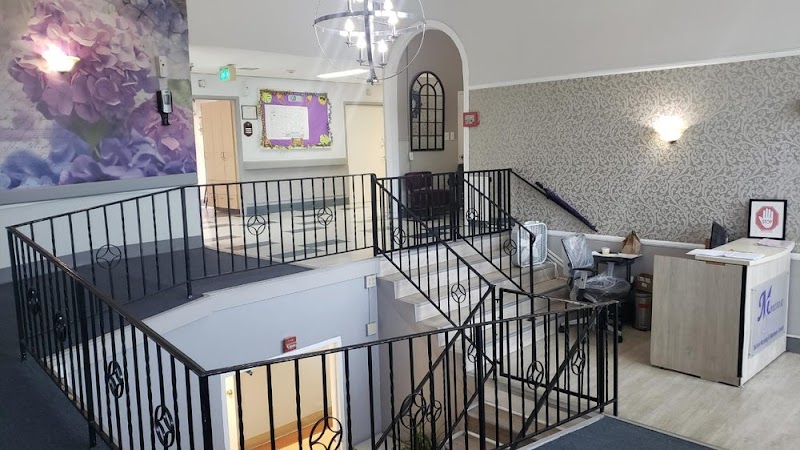
How is Montrose Springs Skilled Nursing & Wellness Center Staffed?

CMS rates MONTROSE SPRINGS SKILLED NURSING & WELLNESS CENTER's staffing level at 3 out of 5 stars, which is average compared to other nursing homes. Staff turnover is 30%, compared to the California average of 46%. This relatively stable workforce can support continuity of care.

What Have Inspectors Found at Montrose Springs Skilled Nursing & Wellness Center?

State health inspectors documented 78 deficiencies at MONTROSE SPRINGS SKILLED NURSING & WELLNESS CENTER during 2022 to 2025. These included: 3 that caused actual resident harm, 68 with potential for harm, and 7 minor or isolated issues. Deficiencies causing actual harm indicate documented cases where residents experienced negative health consequences.
Who Owns and Operates Montrose Springs Skilled Nursing & Wellness Center?

MONTROSE SPRINGS SKILLED NURSING & WELLNESS CENTER is owned by a for-profit company. For-profit facilities operate as businesses with obligations to shareholders or private owners. The facility is operated by PACIFIC HEALTHCARE HOLDINGS, a chain that manages multiple nursing homes. With 109 certified beds and approximately 118 residents (about 108% occupancy), it is a mid-sized facility located in MONTROSE, California.
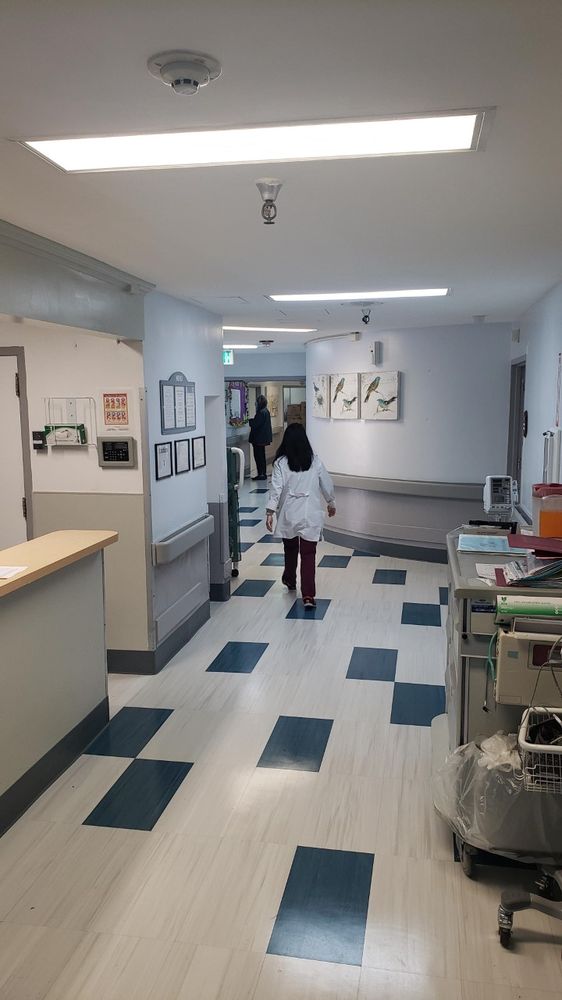
How Does Montrose Springs Skilled Nursing & Wellness Center Compare to Other California Nursing Homes?

Compared to the 100 nursing homes in California, MONTROSE SPRINGS SKILLED NURSING & WELLNESS CENTER's overall rating (3 stars) is below the state average of 3.1, staff turnover (30%) is significantly lower than the state average of 46%, and health inspection rating (2 stars) is below the national benchmark.

What Should Families Ask When Visiting Montrose Springs Skilled Nursing & Wellness Center?

Based on this facility's data, families visiting should ask: "What safeguards and monitoring systems are in place to protect residents from abuse or neglect?" "Can I visit during a mealtime to observe dining assistance and food quality?" "How do you handle medical emergencies, and what is your hospital transfer rate?" "Can I speak with family members of current residents about their experience?" These questions are particularly relevant given the substantiated abuse finding on record.

Is Montrose Springs Skilled Nursing & Wellness Center Safe?

Based on CMS inspection data, MONTROSE SPRINGS SKILLED NURSING & WELLNESS CENTER has documented safety concerns. The facility has 1 substantiated abuse finding (meaning confirmed case of resident harm by staff or other residents). The facility has a 3-star overall rating and ranks #100 of 100 nursing homes in California. Families considering this facility should ask detailed questions about what corrective actions have been taken since these incidents.

Do Nurses at Montrose Springs Skilled Nursing & Wellness Center Stick Around?

MONTROSE SPRINGS SKILLED NURSING & WELLNESS CENTER has a staff turnover rate of 30%, which is about average for California nursing homes (state average: 46%). Moderate turnover is common in nursing homes, but families should still ask about staff tenure and how the facility maintains care continuity when employees leave.

Was Montrose Springs Skilled Nursing & Wellness Center Ever Fined?

MONTROSE SPRINGS SKILLED NURSING & WELLNESS CENTER has been fined $32,139 across 1 penalty action. This is below the California average of $33,400. While any fine indicates a compliance issue, fines under $50,000 are relatively common and typically reflect isolated problems that were subsequently corrected. Families should ask what specific issues led to these fines and confirm they've been resolved.

Is Montrose Springs Skilled Nursing & Wellness Center on Any Federal Watch List?

MONTROSE SPRINGS SKILLED NURSING & WELLNESS CENTER is not on any federal watch list. The most significant is the Special Focus Facility (SFF) program, which identifies the bottom 1% of nursing homes nationally based on persistent, serious quality problems. Not being on this list means the facility has avoided the pattern of deficiencies that triggers enhanced federal oversight. This is a positive indicator, though families should still review the facility's inspection history directly.