VALLEY PALMS CARE CENTER
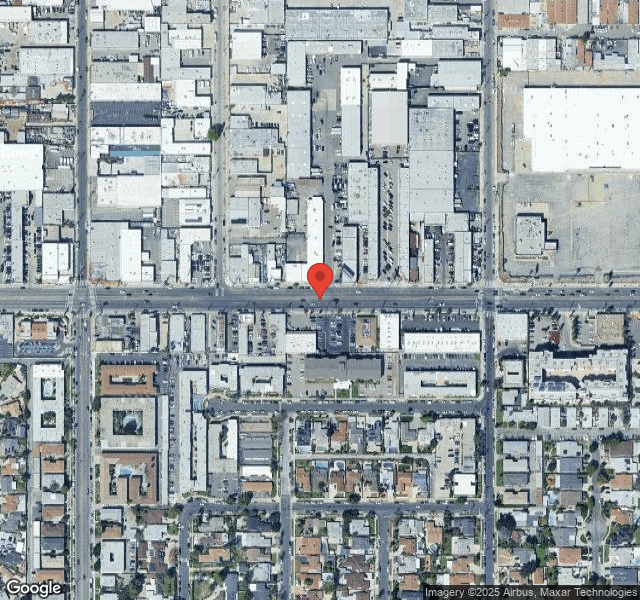

13400 SHERMAN WAY, N HOLLYWOOD, CA 91605 (818) 983-0103
For profit - Limited Liability company 99 Beds CAMBRIDGE HEALTHCARE SERVICES Data: November 2025 1 Immediate Jeopardy citation
Trust Grade
21/100
#1144 of 1155 in CA
Last Inspection: January 2025

Within standard 12-15 month inspection cycle. Federal law requires annual inspections.

Overview

Valley Palms Care Center received a Trust Grade of F, which indicates poor performance and significant concerns regarding care quality. It ranks #1144 out of 1155 nursing facilities in California, placing it in the bottom half overall, and #360 out of 369 in Los Angeles County, suggesting there are very few local facilities that perform worse. However, the facility is showing some signs of improvement, as the number of reported issues decreased from 37 in 2024 to 25 in 2025. Staffing is rated average with a 3 out of 5 stars and a turnover rate of 37%, which is slightly better than the state average. Despite these strengths, there are serious weaknesses to consider. For example, one critical finding showed that a resident on a puree diet was served food that was too sticky, posing a choking risk, while another serious incident involved a resident at high risk of falls not receiving adequate assistance during care. Additionally, there were concerns about failing to monitor a resident's urinary health, which could lead to serious complications. Overall, families should weigh these factors carefully when considering Valley Palms Care Center for their loved ones.

Trust Score
F
21/100
In California
#1144/1155
Bottom 1%
Safety Record
High Risk
Review needed
Inspections
Getting Better
37 → 25 violations
Staff Stability
○ Average
37% turnover. Near California's 48% average. Typical for the industry.
Penalties
✓ Good
$16,349 in fines. Lower than most California facilities. Relatively clean record.
Skilled Nurses
⚠ Watch
Each resident gets only 25 minutes of Registered Nurse (RN) attention daily — below average for California. Fewer RN minutes means fewer trained eyes watching for problems.
Violations
⚠ Watch
96 deficiencies on record. Higher than average. Multiple issues found across inspections.
★☆☆☆☆
1.0
Overall Rating
★★★☆☆
3.0
Staff Levels
★★★☆☆
3.0
Care Quality
★☆☆☆☆
1.0
Inspection Score
Stable
2024: 37 issues
2025: 25 issues

The Good

  • Full Sprinkler Coverage · Fire safety systems throughout facility
  • No fines on record
  • Staff turnover below average (37%)

    11 points below California average of 48%

Facility shows strength in fire safety.

The Bad

1-Star Overall Rating

Below California average (3.1)

Significant quality concerns identified by CMS

Staff Turnover: 37%

Near California avg (46%)

Typical for the industry

Federal Fines: $16,349

Below median ($33,413)

Minor penalties assessed

Chain: CAMBRIDGE HEALTHCARE SERVICES

Part of a multi-facility chain

Ask about local staffing decisions and management

The Ugly 96 deficiencies on record

1 life-threatening 1 actual harm
Sept 2025 2 deficiencies
CONCERN (D) 📢 Someone Reported This

A family member, employee, or ombudsman was alarmed enough to file a formal complaint

Potential for Harm - no one hurt, but risky conditions existed

Report Alleged Abuse (Tag F0609)

Could have caused harm · This affected 1 resident

**NOTE- TERMS IN BRACKETS HAVE BEEN EDITED TO PROTECT CONFIDENTIALITY** Based on interview and record review, the facility failed to report an allegation of physical abuse (deliberately aggressive or ...

Read full inspector narrative →
**NOTE- TERMS IN BRACKETS HAVE BEEN EDITED TO PROTECT CONFIDENTIALITY** Based on interview and record review, the facility failed to report an allegation of physical abuse (deliberately aggressive or violent behavior with the intention to cause harm) for one of three sampled residents (Resident 1) when on 8/22/2025, at approximately 9:30 p.m., Resident 1 reported to facility staff that Resident 2 had hit her (Resident 1) legs. This deficient practice had the potential to result in unidentified abuse in the facility and failure to protect Resident 1 from further abuse.Findings: During a review of Resident 1's admission Record, the admission Record indicated the facility originally admitted Resident 1 on 2/14/2025 and readmitted on [DATE] with diagnoses including anxiety disorder (feeling of anxiousness that affects daily life), multiple sclerosis (MS- a chronic, progressive disease involving damage to the nerve cells in the brain and spinal cord), and chronic pain syndrome (an ongoing pain that lasts longer than three months, persisting even after the initial injury or illness has healed or is no longer present). During a review of Resident 1's History and Physical (H&P - a comprehensive assessment of a resident's medical condition), dated 3/17/2025, the H&P indicated Resident 1 had the capacity to understand and make decisions. During a review of Resident 1's Minimum Data Set (MDS - a resident assessment tool), dated 6/5/2025, the MDS indicated Resident 1 had intact cognitive functioning (mental processes that enable people to think, understand, make decisions, and complete tasks). The MDS indicated Resident 1 was dependent (helper does all the effort) on facility staff with toileting hygiene, showers, upper and lower dressing. During a review of Resident 1's Care Plan, initiated on 8/25/2025, the Care Plan indicated that on 8/25/2025, Resident 1 was the recipient of physical abuse from another resident (Resident 2). The Care Plan indicated Resident 1 was at risk for emotional distress related to allegations of physical abuse from another resident. During a review of Resident 1's Situational Background Assessment and Recommendation (SBAR - a communication tool used to provide concise, clear, and effective information regarding a resident's condition) Communication Form, dated 8/25/2025, the SBAR form indicated that on 8/25/2025 (time not indicated), Resident 1 verbalized an incident of physical abuse by Resident 2 (Resident 1's roommate). During a review of facility-provided record titled, 5 Day Investigative Summary, dated 8/30/2025, the record indicated that on 8/25/25, at approximately 3:30 pm, Resident 1 had informed the Administrator that Resident 2 hit her legs. The record indicated Resident 1 could not indicate the exact date of the incident and had stated the incident took place on 8/21/2025 or 8/22/2025. The form indicated that Resident 1 verbalized an allegation of abuse by Resident 2. The form indicated facility staff had failed to report Resident 1's allegation of abuse because they had concluded that Resident 2 was not capable of hitting Resident 1. The form indicated that on 8/25/2025 the facility had initiated the investigation of Resident 1's allegation of physical abuse. During an interview on 9/4/2025 at 8:50 a.m. with Resident 1, Resident 1 stated approximately two weeks prior to 8/4/2025 (Resident 1 could not indicate the exact date of the incident), Resident 1 and Resident 2 (Resident 1's roommate) were in Room A (Resident 1 and 2's room) when Resident 2 approached Resident 1's bed and started hitting Resident 1's both legs with hands. Resident 1 stated she (Resident 1) screamed and called facility staff for help. Resident 1 stated a few minutes later (Resident 1 could not indicate the exact time) Certified Nurse Assistant (CNA) 1 walked into Room A while Resident 2 was walking back to her (Resident 2's) bed. Resident 1 stated she (Resident 1) informed CNA 1 that Resident 2 hit her (Resident 1's) legs.During an interview on 9/5/2025 at 9:38 a.m. with Registered Nurse (RN) 1, RN 1 stated that on 8/22/2025, at approximately 10 p.m., she (RN 1) entered Room A and found Resident 1 screaming at Licensed Vocational Nurse (LVN) 1 and asking for pain medication. RN 1 stated Resident 1 informed her (RN 1) that she (Resident 1) was in pain because Resident 2 hit her (Resident 1's) legs. RN 1 stated Resident 1's statement that Resident 2 had hit her legs on 8/22/2025 was an alleged incident of physical abuse. RN 1 stated she (RN 1) should have immediately contacted the Administrator who was the Abuse Coordinator (a staff member responsible for managing and addressing issues related to abuse or neglect within the facility) of the facility to report the allegation of physical abuse and to prevent further abuse of Resident 1. During an interview on 9/5/2025 at 9:59 a.m. with LVN 1, LVN 1 stated that on 8/22/2025, at approximately 9:40 p.m., CNA 1 informed him (LVN) 1 that Resident 1 had verbalized that Resident 2 hit Resident 1's legs. LVN 1 stated that on 8/22/2025 at approximately 9:40 p.m. to 10 p.m., he (LVN) 1 entered Room A and found Resident 1 in bed complaining of pain in her (Resident 1) legs. LVN 1 stated Resident 1 informed him (LVN) 1 that while attempting to go to the bathroom, Resident 2 had stopped near Resident 1's bed and started hitting Resident1's legs. LVN 1 stated he (LVN 1) informed RN 1 about the alleged incident between Resident 1 and Resident 2. During an interview on 9/5/2025 at 10:22 a.m., with CNA 1, CNA 1 stated that on 8/22/2025, at approximately 9:30 p.m., he (CNA 1) entered Room A because he heard Resident 1 screaming. CNA 1 stated he (CNA 1) found both Resident 1 and Resident 2 in bed. CNA 1 stated Resident 1 was screaming and informed him (CNA 1) that Resident 2 had hit her (Resident 1) legs. CNA 1 stated he immediately informed LVN 1 about the alleged incident between Resident 1 and Resident 2. During an interview on 9/5/2025 at 11:46 a.m. with the Director of Nursing (DON), the DON stated that on 8/22/2025, at approximately 10 p.m., Resident 1 told RN 1 that Resident 2 hit Resident 1's legs. The DON stated RN 1 should have contacted the Administrator, or she (RN 1) should have reported the alleged abuse to the required agencies using the instructions in the Abuse Binder (a tool used to document suspected abuse in the facility and instructions on abuse reporting requirements available in the nursing stations. The DON stated it was important to report an allegation of abuse immediately so that residents could receive necessary interventions to prevent further injury and further abuse. The DON stated the failure to report the allegation of physical abuse placed Resident 1 at risk for further abuse. During an interview on 9/5/2025 at 12:17 p.m. with the Administrator, the Administrator stated that on 8/25/22, at approximately 3:30 p.m., Resident 1 had told him (Administrator) that on 8/22/2025 or 8/23/2025, Resident 2 stopped near Resident 1's bed and hit her (Resident 1's) legs with Resident 2's hands. The Administrator stated that after interviewing facility staff as part of facility's internal investigation of the abuse incident, the facility staff informed him (Administrator) that on 8/22/2025, Resident 1 told facility staff about the allegations of physical abuse by Resident 2. The Administrator stated an allegation of abuse should have been reported immediately for monitoring and prevention of further abuse in the facility. The Administrator stated the facility staff failed to complete timely reporting of Resident 1's allegation of physical abuse. During a review of the facility-provided policy and procedure (P&P) titled, Abuse, Neglect, Exploitation or Misappropriation-Reporting and Investigating, last reviewed on 1/28,2025, the P&P indicated, If resident abuse, neglect, exploitation, misappropriation of resident property or injury of unknown source is suspected, the suspicion must be reported immediately to the administrator and to the other officials according to the state law . ‘Immediately' is defined as: within two hours of an allegation involving abuse or result in serious bodily injury. During a review of the facility-provided policy and procedure (P&P) titled, Identifying Types of Abuse, last reviewed on 1/28,2025, the P&P indicated, As part of the abuse prevention strategy, volunteers, employees and contractors hired by this facility are expected to be able to identify the different types of abuse that may occur against residents.Physical abuse includes, but is not limited to hitting, slapping, biting, punching or kicking.
CONCERN (D) 📢 Someone Reported This

A family member, employee, or ombudsman was alarmed enough to file a formal complaint

Potential for Harm - no one hurt, but risky conditions existed

Quality of Care (Tag F0684)

Could have caused harm · This affected 1 resident

**NOTE- TERMS IN BRACKETS HAVE BEEN EDITED TO PROTECT CONFIDENTIALITY** Based on interview and record review, the facility failed to ensure one of three sampled residents (Resident 1) received treatme...

Read full inspector narrative →
**NOTE- TERMS IN BRACKETS HAVE BEEN EDITED TO PROTECT CONFIDENTIALITY** Based on interview and record review, the facility failed to ensure one of three sampled residents (Resident 1) received treatment and care in accordance with professional standards of practice to meet the resident's physical, mental, and psychosocial (relating to the interrelation of social factors and individual thoughts and behavior) by failing to: 1. Complete a body assessment when on 8/22/2025 Resident 1 reported an allegation of physical abuse by Resident 2. On 8/22/2025, at approximately 9:30 p.m., Resident 1 informed Certified Nurse Assistant (CNA) 1 that Resident 2 hit Resident 1's legs with Resident 2's hands.2. Notify the physician of Resident 1's allegation of physical abuse by Resident 2, when on 8/22/2025, at approximately 9:30 p.m., Resident 1 informed CNA 1 that Resident 2 hit Resident 1's legs with Resident 2's hands.These deficient practices had the potential to delay Resident 1's care and negatively affect Resident 1's well-being.Findings: During a review of Resident 1's admission Record, the admission Record indicated the facility originally admitted Resident 1 on 2/14/2025 and readmitted on [DATE] with diagnoses including anxiety disorder (feeling of anxiousness that affects daily life), multiple sclerosis (MS- a chronic, progressive disease involving damage to the nerve cells in the brain and spinal cord), and chronic pain syndrome (an ongoing pain that lasts longer than three months, persisting even after the initial injury or illness has healed or is no longer present). During a review of Resident 1's History and Physical (H&P - a comprehensive assessment of a resident's medical condition), dated 3/17/2025, the H&P indicated Resident 1 had the capacity to understand and make decisions.During a review of Resident 1's Minimum Data Set (MDS - a resident assessment tool), dated 6/5/2025, the MDS indicated Resident 1 had intact cognition (mental processes that enable people to think, understand, make decisions, and complete tasks). The MDS indicated Resident 1 was dependent (helper does all the effort) on facility staff with toileting hygiene, showers, upper and lower dressing.During a review of Resident 1's Care Plan, initiated on 8/25/2025, the Care Plan indicated that on 8/25/2025, Resident 1 was the recipient of physical abuse from another resident. The CP indicated Resident 1 was at risk for emotional distress related to allegations of physical abuse from another resident (Resident 2).During a review of Resident 1's Situational Background Assessment and Recommendation (SBAR - a communication tool used to provide concise, clear, and effective information regarding a resident's condition) Communication Form, dated 8/25/2025, the SBAR form indicated that on 8/25/2025 (time not indicated), Resident 1 verbalized an incident of physical abuse by Resident 2.During a review of facility-provided record titled, 5 Day Investigative Summary, dated 8/30/2025, the record indicated that on 8/25/25, at approximately 3:30 pm, Resident 1 informed the Administrator that Resident 2 hit her (Resident 1) legs. The record indicated Resident 1 could not indicate the exact date of the incident and stated the incident took place on 8/21/2025 or 8/22/2025. The form indicated that Resident 1 verbalized an allegation of abuse by Resident 2. The form indicated the facility staff failed to report Resident 1's allegation of abuse because they had concluded that Resident 2 was not capable of hitting Resident 1. The form indicated that on 8/25/2025 the facility had initiated the investigation of Resident 1's allegation of physical abuse. During an interview on 9/4/2025 at 8:50 a.m. with Resident 1, Resident 1 stated approximately two weeks prior to 8/4/2025 (Resident 1 could not indicate the exact date of the incident), Resident 1 and Resident 2 (Resident 1's roommate) were in Room A (Resident 1 and 2's room) when Resident 2 approached Resident 1's bed and started hitting Resident 1's both legs with Resident 2's hands. Resident 1 stated she (Resident 1) screamed and called facility staff for help. Resident 1 stated a few minutes later (Resident 1 could not indicate the exact time) CNA 1 walked into Room A while Resident 2 was walking back to her (Resident 2's) bed. Resident 1 stated she (Resident 1) informed CNA 1 that Resident 2 hit her (Resident 1's) legs. During an interview on 9/5/2025 at 9:59 a.m. with LVN 1, LVN 1 stated that on 8/22/2025, at approximately 9:40 p.m., CNA 1 informed him (LVN) 1 that Resident 1 verbalized that Resident 2 hit Resident 1's legs. LVN 1 stated that on 8/22/2025 at approximately 9:40 p.m. -10 p.m., he (LVN) 1 entered Room A and found Resident 1 in bed complaining of pain in her (Resident 1) legs. LVN 1 stated Resident 1 informed him (LVN) 1 that while attempting to go to the bathroom, Resident 2 stopped near Resident 1's bed and started hitting Resident1's legs. LVN 1 stated he (LVN 1) informed RN 1 about the alleged incident between Resident 1 and Resident 2. During a concurrent interview and record review on 9/5/2025 at 11:10 a.m., with Registered Nurse (RN) 2, Resident 1's SBAR Forms, dated 8/22/2025 to 9/5/2025 were reviewed. The SBAR forms indicated there was no documentation of Resident 1's assessment and physician notification on 8/22/2025 when Resident 1 reported that Resident 2 hit her (Resident 1) legs. RN 2 stated there was no documentation on Resident 1's SBAR forms that indicated Resident 1's body was assessed, and physician was notified on 8/22/2025 when Resident 1 reported an allegation of abuse by Resident 2. RN 2 stated that when an allegation of physical abuse is made by a resident, residents need to be assessed, including completing body assessment. RN 2 stated the failure to notify the physician and perform a complete body assessment could have resulted in Resident 1 experiencing injuries such as skin problems, fracture, and infection. RN 2 stated Resident 1 was at risk of physical and psychological (related to mental and emotional state of a person) harm. During an interview on 9/5/2025 at 11:46 a.m. with the Director of Nursing (DON), the DON stated that on 8/22/2025, at approximately 10 p.m., Resident 1 told RN 1 that Resident 2 hit Resident 1's legs. The DON stated an allegation of physical abuse was considered a change in resident's condition which required physician notification and monitoring of the resident. The DON stated SBAR form should have been completed to identify injuries and provide necessary treatment. The DON stated facility staff did not follow facility policy and protocol and failed to assess Resident 1 and notify Resident 1's physician when on 8/22/2205 Resident 1 reported that Resident 2 hit her (Resident 1) legs. The DON stated the failure to follow the facility's protocol placed Resident 1 at risk of experiencing untreated physical injury and distress.During a review of the facility-provided policy and procedure (P&P) titled, Abuse, Neglect, Exploitation or Misappropriation-Reporting and Investigating, last reviewed on 1/28,2025, the P&P indicated, If resident abuse . is suspected, the suspicion must be reported immediately to the administrator and to the other officials according to the state law. The administrator or the individual making the allegation immediately reports his or her suspicion to the following persons or agencies: .f. The resident's attending physician. ‘Immediately' is defined as: within two hours of an allegation involving abuse or result in serious bodily injury.During a review of the facility-provided P&P titled, Change in a Resident's Condition or Status, last reviewed on 1/28,2025, the P&P indicated, Our facility promptly notified the resident, his or her attending physician and the resident representative of changes in the resident's medical/mental and/or status (e.g., changes in level of care, billing/payments, resident rights, etc.). 1. The nurse will notify the resident's attending physician or physician on call when there has been a(an): a. accident or incident involving the resident; . Prior to notifying the physician or healthcare provider, the nurse will make detailed observations and gather relevant and pertinent information for the provider, including (for example) information prompted by the Interact SBAR Communication Form. Except in medical emergencies, notifications will be made withing twenty-four (24) hours of change occurring in the resident's medical/mental condition or status. The nurse will record in the resident's medical record information relative to changes in the resident's medical/mental condition or status.
May 2025 3 deficiencies
CONCERN (D) 📢 Someone Reported This

A family member, employee, or ombudsman was alarmed enough to file a formal complaint

Potential for Harm - no one hurt, but risky conditions existed

Resident Rights (Tag F0550)

Could have caused harm · This affected 1 resident

Based on observation, interview, and record review, the facility failed to provide care in a manner that maintained the resident's dignity for one of the three sampled residents (Resident 1) by failin...

Read full inspector narrative →
Based on observation, interview, and record review, the facility failed to provide care in a manner that maintained the resident's dignity for one of the three sampled residents (Resident 1) by failing to ensure Resident 1's urinary collection bag was covered with a privacy bag. This failure had the potential to negatively affect Resident 1's self-esteem and self-worth. Findings: During a review of Resident 1's admission Record, the admission Record indicated the facility admitted Resident 1 on 11/13/2024 with diagnoses that included multiple sclerosis (MS- a chronic, progressive disease involving damage to the nerve cells in the brain and spinal cord), unspecified (unconfirmed) malignant neoplasm (also known as a cancerous tumor, is an abnormal growth of cells that can invade surrounding tissues and spread to other parts of the body) of the bladder (a hollow, spherical-shaped organ that holds urine), and acute pyelonephritis (a bacterial infection causing inflammation of the kidneys). During a review of Resident 1's Minimum Data Set (MDS - a resident assessment tool), dated 3/23/2025, the MDS indicated Resident 1's cognitive (mental action or process of acquiring knowledge and understanding) skills for daily decisions were moderately impaired. The MDS indicated Resident 1 needed maximum assistance from staff for toileting, showering and lower body dressing. The MDS indicated Resident 1 had a urinary catheter (a hollow tube inserted into the bladder to drain or collect urine) or urinary ostomy (an opening in the belly made during surgery to re-direct urine away from the damaged bladder). During a review of Resident 1's History and Physical (H&P-a medical examination that involves a doctor taking a patient's medical history, performing a physical exam, and documenting their findings), dated 4/4/2025, the H&P indicated Resident 1 had the capacity to understand and make decisions. During an observation on 4/30/2025 at 8:53 a.m., in Resident 1's bedside, Resident 1's urinary collection bag was hanging on the bedside drawer handle with no dignity cover. During a concurrent observation and interview on 4/30/2025 at 9:03 a.m., with the Assistant Director of Staff Development (ADSD) in Resident 1's bedside. The ADSD stated Resident 1's urinary collection bag had no dignity cover. During an interview on 4/30/2025 at 9:12 a.m., with Licensed Vocational Nurse 1 (LVN 1), LVN 1 stated she (LVN 1) did not notice that Resident 1's urinary collection bag dignity cover was missing. LVN 1 stated Resident 1's urinary collection bag should be covered by a dignity bag for Resident 1's privacy. During an interview on 4/30/2025 at 9:35 a.m., with Certified Nursing Assistant 1 (CNA 1), CNA 1 stated he (CNA 1) removed the dignity cover when he (CNA 1) emptied the urinary collection bag and planned to give Resident 1 a shower, but Resident 1 had refused to shower. CNA 1 stated he (CNA1) plans to cover the urinary collection bag after Resident 1's shower. During an interview on 4/30/2025 at 10:46 a.m., with the Director of Staff Development (DSD), the DSD stated Resident 1's urinary collection bag should be covered for Resident 1's dignity. During a concurrent interview and record review on 5/1/2025 at 8:45 a.m., with the Director of Nursing (DON), facility's policy and procedure (P&P) titled, Dignity dated 2/2021 and last reviewed on 7/30/2024, the P&P indicated, Each resident shall be cared for in a manner that promotes and enhances his or her sense of well-being, level of satisfaction with life, and feelings of self-worth and self-esteem. Demeaning practices and standards of care that compromise dignity are prohibited. Staff are expected to promote dignity and assist residents; for example: a. helping the resident to keep urinary catheter bags covered. The DON stated the facility failed to provide dignity cover to Resident 1's urinary collection bag. The DON stated CNAs and LVNs need to do their rounds and make sure urinary collection bags have dignity cover. The DON stated Resident 1's psychosocial wellbeing can be affected.
CONCERN (D) 📢 Someone Reported This

A family member, employee, or ombudsman was alarmed enough to file a formal complaint

Potential for Harm - no one hurt, but risky conditions existed

Comprehensive Care Plan (Tag F0656)

Could have caused harm · This affected 1 resident

Based on observation, interview, and record review, the facility failed to implement a person-centered care plan for one of three sampled residents (Resident 1) by failing to monitor, record and repor...

Read full inspector narrative →
Based on observation, interview, and record review, the facility failed to implement a person-centered care plan for one of three sampled residents (Resident 1) by failing to monitor, record and report to the physician signs of urinary tract infection (UTI- an infection in the bladder/urinary tract) as indicated in Resident 1's Care Plan for urostomy (a surgical procedure where an opening, is created in the abdomen to allow urine to exit the body). This failure had the potential for delayed provision of necessary care and services and had the potential for the development of UTI. Findings: During a review of Resident 1's admission Record, the admission Record indicated the facility admitted Resident 1 on 11/13/2024, with diagnoses that included multiple sclerosis (MS- a chronic, progressive disease involving damage to the nerve cells in the brain and spinal cord), unspecified (unconfirmed) malignant neoplasm (also known as a cancerous tumor, is an abnormal growth of cells that can invade surrounding tissues and spread to other parts of the body) of the bladder (a hollow, spherical-shaped organ that holds urine), and acute pyelonephritis (a bacterial infection causing inflammation of the kidneys). During a review of Resident 1's Care Plan initiated on 3/19/2025, about urostomy with collection bag, the Care Plan indicated an intervention to monitor, record and report to the physician signs and symptoms of UTI -pain, burning, blood-tinged (having a slight color of blood) urine, cloudiness (appearing milky or hazy), no urine output, deepening of urine color, increased pulse rate, increased temperature, urinary frequency, foul smelling urine, fever, chills, altered mental status (a change in mental function), change in behavior or change in eating patterns. During a review of Resident 1's Minimum Data Set (MDS - a resident assessment tool), dated 3/23/2025, the MDS indicated Resident 1's cognitive (mental action or process of acquiring knowledge and understanding) skills for daily decisions were moderately impaired. The MDS indicated Resident 1 needed maximum assistance from staff for toileting, showering and lower body dressing. The MDS indicated Resident 1 had a urinary catheter (a hollow tube inserted into the bladder to drain or collect urine) or urinary ostomy (an opening in the belly made during surgery to re-direct urine away from the damaged bladder). During a review of Resident 1's History and Physical (H&P-a medical examination that involves a doctor taking a patient's medical history, performing a physical exam, and documenting their findings), dated 4/4/2025, the H&P indicated Resident 1 had the capacity to understand and make decisions. During an observation on 4/30/2025, at 8:53 a.m., in Resident 1's right side of the bed. Resident 1's urinary tubing had cloudy urine with white sediments (particles that can make your urine look cloudy or have visible specks) noted. During a concurrent observation, and interview on 4/30/2025, at 9:03 a.m., with the Assistant Director of Staff Development (ADSD) in Resident 1's bedside. The ADSD stated Resident 1's urinary tubing had cloudy urine with white sediments. The ADSD stated Certified Nursing Assistant 1 (CNA 1) should have reported to Licensed Vocational Nurse 1 (LVN 1) that Resident 1's urinary tubing had cloudy urine with white sediments. During an interview on 4/30/2025, at 9:12 a.m., with LVN 1, LVN 1 stated she (LVN 1) just received a report that Resident 1's urine was cloudy and had sediments. LVN 1 stated sediments are possible signs of urinary infection, and the physician should be notified. LVN 1 stated delay in physician notification can result in infection and can clog the urinary tubing. During an interview on 4/30/2025, at 9:35 a.m., with Certified Nursing Assistant 1 (CNA 1), CNA 1 stated he (CNA 1) had emptied Resident 1's urinary bag this morning and noted Resident 1's urine was a little cloudy. CNA 1 stated he (CNA 1) did not report to LVN 1. During an interview on 4/30/2025, at 10:46 a.m., with the Director of Staff Development (DSD), the DSD stated any abnormalities with the urine output such as presence of sediments, change in color of urine and foul-smelling urine should be reported to the physician. The DSD stated CNA 1 should have reported to LVN1 and LVN 1 would have checked Resident 1 and notified the physician. During an interview on 5/1/2025, at 8:45 a.m., with the Director of Nursing (DON), the DON stated Resident 1's urostomy bag was changed on 4/30/2025 at 5:20 a.m., because of the presence of sediments. The DON stated the facility failed to follow the care plan to notify the physician that Resident 1's urine output had sediments. The DON stated care plan should be followed. The DON stated care plan ensures care is provided appropriately to Resident 1 timely and intervention were done to prevent possible adverse reaction (unwanted undesirable effects). During a review of facility's policy and procedure (P&P) titled, Comprehensive Person-Centered Care Plans, dated 3/2022, and last reviewed on 7/30/2025, the P&P indicated, A comprehensive, person-centered care plan that includes measurable objectives and timetables to meet the resident's physical, psychosocial (pertaining to the influence of social factors on an individual's mind or behavior, and to the interrelation of behavioral and social factors) and functional needs (specific limitations or disabilities that affect a person's ability to perform daily tasks or participate in activities) is developed and implemented for each resident . 3. The care plan interventions are derived from a thorough analysis of the information gathered as part of the comprehensive assessment . 7. The comprehensive, person-centered care plan: a. includes measurable objectives and timeframes. b. describes the services that are to be furnished to attain or maintain the resident's highest practicable physical, mental, and psychosocial well-being. c. includes the residents' stated goals upon admission and desired outcomes. d. builds on the resident's strengths; and e. reflects currently recognized standards of practice for problem areas and conditions.
CONCERN (E) 📢 Someone Reported This

A family member, employee, or ombudsman was alarmed enough to file a formal complaint

Potential for Harm - no one hurt, but risky conditions existed

Deficiency F0691 (Tag F0691)

Could have caused harm · This affected multiple residents

Based on observation, interview and record review, the facility failed to ensure that one of three sampled residents (Resident 1) who had a urostomy (a surgical procedure where an opening, is created ...

Read full inspector narrative →
Based on observation, interview and record review, the facility failed to ensure that one of three sampled residents (Resident 1) who had a urostomy (a surgical procedure where an opening, is created in the abdomen to allow urine to exit the body) received proper care and services by: 1. Failing to notify the physician that Resident 1's urinary tubing had sediments (particles that can make your urine look cloudy or have visible specks) and cloudy urine. 2. Failing to assess, monitor and document Resident 1 for signs of urinary tract infection (UTI- an infection in the bladder/urinary tract) as indicated in Resident 1's care plan. 3. Failing to monitor and document urine output in milliliter (ml-unit of volume) as per physician order. These failures had the potential to result in UTI and had potential to lead to urosepsis (a potentially life-threatening complication of urinary tract infection). Findings: a. During a review of Resident 1's admission Record, the admission Record indicated the facility admitted Resident 1 on 11/13/2024, with diagnoses that included multiple sclerosis (MS- a chronic, progressive disease involving damage to the nerve cells in the brain and spinal cord), unspecified (unconfirmed) malignant neoplasm (also known as a cancerous tumor, is an abnormal growth of cells that can invade surrounding tissues and spread to other parts of the body) of the bladder (a hollow, spherical-shaped organ that holds urine), and acute pyelonephritis (a bacterial infection causing inflammation of the kidneys). During a review of Resident 1's Care Plan, dated 1/28/2025, about potential for UTI, the care plan indicated an intervention to monitor Resident 1 for signs of infection, UTI and notify physician if noted. During a review of Resident 1's Care Plan initiated on 3/19/2025, about urostomy with collection bag, the Care Plan indicated the following interventions: 1. Monitor, record and report to the physician signs and symptoms of UTI -pain, burning, blood-tinged (having a slight color of blood) urine, cloudiness (appearing milky or hazy), no urine output, deepening of urine color, increased pulse rate, increased temperature, urinary frequency, foul smelling urine, fever, chills, altered mental status (a change in mental function), change in behavior or change in eating patterns. 2. Monitor for signs and symptoms of discomfort on urination and frequency. During a review of Resident 1's Minimum Data Set (MDS - a resident assessment tool), dated 3/23/2025, the MDS indicated Resident 1's cognitive (mental action or process of acquiring knowledge and understanding) skills for daily decisions were moderately impaired. The MDS indicated Resident 1 needed maximum assistance from staff for toileting, showering and lower body dressing. The MDS indicated Resident 1 had a urinary catheter (a hollow tube inserted into the bladder to drain or collect urine) or urinary ostomy (an opening in the belly made during surgery to re-direct urine away from the damaged bladder). During a review of Resident 1's History and Physical (H&P-a medical examination that involves a doctor taking a patient's medical history, performing a physical exam, and documenting their findings), dated 4/4/2025, the H&P indicated Resident 1 had the capacity to understand and make decisions. During an observation on 4/30/2025, at 8:53 a.m., in Resident 1's right side of the bed. Resident 1's urinary tubing had cloudy urine with white sediments (particles that can make your urine look cloudy or have visible specks). During a concurrent observation, and interview on 4/30/2025, at 9:03 a.m., with the Assistant Director of Staff Development (ADSD) in Resident 1's bedside. The ADSD stated Resident 1's urinary tubing had cloudy urine with white sediments. The ADSD stated Certified Nursing Assistant 1 (CNA 1) should have reported to Licensed Vocational Nurse 1 (LVN 1) that Resident 1's urinary tubing had cloudy urine with white sediments. During an interview on 4/30/2025, at 9:12 a.m., with LVN 1, LVN 1 stated she (LVN 1) did not receive any report from outgoing LVN of any issues with Resident 1's urostomy tubing. LVN 1 stated approximately five minutes ago she (LVN 1) just received a report that Resident 1's urine was cloudy and had sediments. LVN 1 stated sediments are possible signs of UTI, and the physician should be notified. LVN 1 stated delay in physician notification can result in infection and can clog the urinary tubing. During an interview on 4/30/2025, at 9:35 a.m., with Certified Nursing Assistant 1 (CNA 1), CNA 1 stated he (CNA 1) had emptied Resident 1's urinary bag this morning and noted Resident 1's urine was a little cloudy. CNA 1 stated he (CNA 1) did not report to LVN 1. CNA 1 stated he (CNA 1) should have reported to LVN 1 any changes in Resident 1's urine. During a concurrent interview and record review on 4/30/2025, at 10:46 a.m., with the Director of Staff Development (DSD), Resident 1's Progress Notes, dated 4/2025, was reviewed. The DSD stated any abnormalities with the urine output such as presence of sediments, change in color of urine and foul-smelling urine should be reported to the physician. The DSD stated CNA 1 should have reported to LVN 1 and LVN 1 would have checked Resident 1 and notified the physician. During an interview on 5/1/2025, at 8:45 a.m., with the Director of Nursing (DON), the DON stated Resident 1's urostomy bag was changed on 4/30/2025 at 5:20 a.m., because of the presence of sediments. The DON stated cloudy urine with sediments are possible signs of UTI. The DON stated the facility failed to follow the care plan to notify the physician that Resident 1's urine output had sediments. The DON stated nurses should have notified the physician that sediments persisted. The DON stated care plan ensures care is provided appropriately to Resident 1 timely and intervention were done to prevent possible adverse reaction (unwanted undesirable effects). During a review of facility's policy and procedure (P&P) titled, Urinary Catheter Care dated 8/2022 and last reviewed on 7/30/2024, the P&P indicated, Complications: 1. Observe the resident for complications associated with urinary catheters. Report unusual findings to the physician or supervisor immediately: a. if the resident indicates that his or her bladder is full or that he or she needs to void (urinate). b. if urine has an unusual appearance (color, blood). c. in the event of bleeding, or if the catheter is accidentally removed. d. if the resident complains of burning, tenderness, or pain in the urethral area; or e. if signs and symptoms of urinary tract infection or urinary retention occur. b. During a concurrent interview and record review on 4/30/2025, at 10:46 a.m., with the Director of Staff Development (DSD), Resident 1's Medication Administration Record (MAR- a daily documentation record used by a licensed nurse to document medications given to a resident), dated 4/2025, Treatment Administration Record (TAR a daily documentation record used by a licensed nurse to document treatments given to a resident), dated 4/2025, and Progress Notes, dated 4/2025, were reviewed. The DSD stated nurses monitor Resident 1's use of urostomy for signs and symptoms of UTI and it's documented in the Progress notes every shift. The DSD stated there were no documented monitoring for the urostomy. The DSD stated nurses did not document if Resident 1 had signs of UTI. The DSD stated nurses should assess and document Resident 1's urine color, odor (smell) and presence of sediments every shift. The DSD stated Resident 1 can potentially have UTI and sepsis (a life-threatening blood infection). During an interview on 4/30/2025, at 8:45 a.m., with the DON, the DON stated Resident 1 who had a urostomy should be assess for signs of UTI. The DON stated the facility failed to document monitoring of Resident 1's signs of UTI related to catheter use. The DON stated Resident 1 could have signs of UTI and physician would not be informed because it was not documented. During a review of facility's P&P titled, Urinary Catheter Care dated 8/2022 and last reviewed on 7/30/2024, the P&P indicated, Documentation, the following information should be recorded in the resident's medical record: 1. The date and time that catheter care was given. 2. The name and title of the individual(s) giving the catheter care. 3. All assessment data obtained when giving catheter care. 4. Character of urine such as color (straw-colored, dark, or red), clarity (cloudy, solid particles, or blood), and odor. 5. Any problems noted at the catheter-urethral junction during perineal care such as drainage, redness, bleeding, irritation, crusting, or pain . c. During a record review of Resident 1's Physician Order, dated 4/6/2025, the Physician Order indicated to monitor intake and output every shift for urostomy use, record in ml or cubic centimeters (cc- unit of measurement). During a review of Resident 1's MAR dated 4/2025, the MAR indicated the following output: 1. From 7 a.m. to 3 p.m., on 4/7/25 to 4/12/2025 and 4/17/2025 to 4/19/2025- Resident 1 urinated two times. 2. From 3 p.m. to 11 p.m. on 4/7/2025 to 4/9/2025 and 4/11/2025- Resident 1 urinated two times. 3. From 11 p.m. to 7 a.m. on 4/6/2025 to 4/11/2025- Resident 1 urinated two times During a concurrent interview, and record review on 4/30/2025, at 10:46 a.m., with the DSD, Resident 1's Physician Order, dated 4/6/2025, and MAR, dated 4/2025 were reviewed. The DSD stated nurses should follow the Physician Order to document urine output in cc or ml. The DSD stated nurses did not follow the physician order and could result in Resident 1 retaining urine. The DSD stated CNAs should inform LVNs on how much urine output in ml was drained from the urinary collection bag every shift. During an interview on 4/30/2025, at 11:08 p.m., LVN 1 stated she (LVN 1) did not see the physician order to document urine output in ml. LVN 1 stated she should have checked and followed the physician order. During a concurrent interview, and record review on 5/1/2025, at 8:45 a.m., with the DON, facility's P&P titled, Urinary Catheter Care, dated 8/2022, and last reviewed on 7/30/2024, the P&P indicated, Input / Output 1. Observe the resident's urine level for noticeable increases or decreases. If the level stays the same, or increases rapidly, report it to the physician or supervisor. 2. Follow the facility procedure for measuring and documenting input and output. The DON stated the facility failed to follow the physician order to accurately document the amount of urine output in ml. The DON stated nurses should document urine output in ml. The DON stated the facility would not know if Resident 1 was retaining fluid or urine. The DON stated Resident 1 could have fluid or urine retention.
Feb 2025 2 deficiencies
CONCERN (D) 📢 Someone Reported This

A family member, employee, or ombudsman was alarmed enough to file a formal complaint

Potential for Harm - no one hurt, but risky conditions existed

Resident Rights (Tag F0550)

Could have caused harm · This affected 1 resident

Based on observation, interview, and record review, the facility failed to ensure one of three sampled residents (Resident 2) with indwelling urinary catheter (a flexible plastic tube inserted into th...

Read full inspector narrative →
Based on observation, interview, and record review, the facility failed to ensure one of three sampled residents (Resident 2) with indwelling urinary catheter (a flexible plastic tube inserted into the bladder that helps provide continuous urinary drainage) received proper care and services by failing to ensure Resident 2's urinary catheter drainage bag had a dignity bag (a bag used to cover and hold the catheter drainage or collection bag so it would not be visible). This deficient practice had the potential to affect Resident 2's sense of self-worth and self-esteem. Findings: During a record review of Resident 2's admission Record, the admission Record indicated the facility admitted the resident on 2/25/2025 with diagnoses including cerebral infarction (damage to tissues in the brain due to a loss of oxygen to the area) due to unspecified occlusion (blockage) or stenosis (narrowing) of the left anterior cerebral artery (a blood vessel in the brain that supplies oxygenated blood to the front part of the brain). During a record review of Resident 2's Physician Order, dated 2/25/2025, the Physician Order indicated Foley catheter (a brand name of an indwelling urinary catheter) size 14 French (Fr - used to size catheters) for retention related to benign prostatic hyperplasia (BPH - a condition that occurs when the prostate gland enlarges, potentially slowing or blocking the urine stream). The Physician Order indicated urinary catheter care every shift and as needed. During a record review of Resident 2's Care Plan on indwelling catheter, initiated on 2/26/2025, the Care Plan indicated the resident had an indwelling urinary catheter. The Care Plan Goal indicated Resident 2 will remain free from catheter-related trauma. The Care Plan Interventions included to ensure indwelling urinary catheter drainage bag had a cover or dignity bag. During an observation and concurrent interview on 2/26/2025 at 11:27 a.m. with Licensed Vocational Nurse 2 (LVN 2), observed Resident 2's indwelling urinary catheter drainage bag was hanging on the right side of the bed. Resident 2's indwelling urinary catheter drainage bag did not have a cover or dignity bag. During an interview on 2/26/2025 at 11:36 a.m. with Certified Nursing Assistant 1 (CNA 1), CNA 1 stated Resident 2's indwelling urinary catheter drainage bag had a dignity bag before he went on his 30-minutes lunch break. CNA 1 stated dignity bag was used for Resident 2's privacy. During an interview on 2/26/2025 at 12:29 p.m. with the Director of Nursing (DON), the DON stated Resident 2's indwelling urinary catheter drainage bag should have a dignity bag. The DON stated the dignity bag had to be used to protect Resident 2's privacy. The DON stated Resident 2's exposed indwelling urinary catheter drainage bag had the potential for negative psychosocial effect on the resident. During a record review of the facility's policy and procedure (PnP) titled, Dignity, last reviewed on 1/28/2025, the PnP indicated that each resident shall be cared for in a manner that promotes and enhances his sense of well-being, level of satisfaction with life, and feelings of self-worth and self-esteem. The PnP indicated demeaning practices and standards of care that compromise dignity was prohibited. The PnP indicated staff were expected to promote dignity and assist residents by helping the resident to keep urinary catheter bags covered.
CONCERN (D) 📢 Someone Reported This

A family member, employee, or ombudsman was alarmed enough to file a formal complaint

Potential for Harm - no one hurt, but risky conditions existed

Incontinence Care (Tag F0690)

Could have caused harm · This affected 1 resident

Based on observation, interview, and record review, the facility failed to ensure one of three sampled residents (Resident 2) with indwelling urinary catheter (a flexible plastic tube inserted into th...

Read full inspector narrative →
Based on observation, interview, and record review, the facility failed to ensure one of three sampled residents (Resident 2) with indwelling urinary catheter (a flexible plastic tube inserted into the bladder that helps provide continuous urinary drainage) received proper care and services by failing to ensure Resident 2's urinary catheter drainage bag was not touching the floor. This deficient practice had the potential to cause Resident 2 urinary catheter-associated complications including urinary tract infection (UTI - an infection in any part of the urinary system [kidneys, bladder, or urethra]), discomfort, and pain. Findings: During a record review of Resident 2's admission Record, the admission Record indicated the facility admitted the resident on 2/25/2025 with diagnoses including cerebral infarction (damage to tissues in the brain due to a loss of oxygen to the area) due to unspecified occlusion (blockage) or stenosis (narrowing) of the left anterior cerebral artery (a blood vessel in the brain that supplies oxygenated blood to the front part of the brain). During a record review of Resident 2's Physician Order, dated 2/25/2025, the Physician Order indicated Foley catheter (a brand name of an indwelling urinary catheter) size 14 French (Fr - used to size catheters) for retention related to benign prostatic hyperplasia (BPH - a condition that occurs when the prostate gland enlarges, potentially slowing or blocking the urine stream). The Physician Order indicated urinary catheter care every shift and as needed. During a record review of Resident 2's Care Plan on indwelling catheter, initiated on 2/26/2025, the Care Plan indicated the resident had an indwelling urinary catheter. The Care Plan Goal indicated Resident 2 will not show signs and symptoms of UTI. The Care Plan Interventions included to ensure catheter bag was not touching the floor and to check the urinary catheter tubing for kinks each shift. During an observation and concurrent interview on 2/26/2025 at 11:27 a.m. with Licensed Vocational Nurse 2 (LVN 2), observed Resident 2's indwelling urinary catheter drainage bag was hanging on the right side of the bed. Resident 2's indwelling urinary catheter drainage bag was not in a basin and was touching the floor. LVN 2 stated Resident 2's indwelling urinary catheter drainage bag that was found on the floor had the potential to transmit bacteria that may cause Resident 2's UTI. During an interview on 2/26/2025 at 11:36 a.m. with Certified Nursing Assistant 1 (CNA 1), CNA 1 stated Resident 2's indwelling urinary catheter drainage bag was not in a basin. CNA 1 stated the basin should be used to prevent Resident 2's indwelling urinary catheter drainage bag from touching the floor that had the potential to cause the resident an infection. During an interview on 2/26/2025 at 12:29 p.m. with the Director of Nursing (DON), the DON stated Resident 2's indwelling urinary catheter drainage bag should not touch the floor. The DON stated there should be a receptacle such as a basin used as a barrier between the floor and Resident 2's indwelling urinary catheter drainage bag to prevent infection. The DON stated the facility failed to protect Resident 2 from potential UTI. During a record review of the facility's policy and procedure (PnP) titled, Urinary Catheter Care, last reviewed on 1/28/2025, the PnP indicated the purpose of the procedure was to prevent urinary catheter-associated complications including UTI. The Infection Control section of the PnP indicated to ensure the catheter tubing and drainage bag were kept off the floor.
Feb 2025 2 deficiencies
CONCERN (D) 📢 Someone Reported This

A family member, employee, or ombudsman was alarmed enough to file a formal complaint

Potential for Harm - no one hurt, but risky conditions existed

Notification of Changes (Tag F0580)

Could have caused harm · This affected 1 resident

Based on interview and record review, the facility failed to follow its Policy and Procedures (P&P) titled, Change in a Resident's Condition or Status, for one of three residents (Resident 1) when the...

Read full inspector narrative →
Based on interview and record review, the facility failed to follow its Policy and Procedures (P&P) titled, Change in a Resident's Condition or Status, for one of three residents (Resident 1) when the facility failed to notify the Medical Doctor (MD 1) and the Family Member 1 (FM 1) that the facility did not collect the ordered urinalysis (UA- a medical test that examines urine samples) with a culture and sensitivity test (CS- tells you if bacteria are present in a sample from your body [like urine or a wound], and if so, which antibiotics are most likely to effectively kill those specific bacteria). This deficient practice resulted in a delay of delivery of care and services to Resident 1 who was diagnosed with a urinary tract infection (UTI- an infection in the bladder/urinary tract). Findings: During a review of Resident 1's admission Record, the admission Record indicated the facility admitted the resident on 2/24/2020 and readmitted the resident on 3/3/2023 with diagnoses including dementia (a progressive state of decline in mental abilities), UTI, hemiplegia (total paralysis of the arm, leg, and trunk on the same side of the body) and hemiparesis (a condition that causes weakness or an inability to move on one side of the body), following cerebral infarction (a type of stroke that occurs when an area of brain tissue dies due to a lack of blood flow) affecting the right dominant side. During a review of Resident 1's Care plan, created on 2/12/2023, for bladder incontinence related to dementia with interventions that included to monitor and document for sign and symptoms of UTI, pain, burning, blood-tinged urine, cloudiness, no output, deepening of urine color, increased pulse, increased temperature. Urinary frequency, foul smelling urine, fever, chills, altered mental status, changed in behavior, change in eating patterns. During a review of Resident 1's Minimum Data Set (MDS - a resident assessment tool), dated 11/1/2024, indicated Resident 1 usually understood and was usually understood. The MDS indicated Resident 1 was always incontinent (accidentally leaking urine or stool due to a lack of bladder or bowel control) with urine and bowel. During a review of Resident 1's Situational, Background, Appearance, and Review (SBAR), dated 12/12/2024, indicated physical aggression. MD 1 was notified on 12/12/24 at 12 a.m. with new orders for complete blood count (CBC-a group of blood tests that measure the number and size of the different cells in your blood), comprehensive metabolic panel (CMP- a blood test that gives doctors information about the body's fluid balance, levels of electrolytes like sodium and potassium, and how well the kidneys and liver are working) and UA/CS and a psychologist consultation. During a review of Resident 1's Physician orders, it indicated on 12/2/2024 the following physician orders: - CBC with Differential, CMP Panel one time only. - Culture urine one time only. - Urinalysis one time only. During a review of Resident 1's Lab Results, dated 12/13/2024, indicated CBC with differential and CMP panel was completed. During a review of Resident 1's General Acute Care Hospital 1 (GACH 1) records, dated 1/5/2025, the records indicated Resident 1's assessment plan indicated increase agitation and aggressive behavior with psychotic feature UTI (a UTI that manifests with symptoms resembling psychosis, such as delusions, hallucinations, confusion, or sudden changes in behavior, potentially due to the inflammatory response triggered by the infection impacting brain function). During a concurrent interview and record review of the SBAR, dated 12/12/2024 on 2/6/2025 at 2:42 p.m., Registered Nurse 1 (RN 1) stated Resident 1 had a history of being noncompliant with allowing staff to get UA from her. RN 1 stated when a resident refuses to get a UA done, we try later, then notify family, and try a second attempt. RN 1 stated regarding a resident's refusal to get a UA, was not sure how many times a staff try before notifying the MD. RN1 stated he thinks it is three attempts. The RN1 stated he will follow up with nursing the next day if UA was collected and if not done will notify the MD. RN 1 stated he cannot recall if MD and or FM 1 was made aware of not being able to get UA after SBAR on 12/12. RN 1 stated a UA is ordered for suspected UTI or to pinpoint why the resident is confused and off baseline. RN 1 stated when Resident 1 have a change in behavior and/or confusion, it can be a sign of a UTI. RN 1 stated if MD is not notified of the facility being unable to get UA, it can lead to a delay in care which can then lead to a UTI and can develop into sepsis. RN 1 stated cannot recall if FM 1 was notified regarding Resident 1's refusal on 12/12/24, as the family member it is FM1 right to know what is going on with R1. During an interview on 2/6/2025 at 4:05 p.m., the Director of Nursing (DON) stated if unable to get urine we contact the MD. The DON stated staff should try to obtain the UA. The rule of thumb is attempting three times then notify the MD. The DON stated the refusal and interventions should be documented. The DON stated also must document that the MD was notified of the refusal. The DON stated for Resident 1, MD 1 should have been notified and it should have been documented that Resident 1 was explained the risk and benefits and was refusing. The DON stated the MD must be notified so that they can decide what to do next. If the MD is not notified, they will not know that the UA was never obtained The DON stated she was not aware the UA was never done. The DON stated can only speculate that UA test was not communicated, and no one followed up on the lab results. If there are no results then the staff should have contacted the laboratory. The DON stated Resident 1 could have had the infection at that time and could have been treated early. The DON stated understood Resident 1 was transferred out because of a behavior and then was noted as having a UTI at the hospital. The DON stated this would be a delay in care. She would have been treated if we had gotten the labs done and if it indicated Resident 1 had a UTI. A review of the facility's P&P titled, Charting and Documentation, last reviewed on 7/30/2024, the P&P indicated our facility promptly notifies the resident, his or her attending physician, and the resident representative of changes in the resident's medical and or mental condition. The Nurse will notify the resident's attending physician or physician on call when there has been a: f. refusal of treatment or medications two (2) or more consecutive times.
CONCERN (D) 📢 Someone Reported This

A family member, employee, or ombudsman was alarmed enough to file a formal complaint

Potential for Harm - no one hurt, but risky conditions existed

Quality of Care (Tag F0684)

Could have caused harm · This affected 1 resident

Based on interview and record review, the facility failed to complete a physician ordered urinalysis (UA- a medical test that examines urine samples) with a culture and sensitivity test (CS- tells you...

Read full inspector narrative →
Based on interview and record review, the facility failed to complete a physician ordered urinalysis (UA- a medical test that examines urine samples) with a culture and sensitivity test (CS- tells you if bacteria are present in a sample from your body [like urine or a wound], and if so, which antibiotics are most likely to effectively kill those specific bacteria) for one of three sampled residents (Resident 1). This deficient practice resulted in the delay of care and services to Resident 1 who was diagnosed with a urinary tract infection (UTI- an infection in the bladder/urinary tract). Findings: During a review of Resident 1's admission Record, the admission Record indicated the facility admitted the resident on 2/24/2020 and readmitted the resident on 3/3/2023 with diagnoses including dementia (a progressive state of decline in mental abilities), UTI, hemiplegia (total paralysis of the arm, leg, and trunk on the same side of the body) and hemiparesis (a condition that causes weakness or an inability to move on one side of the body), following cerebral infarction (a type of stroke that occurs when an area of brain tissue dies due to a lack of blood flow) affecting right dominant side. During a review of Resident 1's care plan, created on 2/12/2023, for bladder incontinence related to dementia, the care plan indicated interventions that included to monitor and document for signs and symptoms of UTI, pain, burning, blood-tinged urine, cloudiness, no output, deepening of urine color, increased pulse, increased temperature, urinary frequency, foul smelling urine, fever, chills, altered mental status, changed in behavior, and change in eating patterns. During a review of Resident 1's Minimum Data Set (MDS - a resident assessment tool), dated 11/1/2024, the MDS indicated Resident 1 usually understood and was usually understood. The MDS indicated Resident 1 was always incontinent (accidentally leaking urine or stool due to a lack of bladder or bowel control) with urine and bowel. During a review of Resident 1's Situational, Background, Appearance, and Review (SBAR), dated 12/12/2024, the SBAR indicated physical aggression. MD 1 was notified on 12/12/24 at 12 a.m. with new orders for complete blood count (CBC - a group of blood tests that measure the number and size of the different cells in your blood), comprehensive metabolic panel (CMP- a blood test that gives doctors information about the body's fluid balance, levels of electrolytes like sodium and potassium, and how well the kidneys and liver are working), UA/CS and a psychologist consultation. During a review of Resident 1's Physician orders indicated the following physician orders on 12/2/2024: - CBC with Differential, CMP Panel one time only. - Culture urine one time only. - Urinalysis one time only. During a review of Resident 1's Lab Results, dated 12/13/2024, the lab results indicated CBC with differential and CMP panel were completed. During a review of Resident 1's General Acute Care Hospital 1 (GACH 1) records, dated 1/5/2025, indicated Resident assessment plan indicated increase agitation and aggressive behavior with psychotic feature UTI (a UTI that manifests with symptoms resembling psychosis, such as delusions, hallucinations, confusion, or sudden changes in behavior, potentially due to the inflammatory response triggered by the infection impacting brain function). During a concurrent interview and record review of the SBAR, dated 12/12/2024 on 2/6/2025 at 2:42 p.m., Registered Nurse 1 (RN 1) stated Resident 1 had a history of being noncompliant with allowing staff to get UA from her. RN 1 stated when a resident refuses to get a UA done, we try later, then notify family, and try a second attempt. RN 1 stated regarding a resident's refusal to get a UA, was not sure how many times a staff try before notifying the MD. RN1 stated he thinks it is three attempts. The RN1 stated he will follow up with nursing the next day if UA was collected and if not done will notify the MD. RN 1 stated he cannot recall if MD and or FM 1 was made aware of not being able to get UA after SBAR on 12/12. RN 1 stated a UA is ordered for suspected UTI or to pinpoint why the resident is confused and off baseline. RN 1 stated when Resident 1 have a change in behavior and/or confusion, it can be a sign of a UTI. During an interview on 2/6/2025 at 4:05 p.m., the Director of Nursing (DON) stated if unable to get urine we contact the MD. The DON stated staff should try to obtain the UA. The rule of thumb is attempting three times then notify the MD. The DON stated the refusal and interventions should be documented. The DON stated also must document that the MD was notified of the refusal. The DON stated for Resident 1, MD 1 should have been notified and it should have been documented that Resident 1 was explained the risk and benefits and was refusing. The DON stated the MD must be notified so that they can decide what to do next. If the MD is not notified, they will not know that the UA was never obtained The DON stated she was not aware the UA was never done. The DON stated can only speculate that UA test was not communicated, and no one followed up on the lab results. If there are no results then the staff should have contacted the laboratory. The DON stated Resident 1 could have had the infection at that time and could have been treated early. The DON stated understood Resident 1 was transferred out because of a behavior and then was noted as having a UTI at the hospital. The DON stated this would be a delay in care. She would have been treated if we had gotten the labs done and if it indicated Resident 1 had a UTI. The DON stated there was no documentation there were attempts made to collect the UA. The DON stated UA was never done. A review of the facility's P&P titled, Lab and Diagnostic Test Results-Clinical Protocol, last reviewed on 7/30/2024, the P&P indicated the staff will process test requisitions and arrange for tests.
Jan 2025 16 deficiencies 1 IJ (1 affecting multiple)
CRITICAL (K)

Immediate Jeopardy (IJ) - the most serious Medicare violation

Deficiency F0805 (Tag F0805)

Someone could have died · This affected multiple residents

**NOTE- TERMS IN BRACKETS HAVE BEEN EDITED TO PROTECT CONFIDENTIALITY** Based on observation, interview, and record review, the facility failed to prepare food in a form designed to meet individual ne...

Read full inspector narrative →
**NOTE- TERMS IN BRACKETS HAVE BEEN EDITED TO PROTECT CONFIDENTIALITY** Based on observation, interview, and record review, the facility failed to prepare food in a form designed to meet individual needs (requirements that a person has in order to be well such as food) for one of one sampled resident (Resident 1) on puree diet (a texture modified diet that consists of smooth foods with pudding-like consistency that are easy to swallow) by not following the recipes for puree bread and in accordance with the International Dysphagia Diet Initiative (IDDSI - a framework for categorizing food textures and drink thickness) Level Four (4) Standards (puree foods and extremely thick drinks). On 1/19/2025, Resident 1 was served puree bread that was too sticky and did not fall during the spoon tilt test (a method used to determine the stickiness of food and ability of the food to hold together) at lunch. This deficient practice had the potential to cause Resident 1 to not be able to eat the food, choke (when food gets stuck in your airway, blocking the flow of air to your lungs), and aspirate (when food or liquid enters your airway and lungs instead of your stomach) on the food. On 1/20/2025 at 9:26 p.m., while onsite at the facility, the State Survey Agency (SSA) called an Immediate Jeopardy (IJ - a situation in which the provider's noncompliance with one or more requirements of participation has caused or is likely to cause serious injury, harm, impairment, or death to a resident) under 42 CFR §483.60 Food and Nutrition Services in the presence of the Administrator (ADM) and the Director of Nursing (DON) due to the facility's failure to ensure that facility staff followed the recipe for puree diet and served puree bread that was not too sticky and should have passed the spoon tilt test prior to serving to Resident 1 . On 1/22/2025 at 12:48 p.m., the ADM provided an IJ Removal Plan (a plan that identifies all actions the facility will take to immediately address the noncompliance that has resulted to the IJ situation) which included the following summarized actions: 1. On 1/21/2025, the DON and the Assistant Director of Nursing (ADON) assessed Resident 1 for any signs and symptoms of aspiration (happens when food, liquid, or other material enters a person's airway and eventually the lungs), such as coughing and flushing (a sudden reddening of the face, neck, or upper chest due to increased blood flow) and there were no issues found. A change of condition (when there is a sudden change in a resident's condition) assessment was initiated, and care plan was developed. Resident 1's physician was notified with no further orders. 2. [NAME] 1 was taken off schedule on 1/21/2025 and was provided an in-service (staff training) by the Dietary Supervisor (DS) on 1/22/2025 prior to the next meal service (breakfast) through a return demonstration (a teaching method where a staff practices a skill after an instructor demonstrates it). 3. On 1/21/2025, the Registered Dietitian (RD) provided an in-service to the DS, the DON, the Director of Staff Development (DSD), and the ADM on checking for IDDSI Puree Level 4 consistency using spoon tilt test and fork drip test (a test used to check the correct thickness and cohesiveness of food) and the IDDSI guidelines. The RD validated the in-service through return demonstrations, and they were deemed competent (able to perform tasks successfully) by the RD. 4. On 1/21/2025, the RD initiated in-service training to two cooks (Cook 2 and [NAME] 3) and six dietary aides (DAs [DA 1, DA 3, DA 4, DA 5, DA 6, DA 7]) regarding puree food preparation. The RD validated skills check (a list that detail employee skills they are required to perform and the level of performance that is expected for each skill) through question and answer (Q&A) and they (Cook 2, [NAME] 3, DA 1, DA 3, DA 4, DA 5, DA 6, DA 7) were deemed competent. 5. On 1/21/2025, the Speech Language Pathologist (SLP - a health professional who evaluates and treats speech, language, and swallowing disorders) completed the screening of all residents on puree diets and made no new recommendations. No other residents were affected by the deficient practice. 6. On 1/21/2025, the licensed nurses inspected the breakfast meal trays and cross checked with the physician orders. No other residents were affected by the deficient practice. 7. On 1/21/2025, the RD observed the puree food preparation for breakfast, particularly the food preparation for puree pancakes. The RD validated that the puree pancakes had the right consistency using the IDDSI framework utilizing the spoon tilt test. No other residents were affected by the deficient practice. 8. Beginning 1/22/2025, the RD, the DS, the Manager of the Day (MOD), and/or Registered Nurse (RN) Supervisor started conducting a puree food consistency test using the spoon tilt test methods for all meals including snacks every day, including weekends and holiday for 90 days. The Spoon-Tilt form will be utilized, and any identified issues will be reported to the RD and/or designee for further follow-up and correction through a group chat. The schedule for spoon tilt test is as follows: - Breakfast: 11 p.m. to 7 a.m. shift RN Supervisor or Charge Nurse Cart 1 - Lunch: the RD, the DS, the MOD and/or designee - Snack: 3 p.m. to 11 p.m. RN Supervisor or Charge Nurse Cart 2 - Dinner: 5 p.m. spoon tilt tests to be performed by a variety of staff. For example, the current schedule as follows: Sunday, the Activities Department Staff; Monday, the Infection Preventionist Nurse (IPN); Tuesday, the ADM; Wednesday, the DON; Thursday, the Medical Records Assistant; Friday, the DSD Assistant. 9. Beginning 1/21/2025, the RD and the DS initiated in-service training to cooks and dietary aides regarding: (1) Daily Menu Guide, (2) Standardized recipes (a set of written instructions used to consistently prepare a known quantity and quality of food), and (3) IDDSI Puree Level 4 food preparation. The DS will track and provide re-education to any dietary staff due to vacation or leave of absence to ensure 100 percent (%) education of all dietary staff. 10. Beginning 1/22/2025, licensed nurses started conducting huddle rounds (a short, stand-up meeting for 10 minutes or less that is typically used once at the start of each shift), utilizing the huddle rounds form, with the certified nursing assistants (CNAs) and/or restorative nursing assistants (RNAs) every shift, daily, and as needed to observe and identify any potential concerns surrounding residents on an IDDSI Puree Level 4 diet during mealtimes and snacks for 30 days and then they (licensed nurses) will reevaluate. Any identified findings that need further investigation will be reported immediately to the RN Supervisor and/or designee for immediate follow up and to the resident's primary physician for possible speech therapy screen and/or evaluation as ordered. 11. Beginning 1/22/2025, during lunch mealtime, the licensed nurses started doing meal rounds where they review all meal trays prior to being served utilizing the Diet Roster report (includes the resident's diet order, diet consistency, and beverage consistency). The licensed nurses will review the residents' diet order, texture, and consistency to match with tray tickets (a menu that lists the food items a person will receive based on the resident's diet, allergies, likes/dislikes, and food preferences) and actual food served. A copy of the Diet Roster Report that was updated by the licensed nurse during the meal rounds will be given to the DON for further evaluation as necessary for 90 days. 12. Beginning on the week of 1/27/2025, the RD started conducting weekly visits and observation rounds in the Dietary Department for review and evaluation of practices, particularly food preparation of IDDSI Puree Level 4. The results of the RD's visit and observations will be given to the DS and the ADM for further follow-up as needed. 13. The DON and/or designee will report a summary-trend analysis (a process of examining and evaluating past data to identify patterns, recurrent trends and make informed decisions and changes in outcomes) of the huddle rounds conducted and the tray pass findings (a discovery of mistakes by not following recipes and diet consistencies) to the Quality Assurance (QA- a data driven proactive approach to improvement used to ensure services are meeting quality standards) meeting monthly for three months for review and evaluation of effectiveness or until the deficient practice is resolved. The initial presentation to the QA committee was on 1/28/2025 with benchmark (a standard or point of reference used to compare and measure the quality of performance and outcomes of healthcare services) of compliance of 100%. On 1/22/2025 at 8:24 p.m., while onsite and after verifying the facility's full implementation of the IJ Removal Plan, the SSA accepted the IJ Removal Plan and removed the IJ in the presence of the ADM, the DON, and the ADON. Findings: During a review of Resident 1's admission Record, the admission Record indicated the facility originally admitted Resident 1 on 2/27/2023 and readmitted Resident 1 on 1/17/2025 with diagnoses including dysphagia oropharyngeal phase (swallowing problems occurring in the mouth and/or throat), gastro-esophageal reflux disease (GERD- a condition in which the stomach contents move up into the esophagus [muscular tube that connects the mouth to the stomach]), type 2 diabetes mellitus (a chronic condition that affects the way the body processes blood sugar [glucose]), and sepsis (a serious condition in which the body responds improperly to an infection). During a review of Resident 1's Minimum Data Set (MDS- a resident assessment tool), dated 11/27/2024, the MDS indicated Resident 1 understood others and made self understood. The MDS indicated Resident 1 required supervision or touching assistance with eating (the ability to use suitable utensils to bring food/or liquid to the mouth and swallow food and/or liquid once the meal is placed before the resident) and partial/moderate assistance (helper does less than half the effort, helper lifts, holds, or supports trunk or limbs, but provides less than half the effort) with oral hygiene. The MDS indicated Resident 1 required a mechanically altered (food texture that is intended to be safe and easy to swallow) diet. During a review of Resident 1's General Acute Care Hospital 1 (GACH 1) Patient discharge instructions, dated [DATE], the Patient Discharge Instructions indicated dietary recommendations for puree and no added salt (NAS- no salt packet on the meal tray) diet. During a review of Resident 1's History and Physical (H&P), dated 1/18/2025, the (H&P) indicated the resident (Resident 1) does not have the capacity to make decisions. During a review of Resident 1's Speech Therapy Treatment Encounter Note, dated 1/18/2025, the Speech Therapy Treatment Encounter Note indicated swallow treatment that included alteration of textures and temperatures to facilitate sensation and bolus (a ball-like mixture of food and saliva that forms in the mouth during the process of chewing) clearance. The Speech Therapy Treatment Encounter Note indicated Resident 1's current diet of puree consistencies and thin liquids. During a review of Resident 1's Speech Therapy: SLP Evaluation and Plan of Treatment, with start of care date of 1/19/2025, the SLP Evaluation and Plan of Treatment indicated recommendations for puree consistencies, thin liquids, close supervision. The SLP Evaluation and Plan of Treatment also indicated Resident 1's risk factors (variables or conditions that increase the likelihood of a specific adverse event or disease occurring) due to physical impairments and functional deficits, risk for aspiration, compromised general health, pneumonia (lung infection), and weight loss. During a review of Resident 1's Order Summary Report, dated 1/19/2025, the Order Summary Report indicated a physician's order for regular, NAS, puree texture, thin consistency (no restrictions). During a review of Resident 1's Baseline Care Plan, dated 1/17/2025, the Baseline Care Plan indicated Resident 1 needed set-up help with eating and was on mechanically altered diet and puree, no added salt diet. The Baseline Care Plan indicated the resident's dietary risks for weight loss as well as swallowing problems and chewing problems. During a review of the facility's menu spreadsheet (a sheet that contains each diet and what food and portions each diet would get) titled Therapeutic Spreadsheet Cycle 4 2024, dated 1/19/2025, the spreadsheet indicated residents on puree diet in accordance with IDDSI Level 4 would include the following in the meal tray: o Puree baked ham number eight (#8) scoop (1/2) cup (c., a household measurement) o Puree baked sweet potato #12 scoop (1/3 c) o Puree seasonal zucchini #10 scoop (3.25 ounces [oz, a unit of measurement]) o Puree bread one (1) piece (pc, a household measurement) o Margarine one (1) pc o Applesauce ½ c o Water eight (8) oz During food preparation observation on 1/19/2025 at 11:52 a.m., with [NAME] 1, in the kitchen, observed [NAME] 1 prepared puree bread and poured thickener (a substance used to increase the viscosity [the measure of a fluid's resistance to flow] of liquids to help support a safer swallow for residents) into the container without measuring the amount of the thickener. During a concurrent observation and interview on 1/19/2025 at 12:45 p.m., with Certified Nurse Assistant 5 (CNA 5), in Resident 1's room, observed at Resident 1's bedside (refers to the area at the side of a bed), Resident 1's lunch tray ticket indicated soup of the day six (6) oz, baked ham, baked sweet potato, seasonal zucchini, one bread, one margarine, applesauce, fruit cup, water eight (8) oz, Lactaid (a non-dairy milk substitute) eight (8) oz, and no gravy. Observed CNA 5 assisting Resident 1 with feeding puree bread. CNA 5 stated the puree bread was a little sticky. During an interview on 1/19/2025 at 1:02 p.m., with [NAME] 1, [NAME] 1 stated puree food should be smooth and must maintain its shape on the plate. [NAME] 1 stated she did not measure the puree bread and the thickener when making the puree bread. [NAME] 1 then stated she just used her eyes and gradually mixed the thickener when making the puree bread. [NAME] 1 stated she would then know that the puree food was on its proper texture and consistency based on how she feels and based on her past experiences. [NAME] 1 stated she was taught (unable to recall who) how to perform the spoon tilt test. [NAME] 1 also stated that puree diet is for residents who could not swallow, and if the food served was not in the right texture and consistency, residents could be placed at high risk for choking (when a person can't speak, cough, or breathe because something is blocking [obstructing] the airway). During a concurrent observation of the test tray (a process of tasting, temping [measuring the temperature of food to ensure it is safe to eat] and evaluating the quality of food) and interview on 1/19/2025 at 1:04 p.m., with the DS, the DS stated the puree bread did not pass the puree spoon tilt test when she (DS) performed it. The DS stated the puree bread was too sticky. The DS stated there were recipes available for the staff to follow for puree and there were also scoops and measuring cups for the kitchen staff to use to ensure accuracy of the puree consistency. The DS stated [NAME] 1 should not be eyeballing the ingredients or the thickener. The DS stated [NAME] 1 was not following the recipe. The DS stated the puree bread did not fall when she (DS) performed the spoon-tilt test as it was sticky and could potentially cause residents to have difficulty swallowing leading to choking. During an interview on 1/20/2025 at 10:04 a.m. with Speech Therapist 1 (ST 1), the ST 1 stated she recommends puree diet for residents who are weak, had impaired cognition (the mental action or process of acquiring knowledge and understanding through thought, experience, and the senses), and residents with dementia (a term for loss of memory, language, problem-solving and other thinking abilities that are severe enough to interfere with daily life) for their safety. ST 1 stated puree diets are also recommended for residents who could not chew and had no teeth and those who had difficulty swallowing. ST 1 stated puree diet consisted of food that are smooth with no chunks or lumps and should not be watery. ST 1 stated the IDDSI standard used spoon tilt test and if the food did not fall off the spoon, it meant the food was too thick. ST 1 stated if food was too thick, there would be more bolus collection, and the food would be more difficult to swallow and harder for residents to get it down their throats. ST 1 stated Resident 1 and other residents with dysphagia diagnosis, on puree diet who received food not passing a puree texture could result to choking, aspiration, and weight loss as residents would not be able to eat as much food. During an interview on 1/20/2025 at 11:58 a.m. with the RD, the RD stated she (RD) talked to the kitchen staff regarding puree diet and the spoon tilt test. The RD stated if the food did not pass the spoon tilt test, it could be too thick as the slurry (a mixture of fluid/liquid and thickener) was not done correctly. The RD stated if the puree food was too thick, Resident 1 and other residents could experience swallowing difficulties and choking hazards. During an interview on 1/22/2025 at 6:32 a.m., with the DSD, the DSD stated CNAs should test the puree consistency for residents on puree diets. The DSD stated when the CNAs identify it is not the correct consistency, such as too thick, the CNAs should report to the charge nurse or can go to the dietary staff, cook, or to the DS, and request for food replacement as soon as possible. The DSD stated Resident 1 and other residents on puree diet who received thick puree consistency could have experienced choking and could have led to an emergency. During an interview on 1/22/2025 at 1:16 p.m., with the DON, the DON stated CNAs should check the consistency of food and that it should hold its shape and fork tender (refers to a food items, cooked to the point where it is soft enough to be easily pierced and shredded with a fork). The DON stated the puree food should be smooth, free of lumps, not watery, and holds it shape. The DON stated the puree food should pass the spoon-tilt test method. The DON stated if the puree food does not fall off the spoon, it did not pass the test. The DON stated if the puree food does not fall, and it is sticking on the spoon then it could be dry and could stick to the resident's throat. The DON stated Resident 1 could choke and could affect Resident 1's swallowing. During a review of the facility's policy and procedure (P&P) titled, Menus, dated 7/30/2024, the document indicated, Menus are developed and prepared to meet resident's choices including religious, cultural, and ethnic needs while following established national guidelines for nutritional adequacy. During a review of the facility's P&P titled Diet Manual, dated 7/30/2024, the P&P indicated, (4) The diet manual has been developed to provide explanation of the diets in the development of the menu program. The diets have been developed using current specific research, information from best practices, and recommendations from position papers of professional associations. (6) The diet manual is intended as a guide for the physician or other qualified healthcare professional to use in prescribing modified diets and for the health and care personnel in following diet order. During a review of the facility's diet manual titled Dysphagia Diets Puree IDDSI Level 4, dated 7/30/2024, the diet manual indicated, A diet used in the dietary management of dysphagia with the food texture prepared lump-free, not firm, or sticky and holds its shape on a plate. The diet requires no biting and chewing. Any liquids must not separate from the food and the food fall off a spoon intact. The food is more easily swallowed and prevents aspiration. (3) Should not be sticky. The diet manual indicated that all prepared puree recipes should be tested prior to service to ensure the texture meets the IDDSI guidelines and should pass the Fork Drip test and Spoon Tilt Test. During a review of the facility's P&P titled Standardized Recipes, dated 7/30/2024, the P&P indicated standardized recipes shall be developed and used in the preparation of foods. The P&P indicated that only tested, standardized will be used to prepare foods and will be adjusted to the number of portions required for a meal. During a review of the recipe Bread Slice for Cycle 4 2024, the recipe indicated it is recommended to serve puree or gelled bread for dysphagia diets, but if the SLP of the facility signs and approves regular breads on an individual basis, chop regular portions. Make sure all particles are no more than 15 millimeters (mm, a unit of measurement) x 15 mm (1/2 inches [in, a unit of measurement]) in size. The recipe indicated to use puree bread mix.
CONCERN (D)

Potential for Harm - no one hurt, but risky conditions existed

Deficiency F0552 (Tag F0552)

Could have caused harm · This affected 1 resident

Based on interview and record review, the facility failed to ensure one of five sampled residents (Residents 83) reviewed for unnecessary (any medication in excessive dose, excessive duration, without...

Read full inspector narrative →
Based on interview and record review, the facility failed to ensure one of five sampled residents (Residents 83) reviewed for unnecessary (any medication in excessive dose, excessive duration, without adequate monitoring) medications was free from the use of unnecessary psychotropic (any medication capable of affecting the mind, emotions, and behavior) medications in accordance with the facility policy and procedure by failing to obtain an informed consent (voluntary agreement to accept treatment and/or procedures after receiving education regarding the risks, benefits, and alternatives offered) for Resident 83's use of lorazepam (a psychotropic medication use to treat feelings of anxiousness). This deficient practice had the potential to result in the use of unnecessary psychotropic drugs and adverse effects (an undesired and harmful result of a treatment or intervention, such as a medication or surgery) of the medication. Findings: During a review of Resident 83's admission Record, the admission Record indicated the facility admitted the resident on 10/1/2024, with diagnoses including depressive disorder (a mood disorder that causes a persistent feeling of sadness and loss of interest), anxiety disorder (a mental health condition that may result in restlessness, irritability, feelings of nervousness, panic, and fear), and genetic torsion dystonia ( a movement disorder that causes involuntary muscle contractions and twisting movements). During a review of Resident 83's History and Physical (H&P), dated 10/3/2024, the H&P indicated the resident had the capacity to understand and make decisions. During a review of Resident 83's Minimum Data Set (MDS, a resident assessment tool), dated 1/3/2025, the MDS indicated the resident had the ability to understand others and had the ability to make herself understood. During a review of Resident 83's Order Summary Report, the report indicated an order for lorazepam oral tablet 0.5 milligrams (mg, a unit of measure), give one tablet by mouth two times a day for anxiety manifested by the inability to stay still, dated 11/14/2024. During an interview on 1/20/2024 at 2:15 p.m. with Licensed Vocational Nurse 7 (LVN 7), LVN 7 stated she care for Resident 83 and the resident was administered lorazepam twice a day because of the resident's inability to sit still. LVN 7 stated lorazepam is a psychotropic medication and all medications that affect behavior must have informed consent. LVN 7 stated she would ask the Director of Nursing (DON) to provide Resident 83's informed consent for lorazepam. During a concurrent interview and record review on 1/20/2024 at 2:45 p.m. with the DON, the DON reviewed the facility policy regarding psychotropic medications. The DON stated after a thorough search, there was no documented evidence of informed consent for Resident 83's use of lorazepam. The DON stated when lorazepam is started or restarted the physician must obtain informed consent from the resident or resident representative to make sure the resident is aware of the possible side effects of the medications. The DON stated lorazepam has a risk of causing adverse effects like dizziness or habitual dependence. The DON Stated when consent was not obtained for Resident 83's use of lorazepam, there was a potential that the resident would not be able to identify and report the adverse effects of the medication. The DON stated the facility policy and procedure was not followed. During an interview on 1/20/2025 at 2:56 p.m. with Resident 83, the resident stated she takes lorazepam because she is really restless and moves constantly without it. Resident 83 stated nobody had explained or discussed with her the possible side effects of the use of lorazepam. During a review of the facility policy and procedure titled, Psychotropic Medication Use, last reviewed 7/30/2025, the policy indicated a psychotropic medication is any medication that affects the brain activity associated with mental processes and behavior. Anti-anxiety medications are considered psychotropic medications and are subject to prescribing, monitoring, and review requirements specific to psychotropic medications. Residents are involved in the medication management process. Psychotropic medication management includes: A. Indications for use B. Dose C. Duration D. Adequate monitoring for efficacy and adverse consequences E. Preventing, identifying and responding to adverse consequences Residents have the right to decline treatment with psychotropic medications.
CONCERN (D)

Potential for Harm - no one hurt, but risky conditions existed

Deficiency F0558 (Tag F0558)

Could have caused harm · This affected 1 resident

Based on observation, interview, and record review, the facility failed to provide reasonable accommodation of resident needs and preferences by failing to ensure the call light (CL, an alerting devic...

Read full inspector narrative →
Based on observation, interview, and record review, the facility failed to provide reasonable accommodation of resident needs and preferences by failing to ensure the call light (CL, an alerting device for nurses or other nursing personnel to assist a patient when in need) was withing reach for one of two sampled residents (Resident 16) reviewed under the Environment task. This deficient practice had the potential to result in the delay of care and services and possible injury to residents when they are unable to summon health care workers. Findings: During a review of Resident 16's admission Record, the admission Record indicated the facility admitted the resident on 6/9/2023 and readmitted the resident on 7/1/2024 with diagnoses that included dementia (a progressive state of decline in mental abilities), difficulty walking, muscle weakness, history of falling, and metabolic encephalopathy (an alteration in consciousness due to brain dysfunction). During a review of Resident 16's Minimum Data Set (MDS - resident assessment tool) dated 12/11/2024, the MDS indicated the resident was able to understand others and was able to make himself understood. The MDS further indicated the resident required partial/moderate assistance from staff for toileting, dressing, and personal hygiene. During a review of Resident 16's Care Plans (CP) titled, (Resident 16) has had an actual fall with no injury ., initiated 2/12/2024, the CP indicated to provide fall precautions and place the call light within reach. During a review of Resident 16's CP regarding the resident is at risk for falls related to . dementia, psychosis (a severe mental condition in which thought, and emotions are so affected that contact is lost with reality) anxiety (a mental health condition that may result in restlessness, irritability, feelings of nervousness, panic, and fear), .muscle weakness, .vision impairment ., initiated 6/10/2023, the CP indicated to anticipate the needs of the resident and provide a safe environment with a working and reachable call light. During an observation on 1/18/2025 at 8:42 a.m., observed Resident 16 lying in bed asleep. Observe the resident's call light was placed on the drawer handle of the nightstand to the left of the resident's bed and not within reach of the resident. Observed Certified Nursing Assistant 3 (CNA 3) enter and exit Resident 16's room. During a concurrent observation and interview on 1/18/2025 at 8:55 a.m., with CNA 3, observed CNA 3 returned to Resident 16's room. CNA 3 stated Resident 16's CL was on the nightstand and was not within reach of the resident. CNA 3 stated she was sorry the CL was out of reach. CNA 3 stated the resident is confused and cannot see. CNA 3 stated Resident 16 should have the CL and he did not. During an observation on 1/19/2025 at 12:25 p.m., observed Resident 16 asleep and sitting in a wheelchair next to the foot of the bed. Observed the CL was clipped to the bed sheet near the pillow and out of reach of the resident. During a concurrent observation and interview on 1/19/2025 at 12:30 p.m. with CNA 3, CNA 3 entered Resident 16's room and stated she took the resident to the activities room in the morning and the activities staff had returned the resident to his room. CNA 3 stated the activities staff did not place Resident 16's CL within reach when they returned him to his room, but they should have because the resident cannot see. CNA 3 clipped the CL to Resident 16's jacket and the resident moved his hand over the CL. CNA 3 stated it was important for Resident 16 to have the CL to call for assistance from staff. During an interview on 1/19/2025 at 12:35 p.m., with Certified Nursing Assistant 9 (CNA 9) in the activities room, CNA 9 stated he returned Resident 16 to his room and forgot to place the CL within reach of the resident. CNA 9 stated the CL should be within reach of residents at all times to be able to communicate with staff for any needs the resident may have. CNA 9 stated it was especially important to have the CL within reach in case of an emergency so staff is able to attend to the resident right away. During a concurrent interview and record review on 1/20/2025 at 9:07 a.m., with the Director of Nursing (DON), the DON reviewed the facility policy and procedure regarding CLs. The DON stated the CL should be within reach of resident's while in bed or sitting in a wheelchair next to the bed and the resident should know where the CL is located. The DON stated the importance of the CL is that a resident needs to be able to call for help. The DON stated when a resident does not have a CL they may feel bad or need help and nobody would be able to address their needs or wants. The DON stated when staff does not attend to resident needs, it may result in the resident having feelings of frustration. The DON stated resident frustration may result in behavior issues leading to a negative emotional effect and potentially lead to resident's trying to help themselves leading to a fall or injury from an accident. The DON stated the facility policy was not followed when Resident 16 didn't have access to the CL. During a review of the facility policy and procedure (P&P) titled, Call Light, last reviewed 7/30/2024, the P&P indicated residents are provided with a measure to call staff for assistance through a communication system that directly calls a staff member or a centralized work station. The purpose of the procedure is to ensure timely responses to the resident's requests and needs. Each resident is provided a means to call staff directly for assistance from their bed and from the floor. During a review of the facility P&P titled, Falls and Fall Risk, Managing, last reviewed 7/30/2024, the P&P indicated based on previous evaluations and current data, the nursing staff will identify interventions related to resident's specific risks and causes to try to prevent the resident from falling and to try to minimize complications from falling. Resident conditions that may contribute to the risk of falls include cognitive impairment and visual deficits.
CONCERN (D)

Potential for Harm - no one hurt, but risky conditions existed

Comprehensive Care Plan (Tag F0656)

Could have caused harm · This affected 1 resident

**NOTE- TERMS IN BRACKETS HAVE BEEN EDITED TO PROTECT CONFIDENTIALITY** Based on observation, interview, and record review, the facility failed to develop and implement a comprehensive person-centered...

Read full inspector narrative →
**NOTE- TERMS IN BRACKETS HAVE BEEN EDITED TO PROTECT CONFIDENTIALITY** Based on observation, interview, and record review, the facility failed to develop and implement a comprehensive person-centered care plan for one of 1 resident (Resident 247) investigated under the pain management care area by failing to develop a care plan addressing the resident's screaming behavior. This deficient practice had the potential to cause a delay in the delivery of necessary care and services the resident need. Findings: During a review of Resident 247's admission Record, the admission Record indicated the facility admitted the resident on 1/10/2025 with diagnoses including history of falling, dementia (a progressive state of decline in mental abilities), and generalized muscle weakness. During a review of Resident 247's History and Physical (H&P), dated 1/13/2025, the H&P indicated the resident did not have the capacity to make decisions. During a review of Resident 247's Minimum Data Set (MDS - a resident assessment tool), dated 1/14/2025, the MDS indicated the resident had moderately impaired cognition (mental action or process of acquiring knowledge and understanding). The MDS indicated the resident required supervision or touching assistance with eating and oral hygiene; partial/moderate assistance with upper body dressing; total assistance with lower body dressing; substantial/maximal assistance with all other activities of daily living (ADLs, routine tasks/activities such as bathing, dressing and toileting a person performs daily to care for themselves). During a review of Resident 247's care plans (CP), there was no documented evidence that a CP was developed and implemented addressing Resident 247's screaming behavior. During a review of Resident 247's Order Summary Report, the Order Summary Report indicated the following physician's orders: - 1/11/2024: Acetaminophen oral tablet 325 milligrams (mg - a unit of measurement) give 1 tablet by mouth every six (6) hours as needed for pain level 1 to three (3) not to exceed 3 grams (gm - a unit of measurement) of acetaminophen in 24 hours from all sources. - 1/11/2024: Acetaminophen oral tablet 325 milligrams (mg - a unit of measurement) give 2 tablets by mouth every 6 hours as needed for pain level four (4) to 6 not to exceed 3 gm of acetaminophen in 24 hours from all sources. - 1/11/2025: Norco oral tablet (a strong type of pain medicine which contains a combination of acetaminophen and hydrocodone [an opioid {a broad group of medicines used to relieve pain but can lead to addiction} pain medication] give 1 tablet by mouth every 6 hours as needed for pain level seven (7) to ten (10) out of 10 not to exceed 3 gm of acetaminophen in 24 hours from all sources. Do not give if respiratory rate is less than 12 or drowsy then notify physician. During an observation on 1/18/2025 at 9:15 a.m., 1/19/2025 at 10:00 a.m., and 1/20/2025 at 10:50 a.m. outside Resident 247's room, observed Resident 247 screaming for assistance due to pain but declined pain medication when offered by staff stating she was not in pain. During an interview on 1/20/2025 at 11:10 a.m. with Licensed Vocational Nurse 7 (LVN 7), LVN 7 stated she was made aware Resident 247 was in pain but declined when offered pain medication denying pain. During a concurrent observation and interview on 1/20/2025 at 11:25 a.m., inside Resident 247's room with Registered Nurse 1 (RN 1), observed Resident 247 lying in bed in supine position. Resident 247 stated she was not in pain and the screaming was just because she wanted to scream and declined to be interviewed further. During a concurrent interview and record review on 1/20/2025 at 3:30 p.m., reviewed Resident 247's electronic health record including care plans if Resident 247's screaming behavior was addressed with Registered Nurse 2 (RN 2). RN 2 verified there was no care plan developed and implemented addressing Resident 247's screaming behavior. RN 2 stated licensed nurses are responsible in the development of care plans if there is a change of condition or behavior issues with a resident and are reviewed and revised by the MDS Coordinator as needed. RN 2 stated there should have been a care plan developed and implemented addressing Resident 247's screaming behavior so the staff would be aware of the care the resident needed to prevent delay in the delivery of care and services Resident 247 needed. During an interview on 1/20/2025 at 4:30 p.m. with the Director of Nursing (DON), the DON stated licensed nurses are responsible in the development of care plans if there are issues that needed to be addressed. The DON stated there should have been a care plan developed and implemented addressing Resident 247's screaming behavior and refusal of any type of care so the necessary care and services can be provided to the resident and prevent a delay. During a review of the facility's policy and procedure (P&P) titled, Care Plans, Comprehensive Person-Centered, last reviewed 7/30/2024, the P&P indicated a comprehensive, person-centered care plan that includes measurable objectives and timetables to meet the resident's physical, psychosocial, and functional needs is developed and implemented for each resident. The P&P further indicated - The comprehensive care plan includes: a. Measurable objectives and timeframes b. Describes the services that are to be furnished to attain or maintain the resident's highest practicable physical, [NAME], and psychosocial well-being - Care plan interventions are chosen after data gathering, proper sequencing of events, careful consideration of the relationship between the resident's problem areas and their causes, and relevant clinical decision making. - Interventions address the underlying source(s) of the problem area(s), not just symptoms or triggers.
CONCERN (D)

Potential for Harm - no one hurt, but risky conditions existed

ADL Care (Tag F0677)

Could have caused harm · This affected 1 resident

Based on interview and record review, the facility failed to provide care and services necessary to maintain good nutrition for one of one sampled resident (Resident 242) investigated under the activi...

Read full inspector narrative →
Based on interview and record review, the facility failed to provide care and services necessary to maintain good nutrition for one of one sampled resident (Resident 242) investigated under the activities of daily living (ADLs - routine/tasks/activities such as bathing, dressing, and toileting a person performs daily to care for themselves) care area by failing to ensure Certified Nursing Assistant 9 (CNA 9) provided assistance to Resident 242 with meals. This deficient practice had the potential to result in Resident 242 having weight loss, dehydration, or nutritional problems. Findings: During a review of Resident 242's admission Record, the admission Record indicated the facility originally admitted the resident on 1/14/2025, with diagnoses including cerebral infarction (stroke - loss of blood flow to a part of the brain), dementia (a progressive state of decline in mental abilities), and generalized weakness. During a review of Resident 242's History and Physical (H&P), dated 1/17/2025, the H&P indicated Resident 242 did not have the capacity to understand and make decisions. During a review of Resident 242's Admission/readmission Data Tool, dated 1/14/2025, the Admission/readmission Data Tool indicated Resident 242 was alert with trouble keeping track of thoughts and rambling but able to understand and sometimes understood by others. The Admission/readmission Data Tool indicated Resident 242 required one person assistance with bed mobility and two-person assistance with ADL transferring, and extensive physical assistance with eating. During a review of Resident 242's baseline care plan (CP) dated 1/14/2024, the baseline CP on functional status under functional abilities and goals indicated Resident 242 required one-person physical assist with eating. During an observation on 1/18/2025 at 12:10 p.m., inside Resident 242's room, observed Resident 242's breakfast tray remained on top of the overbed table and untouched. When asked, Resident 242 mumbled and responds inappropriately. During an interview on 1/18/2025 at 12:25 p.m. with CNA 9, CNA 9 verified that Resident 38's breakfast tray remained untouched inside the room. CNA 9 stated he positioned Resident 242 for breakfast after providing ADL care, but Resident 38 did not seem to want to eat and was not touching the food. CNA 9 stated Resident 242 was unable to follow instructions. CNA 9 stated if a resident did not want to eat, food alternatives can be offered to the resident and/or provide assistance with the meals. CNA 9 stated he should have tried to assist Resident 242 with eating during breakfast meal. CNA 9 stated if Resident 242 do not eat properly the resident would not get enough nutrition and affect her health or even have weight loss. During an interview on 1/20/2025 at 3:45 p.m., Registered Nurse 1 (RN 1) stated the staff are supposed to assist the resident with eating if they are unable to eat by themselves or refuse to eat. The staff have to offer alternate menu or offer assistance to resident with eating. RN 1 stated CNA 9 should have assisted Resident 242 with eating during breakfast or offered assistance with eating as Resident 242 was unable to follow instructions and unable to assist herself with eating as it placed the resident at risk for altered nutrition and weight loss for not eating well as well as further skin breakdown. During an interview on 1/20/2025 at 5:30 p.m the Director of Nursing (DON) stated if a resident is unable to eat by themselves or unable to follow instructions, the staff must provide assistance to the resident with eating. The DON stated the staff has to offer an alternate menu and request in the kitchen and/or provide assistance with eating. The DON stated CNA 9 should have provided assistance to Resident 242 with eating or tried to assist if Resident 242 did not seem to want to eat or touch the food by offering the food. The DON stated if Resident 242 was not eating, it placed the resident at risk for malnutrition, weight loss, dehydration, worsening of pressure ulcer. During a review of the facility's policy and procedure (P&P) titled, assistance with Meals, last reviewed 7/30/2024, the P&P indicated residents shall receive assistance with meals in a manner that meets the individual need of each resident. The P&P further indicated residents who cannot feed themselves will be fed with attention to safety, comfort and dignity. During a review of the facility's P&P titled, Activities of Daily Living (ADL), Supporting, last reviewed 7/30/2024, the P&P indicated residents will be provided wit8h care, treatment, sand services as appropriate to maintain or improve their ability to carry out ADLs. The P&P further indicated appropriate care, and services will be provided for residents who are unable to carry out ADLs independently including appropriate support and assistance with dining (meals and snacks).
CONCERN (D)

Potential for Harm - no one hurt, but risky conditions existed

Quality of Care (Tag F0684)

Could have caused harm · This affected 1 resident

**NOTE- TERMS IN BRACKETS HAVE BEEN EDITED TO PROTECT CONFIDENTIALITY** Based on interview and record review, the facility failed to provided needed care and services that are resident-centered for on...

Read full inspector narrative →
**NOTE- TERMS IN BRACKETS HAVE BEEN EDITED TO PROTECT CONFIDENTIALITY** Based on interview and record review, the facility failed to provided needed care and services that are resident-centered for one of one sampled resident (Resident 8) reviewed under General care area when the facility failed to follow up Resident 8's lab draw for phenobarbital (medication used to control seizure [ (a sudden, uncontrolled electrical disturbance in the brain which can cause uncontrolled jerking, blank stares, and loss of consciousness]) as ordered by the physician. This deficient practice had the potential to result in under treatment may cause ineffective seizure control or over treatment which may cause toxicity. Findings: During a review of Resident 8's admission Record indicated the facility originally admitted the resident on 8/22/2016 and readmitted on [DATE] with diagnoses including epilepsy (seizures), anxiety disorder (an abnormal condition characterized by persistent and excessive worries that interfere with daily activities), and chronic obstructive pulmonary disease (COPD-a chronic lung disease causing difficulty in breathing). During a review of Resident 8's Minimum Data Set (MDS, a resident assessment tool), dated 10/15/2024, indicated the resident had the ability to understand and make decisions. The MDS indicated the resident required partial/moderate assistance with sit to stand, chair/bed-to-chair transfer, toilet transfer, and tub/shower transfer. During a review of Resident 8's physician orders indicated: - Phenobarbital oral tablet 30 milligrams (mg, a unit of measurement), give one tablet by mouth two times a day for seizure related to epilepsy. - Phenobarbital, sent uncollected 10/16/2024 at 12:01 a.m., one time only related to epilepsy, dated 10/15/2024. - Phenobarbital every six months, October/April, dated 10/15/2024. During a review of Resident 8's care plan focus on seizure disorder, revised on 7/20/2023, indicated the resident with goals of maintaining lab values within therapeutic range per MD. The care plan indicated interventions including to monitor labs and report any subtherapeutic or toxic results to the MD. During a concurrent interview and record review on 1/21/2025 at 9:10 a.m., with the Assistant Director of Nursing (ADON), the ADON stated there were no notes why the phenobarbital was not done and no lab results for the phenobarbital lab draw ordered on 10/15/2024. The ADON stated if the phenobarbital is low it may cause harm to the resident with the possibility for increase episodes of seizure, risk for aspiration and/or injury. The ADON stated if the phenobarbital is high resident may get immune of the dose and may need to get a different medication. The ADON stated charge nurse, all licensed nurses is responsible for addressing in checking the labs and should have a good communication. The ADON stated they have a desk nurse twice a week that would check it, but it is the responsibility of the charge nurses to follow up. During an interview on 1/22/2025 at 12:59 p.m., the Director of Nursing (DON), the DON stated the facility's process when a lab draw is ordered starts with the licensed nurse from the day before, 11 p.m. to 7 a.m. shift. The DON stated the licensed nurse checks the requisition for so the phlebotomist (a medical professional who collects blood from patients and prepare the samples for testing) would not miss anyone. The DON stated once the phlebotomist arrives and collects the blood, they would inform the charge nurse which residents were not drawn, what the reason was, and for residents not drawn the licensed nurse would do a follow up with the resident's physician. During a review of the facility's policy and procedure (P&P) titled, Seizures and Epilepsy - Clinical Protocol, last reviewed 7/30/2024, indicated the nurse shall assess and document/report the resident's last blood level of any anticonvulsants being given. During a review of the facility's P&P titled, Lab and Diagnostic Test Results - Clinical Protocol, last reviewed 7/30/2024, indicated the staff will process requisitions and arrange for tests. The P&P indicated a nurse will try to determine whether the test was done as a routine screen or follow-up; to assess a condition change or recent onset of signs and symptoms; or to monitor drug level.
CONCERN (D)

Potential for Harm - no one hurt, but risky conditions existed

Accident Prevention (Tag F0689)

Could have caused harm · This affected 1 resident

**NOTE- TERMS IN BRACKETS HAVE BEEN EDITED TO PROTECT CONFIDENTIALITY** b. During a review of Resident 7's admission Record, the admission Record indicated the facility admitted the resident on 3/11/2...

Read full inspector narrative →
**NOTE- TERMS IN BRACKETS HAVE BEEN EDITED TO PROTECT CONFIDENTIALITY** b. During a review of Resident 7's admission Record, the admission Record indicated the facility admitted the resident on 3/11/2024 and readmitted the resident on 11/30/2024 with diagnoses that included metabolic encephalopathy (an alteration in consciousness due to brain dysfunction), major depressive disorder (persistent feelings of sadness and loss of interest that can interfere with daily living), difficulty swallowing, and insomnia (inability to sleep). During a review of Resident 7's MDS dated [DATE], the MDS indicated the resident was able to understand others and was able to make herself understood. The MDS further indicated the resident required partial/moderate assistance from staff for personal hygiene and substantial/maximal assistance from staff for toileting, upper body dressing, and mobility. During a review of Resident 7's Care Plan (CP) titled, The resident uses antidepressant medication related to depression, trazodone HCL (a medication to treat insomnia) .at bedtime for depression manifested by inability to sleep, initiated 3/12/2024, the CP indicated to give antidepressant medications ordered by physician and to monitor/document side effects such as nausea, vomiting, anxiety, dizziness, drowsiness, fatigue, and increased risk for falls. During a review of Resident 7's Order Summary Report, the Order Summary Report indicated an order for trazodone HCL oral tablet 50 milligrams (mg, a unit of measurement), give 1.5 tablet by mouth at bedtime for depression manifested by poor sleep / insomnia, dated 12/17/2024. During a review of Resident 7's Admission/readmission Data Tool, dated 11/30/2024, the Admission/readmission Data Tool indicated the resident did not want to self-administer medication and a self- administration evaluation was not completed. During a concurrent observation and interview on 1/18/2025 at 9:15 a.m., observed Resident 7 lying on bed sleeping. Observed a clear plastic cup containing one and a half pills on the resident's bedside rolling table. Observed Licensed Vocational Nurse 8 (LVN 8) assisting Resident 7's roommate. LVN 8 stated she had not provided any medications to Resident 7. LVN 8 stated she did not know what type of medication was in the cup or who left the cup with pills at Resident 7's bedside. LVN 8 stated she would remove the medications and report it to the Director of Nursing (DON). LVN 8 exited the room and returned after a short period of time. LVN 8 stated Resident 7 was not safe to self-administer medications because Resident 7 is confused. LVN 8 stated medications should never be left at a resident's bedside because any of the facility residents could get the medication and take it. During a follow- up interview on 1/18/2025 at 4:20 p.m. with LVN 8, LVN 8 stated the medication left at Resident 7's bedside was trazodone. LVN 8 stated Licensed Vocational Nurse 1 (LVN 1) left the medication. During an interview on 1/18/2025 at 6:02 p.m. with LVN 1, LVN 1 stated she cared for Resident 7 the evening of 1/17/2025. LVN 1 stated Resident 7 told her she was not ready to go to sleep yet and asked LVN 1 to leave trazodone on the table for the resident to take later. LVN 1 stated she trusted Resident 7 and left one a half pills of trazodone at the resident's bedside. LVN 1 stated she forgot to go back to check if the resident took the medication because it was one of those nights. LVN 1 stated the correct way to administer medication was to stay with the resident and watch them take the medication, but she did not do that with Resident 7. LVN 1 stated she knew it was not safe to leave trazodone at the resident's bedside because other residents could take the medication, but she trusted the resident. LVN 1 stated it was not safe to leave the trazodone because it may cause an allergic reaction or be life threatening to other residents because it makes people sleepy. During a concurrent interview and record review on 1/20/2025 at 9:07 a.m. with the DON, the DON reviewed the facility policy and procedures regarding self-administration of medications and resident supervision. The DON stated she investigated the medications that were left at Resident 7's bedside. The DON stated LVN 1 stated she left trazodone at the resident's bedside and didn't really give a specific reason why she left the medication. The DON stated medications should never be left at a resident's bedside because it is not safe for the resident or any other resident. The DON stated even if a resident wishes to self-administer medications, it must be under the supervision of a licensed nurse. The DON stated if trazodone is left at a resident's bedside it may be taken at the wrong time or by another resident causing dizziness and potentially resulting in resident falls with injury. The DON stated the facility policy for medication self-administration and resident supervision were not followed when LVN 1 left trazodone at Resident 7's bedside. During a review of the facility policy and procedure (P&P) titled, Self-Administration of Medications, last reviewed 7/30/2024, the P&P indicated residents who desire to self-administer medications are permitted to do so if the facility's interdisciplinary team (IDT) has determined that the practice would be safe for the resident and other residents of the facility. If a resident indicates no desire to self-administer medications, this is documented in the appropriate place in the resident's medical record, and the resident is deemed to have deferred this right to the facility. Bedside medication storage is permitted only when it does not present a risk to confused residents who wander into the rooms of, or room with, residents who self-administer. During a review of the facility P&P titled, Safety and Supervision of Residents, last reviewed 7/30/2024, the P&P indicated the facility strives to make the environment as free from accident hazards as possible. Resident safety and supervision and assistance to prevent accidents are facility-wide priorities. Employees are trained on potential accident hazards and demonstrate competency on how to identify and report accident hazards and try to prevent avoidable accidents. The care team shall target interventions to reduce individual risks related to hazards in the environment, including adequate supervision. During a review of the facility policy and procedure (P&P) titled, Medication Administration, last reviewed 7/30/2024 , the P&P indicated Medications are administered as prescribed in accordance with good nursing principles and practices and only by persons legally authorized to do so. Medications are administered by the nurse that prepared them. The resident is always observed after administration to ensure that the dose was completely ingested. Based on observation, interview, and record review, the facility failed to ensure the resident environment was free of accident hazards for two (2) of eight (8) sampled residents (Residents 38 and 7) investigated under accidents care area by: 1. Failing to ensure there was no furniture or equipment on top of Resident 38's left floor mat. This deficient practice placed the resident at risk for increased chances of incurring injury such as falls with fracture (a break or crack in a bone) and even death. 2. Failing to ensure one and a half pills were not left unattended at Resident 7's bedside accessible and readily available for self-administration by other residents. This deficient practice had the potential to result in residents' self-administration of medication potentially resulting in residents' overdose and illness. Findings: a. During a review of Resident 38's admission Record, the admission Record indicated the facility admitted the resident on 12/5/2024, with diagnoses including history of falling, type 2 diabetes mellitus (a chronic disease that occurs when the body does not produce enough insulin or does not use it properly), and generalized weakness. During a review of Resident 38's History and Physical (H&P) dated 12/6/2024, the H&P indicated Resident 38 did not have the capacity to understand and make decisions. During a review of Resident 38's Minimum Data Set (MDS, a resident assessment tool), dated 12/10/2024, the MDS indicated the resident had severely impaired cognition (having the ability to think, learn, and remember clearly). The MDS indicated Resident 38 required supervision or touching assistance with eating; partial/moderate assistance with oral hygiene and personal hygiene; substantial/maximal assistance with mobility and upper body dressing; total assistance with all other activities of daily living (ADLs - basic tasks that must be accomplished every day for an individual to thrive). The MDS indicated Resident 38 had a history of fall prior to admission to the facility. During a review of Resident 38's Order Summary Report, the Order Summary Report indicated a physician's order dated 12/11/2024 for bedside padded fall mats. During a review of Resident 38's Fall Risk assessment dated [DATE], the Fall Risk Assessment indicated Resident 38 was a high risk for falls. During a review of Resident 38's care plan (CP) on high risk for unavoidable falls with injury related to limited mobility and gait or balance problems initiated on 12/11/2024, the CP indicated the resident needs a safe environment with even floors free from spills and or clutter as one of the interventions. During an observation on 1/18/2025 at 10:56 a.m., inside Resident 38's room, observed Resident 38's left floor mat with overbed table on top of the floor mat. During a concurrent observation and interview on 1/18/2025 at 12:20 p.m., inside Resident 38's room with Certified Nursing Assistant 8 (CNA 8) and CNA 12, CNA 8 verified Resident 38's overbed table was placed on top of the left floor mat. CNA 8 stated the overbed table had always been placed on top of the floor as Resident 38 preferred for the table to be placed next to the bed, so the water pitches is within reach. When the table was moved away from the floor mat, CNA 8 verified the table was unstable and almost fell on the floor. CNA 8 stated Resident 38's overbed table should not have been placed on top of the floor mat as the table can be unstable and fall on the resident causing injury. CNA 8 stated Resident 38 can also get injured when she rolls out of the bed and hit the table. During a concurrent observation and interview on 1/19/2025 at 1:50 p.m. inside Resident 38's room with Registered Nurse 1 (RN 1), RN 1 verified Resident 38's over bed table was on top of the left floor mat. RN 1 stated she was not aware if the overbed table can be placed on top of the floor mat. RN 1 stated the overbed table can be unstable and possibly fall on the resident. RN 1 stated the overbed table should not have been left on top of Resident 38's floor mat as it can be unstable and had the potential to fall on the resident and cause injury. RN 1 stated Resident 38 can hit the table in case of a fall incident which may lead to injury. During a review of the facility provided manufacturer's guideline on Floor Mat 1 (FM 1), dated 11/2017, the manufacturer's guideline indicated to check to ensure the bedside matt does not pose a tripping hazard to residents or staff. During a review of the facility's policy and procedure (P&P) titled, Safety and Supervision of Residents, last reviewed 7/30/2024, the P&P indicated: - Individualized, resident-centered approach to safety addresses safety and accident hazards for individual residents. - Implementing interventions to reduce accident risks and hazards shall include the following: a. Communicating specific interventions to all relevant staff. b. Ensuring the interventions are implemented c. Documenting interventions - Monitoring the effectiveness of interventions shall include the following: a. Ensuring the interventions are implemented correctly and consistently. - Certain resident risk factors and environmental hazards are addressed in dedicated policies and procedures which include bed safety and falls.
CONCERN (D)

Potential for Harm - no one hurt, but risky conditions existed

Deficiency F0761 (Tag F0761)

Could have caused harm · This affected 1 resident

Based on observation, interview, and record review, the facility failed to properly label the open date of Senna (a natural laxative that comes from the leaves and fruit of the senna plant) for one of...

Read full inspector narrative →
Based on observation, interview, and record review, the facility failed to properly label the open date of Senna (a natural laxative that comes from the leaves and fruit of the senna plant) for one of two Medication Carts (Medication Cart 2 [MC 2]). This deficient practice had the potential for the medication to be ineffective. Findings: During a concurrent observation and interview during a review of the medication storage on 1/20/2025 at 10:18 a.m. with Licensed Vocational Nurse 7 (LVN), MC 2 was observed with Senna 8.6 mg with expiration date of 9/2027 with no open date observed. LVN 7 stated opened Senna container today and did not label it with an open date. LVN 7 stated must put open date on medications so that the facility knows when the medication was opened. During an interview on 1/22/2025 at 12:54 p.m., the Director of Nursing (DON) stated over the counter medication should have an open date. The DON stated medications should have open date because we should not follow expiration date, medications should be discarded three months after opening. During a review of the facility's Policy and Procedures (P&P) titled, Medication Storage in the Facility, last reviewed on 7/30/2024, the P&P indicated medications and biologicals are stored safely, securely, and properly, following manufacturer's recommendations or those of the supplier. Outdated, contaminated, or deteriorated medications and those in containers that are cracked, soiled, or without secure closures are immediately removed from stock, disposed of according to procedures for medication disposal, and reordered from the pharmacy if a current order exists. During a review of the facility's P&P titled, Medication ordering and receiving from Pharmacy, last reviewed on 7/30/2024, the P&P indicated floor stock medications are labeled as floor stock or house supply and kept in the original manufacturer's container. The manufacturers or pharmacy's label should include the following: 6. expiration date.
CONCERN (E)

Potential for Harm - no one hurt, but risky conditions existed

Resident Rights (Tag F0550)

Could have caused harm · This affected multiple residents

**NOTE- TERMS IN BRACKETS HAVE BEEN EDITED TO PROTECT CONFIDENTIALITY** b. During a review of Resident 53's admission Record, the admission Record indicated the facility admitted the resident on 4/28/...

Read full inspector narrative →
**NOTE- TERMS IN BRACKETS HAVE BEEN EDITED TO PROTECT CONFIDENTIALITY** b. During a review of Resident 53's admission Record, the admission Record indicated the facility admitted the resident on 4/28/2021 and readmitted the resident on 12/10/2024 with diagnoses that included diabetes mellitus (DM-a disorder characterized by difficulty in blood sugar control and poor wound healing), end stage renal disease (ESRD - irreversible kidney failure), and dependence on hemodialysis (a treatment to cleanse the blood of wastes and extra fluids artificially through a machine when the kidney(s) have failed), glaucoma (an eye condition causing gradual loss of sight), and dementia (a progressive state of decline in mental abilities). During a review of Resident 53's MDS, dated [DATE], the MDS indicated the resident was able to understand others and was able to make herself understood. The MDS further indicated the resident required partial/moderate assistance from staff for oral hygiene, upper and lower body dressing, personal hygiene, and bed mobility; and was independent with eating. During a review of Resident 53's Care Plan (CP) regarding the resident is at risk for decline in activities of daily living, upper body/lower body dressing, initiated 12/11/2024, the CP indicated the resident had muscle weakness and was receiving occupational therapy for self-care management skills. During a review of Resident 53's CP titled, The resident has a right to a dignified existence ., initiated 4/14/2022, the CP indicated the resident rights were ongoing and the resident had a right to privacy and to be treated with dignity. During an observation on 1/19/2025 at 8:26 a.m., observed Resident 53 from the hallway with the privacy curtains drawn back to the wall. Observed the resident was sitting up in bed and leaning forward over the bedside rolling table eating. Observe the resident wearing a hospital style gown that was falling forward and not secured at the back. Observed the resident's bare back and entire left side down to the thigh was exposed to any passersby including staff, visitors, and residents in the hallway. During a concurrent observation and interview on 1/19/2025 at 8:35 a.m., with the Infection Preventionist (IP), observed the IP enter Resident 53's room and greeted Resident 53 and the resident's two roommates. Observed Resident 53's bare back and side continued to be exposed. Observed the IP pick a piece of paper up off the floor, place it in the trash, and exit the room. Observed the IP did not pull the curtains for privacy or adjust Resident 53's gown. Upon exiting the room, the IP stated she did not notice Resident 53's back and side were exposed and visible from the hallway with the privacy curtain open, but she should have. The IP stated it was every staff members responsibility to ensure residents are covered for their dignity. The IP stated residents have a right to not have their bare skin showing to people passing by in the hallway. Observed the IP re-enter Resident 53's room and pull the privacy curtain closed. Resident 53 attempted, but was unable, to tie the gown at the back. Resident 53 stated the gown was so big. The IP pulled Resident 53's gown to cover her side and back and secured the tie closure at the neck and waist. Resident 53 repeated the words thank you three times to the IP. During a concurrent interview and record review on 1/20/2025 at 9:07 a.m., with the Director of Nursing (DON), the DON reviewed the facility policy and procedures regarding resident dignity. The DON stated any staff entering a resident's room should assess the residents for dignity issues because it is their job to protect the residents. The DON stated a dignity issue should be corrected right away. The DON stated when Resident 53's back and side were naked and exposed the resident could also have been cold. The DON stated when staff did not recognize and correct Resident 53's exposed body it could potentially lead to the resident feeling self-conscious leading to depression and psychosocial issues. The DON stated the facility policy was not followed when Resident 53's gown was left open, and her body was exposed. During a review of the facility policy and procedure (P&P) titled, Dignity, last reviewed 7/30/2024, the P&P indicated each resident shall be cared for in a manner that promotes and enhances his or her sense of well-being, level of satisfaction with life, and feelings of self-worth and self-esteem. Residents are treated with dignity and respect at all times. The facility culture supports dignity and respect for residents. When assisting with care, residents are supported in exercising their rights. For example, residents are provided with a dignified dining experience. Staff promote, maintain and protect resident privacy, including bodily privacy. c. During a review of Resident 4's admission Record, the admission Record indicated the facility originally admitted the resident on 2/10/2024 and readmitted in the facility on 6/18/2024 with diagnoses including cerebral infarction (stroke, loss of blood flow to a part of the brain), dysphagia (difficulty swallowing), and generalized muscle weakness. During a review of Resident 4's History and Physical (H&P), dated 2/12/2024, the H&P indicated the resident did not have the capacity to make decisions. During a review of Resident 4's MDS, dated [DATE], the MDS indicated the resident had severely impaired cognition (mental action or process of acquiring knowledge and understanding). The MDS indicated the resident required substantial/maximal assistance with bed mobility; total assistance with all other activities of daily living (ADLs, routine tasks/activities such as bathing, dressing and toileting a person performs daily to care for themselves). During a concurrent observation and interview on 1/18/2025 at 12:20 p.m. outside Resident 4's room with Restorative Nursing Assistant 2 (RNA 2), RNA 2 verified Resident 4 was sitting up on the wheelchair and was only wearing a gown with a blue shirt underneath. RNA 2 was unable to tell who placed the resident on the wheelchair. RNA 2 stated Resident 4 should have been wearing her own clothing while sitting up in the wheelchair to preserve her self-esteem and dignity. RNA 2 stated when getting resident's out of bed, they should be wearing clothing of their choice so they would look and feel good about themselves. During an interview on 1/18/2025 at 12:25 p.m. Certified Nursing Assistant 12 (CNA 12), CNA 12 stated he placed Resident 4 on the wheelchair with the assistance of Restorative Nursing Assistant 1 (RNA 1) to prepare the resident for lunch. CNA 12 stated they should have put on Resident 4's clothing of choice prior to getting out of bed onto the wheelchair to maintain their dignity. During an interview on 1/18/2025 at 2:00 p.m., Registered Nurse 1 (RN 1) stated all residents should be wearing their own clothing when up on a wheelchair or during the day unless it is their personal preference not to wear own clothing. RN 1 stated the purpose of wearing own clothing of choice is to maintain their self-worth, independence, and dignity. RN 1 stated Resident 4 should have been wearing her own clothing while up in the wheelchair to maintain her self-worth and dignity. During a review of the facility's policy and procedure (P&P) titled, Dignity, last reviewed 7/30/2024, the P&P indicated each resident shall be cared for in a manner that promotes and enhances his or sense of well-being, level of satisfaction with life, and feelings of self-worth and self-esteem. The P&P further indicated when assisting with care, residents are supported in exercising their right by encouraging them to dress in clothing that they prefer. Based on observation, interview, and record review, the facility failed to ensure three of six sampled residents (Resident 45, Resident 53, and Resident 4) were treated with respect and dignity in a manner that promotes maintenance or enhancement of his or her quality of life for by failing to: 1. Ensure Resident 45's sides and thighs were not exposed and visible from visitors, other residents, and staff when the resident was transported from the shower back to his room investigated under Dignity care area. 2. Ensure Resident 53's bare back and side were not exposed and visible from the hallway by staff, residents, and visitors. 3. Maintain Resident 4's right to wear own clothing. These deficient practices had the potential to result in a decrease in the residents' psychosocial well-being. Findings: a. During a review of Resident 45's admission Record, the admission Record indicated the facility originally admitted the resident on 11/13/2024 and readmitted on [DATE] with diagnoses including multiple sclerosis (MS- a chronic, progressive disease involving damage to the nerve cells in the brain and spinal cord), type 2 diabetes mellitus (a chronic condition that affects the way the body processes blood sugar [glucose]), and chronic kidney disease (a condition in which the kidneys are damaged and cannot filter blood as well as they should). During a review of Resident 45's Minimum Data Set (MDS, a resident assessment tool), dated 12/28/2024, the MDS indicated the resident made self understood and had the ability to understand others. The MDS indicated Resident 45 required substantial/maximal assistance with toileting hygiene and the ability to transfer to and from a bed to a chair. During a concurrent observation and interview on 1/18/2025 at 8:48 a.m., with the Assistant Director of Nursing (ADON), Resident 45 was sitting on a shower chair coming out of the shower room, transported by Certified Nursing Assistant 10 (CNA 10), was covered with one sheet, and a towel over his head. Resident 45 stated no peeking, no peeking. Observed CNA 2 continue to transport Resident 45, with his sides exposed, back to his room. The ADON stated Resident 45 had only one sheet cover around his body and his sides were uncovered, leaving it exposed. The ADON stated Resident 45 should have been covered well. During an interview on 1/18/2025 at 10:30 a.m., with CNA 5, CNA 5 stated she only used one sheet cover with a hole and a towel to cover Resident 45's head. CNA 5 stated she only uses one sheet cover for all her residents but Resident 45 was tall or large that it does not cover all of him. CNA 5 stated next time she will use two for Resident 45. CNA 5 stated covering the resident with the linen is used for the privacy of the resident. CNA 5 stated if she does not fully cover the resident then the resident's sides will be exposed. During an interview on 1/21/2025 at 10:30 a.m , with the Director of Staff Development (DSD), the DSD stated CNAs are trained to provide privacy to the residents. The DSD stated residents should be fully draped when CNAs transfer residents from the shower and back to the residents' room. The DSD stated it is important for the CNAs to provide privacy to the residents when they are transporting residents to preserve the resident's dignity and honor the resident's rights to privacy. The DSD stated when CNAs do not fully drape the residents the residents' privacy is violated. The DSD stated their facility has a poncho and a facility gown the residents can use and can use more if needed as some residents may need more to be covered. During an interview on 1/22/2025 at 12:57 p.m., with the Director of Nursing (DON), the DON stated the residents should be fully draped because the residents could potentially feel cold and is a dignity issue. The DON stated all residents should be provided cover and their body should not be exposed. During a review of the facility policy and procedure (P&P) titled, Dignity, last reviewed 7/30/2024, the P&P indicated each resident shall be cared for in a manner that promotes and enhances his or her sense of well-being, level of satisfaction with life, and feelings of self-worth and self-esteem. Residents are treated with dignity and respect at all times. The facility culture supports dignity and respect for residents. When assisting with care, residents are supported in exercising their rights. For example, residents are provided with a dignified dining experience. Staff promote, maintain and protect resident privacy, including bodily privacy.
CONCERN (E)

Potential for Harm - no one hurt, but risky conditions existed

Pressure Ulcer Prevention (Tag F0686)

Could have caused harm · This affected multiple residents

**NOTE- TERMS IN BRACKETS HAVE BEEN EDITED TO PROTECT CONFIDENTIALITY** Based on observation, interview, and record review the facility failed to ensure resident received care consistent with professi...

Read full inspector narrative →
**NOTE- TERMS IN BRACKETS HAVE BEEN EDITED TO PROTECT CONFIDENTIALITY** Based on observation, interview, and record review the facility failed to ensure resident received care consistent with professional standards of practice to prevent pressure injury (PI - the breakdown of skin integrity due to pressure) for three (3) of four (4) sampled residents (Residents 242, 24, and 26) investigated under pressure injury by: 1. Failing to ensure Resident 242 was provided a low air loss mattress (LALM - a mattress that helps prevent and treat pressure wounds by circulating air and relieving pressure on the body) when the resident had Stage 4 PI (full thickness skin and tissue loss with exposed muscle, tendon, ligament, cartilage, or bone) on the right buttock upon admission to the facility. 2. Failing to perform an accurate assessment of Resident 242's Stage 4 PI. 3. Failing to develop and implement a baseline care plan addressing Resident 242's Stage 4 PI on the buttock. 4. Failing to follow the manufacturer guideline for LALM for Residents 24 and 26. These deficient practices placed Resident 242 at risk for developing pressures injuries and placed Residents 242, 24, and 26 at risk for worsening of their current PIs. Findings: 1. During a review of Resident 242's admission Record, the admission Record indicated the facility originally admitted the resident on 1/14/2025, with diagnoses including stage 3 pressure ulcer (full thickness loss of skin, dead and black tissue may be visible) on the right buttock, dementia (a progressive state of decline in mental abilities), and generalized weakness. During a review of Resident 242's History and Physical (H&P) dated 1/17/2025, the H&P indicated Resident 242 did not have the capacity to understand and make decisions. During a review of Resident 242's Admission/readmission Data Tool dated 1/14/2025, the Admission/readmission Data Tool indicated Resident 242 was alert with trouble keeping track of thoughts and rambling but able to understand and sometimes understood by others. The Admission/readmission Data Tool indicated Resident 242 required one person assistance with bed mobility and two-person assistance with ADL transferring, and extensive physical assistance with eating. The admission readmission Data Tool indicated Resident 242 had a stage 3 pressure ulcer on the right buttock. During a review of Resident 242's Braden Score for Predicting Pressure Sore Risk dated 1/14/2025, the Braden Score for Predicting Pressure Sore Risk indicated Resident 242 is at risk for developing pressure ulcers. During a review of Resident 242's Order Summary Report, the Order Summary Report indicated the following physician's orders: - 1/14/2025 and discontinued 1/19/2025: Thera honey external gel (medical-grade honey dressing) apply to apply to right buttock wound topically one time a day for right buttock wound. - 1/14/2025 and discontinued 1/19/2025: Buttocks stage 4 pressure injury: Cleanse with normal saline (wound cleansing agent) or wound cleanser, apply skin prep to peri wound skin and adhesive area, apply hydrogel (type of wound care agent) impregnated gauze lightly filling depth, cover with foam or border gauze every three (3) days and as needed one time a day for wound management. During a concurrent observation and interview on 1/19/2025 at 9:40 a.m., inside Resident 242's room with Licensed Vocational Nurse 6 (LVN 6), LVN verified Resident 242 did not have a LALM for Stage 4 PI. LVN 6 stated Resident 242 should have been placed on a LALM to prevent worsening of the PI. During dressing change of Resident 242's PI on the right buttock, LVN 6 stated Resident 242's wound did not have any drainage and was slightly open. LVN 6 stated the wound did not have any drainage and was presenting as a Stage 2 (partial-thickness loss of skin, presenting as a shallow open sore or wound). During a concurrent interview and record review on 1/19/2025 at 10 a.m. with LVN 6, reviewed Resident 242's physician orders and skin assessment. LVN 6 verified the physician's order indicated treatment for Stage 4 PI. LVN 6 stated he did not know how the wound look like from admission until 1/19/2025. LVN 6 stated he will reclassify the PI as a Stage 4 PI presenting as a Stage 2. LVN 6 verified there was no skin assessment done after the resident was admitted to the facility. LVN 6 stated there should have been a thorough skin assessment completed after Resident 242 was admitted . LVN 6 verified there was no physician's order for the placement of LALM. LVN 6 stated there should have been a physician's order to place Resident 242 on a LALM for proper management of the PI and to prevent worsening of the PI. LVN 6 stated there should have been a through skin assessment completed on Resident 242 upon admission to ensure the proper treatment orders have been obtained from the physician. During an interview on 1/19/2025 at 4:10 p.m. with LVN 3, LVN 3 stated the treatment nurse for the day completes a thorough skin assessment of residents focusing on PI the day after admission including measuring the wound, and obtaining pictures which is directly uploaded into the electronic health record (EHR), and obtain orders from the physician such as the proper treatment and placing the residents on LALM. LVN 3 stated Resident 242's skin assessment was not completed the day after admission; it should have been completed the day after admission to ensure proper treatment was provided to Resident 242's PI. LVN 3 stated if Resident 242 did not have the proper treatment and LALM, it placed the resident at risk for development of PI and/or worsening on the current PI. During a concurrent interview and record review on 1/19/2025 at 4:40 p.m., reviewed Resident 242's physician's order, and care plans with the Assistant Director of Nursing (ADON). The ADON verified there was no physician's order to place Resident 242 on LALM since admission, no baseline care plan developed addressing Resident 242's Stage 4 PI on the right buttock, and a thorough skin assessment was not completed. The ADON stated complete skin assessments are completed the day after admission and document in the EHR, notify the physician of the resident's wounds, and obtain an order for placement of LALM and proper treatment. The ADON Resident 242 should have been placed on a LALM as it had the potential for development and/or worsening of PI. The ADON stated a baseline care plan should have been developed and implemented within 48 hours of admission addressing Resident 242's PI so the staff would be aware of the proper precautions and interventions the resident needs to prevent development and/or worsening of Resident 242's PI. The ADON stated the skin assessment should have been completed the day admission as it placed the resident at risk for not receiving the necessary care and services needed which may lead to worsening of the PI. During a review of the facility's policy and procedure (P&P) titled, Pressure Ulcers/Skin Breakdown - Clinical Protocol, last reviewed on 7/30/2025, the P&P indicated the following: - The nursing staff and practitioner will assess and document an individual's significant risk factors for developing pressure ulcers such as immobility, recent weight loss, and a history of pressure ulcer(s). - The nurse shall describe and document/report the following: a. Full assessment of pressure sore including location, stage, length, width, and depth, presence of exudates or necrotic tissues. b. Resident's mobility status. c. Current treatments, including support surfaces. d. All active diagnoses. - The physician will order pertinent wound treatments, including pressure reduction surfaces, wound cleansing and debridement approaches, dressings (occlusive, absorptive, etc), and application of topical agents. During a review of the facility's P&P titled, Support Surface Guidelines, last reviewed 7/30/2025, the P&P indicated a purpose to provide guidelines for the assessment of appropriate pressure reducing and relieving devices for residents at risk for skin breakdown. The P&P further indicated: - Individuals at risk for developing pressure ulcers should be placed on a redistribution support surface, such as foam, gel, static air, alternating air, or air loss-gel when lying in bed for residents that recline and depend on staff for repositioning as tolerated. During a review of the facility's P&P titled, Care Plans - Baseline, last reviewed 7/30/2024, the P&P indicated a baseline plan of care to meet resident's immediate health and safety needs is developed for each resident within 48 hours of admission. The baseline care plan includes instructions needed to provide effective, person-centered care of the resident that meet professional standards of quality care and must include the minimum information necessary to properly care for the resident including physician orders. 2. During a review of Resident 24's admission Record, the admission Record indicated the facility admitted Resident 24 on 9/7/2024 with diagnoses including muscle weakness, pressure ulcer of sacral region (the triangular bone at the base of the spine that connects the spine to the pelvis) stage 4 (the most severe type of bedsore, where the skin damage extends so deep that it exposes underlying muscle, tendon, or bone, often with visible tissue loss and a high risk of infection); pressure ulcer of right buttock, stage 4; and pressure ulcer of right heel stage 1 (a reddened area of skin that doesn't turn white when pressed, indicating potential damage from pressure, but without any open sores or broken skin). During a review of Resident 24's Care Plan created on 7/20/2024, the Care Plan indicated Resident 24 was at risk for skin impairment with interventions that included to administer treatments as ordered and to monitor effectiveness. During a review of Resident 24's Order Summary Report, dated 9/8/2024, the Order Summary Report indicated LALM 1 setting at comfort level 3 or may adjust based on resident's comfort level for wound management, monitor for placement and function every shift. During a review of Resident 24's Care Plan created on 9/8/2024, the Care Plan indicated Resident 24 has a right ischium (a paired bone of the pelvis that forms the lower and back part of the hip bone, as well as the posterior and inferior boundary of the obturator foramen) pressure injury stage 4 with interventions that included LALM for wound management. During a review of Resident 24's MDS dated [DATE], the MDS indicated Resident 24 had the ability to understand and to be understood. The MDS indicated Resident 24 was dependent (helper does all the effort) on toileting, showering, lower body dressing and putting on and taking off footwear and required partial assistance (helper does less than half the effort) with oral hygiene, upper body dressing and personal hygiene. The MDS further indicated Resident 24 had two (2) stage 4 pressure ulcers. During a review of Resident 24's Order Summary Report, dated 1/16/2025, the Order Summary Report indicated: - Right ischium stage 4 injury: cleanses with dakins solution (type of cleansing agent for wounds with anti-infective activity), normal saline (NS - type of cleansing agent for wounds), pat dry, apply therahoney,, calcium alginate (highly absorbent dressing), and cover with foam dressing every day shift. - Sacrococcyx (the fused sacrum and coccyx, or tailbone), stage 4 pressure injury, cleanse with dakins solution, NS, pat dry, apply therahoney, calcium alginate, and cover with foam dressing. During an observation on 1/18/2025 at 12:10 p.m. observed Resident 24's LALM turned off. During a concurrent observation and interview on 1/18/2025 at 12:12 p.m. with Registered Nurse 3 (RN 3), RN 3 stated Resident 24's LALM was turned off. RN 3 stated all the outlets are taken and the LALM was not plugged in. RN 3 stated not having the LALM turned on can be a risk for Resident 24's wounds to get worse and cause Resident 24 pain. During an interview on 1/22/2025 at 12:47 p.m. with the Director of Nursing (DON), the DON stated LALM is used for residents with skin breakdown or risk for developing pressure ulcers. The DON stated Resident 24 has an order for LALM which should have been turned on. The DON stated if the LALM was not turned on, Resident 24 can be at risk for developing a pressure ulcer and for the pressure ulcers to get worse. During a review of the facility's policy and procedures (P&P) titled, Support Surface Guidelines, last reviewed on 7/30/2024, the P&P indicated redistribution support surfaces are to promote comfort for all bed or chairbound residents, promote circulation and provide pressure relief or reduction. Individuals at risk for developing ulcers should be placed on redistribution support surface, such as foam, gel, static air, alternating air, or air-loss or gel when lying in bed. During a review of LALM 1 Manual with a date of 2024, the Manual indicated pressure redistribution and alternating pressure therapy have been demonstrated to reduce the risk of pressure injuries and as being a valuable aid in the treatment of pressure injuries. In the powered alternating pressure mode, the Pressure Redistribution Optimization (P.R.O) mat plus adds the benefit of cyclic offloading for advance treatment of uncomplicated stage 3 or 4 pressure injuries for resident where such therapy may improve pressure redistribution and circulation. 3. During a review of Resident 26's admission Record, the admission Record indicated the facility admitted Resident 26 on 12/6/2023 with diagnoses including muscle weakness (generalized), pressure ulcer of left lower back, and abnormal weight loss. During a review of Resident 26's Care Plan created on 12/20/2023 for Resident 26's risk for unavoidable pressure ulcer, the Care Plan indicated interventions to administer treatment as ordered and monitor for effectiveness. During a review of Resident 26's MDS dated [DATE], the MDS indicated Resident 26 usually understood others and was usually understood. The MDS indicated Resident 26 was dependent on toileting, showering, lower body dressing, and putting on and taking off footwear; and required substantial (helper does more than half the effort) with eating, oral hygiene, upper body dressing, and personal hygiene. During a review of Resident 26's Order Summary Report dated 10/25/2024, the Order Summary Report indicated to provide LALM 1 for wound management. Monitor for proper function and placement every shift. During a review of Resident 26's Order Summary Report dated 1/3/2025, the Order Summary Report indicated scarococcyx moisture-associated skin damage (MASD-a general term for inflammation of skin erosion caused by prolonged exposure to a source of moisture such as urine, stool, sweat, wound drainage, saliva or mucus): cleanse with NS, pat dry, apply antifungal, zinc oxide (type of topical treatment) and cover with dry dressing every day shift for 30 days. During an observation on 1/18/2025 at 11:42 a.m., observed Resident 26's LALM was turned off. During a concurrent observation and interview on 11/18/2025 at 11:59 a.m. with RN 3, RN 3 stated Resident 26's LALM should have been turned on. RN 3 stated the LALM for Resident 26 was not plugged in as there were no more electrical outlets. RN 3 stated having LALM turned off can be a potential for Resident 26 to develop a pressure injury and to cause pain and discomfort. During an interview on 1/22/2025 at 12:47 p.m. with the DON, the DON stated LALMs are used for residents with skin breakdown or at risk for developing pressure ulcers. The DON stated Resident 26 has an order for LALM which should have been turned on. The DON stated if the LALM was not turned on, Resident 26 can be at risk to develop a pressure ulcer and/or for the pressure ulcers to get worse. During a review of the facility's policy and procedures (P&P) titled, Support Surface Guidelines, last reviewed on 7/30/2024, the P&P indicated redistribution support surfaces are to promote comfort for all bed or chairbound residents, promote circulation and provide pressure relief or reduction. Individuals at risk for developing ulcers should be placed on redistribution support surface, such as foam, gel, static air, alternating air, or air-loss or gel when lying in bed. During a review of LALM 1 Manual with a date of 2024, the Manual indicated pressure redistribution and alternating pressure therapy have been demonstrated to reduce the risk of pressure injuries and as being a valuable aid in the treatment of pressure injuries. In the powered alternating pressure mode, the Pressure Redistribution Optimization (P.R.O) mat plus adds the benefit of cyclic offloading for advance treatment of uncomplicated stage 3 or 4 pressure injuries for resident where such therapy may improve pressure redistribution and circulation.
CONCERN (E)

Potential for Harm - no one hurt, but risky conditions existed

Deficiency F0698 (Tag F0698)

Could have caused harm · This affected multiple residents

Based on interview and record review, the facility failed to ensure a resident who received hemodialysis (a treatment to cleanse the blood of wastes and extra fluids artificially through a machine whe...

Read full inspector narrative →
Based on interview and record review, the facility failed to ensure a resident who received hemodialysis (a treatment to cleanse the blood of wastes and extra fluids artificially through a machine when the kidney(s) have failed) was assessed after dialysis treatment and to document the assessment for one of one sampled resident (Resident 76) investigated during review of dialysis care area. This deficient practice had the potential for unidentified complications such as swelling, pain, bleeding, and bruising and had the potential to result in lack of provision of necessary treatment and services after dialysis treatment. Findings: During a review of Resident 76's admission Record the facility admitted the resident on 11/7/2024 with diagnoses including end stage renal disease (ESRD -irreversible kidney failure), dependence on renal (kidney) dialysis, and heart failure (a heart disorder which causes the heart to not pump the blood efficiently, sometimes resulting in leg swelling). During a review of Resident 76's Minimum Data Set (MDS, a resident assessment tool), dated 11/22/2024, indicated the resident made self understood and had the ability to understand others. The MDS indicated the resident required total dependence on staff with roll left and right, sit to lying, lying to sitting on side of bed, sit to stand, and chair/bed-to-chair transfer. The MDS indicated Resident 76's hemodialysis was performed while a resident of the facility and within the last 14 days. During a review of Resident 76's Order Summary Report, indicated the following: - Monitor Dialysis site for tenderness, redness or bleeding every shift. Document findings outside of baseline and call the physician every shift, dated 11/17/2024. - Dialysis Schedule: Monday, Wednesday, and Friday Dialysis, chair time 4:15 a.m. and return time 7:30 a.m., dated 1/5/2025. During a concurrent interview and record review of Resident 76's Dialysis Communication Record and Nursing Progress Notes, on 1/19/2025 at 4:32 p.m., with Licensed Vocational Nurse 4 (LVN 4), LVN 4 stated she has seen the Dialysis Communication Record, but she has never filled it out. LVN 4 stated she would document on the nursing progress notes the assessments and time of arrival for residents on dialysis. LVN 3 stated she worked 7 a.m. to 3 p.m. on 1/8/2025 and 1/10/2025 on Resident 76's scheduled dialysis days. LVN 3 stated she did not have any documentation, she does not recall why, and she should have assessed and documented. LVN 3 stated the vital signs written on the Dialysis Communication Record dated 1/8/2025 and 1/10/2025 were not her handwriting. LVN 3 stated cognitive status, access site and central line should be checked, nurse signature, resident return to the facility and date were not filled. LVN 3 stated same on 1/16/25 and 1/17/25 there were no notes of cognitive status, access site, central line location and time back to facility were not filled. During an interview on 1/22/2025 at 1:05 p.m., with the Director of Nursing (DON), the DON stated when the residents finished dialysis there could be side effects tiredness, nausea, initially coming from dialysis and need to make sure they monitor vital signs are stable and the site has no bleeding. The DON stated the residents should be assessed the resident arrives back to the facility. The DON stated the licensed nurses/charge nurses are responsible in completing the dialysis communication record before and after dialysis. The DON stated if it's not in the dialysis communication they may document in the nursing progress notes but their facility utilizes the dialysis communication record forms. The DON stated the purpose of documentation is to show proof that the charge nurses assessed the resident and can refer, if needed. The DON stated if it was not documented it was not done. During a review of the facility's policy and procedure (P&P) titled, Renal Dialysis, Care of Residents, last reviewed 7/30/2024, the P&P indicated that it is the facility's policy to follow standards of care for residents receiving renal dialysis. The P&P indicated the access site care will be provided by a licensed nurse, with physician's order; access site care is checked for condition and patency every shift; and physician/s are notified immediately of any apparent complications. The P&P indicated resident's care documentation including recording of date, time, access site conditions, patency after dialysis and access site care in the Dialysis Communication Form.
CONCERN (E)

Potential for Harm - no one hurt, but risky conditions existed

Pharmacy Services (Tag F0755)

Could have caused harm · This affected multiple residents

**NOTE- TERMS IN BRACKETS HAVE BEEN EDITED TO PROTECT CONFIDENTIALITY** d. During a review of Resident 62's admission Record, the admission Record indicated the facility admitted the resident on 6/30/...

Read full inspector narrative →
**NOTE- TERMS IN BRACKETS HAVE BEEN EDITED TO PROTECT CONFIDENTIALITY** d. During a review of Resident 62's admission Record, the admission Record indicated the facility admitted the resident on 6/30/2022 and readmitted the resident on 12/19/2024 with diagnoses that included essential (primary) hypertension (high blood pressure with an unknown cause), aphasia (a disorder that makes it difficult to speak) following cerebral infarction (CVA-stroke, loss of blood flow to a part of the brain), and angina pectoris (chest pain or discomfort that occurs when the heart muscle doesn't receive enough oxygen). During a review of Resident 62's MDS dated [DATE], the MDS indicated the resident usually was able to understand others and was sometimes able to make himself understood. The MDS further indicated the resident required partial/moderate assistance from staff for oral hygiene, lower body dressing, toileting, and bathing. During a review of Resident 62's Order Summary Report, the report indicated an order for metoprolol tartrate oral tablet, give 50 milligrams (mg, a unit of measurement) by mouth two times a day for HTN, hold for systolic blood pressure (SBP - the pressure in your arteries [pathway that carries blood away from the heart] when your heart beats) less than 110 millimeters of mercury (mmHg-a unit of measure) or HR less than 60 bpm; give with food, dated 12/21/2024. During a medication administration observation on 1/18/2025 at 5:45 p.m., with LVN 1 at the Station A Medication Cart, LVN 1 prepared Resident 62's medications. LVN 1 stated she needed to check the residents BP before giving his medication. LVN 1 entered the resident's room and manually checked Resident 62's BP. LVN 1 stated the resident's SBP was 122 and she would give the medication. LVN 1 administered Resident 62's metoprolol. LVN 1 exited Resident 62's room to document the administration of the metoprolol in the Medication Administration Record and stated she forgot to check the resident's HR prior to administering the metoprolol. LVN 1 reentered Resident 62's room, checked the residents HR, and stated the HR was 65 bpm. LVN 1 exited the resident's room and stated she should have checked the resident's HR prior to giving the medication, but she did not because she was nervous. LVN 1 stated it was important to check the resident's HR prior to administering metoprolol because if the HR was below 60 bpm she should not give the medication per the physician's order. LVN 1 stated if metoprolol is giving with too low of a HR, it may cause the resident to become dizzy or fall. During a concurrent interview and record review on 1/20/2025 at 9:07 a.m., with the Director of Nursing (DON), the DON reviewed the facility policy and procedures regarding medication administration. The DON stated metoprolol is a medication that has a hold parameter for the HR. The DON stated the HR must be checked prior to administering the medication to know if the medication should not be administered. The DON stated it was important to not administer metoprolol if the HR was too low because it may further drop the resident's HR potentially leading to a loss of consciousness or cardiac issues. The DON stated when LVN 1 gave Resident 62 the metoprolol without first checking his HR, it was a medication error and the facility policy was not followed. During a review of the facility policy and procedure (P&P) titled, Medication Administration, last reviewed 7/30/2024 , the P&P indicated Medications are administered as prescribed in accordance with good nursing principles an practices and only by persons legally authorized to do so. Personnel authorized to administer medications do so only after they have familiarized themselves with he medication. Medications are administered in accordance with written orders of the attending physician. e. During a medication storage observation on 1/19/2025 at 10:32 a.m. in the Station A Med Room with Licensed Vocational Nurse 9 (LVN 9) and the Assistant Director of Nursing (ADON), LVN 9 stated the facility stores e-kits in a locked cabinet to ensure there is a supply of medications in case of an emergency. LVN 9 stated when an e-kit is opened the medication is removed, the date and time and medication removed is written on the log inside the e-kit, the e-kit is closed with yellow zip ties, and the pharmacy is notified to replace the e-kit. Observed a PO e-kit with yellow zip ties. LVN 9 stated the PO e-kit had been opened and multiple medications had been removed. LVN 9 stated the pharmacy usually comes right away to replace the e-kit, but it depends on when the pharmacy was called. The ADON reviewed the PO e-kit's Emergency Kit Pharmacy Log and noted on 1/13/2025 at 9 p.m., two tramadol (a medication to treat pain) 50 mg tablets were removed from the PO e-kit. The ADON stated the e-kit should have been replaced within 72 hours of opening, but it was not. During an interview on 1/19/2025 at 10:51 a.m. with Registered Nurse 1 (RN 1) stated when an e-kit is opened the staff must call the pharmacy to get authorization to open the e-kit. RN-1 stated the pharmacy is notified at that time that the e-kit will be opened and thus the pharmacy knows the e-kit needs to be replaced. RN 1 stated the pharmacy should replace the e-kit within 72 hours of opening. RN 1 stated it was important to ensure the e-kit is replaced within 72 hours to ensure there are emergency medications for residents. During a concurrent interview and record review on 1/20/2025 at 9:07 a.m. with the DON, the DON reviewed the facility policy and procedure regarding acquiring medications from the pharmacy. The DON stated she investigated why the Station 1 PO e-kit was not replaced within 72 hours per facility policy. The DON stated the facility staff did not understand that calling the pharmacy to request to open the e-kit was not also a request to replace the e-kit. The DON stated a separate phone call must be made to pharmacy to request to replace the e-kit and that phone call was not made for the Station A PO e-kit which resulted in the PO e-kit not being replaced. The DON stated the facility policy was not followed. During a review of the facility P&P titled, Medication Ordering and Receiving from Pharmacy, last reviewed 7/30/2024, the P&P indicated emergency pharmacy service is available on a 24 hour basis. Emergency needs for medication are met by using the facility's approved emergency medication supply. Pharmacy will be called for Pharmacist authorization prior to opening the emergency supply for all controlled substances. As soon as possible, the nurse records the medication use on the medication order form and notifies the pharmacy for replacement of the emergency drug supply. The used sealed kits are replaced with the new sealed kit within 72 hours of opening. Based on observation, interview, and record review, the facility failed to provide pharmaceutical services including procedures that assure the accurate acquiring and administering of all drugs and biologicals to meet the needs of each resident: A. During an inspection of two (2) out of two (2) medication carts (Medication Cart 1 [[MC 1 and MC 2]) under the Medication Storage and Labeling Task by: 1. Failing to ensure Licensed Vocational Nurse 2 (LVN 2) and Licensed Vocational Nurse 5 (LVN 5) administer Resident 22's 5 p.m. dose of apixaban (an anticoagulant medication used to treat and prevent blood clots and to prevent stroke in people with atrial fibrillation [A-fib - an irregular and often very rapid heart rhythm]), metformin (a medication used to treat high blood sugar levels that are caused by type 2 diabetes mellitus [DM 2 - a disorder characterized by difficulty in blood sugar control and poor wound healing]), and Coreg (a medication used to treat high blood pressure) on 1/3/2025 and 1/14/2025. 2. Failing to ensure LVN 5 administer Resident 82's bedtime (HS) dose of donepezil (a medication used to treat dementia by improved attention, memory and ability to complete daily tasks) on 1/1/2025 and 1/14/2025 and atorvastatin (a medication used to lower cholesterol and fat level to help prevent chest pain, stroke [a loss of blood flow to a part of the brain], and heart disorders) on 1/14/2025. These deficient practices placed Residents 22 and 82 at risk for complications and delay in the necessary care and services needed related to not receiving medications as prescribed by the physician such increase in blood pressure, increase in blood sugar, formation of blood clots which may lead to stroke. 3. Failing to safely and properly store medications for MC 2 when expired medication was stored in MC 2. This deficient practice had the potential for residents to consume expired medications. 4. Failing to ensure LVN 1 documented in the Resident 45's medication administration record (MAR - a daily documentation record used by a licensed nurse to document medications and treatments given to a resident) that one (1) tablet of hydrocodone acetaminophen (Norco - a combination drug used to relieve pain severe enough to require opioid [a class of medication used to treat used to treat moderate to severe pain but can also be addictive] treatment) 5-325 milligrams (mg - a unit of measurement) was administered on 1/12/2025 at 5:00 p.m. This deficient practice had the potential for inaccurate reconciliation of controlled medication and placed the facility at potential for inability to readily identify loss and drug diversion (illegal distribution of prescription drugs for their use for unintended purposes) of controlled medications and resulted in the resident not receiving their prescribed medication. B. By failing to ensure Licensed Vocational Nurse 1 (LVN 1) checked the resident's heart rate (HR, the number of times the heart beats per minute [bpm]) prior to administering metoprolol (a medication to treat high blood pressure [BP, the force of the blood pushing on the blood vessel walls]) with a physician's ordered parameter (a set of defined limits) to hold (do not give) if the HR was less than 60 bpm for one of seven sampled residents (Resident 62) reviewed during the Medication Administration task. This deficient practice had the potential to cause complications such as irregular or low heart rate or injury to the heart resulting in hospitalization. C. Failing to ensure the oral medication emergency kit (PO e-kit - a small quantity of medications that can be dispensed when pharmacy services are not available) was replaced within 72 hours according to the facility's policy and procedure in one of one medication rooms (Station A Med Room) reviewed during the Medication Storage task. This deficient practice had the potential to result in delayed or inadequate response to emergency situations, potentially leading to worsened outcomes for residents. Findings: a. During a review of Resident 22's admission Record, the admission Record indicated the facility originally admitted the resident on 5/6/2013 and readmitted in the facility on 3/18/2022 with diagnoses including DM 2, hypertension (HTN - high or raised blood pressure, a condition in which the blood vessels have persistently raised pressure), and atrial fibrillation. During a review of Resident 22's History and Physical (H&P) dated 11/30/2024, the H&P did not indicate Resident 22's capacity to understand and make decisions. During a review of Resident 22's Minimum Data Set (MDS, a resident assessment tool), dated 10/21/2024, the MDS indicated the resident had severely impaired cognition (having the ability to think, learn, and remember clearly). The MDS indicated Resident 22 required supervision or touching assistance with eating; substantial/maximal assistance with bed mobility; total assistance with all other activities of daily living (ADLs - basic tasks that must be accomplished every day for an individual to thrive). The MDS indicated Resident 22 received an anticoagulant (a blood-thinning medication used to prevent and treat blood clots in blood vessels and the heart to reduce the risk of having a stroke) medication. During a review of Resident 22's Order Summary Report, the Order Summary Report indicated the following physician's orders: - 10/29/2022: Coreg (carvedilol) 3.125 milligrams (mg - a unit of measurement) give one (1) tablet by mouth two (2) times a day related to HTN hold for systolic blood pressure (SBP - the top number measures the force the heart exerts on the walls of the arteries each time it beats) less than 110 millimeters of mercury (mmHg-a unit of measurement) or heart rate (HR) less than 60. Administer with food. - 3/18/202: Eliquis tablet five (5) mg (apixaban) give 1 tablet by mouth 2 times a day for A-fib) - 4/21/2022: Metformin hydrochloride 1000 mg give 1000 mg by mouth 2 times a day related to DM 2. Give with food. During a review of Resident 22's MAR for January 2025, the MAR indicated Resident 22 SBP and HR on 1/13/2025 and 1/14/2025 were as follows and were marked with a check and licensed nurses' initials: - 1/13/2025: BP 133/66; HR 77 - 1/14/2024: BP: 126/72; HR 72 During an inspection of MC 1 on 1/19/2025 at 10:50 a.m. and concurrent interview and record review, reviewed Resident 22's 5 p.m. blister packs (a card that packages doses of medication within small, clear, or light-resistant, amber-colored plastic bubbles [or blisters]) and Medication Administration Record (MAR) with Licensed Vocational Nurse 8 (LVN 8). LVN 8 verified Resident 22's 5:00 p.m. doses of Eliquis, Coreg, and metformin for 1/13/2025 and 1/14/2025 were administered as indicated by a check mark in the MAR but remained in the blister pack. LVN 8 verified the MAR indicated Resident 22's SBP on 1/13/2025 was 133 millimeters of mercury (mmHg - a unit of measurement) and 127 mm Hg on 1/14/2024; HR was 77 on 1/13/2025 and 72 on 1/14/2025. LVN 8 stated the new medication cycle for all their long-term residents start on the first day of each month and nurses are supposed to start removing medications on the number 1 slot. LVN 8 stated the MAR indicated the licensed nurses who worked on 1/13/2025 and 1/14/2025 were LVN 2 and LVN 5. LVN 8 stated if the medications remained in the blister pack, the medications were not given and placed the residents at risk of complications such as high blood sugar and high blood pressure. LVN 8 stated in administering medications, licensed nurses are supposed to administer the medication first prior to signing the MAR. During an interview on 1/19/2025 at 4:12 p.m. with Licensed Vocational Nurse 2 (LVN 2), LVN 2 verified she worked on 1/13/2025 and 1/14/2025 during the 3 p.m. to 11 p.m. shift. LVN 2 stated she was made aware that Resident 22's 5 pm dose of Coreg, Eliquis, and metformin remained in the blister pack for 1/13/2025 and 1/14/2025. LVN 2 stated during administration of medications, the nurses compare the blister pack with the physician's order for accuracy and remove the medications from the blister pack, check the vital signs, and administer the medications according to the parameter and sign the MAR after the medications were administered. LVN 2 stated the check mark indicated the scheduled medications were administered. LVN 2 stated she should not have signed the MAR if the medications were not administered. LVN 2 stated she should have administered Resident 22's medications as ordered by physician. LVN 2 stated if the medications were not administered, it placed Resident 22 at risk for complications such as high blood pressure, high blood sugar, and blood clots. During an interview on 1/20/2025 at 8:24 a.m. with Licensed Vocational Nurse 5 (LVN 5), LVN 5 verified that he worked on 1/13/2025 and 1/14/2025 3 p.m. to 11 p.m. shift. LVN 5 stated cycle medication blister packs for all residents start on the first day of each month and nurses are supposed to remove number 1 slot. LVN 5 stated during medication administration, the blister pack should be compared with the MAR and the physician's order to ensure that they are all matching and accurate then remove the corresponding day. LVN 5 stated he was made aware that the 5 p.m. doses of Resident 22's Eliquis, Coreg, and metformin remained in the blister pack for 1/13/2025 and 1/14/2025. LVN 5 stated if the medications remained in the blister pack, he did not administer the medications and was unable to remember why the medications were not given. LVN 5 stated he should have administered the medications as ordered by the physician as it placed Resident 22 at risk for increase in blood sugar, blood pressure, and increased risk for blood clots. During an interview on 1/20/2025 at 8:34 a.m., with Registered Nurse 1 (RN 1), RN 1 stated during medication administration, the blister packs are compared the MAR, and physician's order to ensure accuracy and no discrepancy. RN 1 stated cycle medication blister packs for all residents start every first day of the month and licensed nurses are supposed to remove the medications starting from number 1 slot and the corresponding date of the month thereafter. RN 1 stated if a medication remained on the blister pack, the medication was not administered if the vital signs parameters were met. RN 1 stated is a dose was not administered, the licensed nurses are supposed to indicate the reason for not administering the medication according to the code found at the bottom of the MAR. RN 1 stated LVN 2 and LVN 5 should have administered Resident 22's 5:00 p.m. medications as ordered by the physician as it placed Resident 22 at risk for complications such as increase in blood sugar, blood pressure, increased risk of blood clots which may lead to stroke. During a review of the facility's policy and procedure (P&P) titled, Medication Administration - General Guidelines, last reviewed 7/30/2024, the P&P indicated medications are administered as prescribed in accordance with good nursing principles and practices. The P&P further indicated: - Medications are administered at the time they are prepared. - The individual who administers the medication dose records the administration on the resident's MAR directly after the medication is given. At the end of each medication pass, the person administering the medications reviews the MAR to ensure necessary doses were administered and documented - If a dose of regularly scheduled medication is withheld, refused, or given at other than the scheduled times, the space provided on the front of the MAR for that dosage administration is initialed and circled. An explanatory note is entered on the reverse side of the record provided. Documentation procedures may be revised based on the electronic MAR protocol. b. During a review of Resident 82's admission Record, the admission Record indicated the facility admitted the resident on 9/20/2024 with diagnoses including dementia (a progressive state of decline in mental abilities), major depressive disorder (a mood disorder that causes a persistent feeling of sadness, and loss of interest), and generalized weakness. During a review of Resident 82's H &P dated 11/30/2024, the H&P did not indicate Resident 82's capacity to understand and make decisions. During a review of Resident 82's MDS dated [DATE], the MDS indicated the resident had moderately impaired cognition (having the ability to think, learn, and remember clearly). The MDS indicated Resident 82 required set-up or clean-up assistance with eating and oral hygiene; partial/moderate assistance with shower transfers; supervision or touching assistance with all other activities of daily living (ADLs - basic tasks that must be accomplished every day for an individual to thrive). During a review of Resident 82's Order Summary Report, the Order Summary Report indicated the following physician's orders: - 9/20/2024: atorvastatin hydrochloride oral tablet 40 mg give 1 tablet by mouth at bedtime for hyperlipidemia (a condition where there is too much fat in the blood). - 9/20/2024: donepezil hydrochloride oral tablet 10 mg give 1 tablet by mouth at bedtime for dementia. During a review of Resident 82's MAR for 1/2025, the MAR indicated the HS dose of Resident 82's atorvastatin and donepezil were marked with a check and licensed nurses' initials. During an inspection of MC 1 on 1/19/2025 at 10:50 a.m. and concurrent interview and record review with Licensed Vocational Nurse 8 (LVN 8), blister packs (a card that packages doses of medication within small, clear, or light-resistant, amber-colored plastic bubbles [or blisters]) and Medication Administration Record (MAR) with Licensed Vocational Nurse 8 (LVN 8). LVN 8 verified Resident 82's HS dose of atorvastatin for 1/14/2025 and donepezil for 1/1/2025 and 1/14/2025 were administered as indicated by a check mark in the MAR but remained in the blister pack. LVN 8 stated the new medication cycle for all their long-term residents start on the first day of each month and nurses are supposed to start removing medications on the number 1 slot. LVN 8 stated the MAR indicated the licensed nurse who worked on 1/13/2025 and 1/14/2025 was LVN 2. LVN 8 stated if the medications remained in the blister pack, the medications were not given and placed the residents at risk of possible progression of dementia and increased fats in the blood. LVN 8 stated in administering medications, licensed nurses are supposed to administer the medication first prior to signing the MAR. During an interview on 1/19/2025 at 4:12 p.m. with Licensed Vocational Nurse 2 (LVN 2), LVN 2 verified she worked on 1/1/2025 and 1/14/2025 during the 3 p.m. to 11 p.m. shift. LVN 2 stated she was made aware that Resident 82's HS dose of atorvastatin for 1/14/2025 and donepezil for 1/1/2025 and 1/14/2025 remained in the blister pack. LVN 2 stated during administration of medications, the nurses compare the blister pack with the physician's order for accuracy and remove the medications from the blister pack, check the vital signs, and administer the medications according to the parameter and sign the MAR after the medications were administered. LVN 2 stated the check mark in the MAR indicated the scheduled medications were administered. LVN 2 stated she should not have signed Resident 82's MAR if the medications were not administered. LVN 2 stated she should have administered Resident 82's medications as ordered by physician. LVN 2 stated if the medications were not administered, it placed Resident 82 at risk for complications such as possible progression of dementia and increased level of fats in the blood. During an interview on 1/20/2025 at 8:34 a.m., with Registered Nurse 1 (RN 1), RN 1 stated during medication administration, the blister packs are compared the MAR, and physician's order to ensure accuracy and no discrepancy. RN 1 stated cycle medication blister packs for all residents start every first day of the month and licensed nurses are supposed to remove the medications starting from number 1 slot and the corresponding date of the month thereafter. RN 1 stated if a medication remained on the blister pack, the medication was not administered if the vital signs parameters were met. RN 1 stated if a dose was not administered, the licensed nurses are supposed to indicate the reason for not administering the medication according to the code located at the bottom of the MAR. RN 1 stated LVN 2 should have administered Resident 82's HS medications as ordered by the physician as it placed Resident 82 at risk for complications such as possible progression or worsening of dementia and increased risk of worsening hyperlipidemia. During a review of the facility's policy and procedure (P&P) titled, Medication Administration - General Guidelines, last reviewed 7/30/2024, the P&P indicated medications are administered as prescribed in accordance with good nursing principles and practices. The P&P further indicated: - Medications are administered at the time they are prepared. - The individual who administers the medication dose records the administration on the resident's MAR directly after the medication is given. At the end of each medication pass, the person administering the medications reviews the MAR to ensure necessary doses were administered and documented - If a dose of regularly scheduled medication is withheld, refused, or given at other than the scheduled times, the space provided on the front of the MAR for that dosage administration is initialed and circled. An explanatory note is entered on the reverse side of the record provided. Documentation procedures may be revised based on the electronic MAR protocol. c. During a review of Resident 45's admission Record, the admission Record indicated the facility originally admitted the resident on 11/13/2024 and readmitted in the facility on 12/23/2024 with diagnoses including multiple sclerosis (a long-lasting condition that causes breakdown of the protective covering of nerves [a bundle of fibers that receives and sends messages between the body and the brain]) which can cause numbness, weakness, trouble walking, and vision changes) difficulty in walking, and generalized weakness. During a review of Resident 45's H&P dated 11/15/2024, the H&P indicated Resident 45 had the capacity to understand and make decisions. During a review of Resident 45's MDS dated [DATE], the MDS indicated the resident was able to understand others and make his needs known and had an intact cognition (having the ability to think, learn, and remember clearly). The MDS indicated Resident 45 was independent with eating; supervision with oral hygiene; partial/moderate assistance with bed mobility, upper body dressing, and personal hygiene; shower transfers; substantial/maximal assistance with toileting, chair/bed transfers, and sit to stand; total assistance with all other activities of daily living (ADLs - basic tasks that must be accomplished every day for an individual to thrive). The MDS indicated Resident 45 received opioids (a class of medication used to treat used to treat moderate to severe pain but can also be addictive). During a review of Resident 45's Order Summary Report, the Order Summary Report indicated a physician's order dated 1/11/2025 with a discontinue date of 1/25/2025: - Norco oral tablet 5-325 mg (hydrocodone-acetaminophen) give 1 tablet by mouth every 4 hours as needed for pain rate seven (7) out of then (10) for 14 days not to exceed 3 grams (gm - a unit of measurement) acetaminophen in 24 hours. Do not give if respiratory rate (RR) is less than 12 or drowsy then notify physician. During an inspection of MC 1 on 1/19/2025 at 10:50 a.m. and concurrent interview and record review with Licensed Vocational Nurse 8 (LVN 8), reviewed Resident 45's blister pack (a card that packages doses of medication within small, clear, or light-resistant, amber-colored plastic bubbles [or blisters]) for Norco, Antibiotic or Controlled Drug Record (ACDR - a log signed by the licensed nurses with the date and time each time a controlled substance is given to a resident) for Norco, and Medication Administration Record (MAR) with Licensed Vocational Nurse 8 (LVN 8). LVN 8 stated the ACDR, and the blister pack indicated six (6) tablets were remaining, however Resident 45's MAR did not indicate the resident received the medication 1/13/2025 at 5:00 p.m. LVN 8 verified Resident 45's ACDR indicated the Norco was removed on 11/12/2025 at 5:00 p.m. LVN 8 stated when administering controlled drugs, the physician's order should be checked first and compare the medication label with the order and the MAR. LVN 8 stated once confirmed, may remove the medication from the blister pack , sign the medication out on the ACDR, administer the medication to the resident, and then sign the MAR as administered. LVN 8 stated if the ACDR, blister pack, and MAR do not match, it had the potential for diversion of medications as the staff do not know if the medication was given or not and the resident can receive too much or too little medications resulting to complications. During a concurrent interview and record review on 1/19/2025 at 12:26 p.m., reviewed Resident 45's ACDR and MAR with Licensed Vocational Nurse 1 (LVN 1) verified that she signed out Resident 45's Norco in the ACDR but failed to document the medication was administered to the resident on 1/12/2025 at 5:00 p.m., LVN 1 stated she was distracted by other tasks, and she just wrote down the time of administration but forgot to sign the MAR. LVN 1 stated the policy is to sign the MAR as soon as the medications were administered so the other licensed nurses would be aware of when the last time Resident 45 received the medication as the resident can receive too much of the medication which could cause complications possible resulting in hospitalization. During an interview on 1/20/2025 at 8:34 a.m., with Registered Nurse 1 (RN 1), RN 1 stated during administration of controlled substances, the blister packs are compared the MAR, physician's order, and ACDR to ensure accuracy and no discrepancy. RN 1 stated when administering controlled substances, the licensed nurse should enter immediately in the MAR and ACDR the dose, date and time, initials of the nurse in the MAR, and signature of the nurse in the ACDR. RN 1 stated LVN 2 should have signed the MAR immediately the Norco was administered to Resident 45 so the other licensed nurses would be aware of when was the last administration of controlled substance to prevent Resident 45 of getting much of the medication which may lead to complication requiring hospitalization. RN 1 stated not signing the MAR also had the potential for theft/loss or diversion of the controlled substance. During a review of the facility's policy and procedure (P&P) titled, Medication Administration - General Guidelines,' last reviewed 7/30/2024, the P&P indicated medications are administered as prescribed in accordance with good nursing principles and practices. The P&P further indicated: - Medications are administered at the time they are prepared. - The individual who administers the medication dose records the administration on the resident's MAR directly after the medication is given. At the end of each medication pass, the person administering the medications reviews the MAR to ensure necessary doses were administered and documented - If a dose of regularly scheduled medication is withheld, refused, or given at other than the scheduled times, the space provided on the front of the MAR for that dosage administration is initialed and circled. An explanatory note is entered on the reverse side of the record provided. Documentation procedures may be revised based on the electronic MAR protocol. During a review of the facility's P&P titled, Controlled Medications, last reviewed 7/30/2024, the P&P indicated medications included in the controlled substances are subject to special handling, storage, disposal, and record keeping in the facility in accordance with the federal and state laws and regulations. The P&P further indicated: - When a controlled medication is administered, the licensed nurse administering the medication immediately enters the following information on the accountability record and the MAR: 1. Date and time of administration 2. &n[TRUNCATED]
CONCERN (E)

Potential for Harm - no one hurt, but risky conditions existed

Menu Adequacy (Tag F0803)

Could have caused harm · This affected multiple residents

Based on observation, interview, and record review, the facility failed to follow the menu for 88 of 92 residents when on 1/19/2025 [NAME] 1 did not prepare the breakfast omelet and used scrambled egg...

Read full inspector narrative →
Based on observation, interview, and record review, the facility failed to follow the menu for 88 of 92 residents when on 1/19/2025 [NAME] 1 did not prepare the breakfast omelet and used scrambled eggs for 88 residents for breakfast. This deficient practice had the potential to result in an increased food and nutrient intake resulting in unintended (not done on purpose) weight gain. Cross Reference F804 Findings: During a concurrent observation and interview on 1/19/2025 at 5:40 a.m., [NAME] 1 stated the menu for breakfast has oatmeal and for the puree diet it has cream of wheat, has muffins, toast, and scrambled eggs along with bacon, and sausage. During an interview on 1/19/2025 at 6:12 a.m., [NAME] 1 stated she made a mistake by making scrambled eggs instead of the breakfast omelet that are on the menu for today (1/19/2025). During an interview on 1/19/2025 at 7:53 a.m., the Dietary Supervisor (DS) stated [NAME] 1 made scrambled eggs instead of the omelet that was on the menu. The DS stated it would affect the taste and texture because the scrambled eggs and breakfast omelet are two different foods. During a review of the Policies and Procedures (P&P) titled, Menus, last reviewed on 7/30/2024, the P&P indicated menus are developed and prepared to meet resident choice including religious, cultural, and ethnic needs while following established national guidelines for nutritional adequacy. 1. Menus meet the nutritional needs of residents in accordance with the recommended dietary allowance of the Food and Nutrition Board (National Research Council and National Academy of Sciences). 2. Menus for regular and therapeutic diets are written at least two (2) weeks in advance and are dated and posted in the kitchen at least one (1) week in advance. During a review of the facility's cook's spreadsheet titled, Cycle 4 2024, Week 2 Sunday, dated 1/19/2025, the spreadsheet indicated residents on regular diet would include the following foods in the tray: - Apple Juice four (4) ounces (oz- a unit of measurement) - Hot or cold cereal one (1) serving. - Breakfast omelet one (1) square. - Bacon one (1) slice - Muffin one (1) each - Coffee 8 oz - Milk 2% 8 oz During a review of the facility's recipe titled, Breakfast (BRK) Omelet, with a date of 2024, the recipe indicated, ingredients: margarine, all-purposed flour, salt, black pepper, low fat milk (contains lower calories and fat), and liquid eggs. During a review of the facility's recipe titled, Scrambled Egg, with no date, the recipe indicated, ingredients: liquid eggs, whole milk (contains more calories and fat), salt, margarine, and black pepper.
CONCERN (E)

Potential for Harm - no one hurt, but risky conditions existed

Deficiency F0804 (Tag F0804)

Could have caused harm · This affected multiple residents

Based on observation, interview, and record review, the facility failed to follow the menu and did not meet nutritional needs for 88 out of 92 residents when on 1/19/2025 [NAME] 1 did not prepare the ...

Read full inspector narrative →
Based on observation, interview, and record review, the facility failed to follow the menu and did not meet nutritional needs for 88 out of 92 residents when on 1/19/2025 [NAME] 1 did not prepare the breakfast omelet and used scrambled eggs for 88 residents for breakfast. This failure had a potential to result in 88 the facility residents to be at risk for unplanned (not done on purpose) weight gain. Cross Reference F803 Findings: During a concurrent observation and interview on 1/19/2025 at 5:40 a.m., [NAME] 1 stated the menu for breakfast has oatmeal and for the puree diet it has cream of wheat, has muffins, toast, and scrambled eggs along with bacon, and sausage. During an interview on 1/19/2025 at 6:12 a.m., [NAME] 1 stated she made a mistake by making scrambled eggs instead of the breakfast omelet that are on the menu for today (1/19/2025). During an interview on 1/19/2025 at 7:53 a.m., the Dietary Supervisor (DS) stated [NAME] 1 made scrambled eggs instead of the omelet that was on the menu. The DS stated it would affect the taste and texture because the scrambled eggs and breakfast omelet are two different foods. During a review of the Policies and Procedures (P&P) titled, Menus, last reviewed on 7/30/2024, the P&P indicated menus are developed and prepared to meet resident choice including religious, cultural, and ethnic needs while following established national guidelines for nutritional adequacy. 1. Menus meet the nutritional needs of residents in accordance with the recommended dietary allowance of the Food and Nutrition Board (National Research Council and National Academy of Sciences). 2. Menus for regular and therapeutic diets are written at least two (2) weeks in advance and are dated and posted in the kitchen at least one (1) week in advance. During a review of the facility's cook's spreadsheet titled, Cycle 4 2024, Week 2 Sunday, dated 1/19/2025, the spreadsheet indicated residents on regular diet would include the following foods in the tray: - Apple Juice four (4) ounces (oz- a unit of measurement) - Hot or cold cereal one (1) serving. - Breakfast omelet one (1) square. - Bacon one (1) slice - Muffin one (1) each - Coffee 8 oz - Milk 2% 8 oz During a review of the facility's recipe titled, Breakfast (BRK) Omelet, with a date of 2024, the recipe indicated, ingredients: margarine, all-purposed flour, salt, black pepper, low fat milk (contains lower calories and fat), and liquid eggs. During a review of the facility's recipe titled, Scrambled Egg, with no date, the recipe indicated, ingredients: liquid eggs, whole milk (contains more calories and fat), salt, margarine, and black pepper.
CONCERN (E)

Potential for Harm - no one hurt, but risky conditions existed

Food Safety (Tag F0812)

Could have caused harm · This affected multiple residents

Based on observation, interview, and record review, the facility failed to ensure safe and sanitary food storage and food preparation practices in the kitchen when: 1. Resident foods were not labeled...

Read full inspector narrative →
Based on observation, interview, and record review, the facility failed to ensure safe and sanitary food storage and food preparation practices in the kitchen when: 1. Resident foods were not labeled and dated. 2. Staff foods were stored in the kitchen refrigerator. These deficient practices had the potential to result in harmful bacterial growth and cross contamination (transfer of harmful bacteria from one place to another) that could lead to foodborne illness (a disease caused by consuming food or drinks that are contaminated by germs or chemicals) in 88 of 92 medically compromised residents who received food. Findings: During an initial tour of the kitchen on 1/18/2025 at 7:14 a.m. observed: - a container half empty humus, no dates noted. - a container with a prepared mashed up food item covered, no dates noted. - Three (3) bowls with cut oranges no dates noted. During a concurrent observation and interview on 1/18/2025 at 7:34 a.m. with Dietary Aide 3 (DA 3), DA 3 stated the mashed up food item was mashed potatoes. DA 3 stated both the humus and the mashed potatoes do not belong to residents but to staff. DA 3 stated staff food should not be kept in the resident's refrigerator. DA 3 stated the oranges do not have a date when they were cut and they cannot verify when the oranges were cut. DA 3 stated the oranges were already hard and will discard them. During an interview on 1/20/2025 at 4:39 p.m. with the Dietary Supervisor (DS), the DS stated they were aware that staff food was in the kitchen refrigerator. The DS stated in previous facility she worked, staff were not able to put their food in the resident refrigerator but in the current facility, their policy does not specify. The DS stated the hummus was store-bought while the mashed potatoes were homemade. During an interview on 1/20/2025 at 5:06 p.m. with the DS, the DS stated the staff food in the resident refrigerator did not have name, opened date, and/or use by date. The DS stated for the three (3) bowls of oranges, there was no date when it was made and no use by date. The DS stated the food items should have been labeled with both use by date and made by date. During an interview on 1/22/2025 at 12:41 p.m. with the Director of Nursing (DON), the DON stated staff should not be placing their food items in the resident refrigerator as it was an infection control issue. During a review of the facility's policy and procedures (P&P) titled, Food Receiving and Storage, last reviewed on 7/30/2024, the P&P indicated food shall be received and stored in a manner that complies with safe food and handling practices. 3. Foods that are prepared off site will only be accepted from institutions that are subject to federal, state, or local inspection. 8. All foods stored in the refrigerator or freezer will be covered, labeled and dated (use by date). f. Partially eaten food may not be kept in the refrigerator. During a review of the facility's P&P titled, Policies and Practices Infection Control, last reviewed on 7/30/2024, the P&P indicated policies and practices are intended to facilitate maintaining a safe, sanitary, and comfortable environment and to help prevent and manage transmission of disease and infections.
CONCERN (E)

Potential for Harm - no one hurt, but risky conditions existed

Infection Control (Tag F0880)

Could have caused harm · This affected multiple residents

Based on observation, interview, and record review, the facility failed to implement and maintain an infection control program by failing to: 1. Ensure Licensed Vocational Nurse 1 (LVN 1) implemented...

Read full inspector narrative →
Based on observation, interview, and record review, the facility failed to implement and maintain an infection control program by failing to: 1. Ensure Licensed Vocational Nurse 1 (LVN 1) implemented Enhanced Barrier Precautions (EBP, an infection control intervention designed to reduce transmission of multidrug-resistant organisms [MDRO, microorganisms, mainly bacteria, that are resistant to one or more classes of antibiotics] that uses targeted gown and glove use during high contact resident care activities) while administering medications to a resident with a gastrostomy tube (G-tube/GT - a surgical opening fitted with a device to allow feedings to be administered directly to the stomach common for people with swallowing problems) for one of seven sampled residents (Resident 73) reviewed under the Medication Administration task area. 2. Ensure a personal blanket was not stored on top of the discontinued medication bin in the Station A Medication Storage Room. 3. Ensuring personal belonging were not kept in one of two medication carts (Medication Cart 2 [MC 2]) reviewed under Medication Storage. 4. Ensure Resident 246's nasal cannula (a small plastic tube, which fits into a patient's nostrils for providing supplemental oxygen) tubing was labeled with the date it was last changed. 5. Failing to ensure Resident 84's nasal cannula tubing and hand-held nebulizer (a small machine that turns liquid medicine into a mist that can be easily inhaled) tubing were not touching the floor. 6. Failing to ensure Resident 3's nasal cannula tubing was not touching the floor. These deficient practices had the potential for the spread of infections. Findings: a. During a review of Resident 73's admission Record, the admission Record indicated the facility admitted the resident on 8/12/2024 with diagnoses that included metabolic encephalopathy (an alteration in consciousness due to brain dysfunction), gastrostomy, sepsis (a life-threatening blood infection), and dysphagia (difficulty swallowing). During a review of Resident 73's History and Physical dated 8/15/2024, the History and Physical indicated the resident did not have the capacity to understand and make decisions. During a review of Resident 73's Minimum Data Set (MDS - resident assessment tool), dated 11/15/2024, the MDS indicated the resident sometimes was able to understand others and sometimes was able to make himself understood. The MDS further indicated the resident was dependent on staff for toileting and bathing and required partial/substantial staff assistance for dressing and mobility. During a review of Resident 73's Care Plan (CP) regarding EBP related to GT and unhealed pressure injury wounds (localized, pressure-related damage to the skin and/or underlying tissue usually over a bony prominence) stage 3 (Full-thickness loss of skin. Dead and black tissue may be visible), initiated 8/13/2024, the CP indicated place the EBP sign at the door and use a gown and gloves during high contact resident care activities. During a medication administration observation for Resident 73 on 1/19/2025 at 9:21 a.m., observed an EBP sign posted at the entry to Resident 73's room. Observed LVN 1 enter Resident 73's room, sanitize her hands, donned (put on) a pair gloves, pulled back Resident 73's blanket and accessed the G-tube for placement. After discarding the gloves and sanitizing her hands, LVN 1 prepared Resident 73's medication, re-entered the room, donned a pair of gloves, accessed the G-tube, and administered the resident's medications via G-tube administration. LVN 1 then exited the room. Observed LVN did not wear a gown while accessing the G-tube or administering Resident 73's medications. During a concurrent interview and record review on 1/19/2025 at 9:44 a.m., with LVN 1 upon exiting Resident 73's room, LVN 1 stated Resident 73 had an EBP sign at the entry to his room because the resident has a G-tube. LVN 1 stated gloves and a gown should be worn when changing the resident. LVN 1 reviewed the EBP sign and noted gloves and gown should be worn during high contact activities like providing device care or use. LVN 1 stated she didn't usually wear a gown while administering medications via a G-tube. LVN 1 stated she was not sure if she should don a gown for EBP while administering medications to Resident 73, but she would follow up. During a follow up interview on 1/19/2025 at 9:50 a.m., with LVN 1, LVN 1 stated she spoke with the facility Infection Preventionist (IP) and the IP told her she must wear a gown for EBP during a G-tube medication administration to reduce the transmission of organisms to the resident. During a concurrent interview and record review on 1/20/2025 with the Director of Nursing (DON), the DON reviewed the facility policy and procedures regarding EBP and infection control. The DON stated residents with G-tubes are at increased risk of infection because they have an opening leading to the inside of their body that could be a portal of entry for infections. The DON stated wearing a gown during G-tube medication administration helps prevent the transfer of microbes from staff clothing to the resident. The DON stated when LVN 1 did not don a gown while administering medications to Resident 73, the facility policy and procedures for EBP and infection control were not followed. During a review of the facility Policy and Procedure (P&P) titled, Enhanced Barrier Precautions, last reviewed 7/30/2024, the P&P indicated EBP are utilized to prevent the spread of multi-drug-resistant organisms (MDROs) to residents. EBP are used as an infection prevention and control intervention that employs targeted gown and glove use during high contact resident care activities. Gloves and gown are applied prior to performing the high contact resident care activity. Examples of high contact resident care activities requiring the use of gown and gloves for EBPs include device use (feeding tube). EBPs are indicated for residents with indwelling medical devices regardless of MDRO colonization. EBPs remain in place for the duration of the resident's stay or until discontinuation of the indwelling medical device that places them at increased risk. Staff are trained prior to caring for residents on EBPs. Signs are posted in the door or wall outside the resident room indicating the type of precautions and PPE required. During a review of the facility P&P titled, Policies and Practices - Infection Control, last reviewed 7/30/2025, the P&P indicated the facilities infection control policies and practices are intended to facilitate maintaining a safe, sanitary and comfortable environment and to help prevent and manage transmission of diseases and infections. All personnel will be trained on the infection control policies and practices upon hire and periodically thereafter. b. During a medication storage observation on 1/19/2024 at 10:32 a.m. of the Station A Medication Storage Room, with Licensed Vocational Nurse 9 (LVN 9), observed a folded, white blanket with multicolored trees placed on top of a bin labeled discontinued medication. LVN 9 stated he did not know why the blanket was in the medication room, but it should not be there. LVN 9 stated he did not know if the blanket belonged to a resident or a staff member or if it was clean or dirty. LVN 9 stated blankets should not be in the medication room for infection control. Observed LVN 9 did not remove the blanket from the medication room. During an interview on 1/19/2025 at 10:51 a.m. with Registered Nurse 1 (RN 1), RN 1 entered the Station A Medication Room and stated the blanket was still in the room. RN 1 stated she was not sure if the blanket was used, but blankets should not be left in the medication room for infection control and sanitary reasons. RN 1 stated when a blanket is left in the medication room it can lead to cross contamination (the process by which bacteria or other microorganisms are unintentionally transferred from one substance or object to another, with harmful effect) of bacteria to the resident medications and cause illness of residents. During a concurrent interview and record review on 1/20/2025 at 9:07 a.m., with the Director of Nursing (DON), the DON reviewed the facility policy and procedures regarding infection control and medication storage. The DON stated resident, or staff personal belongings should not be in the medication rooms for infection control reasons. The DON stated any staff member that entered into the medication storage room and saw the blanket should have removed the blanket, but they did not. The DON stated she has spoken with staff, and nobody wants to own up to who the blanket belonged to. The DON stated the medication rooms stores medications that are administered to residents and any contamination from the blanket could transfer to the residents and medication carts causing illness. The DON stated the facility policies were not followed. During a review of the facility P&P titled, Storage of Medications, last reviewed 7/30/2025, the P&P indicated medications and biologicals are stored safely, securely, and properly. Medication storage areas are kept clean, and conditions are monitored on a routine basis and corrective action taken if problems are identified. During a review of the facility P&P titled, Policies and Practices - Infection Control, last reviewed 7/30/2025, the P&P indicated the facilities infection control policies and practices are intended to facilitate maintaining a safe, sanitary and comfortable environment and to help prevent and manage transmission of diseases and infections. All personnel will be trained on the infection control policies and practices upon hire and periodically thereafter. d. During a review of Resident 246's admission Record, the admission Record indicated the facility originally admitted the resident on 12/5/2024 and readmitted in the facility on 1/17/2025, with diagnoses including heart failure (a heart disorder which causes the heart to not pump the blood efficiently, sometimes resulting in leg swelling), lack of coordination, and generalized weakness. During a review of Resident 246's History and Physical (H&P) dated 1/18/2025, the H&P indicated Resident 246 had the capacity to understand and make decisions. During a review of Resident 246's Minimum Data Set (MDS, a resident assessment tool), dated 12/10/2024, the MDS indicated the resident had an intact cognition (having the ability to think, learn, and remember clearly). The MDS indicated Resident 246 required supervision or touching assistance with eating; partial/moderate assistance with oral hygiene and personal hygiene; total assistance shower transfers, sit to lying and lying to sitting; substantial/maximal assistance with all other activities of daily living (ADLs - basic tasks that must be accomplished every day for an individual to thrive). The MDS indicated Resident 246 was on oxygen therapy on admission and while a resident in the facility. During a review of Resident 246's care plan on respiratory distress initiated on 12/12/2024, last revised on 12/19/2024, the care plan indicated to monitor respiratory status and administer oxygen therapy as prescribed. During an observation 1/18/2025 at 9:12 a.m., inside Resident 246's room with Certified Nursing Assistant 11 (CNA 11), CNA 11 verified Resident 246's nasal cannula tubing did not indicate the date of when it was last changed. CNA 11 stated the nasal cannula tubing are changed every week and should be labeled with the date but not sure of what days as they are changed by night shift staff. CNA 11 stated Resident 242's tubing should have been labeled it was last changed to ensure the tubing is not old which may lead to Resident 242 getting infection if the tubing was old and contaminated. During a concurrent observation and interview on 1/18/2025 at 9:20 a.m. inside Resident 246's room with the Infection Preventionist (IP), the IP verified Resident 242's nasal cannula tubing did not indicate the date it was last changed. The IP stated nasal cannula tubing on all residents are changed every week and the staff should indicate the date it was last changed. The IP stated Resident 242's nasal cannula tubing should have been labeled with the date it was last changed so the staff would be aware and to ensure the tubing was not contaminated due to not being changed on time which may lead to resident acquiring infection. During a review of the facility's policy and procedure (P&P) titled, Departmental (Respiratory Therapy) - Prevention of Infection, last reviewed on 7/30/2024, the P&P indicated to change the oxygen cannula and tubing every seven (7) days or as needed to prevent infection associated with respiratory therapy task and equipment among residents and staff. During a review of the facility P&P titled, Policies and Practices - Infection Control, last reviewed 7/30/2024, the P&P indicated the facilities infection control policies and practices are intended to facilitate maintaining a safe, sanitary and comfortable environment and to help prevent and manage transmission of diseases and infections. All personnel will be trained on the infection control policies and practices upon hire and periodically thereafter. e. During a review of Resident 84's admission Record, the admission Record indicated the facility admitted the resident on 12/25/2024, with diagnoses including acute respiratory failure with hypoxia (a serious condition that happens when the lungs cannot get enough oxygen into the blood causing a dangerously low level of oxygen in the body), a heart disorder which causes the heart to not pump the blood efficiently, sometimes resulting in leg swelling), difficulty in walking, and generalized weakness. During a review of Resident 3's History and Physical (H&P) dated 12/26/2024, the H&P indicated Resident 84 had the capacity to understand and make decisions. During a review of Resident 84's Minimum Data Set (MDS, a resident assessment tool), dated 12/30/2024, the MDS indicated the resident had an intact cognition (having the ability to think, learn, and remember clearly). The MDS indicated Resident 84 was independent with eating; partial/moderate assistance with oral hygiene, upper body dressing, personal hygiene, and rolling left to right; total assistance with all other activities of daily living (ADLs - basic tasks that must be accomplished every day for an individual to thrive). The MDS indicated Resident 84 was on oxygen therapy on admission and while a resident in the facility. During a review of Resident 84's Order Summary Report, the Order Summary Report indicated the following physician's orders dated 12/31/2024: - Oxygen at 3 liters per minute (liters/min - a unit of measurement) and may titrate to 4 liters/min via nasal cannula continuously to keep oxygen saturation (O2 sat - a measurement of how much oxygen the blood is carrying as a percentage) above 92 percent (% - a unit of measurement). - 12/31/2024 revised on 1/19/2025: ipratropium-albuterol inhalation solution (a combination medication used to treat breathing problems by relaxing the muscles in the airways, opening up the lungs to make it easier to breathe) 0.5-2.5 (3) milligram (mg - a unit of measurement) per 3 milliliters (ml - a unit of measurement) inhale orally via nebulizer every six (6) hours as needed for shortness of breath. - 12/31/2024 revised on 1/19/2025: levalbuterol hydrochloride (a medication used to treat wheezing [a high-pitched whistling sound a person makes when breathing when the airway is partially blocked] and shortness of breath that commonly occur with lung problems) inhalation nebulization solution 0.63 mg/3 ml 0.63 mg inhale orally via nebulizer every 6 hours as needed for bronchospasm (it happens when the muscles around the airways in the lungs suddenly tighten up, making it hard to breathe) or wheezing. During a concurrent observation and interview on 1/18/2025 at 9:41 a.m., inside Resident 84's room with Certified Nursing Assistant 11 (CNA 11), CNA 11 verified Resident 84's nasal cannula tubing and nebulizer tubing did not indicate the date they were last changed and were touching the floor. CNA 11 stated all residents' nasal cannula and nebulizer tubing should not be touching the floor and should be labeled with the date they were last changed. CNA 11 stated any extra tubing that that had the potential to touch the floor should be placed inside the plastic storage bag to prevent from being contaminated floor. CNA 11 stated the nebulizer tubing should be placed inside the plastic storage bag after use. CNA 11 stated Resident 84's nasal cannula tubing and nebulizer tubing should not be touching the floor as it the floor was dirty and already contaminated the tubing. CNA 11 stated Resident 84's tubing should have been labeled with the date they were last changed as the resident can get infection from an old and contaminated tubing. During a concurrent observation and interview on 1/18/2025 at 9:45 a.m. inside Resident 84's room with Registered Nurse 3 (RN 3), RN 3 verified Resident 84's nasal cannula tubing and nebulizer tubing did not indicate the date of when they were last changed and were touching the floor. RN 3 stated nasal cannula tubing and nebulizer tubing are changed every week by the night shift staff and should indicate the date the tubing were changed and staff should ensure all residents tubing were kept off floor or placed inside the plastic storage bag when not in use. RN 3 stated Resident 84' s nasal cannula and nebulizer tubing should have been labeled with the date it was last changed for staff to know that the tubing were not old and should have been kept off the floor as it placed the resident at risk for acquiring infection from an old and contaminated tubing. During an interview on 1/19/2025 at 9:20 a.m. with the Infection Preventionist (IP), the IP stated nasal cannula tubing and nebulizer stated nasal cannula tubing and nebulizer tubing are changed every week on Sundays by the night shift staff and should indicate the date the tubing were changed, and staff should ensure all residents tubing were kept off floor or placed inside the plastic storage bag when not in use. The IP stated Resident 84' s nasal cannula and nebulizer tubing should have been labeled with the date it was last changed for staff to know that the tubing were not old and should have been kept off the floor as it placed the resident at risk for acquiring infection if the tubing were old and contaminated. During a review of the facility's policy and procedure (P&P) titled, Departmental (Respiratory Therapy) - Prevention of Infection, last reviewed on 7/30/2024, the P&P indicated to change the oxygen cannula and tubing every seven (7) days or as needed and keep in a plastic bag when not in use to prevent infection associated with respiratory therapy task and equipment among residents and staff. During a review of the facility P&P titled, Policies and Practices - Infection Control, last reviewed 7/30/2024, the P&P indicated the facilities infection control policies and practices are intended to facilitate maintaining a safe, sanitary and comfortable environment and to help prevent and manage transmission of diseases and infections. All personnel will be trained on the infection control policies and practices upon hire and periodically thereafter. f. During a review of Resident 3's admission Record, the admission Record indicated the facility originally admitted the resident on 6/2/2024 and readmitted in the facility on 12/9/2024, with diagnoses including chronic obstructive pulmonary disease (COPD - a chronic lung disease causing difficulty in breathing), heart failure (, and generalized weakness. During a review of Resident 3's History and Physical (H&P) dated 12/10/2024, the H&P did not indicate Resident 3's capacity to understand and make decisions. During a review of Resident 3's Minimum Data Set (MDS, a resident assessment tool), dated 12/13/2024, the MDS indicated Resident 3 was able to understand others and make her needs known had a moderately cognition (having the ability to think, learn, and remember clearly). The MDS indicated Resident 3 requires supervision or touching assistance with eating and oral hygiene; partial/moderate assistance with bed mobility and upper body dressing; substantial/maximal assistance with all other activities of daily living (ADLs - basic tasks that must be accomplished every day for an individual to thrive). The MDS indicated Resident 3 was on oxygen therapy on admission and while a resident in the facility. During a review of Resident 3's Order Summary Report, the Order Summary Report indicated a physician's order dated 12/10/2024: - Oxygen at two (2) liters per minute (liter/min) via nasal cannula continuously for COPD. During a concurrent observation and interview on 1/18/2025 at 11:59 a.m., inside Resident 3's room with the Infection Preventionist (IP), the IP verified Resident 3's nasal cannula tubing was touching the floor. The IP stated if the nasal cannula tubing was too long and had the potential to touch the floor, the extra tubing should be placed inside the plastic storage bag hanging on the oxygen concentrator. The IP stated Resident 3's nasal cannula tubing have been kept off the floor and the extra tubing hanging should have been placed inside the storage bag as the floor was contaminated and placed Resident 3 at risk for acquiring infection from a contaminated tubing. During an interview on 1/21/2025 at 4:00 p.m. with the Director of Nursing (DON), the DON stated all nasal cannula and nebulizer tubing should be kept off the floor and placed inside the plastic storage bag if too long and/or when not in use. The DON stated Resident 3's nasal cannula tubing should have been kept off the floor at all times and the extra tubing hanging placed inside the plastic storage bag as it placed Resident 3 at risk from acquiring infection due to contaminated tubing touching the floor. During a review of the facility's policy and procedure (P&P) titled, Departmental (Respiratory Therapy) - Prevention of Infection, last reviewed on 7/30/2024, the P&P indicated to change the oxygen cannula and tubing every seven (7) days or as needed and keep in a plastic bag when not in use to prevent infection associated with respiratory therapy task and equipment among residents and staff. During a review of the facility P&P titled, Policies and Practices - Infection Control, last reviewed 7/30/2024, the P&P indicated the facilities infection control policies and practices are intended to facilitate maintaining a safe, sanitary and comfortable environment and to help prevent and manage transmission of diseases and infections. All personnel will be trained on the infection control policies and practices upon hire and periodically thereafter. c. During a concurrent medication storage observation of MC 2 and interview with Licensed Nurse 7 (LVN 7) on 1/20/2025 at 10:18 a.m., observed the following: - Electric razor with no name. - Watch with no name. - Folding fan with no name - Car keys - Keys - Two (2) cellular phones - Charge for phone - Tagrisso (presription medication) 80 milligrams (mg, unit of measure) - 20 imaging compact discs (CDs) LVN 7 stated the electric razor, watch, folding fan, cell phones and charger had no names on who they belong to and those should not be in the medication cart. LVN 7 stated the car keys belonged to a resident that was discharged on 7/12/2024, the keys belonged to a resident that was discharged on 6/20/2024, the tagrisso belonged to a resident who was discharged on 8/13/2024, and the CDs belonged to residents who may no longer be in the facility. LVN 7 stated only medications should be kept in the medication cart while residents' belongings should go with Social Services. During an interview on 1/22/2025 at 12:52 p.m. with the Director of Nursing (DON), the DON stated residents' belongings should not be stored in the medication cart. The DON stated storing residents' belonging can be a risk for infection. During a review of the facility's policy and procedures (P&P) titled, Policies and Practices Infection Control, last reviewed on 7/30/2024, the P&P indicated policies and practices are intended to facilitate maintaining a safe, sanitary, and comfortable environment and to help prevent and manage transmission of disease and infections. All personnel will be trained on the infection control policies and practices upon hire and periodically thereafter.
Nov 2024 1 deficiency
CONCERN (D) 📢 Someone Reported This

A family member, employee, or ombudsman was alarmed enough to file a formal complaint

Potential for Harm - no one hurt, but risky conditions existed

Deficiency F0761 (Tag F0761)

Could have caused harm · This affected 1 resident

Based on observation, interview, and record review, the facility failed to store drugs and biologicals in locked compartments for three of five sampled medications carts and treatment cart (Medication...

Read full inspector narrative →
Based on observation, interview, and record review, the facility failed to store drugs and biologicals in locked compartments for three of five sampled medications carts and treatment cart (Medication Cart B, Middle Cart, Treatment Cart B) when Medication Cart B, Middle Cart was not locked on 11/27/2024/2024, at 6:17 a.m. and treatment cart B was not locked on 11/27/2024, at 6:30 a.m This deficient practice could lead other residents or unauthorize staff have an access in medications. Findings: During a concurrent observation and interview on 11/27/2024 at 6:17 a.m., with License Vocational Nurse LVN 2, observe at the nurse's station 1 that medication cart B and middle cart was unlock. LVN 2 stated medication cart must be locked at all times so other residents will not have access to any unauthorized medication. During a concurrent observation and interview on 11/27/2024 at 6:30 a.m., with Registered Nurse 3 (RN 3), observe at the nurse's station 1 that treatment cart B was unlock. RN 3 stated treatment cart must be lock at all times because other residents can just take medications and could have a possible adverse (unwanted) reaction. During an interview on 11/27/2024 at 12:20 p.m., the Director of Nursing (DON) stated that medication carts must be locked at all times for residents' safety. Any resident could possibly take medications and have an adverse effect, overdose, or have an allergic reaction. During a review of the facility policy and procedure titled, Medication Labeling and Storage, last revised on 2/2023, indicated compartments (including, but not limited to, drawers, cabinets, rooms, refrigerators, carts, and boxes) containing drugs and biologicals are locked when not in use, and trays or carts used to transport such items are not left attended if open or otherwise potentially available to others.
Sept 2024 1 deficiency
CONCERN (D) 📢 Someone Reported This

A family member, employee, or ombudsman was alarmed enough to file a formal complaint

Potential for Harm - no one hurt, but risky conditions existed

Pharmacy Services (Tag F0755)

Could have caused harm · This affected 1 resident

Based on interview and record review, the facility failed to administer insulin per physician's order to one of three sampled residents (Resident 1). This deficient practice had the potential for Resi...

Read full inspector narrative →
Based on interview and record review, the facility failed to administer insulin per physician's order to one of three sampled residents (Resident 1). This deficient practice had the potential for Resident 1 to have uncontrolled blood sugar. Findings: During a record review of Resident 1 ' s admission Record, the admission Record indicated the facility admitted Resident 1 on 8/12/2024 with diagnoses that included metabolic encephalopathy (problem in the brain caused by a chemical imbalance in the blood resulting to confusion and memory loss), acute respiratory failure with hypoxia (condition in which not enough oxygen passes the lungs into your blood) and diabetes mellitus (uncontrolled elevated blood sugar). During a record review of Resident 1 ' s Care Plan (CP) on at risk for uncontrolled blood sugar dated 8/12/2024, the CP indicated an intervention for diabetes medication as ordered by the physician and insulin regular human injection (act of administering a liquid, especially a drug, into a person's body using a needle and a syringe) solution per sliding scale (the dose is based on your blood sugar level just before your meal. The higher your blood sugar, the more insulin you take). During a record review of Resident 1 ' s Minimum Data Set (MDS - a standardized assessment and care screening tool) dated 8/17/2024, the MDS indicated the resident ' s cognitive (mental action or process of acquiring knowledge and understanding) skills for daily decisions were moderately impaired. During a record review of Resident 1 ' s Physician Order dated 8/20/2024, it indicated an order for Insulin Regular Human Injection Solution 100 units per millimeter (ml- unit of measurement). Inject per sliding scale subcutaneously (beneath, or under, all the layers of the skin) before meals and at bedtime for diabetes mellitus. Rotate injection sites. Less than 70, give orange juice if resident is awake and able to swallow then notify the physician. 70-150= 0 units 151-200= give 1 units 201-250= give 2 units 251-300=give 4 units 301-350=give 6 units 351-400=give 8 units More than 400= notify the physician During a record review of Resident 1 ' s Medication Administration Record (MAR) dated 8/2024, the MAR indicated the following: 1. 8/29/2024 at 11:30 a.m., Resident 1 ' s blood sugar was 188. Regular insulin was not given. 2. 8/30/2024 at 9 p.m., Resident 1 ' s blood sugar was 168. Regular insulin was not given. During a concurrent interview and record review on 9/24/2024 at 8:25 a.m., with Registered Nurse 1 (RN 1), Resident 1 ' s Physician Order dated 8/2024 and MAR dated 8/2024 were reviewed. RN 1 stated on 8/29/2024 at 11:30 a.m., Resident 1 ' s blood sugar was 188 but Licensed Vocational 2 (LVN 2) documented regular insulin was not given because the blood sugar was outside of the parameter. RN 1 stated on 8/30/2024 at 9 p.m., Resident 1 ' s blood sugar was 168 but Licensed Vocational Nurse 1 (LVN 1) documented regular insulin was not given per sliding scale. RN 1 stated Resident 1 should have been given 1 unit of regular insulin on 8/29/2024 at 11:30 a.m. and on 8/30/2024 at 9 p.m. RN 1 stated Resident 1 ' s blood sugar can increase if regular insulin was not given per physician's order. During an interview on 9/24/2204 at 8:48 a.m., with the Assistant Director of Nursing (ADON), the ADON stated LVN 1 and LVN2 should have followed the physician ' s order. The ADON stated Resident 1 ' s blood sugar can go up if regular insulin was not given. During a concurrent interview and record review on 9/24/2024 at 9:35 a.m., with the ADON, facility ' s policy and procedure (PnP) titled, Administering Medications dated 4/2019 and reviewed on 7/30/2024 indicated, Medications are administered in accordance with prescribers ' orders, including any required time frame. ADON stated it is the facility ' s PnP to follow physician ' s order.
Sept 2024 2 deficiencies
CONCERN (D) 📢 Someone Reported This

A family member, employee, or ombudsman was alarmed enough to file a formal complaint

Potential for Harm - no one hurt, but risky conditions existed

Safe Environment (Tag F0584)

Could have caused harm · This affected 1 resident

**NOTE- TERMS IN BRACKETS HAVE BEEN EDITED TO PROTECT CONFIDENTIALITY** Based on interview and record review, the facility failed to provide a safe, comfortable, and homelike environment for two of th...

Read full inspector narrative →
**NOTE- TERMS IN BRACKETS HAVE BEEN EDITED TO PROTECT CONFIDENTIALITY** Based on interview and record review, the facility failed to provide a safe, comfortable, and homelike environment for two of three sampled residents (Resident 2 and Resident 3) when on [DATE] at 6 p.m. Resident 1 expired in the facility and was left in his room that he shared with Resident 2 and Resident 3 until his (Resident 1's) dead body was moved on [DATE] at 7 a.m. This deficient practice had the potential to affect Resident 2's and Resident 3's homelike environment. Cross-reference F745 Findings: A review of Resident 2's admission Record indicated the facility admitted Resident 2 on [DATE] and readmitted the resident on [DATE] with diagnoses that included unspecified psychosis (a mental disorder that causes people to lose touch with reality, resulting in a disruption of their thoughts and perceptions), dysphagia (swallowing difficulties), anxiety disorder (a condition that causes excessive fear, worry, and feelings of dread and uneasiness that persist over time), and schizophrenia (a mental disorder characterized by disruptions in thought processes, perceptions, emotional responsiveness, and social interactions). A review of Resident 2's Care Plan, initiated on [DATE] and reviewed on [DATE], indicated the use of psychotropic medication (used to treat mental health disorders), Seroquel tablet 25 milligrams (mg- unit of measurement) two times a day, for diagnosis of psychosis (is the term for a collection of symptoms that happen when a person has trouble telling the difference between what is real and what is not). A review of Resident 2' Care Plan, initiated on [DATE] and revised on [DATE], indicated Resident 2's potential for Activities of Daily Living (ADLs) self-care performance deficit related to activity intolerance indicated Resident 2 required extensive (when someone needs a lot of help with their daily activities such as bathing, dressing, or using the toilet) assistance with toileting, transfer, bed mobility, dressing, and required total assistance with bathing. A review of Resident 2's Minimum Data Set (MDS - a standardized assessment and care screening tool), dated [DATE], indicated Resident 2 never understood and was never able to be understood. The MDS indicated Resident had impairment on one side upper extremity. A review of Resident 3's admission Record indicated the facility admitted Resident 3 on [DATE] with diagnoses that included major depressive disorder (a serious mental health condition that affects how a person feels, thinks, and acts), anxiety disorder (a condition that causes excessive fear, worry, and feelings of dread and uneasiness that persist over time), and insomnia (a common sleep disorder that makes it difficult to fall asleep, stay asleep, or get quality sleep). A review of Resident 3's Care Plan initiated on [DATE] for resident use of antidepressant medication (trazodone) indicated to administer medication as ordered, monitor, document, and report to doctor ongoing sign and symptoms of depression. A review of Resident 3's Minimum Data Set (MDS - a standardized assessment and care screening tool), dated [DATE] indicated the Brief Interview for Mental Status (BIMS- test indicates that a patient's cognitive abilities are intact) with a score of 13 indicating cognitively intact (someone can maintain their mental faculties and perform daily tasks without significant impairment). The MDS indicated Resident 3 was required supervision (helper provides verbal cues and or touching assistance for the resident to complete activity) with showering and independent with eating, oral hygiene, toileting, upper and lower body dressing, and personal hygiene. During an interview on [DATE] at 1:33 p.m., Licensed Vocational Nurse 2 (LVN 2) stated he worked on [DATE], the 11 p.m. to 7 a.m. shift, and was told that Resident 1 had passed away on [DATE] around 6 p.m. LVN 2 stated he saw Resident 1's dead body in his bedroom during his (LVN 2) entire shift. LVN 2 stated Resident 2 and Resident 3 were still in the room they shared with Resident 1. During an interview on [DATE] at 2:09 p.m., Registered Nurse 1 (RN 1) stated he worked on [DATE] from 3 p.m. to 11 p.m. shift and at 6 p.m. ([DATE]) he was notified that Resident 1 was not breathing. RN 1 stated he and LVN 1 assessed Resident 1 and called time of death on [DATE] at 6 p.m. RN 1 stated Resident 1's dead body was in his bed in his room with Resident 2 and Resident 3 the entire shift. During an interview on [DATE] at 2:40 p.m. LVN 1 stated worked [DATE] from 3 p.m. to 11p.m. at around 6 p.m. ([DATE]) Resident 1 was not breathing and time of death was called at 6 p.m. LVN 1 stated Resident 1 was in his room, was left in his room with roommates Resident 2 and Resident 3. During an interview on [DATE] at 3:21 p.m., RN 2 stated she worked on [DATE] from 7 a.m. to 3 p.m. and was endorsed by the previous shift that Resident 1 passed away on [DATE] at around 6 p.m. RN 2 stated Resident 1's body was in his room and RN 2 asked staff to move Resident 1's dead body to the shower room at around 7:15 a.m. RN 2 stated she moved Resident 1 to the shower room by station B because Resident 2 and Resident 3 did not want to stay in the room with a dead body. RN 2 stated Resident 2 and Resident were awake and were alert and stated they did not want Resident 1's dead body in the room. RN 2 stated she moved Resident 1 to the shower room because roommates (Resident 2 and Resident 3) were afraid and it was not healthy to see a dead body in the room that could affect the roommates' (Resident 2 and Resident 3) mental health. RN 2 stated theyn (Residents 2 and 3) were verbalizing they were scared to have Resident 1's dead body in the room. RN 2 stated that even herself would not want to stay in a room with a dead person. During an interview on [DATE] at 4 p.m., the Assistant Director of Nursing (ADON) stated she was informed of the death of Resident 1 on [DATE] around 6 p.m. by RN 1. The ADON stated a risk for having a deceased resident in a room with other residents can be a risk for infection control. The ADON stated having a deceased resident next to another resident can cause the other resident to feel scared. During an interview on [DATE] at 11:02 a.m., Certified Nursing Assistant 5 (CNA 5) stated she worked on [DATE] at 7 a.m. Resident 1's dead body was still in his room and was told by staff that Resident 1 had passed away during the night. CNA 5 stated Restorative Nursing Assistant 1 (RNA 1) told staff that Resident 1's dead body had to be moved to the shower room. CNA 5 stated she thought Resident 1 was moved to the shower room prior to breakfast, before 8 a.m. During an interview on [DATE] at 12 p.m., RNA 1 stated she worked on [DATE] at 6:40 a.m. during rounds and observed Resident 1's body was in the room with a sheet over his head and Resident 2 was still in the room but Resident 3 had already left the room. RNA 1 stated she was told Resident 1 had passed away. RNA 1 stated Resident 3 was saying one of his roommates passed away. RNA 1 asked Resident 3 if he wanted to go back into his room, Resident 3 answered no and that he was going to go smoke. During an interview on [DATE] at 2:20 p.m., the Director of Nursing (DON) stated he was aware of Resident 1's death but cannot recall the time or date. The DON stated he recalled Resident 1's dead body was placed in the shower room but did not know when. The DON stated if Resident 1's body was left in his room with Resident 2 and Resident 3 from 6 p.m. on [DATE] to 7 a.m. on [DATE] that would be 13 hours in the room with roommates Resident 2 and Resident 3. The DON stated having Resident 1's dead body in the room can cause the roommates (Resident 2 and Resident 3) to be scared. The DON stated staff should have moved the body out of the room sooner. The DON stated it can affect the roommates (Resident 2 and Resident 3) psychosocially, the DON stated he was not aware and not sure if Resident 2 and Resident 3 were evaluated for any psychological issues due to Resident 's1 dead body being left in the room. The DON stated having a dead body in the residents' room would also affect the residents' (Resident 2 and Resident 3) home like environment because this is their home. A review of the facility's P&P titled, Quality of Life - Homelike Environment, last reviewed 8/2009 indicated residents are provided with a safe, clean, comfortable and homelike environment.
CONCERN (D) 📢 Someone Reported This

A family member, employee, or ombudsman was alarmed enough to file a formal complaint

Potential for Harm - no one hurt, but risky conditions existed

Deficiency F0745 (Tag F0745)

Could have caused harm · This affected 1 resident

**NOTE- TERMS IN BRACKETS HAVE BEEN EDITED TO PROTECT CONFIDENTIALITY** Based on interview and record review, the facility failed to provide medically-related social services (services provided by the...

Read full inspector narrative →
**NOTE- TERMS IN BRACKETS HAVE BEEN EDITED TO PROTECT CONFIDENTIALITY** Based on interview and record review, the facility failed to provide medically-related social services (services provided by the facility's staff to assist residents in attaining or maintaining their mental and psychosocial health) to maintain the highest practicable psychosocial well-being for two of three sampled residents (Resident 2 and Resident 3) when the social services department did not provide follow-up visits to Resident 2 and Resident 3 after their roommate (Resident 1) expired (died) on [DATE] at 6 p.m. This deficient practice had the potential for Residents 2 and 3's stress and anxiety to increase. Cross-reference F584 Findings: A review of Resident 2's admission Record indicated the facility admitted Resident 2 on [DATE] and readmitted the resident on [DATE] with diagnoses that included unspecified psychosis (a mental disorder that causes people to lose touch with reality, resulting in a disruption of their thoughts and perceptions), dysphagia (swallowing difficulties), anxiety disorder (a condition that causes excessive fear, worry, and feelings of dread and uneasiness that persist over time), and schizophrenia (a mental disorder characterized by disruptions in thought processes, perceptions, emotional responsiveness, and social interactions). A review of Resident 2's Care Plan, initiated on [DATE] and reviewed on [DATE], indicated the use of psychotropic medication (used to treat mental health disorders), Seroquel tablet 25 milligrams (mg- unit of measurement) two times a day, for diagnosis of psychosis (is the term for a collection of symptoms that happen when a person has trouble telling the difference between what is real and what is not). A review of Resident 2' Care Plan, initiated on [DATE] and revised on [DATE], indicated Resident 2's potential for Activities of Daily Living (ADLs) self-care performance deficit related to activity intolerance indicated Resident 2 required extensive (when someone needs a lot of help with their daily activities such as bathing, dressing, or using the toilet) assistance with toileting, transfer, bed mobility, dressing, and required total assistance with bathing. A review of Resident 2's Minimum Data Set (MDS - a standardized assessment and care screening tool), dated [DATE], indicated Resident 2 never understood and was never able to be understood. The MDS indicated Resident had impairment on one side upper extremity. A review of Resident 3's admission Record indicated the facility admitted Resident 3 on [DATE] with diagnoses that included major depressive disorder (a serious mental health condition that affects how a person feels, thinks, and acts), anxiety disorder (a condition that causes excessive fear, worry, and feelings of dread and uneasiness that persist over time), and insomnia (a common sleep disorder that makes it difficult to fall asleep, stay asleep, or get quality sleep). A review of Resident 3's Care Plan initiated on [DATE] for resident use of antidepressant medication (trazodone) indicated to administer medication as ordered, monitor, document, and report to doctor ongoing sign and symptoms of depression. A review of Resident 3's Minimum Data Set (MDS - a standardized assessment and care screening tool), dated [DATE] indicated the Brief Interview for Mental Status (BIMS- test indicates that a patient's cognitive abilities are intact) with a score of 13 indicating cognitively intact (someone can maintain their mental faculties and perform daily tasks without significant impairment). The MDS indicated Resident 3 was required supervision (helper provides verbal cues and or touching assistance for the resident to complete activity) with showering and independent with eating, oral hygiene, toileting, upper and lower body dressing, and personal hygiene. During an interview on [DATE] at 1:33 p.m., Licensed Vocational Nurse 2 (LVN 2) stated he worked on [DATE], the 11 p.m. to 7 a.m. shift, and was told that Resident 1 had passed away on [DATE] around 6 p.m. LVN 2 stated he saw Resident 1's dead body in his bedroom during his (LVN 2) entire shift. LVN 2 stated Resident 2 and Resident 3 were still in the room they shared with Resident 1. During an interview on [DATE] at 2:09 p.m., Registered Nurse 1 (RN 1) stated he worked on [DATE] from 3 p.m. to 11 p.m. shift and at 6 p.m. ([DATE]) he was notified that Resident 1 was not breathing. RN 1 stated he and LVN 1 assessed Resident 1 and called time of death on [DATE] at 6 p.m. RN 1 stated Resident 1's dead body was in his bed in his room with Resident 2 and Resident 3 the entire shift. During an interview on [DATE] at 2:40 p.m. LVN 1 stated worked [DATE] from 3 p.m. to 11p.m. at around 6 p.m. ([DATE]) Resident 1 was not breathing and time of death was called at 6 p.m. LVN 1 stated Resident 1 was in his room, was left in his room with roommates Resident 2 and Resident 3. During an interview on [DATE] at 3:21 p.m., RN 2 stated she worked on [DATE] from 7 a.m. to 3 p.m. and was endorsed by the previous shift that Resident 1 passed away on [DATE] at around 6 p.m. RN 2 stated Resident 1's body was in his room and RN 2 asked staff to move Resident 1's dead body to the shower room at around 7:15 a.m. RN 2 stated she moved Resident 1 to the shower room by station B because Resident 2 and Resident 3 did not want to stay in the room with a dead body. RN 2 stated Resident 2 and Resident were awake and were alert and stated they did not want Resident 1's dead body in the room. RN 2 stated she moved Resident 1 to the shower room because roommates (Resident 2 and Resident 3) were afraid, and it was not healthy to see a dead body in the room that could affect the roommates' (Resident 2 and Resident 3) mental health. RN 2 stated theyn (Residents 2 and 3) were verbalizing they were scared to have Resident 1's dead body in the room. RN 2 stated that even herself would not want to stay in a room with a dead person. During an interview on [DATE] at 4 p.m., the Assistant Director of Nursing (ADON) stated she was informed of the death of Resident 1 on [DATE] around 6 p.m. by RN 1. The ADON stated a risk for having a deceased resident in a room with other residents can be a risk for infection control. The ADON stated having a deceased resident next to another resident can cause the other resident to feel scared. During an interview on [DATE] at 11:02 a.m., Certified Nursing Assistant 5 (CNA 5) stated she worked on [DATE] at 7 a.m. Resident 1's dead body was still in his room and was told by staff that Resident 1 had passed away during the night. CNA 5 stated Restorative Nursing Assistant 1 (RNA 1) told staff that Resident 1's dead body had to be moved to the shower room. CNA 5 stated she thought Resident 1 was moved to the shower room prior to breakfast, before 8 a.m. During an interview on [DATE] at 12 p.m., RNA 1 stated she worked on [DATE] at 6:40 a.m. during rounds and observed Resident 1's body was in the room with a sheet over his head and Resident 2 was still in the room but Resident 3 had already left the room. RNA 1 stated she was told Resident 1 had passed away. RNA 1 stated Resident 3 was saying one of his roommates passed away. RNA 1 asked Resident 3 if he wanted to go back into his room, Resident 3 answered no and that he was going to go smoke. During an interview on [DATE] at 2:20 p.m., the Director of Nursing (DON) stated he was aware of Resident 1's death but cannot recall the time or date. The DON stated he recalled Resident 1's dead body was placed in the shower room but did not know when. The DON stated if Resident 1's body was left in his room with Resident 2 and Resident 3 from 6 p.m. on [DATE] to 7 a.m. on [DATE] that would be 13 hours in the room with roommates Resident 2 and Resident 3. The DON stated having Resident 1's dead body in the room can cause the roommates (Resident 2 and Resident 3) to be scared. The DON stated staff should have moved the body out of the room sooner. The DON stated it can affect the roommates (Resident 2 and Resident 3) psychosocially, the DON stated he was not aware and not sure if Resident 2 and Resident 3 were evaluated for any psychological issues due to Resident 's1 dead body being left in the room. The DON stated having a dead body in the residents' room would also affect the residents' (Resident 2 and Resident 3) home like environment because this is their home. A review of the facility's P&P titled, Quality of Life - Homelike Environment, last reviewed 8/2009 indicated residents are provided with a safe, clean, comfortable and homelike environment. A review of the facility's P&P titled, Behavioral Health Services, last reviewed 2/2019 indicated facility will provide and residents will receive behavioral health services as needed to attain or maintain the highest practicable physical, mental and psychosocial well-being.
Aug 2024 3 deficiencies
CONCERN (D) 📢 Someone Reported This

A family member, employee, or ombudsman was alarmed enough to file a formal complaint

Potential for Harm - no one hurt, but risky conditions existed

Notification of Changes (Tag F0580)

Could have caused harm · This affected 1 resident

Based on interview and record review, the facility failed to ensure the physician was notified timely for one of three sampled residents (Resident 1). On 5/30/2024 at 9:10 a.m., Resident 1 had a pulse...

Read full inspector narrative →
Based on interview and record review, the facility failed to ensure the physician was notified timely for one of three sampled residents (Resident 1). On 5/30/2024 at 9:10 a.m., Resident 1 had a pulse rate (the number of times the heart beats per minute) of 126 and physician was not notified until 12:40 p.m. This deficient practice resulted in the delay of obtaining appropriate instructions from the physician for proper management. Findings: During a record review of Resident 1's admission Record indicated the facility admitted Resident 1 on 5/3/2024 with diagnoses that included pneumonia (infection of the lungs), unspecified (unconfirmed) chronic obstructive pulmonary disease (COPD- a common lung disease causing restricted airflow and breathing problems) and unspecified dementia (the loss of cognitive functioning, thinking, remembering, and reasoning to such an extent that it interferes with a person's daily life and activities). During a record review of Resident 1's History and Physical dated 5/6/2024 indicated Resident 1 did not have the capacity to understand and make decisions. During a record review of Resident 1's Minimum Data Set (MDS - a standardized assessment and care screening tool) dated 6/4/2024, indicated Resident 1's cognitive (mental action or process of acquiring knowledge and understanding) skills for daily decisions were severely impaired. The MDS indicated Resident 1 was totally dependent from staff for toileting, shower and dressing. The MDS indicated Resident 1 was always incontinent (unable to control) of bowel and bladder functions. During a record review of Resident 1's Interact Change in Condition Evaluation dated 5/30/2024 indicated on 5/30/2024 at 9:10 a.m., Resident 1's pulse rate was 126 and at 12:20 p.m., Resident 1's pulse rate was 122. The Interact Change in Condition Evaluation indicated physician was notified at 12:40 p.m. and ordered stat (immediately) electrocardiogram (ECG- a quick test to check the heartbeat. It records the electrical signals in the heart. Test results can help diagnose heart attacks and irregular heartbeats, called arrhythmias). During a concurrent interview and record review on 7/24/2024 at 10:51 a.m., with the Director of Nursing (DON) Resident 1's Interact Change in Condition Evaluation dated 5/30/2024 was reviewed. The DON stated physician should have been notified at 9:10 a.m. because of elevated pulse rate. The DON stated there was a delay in notifying the physician. During a concurrent interview and record review on 7/24/2024 at 10:51 a.m., with the DON, facility's policy and procedure titled, Change in a Resident's Condition or Status, dated 2/2021 and reviewed on 1/30/2024, indicated, Our facility promptly notifies the resident, his or her attending physician, and the resident representative of changes in the resident's medical, mental condition and or status (example given, changes in level of care, billing, payments, resident rights). 1. The nurse will notify the resident's attending physician or physician on call when there has been a (an): d. significant change in the resident's physical, emotional, mental condition; 2. A significant change of condition is a major decline or improvement in the resident's status that: a. will not normally resolve itself without intervention by staff or by implementing standard disease- related clinical interventions (is not self-limiting). The DON stated it was their policy to immediately notify the physician of any change in vital signs (measure the basic functions of your body, including your body's temperature, blood pressure, pulse and respiratory (breathing) rate).
CONCERN (D) 📢 Someone Reported This

A family member, employee, or ombudsman was alarmed enough to file a formal complaint

Potential for Harm - no one hurt, but risky conditions existed

Comprehensive Care Plan (Tag F0656)

Could have caused harm · This affected 1 resident

Based on interview and record review, the facility failed to develop a comprehensive care plan for one of three sampled residents (Resident 1) to address Resident 1's tachycardia (elevated pulse rate)...

Read full inspector narrative →
Based on interview and record review, the facility failed to develop a comprehensive care plan for one of three sampled residents (Resident 1) to address Resident 1's tachycardia (elevated pulse rate) on 5/30/2024. This deficient practice had the potential for delayed provision of necessary care and services. Findings: During a record review of Resident 1's admission Record indicated the facility admitted Resident 1 on 5/3/2024 with diagnoses that included pneumonia (infection of the lungs), unspecified (unconfirmed) chronic obstructive pulmonary disease (COPD- a common lung disease causing restricted airflow and breathing problems) and unspecified dementia (the loss of cognitive functioning, thinking, remembering, and reasoning to such an extent that it interferes with a person's daily life and activities). During a record review of Resident 1's History and Physical dated 5/6/2024 indicated Resident 1 did not have the capacity to understand and make decisions. During a record review of Resident 1's Minimum Data Set (MDS - a standardized assessment and care screening tool) dated 6/4/2024, indicated Resident 1's cognitive (mental action or process of acquiring knowledge and understanding) skills for daily decisions were severely impaired. The MDS indicated Resident 1 was totally dependent from staff for toileting, shower and dressing. The MDS indicated Resident 1 was always incontinent (unable to control) of bowel and bladder functions. During a record review of Resident 1's Interact Change in Condition Evaluation dated 5/30/2024 indicated on 5/30/2024 at 9:10 a.m., Resident 1's pulse rate was 126 and at 12:20 p.m., Resident 1's pulse rate was 122. The Interact Change in Condition Evaluation indicated physician was notified at 12:40 p.m. and ordered stat (immediate) electrocardiogram (ECG- a quick test to check the heartbeat. It records the electrical signals in the heart. Test results can help diagnose heart attacks and irregular heartbeats, called arrhythmias). During a concurrent interview and record review on 7/24/2024 at 10:51 a.m., with the Director of Nursing (DON) Resident 1's Care Plans were reviewed. The DON stated there were no care plan develop to address Resident 1's tachycardia. The DON stated care plan should have been developed to list the intervention and guide nurses on what to do. During a record review of facility's policy and procedure titled, Comprehensive Person- Centered Care Plans dated 3/2022 and reviewed on 1/30/2024 indicated, A comprehensive, person-centered care plan that includes measurable objectives and timetables to meet the resident's physical, psychosocial and functional needs is developed and implemented for each resident. The comprehensive, person-centered care plan: a. Includes measurable objectives and timeframes. b. Describes the services that are to be furnished to attain or maintain the resident's highest practicable physical, mental (relating to the mind), and psychosocial (relating social conditions to mental health) well-being . c. Includes the resident's stated goals upon admission and desired outcomes. d. Builds on the resident's strengths; and e. Reflects currently recognized standards of practice for problem areas and conditions. 10. When possible, interventions address the underlying source(s) of the problem area(s), not just symptoms or triggers 12. The interdisciplinary team (IDT-a coordinated group of experts from several different fields who work together) reviews and updates the care plan: a. When there has been a significant change in the resident's condition.
CONCERN (D) 📢 Someone Reported This

A family member, employee, or ombudsman was alarmed enough to file a formal complaint

Potential for Harm - no one hurt, but risky conditions existed

Pharmacy Services (Tag F0755)

Could have caused harm · This affected 1 resident

Based on interview and record review, the facility failed to provide pharmaceutical services (including procedures that assure the accurate acquiring, receiving, dispensing, and administering of all d...

Read full inspector narrative →
Based on interview and record review, the facility failed to provide pharmaceutical services (including procedures that assure the accurate acquiring, receiving, dispensing, and administering of all drugs and biologicals) for one of three sampled residents (Resident 1) by failing to ensure metoprolol tartrate (medication used to treat high blood pressure) was not given to Resident 1 on 6/2/2024 at 9 a.m., 6/3/2024 at 9 a.m. and 5 p.m., as per physician's order. This deficient practices had the potential to result in medication error and delay in necessary care and had the potential to result in ineffectively managed hypertension (uncontrolled elevated blood pressure) for Resident 1. Findings: During a record review of Resident 1's admission Record indicated the facility admitted Resident 1 on 5/3/2024 with diagnoses that included pneumonia (infection of the lungs), unspecified (unconfirmed) chronic obstructive pulmonary disease (COPD- a common lung disease causing restricted airflow and breathing problems) and unspecified dementia (the loss of cognitive functioning, thinking, remembering, and reasoning to such an extent that it interferes with a person's daily life and activities). During a record review of Resident 1's History and Physical, dated 5/6/2024, indicated Resident 1 did not have the capacity to understand and make decisions. During a record review of Resident 1's Minimum Data Set (MDS - a standardized assessment and care screening tool), dated 6/4/2024, indicated Resident 1's cognitive (mental action or process of acquiring knowledge and understanding) skills for daily decisions were severely impaired. The MDS indicated Resident 1 was totally dependent from staff for toileting, shower and dressing. The MDS indicated Resident 1 was always incontinent (unable to control) of bowel and bladder functions. During a record review of Resident 1's Physician Order, dated 5/31/2024, indicated an order for metoprolol tartrate tablet, 12.5 milligrams (mg-unit of measurement) by gastrostomy tube (g-tube, a flexible tube surgically inserted through abdomen into the stomach for feeding, fluid and medication administration) twice a day for hypertension, hold for systolic blood pressure (sbp-pressure in the arteries when the heart beats) less than 120 or heart rate less than 60. During a record review of Resident 1's Medication Administration Record (MAR) dated 6/2024 indicated Resident 1 was given metoprolol tartrate on the following dates and times: 1. 6/2/2024 at 9 a.m., Resident 1's blood pressure was 113/67. 2. 6/3/2024 at 9 a.m., Resident 1's blood pressure was 112/67. 3. 6/3/2024 at 5 p.m., Resident 1's blood pressure was 117/70. During an interview on 7/24/2024 at 10:51 a.m., the Director of Nursing (DON) stated Licensed Vocational Nurse 2 (LVN 2) and LVN 3 should have held the metoprolol tartrate as per physician order to hold for sbp below 120 to prevent low blood pressure. During a record review of facility's policy and procedure titled, Administering Medications, dated 4/2019 and reviewed on 1/30/24 indicated, Medications are administered in a safe and timely manner. and as prescribed. Medications are administered in accordance with prescriber orders, including any required time frame. The following information is checked or verified for each resident prior to administering medications: b. Vitals signs, if necessary.
Jul 2024 3 deficiencies
CONCERN (D) 📢 Someone Reported This

A family member, employee, or ombudsman was alarmed enough to file a formal complaint

Potential for Harm - no one hurt, but risky conditions existed

Deficiency F0624 (Tag F0624)

Could have caused harm · This affected 1 resident

Based on interview and record review, the facility failed to prepare and orient a resident to ensure a safe discharge for one of three sampled residents (Resident 1) by: 1. Failing to ensure Resident ...

Read full inspector narrative →
Based on interview and record review, the facility failed to prepare and orient a resident to ensure a safe discharge for one of three sampled residents (Resident 1) by: 1. Failing to ensure Resident 1 was discharged to a board and care (a residential home that has been licensed by the California Department of Social services to house and provide non-medical care for six elderly residents) as per physicians' order. 2. Failing to document independent living facility's contact number in Resident 1's medical record. 3. Failing to ensure Placement Coordinator (PC- assist in locating facilities in your local area that will meet your caregiving needs) was informed that physician's order was to discharge Resident 1 to board and care. These deficient practices placed Resident 1 at risk for unsafe discharge. On 7/1/2024 Resident 1 was discharged to an independent living (unlicensed facility). Findings: During a review of Resident 1's admission Record, it indicated the facility admitted Resident 1 on 5/27/2024 with diagnoses that included chronic obstructive pulmonary disease (COPD-a chronic inflammatory lung disease that causes obstructed airflow from the lungs), type 2 diabetes mellitus (a problem in the way the body regulates and uses sugar as a fuel) and adult failure to thrive (has a loss of appetite, eats and drinks less than usual, loses weight, and is less active). During a review of Resident 1's History and Physical, dated 5/28/2024, it indicated Resident 1 had the capacity to understand and make decisions. During a review of Resident 1's Minimum Data Set (MDS - a standardized assessment and care screening tool), dated 6/2/024, it indicated Resident 1's cognitive (mental action or process of acquiring knowledge and understanding) skills for daily decisions were severely impaired. The MDS indicated Resident 1 was dependent to staff for toileting, shower, and needed moderate assistance with upper body dressing, personal hygiene and chair or bed to chair transfer. Resident 1 used wheelchair and was always incontinent (unable to control) of bowel and bladder functions. During a review of Resident 1's Order Summary Report, dated 7/1/2024, it indicated an order to discharge Resident 1 on 7/1/2024 to a Board and Care. During a review of Resident 1's Discharge Summary, it indicated Resident 1 was discharged on 7/1/2024 to a Board and Care facility. The Discharge Summary indicated board and care facility's contact number was left blank. During a review of Resident 1's Progress Notes, dated 7/1/2024 timed at 5:13 p.m., it indicated Resident 1 was picked up by Board and Care transportation. During a review of Resident 1's Progress Note, dated 7/3/2024 timed at 4:47 p.m., it indicated Social Service Director (SSD) called Family Member 2 (FM 2) and FM 2 informed SSD that Resident 1 was back at the hospital. During an interview on 7/8/2024 at 11:31 a.m., Licensed Vocational Nurse 1 (LVN 1) stated Resident 1 was discharged on 7/1/2024 to a Board and Care facility. During an interview on 7/11/2024 at 9:07 a.m., the Assistant Director of Nursing (ADON) stated she (ADON) discharged Resident 1 to a board and care on 7/1/2024 according to physician order. The ADON stated receiving facility arranged the transportation and picked up Resident 1 on 7/1/2024. During an interview on 7/11/2024 at 9:56 a.m., the SSD stated PC informed the SSD yesterday 7/10/2024 that Resident 1 choose to be discharged on 7/1/2024 to an independent living instead of board and care. The SSD stated Family Member 2 (FM 2) called SSD on 7/3/2024 that Resident 2 was transferred to the hospital on 7/3/2024. The SSD also stated he (SSD) forgot to document board and care contact number in Resident 1's medical record. The SSD stated it is important to document contact number for follow up calls to Resident 1. During an interview on 7/11/2024 at 10:03 a.m., PC stated she was a Placement Coordinator. PC stated she (PC) was at the facility assisting Resident 3 (another resident) to look for a placement when SSD asked her (PC) to talk to Resident 1 about board and care options. PC stated Resident 1 was offered three licensed board and care but Resident 1 chose the independent living facility which was unlicensed. PC stated Resident 1 choose the independent living facility because she just wanted a room to rent. PC stated she called the independent living facility, and the independent living facility came to the Skilled Nursing facility (SNF) to speak to Resident 1. PC stated she did not inform SSD that Resident 1 chose the unlicensed independent living facility. PC stated she just presented the options to Resident 1, and she (PC) thought SSD would follow up with Resident 1's chosen discharge place before discharging Resident 1. During an interview on 7/11/2024 at 10:43 a.m., the Social Service Assistant (SSA) stated Resident 1 was discharged to a board and care on 7/1/2024 and when Family Member 2 (FM 2) called SSD on 7/3/2024, SSA was informed by SSD that Resident 1 was discharged to an independent living facility and not a board and care. SSA stated board and care provides 24-hour assistance for medication and restroom use. The SSA stated independent living facility do not provide 24-hour assistance unless a home health service is provided. The SSA stated physician ordered Resident 1 to be discharge to board and care. The SSA stated PC did not inform Social Service that Resident 1 chose to be discharged to an independent living instead of board and care. The SSA stated nurses should verify that residents are discharged to the right location and level of care for safety. During an interview on 7/11/2024 at 10:56 a.m., the Director of Nursing (DON) stated nurses should make sure residents are discharged to the right level of care as per physician order. During an interview on 7/11/2024 at 11:52 a.m., the ADON stated there was no documented evidence in Resident 1's medical record that PC was informed that physician order was to discharge Resident 1 to board and care. During an interview on 7/16/2024 at 3:33 p.m., Certified Occupational Therapist Assistant 1 (COTA 1) stated Resident 1 needed supervision for bed to wheelchair transfer and toileting. COTA 1 stated he (COTA 1) would not recommend Resident 1 to be discharged to a residential facility for safety. During an interview on 7/16/2024 at 3:40 p.m., the DON stated Resident 1 should be discharged to board and care as per physician's order for Resident 1's safety. The DON also stated documentation should be complete. During a review of facility's PnP titled, Charting and Documentation, dated 7/2017 and reviewed on 10/31/2023, it indicated, Documented in the medical record will be objective (not opinionated or speculative), complete and accurate. During a review of facility's PnP titled, Physician Services dated 2/2021 and reviewed on 10/31/2023, indicated, Once a resident is admitted , orders for the resident's immediate care and needs can be provided by physician, physician assistant, nurse practitioner or clinical nurse specialist. The attending physician will determine the relevance of any recommended interventions from other disciplines. The physician is not obligated to accept these recommendations if he or she has a clinically valid reason for not doing so. Physician orders and progress notes are maintained in accordance with current OBRA regulations and facility policy. During a review of facility's policy and procedure titled, Resident-Initiated Transfer or Discharge dated 10/2022 and reviewed on 10/31/2023, indicated, Discharge refers to the movement of a resident from a bed in one certified facility to a bed in another certified facility or other location in the community, when return to the original facility is not expected. It also indicated, For residents being discharged . All of the information listed above is conveyed to the receiving provider, along with a copy of the required information found at Discharge Summary as applicable. It also indicated, For resident-initiated discharges, the medical record contains: c. documented discussion with the resident or if appropriate, his or her representative, containing details of discharge planning and arrangements for post discharge care.
CONCERN (D) 📢 Someone Reported This

A family member, employee, or ombudsman was alarmed enough to file a formal complaint

Potential for Harm - no one hurt, but risky conditions existed

Deficiency F0837 (Tag F0837)

Could have caused harm · This affected 1 resident

**NOTE- TERMS IN BRACKETS HAVE BEEN EDITED TO PROTECT CONFIDENTIALITY** Based on interview and record review, the facility failed to ensure an engaged governing body was responsible for establishing a...

Read full inspector narrative →
**NOTE- TERMS IN BRACKETS HAVE BEEN EDITED TO PROTECT CONFIDENTIALITY** Based on interview and record review, the facility failed to ensure an engaged governing body was responsible for establishing and implementing policies regarding the management of the facility for one of three sampled residents (Resident 2). On [DATE] at 6 p.m., Resident 2 expired in the facility and was not picked up by mortuary services until 911 (emergency services) was called the following day of [DATE] at 8:50 a.m. This deficient practice resulted to Resident 2's dead body stayed at the facility for more than 12 hours. Findings: A review of Resident 2's admission Record indicated the facility admitted Resident 2 on [DATE] with diagnoses that included metabolic encephalopathy (a problem in the brain caused by a chemical imbalance in the blood), unspecified (unconfirmed) malignant neoplasm (cells grow and divide more than they should) of the major salivary gland (produce saliva and empty it into your mouth through ducts, or small openings, it lubricates your mouth and throat, aid in swallowing and digestion, and help shield your teeth from cavity-causing bacteria) and unspecified quadriplegia (a symptom of paralysis [the inability to move one or more limbs] that affects all a person's limbs and body from the neck down). A review of Resident 2's History and Physical, undated, indicated Resident 2 did not have the capacity to understand and make decisions. A review of Resident 2's Minimum Data Set (MDS - a standardized assessment and care screening tool), dated [DATE], indicated resident's cognitive (mental action or process of acquiring knowledge and understanding) skills for daily decisions were severely impaired. The MDS indicated Resident 2 required was dependent to staff for all activities of daily living (ADL-personal hygiene, bed mobility, dressing, and transfers). Resident 2 was always incontinent (unable to control) of bowel and bladder functions. A review of Resident 2's Progress Note, dated [DATE] timed at 7:04 p.m., indicated Resident 2 expired (died) on [DATE] at 6 p.m. in the facility. A review of Resident 2's Progress Note, dated [DATE] timed at 5:44 a.m., indicated multiple calls were made to mortuary services (funeral homes) but required Family member 1 (FM 1)'s consent before Resident 2's body can be picked up. A review of Resident 2's Progress Note, dated [DATE] timed at 11:40 a.m., indicated RN 2 called 911 at 8:50 a.m. to facilitate mortuary pick up. The Progress Note indicated 911 came at 9 a.m. and at 9:30 a.m. coroners' police (a public officer whose principal duty is to inquire by an inquest into the cause of death when there is reason to think the death may not be due to natural causes) came to arrange pick up. During an interview on [DATE] at 11:49 a.m., RN 2 stated on [DATE] at 7 a.m., Licensed Vocational Nurse 3 (LVN 3) notified RN 2 that Resident 2's body was in Resident 2's room covered with ice bags. RN 2 stated Resident 2's body was transferred to shower room at 7:30 a.m. RN 2 stated she (RN 2) do not know what to do so she called 911 to facilitate mortuary transfer because nobody would pick up Resident 2's body unless Family Member 1 (FM 1) give consent and FM 1 was not replying to phone calls. RN 2 stated 911 arrived at 9 a.m. and Los Angeles Coroners picked up Resident 2's body on [DATE] at 11:35 a.m. During an interview on [DATE] at 12:03, the Director of Nursing (DON) stated he was informed on [DATE] that Resident 2 was not picked up. The DON stated they should have called 911 sooner to pick up Resident 2. During an interview on [DATE] at 8:40 a.m., LVN 3 stated he worked on [DATE] from 11p.m to 7 a.m., LVN 3 stated he was informed that RN 1 had arranged a mortuary pick up at 10:40 p.m., to pick up Resident 2's body. LVN 3 stated Resident 2 was not picked up. LVN 3 stated there were no RN that night and they do not know what to do with the body. LVN 3 stated he was informed by RN 1 that Administrator (ADM) was already aware, but RN 1 did not provide any instruction from ADM. LVN 3 stated he do not have the coroners number and just searched it on the internet. During an interview on [DATE] at 9:07 a.m. the ADON stated RN 1 texted her (ADON) on [DATE] at 6:49 p.m., that Resident 2 expired on [DATE] at 6 p.m. and texted again on [DATE] at 11:56 p.m., that Resident 2's body was still at the facility. The ADON stated the facility do not have a mortuary contract. The ADON stated they do not have a policy for mortuary pick up. During an interview on [DATE] at 11:06 a.m., the ADM stated he was informed the next morning on [DATE] of Resident 2's body not picked up by mortuary. The ADM stated nurses could have called him to provide assistance. The ADM stated if he was informed, he could have called the corporate for assistance. The ADM stated they do not have a policy on what to do if residents' body is not picked up by mortuary. During an interview on [DATE] at 8:18 p.m., RN 1 stated he notified ADM but forgot the time he called the ADM and admitted not documenting he called the ADM. A review of facility's policy and procedure, titled Administrative Management (Governing Body) dated 4/2011 and reviewed on [DATE] indicated, The governing board shall be responsible for the management and operation of the facility. The Administrator is accountable to the governing board. The governing board is responsible for but is not limited to: f. Provision of facility services and quality resident care in accordance with professional standards of practice and principles.
CONCERN (D) 📢 Someone Reported This

A family member, employee, or ombudsman was alarmed enough to file a formal complaint

Potential for Harm - no one hurt, but risky conditions existed

Medical Records (Tag F0842)

Could have caused harm · This affected 1 resident

Based on interview and record review, the facility failed to ensure there was accurate documentation for one of three sampled residents (Resident 1) by failing to document the independent living facil...

Read full inspector narrative →
Based on interview and record review, the facility failed to ensure there was accurate documentation for one of three sampled residents (Resident 1) by failing to document the independent living facility's contact number in Resident 1's medical record. This deficient practice placed Resident 1 at risk for an unsafe discharge. On 7/1/2024 Resident 1 was discharged to an independent living (unlicensed facility). Findings: During a review of Resident 1's admission Record, it indicated the facility admitted Resident 1 on 5/27/2024 with diagnoses that included chronic obstructive pulmonary disease (COPD-a chronic inflammatory lung disease that causes obstructed airflow from the lungs), type 2 diabetes mellitus (a problem in the way the body regulates and uses sugar as a fuel) and adult failure to thrive (has a loss of appetite, eats and drinks less than usual, loses weight, and is less active). During a review of Resident 1's History and Physical, dated 5/28/2024, it indicated Resident 1 had the capacity to understand and make decisions. During a review of Resident 1's Minimum Data Set (MDS - a standardized assessment and care screening tool), dated 6/2/024, it indicated Resident 1's cognitive (mental action or process of acquiring knowledge and understanding) skills for daily decisions were severely impaired. The MDS indicated Resident 1 was dependent to staff for toileting, shower, and needed moderate assistance with upper body dressing, personal hygiene and chair or bed to chair transfer. Resident 1 used wheelchair and was always incontinent (unable to control) of bowel and bladder functions. During a review of Resident 1's Order Summary Report, dated 7/1/2024, it indicated an order to discharge Resident 1 on 7/1/2024 to a Board and Care. During a review of Resident 1's Discharge Summary, it indicated Resident 1 was discharged on 7/1/2024 to a Board and Care facility. The Discharge Summary indicated board and care facility's contact number was left blank. During a review of Resident 1's Progress Notes, dated 7/1/2024 timed at 5:13 p.m., it indicated Resident 1 was picked up by Board and Care transportation. During a review of Resident 1's Progress Note, dated 7/3/2024 timed at 4:47 p.m., it indicated Social Service Director (SSD) called Family Member 2 (FM 2) and FM 2 informed SSD that Resident 1 was back at the hospital. During an interview on 7/8/2024 at 11:31 a.m., Licensed Vocational Nurse 1 (LVN 1) stated Resident 1 was discharged on 7/1/2024 to a Board and Care facility. During an interview on 7/11/2024 at 9:07 a.m., the Assistant Director of Nursing (ADON) stated she (ADON) discharged Resident 1 to a board and care on 7/1/2024 according to physician order. The ADON stated receiving facility arranged the transportation and picked up Resident 1 on 7/1/2024. During an interview on 7/11/2024 at 9:56 a.m., the SSD stated PC informed the SSD yesterday 7/10/2024 that Resident 1 choose to be discharged on 7/1/2024 to an independent living instead of board and care. The SSD stated Family Member 2 (FM 2) called SSD on 7/3/2024 that Resident 2 was transferred to the hospital on 7/3/2024. The SSD also stated he (SSD) forgot to document board and care contact number in Resident 1's medical record. The SSD stated it is important to document contact number for follow up calls to Resident 1. During an interview on 7/11/2024 at 11:52 a.m., the ADON stated there was no documented evidence in Resident 1's medical record that PC was informed that physician order was to discharge Resident 1 to board and care. During an interview on 7/16/2024 at 3:40 p.m., the DON stated Resident 1 should be discharged to board and care as per physician's order for Resident 1's safety. The DON also stated documentation should be complete. During a review of facility's PnP titled, Charting and Documentation, dated 7/2017 and reviewed on 10/31/2023, it indicated, Documented in the medical record will be objective (not opinionated or speculative), complete and accurate. During a review of facility's policy and procedure titled, Resident-Initiated Transfer or Discharge dated 10/2022 and reviewed on 10/31/2023, indicated, Discharge refers to the movement of a resident from a bed in one certified facility to a bed in another certified facility or other location in the community, when return to the original facility is not expected. It also indicated, For residents being discharged . All of the information listed above is conveyed to the receiving provider, along with a copy of the required information found at Discharge Summary as applicable. It also indicated, For resident-initiated discharges, the medical record contains: c. documented discussion with the resident or if appropriate, his or her representative, containing details of discharge planning and arrangements for post discharge care.
Apr 2024 2 deficiencies
CONCERN (D) 📢 Someone Reported This

A family member, employee, or ombudsman was alarmed enough to file a formal complaint

Potential for Harm - no one hurt, but risky conditions existed

Accident Prevention (Tag F0689)

Could have caused harm · This affected 1 resident

Based on interview and record review, the facility failed to provide an environment that is free from accidents when one of three sampled residents (Resident 1) was not accurately evaluated for fall r...

Read full inspector narrative →
Based on interview and record review, the facility failed to provide an environment that is free from accidents when one of three sampled residents (Resident 1) was not accurately evaluated for fall risk when Resident 1 ' s Fall Risk Assessment, dated 4/11/2024, indicated Resident 1 was not at risk for falls. This deficient practice had the potential for the facility to not develop and implement a plan of care to prevent falls and injuries in residents. Findings: A review of Resident 1 ' s admission Record indicated the facility admitted the resident on 4/11/2024 with diagnoses including, but not limited to, fusion of spine (surgical procedure that joins two or more parts of the spine) in the lumbar region (lower end of the spine) and thoracic region (middle section of the spine), generalized muscle weakness, and difficulty in walking. A review of Resident 1 ' s Minimum Data Set (MDS – a standardized assessment and care screening tool), dated 4/17/2024, indicated Resident 1 was able to understand and make decisions, required supervision or touching assistance with eating and oral hygiene, partial or moderate assistance with personal hygiene and upper body dressing, maximal assistance with toileting hygiene, showering or bathing himself, lower body dressing, putting or taking off footwear, rolling left and right, sitting to lying, lying to sitting on the side of the bed, and was dependent on staff for transferring in and out of the tub or shower. The MDS further indicated Resident 1 has had one fall since admission with injury and had frequent episodes of urinary and bowel incontinence (lack of control over urination and defecation). A review of Resident 1 ' s History and Physical (H&P), dated 4/13/2024, indicated Resident 1 was alert and oriented. A review of Resident 1 ' s Admission/readmission Data Tool, dated 4/11/2024, indicated, dated 4/11/2024, indicated a Fall Risk Assessment was performed and indicated Resident 1 had a history of one to two falls within the last six months, with a score of two, used antihypertensive medications (medications used to control high blood pressure), with a score of one, was occasionally incontinent, with a score of two, had one to two predisposing conditions present, with a score of two, and was not at risk for falls. The fall risk assessment indicated Resident 1 scored a seven. The fall risk assessment further indicated to review and add the totals for the questions and if any answers equal more than ' zero ' , the resident is considered to be At Risk. During a concurrent interview and record review with Registered Nurse (RN) 1, on 4/25/2024, at 4:17 p.m., Resident 1 ' s Admission/readmission Data Tool, dated 4/11/2024, was reviewed and indicated a Fall Risk Assessment was conducted on admission and indicated Resident 1 scored a seven. The fall risk assessment indicated to review and add the totals for the questions and if any answer equal more than ' zero ' , the resident is considered to be At Risk. The fall risk assessment indicated Resident 1 was not at risk for falls. RN 1 stated based off the fall risk assessment, Resident 1 is at mild to moderate risk for falls. RN 1 stated the Resident 1 ' s fall risk assessment should have been marked as yes, for at risk for falls. RN 1 further stated it is important to assess residents for falls properly so that other staff members would know what to do. RN 1 further stated if a fall risk assessment is not done properly, the facility staff would not be able to communicate a resident ' s fall risk. During a concurrent interview and record review with the Director of Nursing (DON), on 4/25/2024, at 5:21 p.m., Resident 1 ' s Admission/readmission Data Tool, dated 4/11/2024, was reviewed and indicated a Fall Risk Assessment was conducted on admission and indicated Resident 1 scored a seven. The fall risk assessment indicated to review and add the totals for the questions and if any answer equal more than ' zero ' , the resident is considered to be At Risk. The fall risk assessment indicated Resident 1 was not at risk for falls. The DON stated Resident 1 ' s fall risk assessment should have indicated Resident 1 was at risk for falls. The DON stated it is important to have an accurate fall risk assessment to assist the nurses in completing a plan of care for the resident. The DON stated an accurate fall risk assessment provides more accurate interventions the resident may need to prevent falls from occurring. The DON further stated if the fall risk assessment is not completed accurately, there is a potential that the plan of care would not be the best fit for the resident. A review of the facility ' s policy and procedure (P&P) titled, Fall Risk Assessment, last reviewed 2/7/2024, indicated the nursing staff, in conjunction with the attending physician, consultant pharmacist, therapy staff, and others, will seek to identify and document resident risk factors for falls and establish resident-centered fall prevention plan based on relevant assessment information.
CONCERN (E) 📢 Someone Reported This

A family member, employee, or ombudsman was alarmed enough to file a formal complaint

Potential for Harm - no one hurt, but risky conditions existed

Deficiency F0700 (Tag F0700)

Could have caused harm · This affected multiple residents

**NOTE- TERMS IN BRACKETS HAVE BEEN EDITED TO PROTECT CONFIDENTIALITY** Based on observation, interview, and record review, the facility failed to assess three of three sampled residents (Resident 1, ...

Read full inspector narrative →
**NOTE- TERMS IN BRACKETS HAVE BEEN EDITED TO PROTECT CONFIDENTIALITY** Based on observation, interview, and record review, the facility failed to assess three of three sampled residents (Resident 1, 2, and 3) for risk of entrapment (an event in which a resident is caught, trapped, or entangled in the space in or about the bed rail) from bed rails (adjustable metal or rigid plastic bars that attach to the bed that are available in a variety of types, shapes, and sizes ranging from full to one-half, one- quarter, or one-eighth lengths, i.e., grab bars, assist bars, side rails, safety rails, mobility bar) when Resident 1, 2, and 3 did not have an entrapment risk assessment performed prior to installation of a bed rail. This deficient practice had the potential to result in psychosocial harm, physical harm from entrapment (occurs when a resident is caught between the mattress and bed rail or within the bed rail itself) and death of residents. Findings: 1. A review of Resident 1 ' s admission Record indicated the facility admitted the resident on 4/11/2024 with diagnoses including, but not limited to, fusion of spine (surgical procedure that joins two or more parts of the spine) in the lumbar region (lower end of the spine) and thoracic region (middle section of the spine), generalized muscle weakness, and difficulty in walking. A review of Resident 1 ' s Minimum Data Set (MDS – a standardized assessment and care screening tool), dated 4/17/2024, indicated Resident 1 was able to understand and make decisions, required supervision or touching assistance with eating and oral hygiene, partial or moderate assistance with personal hygiene and upper body dressing, maximal assistance with toileting hygiene, showering or bathing himself, lower body dressing, putting or taking off footwear, rolling left and right, sitting to lying, lying to sitting on the side of the bed, and was dependent on staff for transferring in and out of the tub or shower. The MDS further indicated Resident 1 has had one fall since admission with injury and had frequent episodes of urinary and bowel incontinence (lack of control over urination and defecation). A review of Resident 1 ' s History and Physical (H&P), dated 4/13/2024, indicated Resident 1 was alert and oriented. During a concurrent observation and interview with Resident 1, on 4/25/2024, at 11:42 a.m., inside Resident 1 ' s room, Resident 1 was lying down in bed with two rails, with a size of a quarter length of the bed, on both sides of the bed. Resident 1 stated the facility did not perform side rail use assessment prior to applying the side rails. During an interview with Certified Nursing Assistant (CNA) 1, on 4/25/2024, at 3:11 p.m., CNA 1 stated she was assigned to Resident 1 and Resident 1 has a mobility bar to help with transfers and help prevent falls. CNA 1 stated the facility beds do not come with a mobility bar and the mobility bar needs to be installed by the facility maintenance staff. CNA 1 stated nurses need to check the residents for use of the mobility bar for resident safety and check to see if the residents can get stuck on the mobility bar. During a concurrent interview and record review with Registered Nurse (RN) 1, on 4/25/2024, at 4:17 p.m., Resident 1 ' s medical record was reviewed and did not indicate a Side Rail Utilization Assessment was performed. RN 1 stated Resident 1 uses a quarter rail. RN 1 stated residents need to be assessed for use of quarter rails. RN 1 stated part of the assessment includes checking a resident ' s risk for entrapment. During a concurrent interview and record review with the Director of Nursing (DON), on 4/25/2024, at 5:21 p.m., Resident 1 ' s medical record was reviewed, and the DON confirmed there was an alert in the electronic medical record indicating Resident 1 ' s Side Rail Utilization Assessment was overdue. The DON stated she will check if the rehabilitation department uses the same form to assess a resident ' s use of side rails since the facility and the rehabilitation department do not use the same electronic medical record program. No further documentation was provided after exit from the facility. The DON stated Resident 1 has grab bars on his bed. The DON stated residents should be assessed for the use of grab bars. The DON stated it is important to assess the resident for risk of entrapment from grab bar use. The DON further stated it is important to assess residents ' safety for use of grab bars because it can potentially lead to injury or misuse. 2. A review of Resident 2 ' s admission Record indicated the facility admitted Resident 2 on 4/23/2024 with diagnoses including, but not limited to, generalized muscle weakness and history of falling. A review of Resident 2 ' s Medical Provider Note, dated 4/25/2024, indicated Resident 2 was alert and oriented. During a concurrent observation and interview with Resident 2, on 4/25/2024, at 1:43 p.m., inside Resident 2 ' s room, Resident 2 was sitting up in bed with two rails, with a size of a quarter length of the bed, on both sides of the bed. Resident 2 stated he has two side rails on his bed, and he was not assessed for the side rail use. During a concurrent interview and record review with RN 1, on 4/25/2024, at 4:17 p.m., Resident 2 ' s medical record was reviewed, and RN 1 confirmed Resident 2 did not have an assessment for side rail use. RN 1 further stated Resident 2 should be assessed prior to side rail use. During an interview with the DON, on 4/25/2024, at 5:21 p.m., the DON stated residents should be assessed for bed rail use prior to implementation. 3. A review of Resident 3 ' s admission Record indicated the facility originally admitted Resident 3 on 8/19/2023, and readmitted the resident on 3/11/2024, with diagnoses including, but not limited to, other lack of coordination, difficulty in walking, and history of falling. A review of Resident 3 ' s MDS, dated [DATE], indicated Resident 3 had difficulty understanding and making decisions and required maximal assistance or was dependent on staff for activities of daily living, including hygiene and surface to surface transfers. During a concurrent observation and interview with Resident 3, on 4/25/2024, at 2:20 p.m., inside Resident 3 ' s room, Resident 3 was lying down in bed with two rails, with a size of a quarter length of the bed, on both sides of the bed. Resident 3 stated she does not believe she was assessed for the use of side rails. During a concurrent interview and record review with RN 1, on 4/25/2024, at 4:17 p.m., Resident 3 ' s medical record was reviewed, and RN 1 confirmed Resident 3 did not have an assessment for side rail use. RN 1 further stated Resident 3 should be assessed prior to side rail use. During a concurrent interview and record review with the DON, on 4/25/2024, at 5:21 p.m., Resident 3 ' s Physical Therapy & Plan of Treatment, dated 3/12/2024, was reviewed and did not indicate if Resident 3 was assessed for entrapment. The DON stated the rehabilitation department should have an assessment for use of a grab bar, mobility bar, or quarter rail. A review of the facility ' s policy and procedure (P&P) titled, Bed Safety and Bed Rails, last reviewed 2/7/2024, indicated the use of bed rails is prohibited unless the criteria for use of bed rails have been met. The P&P indicated for the purposes of the policy, bed rails include side rails, safety rails, and grab and or assist bars. The P&P indicated the resident assessment to determine risk of entrapment includes, but is not limited to: a. medical diagnosis, conditions, symptoms, and or behavioral symptoms b. size and weight c. sleep habits d. medications e. acute medical or surgical interventions f. underlying medical conditions g. existence of delirium (serious disturbance in mental abilities that results in confused thinking and reduced awareness of surroundings) h. ability to toilet self safely i. cognition (the mental action or process of acquiring knowledge and understanding through thought, experience, and the senses) j. communication k. mobility in and out of bed l. risk of falling The P&P indicated the resident assessment also determines potential risks to the residents associated with the use if bed rails, including the following: a. accident hazards b. restricted mobility c. psychosocial outcomes
Feb 2024 22 deficiencies 1 Harm
SERIOUS (G)

Actual Harm - a resident was hurt due to facility failures

Accident Prevention (Tag F0689)

A resident was harmed · This affected 1 resident

**NOTE- TERMS IN BRACKETS HAVE BEEN EDITED TO PROTECT CONFIDENTIALITY** Based on observation, interview, and record review, the facility failed to prevent an accident and injury for one of two sampled...

Read full inspector narrative →
**NOTE- TERMS IN BRACKETS HAVE BEEN EDITED TO PROTECT CONFIDENTIALITY** Based on observation, interview, and record review, the facility failed to prevent an accident and injury for one of two sampled residents (Resident 28), who was assessed as a fall risk, was unable to move from the neck down, was dependent on staff for bed mobility, dressing, and personal hygiene, and was on a low air loss mattress (LALM, a device that operates using a blower-based pump designed to circulate a constant flow of air; the air mattress is covered with tiny holes designed to let out air very slowly which helps keep the skin dry and [NAME] away any moisture as well as to relieve pressure). The facility failed to ensure Certified Nursing Assistant 5 (CNA 5) implemented the facility's policy and procedure (P&P) on Repositioning by not using two-person physical assistance while giving care and turning Resident 28 in bed. The facility failed to ensure Resident 28's care plan addressed the repositioning needs of the resident. The facility also failed to have a P&P addressing the safety of residents on LALM. As a result, on 2/6/2024 at 2:30 p.m., while CNA 5 was turning Resident 28 in bed, without the assistance of another staff, Resident 28 fell out of bed onto the floor sustaining a bump and an abrasion (skin has been rubbed or torn off) on the left side of the forehead measuring 3.5 centimeters (cm - a unit of measure) in length by 3 cm in width (3.5 cm by 3 cm). Resident 28 required transfer to General Acute Care Hospital 1 (GACH 1) for further evaluation. Findings: A review of Resident 28's admission Record indicated the facility admitted Resident 28 on 6/14/2017 with a readmission dated 3/16/2023. Resident 28's diagnoses including hereditary (passed from parent to children] spastic (alteration in muscle tone and performance) paraplegia (weakness and stiffness of the legs), quadriplegia (a form of paralysis [inability to move] that affects all four limbs and the torso [trunk, the main part of the body that contains the chest, abdomen, pelvis, and back). A review of Resident 28's History and Physical exam, dated 3/17/2023, indicated Resident 28 did not have the capacity to understand and make decisions. A review of Resident 28's Minimum Data Set (MDS - a standardized assessment and care-screening tool), dated 12/1/2023, indicated Resident 28 had severely impaired cognition (mental action or process of acquiring knowledge and understand). The MDS also indicated Resident 28 had impairment on both sides of her upper and lower extremities and required substantial or maximal assistance to roll from lying on back to left and right side and return to lying on back on the bed. A review of Resident 28's Quarterly Risk Data Collection Tool, dated 12/8/2023, indicated the resident was at risk for falls. The tool also indicated that siderails (adjustable metal or rigid plastic bars attached to the bed that may be positioned in various locations on the bed; upper or lower, either or both sides) were not in use. A review of Resident 28's Weekly Nursing Progress Notes, dated 2/1/2024 at 3:01 p.m., indicated the resident did not follow (verbal) commands, was unable to make needs known, and was dependent (on staff) for physical functioning (the ability to perform basic and instrumental activities of daily living such as moving, walking, dressing, and bathing). A review of Resident 28's Health Status Notes, signed by Licensed Vocational Nurse 8 (LVN 8), dated 2/6/2024 and timed at 3:26 p.m., indicated that at 2:30 p.m., Resident 28 had a fall while the resident's brief was being changed. Resident 28 slipped from the bed and was noted with left side of forehead bump and abrasion measuring 3.5 cm x 3 cm. A review of Resident 28's Health Status Notes, dated 2/6/2024 and timed at 7:35 p.m., indicated Resident 28 was transferred to GACH 1 for further evaluation related to fall. A review of Resident 28's Health Status Notes, dated 2/6/2024 and timed at 10:38 p.m., indicated Resident 28 returned to the facility (within three hours from the transfer) with no additional injuries. On 2/17/2024 at 10:01 a.m., Resident 28 was observed in bed, lying on an LALM with a weight setting for 100 pounds. The LALM alternating mode was set at 20 minutes. Resident 28's bed did not have side rails installed. Resident 28 did not respond when spoken to. On 2/18/2024 at 10:05 a.m., during an interview, CNA 5 stated she was the assigned CNA for Resident 28 on 2/6/2024. CNA 5 stated Resident 28 cannot assist and was dependent with care. CNA 5 stated Resident 28's fall incident took place on 2/6/2024 around 2:30 p.m. CNA 5 stated Resident 28 was lying on the air mattress and needed change of brief and repositioning. CNA 5 stated that as usual, she was alone when proving care to Resident 28. CNA 5 stated that she was standing by Resident 28's left side and turned resident towards the opposite side, towards the door and closet. CNA 5 stated when she pulled the sheet underneath Resident 28, the resident fell out of bed, hitting the left side of the head on the closet. After Resident 28's fall, CNA 5 stated the Director of Staff Development (DSD) told her to always ask for help for dependent (total care) residents. CNA 5 stated she could have asked for help from other CNAs or her charge nurse when turning Resident 28. CNA 5 stated all CNAs are instructed not to touch the LALM settings and only the licensed nurses can do it. CNA 5 stated she had not been informed the LALM had specific setting when providing care to a resident. During an interview on 2/18/2024 at 2:00 p.m., LVN 8 stated it depends on the CNA if the CNA needs help with the resident. LVN 8 stated if the CNA do not feel comfortable, they can ask for help for resident's safety. LVN 8 stated she was not aware the P&P on Repositioning indicated two staff where to assist when repositioning a resident who was unable to move. LVN 8 stated she had never changed the setting of the LALM unit and only the treatment nurses did. During an interview on 2/18/2024 at 4:47 p.m., the DSD stated CNAs are not to meddle with the LALM. The DSD stated CNAs cannot touch the machine and would have to call a licensed nurse if there was a need to adjust the LALM settings. The DSD stated if the resident required two-person assistance, staff would need to call for help. The DSD stated she was not aware the P&P on Repositioning indicated two staff assist for residents unable to move. On 2/18/2024 at 7:18 p.m., an interview on with the Director of Nursing (DON) and concurrent review of Resident 28's clinical record and the facility's provided P&P and LALM manual was conducted. The DON stated Resident 28 required only one-person assist during repositioning, leaning, and dressing. The DON stated that with the update in the MDS coding of the resident's functional abilities, there was no option to code how many persons-assist the resident would need. The DON stated Resident 28's plan of care did not include the number of staff needed when turning and repositioning Resident 28. After reviewing the P&P on Repositioning, the DON stated she was not aware it indicated two-person assist for residents unable to move (immobile). The DON stated the LALM has a firm mode option, but it was not a practice in the facility to put the LALM in a firm option if the resident can be safely repositioned in bed. The DON was not able to provide documented evidence Resident 28's care plan addressed the LALM settings during care and the specific settings needed by the resident as per the LALM manual. The DON was unable to provide P&P addressing safety measures to prevent accidents for residents on LALM. A review of the facility provided P&P titled, Repositioning, reviewed on 1/30/2024, indicated its purpose was to provide guidelines for the evaluation of resident repositioning needs and to aid in the development of an individualized care plan for repositioning. The General Guidelines indicated, repositioning is critical for a resident who is immobile or dependent upon staff for repositioning. The Steps in the Procedure indicated when repositioning the resident in bed included using two people and a draw sheet to avoid shearing (skin wound or damage that is asymmetrical, ragged, and uneven in shape) while turning or moving the resident up in bed. A review of the facility provided P&P titled, Falls and Fall Risk, Managing, reviewed on 1/30/2024, indicated fall risk factors included environmental factors, resident conditions, and medical factors. The environmental factors did not address LALM. The resident condition included cognitive impairment, lower extremity weakness, poor grip, and functional impairments. The medical factors included neurological disorders. The P&P also indicated staff with the physician's input will implement a resident-centered fall prevention plan to reduce the specific risk factor(s) of falls for each resident at risk or with history of falls. A review of the facility provided P&P titled, Support Surface Guidelines, reviewed on 1/30/2024, indicated its purpose was to provide guidelines for the assessment of appropriate pressure reducing and relieving devices. The guidelines indicated support surfaces were modifiable and individual resident needs differ. The policy did not include safety guidelines for residents on pressure reducing and relieving devices. A review of the facility provided LALM 1 Operator's Manual, dated 2016, indicated in the Warning/Danger that attention has to be paid to a potential danger that requires correct procedures or practices in order to prevent personal injury. The Product Function section of the manual included the Control Unit which has an Autofirm button. Press the Autofirm button to set the Autofirm mode to quickly inflate the air mattress to the maximum pressure which facilities nursing and caring. The Operation section of the manual indicated that for nursing and caring convenience press the Autofirm button to automatically inflate the mattress to the maximum level for about 30 minutes. The Static/Alternating button to operate the mattress on Static mode or alternating pressure mode. The Static mode provides an even support surface that will make the resident transfer or reposition easier.
CONCERN (D)

Potential for Harm - no one hurt, but risky conditions existed

Resident Rights (Tag F0550)

Could have caused harm · This affected 1 resident

Based on observation, interview and record review, the facility failed to provide care in a manner that maintained or enhance a resident's dignity and respect in full recognition of their individualit...

Read full inspector narrative →
Based on observation, interview and record review, the facility failed to provide care in a manner that maintained or enhance a resident's dignity and respect in full recognition of their individuality during one (Resident 146) of one random observations by failing to ensure the resident's urinary catheter drainage bag (a bag designed to urine drained from the bladder via a catheter) was covered with a privacy bag. This deficient practice had the potential to affect the residents' sense of self-worth and self-esteem. Findings: A review of Resident 146's admission Record indicated the facility admitted the resident on 2/14/2024 with diagnoses including retention of urine, obstructive and reflux uropathy (a condition in which the flow of urine is blocked), and hydronephrosis (swelling of the kidneys due to a back-up of urine). A review of Resident 146's History and Physical (H&P) dated 2/17/2024, indicated the resident was able to make his needs known but did not have the capacity to make decisions. A review of Resident 146 's Admission/readmission Data Tool (a tool used by nurse to evaluate a resident's condition upon condition) dated 2/14/2024 indicated the resident adequately responds to simple, direct communications only, was unable to identify current location, had difficulty focusing, and had trouble keeping track of thoughts. The tool indicated Resident 146 had suprapubic catheter (a drainage tube placed into the urinary bladder just above the pubic symphysis [joint between the left and right pelvic bone]), had weakness on both lower legs, and required one-person physical assistance with bed mobility, and transferring. A review of Resident 146's Treatment Administration Record (TAR - a legal and accurate record of treatments received by a patient) indicated the following: - Suprapubic catheter to bedside drainage due to obstructive and reflux uropathy. - Suprapubic catheter care every shift. - Change suprapubic catheter and bag as needed if leaking, plugged, or pulled out, obstruction, excessive sedimentation or when the closed system is compromised. During a concurrent observation and interview on 2/17/2024 at 11:39 a.m., with Licensed Vocational Nurse 6 (LVN 6), LVN 6 verified Resident 146's urinary catheter drainage bag was visible from the doorway and did not have a privacy cover. LVN 6 stated the drainage bag should have a privacy cover per facility policy to preserve the resident's dignity and self-worth. During an interview on 2/18/2024 at 7:30 a.m., with the Director of Nursing (DON), the DON stated the urinary catheter drainage bags should have privacy covers especially when facing the door to preserve the resident's dignity and self-worth. A review of the facility's policy and procedure titled, Dignity, last reviewed 6/29/2023, indicated the following: - Each resident shall be cared for in a manner that promotes and enhances his or her sense of well-being, level of satisfaction with life, and feelings of self-worth and self-esteem. - Demeaning practices and standards of care that compromise dignity are prohibited; staff are expected to promote dignity and assist residents for example helping the resident to keep urinary catheter bags covered.
CONCERN (D)

Potential for Harm - no one hurt, but risky conditions existed

Deficiency F0554 (Tag F0554)

Could have caused harm · This affected 1 resident

Based on observation, interview, and record review, the facility failed to ensure a resident's self-administration of medications was appropriate and safe for one of one sampled resident (Resident 80)...

Read full inspector narrative →
Based on observation, interview, and record review, the facility failed to ensure a resident's self-administration of medications was appropriate and safe for one of one sampled resident (Resident 80) investigated during a random observation by failing complete a Medication Self-Administration Assessment for Resident 80 before leaving medications at the resident's bedside. This deficient practice had the potential to result in unsafe medication management. Findings: A review of Resident 80's admission Record indicated the facility admitted the resident on 9/13/2023 and readmitted the resident on 12/14/2023 with diagnoses including end stage renal disease (a medical condition in which a person's kidneys cease functioning on a permanent basis), hypertensive chronic kidney disease (high blood pressure caused by damage to the kidneys), and generalized muscle weakness. A review of Resident 80's History and Physical (H&P), dated 12/15/2023, indicated the resident had the capacity to understand and make medical decisions. A review of Resident 80's Minimum Data Set (MDS, a standardized assessment and care screening tool), dated 12/29/2023, indicated the resident had an intact cognition (refers to conscious mental activities including thinking, reasoning, understanding, learning, and remembering), was independent with eating, required set up with oral hygiene, partial or moderate assistance with upper body dressing, substantial or maximal assistance with bathing, lower body dressing, roll left and right, sit to lying, lying to sitting on edge of bed, dependent with putting on or taking off footwear, and unable to transfer and ambulate. A review of Resident 80's Order Summary Report indicated the following physician's orders: 1. metoprolol tartrate (a medication used to treat chest pain and high blood pressure) oral tablet 25 milligrams (mg - a unit of measurement) give 25 mg by mouth two times a day every Tuesday, Thursday, Saturday, Sunday for hypertension (HTN - high blood pressure) hold for systolic blood pressure (SBP - first number in the blood pressure which measures the pressure in the arteries when the heart beats) less than(<) 90 or heart rate (HR - the number of times each minute that your heart beats) <60; give with food; during non-dialysis (a way to clean your blood if your kidneys are no longer working properly) days ; give at 7:30 a.m. and 5:30 p.m., with order date of 12/26/2023. 2. midodrine hydrochloride (a medication used to treat low blood pressure [hypotension]) oral tablet five (5) mg give 5 mg by mouth every eight (8) hours for hypotension hold for SBP>120, , with order date of 12/14/2023. During a concurrent observation and interview on 2/17/204 at 10:04 a.m., inside Resident 80's room, observed resident lying in bed, alert, with a blood pressure cuff wrapped around her left arm. Observed 1 small white tablet and 1 small light brown tablet on top of Resident 80's over bed table. Resident 80 stated the medications were metoprolol tartrate for high blood pressure and midodrine hydrochloride for hypotension. Resident 80 stated she always requested for the nurses to leave the two medications at the bedside and would take them after she checks her blood pressure. During an interview on 2/17/2024 at 10:06 a.m., with Licensed Vocational Nurse 6 (LVN 6), LVN 6 confirmed she left Resident 80's metoprolol and midodrine at the bedside. LVN 6 stated Resident 80 always wants her medications handed over to her and will take the medications at her own pace. LVN 6 stated she checks on the resident to see if the resident took the medications and then signs the Medication Administration Record (MAR). LVN 6 stated she is not sure if a self-administration of medication assessment was completed for Resident 80. During a concurrent interview and record review on 2/8/2024 at 11:38 a.m., with Licensed Vocational Nurse 4 (LVN 4), reviewed Resident 80's electronic health record (EHR). LVN 4 stated self-administration of medications assessment are done by admitting nurse upon admission and whenever a resident verbalizes willingness to self-administer medication. LVN 4 verified there was no documented evidence of discussion by the resident with the Interdisciplinary Team (IDT - an essential part of collaborative care, where physicians, nurses, therapists, social workers, and other professionals work together to plan and coordinate patient care) during meetings on 9/15/2023 and 12/15/2023 regarding self-administration of medications. LVN 4 verified there was no physician's order for Resident 80 to self-administer medications. LVN 4 stated the self-administration of medication assessment should have been completed and ordered by the physician, so the nurses are aware Resident 80 was allowed and able to self-administer medications safely. LVN 4 stated it placed Resident 80 for unsafe medication administration which can potentially affect her blood pressure. During an interview on 2/18/2024 at 12:32 p.m., the Minimum Data Set Coordinator (MDSC), the MDSC stated the self-administration of medication was not discussed with Resident 80 during the IDT meetings on 9/15/2023 and 12/15/023 as the resident did not verbalize desire to self-administer her medications. The MDSC stated not having an assessment for self-administration of medication placed the resident at risk for adverse reactions such as low or high blood pressure. During an interview on 2/18/2024 at 4:48 p.m., with the Director of Nursing (DON), the DON stated the facility completes a self-administration of medication assessment when a resident verbalized their desire to self-administer medications. The DON stated upon completion of the assessment and the resident was deemed able to administer medications safely, an order will be obtained from the from the physician. The DON stated it is important to assess Resident 80 for self-administration of medication prior to allowing her to self-administer for her safety. A review of the facility's policy and procedure titled, Self-Administration of Medications, last reviewed 6/29/2023, indicated residents have the right to self-administer medications if the interdisciplinary team has determined that it is clinically appropriate and safe for the resident to do so. The policy indicated if it is deemed safe and appropriate for a resident to self-administer medications, this is documented in the medical record and the care plan and reassessed periodically based on changes in the resident's medical and/or decision-making status.
CONCERN (D)

Potential for Harm - no one hurt, but risky conditions existed

Deficiency F0558 (Tag F0558)

Could have caused harm · This affected 1 resident

b. A review of Resident 33's admission Record indicated the facility admitted the resident on 2/10/2018 and readmitted the resident on 11/22/2023 with diagnoses generalized muscle weakness, difficulty...

Read full inspector narrative →
b. A review of Resident 33's admission Record indicated the facility admitted the resident on 2/10/2018 and readmitted the resident on 11/22/2023 with diagnoses generalized muscle weakness, difficulty in walking, and history of falling. A review of Resident 33's History and Physical (H&P) dated 11/24/2023, indicated the resident had fluctuating capacity to understand and make decisions. A review of Resident 33's Minimum Data Set (MDS - an assessment and care screening tool) dated 11/28/2023, indicated the resident was able to make her needs known and had moderately impaired cognition (mental action or process of acquiring knowledge and understanding). The MDS indicated Resident 33 required supervision with eating, partial or moderate assistance with oral hygiene and upper body dressing, dependent on staff with lower body dressing and putting go or taking off footwear, and substantial or maximal assistance from staff with all activities of daily living (ADLs - basic tasks that must be accomplished every day for an individual to thrive). A review of Resident 33's Fall Risk Assessment forms dated 11/8/2023, 8/8/2023, and 5/10/2023 indicated the resident was a high risk for falls. A review of Resident 33's care plan on risk for falls related to osteoarthritis (a condition caused by mechanical wear and tear on joints), anxiety disorder (a condition in which a person has excessive worry and feelings of fear, dread, and uneasiness), and history of falling initiated on 2/14/2018 last revised on 8/17/2023 and a target date of 5/6/2024, indicated a goal to minimize falls or injuries. The care plan indicated the following interventions: - Call light within reach and anticipate needs. - Educate and remind resident to call and wait for assistance before attempting DLs or mobility. - Encourage resident to call nurse for help. During an observation on 2/17/2024 at 10 a.m., observed Resident 33 asleep in bed with call light attached on the sheet on the resident's left side of the head of bed. Observed the call light cord hanging on the left side of the bed and not within Resident 33's reach. During a concurrent observation and interview on 2/17/2024 at 10:05 a.m., Licensed Vocational Nurse 6 (LVN 6) verified that the call light clipped on the sheet on the left side of the head of bed, and not within Resident 33's reach. LVN 6 stated Resident 33's call light should have been within the resident's reach so she will be able to ask for assistance. During a concurrent observation an interview on 2/17/2024 at 10:07 a.m., Resident 33 stated that she did not know where her call light was. Instructed Resident 33 to reach for her call light on the left side of the head of head, the resident stated she was unable to reach her call light. During an interview on 2/18/2024 at 10:44 a.m., the Director of Nursing (DON) stated the call lights have to be easily accessible by the resident especially when they are in bed. The DON stated the residents would not be able to ask for assistance right away or inform staff of their needs immediately if the call light is not within reach. A review of the facility's policy and procedure titled, Call System, Resident, last reviewed 1/30/2024, indicated residents are provided with a means to call staff for assistance through a communication system that directly calls a staff member or centralized working station. The policy indicated calls for assistance are answered as soon as possible and urgent requests for assistance are addressed immediately. Based on observation, interview and record review, the facility failed to ensure the call light was within reach for two of five sampled residents investigated during review of environment facility task Resident 27 and Resident 33). These deficient practices had the potential for delaying care and services requested by the residents and placing the residents at risk for falls and injuries. Findings: a. A review of Resident 27's admission Record indicated the facility admitted the resident on 01/10/2024, with diagnoses including difficulty walking, encephalopathy (damage or disease that affects the brain), and muscle weakness. A review of Resident 27's Minimum Data Set (MDS, a standardized assessment and care screening tool), dated 1/16/2024 indicated the resident had severely impaired cognition (mental action or process of acquiring knowledge and understanding), had impairment on both side of the lower extremity and was dependent on helper with sit to lying, lying to sitting on side of the bed and toileting hygiene. A review of Resident 27's care plan dated 1/17/2024 indicated the resident is high risk for unavoidable falls with injury related to limited mobility, gait/balance problems, incontinence, poor communication/comprehension and unaware of safety needs. The care plan included an intervention to place the resident's call light within reach and encourage the resident to use it for assistance as needed, the resident needs prompt response to all requests for assistance. During a concurrent observation and interview on 2/17/2024 at 9:27 a.m., with Certified Nursing Assistant 1 (CNA 1), observed Resident 27's call light cord wrapped on the right mobility bar out of reach and sight of the resident. CNA 1 stated the resident's call light should be within reach so the resident can use it to call for assistance. During an interview on 2/18/2024 at 10:43 a.m., the Director of Nursing (DON) stated the call light should be accessible to residents so they would be able to ask assistance from staff to address their needs. A review of the facility's policy and procedure titled, Call System, Residents, last reviewed by the facility care policy committee on 1/30/2024, indicated residents are provided with means to call staff for assistance through a communication system that directly calls a staff member or a centralized work station.
CONCERN (D)

Potential for Harm - no one hurt, but risky conditions existed

Deficiency F0578 (Tag F0578)

Could have caused harm · This affected 1 resident

Based on interview and record review, the facility to ensure a current copy of the advance directive (AD, written statement of a person's wishes regarding medical treatment made to ensure those wishes...

Read full inspector narrative →
Based on interview and record review, the facility to ensure a current copy of the advance directive (AD, written statement of a person's wishes regarding medical treatment made to ensure those wishes are carried out should the person be unable to communicate them to a doctor) was in the resident's medical records for one of two sampled residents (Resident 144) investigated during review of advance directive care area. This deficient practice had the potential to cause conflict due to lack of communication regarding residents' wishes about their medical treatment. Findings: A review of Resident 144's admission Record indicated the facility admitted the resident on 2/7/2024 with diagnoses including retention of urine, UTI, sepsis (a life-threatening emergency that happens when your body's response to an infection damages vital organs and, often, causes death), and encounter for palliative care (a specialized medical care that focuses on providing relief from pain and other symptoms of a serious illness). A review of Resident 144's History and Physical (H&P) dated 2/7/2024, indicated the resident was not alert and oriented. A review of Resident 144 's Admission/readmission Data Tool (a tool used by nurse to evaluate a resident's condition upon condition) dated 2/7/2024 indicated the resident had difficulty finding words or finishing his thoughts, was unable to identify current location, had difficulty focusing, and trouble keeping track of thoughts. A review of Resident 144's Advanced Healthcare Directive Acknowledgement Form (AHCD Ack Form) dated 2/8/2024 signed by Family Member 3 (FM 3) and the Social Services Director (SSD) indicated Resident 144 had an AD and the facility had requested a copy. During a review of Resident 144's electronic health record (EHR), there was no documented evidence that a copy of the AD was received from the resident's representative. During a concurrent interview and record on 2/18/2024 at 8:11 a.m., Resident 144's electronic health record was reviewed with the SSD. The SSD verified the AHCD Ack Form indicated a copy of the AD was requested from FM 3 when the form was signed by FM 3. The SSD verified there was no documented evidence that she followed up with FM 3 on 2/13/2024 on obtaining a copy of the AD. The SSD stated she should have documented her communication with FM 3 regarding discussion of asking FM 3 copy of the AD. The SSD stated the presence of AD in the resident's EHR is important so the staff would be aware of and honor Resident 144's wishes in case of an emergency. During an interview on 2/18/2024 at 4:35 p.m., with the Director of Nursing (DON), the DON stated that the SSD should have followed up with Resident 144's FM on obtaining a copy of the AD. The DON it is important for the AD to be in the resident's medical records so the nurses would be able to honor the resident's preferences or wishes regarding their treatment. A review of the facility's policy and procedure titled, Advance Directives, last reviewed 6/29/2023, indicated the following: 1. Advance directives are honored in accordance with state law and facility policy. 2. Prior to or upon admission, the social services director or designee inquires of the resident/family members/legal representative, about the existence of any written advance directives. 3. If the resident or resident representative has executed one or more AD, or executes one upon admission, copies of these documents are obtained and maintained in the same section of the resident's medical record and are readily available by any facility staff.
CONCERN (D)

Potential for Harm - no one hurt, but risky conditions existed

Deficiency F0604 (Tag F0604)

Could have caused harm · This affected 1 resident

**NOTE- TERMS IN BRACKETS HAVE BEEN EDITED TO PROTECT CONFIDENTIALITY** Based on observation, interview and record review, the facility failed to ensure a resident was free from physical restraint for...

Read full inspector narrative →
**NOTE- TERMS IN BRACKETS HAVE BEEN EDITED TO PROTECT CONFIDENTIALITY** Based on observation, interview and record review, the facility failed to ensure a resident was free from physical restraint for one of one sampled resident (Resident 27) investigated during review of use of physical restraints when bilateral bolster pillows were tucked under the fitted sheet to prevent the resident from getting out of bed. This deficient practice placed Resident 27 at risk for being restricted with movement and had the potential to violate the resident's rights to be free from any restraints that are imposed for reasons other than the treatment of the resident's medical symptoms. Findings: A review of Resident 27's admission Record indicated the facility admitted the resident on 01/10/2024, with diagnoses including difficulty walking, encephalopathy (damage or disease that affects the brain), and muscle weakness. A review of Resident 27's Minimum Data Set (MDS, a standardized assessment and care screening tool), dated 1/16/2024 indicated the resident had severely impaired cognition (mental action or process of acquiring knowledge and understanding), had impairment on both side of the lower extremity and was dependent on helper with sit to lying, lying to sitting on side of the bed and toileting hygiene. The MDS indicated a physical restraint was not used on the resident. During an observation on 2/17/2024 at 9:17 a.m., observed Resident 27 in bed with bolster pillows tucked under the fitted sheets on both side of the resident's bed. During a phone interview on 2/17/2024 at 3:56 p.m., with Resident 27's family member 1 (FM 1), FM 1 stated she saw the [NAME] pillows on the resident's bed and stated she assumed the pillows were placed on the bed so the resident would not be able to get out of bed unassisted. During a concurrent observation and interview on 2/18/2024 at 7:20 a.m., with Certified Nursing Assistant 3 (CNA 3), Resident 27 in bed with bolster pillows tucked under the fitted sheets on both side of the resident's bed. CNA 3 stated the resident needs help with walking, showering, and going to the toilet. CNA 3 stated the pillows were probably placed by other staff, so the resident does not get out of the bed. During a concurrent observation and interview on 2/18/2024 at 7:26 a.m., with Licensed Vocational Nurse 3 (LVN 3), observed Resident 27 in bed with bolster pillows tucked under the fitted sheets on both side of the resident's bed. LVN 1 stated the pillows are considered a restraint because it restricts the resident's movement. LVN 3 stated there should have been a consent and a physician's order for the use of restraints. During a concurrent interview and record review on 2/18/2024 at 7:30 a.m., with LVN 3, Resident 27's physician orders were reviewed. LVN 3 stated there is no order for the use bolster pillows in the resident's bed. During an interview on 2/18/2024 at 7:44 a.m., with the Director of Nursing (DON), the DON stated if the pillows were placed in bed to prevent the resident from getting out of bed, then it is considered a restraint. A review of the facility facility's policy and procedure titled, Use of Restraints, last reviewed by the facility care policy committee on 1/30/2024, indicated restraints shall only be used to treat the resident's medical symptom(s) and never for discipline or staff convenience, or for the prevention of falls; prior to placing a resident in restraints, there shall be a pre-restraining assessment and review to determine the need for restraints.
CONCERN (D)

Potential for Harm - no one hurt, but risky conditions existed

Deficiency F0655 (Tag F0655)

Could have caused harm · This affected 1 resident

Based on interview and record review, the facility failed to develop a baseline care plan (initial written guide that organizes information about the resident's care) addressing hospice care within 48...

Read full inspector narrative →
Based on interview and record review, the facility failed to develop a baseline care plan (initial written guide that organizes information about the resident's care) addressing hospice care within 48 hours of admission for one out of two sampled residents (Resident 144) investigated during review of hospice and end of life care area. This deficient practice had the potential for Resident 144 not to receive the appropriate care and treatment specific to his needs. Findings: A review of Resident 144's admission Record indicated the facility admitted the resident on 2/7/2024 with diagnoses including retention of urine, sepsis (a life-threatening emergency that happens when your body's response to an infection damages vital organs and, often, causes death), and encounter for palliative care (a specialized medical care that focuses on providing relief from pain and other symptoms of a serious illness). A review of Resident 144's History and Physical (H&P) dated 2/7/2024, indicated the resident was not alert and oriented. A review of Resident 144 's Admission/readmission Data Tool (a tool used by nurse to evaluate a resident's condition upon condition) dated 2/7/2024 indicated the resident had difficulty finding words or finishing his thoughts, was unable to identify current location, had difficulty focusing, and trouble keeping track of thoughts. The tool indicated Resident 144 had an indwelling catheter (a flexible tube inserted into the bladder to empty it of urine), had weakness on both lower legs, and required one-person physical assistance with bed mobility, and transferring. A review of resident 144's Order Summary Report dated 2/7/2024, indicated an order to admit Resident 144 to Hospice Provider 1 (HP 1). A review of Resident 144's care plan on hospice indicated the care plan was initiated on 2/17/2024. During a concurrent interview and record review on 2/18/2024 at 9:25 a.m., Resident 144's electronic health record (EHR) was reviewed with Licensed Vocational Nurse 4 (LVN 4). LVN 4 stated baseline care plans are reviewed within 48 hours of admission by the admitting nurse. LVN 4 verified the facility admitted the resident on 2/7/2024 under the care of Hospice Provider 1 (HP 1) on 2/7/2024. LVN 4 stated resident 144's baseline care plan for hospice care was initiated on 2/17/2024. LVN 4 stated the care plan should have been initiated within 48 hours upon admission, so the staff are aware of the necessary treatment and services Resident 144 required based on the resident's health status. During an interview on 2/18/2024 at 4:34 p.m., with the Director of Nursing (DON), the DON stated the admitting nurse is responsible in initiating the baseline care plan within 48 hours upon admission. The DON stated Resident 144's baseline care plan should have been initiated upon admission per facility policy so the staff would be aware the resident required hospice care. The DON stated not creating a baseline care plan timely may result in the delay of providing the necessary care and services to the resident. A review of the facility's policy and procedure titled, Care Plans-Baseline, last reviewed 6/29/2023, indicated a baseline plan of care to meet the resident's immediate health and safety needs is developed for each resident within 48 hours of admission. The policy indicated the base line care plan includes instructions needed to provide effective, person-centered care of the resident that meet professional standards of quality care and must include the minimum healthcare information necessary to properly care for the resident.
CONCERN (D)

Potential for Harm - no one hurt, but risky conditions existed

Pressure Ulcer Prevention (Tag F0686)

Could have caused harm · This affected 1 resident

**NOTE- TERMS IN BRACKETS HAVE BEEN EDITED TO PROTECT CONFIDENTIALITY** Based on observation, interview, and record review the facility failed to provide the necessary treatment and services for one o...

Read full inspector narrative →
**NOTE- TERMS IN BRACKETS HAVE BEEN EDITED TO PROTECT CONFIDENTIALITY** Based on observation, interview, and record review the facility failed to provide the necessary treatment and services for one of three (Resident 52) sampled residents investigated during review of pressure ulcer/injury (a localized injury to the skin and/or underlying tissue usually over a bony prominence as a result of pressure, or pressure in combination with shear) care area by failing to follow the manufacturer's guidelines for the use low air loss (LAL) mattress. This deficient practice had the potential to delay the healing of Resident 52's pressure injuries. Findings: A review of Resident 52's admission Record indicated the facility admitted the resident on 12/22/2023 with diagnosis including muscle weakness (generalized), type 2 diabetes mellitus (a chronic, metabolic disease characterized by elevated levels of blood glucose [or blood sugar], which leads over time to serious damage to the heart, blood vessels, eyes, kidneys and nerves), pressure ulcer of left heel unstageable (when the stage is not clear, the wound is covered by a layer of dead tissue that may be yellow, grey, green, brown, or black). A review of Resident 52's Skin & Wound Evaluation dated 12/22/2023 indicated: - Unstageable: obscured full thickness skin and tissue loss, location face, present on admission, measuring in length 1.9 centimeters (cm- a unit of measurement) and width of 2.4 cm. no depth. - Unstageable: obscured full thickness skin and tissue loss, location right lateral thigh, present on admission, measuring in length 5.8 cm and width of 5.2 cm no depth. - Unstageable: obscured full thickness skin and tissue loss, location right dorsum 5th digit (toe), present on admission, measuring in length 1.3 cm and width of 0.5 cm no depth. - Unstageable: obscured full thickness skin and tissue loss, location left heel, present on admission, measuring in length 1.6 cm and width of 2.3 cm no depth. A review of Resident 52's Minimum Data Set (MDS - a standardized assessment and care screening tool), dated 12/26/2023 indicated Resident 52 had the ability to understand and be understood. The MDS indicated Resident 52 required substantia assistance with upper body dressing and personal hygiene and was dependent on toilet hygiene, shower and bathing, and lower body dressing. The MDS further indicated Resident 52 was admitted with 1 stage I pressure ulcer, 1 stage 2 pressure ulcer and 6 unstageable pressure ulcers. A review of the Physician's Orders for Resident 52 dated 12/23/2023 indicated LAL mattress setting at level 3 or may adjust to patients' comfort level for wound management. A review of Change of Condition (COC) Assessment Form dated 2/15/2024 indicated Resident 52 was noted with a mid-spine DTI. Resident noted with mid-spine DTI measuring 8.1 centimeter (cm- a unit of measurement) by 2.7 cm skin is intact but noted with non-blanchable deep red, maroon discoloration. A review of the Physician's Orders for Resident 52 dated 2/17/2024 indicated LAL mattress setting at 180 pounds (lbs.) or may adjust to patient's comfort level for wound management. A review of Resident 52's Monthly Weights and Vitals Summary indicated Resident 52 weighed 144 lbs. on 12/26/2023 and weighed 138 lbs. on 2/4/2024. During an observation on 2/17/2024 at 9:37 a.m. observed Resident 52 sitting up in bed with a LAL mattress set at 180 lbs. with a sticker indicating Resident 52's name and weight of 180 lbs. During a concurrent observation and interview on 2/18/2024 at 12:13 p.m. with the Assistant Director of Nursing (ADON), the ADON stated he does not know why the LAL was set at 180 lbs. The ADON stated he will get the LAL mattress' manufacturer's guidelines. During an observation on 2/18/2024 at 2:09 p.m. observed mattress set at 130 lbs. During an interview on 2/18/2024 at 2:30 p.m. with the Treatment Nurse 1 (TN 1), TN 1 stated Resident 52 was admitted on [DATE] with an unstageable pressure injury to the right face, stage I to right elbow, unstageable pressure injury to right knee, stage II to right lower lateral thigh, unstageable pressure injury to right upper lateral thigh, and left heel DTI. TN 1 stated the resident developed a DTI on the spine on 2/15/2024. TN 1 stated Resident 52 has had the LAL mattress set at 180 lbs. since admission. TN 1 stated she was the one that set up the Resident 52's LAL mattress at 180 lbs. on admission. TN1 stated not sure what caused the DTI it is a pressure point on the boney area. TN 1 stated Resident 52 is currently 138 lbs. not 180 lbs. TN 1 stated not setting the LAL mattress according to the manufacturer's guidelines has the potential to affect the resident's skin integrity. During an interview on 2/18/2024 at 5:48 p.m. with the Director of Nursing (DON), stated Resident 52 was admitted with pressure ulcers and acquired a DTI on 2/15/2024. The DON stated LAL was used as a preventative. The DON stated not setting the LAL mattress by the manufactures guidelines has the potential for wounds to get worse and or develop new wounds if not set correctly. A review of the LAL mattress user manual indicated to set the mattress according to the weight and height of the patient, adjust the pressure setting. A review of the facility's policies and procedures, titled, Support Surface Guidelines , last revised on 1/30/2024 indicted support surfaces alone are not effective in preventing pressure ulcers, but studies indicate that the use of appropriate support surfaces with interventions such as turning, repositioning and moisture management can assist in reducing pressure ulcer development.
CONCERN (D)

Potential for Harm - no one hurt, but risky conditions existed

Incontinence Care (Tag F0690)

Could have caused harm · This affected 1 resident

Based on observation, interview, and record review the facility failed to secure a resident's urinary catheter (a tube that is inserted into the bladder, allowing urine to drain freely) with a securem...

Read full inspector narrative →
Based on observation, interview, and record review the facility failed to secure a resident's urinary catheter (a tube that is inserted into the bladder, allowing urine to drain freely) with a securement device for two of three sampled residents (Resident 144 and Resident 146) investigated during review of urinary catheter care area. This deficient practice had the potential for the residents' urinary catheters to be dislodged requiring reinsertion of the catheter tubing and increase the potential for the residents to obtain a urinary tract infection (UTI, an infection that affects part of the urinary tract-kidneys, ureters, urinary bladder, and the urethra). Findings: a. A review of Resident 144's admission Record indicated the facility admitted the resident on 2/7/2024 with diagnoses including retention of urine, UTI, sepsis (a life-threatening emergency that happens when your body's response to an infection damages vital organs and, often, causes death), and encounter for palliative care (a specialized medical care that focuses on providing relief from pain and other symptoms of a serious illness). A review of Resident 144's History and Physical (H&P) dated 2/7/2024, indicated the resident was not alert and oriented. A review of Resident 144 's Admission/readmission Data Tool (a tool used by nurse to evaluate a resident's condition upon condition) dated 2/7/2024, indicated the resident had difficulty finding words or finishing his thoughts, was unable to identify current location, had difficulty focusing, and trouble keeping track of thoughts. The tool indicated Resident 144 had an indwelling catheter (a flexible tube inserted into the bladder to empty it of urine), had weakness on both lower legs, and required one-person physical assistance with bed mobility, and transferring. A review of Resident 146's Order Summary Report indicated the following physician's orders: - change Foley catheter (FC - also known as indwelling catheter) French 16/10 (FR - size of catheter) and bag as needed if leaking, plugged, or pulled out, obstruction, excessive sedimentation or when the closed system is compromised. - FC care as needed. - FC care every shift. - FC FR#16/10 to bedside drainage due chronic urinary retention. During a concurrent observation and interview on 2/17/2024 at 11:04 a.m., with Licensed Vocational Nurse 6 (LVN 6), LVN 6 verified Resident 144's indwelling catheter was not secured with a leg strap or securement device as indicated in the facility's policy. LVN 6 stated a securement device should have been applied to prevent accidental pulling that can result in pain, trauma, and/or urine infection. During an interview on 2/18/2024 at 4:45 p.m., with the Director of Nursing (DON), the DON stated the licensed nurses are responsible for applying the securement device to the residents' urinary catheter. The DON stated the urinary catheter securement device should have been applied to secure Resident 144's catheter in place to prevent accidental pulling that can result in pain, UTI, and/or unnecessary trauma on the insertion site. A review of the facility's policy and procedure titled, Catheter Care, Urinary, last reviewed 6/29/2023, indicated a purpose to prevent urinary catheter-associated complications, including UTI. The policy and procedure indicated to secure catheter with catheter securement device. b. A review of Resident 146's admission Record indicated the facility admitted the resident on 2/14/2024 with diagnoses including retention of urine, obstructive and reflux uropathy (a condition in which the flow of urine is blocked), and hydronephrosis (swelling of the kidneys due to a back-up of urine). A review of Resident 146's History and Physical (H&P) dated 2/17/2024, indicated the resident was able to make his needs known but did not have the capacity to make decisions. A review of Resident 146 's Admission/readmission Data Tool (a tool used by nurse to evaluate a resident's condition upon condition) dated 2/14/2024 indicated the resident adequately responds to simple, direct communications only, was unable to identify current location, had difficulty focusing, and trouble keeping track of thoughts. The tool indicated Resident 146 had suprapubic catheter (a drainage tube placed into the urinary bladder just above the pubic symphysis [joint between the left and right pelvic bone]), had weakness on both lower legs, and required one-person physical assistance with bed mobility, and transferring. A review of Resident 146's Order Summary Report dated 02/15/2024, indicated a physician's order to change suprapubic catheter French 16/10 (size of catheter) and bag as needed if leaking, plugged, or pulled out, obstruction, excessive sedimentation or when the closed system is compromised. A review of Resident 146's Treatment Administration Record (TAR - a legal and accurate record of treatments received by a patient) for 2/2024 indicated the following: - Suprapubic catheter to bedside drainage due to obstructive and reflux uropathy. - Suprapubic catheter care every shift. - Change suprapubic catheter and bag as needed if leaking, plugged, or pulled out, obstruction, excessive sedimentation or when the closed system is compromised. During a concurrent observation and interview on 2/17/2024 at 11:39 a.m., with Licensed Vocational Nurse 6 (LVN 6), LVN 6 verified Resident 146's suprapubic catheter was not secured to the leg with a securement device. LVN 6 stated the catheter should have been secured with a leg strap as indicated in the facility's policy to prevent the catheter from being pulled out. LVN 6 stated if the resident's catheter is accidentally pulled out, it can cause trauma which may result in pain or bleeding. During an interview on 2/18/2024 at 4:45 p.m., with the Director of Nursing (DON), the DON stated the licensed nurses are responsible for applying the securement device to the residents' urinary catheter. The DON stated the urinary catheter securement device should have been applied to secure Resident 146's catheter in place to prevent accidental pulling that can result in pain, UTI, and/or unnecessary trauma on the insertion site. A review of the facility's policy and procedure titled, Catheter Care, Urinary, last reviewed 6/29/2023, indicated a purpose to prevent urinary catheter-associated complications, including UTI. The policy and procedure indicated to secure catheter with catheter securement device.
CONCERN (D)

Potential for Harm - no one hurt, but risky conditions existed

Deficiency F0694 (Tag F0694)

Could have caused harm · This affected 1 resident

Based on observation, interview and record review, the facility failed to administer parenteral fluids (the intravenous administration of medication) consistent with professional standards of practice...

Read full inspector narrative →
Based on observation, interview and record review, the facility failed to administer parenteral fluids (the intravenous administration of medication) consistent with professional standards of practice to one of one sampled resident (Resident 347) during random observation of residents with peripheral intravenous (IV) catheter (a thin, flexible tube that is inserted into a vein to draw blood and give treatments including IV fluids, drugs, or blood transfusions) by failing to: 1. Follow-up with the physician to obtain an order to discontinue the peripheral intravenous catheter after the physician ordered to discontinue monitoring the IV site for signs and symptoms of inflammation/infiltration (when some of the fluid leaks out into the tissues under the skin where the catheter has been put in to the vein) on 2/11/2024. 2. Assess the continued need for the IV catheter if not being used for IV fluids or medications. This deficient practice placed the resident at risk for infection or inflammation of the IV catheter site due to lack of assessment and monitoring of the site. Findings: A review of Resident 347 admission Record indicated the facility admitted the resident on 2/6/2024 with diagnoses including noninfective gastroenteritis (stomach virus) and colitis (inflammation of the inner lining of the colon), acute kidney failure, and type 2 diabetes (disease that occurs when the body's blood sugar is too high). A review of Resident 347's Medical Provider Note dated 2/7/2024, indicated the resident was awake, alert, and oriented in person. The note indicated a plan to continue the resident's IV antibiotic levofloxacin and metronidazole. A review of Resident 347's Medication Administration Record for 02/2024, indicated the following physician orders and entries: -Metronidazole intravenous solution 500 milligrams (mg-unit of measurement)/100 milliliters (ml-unit of measurement), use 500 mg intravenously every eight hours for gastroenteritis for 5 days, with start date of 2/6/2024. The first dose was administered on 2/6/2024 at 10 p.m. and the last dose was administered on 2/11/2024 at 2 p.m. -Levofloxacin in dextrose five percent in water (D5W) intravenous solution 250 mg/ml, use 250 mg IV every 48 hours for gastroenteritis for five days, with start date of 2/6/2024. The first dose was administered on 2/6/2024 at 10:38 p.m. and the last dose was administered on 2/10/2024 at 10:52 p.m. A review of the Order Summary Report indicated the order: -Monitor IV site every shift for signs and symptoms of inflammation/infiltration every shift for five days, with end date of 2/11/2024. During a concurrent observation and interview with Resident 347 on 2/17/2024 at 9:38 a.m., at the resident's bedside, observed Resident 347's left forearm with an IV catheter with a transparent film dressing dated 2/4. Resident 347 stated she has had the IV catheter since she was admitted to the facility a couple weeks ago. Resident 347 stated the nurses give her medications through the IV. During a concurrent interview and record review on 2/17/2024 at4:22 p.m., with Registered Nurse 1 (RN 1), reviewed Resident 347's physician orders and MAR. RN 1 stated Resident 347's IV catheter was present on admission. RN 1 stated the resident received the last dose of metronidazole IV antibiotic on 2/11/2024 at 2 p.m. RN 1 stated if the IV antibiotic therapy has been completed the physician should have been notified because the physician may order laboratory tests after completion of the antibiotics and discontinue the IV site. RN 1 stated the physician ordered to discontinue monitoring of the IV site on 2/11/2024. RN 1 stated the IV site should have been discontinued. RN 1 stated the IV site could potentially be a source of infection since it is directly inserted into the vein. During an interview on 2/18/2024 at 4:53 p.m., the Director of Nursing (DON) stated the Registered Nurse (RN) should have called the physician and obtain an order to discontinue the IV site since the order for the monitoring of the site has already been discontinued. The DON stated not monitoring the IV site placed the resident at risk for infection and skin tear. A review of the facility policy and procedure titled, Removal of Peripheral Catheter, last reviewed by the facility care policy committee on 1/30/2024, indicated peripheral catheters are to be removed for reasons including physician's order and suspected contamination. A review of the facility policy and procedure titled, General policy Statement for Infusion Therapy, last reviewed by the facility care policy committee on 1/30/2024, indicated a multidisciplinary care plan shall be stablished for each resident receiving intravenous therapy and shall be reviewed and reused as indicated.
CONCERN (D)

Potential for Harm - no one hurt, but risky conditions existed

Respiratory Care (Tag F0695)

Could have caused harm · This affected 1 resident

Based on observation, interview, and record review the facility failed to provide respiratory care consistent with professional standards for one of one sampled resident (Resident 144) during a random...

Read full inspector narrative →
Based on observation, interview, and record review the facility failed to provide respiratory care consistent with professional standards for one of one sampled resident (Resident 144) during a random observation by failing to ensure Resident 144's nasal cannula (a lightweight tube which on one end splits into two prongs which are placed in the nostrils to provide supplemental oxygen to the body) was properly applied to ensure the resident receive the oxygen ordered by the physician. This deficient practice had the potential to affect Resident 144's comfort by not getting enough oxygen in the system causing shortness of breath leading to hypoxia (low levels of oxygen in the body). Findings: A review of Resident 144's admission Record indicated the facility admitted the resident on 2/7/2024 with diagnoses including retention of urine, UTI, sepsis (a life-threatening emergency that happens when your body's response to an infection damages vital organs and, often, causes death), and encounter for palliative care (a specialized medical care that focuses on providing relief from pain and other symptoms of a serious illness). A review of Resident 144's History and Physical (H&P) dated 2/7/2024, indicated the resident was not alert and oriented. A review of Resident 144 's Admission/readmission Data Tool (a tool used by nurse to evaluate a resident's condition upon condition) dated 2/7/2024 indicated the resident had difficulty finding words or finishing his thoughts, was unable to identify current location, had difficulty focusing, and trouble keeping track of thoughts. A review of Resident 144's Order Summary Report indicated a physician's order dated 2/7/2024 to administer oxygen at two (2) liters per minute (LPM - a unit of measurement) via nasal cannula (a medical device used to deliver oxygen directly into the nostrils) continuously for comfort care every shift. During a concurrent observation and interview on 2/17/2024 at 11:01 a.m., Certified Nursing Assistant 3 (CNA 3) verified Resident 144's nasal cannula prongs were on the resident's forehead and not placed properly on the resident's nostrils. CNA 3 stated the nasal prongs should have been placed properly on the nostrils so Resident 144 will be able to get the amount of oxygen needed to keep him comfortable. During a concurrent observation and interview on 2/17/2024 at 11:04 a.m., with Licensed Vocational Nurse 6 (LVN 6), LVN 6 verified Resident 144's nasal cannula prongs were on the forehead instead of the nostrils and the resident was not getting the amount of oxygen ordered by the physician to keep Resident 144 comfortable. During an interview on 2/18/2024 at 4:45 p.m., with the Director of Nursing (DON), the DON stated that Resident 144's order for oxygen administration was for comfort care. The DON stated that the nasal cannula should have been placed properly on Resident 144's nostrils to make the resident comfortable. A review of the facility's policy and procedure titled, Oxygen Administration Procedure, last reviewed 6/29/2023, indicated a purpose to provide guidelines for safe oxygen administration the policy indicated: Place appropriate oxygen device on the resident (i.e. mask nasal cannula, and/or nasal catheter). Adjust the oxygen delivery so that it is comfortable for the resident and the proper flow of oxygen is being administered.
CONCERN (D)

Potential for Harm - no one hurt, but risky conditions existed

Deficiency F0806 (Tag F0806)

Could have caused harm · This affected 1 resident

Based on observation, interview and record review, the facility failed to ensure one of seven sampled residents (Resident 2) investigated during review of dining observation task was provided food tha...

Read full inspector narrative →
Based on observation, interview and record review, the facility failed to ensure one of seven sampled residents (Resident 2) investigated during review of dining observation task was provided food that accommodated the resident's preference when the resident was served food (pork) that was on the resident's list of food dislikes. This deficient practice placed the resident at risk for having poor appetite that could potentially result in weight loss. Findings: A review of Resident 2's admission Record indicated the facility admitted the resident on 12/28/2023 with diagnoses including type 2 diabetes (disease that occurs when the body's blood sugar is too high) with diabetic polyneuropathy (malfunction of many nerves in different parts of the body), muscle weakness, and anemia (a condition in which the blood does not have enough health red blood cells and hemoglobin [a protein in red blood cells that carry oxygen all through the body]). A review of Resident 2's History and Physical dated 12/29/2023, indicated the resident does not have the capacity to understand and make decisions. A review of Resident 2's Minimum Data Set (MDS, a standardized assessment and care screening tool), dated 12/31/2023, indicated the resident has severely impaired cognition. The MDS indicated the resident was dependent on helper with eating. A review of Resident 2's Dietary Profile/Preferences with an effective date of 12/28/2023, indicated a list of the resident's specific food dislikes including pork. During a concurrent observation and interview on 2/17/2024 at 12:42 p.m., with family member 2 (FM 2), observed Resident 2's meal ticket on the lunch tray indicated the resident was served pork Toscana stew. FM 2 stated Resident 2 dislikes pork and should not have been served pork. During an interview on 2/17/2024 at 12:50 p.m., the Dietary Supervisor (DS) stated that during admission of a resident, a dietary profile is created after talking to the resident and or their family. The DS stated the dietary profile includes information on the resident's food likes and dislikes. The DS stated Resident 2's meal ticket indicated the resident disliked pork but was served pork. The DS stated the kitchen staff and the staff delivering the trays on the floor should have checked the meal ticket and the food on the tray to make sure the resident's food preference is honored. The DS stated giving the resident food they disliked can result in the resident not eating the food which can lead to weight loss. A review of the facility policy and procedure titled, Resident Food Preferences, last reviewed by the facility care policy committee on 1/30/2024, indicated individual food preferences will be assessed upon admission and communicated to the interdisciplinary team; modifications to diet will only be ordered with the resident's or representative's consent; nursing staff will document the resident's food and eating preferences in the care plan.
CONCERN (D)

Potential for Harm - no one hurt, but risky conditions existed

Medical Records (Tag F0842)

Could have caused harm · This affected 1 resident

**NOTE- TERMS IN BRACKETS HAVE BEEN EDITED TO PROTECT CONFIDENTIALITY** Based on interview and record review, the facility failed to maintain medical records that are complete and accurately documente...

Read full inspector narrative →
**NOTE- TERMS IN BRACKETS HAVE BEEN EDITED TO PROTECT CONFIDENTIALITY** Based on interview and record review, the facility failed to maintain medical records that are complete and accurately documented for one of three (Resident 92) investigated during review of closed records by failing to ensure the licensed nurse documented in the resident's progress note the accurate time of when cardiopulmonary resuscitation (CPR, an emergency life-saving procedure that is done when someone's breathing, or heartbeat has stopped) was performed to Resident 92. This deficient practice had the potential to result in the resident's medical record containing inaccurate documentation. Findings: A review of Resident 92's admission Record indicated the facility originally admitted the resident on [DATE] and readmitted the resident on [DATE] with diagnoses including osteomyelitis (bone infection), altered mental status and chronic congested heart failure. A review of Resident 92's History and Physical dated [DATE], indicated the resident does not have the capacity to understand and make decisions. A review of the Minimum Data Set, dated [DATE], indicated the resident's discharged status as deceased . A review of Resident 92's Order Summary Report indicated the order: CPR attempt resuscitation according to the Physician Order's for Life Sustaining Treatment (POLST) issued, full treatment-long term artificial nutrition including feeding tubes, with the order date of [DATE]. A review of Resident 92's Record of Death indicated the resident expired on [DATE] at 8:07 a.m. During an interview and record review on [DATE] at 2:37 p.m., with Minimum Data Set Coordinator (MDSC), Resident 92's medical records including progress notes, discharge summary, physician orders and progress notes were reviewed. During review of the resident's progress note dated [DATE], the note indicated that the resident was found unresponsive at 7:30 a.m., during rounds, code blue was announced. At 7:38 a.m., CPR was started, the resident remained unresponsive. At 7:39 a.m., the RN Supervisor called 911, continue with CPR, resident remained unresponsive, At 7:43 a.m., 911 took over. At 8:07 a.m., pronounced dead by the paramedics. MDSC was asked why it took eight minutes to start CPR on the resident. MDSC stated she responded to the Code Blue (any resident with an unexpected cardiac or respiratory arrest requiring resuscitation and activation of facility-wide alert) when it was announced and CPR was started right away, not eight minutes after the code was announced. MDSC stated when she went to Resident 92's room, Licensed Vocational Nurse 1 (LVN 1) was already providing CPR to the resident. During a concurrent interview and record review on [DATE] at 3:10 p.m., with LVN 1, Resident 92's medical records including progress notes, discharge summary, physician orders and progress notes were reviewed. During review of the resident's progress note dated [DATE], LVN 1 stated she documented the incorrect time of when CPR was started on the resident. LVN 1 stated she started CPR right away, not eight minutes after she found the resident unresponsive. LVN 1 stated she is aware of the resident's code status because of the resident's multiple history of hospitalizations. LVN 1 stated CPR was started at 7:30 a.m., and at 7:38 a.m. the staff were still performing CPR to the resident. During an interview on [DATE] at 4:31 p.m., with the Director of Nursing (DON), the DON stated an accurate documentation should have been in place to show a clear picture of what had happened to the resident. The DON stated not having an accurate documentation might create confusion to health providers reviewing the records of Resident 92. A review of the facility policy and procedure titled, Charting and Documentation, last reviewed by the facility care policy committee on [DATE], indicated all services provided to the resident, progress toward the care plan goals, or any changes in the resident's medical, physical, functional, or psychosocial condition, shall be documented in the resident's medical record. Documentation in the medical record will be objective and complete, including the date and time the procedure/treatment was provided; the assessment data and/or any unusual findings obtained during the procedure/treatment.
CONCERN (D)

Potential for Harm - no one hurt, but risky conditions existed

Deficiency F0849 (Tag F0849)

Could have caused harm · This affected 1 resident

Based on interview and record review, the facility failed to arrange provisions of hospice services (a program designed to provide a caring environment for meeting the physical and emotional needs of ...

Read full inspector narrative →
Based on interview and record review, the facility failed to arrange provisions of hospice services (a program designed to provide a caring environment for meeting the physical and emotional needs of the terminally ill) in a consistent manner for one of one sampled resident (Resident 144) investigated during review of hospice services by failing to: 1. Ensure Hospice Provider 1 (HP 1), provided the facility a calendar of hospice aide schedule of visits. 2. Ensure there was documented evidence that the hospice aide visited the resident as indicated in the plan of care. These deficient practices had the potential to negatively affect the residents' physical comfort and psychosocial well-being and had the potential to result in the delay or lack of necessary hospice care and services. Findings: A review of Resident 144's admission Record indicated the facility admitted the resident on 2/7/2024 with diagnoses including retention of urine, sepsis (a life-threatening emergency that happens when your body's response to an infection damages vital organs and, often, causes death), and encounter for palliative care (a specialized medical care that focuses on providing relief from pain and other symptoms of a serious illness). A review of Resident 144's History and Physical (H&P) dated 2/7/2024, indicated the resident was not alert and oriented. A review of Resident 144 's Admission/readmission Data Tool (a tool used by nurse to evaluate a resident's condition upon condition) dated 2/7/2024 indicated the resident had difficulty finding words or finishing his thoughts, was unable to identify current location, had difficulty focusing, and trouble keeping track of thoughts. The tool indicated Resident 144 had indwelling catheter (a flexible tube inserted into the bladder to empty it of urine), had weakness on both lower legs, and required one-person physical assistance with bed mobility, and transferring. A review of resident 144's Order Summary Report dated 2/7/2024, indicated to admit Resident 144 to Hospice Provider 1 (HP 1). A review of Resident 144's HP 1 staff visits calendar for 2/2024, did not indicate documented evidence the hospice aide conducted visits to the resident as scheduled. A review of Resident 144's plan of care dated 2/7/2024 indicated the hospice aide will visit the resident once a week for bathing or personal hygiene. During a concurrent interview and record review on 2/18/2024 at 8:11 a.m., reviewed Resident 144's HP 1 calendar dated 2/2024 with the SSD. The SSD verified there was no documented evidence of hospice aide visits since the resident's admission date of 2/7/2024. The SSD verified the HP 1 care plan indicated the hospice aide will visit the resident once a week. The SSD stated the facility representative to coordinate care with hospice providers is responsible to coordinate care with the HP 1 representative. The SSD stated the facility should have followed up with HP 1 to ensure hospice aide visits are provided. During an interview on 2/18/2024 at 4:34 p.m., the Director of Nursing (DON), the facility designated representative to coordinate or collaborate resident plan of care with hospice providers is the SSD. The DON stated HP 1 should have provided the hospice aide calendar, and ensured the hospice aide visited the resident as indicated in the hospice plan of care. A review of the facility's policy and procedure titled, Hospice Program, last reviewed 6/29/2024, indicated the following: It is the responsibility of the hospice provider to manage the resident's care as it relates to the terminal illness and related conditions including determining the appropriate hospice plan of care. It is the responsibility of the facility to meet the resident's personal care and nursing needs in coordination with the hospice representative and ensure that the level of care provided is appropriately based on the individual resident's needs including communicating the hospice provider (and documenting such communication) to ensure that the needs of the resident are addressed and met 24 hours per day. The facility coordinates care provided to the resident by the facility staff and hospice staff by obtaining the names and contact information for hospice personnel involved in the hospice care of each resident. Coordinated care plans for residents receiving hospice services will include the most recent hospice plan o f care as well as the care and services provided by the facility to maintain the resident's highest practicable physical, mental, and psychosocial well-being.
CONCERN (D)

Potential for Harm - no one hurt, but risky conditions existed

Antibiotic Stewardship (Tag F0881)

Could have caused harm · This affected 1 resident

Based on interview and record review, the facility failed to implement their protocol for antibiotic (medication used to treat infection) stewardship (efforts in doctors' offices, hospitals, long-term...

Read full inspector narrative →
Based on interview and record review, the facility failed to implement their protocol for antibiotic (medication used to treat infection) stewardship (efforts in doctors' offices, hospitals, long-term care facilities, and other health care settings to ensure that antibiotics are used only when necessary and appropriate. That means prescribing the right drug at the right dose at the right time for the right duration) for one of five sampled residents (Resident 68) by: 1. Failing to document the completion date of ciprofloxacin (medication used to treat infection) eye drop in the Infection Prevention and Control Surveillance Log dated 2/2024. 2. Failed to provide documented evidence that Surveillance Data Collection forms were completed and matched the Infection Prevention and Control Surveillance Log for the month of 2/2024 for Resident 68. These deficient practices had the potential to increase antibiotic (medication used to treat infection) resistance (don't respond to a drug) from unnecessary or inappropriate antibiotic use. Findings: 1. A review of Resident 68's admission Record indicated the facility admitted the resident on 12/12/2023 with diagnoses that included metabolic encephalopathy (a problem in the brain caused by a chemical imbalance in the blood), pneumonia (lung infection caused by bacteria, viruses, or fungi) and unspecified (unconfirmed) dementia (impaired ability to remember, think, or make decisions that interferes with doing everyday activities). A review of Resident 68's History and Physical dated 12/13/2023 indicated the resident did not have the capacity to understand and make decisions. A review of Resident 68's Minimum Data Set (MDS - a standardized assessment and care-screening tool) dated 12/18/2023 indicated the resident's cognitive skills (refers to conscious mental activities including thinking, reasoning, understanding, learning, and remembering) for daily decisions were severely impaired. A review of Resident 68's Physician Order dated 2/7/2024 indicated an order for ciprofloxacin hydrochloride (medication used to treat infections) ophthalmic solution (liquid eye drops), instill one drop in right eye two times a day for conjunctivitis (pink eye, the inflammation or infection of the transparent membrane that lines your eyelid and eyeball). During a concurrent interview and record review on 2/18/2024 at 11:37 a.m., with the Assistant Director of Nursing (ADON), Resident 68's Physician Order dated 2/7/2024 and the Infection Prevention and Control Surveillance Log (Surveillance Log) dated 2/2024 were reviewed. The Physicians Order indicated an order for ciprofloxacin for residents' conjunctivitis and the Surveillance Log indicated Resident 68's antibiotic end date was left blank. The ADON stated the resident completed the antibiotic on 2/16/2024 and the Infection Preventionist (IP) missed documenting the antibiotic ended on the Surveillance Log. 2. A review of facility's Surveillance Log dated 2/2024 indicated Resident 68 was started and monitored for the use of an antibiotics (medication used to treat infection). A review of facility's Surveillance Data Collection Form dated 2/2024 indicated no documentation on the use of antibiotics for Resident 68. During an interview on 2/18/2024 at 8:09 a.m., the Director of Staff Development (DSD) stated they had a full time Infection Preventionist (IP), but the IP left the faciity on 2/7/2024. The DSD stated the IP was the one monitoring the residents on the use of the antibiotics and completes the Surveillance Log. The DSD stated the Surveillance Data Collection Forms were not in the binder and they are trying to find it because the previous IP changed it. The DSD stated her and the ADON works as the backup IP when he left. During an interview on 2/18/2024 at 11:18 a.m., the ADON stated the previous IP left abruptly without notification. During an interview on 2/18/2024 at 5:18 p.m., the Director of Nursing (DON) stated the Surveillance Log should tally with the Surveillance Collection Data Form. The DON stated the Surveillance Log is updated weekly. The DON stated it is the IP's responsibility, but he left and her ADON and DSD work to cover for his position. The DON stated it is important to monitor residents on the use of antibiotics and document it. A review of facility's policy and procedure titled, Antibiotic Stewardship-Review and Surveillance of Antibiotic use and Outcomes, dated 12/2016 and reviewed on 1/30/2024 indicated, All resident antibiotic regimens will be documented on the facility-approved antibiotic surveillance tracking form, The information gathered will include: a. residents name and medical record number, h. date of culture, i. stop date, k. outcome l. adverse events. A review of facility's policy and procedure titled, Infection Preventionist dated 9/2022 and reviewed on 1/30/2024 indicated, The infection preventionist collects, analyzes and provides infection and antibiotic usage data and trends to nursing staff and health care practitioners.
CONCERN (D)

Potential for Harm - no one hurt, but risky conditions existed

Deficiency F0883 (Tag F0883)

Could have caused harm · This affected 1 resident

**NOTE- TERMS IN BRACKETS HAVE BEEN EDITED TO PROTECT CONFIDENTIALITY** Based on interview and record review, the facility failed to administer pneumococcal vaccine (helps protect children and adults ...

Read full inspector narrative →
**NOTE- TERMS IN BRACKETS HAVE BEEN EDITED TO PROTECT CONFIDENTIALITY** Based on interview and record review, the facility failed to administer pneumococcal vaccine (helps protect children and adults from various types of pneumococcal bacteria causing lung infection) to three of five sampled residents (Resident 37, 38 and 68) after the three resident had provided their consents to receiving the vaccine. This deficient practice placed Residents 37, 38 and 68 at a higher risk of acquiring and transmitting pneumonia to other residents in the facility. Findings: a. A review of Resident 37's admission Record (Face Sheet) indicated the facility admitted the resident on 1/30/2024 with diagnoses that included acute (you have active symptoms of heart failure with a new diagnosis or a long-term condition) on chronic (you have a history of heart failure, but are relatively stable) systolic heart failure (the left side of your heart, which pumps most of the blood, has become weak), essential hypertension (high blood pressure that doesn't have a known cause), and gout (a type of inflammatory arthritis that causes pain and swelling in your joints). A review of Resident 37's History and Physical dated 2/2/2024 indicated the resident did not have the capacity to understand and make decisions. A review of Resident 37's Minimum Data Set (MDS - a standardized assessment and care screening tool) dated 2/5/2024, indicated resident's cognitive (mental action or process of acquiring knowledge and understanding) skills for daily decisions were severely impaired. A review of Resident 37's Pneumococcal Vaccination Consent Form dated 1/31/2024 indicated the resident gave consent to receive the vaccine. During a concurrent interview and record review on 2/18/2024 at 11:18 a.m., with Assistant Director of Nursing (ADON), Resident 37's Pneumococcal Vaccination Consent Form dated 1/31/2024 was reviewed. The ADON stated resident gave consent to receive the vaccine on 1/31/2024. The ADON stated they need a physician order before they can administer the vaccine and as of that day, the physician was still not informed, and the medication was not yet ordered from the pharmacy. The ADON admitted there was a delay in pneumococcal vaccine administration. b. A review of Resident 38's admission Record indicated the facility admitted the resident on 9/1/2023 with diagnoses that included metabolic encephalopathy (a problem in the brain caused by a chemical imbalance in the blood), type 2 diabetes mellitus (a long-term medical condition in which your body doesn't use insulin properly, resulting in unusual blood sugar levels) and essential hypertension. A review of Resident 38's MDS dated [DATE] indicated the resident's cognitive skills for daily decisions were severely impaired. A review of Resident 38's Pneumococcal Vaccination Consent Form dated 9/18/2023 indicated Family Member 1 (FM 1) gave consent for Resident 38 to receive the vaccine. During a concurrent interview and record review on 2/18/2024 at 11:18 a.m., with the ADON, Resident 38's Pneumococcal Vaccination Consent Form dated 9/18/2023 was reviewed. The ADON stated FM 1 gave consent for Resident 38 to receive the vaccine on 9/18/2023, almost five months ago. The ADON stated the facility's process of vaccine administration is to first get the resident or families consent, order the medication from the pharmacy and get the physician's order. The ADON stated the resident waited five months and still did not receive the vaccine. The ADON stated there was a delay in the vaccination and can result to resident potentially getting infected. c. A review of Resident 68's admission Record indicated the facility admitted the resident on 12/12/2023 with diagnoses that included metabolic encephalopathy, pneumonia (lung infection caused by bacteria, viruses, or fungi) and unspecified (unconfirmed) dementia (impaired ability to remember, think, or make decisions that interferes with doing everyday activities). A review of Resident 68's History and Physical dated 12/13/2023 indicated the resident did not have the capacity to understand and make decisions. A review of Resident 68's MDS dated [DATE] indicated the resident's cognitive skills for daily decisions were severely impaired. A review of Resident 68's Pneumococcal Vaccination Consent Form dated 1/31/24 indicated the resident gave consent to receive the vaccine. During a concurrent interview and record review on 2/18/2024 at 11:18 a.m., with the ADON, Resident 68's Pneumococcal Vaccination Consent Form dated 1/31/2024 was reviewed. The ADON stated the resident gave consent to receive the pneumococcal vaccine and did not receive it. The ADON stated physician was not yet notified and medication was not yet ordered. The ADON stated they should have followed up with the physician and order the medication as soon as they got the consent. During an interview on 2/18/2024 at 4:27 p.m., the Director of Nursing (DON) stated pneumococcal vaccines were due for Resident 37, 38 and 68. The DON stated the vaccine should have been given. A review of facility's policy and procedure titled, Pneumococcal Vaccine dated 10/2023 indicated All residents are offered pneumococcal vaccines to ais in preventing pneumonia/pneumococcal infections. 1. Prior to admission or upon admission, residents are assessed for eligibility to receive the pneumococcal vaccine series and when indicated, are offered the vaccine series within thirty days (30) of admission to the facility unless medically contraindicated or the resident has completed the current recommended vaccine series. 2. Assessment of pneumococcal vaccination status are conducted within five (5) working days of the resident's admission if not conducted prior to admission. 4. Pneumococcal vaccines are administered to residents (unless medially contraindicated, already given, or refused) per our facility's physician-approved pneumococcal vaccination protocol.
CONCERN (D)

Potential for Harm - no one hurt, but risky conditions existed

Room Equipment (Tag F0908)

Could have caused harm · This affected 1 resident

Based on observation, interview, and record review, the facility failed to maintain mechanical, electrical, and resident care equipment in safe operating condition for one of five sampled residents in...

Read full inspector narrative →
Based on observation, interview, and record review, the facility failed to maintain mechanical, electrical, and resident care equipment in safe operating condition for one of five sampled residents investigated during review of environment task (Resident 54) by failing to: 1. Ensure Resident 54's bed controller was in working order (device used to change the height and angle of the bed). 2. Ensure Resident 54's bed mattress provided support to keep him comfortable. These deficient practices had the potential to affect Resident 54's comfort and places the resident at risk for injury. Findings: A review of Resident 54's admission Record indicated the facility admitted the resident on 1/9/2020 with diagnoses including generalized muscle weakness, lack of coordination, and contracture (a fixed tightening of muscle, tendons, ligaments, or skin) of right and left knee. A review of Resident 54's History and Physical (H&P) dated 7/19/2023, indicated the resident had the capacity to understand and make decisions. A review of Resident 54's Minimum Data Set (MDS - a standardized assessment and care screening tool), dated 12/18/2023, indicated Resident 54 had an intact cognition (refers to conscious mental activities including thinking, reasoning, understanding, learning, and remembering) and required setup or clean-up assistance with eating; substantial or maximal assistance with toileting hygiene, dependent on staff with bathing and lower body dressing; partial or moderate assistance with oral hygiene, upper body dressing, personal hygiene, roll left and right, sit to lying, lying to sitting on side of bed; dependent on staff with transfers. During a concurrent observation and interview on 2/17/2024, at 10:21 a.m., observed Resident 54 lying in bed with the head of bed elevated at an angle and stated that his bed was not working properly. Resident 54 stated his bed is not working properly. Resident 54 pressed the bed controller to lower down the head of bed. Resident 54's head of the bed stopped continued to lower down, even after the resident stopped pressing on the controller. Resident 54 stated his bed mattress did not provide support for him because it has a hollow part in the middle of the mattress and can almost feel the bed frame. During a concurrent observation and interview on 2/17/2024 at 10:21 a.m. inside Resident 54's room, Certified Nursing Assistant 4 (CNA 4) verified the head of bed continued to lower down even after the resident stopped pressing on the controller. CNA 4 verified Resident 54's bed mattress did not provide support for his body as evidenced by the presence of hollowed part in the middle of the mattress. CNA 4 stated he will notify the Maintenance Supervisor (MS) to change the bed frame and the mattress. CNA 4 stated not having a bed and a mattress that is functioning properly can placed the resident at risk for possible injury and discomfort. During a concurrent observation and interview on 2/17/024 at 10:38 a.m., the MS verified that Resident 54's head of bed did not work properly, and the mattress did not provide support for the resident. The MS stated the bed and mattress need to be replaced to prevent possible injury and discomfort to Resident 54. The MS stated he is responsible in ensuring the building and resident care equipment are in good working condition. During an interview on 2/18/2024 at 4:40 p.m., with the Director of Nursing (DON), the DON stated that it is important to ensure resident care equipment in the facility are in good working condition for resident comfort and safety. A review of the facility's policy and procedure titled, Maintenance Service, last reviewed 6/29/2023, indicated the maintenance department is responsible for maintaining the buildings, grounds, and equipment in a safe and operable manner at all times. The policy indicated the MS is responsible for developing and maintaining a schedule of maintenance service to assure that the building, grounds, and equipment are maintained in a safe and operable manner.
CONCERN (E)

Potential for Harm - no one hurt, but risky conditions existed

Comprehensive Care Plan (Tag F0656)

Could have caused harm · This affected multiple residents

**NOTE- TERMS IN BRACKETS HAVE BEEN EDITED TO PROTECT CONFIDENTIALITY** 4. A review of Resident 80's admission Record indicated the facility admitted the resident on 9/13/2023 and readmitted the resid...

Read full inspector narrative →
**NOTE- TERMS IN BRACKETS HAVE BEEN EDITED TO PROTECT CONFIDENTIALITY** 4. A review of Resident 80's admission Record indicated the facility admitted the resident on 9/13/2023 and readmitted the resident on 12/14/2023 with diagnoses including end stage renal disease (a medical condition in which a person's kidneys cease functioning on a permanent basis), hypertensive chronic kidney disease (high blood pressure caused by damage to the kidneys), and generalized muscle weakness. A review of Resident 80's History and Physical (H&P), dated 12/15/2023, indicated the resident had the capacity to understand and make medical decisions. A review of Resident 80's Minimum Data Set (MDS, a standardized assessment and care screening tool), dated 12/29/2023, indicated the resident had an intact cognition (refers to conscious mental activities including thinking, reasoning, understanding, learning, and remembering), was independent with eating, required set up with oral hygiene, partial or moderate assistance with upper body dressing, substantial or maximal assistance with bathing, lower body dressing, roll left and right, sit to lying, lying to sitting on edge of bed, dependent with putting on or taking off footwear, and unable to transfer and ambulate. A review of Resident 80's Order Summary Report indicated the following physician's orders: 1. metoprolol tartrate (a medication used to treat chest pain and high blood pressure) oral tablet 25 milligrams (mg - a unit of measurement) give 25 mg by mouth two times a day every Tuesday, Thursday, Saturday, Sunday for hypertension (HTN - high blood pressure) hold for systolic blood pressure (SBP - first number in the blood pressure which measures the pressure in the arteries when the heart beats) less than(<) 90 or heart rate (HR - the number of times each minute that your heart beats) <60; give with food; during non-dialysis (a way to clean your blood if your kidneys are no longer working properly) days ; give at 7:30 a.m. and 5:30 p.m., with order date of 12/26/2023. 2. midodrine hydrochloride (a medication used to treat low blood pressure [hypotension]) oral tablet five (5) mg give 5 mg by mouth every eight (8) hours for hypotension hold for SBP>120, with order date of 12/14/2023. During a concurrent observation and interview on 2/17/204 at 10:04 a.m., inside Resident 80's room, observed resident lying in bed, alert, with a blood pressure cuff wrapped around her left arm. Observed 1 small white tablet and 1 small light brown tablet on top of Resident 80's over bed table. Resident 80 stated the medications were metoprolol tartrate for high blood pressure and midodrine hydrochloride for hypotension. Resident 80 stated she always requested for the nurses to leave the two medications at the bedside and would take them after she checks her blood pressure. During an interview on 2/17/2024 at 10:06 a.m., with Licensed Vocational Nurse 6 (LVN 6), LVN 6 confirmed she left Resident 80's metoprolol and midodrine at the bedside. LVN 6 stated Resident 80 always wants her medications handed over to her and will take the medications at her own pace. LVN 6 stated she checks on the resident to see if the resident took the medications and then signs the Medication Administration Record (MAR). During a concurrent interview and record review on 2/8/2024 at 11:38 a.m., with Licensed Vocational Nurse 4 (LVN 4), reviewed Resident 80's electronic health record (EHR). LVN 4 stated self-administration of medications assessment are done by admitting nurse upon admission and whenever a resident verbalizes willingness to self-administer medication. LVN 4 verified there was no documented evidence of discussion by the resident with the Interdisciplinary Team (IDT - an essential part of collaborative care, where physicians, nurses, therapists, social workers, and other professionals work together to plan and coordinate patient care) during meetings on 9/15/2023 and 12/15/2023 regarding self-administration of medications. LVN 4 verified there was no care plan addressing Resident 80's self-administration of medications. LVN 4 stated there should have been a care plan developed and implemented to address Resident 80's self-administration of medication so the nurses would be aware Resident 80 was allowed and able to self-administer blood pressure medications safely. During an interview on 2/18/2024 at 12:32 p.m., the Minimum Data Set Coordinator (MDSC) stated the self-administration of medication was not discussed with Resident 80 during the IDT meeting on 9/15/2023 and 12/15/023 as the resident did not verbalize desire to self-administer her medications. The MDSC stated the purpose of the assessment was to determine of the resident was cognitively intact and able to self-administer medications safely. The MDSC stated there should have been a care plan developed addressing the resident's self-administration of medications. During an interview on 2/18/2024 at 4:48 p.m., with the Director of Nursing (DON), the DON stated the facility completes a self-administration of medication assessment when a resident verbalized their desire to self-administer medications. The DON stated upon completion of the assessment and the resident was deemed able to administer medications safely, an order will be obtained from the from the physician, an IDT meeting will be conducted, and the care plan will be created. The DON stated it is important to assess Resident 80 for self-administration of medication prior to allowing her to self-administer for her safety. A review of the facility's policy and procedure titled, Care Plans, Comprehensive Person-Centered, last reviewed 6/29/2023, indicated a comprehensive, person-centered care plan that includes measurable objectives and timetables to meet the resident's physical, psychosocial, and functional needs is developed and implemented for each resident. The policy indicated: 1. Care plan interventions are chosen only after data gathering, proper sequencing of events, careful consideration of the relationship between the resident's problem areas and their causes, and clinical decision making. 2. When possible, interventions address the underlying source(s) of the problem(s), not just symptoms or triggers. 3.a. A. A review of Resident 37's admission Record (Face Sheet) indicated the facility admitted the resident on 1/30/2024 with diagnoses that included acute (you have active symptoms of heart failure with a new diagnosis or a long-term condition) on chronic (you have a history of heart failure, but are relatively stable) systolic heart failure (the left side of your heart, which pumps most of the blood, has become weak), essential hypertension (high blood pressure that doesn't have a known cause), and gout (a type of inflammatory arthritis that causes pain and swelling in your joints). A review of Resident 37's History and Physical dated 2/2/2024 indicated the resident did not have the capacity to understand and make decisions. A review of Resident 37's Minimum Data Set (MDS - a standardized assessment and care screening tool) dated 2/5/2024, indicated resident's cognitive (mental action or process of acquiring knowledge and understanding) skills for daily decisions were severely impaired. A review of Resident 37's Physician Order dated 2/15/2024 indicated an order for amoxicillin (medication used to treat infections) oral capsule 500 milligram (mg-unit of measurement), give one capsule by mouth very eight hours for dental tooth extraction (removal) for 10 days. During a concurrent interview and record review on 2/18/2024 at 11:37 a.m., with the Assistant Director of Nursing (ADON), Resident 37's Physician Order dated 2/15/2024 and care plans were reviewed. The Physician Order indicated an order for amoxicillin. The ADON stated the amoxicillin was indicated for Resident 37's tooth extraction. The ADON stated there was no care plan developed on the use of amoxicillin. 3.b. A review of Resident 68's admission Record indicated the facility admitted the resident on 12/12/2023 with diagnoses that included metabolic encephalopathy, pneumonia (lung infection caused by bacteria, viruses, or fungi) and unspecified (unconfirmed) dementia (impaired ability to remember, think, or make decisions that interferes with doing everyday activities). A review of Resident 68's History and Physical dated 12/13/2023 indicated the resident did not have the capacity to understand and make decisions. A review of Resident 68's MDS dated [DATE] indicated the resident's cognitive skills for daily decisions were severely impaired. A review of Resident 68's Physician Order dated 2/7/2024 indicated an order for ciprofloxacin hydrochloride (medication used to treat infections) ophthalmic solution (liquid eye drops), instill one drop in right eye two times a day for conjunctivitis (pink eye, the inflammation or infection of the transparent membrane that lines your eyelid and eyeball). During a concurrent interview and record review on 2/18/2024 at 11:37 a.m., with the ADON, Resident 68's Physician Order dated 2/7/2024 was reviewed. The Physician's Order indicated an order for ciprofloxacin for residents' conjunctivitis. The ADON stated there were no care plan developed on the use of the ciprofloxacin and there should have been a care plan developed one so staff would be able to monitor the resident's response to the medication. During an interview on 2/18/2024 at 12:04 p.m., the Director of Nursing (DON) stated they must develop a care plan on the use of antibiotic (medication used to treat infections) so all staff would be aware of the resident's plan of care. The DON stated the care plan will indicate the risk and benefits of the medications and include interventions such monitoring for adverse effects. A review of facility's policy and procedure titled, Care Plans, Comprehensive Person-Centered dated 3/2022 indicated A comprehensive, person-centered care plan that includes measurable objectives and timetables to meet the resident's physical, psychosocial and functional needs is developed and implemented for each resident. The interdisciplinary team (IDT-a coordinated group of experts from several different fields who work together), in conjunction with the resident and his/her family or legal representative, develops and implements, a comprehensive, person-centered care plan for each resident. 7. The comprehensive person-centered care plan: a. includes measurable objectives and timeframes, b. describes the services that are to be furnished to attain or maintain the resident highest practicable physical, mental, and psychosocial well-being, e. reflects currently recognized standards of practice for problem areas and conditions. 10. When possible, interventions address the underlying source(s) of the problem area(s), not just symptoms or triggers. 12. The interdisciplinary team reviews and updates the care plan: a. when there has been a significant change in the resident's condition. Based on observation, interview, and record review the facility failed to develop and implement a comprehensive person-centered care plan by: 1. Failing to ensure Resident 27 had a care plan addressing the use of bolster pillows in the resident's bed for one of one sampled resident investigated during review of physical restraints use. Cross reference to F604 2. Failing to ensure Resident 345's dialysis care plan intervention of monitoring intake and output was implemented for one of one sampled resident investigated during review of dialysis care area. 3. Failing to ensure Resident 37 and Resident 68 had a care plan addressing the use of antibiotics (medication used to treat infections) for two of five sampled residents investigated during review of antibiotic stewardship. 4. Failing to ensure Resident 80 had a care plan addressing self-administration of medication. Cross reference to F554 These deficient practices had the potential to result in inconsistent implementation of the care plan that may lead to a delay in or lack of delivery of care and services. Findings: 1. A review of Resident 27's admission Record indicated the facility admitted the resident on 01/10/2024, with diagnoses including difficulty walking, encephalopathy (damage or disease that affects the brain), and muscle weakness. A review of Resident 27's Minimum Data Set (MDS, a standardized assessment and care screening tool), dated 1/16/2024 indicated the resident had severely impaired cognition (mental action or process of acquiring knowledge and understanding), had impairment on both side of the lower extremity and was dependent on helper with sit to lying, lying to sitting on side of the bed and toileting hygiene. During a phone interview on 2/17/2024 at 3:56 p.m., with Resident 27's family member 1 (FM 1), FM 1 stated she saw the [NAME] pillows on the resident's bed and stated she assumed the pillows were placed on the bed so the resident would not be able to get out of bed unassisted. During a concurrent observation and interview on 2/18/2024 at 7:20 a.m., with Certified Nursing Assistant 3 (CNA 3), Resident 27 in bed with bolster pillows tucked under the fitted sheets on both side of the resident's bed. CNA 3 stated the resident needs help with walking, showering, and going to the toilet. CNA 3 stated the pillows were probably placed by other staff, so the resident does not get out of the bed. During a concurrent observation and interview on 2/18/2024 at 7:26 a.m., with Licensed Vocational Nurse 3 (LVN 3), observed Resident 27 in bed with bolster pillows tucked under the fitted sheets on both side of the resident's bed. LVN 1 stated the pillows are considered a restraint because it restricts the resident's movement. LVN 3 stated there is no care plan in place addressing the use of bolster pillows in the resident's bed. During an interview on 2/18/2024 at 7:44 a.m., with the Director of Nursing (DON), the DON stated there is no care plan for the use of bolster pillows in Resident 27's bed. The DON stated having a care plan ensures consistency of care and for the staff to be aware what preventative measures are in place to promote the resident's safety. A review of the facility policy and procedure titled, Care Plans, Comprehensive Person Centered, last reviewed by the facility care policy committee on 1/30/2024, indicated a comprehensive, person-centered care plan that includes measurable objectives and timetables to meet the resident's physical, psychosocial and functional needs is developed and implemented for each resident; the interdisciplinary team (IDT), in conjunction with the resident and his/her family or legal representative, develops and implements a comprehensive, person-centered care plan for each resident. 2. A review of Resident 345's admission Record indicated the facility admitted the resident on 2/1/2024, with diagnoses including end stage renal disease (ESRD, a condition in which a person's kidneys cease functioning on a permanent basis leading to the need for a regular course of long-term dialysis or a kidneys transplant to maintain life) and heart failure. A review Resident 345's Minimum Data Set (MDS, a standardized assessment and care screening tool), dated 2/3/2024 indicated the resident was independent with cognitive skills for daily decision-making. The MDS indicated the resident was receiving hemodialysis treatment while a resident at the facility. A review of Resident 345's Order Summary Report indicated an order dated 2/7/2024 for dialysis and transportation on Mondays, Wednesdays, and Fridays to a dialysis center via with chair time of 12:45 p.m. and return at 4:15 p.m. During a concurrent interview and record review on 2/18/2024 at 11:00 a.m., with Licensed Vocational Nurse 4 (LVN 4), Resident 345's medical records including physician orders, dialysis communication log, progress notes and care plans were reviewed. The resident's care plan on hemodialysis related to renal failure, created on 2/12/2024, indicated a goal the resident will have no signs and symptoms of complications from dialysis. The care plan included an intervention to monitor intake and output. LVN 4 stated there is no monitoring of the resident's intake and output in the resident's medical records. LVN 4 stated it is important to monitor the resident's intake and output to make sure the resident is not retaining fluids because retaining fluids would mean the dialysis is not working for the resident. During an interview on 2/18/2024 at 11:39 a.m., the Director of Nursing (DON) stated there is no monitoring of Resident 345's intake and output because the physician did not order to place the resident on fluid restriction. The DON stated the intervention of monitoring the resident's intake and out should have not been included as an intervention in the care plan because it is not being implemented. The DON stated the care plan will be reviewed to make sure it is accurate and will not create disruption and confusion in the resident's plan of care. A review of the facility policy and procedure titled, Care Plans, Comprehensive Person Centered, last reviewed by the facility care policy committee on 1/30/2024, indicated a comprehensive, person-centered care plan that includes measurable objectives and timetables to meet the resident's physical, psychosocial and functional needs is developed and implemented for each resident; the interdisciplinary team (IDT), in conjunction with the resident and his/her family or legal representative, develops and implements a comprehensive, person-centered care plan for each resident.
CONCERN (E)

Potential for Harm - no one hurt, but risky conditions existed

Deficiency F0760 (Tag F0760)

Could have caused harm · This affected multiple residents

**NOTE- TERMS IN BRACKETS HAVE BEEN EDITED TO PROTECT CONFIDENTIALITY** Based on observation, interview, and record review the facility failed to ensure one of three sampled resident (Resident 67) inv...

Read full inspector narrative →
**NOTE- TERMS IN BRACKETS HAVE BEEN EDITED TO PROTECT CONFIDENTIALITY** Based on observation, interview, and record review the facility failed to ensure one of three sampled resident (Resident 67) investigated during medication observation pass was free of any significant medication error when: 1. Licensed Vocational Nurses failed to administer metoprolol tartrate (medication that works by relaxing blood vessels and slowing heart rate to improve blood flow and decrease blood pressure [the pressure of blood pushing against the walls of your arteries]) to Resident 67 as prescribed for three out of 18 days. This deficient practice had the potential for Resident 67's blood pressure to be elevated. 2. Licensed Vocational Nurses failed to rotate injections sites for Enoxaparin (an anticoagulant known as a blood thinner used to prevent and treat blood clots) for 4 out of 18 days. This deficient practice had the potential for Resident 67's to have bruising and trauma to injection site. Findings: a. A review of Resident 67's admission Record indicated the facility admitted the resident on 12/20/2022 and readmitted the resident on 12/17/2023 with diagnosis including non-ST elevated (NSTEMI- a type of involving partial blockage of one of the coronary arteries, causing reduced flow of oxygen-rich blood to the heart muscle) myocardial infarction (heart attack-happens when one or more areas of the heart muscle don't get enough oxygen), unspecified atrial fibrillation (an irregular heartbeat that occurs when the electrical signals in the atria [the two upper chambers of the heart] fire rapidly at the same time). A review of the Physician's Orders for Resident 67 dated 12/17/2023 indicated metoprolol tartrate oral tablet 25 milligrams (mg-a unit of measurement) via gastrostomy tube (G-tube- a tube inserted through the wall of the abdomen directly into the stomach. It allows air and fluid to leave the stomach and can be used to give drugs and liquids, including liquid food, to the patient) every 12 hours for hypertension (when the pressure in your blood vessels is too high) hold for systolic blood pressure (SBP-pressure in your arteries when your heart beats) less than 105 or heart rate less than 50. A review of Resident 67's Minimum Data Set (MDS - a standardized assessment and care screening tool) dated 12/23/2023 indicated Resident 67 rarely understood and was rarely understood. The MDS indicated Resident 67 was dependent on oral hygiene, toileting hygiene, shower and bathing, upper and lower body dressing, and personal hygiene. A review of Resident 67's Medication Administration Record (MAR- is a report detailing the drugs administered to a patient by a healthcare professional at a treatment facility) for February 2024 indicated metoprolol tartrate 25 mg via g-tube every 12 hours for hypertension hold for SBP less than 105 or heart rate less than 50, was held on: -2/2/2024, with a blood pressure of 108/70 and heart rate of 60 (note indicated 4 hold medication see progress note) -2/11/2024, with a blood pressure of 106/53 and heart rate of 59 (note indicated 13 vital signs outside of parameters). A review of Resident 67's progress notes dated 2/2/2024 at 8:23 p.m. indicated metoprolol tartrate oral tablet 25 mg give g-tube every 12 hours for hypertension hold for SBP less than 105, and heart rate less than 50. Held SBP less than 105. A review of Resident 67's progress notes dated 2/11/2024 at 9:39 a.m. indicated metoprolol tartrate oral tablet 25 mg give g-tube every 12 hours for hypertension hold for SBP less than 105, and heart rate less than 50. Held heart rate less than 60, and SBP less than 105. During a concurrent observation and interview on 2/18/2024 at 7:56 a.m. with Licensed Vocational Nurse 1 (LVN 1) during the medication pass, observed LVN 1 obtain Resident 67's blood pressure and heart rate. LVN 1 stated the blood pressure was 108/76 and the heart rate was 86. LVN 1 stated the order for metoprolol indicated to hold the medication if the systolic blood pressure is under 105. LVN 1 stated she will not administer metoprolol to Resident 67. During interview with LVN 1, LVN 1 stated she did not administer the metoprolol medication because LVN 1 thought the resident's blood pressure was not within parameters. LVN 1 stated the blood pressure was within range and she should have given the medication. LVN 1 stated there is a risk for the resident's blood pressure to be elevated by not giving the medication as prescribed. During an interview on 2/18/2024 at 5:38 p.m. with the Director of Nursing (DON), the DON stated physician orders for medication administration should be followed. The DON stated that metoprolol should have been given if the blood pressure was within the ordered parameters. The DON stated there is a potential for the resident's blood pressure to be elevated due to the medication not being given. A review of the facility's policies and procedures, titled Administering Medications, last revised on 1/30/2024 indicated medication are administered in a safe and timely manner, and as prescribed. Medications are administered in accordance with prescriber orders, including any required time frame. b. A review of the Physician's Orders for Resident 67 dated 12/18/2023 indicated an order for enoxaparin sodium injection prefilled syringe kit 40 milligrams (mg-unit of measurement) inject 40 mg subcutaneously one time a day for deep [NAME] thrombosis, rotate injection sites. A review of Resident 67's care plan developed on 12/29/2023 indicated the resident is on anticoagulant therapy related to atrial fibrillation. The interventions included daily skin inspection, and monitor, document, and report to doctor and signs and symptoms of anticoagulant complications. A review of Resident 67's Medication Administration Record (MAR- is a report detailing the drugs administered to a patient by a healthcare professional at a treatment facility) for February 2024 indicated enoxaparin sodium injection prefilled syringe kit 40 mg was administered subcutaneously in the abdomen on Resident 67's lower left abdomen on 2/5/2024, 2/6/2024, 2/7/2024, and 2/8/2024. During an interview on 2/18/2024 at 5:41 p.m. with the Director of Nursing (DON) stated for subcutaneous injections it is best practice to rotate sites to avoid confusion. The DON stated using same site can be a risk for the resident to develop cellulitis in the area or cause trauma. A review of the manufacture's guidelines on 2/18/2024 at 3:41 p.m. for the use of enoxaparin sodium injection indicated you should alternate between the left or right side of your stomach each time you give yourself an injection. A review of the facility's policies and procedures, titled Administering Medications, last revised on 1/30/2024 indicated medication are administered in a safe and timely manner, and as prescribed. Medications are administered in accordance with prescriber orders, including any required time frame.
CONCERN (E)

Potential for Harm - no one hurt, but risky conditions existed

Deficiency F0761 (Tag F0761)

Could have caused harm · This affected multiple residents

**NOTE- TERMS IN BRACKETS HAVE BEEN EDITED TO PROTECT CONFIDENTIALITY** Based on observation, interview, and record review, the facility failed to: 1. Label a multi-dose container of multivitamin with...

Read full inspector narrative →
**NOTE- TERMS IN BRACKETS HAVE BEEN EDITED TO PROTECT CONFIDENTIALITY** Based on observation, interview, and record review, the facility failed to: 1. Label a multi-dose container of multivitamin with minerals (a combination of different vitamins and minerals) with an open date for one of three sampled residents (Resident 67) residents observed during medication administration. 2. Ensure zolpidem oral tablets (controlled medication a [drug or chemical whose manufacturer, possession, or use is regulated by a government] used to treat insomnia [trouble sleeping]) were stored in the bubble pack (a packaging that have a preformed plastic pocket or shell where a product sits securely in place) with intact seal and not covered with tape affecting Resident 63 in one of two inspected carts (Station A Med Cart 1). 3. Ensure hydromorphone oral tablets (controlled medication used to treat severe pain) were stored in the bubble pack with intact seal and not covered with tape affecting Resident 87 in one of two inspected carts (Station A Med Cart 1). These deficient practices had the potential to result in medications becoming ineffective or toxic due to improper storage possibly leading to health complications. 4. Ensure intravenous (IV - given through the vein [blood vessels forming part of the blood circulation system]) emergency kit (e-kit - contains a small quantity of medications that can be dispensed when pharmacy services are not available) was sealed with the yellow lock after it was opened for Resident 41 in one of two medication storage rooms (Station A Med Room). This deficient practice had the potential to result in medications and supplies exposed to unauthorized access and use that are designated for resident's use. Findings: a. A review of Resident 67's admission Record indicated the facility admitted the resident on 12/20/2022 and readmitted the resident on 12/17/2023 with diagnosis including non-ST elevated (NSTEMI- a type of involving partial blockage of one of the coronary arteries, causing reduced flow of oxygen-rich blood to the heart muscle) myocardial infarction (heart attack-happens when one or more areas of the heart muscle don't get enough oxygen), unspecified atrial fibrillation (an irregular heartbeat that occurs when the electrical signals in the atria [the two upper chambers of the heart] fire rapidly at the same time). A review of the Physician's Orders for Resident 67 dated 12/20/2023 indicated an order for daily vitamin formula and minerals oral tablet, give one tablet via gastrostomy tube (G-tube- a tube inserted through the wall of abdomen directly into the stomach and can be used to give drugs and liquids, including liquid food, to the patient) one time a day for supplement. A review of Resident 67's Minimum Data Set (MDS - a standardized assessment and care screening tool) dated 12/23/2023 indicated Resident 67 rarely understood and was rarely understood. The MDS indicated Resident 67 was dependent on oral hygiene, toileting hygiene, shower and bathing, upper and lower body dressing, and personal hygiene. During a concurrent observation and interview on 2/18/2024 at 7:56 a.m. with Licensed Vocational Nurse 1 (LVN 1), observed during the medication pass LVN 1 remove a tablet of multivitamin with mineral from a multi dose container that was not labeled with the open date. LVN 1 stated the container should have an open date, so the staff know when it was opened and to ensure the medication is not expired. During an interview on 2/18/2024 at 5:53 p.m. with the Director of Nursing (DON), the DON stated all medications in multi-dose container should have an open date on them to ensure the medication is not expired. A review of the facility's policies and procedures, titled Administering Medications, last revised on 1/30/2024 indicated when opening a multi-dose container, the date opened is recorded on the container. b. During a concurrent observation and interview on 2/18/2024 at 9:33 a.m., with Registered Nurse 1 (RN 1), the IV e-kit in Station A Med room [ROOM NUMBER] was inspected. RN 1 stated the IV e-kit with fill date of 2/17/2024, was opened and not sealed with yellow or red tag after it was opened. RN 1 stated there is no pharmacy log to show what medication was taken out and for which resident. During a concurrent observation and interview on 2/18/2024 at 11:01 a.m., with LVN 3, Med Cart 1 in Station A was inspected. Observed the following: -one of the bubbles (#7) in Resident 87's hydromorphone oral tablets bubble pack and was broken and covered with tape. -one of the bubbles (#14) in Resident 63's zolpidem oral tablets bubble pack was broken and covered with tape. LVN 3 stated he did not notice the tape. LVN 3 stated the facility's practice is once the seal is broken, they are supposed to discard the medication because it has been exposed. LVN 3 stated the controlled medication should be discarded, witnessed by another licensed nurse and handed to the DON. During an interview and record review on 2/18/2024 at 11:18 a.m., with the DON, reviewed the e-kit pharmacy log. The DON stated the medication was taken out by RN 3 from 11 p.m. to 7 a.m. shift for Resident 41. During an interview on 2/18/2024 at 7:13 p.m., the DON stated Resident 87's hydromorphone was wasted and surrendered to her today, 2/28/2024. The DON stated when the seal is broken or if the bubble was incorrectly popped, the licensed nurse should have wasted the medication with another nurse. The DON stated the medication should not be put back in the bubble pack for infection control. During an interview on 2/18/2024 at 7:15 p.m., with the DON, the DON stated the e-kit should be replaced within 72 hours after it was opened. The DON stated the pharmacy log sheet should have been inside the e-kit and should have been sealed temporarily with the yellow tag after it was opened. The DON stated the yellow tag seals on the e-kit and prompts the nurses to get a replacement and document in the log the medication taken from the ekit and the resident to which it was administered to. A review of the facility's policy and procedure (P&P) titled, Controlled Medication Disposal, reviewed and approved by the Resident Care Policy Committee on 1/30/2024, indicated that medications included in the Drug Enforcement Administration (DEA - enforces the country's federal drug laws by investigating and prosecuting individuals who grow, manufacture, or distribute drugs within the United States) classification as controlled substances are subject to special handling, storage, disposal, and recordkeeping in the facility in accordance with federal and state laws and regulations. The P&P indicated when a dose of a controlled medication is removed from the container for administration not given for any reason, it is not placed back in the container. The P&P indicated it is destroyed in the presence of two licensed nurses, and the disposal is documented on the accountability record on the line representing that dose. A review of the facility's policy and procedure (P&P) titled, Emergency Pharmacy Service and Emergency Kits, reviewed and approved by the Resident Care Policy Committee on 1/30/2024, indicated that an emergency supply of medications including emergency drugs, antibiotics (define), controlled substances, and products for infusion is supplied by the provider pharmacy in limited quantities in portable, sealed containers that are in compliance with applicable state regulations. The P&P indicated after removing the medication, the nurse completes the emergency e-kit slip and re-seal the emergency supply and an entry is made in the emergency logbook containing all required information.
CONCERN (E)

Potential for Harm - no one hurt, but risky conditions existed

Food Safety (Tag F0812)

Could have caused harm · This affected multiple residents

Based on observation, interview, and record review, the facility failed to ensure professional standards for food services safety and that food maintained its nutritive value and was not compromised b...

Read full inspector narrative →
Based on observation, interview, and record review, the facility failed to ensure professional standards for food services safety and that food maintained its nutritive value and was not compromised by prolonged food storage when multiple items were noted without an open date or use by date. This deficient practice had the potential to result in 91 out of 95 residents receiving food items that are expired and placed residents at risk for developing foodborne illness symptoms including upset stomach, stomach cramps, nausea, vomiting, diarrhea, and fever and can lead to other serious medical complications and hospitalization. Findings: During a concurrent observation and interview during the initial kitchen tour on 2/17/2024 at 8:02 a.m. with the Assistant Dietary Supervisor (ADS), observed the following: 1. Unopened Mozzarella cheese, 4 bags with delivery date of 2/12/2024 with no use by date. 2. Unopened Italian Vegetable blend, 2 bags with no delivery date, or use by date, 3. Opened Quaker Quick Creamy Wheat in dry storage with delivery date of 1/25/2024 and use by date of 5/21/2025 with no open date. 4. Opened Clear Canola Salad oil with delivery date 10/12/2023 with no open date or use by date. 5. Opened Soy Sauce with deliver date 1/11/2024 and no open date or used by date. 6. Unopened sliced black forest ham with no delivered date, no used by date. The ADS stated the items should have been labeled with the delivery date, open date and used by date. During an interview on 2/18/2024 at 4:33 p.m. with the Dietary Supervisor (DS), the DS stated he was informed by the ADS there were items with no dates. The DS stated the food items should have a delivery, open, and use by date, per the facility's policy. The DS stated food items have a specific use by date once they are opened and must be labeled for resident safety. The DS not labeling the food items appropriately placed the residents at risk for consuming foods that may have been expired. During an interview on 2/18/2024 at 5:54 p.m. with the Director of Nursing (DON), the DON stated all food items must properly labeled. The DON stated not having the appropriate labeling on food items can be a risk for using the food past the recommended use by date and had the potential for the food not to be as its best nutritive value. A review of the facility's policy and procedures titled, Labeling and Dating of Food, last revised on 1/30/2024, indicated all food will be dated, labeled, and prepared for storge to prevent contamination, deterioration, and dehydration. All products must clearly be labeled with the date when the product was opened.
CONCERN (E)

Potential for Harm - no one hurt, but risky conditions existed

Infection Control (Tag F0880)

Could have caused harm · This affected multiple residents

2. A review of Resident 146's admission Record indicated the facility admitted the resident on 2/14/2024 with diagnoses including retention of urine, obstructive and reflux uropathy (a condition in wh...

Read full inspector narrative →
2. A review of Resident 146's admission Record indicated the facility admitted the resident on 2/14/2024 with diagnoses including retention of urine, obstructive and reflux uropathy (a condition in which the flow of urine is blocked), and hydronephrosis (swelling of the kidneys due to a back-up of urine). A review of Resident 146's History and Physical (H&P) dated 2/17/2024, indicated the resident was able to make his needs known but did not have the capacity to make decisions. A review of Resident 146 's Admission/readmission Data Tool v2 (a tool used by nurse to evaluate a resident's condition upon condition) dated 2/14/2024 indicated the resident adequately responds to simple, direct communications only, was unable to identify current location, had difficulty focusing, and had trouble keeping track of thoughts. The tool indicated Resident 146 had suprapubic catheter (a drainage tube placed into the urinary bladder just above the pubic symphysis [joint between the left and right pelvic bone]), had weakness on both lower legs, and required one-person physical assistance with bed mobility, and transferring. A review of Resident 146's Physician Order dated 02/15/2024, indicated an order to change suprapubic catheter French 16/10 (size of catheter) and bag as needed if leaking, plugged, or pulled out, obstruction, excessive sedimentation or when the closed system is compromised. A review of Resident 146's Treatment Administration Record (TAR - a legal and accurate record of treatments received by a patient) for 2/2024 indicated the following: - Suprapubic catheter to bedside drainage due to obstructive and reflux uropathy. - Suprapubic catheter care every shift. - Change suprapubic catheter and bag as needed if leaking, plugged, or pulled out, obstruction, excessive sedimentation or when the closed system is compromised. During a concurrent observation and interview on 2/17/2024 at 11:39 a.m., Licensed Vocational Nurse 6 (LVN 6) verified Resident 146's urinary catheter drainage bag was touching the floor. LVN 6 stated the urinary catheter drainage bag should not be touching the floor. LVN 6 stated 6 stated the floor was dirty and contaminated and placed the resident at risk for acquiring infection from a contaminated bag. During an interview on 2/18/2024 at 7:30 a.m., the Director of Nursing (DON) stated Resident 146's urinary catheter drainage bag should not be touching the floor as the floor was dirty and contaminated. The DON stated it was an infection control issue and placed the resident at risk for acquiring infection. A review of the facility's policy and procedure titled, Catheter Care, Urinary, last reviewed 6/29/2023, indicated a purpose to prevent urinary catheter-associated complications, including urinary tract infections. The policy and procedure indicated to ensure the catheter tubing and drainage bag are kept off the floor. A review of the facility's policy and procedure titled, Policies and Practices - Infection Control, last reviewed 6/29/2023 indicated the facility's policies and practices are intended to facilitate maintaining a safe, sanitary, and comfortable environment and to help prevent and mange transmission of diseases and infections. 3. During a concurrent observation and interview on 2/18/2024 at 7:21 a.m., with Maintenance Supervisor (MS) inside the clean area of the Laundry Room, observed a gray plastic bag and two clear water bottles in contact with the clean folded linens. The MS immediately took it and stated he would put it in his office. The MS opened the gray plastic bag containing bread and stated it belongs to Laundry Staff 1 (LS 1). The MS stated it is not acceptable to put personal items or food inside the clean laundry room especially it should not touch the clean linen for infection control. During an interview on 2/18/2024 at 7:31 a.m., LS 1 stated she just put down her plastic bag in the clean laundry room for five minutes because she was busy. LS 1 stated she should have put her food in the fridge and not to leave it in the clean laundry room and should have not places it beside the clean linen. During an interview on 2/18/2024 at 9:26 a.m., the Director of Staff Development (DSD) stated they do not allow food inside the clean laundry room and touching the clean linen. The DSD stated staff should have placed their food in the employee breakroom to prevent linen from getting contaminated and for infection control. During an interview on 2/18/2024 at 12:04 p.m., the Director of Nursing (DON) stated laundry room should not have any food items for infection control. During an interview on 2/18/2024 at 7:13 p.m., the DON stated they do not have a policy on staff food storage. A review of facility's policy and procedure titled, Departmental (Environmental services)-Laundry and Linen dated 1/2014 and reviewed on 1/30/2024, indicated The purpose of this procedure is to provide a process for a safe and aseptic handling, washing and storage of linen. Clean linen will remain hygienically clean (free from pathogens [any organism that causes disease] in sufficient numbers to cause human illness) through measures designed to protect it from environmental contamination, such as covering clean linen carts. A review of facility's policy and procedure titled, Policies and Practices-Infection Control dated 10/2018 and reviewed on 1/30/2024 indicated, This facility's infection control policies and practices are intended to facilitate maintaining a safe, sanitary, and comfortable environment and to help prevent and manage transmission of diseases and infections. The objectives of our infection control policies and practices are to: b. maintains a safe, sanitary, and comfortable environment for personnel, residents, visitors, and the general public. f. provide guidelines for the safe cleaning and reprocessing of reusable resident care equipment. Based on observation, interview and record review, the facility failed to implement and maintain an infection control program by failing to: 1. Ensure LVN 2 performed hand hygiene to one of one sampled resident (Resident 66) observed during medication administration. 2. Ensure Resident 146's urinary catheter drainage bag (a bag designed to urine drained from the bladder via a catheter) was kept off the floor for one out two sampled residents investigated addressing the urinary catheter (a tube that is inserted into the bladder, allowing urine to drain freely) or urinary tract infection (UTI, an infection that affects part of the urinary tract-kidneys, ureters, urinary bladder and the urethra) care area. These deficient practices placed the resident at increased risk for acquiring infection from cross contamination (unintentional transfer of bacteria/germs or other contaminants from one surface or substance to another). 3. Ensure one of three sampled staff (Laundry Staff 1 [LS 1]) did not leave her plastic bag with food and two water bottles in contact with the clean linen inside the laundry room. This deficient practice can potentially result in the contamination of the clean linen and result in the spread of infections. Findings: 1. A review of Resident 66's admission Record indicated the facility admitted the resident on 1/13/2024 with diagnosed including muscle weakness, difficulty in walking and Coronavirus disease 2019 (COVID-19, a highly contagious respiratory disease caused by the SARS-CoV-2 virus). A review of Resident 66's Minimum Data Set (MDS, a standardized assessment and care screening tool) dated 1/19/2024, indicated the resident had the ability to make self-understood and understand others. A review of Resident 66's History and Physical dated 1/16/2024, indicated the resident did not have the capacity to make understand and make decisions. A review of Resident 66's Order Summary Report indicated the order: Dorzolamide hydrochloride -Timolol Maleate 2-.5 percent, instill 1 drop in both eyes two times a day for glaucoma (a group of eye diseases that can cause vision loss and blindness by damaging a nerve in the back of the eye). During a medication observation on 2/17/2024 at 10:17 a.m., Licensed Vocational Nurse 2 (LVN 2) took out Dorzolamide hydrochloride -Timolol Maleate 2-.5 percent eye drops from the medication cart and brought the medication to Resident 66 who was sitting in the wheelchair in his room. Observed LVN 2 put on gloves without performing handwashing or sanitizing his hands with alcohol based hand sanitizer and administer one eye drop to both eyes. At 10:19 a.m., after LVN 2 administered the eye drop medication, LVN 2 removed his gloves and took the gloves along with the tray with the medication back to the medication cart. LVN 2 then proceeded to discard the gloves in the trash. LVN 2 did not wash his hands or sanitize with alcohol based sanitizer after removal of gloves. During an interview on 2/17/2024 with LVN 2, LVN 2 stated he should have sanitized his hands before putting gloves on and after removal of gloves or washed his hands because there is a potential for cross contamination during medication administration if hand hygiene is not observed. During an interview on 2/18/2024 at 4:54 p.m., with the Director of Nursing (DON), the DON stated it is best practice to wash hands with soap and water before and after gloving. The DON stated it is acceptable to use alcohol rub in between glove use when providing care to the same resident. The DON stated it is important to observe hand hygiene during medication administration for infection control and prevent cross contamination. A review of the facility policy and procedure titled, Handwashing/Hand Hygiene, last reviewed by the facility care policy committee on 1/30/2024, indicated, the facility considers hand hygiene the primary means to prevent the spread of healthcare-associated infection. Hand hygiene is indicated: a. Immediately before touching a resident; b. Before performing an aseptic task; c. After contact with blood, body fluids, or contaminated surfaces; d. After touching a resident; e. After touching a resident's environment; f. Before moving from work on a soiled body site to a clean body site on the same resident; g. Immediately after glove removal. -Use an alcohol-based hand rub containing at least 60 percent alcohol for most clinical situations. -The use of gloves does not replace handwashing/hand hygiene.
Feb 2024 3 deficiencies
CONCERN (D) 📢 Someone Reported This

A family member, employee, or ombudsman was alarmed enough to file a formal complaint

Potential for Harm - no one hurt, but risky conditions existed

Deficiency F0658 (Tag F0658)

Could have caused harm · This affected 1 resident

Based on interview and record review, the facility failed to meet professional standards of quality for one of three sampled residents (Resident 1) by: 1. Failing to notify the attending physician tim...

Read full inspector narrative →
Based on interview and record review, the facility failed to meet professional standards of quality for one of three sampled residents (Resident 1) by: 1. Failing to notify the attending physician timely when Resident 1 had an episode of shortness of breath (sob) and hematemesis (vomiting of blood) on 12/14/2023 at 7:30 a.m. The Change of Condition (COC) form dated 12/14/1023 indicated the attending physician was notified at 8:30 a.m. 2. Failing to immediately call the paramedics (are allied health professionals whose primary focus is to provide advanced emergency medical care for critical and emergent patients who access the emergency medical system) when Resident 1 ' s attending physician order to transfer the resident to General Acute Care Hospital (GACH) on 12/14/2023 at 8:30 a.m., via emergency number 911. The Paramedics record dated 12/14/2023 indicated dispatched was notified at 9:15 a.m. These deficient practices had the potential for delayed emergency lifesaving services. Findings: A review of Resident 1 ' s admission Record indicated the facility admitted the resident on 11/29/2023 with diagnoses that included Coronavirus Disease 2019 (COVID-19- highly contagious respiratory disease is thought to spread from person to person through droplets released when an infected person coughs, sneezes or talks), essential hypertension (high blood pressure that doesn't have a known cause), unspecified (unconfirmed) atrial fibrillation (irregular heart beat) and renal sclerosis (scarring of the filtering part of the kidneys that causes a loss of protein [a nutrient your body needs to grow and repair cells, and to work properly] into the urine. These proteins help fluid stay within the blood vessels and without them, fluid leaks into the nearby tissue causing swelling). A review of Resident 1 ' s History and Physical (H&P), dated 11/30/2023, indicated the resident had assay to understand and make decisions. The H&P indicated the resident had perforated (having holes or series of holes) diverticulitis (the inflammation or infection of small pouches called diverticula that can form along the intestine), partial colectomy (a surgeon removes the diseased portion of your colon and a small portion of surrounding healthy tissue) and colostomy (surgery to create an opening serves as a passage from the large intestine to the outside of your body so that solid stool and gas can leave the body through the opening instead of passing through the rectum). A review of Resident 1 ' s Minimum Data Set (MDS - a standardized assessment and care screening tool), dated 12/5/2024, indicated resident ' s cognitive (mental action or process of acquiring knowledge and understanding) skills for daily decisions were moderately impaired. The MDS indicated the resident needed moderate assistance with personal hygiene, bed mobility and transfer. A review of Resident 1 ' s Change in Condition (COC) Evaluation, dated 12/13/2023, indicated the resident coughed a small bright red blood one time with no signs of shortness of breath (sob) and Licensed Vocational Nurse 1 (LVN 1) notified the attending physician (AP). A review of Resident 1 ' s Physician Order, dated 12/13/2023, indicated AP ordered chest x-ray (produce images of your heart, lungs, blood vessels, airways, and the bones of your chest and spine) and blood tests. A review of Resident 1 ' s COC Evaluation, dated 12/14/2023, indicated at 7:30 a.m., Resident 1 had hematemesis (vomiting of blood) and troubled breathing with oxygen saturation (blood oxygen level) at 86 percent (% - unit of measurement, normal level of oxygen is usually 95% or higher). The COC indicated LVN 2 administered five liters of oxygen and oxygen saturation increased to 92% but resident continued to have trouble breathing and 911 was called. The COC indicated AP was notified at 8:30 a.m. A review of Resident 1 ' s Physician ' s Order, dated 12/14/2023, indicated an order to transfer resident via emergency number 911 due to sob and coughing of blood. A review of Resident 1 ' s Patient Care Report (The Report), dated 12/14/2023, indicated emergency medical services provider unit (EMS-system that provides emergency medical care) was notified at 9:15 a.m. by a third party (person or group besides the two primarily involved in a situation) for a complaint of respiratory distress (breathing problem). The Report indicated at 9:29 a.m., EMS found Resident 1 alert with complains of sob, with rales (are abnormal lung sounds characterized by discontinuous clicking or rattling sounds that are created when air is forced through airways that have been narrowed by mucus, pus, or other fluids) and heart rate of 120 (normal resting heart rate for adult ' s ranges from 60 to 100 beats per minute). The Report indicated EMS placed the resident on continuous positive airway pressure (CPAP- a machine that uses mild air pressure to keep breathing airways open) and peripheral capillary oxygen saturation (PsO2-an estimate of the amount of oxygen in the blood) increase to 99%. The Report indicated resident was transported out of Skilled Nursing Facility 1 (SNF 1) at 9:47 a.m. and was taken to General Acute care Hospital 1 (GACH 1). A review of Resident 1 ' s GACH 1 Emergency Department Encounter Note, dated 12/14/2023, indicated resident was brought in by paramedic ambulance on bilevel positive airway pressure (Bipap- a type of ventilator, a device that helps with breathing) with significant rhonchi (snore-like sounds that can be heard that means an obstruction or an increased amount of secretions is in the airways) on auscultation (listening to the sounds of your heart, lungs, arteries and belly). During an interview on 1/17/2024 at 8:38 a.m., Family Member 1 (FM 1) stated on 12/13/2023 Resident 1 was coughing blood and nurse informed FM 1 that if condition did not improve, they will transfer the resident to the hospital. FM 1 stated next morning 12/14/2023 between 7 a.m. to 8 a.m., Resident 1 called her and stated he had problem breathing. FM 1 stated she asked the resident to use the call button, but for no one responded to the room. FM 1 stated she called Skilled Nursing Facility 1 ' s (SNF 1) phone number but no one answered the phone call. FM 1 stated she decided to call 911 and paramedics informed FM 1 that they applied oxygen and will take him to the hospital. During an interview on 1/30/2024 at 12:05 p.m., LVN 2 stated on 12/14/2023 saw Resident 1 in bed at 7:30 a.m., with sob and the resident reported that he had coughed out blood on 12/13/2024. LVN 2 stated she checked the vital signs and residents ' oxygen level was at 80 ' s, placed resident on five to six liters of oxygen via nasal cannula (is a device that delivers extra oxygen through a tube and into your nose) and notified Registered Nurse 3 (RN 3) right away. LVN 2 stated the oxygen saturation increased to 90% so she elevated the head of the resident to check if it will help but it remained at 90%. LVN 2 stated RN 3 did not respond right away inside the room to assess the resident. LVN 2 stated RN 3 came to Resident 1 ' s room when the paramedics arrived. LVN 2 stated there was a delay in response. LVN 2 stated she should have called 911 instead of waiting for RN 3. LVN 2 stated RN 3 notified the doctor, and the resident was the one who called his family on the phone. During a concurrent interview and record review on 2/1/2024 at 9:09 a.m., with the Assistant Director of Nursing (ADON), Resident 1 ' s COC was reviewed. The COC dated 12/14/2023 indicated resident had sob at 7:30 a.m. and doctor was notified at 8:30 a.m. The ADON stated based on the records there was a delay in calling the paramedics. The ADON stated delay in responding to emergency can lead to Resident 1's decline. The ADON stated nurses can call the paramedics without waiting for doctor ' s order. The ADON stated they should have called the paramedics right away. During an interview on 2/1/2024 at 10 a.m., Certified Nursing Assistant 1 (CNA 1) stated as translated by Restorative Nursing Assistant 1 (RNA 1), Resident 1 had finished eating his breakfast at around 7:45 a.m. on 12/14/2023 when she saw the tissue at bedside with blood stain. CNA 1 stated she reported to LVN 2, and they both returned to Resident 1 ' s room. CNA 1 stated there was a small oxygen tank at resident ' s bedside and saw LVN 2 checked the vital signs and placed the oxygen to the resident via nasal cannula. CNA 1 stated LVN 2 left and called RN 3 while she stayed with the resident, and both returned in the room right away. During a concurrent interview and record review on 2/1/2024 at 11:20 a.m., with Administrator (ADM), facility ' s policy and procedure titled, Transfer or Discharge, Facility Initiated, dated 10/2022 was reviewed. The ADM stated the facility do not have a time frame of calling the doctor, their policy is as long as the doctor was notified. The ADM stated they do not have a specific policy for calling the paramedics. The policy and procedure titled, Transfer or Discharge, Facility Initiated indicated, For an emergency transfer or discharge to a hospital or other acute care institution, implement the following procedures: a. Calling 911 if the resident meets clinical/behavioral criteria per facility policy or assist in obtaining transportation. b. notify the residents attending physician. During an interview on 2/1/2024 at 12:19 p.m., the Director of Nursing (DON) stated staff should have called the doctor sooner when resident had episode of shortness of breath. A review of facility ' s policy and procedure titled, Change in a Resident ' s Condition or status, dated 2/2021 and reviewed on 10/31/2023, indicated, Our facility promptly notifies the resident, his or her attending physician, and the resident representative of changes in the residents medial/mental condition and or status. The nurse will notify the residents attending physician or physician on call when there has been a (an): d. significant change in the residents physical/emotional/mental condition. e. needs to alter the resident ' s medical treatment significantly. i. specific instructions to notify the physician of changes in the resident ' s condition. A significant change of condition is a major decline or improvement in the resident ' s status that: a. will not normally resolve itself without intervention by staff or by implementing standard disease related clinical interventions.
CONCERN (D) 📢 Someone Reported This

A family member, employee, or ombudsman was alarmed enough to file a formal complaint

Potential for Harm - no one hurt, but risky conditions existed

Pharmacy Services (Tag F0755)

Could have caused harm · This affected 1 resident

Based on interview and record review, the facility failed to provide pharmaceutical services (including procedures that assure the accurate acquiring, receiving, dispensing and administering of all dr...

Read full inspector narrative →
Based on interview and record review, the facility failed to provide pharmaceutical services (including procedures that assure the accurate acquiring, receiving, dispensing and administering of all drugs and biological) for one of three sampled resident (Resident 1) by failing to ensure resident was not administered Bystolic (medication used to treat high blood pressure) on 12/13/2023 at 9 a.m., when the resident ' s systolic blood pressure was less than 110 as ordered by physician. This deficient practice placed Resident 1 at risk for hypotension (low blood pressure). Findings: A review of Resident 1 ' s admission Record indicated the facility admitted the resident on 11/29/2023 with diagnoses that included Coronavirus Disease 2019 (COVID-19- highly contagious respiratory disease is thought to spread from person to person through droplets released when an infected person coughs, sneezes or talks), essential hypertension (high blood pressure that doesn't have a known cause) and unspecified (unconfirmed) atrial fibrillation (irregular heart beat). A review of Resident 1 ' s History and Physical, dated 11/30/2023, indicated the resident had assay to understand and make decisions. A review of Resident 1 ' s Minimum Data Set (MDS - a standardized assessment and care screening tool), dated 12/5/2023, indicated resident ' s cognitive (mental action or process of acquiring knowledge and understanding) skills for daily decisions were moderately impaired. A review of Resident 1 ' s Physician ' s Order, dated 11/29/2023, indicated an order for Bystolic (medication used to treat high blood pressure) oral tablet 20 milligrams (mg-unit of measurement), give 20 mg by mouth one time a day for hypertension, hold (do not give) for systolic blood pressure (SBP - pressure in the arteries when the heart beats) less than 110 or heart rate less than 60. A review of Resident 1 ' s Medication Administration Record (MAR-record of medications received by the resident) dated 12/2023 indicated on 12/13/2023 at 9.a.m., Bystolic was given for a blood pressure of 108/67. A review of Resident 1 ' s Care Plan about altered (changed in) cardiovascular status related to hypertension, dated 12/2/2023 and revised on 12/11/2023, indicated an intervention to hold Bystolic 20 mg by mouth for SBP less than 110. During a concurrent interview and record review on 1/17/2024 at 11:21 a.m., with the Director of Nursing (DON), Resident 1 ' s Physician Order dated 11/29/2023, MAR dated 12/2023 and Progress Note dated 12/13/2023 were reviewed. The DON stated check mark in MAR indicated medication was given. The DON stated Licensed Vocational Nurse 1 (LVN 1) documented that Bystolic was given for blood pressure of 108/67 on 12/13/2023 at 9 a.m., instead of holding it per physician order. The DON stated LVN 1 did not document in the Progress Note that Bystolic was not given on 12/13/2023 at 9 a.m. The DON stated resident may have uncontrolled low blood pressure if physician order were not followed. During an interview on 1/17/2024 at 11:56 a.m., LVN 1 stated he did not give the Bystolic on 12/13/2023 to Resident 1. LVN 1 stated he was probably rushing and have documented it given by mistake. A review of facility ' s policy and procedure titled, Administering Medications, dated 4/2019 and reviewed on 10/31/2023, indicated, Medications are administered in accordance with prescriber orders, including any required time frame. The following information is checked/verified for each resident prior to administering medications: b. Vital signs, if necessary.
CONCERN (E) 📢 Someone Reported This

A family member, employee, or ombudsman was alarmed enough to file a formal complaint

Potential for Harm - no one hurt, but risky conditions existed

Medical Records (Tag F0842)

Could have caused harm · This affected multiple residents

Based on interview and record review, the facility failed to maintain accurate and complete medical record for one of three sampled resident (Resident 1) by: 1. Failing to accurately document time phy...

Read full inspector narrative →
Based on interview and record review, the facility failed to maintain accurate and complete medical record for one of three sampled resident (Resident 1) by: 1. Failing to accurately document time physician was called on 12/13/2023 when Resident 1 had coughed out blood. 2. Failing to completely document assessment and interventions provided to Resident 1 when he had an episode of shortness of breath (sob) and hematemesis (vomiting of blood) on 12/14/2023. 3. Failing to monitor, document and report changes in lung sounds on auscultation (the action of listening to sounds from the heart, lungs, or other organs) as per Resident 1 ' s care plan. These deficient practices had the potential to result in confusion in the care and services rendered to Resident 1 and resulted in inaccurate and incomplete information entered into Resident 1 ' s medical record. Findings: a. A review of Resident 1 ' s admission Record indicated the facility admitted the resident on 11/29/2023 with diagnoses that included Coronavirus Disease 2019 (COVID-19- highly contagious respiratory disease is thought to spread from person to person through droplets released when an infected person coughs, sneezes or talks), essential hypertension (high blood pressure that doesn't have a known cause), unspecified (unconfirmed) atrial fibrillation (irregular heart beat) and renal sclerosis (scarring of the filtering part of the kidneys that causes a loss of protein [a nutrient your body needs to grow and repair cells, and to work properly] into the urine). A review of Resident 1 ' s History and Physical (H&P), dated 11/30/2023, indicated the resident had assay to understand and make decisions. The H&P indicated the resident had perforated (having holes or series of holes) diverticulitis (the inflammation or infection of small pouches called diverticula that can form along the intestine), partial colectomy (a surgeon removes the diseased portion of your colon and a small portion of surrounding healthy tissue) and colostomy (surgery to create an opening serves as a passage from the large intestine to the outside of your body so that solid stool and gas can leave the body through the opening instead of passing through the rectum). A review of Resident 1 ' s Minimum Data Set (MDS - a standardized assessment and care screening tool), dated 12/5/2023, indicated resident ' s cognitive (mental action or process of acquiring knowledge and understanding) skills for daily decisions were moderately impaired. The MDS indicated Resident 1 needed moderate assistance with personal hygiene, bed mobility, and transfer. A review of Resident 1 ' s Change in Condition (COC) Evaluation, dated 12/13/2023, indicated the resident coughed a small bright red blood one time with no signs of shortness of breath (SOB). The COC indicated the physician was notified at 12 midnight. A review of Resident 1 ' s Physician order, dated 12/13/2023 timed at 4:07 p.m., indicated an order for chest x-ray (produce images of your heart, lungs, blood vessels, airways, and the bones of your chest and spine) and blood tests. During a concurrent interview and record review on 1/17/2024 at 10:15 a.m., with Registered Nurse 1 (RN 1), Resident 1 ' s COC dated 12/13/2023 was reviewed. The COC indicated physician was notified on 12/13/2023 at 12 midnight. RN 1 stated LVN 1 did not document the exact time physician was called. RN 1 stated if the time physician was notified was left blank the time automatically defaults (preselect) to 12 midnight. RN 1 stated the COC had incorrect documentation. During an interview on 1/17/2024 at 11:56 a.m., Licensed Vocational Nurse 1 (LVN 1) stated he notified the physician that Resident 1 had coughed out blood on 12/13/2023 at 12:45 p.m. and physician replied at 1:04 p.m. LVN 1 stated he did not document in the COC the correct time he called the physician. During an interview on 1/17/2024 at 12:01 p.m., the Director of Nursing (DON) stated LVN 1 should have accurately document the correct time he notified the physician on 12/13/2023 COC. b. A review of Resident 1 ' s COC Evaluation, dated 12/14/2023, indicated at 7:30 a.m., resident had hematemesis (vomiting of blood) and troubled breathing with oxygen saturation (blood oxygen level) at 86 percent (% - unit of measurement, normal level of oxygen is usually 95% or higher). The COC indicated LVN 2 administered five liters of oxygen and oxygen saturation increased to 92% but resident continued to have trouble breathing and the paramedics were called. The COC indicated AP was notified at 8:30 a.m. A review of Resident 1 ' s Physician ' s Order, dated 12/14/2023, indicated an order to transfer resident via emergency number 911 due to SOB and coughing of blood. A review of Resident 1 ' s Patient Care Report (The Report), dated 12/14/2023, indicated emergency medical services provider unit (EMS-system that provides emergency medical care) was notified at 9:15 a.m. by a third party (person or group besides the two primarily involved in a situation) for a complaint of respiratory distress (breathing problem). The Report indicated at 9:29 a.m., EMS found Resident 1 alert with complains of SOB and heart rate of 120 (a normal resting heart rate for adult ranges from 60 to 100 beats per minute). The Report indicated resident was transported out of Skilled Nursing Facility 1 (SNF 1) at 9:47 a.m. and was taken to General Acute care Hospital 1 (GACH 1). During an interview on 1/30/2024 at 12:05 p.m., LVN 2 stated on 12/14/2023 saw Resident 1 in bed at 7:30 a.m., with SOB and the resident reported that he had coughed out blood on 12/13/2024. LVN 2 stated she checked the vital signs and residents ' oxygen level was at 80 ' s, placed resident on 5 to 6 liters of oxygen via nasal cannula and notified Registered Nurse 3 (RN 3) right away. LVN 2 stated the oxygen saturation increased to 90% so she elevated the head of the resident to check if it will help but it remained at 90%. LVN 2 stated RN 3 notified the doctor. LVN 2 admitted not documenting in the COC all the details of the incident like the amount of blood the resident vomited. During an interview on 2/1/2024 at 9:09 a.m., the Assistant Director of Nursing (ADON) stated there might be a lapse (error) in terms of documentation. During an interview on 2/1/2024 at 10 a.m., Certified Nursing Assistant 1 (CNA 1) stated as translated by Restorative Nursing Assistant 1 (RNA 1), Resident 1 had finished eating his breakfast at around 7:45 a.m. on 12/14/2023 when she saw the tissue at bedside with blood stain. CNA 1 stated she reported to LVN 2, and they both returned to Resident 1 ' s room. CNA 1 stated there was a small oxygen tank at resident ' s bedside and saw LVN 2 checked the vital signs (clinical measurements, specifically pulse rate, temperature, respiration rate, and blood pressure, that indicate the state of a patient's essential body functions) and placed the oxygen to the resident via nasal cannula (is a device that delivers extra oxygen through a tube and into your nose). CNA 1 stated LVN 2 left and called RN 3 while she stayed with the resident, and both returned in the room right away. CNA 1 stated RN 3 also look at the blood and checked the vital signs. c. A review of Resident 1 ' s Care Plan about altered (changed in) cardiovascular status related to hypertension dated 12/2/2023 and revised on 12/11/2023 indicated an intervention to monitor, document, report to attending physician changes in lung sounds on auscultation (the action of listening to sounds from the heart, lungs, or other organs). During a concurrent interview and record review on 2/1/2024 at 9:09 a.m., with the ADON, Resident 1 ' s COC dated 12/14/2023, Progress Notes dated 12/14/2023 and Care Plan dated 12/2/2023 were reviewed. The ADON stated LVN and RN can do auscultation of heart and lung sounds and they will only document if there was a change. The ADON stated the COC dated 12/14/2023 did not indicate auscultation was documented. The DON stated it was an incomplete documentation. During an interview on 2/1/2024 at 12:19 p.m., the DON stated there was no documentation of the lung sounds on 12/14/2023. A review of facility ' s policy and procedure titled, Change in a Resident ' s Condition or Status, dated 2/2021 and reviewed on 10/31/2023, indicated, Prior to notifying the physician or healthcare provider, the nurse will make detailed observations and gather relevant and pertinent information for the provider, including (for example) information prompted by the Interact SBAR Communication Form (COC). The nurse will record in the resident ' s medical record information relative to changes in the residents medical/mental condition or status. A review of facility ' s policy and procedure titled, Charting and Documentation, dated 7/2017 and reviewed on 10/31/2023, indicated, All services provided to the resident, progress toward the care plan goals, or any changes in the resident ' s medical, physical, functional, or psychosocial condition, shall be documented in the resident ' s medical record. The medical record should facilitate communication between the interdisciplinary team regarding the resident ' s condition and response to care. 3. Documentation in the medical record will be objective (not opinionated or speculative) and complete. 7. Documentation of procedures and treatments will include care-specific details, including: a. the date and time the procedure/treatment was provided. b. the name and title of the individual(s) who provided the care. c. the assessment dated and /or any unusual findings obtained during the procedure /treatment. d. how the resident tolerated the procedure/treatment. e. whether the resident refused the procedure/treatment. f. notification of family, physician, or other staff, if indicated, and g. the signature and titled of the individual documenting.
Nov 2023 2 deficiencies
CONCERN (D) 📢 Someone Reported This

A family member, employee, or ombudsman was alarmed enough to file a formal complaint

Potential for Harm - no one hurt, but risky conditions existed

Pressure Ulcer Prevention (Tag F0686)

Could have caused harm · This affected 1 resident

Based on interview, and record review, the facility failed to ensure the resident received care consistent with professional standards of practice, by preventing pressure ulcers (injury to the skin an...

Read full inspector narrative →
Based on interview, and record review, the facility failed to ensure the resident received care consistent with professional standards of practice, by preventing pressure ulcers (injury to the skin and underlying tissues resulting from prolonged pressure on the skin by the bone) from worsening, for one of four residents (Resident 1) by failing to implement an intervention in the care plan to reposition Resident 1. This deficient practice resulted in failure to deliver necessary care and services, and the potential to result in Resident 1 ' s pressure ulcers worsening. Findings: A review of Resident 1 ' s admission Record indicated the facility admitted the resident on 7/20/2023, with diagnoses including fracture (broken bone) of superior rim of left pubis (bones that make up part of the pelvis), pressure-induced deep tissue damage (injury to the skin and underlying tissues resulting from prolonged pressure on the skin) of the sacral regions (area of the body between lower back and tailbone), and pressure-induced deep tissue damage of left heel. A review of Resident 1 ' s Minimum Date Set (MDS - a standardized assessment and care screening tool), dated 7/24/2023, indicated the resident ' s cognition (conscious mental activities including thinking, reasoning, understanding, learning, and remembering) was severely impaired. Resident 1 required total dependence (full staff performance) on bed mobility and toilet use. Resident 1 required extensive assistance (resident involved in activity and staff provided weight-bearing support) on dressing, eating, and personal hygiene. A review of Resident 1 ' s Care Plan on risk for further skin breakdown, initiated on 7/28/2023, indicated a goal of Resident 1 ' s pressure ulcer (localized damage to the skin and underlying tissue usually over a bony prominence) will show signs of healing and remain free from infection. The care plan further indicated interventions to educate the resident, family, or caregivers on the causes of skin breakdown and frequent repositioning. A review of Resident 1 ' s Documentation Survey Report, dated 8/2023, indicated the following dates and times were either marked with an x or did not have documentation that the resident was repositioned: a. 8/1/23 at 1 a.m., 3 a.m., 5 a.m., 7 a.m., 9 a.m., 11 a.m., and 1 p.m., b. 8/2/2023 at 9 p.m., c. 8/3/2023 at 7 a.m. and 1 p.m., d. 8/4/2023 at 7 a.m., 9 a.m., 11 a.m., and 5 p.m., e. 8/6/23 at 7 a.m. and 3 p.m., f. 8/9/23 at 3 p.m., 5 p.m., and 7:00 p.m., g. 8/10/23 at 7 a.m., h. 8/11/23 at 7 a.m., 1:00 p.m., i. 8/12/23 at 3 p.m., 5 p.m., and 9 p.m., and j. 8/14/23 at 7 a.m., 9 a.m., 11 a.m., 1 p.m. On 11/27/23 at, 3:00 p.m., during a concurrent interview and record review, with the Director of Nursing (DON), Resident 1' s medical record was reviewed. The DON stated there was no turning documentation from 7/20/2023 to 8/1/2023. The DON stated if it was not documented, it was not done. A review of the facility ' s policy and procedure titled Prevention of Pressure Ulcers/Injuries, dated 1/31/2023, indicated the purpose to provide information regarding identification of pressure ulcer/injury risk factors and interventions for specific risk factors. The policy indicated to reposition residents who were dependent on staff for repositioning at least every two hours.
CONCERN (D) 📢 Someone Reported This

A family member, employee, or ombudsman was alarmed enough to file a formal complaint

Potential for Harm - no one hurt, but risky conditions existed

Infection Control (Tag F0880)

Could have caused harm · This affected 1 resident

Based on observation, interview, and record review, the facility failed to maintain an infection prevention and control program regarding Coronavirus disease 2019 (COVID-19, a viral infection that is ...

Read full inspector narrative →
Based on observation, interview, and record review, the facility failed to maintain an infection prevention and control program regarding Coronavirus disease 2019 (COVID-19, a viral infection that is highly contagious and easily transmits from person to person, causing respiratory problems and may cause death) for one of four sampled residents (Residents 4), by failing to: a. Ensure Case Manager (CM) perform hand hygiene (hand washing with soap and water or use of alcohol-based hand sanitizer) after touching Resident 4 ' s bathroom doorknob and after exiting Resident 4 ' s room. b. Ensure Restorative Nursing Assistant 1 (RNA 1) wore the N95 mask (respiratory protective device designed to achieve a very close facial fit and very efficient filtration of airborne particles) properly with both elastic straps on. These deficient practices placed other residents and staff at risk for exposure and contracting COVID-19. Findings: a. A review of Resident 4 ' s admission Record indicated the facility admitted the resident on 11/13/2023 with diagnoses including COVID – 19, benign prostatic hyperplasia (BPH – a condition that occurs when the prostate gland enlarges, potentially slowing or blocking the urine stream), and essential hypertension (abnormal blood pressure that was not a result of a medical condition). A review of Resident 4 ' s Minimum Data Set (MDS- a standardized assessment and care screening tool), dated 11/19/2023, indicated the resident ' s cognition (conscious mental activities including thinking, reasoning, understanding, learning, and remembering) was moderately impaired. The MDS indicated that Resident 4 required substantial or maximum assist (facility staff does more than half the effort) on toileting hygiene, bathing, dressing and personal hygiene. On 11/27/2023 at 9:12 a.m., during a concurrent observation and interview, observed CM closing Resident 10 ' s bathroom door, went out the resident ' s room, and walked in the hallway away from nurse station A. Observed CM not performing hand hygiene. CM stated that she should wash her hands after touching anything in the Resident 4 ' s room. CM stated that she could potentially spread infection to other residents and staff. On 11/27/2023 at 1:30 p.m., during an interview, the Infection Preventionist Nurse (IPN) stated that the facility has a resident with positive COVID – 19. The IPN stated that handwashing and use of hand sanitizer should be done after touching unclean surfaces. The IPN stated that failure to perform hand had the potential to spread infection to other residents and staff. A review of the facility ' s policy and procedure titled Handwashing/Hand Hygiene, dated 10/31/2023, indicated the facility considers hand hygiene the primary means to prevent the spread if infections. The policy indicated to wash hands with soap and water after contact with a resident with infectious norovirus. The policy indicated to use alcohol-based hand rub after contact with objects in the immediate vicinity of the resident. A review of the facility ' s policy and procedure titled Infection Control, dated 10/31/2023, indicated the facility ' s infection control policies and practices were intended to facilitate maintaining a safe, sanitary, and comfortable environment and to help prevent and manage transmission of disease and infections. b. On 11/27/2023 at 8:49 a.m., during a concurrent observation and interview, observed RNA 1 sitting at the rehabilitation room with residents and other facility staff. RNA 1 was wearing an N95 mask with only one elastic strap on. RNA 1 stated that the N95 mask should be worn with both elastic straps on to avoid contamination and spread of the virus such as COVID – 19. On 11/27/2023 at 1:30 p.m., during an interview, the Infection Preventionist Nurse (IPN) stated that the facility has a resident with positive COVID – 19. The IPN stated that N95 mask should be worn properly, one elastic strap on top of the head and one elastic strap on the neck area. The IPN stated that failure to wear the N95 mask properly had the potential to spread infections to residents and staff. A review of the facility ' s policy and procedure titled Infection Control, dated 10/31/2023, indicated the facility ' s infection control policies and practices were intended to facilitate maintaining a safe, sanitary, and comfortable environment and to help prevent and manage transmission of disease and infections. A review of the facility ' s policy and procedure titled Personal Protective Equipment – Using Face Mask, dated 10/31/2023, indicated that some of the objectives were to prevent transmission of infectious agents through the air, to prevent the wearer from inhaling droplets, and to prevent transmission of some infections that were spread by direct contact. The policy indicated that the face mask should cover the nose and mouth while performing treatment or services.
Oct 2023 5 deficiencies
CONCERN (D) 📢 Someone Reported This

A family member, employee, or ombudsman was alarmed enough to file a formal complaint

Potential for Harm - no one hurt, but risky conditions existed

Resident Rights (Tag F0550)

Could have caused harm · This affected 1 resident

**NOTE- TERMS IN BRACKETS HAVE BEEN EDITED TO PROTECT CONFIDENTIALITY** Based on observation, interview, and record review, the facility failed to ensure one of five sampled residents (Resident 4) was...

Read full inspector narrative →
**NOTE- TERMS IN BRACKETS HAVE BEEN EDITED TO PROTECT CONFIDENTIALITY** Based on observation, interview, and record review, the facility failed to ensure one of five sampled residents (Resident 4) was treated with respect and dignity in a manner that promotes maintenance or enhancement of the quality of life by failing to ensure the urinary catheter drainage bag was fully covered by the dignity bag (a dark colored bag that conceals the front and back of the urine drainage bag). This deficient practice had the potential to affect Resident 4 ' s sense of self-worth and self-esteem. Findings: A review of Resident 4 ' s admission Record indicated the facility admitted the resident on 4/22/2023 and readmitted on [DATE] with diagnoses including osteomyelitis (inflammation or swelling that occurs in the bone), type two diabetes mellitus (a disease that occurs when the blood glucose, also called blood sugar, was too high), and pressure ulcer on the sacral region (bottom of the spine). A review of Resident 4 ' s Bowel and Bladder Program Screener, dated 9/1/2023, indicated the resident had bowel (part of the digestive system) and bladder (a hollow organ that stores urine from the kidneys before disposal by urination) incontinence (a problem holding in urine or stool). Resident 4 ' s functional ability was totally dependent with transfers and mobility. A review of Resident 4 ' s Minimum Date Set (MDS – a standardized assessment and care screening tool), dated 9/8/2023, indicated the resident had severely impaired cognition (mental action or process of acquiring knowledge and understanding) and required extensive assistance (resident involved in activity, staff provide weight-bearing support) on bed mobility, dressing, toilet use, and personal hygiene. Resident 4 was totally dependent (full staff performance) on transfers. The MDS indicated that Resident 4 was frequently incontinent in bladder and bowel. A review of Resident 4 ' s Care Plan on indwelling catheter (urinary catheter), initiated on 9/25/2023, indicated the resident had an indwelling catheter. The care plan intervention included to position the catheter bag and tubing below the level of the bladder and away from the entrance of the room. A review of Resident 4 ' s History and Physical, dated 9/26/2023, indicated the resident did not have the capacity to understand and make decisions. On 10/12/2023 at 9:30 a.m., during an observation, observed Resident 4 ' s urinary catheter drainage bag hanging from the left side of the bed frame. The urinary catheter drainage bag was partially covered by a dignity bag and was visible from Resident 4 ' s bedroom door. The drainage bag had 500 milliliters (ml – unit of measurement) of urine in it. On 10/12/2023 at 9:40 a.m., during a concurrent observation and interview, observed Resident 4 ' s urinary catheter drainage bag from outside the resident ' s bedroom door. Licensed Vocational Nurse 2 (LVN 2) stated that the dignity bag should fully cover the urinary catheter drainage bag. LVN 2 stated Resident 4 ' s uncovered drainage bag had the potential to embarrass the resident. On 10/12/2023 at 4:20 p.m., during an interview, the Director of Nursing stated that Resident 4 ' s dignity bag should be covering the entire urinary catheter drainage bag. The DON stated that uncovered drainage bag had the potential to affect Resident 4 ' s dignity and privacy. A review of the facility ' s policy and procedure titled, Dignity, last reviewed on 1/31/2023, indicated that each resident shall be cared for in a manner that promotes and enhances the sense of well-being, level of satisfaction with life, and feelings of self-worth and self-esteem.
CONCERN (D) 📢 Someone Reported This

A family member, employee, or ombudsman was alarmed enough to file a formal complaint

Potential for Harm - no one hurt, but risky conditions existed

Deficiency F0558 (Tag F0558)

Could have caused harm · This affected 1 resident

**NOTE- TERMS IN BRACKETS HAVE BEEN EDITED TO PROTECT CONFIDENTIALITY** Based on observation, interview, and record review, the facility failed to implement its policy and procedure (P&P) on Residents...

Read full inspector narrative →
**NOTE- TERMS IN BRACKETS HAVE BEEN EDITED TO PROTECT CONFIDENTIALITY** Based on observation, interview, and record review, the facility failed to implement its policy and procedure (P&P) on Residents Call System, Residents, for one of three sampled residents (Resident 1), when Resident 1 activated his call light (device used by residents to signal staff for assistance) and was not responded to until 15 minutes after the call light was activated. This deficient practice had the potential to for residents to feel frustrated and to not be attended to during an emergent situation, such as a fall or respiratory distress. Findings: A review of Resident 1 ' s admission Record indicated Resident 1 was admitted to the facility on [DATE] with diagnoses including contracture of muscle (stiffening of muscles due to disease or lack of use), generalized muscle weakness, and lack of coordination. A review of Resident 1 ' s Minimum Data Set (MDS – a standardized assessment and care-screening tool), dated 7/27/2023, indicated Resident 1 was able to understand and make decisions, and required extensive one-person physical assistance with activities including dressing, eating, toilet use, and personal hygiene. During a concurrent observation and interview with Resident 1 on 9/20/2023, between 11:18 AM to 11:30 AM, a light was observed on above Resident 1 ' s doorway. Resident 1 stated he used his call light at 11:15 AM and he needed assistance with his cell phone because he was unable to charge his phone. During an observation outside Resident 1 ' s room, staff were observed passing by Resident 1 ' s room without entering the resident ' s room or stop by to ask what he needed. At 11:25 AM, an overhead announcement was heard to answer the call light for Resident 1 ' s room. At 11:29 AM, an overhead announcement was heard to answer the call light for Resident 1 ' s room and staff were observed passing by Resident 1 ' s room. At 11:30 AM, the MDS Coordinator was observed knocking on Resident 1 ' s door and asking what Resident 1 needed assistance with. After assisting Resident 1, the MDS Coordinator was observed deactivating Resident 1 ' s call light. During an interview on 9/20/2023, at 11:32 AM, the MDS Coordinator stated he entered Resident 1 ' s room to help him with his cell phone. The MDS Coordinator stated the response time for call lights should be as soon as possible and it should not take too long, staff should address call lights on, even if it is not from a room of their assigned residents and check in resident ' s rooms to see what the resident may need. The MDS Coordinator stated residents use the call light for different reasons, including requests for water, pain, use of the restroom, or to be cleaned or changed. The call light announcer is loud enough to inform staff which call light is activated. The MDS Coordinator stated it is not appropriate to pass an activated call light without addressing it. The MDS Coordinator further stated it is important to address a call light to address the resident ' s needs, which could possibly be an emergency. During an interview on 9/20/2023, at 1:15 PM, the DON stated all staff are responsible for answering the call lights. The DON stated call lights should be answered as soon as practicable. The DON stated it is the expectation of the staff to check on the needs of the residents. The DON stated if a call light is not answered timely, a lot of things can happen and if the call light is not answered, the staff would not know what the needs of the resident are. A review of the facility ' s P&P titled, Call System, Residents, revised 9/2022, indicated calls for assistance are answered as soon as possible within an appropriate time frame and urgent requests for assistance are addressed immediately.
CONCERN (D) 📢 Someone Reported This

A family member, employee, or ombudsman was alarmed enough to file a formal complaint

Potential for Harm - no one hurt, but risky conditions existed

Deficiency F0583 (Tag F0583)

Could have caused harm · This affected 1 resident

Based on observation, interview, and record review, the facility failed to ensure confidential personal information for one of five sampled residents (Resident 4) was protected. The clinical records o...

Read full inspector narrative →
Based on observation, interview, and record review, the facility failed to ensure confidential personal information for one of five sampled residents (Resident 4) was protected. The clinical records of Resident 4 were left unattended on the treatment cart computer. This deficient practice had the potential to violate Resident 4 ' s rights for privacy and confidentiality of personal and medical records. Findings: A review of Resident 4 ' s admission Record indicated the facility admitted the resident on 4/22/2023 with a readmission dated 9/24/2023. Resident 4 ' s diagnoses included osteomyelitis (inflammation or swelling that occurs in the bone) and type two diabetes mellitus (a disease that occurs when the blood glucose, also called blood sugar, was too high). A review of Resident 4 ' s Minimum Date Set (MDS – a standardized assessment and care-screening tool), dated 9/8/2023, indicated the resident had severely impaired cognition (mental action or process of acquiring knowledge and understanding). On 10/12/2023 at 10:30 a.m., during an observation at Nursing Station A, LVN 1 walked away from the computer on the treatment cart. Resident 4 ' s clinical record information was visible on the computer. On 10/12/2023 at 10:58 a.m., during an interview, LVN 1 stated that she should have closed the computer for Resident 4 ' s clinical record privacy. LVN 1 stated that she failed to keep Resident 4 ' s clinical records private and confidential. On 10/12/2023 at 4:20 p.m., during an interview, the Director of Nursing (DON) stated that the electronic health record (EHR – a computerized collection of a patient ' s health records) should be protected and kept private. The DON stated that LVN 1 should have minimized or placed the privacy screen on the computer. The DON stated that leaving the EHR unattended had the potential to violate resident rights on privacy. A review of the facility ' s policy and procedure titled, Confidentiality of Information and Personal Privacy, last reviewed on 1/31/2023, indicated the facility will safeguard the personal privacy and confidentiality of all resident personal and medical records. A review of the facility ' s policy and procedure titled, Resident Rights, dated 1/31/2023, indicated that federal and state laws guarantee certain basic rights to all residents of the facility and one of those rights included the resident ' s right to privacy and confidentiality.
CONCERN (D) 📢 Someone Reported This

A family member, employee, or ombudsman was alarmed enough to file a formal complaint

Potential for Harm - no one hurt, but risky conditions existed

Deficiency F0661 (Tag F0661)

Could have caused harm · This affected 1 resident

**NOTE- TERMS IN BRACKETS HAVE BEEN EDITED TO PROTECT CONFIDENTIALITY** Based on interview and record review, the facility failed to communicate necessary information related to discharge for one of t...

Read full inspector narrative →
**NOTE- TERMS IN BRACKETS HAVE BEEN EDITED TO PROTECT CONFIDENTIALITY** Based on interview and record review, the facility failed to communicate necessary information related to discharge for one of three sampled residents (Resident 3) when Resident 3 ' s Discharge Instructions Form/Recapitulation of Stay, dated 8/14/2023, did not indicate the following: - Reason for Discharge - Primary Physician - Medical Equipment Arrangements - In Home Care or Services - Emergency This deficient practice had the potential for Resident 3 ' s responsible person (RP) to not know who to contact regarding post-discharge care. Findings: A review of Resident 3 ' s admission Record (Face Sheet) indicated Resident 3 was admitted to the facility on [DATE] with diagnoses including encounter for orthopedic (branch of medicine dealing with the correction of deformities of bones or muscles) aftercare, pressure-induced deep tissue damage (also known as a pressure injury or pressure ulcer – injury to skin and underlying tissue resulting from prolonged pressure on the skin) of the sacral region (area of the lower back), pressure-induced deep tissue damage of the left heel, and laceration (a deep cut or tear in the skin or flesh) without foreign body in the right lower leg. The Face Sheet indicated Resident 3 was discharged to a private home or apartment with home health services on 8/14/2023. A review of Resident 3 ' s Minimum Data Set (MDS – a standardized assessment and care-screening tool), dated 8/15/2023, indicated Resident 3 had severe cognitive impairment (difficulty understanding and making decisions), required extensive assistance with dressing, eating, and personal hygiene, was totally dependent with bed mobility, surface-to-surface transfer (moving between bed, chair, wheelchair, or standing position), toilet use, and bathing. The MDS further indicated Resident 3 had one stage two pressure injury (shallow open wound with a red or pink wound bed) and three unstageable pressure injuries (pressure injury when the stage is not clear and is identified by the base of the wound covered by a layer of dead tissue). A review of Resident 3 ' s Order Summary Report, dated 8/10/2023, indicated Resident 3 ' s insurance last cover date was 8/13/2023 and to discharge Resident 3 home on 8/14/2023 with Home Health Agency (HHA) services. A review of Resident 3 ' s Notice of Proposed Transfer/Discharge, dated 8/14/2023, indicated Resident 3 ' s discharge was appropriate because her health improved sufficiently so that Resident 3 no longer required services provided by the facility. On 9/22/2023, at 4:25 PM, during a concurrent interview with Registered Nurse (RN) 1 and a review of Resident 3 ' s Discharge Instruction Form/Recapitulation of Stay form, dated 8/14/2023, RN 1 stated the form was provided to Resident 3 ' s RP on discharge. Resident 3 ' s Discharge Instruction Form/Recapitulation of Stay indicated the reason for discharge was left blank. RN 1 confirmed the reason for discharge was left blank and stated the reason for discharge should have been filled out by staff. Resident 3 ' s Discharge Instruction Form/Recapitulation of Stay indicated the primary physician was left blank. RN 1 confirmed the primary physician was left blank and stated it is important that the primary physician should be filled out so that the resident and RP know who to contact if there are any issues or concerns. Resident 3 ' s Discharge Instruction Form/Recapitulation of Stay indicated medical equipment arrangements was left blank. RN 1 confirmed medical equipment arrangements was left blank and stated it is important for the medical equipment arrangements to be filled out so that the resident and RP know who to contact if there are any concerns about their equipment. During a concurrent interview and record review with the Director of Nursing (DON), on 9/22/2023, at 4:55 PM, Resident 3 ' s Discharge Instruction Form/Recapitulation of Stay, dated 8/14/2023, was reviewed. The DON confirmed the form was incomplete because the sections for reason for discharge, primary physician, medical equipment arrangements, in-home services, and emergency were all left blank. The DON stated it was important for the primary physician information to be filled out so that the RP could access the physician and it was important for the medical equipment arrangements to be filled out so that the resident and RP know who to contact if there are any equipment malfunctions. The DON stated it was important to complete the in-home section for the RP to contact the HHA and the emergency section for the RR the primary care physician ' s emergency contact. A review of the facility ' s policy and procedure on Discharge, revised 10/2022, indicated when a resident ' s discharge is anticipated, a discharge summary and post-discharge plan is developed to assist the resident with discharge. The P&P indicated the post-discharge plan is developed by the care planning/interdisciplinary team with the assistance of the resident and his or her family and includes arrangements that have been made for follow-up care and services.
CONCERN (E) 📢 Someone Reported This

A family member, employee, or ombudsman was alarmed enough to file a formal complaint

Potential for Harm - no one hurt, but risky conditions existed

Pressure Ulcer Prevention (Tag F0686)

Could have caused harm · This affected multiple residents

**NOTE- TERMS IN BRACKETS HAVE BEEN EDITED TO PROTECT CONFIDENTIALITY** Based on observation, interview, and record review, the facility failed to ensure residents received care consistent with the fa...

Read full inspector narrative →
**NOTE- TERMS IN BRACKETS HAVE BEEN EDITED TO PROTECT CONFIDENTIALITY** Based on observation, interview, and record review, the facility failed to ensure residents received care consistent with the facility ' s policy and procedures (P&P), plan of care, and physician ' s orders to promote healing of pressure ulcers (PU, a localized injury to the skin and/or underlying tissue usually over a bony prominence as a result of pressure, or pressure in combination with shear) and to promote PU healing and prevent infections for two of three sampled residents (Residents 4 and 5). The facility failed to: 1. Set the low air-loss mattress (LALM - a mattress composed of inflatable air cushions that is used to relieve pressure on body parts) to the appropriate setting per manufacturer ' s recommendation for Residents 4 and 5. 2. Ensure Resident 4 ' s PU dressing (a type of bandage used to cover wounds) was kept clean and dry. 3. Ensure Resident 4 was turned and repositioned every two hours as indicated in the plan of care. These deficient practices resulted in: a. Resident 4 ' s PU increasing in size from 26 centimeters square (cm2 – unit of measurement) in area by 7.5 centimeters (cm – unit of measurement) in length by 4.9 cm in width to 79.20 cm2 in area by 8.8 cm in length by 9 cm in width, and 2.7 cm in depth. b. Resident 5 being placed at an increased risk for worsening of PU. Findings: a. A review of Resident 4 ' s admission Record indicated the facility admitted the resident on 4/22/2023 with diagnoses including osteomyelitis (bone infection and swelling), type two diabetes mellitus (chronic condition that affects the way the body processes blood sugar [glucose]), and essential hypertension (high blood pressure that doesn't have a known cause). Resident 4 had four re-admissions to the facility after short hospitalizations, on 6/3/2023, 6/25/2023, 8/31/2023, and the last re-admission on [DATE]. A review of Resident 4 ' s Admission/readmission Data Tool v2 form, dated 4/22/2023, indicated the resident had a sacro-coccyx (the sacrum [the triangular bone located at the base of the spine] and the coccyx [the tailbone] area) moisture-associated skin damage (MASD – a skin damage caused by prolonged exposure to various sources of moisture including urine, stool, and perspiration) diffused redness. The form indicated Resident 4 was incontinent (unable to voluntary control) of bladder (organ where urine is stored) and bowel (or intestines, where bowel movement or stools are formed) Upon re-admission of Resident 4 ' s on 6/3/2023, the Admission/readmission Data Tool v2, indicated the resident had a sacro-coccyx deep tissue injury (DTI - Intact skin with localized area of persistent non-blanchable deep red, maroon, purple discoloration due to damage of underlying soft tissue) measured at 12.1 cm by 7.6 cm dark purplish color. Upon re-admission of Resident 4 on 6/25/2023, a review of Resident 4 ' s Admission/readmission Data Tool v2, indicated the resident had a sacro-coccyx scar tissue. Upon readmission of Resident 4 on 8/31/2023, Resident 4 ' s Admission/readmission Data Tool v2, indicated the resident had a right buttock Stage III PU (full thickness tissue loss with subcutaneous fat may be visible) and perianal (tissues located around the anus) MASD. A review of Resident 4 ' s Minimum Date Set (MDS – a standardized assessment and care screening tool), dated 9/8/2023, indicated the resident had severely impaired cognition (mental action or process of acquiring knowledge and understanding) and required extensive assistance (resident involved in activity, staff provide weight-bearing support) on bed mobility, dressing, toilet use, and personal hygiene. Resident 4 was totally dependent (full staff performance) on transfers. The MDS indicated that Resident 4 was frequently incontinent in bladder and bowel. The skin condition section of the MDS indicated that Resident 4 had two unstageable PU. A review of Resident 4 ' s Skin and Wound Evaluation, dated 9/13/2023, indicated that the resident ' s unstageable PU on the sacrum measured 50.7 cm2 in area by 8 cm in length by 8.3 cm in width by 2 cm in depth. Upon re-admission of Resident 4 on 9/24/2023, review of Resident 4 ' s Admission/readmission Data Tool v2, indicated the resident had a sacrum Stage IV (skin and tissue loss with exposed or directly palpable fascia, muscle, tendon, ligament, cartilage, or bone in the wound) PU measured at 8.9 cm by 7.2 cm by 2.3 cm, 80% slough (a non-viable yellow, tan, gray, green or brown tissue) and 20% granulation (the pink-red moist tissue that fills an open wound, when it starts to heal) with surrounding MASD. A review of Resident 4 ' s Physician Orders, dated 9/25/2023, indicated LALM setting level three for wound management and to monitor for function every shift. The physician order for the sacrum Stage IV PU to irrigate with normal saline (NS - water and salt solution), pat dry, apply Santyl ointment, pack with Dakin ' s ¼ strength, cover with dry gauze followed by foam dressing daily shift and as needed if soiled and /or dislodged. A review of Resident 4 ' s Skin and Wound Evaluation, dated 9/25/2023, indicated that the resident ' s stage IV PU on the sacrum measured 51.1 cm2 in area by 8.9 cm in length by 7.2 cm in width by 2.3 cm in depth. The progress notes section indicated that Resident 4 was readmitted on [DATE] with the stage IV PU and MASD. A review of Resident 4 ' s Care Plan on pressure injury, revised on 9/25/2023, indicated the resident had stage IV PU with surrounding MASD. The care plan interventions included the use of LALM and repositioning and turning Resident 4 every two hours and as needed. A review of Resident 4 ' s History and Physical, dated 9/26/2023, indicated the resident did not have the capacity to understand and make decisions. A review of Resident 4 ' s Focused Wound Exam, dated 9/27/2023, indicated that a surgical excisional debridement procedure was performed. The wound progress indicated that Resident 4 ' s PU was exacerbated due to generalized decline of resident. The PU was measured at 7.2 cm by 8.9 cm by 2.9 cm. A review of Resident 4 ' s documented turning and repositioning task, dated 9/2023, indicated on the following dates, 9/3/2023 at 3 p.m. and 5 p.m., 9/4/2023 at 7 a.m., and 9/7/2023 at 7 a.m., the resident was not turned and repositioned every two hours and as needed. The report indicated that on the following dates, 9/1/2023 at 1 a.m., 3 a.m., and 5 a.m., 9/4/2023 at 11 p.m., 9/5/2023 at 11 p.m., 9/11/2023 at 11 p.m., 9/24/2023 at 11 p.m., 9/27/2023 at 7 a.m., 9 a.m., 11 a.m., and 1 p.m., and 9/30/2023 at 11 p.m., there were no documentation that Resident 4 was turned and repositioned. A review of Resident 4 ' s Documentation Survey Report, dated 10/2023, indicated that on the following dates, 10/1/2023 at 11 p.m., 10/2/2023 at 11 p.m., 10/5/2023 at 7 a.m., 9 a.m., 11 a.m., and 1 p.m., 10/7/2023 at 11 p.m., 10/8/2023 at 5 a.m., 10/9/2023 at 11 p.m., there were no documentation that the resident was turned and repositioned. A review of Resident 4 ' s Braden Scale for Predicting Pressure Sore Risk, dated 10/1/2023, indicated the score of nine. The score of 9 or below indicated a very high risk for developing PU. A review of Resident 4 ' s Molecular Lab Result Interpretation, dated 10/4/2023, indicated the resident ' s wound culture detected resistance on macrolide (used to manage and treat various bacterial infections), clindamycin (a medication used to treat serious infections), methicillin (a medication used to treat bacterial infections), and vancomycin (a medication used to treat bacterial infections). A review of Resident 4 ' s Focused Wound Exam, dated 10/4/2023, indicated that a surgical excisional debridement procedure was performed. The wound progress indicated that Resident 4 ' s PU was exacerbated due to infection. The PU was measured at 8.9 cm by 7.7 cm by 2.9 cm. A review of Resident 4 ' s COC, dated 10/5/2023, indicated that the resident had an abnormal wound culture result. On 10/5/2023 at 2 p.m., the resident representative was notified about the abnormal wound culture result. A review of Resident 4 ' s IDT Wound Management Update, dated 10/5/2023, indicated the resident ' s stage IV PU measured at 8.9 cm by 7.7 cm by 2.9 cm. A review of Resident 4 ' s Skin and Wound Evaluation, dated 10/10/2023, indicated that the resident ' s stage IV PU on the sacrum measured 62.6 cm2 in area by 8.8 cm in length by 9 cm in width by 2.7 cm in depth. A review of Resident 4 ' s Physician Orders, dated 10/10/2023, indicated to irrigate with betadine and peroxide, pat dry, apply Triad ointment on periwound, apply Santyl ointment (to remove dead tissue) on wound bed, pack with betadine soaked kerlix, cover with dry gauze followed by super absorbent dressing and foam dressing (designed to absorb fluid that comes from pressure ulcer wounds and maintains a moist environment) every day and evening shift for one week and as needed if soiled and / or dislodged. A review of Resident 4 ' s Wound Evaluation and Management Summary, dated 10/11/2023, indicated that the resident had a stage IV PU on the sacrum. The wound size measured at 8.8 cm in length by 9 cm in width, 2.7 cm in depth, and 79.20 cm2 in surface area. The recommendation indicated was to off-load wound, reposition per facility protocol, and intravenous (medication given through a vein) antibiotic. A review of Resident 4 ' s Focused Wound Exam, dated 10/11/2023, indicated that a surgical excisional debridement procedure was performed. The wound progress indicated that Resident 4 ' s PU was not at goal. The PU was measured at 8.8 cm by 9 cm by 2.7 cm. On 10/12/2023 at 9:30 a.m., during an observation, Resident 4 ' s LALM therapy mode was set at float and the comfort level was set at level 1. On 10/12/2023 at 10:30 a.m., during an observation, Licensed Vocational Nurse 1 (LVN 1) prepared and opened the supplies for Resident 4 ' s PU wound treatment. Resident 4 was given pain medication. LVN 1 placed the table with the opened PU would treatment supplies at the side of Resident 4 ' s closet. LVN 1 left Resident 4 ' s room. On 10/12/2023 at 10:50 a.m., during a concurrent observation and interview, observed the table with the opened PU wound treatment supplies beside Resident 4 ' s closet. LVN 1 stated that she should not use the supplies that were left unattended. LVN 1 stated that supplies left unattended had the potential to get contaminated and Resident 4 could potentially get an infection. LVN 1 prepared Resident 4 ' s new set of PU wound treatment supplies. On 10/12/2023 at 11:38 a.m., during a concurrent observation and interview, observed Resident 4 was wearing a disposable brief and the bed with a cover sheet. Observed Resident 4 ' s PU wound was open with a kerlix packing visible. There was no foam dressing on the wound. LVN 1 stated that she was not informed that Resident 4 ' s foam dressing was removed. LVN 1 stated that Resident 4 ' s wound could potentially have bacteria or feces (bowel movement) and cause infection or sepsis (a life-threatening medical emergency that causes the body ' s extreme response to an infection). On 10/12/2023 at 12:21 p.m., during an interview, LVN 1 stated that Resident 4 ' s LALM setting was changed from comfort level 1 to comfort level 2 after the PU wound treatment was done. LVN 1 stated that if the LALM setting was not correct, it had the potential for Resident 4 to experience discomfort and it would not aid in wound healing. On 10/12/2023 at 1:20 p.m., during an interview, Certified Nursing Assistant 3 (CNA 3) stated that there was no foam dressing on Resident 4 ' s wound when she changed the resident ' s disposable briefs in the morning. CNA 3 stated she did not inform the treatment nurse or the charge nurse that Resident 4 does not have the foam dressing. CNA 3 further stated that she was not aware that Resident 4 should have a foam dressing on the PU wound. On 10/12/2023 at 3:45 p.m., during an interview, the Assistant Director of Staff Development (ADSD) stated that the LALM should only have one layer of bed cover or the disposable brief. The ADSD stated that absence of circulating air between the LALM and Resident 4 had the potential for the PU wound to get worse. On 10/12/0203 at 4:20 p.m., during a concurrent interview and record review, Resident 4 ' s Skin and Wound Evaluation was reviewed with the Director of Nursing (DON) and indicated that the resident ' s PU wound was increasing in size. The DON stated that PU prevention included repositioning every two hours and utilize the use of LALM for residents with stage III PU or above. The DON stated that the LALM settings were based on resident comfort and weight. The DON stated that CNAs should report to the treatment nurse or the charge nurse if the dressing was removed and should not be left open. The DON further stated that if the interventions were not followed, the PU wounds could get worse. On 10/25/2023 at 3:05 p.m., during an interview, LVN 1 stated that residents on LALM, a one-layer sheet, either a bed cover, chux (disposable under pad), or a disposable brief, should be used. LVN 1 stated that LALM with more than one layer had the potential to cause friction on the resident ' s skin and cause worsening of PU. LVN 1 was not able to state the facility practice on the use of disposable briefs on residents with PU. On 10/25/2023 at 4:40 p.m., during an interview, CNA 2 stated that residents with PU wore disposable briefs and a LALM with one sheet to prevent PU. A review of the facility ' s policy and procedure titled, Prevention of Pressure Ulcers/Injuries, dated 1/31/2023, indicated the purpose to provide information regarding identification of pressure ulcer/injury risk factors and interventions for specific risk factors. The policy indicated to keep the skin clean and free of exposure to urine and fecal matter. The policy indicated to reposition residents who were dependent on staff for repositioning at least every two hours. The policy indicated to select the appropriate support surfaces based on the resident ' s mobility, continence, skin moisture and perfusion, body size, weight, and overall risk factors. A review of the facility ' s policy and procedure titled, Support Surface Guidelines, dated 1/31/2023, indicated the purpose to provide guidelines for the assessment of appropriate pressure reducing and relieving devices for residents at risk of skin breakdown. The policy indicated that the use of appropriate support surfaces with interventions such as turning, repositioning, and moisture management could assist in reducing pressure ulcer development. The policy further indicated to change positions at least every two hours for residents that were dependent on staff for repositioning. A review of the manufacturer ' s recommendations on use of LALM indicated that multiple layering of linens or under pads beneath the resident should be avoided for the prevention of pressure ulcers. The guidelines indicated that setting the comfort level on the control panel to the softest selection appropriate for the patient in accordance with the stated weight limits which were level one for patients up to 120 lbs. and level two to five for patients weighing more than 120 lbs. b. A review of Resident 5 ' s admission Record indicate the facility admitted the resident on 9/12/2023 with diagnoses including type two diabetes mellitus (a disease that occurs when the blood glucose, also called blood sugar, was too high), arthritis (joint inflammation), and essential hypertension (abnormal blood pressure that was not a result of a medical condition). A review of Resident 5 ' s Physician Orders, dated 9/13/2023, indicated LALM setting level two for wound management and to monitor for function every shift. A review of Resident 5 ' s Care Plan on LALM, dated 9/13/2023, indicated the goal of wound management and the intervention to monitor for proper function. A review of Resident 5 ' s MDS dated [DATE], indicated the resident had moderately impaired cognition and required extensive assistance (resident involved in activity, staff provide weight-bearing support) on bed mobility, dressing, and personal hygiene. Resident 5 was totally dependent (full staff performance) on transfers and toilet use. The MDS indicated that Resident 5 was frequently incontinent in bladder and bowel. The skin condition section of the MDS indicated that Resident 5 had one stage III (full thickness loss of the skin in which subcutaneous fat may be visible). A review of Resident 5 ' s Bowel and Bladder Program Screener, dated 9/22/2023, indicated the resident was always incontinent of bowel and bladder. A review of Resident 5 ' s Care Plan on bladder incontinence (a problem holding in urine), dated 9/27/2023, indicated a goal that the resident will remain free from skin breakdown due to incontinence and brief use. A review of Resident 5 ' s Braden Scale for Predicting Pressure Sore Risk, dated 10/3/2023, indicated the score of 11. The score of ten to 12 indicated a high risk for developing PU. A review of Resident 5 ' s Skin and Wound Evaluation, dated 10/3/2023, indicated that the resident ' s Stage III PU (injuries extend through the skin into deeper tissue and fat but do not reach muscle, tendon, or bone) on the sacrum (a triangular bone located at the base of the spine) measured 0.5 cm2 in area by 1.1 cm in length by 0.5 cm in width by 0.2 cm in depth. A review of Resident 5 ' s Weights and Vital Summary, dated 10/8/2023, indicated the resident ' s weight was 108 pounds (lbs. – unit of weight measurement). On 10/12/2023 at 9:56 a.m., during an observation, Resident 5 ' s LALM machine was set at 180 lbs. with alternating pressure. On 10/12/2023 at 12:16 p.m., during a concurrent observation, interview, and record review, LVN 1) confirmed that the LALM machine was set at 180 lbs. on an alternating pressure. LVN 1 stated that that LALM machine settings were based on Resident 5 ' s weight. Resident 5 ' s weight was reviewed with LVN 1 and indicated that the resident ' s current weight was 108 lbs. Resident 5 ' s physician orders were reviewed with LVN 1 and indicated that the physician order was for a different LALM machine. LVN 1 stated she will request for changes on the physician order. LVN 1 adjusted the LALM setting based on Resident 5 ' s current weight. LVN 1 stated that if the LALM setting was not correct, it had the potential for Resident 5 to experience discomfort and it would not aid in wound healing. On 10/12/0203 at 4:20 p.m., during an interview, the DON stated that PU prevention included repositioning every two hours and utilize the use of LALM for residents with stage III PU or above. The DON stated that the LALM settings were based on resident comfort and weight. A review of the facility ' s policy and procedure titled, Prevention of Pressure Ulcers/Injuries, dated 1/31/2023, indicated the purpose to provide information regarding identification of pressure ulcer/injury risk factors and interventions for specific risk factors. The policy indicated to keep the skin clean and free of exposure to urine and fecal matter. The policy indicated to reposition residents who were dependent on staff for repositioning at least every two hours. The policy indicated to select the appropriate support surfaces based on the resident ' s mobility, continence, skin moisture and perfusion, body size, weight, and overall risk factors. A review of the facility ' s policy and procedure titled, Support Surface Guidelines, dated 1/31/2023, indicated the purpose to provide guidelines for the assessment of appropriate pressure reducing and relieving devices for residents at risk of skin breakdown. The policy indicated that the use of appropriate support surfaces with interventions such as turning, repositioning, and moisture management could assist in reducing pressure ulcer development. The policy further indicated to change positions at least every two hours for residents that were dependent on staff for repositioning. A review of the manufacturer ' s recommendations on use of Domus 4 LALM indicated in the general operation that according to the weight and height of the patient, adjust the pressure setting to the most comfortable level without bottoming out, then the pressure in mattress will slowly increase to the intended value after the air mattress is ready to use.
Aug 2023 1 deficiency
CONCERN (D) 📢 Someone Reported This

A family member, employee, or ombudsman was alarmed enough to file a formal complaint

Potential for Harm - no one hurt, but risky conditions existed

Staffing Information (Tag F0732)

Could have caused harm · This affected 1 resident

Based on observation, interview, and record review, the facility failed to post the current daily nursing staffing information in two of two nursing stations (Station A and Station B). This deficient ...

Read full inspector narrative →
Based on observation, interview, and record review, the facility failed to post the current daily nursing staffing information in two of two nursing stations (Station A and Station B). This deficient practice resulted in the current total number of staff and the actual hours worked by the staff not readily accessible to residents and visitors. Findings: During a concurrent observation and interview at Station B with Registered Nurse 1 (RN 1), on 8/24/2023 at 8:07 a.m., RN 1 stated the staffing information dated 8/22/2023 should have been changed yesterday and would have the date 8/23/2023. RN 1 stated the Director of Staff Development (DSD) is in-charge of posted the daily staffing information. During a concurrent observation and interview at Station A with the Business Developer (BD), on 8/24/2023 at 8:13 a.m., the BD stated the staffing information for Station A was dated 8/22/2023. The BD stated the staffing information is posted to inform residents and visitors of the current census, nursing staff working every shift, and estimated hours worked. The BD stated it also part of compliance in the regulation to post the current staff information. During an interview on 8/24/2023 at 8:59 a.m., the DSD stated he placed the nursing staffing posting for 8/23/2023 in the nursing station A was placed inside a folder. The DSD stated the nursing hours estimation is posted and updated daily in Station A and Station B and not anywhere else in the facility. A review of the facility's policy and procedure titled, Posting Direct Care Daily Staffing Numbers, revised 8/2022, indicated the it is the facility's policy to post on a daily basis for each shift nurse staffing data, including the number of nursing personnel responsible for providing direct care to residents. The information recorded on the form shall include the current date (the date for which the information is posted) and the shift for which the information is posted, the actual time worked during that shift for each category and type of nursing staff.
Aug 2023 2 deficiencies
CONCERN (D) 📢 Someone Reported This

A family member, employee, or ombudsman was alarmed enough to file a formal complaint

Potential for Harm - no one hurt, but risky conditions existed

Quality of Care (Tag F0684)

Could have caused harm · This affected 1 resident

Based on interview and record review, the facility failed to ensure the safety of one of five sampled residents (Resident 1) by failing to provide a facility staff to accompany the resident to a sched...

Read full inspector narrative →
Based on interview and record review, the facility failed to ensure the safety of one of five sampled residents (Resident 1) by failing to provide a facility staff to accompany the resident to a scheduled appointment. This deficient practice had the potential to negatively impact Resident 1 ' s safety and prevent the residents from attaining or maintaining their highest practicable physical, mental, and psychosocial well-being. Findings: A review of Resident 1 ' s admission Record indicated the facility initially admitted the resident on 6/10/2021 and readmitted the resident on 4/7/2023, with diagnoses including type two diabetes mellitus (a disease that occurs when the blood sugar is too high) with diabetic neuropathy (occurs when diabetes causes damage to the nerves), pressure-induced deep tissue damage (an injury to the underlying tissue below the skin surface that results from prolonged pressure on an area of the body) of the sacral region (the bottom of the spine located above the tailbone), acquired absence of right leg above the knee, and peripheral vascular disease (PVD – reduced circulation of blood to a body part due to a narrowed or blocked blood vessel). A review of Resident 1 ' s Care Plan on diuretic therapy (a medication that increases the flow of urine), revised on 5/24/2023, indicated the medication may cause dizziness and an increased risk for falls. A review of Resident 1 ' s Care Plan on risk for falls, revised on 5/24/2023, indicated the resident required a safe environment with even floors and activities that minimize the potential for falls. A review of Resident 1 ' s Care Plan on self-care performance deficit, revised on 5/24/2023, indicated that the resident required extensive staff participation with transfers. A review of Resident 1 ' s Care Plan on resident ' s right above the knee amputation (loss or removal of a body part such as a finger, hand, foot, arm, or leg), revised on 5/24/2023, indicated an intervention of change position frequently to prevent dependent edema (swelling occurs when excess fluids collect in the body ' s tissues in the body parts influenced by gravity such as legs, feet, or arms) and skin pressure areas. A review of Resident 1 ' s Care Plan on risk for pressure ulcer (localized damage to the skin and underlying soft tissue usually over a bony prominence), revised on 5/24/2023, indicated the resident required monitoring, reminding, assistance to turn or reposition, at least every two hours or more often as needed or requested. A review of Resident 1 ' s Care Plan on PVD, revised on 5/24/2023, indicated the resident ' s legs needed to be elevated when sitting. The care plan indicated an intervention to encourage Resident 1 to change position frequently, not sitting in one position for long periods of time. A review of Resident 1 ' s Care Plan on bladder (an organ in the body that stores urine) incontinence (involuntary leakage of urine), revised on 5/24/2023, indicated interventions such as encourage fluids during the day and check every two hours and as required for incontinence. A review of Resident 1 ' s Care Plan on chronic urinary tract infection (a repeated or prolonged infection in any part of the urinary system), initiated on 6/7/2023, indicated an intervention of check at least every two hours for incontinence and encourage adequate fluid intake. A review of Resident 1 ' s Physician Order, dated 7/13/2023, indicated the resident had a scheduled transrectal ultrasound at 7:30 a.m. on 8/9/2023. A review of Resident 1 ' s Progress Notes, dated 7/1/2023 to 8/23/2023, indicated the resident had a companion during appointments on 7/11/2023 and 7/21/2023. The progress notes indicated that Resident 1 left the facility without a companion for the transrectal ultrasound appointment (a procedure that uses sound waves to create a video image of the prostate gland) on 8/9/2023 at 5:41 a.m. and returned to the facility on 8/9/2023 at 12:17 p.m. A review of Resident 1 ' s Minimum Data Set (MDS - a standardized assessment and care screening tool), dated 7/13/2023, indicated the resident ' s cognition (conscious mental activities including thinking, reasoning, understanding, learning, and remembering) was intact. Resident 1 required extensive assistance (resident involved in activity and staff provide weight bearing support) with one-person physical assist on bed mobility, transfer, toilet use and personal hygiene. The balance during transition and walking section of the MDS indicated that Resident 1 was not steady on surface-to-surface transfer (transfer between bed and chair or wheelchair) and required staff assistance to stabilize. The MDS indicated that Resident 1 had lower extremity (hip, knee, ankle, or foot) impairment on one side and required the use of a wheelchair. The urinary continence (ability of the resident to control leakage of urine) section of the MDS indicated that Resident 1 had occasional incontinence. A review of Resident 1 ' s Transportation form, dated 7/13/2023, indicated that the resident ' s pick-up time from the facility was at 5:45 a.m. and the return time was at 9 a.m. on 8/9/2023. The transportation form indicated that Resident 1 required a companion to the transrectal ultrasound appointment. The form indicated that the Director of Staff Development (DSD) and Social Services Assistant (SSA) were made aware of the companion request. A review of Resident 1 ' s Quarterly Risk Data Collection Tool, dated 7/17/2023, indicated the resident was at risk for falls. A review of Resident 1 ' s Braden Scale for Predicting Pressure Sore Risk, dated 7/17/2023, indicated the resident had a total score of 15. A total score of 15 to 18 represented at risk for pressure ulcers. A review of Resident 1 ' s Weekly Nursing Progress Note, dated 8/4/2023, indicated the resident was incontinent in bladder function and required extensive assistance on transfer. The mobility section indicated that Resident 1 required another person to push the wheelchair. On 8/23/2023 at 1:11 p.m., during a concurrent interview and record review, the SSA stated she was responsible for Resident 1 ' s transportation arrangements. SSA stated the RN completed the transportation form with Resident 1 ' s medical information needed to arrange transportation for the resident ' s appointment. A review of the transportation form with the SSA indicated a request for companion. SSA stated that she spoke to the DSD one week before the scheduled appointment to confirm the companion for Resident 1 and the DSD stated he could not find a companion to accompany the resident to the appointment. On 8/23/2023 at 2:57 p.m., during a concurrent interview and record review, the DSD stated that Resident 1 did not need a companion to the appointment because the resident was alert, oriented, and able to use the wheelchair. The DSD stated that Licensed Vocational Nurses (LVN) or Registered Nurses (RN) request for resident companion based on their assessments and he would be informed to arrange for a facility staff to accompany the resident. The DSD stated the RN did not request for a companion for Resident 1. The DSD further stated that he did not have documentations on residents with companion requests. A review of the transportation form with the DSD indicated the resident required a companion and that the DSD was informed. On 8/24/2023 at 1:55 p.m., during an interview, RN 2 stated that on 7/13/2023, she received an order for a transrectal ultrasound for Resident 1. RN 2 stated that based on her assessment of Resident 1, the resident required a companion for the appointment. RN 2 stated that she called FM 1, completed the transportation form that indicated Resident 1 required a companion for the appointment, and informed the DSD and SSA regarding Resident 1 ' s transportation and companion needs on 7/13/2023. RN 2 stated that resident companions are requested and provided by the facility for the safety of the residents. RN 2 further stated that Resident 1 had the potential for hypoglycemia (low blood sugar), was at risk for falls, and serious injuries. On 8/24/2023 at 3:02 p.m., during an interview, RN 3 stated that companions were provided for residents that have physical disabilities for resident safety. RN 3 further stated that Resident 1 was not provided with a companion for the scheduled appointment and the resident ' s safety was compromised. On 8/24/2023 at 3:50 p.m., during an interview, RN 1 stated that he sent a message to the DSD and asked if Resident 1 required a companion as indicated on the transportation form. RN 1 stated he did not get a response from the DSD. Food or juice were not provided for Resident 1. RN 1 further stated that the resident could potentially have hypoglycemia, pressure ulcer, pain, and was at risk for falls. A review of the facility ' s policy and procedure titled Falls and Fall Risk, Managing, dated 1/31/2023, indicated that staff will identify interventions related to the resident ' s specific risks and causes to try to prevent the resident from falling and to try to minimize complications from falling. The policy indicated that staff would implement a resident-centered fall prevention plan to reduce the specific risk factor of falls for each resident at risk or with history of falls. A review of the facility ' s policy and procedure titled Pressure Ulcers/Skin Breakdown – Clinical Protocol, dated 1/31/2023, indicated the nursing staff will assess and document an individual ' s significant risk factors for developing pressure ulcers. A review of the facility ' s policy and procedure titled Transportation, Social Services, dated 1/31/2023, indicated that the facility shall help arrange transportation for residents as needed. The facility was not able to provide a policy and procedure on supervision and quality of care.
CONCERN (D) 📢 Someone Reported This

A family member, employee, or ombudsman was alarmed enough to file a formal complaint

Potential for Harm - no one hurt, but risky conditions existed

Staffing Information (Tag F0732)

Could have caused harm · This affected 1 resident

**NOTE- TERMS IN BRACKETS HAVE BEEN EDITED TO PROTECT CONFIDENTIALITY** Based on interview and record review, the facility failed to provide the requested posted nurse staffing data to one of five (Re...

Read full inspector narrative →
**NOTE- TERMS IN BRACKETS HAVE BEEN EDITED TO PROTECT CONFIDENTIALITY** Based on interview and record review, the facility failed to provide the requested posted nurse staffing data to one of five (Resident 4) sampled resident ' s legal representative. This deficient practice had the potential to keep residents and the public unaware of the total number of staff and the actual hours worked by staff in the facility. Findings: A review of Resident 4 ' s admission Record indicated the facility initially admitted the resident on 7/15/2023 and readmitted on [DATE] with diagnoses including sepsis (a serious condition in which the body responds improperly to an infection) and Alzheimer ' s disease (a brain disorder that slowly destroys memory, thinking skills, and the ability to carry out simple tasks. A review of Resident 4 ' s Minimum Data Set (MDS - a standardized assessment and care screening tool), dated 8/8/2023, indicated the resident ' s cognition (conscious mental activities including thinking, reasoning, understanding, learning, and remembering) was severely impaired. A review of the written request for facility documents, dated 8/8/2023, indicated that the posted nurse staffing data for each day of the eighteen months were requested. On 8/24/2023 at 2:44 p.m., during a concurrent interview and record review, the written request for facility document was reviewed with the Administrator (ADM) and indicated that the request included the posted nurse staffing data. The ADM stated there were no posted nurse staffing data sent to the requestor. A review of the facility ' s policy and procedure titled Resident Rights, dated 1/31/2023, indicated the federal and state laws guarantee certain basic rights to all residents in the facility including resident ' s right to access personal and medical records pertaining to him or herself. A review of the facility ' s policy and procedure titled Release of Information, dated 1/31/2023, indicated the resident may initiate a request to release such information contained in the records and charts to anyone the resident wishes. Such requests will be honored upon the receipt of a written, signed, and dated request from the resident or representative. The policy indicated that a resident may obtain photocopies of records by providing the facility with at least a 48-hour advance notice of such request.
Jun 2023 3 deficiencies
CONCERN (D) 📢 Someone Reported This

A family member, employee, or ombudsman was alarmed enough to file a formal complaint

Potential for Harm - no one hurt, but risky conditions existed

Resident Rights (Tag F0550)

Could have caused harm · This affected 1 resident

Based on observation, interview, and record review, the facility failed to provide a call light (a switch used by residents to cue nursing staff when assistance is needed) within reach for one of five...

Read full inspector narrative →
Based on observation, interview, and record review, the facility failed to provide a call light (a switch used by residents to cue nursing staff when assistance is needed) within reach for one of five sampled residents, (Resident 2). Resident 2's call light was placed hanging on a pole (a utility pole used to hang liquid medications or machines to deliver liquid feeding) away from Resident 2's reach. This deficient practice denies Resident 2 the rights to request assistance from staff when needed. Findings: A review of Resident 2's admission Record indicated an admission date of 8/11/2023 and a recent readmission date of 5/4/2023 with diagnoses including metabolic encephalopathy (chemical imbalances in the blood causing dysfunction of the brain), adult failure to thrive (decline in older adults resulting in poor growth and development), and weakness. A record review of Resident 2's Minimum Data Set (MDS - a standardized assessment and screening tool) dated 5/15/2023, indicated that Resident 2 was severely impaired with thought process and decision-making tasks. Further review of the MDS indicated Resident 2 required extensive assistance from one staff for bed mobility (turning side to side), total dependence from one staff for transfers (how resident moves from bed to chair/wheelchair), dressing, eating, toilet use (degree of assistance resident requires after using toilet room, such as cleansing after elimination), and personal hygiene. On 6/24/2023 at 10:24 a.m., during an observation of Resident 2, observed Resident 2's call light hanging off the enteral feeding (a form of nutrition that is delivered in liquid form to the stomach via machine) pole. On 6/24/2023 at 10:32 a.m., during observation and interview with Certified Nurse Assistant 1 (CNA 1), CNA 1 verified that the call light was hanging away from Resident 2's reach. During the concurrent interview, CNA 1 stated that call lights should be next to residents in case of emergency, or to ask for assistance. On 6/24/2023 at 11:55 a.m., during an interview with Registered Nurse 1 (RN 1), RN 1 stated, Everyone is responsible for answering call lights. Even if it is not assigned to the staff, it is assigned to everybody who sees the call light. Call lights are to be near the resident. If the resident is right sided dominant, it should be on the right side of the resident. Call lights should be answered within 5 minutes or as soon as possible. The reason to have call lights available is sometimes, residents need water, medication, turning, or have a change of condition and not feeling good, like having chest pain. A review of the facility's policy and procedure titled, Resident Rights, last revised 2/2021, indicated, Employees should treat all residents with kindness, respect, and dignity. The policy and procedure also indicated, Communication with and access to people and services, both inside and outside the facility. A review of the facility's policy and procedure titled, Answering the Call Light, with last revised date of 9/2022, indicated, The purpose of this procedure is to ensure timely responses to the resident's requests and needs. he policy and procedure also indicated to Ensure the call light is accessible to the resident when in bed, from the toilet, from the shower or bathing facility and from the floor.
CONCERN (D) 📢 Someone Reported This

A family member, employee, or ombudsman was alarmed enough to file a formal complaint

Potential for Harm - no one hurt, but risky conditions existed

Deficiency F0558 (Tag F0558)

Could have caused harm · This affected 1 resident

Based on observation, interview, and record review, the facility failed to ensure the resident received services with reasonable accommodation of the resident needs for one of three sampled residents ...

Read full inspector narrative →
Based on observation, interview, and record review, the facility failed to ensure the resident received services with reasonable accommodation of the resident needs for one of three sampled residents (Resident 2). Resident 2 did not have the call light (an alerting device for residents to call for assistance) within the resident's reach. This deficient practice had the potential for not meeting the resident's needs for assistance. Findings: On 6/27/2023 at 9:50 a.m., during an observation and concurrent interview, observed Resident 2 lying in bed; the call light cord and button were on the floor at the head part of the resident's bed. Resident 2 stated that the call light fell on the floor and resident would wait for facility staff to come to get the call light back within reach. On 6/27/2023 at 10:20 a.m., during a concurrent observation and interview, Licensed Vocational Nurse 1 (LVN 1) confirmed Resident 2's call light was on the floor by the head part of the resident's bed. LVN 1 stated that the call light should be within Resident 2's reach. LVN 1 further stated that Resident 2 could potentially fall, sustain injury, or needs not met if the resident's call light were not within resident's reach. A review of Resident 2's admission Record indicated the facility admitted the resident on 2/17/2023 with diagnoses including osteomyelitis (inflammation of the bone caused by an infection) of the left ankle and foot, type 2 diabetes mellitus (a disease that occurs when the blood sugar is too high), and end stage renal disease (ESRD - occurs when the kidneys no longer work). A review of Resident 2's History and Physical, dated 2/18/2023, indicated the resident can make needs known but can not make medical decisions. A review of Resident 2's Minimum Data Set (MDS - a standardized assessment and care-screening tool), dated 5/24/2023, indicated the resident's cognition (conscious mental activities including thinking, reasoning, understanding, learning, and remembering) was intact. Resident 2 required extensive assistance with one person assist on bed mobility, dressing, toilet use, and personal hygiene. A review of Resident 2's Care Plan, dated 2/18/2023 for resident's fall risk, included an intervention of educate to use call light for any needs necessary. A review of Resident 2's Care Plan, dated 2/19/203 for resident's risk for unavoidable falls with injury, included an intervention to be sure the resident's call light was within reach and encourage the resident to use it for assistance as needed. The intervention also indicated Resident 2 needed prompt response to all requests for assistance. A review of Resident 2's Care Plan, revised on 4/27/2023 for resident's activities of daily living (ADL - activities related to personal care) self-care performance deficit, included an intervention to encourage resident to use bell for assistance. On 6/27/2023 at 1:35 p.m., during an interview, the Director of Nursing (DON) stated that call lights should be within resident reach. The DON further stated that call lights that were not within resident reach could potentially result to delayed service and resident's needs not being met. A review of the facility's policy and procedure titled, Answering the Call Light, dated 9/2022, indicated the purpose to ensure timely responses to the resident's requests and needs. It also indicated that the call light should be accessible to the resident when in bed, from the toilet, from the shower or bathing facility, and from the floor.
CONCERN (E) 📢 Someone Reported This

A family member, employee, or ombudsman was alarmed enough to file a formal complaint

Potential for Harm - no one hurt, but risky conditions existed

Safe Environment (Tag F0921)

Could have caused harm · This affected multiple residents

**NOTE- TERMS IN BRACKETS HAVE BEEN EDITED TO PROTECT CONFIDENTIALITY** Based on observation, interview, and record review, the facility failed to maintain two of eight means of egress (designated exi...

Read full inspector narrative →
**NOTE- TERMS IN BRACKETS HAVE BEEN EDITED TO PROTECT CONFIDENTIALITY** Based on observation, interview, and record review, the facility failed to maintain two of eight means of egress (designated exit door) free from obstructions. This deficient practice had the potential to prevent prompt evacuation of residents and staff due to obstruction of egress access in the event of an emergency. Findings: During a concurrent observation and interview on 6/27/2023 at 10:29 a.m., observed the double exit door between rooms [ROOM NUMBERS] blocked by two wheelchairs and a linen cart. Licensed Vocational Nurse 1 (LVN 1) stated that the residents' room did not have enough space and facility staff parked the wheelchairs by the emergency exit doors and on one side of the hallway. LVN 1 stated that the emergency exit doors should have a clear pathway and wheelchair and the linen carts should not be blocking the emergency exit door. LVN 1 further stated that it was a safety hazard for emergency exits to be blocked. LVN 1 moved the wheelchairs and cart. During a concurrent observation and interview on 6/27/2023 at 10:37 a.m., observed the double exit door beside room [ROOM NUMBER] blocked by linen hamper, a trash bin, wheelchairs, and lift equipment. Registered Nurse 1 (RN1) stated that the exit doors should be clear with an open pathway in case of emergency. RN 1 stated she will have the items blocking the emergency exit doors removed. On 6/27/2023 at 1:35 p.m., during an interview and record review, the Director of Nursing (DON) provided the undated facility map which indicated the eight designated emergency exits and confirmed the blocked doors are designated emergency exits. The DON stated that the emergency exits should not be blocked and should be clear for emergency situations. The DON stated, when emergency exits are blocked, it could potentially delay the process of evacuation for residents and staff in case of emergency. A review of the facility's policy and procedure titled, Exits or Means of Egress, dated 1/2019, indicated the facility has designated exits for each area of the building to allow for rapid evacuation. The policy also indicated the following: a. An exit is defined as a means of egress which is lighted and has three components: an exit access (corridor leading to the exit), an exit (door), and an exit discharge (door to the street or public way). b. All personnel shall keep exits clear at all times. Exit doors should never be blocked, even briefly. c. Whoever discovers a blocked exit shall clear the exit, if possible, and report the finding to his or her immediate supervisor or to a supervisor or manager in the building, if the immediate supervisor is not present. d. Exit doors will remain unlocked at all times. Residents are never denied access to unlocked exits.
Jun 2023 1 deficiency
CONCERN (D) 📢 Someone Reported This

A family member, employee, or ombudsman was alarmed enough to file a formal complaint

Potential for Harm - no one hurt, but risky conditions existed

Resident Rights (Tag F0550)

Could have caused harm · This affected 1 resident

**NOTE- TERMS IN BRACKETS HAVE BEEN EDITED TO PROTECT CONFIDENTIALITY** Based on observation, interview, and record review, the facility failed to provide care in a manner that maintained or enhance a...

Read full inspector narrative →
**NOTE- TERMS IN BRACKETS HAVE BEEN EDITED TO PROTECT CONFIDENTIALITY** Based on observation, interview, and record review, the facility failed to provide care in a manner that maintained or enhance a resident ' s dignity and respect in full recognition of their individuality for one (Resident 2) of four sampled residents by failing to ensure the privacy curtain was drawn while the staff were assisting the resident back to bed. This deficient practice violated the resident's right for privacy and had the potential to affect his self-esteem, self-worth, and psychosocial well-being. Findings: A review of Resident 2 ' s admission Record indicate the facility admitted the resident on 7/20/2021 and readmitted on [DATE] with diagnoses including metabolic encephalopathy (a condition in the brain caused by chemical imbalance in the blood due to an illness or organs in the body that are not working well as they should), dysphagia difficulty swallowing), atrial fibrillation (an irregular and often very rapid heart rhythm (arrhythmia) that can lead to blood clots in the heart), and generalized muscle weakness (decreases muscle strength in most areas of the body). A review of Resident 2 ' s History and Physical dated 5/30/2023, indicated the resident did not have the capacity to understand and make decisions. A review of Resident 2 ' s Minimum Date Set (MDS – a standardized assessment and care screening tool), dated 6/1/2023, indicated the resident had moderately impaired cognition ((mental action or process of acquiring knowledge and understanding) and required supervision with eating and locomotion on and off the unit, totally dependent on staff with bathing, and extensive assistance with all other activities of daily living (ADLs - basic tasks that must be accomplished every day for an individual to thrive). During an observation on 6/6/2023 at 9:35 a.m., observed Resident 2 being assisted back to bed by two staff with the privacy curtain only drawn halfway. Resident 1 observed only wearing a hospital gown and briefs. During an interview on 5/31/2023 at 9:55 a.m., Licensed Vocational Nurse 1 (LVN 1) stated he should have fully drawn the curtain while assisting Resident 2 back to bed to provide privacy and maitain the resident's dignity. During an interview on 5/31/2023 at 4:02 p.m., the Director of Nursing (DON) stated that the privacy curtain should be fully drawn when providing care to residents or when attending to their needs for privacy and maintain their dignity. A review of the facility ' s policy and procedure titled, Dignity, last reviewed on 1/31/2023, indicated that residents should be care in a manner that promotes and enhances their sense of well-being, level of satisfaction with life, and feelings of self-worth and self-esteem. The policy indicated staff promote, maintain, and protect resident privacy, including bodily privacy during assistance with personal care and treatment procedures.
May 2023 2 deficiencies
CONCERN (D) 📢 Someone Reported This

A family member, employee, or ombudsman was alarmed enough to file a formal complaint

Potential for Harm - no one hurt, but risky conditions existed

ADL Care (Tag F0677)

Could have caused harm · This affected 1 resident

Based on observation, interview, and record review, the facility failed to ensure that one of the four sampled residents (Resident 4), who was unable to carry out activities of daily living (ADLs, suc...

Read full inspector narrative →
Based on observation, interview, and record review, the facility failed to ensure that one of the four sampled residents (Resident 4), who was unable to carry out activities of daily living (ADLs, such as personal hygiene, bathing, bed mobility, dressing and transfers) received the necessary services to maintain good grooming and personal hygiene. This deficient practice had the potential to negatively affect Resident 4 ' s self-esteem and wellbeing and placed her at risk of infection. Findings: A review of Resident 4 ' s admission Record (Face Sheet) indicated the facility admitted the resident on 4/20/2023 with diagnoses including peripheral vascular disease (PVD- reduced circulation of blood to a body part cause by a narrow or blocked blood vessel), diabetes mellitus (a condition when your body does not use insulin properly), and essential hypertension (a condition in which the blood vessels have persistently raised blood pressure). A review of Resident 4 ' s History and Physical (H&P) dated 4/25/2023, indicated, Resident 4 had the capacity to understand and make decisions. A review of the Resident 4 ' s Care Plan developed on 4/21/2023, indicated the resident required limited to extensive staff participation with personal hygiene. During a concurrent observation and interview on 4/27/2023, at 9:39 a.m., with Registered Nurse 1 (RN 1) inside Resident 4 ' s room, Resident 4 was observed with black matter underneath her long fingernails. RN 1 stated, residents should have clean nails to prevent food contamination and for infection control. During an interview on 4/27/2023 at 9:40 a.m., Certified Nursing Assistant 1 (CNA1) stated CNAs are responsible in providing personal hygiene to the residents including cleaning and trimming of nails. During an interview on 4/27/2023 at 11:04 a.m., Director of Nursing (DON) stated keeping the residents ' nails clean and trimmed is important to prevent spread of infection. A review of facility ' s policy and procedure titled, Care of Fingernails/Toenails dated 2/2018 and reviewed on 1/31/2023, indicated, The purpose of this procedure are to clean the nail bed, to keep nails trimmed, and to prevent infections. Nail care includes daily cleaning and regular trimming.
CONCERN (D) 📢 Someone Reported This

A family member, employee, or ombudsman was alarmed enough to file a formal complaint

Potential for Harm - no one hurt, but risky conditions existed

Infection Control (Tag F0880)

Could have caused harm · This affected 1 resident

Based on observation, interview and record review, the facility failed to ensure one of three sampled staff, Occupational Therapist 1 (OT 1) was wearing a mask that fully covered his mouth and nose wh...

Read full inspector narrative →
Based on observation, interview and record review, the facility failed to ensure one of three sampled staff, Occupational Therapist 1 (OT 1) was wearing a mask that fully covered his mouth and nose while speaking to Resident 8 and Resident 9 inside their room. This deficient practice has the potential to result in the spread of respiratory disease to staff and residents. Findings: During an observation on 4/27/2023 at 8:08 a.m., observed Occupational Therapist 1 (OT 1) walking in the hallway with mask only covering his mouth and his nose exposed. Observed OT 1 went inside Resident 8 and Resident 9 ' s room and spoke to both residents. During a concurrent observation and interview on 4/27/2023, at 8:09 a.m., with LVN 1, outside of Resident 8 and Resident 9 ' s room. OT 1 was observed inside the room talking to both residents with his mask covering only his mouth with his nose exposed. LVN 1 stated, staff are still required to wear mask when inside facility especially when inside residents room for infection control. During an interview on 4/27/2023 at 10:18 a.m., OT 1 stated he went inside Resident 8 and Resident 9 ' s room wearing a mask, but his nose was not covered. OT 1 stated the facility requires them to wear the mask correctly while inside the facility and in resident ' s rooms to prevent the spread of infection. During an interview on 4/27/203 at 11:04 a.m., Director of Nursing (DON) stated that when wearing a mask, the mask should completely cover the mouth and nose. The DON stated all staff are required to wear the mask correctly to prevent the spread of infection. A review of facility ' s policy and procedure titled, Face Mask Policy, undated but reviewed on 1/31/2023, indicated, All employees and visitors regardless of their vaccination status must wear a well-fitting face mask with good filtration and perform hand hygiene upon entry and in all common areas in the facility. A review of Los Angeles County Health Officer Order Number 2023-02 issued on 3/30/2023 and effective on 4/3/2023, indicated, This Order requires employees who work in Healthcare Facilities and with individuals who are at high-risk, to wear a well -fitting mask when providing care to or working in-person with patients, clients, and residents and when in patient care areas in healthcare and direct care settings. A well-fitting mask means a mask or respirator that fits the individuals well (it fits closely on the face without any gaps along the edges or around the nose), covers the nose and mouth, especially while talking, and provides good protection. A review of facility's policy and procedure titled, Personal Protective Equipment-Using Face Masks dated 9/2010 and reviewed on 1/31/2023, indicated, Put the mask on before entering the room, after cleaning hands. Be sure that face mask covers the nose and mouth while performing treatment or services for the patient.
Apr 2023 2 deficiencies
CONCERN (D) 📢 Someone Reported This

A family member, employee, or ombudsman was alarmed enough to file a formal complaint

Potential for Harm - no one hurt, but risky conditions existed

Quality of Care (Tag F0684)

Could have caused harm · This affected 1 resident

Based on interview and record review, the facility failed to ensure neuro checks (a physical examination to identify signs of disorders affecting the brain, spinal cord, and nerves) were done for one ...

Read full inspector narrative →
Based on interview and record review, the facility failed to ensure neuro checks (a physical examination to identify signs of disorders affecting the brain, spinal cord, and nerves) were done for one of three sampled residents (Resident 6) by failing to complete neuro checks after Resident 6 was hit on the face. This deficient practice had the potential to result in inaccurate assessment that can lead to Resident 6 not receiving timely medical interventions. Findings: A review of Resident 6 ' s admission Record indicated the facility admitted the resident on 1/26/2023 with diagnoses including myocardial infarction (one or more areas of the heart muscle do not get enough oxygen), Alzheimer ' s disease (a brain disorder that slowly destroys memory, thinking skills, and the ability to carry out simple tasks), and dysphagia (swallowing difficulties). A review of Resident 6 ' s Minimum Data Set (MDS - a standardized assessment and care screening tool), dated 2/2/2023, indicated the resident ' s cognition (involving conscious intellectual activity such as thinking, reasoning, or remembering) was severely impaired. The MDS also indicated that Resident 6 required extensive assistance on bed mobility, locomotion off unit (how resident moves to and returns from off-unit location), dressing, eating, toilet use, and personal hygiene. A review of Resident 6 ' s Change in Condition Evaluation (COC), dated 3/25/2023, indicated the resident was hit on the left eye with a cup. The COC indicated on the mental status evaluation that there were no changes observed compared to Resident 6 ' s baseline. During a concurrent interview and record review on 4/3/2023 at 10:56 a.m., Resident 6 ' s medical records did not have neuro check documentations. The Director of Nursing (DON) stated the purpose of performing neuro checks were to catch any changes in the neurological status compared to the baseline of the resident. The DON stated that Resident 6 ' s 72-hour neuro check was not done. The DON stated that neuro checks should be done and if not, it could potentially have unidentified negative change in condition. During a telephone interview on 4/3/2023 at 12:24 p.m., Licensed Vocational Nurse 3 (LVN 3) stated that neuro checks should be done after possible or actual head or facial trauma. LVN 3 further stated that Registered Nursing (RN) supervisors perform the neuro checks but was not done for Resident 6. A review of the facility ' s policy and procedure titled, Neurological Assessment, dated 1/31/2023, indicated the purpose was to provide guidelines for a neurological assessment upon physician order, following an unwitnessed fall, subsequent to a fall with a suspected head injury, or when indicated by resident condition. The policy indicated that information should be recorded in the resident ' s medical record such as the date and time the procedure was performed, name and title of the individual who performed the procedure, all assessment data obtained during the procedure, how the resident tolerated the procedure, and signature and title of the person recording the data.
CONCERN (D) 📢 Someone Reported This

A family member, employee, or ombudsman was alarmed enough to file a formal complaint

Potential for Harm - no one hurt, but risky conditions existed

Deficiency F0883 (Tag F0883)

Could have caused harm · This affected 1 resident

Based on interview, and record review, the facility failed to ensure influenza (a contagious respiratory illness caused by influenza viruses that infect the nose, throat, and sometimes the lungs) and ...

Read full inspector narrative →
Based on interview, and record review, the facility failed to ensure influenza (a contagious respiratory illness caused by influenza viruses that infect the nose, throat, and sometimes the lungs) and pneumonia (an infection caused by a type of bacteria called Streptococcus pneumoniae) vaccines (a preparation that is used to stimulate the body's immune response against diseases) were administered to one of five sampled residents (Resident 1) after Resident 1 gave consent to the vaccines. This deficient practice had the potential to leave Resident 1 unprotected from influenza and pneumonia. Findings: A review of Resident 1's admission Record indicated the facility admitted the resident on 1/31/2023 with diagnoses including pneumonia and respiratory failure (a serious condition that occurs when the lungs cannot get enough oxygen) with hypoxia (a condition in which the body or a region of the body is deprived of adequate oxygen supply at the tissue level). A review of Resident 1's Immunization Report, indicated Pneumovax Dose was administered on 7/18/2018 and Influenza vaccine was adminstered on 9/2/2021. A review of Resident 1's Influenza Vaccination Consent Form, dated 2/1/2023, indicated the resident's responsible party consented for Resident 1 to receive the influenza vaccine. A review of Resident 1's Pneumococcal Vaccination Consent Form, dated 2/1/2023, indicated the resident's responsible party consented for Resident 1 to receive the pneumococcal vaccine. During an interview on 3/29/2023 at 4:16 p.m., the Director of Nursing (DON) stated after the licensed nurses obtain consent from the resident, the resident's attending physician should be notified and note any orders. The DON stated once the order is entered the pharmacy will then send the vaccines to the facility. During a concurrent interview and record review of Resident 1's clinical records on 3/29/2023 at 4:20 p.m., the DON stated if there were no orders entered then the flu and pneumonia vaccines were not administered. The DON stated the licensed nurses failed to follow their facility's policy and procedure to offer flu and pneumonia vaccines to their residents. The DON stated Resident 1's clinical records indicated as follows: - Physician Orders did not indicate an order entered for influenza and pneumonia vaccine. - Nursing Progress Notes did not indicate any reason why there was no order entered into the resident's record. A review of the facility's policy and procedure titled, Influenza Vaccine, revised on 3/2022, indicated that it is the facility's policy that all residents who have no medical contraindicates to the vaccine will be offered the influenza vaccine annually to encourage and promote the benefits associated with vaccinations against influenza. The procedure indicated prior to the vaccination, the resident (or resident's legal representative) will be provided information and education regarding the benefits and potential side effects of the influenza vaccine. The procedure further indicated the provision of such education shall be documented in the resident's medical record. A review of the facility's policy and procedure titled, Pneumococcal Vaccine, revised on 3/2022, indicated that it is the facility's policy that all residents are offered vaccines to aid in preventing pneumonia (define)/pneumococcal infections. The procedure indicated pneumococcal vaccines are administered to residents per the facility's physician-approved pneumococcal vaccination protocol.
Feb 2023 1 deficiency
CONCERN (E) 📢 Someone Reported This

A family member, employee, or ombudsman was alarmed enough to file a formal complaint

Potential for Harm - no one hurt, but risky conditions existed

Pharmacy Services (Tag F0755)

Could have caused harm · This affected multiple residents

Based on interview and record review, the facility failed to ensure the Medication Administration Record (MAR) and controlled drug record (accountability record of medications that are considered to h...

Read full inspector narrative →
Based on interview and record review, the facility failed to ensure the Medication Administration Record (MAR) and controlled drug record (accountability record of medications that are considered to have a strong potential for abuse) coincided and were accurately documented per facility policy for one of three sampled residents (Resident 1). This deficient practice had the potential for medication errors. Findings: A review of Resident 1 ' s admission Record indicated the facility admitted the resident on 12/01/2021 with diagnosis that included anorectal abscess (a collection of pus [thick fluid caused by infection] in the tissue around the anus [the opening at the far end of the digestive tract through which stool leaves the body] and rectum [the final section of the large intestine]), hemorrhoids (swollen and inflamed veins in the rectum and anus that cause discomfort and bleeding), leiomyoma (a group of benign smooth muscle tumors) of uterus (a hollow muscular organ located in the female pelvis between the bladder and rectum), and irritable bowel syndrome (a widespread condition involving recurrent abdominal pain) without diarrhea. A review of Resident 1 ' s Minimum Data Set (MDS- a standardized resident assessment and care-screening tool) dated 12/08/2021 indicated Resident 1's cognition was intact. The MDS indicated Resident 1 required supervision with bed mobility, transfer, dressing, eating, toilet use, and personal hygiene. A review of Resident 1 ' s order summary report indicated hydrocodone-acetaminophen (this combination medication is used to relieve moderate to severe pain) tablet 5-325 milligrams (mg- a unit of measure) give one tablet by mouth every six hours as needed for mild pain 1-3/10 (numerical scale used to measure pain with 0 being no pain and 10 being the worst pain). A review of Resident 1 ' s order summary report indicated hydrocodone-acetaminophen tablet 5-325 mg give two tablets by mouth every six hours as needed for moderate to severe pain 4-10/10. During an interview on 1/17/2023 at 1:34 p.m., with the Director of Nursing (DON), the DON stated when administering a controlled medication, the licensed nurse should assess the resident for pain including the location of pain and the pain level. The DON stated the licensed nurse will then look at the Medication Administration Record (MAR) to check and see if the resident has any pain medication orders. The DON stated if the resident has pain medication orders that is a narcotic pain medication, the licensed nurse is to sign the resident ' s controlled drug record sheet first, administer the narcotic medication, and then sign the MAR. During an interview and concurrent record review on 1/17/2023 at 1:50 p.m., with the DON, reviewed Resident 1 ' s MAR for 12/2022 and the controlled drug record for hydrocodone-acetaminophen 5-325 mg. The DON verified the following: - The controlled drug record was signed for 12/3/2022 at 6:00 a.m., but not signed on the MAR. - The controlled drug record was signed for 12/4/2022 at 9:00 a.m. and 3:00 p.m., but not signed on the MAR. - The controlled drug record was signed for 12/7/2022 at 10:45 a.m. and 8:30 p.m., but not signed on the MAR. The DON stated Resident 1 ' s MAR and controlled drug record are not the same. The DON continued to state that licensed nurses should sign both the MAR and controlled drug record to indicate that the medication was given. The DON further stated that the MAR and controlled drug record should mirror one another for accuracy and to avoid/prevent any medication errors. A review of the facility-provided policy and procedure titled, Documentation of Medication Administration, revised April 2007, indicated the facility shall maintain a medication administration record to document all medications administered. A nurse shall document all medication administered to each resident on the resident ' s medication administration record (MAR). Administration of medication must be documented immediately after (never before) it is given. A review of the facility-provided document titled, Licensed Vocational Nurse, undated, indicated the purpose of your job position is to provide each resident with routine daily nursing care in accordance with current federal, state, and local standards that govern the facility. Under essential duties and responsibilities: Abiding with all facility policies and procedures.
Jan 2023 1 deficiency
CONCERN (D) 📢 Someone Reported This

A family member, employee, or ombudsman was alarmed enough to file a formal complaint

Potential for Harm - no one hurt, but risky conditions existed

Deficiency F0777 (Tag F0777)

Could have caused harm · This affected 1 resident

Based on interview and record review the facility failed to ensure laboratory services were provided to residents timely per physician's order for one of three sampled residents (Resident 1). This def...

Read full inspector narrative →
Based on interview and record review the facility failed to ensure laboratory services were provided to residents timely per physician's order for one of three sampled residents (Resident 1). This deficient practice had the potential to delay necessary care and services for the resident. Findings: A review of Resident 1's admission Record indicated the facility readmitted the resident on 12/12/2022 with diagnoses including end stage renal disease (ESRD, kidneys cease functioning), dependence on renal dialysis (process of purifying the blood of a person whose kidneys are not working normally), gout (a form of arthritis characterized by severe pain, redness, and tenderness in joints), and heart failure. A review of Resident 1's Minimum Data Set (MDS- comprehensive assessment and care-screening tool) dated 10/7/2022 indicated Resident 1 was able to ubderstand and making daily-decisions. Resident 1 was independent with bed mobility, transfers, walk in room, dressing, eating, toilet use, and personal hygiene. A review of Resident 1's Change in Condition Evaluation document dated 12/17/2022 at 3:26 p.m., indicated missed dialysis. A review of Resident 1's progress notes dated 12/17/2022 at 4:10 p.m., indicated obtained new order from MD (Medical Doctor)/NP (Nurse Practitioner): STAT (a common medical abbreviation for urgent or rush): CBC (complete blood count- set of medical laboratory tests that provide information about the cells in a person's blood), CMP (complete metabolic panel- panel of 14 blood tests that serves as an initial broad medical screening tool), Lactic Acid (substance made by muscle tissue and by red blood cells, which carry oxygen from your lungs to other parts of your body), Ammonia Level. A review of Resident 1's order recap report indicated STAT: CBC, CMP, Lactic Acid, Ammonia Level. Order date: 12/17/2022. A review of Resident 1's progress note dated 12/17/2022 at 6:15 p.m., indicated F/u (follow up) labs regarding STAT order in progress it will take 6 hours to process the request. During an interview and concurrent record review with the Director of Nursing (D.O.N) on 12/30/2022 at 2:50 p.m., the D.O.N reviewed Resident 1's medical records. The D.O.N stated that on 12/17/2022 Resident 1 missed dialysis. The MD was made ware of the missed dialysis and ordered for STAT labs to be drawn on 12/17/2022. The D.O.N stated that lab personnel did not arrive to draw Resident 1's blood until the following day, 12/18/2022. The D.O.N stated that any STAT lab orders should be done within four hours of receiving the order. The D.O.N continued to state staff should have followed up with the lab, document the attempts made, and should have notified the MD of the delay. During an interview with the D.O.N on 12/30/2022 at 3:30 p.m., the D.O.N stated that the facility does not have a specific policy on STAT lab orders. A review of the facility provided policy and procedure titled, Lab and Diagnostic Test Results-Clinical Protocol revised November 2018, indicated under assessment and recognition. 1. The physician will identify and order diagnostic and lab testing based on the resident's diagnostic and monitoring needs; 2. The staff will process test requisitions and arrange for tests.
Dec 2022 1 deficiency
CONCERN (D) 📢 Someone Reported This

A family member, employee, or ombudsman was alarmed enough to file a formal complaint

Potential for Harm - no one hurt, but risky conditions existed

Comprehensive Care Plan (Tag F0656)

Could have caused harm · This affected 1 resident

**NOTE- TERMS IN BRACKETS HAVE BEEN EDITED TO PROTECT CONFIDENTIALITY** Based on interview and record review, the facility failed to develop and implement a comprehensive care plan to address pain for...

Read full inspector narrative →
**NOTE- TERMS IN BRACKETS HAVE BEEN EDITED TO PROTECT CONFIDENTIALITY** Based on interview and record review, the facility failed to develop and implement a comprehensive care plan to address pain for one of three sampled residents (Resident 1). This deficient practice has the potential to not manage Resident 1's pain. Findings: A review of Resident 1 ' s admission Record indicated Resident 1 was admitted to the facility on [DATE] with diagnosis that included [NAME]-rectal abscess (a collection of pus [thick fluid caused by infection] in the tissue around the anus [the opening at the far end of the digestive tract through which stool leaves the body] and the rectum [the final section of the large intestine]), hemorrhoids (swollen and inflamed veins in the rectum and anus that cause discomfort and bleeding), leiomyoma (a group of benign smooth muscle tumors) of uterus (a hollow muscular organ located in the female pelvis between the bladder and rectum), and irritable bowel syndrome (a widespread condition involving recurrent abdominal pain) without diarrhea. A review of Resident 1 ' s Minimum Data Set (MDS - a standardized assessment and care-screening tool) dated 12/08/2021 indicated Resident 1's cognition was intact (able to remember, make decisions and communicate needs). Resident 1 required supervision with bed mobility, transfer, dressing, eating, toilet use, and personal hygiene. During an interview and concurrent record review with the Director of Nursing (DON) on 11/28/2022 at 4:10 p.m., the DON stated she was unable to find a care plan specific to Resident 1 ' s pain. The DON stated Resident 1 was experiencing pain in the [NAME]-rectal fistula area. but the pain medication orders did not indicate where the pain was and a care plain specific to Resident 1 ' s pain should have been developed. A review of the facility provided policy and procedure titled Care Planning-Interdisciplinary Team, revised date March 2022, indicated the interdisciplinary team is responsible for the development of resident care plans. Comprehensive, person-centered care plans are based on resident assessments and developed by an interdisciplinary team (IDT). The IDT includes but not limited to: a. the resident ' s attending physicians; b. a registered nurse with responsibility for the resident; c. a nursing assistant with responsibility of the resident; d. a member of the food and nutrition services staff; e. to the extent practicable, the resident and/or the resident ' s representative; and f. other staff as appropriate or necessary to meet the needs of the resident, or as needed by the resident. Based on interview and record review, the facility failed to develop and implement a comprehensive care plan to address pain for one of three sampled residents (Resident 1). This deficient practice has the potential to not manage Resident 1's pain. Findings: A review of Resident 1's admission Record indicated Resident 1 was admitted to the facility on [DATE] with diagnosis that included [NAME]-rectal abscess (a collection of pus [thick fluid caused by infection] in the tissue around the anus [the opening at the far end of the digestive tract through which stool leaves the body] and the rectum [the final section of the large intestine]), hemorrhoids (swollen and inflamed veins in the rectum and anus that cause discomfort and bleeding), leiomyoma (a group of benign smooth muscle tumors) of uterus (a hollow muscular organ located in the female pelvis between the bladder and rectum), and irritable bowel syndrome (a widespread condition involving recurrent abdominal pain) without diarrhea. A review of Resident 1's Minimum Data Set (MDS - a standardized assessment and care-screening tool) dated 12/08/2021 indicated Resident 1's cognition was intact (able to remember, make decisions and communicate needs). Resident 1 required supervision with bed mobility, transfer, dressing, eating, toilet use, and personal hygiene. During an interview and concurrent record review with the Director of Nursing (DON) on 11/28/2022 at 4:10 p.m., the DON stated she was unable to find a care plan specific to Resident 1's pain. The DON stated Resident 1 was experiencing pain in the [NAME]-rectal fistula area. but the pain medication orders did not indicate where the pain was and a care plain specific to Resident 1's pain should have been developed. A review of the facility provided policy and procedure titled Care Planning-Interdisciplinary Team , revised date March 2022, indicated the interdisciplinary team is responsible for the development of resident care plans. Comprehensive, person-centered care plans are based on resident assessments and developed by an interdisciplinary team (IDT). The IDT includes but not limited to: a. the resident's attending physicians; b. a registered nurse with responsibility for the resident; c. a nursing assistant with responsibility of the resident; d. a member of the food and nutrition services staff; e. to the extent practicable, the resident and/or the resident's representative; and f. other staff as appropriate or necessary to meet the needs of the resident, or as needed by the resident.
Apr 2022 13 deficiencies
CONCERN (D)

Potential for Harm - no one hurt, but risky conditions existed

Resident Rights (Tag F0550)

Could have caused harm · This affected 1 resident

Based on observation, interview, and record review, the facility failed to ensure a resident with an indwelling urinary catheter (drains urine from the bladder into the bag outside of one's body) had ...

Read full inspector narrative →
Based on observation, interview, and record review, the facility failed to ensure a resident with an indwelling urinary catheter (drains urine from the bladder into the bag outside of one's body) had a dignity bag (bag that covers undignified catheter) to enhance his or her quality of life, for one (Resident 21) of one resident investigated for dignity. This deficient practice had the potential to affect the resident's self-worth and self-esteem. Findings: A review of the admission record indicated Resident 21 was admitted to the facility, on 01/17/2022, with diagnosis that included paraplegia (loss of movement and sensation in both legs), muscle weakness, and benign prostatic hyperplasia (BPH-an age associated conditon that causes urination difficulty). A review of the Minimum Data Set (MDS-a standardized assessment and screening tool), dated 01/24/2022, indicated Resident 21 had intact cognition (the mental action or process of acquiring knowledge and understanding through thought, experience, and the senses) and required extensive assistance from staff in most areas of activities of daily living including toilet use, personal hygiene, dressing and bathing. A review of Resident 21's Order Summary Report, dated 03/31/2022, indicated a physician's order, dated 01/18/2022, for Foley catheter (a flexible tube that a clinician passes through the urethra and into the bladder to drain urine) French (Fr-unit of measurement for the circumference of the catheter) 16/10 milliliters (ml) to bedside drainage due to urinary retention (a condition in which you cannot empty all the urine from your bladder). During a concurrent observation and interview, on 03/29/2022 at 10:56 a.m., Resident 21 was observed in bed with an indwelling catheter and the drainage bag was hanging on the side of the bed. There was no dignity bag cover observed over the resident's indwelling catheter drainage bag. Resident 21 stated he could not get out of the bed to use the restroom. During a concurrent observation and interview, on 03/29/2022 at 10:57 a.m., Certified Nursing Assistant 1 (CNA 1) stated there was usually a dignity bag that covered the resident's drainage bag. During an interview, on 03/31/2022 at 09:46 a.m., CNA 1 stated the drainage bag should be covered to provide privacy for Resident 21. During an interview, on 04/01/2022 at 09:02 a.m., the Director of Nursing (DON) stated Resident 21's indwelling urinary catheter drainage bag should have been covered with a dignity bag to promote dignity and provide privacy to the resident. A review of the facility's policy titled, Dignity, last reviewed by facility on 01/25/2022, indicated each resident shall be cared for in a manner that promotes and enhances his or her sense of well-being, level of satisfaction with life, and feelings of self-worth and self-esteem. Demeaning practices and standards of care that compromise dignity are prohibited; staff are expected to promote dignity and assist residents; for example: helping the resident to keep urinary catheter bags covered.
CONCERN (D)

Potential for Harm - no one hurt, but risky conditions existed

Deficiency F0558 (Tag F0558)

Could have caused harm · This affected 1 resident

**NOTE- TERMS IN BRACKETS HAVE BEEN EDITED TO PROTECT CONFIDENTIALITY** b. A review of the admission record indicated Resident 42 was admitted to the facility on [DATE] and readmitted [DATE], with dia...

Read full inspector narrative →
**NOTE- TERMS IN BRACKETS HAVE BEEN EDITED TO PROTECT CONFIDENTIALITY** b. A review of the admission record indicated Resident 42 was admitted to the facility on [DATE] and readmitted [DATE], with diagnoses that included generalized muscle weakness, difficulty in walking, and adult failure to thrive (a decline seen in older adults - typically those with multiple chronic medical conditions - resulting in a downward spiral of poor nutrition, weight loss, inactivity, depression and decreasing functional ability). A review of the MDS, dated [DATE], indicated Resident 42 required extensive assistance from staff for bed mobility, transfers, locomotion on and off the unit, dressing, eating, toilet use, and personal hygiene. During an observation, on 03/29/2022 at 10:27 a.m., Resident 42 was asleep in bed and the resident's call light was on the floor, not clipped to resident's bed sheet. During a concurrent observation and interview, on 03/29/2022 at 10:32 a.m., Licensed Vocational Nurse 6 (LVN 6) confirmed that the resident's call light was on the floor and stated the resident's call light should be close to the resident. During an interview, on 03/31/2022 at 9:36 a.m., during an interview, Certified Nursing Assistant 4 (CNA 4) stated she was taught that call lights should be within residents' reach and not on the floor. During an interview, on 03/31/2022 at 9:53 a.m., LVN 7 stated that call lights should also be within residents' reach before the nurse left the room. During an interview, on 03/31/2022 at 9:58 a.m., Registered Nurse 1 (RN 1) stated they were taught that call lights should be within residents' reach and to answered timely. RN 1 stated it was important to make sure that call lights were within residents' reach so staff could help residents when needed and to help prevent accidents. During an interview, on 03/31/2022 at 3:15 p.m., the Director of Staff Development (DSD) stated he taught staff to answer call lights in a timely manner and ensure that the call light was within residents' reach. The DSD stated these points were important in order to prevent injury and for dignity purposes. During an interview, on 04/01/2022 at 11 a.m., the DO) stated the proper placement of residents' call lights should be within reach and not on the floor or tangled. A review of Resident 42's care plan (a document that identifies nursing orders for a patient and serves as a guide to nursing care) for risk for falls, initiated on 07/09/2021, indicated a goal that risk for falls will be minimized until the next review date. Among some of the interventions listed was to ensure that the resident's call light is within reach and to encourage the resident to use it. A review of the facility's undated policy titled, Answering the Call Light, indicated the purpose of the procedure was to ensure timely responses to the resident's requests and needs. When the resident is in bed or confined to a chair be sure the call light is within easy reach of the resident. Based on observation, interview, and record review, the facility failed to ensure residents' call lights (a device used by a patient to signal his or her need for assistance from professional staff) were within reach for two (Residents 26 and 42) out of four sampled residents investigated under environmental task. This deficient practice had the potential to result in the residents not being able to call for assistance. Findings: a. A review the admission record indicated Resident 26 was admitted to the facility on [DATE] and readmitted on [DATE], with diagnoses that included muscle weakness, dysphagia (difficulty swallowing), and syncope (fainting) and collapse. A review of the Minimum Data Set (MDS- a standardized assessment and care screening tool), dated 01/27/2022, indicated Resident 26 was able to understand and make himself understood. The MDS indicated Resident 26 required extensive assistance with most areas of activities of daily living (ADLs) including bed mobility, toilet use, dressing and personal hygiene. A review of Resident 26's care plan, initiated on 03/27/2017, indicated Resident 26 was at risk for falls related to diagnoses of dementia (a group of thinking and social symptoms that interferes with daily functioning), glaucoma (a group of eye conditions that can cause blindness), osteoarthritis (a type of arthritis that occurs when flexible tissues at the ends of bones wears down), limited mobility, poor safety awareness with interventions including placing call light within reach and answering call light promptly. During a concurrent observation and interview, on 03/29/2022 at 10:17 a.m., Resident 26 was observed in bed with her call light wrapped around the left side rail. The resident stated she did not know where her call light was. During an interview, on 03/29/2022 at 10:33 a.m., Licensed Vocational Nurse 1 (LVN 1) stated the call light should be within reach to the resident so she could call for help. A review of the facility's policy titled, Answering the Call Light, with review date of 01/25/2022, indicated that when the resident is in bed or confined to a chair be sure the call light is within easy reach of the resident; some residents may not be able to use their call light; be sure to check these residents frequently.
CONCERN (D)

Potential for Harm - no one hurt, but risky conditions existed

Safe Environment (Tag F0584)

Could have caused harm · This affected 1 resident

**NOTE- TERMS IN BRACKETS HAVE BEEN EDITED TO PROTECT CONFIDENTIALITY** Based on observation, interview and record review, the facility failed to ensure a resident's furniture was not broken for one (...

Read full inspector narrative →
**NOTE- TERMS IN BRACKETS HAVE BEEN EDITED TO PROTECT CONFIDENTIALITY** Based on observation, interview and record review, the facility failed to ensure a resident's furniture was not broken for one (Resident 74) out of four residents reviewed for environment task. This deficient practice resulted in an environment that is not homelike for Resident 18. Findings: A review of Resident 74's admission Record indicated the resident was initially admitted to the facility on [DATE], and was most recently admitted on [DATE], with diagnosis including type 2 diabetes mellitus (a chronic condition that affects the way the body processes blood sugar), dementia (a group of thinking and social symptoms that interferes with daily functioning), and chronic obstructive pulmonary disease (COPD-a group of lung diseases that block airflow and make it difficult to breathe. A review of the Minimum Data Set (MDS- standardized assessment and screening tool), dated 03/03/2022, indicated Resident 74's cognition (mental action or process of acquiring knowledge and understanding) was severely impaired. The MDS indicated Resident 74 required extensive assistance with most care areas of activities of daily living (ADLs) including transfer, dressing, toilet use, personal hygiene, and bathing. During an observation on 03/30/2022 at 08:46 a.m., Resident 74's nightstand was observed with a broken drawer. The drawer was observed with resident's clothes and other personal belongings. During a concurrent observation and interview, on 03/30/2022 at 08:49 a.m., the Maintenance Supervisor (MS) verified that the nightstand drawer was broken. MS stated that facility staff including Certified Nursing Assistants, Licensed Nurses and housekeeping staff should report any broken equipment or furniture so that a work order can be completed. The MS stated he was not aware the resident's nightstand's drawer was broken. A review of the facility's policy titled, Reporting Maintenance Problems/Other Departments, last reviewed by the facility's Quality Assurance and Utilization Review committee on 01/25/2022, indicated to maintain proper working condition of all equipment I the facility and good condition of the building, all departments and employees will report equipment problems. The facility maintains reporting and tracking systems to ensure timely correction of problems and a safe environment. A review of the facility's policy titled, Homelike Environment, last reviewed by the facility on 01/25/2022, indicated residents are provided with a safe, clean, comfortable and homelike environment; the facility staff and management maximizes, to the extent possible, the characteristics of the facility that reflect a personalized, homelike setting. These characteristics include a clean, sanitary and orderly environment
CONCERN (D)

Potential for Harm - no one hurt, but risky conditions existed

Comprehensive Assessments (Tag F0636)

Could have caused harm · This affected 1 resident

**NOTE- TERMS IN BRACKETS HAVE BEEN EDITED TO PROTECT CONFIDENTIALITY** Based on observation, interview, and record review, the facility failed to accurately assess the resident's oral/dental status n...

Read full inspector narrative →
**NOTE- TERMS IN BRACKETS HAVE BEEN EDITED TO PROTECT CONFIDENTIALITY** Based on observation, interview, and record review, the facility failed to accurately assess the resident's oral/dental status needs for one (Resident 18) of two residents investigated for dental. This deficient practice resulted in an inaccurate assessment of the resident's dental status which could affect the care he received. Findings: A review of the admission record indicated Resident 18 was admitted to the facility, on 01/09/2020, with diagnoses that included hemiplegia (paralysis of one side of the body) and hemiparesis (weakness on one side of the body), dysphagia (difficulty swallowing), and hypertension (high blood pressure). A review of the Minimum Data Set (MDS- standardized assessment and screening tool), dated 12/25/2021, indicated Resident 18's cognition (mental action or process of acquiring knowledge and understanding) was intact. The MDS indicated Resident 18 required supervision with eating. The MDS did not indicate the resident had no natural or tooth fragments (edentulous-lacking teeth). The MDS also indicated Resident 18 did not have dentures (frame holding artificial teeth). During an interview, on 03/29/2022 at 09:48 a.m., Resident 18 stated he was on a regular diet and had difficulty chewing meat because he was missing teeth. The resident stated he was waiting for his dentures. A review Resident 18's Order Summary Report, dated 03/31/2022, indicated a diet order, dated 01/09/2022, for regular, no added salt (NAS) diet with regular texture. During a concurrent interview and record review, on 03/31/2022 at 10:18 a.m., with Minimum Data Set Coordinator Nurse 1 (MDSCN 1), Resident 18's comprehensive MDS, dated [DATE], dental notes, dated 12/06/2021, and care plan were reviewed. MDSCN 1 stated the dental notes indicated Resident 18 was edentulous. MDSCN 1 stated the record did not indicate the resident was missing teeth. MDSCN 1 stated the MDS nurses were responsible for conducting an assessment of the resident's dental status and if the resident was missing teeth, it should have been reflected on the resident's oral/dental status on 12/25/2021. MDSCN 1 stated a care plan addressing the resident's dental/oral needs including change in diet and oral care should have been developed. During a concurrent interview and record review, on 03/31/2022 at 10:41 a.m., with the Dentist, Resident 18's dental notes, dated 12/06/2021, was reviewed. The Dentist verified Resident 18 was edentulous and did not have existing dentures in place. The dentist stated the laboratory was in the process of making the resident's dentures. A review of the Centers for Medicare and Medicaid Services (CMS) Resident Assessment Instrument (RAI) manual, provided by the facility, dated 10/19, indicated steps for dental assessment including asking the resident about the presence of chewing problems or mouth or facial pain/discomfort; visually observe and feel all oral surfaces including lips, gums, tongue, palate, mouth floor, and cheek lining. If the resident is edentulous/lacks all natural teeth or parts of teeth, the MDS should be coded as resident having no natural teeth or tooth fragment(s) (edentulous). A review of the facility policy titled, Care Planning-Interdisciplinary Team, last reviewed by the facility on 01/25/2022, indicated the facility's care planning/interdisciplinary team is responsible for the development of an individualized comprehensive care plan for each resident. A comprehensive care plan for each resident is developed within seven days of completion of the resident assessments (MDS).
CONCERN (D)

Potential for Harm - no one hurt, but risky conditions existed

Comprehensive Care Plan (Tag F0656)

Could have caused harm · This affected 1 resident

**NOTE- TERMS IN BRACKETS HAVE BEEN EDITED TO PROTECT CONFIDENTIALITY** b. A review of the admission record indicated Resident 91 was admitted to the facility, on 12/03/2021 with diagnoses that includ...

Read full inspector narrative →
**NOTE- TERMS IN BRACKETS HAVE BEEN EDITED TO PROTECT CONFIDENTIALITY** b. A review of the admission record indicated Resident 91 was admitted to the facility, on 12/03/2021 with diagnoses that included steoarthritis (a degenerative joint disease or wear and tear arthritis in which the tissues in the joint break down over time causing pain and stiffness) of the left Hip, cachexia (a wasting disorder that causes extreme weight loss and muscle wasting, and can include loss of body fat) and paraplegia (a condition that involves the loss of muscle function in the lower half of the body, including both legs)). A review of Resident 91's History and Physical Examination, dated 12/16/2021, indicated Residenr 91 had the capacity to understand and make decisions. A review of Resident 91's Minimum Data Set (MDS- a standardized assessment and screening tool), dated 3/17/2022, indicated Resident 91 had an intact cognition (mental action or process of acquiring knowledge and understanding). The MDS indicated Resident 91 required supervision from staff when eating and extensive to maximum assistance with all other activities of daily living (ADLs - basic tasks that must be accomplished every day for an individual to thrive). The MDS indicated Resident 91 was receiving RNA. A review of Resident 91's Order Summary Report, dated 03/1/2022 until 3/31/2022, indicated an order, dated 01/20/2022, for RNA to provide PROM (passive range of motion {a type of exercise when someone physically moves or stretches a part of your body}) on left lower extremity daily five times per week followed by application of left knee splint (a strip of rigid material to immobilize a bone) four to five hours daily seven days per week or as tolerated. During a review of Resident 91's care plans, there was no documented evidence that the care plan for RNA was initiated when the resident was started on the program after discharge from physical therapy. During a concurrent interview and record review, on 03/31/2022 at 11:24 a.m., the MDSCN 2 confirmed there was no documented evidence of a care plan for Resident 91' s RNA ordered on 01/20/2022. MDSCN 2 stated the care plan should have been initiated upon ordering the restorative nursing program. During an interview, on 03/31/2022 at 01:20 p.m., the Director of Nursing (DON) stated that the care plan for Resident 91's restorative nursing program should have been initiated upon order entry on behalf of the physician. DON stated care plan was important as it was the facility staff's basis on how to take care of and meet resident needs. During an interview, on 03/31/2022 at 1:34 p.m., the Director of Rehabilitation Department (DOR) stated the care plan should have been initiated by the rehabilitation department upon initiation of the RNA order. DOR stated a care plan was important because treatment was specific to the resident to take care of and meet their needs. DOR stated it was important for the interdisciplinary team members to know to properly meet the resident's needs. A review of the facility's policy titled, Restorative Nursing Services, last reviewed on 01/25/2022, indicated restorative goals and objectives are individualized and resident-centered, and outlined in the resident's plan of care. A review of the facility's policy titled, Care Plan, Comprehensive-Person Centered, last reviewed on 01/25/2022, indicated, a comprehensive person-centered care plan needs to be developed and implemented for each resident which includes measurable objectives and timetables, describe the services to be furnished, reflect treatment goals, identify the professional services that are responsible for each element of care, to aid in preventing or reducing decline in the resident's functional status and/or levels. Based on observation, interview, and record review, the facility failed to develop a comprehensive plan of care with measurable objectives and interventions for two (Resident 18 and Resident 91) of 21 residents sampled residents by: 1. Failing to ensure Resident 18 had a care plan that addressed the resident's dental/oral needs. 2. Failing to ensure Resident 91 had a care plan that addressed the resident's Restorative Nursing Assistant (RNA -helps restore mobility) treatment. These deficient practices placed the residents at risk for not receiving the necessary services and treatment to meet their medical, physical, mental and psychosocial needs. Findings: a. A review of the admission record indicated Resident 18 was admitted to the facility, on 01/09/2020, with diagnoses that included hemiplegia (paralysis of one side of the body) and hemiparesis (weakness on one side of the body), dysphagia (difficulty swallowing), and hypertension (high blood pressure). A review of the Minimum Data Set (MDS- standardized assessment and screening tool), dated 12/25/2021, indicated Resident 18's cognition (mental action or process of acquiring knowledge and understanding) was intact. The MDS indicated Resident 18 required supervision with eating. The MDS did not indicate the resident had no natural or tooth fragments (edentulous-lacking teeth). The MDS also indicated Resdient 18 did not have dentures (plate holding artificial teeth). During an interview, on 03/29/2022 at 09:48 a.m., Resident 18 stated he was on regular diet and had difficulty chewing meat because he was missing teeth. Residetn 18 stated he was waiting for his dentures. A review Resident 18's Order Summary Report, dated 03/31/2022, indicated a diet order, dated 01/09/2022, for regular, no added salt (NAS) diet with regular texture. During a concurrent interview and record review, on 03/31/2022 at 10:18 a.m., with Minimum Data Set Nurse Coordinator 1 (MDSNC 1), Resident 18's comprehensive MDS, dated [DATE], dental notes, dated 12/06/2021, and care plan were reviewed. MDSNC 1 stated the dental notes indicated the resident was edentulous. MDSNC 1 stated the record did not indicate that the resident was missing teeth. MDSNC 1 stated the MDS nurses were responsible for conducting assessment the resident's dental status and if the resident was missing teeth, it should have been reflected on the resident's oral/dental status in the MDS, dated on 12/25/2021. MDSNC 1 stated a care plan addressing the resident's dental/oral needs including change in diet and oral care should have been developed. During a concurrent interview and record review, on 03/31/2022 at 10:41 a.m., with the Dentist, Resident 18's dental notes, dated 12/06/2021, was reviewed. The Dentist verified Resident 18 was edentulous and did not have existing dentures in place. A review of the facility's policy titled, Care Plans, Comprehensive Person-Centered, last reviewed by the facility on 01/25/2022, indicated a comprehensive, person-centered care plan that includes measurable objectives and timetables to meet the resident's physical, psychosocial and functional needs is developed and implemented for each resident. Each resident's comprehensive-person centered care plan will be consistent with the resident's rights to participate in the development and implementation of his or her care plan, including the right to receive the services and/or items included in the plan of care. The comprehensive, person-centered care plan will describe the services that are to be furnished to attain or maintain the resident's highest practicable physical, mental, and psychosocial well-being. A review of the facility's policy titled, Care Planning-Interdisciplinary Team, last reviewed by the facility on 01/25/2022, indicated the facility's care planning/interdisciplinary team is responsible for the development of an individualized comprehensive care plan for each resident. A comprehensive care plan for each resident is developed within seven days of completion of the resident assessments (MDS).
CONCERN (D)

Potential for Harm - no one hurt, but risky conditions existed

Deficiency F0657 (Tag F0657)

Could have caused harm · This affected 1 resident

**NOTE- TERMS IN BRACKETS HAVE BEEN EDITED TO PROTECT CONFIDENTIALITY** Based on observation, interview, and record review, the facility failed to review and revise the resident's care plan to reflect...

Read full inspector narrative →
**NOTE- TERMS IN BRACKETS HAVE BEEN EDITED TO PROTECT CONFIDENTIALITY** Based on observation, interview, and record review, the facility failed to review and revise the resident's care plan to reflect a change in the physician's order for a gastrostomy (GT-a surgically placed device used to give direct access to the stomach for feeding, hydration, or medication) feeding for one (Resident 28) of two investigated for tube feeding. This deficient practice had the potential to result in inconsistent implementation of the care plan that may lead to a delay in or lack of delivery of care and services. Findings: A review of the admission record indicated Resident 28 was admitted to the facility, on 01/20/2022 and admitted on [DATE], with diagnoses that included gastrostomy, heart failure, and hemiparesis (muscle weakness or partial paralysis on one side of the body) and hemiplegia (paralysis of half of the body). A review of the Minimum Data Set (MDS-a standardized assessment and screening tool), dated 01/27/2022, indicated Resident 28 had severely impaired cognition (mental action or process of acquiring knowledge and understanding). The MDS indicated Resident 28 was totally dependent on staff with eating. A review of the Order Summary Report, dated 03/31/2022, indicated a physician's order for enteral feed (form of nutrition delivered into the digestive system), dated 03/05/2022, for Fibersource HN 80 milliliters per hour (ml/hr.=unit of measurement) x 20 hours (1600 ml volume, 1920 kilocalories [kcal]). During an observation ,on 03/30/2022 at 08:30 a.m., Resident 28 was observed in bed receiving enteral feeding of Fibersource HN 80 milliliters per hour via GT feeding pump (an electronic medical device that controls the timing and amount of nutrition delivered during enteral feeding.) During a concurrent interview and record review, on 03/31/2022 at 09:56 a.m., with Minimum Data Set Nurse Coordinator (MDSNC 1), Resident 28's care plan, initiated on 01/22/2022, on enteral feeding was reviewed. The care plan indicated a enteral feeding of Fibersource HN at 65 ml/hr x 20 hours=1300 ml/hr./1560kcal. MDSNC 1 stated the resident's care plan should be individualized and should have been revised timely to reflect the change in the GT feeding order. MDSNC 1 stated the care plan should reflect the current physician's orders so the nurses were aware of the resident's plan of care. A review of the facility's policy titled, Care Plans, Comprehensive Person-Centered, last reviewed by the facility, on 01/25/2022, indicated a comprehensive, person-centered care plan that includes measurable objectives and timetables to meet the resident's physical, psychosocial and functional needs is developed and implemented for each resident. The comprehensive care plan will describe the services that are to be furnished to attain or maintain the resident's highest practicable physical, mental, and psychosocial well-being; reflect treatment goals, timetables and objectives in measurables outcomes.
CONCERN (D)

Potential for Harm - no one hurt, but risky conditions existed

Pressure Ulcer Prevention (Tag F0686)

Could have caused harm · This affected 1 resident

**NOTE- TERMS IN BRACKETS HAVE BEEN EDITED TO PROTECT CONFIDENTIALITY** Based on observation, interview, and record review, the facility failed to ensure the resident's low air loss mattresses (LALM -...

Read full inspector narrative →
**NOTE- TERMS IN BRACKETS HAVE BEEN EDITED TO PROTECT CONFIDENTIALITY** Based on observation, interview, and record review, the facility failed to ensure the resident's low air loss mattresses (LALM - a pressure-relieving mattress used to prevent and treat pressure ulcers/injuries [a wound that occurs as a result of prolonged pressure on a specific area of the body]) was set according to the resident's weight per manufacturer's guidelines, for one (Resident 15) out of four sampled residents investigated for pressure ulcer/injury. This deficient practice placed the resident at risk for discomfort and development of pressure ulcers. Findings: A review of Resident 15's admission Record indicated the facility admitted the resident on 10/16/2019, with diagnoses that included chronic obstructive pulmonary disease (COPD - group of condition that cause airflow blockage and breathing-related problems), rheumatoid arthritis (a chronic inflammatory condition affecting many joints, including those in the hands and feet causing painful swelling), cervicalgia (a condition that refers to a pain that occurs around the neck that may extend to the head, body, or arms), protein-calorie malnutrition (a condition that happens when you are not consuming enough protein and calories which can lead to muscle loss, fat loss, and your body not working as it usually would), low back pain. A review of Resident 15's Minimum Data Set (MDS- a standardized assessment and screening tool) dated 01/18/2022, indicated the resident's cognition (mental action or process of acquiring knowledge and understanding) was moderately impaired. The MDS indicated the resident required extensive assistance with all activities of daily living (ADLs - basic tasks that must be accomplished every day for an individual to thrive). The MDS indicated the resident had a pressure-reducing device for bed. A review of Resident 15's Order Summary Report indicated a physician order dated 10/17/2019, for low air loss mattress (LAL- mattress designed to prevent and treat pressure ulcers. The mattress is composed of multiple inflatable air tubes that alternately inflate and deflate) for skin maintenance. A review of Resident 15's care plan initiated on 10/17/2019, indicated the resident was at risk for impairment to skin integrity related to ADL self-care performance deficit secondary to osteoarthritis (when flexible tissue at the ends of bones wears down causing pain), incontinence of bowel and bladder, non-compliance with turning and repositioning as resident prefers to stay on her left side. Interventions included staff will provide LALM for skin maintenance as ordered, pressure-reducing device for bed and wheelchair. During an observation on 03/29/2022 at 11:39 a.m. and 3/30/2022 at 8:23 a.m., observed Resident 15 in bed with LAL mattress. The LAL machine's setting was at 170 pounds (lbs.-unit of measurement) on both days. During a review on 3/31/2022 at 9:20 a.m. with Minimum Data Set Coordinator Nurse 2 (MDSCN 2) of Weights and Vitals Summary indicated, Resident 15's weight dated 03/01/2022 was 92 pounds. During a concurrent observation and interview on 3/31/2022 at 09:40 a.m., Licensed Vocational Nurse 4 (LVN 4) confirmed that Resident 15's LALM setting was at 170 lbs. and that the correct setting should have been based on the resident's current weight of 92 lbs. LVN 4 stated LALM settings are based on resident's weight per facility [NAME].cy. LVN 4 stated LALM setting higher than the required setting could potentially affect resident's comfort. During a concurrent interview and record review on 4/1/2022 at 10:36 a.m., the Director of Nursing (DON) stated that setting could be higher than the manufacturer's recommendation per resident's preference but unable to find documented evidence that Resident 15 prefers a firmer setting under the order summary or care plan. The DON stated that Resident 15's LALM setting should be based on the recommendations of the manufacturer to ensure that the resident is comfortable. A review of the undated document from the LAL manufacturer's operation manual provided by the facility, indicated the soft/firm knob should be turned to set a comfortable pressure level and the mattress can be easily adjusted to a desired firmness according to the patient's weight and comfort. A review of the facility's policy and procedure titled, Support Surface Guidelines, last reviewed on 01/25/2022, indicated one of the general guidelines that redistributing support surfaces are to promote comfort for all bed and chairbound residents, prevent, skin breakdown, promote circulation and provide pressure relief or reduction.
CONCERN (D)

Potential for Harm - no one hurt, but risky conditions existed

Tube Feeding (Tag F0693)

Could have caused harm · This affected 1 resident

Based on observation, interview, and record review, the facility failed to ensure a resident who was receiving gastrostomy tube (g-tube - a tube inserted through the stomach to bring nutrition directl...

Read full inspector narrative →
Based on observation, interview, and record review, the facility failed to ensure a resident who was receiving gastrostomy tube (g-tube - a tube inserted through the stomach to bring nutrition directly to the stomach) feeding had the head of the bed elevated to at least 30 to 45 degrees in order to prevent aspiration (breathing in a foreign object) for one (Resident 42) out of two sampled residents investigated for tube feeding. This deficient practice had the potential to increase the risk of the resident aspirating on his g-tube feeding. Findings: A review of Resident 42's admission Record indicated the facility originally admitted the resident on 07/08/2021 and readmitted the resident on 02/02/2022 with diagnoses that included severe protein-calorie malnutrition and adult failure to thrive (a decline seen in older adults - typically those with multiple chronic medical conditions - resulting in a downward spiral of poor nutrition, weight loss, inactivity, depression and decreasing functional ability). A review of Resident 42's Minimum Data Set (MDS - a standardized assessment and care screening tool), dated 02/08/2022, indicated the resident was severely impaired in cognition (the mental action or process of acquiring knowledge and understanding through thought, experience, and the senses) and required extensive assistance from staff for bed mobility, transfers, locomotion on and off the unit, dressing, eating, toilet use, and personal hygiene. A review of Resident 42's Order Summary Report, dated 03/31/2022, indicated the following physician's orders: 1. Fibersource HN (tube feeding formula) at 70 cubic centimeters (cc)/hour (hr) for 20 hours, ordered on 02/06/2022 2. Elevate head of bed 30 to 45 degrees during feeding, ordered on 02/02/2022 A review of Resident 42's Care Plan (document that identifies nursing orders for a patient and serves as a guide to nursing care) for tube feeding (therapy where a feeding tube supplies nutrients to people who cannot get enough nutrition through eating), initiated on 07/09/2021, indicated the goal that the resident will remain free of side effects or complications related to tube feeding through the review date. Among some of the listed interventions was to elevate the head of bed to 30 to 45 degrees during feeding. On 03/30/2022 at 8:16 a.m., during an observation, Resident 42 was asleep in bed. The resident's gastrostomy tube (g-tube - a tube inserted through the stomach to bring nutrition directly to the stomach) feeding was running at 70 cc/hr. The resident's head of the bed was flat. On 03/30/2022 at 8:21 a.m., during a concurrent observation and interview, Licensed Vocational Nurse 3 (LVN 3) raised the resident's head of the bed up and stated it should have been elevated 30 to 45 degrees in order to prevent aspiration (breathing in a foreign object). On 03/31/2022 at 9:36 a.m., during an interview, Certified Nursing Assistant 4 (CNA 4) stated they were in-serviced ([of training] intended for those actively engaged in the profession or activity concerned) regarding how to care for residents receiving tube feeding. CNA 4 stated she learned that the resident should not be laying flat in bed while receiving g-tube feeding and should be laying at a 30 to 45 degree angle because they can choke on the feeding formula. On 03/31/2022 at 9:53 a.m., during an interview, Licensed Vocational Nurse 7 (LVN 7) stated when residents are receiving g-tube feeding, their bed should be positioned at semi-Fowler's (a position in which a patient is positioned on their back with the head and trunk raised between 30 to 45 degrees) or high fowler's (upper body is between 60 to 90 degrees). LVN 7 stated it was important to have the head of the bed elevated in order to prevent aspiration. On 03/31/2022 at 9:58 a.m., during an interview, Registered Nurse 1 (RN 1) stated he was taught that, when residents are receiving tube feeding, the head of the bed should be up at least 30 degrees. RN 1 stated this was important to prevent aspiration. On 03/31/2022 at 3:15 p.m., during an interview, the Director of Staff Development (DSD) stated that, during in-services regarding care provided to residents receiving tube feeding, he taught his staff to ensure that the head of the bed was elevated 30 to 45 degrees to prevent aspiration. On 04/01/2022 at 11 a.m., during an interview, the Director of Nursing (DON) stated that residents receiving tube feeding should have their head of the bed up 30 to 45 degrees during feeding and at least one hour after the feeding is complete to prevent aspiration risks and complications. A review of the in-service titled, Enteral Feeding Care, dated 09/02/2021, indicated that, for non-licensed nursing staff, if they notice that the enteral feeding (tube feeding) is beeping or resident is not in a 30-45 degree position, notify nurses right away. The in-service also indicated that, for licensed nurses, make sure the enteral feeding is working properly as per medical doctor's (MD) order and that the resident's head of the bed is at 30 to 45 degrees. The in-service also touched on the importance of risk of aspiration if not following proper procedure. A review of the facility's policy and procedure titled, Enteral Feedings - Safety Precautions, revised on 11/2018, indicated the purpose of the policy and procedure was to ensure the safe administration of enteral nutrition. The policy and procedure indicated to elevate the head of the bed at least 30 degrees during tube feeding and at least 1 hour after feeding. If elevating the head of the bed is medically contraindicated, use the reverse Trendelenburg position (position in which patients' hip and knee are not flexed but the head and chest are elevated at 30 degrees than the abdomen and legs).
CONCERN (D)

Potential for Harm - no one hurt, but risky conditions existed

Respiratory Care (Tag F0695)

Could have caused harm · This affected 1 resident

**NOTE- TERMS IN BRACKETS HAVE BEEN EDITED TO PROTECT CONFIDENTIALITY** b. A review of Resident 43's admission Record (a document that gives a patient's information at a quick glance) indicated the fa...

Read full inspector narrative →
**NOTE- TERMS IN BRACKETS HAVE BEEN EDITED TO PROTECT CONFIDENTIALITY** b. A review of Resident 43's admission Record (a document that gives a patient's information at a quick glance) indicated the facility admitted the resident on 5/22/2020 with diagnoses that included but not limited to chronic obstructive pulmonary disease (COPD - refers to a group of condition that cause airflow blockage and breathing-related problems), chronic respiratory Failure (a condition that occurs when not enough oxygen passes from your lungs to your blood), schizophrenia (a condition that affects a person's ability to think, feel, and behave clearly), and major depressive disorder (mental health condition characterized by persistently loss of interest in activities, causing significant impairment in daily life). A review of Resident 43's Minimum Data Set (MDS- a standardized assessment and screening tool) dated 2/8/2022, indicated the resident was cognitively intact (mental action or process of acquiring knowledge and understanding). The MDS indicated the resident required supervision with all activities of daily living (ADLs - basic tasks that must be accomplished every day for an individual to thrive). A review of Resident 43's Order Summary Report for 03/01/2022-03/31/2022 did not indicate an order for oxygen therapy. A review of Resident 43's care plan initiated on 06/02/2020 and revised on 05/19/2021 indicated resident had COPD, chronic respiratory failure. The goal was that the resident will display optimal breathing pattern daily with interventions that included to give oxygen therapy as ordered by the physician. During an observation on 03/29/2022 at 9:35 a.m. observed resident on oxygen therapy at 3 liters per minute via nasal cannula (a device used to deliver supplemental oxygen or increased airflow to a patient or person in need of respiratory help). During a concurrent interview and record review on 3/30/2022 at 10:08 a.m., Minimum Data Set Coordinator Nurse 2 (MDSCN 2) stated there's no documented evidence that the resident had an order for oxygen therapy under the completed or discontinued orders history since 06/02/2020. MDSCN 2 stated the oxygen therapy order was just placed on 3/29/2022 at 09:35 a.m. MDSCN 2 stated there should have been an order for oxygen therapy. MDSCN 2 stated it is administration of oxygen therapy without physician's order and it could potentially cause complications associated with the oxygen therapy. During an interview on 04/01/2022 at 10:42 a.m., the Director of Nursing (DON) stated that there should have been an order for Resident 43's oxygen therapy. The DON stated licensed staff cannot just administer oxygen without physician's order. A review of facility's policy and procedure titled, Oxygen Administration, last reviewed 01/25/2022, indicated to verify that there is a physician's order for oxygen administration to provide guidelines for safe oxygen administration. Based on observation, interview, and record review, the facility: 1. Failed to ensure licensed nurses document the administration and the reason for administering a resident with as needed (PRN) oxygen order for one (Resident 74) of two residents investigated for respiratory services. 2. Failed to ensure a resident who was receiving oxygen therapy had a physician order for one (Resident 43) of two residents investigated for respiratory services. These deficient practices could lead to adverse effects (any unexpected or dangerous reaction to a drug) due to unnecessary oxygen administration or higher than necessary rate of oxygen administration leading to a negative impact on the residents' overall health. Findings: a. A review of Resident 74's admission Record indicated the facility initially admitted the resident on 07/30/2019, with most recent admission on [DATE]. The resident's diagnoses included type 2 diabetes mellitus (a chronic condition that affects the way the body processes blood sugar), dementia (a group of thinking and social symptoms that interferes with daily functioning), and chronic obstructive pulmonary disease (COPD-a group of lung diseases that block airflow and make it difficult to breathe). A review of the Minimum Data Set (MDS- standardized assessment and screening tool), dated 03/03/2022, indicated Resident 74's cognition (mental action or process of acquiring knowledge and understanding) was severely impaired. The MDS indicated Resident 74 required extensive assistance with most care areas of activities of daily living (ADLs) including transfer, dressing, toilet use, personal hygiene, and bathing. The MDS did not indicate the resident was receiving oxygen therapy. During an observation on 03/29/2022 at 09:37 a.m., observed Resident 74 in bed receiving oxygen from the oxygen concentrator (a medical device that gives extra oxygen) at two liters per minute (lpm) via nasal cannula (flexible tube that contains two open prongs intended to sit just outside the nostrils). A review of Resident 74's physician's orders indicated an order dated 12/07/2021 for oxygen 2 lpm via nasal cannula PRN for shortness of breath, may titrate (adjust the oxygen level to achieve the desired effect) oxygen to 92% or higher as needed. During a concurrent interview and record review on 03/30/2022 at 09:16 a.m., reviewed Resident 74's physician orders and Medication Administration Record (MAR) with Minimum Data Set Coordinator Nurse 1 (MDSCN 1). MDSCN 1 stated there was no documentation for administration of oxygen in the MAR from 03/01/2022 through 03/30/2022. MDSCN 1 stated if nurses were giving the PRN oxygen to the resident, the nurses should have signed the MAR and indicated the reason why the resident needed the oxygen. MDSNC 1 stated there should have been a documentation of change of condition (COC) because the order was PRN. MDSCN 1 also stated the resident can potentially have an overload of oxygen, which can lead to respiratory depression when given oxygen that he does not need. A review of the facility policy and procedure titled, Oxygen Administration, last reviewed by the facility 01/25/2022, indicated the purpose of the facility procedure is to provide guidelines for safe oxygen administration. Before administering oxygen, and while the resident is receiving oxygen therapy, assess for the following: signs and symptoms of cyanosis (a bluish or purplish discoloration on skin due to deficient oxygenation of the blood); signs and symptoms of hypoxia (deficiency in the amount of oxygen reaching the tissues); signs and symptoms of oxygen toxicity (lung damage that happens from breathing in too much extra supplemental oxygen); vital signs; lung sounds; arterial blood gases (measures the balance of oxygen and carbon dioxide in the blood), and oxygen saturation (measurement of the amount of oxygen in the bloodstream), if applicable and other laboratory results (hemoglobin [protein in blood that carries oxygen], hematocrit [amount of whole blood that is made up of red blood cells], and complete blood count), if applicable. The following information should be recorded in the resident's medical record including the rate of oxygen flow, route, and rationale (underlying reason); the frequency and duration of the treatment; the reason for PRN administration; all assessment data obtained before, during, and after the procedure; how the resident tolerated the procedure.
CONCERN (D)

Potential for Harm - no one hurt, but risky conditions existed

Pharmacy Services (Tag F0755)

Could have caused harm · This affected 1 resident

Based on interview and record review, the facility failed to ensure administration of Ativan (lorazepam-a prescription medical treatment used to manage anxiety [state of excessive worry or fear]) dose...

Read full inspector narrative →
Based on interview and record review, the facility failed to ensure administration of Ativan (lorazepam-a prescription medical treatment used to manage anxiety [state of excessive worry or fear]) doses were documented for one of one sampled resident (Resident 67). This deficient practice may lead to confusion in the delivery of care and services rendered and may lead to inadequate management of Resident 67's anxiety disorder. Findings: A review of Resident 67's admission Record indicated the facility admitted the resident on 12/10/2021 with diagnoses including muscle weakness, dysphagia (difficulty swallowing), and anxiety disorder (a mental health disorder characterized by feelings of worry, anxiety, or fear that are strong enough to interfere with one's daily activities). A review of Resident 67's History and Physical (an important reference document that provides concise information about a patient's history and exam findings at the time of admission) dated 02/02/2022 indicated that the resident did not have the capacity to understand and make decisions. A review of Resident 67's Minimum Data Set (MDS- a resident assessment and indicated the resident had severely impaired cognition (the mental action or process of acquiring knowledge and understanding through thought, experience, and the senses) and required extensive assistance from staff for bed mobility, transfers, walking in the room and in the corridor, locomotion on and off the unit, dressing, toilet use, and personal hygiene. A review of Resident 67's physician`s orders on 02/11/2022 included Ativan (lorazepam) Solution 2 milligrams/milliliter (mg/ml) inject 0.5 ml intramuscularly every 12 hours as needed for anxiety manifested by severe agitation and combativeness for 14 days. The same order was renewed on 02/25/2022. A review of Resident 67`s Antibiotic or Controlled Drug Record (ACDR) [ a drug count sheet indicating receipt and removal of a controlled drug], indicated that doses were documented as removed from the count sheet on the following dates: 1. On 02/15/2022 at 4 pm 2. On 02/20/2022 at 5 pm 3. On 02/15/2022 at 10 am A review of Resident 67`s Medication Administration Record (MAR- the report that serves as a legal record of the drugs administered to a patient at a facility by a health care professional), indicated that there was no record of administration of Ativan 0.5 ml on the following dates and time: 1. On 02/15/2022 at 4 pm 2. On 02/20/2022 at 5 pm 3. On 02/15/2022 at 10 am On 03/30/2022 at 02:37 p.m., during a record review and concurrent interview, the Director of Nursing (DON) confirmed that three doses of Ativan 0.5 ml signed out as removed from the ACDR were not signed as administered in the electronic MAR. According to the DON, the steps in medication administration includes among others checking for physician`s orders in the resident`s electronic chart, checking on the patient if he/she will consent to the medication, remove the medication from the medication cart and follow the five rights of medication (one of the recommendations to reduce medication errors and harm is to use the five rights: the right patient, the right drug, the right dose, the right route, and the right time) and proceed to administer the medication. The DON added that immediately after, the nurse should then sign the electronic MAR. According to the DON, the procedure was clearly not followed with regard to signing of the medication administration and licensed staff needs to be in-serviced to remind them of the proper steps in the medication administration. A review of the facility`s undated policy and procedure titled, Administering Medications, indicated that the individual administering the medication initials the resident`s Medication Administration Record (MAR) on the appropriate line after giving each medication and before administering the next ones.
CONCERN (D)

Potential for Harm - no one hurt, but risky conditions existed

Medication Errors (Tag F0758)

Could have caused harm · This affected 1 resident

**NOTE- TERMS IN BRACKETS HAVE BEEN EDITED TO PROTECT CONFIDENTIALITY** Based on interview and record review, the facility failed to ensure a resident who was receiving a psychotropic (any drug capabl...

Read full inspector narrative →
**NOTE- TERMS IN BRACKETS HAVE BEEN EDITED TO PROTECT CONFIDENTIALITY** Based on interview and record review, the facility failed to ensure a resident who was receiving a psychotropic (any drug capable of affecting mood, emotions, and behavior), medication Xanax (medication used to treat for anxiety [(a mental disorder characterized by feelings of excessive uneasiness and apprehension]) was adequately monitored by failing to ensure the resident's hours of sleep were monitored and documented for one (Resident 52) of five residents investigated for unnecessary medications. This deficient practice placed Resident 52 at risk of receiving unnecessary psychotropic medication without monitoring and evaluating the effectiveness to the medication. Findings: A review of Resident 52's admission Record indicated the resident was initially admitted to the facility on [DATE], and was most recently admitted on [DATE], with diagnoses including muscle weakness, insomnia (difficulty falling asleep), and anxiety. A review of Resident 52's Minimum Data Set (MDS-a standardized assessment and screening tool) dated 02/17/2022, indicated the resident's cognition (mental action or process of acquiring knowledge and understanding) was moderately impaired. The MDS indicated the resident required extensive assistance with most areas of activities of daily living (ADLs-basic tasks that must be accomplished every day for an individual to thrive). The MDS also indicated the resident received antianxiety and antidepressant (medication used to manage a mood disorder that causes a persistent feeling of sadness and loss of interest) medications during the seven days look back period (timeframe for observation). A review of Resident 52's History and Physical dated 09/02/2021, indicated the resident had the capacity to understand and make decisions. A review of Resident 52's Order Summary Report dated 03/31/2022, indicated an order dated 09/05/2020, for Xanax tablet 0.5 milligrams (mg-unit of measurement), give 0.5 mg by mouth at bedtime for anxiety manifested by excessive worry preventing sleep. A review of Resident 52's care plan for use of antianxiety medication last revised on 02/26/2021, indicated the resident had episodes of anxiety manifested by excessive worry preventing sleep, with interventions including monitoring hours of sleep every evening and night shift for Xanax use. During a concurrent interview and record review of 03/31/2022 at 10:46 a.m., reviewed Resident 52's care plans. physician orders, and Medication Administration Record (MAR) with Minimum Data Set Nurse Coordinator 1 (MDSNC 1. MDSNC 1 stated the resident's hours of sleep every evening and night shift were not monitored by the nurses. MDSNC 1 stated the nurses should have been monitoring and documenting the resident's hours of sleep so the nurses can evaluate the medication's effectiveness since the target behavior was resident losing sleep. A review of the facility policy and procedure titled, Behavioral Assessment, Intervention and Monitoring, last reviewed by the facility on 01/25/2022, indicated, if the resident is being treated for altered behavior or mood, the Interdisciplinary Team (IDT-a group of health care professionals from different fields who coordinate resident care) will seek and document any improvements of worsening in the individual's behavior, mood, and function. A review of the facility policy and procedures titled, Care Plans, Comprehensive Person-Centered, last reviewed by the facility on 01/25/2022, indicated a comprehensive, person-centered care plan that includes measurable objectives and timetables to meet the resident's physical, psychosocial and functional needs is developed and implemented for each resident. The comprehensive, person-centered care plan will describe the services that are to be furnished to attain or maintain the resident's highest practicable physical, mental, and psychosocial well-being.
CONCERN (D)

Potential for Harm - no one hurt, but risky conditions existed

Deficiency F0761 (Tag F0761)

Could have caused harm · This affected 1 resident

Based on observation, interview, and record review, the facility failed to ensure all drugs and biologicals were stored appropriately by failing to ensure two opened multi-dose Tubersol (Tuberculin Pu...

Read full inspector narrative →
Based on observation, interview, and record review, the facility failed to ensure all drugs and biologicals were stored appropriately by failing to ensure two opened multi-dose Tubersol (Tuberculin Purified Protein Derivative Mantoux- a tool for screening for tuberculosis [TB-a disease caused by germs that are spread from person to person through the air] and for tuberculosis diagnosis) vial stored in the refrigerator, had a label indicating the date it was opened. This deficient practice increased the risk that the facility`s residents could have received an ineffective tuberculin test dose which could result to a false-positive result or false-negative result due to improper administration of the test. Findings: On 03/29/2022 at 08:10 a.m., during a medication storage observation (inspection) in Station A with Registered Nurse 1 (RN 1), observed two opened vials contained in a transparent plastic bag with the following information on the label and the vial box: Label: Tubersol 5 tuberculin units per 0.1 milliliter (5 TU/0.1 ml) volume, fill date of 10/27/2021 Vial Box: Tuberculin Purified Protein Derivative (Mantoux) Tubersol; 10 tests per 5 TU. Discard opened product after 30 days. According to RN 2, those vials were already open as it had no more cap on the top of the vial. RN 2 added, that those were multi-dose vials which were used to test for TB when admitting a new resident. RN 2 stated, he had to check the policy on dating a multi-dose vial and was currently not aware if it should have been dated when initially opened. On 03/29/2022 at 08:44 a.m., while the medication storage observation (inspection) in Station A was ongoing, the Director of Nursing (DON) came in and joined the inspection. Discussed with the DON the observation of the opened two multi-dose vials of Tubersol. According to the DON, a multi-dose vial should be discarded within 30 days from opening as indicated in the box containing the Tubersol. The DON explained, that those two vials needed to be discarded since it cannot be determined when those were initially opened. The DON further stated that considering the fill date of 10/27/2021, the vials must have been opened months ago and were no longer safe to use for the residents. A review of the facility`s policy and procedure titled Tuberculosis, Screening Residents for, last reviewed on 1/25/2022, indicated that this facility shall screen all residents for tuberculosis infection disease (TB). Individuals identified with active TB disease shall be isolated from other residents and ancillary staff, and transported to an appropriate care facility as soon as possible. A review of the Tubersol Package Insert (Manufacturer`s Instructions), indicated a storage requirement as follows: 1. Store at 35 degrees to 46 degree Fahrenheit- do not freeze; 2. Protect from light. Tuberculin PPD solution can be adversely affected by exposure to light. The product should be stored in the dark except when doses are actually being withdrawn from the vial. 3. A vial of Tubersol which has been entered and in use for 30 days should be discarded. 4. Do not use after expiration date.
CONCERN (E)

Potential for Harm - no one hurt, but risky conditions existed

Infection Control (Tag F0880)

Could have caused harm · This affected multiple residents

**NOTE- TERMS IN BRACKETS HAVE BEEN EDITED TO PROTECT CONFIDENTIALITY** c. A review of Resident 43's admission Record (a document that gives a patient's information at a quick glance) indicated the fa...

Read full inspector narrative →
**NOTE- TERMS IN BRACKETS HAVE BEEN EDITED TO PROTECT CONFIDENTIALITY** c. A review of Resident 43's admission Record (a document that gives a patient's information at a quick glance) indicated the facility admitted the resident on 5/22/2020 with diagnoses that included chronic obstructive pulmonary disease (COPD - refers to a group of condition that cause airflow blockage and breathing-related problems), chronic respiratory failure (a condition that occurs when not enough oxygen passes from your lungs to your blood). A review of Resident 43's Minimum Data Set (MDS- a standardized assessment and screening tool) dated 2/8/2022, indicated the resident had an intact cognition (mental action or process of acquiring knowledge and understanding). The MDS indicated the resident required supervision with all activities of daily living (ADLs - basic tasks that must be accomplished every day for an individual to thrive). A review of Resident 43's care plan initiated on 06/02/2020 and revised on 05/19/2021 indicated resident had COPD and chronic respiratory failure. The goal was that the resident will display optimal breathing pattern daily with interventions that included to give oxygen therapy as ordered by the physician. During an observation on 03/29/2022 at 9:35 a.m. and 3/31/2022 at 08:37 a.m., observed resident on oxygen therapy at 3 liters per minute via nasal cannula (a device used to deliver supplemental oxygen or increased airflow to a patient or person in need of respiratory help). Observed the oxygen tubing touching the floor. During a concurrent observation and interview on 03/29/2022 at 09:36 a.m., the Certified Nursing Assistant 2 (CNA 2) confirmed that the oxygen tubing was touching the floor. CNA 2 stated the tubing should not be touching the floor. CNA 2 stated it is an infection control issue. During a concurrent observation and interview on 03/31/2022 at 08:37 a.m., Licensed Vocational Nurse 2 (LVN 2) confirmed that the oxygen tubing was touching the floor. LVN 2 stated the tubing should be off the floor as the tubing was already contaminated and placed Resident 43 at risk for infection. During an interview on 03/30/2022 at 09:45 a.m., the Director of Nursing (DON), stated that the tubing should not be touching the floor. The DON stated it is an infection control issue. A review of the Centers for Disease Control (CDC) source material, Guidelines for Environmental Infection Control in Health-Care Facilities, 2003, indicated floors can become rapidly contaminated from airborne microorganisms and those transferred from shoes, equipment wheels, and body substances. d. A review of Resident 146's admission Record indicated the facility admitted the resident on 03/25/2022 with diagnoses that included chronic atrial fibrillation (an irregular and often very rapid heart rhythm that can lead to blood clots in the heart). A review of Resident 145's admission Record indicated the facility admitted the resident on 03/20/2022 with diagnoses that included encounter for orthopedic (branch of medicine that focuses on the care of the musculoskeletal system) aftercare following surgical amputation. A review of Resident 145's Minimum Data Set (MDS - a standardized assessment and care screening tool), dated 03/26/2022, indicated the resident had intact cognition (the mental action or process of acquiring knowledge and understanding through thought, experience, and the senses) and required extensive assistance from staff for transfers, dressing toilet use, and personal hygiene. A review of Resident 148's admission Record indicated the facility admitted the resident on 03/23/2022 with diagnoses that included chronic obstructive pulmonary disease (COPD - a chronic inflammatory lung disease that causes obstructed airflow from the lungs). A review of Resident 25's admission Record indicated the facility admitted the resident on 01/20/2022 with diagnoses that included sepsis (a potentially life-threatening condition that occurs when the body's response to an infection damages its own tissues). A review of Resident 25's MDS, dated [DATE], indicated the resident had intact cognition and required extensive assistance from staff for bed mobility, transfers, dressing, toilet use, and personal hygiene. On 03/29/2022 at 12:14 p.m., during an observation, observed two unlabeled large basins, one unlabeled kidney basin (a shallow basin with a kidney-shaped base and sloping walls used in medical and surgical wards to receive soiled dressings and other medical waste), and one unlabeled urinal (container used to collect urine) inside a bathroom shared by Resident 145, 148, 146, and 25. On 03/29/2022 at 12:24 p.m., during a concurrent observation and interview, Certified Nursing Assistant 6 (CNA 6) confirmed that the resident care equipment were not labeled. Certified Nursing Assistant 5 (CNA 5) stated they should have been labeled. On 03/31/2022 at 9:36 a.m., during an interview, Certified Nursing Assistant 4 (CNA 4) stated that urinals are changed every Saturday, and basins are changed as needed. CNA 4 stated staff were supposed to label them with the resident's first and last name and room number. CNA 4 stated the purpose of labeling them was so staff and residents do not get confused as to whom they belong to and for infection control. On 03/31/2022 at 9:53 a.m., during an interview, Licensed Vocational Nurse 7 (LVN 7) stated that nurses labeled bed pans (container used to collect urine or feces), urinals, and basins with the resident's first and last name and the date of when it was changed. LVN 7 stated it was important to ensure they were labeled for infection control and because they needed to be changed every Saturday. On 03/31/2022 at 9:58 a.m., during an interview, Registered Nurse 1 (RN 1) stated that resident urinals, bed pans, and basins should be labeled with the resident's initials and room number. RN 1 stated this should be done so that nurses and residents do not get mixed up as to whom they belonged to. RN 1 stated they labeled them with a date to ensure they are changed in a timely manner. On 03/31/2022 at 3:15 p.m., during an interview, the Director of Staff Development (DSD) stated that urinals are changed every Saturday and as needed. The DSD stated that bed pans, urinals, and basins should be labeled with the resident's initials and room number to ensure infection control. On 04/01/2022 at 11 a.m., during an interview, the Director of Nursing (DON) stated that large basins, kidney-shaped basins, and urinals for residents should be used individually and labeled with the date of first use, resident's initials, and room number. The DON stated they must be changed every Saturday and as needed. The DON stated the rationale (underlying reason) for labeling these resident care equipment was to prevent cross contamination (the physical movement or transfer of harmful bacteria from one person, object, or place to another) and promote infection control. A review of the Lesson Plan titled, Changing Resident Care Supplies, dated 09/15/2021, indicated that staff discussed the importance of cleanliness of resident care supplies and how to properly label resident care supplies. A review of the facility's policy and procedure titled, Infection Control, revised on 06/2014, indicated the facility's infection control policies and practices are intended to facilitate maintaining a safe, sanitary and comfortable environment and to help prevent and manage transmission of diseases and infections. b. On 03/29/2022 at 08:10 a.m., during a medication storage observation (inspection) in Station A with Registered Nurse 1 (RN 1), observed in the medication room an open box containing 28 granola bars. According to RN 1, he did not know to which patient or employee those granola bars belonged to. RN 1 stated that he would have to check on the nurses if those granola bars were from the residents or staff. On 03/29/2022 at 08:44 a.m., while the medication storage observation (inspection) in Station A was ongoing, the Director of Nursing (DON) came in and joined the inspection. Discussed with the DON the presence of the granola bars in the medication room and the DON stated that no food items should be kept in the medication storage. According to the DON, if the packaging of the bars were torn, they can potentially attract insects and will then expose some medications to insects which could lead to infection. At the time of the observation, the DON had no idea as to whose granola bars were those but stated that either those were for the resident or staff; those should not be stored in the medication storage room. The DON stated they do not have a policy specific to not storing food in the med storage area. A review of the facility`s policy and procedure titled, Medication Storage in the Facility, last reviewed on 1/25/2022, indicated that refrigerated medications are kept in closed and labeled containers, with internal and external medications separated and separate from fruit juices, applesauce, and other foods used in administering medications. Other foods such as employee lunches and activity department refreshments are not stored in this refrigerator. Medication storage areas are kept clean, well-lit, and free of clutter and extreme temperatures. Medication storage conditions are monitored on a routine basis and corrective action taken if problems are identified. Based on observation, interview, and record review, the facility failed to implement an infection prevention and control program by failing to: 1. Ensure a bathroom shared by four residents did not contain two large unlabeled basins, an unlabeled kidney basin (a shallow basin with a kidney-shaped base and sloping walls used in medical and surgical wards to receive soiled dressings and other medical waste), and an unlabeled urinal (container used to collect urine) for four (Residents 145, 148, 146, and 25) out of four sampled residents investigated for infection control. This deficient practice had the potential to increase the residents' risk of contracting an infection. 2. Ensure one of two medication storage rooms (Station A) was not used to store residents` and/or staff personal food items. This deficient practice had the potential to result in the medication storage room becoming infested with pests and rodents and harbor insects that can cause the spread of infection. 3. Ensure three large basins and a bed pan were labeled with the resident's identifier, room number and date for four (Resident 41, 78, 52, 68) of four residents sharing a bathroom. This deficient practice had the potential to result in contamination of the resident's care equipment and risk of transmission of bacteria that can lead to infection. 4. Ensure the resident's oxygen tubing was kept off the floor for one (Resident 43) out of two residents reviewed for respiratory care. This deficient practice resulted in contamination of the resident's care equipment and placed Resident 43 at risk for infection. Findings: a. A review of Resident 41's admission Record indicated the facility initially admitted the resident on 09/04/2019, and recently admitted the resident on 02/06/2021, with diagnoses including fracture (broken bone) of right fibula (outer of two bones of the lower leg), muscle weakness, and difficulty in walking. A review of Resident 41's Minimum Data Set (MDS- standardized assessment and screening tool), dated 02/07/2022, indicated the resident's cognition (mental action or process of acquiring knowledge and understanding) was moderately impaired. The MDS indicated the resident required limited assistance with toilet use, personal hygiene and bathing. A review of Resident 78's admission Record indicated the facility initially admitted the resident on 03/15/2020, and recently admitted the resident on 02/18/2020, with diagnoses including hemiplegia (paralysis of one side of the body) and hemiparesis (weakness on one side of the body), and type 2 diabetes (a chronic condition that affects the way the body processes blood sugar). A review of Resident 78's Minimum Data Set (MDS- standardized assessment and screening tool), dated 03/06/2022, indicated the resident's cognition (mental action or process of acquiring knowledge and understanding) was severely impaired. The MDS indicated the resident required extensive assistance with most areas of activities of daily living (ADLs) including toilet use and personal hygiene. A review of Resident 68's admission Record indicated the facility initially admitted the resident on 01/05/2018, and recently admitted the resident on 09/01/2019, with diagnoses including transient cerebral ischemic attack (temporary blockage of blood flow to the brain), dysphagia (difficulty swallowing), and history of falling. A review of Resident 68's Minimum Data Set (MDS- standardized assessment and screening tool), dated 03/02/2022, indicated the resident's cognition (mental action or process of acquiring knowledge and understanding) was severely impaired. The MDS indicated the resident required extensive assistance with most areas of activities of daily living (ADLs) including toilet use and personal hygiene. A review of Resident 52's admission Record indicated the facility initially admitted the resident on 09/05/2017, and recently admitted the resident on 02/10/2018, with diagnoses including muscle weakness, insomnia (difficulty falling asleep), and anxiety (state of excessive worry or fear). A review of Resident 52's Minimum Data Set (MDS-a standardized assessment and screening tool) dated 02/17/2022, indicated the resident's cognition (mental action or process of acquiring knowledge and understanding) was moderately impaired. The MDS indicated the resident required extensive assistance with most areas of activities of daily living (ADLs) including toilet use and personal hygiene. During an observation on 03/29/2022 at 09:03 a.m., in the bathroom shared by Residents 41, 52, 68, and 78, observed three unlabeled large basins and an unlabeled bedpan. During an interview on 03/29/2022 at 09:12 a.m., with Certified Nursing Assistant 3 (CNA 3), CNA 3 stated the residents' supplies including basins and bed pan are changed every Saturday and should be labeled with the resident's name, room number, and the date they were changed. During a concurrent observation and interview on 03/29/2022 at 09:15 a.m., with Registered Nurse 1 (RN 1), RN 1 verified the three basins, and a bedpan were unlabeled in the bathroom shared by Residents 41, 52, 68, and 78. RN 1 stated the residents' care supplies are changed every Saturday by the CNAs. RN 1 stated the basins and bedpans should be labeled with the resident's initials, room number, and date to ensure the bed pans were changed and for infection prevention. RN 1 stated there was a risk for spread of infection if a basin or a bedpan was used by multiple residents. During an interview on 03/31/2022 at 07:57 a.m., the Director of Staff Development (DSD) stated the CNAs have been given an in-service training on resident care supplies to be changed weekly, on Saturdays or as needed. The DSD stated the CNAs were aware the care supplies were to be labeled with date, resident's initials, and room number. A review of the Lesson Plan titled, Changing Resident Care Supplies, dated 09/15/2021, indicated that staff discussed the importance of cleanliness of resident care supplies and how to properly label resident care supplies. A review of the facility's policy and procedure titled, Infection Control, last reviewed by the facility on 01/25/2022, indicated the facility's infection control policies and practices are intended to facilitate maintaining a safe, sanitary and comfortable environment and to help prevent and manage transmission of diseases and infections.
Understanding Severity Codes (click to expand)
Life-Threatening (Immediate Jeopardy)
J - Isolated K - Pattern L - Widespread
Actual Harm
G - Isolated H - Pattern I - Widespread
Potential for Harm
D - Isolated E - Pattern F - Widespread
No Harm (Minor)
A - Isolated B - Pattern C - Widespread

Questions to Ask on Your Visit

  • "What changes have you made since the serious inspection findings?"
  • "Can I speak with families of current residents?"
  • "What's your RN coverage like on weekends and overnight?"

Our Honest Assessment

Strengths
  • • 37% turnover. Below California's 48% average. Good staff retention means consistent care.
Concerns
  • • Multiple safety concerns identified: 1 life-threatening violation(s), 1 harm violation(s), Payment denial on record. Review inspection reports carefully.
  • • 96 deficiencies on record, including 1 critical (life-threatening) violation. These warrant careful review before choosing this facility.
  • • $16,349 in fines. Above average for California. Some compliance problems on record.
  • • Grade F (21/100). Below average facility with significant concerns.
Bottom line: Trust Score of 21/100 indicates significant concerns. Thoroughly evaluate alternatives.

About This Facility

What is Valley Palms's CMS Rating?

CMS assigns VALLEY PALMS CARE CENTER an overall rating of 1 out of 5 stars, which is considered much below average nationally. Within California, this rating places the facility higher than 0% of the state's 100 nursing homes. A rating at this level reflects concerns identified through health inspections, staffing assessments, or quality measures that families should carefully consider.

How is Valley Palms Staffed?

CMS rates VALLEY PALMS CARE CENTER's staffing level at 3 out of 5 stars, which is average compared to other nursing homes. Staff turnover is 37%, compared to the California average of 46%. This relatively stable workforce can support continuity of care.

What Have Inspectors Found at Valley Palms?

State health inspectors documented 96 deficiencies at VALLEY PALMS CARE CENTER during 2022 to 2025. These included: 1 Immediate Jeopardy (the most serious level, indicating potential for serious harm or death), 1 that caused actual resident harm, and 94 with potential for harm. Immediate Jeopardy findings are rare and represent the most serious regulatory concerns. They require immediate corrective action.

Who Owns and Operates Valley Palms?

VALLEY PALMS CARE CENTER is owned by a for-profit company. For-profit facilities operate as businesses with obligations to shareholders or private owners. The facility is operated by CAMBRIDGE HEALTHCARE SERVICES, a chain that manages multiple nursing homes. With 99 certified beds and approximately 93 residents (about 94% occupancy), it is a smaller facility located in N HOLLYWOOD, California.

How Does Valley Palms Compare to Other California Nursing Homes?

Compared to the 100 nursing homes in California, VALLEY PALMS CARE CENTER's overall rating (1 stars) is below the state average of 3.1, staff turnover (37%) is near the state average of 46%, and health inspection rating (1 stars) is much below the national benchmark.

What Should Families Ask When Visiting Valley Palms?

Based on this facility's data, families visiting should ask: "What changes have been made since the serious inspection findings, and how are you preventing similar issues?" "Can I visit during a mealtime to observe dining assistance and food quality?" "How do you handle medical emergencies, and what is your hospital transfer rate?" "Can I speak with family members of current residents about their experience?" These questions are particularly relevant given the facility's Immediate Jeopardy citations.

Is Valley Palms Safe?

Based on CMS inspection data, VALLEY PALMS CARE CENTER has documented safety concerns. Inspectors have issued 1 Immediate Jeopardy citation (the most serious violation level indicating risk of serious injury or death). The facility has a 1-star overall rating and ranks #100 of 100 nursing homes in California. Families considering this facility should ask detailed questions about what corrective actions have been taken since these incidents.

Do Nurses at Valley Palms Stick Around?

VALLEY PALMS CARE CENTER has a staff turnover rate of 37%, which is about average for California nursing homes (state average: 46%). Moderate turnover is common in nursing homes, but families should still ask about staff tenure and how the facility maintains care continuity when employees leave.

Was Valley Palms Ever Fined?

VALLEY PALMS CARE CENTER has been fined $16,349 across 1 penalty action. This is below the California average of $33,242. While any fine indicates a compliance issue, fines under $50,000 are relatively common and typically reflect isolated problems that were subsequently corrected. Families should ask what specific issues led to these fines and confirm they've been resolved.

Is Valley Palms on Any Federal Watch List?

VALLEY PALMS CARE CENTER is not on any federal watch list. The most significant is the Special Focus Facility (SFF) program, which identifies the bottom 1% of nursing homes nationally based on persistent, serious quality problems. Not being on this list means the facility has avoided the pattern of deficiencies that triggers enhanced federal oversight. This is a positive indicator, though families should still review the facility's inspection history directly.