DEPT OF STATE HOSPITALS - NAPA D/P SNF
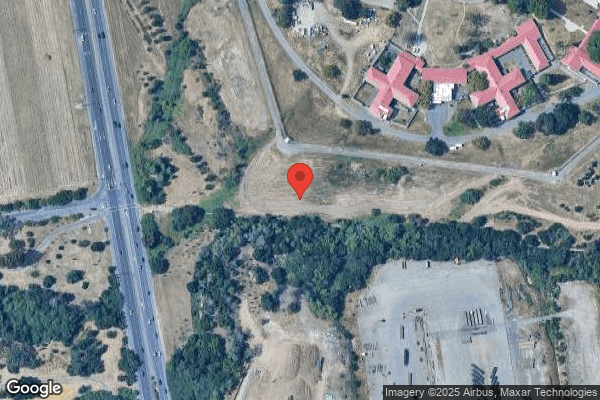
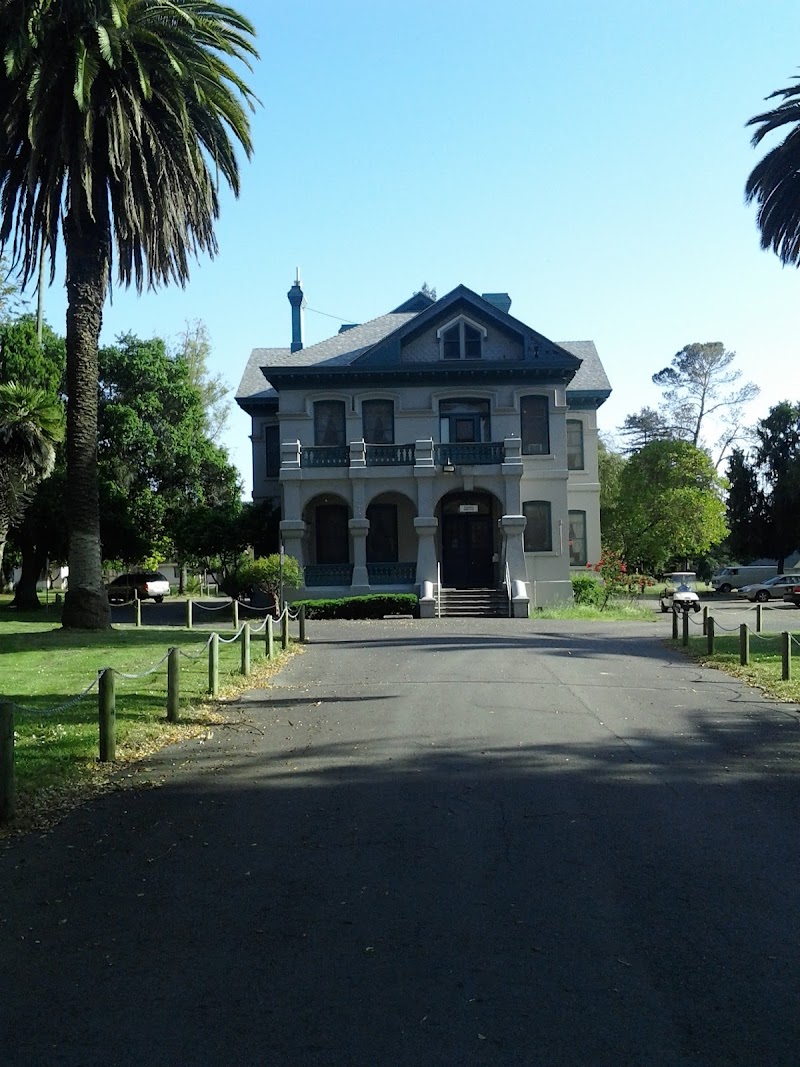
2100 NAPA-VALLEJO HIGHWAY, NAPA, CA 94558 (707) 253-5000
Government - State 36 Beds Independent Data: November 2025
Trust Grade
95/100
#65 of 1155 in CA
Last Inspection: May 2025

Inspected within the last 6 months. Data reflects current conditions.

Overview

The Department of State Hospitals - Napa D/P SNF has an impressive Trust Grade of A+, indicating it is considered an elite facility, well above average. It ranks #65 out of 1,155 nursing homes in California, placing it in the top half, and is the top facility among the six nursing homes in Napa County. The facility is improving, with issues decreasing from four in 2024 to three in 2025. Staffing is a strong point, earning a perfect 5/5 rating, with an 18% turnover rate, which is significantly lower than the California average. Although the facility has no reported fines, there are some concerns: staff failed to maintain hand hygiene during food service, which could lead to foodborne illnesses, and medication storage practices were not secure, allowing unauthorized access to medications, potentially risking residents’ safety. Overall, while the facility has strong staff support and an excellent reputation, these recent concerns highlight areas needing attention.

Trust Score
A+
95/100
In California
#65/1155
Top 5%
Safety Record
Low Risk
No red flags
Inspections
Getting Better
4 → 3 violations
Staff Stability
✓ Good
18% annual turnover. Excellent stability, 30 points below California's 48% average. Staff who stay learn residents' needs.
Penalties
✓ Good
No fines on record. Clean compliance history, better than most California facilities.
Skilled Nurses
✓ Good
Each resident gets 321 minutes of Registered Nurse (RN) attention daily — more than 97% of California nursing homes. RNs are the most trained staff who catch health problems before they become serious.
Violations
⚠ Watch
11 deficiencies on record. Higher than average. Multiple issues found across inspections.
★★★★★
5.0
Overall Rating
★★★★★
5.0
Staff Levels
★★★★☆
4.0
Care Quality
★★★★☆
4.0
Inspection Score
Stable
2024: 4 issues
2025: 3 issues

The Good

  • 5-Star Staffing Rating · Excellent nurse staffing levels
  • 4-Star Quality Measures · Strong clinical quality outcomes
  • Low Staff Turnover (18%) · Staff stability means consistent care
  • Full Sprinkler Coverage · Fire safety systems throughout facility
  • No fines on record
  • Staff turnover is low (18%)

    30 points below California average of 48%

Facility shows strength in staffing levels, quality measures, staff retention, fire safety.

The Bad

No Significant Concerns Identified

This facility shows no red flags. Among California's 100 nursing homes, only 1% achieve this.

The Ugly 11 deficiencies on record

Sept 2025 1 deficiency
CONCERN (D) 📢 Someone Reported This

A family member, employee, or ombudsman was alarmed enough to file a formal complaint

Potential for Harm - no one hurt, but risky conditions existed

Deficiency F0943 (Tag F0943)

Could have caused harm · This affected 1 resident

Based on interview and record review, the facility failed to ensure annual Abuse, Neglect, and Exploitation Training was completed on an annual basis based on the staff anniversary date of August (bir...

Read full inspector narrative →
Based on interview and record review, the facility failed to ensure annual Abuse, Neglect, and Exploitation Training was completed on an annual basis based on the staff anniversary date of August (birth month). This failure had the potential to decrease the quality of care for vulnerable residents.Findings:During a review of Certified Nursing Assistant 1's training record, dated 9/2/25 throughThis 1/4/23, the training record indicated Mandated Reporter Training was last completed on 8/29/24 and for the year 2023 was last completed 6/8/23.During an interview on 9/11/25 at 1:35 p.m. with the Standards Director 1 (SD 1), SD 1 stated, Certified Nursing Assistant 1's training for abuse training was not current and out of compliance for the prior two years.During review of the facility's policy and procedure (P&P) titled, 474 Workforce Member Training, dated 1/27/25, the P&P indicated, Annual Training/Block Training A. All workforce members based on their classification will complete annual training.
May 2025 2 deficiencies
CONCERN (D)

Potential for Harm - no one hurt, but risky conditions existed

Infection Control (Tag F0880)

Could have caused harm · This affected 1 resident

**NOTE- TERMS IN BRACKETS HAVE BEEN EDITED TO PROTECT CONFIDENTIALITY** This REQUIREMENT is not met as evidenced by: Based on observations, interviews, and record review, the facility failed to ensure...

Read full inspector narrative →
**NOTE- TERMS IN BRACKETS HAVE BEEN EDITED TO PROTECT CONFIDENTIALITY** This REQUIREMENT is not met as evidenced by: Based on observations, interviews, and record review, the facility failed to ensure safe infection control practices were followed when: 1. Enhanced barrier precautions (EBP - infection control strategy focused on preventing the spread of infection) were not implemented for one of 13 sampled residents (Resident 10), during personal hygiene care. 2. Sterile technique (a set of practices used to prevent contamination and reduce the risk of infection) was not used when irrigating the suprapubic catheter (SPC- a tube that drains urine from the bladder through the lower abdomen) for one of 13 sampled residents (Resident 4). This deficient practice placed Resident 4 at risk for catheter-associated urinary tract infection (UTI- infection of the bladder) and other complications. These failures had the potential to expose residents to cross contamination of infectious disease. Findings: 1. During a review of Resident 10's Minimum Data Set (MDS, standardized assessment tool), dated 2/28/25, the MDS indicated Resident 10's diagnoses included Benign Prostatic Hyperplasia (enlarged prostate) and Neurogenic Bladder (bladder problem caused by nerve damage that affects one's ability to urinate). During a concurrent observation and interview on 5/19/25 at 9:30 a.m. with Nursing Instructor (NI) 1 outside Resident 10's room, three Psychiatric Technician Apprentices providing personal hygiene care (cleaning private area of resident) without personal protective equipment. NI 1 stated, The red marker on the room entrance indicated that Resident 10 was on EBP. The students should have had on gowns and gloves while providing personal hygiene care. During a concurrent observation and interview on 5/19/25 at 9:45 a.m. with Registered Nurse (RN) 1 outside resident 10's room, RN 1 verified that Resident 10 had orders for EBP due to having a supra pubic catheter (a tube that drains urine from the bladder through the lower abdomen). RN 1 stated that gowns and gloves should be worn while providing personal care. RN 1 stated EBP is used to prevent cross contamination of infectious disease and protects vulnerable residents and staff from each other. During a review of Resident 10's Nursing Care Plan (NCP - a guide that identifies a patient's needs or problems and what the nurse will do to take care of the patient), dated 4/26/25, the NCP indicated, Normal Pressure Hydrocephalus (progressive neurological condition) with Neurogenic Bladder s/p Suprapubic Catheter. During a review of the facility's policy and procedure titled, Enhanced Barrier Precautions (EBP), dated 3/10/25, the P&P indicated, II. EBP . A. Gowns and gloves shall be used during specific high-contact care activities (personal hygiene care) . F. EBP are indicated for residents with any of the following: indwelling urinary catheters. 2. A review of Resident 4's Face Sheet (demographics), dated 5/20/25, and Nursing Care Plan (a guide that identifies a patient's needs or problems and what the nurse will do to take care of the patient), dated 4/30/25, indicated Resident 4 was admitted on [DATE] with diagnoses that include neurogenic bladder (bladder problem caused by nerve damage that affects one's ability to urinate) status post (after) SPC placement with repeated UTI. During a concurrent observation and record review on 5/20/25 at 3:42 p.m., in Resident 4's room, Registered Nurse (RN) 2, donned clean gloves and gown and reviewed the physician's order which directed staff to irrigate Resident 4's suprapubic catheter every shift with 150 ml (milliliters- unit of measurement) of 0.9% sodium chloride (solution used to flush tubing) and 50 ml of 0.25% acetic acid solution (mild acid solution used to kill bacteria and fungus) . RN 2 poured a total of 150 ml of 0.9% sodium chloride into 3 medication cups (not sterile (completely free of germs that can cause infection)), which were set up on top of the treatment cart (not a sterile field- an area free of bacteria that includes sterile tools and surfaces and is set up during medical procedures to prevent infection) in the hallway outside the resident's room. RN 2 then poured 50 ml of 0.25% acetic acid solution into a fourth medication cup (not sterile). RN 2 then placed the cups of solution on a rolling bedside table (not a sterile field) inside the resident's room and moved it to the side of the resident's bed. Instead of sterile gloves (gloves which have been sterilized to eliminate any bacteria to protect residents from infection during procedures), RN 2 donned the same gloves that touched non-sterile surfaces to disconnect the drainage bag (bag that collects urine) and tubing from the suprapubic catheter and opened the plastic wrap packaging of the piston syringe (now not sterile). RN 2 used the piston syringe (not sterile) to draw up and inject 150 ml of 0.9% sodium chloride solution into the suprapubic catheter tubing without first disinfecting the port with an alcohol pad. RN 2 used the same piston syringe to draw up and inject 50 ml of 0.25% acetic acid solution into the suprapubic catheter tubing. RN 2 then reconnected the urinary drainage bag to the suprapubic catheter. During a concurrent interview and record review on 5/21/25 at 1:57 p.m. with Infection Control Nurse (ICN), ICN reviewed the facility's policy and procedure (P&P) titled, GYNGU-812: Urinary Catheters, dated 5/8/25, and stated that the irrigation of a suprapubic catheter should be performed as a sterile procedure. During a review of the facility's policy and procedure (P&P) titled, GYNGU-812: Urinary Catheters, dated 5/8/25, the P&P indicated, .staff shall follow the most current Centers for Disease Control (CDC) Guidelines when caring for a patient with an indwelling catheter (a tube that stays in the body to drain urine from the bladder) to decrease the possibility of contracting a catheter-associated urinary tract infection. Under Procedures for Indwelling Urinary Catheter Irrigation, the P&P required that licensed nursing staff disinfect the collection port with an alcohol pad and use aseptic (sterile) technique when performing irrigation of an indwelling urinary catheter.
CONCERN (F)

Potential for Harm - no one hurt, but risky conditions existed

Food Safety (Tag F0812)

Could have caused harm · This affected most or all residents

Based on observation, interview and record review, the facility failed to maintain sanitary conditions for a universe of 23 residents, when a Food Service Technician (FST 2) did not perform hand hygie...

Read full inspector narrative →
Based on observation, interview and record review, the facility failed to maintain sanitary conditions for a universe of 23 residents, when a Food Service Technician (FST 2) did not perform hand hygiene between tasks. This failure had the potential to cause food- borne illnesses in a vulnerable population. Findings: During an observation on 5/21/25 at 11:20 a.m in A-4 satellite kitchen the following was observed. FST 2 was observed pouring ice with gloved hands into a tray, FST 2 then walked to the dishwasher area and placed an ice scooper through the dishwasher with the same gloved hands. The FST 2 picked up the ice scooper from the dishwasher and returned to the ice tray with the same gloved hands and proceeded to scoop ice into a tray. During an interview on 5/21/25 at 11:51 a.m with the Food Service Supervisor (FSS), the FSS stated, handwashing should be done after every task to prevent cross contamination. During an interview on 5/21/25 at 11:54 a.m with the FST 2, the FST 2 stated she should have washed her hands after placing the ice scooper through the dishwasher to prevent cross contamination. During a review of the facility's policy and procedure (P&P) titled, Hand Washing and Glove Use, dated, August 2014, the P&P indicated, . Standards B. Thorough hand washing is done: 3. Between handling dirty and clean dishes and utensils.
Dec 2024 1 deficiency
CONCERN (F) 📢 Someone Reported This

A family member, employee, or ombudsman was alarmed enough to file a formal complaint

Potential for Harm - no one hurt, but risky conditions existed

Deficiency F0761 (Tag F0761)

Could have caused harm · This affected most or all residents

Based on observation, interview and record review, the facility failed to maintain the security of one of (1) medication rooms from unauthorized staff. This failure had the potential to allow unlicens...

Read full inspector narrative →
Based on observation, interview and record review, the facility failed to maintain the security of one of (1) medication rooms from unauthorized staff. This failure had the potential to allow unlicensed staff access to medications. During an interview on 12/30/24 at 9:17 a.m. with the Director of Quality 1, the Director of Quality 1 stated Program 4 (Skilled Nursing Facility, Intermediate Care Facility, Acute Psychiatric Hospital) had three main keys . one key was a general access key that opened all the doors including the medication rooms, a medication cart key which was only for nursing, and a narcotic lock key that only the person giving the narcotics had access to. During an observation on 12/30/24 at 9:52 a.m. on the skilled nursing unit, in the medication room. The medication refrigerator (Accucold) contained medications such as Trulicity (a prescription medication used to help lower blood sugar levels in people with type 2 diabetes), Ozempic (a prescription medication used to treat type 2 diabetes in adults), insulin (a hormone produced by the pancreas that plays a crucial role in regulating blood sugar levels), vaccines of various types (a biological preparation that provides active acquired immunity to a particular infectious or malignant disease) (flu, PPD)(PPD - substance used in a skin test to detect tuberculosis (TB) infection) was not locked, and access was readily available. During an interview on 12/30/24 at 9:52 a.m. with Custodian 1, Custodian 1 stated she had keys that allowed her access to the medication room. During an interview on 12/30/24 at 9:52 a.m. with Psychiatric Technician (PT 1), Registered Nurse 1 (RN 1) and RN 2 all confirmed that there are two types of keys; licensed staff keys that have the general access key to all doors, including the medication room, and the medication room cabinet key and the unlicensed staff keys that have the general access key and not the medication cabinets key. The licensed and unlicensed staff take home their assigned keys at the end of their shift. During an interview on 12/30/24 at 10:07 a.m. with Pharmacist 1, Pharmacist 1 stated that unlicensed staff should not have access to any medications inside of the medication rooms. During a concurrent observation and interview on 12/30/24 at 10:25 a.m. with RN 3 and RN 4 in the NOD office (Nurse on Duty)/ CNS office (Central Nursing Staffing) were asked where the key(s) were stored for the medication carts in the event the digital access to the carts failed. RN 4 showed a lock box mounted to the wall outside of the office. RN 4 was asked where the key was stored for the lock box. RN 4 pointed to the bulletin board in her office where it was hanging on a push pin. RN 4 was asked if this was a secure way to store the key she stated, No. During an interview on 1/2/25 at 10:54 a.m. with the Director of Quality 2, the Director of Quality 2 confirmed key security is jeopardized when keys were taken home due to unauthorized access to the keys by family and friends etc. despite being marked, Do Not Duplicate. During a review of the facility's policy and procedure (P&P) titled, Procurement, storage, and disposition of pharmaceuticals; Unit medication room security 308, dated 2/2024, the P&P indicated, Policy: All medications at [facility] shall be securely stored and access controlled and limited to specific personnel. 1. It is the responsibility of the Unit Supervisor to ensure that Medication and Treatment Rooms have proper security measures in place. 5. Keys to medication cabinets, medication carts, cassettes, and controlled drug cabinets or drawers shall be held personally by licensed nursing personnel. Keys shall not be left in drawers, hung on the wall, given to individuals, etc.
May 2024 3 deficiencies
CONCERN (D)

Potential for Harm - no one hurt, but risky conditions existed

Medical Records (Tag F0842)

Could have caused harm · This affected 1 resident

**NOTE- TERMS IN BRACKETS HAVE BEEN EDITED TO PROTECT CONFIDENTIALITY** Based on observation, interview, and record review, the facility failed to maintain complete and accurate documented medical rec...

Read full inspector narrative →
**NOTE- TERMS IN BRACKETS HAVE BEEN EDITED TO PROTECT CONFIDENTIALITY** Based on observation, interview, and record review, the facility failed to maintain complete and accurate documented medical records for the pain management of one of 13 sampled residents (Resident 3). This failure had the potential for inaccurate and incomplete representation of Resident 3's pain management. Findings: 1. During a record review of Resident 3's clinical record, updated 5/13/24, the clinical record indicated Resident 3 was admitted on [DATE]. Resident 3's diagnoses included cervical myelopathy (compression in spine that may result in pain, numbness, and weakness), polyneuropathy (multiple nerve damage that may result in pain, lack of coordination, and increased sensitivity to touch), degenerative joint disease (pain and stiffness in joints that worsens over time), history of patellectomy (surgical removal of knee cap), and left knee contracture (pain and loss of movement in the left knee joint). During an interview on 5/13/24 at 10:29 a.m. with Resident 3, Resident 3 stated he felt pain all over, and the medications he received for pain did not work too well. During a concurrent interview and record review on 5/14/24 at 10:54 a.m. with the Supervising Registered Nurse (SRN), Resident 3's RN Pain Assessment IDN (pain assessment tool), last dated 4/4/24 was reviewed. The assessment indicated Resident 3 was receiving routine narcotics and was able to verbalize the severity of the pain. The SRN stated the pain assessment tool was supposed to be completed weekly. The facility was unable to provide evidence of the pain assessment tool or any other documented pain assessment being completed after 4/4/24 to reflect weekly assessments. During a concurrent interview and record review on 5/14/24 on 11:04 a.m. with Psychiatric Technician (PT) 1, Resident 3's [undated] Pain Management Flowsheet (tool used for pain management) was reviewed. The flowsheet indicated sections for assessing the resident's pain, listing the medications and interventions used, and evaluation of interventions with regards to the resident's pain. The flowsheet indicated it was filed with the Medication Records. The flowsheet was noted to be blank, indicating no pain assessment was completed and documented. PT 1 stated the Pain Management Flowsheet was found in the Medication and Treatment Record. PT 1 confirmed Resident 3's Pain Management Flowsheet was blank because they did not chart on it if pain medications administered were scheduled. During a record review of Resident 3's Physician's Orders, dated 4/16/24, the orders indicated Resident 3 was prescribed routinely scheduled pain medications including Acetaminophen, Gabapentin, and Tramadol (narcotic pain medication). During a record review of Resident 3's Nursing Care Plan - Focus Number 6.37, dated 2/1/24, the care plan indicated, Licensed nursing staff will administer prescribed medications and will monitor their effectivity. During a record review of the Resident 3's Medication and Treatment Record (MAR), dated April-May 2024, the MAR indicated the resident was being administered acetaminophen, gabapentin, and tramadol routinely. The MAR indicated no assessment of their effectivity was being documented. The MAR indicated the dose for gabapentin was lowered on 4/11/24 due to low renal (kidney-related) function. The facility was unable to provide any pain assessment completed after dosage change to reflect medication effectiveness on Resident 3's pain. During a record review of Resident 3's Nursing Care Plan - Focus Number 6.25, dated 2/1/24, the care plan indicated the goal was that the patient will demonstrate or state that pain is relieved or controlled. The care plan further indicated, Licensed designee will assess and monitor for the presence of pain q (every) shift and will notify MD if unable to tolerate pain. During a record review of the facility's policy and procedure (P&P) titled, Pain Management, dated 3/12/24, the P&P indicated, The RN (registered nurse) shall assess each patient for pain on admission, annually; for change in physical condition; and for other circumstances that include, but are not limited to: .B. Unresolved pain or the goal for pain is not met .F. Weekly when taking scheduled narcotics or using a pain control device. The P&P also indicated that for Previously identified pain that is being treated Licensed nursing staff shall follow the plan of care and provide documentation within one (1) hour on the Pain Management Flow Sheet to include description of pain, pain rating, provided interventions, and response to interventions. The P&P further indicated that for Scheduled narcotic regimen or pain control device .The RN shall complete the RN Pain Assessment IDN each week. The P&P indicated, If the patient's acceptable level of pain is not met, the pain remains unresolved, the pain has increased, or the patient is experiencing breakthrough pain, licensed nursing staff shall refer the patient to the RN for further assessment. The RN shall complete the RN Pain Assessment IDN, shall notify the Physician, carry out received orders as applicable, and shall revise the NCP, as indicated.
CONCERN (E)

Potential for Harm - no one hurt, but risky conditions existed

Deficiency F0761 (Tag F0761)

Could have caused harm · This affected multiple residents

Based on observation, interview, and record review, the facility failed to ensure safe medication storage room practices per the facility's policy and procedure when: 1. The medication cart was left u...

Read full inspector narrative →
Based on observation, interview, and record review, the facility failed to ensure safe medication storage room practices per the facility's policy and procedure when: 1. The medication cart was left unlocked multiple times in the medication room where unlicensed staff had access. 2. Expired medical supplies were not removed from stock. These failures had the potential for drug diversion (illegal distribution or abuse of prescription drugs) by unauthorized staff with access to medications and for expired and unsafe medical supplies to be used for residents. Findings: 1. During an observation 5/14/24 at 11:13 a.m. in the Medication Room, medication cart #2 was left unlocked. During an interview on 5/14/24 at 11:15 a.m. with Psychiatric Technician (PT), PT stated she left the medication cart unlocked in the medication room. During an interview on 5/14/24 at 2:14 p.m. with PT, PT stated unlicensed staff had the key to access the medication room to get supplies. PT stated narcotics and controlled drugs in the medication cart were stored in a metal drawer with a secondary lock. During an observation on 5/14/24 at 2:32 p.m. in the Medication Room, medication cart #2 was unlocked and the screen clearly instructed, Press Sign Out to lock. Press CS to unlock the narc (narcotic) drawers. During an interview on 5/14/24 at 3:41 p.m. with the Supervising Registered Nurse (SRN), the SRN stated the medication cart should be locked and should be checked by staff if it was locked properly. SRN further stated all staff members, including unlicensed staff, had a key to the medication room, but only licensed staff had the keys to the medication carts and cabinets where medications were stored. During an interview on 5/14/24 at 4:05 p.m. with the SRN, the SRN stated medication cart #2 was replaced with a new medication cart in case it was left unlocked due to a malfunction. During an observation on 5/15/24 at 10:25 a.m. in the medication room, Licensed Vocational Nurse (LVN) 1 left the newly replaced medication cart #2 unlocked and did not check if the cart was locked before leaving the medication room. During an interview on 5/15/24 at 10:27 a.m. with LVN 1, LVN 1 stated he should not have left the medication room with the medication cart unlocked. During an interview on 5/15/24 at 11:05 a.m. with the SRN, the SRN stated the staff should have checked if a medication cart was properly locked before they left it in the medication room. During a review of the facility's policy and procedure (P&P) titled, Medication/Treatment Room/Emergency Equipment Checklists, Inventory, Inspections, dated 1/23/24, the P&P indicated, Check the safety and security of the following: .Securely locked medication cart drawers. During a review of the facility's policy and procedure (P&P) titled, Procurement, Storage, and Disposition of Pharmaceuticals: Unit Medication Storage, dated October 2021, the P&P indicated, Controlled drugs shall be kept behind two locks, except when in use. During a review of the facility's policy and procedure (P&P) titled, Medication Administration General Information, dated 8/9/24, the P&P indicated, Licensed staff shall . Lock and check all medication carts and cabinets except when preparing or administering medications. 2. During a concurrent observation and interview on 5/14/24 at 2:24 p.m. with Psychiatric Technician (PT) in the Medication Room, there were 12 expired medical supplies labeled, Epump ENPlus Spike Set (medical device used for people on continuous tube feedings, food in liquid form being fed to a person through a flexible tube). Five of the supplies had an expiration date of 12/31/23, and seven had an expiration date of 4/30/24. PT stated the expired medical supplies should have been returned to Central Supply. During an interview on 5/14/24 at 3:38 p.m. with the Supervising Registered Nurse (SRN), the SRN stated expired medical supplies should be removed, returned to Central Supply Department, and replaced. During a review of the facility's Administrative Directive titled, Central Supply, dated 10/25/23, the document indicated, It is the responsibility of the unit/department to monitor the expiration dates of medical supplies and equipment. Staff shall return all expired supplies/equipment to Central Supply according to hospital policy.
CONCERN (E)

Potential for Harm - no one hurt, but risky conditions existed

Food Safety (Tag F0812)

Could have caused harm · This affected multiple residents

Based on observation, interview, and record review the facility failed to follow facility policies and procedures relating to safe storage and labeling of food, domestic hot water supply, cleaning of ...

Read full inspector narrative →
Based on observation, interview, and record review the facility failed to follow facility policies and procedures relating to safe storage and labeling of food, domestic hot water supply, cleaning of can openers and storing staff food in patient freezer. 1. Water temperature in the main kitchen 74 - 76 degrees Fahrenheit. 2. Meat in the main kitchen freezer, unlabeled and undated. 3. Flour tortillas in the main kitchen cooler dated 12/15/23. 4. Can opener with black substance on cutting wheel in the main kitchen. 5. Staff food stored in the skilled nursing satellite kitchen. These failures had the potential to affect the skilled nursing population by food borne illness in a highly susceptible population by subjecting patients to infection control and quality issues. Findings: 1. During an observation on 5/13/24 at 9:12 a.m. at the handwashing sink located by the main kitchen entrance, it was noted that the water was cold and did not warm up with time. During an interview on 5/13/24 at 9:12 a.m. with Supervising [NAME] I (SC I), SC I stated that the hot water has always been an issue. During an observation on 5/13/24 at 9:55 a.m. at the prep sink, SC I took the temperature of the water with a digital thermometer and obtained a temperature of 74 degrees Fahrenheit. A temperature of the handwashing sink located by the main kitchen entrance was taken by SC I with a digital thermometer and obtained a temperature of 76 degrees Fahrenheit. During review of the work order dated 4/9/24, the work order indicated, The hot water in the Nutritional Services building is not working correctly. In the morning there is hot water, by noon there is no hot water in the building. Making it very hard to properly clean the equipment. During review of the facility's policy and procedure (P&P) titled, Domestic Hot Water Supply, dated 10/23/23, the P&P indicated, Facilities Management shall maintain all water heaters, pressure control valves, and temperature control valves. Water temperatures shall not exceed 120 degrees Fahrenheit or fall below 105 degrees Fahrenheit . 2. During an observation on 5/13/24 at 9:15 a.m. in the main kitchen freezer #2, cooked meat in a grocery type bag was unlabeled and undated. During an interview on 5/13/24 at 9:15 a.m. with Supervising [NAME] 1 (SC 1), SC 1 stated the meat should be labeled and dated. SC 1 further stated the meat should not have been stored in a grocery bag. SC 1 stated he did not know who placed the grocery type bag with meat in the freezer. During review of the facility's policy and procedure (P&P) titled, Food Storage, dated/revised February 2018, the P&P indicated, All food items and storage containers are clearly labeled with date and contents. Outdated or unlabeled items are discarded. 3. During an observation on 5/13/24 at 9:20 a.m. in the main kitchen cooler #4 flour tortillas dated 12/15/23 was unlabeled. During an interview on 5/13/24 at 9:20 a.m. with Supervising [NAME] 1 (SC 1), SC 1 stated the tortillas might have been expired and were likely returned from the unit and should have been discarded. During review of the facility's policy and procedure (P&P) titled, Food Storage, dated/revised February 2018, the P&P indicated, All food items and storage containers are clearly labeled with date and contents. Outdated or unlabeled items are discarded. 4. During an observation on 5/13/24 at 9:48 a.m. in the main kitchen, the main line electric can opener was observed to have a black substance on the can opener cutting wheel. During an interview on 5/13/24 at 9:48 a.m. with Supervising [NAME] 1 (SC 1), SC 1 stated the black substance on the can opener cutting wheel was unacceptable. The SC 1 stated the can openers should be cleaned at the end of each shift. (The policy indicated can openers should be cleaned after each use in the main kitchen). During review of the facility's policy and procedure (P&P) titled, Can Openers, dated/revised August 2014, the P&P indicated, Can openers are cleaned in the dining rooms following each meal period and in the Main Kitchen after each use. 5. During an observation on 5/13/24 at 10:55 a.m. in the Skilled Nursing Facility satellite kitchen, a food item belonging to staff was observed in the patient freezer. During an interview on 5/13/24 at 10:55 a.m. with Food Service Technician II (FST II), FST II stated the food belonged to her. FST II stated she knew the food should not be stored in the patient's freezer. FST II stated staff had a mini fridge/freezer, however the freezer did not get cold enough. During an interview on 5/13/24 at 3:07 p.m. with the Quality Improvement Director (QID), QID stated that staff food should not be stored with patient food. QID stated the food should be stored separately. QID stated there was no facility policy.
Dec 2023 2 deficiencies
CONCERN (E) 📢 Someone Reported This

A family member, employee, or ombudsman was alarmed enough to file a formal complaint

Potential for Harm - no one hurt, but risky conditions existed

Deficiency F0772 (Tag F0772)

Could have caused harm · This affected multiple residents

**NOTE- TERMS IN BRACKETS HAVE BEEN EDITED TO PROTECT CONFIDENTIALITY** Based on interview, record review, and facility document review, the facility failed to have a laboratory contract in place to o...

Read full inspector narrative →
**NOTE- TERMS IN BRACKETS HAVE BEEN EDITED TO PROTECT CONFIDENTIALITY** Based on interview, record review, and facility document review, the facility failed to have a laboratory contract in place to obtain certain send out laboratory tests (tests sent by a primary laboratory to a reference laboratory when testing was unavailable at the primary laboratory) from approximately [DATE] to [DATE]. This failure affected seven (7) of 27 Skilled Nursing Facility (SNF) residents. This failure resulted in a lapse in a laboratory contract where numerous physicians ' orders for blood tests, that required send out testing, were not completed. This failure had the potential to affect the health and safety of residents in the event laboratory results were abnormal. Findings: During an interview on [DATE] at 10:49 a.m. with the Laboratory Supervisor/Assistant Coordinator of Nursing Services (ACNS) 1, ACNS 1 was asked about the process for laboratory send outs. ACNS 1 stated normally laboratory work was sent to Hospital 1 and, if a send out laboratory test was required, Hospital 1 would send the laboratory work to Laboratory 1. ACNS 1 further stated the contract was in flux with Hospital 1 and Hospital 1 was not doing the send outs. ACNS 1 stated Hospital 1 sent some of the blood tests back to the facility in June (2023) and they were disposed of. During an interview on [DATE] at 12 p.m. with Nursing Coordinator (NC) 1, NC 1 stated the prior contract with Hospital 1 expired on [DATE] and, We were trying to get a hold of Hospital 1 since March. NC 1 stated Hospital 1 was unresponsive and then they switched to Company P. NC 1 stated Hospital 1 was doing certain testing but did not want to do any send outs. NC 1 stated the facility was in the process of getting a contract with Laboratory 1 or Laboratory 2. NC 1 stated Medical Doctor (MD) 2 told the doctors to stop ordering certain tests. During an interview on [DATE] at 1:15 p.m. with the Executive Director (ED) 1, ED 1 stated the facility was actively working to get a contract with Laboratory 1. ED 1 stated the facility was still getting lab work processed but there were a few send outs that Hospital 1 did not do. ED 1 stated, None were life threatening. ED 1 referred the surveyor to the Assistant Medical Director (AMD) 1. During an interview on [DATE] at 1:20 p.m. with AMD 1, the surveyor discussed the issue with send outs not being processed by Hospital 1 and that Hospital 1 sent back some blood tests which were disposed of at the facility. AMD 1 stated, There shouldn't be any test disposed of. AMD 1 stated he would obtain further information. During a subsequent interview with AMD 1 on [DATE] at 2 p.m., AMD 1 stated, This got overlooked. The contract was given to [name of the new State contract company] for all outside medical and labs. AMD 1 stated, at the same time, Company P took over Hospital 1 and they stopped sending send out laboratory work and only in house tests were being done. AMD 1 stated [name of the new State contract company] was in negotiations with Laboratory 1 and Laboratory 2 and were close to signing. During an interview on [DATE] at 2:15 p.m. with Standards Compliance Coordinator (SCC) 1, SCC 1 stated there were seven (7) SNF patients that did not get laboratory work completed. During an interview on [DATE] at 1 p.m. with MD 2, MD 2 stated, It's a terrible situation. MD 2 stated we sent a contract four (4) months before the contract expired to Hospital 1 and did not get a response until [DATE] that they were not doing any more send outs. MD 2 stated on [DATE] she contacted a new person at Company P, who oversaw the lab, and arranged that send outs would be done for June only. MD 2 stated on [DATE] or [DATE] Hospital 1 was sending lab work back because they had not received word of this yet. At the end of June, the [name of new State contract company] would be doing everything. MD 2 stated she met with them on either [DATE] or [DATE] and all was OK. On [DATE], before the contract was signed, they crossed out send outs. MD 2 stated since the first of July the facility has been trying to get a full contract with Laboratory 2, but Laboratory 2 was not responsive. During an interview on [DATE] at 11:30 a.m. with MD 2, the surveyor requested a list of laboratory send out testing that Hospital 1 would not accept. MD 2 provided the following list: HIV (Human Immunodeficiency Virus) RNA (ribonucleic acid) and resistance assay (used to determine drug resistance for HIV genotyping), HCV (hepatitis C virus) RNA, RPR (rapid plasma [NAME]/screening tests for syphilis), CD4 (lab monitoring for HIV infection), HIV viral load, Hepatitis B IgM antibody, Hepatitis B core antibody, Hepatitis C Genotype, Keppra /Levetiracetam (anticonvulsant), Risperidone (antipsychotic), Sertraline/Zoloft (used for depression and other disorders), Ziprasidone/Geodon (antipsychotic), Quetiapine/Seroquel (antipsychotic), Aripiprazole/Abilify (antipsychotic), Drug Diversion Panel if Buprenorphine (used for opioid dependence and pain) is requested, sickle cell prep, blood diversion panel, Vitamin D level, Lamotrigine (anticonvulsant/treatment for bipolar disorder), Perphenazine (antipsychotic), and Free Valproic (anticonvulsant) levels. During an interview on [DATE] at 1:20 p.m. with Supervising Registered Nurse (SRN) 1, SRN 1 stated Resident 1 had an order for a Lamictal /Lamotrigine level on approximately [DATE]. SRN 1 stated the shift lead notified her that the blood test was not going to be drawn as the laboratory said they could not do it. SRN 1 stated she called the laboratory, and she was also told they could not do the testing. SRN 1 contacted the Nursing Coordinator, MD 2, and MD 3. MD 2 informed SRN 1 they were working on a new contract, and she would let her know. SRN 1 stated she did not hear anything further. During a review of Interdisciplinary Notes (IDNs) for Patient 1, dated [DATE] at 9:30 a.m., the IDNs indicated, the lab was not able to draw Lamotrigine blood level, per lab staff, due to contract. Unit MD and MD 2 notified. Based on interview, record review, and facility document review, the facility failed to have a laboratory contract in place to obtain certain send out laboratory tests (tests sent by a primary laboratory to a reference laboratory when testing was unavailable at the primary laboratory) from approximately [DATE] to [DATE]. This failure affected seven (7) of 27 Skilled Nursing Facility (SNF) residents. This failure resulted in a lapse in a laboratory contract where numerous physicians' orders for blood tests, that required send out testing, were not completed. This failure had the potential to affect the health and safety of residents in the event laboratory results were abnormal. Findings: During an interview on [DATE] at 10:49 a.m. with the Laboratory Supervisor/Assistant Coordinator of Nursing Services (ACNS) 1, ACNS 1 was asked about the process for laboratory send outs. ACNS 1 stated normally laboratory work was sent to Hospital 1 and, if a send out laboratory test was required, Hospital 1 would send the laboratory work to Laboratory 1. ACNS 1 further stated the contract was in flux with Hospital 1 and Hospital 1 was not doing the send outs. ACNS 1 stated Hospital 1 sent some of the blood tests back to the facility in June (2023) and they were disposed of. During an interview on [DATE] at 12 p.m. with Nursing Coordinator (NC) 1, NC 1 stated the prior contract with Hospital 1 expired on [DATE] and, We were trying to get a hold of Hospital 1 since March. NC 1 stated Hospital 1 was unresponsive and then they switched to Company P. NC 1 stated Hospital 1 was doing certain testing but did not want to do any send outs. NC 1 stated the facility was in the process of getting a contract with Laboratory 1 or Laboratory 2. NC 1 stated Medical Doctor (MD) 2 told the doctors to stop ordering certain tests. During an interview on [DATE] at 1:15 p.m. with the Executive Director (ED) 1, ED 1 stated the facility was actively working to get a contract with Laboratory 1. ED 1 stated the facility was still getting lab work processed but there were a few send outs that Hospital 1 did not do. ED 1 stated, None were life threatening. ED 1 referred the surveyor to the Assistant Medical Director (AMD) 1. During an interview on [DATE] at 1:20 p.m. with AMD 1, the surveyor discussed the issue with send outs not being processed by Hospital 1 and that Hospital 1 sent back some blood tests which were disposed of at the facility. AMD 1 stated, There shouldn't be any test disposed of. AMD 1 stated he would obtain further information. During a subsequent interview with AMD 1 on [DATE] at 2 p.m., AMD 1 stated, This got overlooked. The contract was given to [name of the new State contract company] for all outside medical and labs. AMD 1 stated, at the same time, Company P took over Hospital 1 and they stopped sending send out laboratory work and only in house tests were being done. AMD 1 stated [name of the new State contract company] was in negotiations with Laboratory 1 and Laboratory 2 and were close to signing. During an interview on [DATE] at 2:15 p.m. with Standards Compliance Coordinator (SCC) 1, SCC 1 stated there were (7) SNF patients that did not get laboratory work completed. During an interview on [DATE] at 1 p.m. with MD 2, MD 2 stated, ' It's a terrible situation. MD 2 stated we sent a contract four (4) months before the contract expired to Hospital 1 and did not get a response until [DATE] that they were not doing any more send outs. MD 2 stated on [DATE] she contacted a new person at Company P, who oversaw the lab, and arranged that send outs would be done for June only. MD 2 stated on [DATE] or [DATE] Hospital 1 was sending lab work back because they had not received word of this yet. At the end of June, the [name of new State contract company] would be doing everything. MD 2 stated she met with them on either [DATE] or [DATE] and all was OK. On [DATE], before the contract was signed, they crossed out send outs. MD 2 stated since the first of July the facility has been trying to get a full contract with Laboratory 2, but Laboratory 2 was not responsive. During an interview on [DATE] at 11:30 a.m. with MD 2, the surveyor requested a list of laboratory send out testing that Hospital 1 would not accept. MD 2 provided the following list: HIV (Human Immunodeficiency Virus) RNA (ribonucleic acid) and resistance assay (used to determine drug resistance for HIV genotyping), HCV (hepatitis C virus) RNA, RPR (rapid plasma [NAME]/screening tests for syphilis), CD4 (lab monitoring for HIV infection), HIV viral load, Hepatitis B IgM antibody, Hepatitis B core antibody, Hepatitis C Genotype, Keppra /Levetiracetam (anticonvulsant), Risperidone (antipsychotic), Sertraline/Zoloft (used for depression and other disorders), Ziprasidone/Geodon (antipsychotic), Quetiapine/Seroquel (antipsychotic), Aripiprazole/Abilify (antipsychotic), Drug Diversion Panel if Buprenorphine (used for opioid dependence and pain) is requested, sickle cell prep, blood diversion panel, Vitamin D level, Lamotrigine (anticonvulsant/treatment for bipolar disorder), Perphenazine (antipsychotic), and Free Valproic (anticonvulsant) levels. During an interview on [DATE] at 1:20 p.m. with Supervising Registered Nurse (SRN) 1, SRN 1 stated Resident 1 had an order for a Lamictal /Lamotrigine level on approximately [DATE]. SRN 1 stated the shift lead notified her that the blood test was not going to be drawn as the laboratory said they could not do it. SRN 1 stated she called the laboratory, and she was also told they could not do the testing. SRN 1 contacted the Nursing Coordinator, MD 2, and MD 3. MD 2 informed SRN 1 they were working on a new contract, and she would let her know. SRN 1 stated she did not hear anything further. During a review of Interdisciplinary Notes (IDNs) for Patient 1, dated [DATE] at 9:30 a.m., the IDNs indicated, the lab was not able to draw Lamotrigine blood level, per lab staff, due to contract. Unit MD and MD 2 notified.
CONCERN (E) 📢 Someone Reported This

A family member, employee, or ombudsman was alarmed enough to file a formal complaint

Potential for Harm - no one hurt, but risky conditions existed

Deficiency F0841 (Tag F0841)

Could have caused harm · This affected multiple residents

**NOTE- TERMS IN BRACKETS HAVE BEEN EDITED TO PROTECT CONFIDENTIALITY** Based on interview, record review, and facility document review, the facility failed to ensure the Medical Director's responsibi...

Read full inspector narrative →
**NOTE- TERMS IN BRACKETS HAVE BEEN EDITED TO PROTECT CONFIDENTIALITY** Based on interview, record review, and facility document review, the facility failed to ensure the Medical Director's responsibilities for coordination of medical care in the facility was implemented. The facility failed to have a laboratory contract in place to obtain certain send out laboratory tests (tests sent by a primary laboratory to a reference laboratory when testing was unavailable at the primary laboratory) from approximately [DATE] to [DATE]. The facility failed to report this unusual occurrence to the California Department of Public Health (CDPH). This failure affected seven (7) of 27 Skilled Nursing Facility (SNF) residents. This failure resulted in a lapse in a laboratory contract where numerous physicians' orders for blood tests, that required send out testing, were not completed. This failure had the potential to affect the health and safety of residents in the event laboratory test results were abnormal. Findings: During an interview on [DATE] at 10:49 a.m. with the Laboratory Supervisor/Assistant Coordinator of Nursing Services (ACNS) 1, ACNS 1 was asked about the process for laboratory send outs. ACNS 1 stated normally laboratory work was sent to Hospital 1 and, if a send out laboratory test was required, Hospital 1 would send the laboratory test to Laboratory 1. ACNS 1 further stated the contract was in flux with Hospital 1 and Hospital 1 was not doing the send outs. ACNS 1 stated Hospital 1 sent some of the blood tests back to the facility in June (2023) and they were disposed of. During an interview on [DATE] at 12 p.m. with Nursing Coordinator (NC) 1, NC 1 stated the prior contract with Hospital 1 expired on [DATE] and stated, We were trying to get a hold of Hospital 1 since March. NC 1 stated Hospital 1 was unresponsive and then they switched to Company P. NC 1 stated Hospital 1 was doing certain testing but did not want to do any send outs. NC 1 stated the facility was in the process of getting a contract with Laboratory 1 or Laboratory 2. NC 1 stated Medical Doctor (MD) 2 told the doctors to stop ordering certain tests. During an interview on [DATE] at 1:15 p.m. with the Executive Director (ED) 1, ED 1 stated the facility was actively working to get a contract with Laboratory 1. ED 1 stated the facility was still getting lab work processed but there were a few send outs that Hospital 1 did not do. ED 1 stated, None were life threatening. ED 1 referred the surveyor to the Assistant Medical Director (AMD) 1. During an interview on [DATE] at 1:20 p.m. with AMD 1, the surveyor discussed the issue with send outs not being processed by Hospital 1 and that Hospital 1 sent back some blood tests which were disposed of at the facility. AMD 1 stated, There shouldn't be any test disposed of. AMD 1 stated he would obtain further information. During a subsequent interview with AMD 1 on [DATE] at 2 p.m., AMD 1 stated, This got overlooked. The contract was given to [name of the new State contract company] for all outside medical and labs. AMD 1 stated, at the same time, Company P took over Hospital 1 and they stopped sending send out laboratory work and only in house tests were being done. AMD 1 stated the [name of new State contract company] was in negotiations with Laboratory 1 and Laboratory 2 and were close to signing. During an interview on [DATE] at 2:15 p.m. with Standards Compliance Coordinator (SCC) 1, SCC 1 stated there were seven (7) SNF patients that did not get laboratory work completed. During an interview on [DATE] at 1 p.m. with Medical Doctor (MD) 2, MD 2 stated, It's a terrible situation. MD 2 stated we sent a contract four (4) months before the contract expired to Hospital 1 and did not get a response until [DATE] that they were not doing any more send outs. MD 2 stated on [DATE] she contacted a new person at Company P, who oversaw the lab, and arranged that send outs would be done for June only. MD 2 stated on [DATE] or [DATE] Hospital 1 was sending laboratory work back to the facility because they had not received word of this yet. At the end of June, the [name of new State contract company] would be doing everything. MD 2 stated she met with them on either [DATE] or [DATE] and all was OK. On [DATE], before the contract was signed, they crossed out send outs. MD 2 stated since the first of July the facility has been trying to get a full contract with Laboratory 2, but Laboratory 2 was not responsive. During an interview on [DATE] at 11:30 a.m. with MD 2, the surveyor requested a list of laboratory send out testing that Hospital 1 would not accept. MD 2 provided the following list: HIV (Human Immunodeficiency Virus) RNA (ribonucleic acid) and resistance assay (used to determine drug resistance for HIV genotyping), HCV (hepatitis C virus) RNA, RPR (rapid plasma [NAME]/screening tests for syphilis), CD4 (lab monitoring for HIV infection), HIV viral load, Hepatitis B IgM antibody, Hepatitis B core antibody, Hepatitis C Genotype, Keppra /Levetiracetam (anticonvulsant), Risperidone (antipsychotic), Sertraline/Zoloft (used for depression and other disorders), Ziprasidone/Geodon (antipsychotic), Quetiapine/Seroquel (antipsychotic), Aripiprazole/Abilify (antipsychotic), Drug Diversion Panel if Buprenorphine (used for opioid dependence and pain) is requested, sickle cell prep, blood diversion panel, Vitamin D level, Lamotrigine (anticonvulsant/treatment for bipolar disorder), Perphenazine (antipsychotic), and Free Valproic (anticonvulsant) levels. During an interview on [DATE] at 1:20 p.m. with Supervising Registered Nurse (SRN) 1, SRN 1 stated Resident 1 had an order for Lamictal /Lamotrigine level on approximately [DATE]. SRN 1 stated the shift lead notified her that the blood test was not going to be drawn as the laboratory said they could not do it. SRN 1 stated she called the laboratory, and she was also told they could not do the testing. SRN 1 contacted the Nursing Coordinator, MD 2 and MD 3. MD 2 informed SRN 1 they were working on a new contract, and MD 2 said she would let her know. SRN 1 stated she did not hear anything. During a review of Interdisciplinary Notes (IDNs) for Patient 1, dated [DATE] at 9:30 a.m., the IDNs indicated, the lab was not able to draw Lamotrigine blood level, per lab staff, due to contract. Unit MD and MD 2 notified. During an interview on [DATE] at 3:03 p.m. with Medical Director 1, Medical Director 1 was asked when he first became aware of the lapse in the laboratory contract and that send outs were not being processed. Medical Director 1 stated he was aware of the situation since the summer and stated, We were trying to problem solve. Medical Director 1 stated we were hoping to solve it and it kept getting pushed to the next month. When questioned why this was not reported to (CDPH), Medical Director 1 stated, That's a good question. Medical Director 1 stated he did not know what the requirements were. During an interview on [DATE] at 2:55 p.m. with the Director of Standards Compliance (DSC) 1 DSC was also asked why this laboratory issue was not reported to CDPH. DSC 1 stated he was not aware of it and stated if he was informed, We would have reported it. Based on interview, record review, and facility document review, the facility failed to ensure the Medical Director's responsibilities for coordination of medical care in the facility was implemented. The facility failed to have a laboratory contract in place to obtain certain send out laboratory tests (tests sent by a primary laboratory to a reference laboratory when testing was unavailable at the primary laboratory) from approximately [DATE] to [DATE]. The facility failed to report this unusual occurrence to the California Department of Public Health (CDPH). This failure affected seven (7) of 27 Skilled Nursing Facility (SNF) residents. This failure resulted in a lapse in a laboratory contract where numerous physicians' orders for blood tests, that required send out testing, were not completed. This failure had the potential to affect the health and safety of residents in the event laboratory test results were abnormal. Findings: During an interview on [DATE] at 10:49 a.m. with the Laboratory Supervisor/Assistant Coordinator of Nursing Services (ACNS) 1, ACNS 1 was asked about the process for laboratory send outs. ACNS 1 stated normally laboratory work was sent to Hospital 1 and, if a send out laboratory test was required, Hospital 1 would send the laboratory test to Laboratory 1. ACNS 1 further stated the contract was in flux with Hospital 1 and Hospital 1 was not doing the send outs. ACNS 1 stated Hospital 1 sent some of the blood tests back to the facility in June (2023) and they were disposed of. During an interview on [DATE] at 12 p.m. with Nursing Coordinator (NC) 1, NC 1 stated the prior contract with Hospital 1 expired on [DATE] and stated, We were trying to get a hold of Hospital 1 since March. NC 1 stated Hospital 1 was unresponsive and then they switched to Company P. NC 1 stated Hospital 1 was doing certain testing but did not want to do any send outs. NC 1 stated the facility was in the process of getting a contract with Laboratory 1 or Laboratory 2. NC 1 stated Medical Doctor (MD) 2 told the doctors to stop ordering certain tests. During an interview on [DATE] at 1:15 p.m. with the Executive Director (ED) 1, ED 1 stated the facility was actively working to get a contract with Laboratory 1. ED 1 stated the facility was still getting lab work processed but there were a few send outs that Hospital 1 did not do. ED 1 stated, None were life threatening. ED 1 referred the surveyor to the Assistant Medical Director (AMD) 1. During an interview on [DATE] at 1:20 p.m. with AMD 1, the surveyor discussed the issue with send outs not being processed by Hospital 1 and that Hospital 1 sent back some blood tests which were disposed of at the facility. AMD 1 stated, There shouldn't be any test disposed of. AMD 1 stated he would obtain further information. During a subsequent interview with AMD 1 on [DATE] at 2 p.m., AMD 1 stated, This got overlooked. The contract was given to [name of the new State contract company] for all outside medical and labs. AMD 1 stated, at the same time, Company P took over Hospital 1 and they stopped sending send out laboratory work and only in house tests were being done. AMD 1 stated the [name of new State contract company] was in negotiations with Laboratory 1 and Laboratory 2 and were close to signing. During an interview on [DATE] at 2:15 p.m. with Standards Compliance Coordinator (SCC) 1, SCC 1 stated there were seven (7) SNF patients that did not get laboratory work completed. During an interview on [DATE] at 1 p.m. with Medical Doctor (MD) 2, MD 2 stated, It's a terrible situation. MD 2 stated we sent a contract four (4) months before the contract expired to Hospital 1 and did not get a response until [DATE] that they were not doing any more send outs. MD 2 stated on [DATE] she contacted a new person at Company P, who oversaw the lab, and arranged that send outs would be done for June only. MD 2 stated on [DATE] or [DATE] Hospital 1 was sending laboratory work back to the facility because they had not received word of this yet. At the end of June, the [name of new State contract company] would be doing everything. MD 2 stated she met with them on either [DATE] or [DATE] and all was OK. On [DATE], before the contract was signed, they crossed out send outs. MD 2 stated since the first of July the facility has been trying to get a full contract with Laboratory 2, but Laboratory 2 was not responsive. During an interview on [DATE] at 11:30 a.m. with MD 2, the surveyor requested a list of laboratory send out testing that Hospital 1 would not accept. MD 2 provided the following list: HIV (Human Immunodeficiency Virus) RNA (ribonucleic acid) and resistance assay (used to determine drug resistance for HIV genotyping), HCV (hepatitis C virus) RNA, RPR (rapid plasma [NAME]/screening tests for syphilis), CD4 (lab monitoring for HIV infection), HIV viral load, Hepatitis B IgM antibody, Hepatitis B core antibody, Hepatitis C Genotype, Keppra /Levetiracetam (anticonvulsant), Risperidone (antipsychotic), Sertraline/Zoloft (used for depression and other disorders), Ziprasidone/Geodon (antipsychotic), Quetiapine/Seroquel (antipsychotic), Aripiprazole/Abilify (antipsychotic), Drug Diversion Panel if Buprenorphine (used for opioid dependence and pain) is requested, sickle cell prep, blood diversion panel, Vitamin D level, Lamotrigine (anticonvulsant/treatment for bipolar disorder), Perphenazine (antipsychotic), and Free Valproic (anticonvulsant) levels. During an interview on [DATE] at 1:20 p.m. with Supervising Registered Nurse (SRN) 1, SRN 1 stated Resident 1 had an order for Lamictal /Lamotrigine level on approximately [DATE]. SRN 1 stated the shift lead notified her that the blood test was not going to be drawn as the laboratory said they could not do it. SRN 1 stated she called the laboratory, and she was also told they could not do the testing. SRN 1 contacted the Nursing Coordinator, MD 2 and MD 3. MD 2 informed SRN 1 they were working on a new contract, and MD 2 said she would let her know. SRN 1 stated she did not hear anything. During a review of Interdisciplinary Notes (IDNs) for Patient 1, dated [DATE] at 9:30 a.m., the IDNs indicated, the lab was not able to draw Lamotrigine blood level, per lab staff, due to contract. Unit MD and MD 2 notified. During an interview on [DATE] at 3:03 p.m. with Medical Director 1, Medical Director 1 was asked when he first became aware of the lapse in the laboratory contract and that send outs were not being processed. Medical Director 1 stated he was aware of the situation since the summer and stated, We were trying to problem solve. Medical Director 1 stated we were hoping to solve it and it kept getting pushed to the next month. When questioned why this was not reported to (CDPH), Medical Director 1 stated, That's a good question. Medical Director 1 stated he did not know what the requirements were. During an interview on [DATE] at 2:55 p.m. with the Director of Standards Compliance (DSC) 1 DSC was also asked why this laboratory issue was not reported to CDPH. DSC 1 stated he was not aware of it and stated if he was informed, We would have reported it.
Jul 2023 2 deficiencies
CONCERN (E)

Potential for Harm - no one hurt, but risky conditions existed

Food Safety (Tag F0812)

Could have caused harm · This affected multiple residents

Based on observation, interview, and record review, the facility failed to store, date, and label food under safe and sanitary conditions in the food and nutrition service areas when: 1. Two open yogu...

Read full inspector narrative →
Based on observation, interview, and record review, the facility failed to store, date, and label food under safe and sanitary conditions in the food and nutrition service areas when: 1. Two open yogurt containers were unlabeled and undated, 2. One large bag of unboxed waffles was unlabeled and undated, 3. A one-gallon pitcher of prepared orange juice was dated 7/18/23, 4. A one-gallon pitcher of prepared nectar thick Glucerna was dated 7/19/23, 5. 20 thawed Mighty Shakes were dated 7/10/23, 6. One pack of hot dogs belonging to staff was stored with resident's food, and 7. One pack of butter was unboxed, undated, and unwrapped. These failures had the potential to result in cross contamination and food borne illnesses in a highly susceptible resident population. Findings: 1. During an observation on 7/24/23 at 10:31 a.m. in Unit A4's satellite kitchen, two opened, unlabeled containers of yogurt were found inside the three-door refrigerator. During an interview on 7/24/23 at 10:31 a.m. with Food Service Staff (FSS), FSS stated, the containers of yogurt should be labeled with the date they were opened. During a record review of the facility's policy and procedure titled, Refrigerators and Freezers, dated 10/2005, under item number 12, Labeling, the policy indicated, Labeling shall include contents, date opened, and discard date. 2. During an observation on 7/24/23 at 10:32 a.m. in Unit A4's satellite kitchen, an unboxed bag of waffles was found undated and unlabeled in the two-door fridge. During an interview on 7/24/23 at 10:32 a.m. with FSS, FSS stated, the bag of waffles should have been labeled and dated after removing from its box. During a record review of facility's policy and procedure titled, Food Storage, dated 10/2005, the policy indicated, All perishables are labeled and dated . all food items and storage containers are clearly labeled with date and contents. Outdated or unlabeled items are discarded. 3. During an observation on 7/24/23 at 10:33 a.m. in Unit A4's satellite kitchen, a one-gallon pitcher of prepared orange juice was found inside the three-door refrigerator dated 7/18. During an interview on 7/24/23 at 10:33 a.m. with FSS, FSS stated, the orange juice was expired and needed to be thrown away. During a record review of facility's policy and procedure titled, Food Storage, dated 10/2005, the policy indicated, All prepared foods are covered, labeled, and dated. Furthermore, for prepared juice the policy states the shelf life is, 5 days after prepared. 4. During an observation on 7/24/23 at 10:35 a.m. in Unit A4's satellite kitchen, a one-gallon pitcher of prepared nectar thick Glucerna was found inside the three-door refrigerator dated 7/19. During an interview on 7/24/23 at 10:35 a.m. with FSS, FSS stated, the nectar thick Glucerna was expired and needed to be thrown away. During a record review of facility's policy and procedure titled, Food Storage, dated 10/2005, the policy indicated, All prepared foods are covered, labeled, and dated. 5. During an observation on 7/24/23 at 10:36 a.m. in Unit A4's satellite kitchen, a tray of 20 thawed cartons of 4 ounce Mighty Shakes were found inside the three-door refrigerator dated 7/10. During an interview on 7/24/23 at 10:36 a.m. with FSS, FSS confirmed, the date on the tray was the thaw date, and the cartons needed to be discarded. During a record review of facility's policy and procedure titled, Food Storage, dated 10/2005, the policy indicated, Mighty Shakes have a shelf life of, 7 days after thawed. 6. During an observation on 7/24/23 at 10:39 a.m. in Unit A4's satellite kitchen, a grocery bag with a pack of hot dogs was found in the two-door combo refrigerator amongst prepared and stored food for residents. During an interview on 7/24/23 at 10:39 a.m. with FSS, FSS stated, that the pack of hot dogs belonged to staff and should be kept in the staff refrigerator, not with resident food. 7. During an observation on 7/24/23 at 11:08 a.m. in the main kitchen, one 16 ounce pack of butter was found unboxed, undated, and unwrapped inside walk-in refrigerator number 3. During an interview on 7/24/23 at 11:09 a.m. with Supervising [NAME] (SC), SC stated, food should be left in the box and wrappers should not be left open. During a record review of facility's policy and procedure titled, Food Storage, dated 10/2005, the policy indicated, Unsealed or unwrapped products from an open box are put into clean containers, covered, labeled, and dated.
MINOR (B)

Minor Issue - procedural, no safety impact

Deficiency F0912 (Tag F0912)

Minor procedural issue · This affected multiple residents

**NOTE- TERMS IN BRACKETS HAVE BEEN EDITED TO PROTECT CONFIDENTIALITY** Based on observation, interview, and record review, the facility failed to provide and maintain minimum square footage of at lea...

Read full inspector narrative →
**NOTE- TERMS IN BRACKETS HAVE BEEN EDITED TO PROTECT CONFIDENTIALITY** Based on observation, interview, and record review, the facility failed to provide and maintain minimum square footage of at least 80 square feet (sqft.) per resident in two resident rooms (rooms 1276C and 1276D). This failure had the potential to result in negatively impacting resident safety, quality of life, and care. Findings: During an observation on 7/24/23 at 9:30 a.m. on Unit A4, rooms 1276C and 1276D were each found to have four residents with four beds occupying each room. Rooms were found to have storage lockers in between each resident's bed, and one bed with an air mattress with motor at the foot of the bed. During a record review of the floorplan of Unit A4, room [ROOM NUMBER]C shows measurements of 17 feet-3 ½ inches by 18 feet-2 ½ inches totaling 313.38 sqft. room [ROOM NUMBER]D shows measurements of 16 feet-10 inches by 18 feet-2 ½ inches totaling 305.81 sqft. During an observation and concurrent interview on 7/26/23 at 3:28 p.m. with Maintenance Mechanic (MM), and Plumber 1 (P1), MM and P1 took measurements of rooms 1276C and 1276D with a tape measure. MM and P1 confirmed measurements of room [ROOM NUMBER]C as17 feet-3 ½ inches by 18 feet-1 ½ inches totaling, 313.41 sqft. room [ROOM NUMBER]D measured as16 feet-9 ½ inches by 18 feet-2 ½ inches totaling, 305.75 sqft. During an interview on 7/27/23 at 10:12 a.m. with Supervising Registered Nurse (SRN), SRN stated, rooms 1276C and 1276D have had four residents to each room since she can remember.
Understanding Severity Codes (click to expand)
Life-Threatening (Immediate Jeopardy)
J - Isolated K - Pattern L - Widespread
Actual Harm
G - Isolated H - Pattern I - Widespread
Potential for Harm
D - Isolated E - Pattern F - Widespread
No Harm (Minor)
A - Isolated B - Pattern C - Widespread

Questions to Ask on Your Visit

  • "Can I speak with families of current residents?"
  • "What's your RN coverage like on weekends and overnight?"

Our Honest Assessment

Strengths
  • • Grade A+ (95/100). Above average facility, better than most options in California.
  • • No major safety red flags. No abuse findings, life-threatening violations, or SFF status.
  • • No fines on record. Clean compliance history, better than most California facilities.
  • • 18% annual turnover. Excellent stability, 30 points below California's 48% average. Staff who stay learn residents' needs.
Concerns
  • • 11 deficiencies on record. Higher than average. Multiple issues found across inspections.
Bottom line: Generally positive indicators. Standard due diligence and a personal visit recommended.

About This Facility

What is Dept Of State Hospitals - Napa D/P Snf's CMS Rating?

CMS assigns DEPT OF STATE HOSPITALS - NAPA D/P SNF an overall rating of 5 out of 5 stars, which is considered much above average nationally. Within California, this rating places the facility higher than 99% of the state's 100 nursing homes. This rating reflects solid performance across the metrics CMS uses to evaluate nursing home quality.
How is Dept Of State Hospitals - Napa D/P Snf Staffed?

CMS rates DEPT OF STATE HOSPITALS - NAPA D/P SNF's staffing level at 5 out of 5 stars, which is much above average compared to other nursing homes. Staff turnover is 18%, compared to the California average of 46%. This relatively stable workforce can support continuity of care.

What Have Inspectors Found at Dept Of State Hospitals - Napa D/P Snf?

State health inspectors documented 11 deficiencies at DEPT OF STATE HOSPITALS - NAPA D/P SNF during 2023 to 2025. These included: 10 with potential for harm and 1 minor or isolated issues.

Who Owns and Operates Dept Of State Hospitals - Napa D/P Snf?

DEPT OF STATE HOSPITALS - NAPA D/P SNF is owned by a government entity. Government-operated facilities are typically run by state, county, or municipal agencies. The facility operates independently rather than as part of a larger chain. With 36 certified beds and approximately 23 residents (about 64% occupancy), it is a smaller facility located in NAPA, California.

How Does Dept Of State Hospitals - Napa D/P Snf Compare to Other California Nursing Homes?

Compared to the 100 nursing homes in California, DEPT OF STATE HOSPITALS - NAPA D/P SNF's overall rating (5 stars) is above the state average of 3.2, staff turnover (18%) is significantly lower than the state average of 46%, and health inspection rating (4 stars) is above the national benchmark.

What Should Families Ask When Visiting Dept Of State Hospitals - Napa D/P Snf?

Based on this facility's data, families visiting should ask: "Can I visit during a mealtime to observe dining assistance and food quality?" "How do you handle medical emergencies, and what is your hospital transfer rate?" "Can I speak with family members of current residents about their experience?"

Is Dept Of State Hospitals - Napa D/P Snf Safe?

Based on CMS inspection data, DEPT OF STATE HOSPITALS - NAPA D/P SNF has a clean safety record: no substantiated abuse findings (meaning no confirmed cases of resident harm), no Immediate Jeopardy citations (the most serious violation level indicating risk of serious injury or death), and is not on the Special Focus Facility watch list (a federal program monitoring the lowest-performing 1% of nursing homes). The facility has a 5-star overall rating and ranks #1 of 100 nursing homes in California. While no facility is perfect, families should still ask about staff-to-resident ratios and recent inspection results during their visit.

Do Nurses at Dept Of State Hospitals - Napa D/P Snf Stick Around?

Staff at DEPT OF STATE HOSPITALS - NAPA D/P SNF tend to stick around. With a turnover rate of 18%, the facility is 28 percentage points below the California average of 46%. Low turnover is a positive sign. It means caregivers have time to learn each resident's needs, medications, and personal preferences. Consistent staff also notice subtle changes in a resident's condition more quickly. Registered Nurse turnover is also low at 15%, meaning experienced RNs are available to handle complex medical needs.

Was Dept Of State Hospitals - Napa D/P Snf Ever Fined?

DEPT OF STATE HOSPITALS - NAPA D/P SNF has no federal fines on record. CMS issues fines when nursing homes fail to meet care standards or don't correct problems found during inspections. The absence of fines suggests the facility has either maintained compliance or corrected any issues before penalties were assessed. This is a positive indicator, though families should still review recent inspection reports for the full picture.

Is Dept Of State Hospitals - Napa D/P Snf on Any Federal Watch List?

DEPT OF STATE HOSPITALS - NAPA D/P SNF is not on any federal watch list. The most significant is the Special Focus Facility (SFF) program, which identifies the bottom 1% of nursing homes nationally based on persistent, serious quality problems. Not being on this list means the facility has avoided the pattern of deficiencies that triggers enhanced federal oversight. This is a positive indicator, though families should still review the facility's inspection history directly.