THE MEADOWS OF NAPA VALLEY
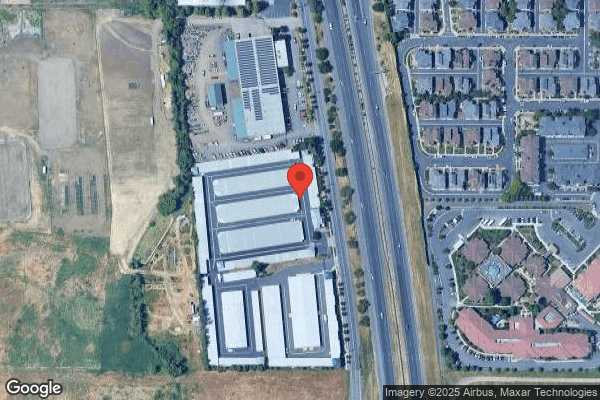
1900 ATRIUM PARKWAY, NAPA, CA 94559 (707) 257-7885
Non profit - Corporation 69 Beds PACIFIC RETIREMENT SERVICES Data: November 2025
Trust Grade
73/100
#225 of 1155 in CA
Last Inspection: November 2024

Within standard 12-15 month inspection cycle. Federal law requires annual inspections.

Overview

The Meadows of Napa Valley has a Trust Grade of B, which means it is considered a good facility and a solid choice for families. It ranks #225 out of 1,155 nursing homes in California, placing it in the top half of facilities statewide, and #2 out of 6 in Napa County, indicating that only one local option is better. The facility is improving, having reduced its issues from 7 in 2023 to 5 in 2024. Staffing is a strength with a 5/5 star rating and RN coverage that surpasses 92% of California facilities, although the turnover rate is at 42%, which is around the state average. However, there are some concerning incidents, including one resident suffering a serious injury from a deflated air mattress, leading to their hospitalization and eventual death, and issues with outdated medications that could potentially harm residents. While there are notable strengths, these weaknesses are important for families to consider when making a decision.

Trust Score
B
73/100
In California
#225/1155
Top 19%
Safety Record
Moderate
Needs review
Inspections
Getting Better
7 → 5 violations
Staff Stability
○ Average
42% turnover. Near California's 48% average. Typical for the industry.
Penalties
⚠ Watch
$7,443 in fines. Higher than 83% of California facilities, suggesting repeated compliance issues.
Skilled Nurses
✓ Good
Each resident gets 66 minutes of Registered Nurse (RN) attention daily — more than 97% of California nursing homes. RNs are the most trained staff who catch health problems before they become serious.
Violations
⚠ Watch
25 deficiencies on record. Higher than average. Multiple issues found across inspections.
★★★★★
5.0
Overall Rating
★★★★★
5.0
Staff Levels
★★★★☆
4.0
Care Quality
★★★★★
5.0
Inspection Score
Stable
2023: 7 issues
2024: 5 issues

The Good

  • 5-Star Staffing Rating · Excellent nurse staffing levels
  • 4-Star Quality Measures · Strong clinical quality outcomes
  • Full Sprinkler Coverage · Fire safety systems throughout facility
  • No fines on record
  • Staff turnover below average (42%)

    6 points below California average of 48%

Facility shows strength in staffing levels, quality measures, fire safety.

The Bad

Staff Turnover: 42%

Near California avg (46%)

Typical for the industry

Federal Fines: $7,443

Below median ($33,413)

Minor penalties assessed

Chain: PACIFIC RETIREMENT SERVICES

Part of a multi-facility chain

Ask about local staffing decisions and management

The Ugly 25 deficiencies on record

1 actual harm
Nov 2024 5 deficiencies
CONCERN (D)

Potential for Harm - no one hurt, but risky conditions existed

Safe Environment (Tag F0584)

Could have caused harm · This affected 1 resident

Based on observation, interview and record review, the facility failed to ensure the shower room in hallway 400 of the facility was kept in good working condition when the water in one of the showers ...

Read full inspector narrative →
Based on observation, interview and record review, the facility failed to ensure the shower room in hallway 400 of the facility was kept in good working condition when the water in one of the showers did not drain properly and broken tile with sharp edges was found in the shower room floor. These failures increased the potential for residents to experience falls when water pooled and abrasions on their feet. Findings: During an interview on 11/04/24 at 2:14 p.m., Resident 19 stated the water in the 400 hallway shower room did not drain well. Resident 19 showed the Surveyor the shower room she was referring to. During an observation on 11/04/24 between 2:37 p.m. and 2:42 p.m., in the 400 hallway shower room, the surveyor ran the water at full force for 5 minutes. After five minutes, the water created a pool on the shower floor. It took 5 minutes for the water to drain completely. During this observation the shower room floor had broken tile which created sharp edges capable of causing injuries to residents' feet. During a concurrent interview and observation with Maintenance Staff E on 11/4/24 at 2:48 p.m., he stated pooling water in this particular shower room was an ongoing problem because hair accumulated in the drain. Maintenance Staff E stated he had been notified the water was backing up and not draining well in this shower about a month ago. Maintenance Staff E stated he cleared the hair out of the drain once a week. Maintenance Staff E stated the tile had been broken in this shower room for about a year. The Maintenance Staff E stated it had not been fixed because they were unable to find the same color of tile. Maintenance Staff E was observed pulling approximately six large chunks of hair out of the drain with a metal wire. During an interview on 11/4/24 at 3:26 p.m., Certified Nurse Assistant F (CNA F) stated she had been working at the facility for about six months and had noticed the water always backed up in the 400 hallway shower room. During an interview on 11/6/24 at 3:37 p.m., Maintenance Lead G stated the 400 hallway shower room was checked every 3-4 weeks but only when there was a work order request submitted and usually they just removed the hair from the drain. Maintenance Lead G confirmed they did not perform regular checks on this shower, but instead waited for a call order to check it. Maintenance Lead G stated there was nothing they could do to prevent this shower from getting clogged because residents' hair kept falling out. Maintenance Lead G stated the reason the broken tile was not repaired was because the facility had plans to remodel it. Record review of work orders from 9/30/24 to 11/4/24 indicated no work order was requested or completed on the shower room located in the 400 hallway of the facility. Record review of the facility policy titled, Environmental Safety, last revised in February 2015, indicated, It is the policy of the Company to provide residents with a pleasant, homelike, clean and healthy environment that assures quality of life and enjoyment as well las meeting their physical, emotional and safety needs.
CONCERN (D)

Potential for Harm - no one hurt, but risky conditions existed

Deficiency F0676 (Tag F0676)

Could have caused harm · This affected 1 resident

**NOTE- TERMS IN BRACKETS HAVE BEEN EDITED TO PROTECT CONFIDENTIALITY** Based on observation, interview and record review, the facility failed to ensure one of twelve sampled residents (Resident 19) w...

Read full inspector narrative →
**NOTE- TERMS IN BRACKETS HAVE BEEN EDITED TO PROTECT CONFIDENTIALITY** Based on observation, interview and record review, the facility failed to ensure one of twelve sampled residents (Resident 19) wore her hearing aids daily to be able to communicate effectively with staff. This finding had the potential for Resident 19 to experience difficulty communicating with others and have feelings of isolation and loss of control. Findings: Record review of Resident 19's Face Sheet indicated she was admitted to the facility on [DATE] with medical diagnoses including cerebral infarction (a process that reduces blood flow to the brain). Record review of a care plan for Resident 19 indicated, Hearing Ability: Adequate with a device .Hearing Appliances: Left and Right Hearing Aid. During a concurrent interview and observation on 11/4/24 at 2:24 p.m., Resident 19 stated she could not understand the speech of the person conducting the bible studies at the facility. Resident 19 stated her hearing aids were not working, and she did not know what was wrong with them. Resident 19 stated she needed to work on having them checked out. At the time of this interview, Resident 19 was not observed wearing hearing aids, and had difficulty hearing, and she asked the Surveyors to remove their masks when speaking to her because she could not hear well. During a second observation on 11/5/24 at 2:38 p.m., Resident 19 was observed in the hallway of the facility not wearing her hearing aids. During a third observation on 11/6/24 at 1:30 p.m., Resident 19 observed in the hallway of the facility not wearing her hearing aids. During a concurrent observation and interview on 11/7/24 at 3:45 p.m., Resident 19 was observed not wearing her hearing aids in the hallway of the facility. Certified Nurse Assistant I (CNA I) confirmed the observation and stated morning shift should have put them on. CNA I went to Resident 19's room, found the hearing aids, and checked them for functionality. Once he was able to turn them on, he put them in Resident 19's ears. Resident 19 immediately started to understand much better and answer the Surveyor's questions appropriately. During an interview on 11/8/24 at 10:02 a.m., CNA J stated she was Resident 19's CNA on 11/7/24 during the morning shift. CNA J stated she attempted to assist Resident 19 in putting in her hearing aids but Resident 19 refused. CNA J stated she immediately notified the assigned licensed nurse of Resident 19's refusal to wear her hearing aids. Record review of progress notes for Resident 19 from 11/4/24 to 11/7/24 at 1:04 p.m., did not indicate Resident 19 had refused to wear her hearing aids from 11/4/24 to 11/7/24. Record review of the facility policy titled Sensory Disabled-Care of, last revised in April of 2017, indicated, Special care will be taken to ensure that the person with disabilities will be provided with the equipment and attention needed to assure comfort, improved well-being and dignity .Hearing impaired individuals frequently have speech problems .While giving a.m. (morning) care, prepare the hearing aid for the resident if the resident is too ill, forgetful or confused to do it themselves.
CONCERN (D) 📢 Someone Reported This

A family member, employee, or ombudsman was alarmed enough to file a formal complaint

Potential for Harm - no one hurt, but risky conditions existed

Accident Prevention (Tag F0689)

Could have caused harm · This affected 1 resident

**NOTE- TERMS IN BRACKETS HAVE BEEN EDITED TO PROTECT CONFIDENTIALITY** Based on interview and record review, the facility failed to provide adequate supervision needed to prevent accidents for one re...

Read full inspector narrative →
**NOTE- TERMS IN BRACKETS HAVE BEEN EDITED TO PROTECT CONFIDENTIALITY** Based on interview and record review, the facility failed to provide adequate supervision needed to prevent accidents for one resident (Resident 196) of three sampled residents when Resident 196 was left on the toilet and the staff member left Resident 196's room. This failure resulted in Resident 196 sustaining a spinal cord compression (when pressure is applied to the spinal cord causing swelling and restricted blood flow to the nerves and spinal cord) and death. Findings: A review of Resident 196's admission record indicated he was admitted to the facility on [DATE] with medical diagnosis which included: acute on chronic combined systolic and diastolic heart failure (a sudden worsening of a pre-existing condition where the heart struggles to both effectively pump blood out and fill with blood properly), difficulty in walking, need for assistance with personal care, and muscle weakness (lack of muscle strength). A review of Resident 196's Fall Risk Evaluation dated 8/19/24 at 2:03 p.m. indicated within the previous six months of hospitalization notes Resident 196 had experienced an exacerbation (worsening of or an increase of symptoms) of congestive heart failure (CHF, a serious condition which occurs when the heart cannot pump enough blood throughout the body), generalized weakness, and poor exercise tolerance. This assessment also indicated the section titled Risk for Falls was not completed. A review of Resident 196's Brief Interview for Mental Status (BIMS, an assessment used to measure a person's thought process and word recall) Evaluation dated 8/23/24 at 3:10 p.m. indicated a moderate cognitive impairment which meant a person may need extra assistance with daily activities. A review of Resident 196's care plan initiated on 8/29/24 indicated, [Resident 196] is on diuretic [medication used to help the body get rid of excess fluid and salt] therapy .[related to] edema, HTN [hypertension], CHF .Interventions .Administer diuretic medications as ordered by physician. Monitor for side effects and effectiveness Q [every]- shift .Monitor/document/report PRN [as needed] adverse reactions to diuretic therapy: dizziness, postural hypotension [a condition that causes a sudden drop in blood pressure when you stand up after sitting or lying down], fatigue, and an increased risk for falls. A review of Resident 196's witnessed fall document dated 9/4/24 at 10:06 a.m. indicated, Resident has an assisted fall in the common shower room at around 9:40 am. As per CNA [Certified Nursing Assistant], resident suddenly felt weak on his knees while getting dressed and holding onto the transfer bar .Resident .stated that he felt weak .Predisposing Physiological Factors .Gait Imbalance [check marked] .Weakness/Fainted [check marked] . A review of Resident 196's care plan initiated on 9/6/24 indicated, 9/4/24 at 10:00 AM [had an] assisted fall .Goal .no injury .Interventions .CNA to make sure w/c [wheelchair] is close to him before standing in shower room .Bilateral AFO (Ankle Foot Orthotic) inserts to go into his shoes to aid in walking. A review of a change in condition evaluation dated 9/13/24 at 10:32 p.m., indicated, [At 10:30 p.m.] Resident [196] was ambulating with walker to reach for a blanket on the floor, resident states 'I reached too far and fell on my L [Left] side'. Resident was lying on L side with skin tear with mild bleeding noted on L hand measuring 3 cm [centimeters, a unit of measure]. A review of Resident 196's care plan initiated on 9/13/24 indicated, On 9/13/24 [Resident 196 had a fall] at [10:30 p.m.] .Goal .No further injury .Interventions .Transfer to ER [Emergency Room] for evaluation. A review of Resident 196's un-witnessed fall document dated 9/16/24 at 9:55 p.m. indicated, Bathroom call light was activated, upon arrival [Resident 196] was seen on the floor in a sitting position. Resident Description: He was unable to wait for assistance, he tried to stand from the toilet when he slid to the floor .Predisposing Physiological Factors .Weakness/Fainted [check marked] A review of Resident 196's nursing care plan initiated on 9/17/24 indicated, On 9/16/24 [Resident 196 had a] fall [at 9:55 p.m.] .Goal .no injury .Interventions .Increase rounding at night [and] Post sign in room and bathroom to remind him to use call light. A review of Resident 196's MDS dated [DATE] indicated, .04. Supervision or touching assistance- Helper provides verbal cues and/or touching/steadying and/or contact guard assistance as resident completes activity. Assistance may be provided throughout the activity or intermittently .[Score] 04 [for] .Toilet transfer: The ability to get on and off a toilet . A review of Resident 196's un-witnessed fall document dated 9/17/24 at 10 a.m. indicated, .Predisposing Physiological Factors .Weakness/Fainted/Syncope [a brief loss of consciousness that occurs due to a temporary drop in blood pressure] .Predisposing Situation .Ambulating without Assist [check marked] .At aprox [sic] 940 [a.m.] I answered call light and assisted [Resident 196] from bed to bathroom using FWW [front wheel walker]. After helping him sit on toilet I asked if he wanted me to stay with him or if he wanted a minute. He said he needed a few minutes and would use the light and call when he was done. I left and answered a call light in [another room] within a few minutes nurse said [Resident 196] was on the floor in the bathroom. I went to assist. Call light was not on When asked what happened He replied He did not know, He was trying to have a B.M. [bowel movement] and then was on the floor. We assisted him to the WC [wheelchair] with 3 people. Once in W/C 2 CNA and I were going to transfer to bed when he stated he was going to vomit. Nurse called. MD ordered to transfer to ER for evaluation .IDT [interdisciplinary team, a group of people with different areas of expertise who work together to achieve a common goal] review and recommended: If he return .move to a room closer to the nurses station. A review of a hospital Discharge summary dated [DATE], indicated, .Hospitalist Discharge Summary and Death Certificate .Date of admission: [DATE] date of death : 9/19/24 .Immediate Cause of Death .Cervical cord compression .Underlying Cause leading to above: C1 and C2 vertebral fracture .Underlying Cause leading to above .Fall .Other significant conditions contributing to death but not resulting in the underlying cause given above .CHF .Principal Diagnosis: C1 and C2 vertebral fracture with cord compression .Secondary Diagnoses: Frequent falls. Status post fall . In an interview on 11/7/24 at 2:38 p.m., the DON confirmed supervision was not increased after Resident 196's fall on 9/4/24 because this fall was witnessed. The DON confirmed the only intervention in the care plan for prevention of falls initiated on 9/13/24 was to transfer Resident 196 to the ER for evaluation. The DON stated this was not a good intervention for prevention of falls. The DON verified supervision of Resident 196 was not increased after this fall. The DON stated Resident 196 was taken to the toilet by the Director of Staff Development (DSD) but did not remain in the toilet area with him because he had requested privacy, therefore, staff stood outside waiting for him to call them when he was done. The DSD was on vacation during this investigation and could not be interviewed. A review of the facility policy and procedure titled Fall Reduction and Management Program . dated 10/2023 indicated, .Every effort be made to reduce and/or prevent falls from occurring and/or minimize serious injury if a fall should happen .Fall Risk Evaluation .The Licensed Nurse will .Complete a fall assessment upon admission .Considerations of special needs may include .Residents with recurrent falls .Toileting supervision: Whether resident needs direct supervision in the bathroom or whether resident can use bathroom call light independently .staff can remain directly outside the bathroom if resident requests .General Staff .All staff will keep alert to residents' need for safety, and will be vigilant and intervene as needed in situations that could precipitate a fall .All direct care staff .will pay close attention to residents identified at risk for falls.
CONCERN (D)

Potential for Harm - no one hurt, but risky conditions existed

Deficiency F0761 (Tag F0761)

Could have caused harm · This affected 1 resident

Based on observation, interviews, and record review, the facility failed to ensure safe storage and disposal of medications when loose units of unidentified pills and an expired bubble pack of narcoti...

Read full inspector narrative →
Based on observation, interviews, and record review, the facility failed to ensure safe storage and disposal of medications when loose units of unidentified pills and an expired bubble pack of narcotics were found in one medication cart. This failure put residents at risk of receiving expired medications that were potentially ineffective and unsafe for use and prevented prompt identification of possible loss and/or diversion (the illegal distribution or abuse of prescription drugs or their use for purposes not intended by the prescriber) of controlled drugs. Findings: During an observation of Medication Cart 1 on 11/6/24 at 10:09 a.m., four units of loose pills (two white cut pills, one yellow round pill, and one white oval pill) were found among the cart's drawer bins. All four pills were unlabeled and unidentifiable. Further inspection of the cart's narcotic bin revealed a bubble pack affixed with a label that indicated, Oxycodone 5MG TAB . Exp: 11/01/24 . There were five pills left in the bubble pack. During a concurrent interview and observation of the cart on 11/6/24 at 10:28 a.m., Licensed Nurse O (LN O) stated the nurses on NOC (night) shift were expected to check the medication carts daily for any expired and/or unlabeled medications. LN O confirmed the presence of the loose pills and expired narcotics in the drawers and stated, They do not belong there. LN O stated the loose pills should have been identified during the cart checks and discarded, and the expired bubble pack of narcotics should have been removed and given to the Director of Nursing (DON) on 11/1/24 for disposal. LN O confirmed the resident whose name was affixed on the bubble pack was still in the facility and stated keeping an expired pack in the cart increased the risk of said resident to be given expired medications. During an interview on 11/8/24 at 9:30 a.m., the DON stated medication carts were checked by the night shift staff every night. The DON stated all medications were expected to be checked for labels and expiration dates. The DON stated loose pills were not identifiable and should have been removed from the cart. The DON stated staff were expected to discard expired medications, with expired narcotics brought to her for disposal. A review of the facility policy titled, Medication Administration: Disposition of Discontinued Medications, dated 6/2024, indicated, It is the policy of the Company to manage the disposition, destruction and disposal of discontinued and/or out-of-date medications in accordance with the Federal and State regulations and in a manner that ensures maximum safety for residents, nursing personnel and environment .Expired, deteriorated or unwanted controlled substances shall be destroyed by means that will assure protection against unauthorized possession or use .
CONCERN (D)

Potential for Harm - no one hurt, but risky conditions existed

Infection Control (Tag F0880)

Could have caused harm · This affected 1 resident

Based on observation, interview, and record review, the facility failed to ensure staff used and understood the need for appropriate Personal Protective Equipment (PPE) for one resident (Resident 5) o...

Read full inspector narrative →
Based on observation, interview, and record review, the facility failed to ensure staff used and understood the need for appropriate Personal Protective Equipment (PPE) for one resident (Resident 5) of five sampled residents for infection control, who had a medical status that required Enhanced Barrier Precautions (EBP, an infection control intervention designed to reduce transmission of multidrug-resistant organisms (MDROs) in nursing homes). This failure had the potential to increase the risk of spread of MDROs and other infections among vulnerable residents, staff, and visitors. Findings: During an observation on 11/5/24 at 3:29 p.m., Resident 5 was calling for staff assistance to be transferred from her wheelchair to the toilet. Certified Nurse Assistants (CNA) L and CNA M donned gloves as they entered the room to help Resident 5. A sign posted on Resident 5's door indicated, ENHANCED BARRIER PRECAUTIONS .PROVIDERS AND STAFF MUST ALSO: Wear gloves and a gown for the following High-Contact Resident Care Activities. Dressing, Bathing/Showering, Transferring, Changing Linens, Providing Hygiene, Changing briefs or assisting with toileting, Device care or use: central line, urinary catheter, feeding tube, tracheostomy, Wound Care: any skin opening requiring a dressing . During a concurrent interview and observation of the signage posted in front of Resident 5's room on 11/5/24 at 3:33 p.m. with CNAs L and M, both staff confirmed they only wore gloves as they transferred Resident 5 to the toilet. CNA M stated gowns were only required when changing (linens and/or briefs) and during wound care, but not during transfers. CNA L stated she was unsure, but confirmed the sign stated gowns were also needed during resident transfers. CNA M looked at the sign and stated he was also unsure as that was what he was taught, and added he would ask the nurse again. During an interview outside Resident 5's room on 11/5/24 at 3:36 p.m. with the Director of Nursing (DON) and the Infection Preventionist (IP), the DON stated the facility followed Centers for Disease Control (CDC, the national public health agency for the United States) standards for infection control. Both staff confirmed Resident 5had the correct EBP signage on her door. The DON stated EBP was only required during Resident 5's wound care but not with other activities. The IP stated there was a list in the nursing station of the five residents currently on EBP, and staff were expected to refer to said list to confirm when to use both gloves and gowns for each resident. The DON stated the facility complied with the national guidelines as there was additional information from the CDC supporting their current practice. When a copy of this the additional information was requested, the DON stated she would consult with the facility's Regional Consultant. During an interview on 11/6/24 at 10:01 a.m., the DON stated after she reached out to Regional Consultant, she was able to confirm both gowns and gloves were required during all activities listed on the signage. The DON stated CNAs L and M should have worn gowns and gloves while they transferred Resident 5 to the toilet. The DON acknowledged the concern of not following the CDC standards, as the staff received information which contradicted the national guidelines. A review of the facility policy titled, Infection Control Precautions - Categories of Transmission Based Precautions, dated 4/2024, indicated, Standard Precautions shall be used when caring for residents at all time regardless of their suspected or confirmed infection control status .Enhanced Barrier Precautions (EBP, CDC July 12, 2022) expand the use of gown and gloves beyond the anticipated blood or body fluid exposures .These precautions are intended to used broadly across the facility for residents who meet the criteria .be in place for the duration of the resident's stay in the facility or until the resolution of the wound or device is removed that initially placed them at risk .
Jul 2023 1 deficiency
CONCERN (D) 📢 Someone Reported This

A family member, employee, or ombudsman was alarmed enough to file a formal complaint

Potential for Harm - no one hurt, but risky conditions existed

Deficiency F0943 (Tag F0943)

Could have caused harm · This affected 1 resident

**NOTE- TERMS IN BRACKETS HAVE BEEN EDITED TO PROTECT CONFIDENTIALITY** Based on interview and record review, the facility failed to ensure that one of two sampled contracted employees (Employee B) wa...

Read full inspector narrative →
**NOTE- TERMS IN BRACKETS HAVE BEEN EDITED TO PROTECT CONFIDENTIALITY** Based on interview and record review, the facility failed to ensure that one of two sampled contracted employees (Employee B) was provided with annual abuse training. This had the potential to result in inability for Employee B to avoid, identify, and report abuse timely, which could have resulted in actual episodes of employee to resident abuse, and violation of the abuse reporting requirements in Skilled Nursing Facilities (SNFs). Findings: Record review indicated Resident 1 was admitted to the facility on [DATE] with medical diagnoses including Fracture of Right Femur (Thigh bone) and Dysphagia (Difficulty swallowing) according to the facility Face Sheet (Facility Demographic). Record review of a report titled, REPORT OF SUSPECTED DEPENDENT ADULT/ELDER ABUSE, received by the DEPARTMENT on 5/25/23 indicated Resident 1 verbalized Employee B had grabbed his nipples, during a nutrition consult. The report also indicated Employee B did not work for the facility directly, he worked for a company that was contracted by the facility. During a phone interview on 5/31/23 at 1:00 p.m., Employee B denied having inappropriately touched Resident 1 and stated he was trying to clean up Resident 1 after he vomited on his clothing during a swallow evaluation. Employee B was asked for the date he received his last abuse training prior to the incident with Resident 1. Employee B stated his abuse training was in February of 2022, during his new hire orientation. Record review of a written statement signed by Employee B on 5/31/23, indicated, I COMPLETED INITIAL PATIENTS RIGHTS TRAINING UPON HIRING BY [Name of contracted company employing Employee B) IN FEBRUARY, 2022. Record review of a report e-mailed by Administrative Staff A on 6/08/23 at 11:27 a.m., indicated Employee B received his last training on sexual harassment, abuse, neglect and dignity on 3/10/22. During a phone interview with the Director of Staff Development (DSD) on 6/02/23 at 12:05 p.m., she was asked who was responsible for ensuring contracted individuals received their annual abuse training. The DSD stated she kept track of the facility's employee-required trainings, but not for contracted employees. The DSD stated not knowing the answer to this question. Record review of an email sent to Administrative Staff A by the Surveyor on 6/05/23 at 1:32 p.m., the Surveyor asked Administrative Staff A who was responsible for ensuring contracted staff received their annual abuse training. Administrative Staff A responded to this e-mail on 6/08/23 at 11:16 a.m., in which she indicated, [Name of contracted company employing Employee B] is responsible for maintaining compliance with required annual abuse trainings. Record review of the facility policy titled, Abuse and Incident Reporting-SNF California, last revised in May of 2023, indicated, It is the policy of the Company to protect the rights, safety and well-being of each resident (regardless of physical or mental condition), for whom we provide care and treatments against any and all forms of physical , verbal, sexual and metal abuse .Staff will receive education on physical, verbal, sexual and metal abuse .Training will occur at hire and orientation of new employees and annually thereafter.
May 2023 1 deficiency
CONCERN (D) 📢 Someone Reported This

A family member, employee, or ombudsman was alarmed enough to file a formal complaint

Potential for Harm - no one hurt, but risky conditions existed

Resident Rights (Tag F0550)

Could have caused harm · This affected 1 resident

**NOTE- TERMS IN BRACKETS HAVE BEEN EDITED TO PROTECT CONFIDENTIALITY** Based on interview and record review, the facility failed to treat 3 of 5 residents (Resident 1, Resident 3, and Resident 4) wit...

Read full inspector narrative →
**NOTE- TERMS IN BRACKETS HAVE BEEN EDITED TO PROTECT CONFIDENTIALITY** Based on interview and record review, the facility failed to treat 3 of 5 residents (Resident 1, Resident 3, and Resident 4) with respect and dignity when Licensed Nurse W spoke in an unfriendly, angry, or hostile manner to Resident 1 and Resident 3 and ignored Resident 4's request. This failure resulted in Resident 1 feeling shamed, Resident 3 feeling anger directed at her and Resident 4 feeling ignored. Findings: A review of Resident 1's quarterly Minimum Data Set (MDS - This process provides a comprehensive assessment of each resident's functional capabilities) dated 2/13/23, indicated Resident 1 had a Brief Interview for Mental Status (BIMS - tool used to screen and identify cognition) score of 11 which indicated he was moderately impaired. During an interview on 5/4/24, at 11:26 a.m., in Resident 1's room, the resident stated he sometimes felt Licensed Nurse W (LN W) was not in the mood while working. Resident 1 stated LN W would sometimes respond to him in an angry tone, her facial expression not encouraging interaction. Resident 1 described LN W as suplada (Tagalog term for women who are not very friendly, snobbish, or unapproachable) and would feel ashamed. Resident 1 thought it might be a joke to LN W, but it sounded rude to him. A review of Resident 3's admission MDS dated [DATE], indicated she had a BIMS score of 14 and was cognitively intact. During an interview on 5/4/24, at 12:05 p.m., Resident 3 stated LN W was almost always rude and sounded like she did not like her job. Resident 3 stated LN W would answer in short one or two words and sounded hostile. Resident 3 was upset and stated that she told someone to not assign LN W to her. Resident 3 stated she felt like LN W had something against her and did not like her. Resident 3 stated when she spoke with LN W, LN W would stand by the door and seemed like she did not want to be near Resident 3. A review of Resident 4's quarterly MDS dated [DATE], indicated Resident 4 had a BIMS score of 14 which indicated he was cognitively intact. During an interview on 5/4/24, at 2:30 p.m., Resident 4 stated he knew LN W and stated he had called the nurses station one night to request to have his dinner tray removed from his room. LN W answered and had hung up the phone on him. Resident 4 stated later, in the hallway, he again requested to have his tray removed and LN W ignored him. A review of the facility ' s policy on Resident rights last reviewed on 2/2022 indicated, it is the policy of the Company to assure residents the right to a dignified existence, self-determination, and communication . A review of the copy of the Resident [NAME] of Rights provided each resident on admission to the facility indicated the rights of a patient under the California Code of Regulations Title 22, to be treated with consideration, respect and full recognition of dignity and individuality .
Mar 2023 1 deficiency
CONCERN (D) 📢 Someone Reported This

A family member, employee, or ombudsman was alarmed enough to file a formal complaint

Potential for Harm - no one hurt, but risky conditions existed

Deficiency F0573 (Tag F0573)

Could have caused harm · This affected 1 resident

**NOTE- TERMS IN BRACKETS HAVE BEEN EDITED TO PROTECT CONFIDENTIALITY** Based on interview and record review, the facility failed to provide one of three sampled residents (Resident 1), copies of medi...

Read full inspector narrative →
**NOTE- TERMS IN BRACKETS HAVE BEEN EDITED TO PROTECT CONFIDENTIALITY** Based on interview and record review, the facility failed to provide one of three sampled residents (Resident 1), copies of medical records pertaining to herself, within two working days. The medical records were delivered to the resident 14 days after she signed a written request for them. This failure had the potential to result in inability for the resident to advocate for her care, provide the records to other medical providers for continuity of care, and frustration for Resident 1. Findings: Record review of the facility Face Sheet (Facility Demographic) indicated Resident 1 was admitted to the facility on [DATE] with medical diagnoses including Fracture of Left Femur (Thigh bone) and Asthma (A disease that causes the airways of the lungs to swell and narrow, making it difficult to breathe). Record review of Resident 1 ' s MDS (Minimum Data Sheet-An assessment tool) dated 10/21/22 indicated her BIMS (Brief Interview of Mental Status-A cognition [ the mental action or process of acquiring knowledge and understanding through thought, experience, and the senses] assessment) score was 15, which indicated her cognition was intact (A score of 1-7 indicates the cognition is severely impaired, 8-12 indicates the cognition is moderately impaired, and 13-15 indicates the cognition is intact). During a phone interview on 2/27/23 at 9:35 a.m., Resident 1 stated she stayed at the facility for three weeks, while recovering from a fracture she suffered at home. Resident 1 stated she visited the facility in early February of 2023 to request her medical records and was asked to sign a release of information form. Resident 1 stated she wanted the results of the blood tests that were performed while she was living at the facility. Resident 1 stated she requested the records to be e-mailed to her, but the records she requested still had not been delivered. Record review of a facility document titled, REQUEST TO ACCESS HEALTH RECORDS, dated 2/14/23, indicated, I, [Resident 1] hereby make the following request with respect to health records in the possession of [Name of facility] for the period 10/7/23 to 10/22/23 .Receive an electric (Sic) copy of health records. This document had Resident 1 ' s signature on it. During a concurrent interview and record review with Medical Records Director (MRD) on 2/28/23 at 11:15 a.m., he confirmed Resident 1 came to the facility on 2/14/23 and signed a request for her medical records. MRD stated he sent Resident 1 ' s request to Corporate Risk Manager A, who in turn, sent the request to a facility attorney to provide the requested records to Resident 1. MRD stated he had been following up on the request with Corporate Risk Manager A, and provided the chain of e-mails, but explained he had not received a response to his last e-mail sent to the Corporate Risk Manager A on 2/24/23 at 1:12 p.m. MRD stated he was not aware that Resident 1 had received her records yet. During an interview with Administrator in Training (AIT) on 2/28/23 at 11:30 a.m., she stated Resident 1 still had not been provided with the records she requested on 2/14/23. AIT stated the medical records should have been provided to Resident 1 within 48 hours, and she did not know the reason it took longer. AIT attempted to contact Corporate Risk Manager A by phone, and found out she was on vacation until 3/13/23. Record review of an e-mail sent by AIT to the Surveyor on 2/28/23 at 5:26 p.m., indicated Resident 1 ' s requested medical records had just been e-mailed to her (14 days after Resident 1 signed a written request for her medical records). Record review of the facility policy titled, Clinical Record: Copying/Printing, dated 2023, indicated, It is the policy of the Company to make/print copies of the resident ' s clinical record when a valid request, written or verbal, has been received, and according to Medical Record Privacy and HIPAA (Health Insurance Portability and Accountability Act-A federal law that required the creation of national standards to protect sensitive patient health information from being disclosed without the patient's consent or knowledge) Guidelines .Upon written request from the resident or the resident ' s legal guardian .the Clinical Record Coordinator will respond to the request within 24 hours or two working days.
Jan 2023 4 deficiencies 1 Harm
SERIOUS (G) 📢 Someone Reported This

A family member, employee, or ombudsman was alarmed enough to file a formal complaint

Actual Harm - a resident was hurt due to facility failures

Accident Prevention (Tag F0689)

A resident was harmed · This affected 1 resident

**NOTE- TERMS IN BRACKETS HAVE BEEN EDITED TO PROTECT CONFIDENTIALITY** Based on observation, interview, and record review, the facility failed to protect one of three sampled residents (Resident 188)...

Read full inspector narrative →
**NOTE- TERMS IN BRACKETS HAVE BEEN EDITED TO PROTECT CONFIDENTIALITY** Based on observation, interview, and record review, the facility failed to protect one of three sampled residents (Resident 188) from an air mattress that deflated, when the facility was aware that these air mattress types had a risk of deflating. This failure resulted in Resident 188 falling out of bed, and sustaining a right thigh bone fracture. Resident 188 was transferred to the hospital and passed away nine days later. Findings: Review of Resident 188's admission Record indicated Resident 188 admitted to the facility in May 2021 with diagnoses including heart disease and Alzheimer's disease (a progressive disease that destroys memory and other important mental functions). Review of Resident 188's Minimum Data Set (MDS, an assessment tool), dated 10/26/22, indicated Resident 188 had short and long-term memory problems, and her cognitive skills for daily decision making were severely impaired. The MDS indicated Resident 188 required extensive assistance from two people for bed mobility (how a resident moves to and from a lying position, turns side to side, and positions their body while in bed). Review of a fall risk assessment for Resident 188, dated 10/28/22, indicated Resident 188 had a high risk for falls. Review of Resident 188's Fall Risk Care Plan, with a revision date of 12/8/22, indicated the following interventions: Assist Resident with ambulation and transfers, utilizing therapy recommendations . Determine Residents ability to transfer . Evaluate fall risk on admission and PRN [pro re nata, a Latin term to mean as needed] . If fall occurs, alert provider . If fall occurs, initiate frequent neuro [neurological, brain function] and bleeding evaluation per facility protocol . If Resident is a fall risk, initiate fall risk precautions. Review of a nursing progress note for Resident 188, dated 12/28/22, at 5:14 a.m., indicated, Resident found sitting on the floor in the corner of her room . The top half of her air mattress was deflated . Mattress was inflated, and resident was assisted back into bed . Resident unable to tell nurse what happened, just that she fell and needed help . Review of a nursing progress note for Resident 188, dated 12/28/22, at 5:50 a.m., indicated, . spoke to [family member] and informed her of fall and R [right] leg pain. She stated that she would like her [family member] sent out to make sure she did not break a bone. [Physician] was called, was given order to send out resident for further evaluation and xray per family request . paramedics arrived around 05:50 [a.m.] and transported resident to [name of hospital]. Review of Certified Nurse Assistant (CNA) 1's documentation of care provided to Resident 188 between 10 p.m. on 12/27/22 to 6 a.m. on 12/28/22 indicated the following: 1. Turning and repositioning at least every 2 hours: CNA 1 documented at 5:59 a.m. NA [Not Applicable] for 11:30 p.m., 1:30 a.m., 3:30 a.m., and 5:30 a.m.; 2. Bladder Elimination: Between 10 p.m. and 6 a.m., CNA 1 documented 1 [bladder incontinence] at 5:59 a.m.; and, 3. Bowel Elimination: Between 10 p.m. and 6 a.m., CNA 1 documented 1, M [bowel incontinence, bowel movement medium in size] at 5:59 a.m. Review of Resident 188's hospital xray report of her right pelvis, hip and knee, dated 12/28/22, indicated a right femoral (thigh) fracture. Review of a hospital document for Resident 188 titled, Discharge Summary and Death Certificate, dated 1/7/23, indicated Resident 188 passed away at the hospital on 1/7/23, at 10:25 a.m. The document indicated the immediate cause of death was due to the right thigh bone fracture. The document indicated underlying causes were sepsis (the body's overwhelming and life-threatening response to infection that can lead to tissue damage, organ failure, and death) from a urinary tract infection, atrial fibrillation (a rapid, irregular heart beat that can lead to blood clots in the heart.), and dementia. Review of a letter from the facility to The Department, dated 1/18/23, indicated, Investigation of fall: After further investigation, it was determined that the un-witnessed fall could potentially be related to the deflated air mattress. [Name of manufacturer] air mattress was in use by facility and tubing appeared to be unattached thus causing the air mattress to deflate. Tubing could have become unattached for the reason that the O rings were not in use. During and interview with Licensed Nurse (LN) D on 1/24/23, at 4 p.m., LN D stated Resident 188 was totally dependent on staff to move in bed. LN D stated she was Resident 188's nurse when the resident had her fall the morning of 12/28/22. LN D stated she found Resident 188 on the floor, at the head of the right side of her bed, leaning up against the wall. LN D stated she found the top half of Resident 188's air mattress completely deflated and the tube was not attached to the mattress. LN D stated the air mattress did not alarm when the tube detached from the mattress. LN D stated Resident 188 was not complaining of pain until she was placed back in her bed. During a concurrent observation and interview on 1/25/23., at 11:25 a.m., with the Director of Staff Development (DSD) and Resident 35 in the resident' s room, Resident 35 was observed sitting in a chair next to his bed. The bed had an air mattress with three tubes that were attached at the bottom of the mattress and to an electric pump at the foot board. The DSD stated the air mattress on Resident 35's bed was the same kind that was on Resident 188's bed. When asked if his mattress ever deflated, Resident 35 stated, once, while he was sitting in his chair next to the bed, the tube spontaneously popped away from the valve and the top half of his mattress deflated. Resident 35 stated he told maintenance and the maintenance man reattached the tube and re-inflated the bed. During an interview with the Director of Maintenance (DM) on 1/25/23, at 11:40 a.m., the DM stated he and his partner would set up the air mattresses on residents' beds. The DM stated they did not receive training from the manufacturer on the set up and functioning of the mattress, but found the air mattress self-explanatory. The DM stated the connection between the tubes and the mattress was secured by o-rings. The DM stated the o-rings would degrade over time from repeated exposure to heat, and would eventually disintegrate, which would make it easier for the tubes to detach from the mattresses. During an interview with CNA 1 on 1/25/23, at 11:50 a.m., CNA 1 stated she was Resident 188's CNA when the resident fell on [DATE]. CNA 1 stated she went into Resident 188's room at approximately 4 a.m. to turn the resident to her right side. CNA 1 stated the mattress was inflated. CNA 1 stated she returned to Resident 188's room at approximately 5 a.m. and found the resident on the floor to the right side of her bed, and the mattress was deflated. CNA 1 stated it took four staff members to lift Resident 188 back into bed. CNA 1 stated Resident 188 started complaining of pain once she was placed back in her bed. During a follow-up interview with the DM on 1/27/23, at 10:55 a.m., the DM stated the tubes would detach from the mattresses often. The DM stated he imagined staff would reattach the tubes to the mattresses independently and would not involve maintenance by submitting work orders. The DM stated tubes would likely detach when staff would touch them when tucking linen under mattresses, or when staff would move beds. The DM stated the staff was not trained to inspect the o-rings before re-attaching a tube. The DM stated he did not routinely inspect the air mattresses once they were on the residents' beds. The DM stated he would inspect the air mattress o-rings when he was responding to a work order submitted by staff. The DM stated he would replace o-rings from the mattresses that were in storage. The DM stated he and the Administrator tried several times to contact the manufacturer to order additional o-rings months before Resident 188's fall on 12/28/22. The DM stated the manufacturer did not reply back until after Resident 188's fall. During an interview with the Director of Nursing (DON) on 1/27/23, at 12 p.m., the DON stated she expected Licensed Nurses and Certified Nurse Assistants to check for the placement and functioning of air mattresses each shift. The DON stated she expected nursing staff to troubleshoot issues, but, if not able to fix an issue, she expected the staff to remove the air mattress and submit a maintenance work order. The DON stated she would not expect the nursing staff to know about o-rings. The DON stated the fall prevention interventions for a resident who was totally dependent on staff for bed mobility were increased rounding, frequent checks to anticipate their needs, and increase frequency of incontinence or toileting. Review of a facility policy and procedure titled, Fall Reduction and Management Program, revised date 2/21, indicated, It is the policy of this Facility that every effort be made to reduce and/or prevent falls from occurring and/or minimizing serious injury if a fall should happen.
CONCERN (D) 📢 Someone Reported This

A family member, employee, or ombudsman was alarmed enough to file a formal complaint

Potential for Harm - no one hurt, but risky conditions existed

Report Alleged Abuse (Tag F0609)

Could have caused harm · This affected 1 resident

**NOTE- TERMS IN BRACKETS HAVE BEEN EDITED TO PROTECT CONFIDENTIALITY** Based on interview and record review, the facility failed to ensure an abuse allegation for one of six sampled residents (Reside...

Read full inspector narrative →
**NOTE- TERMS IN BRACKETS HAVE BEEN EDITED TO PROTECT CONFIDENTIALITY** Based on interview and record review, the facility failed to ensure an abuse allegation for one of six sampled residents (Resident 14) was reported to the required authorities within the appropriate timeframes established by the Federal regulations. This failure had the potential to result in financial abuse, frustration and emotional harm for Resident 14. Findings: Record review indicated Resident 14 was admitted to the facility on [DATE], with medical diagnoses including Alzheimer's Disease (A progressive disease that destroys memory and other important mental functions) and Chronic Obstructive Pulmonary Disease (A lung disease characterized by chronic obstruction of lung airflow that interferes with normal breathing and is not fully reversible), according to the facility's Face Sheet (Facility demographic). Record review of Resident 14's MDS (Minimum Data Set-A resident assessment tool) dated 12/16/22, indicated her BIMS (Brief Interview of Mental Status-A cognition assessment) was 13, which indicated her cognition was intact. Record review of a report sent by the facility's Administrator in Training (AIT) to the Department on 1/18/23 indicated, Resident [Resident 14] reported to a health service manager that daughter is taking her money and she is scared .Resident states that she does not have a good relationship with this daughter and would like to sue her daughter for her money back. During an interview on 1/23/23 at 11:11 a.m., Resident 14 was observed to be very upset, with tears rolling down her face. Resident 14 stated, I can't take this anymore. Resident 14 stated one of her daughters had taken all her money, her entire life's savings, without her consent. Resident 14 explained that her daughter had taken funds from her bank account. During an interview on 1/24/23 at 4:05 p.m., the AIT stated she was told by Resident 14 her daughter took away her personal phone and was taking money from her bank accounts. The AIT stated she spoke to the Activities Director about this issue, and found out the Activities Director was aware of this allegation already, but she had not reported this abuse allegation to the authorities because Resident 14 suffered from dementia (a group of conditions characterized by impairment of at least two brain functions, such as memory loss and judgment). During another interview on 1/24/23 at 4:30 p.m., the AIT stated she was initially notified by Resident 14 of this abuse allegation on 1/16/23, and on 1/17/23 she notified the Department. AIT stated she then also notified the long-term-care Ombudsman and the police department. Record review of an Activities Note documented by the Activities Director on 5/03/22 at 12:10 p.m., indicated, Yesterday morning and today [Resident 14] has come to me very upset, crying, reporting that her daughter has taken all her money and sold her house. She has expressed to me that she wants to file a police report. She was inconsolable. Eventually I was able to convince her that she doesn't have to worry about a bill here, that she is on MediCal (California Medicaid, a Federal and State program that helps with healthcare costs for some people with limited income and resources) and it pays for her stay. She came back all day long yesterday and again this morning stating the same issues: that her money was taken by her daughter and her house was sold without her consent. During an interview on 1/24/23 at 4:37 p.m., with the Director of Staff Development (DSD), and Administrator present, the Activities Director stated she had been working for the facility since 2018 and received abuse training every year. The Activities Director stated she was aware she was a mandated reporter (a person who, because of his or her profession, is legally required to report any suspicion of abuse or neglect to the relevant authorities.) The Activities Director confirmed writing the note on 5/03/22 at 12:10 p.m., in which Resident 14 discussed that her daughter was taking her money and she wanted to file a police report. The Activities Director stated she told the previous Director of Nursing, who no longer works for the facility, and the Social Services Director about Resident 14's allegation, and the consensus was that she had dementia and did not know what she was talking about. The Activities Director confirmed she did not report this allegation to required authorities and did not call the police for Resident 14 to file a police report. The DSD was asked if the facility needed abuse to be confirmed in order to report it to the required authorities, and she stated, No. The Administrator was asked if he was aware of this abuse allegation made by Resident 14 in May of 2022. The Administrator stated he was not. During an interview with the Social Services Director on 1/25/23 at 3:37 p.m., she stated the Activities Director may have mentioned in a meeting that Resident 14 stated somebody was taking her funds, but it was not until recently that she was made aware of the whole situation. During an interview on 1/27/23 at 8:46 a.m., the AIT stated all staff were mandated reporters, and they should immediately notify the healthcare team of abuse allegations made by residents, notify CDPH (California Department of Public Health), law enforcement, the long-term care Ombudsman and Adult Protective Services. Record review of a facility policy titled, Abuse and Incident Reporting-SNF (Skilled Nursing Facility) California last revised in January of 2020, indicated, The facility shall ensure that all alleged violations involving abuse, neglect, exploitation or mistreatment, including injuries of unknown source and misappropriation of resident property are reporting (Sic) appropriately and timely in accordance with Federal and State requirement .Per the Elder Justice Act, if the reportable event does not result in serious bodily injury, the staff member shall report the suspicion no later than 24 hours after forming the suspicion .Mandated Reporter must notify the Ombudsman or local law enforcement IMMEDIATELY by telephone .Facility must notify the Department of Health and Ombudsman by submitting a written report SOC #341 (Name of report) within 2 working days.
CONCERN (D)

Potential for Harm - no one hurt, but risky conditions existed

Staffing Information (Tag F0732)

Could have caused harm · This affected 1 resident

Based on observation, interview and record review, the facility failed to post the required daily staffing information timely per the Federal regulations for Skilled Nursing Facilities. This had the p...

Read full inspector narrative →
Based on observation, interview and record review, the facility failed to post the required daily staffing information timely per the Federal regulations for Skilled Nursing Facilities. This had the potential to result in the inability for residents and visitors to determine if the facility was having staffing shortages, for advocacy purposes. Findings: During a concurrent observation and interview on 1/23/23 at 9:38 a.m., it was noted that the daily staffing information posted in the facility nursing station contained the daily posting from the day before, 1/22/23. There were no staffing postings for 1/23/23 with the current staffing information. Licensed Nurse A, who was present during the observation, confirmed the staffing posting was from yesterday. She stated the front desk clerk was supposed to bring the new one. During an interview on 1/26/23 at 1:39 p.m., Unit Manager D stated visitors were allowed in the facility typically at 9:00 a.m. but sometimes earlier. She stated the Unit Manager Assistant, was supposed to have posted the staffing information for 1/23/23 the night of 1/22/23 but she must have forgotten. She stated the staff member who usually did this was on medical leave at the present time. Record review of the facility policy titled, Postings-Required for SNF (Skilled Nursing Facility) last revised in January of 2023, indicated, It is the policy of the Company to post information according to state specific and federal guidelines for Skilled nursing .Information to be posted will include, but not be limited to, the following: 10. Daily staffing as required by State and Federal regulations .The facility will post the following staffing information on a daily basis: A. The facility name. B. The current date. C. The total number and actual hours worked of direct care staff per shift .The facility will post the nurse staffing data on a daily basis at the beginning of each shift.
CONCERN (E)

Potential for Harm - no one hurt, but risky conditions existed

Deficiency F0761 (Tag F0761)

Could have caused harm · This affected multiple residents

Based on observation, interview and record review, the facility did not ensure outdated drugs and biologicals were disposed of properly, when: 1. Two bottles of expired house stock medications (Over-t...

Read full inspector narrative →
Based on observation, interview and record review, the facility did not ensure outdated drugs and biologicals were disposed of properly, when: 1. Two bottles of expired house stock medications (Over-the-counter medications) were found in the facility's medication room stored with other active house stock medications. This had the potential to result in inadvertently administering expired medications to the residents of the facility, which could have caused them harm, or lack of medication therapy. 2. Three controlled medications (Substances regulated by Federal law) were found in the facility's medication carts for two residents that had been discharged more than one week prior to the observation (Resident 139 & Resident 26), stored with other controlled drugs. This had the potential to result in drug diversion among facility staff. 3. Several expired blood collection lab tubes and intravenous tubing (For administration of fluids and medications through a person's veins) were found in the facility medication room. This had the potential to result in inaccurate and contaminated lab readings, and infections to the residents on intravenous therapy using the expired tubing. Findings: 1. During a concurrent observation and interview with the Director of Nursing (DON) on 1/23/23 at 9:56 a.m., it was observed the facility had a special container for discarding expired and outdated medication. The DON stated outdated medications were supposed to be placed in that container for destruction. During a concurrent observation and interview on 1/23/23 at 10:44 a.m., two bottles of expired over-the-counter eye vitamins and supplements were observed stored with other active house stock medications. These bottles were unopen and had an expiration date of 12/2022. This was confirmed by the Resident Care Manager, who was present during the observation. 2. During an interview on 1/23/23 at 10:09 a.m., the Director of Staff Development (DSD) was asked how the facility discarded outdated controlled medications. The DSD stated Licensed Nurses were supposed to keep outdated controlled medications in the controlled medication cabinet inside the medication carts until they could give the medications to the DON for destruction since the DON was the only staff member with the key to the narcotic lock inside the medication room. The DSD stated the DON and Pharmacist destroyed controlled medications together. During a concurrent observation and interview on 1/23/23 at 11:03 a.m., twelve prefilled syringes, each containing 5 mg (Milligrams) of Morphine Sulfate (A controlled narcotic medication used to treat moderate to severe pain) for Resident 139 were found in the medication cart stored with other active controlled medications for other residents. In addition, seven tablets of Lorazepam (A controlled medication used to treat anxiety disorders) 0.5 mg were also found in the medication cart for Resident 139. Licensed Nurse B, who was assigned to this medication cart, stated Resident 139 was no longer at the facility. Licensed Nurse B stated floor nurses were supposed to let the DON know that Resident 139 still had medications in the medication cart. Licensed Nurse B stated she believed she had notified the DON already about these medications but would mention it again. Record review of a Discharge Note dated 12/29/22 at 7:27 p.m., indicated Resident 139 was discharged from the facility on 12/29/22. During a concurrent observation and interview on 1/23/23 at 2:44 p.m., seventeen tablets of Diazepam (A controlled medication used to treat anxiety disorders) 10 mg, and a bottle containing 26.5 ml (milliliters) of Morphine Sulfate (100 mg per 5 ml) were found in the controlled cabinet of another medication cart, prescribed for Resident 26. Licensed Nurse C, who was assigned to this medication cart, stated those medications belonged to Resident 26, who had passed away on 1/12/23. Licensed Nurse C stated the medications were supposed to stay in the medication cart until the pharmacist came to the facility to pick them up. When asked how the pharmacist would know to pick them up, if the medications did not indicate the resident (for whom they were prescribed) had passed away. Licensed Nurse C stated Licensed Nurses were supposed to notify the pharmacists verbally to pick up the outdated controlled medications. Licensed Nurse C stated the pharmacist came to the family about once per month. During an interview on 1/27/23 at 8:49 a.m., the Administrator in Training (AIT) stated Licensed Nurses were required to give the outdated controlled medications to the DON for her to place inside a locked cabinet inside the medication room, for future destruction with the pharmacist. 3. During a concurrent observation and interview on 1/23/23 at 10:21 a.m., with the DSD and DON present, several blood collection tubes for lab tests were found to have expired on 10/31/22. This was confirmed by the DSD. The DSD stated they were only used for STAT (immediate) lab draws as the laboratory they were contracted with, for regular lab draws, used their own supplies. These blood collection tubes were stored with other active blood collection tubes. In addition, a bag full of intravenous extension sets (Intravenous tubing) with an expiration date of 4/30/22 were also found in the medication room. The DSD stated the facility did provide intravenous (IV) therapy. During an interview on 1/27/23 at 8:49 a.m., the AIT stated Licensed Nurses were supposed to be checking the medication room to ensure they were discarding expired items. When asked if they had a system in place to ensure this was being done, the AIT stated she did not know. During an interview on 1/27/23 at 11:35 a.m., the AIT was asked to provide a policy on expired medical equipment such as IV tubing and blood collection tubes. The AIT stated she could only find a policy titled, Medical Device Reporting (Lock Out/Tag Out). This policy did not talk about disposition of expired IV tubing or blood collection tubes. Record review of the facility policy titled, Medication Administration: Disposition of Discontinued Medications last revised in February of 2021, indicated, Expired, deteriorated or unwanted controlled substances shall be destroyed by means that will assure protection against unauthorized possession or use .Discontinued medications include physician-ordered discontinued medications (prescription and/or over-the-counter (OTC), medications remaining in the facility after resident is discharged or deceased , expired medications and out-of-date house stock medications .All discontinued medications must be stored under lock and key and logged appropriately before destruction in facility or pharmacy .Give the discontinued medications to the person in charge of destroying the medications .Give the discontinued controlled medication or narcotic to Director of Nursing (DON).
Jul 2019 13 deficiencies
CONCERN (D)

Potential for Harm - no one hurt, but risky conditions existed

Resident Rights (Tag F0550)

Could have caused harm · This affected 1 resident

Based on Observation, interview, and record review, the facility failed to ensure one of 16 sampled residents (Resident 20) was treated with dignity and respect, by maintaining and enhancing her self-...

Read full inspector narrative →
Based on Observation, interview, and record review, the facility failed to ensure one of 16 sampled residents (Resident 20) was treated with dignity and respect, by maintaining and enhancing her self- esteem and self-worth, by involving her preferences and choices of Activities of Daily Living (ADL's), such as showers. The facility failed to consider Resident 20's life style and personal choices disregarding her needs and preferences. Staff failed to implement the established shower scheduled for Resident 20. Staff failed to treat resident 20, equally, when compared to other residents who received showers twice or more in a week. These failures negatively impacted Resident 20's psychosocial well-being, quality of life and quality of care. Findings: During an interview on 6/25/19 at 1:57 p.m., Resident 20 stated, I would like to have more showers than once a week. I showered once a week since last year. Resident 20 stated, I have requested to a Certified Nursing Assistant (CNA, not identified by resident) to get more showers, the CNA said they did not have extra staff. So, I don't ask anymore for extra shower, I just wait for them to come and get me. In my home, I showered every day so I don't feel dirty. When I feel dirty, I'd rather stay in my room. This feeling of dirty resulted in Resident 20 to feel ashamed and embarrassed. In record review of shower schedules, all residents were scheduled to have two showers in a week. Resident 20 had one shower each week and one weekend in June. Resident 20 stated, I will be upset if other residents get showers more than once a week. In review of Resident (51) and Resident (48)'s shower schedules, they had two showers each week, as scheduled. Resident (23) had three showers in one week. Resident 20 was not informed she was scheduled for two showers in a week, and staff did not perform her showers as scheduled. In comparison, Resident 20 did not have an equal amount of showers weekly. During a record review and concurrent interview on 6/27/19 at 1:45 p.m., CNA (L) stated, I wrote on a shower sheet for each resident who received showers on that day. If a resident refused to shower, I would write, refused, then submitted to the RN. In the shower binder, Resident 20 had four shower sheets for May 2019, and five shower sheets for June 2019. CNA (L) did not find any shower sheets for Resident 20 which indicated showers were not done due to family outing or refusal. During an interview on 6/27/19 at 2:30 p.m., the Interim Director Of Nursing (DON) stated, when a resident refused a shower, the CNA wrote down, refused, on the sheet. The Interim DON stated, the reason resident 20 did not get the shower was because she would ask to get it during the change of shift (staff reports to incoming staff) at 2:30 p.m. The Interim DON did not find any refusal sheet for resident 20. The Interim DON confirmed Resident 20 received a total of four showers in the month of May; a total of five showers (four during weekdays and one on the weekend) in the month of June. Staff did not ask Resident 20 for, and did not negotiate, her preferences for showers. This failure resulted in Resident 20 being unable to exercise her rights to voice her personal choices to obtain her needs for more showers.
CONCERN (D)

Potential for Harm - no one hurt, but risky conditions existed

Deficiency F0657 (Tag F0657)

Could have caused harm · This affected 1 resident

**NOTE- TERMS IN BRACKETS HAVE BEEN EDITED TO PROTECT CONFIDENTIALITY** Based on interview and record review, the facility failed to timely revise and update the comprehensive care plans of two of 16 ...

Read full inspector narrative →
**NOTE- TERMS IN BRACKETS HAVE BEEN EDITED TO PROTECT CONFIDENTIALITY** Based on interview and record review, the facility failed to timely revise and update the comprehensive care plans of two of 16 sampled residents (Residents 25 and 42) when: 1) Resident 25 had an accidental fall on 6/1/19, and her comprehensive fall care plan was not revised and updated to include additional fall prevention interventions. This failure placed Resident 25 at risk of additional falls. 2) Resident 42 acquired a Urinary Tract Infection (UTI) on 6/18/19, and her comprehensive care plan was not revised and updated to include UTI interventions, until 6/26/19. This failure placed Resident 42 at risk of not receiving timely nursing interventions for her UTI. Findings: 1) A review of Resident 25's face sheet indicated she was 78 years-old and was admitted to the facility on [DATE], with diagnoses which included heart failure, edema, hypertension, chronic kidney disease stage five, atrial fibrillation, muscle weakness and unsteadiness on her feet. A review of Resident 25's Incident Reports indicated Resident 25 had a fall at the facility on 6/1/19. An Incident Report dated 6/20/19 at 5:04 p.m., indicated Resident 25 was found on the floor next to her bed on 6/1/19 at 4:45 a.m. The Incident Report indicated contributing factors to the fall were, generalized weakness, impaired coordination, meds (medications), impaired cognition, poor safety awareness. A review of Resident 25's comprehensive care plans indicated a fall prevention care plan dated 4/25/19. The goal of the care plan was, Resident will have zero falls or injuries. The fall care plan contained no mention of the 6/1/19, fall and had no update, or revision, as a result of the fall on 6/1/19. During an interview on 7/2/19, starting at 9:50 a.m., the Director of Nursing (DON) reviewed Resident 25's record, and stated Resident 25's fall care plan should have been revised and updated after the fall on 6/1/19. Facility policy titled, Care Planning, dated 1/2018, indicated: Care plans will be reviewed and revised by the interdisciplinary team after each assessment, including comprehensive, quarterly, condition change and significant change assessments. 2) A review of Resident 42's admission record indicated she was admitted to the facility on [DATE], with diagnoses which included urinary retention. A review of Resident 42's admission Progress Note dated 5/29/19 at 9:39 p.m., indicated Resident 42 had a indwelling Foley catheter (a tube to drain urine from the bladder). A review of Resident 42's comprehensive care plan indicated a care plan titled, Urinary Incontinence, dated 5/30/19, with a goal that, Resident [42] will be fee of UTI [urinary tract infections] symptoms and complications. A review of Resident 42's Progress Note dated 6/18/19 at 11:26 a.m., indicated Resident 42 was experiencing pain with urination, and Resident 42's urine had tested positive for infection (A symptom of UTI is pain during urination).(https://medlineplus.gov/urinarytractinfections.html) A review of Resident 42's comprehensive care plans indicated they were revised and updated with additional interventions to treat Resident 42's UTI on 6/26/19, eight days after Resident 42 was diagnosed with the UTI. During an interview on 7/2/19, at 10:33 a.m., the Director of Nursing (DON) reviewed Resident 42's record and indicated the comprehensive care plan should have been revised to include UTI interventions when the UTI was detected on 6/18/19, and not eight days later on 6/26/19. Facility policy titled, Care Planning, dated 1/2018, indicated: Care plans will be reviewed and revised by the interdisciplinary team after each assessment, including comprehensive, quarterly, condition change and significant change assessments.
CONCERN (D)

Potential for Harm - no one hurt, but risky conditions existed

Quality of Care (Tag F0684)

Could have caused harm · This affected 1 resident

**NOTE- TERMS IN BRACKETS HAVE BEEN EDITED TO PROTECT CONFIDENTIALITY** Based on observation, interview and record review, the facility failed to ensure one of 16 sampled residents (Resident 25) recei...

Read full inspector narrative →
**NOTE- TERMS IN BRACKETS HAVE BEEN EDITED TO PROTECT CONFIDENTIALITY** Based on observation, interview and record review, the facility failed to ensure one of 16 sampled residents (Resident 25) received treatment and care, in accordance with professional standards of practice, when the facility administered Carvedilol (a blood pressure medication) to Resident 25, without food, on an empty stomach. The Food and Drug Administration (FDA) recommends administering Carvedilol with food to slow the rate of absorption and prevent sudden loss of blood pressure, which can result in dizziness, loss of consciousness and falls. Approximately 30 minutes after being given Carvedilol on an empty stomach, Resident 25 fainted and fell, injuring her knee and face. Findings: A review of Resident 25's face sheet indicated she was 78 years-old and was admitted to the facility on [DATE], with diagnoses which included heart failure, edema, hypertension, chronic kidney disease stage five, atrial fibrillation, muscle weakness and unsteadiness on her feet. During an observation on 6/25/19, at 4:29 p.m., Resident 25 had bruises on her face. During a concurrent interview, when asked what caused the bruises, Resident 25 stated she fell a few weeks ago at the facility. Resident 25 explained she felt, dizzy, blacked-out and fell. Resident 25 stated when she fell, she hurt her knee and chin. A review of Resident 25's Progress Note dated 6/12/19 at 3:32 p.m., indicated Resident 25 fell on 6/12/19, and injured her face, as follows: At approx 0910 (9:10 a.m.), resident sustained witnessed fall. Resident was walking to her bed by herself, lost balance, landed on her hand and knees and hit her upper lip on the side of the bed . Resident noted with 2 skin tears to L (left) arm . and . to upper lip . A review of Resident 25's Incident Reports indicated Resident 25 had a previous fall at the facility on 6/1/19. An Incident Report dated 6/20/19 at 5:04 p.m., indicated Resident 25 was found on the floor next to her bed on 6/1/19 at 4:45 a.m. The Incident Report indicated that contributing factors to the fall were, generalized weakness, impaired coordination, meds (medications), impaired cognition, poor safety awareness, and pertinent medications were, Cipro [an antibiotic], Carvedilol [for blood pressure], Bumetanide [for edema/swelling], Coumadin [a blood thinner] and Meltonin [sleep medication]. A review of Resident 25's Medication Administration Record (MAR) indicated a order for Carvedilol 6.25. mg (milligrams) 1 tablet twice a day (8 a.m. and 6 p.m.), for hypertension (high blood pressure). The order did not indicate to take it with food. A review of the facility's drug reference book, Nursing 2016 Drug Handbook (Drug Handbook), indicated Carvedilol's adverse reactions included, dizziness . vertigo . and syncope (fainting). Under, Patient Teaching, the Drug Handbook indicated, Inform patient that he may experience low BP [blood pressure] when standing ., and to take Carvedilol, with food. During an interview on 7/2/19, at 10:41 a.m., the Director of Nursing (DON) reviewed Resident 25's MAR for June 2019. The DON confirmed Resident 25 received the morning Carvedilol dose on 6/12/19, and Resident 25's blood pressure, prior to the administration, of Carvedilol was 103/70 (systolic/diastolic; normal is 120/80). The DON confirmed Resident 42's order for Carvedilol did not indicate to take it with food. The DON stated taking Carvedilol without food could cause the blood pressure to, tank (drop precipitously). A review of the facility's meal times indicated breakfast service ended at 8:30 a.m. During a record review on 7/2/19, at 10:41 a.m., the DON provided a copy of Resident 25's meal consumption records, which indicated Resident 25 consumed 10% of her breakfast on 6/12/19. During an interview on 7/2/19, at 10:41 a.m., the DON stated Carvedilol was administered to Resident 25 on 6/12/19 at 8:39 a.m. A Progress Note dated 6/12/19 at 3:32 p.m., indicated Resident 25 fell on 6/12/19 at 9:10 a.m., 31 minutes after the administration of Carvedilol. A review of facility Incident Report for the fall on 6/12/19, titled Investigation/Follow-up dated 6/20/19, indicated for the facility's consultant pharmacist to conduct a drug regimen review for Resident 25. A review of Resident 25's drug regimen review indicated a, Clinical Review, of Resident 25's medications dated 6/21/19, for the reason of, Actual falls. In the Clinical Review, the consultant pharmacist made the following comment and recommendation, with regards to Resident 25's medications: Carvedilol can commonly cause dizziness . May consider administering this medication with food as recommended. The Food and Drug Administration (FDA,) Highlights of Prescribing Information, for Carvedilol, indicated, under Dosage and Administration that, [Carvedilol] should be taken with food to slow the rate of absorption and reduce the incidence of orthostatic effects. (https://www.accessdata.fda.gov/drugsatfda_docs/label/2017/020297s038lbl.pdf). According to the American Academy of Physical Medicine and Rehabilitation, orthostasis is a decrease in blood pressure after standing that, often causes lightheadedness, dizziness and fainting, which in turn leads to falls and injuries. (https://www.aapmr.org/about-physiatry/conditions-treatments/medical-rehabilitation/orthostasis.)
CONCERN (D)

Potential for Harm - no one hurt, but risky conditions existed

Pressure Ulcer Prevention (Tag F0686)

Could have caused harm · This affected 1 resident

Based on observation, interview and record review, the facility filed to provide preventative measures, consistent with professional standards of practice, to one of 16 residents (Resident 1). The fac...

Read full inspector narrative →
Based on observation, interview and record review, the facility filed to provide preventative measures, consistent with professional standards of practice, to one of 16 residents (Resident 1). The facility failed to provide treatment consistent with professional standards of practice to an existing surgical wound to the right hip and right knee. The facility failed to ensure Resident 1 did not develop avoidable skin injuries, failed to identify Resident 1 was at risk for skin injuries and failed to provide interventions to prevent further skin injuries. These failures resulted in Resident 1 acquiring five skin injuries to his left leg, nine days after admission. Findings: During an observation and concurrent interview on 6/29/19 at 10 a.m., Resident 1 was lying down in his bed with his right knee immobilizer (a long divide to keep knees straight and prevent knees from moving freely, with Velcro attachments) in place to his right knee, and his right leg was raised on pillows. The left leg was bare, and skin injuries were covered with a total of five dry bandages. Resident 1 stated he got the sores from rubbing against the immobilizer. During record review and concurrent interview on 6/26/19 at 2 p.m., Physical Therapist A (PT A) stated she noticed the skin injuries on 6/15/19 and reported to an RN (Registered Nurse). PT A stated the plans were t to order a new knee immobilizer to prevent further skin injury. PT A stated Resident 1 was to wear sweat pants when up in a wheelchair to prevent the knee immobilizer from rubbing against the other leg. On 6/15/19, Physical Therapy notes indicated, Resident has 2 superficial abrasions on left inner knee and left inner ankle potentially caused by the brace on right leg. A review of Resident 1's plan of care, Skin At Risk, page 13, dated 6/14/19, there were no written instructions to prevent further skin injury. During an observation and concurrent interview on 6/26/19 at 1:15 p.m., Licensed Nurse C (LN C) stated the old bandages (dressings) had dates noted as 6/25/19, to the left lower leg. LN C verified the bandages on the right hip and right knee, had dates noted as 6/22/19. The bandages on the right knee and right hip were not changed since 6/22/19. In the electronic Treatment Administration Record (eTAR), RNs signed on 6/23/19, 6/24/19 and 6/25/19, indicating the bandages were changed on those dates. During an interview on 6/26/19 at 2 p.m., the Interim Director of Nurses (DON) indicated RNs signed the eTAR after they had changed the bandages. During an interview on 6/26/19 at 3 p.m. and 6/28/19 at 10 a.m., LN D (who signed the eTAR on 6/24/19) stated she signed the eTAR first, then Resident 1 was taken for physical therapy, I forgot to change the dressing. LN E (who signed the eTAR on 6/25/19) stated, I signed the eTAR for the right leg and changed the bandages on the left leg. During an interview on 6/26/19 at 4 p.m., the Medical Doctor (MD) evaluated the skin injuries to the left leg and stated the injuries would take time to heal because Resident 1 was taking anti-inflammatory medicine. A review of the Interdisciplinary (IDT) Notes dated 6/15/19, revealed no preventative measures for further skin injuries. During observation on 6/28/19 at 1 p.m., PT A brought in a new right knee immobilizer to Resident 1's room.
CONCERN (D)

Potential for Harm - no one hurt, but risky conditions existed

Deficiency F0761 (Tag F0761)

Could have caused harm · This affected 1 resident

**NOTE- TERMS IN BRACKETS HAVE BEEN EDITED TO PROTECT CONFIDENTIALITY** Based on observation, interview and record review, the facility failed to label drugs according to professional principles, when...

Read full inspector narrative →
**NOTE- TERMS IN BRACKETS HAVE BEEN EDITED TO PROTECT CONFIDENTIALITY** Based on observation, interview and record review, the facility failed to label drugs according to professional principles, when the facility labeled one bottle of lorazepam (an anxiolytic medication) with an opened date which was unclear and did not label another bottle of lorazepam with the date it had been opened. The bottles of lorazepam indicated on their label they expired 90 days after being opened. The facility's failure to properly date the lorazepam bottles with the date they were opened, had the potential for residents to receive expired lorazepam. Findings: During an observation of the facility's main medication room on [DATE], at 9:25 a.m., with the Director of Nursing (DON), there were two opened bottles of Lorazepam Intesol 30 ml (milliliters). One bottle was marked as having been opened on, 6/17, and another bottle did not have the date it was opened. Both bottles indicated on their labels they were valid for 90 days after opening. During a concurrent interview, the DON was asked what the date, 6/17, meant, whether it meant [DATE] or [DATE]. The DON stated it was unclear. Upon consulting facility records, the DON confirmed the lorazepam bottle was opened on [DATE], and should have been dated accordingly. The DON also confirmed the other lorazepam bottle, which was opened and undated, should have been dated with the date it was opened. Facility policy titled, Medication Ordering and Receiving from Pharmacy, revised [DATE], indicated: Each prescription medication label includes: (9) Beyond use (or expiration) date of medication.
CONCERN (D)

Potential for Harm - no one hurt, but risky conditions existed

Deficiency F0813 (Tag F0813)

Could have caused harm · This affected 1 resident

Based on observation, interview and record review, the facility failed to implement its policy on food brought into the facility by family and visitors, for one un-sampled resident (Resident 52), when...

Read full inspector narrative →
Based on observation, interview and record review, the facility failed to implement its policy on food brought into the facility by family and visitors, for one un-sampled resident (Resident 52), when Resident 52 had fruit in her room, not provided by the facility, which was not labeled with Resident 52's name, room number and date it was brought in. This failure had the potential for Resident 52 to consume unsafe food. Findings: During an observation on 6/24/19, at 11:45 a.m., there were bags of cherries, grapes and strawberries next Resident 52's bed. The bags containing the fruit were not labeled with Resident 52's name, room number or date they were brought in. During an observation and interview on 6/24/19, at 12:20 a.m., the Director of Nursing (DON) confirmed the fruits were not provided by the facility and were not labeled with Resident 52's name, room or date. The DON removed the fruit from Resident 52's room. A review of facility policy titled, Food Brought Into Facility by Family and Visitors, last revised 3/2018, indicated: Brought-in food must be covered, labeled with resident's name and room number and dated.
CONCERN (D)

Potential for Harm - no one hurt, but risky conditions existed

Medical Records (Tag F0842)

Could have caused harm · This affected 1 resident

Based on observation, interview and record review, the facility failed to maintain accurate medical records for one of 16 sampled residents (Resident 42), when the facility documented Resident 42 ate ...

Read full inspector narrative →
Based on observation, interview and record review, the facility failed to maintain accurate medical records for one of 16 sampled residents (Resident 42), when the facility documented Resident 42 ate 90% of her lunch on 6/24/19, when in fact, Resident 42 ate less than 25% of her lunch. This failure resulted in Resident 42's medical record not properly representing the health conditions of Resident 42. Findings: During an observation on 6/24/19, at 1:05 p.m., Resident 42's lunch tray was removed from her room to a meal cart on the hallway, by staff. An inspection of Resident 42's lunch tray indicated less than 25% of the food had been consumed. During an interview on 6/25/19, at 8:45 a.m., Resident 42 reported she did not like the food served for lunch on 6/24/19, and ate very little of her tray's contents. A review of Resident 42's meal consumption record for 6/24/19, Daily Charting for: Monday, June 24, 2019, indicated Resident 42 consumed 90% of lunch on 6/24/19. A review of facility policy titled, Nursing Services Documentation, last revised 3/2015, indicated: It is the policy of the Company to assure that nursing services documentation is performed in a manner to meet or exceed the state and federal regulations as well as to assure that the needs of the residents are met through proper representation of their condition in the health information record.
CONCERN (E)

Potential for Harm - no one hurt, but risky conditions existed

Grievances (Tag F0585)

Could have caused harm · This affected multiple residents

Based on observation, interview and record review, eight of eight residents stated they did not know how to file a grievance. This failure had the potential to cause residents to feel their needs were...

Read full inspector narrative →
Based on observation, interview and record review, eight of eight residents stated they did not know how to file a grievance. This failure had the potential to cause residents to feel their needs were not being met. Findings: During group meeting on 6/25/19 at 10:30 a.m., eigt of eight Residents stated they did not know how to file a grievance. Resident 16 stated, to a certain extent, she had a grievance against an aid, she made a complaint to the office staff, they wrote her issue on a piece of paper, had her sign it, but nothing else done. Resident 16 stated she did not have a lot of confidence in complaining and having something done about it. During interview and concurrent record review, with Admissions staff (Admissions keeps logs of grievances filed) on 6/28/19 at 10 a.m., the Grievance Log Book was reviewed. Admissions/SS staff indicated she had no record of Resident 16's complaint, but would check with Resident 16.
CONCERN (E)

Potential for Harm - no one hurt, but risky conditions existed

Deficiency F0676 (Tag F0676)

Could have caused harm · This affected multiple residents

Based on interview and record review, the facility failed to provide the necessary care and services to maintain residents' level of mobility for four of 19 sampled residents (Resident 3, Resident 16,...

Read full inspector narrative →
Based on interview and record review, the facility failed to provide the necessary care and services to maintain residents' level of mobility for four of 19 sampled residents (Resident 3, Resident 16, Resident 27, and Resident 49). Which had the potential to result in: Functional decline, reduced likelihood of discharge, and increased risk for depression. Findings: During an interview with Resident 16, on 6/24/19, at 10:54 a.m., she stated she wanted to go home. Resident 16 stated the facility staff did not know what to do for her. When asked if she was getting services to get stronger to assist with her ability to go home, Resident 16 said, yes, but it was not happening. During an interview with Resident 3's family member, on 6/24/19, at 2:30 p.m., he stated Resident 3 was getting therapy help, but it was stopped due to insurance. The family member expressed concern about the lack of services after therapy was completed. He said Resident 3 did well with therapy, but all the progress was lost after that. The family member was visibly frustrated; he said it was a cycle of weakness which allowed Resident 3 to qualify for therapy services. Once Resident 3 was discharged from therapy, no one worked with her, so she would revert back. During a review of Resident 3's clinical record, the Restorative Assessment / Referral, dated 5/14/19, was signed by therapy, but the Nurse signature was blank. There was no documentation the Restorative Nursing Assistants (RNA's) had worked with Resident 3 prior to the survey team's entrance. During a review of Resident 27's clinical record, the Restorative Assessment / Referral, dated 5/28/19, was signed by therapy, but the Nurse signature was blank. There was no other documentation the assessment was carried out. During an interview with the Interim Director of Nursing (DON), on 6/26/19, at 3:44 p.m., he stated no one was officially running the RNA program, but the Director of Nursing was covering. The Interim DON stated charting was completed on paper by two Restorative Nursing Assistants (RNA's). Documentation on all residents with orders and the RNA documentation, for the last 30 days, was requested. During a review of Resident 49's clinical record, the Orders section indicated orders for Restorative Nursing activities. A review of the Restorative Nurse Assistant section indicated no flow sheet for Resident 49. During an interview with the Interim DON, and concurrent record review, on 6/27/19, at 10 a.m., he confirmed Resident 49 was not getting RNA service. During a review of Resident 16's clinical record, the Restorative Nursing Care Flow Record had five different tasks on one flow sheet. The Weekly Narrative Notes were blank. There was no way to know what was done, or not done, for Resident 16. During a review of the daily staff binder, the daily shift sign-in log for June indicated RNA's were assigned to work as Certified Nursing Assistants on June 8th and 9th. During an interview with Restorative Nursing Aide L (RNA L), on 6/27/19, at 8:44 a.m., a description of daily responsibilities was discussed. RNA L stated sometimes it was pretty busy. They helped residents transfer out of bed and into their chair. RNA staff took daily weights, weekly weights and monthly weights. RNA L stated they assist with both meals, which took approximately 2.5 hours of time. RNA staff were expected to escort residents to and from appointments. RNA L confirmed there were days exercises did not get done. RNA L stated they did not have time. When the facility was short staffed, they would reassign RNA's to the floor to do Certified Nursing Assistant (CNA) work. RNA L stated it was happening more often now. The practice of removing RNA staff from that duty, to cover CNA work, started about a year ago. With 24 residents on RNA duty, seven to ten residents had orders for ambulation and ROM (Range of Motion) exercise. RNA L confirmed they could not get their work done. During an interview with the Interim Director of Nursing (DON), on 6/27/19, at 9:39 a.m., he confirmed the RNA program was not fully functional. The Interim DON stated there were no consistent RNA meetings. Treatments were not being done consistently. The Restorative Nursing Care Flow Records were not being filled in completely or accurately. The Interim [NAME] confirmed the facility had two RNA staff, and four days a week, only one was working. When asked when was the last time, in addition to their other duties, the RNA staff were getting all the work done, he agreed, they could not. During a review of the Restorative Assessment / Referrals, dated 5/19, seven documents were incomplete. The portion to be completed by the nurse, with instruction on which staff would implement the plan, was blank. The implementation dates for all seven referrals were blank. The facility policy and procedure titled, Restorative Program: Nursing Rehabilitation/Restorative Care, last revised 8/13, indicated the goal of the program was to help residents achieve and maintain optimal physical, mental, and psychosocial functioning. The procedure indicated the Administrative Nurse would initiate the Restorative Aide Documentation sheets that list the exact order for the Restorative Nurse Aides to follow. The policy further indicated the orders would be carried out on a daily basis.
CONCERN (E)

Potential for Harm - no one hurt, but risky conditions existed

Deficiency F0726 (Tag F0726)

Could have caused harm · This affected multiple residents

**NOTE- TERMS IN BRACKETS HAVE BEEN EDITED TO PROTECT CONFIDENTIALITY** Based on interview and record review, the facility failed to ensure nursing staff had appropriate competencies and skill sets to...

Read full inspector narrative →
**NOTE- TERMS IN BRACKETS HAVE BEEN EDITED TO PROTECT CONFIDENTIALITY** Based on interview and record review, the facility failed to ensure nursing staff had appropriate competencies and skill sets to provide nursing services, to one of 16 sampled residents (Resident 27), when the facility did not in-service (train) its Certified Nursing Assistants (CNAs) on resident transfer techniques and did not ensure five of six CNAs were competent to assist Resident 27, who was wheelchair-bound, to transfer from the wheelchair to the toilet. This failure resulted in injury and pain to Resident 27, when in two separate instances CNAs transferred Resident 27 from his wheelchair to the toilet using an improper transfer technique. During one transfer, Resident 27 was placed on the edge of the toilet and pushed back against the toilet seat suffering a skin injury on his buttock, causing him pain and discomfort. During a second transfer, Resident 27 was pushed against the toilet seat and his genitals became entangled in the toilet seat cover causing him extreme pain. Findings: A review of Resident 27's face sheet indicated he was admitted on [DATE], with diagnoses including generalized muscle weakness, lack of coordination, below-the-knee amputation of the right leg and unsteadiness. A review of Resident 27's admission assessment dated [DATE], indicated no skin injuries upon admission. A review of Resident 27's Minimum Data Set Assessment (MDS--An Assessment Tool) dated 5/8/19, indicated Resident 27 required extensive assistance and two or more persons to help when using the toilet and transferring between surfaces. During interviews on 6/24/19 at 10:56 a.m. and on 6/27/19 at 11:14 a.m., Resident 27 indicated he was wheelchair-bound and depended on staff to transfer him from the bed to the wheelchair and from the wheelchair to the toilet. Resident 27 indicated many of the facility's CNAs were not trained in how to assist dependent, elderly residents, like himself, to and from surfaces. Resident 27 reported two incidents in which he was injured because CNAs assisting him to the toilet used improper transfer techniques. Resident 27 reported these two incidents happened around middle of May 2019. The first incident Resident 27 reported, occurred when he needed to use the toilet, and two female CNAs, whom Resident 27 indicated appeared to the be recently hired, came to assist him. Resident 27 stated the CNAs placed a gait belt (a belt placed around the waist of residents to assist in lifting and moving a dependent person), but did not use it during the transfer. Resident 27 stated the CNAs instead, grabbed him by the arms, lifted him from the wheelchair, and placed him at the edge of the toilet. Resident 27 reported the CNAs, realizing he was not at the center of the toilet, placed their hands on his hip area and pushed him back towards the center of the toilet. Resident 27 stated he felt pain on his buttocks when being pushed on the toilet, and it resulted in, what he described, as a friction injury to his right buttock. A review of Resident 27's Progress Note dated 5/19/19 at 7:37 a.m., indicated he reported discomfort on his buttocks. The note indicated Resident 27 stated, Take a look at my bottom, I scrapped on Thursday evening when toileting . The note indicated Resident 27 was assessed by Licensed Nurse N who indicated on the note Resident 27 had a, 1 cm (centimeter) x 1 cm oval shaped superficial abrasion on his right lower buttock A review of Resident 27's clinical record indicated the injury to his right buttock worsened and caused him pain. A Progress Note dated 6/27/19 at 1:11 a.m., indicated: Resident was c/o (complaining of) pain and bleeding on right lower buttocks abrasion. Resident has an open area approx. 2cm x 2cm. It is open, bleeding, black around the edges . Resident 27 reported the second incident happened the day following the first incident, also in the evening shift (3 p.m. to 11 p.m.), and in similar circumstances as the first incident. Resident 27 reported he needed to use the toilet, and two female CNAs came to assist him. The CNAs placed a gait belt around him, but did not use it during the transfer. The CNAs instead, grabbed him by his arms, lifted him from the wheelchair and placed him at the edge of the toilet. Thereafter, the CNAs, holding onto his hips area, pushed him back towards the center of the toilet. When he was pushed back into the toilet seat, Resident 27 reported his penis and scrotum were caught in the toilet seat cover, and he felt extreme pain when his genitals were wedged against the toilet seat. Resident 27 reported: They were really pushing hard . Pushing me against the toilet seat . I asked them to stop but they kept pushing. During an interview on 6/27/19, at 10:55 a.m., and at 2:26 p.m., the Director of Staff Development (DSD) indicated staff were trained to use gait belts when transferring residents and should not pull or push residents by the limbs when transferring them. The DSD stated the Physical Therapy Department in-serviced (trained) staff on the proper transfer techniques. During an interview on 6/27/19, at 3:14 p.m., the facility's Assistant Director of Rehabilitation indicated the preferred method for transferring dependent residents was by using a gait belt. She stated grabbing residents by their arms/limbs could cause injuries. She stated pushing residents on the toilet could cause skin injury. During an interview on 6/27/19, at 2:20 p.m., the Director of Nursing (DON) stated she could not identify the CNAs who were involved in the incident where Resident 27 injured his right buttock. The DON stated any of the CNAs on duty could have participated in the transfer when Resident 27 was injured. The DON indicated many of the CNAs, working at the time of the incident, may be no longer be working with the facility. A review of the staffing sheets for the dates in which Resident 27 reported he was injured, 5/16/19 and 5/17/19, pm/evening shifts, indicated a total of six female CNAs on duty: CNAs D, E, F, G, H and I. During interviews on 6/27/19, at 10:55 a.m. and at 2:26 p.m., and on 7/2/19, at 9:05 a.m., the DSD stated CNAs, upon hire, were assessed for competency in how to transfer dependent residents. The DSD was asked for the records wherein the facility verified CNAs D, E, F, G, H and I were competent in transferring residents. The DSD indicated these would be found in the CNAs competency checklists and provided the competency checklists for five of the six CNAs: CNAs D, E, F, G and H. A review CNA D's competency checklist indicated she demonstrated competency in transfer techniques in May 2019. A review of CNA E's competency checklist indicated an undated, incomplete and unsigned document where it was not possible to ascertain CNA E had a competency and skills verification check. A review of CNA F's competency checklist indicated an incomplete document where the skills of toileting and transferring residents were not marked as performed. A review of CNA G's competency checklist did not have her name on the competency checklist forms, and it was not possible to identify which staff those forms referred to. A review of CNA H's competency checklist did not indicate competency verification of transfer and toileting techniques of dependent residents. No competency checklist was provided for CNA I. A review of facility policy titled, CNA Orientation/Skills Competencies, dated January 2018, indicated the following: It is the policy of the Company that the hiring of new CNA's will require completion of a Skills Assessment checklist within the probation period of all CNA's new to the facility, regardless of past employment experience. This will serve as a tool during orientation and will give the Licensed Nurses the opportunity to assess the CNA's skills, and will be a tool for targeting areas needing improvement. During an interview on 6/27/19, at 2:26 p.m., the DSD was asked for records of the facility in-services (in-house training) for CNAs, on how to transfer dependent residents. The DSD provided records of CNA training of transferring residents using a sliding board, dated 6/5/19. No previous or additional training records on how to transfer dependent residents, were provided. During an interview on 07/02/19, at 08:23 a.m., CNA J indicated he/she had been assigned to care for Resident 27 and had not received any facility training on how to transfer dependent residents, such as Resident 27. During an interview on 07/02/19, at 08:28 a.m., CNA K indicated he/she had been assigned to care for Resident 27 and had not received any facility training on how to transfer dependent residents, such as Resident 27. A Facility policy titled, Transfer/Lift Techniques, dated January 2018, indicated: All staff will be in-serviced when they are hired and annually thereafter in proper transfer techniques and use and care of lifts. In-services will also be given when new residents needing assisted transfers are admitted to the facility.
CONCERN (E)

Potential for Harm - no one hurt, but risky conditions existed

Deficiency F0800 (Tag F0800)

Could have caused harm · This affected multiple residents

Based on observation, interview and record review, the facility failed to provide a nourishing and well-balanced diet that met nutritional needs and took into account resident preferences, to two of 1...

Read full inspector narrative →
Based on observation, interview and record review, the facility failed to provide a nourishing and well-balanced diet that met nutritional needs and took into account resident preferences, to two of 16 sampled residents (Residents 3 and 42) when: 1) Resident 3 was not served a vegetable side and a salad side for lunch on 6/24/19; and, 2) Resident 42 was not offered an alternate meal for lunch on 6/24/19. These failures had the potential for Residents 3 and 42's nutritional needs not being met. Findings: 1) A review of the lunch menu for 6/24/19, indicated fish, rice and broccoli. A review of Resident 3's meal ticket for 6/24/19, indicated Resident 3 disliked broccoli and requested a side salad. During an observation on 6/24/19, at 12:40 p.m., Resident 3 was eating lunch in her room, and her tray did not have a side of vegetable or a salad. During a concurrent interview, Resident 3 confirmed (and complained) she had not been served a vegetable side and a side salad, as she had requested. Resident 3 stated she loved salads. During an interview on 6/27/19, at 9:15 a.m., the facility's Nutritional Services Manager reviewed Resident 3's meal ticket and confirmed she should have been served an alternate vegetable (since she disliked broccoli) and a side salad (which she had requested) for lunch on 6/24/19. 2) During an observation on 6/24/19, at 1:05 p.m., Resident 42's lunch tray was removed from her room to a meal cart on the hallway. An inspection of Resident 42's lunch tray indicated she consumed less then 25% of her lunch. During an interview on 6/25/19, at 8:45 a.m., Resident 42 reported she did not like the food served for lunch on 6/24/19, and ate very little of the food items that were on the tray. Resident 42 stated staff collected her largely untouched food tray and did not offer a substitute or alternate meal for her. A review of Resident 42's Nutrition Care Plan, dated 6/3/19, indicated, Monitor PO intake [food/drinks taken orally], offer alternate item if intake is less than 75%. During an interview on 06/27/19, at 9:15 a.m., the facility's Nutritional Services Manager indicated, if residents do not eat a substantial amount of their meals, a substitute meal should be offered. Facility policy titled, Dietary Services: Dining, dated 1/2018, indicated: It is the policy of the Company that residents will receive well-balanced, nourishing, and palatable meals and snacks that meet their nutritional and special dietary needs.
CONCERN (E)

Potential for Harm - no one hurt, but risky conditions existed

Infection Control (Tag F0880)

Could have caused harm · This affected multiple residents

Based on interview, and record review, the facility failed to maintain an infection prevention and control program, that included: Surveillance of infections; a system for recording identified inciden...

Read full inspector narrative →
Based on interview, and record review, the facility failed to maintain an infection prevention and control program, that included: Surveillance of infections; a system for recording identified incidents; development and implementation of corrective actions; monitoring corrective actions taken; and antibiotic stewardship. This failure resulted in an increased risk for development and transmission of communicable diseases and infections, in a population of elderly residents with complex medical conditions. Findings: During an interview with Licensed Nurse C, on 6/24/19, at 4:05 p.m., she stated, if a resident in her care had a new symptom of illness or change in mental or physical function, she would call the resident's doctor. LN C stated she would document the change that occurred and the outcome of the conversation with the doctor in the resident's Electronic Medical Record (EMR). LN C stated she would tell the nurse scheduled to relieve her, during the change of shift report. When asked if the facility had requirements regarding what information must be provided to the doctor when staff call about changes to the resident's condition, she stated, No, not that she was aware of. During an interview with the Director of Nursing (DON), on 6/27/19, at 11:30 a.m., she stated the Director of Staff Development (DSD) was also the Infection Preventionist (IP) for the facility. The DON stated the employee was new to the facility. The DON confirmed questions related to the facility's infection control and antibiotic stewardship programs should be directed to the DSD/IP. During an interview with the Infection Preventionist (IP), on 6/27/19, at 4:08 p.m., she stated the facility's Infection Prevention and Control Program (IPCP) had been managed by an employee who was no longer at the facility. The IP stated she was working on restarting the program. The IP reviewed the IPCP documents and found a map of the facility with infection data and analysis, dated 4/19. The document indicated an action plan which included four corrective actions. The IP was unable to provide any documentation for the implementation of the action plan. The IP confirmed there was no documentation of infection surveillance or data analysis for May or June. The IP was unable to provide evidence on ongoing antibiotic stewardship. During an interview with Licensed Nurse A (LN A), on 6/28/19, at 11:33 a.m., she stated she had worked at the facility for over four years. LN A stated she was familiar with the procedures after a resident had a change in their condition. The procedure did not include a data collection tool with symptom analysis based on nationally-recognized surveillance criteria. The procedure also lacked a tool to promote antibiotic stewardship when reporting the change in condition to the doctor. During an interview with the Infection Preventionist (IP) and the Administrator, on 6/28/19, at 2:12 p.m., they described the processes to be used for infection control and prevention. The IP stated she would review resident orders for antibiotics and review the resident alert charting notes to gather and log facility infections. The IP stated she planned on performing root cause analysis to determine what improvements the facility could make to reduce the risk of further infections. The IP stated she would create a monthly surveillance report with infection rate. The IP stated quarterly action plans would be based on the monthly reports. The IP confirmed she had not performed any duties as an IP since her date of hire. The Administrator confirmed there were no acting or interim staff tasked with maintaining the program. No employee process surveillance was discussed or provided for review. No documentation showing the action plan from 4/19, was implemented, was provided. When asked if the facility was aware Resident 23 and Resident 28 were both being treated for Urinary Tract Infections (UTI), both the IP and the Administrator reviewed the data and were unable to provide evidence the facility infection control plan had been implemented for either resident. During a review of Resident 23's clinical record, the Infection Report, dated 1/12/19, indicated Resident 23 had a facility-acquired UTI. The report indicated urine analysis was performed. The treatment listed was a broad spectrum antibiotic, started on 1/23/19. The sensitivity section, where the laboratory documented more specific antibiotics which would work, was left blank. No follow-up or monitoring was documented for this infection. During a review of Resident 23's clinical record, the Infection Report, dated 6/23/19, indicated Resident 23 had a facility-acquired UTI. The report indicated urine analysis was performed. The treatment listed was a broad spectrum antibiotic, started on 6/29/19. The sensitivity section, where the laboratory documented more specific antibiotics which would work, was left blank. The Constitutional Criteria section was left blank. The Symptoms section required two criteria be present; the report indicated only one present. The Notification section was left blank. The entire follow-up section was left blank. No follow-up or monitoring was documented for this infection. During a review of Resident 28's clinical record, the Infection Report, dated 5/21/19, indicated Resident 28 had a facility-acquired UTI. The treatment listed was a broad spectrum antibiotic, started on 5/21/19. The sensitivity section, where the laboratory documented more specific antibiotics which would work, was left blank. No IP involvement was documented. During a review of Resident 28's clinical record, the Infection Report, dated 6/22/19, indicated Resident 28 had a facility-acquired UTI. The treatment listed was a broad spectrum antibiotic, started on 6/22/19. The sensitivity section, where the laboratory documented more specific antibiotics which would work, was left blank. The symptoms section was incomplete, with required sub criteria left blank. The report indicated no follow-up documentation. There was no mention of repeat infection, with the same antibiotic used. No IP involvement was documented. The facility policy and procedure titled, Infection Prevention and Control Program (IPCP), last revised 11/17, indicated the facility recorded incidents identified under the facility's IPCP and the corrective actions taken by the facility. The facility policy and procedure titled, Infection Control Surveillance, last revised 11/17, indicated both process and outcome surveillance would be utilized. The policy further indicated the facility would monitor the implementation of the IPCP. Data analysis would assist the facility in comparing current and past infection control surveillance. The policy indicated facility-acquired infections would be monitored and analyzed with recommendations sent to the appropriate departments to reduce the amount of infection.
CONCERN (E)

Potential for Harm - no one hurt, but risky conditions existed

Antibiotic Stewardship (Tag F0881)

Could have caused harm · This affected multiple residents

**NOTE- TERMS IN BRACKETS HAVE BEEN EDITED TO PROTECT CONFIDENTIALITY** Based on interview, and record review, the facility failed to implement an antibiotic stewardship program. This failure resulted...

Read full inspector narrative →
**NOTE- TERMS IN BRACKETS HAVE BEEN EDITED TO PROTECT CONFIDENTIALITY** Based on interview, and record review, the facility failed to implement an antibiotic stewardship program. This failure resulted in an increased risk for: Adverse drug events; ineffective treatment from inappropriate antibiotic use; and development of antibiotic-resistant organisms, in a population of elderly residents with complex medical conditions. Findings: During an interview with the Infection Preventionist (IP), on 6/27/19, at 4:12 p.m., she stated the facility had an antibiotic stewardship program. The IP stated reports from laboratory results and new antibiotic order reports, were used in the process. The IP was unable to find any reports showing antibiotic stewardship since she started working at the facility. The IP was unable to provide any documentation which showed interaction with the facility and prescribers, to encourage antibiotic stewardship. During an interview with the Infection Preventionist (IP) and the Administrator, on 6/28/19, at 2:12 p.m., they were unable to provide any documentation of antibiotic stewardship education plans created by an antibiotic stewardship team, based on collected data. During a review of Resident 28's clinical record, the Infection Tracking section indicated Resident 28 was diagnosed with a Urinary Tract Infection (UTI) on 5/21/19. Antibiotic treatment was ordered with a broad spectrum antibiotic. Laboratory screening for more specific antibiotic therapy was not completed. The medication was not changed to a more specific medication. Resident 28 was diagnosed on [DATE], with a second UTI; the same antibiotic was ordered. There was no documentation of monitoring for adherence to the facility antibiotic stewardship procedures. The facility policy and procedure titled, Antibiotic Stewardship, last revised 11/17, indicated the facility would establish and maintain a program which provided procedures for antibiotic prescribing, monitored antibiotic use, analyzed outcome data and provided education on the responsibility of implementation for antibiotic stewardship. The policy further indicated an antibiotic stewardship team would meet, at least quarterly, to review data, communicate outcomes, and oversee ongoing education.
Understanding Severity Codes (click to expand)
Life-Threatening (Immediate Jeopardy)
J - Isolated K - Pattern L - Widespread
Actual Harm
G - Isolated H - Pattern I - Widespread
Potential for Harm
D - Isolated E - Pattern F - Widespread
No Harm (Minor)
A - Isolated B - Pattern C - Widespread

Questions to Ask on Your Visit

  • "Can I speak with families of current residents?"
  • "What's your RN coverage like on weekends and overnight?"

Our Honest Assessment

Strengths
  • • 42% turnover. Below California's 48% average. Good staff retention means consistent care.
Concerns
  • • 25 deficiencies on record, including 1 serious (caused harm) violation. Ask about corrective actions taken.
Bottom line: Mixed indicators with Trust Score of 73/100. Visit in person and ask pointed questions.

About This Facility

What is The Meadows Of Napa Valley's CMS Rating?

CMS assigns THE MEADOWS OF NAPA VALLEY an overall rating of 5 out of 5 stars, which is considered much above average nationally. Within California, this rating places the facility higher than 99% of the state's 100 nursing homes. This rating reflects solid performance across the metrics CMS uses to evaluate nursing home quality.

How is The Meadows Of Napa Valley Staffed?

CMS rates THE MEADOWS OF NAPA VALLEY's staffing level at 5 out of 5 stars, which is much above average compared to other nursing homes. Staff turnover is 42%, compared to the California average of 46%. This relatively stable workforce can support continuity of care.

What Have Inspectors Found at The Meadows Of Napa Valley?

State health inspectors documented 25 deficiencies at THE MEADOWS OF NAPA VALLEY during 2019 to 2024. These included: 1 that caused actual resident harm and 24 with potential for harm. Deficiencies causing actual harm indicate documented cases where residents experienced negative health consequences.

Who Owns and Operates The Meadows Of Napa Valley?

THE MEADOWS OF NAPA VALLEY is owned by a non-profit organization. Non-profit facilities reinvest revenue into operations rather than distributing to shareholders. The facility is operated by PACIFIC RETIREMENT SERVICES, a chain that manages multiple nursing homes. With 69 certified beds and approximately 39 residents (about 57% occupancy), it is a smaller facility located in NAPA, California.

How Does The Meadows Of Napa Valley Compare to Other California Nursing Homes?

Compared to the 100 nursing homes in California, THE MEADOWS OF NAPA VALLEY's overall rating (5 stars) is above the state average of 3.2, staff turnover (42%) is near the state average of 46%, and health inspection rating (5 stars) is much above the national benchmark.

What Should Families Ask When Visiting The Meadows Of Napa Valley?

Based on this facility's data, families visiting should ask: "Can I visit during a mealtime to observe dining assistance and food quality?" "How do you handle medical emergencies, and what is your hospital transfer rate?" "Can I speak with family members of current residents about their experience?"

Is The Meadows Of Napa Valley Safe?

Based on CMS inspection data, THE MEADOWS OF NAPA VALLEY has a clean safety record: no substantiated abuse findings (meaning no confirmed cases of resident harm), no Immediate Jeopardy citations (the most serious violation level indicating risk of serious injury or death), and is not on the Special Focus Facility watch list (a federal program monitoring the lowest-performing 1% of nursing homes). The facility has a 5-star overall rating and ranks #1 of 100 nursing homes in California. While no facility is perfect, families should still ask about staff-to-resident ratios and recent inspection results during their visit.

Do Nurses at The Meadows Of Napa Valley Stick Around?

THE MEADOWS OF NAPA VALLEY has a staff turnover rate of 42%, which is about average for California nursing homes (state average: 46%). Moderate turnover is common in nursing homes, but families should still ask about staff tenure and how the facility maintains care continuity when employees leave.

Was The Meadows Of Napa Valley Ever Fined?

THE MEADOWS OF NAPA VALLEY has been fined $7,443 across 1 penalty action. This is below the California average of $33,153. While any fine indicates a compliance issue, fines under $50,000 are relatively common and typically reflect isolated problems that were subsequently corrected. Families should ask what specific issues led to these fines and confirm they've been resolved.

Is The Meadows Of Napa Valley on Any Federal Watch List?

THE MEADOWS OF NAPA VALLEY is not on any federal watch list. The most significant is the Special Focus Facility (SFF) program, which identifies the bottom 1% of nursing homes nationally based on persistent, serious quality problems. Not being on this list means the facility has avoided the pattern of deficiencies that triggers enhanced federal oversight. This is a positive indicator, though families should still review the facility's inspection history directly.