SANTA CLARITA POST-ACUTE CARE CENTER
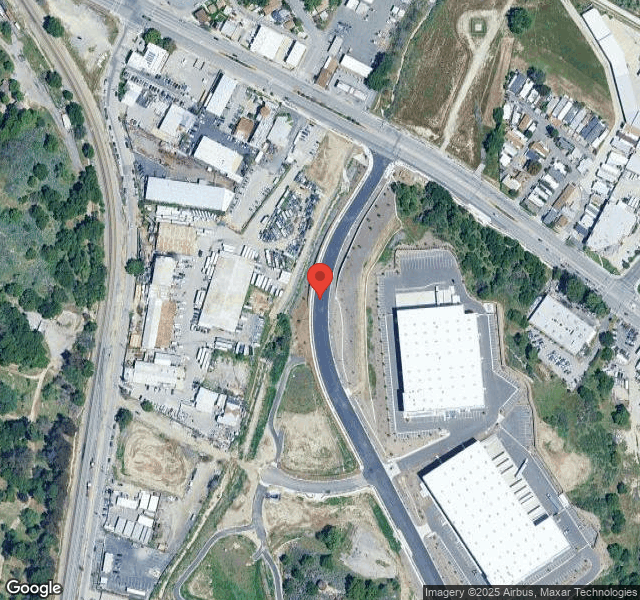

23801 NEWHALL AVENUE, NEWHALL, CA 91321 (661) 259-3660
For profit - Limited Liability company 99 Beds ABRAHAM BAK & MENACHEM GASTWIRTH Data: November 2025 3 Immediate Jeopardy citations
Trust Grade
0/100
#1104 of 1155 in CA
Last Inspection: February 2025

Within standard 12-15 month inspection cycle. Federal law requires annual inspections.

Overview

Santa Clarita Post-Acute Care Center has received a Trust Grade of F, indicating significant concerns about the facility's quality of care. It ranks #1104 out of 1155 nursing homes in California, placing it in the bottom half of all facilities in the state and #340 out of 369 in Los Angeles County, meaning there are very few local options that are worse. Unfortunately, the facility is worsening over time, with issues increasing from 33 in 2024 to 35 in 2025. Staffing is rated at 2 out of 5 stars, which is below average, and the turnover rate is 40%, which aligns with the state average but does not indicate strong staff retention. The facility has faced a concerning $61,377 in fines, higher than 84% of California nursing homes, suggesting repeated compliance problems. There are serious incidents noted in the inspection findings. For example, one resident with diabetes went without insulin for 11 consecutive days after admission, leading to dangerously high blood sugar levels. Additionally, there was a critical failure to provide CPR to a resident who was found unresponsive, which resulted in their death. While some quality measures are average, these serious deficiencies highlight significant weaknesses that families should consider when researching this facility.

Trust Score
F
0/100
In California
#1104/1155
Bottom 5%
Safety Record
High Risk
Review needed
Inspections
Getting Worse
33 → 35 violations
Staff Stability
○ Average
40% turnover. Near California's 48% average. Typical for the industry.
Penalties
✓ Good
$61,377 in fines. Lower than most California facilities. Relatively clean record.
Skilled Nurses
⚠ Watch
Each resident gets only 25 minutes of Registered Nurse (RN) attention daily — below average for California. Fewer RN minutes means fewer trained eyes watching for problems.
Violations
⚠ Watch
90 deficiencies on record. Higher than average. Multiple issues found across inspections.
★☆☆☆☆
1.0
Overall Rating
★★☆☆☆
2.0
Staff Levels
★★★☆☆
3.0
Care Quality
★☆☆☆☆
1.0
Inspection Score
Stable
2024: 33 issues
2025: 35 issues

The Good

  • Full Sprinkler Coverage · Fire safety systems throughout facility
  • No fines on record
  • Staff turnover below average (40%)

    8 points below California average of 48%

Facility shows strength in fire safety.

The Bad

1-Star Overall Rating

Below California average (3.1)

Significant quality concerns identified by CMS

Staff Turnover: 40%

Near California avg (46%)

Typical for the industry

Federal Fines: $61,377

Above median ($33,413)

Moderate penalties - review what triggered them

Chain: ABRAHAM BAK & MENACHEM GASTWIRTH

Part of a multi-facility chain

Ask about local staffing decisions and management

The Ugly 90 deficiencies on record

3 life-threatening 2 actual harm
Sept 2025 5 deficiencies
CONCERN (D) 📢 Someone Reported This

A family member, employee, or ombudsman was alarmed enough to file a formal complaint

Potential for Harm - no one hurt, but risky conditions existed

Deficiency F0558 (Tag F0558)

Could have caused harm · This affected 1 resident

Based on observation, interview, and record review, the facility failed to ensure a resident received services with reasonable accommodation for one of three sampled residents (Resident 4), who was at...

Read full inspector narrative →
Based on observation, interview, and record review, the facility failed to ensure a resident received services with reasonable accommodation for one of three sampled residents (Resident 4), who was at risk for falls, had the call light (an alerting device for residents to call for assistance) within Resident 4's reach.This deficient practice had the potential for not meeting Resident 4's needs for assistance. Findings:During a review of Resident 4's admission Record (undated), the admission Record indicated the facility admitted the resident on 3/26/2010 with diagnoses including hemiplegia (inability to move one side of the body) and hemiparesis (weakness on one side of the body) following cerebrovascular disease (a medical condition affecting the blood supply to the brain) affecting the right dominant side, type 2 diabetes mellitus (a chronic condition that affects the way the body processes blood sugar [glucose]), and essential hypertension (an abnormally high blood pressure that was not a result of a medical condition).During a review of Resident 4's History and Physical (H&P - a medical examination that involves a doctor taking a patient's medical history, performing a physical exam, and documenting their findings), dated 11/21/2024, the H&P indicated the resident did not have the capacity to understand and make medical decisions.During a review of Resident 4's Minimum Data Set (MDS - resident assessment tool), dated 6/10/2025, the MDS indicated the resident's cognitive (mental action or process of acquiring knowledge and understanding) skills were severely impaired.During a review of Resident 4's Fall Risk Assessment, dated 6/10/2025, the Fall Risk Assessment indicated the resident had a total score of 10. A total score of 10 and above represented high risk for falls.During a review of Resident 4's Care Plan on Falls, last revised on 3/22/2023, the Care Plan indicated the resident was at risk for falls. The Care Plan Intervention indicated be sure the resident's call light is within reach and encourage the resident to use it for assistance as needed. The resident needs prompt response to all requests for assistance. During a concurrent observation and interview on 9/2/2025 at 2:45 p.m. with the Director of Nursing (DON), observed Resident 4's call light rolled and hung on the wall at the head part of the resident's bed. The DON stated Resident 4's call light was not within Resident 4's reach. The DON stated a call light was a resident's way of communication with the staff. The DON stated the facility failed to ensure the call light was within Resident 4's reach. During a review of the facility's policy and procedure (PnP) titled, Answering the Call Light, last reviewed on 5/29/2025, the PnP indicated the purpose . to ensure timely responses to the resident's requests and needs. The PnP indicated . ensure that the call light is accessible to the resident when in bed, from the toilet, from the shower or bathing.
CONCERN (D) 📢 Someone Reported This

A family member, employee, or ombudsman was alarmed enough to file a formal complaint

Potential for Harm - no one hurt, but risky conditions existed

Comprehensive Care Plan (Tag F0656)

Could have caused harm · This affected 1 resident

Based on interview and record review, the facility failed to ensure a comprehensive, person-centered care plan with measurable objectives and interventions for one of three sampled residents (Resident...

Read full inspector narrative →
Based on interview and record review, the facility failed to ensure a comprehensive, person-centered care plan with measurable objectives and interventions for one of three sampled residents (Resident 1) was created and implemented. The facility failed to develop and implement an individualized care plan with interventions addressing Resident 1's food preferences as indicated in the resident's medical records.This deficient practice resulted to Resident 1 being served food identified as the resident's food dislike.Findings:During a review of Resident 1's admission Record (undated), the admission Record indicated the facility admitted the resident on 8/19/2025 with diagnoses including type 2 diabetes mellitus (a chronic condition that affects the way the body processes blood sugar [glucose]), depression (a constant feeling of sadness and loss of interest, which stops the individual from doing normal activities), and epilepsy (a condition that affects the brain and causes frequent seizures [sudden, uncontrolled body movements and changes in behavior that occurs because of abnormal electrical activity in the brain]). During a review of Resident 1's Physician Order, dated 8/19/2025, the Physician Order indicated the resident's diet was controlled carbohydrate, no added salt, regular texture, no fish. During a review of the facility-provided Menu, dated 8/18/2025 to 8/24/2025, the Menu indicated on 8/20/2025, the lunch served to the residents included fish. During a review of Resident 1's Minimum Data Set (MDS - resident assessment tool), dated 8/21/2024, the MDS indicated the resident's cognitive (mental action or process of acquiring knowledge and understanding) skills were moderately impaired.During an interview on 9/2/2025 at 12:59 p.m. with Certified Nursing Assistant (CNA) 1, CNA 1 stated she was not aware Resident 1 did not like fish. CNA 1 stated the meal ticket on Resident 1's lunch tray did not indicate the resident's food preference for no fish. CNA 1 stated she placed Resident 1's lunch tray that had fish on the resident's table. CNA 1 stated Family Member (FM) 1 informed her that Resident 1's food preference was communicated to the nursing staff on 8/19/2025, the night the resident was admitted . CNA 1 stated she brought Resident 1's lunch tray back to the kitchen and had the lunch tray replaced. During an interview on 9/2/2025 at 1:46 p.m. and concurrent record review of Resident 1's Care Plans, reviewed with Registered Nurse (RN) 1, RN 1 stated the resident's food preference should be identified and documented as part of the admission process. RN 1 stated the admitting licensed nurse should create a care plan on Resident 1's food preference. RN 1 stated Resident 1 did not have a care plan that addressed the resident's food preference for no fish. During an interview on 9/2/2025 at 3:07 p.m. with the Director of Nursing (DON), the DON stated licensed nurses and dieticians should create individualized resident care plans that addressed the residents' concerns and preferences. The DON stated Resident 1's Care Plan did not indicate the resident's food preference for no fish. The DON stated Resident 1's Care Plan on nutrition was not individualized. The DON stated the facility failed to update and revise Resident 1's Care Plan on nutrition to indicate the resident's food preference.During a review of the facility's policy and procedure (PnP) titled Care Plans, Comprehensive Person-Centered, last reviewed on 5/29/2025, the PnP indicated, a comprehensive, person-centered care plan that includes measurable objectives and timetables to meet the resident's physical, psychosocial and functional needs is developed and implemented for each resident. The PnP indicated the care plan interventions are derived from a thorough analysis of the information gathered as part of the comprehensive assessment.
CONCERN (D) 📢 Someone Reported This

A family member, employee, or ombudsman was alarmed enough to file a formal complaint

Potential for Harm - no one hurt, but risky conditions existed

Deficiency F0760 (Tag F0760)

Could have caused harm · This affected 1 resident

Based on observation, interview, and record review, the facility failed to ensure one of three sampled residents (Resident 2) was free from significant medication errors by failing to ensure the physi...

Read full inspector narrative →
Based on observation, interview, and record review, the facility failed to ensure one of three sampled residents (Resident 2) was free from significant medication errors by failing to ensure the physician orders were followed. The facility failed to ensure Resident 2's midodrine hydrochloride (HCl) oral tablet (a medication, taken by mouth, used to treat low blood pressure that causes severe dizziness or fainting) 10 milligrams (mg - unit of measurement) was administered and documented at the scheduled time. This deficient practice placed Resident 2 at risk for inadequate blood pressure management which can cause hypotension (low blood pressure) and irregular heartbeat. Findings:During a review of Resident 2's admission Record (undated), the admission Record indicated the facility admitted the resident on 1/6/2020 with diagnoses including cerebral palsy (a group of conditions that affect movement and posture), hypotension, and heart failure (a progressive heart disease that affects pumping action of the heart muscles).During a review of Resident 2's Physician Orders, dated 9/25/2020, the Physician Orders indicated midodrine HCl tablet 10 mg three times a day for hypotension. During a review of Resident 2's Care Plan on hypotension, last revised on 1/27/2025, the Care Plan Goal indicated the resident will remain free of complications related to hypotension. The Care Plan Intervention indicated Resident 2 was on midodrine 10 mg three times a day. During a review of Resident 2's Minimum Data Set (MDS - a resident assessment tool), dated 7/11/2025, the MDS indicated Resident 2's cognition (refers to conscious mental activities including thinking, reasoning, understanding, learning, and remembering) was intact. During a review of Resident 2's Medication Administration Audit Report, dated 9/2/2025, the Medication Administration Audit Report indicated on 9/2/2025 at 9:08 a.m., Resident 2 received the midodrine HCl 10 mg tablet. The Medication Administration Audit Report indicated Licensed Vocational Nurse (LVN) 1 documented the medication administration of Resident 2's midodrine HCl 10 mg tablet on 9/2/2025 at 11:08 a.m. (two hours after the medication was administered).During a concurrent observation and interview on 9/2/2025 at 10:44 a.m. with the Director of Staff Development (DSD), observed a white round pill on the hallway floor outside Resident 2's room. The DSD stated the pill had an imprint of L50. The DSD searched for the pill imprint online and stated the medication with an imprint of L50 was a midodrine tablet. The DSD stated the midodrine was used for blood pressure management. The DSD stated the licensed nurse should ensure the residents swallowed the medication given. The DSD stated other residents had the potential to pick up and ingest the medication found on the floor. During a concurrent observation, interview, and record review on 9/2/2025 at 10:50 a.m., Resident 2's Medication Administration Record (MAR) was reviewed with LVN 1. LVN 1 stated a colored red on Resident 2's midodrine HCl 10 mg meant the medication was not given. Observed Resident 2's midodrine HCl 10 mg bubble pack for 9/2/2025 was empty. LVN 1 stated he thought he gave Resident 2's midodrine HCl 10 mg tablet with apple sauce. LVN 1 stated medications given to Resident 2 should be documented before providing care to the next resident. LVN 1 stated Resident 2 had the potential for hypotension that may result in the Resident 2's dizziness and weakness. During an interview on 9/2/2025 at 3:07 p.m. with the Director of Nursing (DON) and a concurrent record review of the facility's policy and procedure (PnP) titled Administering Medications, last reviewed on 5/29/2025, the DON stated LVN 1 should ensure Resident 2's medications were given and documented before providing care to the next resident. The DON stated the facility's PnP indicated medications are administered in a safe and timely manner, and as prescribed. The DON stated the facility's PnP indicated, the individual administering the medication initials the resident's MAR on the appropriate line after giving each medication and before administering the next ones.
CONCERN (D) 📢 Someone Reported This

A family member, employee, or ombudsman was alarmed enough to file a formal complaint

Potential for Harm - no one hurt, but risky conditions existed

Deficiency F0806 (Tag F0806)

Could have caused harm · This affected 1 resident

Based on interview and record review, the facility failed to ensure a resident's food preference was followed for one of three sampled residents (Resident 1). The facility served Resident 1 with fish ...

Read full inspector narrative →
Based on interview and record review, the facility failed to ensure a resident's food preference was followed for one of three sampled residents (Resident 1). The facility served Resident 1 with fish that Resident 1 disliked.This deficient practice had the potential to result in decreased meal satisfaction and affect Resident 1's nutritional status. Findings:During a review of Resident 1's admission Record (undated), the admission Record indicated the facility admitted the resident on 8/19/2025 with diagnoses including type 2 diabetes mellitus (a chronic condition that affects the way the body processes blood sugar [glucose]), depression (a constant feeling of sadness and loss of interest, which stops the individual from doing normal activities), and epilepsy (a condition that affects the brain and causes frequent seizures [sudden, uncontrolled body movements and changes in behavior that occurs because of abnormal electrical activity in the brain]). During a review of Resident 1's Physician Order, dated 8/19/2025, the Physician Order indicated the resident's diet was controlled carbohydrate, no added salt, regular texture, and no fish. During a review of Resident 1's Diet Communication Form, dated 8/19/2025, the Diet Communication Form did not indicate the resident's food preference of no fish as documented in the Physician Order. During a review of the facility-provided Menu, dated 8/18/2025 to 8/24/2025, the Menu indicated on 8/20/2025, the lunch served to the residents included fish. During a review of Resident 1's Minimum Data Set (MDS - resident assessment tool), dated 8/21/2024, the MDS indicated the resident's cognitive (mental action or process of acquiring knowledge and understanding) skills were moderately impaired.During an interview on 9/2/2025 at 12:59 p.m. with Certified Nursing Assistant (CNA) 1, CNA 1 stated she was not aware Resident 1 did not like fish. CNA 1 stated the meal ticket on Resident 1's lunch tray did not indicate the resident's food preference for no fish. CNA 1 stated she placed Resident 1's lunch tray that had fish on the resident's table. CNA 1 stated Family Member (FM) 1 informed her that Resident 1's food preference was communicated to the nursing staff on 8/19/2025, the night the resident was admitted . CNA 1 stated she brought Resident 1's lunch tray back to the kitchen and had the lunch tray replaced. During an interview on 9/2/2025 at 1:21 p.m. and a concurrent record review of Resident 1's medical records, reviewed with Licensed Vocational Nurse (LVN) 2, LVN 2 stated she was not aware of the resident's food preference. LVN 2 stated the Physician Order on Resident 1's diet, dated 8/19/2025 at 6:18 p.m. indicated the resident cannot have fish. LVN 2 stated she documented on Resident 1's communication section of the medical records that the resident did not like fish after Resident 1 was served with fish for lunch on 8/20/2025. During an interview on 9/2/2025 at 2:37 p.m. and a concurrent record review of Resident 1's Diet Communication form, dated 8/19/2025, reviewed with the Dietary Supervisor (DS), the DS stated Resident 1's Diet Communication form did not indicate the resident's no fish preference. The DS stated after he spoke to FM 1 about the food preference concerns on 8/20/2025, he documented on the Diet Communication form Resident 1's preferred a no fish and seafood diet. During an interview on 9/2/2025 at 3:07 p.m. and a concurrent record review of Resident 1's medical records, reviewed with the Director of Nursing (DON), the DON stated Resident 1 had a physician order, dated 8/19/2025 (admission date) for no fish diet. The DON stated on 8/20/2025, Resident 1 was served fish for lunch. The DON stated Resident 1's food preference was not communicated to the dietary department. The DON stated the facility failed to ensure Resident 1's food preference was honored.During a review of the facility's policy and procedure (PnP) titled Dietary Profile, last reviewed on 5/29/2025, the PnP indicated a dietary profile will be kept on all residents in the facility. a nutritional profile will include the items listed below . diet order . food and beverage preference . food dislikes.
CONCERN (E) 📢 Someone Reported This

A family member, employee, or ombudsman was alarmed enough to file a formal complaint

Potential for Harm - no one hurt, but risky conditions existed

Infection Control (Tag F0880)

Could have caused harm · This affected multiple residents

Based on observation, interview, and record review, the facility failed to maintain an infection prevention and control program regarding Coronavirus disease 2019 (COVID-19, a viral infection that is ...

Read full inspector narrative →
Based on observation, interview, and record review, the facility failed to maintain an infection prevention and control program regarding Coronavirus disease 2019 (COVID-19, a viral infection that is highly contagious and easily transmits from person to person, causing respiratory problems and may cause death) for two of eight sampled facility staff (Licensed Vocational Nurse [LVN] 1 and Certified Nursing Assistant [CNA] 1) by failing to:1.Ensure CNA 1's N95 mask (respiratory protective device designed to achieve a very close facial fit and very efficient filtration of airborne particles) was worn while inside a COVID-19 isolation room (a set of precautions used to prevent the spread of COVID-19).2. Ensure LVN 1 wore the N95 mask properly while inside the facility. LVN 1's N95 mask was not covering the nose and mouth while at a resident care area. 3. Ensure LVN 1 performed hand hygiene (hand washing with soap and water and use of alcohol-based hand sanitizer) before touching the computer at nurse station 2.These deficient practices placed other residents and staff at risk for exposure and contracting COVID-19.Findings:During an observation on 9/2/2025 at 10:10 a.m., observed CNA 1 came out of Resident 2's room without a N95 mask. During a review of Resident 2's admission Record (undated), the admission Record indicated the facility admitted the resident on 1/6/2020 with diagnoses including cerebral palsy (a group of conditions that affect movement and posture), COVID-19, and heart failure (a progressive heart disease that affects pumping action of the heart muscles).During a review of Resident 2's Minimum Data Set (MDS - a resident assessment tool), dated 7/11/2025, the MDS indicated Resident 2's cognition (refers to conscious mental activities including thinking, reasoning, understanding, learning, and remembering) was intact. During a review of Resident 2's SBAR-Infection form, dated 8/27/2025, the SBAR-Infection form indicated the resident had a positive COVID-19 test result. During an interview on 9/2/2025 at 10:23 a.m. with CNA 1, CNA 1 stated she removed and disposed all the personal protective equipment (PPE - equipment worn to minimize exposure to hazards that cause serious workplace injuries and illnesses), including the N95 mask, inside Resident 2's room. CNA 1 stated the N95 mask should be removed, disposed, and replaced outside the COVID-19 isolation room. CNA 1 stated removing the N95 mask inside the COVID-19 isolation room had the potential to expose her and other residents to the infection.During a concurrent observation and interview on 9/2/2025 at 10:50 a.m., observed LVN 1's N95 mask was not worn properly while at nurse station 2. LVN 1's top elastic strap of the N95 mask was not worn over the head. LVN 1's N95 mask was under the chin, not covering LVN 1's nose and mouth. Observed LVN 1 wore his N95 mask and touched the outside part of the mask. LVN 1 did not perform hand hygiene before he touched the computer keyboard at nurse station 2. The Director of Staff Development (DSD) stated the N95 mask should be worn inside the facility and in patient care areas. The DSD stated the nurse stations were considered a patient care area. During an interview on 9/2/2025 at 3:07 p.m. with the Director of Nursing (DON), the DON stated the facility had COVID-19 positive cases. The DON stated N95 masks should be worn while inside the facility and while in patient care areas that included the nurse stations. The DON stated hand hygiene should be done after touching the soiled N95 mask. The DON stated there was potential for the spread of COVID-19 to residents, visitors, and staff. The DON stated the facility failed to follow infection prevention and control protocols. During a review of the facility's policy and procedure (PnP) titled, Personal Protective Equipment, last reviewed on 5/29/2025, the PnP indicated during respiratory outbreak, all staff must wear well-fitted N95 respirators.During a review of the facility's PnP titled, Infection Prevention Quality Control Plan, last reviewed on 5/29/2025, the PnP indicated, employees must wash their hands . after handling soiled equipment or utensils. The PnP indicated employees must perform hand sanitation . after handling used dressings, contaminated equipment, etc.; after contact with objects (e.g. medical equipment).
Aug 2025 1 deficiency
CONCERN (D) 📢 Someone Reported This

A family member, employee, or ombudsman was alarmed enough to file a formal complaint

Potential for Harm - no one hurt, but risky conditions existed

Grievances (Tag F0585)

Could have caused harm · This affected 1 resident

Based on interview and record review, the facility failed to ensure one of three sampled resident's (Resident 1) concerns were investigated and documented in the grievance form as indicated on the fac...

Read full inspector narrative →
Based on interview and record review, the facility failed to ensure one of three sampled resident's (Resident 1) concerns were investigated and documented in the grievance form as indicated on the facility's policy and procedures (PnP). This deficient practice had the potential to violate residents' rights to have grievances addressed.Findings: During a review of Resident 1's admission Record, the admission Record indicated the facility admitted the resident on 6/25/2024 with diagnoses including multiple sclerosis (a long-lasting disease that affects the brain and spinal cord), schizophrenia (mental disorder in which people interpret reality abnormally), and bipolar disorder (mental illness that causes unusual shifts in a person's mood, energy, activity levels, and concentration). During a review of Resident 1's History and Physical (H&P - a medical examination that involves a doctor taking a patient's medical history, performing a physical exam, and documenting their findings), dated 5/26/2025, the H&P indicated Resident 1 had the capacity to understand and make decisions. During a review of Resident 1's Minimum Data Set (MDS - a resident assessment tool), dated 6/26/2025, the MDS indicated Resident 1's cognitive (conscious mental activities including thinking, reasoning, understanding, learning, and remembering) skills for daily decision making was intact. During an interview on 8/12/2025 at 10:25 a.m. with Resident 1, Resident 1 stated Resident 2 came out from the restroom and grabbed his left and right leg and looked at him without saying anything. Resident 1 stated Resident 2 made him feel scared. Resident 1 stated he reported the incident to Licensed Vocational Nurse (LVN) 1 the same day. During an interview on 8/12/2025 at 10:50 a.m. with LVN 1, LVN 1 stated Resident 1 informed her that Resident 2 touched Resident 1's foot. LVN 1 stated Resident 1 had wounds on his legs near the area where Resident 2 touched and that made Resident 1 feel uncomfortable. LVN 1 stated she was not aware that Resident 1 felt scared. LVN 1 stated she reported Resident 1's complaints to Social Services Assistant (SSA) 1. During an interview on 8/12/2025 at 11:15 a.m. and a concurrent record review of Resident 1's Progress Notes, dated 8/8/2025, reviewed with SSA 1, SSA 1 stated LVN 1 informed her to speak with Resident 1 regarding the resident's complaint. SSA 1 stated Resident 1 did not mention his complaint about Resident 2. SSA 1 stated she did not ask Resident 1 about the complaint regarding Resident 2. SSA 1 stated there was no documentation of Resident 1's complaint. During an interview on 8/12/2025 at 2:46 p.m. and a concurrent record review of the facility's PnP, reviewed with the Director of Nursing (DON), the DON stated the PnP titled, Grievances/Complaints, Recording and Investigating, last reviewed on 5/29/2025, indicated all grievances and complaints filed with the facility will be investigated and corrective actions will be taken to resolve the grievance(s). The PnP indicated 2. Upon receiving a grievance and complaint report, the grievance officer will begin an investigation into the allegations.4. The investigation and report will include, as applicable.b. the circumstances surrounding the alleged incident.e. the resident's account of the alleged incident. The DON stated Resident 1's complaint not verified and investigated had the potential for delay in the implementation of interventions. The DON stated the facility failed to ensure SSA 1 investigated Resident 1's complaints and reported timely as indicated in the facility's grievance procedures.
Apr 2025 1 deficiency
CONCERN (D) 📢 Someone Reported This

A family member, employee, or ombudsman was alarmed enough to file a formal complaint

Potential for Harm - no one hurt, but risky conditions existed

Resident Rights (Tag F0550)

Could have caused harm · This affected 1 resident

Based on record review and interview, the facility failed to ensure one of three sampled residents (Resident 1) was treated with dignity and care in a manner that promotes maintenance or enhancement o...

Read full inspector narrative →
Based on record review and interview, the facility failed to ensure one of three sampled residents (Resident 1) was treated with dignity and care in a manner that promotes maintenance or enhancement of their quality of life by failing to ensure Resident 1's right to refuse care was respected. This deficient practice had the potential to negatively affect Resident 1 psychosocially (involving mental, emotional, social, and spiritual aspects of a person's life). Findings: During a review of Resident 1 ' s admission Record, the admission Record indicated the facility admitted Resident 1 on 3/15/2025 with diagnoses including bilateral (pertaining to, involving, or affecting two or both sides) primary osteoarthritis (a progressive disorder of the joints, caused by a gradual loss of cartilage) of knee, muscle weakness (generalized), and pain to right shoulder and ankle and joints of right foot. During a review of Resident 1 ' s Minimum Data Set (MDS – a resident assessment tool), dated 3/19/2025, the MDS indicated Resident 1 had the ability to understand and be understood. The MDS indicated Resident 1 was dependent (helper does all of the effort) with showering, lower body dressing, and putting on and taking of footwear, and requires substantial assistance (helper does more than half the effort) with oral hygiene, toileting, and upper body dressing. The MDS indicated Resident 1 was always incontinent (having no or insufficient voluntary control over urination or defecation) with urinary and bowel. During a review of Resident 1 ' s Situation-Background-Assessment-Recommendation (SBAR- a form that provides a framework for communication between members of the health care team about a resident ' s condition) Communication Form, dated 3/26/2025 at 12:20 p.m., the SBAR Communication Form indicated Resident 1 and Family Member (FM) 1 expressed concerns from a previous shift about a staff's potential misconduct. The SBAR indicated Resident 1 voiced concerns that she had issues with the way certain staff have been conducting themselves during care she (Resident 1) received and felt emotionally uneasy over it. During an interview on 4/2/2025 at 7:35 a.m. with Resident 1, Resident 1 stated she had an incident with a staff but does not recall the actual day. Resident 1 stated it was her roommate (Resident 2) who pushed the call light around 3:25 a.m. and a staff (Certified Nursing Assistant [CNA] 1) came in and using the chux pad (a pad that is placed under a person to protect bedding and furniture from accidents or leaks due to incontinence [a condition where a person experiences involuntary leakage of urine or stool]) turned Resident 1 in her left side. Resident 1 stated she thought she was going to fall off the bed. Resident 1 stated she saw CNA 1 and CNA 4 and told them she did not need anything. Resident 1 stated CNA 1 was trying to change her incontinence brief (disposable, protective underwear designed to absorb and contain fecal [poop] or urinary [pee] incontinence) even if Resident 1 kept telling CNA 1 that she (Resident 1) did not want to be touched and did not want to be changed. Resident 1 stated CNA 1 then pulled her (Resident 1) blanket to check her incontinence brief and Resident 1 told her again she did not want to be touched. Resident 1 stated CNA 1 then finally left her (Resident 1) alone after CNA 1 realized that Resident 1 was dry and did not need to be changed. Resident 1 stated that after this incident she (Resident 1) got scared. During an interview on 4/2/2025 at 8:36 a.m. with CNA 1, CNA 1 stated on 3/26/2025 at around 4:30 a.m. the call light came on for Resident 2. CNA 1 stated she provided care for Resident 2 then went to check on Resident 1. CNA 1 stated she tapped Resident 1 on the shoulder and asked if she (CNA 1) could check Resident 1 ' s incontinence brief and Resident 1 initially nodded her head. CNA 1 stated she interpreted this as a yes. CNA 1 stated she gently pulled the blanket off Resident 1 and Resident 1 grabbed the blanket and pulled it up yelling don ' t touch me. CNA 1 stated she let go of the blanket and took a step back and that is when CNA 4 walked into Resident 1 ' s room. CNA 1 stated when Resident 1 saw CNA 4, Resident 1 became silent so CNA 1 continued to check Resident 1's incontinence brief. CNA 1 stated Resident 1 was dry and she (CNA 1) put the blanket back on Resident 1 and left the room. During an interview on 4/2/2025 at 9:12 a.m. with CNA 4, CNA 4 stated on the morning of 3/26/2025 around 4:30 a.m. she (CNA 4) passed by Resident 1's room and heard Resident 1 screaming. CNA 4 stated she could not hear what Resident 1 was saying. CNA 4 stated when she entered Resident 1 ' s room she saw CNA 1 pulling up Resident 1's blanket with both hands and was trying to check Resident 1's incontinence brief to see if it was wet. CNA 4 stated CNA 1 was frustrated and verbalized (CNA 1) that Resident 1 was not letting CNA 1 check her (Resident 1) and that Resident 1 had refused all night. CNA 4 stated Resident 1 stated she did not want to be touched and wanted to be left alone. CNA 4 stated both CNA 1 and Resident 1 were pulling on the blanket. CNA 4 stated CNA 1 then pulled Resident 1 ' s blanket from Resident 1 ' s feet. CNA 4 stated CNA 1 checked the pad (chux pad) and saw that Resident 1 was dry. CNA 4 stated CNA 1 tried to touch Resident 1 ' s incontinent brief but Resident 1 yelled that she (Resident 1) did not want to be touched so CNA 1 stopped. CNA 4 stated CNA 1 did not respect Resident 1's right to refuse care and should have called the charge nurse for help. During an interview on 4/2/2025 at 9:43 a.m. with CNA 1, CNA 1 stated Resident 1 did state leave me alone and don ' t touch me. CNA 1 stated she did not respect Resident 1 ' s wishes because she still went and checked Resident 1's incontinence brief. CNA1 stated if Resident 1 was upset and refusing care, she (CNA 1) should have just left Resident 1 alone and reported to the LVN. CNA 1 stated when a resident refuses care, we need to respect their wishes. CNA 1 stated Resident 1 can be negatively affected and can cause some sort of emotional harm. During an interview on 4/2/2025 at 10:09 a.m. with the Director of Nursing (DON), the DON stated was made aware by FM 1 on 3/26/2025 at around 10 a.m. that on 3/26/2025 at around 4:30 a.m. The DON stated Resident 1 was asleep and CNA 1 went to check Resident 1's incontinence brief. The DON stated Resident 1 rights were violated because CNA 1 continued to check Resident 1's incontinence brief even after Resident 1 refused. The DON stated not respecting Resident 1's right to refuse care can potentially affect Resident 1's emotional feeling which may lead to further emotional breakdown. During a review of the facility-provided policy and procedure (P&P) titled, Resident Rights, last revised on 12/2019, the policy indicated employees shall treat all residents with kindness, respect and dignity. 1. Federal and state laws guarantee certain basic rights to all residents of this facility. These rights include the resident ' s right to: a. a dignified existence. b. be treated with respect, kindness, and dignity. During a review of the facility-provided P&P titled, Requesting, Refusing and/or Discontinuing Care or Treatment, last revised 2/2021, the policy indicated, Resident and resident representatives have the right to request, refuse and/or discontinue treatment. 'Treatment' refers to medical care, nursing care, and interventions provided to maintain or restore health and well-being, improve functional level, or relieve symptoms.
Feb 2025 26 deficiencies
CONCERN (D)

Potential for Harm - no one hurt, but risky conditions existed

Resident Rights (Tag F0550)

Could have caused harm · This affected 1 resident

Based on observation, interview, and record review, the facility failed to provide care in a manner that maintained or enhanced a resident's dignity and respect in full recognition of their individual...

Read full inspector narrative →
Based on observation, interview, and record review, the facility failed to provide care in a manner that maintained or enhanced a resident's dignity and respect in full recognition of their individuality for one (1) of 1 sampled resident (Resident 249) reviewed under the dignity care area by failing to ensure the resident's urinary drainage bag (a container connected to a hollow tube inserted into the bladder to drain or collect urine) was provided with a privacy cover. This deficient practice had the potential to affect Resident 249's self-esteem, self-worth, and sense of independence. Findings: During a review of Resident 249's admission Record, the admission record indicated the facility admitted Resident 249 on 2/5/2025 with diagnoses including urinary tract infection (UTI - an infection in the bladder or urinary tract), unsteadiness on feet, and generalized muscle weakness. During a review of Resident 249's Admission/readmission Initial Assessment, dated 2/5/2025, the Admission/readmission Initial Assessment form indicated Resident 249 was able to understand others and make her needs known. The Admission/readmission Initial Assessment form indicated Resident 249 had an indwelling catheter (also known as a urinary catheter, a hollow tube inserted into the bladder to drain or collect urine) for urine retention. The Admission/readmission Initial Assessment form further indicated Resident 249 required partial/moderate assistance to total assistance from staff with all activities of daily living (ADLs - basic tasks that must be accomplished every day for an individual to thrive). During a review of Resident 249's History and Physical (H&P), dated 2/7/2025, the H&P indicated Resident 249 had the capacity to understand and make decisions. During a review of Resident 249's Order Summary Report, dated 2/5/2025, the Order Summary Report indicated Resident 249's physician ordered the following: - Indwelling catheter to straight drainage. Size: (16) Bulb: ten (10) every shift. - Provide urinary catheter care daily: Cleanse with NS then pat dry every day shift. - Monitor indwelling catheter for presence of sediment and cloudy urine. Notify MD if noted every shift. Document if present: Y for present N for not present. - Monitor for signs and symptoms of UTI every shift and notify physician (MD) if present every shift for indwelling catheter use. Document: (Y) If present (N) = If absent. - Change indwelling catheter. Size: (16) Bulb: (10) if plugged, leaking, or pulled out as needed. - Indwelling Catheter: ensure urinary catheter securement device is in place to prevent movement and urethral traction every day shift and as needed. During an observation, on 2/11/2025, at 10:07 a.m., inside Resident 249's room, Resident 249 laid in bed asleep with a urinary catheter drainage bag hanging on the side of the bed and did not have a privacy cover. During a concurrent observation and interview, on 2/11/2025, at 10:15 a.m., inside Resident 249's room, with the Quality Assurance Nurse (QAN), the QAN verified Resident 249's urinary catheter drainage bag did not have a privacy cover. The QAN stated urinary catheter drainage bags should have a privacy cover, and the staff should place it upon admission. The QAN stated the privacy cover should have been placed over Resident 249's urinary catheter drainage bag to preserve their dignity. During an interview, on 2/11/2025, at 12:00 p.m., with the Director of Nursing (DON), the DON stated urinary catheter drainage bags should have privacy covers at all times and should be placed over the drainage as soon as possible. The DON stated Resident 249's urinary catheter drainage should have a privacy cover as it may affect Resident 249's self-worth and self-esteem. The DON stated it was a dignity issue. During a review of the facility's policy and procedure (P&P) titled, Dignity, last reviewed on 6/27/2024, the P&P indicated: - Each resident shall be cared for in a manner that promotes and enhances his or her sense of well-being, level of satisfaction with life, feeling of self-worth and self-esteem. - Demeaning practices and standards of care that compromise dignity are prohibited. Staff are expected to promote dignity and assist residents such as helping the resident to keep urinary catheter bags covered.
CONCERN (D)

Potential for Harm - no one hurt, but risky conditions existed

Deficiency F0558 (Tag F0558)

Could have caused harm · This affected 1 resident

Based on observation, interview, and record review, the facility failed to provide reasonable accommodation of resident needs and preferences by failing to ensure the call light (an alerting device fo...

Read full inspector narrative →
Based on observation, interview, and record review, the facility failed to provide reasonable accommodation of resident needs and preferences by failing to ensure the call light (an alerting device for nurses or other nursing personnel to assist a resident when in need) was within reach for one (1) of 1 sampled resident (Resident 248) reviewed under the Environment task. This deficient practice had the potential to result in the delay of care and services and possible injury to residents when they are unable to call for assistance. Findings: During a review of Resident 248's admission Record, the admission Record indicated the facility admitted the resident on 1/24/2025 with diagnoses including fracture (a crack or break in a bone) of shaft of right tibia (also known as shin bone the large bone located between the knee and ankle), unsteadiness on feet, and generalized muscle weakness. During a review of Resident 248's History and Physical (H&P), dated 1/25/2025, the H&P indicated the resident can make her needs but cannot make medical decisions. During a review of Resident 248's Minimum Data Set (MDS, a standardized assessment and care screening tool), dated 1/30/2025, the MDS indicated the resident had severely impaired cognition (mental action or process of acquiring knowledge and understanding) and required substantial/maximal assistance to total assistance from staff with all activities of daily living (ADLs - basic tasks that must be accomplished every day for an individual to thrive). During a review of Resident 248's fall risk assessment, dated 1/24/2025, the fall risk assessment indicated the resident is a high risk for falls. During a review of Resident 248's care plan (CP) on risk for falls and injuries due to shaft right tibia fracture, initiated on 1/27/2025, the CP indicated to keep call light and bed controls within easy reach as one of the interventions to prevent falls. During a concurrent observation and interview, on 2/11/2025, at 11:05 a.m., inside Resident 248's room, with Registered Nurse (RN) 3, Resident 248's call light laid on the floor outside of the resident's reach. RN 3 stated Resident 248's call light was not clipped to the bed and was on the floor and not within Resident 248's reach. RN 3 stated prior to leaving the room, the staff should make sure all residents' call light should be within reach. RN 3 stated Resident 248's call light should have been clipped to the sheet and within the resident's reach so Resident 248 would be able to call for assistance when needed and prevent delay in the care the resident needed. During an interview, on 2/13/2025, at 1:00 p.m., with the Director of Nursing (DON), the DON stated the staff should ensure all residents' call light is within reach prior to leaving the room so the residents can call for assistance and the staff can attend to their needs. The DON stated Resident 248's call light should have been clipped to the sheet and within the resident's reach so the staff can attend and meet Resident 248's needs. During a review of the facility's policy and procedure (P&P) titled, Answering the Call Light, last reviewed on 6/27/2024, the P&P indicated: - Ensure that the call light is accessible to the resident when in bed, from the toilet, from the toilet shower or bathing facility and from the floor. - Ensure timely responses to the resident's requests and needs.
CONCERN (D)

Potential for Harm - no one hurt, but risky conditions existed

Deficiency F0583 (Tag F0583)

Could have caused harm · This affected 1 resident

**NOTE- TERMS IN BRACKETS HAVE BEEN EDITED TO PROTECT CONFIDENTIALITY** Based on observation, interview and record review, the facility failed to maintain resident's privacy by failing to pull/close t...

Read full inspector narrative →
**NOTE- TERMS IN BRACKETS HAVE BEEN EDITED TO PROTECT CONFIDENTIALITY** Based on observation, interview and record review, the facility failed to maintain resident's privacy by failing to pull/close the privacy curtains during medication administration affecting two (2) of three (3) sampled residents (Resident 5 and 196) observed during medication administration. This deficient practice had the potential to result in unauthorized exposure of the resident's treatment and care potentially resulting in psychosocial harm. Findings: During a review of Resident 5's admission Record (a document containing demographic and diagnostic information), the admission Record indicated the facility originally admitted the resident on 5/23/2007 and re-admitted the resident on 10/13/2023 with diagnoses including hemiplegia (partial or complete paralysis on one side of the body) and hemiparesis (partial paralysis or weakness on one side of the body), bipolar disorder (a mental illness that causes unusual shifts in a person's mood, energy, activity levels, and concentration, making it difficult to carry out day-to-day tasks), depression (a health condition that causes constant feeling of sadness and loss of interest in activities that one would normally enjoy), and anxiety (a feeling of fear, dread, and uneasiness). During a review of Resident 5's Minimum Data Set (MDS - a resident assessment tool), dated 12/9/2024, the MDS indicated the resident was cognitively intact. During a review of Resident 196's admission Record, the admission Record indicated the facility originally admitted the resident on 1/31/2025 with diagnoses including hypertension (high blood pressure), atrial fibrillation (a type of irregular heart rhythm), and dysphagia (difficulty swallowing). During a review of Resident 196's MDS, dated [DATE], the MDS indicated the resident had mild cognitive impairment and was feeling down and depressed. During an observation, on 2/11/2025, at 9:39 a.m., Licensed Vocational Nurse (LVN) 5 administered medications to Resident 196. Resident 196's roommate laid in a bed next to Resident 196's bed with the privacy curtain between the two residents open. During an observation, on 2/11/2025, at 10:05 a.m., LVN 4 administered medications to Resident 5. Resident 5's roommate laid in a bed next to Resident 5's bed with the privacy curtain between the two residents open. During an interview, on 2/11/2025, at 10:32 a.m., with LVN 4, LVN 4 stated that LVN 4 failed to pull/close the privacy curtains when administering medications that morning, at 10:05 a.m., to Resident 5. LVN 4 stated resident privacy should be maintained during medical care. During an interview, on 2/11/2025, at 10:35 a.m., with LVN 5, LVN 5 stated that LVN 5 failed to pull/close the privacy curtains when administering medications that morning, at 9:39 a.m., to Resident 196. LVN 5 stated resident privacy should be maintained during medical care. During an interview, on 2/13/2025, at 12:47 p.m., with the Director of Nursing (DON), the DON stated it was important to safeguard and protect resident dignity by respecting their right to privacy during any medical care. The DON stated resident privacy during medication administration includes pulling/closing the privacy curtains between beds. The DON stated LVN 4 and LVN 5 failed to provide privacy by failing to pull/close the privacy curtains during medication administration on 2/11/2025 to Resident 5 and 196. During a review of the facility's policy and procedures (P&P), titled Quality of Life - Dignity, last reviewed 6/27/2024, the P&P indicated, Residents' private space and property are respected at all times. Staff promote, maintain and protect resident privacy .during assistance with personal and during treatment procedures.
CONCERN (D) 📢 Someone Reported This

A family member, employee, or ombudsman was alarmed enough to file a formal complaint

Potential for Harm - no one hurt, but risky conditions existed

Report Alleged Abuse (Tag F0609)

Could have caused harm · This affected 1 resident

**NOTE- TERMS IN BRACKETS HAVE BEEN EDITED TO PROTECT CONFIDENTIALITY** Based on interview and record review, the facility failed to implement its abuse reporting policy and procedure (P&P) by failing...

Read full inspector narrative →
**NOTE- TERMS IN BRACKETS HAVE BEEN EDITED TO PROTECT CONFIDENTIALITY** Based on interview and record review, the facility failed to implement its abuse reporting policy and procedure (P&P) by failing to report an allegation of injury of unknown origin to the State Survey Agency (Department of Public Health) within two hours for one of one sampled resident (Resident 93) reviewed under the Abuse care area. This deficient practice had the potential to place the resident at risk for elder abuse. Findings: During a review of Resident 93's admission Record, the admission Record indicated the facility originally admitted the resident on 1/15/2025, and readmitted on [DATE], with diagnoses including dislocation (an injury where the ends of two bones separate at a joint) of internal left hip prosthesis (artificial body part), fracture (bone that is broken in at least two places) of unspecified part of neck of left femur (thigh bone), dementia (a progressive state of decline in mental abilities), and generalized muscle weakness. During a review of Resident 93's Minimum Data Set (MDS - a resident assessment tool), dated 1/22/2025, the MDS indicated the resident had the ability to understand others and makes self-understood. The MDS indicated the resident had severely impaired cognition (difficulty understanding and making decisions). The MDS indicated the resident was dependent on staff for activities of daily living (ADLs - activities such as bathing, dressing and toileting a person performs daily) and with mobility, including sit to lying, lying to sitting on side of bed, chair/bed-to-chair transfer, and substantial assistance with rolling left and right on the bed. During a review of Resident 93's History and Physical (H&P) Note, dated 1/31/2025, the H&P Note indicated the resident can make needs known but cannot make medical decisions. During a review of Resident 93's Admission/readmission Initial Assessment, dated 1/15/2025, the Admission/readmission Initial Assessment indicated the resident was admitted from General Acute Care Hospital (GACH) 1 with diagnoses of status-post (s/p) fall, left femoral neck fracture s/p open reduction and internal fixation (ORIF - surgical procedure that involves putting pieces of bone into place using screws or rods to hold the broken bone together). During a review of Resident 93's Situation Background Assessment Request (SBAR - a communication tool used by healthcare workers when there is a change of condition among the residents), dated 1/26/2025, the SBAR indicated the resident complained of severe pain to her left hip manifested by possible hip displacement, needed more assistance with ADLs, labored or rapid breathing, left leg appeared turned inwards, and unable to move her toes, foot or leg. During a review of Resident 93's Physician Discharge Note, dated 1/26/2025, the Physician Discharge Note indicated the resident was discharged to GACH 2 due to the resident's welfare and needs cannot be met at the facility due to severe pain to left hip with possible hip displacement. During a review of Resident 93's Admission/readmission Initial Assessment, dated 1/30/2025, the Admission/readmission Initial Assessment indicated the resident was readmitted from GACH 2 with a diagnosis of s/p revision of left hemiarthroplasty (a surgical procedure that replaces the ball portion of the hip joint, leaving the socket intact) on 1/27/2025 due to dislocation of left hip arthroplasty with pain. During an interview, on 2/11/2025, at 2:50 p.m., with Resident 93, Resident 93 stated she was at the hospital, and the hospital did something to her left leg, but she does not recall what was done on her leg. Resident 93 stated her leg was hurting in the past but not right now. During a concurrent interview and record review, on 2/14/2025, at 9:29 a.m., with MDS Nurse (MDSN) 1, Resident 93's progress notes, interdisciplinary progress notes, Certified Nursing Assistant (CNA) ADLs task, dated between 1/15/2025 to 1/26/2025, were reviewed. MDSN 1 stated she did not know if Resident 93's left hip dislocation was reported to the State Survey Agency. During an interview, on 2/14/2025, at 12:02 p.m., with the DON, the DON stated on 1/26/2025, Resident 93 was noted with left hip discoloration due to left internal rotation. The DON stated the incident was not common and the facility conducted an investigation and had an interdisciplinary team meeting with the resident's family member on 2/3/2025. During an interview, on 2/14/2025, at 12:44 p.m., with the DON, the DON stated the facility did not follow their policy titled, Abuse, Neglect, Exploitation or Misappropriation - Reporting and Investigating for Resident 93's unusual occurrence. During a review of the facility's P&P titled, Abuse, Neglect, Exploitation or Misappropriation - Reporting and Investigating, last reviewed on 6/27/2024, the P&P indicated All reports of resident abuse (including injuries or unknown origin), neglect, exploitation, or theft/misappropriation of resident are reported to local, state and federal agencies (as required by current regulations) and thoroughly investigated by facility management. Findings of all investigations are documented and reported. The P&P indicated the implementation of reporting allegations to the Administrator and Authorities: 1. If resident abuse, neglect, exploitation, misappropriation of resident property or injury of unknown source is suspected, the suspicion must be reported immediately to the administrator and to other officials according to state law. 2. Incidents resulting in physical harm, notify local law enforcement immediately or as soon as possible but no later than [two] hours. Provide written notice of the incident within [two] hours to the state agency, ombudsman, and local law enforcement.
CONCERN (D)

Potential for Harm - no one hurt, but risky conditions existed

Deficiency F0657 (Tag F0657)

Could have caused harm · This affected 1 resident

Based on interview and record review, the facility failed to revise one of two sampled residents (Resident 6) care plans to reflect the updated interventions provided to Resident 6 reviewed for Nutrit...

Read full inspector narrative →
Based on interview and record review, the facility failed to revise one of two sampled residents (Resident 6) care plans to reflect the updated interventions provided to Resident 6 reviewed for Nutrition care area. This deficient practice had the potential to place the resident at risk for a delay in necessary interventions. Findings: During a review of Resident 6's admission Record, the admission Record indicated the facility admitted the resident on 3/22/2017 with diagnoses including type 2 diabetes mellitus (DM-a disorder characterized by difficulty in blood sugar control and poor wound healing), contracture (a stiffening/shortening at any joint, that reduces the joint's range of motion) of right and left hands, and both eyes visual loss. During a review of Resident 6's History and Physical (H&P), dated 11/21/2024, the H&P indicated the resident did not have the capacity to understand and make medical decisions. During a review of Resident 6's Minimum Data Set (MDS-a resident assessment tool), dated 11/28/2024, the MDS indicated the resident had no speech (absence of spoken words) with severely impaired vision, rarely/never had the ability to make self understood and rarely/never had the ability understood others. The MDS indicated the resident was dependent on staff with eating (the ability to use suitable utensils to bring food and/or liquid to the mouth and swallow food and/or liquid once the meal is placed before the resident). During a review of Resident 6's Nutrition Assessment, dated 2/6/2025, the Nutrition Assessment indicated the resident had a 17-pound (lbs.-a unit of measurement) weight loss of 15 percent loss (%-a unit of measurement) in 180 days and indicated recommendations to give Liquacel 30 ml daily for 30 days. During a review of Resident 6's Order Summary Report, the Order Summary Report indicated to administer LiquaCel (protein supplement) oral liquid (Amino Acids) 30 milliliters (ml-a unit of measurement) by mouth one time a day for 30 days, dated 2/12/2025. During a concurrent interview and record review on 2/13/2025 at 2:27 p.m. with Registered Nurse (RN) 1, Resident 6's Care Plan Report, last revised 2/7/2025 was reviewed. RN 1 stated the care plan addressing the resident's unplanned/unexpected weight loss did not indicate the Liquacel intervention for the resident. RN 1 stated the care plan drives the care for what the resident needs and ensure interventions are updated and are being implemented. RN 1 stated the resident could potentially continue to lose weight when interventions are not revised. During an interview on 2/14/2025 at 11:58 a.m., with the Director of Nursing (DON), the DON stated they missed updating Resident 6's care plan for the updated intervention of the Liquacel order. The DON stated the licensed nurse who carried out the order should have updated the care to reflect the current interventions. The DON stated the purpose of revising the interventions is for all staff to be aware of the updated interventions. The DON stated they could potentially miss providing it to the resident. During a review of the facility's policy and procedure titled, Care Plans, Comprehensive Person-Centered, last reviewed on 6/27/2024, the P&P indicated the care plan includes measurable objectives and timetables to meet the resident's physical, psychosocial and functional needs is developed and implemented for each resident . Assessments of residents are ongoing and care plans are revised as information about the residents and the residents' conditions change.
CONCERN (D)

Potential for Harm - no one hurt, but risky conditions existed

Pressure Ulcer Prevention (Tag F0686)

Could have caused harm · This affected 1 resident

**NOTE- TERMS IN BRACKETS HAVE BEEN EDITED TO PROTECT CONFIDENTIALITY** Based on observation, interview, and record review, the facility failed to ensure residents received care consistent with profes...

Read full inspector narrative →
**NOTE- TERMS IN BRACKETS HAVE BEEN EDITED TO PROTECT CONFIDENTIALITY** Based on observation, interview, and record review, the facility failed to ensure residents received care consistent with professional standards of practice to prevent pressure ulcers/injury (the breakdown of skin integrity due to pressure) for one (1) of 1 sampled resident (Resident 12) reviewed for pressure injury by failing to ensure: 1. The resident was turned every two (2) hours. 2. The staff documented the position the resident was placed every time they turned the resident. 3. Licensed Vocational Nurse (LVN) 1 and Certified Nursing Assistant (CNA) 6 documented the reason when the resident refused to turn on 2/12/2025. These deficient practices had the potential for development and worsening of pressure ulcers/injuries to residents. Findings: During a review of Resident 12's admission Record, the admission Record indicated the facility admitted the resident on 10/29/2019, and readmitted the resident on 10/28/2024, with diagnoses including pressure ulcer of sacral region stage four (4) (full thickness tissue loss with exposed bone, tendon, or muscle), Alzheimer's disease (a disease characterized by a progressive decline in mental abilities), and dementia (a progressive state of decline in mental abilities). During a review of Resident 12's History and Physical (H&P), dated 10/30/2024, the H&P indicated the resident had a pre-existing sacral ulcer with visible bone and the resident can make needs known but cannot make medical decisions. During a review of Resident 12's Minimum Data Set (MDS - a resident assessment tool), dated 1/21/2025, the MDS indicated the resident had the ability to make self-understood and understand others and had moderate cognitive impairment (a condition that involves increased confusion and memory loss, as well as difficulty with language and completing tasks). The MDS indicated the resident was dependent to needing substantial to maximal assistance on mobility and activities of daily living (ADLs - activities such as bathing, dressing and toileting a person performs daily). The MDS indicated the resident was at risk for developing pressure injuries, had one unhealed stage 4 pressure injury, and was on turning/repositioning program. During a review of Resident 12's Braden Risk Scale (a validated risk assessment tool used in medical settings to identify patients who are at high risk for developing pressure ulcers), dated 1/21/2025, the Braden Risk Scale indicated the resident was at risk for developing pressure injuries. During a review of Resident 12's Care Plan (CP) titled, Sacro coccyx (the last bone at the bottom [base] of the spine) extending to right buttock stage 4 pressure ulcer, last revised on 5/30/2024, the CP indicated an intervention to assist and encourage resident to turn and reposition with turning schedule to redistribute weight and reduce the risk of skin breakdown and turn and reposition every 2 hours and if needed (PRN). During a review of Resident 12's Order Summary Report, dated 2/1/2025, the Order Summary Report indicated an order for Sacro-coccyx stage 4 pressure ulcer (PU). The Order Summary Report indicated to cleanse with normal saline (a mixture of water and salt with a 0.9% concentration of sodium chloride), pat dry, apply Santyl (a topical enzyme medication used to remove damaged or burned skin) followed by collagen (a protein in the body), and cover with dry dressing (a dressing made of dry material, like gauze or cotton, that doesn't appear damp) every day shift for 21 days. During a review of the facility-provided turning schedule, undated, the turning schedule indicated: 12:00 to 2:00 a.m. or p.m. reposition on back; 2:00 to 4:00 a.m. or p.m. reposition on right side; 4:00 to 6:00 a.m. or p.m. reposition on left side; 6:00 to 8:00 a.m. or p.m. reposition on back; 8:00 to 10:00 a.m. or p.m. reposition on right side; 10:00 to 12:00 a.m. or p.m. reposition on left side. During a review of Resident 12's Turn and Reposition Log, dated between 1/31/2025 to 2/13/2025, the Turn and Reposition Log indicated the following: On 1/31/2025: 12:24 a.m. turned, no position indicated; 3:37 a.m. turned, no position indicated; 3:38 a.m. turned, no position indicated; 7:00 a.m. turned, no position indicated; 9:23 p.m. 4 times turned; no position indicated. On 2/1/2025: 1:42 a.m. with entry of not applicable and also turned; 2:27 a.m. with entry of not applicable; 5:00 a.m. turned, no position indicated; 2:35 p.m. turned, no position indicated; 2:36 p.m. turned, no position indicated; and with 2 entries of not applicable; On 2/2/2025: 2:53 a.m. turned, no position indicated; entered twice; 2:54 a.m. turned, no position indicated; 5:00 a.m. turned, no position indicated; 9:12 a.m. turned, no position indicated; entered twice; 12:28 p.m. turned, no position indicated; entered twice; 3:58 p.m. turned, no position indicated. During an observation, on 2/11/2025, at 9:08 a.m., Resident 12 laid in bed and faced her left side. The turning schedule posted on Resident 12's wall indicated the resident should be facing right side. During a concurrent observation and interview, on 2/12/2025, at 11:04 a.m., Resident 12 laid on her back and the turning schedule posted on the resident's wall indicated the resident should be facing her left side. Resident 12 confirmed and stated she was on her back, and she cannot remember the last time she was turned by the staff. During a concurrent interview and record review, on 2/12/2025, at 2:45 p.m., with LVN 1, CNA 6, and Resident 12, inside Resident 12's room, LVN 1 confirmed the resident was on her back, and stated she does not know why the resident was not on her left as indicated on the turning schedule posted on the resident's wall. CNA 6 stated she was in the resident's room [ROOM NUMBER] minutes ago but there was no entry on the Turning and Repositioning Log of Resident 12 close to that time. CNA 6 stated the resident refused, however when asked in the presence of LVN 1 and CNA 6, Resident 12 stated she did not refuse to turn. LVN 1 stated it was important to turn the resident every 2 hours to help in the healing of Resident 12's stage 4 pressure injury in the coccyx. During a concurrent observation and interview, on 2/12/2025, at 4:29 p.m., with Restorative Nursing Assistant (RNA) 1, inside Resident 12's room, Resident 12 did not have a wedge pillow (a triangular shaped pillow made from foam which allows positioning the body on an incline for comfortable sleeping) on her side. RNA 1 confirmed a wedge pillow was on top of Resident 23's drawer. RNA 1 stated the facility should not use an ordinary pillow to turn the resident on her sides as it is not turning the resident properly and it is not relieving the pressure on her buttocks. During an observation, on 2/13/2025, at 8:00 a.m., Resident 12 laid on her back and the turning schedule posted on the wall indicated the resident should be on her right side. During a concurrent interview and record review, on 2/13/2025, at 8:25 a.m., with CNA 6 and CNA 7, Resident 12's Turn and Reposition Log, dated between 1/31/2025 to 2/13/2025, was reviewed. CNA 6 stated she did not document Resident 12's refusal to turn on 2/12/2025, around 2:00 p.m. CNA 6 stated she did not explain to the resident why she needed to turn every 2 hours. CNA 6 stated she reported Resident 12's refusal to turn to LVN 1. CNA 6 and CNA 7 reviewed Resident 12's Turn and Reposition Log and stated the log indicated the resident is not being turned every 2 hours per documentation and the position was not indicated on the document. CNA 6 and CNA 7 stated it was important to document the refusal and turning of the resident accurately to prevent the worsening of pressure ulcer on the resident. During a concurrent interview and record review, on 2/13/2025, at 8:37 a.m., with LVN 1, Resident 12's Turn and Reposition Log, dated between 1/31/2025 to 2/13/2025, was reviewed. LVN 1 stated she remembered CNA 6 reporting to her Resident 12's refusal to turn on 2/12/2025, at around 2:00 p.m., but she did not document the incident on the resident's medical chart. LVN 1 reviewed Resident 12's Turn and Reposition Log and stated the logs did not indicate the resident has been turned every 2 hours. LVN 1 stated it was important to document a resident's refusal to turn and the turning every 2 hours to prevent Resident 12's pressure injury from worsening. During a concurrent interview and record review, on 2/13/2025, at 9:51 a.m., with Treatment Nurse (TX) 2, Resident 12's Turn and Reposition Log, dated between 1/31/2025 to 2/13/2025, was reviewed and TX 2 stated the resident was not being turned every 2 hours per the documentation record. TX 2 stated it was important to turn and document every 2 hours to prevent Resident 12's pressure injury from worsening. During an interview, on 2/14/2025, at 12:54 p.m., with the Director of Nursing (DON), the DON stated the staff should have turned Resident 12 every 2 hours because the resident was at risk for worsening of pressure injury at her Sacro coccyx. The DON stated the staff should have followed the care plan to turn and reposition every 2 hours and document the position to ensure the resident was not laying in the same position for a long time. The DON stated if the resident refuses to turn, the staff should document the reason and explain to the resident the risk of refusal to turn. During a review of the facility's recent policy and procedure (P&P) titled, Repositioning, last reviewed on 6/27/2024, the P&P indicated residents who are in bed should be on at least an every two-hour (q2 hour) repositioning schedule. For residents with a Stage 1 or above pressure ulcer, an every two-hour (q2 hour) repositioning schedule is inadequate. The P&P indicated to review the resident's care plan to evaluate for any special needs of the resident, check the care plan, assignment sheet or the communication system to determine resident's specific positioning needs including special equipment, resident level of participation and the number of staff required to complete the procedure. The P&P indicated the following information should be recorded in the resident's medical record: Documentation 1. The position in which the resident was placed. This may be on flow sheet . 5. If the resident refused the care and the reason(s) why. Reporting 1. Notify the supervisor if the resident refuses the procedure.
CONCERN (D)

Potential for Harm - no one hurt, but risky conditions existed

Accident Prevention (Tag F0689)

Could have caused harm · This affected 1 resident

**NOTE- TERMS IN BRACKETS HAVE BEEN EDITED TO PROTECT CONFIDENTIALITY** Based on observation, interview, and record review, the facility failed to ensure the resident environment was free of accident ...

Read full inspector narrative →
**NOTE- TERMS IN BRACKETS HAVE BEEN EDITED TO PROTECT CONFIDENTIALITY** Based on observation, interview, and record review, the facility failed to ensure the resident environment was free of accident hazards for two of four (4) sampled residents (Resident 19 and 66)) reviewed for accidents by failing to ensure: 1. Resident 19's bilateral fall mat (a cushioned mat that reduces the risk of injury from a fall) did not have furniture or equipment on top of them. 2. To accurately complete Resident 66's risk for falls after a fall incident on 10/11/2024. 3. Conduct an interdisciplinary team (IDT - a collaboration of healthcare professionals who work together to plan and coordinate patient care) meeting after Resident 66 fell on [DATE] and 11/13/2024. These deficient practices had the potential to increase the risk of injury to the resident, if the resident slips, trips, and falls by hitting the hard surface of the equipment or furniture that is on top of the fall mat. Findings: 1) During a review of Resident 19's admission Record, the admission Record indicated the facility admitted the resident on 5/22/2021, with diagnoses including hemiplegia (total paralysis of the arm, leg, and trunk on the same side of the body) and hemiparesis (weakness or the inability to move on one side of the body, making it hard to perform everyday activities like eating or dressing), unsteadiness on feet, and age-related osteoporosis (a bone disease that causes bones to become weak and more likely to break as people get older) with current pathological fracture (broken bones in an area already weakened by another disease, not by an injury) of left hand. During a review of Resident 19's Care Plan (CP), initiated on 9/18/2024, the CP indicated a goal for the resident's risk for falls/injuries to be reduced through implementation of safety devices and other interventions. During a review of Resident 19's Minimum Data Set (MDS, a resident assessment tool), dated 11/28/2024, the MDS indicated the resident had the ability to make self-understood and understand others and had moderately impaired vision. The MDS indicated the resident had moderate cognitive impairment (when someone has significant difficulty with memory, learning, and completing tasks) and the resident required substantial to partial assistance in mobility and activities of daily living (ADLs, activities such as bathing, dressing and toileting a person performs daily). The MDS indicated the resident had history of two or more falls on admission or reentry prior to assessment without injury. During a review of Resident 19's Fall Risk Assessment, dated 11/28/2024, the Fall Risk Assessment indicated the resident was high risk for falls. During a review of Resident 19's History and Physical, dated 1/28/2025, the H&P indicated the resident had the capacity to understand and make decisions. During a concurrent observation and interview on 2/12/2025, at 11:27 a.m., with Registered Nurse 2 (RN 2), while inside Resident 19's room, Resident 19's bilateral fall mat had a drawer on top of the upper part of the fall mat. The Fall mat at the right side of the bed was not placed near the exit side of the bed. It had a gap where the resident can directly fall to the ground. RN 2 stated the fall mat of Resident 19 should be placed directly on the exit side of the right side of the resident's bed to prevent the resident from landing on the floor. RN 2 also stated the drawers should not be on top of the fall mat because when the resident falls on either side of the bed, the resident could hit their head on them causing a major injury such as fractures or lacerations. During an interview and record review on 2/14/2025, at 1 p.m., with the Director of Nursing (DON), the photograph of the placement of Resident 19's fall mat on 2/12/2025 was reviewed. The DON stated the fall mat at the right side of the bed was placed improperly. The DON stated there was a gap between the bed and the fall mat where the resident can land on the floor. The DON stated the fall mats on both sides of the resident had a drawer on top of them and when the resident falls on either side, Resident 19 can hit his head and sustain an injury. The DON also stated the furniture on top of the fall mat can alter the integrity of the mat by causing a permanent dent on them leaving the mattress less capable of lessening the fall impact on the resident. During a review of the facility's recent policy and procedure (P&P) titled Safety and Supervision of Residents last reviewed on 6/27/2024, the P&P indicated safety risks and environmental hazards are identified on an ongoing basis through a combination of employee training, employee monitoring, and reporting processes; QAPI reviews of safety and incident/accident data; and facility-wide commitment to safety. During a review of the facility's recent policy and procedure (P&P) titled Homelike Environment, last reviewed on 6/27/2024, the P&P indicated the facility staff and management maximizes, to the extent possible, the characteristics of the facility that reflect a personalized, homelike setting. These characteristics include: a. Clean, safe, sanitary and orderly/clutter free environment, no excessive items and items shall be stored off the floor. During a review of the undated facility-provided User Instructions titled Fall Mat 1 (FM 1), , the User Instructions indicated in addition to low height beds that have been found to help reduce the incidence of falls; impact reduction fall mats placed alongside the bed have become a cost-effective means to help reduce the incidence of patient trauma and severity of injury by providing a cushioned, slide resistant surface. 2) During a review of Resident 66's admission Record, the admission Record indicated the facility originally admitted the resident on 3/15/2024 and readmitted the resident in the facility on 1/15/2025 with diagnoses including dementia (a progressive state of decline in mental abilities), unsteadiness on feet, and generalized muscle weakness. During a review of Resident 66's Minimum Data Set (MDS, a standardized assessment and care screening tool), dated 1/20/2025, the MDS indicated the resident had severely impaired cognition (mental action or process of acquiring knowledge and understanding) and required supervision with oral hygiene; substantial/maximal assistance with bed mobility and transfers; total assistance with bathing and shower transfers; partial/moderate assistance with all other activities of daily living (ADLs - basic tasks that must be accomplished every day for an individual to thrive). The MDS indicated Resident 66 had history of falls in the last six months. During a review of Resident 66's History and Physical (H&P) dated 2/6/2025, the H&P indicated the resident did not have the capacity to understand and make decisions. During a review of Resident 66's care plan (CP) for risk for falls and injuries related to balance problem and gait abnormality initiated 12/21/2024 and last revised on 1/8/2025, the CP included interventions to perform frequent observations when in the room and remind to call for assistance if need to go to the bathroom to reduce Resident 66's risk for fall or injuries. During a review of Resident 66's fall risk assessments after a fall incident, the fall risk assessments indicated the following: - 10/11/2024: Score is 4 - 11/13/2024: Score is 9 - 12/5/2024: Score is 10 (High Risk) - 12/6/2024: Score is 6 - 1/7/2024: Score is 8 During a concurrent interview and record review, on 2/13/2025 at 9:40 a.m., Resident 66's fall risk assessments, care plans, SBAR (situation, background, assessment, recommendation-a communication tool used by healthcare workers when there is a change of condition among the residents), and IDT meeting notes were reviewed, after a fall incident, with the Minimum Data Set Nurse 1 (MDSN 1). MDSN 1 stated fall risk assessments are completed upon admission, readmission, quarterly, and after a fall incident. MDSN 1 stated the IDT meeting is conducted after each fall incident to determine what may have caused the incident. MDSN 1 stated the fall risk assessment dated [DATE] was not completed accurately as the score should be higher than 4 due to a recent fall incident. MDSN 1 stated the fall risk assessment did not indicate Resident 66 had a history of 1 to two (2) falls in the last six (6) months. MDSN 1 stated she was unable to find in Resident 66's medical record that an IDT meeting was conducted on 10/11/2024 and 11/13/2024 after the fall. MDSN 1 stated Resident 66's fall risk assessment on 10/11/2024 should have indicated Resident 66 had 1-2 falls in the last six months to provide an accurate fall risk score and the IDT meeting should have been conducted after the fall incidents to identify the possible cause leading to the fall and to implement the appropriate interventions for Resident 66 to prevent falls and/or injuries. During a concurrent interview and record review on 2/13/2025 at 11 a.m., Resident 66's IDT meeting notes were reviewed with the Director of Nursing (DON). The DON stated IDT meetings are conducted after each incident of a fall to determine the factors that caused the fall incident and identify interventions appropriate for the resident. The DON stated she was unable to find the IDT meeting notes after Resident 66's fall incident on 10/11/2024 and 11/13/2024. The DON stated the IDT meeting should have been conducted to determine the factors that caused the falls and ensure appropriate interventions are being implemented placing Resident 66 at risk for further falls which may lead to injuries. During a review of the facility's policy and procedure (P&P) titled, Falls - Clinical Protocol, last reviewed on 6/27/2025, the P&P indicated: - The staff will document risk factors for falling in the resident's record and discuss the resident's fall risk. - For an individual who has fallen, staff will attempt to define possible causes within 24-72 hours of the fall. - Based on the preceding assessment, the staff and physician will identify pertinent interventions to try to prevent subsequent falls and to address risks of serious consequences of falling. - If the individual continues to fall, the staff will evaluate the situation and consider other possible reasons for the resident's falling.
CONCERN (D)

Potential for Harm - no one hurt, but risky conditions existed

Incontinence Care (Tag F0690)

Could have caused harm · This affected 1 resident

Based on observation, interview, and record review, the facility failed to ensure residents with a urinary catheter (also known as an indwelling catheter, a hollow tube inserted into the bladder to dr...

Read full inspector narrative →
Based on observation, interview, and record review, the facility failed to ensure residents with a urinary catheter (also known as an indwelling catheter, a hollow tube inserted into the bladder to drain or collect urine) received appropriate care and services to prevent urinary tract infections (UTI - an infection in the bladder/urinary tract) for one (1) out of 1 sampled resident (Resident 249) reviewed for urinary catheter or UTI care area when the facility failed to ensure Residents 249's urinary catheter tubing did not have a loop while hanging on the side the bed. This deficient practice had the potential for the resident's urine not to flow freely which may lead to development of UTI. Findings: During a review of Resident 249's admission Record, the admission Record indicated the facility admitted Resident 249 on 2/5/2025 with diagnoses including UTI, unsteadiness on feet, and generalized muscle weakness. During a review of Resident 249's Admission/readmission Initial Assessment, dated 2/5/2025, the Admission/readmission Initial Assessment form indicated Resident 249 was able to understand others and make her needs known. The Admission/readmission Initial Assessment form indicated Resident 249 had an indwelling catheter for urine retention. The Admission/readmission Initial Assessment form further indicated Resident 249 required partial/moderate assistance to total assistance from staff with all activities of daily living (ADLs - basic tasks that must be accomplished every day for an individual to thrive). During a review of Resident 249's History and Physical (H&P), dated 2/7/2025, the H&P indicated Resident 249 had the capacity to understand and make decisions. During a review of Resident 249's Order Summary Report, dated 2/5/2025, the Order Summary Report indicated the following physician's orders: - Indwelling catheter to straight drainage. Size: (16) Bulb: ten (10) every shift. - Provide urinary catheter care daily: Cleanse with NS then pat dry every day shift. - Monitor indwelling catheter for presence of sediment and cloudy urine. Notify MD if noted every shift. Document if present: Y for present N for not present. - Monitor for signs and symptoms of UTI every shift and notify physician (MD) if present every shift for indwelling catheter use. Document: (Y) If present (N) = If absent. - Change indwelling catheter. Size: (16) Bulb: (10) if plugged, leaking, or pulled out as needed. - Indwelling Catheter: ensure urinary catheter securement device is in place to prevent movement and urethral traction every day shift and as needed. During an observation, on 2/11/2025, at 10:07 a.m., inside Resident 249's room, Resident 249 laid in bed asleep with a urinary catheter drainage bag hanging on the side of the bed with a loop on the catheter tubing. During a concurrent observation and interview, on 2/11/2025, at 10:15 a.m., inside Resident 249's room with the Quality Assurance Nurse (QAN), the QAN verified Resident 249's urinary catheter tubing had a loop, and the loop had urine inside. The QAN stated urinary catheter tubing should not have a loop as the urine will not flow freely or back up into the bladder and cause a UTI. The QAN stated Resident 249's urinary catheter tubing should have no loop as it placed Resident 240 at risk for acquiring UTI when the urine in the tubing cannot flow freely and possibly back up into the bladder. During an interview, on 2/11/2025, at 12:00 p.m., with the Director of Nursing (DON), the DON stated urinary catheter tubing should be positioned properly on the side of the bed to prevent loops or kinks as the urine will not flow freely and back up into the bladder and the staff should check every time they go to the resident's room. The DON stated Resident 249's urinary catheter tubing should have been placed properly on the side of the bed to prevent kinks or loops as the urine will not flow freely and back up into the bladder which may lead to UTI. During a review of the facility's policy and procedure (P&P) titled, Catheter Care, Urinary, last reviewed on 6/27/2024, the P&P indicated a purpose to prevent catheter-associated urinary tract infections. The P&P further indicated: - Check the resident frequently to be sure he or she is not lying on the catheter and to keep the catheter and tubing free of kinks. - Check drainage tubing and bag to ensure that that the catheter is draining properly.
CONCERN (D)

Potential for Harm - no one hurt, but risky conditions existed

Tube Feeding (Tag F0693)

Could have caused harm · This affected 1 resident

Based on observation, interview, and record review, the facility failed to ensure the staff providing care and services to the resident who has a feeding tube (are soft plastic tubes through which liq...

Read full inspector narrative →
Based on observation, interview, and record review, the facility failed to ensure the staff providing care and services to the resident who has a feeding tube (are soft plastic tubes through which liquid nutrition travels through the gastrointestinal tract [the series of organs that food and liquids pass through as they are digested, absorbed, and leave the body as feces]) are aware of, competent in, and utilize facility protocols regarding feeding tube nutrition and care for one of one sampled resident (Resident 22) reviewed for tube feeding by failing to ensure the water flush bag was labeled with the name, room number, and the rate of the water flush. This deficient practice had the potential to result in altered nutritional status that can lead to over or under hydration, gastrointestinal infection to the resident. Findings: During a review of Resident 22's admission Record, the admission Record indicated the facility admitted the resident on 8/28/2023, and readmitted the resident on 12/29/2024, with diagnoses including gastrostomy (a surgical procedure used to insert a tube, often referred to as a G-tube, through the abdomen and into the stomach), acute kidney failure (is a sudden condition where the kidneys stop working properly), and dysphagia (swallowing difficulties). During a review of Resident 22's History and Physical (H&P), dated 12/12/2024, the H&P indicated the resident did not have the capacity to understand and make decisions. During a review of Resident 22's Minimum Data Set (MDS, a resident assessment tool), dated 1/2/2025, the MDS indicated the resident sometimes had the ability to make self-understood and sometimes had the ability to understand others. The MDS indicated the resident had highly impaired vision and had severe cognitive impairment (problems with a person's ability to think, learn, remember, use judgement, and make decisions). The MDS indicated the resident had a feeding tube. During a review of Resident 22's Order Summary Report, dated 12/31/2024, the Order Summary Report indicated an enteral feed order every shift continuous water via g-tube. Administer 50 milliliters (ml, a unit of volume)/ hour (hr., a unit of time) times (X) 20 hrs. using enteral pump for a total of 1000 ml X 20 hrs. while feeding is on. On at 1200, Off at 0800 or until total volume is complete. During a concurrent observation and interview on 2/12/2025, at 11:13 a.m., with Registered Nurse 2 (RN 2), inside Resident 22's room, observed Resident 22's water flush feeding bag labeled with the date 2/11/2025 at 5:30 a.m., without the resident's name, and the rate it should be run via pump. RN 2 stated the label should also contain the resident's name, room number, and the rate it needed to be infused. RN 2 stated it was important to have the name, room number, and the rate of the infusion of the water flush to ensure accurate administration of the flush to prevent over or under hydration of the resident and to ensure the water flush bag was for the right resident. During an interview on 2/14/2025 at 1:03 p.m., with the Director of Nursing (DON), reviewed the picture of Resident 22's water flush bag taken on 2/12/2025, labeled with only the date and time it was hung. The DON stated the water flush bag should also be labeled with the name, room number, and the rate of infusion to ensure accurate water flushes to avoid over and under hydration and to ensure the water flush bag is for the right patient. During a review of the facility's recent policy and procedure (P&P) titled Enteral Feedings- Safety Precautions, last reviewed on 6/27/2024, the P&P indicated water flush: a. Label water flush bag and change following closed system hang time of 24-48 hours. Preventing errors in administration: -Check the enteral nutrition label against the order before administration. Check the following: a. Resident name, ID, and room number; b. Type of formula; c. Date and time of formula was prepared; d. Route of delivery; e. Access site; f. Method (pump, gravity, syringe); and g. Rate of administration (ml/hour)
CONCERN (D)

Potential for Harm - no one hurt, but risky conditions existed

Respiratory Care (Tag F0695)

Could have caused harm · This affected 1 resident

Based on observation, interview, and record review, the facility failed to ensure respiratory care provided to residents were consistent with professional standards of practice for two of two sampled ...

Read full inspector narrative →
Based on observation, interview, and record review, the facility failed to ensure respiratory care provided to residents were consistent with professional standards of practice for two of two sampled residents (Residents 22 and 346) reviewed for respiratory care by failing to ensure: 1. Resident 22's suction canister (a temporary storage container for secretions or fluids removed from the body) was labeled with the date it was last changed. 2. Resident 346's oxygen tubing (a flexible, clear tube used to deliver oxygen from a source like a tank or concentrator to a patient's nose or mouth) was labeled with the date it was last changed and was off the floor. 3. Resident 346's nebulizer (a small machine that turns liquid medicine into a mist that can be easily inhaled) mask and tubing (this allows the medicine to enter the lungs directly) were kept in a plastic bag with the name of the resident and the date it was provided. The deficient practices had a potential for residents to develop complications such as respiratory infections of using a nebulizer and oxygen tubing caused by improper handling of the mask and tubing. Findings: 1. During a review of Resident 22's admission Record, the admission Record indicated the facility admitted the resident on 8/28/2023, and readmitted the resident on 12/29/2024, with diagnoses including acute respiratory failure (a condition where the respiratory system is unable to function properly, which can lead to a failure of gas exchange), asthma (a chronic lung disease that makes it difficult to breathe), and choric obstructive pulmonary disease (COPD, a lung disease that makes it hard to breathe). During a review of Resident 22's History and Physical (H&P), dated 12/12/2024, the H&P indicated the resident did not have the capacity to understand and make medical decisions. During a review of Resident 22's Minimum Data Set (MDS, a resident assessment tool), dated 1/2/2025, the MDS indicated the resident sometimes had the ability to make self-understood, sometimes had the ability to understand others, and had severe cognitive impairment (problems with a person's ability to think, learn, remember, use judgement, and make decisions). The MDS indicated the resident was on continuous oxygen therapy (a treatment that supplies oxygen at higher levels than normal room air). During a review of Resident 22's Order Summary Report, dated 12/30/2024, the Order Summary Report indicated an order to suction resident for increased secretion three times a day (TID) as needed. During a concurrent observation and interview on 2/11/2025 at 9:40 a.m., with Licensed Vocational Nurse 3 (LVN 3), inside Resident 22's room, observed Resident 22's suction set-up with the suction canister not labeled with the date it was provided/changed. LVN 3 stated the suction canister of Resident 22 should be dated with the date it was provided or changed to ensure the canister was not used for a longer period of time to prevent growth of microorganisms inside the canister that can cause respiratory infection to Resident 22. During an interview on 2/14/2025, at 1:04 p.m., with the Director of Nursing (DON), the DON stated the staff should label the suction canister with the date it was provided or changed to prevent growth of bacteria in the canister when used for a longer period of time. The DON stated the suction canister should be changed every seven days and if needed (prn). During a review of the facility's recent policy and procedure (P&P) titled Respiratory Therapy- Prevention of Infection, last reviewed on 6/27/2024, the P&P indicated to label oxygen cannula and change the oxygen cannula and tubing every seven (7) days, or as needed. Change nebulizer tubing and mask every seven days. Label suction canister and change every 7 days or as needed. 2. During a review of Resident 346's admission Record, the admission Record indicated the facility admitted the resident on 2/4/2025, with diagnoses including chronic obstructive pulmonary disease with exacerbation (a worsening or flare-up of a disease or its symptoms, making a condition that was already bad become even worse) and asthma. During a review of Resident 346's H&P, dated 2/6/2025, the H&P indicated the resident had the capacity to understand and make medical decisions. During a review of Resident 346's Order Summary Report, the Order Summary Report indicated the following physician's orders: 2/7/2025 (date of order): Administer oxygen at 2 liters per minute (L/min, a unit of measurement that indicates how many liters of a liquid or gas move in one minute) via nasal cannula (device that delivers extra oxygen through a tube and into your nose) every shift related to chronic obstructive pulmonary disease with (acute) exacerbation. 2/6/2025 (date of order): Ipratropium-Albuterol Solution 0.5-2.5 (3) milligrams (mg, a unit of weight)/3 milliliters (ml, a unit of volume). Inhale orally via nebulizer four times a day related to chronic obstructive pulmonary disease with (acute) exacerbation for 14 days. Document duration of administration in minutes. During a review of Resident 346's Care Plan (CP) titled The resident has oxygen therapy related to (r/t) COPD, last revised on 2/7/2025, the CP indicated an intervention to change and date oxygen tubing weekly or as needed. Place oxygen in a labeled bag and when not in use. During a concurrent observation and interview on 2/11/2025 at 9:27 a.m., with Certified Nursing Assistant 3 (CNA 3) and Licensed Vocational Nurse 1 (LVN 1), observed Resident 346's oxygen via nasal cannula dated 2/14/2025 and was touching the floor. Also observed a nebulizer mask and tubing not placed inside a plastic bag with the name of the resident and the date it was provided or last changed, and the tubing was inside the trash can. LVN 1 and CNA 3 both stated the tubing should be labeled with the date it was last changed and the nebulizer mask should be inside a plastic bag with the name of the resident and the date it was last changed to prevent using the tubing from being used for a longer period of time as microorganisms grow on them that can make the residents sick. LVN 1 also stated the tubing should not be touching the floor nor the trash to prevent infection. During an interview on 2/14/2025 at 1:04 p.m., with the DON, the DON stated the staff should label the oxygen tubing and the nebulizer masks and tubing with the date it was provided or changed to prevent growth of bacteria in the tubing when used for a longer period. The DON stated both tubing should be changed every seven days and if needed (prn) and the nebulizer mask and tubing should be placed inside a plastic bag with the name of the resident with the date it was changed or provided. The DON also stated the tubing should not be touching the floor or trash can, if observed by staff, it should be replaced immediately to prevent infection. During a review of the facility's recent policy and procedure (P&P) titled Respiratory Therapy- Prevention of Infection, last reviewed on 6/27/2024, the P&P indicated to label oxygen cannula and change the oxygen cannula and tubing every seven (7) days, or as needed. Change nebulizer tubing and mask every seven days. Label suction canister and change every 7 days or as needed.
CONCERN (D)

Potential for Harm - no one hurt, but risky conditions existed

Pharmacy Services (Tag F0755)

Could have caused harm · This affected 1 resident

Based on observation, interview, and record review the facility failed to: 1. Reconcile (the process of comparing transactions and activity to supporting documentation) one medication emergency kit (...

Read full inspector narrative →
Based on observation, interview, and record review the facility failed to: 1. Reconcile (the process of comparing transactions and activity to supporting documentation) one medication emergency kit ([ekit] - storage container for emergency use medications) containing controlled substances ([CS] -drugs which have a potential for abuse and may also lead to physical or psychological dependence,) in one (1) of one (1) inspected medication carts (Medication Cart Station 1). 2. Include the verifying signatures of either the Director of Nursing (DON) or a Registered Nurse (RN) along with Licensed Vocational Nurse (LVN) on the Medication Count Sheet accountability logs for four (4) of four (4) sampled CS records awaiting disposal (removal, destroying) stored inside a locked cabinet. As a result, control and accountability of controlled substances and those awaiting final disposition (process of returning and/or destroying unused medications) did not follow state and federal regulations and facility policy and procedures. These deficient practices increased the opportunity for controlled substances diversion (the transfer of a controlled medication or other medication from a lawful to an unlawful channel of distribution or use) and increased the risk that residents in the facility could have accidental exposure to harmful medications possibly leading to physical and psychosocial harm, and hospitalization. Findings: During a concurrent observation of Medication Cart 1 and interview with Licensed Vocational Nurse 4 (LVN 4), on 2/12/2025 at 2:10 p.m., there was one (1) medication ekit containing controlled substances that was not reconciled as part of the CS inventory at every shift change. LVN 4 stated that all controlled substances should be reconciled at every shift. LVN 4 stated that the medication ekit containing controlled substances in Medication Cart 1 was not reconciled at every shift, and it was important to account for all controlled substances to ensure accountability, prevent CS diversion and accidental exposure of harmful substances to residents. During a concurrent observation and interview with the Director of Nursing (DON), on 2/12/2025 at 2:55 p.m., four (4) Medication Count Sheet accountability logs for controlled substances awaiting final disposition in a locked cabinet, did not contain verifying signatures. The DON stated the DON was unable to locate the verifying signatures of Registered Nurse (RN)/DON on the four (4) Medication Count Sheet accountability logs. The DON stated the DON and the LVNs failed to sign the Medication Count Sheet accountability logs upon receipt of the controlled substances from the LVNs. The DON stated the DON counts the controlled substances with the LVN upon receipt of the accountability log; however, they overlooked to sign & date the four (4) logs. The DON stated the DON understood the importance of controlled substance accountability to ensure each controlled substance dose was accounted for until disposed throughout the process of controlled substance accountability. The DON stated it was important to verify and sign these logs to prevent medication diversions and accidental exposure of harmful substances to residents. During an interview on 2/13/2025 at 12:47 p.m., with the DON, the DON stated the medication ekit containing controlled substances were not being counted and reconciled at every shift change for Medication Cart Station 1. The DON stated that all controlled substances should be reconciled at every shift change to ensure accountability and prevent controlled substances diversion. During a review of the facility's policies and procedures (P&P) titled Controlled Substances, last reviewed 6/27/2024, the P&P indicated the facility shall comply with all laws, regulations, and other requirements related to handling, storage, disposal, and documentation of Schedule II and other controlled substances. 9. Nursing staff must count controlled medications (substances) at the end of each shift. The nurse coming on duty and the nurse going off duty must make the count together. They must document and report any discrepancies to the DON Services. During a review of the facility's P&P titled Discarding and Destroying Medications, last reviewed 6/27/2024, the P&P indicated Medications will be disposed of in accordance with federal, state and local regulations governing management of .CSs. 10. The medication disposition record will contain the following information: h. Signature of witnesses. During a review of the P&P titled Emergency Kit (E-Kit) Use, [undated,] the P&P indicated: 10. .the controlled drugs (if any) will be counted each shift for accountability.
CONCERN (D)

Potential for Harm - no one hurt, but risky conditions existed

Drug Regimen Review (Tag F0756)

Could have caused harm · This affected 1 resident

Based on interview and record review, the facility failed to ensure the licensed pharmacist during drug regimen review provided a recommendation on the use of an antibiotic as a prophylaxis for UTI to...

Read full inspector narrative →
Based on interview and record review, the facility failed to ensure the licensed pharmacist during drug regimen review provided a recommendation on the use of an antibiotic as a prophylaxis for UTI to one of two sampled residents (Resident 37) reviewed for antibiotic use by failing to: 1. Ensure the use of methenamine hippurate as a prophylaxis (an attempt to prevent disease) for urinary tract infection (UTI, a bacterial infection in the urinary system, which includes the kidneys, ureters, bladder, and urethra), an antibiotic (medicines that fight bacterial infections in people and animals) had an order for monitoring for signs and symptoms of UTI to evaluate its effectiveness. 2. Follow-up with the attending physician the reason for prolonged use of methenamine hippurate as a prophylaxis for UTI, as it was ordered since 9/2/2023. This deficient practice created the risk for Resident 37 to receive excessive dosages of methenamine hippurate which may cause adverse effects (an undesired effect of a drug or other type of treatment, such as surgery) and can result in overdosage or hospitalization. Cross Reference F757 Findings: During a review of Resident 37's admission Record, the admission Record indicated the facility admitted the resident on 3/4/2023, with diagnoses including thrombocytopenia (a condition that occurs when the platelet count in the blood is too low), gastro-esophageal reflux disease (GERD, a digestive disorder that occurs when stomach acid flows back into the esophagus), and cerebral infarction (a stroke that occurs when blood flow to the brain is blocked). During a review of Resident 37's History and Physical (H&P), dated 12/18/2024, the H&P indicated the resident had periods of confusion and can make needs known but cannot make medical decisions. During a review of Resident 37's Minimum Data Set (MDS, a resident assessment tool), dated 11/29/2024, the MDS indicated the resident had the ability to make self-understood and understand others and had moderate cognitive impairment (a stage of dementia where a person has clear signs of memory loss and difficulty completing tasks). The MDS indicated the resident was on a high-risk drug class antibiotic. During a review of Resident 37's Order Summary Report, dated 9/1/2023, the Order Summary Report indicated an order of methenamine hippurate oral tablet 1gram (gm, a unit of weight). Give 1 tablet by mouth two times a day for UTI prophylaxis. The order summary did not indicate any monitoring for signs and symptoms of UTI. During a concurrent interview and record review on 2/12/2025 at 11 p.m., with the Infection Preventionist (IP), the IP stated methenamine hippurate oral tablet is not an antibiotic. The IP stated the medication was antibacterial (a substance that kills bacteria or stops them from growing and causing disease). The IP stated they did not do any monitoring for signs and symptoms of UTI and there was no end date on the use of this antibiotic as it was antibacterial. During an interview on 2/12/2025 at 12:51 p.m., with the Consultant Pharmacist (PHARM), the PHARM stated methenamine hippurate is an antibiotic. The PHARM stated there should be renal function (a term used to describe how well the kidneys work) monitoring at least yearly for residents without kidney issues and weekly to monthly monitoring for residents with compromised kidneys. The PHARM stated there should be monitoring for signs and symptoms of UTI to ensure the antibiotic is working as a prophylaxis to UTI. The PHARM stated the possible side effects of prolonged use of methenamine hippurate are skin rash, nausea, vomiting etc. The PHARM stated the staff should have monitored for signs and symptoms of UTI and followed up with the physician regarding the prolonged use of the antibiotic to reduce the adverse effects related to prolonged use and to improve resident outcomes to treatment. During an interview on 2/13/2025, at 10:08 a.m., with the IP, the IP stated that her Director of Nursing (DON) and herself had spoken to the PHARM and they decided moving forward they will also screen residents on methenamine hippurate as a prophylaxis for UTI for antibiotic stewardship program (a healthcare initiative that aims to ensure antibiotics are used appropriately and only when necessary). The IP stated they will start monitoring for signs and symptoms of UTI when the resident is using them. The IP stated they will screen residents of methenamine hippurate for antibiotic appropriateness of use and if there's no monitoring for signs and symptoms of UTI, they will obtain an order and if urine culture (a lab test that checks for bacteria, yeast, or other germs in a urine sample) is done, they will relay the results to the doctor and ask the doctor if they still want the medication continued, if they do, they will prompt the doctor to do a note to explain its continued use. The IP stated it is important to screen Resident 37's use of antibiotic methenamine hippurate to ensure the resident does not develop antibiotic resistance (when bacteria change and are no longer killed by antibiotics). During an interview on 2/14/2025 at 1:08 p.m., with the DON, the DON stated the staff should have monitored for signs and symptoms of UTI on Resident 37 while using methenamine hippurate to know if the medication is effective or not. The DON stated if there was no order for monitoring the staff should have called the doctor for an order. The DON also stated the staff should have followed up with the doctor during the relay of the urine culture results if they wanted the medication continued or not since the resident had been taking them since 9/2023. During a review of the facility's recent policy and procedure (P&P) titled Antibiotic Stewardship, last reviewed on 6/27/2024, the P&P indicated the consultant pharmacist will included in the monthly medication regimen review medication safety criteria (i.e. pertinent drug-drug and drug-disease interactions, durations of therapy, appropriate doses, etc. where appropriate).
CONCERN (D)

Potential for Harm - no one hurt, but risky conditions existed

Deficiency F0757 (Tag F0757)

Could have caused harm · This affected 1 resident

Based on interview and record review, the facility failed to ensure resident's drug regimen was free from unnecessary drugs to one of two sampled residents (Resident 37) reviewed for antibiotic (medic...

Read full inspector narrative →
Based on interview and record review, the facility failed to ensure resident's drug regimen was free from unnecessary drugs to one of two sampled residents (Resident 37) reviewed for antibiotic (medicines that fight bacterial infections in people and animals) use by failing to ensure Resident 37's methenamine hippurate used as a prophylaxis (an attempt to prevent disease) for urinary tract infection (UTI, a bacterial infection in the urinary system, which includes the kidneys, ureters, bladder, and urethra) was not used for excessive duration and without adequate monitoring for signs and symptoms of UTI. This deficient practice had the potential to cause adverse effects (an undesired effect of a drug or other type of treatment, such as surgery) from the continued use of this medication. Cross Reference F756 Findings: During a review of Resident 37's admission Record, the admission Record indicated the facility admitted the resident on 3/4/2023, with diagnoses including thrombocytopenia (a condition that occurs when the platelet count in the blood is too low), gastro-esophageal reflux disease (GERD, a digestive disorder that occurs when stomach acid flows back into the esophagus), and cerebral infarction (a stroke that occurs when blood flow to the brain is blocked). During a review of Resident 37's History and Physical (H&P), dated 12/18/2024, the H&P indicated the resident had periods of confusion and can make needs known but cannot make medical decisions. During a review of Resident 37's Minimum Data Set (MDS, a resident assessment tool), dated 11/29/2024, the MDS indicated the resident had the ability to make self-understood and understand others and had moderate cognitive impairment (a stage of dementia where a person has clear signs of memory loss and difficulty completing tasks). The MDS indicated the resident was on a high-risk drug class antibiotic. During a review of Resident 37's Order Summary Report, dated 9/1/2023, the Order Summary Report indicated an order of methenamine hippurate oral tablet 1 gram (gm, a unit of weight). Give 1 tablet by mouth two times a day for UTI prophylaxis. The order summary did not indicate any monitoring for signs and symptoms of UTI. During a concurrent interview and record review on 2/12/2025 at 11 p.m., with the Infection Preventionist (IP), the IP stated methenamine hippurate oral tablet is not an antibiotic. The IP stated the medication was antibacterial (a substance that kills bacteria or stops them from growing and causing disease). The IP stated they did not do any monitoring for signs and symptoms of UTI and there was no end date on the use of this antibiotic as it was antibacterial. During an interview on 2/12/2025, at 12:51 p.m., with the Consultant Pharmacist (PHARM), the PHARM stated methenamine hippurate is an antibiotic. The PHARM stated there should be renal function (a term used to describe how well the kidneys work) monitoring at least yearly for residents without kidney issues and weekly to monthly monitoring for residents with compromised kidneys. The PHARM stated there should be monitoring for signs and symptoms of UTI to ensure the antibiotic is working as a prophylaxis to UTI. The PHARM stated the possible side effects of prolonged use of methenamine Hippurate are skin rash, nausea, vomiting etc. The PHARM stated the staff should have monitored for signs and symptoms of UTI and followed up with the physician regarding the prolonged use of the antibiotic to reduce the adverse effects related to prolonged use and to improve resident outcomes to treatment. During an interview on 2/13/2025 at 10:08 a.m., with the IP, the IP stated that her Director of Nursing (DON) and herself had spoken to the PHARM and they decided moving forward they will also screen residents on methenamine hippurate as a prophylaxis for UTI for antibiotic stewardship program (a healthcare initiative that aims to ensure antibiotics are used appropriately and only when necessary). The IP stated they will start monitoring for signs and symptoms of UTI when the resident is using them. The IP stated they will screen residents of methenamine hippurate for antibiotic appropriateness of use and if there's no monitoring for signs and symptoms of UTI, they will obtain a physician's order. The IP stated if urine culture (a lab test that checks for bacteria, yeast, or other germs in a urine sample) is done, they will relay the results to the doctor and ask the doctor if they still want the medication continued. If they do, they will prompt the doctor to do a note to explain its continued use. The IP stated it is important to screen Resident 37's use of antibiotic methenamine hippurate to ensure the resident does not develop antibiotic resistance (when bacteria change and are no longer killed by antibiotics). During an interview on 2/14/2025, at 1:08 p.m. with the DON, the DON stated the staff should have monitored for signs and symptoms of UTI on Resident 37 while using methenamine hippurate to know if the medication is effective or not. The DON stated if there was no order for monitoring the staff should have called the doctor for an order. The DON also stated the staff should have followed up with the doctor during the relay of the urine culture results if they wanted the medication continued or not since the resident had been taking them since 9/2023. During a review of the facility's recent policy and procedure (P&P) titled Antibiotic Stewardship, last reviewed on 6/27/2024, the P&P indicated the facility will implement an antibiotic stewardship program to promote appropriate use of antibiotics optimizing the treatment of infection, reducing the threat of antibiotic resistance, reducing adverse events associated with antibiotic use and improve outcomes for residents.
CONCERN (D)

Potential for Harm - no one hurt, but risky conditions existed

Deficiency F0849 (Tag F0849)

Could have caused harm · This affected 1 resident

**NOTE- TERMS IN BRACKETS HAVE BEEN EDITED TO PROTECT CONFIDENTIALITY** Based on interview, and record review, the facility failed to ensure necessary care was provided consistently for a resident who...

Read full inspector narrative →
**NOTE- TERMS IN BRACKETS HAVE BEEN EDITED TO PROTECT CONFIDENTIALITY** Based on interview, and record review, the facility failed to ensure necessary care was provided consistently for a resident who was receiving hospice service (a program designed to provide a caring environment for meeting the physical and emotional needs of the terminally ill) for one of one sampled residents (Resident 30) reviewed for Hospice and End of Life care area by, failing to ensure the hospice aide (HA) visited according to the hospice plan of care for Resident 30. This deficient practice had the potential to negatively affect the resident's physical comfort, psychosocial well-being, and had the potential to result in a delay or a lack of necessary care and services. Findings: During a review of Resident 30's admission Record, the admission Record indicated the facility originally admitted the resident on 8/14/2024 and readmitted on [DATE] with diagnoses including malignant neoplasm (an abnormal growth of cells that invade and spread to other parts of the body) of colon (tube-like organ of the digestive system which processes and eliminate waste products from the body), acute and chronic respiratory failure (a serious condition that makes it difficult to breathe on your own) with hypercapnia (a condition where there is an excessive amount of carbon dioxide in the blood), and type 2 diabetes mellitus (DM-a disorder characterized by difficulty in blood sugar control and poor wound healing). During a review of Resident 30's History and Physical (H&)), dated 11/9/2024, the H&P indicated the resident had the capacity to understand and make decisions. During a review of Resident 30's Order Summary Report, the Order Summary Report indicated Admit to [Hospice Provider (HP) 1] under routine level of care ., dated 12/6/2024. During a review of Resident 30's Minimum Data Set (MDS-a resident assessment), dated 12/13/2024, the MDS indicated the resident had clear speech, minimal hearing difficulty, had the ability to understand others and had the ability to make self-understand. The MDS indicated the resident required substantial/maximal assistance from staff with activities of daily living (ADLs- activities such as bathing, dressing and toileting a person performs daily) including shower/bathe self, toileting hygiene, lower body dressing, and personal hygiene. The MDS indicated the resident required substantial/maximal assistance with sit to stand, chair/bed-to-chair transfer, and toilet transfer. During a review of Resident 30's Care Plan Report for Comfort care/Hospice care, last revised 12/8/2024, the Care Plan indicated a goal to honor resident's choice for desired level of care which included interventions of Integrate with hospice. During a review of Resident 30's HP 1's Certification of Terminal Illness, dated 12/6/2024, the Certification of Terminal Illness indicated the effective date of certification was from 12/6/2024 to 3/5/2025. During a review of Resident 30's HP 1's Plan of Care (POC) Summary, dated 1/11/2025, indicated the resident with HA visits 0 week 1 then 2 times a week for effective and safe personal care. During a concurrent interview and record review on 2/12/2025 at 4:35 p.m. with Registered Nurse 4, Resident 30's HA visit notes and hospice visit calendar, dated 1/2025 was reviewed. RN 4 stated the HA visit should have been twice per week. RN 4 stated for the week of 1/19/2025 to 1/25/2025 the HA visited only once on 1/22/2025. RN 4 stated the next visit was 1/28/2025. During a concurrent interview and record review on 2/14/2025 at 3 p.m., with Registered Nurse 1 (RN) 1, of Resident 30's nursing progress notes, dated 1/2025 were reviewed. RN 1 stated when the HA is unable to make a visit that week, the HP 1 would call their facility and let them know. RN 1 stated there were no nursing progress notes of why there was only one HA visit for the week of 1/19/2025. RN 1 stated the HA visits are to provide supplementary care to the resident and when they miss a visit, they would not be able to provide that supplementary care to the resident. During an interview on 2/14/2025 at 11:52 a.m., with the Director of Nursing (DON), the DON stated hospice missed one day for the HA visit. The DON stated the resident could potentially be affected with their choice for care not being followed. The DON stated this could potentially affect the resident's mental and psychosocial well-being. During a review of the facility's policy and procedure titled, Hospice Program, last reviewed on 6/27/2024, the P&P indicated Hospice services are available to residents at the end of life . Coordinated care plans for residents receiving hospice services will include the most recent hospice plan of care as well as the care and services provided by our facility (including the responsible provider and discipline assigned to specific tasks) in order to maintain the resident's highest practicable physical, mental and psychosocial well-being. The coordinated care plan will reflect the resident's goals and wishes, as stated in his or her advance directives and during ongoing communication with the resident or representative, including: a Palliative goals and objectives; b. Palliative interventions .
CONCERN (D)

Potential for Harm - no one hurt, but risky conditions existed

Infection Control (Tag F0880)

Could have caused harm · This affected 1 resident

2. During a Laundry Area tour on 2/11/2025 at 3:10 a.m., with Laundry Attendant 1 (LA 1) and the Maintenance Supervisor (MS), of the Clean Linen Folding Area. The MS stated all the clean linens, even...

Read full inspector narrative →
2. During a Laundry Area tour on 2/11/2025 at 3:10 a.m., with Laundry Attendant 1 (LA 1) and the Maintenance Supervisor (MS), of the Clean Linen Folding Area. The MS stated all the clean linens, even if placed inside a plastic bag or bin, should be off the floor. LA 1 observed the following in the Clean Linen Folding Area: - one clear plastic bin of clean donation clothing was placed on the floor with a clean white sheet draped over the top and touching the floor. - Four plastic bags containing clean resident room curtains were placed on the floor, one bag was split open. - Four open cardboard boxes were placed on the floor that were overflowing with clean donation clothing, some clothing was touching the floor. During a continued interview with MS, MS stated the linens should have been placed off the floor in bins, but they were not. The MS stated clean linens should never be placed on the ground because there was a potential for the dirt from the ground to contaminate the linens and the contaminated linens then being used for residents. The MS stated when dirty linens are used for residents, bacteria could transfer to the residents and make them ill. The MS stated it was the facility's policy to keep clean linens off the floor and the policy was not followed. During an interview on 2/12/2025 at 10:14 a.m., with the Infection Preventionist (IP), the IP stated clean linens should not be placed on the ground because they may become soiled from any germs or bacteria on the ground and then used for residents. The IP stated contaminated linens could cause rashes in residents. During an interview on 2/13/2025 at 10 a.m., with the Director of Nursing (DON), the DON stated clean linen on the floor is a potential infection control issue. The DON stated the dirty linens could cross contaminate (the process by which bacteria or other microorganisms are unintentionally transferred from one substance or object to another, with harmful effect) from the floor to the resident causing illness. During a review of the facility procedure titled, Clean Linen, last reviewed 6/27/2024, the P&P indicated the purpose of this procedure is to provide a process for the safe and aseptic handling, washing, and storage of linen. Clean linen will remain hygienically clean (free of pathogens in sufficient numbers to cause human illness) through measures designed to protect it from environmental contamination. Clean linen shall be stored and handled in a way that precludes cross-contamination. Store clean linens in an orderly manner, neatly folded and stacked. Based on observation, interview, and record review, the facility failed to maintain an infection prevention and control program designed to provide a safe, sanitary, and comfortable environment and to help prevent the development and transmission of communicable diseases and infections by failing to ensure: 1. Resident 20's urinal bottle (a container for collecting urine that is used by people who are unable to use a bathroom toilet) was labeled with the name and room number for one of 24 sampled residents (Resident 20) during an initial pool screening. 2. Clean linens, clean clothing, and clean curtains were not placed on the ground in the Clean Linen Folding area during a review of the Infection Control task The deficient practices had a potential to spread infections and illnesses among residents. Findings: 1. During a review of Resident 20's admission Record, the admission Record indicated the facility admitted the resident on 10/29/2012, and readmitted the resident on 12/28/2021, with diagnoses that included hemiplegia (total paralysis of the arm, leg, and trunk on the same side of the body), hemiparesis (weakness or the inability to move on one side of the body, making it hard to perform everyday activities like eating or dressing), and type 2 diabetes mellitus (a disease that occurs when your blood glucose, also called blood sugar, is too high). During a review of Resident 20's History and Physical (H&P), dated 8/30/2024, the H&P indicated Resident 20 had the capacity to make needs known but could not make medical decisions. During a review of Resident 20's Minimum Data Set (MDS, a resident assessment tool), dated 1/17/2025, the MDS indicated Resident 20 had the ability to make self-understood and to understand others and had intact cognition (a person's mental abilities, like thinking, remembering, understanding, and reasoning, are fully functional and working normally, with no significant decline or impairment). During a concurrent observation and interview on 2/11/2025, at 9:50 a.m., with Treatment Nurse 2 (TX 2), while inside resident 20's room, Resident 20's urinal was observed hanging on the left upper side rail without a label with the name and room number of the resident. TX 2 stated the urinal should be labeled with the name and room number of the resident to prevent switching of urinals with other residents causing cross contamination among residents that can make them sick. During an interview on 2/14/2025, at 1:12 p.m., with the Director of Nursing (DON), the DON stated the staff should have labeled the urinal of Resident 20 with the name and room number of the resident to prevent switching of urinals with other residents that can cause cross contamination (the transfer of harmful bacteria to food from other foods, cutting boards, and utensils and it happens when they are not handled properly) of infection among residents. During a review of the facility's recent policy and procedure (P&P) titled Infection Prevention Quality Control Plan last reviewed on 6/27/2024, the P&P indicated prior to having direct-care responsibilities for residents, staff must have appropriate in-service training on managing infections in residents including: b. Methods of preventing their spread. During a review of the facility's recent policy and procedure (P&P) titled Cleaning and Disinfection of Resident-Care Items and Equipment, last reviewed on 6/27/2024, the P&P indicated reusable items are cleaned and disinfected or sterilized between residents (e.g., stethoscopes, durable medical equipment). a. Single resident-use items are cleaned and/disinfected between uses by a single resident and disposed of afterwards (e.g., bedpans, urinals). These items will be labeled with resident name.
CONCERN (E)

Potential for Harm - no one hurt, but risky conditions existed

Safe Environment (Tag F0584)

Could have caused harm · This affected multiple residents

**NOTE- TERMS IN BRACKETS HAVE BEEN EDITED TO PROTECT CONFIDENTIALITY** 2. During a review of Resident 248's admission Record, the admission Record indicated the facility admitted the resident on 1/24...

Read full inspector narrative →
**NOTE- TERMS IN BRACKETS HAVE BEEN EDITED TO PROTECT CONFIDENTIALITY** 2. During a review of Resident 248's admission Record, the admission Record indicated the facility admitted the resident on 1/24/2025 with diagnoses including fracture (a crack or break in a bone) of shaft of right tibia (also known as shin bone the large bone located between the knee and ankle), unsteadiness on feet, and generalized muscle weakness. During a review of Resident 248's H&P dated 1/25/2025, the H&P indicated the resident can make her needs but cannot make medical decisions. During a review of Resident 248's MDS, dated [DATE], the MDS indicated the resident had severely impaired cognition (mental action or process of acquiring knowledge and understanding) and required substantial/maximal assistance to total assistance from staff with all activities of daily living (ADLs - basic tasks that must be accomplished every day for an individual to thrive). During a review of Resident 248's care plan (CP) on risk for falls and injuries due to shaft right tibia fracture initiated on 1/27/2025, the CP indicated landing pad on both sides and use of injury prevention device such as floor mats as a few of the interventions to prevent falls. During a concurrent observation and interview on 2/11/2025 at 11:05 a.m. inside Resident 248's room with Registered Nurse 3 (RN 3), RN 3 stated Resident 248's left floor mat had dried black particles stuck on top and a tear on the right lower side of the mat. RN 3 stated the dried black particles were dirt in the shape of dried liquid that was not wiped dry. RN 3 stated housekeeping department is responsible to clean the floor mats every day. RN 3 stated if there was a spill on the floor mat, the staff who spilled on the floor mat should have wiped the mat to maintain a safe, clean environment for Resident 248. During a concurrent observation and interview on 2/13/2025 at 1:00 p.m. inside Resident 248's room with the DON, the DON verified the tear on top of Resident 248's floor mat. The DON floor mats are cleaned ever day by the housekeeping department and the staff when they spill liquid on the top of the floor mat. The DON stated residents should be provided with a safe, clean, and homelike environment while residing in the facility. The DON stated the staff should have notified the housekeeping department to change and clean Resident 248's floor mat as the damaged and unclean floor mat do not provide a safe, clean, comfortable, and homelike environment for the resident while in the facility which can affect their well-being. During a review of the facility's P&P titled, Homelike Environment, last reviewed 6/27/2024, the P&P indicated: - Residents are provided with a safe, clean, comfortable, and homelike environment. - The facility staff and management maximizes, to the extent possible, the characteristics of the facility that reflects a personalized, homelike setting by maintaining a clean, safe, sanitary, and orderly/clutter free environment During a review of facility provided manufacturer's guideline on Floor Mat 1 (FM 1), the manufacturer's guideline indicated fall mats should be thoroughly cleaned after each patient use. Based on observation, interview, and record review, the facility: 1. Failed to provide two of two sampled residents (Resident 85 and 34) with a homelike environment, when Residents 85 and 34 who were in the Restorative Nursing Assistant feeding program (RNA nursing intervention program that assists or promotes the residents' ability to maintain or attain her maximum potential) were assisted with eating in the rehabilitation (rehab.) therapy room during lunch meal service. 2. Failed to ensure one of two sampled residents (Resident 248) reviewed for Environmental Task was provided with a homelike environment when Resident 248's left floor mat had black particles and a tear on the top cover. These deficient practices had the potential to violate the residents' right to living in a safe, comfortable, and homelike environment. Findings: 1.a. During a review of Resident 85's admission Record, the admission Record indicated the facility admitted the resident on 1/2/2025 with diagnoses including dysphagia (difficulty swallowing), anemia (a condition where the body does not have enough healthy red blood cells), and generalized muscle weakness. During a review of Resident 85's Minimum Data Set (MDS-a resident assessment tool), dated 1/6/2025, the MDS indicated the resident had the ability to understand others and make self self understood. The MDS indicated the resident required supervision with eating. During a review of Resident 85's History and Physical (H&P), dated 1/9/2025, the H&P indicated the resident can make needs known but cannot make medical decisions. During a review of Resident 85's Physician Order dated 1/15/2025, the Physician Orderindicated RNA feeding program for breakfast and lunch, two times a day for 30 days, document meal percentage. 1.b. During a review of Resident 34's admission Record, the admission Record indicated the facility originally admitted the resident on 3/20/2024 and readmitted the resident on 10/22/2024 with diagnoses including chronic obstructive pulmonary disease (COPD - a chronic lung disease causing difficulty in breathing), depression (a mood disorder that causes a persistent feeling of sadness and loss of interest), and polymyalgia rheumatica (a chronic inflammatory condition that causes muscle pain and stiffness, particularly in the shoulders, neck, hips, and upper arms). During a review of Resident 34's H&P, dated 12/21/2024, the H&P indicated the resident does not have the capacity to understand and make decisions. During a review of Resident 34's MDS, dated [DATE], the MDS indicated the resident had the ability to understand others and make self self understood. The MDS indicated the resident required supervision with eating. During a concurrent observation and interview on 2/11/2025 at 12:28 p.m., inside the rehab therapy room, observed Residents 85 and 34 eating their lunch. Restorative Nursing Assistant 1 (RNA 1) stated they have the RNA feeding program in the rehab. therapy room. During an interview on 2/13/2025 at 8:10 a.m., RNA 1 stated there are about four to five residents who are in the RNA feeding program during lunch time. During a concurrent observation and interview on 2/13/2025 at 12:20 p.m., inside the rehab therapy room, with the Quality Assurance Nurse (QAN), observed Resident 85 eating his lunch. The QAN stated the rehab. therapy room has multiple walkers, a weighing scale, parallel bars where residents walk with physical therapy, and two electric bikes. The QAN stated they used to have the RNA feeding program in the bistro room but is currently being used as an office and as an employee lounge since around 10/2024. The QAN stated she was told it was temporary and they will move the office and employee lounge that day. During an interview on 2/14/2025 at 11:56 a.m., with the Director of Nursing (DON), the DON stated they will move the RNA feeding program to the bistro for the usual use for RNA feeding program and for other residents for fine dining. The DON stated the bed requirements provide enough space to the residents and make them feel this is their home and their privacy and comfort are met. During a review of the facility's policy and procedure titled, Homelike Environment, last reviewed on 6/27/2024, the P&P indicated residents are provided with a safe, clean, comfortable and homelike environment and encouraged to use their personal belongings to the extent possible . The facility staff and management maximize, to the extent possible, the characteristics of the facility that reflect a personalized homelike setting. These characteristics include: a. clean safe, sanitary and orderly/clutter free environment, no excessive items and items shall be stored off the floor; .c. inviting colors and décor; d. personalized furniture and room arrangements . The facility staff and management minimize, to the extent possible, the characteristics of the facility that reflect a depersonalized, institutional setting. These characteristics include . c. institutional signage (for example, labeled storage closets and work rooms in common areas). During a review of the facility's policy and procedure titled, Space Conversion, last reviewed on 6/27/2024, the P&P indicated it is the facility's policy to provide residents with a safe, clean, comfortable, and homelike environment. The P&P indicated staff shall provide person centered care that emphasizes the residents' comfort, independence, and personal needs, and preferences . the characteristics of the facility that reflect a personalized homelike setting. These characteristics include: a. Clean, sanitary, and orderly environment . c. Inviting colors and décor; personalized furniture and room arrangements.
CONCERN (E)

Potential for Harm - no one hurt, but risky conditions existed

Deficiency F0604 (Tag F0604)

Could have caused harm · This affected multiple residents

**NOTE- TERMS IN BRACKETS HAVE BEEN EDITED TO PROTECT CONFIDENTIALITY** 3. During a review of Resident 78's admission Record, the admission Record indicated the facility admitted the resident on 10/...

Read full inspector narrative →
**NOTE- TERMS IN BRACKETS HAVE BEEN EDITED TO PROTECT CONFIDENTIALITY** 3. During a review of Resident 78's admission Record, the admission Record indicated the facility admitted the resident on 10/14/2024 with diagnoses including dementia (a progressive state of decline in mental abilities), major depressive disorder (a mood disorder that causes a persistent feeling of sadness and loss of interest), and generalized muscle weakness. During a review of Resident 78's History and Physical (H&P) dated 10/15/2024, the H&P indicated the resident did not have the capacity to understand and make decisions. During a review of Resident 78's Minimum Data Set (MDS, a standardized assessment and care screening tool), dated 1/17/2025, the MDS indicated the resident had severely impaired cognition (mental action or process of acquiring knowledge and understanding) and required substantial/maximal assistance to total assistance from staff with all activities of daily living (ADLs - basic tasks that must be accomplished every day for an individual to thrive). The MDS did not indicate Resident 78 had a restraint. During a review of Resident 78's care plan (CP) on risk for falls and injuries due to dementia, weakness, and depression initiated on 12/10/2024, the CP indicated to assess and anticipate resident's needs as one of the interventions to prevent falls. During a review of Resident 78's fall risk assessment dated [DATE], the fall risk assessment indicated the resident is a high risk for falls. During an observation on 2/11/2025 at 10:30 a.m., inside Resident 78's room, observed Resident 78 lying in bed with wedge pillow placed under the fitted sheet placed from the midback down to the mid leg area on the right side. Observed Resident 78 mumbling and trying to get out of the bed by dangling the legs over the wedge pillow but unsuccessful. During a concurrent observation and interview on 02/11/25 at 10:35 a.m. inside Resident 78's room with Certified Nursing Assistant 1 (CNA 1), CNA 1 stated and verified the presence of wedge pillow placed under Resident 78's fitted sheet. CNA 1 stated Resident 78 was trying to get out of the bed but was unable to due to the wedge pillow placed under the fitted sheet. CNA 1 stated the wedge pillow is used to reposition the resident. CNA 1 stated she placed the pillow under the fitted sheet so Resident 78 would not be able to remove the pillow and prevent the resident from getting up by herself and fall. During an interview on 2/13/2025 at12:00 p.m. with the Director of Nursing (DON), the DON stated wedge pillows are supposed to be used only for repositioning of residents. The DON stated placing the wedge pillow under the fitted sheet can be considered a restraint as the residents were unable to remove the pillow. The DON stated Resident 78's wedge pillow should not have been placed under the fitted sheet as it was restricting Resident 78's freedom of movement to get out of the bed. The DON stated the staff should make frequent rounds on the residents and the wedge pillow under the fitted sheet cannot be used as an intervention to prevent Resident 78 from getting out of bed unassisted. The DON stated if there is a need for a restraint, a restraint assessment should be completed for the use of pillow, obtain a physician's order, and development and implement a care plan for the restraint use. During a review of the facility's policy and procedure (P&P) titled, Physical Restraint Application, last reviewed on 6/27/2024, the P&P indicated: - Provide safety or postural support of a resident to prevent injury to the resident or others when the resident has medical symptoms that warrant the use of restraints. - Physical restraints are defined as any manual method or physical or mechanical device, material, or equipment attached or adjacent to the resident's body that the individual cannot remove easily which restricts freedom of movement or normal access to one's body. - Verify physician's order for the use of restraints preview resident's care plan to assess for any special needs for the resident. During a review of the facility's P&P titled, Informed Consent for Psychotropic Medications and Physical Restraints, last reviewed on 6/27/2024, the P&P indicated: - The facility staff is responsible to assure that the consent was obtained. - The facility staff is responsible to verify that the physician has obtained consent. During a review of the facility's P&P titled, Care Plans, Comprehensive Person-Centered, last reviewed on 6/27/2024, the P&P indicated: - A comprehensive person-centered care plan that includes measurable objectives and timetables to meet the resident's physical, psychosocial and functional needs is developed and implemented for each resident. - The care plan interventions are derived from a thorough analysis of the information gathered as part of the comprehensive assessment. - The comprehensive person-centered care plan will include measurable objectives and timeframes, describe the services that are to be furnished to attain or maintain the resident's highest practicable physical, mental, and psychosocial well-being, incorporate identified problem areas, aid in preventing or reducing decline in the resident's functional status and/or functional levels. 4. During a review of Resident 248's admission Record, the admission Record indicated the facility admitted the resident on 1/24/2025 with diagnoses including fracture (a crack or break in a bone) of shaft of right tibia (also known as shin bone the large bone located between the knee and ankle), unsteadiness on feet, and generalized muscle weakness. During a review of Resident 248's History and Physical (H&P) dated 1/25/2025, the H&P indicated the resident can make her needs but cannot make medical decisions. During a review of Resident 248's Minimum Data Set (MDS, a standardized assessment and care screening tool), dated 1/30/2025, the MDS indicated the resident had severely impaired cognition (mental action or process of acquiring knowledge and understanding) and required substantial/maximal assistance to total assistance from staff with all activities of daily living (ADLs - basic tasks that must be accomplished every day for an individual to thrive). The MDS did not indicate Resident 248 had a restraint. During a review of Resident 248's care plan (CP) on risk for falls and injuries due to shaft right tibia fracture initiated 1/27/2025, the CP indicated to assess and anticipate resident's needs as one of the interventions to prevent falls. During a review of Resident 248's fall risk assessment dated [DATE], the fall risk assessment indicated the resident is a high risk for falls. During an observation on 2/11/2025 at 11:05 a.m., inside Resident 248's room, observed Resident 248 lying in bed with wedge pillow placed under the fitted sheet placed from the midback down to the mid leg area on the left side. During a concurrent observation and interview on 02/11/25 at 11:19 a.m. inside Resident 248's room with Certified Nursing Assistant 2 (CNA 2), CNA 2 stated and verified the presence of wedge pillow placed under Resident 248's fitted sheet. CNA 2 stated the wedge pillow is used for repositioning Resident 248. CNA 2 stated she placed the pillow under the fitted sheet so Resident 248 would not be able to remove the pillow and easier for her to reposition the resident. CNA 2 stated she should not have placed the wedge pillow under the fitted sheet as Resident 248 was unable to get out of bed freely. During a concurrent observation and interview on 2/11/2025 at 11:25 a.m. inside Resident 248's room with Registered Nurse 3 (RN 3), stated the wedge pillow was placed under Resident 248's fitted sheet. RN 3 stated wedge pillows are used for repositioning of residents and should not be placed under the fitted sheet as the residents were unable to remove the pillow. RN 3 stated CNA 2 should not have placed the wedge pillow under the fitted sheet as Resident 248 was unable to move freely. During an interview on 2/13/2025 at12:00 p.m. with the Director of Nursing (DON), the DON stated wedge pillows are supposed to be used only for repositioning of residents. The DON stated placing the wedge pillow under the fitted sheet can be considered a restraint as the residents were unable to remove the pillow. The DON stated Resident 248's wedge pillow should not have been placed under the fitted sheet as it was restricting Resident 248's freedom of movement to get out of the bed if she wants to. The DON stated the staff should make frequent rounds on the residents and the wedge pillow under the fitted sheet cannot be used as an intervention to prevent Resident 248 from getting out of bed unassisted. The DON stated if there is a need for a restraint, a restraint assessment should be completed for the use of pillow, obtain a physician's order, and development and implement a care plan for the restraint use. During a review of the facility's policy and procedure (P&P) titled, Physical Restraint Application, last reviewed on 6/27/2024, the P&P indicated: - Provide safety or postural support of a resident to prevent injury to the resident or others when the resident has medical symptoms that warrant the use of restraints. - Physical restraints are defined as any manual method or physical or mechanical device, material, or equipment attached or adjacent to the resident's body that the individual cannot remove easily which restricts freedom of movement or normal access to one's body. - Verify physician's order for the use of restraints preview resident's care plan to assess for any special needs for the resident. During a review of the facility's P&P titled, Informed Consent for Psychotropic Medications and Physical Restraints, last reviewed on 6/27/2024, the P&P indicated: - The facility staff is responsible to assure that the consent was obtained. - The facility staff is responsible to verify that the physician has obtained consent. During a review of the facility's P&P titled, Care Plans, Comprehensive Person-Centered, last reviewed on 6/27/2024, the P&P indicated: - A comprehensive person-centered care plan that includes measurable objectives and timetables to meet the resident's physical, psychosocial and functional needs is developed and implemented for each resident. - The care plan interventions are derived from a thorough analysis of the information gathered as part of the comprehensive assessment. - The comprehensive person-centered care plan will include measurable objectives and timeframes, describe the services that are to be furnished to attain or maintain the resident's highest practicable physical, mental, and psychosocial well-being, incorporate identified problem areas, aid in preventing or reducing decline in the resident's functional status and/or functional levels. Based on observation, interview, and record review, the facility failed to ensure residents were treated with respect and dignity including the right to be free from physical restraints (any manual method, physical or mechanical device, material or equipment that is attached or adjacent to the resident's body that he or she cannot easily remove that restricts freedom of movement or normal access to one's body) for four of four sampled residents (Residents 37, 63, 78, and 248) reviewed for physical restraints care area by failing to ensure: 1. Residents 37 and 63 had a physician's order, an informed consent (voluntary agreement to accept treatment and/or procedures after receiving education regarding the risks, benefits, and alternatives offered), a restraint assessment, and a care plan for restraint bed placed against the wall. 2. Residents 78 and 248 had a physician's order, a restraint assessment, obtain an informed consent (process in which residents or resident representatives are given important information, including possible risks and benefits, about a procedure or treatment), and a care plan for the use of pillows placed underneath the fitted sheet. These deficient practices had the potential to result in the restriction of residents' freedom of movement, a decline in physical functioning, psychosocial harm, physical harm from entrapment (a state in which a person is trapped by the bed rail in a position that they cannot move from), and death of residents. Findings: 1. During a review of Resident 37's admission Record, the admission Record indicated the facility admitted the resident on 3/4/2023, with diagnoses including cerebral infarction ( stroke that occurs when blood flow to the brain is blocked), glaucoma (an eye condition that occurs when fluid builds up in the eye, damaging the optic nerve), and long-term use of anticoagulants (a family of medications that stop the blood from clotting too easily). During a review of Resident 37's History and Physical (H&P), dated 12/18/2024, the H&P indicated the resident had periods of confusion and can make needs known but cannot make medical decisions. During a review of Resident 37's Minimum Data Set (MDS, a resident assessment tool), dated 11/29/2024, the MDS indicated the resident had the ability to make self-understood and understand others and had moderate cognitive impairment (a condition that involves increased confusion and memory loss, as well as difficulty with language and completing tasks). The MDS indicated the resident had upper and lower extremity impairment and uses a wheelchair for mobility. The MDS indicated the resident was dependent to requiring substantial to maximal assistance on mobility and activities of daily living (ADLs, activities such as bathing, dressing and toileting a person performs daily). During a review of Resident 37's Order Summary Report, the Order Summary Report did not indicate an order for restraint bed placed against the wall. During a review of Resident 37's Fall Risk Assessment, dated 11/29/2024, the Fall Risk Assessment indicated the resident was high risk for falls. During a concurrent observation and interview on 2/12/2025, at 10:51 a.m., with Licensed Vocational Nurse 1 (LVN 1), inside Resident 37's room, observed Resident 37's bed was placed against the wall on the resident's left side of the bed with 2 upper grab bars (a safety device that helps people get in and out of bed, and move around in bed) on. LVN 1 stated placing the bed against the wall is a form of a restraint because they are limiting the resident to get out only on one side of the bed. LVN 1 stated they were placing the bed against the wall because the resident was a fall risk and to make way for the resident's wheelchair. LVN 1 stated before applying a restraint on a resident there should be a physician's order, an assessment for the safe use of the restraint, an informed consent, and a care plan on the use of the restraint. LVN 1 stated as far as she knows there was no order, no assessment, no informed consent, and there was no care plan on the use of restraint bed placed against the wall on the resident. LVN 1 stated it was important to have all of the above interventions to ensure safe use of the restraint and to avoid accidents such as entrapment and to honor the resident's right to accept and refuse the planned treatment. During a concurrent interview and record review on 2/14/2025, at 9:11 a.m., with Registered Nurse 5 (RN 5), reviewed Resident 37's Order Summary Report, Assessments, Informed Consent, and Care Plans. RN 5 stated there was no physician's order, no restraint assessment, no informed consent, and there was no care plan on the use of restraint bed placed against the wall. RN 5 stated it is important to have all the requirements to ensure the restraint was safe to use and to prevent injury such as entrapment to the resident. During an interview on 2/14/2025, at 12:44 p.m., with the Director of Nursing (DON), the DON stated the staff should have obtained a physician's order, obtained an informed consent from the resident/representative, assessed the resident on the use of the restraint, and developed and implemented a care plan on the use of bed placed against the wall for Resident 37. The DON stated it was important to have all those elements to ensure safe use of the restraint bed placed against the wall on the resident to prevent injuries such as bed entrapment and to honor the resident's right to informed consent. During a review of the facility's recent policy and procedure (P&P) titled Physical Restraint Application, last reviewed on 6/27/2024, the P&P indicated physical restraints are defined by the Centers for Medicare and Medicaid Services (CMS) as any manual method or physical device, material, or equipment attached or adjacent to the resident's body that the individual cannot remove easily which restricts freedom of movement or normal access to one's body. Verify physician's order for the use of restraints. Review the resident's care plan to assess for any special needs of the resident. During a review of the facility's recent policy and procedure (P&P) titled Informed Consent for Psychotropic Medications and Physical Restraints, last reviewed on 6/27/2024, the P&P indicated Title 22 72528 requires that informed consents be obtained for all psychotherapeutic drugs and physical restraints. During a review of the facility's recent policy and procedure (P&P) titled Care Plans, Comprehensive Person-Centered, last reviewed on 6/27/2024, the P&P indicated a comprehensive, person-centered care plan that includes measurable objectives and timetables to meet the resident's physical, psychosocial and functional needs is developed and implemented for each resident. The comprehensive, person-centered care plan is developed within seven (7) days of the completion of the required comprehensive assessment (MDS). During a review of the facility's recent policy and procedure (P&P) titled Bed Safety, last reviewed on 6/27/2024, the P&P indicated Bed against the wall requested by the resident or representative will be honored after assessment is completed. When the bed against the wall is preventing the resident from leaving his/her bed the protocol for restraints shall be followed. 2. During a review of Resident 63's admission Record, the admission Record indicated the facility admitted the resident on 12/28/2023, and readmitted the resident on 6/17/2024, with diagnoses including age-related osteoporosis (bone disease that causes bones to become weak and more likely to break as people get older), unsteadiness on feet, and lack of coordination. During a review of Resident 63's H&P, dated 6/18/2024, the H&P indicated the resident can make needs known but cannot make medical decisions. During a review of Resident 63's MDS, dated [DATE], the MDS indicated the resident rarely to never had the ability to make self-understood and sometimes understand others and had highly impaired vision. The MDS indicated the resident was dependent to needing substantial to maximal assistance on mobility and activities of daily living (ADLs). During a review of Resident 63's Order Summary Report, the Order Summary Report did not indicate a physician's order for restraint bed placed against the wall. During a review of Resident 63's Fall Risk Assessment, dated 11/13/2024, the Fall Risk Assessment indicated the resident was high risk for falls. During a concurrent observation and interview on 2/12/2025, at 10:51 a.m., with LVN 1, inside Resident 63's room, observed Resident 63's bed was placed against the wall on the resident's left side of the bed with 2 upper grab bars on. LVN 1 stated placing the bed against the wall is a form of a restraint because they are limiting the resident to get out only on one side of the bed. LVN 1 stated they were placing the bed against the wall because the resident was a fall risk and to make way for the resident's wheelchair. LVN 1 stated before applying a restraint on a resident there should be a physician's order, an assessment for the safe use of the restraint, an informed consent, and a care plan on the use of the restraint. LVN 1 stated as far as she knows there was no order, no assessment, no informed consent, and there was no care plan on the use of restraint bed placed against the wall on the resident. LVN 1 stated it was important to have all of the above interventions to ensure safe use of the restraint and to avoid accidents such as entrapment and to honor the resident's right to accept and refuse the planned treatment. During a concurrent interview and record review on 2/14/2025, at 9:05 a.m., with RN 5, reviewed Resident 63's Order Summary Report, Assessments, Informed Consent, and Care Plans. RN 5 stated there was no order, no restraint assessment, no informed consent, and there was no care plan on the use of restraint bed placed against the wall. RN 5 stated it is important to have all the requirements to ensure the restraint was safe to use and to prevent injury such as entrapment to the resident. During an interview on 2/14/2025, at 12:44 p.m., with the DON, the DON stated the staff should have obtained a physician's order, obtained an informed consent from the resident/representative, assessed the resident on the use of the restraint, and developed and implemented a care plan on the use of bed placed against the wall for Resident 63. The DON stated it was important to have all those elements to ensure safe use of the restraint bed placed against the wall on the resident to prevent injuries such as bed entrapment and to honor the resident's right to informed consent. During a review of the facility's recent policy and procedure (P&P) titled Physical Restraint Application, last reviewed on 6/27/2024, the P&P indicated physical restraints are defined by the Centers for Medicare and Medicaid Services (CMS) as any manual method or physical device, material, or equipment attached or adjacent to the resident's body that the individual cannot remove easily which restricts freedom of movement or normal access to one's body. Verify physician's order for the use of restraints. Review the resident's care plan to assess for any special needs of the resident. During a review of the facility's recent policy and procedure (P&P) titled Informed Consent for Psychotropic Medications and Physical Restraints, last reviewed on 6/27/2024, the P&P indicated Title 22 72528 requires that informed consents be obtained for all psychotherapeutic drugs and physical restraints. During a review of the facility's recent policy and procedure (P&P) titled Care Plans, Comprehensive Person-Centered, last reviewed on 6/27/2024, the P&P indicated a comprehensive, person-centered care plan that includes measurable objectives and timetables to meet the resident's physical, psychosocial and functional needs is developed and implemented for each resident. The comprehensive, person-centered care plan is developed within seven (7) days of the completion of the required comprehensive assessment (MDS). During a review of the facility's recent policy and procedure (P&P) titled Bed Safety, last reviewed on 6/27/2024, the P&P indicated Bed against the wall requested by the resident or representative will be honored after assessment is completed. When the bed against the wall is preventing the resident from leaving his/her bed the protocol for restraints shall be followed.
CONCERN (E)

Potential for Harm - no one hurt, but risky conditions existed

Comprehensive Care Plan (Tag F0656)

Could have caused harm · This affected multiple residents

**NOTE- TERMS IN BRACKETS HAVE BEEN EDITED TO PROTECT CONFIDENTIALITY** b). During a review of Resident 7's admission Record (a document containing demographic and diagnostic information,) dated 2/12/...

Read full inspector narrative →
**NOTE- TERMS IN BRACKETS HAVE BEEN EDITED TO PROTECT CONFIDENTIALITY** b). During a review of Resident 7's admission Record (a document containing demographic and diagnostic information,) dated 2/12/2025, the admission Record indicated Resident 7 was originally admitted to the facility on [DATE] with diagnosis including depression (a health condition that causes constant feeling of sadness and loss of interest in activities that one would normally enjoy,) and insomnia. During a review of Resident 7's Order Summary Report, dated 2/12/2025, the report indicated Resident 7 was prescribed trazodone 50 milligram ([mg] - a unit of measure of mass) to give one tablet by mouth at bedtime for depression manifested by inability to sleep, starting 1/15/2025. During a review of Resident 7's Minimum Data Set ([MDS] - a resident assessment tool), dated 1/17/2025, the MDS indicated the resident had mild cognitive impairment and had trouble falling or staying asleep or sleeping too much. During a review of Resident 7's Care Plan, initiated on 1/17/2025, the Care Plan indicated that the resident uses trazodone for depression manifested by inability to sleep. The Care Plan included to provide non-pharmacological interventions such as: therapeutic interventions; environmental/equipment interventions; environmental changes or modifications (reducing light & noise); positive staff interactions, distraction, positioning, music therapy, praise for positive attitude, activity program or other alternative. During a review of Resident 7's Medication Administration Record ([MAR] - a record of medication and therapies administered to residents,) for February 2025, the MAR indicated Resident 7 was prescribed trazodone 50 milligram ([mg] - a unit of measure of mass) to give one tablet by mouth at bedtime for depression manifested by inability to sleep, at 9 p.m. The MAR did not contain documentation for non-pharmacological interventions provided for Resident 7's inability to sleep between 2/1/2025 and 2/11/2025. c). During a review of Resident 53's admission Record (a document containing demographic and diagnostic information,) dated 2/12/2025, the admission Record indicated Resident 53 was originally admitted to the facility on [DATE] and re-admitted on [DATE] with diagnosis including schizoaffective disorder (a mental health problem with psychosis and mood symptoms,) depression and anxiety. During a review of Resident 53's Care Plan, initiated 1/2/2025, the Care Plan indicated that the resident uses Haldol related to behavior management, disease process, paranoia manifested by thinking that people are out to get her. The listed interventions included to provide non-pharmacological interventions such as: therapeutic interventions; environmental/equipment interventions; environmental changes or modifications (reducing light & noise); positive staff interactions, distraction, positioning, music therapy, praise for positive attitude, activity program or other alternative. During a review of Resident 53's MDS dated [DATE], the MDS indicated the resident was cognitively intact, and had verbal behavioral symptoms directed towards others. d). During a review of Resident 53's Order Summary Report, dated 2/12/2025, the report indicated Resident 53 was prescribed haloperidol 5 mg to give one (1) tablet by mouth every 12 hours for schizophrenia manifested by verbal outbursts and paranoid thoughts, starting 1/24/2025. During a review of Resident 53's Medication Administration Record ([MAR] - a record of mediations administered to residents,) for February 2025, the MAR indicated Resident 53 was prescribed haloperidol 5 mg to give one tablet by mouth every 12 hours for schizophrenia manifested by verbal outbursts and paranoid thoughts, at 9 a.m. and 9 p.m. The MAR did not contain documentation for non-pharmacological interventions provided for verbal outbursts and paranoid thoughts between 2/1/2025 and 2/11/2025. e). During a review of Resident 55's admission Record dated 2/12/2025, the admission Record indicated Resident 55 was originally admitted to the facility on [DATE] and re-admitted on [DATE] with diagnosis including depression and anxiety. During a review of Resident 55's MDS dated [DATE], the MDS indicated the resident was cognitively intact or mildly impaired, and was feeling down, depressed or hopeless. During a review of Resident 55's Order Summary Report, dated 2/12/2025, the report indicated Resident 55 was prescribed trazodone 50 mg to give 0.5 tablet = 25 mg by mouth at bedtime for major depressive disorder manifested by inability to sleep, starting 7/2/2024. During a review of Resident 55's Care Plan, initiated 7/2/2024, the Care Plan indicated that the resident uses trazodone related to depression manifested by inability to sleep. The Care Plan did not indicate a goal for the hours of sleep per night and did not indicate to monitor the hours of sleep per night. During a review of Resident 55's MAR for February 2025, the MAR indicated Resident 55 was prescribed trazodone 50 mg to give 0.5 tablet = 25 mg by mouth at bedtime for major depressive disorder manifested by inability to sleep, starting 7/2/2024. The MAR did not contain documentation for the hours of sleep per night between 1/1/2025 and 1/30/2025. During a concurrent record review and interview on 2/12/2025 at 10:40 a.m., with Registered Nurse (RN) 1, RN 1 reviewed Resident 7's Care Plan dated 1/17/2025 and February 2025 MAR, and Resident 53's Care plan dated 1/2/2025 and February 2025 MAR. RN 1 stated the Care Plan indicated Resident 7 uses trazodone for depression manifested by inability to sleep, and to provide non-pharmacological interventions. RN 1 stated the Care Plan indicated Resident 53 uses Haldol related to behavior management, disease process, paranoia manifested by thinking that people are out to get her and to provide non-pharmacological interventions. RN 1 stated non-pharmacological interventions would be documented on the MAR. RN 1 stated the February 2025 MARs for Residents 7 and 53 did not include documentation for non-pharmacological interventions indicating non-pharmacological interventions were not provided as outlined in the Care Plan. RN 1 stated without providing non-pharmacological interventions, no one would know if they would be effective in reducing episodes of inability to sleep and that trazodone may be used unnecessarily for Resident 7. RN 1 stated without documenting number of episodes no one would know if the Haldol was effective in reducing episodes of paranoia and that Haldol may be used unnecessarily for Resident 53. During a concurrent record review and interview on 2/12/2025 with RN 1, RN 1 reviewed Resident 55's February 2025 MAR and stated Resident 55 was prescribed trazodone for major depressive disorder manifested by inability to sleep. RN 1 stated RN 1 was unable to locate documentation for monitoring the number of hours of sleep between 2/1/2025 and 2/11/2025. RN 1 stated without monitoring hours of sleep it was unknown if trazodone was effective in reducing episodes of inability to sleep, therefore preventing the ability make changes to the medication such as lowering the dose or discontinuing, potentially leading to the use of unnecessary psychotropic medication for Resident 55. RN 1 stated the facility failed to monitor hours of sleep for Resident 55. During a concurrent record review and interview on 2/12/2025 at 12:47 p.m., with the Director of Nursing (DON,) the DON stated that Resident 7's Care Plan dated 1/17/2025 indicated the resident uses trazodone for depression manifested by inability to sleep and to provide non-pharmacological interventions, and Resident 53's Care Plan dated 1/2/2025 indicated the resident uses Haldol for paranoia manifested by thinking that people are out to get her and to provide non-pharmacological interventions. The DON stated Resident 7's and 53's Care Plan were not implemented as the DON was unable to locate documentation for providing non-pharmacological interventions for inability to sleep and for paranoia in the MAR between 2/1/2025 and 2/11/2025. The DON stated the facility failed to implement the Care Plans to accurately reflect the needs of Residents 7 and 53 and ensure to maintain the highest level of functionality and quality of life and limit the use of psychotropic medications. The DON stated that the Care Plans and MAR documentation will be immediately implemented for Resident 7 and 53. During a concurrent record review and interview on 2/12/2025 at 12:47 p.m., with the DON, the DON stated that Resident 55's Care Plan dated 7/2/2024 indicated the resident uses trazodone related to depression manifested by inability to sleep. The DON stated the Care Plan did not indicate a goal for the hours of sleep per night and did not indicate to monitor the hours of sleep per night with the use of trazodone. The DON stated it was important to identify measurable goals with the use of psychotropic medications to provide person-centered care and identify when to taper the medication, while maintaining the highest level of functionality and quality of life to Resident 55. The DON stated the facility failed to develop a Care Plan for hours of sleep for Resident 55. During a concurrent interview and record review on 2/14/2025, at 9:28 a.m., with RN 5, Resident 37's Order Summary Report and Care Plans were reviewed. RN 5 stated there was no care plan on Resident 37's medical chart for methenamine hippurate oral tablet. RN 5 stated it is important to develop and implement a care plan for the use of methenamine hippurate, an antibiotic to ensure its safe to use and to prevent antibiotic resistance (happens when bacteria change and are no longer killed by antibiotics) in Resident 37. During an interview on 2/14/2025, at 12:50 a.m., with the Director of Nursing (DON), the DON stated the staff should have created a care plan for Resident 37 for the use of Methenamine Hippurate, an antibiotic to prevent its prolonged use to prevent antibiotic resistance in Resident 37. During a review of the facility's Policy & Procedures (P&P,) titled Care Plans, Comprehensive Person Centered, last reviewed on 6/27/2024, the P&P indicated A comprehensive, person-centered care plan that includes measurable objectives and timetables to meet the resident's physical, psychosocial and functional needs is developed and implemented for each resident. The Interdisciplinary Team (IDT), in conjunction with the resident and his/her family or legal representative, develops and implements a comprehensive, person-centered care plan for each resident. The care plan interventions are derived from a thorough analysis of the information gathered as part of the comprehensive assessment. The comprehensive, person-centered care plan will: a. Include measurable objectives and timeframes. b. Describe the services that are to be furnished to attain or maintain the resident's highest practicable, physical, mental, and psychosocial well-being. e. Include the resident's stated goals upon admission and desired outcomes. g. Incorporate identified problem areas. d. Reflect treatment goals, timetables and objectives in measurable outcomes. f. Aid in preventing or reducing decline in the resident's functional status and/or functional levels. h. Reflect on currently recognized standards of practice for problem areas and conditions. The comprehensive, person-centered care plan is developed within seven (7) days of the completion of the required comprehensive assessment (MDS). Based on interview and record review, the facility failed to develop and implement a comprehensive person-centered care plan for four (4) of six (6) residents reviewed for unnecessary medications (Resident 7, 37, 53 and 55) by failing to: 1. Develop and implement a care plan for methenamine hippurate (an antibiotic) for Resident 37. 2. Implement the Care Plan (a document outlining a detailed approach to care customized to an individual resident's need) for providing non-pharmacological (not involving medications or drugs) interventions for the use of trazodone (a psychotropic [any medication capable of affecting the mind, emotions, and behavior] used for insomnia [difficulty sleeping]) for Resident 7. As a result, Resident 7 did not have non-pharmacological interventions provided as outlined in the Care Plan between 2/1/2025 and 2/11/2025. 3. Implement the Care Plan for providing non-pharmacological interventions for the use of Haldol (a brand name for haloperidol [a psychotropic medication used to treat disorders that cause difficulty in telling the difference between things or ideas that are real and not real]) for Resident 53. As a result, Resident 53 did not have non-pharmacological interventions provided as outlined in the Care Plan between 2/1/2025 and 2/11/2025. 4. Develop a Care Plan with measurable goals and monitoring of hours slept with use of trazodone for Resident 55. As a result, Resident 55 did not have an identified goal of hours of sleep per night and was not monitored for the hours of sleep per night with the use of trazodone between 2/1/2025 and 2/12/2025. These deficient practices had the potential to cause Resident 7, 37, 53 and 55 to receive suboptimal (less than the highest standard or quality) care leading to the use of unnecessary medications causing potential side effects (unwanted, unpleasant results of a medication) and negatively impacting their physical, mental, and psychosocial well-being. Findings: a). During a review of Resident 37's admission Record, the admission Record indicated the facility admitted the resident on 3/4/2023, with diagnoses including thrombocytopenia (a condition that occurs when the platelet count in the blood is too low) and gastro-esophageal reflux disease (GERD, a digestive disorder that occurs when stomach acid flows back into the esophagus). During a review of Resident 37's Order Summary Report, dated 9/2/2023, the Order Summary Report indicated an order of methenamine hippurate oral tablet 1 gram (gm, a unit of weight). Give 1 tablet by mouth two times a day for urinary tract infection (UTI, a bacterial infection in the urinary system, which includes the bladder, kidneys, ureters, and urethra) prophylaxis (an attempt to prevent disease). During a review of Resident 37's MDS dated [DATE], the MDS indicated the resident had the ability to make self-understood and understand others and had moderate cognitive impairment (a condition that involves increased confusion and memory loss, as well as difficulty with language and completing tasks.) The MDS indicated the resident was on a high-risk drug class antibiotic. During a review of Resident 37's History and Physical (H&P), dated 12/18/2024, the H&P indicated the resident had periods of confusion and can make needs known but cannot make medical decisions.
CONCERN (E)

Potential for Harm - no one hurt, but risky conditions existed

Deficiency F0658 (Tag F0658)

Could have caused harm · This affected multiple residents

Based on interview and record review, the facility's licensed nursing staff failed to provide care in accordance with professional standards by failing to: 1. Rotate (a method to ensure repeated inje...

Read full inspector narrative →
Based on interview and record review, the facility's licensed nursing staff failed to provide care in accordance with professional standards by failing to: 1. Rotate (a method to ensure repeated injections are not administered in the same area) the insulin administration site (subcutaneous (beneath the skin) for one (1) out of one sampled resident (Resident 73) reviewed for insulin (a hormone that lowers the level of glucose [a type of sugar] in the blood). 2. Rotate subcutaneous insulin medication administration sites for one of five (5) sampled residents (Resident 63) investigated under unnecessary medications. These deficient practices had the potential to result in adverse effect (unwanted, unintended result) of same site subcutaneous administration of insulin such as excessive bruising, lipodystrophy (abnormal distribution of fat) and cutaneous amyloidosis (is a condition in which clumps of abnormal proteins called amyloids build up in the skin). Cross Reference F760 Findings: a. During a review of Resident 73's admission Record, the admission Record indicated the facility originally admitted the resident on 11/23/2023 and readmitted the resident in the facility on 8/14/2024, with diagnoses including type 2 diabetes mellitus (a chronic disease that occurs when the body does not produce enough insulin or does not use it properly) without complications, congestive heart failure (CHF-a heart disorder which causes the heart to not pump the blood efficiently, sometimes resulting in leg swelling), and unsteadiness on feet. During a re view of Resident 73's History and Physical (H&P) dated 5/22/2024, the H&P indicated the resident had the capacity to understand and make decisions. During a review of Resident 73's Minimum Data Set (MDS, a resident assessment tool), dated 11/28/2024, the MDS indicated the resident had an intact cognition (having the ability to think, learn, and remember clearly). The MDS indicated Resident 73 required set up or clean-up assistance with eating and oral hygiene; partial/moderate assistance with upper body dressing; substantial/maximal assistance with personal hygiene and bed mobility; total assistance with all other activities of daily living (ADLs - basic tasks that must be accomplished every day for an individual to thrive). The MDS indicated Resident 73 had a diagnosis of DM 2 and received insulin. During a review of Resident 73's Order Summary Report, the Order Summary Report indicated the following physician's orders: - 5/21/2024 to 1/17/2025: Insulin Lispro Injection Solution (a short-acting insulin) 100 unit per milliliter (unit/ml - a unit of measurement). Inject as per sliding scale (increasing administration of the pre?meal insulin dose based on the blood sugar level before the meal): if 0 - 149 = 0 units;150 - 200 = 2 units; 201 - 250 = 4 units; 251 - 300 = 6 units; 301 - 350 = 8 units; 351 - 400 = 10 units; 401 or more = 12 units. If blood sugar (BS) is above 400, give the dose and call provider., subcutaneously before meals and at bedtime for DM 2. Notify physician (MD) if BS less than (< - a unit of measurement) 80. Rotate site. - 1/17/2025: Insulin Lispro Injection Solution 100 unit/ml. Inject as per sliding scale: if 0 - 149 = 0 units;150 - 200 = 2 units; 201 - 250 = 4 units; 251 - 300 = 6 units; 301 - 350 = 8 units; 351 - 400 = 10 units; 401 or more = 12 units. If BS is above 400, give the dose and call provider., subcutaneously before meals and at bedtime for DM 2. Rotate site, notify MD if BS < 80. Give within 15 minutes prior to a meal or immediately after a meal. - 12/15/2024 to 12/23/2024: Lantus subcutaneous solution (a long-acting insulin) 100 unit/ml (insulin glargine). Inject ten (10) units subcutaneously at bedtime related to DM 2. Rotate site. - 12/23/2024 to 2/11/2025: Lantus subcutaneous solution 100 unit/ml (insulin glargine). Inject 12 units subcutaneously at bedtime related to DM 2. Rotate sites. - 2/11/2025: Lantus Subcutaneous Solution 100 unit/ml (insulin glargine). Inject 12 units subcutaneously at bedtime related to DM 2. Rotate site. Hold for BS < 80. During a concurrent interview and record review on 2/13/2025 at 11:45 a.m., Resident 73's Order Summary Report, Medication Administration Record (MAR - a daily documentation records used by a licensed nurse to document medications and treatments given to a resident) Location of Administration Report from 11/2024 to 1/2025 was reviewed with Minimum Data Set Nurse 1 (MDSN 1), MDSN 1 verified Resident 73 had a physician's order for Lantus and insulin lispro and were administered as follows: - Lantus subcutaneous solution 100 unit/ml: 12/22/24 8:24 p.m. subcutaneously Abdomen - right lower quadrant (RLQ) 12/23/24 8:07 p.m. subcutaneously Abdomen - RLQ 1/10/25 8:56 p.m. subcutaneously Abdomen - right upper quadrant (RUQ) 1/11/25 8:10 p.m. subcutaneously Abdomen - RUQ - Insulin lispro injection solution 100 unit/ml: 11/16/24 6:01 a.m. subcutaneously Abdomen - left upper quadrant (LUQ) 11/16/24 12:29 p.m. subcutaneously Abdomen - LUQ 12/06/24 4:58 p.m. subcutaneously Abdomen - left lower quadrant (LLQ) 12/07/24 5:14 p.m. subcutaneously Abdomen - LLQ MDSN 1 stated insulin administration sites should be rotated per standards of practice, manufacturer's guidelines, and according to physician's orders. MDSN 1 stated Resident 73's MAR indicated the insulin administration sites were not rotated and that there was a physician's order to rotate injection sites. MDSN 1 stated Resident 73' s insulin administration sites should have been rotated as ordered by the physician to prevent pain, redness, irritation, bruising, lipodystrophy, and denting of the resident's skin. During an interview on 2/13/2025, at 12 p.m. with the Director of Nursing (DON), the DON stated the administration sites of insulin should be rotated as indicated in the manufacturer's guideline, according to MD orders, and standards of practice. The DON stated the licensed staff can see in the MAR the previous administration sites for the insulin and there was a physician's order to rotate administration sites. The DON stated Resident 73's insulin administration sites should have been rotated per MD order, manufacturer's guideline and standards of practice to prevent complications such as bruising, pain, redness, and lipodystrophy on the administration site. During a review of the facility provided undated manufacturer's guideline for Lantus, undated, the manufacturer's guideline indicated: - Always rotate your injection sites as instructed by the doctor. - Choose an injection site. The three possible injection sites are the abdomen, thighs, and upper arms. These areas have more fat and fewer nerve endings and may feel less discomfort in these areas. - Choose a new injection spot each time. - Change (rotate) the injection sites within the area with each dose to reduce the risk of getting lipodystrophy (pitted or thickened skin) and localized cutaneous amyloidosis (skin with lumps) at the injection sites. Do not use the same spot for each injection or inject where the skin is pitted, thickened, lumpy, tender, bruised, scaly, hard, scarred or damaged. During a review of the facility provided undated manufacturer's guideline on insulin lispro, undated, the manufacturer's guideline indicated: - Change (rotate) the injection sites within the area chosen with each dose to reduce the risk of getting lipodystrophy (pitted or thickened skin) and localized cutaneous amyloidosis (skin with lumps) at the injection sites. - Do not use the same spot for each injection or inject where the skin is pitted, thickened, lumpy, tender, bruised, scaly, hard, scarred or damaged. During a review of the facility's policy and procedure (P&P) titled, Insulin Administration, last reviewed on 6/27/2024, the P&P indicated its purpose is to provide guidelines for the safe administration of insulin to residents with diabetes. The P&P further indicated: - The type of insulin, dosage requirements, strength, and method of administration must be verified before administration, to assure that it corresponds with the order on the medication sheet and the physician's order. - The nursing staff will have access to specific instructions (from the manufacturer if appropriate on all forms of insulin delivery system prior to their use. - Select an injection site: a. Insulin may be injected into the SQ tissue of the upper arm, and the anterior or lateral areas of the thighs and abdomen. Avoid the area approximately 2 inches around the navel area. b. Injection sites should be rotated, preferably within the same general area (abdomen, thigh, upper arm). b. During a review of Resident 63's admission Record, the admission Record indicated the facility admitted the resident on 12/28/2023, and readmitted the resident on 6/17/2024, with diagnoses including type 2 diabetes mellitus (a disease that occurs when your blood glucose, also called blood sugar, is too high), dementia (a progressive state of decline in mental abilities), and Alzheimer's disease (a disease characterized by a progressive decline in mental abilities). During a review of Resident 63's History and Physical (H&P), dated 6/18/2024, the H&P indicated the resident can make needs known but cannot make medical decisions. During a review of Resident 63's Minimum Data Set (MDS, a resident assessment tool), dated 11/13/2024, the MDS indicated the resident rarely to never had the ability to make self-understood and sometimes had the ability to understand others. The MDS indicated the resident had highly impaired vision and was on a high-risk drug class hypoglycemic medication (drugs that lower blood sugar levels) insulin. During a review of Resident 63's Order Summary Report, the Order Summary Report indicated an order for: 8/19/2024 Insulin Glargine-yfgn Subcutaneous Solution Pen-Injector 100 unit per milliliter (unit/ml, one unit of insulin equals 0.01 ml) (Insulin Glargine-yfgn). Inject 25 unit subcutaneously at bedtime for diabetes mellitus (DM). 1/17/2025 Insulin Lispro Injection Solution (Insulin Lispro). Inject 4 unit subcutaneously before meals related to type 2 diabetes mellitus with unspecified complications (Hold for blood sugar [BS] less than [<] 110 milligrams per deciliter [mg/dl, a unit of measurement used to report the concentration of a substance in a fluid]; rotate site). Give within 15 mins. prior to a meal or immediately after a meal. 1/17/2025 Insulin Lispro Injection Solution 100 unit/ml (Insulin Lispro). Inject as per sliding scale (the increasing administration of the pre?meal insulin dose based on the blood sugar level before the meal): if 0 - 149 = 0 units; 150 - 200 = 2 units; 201 - 250 = 4 units; 251 - 300 = 6 units; 301 - 350 = 8 units; 351 - 400 = 10 units; 401+ = 12 units. If blood glucose (BG) above 400 give dose and call provider, subcutaneously before meals related to type 2 diabetes mellitus with unspecified complications. Rotate site. Notify MD for BS <80 and start if needed (PRN) hypoglycemia (low blood sugar) interventions. Give within 15 mins. prior to a meal or immediately after a meal. During a review of Resident 63's Care Plan (CP) titled The resident has diabetes mellitus, last revised on 2/16/2024, the CP indicated an intervention of insulin Lispro Injection Solution (Insulin Lispro). Inject 4 unit subcutaneously before meals related to type 2 diabetes mellitus with unspecified complications. Hold for BS <110 mg/dl; rotate site). During a review of Resident 63's Location of Administration Report of Insulin for 11/2024 to 1/2025, the Location of Administration Report for Insulin indicated Insulin Lispro Injection Solution 100 unit/ml was administered subcutaneously on: 11/05/2024 at 11:36 a.m. on the Abdomen - Left Lower Quadrant (LLQ) 11/06/2024 at 11:59 a.m. on the Abdomen - LLQ 12/21/2024 at 11:47 a.m. on the Abdomen - Right Lower Quadrant (RLQ) 12/22/2024 at 12:11 p.m. on the Abdomen - RLQ 01/21/2025 at 12:02 p.m. on the Abdomen - Left Upper Quadrant (LUQ) 01/22/2025 at 11:43 a.m. on the Abdomen - LUQ During a concurrent interview and record review on 2/12/2025, at 11:21 a.m., with Registered Nurse 2 (RN 2), Resident 63's Order Summary Report, Location of Administration for Insulin, and Care Plan were reviewed. RN 2 stated there were multiple instances that the licensed staff did not rotate the insulin administration sites of Resident 63. RN 2 stated the staff should have rotated the insulin administration sites of Resident 63 to prevent bruising and lipodystrophy. During an interview on 2/14/2025, at 12:52 p.m., with the Director of Nursing (DON), the DON stated the licensed staff should have rotated the insulin administration sites of Resident 63 to prevent skin irritation, lipodystrophy, and cutaneous amyloidosis on Resident 63. The DON added the licensed staff should check on Point Click Care (PCC, a cloud-based software platform that helps long-term care providers manage patient records, care planning, and medication) of where the last administration of insulin before administering the medication to prevent repetition of administration sites. During a review of the facility's recent policy and procedure (P&P) titled Insulin Administration, last reviewed on 6/27/2024, the P&P indicated to select an injection site. a. Insulin may be injected into the subcutaneous tissue of the upper arm, and the anterior or lateral areas of the thighs and abdomen. Avoid the area approximately 2 inches around the navel. b. Injection sites should be rotated, preferably within the same general area (abdomen, thigh, upper arm). During a review of the facility-provided undated Instructions for Use of Insulin Lispro Kwikpen injection, for subcutaneous use 3 ml single-patient use pen (100 units per mL), the instructions indicated to change (rotate) your injection sites within the area you choose for each dose to reduce your risk of getting lipodystrophy (pits in skin or thickened skin) and localized cutaneous amyloidosis (skin with lumps) at the injection sites.
CONCERN (E)

Potential for Harm - no one hurt, but risky conditions existed

Medication Errors (Tag F0758)

Could have caused harm · This affected multiple residents

**NOTE- TERMS IN BRACKETS HAVE BEEN EDITED TO PROTECT CONFIDENTIALITY** b) A review of Resident 5's admission Record dated 2/11/2025, indicated the resident was originally admitted to the facility on ...

Read full inspector narrative →
**NOTE- TERMS IN BRACKETS HAVE BEEN EDITED TO PROTECT CONFIDENTIALITY** b) A review of Resident 5's admission Record dated 2/11/2025, indicated the resident was originally admitted to the facility on [DATE] and re-admitted on [DATE] with a diagnosis including hemiplegia (partial or complete paralysis on one side of the body) and hemiparesis (partial paralysis or weakness on one side of the body,) bipolar disorder (a mental illness that causes unusual shifts in a person's mood, energy, activity levels, and concentration, making it difficult to carry out day-to-day tasks,) depression (a health condition that causes constant feeling of sadness and loss of interest in activities that one would normally enjoy,) and anxiety. A review of Resident 5's Minimum Data Set ([MDS] - a resident assessment tool) dated 12/9/2024, indicated the resident was cognitively intact. During a review of Resident 5's Order Summary Report, dated 2/12/2025, the report indicated Resident 5 was prescribed Ativan 0.5 milligram ([mg] - a unit of measure of mass) to give one (1) tablet by mouth every eight (8) hours a needed for anxiety manifested verbalization of being anxious, starting 10/15/2023. The physician order did not indicate the specific duration of use for the Ativan order. During a review of Resident 5's Medication Administration Record ([MAR] - a record of medication and therapies administered to residents,) for February 2025, the MAR indicated the resident received Ativan 0.5 mg orally eight (8) times between 2/2/2025 and 2/9/2025. The MAR indicated the Ativan as needed order did not have a specific duration or stop date. During a review of Resident 5's clinical record it indicated that the facility did not indicate a specific duration or stop date for the Ativan as needed order. c) During a review of Resident 7's admission Record dated 2/12/2025, the admission Record indicated Resident 7 was originally admitted to the facility on [DATE] with diagnosis including depression (a health condition that causes constant feeling of sadness and loss of interest in activities that one would normally enjoy,) and insomnia. During a review of Resident 7's Order Summary Report, dated 2/12/2025, the report indicated Resident 7 was prescribed trazodone 50 mg to give one (1) tablet by mouth at bedtime for depression manifested by inability to sleep, starting 1/15/2025. During a review of Resident 7's MDS dated [DATE], indicated the resident had mild cognitive impairment and had trouble falling or staying asleep or sleeping too much. During a review of Resident 7's Care Plan, initiated 1/17/2025, the Care Plan indicated that the resident uses trazodone for depression manifested by inability to sleep. Provide non-pharmacological interventions such as: therapeutic interventions; environmental/equipment interventions; environmental changes or modifications (reducing light & noise); positive staff interactions, distraction, positioning, music therapy, praise for positive attitude, activity program or other alternative. During a review of Resident 7's MAR for February 2025, the MAR indicated Resident 7 was prescribed trazodone 50 mg to give one (1) tablet by mouth at bedtime for depression manifested by inability to sleep, at 9 p.m. The MAR did not contain documentation for non-pharmacological interventions provided for inability to sleep between 2/1/2025 and 2/11/2025. d) During a review of Resident 53's admission dated 2/12/2025, the admission Record indicated Resident 53 was originally admitted to the facility on [DATE] and re-admitted on [DATE] with diagnosis including schizoaffective disorder (a mental health problem with psychosis and mood symptoms,) depression and anxiety. During a review of Resident 53's Care Plan, initiated 1/2/2025, the Care Plan indicated that the resident uses Haldol related to behavior management, disease process, paranoia manifested by that people are out to get her. Provide non-pharmacological interventions such as: therapeutic interventions; environmental/equipment interventions; environmental changes or modifications (reducing light & noise); positive staff interactions, distraction, positioning, music therapy, praise for positive attitude, activity program or other alternative. During a review of Resident 53's MDS dated [DATE], indicated the resident was cognitively intact, and had verbal behavioral symptoms directed towards others. During a review of Resident 53's Order Summary Report, dated 2/12/2025, the report indicated Resident 53 was prescribed haloperidol 5 mg to give one (1) tablet by mouth every 12 hours for schizophrenia manifested by verbal outbursts and paranoid thoughts, starting 1/24/2025. During a review of Resident 53's MAR for February 2025, the MAR indicated Resident 53 was prescribed haloperidol 5 mg to give one tablet by mouth every 12 hours for schizophrenia manifested by verbal outbursts and paranoid thoughts, at 9 a.m. and 9 p.m., and to monitor episodes of schizophrenia manifested by verbal outburst and paranoid thoughts every shift tally by number of episodes. The February 2025 MAR did not contain documentation for non-pharmacological interventions provided and the tally of number of episodes for verbal outbursts and paranoid thoughts between 2/1/2025 and 2/11/2025. e) During a review of Resident 55's admission Record, the admission Record indicated Resident 55 was originally admitted to the facility on [DATE] and re-admitted on [DATE] with diagnosis including depression and anxiety. During a review of Resident 55's Care Plan, initiated 7/2/2024, the Care Plan indicated that the resident uses trazodone related to depression manifested by inability to sleep. The Care Plan did not indicate a goal for the hours of sleep per night and did not indicate to monitor the hours of sleep per night. During a review of Resident 55's Order Summary Report, the report indicated Resident 55 was prescribed trazodone 50 mg to give 0.5 tablet = 25 mg by mouth at bedtime for major depressive disorder manifested by inability to sleep, starting 7/2/2024. During a review of Resident 55's MDS dated [DATE], indicated the resident was cognitively intact or mildly impaired, and was felling down, depressed or hopeless. During a review of Resident 55's MAR for February 2025, the MAR indicated Resident 55 was prescribed trazodone 50 mg to give 0.5 tablet = 25 mg by mouth at bedtime for major depressive disorder manifested by inability to sleep, starting 7/2/2024. The MAR did not contain documentation for the hours of sleep per night between 1/1/2025 and 1/30/2025. During a concurrent record review and interview on 2/12/2025 at 10:40 a.m., with Registered Nurse (RN) 1, RN 1 reviewed Resident 7's Care Plan dated 1/17/2025 and February 2025 MAR, and Resident 53's Care plan dated 1/2/2025 and February 2025 MAR. RN 1 stated the Care Plan indicated Resident 7 uses trazodone for depression manifested by inability to sleep, and to provide non-pharmacological interventions. RN 1 stated the Care Plan indicated Resident 53 uses Haldol related to behavior management, disease process, paranoia manifested by that people are out to get her and to provide non-pharmacological interventions. RN 1 stated non-pharmacological interventions would be documented on the MAR. RN 1 stated the February 2025 MARs did not include documentation for non-pharmacological interventions indicating non-pharmacological interventions were not provided as outlined in the Care Plan for Residents 7 and 53. RN 1 stated the February 2025 MAR for Resident 53 did not contain documentation for the tally of number of episodes for verbal outburst and paranoid thoughts. RN 1 stated without providing non-pharmacological interventions no one would know if they would be effective in reducing episodes of inability to sleep and that trazodone may be used unnecessarily for Resident 7. RN 1 stated without documenting number of episodes no one would know if the Haldol was effective in reducing episodes of paranoia and that Haldol may be used unnecessarily for Resident 53. During a concurrent record review and interview on 2/12/2025 at 12:11 p.m., with RN 1, RN 1 reviewed Resident 55's February 2025 MAR and stated Resident 55 was prescribed trazodone for major depressive disorder manifested by inability to sleep. RN 1 stated RN 1 was unable to locate documentation for monitoring the number of hours of sleep for Resident 55 between 2/1/2025 and 2/11/2025. RN 1 stated without monitoring hours of sleep it was unknown if trazodone was effective in reducing episodes of inability to sleep, therefore preventing the ability make changes to the medication such as lowering the dose or discontinuing, potentially leading to the use of unnecessary psychotropic medication for Resident 55. RN 1 stated the facility failed to monitor hours of sleep for Resident 55. During an interview on 2/12/2025 at 12:30 p.m., with Licensed Vocational Nurse (LVN) 4, LVN 4 stated residents on medications for inability to sleep should be monitored for hours of sleep and have documentation for the hours of sleep for each night/evening. During a concurrent record review and interview on 2/12/2025 at 12:47 p.m., with the Director of Nursing (DON,) the DON stated that Resident 7's Care Plan dated 1/17/2025 indicated the resident uses trazodone for depression manifested by inability to sleep and to provide non-pharmacological interventions, and Resident 53's Care Plan dated 1/2/2025 indicated the resident uses Haldol for paranoia manifested by thinking that people are out to get her and to provide non-pharmacological interventions. The DON stated Resident 7's and 53's Care Plan were not implemented, and the DON was unable to locate documentation for providing non-pharmacological interventions for inability to sleep and for paranoia in the MAR between 2/1/2025 and 2/11/2025. The DON stated the DON was not able to locate documentation for the tally of number of episodes of verbal outburst and paranoid thoughts for Resident 53. The DON stated the facility failed to implement the Care Plans to accurately reflect the needs of Residents 7 and 53 and ensure to maintain the highest level of functionality and quality of life and limit the use of unnecessary psychotropic medications. The DON stated that the Care Plans and MAR documentation will be immediately implemented for Resident 7 and 53. During an interview on 2/13/2025 at 12:23 p.m., with LVN 6, LVN 6 confirmed that LVN 6 was unable to locate a specific duration or stop date for the Ativan as needed order in the clinical record for Resident 5. LVN 6 stated that per facility policy psychotropic medications used for as needed basis needed to have a stop date of 14 days or a specific duration if needed longer, to ensure that the medications were not causing more harm than good. LVN 6 stated that the licensed staff failed to include the duration for the Ativan as needed order for Resident 5. During a concurrent record review and interview on 2/13/2025 at 12:47 p.m., with the DON, the DON stated that it was important to have a stop date and specific duration for psychotropic medications to ensure they do not cause significant adverse effects that can diminish a resident's quality of life such as drowsiness and dizziness. The DON stated that the facility failed to add a stop date or duration to Resident 5's Ativan as needed order. The DON stated the DON will call the physician to obtain a stop date for the Ativan order for Resident 5. During the same interview, the DON stated that Resident 55's Care Plan dated 7/2/2024 indicated the resident uses trazodone related to depression manifested by inability to sleep. The DON stated the Care Plan did not indicate a goal for the hours of sleep per night and did not indicate to monitor the hours of sleep per night with the use of trazodone. The DON stated it was important to identify measurable goals with the use of psychotropic medications to provide person-centered care and identify when to taper the medication, while maintaining the highest level of functionality and quality of life to Resident 55. The DON stated the facility failed to monitor hours of sleep per night for Resident 55 leading to the potential unnecessary use of trazodone. During an interview on 2/14/2025, at 1:09 p.m., with the DON, the DON stated there should be a 14 day stop date on the use of lorazepam PRN to ensure the resident was not taking any unnecessary medications and to ensure the physicians are evaluating its use to avoid the adverse reactions of the medications. During a review of the facility's recent policy and procedure (P&P) titled Psychotropic/Antipsychotic Medication Use/PRN, last reviewed on 6/27/2024, the P&P indicated Psychotropic/Antipsychotic medications will be prescribed at the lowest possible dosage for the shortest period of time and are subject to gradual dose reduction and re-review. 14. The need to continue PRN orders for psychotropic medications beyond 14 days requires that the practitioner document the rationale for the extended order. The duration of the PRN order will be indicated in the order. 15. PRN orders for antipsychotic medications will not be renewed beyond 14 days or given routinely unless the healthcare practitioner has evaluated the resident for the appropriateness of that medication. During a review of the facility's P&P titled Psychotropic/Antipsychotic Medications and Gradual Drug Dose Reduction, last reviewed on 6/27/2024, the P&P indicated After psychotropic medications are ordered for a resident, the staff and practitioner shall seek an appropriate dose and duration for each medication that also minimizes the risk of adverse consequences. 2. The Attending physician and staff will identify target symptoms for which a resident is receiving various mediations. The staff will monitor for improvement in those target symptoms and provide the physician with that information. 4. The staff and practitioner will consider tapering .when: c. Non-pharmacological interventions .have been effective in reducing symptoms. During a review of the facility's P&P titled Behavioral Assessment, Management, Psychoactive Medications and Monitoring, last reviewed on 6/27/2024, the P&P indicated: 7. Interventions will be individualized and part of an overall care environment that supports, physical, functional and psychosocial needs. 8. Non-pharmacological approaches will be utilized .to avoid or reduce the use of antipsychotic medications to manage behavioral symptoms. Based on interview and record review, the facility failed to ensure five (5) of six (6) sampled residents (Resident 5, 7, 53, 55 and 71) drug regimen was free from unnecessary medications (any medication in excessive dose, excessive duration, without adequate monitoring) in accordance with the facility policy and procedure by failing to: 1. Limit the use of lorazepam (generic name for Ativan) as needed order to fourteen days or specify a duration or provide a stop date for Resident 71. 2. Limit the use of Ativan (a psychotropic medication used for anxiety [a feeling of fear, dread, and uneasiness]) as needed order to fourteen days or specify a duration or provide a stop date for Resident 5. 3. Provide non-pharmacological (that do not involve medications or drugs) interventions (therapies) for insomnia [difficulty sleeping]) with the use of trazodone (a psychotropic [any medication capable of affecting the mind, emotions, and behavior] used for insomnia) between 2/1/2025 and 2/11/2025 for Resident 7. 4. Provide non-pharmacological interventions for paranoia with the use of Haldol (a brand name for haloperidol [a psychotropic medication for used to treat disorders that cause difficulty in telling the difference between things or ideas that are real and not real]) between 2/1/2025 and 2/11/2025 for Resident 53. 5. Monitor for the number of occurrences of paranoia with the use of Haldol between 2/1/2025 and 2/12/2025 for Resident 53. 6. Monitor the hours of sleep with the use of trazodone between 2/1/2025 and 2/12/2025 for Resident 55. These deficient practices had the potential to place Resident 5, 7, 53, 55, and 71 at risk for significant adverse effects (unwanted, unpleasant results of a medication) from the use of unnecessary psychotropic drugs, resulting in the impairment or decline of residents' mental, physical condition, functional, and psychosocial status. Findings: a) During a review of Resident 71's admission Record, the admission Record indicated the facility admitted the resident on 10/12/2023, and readmitted the resident on 4/30/2024, with diagnoses including depression (a mental health condition that can cause persistent feelings of sadness, hopelessness, and loss of interest in activities), dementia (a progressive state of decline in mental abilities), and anxiety (a feeling of fear, dread, and uneasiness) disorder. During a review of Resident 71's Order Summary Report, dated 9/6/2024, the Order Summary Report indicated an order of Lorazepam Oral Concentrate 2 milligram per milliliter (mg/ml, a metric measure of weight per unit of volume) (Lorazepam). Give 0.5 ml (ml, a unit of weight) sublingually (something that exists or is placed underneath the tongue) every 2 hours as needed for anxiety monitor for behavior (m/b) hyperventilation (breathing too quickly and deeply) leading to shortness of breath (SOB) (0.5 ml= 1 mg). During a review of Resident 71's MDS, dated [DATE], the MDS indicated the resident rarely to never had the ability to make self-understood and understand others and had severely impaired cognitive skills (problems with a person's ability to think, learn, remember, use judgement, and make decisions). The MDS indicated the resident was on high-risk drug class antianxiety (a drug or intervention that helps relieve anxiety) and antidepressant (prescription medicines to treat depression) medications. During a review of Resident 71's History and Physical (H&P), dated 1/26/2025, the H&P indicated the resident can make needs known but cannot make medical decisions. During a concurrent interview and record review on 2/12/2025, at 12:31 p.m., with RN 3, Resident 71's Order Summary Report was reviewed. RN 3 stated there was an order for Lorazepam Oral Concentrate 2 mg/ml (Lorazepam). Give 0.5 ml sublingually every 2 hours as needed for anxiety m/b hyperventilation leading to SOB (0.5 ml= 1 mg) on 9/6/2024 and there was no stop date after 14 days because the resident was on hospice (a program that gives special care to people who are near the end of life and have stopped treatment to cure or control their disease). RN 3 stated there should be a stop date on psychotropic medications to ensure the residents were not getting unnecessary medications. RN 3 stated licensed nurses are responsible to make sure if needed (PRN) psychotropic medications have 14 days stop date.
CONCERN (E)

Potential for Harm - no one hurt, but risky conditions existed

Unnecessary Medications (Tag F0759)

Could have caused harm · This affected multiple residents

**NOTE- TERMS IN BRACKETS HAVE BEEN EDITED TO PROTECT CONFIDENTIALITY** Based on observation, interview, and record review, the facility failed to ensure that its medication error rate was less than f...

Read full inspector narrative →
**NOTE- TERMS IN BRACKETS HAVE BEEN EDITED TO PROTECT CONFIDENTIALITY** Based on observation, interview, and record review, the facility failed to ensure that its medication error rate was less than five (5) percent (%). Two (2) medication errors out of 29 total opportunities contributed to an overall medication error rate of 6.9% affecting one (1) of three (3) residents observed for medication administration (Resident 196.) The medication errors were as follows: 1. Resident 196 received metoprolol (a medication used to for hypertension [HTN - a condition in which the blood vessels have persistently raised pressure]) and aspirin (a medication used to prevent cerebrovascular accident [CVA] - stroke] from having atrial fibrillation [irregular, fast heart rate]), at a different time than ordered by Resident 196's physician. These failures had the potential to result in Resident 196 to experience medication adverse effects (unwanted, uncomfortable, or dangerous effects that a medication may have) and the potential to result in Residents 196's health and well-being to be negatively impacted. Findings: During an observation on 2/11/2025 at 9:39 a.m., of Medication Cart 2, Licensed Vocational Nurse 5 (LVN 5) was observed administering aspirin 81 milligram ([mg]-a unit of measure of mass) chewable tablet and metoprolol 12.5 mg tablet to Resident 196. Resident 196 was observed swallowing the aspirin tablet with a glass of water. During an interview on 2/11/2025 at 1:20 p.m., with LVN 5, LVN 5 stated that LVN 5 administered aspirin 81 mg chewable tablet and metoprolol 12.5 mg tablet during the morning medication administration at 9:39 a.m. to Resident 196. LVN 5 acknowledged the physician's order specified to administer aspirin and metoprolol at 7:30 a.m. with food. LVN 5 stated, per facility policy, there was a 60-minute window for medication administration and LVN 5 administered the aspirin and metoprolol later than that timeframe. LVN 5 stated these were considered medication errors, and that there was a risk of stomach irritation to Resident 196 when not given with food at 7:30 a.m. During an interview on 2/13/2025 12:47 p.m., with the Director of Nursing (DON), the DON stated that LVN 5 failed to administer aspirin 81 mg and metoprolol 12.5 mg tablets to Resident 196 according to physician orders at 7:30 a.m. with food on 2/11/2025. The DON stated these were considered medication errors. The DON stated that licensed nurses should follow facility medication administration guidelines to ensure physician orders are followed and the medications are administered at the right time to residents. The DON stated Resident 196 may be at risk for developing stomach irritation from receiving aspirin 81 mg and metoprolol 12.5 mg tablet at 9:39 a.m. without a meal. During a review of Resident 196's admission Record (a document containing demographic and diagnostic information,) dated 2/11/2025, the admission Record indicated the resident was originally admitted to the facility on [DATE] with diagnoses including hypertension and atrial fibrillation. During a review of Resident 196's Order Summary Report, dated 2/11/2025, the Order Summary Report indicated Resident 196 was prescribed aspirin 81 mg twice a a day for CVA prophylaxis ([PPX] - prevention) give with food and metoprolol 12.5 mg twice a day for HTN give with food, starting 2/1/2025. During a review of Resident 196's Medication Administration Record ([MAR] - a record of mediations administered to residents), for February 2025, the MAR indicated Resident 196 was prescribed aspirin 81 mg to be given twice a day orally for CVA PPX give with food at 7:30 a.m. and 5 p.m., and metoprolol 12.5 mg to be given twice a day orally for HTN give with food at 7:30 a.m. and 5 p.m. During a review of the facility's policy and procedures (P&P), titled Administering Medications, last reviewed 6/27/2024, the P&P indicated Medications shall be administered in a safe and timely manner, and as prescribed. - Medications must be administered in accordance with the orders, including any required time frame. - Medications are administered within one (1) hour of their prescribed time, unless otherwise specified (for example, before and after meal orders). - The individual administering the medication must check the label THREE (3) times to verify the right resident, right medication, right dosage, right time and right method (route) of administration before giving the medication. During a review of the facility's P&P, titled Medication Errors, last reviewed 6/27/2024, the P&P indicated: - An 'adverse consequence' is defined as an unpleasant symptom or event that is due to or associated with a medication, such as an impairment or decline in an individual's mental or physical condition or functional or psychosocial status. An adverse consequence may include: adverse drug/medication reaction; side effect An adverse drug reaction (ADR), a form of adverse consequence, is defined as a secondary and usually undesirable effect of a drug and is different from the therapeutic and helpful effects of the drug. An ADR is any noxious and unintended response to a drug and occurs in doses for prophylaxis, diagnosis or therapy. - The staff and practitioner shall strive to minimize adverse consequences by: o Following relevant clinical guideline and manufacturer's specifications for use, dose, administration, duration, and monitoring of the medication. - A medication error is defined as the preparation or administration of drugs or biological which is not in accordance with physician's orders. Examples of medication errors include: o wrong time.
CONCERN (E)

Potential for Harm - no one hurt, but risky conditions existed

Deficiency F0760 (Tag F0760)

Could have caused harm · This affected multiple residents

Based on interview and record review, the facility failed to ensure residents were free of any significant medication errors (means the observed or identified preparation or administration of medicati...

Read full inspector narrative →
Based on interview and record review, the facility failed to ensure residents were free of any significant medication errors (means the observed or identified preparation or administration of medications or biologicals which is not in accordance with the prescriber's order, manufacturer's specifications, and accepted professional standards): 1. For one (1) out of one sampled resident (Resident 73) reviewed for insulin (a hormone that lowers the level of glucose [a type of sugar] in the blood) care area by failing to rotate (a method to ensure repeated injections are not administered in the same area) the subcutaneous (beneath the skin) insulin administration sites. 2. For 1 of five (5) sampled residents (Resident 63) reviewed under unnecessary medications by failing to rotate (a method to ensure repeated injections are not administered in the same area) subcutaneous (beneath the skin) insulin medications (a hormone that lowers the level of glucose [a type of sugar] in the blood) administration sites. These deficient practices had the potential for adverse effect (unwanted, unintended result) of same site subcutaneous administration of insulin such as excessive bruising, lipodystrophy (abnormal distribution of fat) and cutaneous amyloidosis (is a condition in which clumps of abnormal proteins called amyloids build up in the skin). Findings: a. During a review of Resident 73's admission Record, the admission Record indicated the facility originally admitted the resident on 11/23/2023 and readmitted the resident in the facility on 8/14/2024, with diagnoses including type 2 diabetes mellitus (a chronic disease that occurs when the body does not produce enough insulin or does not use it properly) without complications, congestive heart failure (CHF-a heart disorder which causes the heart to not pump the blood efficiently, sometimes resulting in leg swelling), and unsteadiness on feet. During a review of Resident 73's Minimum Data Set (MDS, a resident assessment tool), dated 11/28/2024, the MDS indicated the resident had an intact cognition (having the ability to think, learn, and remember clearly). The MDS indicated Resident 73 required set up or clean-up assistance with eating and oral hygiene; partial/moderate assistance with upper body dressing; substantial/maximal assistance with personal hygiene and bed mobility; total assistance with all other activities of daily living (ADLs - basic tasks that must be accomplished every day for an individual to thrive). The MDS indicated Resident 73had a diagnosis of DM 2 and received insulin. During a review of Resident 73's History and Physical (H&P) dated 5/22/2024, the H&P indicated the resident had the capacity to understand and make decisions. During a review of Resident 73's Order Summary Report, the Order Summary Report indicated the following physician's orders: - 5/21/2024 to 1/17/2025: Insulin Lispro Injection Solution (a short-acting insulin) 100 unit per milliliter (unit/ml - a unit of measurement). Inject as per sliding scale (increasing administration of the pre?meal insulin dose based on the blood sugar level before the meal): if 0 - 149 = 0 units;150 - 200 = 2 units; 201 - 250 = 4 units; 251 - 300 = 6 units; 301 - 350 = 8 units; 351 - 400 = 10 units; 401 or more = 12 units. If blood sugar (BS) is above 400, give the dose and call provider., subcutaneously before meals and at bedtime for DM 2. Notify physician (MD) if BS less than (< - a unit of measurement) 80. Rotate site. - 1/17/2025: Insulin Lispro Injection Solution 100 unit/ml. Inject as per sliding scale: if 0 - 149 = 0 units;150 - 200 = 2 units; 201 - 250 = 4 units; 251 - 300 = 6 units; 301 - 350 = 8 units; 351 - 400 = 10 units; 401 or more = 12 units. If BS is above 400, give the dose and call provider., subcutaneously before meals and at bedtime for DM 2. Rotate site, notify MD if BS < 80. Give within 15 minutes prior to a meal or immediately after a meal. - 12/15/2024 to 12/23/2024: Lantus subcutaneous solution (a long-acting insulin) 100 unit/ml (insulin glargine). Inject ten (10) units subcutaneously at bedtime related to DM 2. Rotate site. - 12/23/2024 to 2/11/2025: Lantus subcutaneous solution 100 unit/ml (insulin glargine). Inject 12 units subcutaneously at bedtime related to DM 2. Rotate sites. - 2/11/2025: Lantus Subcutaneous Solution 100 unit/ml (insulin glargine). Inject 12 units subcutaneously at bedtime related to DM 2. Rotate site. Hold for BS < 80. During a concurrent interview and record review on 2/13/2025 at 11:45 a.m., reviewed Resident 73's Order Summary Report, Medication Administration Record (MAR - a daily documentation records used by a licensed nurse to document medications and treatments given to a resident) Location of Administration Report from 11/2024 to 1/2025 with Minimum Data Set Nurse 1 (MDSN 1), MDSN 1 verified Resident 73 had a physician's order for Lantus and insulin lispro and were administered as follows: - Lantus subcutaneous solution 100 unit/ml: 12/22/24 8:24 p.m. subcutaneously Abdomen - right lower quadrant (RLQ) 12/23/24 8:07 p.m. subcutaneously Abdomen - RLQ 1/10/25 8:56 p.m. subcutaneously Abdomen - right upper quadrant (RUQ) 1/11/25 8:10 p.m. subcutaneously Abdomen - RUQ - Insulin lispro injection solution 100 unit/ml: 11/16/24 6:01 a.m. subcutaneously Abdomen - left upper quadrant (LUQ) 11/16/24 12:29 p.m. subcutaneously Abdomen - LUQ 12/06/24 4:58 p.m. subcutaneously Abdomen - left lower quadrant (LLQ) 12/07/24 5:14 p.m. subcutaneously Abdomen - LLQ MDSN 1 stated insulin administration sites should be rotated per standards of practice, manufacturer's guidelines, and according to physician's orders. MDSN 1 stated Resident 73's MAR indicated the insulin administration sites were not rotated and that there was a physician's order to rotate injection sites. MDSN 1 stated Resident 73' insulin administration sites should have been rotated as ordered by the physician to prevent pain, redness, irritation, bruising, lipodystrophy, and denting of the resident's skin. MDSN 1 stated not following manufacturer's guidelines, physician's orders, and standards of practice can be considered a medication error. During an interview on 2/13/2025, at 12:00 p.m. with the Director of Nursing (DON), the DON stated the administration sites of insulin should be rotated as indicated in the manufacturer's guideline, according to MD orders, and standards of practice. The DON stated the licensed staff can see in the MAR the previous administration sites for the insulin and there was a physician's order to rotate administration sites. The DON stated Resident 73's insulin administration sites should have been rotated per MD order, manufacturer's guideline and standards of practice to prevent complications such as bruising, pain, redness, and lipodystrophy on the administration site. The DON stated not following manufacturer's guidelines, physician's orders, and standards of practice can be considered a medication error. During a review of the facility provided manufacturer's guideline for Lantus, undated, the manufacturer's guideline indicated: - Always rotate your injection sites as instructed by the doctor. - Choose and injection site. The three possible injection sites are the abdomen, thighs, and upper arms. These areas have more fat and fewer nerve endings and may feel less discomfort in these areas. - Choose a new injection spot each time. - Change (rotate) the injection sites within the area with each dose to reduce the risk of getting lipodystrophy (pitted or thickened skin) and localized cutaneous amyloidosis (skin with lumps) at the injection sites. Do not use the same spot for each injection or inject where the skin is pitted, thickened, lumpy, tender, bruised, scaly, hard, scarred or damaged. During a review of the facility provided manufacturer's guideline on insulin lispro, undated, the manufacturer's guideline indicated: - The type of insulin, dosage requirements, strength, and method of administration must be verified before administration, to assure that it corresponds with the order on the medication sheet and the physician's order. - The nursing staff will have access to specific instructions (from the manufacturer if appropriate_ on all forms of insulin delivery system prior to their use. - Select an injection site: a. Insulin may be injected into the SQ tissue of the upper arm, and the anterior or lateral areas of the thighs and abdomen. avoid the area approximately 2 inches around the navel area. b. Injection sites should be rotated, preferably within the same general area (abdomen, thigh, upper arm). During a review of the facility's P&P titled, Medication Errors, last reviewed on 6/27/2024, the P&P indicated: - A medication error is defined as the preparation or administration of drugs or biological which is not in accordance with physician's order, manufacturer specifications, or accepted professional standards and principles of the professional(s) providing services. - Failure to follow manufacturer instructions and/or accepted professional standards. b. During a review of Resident 63's admission Record, the admission Record indicated the facility admitted the resident on 12/28/2023, and readmitted the resident on 6/17/2024, with diagnoses including type 2 diabetes mellitus (a disease that occurs when your blood glucose, also called blood sugar, is too high), dementia (a progressive state of decline in mental abilities), and Alzheimer's disease (a disease characterized by a progressive decline in mental abilities). During a review of Resident 63's History and Physical (H&P), dated 6/18/2024, the H&P indicated the resident can make needs known but cannot make medical decisions. During a review of Resident 63's Minimum Data Set (MDS, a resident assessment tool), dated 11/13/2024, the MDS indicated the resident rarely to never had the ability to make self-understood and sometimes had the ability to understand others. The MDS indicated the resident had highly impaired vision and was on a high-risk drug class hypoglycemic medication (drugs that lower blood sugar levels) insulin. During a review of Resident 63's Order Summary Report, the Order Summary Report indicated an order for: 8/19/2024 Insulin Glargine-yfgn Subcutaneous Solution Pen-Injector 100 unit per milliliter (unit/ml, one unit of insulin equals 0.01 ml) (Insulin Glargine-yfgn). Inject 25 unit subcutaneously at bedtime for diabetes mellitus (DM). 1/17/2025 Insulin Lispro Injection Solution (Insulin Lispro). Inject 4 unit subcutaneously before meals related to type 2 diabetes mellitus with unspecified complications (Hold for blood sugar [BS] less than [<] 110 milligrams per deciliter [mg/dl, a unit of measurement used to report the concentration of a substance in a fluid]; rotate site). Give within 15 mins. prior to a meal or immediately after a meal. 1/17/2025 Insulin Lispro Injection Solution 100 unit/ml (Insulin Lispro). Inject as per sliding scale (the increasing administration of the pre?meal insulin dose based on the blood sugar level before the meal): if 0 - 149 = 0 units; 150 - 200 = 2 units; 201 - 250 = 4 units; 251 - 300 = 6 units; 301 - 350 = 8 units; 351 - 400 = 10 units; 401+ = 12 units. If blood glucose (BG) above 400 give dose and call provider., subcutaneously before meals related to type 2 diabetes mellitus with unspecified complications. Rotate site. Notify MD for BS <80 and start if needed (PRN) hypoglycemia (low blood sugar) interventions. Give within 15 mins. prior to a meal or immediately after a meal. During a review of Resident 63's Care Plan (CP) titled The resident has Diabetes Mellitus, last revised on 2/16/2024, the CP indicated an intervention of insulin Lispro Injection Solution (Insulin Lispro). Inject 4 unit subcutaneously before meals related to type 2 diabetes mellitus with unspecified complications. Hold for BS <110 mg/dl; rotate site). During a review of Resident 63's Location of Administration Report of Insulin for 11/2024 to 1/2025, the Location of Administration Report for Insulin indicated Insulin Lispro Injection Solution 100 unit/ml was administered subcutaneously on: 11/05/2024 at 11:36 a.m. on the Abdomen - (Left Lower Quadrant (LLQ) 11/06/2024 at 11:59 a.m. on the Abdomen - LLQ 12/21/2024 at 11:47 a.m. on the Abdomen - Right Lower Quadrant (RLQ) 12/22/2024 at 12:11 p.m. on the Abdomen - RLQ 01/21/2025 at 12:02 p.m. on the Abdomen - Left Upper Quadrant (LUQ) 01/22/2025 at 11:43 a.m. on the Abdomen - LUQ During a concurrent interview and record review on 2/12/2025, at 11:21 a.m., with Registered Nurse 2 (RN 2), reviewed Resident 63's Order Summary Report, Location of Administration for Insulin, and Care Plan. RN 2 stated there were multiple instances that the licensed staff did not rotate the insulin administration sites of Resident 63. RN 2 stated the staff should have rotated the insulin administration sites of Resident 63 to prevent bruising and lipodystrophy. RN 2 stated not rotating insulin administration sites is a medication error. During an interview on 2/14/2025, at 12:52 p.m., with the Director of Nursing (DON), the DON stated the licensed staff should have rotated the insulin administration sites of Resident 63 to prevent skin irritation, lipodystrophy, and cutaneous amyloidosis on Resident 63. The DON added the licensed staff should check on Point Click Care (PCC, a cloud-based software platform that helps long-term care providers manage patient records, care planning, and medication) of where the last administration of insulin before administering the medication to prevent repetition of administration sites. The DON stated not rotating insulin administration sites is considered as a medication error. During a review of the facility's recent policy and procedure (P&P) titled Medication Errors, last reviewed on 6/27/2024, the P&P indicated a medication error is defined as the preparation or administration of drugs or biological which is not in accordance with the physician's orders, manufacturer's specifications, or accepted professional standards and principles of the professional(s) providing services. During a review of the facility's recent policy and procedure (P&P) titled Insulin Administration, last reviewed on 6/27/2024, the P&P indicated to select an injection site. a. Insulin may be injected into the subcutaneous tissue of the upper arm, and the anterior or lateral areas of the thighs and abdomen. Avoid the area approximately 2 inches around the navel. b. Injection sites should be rotated, preferably within the same general area (abdomen, thigh, upper arm). During a review of the facility-provided Instructions for Use of Insulin Lispro Kwikpen injection, for subcutaneous use 3 ml single-patient use pen (100 units per mL), undated, the instruction indicated to change (rotate) your injection sites within the area you choose for each dose to reduce your risk of getting lipodystrophy (pits in skin or thickened skin) and localized cutaneous amyloidosis (skin with lumps) at the injection sites.
CONCERN (E)

Potential for Harm - no one hurt, but risky conditions existed

Food Safety (Tag F0812)

Could have caused harm · This affected multiple residents

Based on observation, interview, and record review, the facility failed to ensure safe and sanitary food storage and food preparation practices in the kitchen reviewed during the kitchen facility task...

Read full inspector narrative →
Based on observation, interview, and record review, the facility failed to ensure safe and sanitary food storage and food preparation practices in the kitchen reviewed during the kitchen facility task by failing to: 1. Ensure food items in the walk-in refrigerator were labeled according to facility policy. 2. Ensure used cloths and towels were stored per facility policy. 3. Ensure the walk-in freezer temperature was maintained per facility policy and procedure. These deficient practices had the potential to result in harmful bacterial growth and cross contamination (the process by which bacteria or other microorganisms are unintentionally transferred from one substance or object to another, with harmful effect) that could lead to foodborne illness (a disease caused by consuming food or drinks that are contaminated by germs or chemicals) in 89 of 93 medically compromised residents who received food from the kitchen. Findings: a. During an initial kitchen observation tour on 2/11/2025 at 7:50 a.m., observed the walk-in refrigerator with the Dietary Supervisor (DS). In the walk-in refrigerator, the DS stated there was a tray containing various food items that would be served to residents that day. The DS stated the facility process is all items that are removed from the original packaging are labeled with the item contents, the date prepared, and the date of expiration. The DS stated foods are labeled in order to ensure that staff knows exactly what they are serving to residents and to ensure expired foods are not served. The DS noted the following on the tray: - There was an unlabeled white bag that the DS stated contained a cookie. The DS stated the bag should have been labeled with the type of cookie, the date prepared, and the date of expiration, but it was not. The DS stated it was important for staff to know the type of cookie to prevent any residents from receiving a food that may cause an allergic reaction. - There was an unlabeled small bowl of grapes. The DS stated the bowl should have been labeled with the date of preparation and the dated of expiration, but it was not. During a concurrent interview and record review on 12/11/2025 at 2:23 p.m., the DS reviewed the facility policy and procedure (P&P) regarding food storage and labeling. The DS stated the kitchen staff did not follow the facility policy when they did not label the cookie and the bowl of grapes. The DS stated the food items would be discarded. During an interview on 2/13/2025 at 10 a.m., with the Director of Nursing (DON), the DON stated every food item removed from its original packaging should be labeled to ensure resident were served items that were fresh and maintained their nutritional value, did not pose a risk for food borne illness, and would not cause an allergic reaction in the resident. During a review of the facility P&P titled, Refrigerators and Freezers, last reviewed 6/27/2024, the P&P indicated the facility will ensure safe refrigerator and freezer maintenance, temperatures, and sanitation, and will observe food expiration guidelines. All food should be appropriately dated to ensure proper rotation by expiration dates. Received dates (date of delivery) will be marked on cases and on individual items removed from cases for storage. Use by dates will be completed with expiration dates on all prepared food in refrigerators. Expiration dates on unopened food will be observed and Use by dates indicated once food is opened. During a review of the facility P&P titled, Storage and Food Supplies, last reviewed 6/27/2024, the P&P indicated food, and supplies will be stored properly and in a safe manner. Labels should be visible, and the arrangement should permit rotation of supplies so that oldest items will be used first. All food will be dated - month, day, year. During a review of the facility procedure titled, Procedure for Refrigerated Storage, last reviewed 6/27/2024, the procedure indicated prepared perishables such as desserts should be stored in the refrigerator. Food items should be arranged so that older items will be used first. Leftovers will be covered, labeled, and dated. Individual packages of refrigerated food taken from the original packing box, need to be labeled and dated. During a review of the undated facility-provided guide titled, Refrigerated Storage Guide, the guide indicated the maximum refrigeration time for prepared desserts was three days. During a review of the undated facility-provided guideline titled, Produce Storage Guidelines, the guideline indicated to refrigerate grapes for five to seven days. b. During an initial kitchen observation tour on 2/11/2025 at 7:50 a.m., with the DS, the DS stated the facility used white towels with sanitizer to disinfect kitchen surfaces. The DS stated clean dry towels are stored away from the kitchen area and when towels are in use they are stored in the red sanitization bucket under the sink. In the kitchen prep area, the DS noted there were two dry white towels placed on top of the meat slicer. The DS stated one of the towels had a dry brown substance on it and it appeared to be used. The DS stated the towels should not have been left on the meat slicer because there was a risk of contaminating the slicer with whatever was on the towels. The DS stated a contaminated slicer may cause illness in residents when it is used to prepare food for meals. During a concurrent interview and record review on 12/11/2025 at 2:23 p.m., the DS reviewed the facility P&P regarding kitchen sanitization and stated the policy was not followed when staff left the towels on the meat slicer. During an interview on 2/13/2025 at 10 a.m., with the DON, the DON stated towels in the kitchen that were not stored in the proper manner was an infection control issue. The DON stated dirty towels placed on the meat slicer may cause cross contamination (the process by which bacteria or other microorganisms are unintentionally transferred from one substance or object to another, with harmful effect) from the towels to the resident's food and cause illness in residents. During a review of the facility P&P titled, Sanitation, last reviewed 6/27/2024, the P&P indicated the food service area shall be maintained in a clean and sanitary manner. Between uses, cloths and towels used to wipe kitchen surfaces will be soaked in containers filled with approved sanitizing solution. Washed / Unused cleaning / sanitizing cloths and towels will be stored in designated area. c. During a follow-up kitchen observation tour on 12/11/2025 at 11:55 a.m., observed the walk-in freezer with the DS. The DS stated the freezer was old, but it still was in working condition. The DS stated the freezer temperature should be maintained to keep items from thawing and refreezing to ensure the quality of the food is maintained. The DS stated the walk-in freezer stored frozen meat. The DS opened the freezer door and noted there was a build up of ice around the gasket of the freezer door and there was a build-up of ice on the ceiling of the freezer. The DS stated the build up of ice was not normal and should have been reported by kitchen staff, but he was not made aware of any issues. The DS stated the build-up of ice indicated the freezer temperature was not always maintained because there was condensation and moisture that dripped and then froze on the ceiling. The DS stated the door to the freezer was difficult to close and may have been left open causing the thawing and ice buildup. During a concurrent interview and record review on 12/12/2025 at 10:24 a.m., the DS reviewed the facility P&P regarding the kitchen freezer. The DS stated the facility policy was not followed when the freezer temperature was not maintained and could have potentially resulted in affecting the quality of meat served to residents. The DS stated the freezer should not have signs of defrosting, but it did. During a review of the facility P&P titled, Refrigerators and Freezers, last reviewed 6/27/2024, the P&P indicated the facility will ensure safe refrigerator and freezer maintenance, temperatures, and sanitation, and will observe food expiration guidelines. Acceptable temperatures for freezers is less than zero degrees for freezers. During a review of the facility P&P titled, Freezer Storage, last reviewed 6/27/2024, the P&P indicated the freezer should be maintained at a temperature of zero degrees or lower. Freezer doors are to close tightly and should be opened as little as possible to prevent storage temperature fluctuations.
CONCERN (E)

Potential for Harm - no one hurt, but risky conditions existed

Garbage Disposal (Tag F0814)

Could have caused harm · This affected multiple residents

**NOTE- TERMS IN BRACKETS HAVE BEEN EDITED TO PROTECT CONFIDENTIALITY** Based on observation, interview, and record review, the facility failed to dispose of garbage and refuse properly reviewed durin...

Read full inspector narrative →
**NOTE- TERMS IN BRACKETS HAVE BEEN EDITED TO PROTECT CONFIDENTIALITY** Based on observation, interview, and record review, the facility failed to dispose of garbage and refuse properly reviewed during the kitchen facility task by failing to ensure the surrounding area of the dumpster (large trash container designed to be emptied into a truck) did not have three tied clear bags of trash and one open trash bag containing items including disposable gloves, dirty rags, a Styrofoam (brand of plastic) cup, and a food wrapper. This failure had a potential to attract birds, flies, insects, and rodents resulting in the transmission and spread of infection to 89 of 93 facility residents. Findings: During an observation on 2/11/2025 at 3:16 p.m., observed multiple large dumpsters outside the facility at the end of the parking lot. Observed on the ground behind the dumpsters an open trash bag containing items including disposable gloves, dirty rags, a Styrofoam cup, and a food wrapper. No staff were present. During a follow-up observation on 2/12/2025 at 7:45 a.m., observed on the ground behind the dumpsters an open trash bag containing items including disposable gloves, dirty rags, a Styrofoam cup, and a food wrapper. Observed three bags of trash placed on the wall next to the dumpster. No staff were present. During a concurrent observation and interview on 2/12/2025 at 7:50 a.m., with Janitor 1 ([NAME] 1), [NAME] 1 stated the three bags of trash were placed on the wall outside the dumpsters because the dumpsters were full. Observed inside the dumpsters and the dumpsters were empty. [NAME] 1 stated the trash was picked up at 6 a.m. and the bags of trash should have been placed inside the dumpsters. [NAME] 1 stated he did not previously see the open trash bag behind the dumpsters, but it should not be there. [NAME] 1 stated any staff that brings trash to the dumpster area should look around and place all trash in the surrounding area into the dumpster, but they did not do that. [NAME] 1 stated when trash is left outside the dumpsters there was the potential that it would cause contamination issues and attract pests. During an interview on 2/12/2025 at 10:14 a.m., with the Infection Preventionist (IP), the IP stated any staff member that takes trash to the dumpster should know to place the trash in the receptacles. The IP stated if trash is left in the surrounding area of the dumpsters, there was a potential that it would invite critters that would leave droppings behind and possibly cause the spread of infection to residents. During an interview on 2/12/2025 at 10:50 a.m., with the Maintenance Supervisor (MS), the MS stated waste should always be inside the dumpsters because it was important to keep animals out of the trash to prevent the spread of infections. The MS stated the there was trash outside of the dumpsters and it should not have been. During an interview on 2/13/2025 at 10 a.m., with the Director of Nursing (DON), the DON stated all facility trash should be kept inside a closed container because trash attracts insects, rodents, and flies that could potentially cause illness in residents like maggots (fly larvae that develop in decaying organic matter) in resident wounds. During a review of the facility policy and procedure (P&P) titled, Garbage and Refuse Disposal, last reviewed 6/27/2024, the P&P indicated garbage and refuse are disposed of in accordance with current state laws. All waste shall be kept in containers. Garbage and refuse containing food wastes will be stored in a manner that is inaccessible to pests. Outside dumpsters provided by garbage pickup services will be kept closed and free of surrounding litter. During a review of Food Code 2022, dated 1/18/2023, the Food Code 2022 indicated, 5-501.116 Cleaning Receptacles. Proper storage and disposal of garbage and refused are necessary to minimize the development of odors, prevent such waste from becoming an attractant and harborage of breeding place for insects and rodents . Storage areas for garbage and refuse containers must be constructed so that they can be thoroughly cleaned in order to avoid creating an attractant or harborage for insects or rodents. In addition, such storage areas must be large enough to accommodate all the containers necessitated by the operation in order to prevent scattering of the garbage and refuse .Outside receptacles must be constructed with tight-fitting lids or covers to prevent the scattering of the garbage or refuse by birds, the breeding of flies, or the entry of rodents.
MINOR (B)

Minor Issue - procedural, no safety impact

Deficiency F0577 (Tag F0577)

Minor procedural issue · This affected multiple residents

Based on observation, interview, and record review, the facility failed to promote the residents' right to examine the results of the most recent survey (a survey to determine compliance with state an...

Read full inspector narrative →
Based on observation, interview, and record review, the facility failed to promote the residents' right to examine the results of the most recent survey (a survey to determine compliance with state and federal regulations) of the facility by failing to post the most recent survey results in a place that is prominent and accessible (a place where individuals wishing to examine survey results do not have to ask to see them) to residents, family members, and legal representatives of residents for four of five resident council attendees (Resident 5, 13, 41, and 16). This deficient practice resulted in the residents' and their representatives not having access to examine the most recent survey results. Findings: During an interview, on 2/11/2025, at 10:24 a.m., with the resident council group interview attendees, Resident 5, Resident 13, Resident 41, and Resident 16 stated they do not know where to examine the most recent survey results. During a concurrent observation and interview, on 2/11/2025, at 10:50 a.m., in the lobby with the Activity Director (AD), the AD confirmed and stated the state survey results used to be placed in front of the business office, but was removed yesterday, 2/10/2025, because the facility was painting the walls. The AD stated the facility had a sign that indicated the survey results were available upon request. During a concurrent observation and interview, on 2/11/2025, at 11:10 a.m., the AD showed the posting indicating survey results available upon request. The AD stated the survey results were not readily available, but facility has it and would provide it upon request. During an interview, on 2/14/2025, at 11:50 a.m., with the Director of Nursing (DON), the DON stated the state inspection results should be available, so the residents know what the facility is working on. The DON stated it is important for state inspection results to be available so residents, visitors, and the public are aware of what the expected care of the residents is, and that this information is accessible for them to view. During a review of the facility's policy and procedure (P&P) titled, Survey Results, Examination of, last reviewed on 6/27/2024, the P&P indicated a copy of the most recent standard survey, including any subsequent extended surveys, follow-up revisits reports, etc., along with state approved plans of correction of noted deficiencies, is maintained in a 3-ring binder located in an area frequented by most residents, such as the main lobby or resident activity room.
MINOR (B)

Minor Issue - procedural, no safety impact

Deficiency F0912 (Tag F0912)

Minor procedural issue · This affected multiple residents

Based on observation, interview, and record review, the facility failed to meet the required room size of 80 square feet (sq ft-a unit of measurement) per resident in multiple bedrooms for 35 out of 3...

Read full inspector narrative →
Based on observation, interview, and record review, the facility failed to meet the required room size of 80 square feet (sq ft-a unit of measurement) per resident in multiple bedrooms for 35 out of 38 resident rooms (rooms 1, 2, 3, 4, 5, 7, 8, 9, 10, 11, 12, 14, 15, 16, 17, 18, 19, 20, 21, 22, 23, 25, 26, 27, 28, 29, 30, 31, 32, 33, 34, 36, 37, 38, and 39). This deficient practice had the potential to result in inadequate space for resident care and mobility. Findings: During observations from 2/11/2025 to 2/14/2025, observed a sufficient amount of space for residents to move freely inside the rooms with an application for room variance. There was adequate room for the operation and use of wheelchairs, walkers, or canes. The room variance did not affect the care and services provided by nursing staff for the residents. During a review of the facility Room Waiver Request Letter for 35 resident rooms submitted by the Administrator, dated 2/12/2025, the Room Waiver Request Letter indicated that these rooms did not meet the 80 sq ft per resident requirement per federal regulation. The room waiver request indicated the following: Room Beds Room Size Sq Ft per resident 1 3 209.35 69.78 2 3 209.35 69.78 3 3 209.35 69.78 4 3 209.25 69.75 5 3 209.25 69.75 7 3 209.25 69.75 8 3 209.25 69.75 9 2 143.55 71.77 10 3 209.25 69.75 11 2 144.25 72.12 12 3 209.25 69.75 14 2 145.5 72.75 15 3 209.16 69.72 16 2 143.33 71.66 17 3 209.35 69.75 18 2 143.75 71.87 19 3 209.35 69.78 20 3 209.4 69.8 21 3 214.5 71.5 22 3 209.2 69.73 23 3 209.16 69.72 25 3 209.25 69.75 26 3 209.25 69.75 27 3 209.25 69.75 28 2 143.2 71.6 29 3 209.2 69.67 30 2 143.55 71.77 31 3 209.16 69.72 32 2 143.25 71.62 33 3 209.16 69.72 34 2 143.16 71.58 36 2 143.38 71.69 37 3 209.21 69.73 38 2 143.33 71.66 39 3 209.35 69.78 Each room listed on the attached 'Client Accommodation Analysis' has no projections or other obstructions, which may interfere with free movement of wheelchairs and/or sitting devices. There is enough space to provide for each resident's care, dignity, and privacy, and that the rooms are in accordance with the special needs of the residents and would not have an adverse effect on the resident health and safety or impede the ability of any resident in the rooms to attain his or her highest practicable well-being. All measures will be taken to assure the comfort of each resident. The granting of the variance will not adversely affect the resident's health and safety and will be in accordance with any special needs of each resident. During an interview on 2/11/2025 at 11:58 a.m., with Resident 30 in a room measuring 69.73 sq ft per person, the resident stated he did not have an issue with the size of the room. The resident stated there was enough space for the nurses to provide care. During an interview on 2/12/2025 at 4:06 p.m. with Certified Nursing Assistant 4 (CNA 4), CNA 4 stated the rooms in the facility have adequate space to provide care to residents. CNA 4 stated he can freely move wheelchairs in the rooms and there is no need to move furniture or place the beds against the wall to provide care. During an interview on 2/14/2025 at 11:56 a.m., with the Director of Nursing (DON), the DON stated the bed requirements provide enough space to the residents and make them feel this is their home and their privacy and comfort are met. During a review of the facility's policy and procedure (P&P) titled, Bedrooms, last reviewed on 6/27/2024, the P&P indicated all residents are provided with clean, comfortable and safe bedrooms that meet federal and state requirements. The P&P indicated bedrooms measure at least 80 square feet of space per resident in double rooms, and at least 100 square feet of space in single rooms.
Feb 2025 2 deficiencies
CONCERN (D) 📢 Someone Reported This

A family member, employee, or ombudsman was alarmed enough to file a formal complaint

Potential for Harm - no one hurt, but risky conditions existed

Report Alleged Abuse (Tag F0609)

Could have caused harm · This affected 1 resident

Based on interview and record review, the facility failed to implement its policy and procedure (P&P) for reporting all allegations of abuse immediately within two hours of being made aware for one of...

Read full inspector narrative →
Based on interview and record review, the facility failed to implement its policy and procedure (P&P) for reporting all allegations of abuse immediately within two hours of being made aware for one of three sampled residents (Resident 1). This deficient practice resulted in a delay of notifying the necessary agencies, delay in conducting the facility's investigation and may have placed Resident 1 at risk for further abuse. Findings: During a review of Resident 1's admission Record, the admission Record indicated the facility admitted the resident on 1/10/2025 with diagnoses including nondisplaced fracture of lower epiphysis(separation) of left femur (thigh bone - a type of broken bone in the femur), subsequent encounter for closed fracture with routine healing and morbid (severe) obesity due to excess calories. During a review of Resident 1's History & Physical (H&P), dated 1/12/2025, the H & P indicated Resident 1 was obese and can make needs known, but cannot make medical decisions. During a concurrent interview and record review on 2/5/2025 on 4:02 p.m. with the Administrator (Admin), the facility's policy and procedure (P&P) titled, Abuse, Neglect, Exploitation or Misappropriation - Reporting and Investigating, dated 4/2024, was reviewed. The Admin stated the facility did not report to the State Survey Agency (SSA) Resident 1's abuse allegation that a woman was trying to assault him (Resident 1) and attempting to shove power up my bottom while he was under the care of the facility. The Admin stated the facility was not able to conduct an investigation regarding Resident 1's abuse allegation and was not able to submit a written report to the SSA as of this time. The Admin stated it was important to report to the SSA for Resident 1's safety and protection. The Admin stated that the written investigation report must be submitted within five working days after the occurrence of the incident per facility's policy and procedure. During a review of facility's P & P titled, Abuse, Neglect, Exploitation or Misappropriation - Reporting and Investigating, dated 4/2024, indicated, If resident abuse, neglect, exploitation, misappropriation of resident property or injury of unknown source is suspected, the suspicion must be reported immediately to the administrator and to other officials according to state law. Immediately is defined as within two hours of an allegation involving abuse or result in physical harm serious bodily injury.
CONCERN (D) 📢 Someone Reported This

A family member, employee, or ombudsman was alarmed enough to file a formal complaint

Potential for Harm - no one hurt, but risky conditions existed

Investigate Abuse (Tag F0610)

Could have caused harm · This affected 1 resident

Based on interview, and record review, the facility failed to thoroughly investigate a sexual abuse (when someone touches another person in a sexual manner without consent) allegation for one of three...

Read full inspector narrative →
Based on interview, and record review, the facility failed to thoroughly investigate a sexual abuse (when someone touches another person in a sexual manner without consent) allegation for one of three sampled residents (Resident 1). This deficient practice had the potential to result in unidentified abuse in the facility and failure to protect Resident 1 from abuse. Findings: During a review of Resident 1 ' s admission Record, the admission Record indicated the facility admitted the resident on 1/10/2025 with diagnoses including nondisplaced fracture of lower epiphysis(separation) of left femur (thigh bone - a type of broken bone in the femur), subsequent encounter for closed fracture with routine healing and morbid (severe) obesity due to excess calories. During a review of Resident 1 ' s History & Physical (H&P), dated 1/12/2025, the H & P indicated Resident 1 was obese and can make needs known, but cannot make medical decisions. During a concurrent interview and record review on 2/5/2025 on 4:02 p.m. with the Administrator (Admin), the facility's policy and procedure (P&P) titled, Abuse, Neglect, Exploitation or Misappropriation – Reporting and Investigating, dated 4/2024, was reviewed. The Admin stated the facility did not report to the State Survey Agency (SSA) Resident 1's abuse allegation that a woman was trying to assault him (Resident 1) and attempting to shove power up my bottom while he was under the care of the facility. The Admin stated the facility was not able to conduct an investigation regarding Resident 1's abuse allegation and was not able to submit a written report to the SSA as of this time. The Admin stated it was important to report to the SSA for Resident 1's safety and protection. The Admin stated that the written investigation report must be submitted within five working days after the occurrence of the incident per facility's policy and procedure. During a review of facility ' s P & P titled, Abuse, Neglect, Exploitation or Misappropriation – Reporting and Investigating, dated 4/2024, indicated, If resident abuse, neglect, exploitation, misappropriation of resident property or injury of unknown source is suspected, the suspicion must be reported immediately to the administrator and to other officials according to state law. Immediately is defined as within two hours of an allegation involving abuse or result in physical harm serious bodily injury.
Aug 2024 2 deficiencies
CONCERN (D) 📢 Someone Reported This

A family member, employee, or ombudsman was alarmed enough to file a formal complaint

Potential for Harm - no one hurt, but risky conditions existed

Comprehensive Care Plan (Tag F0656)

Could have caused harm · This affected 1 resident

Based on interview and record review, the facility failed to develop and implement a comprehensive person-centered care plan (a written or electronic record containing all the information the resident...

Read full inspector narrative →
Based on interview and record review, the facility failed to develop and implement a comprehensive person-centered care plan (a written or electronic record containing all the information the resident needs to effectively manage their own health) for one of three sampled residents (Residents 1) by failing to ensure Resident 1 had a care plan regarding change of condition. This deficient practice had the potential to result in inconsistent implementation of the care plan that may lead to a delay or lack of delivery of care and services. Findings: A review of Resident ' s 1 admission Record indicated the facility admitted the resident on 1/17/2024, with diagnoses including pressure ulcer of the hips (the most severe stage of pressure ulcers and involve full-thickness skin loss that extends through the fascia and into muscle, bone, tendon, or joint tissue). A review of Resident 1's History and Physical, dated 1/19/2024, indicated that resident can make needs known but cannot make medical decisions. A review of Resident 1's Change of Condition Assessment, dated on 8/3/2024, indicated that Resident 1 had productive cough. During a concurrent interview and record review on 8/17/2024 at 10:06 a.m., License Vocational Nurse (LVN 1) stated there was no care plan made for productive cough and should have one to indicate the interventions and goals for Resident 1. During an interview on 8/17/2024 at 11:10 a.m., the Director of Nursing (DON) stated that a care plan was important to indicate the interventions that was done for Resident 1's change of condition. During a review of the facility's policy and procedures titled, Care Plans, Comprehensive Person-Centered, last revised date on 12/2016, indicated a comprehensive, person-centered care plan that includes measurable objectives and timetables to meet the resident ' s physical, psychosocial and functional needs is developed and implemented for each resident.
CONCERN (D) 📢 Someone Reported This

A family member, employee, or ombudsman was alarmed enough to file a formal complaint

Potential for Harm - no one hurt, but risky conditions existed

Medical Records (Tag F0842)

Could have caused harm · This affected 1 resident

Based on interview and record review, the facility failed to monitor one of three sampled residents (Resident 1) after having a change of condition. This deficient practice could result to Resident 1 ...

Read full inspector narrative →
Based on interview and record review, the facility failed to monitor one of three sampled residents (Resident 1) after having a change of condition. This deficient practice could result to Resident 1 encountering serious health issues that may go undetected, leading to complications and potentially life-threatening situations. Findings: A review of Resident ' s 1 admission Record indicated the facility admitted the resident on 1/17/2024, with diagnoses including pressure ulcer of the hips (the most severe stage of pressure ulcers and involve full-thickness skin loss that extends through the fascia and into muscle, bone, tendon, or joint tissue). A review of Resident 1's History and Physical, dated 1/19/2024, indicated that resident can make needs known but cannot make medical decisions. A review of Resident 1's Change of Condition Assessment, dated on 8/3/2024, indicated that Resident 1 had productive cough. During a concurrent interview and record review on 8/17/2024, at 9:55 a.m., License Vocational Nurse (LVN 1) stated there were no progress notes regarding Resident 1 ' s monitoring for productive cough. LVN 1 further stated that nurses should monitor and document the condition of the resident every shift for 72 hours if there was a change of condition. During an interview on 8/17/2024, at 10:40 a.m., LVN 2 stated that he got busy with Resident 1 and forgot to document. LVN 2 further stated that LVN 2 monitored Resident 1 closely with resident's family member at bedside that time because we were waiting for the x-ray (a n electromagnetic radiation of an extremely short wavelength that can penetrate various thicknesses of solids and to act on photographic film as light does) technician to come. During an interview on 8/17/2024, at 11:10 a.m., with Director of Nursing (DON), the DON stated the importance of monitoring and documenting Resident 1's condition every shift. The DON stated that failure to monitor could result in missed changes in the resident's condition, potentially leading to delays in care. A review of facility policy and procedure titled, Change in a Resident ' s Condition or Status, last revised date on 2/2021, indicated that the nurse will record in the resident ' s medical record information relative to changes in the resident ' s medical/mental condition or status.
Jul 2024 4 deficiencies
CONCERN (D) 📢 Someone Reported This

A family member, employee, or ombudsman was alarmed enough to file a formal complaint

Potential for Harm - no one hurt, but risky conditions existed

Notification of Changes (Tag F0580)

Could have caused harm · This affected 1 resident

Based on interview and record review, the facility failed to ensure a resident received care consistent with professional standards of practice to prevent developing a pressure ulcer (PU - a localized...

Read full inspector narrative →
Based on interview and record review, the facility failed to ensure a resident received care consistent with professional standards of practice to prevent developing a pressure ulcer (PU - a localized injury to the skin and or underlying tissue usually over a bony prominence as a result of pressure, or a pressure in combination with shear [occur when forces are applied to body tissues or parts that cause these tissues to move in opposite directions]) for one of three sampled residents (Resident 1) by: 1. Failing to inform the Physician on 6/23/2024 of Resident 1 ' s PU. 2. Failing to inform Family Member 1 (FM 1) of Resident 1 ' s PU on 6/23/2024. These deficient practices resulted in delay of obtaining appropriate instructions from the physician for proper management and violated FM 1 ' s right to be informed. Findings: During a record review of Resident 1 ' s admission Record, it indicated the facility admitted Resident 1 on 6/9/2024 with diagnoses that included fracture (bone break) of unspecified (unconfirmed) part of neck of left femur (thigh bone), generalized muscle weakness, and dementia (the loss of cognitive functioning, thinking, remembering, and reasoning to such an extent that it interferes with a person's daily life and activities). During a record review of Resident 1 ' s History and Physical, dated 6/10/2024, it indicated Resident 1 can make needs known but cannot make medical decisions. During a record review of Resident 1 ' s Minimum Data Set (MDS - a standardized assessment and care screening tool), dated 6/11/2024, it indicated Resident 1 ' s cognitive (mental action or process of acquiring knowledge and understanding) skills for daily decisions were severely impaired. The MDS indicated Resident 1 was dependent to staff for toileting, showering, bathing, personal hygiene and needed maximum assist to roll from left to right position. The MDS indicated Resident 1 was occasionally incontinent (unable to control) of bladder functions and always incontinent of bowel functions. The MDS indicated Resident 1 was at risk for PU. During a record review of Resident 1 ' s Situation Background Assessment and Recommendation (SBAR) Communication Form (form that provides communication between members of the health care team), dated 6/23/2024, it indicated Resident 1 had an open area on coccyx (tailbone). a. During a concurrent interview and record review on 7/22/2024 at 9:55 a.m., with the Director of Staff Development (DSD), Resident 1 ' s SBAR dated 6/23/2024 and Progress Notes dated 6/23/2024 were reviewed. The SBAR, dated 6/23/2024, indicated Certified Nursing Assistant 1 (CNA 1) reported to Licensed Vocational Nurse 1 (LVN1) that Resident 1 had an open area in the coccyx (tailbone). The SBAR indicated physician ' s date and time of notification were left blank. The DSD stated there was no documented evidence that the physician was notified of Resident 1 ' s PU. The DSD stated the nurse should have called and notify the physician to obtain treatment to prevent worsening of PU and prevent infection. During an interview on 7/22/2024 at 10:43 a.m., Registered Nurse 1 (RN 1) stated she (RN 1) was notified of Resident 1 ' s open wound on 6/23/2024 and she (RN 1) created the SBAR. RN 1 stated she cannot remember and did not document who notified her (RN 1). RN 1 stated LVN 1 should have called the physician to get an order. RN 1 stated Resident 1 ' s open wound could get infected and can get worst if not provided a treatment. During an interview on 7/22/2024 at 11:05 a.m., the Director of Nursing (DON) stated the physician was not notified of Resident 1 ' s PU, The DON stated if staff observed any change in condition, staff should call the physician to obtain treatment to prevent the wound from getting infected. The DON stated it is the facility ' s policy to notify the physician of the resident ' s change in condition. During a record review of facility ' s policy and procedure (PnP) titled, Change in a Resident ' s Condition or Status, dated 2/2021 and reviewed on 6/27/2024, it indicated, The nurse will notify the resident ' s attending physician or physician on call when there have been a (an) b. discoveries of injuries of an unknown source, d. significant change in the resident ' s physical, emotional, mental condition. A significant change of condition is a major decline or improvement in the resident ' s status that: a. will not normally resolve itself without intervention by staff or by implementing standard disease- related clinical interventions (is not self-limiting). b. During an interview on 7/22/2024 at 7:49 a.m., FM 1 stated on 7/3/2024, Resident 1 was discharged from the facility to a Board and Care. FM 1 stated Board and Care Caregiver changed Resident 1 ' s incontinent brief on 7/3/2024 and noted a wound in Resident 1 ' s tailbone. FM 1 stated she was notified by Home Health Nurse that Resident 1 had a stage 2 (are open wounds, is usually tender and painful that expands into deeper layers of the skin. It can look like a scrape [abrasion], blister, or a shallow crater in the skin. Sometimes this stage looks like a blister filled with clear fluid) PU in the tailbone. FM 1 stated she was not notified by the facility that Resident 1 had a stage 2 PU. During a concurrent interview and record review on 7/22/2024 at 9:55 a.m., with the DSD, Resident 1 ' s SBAR and Progress Notes, dated 6/23/2024, were reviewed. The SBAR indicated family notification was left blank. The DSD stated no documented evidence in Resident 1 ' s Progress Notes that FM 1 was notified of Resident 1 ' s PU. The DSD stated FM 1 ' s rights were violated when FM 1 was not informed of Resident 1 ' s PU. The DSD stated nurses should notify family with any change in condition. During a concurrent interview and record review on 7/22/2024 at 12:03 p.m., with the DON, facility ' s policy and procedure titled, Change in a Resident ' s Condition or Status, dated 2/2021 and reviewed on 6/27/2024, it indicated, Unless otherwise instructed by the resident, a nurse will notify the resident's representative when a. the resident is involved in any accident or incident that results in an injury including injuries of an unknown source; b. there is a significant change in the resident's physical, mental, or psychosocial status. The DON stated it is the facility ' s policy to notify family with any change in condition. During a record review of the facility ' s PnP titled, Wound, Pressure Ulcer, Injury Risk Assessment, undated and reviewed on 6/27/2024, it indicated, Report other information in accordance with facility policy and professional standards of practice. Notify attending MD if new skin alteration noted. During a record review of facility ' s PnP titled, Charting and Documentation, dated 7/2017 and reviewed on 6/27/2024, it indicated, Documentation of procedures and treatments will include care specific details, including: f. notification of family, physician or other staff, if indicated.
CONCERN (D) 📢 Someone Reported This

A family member, employee, or ombudsman was alarmed enough to file a formal complaint

Potential for Harm - no one hurt, but risky conditions existed

Pressure Ulcer Prevention (Tag F0686)

Could have caused harm · This affected 1 resident

Based on interview and record review, the facility failed to ensure a resident received care consistent with professional standards of practice to prevent developing a pressure ulcer (PU – a loc...

Read full inspector narrative →
Based on interview and record review, the facility failed to ensure a resident received care consistent with professional standards of practice to prevent developing a pressure ulcer (PU – a localized injury to the skin and or underlying tissue usually over a bony prominence as a result of pressure, or a pressure in combination with shear [occur when forces are applied to body tissues or parts that cause these tissues to move in opposite directions]) for one of three sampled residents (Resident 1) by: 1. Failing to inform the Physician on 6/23/2024 of Resident 1 ' s PU. 2. Failing to provide treatment to Resident 1 ' s PU from 6/23/2024 to 7/3/2024. 3. Failing to inform Family Member 1 (FM 1) of Resident 1 ' s PU on 6/23/2024. 4. Failing to develop a care plan to address Resident 1 ' s PU on 6/23/2024. 5. Failing to accurately assess Resident 1 ' s Braden Scale (a standardized, evidence-based assessment tool commonly used in health care to assess and document a client ' s risk for developing pressure injuries) on 6/24/2024. As a result, Resident 1 developed a PU. On 7/3/2024, Resident 1 was discharged to a Board and Care with stage 2 PU (are open wounds, the skin breaks open, wears away, or forms an ulcer, which is usually tender and painful. The wound expands into deeper layers of the skin. It can look like a scrape [abrasion], blister, or a shallow crater in the skin. Sometimes this stage looks like a blister filled with clear fluid. At this stage, some skin may be damaged beyond repair or may die). Findings: During a record review of Resident 1 ' s admission Record, it indicated the facility admitted Resident 1 on 6/9/2024 with diagnoses that included fracture (bone break) of unspecified (unconfirmed) part of neck of left femur (thigh bone), generalized muscle weakness, and dementia (the loss of cognitive functioning, thinking, remembering, and reasoning to such an extent that it interferes with a person's daily life and activities). During a record review of Resident 1 ' s History and Physical, dated 6/10/2024, it indicated Resident 1 can make needs known but cannot make medical decisions. During a record review of Resident 1 ' s Care Plan on at risk for PU, dated 6/10/2024, it indicated interventions that included to assess, record, monitor wound healing, measure length, width, and depth where possible, assess and document status of wound perimeter (the total length around the outside of a shape), wound bed and healing progress, and report improvements and decline to the physician. Resident 1 ' s Care Plan also indicated to monitor, document, and report any changes in skin status. During a record review of Resident 1 ' s Minimum Data Set (MDS - a standardized assessment and care screening tool), dated 6/11/2024, it indicated Resident 1 ' s cognitive (mental action or process of acquiring knowledge and understanding) skills for daily decisions were severely impaired. The MDS indicated Resident 1 was dependent to staff for toileting, showering, bathing, personal hygiene and needed maximum assist to roll from left to right position. The MDS indicated Resident 1 was occasionally incontinent (unable to control) of bladder functions and always incontinent of bowel functions. The MDS indicated Resident 1 was at risk for PU. During a record review of Resident 1 ' s Braden Scale for Predicting Pressure Sore Risk, dated 6/17/2024, it indicated Resident 1 was at risk for PU. During a record review of Resident 1 ' s Situation Background Assessment and Recommendation (SBAR) Communication Form (form that provides communication between members of the health care team), dated 6/23/2024, it indicated Resident 1 had an open area on coccyx (tailbone). During a record review of Resident 1 ' s Care Plan on potential for skin breakdown, dated 6/26/2024, it indicated an intervention to assess, document and monitor for treatment effectiveness, initiate treatment as per physician orders and wound consult. a. During a concurrent interview and record review on 7/22/2024 at 9:55 a.m., with the Director of Staff Development (DSD), Resident 1 ' s SBAR dated 6/23/2024 and Progress Notes dated 6/23/2024 were reviewed. The SBAR, dated 6/23/2024, indicated Certified Nursing Assistant 1 (CNA 1) reported to Licensed Vocational Nurse 1 (LVN1) that Resident 1 had an open area in the coccyx (tailbone). The SBAR indicated physician ' s date and time of notification were left blank. The DSD stated there was no documented evidence that the physician was notified of Resident 1 ' s PU. The DSD stated the nurse should have called and notify the physician to obtain treatment to prevent worsening of PU and prevent infection. During an interview on 7/22/2024 at 10:43 a.m., Registered Nurse 1 (RN 1) stated she (RN 1) was notified of Resident 1 ' s open wound on 6/23/2024 and she (RN 1) created the SBAR. RN 1 stated she cannot remember and did not document who notified her (RN 1). RN 1 stated LVN 1 should have called the physician to get an order. RN 1 stated Resident 1 ' s open wound could get infected and can get worst if not provided a treatment. During an interview on 7/22/2024 at 11:05 a.m., the Director of Nursing (DON) stated the physician was not notified of Resident 1 ' s PU, The DON stated if staff observed any change in condition, staff should call the physician to obtain treatment to prevent the wound from getting infected. The DON stated it is the facility ' s policy to notify the physician of the resident ' s change in condition. During an interview on 7/22/2024 at 11:21 a.m., Treatment Nurse (TN) stated licensed vocational nurses (LVNs) call the physician for any resident skin changes and place the physician ' s order in the computer. During a record review of facility ' s policy and procedure (PnP) titled, Change in a Resident ' s Condition or Status, dated 2/2021 and reviewed on 6/27/2024, it indicated, The nurse will notify the resident ' s attending physician or physician on call when there have been a (an) b. discoveries of injuries of an unknown source, d. significant change in the resident ' s physical, emotional, mental condition. A significant change of condition is a major decline or improvement in the resident ' s status that: a. will not normally resolve itself without intervention by staff or by implementing standard disease- related clinical interventions (is not self-limiting). During a record review of the facility ' s PnP titled, Wound, Pressure Ulcer, Injury Risk Assessment, undated and reviewed on 6/27/2024, it indicated, Report other information in accordance with facility policy and professional standards of practice. Notify attending MD if new skin alteration noted. During a record review of facility ' s PnP titled, Charting and Documentation, dated 7/2017 and reviewed on 6/27/2024, it indicated, Documentation of procedures and treatments will include care specific details, including: f. notification of family, physician or other staff, if indicated. b. During a concurrent interview and record review on 7/22/2024 at 9:55 a.m., with the DSD, Resident 1 ' s Physicians Order dated 6/2024 and Treatment Administration Record (TAR), dated 6/2024 and 7/2024, were reviewed. The DSD stated there was no documented evidence that an order was obtained from the physician to treat Resident 1 ' s PU and no documented evidence that treatment was done for Resident 1 ' s PU from 6/23/2024 to 7/3/2024. The DSD stated staff were not able to obtain physician order to treat the PU that can result to infection. During an interview on 7/22/2024 at 11:05 a.m., the DON stated no treatment was obtained from the physician and no treatment was provided to treat Resident 1 ' s PU. The DON stated it is the facility ' s policy to provide treatment with any wound or PU to prevent the PU from getting infected. During an interview on 7/22/2024 at 11:21 a.m., Treatment Nurse (TN) stated she (TN) was not informed of Resident 1 ' s PU. TN stated she (TN) did not provide any treatment to address Resident 1 ' s PU. During a record review of facility ' s PnP titled Pressure Ulcers/Skin Breakdown-Clinical Protocol, dated 4/2018 and reviewed on 6/27/2024, it indicated, Treatment/Management 1. The physician will order pertinent wound treatment, including pressure reduction surfaces, wound cleansing and debridement (the removal of dead or infected skin tissue to help a wound heal) approaches, dressings (occlusive [used for sealing particular types of wounds and their surrounding tissue off from air], absorptive [ indicated if a wound has a high level of drainage] et cetera [etc. - and other similar things]) and application of topical agents (medication that is applied to a particular place on or in the body). 2. The physician will help identify medical interventions related to wound management; for example, treating a soft tissue infection surrounding an ulcer, removing necrotic (dead) tissue, addressing comorbid medical conditions, managing pain related to the wound or to wound treatment. c. During an interview on 7/22/2024 at 7:49 a.m., FM 1 stated on 7/3/2024, Resident 1 was discharged from the facility to a Board and Care. FM 1 stated Board and Care Caregiver changed Resident 1 ' s incontinent brief on 7/3/2024 and noted a wound in Resident 1 ' s tailbone. FM 1 stated she was notified by Home Health Nurse that Resident 1 had a stage 2 PU in the tailbone. During a concurrent interview and record review on 7/22/2024 at 9:55 a.m., with the DSD, Resident 1 ' s SBAR and Progress Notes, dated 6/23/2024, were reviewed. The SBAR indicated family notification was left blank. The DSD stated no documented evidence in Resident 1 ' s Progress Notes that FM 1 was notified of Resident 1 ' s PU. The DSD stated FM 1 ' s rights were violated when FM 1 was not informed of Resident 1 ' s PU. The DSD stated nurses should notify family with any change in condition. During a concurrent interview and record review on 7/22/2024 at 12:03 p.m., with the DON, facility ' s policy and procedure titled, Change in a Resident ' s Condition or Status, dated 2/2021 and reviewed on 6/27/2024, it indicated, Unless otherwise instructed by the resident, a nurse will notify the resident's representative when a. the resident is involved in any accident or incident that results in an injury including injuries of an unknown source; b. there is a significant change in the resident's physical, mental, or psychosocial status. The DON stated it is the facility ' s policy to notify family with any change in condition. During a record review of facility ' s PnP titled, Wound, Pressure Ulcer, Injury Risk Assessment, undated and reviewed on 6/27/2024, it indicated, Notify family, guardian or resident update if new skin alteration noted. During a record review of facility ' s PnP titled, Charting and Documentation, dated 7/2017 and reviewed on 6/27/2024, it indicated, Documentation of procedures and treatments will include care specific details, including: f. notification of family, physician or other staff, if indicated. d. During a concurrent interview and record review on 7/22/2024 at 10:43 a.m., with RN 1, Resident 1 ' s Care Plans were reviewed. RN 1 stated there was no care plan created to address Resident 1 ' s PU. RN 1 stated a care plan lists the interventions to treat Resident 1 ' s PU. During an interview on 7/22/2024 at 11:05 a.m., the DON stated if staff observed any change in condition, staff should develop a care plan. During a record review of facility ' s PnP titled, Change in a Resident ' s Condition or Status, dated 2/2021 and reviewed on 6/27/2024, it indicated, A significant change of condition is a major decline or improvement in the resident ' s status that: a. will not normally resolve itself without intervention by staff or by implementing standard disease- related clinical interventions (is not self-limiting); c. requires interdisciplinary (IDT-a coordinated group of experts from several different fields who work together) review and or revision to the care plan. During a record review of facility ' s PnP titled, Clinical Protocol Pressure Ulcers/Skin Breakdown, dated 3/2020 and reviewed on 6/27/2024, it indicated, The physician will help the staff review and modify the care plan as appropriate, especially when wounds are not healing as anticipated or new wounds develop despite existing interventions. During a record review of facility ' s PnP titled, Wound, Pressure Ulcer, Injury Risk Assessment, undated and reviewed on 6/27/2024, it indicated, Once the assessment is conducted and risk factors are identified and characterized, a resident-centered care plan can be created to address the modifiable risks for pressure ulcers/injuries. e. During a record review of Resident 1 ' s Braden Scale for Predicting Pressure Sore Risk, dated 6/24/2024, it indicated Resident 1 was at risk for PU. The Braden Scale indicated Resident 1 was assessed with potential problem for friction (the action of one surface or object rubbing against another) and sheer (occur when forces are applied to body tissues or parts that cause these tissues to move in opposite directions). During a record review of Resident 1 ' s Progress Notes, dated 6/24/2024 timed at 3:46 a.m., 6/25/2024 timed at 4:01 a.m., and 6/26/2024 timed at 5:32 a.m., they indicated Resident 1 was monitored for open area on coccyx. During a concurrent interview and record review on 7/22/2024 at 9:55 a.m., with the DSD, Resident 1 ' s Braden Scale dated 6/24/2024 and 7/1/2024 were reviewed. The Braden Scale indicated on 6/24/2024 and 7/1/2024, Resident 1 required minimum assistance. The DSD stated TN should have documented under friction and shear that Resident 1 had a problem instead of documenting potential problem based on 6/23/2204 SBAR. The DSD stated TN documented inaccurately. During a record review of facility ' s PnP titled, Charting and Documentation, dated 7/2017 and reviewed on 6/27/2024, it indicated, The following information is to be documented in the resident ' s medical record: a. objective observations. Documents in the medical record will be objective (not opinionated or speculative), complete and accurate. During an interview on 7/30/2024 at 9:02 p.m., Caregiver stated Resident 1 arrived at the Board and Care on 7/3/2024 between 3 p.m., to 4 p.m. Caregiver stated at 5 p.m., Resident 1 appeared to be sleepy, so she (Caregiver) changed Resident 1 ' s incontinent brief to get her (Resident 1) ready for bed. Caregiver stated she (Caregiver) saw a dime size wound in Resident 1 ' s tailbone with no dressing. Caregiver stated Home Health Nurse came on 7/7/2024 and notified her (Caregiver) that Resident 1 had a stage 2 PU in the tailbone. During a record review of Resident 1 ' s General Acute Care Hospital (GACH) records titled, Wound Assessment, dated 7/7/2024, it indicated Resident 1 was seen at 12:12 p.m., with sacral (tailbone) stage 2 pressure ulcer measure 0.87 centimeter (cm-unit of measurement) in length and 0.65 cm in width.
CONCERN (D) 📢 Someone Reported This

A family member, employee, or ombudsman was alarmed enough to file a formal complaint

Potential for Harm - no one hurt, but risky conditions existed

Deficiency F0694 (Tag F0694)

Could have caused harm · This affected 1 resident

**NOTE- TERMS IN BRACKETS HAVE BEEN EDITED TO PROTECT CONFIDENTIALITY** Based on interview and record review, the facility failed to remove intravenous catheter (IV-a thin, flexible tube inserted into...

Read full inspector narrative →
**NOTE- TERMS IN BRACKETS HAVE BEEN EDITED TO PROTECT CONFIDENTIALITY** Based on interview and record review, the facility failed to remove intravenous catheter (IV-a thin, flexible tube inserted into a vein, usually in the back of the hand, the lower part of the arm, or the foot to draw blood or give fluids) for one of three sampled residents (Resident 1) when Resident 1 completed the IV fluids hydration on 6/29/2024. This deficient practice had the potential to cause infection and discomfort. Findings: During a record review of Resident 1 ' s admission Record indicted the facility admitted Resident 1 on 6/9/2024 with diagnoses that included fracture (bone break) of unspecified (unconfirmed) part of neck of left femur (thigh bone), generalized muscle weakness and dementia (the loss of cognitive functioning, thinking, remembering, and reasoning to such an extent that it interferes with a person's daily life and activities). During a record review of Resident 1 ' s History and Physical dated 6/10/2024 indicated Resident 1 can make needs known but cannot make medical decisions. During a record review of Resident 1 ' s Minimum Data Set (MDS - a standardized assessment and care screening tool) dated 6/11/2024, indicated Resident 1 ' s cognitive (mental action or process of acquiring knowledge and understanding) skills for daily decisions were severely impaired. The MDS indicated Resident 1 was dependent to staff for toileting, showering, bathing, personal hygiene and needed maximum assist to roll from left to right position. During a record review of Resident 1 ' s Situation Background Assessment and Recommendation (SBAR) Communication Form (form that provides communication between members of the health care team) dated 6/27/2024 indicated Resident 1 had poor oral intake. The SBAR indicated the Physician ordered Dextrose Normal Saline (D5NS- are specially formulated liquids that are injected into a vein to prevent or treat dehydration) at 60 milliliter (ml-unit of measurement) per hour (hr) for two liters. During a record review of Resident 1 ' s Physician ' s Order dated 6/27/2024 indicated an order for D5NS. Use 60 ml per hr IV every shift for hydration for two days for two liters. During a record review of Resident 1 ' s IV Record dated 6/2024 indicated Resident 1 had the IV fluids from 6/27/2024 at evening shift until 6/29/2024 at day shift. During an interview on 7/22/2024 at 7:49 a.m., Family Member 1 (FM 1) stated Resident 1 was discharged to a Board and Care on 7/3/2204 still with IV catheter on her right wrist. During a concurrent interview and record review on 7/22/2024 at 9:55 a.m., with the Director of Staff Development (DSD), Resident 1 ' s SBAR dated 6/27/2024 was reviewed. The SBAR dated 6/27/2024 indicated IV hydration was ordered due to Resident 1 ' s poor oral intake. The DSD stated IV hydration was completed on 6/29/2024. The DSD stated when IV hydration was completed, nurses should have notified the physician and if no further order for hydration, IV catheter should have been removed on 6/29/2024. The DSD stated RN 1 should have removed the IV needle when hydration was completed on her (RN 1) shift. The DSD stated RNs are responsible for removing IV catheter. The DSD stated LVN 1 discharged Resident 1 to Board and Care on 7/3/2024. During an interview on 7/22/2024 at 11:05 a.m., the Director of Nursing (DON) stated she (DON) received a call from Licensed Vocational Nurse 2 (LVN 2) that Resident 1 was discharged with IV catheter still on her wrist. The DON stated she (DON) informed LVN 2 to go to the Board and Care and remove the IV catheter. The DON stated she investigated and found that nurses missed removing the IV catheter. The DON stated IV catheter left in place can cause redness on the site, discomfort and infection. The DON stated whoever completed the IV fluids should have remove the IV catheter. During an interview on 7/22/2024 at 12:13 p.m., LVN 1 stated he (LVN 1) received a phone call from FM 1 on 7/3/2024 between 5 p.m., to 6 p.m., that Resident 1 was discharged to Board and Care with IV catheter still on the right wrist. LVN 1 stated he (LVN 1) notified the DON right away and DON gave him (LVN 1) permission to go to the Board and Care to remove the IV catheter. LVN 1 stated RN 1 should have removed the IV catheter after completion of physician ' s order. During an interview on 7/30/2024 at 9:02 p.m., Caregiver stated Resident 1 arrived at the Board and Care on 7/3/2024 between 3 p.m., to 4 p.m. Caregiver stated at 5 p.m., Resident 1 appeared to be sleepy, so she (Caregiver) changed Resident 1 ' s incontinent brief to get her (Resident 1) ready for bed. Caregiver stated she (Caregiver) saw the IV catheter still on Resident 1 ' s right wrist. Caregiver stated FM 1 was notified right away and she (Caregiver) also called the facility. During a record review of facility ' s policy and procedure titled, Peripheral IV Catheter Removal dated 3/2023 and reviewed on 6/27/2024 indicated, The purpose of this procedure is to provide guidelines for safe, aseptic (medically clean or without infection) removal of a peripheral IV catheter. General Guidelines: 2. Remove the peripheral midline IV catheter if: a. infusion therapy is discontinued. b. it is not used for more than 24 hours. c. it is no longer in the plan of care; or Documentation The following should be documented in the resident's medical record. 1. Date, time of procedure, and resident tolerance 2. Location of catheter that was removed. 3. Reason for removal of catheter (end of treatment, complication, rotation of site, etc.). 4. Any complications and interventions taken. 5. Any communication with physician or oncoming shift. 6. Change any areas needed on treatment [NAME].
CONCERN (D) 📢 Someone Reported This

A family member, employee, or ombudsman was alarmed enough to file a formal complaint

Potential for Harm - no one hurt, but risky conditions existed

Medical Records (Tag F0842)

Could have caused harm · This affected 1 resident

Based on interview and record review, the facility failed to maintain complete and accurate medical records in accordance with accepted professional standards for one of three sampled residents (Resid...

Read full inspector narrative →
Based on interview and record review, the facility failed to maintain complete and accurate medical records in accordance with accepted professional standards for one of three sampled residents (Resident). On 6/24/2024 and 7/1/2024 Resident 1 ' s Situation Background Assessment and Recommendation (SBAR) Communication Form (form that provides communication between members of the health care team) nurses did not accurately document date and time the physician and the family were called. This deficient practice had the potential to result in confusion in the care and services rendered to Resident 1 and resulted in inaccurate information entered into Resident 1 ' s medical record. Findings: During a record review of Resident 1 ' s admission Record indicated the facility admitted Resident 1 on 6/9/2024 with diagnoses that included fracture (bone break) of unspecified (unconfirmed) part of neck of left femur (thigh bone), generalized muscle weakness and dementia (the loss of cognitive functioning, thinking, remembering, and reasoning to such an extent that it interferes with a person's daily life and activities). During a record review of Resident 1 ' s History and Physical, dated 6/10/2024, indicated Resident 1 can make needs known but cannot make medical decisions. During a record review of Resident 1 ' s Minimum Data Set (MDS - a standardized assessment and care screening tool), dated 6/11/2024, indicated Resident 1 ' s cognitive (mental action or process of acquiring knowledge and understanding) skills for daily decisions were severely impaired. The MDS indicated Resident 1 was dependent to staff for toileting, showering, bathing, personal hygiene and needed maximum assist to roll from left to right position. The MDS indicated Resident 1 was occasionally incontinent (unable to control) of bladder functions and always incontinent of bowel functions. During a concurrent interview and record review on 7/22/2024 at 9:55 a.m., with the Director of Staff Development (DSD), Resident 1 ' s SBAR Communication Form dated 6/24/2024 and 7/1/2024 was reviewed. The SBAR dated 6/24/2024 indicated the Physician and Family Member 1 (FM 1) were informed of Resident 1 ' s weight loss on 6/24/2024 at 12 midnight. The SBAR dated 7/1/2024 indicated notification to the physician and FM 1 was left blank. The DSD stated on 6/24/2024 the SBAR was created at 3:47 p.m. and nurses did not document accurate time the physician was called. The DSD stated on the SBAR dated 7/1/2024 the nurses did not document if physician and FM 1 was notified. The DSD stated it is important to document accurately date and time FM 1 and the physician was notified to get order for treatment. During an interview on 7/22/2024 at 12:03 p.m., the Director of Nursing (DON) stated it is their policy to notify family and the physician of any change in condition and to document accurately. During a record review of facility ' s PnP titled, Charting and Documentation dated 7/2017 and reviewed on 6/27/2024 indicated, Documentation of procedures and treatments will include care specific details, including: f. notification of family, physician or other staff, if indicated.
Jul 2024 2 deficiencies 1 Harm
SERIOUS (G) 📢 Someone Reported This

A family member, employee, or ombudsman was alarmed enough to file a formal complaint

Actual Harm - a resident was hurt due to facility failures

Pressure Ulcer Prevention (Tag F0686)

A resident was harmed · This affected 1 resident

Based on interview and record review, the facility failed to ensure one of four sampled residents (Resident 1) received care consistent with professional standards of practice to prevent from developm...

Read full inspector narrative →
Based on interview and record review, the facility failed to ensure one of four sampled residents (Resident 1) received care consistent with professional standards of practice to prevent from development of a Stage 3 pressure ulcers ([PU] a localized injury to the skin and/or underlying tissue usually over a bony prominence because of pressure) by failing to: 1. Ensure Resident 1 ' s right heel was elevated ([offloaded] minimizing or removing weight placed on the foot and heel to help prevent development and assisted in pressure ulcers healing) off the mattress and was not continuously laying directly on the mattress thus contributing to the development of Resident 1 ' s right heel pressure ulcer. 2. Provide Resident 1 with a Low Air Loss Mattress ([LALM] a mattress designed to distribute a resident's body weight over a broad surface area and help prevent skin breakdown. Air continually flows through tiny laser-made air holes in the top of the mattress surface so that a resident floats on a soft cushion of air) to prevent development of a Stage 3 pressure ulcer to the resident ' s right heel. 3. Ensure Resident 1 had an individualized plan of care with interventions to prevent development of a Stage 3 pressure ulcer to Resident 1 ' s right heel. 4. Ensure Resident 1 ' s Skin and Wound Assessment documentation was completed and accurate in accordance with facility ' s policy and procedure (P&P) titled, Charting and Documentation. 5. Ensure nursing staff inspected Resident 1 ' s skin on a daily basis when performed or assisted the resident with a personal care, or activities of daily living ([ADLs] a basic tasks that must be accomplished every day for an individual to thrive) in accordance with the facility ' s policy titled, Prevention of Pressure Injuries, and as indicated on the care plan titled, Activities of Daily Living. As a result, Resident 1 developed a Stage 3 (full thickness loss of skin in which subcutaneous fat may be visible in the ulcer) PU on the right heel which required Resident 1 to undergo a bone tissue debridement (the surgical process of removing skin and bone close to and surrounding an infected wound associated with bone injuries or diseases). Findings: A review of Resident 1 ' s admission Record indicated the facility admitted the resident on 4/19/2024 with diagnoses including nondisplaced fracture (broken bones where the pieces were not moved enough during the break to be out of alignment) of the right femur (thigh bone), hemiplegia (inability to move one side of the body) and hemiparesis (weakness on one side of the body) following cerebral infarction (commonly known as stroke, caused by a blockage in a blood vessel in the brain, leading to brain damage) affecting the right dominant side, and vascular dementia (changes to memory, thinking, and behavior resulting from conditions that affect the blood vessels in the brain). A review of Resident 1 ' s Skin Supplemental Assessment, dated 4/20/2024, indicated Resident 1 had a surgical incision (a cut made through the skin and soft tissue to facilitate an operation or procedure) on the right hip and multiple discoloration (a change to the original color of something that makes it look unpleasant or damaged) on both right and left upper extremity (the region of the body that included the arm, forearm, wrist, and hand). There was no documented evidence that Resident 1 had pressure ulcers on admission. A review of Resident 1 ' s Care Plan for ADLs initiated on 4/20/2024, indicated Resident 1 had mobility (ability to move) performance deficit related to activity intolerance (inability to endure), fatigue (an extreme sense of tiredness and lack of energy that can interfere with a person ' s usual daily activities), hemiplegia, history of right femur fracture, dementia (impaired ability to remember, think, or make decisions that interferes with doing everyday activities), and left knee osteoarthritis (condition that causes the joints to become very painful and stiff). The Care Plan interventions indicated Resident 1 required skin inspection, including observation for redness, open skin areas, scratches, cuts, bruises, and report the changes to the nurse. Resident 1 ' s Care Plan interventions did not indicate the frequency of skin inspections. A review of Resident 1 ' s Care Plan for a Pressure Ulcer, dated 4/20/2024, indicated Resident 1 had the potential for pressure ulcer development. Resident 1 ' s Care Plan goal indicated the resident will have intact skin, free from redness, blisters (a small pocket of fluid in the upper skin layers and one of the body ' s responses to injury or pressure) or discoloration. Resident 1 ' s Care Plan Interventions indicated to follow the facility ' s policies and protocol for the prevention and treatment of skin breakdown. Resident 1 ' s Care Plan indicated there were no listed interventions implemented to prevent the development of right heel PU. A review of Resident 1 ' s History and Physical (H&P), dated 4/22/2024, indicated Resident 1 had a right sided weakness. The H&P indicated Resident 1 had a fall at home that led Resident 1 to undergo surgical intervention for an open reduction internal fixation [(ORIF] a surgical procedure for repairing fractured bones using either plates, screws, or an intramedullary rod to stabilize the bone) of the right femur. The H&P indicated Resident 1 could make needs known but could not make medical decisions. A review of Resident 1 ' s Minimum Date Set ([MDS]a standardized assessment and care screening tool), dated 4/23/2024, indicated Resident 1 ' s cognitive (refers to conscious mental activities including thinking, reasoning, understanding, learning, and remembering) skills for daily decision making were intact. The MDS indicated Resident 1 required maximal assistance (helper lifts or holds trunk or limbs and provides more than half the effort) from staff to roll left and right (the resident ' s ability to roll from lying on back to left and right side and return to lying back on the bed) in bed. The Skin Condition section of the MDS indicated that Resident 1 was at risk of developing pressure ulcers or injury. The MDS indicated Resident 1 did not have any pressure ulcers or injury. A review of Resident 1 ' s Braden Scale for Predicting Pressure Sore (ulcer) Risk, dated 4/26/2024, indicated the resident ' s score of 16. The score of 16 indicated Resident 1 was at risk for developing a pressure ulcer. A review of Resident 1 ' s Skin Observation Monitoring, dated 5/2024, indicated Resident 1 ' s skin condition was not monitored on 5/5/2024 on day shift (7 a.m. to 3 p.m.) and on 5/10/2024 on night shift (11 p.m. to 7 a.m.). Resident 1 ' s Skin Observation Monitoring indicated the resident ' s skin condition monitoring was not applicable on the night shift on 5/25/2024, 5/27/2024, 5/28/2024, 5/30/2024, and 5/31/2024. A review of Resident 1 ' s Progress Notes, dated 4/19/2024 to 5/25/2024, indicated no documented evidence that Resident 1 was on a pressure relieving mattress (LALM) and that Resident 1 ' s right heel was offloaded from the mattress to prevent the development of a pressure ulcer. A review of Resident 1 ' s Situation, Background, Assessment, and Recommendation (SBAR) Communication Form, dated 5/23/2024, indicated Resident 1 had an open wound on the right heel. SBAR section ' Skin Changes ' indicated Resident 1 ' s right heel wound was described as a vascular wound (wounds on the skin that develop because of problems with blood circulation) with 15 percent (%) necrosis (the death of a body tissue), 25% slough (a necrotic tissue formed when dead cells and/or bacteria accumulate in the wound), 30% granulation (a development of new tissue and blood vessels in a wound during the healing process), 30% epithelization (the final stage of wound healing), and mild to moderate serosanguineous (contains or relates to both blood and the liquid part of blood [serum]) exudate (any fluid that had been forced out of the tissue because of inflammation or injury). On 5/23/2024 at 10:40 a.m., Resident 1 ' s Attending Physician (MD 1) and the resident representative 1 (FM 1) was notified about Resident 1 ' s right heel wound. A review of Resident 1 ' s Skin Ulcer (wound) Report-Initial, dated 5/23/2024, indicated Resident 1 had an acquired (developed while in the facility) right heel Unstageable pressure ulcer (full thickness skin and tissue loss in which the extent of tissue damage within the wound cannot be confirmed because the wound bed is obscured by slough or eschar [a collection of dry, dead tissue within an wound]). The Skin Ulcer (wound) Report-Initial section ' Ulcer Dimensions ' indicated Resident 1 ' s right heel PU was measured 3.5 centimeters ([cm]- unit of measurement) in length, 2.5 cm in width, with undetermined depth. The Skin Ulcer Report-Initial indicated Resident 1 ' s right heel PU had a 100% brown to black necrosis, was boggy (feels like it has fluid in it), had macerated (the process of skin softening and breaking down) per-wound (the surrounding area of the wound edge) with stable dry eschar (a collection of dry, dead tissue within a wound). A review of Resident 1 ' s Physician ' s Orders, dated 5/23/2024, indicated an order for STAT (urgent or rush) arterial (blood vessels that distribute oxygen-rich blood to the body) /vascular ultrasound (a noninvasive test to determine how blood flows in arteries and veins in the arms, neck, and legs) of the right lower extremity. A review of Resident 1 ' s Radiology (the branch of medicine that use imaging technology to diagnose and treat disease) Report Interpretation, dated 5/23/2024, indicated Resident 1 had a right lower extremity arterial ultrasound. The Radiology Report ' Impression ' section indicated that Resident 1 had no significant obstruction to arterial blood flow on the right lower extremity. A review of Resident 1 ' s Progress Notes, dated 5/26/2024, indicated the Licensed Vocational Nurse (LVN 3) clarified with MD 1 the change of Resident 1 ' s right heel peripheral vascular disease ([PVD] a reduced circulation of blood to a body part other than the brain or heart) wound to a Stage 3 pressure ulcer. Resident 1 ' s Progress Notes indicated there was no indication of PVD and arterial/venous occlusion. The Progress Notes indicated that FM 1 was notified. A review of Resident 1 ' s Surgical Consult Notes, dated 6/4/2024, indicated MD 2 was consulted for Resident 1 ' s right heel wound. The Surgical Consult Notes indicated Resident 1 ' s right heel wound was a pressure ulcer that was measured 2.0 cm in length, 2.8 cm in width, with undetermined depth, covering 5.6 square cm wound area. The Surgical Consult Notes section ' Tissue Type by Percentage ' indicated Resident 1 ' s right heel wound had 100% necrotic tissue. Resident 1 ' s Surgical Consult Notes indicated Resident 1 had a bone tissue debridement. On 7/1/2024 at 9:30 a.m., during an interview, Resident 1 stated the right heel PU developed in the facility. Resident 1 stated that she required assistance with lifting her right leg. Resident 1 stated the facility staff did not elevate her right leg and her right heel was continuously laying on directly on the mattress. Resident 1 stated facility staff placed the ankle-foot orthoses ([AFO] a supportive device intended to control the position and motion of the ankle, to compensate for weakness, or to correct deformities) while she was on the wheelchair. Resident 1 stated that FM 1 provided the air mattress after the facility staff discovered Resident 1 had right heel PU. On 7/1/2024 at 11:09 a.m., during a concurrent interview and record review, LVN 2 stated that on 5/23/2024, a Certified Nursing Assistant 2 (CNA 2) assisted Resident 1 with shower. LVN 2 stated CNA 2 observed Resident 1 had a wound on the right heel. LVN 2 stated that LVN 1 checked Resident 1 and found a PU on the right heel. Resident 1 ' s admission Assessment, dated 4/20/2024, was reviewed with LVN 2 and indicated Resident 1 had no PU. LVN 2 stated Resident 1 ' s Braden Scale for Predicting Pressure Sore Risk, dated 4/26/2024, indicated Resident 1 was at risk for developing PU. LVN 2 stated on 5/26/2024 Resident 1 ' s physician ordered to offload the resident ' s right heel, and use of LALM after the right heel PU was discovered. On 7/1/2024 at 12:02 p.m., during a concurrent interview and record review, Resident 1 ' s medical records were reviewed with LVN 1. LVN 1 stated Resident 1 was admitted in the facility on 4/19/2024 without PU. LVN 1 stated Resident 1 was at risk for developing PU because of Resident 1 ' s limited mobility after right hip ORIF and Resident 1 ' s history of hemiplegia and hemiparesis. LVN 1 stated that on 5/23/2024, LVN 2 informed her that Resident 1 complained of right heel pain. LVN 1 stated Resident 1 ' s right heel was brown to black in color with 100% necrotic eschar. LVN 1 stated Resident 1 ' s right heel was boggy with macerated peri-wound Resident 1 ' s Care Plans were reviewed with LVN 1 which indicated there were no interventions to offload the resident ' s heels. LVN 1 stated Resident 1 ' s Care Plan was incomplete and not individualized. LVN 1 stated there was no documented evidence indicating Resident 1 ' s heels were offloaded and a LALM was used to prevent PU. On 7/1/2024 at 2:01 p.m., during an interview, CNA 2 stated that on 5/23/2024, during Resident 1 ' s shower, CNA 2 observed Resident 1 ' s right heel to be purplish in color. CNA 2 stated LVN 1 and LVN 2 were notified. CNA 2 stated that she used pillows to offload Resident 1 ' s right leg. CNA 2 stated that she did not document Resident 1 ' s right leg on a pillow because it was an ongoing intervention to prevent PU. On 7/2/2024 at 10:27 a.m., during an interview, CNA 3 stated Resident 1 had pillows under the right leg to keep the heel off the bed. CNA 3 was not able to provide documented evidence that Resident 1 ' s right leg was offloaded to prevent PU. On 7/2/2024 at 1:55 p.m., during a concurrent interview and record review, Resident 1 ' s medical record from 4/19/2024 through 5/23/2024 was reviewed with RN 2 and indicated Resident 1 was at risk for developing PU. RN 2 stated Resident 1 was status post ([s/p]after surgery or other medical intervention) right hip ORIF, had hemiparesis and hemiplegia on the right dominant side, and had vascular dementia which increased Resident 1 ' s risk in developing PU. RN 2 stated Resident 1 required assistance to reposition the right leg. RN 2 stated that LALM was provided to residents with PU and to those residents who were identified as a high risk for developing PU. Resident 1 ' s Care Plans were reviewed with RN 2 and indicated there were no individualized and specific care plan interventions addressing Resident 1 ' s risk for developing pressure ulcers. Resident 1 ' s Care Plan did not indicate the use of LAL mattress or offloading Resident 1 ' s heels to prevent PU. A review of Resident 1 ' s Weekly Summary, dated 5/28/2024, 6/4/2024, 6/11/2024, 6/18/2024, and 6/25/2024, indicated Resident 1 had no skin breakdown (tissue damage caused by friction, shear, moisture, or pressure and limited to the top layer of the skin). Resident 1 ' s Weekly Summary section ' Pressure Ulcer Prevention Measures ' indicated Resident 1 had pillows. The pressure reducing mattress, turning, and repositioning program, were not included in Resident 1 ' s PU prevention measures. RN 2 stated that Resident 1 ' s Weekly Summary was inaccurate. RN 2 stated that inaccurate documentation had the potential to prevent facility staff to properly identify Resident 1 ' s risk for developing PU. RN 2 stated that the facility failed to provide Resident 1 with interventions to prevent PU, including offloading the resident ' s heels and provide LAL mattress. A review of the facility ' s P&P titled, Prevention of Pressure Injuries, dated 6/27/2024, indicated the purpose was to provide information regarding identification of pressure injury risk factors and interventions for specific risk factors. The policy indicated to inspect the skin on a daily basis when performing or assisting with personal care or ADLs. The policy indicated to reposition the resident as indicated on the care plan. The P&P section ' Support Surfaces and Pressure Redistribution ' indicated to select appropriate support surfaces based on the resident's risk factors, in accordance with current clinical practice. A review of the facility ' s P&P titled, Comprehensive Person-Centered Care Plans, dated 6/27/2024, indicated a comprehensive, person-centered care plan that includes measurable objectives to meet the resident ' s physical, psychosocial, and functional needs were developed and implemented for each resident. The policy indicated that care plan interventions were derived from a thorough analysis of the information gathered as part of the comprehensive assessment. The Care Planning Process section indicated to incorporate risk factors associated with identified problems and to aid in preventing or reducing decline in the resident ' s functional status and / or functional levels. A review of the facility ' s P&P titled, Charting and Documentation, dated 6/27/2024, indicated all services provided to the resident, progress toward the care plan goals, or any changes in the resident ' s medical, physical, functional, or psychosocial condition, shall be documented in the resident ' s medical record. The policy indicated documentation in the medical record will be objective, complete, and accurate.
CONCERN (D) 📢 Someone Reported This

A family member, employee, or ombudsman was alarmed enough to file a formal complaint

Potential for Harm - no one hurt, but risky conditions existed

Incontinence Care (Tag F0690)

Could have caused harm · This affected 1 resident

Based on observation, interview, and record review, the facility failed to ensure that a resident with a urinary indwelling catheter (a flexible plastic tube inserted into the bladder that helps provi...

Read full inspector narrative →
Based on observation, interview, and record review, the facility failed to ensure that a resident with a urinary indwelling catheter (a flexible plastic tube inserted into the bladder that helps provide continuous urinary drainage) received proper care and services that included to anchor (secure) the urinary catheter tubing to the resident ' s thigh for one of four sampled residents (Resident 4). This deficient practice had the potential to result in urinary catheter dislodgement (forcefully pulled out of a secure position) causing urethral (the tube through which urine leaves the body) tearing that may result in pain, bleeding, and infection. Findings: A review of Resident 4 ' s admission Record indicated the facility admitted the resident on 10/29/2019 with diagnoses that included stage 4 pressure ulcer (full thickness skin and tissue loss with exposed or directly palpable fascia, muscle, tendon, ligament, cartilage, or bone in the ulcer), type 2 diabetes mellitus (a chronic condition that affects the way the body processes blood sugar [glucose]), and dementia (impaired ability to remember, think, or make decisions that interferes with doing everyday activities). A review of Resident 4 ' s Physician Order Sheet, dated 5/28/2024, indicated foley catheter (one of many types of urinary catheters) indicated for neurogenic bladder (the lack of bladder control because of a brain, spinal cord, or nerve problem). A review of Resident 4 ' s History and Physical, dated 5/30/2024, indicated the resident can make needs known but cannot make medical decisions. A review of Resident 4 ' s Minimum Data Set (MDS - a standardized assessment and care screening tool) dated 5/31/2024, indicated resident ' s cognitive (mental action or process of acquiring knowledge and understanding) skills for daily decision making was moderately impaired. The MDS indicated Resident 4 was dependent on facility staff for toileting hygiene. The Bladder and Bowel section indicated Resident 4 had an indwelling catheter and was incontinent of bowel. On 7/1/2024 at 11:01 a.m., during a concurrent observation and interview, observed Resident 4 lying in bed with white sheet and a brown personal blanket covering from chest down to toes, and an indwelling catheter tubing hanging on the left side of the bed frame. Registered Nurse 1 (RN 1) removed the blankets from Resident 4 exposing the resident ' s left leg and noted the urinary catheter did not have a securement device (strap free device which locks the catheter in place, stabilizes the catheter and eliminates any chance of sudden pull) on Resident 4. RN 1 stated that Resident 4 ' s indwelling urinary catheter should be anchored to the resident's leg with a securement device. RN 1 stated Resident 4 ' s unsecured urinary catheter had the potential to cause the resident to bleed and develop infection. On 7/2/2024 at 4:33 p.m., during a concurrent interview and record review, the facility ' s policy and procedure titled, Urinary Catheter Care, dated 6/27/2024, was reviewed with the Director of Nursing (DON). The DON stated that Resident 4 ' s indwelling urinary catheter should be secured to prevent pulling of the catheter, accidental dislodgement, and infection. The General Guidelines section of the policy and procedure indicated to ensure that the catheter remains secured with a securement device to reduce friction and movement at the insertion site.
Jun 2024 1 deficiency
CONCERN (E) 📢 Someone Reported This

A family member, employee, or ombudsman was alarmed enough to file a formal complaint

Potential for Harm - no one hurt, but risky conditions existed

Infection Control (Tag F0880)

Could have caused harm · This affected multiple residents

Based on observation, interview, and record review, the facility failed to implement infection control measures for five of seven sampled staff (Medical Records Assistant [MRA], Licensed Vocational Nu...

Read full inspector narrative →
Based on observation, interview, and record review, the facility failed to implement infection control measures for five of seven sampled staff (Medical Records Assistant [MRA], Licensed Vocational Nurse 1 [LVN 1], LVN2, LVN 3 and Director of Staff Development Assistant [DSDA]) while the facility had a Coronavirus Disease 2019- (COVID-19, highly contagious viral respiratory infection that spreads from person to person through droplets releases when an infected person coughs, sneezes or talks) outbreak (more cases of a disease than expected in a specific location over a specific time period) when: 1. Medical Records Assistant (MRA) was walking in the hallway by the front lobby with no protective mask. 2. Licensed Vocational Nurse 1 (LVN 1) standing outside Resident 1's room preparing medications beside a medication cart with N95 hanging on her neck with nose and mouth visible. 3. LVN 2 standing in front of Resident 3's room with his medication cart. LVN 2's N95 is hanging on his neck with nose and mouth visible. 4. LVN 3 seated by Nurse's Station B, in front of a computer with no protective mask. 5. Director of Staff Development Assistant (DSDA) observed inside the Director of Nursing's (DON) office with N95 hanging on her neck. The DSDA's nose and mouth were visible, talking beside Activity Director's (AD). These deficient practices had the potential to result in the spread of the COVID-19 to all residents and staff. Findings: a. During an observation on 6/4/2024 at 8 a.m., by the front lobby, observed Medical Records Assistant (MRA) walking in the hallway of the front lobby with no protective mask, headed towards the Director of Nursing's (DON) office then she turned right and went inside the nurse's station and grab an N95. During an interview on 6/4/2024 at 8:30 a.m., the MRA stated she was aware of COVID-19 positive resident inside the facility. The MRA stated she went inside the facility and placed her bag in the storage room beside Nurses Station A in the front lobby and was about to get an N95 but there was none in the receptionist desk. The MRA stated she should have called for a supply of N95. The MRA stated they have to wear N95 while they still have positive COVID-19 residents. The MRA stated N95 mask is to protect the resident and herself from respiratory virus. b. During a concurrent observation and interview on 6/4/2024 at 8:01 a.m., with Director of Staff Development (DSD), in front of Resident 1's room. Observed Licensed Vocational Nurse 1's (LVN 1) standing by Resident 1's door with the medication cart blocking the door. Observed LVN 1's N95 hanging on her neck with her nose and mouth visible. The DSD stated staff should wear the N95 covering their mouth and nose in front of the rooms. During an interview on 6/4/2024 at 8:02 a.m., the DSD stated the facility had four COVID-19 positive residents inside the facility. The DSD stated the facility had an ongoing COVID-19 outbreak. During an interview on 6/4/2024 at 8:51 a.m., LVN 1 stated she was aware of COVID-19 outbreak inside the facility. LVN 1 stated their current masking policy was to wear n95 when inside the facility. LVN 1 stated she took a sip of water and had forgot to put back her N95 to cover her nose and mouth. LVN 1 stated importance of wearing N95 during COVID -19 outbreak is for infection control. c. During an observation on 6/4/2024 at 8:06 a.m., observed LVN 2 standing in front of Resident 3's room preparing medication on top of the medication cart. Observed LVN 2's N95 hanging on his neck with his nose and mouth visible. During an interview on 6/4/2024 at 8:07 a.m., LVN 2 stated he was aware that there were positive COVID-19 residents inside the facility. LVN 2 stated he just barely took off his N95. d. During an observation and interview on 6/4/2024 at 8:08 a.m., with LVN 3, in the Nurse's Station B. Observed LVN 3 seated in front of the computer with no protective mask on. LVN 3 stated she is already done with her shift and should not be in the facility anymore. LVN 3 ask Surveyor's identity and then immediately applied a surgical mask covering her nose and mouth. During a concurrent observation and interview on 6/4/2024 at 8:09 a.m. with the DSD, in Nurses Station B. Observed LVN 3 now wearing a surgical mask. The DSD stated it is ok to wear surgical mask in the nurse's station. e. During an observation on 6/4/2024 at 9:08 a.m., in the Director of Nursing's (DON) office. Observed the Director of Staff Development Assistant (DSDA) standing inside the DON's office with her N95 hanging on her neck, her mouth, and nose were visible. Observed DSDA talking then placed her right arm to Activity Director's (AD) right shoulder. During an interview on 6/4/2024 at 9:09 a.m., DSDA stated they were doing a huddle in the DON's office. The DSDA stated to her knowledge it was allowed not to wear a protective mask when inside the office. The DSDA stated AD was the one standing on her right side. The DSDA stated she was aware of the positive COVID-19 residents inside the facility and their policy is to only wear N95 when in the hallway, resident's room or when giving care. The DSDA stated the importance of wearing N95 is to prevent the spread of COVID-19. During an interview on 6/4/2024 at 9:13 a.m., the AD stated their policy is to wear N95 at all times except when eating or when on break. The AD stated she saw DSDA put down her N95 inside the DON's office and got close to her. The AD stated she told the DSDA to put her mask back, but she did not listen and kept talking. During an interview on 6/4/2024 at 9:16 a.m., the Infection Preventionist (IP) stated the facility is still on COVID-19 outbreak and had four COVID-19 positive residents inside the facility and two positive staff. The IP stated their current policy for masking while on COVID-19 outbreak is to wear an N95 on resident care areas. The IP stated LVN 1 and LVN 2 standing outside the room, MRA walking in the hallway and LVN 3 seated in Nurse's Station B should all be wearing N95, covering their nose and mouth. The IP stated the DSDA who was inside the DON's office should wear a mask covering her nose and mouth. The IP stated wearing protective mask or wearing an N95 is to prevent the spread of respiratory illness. The IP stated the possible effect of staff's noncompliance with masking policy is the continuous spread of COVID-19 and respiratory virus to staff and residents. A review of facility's policy and procedure titled, COVID-19, Prevention and Control, dated and revised on 4/24/2024, indicated, During a COVID-19 outbreak, or when a COVID-19 positive staff or resident is identified, all staff must wear a well fitted N95 respirators in all areas in the COVID-19 isolation area or non-COVID-19 care or quarantine rooms when caring for any resident or when in resident care areas. A review of Los Angeles County of Department of Public health (LAC DPH)'s COVID-19 Outbreak Notification letter address to Skilled Nursing facility 1 (SNF 1) dated 5/20/2024, indicated, Based on the preliminary investigation, LAC DPH requires the following control measures and actions: 5. Face Mask Use C. in other areas of the facility, staff are required to wear a surgical /procedure mask as per LAC DPH's Masking in healthcare and Direct Care Settings health Officer Order and as described in the source control section of L:AC DPH; s guidelines for preventing and managing COVID-19 in SNF's.
Mar 2024 1 deficiency
CONCERN (D) 📢 Someone Reported This

A family member, employee, or ombudsman was alarmed enough to file a formal complaint

Potential for Harm - no one hurt, but risky conditions existed

Deficiency F0551 (Tag F0551)

Could have caused harm · This affected 1 resident

Based on interviews and record reviews, the facility failed to involve the resident's Power of Attorney (POA-a person legally or non-legally appointed to make decisions on behalf of a patient who lack...

Read full inspector narrative →
Based on interviews and record reviews, the facility failed to involve the resident's Power of Attorney (POA-a person legally or non-legally appointed to make decisions on behalf of a patient who lacks capacity) of one of three sampled residents (Resident 1) regarding the decision to cancel Resident 1's health insurance. This deficient caused the POA to not receive needed medical information that Resident 1 had canceled his health insurance for 1/2024 and to make an informed decision regarding Resident 1's care. Findings: A review of Resident 1's admission Record indicated the facility initially admitted the resident on 11/1/2023 with diagnoses including hemiplegia (inability to move one side of the body) and hemiparesis (one?sided weakness) following cerebral infarction (disrupted blood flow to the brain due to problems with the blood vessels that supply it). The admission Record indicated Power of Attorney/Family Member 2 (POA/FM 2) was the resident's representative. A review of Resident 1's Advance Health Care Directive Form, dated 11/19/2023, indicated Resident 1's POA was POA/FM 2. The form indicated Resident 1 designated POA/FM 2 as his agent to make health decisions for him (Resident 1). A review of Resident 1's History and Physical (H&P), dated 11/03/2023, indicated the resident can make needs known but cannot make medical decisions. The H&P indicated Resident 1's surrogate decision maker was POA/FM 2. A review of Resident 1's Disenrollment Request form, dated 1/22/2024, indicated the Receptionist (RECP) assisted Resident 1 with sending an email to the insurance company to disenroll from his health insurance effective 1/31/2024. The form was signed by Resident 1. On 3/07/2024 at 8:36 a.m. during an interview, POA/FM 2 stated the facility never contacted her (POA/FM 2) that Resident 1 had discontinued his (Resident 1) health insurance. POA/FM 2 stated that she had found Resident 1's disenrollment request form at the resident's bedside in 2/2024. POA/FM 2 stated that she received a letter from Resident 1's health insurance on 2/8/2024 which indicated that the resident's health insurance coverage was canceled effective 1/22/2024. POA/FM 2 stated that when she talked to the facility staff, no one was aware that Resident 1 had discontinued his health insurance. On 3/8/2024, at 9:33 a.m., during an interview, the RECP stated that Resident 1 had come up to her in 1/2024 and asked her to help him disenroll from his health insurance. The RECP stated that Resident 1 gets upset if he does not get what he wants. The RECP stated that she knew that POA/FM 2 was Resident 1's decision maker. The RECP stated that Resident 1 did not say why he wanted to be disenrolled from his current health insurance and that the resident only wanted Medi/Medi insurance (another health insurance). The RECP stated that she did not know it was going to be an issue as she thought Resident 1 knew what he was doing. The RECP stated that the Social Services Designee (SSD) had directed Resident 1 to her (RECP) and she thought the SSD was aware. The RECP stated the resident disenrolling from his health insurance caused more of an issue and a delay in the correct charges to the resident. The RECP stated that she should have notified the resident's responsible party, the Administrator (ADMIN), the Director of Nursing (DON), and the SSD when the resident came and asked her to disenroll from his health insurance. On 3/13/2024 at 11:22 a.m. during an interview, the DON stated the facility should make sure that the resident's responsible party is informed of any needs or changes regarding the resident's health insurance. The DON stated that no one from the facility should ever assist a resident with changing their insurance coverage without notifying the resident's responsible party. The DON stated that moving forward the facility will place the Business Office Manager in charge of contacting resident's responsible party of any changes with the resident's wishes. The DON stated that from there, the receptionist will communicate with the social worker, the DON, or the ADMIN before assisting a resident with their needs regarding medical decisions. The DON stated it is important for the facility staff to notify the resident's responsible when making medical decisions because this respects the best interest of the resident. A review of the facility's policy and procedure (P&P) titled, Resident Representative, last reviewed on 6/29/2023, indicated, The facility treats the decisions of the resident representative as the decisions of the resident to the extent delegated by the resident or to the extent required by the court, in accordance with applicable law. The P&P further indicated, if the resident is determined to be incompetent under the laws of the state by a court of competent jurisdiction, the rights of the resident will devolve to and will be exercised by the resident representative appointed to act on the resident's behalf. The resident's wishes and preferences are considered in the exercise of rights by the representative.
Feb 2024 22 deficiencies 2 IJ
CRITICAL (J) 📢 Someone Reported This

A family member, employee, or ombudsman was alarmed enough to file a formal complaint

Immediate Jeopardy (IJ) - the most serious Medicare violation

Deficiency F0710 (Tag F0710)

Someone could have died · This affected 1 resident

**NOTE- TERMS IN BRACKETS HAVE BEEN EDITED TO PROTECT CONFIDENTIALITY** Based on interview and record review, the facility failed to ensure medical supervision of the care for one of three sampled res...

Read full inspector narrative →
**NOTE- TERMS IN BRACKETS HAVE BEEN EDITED TO PROTECT CONFIDENTIALITY** Based on interview and record review, the facility failed to ensure medical supervision of the care for one of three sampled residents (Resident 399), who was newly admitted to the facility and had diagnosis of diabetes mellitus (DM - is a disorder in which the body does not produce enough or respond normally to insulin [a hormone that controls the amount of sugar in the blood], causing blood sugar (glucose) levels to be abnormally high). Attending Physician 1 (MD 1), who was a new doctor for Resident 399 at the facility, did not perform a thorough review of Resident 399's discharge documents from General Acute Care Hospital 1 (GACH 1) including diagnoses and medications to meet the resident's diabetic care upon Resident 399's admission to the facility on [DATE]. Resident 399 did not receive the needed insulin for a total of 11 consecutive days (12/26/2023 to 1/6/20224). As a result, on 1/3/2024, Resident 399's blood sugar (BS) level was 475 milligrams per deciliter (mg/dL - unit of measure) abnormally high (normal fasting [not eating for at least eight hours] BS level is below 100 mg/dL and normal BS level at random time is below 200 mg/dL) and Resident 399 did not receive any medication intervention including insulin. On 1/6/2024, Resident 399 required transfer to GACH 2 emergency room (ER) with extremely high BS levels leading to polyuria (frequent urination) and altered mental status ([AMS] - change in mental function characterized by confusion, disorientation, disordered perceptions) requiring hospitalization. On 2/8/2024 at 3:34 p.m., the California Department of Public Health (CDPH) while conducting the investigation of a complaint about quality of care during the facility's annual recertification survey, identified an Immediate Jeopardy (IJ - a situation in which the facility's noncompliance with one or more requirements of participation has caused, or is likely to cause, serious injury, harm, impairment, or death to a resident) under 42 CFR §483.30 Physician Services. The Administrator (ADM) and the Director of Nursing (DON) were notified on 2/8/2024 at 11:18 a.m. of the IJ situation from the facility's failure to ensure Resident 399 was free from any significant medication error. On 2/9/2024 at 4:51 p.m., the IJ situation was removed in the presence of the DON and the Director of Staff Development (DSD), while onsite, after verifying and confirming through observation, interview, and record review the implementation of the facility's submitted and accepted IJ Removal Plan (includes all actions the facility has taken or will take to immediately address the noncompliance that resulted in or made serious injury, serious harm, serious impairment, or death likely). The acceptable IJ Removal Plan included the following summarized actions: 1. On 2/8/2024, LVN 1 was provided in-service (training intended for staff actively engaged in the practice) on medication reconciliation by reviewing the hospital transfer medication list/another facility medication list/home medication list of the resident and verifying with the admitting physician which medications to continue and which ones to discontinue. Any medication(s) not to be continued at the facility will be documented in the resident's clinical chart. In-service to LVN 1 was also provided on Diabetes Clinical Protocol and Reporting of Test Results policy. 2. On 2/8/2024 and 2/9/2024, MD 1 was provided in-service on the facility's medication reconciliation process for newly admitted residents and facility's policies on diabetes care and test results. 3. On 2/8/2024, the DON and the licensed nurses reviewed all residents admitted to the facility in the last 30 days (between 1/7/2024 and 2/7/2024) for medication reconciliation discrepancies and elevated BS results without any insulin order, without interventions and/or without communication with the physician. No other residents were identified to be affected by the same deficient practice. 4. On 2/8/2024, the facility's Medical Director ((Med Dir 1), the DON, the Quality Assurance (QA) Nurse Consultants, and the DSD started conducting in-service training to all licensed nurses on Diabetes Clinical Protocol, Significant Medication Errors policy, Reporting Test Results policy, reconciliation of hospital medication transfer list, review of BS levels greater than 450 mg/dl with no MD medication order or intervention requiring immediate communication with the physician or the Medical Director if necessary. 5. On 2/9/2024, the QA Nurse Consultants started conducting in-service training to all licensed nurses on faxing the admission medication list along with the facility's admission medication orders to the Pharmacist Consultant (PC) to complete the Interim Medication Regimen Review (IMRR) within 72 hours of a resident's admission to the facility. 6. On 2/9/2024, Med Dir 1 started conducting in-services to residents' attending physicians (MD) on the facility's medication reconciliation, diabetes care and test results policies, and elevated BS levels for follow-up and interventions as indicated. 7. The DON, the nursing supervisors, and the Minimum Data Set (MDS) nurses will review daily the BS level test results to validate communication with MD for new orders or interventions. For BS levels greater than 450 mg/dL without interventions or orders from MD, the DON, nursing supervisor or designee will immediately contact Medical Director. 8. The DON, the nursing supervisor, and the MDS nurses will review within 24 to 72 hours from residents' admission the reconciliation of medications for compliance. 9. The DON, the nursing supervisors, and the MDS nurses will review the fasting BS results during the daily (Monday to Friday) clinical team conference to ensure the MD is informed and interventions are started/implemented. 10. The weekend nursing supervisor will review the fasting BS results and will be responsible to ensure the MD is informed and interventions are started/implemented. 11. The Medical Director will review monthly residents with diagnosis of DM for BS test results and medications with the DON or designee and will make recommendations as appropriate. 12. The Interdisciplinary team (IDT, a group of healthcare professionals from different disciplines involved in the care of the residents) conferences with resident/resident representatives will be held to read the medication list out loud by going through the hospital transfer medication list and the medication orders list in PointClickCare (PCC, electronic health record) and document in the care conference notes the acknowledgement/understanding of the resident/resident representatives. 13. On 2/9/2024, the DSD and the QA Nurse Consultants initiated the knowledge competency with the licensed nurses about medication reconciliation, Diabetes Care Protocol, BS greater than 450 mg/dl with no MD order. 14. The DSD will incorporate medication reconciliation knowledge competency in the orientation program for licensed nurses annually and as needed. 15. The DSD and/or the DON will provide quarterly in-service to licensed nurses on medication reconciliation on admission, Diabetes Care Protocol, reporting labs to MD and to Medical Director for BS greater than 450 mg/dl without MD order or intervention, and faxing the medication list along with the facility's medication admission order to the PC who completes the IMRR within 72 hours of resident admission to the facility. 16. The DON will communicate trends or concerns related to medication reconciliation, Diabetic Care Protocol for abnormal BS results, BS greater than 450 md/dL with no order or intervention by MD, and outcomes of the PC IMMR report of new admits to the Quality Assessment and Assurance (QA&A) committee monthly. The QA&A committee will continue to review for 3 consecutive months or until such time that the deficiency has been proven to be resolved. Cross reference F760 Findings: A review of Resident 399's admission Record (Face Sheet) indicated Resident 399 was admitted to the facility from GACH 1 on 12/26/2023 with diagnoses including DM. A review of Resident 399's Discharge Summary packet from GACH 1 sent with Resident 399 indicated the following: 1) Diagnosis of DM 2) A1C (a test indicating average BS levels for the last 3 months) level of 6.8% and 7% on 12/22/2023. 3) On insulin at home 4) Diabetic diet 5) Discharge medications included insulin glargine 25 units subcutaneous (SQ, injection under the skin) twice a day. A review of Resident 399's Physician Orders on admission [DATE]) did not include an order for insulin glargine as indicated in GACH 1 discharge medication list. A review of Resident 399's Care Plan, dated 12/26/2023, indicated the resident had DM and the interventions included giving medications as ordered by doctor and monitoring and documenting side effects and effectiveness. A review of Resident 399's laboratory test results, with collection date of 1/3/2024, indicated a BS level result of 475 mg/dL on 1/3/2024 and the communication note dated 1/4/2023, by LVN 1 to MD 1 indicated MD 1 did not give any new order (to lower Resident 399's BS level). A review of Resident 399's licensed nurses Progress Notes, dated 1/5/2024, indicated Registered Nurse 1 (RN 1) informed MD 1 about Resident 399's frequent urination. A review of Resident 399's Physician Discharge Note, dated 1/6/2024 at 11:50 a.m., indicated Resident 399 was discharged to GACH 2 by MD 1 due to AMS. A review of Resident 399's Situation, Background, Assessment Recommendation (SBAR, communication form between members of the health care team caring for the resident), dated 1/6/2024 and timed at 1 p.m. by LVN 2 indicated Resident 399 confusion increased and MD 1 and Resident 399's family was notified. A review of Resident 399's Physician Orders dated 1/6/2024 and timed at 3:04 p.m. indicated to administer Resident 399 insulin Humalog (fast-acting insulin) per sliding scale (dosing plan whereby the amount of insulin administered depends on the BS level). A review of Resident 399's GACH 2 ER admission record indicated the resident was admitted on [DATE] at 4:04 p.m. with extremely high BS levels, AMS and polyuria. On 1/6/2024 at 4:17 p.m., Resident 399's BS level was greater than 600 mg/dL; at 4:32 p.m., the BS level was 861 mg/dL; at 8:07 p.m., the BS level was 581 mg/dL; at 9:07 p.m., the BS level was 581 mg/dL. At 11:22 p.m., Resident 399's urine glucose level was greater than 1000 mg/dL and Resident 399 was having seizures (convulsions, burst of abnormal electrical signals in one or more parts of the brain that interrupt normal signals). During an interview on 2/7/2024 at 10:34 a.m., MD 1 stated he reviews and completes resident admission medication orders from the hospital discharge summary orders. MD 1 stated he had reviewed Resident 399's GACH 1 discharge summary, and no DM diagnosis or order for insulin were included. During an interview on 2/7/2024 at 10:44 a.m., LVN 1 stated registered nurses (RN) are responsible for admitting new residents to the facility and addressing discrepancies between the hospital discharge orders and current orders. LVN 1 stated for residents with DM, diabetic interventions should include BS control through diabetic diet, oral medications and/or insulin injections. LVN 1 stated residents with DM and history of insulin use at home or in the hospital should continue insulin upon admission to the facility. LVN 1 stated not continuing insulin can cause hyperglycemia (elevated BS levels) with symptoms of confusion, shakiness, loss of consciousness, polyuria, and in severe cases lead to death. During an interview on 2/7/2024 at 10:50 a.m., Registered Nurse 1/Assistant Director of Nursing (RN 1/ADON) stated for new resident admissions the facility receives paperwork from the discharging hospital including a medication list. RN 1/ADON stated the admitting nurse calls the MD to review the medication list which the MD would continue. RN 1/ADON stated Resident 399 was admitted to the facility on [DATE] and during the admission process the insulin order for glargine was not read to MD 1. RN 1/ADON stated Resident 399 was diabetic and LVN 1 and MD 1 should have identified the lack of medication for DM. RN 1/ADON stated LVN 1 and MD 1 failed to complete appropriate medication reconciliation when not ordering insulin and BS checks for Resident 399. During an interview on 2/7/2024 at 10:51 a.m., RN 3 stated the admitting nurse, usually an RN, admits new residents to the facility. RN 3 stated new residents arrive to the facility with packet of paperwork, and the admitting RN reviews the resident's medication reconciliation list from the discharging hospital with another RN. RN 3 stated the MD reviews the hospital discharge summary orders for diagnosis and medication list to determine which medications to continue or discontinue. During an interview on 2/7/2024 at 11:23 a.m., LVN 1 stated the discharge packet from the hospital is reviewed for new residents admitted to the facility. LVN 1 stated she verified Resident 399's medication orders for Resident 399 with MD 1. LVN 1 stated she later noticed insulin was not ordered but did not follow-up with MD 1 or Nurse Practitioner 1 (NP 1) about the insulin orders for Resident 399. During an interview on 2/7/2024 at 1:18 p.m., the PC stated residents with diagnosis of DM and a care plan for DM should have orders for antidiabetic (to treat diabetes) medications. The PC stated missing 11 days of insulin administration for residents with history of insulin use from home or hospital can lead to AMS, polyuria, and BS levels greater than 500 mg/dL requiring hospitalizations. During an interview on 2/7/2024 at 1:30 p.m., MD 1 stated he did not receive communication from the facility on 1/4/2024 for Resident 399's BS level of 475 mg/dL. MD 1 stated without completing a thorough assessment of a resident or having ruled out factors such as certain medications, urine infections, etc., elevated BS for DM patients may potentially result from not receiving insulin. During an interview on 2/7/2024 at 2:31 p.m., NP 1 stated that a medication reconciliation review is done with the nurses and MD. NP 1 stated that during interdisciplinary team (IDT) conference with the family, missed medications can be identified. NP 1 stated a DM care plan indicating to monitor for side effects and effectiveness indicates there is an order for antidiabetic medication. NP 1 stated BS level of 475 mg/dL is considered high and can lead to fatigue, loss of vision, weakness, polyuria and may require hospitalization. During an interview on 2/7/2024 at 3:22 p.m., LVN 1 stated she contacted MD 1 on 1/4/2024 for Resident 399's BS level of 475 mg/dL and that Resident 399 has DM. LVN 1 stated MD 1 gave no new orders. During an interview on 2/7/2024 at 5:39 p.m., Med Dir 1 acknowledged the failure of MD 1 and LVN 1 not completing a thorough medication reconciliation for Resident 399 resulting in the resident missing insulin glargine for 11 days and subsequently requiring hospitalization. Med Dir 1 stated missing 11 days of insulin for a resident with DM can lead to hyperglycemia, coma, death, and hospitalization, and for Resident 399 the incomplete medication reconciliation led to the omission of 11 days of insulin administration resulting in Resident 399 experiencing AMS and polyuria requiring hospitalization. During an interview on 2/8/2024 at 1:07 p.m., Med Dir 2 (GACH 2 ER Medical Director) stated omitting 11 days of insulin glargine administration was a contributing factor for Resident 399's severe hyperglycemia. During an interview on 2/8/2024 at 1:25 p.m., Doctor of Osteopathy 1 (DO 1) stated he reviewed Resident 399's discharge summary packet from GACH 1 and stated based on the discharge medication list, he would have continued the insulin glargine, upon admission to the facility since Resident 399 had DM. DO 1 also stated he would have intervened with orders for a BS level of 475 mg/dl. DO 1 stated omitting 11 days of insulin administration was a contributing factor for Resident 399's hyperglycemia and the continued hyperglycemia from the insulin omissions led to Resident 399's hospitalization. During an interview and record review on 2/8/2024 at 1:36 p.m., Med Dir 1 stated the discharge summary packet from GACH 1 for Resident 399 and confirmed the packet indicated a diagnosis of DM, diabetic diet, A1C of 6.8 percent (%) and 7%, and an order for insulin glargine 25 units twice a day. Med Dir 1 stated these are indicators that Resident 399 had DM and should have been on antidiabetic medications. Med Dir 1 stated MD 1 should have reviewed the discharge summary packet from GACH 1 for Resident 399 and continued the insulin glargine upon admission to the facility. Med Dir 1 also stated the DM care plan developed on 12/26/2023 for Resident 399 included Diabetes medications as ordered by doctor. Monitor/document for side effects (unwanted effects from medications) and effectiveness. Med Dir 1 stated the facility did not follow or modify Resident 399's care plan if it was not applicable. Med Dir 1 stated several system failures including medication reconciliation not thoroughly reviewed, DM care plan not followed or modified, BS level of 475 mg/dl with no intervention, all causing harm to Resident 399 by the omission of 11 days of insulin glargine administration resulting in hyperglycemia, AMS, polyuria, and ultimately requiring hospitalization. Med Dir 1 stated it is the responsibility of the MD to ensure their residents are thoroughly assessed for diagnosis and medication orders and test results are properly addressed. Med Dir 1 stated going forward to implement a protocol for basic interventions for BS greater than 450 mg/dl and for Med Dir 1 to be notified when licensed nurses are unable to reach MD. During an interview on 2/8/2024 at 4:34 p.m., LVN 1 stated that when MD 1 did not give any orders for Resident 399's BS level of 475 mg/dL on 1/4/2024, she was concerned and flagged the chart for MD 1 to see it on the next visit to the facility. LVN 1 stated she did not know when MD 1 would visit Resident 399. LVN 1 stated she did not notify a supervisor or the DON about Resident 399's elevated BS level on 1/4/2024 and MD 1's the lack of orders or interventions. During an interview on 2/9/2024 at 4 p.m., the DON stated there are clear system failures and the facility needs to have more robust system put in place to prevent these deficiencies. The DON stated there needs to be better clinical judgment from licensed staff to emphasize the importance of continuing medications to MDs and to have more detailed documentation in the resident's chart. The DON stated licensed staff should also communicate to supervisors when they do not feel comfortable not having MD orders for appropriate resident care. The DON stated this was an eye-opening experience of having focus on processes that are clearly deficient in the facility. The DON stated she sees the immediacy of these deficient practices and why the facility needed to have immediate actions taken to prevent further harm to its residents. A review of the facility's policy and procedures (P&P) titled, Reconciliation of Medications on Admission, dated July 2017, indicated The purpose of this procedure is to ensure medication safety by accurately accounting for the resident's medications, routes and dosages upon admission or readmission to the facility. Preparation 1. Gather the information needed to reconcile the medication list: a. Discharge summary from referring facility b. admission order sheet c. All prescription and supplement information obtained from the resident/family during the medication history; and d. Most recent MAR, if this is a readmission. General Guidelines 1. Medication reconciliation is the process of following post-discharge medications by creating an accurate list of both prescription and over the counter medications that includes the drug name, dosage, frequency, route, and indication for use for the purpose of preventing unintended changes or omissions at transition points in care. 2. Medication reconciliation reduces medication errors and enhances resident safety by ensuring that the medications the resident needs and has been taking continue to be administered without interruption, in the correct dosages and routes, during the admission/transfer process. 3. Medication reconciliation helps to ensure that medications, routes, and dosages have been accurately communicated to the Attending Physician and care team. Steps in the Procedure 4. Review the list carefully to determine if there are discrepancies/conflicts 5. If there are discrepancy or conflict in the medications .determine the most appropriate action to resolve the discrepancy. 6. Document findings and actions Documentation 1. Document the medication discrepancy on the medication reconciliation form. 2. Document what actions were taken by the nurse to resolve the discrepancy. A review of the facility's P&P titled admission Assessment and Follow Up: Role of the License Nurse, dated September 2012, indicated The purpose of this procedure is to gather information about the resident's physical, emotions, cognitive, and psychosocial condition upon admission for the purposes of managing the resident, initiating the care plan, and completing the required assessment instruments, including the Minimum Data Set (MDS, a standardized assessment and care screening tool). 7. Conduct an admission assessment, including: c. A list of active medical diagnoses d. Current medications and treatments 11. Reconcile the list of medications from the medication history, admitting orders, the previous MAR (if available,) and the discharge summary from the previous institution, according to established procedures. 12. Contact the attending physician to communicate and review the findings of the initial assessment and any other pertinent information and obtain admission orders that are based on these findings. A review of the facility's P&P titled Medication Errors, dated April 2023, the P&P indicated: 5. A 'medication error' is defined as the preparation or administration of drugs or biological which is not in accordance with physician's orders, manufacturer specifications, or accepted professional standards and principles of professional(s) providing services. 7. The IDT reviews the resident's medication regimen for efficacy and actual or potential medication-related problems on an ongoing basis. A review of the facility's P&P titled Diabetes - Clinical Protocol, dated November 2020, the P&P indicated: Assessment and Recognition 1. As part of initial assessment, the physician will help identify individuals with elevated BS, impaired glucose tolerance, or confirmed diabetes . 2. For residents who meet the criteria for diabetes testing, the physician will order pertinent screening; for example, A1C, fasting plasma glucose, or 2-hour plasma glucose with oral glucose load. 3. For residents with confirmed diabetes, the nurse shall assess and document/report the following during the initial assessment: a. Dose and time of most recent anti-hyperglycemic given b. All other current medications c. Residents BS history of 48 hours d. Usual patterns of BS over recent months e. Recent labs Treatment/Management 1. Based on the preceding assessment .the Physician will order appropriate intervention, which may include: c. oral hypoglycemia agents; and /or d. insulin Monitoring and Follow-Up 1. The Physician will follow up on any acute episodes associated with a significant sustained change in BS . 2. As indicated, the Physician will order appropriate lab tests (for example, periodic finger sticks or A1C) and adjust treatments based on these results and other parameters a. Examples of blood glucose monitoring . 1) For the resident receiving insulin who is well controlled: monitor blood glucose levels twice a day if on insulin .; monitor 3 to 4 times a day if on intensive insulin therapy or sliding scale insulin; . Monitor A1C on admission .or when diabetes is diagnosed, and every 6 months thereafter . 4. The Physician will order desired parameters for monitoring and reporting information related to BS management. A review of the facility's P&P titled Care Plans, Comprehensive Person-Centered, dated December 2016, the P&P indicated that: 1. The IDT, in conjunction with the resident and his/her family or legal representative, develops and implements a comprehensive, person-centered care plan for each resident. 2. The care plan interventions are derived from a thorough analysis of the information gathered as part of the comprehensive assessment. 8. The comprehensive, person-centered care plan will: b. Describe the services that are to be furnished to attain or maintain the resident's highest practicable physician, mental, and psychosocial well-being. g. Incorporate identified problem areas k. Reflect treatment goals . 1. Reflect currently recognized standards of practice for problem areas and conditions. 10. b. The resident's physician (or primary healthcare provider) is integral to this process. 11. Care plan interventions are chosen only after careful data gathering, proper sequencing of events, careful consideration of the relationship between the resident's problem areas and their causes, and relevant clinical decision making. 13. Assessments of residents are ongoing and care plans are revised as information about the residents and the residents' conditions change. A review of the facility's P&P titled Physician Services, dated February 2021, indicated that The medical care of each resident is supervised by a licensed physician. 2. Once a resident is admitted , orders for the resident's immediate care and needs can be provided by a physician, physician assistant, nurse practitioner, or clinical nurse specialist. 3. Supervising the medical care of the resident includes (but is not limited to): a. Participating in the resident's assessment and care planning b. Monitoring changes in the resident's medical status; c. Providing consultation or treatment when called by the facility; d. Prescribing medications and therapy; h. Overseeing a relevant plan of care for the resident. A review of the facility's P&P titled Test Results, dated April 2007, indicated: 1. Results of laboratory, .tests shall be reported in writing to the resident's attending physician or to the facility. 2. .the attending physician shall be promptly notified of the results.
CRITICAL (J) 📢 Someone Reported This

A family member, employee, or ombudsman was alarmed enough to file a formal complaint

Immediate Jeopardy (IJ) - the most serious Medicare violation

Deficiency F0760 (Tag F0760)

Someone could have died · This affected 1 resident

**NOTE- TERMS IN BRACKETS HAVE BEEN EDITED TO PROTECT CONFIDENTIALITY** B. A review of Resident 70's admission Record indicated the facility admitted the resident on 9/28/2023 and readmitted the resid...

Read full inspector narrative →
**NOTE- TERMS IN BRACKETS HAVE BEEN EDITED TO PROTECT CONFIDENTIALITY** B. A review of Resident 70's admission Record indicated the facility admitted the resident on 9/28/2023 and readmitted the resident on 12/22/2023, with diagnoses including, type 2 diabetes mellitus (a disease that occurs when the blood glucose, also called blood sugar, is too high) with diabetic neuropathy (nerve damage caused by diabetes) and type 2 diabetes mellitus with foot ulcer (an open sore on the foot). A review of Resident 70's History and Physical (H&P), dated 12/15/2023, indicated the resident had the capacity to understand and make decisions. A review of Resident 70's Minimum Data Set (MDS, a standardized assessment and care screening tool), dated 12/31/2023, indicated the resident had the ability to make self-understood and understand others. The MDS indicated the resident was on a high-risk drug class hypoglycemic medication (a group of drugs used to reduce the amount of sugar in the blood) insulin. A review of Resident 70's Order Summary Report, dated 12/22/2023, indicated an order for insulin glargine solution 100 unit per milliliters (unit/ml, a unit of fluid volume). Inject 10 unit subcutaneously (sq, administering medications beneath the skin) at bedtime for diabetes. A review of Resident 70's Location of Administration Report on 10/2023 indicated Lantus sq Solution 100 unit/ml was administered on: -10/13/2023 at 6:44 p.m. on the Abdomen- Left Upper Quadrant (Abdomen - LUQ) -10/14/2023 at 9:16 a.m. on the Abdomen - LUQ -10/25/2023 at 8:23 p.m. on the Abdomen - Right Lower Quadrant (Abdomen-RLQ) -10/26/2023 at 8:10 p.m. on the Abdomen - RLQ -10/27/2023 at 8:14 p.m. on the Abdomen - LUQ -10/28/2023 at 8:27 p.m. on the Abdomen - LUQ A review of Resident 70's Care Plan titled, The resident has diabetes mellitus on insulin glargine 10 units every night (QHS), last revised on 2/7/2024, indicated an intervention of diabetes medication as ordered by doctor. Monitor/document for side effects and effectiveness. Insulin glargine solution 100 unit/ml inject 10 unit subcutaneously at bedtime. Rotate injection sites. During an interview and record review on 2/8/2024, at 8:16 a.m., with Registered Nurse 1/Assistant Director of Nursing (RN 1/ADON), reviewed with RN 1/ADON Resident 70's Location of Administration for 10/2023. RN 1/ADON stated there were multiple instances the administration of insulin administration was not rotated. RN 1/ADON stated it was important to rotate insulin administration site to prevent skin issues such as lipodystrophy. A review of the facility's recent policy and procedure titled, Insulin Administration, last reviewed on 6/29/2023, indicated injection sites should be rotated, preferably within the same general area (abdomen, thigh, upper arm). A review of the facility's Patient Information for Lantus (LAN-tus) (insulin glargine injection) for subcutaneous use, 100 Units/ml (U-100), approved on 7/2015, indicated to change (rotate) injection sites within the area you choose with each those. Do not use the exact spot for each injection. 2. A review of Resident 85's admission Record indicated the facility admitted the resident on 11/23/2023 and readmitted the resident on 11/29/2023, with diagnoses including type 2 diabetes mellitus with foot ulcer and type 2 diabetes mellitus with diabetic chronic kidney disease (a type of kidney disease caused by diabetes). A review of Resident 85's H&P, dated 11/23/2023, indicated the resident had the capacity to understand and make decisions. A review of Resident 85's MDS, dated [DATE], indicated the resident had the ability to make self-understood and understand others. The MDS indicated the resident was on a high-risk drug class hypoglycemic medication insulin. A review of Resident 85's Order Summary Report indicated at order for: - Insulin lispro injection solution 100 unit/ml (Insulin Lispro). Inject as per sliding scale (the increasing administration of the premeal insulin dose based on the blood sugar level before the meal): if 0 - 149 = 0 units; 150 - 200 = 2 units; 201 - 250 = 4 units; 251 - 300 = 6 units; 301 - 350 = 8 units; 351 - 400 = 10 units; 401+ = 12 units If blood glucose (BG, also called blood sugar ) above 400 give dose and call provider., subcutaneously before meals and at bedtime for diabetes mellitus (DM) on 11/23/2023. - Lantus SoloStar subcutaneous solution pen-injector 100 unit/ml (insulin glargine). Inject 8 unit subcutaneously at bedtime for DM on 1/7/2024. A review of Resident 85's Care Plan titled, Resident 85 has diabetes mellitus, last revised on 11/25/2023, indicated an intervention to inject as per sliding scale: if 0 - 149 = 0 units; 150 - 200 = 2 units; 201 - 250 = 4 units; 251 - 300 = 6 units; 301 - 350 = 8 units; 351 - 400 = 10 units; 401+ = 12 units If BG above 400 give dose and call provider., subcutaneously before meals and at bedtime. Rotate injection sites. A review of Resident 85's Location of Administration Report on 11/2023 to 2/2024, indicated insulin was administered subcutaneously on: - Insulin glargine subcutaneous solution 100 unit/ml 11/24/2023 at 8:44 p.m. on the Arm - left 11/25/2023 at 8:22 p.m. on the Arm - left 11/29/2023 at 8:25 p.m. on the Arm - left 11/30/2023 at 9:42 p.m. on the Arm - left - Insulin lispro injection solution 100 unit/ml 11/24/2023 at 4:04 p.m. on the Abdomen- Left Lower Quadrant (Abdomen - LLQ) 11/24/2023 at 8:42 p.m. on the Abdomen - LLQ 11/25/2023 at 8:16 p.m. on the Arm - left 11/29/2023 at 11:36 a.m. on the Arm - left 12/02/2023 at 9:50 p.m. on the Arm - right 12/03/2023 at 12:08 p.m. on the Arm - right 12/04/2023 at 5:44 a.m. on the Arm - right 12/10/2023 at 12:09 p.m. on the Abdomen - LLQ 12/10/2023 at 9:27 p.m. on the Abdomen - LLQ 12/16/2023 at 6:46 a.m. on the Arm - left 12/16/2023 at 12:18 p.m. on the Arm - left 12/18/2023 at 11:47 a.m. on the Abdomen - LUQ 12/19/2023 at 11:56 a.m. on the Abdomen - LUQ 1/09/2024 at 11:23 a.m. on the Abdomen - LUQ 1/10/2024 at 11:44 a.m. on the Abdomen - LUQ 1/22/2024 at 12:21 p.m. on the Abdomen - LUQ 1/23/2024 at 11:01 a.m. on the Abdomen - LUQ 1/24/2024 at 06:22 a.m. on the Abdomen- Right Upper Quadrant (Abdomen - RUQ) 1/24/2024 at 11:19 a.m. on the Abdomen - RUQ 1/29/2024 at 4:46 p.m. on the Abdomen - LLQ 1/29/2024 at 9:45 p.m. on the Abdomen - LLQ 1/30/2024 at 06:03 a.m. on the Arm - left 1/30/2024 at 12:29 p.m. on the Arm - left 2/04/2024 at 9:50 p.m. on the Arm - left 2/05/2024 at 6:20 a.m. on the Arm - left - Lantus SoloStar subcutaneous solution pen-injector 100 unit/ml 02/03/2024 at 9:23 p.m. on the Arm - left 02/04/2024 at 9:50 p.m. on the Arm - left During an interview and record review on 8:26 a.m., with RN 1/ADON, reviewed with RN 1/ADON Resident 85's Location of Administration of insulin from 11/2023 to 2/2024. RN 1/ADON stated there were multiple repeated administration sites of insulin on the Location of Administration Report. RN 1/ADON stated the insulin administration sites should be rotated to prevent skin issues and lipodystrophy. RN 1/ADON stated not following the manufacturer's recommendation of administering the medication was considered a medication error. A review of the facility's recent policy and procedure titled, Medication Errors, last reviewed on 6/29/2023, indicated a medication error is defined as the preparation or administration of drugs or biological which is not in accordance with physician's orders, manufacturers specifications, or accepted professional standards and principles of the professional(s) providing the services. A review of the facility's recent policy and procedure titled, Insulin Administration, last reviewed on 6/29/2023, indicated injection sites should be rotated, preferably within the same general area (abdomen, thigh, upper arm). A review of the facility's Highlights of Prescribing Information, revised in 3/2023, indicated HUMALOG administered by subcutaneous injection (under your skin) should be given in the abdominal wall, thigh (upper leg), upper arm, or buttocks. Injection sites should be rotated within the same region from one injection to the next to reduce the risk of lipodystrophy. Based on interview and record review, the facility failed to: A. Ensure one of three sampled residents (Resident 399), who was newly admitted to the facility and had diagnosis of diabetes mellitus (DM - is a disorder in which the body does not produce enough or respond normally to insulin [a hormone that controls the amount of sugar in the blood], causing blood sugar (glucose) levels to be abnormally high), was free from medication error (any error [of commission or omission] that occurs at any point in the medication use process). Upon Resident 399's admission to the facility on [DATE], Attending Physician 1 (MD 1) and Licensed Vocational Nurse 1 (LVN 1) did not perform medication reconciliation (formal process for creating the most complete and accurate list possible of a resident's current medications and comparing the list to those in the resident's record or medication orders) and an order for the medication administration of insulin glargine (long-acting insulin [covers insulin needs for about one full day]) for twice a day was not verified with MD 1 and not transcribed into the facility's medication admission orders. Resident 399 did not receive the needed insulin for a total of 11 consecutive days (12/26/2023 to 1/6/20224). As a result, on 1/3/2024, Resident 399's blood sugar (BS) level was 475 milligrams per deciliter (mg/dL - unit of measure) abnormally high (normal fasting [not eating for at least eight hours] BS level is below 100 mg/dL and normal BS level at random time is below 200 mg/dL) and Resident 399 did not receive any medication intervention including insulin. On 1/6/2024, Resident 399 required transfer to General Acute Care Hospital 2 (GACH 2) emergency room (ER) with extremely high BS levels leading to polyuria (frequent urination) and altered mental status ([AMS] - change in mental function characterized by confusion, disorientation, disordered perceptions) requiring hospitalization. On 2/8/2024 at 11:18 a.m., the California Department of Public Health (CDPH) while conducting the investigation of a complaint about quality of care during the facility's annual recertification survey, identified an Immediate Jeopardy (IJ - a situation in which the facility's noncompliance with one or more requirements of participation has caused, or is likely to cause, serious injury, harm, impairment, or death to a resident) under 42 CFR §483.45(f)(2) Residents are Free of any Significant Medication Errors. The Administrator (ADM) and the Director of Nursing (DON) were notified on 2/8/2024 at 11:18 a.m. of the IJ situation from the facility's failure to ensure Resident 399 was free from any significant medication error. On 2/9/2024 at 4:51 p.m., the IJ situation was removed in the presence of the DON and the Director of Staff Development (DSD), while onsite, after verifying and confirming through observation, interview, and record review the implementation of the facility's submitted and accepted IJ Removal Plan (includes all actions the facility has taken or will take to immediately address the noncompliance that resulted in or made serious injury, serious harm, serious impairment, or death likely). The acceptable IJ Removal Plan included the following summarized actions: 1. On 2/8/2024, LVN 1 was provided in-service (training intended for staff actively engaged in the practice) on medication reconciliation by reviewing the hospital transfer medication list/another facility medication list/home medication list of the resident and verifying with the admitting physician which medications to continue and which ones to discontinue. Any medication(s) not to be continued at the facility will be documented in the resident's clinical chart. In-service to LVN 1 was also provided on Diabetes Clinical Protocol and Reporting of Test Results policy. 2. On 2/8/2024 and 2/9/2024, MD 1 was provided in-service on the facility's medication reconciliation process for newly admitted residents and facility's policies on diabetes care and test results. 3. On 2/8/2024, the DON and the licensed nurses reviewed all residents admitted to the facility in the last 30 days (between 1/7/2024 and 2/7/2024) for medication reconciliation discrepancies and elevated BS results without any insulin order, without interventions and/or without communication with the physician. No other residents were identified to be affected by the same deficient practice. 4. On 2/8/2024, the facility's Medical Director ((Med Dir 1), the DON, the Quality Assurance (QA) Nurse Consultants, and the DSD started conducting in-service training to all licensed nurses on Diabetes Clinical Protocol, Significant Medication Errors policy, Reporting Test Results policy, reconciliation of hospital medication transfer list, review of BS levels greater than 450 mg/dl with no MD medication order or intervention requiring immediate communication with the physician or the Medical Director if necessary. 5. On 2/9/2024, the QA Nurse Consultants started conducting in-service training to all licensed nurses on faxing the admission medication list along with the facility's admission medication orders to the Pharmacist Consultant (PC) to complete the Interim Medication Regimen Review (IMRR) within 72 hours of a resident's admission to the facility. 6. On 2/9/2024, Med Dir 1 started conducting in-services to residents' attending physicians (MD) on the facility's medication reconciliation, diabetes care and test results policies, and elevated BS levels for follow-up and interventions as indicated. 7. The DON, the nursing supervisors, and the Minimum Data Set (MDS) nurses will review daily the BS level test results to validate communication with MD for new orders or interventions. For BS levels greater than 450 mg/dL without interventions or orders from MD, the DON, nursing supervisor or designee will immediately contact Medical Director. 8. The DON, the nursing supervisor, and the MDS nurses will review within 24 to 72 hours from residents' admission the reconciliation of medications for compliance. 9. The DON, the nursing supervisors, and the MDS nurses will review the fasting BS results during the daily (Monday to Friday) clinical team conference to ensure the MD is informed and interventions are started/implemented. 10. The weekend nursing supervisor will review the fasting BS results and will be responsible to ensure the MD is informed and interventions are started/implemented. 11. The Medical Director will review monthly residents with diagnosis of DM for BS test results and medications with the DON or designee and will make recommendations as appropriate. 12. The Interdisciplinary team (IDT, a group of healthcare professionals from different disciplines involved in the care of the residents) conferences with resident/resident representatives will be held to read the medication list out loud by going through the hospital transfer medication list and the medication orders list in PointClickCare (PCC, electronic health record) and document in the care conference notes the acknowledgement/understanding of the resident/resident representatives. 13. On 2/9/2024, the DSD and the QA Nurse Consultants initiated the knowledge competency with the licensed nurses about medication reconciliation, Diabetes Care Protocol, BS greater than 450 mg/dl with no MD order. 14. The DSD will incorporate medication reconciliation knowledge competency in the orientation program for licensed nurses annually and as needed. 15. The DSD and/or the DON will provide quarterly in-service to licensed nurses on medication reconciliation on admission, Diabetes Care Protocol, reporting labs to MD and to Medical Director for BS greater than 450 mg/dl without MD order or intervention, and faxing the medication list along with the facility's medication admission order to the PC who completes the IMRR within 72 hours of resident admission to the facility. 16. The DON will communicate trends or concerns related to medication reconciliation, Diabetic Care Protocol for abnormal BS results, BS greater than 450 md/dL with no order or intervention by MD, and outcomes of the PC IMMR report of new admits to the Quality Assessment and Assurance (QA&A) committee monthly. The QA&A committee will continue to review for 3 consecutive months or until such time that the deficiency has been proven to be resolved. Cross reference F710 B. Ensure residents were free of any significant medication errors by failing to: 1. Rotate (a method to ensure repeated injections are not administered in the same area) subcutaneous (beneath the skin) administration sites of insulin (a hormone that lowers the level of sugar in the blood) to one out of five sampled residents (Resident 70) investigated under unnecessary medications. 2. Rotate subcutaneous administration sites of insulin to one out of one sampled resident (Resident 85) investigated under insulin. The deficient practice had the potential for adverse effect (unwanted, unintended result) of same site subcutaneous administration of insulin such as lipodystrophy (abnormal distribution of fat) and cutaneous amyloidosis (a rare disease that occurs when a protein called amyloid builds up in organs). Cross reference F658 Findings: A. A review of Resident 399's admission Record (Face Sheet) indicated Resident 399 was admitted to the facility from GACH 1 on 12/26/2023 with diagnoses including DM. A review of Resident 399's Discharge Summary packet from GACH 1 sent with Resident 399 indicated the following: 1) Diagnosis of DM 2) A1C (a test indicating average BS levels for the last 3 months) level of 6.8% and 7% on 12/22/2023. 3) On insulin at home 4) Diabetic diet 5) Discharge medications included insulin glargine 25 units subcutaneous (SQ, injection under the skin) twice a day. A review of Resident 399's Physician Orders on admission [DATE]) did not include an order for insulin glargine as indicated in GACH 1 discharge medication list. A review of Resident 399's Care Plan, dated 12/26/2023, indicated the resident had DM and the interventions included giving medications as ordered by doctor and monitoring and documenting side effects and effectiveness. A review of Resident 399's laboratory test results, with collection date of 1/3/2024, indicated a BS level result of 475 mg/dL on 1/3/2024 and the communication note dated 1/4/2023, by LVN 1 to MD 1 indicated MD 1 did not give any new order (to lower Resident 399's BS level). A review of Resident 399's licensed nurses Progress Notes, dated 1/5/2024, indicated Registered Nurse 1/Assistant Director of Nursing (RN 1/ADON) informed MD 1 about Resident 399's frequent urination. A review of Resident 399's Physician Discharge Note, dated 1/6/2024 at 11:50 a.m., indicated Resident 399 was discharged to GACH 2 by MD 1 due to AMS. A review of Resident 399's Situation, Background, Assessment Recommendation (SBAR, communication form between members of the health care team caring for the resident), dated 1/6/2024 and timed at 1 p.m. by LVN 2 indicated Resident 399 confusion increased and MD 1 and Resident 399's family were notified. A review of Resident 399's Physician Orders dated 1/6/2024 and timed at 3:04 p.m. indicated to administer Resident 399 insulin Humalog (fast-acting insulin) per sliding scale (dosing plan whereby the amount of insulin administered depends on the BS level). A review of Resident 399's GACH 2 ER admission record indicated the resident was admitted on [DATE] at 4:04 p.m. with extremely high BS levels, AMS, and polyuria. On 1/6/2024 at 4:17 p.m., Resident 399's BS level was greater than 600 mg/dL; at 4:32 p.m., the BS level was 861 mg/dL; at 8:07 p.m., the BS level was 581 mg/dL; at 9:07 p.m., the BS level was 581 mg/dL. At 11:22 p.m., Resident 399's urine glucose level was greater than 1000 mg/dL and Resident 399 was having seizures (convulsions, burst of abnormal electrical signals in one or more parts of the brain that interrupt normal signals). During an interview on 2/7/2024 at 10:34 a.m., MD 1 stated he reviews and completes resident admission medication orders from the hospital discharge summary orders. MD 1 stated he had reviewed Resident 399's GACH 1 discharge summary, and no DM diagnosis or order for insulin were included. During an interview on 2/7/2024 at 10:44 a.m., LVN 1 stated registered nurses (RN) are responsible for admitting new residents to the facility and addressing discrepancies between the hospital discharge orders and current orders. LVN 1 stated for residents with DM, diabetic interventions should include BS control through diabetic diet, oral medications and/or insulin injections. LVN 1 stated residents with DM and history of insulin use at home or in the hospital should continue insulin upon admission to the facility. LVN 1 stated not continuing insulin can cause hyperglycemia (elevated BS levels) with symptoms of confusion, shakiness, loss of consciousness, polyuria, and in severe cases lead to death. During an interview on 2/7/2024 at 10:50 a.m., RN 1/ADON stated for new resident admissions the facility receives paperwork from the discharging hospital including a medication list. RN 1/ADON stated the admitting nurse calls the MD to review the medication list which the MD would continue. RN 1/ADON stated Resident 399 was admitted to the facility on [DATE] and during the admission process the insulin order for glargine was not read to MD 1. RN 1/ADON stated Resident 399 was diabetic and LVN 1 and MD 1 should have identified the lack of medication for DM. RN 1/ADON stated LVN 1 and MD 1 failed to complete appropriate medication reconciliation when not ordering insulin and BS checks for Resident 399. During an interview on 2/7/2024 at 10:51 a.m., RN 3 stated the admitting nurse, usually an RN, admits new residents to the facility. RN 3 stated new residents arrive to the facility with packet of paperwork, and the admitting RN reviews the resident's medication reconciliation list from the discharging hospital with another RN. RN 3 stated the MD reviews the hospital discharge summary orders for diagnosis and medication list to determine which medications to continue or discontinue. During an interview on 2/7/2024 at 11:23 a.m., LVN 1 stated the discharge packet from the hospital is reviewed for new residents admitted to the facility. LVN 1 stated she verified Resident 399's medication orders for Resident 399 with MD 1. LVN 1 stated she later noticed insulin was not ordered but did not follow-up with MD 1 or Nurse Practitioner 1 (NP 1) about the insulin orders for Resident 399. During an interview on 2/7/2024 at 1:18 p.m., the PC stated residents with diagnosis of DM and a care plan for DM should have orders for antidiabetic (to treat diabetes) medications. The PC stated missing 11 days of insulin administration for residents with history of insulin use from home or hospital can lead to AMS, polyuria, and BS levels greater than 500 mg/dL requiring hospitalizations. During an interview on 2/7/2024 at 1:30 p.m., MD 1 stated he did not receive communication from the facility on 1/4/2024 for Resident 399's BS level of 475 mg/dL. MD 1 stated without completing a thorough assessment of a resident or having ruled out factors such as certain medications, urine infections, etc., elevated BS for DM patients may potentially result from not receiving insulin. During an interview on 2/7/2024 at 2:31 p.m., NP 1 stated that a medication reconciliation review is done with the nurses and MD. NP 1 stated that during interdisciplinary team (IDT) conference with the family, missed medications can be identified. NP 1 stated a DM care plan indicating to monitor for side effects and effectiveness indicates there is an order for antidiabetic medication. NP 1 stated BS level of 475 mg/dL is considered high and can lead to fatigue, loss of vision, weakness, polyuria and may require hospitalization. During an interview on 2/7/2024 at 3:22 p.m., LVN 1 stated she contacted MD 1 on 1/4/2024 for Resident 399's BS level of 475 mg/dL and that Resident 399 has DM. LVN 1 stated MD 1 gave no new orders. During an interview on 2/7/2024 at 5:39 p.m., Med Dir 1 acknowledged the failure of MD 1 and LVN 1 not completing a thorough medication reconciliation for Resident 399 resulting in the resident missing insulin glargine for 11 days and subsequently requiring hospitalization. Med Dir 1 stated missing 11 days of insulin for a resident with DM can lead to hyperglycemia, coma, death, and hospitalization, and for Resident 399 the incomplete medication reconciliation led to the omission of 11 days of insulin administration resulting in Resident 399 experiencing AMS and polyuria requiring hospitalization. During an interview on 2/8/2024 at 1:07 p.m., Med Dir 2 (GACH 2 ER Medical Director) stated omitting 11 days of insulin glargine administration was a contributing factor for Resident 399's severe hyperglycemia. During an interview on 2/8/2024 at 1:25 p.m., Doctor of Osteopathy 1 (DO 1) stated he reviewed Resident 399's discharge summary packet from GACH 1 and stated based on the discharge medication list, he would have continued the insulin glargine, upon admission to the facility since Resident 399 had DM. DO 1 also stated he would have intervened with orders for a BS level of 475 mg/dl. DO 1 stated omitting 11 days of insulin administration was a contributing factor for Resident 399's hyperglycemia and the continued hyperglycemia from the insulin omissions led to Resident 399's hospitalization. During an interview and record review on 2/8/2024 at 1:36 p.m., Med Dir 1 stated the discharge summary packet from GACH 1 for Resident 399 and confirmed the packet indicated a diagnosis of DM, diabetic diet, A1C of 6.8 percent (%) and 7%, and an order for insulin glargine 25 units twice a day. Med Dir 1 stated these are indicators that Resident 399 had DM and should have been on antidiabetic medications. Med Dir 1 stated MD 1 should have reviewed the discharge summary packet from GACH 1 for Resident 399 and continued the insulin glargine upon admission to the facility. Med Dir 1 also stated the DM care plan developed on 12/26/2023 for Resident 399 included Diabetes medications as ordered by doctor. Monitor/document for side effects (unwanted effects from medications) and effectiveness. Med Dir 1 stated the facility did not follow or modify Resident 399's care plan if it was not applicable. Med Dir 1 stated several system failures including medication reconciliation not thoroughly reviewed, DM care plan not followed or modified, BS level of 475 mg/dl with no intervention, all causing harm to Resident 399 by the omission of 11 days of insulin glargine administration resulting in hyperglycemia, AMS, polyuria, and ultimately requiring hospitalization. Med Dir 1 stated it is the responsibility of the MD to ensure their residents are thoroughly assessed for diagnosis and medication orders and test results are properly addressed. Med Dir 1 stated going forward to implement a protocol for basic interventions for BS greater than 450 mg/dl and for Med Dir 1 to be notified when licensed nurses are unable to reach MD. During an interview on 2/8/2024 at 4:34 p.m., LVN 1 stated that when MD 1 did not give any orders for Resident 399's BS level of 475 mg/dL on 1/4/2024, she was concerned and flagged the chart for MD 1 to see it on the next visit to the facility. LVN 1 stated she did not know when MD 1 would visit Resident 399. LVN 1 stated she did not notify a supervisor or the DON about Resident 399's elevated BS level on 1/4/2024 and MD 1's the lack of orders or interventions. During an interview on 2/9/2024 at 4 p.m., the DON stated there are clear system failures and the facility needs to have more robust system put in place to prevent these deficiencies. The DON stated there needs to be better clinical judgment from licensed staff to emphasize the importance of continuing medications to MDs and to have more detailed documentation in the resident's chart. The DON stated licensed staff should also communicate to supervisors when they do not feel comfortable not having MD orders for appropriate resident care. The DON stated this was an eye-opening experience of having focus on processes that are clearly deficient in the facility. The DON stated she sees the immediacy of these deficient practices and why the facility needed to have immediate actions taken to prevent further harm to its residents. A review of the facility's policy and procedures (P&P) titled, Reconciliation of Medications on Admission, dated July 2017, indicated The purpose of this procedure is to ensure medication safety by accurately accounting for the resident's medications, routes and dosages upon admission or readmission to the facility. Preparation 1. Gather the information needed to reconcile the medication list: a. Discharge summary from referring facility b. admission order sheet c. All prescription and supplement information obtained from the resident/family during the medication history; and d. Most recent MAR, if this is a readmission. General Guidelines 1. Medication reconciliation is the process of following post-discharge medications by creating an accurate list of both prescription and over the counter medications that includes the drug name, dosage, frequency, route, and indication for use for the purpose of preventing unintended changes or omissions at transition points in care. 2. Medication reconciliation reduces medication errors and enhances resident safety by ensuring that the medications the resident needs and has been taking continue to be administered without interruption, in the correct dosages and routes, during the admission/transfer process. 3. Medication reconciliation helps to ensure that medications, routes, and dosages have been accurately communicated to the Attending Physician and care team. Steps in the Procedure 4. Review the list carefully to determine if there are discrepancies/conflicts 5. If there are discrepancy or conflict in the medications .determine the most appropriate action to resolve the discrepancy. 6. Document findings and actions Documentation 1. Document the medication discrepancy on the medication reconciliation form. 2. Document what actions were taken by the nurse to resolve the discrepancy. A review of the facility's P&P titled admission Assessment and Follow Up: Role of the License Nurse, dated September 2012, indicated The purpose of this procedure is to gather information a[TRUNCATED]
CONCERN (D)

Potential for Harm - no one hurt, but risky conditions existed

Deficiency F0558 (Tag F0558)

Could have caused harm · This affected 1 resident

b. A review of Resident 64's admission Record indicated the facility admitted the resident on 8/17/2021 with diagnoses including Alzheimer's disease (a brain condition that slowly destroys memory and ...

Read full inspector narrative →
b. A review of Resident 64's admission Record indicated the facility admitted the resident on 8/17/2021 with diagnoses including Alzheimer's disease (a brain condition that slowly destroys memory and thinking skills and, eventually, the ability to carry out the simplest tasks), psychosis (a condition that refers to loss of contact with reality), and major depressive disorder (a condition that causes a persistently low or depressed mood and a loss of interest in activities that once brought joy). A review of Resident 64's History and Physical (H&P) dated 10/1/2023, indicated the resident did not have the capacity to understand and make decisions. A review of Resident 64's Minimum Data Set (MDS - an assessment and care screening tool) dated 11/18/2023, indicated the resident had severely impaired cognition (mental action or process of acquiring knowledge and understanding) and required set up assistance with eating, partial or moderate assistance with lower body dressing, toileting, personal hygiene, and walking 50 to 150 feet, total assistance with bathing, and supervision with all activities of daily living (ADLs - basic tasks that must be accomplished every day for an individual to thrive). A review of Resident 64's Fall Risk Assessment forms dated 8/24/2023 and 10/6/2023 indicated the resident was a high risk for falls. During an observation on 2/6/2024 at 9:26 a.m., observed Resident 64's call light cord on the floor. During a concurrent observation and interview on 2/6/2024 at 9:41 a.m., Certified Nursing Assistant 5 (CNA 5) verified Resident 64's the call light was on the floor and not within the resident's reach. CNA 5 stated not having the call light within reach of the resident placed the resident at risk for fall and injuries because the resident will be unable to call for assistance timely. During an interview on 2/9/2024 at 3:52 p.m., with Registered Nurse 1/Assistant Director of Nursing (RN 1/ADON), RN 1/ADON stated staff should ensure the call light is within reach of residents so they can call for assistance and have their needs attended to timely. RN 1/ADON stated residents are at greater risk for falling if the call light is not within reach. A review of the facility's policy and procedure titled, Answering the Call Light, last reviewed 6/29/2024, indicated a purpose to ensure timely responses to the resident's requests and needs. The policy indicated when the resident is in bed or confined to a chair, be sure the call light is within easy reach of the resident. Based on observation, interview, and record review the facility failed to keep the call light (an alerting device for nurses or other nursing personnel to assist a patient when in need) within reach of the resident for two out of five sampled residents (Resident 6 and Resident 64) investigated during review of environment facility task. This deficient practice had the potential to result in the resident not being able to call for facility staff assistance and delay in the provision of necessary care and services that can negatively affect the resident's comfort and well-being. Findings: a. A review of Resident 6's admission Record indicated the facility admitted the resident on 3/22/2017, with diagnoses including visual loss of both eyes, hypertension (high blood pressure), and osteoarthritis (is a degenerative joint disease, in which the tissues in the joint break down over time). A review of Resident 6's Minimum Data Set (MDS, a standardized assessment and care screening tool), dated 12/5/2023, indicated the resident had severely impaired cognition (mental action or process of acquiring knowledge and understanding). The MDS indicated the resident was totally dependent on eating, oral and toileting hygiene, upper and lower body dressing, personal hygiene, and showering/ bathing self. A review of Resident 6's care plan titled, At risk for falls, secondary to cognitive impairment, impaired vision, and use of antihypertension medication, reviewed on 12/5/2023, indicated an intervention to keep call light and bed controls within easy reach. A review of Resident 6's Fall Risk Assessment, dated 12/5/2023, indicated the resident was a high fall risk. During a concurrent observation and interview on 2/6/2024 at 11:54 a.m., with Certified Nursing Assistant 2 (CNA 2), observed Resident 6's call light hanging on the right side rail of the bed towards the floor. Resident 6 was observed lying in bed and unable to reach the call light. CNA 2 stated Resident 6's call light should be within the resident's reach because the resident is at risk for falls. During an interview on 2/8/2024 at 11:07 a.m., with Registered Nurse 1/Assistant Director of Nursing (RN 1/ADON), RN 1/ADON stated the residents should always have their call lights within reach and clipped on their bed. RN1/ADON stated Resident 6 will not be able to call the staff and communicate her needs if the call light is on the floor. RN1/ADON stated residents are at greater risk for falling if the call light is not within reach. A review of the facility's policy and procedure titled, Answering the Call Light, last reviewed 6/29/2023, indicated, the purpose of this procedure is to ensure timely responses to the resident's requests and needs. The policy further indicated, when the resident is in bed or confined to a chair be sure the call light is within easy reach of the resident.
CONCERN (D)

Potential for Harm - no one hurt, but risky conditions existed

Deficiency F0582 (Tag F0582)

Could have caused harm · This affected 1 resident

Based on interview and record review, the facility failed to ensure one of three randomly sampled residents (Resident 304) reviewed for changes in Medicare coverage were provided with the Notice of Me...

Read full inspector narrative →
Based on interview and record review, the facility failed to ensure one of three randomly sampled residents (Resident 304) reviewed for changes in Medicare coverage were provided with the Notice of Medicare Non-Coverage (NOMNC) appeal process in a timely manner. This deficient practice had the potential to result in the resident and or their representative not being able to exercise their right to file an appeal. Findings: A review of Resident 304's admission Record indicated the facility admitted the resident on 9/4/2023, with diagnoses including displaced fracture (a partial or complete break in the bone) of right femur (thigh bone) and acute post hemorrhagic anemia (a condition that develops when the body lose a large amount of blood quickly). A review of Resident 304's Minimum Data Set (MDS, a standardized assessment and care screening tool), dated 9/8/2023, indicated the resident had the ability to make self-understood and understand others. A review of Resident 304's Skilled Nursing Facility (SNF) Beneficiary Notification Review form indicated the resident last covered day of Medicare Part A- Skilled Services was on 10/25/2023. Further Review of the facility's Skilled Nursing Facility Advance Beneficiary Notice of Non-coverage (SNF ABN) indicated the resident's last covered day (LCD) was on 10/25/2023. The resident was notified and provided the Notice of Medicare Non-Coverage (NOMNC) on 10/26/2023 by the Social Services Designee (SSD). During a concurrent interview and record review on 2/7/2024, at 3:13 p.m., with the Social Services Designee (SSD), Resident 304's SNF ABN was reviewed. The SSD stated she provided the NOMNC to the resident on 10/26/2023, the day Resident 304 left the facility. The SSD stated she should have provided the NOMNC to the resident two days prior to the discharge of the resident to give time for the resident to file an appeal if desired. During an interview on 2/9/2024, at 4:20 p.m., with Registered Nurse 1/Assistant Director of Nursing (RN 1/ADON), RN 1/ADON stated when issuing last coverage of Medicare Part-A skilled services they should notify the residents 48 to72 hours before the LCD date so the residents have enough time to appeal and prepare for safe discharge. A review of the facility's policy and procedure titled, Medicare Advanced Beneficiary Notice, last reviewed on 6/29/2023, indicated if the resident's Medicare Part A benefits are terminating for coverage reason's the director of admissions or benefits coordinator issues the Notice of Medicare Non-Coverage (CMS10123) to the resident at least two calendar days before Medicare covered services end (for coverage reasons).
CONCERN (D)

Potential for Harm - no one hurt, but risky conditions existed

Safe Environment (Tag F0584)

Could have caused harm · This affected 1 resident

Based on observation, interview, and record review, the facility failed to ensure the window of the resident was free from draft due to deteriorating window seal to one of five sampled residents obser...

Read full inspector narrative →
Based on observation, interview, and record review, the facility failed to ensure the window of the resident was free from draft due to deteriorating window seal to one of five sampled residents observed during review of environment facility task (Resident 70). The deficient practice violated the resident's rights to a safe, clean, sanitary, and homelike environment. Findings: A review of Resident 70's admission Record indicated the facility admitted the resident on 9/28/2023 and readmitted the resident on 12/22/2023, with diagnoses including type 2 diabetes (a problem in the way the body regulates and uses sugar as a fuel) with diabetic neuropathy (nerve damage caused by diabetes) and type 2 diabetes mellitus with foot ulcer (an open sore on the foot). A review of Resident 70's History and Physical (H&P), dated 12/15/2023, indicated the resident had the capacity to understand and make medical decisions. A review of Resident 70's Minimum Data Set (MDS, a standardized assessment and care screening tool), dated 12/31/2023, indicated the resident had the ability to make self-understood and understand others. During an interview on 2/6/2024, at 10:50 a.m., with Resident 70, Resident 70 stated she had complained of a draft air coming from the window next to her bed for three months now. Resident 70 stated the maintenance staff came in and just placed an aluminum foil tape on the upper part of the window where the two panes connect, but stated she was still feeling the draft. During an observation and interview on 2/8/2024, at 9:27 p.m., with the Maintenance Supervisor (MS), observed Resident 70's window seal peeling off, with aluminum foil tape applied at the adjoining upper panes of the window, and towels placed at the bottom of the window panes. The MS stated he will speak to the administrator to have the windows resealed to prevent the draft from coming inside the room. A review of the facility's recent policy and procedure titled, Maintenance Service, last reviewed on 6/29/023, indicated maintenance service shall be provided to all areas of the building, grounds, and equipment.
CONCERN (D)

Potential for Harm - no one hurt, but risky conditions existed

Transfer Notice (Tag F0623)

Could have caused harm · This affected 1 resident

**NOTE- TERMS IN BRACKETS HAVE BEEN EDITED TO PROTECT CONFIDENTIALITY** Based on interview and record review, the facility failed to provide notice of transfer before transfers and discharges for two ...

Read full inspector narrative →
**NOTE- TERMS IN BRACKETS HAVE BEEN EDITED TO PROTECT CONFIDENTIALITY** Based on interview and record review, the facility failed to provide notice of transfer before transfers and discharges for two of three sampled residents reviewed under hospitalization (Resident 63 and 82) by failing to: 1. Provide Resident 63 the notification of transfer or discharge on [DATE] and send a copy of the notification to the long-term care ombudsman (resident advocate). 2. Provide Resident 82's responsible party the notification of transfer or discharge on [DATE] and send a copy of the notification to the long-term care ombudsman. These deficient practices had the potential for Resident 63 and 82 to have an unsafe discharge. Cross-reference F625 Findings: 1. A review of Resident 63's admission Record indicated the facility originally admitted Resident 63 on 10/5/2021 and readmitted the resident on 1/2/2024 with diagnoses including, but not limited to, pneumonia (infection that inflames air sacs in one or both lungs) and generalized muscle weakness. A review of Resident 63's History and Physical (H&P), dated 1/6/2024, indicated Resident 63 does not have the capacity to understand and make decisions. A review of Resident 63's Minimum Data Set (MDS - a standardized assessment and care screening tool), dated 1/6/2024, indicated Resident 63 had moderate cognitive impairment (when a person has trouble remembering, learning new things, concentrating, or making decisions that affect their everyday life), required setup or clean-up assistance with eating, required partial or moderate assistance with oral hygiene, required substantial or maximal assistance with personal hygiene, and was dependent on staff with toileting hygiene, shower or bathing herself, upper and lower body dressing, putting on or taking off footwear, rolling left to right, sit to lying, lying to sitting on the side of the bed, and chair or bed-to-chair transfers. A review of Resident 63's SBAR Communication Form (Situation-Background-Assessment-Recommendation - a communication tool that allows healthcare team members to provide essential, concise information about an individual's condition), dated 12/23/2023, indicated Resident 63 an order transfer to the general acute care hospital (GACH) for blood transfusion (procedure in which whole blood or parts of blood are put into a resident's bloodstream through a vein). A review of Resident 63's Order Summary Report, dated 12/23/2023, indicated an order to transfer the resident to the GACH for blood transfusion related to hemoglobin (protein in red blood cells that carries oxygen, the normal level for males is between 14 to 18 grams per deciliter [g/dl - a unit of measure] and 12 to 16 g/dl for females) 7.4 g/dl. During a concurrent interview and record review with Registered Nurse 1/Assistant Director of Nursing (RN 1/ADON), on 2/9/2024, at 12:46 p.m., Resident 63's physical and electronic medical record were reviewed, and the Notice of Transfer/Discharge was not present. RN 1/ADON stated when a resident is transferred, the Notice of Transfer/Discharge is completed on the electronic medical record system and a copy of the form is printed and faxed to the ombudsman by the social worker. RN 1 /ADON stated it is important to provide residents with the Notice of Transfer/Discharge so that the residents know the reason for their transfer. RN 1/ADON stated it is important that the ombudsman is notified so that they are aware of the transfer, and they can follow up with the resident. RN 1/ADON further stated if the ombudsman is not made aware and is not able to follow up, they will not be able to know about the transfer, know if the transfer was appropriate or not, and they will not be able to follow up with the resident. 2. A review of Resident 82's admission Record indicated the facility originally admitted Resident 82 on 10/12/2023 and readmitted the resident on 11/25/2023 with diagnoses including, but not limited to, metabolic encephalopathy (alteration in consciousness caused by brain dysfunction), unsteadiness on feet, generalized muscle weakness, and urinary tract infection (UTI - common infections that happen when bacteria infect the urinary tract). The admission record further indicated Resident 82 has a representative. A review of Resident 82's MDS, dated [DATE], indicated Resident 82 had moderate cognitive impairment, required setup or clean-up assistance with eating, required partial or moderate assistance with oral hygiene, upper body dressing, rolling left to right, required substantial or maximal assistance with personal hygiene, and was dependent on staff for toileting hygiene, showering/bathing herself, lower body dressing, putting on or taking off footwear, and tub or shower transferring. A review of Resident 82's SBAR Communication Form, dated 1/6/2024, indicated Resident 82 had an unwitnessed fall in the facility. A review of Resident 82's Order Summary Report, dated 1/6/2024, indicated an order to transfer Resident 82 to the GACH for further evaluation and on seven-day bed hold if admitted . During a concurrent interview and record review with RN 1/ADON, on 2/9/2024, at 3:01 p.m., Resident 82's physical and electronic medical record were reviewed, and a health status note, dated 1/6/2024, indicated Resident 82 was transferred to the GACH. A review of Resident 82's Discharge summary, dated [DATE], indicated Resident 82 was transferred to the GACH for further evaluation. Further review of Resident 82's medical record indicated there was no Notification of Transfer/Discharge form completed for Resident 82's transfer to the GACH on 1/6/2024. RN 1/ADON confirmed there was no Notification of Transfer/Discharge completed for Resident 82's transfer to the GACH according to the resident's health status notes and discharge summary. RN 1/ADON stated Resident 82 is not self-responsible and because the Notification of Transfer/Discharge form was not completed it does not indicate if Resident 82's representative or the ombudsman were made aware of the transfer. RN 1/ADON further stated it is important for the ombudsman to be notified of a resident's transfer so that they know where the resident is going, and they can follow up. A review of the facility's policy and procedure (P&P) titled, Transfer or Discharge Notice, last reviewed 6/29/2023, indicated the resident and representative are notified in writing of the following information: a. The specific reason for the transfer or discharge; b. The effective date of the transfer or discharge; c. The location to which the resident is being transferred or discharged . The P&P further indicated a copy of the notice is sent to the Office of the State Long-Term Care Ombudsman at the same time the notice of transfer or discharge is provided to the resident and representative.
CONCERN (D)

Potential for Harm - no one hurt, but risky conditions existed

Deficiency F0625 (Tag F0625)

Could have caused harm · This affected 1 resident

**NOTE- TERMS IN BRACKETS HAVE BEEN EDITED TO PROTECT CONFIDENTIALITY** Based on interview and record review, the facility failed to provide a bed hold notice to a resident before transfer to the gene...

Read full inspector narrative →
**NOTE- TERMS IN BRACKETS HAVE BEEN EDITED TO PROTECT CONFIDENTIALITY** Based on interview and record review, the facility failed to provide a bed hold notice to a resident before transfer to the general acute care hospital (GACH) for two of three sampled residents reviewed under hospitalization (Resident 63 and 82). This deficient practice had the potential for Resident 63 and 82 to not know if they had a place to return to after hospitalization. Cross-reference F623 Findings: 1. A review of Resident 63's admission Record indicated the facility originally admitted Resident 63 on 10/5/2021 and readmitted the resident on 1/2/2024 with diagnoses including, but not limited to, pneumonia (infection that inflames air sacs in one or both lungs) and generalized muscle weakness. A review of Resident 63's History and Physical (H&P), dated 1/6/2024, indicated Resident 63 does not have the capacity to understand and make decisions. A review of Resident 63's Minimum Data Set (MDS - a standardized assessment and care screening tool), dated 1/6/2024, indicated Resident 63 had moderate cognitive impairment (when a person has trouble remembering, learning new things, concentrating, or making decisions that affect their everyday life), required setup or clean-up assistance with eating, required partial or moderate assistance with oral hygiene, required substantial or maximal assistance with personal hygiene, and was dependent on staff with toileting hygiene, shower or bathing herself, upper and lower body dressing, putting on or taking off footwear, rolling left to right, sit to lying, lying to sitting on the side of the bed, and chair or bed-to-chair transfers. A review of Resident 63's SBAR Communication Form (Situation-Background-Assessment-Recommendation - a communication tool that allows healthcare team members to provide essential, concise information about an individual's condition), dated 12/23/2023, indicated an order to transfer Resident 63 to the general acute care hospital (GACH) for blood transfusion (procedure in which whole blood or parts of blood are put into a resident's bloodstream through a vein). A review of Resident 63's Order Summary Report, dated 12/23/2023, indicated an order to transfer the resident to the GACH for blood transfusion related to hemoglobin (protein in red blood cells that carries oxygen, the normal level for males is between 14 to 18 grams per deciliter [g/dl - a unit of measure] and 12 to 16 g/dl for females) 7.4 g/dl. During a concurrent interview and record review with Registered Nurse 1/Assistant Director of Nursing (RN 1/ADON), on 2/9/2024, at 12:46 p.m., Resident 63's physical and electronic medical record were reviewed, and a bed hold notification form was not found in the medical record. RN 1/ADON stated residents are provided with the bed hold form upon admission and upon transfer by the Licensed Vocational Nurse (LVN) and the Registered Nurse (RN). RN 1/ADON stated it is important to provide a resident with the bed hold form so that they are given a choice to hold their bed or not. RN 1/ADON further stated if a resident is not provided with the bed hold notification, residents might get worried they might not have a bed when they are ready to be released from the GACH. 2. A review of Resident 82's admission Record indicated the facility originally admitted Resident 82 on 10/12/2023 and readmitted the resident on 11/25/2023 with diagnoses including, but not limited to, metabolic encephalopathy (alteration in consciousness caused by brain dysfunction), unsteadiness on feet, generalized muscle weakness, and urinary tract infection (UTI - common infections that happen when bacteria infect the urinary tract). The admission record further indicated Resident 82's husband was the responsible party for billing. A review of Resident 82's MDS, dated [DATE], indicated Resident 82 had moderate cognitive impairment, required setup or clean-up assistance with eating, required partial or moderate assistance with oral hygiene, upper body dressing, rolling left to right, required substantial or maximal assistance with personal hygiene, and was dependent on staff for toileting hygiene, showering/bathing herself, lower body dressing, putting on or taking off footwear, and tub or shower transferring. A review of Resident 82's SBAR Communication Form, dated 1/6/2024, indicated Resident 82 had an unwitnessed fall in the facility. A review of Resident 82's Order Summary Report, dated 1/6/2024, indicated an order to transfer Resident 82 to the GACH for further evaluation and on seven-day bed hold if admitted . A review of Resident 82's Bed-hold Notification, dated 11/14/2023, indicated it was signed on 11/14/2023 and the section under To be completed Upon Transfer was blank. During a concurrent interview and record review with RN 1/ADON, on 2/9/2024, at 3:01 p.m., Resident 82's Bed-hold Notification, dated 11/14/2023, was reviewed and RN 1/ADON confirmed the form was left blank under the section To be completed Upon Transfer. RN 1/ADON stated the form should have been completed and a copy given to the resident upon transfer. RN 1/ADON stated it is important to provide the form so that residents know they have a bed to return to if they return within seven days. RN 1/ADON further stated if the resident or their representative is not provided with the bed hold notification, the resident and their representative might worry about not having a bed to return to. A review of the facility's policy and procedure (P&P) titled, Bed-Holds and Returns, last reviewed 6/29/2023, indicated prior to transfers and therapeutic leaves, residents or resident representatives will be informed in writing of the bed-hold and return policy.
CONCERN (D)

Potential for Harm - no one hurt, but risky conditions existed

Incontinence Care (Tag F0690)

Could have caused harm · This affected 1 resident

**NOTE- TERMS IN BRACKETS HAVE BEEN EDITED TO PROTECT CONFIDENTIALITY** 2. A review of Resident 7's admission Record indicated the facility originally admitted Resident 7 on 10/6/2023 and readmitted t...

Read full inspector narrative →
**NOTE- TERMS IN BRACKETS HAVE BEEN EDITED TO PROTECT CONFIDENTIALITY** 2. A review of Resident 7's admission Record indicated the facility originally admitted Resident 7 on 10/6/2023 and readmitted the resident on 1/22/2024 with diagnoses including, but not limited to, infection and inflammatory reaction due to indwelling urethral catheter and UTI. A review of Resident 7's MDS, dated [DATE], indicated Resident 7 had moderate cognitive impairment (when a person has trouble remembering, learning new things, concentrating, or making decisions that affect their everyday life), required supervision or touching assistance with eating, required partial or moderate assistance with oral hygiene, upper body dressing, sit to stand, chair or bed-to-chair transfer, toilet transfer, walking 10 feet, required substantial or maximal assistance with toileting hygiene, showering or bathing themselves, lower body dressing, personal hygiene, rolling left to right, sit to lying, lying to sitting on the side of the bed, tub or shower transfers, are dependent on staff for putting on or taking off footwear, and had an indwelling catheter. A review of Resident 7's H&P, dated 1/24/2024, indicated Resident 7 did not have the capacity to understand and make decisions and had a history of frequent UTIs with urinary catheters. A review of Resident 7's Bowel & Bladder Assessment, dated 1/31/2024, indicated Resident 7 had a suprapubic catheter. A review of Resident 7's Care Plan, dated 1/22/2024, indicated Resident 7 had a suprapubic catheter and to check the tubing for kinks each shift. A review of Resident 7's Care Plan, dated 1/22/2024, indicated Resident 7 had alteration in bowel and ladder as manifested by the presence of suprapubic catheter and to provide catheter care per protocol. During an observation on 2/6/2024, at 10:33 a.m., inside Resident 7's room, Resident 7 was lying in bed with the urinary catheter tubing extending below the bed. The urinary catheter tubing had a single coil before connecting to a urinary catheter bag. The contents of the tubing appeared yellow, clear, with little sediment. During a concurrent observation and interview with LVN 5, on 2/6/2024, at 10:36 a.m., inside Resident 7's room, LVN 5 confirmed Resident 7's urinary catheter tubing was coiling below the bed and the tubing contained yellow, clear liquid with some sediment. LVN 5 stated Resident 7's urinary catheter tubing should be straight so that her urine can drain properly. LVN 5 stated if the urinary catheter tubing is coiling, it can cause the urine to backflow back into the bladder and cause a UTI. During an interview with RN 1/ADON, on 2/9/2024, at 4:22 p.m., RN 1/ADON stated the urinary catheter tubing should be free from kinks and coiling. RN 1/ADON stated it is important to have the urinary catheter tubing free from kinks and coiling to allow free flow of urine and to prevent backflow of urine back into the bladder and to prevent accumulation of urine in the bladder. RN 1/ADON further stated if there is no free flow of urine in the urinary catheter tubing, it can place residents at risk for discomfort and infection. A review of the facility's P&P titled, Suprapubic Catheter Care, last reviewed 6/29/2023, indicated the urinary drainage bag must be held or positioned lower than the bladder at all times to prevent the urine in the tubing and drainage bag from flowing back into the urinary bladder and to check the resident frequently to be sure the tubing is free of kinks. Based on observation, interview, and record review, the facility failed to ensure residents who were incontinent of bladder received appropriate treatment and services to prevent urinary tract infections (UTI, common infections that happen when bacteria infect the urinary tract) for two of two sampled residents (Resident 300 and 7) being investigated under urinary catheters (a tube that is inserted into the bladder, allowing urine to drain) by failing to: 1. Place a leg strap (an elasticized thigh strap to anchor catheters in place) to secure Resident 300's suprapubic catheter (urinary catheter that is inserted into the bladder). 2. Ensure Resident 7's suprapubic catheter tubing was free from coils. These deficient practices had the potential for Resident 300 and Resident 7's suprapubic catheters to be dislodged requiring reinsertion of the catheter tubing and increase the potential for both residents to get UTI. Findings: 1. A review of Resident 300's admission Record indicated the facility admitted the resident on 5/8/2023 and readmitted on [DATE], with diagnoses including urinary tract infection, flaccid neuropathic bladder (a bladder that does not fully contract), and infection and inflammatory reaction due to indwelling urethral catheter (a catheter is inserted for continuous drainage of the bladder). A review of Resident 300's History and Physical (H&P), dated 1/25/2024, indicated the resident had a neurogenic bladder with chronic suprapubic catheter in place. The H&P indicated Resident 300 can make needs known but cannot make medical decisions. A review of Resident 300's Minimum Data Set (MDS, a standardized assessment and care screening tool), dated 1/29/2024, indicated the resident had the ability to make self-understood and usually understand others. The MDS indicated Resident 300 had an indwelling catheter and was incontinent of stool (feces). A review of Resident 300's Order Summary Report, dated 1/24/2024, indicated an order for suprapubic catheter indicated for neurogenic bladder every shift. A review of Resident 300's Care Plan titled, The resident has suprapubic catheter due to neurogenic bladder, benign prostatic hypertrophy (BPH, an enlarged prostate) with obstruction, last revised on 2/6/2024, indicated the suprapubic catheter was replaced/reinserted on 11/10/2023, at General Acute Care Hospital 1 (GACH 1). During a concurrent observation and interview on 2/6/2024, at 11:07 a.m., with Certified Nursing Assistant 1 (CNA 1), observed with CNA 1 the suprapubic catheter of Resident 300 with the catheter exposed sticking out of the resident's short pants and unanchored without a leg strap. CNA 1 stated it should be anchored with a leg strap to prevent pulling and dislodging the tube. During an interview on 2/6/2024, at 11:13 a.m., with Licensed Vocational Nurse 2 (LVN2), LVN 2 stated Resident 300 had a suprapubic catheter. LVN 2 stated residents with suprapubic catheters must have leg strap on to anchor the tubing to prevent pulling. During an interview on 2/8/2024, at 10:51 a.m., with Licensed Vocational Nurse 4 (LVN 4), LVN 4 stated she was responsible for providing suprapubic catheter care at the facility. LVN 4 stated they use leg strap to keep suprapubic catheter in place and to prevent pulling. During an interview on 2/8/2024, at 12:01 p.m., with Registered Nurse 1/Assistant Director of Nursing (RN 1/ADON), RN 1/ADON stated the suprapubic catheter of Resident 300 should have a leg strap to prevent pulling and dislodging. A review of the facility's recent policy and procedure titled, Suprapubic Catheter Care, last reviewed on 6/29/2023, indicated the purpose of this procedure is to prevent skin irritation around the stoma site and to prevent infection of the resident's urinary tract. Notify your supervisor immediately in the event off hemorrhage or if the catheter is pulled out. A review of the facility's recent policy and procedure (P&P) titled, Catheter Care, Urinary, last reviewed on 6/29/2023, indicated the purpose of this procedure is to prevent catheter-associated urinary tract infections. Check the placement of the catheter leg strap and replace as needed.
CONCERN (D)

Potential for Harm - no one hurt, but risky conditions existed

Tube Feeding (Tag F0693)

Could have caused harm · This affected 1 resident

**NOTE- TERMS IN BRACKETS HAVE BEEN EDITED TO PROTECT CONFIDENTIALITY** Based on observation, interview, and record review, the facility failed to provide appropriate treatment and services to prevent...

Read full inspector narrative →
**NOTE- TERMS IN BRACKETS HAVE BEEN EDITED TO PROTECT CONFIDENTIALITY** Based on observation, interview, and record review, the facility failed to provide appropriate treatment and services to prevent complications of enteral feeding (EF - a form of nutrition that is delivered into the digestive system as a liquid) for one of one sampled resident (Resident 67) investigated under the tube feeding care area by failing to ensure the EF bottle was labelled properly per facility's policy. This deficient practice had the potential to place Resident 67 at risk for complications of enteral feeding such as diarrhea or vomiting which may lead to dehydration. Findings: A review of Resident 67's admission Record indicated the facility admitted the resident on 2/15/2023 and readmitted on [DATE], with diagnoses including generalized muscle weakness, dysphagia (a condition in which swallowing is difficult or painful), and gastrotomy (GT - a surgical procedure to insert a tube through the abdomen and into the stomach used for feeding, usually via a feeding tube). A review of Resident 67s History and Physical (H&P), dated 11/13/2023, indicated the resident did not have the capacity to understand and make decisions. A review of Resident 67's Minimum Data Set (MDS- a standardized assessment and screening tool), dated 11/16/2023, indicated the resident had severely impaired cognition (mental action or process of acquiring knowledge and understanding) and required totally dependent on staff with all activities of daily living (ADLs - basic tasks that must be accomplished every day for an individual to thrive). A review of Resident 67's physician's order, dated 1/11/2024, indicated the following order: - GT feeding of Jevity 1.5 (a calorically dense, fiber-fortified therapeutic nutrition that provides complete, balanced nutrition for long- or short-term tube feeding) at 70 milliliters per hour (ml/hr - a unit of measurement) for 20 hours to provide 1400 ml per 2100 kilocalories (kcal - a unit of measurement for food and beverages ) per day via enteral pump machine (epm - a medical device used when a tube feeding needs to be administered slowly over an extended period of time). Start feeding at 12 p.m. until 8 a.m. or until volume set is completed. During a concurrent observation and interview on 2/6/2024 at 11:01 a.m., Licensed Vocational nurse 5 (LVN 5) verified that the EF bottle did not indicate the proper label required. LVN 5 stated the EF bottle should have indicated the resident's name, room number, the date and time the formula was started, and the rate. LVN 5 stated the licensed nurse who hang the bottle should have labelled the bottle properly so staff would be aware if resident was getting the correct type of feeding and when it was last changed. LVN 5 stated indicating the date and time ensures the feeding is not expired. During an interview on 2/9/2024 at 3:29 p.m., the Registered Nurse 1/Assistant Director of Nursing (RN1/ADON) stated the tube feeding (TF) bottles should be labeled with the resident's name, room number, rate, the date and time the formula was started, and initials of the licensed nurse. The RN 1/ADON stated the TF bottles should be labeled properly to ensure the formula is for the right resident and ensure that the formula was still good and not expired. A review of the facility's policy and procedure titled, Enteral Feedings - Safety Precautions, last reviewed 6/29/2023, indicated to ensure the safe administration of enteral nutrition the facility will remain current in and follow accepted best practices in enteral nutrition. The policy indicated to prevent errors in administration: 1. Check the enteral nutrition label against the order before administration. Check the following information: a. Resident name, ID and room number; b. Type of formula; c. Date and time formula was prepared; d. Rate of administration. 2. On the formula label document initials, date and time the formula was hung, and initial that the label was checked against the order.
CONCERN (D)

Potential for Harm - no one hurt, but risky conditions existed

Respiratory Care (Tag F0695)

Could have caused harm · This affected 1 resident

Based on observation, interview, and record review, the facility failed to implement and maintain an infection control program by failing to replace the humidifier bottle (medical device that increase...

Read full inspector narrative →
Based on observation, interview, and record review, the facility failed to implement and maintain an infection control program by failing to replace the humidifier bottle (medical device that increase the humidity while using supplemental oxygen) when it ran out of fluid for one of three residents (Resident 34) during a random observation being investigated under the respiratory facility task. This deficient practice had the potential to cause irritation to Resident 34's nasal (referring to the nose) passages. Findings: A review of Resident 34's admission Record indicated the facility admitted the resident on 4/19/2017 and readmitted the resident on 3/9/2021, with diagnoses including chronic obstructive pulmonary disease (COPD - a group of diseases that cause airflow blockage and breathing-related problems) and hypertension (high blood pressure). A review of Resident 34's Minimum Data Set (MDS, a standardized assessment and care screening tool), dated 1/8/2024, indicated the resident had moderately impaired cognition (mental action or process of acquiring knowledge and understanding). The MDS indicated Resident 34 was totally dependent on toileting hygiene, lower body dressing, personal hygiene, and showering/ bathing self. The MDS further indicated Resident 34 required oxygen therapy. A review of Resident 34's Order Summary Report, dated 12/26/2023, indicated the resident had a physician's order for oxygen at three liters per minute via nasal cannula continuously every shift for diagnosis of dyspnea (shortness of breath) every shift and use humidifier while using oxygen therapy. A review of Resident 34's care plan, titled Oxygen therapy related to COPD, revised 1/25/2024, indicated an intervention to change the oxygen tubing and humidifier weekly and as needed if soiled or contaminated. During a concurrent observation and interview on 2/6/2024 at 2:12 p.m., with Registered Nurse 3 (RN) 3, inside Resident 34's room, RN 3 confirmed Resident 34's humidifier was out of fluid and attached to Resident 34's nasal cannula (NC, a medical device to provide supplemental oxygen therapy to people who have lower oxygen levels): administering 3 liters of oxygen per minute to the resident. Resident 3 was observed sleeping with mouth wide open and lips cracked and dry. RN 3 stated that the humidifier was empty and should have been replaced. She stated that the reason Resident 34's humidifier needs to be changed is because the oxygen can dry out her nasal passages and cause irritation. RN 3 stated that all residents that are on greater than 2 liters of oxygen are required to have a humidifier attached to their nasal cannula. During an interview on 2/8/2024, at 11:09 a.m., with Registered Nurse 1/Assistant Director of Nursing (RN 1/ADON), RN 1/ADON stated the charge nurse is responsible for checking the resident's humidifier is full of water. RN 1/ADON stated that if the resident has 3 liters or greater, they should have a humidifier attached to their oxygen tubing. RN 1/ADON stated it is important that the resident's humidifier is not empty because an empty humidifier can cause the resident's nasal passages to become irritated and cause irritation to their respiratory tract. A review of the facility's recent policy and procedure (P&P) titled, Oxygen Administration, last reviewed on 6/29/2023, indicated the facility's policy's purpose to provide guidelines for safe administration. Humidifier bottle use for oxygen above 2 liters per minute. Periodically re-check water level in humidifier jar.
CONCERN (D)

Potential for Harm - no one hurt, but risky conditions existed

Medication Errors (Tag F0758)

Could have caused harm · This affected 1 resident

Based on interview and record review, the facility failed to ensure residents were free from unnecessary drugs for one of five sampled residents (Resident 60) being investigated under unnecessary medi...

Read full inspector narrative →
Based on interview and record review, the facility failed to ensure residents were free from unnecessary drugs for one of five sampled residents (Resident 60) being investigated under unnecessary medication facility task by failing to monitor and document Resident 60's postural/orthostatic hypotension- (a drop in blood pressure [hypotension] due to a change in body position when a person moves to a more vertical position: from sitting to standing or from lying down to sitting or standing postural/orthostatic hypotension and can lead to falls and injuries of the residents) readings while taking Latuda (an antipsychotic medication-used to treat disordered thinking associated with severe mental illness) per physician's order. This deficient practice had the potential to result in overuse of an antipsychotic medication and antidepressant medication, without monitoring for the effectiveness and/or ineffectiveness of the medication and can lead to adverse drug reactions. Findings: A review of Resident 60 's admission Record indicated the facility admitted the resident on 3/1/2020, with a diagnosis of insomnia (having trouble sleeping well or you're having trouble falling or staying asleep) and major depressive disorder (a mood disorder that causes a persistent feeling of sadness and loss of interest). The admission Record further indicated on 12/9/2022, Resident 60 developed bipolar disorder (is a mental illness that causes unusual shifts in a person's mood, energy, activity levels, and concentration). A review of Resident 60's (MDS - an assessment and care screening tool), dated 12/5/2023, indicated the resident had moderately impaired cognition (mental action or process of acquiring knowledge and understanding). The MDS indicated the resident required supervision or touching assistance with oral and toileting hygiene, upper and lower body dressing, personal hygiene, and showering/ bathing self. The MDS indicated Resident 60 was receiving antipsychotic medication. A review of Resident 60's Order Summary Report, dated 2/8/2024, indicated a physician's order for Latuda oral tablet (Lurasidone HCL), give 60 milligrams (mg, a unit of weight) by mouth one time a day for Bipolar (a mental illness that causes unusual shifts in a person's mood, energy, activity levels, and concentration) manifested by mood swings as evidence by sadness alternating with hyperactivity. The order was started on 6/28/2023. A review of Resident 60's Order Summary Report, dated 2/8/2024, indicated an order for orthostatic blood pressure directions for orthostatic blood pressure: -monitor orthostatic hypotension blood pressure while lying followed by sitting or standing position for 10 days every evening shift for new psychotic medication and then monitor every week thereafter every seven days. A review of Resident 60's Medication Administration Record (MAR) dated 2/1/2024 to 2/29/2024 indicated the resident received doses of Latuda every day from 2/1/2024 to 2/7/2024. A review of Resident 60's Medication Administration Record (MAR) dated 2/1/2024 to 2/29/2024, indicated orthostatic blood pressure was documented that it was completed on the following dates: 1/20/2024. A review of Resident 60's vital signs dated 1/1/2024 to 2/8/2024, did not indicate that blood pressure was taken while lying, and then while sitting within five minutes of each other and the results were not recorded. During a concurrent interview and record review on 2/8/2024 at 10:45 a.m., with Registered Nurse 1/Assistant Director of Nursing (RN 1/ADON), Resident 60's medical record was reviewed. RN 1/ADON verified on the following dates: 1/1/2024 to 2/8/2024, that no orthostatic blood pressures were taken or documented for Resident 60. RN 1/ADON stated that orthostatic blood pressure should be taken five-ten minutes apart between sitting and lying down. RN 1/ADON stated that if there is a difference of 20 millimeters of mercury (mmHg- a measurement of pressure) in between the blood pressure when sitting and lying down, the doctor should be notified, and the resident should be monitored. RN 1/ADON stated side effects of Latuda is orthostatic hypotension and risk for falling while walking or standing and the resident should have been monitored for both side effects while taking Latuda. RN 1/ADON stated even if there was no order, someone should have called and gotten the order to monitor Resident 60's orthostatic blood pressure. RN 1/ADON stated residents receiving antipsychotic medication should have their orthostatic blood pressure checked every day for the first ten days and then weekly. A review of the facility's policy and procedure (P&P) titled, Psychotropic Medication Use, last reviewed on 6/29/2023, indicated, Nursing staff shall monitor for and report any of the following side effects and adverse consequences of antipsychotic medications to the attending physician: Cardiovascular: orthostatic hypotension, arrhythmias.
CONCERN (D)

Potential for Harm - no one hurt, but risky conditions existed

Deficiency F0804 (Tag F0804)

Could have caused harm · This affected 1 resident

**NOTE- TERMS IN BRACKETS HAVE BEEN EDITED TO PROTECT CONFIDENTIALITY** Based on observation, interview, and record review, the facility failed to follow the meal plan calendar on 2/7/2024, during bre...

Read full inspector narrative →
**NOTE- TERMS IN BRACKETS HAVE BEEN EDITED TO PROTECT CONFIDENTIALITY** Based on observation, interview, and record review, the facility failed to follow the meal plan calendar on 2/7/2024, during breakfast by failing to prepare the breakfast at an appetizing temperature to one of eight sampled residents (Resident 70) being investigated under dining observation facility task. This deficient practice had the potential for Resident 70 to have a decrease in food intake and weight loss. Findings: A review of Resident 70's admission Record indicated the facility admitted the resident on 9/28/2023 and readmitted on [DATE], with a diagnosis of type 2 diabetes mellitus (a problem in the way the body regulates and uses sugar as a fuel). A review of Resident 70's History and Physical (H&P), dated 12/15/2023, indicated the resident had the capacity to understand and make decisions. A review of Resident 70's Minimum Data Set (MDS, a standardized assessment and care screening tool), dated 12/31/2023, indicated the resident had the ability to make self-understood and understand others. The MDS also indicated Resident 70 was on a high-risk drug class of hypoglycemic medication (a group of drugs used to reduce the amount of sugar in the blood) insulin. A review of Resident 70's Order Summary Report, dated 12/27/2023, indicated an order of consistent, constant, or controlled carbohydrate diet/ no added salt (CCHO/NAS) diet, and regular texture, thin liquids consistency. A review of the facility's Diet Menu Calendar titled, Good for Your Health Menus, for February 5 to 11, 2024, indicated on Wednesday, 2/7/2024, waffle, warm syrup, breakfast meal, hot oatmeal, and orange juice. During a concurrent observation, interview, and record review on 2/7/2024, at 7:46 a.m., with Certified Nursing Assistant 1 (CNA 1) and Resident 70, Resident 70 stated the menu posted on the wall indicated to serve warm syrup and look at what they gave me. Observed with CNA 1 Resident 70's breakfast tray with the following: waffle, cold syrup, breakfast meat, hot oatmeal, and orange juice. CNA 1 stated that on the Diet Menu Calendar it indicated warm syrup. CNA 1 stated it was important to follow what was on the Diet Calendar Menu to encourage residents to eat and to honor their preferences. During an interview on 2/8/2024, at 10:19 a.m., with the Dietary Supervisor (DS), the DS stated they should follow the meal plan for Tuesday (2/7/2024), during breakfast when it indicated warm syrup to promote palatability and temperature of the food and to encourage them to eat. During an interview on 2/9/2024, at 4:16 p.m., with Registered Nurse 1/ Assistant Director of Nursing (RN 1/ADON), RN 1/ADON stated it was important to follow the Diet Menu Calendar to make sure the residents receive the food they want and to make them eat and prevent weight changes. A review of the facility's recent policy and procedure titled, Food and Nutrition Services, last reviewed on 6/29/2023, indicated each resident is provided with a nourishing, palatable, well-balanced diet that meets his or her daily nutritional and special dietary needs, taking into consideration the preferences of each resident. Food and nutrition services staff will inspect food trays to ensure that the correct meal is provided to each resident, the food appears palatable and attractive, and it is served at a safe and appetizing temperature. a. If an incorrect meal is provided to a resident, or a meal does not appear palatable, nursing staff will report it to the food service manager so that a new food tray can be issued.
CONCERN (D)

Potential for Harm - no one hurt, but risky conditions existed

Room Equipment (Tag F0908)

Could have caused harm · This affected 1 resident

Based on observation, interview, and record review, the facility failed to maintain mechanical, electrical, and patient care equipment in safe operating condition for one of five sampled residents (Re...

Read full inspector narrative →
Based on observation, interview, and record review, the facility failed to maintain mechanical, electrical, and patient care equipment in safe operating condition for one of five sampled residents (Resident 82) investigated under Environment when Resident 82's bed controller (device used to change the height and angle of the bed) cable was open with exposed wires. This deficient practice had the potential to place Resident 82 at risk for injury. Findings: A review of Resident 82's admission Record indicated the facility originally admitted Resident 82 on 10/12/2023 and readmitted the resident on 11/25/2023 with diagnoses including, but not limited to, generalized muscle weakness and lack of coordination. A review of Resident 82's Minimum Data Set (MDS - a standardized assessment and care screening tool), dated 1/15/2024, indicated Resident 82 had moderate cognitive impairment (when a person has trouble remembering, learning new things, concentrating, or making decisions that affect their everyday life), required setup or clean-up assistance with eating, required partial or moderate assistance with oral hygiene, upper body dressing, rolling left and right, required substantial or maximal assistance with personal hygiene, and was dependent on staff for toileting hygiene, showering or bathing themselves, lower body dressing, putting on or taking off footwear, and tub or shower transfers. During an observation on 2/6/2024, at 10:44 a.m., inside Resident 82's room, Resident 82 was observed lying in bed with a bed controller placed on the left side of the resident. The base of the bed controller cable was exposed with white, red, blue, and yellow wires wrapped in black tape. Further down the bed controller cable, the cable began curl and coil with intermittent sections covered with black tape and exposed red, yellow, blue, purple, and white wires. During a concurrent observation and interview, with Licensed Vocational Nurse (LVN) 5, on 2/6/2024, at 10:59 a.m., inside Resident 82's room, LVN 5 confirmed the cable to Resident 82's bed controller had exposed wires and stated it is not safe for the resident to have exposed wires next to them. LVN 5 further stated the exposed wires could possibly shock the resident. During an interview with the Maintenance Supervisor (MS), on 2/9/2024, at 3:31 p.m., the MS stated he checks the rooms weekly, including checking for exposed wiring. The MS stated if he sees exposed wiring, he will replace the parts if they were available. The MS stated he is not sure how much voltage goes through the bed controllers and the worst-case scenario would be the resident could possibly get shocked from the exposed wires. During an interview with Registered Nurse 1/Assistant Director of Nursing (RN 1/ADON), on 2/9/2024, at 4:22 p.m., RN 1/ADON stated it is important to have the bed controller free from exposed wiring to prevent residents from experiencing electrical shocks. RN 1/ADON further stated if a resident is exposed to electrical shocks, the resident can get injured. A review of the facility's policy and procedure (P&P) titled, Maintenance Service, last reviewed 6/29/2023, indicated maintenance service shall be provided to all areas of the building, grounds, and equipment. The P&P indicated the maintenance department is responsible for maintaining the buildings, grounds, and equipment in safe and operable manner at all times. The P&P indicated the functions of maintenance personnel include but are not limited to maintaining the heat/cooling systems, plumbing fixtures, wiring, etc., in good working order. The P&P further indicated maintenance personnel shall follow established safety regulations to ensure the safety and well-being of all concerned.
CONCERN (E)

Potential for Harm - no one hurt, but risky conditions existed

Resident Rights (Tag F0550)

Could have caused harm · This affected multiple residents

Based on observation, interview and record review, the facility failed to provide care in a manner that maintained or enhance a resident's dignity and respect in full recognition of their individualit...

Read full inspector narrative →
Based on observation, interview and record review, the facility failed to provide care in a manner that maintained or enhance a resident's dignity and respect in full recognition of their individuality by failing to ensure Certified Nursing Assistant 3 (CNA 3) knocked and asked permission before entering a resident's room for one of one random observations (Resident 76). This deficient practice had the potential to affect the residents' sense of self-worth and self-esteem. Findings: A review of Resident 76's admission Record indicated the facility admitted the resident on 6/15/2023 and readmitted the resident on 9/8/2023 with diagnoses including dementia (impaired ability to remember, think, or make decisions that interferes with doing everyday activities), blindness on one eye, and repeated falls. A review of Resident 76's History and Physical (H&P) dated 10/10/2023, indicated the resident did not have the capacity to understand and make decisions. A review of Resident 76 's Minimum Data Set (MDS, a standardized assessment and screening tool) dated 12/9/2023, indicated the resident had severely impaired cognition (mental action or process of acquiring knowledge and understanding) and required set-up assistance with eating, partial or moderate assistance with bed mobility, totally dependent with bathing and lower body dressing, and substantial or maximal assistance with all other activities of daily living (ADLs, basic tasks that must be accomplished every day for an individual to thrive). During an observation on 26/2024 at 10:35 a.m., observed Resident 76's privacy curtain drawn while CNA 4 was providing care to the resident. Observed CNA 3 enter Resident 76's room without knocking and without asking permission from the resident before entering the room. CNA 3 proceeded to open the privacy curtain and remove the shower chair from the resident's bedside while CNA 4 was providing care to the resident. During an interview on 2/6/2023 at 10:37 a.m., with CNA 3, CNA 3 stated that she should have knocked and asked permission from Resident 76 before entering the room so the resident would not feel embarrassed. During an interview on 2/6/2024 at 4:00 p.m., with the Director of Nursing (DON), the DON stated CNA 3 should have knocked and asked permission from Resident 76 before entering the room and maintained the resident's privacy by keeping the privacy curtain close. A review of the facility's policy and procedure titled, Dignity, last reviewed 6/29/2023 indicated each resident shall be cared for in a manner that promotes and enhances his or her sense of well-being, and feelings of self-worth and self-esteem. The policy indicated staff are expected to knock and request permission before entering residents' rooms.
CONCERN (E)

Potential for Harm - no one hurt, but risky conditions existed

Deficiency F0554 (Tag F0554)

Could have caused harm · This affected multiple residents

2. A review of Resident 81's admission Record indicated the facility admitted the resident on 10/8/2023, with diagnoses including fracture (a partial or complete break in the bone) of left wrist and h...

Read full inspector narrative →
2. A review of Resident 81's admission Record indicated the facility admitted the resident on 10/8/2023, with diagnoses including fracture (a partial or complete break in the bone) of left wrist and hypertension (high blood pressure). A review of Resident 81's History and Physical Examination (H&P), dated 10/8/2023, indicated the resident had the capacity to make decisions. A review of Resident 81's Minimum Data Set (MDS - an assessment and care screening tool), dated 1/11/2024, indicated the resident was cognitively intact (able to understand and make decisions), required setup or clean-up assistance with eating, oral hygiene, toileting hygiene, shower/bathing, upper body dressing, lower body dressing, putting on or taking off footwear, and personal hygiene. A review of Resident 81's Order Summary Report indicated a physician's order dated 2/6/2024 for hydrocortisone acetate suppository (a small block of solid medicine that is put into the rectum used to treat minor pain, itching, swelling, and discomfort) 25 milligrams (mg, a unit of weight). Insert one (1) suppository rectally every 12 hours as needed for ulcerative colitis (a condition where inflammation and ulceration of the colon and rectum causes stomach pain and cramping), may self-administer, may keep at bedside per resident's request. During a concurrent observation and interview on 2/6/2024 at 9:55 a.m., with Resident 81, observed one suppository at the top of bedside drawer. Resident 81 stated he will take the suppository as soon as possible. During a concurrent observation and interview on 2/6/2024 at 11:39 a.m., Licensed Vocational Nurse 2 (LVN 2) stated that there were two hydrocortisone acetate suppositories found inside Resident 81's bedside drawer and one hydrocortisone acetate suppository at the top of the bedside drawer. LVN 2 stated Resident 81 self-administered the hydrocortisone acetate suppository. LVN 2 stated it was important not to leave the medications at the bedside to prevent any confused or disoriented residents from accidentally taking the medication. During a concurrent interview with LVN 2 and a record review of Resident 81's clinical records on 2/6/2024 at 11:45 a.m., LVN 2 stated she was unable to find and show an assessment addressing Resident 81's safety on taking medications by himself. During an interview on 2/9/2024 at 9:30 a.m., the Assistant Director of Nursing (ADON) stated it was important to do an assessment of self-administration of medication to assess if the resident had the right cognition to administer the medication. The ADON stated if there was no assessment done, the facility cannot ascertain if the resident was able to self-administer the medication safely. A review of the facility's policy and procedure titled, Self-administration of Medications, last reviewed on 6/29/2023, indicated as part of the evaluation comprehensive assessment, the interdisciplinary team (IDT, a coordinated group of experts from several different fields) assess each resident's cognitive and physical abilities to determine whether self-administering medication is safe and clinically appropriate for the resident. The IDT considers the following factors when determining whether self-administration of medications is safe and appropriate for the resident: a. The medication is appropriate for self-administration. b. The resident can read and understand medication labels. c. The resident can follow directions and tell time to know when to take the medication. d. The resident comprehends the medication's purpose, proper dosage, timing, signs of side effects and when to report these to the staff. e. The resident has the physical capacity to open medication bottles, remove medications from a container and to ingest and swallow (or otherwise administer) the medication; and f. The resident can safely and securely store the medication. If it is deemed safe and appropriate for a resident to self-administer medications, this is documented in the medical record and the care plan. The decision that a resident can safely self-administer medications is reassessed periodically based on changes in the resident's medical and/or decision-making status. Based on observation, interview, and record review the facility failed to: 1. Assess a resident for self-administration of medication of insulin via an insulin pump (provides non-stop insulin [a hormone that lowers the level of sugar in the blood] delivery through a tubeless, waterproof insulin pump with no multiple daily injections) for one of two sampled residents (Resident 70) investigated during review of insulin care area. 2. Assess if a resident was capable and trained to perform self-administration of medication safely before leaving the medications at bedside for one of 13 random observations conducted during resident screening. These deficient practices had the potential to violate the resident's right to be assessed for capacity and be informed of their ability to self-administer medications and had the potential to result in unsafe medication administration. Findings: 1. A review of Resident 70's admission Record indicated the facility admitted the resident on 9/28/2023 and readmitted the resident on 12/22/2023, with diagnoses including type 2 diabetes (a problem in the way the body regulates and uses sugar as a fuel) with diabetic neuropathy (nerve damage caused by diabetes) and type 2 diabetes mellitus with foot ulcer (an open sore on the foot). A review of Resident 70's History and Physical (H&P), dated 12/15/2023, indicated the resident had the capacity to understand and make medical decisions. A review of Resident 70's Minimum Data Set (MDS, a standardized assessment and care screening tool), dated 12/31/2023, indicated the resident had the ability to make self-understood and understand others. The MDS indicated the resident was receiving high-risk drug class hypoglycemic medication (a group of drugs used to reduce the amount of sugar in the blood) insulin. A review of Resident 70's Order Summary Report, dated 12/22/2023, indicated an order for ®Omnipod insulin pump, may self-administer for your information (FYI) family supply as needed. During an interview and record review on 2/9/2024, at 11:02 a.m., with Licensed Vocational Nurse 2 (LVN 2), reviewed Resident 70's Medical Records. LVN 2 stated there was no self-administration of medication assessment done for the resident on the use of Omnipod. LVN 2 stated it was important to assess the resident for self-administration of insulin using the Omnipod to makes sure the resident is competent enough to report signs and symptoms of hyper (high)/hypoglycemia (low blood sugar in the blood) and use the machine properly. During an interview and record review on 2/9/2024, at 11:11 a.m., with the Registered Nurse 1/Assistant Director of Nursing (RN 1/ADON), RN 1/ADON stated she was not able to find Resident 70's self-administration assessment for the use of the Omnipod. The RN 1/ADON stated that it was important to do a self-administration of medication assessment to check if the resident is competent and coherent enough to use the machine. A review of the facility's recent policy and procedure titled, Self-Administration of Medications, last reviewed on 6/29/2023, indicated residents have the right to self-administer medications if the interdisciplinary team has determined that it is clinically appropriate and safe for the resident to do so. As part of the evaluation comprehensive assessment, the interdisciplinary team (IDT) assess each resident's cognitive and physical abilities to determine whether self-administering medications is safe and clinically appropriate for the resident. If it is deemed safe and appropriate for a resident to self-administer medications, this is documented in the medical record and the care plan. The decision that a resident can safely self-administer medications is reassessed periodically based on changes in the resident's medical and/or decision-making status.
CONCERN (E)

Potential for Harm - no one hurt, but risky conditions existed

Comprehensive Care Plan (Tag F0656)

Could have caused harm · This affected multiple residents

**NOTE- TERMS IN BRACKETS HAVE BEEN EDITED TO PROTECT CONFIDENTIALITY** 3. A review of Resident 81's admission Record indicated the facility admitted the resident on 10/8/2023, with diagnosis of fract...

Read full inspector narrative →
**NOTE- TERMS IN BRACKETS HAVE BEEN EDITED TO PROTECT CONFIDENTIALITY** 3. A review of Resident 81's admission Record indicated the facility admitted the resident on 10/8/2023, with diagnosis of fracture (a partial or complete break in the bone) of left wrist and hypertension (high or raised blood pressure). A review of Resident 81's History and Physical Examination (H&P), dated 10/8/2023, indicated the resident had the capacity to make decisions. A review of Resident 81's Minimum Data Set (MDS - an assessment and care screening tool), dated 1/11/2024, indicated the resident was cognitively intact (able to understand and make decisions), required setup or clean-up assistance with eating, oral hygiene, toileting hygiene, shower/bathing, upper body dressing, lower body dressing, putting on or taking off footwear, and personal hygiene. A review of Resident 81's Minimum Data Set (MDS - an assessment and care screening tool), dated 1/11/2024, indicated Resident 81 was cognitively intact (able to understand and make decisions), required setup or clean-up assistance with eating, oral hygiene, toileting hygiene, shower/bathing, upper body dressing, lower body dressing, putting on or taking off footwear and personal hygiene. A review of Resident 81's Order Summary Report, dated 2/8/2024, indicated a physician's order for hydrocortisone acetate suppository (a small block of solid medicine that is put into the rectum used to treat minor pain, itching, swelling, and discomfort) 25 milligrams (mg, a unit of weight). Insert one (1) suppository rectally every 12 hours as needed for ulcerative colitis (a condition where inflammation and ulceration of the colon and rectum causes stomach pain and cramping) may self-administer, may keep at bedside per resident's request on 2/6/2024. During a concurrent interview with Licensed Vocational Nurse 2 (LVN 2) and the Infection Preventionist (IP) and record review of Resident 81's care plan records, on 2/6/2024 at 11:39 a.m. LVN 2 and the IP were unable to show a care plan addressing Resident 81's self-administration of medication. The IP stated that it was important to have a care plan for self-medication administration to communicate to the other staff. During an interview on 2/8/2024, at 12:01 p.m., with the Assistant Director of Nursing (ADON) stated it was important to update and make a care plan to reflect current care regarding self-administration of medication to let everybody know that Resident 81 can self-administer medication. A review of the facility's recent policy and procedure titled, Care Planning- Interdisciplinary team, last reviewed on 6/29/2023, indicated our facility's care planning/interdisciplinary team is responsible for the development of an individualized care plan for each resident. A review of the facility's recent policy and procedure titled, Care Plans, Comprehensive Person-Centered, last reviewed on 6/29/2023, indicated a comprehensive, person-centered care plan that includes measurable objectives and timetables to meet the resident's physical, psychosocial and functional needs is developed and implemented for each resident. Based on interview and record review, the facility failed to develop and implement a comprehensive person-centered care plan (contains relevant information about a resident's conditions, goals of treatment, specific actions that must be performed, and a plan for evaluation): 1. For two out of two sampled residents (Residents 70 and 85) investigated during review of insulin use by failing to ensure Resident 70 and Resident 85 had a care plan on insulin (a hormone that lowers the sugar in the blood) use addressing rotation (a method to ensure repeated injections are not administered in the same area) of subcutaneous (beneath the skin) administration sites. This deficient practice had the potential for ineffective treatment to normalize blood glucose (also called blood sugar) levels and placed the residents at increased complications of insulin use on residents. 2. For one of two sampled residents (Resident 81) investigated during review of accidents care area by failing to ensure Resident 81 had a care plan for medication self-administration. This deficient practice had the potential to place Resident 81 and other residents at risk for adverse effect (unwanted effects) of medications and medication errors and had the potential to result in a lack of or delay in delivery of necessary care and services to the residents. Findings: 1. A review of Resident 70's admission Record indicated the facility admitted the resident on 9/28/2023 and readmitted the resident on 12/22/2023, with diagnoses including type 2 diabetes (a problem in the way the body regulates and uses sugar as a fuel) with diabetic neuropathy (nerve damage caused by diabetes) and type 2 diabetes mellitus with foot ulcer (an open sore on the foot). A review of Resident 70's History and Physical (H&P), dated 12/15/2023, indicated the resident had the capacity to understand and make medical decisions. A review of Resident 70's Minimum Data Set (MDS, a standardized assessment and care screening tool), dated 12/31/2023, indicated the resident had the ability to make self-understood and understand others. The MDS indicated the resident was receiving a high-risk drug class hypoglycemic medication (a group of drugs used to reduce the amount of sugar in the blood) insulin. A review of Resident 70's Order Summary Report, dated 12/22/2023, indicated an order for insulin glargine solution 100 units per milliliters (unit/ml, a unit of fluid volume). Inject 10 unit (insulin measure in international units) subcutaneously at bedtime for diabetes. During an interview and record review on 2/9/2024, at 11:02 a.m., with Licensed Vocational Nurse 2 (LVN 2), reviewed the Medical Records of Resident 70 with LVN 2. LVN 2 stated there was no care plan created for the resident on rotating insulin injection sites and on the use of the Omnipod. LVN 2 stated care plans should have been created on rotating insulin administration sites and on the use of Omnipod to monitor and prevent complications of insulin use. During an interview and record review on 2/9/2024, at 11:11 a.m., with the Registered Nurse 1/ Assistant Director of Nursing (RN 1/ADON), RN 1/ADON stated she was not able to find the care plan on rotating insulin administration sites and the use of Omnipod on Resident 70. The RN 1/ADON stated care plans should have been made to rotate sites and the use of Omnipod to ensure safe and proper delivery of care and services to the resident who had diabetes mellitus. A review of the facility's recent policy and procedure titled, Care Plans, Comprehensive Person-Centered, last reviewed on 6/29/2023, indicated a comprehensive, person-centered care plan that includes measurable objectives and timetables to meet the resident's physical, psychosocial and functional needs is developed and implemented for each resident. The comprehensive, person-centered care plan is developed within seven (70 days of the completion of the required comprehensive assessment (MDS). A review of the facility's recent policy and procedure titled, Care Planning- Interdisciplinary team, last reviewed on 6/29/2023, indicated our facility's care planning/interdisciplinary team is responsible for the development of an individualized care plan for each resident. A comprehensive care plan for each resident is developed within seven (7) days of completion of the resident assessment (MDS). A review of the facility's recent policy and procedure titled, Insulin Administration, last reviewed on 6/29/2023, indicated injection sites should be rotated, preferably within the same general area (abdomen, thigh, upper arm). A review of the facility's Patient Information for Lantus (LAN-tus) (insulin glargine injection) for subcutaneous use, 100 Units/ml (U-100), approved on 7/2015, indicated to change (rotate) injection sites within the area you choose with each those. Do not use the exact spot for each injection. 2. A review of Resident 85's admission Record indicated the facility admitted the resident on 11/23/2023 and readmitted the resident on 11/29/2023, with diagnoses including type diabetes mellitus with foot ulcer and type 2 diabetes mellitus with diabetic chronic kidney disease (a type of kidney disease caused by diabetes). A Review of Resident 85's H&P, dated 11/23/2023, indicated the resident had the capacity to understand and make decisions. A review of Resident 85's MDS, dated [DATE], indicated the resident had the ability to make self-understood and understand others. The MDS indicated the resident was on a high-risk drug class hypoglycemic medication insulin. A review of Resident 85's Order Summary Report indicated an order of: - Insulin Lispro Injection Solution 100 unit/ml (Insulin Lispro). Inject as per sliding scale (the increasing administration of the premeal insulin dose based on the blood sugar level before the meal): if 0 - 149 = 0 units; 150 - 200 = 2 units; 201 - 250 = 4 units; 251 - 300 = 6 units; 301 - 350 = 8 units; 351 - 400 = 10 units; 401+ = 12 units If blood glucose (BG, also called blood sugar) above 400 give dose and call provider., subcutaneously before meals and at bedtime for diabetes mellitus (DM) on 11/23/2023. - Lantus SoloStar Subcutaneous Solution Pen-injector 100 unit/ml (Insulin Glargine). Inject 8 unit subcutaneously at bedtime for DM on 1/7/2024. During an interview and record review on 2/8/2024, at 8:26 a.m., with RN 1/ADON, reviewed with RN 1/ADON Resident 85's Care Plans. RN 1/ADON stated there was no care plan to rotate insulin injection site. RN 1/ADON stated it was important to rotate insulin injection sites to prevent skin issues and lipodystrophy (abnormal distribution of fat). A review of the facility's recent policy and procedure titled, Care Plans, Comprehensive Person-Centered, last reviewed on 6/29/2023, indicated a comprehensive, person-centered care plan that includes measurable objectives and timetables to meet the resident's physical, psychosocial and functional needs is developed and implemented for each resident. The comprehensive, person-centered care plan is developed within seven (70 days of the completion of the required comprehensive assessment (MDS). A review of the facility's recent policy and procedure titled, Care Planning- Interdisciplinary team, last reviewed on 6/29/2023, indicated our facility's care planning/interdisciplinary team is responsible for the development of an individualized care plan for each resident. A comprehensive care plan for each resident is developed within seven (7) days of completion of the resident assessment (MDS). A review of the facility's recent policy and procedure titled, Insulin Administration, last reviewed on 6/29/2023, indicated injection sites should be rotated, preferably within the same general area (abdomen, thigh, upper arm). A review of the facility's Patient Information for Humalog (insulin lispro injection), USP (rDNA origin), marketed by Lily USA, LLC, Indianapolis, IN 46285, USA, indicated inject HUMALOG under your skin (subcutaneously) in your upper arm, abdomen (stomach area), thigh (upper leg), or buttocks. Never inject into a vein or muscle. Change (rotate) your injection site with each dose. A review of the facility's Instructions for Use of Humalog Kwikpen, insulin lispro injection, marketed by Lily USA, LLC, Indianapolis, IN 46285, USA, indicated to change (rotate) your injection site for each injection.
CONCERN (E)

Potential for Harm - no one hurt, but risky conditions existed

Deficiency F0657 (Tag F0657)

Could have caused harm · This affected multiple residents

**NOTE- TERMS IN BRACKETS HAVE BEEN EDITED TO PROTECT CONFIDENTIALITY** 3. A review of Resident 300's admission Record indicated the facility admitted the resident on 5/8/2023 and readmitted the resid...

Read full inspector narrative →
**NOTE- TERMS IN BRACKETS HAVE BEEN EDITED TO PROTECT CONFIDENTIALITY** 3. A review of Resident 300's admission Record indicated the facility admitted the resident on 5/8/2023 and readmitted the resident on 1/24/2024, with diagnoses including UTI, flaccid neuropathic bladder (a bladder that does not fully contract), and infection and inflammatory reaction due to indwelling urethral catheter (a catheter is inserted for continuous drainage of the bladder). A review of Resident 300's H&P, dated 1/25/2024, indicated the resident had a neurogenic bladder with chronic suprapubic catheter (urinary catheter that is inserted into the bladder) in place. The H&P indicated the resident can make needs known but cannot make medical decisions. A review of Resident 300's MDS, dated [DATE], indicated the resident had the ability to make self-understood and usually understand others. The MDS indicated the resident had an indwelling catheter and was incontinent of stool (feces). A review of Resident 300's Order Summary Report, dated 1/24/2024, indicated an order for suprapubic catheter indicated for neurogenic bladder every shift. A review of Resident 300's Care Plan titled, The resident has suprapubic catheter due to neurogenic bladder, benign prostatic hypertrophy (BPH, an enlarged prostate) with obstruction, last revised on 2/6/2024, indicated the suprapubic catheter was replaced/reinserted on 11/10/2023, at General Acute Care Hospital 2 (GACH 2). During an interview and record review on 2/6/2024, at 11:07 a.m., Licensed Vocational Nurse 4 (LVN 4) stated Resident 300 refuses the leg strap. Reviewed with LVN 4 the Care Plans of Resident 300. LVN 4 stated there was no refusal of leg strap for suprapubic catheter on the resident's care plan. LVN 4 stated there should be a care plan for refusal of the leg strap on the suprapubic catheter to honor resident's preferences and to communicate to other staff to make sure to monitor the resident for manipulating the urinary catheter. During an interview on 2/8/2024, at 12:01 p.m., Registered Nurse 1/Assistant Director of Nursing (RN 1/ADON) stated it was important to update the care plan to reflect current care regarding the refusal of the leg strap on a suprapubic catheter to let everybody know of what other ways they could prevent the urinary catheter for being dislodged. A review of the facility's recent policy and procedure titled, Care Plans, Comprehensive Person-Centered, last reviewed on 6/29/2023, indicated the interdisciplinary team must review and update the care plan: a. When there has been a significant change in the resident's condition; b. When the desire outcome is not met; c. When the resident has been readmitted to the facility from a hospital stay; and d. At least quarterly, in conjunction with the required quarterly MDS assessment. Based on observation, interview, and record review, the facility: 1. Failed to update the resident's care plans (contains relevant information about a resident's conditions, goals of treatment, specific actions that must be performed, and a plan for evaluation) for two of two sampled residents (Resident 57 and Resident 67) investigated during review of pressure injury care area by failing to: a. Ensure Resident 67's care plan was updated to reflect the intervention for Z-flex heel boot (a protective boot designed to prevent pressure and pressure sores on the heel area) on for skin maintenance. b. Ensure Resident 57's care plan was updated to reflect the intervention for low air loss mattress (LALM - a mattress designed to distribute the patient's body weight over a broad surface area and help prevent skin breakdown) for skin maintenance. 2. Failed to ensure Resident 64's care plan was updated to reflect the intervention call light within reach to prevent injuries from falls during one of 23 random observations. These deficient practices placed the residents at risk for a delay in the provision of necessary care and services the residents need. 3. Failed to ensure a resident who was incontinent of bladder (the loss of bladder control), received appropriate treatment and services to prevent urinary tract infections (UTI, common infections that happen when bacteria infect the urinary tract) to one out of two sampled residents (Resident 300) being investigated under catheters (a tube that is inserted into the bladder, allowing urine to drain) by failing to revise and update the care plan on the refusal to use a leg strap (an elasticized thigh strap to anchor catheters in place) on a resident who had history of dislodged urinary catheter. The deficient practice had the potential for repeated dislodgement of urinary catheter and miscommunication among healthcare staff. Findings: 1a. A review of Resident 67's admission Record indicated the facility admitted the resident on 2/15/2023 and readmitted the resident on 11/10/2023, with diagnoses including generalized muscle weakness, dysphagia (a condition in which swallowing is difficult or painful), and gastrotomy (GT - a surgical procedure to insert a tube through the abdomen and into the stomach used for feeding, usually via a feeding tube). A review of Resident 67's History and Physical (H&P), dated 11/13/2023, indicated the resident did not have the capacity to understand and make decisions. A review of Resident 67's Minimum Data Set (MDS- a standardized assessment and screening tool) dated 11/16/2023, indicated the resident had severely impaired cognition (mental action or process of acquiring knowledge and understanding) and dependent on staff with all activities of daily living (ADLs - basic tasks that must be accomplished every day for an individual to thrive). A review of Resident 67's Order Summary Report indicated a physician's order dated 12/7/2023: may apply Z-flex offloading (refers to reducing pressure to areas of the foot to reduce pain and trauma to those areas) boots for skin maintenance as needed. A review of Resident 67's care plan on potential for pressure ulcer development related to immobility (the state of not being able to move around), incontinence, and failure to thrive (a decline in older adults that manifests as a downward spiral of health and ability), initiated on 3/4/2023, last revised 9/1/2023 with a target date 2/16/2024, did not indicate to apply Z-flex offloading boots for skin maintenance as one of the interventions. During an interview on 2/9/2024 at 9:30 a.m., Licensed Vocational Nurse 4 (LVN 4) stated licensed nurses are responsible to update the care plan as new interventions were implemented. LVN 4 stated Resident 67's care plan should have been updated to reflect the Z-flex offloading boot for skin maintenance. During a concurrent interview and record review on 2/9/2024 at 3:25 p.m., Resident 67's care plan was reviewed with Registered Nurse 1/Assistant Director of Nursing (RN 1/ADON). RN 1/ADON verified there was no documented evidence that the care plan was revised and updated when the Z-flex heel boot order was received from the physician. RN 1/ADON stated the care plan should have been revised and updated so the staff would be aware of Resident 67's plan of care to avoid delay in the necessary care and services the resident needs. A review of the facility's policy and procedure titled, Care Plans, Comprehensive Person-Centered, last reviewed 6/29/2023, indicated that assessments of residents are ongoing and care plans are revised as information about the residents and the residents' condition change. 1b. 2 A review of Resident 57's admission Record indicated the facility admitted the resident on 12/9/2023 with diagnoses including generalized muscle weakness, second cervical vertebra fracture (broken neck), and congestive heart failure (a condition that develops when the heart doesn't pump enough blood for the body's needs). A review of Resident 57s H&P, dated 12/12/2023, indicated the resident can make his needs known but did not have the capacity to make decisions. A review of Resident 57's MDS, dated [DATE], indicated the resident had severely impaired cognition and required partial or moderate assistance with bed mobility, substantial or maximal assistance with upper body dressing and transfers, and dependent on staff with all activities of daily living. A review of Resident 57's Order Summary Report indicated a physician's order dated 2/6/2024, may use LALM for skin maintenance set at 90-110 pounds (lbs - a unit of measurement for weight). A review of Resident 67's care plan on risk for pressure ulcer or potential for pressure ulcer development related to disease process, immobility, and weakness initiated on 12/11/2023, last revised 1/1/2024 with target date 2/27/2024, indicated the goal that resident will have intact skin by or through review date. There was no documented evidence that the care plan reflected the LALM as an intervention. During a concurrent interview and record review on 2/9/2024 at 3:32 p.m., Resident 57's care plan on risk for pressure ulcer development was reviewed with RN 1/ADON. RN 1/ADON verified there was no documented evidence Resident 57's care plan was updated to reflect the LAL mattress as an intervention. RN 1/ADON stated the care plan should have been updated so the staff would be aware of the specific interventions in place to prevent development of pressure ulcers. A review of the facility's policy and procedure titled, Care Plans, Comprehensive Person-Centered, last reviewed 6/29/2023, indicated that assessments of residents are ongoing and care plans are revised as information about the residents and the residents' condition change. 2. A review of Resident 64's admission Record indicated the facility admitted the resident on 8/17/2021 with diagnoses including Alzheimer's disease (a brain condition that slowly destroys memory and thinking skills and, eventually, the ability to carry out the simplest tasks), psychosis (a condition that refers to loss of contact with reality), and major depressive disorder (a condition that causes a persistently low or depressed mood and a loss of interest in activities that once brought joy). A review of Resident 64's H&P dated 10/1/2023, indicated the resident did not have the capacity to understand and make decisions. A review of Resident 64's MDS, dated [DATE], indicated the resident had severely impaired cognition and required set up assistance with eating, partial or moderate assistance with lower body dressing, toileting, personal hygiene, and walking 50 to 150 feet, total assistance with bathing, and supervision with all activities of daily living. A review of Resident 64's Fall Risk Assessment forms dated 8/24/2023 and 10/6/2023 indicated the resident was a high risk for falls. A review of Resident 64's care plan on risk for falls related to history of falls due to diagnoses of Alzheimer's disease, psychosis, and impulsive behavior initiated 12/3/2023, last revised 12/8/2023 with target date 2/7/024, indicated the goal that the resident will be free of minor injury through the review date. The care plan did not indicate intervention for call light within reach to keep resident free of minor injury from falls. During a concurrent interview and record review on 2/9/2024 at 3:52 p.m., Resident 64's care plan for risk for falls was reviewed with RN 1/ADON. RN 1/ADON verified there was no documented evidence the care plan was updated to reflect call light within resident reach as an intervention. RN1/ADON stated the care plan should have been updated to include call light within reach at all times as Resident 64 was a high risk for falls. During a concurrent interview and record review on 2/9/2024 at 4:00 p.m., Resident 64's care plan for risk for falls was reviewed with the MDS Coordinator (MDSC). The MDSC verified there was no document evidence that the care plan was updated to include call light within reach to prevent injuries from falls. A review of the facility's policy and procedure titled, Care Plans, Comprehensive Person-Centered, last reviewed 6/29/2023, indicated that assessments of residents are ongoing and care plans are revised as information about the residents and the residents' condition change.
CONCERN (E)

Potential for Harm - no one hurt, but risky conditions existed

Deficiency F0658 (Tag F0658)

Could have caused harm · This affected multiple residents

**NOTE- TERMS IN BRACKETS HAVE BEEN EDITED TO PROTECT CONFIDENTIALITY** Based on interview and record review, the facility's licensed nursing staff failed to provide care in accordance with profession...

Read full inspector narrative →
**NOTE- TERMS IN BRACKETS HAVE BEEN EDITED TO PROTECT CONFIDENTIALITY** Based on interview and record review, the facility's licensed nursing staff failed to provide care in accordance with professional standards by failing to: 1. Rotate (a method to ensure repeated injections are not administered in the same area) subcutaneous (beneath the skin) administration sites of insulin (a hormone that lowers the level of sugar in the blood) to one out of five sampled residents (Resident 70) investigated under unnecessary medications. 2. Rotate subcutaneous administration sites of insulin to one out of one sampled resident (Resident 85) investigated under insulin. The deficient practice had the potential for adverse effect (unwanted, unintended result) of same site subcutaneous administration of insulin and heparin such as lipodystrophy (abnormal distribution of fat) and cutaneous amyloidosis (a rare disease that occurs when a protein called amyloid builds up in organs). Cross Reference with F760 Findings: 1. A review of Resident 70's admission Record indicated the facility admitted the resident on 9/28/2023 and readmitted the resident on 12/22/2023, with diagnoses including, type 2 diabetes mellitus (a disease that occurs when the blood glucose, also called blood sugar, is too high) with diabetic neuropathy (nerve damage caused by diabetes) and type 2 diabetes mellitus with foot ulcer (an open sore on the foot). A review of Resident 70's History and Physical (H&P), dated 12/15/2023, indicated the resident had the capacity to understand and make decisions. A review of Resident 70's Minimum Data Set (MDS, a standardized assessment and care screening tool), dated 12/31/2023, indicated the resident had the ability to make self-understood and understand others. The MDS indicated the resident was on a high-risk drug class hypoglycemic medication (a group of drugs used to reduce the amount of sugar in the blood) insulin. A review of Resident 70's Order Summary Report, dated 12/22/2023, indicated an order for insulin glargine solution 100 unit per milliliters (unit/ml, a unit of fluid volume). Inject 10 unit subcutaneously (sq, administering medications beneath the skin) at bedtime for diabetes. A review of Resident 70's Location of Administration Report for 10/2023 indicated Lantus sq solution 100 unit/ml was administered on: -10/13/2023 at 6:44 p.m. on the Abdomen- Left Upper Quadrant (Abdomen - LUQ) -10/14/2023 at 9:16 a.m. on the Abdomen - LUQ -10/25/2023 at 8:23 p.m. on the Abdomen- Right Lower Quadrant (Abdomen - RLQ) -10/26/2023 at 8:10 p.m. on the Abdomen - RLQ -10/27/2023 at 8:14 p.m. on the Abdomen - LUQ -10/28/2023 at 8:27 p.m. on the Abdomen - LUQ A review of Resident 70's Care Plan titled, The resident has diabetes mellitus on insulin glargine 10 units every night (QHS), last revised on 2/7/2024, indicated an intervention of diabetes medication as ordered by doctor. Monitor/document for side effects and effectiveness. Insulin glargine solution 100 unit/ml inject 10 unit subcutaneously at bedtime. Rotate injection sites. During an interview and record review on 2/8/2024, at 8:16 a.m., with Registered Nurse 1/Assistant Director of Nursing (RN 1/ADON), reviewed with RN 1/ADON Resident 70's Location of Administration for 10/2023. RN 1/ADON stated there were multiple instances the administration of insulin administration was not rotated. RN 1/ADON stated it was important to rotate insulin administration site to prevent skin issues such as lipodystrophy. A review of the facility's recent policy and procedure titled, Insulin Administration, last reviewed on 6/29/2023, indicated injection sites should be rotated, preferably within the same general area (abdomen, thigh, upper arm). A review of the facility's Patient Information for Lantus (LAN-tus) (insulin glargine injection) for subcutaneous use, 100 Units/ml (U-100), approved on 7/2015, indicated to change (rotate) injection sites within the area you choose with each those. Do not use the exact spot for each injection. 2. A review of Resident 85's admission Record indicated the facility admitted the resident on 11/23/2023 and readmitted the resident on 11/29/2023, with diagnoses including type 2 diabetes mellitus with foot ulcer and type 2 diabetes mellitus with diabetic chronic kidney disease (a type of kidney disease caused by diabetes). A review of Resident 85's H&P, dated 11/23/2023, indicated the resident had the capacity to understand and make decisions. A review of Resident 85's MDS, dated [DATE], indicated the resident had the ability to make self-understood and understand others. The MDS indicated the resident was on a high-risk drug class hypoglycemic medication insulin. A review of Resident 85's Order Summary Report indicated at order for: - Insulin lispro injection solution 100 unit/ml (Insulin Lispro). Inject as per sliding scale (the increasing administration of the premeal insulin dose based on the blood sugar level before the meal): if 0 - 149 = 0 units; 150 - 200 = 2 units; 201 - 250 = 4 units; 251 - 300 = 6 units; 301 - 350 = 8 units; 351 - 400 = 10 units; 401+ = 12 units If blood glucose (BG, also called blood sugar ) above 400 give dose and call provider., subcutaneously before meals and at bedtime for diabetes mellitus (DM) on 11/23/2023. - Lantus SoloStar subcutaneous solution pen-injector 100 unit/ml (insulin glargine). Inject 8 unit subcutaneously at bedtime for DM on 1/7/2024. A review of Resident 85's Care Plan titled, Resident 85 has diabetes mellitus, last revised on 11/25/2023, indicated an intervention to inject as per sliding scale: if 0 - 149 = 0 units; 150 - 200 = 2 units; 201 - 250 = 4 units; 251 - 300 = 6 units; 301 - 350 = 8 units; 351 - 400 = 10 units; 401+ = 12 units If BG above 400 give dose and call provider., subcutaneously before meals and at bedtime. Rotate injection sites. A review of Resident 85's Location of Administration Report on 11/2023 to 2/2024, indicated insulin was administered subcutaneously on: - Insulin glargine subcutaneous solution 100 unit/ml 11/24/2023 at 8:44 p.m. on the Arm - left 11/25/2023 at 8:22 p.m. on the Arm - left 11/29/2023 at 8:25 p.m. on the Arm - left 11/30/2023 at 9:42 p.m. on the Arm - left - Insulin lispro injection solution 100 unit/ml 11/24/2023 at 4:04 p.m. on the Abdomen- Left Lower Quadrant (Abdomen - LLQ) 11/24/2023 at 8:42 p.m. on the Abdomen - LLQ 11/25/2023 at 8:16 p.m. on the Arm - left 11/29/2023 at 11:36 a.m. on the Arm - left 12/02/2023 at 9:50 p.m. on the Arm - right 12/03/2023 at 12:08 p.m. on the Arm - right 12/04/2023 at 5:44 a.m. on the Arm - right 12/10/2023 at 12:09 p.m. on the Abdomen - LLQ 12/10/2023 at 9:27 p.m. on the Abdomen - LLQ 12/16/2023 at 6:46 a.m. on the Arm - left 12/16/2023 at 12:18 p.m. on the Arm - left 12/18/2023 at 11:47 a.m. on the Abdomen - LUQ 12/19/2023 at 11:56 a.m. on the Abdomen - LUQ 1/09/2024 at 11:23 a.m. on the Abdomen - LUQ 1/10/2024 at 11:44 a.m. on the Abdomen - LUQ 1/22/2024 at 12:21 p.m. on the Abdomen - LUQ 1/23/2024 at 11:01 a.m. on the Abdomen - LUQ 1/24/2024 at 06:22 a.m. on the Abdomen- Right Upper Quadrant (Abdomen - RUQ) 1/24/2024 at 11:19 a.m. on the Abdomen - RUQ 1/29/2024 at 4:46 p.m. on the Abdomen - LLQ 1/29/2024 at 9:45 p.m. on the Abdomen - LLQ 1/30/2024 at 06:03 a.m. on the Arm - left 1/30/2024 at 12:29 p.m. on the Arm - left 2/04/2024 at 9:50 p.m. on the Arm - left 2/05/2024 at 6:20 a.m. on the Arm - left - Lantus SoloStar subcutaneous solution pen-injector 100 unit/ml 02/03/2024 at 9:23 p.m. on the Arm - left 02/04/2024 at 9:50 p.m. on the Arm - left During an interview and record review on 8:26 a.m., with RN 1/ADON, reviewed with RN 1/ADON Resident 85's Location of Administration of insulin from 11/2023 to 2/2024. RN 1/ADON stated there were multiple repeated administration sites of insulin on the Location of Administration Report. RN 1/ADON stated the insulin administration sites should be rotated to prevent skin issues and lipodystrophy. A review of the facility's recent policy and procedure titled, Insulin Administration, last reviewed on 6/29/2023, indicated injection sites should be rotated, preferably within the same general area (abdomen, thigh, upper arm). A review of the facility's Highlights of Prescribing Information, revised in 3/2023, indicated HUMALOG administered by subcutaneous injection (under your skin) should be given in the abdominal wall, thigh (upper leg), upper arm, or buttocks. Injection sites should be rotated within the same region from one injection to the next to reduce the risk of lipodystrophy.
CONCERN (E)

Potential for Harm - no one hurt, but risky conditions existed

Pressure Ulcer Prevention (Tag F0686)

Could have caused harm · This affected multiple residents

**NOTE- TERMS IN BRACKETS HAVE BEEN EDITED TO PROTECT CONFIDENTIALITY** 4. A review of Resident 27's admission Record indicated the facility originally admitted the resident on 4/18/2022 and readmitte...

Read full inspector narrative →
**NOTE- TERMS IN BRACKETS HAVE BEEN EDITED TO PROTECT CONFIDENTIALITY** 4. A review of Resident 27's admission Record indicated the facility originally admitted the resident on 4/18/2022 and readmitted the resident on 7/3/2022, with diagnoses including osteoarthritis (a degenerative joint disease, in which the tissues in the joint break down over time) and osteoporosis (a disease in which bones become fragile and more likely to break). A review of Resident 27's MDS dated [DATE], indicated the resident had moderately impaired cognition (mental action or process of acquiring knowledge and understanding). The MDS indicated the resident was totally dependent on personal hygiene, toileting hygiene, shower/ bathe self, lower body dressing, and putting on/taking off footwear. The MDS further indicated the resident was incontinent of bowel and urine, and the resident was receiving skin and ulcer/injury treatment using a pressure-reducing device for bed. A review of Resident 27's Order Summary Report, dated 1/18/2024, indicated an order for low air loss mattress for wound management, setting at 3. A review of Resident 27's care plan titled, Risk for pressure injury/ulcer, further skin breakdown delayed wound healing and infection, last revised on 2/7/2024, indicated interventions to use pressure reducing device in bed and when in wheelchair. May use low air loss mattress for wound management. A review of Resident 27's Weights (Wts)Vitals record, dated 10/3/2023, indicated Resident 27's weight was 145 pounds (lbs., a unit of weight). During a concurrent observation and interview on 2/6/2024, at 11:32 a.m., observed Resident 27's low air loss mattress set at level 9. Resident 27 stated that she had no say in what the low air loss mattress settings were set at and the staff never have asked her what she wants the mattress to be set at. During a concurrent observation and interview on 2/6/2024, at 11:42 a.m., with Licensed Vocational Nurse 4 (LVN 4), observed the low air-loss mattress set at level 9. LVN 4 stated the bed was not set according to the resident's weight and should be set to level 3. LVN 4 stated that the standard of practice is the low air loss mattress settings is based on the resident's weight as indicated in the physician order because it optimizes the risk for skin breakdown to prevent pressure ulcers. During an interview on 2/8/2024, at 11:14 a.m., Registered Nurse 1/Assistant Director of Nursing (RN 1/ADON) stated the licensed nurses sets the LALM according to the doctor's order and the resident's weight. RN 1/ADON stated resident's LAL mattress settings should have a label on the machine that makes the staff aware what the settings should be. RN 1/ADON stated if the resident's setting is not correct for the resident's weight the bed is not effective and will not prevent wound and skin management and could cause more of a problem. A review of the facility's low air loss mattress guidelines titled, Alternating Pressure and Low Air Loss Mattress System, indicated adjustable patient weight settings allow for optimal immersion and patient comfort and compliance. A review of the facility's recent policy and procedure titled, Specialty Mattress-Pressure Relieving Devices, last reviewed on 6/29/2023, indicated, the purpose of this procedure is to provide for the appropriate pressure-relieving devices or low air loss mattress for residents at risk of skin breakdown. The policy further indicated, Once the mattress inflates to its normal size, set the comfort pressure to the comfort level as stated or desired by the resident or set the mattress according to the resident's weight when a resident is ole to provide the comfort preference. Verify proper setting. 3. A review of Resident 85's admission Record indicated the facility admitted the resident on 11/23/2023 and readmitted the resident on 11/29/2023, with diagnoses including muscle weakness, type 2 diabetes mellitus (a disease that occurs when the blood glucose, also called blood sugar, is too high) with foot ulcer (an open sore on the foot), and embolism (a blockage that obstructs a blood vessel), thrombosis (formation of a clot) of deep veins of the left lower extremity. A review of Resident 85's H&P, dated 11/23/2023, indicated the resident had the capacity to understand and make decisions. A review of Resident 85's MDS, dated [DATE], indicated the resident had the ability to make self-understood and understand others. The MDS indicated the resident was dependent on tub/shower transfer, chair/bed-to-chair transfer, and needed partial/moderate assistance on rolling left and right, sitting to lying, and lying to sitting on the side of the bed. The MDS indicated the resident was occasionally incontinent of urine and frequently incontinent of stool (feces). The MDS indicated the resident's weight was 100 lbs. A review of Resident 85's Order Summary Report indicated an order for: -May use low air loss (LAL) Mattress for wound management setting at 110-120, on 1/18/2024. -Sacro coccyx stage 3 pressure ulcer (PU) (appears as a large, open crater in the skin and tissue). Cleanse with normal saline (NS, a mixture of sodium chloride and water). Pat dry. Apply Santyl ointment (used to remove damaged tissue) and calcium alginate (used in the fabrication of wound dressing) to ulcer. Apply Triad Hydrophilic Dressing (designed to manage low to moderate levels of exudates) to periwound (tissue surrounding a wound). Cover with foam silicone dressing for wound management. Every day shift for 14 days, on 1/30/2024. A review of Resident 85's Care Plan titled, Sacro coccyx PU Stage 3, last revised on 1/19/2024, indicated may use LAL mattress for wound management setting at 110 to 120. During an observation and interview on 2/6/2024, at 12:23 p.m., with Licensed Vocational Nurse 2 (LVN 2), observed with LVN 2 the setting of the LALM was at 160. LVN 2 stated it should be within 110 to 120 to help the wound heal per physician's order. LVN 2 stated not following the physician's order placed the resident at risk for skin injury and potentially worsen the current pressure injury. During an interview on 2/9/2024, at 4:18 p.m., with Registered Nurse 1/Assistant Director of Nursing (RN 1/ADON), RN 1/ADON stated the bed should be set as per physician's order. Over inflating or underinflating the mattress places the resident at risk for worsening pressure injury. A review of the facility's recent policy and procedure titled, Specialty Mattress- Pressure Reliver Devices, last reviewed on 1/2024, indicated the purpose of this procedure is to provide guidelines for the appropriate pressure-relieving devices or low air loss mattress for residents at risk of skin breakdown. Once the mattress inflates to its normal size, set the comfort pressure to the comfort level as stated or desired by the resident or set the mattress according to the resident's weight when a resident is not able to provide the comfort preference. Verify proper setting. A review of the facility's undated Med-Aire 8 Alternating Pressure and Low Air Loss Mattress System indicated the adjustable patient weigh settings allow for optimal immersion and patient comfort and compliance. A review of the facility's recent policy and procedure titled, Physician Orders, last reviewed on 6/29/2023, indicated the receiving nurse with order/s will carry out the order and print the medication or treatment record/s. Based on interview and record review, the facility failed to provide care consistent with professional standards of practice to prevent pressure ulcer/injury (ulcers that happen on areas of the skin that are under pressure from lying in bed, sitting in a wheelchair, or wearing a cast for a long period) for four (4) out of five random observations (Residents 57, 67, 85, and 27) investigated under pressure ulcer care area, by failing to: 1. Ensure Resident 57's low air loss mattress (LALM - a mattress designed to distribute the patient's body weight over a broad surface area and help prevent skin breakdown) was set according to the physician's order. 2. Ensure Resident 67's Z-flex heel boot (a protective boot designed to prevent pressure and pressure sores on the heel area) was applied according to the physicians' order. 3. Set the low air loss mattress according to physician's order (110 to 120 pounds [lbs., a unit of weight]) for Resident 27. 4. Ensure Resident 27's low air-loss mattress was set according to the physician's order. These deficient practices had the potential for the development and/or worsening of pressure ulcers to the residents. Findings: 1. A review of Resident 57's admission Record indicated the facility admitted the resident on 12/9/2023 with diagnoses including generalized muscle weakness, second cervical vertebra fracture (broken neck), and congestive heart failure (a condition that develops when the heart doesn't pump enough blood for the body's needs). A review of Resident 57s History and Physical (H&P), dated 12/12/2023, indicated the resident can make his needs known but did not have the capacity to make decisions. A review of Resident 57's Minimum Data Set (MDS- a standardized assessment and screening tool) dated 12/12/2023, indicated the resident had severely impaired cognition (mental action or process of acquiring knowledge and understanding) and required partial or moderate assistance with bed mobility, substantial or maximal assistance with upper body dressing and transfers, and dependent on staff with all activities of daily living (ADLs - basic tasks that must be accomplished every day for an individual to thrive). A review of Resident 57's Order Summary Report indicated a physician's order dated 2/6/2024: may use LALM for skin maintenance set at 90-110 pounds (lbs - a unit of measurement for weight). A review of Resident 57's electronic health record (EHR) indicated Resident 57's current weight dated 1/29/2024 was 98 lbs. During an observation on 2/6/2024 at 10:02 a.m., observed Resident 57 in bed asleep, and answers inappropriately with the LALM set at 50 lbs and a white label indicating 90-110 lbs. During a concurrent observation and interview on 2/6/2024 at 10:13 a.m., Registered Nurse 3 (RN 3) verified that Resident 64's LALM setting was at 50 lbs and should be set between 90-110 lbs according to the white label attached to the machine. RN 3 stated LALM should be set according to the resident weight for pressure ulcer management or prevention. RN 3 stated if the resident's LALM was not on the correct setting, it placed the resident at risk for developing pressure ulcers. During a concurrent observation and interview on 2/6/2024 at 10:20 a.m., Licensed Vocational Nurse 4 (LVN 4) verified Resident 57's LALM was set 50 lbs. LVN 4 stated LALM should be set between 90-110 lbs as indicated in the white label. LVN 4 stated LALM settings are based on resident's comfort and weight. LVN 3 stated it was important LALM settings are correct to ensure the residents were supported properly to prevent sinking into the mattress which may lead to skin breakdown. During an interview on 2/9/2024 at 3:38 p.m., Registered Nurse 1/ADON stated LALM are set according to resident weight or comfort. RN 1/ADON stated if the mattress was too soft, the resident's body might touch the metal frame of the bed which may lead to skin breakdown. A review of the facility's undated Med-Aire 8 Alternating Pressure and Low Air Loss Mattress System indicated the adjustable patient weigh settings allow for optimal immersion and patient comfort and compliance. A review of the facility's recent policy and procedure titled, Specialty Mattress-Pressure Relieving Devices, last reviewed 6/29/2023, indicated a purpose to provide for the appropriate pressure-relieving devices or low air loss mattress for residents at risk of skin breakdown. The policy indicated: - Once the mattress inflates to its normal size, set the comfort pressure to the comfort level as stated or desired by the resident or set the mattress according to the resident's weight when a resident is ole to provide the comfort preference. Verify proper setting. 2. A review of Resident 67's admission Record indicated the facility admitted the resident on 2/15/2023 and readmitted the resident on 11/10/2023, with diagnoses including generalized muscle weakness, dysphagia (a condition in which swallowing is difficult or painful), and dementia (impaired ability to remember, think, or make decisions that interferes with doing everyday activities). A review of Resident 67s H&P, dated 11/13/2023, indicated the resident did not have the capacity to understand and make decisions. A review of Resident 67's MDS dated [DATE], indicated the resident had severely impaired cognition (mental action or process of acquiring knowledge and understanding) and required totally dependent on staff with all activities of daily living. A review of Resident 67's Order Summary Report indicated a physician's order dated 12/7/2023, may apply Z-flex offloading (refers to reducing pressure to areas of the foot to reduce pain and trauma to those areas) boots for skin maintenance as needed. During an observation on 2/6/2024 at 10:34 a.m., observed a paper posted on the wall by Resident 67's head of bed indicated Z-flex heel boot when in or out of bed. Observed the Z flex heel boot not applied on the resident. During a concurrent observation and interview on 2/6/2024 at 11:01 a.m., Licensed Vocational Nurse 5 (LVN 5) verified the presence of paper posted on the wall for Z flex heel boot when in or out of bed and stated per the sign posted, the heel boot should be applied on Resident 67. LVN 5 verified the Z flex heel boot was not on the resident. LVN 5 stated the Z flex heel boot was to offload Resident 67's heels to prevent development or worsening of pressure ulcer. During a concurrent interview and record review on 2/9/2024 at 3:25 p.m., Resident 67's EHR was reviewed with Registered Nurse 1/ADON (RN 1/ADON). RN 1/ADON verified Resident 67 had a physician's order for Z flex offloading boots for skin maintenance. RN 1/ADON stated the Z flex heel boot should have been on the resident as it placed Resident 67 at higher risk of skin breakdown on the heels due to limited mobility. A review of the facility's policy and procedure titled, Prevention of Pressure Injuries, last reviewed 6/29/2023, indicated a purpose to provide information regarding identification of pressure injury risk factors and interventions for specific risk factors. The policy indicated the following: - Review the resident's care plan and identify the risk factors as well as the interventions designed to reduce or eliminate those considered modifiable. - Provide support devices and assistance as needed. - Select appropriate support surfaces based on the resident's risk factors.
CONCERN (E)

Potential for Harm - no one hurt, but risky conditions existed

Deficiency F0698 (Tag F0698)

Could have caused harm · This affected multiple residents

Based on interview and record review, the facility failed to monitor hemodialysis (dialysis, a procedure to remove waste products and excess fluid from blood when the kidneys are no longer healthy eno...

Read full inspector narrative →
Based on interview and record review, the facility failed to monitor hemodialysis (dialysis, a procedure to remove waste products and excess fluid from blood when the kidneys are no longer healthy enough to do this work adequately) treatment complications by not performing post dialysis assessment for three days as ordered, for one of two sampled resident (Resident 63) investigated addressing dialysis care area. This deficient practice placed Resident 63 at risk for complications of dialysis such as redness at the catheter site, edema (too much fluid trapped in the body's tissues), and excessive bleeding. Findings: A review of Resident 63's admission Record indicated the facility admitted the resident on 10/5/2021 and readmitted the resident on 1/2/2024, with diagnoses including pneumonia (an infection that inflames the air sacs in one or both lungs) and dependence in renal dialysis. A review of Resident 63's History and Physical Examination, dated 1/6/2024, indicated the resident does not have the capacity to understand and make decisions. A review of Resident 63's Order Summary Report, dated 1/5/2024, indicated the resident's hemodialysis schedule was on Mondays, Wednesdays, and Fridays at 11 a.m. A review of Resident 63's Order Summary Report, dated 1/2/2024, indicated an order to Complete Pre and Post Dialysis Assessment per policy each dialysis. During an interview on 12/9/2024, at 9:15 a.m., Licensed Vocational Nurse 3 (LVN 3) stated Section I of Nurse's Dialysis Communication must be completed by the charge nurse before the resident leaves the facility, Section II assessment must be done at the dialysis clinic, and Section III must be done when the resident comes back from dialysis treatment. A review of Resident 63's Nurse's Dialysis Communication Record book indicated the following assessments were missing: On 12/01/2023 post dialysis assessment was blank. On 1/12/2024 post dialysis assessment was blank. On 1/10/2024 post dialysis assessment was not done until 1/12/2024. On 2/9/2024 at 9:15 a.m., during a concurrent interview with LVN 3 and record review of Nurse's Dialysis Communication Record book for 12/2023, 1/2024 and 2/2024, LVN 3 confirmed that there were no assessments done on 12/01/2023 and 1/12/2024, and on 1/10/2024, the post dialysis assessment was not done until 1/12/2024. LVN 3 stated that if it was not documented, it was not done. LVN 3 stated that it was important to assess the vital signs, level of cognition, assess access site, do skin assessment, monitor for bleeding, check lung sounds, take off the dressing from Arteriovenous Fistula (AVF, the connection of a vein and an artery, usually in the forearm, to allow access to the vascular system for hemodialysis) site after four (4) hours because it could cause clog to the site, and could lead to hospitalization if the resident was not assessed after treatment. During a concurrent interview and record review on 2/9/2024, at 9:10 a.m., the Assistant Director of Nursing (ADON) confirmed that there were no assessments done on 12/1/2023 and 1/12/2024, and the 1/10/2024 assessment was done on 1/12/2024. The ADON stated if it was not documented, it was not done. The ADON stated it was important to assess the resident after dialysis treatment to monitor the effect of the treatment, vital signs, and possible bleeding. Failing to do an assessment could lead to injury and hospitalization. During an interview on 2/9/2024 at 2:40 p.m., the Director of Nursing (DON) stated staff must document the assessment as soon as possible. A review of the facility's policy and procedure (P&P) titled, The Charting and Documentation, last reviewed on 6/29/2023, indicated documentation of procedures and treatments will include care-specific details, including: a. the date and time the procedure/treatment was provided. b. the name and title of the individual(s) who provided the care. c. the assessment data and/or any unusual findings obtained during the procedure/treatment. d. how the resident tolerated the procedure/treatment. e. whether the resident refused the procedure/treatment. f. notification of family, physician, or other staff, if indicated; and g. the signature and title of the individual documenting. A review of the facility's P&P titled, Hemodialysis Access Care last reviewed on 6/29/2023, indicated: The general medical nurse should document in the resident's medical record every shift as follows: a. Location of catheter. b. Condition of dressing (interventions if needed). c. If dialysis was done during shift. d. Any part of report from dialysis nurse post-dialysis being given. e. Observations post-dialysis.
CONCERN (E)

Potential for Harm - no one hurt, but risky conditions existed

Food Safety (Tag F0812)

Could have caused harm · This affected multiple residents

Based on observation, interview, and record review, the facility failed to ensure safe and sanitary food storage and food preparation practices in the kitchen when: 1. Various items of food were not d...

Read full inspector narrative →
Based on observation, interview, and record review, the facility failed to ensure safe and sanitary food storage and food preparation practices in the kitchen when: 1. Various items of food were not discarded after passing their use by date (date when a product may no longer be safe to eat). 2. The red bucket (container used to hold sanitizing product) in the three-compartment sink did not maintain the recommended sanitizer strength according to manufacturer's guidelines. These deficient practices had the potential to result in harmful bacteria growth and cross-contamination (the physical movement of transfer of harmful bacteria from one person, object, or place to another) that could lead to foodborne illness (any illness of a toxic or infectious nature contracted through consumption of contaminated water or food) in 92 of 95 medically compromised residents who receive food from the kitchen. Findings: 1. During a concurrent observation and interview with the Dietary Supervisor (DS), on 2/6/2024, at 7:57 a.m., inside the kitchen's walk-in refrigerator, the following items were observed and confirmed with the DS: - A container containing and labeled cilantro, dated 1/22/2024, and a use by date of 1/31/2024. - A bag containing and labeled broccoli, dated 1/25/2024, and a use by date of 2/5/2024. - A container containing cooked rice and labeled rice with a use by date of 2/5/2024. The DS stated it is important to discard foods past their use by date for food safety and follow food protocol. The DS further if the food is a protein or vegetable and the food is not discarded by their use by date, there is an increased risk of residents getting sick. During an interview with Registered Nurse 1/Assistant Director of Nursing (RN 1/ADON), on 2/9/2024, at 4:22 p.m., RN 1/ADON stated food items that are past their use by date should be discarded to ensure the freshness of the food and prevent issues with possible food poisoning. RN 1/ADON further stated if the items are not discarded, the residents can possibly be affected with gastrointestinal (GI - related to the stomach and intestines) symptoms such as diarrhea, indigestion, vomiting, and abdominal cramps. A review of the facility's policy and procedure (P&P) titled, Procedure for Refrigerated Storage, last reviewed 6/29/2024, indicated all refrigerated foods are to be kept the amount of time per the Refrigerated Storage Guidelines. A review of the facility's P&P titled, Produce Storage Guidelines, last reviewed 6/29/2023, indicated lettuce, salad greens, and parsley can be kept in the refrigerator between seven to 10 days and broccoli can be kept in the refrigerator between five to seven days. The P&P does not indicate how long cooked rice can be kept in the refrigerator. 2. During a concurrent observation and interview with [NAME] 1, on 2/6/2024, at 8:25 a.m., inside the kitchen next to the three-compartment sink, a red bucket containing clear liquid was observed beneath the left-most compartment sink. [NAME] 1 dipped a test strip into the clear liquid inside the red bucket and compared the results with the test strip bottle. [NAME] 1 stated the red bucket contained quat (quaternary ammonium compounds, also known as QAC - a type of disinfectant chemical designed to kill germs/bacteria) and the parts per million (PPM - a unit of measure) measured 100 PPM according to the test strip. A review of the facility's document titled, QAC Sanitizing Solution Log, dated 2/2024, indicated the procedure for testing sanitizing solution includes: - Dip a test strip into the solution to be tested for one to two seconds. - Compare strip color to color chart within 10 seconds, it should read between 100 to 400 PPM. - If strip does not read between this range discard solution and prepare a new solution. - Make sure sanitizing solution dispenser is operating with sanitizing chemical connection. The document further indicated the PPM between 2/1/2024 to 2/5/2024, at 8:00 a.m., 11:00 a.m., 3:00 p.m., and 6:00 p.m., was 100 PPM and the PPM on 2/6/2024, at 8:00 a.m., was 100 PPM. During an interview with the DS, on 2/7/2024, at 12:04 p.m., the DS stated the sanitizer strength on the red bucket below the three-compartment sink had a strength of 100 PPM on the test strip when tested yesterday, 2/6/2024, at 8:25 a.m., with [NAME] 1. The DS stated the manufacturer's guidelines for the quat indicated the PPM should be at 200. The DS stated it is important for the quat to be at 200 PPM to kill bacteria and prevent cross-contamination. The DS further stated if there is cross-contamination, the residents can possibly experience stomach problems. During an interview with RN 1/ADON, on 2/9/2024, at 4:22 p.m., RN 1/ADON stated it is important to have the sanitizer strength at the recommended value so that the dishes and utensils are sanitized adequately. RN 1/ADON further stated if the items are not sanitized adequately, it might put the residents at risk for cross-contamination which can cause GI symptoms in residents. A review of the facility's P&P titled, Quaternary Ammonium Log Policy, last reviewed 6/29/2023, indicated the concentration of the ammonium in the quaternary sanitizer will be tested to ensure the effectiveness of the solution. The P&P further indicated the solution will be replaced when the reading is below 200 PPM.
MINOR (C)

Minor Issue - procedural, no safety impact

Staffing Information (Tag F0732)

Minor procedural issue · This affected most or all residents

Based on observation, interview, and record review, the facility failed to post daily staffing information that included the actual hours worked by registered nurses (RN), licensed vocational nurses (...

Read full inspector narrative →
Based on observation, interview, and record review, the facility failed to post daily staffing information that included the actual hours worked by registered nurses (RN), licensed vocational nurses (LVN), and certified nursing assistants (CNA) for all three shifts (7 a.m. to 3 p.m., 3 p.m. to 11 p.m., and 11 p.m. to 7 a.m.) on three of three sampled days (2/6/2024, 2/7/2024, and 2/8/2024). This deficient practice resulted in residents, visitors, and facility staff not knowing how many staff were available to provide care to the residents. Findings: During an observation on 2/6/2024 at 9:00 a.m., observed the Census and Direct Care Service Hours Per Patient Day (DHPPD - refers to the actual hours of work performed per patient day by a direct caregiver), dated 2/6/2023, was posted at nursing station one. The DHPPD indicated the facility name, the current date, and the resident census. The DHPPD did not indicate the total number and the actual hours worked by RNs, LVNs, and CNAs per shift. During an interview with the Director of Staff Development (DSD), on 2/9/2024, at 11:26 a.m., the DSD stated she is responsible for updating the daily staff posting and the form the facility is using for staff posting did not include a breakdown per shift of the number of staff working. The DSD stated that she used to post the actual number RNs, LVNs, and CNAs working per shift. The DSD stated she was told not to post the number of staff working per shift anymore. The DSD was unable to tell when she stopped posting it. The DSD stated residents and visitors can just ask at the nurses' station how many staff were working or were available per shift to provide care for them. The DSD was unable to tell when she stopped posting the actual number of staff working and thought the only form required to be posted was the DHPPD. During an interview on 2/9/2024 at 4:14 p.m. with the Director of Nursing, the DON stated the facility utilizes the DHPPD form from the state. The DHPPD was usually posted at the nurse station by the lobby. The DON stated it is important to having staffing information available so the residents, visitors, and staff can see how many staff are available to provide care for the residents. A review of the facility's policy and procedure titled, Posting Direct Care Daily Staffing Numbers, last reviewed 6/29/2023, indicated the facility will post on a daily basis for each shift nurse staffing data, including the number of nursing personnel responsible for providing direct care to the residents. The policy indicated the following: - Within two hours of the beginning of each shift, the number of licensed nurses (RNs, LVNs, and CNAs directly responsible for resident care is posted in a prominent location (accessible to residents and visitors) and in a clear and readable format. - The information recorded on the form shall include the following: Name of the facility; Current date; Resident census at the beginning of the shift for which the information is posted; 24-hour shift schedule operated by the facility; The shift for which the information is posted; Type (RN, LVN, CNA), and category (licensed on non-licensed) or nursing staff working during that shift who are paid by the facility; The actual time worked during that shift for each category and type of nursing staff; Total number of licensed and non-licensed nursing staff working for the posted shift;
Feb 2024 1 deficiency
CONCERN (E) 📢 Someone Reported This

A family member, employee, or ombudsman was alarmed enough to file a formal complaint

Potential for Harm - no one hurt, but risky conditions existed

Infection Control (Tag F0880)

Could have caused harm · This affected multiple residents

Based on observation, interview, and record review, the facility failed to follow its infection prevention and control program regarding Coronavirus disease 2019 (COVID-19, a viral infection that is h...

Read full inspector narrative →
Based on observation, interview, and record review, the facility failed to follow its infection prevention and control program regarding Coronavirus disease 2019 (COVID-19, a viral infection that is highly contagious and easily transmits from person to person, causing respiratory problems and may cause death) for three of nine facility staff (Certified Nursing Assistant 1 [CNA 1], CNA 2, and Housekeeping 2 [HKP 2]) by failing to ensure CNA 1, CNA 2, and HKP 2 wore the N95 mask (respiratory protective device designed to achieve a very close facial fit and very efficient filtration of airborne particles) properly. CNA 2 was providing care to Resident 3 while CNA 2 ' s N95 mask was not worn properly. The facility also failed to ensure that COVID-19 screening was done on all visitors entering the facility. These deficient practices placed other residents and staff at risk for exposure and contracting COVID-19. Findings: On 2/1/2024 at 8:35 a.m., during an observation, the surveyor entered the facility but was not instructed to screen for COVID-19. The Administrator (ADM) and the Director of Nursing (DON) lead the surveyor to the facility ' s conference room after entering the facility without COVID-19 screening done. On 2/1/2024 at 9:05 a.m., during a concurrent interview and record review, the COVID-19 Passive Visitor Screening, dated 2/1/2024, was reviewed with the Director of Nursing (DON), indicated that the surveyor was not screened for covid -19 before entering the facility. The DON stated that the receptionist or the nursing staff were responsible for ensuring visitors were screened. The DON stated that all visitors should be screened for COVID-19 before entering the facility. On 2/1/2024 at 9:14 a.m., during a concurrent observation and interview, observed CNA 1 ' s N95 mask was not properly worn. CNA 1 ' s N95 mask was hanging on her neck and was not covering CNA 1 ' s nose and mouth. CNA 1 stated that facility staff should wear the N95 while inside the facility. CNA 1 stated that the N95 mask should be fit on the face and one of the N95 elastic strap should be on top of the head and one on the neck. CNA 1 stated that not wearing the N95 properly had the potential for spread of infection such as COVID-19. A review of Resident 3 ' s admission Record indicated the facility admitted the resident on 12/9/2023. Resident 3 ' s diagnoses included chronic obstructive pulmonary disease (COPD – refers to a group of diseases that cause airflow blockage and breathing-related problems), respiratory failure (a serious condition that made it difficult to breath) with hypoxia (low level of oxygen in the body), and muscle weakness. A review of Resident 3 ' s Minimum Data Set (MDS – a standardized assessment and care-screening tool), dated 12/12/2023, indicated the resident ' s cognition (conscious mental activities including thinking, reasoning, understanding, learning, and remembering) was moderately impaired. On 2/1/2024 at 10 a.m., during an observation, observed CNA 2 changing Resident 3 ' s bed linen while the resident was not on the bed. CNA 2's N95 mask was properly worn with both elastic straps on the lower back of the neck under her hair. CNA 2 was not interrupted while care was provided for Resident 3. On 2/1/2024 at 10:18 a.m., during a concurrent observation and interview, the DON and the surveyor observed CNA 2 ' s N95 mask was not properly worn. The elastic straps of CNA 2 ' s N95 mask were both on the lower back of the neck under her hair. The DON stated that one of the elastic straps of the N95 mask should be on top of the head above the earlobe and one on the neck. The DON stated that CNA 2 had the potential to be exposed to infection from residents and had the potential to spread infections to other residents and staff. The DON instructed CNA 2 to wear the N95 properly. CNA 2 adjusted her N95 mask with one elastic strap on top of the head and the other on the neck. On 2/1/2024 at 10:21 a.m., during a concurrent observation and interview, the DON and the surveyor observed HKP 2 ' s N95 mask was not properly worn. The elastic straps of HKP 2 ' s N95 mask were both on the lower back of the neck. The DON stated that one of the elastic straps of the N95 mask should be on top of the head above the earlobe and one on the neck. The DON stated that HKP 2 had the potential to be exposed to infection from residents and had the potential to spread infections to other residents and staff. The DON instructed HKP 2 to wear the N95 properly. HKP 2 adjusted his N95 mask with one elastic strap on top of the head and the other elastic strap on the neck. On 2/1/2024 at 10:41 a.m., during an interview, the Infection Preventionist Nurse (IPN) stated that all visitors should be screened for COVID-19 and documented in the logbook before entering the facility. The IPN stated that N95 masks are worn in resident care areas such as dining room, hallways, and resident rooms. The IPN stated that N95 masks must be well fitted on the face and nose bridge without air gaps. The IPN stated that the N95 mask should be worn with one elastic strap on top of the head and one on the neck. The IPN stated that if visitors were not screened for COVID-19 and the N95 masks were not properly worn, it had the potential to spread infection such as COVID-19 to residents and staff. A review of the facility-provided Facemasks Do ' s and [NAME] ' ts, in-services, dated 1/17/2024, 1/23/2024, and 1/25/2024, indicated to secure the ties at the middle of the head and the base of the head when putting on a facemask. A review of the facility ' s policy and procedure titled, Personal Protective Equipment – Face Mask/N95, dated 6/29/2023, indicated the facility permits universal use of facemask and N95 respirators to minimize exposure to droplet and airborne contaminants including COVID-19. The policy indicated that healthcare personnel shall wear N95 respirator when entering the facility during COVID-19 outbreak in the facility. A review of the facility ' s policy and procedure titled, COVID-19, Prevention and Control, dated 6/29/2023, the Visitors Screening section indicated that all visitors, essential and regular, will perform passive / self-screening prior to entry for any COVID-19 signs and symptoms and history of close contact with a COVID-19 case within the past 10 days. The policy indicated that essential visitors included the California Department of Public Health (CDPH) surveyors and Public Health workers.
Sept 2023 3 deficiencies
CONCERN (D)

Potential for Harm - no one hurt, but risky conditions existed

Deficiency F0676 (Tag F0676)

Could have caused harm · This affected 1 resident

Based on observation, interview, and record review, the facility failed to provide one of three sampled residents (Resident 6) with her preferred method of showering, when staff was observed only offe...

Read full inspector narrative →
Based on observation, interview, and record review, the facility failed to provide one of three sampled residents (Resident 6) with her preferred method of showering, when staff was observed only offering Resident 6 a bed bath. This deficient practice had the potential negative effect on Resident 6's quality of life. Findings: A review of Resident 6's admission Record indicated the facility admitted the resident on 8/3/2022 and readmitted the resident on 8/14/2023 with diagnosis that included Parkinson's disease (a brain disorder that causes unintended or uncontrollable movements, such as shaking, stiffness, and difficulty with balance and coordination), muscle weakness (generalized), and anemia (a condition that develops when your blood produces a lower-than-normal amount of healthy red blood cells). A review of Resident 6's Minimum Data Set (MDS - a standardized assessment and care screening tool), dated 8/1/2023, indicated Resident 6 had the capability to understand and be understood. The MDS indicated that Resident 6 required extensive assistance with bed mobility, transferring, dressing and personal hygiene, and toilet use. A review of Resident 6's Care Plan, developed on 8/15/2023, indicated resident had an Activities of Daily Living (ADL) self-care performance deficit related to mobility. Interventions include encourage participating in performing ADLs within her capacity including but not limited to washing face, combing hair, feeding self, raising arm during care dressing, bathing etc. During an interview on 9/25/2023 at 8:30 a.m., Resident 6 stated she usually gets showers two times a week on Monday and Friday but since she has been in isolation has not had a shower. Resident 6 stated she would kill for a shower stated she feels yucky. Resident 6 stated last shower she was given was on 9/18/2023 was told she cannot leave her room. Resident 6 stated she wants to have a shower not a bed bath, stated she has not gotten a bed bath either. During a concurrent interview and record review on 9/25/2023 at 3:09 p.m., Certified Nursing Assistant 3 (CNA 3) stated she provided care for Resident 6 today including washing down her face, providing perineal care in and around surrounding areas. CNA 3 stated that would be considered a bed bath and she just did not wash Resident 6's hair because resident refused. CNA 3 reviewed ADL sheet for Resident 6 and stated she was the one to document bed bath on 9/25/2023 at 12:13 p.m. because she did provide a bed bath. CNA 3 stated when it is an isolation room the staff are instructed to give a bed bath, CNA 3 stated she did not offer Resident 6 a shower. CNA 3 stated not provide resident with her choice of shower is not respecting the resident's rights and not providing dignity. During an interview on 9/25/2023 at 3:48 p.m., the Director of Nursing (DON) stated for COVID-19 positive residents, there is a shower schedule if a resident wants shower, they are done last, but they can still have showers. The DON stated it is resident's preference to get a shower. The DON stated if a resident prefers a shower and is not being offered, there is a risk for resident's rights not being followed and a resident can be upset, and it can affect his or her quality of life. A review of the facility's policy and procedure titled, Residents Rights, last revised on 2/23/2023 indicated employees shall treat all residents with kindness, respect, and dignity. The policy further indicated federal and state laws guarantee certain basic rights to all resident of this facility. These rights include the resident's right to: a. a dignified existence b. be treated with respect, kindness, and dignity. e. self-determination. A review of the facility's policy and procedure titled, Activities of Daily Living (ADL), last revised on 2/23/2023, indicated residents will be provided with care, treatment, and services as appropriated to maintain or improve their ability to carry out activities of daily living (ADL).
CONCERN (E)

Potential for Harm - no one hurt, but risky conditions existed

Resident Rights (Tag F0550)

Could have caused harm · This affected multiple residents

**NOTE- TERMS IN BRACKETS HAVE BEEN EDITED TO PROTECT CONFIDENTIALITY** Based on observation, interview, and record review, the facility failed to provide dignity to three of six sampled residents (Re...

Read full inspector narrative →
**NOTE- TERMS IN BRACKETS HAVE BEEN EDITED TO PROTECT CONFIDENTIALITY** Based on observation, interview, and record review, the facility failed to provide dignity to three of six sampled residents (Resident 1, 3, and 4) by, failing to ensure staff were not standing over the residents while assisting the residents to eat. This deficient practice had the potential to affect the residents' self-worth. Findings: a. A review of Resident 1's admission Record indicated the facility admitted the resident on 6/12/2023 with diagnoses that included dysphagia (difficulty swallowing) oropharyngeal (the part of the throat at the back of the mouth behind the oral cavity) phase, muscle wasting and atrophy (decrease in size or wasting away of a body part or tissue), and dementia (the loss of cognitive functioning - thinking, remembering, and reasoning - to such an extent that it interferes with a person's daily life and activities). A review of Resident 1's Minimum Data Set (MDS, a standardized assessment and care screening tool), dated 6/19/2023, indicated Resident 1 had the capability to understand and be understood. The MDS indicated that Resident 1 required supervision with eating, required extensive assistance with bed mobility, dressing and personal hygiene and was totally dependent on transferring and toilet use. A review of Resident 1's Physician Order, dated 6/12/2023, indicated diet as finely chopped texture, and thin liquids consistency. A review of Resident 1's Care Plan, developed on 7/27/2023, indicated resident had actual/potential nutritional problem and dehydration. Interventions included to provide and serve diet as ordered and Restorative Nursing Assistant (RNA) feeding program (nursing assistants trained to assist residents with feeding and promote independence in eating). During an observation on 9/24/2023 at 12:57 p.m., Resident 1 was observed sitting up in bed, bed is in lowest position with bedside table to the left side of Resident 1 with tray in front of him. Certified Nursing Assistant 4 (CNA 4) observed standing over Resident 1 while assisting with his meal, no chair noted in room. During an interview on 9/24/2023 at 12:57 p.m., CNA 4 stated there was no chair in Resident 1's room and the bed was at the lowest position. CNA 4 stated she did not like to sit while assisting resident with meals. CNA 4 stated she was aware she must be at eye level with resident while assisting them with meal but did not know why. CNA 4 stated she was not at eye level with Resident 1. During an interview on 9/25/2023 at 3:48 p.m., the Director of Nursing (DON) stated CNAs needs to be eye level when assisting with meals. The DON stated reasoning is for dignity, respect, and safety needs to be eye level. b. A review of Resident 3's admission Record indicated the facility admitted the resident on 4/5/2023 with diagnoses including dementia and dysphagia, oropharyngeal phase. A review of Resident 3's History and Physical, dated 4/6/2023, indicated the resident did not have the capacity to understand and make decisions. A review of Resident 3's MDS, dated [DATE], indicated the resident sometimes made self understood and sometimes understood others. The MDS indicated the resident required extensive assistance with bed mobility, dressing, eating, toilet use, and personal hygiene with one-person physical assist. A review of Resident 3's Care Plan titled, Nutritional Problem, revised 5/19/2023, indicated the resident with goals of maintaining nutritional status by consuming at least 75% of at least all meals daily, and included interventions of providing, serving diet as ordered, monitoring intake and recording every meal. During an observation on 9/25/2023 at 8:26 p.m., at Resident 3's bedside, CNA 3 standing over the resident assisting with breakfast. During a concurrent observation and interview, on 9/25/2023 at 1:12 p.m., at Resident 3's bedside, CNA 3 sitting on chair while assisting the resident with his lunch. CNA 3 stated she is sitting down because when they are not sitting down the residents do not feel welcome and they are not supposed to stand while assisting the residents with their meals. CNA 3 stated that this morning she was standing next to the Resident 3 and 4 because there was no chair in the room. CNA 3 stated they should be sitting down, but because the resident's food was already here, she proceeded to assist the residents with their meals. During an interview on 9/25/2023 at 3:48 p.m., the DON stated CNAs needs to be eye level when assisting with meals. The DON stated reasoning is for dignity, respect, and safety needs to be eye level. c. A review of Resident 4's admission Record indicated the facility readmitted the resident on 3/22/2023 with diagnoses including dementia and degenerative disease of the nervous system (a condition that progressively damages or impairs the functionality of the nervous system over time). A review of Resident 4's History and Physical, dated 2/27/2023, indicated the resident has the capacity to understand and make decisions. A review of Resident 4's MDS, dated [DATE], indicated the resident made self understood and understood others. The MDS indicated the resident required extensive assistance with bed mobility, dressing, toilet use, and personal hygiene with one-person physical assist, and supervision with eating with setup help. A review of Resident 4's Care Plan, titled, Nutritional Problem, revised 7/6/2023, indicated the resident with goals of maintaining nutritional status by consuming at least 75% of at least all meals daily, and included interventions of providing, serving diet as ordered, monitoring intake, and recording every meal. During an observation on 9/25/2023 at 8:42 a.m., at Resident 4's bedside, observed CNA 3 assisted Resident 4 with breakfast. CNA 3 stated breakfast is sausage, pancake, and oatmeal. Resident 4 stated he wanted to eat the sausage. Observed CNA 4 fed the resident with sausage and the resident spat it out. Resident 4 stated the sausage is cold, CNA 3 placed the spat out sausage on the side of the tray. CNA 3 offered to resident to try the pancake and fed the resident with pancake. Observed Resident 4 spat out pancake, resident stated it is cold and it tasted awful. Resident 4 stated he wanted to eat the sausage. CNA 3 stated you do not like the sausage because you said it was cold. Resident 4 insisted on eating the sausage. Observed CNA 3 fed resident with the sausage, resident ate and continued saying it is cold and continued to chew. During an interview, on 9/25/2023 at 1:12 p.m., CNA 3 stated she was sitting down because when they were not sitting down the residents did not feel welcome and they were not supposed to stand while assisting the residents with their meals. CNA 3 stated this morning she was standing next to the Resident 3 and 4 because there was no chair in the room. CNA 3 stated they should be sitting down, but because the resident's food was already here, she proceeded to assist the residents with their meals. During an interview on 9/25/2023 at 1:12 p.m., at Resident 3's bedside, CNA 3 sitting on chair while assisting the resident with his lunch. CNA 3 stated that this morning she was standing next to the Resident 3 and 4 because there was no chair in the room. CNA 3 stated they should be sitting down, but because the resident's food was already here, she proceeded to assist the residents with their meals. During a concurrent observation and interview on 9/25/2023 at 1:14 p.m., observed Resident 4's lunch meal tray with spaghetti and vegetables were untouched. Resident 4 stated he was good, when asked about his food, no response. CNA 3 stated Resident 4 did not like his food and got mad at her. During an interview on 9/25/2023 at 3:48 p.m., the DON stated CNAs needs to be eye level when assisting with meals. The DON stated it is for dignity, respect, and safety needs to be eye level when assisting residents with their food. A review of the facility's policy and procedure titled, Assistance with Meals, last revised on 2/23/2023, indicated it is the facility's policy that residents shall receive assistance with meals in a manner that meets the individual needs of each resident. The procedure indicated for residents requiring full assistance will be fed by nursing assistance with attention to safety, comfort, and dignity by not standing over residents while assisting them with meals. A review of the facility's policy and procedure titled, Dignity, last revised on 2/23/2023, indicated residents shall be cared for in a manner that promotes and enhances his or her sense of well-being, level of satisfaction with life, and feelings of self-worth and self-esteem.
CONCERN (E)

Potential for Harm - no one hurt, but risky conditions existed

Infection Control (Tag F0880)

Could have caused harm · This affected multiple residents

c. During a record review, on 9/24/2023 at 8:41 a.m., in the presence of the Infection Prevention Nurse (IP), the facility's Line List (a table containing information about each case in an outbreak [s...

Read full inspector narrative →
c. During a record review, on 9/24/2023 at 8:41 a.m., in the presence of the Infection Prevention Nurse (IP), the facility's Line List (a table containing information about each case in an outbreak [sudden rise in the number of cases of a disease] indicated a total of 19 positive residents on the following dates: For 9/19/2023: Residents 12, 4, 20, 18, 6, 21, 3, 11 For 9/21/2023: Residents 5, 2, 15, 16, 17, 7, 22 For 9/22/2023: Resident 23 For 9/23/2023: Residents 14, 13, and 19. During a record review of the Fit Testing binder on 9/24/2023 at 2 p.m., Physical Therapist Assistant 1's (PTA 1) fit testing date was 8/4/2022. During a record review, on 9/24/2023 at 2:39 p.m., the facility's Rehabilitation Department Staffing for September 2023 indicated a total of 17 staff contracted with the rehabilitation department. During an interview, on 9/24/2023 at 3:10 p.m., the Director of Staff Development (DSD) stated she is the one who performs the yearly fit testing. The DSD stated fit testing is done upon being hired, annually, and as needed if there are changes in their mask supply. The DSD stated for contracted staff, they can get fit tested by the facility or by their contracted company. The DSD stated she does not have the current fit testing for all 17 rehabilitation staff. The DSD stated she should have a copy of all current fit testing for all staff working in the facility. During an interview, on 9/25/2023 at 8:54 a.m., PTA 1 stated he gets fit tested at the facility, but cannot recall the last time he was fit tested. During an interview, on 9/25/2023 at 10:24 a.m., PTA 1 stated: 1. Resident 5 is being seen 5 times a week by Physical Therapy (PT) and Occupational Therapy (OT) 2. Resident 17 is being seen 5 times a week by PT and OT 3. Resident 2 is being seen 5 times a week by PT and OT 4. Resident 15 is being seen 5 times a week by PT and OT 5. Resident 14 is being seen 3 times a week by PT and OT 6. Resident 13 is being seen 5 times a week by PT and OT 7. Resident 3 is being seen 3 times a week by PT and OT 8. Resident 12 is being seen 3 times a week by PT and OT 9. Resident 11 is being seen 5 times a week by PT and OT 10. Resident 6 is being seen 5 times a week by PT and OT PTA 1 stated therapy for the above residents is being done in the residents' rooms. PTA 1 also stated they put on gowns, gloves, face shields, and their N95s when they provide the therapies. During an interview, on 9/25/2023 at 10:28 a.m., Occupational Therapist Registered 1 (OTR 1) stated she has been fit tested in the facility but cannot recall when it was done by the DSD. OTR 1 stated she is always working with the isolation residents. During an interview, on 9/25/2023 at 10:31 a.m., Occupational Therapist Registered 2 (OTR 2) stated she has been fit tested in her other job within the year but has not provided the facility with the fit testing result. OTR 2 stated she is always working with the isolation residents. During an interview, on 9/25/2023 at 10:33 a.m., Rehabilitation Technician (RT 1) stated she has not been fit tested and is working with isolation residents. During an interview, on 9/25/2023 at 1:59 p.m., the Infection Prevention Nurse (IP) stated the DSD does the fit testing upon hiring and annually. The IP also stated, for contracted employees, she always asks them to bring the copy of their fit testing or they can be fit tested in the facility. The IP stated that once fit testing is done, they place the record in the Fit Testing binder immediately. The IP stated the purpose of fit testing was to ensure staff are wearing the appropriate mask that works effectively as there is the risk of not being protected from droplet or airborne pathogens (germs that cause diseases). During an interview, on 9/25/2023 at 3:48 p.m., the Director of Nursing (DON) stated fit testing is done upon being hired, annually, and as needed if the facility changes their mask supply, or if there are changes to the staffs' face. The DON stated fit testing is done to ensure the seal of N95 is good; otherwise, there is a high risk to get COVID-19 if staff wear a mask that was not properly fitting. The DON stated the facility should have copies of the fit testing results regardless of where they were done. A review of the facility's policies and procedure titled, Fit Testing, dated 2/23/2023, indicated the facility guidelines for qualitive fit testing respirator for health care personnel is using N-95 respirators, a minimum level respirator completed annually and as needed. Based on interview and record review, the facility failed to implement infection prevention and control program by: 1. Failing to conduct coronavirus disease 2019 (COVID-19, a highly contagious viral illness that can lead to mild respiratory issues to severe pneumonia [a lung infection causing symptoms like cough, fever, and difficulty breathing]) response testing according to the facility's COVID-19, Prevention and Control policy and procedure for six out of 10 sampled staff (Licensed Vocational Nurse [LVN] 1, LVN 2, LVN 3, LVN 4, Certified Nursing Assistant [CNA] 2, and Dietary Aide [DA] 1). 2. Failing to develop staff COVID-19 testing policy and procedure regarding the appropriate timing, documentation, and submission of the staff's COVID-19 test results. 3. Failing to ensure all facility contracted staff were fit-tested for the use of N-95 (a respirator mask that provides a high level of filtration efficiency) yearly for 17 out of 17 staff. These deficient practices had the potential to result in increased transmission of COVID-19 infections among residents and staff. Findings: a. During an interview, on 9/24/2023 at 10:36 a.m., the IP stated the facility-wide COVID-19 staff and residents testing was done twice a week on Mondays and Thursdays. The IP stated staff who do not work those days get tested on their next scheduled workday. During a concurrent interview and record review of the staff COVID-19 testing records, on 9/24/2023 at 11:28 a.m., the Infection Preventionist (IP) stated LVN 1 had not submitted his 9/23/2023 COVID-19 test results. The IP stated all staff must submit their COVID-19 test results as soon as those are signed by another licensed nurse. The IP stated both staff and residents use the form titled, COVID-19 Point of Care Test Result Report Form. During a concurrent observation and interview, on 9/24/2023 at 11:41 a.m., observed LVN 1 signing the form titled, COVID-19 Point of Care Test Result Report Form, dated 9/23/2023 at 7:35 a.m. LVN 1 stated he did his test the prior day and was completing the form that day. During a concurrent interview and record review of the staff COVID-19 testing records on 9/24/2023 at 11:48 a.m., the IP stated LVN 2, LVN 3, LVN 4, DA 1, and CNA 2 did not have COVID-19 testing filed for 9/21/2023 through 9/24/2023. A review of the timecards for pay period 9/16/2023 to 9/31/2023 indicated the following: - LVN 1 worked on 9/23/2023 - LVN 2 worked on 9/22/2023 - LVN 3 worked on 9/21/2023 and 9/22/2023 - LVN 4 worked on 9/22/2023 - DA 1 worked on 9/21/2023 to 9/24/2023 - CNA 2 worked on 9/22/2023 During an interview, on 9/25/2023 at 10:09 a.m., the IP stated after the staff clock in for their shift, they are expected to take their COVID-19 test before they go to their assigned workstations. The IP stated staff should submit their COVID-19 test results form right after they took the test which was witnessed and signed by a licensed nurse so they can keep track which staff have been tested and who have not yet been tested. During an interview, on 9/25/2023 at 4:18 p.m., the Director of Nursing (DON) stated failing to adhere to the testing schedule guidance may result in the potential transmission of COVID-19 infection to residents, even if staff members are asymptomatic carriers. A review of the facility's policy and procedure, titled, COVID-19, Prevention and Control, revised on 8/16/2023, indicated it is the facility's policy to follow the current guidelines and recommendations for the prevention and control of COVID-19. The procedure indicated that all residents and staff will be tested every three to five days, bi-weekly, or weekly if contact tracing (process of identifying individuals who may have been in proximity to someone diagnosed with an infectious disease) fails to halt transmission until no new cases are identified over 14 days of sequential rounds of testing or as advised by Public Health. b. On 9/25/2023 at 9:58 a.m., during a concurrent interview and record review of the facility's policy and procedure titled, COVID-19, Prevention and Control, revised on 8/16/2023, the IP stated their facility policy and procedure do not indicate that testing will be witnessed by a licensed nurse, do not indicate how soon the staff needs to take their test, when to submit their test results, and what form to use. During an interview on 9/25/2023 at 4:14 p.m., the Director of Nursing (DON) stated staff COVID-19 testing should continue twice a week and if staff are off for two days, staff should test before the start of their shift, give the completed COVID-19 Point of Care Test Result Report Form to another charge nurse as witness, and leave the form in the box outside the Director of Staff Development (DSD)'s office or at the DON's office. The DON stated the IP keeps track of the staff testing by using the active employee roster from payroll. The DON stated if the IP is not available or not present, it is the responsibility of the RN supervisor to maintain the staff COVID-19 testing log. The DON stated there is an RN supervisor on all shifts including 3 p.m. - 11 p.m. shift and 11 p.m. - 7 a.m. shift. A review of the facility's Facility Assessment, dated 6/29/2023, indicated the facility provides the care/services to the residents including surveillance of infections, collaboration with public health, COVID-19 prevention and management, and the IP implements infection prevention and management. A review of the facility's policy and procedure, titled, COVID-19, Prevention and Control, revised 8/16/2023, indicated it is the facility's policy to follow the current guidelines and recommendations for the prevention and control of COVID-19. The procedure indicated results from self-tests are acceptable if the test is done at the facility observed by facility staff who can verify the test result corresponds to the appropriate person for the appropriate date/time.
Feb 2023 18 deficiencies 1 IJ
CRITICAL (J)

Immediate Jeopardy (IJ) - the most serious Medicare violation

Deficiency F0678 (Tag F0678)

Someone could have died · This affected 1 resident

**NOTE- TERMS IN BRACKETS HAVE BEEN EDITED TO PROTECT CONFIDENTIALITY** Based on interview and record review, the facility failed to provide immediate emergency care including cardiopulmonary resuscit...

Read full inspector narrative →
**NOTE- TERMS IN BRACKETS HAVE BEEN EDITED TO PROTECT CONFIDENTIALITY** Based on interview and record review, the facility failed to provide immediate emergency care including cardiopulmonary resuscitation (CPR- emergency procedure used to restart a person's heartbeat and breathing after one or both have stopped) for one of two sampled residents (Resident 73) who was found unresponsive (when a person is at least unconscious[abnormal state in which a person exhibits a complete, or near-complete, inability to maintain an awareness of self and environment], and possibly dead or dying) on [DATE] at 10:40 p.m. This deficient practice resulted in Resident 73's death on [DATE] at 10:45 p.m. On [DATE] at 4:11 p.m., the State Survey Agency (SSA) identified an Immediate Jeopardy (IJ, a situation in which the facility's non-compliance with one or more requirements of participation has caused, or is likely to cause, serious injury, harm, impairment, or death to a resident) situation under 42CFR §483.24(a)(3) Personnel provide basic life support, including CPR, to a resident requiring such emergency care prior to the arrival of emergency medical personnel and subject to related physician orders and the resident's advance directives. The Administrator (ADM) and the Director of Nursing (DON) were notified of the IJ situation from the facility's failure to provide CPR immediately to Resident 73 when found unresponsive. On [DATE] at 5:08 p.m., the IJ situation was removed in the presence of the Administrator and DON, while onsite, and after verifying through observation, interview, and record review the implementation of the facility's submitted and accepted IJ Removal Plan. The IJ removal plan included the following summarized actions which were initiated on [DATE] and ongoing until completed on [DATE]: 1. On [DATE], the Director of Nursing (DON) and a certified CPR Instructor (a third-party vendor) conducted an in-service and return demonstration to all nursing staff, including Certified Nursing Assistant 3 (CNA 3) and Licensed Vocational Nurse 1 (LVN 1), on the timeliness of initiating emergency care, including CPR. 2. On [DATE], the Director of Staff Development (DSD) checked employee records of CPR certification training to all direct care staff nurses in the facility. 3. The DON and CPR Instructor re-trained all nursing staff on initiating emergency care including CPR immediately upon assessment. 4. The DON and CPR instructor in-serviced all nursing staff on the required assessment to initiate CPR immediately. 5. The DSD administered a competency test on emergency care, including CPR, to all nursing staff. 6. The DON and Administrator reviewed and updated the facility's policy and procedure for emergency care to include but not limited to CPR procedures. The policy was brought forth to the Quality Assurance (QA) Committee on [DATE] for review and approval. 7. A root cause analysis was initiated on [DATE] and completed on [DATE]. 8. A second crash cart will be made available at Nurses Station 2 by the Maintenance Supervisor and reviewed by the DON on [DATE]. 9. The Administrator and DON developed a crash cart policy and procedure on [DATE] and will be brought forth to the QA committee for review and approval. 10. At the direction of the QA Performance Improvement (QAPI) committee, the Director of Nurses and/or designee shall review as necessary those residents that required emergency care including CPR to determine the timeliness of when emergency care was provided including CPR. The review of record will be recorded on a tracking log to determine the timeliness of when emergency was initiated. The results of the audits will be presented to the QA committee by the DON at a minimum of quarterly for further action planning and monitoring as necessary. Finding: A review of Resident 73's admission Record indicated the facility admitted Resident 73 on [DATE] and readmitted on [DATE], with diagnoses including malignant neoplasm (term for a cancerous tumor) of unspecified ovary (pair of female glands), acute respiratory failure (a serious condition that makes it difficult to breathe on your own) with hypoxia (low levels of oxygen in your body tissues) and hypotension (abnormally low blood pressure). A review of Resident 73's Minimum Data Set (MDS - a standardized assessment and care-screening tool), dated [DATE], indicated Resident 73 had the ability to make herself understood and understand others. A review of Resident 73's Physician's Orders for Life Sustaining Treatment (POLST- portable medical orders that communicate patient wishes for end-of-life intervention to health care facilities and providers, including emergency medical services, dated [DATE], indicated to attempt resuscitation/CPR and full treatment. A review of Resident 73's nursing Progress Notes, dated [DATE] and timed at 11:52 p.m., indicated that on [DATE] at 10:40 p.m. CNA 3 reported to Licensed Vocational Nurse 1 (LVN 1) Resident 73 was not responsive. LVN 1 was unable to get vital signs (measurements of the body's most basic functions such as body temperature, heart [pulse] rate, respiration rate [rate of breathing], and blood pressure [pressure of circulating blood against the walls of blood vessels]). LVN 1 could not feel Resident 73's pulse. The nursing Progress Note indicated that at 10:45 p.m. (five minutes after Resident 73 was found without vital signs), LVN 1 and LVN 2 initiated CPR and called paramedics (health professionals certified to perform advanced life support procedures) through 911 (a phone number to contact the emergency services). The progress notes indicated Resident 73 was pronounced dead at 10:45 p.m. and paramedics and sheriff (law enforcement) arrived at 11:07 p.m. On [DATE] at 1:26 p.m., during an interview with the DON and concurrent review of Resident 73's POLST, the DON stated Resident 73 wished to be resuscitated. The DON stated on [DATE], there was a delay of five minutes in starting CPR on Resident 73 (from 10:40 p.m. to 10:45 p.m.). The DON stated CNA 3 was trained in CPR and could have started CPR immediately. On [DATE] at 2:33 p.m., during an interview, CNA 3 stated that on [DATE] at past 10 p.m., she stopped by to see Resident 73, who was in bed, and noted her to be pale (loss of color from the skin). CNA 3 stated she left Resident 73's room to notify LVN 1. CNA 3 stated she was CPR certified but had not performed CPR before and was not comfortable doing it and that was the reason she did not initiate CPR on Resident 73. CNA 3 stated she should have not left Resident 73 and instead she should have yelled for help and start CPR. On [DATE] at 3:29 p.m., during an interview, LVN 1 stated CNA 3 came to the nurses' station and reported she believed Resident 73 was dead. LVN 1 stated she went into Resident 73's room and observed Resident 73 was pale and was not breathing. LVN 1 stated Resident 73's room was less than a minute from the nurses' station. LVN 1 stated it took about 3 minutes for her to reposition the resident, check for brachial (artery) pulse (heartbeat felt in the anterior aspect of the elbow), carotid (artery) pulse (heartbeat felt in on either side of the front of the neck just below the angle of the jaw), and wrist (radial artery) pulse. LVN 1 stated LVN 2 came inside Resident 73's room and she asked LVN 2 to help checking Resident 73's condition. LVN 1 stated she did not want to be the one to say that Resident 73 was dead and needed someone else to verify. LVN 1 stated LVN 2 tried to take Resident 73's blood pressure manually but could not hear anything using the stethoscope (a medical instrument used to listen to blood pressure sounds). LVN 1 stated LVN 2 started chest compressions (the act of applying pressure to someone's chest to help blood flow through the heart in an emergency situation) and LVN 1 called paramedics. LVN 1 stated there was a delay in starting CPR for about four to five minutes. On [DATE] at 2:24 p.m., during an interview, Resident 73's Primary Physician (PP 1) PP 1 stated he was not the one to call the time of Resident 73's death. On [DATE] at 11:04 a.m., during an interview, LVN 1 stated she had a CPR training and learned that an unresponsive resident requires one pulse check and if there is no pulse one should start CPR right away. LVN 1 stated she checked several areas for Resident 73's heart rate and CPR initiation was delayed which could have potentially caused Resident 73's death. On [DATE] at 2:19 p.m., during an interview, the DON stated when a resident is unresponsive, staff should stay with the resident, yell for help, check for pulse and rising and falling of chest, and start CPR if the resident has no heartbeats and is not breathing. The DON stated that the five-minute delay in giving CPR to Resident 73 could have caused Resident 73's death. When asked, the DON was able to give the facility's policies and procedures on Emergency Care and Cardiopulmonary Resuscitation but was not able to give any other policies and procedures related to giving emergency care to residents such as Crash Carts (a cart stocked with emergency medical equipment, supplies, and drugs for use by medical personnel especially during efforts to resuscitate a patient experiencing cardiac arrest) and Code Blue (a declaration of or a state of medical emergency and call for medical personnel and equipment to attempt to revive a patient from unconsciousness especially when in cardiac arrest or respiratory distress or failure). A review of facility's policy and procedures titled, Emergency Care, revised on [DATE], indicated it was the policy of the facility to provide emergency care which included, but not limited to CPR and / or calling 911 for transfer to an acute care facility for more definitive treatment. The policy indicated that when paramedics arrive, the resident's care is transferred to the paramedics. The following is the procedure: 1. Notify the physician and report changes in condition pursuant to policy. 2. Provide emergency care as necessary. 4. Calling 911 is at the discretion of the charge nurse base on his/her professional judgment. 5. Follow CPR . guidelines as indicated. A review of facility's policy and procedures titled, Cardiopulmonary Resuscitation (CPR), revised on [DATE], indicated to ensure ventilation and establish circulation on a resident with absence of respirations and pulse until emergency personnel arrives. Giving CPR: 1. Check the scene for safety, form an initial impression and use personal protective equipment (PPE). 2. If the person appears unresponsive, check for responsiveness, breathing, life-threatening bleeding or other life-threatening conditions using shout-tap-shout. 3. If the person does not respond and is not breathing or only gasping, call 9-1-1 and get equipment, or tell someone to do so. 4. Place the person on their back on a firm, flat surface. 5. Give 30 chest compressions. 6. Give two breaths. 7. Continue giving sets of 30 chest compressions and two breaths. Use an automated external defibrillator (AED - it is a sophisticated, yet easy-to-use, medical device that can analyze the heart's rhythm and, if necessary, deliver an electrical shock, or defibrillation, to help the heart re-establish an effective rhythm) as soon as one is available.
SERIOUS (G)

Actual Harm - a resident was hurt due to facility failures

Accident Prevention (Tag F0689)

A resident was harmed · This affected 1 resident

**NOTE- TERMS IN BRACKETS HAVE BEEN EDITED TO PROTECT CONFIDENTIALITY** 3. A review of Resident 66's admission Record, indicated that the resident was initially admitted on [DATE] for surgical afterca...

Read full inspector narrative →
**NOTE- TERMS IN BRACKETS HAVE BEEN EDITED TO PROTECT CONFIDENTIALITY** 3. A review of Resident 66's admission Record, indicated that the resident was initially admitted on [DATE] for surgical aftercare following surgery of the brain. The resident's diagnoses included cerebral aneurysm (a bulging, weakened area in the wall of an artery in the brain), epilepsy (a disorder in which brain activity becomes abnormal, causing seizures), and generalized muscle weakness. A review of Resident 66's Minimum Data Set (MDS- a standardized care assessment tool) dated 12/6/2022, indicated that the resident had severe cognitive impairment and needed limited assistance with one person assist on all activities of daily living (ADL). A review of the Admit/Readmit Screener (assessment tool) dated 12/6/2022, indicated Resident 66's was assessed with episodes of confusion and was a wanderer (define). The screener did not indicate that an Elopement Risk Assessment was completed for the resident. A review of Resident 66's comprehensive care plans indicated that there was no care plan developed addressing the resident's wandering behavior prior to the resident's elopement. A review of Resident 66's Change of Condition (COC), dated 1/2/2023, indicated the resident had an episode of elopement. Resident 66 was last seen on 1/1/2023, between 7 p.m. and 8 p.m., sitting in the lobby. Noted by 11p-7a staff, during rounds, that the resident was not in bed. After failed attempts to find the resident, the staff decided to ask the help of the sheriff on 1/2/2023 at 12:45 a.m. who was currently in the facility for another incident. Resident 66 was found by the Sheriff two miles away from the facility and brought the resident back at 1:30 a.m. The resident stated to the nurse that he was very cold. A review of Resident 66's medical record indicated that the facility did not assess the resident for elopement risk after the elopement incident. On 2/3/2023 at 11:05 a.m., during a concurrent interview and record review of Resident 66's medical record with the Director of Nursing (DON), the DON stated that the facility did not create an elopement risk assessment for Resident 66 on admission and after the elopement incident. The DON stated that there should have been an assessment conducted to ensure that a person-centered care plan was developed with interventions to keep the resident safe. The DON stated the elopement incident placed the resident at risk for injury. A review of the facility's policy and procedure on Elopement, reviewed on 2/24/2022, indicated that it is policy of the facility to minimize the risk of elopement; residents who are at risk for elopement will have an appropriate plan of care developed to address risk. Based on observation, interview, and record review, the facility failed to provide to three of six sampled residents (Resident 18, Resident 48, and Resident 66) an environment free of accident hazards and adequate supervision and assistance to prevent falls and injury for Resident 18 and elopement for Resident 66. 1. For Resident 18, the facility failed to ensure: a. The Interdisciplinary Team (IDT, group of healthcare staff from different disciplines involved in the care of the resident), met, reviewed, and/or revised Resident 18's care plans after each fall to develop and implement resident-centered interventions with measurable goals to prevent falls. b. Monitoring the use and effectiveness of Resident 18's sensor pad alarm (a device used to detect movement of a resident to mitigate falls). As a result, Resident 18 sustained repeated falls, a total 19 falls from 11/22/2019 2019 to 2/3/2022 (exit date of the recertification survey) and was identified with injuries on eight (8) falls as follows: - On 11/22/2019 Resident 18 fell and sustained a head laceration (a deep cut or tear in skin or flesh). - On 1/17/2020, Resident 18 fell and sustained a scratch on the right lower back. - On 6/18/2021, Resident 18 fell and sustained a skin tear on the right elbow. - On 7/19/2021, Resident 18 fell and sustained abrasions (an area damaged by scraping or wearing away) on the right and left knees. - On 10/18/2021, Resident 18 fell and sustained bruise (occurs when small blood vessels break and leak their contents into the soft tissue beneath the skin) and swelling (occurs when a part of the body increases in size, typically because of injury, inflammation, or fluid retention) of the left side of the hip area. - On 11/15/2021, Resident 18 fell and sustained pain on the side of the right knee. - On 12/20/2021, Resident 18 fell and sustained a superficial (on the surface) abrasion on the left knee. - On 1/17/2022, Resident 18 fell and sustained a purplish discoloration to the left occipital (back of the head) area and the left mid-back and left scapular (shoulder) region reddish discolorations. 2. For Resident 48, the facility failed to ensure a fall mat and bed sensor pad alarm were in place. This deficient practice had the potential to result in Resident 48 sustaining an injury from a fall. 3. For Resident 66, the facility failed to: a. Ensure adequate supervision was provided to Resident 66 to prevent elopement. b. Identify and assess Resident 66's risk for leaving the facility without notification to staff and develop interventions to address this risk. These deficient practices resulted in Resident 66 eloping and placed the resident at risk for harm and injury. Findings: 1. On 1/31/2023 at 10 a.m., during an observation and interview Resident 18 was sitting in a wheelchair (WC) and stated he had fallen while in the facility because he forgot to lock the wheels on his WC. A review of Resident 18's admission Record indicated the facility admitted the resident on 6/24/2019 with diagnoses including muscle weakness, lack of coordination, unsteady on the feet (unable to stand or walk easily), history of falls, and dementia (general term for loss of memory, language, problem-solving and other thinking abilities that are severe enough to interfere with daily life). A review of Resident 18's Morse Fall Scale form (a rapid and simple method of assessing a patient's likelihood of falling), dated 1/5/2023, indicated the resident was a high risk for falling with a history of falls, impaired gait, and the resident overestimated or forgot limits. A review of Resident 18's Minimum Data Set (MDS - an assessment and screening too), dated 2/1/2023, indicated the resident was usually able to understand others and make himself understood, the resident required supervision with bed mobility, transfer, walking in the room, dressing, toilet use, and personal hygiene. The MDS further indicated the resident had two or more falls with injury and two or more falls with no injury since admission. On 2/1/2023 at 3:17 p.m., during an interview with the Director of Nursing (DON) and a concurrent review of Resident 18's medical record, the DON stated the resident had a fall on 11/22/2019 that resulted in a laceration on the forehead requiring transfer to a general acute care hospital (GACH). The review of Resident 18's clinical record indicated: a. Resident 18's Care Plan (CP) titled, At risk for recurrent falls or injuries related to impaired cognition related to dementia, impaired mobility secondary to muscle weakness, unsteadiness on feet, and hypertension (high blood pressure), initiated 7/4/2019 and last revised 12/20/2021, indicated the resident fell on 7/19/2021, 11/15/2021, 11/22/2021, 12/13/2021, and 12/20/2021. The CP indicated a resident goal that the resident would be free from falls through the review date with a target date of 11/1/2022. The CP further indicated to have a floor pad (a cushioned mat designed to help prevent injury from falls out of the bed) at bedside, initiated 2/28/2021. A review of Resident 18's CP titled, The Resident had had actual fall with poor balance, unsteady gait, initiated on 11/12/2019 and last revised on 10/31/2022, indicated the resident fell on [DATE], 1/17/2020, 2/21/2021, 6/18/2021, 6/30/2021, 8/4/2021, 8/17/2021, 9/9/2021, 10/18/2021, 11/15/2021, 11/22/2021, 12/13/2021, 12/20/2021, 1/17/2022, 7/12/2022, 10/31/2022. The CP indicated resident goals that Resident 18 would remain free from injuries by the target date of 11/1/2022. On 2/2/2023 at 9:40 a.m., during an interview with the Director of Staff Development (DSD) and concurrent review of Resident 18's record, the DSD stated Resident 18 was a high fall risk and had fallen in the facility. The DSD stated when a resident has a fall there is a change of condition (COC) reported to the physician and the resident's representative (RP), treatment is ordered as appropriate, and the care plan is reviewed and updated by the IDT with new interventions. The DSD reviewed Resident 18's COC notes, Care Plans, and IDT meeting notes and stated the following: - On 11/22/2019 at 3:30 p.m., Resident 18 had a witnessed fall, sustained a deep laceration to the top of the head measuring approximately 4 cm long x 1 cm, 911 was called (emergency telephone number) for emergency medical services (EMS, paramedics) who took Resident 18 to an emergency room (ER) due to persistent bleeding. Resident 18 returned to the facility the same days with staples to repair the scalp laceration. The DSD stated there was no documented evidence the resident's CP was updated after the fall. - On 1/17/2020 at 9:49 a.m., Resident 18 had an unwitnessed fall in the bathroom and was noted with a scratch on the right lower back. - On 2/21/2021 at 5:45 a.m., Resident 18 had an unwitnessed fall, with no injuries. - On 6/18/2021 at 10:20 p.m., Resident 18 had an unwitnessed fall and sustained a skin tear in the right elbow. - On 6/30/2021 at 12:30 a.m., Resident 18 had witnessed fall with no injuries. - On 7/19/2021 at 10:07 p.m., Resident 18 had unwitnessed fall and sustained abrasions on both right and left knees. - On 8/4/2021 at 1:51 a.m., Resident 18 had unwitnessed fall with no injuries. - On 8/17/2021 at 8:30 p.m., Resident 18 had unwitnessed fall with no injuries. - On 9/9/2021 at 11:30 p.m , Resident 18 had unwitnessed fall with no injuries. - On 10/18/2021 at 3:04 p.m., Resident 18 claimed he fell on [DATE], sustained injuries of bruise, discoloration and swelling of left side of hip area. - On 11/15/2021 at 4:10 a.m., Resident 18 had unwitnessed fall and complained of right lateral knee pain. - On 11/22/2021 at 6:30 p.m., Resident 18 had unwitnessed fall with no injuries. - On 12/13/2021 at 10 a.m., Resident 18 had witnessed fall with no injuries. - On 12/20/2021 at 1:50 p.m., Resident 18 had unwitnessed fall and sustained superficial abrasion on the left knee. - On 1/17/2022 at 6:50 p.m., Resident 18 had unwitnessed fall and was noted to have purplish discoloration to left occipital part of head. Also noted with left mid-back and left scapular region reddish discolorations. - On 7/11/2022 at 8:10 p.m., Resident 18 had unwitnessed fall with no injuries. - On 10/18/2022, Resident 18 reported fall with no injuries. - On 10/31/2022, Resident 18 had unwitnessed fall with no injuries. - On 1/5/2023, Resident 18 had unwitnessed fall with no injuries. The DSD stated there was no documented evidence the IDT met, or the CP was updated after each fall, and the last CP update was on 10/31/2022. The DSD stated there should have been new CP interventions to prevent further falls as per facility's policy on fall mitigation. On 2/2/2023 at 11:10 a.m., during an interview with the Medical Records Designee (MRD) and concurrent review of Resident 18's medical record, the MRD confirmed there was no documented evidence the resident's CPs were reviewed or updated after the resident fell on [DATE] and 1/5/2023. On 2/2/2023 at 11:45 a.m., during an interview with the DON and concurrent review of Resident 18's IDT and CPs, the DON stated the IDT should update CPs after every fall to include a review of and (put in place) new interventions. The DON stated there were no CP updates after the resident fell on [DATE] and 1/5/2023, but there should have been updates per facility's policy. The DON stated the importance (of updating CPs) was to develop new recommendations / interventions to decrease the episodes of falls and injuries. The DON stated interventions are reviews after each fall to determine if they are still current and appropriate. The DON stated Resident 18's fall CPs were also outdated because the target date for the CP goals was for 11/1/2022 and it was 2/2/2023. The DON stated the target date should be in the future. The DON stated the CP goals are updated annually, quarterly, and as needed. The DON stated it was important to have current goals so there was a measurable timeframe for the interventions in place. The DON stated Resident 18's short-term goals and interventions indicated in the CPs should be resolved but were not. The DON stated the CP indicated an intervention for a floor pad at bedside, but the order had been discontinued because it was no longer appropriate. The DON stated the CP interventions were current for Resident 18. The DON stated the MDS Nurse was responsible for ensuring CPs were updated, but she must have gotten behind. On 2/3/2023 at 8:30 a.m., during an observation of Resident 18's room with Licensed Vocational Nurse 5 (LVN 5), it was noted Resident 18's bedside had no floor mat. LVN 5 stated if the CP indicated a floor mat should be at bedside, then it should be there. During an interview and record review on 2/3/2023 at 9 a.m., the DON reviewed Resident 18's CPs and physician orders and stated the order to place a fall mat at bedside was discontinued on 4/30/2021 and it was not removed from the resident's CP. The DON stated the importance of the CP is that it guides the staff in the appropriate care to minimize injury. The DON stated by looking at the CP it looks like all the interventions are current because nothing has been discontinued. The DON stated the CP was not updated based on physician's order and the IDT recommendations. The DON stated the risk of having the CP not reflecting a person-centered care plan would result in inadequate interventions to prevent falls. The DON stated the interventions did not reflect the current care for the resident. During an interview on 2/3/2023 at 2:30 p.m., the MDS Nurse stated CPs are used as a guide to care for the resident and they should be specific, measurable, current, and applicable to the resident's current condition. The MDS Nurse reviewed Resident 18's CPs related to falls and stated the were not updated because she got behind and missed them. The MDS Nurse stated for this resident, if the CPs were not all those things (specific, measurable, current, and applicable to the resident's current condition) the resident could fall resulting in injury. b. A review of Resident 18's Physician's Order, dated 8/27/202, indicated to apply a Sensor Pad Alarm in bed or WC to alert staff of unassisted transfers, getting up or walking every shift for fall risk. The order was dated 8/27/2021 and discontinued 1/30/2023. During an interview and record review on 2/3/2023 at 8 a.m., Registered Nurse 1 (RN 1) stated Resident 18 has fallen multiple times and forgets to call for assistance. RN 1 stated the resident has a sensor pad alarm to alert staff if he gets up unassisted. RN 1 stated the resident has a history of non-compliance and removing the alarm and it was important to monitor the alarm for placement and document in the Medication Administration Record (MAR). RN 1 stated the documenting licensed nurse should indicate each shift (day, evening and night) in the MAR Y for yes, the alarm was in place, or an N for no, the alarm was not in place. RN 1 stated a - (dash) did not indicate if a sensor pad alarm was in place or not. RN 1 stated she did not know what a dash indicated. RN 1 reviewed Resident 18's MAR for sensor pad alarm monitoring and stated the following: - For the month of 11/2022: all day, evening, and night shifts indicated a dash. - For the month of 12/2022: all day, evening, and night shifts (except 12/14/2023 and 12/23/2023 evening shifts), indicated a dash - For the month of 1/2023 (up to 1/30/2023, date the order was discontinued): all day, evening, and night shifts (except 1/15/2023, 1/25/2023, and 1/26/2023 evening shifts), indicated a dash. RN 1 stated the dash did not indicate if the sensor pad alarm was in place or not and was not appropriate documentation. RN 1 stated the importance of appropriate documentation was to ensure accuracy of documentation and to communicate if the sensor was present or not. RN 1 stated the importance of knowing if the sensor was in place or not was to see if the intervention was effective because Resident 18 removes the alarm and had many falls in the facility. During an interview on 2/3/2023 at 9 a.m., the Director of Nursing reviewed Resident 18's MAR and stated she did not know what the dash meant, and Y or N should have been documented. The DON stated the importance was to ensure the alarm was in place and the accuracy of the collection of information to ensure the order should be kept in place and that it was appropriate for the resident. The DON stated the IDT would review the MAR post fall when the team reviewed interventions to prevent falls. A review of the facility's current policy and procedure titled, Documentation Principles, last reviewed 2/24/2022, indicated all health information regarding a resident's stay shall be centralized in the resident's health record. Resident's health record shall be current and kept in detail consistent with good medical and professional practice based on the service provided to each resident. The following principles shall be used for documenting: entries must accurate, specific, concise, and clear. A review of the facility's current policy and procedure titled, Fall/Accident Mitigation and Intervention, last reviewed 2/24/2022, indicated it was the policy of the facility to minimize the risk of falls or accidents, and minimize the risk of serious injury associated with fall or accidents. Residents at risk for falls shall have a Care Plan that identifies the risk factors for that individual resident and appropriate interventions based on the risk factors. After a fall or similar accident or occurrence, the resident shall have a physical assessment documented in the nursing notes in accordance with the facility documentation policy. The attending physician and legal representative or interested family member shall be notified of the event. The facility nursing staffs and/or the IDT shall update the resident's plan of care accordingly to reduce the risk of further occurrences of a fall or other event. A review of the facility's current policy and procedure titled, Comprehensive Care Plans - Section III -39, last reviewed 2/24/2022, indicated the interdisciplinary team (IDT) shall develop and implement a comprehensive person-centered care plan for each resident that includes measurable objectives and time frames to meet a resident's medical, nursing, and mental and psychosocial needs that are identified in the comprehensive assessment within seven days after completion of the comprehensive assessments and after each MDS assessment. The comprehensive care plan shall describe the services that are to be furnished to attain or maintain the resident's highest practicable physical, mental, and psychosocial well-being. Update the CP to reflect changes to goals, approaches, as necessary: resulting from condition changes and needs, with each MDS assessment. A review of the facility's current policy and procedure titled, Comprehensive Care Plan Reference #8030, last reviewed 2/24/2022, indicated the facility shall provide an individualized, interdisciplinary plan of care for all residents that shall be appropriate to the resident's needs, strengths, results of diagnostic testing limitations and goals. Results of assessment shall be used to develop, review and revise the resident's comprehensive plan of care. Care, treatment and services shall be planned to ensure that they are individualized to the resident's needs. Care planning shall be implemented through the integration of assessment findings, consideration of the prescribed treatment plan and development of goals for the resident that are reasonable and measurable. The planning for care, treatment and services shall include the following: the needs of the resident, goals, time frames, required services and the service settings are critical considerations in determining the plan of care; regularly reviewing and revising the plan for care, treatment, and services; documenting the plan for care, treatment, and services. A review of the facility's current policy and procedure titled, Interdisciplinary Team (IDT) / Resident Care Plan Conference Review, last reviewed 2/24/2022, indicated the IDT, in conjunction with the resident and/or representative, as appropriate, shall meet to develop a comprehensive person-centered care plan with quantifiable objectives for the highest level of functioning the resident may be expected to attain, to meet the resident's medical, nursing, mental, and psycho-social needs that are identified in the comprehensive assessment and CAA summary. IDT meetings are an ongoing process through a resident; stay and is an integral part of the daily, IDT discussion / communication to best meet the needs of the resident. These meetings may be informal/stand-up meetings with only 1 specific resident need reviewed to meet the immediate needs of the resident and to update the care plan. The goal of the IDT reviews shall be included in the resident's health record. The purpose (of the IDT): to update as the resident condition changes and as revisions is needed and after each MDS assessment. (IDT) shall be documented in the resident's health record: e.g., various IDT notes, assessment forms, Resident Care Plan Conference Notes, or another appropriate document. 2. A review of Resident 48's admission Record indicated the facility admitted the resident on 3/12/2019 and readmitted on [DATE] with diagnoses that included Parkinson's Disease (a progressive disorder that affects the nervous system that causes unintended or uncontrollable movements), dementia (general term for loss of memory, language, problem-solving and other thinking abilities that are severe enough to interfere with daily life), and a history of falls. A review of Resident 48's MDS, dated [DATE], indicated the resident sometimes had the ability to understand others and rarely/never had the ability to make self-understood. The MDS indicated Resident 48 was totally dependent on staff for dressing, eating, toilet use and personal hygiene. A review of Resident 48's physician orders indicated an order for the following: -Floor mat on one side of the floor next to bed to minimize injury in case of fall, dated 2/2/2021. -Sensor pad alarm in bed and/or WC to alert staff of unassisted transfers, getting up or ambulation, dated 2/2/2021. A review of Resident 48's Care Plan (CP) titled, Resident is a high risk for falls related to dementia, gait/balance problems, initiated 3/25/2019, indicated a floor mat next to bed for fall management and sensor pad alarm while in bed and in WC to alert staff to unassisted transfers. During an observation on 1/31/2023 at 9:25 a.m., Resident 48 lay in bed with no floor mat at bedside and a tab alarm on the nightstand, not connected to the resident. Resident was not verbally responsive. During an observation and interview on 1/31/2023 at 11:42 a.m., Certified Nursing Assistant 7 (CNA 7) stated Resident 48 had a yellow star on her door name marker that indicated she was a high risk for falls. CNA 7 stated the yellow star indicated the interventions in place for Resident 48 included a floor mat and bed sensor alarm. CNA 7 assessed Resident 48 and stated the resident did not have a floor mat or bed alarm. CNA 7 stated a tab alarm was disconnected from the resident and was on top of the nightstand. CNA 7 stated Resident 48 did not need alarms or a floor mat because she did not try to get out of bed anymore, but she did before. CNA 7 stated it had been a while since she tried to get up and the yellow star should be updated. During an observation, record review and interview on 1/31/2023 at 11:53 a.m., Licensed Vocational Nurse 6 (LVN 6) reviewed Resident 48's CPs and stated the resident was a high risk for fall. LVN 6 reviewed Resident 48's physician orders and stated the interventions in place to prevent injury from fall were a floor mat and a bed alarm. LVN 6 stated the floor mat and sensor alarm should be in place because the resident had dementia and (one) never knew when she could be more active. LVN 6 assessed Resident 48 and stated the resident was in bed and there was no sensor pad alarm and there was no floor mat at bedside. During an interview and record review on 2/2/2023 at 11:50 a.m., the Director of Nursing reviewed Resident 48's physician orders and the facility policy and procedures and stated the floor mat and bed alarm should have been in place, even if the resident was declining. The DON stated the devices were used to minimize the risk of serious injury if the resident did have a fall. A review of the facility policy and procedure titled, Fall/Accident Mitigation and Intervention, last reviewed 2/24/2022, indicated it was the policy of the facility to minimize the risk of falls or accidents, and minimize the risk of serious injury associated with fall or accidents. Residents at risk for falls shall have a Care Plan that identifies the risk factors for that individual resident and appropriate interventions based on the risk factors. After a fall or similar accident or occurrence, the resident shall have a physical assessment documented in the nursing notes in accordance with the facility documentation policy. The attending physician and legal representative or interested family member shall be notified of the event. The facility nursing staff and/or the IDT shall update the resident's plan of care accordingly to reduce the risk of further occurrences of a fall or other event.
CONCERN (D)

Potential for Harm - no one hurt, but risky conditions existed

Resident Rights (Tag F0550)

Could have caused harm · This affected 1 resident

**NOTE- TERMS IN BRACKETS HAVE BEEN EDITED TO PROTECT CONFIDENTIALITY** Based on observation, interview, and record review, the facility failed to: 1. Ensure Certified Nursing Assistant 1 (CNA 1) sat...

Read full inspector narrative →
**NOTE- TERMS IN BRACKETS HAVE BEEN EDITED TO PROTECT CONFIDENTIALITY** Based on observation, interview, and record review, the facility failed to: 1. Ensure Certified Nursing Assistant 1 (CNA 1) sat at eye level while providing feeding assistance for one of three sampled residents (Resident 48) investigated under the Nutrition care area. 2. Ensure that Certified Nursing Assistant 1 (CNA 1) provided adequate visual privacy to a resident while taking her to the shower room for one (Resident 182) out of two sampled residents investigated for dignity. These deficient practices had the potential to affect the resident's sense of self-worth and self-esteem. Findings: a. A review of Resident 48's admission Record indicated the facility admitted the resident on 3/12/2019 with most recent readmission on [DATE] with diagnoses including Parkinson's Disease (a progressive disorder that affects the nervous system that causes unintended or uncontrollable movements), dementia (general term for loss of memory, language, problem-solving and other thinking abilities that are severe enough to interfere with daily life), and muscle wasting (decrease in size). A review of Resident 48's Minimum Data Set (MDS - an assessment and screening too) dated 12/19/2022, indicated the resident sometimes had the ability to understand others and rarely/never had the ability to make self-understood. The MDS indicated the resident was totally dependent on staff for dressing, eating, toilet use and personal hygiene. A review of Resident 48's physician orders indicated an order for the following: -assistance feeder, dated 2/2/2021. A review of Resident 48's Care Plan (CP) titled, Risk for alter in nutritional status due to medical condition initiated 3/25/2019, indicated a goal that the resident would maintain adequate nutritional status. The CP indicated interventions included Restorative Nursing Assistant (RNA, nursing assistant program to assist residents to attain or maintain their highest possible physical, mental, and emotional well-being) feeding program for breakfast and lunch. The CP further indicated the resident had gradual weight loss and needed assistance and encouragement. A review of Resident 48's CP titled, The Resident has an activities of daily living (ADL) self-care performance deficit, initiated 11/22/2019, indicated the resident required extensive assistance from staff to eat. During a dining observation on 1/31/2023 at 12:30 p.m., observed Certified Nursing Assistant 1 standing at Resident 48's bedside, the bed was in the raised position. Certified Nursing Assistant 1 (CNA 1) stood above Resident 48, held the residents meal plate in her left hand, leaned over the resident, and spooned food into Resident 48's mouth. During an interview on 1/31/2023 at 12:45 p.m., CNA 1 stated she stood over Resident 48 during feeding assistance. CNA 1 stated she looked for a chair in the room, but did not find one, so she raised the bed and stood. CNA 1 stated she knew she should sit during feeding, but she was not sure why. During an interview on 1/31/2023 at 1:23 p.m., the Director of Staff Development (DSD) stated staff should be at eye level with residents during feeding assistance. The DSD stated the importance of being at eye level was for dignity and that (one) would not want someone looking down on them, as if they were beneath them, while providing feeding assistance. During an interview on 1/31/2023 at 1:30 p.m., Registered Nurse 1 (RN 1) stated it was important to be at eye level with a resident during feeding assistance to promote dignity and to be able to recognize right away if the resident may have a hard time swallowing. During an interview and record review on 2/2/2023 at 11:50 a.m., the Director of Nursing (DON) reviewed the facility policy and procedures and stated sitting at eye level with a resident during feeding was not specifically stated in the policy and procedure, but it was the standard of practice for care. The DON stated the importance of sitting at eye level was to promote respect and dignity and assist residents to feel comfortable in order to create a home like environment. A review of the facility policy and procedure titled, Resident's Rights, last reviewed 2/24/2022, the facility shall provide each resident the right to a dignified existence. The facility shall promote the exercise of rights for all residents, including those who face barriers, such as communication problems, hearing problems, and cognition limits, in the exercise of these rights. A resident, even though determined to be incompetent, shall be able to assert these rights based on his or her degree of capacity. A review of the facility policy and procedure titled, Restorative Nursing Documentation, last reviewed 2/24/2022, indicated a restorative nursing program shall be provided to the residents when he or she is admitted to the facility with restorative needs, but is not a candidate for formalized rehabilitation therapy, or when restorative needs arise during the course of a longer-term stay, or in conjunction with formalized rehabilitation therapy. The interdisciplinary team shall provide the residents with the appropriate treatment, and attention to maintain or improve his/her abilities and that the resident's activities of daily living will not deteriorate unless deterioration was unavoidable. The resident's individual program shall be coordinated with the resident's comprehensive care plan. These programs shall include, but are not limited to, feeding program. b. A review of Resident 182's admission Record indicated the facility admitted the resident on 1/23/2023 with diagnoses including major depressive disorder (a mood disorder that causes a persistent feeling of sadness and loss of interest). A review of Resident 182's History and Physical Examination (document that provides concise information about a patient's history and exam findings at the time of admission), dated 1/24/2023, indicated the resident does not have the capacity to understand and make decisions. On 1/30/2023 at 9:41 a.m., during an observation, observed Certified Nursing Assistant 1 (CNA 1) pushing Resident 182 in a shower chair (a chair designed for someone to sit on while they're in the shower) down the hallway to the shower room. The right side of the resident's buttock and leg were exposed. On 1/30/2023 at 9:44 a.m., during a concurrent observation and interview, CNA 1 confirmed that the right side of Resident 182's body was exposed and proceeded to promptly cover the resident with linen. On 2/2/2023 at 10:02 a.m., during an interview, Certified Nursing Assistant 2 (CNA 2) stated that when she takes a resident to the shower room, she makes sure to cover up the resident's body completely. CNA 2 stated it was important to ensure that the resident's body parts were not exposed in order to maintain their dignity. CNA 2 stated that not doing so could possibly make the resident feel ashamed. On 2/3/2023 at 10:52 a.m., during an interview, the Director of Staff Development (DSD) stated that when a Certified Nursing Assistant (CNA) is getting ready to take a resident to the shower room, it was important to remember to provide privacy to the resident to protect their dignity. The DSD stated that the resident can potentially feel embarrassed if they had body parts that were left exposed. On 2/3/2023 at 1:38 p.m., during an interview, the Director of Nursing (DON) stated that when a CNA is taking a resident to the shower room, the resident should be fully wrapped up or covered from the neck down to maintain their privacy or dignity. The DON stated that the resident can be made to feel that their privacy has been violated if their body parts are left exposed. A review of the facility's policy and procedure titled, Resident Rights, last reviewed on 2/24/2022, indicated the facility shall provide each resident the right to a dignified existence .
CONCERN (D)

Potential for Harm - no one hurt, but risky conditions existed

Deficiency F0578 (Tag F0578)

Could have caused harm · This affected 1 resident

Based on interview and record review, the facility failed to ensure staff informed and provided the resident and/or his/her responsible party with written information regarding the right to formulate ...

Read full inspector narrative →
Based on interview and record review, the facility failed to ensure staff informed and provided the resident and/or his/her responsible party with written information regarding the right to formulate an advance directive (a written statement of a person's wishes regarding medical treatment) upon admission for one out of two (Resident 17) sampled residents investigated for advance directive. This deficient practice violated Resident 17`s and/or his/her representative the right to be fully informed of the option to formulate and advance directives and had the potential to cause conflict with the resident`s wishes regarding his/her health care. Findings: A review of Resident 17's Face sheet indicated the facility originally admitted the resident on 6/16/2018 and readmitted the resident on 11/24/2022 with diagnoses including muscle wasting, essential (primary) hypertension (blood pressure that is higher than normal) and dysphagia (swallowing difficulties). A review of Resident 17's Minimum Data Set (MDS - a standardized assessment and care screening tool) dated 12/23/2022, indicated the resident had moderate cognitive (relating to thinking, reasoning, or remembering) impairment (loss or damage). The MDS indicated that Resident 17 was totally dependent on staff with bed mobility, dressing, eating, toilet use, personal hygiene, and bathing. A review of Resident 17's Physician Orders for Life Sustaining Treatment (POLST) (form is a written medical order from a physician, nurse practitioner or physician assistant that helps give people with serious illnesses more control over their own care by specifying the types of medical treatment they want to receive during serious illness) dated 10/28/2017, under Section D, did not indicate if Resident 17 has an advance directive or not. On 01/31/23 at 04:05 p.m., during a concurrent interview and record review of Resident 17`s POLST and medical record with the Director of Nursing (DON), the DON confirmed that the section on advance directive was blank with no indication if the resident has executed an advance directive or not. The DON stated that an acknowledgement form is given to be signed by the resident or the responsible party indicating that they were provided information on their rights to formulate an advance directive on admission. The DON confirmed there was no documented evidence that such form was provided to the resident and or his or her responsible party. According to the DON, the AD indicates the resident`s wishes regarding health care and without one, it may create confusion among the health care providers and may contradict with the resident`s wishes for end of life care. A review of the facility`s policy and procedure, titled Advanced Directives, last reviewed on 2/24/2022, indicated that upon admission or as soon as practicable thereafter, the resident and/or his/her legal representative or surrogate decision maker will be provided with information regarding preferred intensity of care and/or advanced directives.
CONCERN (D)

Potential for Harm - no one hurt, but risky conditions existed

Deficiency F0583 (Tag F0583)

Could have caused harm · This affected 1 resident

Based on observation, interview, and record review, the facility failed to ensure Registered Nurse 2 (RN 2) did not leave a resident's electronic medical record (electronically stored patient health i...

Read full inspector narrative →
Based on observation, interview, and record review, the facility failed to ensure Registered Nurse 2 (RN 2) did not leave a resident's electronic medical record (electronically stored patient health information) open on the medication cart (used to transport medications from patient room to patient room) while the cart was left unattended in the hallway for one (Resident 58) out of one sampled resident investigated for privacy. This deficient practice violated the resident's right to privacy. Findings: A review of Resident 58's admission Record indicated the facility originally admitted the resident on 10/5/2021 and readmitted the resident on 5/7/2022 with diagnoses including exposure to coronavirus disease of 2019 (COVID-19 - disease caused by the novel coronavirus SARS-CoV2) and bacterial infection, pulmonary hypertension (a type of high blood pressure that affects the arteries in the lungs and the right side of the heart), and hypertensive chronic kidney disease (high blood pressure caused by the narrowing of the arteries that carry blood to the kidneys). A review of Resident 58's Minimum Data Set (MDS - a standardized assessment and care screening tool), dated 10/12/2022, indicated the resident had intact cognition (thought processes) and required extensive assistance from staff for bed mobility, transfers, dressing, toilet use, and personal hygiene. On 1/30/2023 at 10:40 a.m., during an observation, observed station 1 medication cart unattended in the hallway. The computer screen was opened to Resident 58's medical record. Upon return to her cart, Registered Nurse 2 (RN 2) immediately locked the screen and stated she should have closed the resident's chart before walking away from the cart. On 2/2/2023 at 10:30 a.m., during an interview, Registered Nurse 1 (RN 1) stated that when nurses are passing medications, they should make sure that the cart is locked, and that the laptop screen is on private mode before leaving their cart. RN 1 stated it was important to ensure that residents' medical records were not left open for Health Insurance Portability and Accountability Act (HIPAA - a federal law requiring the creation of national standards to protect sensitive patient health information from being disclosed) reasons. On 2/3/2023 at 1:38 p.m., during an interview, the Director of Nursing (DON) stated that when nurses are passing medications, before leaving their cart unattended they should make sure to lock the cart, put the brakes on, and ensure that the laptop screen is hidden for privacy. The DON stated it was important to ensure that the resident's medical record was not left open for HIPAA purposes. A review of the facility's policy and procedure titled, HIPAA Privacy - Basic Do's and Don'ts to Remember, last reviewed on 2/24/2022, indicated to not leave patient information on the medication and treatment carts when these carts are stored in the hallways with public access. It also indicated to not leave the medication or treatment record exposed when giving medications or administering treatments.
CONCERN (D)

Potential for Harm - no one hurt, but risky conditions existed

MDS Data Transmission (Tag F0640)

Could have caused harm · This affected 1 resident

**NOTE- TERMS IN BRACKETS HAVE BEEN EDITED TO PROTECT CONFIDENTIALITY** Based on interview and record review, the facility failed to complete the Minimum Data Set (MDS- an assessment and care screenin...

Read full inspector narrative →
**NOTE- TERMS IN BRACKETS HAVE BEEN EDITED TO PROTECT CONFIDENTIALITY** Based on interview and record review, the facility failed to complete the Minimum Data Set (MDS- an assessment and care screening tool) within 14 days of the Assessment Reference Date (ARD) for one of two sampled residents. This deficient practice had the potential to delay care and services for Resident 5. Findings: A review of Resident 5's Face Sheet (admission record) indicated that the facility admitted the resident on 05/23/2007, with diagnoses including anemia (blood has a lower-than-normal number of red blood cells), hypertension (elevated blood pressure), and muscle weakness. A review of Resident 5's MDS dated [DATE], indicated the resident has a Brief Interview for Mental Status (BIMS- a screening tool to determine cognitive impairment) score of 15 (score of 13-15 indicates intact cognition) and had the ability to make self-understood and the ability to understand others. During a concurrent interview and record review on 02/03/2023 at 09:26 a.m., reviewed Resident 5's Annual Comprehensive MDS dated [DATE] (type of MDS) with the MDS Nurse Coordinator (MDS NC). MDS NC stated that the resident's MDS has an Assessment Reference Date (ARD) of 12/24/2022 and verified that Section Z0500B (MDS Completion Date) was completed on 01/26/2022. Upon review of the Minimum Data Set (MDS)- Resident Assessment Instrument (RAI), indicated that Section Z0500B should be completed 14 calendar days after the ARD. The MDS Nurse stated that the assessment completion is late. A review of the Centers for Medicare and Medicaid Services (CMS) Submission Report dated 1/26/2023 indicated, Assessment completion date is more than 14 days after assessment reference date. A review of the facility's policy and procedure titled, Minimum Data Set (MDS)- Resident Assessment Instrument (RAI), dated November 2017, indicated, A Registered Nurse shall be responsible for coordinating the input from the appropriate health disciplines to complete the Minimum Data Set timely. The RN shall sign and certify the completion of the assessment.
CONCERN (D)

Potential for Harm - no one hurt, but risky conditions existed

Comprehensive Care Plan (Tag F0656)

Could have caused harm · This affected 1 resident

Based on observation, interview, and record review, the facility failed to develop a comprehensive person-centered care plan (contains relevant information about a patient's diagnosis, the goals of tr...

Read full inspector narrative →
Based on observation, interview, and record review, the facility failed to develop a comprehensive person-centered care plan (contains relevant information about a patient's diagnosis, the goals of treatment, the specific nursing orders, and an evaluation plan) by failing to ensure the resident had a care plan that addressed the resident's oxygen therapy (the use of oxygen as a medical treatment) for one (Resident 58) out of six sampled residents investigated for respiratory therapy. These deficient practices had the potential to result in a delay or lack of delivery of care and services to Resident 58. Findings: A review of Resident 58's admission Record indicated the facility originally admitted the resident on 10/5/2021 and readmitted the resident on 5/7/2022 with diagnoses including exposure to coronavirus disease of 2019 (COVID-19 - disease caused by the novel coronavirus SARS-CoV2) and bacterial infection, pulmonary hypertension (a type of high blood pressure that affects the arteries in the lungs and the right side of the heart), hypertensive chronic kidney disease (high blood pressure caused by the narrowing of the arteries that carry blood to the kidneys), and congestive heart failure (occurs when the heart muscle does not pump blood as well as it should). A review of Resident 58's Minimum Data Set (MDS - a standardized assessment and care screening tool), dated 10/12/2022, indicated the resident had intact cognition (thought processes) and required extensive assistance from staff for bed mobility, transfers, dressing, toilet use, and personal hygiene. The MDS also indicated the resident was receiving oxygen therapy. On 1/30/2023 at 9:26 a.m., during an observation, observed Resident 58 awake in bed. Observed oxygen (O2) concentrator (medical device that concentrates the oxygen from a gas supply by selectively removing nitrogen to supply an oxygen-enriched product gas stream) on delivering 2 liters per minute (LPM - unit of measurement) of oxygen to the resident via nasal cannula (a medical device used to provide supplemental oxygen therapy to people who have lower oxygen levels). On 2/1/2023 at 10:33 a.m., during an observation, observed Resident 58 awake in bed with oxygen concentrator on at 3 LPM delivering oxygen to the resident via nasal cannula. On 2/1/2023 at 11:26 a.m., during a concurrent interview and record review, Resident 58's medical record was reviewed with Minimum Data Set Nurse (MDS Nurse). The MDS Nurse stated the resident was receiving oxygen therapy according to her last comprehensive MDS assessment. The MDS Nurse stated she could not find a care plan in the resident's medical record addressing the resident's oxygen therapy. The MDS Nurse stated the resident should have had an oxygen therapy care plan. On 2/2/2023 at 11:19 a.m., during an interview, Certified Nursing Assistant 2 (CNA 2) stated she was the Certified Nursing Assistant (CNA) for Resident 58, and the resident always had her oxygen on. On 2/3/2023 at 1:38 p.m., during an interview, the Director of Nursing (DON) stated if the resident was receiving oxygen therapy, then there should also be a care plan for it. A review of the facility's policy and procedure titled, Comprehensive Care Plan, last reviewed on 2/24/2022, indicated that Santa Clarita Post-Acute Care Center shall provide an individualized, interdisciplinary plan of care for all residents that shall be appropriate to the resident's needs, strengths, results of diagnostic testing limitations, and goals. Results of assessments shall be used to develop, review, and revise the resident's comprehensive plan of care. Care, treatment, and services shall be planned to ensure that they are individualized to the resident's needs. A comprehensive person-centered care plan for each resident shall be developed and implemented that includes measurable objectives and timeframes to meet a resident's medical, nursing, and mental and psychosocial needs that are identified in the comprehensive assessment.
CONCERN (D)

Potential for Harm - no one hurt, but risky conditions existed

Quality of Care (Tag F0684)

Could have caused harm · This affected 1 resident

Based on interview and record review, the facility failed to ensure treatment orders for non-healing surgical wounds on the right and left hip were provided according to physician`s order for one of o...

Read full inspector narrative →
Based on interview and record review, the facility failed to ensure treatment orders for non-healing surgical wounds on the right and left hip were provided according to physician`s order for one of one sample resident (Resident 3) investigated for quality of care. This deficient practice placed Resident 3 at risk for potential serious health risk such as surgical wound infection which could lead to sepsis (a potentially life-threatening condition that occurs when the body's response to an infection damages its own tissues). Findings: A review of Resident 3's Face Sheet indicated the facility originally admitted the resident on 12/25/2016, with diagnoses including muscle weakness, chronic obstructive pulmonary disease (a group of lung diseases that block airflow and make it difficult to breathe) and broken internal right hip prosthesis (an artificial body part). A review of Resident 3's Minimum Data Set (MDS - an assessment and care screening tool), dated 10/11/2022, indicated the resident had the ability to make self-understood and had the ability to understand others. The MDS further indicated Resident 3 was totally dependent on staff for bed mobility, transfer, dressing, toilet use, personal hygiene, and bathing. On 02/01/23 at 09:27 a.m., during a concurrent interview and record review of Resident 3`s physician`s orders and Treatment Administration Record (TAR- details administration history by resident/medication or treatment for a selected month) with Registered Nurse 1 (RN 1) indicated the following orders: -Order dated 10/15/2022, for Left Hip Non-Healing surgical wound with exposed metal- cleansed with wound cleanser, pat dry, cover with gauze and dry dressing three times a day (9:00 a.m., 2:30 p.m., and 9:30 p.m.) for wound management for 30 days. -Order dated 10/15/2022, for Right Hip Non-Healing surgical wound, cleansed with wound cleanser, pat dry, apply Mupirocin (used to treat certain skin infections) 2% antibiotic ointment to opening and calcium alginate (highly absorptive, non-occlusive dressings) dressing. Apply barrier cream to peri wound (tissue surrounding a wound), cover with gauze and dry dressing three times a day (9:00 a.m., 2:30 p.m., and 9:30 p.m.) for wound management for 30 days. The TAR indicated there were no documentation that treatment was provided to the right hip non-healing surgical wounds on the following dates: -10/26/22 to 10/28/22, 10/30/2022, 11/4/2022 to 11/6/22, 11/8/22, 11/10/22, and 11/12/2022 to 11/13/2022 at 2:30 p.m. The TAR indicated there were no documentation that treatment was provided to the left hip non-healing surgical wounds on the following dates: -11/4/2023-11/6/2022, 11/8/22, 11/10/22, 11/12/22-11/13/22 at 2:30 p.m. RN 1 stated the treatment for the Right and Left non-healing surgical wound had been continuous for Resident 3's hip prosthesis implant. RN 1 stated treatments should not be missed because the wound could become infected if left soiled and untreated. RN 1 further stated that if there is no documentation on the TAR that the treatment was provided on those days, then that means that the treatment was not done. On 02/01/23 at 10:24 a.m., during an interview, Treatment Nurse 1 (TN 1) stated that not providing wound treatment could place the resident at risk for infection or further breakdown of the skin surrounding the wound. A review of the facility`s policy and procedure, titled Physician Services, last reviewed on 2/24/22022, indicated that the attending physicians shall provide and signed orders for medications, treatments, diet, diagnostic tests, other necessary care, and referrals to other appropriate health professionals. All orders shall be given and documented in accordance with applicable laws and regulation.
CONCERN (D)

Potential for Harm - no one hurt, but risky conditions existed

Pressure Ulcer Prevention (Tag F0686)

Could have caused harm · This affected 1 resident

Based on observation, interview, and record review, the facility failed to ensure the resident`s Low Air Loss Mattress (LALM - a pressure-relieving/reducing mattress used to prevent and treat pressure...

Read full inspector narrative →
Based on observation, interview, and record review, the facility failed to ensure the resident`s Low Air Loss Mattress (LALM - a pressure-relieving/reducing mattress used to prevent and treat pressure ulcers [a wound that occurs as a result of prolonged pressure on a specific area of the body]) was set according to the resident's weight per manufacturer's guidelines, for one (Resident 32) out of 1 sampled residents investigated for pressure ulcer/injury (injury to skin and underlying tissue resulting from prolonged pressure on the skin). This deficient practice placed the resident at risk for discomfort and development of pressure ulcers. Findings: a. A review of Resident 32's admission Record indicated the facility originally admitted the resident on 04/18/2022 and readmitted the resident on 07/02/2022, with diagnoses including sepsis (a potentially life-threatening condition that occurs when the body's response to an infection damages its own tissues), muscle weakness, and chronic kidney disease (gradual loss of kidney function). A review of Resident 32's Minimum Data Set (MDS- a standardized assessment and screening tool) dated 11/27/2022, indicated the resident's cognition (mental action or process of acquiring knowledge and understanding) was moderately impaired. The MDS indicated the resident was totally dependent on staff with bed mobility, dressing, toilet use, personal hygiene, and bathing. A review of Resident 32`s Care Plan (CP- a formal process that correctly identifies existing needs and recognizes a client's potential needs or risks) initiated on 05/31/2022, indicated that the resident is at risk for pressure injury/ulcer and infection due to frequent bowel and bladder incontinence. The CP indicated several interventions including provision of a pressure reducing device in bed and in wheelchair. A review of Resident 32`s Order Summary Report indicated an order dated 7/04/2022, for low air loss mattress for wound management. During an observation on 01/30/2022, at 09:50 a.m., observed Resident 32 in bed with LALM. The mattress machine's setting was set at #5 (210 pounds [lbs.]). During a concurrent interview and record review on 01/30/2022 at 09:58 a.m., with Licensed Vocational Nurse 3 (LVN 3), Resident 32's medical record was reviewed. LVN 3 stated that LALM is provided to residents who are at risk for developing pressure ulcers. LVN 3stated that Resident 32`s current weight is 135 lbs. LVN 3 confirmed that the LALM setting was at #5 (210 lbs.) According to LVN 3, the current setting of #5 is not appropriate and may cause skin ulceration that could result to infection instead of preventing pressure ulcer. On 02/01/23 at 03:33 p.m., during an interview, Registered Nurse 1 (RN 1) stated that an LALM is used for pressure ulcer prevention and management and is set according to the resident's weight. According to RN 1, the higher settings are for heavier residents and if the setting is inaccurate the LALM could cause discomfort and skin breakdown. A review of the facility policy titled, Wound Care Suggestions and Documentations, last reviewed on 2/24/2022, indicated that therapeutic beds are ordered based on the needs of a resident as identified by the interdisciplinary team. A review of the Alternating Pressure Low Air Loss Mattress User Manual, indicated that the Comfort Control displays the patient comfort pressure levels from zero (0) to nine (9) and provides a guide to the caregiver to set approximate comfort pressure level depending on the patient weight.
CONCERN (D)

Potential for Harm - no one hurt, but risky conditions existed

Respiratory Care (Tag F0695)

Could have caused harm · This affected 1 resident

Based on observation, interview, and record review, the facility failed to ensure a resident had a physician's order for oxygen therapy (the use of oxygen as a medical treatment) for one (Resident 58)...

Read full inspector narrative →
Based on observation, interview, and record review, the facility failed to ensure a resident had a physician's order for oxygen therapy (the use of oxygen as a medical treatment) for one (Resident 58) out of six sampled residents investigated for respiratory therapy. This deficient practice had the potential to result in the resident experiencing adverse effects due to inadequate or higher than necessary rate of oxygen administration leading to a negative impact on the resident's overall health. Findings: A review of Resident 58's admission Record indicated the facility originally admitted the resident on 10/5/2021 and readmitted the resident on 5/7/2022 with diagnoses including exposure to coronavirus disease of 2019 (COVID-19 - disease caused by the novel coronavirus SARS-CoV2) and bacterial infection, pulmonary hypertension (a type of high blood pressure that affects the arteries in the lungs and the right side of the heart), hypertensive chronic kidney disease (high blood pressure caused by the narrowing of the arteries that carry blood to the kidneys), and congestive heart failure (occurs when the heart muscle does not pump blood as well as it should. A review of Resident 58's Minimum Data Set (MDS - a standardized assessment and care screening tool), dated 10/12/2022, indicated the resident had intact cognition (thought processes) and required extensive assistance from staff for bed mobility, transfers, dressing, toilet use, and personal hygiene. The MDS also indicated the resident was receiving oxygen therapy. On 1/30/2023 at 9:26 a.m., during an observation, observed Resident 58 awake in bed. Observed oxygen (O2) concentrator (medical device that concentrates the oxygen from a gas supply by selectively removing nitrogen to supply an oxygen-enriched product gas stream) on delivering 2 liters per minute (LPM - unit of measurement) of oxygen to the resident via nasal cannula (a medical device used to provide supplemental oxygen therapy to people who have lower oxygen levels). On 2/1/2023 at 10:33 a.m., during an observation, observed Resident 58 awake in bed with oxygen concentrator on at 3 LPM delivering oxygen to the resident via nasal cannula. On 2/1/2023 at 11:26 a.m., during a concurrent interview and record review, Minimum Data Set Nurse (MDS Nurse) stated the resident was receiving oxygen therapy according to her last comprehensive MDS assessment. The MDS Nurse stated the physician's order indicated that for the resident dependent on oxygen use, keep oxygen saturation (a measure of how much hemoglobin [protein responsible for transporting oxygen in blood] is currently bound to oxygen compared to how much hemoglobin remains unbound) above 92%. On 2/2/2023 at 10:30 a.m., during a concurrent interview and record review, reviewed Resident 58's Order Summary Report with Registered Nurse 1 (RN 1). RN 1 stated the physician's order indicated to keep the resident's oxygen saturation above 92%, but there was no actual physician's order for oxygen therapy. On 2/2/2023 at 11:07 a.m., during a concurrent interview and record review, reviewed Resident 58's Order Summary Report with Licensed Vocational Nurse 6 (LVN 6). LVN 6 stated that Resident 58 did not have a physician's order for oxygen therapy. On 2/2/2023 at 11:13 a.m., during a concurrent observation and interview, observed resident awake in bed. LVN 6 verified that the resident was receiving oxygen therapy. Resident 58 stated she wears her oxygen all the time. LVN 6 stated that the oxygen therapy order should have been clarified with the doctor. On 2/2/2023 at 11:19 a.m., during an interview, Certified Nursing Assistant 2 (CNA 2) stated she was the Certified Nursing Assistant (CNA) for Resident 58, and the resident always had her oxygen on. On 2/3/2023 at 1:38 p.m., during an interview, the Director of Nursing (DON) stated the resident should have had a physician's order for oxygen therapy if she was using oxygen so that nurses would know the number of liters that should be administered to the resident depending on her medical condition. A review of the facility's policy and procedure titled, Oxygen Administration, last reviewed on 2/24/2022, indicated it is the policy of the facility that oxygen therapy be administered upon a physician's order or, in the event of an emergency, by a licensed nurse or respiratory therapist. A review of the facility's policy and procedure titled, Physician Services, last reviewed on 2/24/2022, indicated that attending physicians shall provide written and signed orders for medications, treatments, diet, diagnostic tests, other necessary care, and referrals to other appropriate health professionals. All orders shall be given and documented in accordance with applicable state laws and regulations.
CONCERN (D)

Potential for Harm - no one hurt, but risky conditions existed

Deficiency F0761 (Tag F0761)

Could have caused harm · This affected 1 resident

**NOTE- TERMS IN BRACKETS HAVE BEEN EDITED TO PROTECT CONFIDENTIALITY** Based on observation, interview, and record review, the facility failed to ensure all drugs and biologicals were stored appropri...

Read full inspector narrative →
**NOTE- TERMS IN BRACKETS HAVE BEEN EDITED TO PROTECT CONFIDENTIALITY** Based on observation, interview, and record review, the facility failed to ensure all drugs and biologicals were stored appropriately by failing to: 1. Ensure personal items were stored separately from the medications in one of one (Station 1) medication storage rooms inspected. This deficient practice had the potential for cross contamination (the process by which bacteria or other microorganisms are unintentionally transferred from one substance or object to another, with harmful effect) of personal items with the medications and the potential for the residents to receive contaminated medications. 2. Ensure the removal of expired items in one of one (Station 1) medication storage rooms inspected. This deficient practice had the potential to result in the use of expired care items for resident's care. 3. Ensure there were no unopened insulin pens inside two (Medication Carts 1 and 3) out of four medication carts inspected. These deficient practices of failing to store medications appropriately according to the manufacturer's requirements and facility policy and procedure increased the risk of the resident receiving medications that may have become ineffective or toxic resulting in a negative impact to residents' health and well-being. Findings: a. On [DATE] at 9:31 a.m., during an inspection of the medication storage room in Station 1 with Licensed Vocational Nurse 5 (LVN 5), observed denture marking system (a well-accepted mean of identifying both dentures and persons), with no name indicated or identifier. LVN 5 stated the denture system must have belong to a previous resident. LVN 5 stated the denture system should not be in medication room because the medications may become contaminated. During an interview on [DATE] at 5:46 p.m., with the Director of Nursing (DON), the DON stated personal items should not be stored in medication room. The DON stated the denture marking system can be an infection control issue. A review of facility's policy and procedures titled Storage of Medications, last revised on [DATE] indicated medication storage areas are kept clean, well-lit, and free of clutter and extreme temperatures. b. On [DATE] at 9:31 a.m., during an inspection of the medication storage room in Station 1 with Licensed Vocational Nurse 5 (LVN 5), observed the following items: a. Five cases of lemon glycerin swab stick with expiration date of 6/2022. b. 23 intravenous (IV-in the vein) tubing set (used for the controlled infusion of medications, typically over long periods of time) with expiration date of [DATE]. c. Hypodermic needle (a hollow needle commonly used with a syringe to inject substances into the body or extract fluids from it) with an expiration date of 4/2017. LVN 5 stated the lemon glycerin swab sticks, and IV tubing set were expired and should not have been stored in the medication storage room. LVN 5 stated having expired items in the medication room can potentially be used on residents and can negatively affect the resident because it will be used past the manufacturer's recommended expired date. During a concurrent observation and interview on [DATE] at 9:54 a.m., of the medication storage room in Station 1 with the Treatment Nurse (TN), observed the following items: a. 30 calcium alginate (highly absorbent, biodegradable alginate dressing derived from seaweed) rope with antibacterial silver (antimicrobial, that has been shown to kill bacteria, fungi, and certain viruses) with expiration date of 12/2022 b. four wound vacuum assisted closure (vac-a negative pressure wound therapy to help wounds heal) dressing kit with expiration dates of [DATE] (2), [DATE] (1) and [DATE] (1) c. two wound vac tubing (drainage tube leads from under the adhesive film and connects to a portable vacuum pump) with expiration date of [DATE] and [DATE] respectively d. five wound vac canister (collects the drainage fluid from the wound assisting in keeping your skin and clothing dry) with expiration date of 9/2018 e. four peripherally inserted central catheter (PICC- is a thin, flexible tube that is inserted into a vein in the upper arm and guided (threaded) into a large vein above the right side of the heart) stat lock (stabilization device with an adhesive anchor pad for PICC line) with expiration of [DATE]. The TN stated the medication room is also used as a treatment room. The TN stated she should have discarded expired items as soon as they are found in order to not run the risk of using expired items that can be faulty for the residents. The TN stated for denture kit item should not be in the medication room, can be a risk for cross contamination to medication room. During an interview on [DATE] at 5:46 p.m., with the Director of Nursing (DON), the DON stated she is aware of the expired items and the DON stated expired items should not be in medication room should be discarded. The DON stated for items expired or outdated items, they are not to be used can potentially cause residents to have a reaction, alginate has medication the potency is gone, and the DON stated do not know how resident will react to it. A review of facility's policy and procedures titled Storage of Medications, last revised on [DATE] indicated outdated, contaminated, or deteriorated medications and those in containers that are cracked, soiled, or without secure closure are immediately removed from stock, disposed of according to procedures for medication disposal, and reordered from the pharmacy if a current order exists. The policy further indicated medication storage areas are kept clean, well-lit, and free of clutter and extreme temperatures. c. 1. A review of Resident 18's admission Record indicated the facility admitted the resident on [DATE] with diagnoses including type 2 diabetes mellitus (an impairment in the way the body regulates and uses sugar [glucose] as a fuel) with hyperglycemia (high blood sugar). A review of Resident 18's Minimum Data Set (MDS - a standardized assessment and care screening tool), dated [DATE], indicated the resident had severely impaired cognition (the mental action or process of acquiring knowledge and understanding through thought, experience, and the senses) and required limited assistance from staff for bed mobility, transfers, walking in the room and in the corridor, locomotion on and off the unit, dressing, and personal hygiene. A review of Resident 18's physician's orders, dated [DATE], indicated Novolog (a rapid-acting insulin that helps lower mealtime blood sugar spikes) flexpen solution pen-injector (an injection device with a needle that delivers insulin into the subcutaneous tissue [the tissue between your skin and muscle]) 100 units/milliliter (U/mL - unit of measurement for insulin) (insulin aspart). Inject 25 units subcutaneously before meals for diabetes mellitus (DM). Hold if glucose is less than 110 milligrams/deciliter (mg/dl - unit of measurement that shows the concentration of a substance in a specific amount of fluid). On [DATE] at 9:53 a.m., during a concurrent observation and interview, observed one unopened Novolog pen-injector inside Station 1 Med Cart 1. The insulin pen was inside a clear plastic bag labeled with Resident 18's name and a bright pink sticker with inscription in capital letters reading REFRIGERATE. RN 3 stated that unopened insulin should be kept refrigerated until opened. On [DATE] at 1:38 p.m., during an interview, the Director of Nursing (DON) stated that unused insulins should be kept inside a refrigerator and should be kept at a temperature between 36 - 46 degrees Fahrenheit. The DON stated that, once opened, insulin can be kept inside the medication cart. The DON stated it was important to keep unopened insulin refrigerated until used so that it would not lose its potency. The DON stated it was also indicated in the manufacturer's guidelines. The DON stated, if not stored properly, the medication is potentially not going to be effective for the resident. The DON stated we also will not potentially be providing the correct dosage strength to the resident. A review of the Novolog Insulin Aspart Injection 100 Units/mL manufacturer's guideline, provided by the facility when asked for their policy and procedure for insulin storage, indicated to store unused Novolog Flexpen in the refrigerator at 36 - 46 degrees Fahrenheit. 2. A review of Resident 31's admission Record indicated the facility originally admitted the resident on [DATE] and readmitted the resident on [DATE] with diagnoses including type 2 diabetes mellitus. A review of Resident 31's MDS, dated [DATE], indicated the resident had moderately impaired cognition and required extensive assistance from staff for bed mobility, transfers, walking in the corridor, locomotion on and off the unit, dressing, toilet use, and personal hygiene. A review of Resident 31's physician's orders, dated [DATE], indicated Lantus (a long-acting insulin) SoloStar solution pen-injector 100 units/ml (insulin glargine); inject 18 units subcutaneously at bedtime for diabetes. On [DATE] at 3:09 p.m., during a concurrent observation and interview, observed one unopened Lantus pen-injector inside Station 2 Med Cart 3. The insulin pen was inside a clear plastic bag labeled with Resident 31's name and a bright pink sticker with inscription in capital letters reading REFRIGERATE. Licensed Vocational Nurse 8 (LVN 8) stated that unopened insulins should be kept refrigerated. On [DATE] at 1:38 p.m., during an interview, the Director of Nursing (DON) stated that unused insulins should be kept inside a refrigerator and should be kept at a temperature between 36 - 46 degrees Fahrenheit. The DON stated that, once opened, insulin can be kept inside the medication cart. The DON stated it was important to keep unopened insulin refrigerated until used so that it would not lose its potency. The DON stated it was also indicated in the manufacturer's guidelines. The DON stated, if not stored properly, the medication is potentially not going to be effective for the resident. The DON stated the staff will not potentially be providing the correct dosage strength to the resident. A review of the Novolog Insulin Aspart Injection 100 Units/mL manufacturer's guideline, provided by the facility when asked for their policy and procedure for insulin storage, indicated to store unused Novolog Flexpen in the refrigerator at 36 - 46 degrees Fahrenheit
CONCERN (D)

Potential for Harm - no one hurt, but risky conditions existed

Deficiency F0919 (Tag F0919)

Could have caused harm · This affected 1 resident

Based on observation, interview, and record review, the facility failed to ensure a resident's call light (device used by a patient to signal his/her need for assistance from professional staff) was p...

Read full inspector narrative →
Based on observation, interview, and record review, the facility failed to ensure a resident's call light (device used by a patient to signal his/her need for assistance from professional staff) was plugged in so the resident could use it for one (Resident 21) out of one sampled resident investigated for accommodation of needs. This deficient practice had the potential to result in a delay in care and services. Findings: A review of Resident 21's admission Record indicated the facility admitted the resident on 12/30/2022 with diagnoses including right femur (thigh bone) fracture (break in the bone), generalized muscle weakness, unsteadiness on feet, and Parkinson's disease (a progressive disorder that affects the nervous system and the parts of the body controlled by the nerves). A review of Resident 21's Minimum Data Set (MDS - a standardized assessment and care screening tool), dated 1/7/2023, indicated the resident had intact cognition (thought processes) and required extensive assistance from staff for bed mobility, transfers, dressing, toilet use, and personal hygiene. A review of Resident 21's Morse Fall Scale (tool used to assess a patient's likelihood of falling), dated 12/30/2022, indicated the resident was at high risk for falling. A review of Resident 21's care plan (contains relevant information about a patient's diagnosis, the goals of treatment, the specific nursing orders, and an evaluation plan), initiated on 1/7/2023, indicated the resident was at high risk for falls related to gait (person's pattern of walking)/balance problems, incontinence (loss of bowel/bladder control), unawareness of safety needs, a history of falls, and fracture of the right femur. The goals indicated that the resident will be free of falls and minor injury through the review date. Among some of the interventions listed was to be sure the resident's call light was within reach and encourage the resident to use it for assistance as needed. The resident needs prompt response to all requests for assistance. On 1/30/2023 at 9:47 a.m., during an observation, observed resident awake in bed. Resident 21 pressed call light button at 9:52 a.m. The call light was still not answered by 10:02 a.m. Went to see if light above the door was turned on. Observed light above the door not on. Pressed resident's call light button again. Again, observed light above door not on. On 1/30/2023 at 10:06 a.m., during a concurrent observation and interview, Licensed Vocational Nurse 4 (LVN 4) checked to see if Resident 21's call light was working. LVN 4 stated the resident call light was not plugged in. On 2/2/2023 at 10:02 a.m., during an interview, Certified Nursing Assistant 2 (CNA 2) stated that call lights needed to be answered right away. CNA 2 stated it was important to answer call lights immediately because the resident most likely needed something, like going to the bathroom. CNA 2 stated if call lights were not answered timely, the resident could have a fall, soil themselves while in bed, or be in a lot of pain. CNA 2 stated when she starts her shifts in the morning, she makes sure to check if her resident's call lights were working or plugged in. On 2/2/2023 at 10:30 a.m., during an interview, Registered Nurse 1 (RN 1) stated that call lights should be answered as soon as possible. RN 1 stated it was important to answer call lights timely because staff don't know if it could be an emergency-maybe the resident can't breathe or is not feeling well. RN 1 stated if the call light is answered right away, then the problem can be addressed right away. On 2/3/2023 at 10:52 a.m., during an interview, the Director of Staff Development (DSD) stated that call lights should be answered in a timely manner. The DSD stated that staff should also ensure that call lights are working and plugged into the wall. The DSD stated it was important to answer call lights timely because if the resident needed something, or there was an emergency, it was their way of contacting staff. The DSD stated there could be a potential delay in care if call lights were not answered timely. The DSD stated that all staff were responsible for ensuring that call lights are working properly. On 2/3/2023 at 1:38 p.m., during an interview, the Director of Nursing (DON) stated that call lights should be answered as soon as possible. The DON stated that all staff are responsible for ensuring that call lights are plugged in and working before leaving a resident's room, after providing resident care, and when doing room rounds. A review of the facility's policy and procedure titled, Call Light, Use Of, last reviewed on 2/24/2022, indicated it is the policy of the facility to answer call lights in a timely manner.
CONCERN (E)

Potential for Harm - no one hurt, but risky conditions existed

Deficiency F0657 (Tag F0657)

Could have caused harm · This affected multiple residents

**NOTE- TERMS IN BRACKETS HAVE BEEN EDITED TO PROTECT CONFIDENTIALITY** 3. A review of Resident 29's admission Record indicated that the resident was initially admitted on [DATE] and readmitted on [DA...

Read full inspector narrative →
**NOTE- TERMS IN BRACKETS HAVE BEEN EDITED TO PROTECT CONFIDENTIALITY** 3. A review of Resident 29's admission Record indicated that the resident was initially admitted on [DATE] and readmitted on [DATE] with diagnoses including diabetes mellitus type II (DM II- a disease in which one's blood sugar is too high), chronic kidney disease (CKD- a gradual loss of kidney function over time), and congestive heart failure (CHF- A weakened heart condition that causes fluid buildup in the feet, arms, lungs, and other organs). A review of Resident 29's minimum data set (MDS- a comprehensive, standardized assessment of each resident's functional capabilities and health needs), dated 12/25/2022, indicated that the resident was cognitively intact. The resident's functional status indicated that the resident needed extensive assistance with one person assist. A review of Resident 29's History and Physical, dated 1/18/2023, indicated that the resident had bilateral lower extremities (BLE) edema grade 4 (rebound between 2 to 3 minutes with an 8-millimeter [mm- a unit of measurement] pit). A review of Resident 29's Physician's orders, dated 1/30/2023 at 2:40 p.m., indicated an order to discontinue Lasix 20 mg, 1 tablet every Mondays, Wednesdays, and Fridays. The new order indicated Lasix 20 mg, 1 tablet in the morning daily, for BLE swelling. A review of Resident 29's care plan for diuretic therapy created on 3/29/2022 indicated the care plan was last reviewed on 5/7/2022. The care plan did not reflect the changes in the resident's condition and medication for diuretic therapy. On 2/2/2023 at 11:25 a.m., during an interview, the MDS nurse stated that the interdisciplinary team (IDT-team of individuals from different medical disciplines) is supposed to review the resident care plan quarterly and annually, or whenever the MDS is updated. The MDS nurse stated that If care plan was not reviewed or revised as needed, the facility might miss significant changes in the resident's condition which could impact the delivery of care. On 2/2/2023 at 2:46 p.m., during an interview, the Director of Nursing (DON) stated that care plan is the initiation of problem or focus that will require intervention over the course of time. DON stated that care plan is put in place to measure if interventions are effective. DON stated that care plans are revised quarterly, annually, and as necessary for changes of condition (COC). On 2/3/2023 at 3:39 p.m., during a follow-up interview, the DON stated that patient-centered care is care plan focused on the resident. The DON stated that if the care plan goals are not updated then it is not resident-centered care, and the interventions in place may no longer be applicable to the resident. A review of The facility's policy and procedure on Comprehensive Care Plan, reviewed on 2/24/2022, indicated that the Interdisciplinary Team shall develop and implement a comprehensive person-centered care plan for each resident consistent with the resident rights that includes measurable objectives and time frames to meet a resident's medical, nursing, and mental and psychosocial needs that are identified in the comprehensive assessment within 7 days after completion of the comprehensive assessments and after each MOS assessment, except the discharge assessment . Meet with the resident, and if applicable, resident representative(s), to initiate assessment and care planning process to understand and meet the resident's preferences, choices and goals during their stay at the facility. This includes making an effort to understand what the resident is communicating, verbally and non-verbally, to identify what is important to the resident with regards to daily routines and preferred activities, and to understand the resident's life before coming to reside in the nursing home . Update the comprehensive care plan to reflect changes to goals, approaches, as necessary: a. Resulting from condition changes and needs, b. With each MDS assessment except the discharge assessment. Measurable, resident centered, time limited goals: The IDT with the participation of the resident and/or resident representative is to develop objectives for the highest level of functioning the resident may be expected to attain, based on the comprehensive assessment. Intermediate goals may need to be developed in order for the resident to achieve his/her highest level and ultimate outcome. Based on interview, and record review, the facility`s Interdisciplinary Team (a group of experts from various disciplines working together to treat your ailment, injury, or chronic health condition) failed to review an update a resident's care plan in a timely manner, to include measurable objectives and timetables to meet the resident`s physical, psychosocial and functional needs for three of three sampled residents (Resident 17, 22, and 29) by failing to: 1. Review Resident 17's care plan for Activities of Daily Living (ADL- are basic tasks a person needs to be able to do on their own to live independently) timely. 2. Review Resident 22's care plan for At Risk for Fall. 3. Review and update Resident 29's care plan for diuretic therapy when the resident had a chnage of condition. These deficient practices had the potential for the residents to not receive appropriate care and treatment specific to the residents' needs. Findings: 1. A review of Resident 17's admission Record, indicated the facility originally admitted the resident on 6/16/2018 and readmitted the resident on 11/24/2022 with diagnoses including muscle wasting, essential (primary) hypertension (blood pressure that is higher than normal) and dysphagia (swallowing difficulties). A review of Resident 17's Minimum Data Set (MDS - a standardized assessment and care screening tool) dated 12/23/2022, indicated the resident had moderate cognitive (relating to thinking, reasoning, or remembering) impairment (loss or damage). The MDS indicated that Resident 17 was totally dependent on staff with bed mobility, dressing, eating, toilet use, personal hygiene, and bathing. On 02/01/2023 at 10:57 a.m., during a concurrent interview and record review with Registered Nurse 1 (RN 1), Resident 17`s Activities of Daily Living care plan was reviewed and RN 1 stated that the resident's CP for at risk for decline in ADL had a target date of 12/22/2022. According to RN 1, the CP needs to be reviewed quarterly to determine if the CP goals are met and revised to include new interventions if necessary. Per RN 1, if the CP is not reviewed then they will not be able to evaluate the effectiveness of the CP or if new interventions are necessary to be implemented. According to RN 1, Resident 17`s CP was not reviewed and did not indicate new CP goals for the next quarter. 2. A review of Resident 22's admission Record, indicated the facility admitted the resident on 5/22/2021 with diagnoses that included muscle weakness, essential (primary) hypertension (blood pressure that is higher than normal) and dysphagia (swallowing difficulties). A review of Resident 22's Minimum Data Set (MDS - a standardized assessment and care screening tool) dated 06/03/2022, indicated the resident has a severe cognitive (relating to thinking, reasoning, or remembering) impairment (loss or damage). The MDS indicated that Resident 22 required extensive assistance from staff for bed mobility, dressing, eating, toilet use, personal hygiene, and bathing. A review of Resident 22`s Morse Fall Scale (a rapid and simple method of assessing a patient's likelihood of falling), indicated that the resident has a high risk of falling. On 02/01/2023 at 10:57 a.m., during a concurrent interview and record review with RN 1, Resident 22`s At Risk for Fall, care plan was reviewed with Registered Nurse 1 (RN1). RN 1 stated that the resident`s CP for at risk for fall had a target date of 06/032022. According to RN 1, this CP has not been reviewed. As per RN 1, the purpose of reviewing the CP is to determine if the problem has been resolved or if the interventions are still applicable. Per RN 1, if the CP is not reviewed then they will not be able to evaluate the effectiveness of the plan of care or if new interventions are necessary to be implemented. According to RN1, CP are evaluated and updated every three months or as needed. A review of the facility`s policy and procedure, titled Comprehensive Care Plans, last reviewed on 2/24/2022, indicated that care plans are reviewed and revised after each MDS assessment except the discharge assessments and as the resident conditions change.
CONCERN (E)

Potential for Harm - no one hurt, but risky conditions existed

Incontinence Care (Tag F0690)

Could have caused harm · This affected multiple residents

Based on interview and record review, the facility failed to ensure a resident who was incontinent of bladder received appropriate treatment and services to prevent urinary tract infections by failing...

Read full inspector narrative →
Based on interview and record review, the facility failed to ensure a resident who was incontinent of bladder received appropriate treatment and services to prevent urinary tract infections by failing to ensure the Treatment Nurse (TN) provided suprapubic catheter (a flexible tube inserted through a hole in the abdomen to the bladder to drain urine) care per facility policy to include routine cleansing of the catheter for one of one residents (Resident 18) investigated under the Indwelling Catheter (a flexible tube inserted into the urinary tract system to drain urine) / urinary tract infection (UTI) care area. This deficient practice had the potential to result in recurrent urinary tract infections (UTI) to Resident 18. Findings: A review of Resident 18's admission Record indicated the facility admitted the resident on 6/24/2019 with diagnoses that included urinary tract infection (UTI), neuromuscular dysfunction of bladder (a condition that causes lack of bladder control), and benign prostatic hyperplasia (BPH, enlarged prostate [a gland located below the bladder) with lower urinary tract symptoms. A review of Resident 18's Minimum Data Set (MDS - an assessment and screening too) dated 2/1/2023, indicated the resident usually had the ability to understand others and had the ability to make self-understood. The MDS indicated the resident required supervision with bed mobility, transfer, walking in the room, dressing, toilet use, and personal hygiene. The MDS further indicated the resident had an indwelling catheter. A review of Resident 18's Physician Orders indicated an order for the following: -suprapubic catheter care, every shift, dated 6/8/2021. -ciprofloxacin HCL (an antibiotic [a medication to used to treat infections]) oral tablet, give 500 milligrams (mg, a unit of measurement) every 12 hours for seven days, related to UTI, dated 1/27/2023. A review of Resident 18's Care Plan (CP) titled, resident has a suprapubic catheter due to neurogenic bladder (lack of bladder control due to brain, spinal cord, or nerve condition), BPH with obstruction, created 7/4/2020, indicated to monitor/record/report to MD for signs and symptoms of UTI. A review of Resident 18's CP titled, resident has a UTI, initiated 12/16/2019, indicated the resident had a history of UTIs and should receive suprapubic catheter care daily as ordered. During an interview and record on 2/1/2023 at 2:17 p.m., the TN reviewed resident 18's treatment orders and stated catheter care was ordered by the physician to be completed every shift. The TN stated catheter care included assessing the catheter to make sure it was functioning and not dislodged or kinked, there was urine output, the site had no signs or symptoms of infection, no foul odor of the urine, and the tubing and bag did not have any leaks. The TN stated she does not clean the catheter or site (of insertion) during catheter care. The TN nurse stated the resident is cleaned by CNAs with soap and water on shower days, twice a week. The TN stated the order for catheter care did not indicate to clean the catheter during catheter care and she did not clean it. During an interview on 2/1/2023 at 2:33 p.m., the Director of Staff Development (DSD) stated suprapubic catheter care included checking the site and catheter, monitoring for signs and symptoms of infection, ensuring the site and catheter are clean and cleanse with normal saline (NS) as needed. The DSD stated if the tubing appears dirty, the CNA's will clean it. The DSD stated cleaning is not done every shift. During an interview on 2/1/2023 at 2:55 p.m., Licensed Vocation Nurse 5 (LVN 5) stated the TN provides daily care to Resident 18 and the licensed nurses provide care when the TN is not working. LVN 5 stated she has provided catheter care to Resident 18, but she did not clean the catheter or site. Cleaning is done as needed. LVN 5 stated she does not monitor the CNAs for cleaning of the suprapubic catheter. During an interview and record review on 2/1/2023 at 3:17 p.m. the Director of Nursing (DON) reviewed Resident 18's physician order for suprapubic catheter care and stated the order should specify what care should be provided, but this order did not. The DON stated the TN should have clarified (with the physician). The DON reviewed the facility policy and procedure for suprapubic catheter care and stated cleansing of the catheter and site should be done daily with soap and water. The DON stated the importance of daily cleansing is to prevent irritation to the stoma and minimize the risk of infection. The DON stated residents with suprapubic catheters are more prone to UTIs because of a foreign object directly inserted into their bladder. The DON stated The Tx nurse is responsible for cleaning during suprapubic catheter care. The DON stated it was important that Resident 18 received proper catheter care because his primary diagnosis is UTI. A review of the facility policy and procedure titled, Catheter Care, Long Term, Suprapubic, last reviewed 2/24/2022, indicated is the policy of the facility to maintain cleanliness of suprapubic catheters to minimize the risk of infection and skin irritation with daily and as needed cleansing. The procedure (for suprapubic catheter care): provide privacy and explain the procedure, gather appropriate equipment, wash hands and apply disposable gloves, cleanse catheter with soap and water, rinse and dry well, assess insertion site and surrounding area, remove gloves and wash hands, document in accordance with the facility policy.
CONCERN (E)

Potential for Harm - no one hurt, but risky conditions existed

Deficiency F0698 (Tag F0698)

Could have caused harm · This affected multiple residents

Based on interview and record review the facility failed to complete a post-hemodialysis (HD, the removing of waste, salt and extra water to prevent build up in the body for residents who have loss of...

Read full inspector narrative →
Based on interview and record review the facility failed to complete a post-hemodialysis (HD, the removing of waste, salt and extra water to prevent build up in the body for residents who have loss of kidney function) assessment for one of two sampled residents (Resident 51) investigated under the Dialysis care area. This deficient practice placed the resident at risk for a delay in detecting complications resulting from HD. Findings: A review of Resident 51's admission Record indicated the facility admitted the resident on 12/27/2018 and readmitted the resident on 1/11/2022 with diagnoses including chronic obstructive pulmonary disease (COPD, a chronic inflammatory lung disease that causes obstructed airflow from the lungs), type 2 diabetes mellitus (DM, a chronic condition that affects the way the body processes blood sugar [glucose]) with diabetic chronic kidney disease (kidney malfunction caused by DM) and dependence on renal (kidney) dialysis (hemodialysis). A review of Resident 51's Minimum Data Set (MDS - an assessment and screening too) dated 12/7/2022, indicated the resident had the ability to understand others and had the ability to make self-understood. The MDS indicated the resident required extensive assistance with walking, dressing, and toilet use. A review of Resident 51's Care Plan titled, Resident has E.S.R.D. (end stage renal disease) and dependence on hemodialysis initiated 4/30/2019, indicated to complete pre and post dialysis assessment per policy each dialysis day. A review of Resident 51's physician orders indicated the following order: -complete pre and post dialysis assessment per policy each dialysis, dated 1/11/2022 -dialysis at (facility name) every Monday, Wednesday, Friday at 5:15 a.m., and every Saturday at 5:30 a.m. During an observation and interview on 1/30/2023 at 10:30 a.m., Resident 51 sat in bed and stated she goes to HD four times a week and had just returned (from the HD center). During an interview and record review on 2/2/2023 at 2:45 p.m., Registered Nurse 1 (RN 1) stated when a resident goes to HD they take the Nurse's Dialysis Communication Record (NDCR) form with them. RN 1 stated prior to the resident leaving for HD the nurse completes the pre-HD assessment (section 1), the HD center staff completes section II, and upon return the post-HD assessment (section III) is completed. RN 1 stated the NDCR form should be complete with all appropriate sections filled out. RN 1 stated the post HD assessment includes: the date, time returned, mental status, vital signs (temperature [temp], blood pressure [BP], pulse, respiratory rate [RR], and pain rating), (HD) access site, dressing site, breath sounds, skin assessment, any new orders, and signature of the nurse who completed the assessment. RN 1 reviewed Resident 51's NDCR form, dated 1/28/2023, and stated there was no documented evidence a post HD assessment was completed. RN 1 stated the importance of a complete assessment and documentation is to ensure a post-HD resident is assessed because they are a high risk for bleeding at the dressing site, a changing level of consciousness, and unstable vital sings. RN 1 stated if the assessment was not documented, then it was not done. During an interview and record review on 2/2/2023 at 3 p.m., the Director of Staff Development (DSD) reviewed Resident 51's medical chart and NDCR forms and stated the following: -on 1/28/2023 there was no documented evidence a post HD assessment was completed. -on 1/27/2023 at 9:35 a.m., there was no documented evidence of an assessment for: mental status, dressing site, breath sounds, and skin. -on 1/23/2023, there was no documented evidence of: the date and time of return to the facility and assessment for temp, pulse, RR, pain, mental status, access site, dressing site, breath sounds, and skin. -on 1/21/2023 at 9:45 a.m., there was no documented evidence of an assessment for: mental status, dressing site, breath sounds, and skin. - on 1/20/2023 at 9:35 a.m., there was no documented evidence of an assessment for: RR, pain, mental status, access site, dressing site, breath sounds, and skin. - on 1/18/2023 at 9:45 a.m., there was no documented evidence of an assessment for: mental status, dressing site, breath sounds, skin, and new orders. - on 1/16/2023 at 9:20 a.m., there was no documented evidence of an assessment for: mental status, dressing site, breath sounds, skin, and new orders. - on 1/11/2023 at 9:20 a.m., there was no documented evidence of an assessment for: mental status, dressing site, breath sounds, skin, and new orders. - on 1/9/2023 at 9:10 a.m., there was no documented evidence of an assessment for: mental status, dressing site, breath sounds, skin, and new orders. During an interview on 2/3/2023 at 3 p.m., the Director of Nursing (DON) reviewed the facility policy and procedures and stated upon return from HD the receiving nurse should assess the residents access site, vital signs, dressing, any special instructions, new orders, mental status, and breath sounds to check for any indication of fluid in the lungs. The DON stated (upon return from HD) there was a potential for bleeding at the access site, missing recommendations for the attending physician, and missing changes in vital signs and resident's weight. The DON stated it was important that an assessment happen right when the resident returns from HD in order to immediately attend to any changes of condition and address a need for treatment and management of issues that arise. A review of the facility policy and procedure titled, Dialysis Documentation, last reviewed 2/24/2022, indicated the facility shall maintain an ongoing communication with the dialysis center's staff to coordinate the care and services of each resident receiving dialysis treatment with ESRD. License nurses shall document the following: date and time of the resident's return from the treatment, vitals, and an assessment of the resident's response to treatment; review the dialysis centers paperwork (to be part of the resident's health record) and communicate recommendations, lab results, etc to the attending physician when necessary. Some of the assessment details to be included: presence or absence of edema, elevated blood pressure, shortness of breath, or chest pain; monitoring for bleeding; checking of access site for clotting or infection.
CONCERN (E)

Potential for Harm - no one hurt, but risky conditions existed

Pharmacy Services (Tag F0755)

Could have caused harm · This affected multiple residents

**NOTE- TERMS IN BRACKETS HAVE BEEN EDITED TO PROTECT CONFIDENTIALITY** Based on observation, interview, and record review, the facility failed to provide pharmaceutical services (including procedures...

Read full inspector narrative →
**NOTE- TERMS IN BRACKETS HAVE BEEN EDITED TO PROTECT CONFIDENTIALITY** Based on observation, interview, and record review, the facility failed to provide pharmaceutical services (including procedures that assure the accurate acquiring, receiving, dispensing, and administering of all drugs and biologicals) to meet the needs of residents by failing to: 1. Ensure chlorthalidone (a diuretic [class of medication that removes excess water from the body and may be used to treat high blood pressure]), was held (not administered) per physician's order with a parameter (a set limit) of systolic blood pressure (SBP, a measurement of the pressure in the arteries when the heart beats) less than 130 millimeters of mercury (mmHg, a unit of measurement) for one of six sampled residents (Resident 18) investigated under the Accidents care area. This deficient practice had the potential to result in a decrease in Resident 18's BP potentially resulting in dizziness or falls. 2. Ensure the registered nurse administered the full dose of intravenous (by way of the vein) ertapenem (an antibiotic [medication used to treat infections]) for one of one residents (Resident 20). This deficient practice had the potential to result in ineffective treatment for Resident 20's respiratory infection. 3. Failed to ensure Licensed Vocational Nurse 7 (LVN 7) administered residents' medications with food, as ordered by the physician, for two (Residents 58 and 36) out of five sampled residents observed during medication administration. This deficient practice had the potential to place the resident at increased risk of experiencing adverse side effects. Findings: a. A review of Resident 18's admission Record indicated the facility admitted the resident on 6/24/2019 with diagnoses that included urinary tract infection (UTI), essential (primary) hypertension (high blood pressure), and history of falls. A review of Resident 18's Minimum Data Set (MDS - an assessment and screening too) dated 2/1/2023, indicated the resident usually had the ability to understand others and had the ability to make self-understood. The MDS indicated the resident required supervision with bed mobility, transfer, walking in the room, dressing, toilet use, and personal hygiene. A review of Resident 18's Physician Orders indicated an order for the following: -chlorthalidone tablet, give 12.5 mg by mouth one time a day related to essential (primary) hypertension, hold if SBP is less than 130 mmHg, dated 6/8/2021. A review of Resident 18's Care Plan (CP) titled, the resident has hypertension related to lifestyle choices, smoking, initiated 6/21/2020, indicated the resident would remain free from complications related to hypertension. The CP indicated to give antihypertensive medications as ordered and monitor for side effects such as orthostatic hypotension and increased heart rate. A review of Resident 18's CP titled, the resident is on diuretic therapy (chlorthalidone) related to hypertension, initiated 8/11/2021, indicated the resident would be free of any discomfort or adverse side effects of diuretic therapy. The CP indicated to administer medication as ordered by physician and to monitor for side effects that include increased risk for falls. During an observation and interview on 1/31/2023 at 10 am., observed Resident 18 on the wheelchair (WC) and stated he had fallen while in the facility because he forgot to lock the wheels on his WC. During a concurrent interview and record review on 2/1/2023 at 8:09 a.m., with the Minimum Data Set Nurse (MDS Nurse), Resident 18's MAR and physician orders were reviewed. The MDS Nurse stated the process for documenting administration of medication is the nurse administers the medication and the administration is documented in the Medication Administration Record (MAR). The MDS Nurse stated a check mark in the MAR indicates a medication was administered. The MDS Nurse reviewed Resident 18's order and MAR for chlorthalidone with a hold parameter of SBP < 130 mmHg and stated the following: -on 10/6/2023 at 9 am, SBP was 112, medication was administered. -on 10/7/2023 at 9 am, SBP was 122, medication was administered. -on 10/10/2023 at 9 am, SBP was 122, medication was administered. -on 10/14/2023 at 9 am, SBP was 124, medication was administered. -on 10/21/2023 at 9 am, SBP was 129, medication was administered. -on 10/22/2023 at 9 am, SBP was 128, medication was administered. -on 10/30/2023 at 9 am, SBP was 129, medication was administered. -on 11/7/2023 at 9 am, SBP was 122, medication was administered. -on 11/8/2023 at 9 am, SBP was 127, medication was administered. -on 11/11/2023 at 9 am, SBP was 126, medication was administered. -on 11/13/2023 at 9 am, SBP was 128, medication was administered. -on 11/14/2023 at 9 am, SBP was 128, medication was administered. -on 11/15/2023 at 9 am, SBP was 128, medication was administered. -on 11/16/2023 at 9 am, SBP was 128, medication was administered. -on 11/21/2023 at 9 am, SBP was 118, medication was administered. -on 11/25/2023 at 9 am, SBP was 129, medication was administered. -on 12/7/2023 at 9 am, SBP was 127, medication was administered. -on 12/8/2023 at 9 am, SBP was 123, medication was administered. -on 12/16/2023 at 9 am, SBP was 119, medication was administered. -on 12/17/2023 at 9 am, SBP was 118, medication was administered. -on 12/19/2023 at 9 am, SBP was 128, medication was administered. -on 12/29/2023 at 9 am, SBP was 119, medication was administered. -on 1/8/2023 at 9 am, SBP was 125, medication was administered. -on 1/9/2023 at 9 am, SBP was 119, medication was administered. -on 1/12/2023 at 9 am, SBP was 128, medication was administered. -on 1/14/2023 at 9 am, SBP was 111, medication was administered. -on 1/15/2023 at 9 am, SBP was 119, medication was administered. -on 1/29/2023 at 9 am, SBP was 127, medication was administered. -on 1/30/2023 at 9 am, SBP was 129, medication was administered. The MDS Nurse stated the medication should have been held per the physician's order but was not. The MDS Nurse stated the medication was a diuretic which could make the blood pressure too low. The MDS Nurse stated the risk of the blood pressure being too low was that it could result in hypotension and dizziness and the resident may fall. During an interview and record review on 2/1/2023 at 1 p.m., Licensed Vocational Nurse 5 (LVN 5) reviewed Resident 18's MAR and stated she had given the chlorthalidone when it should have been held. LVN 5 stated she probably assumed the hold parameter was for SBP <110, like the residents other BP medications. LVN 5 stated the risk of giving the medication below the hold parameter was the BP could drop too low and the resident could get dizzy or pass out and bump his head or break something. During an interview and record review on 2/1/2023 at 3:17 p.m., the Director of Nursing stated Resident 18 was a high fall risk. The DON reviewed Resident 18's physician orders and MAR and stated the chlorthalidone was given when it should have been held. The DON stated the importance of a hold parameter was to prevent the blood pressure from dropping (if the medication was given). The DON stated if the BP dropped too low it could cause dizziness, weakness, and result in accidents like falling. The DON reviewed the facility policy and procedure and stated medications should be given per physician's order. A review of the facility policy and procedure titled, Medication Administration - General Guidelines, last reviewed 2/24/2022, indicated medications are administered as prescribed in accordance with good nursing principles and practices and only by persons legally authorized to do so. Personnel authorized to administer medications do so only after they have familiarized themselves with the medication. Medications are administered in accordance with written orders of the attending physician. A review of the facility policy and procedure titled, Medication Administration, last reviewed 2/24/2022, indicated medications shall be administered only upon the order of a physicians, dentists, or podiatrists, who are members of the medical staff, are authorized members of the house staff or have been granted clinical privileges to write such orders and under the guidelines of their respective scope of practice. The following policies shall govern administration of medication: MAR shall be compared with the resident's record prior to preparation of any medication at least one time each shift. The individual administering the medication shall be aware of the following: untoward actions or side effects, precautions, any contraindications that would preclude the administration of the medication. b. A review of Resident 20's admission Record indicated the facility admitted the resident on 2/5/2021 and readmitted the resident on 1/22/2023 with diagnoses that included Coronavirus disease -2019 (COVID-19, a highly contagious viral infection that can trigger respiratory tract infection), chronic respiratory failure (a serious condition that slowly develops when the lungs cannot get enough oxygen into the blood), and chronic obstructive pulmonary disease (COPD, a chronic inflammatory lung disease that causes obstructed airflow from the lungs). A review of Resident 20's Minimum Data Set (MDS - an assessment and screening too) dated 8/12/2022, indicated the resident had the ability to understand others and had the ability to make self-understood. The MDS indicated the resident required extensive assistance with dressing and supervision with bed mobility, transfer, walking in the room, toilet use, and personal hygiene. A review of Resident 20's Physician Orders indicated an order for the following: -ertapenem sodium solution (an antibiotic [medication used to treat infections]) reconstituted (the process of adding a liquid diluent to a powdered medication to prepare for administration) 1 gram (a unit of measurement), use 1 gram intravenously (IV, within a vein) one time a day for pneumonia (PNA) until 2/1/2023, dated 1/23/2023. During an observation on 1/30/2023 at 9:50 a.m., Resident 20 sat in bed with IV tubing running from her right hand to a hanging IV mini-bag that indicated: ertapenem 1 gm vial / IV Sodium Chloride 0.9% (NS, an IV solution), infuse over 60 minutes, *mix vial by attaching to mini-bag, then use immediately. Observed no liquid remained in the IV mini-bag and tubing. Observed ertapenem vial approximately half full of yellowish tinted liquid. During an observation and interview on 1/30/2023 at 10:19 a.m., Registered Nurse 1 (RN 1) entered Resident 20's room, disconnected the ertapenem IV from the resident and proceeded to exit the room. RN 1 stated she was going to discard the tubing and bag (connected to the vial). Surveyor asked RN if there was remaining liquid in the vial and what it indicated. RN assessed the vial and stated the vial was half full of slightly yellow liquid that may be medication that was not administered to the resident. RN 1 stated the vial should be empty after an IV infusion. RN 1 stated she was not sure the resident received the full dosage of the medication as evidenced by the yellow liquid in the vial. RN 1 stated RN 2 started the IV infusion. During an observation and interview on 1/30/2023 at 10:25 a.m., RN 2 stated she prepared and administered the IV ertapenem for Resident 20. RN 2 stated the process was to add the solution to the powdered medication in the vial and then make sure all the diluted medication move from the vial into the bag (to be infused to the resident). RN 2 assessed Resident 20's ertapenem vial and stated she thought she emptied the entire contents of the medication from the vial into the bag, but she did not. RN 2 stated she did not fully check before starting the IV. RN 2 stated the vial indicated the full dose was not given and it was her mistake. RN 2 stated the importance was to make sure the right dose was given because the resident needs the antibiotic. During an interview on 2/2/2023 at 11:50 pm, the Director of Nursing (DON) stated for IV administration of antibiotics, there will be two components, the bag with the solution and the vial with the powder medication. The DON stated the seal on the vial is broken and the solution is squeezed into the vial to dilute the powder medication. The DON stated once diluted, the bag is tilted upside down and the bag is squeezed again to move the diluted medication from the vial into the bag. The DON stated the RN must check to ensure all the diluted medication gets into the bag, then the infusion can be administered. The DON stated if not all the diluted medication gets into the bag, there is a possibility that the full dose was not administered. The DON reviewed the facility policy and procedures and stated the step-by-step instructions were not included, but medication should be administered in accordance with written orders and that includes administering the correct dose. The DON stated the importance of administering the full dose of antibiotics was so the treatment would be effective on the organism causing the infection. A review of the facility policy and procedure titled, Administration of An Intermittent Infusion, last reviewed 2/24/2022, indicated Registered Nurses are to perform (the infusion) according to state law and facility policy. The procedure (for infusion) includes the following: inspect the medication/solution container, hang the medication/solution on IV pole, using aseptic technique insert the spike of administration set into solution container access port, verify the solution is infusing at the prescribed rate, document. A review of the facility policy and procedure titled, Medication Administration - General Guidelines, last reviewed 2/24/2022, indicated medications are administered as prescribed in accordance with good nursing principles and practices and only by persons legally authorized to do so. Personnel authorized to administer medications do so only after they have familiarized themselves with the medication. Prior to administration, the medication and dosage schedule on the resident's medication administration record (MAR) is compared with the medication label. Medications are administered in accordance with written orders of the attending physician. The person who administers the medication dose records the administration on the resident's MAR. c. A review of Resident 58's admission Record indicated the facility originally admitted the resident on 10/5/2021 and readmitted the resident on 5/7/2022 with diagnoses including exposure to coronavirus disease of 2019 (COVID-19 - disease caused by the novel coronavirus SARS-CoV2) and bacterial infection, pulmonary hypertension (a type of high blood pressure that affects the arteries in the lungs and the right side of the heart), hypertensive chronic kidney disease (high blood pressure caused by the narrowing of the arteries that carry blood to the kidneys), and congestive heart failure (occurs when the heart muscle doesn't pump blood as well as it should. A review of Resident 58's Minimum Data Set (MDS - a standardized assessment and care screening tool), dated 10/12/2022, indicated the resident had intact cognition (thought processes) and required extensive assistance from staff for bed mobility, transfers, dressing, toilet use, and personal hygiene. A review of Resident 58's physician's orders, dated 7/15/2022, indicated to administer Carvedilol (blood pressure medication) 3.125 milligrams (mg - unit of measurement) by mouth (PO) two times a day (BID) for essential primary hypertension (high blood pressure). Administer with food and hold for systolic blood pressure (SBP - indicates how much pressure your blood is exerting against your artery walls when the heart beats) less than 110 millimeters of mercury (mmHg - unit of measurement for blood pressure). A review of Resident 58's care plan (contains relevant information about a patient's diagnosis, the goals of treatment, the specific nursing orders, and an evaluation plan), initiated on 1/29/2023, indicated the resident has coronary artery disease (CAD - caused by plaque buildup in the wall of the arteries that supply blood to the heart) related to hypercholesterolemia (a lipid disorder in which your low-density lipoprotein [LDL - bad cholesterol] is too high) and hypertension. The goal indicated that the resident will be free from signs and symptoms of complications of cardiac (heart) problems through the review date. Among some of the interventions included to give all cardiac meds as ordered by the physician. On 1/31/2023 at 4 p.m., during an observation, observed LVN 7 administer Carvedilol 3.125 mg pill to the resident without food. LVN 7 verified that she did not administer the medication with food. On 1/31/2023 at 4:15 p.m., during an interview, LVN 7 confirmed she did not administer the Carvedilol with food. On 2/2/2023 at 10:30 a.m., during an interview, Registered Nurse 1 (RN 1) stated that if the physician prescribes medication to be administered with food, then she would expect her licensed nurses to administer it with food. RN 1 stated if a medication that needed to be administered with food was not being administered during mealtime, then the nurse should administer it with the apple sauce they keep on the medication carts. On 2/3/2023 at 1:38 p.m., during an interview, the Director of Nursing (DON) stated if a physician prescribes medication to be given with food, then it should be given with food to avoid the resident experiencing potential adverse side effects. A review of the facility's policy and procedure titled, Medication Administration-General Guidelines, last reviewed on 2/24/2022, indicated that medications are administered as prescribed in accordance with good nursing principles and practices . Medications are administered in accordance with written orders of the attending physician. d. A review of Resident 36's admission Record indicated the facility admitted the resident on 12/21/2022 with diagnoses including essential (primary) hypertension (high blood pressure) and congestive heart failure. A review of Resident 36's MDS, dated [DATE], indicated the resident had intact cognition and required extensive assistance from staff for bed mobility, transfers, locomotion on and off the unit, dressing, toilet use, and personal hygiene. A review of Resident 36's physician's order, dated 1/12/2023, indicated to administer Metoprolol (blood pressure medication) 12.5 mg by mouth two times a day for essential primary hypertension. Give with food and hold for SBP less than 110 mmHg or heart rate (HR) less than 50 beats per minute (BPM - unit of measurement for heart rate). A review of Resident 36's care plan, initiated on 1/31/2023, indicated the resident has a diagnosis of hypertension. One of the goals indicated that the resident will remain free of complications related to hypertension through the review date. Among some of the interventions listed included to give anti-hypertensive medications as ordered. On 1/31/2023 at 4:10 p.m., during an observation, observed LVN 7 administer Metoprolol 12.5 mg pill to the resident without food. On 1/31/2023 at 4:15 p.m., during an interview, LVN 7 confirmed she did not administer the Metoprolol with food. On 2/2/2023 at 10:30 a.m., during an interview, Registered Nurse 1 (RN 1) stated that if the physician prescribes medication to be administered with food, then she would expect her licensed nurses to administer it with food. RN 1 stated if a medication that needed to be administered with food was not being administered during mealtime, then the nurse should administer it with the apple sauce they keep on the medication carts. On 2/3/2023 at 1:38 p.m., during an interview, the Director of Nursing (DON) stated if a physician prescribes medication to be given with food, then it should be given with food to avoid the resident experiencing potential adverse side effects. A review of the facility's policy and procedure titled, Medication Administration-General Guidelines, last reviewed on 2/24/2022, indicated that medications are administered as prescribed in accordance with good nursing principles and practices . Medications are administered in accordance with written orders of the attending physician.
CONCERN (E)

Potential for Harm - no one hurt, but risky conditions existed

Deficiency F0760 (Tag F0760)

Could have caused harm · This affected multiple residents

Based on observation, interview, and record review the facility failed to ensure one of one sampled resident (Resident 73) was free from significant medication error by failing to: 1. Ensure licensed...

Read full inspector narrative →
Based on observation, interview, and record review the facility failed to ensure one of one sampled resident (Resident 73) was free from significant medication error by failing to: 1. Ensure licensed staff obtain the resident's pulse and blood pressure before administering metoprolol tartrate (a medications that lowers blood pressure). 2. Ensure licensed staff administer metoprolol tartrate according to physician prescribed parameters. This deficient practice placed the resident at risk for an adverse reaction including bradycardia (slow heart rate), fatigue, dizziness, and poor circulation. Findings: A review of the admission Record indicated the facility admitted Resident 73 on 6/14/2022 and readmitted the resident on 12/13/2022, with diagnoses including malignant neoplasm (term for a cancerous tumor) of unspecified ovary (pair of female glands in which the eggs form and the female hormones are made), acute respiratory failure (a serious condition that makes it difficult to breathe on your own) with hypoxia (low levels of oxygen in your body tissues) and hypotension (abnormally low blood pressure). A review of the Minimum Data Set (MDS - a standardized assessment and care screening tool) dated 10/30/2022, indicated Resident 73 had intact cognition (thought process) and had the ability to make self-understood and understand others. A review of Resident 73's Order Summary Report dated 12/13/2022 indicated metoprolol an order for tartrate tablet 25 milligram (mg- a unit of weight that is equal to a thousandth of a gram) give one tablet by mouth at bedtime for hypertension hold if heart rate (the number of times the heart beats within a certain time period, usually a minute) is less than 50 and systolic blood pressure (SBP- systolic [measured when the heart beats, when blood pressure is at its highest] and diastolic [measured between heart beats, when blood pressure is at its lowest]) less than 100. A review of Resident 73's Order Summary Report dated 12/13/2022 indicated an order for metoprolol tartrate tablet 12.5 mg tablet by mouth once a day for hypertension hold if SBP less than 100 or heart rate is less than 50. A review of the care plan revised on 1/15/2022 indicated Resident 73's had hypotension due to diabetes, heart disease, use side effects of hypertension medication. The interventions included to give resident medications as ordered, and monitoring labs, radiologic studies, cardiac testing results, and other studies to determine causative factors of hypotension. During a record review of Resident 73's Medical Administration Record (MAR-the report that serves as a legal record of the drugs administered to a patient at a facility by a health care professional) and a review of Resident 73's Weights and Vitals Summary indicated: On 12/14/2022 at 2:25 p.m. SBP: 99/61 heart rate (HR) 107 (no evening vital signs for this date), MAR indicated metoprolol tartrate tablet 12.5 mg was given at 9 a.m. On 12/19/2022 at 12:36 a.m. SBP: 95/59 HR:100, at 4:31 p.m. SBP: 99/64 HR: 115, MAR indicated metoprolol tartrate tablet 12.5 mg was given at 9 a.m. On 12/20/2022 at 10:26 a.m. SBP: 95/53 HR: 109, at 4:45 p.m. SBP: 89/60 HR:121, MAR indicated metoprolol tartrate tablet 25 mg was given at 9 p.m. On 12/24/2022 at 9:57 a.m. SBP: 98/67 HR: 71 (no evening vital signs for this date), MAR indicated metoprolol tartrate tablet 12.5 mg given at 9 a.m. and metoprolol tartrate tablet 25 mg given at 9 p.m. On 12/26/2022 at 9:14 a.m. SBP: 91/69 HR:112 (no evening vital signs for this date), MAR indicated metoprolol tartrate tablet 25 mg given at 9 p.m. On 12/29/2022 at 9:50a.m. SBP: 98/56 HR: 64 (no evening vital signs for this date), MAR indicated metoprolol tartrate tablet 12.5 mg given at 9 a.m. and metoprolol tartrate tablet 25 mg given at 9 p.m. On 12/30/2022 at 7:44 a.m. SBP: 97/62 HR: 79, at 4:54 p.m. SBP: 100/71 HR:98, MAR indicated metoprolol tartrate tablet 12.5 mg given at 9 a.m. On 12/31/2022 at 7:53 a.m. SBP: 98/56 HR:78 (no evening vital signs for this date) MAR indicated metoprolol tartrate tablet 12.5 mg given at 9 a.m. and metoprolol tartrate tablet 25 mg given at 9 p.m. On 1/1/2023 at 1:46 p.m. SBP: 98/67 HR:120 (no other vital signs for this date) MAR indicated metoprolol tartrate tablet 12.5 mg given at 9 a.m. and metoprolol tartrate tablet 25 mg given at 9 p.m. During a concurrent interview and record review on 2/2/2023 at 8:43 a.m. with Licensed Vocational Nurse 1 (LVN 1), Resident 73's MAR was reviewed LVN 1 stated the MAR indicates she gave metoprolol tartrate tablet 12.5 mg and metoprolol tartrate tablet 25 mg, to the resident. LVN 1 stated she is aware that medications are supposed to be held if the vital signs are not within the doctors' ordered parameters. LVN 1 stated that she should have taken and documented Resident 73's vital signs before giving the medication and if the vital signs are not within the parameters, then the medication will not be given to the resident. LVN 1 stated that if the medication was not given it should also be documented in the MAR. LVN 1 further stated that giving medication outside of parameters can cause residents blood pressure to drop which can negatively affect the resident. During a concurrent interview and record review on 2/2/2023 at 8:32 a.m. with the Director of Nursing (DON), Resident 73' MAR and Resident 73's vitals was reviewed with the DON. The DON stated that the resident's blood pressure and heart rate should be obtained and monitored before administering metoprolol to the resident because without monitoring the medication can be given to the resident even when the vital signs are outside the parameters. The DON stated administered medications outside the parameter can change vital signs and conditions that may cause for the heart rate and blood pressure to drop, not be enough blood supply in system, which can potentially result in an emergency state. The DON stated LVN 1 did not follow the doctors' orders to take the blood pressure before medication administration and to hold the medication if the blood pressure was out of parameters. The DON further stated it was possible that giving the medication to the resident without obtaining the vital signs could have potentially caused Resident 73 to become unresponsive. A review of facility policy and procedures titled Medication Administration-General Guidelines, last revised on 2/24/2022 indicated medications are administered as prescribed in accordance with good nursing principles and practices and only by persons legally authorized to do so. The policy further indicated medications are administered in accordance with written orders of the attending physician.
CONCERN (E)

Potential for Harm - no one hurt, but risky conditions existed

Infection Control (Tag F0880)

Could have caused harm · This affected multiple residents

**NOTE- TERMS IN BRACKETS HAVE BEEN EDITED TO PROTECT CONFIDENTIALITY** Based on observation, interview, and record review, the facility failed to implement its infection control policy and procedures...

Read full inspector narrative →
**NOTE- TERMS IN BRACKETS HAVE BEEN EDITED TO PROTECT CONFIDENTIALITY** Based on observation, interview, and record review, the facility failed to implement its infection control policy and procedures by failing to: 1. Ensure the Treatment Nurse (TN) performed hand hygiene (washing or sanitizing hands) between glove changes during a suprapubic catheter (an indwelling flexible tube inserted through a hole in the abdomen to the bladder to drain urine) care observation for one of one resident (Resident 18) investigated under the Urinary Catheter care area. 2. Ensure the nasal cannula (oxygen tubing - thin, flexible tube containing two open prongs used to deliver oxygen) and humidification bottle (humidifier - used to increase moisture and decrease dryness of supplemental oxygen therapy) were changed and labeled with the date of change for four of six sampled residents (Resident 20, Resident 16, Resident 33, and Resident 68) investigated under the Respiratory Care area. 3. Ensure a personal item was stored separately from the medications in one of one medication storage rooms (Station 1) reviewed. 4. Ensure nasal cannula was changed and labeled with the date of change for two of six sampled residents (Resident 58 and Resident 21) investigated under the Respiratory Care area. 5. Ensure Licensed Vocational Nurse 7 (LVN 7) sanitized the blood pressure cuff (instrument for measuring blood pressure) before and after using it for two (Residents 58 and 36) out of five sampled residents observed during medication administration. These deficient practices had the potential to transmit infectious microorganisms and placed the residents at risk for infection. Findings: a. A review of Resident 18's admission Record indicated the facility admitted the resident on 6/24/2019 with diagnoses that included urinary tract infection (UTI- an infection in any part of the urinary system [kidneys, bladder, or urethra]), neuromuscular dysfunction of bladder (a condition that causes lack of bladder control), and benign prostatic hyperplasia (BPH, enlarged prostate [a gland located below the bladder) with lower urinary tract symptoms. A review of Resident 18's Minimum Data Set (MDS - an assessment and screening too) dated 2/1/2023, indicated the resident usually had the ability to understand others and had the ability to make self-understood. The MDS indicated the resident required supervision with bed mobility, transfer, walking in the room, dressing, toilet use, and personal hygiene. The MDS further indicated the resident had an indwelling catheter. A review of Resident 18's Physician Orders indicated an order for suprapubic catheter care, every shift, dated 6/8/2021. A review of Resident 18's Care Plan (CP) titled, Resident has a UTI, initiated 12/16/2019, indicated the resident had a history of UTIs and should receive suprapubic catheter care daily as ordered. During a catheter care observation on 2/2/2023 at 8:52 a.m., the Treatment Nurse (TN) administered catheter care for Resident 18. Observed the TN doffed (removed) her gloves after adjusting the catheter collection bag (a bag attached to the catheter tubing that collects urine) attached to the resident's leg. The TN Nurse immediately donned (put on) clean gloves (no hand hygiene was performed) and continued with the bag adjustment. The TN doffed gloves again, then immediately donned clean gloves (no hand hygiene was performed) touched Resident 18's catheter tubing and provided catheter care (cleansing) at the stoma (opening in the abdomen) site and catheter tubing. During an interview on 2/2/2023 at 9:05 a.m., the TN stated she did not perform hand hygiene between changing gloves during Resident 18's catheter care. The TN stated she was not sure if she should have performed hand hygiene between glove changes. During an interview and record review on 2/2/2023 at 9:15 a.m., the Director of Staff Development (DSD) reviewed the facility policy and procedure, and stated hand hygiene should be performed after doffing gloves and prior to donning gloves. The DSD stated the importance of performing hand hygiene was to prevent transfer of potentially infectious organisms. The DSD stated at a minimum the TN should use antibacterial hand rub (ABHR) located on the TN's treatment cart. During an interview on 2/2/2023 at 11:50 a.m., the Director of Nursing (DON) reviewed the facility policy and procedure, and stated hand hygiene should be performed between glove changes. The DON stated the importance was to prevent the spread of infection and there is a risk for cross contamination from the dirty gloves to the clean gloves to the resident. A review of the facility policy and procedure titled, Hand Hygiene Program, last reviewed 2/24/2022, indicated it is the policy of the facility to promote an environment that minimizes the risk of transmission of bacteria between residents, staff, and visitors. When hands are visibly dirty or contaminated with proteinaceous (infectious particles smaller than viruses) material or are visibly soiled with blood or other body fluids, wash hands with soap and water. If hands are not visibly soiled, use an alcohol-based hand rub for routinely decontaminating hands in other clinical situations. Decontaminate hands by washing with soap and water, and rinsing under running water: before donning gloves, after removing gloves, before moving from a contaminated body site to a clean body site during patient care. A review of the facility policy and procedure titled, Handwashing, last reviewed 2/24/2022, indicated all staff members will wash their hands before and after direct resident care and after contact with potentially contaminated substances, to prevent, to the extent possible, the spread of nosocomial (infections that are acquired in a health care setting) infections. Handwashing will be performed by staff before and after giving care to a resident, after touching inanimate sources that are likely to be contaminated with virulent or epidemiologically important micro-organisms such as urine collecting devices, and before and after touching wounds of any kind. A review of the facility policy and procedure titled, Urinary Tract Infection Prevention and Colonization Management, last reviewed 2/24/2022, indicated it was the facility policy to provide residents with a safe and sanitary environment to promote prevention of urinary tract infections. Prevention strategies include good hand washing techniques- all healthcare workers should wash their hands before and after every resident contact and before and after donning gloves. b.1. A review of Resident 20's admission Record indicated the facility admitted the resident on 2/5/2021 and readmitted the resident on 1/22/2023 with diagnoses that included Coronavirus disease -2019 (COVID-19, a highly contagious viral infection that can trigger respiratory tract infection), chronic respiratory failure (a serious condition that slowly develops when the lungs cannot get enough oxygen into the blood), and chronic obstructive pulmonary disease (COPD, a chronic inflammatory lung disease that causes obstructed airflow from the lungs). A review of Resident 20's Minimum Data Set (MDS - an assessment and screening too) dated 8/12/2022, indicated the resident had the ability to understand others and had the ability to make self-understood. The MDS indicated the resident required extensive assistance with dressing and supervision with bed mobility, transfer, walking in the room, toilet use, and personal hygiene. A review of Resident 20's Physician Orders indicated an order for oxygen use at 2 liters per minute (LPM, a unit of measurement) via nasal cannula, diagnosis COPD, order dated 1/23/2023. During an observation on 1/30/2023 at 9:50 a.m., Resident 20 sat in bed with the nasal cannula applied, humidification bottle attached to the concentrator (a device that separates oxygen from the air and delivers it to a patient), and the concentrator set to 2 LPM. Observed no labeled date on the nasal cannula or humidification bottle. During an observation and interview on 1/30/2023 at 10:15 a.m., Certified Nursing Assistant 7 (CNA 7) observed Resident 20's nasal cannula and humidification bottle and stated there was no label indicating a date on either. CNA 7 stated the nasal cannula tubing and humidification bottle were supposed to be labeled, but they were not. CNA 7 stated the date on the label would indicate the last time they were changed. CNA 7 stated she was not sure how often the tubing and humidification bottle should be changed. During an interview on 1/30/2023 at 10:19 a.m., Registered Nurse 1 (RN 1) stated oxygen tubing and humidification bottle should be changed weekly and labeled with the date last changed. RN 1 stated if the tubing and humidification bottle were not labeled then they do not know when those were last changed. RN 1 stated the importance of changing tubing weekly was to prevent respiratory infection. A review of the facility policy and procedure titled, Oxygen Administration, last reviewed 2/24/2022, indicated to change humidifiers (humidification bottles) and tubing weekly unless otherwise directed and discard accordingly. A review of the facility policy and procedure titled, Oxygen Equipment, last reviewed 2/24/2022, indicated pre-filled humidifiers are to be dated and replaced every Friday and as needed. Tubing should be replaced every Friday and as needed. Cannulas should be replaced every Friday and as needed. b.2. A Review of the admission Record indicated the facility admitted Resident 16 on 8/26/2021 and readmitted the resident on 1/10/2023 with diagnoses including chronic respiratory failure (a condition that occurs when the lungs cannot get enough oxygen into the blood or eliminate enough carbon dioxide from the body) with hypoxia (low levels of oxygen in your body tissues), chronic obstructive pulmonary disease (a group of diseases that cause airflow blockage and breathing-related problems), and acute pulmonary edema (an abnormal buildup of fluid in the lungs). A review of the Minimum Data Set (MDS - a standardized assessment and care screening tool) dated 9/27/2022, indicated Resident 16 had intact cognition (thought process) and had the ability to make self-understood and understand others. A review of Resident 16's Order Summary Report dated 1/10/2023 indicated continuous supplemental oxygen at 2 liters per minute (LPM, a unit of measurement) via nasal cannula. During an observation on 1/30/2023 at 10:25 a.m., in Resident 16's room, observed humidifier (humidification bottle) with no water and nasal cannula with no dates. During an interview on 1/30/2023 at 10:34 a.m., with Registered Nurse 2 (RN 2), RN 2 stated there were no dates on the nasal cannula and humidifier. RN 2 stated the nasal cannula and humidifier should be dated. RN 2 stated without a date, they cannot verify when the nasal cannula tubing was changed and it can be a concern for infection control. During an interview on 2/1/2023 at 5:42 p.m., with the Director of Nursing (DON), the DON stated nasal cannulas and humidifiers are changed every Friday. The DON stated if the nasal cannula and humidifier are not dated, there will be a concern for infection control. The staff would be unable to tell how long it has been since both items were changed which can lead to infection such as a respiratory infection. A review of facility's policy and procedure titled Oxygen equipment, last revised on 2/24/2022 indicated pre-filled humidifiers, cannulas, and tubing are to be dated and replaced every Friday and as needed. b.3. A review of the admission Record indicated the facility admitted Resident 33 on 8/2/2019 and readmitted the resident on 12/06/2022 with diagnoses including chronic respiratory failure (a condition that occurs when the lungs cannot get enough oxygen into the blood or eliminate enough carbon dioxide from the body) with hypoxia (low levels of oxygen in your body tissues), chronic obstructive pulmonary disease (a group of diseases that cause airflow blockage and breathing-related problems), and Alzheimer's disease (a brain disorder that usually starts in late middle age or old age and gets worse over time). A review of the Minimum Data Set (MDS - a standardized assessment and care screening tool) dated 8/14/2022, indicated Resident 33 had intact cognition (thought process) and had the ability to make self-understood and understand others. A review of Resident 33's Order Summary Report dated 12/7/2022 indicated a physician's order for continuous supplemental oxygen at 2 liters per minute (LPM, a unit of measurement) via nasal cannula. During a concurrent observation and interview on 1/30/2023 at 9:26 a.m., in Resident 33's room, observed both humidifier and nasal cannula with no dates. Certified Nursing Assistant 6 (CNA 6) stated both the nasal cannula and humidifier did not have dates on them, and he could not verify when those were changed last. CNA 6 stated both the nasal cannula and humidifier should be dated but he was not sure as to when those needed to be dated and why. During an interview on 2/1/2023 at 5:42 p.m., with the Director of Nursing (DON), the DON stated nasal cannulas and humidifiers are changed every Friday. The DON stated if nasal cannulas and humidifiers are not dated, there is a concern for infection control because staff are unable to tell how long it has been since both items were changed, which can lead to infection such as a respiratory infection. A review of the facility's policy and procedure titled Oxygen Equipment, last revised on 2/24/2022 indicated pre-filled humidifiers, cannulas, and tubing are to be dated and replaced every Friday and as needed. b.4. A review of the admission Record indicated the facility admitted Resident 68 on 7/29/2022 with diagnoses including chronic respiratory failure (a condition that occurs when the lungs cannot get enough oxygen into the blood or eliminate enough carbon dioxide from the body) with hypoxia (low levels of oxygen in your body tissues), chronic obstructive pulmonary disease (a group of diseases that cause airflow blockage and breathing-related problems), and pneumonia (an infection of the lungs that may be caused by bacteria, viruses, or fungi). A review of the Minimum Data Set (MDS - a standardized assessment and care screening tool) dated 8/5/2022, indicated Resident 68 had intact cognition (thought process) and had the ability to make self-understood and understand others. A review of Resident 68's Order Summary Report dated 7/29/2022 indicated oxygen at 3 liters per minute (LPM, a unit of measurement) via nasal cannula every shift for chronic obstructive pulmonary disease (COPD- a group of diseases that cause airflow blockage and breathing-related problems). During a concurrent observation and interview on 1/30/2023 at 10:29 a.m., in Resident 68's room, observed both humidifier and nasal cannula with no dates. Certified Nursing Assistant 6 (CNA 6) stated the nasal cannula and humidifier did not have dates on them, and he could not verify when those were changed last. CNA 6 stated both the nasal cannula and humidifier should be dated but he was not sure as to when those needed to be dated and why. During an interview on 2/1/2023 at 5:42 p.m., with the Director of Nursing (DON), the DON stated nasal cannulas and humidifiers are changed every Friday. The DON stated if nasal cannulas and humidifiers are not dated, there is a concern for infection control because staff are unable to tell how long it has been since both items were changed, which can lead to infection such as a respiratory infection. A review of the facility's policy and procedure titled Oxygen Equipment, last revised on 2/24/2022 indicated pre-filled humidifiers, cannulas, and tubing are to be dated and replaced every Friday and as needed. c. On 1/31/2023 at 9:31 a.m., during an inspection of the medication storage room in Station 1 with Licensed Vocational Nurse 5 (LVN 5), observed a denture marking system (a well-accepted mean of identifying both dentures and persons), with no name or identifier. LVN 5 stated the denture system must have belonged to a previous resident. LVN 5 stated the denture marking system should not be in the medication storage room because the medications may become contaminated. During an interview on 2/1/2023 at 5:46 p.m., with the Director of Nursing (DON), the DON stated personal items should not be stored in the medication storage room. The DON stated the denture marking system stored in the medication storage room can be a concern for infection control. A review of the facility's policy and procedures titled Storage of Medications, last revised on 2/24/2022 indicated medication storage areas are kept clean, well-lit, and free of clutter and extreme temperatures. d.1. A review of Resident 58's admission Record indicated the facility originally admitted the resident on 10/5/2021 and readmitted the resident on 5/7/2022 with diagnoses including exposure to coronavirus disease of 2019 (COVID-19 - disease caused by the novel coronavirus SARS-CoV2) and bacterial infection, pulmonary hypertension (a type of high blood pressure that affects the arteries in the lungs and the right side of the heart), and congestive heart failure (occurs when the heart muscle doesn't pump blood as well as it should. A review of Resident 58's Minimum Data Set (MDS - a standardized assessment and care screening tool), dated 10/12/2022, indicated the resident had intact cognition (thought processes) and required extensive assistance from staff for bed mobility, transfers, dressing, toilet use, and personal hygiene. On 1/30/2023 at 9:26 a.m., during an observation, observed Resident 58 awake in bed receiving oxygen via nasal cannula (oxygen tubing, a medical device to provide supplemental oxygen therapy to people who have lower oxygen levels). The oxygen tubing had no label on it with the date of when it was last changed. On 1/30/2023 at 9:33 a.m., during a concurrent observation and interview, Certified Nursing Assistant 6 (CNA 6) verified that the resident's oxygen tubing was not labeled with a date of when it was last changed. CNA 6 stated he would change the oxygen tubing right away. On 2/2/2023 at 10:30 a.m., during an interview, Registered Nurse 1 (RN 1) stated that, per the facility's protocol, oxygen tubing should be changed weekly and as needed when it gets soiled. RN 1 stated it was important to change the oxygen tubing weekly for infection control reasons. RN 1 stated if oxygen tubing was soiled and not changed, the tubing can act as a vessel for germs and can potentially cause infection to the resident. On 2/2/2023 at 11:13 a.m., during an interview, Licensed Vocational Nurse 6 (LVN 6) stated that residents' oxygen tubing should be changed weekly for infection control. LVN 6 stated that residents can be at increased risk of infection if oxygen tubing is not changed regularly. On 2/3/2023 at 11:48 a.m., during an interview, the Infection Preventionist (IP) stated that the residents' oxygen tubing was scheduled to be changed weekly and as needed. The IP stated that every time the oxygen tubing is changed, nurses should be labeling it with the date and time of when it was changed. The IP stated the purpose of labeling it was so that nurses can know when it was last changed. The IP stated it was important to change oxygen tubing weekly because if it was soiled or had bacteria on it, it can become a good environment for bacteria to grow on. The IP stated if it was not changed regularly, there was a potential for it to cause infection to the resident. On 2/3/2023 at 1:38 p.m., during an interview, the Director of Nursing (DON) stated that residents' oxygen tubing should be changed every week on Friday and as necessary. The DON stated they should be labeled with a date so that nurses know when it was last changed. The DON stated it was important to change the oxygen tubing regularly for infection control purposes. The DON stated it was also important to prevent cross contamination. The DON stated if the oxygen tubing is not changed, it can potentially make the resident sick with respiratory symptoms when bacteria grow on the tubing. d.2. A review of Resident 21's admission Record indicated the facility admitted the resident on 12/30/2022 with diagnoses including history of pulmonary embolism (when a clump of material, most often a blood clot, gets stuck in an artery in the lungs, blocking the flow of blood) and Parkinson's disease (a progressive disorder that affects the nervous system and the parts of the body controlled by the nerves). A review of Resident 21's Minimum Data Set (MDS - a standardized assessment and care screening tool), dated 1/7/2023, indicated the resident had intact cognition (thought processes) and required extensive assistance from staff for bed mobility, transfers, dressing, toilet use, and personal hygiene. On 1/30/2023 at 9:47 a.m., during an observation, Resident 21 was awake in bed receiving oxygen at 3 LPM via nasal cannula (oxygen tubing). There was no label observed on the oxygen tubing. On 1/30/2023 at 10:06 a.m., during a concurrent observation and interview, the IP verified that neither the resident's oxygen tubing nor humidifier were labeled with a date of when it was last changed. The IP stated the oxygen tubing only gets changed as needed. On 2/2/2023 at 10:30 a.m., during an interview, Registered Nurse 1 (RN 1) stated that, per the facility's protocol, oxygen tubing should be changed weekly and as needed when it gets soiled. RN 1 stated it was important to change the oxygen tubing weekly for infection control reasons. RN 1 stated if oxygen tubing was soiled and not changed, the tubing can act as a vessel for germs and can potentially cause infection to the resident. On 2/2/2023 at 11:13 a.m., during an interview, Licensed Vocational Nurse 6 (LVN 6) stated that residents' oxygen tubing should be changed weekly for infection control. LVN 6 stated that residents can be at increased risk of infection if oxygen tubing is not changed regularly. On 2/3/2023 at 11:48 a.m., during an interview, the Infection Preventionist (IP) stated that the residents' oxygen tubing was scheduled to be changed weekly and as needed. The IP stated that every time the oxygen tubing is changed, nurses should be labeling it with the date and time of when it was changed. The IP stated the purpose of labeling it was so that nurses can know when it was last changed. The IP stated it was important to change oxygen tubing weekly because if it was soiled or had bacteria on it, it can become a good environment for bacteria to grow on. The IP stated if it was not changed regularly, there was a potential for it to cause infection to the resident. On 2/3/2023 at 1:38 p.m., during an interview, the Director of Nursing (DON) stated that residents' oxygen tubing should be changed every week on Friday and as necessary. The DON stated they should be labeled with a date so that nurses know when it was last changed. The DON stated it was important to change the oxygen tubing regularly for infection control purposes. The DON stated it was also important to prevent cross contamination. The DON stated if the oxygen tubing is not changed, it can potentially make the resident sick with respiratory symptoms when bacteria grow on the tubing. A review of the facility's policy and procedure titled, Oxygen Equipment, last reviewed on 2/24/2022, indicated that tubing should be replaced every Friday and as needed. e.1. A review of Resident 58's admission Record indicated the facility originally admitted the resident on 10/5/2021 and readmitted the resident on 5/7/2022 with diagnoses including exposure to coronavirus disease of 2019 (COVID-19 - disease caused by the novel coronavirus SARS-CoV2) and bacterial infection, pulmonary hypertension (a type of high blood pressure that affects the arteries in the lungs and the right side of the heart), hypertensive chronic kidney disease (high blood pressure caused by the narrowing of the arteries that carry blood to the kidneys), and congestive heart failure (occurs when the heart muscle doesn't pump blood as well as it should. A review of Resident 58's Minimum Data Set (MDS - a standardized assessment and care screening tool), dated 10/12/2022, indicated the resident had intact cognition (thought processes) and required extensive assistance from staff for bed mobility, transfers, dressing, toilet use, and personal hygiene. A review of Resident 58's physician's orders, dated 7/15/2022, indicated to administer Carvedilol (blood pressure medication) 3.125 milligrams (mg - unit of measurement) by mouth (PO) two times a day (BID) for essential primary hypertension (high blood pressure). Administer with food and hold (do not administer) for systolic blood pressure (SBP - indicates how much pressure your blood is exerting against your artery walls when the heart beats) less than 110 millimeters of mercury (mmHg - unit of measurement for blood pressure). e.2. A review of Resident 36's admission Record indicated the facility admitted the resident on 12/21/2022 with diagnoses including essential (primary) hypertension (high blood pressure) and congestive heart failure. A review of Resident 36's MDS, dated [DATE], indicated the resident had intact cognition and required extensive assistance from staff for bed mobility, transfers, locomotion on and off the unit, dressing, toilet use, and personal hygiene. A review of Resident 36's physician's order, dated 1/12/2023, indicated to administer Metoprolol (blood pressure medication) 12.5 mg by mouth two times a day for essential primary hypertension. Give with food and hold for SBP less than 110 mmHg or heart rate (HR) less than 50 beats per minute (BPM - unit of measurement for heart rate). On 1/31/2023 at 4 p.m., during an observation, observed LVN 7 take Resident 58's blood pressure. After administering the resident's medications, LVN 7 returned the blood pressure cuff to the medication cart drawer without disinfecting it. On 1/31/2023 at 4:10 p.m., during an observation, observed LVN 7 take Resident 36's blood pressure with the same blood pressure cuff she had used for Resident 58. LVN 7 did not disinfect the blood pressure cuff before or after using it for Resident 36. On 1/31/2023 at 4:15 p.m., during an interview, LVN 7 confirmed she did not disinfect the blood pressure cuff between using it for each resident. On 2/2/2023 at 10:30 a.m., during an interview, Registered Nurse 1 (RN 1) stated that when nurses are administering medications, the blood pressure cuff and glucometer (device for measuring the concentration of glucose [sugar] in the blood) are usually shared among residents. RN 1 stated nurses can ensure there is no cross contamination (the physical movement or transfer of harmful bacteria from one person, object, or place to another) among residents by disinfecting the equipment before and after using it for each resident. RN 1 stated if not disinfected, the equipment can become a vessel for germs to be transferred among residents. On 2/3/2023 at 11:48 a.m., during an interview, the Infection Preventionist (IP) stated that for nurses who pass medications, the glucometer and vital sign equipment are usually shared among residents. The IP stated to ensure that no cross contamination occurs, nurses should disinfect the equipment between each use. The IP stated, if not, then there can be bacteria on the equipment, and residents can get an infection. On 2/3/2023 at 1:38 p.m., during an interview, the Director of Nursing (DON) stated equipment that is shared among residents include stethoscopes (a medical instrument for listening to the action of someone's heart or breathing), glucometers, and blood pressure cuffs. The DON stated to ensure that cross contamination does not occur, nurses should sanitize the equipment before and after each use. The DON stated that cross contamination or transmission of infection can potentially occur if the nurse does not disinfect the equipment. A review of the facility's policy and procedure titled, Standard Precautions, last reviewed on 2/24/2022, indicated to handle soiled patient-care equipment so as to prevent personal contamination and transfer to other patients.
Nov 2022 1 deficiency
CONCERN (D) 📢 Someone Reported This

A family member, employee, or ombudsman was alarmed enough to file a formal complaint

Potential for Harm - no one hurt, but risky conditions existed

Infection Control (Tag F0880)

Could have caused harm · This affected 1 resident

Based on observation, interview and record review, the facility failed to properly prevent coronavirus disease-19 (COVID-19-a respiratory disease that is caused by the virus SARS-CoV-2) by failing to ...

Read full inspector narrative →
Based on observation, interview and record review, the facility failed to properly prevent coronavirus disease-19 (COVID-19-a respiratory disease that is caused by the virus SARS-CoV-2) by failing to ensure Certified Nursing Assistant 1 (CNA 1) wear eye protection (face shield or googles) while providing care for Resident 1, who was in the yellow zone (cohort for symptomatic residents, residents with indeterminate test results; admissions, readmissions, left facility for greater than 24 hours who are not up to date with COVID vaccine; close contacts/exposed in the same unit/wing regardless of individual resident ' s vaccination status). This deficient practice increases the risk of spreading COVID-19 to residents and staff. Findings: During a concurrent observation and interview on 11/4/2022 at 10:40 a.m., in the yellow zone, observed Certified Nursing Assistant 1 (CNA 1) wearing an N 95 mask and was observed donning gown and gloves outside of Resident 1 ' s room. CNA 1 stated the resident has a dialysis appointment and she needed to get the resident ready. CNA 1 was observed going inside the resident ' s room without wearing an eye protection (face shield or goggles). During a concurrent observation and interview on 11/4/2022 at 10:45 a.m., observed CNA 1 coming out of Resident 1 ' s room without an eye protection. CNA 1 stated her goggles broke and she forgot to ask for a new one. CNA 1 stated she should have worn goggles in order to prevent getting infected with COVID-19. A review of Resident 1 ' s admission Record indicated the facility admitted the resident on 5/7/2022, with diagnoses including heart failure, type 2 diabetes mellitus (a condition that affects the way the body processes blood sugar), and end stage renal disease). A review of Resident 1 ' s progress note dated a physician ' s order note, dated 11/1/2022, that indicated a new order was received for yellow zone monitoring and contact/droplet precautions due to exposure to COVID positive roommate. During a concurrent interview and record review on 11/4/2022 at 12:40 p.m., with the Infection Preventionist (IP), the facility document titled, Staff Personal Protective Equipment (PPE) Requirements dated 9/29/2022, was reviewed. The document indicated to use eye protection in all resident care areas in the [NAME] Cohort (Non-Covid area), the Yellow Cohort (mixed), and the Red Cohort (Isolation). The IP stated the facility follows the Los Angeles County Department of Public Health guidelines for preventing and managing COVID 19 in skilled nursing facilities. The IP stated CNA 1 should have worn either goggles or face shield because there is a risk for contracting the virus.
Understanding Severity Codes (click to expand)
Life-Threatening (Immediate Jeopardy)
J - Isolated K - Pattern L - Widespread
Actual Harm
G - Isolated H - Pattern I - Widespread
Potential for Harm
D - Isolated E - Pattern F - Widespread
No Harm (Minor)
A - Isolated B - Pattern C - Widespread

Questions to Ask on Your Visit

  • "What changes have you made since the serious inspection findings?"
  • "Can I speak with families of current residents?"
  • "What's your RN coverage like on weekends and overnight?"

Our Honest Assessment

Strengths
  • • 40% turnover. Below California's 48% average. Good staff retention means consistent care.
Concerns
  • • Multiple safety concerns identified: 3 life-threatening violation(s), 2 harm violation(s), $61,377 in fines, Payment denial on record. Review inspection reports carefully.
  • • 90 deficiencies on record, including 3 critical (life-threatening) violations. These warrant careful review before choosing this facility.
  • • $61,377 in fines. Extremely high, among the most fined facilities in California. Major compliance failures.
  • • Grade F (0/100). Below average facility with significant concerns.
Bottom line: This facility has 3 Immediate Jeopardy findings. Serious concerns require careful evaluation.

About This Facility

What is Santa Clarita Post-Acute's CMS Rating?

CMS assigns SANTA CLARITA POST-ACUTE CARE CENTER an overall rating of 1 out of 5 stars, which is considered much below average nationally. Within California, this rating places the facility higher than 0% of the state's 100 nursing homes. A rating at this level reflects concerns identified through health inspections, staffing assessments, or quality measures that families should carefully consider.
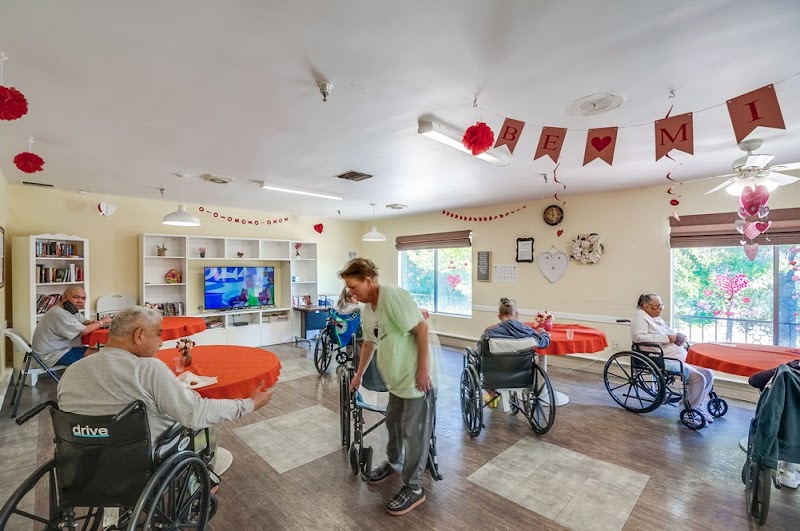
How is Santa Clarita Post-Acute Staffed?

CMS rates SANTA CLARITA POST-ACUTE CARE CENTER's staffing level at 2 out of 5 stars, which is below average compared to other nursing homes. Staff turnover is 40%, compared to the California average of 46%. This relatively stable workforce can support continuity of care.

What Have Inspectors Found at Santa Clarita Post-Acute?

State health inspectors documented 90 deficiencies at SANTA CLARITA POST-ACUTE CARE CENTER during 2022 to 2025. These included: 3 Immediate Jeopardy (the most serious level, indicating potential for serious harm or death), 2 that caused actual resident harm, 82 with potential for harm, and 3 minor or isolated issues. Immediate Jeopardy findings are rare and represent the most serious regulatory concerns. They require immediate corrective action.

Who Owns and Operates Santa Clarita Post-Acute?

SANTA CLARITA POST-ACUTE CARE CENTER is owned by a for-profit company. For-profit facilities operate as businesses with obligations to shareholders or private owners. The facility is operated by ABRAHAM BAK & MENACHEM GASTWIRTH, a chain that manages multiple nursing homes. With 99 certified beds and approximately 95 residents (about 96% occupancy), it is a smaller facility located in NEWHALL, California.
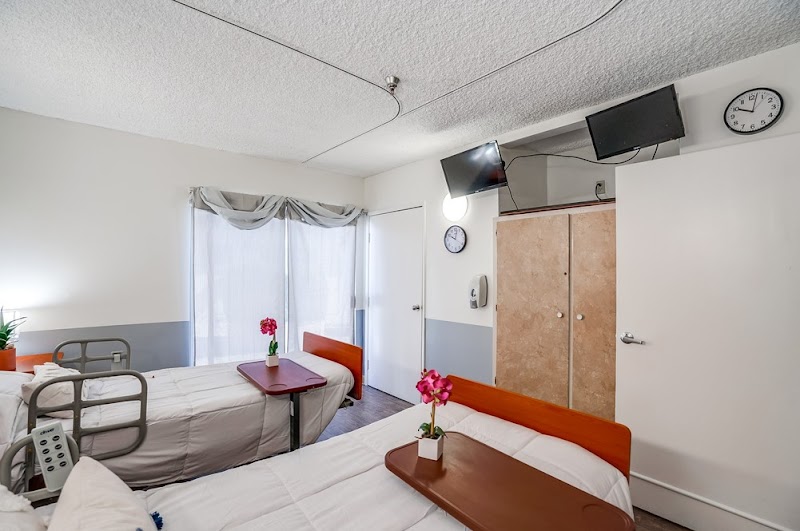
How Does Santa Clarita Post-Acute Compare to Other California Nursing Homes?

Compared to the 100 nursing homes in California, SANTA CLARITA POST-ACUTE CARE CENTER's overall rating (1 stars) is below the state average of 3.1, staff turnover (40%) is near the state average of 46%, and health inspection rating (1 stars) is much below the national benchmark.

What Should Families Ask When Visiting Santa Clarita Post-Acute?

Based on this facility's data, families visiting should ask: "What changes have been made since the serious inspection findings, and how are you preventing similar issues?" "Can you walk me through typical staffing levels on day, evening, and night shifts?" "Can I visit during a mealtime to observe dining assistance and food quality?" "How do you handle medical emergencies, and what is your hospital transfer rate?" These questions are particularly relevant given the facility's Immediate Jeopardy citations and the below-average staffing rating.

Is Santa Clarita Post-Acute Safe?

Based on CMS inspection data, SANTA CLARITA POST-ACUTE CARE CENTER has documented safety concerns. Inspectors have issued 3 Immediate Jeopardy citations (the most serious violation level indicating risk of serious injury or death). The facility has a 1-star overall rating and ranks #100 of 100 nursing homes in California. Families considering this facility should ask detailed questions about what corrective actions have been taken since these incidents.

Do Nurses at Santa Clarita Post-Acute Stick Around?

SANTA CLARITA POST-ACUTE CARE CENTER has a staff turnover rate of 40%, which is about average for California nursing homes (state average: 46%). Moderate turnover is common in nursing homes, but families should still ask about staff tenure and how the facility maintains care continuity when employees leave.

Was Santa Clarita Post-Acute Ever Fined?

SANTA CLARITA POST-ACUTE CARE CENTER has been fined $61,377 across 3 penalty actions. This is above the California average of $33,693. Fines in this range indicate compliance issues significant enough for CMS to impose meaningful financial consequences. Common causes include delayed correction of deficiencies, repeat violations, or care failures affecting resident safety. Families should ask facility leadership what changes have been made since these penalties.

Is Santa Clarita Post-Acute on Any Federal Watch List?

SANTA CLARITA POST-ACUTE CARE CENTER is not on any federal watch list. The most significant is the Special Focus Facility (SFF) program, which identifies the bottom 1% of nursing homes nationally based on persistent, serious quality problems. Not being on this list means the facility has avoided the pattern of deficiencies that triggers enhanced federal oversight. This is a positive indicator, though families should still review the facility's inspection history directly.