THE REHABILITATION CENTER OF NORTH HILLS

9655 SEPULVEDA BOULEVARD, NORTH HILLS, CA 91343 (818) 892-8665
For profit - Partnership 138 Beds SHLOMO RECHNITZ Data: November 2025 5 Immediate Jeopardy citations
Trust Grade
0/100
#1138 of 1155 in CA
Last Inspection: June 2025

Inspected within the last 6 months. Data reflects current conditions.

Overview

The Rehabilitation Center of North Hills has received a Trust Grade of F, indicating significant concerns with care quality and safety. Ranking #1138 out of 1155 in California places it in the bottom half statewide, and #357 out of 369 in Los Angeles County suggests that only a few local options are better. Unfortunately, the facility is worsening, with issues increasing from 33 in 2024 to 43 in 2025. While staffing is a relative strength with a 3/5 rating and a low turnover rate of 27%, the facility has faced concerning fines totaling $69,359, indicating repeated compliance problems. Critical incidents include a failure to provide necessary care for a resident's central venous catheter and neglect in maintaining oral hygiene, leading to the discovery of maggots in one resident's mouth. This highlights both the need for improvement in critical care practices and the presence of some strengths in staffing.

Trust Score
F
0/100
In California
#1138/1155
Bottom 2%
Safety Record
High Risk
Review needed
Inspections
Getting Worse
33 → 43 violations
Staff Stability
✓ Good
27% annual turnover. Excellent stability, 21 points below California's 48% average. Staff who stay learn residents' needs.
Penalties
✓ Good
$69,359 in fines. Lower than most California facilities. Relatively clean record.
Skilled Nurses
✓ Good
Each resident gets 49 minutes of Registered Nurse (RN) attention daily — more than average for California. RNs are trained to catch health problems early.
Violations
⚠ Watch
119 deficiencies on record. Higher than average. Multiple issues found across inspections.
★☆☆☆☆
1.0
Overall Rating
★★★☆☆
3.0
Staff Levels
★★★★☆
4.0
Care Quality
★☆☆☆☆
1.0
Inspection Score
Stable
2024: 33 issues
2025: 43 issues

The Good

  • 4-Star Quality Measures · Strong clinical quality outcomes
  • Low Staff Turnover (27%) · Staff stability means consistent care
  • Full Sprinkler Coverage · Fire safety systems throughout facility
  • No fines on record
  • Staff turnover is low (27%)

    21 points below California average of 48%

Facility shows strength in quality measures, staff retention, fire safety.

The Bad

1-Star Overall Rating

Below California average (3.1)

Significant quality concerns identified by CMS

Federal Fines: $69,359

Well above median ($33,413)

Moderate penalties - review what triggered them

Chain: SHLOMO RECHNITZ

Part of a multi-facility chain

Ask about local staffing decisions and management

The Ugly 119 deficiencies on record

5 life-threatening 2 actual harm
Jul 2025 1 deficiency
CONCERN (D) 📢 Someone Reported This

A family member, employee, or ombudsman was alarmed enough to file a formal complaint

Potential for Harm - no one hurt, but risky conditions existed

Deficiency F0627 (Tag F0627)

Could have caused harm · This affected 1 resident

Based on interview and record review the facility failed to ensure the discharge planning process for one of three sampled residents (Resident 1) included an interdisciplinary team (IDT-a group of pro...

Read full inspector narrative →
Based on interview and record review the facility failed to ensure the discharge planning process for one of three sampled residents (Resident 1) included an interdisciplinary team (IDT-a group of professionals including physicians, nursing, social services, therapy, and activities department who work together to achieve a shared goal for the resident) meeting prior to Resident 1 being transferred to a board and care facility (small, residential homes that provides personal care and support services for a limited number of residents) to ensure discharge readiness and/or appropriateness of the receiving board and care facility. This deficient practice placed Resident 1 at risk for unmet care needs, potential medication mismanagement, and overall functional decline in health status. Findings: During a review of Resident 1's admission Record, the admission Record indicated the facility admitted Resident 1 on 2/7/2025 with diagnoses that include quadriplegia (paralysis [loss of ability to move] from the neck down, including legs, and arms, usually due to a spinal cord injury), sepsis (a life-threatening blood infection), pressure ulcer (a localized injury to the skin and underlying tissue, usually over a bony prominence, caused by prolonged pressure) of the sacral (large, triangular bone at the base of the spine) area Stage 4 (Full-thickness skin and tissue loss with exposed muscle, tendon, ligament, cartilage, or bone), colostomy (a surgical procedure that brings one end of the large intestine out through the abdominal wall to allow waste to leave the body), and urinary tract infection (UTI- an infection in the bladder [organ that stores urine] or urinary tract [refers to the system of organs that produce, store, and excrete urine from the body]). During a review of Resident 1's Minimum Data Set (MDS- a resident assessment tool) dated 6/16/2025, the MDS indicated Resident 1 had intact cognition (ability to think and make decisions). The MDS indicated Resident 1 was dependent on staff with eating, oral hygiene, toileting hygiene, showering or bathing, dressing, personal hygiene and mobility (movement). During a review of Resident 1's Physician's Order dated 6/16/2025, the Physician's Order indicated to discharge the resident (Resident 1) to a board and care facility with hospice care (compassionate care for people who are near the end of life) services. During a concurrent interview and record review on 7/7/2025 at 2:50 p.m., with the Director of Nursing (DON), Resident 1's clinical record including the Progress Notes were reviewed. The DON stated that when a resident is preparing for discharge, an IDT meeting will be conducted to review and discuss the residents' continuing care needs and the services required following discharge. The DON further stated that she was not aware that an IDT meeting was conducted prior to Resident 1's discharge to the board and care facility. The DON stated that based on the facility's policy and procedure (P&P) an IDT meeting should have been completed prior to Resident 1 being discharged to the board and care. During an interview on 7/7/2025 at 3:30 p.m., with the facility Administrator (ADM), the ADM stated that in accordance with the facility's P&P, Resident 1 should have had an IDT meeting conducted prior to being discharged to the board and care facility. During a review of the facility's P&P titled, Transfer and Discharge, dated 1/2025, the P&P indicated the facility transfers or discharges residents in a safe manner that ensures the discharge meets the resident's needs, provides needed support and resources and meets the resident's preferences .the facility has an effective discharge planning process that focuses on the resident's discharge goals, the preparation of the residents to be active partners and effectively transition them to post-discharge care, and the reduction of factors leading to preventable readmissions. The discharge planning process is consistent with the resident's rights for discharge including, ensure that the discharge needs of each resident are identified and result in development of a discharge plan for each resident .involve the interdisciplinary team.
Jun 2025 27 deficiencies
CONCERN (D)

Potential for Harm - no one hurt, but risky conditions existed

Resident Rights (Tag F0550)

Could have caused harm · This affected 1 resident

**NOTE- TERMS IN BRACKETS HAVE BEEN EDITED TO PROTECT CONFIDENTIALITY** Based on interview and record review, the facility failed to provide care in a manner that maintained a resident's dignity and r...

Read full inspector narrative →
**NOTE- TERMS IN BRACKETS HAVE BEEN EDITED TO PROTECT CONFIDENTIALITY** Based on interview and record review, the facility failed to provide care in a manner that maintained a resident's dignity and respect for one of two sampled residents, reviewed under the care area of dignity by failing to ensure Treatment Nurse 1 (TN1) knock or request permission before entering Resident 82's room. This deficient practice violated the resident`s rights to be treated with respect and dignity and had the potential to affect the residents` sense of self-worth and self-esteem. Findings: During a review of Resident 82's admission Record, the admission Record indicated the facility originally admitted the resident on 09/13/2024 and readmitted on [DATE] with diagnoses including, chronic respiratory failure (can occur when your blood has too much carbon dioxide or not enough oxygen) and sepsis (a life-threatening complication of an infection). During a review of Resident 82's Minimum Data Set (MDS-a standardized assessment and care screening tool) dated 3/15/2025, the MDS indicated the resident had a severely impaired cognition (the mental action or process of acquiring knowledge and understanding through thought, experience, and the senses. The MDS indicated that Resident 82 was totally dependent on staff for activities of daily living (activities that are fundamental to survival and well-being and include things like eating, bathing, dressing, and toileting). During an observation on 6/17/2025 at 8:45 a.m., observed Treatment Nurse 1(TN 1) enter Resident 82`s room without knocking or asking permission from Resident 82. During an interview on 6/17/2025 at 8:53 a.m., TN 1 that she did not knock and asked permission when she entered Resident 82`s room. TN 1 stated she should have knocked and asked permission before entering Resident 82's room to show respect and promote privacy because the facility is Resident 82's home. During a review of the facility`s policy and procedure titled Dignity and Respect, last reviewed on 1/08/2025, the policy indicated that Each resident shall be cared for in a manner that promotes and enhances quality of life, dignity, respect and individuality .staff will knock and request permission before entering residents` rooms .staff are expected to speak respectfully to residents, including addressing the resident by his or her name of choice .
CONCERN (D)

Potential for Harm - no one hurt, but risky conditions existed

Deficiency F0578 (Tag F0578)

Could have caused harm · This affected 1 resident

**NOTE- TERMS IN BRACKETS HAVE BEEN EDITED TO PROTECT CONFIDENTIALITY** Based on interview and record review, the facility failed to provide the resident and the resident's representative information ...

Read full inspector narrative →
**NOTE- TERMS IN BRACKETS HAVE BEEN EDITED TO PROTECT CONFIDENTIALITY** Based on interview and record review, the facility failed to provide the resident and the resident's representative information regarding formulating an advance directive (AD-written statement of a person's wishes regarding medical treatment made to ensure those wishes are carried out should the person be unable to communicate them to a doctor for one of six sampled residents investigated during review of advance directive care area (Resident 82). This deficient practice had the potential for Resident 82 and their representative to not be informed of their right to formulate an advance directive and not honor the resident's wishes regarding end-of-life care. Findings: During a review of Resident 82's admission Record, the admission Record indicated the facility originally admitted the resident on 09/13/2024 and readmitted on [DATE] with diagnoses including, chronic respiratory failure (can occur when your blood has too much carbon dioxide or not enough oxygen) and sepsis (a life-threatening complication of an infection). During a review of Resident 82's Minimum Data Set (MDS-a standardized assessment and care screening tool) dated 3/15/2025, the MDS indicated the resident had a severely impaired cognition (the mental action or process of acquiring knowledge and understanding through thought, experience, and the senses. The MDS indicated that Resident 82 is totally dependent on staff for activities of daily living (These activities are fundamental to survival and well-being and include things like eating, bathing, dressing, and toileting). During an interview and record review on 06/18/25 08:34 a.m., with Registered Nurse 1 (RN1), reviewed Resident 82`s medical records. The medical records did not have documented evidence the resident had completed an advance directive, or that the facility had provided the resident and their representative with information on how to create one. RN 1 stated that failing to provide Resident 82 or their representative with information and assistance on how to create an advance directive, if the resident so chooses constitutes a violation of the resident's right. During a review of the facility`s policy and procedure titled Advance Directive [AD] last reviewed on 1/08/2025, the policy and procedure indicated that Residents have the right to request, refuse, and/or discontinue treatment, to participate in or refuse to participate in experimental research, and to formulate an advance directive.
CONCERN (D)

Potential for Harm - no one hurt, but risky conditions existed

Notification of Changes (Tag F0580)

Could have caused harm · This affected 1 resident

Based on observation, interview, and record review, the facility failed to notify the resident's physician for one of 10 sampled residents (Resident 82) when licensed nursing staff failed to put on a ...

Read full inspector narrative →
Based on observation, interview, and record review, the facility failed to notify the resident's physician for one of 10 sampled residents (Resident 82) when licensed nursing staff failed to put on a left hand splint (rigid material or apparatus used to support and immobilize a broken bone or impaired joint) for three to four hours a day, seven days a week as ordered by a physician. This deficient practice had the potential to cause a decline in range of motion (ROM, full movement potential of a joint) and worsening of contractures (condition of shortening and hardening of muscles, tendons, or other tissue, often leading to deformity and rigidity of joints) in Resident 82. Findings: During a review of Resident 82's admission Record, the admission Record indicated the facility admitted the resident on 9/13/2024 and readmitted the resident on 3/6/2025 with diagnoses including but not limited to acute and chronic respiratory failure (any condition that affects breathing function and result in lungs not functioning properly) with hypoxia (low oxygen level in tissues), quadriplegia (paralysis from the neck down, including legs, and arms), contracture of muscle, unspecified site, and complete traumatic amputation (surgical removal of a limb) at right shoulder joint. During a review of Resident 82's Minimum Data Set (MDS, resident assessment tool) dated 3/15/2025, the MDS indicated Resident 82 had no speech and was severely impaired in cognitive skills (mental processes involved in gaining knowledge and comprehension, includes thinking, knowing, remembering, judging, problem-solving) for daily decision making. The MDS indicated Resident 82 required dependent assistance from staff for bed mobility, personal hygiene, dressing, and toileting. The MDS also indicated Resident 82 had functional limitation impairments in ROM on both sides of the upper extremity (UE, shoulder, elbow, wrist, hand) and functional limitation impairments on both sides of the lower extremity (LE, hip, knee, ankle, foot). During a review of Resident 82's Order Summary Report (OSR) dated 6/17/2025, the OSR indicated an order dated 3/7/2025 for licensed nurse to provide left elbow, left hand and bilateral (both sides) knee splints for three to four hours seven times a week as tolerated. The OSR indicated an order dated 3/7/2025 for licensed nurse to passive range of motion (PROM, movement at a given joint with full assistance from another person) exercises to left upper extremity (LUE), and both lower extremity (BLE) seven times a week as tolerated. During a review of Resident 82's Care Plan (CP) dated 6/17/2025, the CP indicated Resident 82 was at high risk for decline in ROM, decreased muscle strength and at risk for contracture formation. The CP goal indicated resident will decrease complaints of pain and discomfort and will maintain ROM. The CP interventions included licensed nurse to provide PROM exercises to LUE and BLE seven times a week as tolerated and licensed nurse to provide left elbow, left hand and both knee splints for three to four hours seven times a week as tolerated. During an observation on 6/17/2025 at 12:15 p.m., observed Resident 82 lying in bed. Resident 82's left elbow was bent and had a splint on the left elbow, the left wrist was fully bent, and left fingers were partly bent. There were no splints observed on Resident 82's left wrist or hand. Resident 82's both knees were bent and there were splints on both knees. During an interview on 6/17/2025 at 3:48 p.m., with Licensed Vocational Nurse 2 (LVN 2), LVN 2 stated the charge nurse (LVN) assigned to Resident 82 completed the PROM exercises and put on the splints every day. LVN 2 stated he completed the ROM exercises with Resident 82 today and put on the left elbow splint and both knee splints up to three to four hours a day. LVN 2 stated Resident 82 had orders to put on left elbow splint and both knee splints only. LVN 2 stated Resident 82 did not have any orders to put a left hand splint and LVN 2 had not put any left hand splints on Resident 82. LVN 2 stated if Resident 82 had a change in condition, then LVN 2 would need to notify the Registered Nurse supervisor. During a concurrent observation and interview on 6/18/2025 at 12:30 p.m., with Licensed Vocational Nurse 3 (LVN 3), LVN 3 completed PROM exercises to Resident 82 on the left upper extremity and both lower extremities. After PROM exercises, LVN 3 put on the right knee splint and requested assistance from Registered Nurse Supervisor 3 (RN 3) to assist with putting on the left knee splint. RN 3 reminded LVN 3 to put on the left elbow splint. LVN 3 proceeded to retrieve an elbow splint in the closet and put the left elbow splint on Resident 82. RN 3 reminded LVN 3 to put on the left hand splint. LVN 3 stated the left hand splint was still missing and stated she could not put on the left hand splint. During an interview on 6/18/2025 at 1:11 p.m., with LVN 3, LVN 3 stated she had not put on the left hand splint on Resident 82 for at least two weeks, but could not remember exactly how long Resident 82 did not put on the left hand splint. LVN 3 stated if the left hand splint or any splint was not put on, then it should be documented in Resident 82's medical records. LVN 3 stated if Resident 82 did not put on the left hand splint for any reason, nursing staff should notify the therapy department and inform the physician. During a concurrent interview and record review on 6/18/2025 at 1:18 p.m., with RN 3, reviewed Resident 82's medical records including progress notes, RNA weekly summary, and nursing notes from 3/7/2025 to 6/18/2025. RN 3 stated Resident 82 had an order dated 3/7/2025 for licensed nurse to provide left elbow, left hand and bilateral knee splints for three to four hours seven times a week as tolerated, and an order dated 3/7/2025 for licensed nurse to provide PROM exercises to LUE and BLE times a week as tolerated. RN 3 stated nursing staff should put on the left hand splint every day and stated she was not aware of any nurses reporting to her that Resident 82 did not put on the left hand splint for any reason, including the left hand splint missing. RN 3 reviewed Resident 82's medical records including progress notes, RNA weekly summary, and nursing notes and stated nursing staff did not document Resident 82 did not wear the left hand splint since the order was written on 3/7/2025 or any reports to the physician. RN 3 stated licensed nursing staff should put on the left hand splint every day, because Resident 82 could get more contracted, and it could be harder to put on the splints later. During an interview on 6/18/2025 at 2:17 p.m., with the Director of Nursing (DON), the DON stated if there was an order to put a left hand splint, then this was the intervention to help Resident 82 prevent further contractures and the order must be completed as ordered. The DON stated if the licensed nurses could not put on the splint that day for any reason, staff should document and report this and notify the family and the physician and depending on the reason for not putting on the splint, the physician could indicate to just monitor or it could indicate that Resident 82 needed therapy to intervene or to check the resident. During a review of the facility's policy and procedure (P&P) titled, Notification of Changes, approved 1/8/2025, the P&P indicated, The facility notifies the physician and resident representative of a significant change in the resident's physical, mental, or psychosocial status, a need to alter treatment.
CONCERN (D)

Potential for Harm - no one hurt, but risky conditions existed

Deficiency F0605 (Tag F0605)

Could have caused harm · This affected 1 resident

Based on interview and record review, the facility failed to ensure a resident receiving risperidone (used to treat schizophrenia [mental disorder in which people interpret reality abnormally]) was mo...

Read full inspector narrative →
Based on interview and record review, the facility failed to ensure a resident receiving risperidone (used to treat schizophrenia [mental disorder in which people interpret reality abnormally]) was monitored for a specific paranoid (intense anxious or fearful feelings and thoughts) behavior exhibited for one of three residents (Resident 75). This deficient practice had the potential to result in inaccurate evaluation of the efficacy of risperidone and placed the resident at risk of experiencing medication adverse effect (undesired harmful effect resulting from a medication or other intervention) such as hypotension (low blood pressure) which could lead to fall and injury. Findings: During review of Resident 75's admission Record, the admission Record indicated that the facility originally admitted the resident on 3/21/2024 and readmitted the resident on 5/31/2024 with diagnoses that included muscle weakness, schizophrenia, and type two (2) diabetes mellitus (a chronic condition that affects the way the body processes blood glucose [sugar]). During a review of Resident 75's Minimum Data Set (MDS - a resident assessment tool), dated 3/30/2025, the MDS indicated the resident's cognitive (the mental action or process of acquiring knowledge and understanding through thought, experience, and the senses) skills for daily decision making was impaired and the resident required setup or clean-up assistance with oral hygiene, toileting hygiene, shower and personal hygiene. During a concurrent interview and record review on 6/19/2205 at 11:27 a.m., with Registered Nurse 1 (RN 1), reviewed Resident 75`s physician`s order for risperidone oral tablet one (1) milligram (mg- unit of measurement) two times a day for schizophrenia manifested by paranoia and monitor episodes of paranoia every shift, dated 6/28/2024. RN 1 stated that the monitoring for episodes of schizophrenia every shift was documented in the Medication Administration Record. RN 1 stated the monitoring of paranoia is vague and is not specific as to the paranoid behavior exhibited by Resident 75. RN 1 stated that monitoring of the behavior should be specific in evaluating the efficacy of the medication and if the medication is appropriate for the resident or if the medication is even necessary. RN 1 stated that resident taking risperidone can experience adverse side effect such as hypotension (low blood pressure) which can result to fall and injury. During a review of the facility`s policy and procedure titled, Unnecessary Drugs, last reviewed on 1/8/2025, the policy indicated, Each resident`s drug regimen shall be free from unnecessary drugs .the intent of these requirements is to ensure each resident`s entire drug/medication regimen is managed and monitored to promote or maintain the resident`s highest practicable mental, physical, and psychosocial well-being . During a review of the facility`s policy and procedure titled, Dignity and Respect Psychoactive Medications, last reviewed on 1/8/2025, the policy indicated, The facility`s medication management process focuses on recognition or identification of the resident`s problem, completion of the assessment, diagnosis, attempted root cause identification, management, and treatment through non-pharmacological interventions when possible, monitoring, and revising interventions to improve the resident`s quality of life .
CONCERN (D)

Potential for Harm - no one hurt, but risky conditions existed

Deficiency F0657 (Tag F0657)

Could have caused harm · This affected 1 resident

Based on interview and record review, the facility failed to conduct a quarterly review of a resident's comprehensive care plans (a document designed to facilitate communication among members of the c...

Read full inspector narrative →
Based on interview and record review, the facility failed to conduct a quarterly review of a resident's comprehensive care plans (a document designed to facilitate communication among members of the care team that summarizes a resident's health conditions, specific care needs, and current treatments) for one of one resident (Resident 75). This deficient practice had the potential to result in failure to deliver the necessary care and services. Findings: During review of Resident 75's admission Record, the admission Record indicated that the facility originally admitted the resident on 3/21/2024 and readmitted the resident on 5/31/2024 with diagnoses that included muscle weakness, schizophrenia, and type two (2) diabetes mellitus (a chronic condition that affects the way the body processes blood glucose [sugar]). During a review of Resident 75's Minimum Data Set (MDS - a resident assessment tool), dated 3/30/2025, the MDS indicated the resident's cognitive (the mental action or process of acquiring knowledge and understanding through thought, experience, and the senses) skills for daily decision making was impaired and the resident required setup or clean-up assistance with oral hygiene, toileting hygiene, shower and personal hygiene. During a concurrent interview and record review on 6/18/2025 at 1:06 p.m., with Registered Nurse Supervisor 1 (RN 1), reviewed Resident 75`s Interdisciplinary Team (IDT, a group of health care professionals with various areas of expertise who work together toward the goals of the residents' care plan) Care Planning meeting notes dated 3/28/2025. RN 1 stated that there was no IDT Care Plan meeting conducted the previous quarter (December 2024). RN 1 stated that the facility missed the December 2024 quarterly IDT Care Plan meeting review of Resident 75`s comprehensive care plans. RN 1 stated that per policy, there should be a quarterly IDT Care Plan meeting to review the comprehensive care plans and revise if necessary. RN 1 stated that the quarterly review of the comprehensive care plan is necessary to evaluate if the goals of the comprehensive care plan have been met or if the comprehensive care plans need to be revised and include other interventions to ensure the care plan goals are met. RN 1 stated if the comprehensive care plans are not reviewed and revised, if necessary, the resident`s needs may not be provided and identified resulting to unmet goals. During a review of the facility`s policy and procedure titled, Comprehensive Care Plans-Timing, last reviewed on 1/8/2025, the policy indicated, Each resident has a person-centered, comprehensive care plan, developed, reviewed, and revised by the facility interdisciplinary team including the resident and resident representative, if applicable .the interdisciplinary team reviews and revises the comprehensive car plans after each assessment, including both the comprehensive and quarterly review assessments .
CONCERN (D)

Potential for Harm - no one hurt, but risky conditions existed

Pressure Ulcer Prevention (Tag F0686)

Could have caused harm · This affected 1 resident

**NOTE- TERMS IN BRACKETS HAVE BEEN EDITED TO PROTECT CONFIDENTIALITY** Based on observation, interview, and record review, the facility failed to: A. Ensure a resident's low air loss mattress (LALM ...

Read full inspector narrative →
**NOTE- TERMS IN BRACKETS HAVE BEEN EDITED TO PROTECT CONFIDENTIALITY** Based on observation, interview, and record review, the facility failed to: A. Ensure a resident's low air loss mattress (LALM - designed to distribute a resident's body weight over a broad surface area and help prevent skin breakdown) was set to the resident's weight per manufacturer's guidelines for one (Resident 82) out of five sampled residents investigated for pressure ulcer/injury (PI/PU, injuries to the skin and underlying tissue resulting from prolonged pressure). This deficient practice placed the resident at risk of discomfort and development of new pressure ulcers. B. Ensure residents received care consistent with professional standards of practice to prevent pressure injuries by failing to ensure the LALM had firmness adjustment knob to set and determine the firmness setting as ordered by the physician in one of two residents (Resident 103) reviewed under the pressure ulcer/injury care area. This deficient practice had the potential for the worsening of or the development of PI/Pus in Resident 103. Findings: a. During a review of Resident 82's admission Record, the admission Record indicated the facility originally admitted the resident on 9/13/2024 and readmitted the resident on 3/6/2025 with diagnoses including chronic respiratory failure (can occur when your blood has too much carbon dioxide or not enough oxygen) and sepsis (a life-threatening complication of an infection). During a review of Resident 82's Minimum Data Set (MDS-a standardized assessment and care screening tool) dated 3/15/2025, the MDS indicated the resident had a severely impaired cognition (the mental action or process of acquiring knowledge and understanding through thought, experience, and the senses. The MDS indicated that Resident 82 is totally dependent on staff for activities of daily living (These activities are fundamental to survival and well-being and include things like?eating, bathing, dressing, and toileting). During an observation on 6/17/2025 at 8:32 a.m., observed Resident 82`s LALM setting at #3 and with the weight setting at 180 pounds (lbs.- unit of weight) During a concurrent observation and interview on 6/17/2025 at 8:53 a.m., with Treatment Nurse 1 (TN 1), observed Resident 82`s LALM setting at #3 and weight setting at 180 lbs. TN 1 confirmed and stated the observed setting of the LALM. During a concurrent interview and record review on 6/17/2025 at 8:57 a.m., with TN 1, reviewed Resident 82`s physician's order dated 3/6/2025. Resident 82's physician`s order included an order to provide a low air loss mattress at setting #2 every day and night shift for wound management. TN 1 stated that the LALM setting is based on the weight of the resident. TN 1 stated that LALM distributes the air in different areas so there will be no excess pressure in one body part. TN 1 stated the LALM is used for pressure ulcer prevention and skin management. TN 1 stated that the higher the setting, the more the LALM becomes firmer and if it's not set correctly, it can cause discomfort and can compromise the skin which can lead to the development of pressure ulcer. TN 1 stated upon verifying the current weight of Resident 82 which is 115 lbs. on 6/6/2025, that the setting of Resident 82's LALM was not appropriate for Resident 82 and may cause skin problem. During a review of the facility`s policy and procedure titled, Low Air Loss Mattresses, last reviewed on 1/8/2025, the policy indicated, The facility has guidelines to provide residents with a low air loss mattress to reduce skin irritation and breakdown; and to allow maximal effectiveness of the low air loss mattress when a physician orders such therapy .low air loss mattresses provide airflow to help skin dry, as well as to relieve pressure. Both features help prevent ulcers. Alternating pressure mattresses help treat pressure sores by providing two sets of air cells that expand and contract on an alternating basis to continually shift pressure . b. During a review of Resident 103's admission Record, the admission Record indicated the facility admitted Resident 103 on 4/21/2025 with diagnoses including tracheostomy status (an opening in the windpipe to allow for breathing, often with the insertion of a tracheostomy tube), gastrostomy status (the surgical creation of an opening into the stomach, typically for the purpose of feeding or administering medications), and pressure ulcer sacral (a large, triangular bone at the base of the spine) region stage 1 (intact skin with a localized area of redness and/or changes in sensation, temperature, or firmness. During a review of Resident 103's History and Physical (H&P), dated 4/23/2025, the H&P indicated Resident 103 was non-verbal, unable to follow commands and did not have the capacity to understand and make decisions. During a review of Resident 103's MDS dated [DATE], the MDS indicated Resident 103 was not able to understand others and make himself understood. The MDS further indicated Resident 103 was dependent on facility staff for all activities of daily living (ADLs- activities such as bathing, dressing and toileting a person performs daily) and any mobility such as rolling from side to side. During a review of Resident 103's's Physician's Order, the Physician's Orders indicated an order dated 6/7/2025, for the LALM setting at 80-120 for skin maintenance every day and night shift. During an observation on 6/16/2025 at 9:06 am in Resident 103's room, Resident 103 was lying in bed on a LALM device. The alternating pressure pump at the foot of Resident 103's bed, did not have a pressure adjustable knob to set and determine the LALM pressure. During a concurrent observation and interview on 6/16/2025 at 9:18 am in Resident 103's room with Registered Nurse 4 (RN 4), RN 4 looked at Resident 103's alternating pressure pump and stated there should be a pressure adjustment knob present and without the knob, staff was unable to accurately adjust the amount of pressure on the LALM. RN 4 stated staff should have reported the missing knob immediately to the unit supervisor or maintenance to prevent further skin breakdown on Resident 103 who currently has a stage 1 PU on his sacrum. During an interview on 6/19/2025 at 3:15 pm with the Director of Nursing (DON), the DON stated there is an order to check the LALM twice a day and staff should have noticed the pressure adjustment knob was missing on Resident 103's LALM and reported it right away to prevent further skin breakdown. The DON stated Resident 103 is unable to move on his own and is very vulnerable to pressure ulcers. During a review of the facility provided Policy and Procedure (P&P) titled, Low Air Loss Mattress last reviewed on 1/8/2025, the P&P indicates the purpose of the policy is to promote interventions that prevent pressure injury development. The P&P further patient assessment, monitoring, and proper maintenance and use of equipment is required. During a review of the facility provided LALM instructions titled Proactive Alternating Pressure Pump & Bubble Pad User Manual, undated, indicated to use pressure adjustment knob to give maximum patient comfort.
CONCERN (D)

Potential for Harm - no one hurt, but risky conditions existed

Deficiency F0697 (Tag F0697)

Could have caused harm · This affected 1 resident

**NOTE- TERMS IN BRACKETS HAVE BEEN EDITED TO PROTECT CONFIDENTIALITY** Based on interview and record review, the facility failed to assess and document the location and characteristic of a resident's...

Read full inspector narrative →
**NOTE- TERMS IN BRACKETS HAVE BEEN EDITED TO PROTECT CONFIDENTIALITY** Based on interview and record review, the facility failed to assess and document the location and characteristic of a resident's pain prior to pain medication administration for one of one sampled resident (Resident 110) investigated under the pain care area. This deficient practice had the potential for inadequate management of Resident 110's pain resulting in decreased quality of life. Findings: During a review of Resident 110's admission Record, the admission Record indicated the facility originally admitted the resident on 11/26/2024 and readmitted on [DATE] with diagnoses including aftercare following a joint replacement surgery, intracerebral hemorrhage (bleeding into the brain tissue), and right knee osteoarthritis (a progressive disorder of the joints, caused by a gradual loss of cartilage). During a review of Resident 110's Minimum Data Set (MDS - a federally mandated resident assessment tool), dated 5/5/2025, the MDS indicated the resident was cognitively intact (can think, learn, and remember clearly) and required supervision or touching assistance from staff for most activities of daily living (ADLs- routine tasks/activities such as bathing, dressing and toileting a person performs daily to care for themselves). During an interview on 6/17/2025 at 3:59 p.m. with Resident 110, Resident 110 stated he had pain in his mouth due to accidentally biting his tongue and mouth tissue repeatedly over the last several months due to his broken teeth, and in his right knee related to arthritis (inflammation of one or more joints, causing pain, swelling, stiffness, and reduced range of motion) and a recent knee replacement surgery. During a review of Resident 110's Medication Administration Record (MAR - a daily documentation record used by a licensed nurse to document medications and treatments given to a resident), dated March 2025, the MAR indicated an order to give one 5 milligram (a medication used for moderate to severe pain) tablet of oxycodone ever six hours as needed for pain. The MAR indicated Licensed Vocational Nurse 4 (LVN 4) administered oxycodone 5 mg to Resident 110 for a 6/10 pain level (0=no pain, 10=worst possible pain) on 3/7/2025 at 9:20 a.m. and it was effective. During a concurrent interview and record review on 6/19/2025 at 1:08 p.m. with LVN 4, Resident 110's Progress Notes dated 3/7/2025 indicated oxycodone was administered at 9:20 a.m. to Resident 110 with no additional notes regarding the pain assessment. LVN 4 stated prior to administering pain medication, she should assess the resident's pain including the site and type of pain they are having but that she does not always do this. LVN 4 indicated this assessment has to be documented in a progress note. LVN 4 stated she did not assess Resident 110's pain location or quality of pain before administering oxycodone to him on 3/7/2025 at 9:20 a.m. LVN 4 stated this assessment should be done to make sure the pain medication is effective. During an interview on 6/19/2025 at 4:05 p.m. with the Director of Nursing, the Director of Nursing stated prior to administering a pain medication, nurses should assess the resident's pain including pain characteristics, location, intensity, and have them rate their level of pain on a pain scale (a tool that helps measure pain intensity and other features) if they are able. The DON stated this assessment is done to make sure they treat the resident's pain effectively. During a review of the facility's policy and procedure (P&P) titled Pain Assessment and Management, reviewed 1/8/2025, the P&P indicated the facility provides pain management to residents who require it consistent with professional standards of practice. The P&P indicated residents are assessed for pain whenever new or worsening pain is suspected. The P&P indicated verbal descriptions of pain can help a practitioner identify the source, nature, and other characteristics of the pain.
CONCERN (D)

Potential for Harm - no one hurt, but risky conditions existed

Deficiency F0726 (Tag F0726)

Could have caused harm · This affected 1 resident

Based on interview and record review, the facility failed to ensure Licensed Vocational Nurse 8 (LVN 8) possessed the necessary knowledge and skills to properly assess and evaluate one of one sampled ...

Read full inspector narrative →
Based on interview and record review, the facility failed to ensure Licensed Vocational Nurse 8 (LVN 8) possessed the necessary knowledge and skills to properly assess and evaluate one of one sampled resident (Resident 630's) food allergy (when your body's immune system mistakenly identifies a food as harmful and triggers a reaction). This deficient practice placed Resident 630 at risk of being exposed to an allergen (substance that can cause an allergic reaction), which could have led to a serious allergic reaction (a condition that causes illness when someone eats certain foods or touches or breathes in certain substances). Findings: During a review of Resident 630's admission Record, the admission Record indicated the facility admitted Resident 630 on 6/6/2025 with diagnoses that included multiple sclerosis (a disease that causes breakdown of the protective covering of nerves in the brain and spinal cord), essential hypertension (high blood pressure), and diabetes mellitus (DM, a disease of inadequate control of blood sugar levels). During a review of the Allergy Report dated 6/17/2025, the Allergy Report did not indicate that Resident 630 had food allergies. During a review of the Diet Type Report dated 6/17/2025, the Diet Type Report indicated Resident 630 had no known food allergies. During a review of Resident 630's Care Plan related to Nutrition, dated 6/6/2025, the Care Plan indicated Resident 630 was on a no added salt (NAS, no salt packet on the tray) regular diet but there was no food allergy indicated. During an interview on 6/16/2025 at 12:58 p.m., with Resident 630, inside Resident 630's room, Resident 630 stated he was allergic to pepper, but they still give him peppers. Resident 630 stated he is allergic to all peppers except black peppers from the shaker, but his meal ticket indicated he is only allergic to bell peppers. During a concurrent interview and record review on 6/16/2025 at 1:43 p.m., with the Dietary Supervisor (DS), Resident 630's medical record related to nutrition, diet and allergies were reviewed. The DS stated she interviewed Resident 630 yesterday (6/15/2025). The DS stated Resident 630 informed her that he (Resident 630) was allergic to all kinds of pepper except black pepper. The DS stated that she (DS) entered bell pepper in the menu system because they only serve that kind of pepper in the menu. The DS stated pepper allergy for Resident 630 was not entered in the allergy section of the medical record. The DS stated the nurses were aware of entering peppers in the electronic medical records (EMR) as she did not have any capacity of entering the allergy in the EMR. During an interview on 6/17/2025 at 3:40 p.m., with Licensed Vocational Nurse 8 (LVN 8), LVN 8 stated Resident 630 told him that he was allergic to peppers, and he was served food containing with bell peppers on his breakfast tray on 6/15/2025. LVN 8 stated Resident 630 got scrambled eggs with finely chopped bell peppers. LVN 8 stated he notified the Registered Dietitian (RD) and the DS, but he (LVN 8) did not enter the food allergies in the chart as he (LVN 8) thought Resident 630 was joking with him. LVN 8 further stated he did not follow up and did not endorse it to other health care team members. LVN 8 stated they only based allergies on the history and physical records for Resident 630. LVN 8 stated, they assumed that Resident 630 has no known food allergy because the H&P indicated that. LVN 8 stated he should have contacted Resident 630's physician so they could check the labs to confirm the food allergy. LVN 8 stated it was important to communicate and notify Resident 630's food allergies because they would not know what kind of allergic reaction Resident 630 would have. LVN 8 stated the DS told him that Resident 630 is allergic to peppers and heard that DS entered it in the system, but he was not sure. LVN 8 stated he should have notified the physician, updated the Medication Administration Record (MAR - a report detailing the medications and treatments administered to a resident by a healthcare professional), and Resident 630's medical records. LVN 8 stated that medication that would interact with Resident 630's food allergies should have been on hold. LVN 8 stated he should have notified the kitchen staff and should have endorsed to the nursing staff Resident 630's food allergies. LVN 8 stated they did not have any specific training about food allergies, but they had training for the medical records data entry. During an interview on 6/17/2025 at 4:10 p.m., with the Director of Staff Development (DSD), the DSD stated that the facility does not provide specific training on food allergies; however, staff received training on how to enter food allergies and medications into the medical record system. During an interview on 6/18/2025 at 3:40 p.m. with the Director of Nursing (DON), the DON stated the process of handling food allergies was to ask the resident what food allergies they have, notify the resident's physician, update the medical record, MAR and face sheets (admission records), notify the kitchen, update the care plan and communicate to staff. The DON stated it was important to know resident's food allergies to prevent giving food the residents are allergic to. The DON stated if residents eat the food that they are allergic to, they might have allergic reactions like hives (a skin reaction that causes itchy welts [raised red or pink bumps]), rash (an area of skin that has a noticeable change in color, texture, or appearance, often accompanied by irritation, swelling, or itching), respiratory issues such as shortness of breath that could lead to complications. The DON stated the facility staff have to document the allergy the same day they were made aware of as it could affect resident's care and quality of life. The DON stated LVN 8 should have obtained more detailed information to verify the accuracy of Resident 630's reported food allergy and to prevent Resident 630 from being served an allergen. During a review of the facility's Policies and Procedures (P&P) titled Food and Drink- Allergies and Preferences dated 1/8/2025, the P&P indicated Each resident shall receive food that accommodates residents' allergies, intolerances, and preferences. Guidelines: (1) The interdisciplinary team is aware of each resident's allergies, intolerances, and preferences, and provide appropriate alternatives. (4) Ask residents how the food meets their preferences, allergies and/or intolerances. (6) Resident's allergies, intolerances, preferences, or need for a therapeutic diet are comprehensively assessed and documented in the resident medical record. (7) The interdisciplinary team develop and revises each resident's comprehensive care plan including but not limited to the resident's food allergies, intolerances, preferences, or need for a therapeutic diet. During a review of facility's training records titled Active Assignment for LVN 8 dated 2/2024 to 12/2024, the training records did not indicate allergy trainings. During a review of facility's job description (JD) titled Licensed Vocational Nurse (LVN) dated and signed by LVN 8 on 10/18/2023, the JD indicated, The Licensed Vocational Nurse (LVN) is responsible for managing resident's care plans and supervising resident care activities. Both care management and supervisory responsibilities must be executed in accordance with state and federal regulations and facility policies and procedures. Notify attending physician, family, and members of interdisciplinary team when resident is involved in an accident and/or accident or if here is a change in condition.
CONCERN (D)

Potential for Harm - no one hurt, but risky conditions existed

Dental Services (Tag F0791)

Could have caused harm · This affected 1 resident

Based on observation, interview, and record review, the facility failed to ensure a resident obtained needed dental services when one of two residents (Resident 13) did not have their dental services ...

Read full inspector narrative →
Based on observation, interview, and record review, the facility failed to ensure a resident obtained needed dental services when one of two residents (Resident 13) did not have their dental services coordinated to provide dental extractions as recommended by the dentist. This deficient practice had the potential for Resident 13 to experience pain, infection, chewing problems, and weight loss. Findings: During a review of Resident 13's admission Record, the admission Record indicated the facility originally admitted the resident on 6/27/2024 and readmitted the resident on 10/9/2024 with diagnoses including but not limited to congestive heart failure (CHF-a heart disorder which causes the heart to not pump the blood efficiently, sometimes resulting in leg swelling) and end stage renal disease (ESRD-irreversible kidney failure). During a review of Resident 13's Minimum Data Set (MDS - a resident assessment tool), dated 4/1/2025, the MDS indicated Resident 13 was cognitively intact (can think, learn, and remember clearly) and was dependent on staff for toileting, bathing, dressing the lower body, and putting on footwear. The MDS indicated Resident 13 required setup or clean-up assistance with eating, oral hygiene, and personal hygiene. The MDS further indicated Resident 13 was on a mechanically altered diet (a texture-modified diet designed for individuals who have difficulty chewing or swallowing). During a concurrent observation and interview on 6/16/2025 at 9:32 a.m., with Resident 13, Resident 13 stated all of his teeth are small nubs and they are all supposed to get pulled out. Resident 13 stated he doesn't know why they haven't been pulled yet. Resident 13 opened his mouth and showed small, broken teeth in his mouth. Resident 13 stated he needs his food to be cut up very small in order for him to eat. During a concurrent interview and record review on 6/18/2025 at 3:58 p.m., with the Social Services Director (SSD), reviewed Resident 13's dental assessment, dated 10/11/2024, and Medical Order Request Form for Tooth Extraction, undated. The SSD stated the dental assessment indicated treatment recommendation to get several teeth extracted. The SSD stated Resident 13's most recent dental visit was on 5/26/2025 but the extractions had still not been completed. The SSD stated since Resident 13 takes anticoagulants (medicines that reduce the ability of the blood to clot), he would need to discontinue them temporarily to be able to safely get the extractions. The SSD stated a physician needs to be informed about the needed dental extractions to determine if the resident can safely discontinue the anticoagulants. The SSD stated their process is to have social services notify nursing of the needed extraction and nursing would contact the physician. The SSD stated the Medical Order Request Form for Tooth Extraction is undated and not signed by the physician so nursing may not be aware of it. The SSD could not provide documentation that nursing or the physician was notified of Resident 13's needed extractions. During an interview on 6/19/2025 at 11:23 a.m., with the Assistant Director of Nursing (ADON), the ADON stated she was not aware that any notification had been made to a physician about Resident 13's anticoagulants needing to be held. During an interview on 6/19/2025 at 1:08 p.m., with Licensed Vocational Nurse 4 (LVN 4), LVN 4 stated it was endorsed to her today that Resident 13 needed tooth extractions. LVN 4 stated she was not aware of this issue until the morning of 6/19/2025. During a concurrent interview and record review on 6/19/2025 at 2:16 p.m., with the SSD, the SSD stated the physician was not informed of Resident 13's needed extractions before 6/19/2025 so Resident 13 could not get the extractions. The SSD stated the resident is at risk for infection, abscesses (buildup of pus that can affect any part of your body), weight loss, or may not be able to chew food adequately. During an interview on 6/19/2025 at 4:05 p.m., with the Director of Nursing (DON), the DON stated if a resident on anticoagulants needs tooth extractions, a physician would need to be notified to determine if the residents can stop taking the anticoagulants. The DON stated if a resident needs tooth extractions and doesn't get them they can experience complications like infection and pain. During a review of the facility's policy and procedure (P&P) titled, Dental Services, reviewed 1/8/2025, the P&P indicated the facility assists residents in obtaining needed dental services including routine and emergency services to meet the needs of each resident.
CONCERN (D)

Potential for Harm - no one hurt, but risky conditions existed

Deficiency F0806 (Tag F0806)

Could have caused harm · This affected 1 resident

Based on interview, and record review, the facility failed to ensure one of one sampled resident (Resident 630's) food allergy (when your body's immune system mistakenly identifies a food as harmful a...

Read full inspector narrative →
Based on interview, and record review, the facility failed to ensure one of one sampled resident (Resident 630's) food allergy (when your body's immune system mistakenly identifies a food as harmful and triggers a reaction) was honored when the food allergy was not entered in Resident 630's medical records in a timely manner, and staff did not accurately enter the food allergy into the meal order system. The diet ticket (a slip of paper or digital record that specifies which meal a resident is supposed to have and when and used by the kitchen staff to ensure each resident receives the correct food at the correct time) indicated an allergy to bell peppers instead of all peppers. This deficient practice resulted in Resident 630 being served peppers which had the potential to result in an allergic reaction (a condition that causes illness when someone eats certain foods or touches or breathes in certain substances). Findings: During a review of Resident 630's admission Record, the admission Record indicated the facility admitted Resident 630 on 6/6/2025 with diagnoses that included multiple sclerosis (a disease that causes breakdown of the protective covering of nerves in the brain and spinal cord), essential hypertension (high blood pressure), and diabetes mellitus (DM, a disease of inadequate control of blood sugar levels). During a review of the Allergy Report dated 6/17/2025, the Allergy Report did not indicate that Resident 630 had food allergies. During a review of the Diet Type Report dated 6/17/2025, the Diet Type Report indicated Resident 630 had no known food allergies. During a review of Resident 630's Care Plan related to Nutrition, dated 6/6/2025, the Care Plan indicated Resident 630 was on a no added salt (NAS, no salt packet on the tray) regular diet but there was no food allergy indicated. During an interview on 6/16/2025 at 12:58 p.m., with Resident 630, inside Resident 630's room, Resident 630 stated he was allergic to pepper, but they still give him peppers. Resident 630 stated he is allergic to all peppers except black peppers from the shaker, but his meal ticket indicated he is only allergic to bell peppers. During a concurrent interview and record review on 6/16/2025 at 1:43 p.m., with the Dietary Supervisor (DS), Resident 630's medical record related to nutrition, diet and allergies were reviewed. The DS stated she interviewed Resident 630 yesterday (6/15/2025). The DS stated Resident 630 informed her that he (Resident 630) was allergic to all kinds of pepper except black pepper. The DS stated that she (DS) entered bell pepper in the menu system because they only serve that kind of pepper in the menu. The DS stated pepper allergy for Resident 630 was not entered in the allergy section of the medical record. The DS stated the nurses were aware of entering peppers in the electronic medical records (EMR) as she did not have any capacity of entering the allergy in the EMR. During an interview on 6/17/2025 at 3:40 p.m., with Licensed Vocational Nurse 8 (LVN 8), LVN 8 stated Resident 630 told him that he was allergic to peppers, and he was served food containing with bell peppers on his breakfast tray on 6/15/2025. LVN 8 stated Resident 630 got scrambled eggs with finely chopped bell peppers. LVN 8 stated he notified the Registered Dietitian (RD) and the DS, but he (LVN 8) did not enter the food allergies in the chart as he (LVN 8) thought Resident 630 was joking with him. LVN 8 further stated he did not follow up and did not endorse it to other health care team members. LVN 8 stated they only based allergies on the history and physical records for Resident 630. LVN 8 stated, they assumed that Resident 630 has no known food allergy because the H&P indicated that. LVN 8 stated he should have contacted Resident 630's physician so they could check the labs to confirm the food allergy. LVN 8 stated it was important to communicate and notify Resident 630's food allergies because they would not know what kind of allergic reaction Resident 630 would have. LVN 8 stated the DS told him that Resident 630 is allergic to peppers and heard that DS entered it in the system, but he was not sure. LVN 8 stated he should have notified the physician, updated the Medication Administration Record (MAR - a report detailing the medications and treatments administered to a resident by a healthcare professional), and Resident 630's medical records. LVN 8 stated that medication that would interact with Resident 630's food allergies should have been on hold. LVN 8 stated he should have notified the kitchen staff and should have endorsed to the nursing staff Resident 630's food allergies. LVN 8 stated they did not have any specific training about food allergies, but they had training for the medical records data entry. During an interview on 6/18/2025 at 3:40 p.m. with the Director of Nursing (DON), the DON stated the process of handling food allergies was to ask the resident what food allergies they have, notify the resident's physician, update the medical record, MAR and face sheets (admission records), notify the kitchen, update the care plan and communicate to staff. The DON stated it was important to know resident's food allergies to prevent giving food the residents are allergic to. The DON stated if residents eat the food that they are allergic to, they might have allergic reactions like hives (a skin reaction that causes itchy welts [raised red or pink bumps]), rash (an area of skin that has a noticeable change in color, texture, or appearance, often accompanied by irritation, swelling, or itching), respiratory issues such as shortness of breath that could lead to complications. The DON stated the facility staff have to document the allergy the same day they were made aware of as it could affect resident's care and quality of life. The DON stated LVN 8 should have obtained more detailed information to verify the accuracy of Resident 630's reported food allergy and to prevent Resident 630 from being served an allergen (substance that can cause an allergic reaction). During a review of the facility's Policies and Procedures (P&P) titled Food and Drink- Allergies and Preferences dated 1/8/2025, the P&P indicated Each resident shall receive food that accommodates residents' allergies, intolerances, and preferences. Guidelines: (1) The interdisciplinary team is aware of each resident's allergies, intolerances, and preferences, and provide appropriate alternatives. (4) Ask residents how the food meets their preferences, allergies and/or intolerances. (6) Resident's allergies, intolerances, preferences, or need for a therapeutic diet are comprehensively assessed and documented in the resident medical record. (7) The interdisciplinary team develop and revises each resident's comprehensive care plan including but not limited to the resident's food allergies, intolerances, preferences, or need for a therapeutic diet.
CONCERN (D)

Potential for Harm - no one hurt, but risky conditions existed

Room Equipment (Tag F0908)

Could have caused harm · This affected 1 resident

Based on observation, interview, and record review, the facility failed to maintain one of six rehabilitation therapy (therapy given to restore an individual back to their highest possible level of ph...

Read full inspector narrative →
Based on observation, interview, and record review, the facility failed to maintain one of six rehabilitation therapy (therapy given to restore an individual back to their highest possible level of physical, mental, and psychosocial well-being) equipment for resident use. This failure had the potential for injury and spreading of infections to residents using the therapy equipment. Findings: During an observation and interview on 6/17/2025 at 8:43 a.m., inside the therapy gym, with the Director of Rehabilitation (DOR), the DOR stated the facility maintenance staff completed maintenance on the therapy equipment. The DOR observed the therapy mat and confirmed there were five open tears along the middle and right side outer edge of the therapy mat and a black plastic protective border was falling off the left side of the outer edge of the therapy mat. The DOR stated the therapy staff did not inform the maintenance staff of the tears in the therapy mat or the black plastic protective border was falling off and not secured. The DOR stated staff should report the equipment issues to maintenance staff so that maintenance staff can fix the equipment issues. The DOR stated the tears in the therapy mat could cause skin tears or skin irritation for residents who sat on the mat. The DOR stated therapy staff used sanitizing wipes or alcohol sprays on the mat and the open tears to clean the therapy mat and stated these methods could keep the therapy mat clean. During an interview on 6/17/2025 at 10:48 a.m., with the Infection Prevention Nurse (IP), the IP stated if there was a tear in the therapy mat, then the therapy mat could not be cleaned effectively, because the inside could not be cleaned. The IP stated bacteria could go inside the therapy mat and the sanitizing wipes and alcohol spray would not be effective to clean the open tears of the mat because the sanitizing wipes and alcohol spray could only be used on non-porous surfaces. During a concurrent interview and record review on 6/18/2025 at 9:04 a.m., with the Director of Maintenance (DMN), reviewed the maintenance logbook for the therapy mat. The DMN stated there were no reports of tears in the therapy mat or a black plastic protective edge piece coming off the therapy mat. The DMN stated staff should report any issues with therapy equipment so that maintenance staff could start the process of fixing the issue or call an outside vendor. During an interview on 6/18/2025 at 2:17 p.m., with the Director of Nursing (DON), the DON stated therapy equipment needed to be safely maintained, and the therapy mat should not have any tears. The DON stated the tears in the mat could cause skin tears or injuries to residents using the therapy mat. During a review of the facility's policy and procedure (P&P) titled, Equipment in Safe Operating Condition, approved 1/8/2025, the P&P indicated, The facility maintains mechanical, electrical, and [resident] care equipment in safe operating condition.
CONCERN (D)

Potential for Harm - no one hurt, but risky conditions existed

Deficiency F0914 (Tag F0914)

Could have caused harm · This affected 1 resident

Based on observation, interview and record review the facility failed to provide one of one resident (Resident 103), reviewed under the privacy care area, full visual privacy (a resident has a means o...

Read full inspector narrative →
Based on observation, interview and record review the facility failed to provide one of one resident (Resident 103), reviewed under the privacy care area, full visual privacy (a resident has a means of completely withdrawing from public view, without staff assistance, while occupying their bed [for example, curtain, moveable screens]) by not ensuring that ceiling suspended curtains extended fully around the resident's bed. This deficient practice prevented Resident 103 from having full privacy from public view. Findings: During a review of Resident 103's admission Record, the admission Record indicated the facility admitted Resident 103 on 4/21/2025 with diagnoses including tracheostomy status (an opening in the windpipe to allow for breathing), gastrostomy status(the surgical creation of an opening (stoma) into the stomach, typically for the purpose of feeding or administering medications) and cachexia (unintentional weight loss, primarily muscle mass, due to an underlying illness, not intentional dieting). During a review of Resident 103's History and Physical (H&P), dated 4/23/2025, the H&P indicated Resident 103 was non-verbal, unable to follow commands and did not have the capacity to understand and make decisions. During a review of Resident 103's Minimum Data Set (MDS - an assessment and care screening tool) dated 5/19/2025, the MDS indicated Resident 103 was not able to understand others and make himself understood. The MDS further indicated Resident 103 was dependent on facility staff for all activities of daily living (ADLs- activities such as bathing, dressing and toileting a person performs daily) and any mobility such as rolling from side to side. During an observation on 6/16/2025 at 9:06 am in Resident 103's room, Resident 103 was lying in bed and non-verbal. Resident 103's bed was closest to the entrance, with the right side of his bed nearest to the door. The right side of the ceiling suspended curtain track does not extend fully to the wall, preventing full privacy. During a concurrent observation and interview on 6/16/2025 at 9:15 am in Resident 103's room with Maintenance Worker 1 (MW 1), MW 1 attempted to pull the ceiling suspended curtain towards the wall on the right side of Resident 103's bed but stated he was unable to due to the large gap from the end of the curtain track and the right wall. MW 1 stated that without the curtain closing completely, full privacy is not being provided to the resident. During a concurrent observation and interview 6/19/2025 at 10:55 am in Resident 103's room with the Director of Maintenance DM), the DM measured, with a measuring tape and a step stool, the distance from the end of the ceiling curtain tract and right wall and the gap measured eight and a half inches. The MS stated there should not be any gap at all and the eight-and-a-half-inch gap present prevented Resident 103 from having the full privacy Resident 103 is entitled to. During a review of the facility provided Policy and Procedure (P&P) titled, Resident Rights last reviewed on 1/8/2025, the P&P indicated that residents have the right to privacy. During a review of the facility provided P&P titled, Privacy and Confidentiality, last reviewed on 1/8/2025, the P&P indicated all resident's have a right to personal privacy, including accommodations.
CONCERN (E)

Potential for Harm - no one hurt, but risky conditions existed

Comprehensive Care Plan (Tag F0656)

Could have caused harm · This affected multiple residents

**NOTE- TERMS IN BRACKETS HAVE BEEN EDITED TO PROTECT CONFIDENTIALITY** Based on interview and record review, the facility failed to develop and implement a person-centered care plan (a document desig...

Read full inspector narrative →
**NOTE- TERMS IN BRACKETS HAVE BEEN EDITED TO PROTECT CONFIDENTIALITY** Based on interview and record review, the facility failed to develop and implement a person-centered care plan (a document designed to facilitate communication among members of the care team that summarizes a resident's health conditions, specific care needs, and current treatments) for three of 27 sampled residents (Resident 75, 94, and 82) by failing to: 1. Develop a care plan addressing Resident 75's use of bed siderails. ? 2. Develop a care plan addressing Resident 94's preferred language for communication. 3. Develop a care plan addressing Resident 82's multiple joint contractures (condition of shortening and hardening of muscles, tendons, or other tissue, often leading to deformity and rigidity of joints) and limited range of motion (ROM, full movement potential of a joint). These deficient practices had the potential to result in failure to deliver the necessary care and services. Findings: a. During review of Resident 75's admission Record, the admission Record indicated that the facility originally admitted the resident on 3/21/2024 and readmitted the resident on 5/31/2024 with diagnoses that included muscle weakness, schizophrenia, and type two (2) diabetes mellitus (a chronic condition that affects the way the body processes blood glucose [sugar]). During a review of Resident 75's Minimum Data Set (MDS - a resident assessment tool), dated 3/30/2025, the MDS indicated the resident's cognitive (the mental action or process of acquiring knowledge and understanding through thought, experience, and the senses) skills for daily decision making was impaired and the resident required setup or clean-up assistance with oral hygiene, toileting hygiene, shower and personal hygiene. During a concurrent interview and record review on 6/18/2025 at 1:28 p.m., with Registered Nurse 1 (RN 1), reviewed Resident 75`s physician`s orders. Resident 75's physician`s order dated 5/31/2024 included an order to provide ½ side rails when in bed as an enabler, for self- positioning and bed mobility, every shift for safety. RN 1 stated that the use of side rails had to be assessed for safety and care planned with interventions to monitor the resident for risk of entrapment. RN 1 stated that there is no care plan in place for Resident 75`s use of side rails. RN 1 stated that without a care plan for the risks of entrapment, the staff would not be able to provide intervention to minimize the risks which could result in injury if the resident gets entrapped. During a review of the facility`s policy and procedure titled, Bedrails, last reviewed on 1/8/2025, the policy indicated, The facility must attempt to use alternatives prior to installing a side or bed rail .the resident is assessed for the use of bed rails, which include a review of the risks including entrapment . During a review of the facility`s policy and procedure titled, Develop-Implement Comprehensive Care Plans, last reviewed on 1/8/2025, the policy indicated that Each resident will have a person-centered comprehensive care plan developed and implemented to meet his or her preferences and goals, and address the resident`s medical, physical, mental and psychosocial needs . c. During a review of Resident 82's admission Record (AR), the AR indicated Resident 82 was initially admitted to the facility on [DATE] and readmitted on [DATE] with diagnoses including but not limited to acute and chronic respiratory failure (any condition that affects breathing function and result in lungs not functioning properly) with hypoxia (low oxygen level in tissues), quadriplegia (paralysis from the neck down, including legs, and arms), contracture of muscle, unspecified site, and complete traumatic amputation (surgical removal of a limb) at right shoulder joint. During a review of Resident 82's Minimum Data Set (MDS, resident assessment tool) dated 3/15/2025, the MDS indicated Resident 82 had no speech and was severely impaired in cognitive skills (mental processes involved in gaining knowledge and comprehension, includes thinking, knowing, remembering, judging, problem-solving) for daily decision making. The MDS indicated Resident 82 required dependent assistance from staff for bed mobility, personal hygiene, dressing, and toileting. The MDS also indicated Resident 82 had functional limitation impairments in ROM on both sides of the upper extremity (UE, shoulder, elbow, wrist, hand) and functional limitation impairments on both sides of the lower extremity (LE, hip, knee, ankle, foot). During a review of Resident 82's Order Summary Report (OSR) dated 6/17/2025, the OSR indicated an order dated 3/7/2025 for licensed nurse to provide left elbow, left hand and bilateral (both sides) knee splints (rigid material or apparatus used to support and immobilize a broken bone or impaired joint) for three to four hours seven times a week as tolerated. The OSR indicated an order dated 3/7/2025 for licensed nurse to provide passive range of motion (PROM, movement at a given joint with full assistance from another person) exercises to left upper extremity (LUE) and both lower extremity (BLE) seven times a week as tolerated. During a review of Resident 82's Care Plans (CP) on 6/16/2025, there was no CP for Resident 82's contractures, impairments in ROM, and order for licensed nurses to perform PROM exercises and to put on left elbow, left hand, and both knee splints three to four hours a day, seven times a week. During an observation on 6/17/2025 at 9:20 a.m., Resident 82 was laying in bed. Resident 82's left elbow was fully bent, left wrist was fully bent, and left fingers were partly bent. During a concurrent interview and record review on 6/18/2025 at 1:18 p.m., with Registered Nurse Supervisor (RN 3), reviewed Resident 82's care plans. RN 3 stated Resident 82 required a care plan for contractures and limited ROM and was on a nursing maintenance program. RN 3 reviewed Resident 82's care plans and RN 3 stated Resident 82 had a care plan created on 6/17/2025 that indicated Resident 82 was at high risk for decline in ROM and contracture formation. RN 3 indicated the care plan interventions included licensed nurse to provide PROM exercises to LUE and BLE seven times a week as tolerated and licensed nurse to provide L elbow, L hand, and B knee splints for three to four hours seven times a week as tolerated. RN 3 stated the care plan was not created until yesterday (6/17/2025) and that the care plan should have been created when the maintenance program was ordered on 3/7/2025. RN 3 stated Resident 82 required a care plan so that all staff were aware of Resident 82's conditions and be on the same page in terms of the goals and interventions the facility provided for Resident 82's contractures and limited ROM. RN 3 stated care plans and the goals were reviewed quarterly with family and staff to review if the interventions were effective and the interventions could not be reviewed if there were no care plans. During an interview on 6/18/2025 at 2:17 p.m., with the Director of Nursing (DON), the DON stated the purpose of a care plan was to indicate everything the facility provided for a resident based on a diagnosis or certain condition. The DON stated a resident with a contracture or at risk for contractures required a care plan because there needed to be interventions in place to prevent a contracture or worsening of a contracture. During a review of the facility's policies and procedures (P&P) titled, Develop-Implement Comprehensive Care Plans, approved on 1/8/2025, the P&P indicated, The comprehensive care plan describes the services that are to be furnished to attain or maintain the resident's highest practicable physical, mental, and psychosocial well-being. b. During a review of Resident 94's admission Record, the admission Record indicated the facility admitted the resident on 11/4/2024 with diagnoses including but not limited to cerebral infarction (the death of brain tissue due to a blockage of blood flow to the brain) and right-sided hemiplegia (total paralysis of the arm, leg, and trunk on the same side of the body). During a review of Resident 94's Minimum Data Set (MDS - a resident assessment tool), dated 3/28/2025, the MDS indicated Resident 94 had severe cognitive impairment (had trouble with thinking, learning, and remembering) and was dependent on staff for all activities of daily living (ADLs- activities such as bathing, dressing and toileting a person performs daily). The MDS indicated Resident 94 was sometimes able to understand others and could sometimes make himself understood. The MDS indicated Resident 94's preferred language was Spanish. During a concurrent interview and record review on 6/18/2025 at 10:06 a.m. with Minimum Data Set Nurse 1 (MDSN 1), Resident 94's care plan titled The resident has a communication problem r/t Language barrier ., dated 3/19/2025 did not indicate Resident 94's preferred language was Spanish. MDSN 1 stated Resident 94's care plan should indicate Spanish is his preferred language so staff knows how to best communicate with him, and they can get the correct interpreter if needed. During an interview on 6/19/2025 at 4:05 p.m. with the Director of Nursing (DON), the DON stated that Resident 94's preferred language for communication should be indicated in the care plan so they know how to communicate with the resident, and they can use a communication board in the correct language with him if needed. During a review of the facility's policy and procedure titled Develop-Implement Comprehensive Care Plans, last reviewed 1/8/2025, the policy and procedure indicated the facility will develop and implement a comprehensive person-centered, culturally competent, and trauma-informed care plan for each resident to address their medical, physical, and psychosocial needs.
CONCERN (E)

Potential for Harm - no one hurt, but risky conditions existed

Deficiency F0688 (Tag F0688)

Could have caused harm · This affected multiple residents

**NOTE- TERMS IN BRACKETS HAVE BEEN EDITED TO PROTECT CONFIDENTIALITY** Based on observation, interview and record review, the facility failed to ensure one of 10 sampled residents (Resident 82) recei...

Read full inspector narrative →
**NOTE- TERMS IN BRACKETS HAVE BEEN EDITED TO PROTECT CONFIDENTIALITY** Based on observation, interview and record review, the facility failed to ensure one of 10 sampled residents (Resident 82) received appropriate services to prevent a decline in range of motion (ROM, full movement potential of a joint) by failing to: 1. Provide sufficient physical therapy (PT, a rehabilitation profession that restores, maintains, and promotes optimal physical function) and occupational therapy (OT, rehabilitative profession that provides services to increase and/or maintain a person's capability to participate in everyday life activities) services to safely assess and monitor Resident 82's use of a new left elbow splint (rigid material or apparatus used to support and immobilize a broken bone or impaired joint), new left hand splint, new right knee splint, new left knee splint, and new left ankle splint on 9/20/2024. 2. Provide Resident 82 with a left-hand splint three to four hours a day, seven times a week as ordered by a physician. These deficient practices had the potential to cause injury and pain for ill-fitting splints and for a decline in ROM in Resident 82. Findings: During a review of Resident 82's admission Record (AR), the AR indicated Resident 82 was initially admitted to the facility on [DATE] and readmitted on [DATE] with diagnoses including but not limited to acute and chronic respiratory failure (any condition that affects breathing function and result in lungs not functioning properly) with hypoxia (low oxygen level in tissues), quadriplegia (paralysis from the neck down, including legs, and arms), contracture of muscle, unspecified site, and complete traumatic amputation (surgical removal of a limb) at right shoulder joint. During a review of Resident 82's Rehabilitation Joint Mobility Screening (JMS) dated 9/14/2024, the JMS indicated Resident 82 had moderate ROM limitations in the left shoulder, left elbow, left wrist and fingers. The JMS indicated not applicable for ROM of right shoulder, right elbow, and right wrist and fingers. The JMS indicated Resident 82 had minimal ROM limitations of the left hip, left knee, left ankle, and right ankle. The JMS indicated Resident 82 had severe ROM limitations in the right hip and right knee. The JMS indicated Resident 82's chart review revealed Resident 82 had a diagnosis or condition that puts him/her at risk for contracture development. The JMS indicated recommendations for skilled PT and recommendations for skilled OT. The JMS comments indicated Resident 82 had a right upper extremity amputation at shoulder level and recommended right hand and right elbow splint, both knee splints and left ankle splint. During a review of Resident 82's Order Summary Report (OSR) dated 6/17/2025, the OSR indicated an order dated 3/7/2025 for licensed nurse to provide left elbow, left hand and bilateral (both sides) knee splints for three to four hours seven times a week as tolerated. The OSR indicated an order dated 3/7/2025 for licensed nurses to provide passive range of motion (PROM, movement at a given joint with full assistance from another person) exercises to left upper extremity (LUE), and both lower extremity (BLE) seven times a week as tolerated. During a review of Resident 82's Minimum Data Set (MDS, resident assessment tool) dated 3/15/2025, the MDS indicated Resident 82 had no speech and was severely impaired in cognitive skills (mental processes involved in gaining knowledge and comprehension, includes thinking, knowing, remembering, judging, problem-solving) for daily decision making. The MDS indicated Resident 82 required dependent assistance from staff for bed mobility, personal hygiene, dressing, and toileting. The MDS also indicated Resident 82 had functional limitation impairments in ROM on both sides of the upper extremity (UE, shoulder, elbow, wrist, hand) and functional limitation impairments on both sides of the lower extremity (LE, hip, knee, ankle, foot). During a review of Resident 82's Care Plan (CP) dated 6/17/2025, the CP indicated Resident 82 was at high risk for decline in ROM, decreased muscle strength and at risk for contracture formation. The CP goal indicated resident will decrease complaints of pain and discomfort and will maintain ROM. The CP interventions included licensed nurse to provide PROM exercises to LUE and BLE seven times a week as tolerated and licensed nurse to provide left elbow, left hand and both knee splints for three to four hours seven times a week as tolerated. During an observation on 6/17/2025 at 12:15 p.m., Resident 82 was lying in bed. Resident 82's left elbow was bent and had a splint on the left elbow, the left wrist was fully bent, and left fingers were partly bent. There were no splints observed on Resident 82's left wrist or hand. Resident 82's both knees were bent and there were splints on both knees. 1. During a review of Resident 82's Physical Therapy Evaluation (PT Eval) and Plan of Treatment dated 9/20/2024, the PT Eval indicated Resident 82 was referred for PT eval to address contracture of bilateral knees and ankles. The PT Eval indicated Resident 82 had impairments in BLE ROM and did not have any strength in BLE. The PT Eval indicated no skilled services recommended at this time, resident will be provided with both knee splints and left ankle splints and will be recommended to participate with exercise program under licensed nurses. The PT Eval indicated splint recommendation for both knees and left ankle for three to four hours. During a review of Resident 82's PT Treatment Encounter Note (PT TEN) dated 9/20/2024, the PT TEN indicated stretching was provided to both knees and both ankles with PROM to improve mobility. The PT TEN indicated no skilled services recommended at this time, resident tolerated wearing both knee and left ankle splints for three hours. During a review of Resident 82's Occupational Therapy Evaluation (OT Eval) dated 9/20/2024, the OT Eval indicated Resident 82 was referred to skilled OT services for contracture management. The OT Eval indicated the reason for skilled services was to provide left elbow splint and left hand splint to prevent further contractures and to establish restorative nursing program for PROM exercises and splint application. The OT Eval indicated Resident 82 was at risk for further contractures and skin breakdown. The OT Eval indicated Resident 82 had impairments in ROM at left shoulder, elbow, wrist, and hand and did not have any strength in UE. During a review of Resident 82's OT Treatment Encounter Note (OT TEN) dated 9/20/2024, the OT TEN indicated Resident 82 tolerated left elbow and left hand splint for four hours, discharge resident at this time and licensed nurses will continue to apply the splints and provide PROM exercises. During a phone interview on 6/18/2025 at 10:56 a.m., the Occupational Therapist (OT 1) stated OTs assessed ROM and determined if a resident would benefit from a splint to manage contractures and prevent ROM from getting worse. OT 1 stated therapy needed to address ROM and contractures, because over time worsening ROM could cause more positioning issues and cause skin integrity problems. OT 1 stated if OT determined a resident required a splint, OT would provide OT treatment to monitor the splint for resident discomfort and skin integrity. OT 1 stated providing a new splint would require a series of treatment sessions to slowly increase the resident's tolerance to wearing a splint to about four to six hours maximum. OT 1 stated this process would take about two to three weeks or more depending on if it was complicated such as a resident having a lot of splints like an elbow splint, hand splint, knee splint, and ankle splint. OT 1 stated it would take extra time to determine a resident's comfort and tolerance to all these new splints. OT 1 stated initially an OT would put on a splint for 30 minutes to one hour and check for any redness and slowly increase another hour and assess for redness and discomfort over multiple sessions. OT 1 stated the purpose of these treatments over multiple sessions was to determine the safety and use of the splints, because an OT would need to adjust and assess to make sure the splint was working and to prevent further decline. OT 1 stated this assessment and treatments were critical, because a splint needed to be adjusted accordingly. During an interview and record review on 6/18/2025 at 11:17 a.m., the Director of Rehabilitation (DOR) stated it was important for therapy to assess and monitor a resident's ROM and to determine if therapy intervention was needed for a resident. DOR stated splints were to prevent worsening of contractures and therapy was the department that determined if a splint was appropriate for a resident. DOR stated therapists would recommend the type of splint, try the splint on the resident as part of the treatment and assess how long a resident could tolerate the splint. DOR stated a splint could cause irritation to the skin and injury to the extremity if the splint was not assessed correctly or fit properly. In the same interview and record review, the DOR reviewed Resident 82's medical records and therapy records and stated Resident 82 was newly admitted to the facility on [DATE] and had orders for PT and OT evaluations. DOR stated PT and OT recommended splints for Resident 82 and provided one PT and OT treatment session and discharged Resident 82 to a nursing maintenance program. DOR stated PT and OT completed an evaluation and one treatment session on 9/20/2024 to assess and fit Resident 82 for five splints in total, a left elbow splint, left hand splint, left and right knee splints, and a left ankle splint. DOR stated during the PT and OT treatment session on 9/20/2024 both PT and OT put on a new left elbow, left hand, left and right knee, and left ankle splints on Resident 82 for three to four hours. DOR stated Resident 82 received only one treatment session to assess and monitor splints because of the resident's insurance. DOR stated Resident 82 was at high risk to develop complications from wearing multiple splints and stated five splints was a lot and Resident 82 required more therapy treatment sessions to monitor Resident 82's tolerance of five new splints. DOR stated generally, PT would not put on a splint for more than two hours the first time wearing a splint, because a therapist needed to monitor and assess if a resident could safely tolerate wearing the splints for a shorter period before increasing the wearing time of splints to three or four hours. DOR stated Resident 82 did require more therapy treatment sessions to assess the fit and safety of the splint before transitioning to nursing because therapy staff had the expertise to determine the safety of a splint and not the nursing staff. During an interview on 6/18/2025 at 2:17 p.m., the Director of Nursing (DON) stated if Resident 82 needed more therapy regardless of insurance and payer source, the facility needed to provide therapy. DON stated any resident under the facility's care, the facility was responsible to provide any service and care that was needed to properly care for the resident. 2. During an interview on 6/17/2025 at 3:48 p.m., the Licensed Vocational Nurse (LVN 2) stated the charge nurse (LVN) assigned to Resident 82 completed the PROM exercises and put on the splints every day. LVN 2 stated he completed the ROM exercises with Resident 82 today and put on the left elbow splint and both knee splints up to three to four hours a day. LVN 2 stated Resident 82 had orders to put on left elbow splint and both knee splints only. LVN 2 stated Resident 82 did not have any orders to put a left hand splint and LVN 2 had not put any left hand splints on Resident 82. During a concurrent observation and interview on 6/18/2025 at 12:30 p.m., Licensed Vocational Nurse (LVN 3) completed PROM exercises to Resident 82 on the left upper extremity and both lower extremities. After PROM exercises, LVN 3 put on the right knee splint and requested assistance from Registered Nurse Supervisor (RN 3) to assist with putting on the left knee splint. RN 3 reminded LVN 3 to put on the left elbow splint. LVN 3 proceeded to retrieve an elbow splint in the closet and put the left elbow splint on Resident 82. RN 3 reminded LVN 3 to put on the left hand splint. LVN 3 stated the left hand splint was still missing and stated she could not put on the left hand splint. During an interview on 6/18/2025 at 1:11 p.m., LVN 3 stated she had not put on the left hand splint on Resident 82 for at least two weeks but could not remember exactly how long Resident 82 did not put on the left hand splint. LVN 3 stated if the left hand splint or any splint was not put on, then it should be documented in Resident 82's medical records. During an interview and record review on 6/18/2025 at 1:18 p.m., RN 3 stated Resident 82 had an order dated 3/7/2025 for licensed nurse to provide left elbow, left hand and bilateral knee splints for three to four hours seven times a week as tolerated, and an order dated 3/7/2025 for licensed nurse to provide PROM exercises to LUE and BLE times a week as tolerated. RN 3 stated nursing staff should put on the left hand splint every day and stated she was not aware of any nurses reporting to her that Resident 82 did not put on the left hand splint for any reason, including the left hand splint missing. RN 3 reviewed Resident 82's medical records including progress notes, RNA weekly summary, nursing notes and stated nursing staff did not document Resident 82 did not wear the left hand splint since the order was written on 3/7/2025. RN 3 stated licensed nursing staff should put on the left hand splint every day, because Resident 82 could get more contracted, and it could be harder to put on the splints later. RN 3 stated if Resident 82 was more contracted, it would be impossible to do anything with Resident 82 because moving Resident 82 would cause more pain, it could cause more pressure between the skin and put Resident 82 at risk for yeast infection and the skin would be harder to clean. During an interview on 6/18/2025 at 2:17 p.m., the DON stated if there was an order to put a left hand splint, then this was the intervention to help Resident 82 prevent further contractures and the order must be completed as ordered. DON stated if the licensed nurses could not put on the splint that day for any reason, staff should document and report this and notify the family and the physician and depending on the reason for not putting on the splint, the physician could indicate to just monitor or it could indicate that Resident 82 needed therapy to intervene or to check the resident. During a review of the facility's policies and procedures (P&P) approved 1/8/2025 titled, Joint Mobility Range of Motion, the P&P indicated the facility will maintain or increase the motion of a joint, prevent contractures or reduce current contractures. During a review of the facility's P&P approved 1/8/2025 titled, Specialized Rehabilitative Services, the P&P indicated the facility arranges for the provision of specialized rehabilitative services to all residents that require these services for the appropriate length of time as assessed .Restorative services are not considered Specialized Rehabilitative Services. During a review of the facility's P&P approved 1/8/2025 titled, Splinting, the P&P indicated apply and remove the splint as ordered by the physician.
CONCERN (E)

Potential for Harm - no one hurt, but risky conditions existed

Accident Prevention (Tag F0689)

Could have caused harm · This affected multiple residents

**NOTE- TERMS IN BRACKETS HAVE BEEN EDITED TO PROTECT CONFIDENTIALITY** Based on observation, interview, and record review, the facility failed to: a. Ensure that a licensed nurse did not leave 11 me...

Read full inspector narrative →
**NOTE- TERMS IN BRACKETS HAVE BEEN EDITED TO PROTECT CONFIDENTIALITY** Based on observation, interview, and record review, the facility failed to: a. Ensure that a licensed nurse did not leave 11 medications at a resident`s bedside who was assessed as not safe to self-administer oral medications for one of two residents (Resident 11). This deficient practice had the potential for the resident to choke on the medications upon oral ingestion while unsupervised. b. Provide bed rail padding for a resident with a history of epileptic seizures (a sudden surge of abnormal electrical activity in the brain, leading to a range of symptoms like muscle spasms, loss of consciousness) as ordered by the physician for one of one resident (Resident 54). This deficient practice placed Resident 54 at an increased risk for injuries. c. Provide a resident, who is at high risk for falls, with landing mats (cushioned mats placed on the floor, typically beside a bed or chair, to mitigate injury if a patient falls) as ordered by the physician for one (Resident 107) out of four sampled residents investigated under the care area of accidents. This deficient practice had the potential to place the resident at increased risk of falls with a subsequent injury. Findings: 1. During a review of Resident 11's admission Record, the admission Record indicated the facility admitted the resident on 1/24/2005 with diagnoses including hypertension (high blood pressure [the force of the blood pushing on the blood vessel walls is too high]) and glaucoma (a group of eye conditions that can cause blindness). During a review of Resident 11`s Minimum Data Set (a resident assessment tool), dated 4/25/2025, the MDS indicated the resident`s cognitive (the mental action or process of acquiring knowledge and understanding through thought, experience, and the senses) skills for daily decision making was impaired. The MDS also indicated that the resident required assistance from staff with performing activities of daily living (ADLs - activities related to personal care). During a review of Resident 11`s physician orders, the physician orders indicated the following orders: - Aricept tablet (used to treat dementia [decline in memory or other thinking skills severe enough to reduce a person's ability to perform everyday activities]) 10 milligrams (mg, unit of measurement), give one tablet by mouth one time a day for dementia, dated 7/17/2021. - Celexa tablet (used to treat depression [mood disorder that causes a persistent feeling of sadness and loss of interest]) 20 mg, give one tablet by mouth one time a day for depression, dated 12/12/2021. - Cetirizine oral (used to treat allergy symptoms) tablet 5 mg, give one tablet by mouth one time a day for allergic rhinitis (group of symptoms affecting the nose), dated 7/19/2023. - Cranberry tablet 450 mg, give one tablet by mouth one time a day for supplement, dated 5/19/2022. - Docusate sodium capsule (stool softener) 250 mg, give one capsule by mouth two times a day for constipation hold for loose stools, dated 5/4/2020. - Hiprex tablet (used to prevent recurrent urinary tract infections [an infection in any part of the urinary system]) one (1) mg, give one tablet by mouth two times a day for urinary tract infection prophylaxis (attempt to prevent a disease), dated 7/9/2024. - Lactase enzyme tablet 9000 unit (unit of measurement), give three tablets by mouth one time a day for lactose intolerance (a common digestive issue where the body has trouble breaking down lactose, a sugar found in milk and dairy products), dated 9/10/2017. - Lactobacillus oral capsule (probiotic [live bacteria and yeasts that have beneficial effects on your body]), give one capsule by mouth two times a day for gastrointestinal prophylaxis, dated 10/25/2023. - Magnesium tablet (supplement) 400 mg, give one tablet by mouth one time a day for supplement, dated 6/28/2018. - Multivitamins with minerals give one tablet by mouth one time a day for supplement give with apple sauce, dated 10/28/2017. - Norvasc (used to treat high blood pressure) tablet 5 mg, give 1.5 tablet by mouth one time a day for hypertension, dated 12/29/2021. - Oscal 500/200 D-3 tablet (used to prevent or treat low blood calcium levels) 500-200 mg-unit, give one tablet three times a day for supplement, give with apple sauce, dated 11/10/2017. - Potassium chloride extended release (ER) tablet 20 milliequivalent (mEq, unit of measurement) give one tablet by mouth one time a day for supplement, give with full glass of water/juice, dated 10/11/2016. During a concurrent observation and interview on 6/17/2025 at 10:42 a.m., observed Resident 11 in an upright position with the overbed table across her with a spread-out napkin containing 11 medications and a cup with apple sauce. Resident 11 stated that these are her morning medications and the cup with apple sauce contains three medications that were crushed and mixed with the apple sauce. Resident 11 identified all the eleven medications which included the Norvasc 1.5 tabs. During a concurrent observation and interview on 6/17/2025 at 10:42 a.m., in Resident 11's room with the Director of Nursing (DON), observed Resident 11's 11 medications and a cup of apple sauce at Resident 11`s overbed table. The DON stated she will make sure Resident 11 will take all her medications and is not aware if Resident 11 had been assessed for medication self-administration. Upon exiting the room, the DON and this writer approached Licensed Vocational Nurse 5 (LVN 5) and inquired why the medications were left at the bedside. LVN 5 stated she got distracted when a staff told her that another resident was asking for pain medication. LVN 5 verified when shown a photo of the medications with a time stamped of 6/17/25 at 10:42 a.m. and stated that she indeed left the medication and did not witness the resident ingesting the medications. During a concurrent interview and record review on 6/19/2025 at 10:45 a.m., with the Assistant Director of Nursing, reviewed Resident 11`s medication self-administration assessment (MSA-A) dated 3/28/2025. The ADON stated that Resident 11's MSA-A only was assessed as safe with self-administering only inhalers and eyedrops. The ADON stated that since the resident is not safe to administer oral medications, the nurses should not leave the medication at bedside for safety reasons. The ADON stated Resident 11 may miss taking some of the medications and if medications are left with the resident without supervision, Resident 11 can potentially choke while ingesting the medications. During a concurrent interview and record review on 6/19/2025 at 12:56 p.m., with Licensed Vocational Nurse 5 (LVN5), reviewed Resident 11`s 9:00 a.m. medications. LVN 5 stated that one of the eleven medications that were scheduled for 9:00 a.m. was Norvasc. LVN 5 was shown a photo of the 11 medications taken on 6/17/2025 at 10:42 a.m. and pointed out that the one and a half tablet of Norvasc is among those medications in the photo. LVN 5 stated that medications should be administered within 60 minutes of the scheduled administration time which the latest administration time should have been 10 a.m. LVN 5 stated that the if a blood pressure (BP) medication is not administered on time, it could result in the resident`s BP going high which could result in a cerebrovascular accident (CVA -when blood flow to and/or in the brain is disrupted, damaging the effected part of the brain without the blood flow). LVN 5 stated that before she left Resident 11`s room, Resident 11 had taken some of the medications and when LVN 5 left, the medications placed on the napkins were the remaining medications that were ordered. LVN 5 stated LVN 5 should not have left the medication at the bedside because it is unsafe and the resident could potentially choked on the medication which could lead to aspiration. During a review of the facility`s policy and procedure titled, Medication Administration-General Guidelines, last reviewed on 1/8/2025, the policy indicated, Medications are administered within 60 minutes of scheduled time .the resident is always observed after administration to ensure that the dose was completely ingested . During a review of the facility`s policy and procedures titled, Resident Self Administer Medications, last reviewed on 1/8/2025, the policy indicated, A resident may only self-administer medications after the IDT has determined which medications may be self-administered . c. During a review of Resident 107's admission Record, the admission Record indicated the facility admitted the resident on 5/9/2025 with diagnoses including anoxic brain damage (occurs when the brain is completely deprived of oxygen) and seizures (a sudden, uncontrolled electrical disturbance in the brain which can cause uncontrolled jerking, blank stares, and loss of consciousness). During a review of Resident 107's History and Physical (H&P - a comprehensive assessment of a patient's health status, combining a patient's reported medical history with a physical examination conducted by a healthcare professional), dated 5/10/25, the H&P indicated that the resident did not have the capacity to make decisions. During a review of Resident 107's Minimum Data Set (MDS - a resident assessment tool), dated 5/16/25, the MDS indicated that the resident had severely impaired cognitive skills for daily decision making and was dependent on staff for all activities of daily living (ADLs - activities such as bathing, dressing, and toileting a person performs daily). On 6/18/2025 at 9:08 a.m., during a concurrent interview and record review, reviewed Resident 107's Fall Risk Evaluation, dated 5/9/2025, with Registered Nurse 2 (RN 2). RN 2 stated that the resident was assessed as being at high risk for falls due to the resident's diagnosis of seizures. Reviewed the resident's physician's orders with RN 2. RN 2 stated the resident had an order for low bed with landing mats for safety, ordered on 5/9/2025. Reviewed the resident's care plans (a document that outlines the specific healthcare needs and treatment plan for an individual receiving care) with RN 2. RN 2 stated the resident had a care plan for bilateral landing mats, initiated on 5/9/2025. On 6/18/2025 at 9:13 a.m., during a concurrent observation and interview, observed Resident 107 in the presence of RN 2. RN 2 stated that the resident did not currently have any landing mats at the bedside. On 6/18/2025 at 2:41 p.m., during an interview with the Director of Nursing (DON), the DON stated it was important to follow the physician's orders for use of landing mats for a resident assessed as being at high risk for falls to prevent injuries in case a fall could not be prevented. The DON stated that injuries could be prevented or lessened with the use of landing mats. The DON stated that, without landing mats in place, the resident could potentially sustain an injury from a fall. During a review of the facility's policy and procedure titled, Fall Management Program, last reviewed and revised on 1/8/2025, the policy and procedure indicated that the facility strived to provide each resident with adequate supervision and assistance devices to minimize the risks associated with falls and to provide an environment which remains as free from accident hazards as possible. b. During a review of Resident 54's admission Record, the admission Record indicated the facility originally admitted Resident 54 on 5/27/2021 and re-admitted on [DATE] with diagnoses including epileptic seizures, aphasia (a disorder that makes it difficult to speak), and acute respiratory failure (a sudden, serious condition that makes it difficult to breathe on your own) with hypoxia (a condition in which there is an inadequate supply of oxygen to the body's tissues). During a review of Resident 54's History and Physical (H&P), dated 5/12/2025, the H&P indicated Resident 54's assessment plan included to continue seizure regimen seizure (a prescribed course of medical treatment). During a review of Resident 54's Minimum Data Set (MDS - an assessment and care screening tool) dated 5/21/2025, the MDS indicated Resident 54 was sometimes able to understand others and make himself understood. The MDS further indicated Resident 54 was dependent on facility staff for all activities of daily living (ADLs- activities such as bathing, dressing and toileting a person performs daily) and any mobility such as rolling from side to side. During a review of Resident 54's Physician's Order, the Physician's Order indicated the following orders: -6/19/2025 - Apply padded siderails for seizure precautions. -5/12/2025 - Padded side rails for seizure precautions every shift. During an observation on 6/19/2025 at 1:26 pm in Resident 54's room, Resident 54 was up in bed watching television. The bed rails on Resident 54's bed was made of metal and were not padded. During a concurrent observation and interview on 6/19/2025 at 1:33 pm in Resident 54's room with the Assistant Director of Nursing (ADON), the ADON stated Resident 54's bed did not have the necessary padding on his bedrails to keep him safe during a seizure. The ADON further stated the facility did not follow doctor's instructions to apply padding to Resident 54's side rails and without them Resident 54 could sustain injuries if he had another seizure. During a review of the facility provided Policy and Procedure (P&P) titled, Care of Resident Having Seizure last reviewed on 1/8/2025, the P&P indicated during preparation for managing resident with seizure history may have padded side rails for protection. During a review of the facility provided P&P titled, Free of Accident Hazards/Supervision/Devices, last reviewed on 1/8/2025, the P&P indicates a guideline for the facility to avoid accidents is to develop a culture of safety and commit to implementing systems that address resident risk and environmental hazards to minimize the likelihood of accidents.
CONCERN (E)

Potential for Harm - no one hurt, but risky conditions existed

Pharmacy Services (Tag F0755)

Could have caused harm · This affected multiple residents

**NOTE- TERMS IN BRACKETS HAVE BEEN EDITED TO PROTECT CONFIDENTIALITY** Based on interview and record review the facility failed to: 1. Account for two (2) doses of Controlled Medication (also known a...

Read full inspector narrative →
**NOTE- TERMS IN BRACKETS HAVE BEEN EDITED TO PROTECT CONFIDENTIALITY** Based on interview and record review the facility failed to: 1. Account for two (2) doses of Controlled Medication (also known as Controlled Drug and Controlled Substance [CM, CD, CS]- medications which have a potential for abuse and may also lead to physical or psychological dependence) for Resident 13 and 110 in one (1) of four (4) inspected medication carts (Medication Cart 1 Station 3.) 2. Identify and report CM discrepancy for June 2025 in one (1) of four (4) inspected medication carts (Medication Cart 2 Subacute.) 3. Reconcile (the process of comparing transactions and activity to supporting documentation) and account for one (1) medication emergency kit (eKIT) containing CMs for June 2025, in one (1) of two (2) inspected Medication Rooms (Medication Room Station 2.) These deficient practices increased the opportunity for CM diversion (the transfer of a controlled medication or other medication from a lawful to an unlawful channel of distribution or use,) and the risk that residents in the facility could experience adverse drug reactions [unwanted, uncomfortable, or dangerous effects that a medication may have, such as coma (a state of deep unconsciousness) from exposure to harmful medications, and delayed medication treatment from shortage of medication, possibly leading to physical and psychosocial harm, and hospitalization. Findings: During an observation on 6/16/2025 at 11:57 a.m., with Licensed Vocational Nurse 5 (LVN 5), in Medication Cart 1 Station 3, there was a discrepancy in the count between the Drug Control Receipt Record accountability log (an inventory and accountability form for CMs) and the amount of medication remaining in the medication bubble pack (medication packaging system that contains individual doses of medication per bubble) for the following residents: 1. One (1) dose of oxycodone (a CM used for pain) 5 milligram ([mg] - a unit of measure of mass) immediate release (IR) tablet was missing from the medication bubble pack compared to the count indicated on the Drug Control Receipt Record accountability log for Resident 110. The Drug Control Receipt Record accountability log for oxycodone IR indicated the medication bubble pack should have contained a total of 24 oxycodone IR 5 mg tablets, after the last administration of oxycodone IR 5 mg tablet documented/signed off on 6/16/2025 at 7 a.m., however the medication bubble pack contained 22 oxycodone IR 5 mg tablets and no other documentation of subsequent administrations on the log. 2. One (1) dose of oxycodone with acetaminophen (a combination CM used for pain) 10-325 mg tablet was missing from the medication bubble pack compared to the count indicated on the Drug Control Receipt Record accountability log for Resident 13. The Drug Control Receipt Record accountability log for oxycodone with acetaminophen indicated the medication bubble pack should have contained a total of 25 oxycodone with acetaminophen 10-325 mg tablets, after the last administration of oxycodone with acetaminophen 10-325 mg tablet documented/signed-off on 6/16/2025 at 01:30 a.m., however the medication bubble pack contained 24 oxycodone with acetaminophen 10-325 mg tablets and no other documentation of subsequent administrations on the log. During a concurrent interview, LVN 5 stated LVN 5 administered two (2) oxycodone 5 mg tablets to Resident 110 that morning at 11:27 a.m. and one (1) oxycodone with acetaminophen 10-325 mg tablet to Resident 13 that morning at 8 a.m. and forgot to sign the Drug Control Receipt Record accountability logs. LVN 5 stated LVN 5 failed to follow the facility's policy of signing each CM dose on the Drug Control Receipt Record accountability log after preparing the dose for the residents. LVN 5 stated LVN 5 understood it was important to sign each dose once administered to ensure accountability, prevention of CM diversion, and accidental exposures of harmful substances to residents. LVN 5 stated if documentation was not accurate then it can lead to medication error if overdosed (administering more than the prescribed dose) leading to stoppage of breathing, hospitalization and possibly death for Resident 13 and 110. During an observation, on 6/16/2025 at 1:44 p.m., in the presence of LVN 6, there was a discrepancy in the count between the Liquid Controlled Drug Receipt accountability log (inventory and accountability form for CMs) form and the amount of medication remaining in the medication bottle in Medication Cart 2 Subacute for the following resident: 1. 18 milliliters ([ml] - unit of measure of volume) of clobazam (a CM used for seizures [sudden, uncontrolled body movements caused by abnormal electrical activity in the brain leading to loss of muscle control and shaking]) was short in the medication bottle compared to the count indicated on the Liquid Controlled Drug Receipt log for Resident 30. The Liquid Controlled Drug Receipt log indicated the bottle should have contained a total of 48 ml clobazam, after the last administration documented/signed off on 6/16/2025 at 9 a.m., however the bottle contained 30 ml clobazam and contained no other documentation of subsequent administrations on the log. During a concurrent record review on 6/16/2025 at 1:44 p.m., in the presence of LVN 6, in Medication Cart 2 Subacute, the Narcotic (CM) check list log used for CM reconciliation (review of inventory by 2 people to identify discrepancies) indicated no discrepancies were identified in Medication Cart 2 Subacute on 6/16/2025 at 7 a.m. between LVN 6 and an unknown LVN. During a concurrent interview on 6/16/2025 at 1:44 p.m., LVN 6 stated based on the Liquid Controlled Drug Receipt log he expected the medication bottle to contain 48 ml clobazam for Resident 30, however he confirmed the bottle contained 30 ml clobazam and does not match the amount indicated on the Liquid Controlled Drug Receipt log. LVN 6 stated the last documented administration on the log was on 6/16/2025 at 9 a.m. by LVN 6 and that there were no subsequent administrations documented on the log. LVN 6 stated that the Narcotic check list log indicated no discrepancies were found in Medication Cart 2 Subacute for the CMs reconciled on 6/16/2025 at 7:00 a.m. LVN 6 stated that he initialed the Narcotic check list log on 6/16/25 at 7:00 a.m., and marked the Discrepancy column with a symbol (the number zero with a line across) indicating there was no CM discrepancies identified in Medication Cart 2 Subacute at that time. LVN 6 stated that even though he marked and signed the log indicating no discrepancy, he confirmed the clobazam liquid count for Resident 30 did not match the Liquid Controlled Drug Receipt log count. LVN 6 stated that he failed to accurately verify the clobazam medication bottle count for Resident 30 during the CM reconciliation on 6/16/2025 at 7 a.m. and identify and report the discrepancy to the Director of Nursing (DON). LVN 6 stated that accurate CM reconciliation was important to have the correct amount of medications available and to administer the correct dose to residents, and if not done properly it can lead to delayed medication treatment and possible medication underdose (giving less than the intended dose,) overdose and harm Resident 30 by causing respiratory (relating to the organs involved in breathing) depression (stoppage), shortness of breath, seizure, and possibly death. During an interview on 6/16/2025 at 2:07 p.m., with the DON, the DON stated during CM reconciliations the outgoing and oncoming nursing staff need to reconcile the CMs in the medication carts and sign off on the Narcotic check list log that the count of medications matches the count on the log. The DON stated that this was basic nursing expectation. The DON stated the DON was not aware of any discrepancies for CMs in Medication Cart 2 Subacute for 6/16/2025 at 7 a.m. until now. The DON stated the DON understood the importance of identifying and investigating CM discrepancies immediately, to prevent CM diversions, and harm due to potential error in CM dose, such as overdose resulting in respiratory depression. The DON stated LVN 6 and outgoing LVN (unknown) failed to identify a discrepancy for clobazam for Resident 30 in Medication Cart 2 Subacute and failed to notify her. The DON stated the DON will notify Resident 30's physician and complete a change of condition (COC) report for Resident 30. During an observation on 6/17/2025 at 9:35 a.m., with Registered Nurse 5 (RN 5), in Medication Room Station 2 there was: 1. One (1) medication eKIT stored in the refrigerator and labeled 60, containing CMs without an accountability log for the reconciliation of CM inventory at every shift change for June 2025. During a concurrent interview, RN 5 stated that all CMs, including medication eKITs containing CMs should be reconciled at every shift. RN 5 stated eKIT labeled 60 containing CMs in Medication Room Station 2 was not reconciled at every shift in June 2025, and it was important to account for all CMs to ensure accountability, prevent CM diversion and accidental exposure of harmful substances to residents. During an interview on 6/17/2025 at 1:28 p.m., with the DON, the DON stated that medication eKITs containing CMs needed to be counted and reconciled at every shift change to ensure accountability and prevent CM diversion. The DON stated one (1) eKit labeled 60 containing CMs in Medication Rooms Station 2 did not have accountability and reconciliation log at each shift change for June 2025. The DON stated that the facility will immediately implement an accountability log for reconciliation of eKits containing CMs in all Medication Room Station 2. During the same interview, the DON stated that facility policy was documenting the preparation of CM immediately on the Drug Control Receipt Record accountability log for residents. The DON stated not documenting the Drug Control Receipt Record timely can lead to accountability failures, CM diversion, inaccurate clinical records, and accidental use and overdose of harmful substances for residents. The DON acknowledged that LVN 5 failed to follow facility policy and process of documenting the accountability log for oxycodone 5 mg dose prepared for Resident 110 and oxycodone with acetaminophen 10-325 mg dose prepared for Resident 13 on 6/16/2025 placing the residents at risk of harm. During a review of Resident 13's admission Record, the admission Record indicated Resident 13 was originally admitted to the facility on [DATE] and re-admitted on [DATE] with diagnosis including chronic (lasting for a long time) pain. During a review of Resident 13's Order Summary Report (a report listing the physician order for the resident) dated 6/16/2025, the report indicated Resident 13 was prescribed oxycodone with acetaminophen 10-325 mg tablet to give one (1) tablet orally every four (4) times a day for chronic pain, starting 3/28/2025. During a review of Resident 13's Medication Administration Record ([MAR] - a record of mediations administered to residents) for June 2025, the MAR indicated Resident 13 was prescribed oxycodone with acetaminophen 10-325 mg tablet to give one (1) tablet orally every four (4) times a day for chronic pain, at 2 a.m., 8 a.m., 2 p.m. and 8 p.m., and Resident 13 was administered oxycodone with acetaminophen 10-325 mg on 6/16/2025 at 8 a.m. During a review of Resident 30's admission Record, the admission Record indicated Resident 30 was originally admitted to the facility on [DATE] and re-admitted on [DATE] with diagnosis including seizures. During a review of Resident 30's Order Summary Report dated 6/16/2025, the report indicated Resident 30 was prescribed clobazam 2.5 mg per ml to give four (4) ml via gastrostomy tube ([G-tube] - a tube inserted through the belly that brings nutrition directly to the stomach) two (2) times a day for seizure, starting 4/22/2025. During a review of Resident 30's MAR for June 2025, the MAR indicated Resident 30 was prescribed clobazam 2.5 mg per ml to give four (4) ml via G-tube two (2) times a day for seizure, at 9 a.m. and 5 p.m. During a review of Resident 110's admission Record dated 6/16/2025 the admission Record indicated Resident 110 was originally admitted to the facility on [DATE] and re-admitted on [DATE] with diagnosis including fracture (breakage) of left ilium (a bone in the upper part of the hip,) osteoarthritis (a condition where the cushion between joints breaks down over time, causing pain, stiffness, and reduced movement) of right knee, and aftercare for joint (the part where two or more bones meet) replacement surgery. During a review of Resident 110's Order Summary Report dated 6/16/2025, the report indicated Resident 110 was prescribed oxycodone 5 mg tablet to give two (2) tablets orally every four (4) hours as needed for severe pain, starting 6/12/2025. During a review of Resident 110's MAR for June 2025, the MAR indicated Resident 110 was prescribed oxycodone 5 mg tablet to give two (2) tablets orally every four (4) hours as needed for severe pain, and Resident 110 was administered oxycodone 5 mg on 6/17/2025 at 11:27 a.m. During a review of the facility's Policy and Procedures (P&P) titled, Safeguarding Controlled Substances, last reviewed 1/8/2025, the P&P indicated: The facility has established guidelines for safe handling receiving, storing, administering, reconciling, and safeguarding controlled substances. Purpose: To minimize the time between identification and actual loss or diversion of medications or suspected controlled substance diversion involving any employee, determination of the extent of loss or diversion and to safeguard patients and their property. Definitions: Controlled Medications are substances that have an accepted medical use (medications which fall under US Drug Enforcement Agency (DEA) Schedules II-V), have a potential for abuse, ranging from low to high, and may also lead to physical or psychological dependence. Administration of Controlled Substances The Licensed Nurse will enter the following information immediately upon removing dose(s) from the controlled storage on the resident's individual controlled substance accountability reconciliation log. a. Date of medication removal. b. Time of medication removal. c. Amount of medication removed. d. Amount of medication remaining. e. Signature of nurse removing the medication. Discontinued/Unused Controlled Substances 13. Controlled substances will be counted at the onset and completion of each shift by two nurses and verified accurately through each nurses' signature on the reconciliation log. Controlled Drug Count/Change of Shift Reconciliation 1. Each individual controlled substance must be counted when there is a change in shift nurse. 2. The on-coming licensed nurse will view and verify each medication supply and amount[s) remaining, while the off-going nurse calls out the resident name, medication, and amounts remaining on controlled logs. 3. The count should be completed in a diligent manner and the oncoming nurse should examine tablets and medications carefully during the count. 4. Narcotic e-kits should be checked & verified as present/sealed or reconciled as indicated. 5. Both on-coming, and off-going licensed nurses will sign the controlled drug count verification form when deemed accurate. Following this procedure and confirmation of controlled substance accuracy, the on-coming nurse may take accountability of the medication cart and keys.
CONCERN (E)

Potential for Harm - no one hurt, but risky conditions existed

Deficiency F0760 (Tag F0760)

Could have caused harm · This affected multiple residents

**NOTE- TERMS IN BRACKETS HAVE BEEN EDITED TO PROTECT CONFIDENTIALITY** Based on observation, interview and record review the facility failed to: 1. Ensure a resident was free from significant medica...

Read full inspector narrative →
**NOTE- TERMS IN BRACKETS HAVE BEEN EDITED TO PROTECT CONFIDENTIALITY** Based on observation, interview and record review the facility failed to: 1. Ensure a resident was free from significant medication error by failing to administer antihypertensive medication (used to treat high blood pressure [the force of the blood pushing on the blood vessel walls is too high]) timely for one of one resident (Resident 11) investigated under medication administration. This deficient practice had the potential to cause complications such as high blood pressure that could require hospitalization. 2. Ensure licensed nurses administered and/or held midodrine (medication used to treat low blood pressure [BP]) in accordance with the physician's prescribed parameters for one of two sampled residents (Resident 97) investigated under the care area of significant medications. This deficient practice had the potential for placing the resident at increased risk of experiencing adverse side effects. 3. Ensure residents were free of any significant medication errors by failing to not administer 31 doses of expired insulin (a medication used to control high blood sugar levels) Humulin N (an intermediate acting insulin) Kwikpen (an injection device containing insulin) by seven (7) different licensed nursing staff to Resident 101 in one (1) of four (4) inspected medication carts (Medication Cart 1 Subacute). Resident 101 received a total of 31 doses of expired insulin from 6/1/2025 to 6/16/2025, not in accordance with manufacturer guidelines, standards of practice and facility policy and procedures. These deficient practices had the potential to cause Resident 101 to experience adverse effects (unwanted, unintended results) and serious health complications due to improper management of blood sugar, resulting in a possible coma (a state of deep unconsciousness caused by injury or illness,) hospitalization and/or death. Findings: 1. During a review of Resident 11's admission Record, the admission Record indicated the facility admitted the resident on 1/24/2005 with diagnoses including hypertension (high blood pressure [the force of the blood pushing on the blood vessel walls is too high]) and glaucoma (a group of eye conditions that can cause blindness). During a review of Resident 11`s Minimum Data Set (a resident assessment tool), dated 4/25/2025, the MDS indicated the resident`s cognitive (the mental action or process of acquiring knowledge and understanding through thought, experience, and the senses) skills for daily decision making was impaired. The MDS also indicated that the resident required assistance from staff with performing activities of daily living (ADLs - activities related to personal care). During a review of Resident 11`s physician`s orders, the physician's order included an order for Norvasc (used to treat high blood pressure) tablet five (5) milligrams (mg- unit of measurement), give 1.5 tablet by mouth one time a day for hypertension, dated 12/29/2021. During a concurrent observation and interview on 6/17/2025 at 10:42 a.m., observed Resident 11 in an upright position with the overbed table across her with a spread-out napkin containing 11 medications and a cup with apple sauce. Resident 11 stated that these are her morning medications and the cup with apple sauce contains three medications that were crushed and mixed with the apple sauce. Resident 11 identified all the eleven medications which included the Norvasc 1.5 tabs. During a concurrent observation and interview on 6/17/2025 at 10:42 a.m., in Resident 11's room with the Director of Nursing (DON), observed Resident 11's 11 medications and a cup of apple sauce at Resident 11`s overbed table. The DON stated she will make sure Resident 11 will take all her medications and is not aware if Resident 11 had been assessed for medication self-administration. Upon exiting the room, the DON and this writer approached Licensed Vocational Nurse 5 (LVN 5) and inquired why the medications were left at the bedside. LVN 5 stated she got distracted when a staff told her that another resident was asking for pain medication. LVN 5 verified when shown a photo of the medications with a time stamped of 6/17/25 at 10:42 a.m. and stated that she indeed left the medication and did not witness the resident ingesting the medications. During a review of the facility`s Medication Administration Schedule, it indicated that for an order of once a day, the administration time is at 9:00 a.m. During a concurrent interview and record review on 6/19/2025 at 10:45 a.m., with the Assistant Director of Nursing, reviewed Resident 11`s medication self-administration assessment (MSA-A) dated 3/28/2025. The ADON stated that Resident 11's MSA-A only was assessed as safe with self-administering only inhalers and eyedrops. The ADON stated that since the resident is not safe to administer oral medications, the nurses should not leave the medication at bedside for safety reasons. During a concurrent interview and record review on 6/19/2025 at 12:56 p.m., with Licensed Vocational Nurse 5 (LVN5), reviewed Resident 11`s 9:00 a.m. medications. LVN 5 stated that one of the eleven medications that were scheduled for 9:00 a.m. was Norvasc. LVN 5 was shown a photo of the 11 medications taken on 6/17/2025 at 10:42 a.m. and pointed out that the one and a half tablet of Norvasc is among those medications in the photo. LVN 5 stated that medications should be administered within 60 minutes of the scheduled administration time which the latest administration time should have been 10 a.m. LVN 5 stated that the if a blood pressure (BP) medication is not administered on time, it could result in the resident`s BP going high which could result in a cerebrovascular accident (CVA -when blood flow to and/or in the brain is disrupted, damaging the effected part of the brain without the blood flow). During a review of the facility's policy and procedure titled, Medication Administration-General Guidelines, last reviewed on 1/8/2025, the policy indicated, Medications are administered within 60 minutes of scheduled time .the resident is always observed after administration to ensure that the dose was completely ingested . 2. During a review of Resident 97's admission Record, the admission Record indicated the facility originally admitted the resident on 7/18/2024 and readmitted the resident on 8/27/2024 with diagnoses including hypotension (low blood pressure). During a review of Resident 97's History and Physical (H&P - a comprehensive assessment of a patient's health status, combining a patient's reported medical history with a physical examination conducted by a healthcare professional), dated 4/16/2025, the H&P indicated that the resident had the capacity to understand and make decisions. During a review of Resident 97's Minimum Data Set (MDS - a resident assessment tool), dated 3/30/2025, the MDS indicated that the resident had moderately impaired cognition (thought processes) and was dependent on staff for all activities of daily living (ADLs - activities such as bathing, dressing, and toileting a person performs daily). On 6/18/2025 at 8:07 a.m., during a concurrent interview and record review, reviewed Resident 97's physician's orders with Registered Nurse 2 (RN 2). RN 2 stated that the resident had an order for midodrine 10 milligrams (mg - unit of measurement) by mouth (PO) every 8 hours for hypotension and hold if the systolic blood pressure (SBP - the top number in a blood pressure reading, representing the pressure in your arteries when your heart contracts and pumps blood) is greater than 120 millimeters of mercury (mmHg - unit of measurement), ordered on 2/25/2025. Reviewed the resident's 6/2025 Medication Administration Record (MAR - a daily documentation record used by a licensed nurse to document medications and treatments given to a resident) and midodrine bubble packs (a pre-formed plastic sheet with individual pockets, each designed to hold a single dose of medication) with RN 2. RN 2 confirmed the following: 1. On 6/3/2025 at 6 a.m., the resident's BP was 132/72 mmHg, and the MAR and bubble pack indicated that the medication was given. RN 2 stated the medication should have been held. 2. On 6/4/2025 at 6 a.m., the resident's BP was 110/67 mmHg, and the MAR and bubble pack indicated that the medication was held. RN 2 stated the medication should have been given. 3. On 6/6/2025 at 6 a.m., the resident's BP was 82/57 mmHg. The MAR indicated that the medication was given but review of the bubble pack indicated the medication was not given. RN 2 stated the medication should have been given. 4. On 6/6/2025 at 10 p.m., the resident's BP was 106/64 mmHg. The MAR indicated that the medication was given but review of the bubble pack indicated the medication was not given. RN 2 stated the medication should have been given. 5. On 6/7/2025 at 6 a.m., the resident's BP was 110/70 mmHg. The MAR indicated that the medication was given but review of the bubble pack indicated that the medication was not given. RN 2 stated the medication should have been given. 6. On 6/7/2025 at 10 p.m., the resident's BP was 114/82 mmHg. The MAR indicated that the medication was given but review of the bubble pack indicated that the medication was not given. RN 2 stated the medication should have been given. 7. On 6/9/2025 at 10 p.m., the resident's BP was 112/68 mmHg, and the MAR and bubble pack indicated that the medication was not given. RN 2 stated the medication should have been given. 8. On 6/10/2025 at 6 a.m., the resident's BP was 100/75 mmHg, and the MAR and bubble pack indicated that the medication was not given. RN 2 stated the medication should have been given. 9. On 6/14/2025 at 6 a.m., the resident's BP was 124/70 mmHg. The MAR indicated the medication was given but review of the bubble pack indicated the medication was held. RN 2 stated the medication should have been given. 10. On 6/17/2025 at 6 a.m., the resident's BP was 115/70 mmHg. The MAR and bubble pack indicated the medication was held. RN 2 stated the medication should have been given. 11. On 6/18/2025 at 6 a.m., the resident's BP was 112/72 mmHg. The MAR and bubble pack indicated the medication was held. RN 2 stated the medication should have been given. On 6/18/2025 at 2:41 p.m., during an interview, with the Director of Nursing (DON), the DON stated it was important to hold or administer blood pressure medication in accordance with the physician's prescribed parameters to prevent any complications or adverse side effects, such as having the resident's blood pressure go too high or too low. The DON stated that midodrine was used to treat hypotension, so it should be given if the resident's BP is low. The DON stated that, if not given when needed, the resident's blood pressure can drop even further, and they may experience clamminess, lethargy, change in blood pressure, and change in level of consciousness. During a review of the facility's policy and procedure titled, Medication Administration - General Guidelines), last reviewed and revised on 1/8/2025, the policy and procedure indicated that medications are administered as prescribed in accordance with good nursing principles and practices .Medications are administered in accordance with written orders of the prescriber. 3. During a review of Resident 101's admission Record, the admission Record indicated Resident 101 was originally admitted to the facility on [DATE] with diagnosis including Type 2 Diabetes Mellitus 2 ([DM2] - a condition where there is high blood sugar levels.) During a review of Resident 101's Order Summary Report (a report listing the physician order for the resident), dated 6/16/2025, the report indicated Resident 101 was prescribed Humulin N Kwikpen to inject 5 units ([un] - a measure of dosage for insulin) subcutaneous ([SQ] - under the skin) two (2) times a day for DM 2, starting 4/8/2025. During a concurrent observation and interview on 6/16/2025 at 1:08 p.m., with Licensed Vocational Nurse 7 (LVN 7), observed in Medication Cart 1 Subacute, the following medications were found either expired and not discarded, or stored contrary to their respective manufacturer's specifications and facility policies and procedures: 1. One (1) open insulin Humulin N Kwikpen for Resident 101 was found stored at room temperature with a handwritten label indicating that use at room temperature began on 5/15/2025, and to discard on 6/12/2025. According to the manufacturer's product labeling, open Humulin N Kwikpen should be stored at room temperature below 86 degrees Fahrenheit and used or discarded within 14 days of opening pen. LVN 7 stated according to the handwritten date, Resident 101's Humulin N Kwikpen was opened on 5/15/2025 and considered expired on 6/12/2025. LVN 7 stated the pen continued to be stored and used in Medication Cart 1 Subacute for Resident 101. LVN 7 stated expired medications needed to be removed from the cart and placed in the expired medication bin to be disposed of and not accidentally used for residents. LVN 7 stated that expired insulin has lost its potency (strength) and administering expired insulin Humulin N after 6/12/2025 will not be effective in controlling blood sugar levels and can harm Resident 101 by causing hyperglycemia and coma, leading to hospitalization and death. LVN 7 stated the pen needed to be discarded and replace with a new one from pharmacy on 6/12/2025. LVN 7 stated that several licensed nurses administered several doses of expired Humulin N Kwikpen to Resident 101 until 6/16/2025, and this was considered a significant medication error. During a review of Resident 101's Medication Administration Record ([MAR] - a document of the medications administered to a resident that is part of the resident's permanent medical record], for June 2025, the MAR indicated Resident 101 was prescribed Humulin N Kwikpen 5 unit two (2) times a day for DM 2, at 9 a.m. and 7 p.m., and that Resident 101 received 31 doses of expired insulin Humulin N Kwikpen from the following nurses on the following dates and times: · LVN 7 - 1 dose at 9 a.m. on 6/1/2025, 6/4/2025, 6/8/2025, 6/9/2025, 6/11/2025, 6/15/2025, 6/16/2025 and 1 dose at 5 p.m. on 6/1/2025, 6/4/2025, 6/8/2025, 6/9/2025, 6/11/2025, 6/15/2025, · LVN 2 - 1 dose at 9 a.m. on 6/2/2025 and 1 dose at 5 p.m. on 6/2/2025 · LVN 9 - 1 dose at 9 a.m. on 6/3/2025, 6/7/2025, 6/14/2025, and 1 dose at 5 p.m. on 6/3/2025, 6/7/2025, 6/14/2025 · Registered Nurse 6 (RN 6) - 1 dose at 9 a.m. on 6/5/2025, 6/10/2025 and 1 dose at 5 p.m. on 6/6/2025 · LVN 3 - 1 dose at 9 a.m. on 6/6/2025 and 1 dose at 5 p.m. on 6/6/2025 · RN 3 - 1 dose at 5 p.m. on 6/10/2025 · LVN 10 - 1 dose at 9 a.m. on 6/12/2025, 6/13/2025 and 1 dose at 5 p.m. on 6/12/2025, 6/13/2025 During an interview on 6/17/2025 at 1:28 p.m., with the Director of Nursing (DON), the DON acknowledged several LVN's failed to remove an expired Humulin N Kwikpen from the medication cart leading to the administration of expired insulin to Resident 101 resulting in significant medication error. The DON stated that expired insulins have lost potency and effectiveness and when administered expired insulin will not be effective in controlling blood sugar levels leading to hyperglycemia and adverse effects (unwanted, unintended results) for Resident 101, potentially resulting in coma, hospitalization and/or death. During a review of the facility's policy and procedure (P&P) titled, Administering Medications, last reviewed 1/8/2025, the P&P indicated, The expiration/beyond use date on the medication label must be checked prior to administering. During a review of the facility's P&P titled, Medication Destruction, last reviewed 1/8/2025, the P&P indicated, Discontinued, expired or outdated medications should be placed in a designated, secure location which, marked to identify the medications, are discontinued indicating they are subject to destruction. During a review of the facility's P&P titled, Medications with Shortened Expiration Dates, last reviewed 1/8/2025, the P&P indicated, Insulin - Discard 28 days after opening except for the following Insulins. The following Insulins shall be discarded after opening as follows: Humulin N KwikPen (14 days.) During a review of the facility-provided document titled, Instructions for Use for Humulin N Kwikpen, last revised June 2022, the document indicated, Store the pen you are currently using at room temperature (up to 86 degrees Fahrenheit [30 degrees Celsius]). Throw away the Humulin N pen you are using after 14 days, even if it still has insulin left in it.
CONCERN (E)

Potential for Harm - no one hurt, but risky conditions existed

Deficiency F0761 (Tag F0761)

Could have caused harm · This affected multiple residents

Based on observation, interview, and record review the facility failed to: 1. Label one Timolol (a brand name medication used to treat glaucoma [a condition of increased pressure in the eyeball]) eye ...

Read full inspector narrative →
Based on observation, interview, and record review the facility failed to: 1. Label one Timolol (a brand name medication used to treat glaucoma [a condition of increased pressure in the eyeball]) eye drop bottle for Resident 89, with an open date in accordance with facility requirements and manufacturer's requirements in one (1) of four (4) inspected medication carts (Medication Cart 2 Station 3.) 2. Remove and discard from use one (1) open, expired insulin (medication used to regulate blood sugar levels) Humulin N (an intermediate acting insulin) Kwikpen (an injection device containing insulin) stored at room temperature for Resident 101, in accordance with manufacturer's requirements and facility policy and procedures in one (1) of four (4) inspected medication carts (Medication Cart 1 Subacute.) 3. Label one (1) open insulin Humulin R (short-acting insulin) vial stored at room temperature for Resident 120, in accordance with manufacturer's requirements in one (1) of four (4) inspected medication carts (Medication Cart 1 Station 3.) These deficient practices increased the risk that Residents 89, 101 and 120 could receive medication that had become ineffective or toxic due to inadequate storage and labeling, possibly leading to health complications such as worsening glaucoma, coma (a state of deep unconsciousness caused by injury or illness,) hyperglycemia (high blood sugar levels,) and infections potentially resulting in hospitalization and/or death. Findings: During a concurrent observation and interview on 6/16/2025 at 11:57 a.m., with Licensed Vocational Nurse 5 (LVN 5), in Medication Cart 1 Station 3, the following medications were found either stored in a manner contrary to their respective manufacturer's requirements, not labeled with an open date as required by their respective manufacturer's specifications, or stored and labeled contrary to facility policies: - One (1) open insulin Humulin R vial for Resident 120 was found stored at room temperature without a date indicating when storage or use at room temperature began. According to the manufacturer's product labeling, opened Humulin R vials should be stored at room temperature below 86 degrees Fahrenheit and used or discarded within 31 days of opening or once storage at room temperature began. LVN 5 stated the insulin Humulin R multi-dose (containing more than one dose) vial for Resident 120 was open, used, stored at room temperature, and not labeled with a date when use at room temperature began. LVN 5 stated LVN 5 was unaware when the insulin Humulin R vial for Resident 120 was stored at room temperature and unaware when it would expire and needed to be discarded. LVN 5 stated that most insulin vials expire within 28 days of opening the vial, and that the Humulin R vials for Resident 120 needed to be removed from the medication cart to ensure expired insulin was not administered in error to Resident 120. LVN 5 stated administering expired insulin in error will not be effective in keeping the blood sugar stable and can harm Resident 120 by causing high or low blood sugar levels, leading to coma and hospitalization. LVN 5 stated the insulin Humulin R vial needed to be immediately replaced with new ones from pharmacy for Resident 120. During a concurrent observation and interview on 6/16/2025 at 1:08 p.m., with LVN 7, observed in Medication Cart 1 Subacute the following medications were found either expired and not discarded, or stored contrary to their respective manufacturer's specifications and facility policies and procedures: - One (1) open insulin Humulin N Kwikpen for Resident 101 was found stored at room temperature with a handwritten label indicating that use at room temperature began on 5/15/2025, and to discard on 6/12/2025. According to the manufacturer's product labeling, open Humulin N Kwikpen should be stored at room temperature below 86 degrees Fahrenheit and used or discarded within 14 days of opening pen. LVN 7 stated according to the handwritten date Resident 101's Humulin N Kwikpen was opened on 5/15/2025 and considered expired on 6/12/2025. LVN 7 stated the pen continued to be stored and used in Medication Cart 1 Subacute for Resident 101. LVN 7 stated expired medications needed to be removed from the cart and placed in the expired medication bin to be disposed of and not accidentally used for residents. LVN 7 stated that expired insulin has lost its potency (strength) and administering expired insulin Humulin N after 6/12/2025 will not be effective in controlling blood sugar levels and can harm Resident 101 by causing hyperglycemia and coma, leading to hospitalization and death. LVN 7 stated the pen needed to be discarded and replace with a new one from pharmacy on 6/12/2025. LVN 7 stated that several licensed nurses administered several doses of expired Humulin N Kwikpen to Resident 101 until 6/16/2025, and this was considered a significant medication error. During a concurrent observation and interview on 6/17/2025 at 12:35 p.m., with LVN 8, observed in Medication Cart 2 Station 3 the following medication was found either stored in a manner contrary to their respective manufacturer's requirements, not labeled with an open date as required by their respective manufacturer's specifications, expired and not discarded, or stored and labeled contrary to facility policies: - One open Timolol eye drop bottle for Resident 89 was found stored at room temperature and not labeled with a date on which storage at room temperature began. According to the manufacturer's product storage and labeling, opened Timolol bottles may be stored at room temperature between 15 and 30 degrees Celsius for one (1) month. LVN 8 stated that the Timolol eye drop bottle for Resident 89 was not labeled with a date when use at room temperature began. LVN 8 stated eye drop medications were usually good for 28 days after opening the bottle. LVN 8 stated LVN 8 was unable to identify the expiration date without knowing the date when use the bottle was opened, potentially increasing the risk of administering expired Timolol for Resident 89. LVN 8 stated using expired eye drop medication will not be effective in treating Resident 89's glaucoma and potentially cause eye infections since the dropper of the bottle was no longer sterile (free from bacteria) beyond the 28-day expiration date. LVN 8 stated the Timolol bottle for Resident 89 needed to be immediately removed from the medication cart and replaced with a new one from pharmacy. During an interview on 6/17/2025 at 1:28 p.m., with the Director of Nursing (DON), the DON stated that the facility failed to label the Timolol eye drop bottle for Resident 89 with a date indicating when use began. The DON stated that opened multi-dose (containing more than one dose) medications, such as eye drops, should be labeled with a date indicating when use began to know when they should be disposed of, otherwise these medications are considered expired and should be removed from the medication cart. The DON stated this failure can potentially lead to the administration of expired Timolol to Resident 89, which will not be effective in treating the resident's Glaucoma and causing eye infections due to the compromised sterility of the medication. The DON stated insulin Humulin N Kwikpen for Resident 101 expired on 6/12/2025 and insulin Humulin R vial for Resident 120 was not labeled with a date indicating when use began. The DON acknowledged several LVN's failed to remove an expired Humulin N Kwikpen from the medication cart leading to the administration of expired insulin to Resident 101 resulting in significant medication error. The DON acknowledged, in addition, several LVN's failed to label an open vial of Humulin R increasing the potential for administration of expired insulin to Resident 120. The DON stated that expired insulins have lost potency and effectiveness and when administered expired insulin will not be effective in controlling blood sugar levels leading to hyperglycemia and adverse effects (unwanted, unintended results) for Resident 101 and 120, potentially resulting in coma, hospitalization and/or death. During a review of the facility's policy and procedure (P&P) titled, Labeling of Biologicals and Storage of Biologicals, last reviewed 1/8/2025, the P&P indicated, The facility, in coordination with the licensed pharmacist, provides accurate labeling to facilitate precautions and safe administration of medications, and safe and secure storage. Drugs and biologicals used in the facility are labeled in accordance with currently accepted professional principles, and include the appropriate accessory and cautionary instructions, and the expiration date when applicable. If a multi-dose vial has been opened or accessed (e.g., needle-punctured), the vial should be dated and discarded within 28 days unless the manufacturer specifies a different (shorter or longer) date for that opened vial. During a review of the facility's P&P titled, Administering Medications, last reviewed 1/8/2025, the P&P indicated, Multi-dose units of medications shall reflect the date the medication was opened on the container. During a review of the facility's P&P titled, Medication Destruction, last reviewed 1/8/2025, the P&P indicated, Discontinued, expired or outdated medications should be placed in a designated, secure location which, marked to identify the medications, are discontinued indicating they are subject to destruction. During a review of the facility's P&P titled, Medications with Shortened Expiration Dates, last reviewed 1/8/2025, the P&P indicated, Insulin - Discard 28 days after opening except for the following Insulins. The following Insulins shall be discarded after opening as follows: Humulin N KwikPen (14 days). During a review of manufacturer's guide Patient Medication Information for Timolol eye drops, dated 1/19/2017, the guide indicated, Store at room temperature (15 degrees Celsius - 30 degrees Celsius). Write the date on the bottle when you open the eye drops and throw out any remaining solution one month after opening the bottle. During a review of the facility-provided Highlights of Prescribing Information for Humulin R, last revised June 2023, the document indicated, When stored at room temperature, Humulin R can only be used for a total of 31 days including both not in-use (unopened) and in-use (opened) storage time. During a review of the facility-provided Instructions for Use for Humulin N Kwikpen, last revised June 2022, the document indicated, Store the pen you are currently using at room temperature (up to 86 degrees Fahrenheit [30 degrees Celsius]). Throw away the Humulin N pen you are using after 14 days, even if it still has insulin left in it.
CONCERN (E)

Potential for Harm - no one hurt, but risky conditions existed

Menu Adequacy (Tag F0803)

Could have caused harm · This affected multiple residents

Based on observation, interview, and record review, the facility failed to follow the menu and did not meet nutritional needs of residents when: 1. [NAME] 1 did not follow the recipe for garlic butter...

Read full inspector narrative →
Based on observation, interview, and record review, the facility failed to follow the menu and did not meet nutritional needs of residents when: 1. [NAME] 1 did not follow the recipe for garlic buttered rice 2. [NAME] 1 did not follow portion sizes for small and large portions by serving three (3) ounces (oz, a unit of measurement) instead of two (2) oz and four (4) oz respectively. This deficient practice had the potential to result in bland (lacking strong flavor or taste) food item resulting to decreased nutrient intake due to poor food intake of 78 of 120 resident who received garlic buttered rice and ineffective therapeutic diet (a meal plan that controls the intake of certain food and nutrients in the treatment or management of certain medical condition or illness) provisions of four (4) of six (6) residents on small portion diets and two (2) of three (3) residents on large portion diets getting food from the kitchen. Findings: 1. During a review of the facility's daily spreadsheet (a list of food, amount of food that each diet would receive) titled Menus, dated 6/16/2025, the spreadsheet indicated residents on regular diet would include the following foods on the tray: - Braised pork shoulder three (3) oz - Garlic buttered rice ½ cup (c., a household measurement) - Zucchini and yellow squash ½ c - Bread or roll with butter and margarine one each. - Choice of beverage one c - Pound cake with fresh strawberries one slice During a concurrent observation of the test tray (a process of tasting, temping [measuring the temperature of food to ensure it is safe to eat] and evaluating the quality of food) of a regular diet (diet with no restriction) and interview on 6/16/2025 at 1:24 p.m., with the Dietary Supervisor (DS), tasted the garlic buttered rice and it did not have a garlic flavor. The DS stated the garlic buttered rice did not have a garlic flavor and that the cooks needed to follow the recipe to achieve flavorful food as this could cause dissatisfaction for the residents resulting to poor food intake. During a review of the facility's policies and procedures (P&P) titled Menus dated 1/8/2025, the P&P indicated, The facility assures menus are developed and prepared to meet resident choices including their nutritional, religious, cultural, and ethnic needs while using established national guidelines. During a review of the facility's P&P titled Standardized Recipes dated 1/8/2025, the P&P indicated To provide the dietary department guidelines for the use of standardized recipes. Food products prepared and served by the dietary department will utilize standardized recipes. Standardized recipes will have adjustments or separate recipes for therapeutic and consistency modifications. During a review of the facility's standardized recipe titled Garlic Buttered Rice undated, the recipe indicated ingredients: whole garlic clove, fresh, minced 1 ¼ oz. 2. During a review of the facility's daily spreadsheet titled Menus, dated 6/16/2025, the spreadsheet indicated residents on small portion diet would get braised pork shoulder two oz and large portion diet would get braised pork shoulder four oz. During an observation on 6/16/2025 at 12:09 p.m., observed one (1) pan of braised pork in trayline (an area where foods were assembled from the steamtable to resident's plate). During an interview on 6/16/2025 at 12:11 p.m. with [NAME] 1, [NAME] 1 stated he prepared three oz of braised pork shoulder and there were no other portions he prepared. During an interview on 6/16/2025 at 1:44 p.m., with the DS, the DS stated small portion diet was changing the scoop portion size of food depending on what was indicated in the spreadsheet. The DS stated small portion sizes are requested by residents and for the residents who were trying to lose weight. The DS stated if portions sizes were not followed, the diet was not followed and would not be accurate. The DS stated the residents could get upset because their request was not catered, and they will continue to gain weight unintentionally as the diet would not be effective. During an interview on 6/16/2025 at 1:46 p.m., with the DS, the DS stated the large portion diets are for residents who were losing weight and needed to gain weight or when residents request larger portions. The DS stated if the residents on large portion diet received smaller portions, the diet would not be effective, and residents could get upset and will continue to lose weight as a potential outcome. During a review of the facility's P&P titled Menus dated 1/8/2025, the P&P indicated, (5) Residents receive food in the amount, type, consistency, and frequency to maintain normal body weight and acceptable nutritional values. During a review of the facility's diet manual (a manual containing different diets descriptions, foods allowed and avoided and sample menus the facility have) titled Small Portions dated 1/8/2025, the diet manual indicated General information: Some individuals need or request small portions due to small appetites or are overwhelmed by regular portions. Small portions are to be served only with a physician/prescribing healthcare provider's order. During a review of the facility's diet manual titled Large or Double Portions dated 1/8/2025, the diet manual indicated General Information: Large portions are available for residents whose calorie or preference needs require larger quantities of food. Large portions are to be served only with a physician/prescribing healthcare provider's order.
CONCERN (E)

Potential for Harm - no one hurt, but risky conditions existed

Deficiency F0804 (Tag F0804)

Could have caused harm · This affected multiple residents

Based on observation, interview, and record review, the facility failed to prepare food by methods that conserved temperature, flavor and appearance when: 1. The temperature of the foods were as follo...

Read full inspector narrative →
Based on observation, interview, and record review, the facility failed to prepare food by methods that conserved temperature, flavor and appearance when: 1. The temperature of the foods were as follows: a. Pound cake with strawberries and whip cream was at 56.5 degrees Fahrenheit (°F, a scale of temperature) b. Zucchini 115°F, c. Puree (a texture modified diet that consists of smooth, moist foods that are easy to swallow, food with soft pudding like consistency) pound cake with strawberries and whip cream was at 60°F 2. Zucchini was soggy and overcooked. 3. Gravy drippings were on the side of the plate. This deficient practice placed 78 of 120 facility residents on regular, therapeutic diets (a meal plan that controls the intake of certain food and nutrients in the treatment or management of certain medical conditions or illness) and puree diets at risk of unplanned weight loss, a consequence of poor food intake, getting food from the kitchen. Findings: 1. During a review of the facility's menu spreadsheet (a list of food, amount of food that each diet would receive) titled Menus, dated 6/16/2025, the spreadsheet indicated residents on puree diet would include the following foods on the tray: - Puree braised pork shoulder ½ cup (c., a household measurement) - Puree garlic buttered rice ½ c - Puree zucchini and yellow squash 3/8 c. - Puree zesty spinach 1/3 c. - Puree bread and margarine ¼ c/ one (1) each - Choice of beverage - Puree pound cake with fresh strawberries ½ c/ one tablespoon (tbsp - a unit of measure used in cooking) During an observation on 6/16/2025 at 11:34 p.m., in the trayline (an area where foods were assembled from the steamtable to resident's plate), observed staff plated the pound cake with strawberries and whip cream on all the trays assembled in each cart. During a concurrent test tray (a process of tasting, temping [measuring the temperature of food to ensure it is safe to eat] and evaluating the quality of food) observation and interview on 6/16/2025 at 1:14 p.m., with the Dietary Supervisor (DS), observed the regular and puree test trays and took the following food temperatures using the facility thermometer (used to accurately measure the temperature of food during cooking and cooling, ensuring food safety). The DS stated the following: - Pound cake with strawberries and whip cream 56.5°F - Zucchini 115°F - Puree pound cake with strawberries and whip cream 60°F. During an interview on 6/16/2025 at 1:24 p.m., with the DS, the DS stated the residents (unable to recall) previously expressed concerns about food temperatures. The DS stated that in response, random room rounds were conducted, which identified the root cause as delays by staff in distributing meals from the nursing station. The DS stated she was not aware that staff had pre-plated the pound cake with strawberries and whip cream ahead of time. The DS stated it should be plated as close to the serving time. The DS further stated residents could have stomachache (discomfort or pain in the stomach area) and illnesses especially when consuming dairy products that were not in good temperature of below 41°F. During a review of the facility's policies and procedures (P&P) titled Food and Drink dated 1/8/2025, the P&P indicated (2) The facility prepares food that is palatable, attractive, and at appetizing temperature as determined by the type of food to ensure resident's satisfaction, while minimizing the risk for scalding and burns. 2. During a review of the facility's daily spreadsheet titled Menus, dated 6/25/2025, the spreadsheet indicated residents on Regular and therapeutic diet would include the following foods on the tray: - Braised pork shoulder three (3) ounces (oz, a unit of measurement) - Garlic buttered rice ½ cup - Zucchini and yellow squash ½ c - Bread or roll with butter and margarine one each. - Choice of beverage one c - Pound cake with fresh strawberries one slice During an observation on 6/16/2025 at 12:04 p.m., observed a pan of zucchini in trayline that was overcooked. During a concurrent test tray observation and interview on 6/16/2025 at 1:24 p.m., with the DS, observed the regular test tray. The DS stated the zucchinis were soggy and overcooked, which affected the food presentation and could result in a loss of flavor. The DS further stated that overcooking zucchini can lead to a loss of nutrients. The DS stated residents may refuse to eat the food if it is not appetizing, which could result in inadequate nutrient intake. During a review of the facility's P&P titled Food and Drink dated 1/8/2025, the P&P indicated The facility assures the nutritive value of food is not compromised. Guidelines: (1) Food shall be prepared in a manner which assures nutritive value of food is not compromised or destroyed related to but not limited to: - Food storage, light, and air exposure; or - Cooking of foods in a large volume of water; or - Holding on steam table. 3. During an observation on 6/16/2025 at 12:11 p.m., observed gravy dripping on the side of the resident's plates. During a concurrent test tray observation and interview on 6/16/2025 at 1:14 p.m., with the DS, observed the regular and puree test trays with gravy dripping on the side of the plate. The DS stated there was gravy dripping on the side of the plate and the plate needed to be dry so that the presentation would be appealing. The DS stated residents would not eat the food if the presentation was not good. During a review of the facility's P&P titled Food and Drink dated 1/8/2025, the P&P indicated (3) The facility provides palatable, attractive, and appetizing food and drink to residents and can help to encourage residents to increase the amount they eat and drink.
CONCERN (E)

Potential for Harm - no one hurt, but risky conditions existed

Deficiency F0805 (Tag F0805)

Could have caused harm · This affected multiple residents

Based on observation, interview, and record review, the facility failed to prepare foods in a form designed to meet individual needs when the pureed (a texture-modified diet composed of foods that hav...

Read full inspector narrative →
Based on observation, interview, and record review, the facility failed to prepare foods in a form designed to meet individual needs when the pureed (a texture-modified diet composed of foods that have been ground, pressed, or strained to a soft, smooth consistency, similar to pudding) roast pork was runny and did not hold its shape on the plate and pureed bread lacked a smooth pudding like consistency, containing visible bread particles. These failures had the potential to result in difficulty in swallowing, chewing, decreased in food intake and nutrient intake to 10 of 10 residents on pureed diet, resulting in unintended (not planned) weight loss and choking (when food gets stuck in your airway, blocking the flow of air to your lungs). Findings: During a review of the facility's menu spreadsheet (a sheet containing the kind and amount of food each diet would receive) titled Menus, dated 6/16/2025, the spreadsheet indicated residents on puree diet would include the following foods on the tray: - Puree braised pork shoulder ½ cup (c., household measurement) - Puree garlic buttered rice ½ c - Puree zucchini and yellow squash 3/8 c. - Puree zesty spinach 1/3 c. - Puree bread and margarine ¼ c/ one (1) each - Choice of beverage - Puree pound cake with fresh strawberries ½ c/ one tablespoon (tbsp - a unit of measure used in cooking) During an observation on 6/16/2025 at 12:04 p.m., observed the pureed pork did not hold its shape when plated on the plate. During a concurrent test tray (a process of tasting, temping [measuring the temperature of food to ensure it is safe to eat] and evaluating the quality of food observation and interview on 6/16/2025 at 1:35 p.m., with the Dietary Supervisor (DS), observed the pureed pork was flat on the tray and the pureed bread had bread particles. The DS stated the pureed pork was too runny on the plate and the pureed bread still has little bread particles and was not pudding like consistency. The DS stated the puree diet is for the residents who could not chew, or swallow and it needed to be blended with pudding like consistency. The DS stated the puree foods should hold it shape, and it should have the same flavor profile as regular diet. The DS stated if the puree food items are not in their proper consistency, food would not be appetizing, and residents would not eat it leading to weight loss as a potential outcome. The DS stated residents may require chewing more and they will have difficulty eating the food as the puree bread had small bread particles in it resulting to weight loss because residents would not eat the food. During a review of the facility's diet manual (a manual containing different diets descriptions, foods allowed and avoided and sample menus the facility have) titled Pureed (PU4) dated 1/8/2025, the diet manual indicated This modification is designed for people who have severe chewing and or swallowing problems. Properly pureed foods eliminate the chewing phase. Puree diet menus follow foods on the regular menu as closely as possible and differ primarily in consistency. Puree all foods to a smooth, lump-free, extremely thick consistency (not firm or sticky). Use appropriate recipes. Food on this level must pass the IDDSI appearance test, fork drip test and spoon tilt test. Food is smooth, with no lumps. During a review of the facility's standardized recipe titled Recipe: Pureed Fish/Meat/Poultry 3 oz revised 10/6/2021, the recipe indicated Process until meat is smooth in consistency. During a review of the facility's standardized recipe titled Recipe Name: Pureed Bread Products revised 10/6/2021, the recipe indicated Ensure mixture achieves smooth, lump free and extremely thick consistency. During a review of the International Dysphagia Diet Initiative (IDDSI - a framework made up of levels and describes food textures and drink thickness) guideline website titled IDDSI, dated 7/2019, the IDSSI guideline indicated, Level Four (pureed foods and extremely thick drinks) is usually eaten with spoon, falls off spoon in a single spoonful when tilted and continues to hold shape on the plate, no lumps, not sticky, and liquid must not separate from solid. Food testing method: Spoon tilt test and fork drip test.
CONCERN (E)

Potential for Harm - no one hurt, but risky conditions existed

Food Safety (Tag F0812)

Could have caused harm · This affected multiple residents

Based on observation, interview, and record review, the facility failed to ensure safe and sanitary food storage and food preparation practices in the kitchen, as evidenced by the following: 1. There...

Read full inspector narrative →
Based on observation, interview, and record review, the facility failed to ensure safe and sanitary food storage and food preparation practices in the kitchen, as evidenced by the following: 1. There was no thermometer inside the reach-in freezer (refers to a standard freezer that allows for easy access to the frozen items stored inside) for temperature monitoring. 2. Kitchen equipment and kitchen areas were observed to be unclean and not sanitized. a. Walk-in freezer (a large, refrigerated room designed for storing frozen food items) curtains were observed to have stickers, sticker residues and food spills. b. Walk-in refrigerator (refers to a large, walk-in storage space, used to store perishable food items) vent had dust build-up. c. Dry storage vent (used to ensure proper air circulation and humidity control within areas where non-perishable foods and supplies are stored at room temperature) had dust build-up. 3. Eight (8) of eight dented canned goods were stored alongside non-dented cans, posing a potential food safety risk. 4. Staff failed to perform hand hygiene (refers to the practice of cleaning and sanitizing one's hands to remove dirt, germs, and bacteria) when on 6/16/2025: a. [NAME] 1 was observed picking sanitizing wipes from the floor and proceed without washing his hands before returning to the trayline (an area where foods were assembled from the steamtable to resident's plate) set up. [NAME] 1 did not perform hand hygiene and instead wiped his hands on his apron and continued cooking and taking food temperatures. b. [NAME] 1 was observed touching the trash can lid and then went back to preparing food. c. Dietary Aide 1 (DA 1) was observed opening the trash can lid then used her pinky finger to close the lid. DA 1 resumed work without washing her hands. 5. Kitchen equipment and utensils were not maintained in a condition that was smooth, and easily cleanable for sanitary use. a. 14 of 14 resident meal trays were observed to be cracked. b. [NAME] and blue chopping boards had cracks and scratches. These deficient practices placed 78 of 120 medically compromised residents who received food and ice from the kitchen at risk for foodborne illness (a disease caused by consuming food or drinks that are contaminated by germs or chemicals) and cross-contamination (transfer of harmful bacteria from one food item to another, or from a surface to food). Findings: 1. During an initial kitchen tour observation on 6/16/2025 at 8:28 a.m., observed that there was no thermometer inside the reach-in freezer by the trayline. During an interview on 6/16/2025 at 9:28 a.m. with the Dietary Supervisor (DS), the DS stated they do not need to put a thermometer in the reach in freezer because they have a digital thermometer outside the freezer. During an interview on 6/17/2025 at 9:38 a.m. with the DS, the DS stated after checking the Food Code (provides guidance on food safety practices), they needed to have a thermometer inside the refrigerator and freezer because external digital thermometer would not be accurate and could cause food to spoil resulting to residents having diarrhea (a condition characterized by frequent, loose, and watery bowel movements) and infection as a potential outcome. During review of the facility`s Policy and Procedure (P&P) titled Food Receiving and Storage, dated 1/8/20245, the P&P indicated Monitoring food temperatures and functioning of the refrigeration equipment daily and at a routine interval during all hours of operation. During a review of Food Code 2022, dated 1/18/2023, the Food Code 2022 indicated 4-204.112 Temperature Measuring Devices. (A) In a mechanically refrigerated or hot food storage unit, the sensor of a temperature measuring device shall be located to measure the air temperature or a simulated product temperature in the warmest part of a mechanically refrigerated unit and in the coolest part of a hot food storage unit. (B) Except as specified in (C) of this section, cold or hot holding equipment used for time/temperature control for safety food shall be designed to include and shall be equipped with at least one integral or permanently affixed temperature measuring device that is located to allow easy viewing of the device's temperature display. 2.a. During an observation on 6/16/2025 at 8:46 a.m., observed the walk-in freezer curtains have stickers, sticker residues and food spills. During concurrent observation and interview on 6/16/2025 at 9:35 a.m., with the DS, the walk-in refrigerator curtains were observed. The DS stated that the walk-in refrigerator curtains had sticker residues and food spills. The DS stated that the walk-in freezer curtains needed to be cleaned to prevent possible cross-contamination of food. b. During a concurrent observation and interview on 6/16/2025 at 9:44 a.m., with the DS, observed the walk-in refrigerator vent had dust build-up. The DS stated the vent in the walk-in refrigerator had dust build-up even if it was just cleaned last week. The DS stated the walk-in refrigerator vent needed to be cleaned to prevent food contamination. During a review of the facility's P&P titled Cleaning Schedule, dated 1/8/2025, the P&P indicated, To establish guidelines for maintain routine cleaning schedule. The dietary staff will maintain a sanitary environment in the dietary department by complying with the routine cleaning schedule developed by the dietary manager. II. The dietary manager monitors the cleaning schedule to ensure compliance. c. During an observation on 6/16/2025 at 9:53 a.m., observed the dry storage area vent had dust and web build-up. During an interview on 6/17/2025 at 9:34 a.m., with the DS, the DS stated that the dry storage area vent is cleaned once a week. The DS stated that the dry storage area vent needed to be cleaned more frequently as the build-up could lead to bacterial growth and pose a risk of cross contamination, potentially causing illness among residents. During a review of the facility's P&P titled Food Receiving and Storage, dated 1/8/2025, the P&P indicated, 2. The focus of protection for dry storage is to keep non-refrigerated foods, disposable dishware, and napkins in a clean, dry area, which is free from contaminants. (5) Food and food products should always be kept off the floor and clear of ceiling sprinklers, sewer/waste disposal piles, and vents to maintain food quality and prevent contamination. During a review of Food Code 2022, dated 1/18/2023, the Food Code 2022 indicated, 4-601.11 (A) Equipment Food Contact Surfaces and utensils shall be cleaned: (1) Except as specified in (B) of this section, before use with a different type of raw animal food such as beef, fish, lamb, pork or poultry; (2) Each time there is a change from working with raw foods to working with ready-to-eat food; (3) Between uses with raw fruits and vegetables and with time/temperature control for safety food. (4) Before using or storing a food temperature measuring device, and (5) At the time during the operation when contamination may have occurred. During a review of Food Code 2022, dated 1/18/2023, the Food Code 2022 indicated,4-602.13 Nonfood-Contact Surfaces. Nonfood-contact surfaces of equipment shall be cleaned at a frequency necessary to preclude accumulation of soil residues. 3. During a concurrent observation and interview on 6/16/2025 at 9:59 a.m., with the DS, observed the dry storage room with eight dented cans stored alongside the undented cans. The DS stated there were eight dented cans in the non-dented cans section and there was no clear separation between the dented cans and the non-dented cans. The DS stated it was important to separate the dented cans from non-dented cans to prevent contamination due to the damaged cans that could potentially cause botulism (a rare but serious illness caused by a toxin that attacks the body's nerves) to residents. During a review of the facility's P&P titled Food and Nutritional Services Equipment and Supplies dated 1/8/2025, the P&P indicated, All food will be good quality and obtained from sources approved or considered satisfactory by federal, state and local authorities. Food in unlabeled, rusty, leaking, broken containers or cans with side seam dents, rim dents or swells shall not be accepted or retained. During a review of Food Code 2022, dated 1/18/2023, the Food Code 2022 indicated, 3-101.11 Safe Unadulterated, and Honestly Presented. Food shall be safe, unadulterated, and, as specified under 3-601.12, honestly presented. 3-201.11 Compliance with Food Law. A primary line of defense ensuring that food meets the requirements of §3-101.11 is to obtain food from approved sources, the implications of which are discussed below. However, it is also critical to monitor food products to ensure that, after harvesting, processing, they do not fail victims to conditions that endanger their safety, make them adulterated, or compromise their honest presentation. The regulatory community, industry, and consumers should exercise vigilance in controlling the conditions to which foods are subjected and be alert to signs of abuse. FDA considers food in hermetically sealed containers that are swelled or leaking to be adulterated and actionable under the Federal Food, Drug, and Cosmetic Act. Depending on the circumstances, rusted, and pitted or dented cans may also present a serious potential hazard. 4.a. During an observation on 6/16/2025 at 11:48 a.m., observed [NAME] 1 pick up sanitizing wipes from the floor and proceed without washing his hands before returning to the trayline. [NAME] 1 did not perform hand hygiene and instead wiped his hands on his apron and continued cooking and taking food temperatures. b. During an observation on 6/16/2025 at 12:01 p.m., observed [NAME] 1 touched the trash can lid then resumed work in the trayline by setting up plates. During an observation on 6/16/2025 at 12:26 p.m., observed DA 1 open the trash can lid then used her pinky finger to close the lid. DA 1 then resumed work without washing her hands. During an interview on 6/16/2025 at 9:42 a.m., with the DS, the DS stated employees should be washing every time they change task, change their gloves, as soon as they touch garbage lids. The DS stated aprons should not be used to dry their hands and staff should use a towel. The DS stated handwashing is important to prevent cross-contamination and transfer of bacteria, infection and for resident's safety. During a review of the facility's P&P titled Handwashing and Hand Hygiene, dated 1/8/2025, the P&P indicated This facility considers hand hygiene means to prevent the spread of infections. During a review of Food Code 2022, dated 1/18/2023, the Food Code indicated 2-301.14 When to Wash. Food employees shall clean their hands and exposed portions of their arms as specified under § 2-301.12 immediately before engaging in food preparation including working with exposed food, clean equipment and utensils, and unwrapped single-service and single-use articles and: (A) After touching bare human body parts other than clean hands and clean, exposed portions of arms; (B) After using the toilet room; (D) Except as specified in § 2-401.11 (B), after coughing, sneezing, using a handkerchief or disposable tissue, using tobacco products, eating, or drinking; (E) After handling soiled equipment or utensils; (F) During food preparation, as often as necessary to remove soil and contamination and to prevent cross contamination when changing tasks; (G) When switching between working with raw food and working with ready-to-eat food (H) Before donning gloves to initiate a task that involves working with food; and (I) After engaging in other activities that contaminate the hands. 5.a. During an observation on 6/16/2025 at 11:39 a.m. in the dishwashing station by the clean area, observed 14 of 14 cracked and chipped trays ready for lunch meal use. During an interview on 6/17/2025 at 10:03 a.m., with the DS, the DS stated the trays had scratches and cracks. The DS stated it was not okay as bacteria could grow in the cracks. The DS stated it could be a dignity issue for the residents, and it could cause illness to residents as a potential outcome. b. During concurrent observation and interview on 6/17/2025 at 10:19 a.m., with the DS, observed green and blue chopping boards had cracks and scratches. The DS stated she was aware of the cracked and chipped chopping boards, and they needed to be replaced to prevent cross-contamination. During a review of the facility's P&P titled Discarding of Chipped/Cracked Dishes and Single Service Items, dated 1/8/2025, the P&P indicated To establish guidelines for service ware and single service items including china and glassware safety. Policy: I. The dietary staff will maintain a sanitary environment in the dietary department by discarding compromised service ware and single service items. II. Chipped, cracked, or non-sanitizing surfaces on china and glassware will not be used. During a review of Food Code 2022, dated 1/18/2023, the Food Code 2022 indicated, 4-202.11 Food-Contact Surfaces. (A) Multiuse Food-contact surfaces shall be (1) Smooth (2) Free of breaks, open seams, cracks, chips, inclusions, pits, and similar imperfections. (3) Free of sharp internal angles, corners, and crevices, (4) Finished to have smooth welds and joints. During a review of Food Code 2022, dated 1/18/2023 the Food Code 2022 indicated, 3-307.11 Miscellaneous Sources of Contamination. Food shall be protected from contamination that may result from a factor or source not specified under subparts 3-391 - 3-306.
CONCERN (E)

Potential for Harm - no one hurt, but risky conditions existed

Garbage Disposal (Tag F0814)

Could have caused harm · This affected multiple residents

Based on observation, interview, and record review, the facility failed to dispose garbage and refuse properly (to dispose of waste materials [refuse] in a way that complies with regulations and best ...

Read full inspector narrative →
Based on observation, interview, and record review, the facility failed to dispose garbage and refuse properly (to dispose of waste materials [refuse] in a way that complies with regulations and best practices, minimizing environmental and health risks) when there were soiled gloves, empty plastic cups, liquid spills and other trash on the floor and surrounding areas of the dumpster bin (a movable waste container designed to be brought and taken away by a special collection vehicle, or to a bin that a specially designed garbage truck lifts). This deficient practice had potential to attract birds, flies, insects, and pests (any unwanted organism that can contaminate or interfere with food safety and hygiene), and possibly spread infection to 78 of 120 facility residents. Findings: During a concurrent observation and interview on 6/17/2025 at 12:54 p.m., with the Dietary Supervisor (DS), observed the dumpster and soiled gloves, wet spill under the dumpster bin and other dirt debris. The DS stated it was not okay to have liquid spills, soiled gloves and other dirt debris around the dumpster areas because it would attract pests, and the facility environment needed to be cleaned for infection control. During an interview on 6/17/2025 at 1:03 p.m. with the Housekeeping Supervisor (HKS), the HKS stated the dumpster surrounding areas should be clean, no trash on the floors but there were soiled gloves and empty plastic cups on the floor. The HKS stated they clean the dumpster surrounding areas every morning, but they were short staffed, and they had a manpower issue but would go back to normal now that they were fully staffed. The HKS stated it was important to maintain the cleanliness of the dumpster areas for infection control. During a review of the facility's policies and procedures (P&P) titled Dispose of Garbage and Refuse dated 1/8/2025, the P&P indicated The facility properly disposes of garbage and refuse. (1) Garbage and refuse containers are maintained in good condition (no leaks) and waste is properly contained in dumpsters or compactors with lids covered. (2) (3) Garbage storage shall be maintained in a sanitary condition to prevent harborage and feeding of pests. During a review of Food Code 2022, dated 1/18/2023, the Food Code 2022 indicated, 5-501.116 Cleaning Receptacles. Proper storage and disposal of garbage and refused are necessary to minimize the development of odors, prevent such waste from becoming an attractant and harborage of breeding place for insects and rodents, and prevent the soiling of food preparation and food service areas. Improperly handled garbage creates nuisance conditions, makes housekeeping difficult, and may be possible source of contamination of food, equipment, and utensils. Outside receptacles must be constructed with tight-fitting lids or covers to prevent the scattering of the garbage or refuse by birds, the breeding of flies, or the entry of rodents. Proper equipment and supplies must be made available to accomplish thorough and proper cleaning of garbage storage areas and receptacles so that unsanitary conditions can be eliminated.
CONCERN (E)

Potential for Harm - no one hurt, but risky conditions existed

Medical Records (Tag F0842)

Could have caused harm · This affected multiple residents

**NOTE- TERMS IN BRACKETS HAVE BEEN EDITED TO PROTECT CONFIDENTIALITY** Based on observation, interview and record review, the facility failed to maintain accurate and complete resident medical record...

Read full inspector narrative →
**NOTE- TERMS IN BRACKETS HAVE BEEN EDITED TO PROTECT CONFIDENTIALITY** Based on observation, interview and record review, the facility failed to maintain accurate and complete resident medical records for two of 10 sampled residents (Resident 82 and 48) when nursing staff failed to: 1. Document when nursing staff did not put on a left hand splint (rigid material or apparatus used to support and immobilize a broken bone or impaired joint) on Resident 82 three to four hours a day, seven days a week as ordered by a physician. These deficient practices resulted in inaccurate medical documentation and had the potential for worsening of contractures (condition of shortening and hardening of muscles, tendons, or other tissue, often leading to deformity and rigidity of joints) of the left wrist and hand in Resident 82. 2. Ensure there was a diagnosis of anxiety (intense, excessive, and persistent worry and fear about everyday situations) documented prior to starting a routine anti-anxiety medication, clonazepam (anti-anxiety medication) for Resident 48. This deficient practice resulted in inaccurate documentation in Resident 48's medical record and possible missed opportunity for services related to anxiety. Findings: a. During a review of Resident 82's admission Record (AR), the AR indicated Resident 82 was initially admitted to the facility on [DATE] and readmitted on [DATE] with diagnoses including but not limited to acute and chronic respiratory failure (any condition that affects breathing function and result in lungs not functioning properly) with hypoxia (low oxygen level in tissues), quadriplegia (paralysis from the neck down, including legs, and arms), contracture of muscle, unspecified site, and complete traumatic amputation (surgical removal of a limb) at right shoulder joint. During a review of Resident 82's Minimum Data Set (MDS, resident assessment tool) dated 3/15/2025, the MDS indicated Resident 82 had no speech and was severely impaired in cognitive skills (mental processes involved in gaining knowledge and comprehension, includes thinking, knowing, remembering, judging, problem-solving) for daily decision making. The MDS indicated Resident 82 required dependent assistance from staff for bed mobility, personal hygiene, dressing, and toileting. The MDS also indicated Resident 82 had functional limitation impairments in range of motion (ROM, full movement potential of a joint) on both sides of the upper extremity (UE, shoulder, elbow, wrist, hand) and functional limitation impairments on both sides of the lower extremity (LE, hip, knee, ankle, foot). During a review of Resident 82's Order Summary Report (OSR) dated 6/17/2025, the OSR indicated an order dated 3/7/2025 for licensed nurse to provide left elbow, left hand and bilateral (both sides) knee splints for three to four hours seven times a week as tolerated. The OSR indicated an order dated 3/7/2025 for licensed nurse to passive range of motion (PROM, movement at a given joint with full assistance from another person) exercises to left upper extremity (LUE), and bilateral lower extremity (BLE) seven times a week as tolerated. During a review of Resident 82's Care Plan (CP) dated 6/17/2025, the CP indicated Resident 82 was at high risk for decline in ROM, decreased muscle strength and at risk for contracture formation. The CP goal indicated Resident 82 will decrease complaints of pain and discomfort and will maintain ROM. The CP interventions included licensed nurse to provide PROM exercises to LUE and BLE seven times a week as tolerated and licensed nurse to provide left elbow, left hand and both knee splints for three to four hours seven times a week as tolerated. During an observation on 6/17/2025 at 12:15 p.m., observed Resident 82 lying in bed. Resident 82's left elbow was bent and had a splint on the left elbow, the left wrist was fully bent, and left fingers were partly bent. There were no splints observed on Resident 82's left wrist or hand. Resident 82's both knees were bent and there were splints on both knees. During an interview on 6/17/2025 at 3:48 p.m., with Licensed Vocational Nurse 2 (LVN 2), LVN 2 stated the charge nurse (LVN) assigned to Resident 82 completed the PROM exercises and put on the splints every day. LVN 2 stated he completed the ROM exercises with Resident 82 today and put on the left elbow splint and both knee splints up to three to four hours a day. LVN 2 stated Resident 82 had orders to put on left elbow splint and both knee splints only. LVN 2 stated Resident 82 did not have any orders to put a left hand splint and LVN 2 had not put any left hand splints on Resident 82. During a concurrent observation and interview on 6/18/2025 at 12:30 p.m., with Licensed Vocational Nurse 3 (LVN 3), LVN 3 completed PROM exercises to Resident 82 on the left upper extremity and both lower extremities. After PROM exercises, LVN 3 put on the right knee splint and requested assistance from Registered Nurse Supervisor 3 (RN 3) to assist with putting on the left knee splint. RN 3 reminded LVN 3 to put on the left elbow splint. LVN 3 proceeded to retrieve an elbow splint in the closet and put the left elbow splint on Resident 82. RN 3 reminded LVN 3 to put on the left hand splint. LVN 3 stated the left hand splint was still missing and stated she could not put on the left hand splint. During an interview on 6/18/2025 at 1:11 p.m., with LVN 3. LVN 3 stated she had not put on the left hand splint on Resident 82 for at least two weeks, but could not remember exactly how long Resident 82 did not put on the left hand splint. LVN 3 stated if the left hand splint or any splint was not put on, then it should be documented in Resident 82's medical records. During a concurrent interview and record review on 6/18/2025 at 1:18 p.m., with RN 3, reviewed Resident 82's medical records including progress notes, RNA weekly summary, nursing notes from 3/7/2025 to 6/18/2025. RN 3 stated Resident 82 had an order dated 3/7/2025 for licensed nurse to provide left elbow, left hand and bilateral knee splints for three to four hours seven times a week as tolerated, and an order dated 3/7/2025 for licensed nurse to provide PROM exercises to LUE and BLE times a week as tolerated. RN 3 stated nursing staff should put on the left hand splint every day and stated she was not aware of any nurses reporting to her that Resident 82 did not put on the left hand splint for any reason, including the left hand splint missing. RN 3 reviewed Resident 82's medical records including progress notes, RNA weekly summary, nursing notes and stated nursing staff did not document Resident 82 did not wear the left hand splint since the order was written on 3/7/2025. RN 3 stated if the licensed nurses could not put on the left hand splint for any reason, it needed to be documented because staff needed to know what was happening with Resident 82 and can address issues before it worsened. RN 3 stated licensed nursing staff should put on the left hand splint every day, because Resident 82 could get more contracted, and it could be harder to put on the splints later. RN 3 stated if Resident 82 was more contracted, it would be impossible to do anything with Resident 82 because moving Resident 82 would cause more pain, it could cause more pressure between the skin and put Resident 82 at risk for yeast infection and the skin would be harder to clean. During an interview on 6/18/2025 at 2:17 p.m., with the Director of Nursing (DON), the DON stated if there was an order to put a left hand splint, then this was the intervention to help Resident 82 prevent further contractures and the order must be completed as ordered. The DON stated if the licensed nurses could not put on the splint that day for any reason, staff should document and report this and notify the family and the physician. The DON stated if nursing staff did not put on the left hand splint, this needed to be documented in the progress notes and then notify the physician. The DON stated staff needed to document it and communicate it so that facility staff could determine what to do for Resident 82, such as have therapy assess the resident. During a review of the facility's policy and procedure (P&P) titled, Documentation Policy, approved 1/8/2025, the P&P indicated it is the policy of this facility to document relevant findings in the clinical record. b. During a review of Resident 48's admission Record, the admission Record indicated the facility admitted Resident 48 on 1/25/2023 with diagnoses that included, but not limited to heart failure (a condition where the heart muscle is unable to pump enough blood to meet the body's needs), type 2 diabetes mellitus (DM-a disorder characterized by difficulty in blood sugar control and poor wound healing), and major depressive disorder (a mood disorder that causes a persistent feeling of sadness and loss of interest). A diagnosis of anxiety is not listed. During a review of Resident 48's Minimum Data Set (MDS - a resident assessment tool) dated 5/3/2025, the MDS indicated Resident 48 was able to understand others and make himself understood. The MDS further indicated Resident 48 was using a high-risk drug class of antianxiety medication, but anxiety was not checked off in active diagnoses. During a review of Resident 48's physician's order indicated an order for clonazepam one (1) milligram (mg- a unit of measurement), give one tablet two times a day for anxiety manifested by agitation and restlessness. During a concurrent interview and record review on 6/19/2025 at 11:18 a.m., with the Assistant Director of Nursing (ADON), reviewed Resident 48's diagnoses list and physician's orders. The ADON stated Resident 48 is currently taking clonazepam twice a day without a diagnosis of anxiety listed. The ADON stated there must be a documented diagnosis when taking a psychotropic (drugs that affect the mind and brain) such a clonazepam to validate the resident is receiving the right medication. The ADON further stated the nurse that transcribes the order must ensure all the proper documentation such as the diagnosis is present in their medical record, including their face sheet (admission Record) and MDS. During a review of the facility's policy and procedure (P&P) titled, Resident Assessment, last reviewed on 1/8/2025, the P&P indicated the facility conducts a comprehensive, accurate, reproduceable assessment. The P&P further indicated the assessment minimally includes the documentation of disease diagnosis and health conditions. During a review of the facility's P&P titled, Documentation Policy, last reviewed on 1/8/2025, the P&P indicated it is the policy of the facility to document relevant findings in the clinical record.
CONCERN (E)

Potential for Harm - no one hurt, but risky conditions existed

Infection Control (Tag F0880)

Could have caused harm · This affected multiple residents

**NOTE- TERMS IN BRACKETS HAVE BEEN EDITED TO PROTECT CONFIDENTIALITY** (b.) During a review of Resident 16's admission Record, the admission Record indicated the facility originally admitted the resi...

Read full inspector narrative →
**NOTE- TERMS IN BRACKETS HAVE BEEN EDITED TO PROTECT CONFIDENTIALITY** (b.) During a review of Resident 16's admission Record, the admission Record indicated the facility originally admitted the resident on 5/12/2009 and readmitted the resident on 7/7/2015 with diagnoses including hemiplegia (total paralysis of the arm, leg, and trunk on the same side of the body). During a review of Resident 16's Minimum Data Set (MDS - a resident assessment tool), dated 4/1/2025, the MDS indicated the resident had severely impaired cognition (thought processes) and was dependent for most activities of daily living (ADLs - activities such as bathing, dressing, and toileting a person performs daily). During a review of Resident 77's admission Record, the admission Record indicated the facility originally admitted the resident on 4/18/2023 and readmitted the resident on 1/16/2024 with diagnoses including dysphagia (difficulty swallowing). During a review of Resident 77's History and Physical (H&P - a comprehensive assessment of a patient's health status, combining a patient's reported medical history with a physical examination conducted by a healthcare professional), dated 5/1/2025, the H&P indicated the resident did not have the capacity to understand and make decisions. During a review of Resident 77's MDS, dated [DATE], the MDS indicated the resident had moderately impaired cognition and was dependent on staff for all ADLs. On 6/16/2025 at 12:31 p.m., during the dining observation, observed Licensed Vocational Nurse 1 (LVN 1) in the dining room assisting Resident 16 with eating. Also observed Resident 77 sitting next to LVN 1 while being assisted with eating by another nurse. Observed Resident 77 coughing. Observed LVN 1 tap Resident 77's chest to assist him with coughing. Observed LVN 1 turn back to Resident 16 to continue feeding him and wipe his mouth with a napkin. Observed LVN 1 not performing hand hygiene between contact with both residents. On 6/16/2025 at 12:41 p.m., during an interview, LVN 1 stated she should have performed hand hygiene between assisting Resident 16 with eating and assisting Resident 77 with his cough. On 6/18/2025 at 2:41 p.m., during an interview, the Director of Nursing (DON), the DON stated she expected her staff to perform hand hygiene before and after any contact with residents to prevent the spread of infection. The DON stated if nurses did not perform hand hygiene between resident contact, then it can lead to the spread of infection amongst residents. During a review of the facility's policy and procedure titled, Hand Washing - Hand Hygiene, last reviewed and revised on 1/8/2025, the policy and procedure indicated that the facility considered hand hygiene as the primary means to prevent the spread of infection .Personnel shall follow the hand washing/hand hygiene procedures to help prevent the spread of infections to other personnel, residents, and visitors .When indicated, employees must wash their hands for at least 20 seconds using antimicrobial or non-antimicrobial soap and water. Based on observation, interview, and record review, the facility failed to maintain an infection prevention and control program by failing to: (a.) Ensure a bed rail padding was free of gouges (grooves or cuts) and frayed (worn or tattered) areas for one resident (Resident 103) randomly observed during the initial pool observation. This deficient practice had the potential to result in contamination of the resident's bed rail padding and risk of transmission of bacteria that could lead to infection. (b.) Ensure a licensed nurse performed hand hygiene (the practice of cleaning and disinfecting one's hands to remove dirt, germs, and bacteria) between contact with two residents during dining observation for two (Residents 77 and 16) out of three sampled residents investigated under the care area of infection control. This deficient practice had the potential to place the residents at increased risk of developing an infection. Findings: (a.) During a review of Resident 103's admission Record, the admission Record indicated the facility admitted Resident 103 on 4/21/2025 with diagnoses that included, but not limited to tracheostomy status (an opening in the windpipe to allow for breathing, often with the insertion of a tracheostomy tube), anoxic brain damage (occurs when the brain receives absolutely no oxygen, leading to brain cell death and potential permanent damage), and dependence on renal dialysis (a treatment to cleanse the blood of wastes and extra fluids artificially through a machine when the kidney(s) have failed). During a review of Resident 103's History and Physical (H&P), dated 4/23/2025, the H&P indicated Resident 103 was non-verbal, unable to follow commands and did not have the capacity to understand and make decisions. During a review of Resident 103's Minimum Data Set (MDS - an assessment and care screening tool) dated 5/19/2025, the MDS indicated Resident 103 was not able to understand others and make himself understood. The MDS further indicated Resident 103 was dependent on facility staff for all activities of daily living (ADLs- activities such as bathing, dressing and toileting a person performs daily) and any mobility such as rolling from side to side. During an observation on 6/16/2025 at 9:06 am in Resident 103's room, Resident 103 was lying in bed with an off gaze and was non-verbal. Resident 103's bed upper side rails had a black color padding covering them. The left rail had a two inch by half an inch gouge and both left and right rails had mini gouges and were frayed in appearance. During a concurrent observation and interview on 6/16/2025 at 9:20 am in Resident 103's room with Registered Nurse 4 (RN 4), RN 4 looked at Resident 103's bed rail padding and stated there was a large gouge in the left rail padding and both left and right padding had small gouges and were frayed. RN 4 stated a staffs clean the rails every shift and as needed with antibacterial (a substance that kills bacteria or stops them from growing and causing disease) cloth wipes, but with gouges or tears in the padding there is no way to guarantee they are sanitized properly and could lead to an infection to residents. RN 4 stated staff must report any integrity issues to the bed rail padding to a supervisor or maintenance staff so they could be replaced immediately. During an interview on 6/16/2025 at 11:22 am with the Administrator, (ADM), the ADM stated that staff should have reported any defects to the bed rail padding immediately so they could be changed. The ADM stated when the padding is intact, it is designed to resist bacteria, but if there are tears or gouges in padding, they must be replaced right away. During a review of the facility provided Policy and Procedure (P&P) titled, Homelike Environment last reviewed on 1/8/2025, the P&P indicates it is the responsibility of the facility staff to promptly address any cleaning needs. During a review of the facility provided P&P titled, Cleaning and Disinfection of Resident Care Items and Equipment last reviewed on 1/8/2025, the P&P indicates single resident-use items are cleaned and/or disinfected, as required.
MINOR (B)

Minor Issue - procedural, no safety impact

MDS Data Transmission (Tag F0640)

Minor procedural issue · This affected multiple residents

**NOTE- TERMS IN BRACKETS HAVE BEEN EDITED TO PROTECT CONFIDENTIALITY** Based on interview and record review, the facility failed to transmit a resident's Discharge Minimum Data Set (MDS - a resident ...

Read full inspector narrative →
**NOTE- TERMS IN BRACKETS HAVE BEEN EDITED TO PROTECT CONFIDENTIALITY** Based on interview and record review, the facility failed to transmit a resident's Discharge Minimum Data Set (MDS - a resident assessment tool) timely for one of one sampled resident (Resident 115). This deficient practice had the potential to delay care and services for the resident. Findings: During a review of Resident 115's admission Record, the admission Record indicated the facility admitted the resident on 2/3/2025 with diagnoses including a fracture (broken bone) of the shaft of the right tibia (shin bone). During a review of Resident 115's MDS, dated [DATE], the MDS indicated the resident had intact cognition (thought processes) and required supervision or touching assistance from staff for most activities of daily living (ADLs - activities such as bathing, dressing, and toileting a person performs daily). During a concurrent interview and record review on 6/17/2025 at 4:13 p.m., with Minimum Data Set Nurse 1 (MDSN 1), reviewed Resident 115's Centers for Medicare & Medicaid Services (CMS) Submission Report (a document or set of documents submitted to CMS as part of various reporting requirements across different CMS programs). MDSN 1 stated that, according to the report, Resident 115's Discharge MDS was submitted late. MDSN 1 stated the Assessment Reference Date (ARD - the specific date that marks the end of a lookback period, which is used to determine when the MDS assessment captures a resident's condition or status) for the resident's Discharge MDS was 2/24/2025. MDSN 1 stated that the facility had 14 days from that date to complete the assessment and then another 14 days from the date of completion to submit the assessment. MDSN 1 stated that Resident 115's Discharge MDS was completed on 3/10/2025 and should have been submitted on 3/24/2025. MDSN 1 stated the Discharge MDS was submitted on 6/17/2025. During an interview on 6/18/2025 at 2:41 p.m., with the Director of Nursing (DON), the DON stated it was important for Resident 115's Discharge MDS to submitted timely so that CMS had an accurate record of which residents were still in the facility and who had been discharged . During a review of the Resident Assessment Instrument (RAI) Omnibus Budget Reconciliation Act (OBRA)-required Assessment Summary, provided by the facility, the transmission date should be no later than 14 calendar days after the MDS completion date. During a review of the facility's policy and procedure titled, Resident Assessment, last reviewed and revised on 1/8/2025, the policy and procedure indicated that the facility uses the RAI in accordance with specified format and timeframes in conducting comprehensive assessments .
MINOR (B)

Minor Issue - procedural, no safety impact

Deficiency F0912 (Tag F0912)

Minor procedural issue · This affected multiple residents

Based on observation, interview, and record review, the facility failed to ensure that 27 out of 55 resident rooms (Rm 103, 105, 106, 107, 108, 109, 110, 111, 112, 201, 210, 211, 213, 215, 216, 217, 3...

Read full inspector narrative →
Based on observation, interview, and record review, the facility failed to ensure that 27 out of 55 resident rooms (Rm 103, 105, 106, 107, 108, 109, 110, 111, 112, 201, 210, 211, 213, 215, 216, 217, 301, 302, 303, 309, 311, 312, 313, 315, 321, 323, 325) met the square footage requirement of 80 square feet (sq ft- unit of measure) per resident. This deficient practice had the potential to result in inadequate space to provide safe nursing care and privacy for the resident. Findings: During a review of the facility's letter request of room waiver submitted by the Administrator dated 6/16/2025, the letter indicated 27 resident rooms did not meet the 80 square foot requirement per resident. The letter indicated there was still enough space to provide for each resident's care, dignity, and privacy. Room Number: Number of Beds: Sq. Ft: Sq.Ft per Resident: 201 2 159.81 79.91 210 2 156.86 78.43 211 2 156.86 78.43 103 3 215.74 71.91 105 3 219.46 73.15 106 3 211.75 70.58 107 3 213.79 71.26 108 3 212.09 70.69 109 3 212.67 70.89 110 3 224.02 74.67 111 3 211.86 70.62 112 3 219.09 73.03 213 3 221.18 73.72 215 3 229.96 76.65 216 3 217.59 72.53 217 3 224.30 74.76 301 3 211.58 70.52 302 3 208.20 69.40 303 3 210.38 70.12 309 3 212.30 70.76 311 3 213.40 71.13 312 3 213.40 71.13 313 3 213.40 71.13 315 3 213.40 71.13 321 3 211.98 70.66 323 3 215.76 71.92 325 3 217.97 72.65 The minimum requirement for a 2 bedroom should be at least 160 sq. ft. The minimum requirement for a 3 bedroom should be at least 240 sq. ft. During the initial observation tour on 6/16/2025, from 9:00 a.m. to 2:30 p.m., the surveyors inspected the rooms and observed that nursing staff had enough space to provide care to the residents. There were curtains to provide privacy for each resident and the rooms had direct access to the corridors. During an interview with the resident council on 6/17/25 at 11:08 a.m., there were no concerns regarding the size of the rooms during the resident council meeting.
May 2025 2 deficiencies
CONCERN (D) 📢 Someone Reported This

A family member, employee, or ombudsman was alarmed enough to file a formal complaint

Potential for Harm - no one hurt, but risky conditions existed

Deficiency F0676 (Tag F0676)

Could have caused harm · This affected 1 resident

Based on observation, interview, and record review, the facility failed to provide materials to facilitate communication for a resident with speech disabilities for one of four sampled residents (Resi...

Read full inspector narrative →
Based on observation, interview, and record review, the facility failed to provide materials to facilitate communication for a resident with speech disabilities for one of four sampled residents (Resident 1). This deficient practice had the potential to prevent the resident from communicating with the staff and had the potential to delay receiving care/treatment the resident needed. Findings: During a review of Resident 1's admission Record, the admission Record indicated the facility admitted Resident 1 on 5/27/2021 and readmitted the resident on 5/12/2025 with diagnoses including intracerebral (within the brain) hemorrhage (the dramatic and sudden loss of blood), seizure (a sudden, temporary disruption in brain electrical activity that can cause involuntary changes in body movement, behavior, sensation, or awareness), and gastrostomy (the creation of an artificial external opening into the stomach for nutritional support) with dysphagia (difficulty swallowing). During a review of Resident 1's Minimum Data Set (MDS - a resident assessment tool) dated 3/10/2025, the MDS indicated Resident 1's speech was unclear such as slurred or mumbled words and the resident's cognitive (the mental action or process of acquiring knowledge and understanding through thought, experience, and the senses) skills for daily decision making was severely impaired. The MDS further indicated that the resident was dependent on staff with oral/toileting/personal hygiene and upper/lower body dressing and needed maximal assistance from staff with bed mobility (movement). During a review of Resident 1's General Acute Care Hospital (GACH) Skilled Nursing Facility Transfer Orders (SNFTO) dated 5/12/2025, the SNFTO indicated dysphasia was included in active problems in the physician report. During a concurrent observation and interview on 5/16/2025 at 8:38 a.m., with Certified Nursing Assistant 1 (CNA 1) and Registered Nurse 1 (RN 1) in Resident 1's room, observed Resident 1 lying in bed coughing and pointing to his (Resident 1) mouth area but unable to describe what Resident 1 needed. CNA 1 stated that Resident 1 was able to answer 'yes' or 'no' to questions but was unable to request what Resident 1 needed verbally. When CNA 1 was asked if they had a communication board or some tools to communicate with Resident 1, CNA 1 stated that there were no communication boards or tools in Resident 1's room. When RN 1 was asked how RN 1 communicated with Resident 1, RN 1 stated that Resident 1 was not able to talk and state what he needed. RN 1 stated if a communication board was available then it would be helpful to figure out what Resident 1 wanted, but RN 1 could not tell what Resident 1 wanted at that moment. During an interview on 5/16/2025 at 12:57 p.m., with the Director of Nursing (DON), the DON stated that Resident 1's general conditions had been declining including verbal expressions, so, Resident 1 should have a communication board or any written assistive communication tools because Resident 1 was not able to express his needs. The DON further stated that the Social Services Department was informed to assess Resident 1 and place a communication tool in his room. During a review of the facility's policy and procedure (P&P) titled, Communication Barriers, last reviewed on 1/8/2025, the P&P indicated, To facilitate communication and ensure equal opportunity to service and activities for residents with hearing, visual and speech disabilities During admission, Facility Staff will conduct a communication assessment and will notify the Social Services Department of the resident's need for communication assistance services When a resident identifies as a person with a disability that affect the ability to communicate or to access or manipulate written materials . the Facility Staff will collaborate with the resident to determine what aids or services are necessary to provide effective communication.
CONCERN (E) 📢 Someone Reported This

A family member, employee, or ombudsman was alarmed enough to file a formal complaint

Potential for Harm - no one hurt, but risky conditions existed

Pharmacy Services (Tag F0755)

Could have caused harm · This affected multiple residents

Based on interview and record review, the facility failed to ensure a licensed nurse documented the administration of levetiracetam (a medication used to treat seizures [a sudden, temporary disruption...

Read full inspector narrative →
Based on interview and record review, the facility failed to ensure a licensed nurse documented the administration of levetiracetam (a medication used to treat seizures [a sudden, temporary disruption in brain electrical activity that can cause involuntary changes in body movement, behavior, sensation, or awareness]) on the Medication Administration Record (MAR- a report detailing the medications administered to a resident by a healthcare professional) after administering the medication to one of one sampled resident (Resident 1). This deficient practice had the potential to result in medication errors and had the potential to result in confusion on the delivery of care and services. Findings: During a review of Resident 1's admission Record, the admission Record indicated the facility admitted Resident 1 on 5/27/2021 and readmitted the resident on 5/12/2025 with diagnoses including intracerebral (within the brain) hemorrhage (the dramatic and sudden loss of blood), seizure, and gastrostomy (the creation of an artificial external opening into the stomach for nutritional support) with dysphagia (difficulty swallowing). During a review of Resident 1's Minimum Data Set (MDS - a resident assessment tool) dated 3/10/2025, the MDS indicated Resident 1's speech was unclear such as slurred or mumbled words and the resident's cognitive (the mental action or process of acquiring knowledge and understanding through thought, experience, and the senses) skills for daily decision making was severely impaired. The MDS further indicated that the resident was dependent on staff with oral/toileting/personal hygiene and upper/lower body dressing and needed maximal assistance from staff with bed mobility (movement). During a review of Resident 1's Order Summary Report dated 4/1/2025, the Order Summary Report indicated an order to give levetiracetam (a medication used to treat seizures) oral solution 100 milligram (mg - a unit of measurement)/milliliter (ml - a unit of measurement) five (5) ml by mouth two times a day for seizure disorder. During a review of Resident 1's Electronic Medication Administration Record (EMAR) Resident Details (MAR audit records) for levetiracetam five (5) ml for the periods of 4/1/2025 to 4/24/2025, the EMAR Resident Details indicated the following: 1. On 4/1/2025, scheduled for 9 a.m., documented at 10:06 a.m. 2. On 4/2/2025, scheduled for 9 a.m., documented at 10:59 a.m. 3. On 4/6/2025, scheduled for 5 p.m., documented at 6:42 p.m. 4. On 4/7/2025, scheduled for 5 p.m., documented at 8:36 p.m. 5. On 4/8/2025, scheduled for 5 p.m., documented at 7:29 p.m. 6. On 4/14/2025, scheduled for 5 p.m., documented at 8:07 p.m. 7. On 4/15/2025, scheduled for 9 a.m., documented at 10:47 a.m. 8. On 4/17/2025, scheduled for 5 p.m., documented at 7:25 p.m. During a concurrent interview and record review on 5/16/2025 at 2:40 p.m., with Licensed Vocational Nurse 1 (LVN 1), reviewed Resident 1's EMAR Resident Details for levetiracetam administered by LVN 1 on 4/7/2025 at 8:36 p.m., 4/8/2025 at 7:29 p.m., 4/14/2025 at 8:07 p.m., and 4/17/2025 at 7:25 p.m. LVN 1 stated that LVN 1 should document right after administering medications and LVN 1 was aware that the licensed nurses have a window time of one hour before and after from the scheduled time to administer medications. LVN 1 stated all the medications were given in a timely manner, but some days she (LVN 1) documented later to save time to give the medications on time. LVN 1 further stated that it should not be that way and was not able to prove what time the medications were given because she documented late. During a phone interview on 5/16/2025 at 3:15 p.m., with Registered Nurse 2 (RN 2), RN 2 was informed that Resident 1's EMAR Resident Details indicated that RN 2 administered levetiracetam five (5) ml to Resident 1 on 4/15/2025 at 10:47 a.m. for the 9 a.m. scheduled levetiracetam. RN 2 stated that it was given in the window time of 8 a.m. to 10 a.m., but there was probably something that came up so RN 2 was not able to document right after giving the medication. RN 2 further stated that he (RN 2) should document right after giving the medication. During an interview on 5/16/2025 at 4:12 p.m., with the Director of Nursing (DON), the DON stated that the license nurses should document right after administering medications, otherwise there would be confusion regarding the medication administration time and unable to prove that the medications were given at the right time as scheduled. During a review of the facility's policy and procedure (P&P) titled, Medication Administration-General Guideline, last reviewed 1/8/2025, the P&P indicated, The facility has sufficient staff and a medication distribution system to ensure safe administration of medications without unnecessary interruptions Medications are administered within 60 minutes of scheduled time, except before, with or after meal orders, which are administered based on mealtimes. Unless otherwise specified by the prescriber, routine medications are administered according to the established medication administration schedule for the facility.
Apr 2025 1 deficiency
MINOR (B) 📢 Someone Reported This

A family member, employee, or ombudsman was alarmed enough to file a formal complaint

Minor Issue - procedural, no safety impact

Assessment Accuracy (Tag F0641)

Minor procedural issue · This affected multiple residents

**NOTE- TERMS IN BRACKETS HAVE BEEN EDITED TO PROTECT CONFIDENTIALITY** Based on interview and record review, the facility failed to ensure a resident's Minimum Data Set (MDS - a resident assessment t...

Read full inspector narrative →
**NOTE- TERMS IN BRACKETS HAVE BEEN EDITED TO PROTECT CONFIDENTIALITY** Based on interview and record review, the facility failed to ensure a resident's Minimum Data Set (MDS - a resident assessment tool) section regarding the total number of venous ulcers (wounds caused by impaired blood flow in the [veins] blood vessels that return blood to the heart) and arterial ulcers (wounds caused by insufficient blood supply in the [arteries] blood vessels that carry blood away from the heart to the body) was accurate for one of four sampled residents (Resident 1). This deficient practice had the potential to result in a delay in necessary care and treatment. Findings: During a review of Resident 1's admission Record, the admission Record indicated the facility admitted the resident on 3/31/2025 with diagnoses including sepsis (when the body's response to an infection damages its own tissues and organs), metabolic encephalopathy (brain disorder that affect brain function), and acute respiratory failure (lungs cant release enough oxygen into the blood) with hypoxia (low levels of oxygen in the body tissues). During a review of Resident 1's MDS dated [DATE], the MDS indicated that Resident 1 was cognitively (the mental action or process of acquiring knowledge and understanding through thought, experience, and the senses) impaired and dependent from staff for transfer, dressing, toilet use, personal hygiene, and bathing. The MDS indicated Resident 1 had a total number of zero (0) venous and arterial ulcers present. During a review of Resident 1's Wound Weekly Monitoring Assessment Non-Pressure dated 4/1/2025, the document indicated wound description of 12 arterial ulcers. During a concurrent interview and record review on 4/15/2025 at 9:35 a.m., with the Minimum Data Set Coordinator (MDSC), reviewed Resident 1's MDS dated [DATE] and Resident 1's Wound Weekly Monitoring Assessment Non-Pressure dated 4/1/2025. The MDSC stated Resident 1's MDS dated [DATE] was coded in error and should have been coded with the number of arterial ulcers present based on Resident 1's Wound Weekly Monitoring Assessment Non-Pressure wound description, dated 4/1/2025. The MDSC stated it was important to accurately code the MDS to ensure it reflects Resident 1's current skin condition. The MDSC also stated the purpose of coding accurately the resident's status was to provide necessary care and treatment. During an interview on 4/15/2025 at 10:00 a.m., with the Director of Nursing (DON), the DON stated that Resident 1's MDS dated [DATE] should have been coded accurately for Resident 1 to receive timely care and treatment. During a review of the facility's policy and procedure titled, Accuracy of Assessments, dated 1/8/2025, the policy indicated the assessment must represent an accurate picture of the resident's status during the observation period of the MDS.
Apr 2025 2 deficiencies
CONCERN (D) 📢 Someone Reported This

A family member, employee, or ombudsman was alarmed enough to file a formal complaint

Potential for Harm - no one hurt, but risky conditions existed

Comprehensive Care Plan (Tag F0656)

Could have caused harm · This affected 1 resident

**NOTE- TERMS IN BRACKETS HAVE BEEN EDITED TO PROTECT CONFIDENTIALITY** Based on interview and record review, the facility failed to develop a comprehensive person-centered care plan (a written course...

Read full inspector narrative →
**NOTE- TERMS IN BRACKETS HAVE BEEN EDITED TO PROTECT CONFIDENTIALITY** Based on interview and record review, the facility failed to develop a comprehensive person-centered care plan (a written course of action that helps a resident achieve outcomes that improve their quality of life) for one of four sampled residents (Resident 1), to address Resident 1's noncompliance with his physician ordered diet. This deficient practice had the potential to negatively affect the delivery of care and services to Resident 1. Findings: During a review of Resident 1's admission Record, the admission Record indicated Resident 1 was admitted on [DATE] with diagnoses that included acute kidney failure (occurs when the kidneys suddenly become unable to filter waste products from the blood), chronic kidney disease (gradual loss of kidney function) - stage 4 (severe), type 2 diabetes mellitus (a disorder characterized by difficulty in blood sugar control and poor wound healing). During a review of Resident 1's Minimum Data Set (MDS - a resident assessment tool) dated 1/20/2025, the MDS indicated Resident 1 had intact cognition (the mental action or process of acquiring knowledge and understanding through thought, experience, and the senses). During a review of Resident 1's Order Summary Report dated 12/3/2024, the Order Summary Report indicated Resident 1 had a physician diet order for a Controlled Carbohydrate Diet (CCHO- focuses on consuming a consistent amount of carbohydrates throughout the day to help stabilize blood sugar), Liberal Renal Diet (a more relaxed diet without the usual strict renal [relating to kidneys] diet restrictions like low sodium [a mineral needed by the body to keep body fluids in balance], protein [essential for the body to function properly], potassium [essential mineral for maintaining fluid balance, nerve function, muscle contraction and heart health], and phosphorus [a vital mineral that plays a crucial role in building strong bones and teeth, supporting cell function, and helping the body store and use energy], to allow for more food choices and improve quality of life, while still managing kidney disease), No added Salt (NAS - means no salt has been added during the preparation of the food). During an interview on 4/2/2025 at 11:00 a.m., with the Social Services Director (SSD), the SSD stated that Resident 1 was known to order outside food or have his (Resident 1) family bring him (Resident 1) outside food and would eat the outside food rather than the facility provided food. The SSD stated Resident 1 would usually have extra outside food which he (Resident 1) would save in the refrigerator designated for residents and would have the staff reheat the food for him to eat later that day or the next day. During an interview on 4/2/2025 at 1:20 p.m., with Certified Nursing Assistant 2 (CNA 2), CNA 2 stated that she (CNA 2) was Resident 1's regularly assigned CNA for the 7:00 a.m. to 3:00 p.m. shift and cared for Resident 1 five to six days per week. CNA 2 stated Resident 1 would ask his family to bring him outside food from fast food restaurants almost daily and was very noncompliant with his diet. CNA 2 stated that although Resident 2 was not allowed to have a lot of salt, he was regularly eating the outside food brought in by his family, which was usually fried chicken. During a concurrent interview and record review on 4/2/2025 at 1:34 p.m., with the Director of Nursing (DON), Resident 1's Care Plan Report dated 3/7/2023 to 4/2/2025 was reviewed. The DON stated that she (DON) was not aware of Resident 1's noncompliance with his diet since she (DON) was only recently hired and was still getting to know the residents. The DON stated that after looking through all of Resident 1's Care Plan Report (from 3/7/2023 to 4/2/2025), there was no care plan developed to address Resident 1's noncompliance with his (Resident 1) physician ordered diet. The DON stated any noncompliance for any resident should be addressed with a care plan and added that any staff could create a care plan. The DON stated that it was important to develop a care plan to address Resident 1's noncompliance with his (Resident 1) diet so that if there are any complications such as weight gain, staff would be able to identify the cause immediately. The DON added that Resident 1 should have had a care plan to address his (Resident 1) non-compliance to his prescribed diet, especially since Resident 1 is a dialysis (a treatment that filters waste and excess fluid from your blood when your kidneys are failing) resident and sticking to his prescribed diet is an important part of managing his kidney issues. During a review of the facility's policy and procedure titled, Develop-Implement Comprehensive Care Plans, last revised in 1/2025 indicated it is the policy of the facility to develop a person-centered comprehensive care plan and implemented to meet each resident's preferences and goals, and address the resident's medical, physical, mental and psychosocial needs.
CONCERN (D) 📢 Someone Reported This

A family member, employee, or ombudsman was alarmed enough to file a formal complaint

Potential for Harm - no one hurt, but risky conditions existed

Infection Control (Tag F0880)

Could have caused harm · This affected 1 resident

Based on observation, interview and record review, the facility failed to implement infection control practices to prevent the spread of Coronavirus Disease 2019 (COVID 19 - a highly contagious respir...

Read full inspector narrative →
Based on observation, interview and record review, the facility failed to implement infection control practices to prevent the spread of Coronavirus Disease 2019 (COVID 19 - a highly contagious respiratory illness in humans capable of producing severe symptoms) by failing to ensure two of two sampled staff (Respiratory Therapist 1 [RT 1] and Licensed Vocational Nurse 1 [LVN 1]) wore an N95 (a respiratory protective device designed to achieve a very close facial fit and very efficient filtration of airborne particles) while in the facility during a COVID 19 outbreak (a sudden increase in the number of COVID 19 positive cases). This deficient practice had the potential to result in an increase of COVID 19 positive cases and had the potential to result in the spread of infection placing residents, staff, and visitors at risk to be infected with COVID 19. Findings: During an observation on 4/2/2025 at 12:36 p.m., observed RT 1 walking out of Room A, a room that had a red contact precautions signage near the door indicating that the room had COVID 19 positive residents. RT 1 was observed wearing a mask that looked like an N95 but had ear loop straps instead of the two elastic bands that are worn over the back of the head and neck. During an interview on 4/2/2025 at 12:38 p.m., with RT 1, RT 1 stated he (RT 1) was using a KN95 (a mask that is the made from a different country, similar to N95 however not National Institute for Occupational Safety and Health [NIOSH - a research agency focused on the study of worker safety and health] approved and unlike the N95, uses ear loops instead of straps, therefore unable to create as tight of a seal as the N95) from home. RT 1 stated the KN95 mask he (RT 1) was wearing was not the one he was fit-tested for. RT 1 then proceeded to take out an N95 mask out of his pocket and stated that was the mask provided by the facility and the one he fit-tested for. RT 1 stated he (RT 1) did not know there was a difference between the masks and then proceeded to change his KN95 mask (from home) to an N95 mask (fit-tested and provided by the facility). During an observation on 4/2/2025 at 12:45 p.m., observed LVN 1 walking down the hallway in front of Room A, wearing a mask that looked like an N95 but had ear loop straps instead of the two elastic bands that are worn over the back of the head and neck. During an interview on 4/2/2025 at 12:46 p.m., with LVN 1, LVN 1 stated she (LVN 1) was using a KN95 mask from home. LVN 1 stated the KN95 mask she (LVN 1) was wearing was not provided by the facility and was not the mask she (LVN 1) fit-tested for. LVN 1 stated she (LVN 1) asked the Nursing Staffing Coordinator (NSC) first if it was okay to use the KN95 from home and the NSC stated that it was okay for LVN 1 to use the KN95 in the facility. During an interview on 4/2/2025 at 12:56 p.m., with the NSC, the NSC stated the facility currently has a COVID 19 outbreak in the facility, and it is the policy of the facility that all staff wear an N95 mask during the COVID 19 outbreak. The NSC added that the only type of mask staff should be using at this time is the specific N95 mask that staff are fit tested for. The NSC stated she (NSC) would never okay the use of a KN95 from home as it does not provide the same protection as the N95. The NSC stated all staff have been fit-tested for a specific N95 mask and that is the N95 mask that all staff should be using while in the facility at this time. During an interview on 4/2/2025 at 1:10 p.m., with the Infection Preventionist (IP), the IP stated that there is currently a COVID 19 outbreak in the facility. The IP stated it is the policy of the facility for all staff to wear an N95 mask during a COVID 19 outbreak in the facility. The IP stated all staff have been fit-tested for the N95 mask provided by the facility and that is the only mask that the staff should be wearing during a COVID 19 outbreak. The IP stated all staff have been in-serviced (staff training) several times regarding the proper Personal Protective Equipment (PPE- protective items worn to protect the body or clothing from hazards that can cause injury and to protect residents from cross-transmission [the transfer of germs from one area to another]) to wear during a COVID 19 outbreak and when caring for COVID 19 positive residents. The IP stated that if staff are not wearing the facility issued N95 mask that they were fit-tested for, there is no guarantee that staff are fully protected against the COVID 19 virus which makes the staff susceptible to contracting and further spreading the virus. During a review of the facility's policy and procedure titled, Infection Prevention and Control Program, last revised in 10/24/2022, indicated it is the policy of the facility to establish and maintain an Infection Control Program designed to provide a safe, sanitary, and comfortable environment and to help prevent the development and transmission of disease and infection in accordance with Federal and State requirements.
Mar 2025 2 deficiencies
CONCERN (E) 📢 Someone Reported This

A family member, employee, or ombudsman was alarmed enough to file a formal complaint

Potential for Harm - no one hurt, but risky conditions existed

Deficiency F0625 (Tag F0625)

Could have caused harm · This affected multiple residents

**NOTE- TERMS IN BRACKETS HAVE BEEN EDITED TO PROTECT CONFIDENTIALITY** Based on interview and record review, the facility failed to implement the facility's bed-hold (holding or reserving a resident'...

Read full inspector narrative →
**NOTE- TERMS IN BRACKETS HAVE BEEN EDITED TO PROTECT CONFIDENTIALITY** Based on interview and record review, the facility failed to implement the facility's bed-hold (holding or reserving a resident's bed while the resident is absent from the facility for therapeutic leave or hospitalization) policy by failing to provide residents and/or the residents' responsible party with a notice of bed-hold upon transferring the residents to the general acute care hospital (GACH) for three of three sampled residents (Resident 1, Resident 2, and Resident 3). This deficient practice had the potential to deprive the residents and/or the residents' responsible party, the right to be informed of their rights regarding bed-holds. Findings: a. During a review of Resident 1's admission Record, the admission Record indicated the facility admitted Resident 1 on 2/7/2025 with diagnoses that included sepsis (a life-threatening complication of an infection), injury at C5 level of cervical spinal cord (the upper portion of the spinal cord, located in the neck region), paraplegia (loss of movement and/or sensation, to some degree, of the legs), and pressure ulcer (pressure-related damage to the skin and/or underlying tissue usually over a bony prominence) of unspecified site. During a review of Resident 1's Minimum Data Set (MDS - a resident assessment tool) dated 2/14/2025, the MDS indicated Resident 1's cognition (the mental action or process of acquiring knowledge and understanding through thought, experience, and the sense) was intact. The MDS indicated Resident 1 was dependent with eating, oral hygiene, toileting, and personal hygiene. During a review of Resident 1's physician order dated 2/24/2025 at 6:05 p.m., the physician order indicated an order to transfer Resident 1 to the acute care hospital emergency room. During a review of Resident 1's Bedhold Information Consent dated 2/12/2025, the Bedhold Information Consent indicated there was no documented evidence that Resident 1 or Resident 1's responsible party was notified within 24 hours of a notice of bed-hold. During a concurrent interview and record review on 3/6/2025 at 2:09 p.m., with the Assistant Director of Nursing (ADON), reviewed Resident 1's nursing progress notes dated 2/24/2025 and Resident 1's Bedhold Information Consent dated 2/12/2025. The ADON stated that there was no documented evidence that a notice of bed-hold was offered upon Resident 1's transfer to the GACH. The ADON reviewed Resident 1's Bedhold Information Consent and stated that there is no documented evidence that the facility notified Resident 1 or Resident 1's responsible party of a bed-hold notice upon being transferred to the GACH on 2/24/2025. b. During a review of Resident 2's admission Record, the admission Record indicated the facility originally admitted Resident 2 on 5/7/2023 and readmitted the resident on 3/5/2025 with diagnoses that included dislocation (occurs when the bones in a joint are forced out of their normal position) of internal left hip prosthesis (artificial replacement part for your body), unspecified injury of lower back, and difficulty in walking. During a review of Resident 2's MDS dated [DATE], the MDS indicated Resident 2's cognition was intact. The MDS indicated Resident 2 required set up or clean up assistance with eating and oral hygiene, required supervision or touching assistance with personal hygiene, and was dependent with toileting hygiene. During a review of Resident 2's physician order dated 2/25/2025 at 5:16 a.m., the physician order indicated an order to transfer to acute care hospital via 911 for further evaluation. During a review of Resident 2's Bedhold Information Consent dated 2/6/2025, the Bedhold Information Consent indicated there was no documented evidence that Resident 2 or Resident 2's responsible party was notified within 24 hours of a notice of bed-hold. During a concurrent interview and record review on 3/6/2025 at 2:13 p.m., with the ADON, reviewed Resident 2's nursing progress notes dated 2/25/2025 and Resident 2's Bedhold Information Consent dated 2/6/2025. The ADON stated that there was no documented evidence that a notice of bed-hold was offered upon Resident 2's transfer to the GACH. The ADON reviewed Resident 2's Bedhold Information Consent and stated that there is no documented evidence that the facility notified Resident 2 or Resident 2's responsible party of a notice of bed-hold within 24 hours of transfer on 2/25/2025. c. During a review of Resident 3's admission Record, the admission Record indicated the facility originally admitted Resident 3 on 7/10/2024 and readmitted the resident on 1/31/2025 with diagnoses that included cerebral palsy (a congenital disorder [an often-inherited medical condition that occurs at or before birth] of movement, muscle tone, or posture). During a review of Resident 3's MDS dated [DATE], the MDS indicated Resident 3's cognition was severely impaired. The MDS indicated Resident 3 was dependent with oral hygiene, toileting hygiene, and personal hygiene. During a review of Resident 3's physician order dated 2/21/2025 at 1:52 p.m., the physician order indicated an order to transfer to acute care hospital emergency department via regular ambulance. During a review of Resident 3's Bedhold Information Consent dated 2/2/2025, the Bedhold Information Consent indicated there was no documented evidence that Resident 3 or Resident 3's responsible party was notified within 24 hours of a notice of bed-hold. During a concurrent interview and record review on 3/6/2025 at 2:16 p.m., with the ADON, reviewed Resident 3's nursing progress notes dated 2/21/2025 and Resident 3's Bedhold Information Consent dated 2/2/2025. The ADON stated that Resident 3 was transferred to the GACH on 2/21/2025. The ADON reviewed Resident 3's nursing progress notes and stated that there was no documented evidence that a notice of bed-hold was offered upon Resident 3's transfer to the GACH. The ADON reviewed Resident 3's Bedhold Information Consent and stated that there is no documented evidence that the facility notified Resident 3's responsible party of a notice of bed-hold upon transfer to the GACH on 2/21/2025. The ADON continued to state that a 7-day bed hold should have been offered and documented in the resident's medical records. The ADON stated informing residents and residents' representative of a bed-hold is important to assure that the facility will take the residents back upon discharge from the GACH. During a review of the facility's policy and procedure titled, Notice of Bed-Hold Policy Before/Upon Transfer, revised 3/2023, the policy indicated the facility reserves a bed, Bed Hold, for acutely hospitalized Medicaid (joint federal and state program that helps cover medical costs for some people with limited income and resources) residents; and for a specified period of time when the resident is transferred for hospitalization or takes a therapeutic leave from the facility. At the time of transfer of a resident for hospitalization or therapeutic leave, facility personnel shall provide to the resident and/or the resident representative notices pertaining to bed-hold practices. The first notice of bed-hold policies may be given well in advance of any transfer and shall include the duration of the state bed hold policy. The second notice specifies the duration of bed-hold days, Seven (7) or the maximum days under the state's bed hold plan, whichever is greater and shall be issued at the time of transfer. Facility personnel will provide emergency transfer notice to the resident, family, surrogate, or representative at the time of transfer or within 24 hours of the transfer. The facility may send the resident copy of the notice with other papers accompanying the resident to the hospital.
CONCERN (E) 📢 Someone Reported This

A family member, employee, or ombudsman was alarmed enough to file a formal complaint

Potential for Harm - no one hurt, but risky conditions existed

Medical Records (Tag F0842)

Could have caused harm · This affected multiple residents

**NOTE- TERMS IN BRACKETS HAVE BEEN EDITED TO PROTECT CONFIDENTIALITY** Based on interview and record review, the facility failed to maintain complete and accurate medical records in accordance with a...

Read full inspector narrative →
**NOTE- TERMS IN BRACKETS HAVE BEEN EDITED TO PROTECT CONFIDENTIALITY** Based on interview and record review, the facility failed to maintain complete and accurate medical records in accordance with accepted professional standards for three of three sampled residents (Resident 1, Resident 2, and Resident 3) by failing to document residents ' name, date of birth , and admission date as indicated on the facility ' s Bedhold Information Consent form. This deficient practice has the potential to result in residents ' medical records not being identifiable due to the incomplete information on Resident 1, Resident 2, and Resident 3 ' s Bedhold Information Consent form. Findings: a. During a review of Resident 1 ' s admission Record, the admission Record indicated the facility admitted Resident 1 on 2/7/2025 with diagnoses that included sepsis (blood infection), injury at C5 level of cervical spinal cord (the upper portion of the spinal cord, located in the neck region), paraplegia (loss of movement and/or sensation, to some degree, of the legs), and pressure ulcer localized, pressure-related damage to the skin and/or underlying tissue usually over a bony prominence) of unspecified site. During a review of Resident 1 ' s Minimum Data Set (MDS - a standardized assessment and screening tool) dated 2/14/2025, the MDS indicated Resident 1 ' s cognition (the mental action or process of acquiring knowledge and understanding through thought, experience, and the sense) was intact. The MDS indicated Resident 1 was dependent with eating, oral hygiene, toileting, and personal hygiene. During a concurrent interview and record review with the admission Coordinator (AC) on 3/6/2025 at 11:46 p.m., reviewed Resident 1 ' s Bedhold Information Consent dated 2/12/2025. The AC stated that the X is Resident 1 ' s signature because Resident 1 ' s hands were contracted (occurs when your muscles, tendons, joints, or other tissues tighten or shorten causing a deformity). During a concurrent interview and record review with the Medical Records Director (MRD) on 3/6/2025 at 2:50 p.m., reviewed Resident 1 ' s Bedhold Information Consent. The MRD stated that the form is not completed because Resident 1 ' s Bedhold Information Consent is missing resident information. The MRD stated Resident 1 ' s name, date of birth , and admission date is not documented on Resident 1 ' s Bedhold Information Consent dated, 2/12/2025. b. During a review of Resident 2 ' s admission Record, the admission Record indicated the facility originally admitted Resident 2 on 5/7/2023 and readmitted on [DATE] with diagnoses that included dislocation of internal left hip prosthesis, unspecified injury of lower back, and difficulty in walking. During a review of Resident 2 ' s MDS dated [DATE], the MDS indicated Resident 2 ' s cognition was intact. The MDS indicated Resident 2 required set up or clean up assistance with eating and oral hygiene, required supervision or touching assistance with personal hygiene, and was dependent with toileting hygiene. During a concurrent interview and record review with the Assistant Director of Nursing (ADON) on 3/6/2025 at 3:21 p.m., the ADON reviewed Resident 2 ' s Bedhold Information Consent. The ADON stated that the consent is not completed because Resident 2 ' s name, date of birth , and admission date is not documented on Resident 2 ' s Bedhold Information Consent dated, 2/6/2025. c. During a review of Resident 3 ' s admission Record, the admission Record indicated the facility originally admitted Resident 3 on 7/10/2024 and readmitted on [DATE] with diagnoses that included cerebral palsy (A congenital disorder [an often-inherited medical condition that occurs at or before birth] of movement, muscle tone, or posture). During a review of Resident 3 ' s MDS dated [DATE], the MDS indicated Resident 3 ' s cognition was severely impaired. The MDS indicated Resident 3 was dependent with oral hygiene, toileting hygiene, and personal hygiene. During a concurrent interview and record review with the ADON on 3/6/2025 at 3:22 p.m., reviewed Resident 3 ' s Bedhold Information Consent. The ADON stated that the consent is not completed because Resident 3 ' s name, date of birth , and admission date is not documented on Resident 3 ' s Bedhold Information Consent dated, 2/2/2025. During a review of the facility ' s policy and procedure titled Completion & Correction, revised 5/1/2019, the policy and procedure indicated the purpose of the policy is to ensure that medical records are complete and accurate. The facility will work to complete and correct medical records in a standardized manner to provide the highest quality and accuracy in documentation.
Feb 2025 5 deficiencies
CONCERN (D) 📢 Someone Reported This

A family member, employee, or ombudsman was alarmed enough to file a formal complaint

Potential for Harm - no one hurt, but risky conditions existed

Free from Abuse/Neglect (Tag F0600)

Could have caused harm · This affected 1 resident

**NOTE- TERMS IN BRACKETS HAVE BEEN EDITED TO PROTECT CONFIDENTIALITY** Based on interview and record review, the facility failed to protect the resident's right to be free from physical abuse (delibe...

Read full inspector narrative →
**NOTE- TERMS IN BRACKETS HAVE BEEN EDITED TO PROTECT CONFIDENTIALITY** Based on interview and record review, the facility failed to protect the resident's right to be free from physical abuse (deliberately aggressive or violent behavior with the intention to cause harm) by Resident 2 for one of two sampled residents (Resident 1). On 2/2/2025, Certified Nursing Assistant 1 (CNA 1) witnessed Resident 2 punch Resident 1 with a closed fist, three times on the left side of Resident 1's chest. This deficient practice resulted in Resident 1 being subjected to physical abuse by Resident 2 while under the care of the facility. Findings: During a review of Resident 1's admission Record, the admission Record indicated the facility admitted Resident 1 on 1/9/2024 with diagnoses that included chronic obstructive pulmonary disease (COPD-a chronic lung disease causing difficulty in breathing), chronic respiratory failure (condition in which not enough oxygen passes from your lungs into your blood), and major depressive disorder (mood disorder that causes a persistent feeling of sadness and loss of interest). During a review of Resident 1's Minimum Data Set (MDS - a resident assessment tool) dated 1/8/2025, the MDS indicated Resident 1 had intact cognition (the process of acquiring knowledge and understanding through thought, experience, and the senses). The MDS also indicated Resident 1 required set up or clean up assistance with eating, and is dependent with oral hygiene, toileting hygiene, and personal hygiene. During a review of Resident 1's Change of Condition (COC- a sudden clinically important deviation from a resident's baseline in physical, cognitive, behavioral, or functional domains) Evaluation dated 2/2/2025, the COC indicated the resident (Resident 1) was going to the kitchen, another resident (Resident 2) was passing by, and hit her (Resident 1) three times on her left upper chest area and immediately separated by Certified Nursing Assistant (CNA). The COC indicated Resident 1 complained of pain to area (left upper chest) due to hit. During a review of Resident 2's admission Record, the admission Record indicated the facility admitted the resident on 5/13/2022 and re-admitted the resident on 8/5/2023 with diagnoses that included bipolar disorder (mental disorder that causes unusual shifts in mood, energy, activity levels, concentration, and the ability to carry out day-to-day tasks), paranoid personality disorder (mental health condition marked by a long-term pattern of distrust and suspicion of others without adequate reason), and schizoaffective disorder (a mental health condition that includes features of both schizophrenia [serious mental illness that affects how a person thinks, feels, and behaves] and a mood disorder [marked disruptions in emotions]). During a review of Resident 2's MDS dated [DATE], the MDS indicated Resident 2 had severely impaired cognition. The MDS also indicated Resident 2 required supervision or touching assistance with eating and oral hygiene, dependent with toileting hygiene, and required substantial/maximal assistance (helper does more than half the effort) with personal hygiene. During a review of Resident 2's COC Evaluation dated 2/2/2015, the COC indicated the resident (Resident 2) was passing by another resident (Resident 1) and hit the other resident (Resident 1) three (3) times on the left upper chest. During an interview on 2/18/2025 at 10:53 a.m., with CNA 1, CNA 1 stated that on Sunday 2/2/2025 around lunch time, CNA 1 was near Station 2's restroom when CNA 1 heard Resident 1 yell, No, no, no. When CNA 1 turned around, CNA 1 witnessed Resident 1 covering herself while Resident 2 punched Resident 1 with Resident 2's closed fist three times on Resident 1's left chest. During an interview on 2/18/2025 at 11:22 a.m., with the Activities Director (AD), the AD stated that on 2/2/2025 at around lunch time, the AD was informed by CNA 1 that CNA 1 witnessed Resident 1 covering herself while Resident 2 punched Resident 1 with Resident 2's closed fist three times to Resident 1's left chest. The AD continued to state that she reported the incident to the Administrator and Resident 2 was placed on a one-to-one monitoring (situation where a healthcare worker is assigned to constantly observe and monitor a single resident, maintaining close proximity at all times) for other residents' safety. During a follow-up interview on 2/18/2025 at 2:12 p.m., with CNA 1, CNA 1 stated that Resident 2 was angry on 2/2/2025 while Resident 2 was hitting Resident 1. CNA 1 stated that Resident 2's face looked angry because her forehead was wrinkled, and her face was red while hitting Resident 1 with a closed fist. CNA 1 further stated that she reported Resident 2's aggression to the AD because residents are not supposed to hit another resident. CNA 1 stated that she reported Resident 2 hitting Resident 1 to the AD because it was physical abuse. During an interview on 2/18/2025 at 2:57 p.m., with Resident 1, Resident 1 stated that Resident 2 and Resident 1 were facing the opposite side in the hallway near Station 2. Resident 1 stated as Resident 2 was passing Resident 1, Resident 2 started to punch Resident 1's left chest three times. Resident 1 stated the punches were painful. During an interview on 2/18/2025 at 3:39 p.m., with Registered Nurse 2 (RN 2), RN 2 stated that Resident 2 punching Resident 1 is physical abuse because there should not be any resident-to-resident punching in the facility. During an interview on 2/19/2025 at 11:54 a.m., with the Assistant Director of Nursing (ADON), the ADON stated that the incident between Resident 1 and Resident 2 is physical abuse because of Resident 2's aggressive behavior of punching Resident 1. The ADON stated hitting of any kind is unacceptable in the facility. The ADON stated that Resident 2's behavior is assault. The ADON continued to state that the incident was avoidable if Resident 2's aggressive behavior was addressed and/or monitored. During a review of the facility's policy and procedure titled, Abuse, Neglect (fail to care properly), and Exploitation (taking advantage of a resident) of Residents & Property, reviewed in 3/2023, the policy indicated the resident has the right to be free from abuse, neglect, misappropriation of resident property, and exploitation. Physical abuse: Includes hitting slapping, punching, and kicking.
CONCERN (D) 📢 Someone Reported This

A family member, employee, or ombudsman was alarmed enough to file a formal complaint

Potential for Harm - no one hurt, but risky conditions existed

Comprehensive Care Plan (Tag F0656)

Could have caused harm · This affected 1 resident

Based on interview and record review, the facility failed to develop and implement a comprehensive person-centered care plan (a written course of action that helps a resident achieve outcomes that imp...

Read full inspector narrative →
Based on interview and record review, the facility failed to develop and implement a comprehensive person-centered care plan (a written course of action that helps a resident achieve outcomes that improve their quality of life) for one of two sampled residents (Resident 1), who had a new onset of pain on 2/2/2025. This deficient practice had the potential to negatively affect the delivery of care and services to Resident 1. Findings: During a review of Resident 1's admission Record, the admission Record indicated the facility admitted Resident 1 on 1/9/2024 with diagnoses including chronic obstructive pulmonary disease (COPD-a chronic lung disease causing difficulty in breathing), chronic respiratory failure (a condition where there's not enough oxygen or too much carbon dioxide in the body), unspecified severe protein-calorie malnutrition, major depressive disorder (mental health disorder characterized by persistently depressed mood or loss of interest in activities, causing significant impairment in daily life). During a review of Resident 1's Minimum Data Set (MDS – a federally mandated resident assessment tool) dated 1/8/2025, the MDS indicated Resident 1 had intact cognition. The MDS also indicated Resident 1 required set up or clean up assistance with eating, and is dependent with oral hygiene, toileting hygiene, and personal hygiene. During a review of Resident 1 ' s Change in Condition (COC- a significant change in resident ' s health status) Evaluation, dated 2/2/2025, timed at 1:11 p.m., the COC indicated as Resident 1 was heading to the kitchen, another resident passed by, and hit Resident 1 three times on the left upper chest area. The residents were immediately separated by CNA (Certified Nursing Assistant). Resident 1 reported pain level of 8, due to being hit by another resident. During a review and concurrent record review on 2/18/2025 at 11:03 a.m. with Registered Nurse 1 (RN 1), RN 1 reviewed Resident 1 ' s care plans and stated that there was no care plan created addressing Resident 1 ' s new onset of left chest pain. RN 1 stated that Resident 1 should have a specific care plan for Resident 1 ' s new onset of left chest pain so that the facility staff can monitor Resident 1 ' s pain to make sure the pain does not get worse. During a review of the facility ' s policy and procedure titled Develop-Implement Comprehensive Care Plans, revised 3/2023, the policy and procedure indicated the facility develops a person-centered comprehensive care plan that are culturally competent and trauma-informed, developed and implemented to meet his or her preferences and goals, and address the resident ' s medical physical, mental and psychosocial needs.
CONCERN (D) 📢 Someone Reported This

A family member, employee, or ombudsman was alarmed enough to file a formal complaint

Potential for Harm - no one hurt, but risky conditions existed

Quality of Care (Tag F0684)

Could have caused harm · This affected 1 resident

Based on interview and record review, the facility failed to monitor a resident for 72 hours after a Change of Condition (COC- sudden deviation from a resident ' s baseline in physical, cognitive [inv...

Read full inspector narrative →
Based on interview and record review, the facility failed to monitor a resident for 72 hours after a Change of Condition (COC- sudden deviation from a resident ' s baseline in physical, cognitive [involving the processes of thinking and reasoning], behavioral, or functional domains) for one of two sampled residents (Resident 1) as indicated in the facility policy. This deficient practice had the potential to place the resident at risk of not receiving appropriate care due to the lack of monitoring and had the potential to negatively affect the resident ' s psychosocial (the mental, emotional, social, and spiritual effects of a disease) well-being and delay in attaining the resident ' s highest practicable mental and psychosocial well-being. Findings: During a review of Resident 1's admission Record, the admission Record indicated the facility admitted Resident 1 on 1/9/2024 with diagnoses that including chronic obstructive pulmonary disease (COPD-a chronic lung disease causing difficulty in breathing), chronic respiratory failure (a condition where there's not enough oxygen or too much carbon dioxide in the body), unspecified severe protein-calorie malnutrition, major depressive disorder (mental health disorder characterized by persistently depressed mood or loss of interest in activities, causing significant impairment in daily life). During a review of Resident 1's Minimum Data Set (MDS – a federally mandated resident assessment tool) dated 1/8/2025, the MDS indicated Resident 1 had intact cognition. The MDS also indicated Resident 1 required set up or clean up assistance with eating, and is dependent with oral hygiene, toileting hygiene, and personal hygiene. During a review of Resident 1 ' s Change in Condition (COC- a significant change in resident ' s health status) Evaluation, dated 2/2/2025, timed at 1:11 p.m., the COC indicated as Resident 1 was heading to the kitchen, another resident passed by, and hit Resident 1 three times on the left upper chest area. The residents were immediately separated by CNA (Certified Nursing Assistant). Resident 1 reported pain level of 8, due to being hit by another resident. During a review and concurrent record review on 2/18/2025 at 11:11 a.m. with Registered Nurse 1 (RN 1), RN 1 stated that after a COC licensed nurses are to monitor residents every shift for 72 hours. RN 1 reviewed Resident 1 ' s nursing progress notes from 2/2/2025-2/5/2025. RN 1 stated that there is no documented evidence of licensed nurses monitoring of Resident 1 ' s COC from 2/3/2025-2/5/2025. RN 1 stated that nursing staff should have documented monitoring for Resident 1 ' s COC to ensure Resident 1 ' s safety and to ensure Resident 1 ' s psychosocial wellbeing. During an interview on 2/19/2025 at 11:13 a.m., with the Assistant Director of Nursing (ADON), the ADON stated that after a resident ' s COC licensed nurses should monitor the resident every shift for 72 hours. The ADON stated that monitoring should been done and documented for Resident 1 to make sure that Resident 1 felt safe with no further injuries. The ADON stated that it is traumatizing to be hit by someone. During a review of the facility ' s policy and procedure titled, Documentation Policy, revision date 11/2024, the policy indicated it is the policy of this facility to document relevant findings in the clinical record. The policy further indicated 72-hour charting shall be initiated at the following times: a. a significant change in physical, mental, or psychosocial status of the resident. 72-hour charting shall be once daily and me completed more frequently at the nurses ' discretion.
CONCERN (D) 📢 Someone Reported This

A family member, employee, or ombudsman was alarmed enough to file a formal complaint

Potential for Harm - no one hurt, but risky conditions existed

Deficiency F0697 (Tag F0697)

Could have caused harm · This affected 1 resident

**NOTE- TERMS IN BRACKETS HAVE BEEN EDITED TO PROTECT CONFIDENTIALITY** Based on interview and record review, the facility failed to implement the facility's policy on pain assessments as evidenced by...

Read full inspector narrative →
**NOTE- TERMS IN BRACKETS HAVE BEEN EDITED TO PROTECT CONFIDENTIALITY** Based on interview and record review, the facility failed to implement the facility's policy on pain assessments as evidenced by failing to ensure a pain assessment was completed quarterly (every three months) and for new onset of pain on 2/2/2025 for one of two sampled residents (Resident 1). This deficient practice had the potential to result in Resident 1 not maintaining Resident 1's highest possible level of comfort. Findings: During a review of Resident 1's admission Record, the admission Record indicated the facility admitted Resident 1 on 1/9/2024 with diagnoses that included chronic obstructive pulmonary disease (COPD-a chronic lung disease causing difficulty in breathing), chronic respiratory failure (condition in which not enough oxygen passes from your lungs into your blood), and major depressive disorder (mood disorder that causes a persistent feeling of sadness and loss of interest). During a review of Resident 1's Minimum Data Set (MDS - a resident assessment tool) dated 1/8/2025, the MDS indicated Resident 1 had intact cognition (the process of acquiring knowledge and understanding through thought, experience, and the senses). The MDS also indicated Resident 1 required set up or clean up assistance with eating, and is dependent with oral hygiene, toileting hygiene, and personal hygiene. During a review of Resident 1's Change of Condition (COC- a sudden clinically important deviation from a resident's baseline in physical, cognitive, behavioral, or functional domains) Evaluation dated 2/2/2025, the COC indicated the resident (Resident 1) was going to the kitchen, another resident (Resident 2) was passing by, and hit her (Resident 1) three times on her left upper chest area and immediately separated by Certified Nursing Assistant (CNA). The COC indicated Resident 1 complained of pain to area (left upper chest) due to hit. The COC indicated Resident 1 had a pain level of eight (8) out of 10 (numerical scale used to measure pain with 0 being no pain and 10 being the worst pain). During a concurrent interview and record review on 2/19/2025 at 11:00 a.m., with the Assistant Director of Nursing (ADON), reviewed Resident 1's pain assessments from 10/8/2024 to 2/19/2025. The ADON stated that pain assessments should be done upon admission, quarterly, annually, and during a change of condition. The ADON reviewed Resident 1's pain assessments and stated that the last pain assessment documented was on 10/8/2024 at 11:45 a.m. The ADON stated that Resident 1's pain assessment should have been done four (4) months after 10/2024 and on the day of the COC, 2/2/2025. The ADON further stated that the MDS nurse is responsible for the quarterly and annual pain assessments while the assigned charge nurse is responsible for the pain assessment during a COC. The ADON continued to state that a pain assessment should have done on 2/2/2025 for Resident 1's new onset of pain to Resident 1's left chest. The ADON stated pain assessments are important to be done to make sure Resident 1's new onset of pain is monitored. During a concurrent interview and record review on 2/19/2025 at 12:33 p.m., with the MDS Nurse (MDSN), reviewed Resident 1's pain assessments from 10/8/2024 to 2/19/2025. The MDSN stated that pain assessments are done by the Registered Nurse Supervisor upon admission and for a COC and the MDSN is responsible to conduct pain assessments quarterly and annually during residents' comprehensive assessments. The MDSN reviewed Resident 1's pain assessments and stated that Resident 1 has a quarterly pain assessment dated [DATE] and Resident 1 should have had an annual pain assessment completed on 1/8/2025. The MDS continued to state that the MDSN missed the annual comprehensive pain assessment due on 1/8/2025 and it should have been done. During a review of the facility's policy and procedure titled, Pain Assessment and Management, revised date 3/2023, the policy indicated the purposes of this procedure are to help the staff identify pain in the resident and develop interventions that are consistent with the resident's goals and needs and that address the underlying causes of pain. The policy further indicated to conduct a comprehensive pain assessment upon admission to the facility, at the quarterly review, whenever there is a significant change in condition and when there is onset of new pain or worsening of existing pain.
CONCERN (D) 📢 Someone Reported This

A family member, employee, or ombudsman was alarmed enough to file a formal complaint

Potential for Harm - no one hurt, but risky conditions existed

Deficiency F0711 (Tag F0711)

Could have caused harm · This affected 1 resident

Based on interview and record review, the facility failed to ensure a resident's attending physician documented a resident's History and Physical (H&P- a formal assessment by a healthcare provider tha...

Read full inspector narrative →
Based on interview and record review, the facility failed to ensure a resident's attending physician documented a resident's History and Physical (H&P- a formal assessment by a healthcare provider that involves a resident interview, physical exam, and documentation of findings) annually for one of two sampled residents (Resident 2). This deficient practice had the potential for inconsistent care coordination due to incomplete records for Resident 2. Findings: During a review of Resident 2's admission Record, the admission Record indicated the facility admitted the resident on 5/13/2022 and re-admitted the resident on 8/5/2023 with diagnoses that included bipolar disorder (mental disorder that causes unusual shifts in mood, energy, activity levels, concentration, and the ability to carry out day-to-day tasks), paranoid personality disorder (mental health condition marked by a long-term pattern of distrust and suspicion of others without adequate reason), and schizoaffective disorder (a mental health condition that includes features of both schizophrenia [serious mental illness that affects how a person thinks, feels, and behaves] and a mood disorder [marked disruptions in emotions]). During a review of Resident 2's Minimum Data Set (MDS - a resident assessment tool) dated 11/14/2024, the MDS indicated Resident 2 had severely impaired cognition (the process of acquiring knowledge and understanding through thought, experience, and the senses). The MDS also indicated Resident 2 required supervision or touching assistance with eating and oral hygiene, dependent with toileting hygiene, and required substantial/maximal assistance (helper does more than half the effort) with personal hygiene. During a concurrent interview and record review on 2/18/2025 at 3:56 p.m., with the Medical Records Director (MRD), reviewed Resident 2's medical records in regard to H&Ps. The MRD stated that residents' H&Ps should be completed and documented within 72 hours of admission and annually. The MRD reviewed Resident 2's medical records and stated that the latest H&P is dated 8/7/2023 at 11:19 a.m. and stated that Resident 2 does not have an updated H&P. During an interview on 2/19/2025 at 11:15 a.m., with the Assistant Director of Nursing (ADON), the ADON stated that it is important for the physician to document a current H&P within 72 hours of a new admission and annually so that the facility has updated interventions needed to be addressed for each resident. The ADON stated that Resident 2's physician has been in the facility however does not know why Resident 2 does not have an updated H&P. During a review of the facility's policy and procedure titled, Physician's Visits, revised date 3/2023, the policy indicated the physician must review the resident's total program of care, including medications and treatments during each required visit. During a review of the facility's policy and procedure titled, Documentation Policy, revised date 11/2024, the policy indicated it is the policy of this facility to document relevant findings in the clinical record.
Jan 2025 1 deficiency
CONCERN (D) 📢 Someone Reported This

A family member, employee, or ombudsman was alarmed enough to file a formal complaint

Potential for Harm - no one hurt, but risky conditions existed

Pharmacy Services (Tag F0755)

Could have caused harm · This affected 1 resident

**NOTE- TERMS IN BRACKETS HAVE BEEN EDITED TO PROTECT CONFIDENTIALITY** Based on interview and record review the facility failed to account for 16 tablets of hydromorphone hydrocholoride (Dilaudid- co...

Read full inspector narrative →
**NOTE- TERMS IN BRACKETS HAVE BEEN EDITED TO PROTECT CONFIDENTIALITY** Based on interview and record review the facility failed to account for 16 tablets of hydromorphone hydrocholoride (Dilaudid- controlled medication [medications with a high potential for abuse] used to treat severe levels of pain) for one of three sampled residents (Resident 1). This deficient practice increased the risk of diversion (any use other than that intended by the prescriber) of the controlled medication and had the potential for Resident 1 to have increased discomfort, increased pain levels and decreased quality of life. Findings: During a review of Resident 1 ' s admission Record, the admission Record indicated the facility originally admitted Resident 1 on 9/2/2021, and readmitted on [DATE] with diagnoses including pelvic fracture (break in the bone), fracture of the lumbar vertebra (bones located in the lower back), septic shock (a life-threatening blood infection), chronic kidney disease (decreased kidney function), and chronic pain syndrome. During a review of Resident 1 ' s Minimum Data Set (MDS - a resident assessment tool) dated 12/24/2024, the MDS indicated Resident 1 ' s cognition (the mental action or process of acquiring knowledge and understanding through thought, experience, and the sense) was moderately impaired. Resident 1 required set up assist with eating, supervision with oral hygiene, personal hygiene and dependent on staff with toileting and showering. During a review of Resident 1 ' s physician orders dated 1/20/2025, the physician order indicated an order for hydromorphone hydrocholoride oral tablet 4 milligrams (mg-a unit of measurement), give 1 tablet by mouth every 6 hours as needed for severe pain. During a review of Resident 1 ' s History and Physical (H&P) dated 1/21/2025, the H&P indicated Resident 1 had the capacity to understand and make decisions. During an interview with Licensed Vocational Nurse (LVN) 1 on 1/24/2025 at 3:20 PM, LVN 1 stated that she was assigned as the charge nurse for Resident 1 on 1/7/2025 from 3 p.m. to 11 p.m. LVN1 tated that at the end of the shift the narcotic count (a process licensed nursing staff uses to keep track of narcotic medication during change of shift) was completed with LVN 2 and there were no discrepancies noted. LVN 1 stated that she returned on 1/8/2025 at 7 a.m. as the charge nurse for Resident 1. LVN 1 stated that the narcotic count was completed with LVN 2, and no discrepancies were found with the narcotic count at that time. LVN 1 stated around 11:30 a.m., LVN 1 spoke with Resident 1 and Resident 1 requested a Dilaudid tablet due to an increased pain level. LVN 1 stated that when attempting to retrieve the Dilaudid for Resident 1, the Dilaudid packet was not found in medication cart. LVN 1 stated she then attempted to locate the sign out sheet (a tracking log used to account for each narcotic medication) for Dilaudid in the narcotic sign out book but unable to locate the sign out sheet. LVN 1 stated she informed the Director of Nursing (DON) and contacted the pharmacy and obtained the Dilaudid through the emergency system and provided Resident 1 with the Dilaudid for pain control. During an interview with the Administrator (ADM) on 1/28/2025 at 3:00 p.m., the ADM stated that he was informed of Resident 1 ' s missing Dilaudid by the previous DON and stated that he began an investigation right away. The ADM stated that the investigation determined that Resident 1 had 16 Dilaudid tablets left in the medication package, but the facility was unable to locate the packet. The ADM stated that is the facility's responsibility to secure all medications including Resident 1 ' s Dilaudid tablets. During a review of the facility policies and procedures (P&P) titled Safeguarding Controlled Substances with an approval date of 1/8/2025, the policy and procedure indicated the facility has established guidelines for safe handling receiving, storing, administering, reconciling, and safeguarding controlled substances. The purpose to minimize the time between identification and actual loss or diversion of medications or suspected controlled substance diversion involving any employee, determination of the extent of loss or diversion and to safeguard patients and their property .Each controlled prescription must have a controlled log record to accompany any substance added to the controlled supply. Such controlled substance log shall include: A. Name of the resident B. Name and strength of the medication C. Quantity received D. Number on hand E. Name of physician F. Prescription number G. Name of issuing pharmacy H. Date and time received I. Time of administration J. Method of administration K. Signature of persona receiving medication L. Signature of nurse administering medications. All packages added or removed from the controlled supply should be logged in and out on the controlled item reconciliation log for inventory.
Jan 2025 2 deficiencies
CONCERN (D) 📢 Someone Reported This

A family member, employee, or ombudsman was alarmed enough to file a formal complaint

Potential for Harm - no one hurt, but risky conditions existed

Deficiency F0558 (Tag F0558)

Could have caused harm · This affected 1 resident

**NOTE- TERMS IN BRACKETS HAVE BEEN EDITED TO PROTECT CONFIDENTIALITY** Based on observation, interview, and record review, the facility failed to ensure the resident ' s call light (a devices used by...

Read full inspector narrative →
**NOTE- TERMS IN BRACKETS HAVE BEEN EDITED TO PROTECT CONFIDENTIALITY** Based on observation, interview, and record review, the facility failed to ensure the resident ' s call light (a devices used by a resident to signal his/her need for assistance from staff) was answered promptly for one of four sampled residents (Resident 3). This deficient practice had the potential to delay the provision of services and residents' needs not being met. Findings: During a review of Resident 3 ' s admission Record, the admission Record indicated the facility originally admitted the resident on 4/29/2016 and readmitted on [DATE] with diagnoses including angina pectoris (a severe acute attack of cardiac pain), acute respiratory failure (lungs suddenly cannot provide enough oxygen to your blood, making it difficult to breathe and potentially causing your organs to not function properly due to lack of oxygen), and chronic pain syndrome. During a review of Resident 3 ' s Minimum Data Set (MDS - a resident assessment tool) dated 12/1/2024, the MDS indicated the resident ' s cognitive (the mental action or process of acquiring knowledge and understanding through thought, experience, and the senses) skills for daily decision making was moderately impaired, and the resident needed total assistance from staff with toileting hygiene, personal hygiene and transfer, and needed maximal assistance with upper/lower body dressing and bed mobility (movement). During a review of Resident 3 ' s care plan (a document that summarizes a resident ' s needs, goals, and care/treatment) created on 9/25/2023, the care plan indicated Resident 3 had activities of daily living (ADL- activities related to personal care) self-care performance deficit (an inability to perform certain daily functions related to health and well-being) related to Resident 3 ' s impaired cognition and physical mobility. The care plan indicated an intervention to encourage Resident 3 to use bell to call for assistance and keep call lights within reach at all times. During a concurrent observation and interview on 1/14/2025 at 1:50 p.m., with Resident 3 in the resident's room, Resident 3 stated she has concerns with the staff ' s response time in answering call lights. Resident 3 stated at one point, she waited for more than an hour for staff to respond to her call light. At 1:52 p.m., observed Resident 3 pressed the call button, however, after five minutes of waiting, no staff came to answer Resident 3 ' s call light. Observed the call light indicator above the doorway of Resident 3 ' s room was on. At 1:58 p.m., during an observation, in Nurse Station 1 (NS 1), observed Certified Nursing Assistant 1 (CNA 1) was sitting and talking with two other staff. Observed the two staff leave NS 1 and CNA 1 went back to working on the computer. Observed the call light panel at the nurse station with two call lights on and alarming including Resident 3 ' call light. During a concurrent observation and interview on 1/14/2025 at 2 p.m., with CNA 1 in NS 1, CNA 1 stated she was aware that there were two call lights that were on, but CNA 1 was documenting at that time. CNA 1 stated she should have answered the residents ' call lights first. CNA 1 then stood up and went to the residents ' rooms to respond to the call lights. During an interview on 1/15/2025 at 4:09 p.m., with the Administrator (ADM), the ADM stated all staff are responsible in answering the resident ' s call lights. The ADM stated the resident ' s call lights should be answered promptly to check if the resident ' s needs are emergent or not. During a review of the facility ' s policy and procedure (P&P), titled Resident Call System, last reviewed on 1/17/2024, the P&P indicated, The facility is adequately equipped to allow residents to call for staff assistance through a communication system To provide staff with a method to respond to the resident ' s request and needs. Based on observation, interview, and record review, the facility failed to ensure the resident's call light (a devices used by a resident to signal his/her need for assistance from staff) was answered promptly for one of four sampled residents (Resident 3). This deficient practice had the potential to delay the provision of services and residents' needs not being met. Findings: During a review of Resident 3's admission Record, the admission Record indicated the facility originally admitted the resident on 4/29/2016 and readmitted on [DATE] with diagnoses including angina pectoris (a severe acute attack of cardiac pain), acute respiratory failure (lungs suddenly cannot provide enough oxygen to your blood, making it difficult to breathe and potentially causing your organs to not function properly due to lack of oxygen), and chronic pain syndrome. During a review of Resident 3's Minimum Data Set (MDS - a resident assessment tool) dated 12/1/2024, the MDS indicated the resident's cognitive (the mental action or process of acquiring knowledge and understanding through thought, experience, and the senses) skills for daily decision making was moderately impaired, and the resident needed total assistance from staff with toileting hygiene, personal hygiene and transfer, and needed maximal assistance with upper/lower body dressing and bed mobility (movement). During a review of Resident 3's care plan (a document that summarizes a resident's needs, goals, and care/treatment) created on 9/25/2023, the care plan indicated Resident 3 had activities of daily living (ADL- activities related to personal care) self-care performance deficit (an inability to perform certain daily functions related to health and well-being) related to Resident 3's impaired cognition and physical mobility. The care plan indicated an intervention to encourage Resident 3 to use bell to call for assistance and keep call lights within reach at all times. During a concurrent observation and interview on 1/14/2025 at 1:50 p.m., with Resident 3 in the resident's room, Resident 3 stated she has concerns with the staff's response time in answering call lights. Resident 3 stated at one point, she waited for more than an hour for staff to respond to her call light. At 1:52 p.m., observed Resident 3 pressed the call button, however, after five minutes of waiting, no staff came to answer Resident 3's call light. Observed the call light indicator above the doorway of Resident 3's room was on. At 1:58 p.m., during an observation, in Nurse Station 1 (NS 1), observed Certified Nursing Assistant 1 (CNA 1) was sitting and talking with two other staff. Observed the two staff leave NS 1 and CNA 1 went back to working on the computer. Observed the call light panel at the nurse station with two call lights on and alarming including Resident 3' call light. During a concurrent observation and interview on 1/14/2025 at 2 p.m., with CNA 1 in NS 1, CNA 1 stated she was aware that there were two call lights that were on, but CNA 1 was documenting at that time. CNA 1 stated she should have answered the residents' call lights first. CNA 1 then stood up and went to the residents' rooms to respond to the call lights. During an interview on 1/15/2025 at 4:09 p.m., with the Administrator (ADM), the ADM stated all staff are responsible in answering the resident's call lights. The ADM stated the resident's call lights should be answered promptly to check if the resident's needs are emergent or not. During a review of the facility's policy and procedure (P&P), titled Resident Call System , last reviewed on 1/17/2024, the P&P indicated, The facility is adequately equipped to allow residents to call for staff assistance through a communication system To provide staff with a method to respond to the resident's request and needs.
CONCERN (E) 📢 Someone Reported This

A family member, employee, or ombudsman was alarmed enough to file a formal complaint

Potential for Harm - no one hurt, but risky conditions existed

Medical Records (Tag F0842)

Could have caused harm · This affected multiple residents

**NOTE- TERMS IN BRACKETS HAVE BEEN EDITED TO PROTECT CONFIDENTIALITY** Based on interview and record review, the facility failed to maintain complete and accurate medical records in accordance with a...

Read full inspector narrative →
**NOTE- TERMS IN BRACKETS HAVE BEEN EDITED TO PROTECT CONFIDENTIALITY** Based on interview and record review, the facility failed to maintain complete and accurate medical records in accordance with accepted professional standards for two of four sampled residents by failing to: 1. Document Resident 1 and Resident 3 ' s blood sugar readings and or insulin administered in the Medication Administration Records (MAR - a daily documentation record used by a licensed nurse to document medications and treatments given to a resident). 2. Document Resident 1's blood sugar (BS) reading accurately in the resident's blood sugar summary records. This deficient practice resulted in incomplete resident medical care information for Resident 1 and Resident 3 and placed the residents at risk for not receiving the appropriate care and treatment related to management of diabetes mellitus (a disorder characterized by difficulty in blood sugar control and poor wound healing). Findings: 1.a. During a review of Resident 1 ' s admission Record, the admission Record indicated the facility originally admitted the resident on 10/31/2024 and readmitted on [DATE] with diagnoses including diabetes mellitus (DM - a disorder characterized by difficulty in blood sugar control and poor wound healing) and dependence on respirator (also known as ventilator dependence, is a serious medical condition that occurs when someone needs a machine to breathe for part or all of the day). During a review of Resident 1 ' s Minimum Data Set (MDS - a resident assessment tool) dated 12/31/2024, the MDS indicated the resident ' s cognitive (the mental action or process of acquiring knowledge and understanding through thought, experience, and the senses) skills for daily decision making was moderately impaired, and the resident needed total assistance from staff with toileting hygiene, lower body dressing and chair/bed to-chair transfer, and needed maximal assistance with oral hygiene, upper body dressing, and moderate assistance with bed mobility (movement). During a review of Resident 1 ' s physician order summary report, the following orders dated 12/26/2024, indicated the following: -Insulin Regular Human (IRH - used to help lower blood sugar levels in people with diabetes) injection solution, inject as per sliding scale (SS - the increasing administration of the pre-meal insulin dose based on the blood sugar level before the meal): -If blood sugar (BS) 70 milligrams per deciliter (mg/dl - a unit of measure) - 200 = O, no action; For BS is lower than 70, give juice/snack/oral glucose (simple sugar- the body ' s primary source of energy from food)gel then recheck; For BS 201 - 250 = inject one unit of IRH; For BS 251 - 300 = inject two units of IRH; For BS 301 - 350 = inject three units of IRH; For BS 351 - 400 = inject four units of IRH; and For BS greater than 400, call provider, subcutaneously (used to administer medications between skin and muscle) before meals and at bedtime for DM. During a review of Resident 1 ' s MAR for 01/2025, the MAR indicated there were no documented entries (blank) of Resident 1 ' s blood sugar readings or medications administered to Resident 1 on the following dates and times: · On 1/6/2025 at 6:30 a.m. · On 1/8/2025 at 6:30 a.m. · On 1/14/2025 at 6:30 a.m. 1.b. During a review of Resident 3 ' s admission Record, the admission Record indicated the facility originally admitted the resident on 4/29/2016 and readmitted on [DATE] with diagnoses including angina pectoris (a severe acute attack of cardiac pain), acute respiratory failure (lungs suddenly can't provide enough oxygen to your blood, making it difficult to breathe and potentially causing your organs to not function properly due to lack of oxygen), and chronic pain syndrome. During a review of Resident 3 ' s History and Physical (H&P) dated 7/17/2024, the H&P indicated the resident had a history of diabetes mellitus. During a review of Resident 3 ' s MDS dated [DATE], the MDS indicated the resident ' s cognitive skills for daily decision making was moderately impaired, and the resident needed total assistance from staff with toileting hygiene, personal hygiene and transfer, and needed maximal assistance with upper/lower body dressing and bed mobility. During a review of Resident 3 ' s physician order summary report, the following orders dated 6/23/2024, indicated the following: · Humalog kwikpen subcutaneous solution pen-injector 100 unit/milliliter (Insulin Lispro - used to treat diabetes), inject three units subcutaneously before meals for DM. · Insulin Lispro, inject as per sliding scale: If BS 201 - 250 = inject two units of Insulin Lispro; For BS 251 - 300 = inject four units of Insulin Lispro; For BS 301 - 350 = inject six units of Insulin Lispro; For BS 351 - 400 = inject eight units of Insulin Lispro; and For BS greater than 400 = inject 10 units of Lispro and call the physician, subcutaneously before meals and at bedtime. For BS is lower than 70 and the resident is awake give orange juice/snack, if the resident is unresponsive, give glucagon one milligram intramuscular injection and call the physician, rotate sites, fingerstick BS monitoring four times a day (before meals and at bedtime). During a review of Resident 3 ' s MAR for 01/2025, the MAR indicated there were no documented entries (blank) of Resident 3 ' s blood sugar readings or medications administered to Resident 3 on the following dates and times: · On 1/8/2025 at 6:30 a.m. · On 1/14/2025 at 6:30 a.m. During a concurrent interview and record review on 1/15/2025 at 12:50 p.m., with the Assistant of Nursing Director (ADON), reviewed Resident 1 and Resident 3 ' s MAR for 01/2025. The ADON stated that there were missing entries of blood sugar readings and licensed nurses ' initials in the MAR. The ADON stated the MAR did not indicate if the residents ' blood sugars were checked and if there were insulin injections administered to the residents on the dates and times with missing entries. During an interview on 1/15/2025 at 3:56 p.m., with Registered Nurse 3 (RN 3), RN 3 stated that some staff from the registry do not have electronic medical records (EMR) access, so RN 3 printed paper MAR for the registry nurses to use. RN 3 stated registry staff gave the paper MAR to RN 3 but RN 3 was unable to recall which nursing supervisor she (RN 3) submitted the paper MAR to. During a review of the facility ' s policy and procedure (P&P) titled Electronic Medical Records last reviewed on 1/17/2024, indicated, When secure access cannot be created for an authorized user, such as temporary personnel or a power outage, maintain paper documentation of medication and treatment administration, physician orders and activities of daily living, 2.a. During a concurrent interview and record review on 1/15/2025 at 1:15 p.m., with the ADON, reviewed Resident 1's Weights and Vitals Summary/Blood Sugar Summary and progress notes dated 12/27/2024. The ADON stated that the residen's BS reading on 12/27/2024 at 8:32 p.m. was 66 milligrams per deciliter (mg/dl, unit of measurement). The ADON stated there was no documentation in Resident 1 's progress note on 12/27/2024, that Licensed Vocational Nurse 3 (LVN 3) took a nursing action to implement the protocol for low blood sugar or notified the resident ' s physician. The ADON stated that the protocol for low blood sugar was to implement the physician orders and notify the physician. The ADON stated it was important to notify the physician of the resident 's low blood sugar even if the resident 's blood sugar has returned to normal after an intervention, because the physician may change the plan of care by adjusting the resident ' s medication to treat DM. The ADON further stated that if LVN 3 made a mistake in documentation, it should be corrected by documenting the correct BS reading because an incorrect information can affect the resident ' s plan of care related to management of DM. During a concurrent interview and record review on 1/15/2025 at 3 p.m., with LVN 3, reviewed Resident 1's Weights and Vitals Summary/Blood Sugar Summary dated 12/27/2024 that indicated the resident's blood sugar reading was 66 mg/dl on 12/27/2024 at 8:32 p.m. LVN 3 stated she made an error in her documentation. LVN 3 stated it was important to document blood sugar readings correctly in order to provide continuity of care and promote resident safety. During a review of the facility ' s P&P, titled Documentation Policy last reviewed on 1/17/2024, indicated, It is the policy of this facility to document relevant findings in the clinical record This facility utilizes assessment sheets, flow sheets, progress notes, care plans and other mandated assessments as required by State and Federal Regulations . Errors in the clinical record shall be made by a single line strikethrough with the individual ' s initials and the word error. Error corrections must never be obliterated. The error must still be legible. Based on interview and record review, the facility failed to maintain complete and accurate medical records in accordance with accepted professional standards for two of four sampled residents by failing to: 1. Document Resident 1 and Resident 3's blood sugar readings and or insulin administered in the Medication Administration Records (MAR - a daily documentation record used by a licensed nurse to document medications and treatments given to a resident). 2. Document Resident 1's blood sugar (BS) reading accurately in the resident's blood sugar summary records. This deficient practice resulted in incomplete resident medical care information for Resident 1 and Resident 3 and placed the residents at risk for not receiving the appropriate care and treatment related to management of diabetes mellitus (a disorder characterized by difficulty in blood sugar control and poor wound healing). Findings: 1.a. During a review of Resident 1's admission Record, the admission Record indicated the facility originally admitted the resident on 10/31/2024 and readmitted on [DATE] with diagnoses including diabetes mellitus (DM - a disorder characterized by difficulty in blood sugar control and poor wound healing) and dependence on respirator (also known as ventilator dependence, is a serious medical condition that occurs when someone needs a machine to breathe for part or all of the day). During a review of Resident 1's Minimum Data Set (MDS - a resident assessment tool) dated 12/31/2024, the MDS indicated the resident's cognitive (the mental action or process of acquiring knowledge and understanding through thought, experience, and the senses) skills for daily decision making was moderately impaired, and the resident needed total assistance from staff with toileting hygiene, lower body dressing and chair/bed to-chair transfer, and needed maximal assistance with oral hygiene, upper body dressing, and moderate assistance with bed mobility (movement). During a review of Resident 1's physician order summary report, the following orders dated 12/26/2024, indicated the following: -Insulin Regular Human (IRH - used to help lower blood sugar levels in people with diabetes) injection solution, inject as per sliding scale (SS - the increasing administration of the pre-meal insulin dose based on the blood sugar level before the meal): -If blood sugar (BS) 70 milligrams per deciliter (mg/dl - a unit of measure) - 200 = O, no action; For BS is lower than 70, give juice/snack/oral glucose (simple sugar- the body's primary source of energy from food)gel then recheck; For BS 201 - 250 = inject one unit of IRH; For BS 251 - 300 = inject two units of IRH; For BS 301 - 350 = inject three units of IRH; For BS 351 - 400 = inject four units of IRH; and For BS greater than 400, call provider, subcutaneously (used to administer medications between skin and muscle) before meals and at bedtime for DM. During a review of Resident 1's MAR for 01/2025, the MAR indicated there were no documented entries (blank) of Resident 1's blood sugar readings or medications administered to Resident 1 on the following dates and times: · On 1/6/2025 at 6:30 a.m. · On 1/8/2025 at 6:30 a.m. · On 1/14/2025 at 6:30 a.m. 1.b. During a review of Resident 3's admission Record, the admission Record indicated the facility originally admitted the resident on 4/29/2016 and readmitted on [DATE] with diagnoses including angina pectoris (a severe acute attack of cardiac pain), acute respiratory failure (lungs suddenly can't provide enough oxygen to your blood, making it difficult to breathe and potentially causing your organs to not function properly due to lack of oxygen), and chronic pain syndrome. During a review of Resident 3's History and Physical (H&P) dated 7/17/2024, the H&P indicated the resident had a history of diabetes mellitus. During a review of Resident 3's MDS dated [DATE], the MDS indicated the resident's cognitive skills for daily decision making was moderately impaired, and the resident needed total assistance from staff with toileting hygiene, personal hygiene and transfer, and needed maximal assistance with upper/lower body dressing and bed mobility. During a review of Resident 3's physician order summary report, the following orders dated 6/23/2024, indicated the following: · Humalog kwikpen subcutaneous solution pen-injector 100 unit/milliliter (Insulin Lispro - used to treat diabetes), inject three units subcutaneously before meals for DM. · Insulin Lispro, inject as per sliding scale: If BS 201 - 250 = inject two units of Insulin Lispro; For BS 251 - 300 = inject four units of Insulin Lispro; For BS 301 - 350 = inject six units of Insulin Lispro; For BS 351 - 400 = inject eight units of Insulin Lispro; and For BS greater than 400 = inject 10 units of Lispro and call the physician, subcutaneously before meals and at bedtime. For BS is lower than 70 and the resident is awake give orange juice/snack, if the resident is unresponsive, give glucagon one milligram intramuscular injection and call the physician, rotate sites, fingerstick BS monitoring four times a day (before meals and at bedtime). During a review of Resident 3's MAR for 01/2025, the MAR indicated there were no documented entries (blank) of Resident 3's blood sugar readings or medications administered to Resident 3 on the following dates and times: · On 1/8/2025 at 6:30 a.m. · On 1/14/2025 at 6:30 a.m. During a concurrent interview and record review on 1/15/2025 at 12:50 p.m., with the Assistant of Nursing Director (ADON), reviewed Resident 1 and Resident 3's MAR for 01/2025. The ADON stated that there were missing entries of blood sugar readings and licensed nurses' initials in the MAR. The ADON stated the MAR did not indicate if the residents' blood sugars were checked and if there were insulin injections administered to the residents on the dates and times with missing entries. During an interview on 1/15/2025 at 3:56 p.m., with Registered Nurse 3 (RN 3), RN 3 stated that some staff from the registry do not have electronic medical records (EMR) access, so RN 3 printed paper MAR for the registry nurses to use. RN 3 stated registry staff gave the paper MAR to RN 3 but RN 3 was unable to recall which nursing supervisor she (RN 3) submitted the paper MAR to. During a review of the facility's policy and procedure (P&P) titled Electronic Medical Records last reviewed on 1/17/2024, indicated, When secure access cannot be created for an authorized user, such as temporary personnel or a power outage, maintain paper documentation of medication and treatment administration, physician orders and activities of daily living, 2.a. During a concurrent interview and record review on 1/15/2025 at 1:15 p.m., with the ADON, reviewed Resident 1's Weights and Vitals Summary/Blood Sugar Summary and progress notes dated 12/27/2024. The ADON stated that the residen's BS reading on 12/27/2024 at 8:32 p.m. was 66 milligrams per deciliter (mg/dl, unit of measurement). The ADON stated there was no documentation in Resident 1's progress note on 12/27/2024, that Licensed Vocational Nurse 3 (LVN 3) took a nursing action to implement the protocol for low blood sugar or notified the resident's physician. The ADON stated that the protocol for low blood sugar was to implement the physician orders and notify the physician. The ADON stated it was important to notify the physician of the resident's low blood sugar even if the resident's blood sugar has returned to normal after an intervention, because the physician may change the plan of care by adjusting the resident's medication to treat DM. The ADON further stated that if LVN 3 made a mistake in documentation, it should be corrected by documenting the correct BS reading because an incorrect information can affect the resident's plan of care related to management of DM. During a concurrent interview and record review on 1/15/2025 at 3 p.m., with LVN 3, reviewed Resident 1's Weights and Vitals Summary/Blood Sugar Summary dated 12/27/2024 that indicated the resident's blood sugar reading was 66 mg/dl on 12/27/2024 at 8:32 p.m. LVN 3 stated she made an error in her documentation. LVN 3 stated it was important to document blood sugar readings correctly in order to provide continuity of care and promote resident safety. During a review of the facility's P&P, titled Documentation Policy last reviewed on 1/17/2024, indicated, It is the policy of this facility to document relevant findings in the clinical record This facility utilizes assessment sheets, flow sheets, progress notes, care plans and other mandated assessments as required by State and Federal Regulations . Errors in the clinical record shall be made by a single line strikethrough with the individual's initials and the word error. Error corrections must never be obliterated. The error must still be legible.
Dec 2024 2 deficiencies
CONCERN (D) 📢 Someone Reported This

A family member, employee, or ombudsman was alarmed enough to file a formal complaint

Potential for Harm - no one hurt, but risky conditions existed

Comprehensive Care Plan (Tag F0656)

Could have caused harm · This affected 1 resident

**NOTE- TERMS IN BRACKETS HAVE BEEN EDITED TO PROTECT CONFIDENTIALITY** Based on interview and record review, the facility failed to develop and implement a comprehensive person-centered care plan (a ...

Read full inspector narrative →
**NOTE- TERMS IN BRACKETS HAVE BEEN EDITED TO PROTECT CONFIDENTIALITY** Based on interview and record review, the facility failed to develop and implement a comprehensive person-centered care plan (a document that summarizes a resident's needs, goals, and care/treatment) for one of three sampled residents (Resident 1), who was identified to have an amputation (the action of surgically cutting off a limb). This deficient practice had the potential to negatively affect the delivery of care and services to Resident 1. Findings: During a review of Resident 1's admission Record, the admission Record indicated the facility originally admitted Resident 1 on 6/10/2024 and readmitted the resident on 9/5/2024 with diagnoses that included partial traumatic amputation of right mid foot and peripheral vascular disease (PVD - a disorder that reduces blood flow to a body part outside of the brain or heart). During a review of Resident 1's Minimum Data Set (MDS- a resident assessment tool) dated 9/12/2024, the MDS indicated Resident 1's cognitive skills (the mental action or process of acquiring knowledge and understanding through thought, experience, and the senses) for daily decision-making was moderately impaired. The MDS indicated Resident 1 required setup or clean up assistance with eating and partial/moderate assistance with oral hygiene and personal hygiene and was dependent with staff with toileting. During a review of Resident 1's wound weekly monitoring assessment dated [DATE] at 3:50 p.m., the document indicated right foot status post amputation. During a concurrent interview and record review on 12/30/2024 at 3:50 p.m., with the Director of Nursing (DON), reviewed Resident 1's wound weekly monitoring assessment dated [DATE] at 3:30 p.m. and care plans dated 9/5/2024-12/30/2024. The DON stated that Resident 1 had an amputation to Resident 1's right foot. The DON stated there was no documented evidence a comprehensive person-centered care plan was developed to address Resident 1's right foot amputation. The DON stated that a care plan specific to Resident 1's right food amputation is important because a care plan will guide staff to personalized interventions to provide Resident 1. During a review of the facility's policy and procedure titled, Care Plans, Comprehensive Person-Centered, last revised 10/2023, the policy indicated the facility develops a person-centered comprehensive care plans that are culturally competent and trauma-informed, developed and implemented to meet his or her preferences and goals, and address the resident's medical, physical, mental, and psychosocial needs. The interdisciplinary team (IDT, a group of health care professionals with various areas of expertise who work together toward the goals of the residents' care plan) develops the care plan with corresponding interventions for care that is in accordance with professional standards of practice.
CONCERN (D) 📢 Someone Reported This

A family member, employee, or ombudsman was alarmed enough to file a formal complaint

Potential for Harm - no one hurt, but risky conditions existed

Pressure Ulcer Prevention (Tag F0686)

Could have caused harm · This affected 1 resident

**NOTE- TERMS IN BRACKETS HAVE BEEN EDITED TO PROTECT CONFIDENTIALITY** Based on interview and record review, the facility failed to implement the facility's policy on skin assessment as evidenced by ...

Read full inspector narrative →
**NOTE- TERMS IN BRACKETS HAVE BEEN EDITED TO PROTECT CONFIDENTIALITY** Based on interview and record review, the facility failed to implement the facility's policy on skin assessment as evidenced by failing to ensure reassessments were done timely using the Braden Scale (a standardized tool used to assess a resident's risk for developing pressure ulcer [injury to skin and underlying tissue resulting from prolonged pressure on the skin]) for two of three sampled residents (Resident 2 and Resident 3). This deficient practice had the potential to negatively affect the delivery of care and services to Resident 2 and Resident 3. Findings: a. During a review of Resident 2's admission Record, the admission Record indicated the facility originally admitted Resident 2 on 11/1/2023 with diagnoses that included chronic respiratory failure (condition in which not enough oxygen passes from your lungs into your blood), human immunodeficiency virus (HIV- a virus that attacks and weakens the body's immune system), and personal history of sudden cardiac arrest (sudden, unexpected loss of heart function, breathing, and consciousness [state of being awake and aware of one's surroundings]). During a review of Resident 2's Minimum Data Set (MDS- a resident assessment tool) dated 11/7/2024, the MDS indicated Resident 2's cognitive skills (the mental action or process of acquiring knowledge and understanding through thought, experience, and the senses) for daily decision-making was severely impaired. The MDS indicated Resident 2 was dependent on staff with oral hygiene, toileting, and personal hygiene. During a review of Resident 2's Braden Scale document dated 5/14/2024 at 3:10 p.m., the document indicated Resident 2's Braden Scale score was 11, indicating high risk for developing pressure ulcer. During a concurrent interview and record review on 12/30/2024 at 1:19 p.m., with the Director of Staff Development (DSD), reviewed Resident 2's Braden Scale document dated 5/14/2024 at 3:10 p.m. The DSD stated that Braden Scales are done to assess a resident's risk for pressure injury and should be done upon admission and quarterly (every 3 months). The DSD stated that Resident 2's Braden scale was not up to date. Resident 2's Braden scale should have been updated in 8/2024 and 11/2024. b. During a review of Resident 3's admission Record, the admission Record indicated the facility originally admitted Resident 3 on 3/27/2024 and readmitted the resident on 7/8/2024 with diagnoses that included sepsis (a life-threatening complication of an infection), acute (sudden) kidney failure (a condition in which the kidneys suddenly cannot filter waste from the blood), morbid (severe) obesity (disorder that involves having too much body fat, which increases the risk of health problems) due to excess calories. During a review of Resident 3's MDS dated [DATE], the MDS indicated Resident 3's cognitive skills for daily decision-making was intact. The MDS indicated Resident 3 required setup or clean-up assistance with eating and was dependent with toileting. During a review of Resident 3's Braden Scale document dated 7/31/2024 at 5:23 p.m., the document indicated Resident 3's Braden Scale score was 15, indicating low risk for developing pressure ulcer. During a concurrent interview and record review on 12/30/2024 at 1:20 p.m., with the DSD, reviewed Resident 3's Braden Scale document dated 7/31/2024 at 5:23 p.m. The DSD stated that Resident 3's Braden Scale was not up to date. The DSD stated that Resident 3's Braden scale should have been updated in 10/2024. The DSD stated although Resident 3's risk for pressure injury is low, things may change which is why an up-to-date Braden Scale is important. During an interview on 12/20/2024 at 2:30 p.m., with the Director of Nursing (DON), the DON stated that Braden Scale is the standardized tool the facility uses to assess residents' risk for pressure injury and are conducted upon residents' admission and quarterly. The DON stated Braden Scale reassessments are important to help monitor skin integrity and risk for pressure injury. The DON stated Braden Scales assist facility staff in formulating the plan of care of residents. During a review of the facility's policy and procedure titled, Skin Assessment, last revised 10/2023, the policy indicated to provide guidelines for routine assessment of resident's skin to maintain skin integrity and promote healing in accordance with standard of practice guidelines. Under guidelines: The licensed nurse completes a head to toe assessment to the resident's skin during admission process through the use of a standardized tool. Quarterly assessments will be used using the standardized assessment tool in accordance with the Resident Assessment Instrument (RAI- a structured assessment tool used to evaluate nursing home residents) guidelines of completion.
Dec 2024 1 deficiency
CONCERN (D) 📢 Someone Reported This

A family member, employee, or ombudsman was alarmed enough to file a formal complaint

Potential for Harm - no one hurt, but risky conditions existed

Quality of Care (Tag F0684)

Could have caused harm · This affected 1 resident

Based on interview and record review, the facility failed to monitor a resident for 72 hours after a Change of Condition (COC- sudden deviation from a resident's baseline in physical, cognitive [invol...

Read full inspector narrative →
Based on interview and record review, the facility failed to monitor a resident for 72 hours after a Change of Condition (COC- sudden deviation from a resident's baseline in physical, cognitive [involving the processes of thinking and reasoning], behavioral, or functional domains) was completed for an abuse allegation for one of two sampled residents (Resident 1). This deficient practice had the potential to place the resident at risk of not receiving appropriate care due to the lack of monitoring and had the potential to negatively affect the resident's psychosocial (the mental, emotional, social, and spiritual effects of a disease) well-being and delay in attaining the resident's highest practicable mental and psychosocial well-being. Findings: During a review of Resident 1's admission Record, the admission Record indicated the facility admitted the resident on 11/10/2024 with diagnoses that included spinal stenosis (spaces inside the bones of the spine get too small), major depressive disorder (a mood disorder that causes a persistent feeling of sadness and loss of interest), generalized anxiety disorder (intense, excessive, and persistent worry and fear about everyday situations), and difficulty walking. During a review of Resident 1's Minimum Data Set (MDS - a resident assessment tool) dated 11/17/2024, the MDS indicated Resident 1's cognition (the mental action or process of acquiring knowledge and understanding through thought, experience, and the senses) was intact. The MDS indicated Resident 1 required set-up or clean up assistance with oral hygiene and was dependent with toileting hygiene. During a review of Resident 1's COC dated 11/19/2024 at 2:44 p.m., the COC indicated Resident 1 stated Certified Nursing Assistant (CNA) was rough during the night shift (11:00 p.m.- 7:00 a.m.). During a concurrent interview and record review on 12/2/2024 at 10:41 a.m., with Registered Nurse 1 (RN 1), reviewed Resident 1's nursing progress notes from 11/20/2024-11/23/2024. RN 1 stated that after a COC, licensed nurses are to monitor the resident every four (4) hours for three (3) days and document the monitoring every shift for 3 days. RN 1 stated that there was no documented evidence of licensed nurses monitoring of Resident 1's COC from 11/20/2024-11/23/2024. RN 1 continued to state that nursing staff should have documented monitoring for Resident 1's COC to ensure Resident 1's safety and to ensure Resident 1's psychosocial wellbeing. During an interview on 12/3/2024 at 11:18 a.m., with the Assistant Director of Nursing (ADON), the ADON stated that it is important for licensed nurses to monitor and document after a COC because it is the facility's policy and if it is not documented it was not done. During a review of the facility's policy and procedure titled, Documentation Policy, review date 8/1/2024, the policy indicated 72-hour charting shall be initiated at the following times: a. a significant change in physical, mental, or psychosocial status of the resident. 72-hour charting shall be once daily and me completed more frequently at the nurses' discretion.
Oct 2024 1 deficiency
CONCERN (D) 📢 Someone Reported This

A family member, employee, or ombudsman was alarmed enough to file a formal complaint

Potential for Harm - no one hurt, but risky conditions existed

Pressure Ulcer Prevention (Tag F0686)

Could have caused harm · This affected 1 resident

**NOTE- TERMS IN BRACKETS HAVE BEEN EDITED TO PROTECT CONFIDENTIALITY** Based on observation, interview, and record review, the facility failed to provide care consistent with the professional standar...

Read full inspector narrative →
**NOTE- TERMS IN BRACKETS HAVE BEEN EDITED TO PROTECT CONFIDENTIALITY** Based on observation, interview, and record review, the facility failed to provide care consistent with the professional standards of practice to help prevent pressure ulcer (also known as pressure injury, an injury to skin and underlying tissue resulting from prolonged pressure on the skin) for one of seven sampled residents (Resident 3) by failing to ensure weekly wound monitoring assessments for pressure ulcer were done on a weekly basis. This deficient practice had the potential for development and worsening of pressure ulcer to Resident 3. Findings: During a review of Resident 3's admission Record indicated Resident 3 was admitted to the facility on [DATE] with diagnoses that included nontraumatic intracerebral hemorrhage (a subtype of stroke that occurs when blood pools in the brain without trauma or surgery), hypertensive emergency (a sudden, severe increase in blood pressure along with signs of organ damage), and sepsis (a life-threatening condition that occurs when the body's response to an infection injures its own tissues and organs). During a review of Resident 3's Minimum Data Set (MDS- a federally mandated resident assessment tool), dated 9/3/2024 indicated that Resident 3 had severely impaired cognition (the mental action or process of acquiring knowledge and understanding through thought, experience, and the senses). The MDS indicated Resident 3 was dependent on staff with oral hygiene, toileting hygiene, shower/bathing, dressing and personal hygiene. During a review of Resident 3's Braden Scale for Predicting Pressure Sore Risk assessment dated [DATE], timed at 3:47 p.m., indicated a score of 11 (means Resident 3 is at high risk for developing pressure ulcer). During a review of Resident 3's Physician Order Summary Report, the Order Summary Report indicated the following: a. Sacrum (large, triangle-shaped bone in the lower spine that forms part of the pelvis) area pressure injury: Cleanse with Normal Saline (a solution of water and salt). Pat dry. Apply zinc oxide (used to help prevent and treat pressure ulcers) and leave open to air (LOA) one time a day, with an order date of 8/28/2024. b. Sacrum area pressure injury: Cleanse with NS. Pat dry. Apply zinc oxide and LOA one time a day, with a resolved (healed) date of 10/16/2024. During a review of Resident 3's Wound Weekly Monitoring Assessment for Pressure Ulcer dated 8/28/2024 indicated Resident 3 had Stage II (a shallow, open wound that occurs when the skin loses some of its thickness) Sacro coccyx (the fused sacrum and coccyx [the last bone at the bottom (base) of your spine]) pressure ulcer measuring 2.0 centimeters (cm- unit of measure) in length and 0.8 cm in width. During a concurrent interview and record review on 10/23/2024 at 4:00 p.m., with the Director of Nursing (DON), the DON reviewed Resident 3's Wound Weekly Monitoring Assessments for Pressure Ulcer from 8/28/2024 to 10/16/2024. The DON stated there were no Wound Weekly Monitoring Assessments for Pressure Ulcer done after 8/28/2024 to 10/16/2024, when the sacrum area pressure injury resolved. The DON stated Wound Weekly Monitoring Assessments for Pressure Ulcer should have been completed on a weekly basis to ensure the monitoring of the progress of the wound, wound interventions were in place to ensure healing of existing pressure ulcer and to minimize further development or worsening of pressure ulcers. During a review of the facility`s policy and procedure, titled Skin Assessment, dated 1/2024, indicated the licensed nurse completes routine monitoring of the resident's existing and potential risk factor for developing a pressure injury through completion of a weekly assessment.
Oct 2024 1 deficiency
CONCERN (D) 📢 Someone Reported This

A family member, employee, or ombudsman was alarmed enough to file a formal complaint

Potential for Harm - no one hurt, but risky conditions existed

Accident Prevention (Tag F0689)

Could have caused harm · This affected 1 resident

**NOTE- TERMS IN BRACKETS HAVE BEEN EDITED TO PROTECT CONFIDENTIALITY** Based on interview and record review the facility failed to follow its policy and procedure (P&P) titled Fall Management Program...

Read full inspector narrative →
**NOTE- TERMS IN BRACKETS HAVE BEEN EDITED TO PROTECT CONFIDENTIALITY** Based on interview and record review the facility failed to follow its policy and procedure (P&P) titled Fall Management Program for one of three sampled residents (Resident 1), when on 7/22/2024, Certified Nurse Assistant (CNA 1) did not utilize a geriatric-shower chair (Geri-chair- a large, padded wheeled chair that can be used in the shower that is designed to assist residents with limited mobility) while providing shower assistance to Resident 1. This deficient practice resulted in Resident 1 having an assisted fall (when a resident falls and a staff member is present to help the resident to the ground or break the fall) while in the shower, and placed Resident 1 at risk for injury and decreased quality of life. Findings: During a review of Resident 1's admission Record indicated Resident 1 was originally admitted to the facility on [DATE] and re-admitted on [DATE] with diagnoses that included parkinsonism (a progressive disease of the nervous system marked by tremor [involuntary quivering movement], muscular rigidity [muscle tension or stiffness], and slow movements), Alzheimer's disease (a disease characterized by a progressive decline in mental abilities), cerebrovascular accident (CVA- also known as stroke, loss of blood flow to a part of the brain), and major depressive disorder (a mood disorder that causes a persistent feeling of sadness and loss of interest). During a review of Resident 1's Minimum Data Set (MDS - a federally mandated resident assessment tool) dated 7/2/2024, indicated that Resident 1 had an assisted fall in the shower. Resident 1 was dependent with activities of daily living, (ADLs- routine tasks or activities such as bathing, dressing and toileting a person performs daily to care for themselves) such as eating, oral hygiene, toileting hygiene, shower or bathing, dressing and personal hygiene. A review of Resident 1's Change of Condition (COC- a sudden deviation from a resident's health status) dated 7/22/2024, timed at 10:22 a.m. indicated CNA 1 reported to the charge nurse that Resident 1 had an assisted fall in the shower room. Resident 1 was on the floor with Resident 1's back to the wall. CNA 1 reported that the shower chair (an assistive device used by staff to assist residents while in the shower) that Resident 1 was on got stuck on the floor tile, and when CNA 1 was trying to maneuver Resident 1, Resident 1 slipped off the front of the shower chair. During an interview with CNA 1 on 10/2/2024 at 3:00 p.m., CNA 1 stated that on 7/22/2024, CNA 1 assisted Resident 1 with a shower. CNA 1 stated that Resident 1 was placed on to a shower chair and taken to the shower. CNA 1 stated that while in the shower, CNA 1 repositioned the shower chair with Resident 1 in the shower chair and the front left wheel got stuck near the drain of the shower, and Resident 1 started to fall towards the ground on her left side. CNA 1 stated that CNA 1 assisted Resident 1 to the ground of the shower. CNA 1 stated that CNA 1 called out for help and the charge nurse came over to assist. CNA 1 stated that Resident 1 was placed back into bed. During an interview with Licensed Vocational Nurse (LVN) 1 dated 10/3/2024 at 2:00 p.m., LVN 1 stated that on 7/22/2024, LVN 1 was at the nursing station near the shower and heard commotion and as LVN 1 was standing up to find out what was going on, CNA 1 opened the shower door. LVN 1 stated that Resident 1 was observed lying on the ground. LVN 1 stated that Resident 1 was assisted back to bed. During an interview with the Director of Staff Development (DSD) on 10/3/2024 at 2:20 p.m., the DSD stated that when facility staff members are assisting residents that require total dependence on staff with showering, facility staff members should be using the Geri-shower chair due to poor core strength (the strength of the muscles that assist with posture). The DSD stated that Resident 1 should be showered with the assistance of the Geri-shower chair to provide more control of Resident 1. During an interview with the Director of Nursing (DON) on 10/3/2024 at 3:30 p.m., the DON stated that the correct process for a resident that requires total dependence on staff for ADL care would be to use a Geri-shower chair. The DON confirmed that Resident 1 should have been showered in a Geri-shower chair to provide more support. A review of the facility P&P titled Fall Management Program dated 3/2023, indicated the facility strives to provide each resident with adequate supervision and assistance devices to minimize the risks associated with falls; and to provide an environment which remains as free from accident hazards as possible .To ensure the facility provides an environment that is free from accident hazards over which the facility has control and provide supervision and assistive devices to each resident to prevent avoidable accidents.
Sept 2024 1 deficiency
CONCERN (E) 📢 Someone Reported This

A family member, employee, or ombudsman was alarmed enough to file a formal complaint

Potential for Harm - no one hurt, but risky conditions existed

Incontinence Care (Tag F0690)

Could have caused harm · This affected multiple residents

Based on interview and record review, the facility failed to ensure monitoring for changes in urine characteristics and signs and symptoms of a urinary tract infection (UTI - an infection in any part ...

Read full inspector narrative →
Based on interview and record review, the facility failed to ensure monitoring for changes in urine characteristics and signs and symptoms of a urinary tract infection (UTI - an infection in any part of the urinary system) for a resident with an indwelling catheter (a flexible tube that drains urine from the bladder) was done for one of five sampled residents (Resident 1). This deficient practice had the potential for a delay in care and services and potential for Resident 1 to develop an unrecognized UTI. Findings: During a review of Resident 1's admission Record, the document indicated the facility originally admitted the resident on 9/21/2022 and readmitted the resident on 7/14/2024 with diagnoses including but not limited to sepsis (a life-threatening complication of an infection), multiple sclerosis (MS- a chronic, progressive disease involving damage to the nerve cells in the brain and spinal cord), and functional quadriplegia (a partial to complete paralysis [complete or partial loss of muscle function] of the upper and lower limbs). During a review of Resident 1's Minimum Data Set (MDS - a standardized assessment and care screening tool) dated 7/3/2024, the document indicated Resident 1 could not speak or make herself understood and could not understand others. The MDS further indicated Resident 1 was dependent on staff for eating, toileting, bathing, dressing, and hygiene and had an indwelling catheter. During a review of Resident 1's Order Summary Report, the document indicated the following orders: - Indwelling catheter: monitor every shift for changes of urine character, ordered 7/14/2024. - Indwelling catheter: monitor each shift for signs and symptoms of possible urinary infection, ordered on 7/14/2024. During a review of Resident 1's Treatment Administration Records (TARs - a daily documentation record used by a licensed nurse to document treatments given to a resident) dated 7/2024, the document indicated the following orders: - Indwelling catheter (a flexible tube that drains urine from the bladder): monitor every shift for changes of urine character, ordered 4/15/2024 and discontinued on 7/9/2024. - Indwelling catheter: monitor each shift for signs and symptoms of possible urinary infection, ordered 4/15/2024 and discontinued on 7/9/2024. During a concurrent interview and record review on 9/26/2024 at 11:01 a.m., with Licensed Vocational Nurse 1 (LVN 1), reviewed Resident 1's TARs dated 7/2024, 8/2024 and 9/2024. LVN 1 stated the TARs did not indicate a licensed nurse had monitored Resident 1 for changes in urine character or for signs and symptoms of a UTI on 7/2/2024 11 p.m.- 7 a.m. shift, 7/21/2024 11 p.m.- 7 a.m. shift, 8/12/2024 11 p.m.- 7 a.m. shift, and 9/7/2024 11 p.m.- 7 a.m. shift. During a concurrent interview and record review on 9/26/2024 at 12:36 p.m., with the Director of Nursing (DON), reviewed Resident 1's TARs dated 7/2024, 8/2024, and 9/2024. The DON confirmed by stating Resident 1's TARs did not indicate a licensed nurse had monitored Resident 1 for changes in urine character or for signs and symptoms of a UTI on 7/2/2024 11 p.m.- 7 a.m. shift, 7/21/2024 11 p.m.- 7 a.m. shift, 8/12/2024 11 p.m.- 7 a.m. shift, and 9/7/2024 11 p.m.- 7 a.m. shift. The DON could not provide documentation that this monitoring on these shifts had been done. The DON stated there is a risk of the resident developing a UTI if this monitoring is not done. During a review of the facility's policy and procedure (P&P) titled, Urinary Catheter Care, reviewed 3/2023, the P&P indicated residents with or without indwelling catheter should receive the appropriate care and services to prevent urinary tract infections to the extent possible.
Jul 2024 16 deficiencies 1 Harm
SERIOUS (G)

Actual Harm - a resident was hurt due to facility failures

Deficiency F0697 (Tag F0697)

A resident was harmed · This affected 1 resident

**NOTE- TERMS IN BRACKETS HAVE BEEN EDITED TO PROTECT CONFIDENTIALITY** Based on observation, interview and record review, the facility failed to: 1. Ensure one of one sampled resident (Resident 79), ...

Read full inspector narrative →
**NOTE- TERMS IN BRACKETS HAVE BEEN EDITED TO PROTECT CONFIDENTIALITY** Based on observation, interview and record review, the facility failed to: 1. Ensure one of one sampled resident (Resident 79), who was at risk for pain and distress (state of extreme sorrow, suffering, or pain) related to chronic pain syndrome (persistent pain that lasts weeks to years) received care and services in accordance with professional standards of practice by failing to ensure Resident 79's unrelieved pain was managed. 2. Ensure nonpharmacological interventions (science-based, non-invasive healthcare interventions that are not primarily based on medication) were provided by the licensed nurses prior to administering as needed (prn) opioid medication (powerful pain-reducing medications) for three (Residents 278, 38, and 41) out of 34 sampled residents. These deficient practices caused Resident 79 to experience continued unrelieved moderate pain (pain rated at four [4] to six [6] out of 10, on a pain scale from zero [0] to 10, where 10 is the worst possible pain) on 7/9/2024 from 10:45 a.m. until 3:06 p.m.; and had the potential to place the Residents 278, 38, and 41 at increased risk of experiencing adverse side effects from opioid pain medication, such as sedation, dizziness, nausea, vomiting, constipation, physical dependence, tolerance, and respiratory depression. Findings: 1. During a review of Resident 79's admission Record indicated that Resident 79 was originally admitted to the facility on [DATE] and readmitted on [DATE] with diagnoses that included chronic pain syndrome (persistent pain that lasts weeks to years). During a review of Resident 79's History and Physical (H&P), dated 4/6/2024, indicated that Resident 79 had the capacity to understand and make decisions. During a review of Resident 79's Minimum Data Set (MDS - a standardized resident assessment and care screening tool) assessment dated [DATE], indicated that Resident 79's cognition (the mental action or process of acquiring knowledge and understanding through thought, experience, and the senses) was intact. During a review of Resident 79's Care Plan for at risk for pain dated 7/9/2024 indicated to anticipate Resident 79's need for pain relief, and to respond immediately to any complaints of pain. During a review of Resident 79's Physician Orders, indicated an order for Oxycodone Hydrochloride (Oxycodone HCl - a medication used to treat moderate to severe pain) oral tablet 10 milligrams (mg- unit of measure), to give one (1) tablet by mouth every six (6) hours as needed for severe pain (pain rated at seven [7] to 10, on a pain scale from zero [0] to 10, where 10 is the worst possible pain); with a start date of 7/8/2024. During a review of Resident 79's Medication Administration Record (MAR- the report that serves as a legal record of the medications administered to a resident of a facility by a health care professional) for 7/2024 indicated that Licensed Vocational Nurse 5 (LVN 5) administered a dose of Oxycodone HCL 10 mg to Resident 79 on 7/9/2024 at 9:52 a.m. for pain rated at 10. During a concurrent observation and interview on 7/9/2024 at 2:33 p.m., with Resident 79, observed Resident 79 grimacing (facial expression of pain) while in bed, inside Resident 79's room. Resident 79 stated that she (Resident 79) was experiencing severe pain rated at 10 in Resident 79's back and stomach area. Resident 79 stated that LVN 5 provided Resident 79 with oxycodone HCl at around 9:52 a.m., but that Resident 79's pain remained unrelieved. Resident 79 stated that she (Resident 79) informed LVN 5 at around 12:00 p.m. of the on-going unrelieved pain that Resident 79 was experiencing. Resident 79 stated that she (Resident 79) was informed by LVN 5 that there was nothing else that could be done or given to Resident 79. Resident 79 stated that she (Resident 79) felt that she (Resident 79) would benefit from additional pain medications. Resident 79 verbalized that she (Resident 79) was frustrated about being left in pain with nothing being done. During a concurrent observation and interview on 7/9/2024 at 2:36 p.m., with LVN 5 and Resident 79, observed Resident 79 inside Resident 79's room crying. Resident 79 stated that she was experiencing pain and continued to cry. During an interview on 7/9/2024 at 2:38 p.m. with LVN 5, LVN 5 stated that Resident 79 was administered Oxycodone HCl 10 mg earlier in the morning (9:52 a.m.). LVN 5 stated that LVN 5 did not reassess the effectiveness of Resident 79's Oxycodone HCL 10mg that was administered early that morning (7/9/2024 at 9:52 a.m.). LVN 5 further stated that pain reassessments are to be done 30 minutes to one [1] hour after a pain medication is given. When LVN 5 was asked if there was anything else being done related to Resident 79's unrelieved pain, LVN 5 stated that LVN 5 informed Registered Nurse 3 (RN 3) of Resident 79's unrelieved pain (time not specified) so that RN 3 can inform Resident 79's physician. During an interview on 7/10/2024 at 10:15 a.m. with RN 3, RN 3 stated that LVN 5 did not inform RN 3 of Resident 79's unrelieved pain on 7/9/2024. RN 3 stated that it was not until 7/9/2024 sometime after 2:38 p.m. that RN 3 discovered that Resident 79 was experiencing unrelieved pain. RN 3 stated that after discovering that Resident 79 was experiencing unrelieved pain, RN 3 called Resident 79's physician and obtained an order for additional pain medication of Morphine Sulfate (a medication used to help relieve moderate to severe pain). RN 3 further stated, unrelieved pain can negatively affect the resident causing the resident to cry, be upset, feel depressed (feel sad), isolate (to separate) oneself and delay healing. During a review of Resident 79's Physician Orders, indicated an order for Morphine Sulfate 15 mg tablet, give one (1) tablet by mouth one time for severe pain, with a start date and time of 7/9/2024 at 2:58 p.m. During a review of Resident 79's MAR dated 7/2024 indicated that Resident 79 was administered Morphine Sulfate 15 mg tablet on 7/9/2024 at 3:06 p.m. During a review of Resident 79's progress notes dated 7/9/2024 at 4:01 p.m., the note indicated that Resident 79 was asleep in bed. The note further indicated that no signs and symptoms of distress were noted. During a follow up interview on 7/11/2024 at 2:00 p.m., with LVN 5, LVN 5 stated that on 7/9/2024 at 10:52 a.m., LVN 5 did reassessed Resident 79's pain level after the administration of Oxycodone HCl and noted that Resident 79 had unrelieved pain of six (6) out of 10. LVN 5 stated that LVN 5 should have documented the reassessment of Resident 79's pain at 10:45 a.m. rather than documenting a late entry of Resident 79's reassessment on 7/9/2024 at 2:53 p.m. LVN 5 restated that LVN 5 informed RN 3 to call Resident 79's physician to obtain additional orders to help manage Resident 79's pain. During a review of Resident 79's Medication Administration Note with an effective date of 7/9/2024 and a created date of 7/9/2024 at 2:53 p.m., the note indicated that the administered medication of Oxycodone HCl 10 mg by LVN 5 to Resident 79 on 7/9/2024 at 9:52 a.m. was ineffective. The note further indicated that Resident 79 was experiencing unrelieved pain of six out of 10. During an interview on 7/11/2024 at 2:53 p.m. with the Director of Nursing (DON), the DON stated that it is important to control a resident's pain to ensure that residents are comfortable and pain-free. The DON stated pain reassessments should be completed within an hour of pain medication administration to check for efficacy. The DON stated, for Resident 79's ineffective pain medication of Oxycodone HCL 10mg administered on 7/9/2024 at 9:52 a.m., LVN 5 should have notified Resident 79's physician immediately to obtain additional orders to help manage Resident 79's unrelieved pain. The DON stated, severe pain is harmful because it can affect a resident's emotional state (the state of a person's emotions in a particular time), level of cooperation, vital signs (measurements of the body's most basic functions), and ability to heal. A review of the facility's policy and procedure (P&P) titled, Pain Assessment and Management last reviewed 4/23/2024, indicated that residents are to receive treatment and care in accordance with professional standards of practice . related to pain management. The policy further indicated that the facility is to monitor the effectiveness of interventions and modify approaches as necessary. The policy states that if pain is not adequately controlled, the facility shall reconsider approaches and make adjustments as indicated. 2. A review of Resident 38's admission Record indicated the facility admitted the resident on 1/9/2024 with diagnoses including pressure ulcer (a skin injury caused by constant pressure on an area of the body for a long period of time) of the sacral region (the triangular-shaped bone at the base of the spine). A review of Resident 38's MDS dated [DATE], indicated the resident had intact cognition and required setup or clean-up assistance from staff for most activities of daily living (ADLs - the basic personal care tasks that people need to do on their own to live independently). A review of Resident 38's care plan (contains relevant information about a patient's diagnosis, the goals of treatment, the specific orders, and an evaluation plan) for risk for pain related to disease process, initiated on 1/9/2024, indicated the goal that the resident will not have discomfort related to side effects of analgesia (the inability to feel pain) through the review date. Among some of the interventions listed was to keep the resident in a comfortable position. On 7/10/2024 at 8:24 a.m., during a concurrent interview and record review, reviewed Resident 38's physician's orders with Registered Nurse 5 (RN 5). RN 5 stated Resident 38 had a physician's order for Percocet (a type of opioid medication to treat pain) 5-325 milligrams (mg - unit of measurement), give one tablet by mouth every six (6) hours as needed for pain management. Reviewed the resident's 6/2024 Medication Administration Record (MAR - a report detailing the drugs administered to a patient by a healthcare professional) with RN 5. RN 5 stated the resident received Percocet 5-325 mg every day on multiple shifts. When asked what nonpharmacological interventions were provided to the resident, RN 5 stated there was no documentation indicating the licensed nurses provided nonpharmacological interventions to Resident 38 prior to administering Percocet 5-325 mg. Reviewed Resident 38's 7/2024 MAR with RN 5. RN 5 stated Resident 38 received Percocet 5-325 mg every day on multiple shifts. When asked what nonpharmacological interventions were provided to Resident 38, RN 5 stated there was no documentation indicating the licensed nurses provided nonpharmacological interventions to Resident 38 prior to administering the Percocet 5-325mg. RN 5 stated licensed nurses should be attempting nonpharmacological interventions prior to administering prn pain medication because it's possible that the resident may not need the medication. RN 5 stated the potential side effects the resident can experience from receiving too much opioid pain medication include an overdose or an increased risk of sedation. On 7/11/2024 at 10:12 a.m., during an interview, the Director of Nursing (DON) stated it is important for nurses to attempt nonpharmacological interventions prior to administering prn opioid medications because it is possible the resident may not need the medication. The DON stated that opioid medications increased the risk for constipation (unable to have a bowel [stool] movement), sedation, and falls. A review of Resident 41's admission Record indicated the facility originally admitted the resident on 10/2/2023 and readmitted Resident 41on 10/31/2023 with diagnoses including stage four (4) pressure ulcer (damage to an area of the skin caused by constant pressure on the area for a long time) of the sacral (bone at the base of the spine) region. A review of Resident 41's MDS, dated [DATE], indicated the resident had moderately impaired cognition and was mostly dependent on staff for ADLs. The MDS also indicated the resident received prn opioid pain medications. A review of Resident 41's care plan for risk of pain, initiated on 11/6/2023, indicated a goal that Resident 41 will not have discomfort related to side effects of analgesia. Among some of the interventions listed included to keep Resident 41 in a comfortable position. On 7/10/2024 at 8:37 a.m., during a concurrent interview and record review, reviewed Resident 41's physician's orders with RN 5. RN 5 stated Resident 41 had a physician's order for oxycodone hydrochloride (Oxycodone HCl- a type of opioid medication used to treat pain) five (5) mg, give one tablet by mouth ever four (4) hours as needed for moderate pain ( pain rated at four [4] to six [6] out of 10, on a pain scale from zero [0] to 10, where 10 is the worst possible pain). RN 5 stated Resident 41 also had a physician's order for oxycodone HCl 10 mg, give one tablet by mouth every four (4) hours as needed for severe pain ( pain rated at seven [7] or higher out of 10, on a pain scale from zero [0] to 10, where 10 is the worst possible pain). Reviewed Resident 41's 6/2024 MAR with RN 5. RN 5 stated Resident 41 received oxycodone HCl 10 mg prn almost every day. When asked what nonpharmacological interventions were provided to Resident 41, RN 5 stated there was no documentation indicating the licensed nurses provided nonpharmacological interventions to Resident 41 prior to administering the prn opioid medication. RN 5 stated licensed nurses should be attempting nonpharmacological interventions prior to administering prn pain medication because it's possible that the resident may not need the medication. RN 5 stated the potential side effects the resident can experience from receiving too much opioid pain medication include an overdose or an increased risk of sedation. On 7/11/2024 at 10:12 a.m., during an interview, the DON stated it was important for nurses to attempt nonpharmacological interventions prior to administering prn opioid medications because it is possible the resident may not need the medication. The DON stated that opioid medications increased the risk for constipation, sedation, and falls. A review of Resident 278's admission Record indicated the facility admitted the resident on 7/3/2024 with diagnoses including cerebral infarction (a condition that occurs when blood flow to the brain is disrupted, causing an area of brain tissue to die). On 7/10/2024 at 8:32 a.m., during a concurrent interview and record review, reviewed Resident 278's physician's order with RN 5. RN 5 stated Resident 278 had a physician's order for Norco (a type of opioid medication used to treat pain) 5-325 mg, give one tablet every six (6) hours as needed for moderate to severe pain. Reviewed Resident 278's 7/2024 MAR with RN 5. RN 5 stated Resident 278 received Norco 5-325 mg on: - 7/7/2024 at 12:30 a.m. - 7/8/2024 at 3:13 a.m. and 6:45 p.m. - 7/9/2024 at 3:04 a.m. and 3:48 p.m. When asked what nonpharmacological interventions were provided to Resident 278, RN 5 stated there was no documentation indicating the licensed nurses provided nonpharmacological interventions to Resident 278 prior to administering the prn opioid medication. RN 5 stated licensed nurses should be attempting nonpharmacological interventions prior to administering prn pain medication because it's possible that the resident may not need the medication. RN 5 stated the potential side effects the resident can experience from receiving too much opioid pain medication include an overdose or an increased risk of sedation. On 7/11/2024 at 10:12 a.m., during an interview, the Director of Nursing (DON) stated it was important for nurses to attempt nonpharmacological interventions prior to administering prn opioid medications because it is possible the resident may not need the medication. The DON stated that opioid medications increased the risk for constipation, sedation, and falls. A review of the facility's policy and procedure titled, Pain Assessment and Management, last revised in 4/23/2024, indicated that nonpharmacological interventions may be appropriate alone or in conjunction with medications. Some non-pharmacological interventions include: - Environmental - Adjusting the room temperature, smoothing the linens, providing a pressure-reducing mattress, repositioning . - Physical - Ice packs, cool or warm compresses, baths, massage, acupuncture . - Cognitive or behavioral - Relaxation, music, diversions (distraction), activities .
CONCERN (D)

Potential for Harm - no one hurt, but risky conditions existed

Resident Rights (Tag F0550)

Could have caused harm · This affected 1 resident

Based on observation, interview, and record review, the facility failed to ensure a facility staff knocked and asked permission prior to going inside a resident's room for one of two rooms (Room A) ob...

Read full inspector narrative →
Based on observation, interview, and record review, the facility failed to ensure a facility staff knocked and asked permission prior to going inside a resident's room for one of two rooms (Room A) observed during a facility tour. This deficient practice violated the resident's rights to be treated with respect and dignity which had the potential to affect the resident's sense of self-worth and self-esteem. Findings: During a concurrent observation and interview on 7/8/2024 at 10:30 a.m., observed Certified Nurse Assistant 2 (CNA 2) enter Room A with three resident occupants without knocking and asking permission to enter the room. CNA 3 then proceeded to the third bed and provided patient care. Upon exiting Room A, CNA 3 was asked why she did not knock prior to entering the residents' room. CNA 3 stated that she forgot and explained that she should have knocked prior to entering as a show of respect to the residents. CNA 3 stated that this facility is the resident's home and their privacy should be respected and upheld their dignity by respecting their personal space. A review of the facility's policy and procedure titled, Dignity and Respect, last revised on 3/2023, indicated, Each resident shall be cared for in a manner that promotes and enhances quality of life, dignity, respect and individuality. Resident`s private space and property shall be respected at all times .
CONCERN (D)

Potential for Harm - no one hurt, but risky conditions existed

Deficiency F0552 (Tag F0552)

Could have caused harm · This affected 1 resident

Based on interview and record review, the facility failed to ensure an informed consent (a process in which patients are given important information, including possible risks and benefits, about a med...

Read full inspector narrative →
Based on interview and record review, the facility failed to ensure an informed consent (a process in which patients are given important information, including possible risks and benefits, about a medical procedure or treatment) was obtained from a resident and/or the resident's responsible party (person, usually a family member who makes medical decisions for a resident) for one of two sampled residents (Resident 114) regarding the use of an antipsychotic medication (a medication used to treat psychosis [a mental condition in which thought, and emotions are so affected that contact is lost with external reality]). This deficient practice had the potential for the resident and/or the resident's responsible party to not be informed on medication therapy decisions that may affect a resident's health conditions. Findings: A review of Resident 114's admission Record indicated the facility originally admitted the resident on 4/28/2024 and readmitted the resident on 5/23/2024 with diagnoses including muscle weakness and unspecified dementia (decline in memory or other thinking skills severe enough to reduce a person's ability to perform everyday activities). A review of Resident114's Minimum Data Set (MDS - a standardized assessment and care screening tool) dated 5/29/2024, indicated that Resident114's cognitive (ability to think, understand and reason) skills for daily decision making was moderately impaired and was dependent on staff for activities of daily living (ADLs - activities related to personal care). During a concurrent interview and record review on 7/10/2024 at 11:00 a.m., with Licensed Vocational Nurse 3 (LVN3), reviewed Resident 114's Psychotherapeutic Medication (any drug that affects brain activities associated with mental processes and behavior) Informed Consent dated 5/23/24 for quetiapine fumarate (antipsychotic medication). LVN 3 confirmed by stating that Resident 114's informed consent for quetiapine fumarate did not indicate the medication dose, the drug category, and behavior indication. LVN 3 stated the dose, drug category and behavior indication must be indicated in the informed consent to ensure that the resident or responsible party are aware of the indication of the medication. LVN 3 stated that it is the right of a resident to be informed of their treatment and if the information in the consent is incomplete, it is a violation of their rights. A review of the facility's policy and procedures titled, Informed Consent, last reviewed 2/2024, indicated, The facility provides with all information that is material to an individual patient's decision concerning whether to accept or refuse any proposed treatment or procedure including the disclosure of material information for administration of psychotherapeutic drugs or physical restraints or the prolonged use of a device that may lead to the inability to regain use of a normal bodily function .
CONCERN (D)

Potential for Harm - no one hurt, but risky conditions existed

Deficiency F0558 (Tag F0558)

Could have caused harm · This affected 1 resident

Based on observation, interview, and record review, the facility failed to ensure a resident's call light (a device used by a resident to signal his/her need for assistance from staff) was within reac...

Read full inspector narrative →
Based on observation, interview, and record review, the facility failed to ensure a resident's call light (a device used by a resident to signal his/her need for assistance from staff) was within reach for one of one sampled resident (Resident 62). This deficient practice had the potential to cause a delay in resident care and for the resident's needs to remain unmet. Findings: A review of Resident 62's admission Record indicated the facility admitted the resident on 9/1/2020 with diagnosis of head and skull injury and liver failure (loss of liver function). A review of Resident 62's Minimum Data Set (MDS, a comprehensive standardized assessment and screening tool) dated 5/31/2024, indicated Resident 62 had severe cognitive (mental action or process of acquiring knowledge and understanding) impairment. The MDS indicated Resident 62 was dependent (helper does all of the effort, resident does none of the effort to complete the activity) on staff for activities of daily living (ADLs - activities related to personal care). During an interview on 7/8/2024 at 11:41 a.m., with Resident 62, in Resident 62's room, Resident 62 stated he was unable to use his left arm because it was injured. Resident 62 stated he tried to reach for his call light but did not know where it was. Resident 62 stated sometimes he has to yell at staff to come in the room to give him pain medication because they do not answer the call light and he has frequent pain in his left arm. During a concurrent observation and interview on 7/8/2024 at 11:54 a.m., with the Maintenance Supervisor (MS) in Resident 62's room, the MS stated the call light was on the floor and out of reach for Resident 62. The MS stated the clip that is attached to the cable was broken, therefore the call light cable was not staying clipped to the bed where Resident 62 could reach it. The MS stated he would come back with a new cable to switch out for the one that was on the floor. During an interview on 7/10/2024 at 2:38 p.m., with the Director of Nursing (DON), the DON stated that call lights should be accessible to each resident to call staff when resident's need help with something. The DON stated not having a call light within reach could delay care provided by staff resulting in not meeting resident's needs or requests. A review of the facility's policy and procedure titled, Resident Call System, dated 3/2023, indicated when the resident is confined to his/her bed, be sure to provide resident with call light access, and the call light system shall be accessible to residents while in their bed to allow residents to call staff for assistance and provide staff a method to respond to the resident's requests and needs.
CONCERN (D)

Potential for Harm - no one hurt, but risky conditions existed

Deficiency F0583 (Tag F0583)

Could have caused harm · This affected 1 resident

Based on observation, interview, and record review, the facility failed to ensure Restorative Nursing Assistant 1 (RNA 1) provided privacy to a resident while the resident received exercises for one o...

Read full inspector narrative →
Based on observation, interview, and record review, the facility failed to ensure Restorative Nursing Assistant 1 (RNA 1) provided privacy to a resident while the resident received exercises for one of 34 sampled residents (Resident 35). This deficient practice violated the resident's right to privacy. Findings: A review of Resident 35's admission Record indicated the facility originally admitted the resident on 1/2/2019 and readmitted the resident on 3/9/2024 with diagnoses including Parkinson's disease (a chronic, degenerative brain disorder that affects the nervous system and muscle control), quadriplegia (a type of paralysis that results from a spinal cord injury that affects the body from the neck down), contracture (a permanent tightening of muscles, tendons, ligaments, skin, or other tissues that can cause joints to shorten and become stiff) of the right and left hand, and generalized muscle weakness. A review of Resident 35's History and Physical (H&P - a physician's examination of a resident that includes a medical history and a physical exam), dated 5/2/2024, indicated the resident does not have the capacity to understand and make decisions. A review of Resident 35's Minimum Data Set (MDS - a standardized assessment and care screening tool), dated 5/25/2024, indicated the resident had severely impaired cognitive (thought processes) skills for daily decision making. The MDS also indicated Resident 35 had impairment on both sides on the upper and lower extremities. The MDS indicated Resident 35 was dependent on staff for all activities of daily living (ADLs - activities related to personal care). A review of Resident 35's physician's orders, dated 5/1/2024, indicated for Restorative Nursing Assistant (RNA - works with rehabilitation staff to help residents with limited mobility and self-care capacity maintain or regain their physical function and independence) to provide passive range of motion (PROM - range of motion that is achieved when an outside force exclusively causes movement of a joint) exercises to both upper and lower extremities seven times a week as tolerated every day shift. During a concurrent observation and interview on 7/9/2024 at 11:24 a.m., observed RNA 1 providing PROM exercises to Resident 35. Observed only the left privacy curtain (fabric barriers that create private spaces for patients in healthcare facilities) was pulled to the left side of Resident 35's bed. The right side of Resident 35's bed was exposed. On the right side of Resident 35 was Resident 35's roommate and two of the roommate's family members. RNA 1 stated she should have closed Resident 35's privacy curtain, but she forgot. During an interview on 7/11/2024 at 10:12 a.m., with the Director of Nursing (DON), the DON stated it was important to provide privacy to a resident during care in order to maintain the resident's dignity and confidentiality. The DON stated the resident can possibly feel embarrassed if they are not provided privacy during care. A review of the facility's policy and procedure titled, Privacy and Confidentiality, last reviewed on 3/2023, indicated that a nursing home resident has the right to personal privacy of not only his or her own physical body, but of his or her personal space, including accommodations and personal care. During the delivery of personal care and services, staff prevent exposure of the resident's body parts by pulling privacy curtains or closing doors, and providing clothing or draping to prevent public view.
CONCERN (D) 📢 Someone Reported This

A family member, employee, or ombudsman was alarmed enough to file a formal complaint

Potential for Harm - no one hurt, but risky conditions existed

Safe Transfer (Tag F0626)

Could have caused harm · This affected 1 resident

**NOTE- TERMS IN BRACKETS HAVE BEEN EDITED TO PROTECT CONFIDENTIALITY** Based on interview and record review, the facility failed to permit one of one sampled resident (Resident 71) to return to the f...

Read full inspector narrative →
**NOTE- TERMS IN BRACKETS HAVE BEEN EDITED TO PROTECT CONFIDENTIALITY** Based on interview and record review, the facility failed to permit one of one sampled resident (Resident 71) to return to the facility after hospitalization. Resident 71 was permitted to the facility on 7/10/2024. This deficient practice subjected Resident 71 to an unnecessary prolonged hospitalization. Findings: During a review of Resident 71's Face Sheet, the face sheet indicated the resident was originally admitted to the facility on [DATE] and re-admitted on [DATE] with diagnoses that included acute (sudden) and chronic (on-going) respiratory failure with hypoxia (condition in which one does not have enough oxygen for their body tissues), and dependence on a ventilator (a machine used to support or replace breathing of one who cannot breathe on their own). During a review of Resident 71's Minimum Data Set (MDS, a standardized assessment and care screening tool), dated 6/22/2024, the MDS indicated that Resident 71 was severely impaired in cognition (the process of acquiring knowledge and understanding through thought, experience, and the senses) with skills required for daily decision making. The MDS indicated Resident 71 was dependent on staff for toileting, dressing, and showering. During a review of Resident 71's Change In Condition (COC, a document that indicates when there is a significant medical change in a resident's condition), dated 6/21/2024, the COC indicated that Resident 71's laboratory value for hemoglobin (HGB- iron-containing protein in the blood that transports oxygen) was critically low (lab results that are so abnormal they may be life threatening) at 6.8 grams per deciliter (g/dL, a unit of measure for blood) ( normal reference range for HGB is 12.1 to 15.1 g/dL). The COC indicated Resident 71's physician ordered the resident to be transferred to General Acute Care Hospital 1 (GACH 1). During a review of Resident 71's Physician's Orders, the following orders were indicated: 1. Transfer Resident 71 to GACH 1 by regular ambulance, dated 6/22/2024. During a review of Resident 71's Physician Orders from GACH 1 dated 6/29/2024, an order was noted to discharge Resident 71 back to the facility. During a review of Resident 71's GACH 1 Progress Notes dated 6/29/2024, an entry was noted indicated that Resident 71's medical records including the resident's discharge order was sent to the facility for readmission. The note further indicated that GACH 1 was awaiting a response from the facility. During a review of Resident 71's GACH 1 Progress Notes dated 6/30/2024, the note indicated that the facility's admission Assistant (AA) stated that the facility is unable to readmit Resident 71 because the resident's insurance can only pay the facility for an additional five days. During a review of the Facility Census (a list of residents residing in the facility by room for a particular day), dated 6/30/2024, the census indicated that room [ROOM NUMBER] was open for Resident 71's readmission. During a review of Resident 71's GACH 1 Progress Notes, dated 7/1/2024, the note indicated that the facility's admission Coordinator (AC) stated that the facility is unable to readmit Resident 71. During a review of the Facility Census, dated 7/1/2024, the census indicated room [ROOM NUMBER] was open for Resident 71's readmission. During an interview with Case Worker 1 (CW 1) from GACH 1 on 7/10/24 at 11:27 a.m., CW 1 stated that Resident 71's insurance was changed, and that the facility accepted Resident 71 for readmission. During a review of Resident 71's Admit/Re-admit Assessment, dated 7/10/2024 8:20 p.m., the assessment indicated Resident 71 was re-admitted to the facility on [DATE]. During an interview with AC on 7/11/2024 at 11:44 a.m., AC stated that there were available beds that Resident 71 could have been readmitted to prior to 7/10/2024, but that the facility denied the resident's readmission. The AC stated that moving forward, the facility will readmit a resident to an available room and not deny a resident. During a review of the facility's policy and procedure titled, Permitting Resident to Return to Facility, last reviewed 4/23/2024, the policy indicated the following: 1. When a resident returns to the facility from a hospitalization, the resident must be permitted to return to their previous room, if available; or must be permitted to return to an available bed .
CONCERN (D)

Potential for Harm - no one hurt, but risky conditions existed

Accident Prevention (Tag F0689)

Could have caused harm · This affected 1 resident

Based on observation, interview, and record review, the facility failed to ensure a resident, who was assessed as unsafe to self-administer medications, was not left unattended with a bottle of antaci...

Read full inspector narrative →
Based on observation, interview, and record review, the facility failed to ensure a resident, who was assessed as unsafe to self-administer medications, was not left unattended with a bottle of antacid (a medication that relieves heartburn in the stomach by reducing the amount of acid in the stomach) at the bedside for another resident to take for one of one sampled resident (Resident 44). This deficient practice had the potential for other residents to enter the room and take the medication. Findings: A review of Resident 44's admission Record indicated the facility admitted the resident on 11/20/2017 and re-admitted the resident on 9/5/2022 with diagnoses that included gastric ulcer (a sore that develops on the lining of the stomach). A review of Resident 44's Minimum Data Set (MDS, a standardized assessment and care screening tool), dated 6/10/2024, indicated Resident 44 was cognitively (the process of acquiring knowledge and understanding through thought, experience, and the senses) intact with skills required for daily decision making. The MDS indicated Resident 44 was dependent on staff for toileting, and personal hygiene. A review of Resident 44's physician's orders indicated an order for antacid 1000 milligrams (mg, a unit of measure) oral tablet chewable, give one tablet by mouth as needed for GI (stomach) upset twice a day, dated 1/27/2024. A review of Resident 44's Self Administration of Medication Assessment, dated 12/14/2023, indicated Resident 44 is alert and oriented times four (is fully conscious, responsive, and aware of their identity, location, the current time, and the situation they are in). The assessment indicated Resident 44 requires extensive total assistance with activities of activities of daily living (activities related to personal care). The assessment indicated the interdisciplinary team (IDT, a group of teams such as nursing, dietary, and social services that work together, in helping a resident in his plan of care) assessed Resident 44 is not a candidate for safe self-administration of medications. During a concurrent observation, interview, and record review on 7/10/2024 at 10:58 a.m., with the Director of Staff Development (DSD) and Licensed Vocational Nurse 6 (LVN 6), reviewed Resident 44's physician's orders. Observed a bottle of antacid at Resident 44's bedside on the bedside table. The DSD stated if a resident wants to self-administer medications a self-administration of medication assessment is conducted, and a resident's physician is notified. The DSD stated the physician makes the decision whether a resident can administer their own medications. LVN 6 stated he saw the antacid the day before and assumed it was Resident 44's antacid and was able to administer the medication himself. Reviewed Resident 44's physician's orders with the DSD and confirmed there was no order for Resident 44 to self-administer medications. The DSD stated medications should not be at the bedside if there is no physician's order. The DSD stated if a resident is assessed as safe to administer their own medications the resident would secure the medication in their room in their bedside drawer. During an interview on 7/11/2024 at 3:19 p.m., with the Director of Nursing (DON), the DON stated Resident 44 should have had an order to self-administer medications and a self-administration assessment completed to indicate the resident could administer his own medications. The DON stated if a resident is assessed as being able to self-administer their own medications, the resident would have been given a locked box or the medication placed in his bedside drawer to keep the medication away from other residents to take. A review of the facility's policy and procedure titled, Resident Self Administer Medications, last reviewed 4/23/2024, indicated a resident may only self-administer medications after the IDT has determined which medications may be self-administered. The policy and procedure indicated medications self-administered by the resident and which the resident has been determined safe to be maintained at bedside, shall be stored in a locked container to maintain safety.
CONCERN (D)

Potential for Harm - no one hurt, but risky conditions existed

Tube Feeding (Tag F0693)

Could have caused harm · This affected 1 resident

**NOTE- TERMS IN BRACKETS HAVE BEEN EDITED TO PROTECT CONFIDENTIALITY** Based on observation, interview, and record review the facility failed to: 1. Ensure that Licensed Vocational Nurse 4 (LVN 4) ch...

Read full inspector narrative →
**NOTE- TERMS IN BRACKETS HAVE BEEN EDITED TO PROTECT CONFIDENTIALITY** Based on observation, interview, and record review the facility failed to: 1. Ensure that Licensed Vocational Nurse 4 (LVN 4) checked the placement of the gastrostomy tube (G-tube - a flexible tube surgically inserted through the abdomen into the stomach for feeding, fluid, and medication administration) before administering medications for one of two sampled residents (Resident 81) observed during the medication pass (the process through which medication is administered to a resident) observation. This deficient practice placed Resident 81 at risk for injury if medications were administered into a displaced (outside the stomach) G-tube. 2. Ensure the G-tube feeding bottle was labeled for one of 34 residents (Resident 80) who were prescribed with G-tube feeding. This deficient practice placed Resident 80 at risk for infection from spoiled G-tube feeding formula since it was unknown when the G-tube feeding bottle was changed or started. Findings: 1. A review of Resident 81's admission Record indicated the facility originally admitted Resident 81 on 8/4/2023 and readmitted on [DATE] with diagnoses that included chronic respiratory failure (a condition that occurs when the lungs cannot get enough oxygen into the blood or eliminate carbon dioxide from the body) and traumatic brain injury (brain dysfunction caused by an outside force, usually a violent blow to the head). A review of Resident 81's Minimum Data Set (MDS- a standardized assessment and care screening tool), dated 5/28/2024, indicated Resident 81 had severely impaired cognition (the mental action or process of acquiring knowledge and understanding through thought, experience, and the senses). A review of Resident 81's Physician Orders indicated an enteral feeding (a method of supplying nutrients directly into the gastrointestinal tract [GI tract - body organs that food and liquids travel through when they are swallowed, digested, absorbed, and leave the body]) order to check G-tube placement every day and night shift, with a start date of 4/5/2024. Further review of Resident 81's Physician Orders indicated an enteral feeding order to flush (water flush- injecting water into a tube to keep it from getting clogged) the feeding tube with 30 milliliters (ml - unit of measure) of water before and after medication observation. During a concurrent observation and interview, on 7/9/2024 at 9:49 a.m., with LVN 4, inside Resident 81's room, observed LVN 4 administered Resident 81's medication via Resident 81's G-tube without checking the placement of the G-tube before administering the medication. LVN 4 stated LVN 4 should have checked the placement of Resident 81's G-tube before administering Resident 81's medication by placing a stethoscope (medical instrument used in listening to sounds produced within the body) on the left side of the abdomen just above the waist and injecting air into a syringe (small, hollow tube). LVN 4 stated a growl or rumbling sound can be heard as the air goes in. During an interview on 7/10/2024 at 12:13 p.m., with the Assistant Director of Nursing (ADON), the ADON stated that licensed nurses must check the placement of the G-tube prior to administering medication to ensure that the G-tube is in place. A review of facility's policy and procedure (P&P) titled, Feeding Tube - Confirm Placement, last reviewed 4/23/2024, indicated it is the policy of the facility to ensure proper placement of the feeding tube to prevent aspiration. When correct tube placement has been verified, flush tubing with a minimum of 30 ml warm water, or the amount indicated per physician order. A review of facility's P&P titled, Enteral Feeding - Safety Precautions, last reviewed 4/23/2024, indicated for licensed nurses to check the enteral tube for signs of correct placement prior to each feeding and administration of medication. 2. A review of Resident 80's admission Record indicated the facility originally admitted Resident 80 on 5/11/2023 and re-admitted on [DATE] with diagnoses that included chronic respiratory failure, type 2 diabetes mellitus (long-term condition in which the body has trouble controlling blood sugar and using it for energy) and dysphagia (difficulty swallowing). A review of Resident 80's MDS dated [DATE], indicated Resident 80's cognition was severely impaired. The MDS indicated Resident 80 was dependent on staff with eating, oral hygiene, toileting, dressing, and personal hygiene. The MDS indicated Resident 80 required G-tube feeding for nutrition. A review of Resident 80's Physician's Orders dated 6/25/2024 indicated an enteral feeding order for Glucerna (a type of feeding formula [nutrition that is delivered through a tube placed in the stomach] dense in calories for blood sugar management) to provide 1800 milliliters (ml- unit of measure) and 2160 Kilocalorie (Kcal- unit of energy where 1 kcal equals 1000 calories) via G-tube for 20 hours via G-tube pump (a device that delivers the tube feeding formula with the ability to set the rate (speed) at which the formula is administered to a resident). Start infusion at 12:00 p.m. and continue until the ordered volume is infused (administered). Set pump at 90 ml per hour. During a concurrent observation and interview on 7/08/2024 at 2:45 p.m., with Licensed Vocational Nurse 6 (LVN 6), observed Resident 80 with a G-tube feeding bottle with no date and time the feeding formula was started. LVN 6 stated the G-tube feeding bottle should have been labeled when the formula was hung or started. LVN 6 further stated that the formula should not be hung for more than a certain time (24 to 48 hours) because the formula could become spoiled. During an interview with the Director of Nursing (DON) on 7/11/2024 at 3:11 p.m., the DON stated it is the practice of the facility to label the enteral feeding with date, time the formula was started, initials of licensed nurse who hung or administered and rate of infusion. The DON stated without a start date and time on the feeding bottle, there would be no way of knowing when the bottle needed to be discarded and could put a resident at risk for receiving spoiled feeding formula. A review of the facility's P&P titled, Enteral Feeding- Safety Precautions, last reviewed 4/23/2024, indicated closed-system enteral formulas (a prefilled container that comes in a sterile [free from bacteria], prefilled formula container that is spiked by the feeding tube.) have a hangtime of 24 to 48 hours or more, per manufacturer's instructions. The P&P indicated the formula label will indicate the licensed nurses' initials, date, and time the formula was hung or administered. A review of the Glucerna 1.2 Cal Manufacturer's Recommendations, dated 2010, indicated, unless a shorter hang time is specified by the set manufacturer, hang product for up to 48 hours after initial connection when and only one new set is used.
CONCERN (D)

Potential for Harm - no one hurt, but risky conditions existed

Medication Errors (Tag F0758)

Could have caused harm · This affected 1 resident

Based on interview and record review, the facility failed to ensure a resident's as needed (PRN) lorazepam (medication used to treat anxiety [intense, excessive, and persistent worry and fear about ev...

Read full inspector narrative →
Based on interview and record review, the facility failed to ensure a resident's as needed (PRN) lorazepam (medication used to treat anxiety [intense, excessive, and persistent worry and fear about everyday situations]) had a specific duration for one of 34 sampled residents (Resident 35). This deficient practice had the potential to place the resident at increased risk of experiencing adverse side effects (undesired harmful effect resulting from a medication or other intervention). Findings: A review of Resident 35's admission Record indicated the facility originally admitted the resident on 1/2/2019 and readmitted the resident on 3/9/2024 with diagnoses that included epileptic seizures (brief, involuntary episodes of electric activity in the brain that can affect a person's movements, feelings, and consciousness). A review of Resident 35's History and Physical (H&P - a physician's examination of a resident that includes a medical history and a physical exam), dated 5/2/2024, indicated the resident does not have the capacity to understand and make decisions. A review of Resident 35's Minimum Data Set (MDS - a standardized assessment and care screening tool), dated 5/25/2024, indicated the resident had severely impaired cognitive (thought processes) skills for daily decision making. The MDS indicated Resident 35 was dependent on staff for all activities of daily living (ADLs - activities related to personal care). During a concurrent interview and record review on 7/10/2024 at 8:20 a.m., with Registered Nurse 5 (RN 5), reviewed Resident 35's physician's orders. RN 5 stated Resident 35 has an order for lorazepam one milligram (mg, a unit of measurement) every eight (8) hours as needed for seizure disorder, started on 5/1/2024. RN 5 stated the lorazepam order had no end date. RN 5 stated, if a psychotropic medication was ordered as needed, then it should also have an end date. During an interview on 7/11/2024 at 10:12 a.m., with the Director of Nursing (DON), the DON stated that, according to their policy, if a psychotropic medications was being used for a psychotropic diagnosis, then it was only prescribed for 14 days. The DON stated however, according to their policy, if the medication was prescribed for a non-psychotropic diagnosis, then it did not need a duration. During an interview on 7/11/2024 at 11:47 a.m., with the DON, when asked to show where in the facility's policy it stated that a psychotropic medication did not need to have a duration for non-psychotropic diagnoses, the DON stated she could not find anything in their policy stating that. The DON stated there was also no physician documentation providing a rationale for why the order did not have an end date. The DON stated a possible side effect the resident can experience from the lorazepam was an increased risk of drowsiness. A review of the facility's policy and procedure titled, Psychotropic Medication - Gradual Reduction and PRN, last reviewed on 4/23/2024, indicated the facility manages and monitors each resident's drug regimen to promote or maintain the resident's highest practicable mental, physical, and psychosocial well-being. A psychotropic drug is any drug that affects brain activities associated with mental processes and behavior. Psychotropic drugs include but are not limited to the following categories: .anti-anxiety PRN orders for psychotropic medications are only used when the medication is necessary and PRN use is limited. PRN orders for psychotropic drugs are limited to 14 days, unless the attending physician or prescribing practitioner believes that it is appropriate for the PRN order to be extended beyond 14 days. The attending physician or prescribing practitioner shall document their rationale in the resident's medical record and indicate the duration for the PRN psychotropic order when the order extends beyond 14 days.
CONCERN (D)

Potential for Harm - no one hurt, but risky conditions existed

Medical Records (Tag F0842)

Could have caused harm · This affected 1 resident

Based on observation, interview and record review, the facility failed to maintain accurate medical records for one of 34 sampled resident (Resident 478) by failing to ensure Licensed Vocational Nurse...

Read full inspector narrative →
Based on observation, interview and record review, the facility failed to maintain accurate medical records for one of 34 sampled resident (Resident 478) by failing to ensure Licensed Vocational Nurse 2 (LVN 2) document the correct location of Resident 478's body part where the blood pressure (BP- the pressure of blood on the walls of your arteries as your heart pumps blood around your body) reading was obtained. This deficient practice had the potential to result in confusion regarding Resident 478's condition and what care and services were provided to Resident 478. Findings: A review of Resident 478's admission Record indicated the facility admitted Resident 478 on 6/27/2024 with diagnoses that included end stage renal disease (a medical condition in which a person's kidneys cease functioning on a permanent basis leading to the need for a regular course of long-term dialysis [a procedure to remove waste products and excess fluid from the blood when the kidneys stop working properly] or a kidney transplant [surgery to place a healthy kidney] to maintain life). A review of Resident 478's Minimum Data Set (MDS - a comprehensive assessment and screening tool) dated 7/4/2024 indicated Resident 478's cognition (the mental action or process of acquiring knowledge and understanding through thought, experience, and the senses) was intact. A review of Resident 478's Physician Order dated 7/9/2024 indicated not to take blood pressure or blood laboratory draws on the left arm. During an observation on 7/11/2024 at 10:45 a.m., in Resident 478's room, with LVN 2, observed LVN 2 apply the BP cuff (a device used to measure blood pressure accurately by inflating an inflatable cuff around the extremity) on Resident 478's left leg to obtain Resident 478's BP reading. During concurrent interview and record review on 7/11/2024 at 12:15 p.m., with LVN 2, Resident 478's Vitals (vital signs - measurements of the body's most basic functions) Summary Record dated 7/11/2024 was reviewed. The Vitals Summary Record dated 7/11/2024 indicated that Resident 478's BP was obtained on Resident 478's left arm. LVN 2 stated he (LVN 2) mistakenly documented the location of Resident 478's body part where the BP was taken. LVN 2 stated LVN 2 should have documented left leg instead of left arm. A review of the facility's policy and procedure titled Documentation Policy last reviewed on 4/23/2024 indicated it is the policy of the facility to document relevant findings in the medical record. The entries should be clear to avoid confusion.
CONCERN (D)

Potential for Harm - no one hurt, but risky conditions existed

Infection Control (Tag F0880)

Could have caused harm · This affected 1 resident

Based on observation, interview, and record review, the facility failed to: 1. Ensure Licensed Vocational Nurse 8 (LVN 8) donned (to put on) a gown prior to administering medications via gastrostomy t...

Read full inspector narrative →
Based on observation, interview, and record review, the facility failed to: 1. Ensure Licensed Vocational Nurse 8 (LVN 8) donned (to put on) a gown prior to administering medications via gastrostomy tube (G-tube - a flexible tube surgically inserted through the abdomen into the stomach for feeding, fluid, and medication administration) for one of 34 sampled residents (Resident 77). 2. Ensure a resident, who had a g-tube, was placed on enhanced barrier precautions (EBP - an infection control method that uses targeted gown and gloves to reduce the spread of multidrug-resistant organisms [MDROs - microorganisms, mainly bacteria, that are resistant to one or more classes of antimicrobial [a substance that kills microorganisms such as bacteria or mold, or stops them from growing and causing disease agents]) for one of 34 sampled residents (Resident 278). These deficient practices placed the residents at increased risk of developing an infection. Findings: 1. A review of Resident 77's admission Record indicated the facility originally admitted the resident on 7/15/2022 and readmitted the resident on 8/29/2022 with diagnoses that included chronic respiratory failure (a condition that occurs when the lungs cannot get enough oxygen into the blood or eliminate carbon dioxide from the body) and traumatic brain injury (brain dysfunction caused by an outside force, usually a violent blow to the head), gastrostomy status (a surgical procedure that creates an opening in the abdomen and into the stomach) and dysphagia (difficulty swallowing). A review of Resident 77's Minimum Data Set (MDS - a standardized assessment and care screening tool), dated 4/14/2024, indicated the resident had severely impaired cognition (the mental action or process of acquiring knowledge and understanding through thought, experience, and the senses) and was dependent on staff for all activities of daily living (ADLs - basic tasks that people need to do on their own to live independently, such as personal care and mobility). During a medication administration observation on 7/9/2024 at 9:33 a.m., in Resident 77's room, with LVN 8, observed LVN 8 administer medications via g-tube to Resident 77. LVN 8 was not wearing a gown Observed there were no enhanced barrier precaution signs outside of the resident's room to indicate the resident was on EBP and there were no personal protective equipment (PPE - clothing, equipment, or devices worn to protect the wearer from injury or exposure to hazards) bin outside of the Resident 77's room. During an interview on 7/9/2024 at 3:00 p.m. with LVN 8, LVN 8 confirmed LVN 8 did not wear a gown while administering medications to Resident 77 via g-tube. LVN 8 stated she (LVN 8) was not aware that she was supposed to wear PPE or that Resident 77 should be on EBP. 2. A review of Resident 278's admission Record indicated the facility admitted the resident on 7/3/2024 with diagnoses that included cerebral infarction (also known as stroke, occurs as a result of disrupted blood flow to the brain due to problems with the blood vessels that supply it) and dysphagia. A review of Resident 278's Physician Orders, dated 7/3/2024, indicated enteral feeding (a method of supplying nutrients directly into the gastrointestinal tract [GI tract - body organs that food and liquids travel through when they are swallowed, digested, absorbed, and leave the body]) order every shift Fibersource High Nitrogen (Fibersource HN - a type of feeding formula [nutrition that is delivered through a tube placed in the stomach] with fiber) via G-tube for 20 hours via G-tube pump (a device that delivers the tube feeding formula with the ability to set the rate (speed) at which the formula is administered to a resident). Start infusion at 2:00 p.m. and continue until the ordered volume is infused (administered). Set pump at 70 cubic centimeters (cc - unit of measurement) per hour. During an observation on 7/8/2024 at 9:59 a.m., observed Resident 278 awake in bed. Observed a feeding formula bag of Fibersource HN running at 70 cc per connected to the Resident's 278 g-tube. Observed there were no enhanced barrier precaution signs outside of the resident's room to indicate the resident was on EBP and there was no PPE bin outside of the Resident 77's room. During an interview on 7/9/2024 at 8:35 a.m., with the Infection Preventionist (IP), the IP stated residents were only placed on enhanced barrier precautions if they had an active infection and if it was ordered by the physician. During an interview on 7/11/2024 at 10:12 a.m. with the Director of Nursing (DON), the DON stated residents who should be placed on enhanced barrier precautions include residents that do not have an active infection but are at increased risk of developing an infection because they have catheters (a flexible tube made of medical grade materials that is inserted into the body for diagnostic or therapeutic purposes), tracheostomies (a surgical procedure that creates an opening in the windpipe [trachea] in the neck to help people breathe), wounds, etc. The DON stated when a resident is on EBP, it is communicated to all staff by placing signs and PPE carts outside of the residents' rooms. The DON stated when a resident is on EBP, staff should wear a gown and gloves when providing care to the resident. A review of the facility's policy and procedure titled, Enhanced Barrier Precautions, last reviewed on 4/23/2024, indicated the facility will utilize current guidance from the Centers for Disease Control (CDC) and the Centers for Medicare & Medicaid Services (CMS) to determine the appropriate PPE to be utilized during the care of residents to minimize the risk of infection or spread of infection .EBP refers to an infection control intervention designed to reduce transmission of multidrug-resistant organisms that employs targeted gown and glove use during high contact resident care activities that are associated with a high risk of multidrug-resistant organism (MDRO) colonization when contact precautions do not otherwise apply and/or transmission such as presence of indwelling devices (e.g. urinary catheter, feeding tube, endotracheal or tracheostomy tube, vascular catheters) and wounds or presence of unhealed pressure ulcers .EBP are used in conjunction with standard precautions and expand the use of PPE to donning of gown and gloves during high-contact resident care activities that provide opportunities for transfer of MDROs to staff hands and clothing. EBP are indicated for residents with any of the following: a. Infection or colonization with a CDC-targeted MDRO when Contact Precautions do not otherwise apply or b. Wounds and/or indwelling medical devices even if the resident is not known to be infected or colonized with an MDRO . Indwelling medical device examples include central lines, urinary catheters, feeding tubes, and tracheostomies .For a resident that has a wound or indwelling medical device, without secretions or excretions that are unable to be covered or contained and are not known to be infected or colonized with any MDRO, use EBP. For residents for whom EBP are indicated, EBP is employed when performing the following high-contact resident care activities . Device care or use: Central line, urinary catheter, feeding tube, tracheostomy/ ventilator .Facilities have discretion on how to communicate to staff which residents require the use of EBP. CMS supports facilities in using creative (e.g. subtle) ways to alert staff when EBP use is necessary to help maintain a homelike environment, as long as staff are aware of which residents require the use of EBP prior to providing high-contact care activities.
CONCERN (E)

Potential for Harm - no one hurt, but risky conditions existed

Comprehensive Care Plan (Tag F0656)

Could have caused harm · This affected multiple residents

**NOTE- TERMS IN BRACKETS HAVE BEEN EDITED TO PROTECT CONFIDENTIALITY** 2.b. A review of Resident 103's admission Record indicated the facility readmitted the resident on 7/2/2024 with diagnoses that ...

Read full inspector narrative →
**NOTE- TERMS IN BRACKETS HAVE BEEN EDITED TO PROTECT CONFIDENTIALITY** 2.b. A review of Resident 103's admission Record indicated the facility readmitted the resident on 7/2/2024 with diagnoses that included muscle weakness and a stage three (3) pressure ulcer (full thickness tissue loss) on the sacrum (a triangular bone located at the base of the spine). A review of Resident 103's MDS dated [DATE], indicated Resident 103 had intact cognition (the mental action or process of acquiring knowledge and understanding through thought, experience, and the senses) and had a pressure ulcer/injury and needed a pressure reducing device for the bed. A review of Resident 103's Order Summary Report dated 7/11/2024, the Order Summary Report indicated a LAL mattress was ordered on 7/8/2024 for the resident. A review of Resident 103's Care Plan indicated there was no care plan created for the use of a LAL mattress for Resident 103. During an interview on 7/11/2024 at 11:37 a.m. with the Treatment Nurse 1 (TN 1), TN 1 stated Resident 103 had a Stage 4 pressure ulcer (most severe form of pressure ulcer- wound that reaches the muscles, ligaments, and/or bones) on the sacrococcyx (lower part of the spine and tail bone) and another wound on her right lower leg. TN 1 stated Resident 103 was on a LAL mattress. TN I further stated, care plans helped staff determine a goal and plan for the resident and allowed them to see if the interventions were working. TN 1 stated, Resident 103 did not have a care plan in place for the LAL mattress and stated it was needed because it was part of the treatment plan. During an interview on 7/11/2024 at 10:23 a.m., with the DON, the DON stated a care plan is used for communication and information for all disciplines to allow them to care for a resident's specific need. The DON stated a care plan is important to communicate changes and create continuity of care. The DON stated when a care plan is not in place for a LAL mattress, the resident could develop wounds or their wounds could worsen. A review of the facility's policy and procedure titled, Develop-Implement Comprehensive Care Plans, last reviewed 4/23/2024, indicated, The facility develops a person-centered comprehensive care plans that are .developed and implemented to meet his or her preferences and goals, and address the resident's medical, physical, mental and psychological needs .The comprehensive care plan describes: a. The services that are to be furnished to attain or maintain the resident's highest practicable physical, mental, and psychological well-being .6. The facility must establish, document and implement the care and services to be provided to each resident to assist in attaining or maintaining his or her highest practicable quality of life. 7. Care plans shall describe the resident's needs and preferences and how the facility will assist in meeting these needs and preferences. 8. Care plans shall include the discipline providing care or services, measurable objectives and timeframes in order to evaluate the resident's progress toward his/her goal(s). 2.c. A review of Resident 427's admission Record indicated the facility readmitted the resident on 7/2/2024 with diagnoses that included muscle weakness and tracheostomy status (incision made in the windpipe to relieve an obstruction to breathing). A review of Resident 427's MDS dated [DATE], indicated Resident 427 was rarely/never understood and had moderately impaired cognitive skills for daily decision making. The MDS indicated Resident 427 had a pressure ulcer/injury and needed a pressure reducing device for the bed as a skin treatment. During a concurrent observation and interview on 7/8/2024 at 12:46 p.m., with Family Member 1 (FM 1) in Resident 427's room, observed Resident 427 resting on a LAL mattress. FM 1 stated they were not aware Resident 427 was on a LAL mattress, stating it was not discussed nor was he informed about the LAL mattress that was being used. During an interview on 7/8/2024 at 1:14 p.m., with Treatment Nurse 1 (TN 1), TN 1 stated Resident 427 needed a LAL mattress because she was in bed most of the time, had fragile skin, and was at risk for skin breakdown. TN 1 further stated there wasn't a care plan for Resident 427's LAL mattress. During an interview on 7/11/2024 at 11:37 a.m., with TN 1, TN 1 stated care plans helped staff determine a goal and plan for the resident and allowed them to see if the interventions were working. During an interview on 7/11/2024 at 10:23 a.m., with the DON, the DON stated a care plan is used for communication and information for all disciplines to allow them to care for a resident's specific need. The DON stated a care plan is important to communicate changes and create continuity of care. The DON stated when a care plan is not in place for a LAL mattress the resident could develop wounds or their wounds could worsen. A review of the facility's policy and procedure titled, Develop-Implement Comprehensive Care Plans, last reviewed 4/23/2024, indicated, The facility develops a person-centered comprehensive care plans that are .developed and implemented to meet his or her preferences and goals, and address the resident's medical, physical, mental and psychological needs .The comprehensive care plan describes: a. The services that are to be furnished to attain or maintain the resident's highest practicable physical, mental, and psychological well-being .6. The facility must establish, document and implement the care and services to be provided to each resident to assist in attaining or maintaining his or her highest practicable quality of life. 7. Care plans shall describe the resident's needs and preferences and how the facility will assist in meeting these needs and preferences. 8. Care plans shall include the discipline providing care or services, measurable objectives and timeframes in order to evaluate the resident's progress toward his/her goal(s). 2.a. A review of Resident 67's admission Record indicated the facility initially admitted the resident on 5/27/2021 and readmitted the resident on 10/19/2023 with diagnosis of acute respiratory failure (a serious condition that makes it difficult to breathe on your own), muscle weakness, and hemiplegia (paralysis of one side of the body). A review of Resident 67's MDS, dated [DATE] indicated Resident 67 had severe cognitive (ability to think, reason, and make decisions) impairment and was dependent on staff for eating, toileting, sitting up, laying down, transferring, repositioning, and activities of daily living (ADLs- activities related to personal care). A review of Resident 67's Order Summary dated 6/7/2023, indicated LAL mattress set to 250 pounds (lbs., unit of weight), and/or comfort level. During a concurrent interview and record review on 7/8/2024 at 10:25 a.m., with Registered Nurse 4 (RN 4), reviewed Resident 67's care plans dated 6/7/2023 to 7/8/2024. RN 4 stated Resident 67 did not have a care plan in place for the use of an LAL mattress. RN 4 stated Resident 67 needed an LAL mattress to prevent pressure injuries as indicated by the physician's order. RN 4 stated he needed to create a Care Plan for Resident 67's use of the LAL mattress to ensure Resident 67 had interventions implemented to protect Resident 67's skin. During an interview on 7/10/2024 at 1:37 p.m., with the Director of Nursing (DON), the DON stated that residents who have an LAL mattress should have a care plan in place to monitor and implement interventions. The DON stated the care plan is important to assess and monitor resident's preferences, accidents, incidents, and treatments. The DON stated not having a care plan in place can lead to missed treatments by the licensed nurses, as well as worsening of wounds. A review of the facility's policy and procedure titled, Develop-Implement Comprehensive Care Plans, dated 4/23/2024, indicated, the interdisciplinary team (IDT, a group of health care professionals with various areas of expertise who work together toward the goals of the residents' care plan) develops care plan with corresponding interventions for care for resident's experiences and preferences. The facility must establish, document, and implement the care and services to be provided to each resident to assist in attaining residents' highest practicable quality of life. Care Plans shall include the discipline providing care or services, measurable objectives and timeframes in order to evaluate the resident's progress toward his/her goal. Based on interview and record review, the facility failed to develop and implement a person-centered care plan (a document designed to facilitate communication among members of the care team that summarizes a resident's health conditions, specific care needs, and current treatments) for four of 34 sampled residents (Resident 115, 67, 103, and 427) by failing to: 1. Develop a care plan addressing Resident 115's visual impairment. 2. Develop a care plan addressing Resident 67, Resident 103, and Resident 427's use of a low air loss mattress (LAL - a specialty bed that alternates pressure to help heal and prevent pressure ulcers [an injury that breaks down the skin and underlying tissue when an area of skin is placed under pressure]). Findings: 1. A review of Resident 115's admission Record indicated the facility readmitted the resident on 5/23/2024 with diagnoses that included muscle weakness, type 2 diabetes mellitus, and primary open-angle glaucoma (occurs when resistance builds up in your eye's drainage canals). A review of Resident 115's MDS, dated [DATE], indicated the resident had the capacity to make self- understood and the capacity to understand others. The MDS indicated Resident 115's vision was impaired and was dependent on staff for toileting hygiene and shower. During a concurrent interview and record review on 7/11/2024 at 8:27 a.m., with LVN 3, reviewed Resident 115's care plans dated 5/23/2024 to 7/11/2024. LVN 3 stated that there was no care plan developed for Resident 115's identified problem of visual impairment since admission. LVN 3 stated that there should have been a care plan addressing the resident`s visual impairment. LVN 3 stated the care plan would identify Resident 115's visual impairment and the treatment goals and the interventions to meet the resident's needs and an evaluation date to determine if the resident is progressing or declining regarding their vision. LVN 3 stated that without a care plan, the resident's needs will be unmet. A review of the facility's policy and procedures titled, Develop-Implement Comprehensive Care Plans, last reviewed on 3/2023, indicated, The facility develops a person-centered comprehensive care plans that are culturally competent and trauma-informed, developed and implemented to meet his or her preferences and goals, and address the resident's medical, physical, mental and psychosocial needs .
CONCERN (E)

Potential for Harm - no one hurt, but risky conditions existed

Pressure Ulcer Prevention (Tag F0686)

Could have caused harm · This affected multiple residents

**NOTE- TERMS IN BRACKETS HAVE BEEN EDITED TO PROTECT CONFIDENTIALITY** 2.a. A review of Resident 427's admission Record indicated the facility readmitted the resident on 7/2/2024 with diagnoses that ...

Read full inspector narrative →
**NOTE- TERMS IN BRACKETS HAVE BEEN EDITED TO PROTECT CONFIDENTIALITY** 2.a. A review of Resident 427's admission Record indicated the facility readmitted the resident on 7/2/2024 with diagnoses that included tracheostomy status (resident has an incision made in the windpipe to relieve an obstruction to breathing) and muscle weakness. A review of Resident 427's MDS dated [DATE], indicated Resident 427 was rarely/never understood and had moderately impaired cognitive (thought processes) skills for daily decision making. The MDS indicated Resident 427 was at risk of developing a pressure ulcer/injury and needed a pressure reducing device for the bed as a skin treatment. During a concurrent observation and interview on 7/8/2024 at 12:46 p.m., with Family Member 1 (FM 1) in Resident 427's room, observed Resident 427's LAL mattress set to a weight of 180 pounds (lbs., unit of weight). Observed the LAL mattress had weight settings of 90, 130, 180, 250, 330 and 450 lbs. FM 1 stated, FM 1 was unaware Resident 427 was on a LAL mattress and stated the mattress or settings were never discussed. FM 1 further stated, I do see that it says 180 lbs. and that is not what Resident 427 weighs. During a concurrent observation and interview on 7/8/2024 at 1:03 p.m., with Treatment Nurse 1 (TN 1) in Resident 427's room, observed Resident 427's LAL mattress set to 180 lbs. and stated Resident 427 was at risk for skin breakdown and needed to use the LAL mattress. TN 1 asked another nurse to check Resident 427's last recorded weight and adjusted the mattress weight settings from 180 lbs. to 130 lbs. for Resident 427's weight of 108 lbs., stating the weight setting was wrong. TN 1 further stated when a LAL mattress weight setting is too high it increases pressure leading to skin breakdown and resident discomfort. A review of Resident 427's Weights and Vitals Summary dated 7/10/2024, indicated Resident 427 last weighed 108 lbs. on 7/4/2024 at 12:00 p.m. A review of Resident 427's Order Summary dated 7/8/2024, indicated there was no physician order for a LAL mattress. During a follow-up interview on 7/8/2024 at 1:14 p.m., with Treatment Nurse 1 (TN 1), TN 1 stated Resident 427 needed a LAL mattress because she was in bed most of the time, had fragile skin, and was at risk for skin breakdown. TN 1 further stated Resident 427 did not have a physician order and should have had a LAL mattress order placed. TN 1 stated sometimes when a resident is admitted to the facility, the staff will just put them on a LAL mattress and that she would contact the physician to get an order. During an interview on 7/11/2024 at 10:23 a.m., with the Director of Nursing (DON), the DON stated it was necessary for LAL mattress settings to be correct for a resident who is at risk of developing pressure injuries for the prevention of wound development. A review of the facility's policy and procedure titled, Wound Management, last reviewed 4/23/2024, indicated, The purpose of this procedure is to provide guidelines for the care of wounds to promote healing .Make the resident comfortable. Use supportive devices as ordered. A review of the LAL mattress manual, Domus 4: Instruction Manual, copyrighted 2015, indicated the pump should be set According to the weight and height of the patient . A review of the facility's policy and procedure titled, Low Air Loss Mattresses, last reviewed 4/23/2024, indicated, The facility has guidelines to provide residents with a low air loss mattress to reduce skin irritation and breakdown .Low air loss mattresses provide airflow to help keep skin dry, as well as to relieve pressure. Both features help prevent pressure ulcers . The policy and procedure indicated the facility should follow the manufacturer's guidelines for setting and care. 1.b. A review of Resident 117's admission Record indicated the facility initially admitted the resident on 4/30/2024 and readmitted the resident on 5/4/2024 with diagnosis of acute respiratory failure (a serious condition that makes it difficult to breathe on your own), type two diabetes (a chronic condition that affects the way the body processes blood glucose [sugar]), muscle weakness, and difficulty walking. A review of Resident 117's History and Physical dated 5/6/2024, indicated Resident 117 had the capacity to make decisions. A review of Resident 117's MDS dated [DATE], indicated Resident 117 was dependent on staff for eating, toileting, sitting up, laying down, transferring, repositioning, and ADLs. A review of Resident 117's Care Plan dated 5/1/2024 indicated Resident 117 had potential/actual impairment to skin integrity. The Care Plan indicated interventions to treat these skin issues were to follow facility protocol for treatment of injury, and administer treatments as ordered and monitor for effectiveness. A review of Resident 117's Order Summary dated 5/2024, indicated an order for a LAL mattress set to resident's weight and/or comfort level. During an interview on 7/8/2024 at 1:31 p.m., with Resident 117, Resident 117 stated the staff do not ask him if his LAL mattress is at a comfortable level. During a concurrent observation and interview on 7/8/2024 at 1:44 p.m., with Registered Nurse 4 (RN 4) in Resident 117's room, observed Resident 117's LAL mattress set to 180 lbs. RN 4 stated the setting should be set according to Resident 117's weight to prevent pressure injuries for Resident 117. RN 4 stated the setting was incorrectly set and could cause the resident pressure injuries especially because the resident had multiple health conditions that put him at risk for developing pressure injuries. RN 4 stated Resident 117 already had existing skin integrity issues on his bilateral heels and back which could worsen if the LAL mattress was set incorrectly. RN 4 stated they are supposed to follow manufacturer's recommendations for determining and adjusting the setting on the LAL mattress. During an interview on 7/10/2024 at 1:35 p.m., with the DON, the DON stated it is important to follow physician's orders to ensure the safety of the residents and so nurses know what to do. The DON stated LAL mattresses are used for wound management, prevention, and relieving pressure. The DON stated the setting should be set on the proper setting when there are pressure injuries to prevent pressure injuries from worsening, and to promote healing. The DON stated the staff should set the setting according to the resident's comfort level, physician's order, manufacturer recommendations, and weight. A review of the facility-provided LAL mattress manufacturer's manual titled, Domus 4 Instruction Manual, copyrighted 2015, indicated to set the pressure setting according to the weight and height of the patient, to the most comfortable level without bottoming out. A review of the facility's policy titled, Low Air Loss Mattresses, dated 3/2023 indicated residents should be provided a low air loss mattress to reduce skin irritation and breakdown, keep skin dry, and relieve pressure. The policy indicated LAL mattresses distribute the patient's body weight over a broad surface area to help prevent skin breakdown, and the facility should follow manufacturer's guidelines for setting and care. Based on observation, interview and record review, the facility failed to: 1. Ensure the low air loss mattress (LAL - a specialty bed that alternates pressure to help heal and prevent pressure ulcers [an injury that breaks down the skin and underlying tissue when an area of skin is placed under pressure]) or alternating pressure mattress (APP - uses air to redistribute pressure across a sleeping surface) was set correctly for two of 34 sampled residents (Resident 35 and 117). 2. Ensure there was a physician's order for use of a LAL mattress for two of 34 sampled residents (Resident 427 and 40) These deficient practices had the potential to increase the resident's risk of skin breakdown or delay the treatment of pressure ulcers. Findings: 1.a. A review of Resident 35's admission Record indicated the facility originally admitted the resident on 1/2/2019 and readmitted the resident on 3/9/2024 with diagnoses including Parkinson's disease (a chronic, degenerative brain disorder that affects the nervous system and muscle control), quadriplegia (a type of paralysis that results from a spinal cord injury that affects the body from the neck down), contracture (a permanent tightening of muscles, tendons, ligaments, skin, or other tissues that can cause joints to shorten and become stiff) of the right and left hand, and generalized muscle weakness. A review of Resident 35's History and Physical (H&P - a physician's examination of a resident that includes a medical history and a physical exam), dated 5/2/2024, indicated the resident does not have the capacity to understand and make decisions. A review of Resident 35's Minimum Data Set (MDS, a standardized resident assessment and care screening tool) dated 5/25/2024, indicated the resident had severely impaired cognitive (thought processes) skills for daily decision making. The MDS also indicated the resident had impairment on both sides on the upper and lower extremities. The MDS indicated the resident was dependent on staff for all activities of daily living (ADLs - activities related to personal care). A review of Resident 35's care plan (a written document that summarizes a resident's needs, goals, and care/treatment) for altered skin integrity secondary to sacrococcygeal (pertaining to both the sacrum [triangular bone in the lower back] and coccyx [tailbone]) stage two (2) pressure injury (partial-thickness skin loss into but no deeper than the dermis [the inner layer of the two main layers of the skin]), initiated on 5/1/2024, indicated for the APP mattress to be set per the resident's current weight for pressure relief. During a concurrent observation and interview on 7/8/2024 at 10:06 a.m., with Licensed Vocational Nurse 6 (LVN 6), observed Resident 35 asleep in bed and on a APP mattress set to 80 pounds (lbs., unit of weight). Observed a sticker on the APP mattress indicating to set between 140 - 160 lbs. LVN 6 verified by stating that the APP mattress was set to 80 lbs. and stated it should have been set between 140 - 160 lbs. according to Resident 35's weight in order to prevent pressure ulcers. During a concurrent observation, interview, and record review, on 7/9/2024 at 11:50 a.m., with Licensed Vocational Nurse 4 (LVN 4), reviewed Resident 35's physician's orders. Observed Resident 35 awake on a APP mattress set to 260 lbs. LVN 4 confirmed by stating that Resident 35's APP mattress was set to 260 lbs. LVN 4 reviewed the physician's order and stated the order indicated to set Resident 35's APP mattress between 140 - 160 lbs. LVN 4 stated Resident 35 currently had some redness around his sacral area (triangular-shaped bone at the base of the back). During a concurrent interview and record review on 7/10/2024 at 8:10 a.m., with Registered Nurse 5 (RN 5), reviewed Resident 35's Braden Scale Assessment (a standardized assessment tool that helps clinicians determine a resident's risk of developing pressure ulcers or injuries). RN 5 stated Resident 35 was at high risk for developing pressure ulcers. During an interview on 7/11/2024 at 10:12 a.m., with the Director of Nursing (DON), the DON stated that APP mattresses can be beneficial for preventing the development of pressure ulcers. The DON stated it was important to follow the physician's order for a resident's skin management therapy in order to decrease the resident's risk of developing pressure ulcers. A review of the facility's policy and procedure titled, Wound Management, last reviewed 4/23/2024, indicated, The purpose of this procedure is to provide guidelines for the care of wounds to promote healing .Make the resident comfortable. Use supportive devices as ordered. 2.b. A review of Resident 40's admission Record indicated the facility readmitted the resident on 2/13/2024 with diagnoses that included muscle weakness and difficulty in walking. A review of Resident 40's MDS dated [DATE], indicated Resident 40 had moderately impaired cognition and needed partial/moderate assistance (helper does less than half the effort) for toileting hygiene, shower, lower body dressing and personal hygiene. During an observation on 7/8/2024 at 10:03 a.m., Resident 40 was observed sleeping on a LAL Mattress with a setting of 180 lbs. A review of Resident 40's Order Summary Report, dated 7/10/2024, indicated an order for a LAL mattress for skin management with no indicated setting. The LAL mattress order on 7/10/2024 was only placed after the observation was made. During a concurrent observation and interview on 7/10/24 at 8:34 a.m., Registered Nurse 6 (RN 6), observed Resident 40 lying in bed on a LAL mattress with settings of 180 lbs. RN 6 stated that Resident 40 does not weigh 180 lbs. and the setting is not appropriate for Resident 40. Upon review of Resident 40's current weight with RN 6, RN 6 stated Resident 40's last documented weight was 114 lbs. on 7/4/2024. RN 6 stated that the use of LAL mattress had to be ordered by a provider and the setting will correspond to the resident's weight. RN 6 stated that if the setting is too firm for the resident, the result could be that it will cause skin impairment or breakdown. A review of the facility's policy and procedures titled, Low Air Loss Mattresses, last reviewed on 4/23/2024, indicated, The facility has guidelines to provide residents with a low air loss mattress to reduce skin irritation and breakdown; and to allow maximal effectiveness of the low air loss mattress when a physician orders such therapy .
CONCERN (E)

Potential for Harm - no one hurt, but risky conditions existed

Pharmacy Services (Tag F0755)

Could have caused harm · This affected multiple residents

Based on interview and record review, the facility failed to ensure accurate documentation of the administration of a medication order for Netarsudil Dimesylate Ophthalmic Solution (generic name for R...

Read full inspector narrative →
Based on interview and record review, the facility failed to ensure accurate documentation of the administration of a medication order for Netarsudil Dimesylate Ophthalmic Solution (generic name for Rhopressa Ophthalmic Solution , an eye drop medication used to lower eye pressure in people with glaucoma [a condition in which increased pressure in the eye can lead to gradual loss of vision] or ocular hypertension [a condition where the pressure inside the eye is higher than normal]) by transcribing twice (generic name and brand name) in the electronic Medication Administration Record (MAR- the report that serves as a legal record of the medications administered to a resident of a facility by a health care professional) for one of one resident (Resident 115) reviewed under Quality of Care. This deficient practice placed Resident 115 at risk for receiving the eye drop medication twice which could lead to adverse effects (an undesired effect of a drug) such as eye redness, severe eye pain, and blurred vision). Findings: A review of Resident 115's admission Record indicated the facility originally admitted Resident 115 on 4/23/2024 and readmitted the resident on 5/23/2024 with diagnoses that included glaucoma, type 2 diabetes mellitus (DM- a condition that happens because of a problem in the way the body regulates and uses sugar as a fuel) and hypertension (high blood pressure). A review of Resident 115's Minimum Data Set (MDS - a standardized assessment and care screening tool), dated 5/30/2024, indicated Resident 115's cognition (the mental action or process of acquiring knowledge and understanding through thought, experience, and the senses) was intact. A review of Resident 115`s Physician Orders, indicated the following: 1. Netarsudil Dimesylate Ophthalmic Solution 0.02%, instill one (1) drop in right eye at bedtime, administer three to five minutes apart from other eye medication drop, order dated 4/30/2024, with a start date of 5/1/2024. 2. Rhopressa Ophthalmic Solution (brand name for Netarsudil Dimesylate), instill one drop in right eye at bedtime, order dated 6/13/2024, with a start date of 6/13/2024. A review of Resident 115's MAR for 6/2024 indicated the following: 1. Netarsudil Dimesylate Ophthalmic Solution 0.02%, instill one (1) drop in right eye at bedtime, administer three to five minutes apart from other eye medication drop, order dated 4/30/2024, with a start date of 5/1/2024. 2. Rhopressa Ophthalmic Solution (brand name for Netarsudil Dimesylate), instill one drop in right eye at bedtime, order dated 6/13/2024, with a start date of 6/13/2024. Further review of Resident 115's MAR for 6/2024 indicated Netarsudil Dimesylate Ophthalmic Solution 0.02% (generic name) Rhopressa Ophthalmic Solution (brand name) eye drop medication was documented (in separate administration row, initialed by licensed nurse as given) as administered twice (under the generic name and under the brand name) on 6/13/2024, 6/14/2024, 6/17/2024, 6/18/2024, 6/19/2024, 6/20/2024, 6/21/2024, 6/22/2024, 6/23/2024, 6/24/2024, 6/25/2024, 6/26/2024, 6/27/2024, 6/28/2024, 6/29/2024, 6/30/2024. A review of Resident 115's MAR for 7/2024 indicated Netarsudil Dimesylate Ophthalmic Solution 0.02% (generic name) Rhopressa Ophthalmic Solution (brand name) eye drop medication was documented (in separate administration row, initialed by licensed nurse as given) as administered twice (under the generic name and under the brand name) on 7/1/2024, 7/2/2024, 7/3/2024, 7/4/2024, 7/5/2024, 7/6/2024, 7/7/2024, 7/8/2024, 7/9/2024. During a concurrent interview and record review on 7/11/2024 at 8:17 a.m., with Licensed Vocational Nurse 3 (LVN 3), Resident 115's Physician Orders and MAR for 6/2024 and 7/2024 were reviewed. LVN 3 stated that Rhopressa Opthalmic Solution and Netarsudil Dimesylate Ophthalmic Solution are the same. LVN 3 stated that the licensed nurses should have verified the duplicate transcription in the MAR. LVN 3 further stated that the duplicate transcription could result in the eye drop medication being administered twice and lead to adverse effect which can be dangerous to Resident 115. A review of the facility's policy and procedure titled Medication and Treatment Orders last reviewed 4/23/2024, indicated orders for medications and treatments will be consistent with principles of safe and effective order writing.
MINOR (B)

Minor Issue - procedural, no safety impact

MDS Data Transmission (Tag F0640)

Minor procedural issue · This affected multiple residents

**NOTE- TERMS IN BRACKETS HAVE BEEN EDITED TO PROTECT CONFIDENTIALITY** Based on interview and record review, the facility failed to transmit a resident's Discharge Minimum Data Set (MDS - a standardi...

Read full inspector narrative →
**NOTE- TERMS IN BRACKETS HAVE BEEN EDITED TO PROTECT CONFIDENTIALITY** Based on interview and record review, the facility failed to transmit a resident's Discharge Minimum Data Set (MDS - a standardized assessment and care screening tool) within 14 days after the Discharge MDS completion date for one of 34 sampled residents (Resident 55). This deficient practice had the potential to delay care and services for the resident. Findings: A review of Resident 55's admission Record indicated the facility originally admitted the resident on 3/16/2023 and readmitted the resident on 1/11/2024 with diagnoses including adult failure to thrive (syndrome of weight loss, decreased appetite and poor nutrition, and inactivity). A review of Resident 55's History and Physical (a comprehensive assessment by a healthcare provider that includes a medical history and a physical exam), dated 1/12/2024, indicated the resident was able to make decisions. A review of Resident 55's MDS, dated [DATE], indicated the resident had moderately impaired cognition (thought processes) and was mostly independent for activities of daily living (ADLs - activities related to personal care). During a concurrent interview and record review on 7/10/2024 at 11:01 a.m., with Licensed Vocational Nurse 7 (LVN 7), reviewed the Centers for Medicare and Medicaid Services (CMS - a federal agency that manages the Medicare and Medicaid programs, which provide health coverage to millions of Americans) Submission Report dated 7/9/2024. LVN 7 stated Resident 55 was discharged from the facility on 1/24/2024. LVN 7 stated the Discharge MDS was completed timely, however, it was not submitted to CMS until 7/9/2024. LVN 7 stated the Discharge MDS should have been submitted to CMS 14 days from the completion date. LVN 7 stated the Discharge MDS should have been submitted on 2/19/2024. LVN 7 stated it was important to submit the Discharge MDS timely to CMS because it reflected if the resident improved or declined while in the facility and also notified CMS that the resident had been discharged from the facility. During an interview on 7/11/2024 at 10:12 a.m., with the Director of Nursing (DON), the DON stated it was important for the facility to remain in compliance with the timely submission of residents' Discharge MDS because it communicated to CMS whether the resident improved or declined in the facility and that the resident has been discharged from the facility. A review of the CMS RAI 3.0 Manual, dated 10/2023, indicated that, for a Discharge MDS, the MDS assessment should be transmitted within 14 days after the MDS completion date.
MINOR (B)

Minor Issue - procedural, no safety impact

Deficiency F0912 (Tag F0912)

Minor procedural issue · This affected multiple residents

Based on observation, interview, and record review, the facility failed to ensure that 27 out of 55 resident rooms met the square footage requirement of 80 square feet (sq ft- unit of measure) per res...

Read full inspector narrative →
Based on observation, interview, and record review, the facility failed to ensure that 27 out of 55 resident rooms met the square footage requirement of 80 square feet (sq ft- unit of measure) per resident. This deficient practice had the potential to result in inadequate space to provide safe nursing care and privacy for the resident. Findings: A review of the facility's letter request of room waiver submitted by the Administrator dated 7/11/2024, indicated 27 resident rooms did not meet the 80 square foot requirement per resident. The letter indicated there was still enough space to provide for each resident's care, dignity, and privacy. Room Number: Number of Beds: Sq. Ft: Sq.Ft per Resident: 201 2 159.81 79.91 210 2 156.86 78.43 211 2 156.86 78.43 103 3 215.74 71.91 105 3 219.46 73.15 106 3 211.75 70.58 107 3 213.79 71.26 108 3 212.09 70.69 109 3 212.67 70.89 110 3 224.02 74.67 111 3 211.86 70.62 112 3 219.09 73.03 213 3 221.18 73.72 215 3 229.96 76.65 216 3 217.59 72.53 217 3 224.30 74.76 301 3 211.58 70.52 302 3 208.20 69.40 303 3 210.38 70.12 309 3 212.30 70.76 311 3 213.40 71.13 312 3 213.40 71.13 313 3 213.40 71.13 315 3 213.40 71.13 321 3 211.98 70.66 323 3 215.76 71.92 325 3 217.97 72.65 The minimum requirement for a 2 bed-room should be at least 160 sq. ft. The minimum requirement for a 3 bed-room should be at least 240 sq. ft. During the initial observation tour on 7/8/2024, from 9:00 a.m. to 2:30 p.m., the surveyors inspected the rooms and observed that nursing staff had enough space to provide care to the residents. There were curtains to provide privacy for each resident and the rooms had direct access to the corridors. During an interview with the Resident Council President (Resident 24) on 7/9/2024 at 11:35 a.m., Resident 24 stated that there were no concerns regarding the size of the rooms during the resident council meetings.
Jun 2024 3 deficiencies
CONCERN (D) 📢 Someone Reported This

A family member, employee, or ombudsman was alarmed enough to file a formal complaint

Potential for Harm - no one hurt, but risky conditions existed

Resident Rights (Tag F0550)

Could have caused harm · This affected 1 resident

**NOTE- TERMS IN BRACKETS HAVE BEEN EDITED TO PROTECT CONFIDENTIALITY** Based on observation, interview, and record review, the facility failed to provide care in a manner that maintained residents' d...

Read full inspector narrative →
**NOTE- TERMS IN BRACKETS HAVE BEEN EDITED TO PROTECT CONFIDENTIALITY** Based on observation, interview, and record review, the facility failed to provide care in a manner that maintained residents' dignity by failing to ensure the urinary drainage bag (a bag that collects the urine drained from the bladder via a catheter [a tube inserted into the bladder to allow urine to drain freely]) was covered with a privacy bag for two of three sampled residents. (Resident 2 and Resident 3) This deficient practice had the potential to negatively affect residents' psychosocial wellbeing and loss of dignity. Findings: A review of Resident 2's admission Record indicated the facility readmitted the resident on 4/14//2024 with diagnoses that included acute (very serious, extreme, or severe) and chronic (persisting for a long time) respiratory failure (a serious condition that makes it difficult to breathe on your own) and benign prostatic hyperplasia (condition in which the prostate gland [a gland in the male reproductive system] is larger than normal). A review of Resident 2's Minimum Data Set (MDS- a standardized assessment and screening tool) dated 4/21/2024, indicated Resident 2's cognition (a mental process of acquitting knowledge and understanding) was severely impaired. The MDS indicated that Resident 2 is dependent on staff with eating, oral hygiene, and toileting. A review of Resident 2's Order Summary Report indicated indwelling catheter (a tube inserted into the bladder to allow urine to drain freely to drainage bag; Start date: 5/15/2024. During an observation and concurrent interview with Licensed Vocational Nurse 1 (LVN 1) on 6/3/2024 at 1:26 p.m., observed Resident 2's urinary drainage bag exposed and not placed in a privacy bag inside Resident 2's room. LVN 1 stated that Resident 2's urinary drainage bag should be placed in a privacy bag at all times for Resident 2's privacy. A review of Resident 3's admission Record indicated the facility readmitted the resident on 5/13/2024 with diagnoses that included difficulty walking and retention of urine (difficulty urinating and completely emptying the bladder). A review of Resident 3's MDS dated [DATE], indicated Resident 3's cognition was intact. The MDS indicated that Resident 3 was dependent with toileting hygiene and required an indwelling catheter. A review of Resident 3's Order Summary Report indicated indwelling catheter to drainage bag; Start date: 5/25/2024. During an observation and concurrent interview with Registered Nurse 2 (RN 2) on 6/4/2024 at 9:27 a.m., observed Resident 3's urinary drainage bag exposed and not placed in a privacy bag inside Resident 3's room. RN 2 stated that Resident 3's urinary drainage bag should be always placed in a privacy bag for Resident 3's privacy. During an interview with the Director of Nursing (DON) on 6/4/2024 at 4:35 p.m., the DON stated that residents' drainage bags should always be placed in a privacy bag to maintain residents' privacy and dignity. A review of the facility's policy and procedure titled Dignity and Respect, last reviewed 4/23/2024, indicated each resident shall be cared for in a manner that promotes and enhances quality of life, dignity, respect, and individuality.
CONCERN (D) 📢 Someone Reported This

A family member, employee, or ombudsman was alarmed enough to file a formal complaint

Potential for Harm - no one hurt, but risky conditions existed

Staffing Information (Tag F0732)

Could have caused harm · This affected 1 resident

Based on observation, interview, and record review, the facility failed to ensure staffing information of the actual hours worked by licensed and unlicensed nursing staffing directly responsible for r...

Read full inspector narrative →
Based on observation, interview, and record review, the facility failed to ensure staffing information of the actual hours worked by licensed and unlicensed nursing staffing directly responsible for resident care per shift was posted daily as indicated in the facility's policy and procedure (P&P) on Nurse Staffing Information. This deficient practice had the potential to keep residents and visitors unaware of the total number of staff and the actual hours worked by the staff in the facility. Findings: During an observation on 6/3/2024 at 3:30 p.m., observed in front of the Admission's Office, a facility document titled Daily Nurse Staffing Information, dated 6/3/2024. During an observation on 6/4/2024 at 12:30 p.m., observed in front of the Admission's Office, a facility document titled Daily Nurse Staffing Information, dated 6/4/2024. During a concurrent observation, interview, and record review with the Nursing Staffing Coordinator (NSC) on 6/4/2024 at 12:47 p.m., the NSC observed the facility's document titled Daily Nurse Staffing Information, dated 6/4/2024 posted and framed in front of the Admission's Office. The NSC stated that NSC is responsible for posting daily nursing staffing hours (licensed and unlicensed). The NSC continued to state that the facility posting of the Daily Nurse Staffing Information included only projected hours and not the actual hours. During an interview with the Assistant Administrator (AA) on 6/4/2024 at 12:49 p.m., the AA stated that she is responsible for calculating the facility's actual hours worked by licensed and unlicensed nursing staffing daily. The AA stated that the actual staffing hours worked for the day are not calculated until the following day to ensure that the nursing hours are calculated accurately. The AA further stated that the daily nursing staffing hours posted in front of the Admission's Office are projected nursing hours for the day and not the actual hours. The AA stated she was not aware that the actual nursing staffing hours should be posted. During an interview with the Administrator (ADM) on 6/4/2024 at 12:53 p.m., the ADM stated that there is no way to calculate actual hours on the same day. The ADM stated the nursing staffing hours posted are not the daily actual hours but the projected nursing staffing hours. During an interview with the Director of Nursing (DON) on 6/4/2024 at 4:43 p.m., the DON stated that it is important to post the Nursing Hours Per Patient Day (NHPPD) hours because it shows residents and visitors that the facility is compliant with the regulations regarding staffing. A review of the facility's P&P titled Nurse Staffing Information, last reviewed 4/23/2024, indicated the facility posts staffing information readily available in a readable format to residents and visitors at any given time. Data includes the facility name, current date and the total number and actual hours worked of licensed and unlicensed nursing staff directly responsible for resident care per shift on a daily basis. The nurse staffing data is posted in a clear and readable format in a prominent place readily accessible to residents and visitors.
CONCERN (D) 📢 Someone Reported This

A family member, employee, or ombudsman was alarmed enough to file a formal complaint

Potential for Harm - no one hurt, but risky conditions existed

Infection Control (Tag F0880)

Could have caused harm · This affected 1 resident

**NOTE- TERMS IN BRACKETS HAVE BEEN EDITED TO PROTECT CONFIDENTIALITY** Based on observation, interview, and record review, the facility failed to implement infection control practices by failing to e...

Read full inspector narrative →
**NOTE- TERMS IN BRACKETS HAVE BEEN EDITED TO PROTECT CONFIDENTIALITY** Based on observation, interview, and record review, the facility failed to implement infection control practices by failing to ensure two of three sampled resident's (Resident 2 and Resident 3) urinary drainage bags were not touching the floor. This deficient practice had the potential for contamination (unintentional transfer of bacteria/germs or other contaminants from one surface to another) of the urinary bag which may in turn cause infection. Findings: A review of Resident 2's admission Record indicated the facility readmitted the resident on 4/14/2024 with diagnoses that included acute (very serious, extreme, or severe) and chronic (persisting for a long time ) respiratory failure (a serious condition that makes it difficult to breathe on your own) and benign prostatic hyperplasia (condition in which the prostate gland [a gland in the male reproductive system] is larger than normal). A review of Resident 2's Minimum Data Set (MDS- a standardized assessment and screening tool) dated 4/21/2024, indicated Resident 2's cognition (a mental process of acquitting knowledge and understanding) was severely impaired. The MDS indicated that Resident 2 is dependent on staff with eating, oral hygiene, and toileting. A review of Resident 2's Order Summary Report indicated indwelling catheter (a tube inserted into the bladder to allow urine to drain freely) to drainage bag; Start date: 5/15/2024. During an observation and concurrent interview with Licensed Vocational Nurse 1 (LVN 1) on 6/3/2024 at 1:26 p.m., observed Resident 2's urinary drainage bag laying on the floor inside Resident 2's room. LVN 1 stated that Resident 2's urinary drainage bag should be hanging on the resident's bed and not touching the floor. LVN 1 stated that the urinary drainage bag should not be touching the floor for infection control. A review of Resident 3's admission Record indicated the facility readmitted the resident on 5/13/2024 with diagnoses that included difficulty walking and retention of urine (difficulty urinating and completely emptying the bladder). A review of Resident 3's MDS dated [DATE], indicated Resident 3's cognition was intact. The MDS indicated that Resident 3 was dependent with toileting hygiene and required an indwelling catheter. A review of Resident 3's Order Summary Report indicated indwelling catheter to drainage bag; Start date: 5/25/2024. During an observation and concurrent interview with Registered Nurse 2 (RN 2) on 6/4/2024 at 9:27 a.m., observed Resident 3's urinary drainage bag on the floor inside Resident 3's room. RN 2 stated that Resident 3's urinary drainage bag should not be on the floor and should be hanging on the side of the resident's bed. RN 2 stated that the drainage bad should not be touching the floor for infection control. During an interview with the Director of Nursing (DON) on 6/4/2024 at 4:42 p.m., the DON stated that residents' drainage bags should not be touching the floor. The DON stated that drainage bags should be kept off the floor for infection control. A review of the facility's policy and procedures titled Infection Prevention and Control Program, last reviewed 4/23/2024, indicated that the facility ensures an infection control program designed to provide a safe, sanitary, and comfortable environment and to help the development and transmission of disease and infection in accordance with Federal and State requirements.
May 2024 2 deficiencies
CONCERN (D) 📢 Someone Reported This

A family member, employee, or ombudsman was alarmed enough to file a formal complaint

Potential for Harm - no one hurt, but risky conditions existed

ADL Care (Tag F0677)

Could have caused harm · This affected 1 resident

**NOTE- TERMS IN BRACKETS HAVE BEEN EDITED TO PROTECT CONFIDENTIALITY** Based on observation, interview, and record review, the facility failed to provide care and services to maintain good grooming a...

Read full inspector narrative →
**NOTE- TERMS IN BRACKETS HAVE BEEN EDITED TO PROTECT CONFIDENTIALITY** Based on observation, interview, and record review, the facility failed to provide care and services to maintain good grooming and personal hygiene for two of three sampled residents (Resident 2 and Resident 4). This deficient practice resulted in Resident 2 and Resident 4 having long, untrimmed fingernails that had the potential to result in a negative impact on the resident's self-esteem and self-worth. Findings: a. A review of Resident 2's admission Record indicated the facility readmitted Resident 2 on 2/21/2024 with diagnoses that included pneumonia (an infection that involves one or both lungs, which may fill with fluid), chronic respiratory failure (a condition that occurs when the lungs cannot get enough oxygen into the blood), encounter for attention to tracheostomy (provides an air passage to help you breathe when the usual route for breathing is somehow blocked or reduced), and unspecified intellectual disabilities (term used when there are limits to a person's ability to learn at an expected level and function in daily life). A review of Resident 2's Minimum Data Set (MDS- a standardized assessment and screening tool) dated 2/6/2024 indicated Resident 2's cognitive (knowledge and understanding through thought, experience, and senses) skills for daily decision making was severely impaired. The MDS also indicated Resident 2 was dependent with eating, oral hygiene, toileting hygiene, and personal hygiene. A review of Resident 2's Care Plan created on 3/21/2024, indicated at risk for recurrent skin rashes, itching, skin eruption related to general body atopic dermatitis (a condition that causes dry, itchy, and inflamed skin). Interventions indicated to trim fingernails and provide good hand hygiene. During a concurrent observation and interview on 5/1/2024 at 11:13 a.m., with Licensed Vocational Nurse 1 (LVN 1), observed Resident 2's fingernails. LVN 1 stated that Resident 2's fingernails are long and has dirt underneath his nails. LVN 1 stated that Resident 2's fingernails need to be cleaned and trimmed. When asked who is responsible for the trimming of residents' nails, LVN 1 stated that the treatment nurse is responsible for trimming residents' nails. LVN 1 further stated that residents' fingernails should be kept clean and short to help prevent the spread of dirt under his nails and for safety. b. A review of Resident 4's admission Record indicated the facility readmitted Resident 4 on 3/16/2024 with diagnoses that included acute (sudden onset) and chronic respiratory failure, personal history of other mental and behavioral disorders, and lower back pain. A review of Resident 4's MDS dated [DATE], indicated Resident 4 sometimes made himself understood, and unusually had the ability to understand others. Resident 4's cognitive skills for daily decision making was moderately impaired. The MDS also indicated Resident 4 was dependent with eating and toileting hygiene. During an interview on 5/1/2024 at 12:59 p.m., with Resident 4, Resident 4 stated that no one has cut his nails. During a concurrent observation and interview on 5/1/2024 at 1:05 p.m., with the Interim Infection Preventionist (IIP), observed Resident 4's fingernails. The IIP stated that Resident 4's fingernails are long, especially the thumb nails are long and needs to be cut. When asked who is responsible for the trimming of residents' nails, the IIP stated that the treatment nurse is responsible for trimming residents' nails. The IIP further stated that residents' fingernails should be kept clean and trimmed so that residents do not scratch themselves and for infection control. During an interview on 5/1/2024 at 3:45 p.m., with the Director of Nursing (DON), the DON stated residents' fingernails should be kept clean and trimmed for appropriate hygiene, cleanliness, and infection control. A review of the facility's policy and procedure titled, ADL Care Provided for Dependent Residents, reviewed 1/17/2024, indicated a resident who is unable to carry out activities of daily living receives the necessary services to maintain good nutrition, grooming, and personal and oral hygiene. Facility staff will assist each resident with bathing, grooming, eating, dressing, transferring and other activities of daily living as necessary.
CONCERN (E) 📢 Someone Reported This

A family member, employee, or ombudsman was alarmed enough to file a formal complaint

Potential for Harm - no one hurt, but risky conditions existed

Deficiency F0757 (Tag F0757)

Could have caused harm · This affected multiple residents

**NOTE- TERMS IN BRACKETS HAVE BEEN EDITED TO PROTECT CONFIDENTIALITY** Based on interview and record review, the facility failed to ensure that three of three sampled residents (Resident 2, Resident ...

Read full inspector narrative →
**NOTE- TERMS IN BRACKETS HAVE BEEN EDITED TO PROTECT CONFIDENTIALITY** Based on interview and record review, the facility failed to ensure that three of three sampled residents (Resident 2, Resident 3, and Resident 4) were not prescribed permethrin cream (a medication used to treat scabies [a condition caused by tiny insects called mites] that infest and irritate a person's skin) and ivermectin (a medication that treats infections caused by roundworms, threadworms, and other parasites [organism that lives on or in a host organism and gets its food from or at the expense of its host]); medications used to treat scabies, to treat the residents' diagnosis of pruritus (itchiness). This deficient practice had the potential to result in the use of unnecessary medication and cause adverse side effects (an undesired harmful effect resulting from a medication or other intervention). Findings: a. A review of Resident 2's admission Record indicated the facility readmitted Resident 2 on 2/21/2024 with diagnoses that included pneumonia (an infection that involves one or both lungs, which may fill with fluid), chronic respiratory failure (a condition that occurs when the lungs cannot get enough oxygen into the blood), chronic obstructive pulmonary disease (refers to a group of diseases that cause airflow blockage and breathing-related problems), encounter for attention to tracheostomy (provides an air passage to help you breathe when the usual route for breathing is somehow blocked or reduced), and unspecified intellectual disabilities (term used when there are limits to a person's ability to learn at an expected level and function in daily life). A review of Resident 2's Minimum Data Set (MDS- a standardized assessment and screening tool) dated 2/6/2024, indicated Resident 2's cognitive (knowledge and understanding through thought, experience, and senses) skills for daily decision making was severely impaired. The MDS also indicated Resident 2 was dependent with eating, oral hygiene, toileting hygiene, and personal hygiene. A review of Resident 2's Dermatology (branch of medicine dealing with the skin) Note dated 4/19/2024, indicated pruritus of skin. A review of Resident 2's physician's orders dated 4/20/2024, start date 4/21/2024, indicated the following orders: - Permethrin cream 5%, apply to whole body topically every night shift every Sunday for shower next day for two (2) weeks. - Ivermectin oral tablet three (3) milligrams (mg, a unit of measurement) give four (4) tablets via gastrostomy tube (g-tube-a tube inserted through the belly that brings nutrition and medication directly to the stomach) one time a day every Sunday for prophylaxis (action taken to prevent disease) for 2 weeks. During a concurrent interview and record review on 5/1/2024 at 11:00 a.m., with Treatment Nurse (TxN), reviewed Resident 2's Treatment Administration Record (TAR) for 4/2024, Medication Administration Record (MAR) for 4/2024, and progress notes and dermatology notes for 4/2024. The TxN stated that there was no documented evidence that Resident 2 had a diagnosis of scabies. The TxN stated the facility administered permethrin cream and ivermectin 12 mg to Resident 2 on 4/21/2024 and on 4/28/2024. The TxN stated that both medications were ordered by the dermatologist (physician who specializes in treating the skin, hair, and nails) which is why the medications were administered. The TxN stated Resident 2 was diagnosed with pruritus and stated permethrin and ivermectin are medications used for scabies. b. A review of Resident 3's admission Record indicated the facility readmitted Resident 3 on 11/13/2022 with diagnoses that included acute respiratory failure (when the lungs can't release enough oxygen into your blood), metabolic encephalopathy (a problem in the brain caused by a chemical imbalance in the blood), and cognitive communication deficit (the person does not recognize everyday social cues, both verbal and non-verbal). A review of Resident 3's MDS dated [DATE], indicated Resident 3's cognitive skills for daily decision making was severely impaired. The MDS also indicated Resident 3 was dependent with eating, oral hygiene, toileting hygiene, and personal hygiene. A review of Resident 3's Dermatology Note dated 3/6/2024, indicated pruritus of skin. A review of Resident 3's physician's orders dated 3/8/2024, start date 3/11/2024, indicated an order for permethrin cream 5%, apply head to toe topically at bedtime every Monday for itchiness. During a concurrent interview and record review on 5/1/2024 at 12:00 p.m., with the Interim Infection Preventionist (IIP), reviewed Resident 3's TAR for 3/2024, MAR for 3/2024, and progress notes and dermatology notes for 3/2024. The IIP stated that there was no documented evidence that Resident 3 had a diagnosis of scabies. The IIP stated the facility administered permethrin cream to Resident 3 on 3/11/2024. The IIP stated Resident 3 was diagnosed with pruritus and stated Resident 3 did not have a skin scraping (medical procedure used to diagnosis skin disease) done to diagnose scabies. c. A review of Resident 4's admission Record indicated the facility readmitted Resident 4 on 3/16/2024 with diagnoses that included acute (sudden onset) and chronic respiratory failure, personal history of other mental and behavioral disorders, and lower back pain. A review of Resident 4's MDS dated [DATE] indicated Resident 4's cognitive skills for daily decision making was moderately impaired. The MDS also indicated Resident 4 was dependent with eating and toileting hygiene. A review of Resident 4's Lab Results Result dated 4/11/2024, indicated scabies exam no sarcoptes scabiei (itch mite) seen. A review of Resident 4's Dermatology Note dated 4/19/2024, indicated pruritus of the skin and was prescribed permethrin and ivermectin as prophylaxis. A review of Resident 4's physician's orders dated 4/10/2024, indicated an order for permethrin cream 5%, apply to generalized body topically one time only for body rash. A review of Resident 4's physician's orders dated 4/24/2024, start date 4/25/2024, indicated an order for ivermectin oral tablet three (3) mg, give four tablets by mouth in the morning every Thursday for generalized body pruritis for eight (8) days. During a concurrent interview and record review on 5/1/2024 at 12:30 p.m., with the IIP, reviewed Resident 4's MAR for 4/2024 and progress notes and dermatology notes for 4/2024. The IIP stated that there was no documented evidence that Resident 4 had a diagnosis of scabies. The IIP stated the facility administered permethrin cream to Resident 4 on 4/11/2024 and administered ivermectin on 4/25/2024. The IIP stated Resident 4 was not diagnosed with scabies and was prescribed permethrin and ivermectin as prophylaxis. During an interview on 5/1/2024 at 3:48 p.m., with the Director of Nursing (DON), the DON stated that permethrin cream and ivermectin are prescribed for the treatment of scabies. The DON stated that Resident 2, Resident 3, and Resident 4 were not diagnosed with scabies. The DON further stated that because the medications were prescribed by the dermatologist, the medications were administered. A review of the facility's policy and procedure titled, Unnecessary Drugs, reviewed 1/17/2024, indicated each resident shall be free of unnecessary drugs. Under guidelines: Unnecessary drugs include but not limited to medications used: b. For excessive duration; d. without adequate indications; f. any combinations of the aforementioned reasons. A review of an article in MedlinePlus titled, Permethrin Cream, copyrighted 2023, indicated permethrin is used to treat scabies (mites that attach themselves to the skin) in adults and children 2 months of age and older. A review of an article in MedlinePlus titled Ivermectin, copyrighted 2023, indicated ivermectin is used to treat strongyloidiasis (threadworm; infection with a type of roundworm that enters the body through the skin, moves through the airways and lives in the intestines). Ivermectin is also used to control onchocerciasis (river blindness; infection with a type of roundworm that may cause rash, bumps under the skin, and vision problems including vision loss or blindness).
Feb 2024 2 deficiencies
CONCERN (D) 📢 Someone Reported This

A family member, employee, or ombudsman was alarmed enough to file a formal complaint

Potential for Harm - no one hurt, but risky conditions existed

Pharmacy Services (Tag F0755)

Could have caused harm · This affected 1 resident

Based on interview and record review, the facility failed to ensure Registered Nurse 1 (RN 1) administered medication as ordered by the physician for one of six sampled residents (Resident 1). This d...

Read full inspector narrative →
Based on interview and record review, the facility failed to ensure Registered Nurse 1 (RN 1) administered medication as ordered by the physician for one of six sampled residents (Resident 1). This deficient practice had the potential to result in a delay of necessary care and treatment and could lead to adverse health outcome for Resident 1. Findings: A review of Resident 1's admission Record indicated the facility admitted the resident on 12/13/2023 with diagnoses that included with acute respiratory failure (ARF - occurs when your lungs cannot release enough oxygen into your blood, which prevents your organs from properly functioning and affects your breathing) with hypoxia (low levels of oxygen in your body tissues) and tracheostomy (a surgically created hole in your windpipe [air passage from the throat to the lungs] that provides an alternative airway for breathing). A review of Resident 1's Minimum Data Set (MDS - a standardized assessment and care-screening tool), dated 12/26/2023, indicated the resident was able to understand others and understood by others. The MDS further indicated that Resident 1 needed total assistance from staff for self-care and mobility (movement). A review of Resident 1's Change of Condition (COC- a documentation to show when there is a physical or mental change in the resident that requires further action by the facility) form, dated 12/14/2023, timed at 9:10 a.m. indicated Resident 1 had a fever (abnormally high body temperature [normal body temperature range is between 97 Fahrenheit {F- unit of measure} and 99 F]) with a body temperature of 100.2 F. A review of Resident 1's Physician's Order dated 12/14/2023, timed at 2:00 p.m., indicated to administer intravenous (IV- into a vein) Meropenem (a medication used to treat infections) one gram (gm- a unit of measurement) every eight hours for seven days for fever. A review of Resident 1's IV Administration Treatment Record from 12/1/2023 to 12/31/2023 indicated to administer Meropenem 1 gm IV every eight hours (6:00 a.m., 2:00 p.m. and 10:00 p.m. for seven days (last dose 12/21/2023 at 6:00 a.m.) for fever. Further review of Resident 1's IV Administration Treatment Record indicated RN 1 did not administer Meropenem IV 1 gm on 12/16/2023 at 10:00 p.m. and 12/17/2023 at 6:00 a.m. During a concurrent interview and record review with the Director of Nursing (DON) on 1/24/2024 at 3:15 p.m., the DON reviewed the Physician's Order for Resident 1 dated 12/14/2023 and Resident 1's IV Administration Treatment Record from 12/1/2023 to 12/31/2023. The DON stated that on 12/16/2023 at 10:00 p.m. and 12/17/2023 at 6:00 a.m., there were no documented entries (blank) found indicating Meropenem IV was administered as ordered by Resident 1's physician. The DON stated if the medication was not administered to the resident the licensed nurse should have documented the reason in the IV Administration Treatment Record. The DON further stated that it was important to administer medications as ordered by the physician to keep the therapeutic levels in the blood streams, otherwise the medication effectiveness would be questionable. During a concurrent interview and record review with RN 1 on 2/23/2024 at 7:32 a.m., RN 1 reviewed Resident 1's IV Administration Treatment Record for 12/1/2023 to 12/31/2023. RN 1 stated she does not recall if she administered the Meropenem IV to Resident 1 on 12/16/2023 at 10:00 p.m. and 12/17/2023 at 6:00 a.m. RN 1 further stated a blank entry indicates it was not done or administered. A review of the facility's policy and procedures titled Medication Guidelines - Antibiotic Infusion Guidelines last reviewed by the facility on 1/17/2024 indicated Administration of antibiotic infusions to achieve a consistent, rapid, high blood level of antibiotic often indicated in the treatment of a serious infection Administer any medications ordered by the resident's physician.
CONCERN (E) 📢 Someone Reported This

A family member, employee, or ombudsman was alarmed enough to file a formal complaint

Potential for Harm - no one hurt, but risky conditions existed

Deficiency F0694 (Tag F0694)

Could have caused harm · This affected multiple residents

Based on interview and record review, the facility failed to ensure the peripheral (the arms, hands, legs, and feet) intravenous (IV- into the vein) catheter (a thin plastic tube inserted into a vein ...

Read full inspector narrative →
Based on interview and record review, the facility failed to ensure the peripheral (the arms, hands, legs, and feet) intravenous (IV- into the vein) catheter (a thin plastic tube inserted into a vein using a needle) policy was implemented to provide safe care to prevent complications for one of three sampled residents (Resident 1). This deficient practice had the potential to place Resident 1 at risk for developing complications such as inflammation of the vein and infection. Findings: A review of Resident 1's admission Record indicated the facility admitted the resident on 12/13/2023 with diagnoses that included with acute respiratory failure (ARF - occurs when your lungs cannot release enough oxygen into your blood, which prevents your organs from properly functioning and affects your breathing) with hypoxia (low levels of oxygen in your body tissues) and tracheostomy (a surgically created hole in your windpipe [air passage from the throat to the lungs] that provides an alternative airway for breathing). A review of Resident 1's Minimum Data Set (MDS - a standardized assessment and care-screening tool), dated 12/26/2023, indicated the resident was able to understand others and understood by others. The MDS further indicated that Resident 1 needed total assistance from staff for self-care and mobility (movement). A review of Resident 1's Change of Condition (COC- a documentation to show when there is a physical or mental change in the resident that requires further action by the facility) form, dated 12/14/2023, timed at 9:10 a.m. indicated Resident 1 had a fever (abnormally high body temperature [normal body temperature range is between 97 Fahrenheit {F- unit of measure} and 99 F]) with a body temperature of 100.2 F. A review of Resident 1's Physician's Order dated 12/14/2023, timed at 2:00 p.m., indicated to administer IV Meropenem (a medication used to treat infections) one gram (gm- a unit of measurement) every eight hours for seven days for fever and to change the peripheral IV site every 72 hours and as needed (PRN) for infiltration (fluid or medication leaks outside the intended vein) or soiling and may extend beyond 72 hours due to poor venous (vein) access. During a concurrent interview and record review with the Director of Nursing (DON) on 1/24/2024 at 3:30 p.m., the DON reviewed the Physician's Order for Resident 1 dated 12/14/2023, Resident 1's IV Administration Treatment Record from 12/1/2023 to 12/31/2023 and Resident 1's Nursing Progress Notes from 12/14/2023 to 12/21/2023. The DON stated that the peripheral IV site should have been changed every 72 hours or as needed. The DON stated that if the licensed nurses are to utilize the same peripheral IV site beyond 72 hours, licensed nurses should have notified the physician and should have documented the reason in Resident 1's nursing progress notes or IV Administration Treatment Record. However, there were no documented evidence found indicating Resident 1's physician was notified and the reasoning for the continued use of the same peripheral IV site. When the DON was asked why the peripheral IV site should be changed every 72 hours at a minimum, the DON stated, there would be a possibility of infection or infiltration if the peripheral IV site is used for a prolonged time. A review of the facility's policy and procedures titled Infusion Guidelines and Procedures last reviewed by the facility on 1/17/2024, indicated, Peripheral infusion devices shall be removed routinely every 72 hours. Residents with limited peripheral venous access may be maintained at longer intervals with a physician's order.
Jan 2024 4 deficiencies
CONCERN (D) 📢 Someone Reported This

A family member, employee, or ombudsman was alarmed enough to file a formal complaint

Potential for Harm - no one hurt, but risky conditions existed

Abuse Prevention Policies (Tag F0607)

Could have caused harm · This affected 1 resident

Based on interview and record review, the facility failed to implement its policy and procedure on abuse (willful infliction of injury with resulting physical harm, pain or mental anguish) for one of ...

Read full inspector narrative →
Based on interview and record review, the facility failed to implement its policy and procedure on abuse (willful infliction of injury with resulting physical harm, pain or mental anguish) for one of three sampled residents (Resident 5) when on 12/8/2023 at approximately 10:45 a.m. Resident 5 reported an allegation of verbal abuse that occurred on 12/7/2023. The facility failed to: 1. provide documented evidence that a Situation, Background, Assessment and Recommendation (SBAR - a communication tool that helps provide essential, concise information about the condition of a resident) Form was completed. 2. ensure Resident 5 was monitored every shift for 72 hours for emotional distress or negative outcome as a result of the alleged verbal abuse. These deficient practices could have resulted in Resident 2 needing care or emotional support which was not provided. Findings: 1. A review of Resident 5's admission Record indicated the facility admitted the resident on 9/1/2020 with diagnoses that included traumatic (results from a violent blow or jolt to the head or body) subdural hemorrhage (bleeding in the area between the brain and the skull), injury of head, and intracranial (being or occurring within the skull) injury without loss of consciousness (the state of being awake and aware of one's surroundings). A review of Resident 5's Minimum Data Set (MDS - an assessment and care screening tool) dated 12/1/2023 indicated the resident usually had the ability to make self-understood and usually had the ability to understand others. The MDS further indicated that Resident 5 had moderately impaired cognition (mental action or process of acquiring knowledge and understanding through thought, experience, and the senses). During an interview with the Administrator (ADM) on 12/15/2023 at 12:00 p.m., the ADM stated that on 12/8/2023 Resident 5 reported an allegation of verbal abuse to the Director of Nursing (DON). During an interview and concurrent record review with Licensed Vocational Nurse 2 (LVN 2) on 12/15/2023 at 3:17 p.m., LVN 2 reviewed Resident 5's SBAR documentation and progress notes from 12/1/2023 to 12/15/2023. LVN 2 stated that there was no documented evidence that an SBAR was completed for Resident 5's allegation of verbal abuse. During an interview and concurrent record review with the Infection Preventionist (IP) Nurse on 12/15/2023 at 3:43 p.m., Resident 5's SBAR documentation and progress notes from 12/1/2023 to 12/15/2023 were reviewed. The IP Nurse stated that an SBAR should have been completed because an allegation of verbal abuse is a change in condition (COC - when there is a sudden change from a resident's health) that should be monitored. The IP Nurse stated Resident 5 may experienced a negative physical or psychosocial outcome such as changes in mood or behavior. 2. During an interview and concurrent record review with the IP Nurse on 12/15/2023 at 3:50 p.m., Resident 5's SBAR documentation and progress notes from 12/1/2023 to 12/15/2023 were reviewed. The IP Nurse stated that after a COC, residents should be monitored every shift for 72 hours. The IP Nurse stated that if there are changes observed as a result of the COC, the observed change would need to be reported to the resident's physician. The IP Nurse further stated there was no documented evidence that Resident 5 was monitored specific to the allegation of verbal abuse. The IP Nurse stated there was no documented evidence Resident 5 was monitored for any emotional distress or negative outcome as a result of the alleged verbal abuse. During an interview with the DON on 12/15/2023 at 4:35 p.m., the DON stated that an allegation of verbal abuse is not a COC that nursing monitors. The DON stated it is the responsibility of the social services department to the resident. A review of the facility's policy and procedure titled Abuse, Neglect and Exploitation of Residents and Property, last revised on March 2023, indicated the resident has the right to be free from abuse, neglect and exploitation of residents and property. A review of the facility's policy and procedure titled Abuse Prohibition and Prevention Program, last revised in March 2023, indicated the facility has policies and procedures for screening and training employees, protection of residents and for the prevention, identification, investigation and reporting of abuse.
CONCERN (D) 📢 Someone Reported This

A family member, employee, or ombudsman was alarmed enough to file a formal complaint

Potential for Harm - no one hurt, but risky conditions existed

Comprehensive Care Plan (Tag F0656)

Could have caused harm · This affected 1 resident

Based on interview and record review, the facility failed to develop a comprehensive care plan (a written course of action that helps a resident achieve outcomes that improve their quality of life) to...

Read full inspector narrative →
Based on interview and record review, the facility failed to develop a comprehensive care plan (a written course of action that helps a resident achieve outcomes that improve their quality of life) to address the use of a long arm splint (device applied for elbow and forearm injuries to limit movement of the elbow) for one of three sampled residents (Resident 3). This deficient practice had the potential outcome to have a negative effect on Resident 3's quality of life, as well as the quality of care and services received. Findings: A review of Resident 3's admission Record indicated the facility admitted the resident on 10/31/2023 with diagnoses that included fibromyalgia (chronic [long-lasting] disorder that causes pain and tenderness throughout the body), fracture (broken bone) of shaft of humerus (a break of the upper arm bone), left arm, and fracture of shaft of humerus, right arm. A review of Resident 3's Minimum Data Set (MDS - an assessment and care screening tool) dated 11/7/2023 indicated the resident sometimes had the ability to make self-understood and sometimes had the ability to understand others. The MDS further indicated that Resident 1 had severely impaired cognition (mental action or process of acquiring knowledge and understanding through thought, experience, and the senses). A review of Resident 3's Post Operative (the care you received after a surgical procedure) Orthopedic (specialty that focuses on treating injuries and diseases of the musculoskeletal system) Progress Note dated 11/13/2023, indicated Resident 3's right arm was placed in a placed in a long arm splint. During an interview with the Treatment Nurse (TN) on 12/14/2023 at 4:53 p.m., TN stated that Resident 3 had a right long arm splint placed during her post operative orthopedic appointment. During an interview and concurrent record review with Registered Nurse 3 (RN 3) on 12/15/2023 at 9:00 a.m., RN 3 reviewed Resident 3's care plans from 11/13/2023 to 11/23/2023. RN 3 stated there was no documented evidence a comprehensive person-centered care plan was developed to address Resident 3's right long arm splint. RN 3 stated that a care plan is important to guide staff on specific interventions for the residents' care. A review of the facility's policy and procedure titled Develop-Implement Comprehensive Care Plans, reviewed 3/2023, indicated the facility develops a person-centered comprehensive care plan that are culturally competent, developed and implemented to meet his or her preferences and goals, and address the resident's medical, physical, mental, and psychosocial needs. The comprehensive care plan describes: a. The services that are to be furnished to attain or main the resident's highest practicable physical, mental, and psychosocial well-being.
CONCERN (D) 📢 Someone Reported This

A family member, employee, or ombudsman was alarmed enough to file a formal complaint

Potential for Harm - no one hurt, but risky conditions existed

Deficiency F0697 (Tag F0697)

Could have caused harm · This affected 1 resident

Based on interview and record review, the facility failed to ensure that one of two sampled residents (Resident 3) received prescribed pain medication as ordered by the physician. This deficient pract...

Read full inspector narrative →
Based on interview and record review, the facility failed to ensure that one of two sampled residents (Resident 3) received prescribed pain medication as ordered by the physician. This deficient practice of not administering pain medications as prescribed may lead to inadequate management of resident's pain. Findings: A review of Resident 3's admission Record indicated the facility admitted the resident on 10/31/2023 with diagnoses that included fibromyalgia (chronic [long-lasting] disorder that causes pain and tenderness throughout the body), fracture (broken bone) of shaft of humerus (a break of the upper arm bone), left arm, and fracture of shaft of humerus, right arm. A review of Resident 3's Minimum Data Set (MDS - an assessment and care screening tool) dated 11/7/2023 indicated the resident sometimes had the ability to make self-understood and sometimes had the ability to understand others. The MDS further indicated that Resident 1 had severely impaired cognition (mental action or process of acquiring knowledge and understanding through thought, experience, and the senses). A review of Resident 3's physician orders indicated an order for Oxycodone (medication used to treat pain) 7.5 milligrams (mg- a unit of measure) give one tablet by mouth every six hours as needed for severe pain (pain rated at seven [7] or higher out of 10, on a pain scale from zero [0] to 10, where 10 is the worst possible pain), ordered on 11/3/2023. A review of Resident 3's physician orders indicated an order for Oxycodone five (5) mg, give one tablet by mouth every six hours as needed for moderate pain (pain rated at four [4] to six [6] out of 10, on a pain scale from zero [0] to 10, where 10 is the worst possible pain), ordered on 11/3/2023. A review of Resident 3's care plan regarding at risk of pain related to right humerus fracture with date initiated on 10/31/2023, indicated under interventions to administer prescribed analgesia (pain medication) as per orders. During an interview with Registered Nurse 2 (RN 2) on 12/14/2023 at 3:17 p.m., RN 2 stated prior to administering pain medications to a resident, licensed nursing staff is to assess the resident's pain level and administer the prescribed pain medication based on the resident's pain level. RN 2 stated that that mild pain is rated as one (1) to three (3) out of 10, on a pain scale from zero (0) to 10, where 10 is the worst possible pain. During an interview and concurrent record review with RN 2 on 12/14/2023 at 3:35 p.m., RN 2 reviewed Resident 3's November 2023 Medication Administration Record (MAR- the report that serves as a legal record of the medications administered to a resident of a facility by a health care professional). RN 2 stated the following: 1. On 11/9/2023 at 8:00 p.m., Resident 3 was administered Oxycodone 5 mg for a pain level of eight. 2. On 11/10/2023 at 6:57 p.m., Resident 3 was administered Oxycodone 5 mg for a pain level of eight. RN 2 stated that based on Resident 3's physician's orders for oxycodone dated 11/3/2023, the licensed nurse should have administered Oxycodone 7.5 mg to Resident 3 for pain levels of eight out of 10, severe pain. During an interview with the Director of Nursing (DON) on 12/15/2023 at 12:13 p.m., the DON reviewed Resident 3's November 2023 MAR. The DON stated licensed nurses should have followed the physician's order for oxycodone and administered the appropriate pain medication based on the resident's identified pain level to ensure adequate pain management. A review of the facility's policy and procedure titled, Pain assessment and Management, revised 3/2023, indicated to ensure that residents receive the treatment and care in accordance with professional standards of practice, the comprehensive care plan, and the resident's choices, related to pain management.
CONCERN (D) 📢 Someone Reported This

A family member, employee, or ombudsman was alarmed enough to file a formal complaint

Potential for Harm - no one hurt, but risky conditions existed

Deficiency F0919 (Tag F0919)

Could have caused harm · This affected 1 resident

Based on observation, interview and record review, the facility failed to ensure the call light system (a tool that allows residents to communicate with nurses that they need assistance) was in good w...

Read full inspector narrative →
Based on observation, interview and record review, the facility failed to ensure the call light system (a tool that allows residents to communicate with nurses that they need assistance) was in good working condition for one of three sampled residents (Resident 1). This deficient practice had the potential to result in a delay in nursing care and service for Resident 1. Findings: A review of Resident 1's admission Record indicated the facility admitted Resident 1 on 8/4/2023 with diagnosis that included respiratory failure (a serious condition that makes it difficult to breathe on your own), tracheostomy (procedure to help air and oxygen reach the lungs by creating an opening into the trachea [windpipe]), and dependence on renal dialysis (treatment that helps your body remove extra fluid and waste products from your blood when the kidneys are not able to). A review of Resident 1's Minimum Data Set (MDS- a standardized assessment and screening tool) dated 11/11/2023, indicated Resident 1 has no speech, rarely/never makes himself understood, rarely/never has the ability to understand others. The MDS indicated Resident 1 requires extensive assistance from facility staff with eating and personal hygiene. During a concurrent observation and interview with the Infection Preventionist (IP) on 12/13/2023 at 1:50 p.m., observed Resident 1 inside the resident's room with the call light within reach. Observed Resident 1's pressing his call light. Observed the light above Resident 1's door (this light turns on when the call light is pressed to alert nursing staff that a resident is in need) not activating despite Resident 1's call light being pressed. During a concurrent observation and interview with the Assistant Administrator (AA) on 12/13/2023 at 1:52 p.m., the call light above Resident 1's door was observed. Observed AA ask IP to press Resident 1's call light. Observed the light above Resident 1's door not turning on despite Resident 1's call light being pressed by IP. AA stated that the light above Resident 1's room should turn on so that staff can see who needs assistance. During an interview with the Director of Environmental Service (DOE) on 12/13/2023 a 4:42 p.m., the DOE stated when a resident presses the call light from inside their room, the call light will send a signal to the nurse's station and the light above the resident's door. DOE stated that when the call light is pressed from inside the room, the outside room light should turn on to alert staff that a resident needs assistance. The DOE stated that the facility changed the call light above Resident 1's door and the light is now turning on when the call light is pressed. A review of the facility's policy and procedure titled Resident Call System, revised 3/2023, indicated the facility will be adequately equipped to allow residents to call for staff assistance through a communication system which relays the call directly to a staff member or to a centralized staff work area. The policy and procedure further indicated the Environmental Services Department completes routine audits and maintenance t ensue all portions of the system are functioning, including but not limited to: c. lights indicating the resident call light system has been activated are functioning properly.
Sept 2023 3 deficiencies
CONCERN (D) 📢 Someone Reported This

A family member, employee, or ombudsman was alarmed enough to file a formal complaint

Potential for Harm - no one hurt, but risky conditions existed

Deficiency F0558 (Tag F0558)

Could have caused harm · This affected 1 resident

**NOTE- TERMS IN BRACKETS HAVE BEEN EDITED TO PROTECT CONFIDENTIALITY** Based on observation, interview, and record review, the facility failed to ensure residents' call lights were placed within reac...

Read full inspector narrative →
**NOTE- TERMS IN BRACKETS HAVE BEEN EDITED TO PROTECT CONFIDENTIALITY** Based on observation, interview, and record review, the facility failed to ensure residents' call lights were placed within reach for two of five sampled residents (Resident 1 and Resident 2). This deficient practice placed the residents at risk of inability to summon health care workers as needed to receive assistance that may include urgent care. Findings: a. A review of Resident 1's admission Record indicated the facility admitted the resident on 8/7/2023 with diagnoses including cerebral infarction (damage to tissues in the brain due to a loss of oxygen to the area) and left arm fracture (broken bone). A review of Resident 1's Minimum Data Set (MDS - a standardized assessment and care screening tool) dated 8/14/2023, indicated the resident was able to sometimes understand others and was able to sometimes make self-understood. The MDS further indicated that Resident 1 required total assistance from staff with bed mobility, transfer, dressing, eating, toilet use, and personal hygiene. b. A review of Resident 2's admission Record indicated the facility admitted the resident on 8/8/2023 and readmitted on [DATE] with diagnoses including myocardial infarction (MI - a heart attack) and Alzheimer's disease (a brain disorder that slowly destroys memory and thinking skills, and eventually, the ability to carry out the simplest tasks). A review of Resident 2's MDS dated [DATE], indicated the resident was able to understand others and was able to make self-understood. The MDS further indicated that Resident 2 required total assistance from staff with transfer, eating, toilet use, and personal hygiene. During a concurrent observation and interview on 9/6/2023 at 12:10 p.m., with Certified Nursing Assistant 1 (CNA 1) inside Resident 1 and Resident 2's room, observed the call lights for Resident 1 and Resident 2 hanging on the tube feeding (medical device used to provide nutrition to people who cannot obtain nutrition by mouth) poles out of reach. When CNA 1 was asked about call light placement for both Resident 1 and Resident 2, CNA 1 stated that both residents were not able to use their call lights because they could not reach their call lights. CNA 1 stated that staff should leave the residents' call lights always within reach to get assistance when they need. During a concurrent observation and interview on 9/6/2023 at 1:27 p.m., with Restorative Nurse Assistant 1 (RNA 1- specially trained Certified Nursing Assistant who use specialized techniques to maintain and improve each resident's abilities and functions), observed RNA 1 exit Resident 1's room without checking Resident 1's call light placement, which was out of reach when RNA 1 brought the resident back to the room after completing exercise. When RNA 1 was asked what she supposed to check before leaving the resident back in the resident's room, RNA 1 stated she forgot to place the Resident 1's call light within reach. RNA 1 went back inside Resident 1's room and placed Resident 1's call light within reach. During an interview on 9/6/2023 at 5:30 p.m., with the Director of Nursing (DON), the DON stated the facility already started to provide in-services (training intended to promote professional development and increase skills and knowledge) to reinforce call light placement. The DON stated call lights should always be placed within reach of the residents and staff should be aware of the call light placement before leaving the residents' room when completing their services. A review of the facility's policy and procedures titled, Communication - Call System, revised 10/24/2022, indicated, To provide a mechanism for residents to promptly communicate with Nursing Staff . Call cords will be placed within the resident's reach in the resident's room.
CONCERN (D) 📢 Someone Reported This

A family member, employee, or ombudsman was alarmed enough to file a formal complaint

Potential for Harm - no one hurt, but risky conditions existed

Deficiency F0688 (Tag F0688)

Could have caused harm · This affected 1 resident

Based on interview and record review, the facility failed to ensure one of five sampled residents (Resident 1) was provided Restorative Nursing Assistant (RNA- specially trained Certified Nursing Assi...

Read full inspector narrative →
Based on interview and record review, the facility failed to ensure one of five sampled residents (Resident 1) was provided Restorative Nursing Assistant (RNA- specially trained Certified Nursing Assistant who use specialized techniques to maintain and improve each resident's abilities and functions) services as ordered. This deficient practice had the potential to result in a decline in range of motion (ROM) for Resident 1. Findings: A review of Resident 1's admission Record indicated the facility admitted the resident on 8/7/2023 with diagnoses including cerebral infarction (damage to tissues in the brain due to a loss of oxygen to the area) and left arm fracture (broken bone). A review of Resident 1's Minimum Data Set (MDS - a standardized assessment and care screening tool) dated 8/14/2023, indicated the resident was able to sometimes understand others and was able to sometimes make self-understood. The MDS further indicated that Resident 1 required total assistance from staff with bed mobility, transfer, dressing, eating, toilet use, and personal hygiene. A review of Resident 1's physician's orders dated 8/18/2023, indicated as follows: RNA maintenance program: To provide active assisted range of motion (AAROM- a resident uses the muscles around a weak joint to complete stretching exercises with the help of a RNA) to left upper extremity (LUE) and passive range of motion (PROM- a resident applies no effort to move the joint, which is moved through a variety of stretching exercises by a RNA) to right upper extremity (RUE) and bilateral (having or involving two sides) lower extremities (BLE) for seven days a week as tolerated. A review of Resident 1's Documentation Survey Report (DSR) dated 8/1/2023-8/31/2023, indicated there were restorative services to provide AAROM to LUE and PROM to RUE and BLE for seven days a week not completed on 8/19/2023, 8/20/2023, and 8/21/2023. During a concurrent interview and record review on 9/6/2023, at 2:13 p.m., with RNA 3, reviewed Resident 1's DSR dated 8/1/2023-8/31/2023. RNA 3 stated that the RNA order to provide AAROM to LUE and PROM to RUE and BLE for seven days a week as tolerated was not completed in the electronic records. RNA 3 stated that she checked both the physical chart and the electronic records for Resident 1's RNA notes but was unable to find documentation that the RNAs provided the ROM exercises for Resident 1 on 8/19/2023, 8/20/2023, and 8/21/2023. During an interview on 9/6/2023 at 3:57 p.m., with Occupational Therapist 1 (OT 1), OT 1 stated the order for Resident 1's RNA order to provide AAROM to LUE and PROM to RUE and BLE for seven day a week as tolerated, was ordered on Friday, 8/18/2023. OT 1 stated the ROM exercises should have been started on 8/19/2023 to prevent further stiffness for Resident 1. During a concurrent interview and record review on 9/6/2023 at 4:10 p.m., with the Assistant Director of Nursing (ADON), reviewed Resident 1's physician's orders to provide AAROM to LUE and PROM to RUE and BLE for seven days a week as tolerated, dated 8/18/2023. The ADON stated that she was the only assigned person to input the RNA orders into the electronic record system and she inputted Resident 1's ROM exercise orders on 8/21/2023. The ADON reviewed Resident 1's DSR dated 8/1/2023-8/31/2023 and stated Resident 1's RNA orders to provide ROM were not able to be provided on 8/19/2023, 8/20/2023, and 8/21/2023 because the orders were not in the electronic record system to be completed by the RNAs. A review of the facility's policy and procedure titled, Restorative Nursing Program Guidelines, last reviewed on 1/18/2023, indicated, The Restorative Nursing Program provides nursing interventions that promote the resident's ability to adapt and adjust to living as independently and safely as possible. This program actively focuses on achieving and maintaining optimal physical, mental, and psychosocial functioning The RNA carries out the restorative program according to the care plan and the documents daily.
CONCERN (D) 📢 Someone Reported This

A family member, employee, or ombudsman was alarmed enough to file a formal complaint

Potential for Harm - no one hurt, but risky conditions existed

Deficiency F0776 (Tag F0776)

Could have caused harm · This affected 1 resident

Based on interview and record review, the facility failed to ensure one of three sampled residents (Resident 1) was provided the correct x-ray (imaging study that takes pictures of bones and tissues i...

Read full inspector narrative →
Based on interview and record review, the facility failed to ensure one of three sampled residents (Resident 1) was provided the correct x-ray (imaging study that takes pictures of bones and tissues inside the body) as order by the physician. Resident 1 had an order for a left hip x-ray on 9/1/2023, however a chest x-ray was competed. This deficient practice had the potential in a delay in necessary care and services. Findings: A review of Resident 1's admission Record indicated the facility admitted the resident on 8/7/2023 with diagnoses including cerebral infarction (damage to tissues in the brain due to a loss of oxygen to the area) and left arm fracture (broken bone). A review of Resident 1's Minimum Data Set (MDS - a standardized assessment and care screening tool) dated 8/14/2023, indicated the resident was able to sometimes understand others and was able to sometimes make self-understood. The MDS further indicated that Resident 1 required total assistance from staff with bed mobility, transfer, dressing, eating, toilet use, and personal hygiene. A review of Resident 1's Situation, Background, Assessment, Recommendation (SBAR- communication between members of the health care team about a patient's condition, usually done when there is a sudden change in condition [COC- sudden clinically important deviation from a patient's baseline in physical, cognitive, behavioral, or functional domains])/COC form dated 9/1/2023, indicated Resident 1 complained of left hip pain and the physician was notified and ordered for a left hip x-ray. A review of Resident 1's physician's orders dated 9/1/2023, indicated an order for left hip x-ray to be completed on 9/1/2023. A review of Resident 1's x-ray report dated 9/1/2023, indicated findings and impression for a single view chest x-ray: No evidence of acute cardiopulmonary (relating to the heart and the lungs) disease . or active tuberculosis (potentially serious infectious disease that mainly affects the lungs). During a concurrent interview and record review on 9/6/2023 at 4:44 p.m., with Registered Nurse 2 (RN 2), reviewed Resident 1's physician's orders for left hip x-ray dated 9/1/2023 and Resident 1's x-ray report dated 9/1/2023. RN 2 stated that she noted the x-ray report indicated chest x-ray instead of left hip x-ray when she received the report from the x-ray company. RN 2 stated she contacted the x-ray company and arranged for a left hip x-ray to be done on the following day, 9/2/2023. RN 2 stated that the risks of taking an x-ray of the wrong site would be reduced if the facility staff and the x-ray technicians confirmed the orders together, when the technicians arrive at the facility and before entering the resident's room to take the x-ray. A review of the facility's policy and procedures titled, Laboratory, Diagnostic and Radiology Services, last reviewed on 1/18/2023, indicated, To ensure that laboratory, diagnostic and radiology services are provided to meet resident needs The facility is responsible for the quality and timeliness of services provided by the laboratory, diagnostic or radiology provider.
Aug 2023 1 deficiency
CONCERN (E)

Potential for Harm - no one hurt, but risky conditions existed

Infection Control (Tag F0880)

Could have caused harm · This affected multiple residents

Based on interview and record review, the facility failed to implement infection control practices by: 1. Failing to ensure one of two sampled staff (Certified Nursing Assistant 20 [CNA 20]) donned (...

Read full inspector narrative →
Based on interview and record review, the facility failed to implement infection control practices by: 1. Failing to ensure one of two sampled staff (Certified Nursing Assistant 20 [CNA 20]) donned (put on) a face shield (a protective covering for all or part of the face) while caring for a Coronavirus disease -2019 (COVID-19, a highly contagious viral infection that can trigger respiratory tract infection) positive resident. 2. Failing to ensure two of three sampled staff (Certified Nursing Assistant 21 [CNA 21] and Registered Nurse 1 [RN 1]), donned (put on) Personal Protective Equipment (PPE- refers to protective clothing for the eyes, head, ears, hands, respiratory system, body, and feet) in the correct order sequence which was for the gown to be put on first, followed by a mask, then a face shield, and lastly gloves as per facility policy during an observation demonstration. 3. Failing to ensure the facility conducted COVID-19 response testing (testing to identify asymptomatic [without signs and symptoms] infections to prevent further spread of COVID-19) on day one (1) (for initial response testing strategy: those potentially exposed to COVID-19 are to be tested on e day after exposure, three days after exposure, and then again at five days after exposure) after having been identified as a close contact (refers to someone who has been within six feet of a COVID-19 positive person for a cumulative total of 15 minutes or more over a 24-hour period) ) to a COVID-19 positive resident for 11 of 19 sampled staff (Certified Nurse Assistant [CNA] 2,4,5,6,9,10,11,13,14, 16 and 19) as per facility policy. 4. Failing to ensure two visitors (Visitor 1 and 2) were screened (checking to find out if a person is at risk for likely to be at risk for COVID-19) for COVID-19 upon first entering the facility. These deficient practices had the potential to spread infection and cross contamination (the physical movement or transfer of harmful bacteria [germs] from one person, object, or place to another) among staff and other residents. Findings: 1. During a concurrent observation and interview on 8/23/2023 at 11:06 a.m., observed CNA 20 entering a resident room with a posted sign indicating the room was being occupied by a COVID-19 positive resident without a face shield. Observed CNA 20 at the resident`s bedside. CNA 20 was then observed closing the curtain. Upon exiting the resident`s room, CNA 20 stated that the resident she had just provided care to was positive of COVID-19. CNA 20 stated that she provided a bed bath (when a resident is washed while in bed) to the COVID-19 positive resident. CNA 20 stated that she forgot to wear a face shield. CNA 20 stated she should have worn a face shield or googles when providing bedside care to a COVID-19 positive resident. CNA 2 stated that wearing full PPE including a face shield is a good infection control practice and can help prevent the spread of COVID-19. A review of the facility's policy and procedure titled Infection Prevention and Control Program, dated 10/24/2023, the poli=cy indicated that the facility establish and maintains an infection control program designed to provide safe, sanitary and comfortable environment and to help prevent the development and transmission of disease and infection in accordance with Federal and State requirements. A review of the facility's policy and procedure titled Infection Prevention and Control Program, dated 10/24/2023, the poli=cy indicated that the facility establish and maintains an infection control program designed to provide safe, sanitary, and comfortable environment and to help prevent the development and transmission of disease and infection in accordance with Federal and State requirements. 2. During a concurrent observation and interview on 8/23/23 at 12:35 p.m., observed CNA 21 donning PPE in the following sequence: a. Gown b. Gloves c. Face shield d. Mask CNA 21 stated that she forgot the correct sequence of donning PPE. CNA 21 stated that facility staff are educated on how to properly put on PPE in order to prevent contamination. During a concurrent observation and interview on 8/23/23 at 1:47 p.m., observed Registered Nurse 1 (RN 1) donning PPE in the following sequence: a. Face Shield b. Mask c. Gown d. Gloves CNA 1 stated that she did not follow the correct sequence for donning PPE. RN 1 stated that following the correct donning and doffing of PPE is important in protecting the staff and residents from bacteria and viruses that can cause infection to both staff and residents. During a concurrent observation and interview on 8/23/23 at 1:47 p.m., observed Registered Nurse 1 (RN 1) donning PPE in the following sequence: a. Face Shield b. Mask c. Gown d. Gloves RNA 1 stated that she did not follow the correct sequence for donning PPE. RN 1 stated that following the correct donning and doffing of PPE is important in protecting the staff and residents from bacteria and viruses that can cause infection to both staff and residents. During an interview on 8/25/2023 at 2:24 p.m. with the Director of Nursing (DON), the DON stated that for the policy on Donning and Doffing, the facility adopted and incorporated the Center of Disease Control and Prevention (CDC- is the nation's leading science-based, data-driven, service organization that protects the public's health) sequence for donning and doffing. A review of the CDC guidelines Sequence for Donning and Doffing Personal Protective Equipment, undated, indicated that facility staff should use safe work practices to protect self and limit the spread of contamination. The CDC guidelines for the correct sequence for donning of PPE are the following: a. Gown b. Mask or respirator c. googles or face shield d. gloves 3. On 8/25/23 at 2:17 p.m., during a concurrent interview and record review with Registered Nurse 2 (RN 2), the facility's COVID-19 testing record dated 8/2023 was reviewed. RN 2 stated that six facility staff (Certified Nursing Assistant 4, 5,9,11,14, and 16) were not tested on e day after exposure to COVID-19 positive residents on 8/12/2023. RN 2 stated that five facility staff (Certified Nursing Assistant 2,6,10,13, and 19) were not tested on day one after exposure to COVID-19 positive residents on 8/13/2023. RN 2 stated that during a COVID-19 outbreak (a confirmed diagnosis of COVID-19 that originated from the facility), the facility must immediately conduct testing for COVID-19 to staff who are identified as possible close contacts. RN 2 stated that testing those identified as close contacts is important to prevent further spread of COVID-19 infection. RN2 stated that residents with multiple comorbidities can become seriously ill if they contract COVID-19 and can result to hospitalization and even death. On 8/25/23 at 2:24 p.m., during a concurrent interview and record review with the DON, the facility's COVID-19 testing record dated 8/2023 was reviewed. The DON stated it is the facility's policy to test those who have been identified as a close contact for COVID-19 one day after exposure, then again three days after exposure, and lastly five days after exposure. The DON stated she was unsure as to how come Certified Nursing Assistant 4, 5,9,11,14, and 16 who were identified as close contacts, were not being tested for COVID-19 one day after exposure to a COVID-19 positive resident on 8/12/2023. The DON stated she was unsure as to how come Certified Nursing Assistant 2,6,10,13, and 19who were identified as close contacts, were not being tested for COVID-19 one day after exposure to a COVID-19 positive resident on 8/13/2023. The DON stated that because the testing guideline for COVID-19 was not followed, it placed resident and staff at risk for exposure to COVID-19. A review of the facility`s policy and procedure titled COVID-19 Testing and Quarantine, dated 6/10/2023 indicated that, to prevent COVID-19 from entering nursing homes, detect cases quickly, and stop transmission; the facility will test residents and facility staff for COVID-19 in accordance with CDC guidelines testing is recommended immediately (but not earlier than 24 hours after the exposure) and if negative, again after 48 hours after the first negative test and, if negative, again 48 hours after the second negative test. This will typically be at day 1 (where day of exposure is day 0), day 3, and day 5. 4. During a phone interview with Visitor 1 on 8/25/23 at 8:04 a.m., Visitor 1 stated that on 8/22/2023 when Visitor 1 and Visitor 2 visited the facility, the facility staff did not screen them for COVID-19. During a concurrent interview and record review with Receptionist 1 on 8/25/23 at 1:57 p.m., the facility's Visitor Sign-In Sheet and Employee Daily COVID-19 Screening Form dated 8/25/2023 was reviewed. Receptionist 1 reviewed the Visitor Sign-In Sheet and Employee Daily COVID-19 Screening Form for 8/25/2023. Receptionist 1 stated she did not see Visitor 1 or Visitor 2's name on the form. Receptionist 1 stated she recalls telling Visitor 1 and 2 to fill out the COVID-19 Screening form on 8/25/2023, but she did not check to see if they had actually filled the form out form because there were many other visitors waiting to sign in. Receptionist 1 stated she should have made sure that she received Visitor 1 and Visitor 2's form and was filled out. A review of the facility's policy and procedure titled, Visitation- Infection Control, revised 4/03/2023, indicated the facility will implement screening procedures appropriate to the circumstances of the public health emergency.
Aug 2023 1 deficiency 1 IJ
CRITICAL (J) 📢 Someone Reported This

A family member, employee, or ombudsman was alarmed enough to file a formal complaint

Immediate Jeopardy (IJ) - the most serious Medicare violation

ADL Care (Tag F0677)

Someone could have died · This affected 1 resident

**NOTE- TERMS IN BRACKETS HAVE BEEN EDITED TO PROTECT CONFIDENTIALITY** Based on observation, interview and record review, the facility failed to: 1. Ensure oral care to maintain good oral hygiene was...

Read full inspector narrative →
**NOTE- TERMS IN BRACKETS HAVE BEEN EDITED TO PROTECT CONFIDENTIALITY** Based on observation, interview and record review, the facility failed to: 1. Ensure oral care to maintain good oral hygiene was provided for one of five sampled residents (Resident 1) who was dependent on staff to carry out all activities of daily living (ADLs- everyday tasks necessary for self-sufficiency and independent living). 2. Ensure that two of five sampled residents (Residents 2, and 3) were provided with routine dental visits. As a result of the noncompliance described above, four (4) live maggots (small, wormlike fly larva [a worm-like creature, which emerges from an egg]) were found in Resident 1 ' s mouth on 7/16/2023; Resident 2 and Resident 3 were not seen for routine dental visits for over two (2) years while admitted at the facility placing the residents at increased risk for cavities (permanently damaged areas in the hard surface of your teeth that develop into tiny openings or holes) and gum disease (an infection of the tissues that hold your teeth in place). On 8/9/2023 at 1:26 p.m., the State Survey Agency (SSA) called an Immediate Jeopardy (IJ-a situation in which the facility ' s noncompliance with one or more requirements of participation has caused, or is likely to cause, serious injury, harm, impairment, or death to a resident) in the presence of the Assistant Administrator (AADM) and the Director of Nursing (DON) due to the facility's failure to ensure Residents 1, 2, and 3 were provided oral care to maintain good oral hygiene. On 8/11/2023 at 1:57 p.m., the DON provided the Department an IJ Removal Plan which included the following summarized actions: 1. Director of Nurses reviewed and revised Resident 1 ' s care plan to include the following interventions: i) Resident 1 will receive oral care with Chlorhexidine Gluconate Mouth and Throat Solution (a mouthwash that reduces bacteria in the mouth) 0.12 percent (%-unit of measure) twice a day (BID) for oral care. ii) Resident 1 to wear a surgical mask as tolerated and can be removed during ADLs since the resident has the tendency to have his mouth continuously open. iii) Dermatologist (a medical doctor who specializes in conditions that affect the skin, hair, and nails) was consulted and recommended Clindamycin hydrochloride (Clindamycin HCl – medication that destroys or helps stop the growth of bacteria) Oral Capsule 300 milligrams (mg-unit of measure) via gastrostomy tube (GT – a surgically placed device used to give direct access to a resident ' s stomach for supplemental feeding, hydration or medicine) q8 (every 8 hours) until 7/22/2023, Albendazole (medication used to treat infection caused by worms) Oral Tablet 400 mg via GT BID until 7/21/2023 and Ivermectin (anti-parasite [an organism that lives on or in a host organism and gets its food from or at the expense of its host] medication used to treat parasitic diseases) Oral Tablet three mg one tab via gt daily (QD) until 7/21/2023. Both Primary Medical Doctor (PMD) and Pulmonologist (a physician who specializes in the respiratory system) agreed with the order. iv) Resident 1 ' s tracheostomy (a surgically created stoma [hole] in your trachea [windpipe] that provides an alternative airway for breathing) was changed, suctioned and lavaged (washed out) on 7/17/2023. Resident 1 was seen and evaluated by the Pulmonologist on 7/17/2023 on the evening shift (3:00 p.m. to 11:00 p.m.). v) Resident 1 ' s room was terminally cleaned (the cleaning procedures used to control the spread of infectious diseases in a healthcare environment). vi) Resident 1 ' s curtains were changed, and the resident ' s screen windows were checked to ensure that there were no points of entry for flies. vii) Resident 1 to receive oral care by Certified Nursing Assistants (CNA) twice a day with mouthwash and as needed. viii) Resident 1 to receive suction (method of removing excess secretions [mucus] from the mouth) every (q) two (2) hours and as needed. ix) Resident 1 to receive tracheostomy care q shift and as needed. x) Resident 1 to have tracheostomy change q month and as needed. xi) Resident 1 to be monitored q shift for sign and symptoms of oral infection by the licensed nurses such as redness, swelling, and increased mucous secretions. xii) Resident 1 will be evaluated by the Dentist every month for three (3) months or until the Dentist deems it is not necessary, at which point the resident will return to regular scheduled annual (yearly) visits and as needed. xiii) Resident 1 will be referred to the Speech Therapy (provides treatment, support, and care for those who have difficulties with communication, or with eating, drinking, and swallowing) for further recommendations on oral hygiene on 8/12/2023. 2. On 8/11/2023, Director of Staff Developer (DSD) in-serviced CNAs on how to correctly document on the facility ' s ADLs forms by utilizing the correct code on how a resident maintains personal hygiene. 3. Resident 1 received oral care by the CNA and Registered Nurse (RN) Supervisor on 7/16/2023 at around 9:30 a.m. to 10:00 a.m. Resident 1 was immediately assessed on 7/16/2023 by the RN Supervisor and noted Resident 1 to be with no pain, nor discomfort at around 2:00 p.m. Resident 1 ' s mouth was cleaned again by RN supervisor at around 2:00 p.m. to 2:30 p.m. Resident 1 was suctioned by the Respiratory Therapist (RT) at 1:00 p.m. and 3:00 p.m. 4. On 7/17/2023, the DSD initiated in- service on policy and procedure on oral care to CNAs, Licensed Nurses, and Respiratory Therapists. 5. The Director of Nursing/Designee in-serviced each CNA, Licensed Nurse, and Respiratory Therapist on importance of oral care on 8/14/2023. 6. The Dentist provided oral care in-service to the facility staff on 8/16/2023. 7. On 7/17/2023, the Pulmonologist assessed Resident 1 and noted the resident to have no maggots in the mouth cavity. 8. On 7/17/2023, pest control services were called and inspected the facility for flies aside from monthly scheduled inspections. 9. On 7/17/2023, the Maintenance Director checked all possible entrances to ensure there was no exposed penetrations in which flies could enter. 10. On 7/18/2023, the PMD evaluated Resident 1 ' s oral cavity and tracheostomy area. No concerns were identified. 11. On 7/19/2023, the Resident 1 was evaluated by the Dentist in the presence of two (2) RNs. 12. On 8/1/2023, three (3) additional light-emitting diode (LED- type of light) light traps were installed in the facility. 13. On 8/10/2023, the DSD in-serviced the CNAs, Licensed Nurses, and Respiratory Therapists to report to the Director of Nurses and or Designee when residents are identified as refusing oral care, or if staff has difficulty performing oral care to residents. Residents identified will be discussed with the Interdisciplinary Team (IDT- a group of health care professionals with various areas of expertise who work together toward the goals of the resident) for plan of care. Such residents will be referred to the dentist for further recommendations. 14. On 8/11/2023, DSD in-serviced the CNAs on timely documentation regarding ADL charting in the Electronic Medical Record (EMR - an electronic version of a resident ' s medical history). 15. On 8/8/2023, two (2) residents (Resident 2 and Resident 3) were identified as having not been seen by the dentist since 2021. The two (2) residents were examined by the Dentist on 8/8/2023. 16. The Medical Records Director performed an audit on 8/10/2023 of 128 residents and one (1) resident was identified as having not been seen by the Dentist. This resident was evaluated by the Dentist on 8/27/2023. 17. The Medical Records Director will perform Ancillary (supplemental care) Audit Visits every month for three (3) months or until compliance is achieved and findings will be reported to the Administrator. 18. On 7/18/2023, the Assistant Director of Nursing (ADON), the Infection Prevention Nurse (IP), and licensed nurses assessed all residents in the facility, totaling 123 residents, no signs of oral infection nor maggots were noted. 19. On 8/9/2023, a total of 128 residents were assessed again for oral care and no sign and symptoms of infection were identified and was documented in the resident ' s Medication Administration Records (MAR- a report detailing the drugs or care administered to a resident by a healthcare professional). 20. On 7/17/2023, the Respiratory Therapist performed tracheostomy change for all residents with tracheostomy, a total of 20 residents, with no issues or concerns identified. 21. On 7/17/2023, a physician order was obtained for Chlorhexidine Gluconate Mouth and Throat Solution 0.12% bid for oral care to swab and suction for all residents with tracheostomy totaling 20 residents. 22. Starting 8/9/2023, the licensed nurse will assess oral cavities for all residents for signs and symptoms of infection every shift and document in the medical record of the residents if a resident has signs and symptoms of oral infection. 23. Respiratory Director will continue to provide in-service to have all endotracheal tube (a tube that is placed between the vocal cords through the trachea) changed q month and prn (as needed) by the Respiratory Therapist. This will be documented in the Respiratory Treatment Administration Record (RTAR- a report detailing the respiratory care administered to a resident by a healthcare professional). 24. Respiratory Director will continue to provide in-service on current practice for tracheostomy care to be performed q shift and as needed. Any issues or concerns will be documented in the resident ' s medical record in the progress notes. 25. Each resident with a tracheostomy will be suctioned via tracheostomy or orally every two (2) hours and as needed by the Respiratory Therapist. The Respiratory Director will continue to provide in-services on current practice. 26. DSD and or Designee will perform random assessments of resident oral cavities daily and report findings to the IDT. 27. During IDT care plan meetings, the IDT members will discuss family involvement in oral hygiene and provide necessary education which will be documented in the resident ' s medical record under Resident IDT Care Conference Review. 28. Maintenance Director will continue to ensure that the pest control company continues their routine visits monthly and as needed. 29. On 8/10/2023, Maintenance Director initiated a log of daily environmental inspections specific to pest control such as the presence of flies (insect) and larvae (immature form of an insect). 30. The Director of Staff Development and or Designee will monitor during clinical rounds that staff are competent and educated on oral care daily. The Director of Staff Development and or Designee will make visual rounds daily, assessing oral care site to ensure cleanliness and freedom from signs and symptoms of infection. 31. The Director of Staff Development and or Designee will perform weekly oral hygiene assessments of three (3) random residents and will document the findings in the Oral Hygiene Assessment Log. On 8/11/2023 at 4:01p.m., while onsite and after verifying the facility ' s full implementation of the IJ removal plan, the SSA accepted the IJ Removal Plan and removed the Immediate Jeopardy in the presence of the AADM and the DON. Findings: 1. A review of Resident 1 ' s admission Record indicated Resident 1 was originally admitted on [DATE] and readmitted on [DATE], with diagnoses that included quadriplegia (loss of movement to all four limbs [arms and legs] of the body due to damage to the spinal cord), tracheostomy and gastrostomy (a surgical opening through the skin of the abdomen to the stomach). A review of Resident 1 ' s Minimum Data Set (MDS, a standardized assessment and care planning tool) dated 6/27/2023 indicated Resident 1 had no speech and had severely impaired cognition (ability to think and make decisions). The MDS also indicated Resident 1 was completely dependent on staff for all ADLs. A review of the Change of Condition form for Resident 1 dated 7/16/2023 timed at 12:49 p.m. indicated on 7/16/2023, Family Member 1 (FM 1) notified Registered Nurse 1 (RN 1) that while she was cleaning Resident 1 ' s mouth, FM 1 found maggots on the toothbrush. During an interview with FM 1 on 7/18/2023 at 11:30 a.m., FM 1 stated that she was visiting Resident 1 on 7/16/2023 at around 12:00 p.m. and was brushing his teeth with a toothbrush when she saw movement in Resident 1 ' s mouth. FM 1 stated that when she removed the toothbrush from Resident 1 ' s mouth, there were two live maggots on the toothbrush. FM 1 stated Respiratory Therapist 1 (RT 1) was in the room and she showed RT 1 the live maggots. FM 1 stated that after RT 1 left the room to get RN 1, FM 1 was able to use the toothbrush to remove two additional live maggots from Resident 1 ' s mouth. FM 1 stated Resident 1 has his mouth open the majority of the time so anything could have gotten in his mouth. During an interview with RT 1 on 7/18/2023 at 1:40 p.m., RT 1 stated that on 7/16/2023 at approximately 12:00 p.m. to 12:30 p.m., RT 1 went into Resident 1 ' s room to provide respiratory care. RT 1 stated he observed FM 1 providing oral care to Resident 1 with a toothbrush as FM 1 usually does during her visits. RT 1 stated FM 1 started screaming and called RT 1 ' s attention to Resident 1 ' s side table. RT 1 stated he observed two live maggots on the side table. RT 1 stated FM 1 told him that maggots came from Resident 1 ' s mouth. RT 1 stated he left the room to call RN 1. During an interview with RN 1 on 7/18/2023 at 3:40 p.m., RN 1 stated on 7/16/2023 at approximately 12:00 p.m. to 12:30 p.m. she was alerted by RT 1 that there was a situation with Resident 1. RN 1 stated FM 1 was at Resident 1 ' s bedside and showed RN 1 two live maggots on a toothbrush and then showed RN 1 Resident 1 ' s bedside table that had two additional live maggots. RN 1 stated FM 1 told her that the four (4) live maggots were found inside Resident 1 ' s mouth and FM 1 was able to remove the maggots with the toothbrush. During a concurrent observation and interview inside Resident 1 ' s room, of Resident 1 ' s oral care with Certified Nursing Assistance 2 (CNA 2) on 7/18/2023 at 3:55 p.m., CNA 2 was observed providing oral care to Resident 1 using a mouth swab (a tool to clean the inside of the mouth) and mouthwash. Resident 1 was observed biting down when CNA 2 inserted the mouth swab into his mouth. CNA 2 stated that Resident 1 often bites down during oral care making it hard for CNA 2 to reach all the areas inside the resident ' s mouth with the mouth swab. CNA 2 stated staff documents oral care provided to a resident in the Documentation Survey Report under Personal Hygiene. CNA 2 stated that when she has a hard time providing oral care to Resident 1, she documents NA (not applicable) in the Documentation Survey Report under Personal Hygiene. A review of Resident 1 ' s Documentation Survey Report for July 2023 indicated that facility staff documented Not Applicable (NA- meaning the activity does not apply to the resident and was not done) for Evening shift (3:00 p.m. to 11:00 p.m.) under Personal Hygiene on the following dates: 1. 7/3/23 2. 7/5/23 3. 7/9/23 4. 7/10/23 5. 7/11/23 6. 7/12/23 7. 7/16/23 During an interview and concurrent record review of Resident 1 ' s Documentation Survey Report for July 2023 with the DON on 7/26/2023 at 1:45 p.m., the DON stated that there were several entries mark as NA under the category of personal hygiene. The DON stated CNAs are supposed to perform oral care on residents once per shift, as needed, and then document on the Documentation Survey Report. The DON further stated that they do not have a system in place to assess the adequacy of the oral care provided. The DON stated that resident ' s oral cavities are only assessed during dental visits that occur monthly or as needed. During a concurrent observation and interview on inside Resident 1 ' s room on 8/8/2023 at 11:17 a.m., Resident 1 ' s oral care by Certified Nursing Assistant 3 (CNA 3) was observed. CNA 3 was observed providing oral care to Resident 1 using a mouth swab and mouthwash. Resident 1 was observed biting down when the mouth swab was inserted into his mouth by CNA 3. CNA 3 stated that Resident 1 will usually close his mouth during oral care, so CNA 1 is unable to really see what she is doing inside the resident ' s mouth. CNA 3 stated that she tries her best to clean the inside of Resident 1 ' s mouth. During a concurrent interview and record review with the DON on 8/8/2023 at 12:55 p.m., Resident 1 ' s care plans from 11/17/2023 to 7/15/2023 were reviewed. The DON stated she was aware of Resident 1 ' s tendency to close his mouth during oral care. The DON stated there was no care plan in place to address Resident 1 ' s tendency to close his mouth during oral care. The DON stated there should have been a care plan developed to address Resident 1 ' s tendency to close his mouth during oral care so that interventions could have been created and implemented, which could then direct the nursing team on how to care for Resident 1. During an interview with the DON on 8/9/2023 at 1:08 p.m., the DON stated she was aware that Resident 1 closes his mouth during oral care. The DON stated that she was aware that CNAs were not always able to visualize Resident 1 ' s mouth during oral care. The DON stated the only assessments done on Resident 1's mouth was being conducted by the dentist during Resident 1 ' s monthly visits. The DON stated new interventions were put into place as a result of presence of maggots inside Resident 1 ' s mouth which occurred on 7/16/2023. The DON stated there was room for improvement and will be more pro-active with regards to providing Resident 1 with adequate oral care. A review of the facility ' s policy and procedure titled, Activities of Daily Living, last revised on 1/1/2020, indicated that residents who are unable to carry out ADLs independently will receive the assistance necessary to maintain good personal and oral hygiene. A review of the facility ' s policy and procedure titled, Oral Care, last revised on 11/1/2017, indicated it is the policy of the facility to ensure all residents receive appropriate oral care on a daily basis. The policy and procedure also indicated it is the responsibility of each staff member within the nursing department to ensure good oral care for each resident. 2. A review of Resident 2 ' s admission Record indicated Resident 2 was admitted on [DATE] with diagnoses that included subarachnoid hemorrhage (bleeding in the space that surrounds the brain), tracheostomy and gastrostomy. A review of Resident 2 ' s MDS dated [DATE] indicated Resident 2 had severely impaired cognition. The MDS also indicated Resident 2 was completely dependent on staff for all ADLS. A review of Resident 2 ' s dental Mobile Dental notes indicated Resident 2 ' s last dental exam was on 7/30/2021. During an interview with the Medical Records Director (MRD) on 8/8/2023 at 12:44 p.m., the MRD stated Resident 2 did not have any dental exam visits in 2022 and 2023. The MRD stated based on the records, the last dental exam Resident 2 had was in 2021. During an interview with the DON on 8/8/2023 at 3:45 p.m., when asked how come Resident 2 had not been seen by a dentist since 2021, the DON stated the facility dropped the ball. The DON stated every resident should be seen by the dentist at least yearly and as needed. A review of Resident 3 ' s admission Record indicated Resident 3 was admitted on [DATE], with diagnoses that included metabolic encephalopathy (brain damage or loss of brain function that is caused by an illness or condition), tracheostomy and gastrostomy. A review of Resident 3 ' s MDS dated [DATE] indicated Resident 3 had severely impaired cognition. The MDS also indicated Resident 3 was completely dependent on staff for all ADLs. A review of Resident 3 ' s dental Mobile Dental notes indicated Resident 3 ' s last dental exam was on 5/14/2021. During an interview with the MRD on 8/8/2023 at 12:44 p.m., the MRD stated Resident 3 did not have any dental exams in 2022 and 2023. The MRD stated based on the records, the last dental exam Resident 3 had was in 2021. During an interview with the DON on 8/8/2023 at 3:45 p.m., when asked how come Resident 3 had not been seen by a dentist since 2021, the DON stated the facility dropped the ball. The DON stated every resident should be seen by the dentist at least yearly and as needed. A review of the facility ' s policy and procedure titled, Dental Services, last revised on 11/1/2017, indicated it is the policy of the facility to refer and/or assist residents to obtain dental services as indicated for routine and emergency dental care including making appointments for the residents. Routine services include but are not limited to: i. Annual inspections ii. Dental cleaning, fillings and x-ray as needed. iii. Minor dental plate adjustments iv. Smoothing of broken teeth
May 2023 6 deficiencies
CONCERN (D) 📢 Someone Reported This

A family member, employee, or ombudsman was alarmed enough to file a formal complaint

Potential for Harm - no one hurt, but risky conditions existed

Safe Environment (Tag F0584)

Could have caused harm · This affected 1 resident

Based on observation, interview, and record review, the facility failed to ensure resident was provided a homelike environment for one of three sampled residents (Resident 1) by having the room with a...

Read full inspector narrative →
Based on observation, interview, and record review, the facility failed to ensure resident was provided a homelike environment for one of three sampled residents (Resident 1) by having the room with a wall that had the paint scraped up. This deficient practice resulted in unsafe and unclean environment with the potential for the spread of infection due to inability to clean the surface of the wall. Findings: During an interview on 5/9/2023 at 7:39 a.m. with the Family member 1 (FM 1), FM 1 stated that Resident 1's wall by the head of the bed was scrape up and the dust goes to the resident and inhale it. During a concurrent observation and interview on 5/10/2023 at 9:58 a.m. with Administrator (ADM), in Resident 1's bedside, observed Resident 1's wall was peeling and scrape up. ADM stated that they will have it fix today and also painted. A review of the facility's policy and procedure titled, Resident Rooms and Environment, dated 10/1/2019, indicated the facility provides resident with safe, clean, comfortable, and homelike environment. Facility staff will provide residents with a pleasant environment and person-centered care that emphasizes the residents' comfort, independent, and personal needs and preferences. This shall include ensuring that residents can receive care and services safely and that the physical layout of the facility maximizes resident independence and does not pose a safety risk.
CONCERN (D) 📢 Someone Reported This

A family member, employee, or ombudsman was alarmed enough to file a formal complaint

Potential for Harm - no one hurt, but risky conditions existed

Accident Prevention (Tag F0689)

Could have caused harm · This affected 1 resident

**NOTE- TERMS IN BRACKETS HAVE BEEN EDITED TO PROTECT CONFIDENTIALITY** Based on observation, interview and record review, the facility failed to ensure one of three sampled residents (Resident 1) who...

Read full inspector narrative →
**NOTE- TERMS IN BRACKETS HAVE BEEN EDITED TO PROTECT CONFIDENTIALITY** Based on observation, interview and record review, the facility failed to ensure one of three sampled residents (Resident 1) who had a history of fall and assessed at high risk for fall was provided a landing mattress to prevent injury. This deficient practice had the potential to result in fall with injury. Findings: A review of Resident 1's admission Record indicated the facility originally admitted the resident on 9/19/2020 and readmitted on [DATE] with diagnoses including Alzheimer's disease (a progressive disease that destroys memory and other important mental function), dementia (loss of cognitive functioning) and depression (persistent sadness and a lack of interest or pleasure). A review of Resident 1's Minimum Data Set (MDS-a standardized assessment and care screening tool) dated 3/31/2023, indicated the resident's cognition (the mental action or process of acquiring knowledge and understanding through thought, experience and the sense) was severely impaired. The MDS also indicated the resident needed extensive assistance with bed mobility, transfer, walk in room and in corridor. A review of Resident 1's physician's order dated 11/1/2022, indicated resident had an order for low bed with landing mattress on the left side every shift. A review of Resident 1's fall risk assessment dated [DATE], indicated resident was a high risk for fall. A review of Resident 1's care plan with initiation date 12/29/2022, indicated the resident is at risk for falls and history of falls related to generalized muscle weakness, poor balance, poor mobility. One of the interventions of the care plan was landing mattress on the left side for safety. During an observation on 5/9/2023 at 9:38 a.m., Resident 1 was observed in the bed. No landing mattress observed next to the bed. During a concurrent observation and interview on 5/9/2023 at 10:10 a.m. with MDS coordinator (MDSC), observed Resident 1 in the bed but the landing mattress was not on the left side of the bed. MDSC stated that the landing mattress should be always on the floor next to her bed. During a concurrent observation and interview on 5/10/2023 at 7:45 p.m. with LVN 3, observed Resident 1 in the bed with no landing mattress on the floor. LVN 3 immediately put the landing mattress next to the resident's bed. LVN 3 stated that it should always be on the floor when resident is on the bed. A review of the facility's policy and procedure titled, Fall Management Program, indicated that it is the policy of the facility to provide the highest quality care in the safest environment for the residents residing in the facility. The facility has developed a fall management program that strives to prevent resident falls through meaningful assessments, interventions, education, and reevaluation.
CONCERN (E) 📢 Someone Reported This

A family member, employee, or ombudsman was alarmed enough to file a formal complaint

Potential for Harm - no one hurt, but risky conditions existed

Deficiency F0573 (Tag F0573)

Could have caused harm · This affected multiple residents

**NOTE- TERMS IN BRACKETS HAVE BEEN EDITED TO PROTECT CONFIDENTIALITY** Based on interview and record review the facility failed to ensure copies of medical records were provided upon request and with...

Read full inspector narrative →
**NOTE- TERMS IN BRACKETS HAVE BEEN EDITED TO PROTECT CONFIDENTIALITY** Based on interview and record review the facility failed to ensure copies of medical records were provided upon request and within two working days of advanced notice for one of three residents (Resident 1). This deficient practice violated Resident 1's and the resident's responsible party right to access their medical records in a timely manner. Findings: A review of Resident 1's admission Record indicated the facility originally admitted the resident on 9/19/2020 and readmitted on [DATE] with diagnoses including Alzheimer's disease (a progressive disease that destroys memory and other important mental function), dementia (loss of cognitive functioning) and depression (persistent sadness and a lack of interest or pleasure). It also indicated the Family member 1 (FM 1) was the responsible party. A review of Resident 1's Minimum Data Set (MDS-a standardized assessment and care screening tool) dated 3/31/2023, indicated the resident's cognition (the mental action or process of acquiring knowledge and understanding through thought, experience and the sense) was severely impaired. The MDS also indicated the resident needed extensive assistance with bed mobility, transfer, walk in room and in corridor. During an interview on 5/9/2023 at 7:38 a.m. with FM 1 stated that she had requested all the resident's medical records around March 2023 via email to the Administrator (ADM). A review of an email correspondence dated 3/7/2023 between FM 1 and ADM, indicated FM 1 requested for all the resident's medical record via email. A review of an email correspondence dated 3/9/2023 between FM 1 and ADM, indicated FM 1 again requested for all the resident's medical record via email. During a concurrent interview and record review on 5/11/2023 at 12:14 p.m. with the Administrator, email correspondence between FM 1 and ADM dated 3/7/2023 to 3/9/2023 was reviewed. ADM stated that all the resident's medical record was sent via secure email on 5/5/2023. Asked why it took a long time, ADM stated that he was asking FM 1 on the timeframe of the medical record she's requesting. When asked, per email correspondence dated 3/9/2023, FM 1 stated that she wants all the resident's medical record. ADM stated that he probably missed the email. A review of the facility's policy and procedure titled, Resident Access to Protected Health Information (PHI) or Financial Records, indicated the facility recognizes the resident's right to have access to his/her PHI maintained by the facility in the designated record set. It also indicated the Health Insurance Portability and Accountability Act (HIPAA-federal law designed to provide privacy standards to protect patient's medical records and other health information) privacy officer will allow the resident and/or their personal representative to access to inspect the resident's medical or financial record at the facility within 24 hours of receipt of a written request for access, excluding weekends and holidays. It also indicated if the resident/and or personal representative requests a copy of the resident's medical or financial record, the HIPAA privacy officer will provide the resident and/or their personal representative with a copy of the medical record within two working days after receiving the written requests.
CONCERN (E) 📢 Someone Reported This

A family member, employee, or ombudsman was alarmed enough to file a formal complaint

Potential for Harm - no one hurt, but risky conditions existed

Deficiency F0687 (Tag F0687)

Could have caused harm · This affected multiple residents

**NOTE- TERMS IN BRACKETS HAVE BEEN EDITED TO PROTECT CONFIDENTIALITY** Based on observation, interview and record review, the facility failed to ensure two of three sampled residents (Resident 1 and ...

Read full inspector narrative →
**NOTE- TERMS IN BRACKETS HAVE BEEN EDITED TO PROTECT CONFIDENTIALITY** Based on observation, interview and record review, the facility failed to ensure two of three sampled residents (Resident 1 and Resident 4) received foot care and treatment. 1. Resident 1 had no podiatry (branch of medicine devoted to the study, diagnosis, and treatment of disorders of the foot) care from 12/7/2022 to 4/19/2023. 2. Resident 4 was observed with long rough edges toenails and had no podiatry care since 12/7/2023. These deficient practices placed Residents 1 and 4 at risk to acquire foot infection and pain. Findings: 1. A review of Resident 1's admission Record indicated the facility originally admitted the resident on 9/19/2020 and readmitted on [DATE] with diagnoses including Alzheimer's disease (a progressive disease that destroys memory and other important mental function), dementia (loss of cognitive functioning) and depression (persistent sadness and a lack of interest or pleasure). A review of Resident 1's Minimum Data Set (MDS-a standardized assessment and care screening tool) dated 3/31/2023, indicated the resident's cognition (the mental action or process of acquiring knowledge and understanding through thought, experience and the sense) was severely impaired. The MDS also indicated the resident needed total dependence with dressing and personal hygiene. A review of Resident 1's Podiatry consult dated 12/7/2022, indicated resident was presented with toenails that are painful, thick and elongated (long). Podiatric services were requested by the primary care physician for consultation. It also indicated that the toenails were debrided aseptically (method used to prevent contamination with microorganism) manually using a nail clipper. The plan was to follow resident in 2-3 months for follow up. A review of Resident 1's Podiatry consult dated 4/19/2023, indicated resident was presented with toenails that are painful, thick, elongated. Podiatric services were requested by the primary care physician for consultation. It also indicated that the toenails were debrided aseptically manually using a nail [NAME]. The plan was to follow resident in 2-3 months for follow up. During an interview on 5/9/2023 at 7:38 a.m., Family member 1 (FM 1) stated that the resident had long nails around March 2023. FM 1 stated that she sent an email correspondence to the Administrator regarding the resident's long toenails but was not seen by podiatrist until April 2023. During a concurrent interview and record review on 5/11/2023 at 1:03 p.m. with Social Service Director (SSD), the Resident 1's Podiatry consult dated 12/7/2023 and 4/19/2023. SSD stated that resident should be seen by the Podiatrist every two months. SSD stated that this place residents at risk for discomfort for having long nails and not being groomed well. During a concurrent interview and record review on 5/11/2023 at 1:41 p.m. with Medical Record (MR), the Resident 1's physician order was reviewed. MR stated there were no current orders for podiatry consult. 2. A review of Resident 4's admission Record indicated the facility originally admitted the resident 10/30/2020 and readmitted on [DATE] with diagnoses including COVID-19 (a highly contagious respiratory illness in humans capable of producing severe symptoms), acute respiratory failure and stroke. A review of Resident 4's MDS dated [DATE], indicated the resident's cognition was moderately impaired. The MDS also indicated the resident needed extensive assistance with dressing and personal hygiene. A review of Resident 4's Podiatry evaluation and treatment dated 12/7/2022, indicated resident was seen by the podiatrist and presented with toenails that are painful, thick, elongated. It also indicated that the Podiatric services were requested by the primary care physician. It also indicated that five or less toenails were debrided aseptically manually and trimmed dystrophic toenails. It further indicated that patient will be followed in 2-3 months for follow up. During a concurrent observation and interview on 5/10/2023 at 11:30 a.m. with Licensed Vocational Nurse 4 (LVN 4), in Resident 4's bedside, Resident 4's toenails were observed. LVN 4 stated that the toenails were long. During a concurrent interview and record review on 5/10/2023 at 12:10 p.m. with the SSD, Resident 4's Podiatry consult dated 12/7/2023 was reviewed. SSD stated that the resident was seen by the Podiatry in December 2022. SSD stated that the residents should be seen by the Podiatrist at least every two months. SSD stated he should have been seen in 2/2023 and then 4/2023. SSD stated that resident at risk for discomfort due to long nails and not being groomed well. SSD stated that the resident did not need a current order since resident was already seen by podiatrist before and it should have been a continuation of treatment. A review of the facility's policy and procedure titled, Grooming Care of the Fingernails and Toenails, dated 7/1/2015, indicated nail care is given to clean and keep the nails trimmed. It also indicated that toenails are trimmed by the Certified Nursing assistants excepts for residents with the following conditions: a. Diabetes or circulatory impairment of the hands b. Ingrown, infected or painful nails c. Nails that are too hard, thick or difficult to cut easily. It further indicated that high risk residents and residents with hypertrophic (thick), mycotic (nail fungus causing thickened, brittle, crumbly or ragged nails) and keratotic (overgrowth of the tissue) toenails will be referred to podiatrist. A review of the facility's policy and procedure titled, Referral to Outside Services, dated 10/1/2017, indicated the facility will provide residents with outside services as required by physician orders or the care plan.
CONCERN (E) 📢 Someone Reported This

A family member, employee, or ombudsman was alarmed enough to file a formal complaint

Potential for Harm - no one hurt, but risky conditions existed

Deficiency F0688 (Tag F0688)

Could have caused harm · This affected multiple residents

**NOTE- TERMS IN BRACKETS HAVE BEEN EDITED TO PROTECT CONFIDENTIALITY** Based on interview and record review the facility failed to ensure two of three sampled resident (Resident 1 and Resident 2) wit...

Read full inspector narrative →
**NOTE- TERMS IN BRACKETS HAVE BEEN EDITED TO PROTECT CONFIDENTIALITY** Based on interview and record review the facility failed to ensure two of three sampled resident (Resident 1 and Resident 2) with limited mobility, received the appropriate treatment and services to increase range of motion (ROM-the extent of movement of a joint) and maintain or improve mobility by failing to provide ROM exercises as ordered by the physician. These deficient practices placed the residents at increased risk for ROM decline. Findings: 1. A review of Resident 1's admission Record indicated the facility originally admitted the resident on 9/19/2020 and readmitted on [DATE] with diagnoses including Alzheimer's disease (a progressive disease that destroys memory and other important mental function), dementia (loss of cognitive functioning) and depression (persistent sadness and a lack of interest or pleasure). A review of Resident 1's Minimum Data Set (MDS-a standardized assessment and care screening tool) dated 3/31/2023, indicated the resident's cognition (the mental action or process of acquiring knowledge and understanding through thought, experience and the sense) was severely impaired. The MDS also indicated the resident needed extensive assistance with bed mobility, transfer, walk in room and in corridor. A review of Resident 1's physician's order dated 8/25/2022, indicated resident had an order for a. Restorative nursing aide (RNA-person who assist the resident in performing tasks that restore or maintain physical function as directed by the care plan) maintenance program to apply left hand splint (device used to immobilize bone injuries, support healing and to prevent further damage) and left elbow splint for three to four hours seven times a week as tolerated. Monitor skin for redness, swelling and skin irritation every day shift. b. RNA maintenance program to provide ambulation five times a week as tolerated every day shift every Monday, Thursday, Friday, Saturday and Sunday. c. RNA maintenance program to provide Passive range of motion (PROM-somebody else physically moves or stretches a part of a body)) to Active assisted range of motion (AAROM-when the joint receives partial assistance from an outside force) to both upper extremities seven times a week as tolerated. A review of Resident 1's care plan dated 8/31/2022, indicated resident is at risk for decline in range of motion, decreased muscle strength, increase pain and discomfort, decreased functional use of extremity secondary to limitations of Range of Motion. Interventions were to RNA order: provide ambulation five times a week as tolerated and apply left hand splint, left elbow splint for three to four hours seven times a week as tolerated. A review of Resident 1's RNA Treatment record for April 2023, indicated: a. RNA nursing rehab program for apply left hand splint, left elbow splint for three to four hours seven times a week as tolerated, with missing initials on April 1, 2, 7,8, 15. b. RNA nursing rehab for providing ambulation five times a week as tolerated, with missing initials on April 1,2,7,8,15. c. RNA nursing rehab, to provide PROM-AAROM to both upper extremities seven times a week as tolerated, with missing initials on April 1,2,7,8, 15. 2. A review of Resident 2's admission Record indicated the resident was originally admitted on [DATE] and readmitted on [DATE] with diagnoses including quadriplegia (paralysis of all four limbs), muscle weakness and bleeding in the brain. A review of Resident 2's MDS dated [DATE], indicated the resident's cognition was severely impaired. It also indicated resident needed total dependence with bed mobility, transfer, dressing, eating, toilet use and personal hygiene. A review of Resident 2's physician's order dated 1/26/2023, indicated resident had an order for a. RNA maintenance program: to provide PROM to right upper extremities and Left extremities and AAROM/AROM to Left upper extremities and lower extremities seven times a week as tolerated b. RNA maintenance program to provide right ankle splint for two to three hours seven times a week as tolerated every day shift. A review of Resident 2's RNA treatment record for April 2023, indicated; a. RNA maintenance program: to provide PROM to right upper extremities and Left extremities and AAROM/AROM to Left upper extremities and lower extremities seven times a week as tolerated, with missing initials on April 2,7,8 and 9. b. RNA maintenance program to provide right ankle splint for two to three hours seven times a week as tolerated every day shift, with missing initials on April 2,7,8 and 9. A review of Resident 2's care plan dated 1/27/2023, indicated resident is at risk for decline in range of motion, decreased muscle strength, increased pain and discomfort, and decreased functional use of extremity secondary to limitations of ROM. Interventions were to provide right ankle splint for two to three hours seven times a week as tolerated every day shift and to provide PROM to right upper and lower extremity and AAROM/AROM to left upper and lower extremity every day shift. During an interview on 5/9/2023 at 7:38 a.m. with Family member 1 (FM 1) stated that Resident 1 was not getting her range of motion exercises including the ambulation five times a week. FM 1 further stated that the RNA treatments are not being done especially on the weekends. During a concurrent interview and record review on 5/11/2023 on 11:45 a.m., with Restorative Nursing Assistant 1 (RNA 1), the Resident 1 and Resident 2's April 2023 RNA treatment record was reviewed. RNA 1 stated that there were missing initials and minutes of treatment on the RNA treatment records. RNA 1 stated that their policy was to document the RNA treatment at the end of each shift. RNA 1 stated that there are times that the facility is short with Certified nursing assistant (CNA), she gets assigned to be a CNA. RNA 1 also stated that Resident 2 had a history of refusal, but she doesn't remember if the resident refused on those days. RNA 1 stated that if its not documented, it is not done. During a concurrent interview and record review on 5/10/2023 at 11:09 a.m., with Director of Rehab (DOR), Resident 1 and Resident 2's RNA treatment records for the month of April 2023 was reviewed. DOR stated that there were missing RNA initials in the treatment record for both residents. DOR stated that RNAs are to initial the RNA treatment record everyday at the end of their shift. DOR further stated that residents will be place at risk for further contractures and weakness if RNA treatments are not done as ordered. A review of facility's policy and procedure titled, Restorative Nursing Program Guidelines, dated 2/25/2018, indicated The Restorative Nursing Program provides nursing interventions that promote the resident's ability to adapt and adjust to living as independently and safely as possible. This program actively focuses on achiving and maintaining physical, mental and psychosocial functioning. It also indicated that the RNA carries out the restorative program according to the care plan and documents daily. A review of facility's policy and procedure titled, Documentation for Restorative Nursing Program, dated 7/1/2015 indicated each resident will be given the appropriate treatment and services to maintain or improve his or her abilities, as indicated by the resident's comprehensive assessment, to achive and maintain the highest practicable outcome. Daily RNA charting: a. Daily and weekly documentation will be done on the RNA flow sheet b. Enter the exact number of minutes each individual program has been completed each day on the RNA flow sheet. c. The specific treatment provided as outlined in the care plan will be initialed daily by RNA, or as otherwise specified. If the treatment is refused, the following abbreviation code will be used: R=refused. d. The RNA will document and communicate any significant resident problems or changes to the charge nurses promptly.
CONCERN (E) 📢 Someone Reported This

A family member, employee, or ombudsman was alarmed enough to file a formal complaint

Potential for Harm - no one hurt, but risky conditions existed

Deficiency F0757 (Tag F0757)

Could have caused harm · This affected multiple residents

**NOTE- TERMS IN BRACKETS HAVE BEEN EDITED TO PROTECT CONFIDENTIALITY** Based on observation, interview and record review, the facility failed to ensure each resident's drug regimen was free from unne...

Read full inspector narrative →
**NOTE- TERMS IN BRACKETS HAVE BEEN EDITED TO PROTECT CONFIDENTIALITY** Based on observation, interview and record review, the facility failed to ensure each resident's drug regimen was free from unnecessary drugs for one of three sampled residents (Resident 1). Resident 1 is on melatonin (medication to treat sleep and provide some insomnia [inability to sleep] relief) six milligrams (mg - unit of measure) by gastrostomy tube (GT-tube inserted through the belly that brings nutrition directly to the stomach) every night and Trazadone (medication for depression and a sedative)12.5 milligram by GT when resident has been sleeping throughout the day and night. This deficient practice had the potential to result in unnecessary use of Melatonin and Trazadone and had the potential to place resident at risk for overmedication and oversedation. Findings: A review of Resident 1's admission Record indicated the facility originally admitted the resident on 9/19/2020 and readmitted on [DATE] with diagnoses including Alzheimer's disease (a progressive disease that destroys memory and other important mental function), dementia (loss of cognitive functioning) and depression (persistent sadness and a lack of interest or pleasure). A review of Resident 1's Minimum Data Set (MDS-a standardized assessment and care screening tool) dated 3/31/2023, indicated the resident's cognition (the mental action or process of acquiring knowledge and understanding through thought, experience and the sense) was severely impaired. The MDS also indicated the resident needed extensive assistance with bed mobility, transfer, walk in room and in corridor. A review of Resident 1's physician's order dated 8/25/2022, indicated resident had an order for Melatonin oral tablet three mg, give two tablets via GT at bedtime for supplement to improve circadian rhythm. A review of Resident 1's physician's order dated 3/23/2023 indicated resident had an order for Trazodone hydrochloride tablet 50 mg, give 12.5 mg via GT at bedtime for depression manifested by inability to sleep. A review of Resident 1's care plan dated 9/29/2022, indicated resident uses psychotropic medications. Resident 1 is on Trazadone. Interventions were to consult with pharmacy and the doctor to consider dosage reduction when clinically appropriate. During an interview on 5/9/2023 at 7:39 a.m. with Family member 1 (FM 1) stated that the resident was always sleeping when she visits. FM 1 also stated that she told the nurses that they are overmedicating her. During an observation and interview on 5/9/2023 at 9:38 a.m., with Treatment Nurse 1 (TN 1), Resident 1 was sleeping in the bed. During an observation and interview on 5/10/2023 at 9:58 a.m. with Administrator, Resident 1 was sleeping in the bed. During an interview on 5/11/2023 at 8:18 p.m. with Licensed Vocational Nurse 3 (LVN 3), stated that she is usually assigned to Resident 1 for evening shift. LVN 3 stated resident does not have problem sleeping. During an interview on 5/10/2023 at 12:57 p.m., Administrator stated that FM 1 verbalized that the resident was over sedated. ADM stated there was no changes on her medication at this time. During an observation and interview on 5/11/2023 at 11:16 a.m., with Certified Nursing Assistant 1 (CNA 1), Resident 1 was observed sleeping in her bed. CNA 1 stated that resident usually sleep until noon and she gets her up around 1:00 p.m. so she can rest more. During a concurrent interview and record review on 5/10/2023 at 1:39 p.m. with Director of Nursing (DON), resident 1 monitoring for sleep for the month of April and May 2023 was reviewed. DON stated that the resident was getting about 7-9 hours of sleep most of the nights. DON stated that resident should be sleeping about 7-8 hours every night. DON stated that the doctor ordered the medication because resident was unable to sleep. When asked, if the resident is getting enough sleep now? Stated yes. During an interview on 5/11/2023 at 12:53 p.m. with the Pharmacist, stated that if resident has been sleeping a lot and they have a sedative medication order, the doctor should be notified and request to lower the dose or to discontinue the order. A review of facility's policy and procedure titled, Psychotherapeutic Drug Management, with revised date of 10/24/2022, indicated that the purpose of this policy was to help promote or maintain the resident's highest practicable mental, physical and psychosocial wellbeing, promote resident safety and security, and to enhance the resident's ability to interact positively with his/her environment. It also indicated that efforts to reduce dosage or discontinue of psychopharmacological medications will be ongoing, as appropriate, for the clinical situation.
Apr 2023 1 deficiency
CONCERN (D) 📢 Someone Reported This

A family member, employee, or ombudsman was alarmed enough to file a formal complaint

Potential for Harm - no one hurt, but risky conditions existed

Pressure Ulcer Prevention (Tag F0686)

Could have caused harm · This affected 1 resident

**NOTE- TERMS IN BRACKETS HAVE BEEN EDITED TO PROTECT CONFIDENTIALITY** Based on observation, interview, and record review, the facility failed to ensure that two of three sampled residents (Resident ...

Read full inspector narrative →
**NOTE- TERMS IN BRACKETS HAVE BEEN EDITED TO PROTECT CONFIDENTIALITY** Based on observation, interview, and record review, the facility failed to ensure that two of three sampled residents (Resident 2 and Resident 3) were provided the necessary treatment and services to promote healing of pressure ulcer injuries (PU - injuries to skin and underlying tissue resulting from prolonged pressure on the skin) when staff placed multiple layers of linen over the resident ' s low air loss (LAL) mattress (an air mattress covered with tiny holes. These holes are designed to let out air very slowly which helps keep the skin dry and [NAME] away any moisture). This deficient practice placed Resident 2 and Resident 3 at increased risk for pressure injury and delayed wound healing. Findings: a. A review of Resident 2's admission Record indicated the facility admitted the resident on 9/21/2022 and readmitted on [DATE] with diagnoses including pressure ulcer of right buttock. A review of Resident 2's Minimum Data Set (MDS - a standardized assessment and screening tool) dated 4/6/2023 indicated, Resident 2 ' s cognitive (mental action or process of acquiring knowledge and understanding) status was severely impaired, and Resident 2 needed total assistance from staff for all activities of daily living (ADL – bed mobility, transfer, dressing, toilet use, and personal hygiene). A review of Resident 2 ' s Physician ' s order dated 3/30/2023 indicated the use of LAL mattress for wound management every day and night. A review of Resident 2 ' s Wound Weekly Monitoring assessment dated [DATE] indicated Resident 2 had pressure ulcers on the right buttock, left heel, right ischium (hip bone), and sacrococcyx (tail bone). On 4/25/2023, at 1:30 p.m., during an observation and interview concurrently with Certified Nursing Assistant 1 (CNA 1) and Licensed Vocational Nurse 1 (LVN 1) in Resident 2 ' s room, Resident 2 was observed lying on a total of five layers of bedsheets and one pad over the LAL mattress. CNA 1 stated that it was hard to reposition the resident ' s body if they used only one pad. LVN 1 stated that they should not use more than two layers of linens with the LAL mattress to promote wound healing. b. A review of Resident 3's admission Record indicated the facility admitted the resident on 7/4/2022 and readmitted on [DATE] with diagnoses including persistent vegetative state (a lack of reproducible responses to the environment). A review of Resident 3's MDS dated on 3/28/2023 indicated Resident 3 needed total assistance from staff for all ADLs. A review of Resident 3 ' s Physician ' s orders indicated the following: 1. Use of LAL mattress for wound management every shift dated 2/22/2023 2. Provide wound treatment for the sacrococcyx pressure injury every day each day shift for 14 days dated 4/21/2023. On 4/25/2023, at 1:58 p.m., during a concurrent observation and interview with LVN 1 in Resident 3 ' s room, observed Resident 3 lying on a total of five layers of bedsheets and one pad over the LAL mattress. LVN 1 stated that Resident 3 had pressure ulcers on his buttock. LVN 1 stated that staff should not use the multiple layers of linens with the LAL mattress. On 4/25/2022, at 3:20 p.m., during an interview with Director of Nursing (DON), the DON stated that staff should not use more than multiple layers of linen over a LAL mattress in order to promote wound healing. The DON stated that she was going to provide in-services to all nursing staff immediately. On 4/26/2022, at 3:10 p.m., during a concurrent interview and record review with the DON, the facility ' s in-service for LAL mattress dated 4/25/2023 was reviewed. The in-service indicated that for residents on LAL mattresses, one sheet with breathable pad is to be used. The DON stated that the manufacturer guidelines for the LAL mattress of Resident 2 and Resident 3 indicated that the holes in the LAL mattress are part of the design in order to let out air very slowly which helps keep the resident ' s skin dry and [NAME] (to absorb liquid from something) away any moisture. A review of the facility ' s policy and procedure titled Support Surface Guidelines dated 7/1/2015 indicates that low air loss mattresses are giant air permeable (can pass through) pillows that are continuously inflated with air; the air flow has a drying effect on tissues.
Apr 2023 2 deficiencies 2 IJ (2 affecting multiple)
CRITICAL (K) 📢 Someone Reported This

A family member, employee, or ombudsman was alarmed enough to file a formal complaint

Immediate Jeopardy (IJ) - the most serious Medicare violation

Free from Abuse/Neglect (Tag F0600)

Someone could have died · This affected multiple residents

**NOTE- TERMS IN BRACKETS HAVE BEEN EDITED TO PROTECT CONFIDENTIALITY** Based on observation, interview, and record review the facility failed to protect one of three sampled resident's (Resident 1) r...

Read full inspector narrative →
**NOTE- TERMS IN BRACKETS HAVE BEEN EDITED TO PROTECT CONFIDENTIALITY** Based on observation, interview, and record review the facility failed to protect one of three sampled resident's (Resident 1) right to be free from neglect (the failure to provide goods and services necessary to avoid physical harm, pain, mental anguish, or emotional distress) by: 1. Failing to ensure that facility staff identified Resident 1's central venous catheter (CVC-a tube placed in a large vein [blood vessel that carries blood to the heart] also known as a central line, to give fluids, blood, medications or to do medical tests which includes taking blood when a resident needs to have blood test) upon admission on [DATE] and readmission on [DATE]. 2. Failing to ensure that facility staff provided the necessary care and treatment for Resident 1's CVC which included routine inspection (daily and as needed), flushing (injecting a solution into the tube to keep it from getting clogged or blocked) and dressing changes (a transparent [clear] protective cover placed over the tube to be changed every seven days in order to prevent infection) from the resident's admission on [DATE] to 4/11/2023. 3. Failing to ensure Licensed Vocational Nurse 1 (LVN 1) and Licensed Vocational Nurse 2 (LVN 2) notified a Registered Nurse (RN) supervisor of Resident 1's CVC when the line was first identified. 4. Failing to ensure LVN 1 acted on and reported Resident 1's concerns and requests regarding the resident's CVC being left without a dressing. 5. Failing to ensure LVN 1 and Certified Nursing Assistant 1 (CNA) did not provide treatments outside of their scope and practice when LVN 1 and CNA 1 applied dressings to Resident 1's CVC. These deficient practices had the potential to place Resident 1 at risk for sepsis (the body's extreme response to an infection. Sepsis is a life-threatening medical emergency) from a central line-associated bloodstream infection (CLABSI- a serious infection that occurs when germs [usually bacteria or viruses] enter the bloodstream through the central line). On 4/17/2023 at 3:49 p.m., the State Survey Agency (SSA) called an Immediate Jeopardy (IJ-a situation in which the facility's noncompliance with one or more requirements of participation has caused, or is likely to cause, serious injury, harm, impairment, or death to a resident) in the presence of the Administrator (ADM) and the Director of Nursing (DON) due to the facility's failure to ensure staff did not act negligently towards Resident 1, when they failed to provide the necessary care and treatment for the resident's CVC line which included routine inspection, flushing and dressing changes from admission on [DATE] to 4/11/2023. On 4/19/2023 at 1:40 p.m., the ADM provided an IJ Removal Plan which included the following summarized actions: I. Resident 1's CVC to his right upper chest (RUC) was assessed for complications, patency (the line is open and not blocked) and dressing change by the RN Supervisor on 4/11/2023. II. The Licensed Nurse notified Resident 1's primary care physician of the resident's CVC line on 4/11/2023 and obtained orders for routine central line dressing changes and monitoring. III. On 4/17/2023, the DON audited the facility for intravenous catheters (IV catheter- a thin plastic tube inserted into a vein using a needle). There were two (2) residents with central lines, two (2) residents with Peripherally Inserted Central Catheter lines (PICC lines- tube that is inserted into a vein in the upper arm and guided (threaded) into a large vein above the heart) and one (1) resident with a peripheral line (a tube that is placed through the skin into a vein, usually in the hand, elbow, or foot) identified. Resident 2, who was admitted on [DATE], was identified with no orders for PICC line use/maintenance. On 4/17/23, PICC line orders were obtained from Resident 2's physician. A care plan was initiated on 4/17/23 for management of PICC line for Resident 2. IV. DON in-serviced nursing staff, including licensed nurses and certified nurse assistants, on 4/17/2023, on the facility policy and procedures Abuse Prohibition/Neglect to include providing necessary care and services to ensure residents who receive intravenous (IV- within a vein) therapy (IV therapy- a way to give fluids, medicine, nutrition, or blood directly into the blood stream through a vein) are assessed and monitored for intravenous line patency and complications. V. The admission Nurse for Resident 1 was in-serviced on 4/17/23 on performing a full body assessment (examining, measuring, or monitoring the resident's body) upon admission. VI. The Treatment Nurse responsible for assessing Resident 1 was in-serviced on 4/17/23 on performing a full body assessment for new admissions and indicate any lines such as IV lines. VII. Resident 1's care plan was reviewed and revised by the Interdisciplinary Team (IDT- a group of health care professionals from diverse fields who work in a coordinated fashion toward a common goal for the resident) to reflect Resident 1's current care and service interventions for his CVC on 4/17/2023. VIII. The DON in-serviced the licensed nurses on 4/17/2023 regarding central line access care including weekly dressing changes and routine assessments for any complications and patency, full body assessments, completion of treatments and documentation in the medical record of services provided for residents with intravenous lines. IX. The DON in-serviced each licensed nurse on 4/17/23 regarding understanding the standard of practice (a set of guidelines) for assessment of central lines and all other intravenous access sites for complications and patency. X. On 4/17/2023, the DON/ Designee in-serviced licensed staff (RN Supervisors and LVNs) regarding the facility's policy and procedures for parenteral (describes any drug administration other than by mouth) IV fluids including assessment and monitoring of intravenous sites for patency and complications as ordered by the physician. On 4/19/2023 at 2:03 p.m., while onsite and after verifying the facility's full implementation of the IJ removal plan, the SSA accepted the IJ Removal Plan and removed the IJ in the presence of the ADM and DON. Findings: 1. A review of Resident 1's admission Record indicated the facility admitted the resident on 4/5/2022 and readmitted the resident on 5/28/2022 with diagnoses that included sepsis, left leg below the knee amputation (BKA-removal by surgery of a limb (arm or leg) or other body part because of injury or disease), end stage renal disease (ESRD, a medical condition in which the kidneys stop functioning) and dependence on renal dialysis (a procedure to remove waste products and excess fluid from the blood when the kidneys stop working). A review of Resident 1's History and Physical, dated 6/2/2022, indicated the resident had the capacity to understand and make decisions. A review of Resident 1's Minimum Data Set (MDS - an assessment and screening too) dated 4/12/2022, indicated the resident had the ability to understand others and had the ability to make himself understood. The MDS further indicated the resident required extensive staff assistance with transfers, dressing, and personal hygiene. Further review of Resident 1's Minimum Data Set (MDS - an assessment and screening too) dated 4/13/2023, indicated the resident had the ability to understand others and had the ability to make himself understood. The MDS further indicated the resident required extensive staff assistance with transfers, dressing, and personal hygiene. A review of Resident 1's General Acute Care Hospital (GACH) record titled Diagnostic Imaging report dated 3/31/2022, indicated that the resident had the follow central line inserted on 3/30/2022: a) Right intrajugular tunneled CVC (a thin tube that is placed under the skin in the internal jugular vein [IJV- vein under the collarbone] allowing long-term access to the vein). A review of Resident 1's Physician Orders indicated orders for the following: a) Body check upon returning to facility, every evening shift; every Monday, Wednesday, and Friday, dated 4/28/2022 and discontinued on 5/24/2022 b) Body check to be performed upon Resident 1's return to facility, every day shift; every Monday, Wednesday, and Friday, dated 5/30/2022. c) IV central line active therapy orders: dressing change every seven days and as needed, remove old dressing, using sterile technique (technique used to prevent contamination of a site with microbes [bacteria], preventing infection), site cleanse with a chlorhexidine gluconate solution (a cleaning product that helps eliminate germs and bacteria) or povidone-iodine (a solution used on the skin to treat or prevent skin infection) as needed, every day shift every Sunday, dated 4/11/2023. d) IV central lines: flush each lumen (line) with 10 cubic centimeters (cc-a unit of measurement for liquids) with normal saline (solution used to clear the contents of a central line) before and after medication administration every shift, dated 4/11/2023. During a review of Resident 1's GACH Discharge to Skilled Nursing Facility (SNF) Summary and Transfer Orders, dated 4/5/2022 indicated Resident 1 with a five (5) french (fr- unit of measure) single lumen (one line) CVC placement on 3/30/2022. During an observation and interview on 4/14/2023 at 3:45 p.m., Resident 1 was observed lying in bed inside his room. Resident 1 stated, while tearful, that he had a CVC that the facility was not taking care of. Resident 1 pull up the right side of his t-shirt and observed was a purple, single lumen CVC sutured (held in place with stiches) to the resident's RUC. The CVC was covered with a chlorhexidine gluconate protective disk (a small circular dressing placed over the insertion site of a CVC to help reduce local infections) with a transparent dressing dated 4/11/2023. Resident 1 stated that the dressing currently on his CVC was the first dressing the facility applied since his admission on [DATE]. Resident 1 stated he had been asking the facility nurses to cover his CVC since his admission on [DATE], but nothing was being done. Resident 1 stated that facility nursing staff would place a dressing or a plastic bag over his CVC during shower times, but all other times the CVC remained uncovered. Resident 1 stated his CVC line on his RUC goes to his heart and he is worried about infections. During an interview and record review on 4/14/2023 at 4:40 p.m., Registered Nurse 1 (RN 1) reviewed Resident 1's medical records including all face sheets, history and physical, physician orders, progress notes, care plans and skin assessments from 4/5/2022 to 4/14/2023. RN 1 stated that there was no documented evidence that the facility was aware or treated Resident 1's CVC prior to 4/11/2023. RN 1 stated she was not aware of Resident 1's CVC until 4/10/2023. RN 1 stated that Resident 1 had informed her that he had the CVC for over a year. During an interview and record review on 4/17/2023 at 9:00 a.m. with Treatment Nurse 1 (TN 1), Resident 1's Wound Weekly Monitoring Assessments, dated 4/6/2022 and 5/30/2023 documented by TN 1 were reviewed. TN 1 stated that when residents are admitted to the facility, the admitting nurse completes a full body skin assessment to identify any catheter lines such as CVCs. TN 1 stated that after the admitting nurse completes her full body assessment, the treatment nurse is to complete another full body assessment. TN 1 reviewed Resident 1's Wound Weekly Monitoring Assessments, dated 4/6/2022 and 5/30/2022 and stated there was no documented evidence that indicated Resident 1 had a RUC CVC. TN 1 stated that she completed a body check for Resident 1 on 4/6/2022 and 5/30/2022 but stated that she never saw Resident 1's CVC until 4/11/2023. During an interview on 4/17/2023 at 10:10 a.m. with the DON, DON stated that she was unaware that Resident 1 had the CVC until the resident informed her on 4/11/2023. The DON stated that Resident 1 could have potentially developed an infection and become septic (a life-threatening condition that arises with the body's response to an infection) from the CVC on his RUC that was not provided the necessary care to prevent infection such as applying dressing to the CVC and monitoring the CVC for signs and symptoms of infection. During a concurrent interview and record review on 4/17/2023 at 12:00 p.m. with the DON, Resident 1's Wound and Weekly Monitoring Assessment forms dated 4/6/2022 and 5/30/2022 were reviewed. The DON stated that there was no documented evidence of Resident 1's RUC CVC on the Wound and Weekly Monitoring Assessment forms. The DON stated the licensed nurses were not doing their job because the licensed nurses either did not assess Resident 1's skin thoroughly since the nurses did not know the resident had a CVC to his RUC, or the licensed nurses did not document the presence of the RUC CVC. The DON stated if the licensed nurses were really conducting a full body assessment on Resident 1, then the licenses nurses would have identified Resident 1's CVC. The DON stated that the licenses nurse's failure to conduct a thorough body assessment on Resident 1 resulting in the resident's CVC being untreated and monitored for over one year could be considered neglect because the facility failed to provide the needed care and treatment for Resident 1's CVC placing the resident at continued risk for infection. A review of the facility policy and procedure titled, admission Assessment, last reviewed 1/18/2023, indicated licensed nursing staff will complete an admission assessment for residents upon admission to the facility. The comprehensive assessment will consider factors pertaining to medical, behavioral, and social needs of the resident. The assessment process must include direct and indirect observation and communication with the residents, as well as communication with licensed and non-licensed direct care staff members on all shifts. Assessment findings may necessitate communication with attending physician for treatment or care orders. A review of the facility policy and procedure titled, Skin Assessment, last revised 3/2023, indicated the purpose of the policy was to provide guidelines for routine assessment of resident's skin to maintain skin integrity and promote healing in accordance with standard of care practices. The licensed nurse completes a head-to-toe skin assessment (process of examining entire skin for abnormalities) of the resident's skin during the admission process. The licensed nurse completes routine weekly assessments. Skin integrity should be assessed for pressure related discoloration or breakdown from positioning or use of medical devices applied for therapeutic purposes. The licensed nurse documents assessment findings in the resident's medical record weekly following completion of the skin assessment. Injurious or at-risk areas are documented on a change in condition form and reported to the primary physician for further instruction. A review of the facility policy and procedure titled, Accuracy of Assessments, last reviewed 1/18/2023, indicated the facility ensures each resident receives an accurate assessment, reflective of the resident's status at the time of the assessment, by staff qualified to assess relevant care areas and are knowledgeable about the resident's status, needs, strengths, and areas of decline. A review of the facility policy and procedure titled, Abuse Prevention and Prohibition Program, last reviewed 1/18/2023, indicated the program was designed to ensure a standardized methodology for the prevention, identification, investigation, and reporting of abuse, neglect, mistreatment, misappropriation of property, and crime in accordance with federal and state requirements. Each resident has the right to be free from mistreatment, neglect, and abuse. The facility has zero tolerance for abuse, neglect, and mistreatment. Staff must not permit anyone to engage in abuse, neglect, and mistreatment, or deprivation of goods necessary to attain or maintain physical, mental, and psychosocial well-being. The facility is committed to protecting residents from abuse by anyone including staff from other agencies serving residents. The facility provides covered individuals with training to enable the identification of the following signs and symptoms of potential physical neglect: poor hygiene, inadequate provision of care and caregiver indifference to resident's personal care and needs. 2. During an interview on 4/17/2023 at 9:45 a.m., CNA 1 stated that Resident 1 already had his CVC to his RUC when she first started caring for him six months ago. CNA 1 stated that Resident 1's CVC was left uncovered without a dressing during the time she cared for the resident. During an interview and record review on 4/17/2023 at 10:10 a.m. with the DON, Resident 1's medical records from 4/5/2022 to 4/17/2023 were reviewed. DON stated there was no documented evidence of a physician orders for Resident 1's CVC care that should have included central line dressing changes, central line flushing, or monitoring for signs and symptoms of infection prior to 4/11/2023. The DON stated she assessed Resident 1's CVC on 4/11/2023 and at the time it was not covered. During an interview and on 4/17/2023 at 10:45 a.m., the Nurse Practitioner (NP) stated that it was concerning that Resident 1 had a CVC without a dressing or monitoring being done because the CVC places Resident 1 at increased risk for infections. NP stated that the facility should have conducted a full physical assessment of Resident 1 upon admission that included a full skin check. The NP stated that the facility should have been able to identify Resident 1's CVC during their full skin check During an interview on 4/17/2023 at 11:20 a.m., LVN 1 stated she had cared for Resident 1 since his admission to the facility on 4/5/2022. LVN 1 stated that she has seen Resident 1's CVC on his right upper chest without a dressing for a couple of months. LVN 1 stated she notified the registered nurse to assess and monitor Resident 1's CVC. LVN 1 stated there were no orders for dressing changes or monitoring for Resident 1's CVC to his RUC prior to 4/11/2023. During a concurrent interview and record review on 4/17/2023 at 12:00 p.m. with the DON, Resident 1's Wound and Weekly Monitoring Assessment forms from 4/6/2022 to 4/12/2023 were reviewed. The DON stated that there was no documented evidence of Resident 1's RUC CVC on the Wound and Weekly Monitoring Assessment forms. The DON stated the facility's procedure for skin assessments is that they are done by a licensed nurse and documented on a resident's admissions and weekly forms because it is important to find wounds or anything new on the skin. The DON stated the nurses were not doing their job because the nurses either did not assess Resident 1's skin since nurses did not know the resident had a CVC to his RUC, or the nurses did not document the presence of the RUC CVC. The DON stated that licensed nurses should have done a full body assessment as ordered by the physician on 4/28/2022 and again on 5/30/2022 which was three times a week after Resident 1's hemodialysis (HD- a process where a machine filters the waste from your body because your kidneys have failed) treatments. The DON stated if the licensed nurses were really doing Resident 1's full body assessment as ordered, then the licenses nurses would have detected Resident 1's CVC. The DON stated that the licenses nurse's failure to identify and conduct a thorough body assessment on Resident 1 could be considered neglect because the facility failed to provide the needed care and treatment for Resident 1's CVC placing the resident at continued risk for infection. During an interview on 4/17/2023 at 12:28 p.m., LVN 1 stated that a resident's central lines needed to be monitored, flushed, and have weekly dressing changes. LVN 1 stated Resident 1 could have been harmed because the resident's CVC could have gotten infected. During a concurrent interview and record review on 4/18/2023 at 11:12 a.m., Registered Nurse 2 (RN 2) reviewed Resident 1's GACH Discharge to Skilled Nursing Facility Summary and Transfer Orders dated 4/5/2022 and stated that the summary indicated Resident 1 was admitted to the facility with the CVC on his RUC in place. RN 2 stated that the admitting nurse should have done a skin assessment on Resident 1 upon admission on [DATE] and 5/28/22 to identify any central lines such as Resident 1's CVC. RN 2 stated that the summary provided to the facility indicating that Resident 1 had a CVC in place should have alerted the admitting nurses of the presence of Resident 1's CVC. RN 2 stated TN 1 should have also performed a head-to-toe assessment on Resident 1 on admission and readmission and should have been able to identify Resident 1's CVC. RN 2 stated TN 1 should have performed weekly skin assessments on Resident 1 and had multiple opportunities to identify the resident's CVC. RN 2 stated central lines need dressings to keep them covered, secure, and safe. RN 2 stated a central line goes into the heart and you do not want germs and bacteria getting in there due to the risk of infection. RN 2 stated an LVN should be able to identify a central line and should notify the RNs. RN 2 stated if an RN was notified of a CVC, she should have assessed the resident, looked for documentation, then notified the physician for clarification and orders. RN 2 stated there were multiple missed opportunities to identify Resident 1's CVC that included the admitting nurse on 4/5/2022 and 5/28/2022, TN 1 upon admission on [DATE] and 5/28/2022, treatment nurses conducting weekly skin assessments, and licensed nurses doing weekly and as ordered by the physician skin assessments. RN 2 stated that it was negligent that the facility did not identify Resident 1's CVC despite the resident telling facility staff of its presence. RN 2 stated it was negligent that the facility failed to provide Resident 1 with the needed care and treatment for the resident's CVC. A review of the facility policy and procedure titled, Dressing and Injection Cap Change of Central Venous Access Devices (devices that are inserted into the body through a vein, also known as CVC), last reviewed 1/18/2023, indicated an occlusive dressing (an air- and water-tight medical dressing ) shall always be maintained over the central venous access site to reduce the risk of infection to the insertion or exit site and surrounding area of central venous access devices. Transparent Semipermeable Membrane (TSM, a dressing that allows visualization of the insertion site, and provides stabilization and protection from microorganisms) are the dressing of choice for all central catheters. Gauze dressings are only used with the initial dressing application at the time of catheter insertion and needs to be changed within 24 hours. Routine central catheter dressing changes shall be done every seven days and as needed using a TSM type dressing. During every dressing change, facility staff is to document concerns, site problems or any amount of the catheter out of the skin before the insertion into the skin. Only qualified staff shall do a dressing and cap change. To be considered qualified, the RN or IV certified LVN shall have return demonstrated skills with another qualified RN. If a chlorhexidine gluconate protective disk was used, remove after seven days from the day it was placed. Label with a dressing to indicate the type of device, time and date of dressing change, initials of the RN performing the procedure. Document the site appearance, ease of blood return, ease of flush and suture stability. Document in the IV Medication Administration Record the dressing change, securement device change, cap change for all lumens, flush for all lumens, any amount of catheter out of the skin before the insertion site and the arm circumference. Notify the MD of any complications and document notification of the MD. Check the patient's chart to confirm the insertion report and chest X-ray (special pictures of the inside of your body) report confirm tip placement are there. A review of the facility policy and procedure titled, Flushing of Central Venous Access Devices, last reviewed 1/18/2023, indicated flushing of central venous access devices shall be performed by an RN after each infusion, blood draw, per flushing guidelines, or as ordered by the attending physician. The solutions and volumes to be used for flushing shall be ordered by the attending physician. Document in the nurse's notes the condition of the resident's skin, the presence of any sutures or type of securement device, the presence of any redness, edema (swelling), drainage, or unusual complaints of pain. Document on the treatment record the number of lumens, the flushing, arm circumference, site checks and any amount of exposed catheter. A review of the facility policy and procedure titled, Abuse Prevention and Prohibition Program, last reviewed 1/18/2023, indicated the program was designed to ensure a standardized methodology for the prevention, identification, investigation, and reporting of abuse, neglect, mistreatment, misappropriation of property, and crime in accordance with federal and state requirements. Each resident has the right to be free from mistreatment, neglect, and abuse. The facility has zero tolerance for abuse, neglect, and mistreatment. Staff must not permit anyone to engage in abuse, neglect, and mistreatment, or deprivation of goods necessary to attain or maintain physical, mental, and psychosocial well-being. The facility is committed to protecting residents from abuse by anyone including staff from other agencies serving residents. The facility provides covered individuals with training to enable the identification of the following signs and symptoms of potential physical neglect: poor hygiene, inadequate provision of care and caregiver indifference to resident's personal care and needs. 3. During an interview on 4/17/2023 at 11:20 a.m., LVN 1 stated she had cared for Resident 1 since his admission to the facility on 4/5/2022. LVN 1 stated she did not know Resident 1 had a CVC until the end of 2022. LVN 1 stated licensed vocational nurses do not provide care for central lines, and that it was the registered nurse's responsibility to provide care for the central lines. LVN 1 stated she notified the registered nurse to assess and monitor Resident 1's CVC, but she does not remember who she notified or what they said. During an interview on 4/17/2023 at 1:00 p.m., Resident 1 stated that there was a day he spoke with LVN 1 about his CVC and that it needed to be covered, to which LVN 1 informed the resident that she would speak with the RN Supervisors, but nobody came. During a concurrent interview and record review with LVN 1 on 4/19/2023 at 9:11 a.m., Resident 1's medical records from 4/5/2022 to 4/19/2023 were reviewed. LVN 1 stated that she did not document that Resident 1's CVC had been identified in the resident's medical records. LVN 1 stated that there was no documented evidence in Resident 1's medical records from 4/5/2022 to 4/19/2023 to indicate that LVN 1 had notified an RN regarding Resident 1's CVC. LVN 1 stated that since there was no documented evidence of her informing the RNs, it means that it was not done, and she had not informed the RNs of Resident 1's CVC. During an interview on 4/19/2023 at 10:38 a.m., LVN 2 stated that he was aware that Resident 1 had a CVC on his RUC, and during the times he observed the CVC, it was not covered or dressed. LVN 2 stated he did not inform any other facility staff of the presences of Resident 1's CVC. LVN 2 stated he should have checked Resident 1's physician orders to ensure there were orders for treatment and care for Resident 1's CVC when he observed the line uncovered without a dressing. LVN 2 stated he could not recall why he did not inform an RN regarding Resident 1's CVC. LVN 2 stated that he was under the impression that the facility was already aware that Resident 1 had a CVC. LVN 2 stated he should have questioned why Resident 1's CVC would be uncovered and that he should have reported his findings up the chain of command (reporting to your supervisor). During an interview with the DON on 4/19/2023 at 11:25 a.m., DON stated that LVN 1 acted negligently because LVN 1 was aware of Resident 1's CVC including the risk associated with having a CVC such as infection, but LVN 1 did not follow up with an RN Supervisors or the DON. A review of the facility policy and procedure titled, Dressing and Injection Cap Change of Central Venous Access Devices (devices that are inserted into the body through a vein, also known as CVC), last reviewed 1/18/2023, indicated an occlusive dressing (an air- and water-tight medical dressing ) shall always be maintained over the central venous access site to reduce the risk of infection to the insertion or exit site and surrounding area of central venous access devices. Transparent Semipermeable Membrane (TSM, a dressing that allows visualization of the insertion site, is breathable, and provides stabilization and protection from microorganisms) are the dressing of choice for all central catheters. Gauze dressings are only used with the initial dressing application at the time of catheter insertion and needs to be changed within 24 hours. Routine central catheter dressing changes shall be done every seven days and as needed using a TSM type dressing. During every dressing change, facility staff is to document concerns, site problems or any amount of the catheter out of the skin before the insertion into the skin. Only qualified staff shall do a dressing and cap change. To be considered qualified, the RN or IV certified LVN shall have return demonstrated skills with another qualified RN. If a chlorhexidine gluconate protective disk was used, remove after seven days from the day it was placed. Label with a dressing to indicate the type of device, time and date of dressing change, initials of the RN performing the procedure. Document the site appearance, ease of blood return, ease of flush and suture stability. Document in the IV Medication Administration Record the dressing change, securement device change, cap change for all lumens, flush for all lumens, any amount of catheter out of the skin before the insertion site and the arm circumference. Notify the Medical Doctor (MD) of any complications and document notification of the MD. Check the patient's chart to confirm the insertion report and chest X-ray report confirm tip placement are there. A review of the facility policy and procedure titled, Abuse Prevention and Prohibition Program, last reviewed 1/18/2023, indicated the program was designed to ensure a standardized methodology for the prevention, identification, investigation, and reporting of abuse, neglect, mistreatment, misappropriation of property, and crime in accordance with federal and state requirements. Each resident has the right to be free from mistreatment, neglect, and abuse. The facility has zero tolerance for abuse, neglect, and mistreatment. Staff must not permit anyone to engage in abuse, neglect, and mistreatment, or deprivation of goods necessary to attain or maintain physical, mental, and psychosocial well-being. The facility is committed to protecting residents from abuse by anyone including staff from other agencies serving residents. The facility provides covered individuals with training to enable the identification of the following signs and symptoms of potential physical neglect: poor hygiene, inadequate provision of care and caregiver indifference to resident's personal care and needs. 4. During an interview on 4/17/2023 at 11:20 a.m., LVN 1 stated she had cared for Resident 1 since his admission to the facility on 4/5/2022. LVN 1 stated she did not know Resident 1 had a CVC until around the end of 2022. LVN 1 stated that she continued to see Resident 1's CVC on his right upper chest without a dressing for a couple of months. LVN 1 stated that around the beginning of January 2023, Resident 1 had ask[TRUNCATED]
CRITICAL (K) 📢 Someone Reported This

A family member, employee, or ombudsman was alarmed enough to file a formal complaint

Immediate Jeopardy (IJ) - the most serious Medicare violation

Deficiency F0694 (Tag F0694)

Someone could have died · This affected multiple residents

**NOTE- TERMS IN BRACKETS HAVE BEEN EDITED TO PROTECT CONFIDENTIALITY** Based on observation, interview, and record review the facility failed to monitor and provide central venous catheter (CVC-a tub...

Read full inspector narrative →
**NOTE- TERMS IN BRACKETS HAVE BEEN EDITED TO PROTECT CONFIDENTIALITY** Based on observation, interview, and record review the facility failed to monitor and provide central venous catheter (CVC-a tube placed in a large vein [blood vessel that carries blood to the heart] also known as a central line, to give fluids, blood, medications or to do medical tests) line care for one of three sampled residents (Resident 1) by: 1. Failing to ensure that facility staff identified Resident 1's central venous catheter upon admission on [DATE] and readmission on [DATE]. 2. Failing to ensure that facility staff provided the necessary care and treatment for Resident 1's CVC on the right upper chest (RUC) which included routine inspection (daily and as needed), flushing (injecting a solution into the tube to keep it from getting clogged or blocked) and dressing changes (a transparent [clear] protective cover placed over the tube to be changed every seven days in order to prevent infection) from the resident's admission on [DATE] to 4/11/2023. 3. Failing to ensure Licensed Vocational Nurse 1 (LVN 1) and Licensed Vocational Nurse 2 (LVN 2) notified a Registered Nurse (RN) supervisor of Resident 1's CVC when the line was first identified. 4. Failing to ensure LVN 1 acted on and reported Resident 1's concerns and requests regarding the resident's CVC being left without a dressing. 5. Failing to ensure LVN 1 and Certified Nursing Assistant 1 (CNA) 1 did not provide treatments outside of their scope and practice when LVN 1 and CNA 1 applied dressings to Resident 1's CVC. These deficient practices had the potential to place Resident 1 at risk for sepsis (the body's extreme response to an infection. Sepsis is a life-threatening medical emergency) from a central line-associated bloodstream infection (CLABSI- a serious infection that occurs when germs [usually bacteria or viruses] enter the bloodstream through the central line). On 4/17/2023 at 3:49 p.m., the State Survey Agency (SSA) called an Immediate Jeopardy (IJ-a situation in which the facility's noncompliance with one or more requirements of participation has caused, or is likely to cause, serious injury, harm, impairment, or death to a resident) in the presence of the Administrator (ADM) and the Director of Nursing (DON) due to the facility's failure to provide CVC line care to Resident 1 from 4/5/2022 to 4/11/2023. On 4/19/2023 at 1:40 p.m., the ADM provided an IJ Removal Plan which included the following summarized actions: I. Resident 1's CVC to his right upper chest (RUC) was assessed for complications, patency (the line is open and not blocked) and dressing change by the RN Supervisor on 4/11/2023. II. The Licensed Nurse notified Resident 1's primary care physician of the resident's CVC line on 4/11/2023 and obtained orders for routine central line dressing changes and monitoring. III. On 4/17/2023, the DON audited the facility for intravenous catheters (IV catheter- a thin plastic tube inserted into a vein using a needle). There were two (2) residents with central lines, two (2) residents with Peripherally Inserted Central Catheter lines (PICC lines- tube that is inserted into a vein in the upper arm and guided (threaded) into a large vein above the heart) and one (1) resident with a peripheral line (a tube that is placed through the skin into a vein, usually in the hand, elbow, or foot) identified. Resident 2, who was admitted on [DATE], was identified with no orders for PICC line use/maintenance. On 4/17/23, PICC line orders were obtained from Resident 2's physician. A care plan was initiated on 4/17/23 for management of PICC line for Resident 2. IV. DON in-serviced nursing staff, including licensed nurses and certified nurse assistants, on 4/17/2023, on the facility policy and procedures including providing the necessary care and services to ensure residents who receive intravenous (IV- within a vein) therapy (IV therapy- a way to give fluids, medicine, nutrition, or blood directly into the blood stream through a vein) are assessed and monitored for intravenous line patency and complications. V. The admission Nurse for Resident 1 was in-serviced on 4/17/23 on performing a full body assessment (examining, measuring, or monitoring the resident's body) upon admission. VI. The Treatment Nurse responsible for assessing Resident 1 was in-serviced on 4/17/23 on performing a full body assessment for new admissions and indicate any lines such as IV lines. VII. Resident 1's care plan was reviewed and revised by the Interdisciplinary Team (IDT- a group of health care professionals from diverse fields who work in a coordinated fashion toward a common goal for the resident) to reflect Resident 1's current care and service interventions for his CVC on 4/17/2023. VIII. The DON in-serviced the licensed nurses on 4/17/2023 regarding central line access care including weekly dressing changes and routine assessments for any complications and patency, full body assessments, completion of treatments and documentation in the medical record of services provided for residents with intravenous lines. IX. The DON in-serviced each licensed nurse on 4/17/23 regarding understanding the standard of practice (a set of guidelines) for assessment of central lines and all other intravenous access sites for complications and patency. X. On 4/17/2023, the DON/ Designee in-serviced licensed staff (RN Supervisors and LVNs) regarding the facility's policy and procedures for parenteral (describes any drug administration other than by mouth) IV fluids including assessment and monitoring of intravenous sites for patency and complications as ordered by the physician. On 4/19/2023 at 2:03 p.m., while onsite and after verifying the facility's full implementation of the IJ removal plan, the SSA accepted the IJ Removal Plan and removed the IJ in the presence of the ADM and DON. Findings: 1. A review of Resident 1's admission Record indicated the facility admitted the resident on 4/5/2022 and readmitted the resident on 5/28/2022 with diagnoses that included sepsis, left leg below the knee amputation (BKA-removal by surgery of a limb (arm or leg) or other body part because of injury or disease), end stage renal disease (ESRD, a medical condition in which the kidneys stop functioning) and dependence on renal dialysis (a procedure to remove waste products and excess fluid from the blood when the kidneys stop working). A review of Resident 1's History and Physical, dated 6/2/2022, indicated the resident had the capacity to understand and make decisions. A review of Resident 1's Minimum Data Set (MDS - an assessment and screening too) dated 4/12/2022, indicated the resident had the ability to understand others and had the ability to make himself understood. The MDS further indicated the resident required extensive staff assistance with transfers, dressing, and personal hygiene. Further review of Resident 1's Minimum Data Set (MDS - an assessment and screening too) dated 4/13/2023, indicated the resident had the ability to understand others and had the ability to make himself understood. The MDS further indicated the resident required extensive staff assistance with transfers, dressing, and personal hygiene. A review of Resident 1's General Acute Care Hospital (GACH) record titled Diagnostic Imaging report dated 3/31/2022, indicated that the resident had the following central line inserted on 3/30/2022: a) Right intrajugular (in the internal jugular vein [IJV- vein under the collarbone]) tunneled CVC (when a portion of the central line goes under the skin). A review of Resident 1's Physician Orders indicated orders for the following: a) Body check upon returning to facility, every evening shift; every Monday, Wednesday, and Friday, dated 4/28/2022 and discontinued on 5/24/2022 b) Body check to be performed upon Resident 1's return to facility, every day shift; every Monday, Wednesday, and Friday, dated 5/30/2022. c) IV central line active therapy orders: dressing change every seven days and as needed, remove old dressing, using sterile technique (technique used to prevent contamination of a site with microbes [bacteria], preventing infection), site cleanse with a chlorhexidine gluconate solution (a cleaning product that helps eliminate germs and bacteria) or povidone-iodine (a solution used on the skin to treat or prevent skin infection) as needed, every day shift every Sunday, dated 4/11/2023. d) IV central lines: flush each lumen (line) with 10 cubic centimeters (cc-a unit of measurement for liquids) with normal saline (solution used to clear the contents of a central line) before and after medication administration every shift, dated 4/11/2023. During a review of Resident 1's GACH Discharge to Skilled Nursing Facility (SNF) Summary and Transfer Orders, dated 4/5/2022 indicated Resident 1 with a five (5) french (fr- unit of measure) single lumen (one line) CVC placement on 3/30/2022. During an observation and interview on 4/14/2023 at 3:45 p.m., Resident 1 was observed by surveyor lying in bed inside his room. Resident 1 stated, while tearful, that he had a CVC that the facility was not taking care of. Resident 1 pull up the right side of his t-shirt and observed by surveyor was a purple, single lumen CVC sutured (held in place with stiches) to the resident's RUC. The CVC was covered with a chlorhexidine gluconate protective disk (a small circular dressing placed over the insertion site of a CVC to help reduce local infections) with a transparent dressing dated 4/11/2023. Resident 1 stated that the dressing currently on his CVC was the first dressing the facility applied since his admission on [DATE]. Resident 1 stated he had been asking the facility nurses to cover his CVC since his admission on [DATE], but nothing was being done. Resident 1 stated that facility nursing staff would place a dressing or a plastic bag over his CVC during shower times, but all other times the CVC remained uncovered. Resident 1 stated his CVC line on his RUC goes to his heart and he is worried about infections. During an interview and record review on 4/14/2023 at 4:40 p.m., Registered Nurse 1 (RN 1) reviewed Resident 1's medical records including face sheet, history and physical, admission assessment, physician orders, progress notes, skin assessments, and care plans from 4/5/2022 to 4/14/2023. RN 1 stated that there was no documented evidence that the facility was aware or treated Resident 1's CVC prior to 4/11/2023. RN 1 stated she was not aware of Resident 1's CVC until 4/10/2023. RN 1 stated that Resident 1 had informed her that he had the CVC for over a year. During an interview and record review on 4/17/2023 at 9:00 a.m. with Treatment Nurse 1 (TN 1), Resident 1's Wound Weekly Monitoring Assessments, dated 4/6/2022 and 5/30/2023 documented by TN 1 were reviewed. TN 1 stated that after the admitting nurse completes her full body assessment, the treatment nurse is to complete another full body assessment. TN 1 reviewed Resident 1's Wound Weekly Monitoring Assessments, dated 4/6/2022 and 5/30/2023 and stated there was no documented evidence that indicated Resident 1 had a RUC CVC. TN 1 stated that she completed a body assessment for Resident 1 on 4/6/2022 and 5/30/2022 but stated that she never saw Resident 1's CVC until 4/11/2023. During an interview on 4/17/2023 at 10:10 a.m. with the DON, DON stated that she was unaware that Resident 1 had the CVC until the resident informed her on 4/11/2023. The DON stated that Resident 1 could have potentially developed an infection and become septic (a life-threatening condition that arises with the body's response to an infection) from the CVC on his RUC that was not provided the necessary care to prevent infection such as applying dressing to the CVC and monitoring the CVC for signs and symptoms of infection. During a concurrent interview and record review on 4/17/2023 at 12:00 p.m. with the DON, Resident 1's Wound and Weekly Monitoring Assessment forms dated 4/6/2022 and 5/30/2022 were reviewed by the DON and surveyor. The DON stated that there was no documented evidence of Resident 1's RUC CVC on any of the Wound and Weekly Monitoring Assessment forms. The DON stated the licensed nurses were not doing their job because the licensed nurses either did not assess Resident 1's skin thoroughly since the nurses did not know the resident had a CVC to his RUC, or the licensed nurses did not document the presence of the RUC CVC. The DON stated if the licensed nurses were really conducting a full body assessment on Resident 1, then the licenses nurses would have identified Resident 1's CVC. The DON stated that the licenses nurse's failure to conduct a thorough body assessment on Resident 1 resulting in the resident's CVC being untreated and monitored for over one year, placed the resident at continued risk for infection due to the facility not providing the needed care and treatment for the resident's CVC. A review of the facility policy and procedure titled, admission Assessment, last reviewed 1/18/2023, indicated licensed nursing staff will complete an admission assessment for residents upon admission to the facility. The comprehensive assessment will consider factors pertaining to medical, behavioral, and social needs of the resident. The assessment process must include direct and indirect observation and communication with the residents, as well as communication with licensed and non-licensed direct care staff members on all shifts. Assessment findings may necessitate communication with attending physician for treatment or care orders. A review of the facility policy and procedure titled, Skin Assessment, last revised 3/2023, indicated the purpose of the policy was to provide guidelines for routine assessment of resident's skin to maintain skin integrity and promote healing in accordance with standard of care practices. The licensed nurse completes a head-to-toe skin assessment (process of examining entire skin for abnormalities) of the resident's skin during the admission process. The licensed nurse completes routine weekly assessments. Skin integrity should be assessed for pressure related discoloration or breakdown from positioning or use of medical devices applied for therapeutic purposes. The licensed nurse documents assessment findings in the resident's medical record weekly following completion of the skin assessment. Injurious or at-risk areas are documented on a change in condition form and reported to the primary physician for further instruction. A review of the facility policy and procedure titled, Accuracy of Assessments, last reviewed 1/18/2023, indicated the facility ensures each resident receives an accurate assessment, reflective of the resident's status at the time of the assessment, by staff qualified to assess relevant care areas and are knowledgeable about the resident's status, needs, strengths, and areas of decline. 2. During an interview on 4/17/2023 at 9:45 a.m., CNA 1 stated that Resident 1 already had his CVC to his RUC when she first started caring for him six months ago. CNA 1 stated that Resident 1's CVC was left uncovered without a dressing during the time she cared for the resident. During an interview and record review on 4/17/2023 at 10:10 a.m. with the DON, Resident 1's medical records from 4/5/2022 to 4/17/2023 were reviewed. DON stated there was no documented evidence of a physician orders for Resident 1's CVC care that should have included central line dressing changes, central line flushing, or monitoring for signs and symptoms of infection prior to 4/11/2023. The DON stated she assessed Resident 1's CVC on 4/11/2023 and at the time it was not covered. During an interview and on 4/17/2023 at 10:45 a.m., the Nurse Practitioner (NP) stated that it was concerning that Resident 1 had a CVC without a dressing or monitoring being done because the CVC places Resident 1 at increased risk for infections. NP stated that the facility should have conducted a full physical assessment of Resident 1 upon admission that included a full skin check. The NP stated that the facility should have been able to identify Resident 1's CVC during their full skin check. During an interview on 4/17/2023 at 11:20 a.m., LVN 1 stated she had cared for Resident 1 since his admission to the facility on 4/5/2022. LVN 1 stated she has seen Resident 1's CVC on his right upper chest without a dressing for a couple of months. LVN 1 stated she notified the registered nurse to assess and monitor Resident 1's CVC. LVN 1 stated there were no orders for dressing changes or monitoring for Resident 1's CVC to his RUC prior to 4/11/2023. During a concurrent interview and record review on 4/17/2023 at 12:00 p.m. with the DON, Resident 1's Wound and Weekly Monitoring Assessment forms from 4/6/2022 to 4/12/2023 were reviewed. The DON stated that there was no documented evidence of Resident 1's RUC CVC on the Wound and Weekly Monitoring Assessment forms. The DON stated the facility's procedure for skin assessments is that they are done by a licensed nurse and documented on a resident's admissions and weekly forms because it is important to find wounds or anything new on the skin. The DON stated the nurses were not doing their job because the nurses either did not assess Resident 1's skin since nurses did not know the resident had a CVC to his RUC, or the nurses did not document the presence of the RUC CVC. The DON stated that licensed nurses should have done a full body assessment as ordered by the physician on 4/28/2022 and again on 5/30/2022 which was three times a week after Resident 1's hemodialysis (HD- a process where a machine filters the waste from your body because your kidneys have failed) treatments. The DON stated if the licensed nurses were really doing Resident 1's full body assessment as ordered, then the licenses nurses would have detected Resident 1's CVC. The DON stated that the licenses nurse's failure to identify or conduct a thorough body assessment on Resident 1 could be considered neglect because the facility failed to provide the needed care and treatment for Resident 1's CVC placing the resident at continued risk for infection. During an interview on 4/17/2023 at 12:28 p.m., LVN 1 stated that a resident's central lines needed to be monitored, flushed, and have weekly dressing changes. LVN 1 stated Resident 1 could have been harmed because the resident's CVC could have gotten infected. During a concurrent interview and record review on 4/18/2023 at 11:12 a.m., Registered Nurse 2 (RN 2) reviewed Resident 1's GACH Discharge to Skilled Nursing Facility Summary and Transfer Orders dated 4/5/2022 and stated that the summary indicated Resident 1 was admitted to the facility with the CVC on his RUC in place. RN 2 stated that the admitting nurse should have done a skin assessment on Resident 1 upon admission on [DATE] and 5/28/22 to identify any central lines such as Resident 1's CVC. RN 2 stated that the summary provided to the facility should have alerted the admitting nurses of the presence of Resident 1's CVC. RN 2 stated TN 1 should have also performed a head-to-toe assessment on Resident 1 on admission and readmission and should have been able to identify the CVC. RN 2 stated TN 1 should have performed weekly skin assessments on Resident 1 and had multiple opportunities to identify the resident's CVC. RN 2 stated central lines need dressings to keep them covered, secure, and safe. RN 2 stated a central line goes into the heart and you do not want germs and bacteria getting in there due to the risk of infection. RN 2 stated an LVN should be able to identify a central line and should notify the RNs. RN 2 stated if an RN was notified of a CVC, an RN should have assessed the resident, looked for documentation, then notified the physician for clarification and orders. RN 2 stated there were multiple missed opportunities to identify Resident 1's CVC that included the admitting nurse on 4/5/2022 and 5/28/2022, TN 1 upon admission on [DATE] and 5/28/2022, treatment nurses conducting weekly skin assessments, and licensed nurses doing weekly and as ordered by the physician skin assessments. A review of the facility policy and procedure titled, Dressing and Injection Cap Change of Central Venous Access Devices (devices that are inserted into the body through a vein, also known as CVC), last reviewed 1/18/2023, indicated an occlusive dressing (an air- and water-tight medical dressing ) shall always be maintained over the central venous access site to reduce the risk of infection to the insertion or exit site and surrounding area of central venous access devices. Transparent Semipermeable Membrane (TSM, a dressing that allows visualization of the insertion site, and provides stabilization and protection from microorganisms) are the dressing of choice for all central catheters. Gauze dressings are only used with the initial dressing application at the time of catheter insertion and needs to be changed within 24 hours. Routine central catheter dressing changes shall be done every seven days and as needed using a TSM type dressing. During every dressing change, facility staff is to document concerns, site problems or any amount of the catheter out of the skin before the insertion into the skin. Only qualified staff shall do a dressing and cap change. To be considered qualified, the RN or IV certified LVN shall have return demonstrated skills with another qualified RN. If a chlorhexidine gluconate protective disk was used, remove after seven days from the day it was placed. Label with a dressing to indicate the type of device, time and date of dressing change, initials of the RN performing the procedure. Document the site appearance, ease of blood return, ease of flush and suture stability. Document in the IV Medication Administration Record the dressing change, securement device change, cap change for all lumens, flush for all lumens, any amount of catheter out of the skin before the insertion site and the arm circumference. Notify the MD of any complications and document notification of the MD. Check the patient's chart to confirm the insertion report and chest X-ray (special pictures of the inside of your body) report confirm tip placement are there. A review of the facility policy and procedure titled, Flushing of Central Venous Access Devices, last reviewed 1/18/2023, indicated flushing of central venous access devices shall be performed by an RN after each intermittent infusion, blood draw, per flushing guidelines, or as ordered by the attending physician. The solutions and volumes to be used for flushing shall be ordered by the attending physician. Document in the nurse's notes the condition of the resident's skin, the presence of any sutures or type of securement device, the presence of any redness, edema (swelling), drainage, or unusual complaints of pain. Document on the treatment record the number of lumens, the flushing, arm circumference, site checks and any amount of exposed catheter. 3. During an interview on 4/17/2023 at 11:20 a.m., LVN 1 stated she had cared for Resident 1 since his admission to the facility on 4/5/2022. LVN 1 stated she did not know Resident 1 had a CVC until the end of 2022. LVN 1 stated licensed vocational nurses do not provide care for central lines, and that it was the registered nurse's responsibility to provide care for the central lines. LVN 1 stated she notified the registered nurse to assess and monitor Resident 1's CVC, but she does not remember who she notified or what they said. During an interview on 4/17/2023 at 1:00 p.m., Resident 1 stated that there was a day (resident unable to recall exact date) he spoke with LVN 1 about his CVC and that it needed to be covered, to which LVN 1 informed the resident that she would speak with the RN Supervisors, but nobody came. During a concurrent interview and record review with LVN 1 on 4/19/2023 at 9:11 a.m., Resident 1's medical records including face sheet, history and physical, admission assessment, physician orders, progress notes, skin assessments, and care plans from 4/5/2022 to 4/19/2023 were reviewed. LVN 1 stated that she did not document that Resident 1's CVC had been identified in the resident's medical records. LVN 1 stated that there was no documented evidence in Resident 1's medical records from 4/5/2022 to 4/19/2023 to indicate that LVN 1 had notified an RN regarding Resident 1's CVC. LVN 1 stated that since there was no documented evidence of her informing the RNs, it means that it was not done, and she had not informed the RNs of Resident 1's CVC. During an interview on 4/19/2023 at 10:38 a.m., LVN 2 stated that he was aware that Resident 1 had a CVC on his RUC, and during the times he observed the CVC, it was not covered or dressed. LVN 2 stated he did not inform any other facility staff of the presences of Resident 1's CVC. LVN 2 stated he should have checked Resident 1's physician orders to ensure there were orders for treatment and care for Resident 1's CVC when he observed the line uncovered without a dressing. LVN 2 stated he could not recall why he did not inform an RN regarding Resident 1's CVC. LVN 2 stated that he was under the impression that the facility was already aware that Resident 1 had a CVC. LVN 2 stated he should have questioned why Resident 1's CVC would be uncovered and that he should have reported his findings up the chain of command (reporting to your supervisor). A review of the facility policy and procedure titled, Dressing and Injection Cap Change of Central Venous Access Devices (devices that are inserted into the body through a vein, also known as CVC), last reviewed 1/18/2023, indicated an occlusive dressing (an air- and water-tight medical dressing) shall always be maintained over the central venous access site to reduce the risk of infection to the insertion or exit site and surrounding area of central venous access devices. Transparent Semipermeable Membrane (TSM, a dressing that allows visualization of the insertion site, is breathable, and provides stabilization and protection from microorganisms) are the dressing of choice for all central catheters. Gauze dressings are only used with the initial dressing application at the time of catheter insertion and needs to be changed within 24 hours. Routine central catheter dressing changes shall be done every seven days and as needed using a TSM type dressing. During every dressing change, facility staff is to document concerns, site problems or any amount of the catheter out of the skin before the insertion into the skin. Only qualified staff shall do a dressing and cap change. To be considered qualified, the RN or IV certified LVN shall have return demonstrated skills with another qualified RN. If a chlorhexidine gluconate protective disk was used, remove after seven days from the day it was placed. Label with a dressing to indicate the type of device, time and date of dressing change, initials of the RN performing the procedure. Document the site appearance, ease of blood return, ease of flush and suture stability. Document in the IV Medication Administration Record the dressing change, securement device change, cap change for all lumens, flush for all lumens, any amount of catheter out of the skin before the insertion site and the arm circumference. Notify the Medical Doctor (MD) of any complications and document notification of the MD. Check the patient's chart to confirm the insertion report and chest X-ray report confirm tip placement are there. 4. During an interview on 4/17/2023 at 11:20 a.m., LVN 1 stated she had cared for Resident 1 since his admission to the facility on 4/5/2022. LVN 1 stated she did not know Resident 1 had a CVC until around the end of 2022. LVN 1 stated that she continued to see Resident 1's CVC on his right upper chest without a dressing for a couple of months. LVN 1 stated that around the beginning of January 2023, Resident 1 had asked her on multiple occasions why he had the CVC and why was it not removed. During an interview on 4/17/2023 at 12:00 p.m., the DON stated that when Resident 1 complained to LVN 1 that the facility was not treating or caring for his CVC, LVN 1 should have notified the RN Supervisor. The DON stated LVN 1 did not provide the care Resident 1 needed because she left the resident's CVC uncovered and did not notify the RN Supervisors. During an interview on 4/17/2023 at 1 p.m., Resident 1 stated that he spoke with LVN 1 about his CVC and that it needed to be covered. Resident 1 stated that LVN 1 informed him that she would speak with the supervisors, but nobody came back. Resident 1 stated the facility absolutely did not provide good care and it made him feel scared because they were supposed to know how to take care of his CVC. During an interview on 4/19/2023 at 8:58 a.m., CNA 1 stated she talked with LVN 1 regarding Resident 1's CVC and how she was worried that the line was uncovered during his showers and that the resident wanted it covered. CNA 1 stated she spoke with LVN 1 on multiple occasions regarding covering Resident 1's CVC. During an interview 4/19/2023 at 9:12 a.m., LVN 1 stated she thought about Resident 1's CVC every day that she worked. yet she did not follow up with the RN Supervisors when Resident 1's CVC remained uncovered and untreated. During an interview on 4/19/2023 at 11:25 a.m. the DON stated LVN 1 should have addressed Resident 1's concerns and complaints regarding his CVC. The DON stated if LVN 1 knew about the CVC, LVN 1 should have followed up with the RN supervisor. DON stated that because LVN 1 did not follow up with an RN, no monitoring or treatment was done for Resident 1's CVC. The DON stated LVN 1 knew the adverse effects associated with having a CVC and she should have followed up with Resident 1's concerns of having his CVC left untreated. DON stated that LVN 1 did not follow up with an RN Supervisors or the DON so that orders to monitor and provide the necessary treatment to Resident 1's CVC could be obtained. A review of the facility policy and procedure titled, Skin Assessment, last revised 3/2023, indicated the purpose of the policy was to provide guidelines for routine assessment of resident's skin to maintain skin integrity and promote healing in accordance with standard of care practices. The licensed nurse completes a head-to-toe skin assessment (process of examining entire skin for abnormalities) of the resident's skin during the admission process. The licensed nurse completes routine weekly assessments. Skin integrity should be assessed for pressure related discoloration or breakdown from positioning or use of medical devices applied for therapeutic purposes. The licensed nurse documents assessment findings in the resident's medical record weekly following completion of the skin assessment. Injurious or at-risk areas are documented on a change in condition form and reported to the primary physician for further instruction. 5. During an interview on 4/19/2023 at 8:58 a.m., CNA 1 stated she gave Resident 1 a shower approximately once a week and covered the resident's CVC on his RUC herself. CNA 1 stated she had previously spoken with LVN 1 regarding Resident 1's CVC and how she was worried that the CVC was uncovered during his shower. CNA 1 stated that she informed LVN 1 that Resident 1 wanted his CVC covered. CNA 1 stated that LVN 1 instructed her to cover Resident 1's CVC with the dressings provided by the family. CNA 1 stated she knew she should not cover Resident 1's CVC herself as it is outside her scope of practice, but she covered Resident 1's CVC because LVN 1 did not do it. CNA 1 stated she had spoken with LVN 1 a couple of times regarding Resident 1's need to have his CVC covered during his shower. During an interview on 4/19/2023 at 9:11 a.m., LVN 1 stated that she had reported Resident 1's CVC to an RN Supervisor but was unable to recall who. LVN 1 stated that to her knowledge, the RN Supervisors did not assess Resident 1 CVC. LVN 1 stated that when the RN did not assess Resident 1's CVC, LVN 1 would cover the resident's CVC with a gauze dressing. LVN 1 stated covering a[TRUNCATED]
Mar 2023 4 deficiencies
CONCERN (D) 📢 Someone Reported This

A family member, employee, or ombudsman was alarmed enough to file a formal complaint

Potential for Harm - no one hurt, but risky conditions existed

Resident Rights (Tag F0550)

Could have caused harm · This affected 1 resident

**NOTE- TERMS IN BRACKETS HAVE BEEN EDITED TO PROTECT CONFIDENTIALITY** Based on observation, interview, and record review, the facility failed to ensure two of four sampled residents (Residents 3 and...

Read full inspector narrative →
**NOTE- TERMS IN BRACKETS HAVE BEEN EDITED TO PROTECT CONFIDENTIALITY** Based on observation, interview, and record review, the facility failed to ensure two of four sampled residents (Residents 3 and 4) were treated with respect and dignity while dining. On 2/15/2023, during lunch observation, Certified Nursing Assistant 2 (CNA 2) was assisting Resident 3 while on a call on CNA 2 ' s cellphone. CNA 3 was observer standing hovering over Resident 4 while assisting the resident with eating. This deficient practice denied Residents 3 and 4 the right to a dignified experience during mealtime. Findings: 1. During a meal observation on 2/15/2023, at 12:25 p.m., in the dining room, CNA 2 was assisting Resident 3 with feeding with CNA 2 ' s right arm, while holding her personal cellphone between her right ear and right shoulder. A review of Resident 3's admission Record indicated the facility readmitted the resident on 7/27/2021, with diagnoses that include unspecified intracranial injury (brain injury), cognitive communication deficit (unable to communicate), muscle weakness, and dysphagia (difficulty swallowing foods or liquids). A review of Resident 3 ' s Minimum Data Set (MDS - a standardized assessment and care-screening tool) dated 2/9/2023, indicated was unable to understand and make decisions and required total care including eating. A review of Resident 3 ' s Care Plan for self-care deficit, initiated on 1/29/2023, included in the interventions to provide total assistance with eating. During an interview with the Director of Staff Development (DSD) on 2/15/2023 at 12:32 p.m., the DSD stated staff should not be on their phone while assisting residents with feeding. DSD stated CNA 2 needed to supervise and assist the residents with feeding to ensure Resident 3 was swallowing properly. On 2/15/2023, at 12:47 p.m., during an interview CNA 2 confirmed that she was on the cellphone talking to someone while assisting Resident 3 with feeding. CNA 2 state she was aware she was not supposed to be on the phone while assisting Resident 3 with eating and focus on the resident ' s swallowing abilities. 2. During a meal observation on 2/15/2023, at 12:26 p.m., in the dining room, CNA 3 standing and hovering over Resident 4 while assisting the resident with eating. A review of Resident 4's admission Record indicated the facility admitted the resident on 8/1/2018, with diagnoses that include traumatic brain injury and dysphagia. A review of Resident 4 ' s MDS dated [DATE], indicated the resident was unable to understand, remember and make decision and required total assistance with eating. On 2/15/2023 at 12:35 p.m., during an interview, the DSD stated staff should be sitting at eye level of the resident while assisting them with eating to promote dignity. During an interview on 2/15/2023 at 12:50 p.m., CNA 3 confirmed she was standing up while assisting Resident 4 with feeding. CNA 3 stated she was aware that she should be sitting down on a chair while assisting residents with eating. A review of the facility ' s policy and procedures titled, Privacy and Dignity, revised date 7/1/2016, indicated the facility promotes resident care in a manner and an environment that maintains or enhances dignity and respect, in full recognition of each resident's individuality. Staff assists the resident in maintaining self-esteem and self-worth.
CONCERN (D) 📢 Someone Reported This

A family member, employee, or ombudsman was alarmed enough to file a formal complaint

Potential for Harm - no one hurt, but risky conditions existed

Deficiency F0558 (Tag F0558)

Could have caused harm · This affected 1 resident

**NOTE- TERMS IN BRACKETS HAVE BEEN EDITED TO PROTECT CONFIDENTIALITY** Based on observation, interview, and record review, the facility failed to ensure services provided to two of four sample (Resid...

Read full inspector narrative →
**NOTE- TERMS IN BRACKETS HAVE BEEN EDITED TO PROTECT CONFIDENTIALITY** Based on observation, interview, and record review, the facility failed to ensure services provided to two of four sample (Residents 1 and 2) by not having call lights within the residents ' reach while in bed. This deficient practice had the potential to delay the provision of services and not meeting the residents' needs. Findings: 1. During an observation on 2/15/2023 at 10:45 a.m., Resident 1 was in the bed and the resident ' s call light was not within reach. Resident 1 ' s call light tucked in between the mattress and siderail. During an observation on 2/15/2023 at 11:26 a.m., Resident 1 was in the bed and the call light tucked in between the mattress and siderail. A review of Resident 1's admission Record indicated the facility admitted the resident on 9/19/2020 with diagnoses including unspecified dementia (impaired ability to remember, think, or make decisions that interferes with doing everyday activities) muscle weakness, and presence of cardiac pacemaker (small device placed [implanted] in the chest to help control the heartbeats. A review of Resident 1's Minimum Data Set (MDS- a standardized assessment and care-screening tool) dated 12/29/2022, indicated Resident 1 was unable to communicate needs, understand and make decisions. Resident 1 required extensive assistance with bed mobility, transfer, dressing, and personal hygiene. Resident 1 was totally dependent on staff with eating and toilet use. On 2/15/2023 at 11:45 a.m., during an observation and concurrent interview with Certified Nursing Assistant 1 (CNA 1), Resident 1 was in bed with the call light not within reach, tucked in between the mattress and siderail. When asked about the placement of the call light, CNA 1 stated Resident 1 did not use the call light. 2. During an observation on 2/15/2023 at 10:50 a.m., Resident 2 was in bed with the call light not within reach, hanging from the right siderail, on the floor. On 2/15/2023 at 11:30 a.m., during an observation Resident 2 was in bed with the call light hanging from the right siderail, on the floor. A review of Resident 2's admission Record indicated the facility readmitted the resident on 5/14/2021 with diagnoses that included heart failure (heart does not pump blood as well as it should), chronic pulmonary embolism (condition in which one or more arteries in the lungs become blocked by a blood clot), morbid obesity (excessive body fat), and muscle weakness. A review of Resident 2's MDS dated [DATE], indicated the resident had difficulty communicating needs and remembering. Resident 2 required extensive assistance with bed mobility, dressing, toilet use, and personal hygiene and is independent for eating. A review of Resident 2 ' s Care Plan developed on 5/22/2021 for the resident ' s fall risk, included in the interventions to have the call light within reach and encourage the resident to use it for assistance as needed. During an observation and concurrent interview with CNA 1 on 2/15/2023 at 11:50 a.m., Resident 2 was in the bed with the call light not within reach and hanging from the right siderail, on the floor. CNA 1 placed the call light within Resident 2 ' s reach, stating the call light should always be within reach in case residents need something. A review of the facility ' s policy and procedures titled, Communication, revised on 7/1/2015, indicated place the call light or other call device close to the person. A review of the facility ' s policy and procedures titled, Communication - Call System, revised on 10/24/2022, indicated to provide a mechanism for residents to promptly communicate with Nursing Staff. The facility provided a call system to enable residents to alert the nursing staff from their bed and toilet/bathing facilities. Call cords will be placed within the resident's reach in the resident's room.
CONCERN (D) 📢 Someone Reported This

A family member, employee, or ombudsman was alarmed enough to file a formal complaint

Potential for Harm - no one hurt, but risky conditions existed

Grievances (Tag F0585)

Could have caused harm · This affected 1 resident

Based on interview and record review, the facility failed to implement its Grievance policy by not completing a grievance form and make prompt efforts to resolve the grievance after a complaint was re...

Read full inspector narrative →
Based on interview and record review, the facility failed to implement its Grievance policy by not completing a grievance form and make prompt efforts to resolve the grievance after a complaint was received for one of four sampled residents (Resident 1). On 11/2022, Resident 1 ' s Family Member (FM) emailed the administrator concerns about Resident 1 ' s care but there was no resolution to any of the concerns. This deficient practice violated the residents' rights to have grievances addressed. Findings: A review of Resident 1's admission Record indicated the facility admitted the resident on 9/19/2020 with diagnoses that included unspecified dementia (impaired ability to remember, think, or make decisions that interferes with doing everyday activities) and presence of cardiac pacemaker (small device placed [implanted] in the chest to help control the heartbeats). A review of Resident 1's Minimum Data Set (MDS- a standardized assessment and care-screening tool) dated 12/29/2022, indicated the resident was unable to communicate, remember and make decisions. Resident 1 required extensive assistance with bed mobility, transfer, dressing, and personal hygiene. Resident 1 was totally dependent on staff with eating and toilet use. On 2/14/2013 at 3:02 p.m., during a telephone interview, Family Member (FM) stated she emailed the Assistant Administrator (AA) in 11/2022 with concerns about Resident 1 ' s care. FM stated the facility did not address her concerns. On 2/21/2023 at 5:04 p.m., during an interview, the AA stated that when a grievance is received, a form is filled out with the grievance information. The Social Services department gets a copy, the grievance is logged into the facility ' s grievance log and attempt to resolve the grievance was documented. The AA confirmed receiving an email from FM regarding Resident 1 ' s care but after reviewing the Grievance log, AA stated a grievance form was not filled out after receiving the email. The AA further stated Social Services was responsible for the grievances. A review of the facility ' s undated policy and procedures titled, Grievances, indicated that when staff overhears or receives a complaint from a resident, a resident ' s representative, or another interested family member of a resident concerning the resident ' s medical care, treatment, food, clothing, or behavior of other residents, etc., the staff member is encouraged to advise the resident that the resident may file a complaint or grievance without fear of reprisal or discrimination, and will assist the resident, or person acting on the resident ' s behalf, in filing a written complaint with the facility. The policy further indicated under grievance complaint log: The disposition of all written grievances and/or complaints is recorded on the Resident Grievance/complaint log. The administrator or designee is responsible for recording and maintaining the log.
CONCERN (D) 📢 Someone Reported This

A family member, employee, or ombudsman was alarmed enough to file a formal complaint

Potential for Harm - no one hurt, but risky conditions existed

Quality of Care (Tag F0684)

Could have caused harm · This affected 1 resident

Based on interview and record review, the facility failed to provide the needed care and services that were resident centered for one of four sampled residents (Resident 1), by failing to: 1. Ensure l...

Read full inspector narrative →
Based on interview and record review, the facility failed to provide the needed care and services that were resident centered for one of four sampled residents (Resident 1), by failing to: 1. Ensure licensed nurses were aware of pertinent information about Resident 1 ' s pacemaker (small device placed [implanted] in the chest to help control the heartbeats). 2. Implement its policy on pacemaker to document in Resident 1 ' s plan of care the pacemaker ' s make and model. 3. Verify the Physician ' s Order about Resident 1 ' s pacemaker monitor device on 8/24/2022 after Resident 1 returned from a two-day hospitalization for a procedure. 4. Ensure Registered Nurse Supervisor 2 (RNS 2) was aware Resident 1 had a pacemaker and about the pacemaker monitor device. As a result, Resident 1 was placed at risk of complications from the pacemaker. Findings: A review of Resident 1's admission Record indicated the facility admitted the resident on 9/19/2020 with diagnoses including unspecified dementia (impaired ability to remember, think, or make decisions that interferes with doing everyday activities) and presence of cardiac pacemaker. A review of Resident 1 ' s Care Plan initiated 9/29/2022 for the resident ' s use of a pacemaker due to atrial fibrillation (an irregular, often rapid heart rate that commonly causes poor blood flow), did not include information about the type, make, model, and how and when to conduct monitoring of the pacemaker functioning. A review of Resident 1's Minimum Data Set (MDS - a standardized assessment and care-screening tool) dated 12/29/2022, indicated Resident 1 had severely impaired cognition (refers to conscious mental activities including thinking, reasoning, understanding, learning, and remembering) for daily decision making. The MDS indicated Resident 1 required extensive assistance with bed mobility, transfer, dressing, and personal hygiene. Resident 1 was totally dependent with eating and toilet use. A review of the Physician ' s Order summary dated 2/2/2022, for Resident 1 indicated Pacemaker Information: Manufacturer: St. Jude; Serial Number: 2331658; Model Number:18888Tc-46; Rate: 70; Implant date: 6/3/2010. A review of the Physician ' s Order for Resident 1, dated 8/22/2022, indicated to monitor the device by 10 p.m.- 4 a.m., one time a day and remove per schedule. Hold date/Reason: HOLD TFO (until further order). On 2/21/2023 at 2:07 p.m., during an interview with Licensed Vocational Nurse 1 (LVN 1) and concurrent Resident 1 ' s record review, LVN 1 stated he was aware Resident 1 had a pacemaker but did not know the pacemaker information such as make and model of the pacemaker and did not know where to find it in the record. LVN 1 reviewed Resident 1 ' s care plan and stated the care plan did not include information about the make and model of pacemaker. On 2/21/2023 at 3:53 p.m., during an interview, LVN 2 stated Resident 1 had a pacemaker monitoring device located at the resident ' s bedside. LVN 2 stated it was not turned it on since 8/2022 because there was a hold order for it. On 2/21/2023 at 4:44 p.m., during an interview with RNS and concurrent review of Resident 1 ' s physician ' s orders, RNS 1 stated the pacemaker monitor device was on hold since 8/22/2022 because Resident 1 went to the hospital for a procedure. RNS 1 stated Resident 1 return to the facility on 8/24/2022 and the licensed nurses did not obtain an order to resume the monitoring. RNS 1 stated that when a resident is readmitted to the facility it is the responsibility of the admitting nurse to follow up with all orders. On 3/7/2023 at 5:05 p.m., during an interview, RNS 2 stated she was not aware Resident 1 had a pacemaker or a pacemaker transmission device until 2/21/2023. RNS 2 further stated she did not know how the pacemaker transmission looked like or how it worked. On 3/7/2023 at 5:40 p.m., during an interview, the Director of Nursing (DON) stated it was important to document the make and model of Resident 1's pacemaker on the care plan because the care plan gives specific instructions on the plan of care of the resident. The DON stated the licensed nurses should have followed up on all pacemaker orders and monitoring device. A review of the facility provided policy title, Pacemaker-Permanent, dated 10/1/2016, indicated enter on the resident ' s care plan information about the type of pacemaker, rate, serial#, model, implant date, site, and cardiologist appointments. A review of the facility provided policy titled, Care Standards revised date 1/1/2017, indicated to ensure all residents receive necessary care and services that are evidence-based and in accordance with accepted professional clinical standards of practice. All residents shall receive necessary care and services to assist them in attaining or maintaining the highest practicable level of physical, mental, and psychosocial well-being in accordance with a comprehensive assessment and plan of care. Care is documented in the medical record according to state/or federal regulations.
Jan 2023 1 deficiency
CONCERN (E) 📢 Someone Reported This

A family member, employee, or ombudsman was alarmed enough to file a formal complaint

Potential for Harm - no one hurt, but risky conditions existed

Infection Control (Tag F0880)

Could have caused harm · This affected multiple residents

Based on interview and record review the facility failed to implement infection control practices by failing to ensure that four of six dietary staff (Dietary Supervisor [DS], Dietary Aide 1 [DA 1], D...

Read full inspector narrative →
Based on interview and record review the facility failed to implement infection control practices by failing to ensure that four of six dietary staff (Dietary Supervisor [DS], Dietary Aide 1 [DA 1], DA 2 and DA 3) performed the facility's self- screening process for Coronavirus 2019 (COVID-19, a highly contagious respiratory illness in humans capable of producing severe symptoms) before starting to work. This deficient practice had the potential to result in the spread of infection placing the residents, staff, and visitors at risk to be infected with COVID-19. Findings: A review of facility's Dietary Weekly Schedule dated 1/8/23 indicated six staff worked that day. A review of facility's Daily COVID (Coronavirus 2019, a highly contagious respiratory illness in humans capable of producing severe symptoms) Temperature Log (screening log) dated 1/8/2023 indicated three facility staff were not listed on the screening log. During an interview on 1/13/2023 at 11:42 a.m., with the Dietary Supervisor (DS), DS admitted he did not self-screen today 1/13/23 for COVID-19 because he worked at the back in the kitchen. DS stated he should have self- screen before going inside the facility to prevent the spread of COVID-19 to other staff. During an interview on 1/13/2023 at 11:53 a.m., with DA 1, DA 1 stated she forgot to self-screen for COVID-19 on 1/8/2023. DA 1 stated she should check her temperature and answer all the COVID-19 question using the iPad before she enters the facility. During an interview on 1/13/2023 at 11:56 a.m., with the Assistant Administrator (AADM), AADM stated they have provided in-service (education) to all their staff on the purpose of self-screening for COVID-19 to make sure that they are well enough to work and to prevent the spread of the infection. During an interview on 1/13/2023 at 12:01 p.m., with the Assistant Director of Nursing (ADON), ADON stated all staff are required to self-screen before and after working and all visitors are to be screened before they enter the facility to prevent the spread of infection to staff and residents. During an interview on 1/15/2023 at 8:58 a.m., with DA 2, DA 2 stated she came to work on 1/8/2023 at 4:30 a.m. and tried to self- screen for COVID-19 but the iPad in Station 2 had no battery. DA 2 stated she should have returned after an hour to self -screen herself for COVID-19 but she forgot. During an interview on 1/15/2023 at 9:02 a.m., with DA 3, DA 3 stated she worked on 1/8/2023 and tried to self-screen for COVID-19 but the iPad was not charged, and she must start working. DA 3 stated she should have gone back to self-screen in the front desk to prevent the spread of COVID. A review of facility's policy and procedure titled, COVID-19 Testing dated 9/29/2022, indicated, The facility will screen facility staff each shift, each resident daily, and all persons entering the facility, such as vendors, volunteers, and visitors, for signs and symptoms of COVID-19. A review of facility's policy and procedure titled, COVID-19 Mitigation Plan dated 1/11/2022, indicated, At the beginning and end of their shift (twice), all HCP (Health Care Providers) are screened for fever and symptoms consistent with COID -109 by taking their temperature and documenting the absence of symptoms consistent with COVID-19. The facility has implemented an iPad check-in system where HCP are required to enter their information into the kiosk. Facility leaderships are notified within the hour if a staff member clocks in and failed to screen themselves at the reception, or if staff member answered yes to any symptoms of COVID-19.
Dec 2022 3 deficiencies 2 IJ
CRITICAL (J) 📢 Someone Reported This

A family member, employee, or ombudsman was alarmed enough to file a formal complaint

Immediate Jeopardy (IJ) - the most serious Medicare violation

Free from Abuse/Neglect (Tag F0600)

Someone could have died · This affected 1 resident

**NOTE- TERMS IN BRACKETS HAVE BEEN EDITED TO PROTECT CONFIDENTIALITY** Based on interview and record review, the facility failed to ensure that one of three sampled residents (Resident 1), was kept f...

Read full inspector narrative →
**NOTE- TERMS IN BRACKETS HAVE BEEN EDITED TO PROTECT CONFIDENTIALITY** Based on interview and record review, the facility failed to ensure that one of three sampled residents (Resident 1), was kept free from neglect (a situation in which not enough care or attention is provided to someone or something) when facility staff failed to call paramedics (person trained to give emergency medical care to people who are injured or ill) when the resident first exhibited signs and symptoms of decompensating (a sudden worsening of a resident ' s medical condition) as evidence by a blood pressure of 75/55 millimeters of mercury (mmHg-unit of measure, normal blood pressure is 120/70mmHg); Oxygen Saturation level (O2 sat- the amount of oxygen in the blood) of 77 percent (%-unit of measure; normal level is 95% or higher); pulse (heart rate) of 111 beats per minute (BPM; normal range is 60 to 100 bpm); and respiration (beathing) rate of 26 breaths per minute (normal range is 16 to 20 breaths per minute) on [DATE] at 6:30 a.m. As a result, Resident 1 ' s decompensating condition was not immediately treated, and 911 (telephone number used to request for emergency medical assistance) was not called until 7:56 a.m. when the oncoming shift nurse (Registered Nurse 2 [RN 2]) went to assess the resident during her morning rounds (when the nurse first checks on all their assigned resident at the start of their shift). RN 2 noted that Resident 1 was in distress. Facility staff then initiated the transfer of Resident 1 to General Acute Care Hospital (GACH) via 911. While at the emergency department (ER- department within the GACH for residents requiring immediate medical care) of the GACH, Resident 1 expired (died) on [DATE] at 10:19 a.m. while GACH staff were attempting to draw laboratory blood test (a test done on a sample of blood to determine overall health). On [DATE] at 6:09 p.m., the State Survey Agency called an Immediate Jeopardy (IJ-a situation in which the facility ' s noncompliance with one or more requirements of participation has caused, or is likely to cause, serious injury, harm, impairment, or death to a resident) in the presence of the Assistant Facility Administrator (AFA) and the Director of Nursing (DON) due to the facility's failure to ensure staff did not act negligently towards Resident 1, who exhibited a decline in overall health condition, when they did not immediately call 911. On [DATE] at 11:11 a.m., the Facility Administrator (FA) provided an IJ Removal Plan which included the following summarized actions: 1. On [DATE], the Director of Nursing began immediate in-servicing of the RN Supervisor and Licensed Vocational Nurse (LVN) assigned to Resident 1 on [DATE], on the facility's policies and procedures regarding neglect. 2. The DON began immediate in-servicing of licensed staff (RN Supervisors and LVNs) scheduled on [DATE]. Director of Nursing/Designee continued to in-service licensed staff until [DATE] on the facility's policies and procedures regarding neglect. One LVN will be in-serviced on [DATE] upon his return from his leave. 3. The DON audited 127 residents for changes of condition. There were 23 of 127 residents identified on [DATE], who were currently being monitored and managed for active changes in conditions. 4. RN Supervisor for each shift will continue to monitor and assess the 23 residents with change of condition for a minimum of 72 hours or until condition has resolved. 5. Effective [DATE], under the guidance and direction of each resident's Primary Care Physician (PCP) or designee, the RN Supervisors implemented resident-directed care and treatment interventions, consistent with the residents' goals and preferences to address the changes. 6. The DON and RN Supervisors reviewed and revised resident care plans effective [DATE] to address the changes in condition and to ensure continued care and services to maintain their highest practicable outcomes. 7. The RN Supervisor for each shift shall inform the resident, the resident's physician and the resident's representative when there are changes involving life threatening conditions to ensure residents receive the necessary staff, supplies, services, policies, training, or staff supervision and oversight to meet their needs 8. The Interdisciplinary Team (IDT- a group of health care professionals with various areas of expertise who work together toward the goals of the resident) reviewed all changes in condition effective [DATE] and continued to review daily the 23 resident's change in condition to ensure required notifications, interventions, care planning and immediacy of interventions to reduce the potential for further decline in health to the extent possible. On [DATE] at 4:21 p.m., while onsite and after verifying the facility ' s full implementation of the IJ removal plan, the State Survey Agency accepted the IJ Removal Plan and removed the Immediate Jeopardy in the presence of the DON and Director of Staff Development (DSD). Findings: A review of Resident 1 ' s face sheet (admission record) indicated that the resident was admitted on [DATE] with diagnoses including hypertension (high blood pressure [BP-a measure of the force that your heart uses to pump blood around your body]), diabetes mellitus type II (DM Type II- an impairment in the way the body regulates and uses glucose [sugar]) and thrombocythemia (platelet [disc-shaped piece of cell that is found in the blood] disorder in which one ' s body produces too many platelets). A review of Resident 1 ' s Minimum Data Set (MDS, a standardized assessment and care planning tool) dated [DATE], indicated that the resident had intact cognition (ability to think and make decisions). The MDS also indicated that the resident needed extensive assistance from staff with mobility, transfer, toilet use, dressing, and personal hygiene. A review of Resident 1 ' s Physician Orders for Life-Sustaining Treatment (POLST-form that gives residents control over their end-of-life-care) dated [DATE] indicated the resident was under the order of Do Not Resuscitate (DNR- if found pulseless or breathless, medical staff is not to perform cardiopulmonary resuscitation [CPR - an emergency life-saving procedure that is done when someone's breathing or heartbeat has stopped]) with Selective Treatment (a goal of treating a medical condition without invasive [aggressive] medical procedures, such as the use of ventilators [machine that helps you breathe or breathes for you] or major surgery). The POLST was signed by the physician and Resident 1 on [DATE]. A review of Resident 1 ' s Change of Condition (COC) Assessment Form completed by Registered Nurse 4 (RN 4) dated [DATE] and timed at 8:46 a.m., indicated that on [DATE] at around 6:30 a.m., Resident 1 complained of shortness of breath (SOB). The form indicated that Resident 1 ' s initial vital signs (measurements of the body's most basic functions) were as follows: 1. Blood pressure was 75/55 mmHg. 2. O2 sat- was at 77 %. The COC form indicated that facility staff elevated Resident 1 ' s legs (elevating ones legs above the heart allows the blood to circulate back to the heart without fighting gravity) and provided the resident with supplemental oxygen (treatment in which a tank of oxygen is used to give oxygen to people with breathing problems) of five (5) liters (L-unit of measure) via nasal canula (a device that has two prongs and sits below the nose that delivers oxygen directly into one ' s nostrils). The form further indicated that upon reassessment, Resident 1 ' s vital signs were as follows: 1. Pulse was 111 bpm 2. Respiration rate was 26 breaths per minute 3. Blood Pressure of 103/84 mmHg 4. Temperature of 97.3 Degrees Fahrenheit (°F-unit of measure; normal temperature range is 97 to 99°F) 5. O2 sat 94% The COC form further indicated that Resident 1 was noted with bloody urine from in and out catheterization (a tube is inserted in a person ' s bladder to drain urine). The COC indicated that a message was left with Resident 1 ' s physician. RN 4 documented that the facility received a call back with instructions to transfer Resident 1 via 911 which was called at around 8:00 a.m. The form indicated that paramedics came and took over the care of Resident 1 at 8:05 a.m., assessed the resident and left the facility with Resident 1 to GACH ER at 8:13 a.m. A review of Resident 1 ' s Paramedic Patient Care Report, dated [DATE], indicated that Paramedics were called by the facility at 7:56 a.m. and arrived at the facility at 8:02 a.m. The form indicated that Resident 1 was found to have low O2 Sat levels of 77% at approximately 6:30 a.m. and was provided with supplemental oxygen. The form indicated that there was minimal improvement to Resident 1, and as a result the facility contacted 911 services. The report indicated that upon the Paramedic ' s arrival to the facility, Resident 1 had an O2 sat of 78%. The record further indicated that Resident 1 was noted to be in a moderate level of distress with the chief complaint being shortness of breath. A review of the GACH ' s Daily Focus Assessment Report, dated [DATE], indicated that on [DATE] at 8:39 a.m., Resident 1 was admitted in the emergency department with labored breathing (having a hard time breathing), slurred speech, hypothermia (dangerously low body temperature), oriented (level of awareness) to self and place, and unable to complain of pain. The Daily Focus Assessment Report further indicated that Resident 1 was noted with tenderness (pain) on palpation (feeling with the fingers or hands) of abdomen. The record indicated that when GACH staff was attempting to draw blood for laboratory testing, Resident 1 was noted to no longer be breathing and was pulseless. The GACH physician was made aware, and Resident 1 was pronounced dead on [DATE] at 10:19 a.m. On [DATE] 10:04 a.m., during an interview, Registered Nurse 5 (RN 5) stated that on [DATE], Resident 1 was under her direct care. RN 5 stated that at approximately 6:30 a.m. on [DATE], she checked Resident 1 ' s blood pressure and O2 Sat levels and noted that Resident 1 ' s blood pressure reading was 75/55 mmHg with an O2 sat level at 77%. RN 5 stated that due to the resident ' s hypotension (low blood pressure), the resident ' s legs were elevated. RN 5 stated that Resident 1 was also started on oxygen at five (5) liters per min (LPM- unit of measurement) via nasal cannula. RN 5 stated that Resident 1 ' s O2 sat had increased to 94% and the blood pressure increased to 103/84 mmHg. RN 5stated that she did not monitor Resident 1 any further. RN 5 stated that Resident 1 should have been transferred to the GACH with their initial blood pressure of 75/55 mmHg. RN 5 stated that 911 should have been called immediately as Resident 1 was in noted distress. RN 5 stated that she considered questioning Registered Nurse 4 (RN 4) who was the RN supervisor, if the resident needed to be transferred via 911. RN 5 stated that because the facility nurses did not immediately call 911, there was a delay in transferring Resident 1 to the GACH. RN 5 stated that if Resident 1 was transferred to the GACH sooner, there is a possibility that the resident would still be alive. On [DATE] at 9:25 p.m., during an interview, Licensed Vocational Nurse 3 (LVN 3) stated that on [DATE] at approximately 6:30 a.m., RN 4 and RN 5 called her to Resident 1 ' s room. LVN 3 stated that upon entering the resident ' s room, Resident 1 was complaining of abdominal pain. LVN 3 stated that RN 4 and RN 5 were having difficulty with obtaining Resident 1 ' s blood pressure because the machine was not getting a reading. LVN 3 stated that Resident 1 appeared to be in distress. LVN 3 stated that she informed RN 4 and RN 5 that Resident 1 needed to be transferred to the GACH as Resident 1 continued to have unrelieved pain. LVN 3 stated that if facility staff had called 911 right away, there would be a possibility that Resident 1 would still be alive. On [DATE] at 5:25 p.m., during an interview, RN 4 stated that she was the RN Supervisor on [DATE]. RN 4 stated that at around 6:30 a.m., she was called by RN 5 to Resident 1 ' s room because the resident had a blood pressure reading of 77/55 mmHg and an O2 sat level of 77%. RN 4 indicated that Resident 1 was also complaining of abdominal pain, so she asked RN 5 and LVN 3 to perform an in and out catheterization, which revealed that Resident 1 had hematuria (blood in the urine). RN 4 stated that after Resident 1 ' s blood pressure and O2 sat levels improved, she then left a message with Resident 1 ' s physician regarding the COC. RN 4 stated that at 8:46 a.m., she received a call back from the on-call RN informing her that Resident 1 needed to be transferred to the GACH via 911. RN 4 stated that RN 2 had already assessed Resident 1, and the resident had already been transferred to the GACH before receiving the call. RN 4 stated that she should have called 911 when Resident 1 ' s health condition first declined at 6:30 a.m. so that the resident could have been transferred to the GACH sooner. RN 4 stated that she did not call 911 immediately because she was first waiting to receive a call back from Resident 1 ' s physician. RN 4 stated that calling 911 could have possibly saved Resident 1 ' s life. During an interview on [DATE] at 12:06 p.m., Registered Nurse 2 (RN 2) stated that on [DATE], she was the oncoming morning shift (7:00 a.m. to 3:30 p.m.) nurse supervisor. RN 2 stated that on [DATE], she arrived at the facility at approximately 7:45 a.m. RN 2 stated that RN 4 informed her that Resident 1 had experienced a COC at 6:30 a.m. that same morning. RN 2 stated that immediately after being told of Resident 1 ' s COC, she rushed into Resident 1 ' s room. RN 2 stated she had asked RN 4 if 911 had been called, to which RN 4 indicated that she did not call 911 because the resident had a code status of Do Not Resuscitate (DNR). RN 2 stated that she corrected RN 4 that Resident 1 had a code status of DNR with selective treatment. RN 2 stated that she informed RN 4 that 911 needed to be called immediately as Resident 1 appeared to be in distress. RN 2 stated that after 911 was called for Resident 1, paramedics arrived at the facility and Resident 1 was transferred to the GACH. RN 2 stated that Resident 1 should have been transferred to the GACH when the resident first exhibited signs and symptoms of desaturation (low levels of oxygen in the blood), hypotension, rapid respiratory rate (taking more than 20 breaths per minute; normal range is 10 to 20 breaths per minute), and tachycardia (heart rate greater than 100 beats per minute). RN 2 stated that RN 4 apologized to her for not calling 911 for Resident 1. RN 2 stated that there was a greater chance of saving a resident ' s life if emergency treatment had been given as soon as possible. On [DATE] at 2:57 p.m., during an interview with the DON, DON stated that on [DATE] at 6:30 a.m., licensed nurses should have immediately called 911 if Resident 1 exhibited signs and symptoms of desaturation, hypotension, and tachycardia so that the resident could have gotten the help and care he needed. On [DATE] at 12:40 p.m., during a follow up interview with RN 2, RN 2 stated that she was familiar with Resident 1 because the resident resided in the facility for a long period of time. RN 2 stated that when she arrived on shift on [DATE] at approximately 7:45 a.m. she was informed by RN 4 that Resident 1 had a change in condition. RN 2 stated that she immediately went to Resident 1 ' s room and noted that the resident looked different. RN 2 stated that the resident looked pale (having less color than usual) in color and was complaining of abdominal pain. RN 2 stated that within minutes of being in the room with Resident 1, she could tell that the resident needed emergent transfer to the GACH. RN 2 stated that it was important to call 911 because the resident was in distress. RN 2 stated that if they waited for orders to transfer the resident via an ambulance (non-emergency transport to the GACH), the ambulance would refuse transportation of Resident 1 due to the resident ' s condition being unstable. RN 2 stated the reason 911 needed to be called is so that the resident can be transferred to the GACH immediately. On [DATE] at 1:38 p.m., during a follow up interview and concurrent record review with the DON, Resident 1 ' s Change of Condition form dated [DATE] at 8:46 a.m. was reviewed. DON stated that from her investigation of the event that occurred on [DATE] regarding Resident 1 ' s change of condition at 6:30 a.m., that the resident was stabilized and did not require emergent transfer to the GACH. The DON reviewed Resident 1 ' s COC dated [DATE] time at 8:46 a.m. and confirmed that while Resident 1 ' s blood pressure had improved to 103/84 mmHg and the O2 sat levels had improved to 94% on five (5) L via nasal cannula, the resident still had an elevated heart rate of 111 and an elevated respiratory rate of 26. DON stated that if she was the nurse caring for Resident 1, she would have re-assessed and re-evaluated Resident 1 because the resident ' s vital signs were outside of the normal range. When the DON was asked if Resident 1 had been reassessed or re-evaluated, the DON stated, I know my nurses. The DON stated that her nurses reassessed Resident 1. When the DON was asked if there was documented evidence that Resident 1 had been reassessed to ensure the resident ' s condition had been stabilized, DON stated that there was no documented evidence that the resident had become stable during the shift and that she cannot prove the nurses reassessed or reevaluated the resident because they did not document. On [DATE] at 2:17 p.m. during a follow up interview and concurrent record review with RN 5, Resident 1 ' s Change of Condition form dated [DATE] at 8:46 a.m. was reviewed. RN 5 stated that on [DATE] at approximately 6:30 a.m. she obtained a blood pressure of 77/55 mmHg and on O2 sat level of 77% for Resident 1. RN 5 stated she took a full set of initial vital signs for Resident 1 at 6:30 a.m. which included their temperature, pulse rate, and respiratory rate, but was unable to find documented evidence when looking through Resident 1 ' s medical record. RN 5 stated that after they elevated Resident 1 ' s legs and provided the resident with supplemental oxygen, the residents blood pressure improved to 103/84 mmHg and the O2 sat levels had improved to 94% on five (5) L via nasal cannula. RN 5 reviewed Resident 1 ' s COC dated [DATE] at 8:46 a.m. and stated that she was the one who obtain Resident 1 ' s vital signs that showed an elevated heart rate of 111 bpm and an elevated respiratory rate of 26 breaths per minute. RN 5 confirmed that a heart rate of 111 and a respiratory rate of 26 was not normal. RN 5 stated that even though Resident 1 ' s vital signs were not normal, she did not reassess the resident to ensure the resident ' s condition had stabilized. RN 5 stated that her assessment of Resident 1 ' s condition was that the resident was stable and did not require emergent transfer to the GACH. When asked how RN 5 was able to determine if Resident 1 was stable if the resident ' s vital signs were outside the normal range, and RN 5 had admitted to not reassessing or reevaluating the resident, RN 5 stated that based on what she saw, the resident was not in distress and did not need to be transferred to the GACH. When RN 5 was asked how come she indicated in her previous interview that Resident 1 appeared to be in distress, and she questioned if RN 4 was going to transfer the resident to the GACH, RN 5 stated that she does not recall making that statement. When RN 5 was asked if Resident 1 ' s elevated heart rate and respiratory rated needed to be reassessed, RN 5 stated she should have reassessed the resident. When asked if Resident 1 was provided with the care needed, RN 5 stated that she did not provide the resident with the care needed. RN 5 stated that she should have reassessed the resident because the resident was not stable and did not have stable vital signs. RN 5 stated that Resident 1 had just recovered from hypotension, and desaturation, but she failed to continue to monitor the resident to follow up with the elevated heart rate and respiratory rate. RN 5 stated that neglect is when a resident is in need, and the staff can provide that need but does not. RN 5 stated that she did not provide the care needed by Resident 1 when she did not reassess or re-evaluate the resident. RN 5 stated she should have reassessed the resident because the vital signs were still not within normal range, and because she did not reassess, she was not able to ensure the resident was stable. When asked if she acted neglectful by not reassessing or re-evaluating Resident 1 during his COC on [DATE] at 6:30 a.m., RN 5 stated Yes it was neglectful. A review of the facility ' s policy and procedure, titled, Change of Condition Notification, revised [DATE], indicated that if the resident deteriorates, the resident ' s symptoms are serious, and the most rapid intervention available by a physician would place the resident in great jeopardy, the facility is to call 911 for transport to hospital. A review of the facility ' s policy and procedure, titled, Abuse Prevention and Prohibition Program, revised [DATE], indicated that: 1. Each resident has the right to be free from mistreatment, neglect, abuse, involuntary seclusion, and misappropriation of property. Resident assessments and care planning are performed to monitor resident needs. The facility provides covered individuals with training to enable the identification of the following signs and symptoms of potential resident abuse and neglect including leaving someone unattended who needs supervision.
CRITICAL (J) 📢 Someone Reported This

A family member, employee, or ombudsman was alarmed enough to file a formal complaint

Immediate Jeopardy (IJ) - the most serious Medicare violation

Quality of Care (Tag F0684)

Someone could have died · This affected 1 resident

**NOTE- TERMS IN BRACKETS HAVE BEEN EDITED TO PROTECT CONFIDENTIALITY** Based on interview and record review, the facility failed to immediately call the paramedics (person trained to give emergency m...

Read full inspector narrative →
**NOTE- TERMS IN BRACKETS HAVE BEEN EDITED TO PROTECT CONFIDENTIALITY** Based on interview and record review, the facility failed to immediately call the paramedics (person trained to give emergency medical care to people who are injured or ill) for one of three sampled residents (Resident 1), when the resident first exhibited signs and symptoms of decompensating (a sudden worsening of a resident ' s medical condition) as evidence by a blood pressure of 75/55 millimeters of mercury (mmHg-unit of measure, normal blood pressure is 120/70mmHg); Oxygen Saturation level (O2 sat- the amount of oxygen in the blood) of 77 percent (%-unit of measure; normal level is 95% or higher); pulse (heart rate) of 111 beats per minute (BPM; normal range is 60 to 100 bpm); and respiration (beathing) rate of 26 breaths per minute (normal range is 16 to 20 breaths per minute) on [DATE] at 6:30 a.m. As a result, Resident 1 ' s decompensating condition was not immediately treated, and 911 (telephone number used to request for emergency medical assistance) was not called until 7:56 a.m. when the oncoming shift nurse (Registered Nurse 2 [RN 2]) went to assess the resident during her morning rounds (when the nurse first checks on all their assigned resident at the start of their shift). RN 2 noted that Resident 1 was in distress. Facility staff then initiated the transfer of Resident 1 to General Acute Care Hospital (GACH) via 911. While at the emergency department (ER- department within the GACH for residents requiring immediate medical care) of the GACH, Resident 1 expired (died) on [DATE] at 10:19 a.m. while GACH staff were attempting to draw laboratory blood test (a test done on a sample of blood to determine overall health). On [DATE] at 6:09 p.m., the State Survey Agency called an Immediate Jeopardy (IJ-a situation in which the facility ' s noncompliance with one or more requirements of participation has caused, or is likely to cause, serious injury, harm, impairment, or death to a resident) in the presence of the Assistant Facility Administrator (AFA) and the Director of Nursing (DON) due to the facility's failure to ensure staff immediately called 911 for Resident 1, who exhibited signs and symptoms of decline in overall health condition. On [DATE] at 11:11 a.m., the DON provided an IJ Removal Plan which included the following summarized actions: 1. On [DATE], the DON in-serviced the Registered Nurse (RN) Supervisor and Licensed Vocational Nurse (LVN) assigned to Resident 1 on the night of [DATE] on the facility's policies and procedures regarding changes in condition. 2. On [DATE], the Director of Nursing/ Designee began immediate in-servicing of the facility's licensed staff (RN Supervisors and LVNs) regarding the facility's policy and procedures regarding changes in condition. All available licensed staff have been in-serviced as of [DATE]. 3. On [DATE], the Director of Nursing began immediate in-servicing of the facility's licensed staff (RN Supervisors and LVNs), regarding understanding the code status (type of emergent treatment a person would or would not receive) of residents who experience changes in condition and how their code status will impact interventions implemented to address the specific changes. 4. On [DATE], the Director of Nursing audited the facility's 127 residents for changes of condition. There were 23 out of 127 residents identified as currently being monitored and managed for active changes in condition. 5. Effective [DATE], the RN Supervisor for each shift will continue to monitor and assess the 23 residents with change of condition (COC- a deterioration in health) for a minimum of 72 hours or until condition has resolved to ensure all needed care or services to address the residents' well-being are provided for in collaboration with their primary care physician or designees. 6. Effective [DATE], under the guidance and direction of each resident's Primary Care Physician (PCP) or designee, the RN Supervisors implemented resident-directed care and treatment interventions, consistent with the residents' goals and preferences to address the changes. 7. The Interdisciplinary Team (IDT- a group of health care professionals with various areas of expertise who work together toward the goals of the resident) reviewed all changes in condition effective [DATE] and continued to review daily the 23 resident's change in condition to ensure required notifications, interventions, care planning and immediacy of interventions to reduce the potential for further decline in health to the extent possible. 8. Following completion of code status education on [DATE], the Director of Nursing validated licensed nurses ' competency of change in condition, code status and how it impacts interventions. 9. The facility's policy and procedure on change of condition will be added to the new hire orientation checklist effective [DATE] and will be part of the annual competency program. 10. Director of Nursing or designee will discuss during morning stand up meeting regarding residents identified with any new or on-going changes of condition to ensure their needs are being met. 11. The Director of Nursing, Director of Staff Development (DSD), Assistant Director of Nursing (ADON), or designee will provide clinical oversight and will evaluate and supervise all staff through clinical rounds every shift to identify non-compliance with change of condition protocols. On [DATE] at 4:21 p.m., while onsite and after verifying the facility ' s full implementation of the IJ removal plan, the State Survey Agency accepted the IJ Removal Plan and removed the Immediate Jeopardy in the presence of the DON and DSD. Findings: A review of Resident 1 ' s face sheet (admission record) indicated that the resident was admitted on [DATE] with diagnoses including hypertension (high blood pressure [BP-a measure of the force that your heart uses to pump blood around your body]), diabetes mellitus type II (DM Type II- an impairment in the way the body regulates and uses glucose [sugar]) and thrombocythemia (platelet [disc-shaped piece of cell that is found in the blood] disorder in which one ' s body produces too many platelets). A review of Resident 1 ' s Minimum Data Set (MDS, a standardized assessment and care planning tool) dated [DATE], indicated that the resident had intact cognition (ability to think and make decisions). The MDS also indicated that the resident needed extensive assistance from staff with mobility, transfer, toilet use, dressing, and personal hygiene. A review of Resident 1 ' s Physician Orders for Life-Sustaining Treatment (POLST-form that gives residents control over their end-of-life-care) dated [DATE] indicated the resident was under the order of Do Not Resuscitate (DNR- if found pulseless or breathless, medical staff is not to perform cardiopulmonary resuscitation [CPR - an emergency life-saving procedure that is done when someone's breathing or heartbeat has stopped]) with Selective Treatment (a goal of treating a medical condition without invasive [aggressive] medical procedures, such as the use of ventilators [machine that helps you breathe or breathes for you] or major surgery). The POLST was signed by the physician and Resident 1 on [DATE]. A review of Resident 1 ' s Change of Condition (COC) Assessment Form completed by Registered Nurse 4 (RN 4) dated [DATE] and timed at 8:46 a.m., indicated that on [DATE] at around 6:30 a.m., Resident 1 complained of shortness of breath (SOB). The form indicated that Resident 1 ' s initial vital signs (measurements of the body's most basic functions) were as follows: 1. Blood pressure was 75/55 mmHg. 2. O2 sat- was at 77 %. The COC form indicated that facility staff elevated Resident 1 ' s legs (elevating ones legs above the heart allows the blood to circulate back to the heart without fighting gravity) and provided the resident with supplemental oxygen (treatment in which a tank of oxygen is used to give oxygen to people with breathing problems) of five (5) liters (L-unit of measure) via nasal canula (a device that has two prongs and sits below the nose that delivers oxygen directly into one ' s nostrils). The form further indicated that upon reassessment, Resident 1 ' s vital signs were as follows: 1. Pulse was 111 bpm 2. Respiration rate was 26 breaths per minute 3. Blood Pressure of 103/84 mmHg 4. Temperature of 97.3 Degrees Fahrenheit (°F-unit of measure; normal temperature range is 97 to 99°F) 5. O2 sat 94% The COC form further indicated that Resident 1 was noted with bloody urine from in and out catheterization (a tube is inserted in a person ' s bladder to drain urine). The COC indicated that a message was left with Resident 1 ' s physician. RN 4 documented that the facility received a call back with instructions to transfer Resident 1 via 911 which was called at around 8:00 a.m. The form indicated that paramedics came and took over the care of Resident 1 at 8:05 a.m., assessed the resident and left the facility with Resident 1 to GACH ER at 8:13 a.m. A review of Resident 1 ' s Paramedic Patient Care Report, dated [DATE], indicated that Paramedics were called by the facility at 7:56 a.m. and arrived at the facility at 8:02 a.m. The form indicated that Resident 1 was found to have low O2 Sat levels of 77% at approximately 6:30 a.m. and was provided with supplemental oxygen. The form indicated that there was minimal improvement to Resident 1, and as a result the facility contacted 911 services. The report indicated that upon the Paramedic ' s arrival to the facility, Resident 1 had an O2 sat of 78%. The record further indicated that Resident 1 was noted to be in a moderate level of distress with the chief complaint being shortness of breath. A review of the GACH ' s Daily Focus Assessment Report, dated [DATE], indicated that on [DATE] at 8:39 a.m., Resident 1 was admitted in the emergency department with labored breathing (having a hard time breathing), slurred speech, hypothermia (dangerously low body temperature), oriented (level of awareness) to self and place, and unable to complain of pain. The Daily Focus Assessment Report further indicated that Resident 1 was noted with tenderness (pain) on palpation (feeling with the fingers or hands) of abdomen. The record indicated that when GACH staff was attempting to draw blood for laboratory testing, Resident 1 was noted to no longer be breathing and was pulseless. The GACH physician was made aware, and Resident 1 was pronounced dead on [DATE] at 10:19 a.m. On [DATE] 10:04 a.m., during an interview, Registered Nurse 5 (RN 5) stated that on [DATE], Resident 1 was under her direct care. RN 5 stated that at approximately 6:30 a.m. on [DATE], she checked Resident 1 ' s blood pressure and O2 Sat levels and noted that Resident 1 ' s blood pressure reading was 75/55 mmHg with an O2 sat level at 77%. RN 5 stated that due to the resident ' s hypotension (low blood pressure), the resident ' s legs were elevated. RN 5 stated that Resident 1 was also started on oxygen at five (5) liters per min (LPM- unit of measurement) via nasal cannula. RN 5 stated that Resident 1 ' s O2 sat had increased to 94% and the blood pressure increased to 103/84 mmHg. RN 5stated that she did not monitor Resident 1 any further. RN 5 stated that Resident 1 should have been transferred to the GACH with their initial blood pressure of 75/55 mmHg. RN 5 stated that 911 should have been called immediately as Resident 1 was in noted distress. RN 5 stated that she considered questioning Registered Nurse 4 (RN 4) who was the RN supervisor, if the resident needed to be transferred via 911. RN 5 stated that because the facility nurses did not immediately call 911, there was a delay in transferring Resident 1 to the GACH. RN 5 stated that if Resident 1 was transferred to the GACH sooner, there is a possibility that the resident would still be alive. On [DATE] at 9:25 p.m., during an interview, Licensed Vocational Nurse 3 (LVN 3) stated that on [DATE] at approximately 6:30 a.m., RN 4 and RN 5 called her to Resident 1 ' s room. LVN 3 stated that upon entering the resident ' s room, Resident 1 was complaining of abdominal pain. LVN 3 stated that RN 4 and RN 5 were having difficulty with obtaining Resident 1 ' s blood pressure because the machine was not getting a reading. LVN 3 stated that Resident 1 appeared to be in distress. LVN 3 stated that she informed RN 4 and RN 5 that Resident 1 needed to be transferred to the GACH as Resident 1 continued to have unrelieved pain. LVN 3 stated that if facility staff had called 911 right away, there would be a possibility that Resident 1 would still be alive. On [DATE] at 5:25 p.m., during an interview, RN 4 stated that she was the RN Supervisor on [DATE]. RN 4 stated that at around 6:30 a.m., she was called by RN 5 to Resident 1 ' s room because the resident had a blood pressure reading of 77/55 mmHg and an O2 sat level of 77%. RN 4 indicated that Resident 1 was also complaining of abdominal pain, so she asked RN 5 and LVN 3 to perform an in and out catheterization, which revealed that Resident 1 had hematuria (blood in the urine). RN 4 stated that after Resident 1 ' s blood pressure and O2 sat levels improved, she then left a message with Resident 1 ' s physician regarding the COC. RN 4 stated that at 8:46 a.m., she received a call back from the on-call RN informing her that Resident 1 needed to be transferred to the GACH via 911. RN 4 stated that RN 2 had already assessed Resident 1, and the resident had already been transferred to the GACH before receiving the call. RN 4 stated that she should have called 911 when Resident 1 ' s health condition first declined at 6:30 a.m. so that the resident could have been transferred to the GACH sooner. RN 4 stated that she did not call 911 immediately because she was first waiting to receive a call back from Resident 1 ' s physician. RN 4 stated that calling 911 could have possibly saved Resident 1 ' s life. During an interview on [DATE] at 12:06 p.m., Registered Nurse 2 (RN 2) stated that on [DATE], she was the oncoming morning shift (7:00 a.m. to 3:30 p.m.) nurse supervisor. RN 2 stated that on [DATE], she arrived at the facility at approximately 7:45 a.m. RN 2 stated that RN 4 informed her that Resident 1 had experienced a COC at 6:30 a.m. that same morning. RN 2 stated that immediately after being told of Resident 1 ' s COC, she rushed into Resident 1 ' s room. RN 2 stated she had asked RN 4 if 911 had been called, to which RN 4 indicated that she did not call 911 because the resident had a code status of Do Not Resuscitate (DNR). RN 2 stated that she corrected RN 4 that Resident 1 had a code status of DNR with selective treatment. RN 2 stated that she informed RN 4 that 911 needed to be called immediately as Resident 1 appeared to be in distress. RN 2 stated that after 911 was called for Resident 1, paramedics arrived at the facility and Resident 1 was transferred to the GACH. RN 2 stated that Resident 1 should have been transferred to the GACH when the resident first exhibited signs and symptoms of desaturation (low levels of oxygen in the blood), hypotension, rapid respiratory rate (taking more than 20 breaths per minute; normal range is 10 to 20 breaths per minute), and tachycardia (heart rate greater than 100 beats per minute). RN 2 stated that RN 4 apologized to her for not calling 911 for Resident 1. RN 2 stated that there was a greater chance of saving a resident ' s life if emergency treatment had been given as soon as possible. On [DATE] at 2:57 p.m., during an interview with the DON, DON stated that on [DATE] at 6:30 a.m., licensed nurses should have immediately called 911 if Resident 1 exhibited signs and symptoms of desaturation, hypotension, and tachycardia so that the resident could have gotten the help and care he needed. On [DATE] at 12:40 p.m., during a follow up interview with RN 2, RN 2 stated that she was familiar with Resident 1 because the resident resided in the facility for a long period of time. RN 2 stated that when she arrived on shift on [DATE] at approximately 7:45 a.m. she was informed by RN 4 that Resident 1 had a change in condition. RN 2 stated that she immediately went to Resident 1 ' s room and noted that the resident looked different. RN 2 stated that the resident looked pale (having less color than usual) in color and was complaining of abdominal pain. RN 2 stated that within minutes of being in the room with Resident 1, she could tell that the resident needed emergent transfer to the GACH. RN 2 stated that it was important to call 911 because the resident was in distress. RN 2 stated that if they waited for orders to transfer the resident via an ambulance (non-emergency transport to the GACH), the ambulance would refuse transportation of Resident 1 due to the resident ' s condition being unstable. RN 2 stated that the reason 911 needed to be called, was so that the resident could be transferred to the GACH immediately. On [DATE] at 1:38 p.m., during a follow up interview and concurrent record review with the DON, Resident 1 ' s Change of Condition form dated [DATE] at 8:46 a.m. was reviewed. DON stated that from her investigation of the event that occurred on [DATE] regarding Resident 1 ' s change of condition at 6:30 a.m., that the resident was stabilized and did not require emergent transfer to the GACH. The DON reviewed Resident 1 ' s COC dated [DATE] time at 8:46 a.m. and confirmed that while Resident 1 ' s blood pressure had improved to 103/84 mmHg and the O2 sat levels had improved to 94% on five (5) L via nasal cannula, the resident still had an elevated heart rate of 111 and an elevated respiratory rate of 26. DON stated that if she was the nurse caring for Resident 1, she would have re-assessed and re-evaluated Resident 1 because the resident ' s vital signs were outside of the normal range. When the DON was asked if Resident 1 had been reassessed or re-evaluated, the DON stated, I know my nurses. The DON stated that her nurses reassessed Resident 1. When the DON was asked if there was documented evidence that Resident 1 had been reassessed to ensure the resident ' s condition had been stabilized, DON stated that there was no documented evidence that the resident had become stable during the shift and that she cannot prove the nurses reassessed or reevaluated the resident because they did not document. On [DATE] at 2:17 p.m. during a follow up interview and concurrent record review with RN 5, Resident 1 ' s Change of Condition form dated [DATE] at 8:46 a.m. was reviewed. RN 5 stated that on [DATE] at approximately 6:30 a.m. she obtained a blood pressure of 77/55 mmHg and on O2 sat level of 77% for Resident 1. RN 5 stated she took a full set of initial vital signs for Resident 1 at 6:30 a.m. which included their temperature, pulse rate, and respiratory rate, but was unable to find documented evidence when looking through Resident 1 ' s medical record. RN 5 stated that after they elevated Resident 1 ' s legs and provided the resident with supplemental oxygen, the residents blood pressure improved to 103/84 mmHg and the O2 sat levels had improved to 94% on five (5) L via nasal cannula. RN 5 reviewed Resident 1 ' s COC dated [DATE] at 8:46 a.m. and stated that she was the one who obtain Resident 1 ' s vital signs that showed an elevated heart rate of 111 bpm and an elevated respiratory rate of 26. RN 5 confirmed that a heart rate of 111 and a respiratory rate of 26 was not normal. RN 5 stated that even though Resident 1 ' s vital signs were not normal, she did not reassess the resident to ensure the resident ' s condition had stabilized. RN 5 stated that her assessment of Resident 1 ' s condition was that the resident was stable and did not require emergent transfer to the GACH. When asked how RN 5 was able to determine if Resident 1 was stable if the resident ' s vital signs were outside the normal range, and RN 5 had admitted to not reassessing or reevaluating the resident, RN 5 stated that based on what she saw, the resident was not in distress and did not need to be transferred to the GACH. When RN 5 was asked how come she indicated in her previous interview that Resident 1 appeared to be in distress, and she questioned if RN 4 was going to transfer the resident to the GACH, RN 5 stated that she does not recall making that statement. When RN 5 was asked if Resident 1 ' s elevated heart rate and respiratory rated needed to be reassessed, RN 5 stated she should have reassessed the resident. When asked if Resident 1 was provided with the care needed, RN 5 stated that she did not provide the resident with the care needed. RN 5 stated that she should have reassessed the resident because the resident was not stable and did not have stable vital signs. RN 5 stated that Resident 1 had just recovered from hypotension, and desaturation, but she failed to continue to monitor the resident to follow up with the elevated heart rate and respiratory rate. RN 5 stated that she did not provide the care needed by Resident 1 when she did not reassess or re-evaluate the resident. RN 5 stated she should have reassessed the resident because the vital signs were still not within normal range, and because she did not reassess, she was not able to ensure the resident was stable. A review of the facility ' s policy and procedure, titled, Change of Condition Notification, revised [DATE], indicated: 1. That if the resident deteriorates, the resident ' s symptoms are serious, and the most rapid intervention available by a physician would place the resident in great jeopardy, the facility is to call 911 for transport to hospital. 2. That a COC is a sudden, clinically important deviation from a patient's baseline in physical, cognitive, behavioral, or functional domains. Clinically important means a deviation that, without intervention, may result in complications or death. A review of the facility ' s policy and procedure titled, Emergency Care-General, revised [DATE], indicated that for Emergency - Serious but Not Life Threatening, staff is to summon help and request that someone call 911 if indicated. The resident's vital signs including blood pressure, pulse, respirations, and temperature is to be documented.
CONCERN (D) 📢 Someone Reported This

A family member, employee, or ombudsman was alarmed enough to file a formal complaint

Potential for Harm - no one hurt, but risky conditions existed

Incontinence Care (Tag F0690)

Could have caused harm · This affected 1 resident

Based on interview and record review, the facility failed to ensure one of two sampled residents (Resident 1), who had an indwelling catheter (a tubing that drains urine from the bladder into a bag ou...

Read full inspector narrative →
Based on interview and record review, the facility failed to ensure one of two sampled residents (Resident 1), who had an indwelling catheter (a tubing that drains urine from the bladder into a bag outside the body), was monitored for catheter dislodgement (unintentional catheter removal) and followed the physician's order for an intermittent catheterization (IC, also known as an in and out catheterization; this means that the catheter is inserted and left in only long enough to empty the bladder and then is removed) without first obtaining a physician's order. These deficient practices placed Resident 1 at increased risk for urinary retention. Findings: A review of Resident 1's admission Record indicated the facility admitted the resident (a male) on 5/20/2021 with diagnoses of essential hypertension (abnormally high blood pressure), diabetes mellitus type II (impairment in the way the body regulates and uses sugar [glucose] as a fuel),essential thrombocythemia (the body produces too many platelets which are the part of the blood that sticks together to form clots), and history of gross hematuria (produces pink, red or cola-colored urine due to the presence of red blood cells). A review of the Minimum Data Set (MDS, standardized assessment and care-planning tool), dated 8/28/2022, indicated the resident was able to remember, communicate needs and was able to make decisions. Resident 1 needed extensive assistance in mobility, transfer, toilet use, dressing, and personal hygiene. Resident 1 had an indwelling catheter for urine drainage. A review of Resident 1's nursing notes dated 10/31/2022, indicated the resident's indwelling catheter was present during night shift (11 p.m. to 7 a.m.). A review of Resident 1's nursing notes dated 11/1/2022, for the day shift (7 a.m. to 3 p.m.) did not indicate if the resident's indwelling catheter was present. A review of Resident 1's Activities of Daily Living (ADLs) Tasks, completed by Certified Nursing Assistant 1 (CNA 1) on 11/1/2022 day shift, indicated the resident was incontinent of urine. The amount and color of the urine was not documented. A review of the Physician's Orders for Resident 1, dated 11/1/2022, indicated to perform bladder scan (using a device that allows to assess the volume of urine retained within the bladder) every six hours for 72 hours and to do in and out catheter for urinary retention over 250 ml. On 11/15/2022 at 12:13 p.m., during an interview, CNA 1 stated that on 11/1/2022 during the day shift, Resident 1 did not have a catheter. CNA 1 stated Resident 1 told her the catheter came off but did not specify when or how. CNA 1 stated she then reported it to Registered Nurse 6 (RN 6). On 11/15/2022 at 12:38 p.m., during an interview with the Director of Nursing (DON) and Resident 1's nursing notes review, the DON stated that licensed nurses (unidentified) stated Resident 1's catheter was dislodged. The DON stated the licensed nurses should have documented the dislodgement, monitored the resident for urinary retention and bleeding, and notified the physician. The DON confirmed there was no documentation in the nursing progress notes about the lack of catheter. On 11/17/2022 at 10:49 a.m., during an interview, Licensed Vocational Nurse 1 (LVN 1) stated if the urinary catheter became dislodged, she would report it to the RN supervisor and the physician and would check for bleeding and pain. On 12/17/2022 at 9:25 p.m., during an interview with LVN 3 and concurrent review of Resident 1's clinical record, LVN 3 stated that on 11/4/2022, she performed in and out catheterization, did not feel any resistance during insertion but there was thick, bloody urine in the tubing. LVN 3 stated the bladder scan showed 82 ml in the bladder distention. LVN 3 stated RN 4 instructed her to do the in and out catheterization. On 12/20/2022 at 9:41 a.m., during and interview, RN 6 stated that on 11/1/2022 CNA 1 informed her that Resident 1 did not have the catheter and he was using a urinal (a bottle for urination). RN 6 stated she was not aware if the catheter was dislodged or removed. Upon record review, RN 6 stated there was no physician's order to discontinue the indwelling catheter until she got the order on 11/1/2022, at 2 p.m. after being notified by CNA 1. RN 6 stated the physician ordered to perform bladder scan every six hours for 72 hours and perform in and out catheter if the bladder had over 250 milliliters (ml) of urine. RN 6 stated an initial bladder scan after receiving the order indicated the resident had over 100 ml of urine. On 12/18/2022 at 10:04 a.m., during an interview and concurrent record review, RN 5 stated on 11/4/2022, RN 4 instructed LVN 3 to perform in and out catheterization. RN 5 confirmed the physician's order was not followed as the bladder scan showed less than 250 ml of urine. A review of the facility's policy and procedure titled, Physician's Orders, revised 5/1/2019, indicated orders will include a description complete enough to ensure clarity of the physician's plan of care treatment orders will include the following: a) A description of the treatment, including the treatment site, if applicable; b) The frequency of treatment and duration of order (when appropriate); and c) The condition/diagnosis for which the treatment is ordered.
Dec 2022 1 deficiency
CONCERN (D) 📢 Someone Reported This

A family member, employee, or ombudsman was alarmed enough to file a formal complaint

Potential for Harm - no one hurt, but risky conditions existed

Accident Prevention (Tag F0689)

Could have caused harm · This affected 1 resident

Based on interview and record review, the facility to provide necessary care and services for one of three sampled residents (Resident 3) by not providing a padded side rails as ordered by the physici...

Read full inspector narrative →
Based on interview and record review, the facility to provide necessary care and services for one of three sampled residents (Resident 3) by not providing a padded side rails as ordered by the physician on 10/06/2022. This deficient practice has the potential to result in injury to Resident 3 ' s eye. Findings: A review of Resident 3 ' s Face Sheet indicated the facility admitted the resident, on 10/05/2022 ,with diagnoses that included acute respiratory failure (condition in which not enough oxygen passes the lungs into the blood), hypoxia (low oxygen level in the blood), tracheostomy (a surgical procedure which consists of making an opening in the neck in order to place a tube into the windpipe to allow air to enter into the lungs), epileptic seizures (repeatedly uncontrolled electrical activity in the brain, which may produce a jerking movement of a part or the entire body) and cerebral infarction (a blockage of blood flow to the brain). A review of Resident 3 ' s History and Physical, dated 11/03/2022, indicated Resident 1 did not have capacity to understand and make decisions. A review of Resident 3 ' s Minimum Data Set (MDS-a standardized assessment and care-screening tool), dated 10/26/2022, indicated the resident was totally dependent to staff for all activities of daily living (ADL- personal hygiene, bed mobility, toilet use and transfers). During an interview, on 11/17/2022 at 2:39 p.m., the Family Member 1 (FM 1) stated she visited Resident 1 almost every day and noticed the bruise on his right eye. A review of Resident 3 ' s physician order, dated 10/06/2022, indicated an order for padded side rails for seizure precaution every shift. A review of Resident 3 ' s Change of Condition (COC), dated 10/16/2022, indicated resident with right side peri-orbital (around the eye) purplish discolored skin and resident had episode of swinging and leaning on the side rails. COC indicated Registered Nurse 1 (RN 1) try padding the side rails to prevent the incident from happening again. A review of Resident 3 ' s care plan on use of padded side rails, indicated, care plan was initiated on 11/3/2022. During an interview, on 12/01/2022 at 12:01 p.m., Certified Nursing Assistant 1 (CNA 1) stated Resident 1 did not have anything on his right eye until at 2:30 a.m., when she noticed that his face was on the right-side rails. CNA 1 stated Resident 1 ' s had purplish skin color on his upper cheek bone. CNA 1 stated there was no pad on the side rails and never had one before. CNA 1 stated she worked with Resident 1 on 11/25/2022 and still no padded side rails. CNA 1 stated it could have been prevented if he had a padded side rail on. During an interview, on 12/6/2022 at 8:38 a.m., the Assistant Director of Nursing (ADON) stated if there was a padded side rails as physician had order Resident 1 ' s right eye discoloration could have been prevented. A review of facility ' s policy and procedure titled Seizure Precautions, dated 7/1/2016, indicated, Residents considered at high risk for seizures are those with a history of seizures .Residents considered at high risk for seizure activity will have seizure precautions initiated. A. Seizure pads will be placed on the resident ' s side rails.
Nov 2022 1 deficiency
CONCERN (D) 📢 Someone Reported This

A family member, employee, or ombudsman was alarmed enough to file a formal complaint

Potential for Harm - no one hurt, but risky conditions existed

Report Alleged Abuse (Tag F0609)

Could have caused harm · This affected 1 resident

Based on interview and record review, the facility failed to report allegation of employee to resident abuse within two hours to the State Survey Agency (SSA), Ombudsman and law enforcement agency for...

Read full inspector narrative →
Based on interview and record review, the facility failed to report allegation of employee to resident abuse within two hours to the State Survey Agency (SSA), Ombudsman and law enforcement agency for one of three sampled resident (Resident 2). On 11/9/2022 at around 11:40 p.m., Registered Nurse 1 (RN 1) witness Resident 2 saying Certified Nursing Assistant 1 (CNA 1) hit him. The alleged abuse was not reported to SSA, Ombudsman and local law enforcement until the following day 11/10/2022 at 9:30 a.m. This deficient practice had the potential to delay the investigation and place the resident at risk for abuse. Findings: A review of Resident 2 ' s admission Record (Face Sheet) indicated the facility admitted the resident on 5/4/2021 with diagnoses including cerebral infarction (brain doesn ' t have enough blood flow, also known as stroke), hemiplegia (loss of muscle function on one side of the body), hemiparesis (weakness on one side of the body) and hypertension (uncontrolled elevated blood pressure). A review of Resident 2 ' s History and Physical examination dated 7/9/2022, indicated Resident 2 had the capacity to understand and make decisions. A review of Resident 2 ' s Minimum Data Set (MDS- A standardized assessment and care-screening tool) dated 11/12/2022 indicated the resident needed extensive assistance from staff for activities of daily living (ADL-toilet use, personal hygiene, and dressing). A review of Resident 2 ' s Change of Condition (COC) dated 11/10/2022 at 10:36 a.m., indicated Resident 2 claimed Certified Nursing Assistant 1 (CNA 1) hit him on the left side of his abdomen. During an interview on 11/18/2022 at 1:24 p.m., with Resident 2, Resident 2 stated he called for assistance and CNA 1 came to help but he felt her hitting him in the stomach for no reason. During an interview on 11/30/2022 at 12:06 p.m. with Registered Nurse 1 (RN 1), RN 1 stated on 11/9/2022 at around 11:40 p.m. she heard Resident 2 ' s voice yelling at CNA 1. RN 1 immediately went to the room and changed the assignment. RN 1 stated she spoke to Resident 2, and he claimed CNA 1 hit him. RN 1 stated she reported to the physician but did not report to the Director of Nursing (DON), the Administrator (ADM), the State Survey Agency (SSA), the Ombudsman and law enforcement because she didn ' t think she had to since it was an aggressive behavior by the resident and not an allegation of abuse. RN 1 stated when the resident stated CNA 1 hit him, she didn ' t know that was an allegation of abuse. RN 1 stated she attended an in-service (training) and was informed that she should have reported it right away for resident and staff safety. During an interview on 11/30/2022 at 12:23 p.m., with the Director of Staff Development (DSD), DSD stated if resident reported that a CNA 1 hit him, its an allegation of abuse and should have been reported right away for resident and staff safety. During an interview on 11/30/2022 at 12:38 p.m., with the Assistant Administrator (AADM), the AADM stated the incident was reported to them the following day of 11/10/2022. AADM stated staff were informed that they must report allegation of abuse right away. A review of facility ' s policy and procedure titled, Abuse Prevention and Prohibition Program dated 10/24/2022 indicated, Supervisors shall immediately intervene, correct, and report identified situations where abuse, neglect and misappropriation of resident property is at risk of occurring. Facility staff will report known or suspected instances of abuse to the Administrator, or his/her designee. The Administrator will report allegations of abuse, neglect, exploitation, mistreatment, injuries of unknown source, misappropriation of resident property, or other incidents that qualify as a crime immediately, but not later than 2 hours after forming the suspicion – if the alleged violation involves abuse or results in serious bodily injury to the state survey agency, adult protective services, law enforcement and the Ombudsman.
Feb 2022 19 deficiencies 1 Harm
SERIOUS (G)

Actual Harm - a resident was hurt due to facility failures

Deficiency F0697 (Tag F0697)

A resident was harmed · This affected 1 resident

**NOTE- TERMS IN BRACKETS HAVE BEEN EDITED TO PROTECT CONFIDENTIALITY** Based on interview and record review, the facility failed to ensure one of one sampled resident (Resident 261), who was at risk ...

Read full inspector narrative →
**NOTE- TERMS IN BRACKETS HAVE BEEN EDITED TO PROTECT CONFIDENTIALITY** Based on interview and record review, the facility failed to ensure one of one sampled resident (Resident 261), who was at risk for pain and distress related to osteoarthritis (when the protective cartilage that cushions the ends of the bones wears down over time resulting in pain), received pain management in accordance with professional standards of practice, the facility's policy and the comprehensive person-center care plan by failing to implement the physician's order to administer Hydrocodone-Acetaminophen (Norco - a medication used to relieve moderate to severe pain) 5-325 milligram (mg-unit of measure) as needed for pain. This deficient practice caused Resident 261 to experience severe untreated pain (pain rated at seven [7] or higher out of 10, on a pain scale from zero [0] to 10, where 10 is the worst possible pain) on 2/5/2022 and 2/14/2022 when the pain medication was not administered as ordered. Findings: A. A review of Resident 261's admission Record indicated the resident was admitted to the facility on [DATE] with diagnoses including muscle weakness and osteoarthritis. A review of Resident 261`s History and Physical dated 2/6/2022, indicated that the resident had the capacity to understand and make decisions. The History and Physical further indicated diagnoses that included osteoarthritis, and that Resident 261 was able to request pain medications as needed. A review of Resident 261`s Physician Order dated 2/5/2022 at 10:16 a.m., indicated an order for Norco 5-325 mg, to give one (1) tablet by mouth every six (6) hours as needed for pain management for 14 days. A review of Resident 261's Care Plan titled The resident at risk of pain . dated 2/7/2022 indicated that the resident will display a decrease in behaviors of inadequate pain control. Interventions indicated to administer analgesia (pain medications) as per orders. During an interview on 2/16/22 at 10:29 a.m., Resident 261 stated that she was admitted to the facility on [DATE] at approximately 10:00 a.m. Resident 261 stated that she takes Norco 5/325 mg for her knee pain due to her osteoarthritis. Resident 261 stated that on 2/5/2022 she informed her nurse that she was suffering from pain and requested for her Norco 5-325mg. Resident 261 stated that the nurse informed her that they were awaiting delivery of her Norco 5-325mg. Resident 261 stated she had to wait till the following day on 2/6/2022 before she was given her first dose of Norco 5-325 mg. Resident 261 stated she had to endure pain rated at 10 while she was waiting for her Norco 5-325 mg. Resident 261 stated that she was in tears due to her untreated pain. A review of facility's Pharmacy Delivery Sheet for Resident 261's Norco 5-325 mg dated 2/5/2022, indicated a delivery of 28 tablets which was received by the facility at 11:35 p.m. A review of Resident 261`s Medication Administration Record (MAR- the report that serves as a legal record of the medications administered to a resident of a facility by a health care professional) for 02/2022 indicated that the resident did not received her first dose of Norco 5-325 mg at the facility until 2/6/2022 at 12:06 a.m. The MAR further indicated that Resident 261's pain level was at a six [6] which meant moderate pain. During an interview on 02/16/22 at 3:37 p.m., the Director of Nursing (DON) stated that if the facility does not currently have a specific medication for a new admission, the staff can call the pharmacy to get authorization to obtain the medication from the facility's automated medication dispensing system (machine that stores medication to be used during emergent situations such as when a significant medication has not yet been delivered to the facility). During an interview on 2/17/2022 at 3:32 p.m. with Licensed Vocational Nurse 8 (LVN 8), LVN 8 stated that on 2/5/2022 Resident 261 had informed him that she was having knee pain. LVN 8 stated that he was unable to administer Norco 5-325 mg to Resident 261 because the resident was a new admission and the pharmacy had not yet delivered their ordered medication. LVN 8 stated that he did not know that the facility utilized an automated medication dispensing system where he could have obtained a dose of Norco 5/325 mg for Resident 261 while the pharmacy had not yet delivered the resident's medication. LVN 8 further stated that if a resident is not medicated for pain, the resident could then suffer. During an interview on 2/18/2022 at 8:15 a.m. with the Assistant Director of Nursing (ADON), ADON stated that the facility does carry doses of Norco 3/325 mg inside their automated medication dispensing system. ADON stated that on 2/5/2022, doses of Norco were available in the automated medication dispensing system. B. A review of Resident 261`s Physician Order dated 2/8/2022 indicated an order for Norco 5-325 mg, to give one (1) tablet by mouth every four (4) hours as needed for severe pain. A review of Resident 261`s Refill Order Details, dated 2/14/2022 at 10:17 a.m., indicated a request to refill the resident's prescription for Norco 5-325 mg. A review of facility's Pharmacy Delivery Sheet for Resident 261's Norco 5-325 mg dated 2/14/2022, indicated a delivery of 35 tablets which was received by the facility at 7:00 p.m. A review of Resident 261's MAR dated 2/2022 indicated that Resident 261 was administered Norco 5-325mg on 2/14/2022 at 8:00 p.m. for a complaint of pain eight [8-severe pain] out of 10. During an interview on 02/16/22 at 10:29 a.m., Resident 261 stated that on 02/14/2022 sometime before 12:00 p.m., when she asked the nurse for her prescribed Norco 5-325 mg, they informed her that they had ran out of her pain medication. Resident 261 stated that she once again had to wait for pharmacy to deliver her medication. Resident 261 stated that the pharmacy did not deliver the medication until around 8:00 p.m. Resident 261 stated that the prolonged untreated pain caused her to cry out. During an interview on 2/17/2022 at 3:32 p.m. with LVN 8, LVN 8 stated that on 2/14/2022, Resident 261 had informed him that she was having knee pains. LVN 8 stated he was unable to administer Norco 5-325 mg to the resident because the medication was not available. LVN 8 stated that he made sure that Resident 261's Norco 5-325 mg refill was ordered. LVN 8 stated that he did not know that the facility utilized an automated medication dispensing system where he could have obtained a dose of Norco 5/325 mg for Resident 261 while the pharmacy had not yet delivered the refill of the resident's medication. During an interview on 2/18/2022 at 12:46 p.m. with Certified Occupational Therapy Assistant (COTA), COTA stated that she provides physical therapy exercises to Resident 261. COTA stated that on 2/14/2022 at approximately 10:30 a.m., Resident 261 complained to her of knee pain. COTA stated that Resident 261 informed her that the facility had run out of her prescribed pain medication of Norco 5-325 mg. COTA stated she observed Resident 261 breathing heavily, appearing to be overwhelmed by not having any pain medications. COTA stated that she informed the nurses that Resident 261 needed pain medication. A review of Resident 261`s Physical Therapy (PT) Treatment Encounter Notes dated 2/14/2022 indicated that multiple visits had to be made to Resident 261 to initiate therapy treatment due to reports of pain. The note further indicated that the facility was unable to premedicated the resident for pain due to the prescription medication running out. A review of Resident 261's Care Plan titled The resident at risk of pain . dated 2/7/2022 indicated that the resident will not have an interruption in normal activities due to pain. Interventions indicated to administer analgesia (pain medications) as per orders. During an interview on 2/16/22 at 3:37 p.m., the Director of Nursing (DON) stated that medication refills for residents should be placed when there is around three to four days' worth of remaining medication doses. The DON added that if the facility does not currently have the medication, the staff can call the pharmacy to get authorization to obtain the medication from the facility's automated medication dispensing system (machine that stores medication to be used during emergent situations such as when a significant medication has not yet been delivered to the facility). DON stated that residents will suffer in pain if not timely medicated. During an interview on 2/18/2022 at 8:15 a.m. with the Assistant Director of Nursing (ADON), ADON stated that the facility does carry doses of Norco 3/325 mg inside their automated medication dispensing system. ADON stated that on 2/14/2022, doses of Norco were available in the automated medication dispensing system. A review of the facility`s undated policy and procedure, titled Pain Management, indicated that facility staff is responsible for helping the resident attain or maintain their highest level of well-being to prevent or manage the resident`s pain. A review of the facility`s undated policy and procedure, titled Medication-Administration, indicated that medication will be administered by a Licensed Nurse per the order of an Attending Physician or licensed independent practitioner. The time and dose of the drug or treatment administered to the resident will be recorded in the resident`s individual medication record by the person who administers the drug or treatment. A review of the facility`s undated policy and procedure, titled Medication-Administration, indicated that medication will be administered by a Licensed Nurse per the order of an Attending Physician or licensed independent practitioner. The time and dose of the drug or treatment administered to the resident will be recorded in the resident`s individual medication record by the person who administers the drug or treatment. A review of the facility`s undated policy and procedure, titled Medication Ordering and Receiving from Pharmacy, indicated that emergency pharmacy service is available on a 24-hour basis. Emergency needs for medication are met by the facility`s emergency medication supply or by special order from the pharmacy. The pharmacy supplies emergency medications including emergency drugs, antibiotics, controlled substances, products for infusion in limited quantities in portable, sealed containers in compliance with applicable state regulations.
CONCERN (D)

Potential for Harm - no one hurt, but risky conditions existed

Deficiency F0552 (Tag F0552)

Could have caused harm · This affected 1 resident

Based on interview and record review, the facility failed to ensure one of three sampled residents (Resident 28) were provided in advance information of treatment risk and benefits, options, and alter...

Read full inspector narrative →
Based on interview and record review, the facility failed to ensure one of three sampled residents (Resident 28) were provided in advance information of treatment risk and benefits, options, and alternatives. Director of Staff Development (DSD) did not sign as obtaining a telephone informed consent (the resident or family was provided information regarding the side effects of a vaccine or any treatment before making a medical decision to either agree or refuse a vaccine or treatment) from Family Member 1 (FM 1). This deficient practice may result to inaccuracy of resident's medical record and violated resident rights for informed consent. Findings: A review of Resident 28's admission Record (Face Sheet) indicated the facility admitted the resident on 06/06/2021 with diagnoses included diabetes (a disorder in which the body does not produce enough or respond normally to insulin, causing blood sugar [glucose] levels to be abnormally high), hypertension (uncontrolled elevated blood pressure) and dementia (a decline in memory, language, problem-solving and other thinking skills that affect a person's ability to perform everyday activities). A review of Resident 28's History and Physical exam, dated 06/07/2021, indicated the resident could make needs known but could not make medical decisions. A review of Resident 28's Physician's Order, dated 09/09/2021, indicated an order for Influenza vaccine (flu shot - medication given to prevent getting a respiratory infection) 0.5 milliliter (ml - unit of measure) intramuscular (IM- injected to the muscle) one dose. A review of Resident 28's Medication Administration Record (MAR - flowsheet to record medications given to a resident), dated 09/09/2021, indicated influenza vaccine was given at 02:30 p.m. A review of Resident 28's Influenza Vaccination - Informed Consent form (form where the resident or responsible party signs when they were provided education and information regarding the side effects of a vaccine before making a medical decision to either agree or refuse a vaccine or treatment) dated 08/24/2021 indicated a telephone consent was obtained from Family Member 1 (FM1). The form did not have a license nurse signature. During an interview on 04/06/2021 at 01:37 p.m., DSD stated she called FM 1 to get an informed consent for influenza vaccine. DSD stated she forgot to have a witness when she called and forgot to sign the informed consent form. DSD stated after obtaining consent she gave the form to the Director of Nursing (DON) to order the vaccine. DSD stated Licensed Vocational Nurse 10 (LVN 10) administered the medication should have checked the consent before administering the vaccine. During an interview on 04/06/2022 at 2 p.m., LVN 10 stated DON gave her the consent and the vaccine on 09/09/2021 and she called FM 1 that vaccine will be given to Resident 28. LVN 10 stated she did not read the consent form. LVN 10 stated consent should always have two licensed nurses' signatures. During an interview on 04/06/2022 at 03:55 p.m., DON stated LVN 10 should have first checked the consent before the vaccine administration. DON stated the telephone informed consent needed two witness signatures for accuracy of informed consent. A review of facility's policy and procedure titled Influenza Prevention & Control dated 11/10/2021 indicated the resident or resident representative was provided education regarding the benefits and potential side effects of influenza vaccination.
CONCERN (D)

Potential for Harm - no one hurt, but risky conditions existed

Deficiency F0604 (Tag F0604)

Could have caused harm · This affected 1 resident

**NOTE- TERMS IN BRACKETS HAVE BEEN EDITED TO PROTECT CONFIDENTIALITY** Based on observation, interview, and record review, the facility failed to provide a restraint (device that limits ones' movemen...

Read full inspector narrative →
**NOTE- TERMS IN BRACKETS HAVE BEEN EDITED TO PROTECT CONFIDENTIALITY** Based on observation, interview, and record review, the facility failed to provide a restraint (device that limits ones' movements) -free environment which provided the least restrictive measures as indicated in the facility's policy for one (Resident 105) of two residents reviewed for restraints by: 1. Failing to ensure an assessment was completed by a licensed nurse prior to the application of hand mitten (soft device that covers the hands to prevent residents from pulling out anything) and to ensure the restraining device was used to treat a medical condition. 2. Failing to document frequent observations of the condition of the skin and the release of the restraint every two hours for toileting and/or repositioning. These deficient practices had the potential to violate the resident's right to be free from any restraints that were imposed for reasons other than of treatment of the resident's medical symptoms. Findings: A review of the admission record indicated Resident 105 was admitted to the facility, on 01/13/2022 and readmitted on [DATE], with diagnoses including acute respiratory failure (condition causing breathing problems), dependence on ventilator (machine that assists with breathing), and benign prostatic hyperplasia (BPH-a condition in which the prostate gland [a part of the male reproductive] is enlarged). A review of the Minimum Data Set (MDS- a standardized assessment and screening tool), dated 02/03/2022, indicated Resident 105's cognitive skills (mental action or process of acquiring knowledge and understanding) for daily decision making was severely impaired. The MDS indicated Resident 105 was totally dependent on staff in all areas of activities of daily living (ADLs). The MDS indicated Resident 105 had a limb restraint that was used less than daily. During an observation, on 02/15/2022 at 10:52 a.m., Resident 105 was wearing a mitten on his left hand. Resident 105's bed had padded side rails (padding used to prevent from injury). A review of the Order Summary Report, dated 02/07/2022, indicated Resident 105 was to use a left hand mitten to prevent accidental pulling out of invasive tubings and for staff to monitor skin breakdown and impaired condition. A review of Resident 105's care plan on physical restraints, initiated on 02/07/2022, indicated the resident used hand mittens secondary to attempting to pull out tubes. The care plan indicated Resident 105's goals included the resident would be free of complications related to restraint use, including contractures (stiff joints), skin breakdown, altered mental status, isolation or withdrawal. The care plan's interventions indicated to evaluate the resident's restraint use, evaluate/record continuing risks/benefits of restraints, alternatives to restraints, need for ongoing use, reason for restraint use, the resident needs to have restraint applied and release for repositioning, and document restraint use and release. During a concurrent interview and record review, on 02/16/2022 at 11:24 a.m., Licensed Vocational Nurse (LVN 1) stated the resident's care plan indicated to document use and release of hand mitten. LVN 1 stated there was no documentation in the resident's medical records that indicated the restraint release and skin condition monitoring every two hours was documented. LVN 1 stated restraint should be released every two hours so staff could monitor the resident's skin circulation and integrity. During a concurrent interview and record review, on 02/17/2022 at 10:50 a.m. LVN 1 stated there was no Device/Physical Restraint Assessment for the use of hand mitten. LVN 1 stated there should be an assessment prior to the use of hand mitten. LVN 1 stated the Licensed Nurse who received the order from the physician should have completed the assessment. During an interview, on 02/17/2022 at 11:03 a.m., the Registered Nurse 2 (RN 2) stated she did not conduct an assessment prior to the use the hand mitten. RN 2 stated Resident 105's assessment should have been done to document the need for the restraint. RN 2 stated the licensed nurse should assess Resident 105's behavior, alternative interventions implemented, monitor the use and release of the restraint including skin monitoring and assessment. RN 2 stated hand mitten use and release of the restraint every two hours for at least ten minutes should be documented by licensed nurses. A review of facility's policy titled, Devices and Physical Restraints, revised on 07/01/2018, indicated restraints may only be used if/when the resident has a specific, medical symptom that cannot be addressed by another less restrictive intervention and a restraint is required to treat the medical symptom; protect the resident's safety; and help the resident attain the highest level of his/her physical and psychological well-being. An assessment will be completed by a Licensed Nurse prior to the application of any device that restricts movement or access to one's body. The assessment will be repeated quarterly and as needed. Care plans for residents with restraints will reflect including systematic and gradual approached for minimizing or eliminating the concerning behavior and restraint use; and frequent observation and release every 2 hours for toileting and/or repositioning and checking the condition of skin and impaired circulation if indicated. Residents with restraints shall have documentation including the least restrictive alternatives attempted, a plan for gradually reducing or eliminating restraint; resident's response to restraint application, reduction, or elimination; and observation, range of motion and repositioning.
CONCERN (D)

Potential for Harm - no one hurt, but risky conditions existed

MDS Data Transmission (Tag F0640)

Could have caused harm · This affected 1 resident

**NOTE- TERMS IN BRACKETS HAVE BEEN EDITED TO PROTECT CONFIDENTIALITY** Based on interview and record review, the facility failed to transmit the Minimum Data Set (MDS- an assessment and care screenin...

Read full inspector narrative →
**NOTE- TERMS IN BRACKETS HAVE BEEN EDITED TO PROTECT CONFIDENTIALITY** Based on interview and record review, the facility failed to transmit the Minimum Data Set (MDS- an assessment and care screening tool) within 14 days of the completion of a resident's assessment for one out of one resident (Resident 3) investigated under the facility task Resident Assessment. This deficient practice had the potential to delay care and services for Resident 3. Findings: A review of the admission record indicated Resident 3 was admitted to the facility, on 08/16/2021 and readmitted on [DATE], with diagnoses including heart failure, hypertension (elevated blood pressure) and diabetes mellitus ((a group of diseases that result in too much sugar in the blood). During a concurrent interview and record review, on 2/18/20 at 11:28 a.m., the Centers for Medicare and Medicaid Services (CMS) Submission Reports were reviewed with the Minimum Data Set Coordinator Nurse (MDSCN). The CMS Submission Reports indicated the submission date was more than 14 days after assessment. The MDSCN stated this was a late submission and should be transmitted within 14 days of the completion of a resident's assessment. A review of the facility-provided CMS Resident Assessment Instrument (RAI) Version 3.0 Manual, dated 10/2019, indicated the Quarterly MDS Assessment transmission date should be no later than the MDS completion date + 14 days.
CONCERN (D)

Potential for Harm - no one hurt, but risky conditions existed

Comprehensive Care Plan (Tag F0656)

Could have caused harm · This affected 1 resident

Based on observation, interview, and record review, the facility failed to develop a comprehensive plan of care that addressed the resident's left heel diabetic ulcer (open sore or wound) with measura...

Read full inspector narrative →
Based on observation, interview, and record review, the facility failed to develop a comprehensive plan of care that addressed the resident's left heel diabetic ulcer (open sore or wound) with measurable objectives and interventions for one (Resident 25) of 24 sampled residents. This deficient practice placed Resident 25 at risk for not receiving the necessary services and treatment which may subsequently worsen or delay the healing of Resident 25's left foot diabetic ulcer. Findings: A review of the admission record indicated Resident 25 was admitted to the facility, on 11/16/2021, with diagnoses including sepsis (a potentially life threatening condition that occurs when the body's response to an infection damages its own tissues), type 2 diabetes mellitus (a condition that affects the way the body processes blood sugar), and peripheral vascular disease (PVA, a circulatory condition in which narrowed blood vessels reduce blood flow to the limbs). A review of the Minimum Data Set (MDS- a standardized assessment and screening tool), dated 11/23/2021, indicated Resident 25's cognition (mental action or process of acquiring knowledge and understanding) was intact. The MDS indicated Resident 25 required extensive assistance with bed mobility, dressing, toilet use, and personal hygiene; and was totally dependent with staff with and bathing. A review of the History and Physical, dated 11/17/2021, indicated Resident 25 had the capacity to understand and make decisions. A review of the Physician's Wound Assessment and Plan, dated 01/13/2022, indicated Resident 25 had a diabetic wound on the left heel measuring 3 centimeter (cm) length x 3 cm width x 0.2 cm depth. A review of the Order Summary Report, dated 02/14/2022, indicated Resident 25's left heel diabetic wound was to be cleansed with normal saline, pat dry, paint with betadine (anti-infective), apply dressing and wrap with kerlix (dressing) daily and as needed for 14 days. During an observation, on 02/15/2022 at 11:04 a.m., Resident 25 was in bed. Resident 25 was observed to have a heel protector (device used to protect boney heel of the foot)to her left foot. The resident's left foot was wrapped in gauze bandage. During a concurrent interview and record review, on 02/17/2022 at 09:50 a.m., with Registered Nurse 1 (RN 1) and Licensed Vocational Nurse 1 (LVN 1), Resident 25's care plan was reviewed. RN 1 stated Resident 25 did not have a care plan that addressed the left heel diabetic ulcer. RN 1 stated there should have been a care plan for left heel diabetic ulcer to ensure staff were aware of the resident's plan of care and the specific goals and treatment. LVN 1 stated without a care plan there was potential for the resident's wound to worsen if treatments were not implemented by staff. LVN 1 stated the care plan should have been initiated on 01/13/2022 when the physician identified the wound as a diabetic wound. A review of the facility policy titled, Wound Management, revised 11/01/2017, indicated the licensed nurse will develop a care plan for the resident based on recommendations from Dietary, Rehabilitation and the attending physician. A review of the facility policy titled Care Planning, revised on 11/01/2017, indicated a comprehensive care plan will be developed for each resident. The care plan will include measurable objectives and timetables to meet a resident's medical, nursing, mental and psychosocial needs; each resident's comprehensive care plan will describe services that are to be furnished to attain or maintain the resident's highest practicable physical, mental and psychosocial well-being.
CONCERN (D)

Potential for Harm - no one hurt, but risky conditions existed

ADL Care (Tag F0677)

Could have caused harm · This affected 1 resident

Based on observation, interview, and record review, the facility failed to ensure one out of one resident (Resident 262) was provided care and services to maintain good grooming and personal hygiene. ...

Read full inspector narrative →
Based on observation, interview, and record review, the facility failed to ensure one out of one resident (Resident 262) was provided care and services to maintain good grooming and personal hygiene. This deficient practice resulted in Resident 262 having long and untrimmed fingernails that had the potential to result in a negative impact on the resident`s self-esteem and self-worth. Findings: A review of the admission record indicated Resident 262 was admitted to the facility, on 01/21/2022, with diagnoses including muscle weakness, benign prostatic hyperplasia- prostate gland enlargement), and diabetes mellitus (a group of diseases that result in too much sugar in the blood). A review of the Minimum Data Set (MDS- a standardized assessment and screening tool), dated 01/28/2022, indicated Resident 262's cognitive skills (cognition refers to conscious mental activities, and include thinking, reasoning, understanding, learning, and remembering) for daily decision making was moderately impaired. The MDS indicated Resident 262 required extensive assistance with transfer, dressing, eating, toilet use, personal hygiene, and bathing. A review of Resident 262`s Care Plan addressing the potential for impairment to skin integrity, created on 01/24/2022, indicated staff's interventions to keep fingernails short, to avoid scratching and to keep the resident's hands and body parts from excessive moisture. During a concurrent observation and interview, on 02/15/22 at 03:43 p.m., Resident 262 was observed the room, awake and in bed. Resident 262`s fingernails were long and jagged on the edges. Resident 262 stated he repeatedly asked the staff to trim his fingernails and that they never did. Resident 262 stated that it bothered him that it was too long and that it did not look good. During a concurrent observation and interview, on 02/15/22 at 03:45 p.m., Licensed Vocational Nurse 9 (LVN 9) stated Certified Nurse Assistants (CNA) were assigned to trim the residents` fingernails and were supervised by charge nurses. LVN 9 confirmed Resident 262's fingernails required trimming and the resident's edges of the fingernails were jagged. LVN 6 stated that the resident could accidentally scratch himself and could lead to skin breakdown. During an interview, on 02/18/22 at 08:25 a.m., the Infection Preventionist stated that CNAs were responsible for cutting the residents` fingernails to prevent residents from injuring themselves which may result in skin infection. A review of the facility`s undated policy titled Grooming Care of the Fingernails and Toenails, indicated that nail care is given to clean and keep the nails trimmed.
CONCERN (D)

Potential for Harm - no one hurt, but risky conditions existed

Pressure Ulcer Prevention (Tag F0686)

Could have caused harm · This affected 1 resident

**NOTE- TERMS IN BRACKETS HAVE BEEN EDITED TO PROTECT CONFIDENTIALITY** b. A review of the admission record indicated Resident 80 was admitted to the facility, on 06/15/2007 and readmitted on [DATE], ...

Read full inspector narrative →
**NOTE- TERMS IN BRACKETS HAVE BEEN EDITED TO PROTECT CONFIDENTIALITY** b. A review of the admission record indicated Resident 80 was admitted to the facility, on 06/15/2007 and readmitted on [DATE], with diagnoses that included hemiplegia (paralysis of one side of the body) following cerebral infarction (stroke), pressure ulcer of the left ankle, and generalized muscle weakness. A review of the MDS, dated [DATE], indicated Resident 80 was moderately impaired in cognitive (the mental action or process of acquiring knowledge and understanding through thought, experience, and the senses) skills for daily decision making. The MDS indicated Resident 80 was totally dependent on staff for transfers and toilet use and required extensive assistance with bed mobility, dressing, and personal hygiene. A review of the Order Summary Report, dated 02/18/2022, indicated Resident 80 was to receive a LALM for wound management set to #4 every shift. A review of Resident 80's Care Plan for risk for pressure ulcer development, initiated on 03/30/2021, indicated the following goals: (1) The resident's pressure ulcer would show signs of healing and remain free from infection by/through next review and (2) The resident would have intact skin, free of redness, blisters, or discoloration by/through review date. Among some of the interventions listed was to ensure the resident's LALM for wound management was set to 4. During an observation, on 02/15/2022 at 11:20 a.m., Resident 80 was awake in bed. Resident 80's LAL mattress was observed to be on and set to 8/300 pounds (lbs). During a concurrent observation and interview, on 02/16/2022 at 10:09 a.m., Resident 80 was asleep in bed. Resident 80's LAL mattress was observed on and set to 8/300 lbs. LVN 7 verified that the resident's LAL mattress was set to 8 and stated it should have been set to 4 in accordance with the resident's weight. LVN 7 also pointed out that there was a sticker on the machine with a number 4 indicating that was the setting number. During a concurrent interview and record review, on 02/17/2022 at 1:53 p.m., LVN 1 verified Resident 80 currently had a physician's order for his LALM to be set to 4. During an interview, on 02/18/2022 at 9:12 a.m., the Director of Nursing (DON) stated charge nurses were responsible for ensuring that residents' LAL mattresses were on the correct setting. The DON stated the LAL mattress should be set according to the resident's weight. During an interview, on 02/18/2022 at 9:22 a.m., Licensed Vocational Nurse 2 (LVN 2) stated the resident currently had an open wound on his left amputated (cut off limb) leg. LVN 2 stated the resident was on a LALM because he was considered at high risk of developing pressure sores. LVN 2 stated his LALM should be set to 4 or 5 in accordance with his weight. LVN 2 stated it was important for the resident to have his LALM at the correct setting in order to prevent the development and reopening of his pressure sores. A review of the facility's policy titled, Wound Management, revised on 11/01/2017, indicated the purpose of the policy was to provide a system for the treatment and management of residents with wounds including pressure and non-pressure ulcers. The policy indicated that a resident who has a wound will receive necessary treatment and services to promote healing, prevent infection, and prevent new pressure ulcers from developing. Based on observation, interview, and record review, the facility failed to ensure the residents' low air loss mattresses (LALM - a pressure-relieving mattress used to prevent and treat pressure ulcers [a wound that occurs as a result of prolonged pressure on a specific area of the body]) was set according to the resident's weight per manufacturer's guidelines, for two (Resident 25 and 80) out of four sampled residents investigated for pressure ulcer/injury. This deficient practice placed the resident at risk for discomfort and development of pressure ulcers. Findings: a. A review of the admission record indicated Resident 25 was admitted to the facility, on 11/16/2021, with diagnoses including sepsis (a potentially life threatening condition that occurs when the body's response to an infection damages its own tissues), type 2 diabetes mellitus (a condition that affects the way the body processes blood sugar), and peripheral vascular disease (PVA, a circulatory condition in which blood vessels reduce blood flow to the limbs). A review of the Minimum Data Set (MDS- a standardized assessment and screening tool), dated 11/23/2021, indicated Resident 25's cognition (mental action or process of acquiring knowledge and understanding) was intact. The MDS indicated the resident required extensive assistance with bed mobility, dressing, toilet use, and personal hygiene and was totally dependent with staff with and bathing. The MDS indicated Resident 25 had three unstageable (full thickness wound covered) pressure ulcers present at admission. The MDS also indicated Resident 25 was at risk for developing pressure sores/injuries. A review of the Wound Weekly Monitoring Assessment, dated 02/10/2022, indicated Resident 25 had a left heel diabetic wound (open area). A review of the Order Summary Report, dated 12/01/2021, indicated Resident 25 was to receive a LALM set to #4 for wound healing every day shift. During a concurrent observation and interview, on 02/15/2022 at 11:04 a.m., Resident 25 was in bed with LAL mattress. The mattress machine's setting was set at #10 (400 pounds [lbs.]). Resident 25 stated she weighed about 170 lbs. During an interview, on 02/16/2022 at 09:50a.m., Licensed Vocational Nurse (LVN 2) stated the LALM was provided for residents who had pressure ulcers and at risk for developing pressure ulcers. LVN 2 stated the LALM setting was set according to the resident's weight. LVN 1 stated Resident 25 weighed 171 lbs and the setting should be at #4. LVN 1 stated the setting should be followed in order for the resident to get the maximum benefit of the LALM. A review of the facility's policy titled, Wound Management, revised 11/01/2017, indicated per attending physician order, the nursing staff will initiate treatment and utilize interventions for pressure redistribution and wound management. A review of the facility's policy titled, Pressure Ulcer Prevention, revised on 08/13/2019, indicated the facility will identify residents at risk for skin breakdown, implement measures to prevent and/or manage pressure ulcers and minimize complications.
CONCERN (D)

Potential for Harm - no one hurt, but risky conditions existed

Incontinence Care (Tag F0690)

Could have caused harm · This affected 1 resident

**NOTE- TERMS IN BRACKETS HAVE BEEN EDITED TO PROTECT CONFIDENTIALITY** Based on observation, interview, and record review the facility failed to provide appropriate treatment and services for two of ...

Read full inspector narrative →
**NOTE- TERMS IN BRACKETS HAVE BEEN EDITED TO PROTECT CONFIDENTIALITY** Based on observation, interview, and record review the facility failed to provide appropriate treatment and services for two of two sampled residents (Residents 105 and 211) investigated for urinary catheter (a flexible tube used to empty the bladder and collect urine in a drainage bag) or urinary tract infection (UTI- an infection in any part of the urinary system, bladder, or urethra [the tube through which urine leaves the body]) care area by: 1. Failing to promptly assess changes in the characteristics in the Resident 105's urine and by failing to notify the physician of the change of condition (COC). This deficient practice had the potential to result in a delay of care and services and had the potential to cause discomfort to the resident. 2. Failing to ensure Resident 211's indwelling urinary catheter drainage tubing was kept off the floor. This deficient practice had the potential to cause increased risk of infection from cross contamination (unintentional transfer of bacteria/germs or other contaminants from one surface or substance to another) to facility residents. Findings: a. A review of Resident 105's admission Record indicated the resident was initially admitted to the facility on [DATE], and was most recently admitted on [DATE], with diagnoses including acute respiratory failure (condition when not enough oxygen passes from the lungs to the blood), dependence on ventilator (a life support device that breathes for individuals who lost all ability to breathe on their own), and benign prostatic hyperplasia (BPH-a condition in which the prostate gland [a part of the male reproductive] is enlarged). A review of Resident 105's Minimum Data Set (MDS- a standardized assessment and screening tool) dated 02/03/2022, indicated the resident's cognitive skills (mental action or process of acquiring knowledge and understanding) for daily decision-making was severely impaired. The resident was totally dependent on staff in all areas of activities of daily living (ADLs). The MDS also indicated the resident had an indwelling catheter (urinary catheter - a flexible tube used to empty the bladder and collect urine in a drainage bag). A review of Resident 105's Order Summary Report indicated an order dated 01/27/2022, to monitor every shift for change in urine character; document 0=None; C=Cloudiness; S=Sediments; FS=Foul smelling; B=Blood in urine; DC=deepening or concentrating urine output every shift; flush catheter with 50 cubic centimeters (cc-unit of measurement) of normal saline (NS - a solution) every day as needed for sedimentation and cloudiness. During an observation on 02/16/2022 at 09:20 a.m., observed presence of blood and sediments in Resident 105's urine in the indwelling catheter drainage tubing. During a concurrent observation and interview on 02/16/2022 at 09:40 a.m., with Licensed Vocational Nurse 1 (LVN 1), LVN 1 verified presence of blood and sediments in Resident 105's urine. LVN 1 stated there is a physician order to monitor change in urine characteristic and to flush the indwelling catheter with 50 cc of NS for sedimentation and cloudiness and monitor for foul smell and blood in the urine to ensure the resident does not develop urinary tract infection. LVN 1 also stated the physician should be notified so the physician is aware and can order laboratory tests including urine culture (test to identify germs) and sensitivity (to check what kind of medicine will work best to treat the germs). LVN 1 stated the physician may order an antibiotic based on the laboratory test results. During an interview on 02/16/2022 at 10:03 a.m., Licensed Vocational Nurse 2 (LVN 2) stated if there is presence of hematuria (presence of blood or blood cells in the urine), the physician should be notified because it could be a sign of infection. A review of facility policy and procedures titled, Catheter-Care of, revised on 07/01/2015, indicated to report to the attending physician signs and symptoms of urinary tract infection including change in urine, such as foul odor or bloody/cloudy appearance, hematuria. b. A review of Resident 211's admission Record indicated the resident was admitted to the facility on [DATE], with diagnoses including urinary tract infection (UTI- an infection in any part of the urinary system, bladder, or urethra [the tube through which urine leaves the body]), acute kidney failure (when the kidneys suddenly become unable to filter waste products from the blood), and type 2 diabetes mellitus (a condition that affects the way the body processes blood sugar). A review of Resident 211's Minimum Data Set (MDS- a standardized assessment and screening tool) dated 02/17/2022, indicated the resident's cognition (mental action or process of acquiring knowledge and understanding) was severely impaired. The MDS indicated the resident had an indwelling catheter (urinary catheter - a flexible tube used to empty the bladder and collect urine in a drainage bag). A review of Resident 211's Physician Order dated 02/15/2022, indicated an order for indwelling catheter French 16/10 (size of catheter) to drainage bag due to diagnosis of obstructive uropathy (condition in which the flow of urine is blocked). A review of Resident 211's care plan on indwelling catheter, addressing risk for UTI dated 02/15/2022, indicated a goal of the resident will have minimized risk for complications from indwelling catheter. During a concurrent observation and interview on 02/15/2022 at 10:10 a.m., with Registered Nurse 1 (RN 1), in Resident 211's room, the resident's indwelling urinary catheter drainage tubing was touching the floor. RN 1 stated to ensure infection control, the tubing should not be touching the floor because the floor is considered dirty and contaminated. A review of the facility policy and procedures titled, Catheter-Care of, revised on 07/01/2015, indicated a resident, with or without a catheter, receives the appropriate care and services to prevent infections to the extent possible.
CONCERN (D)

Potential for Harm - no one hurt, but risky conditions existed

Deficiency F0694 (Tag F0694)

Could have caused harm · This affected 1 resident

**NOTE- TERMS IN BRACKETS HAVE BEEN EDITED TO PROTECT CONFIDENTIALITY** Based on observation, interview, and record review the facility failed to ensure one of two sampled residents (Resident 97) with...

Read full inspector narrative →
**NOTE- TERMS IN BRACKETS HAVE BEEN EDITED TO PROTECT CONFIDENTIALITY** Based on observation, interview, and record review the facility failed to ensure one of two sampled residents (Resident 97) with peripheral intravenous (IV) catheter (an intravenous catheter that is threaded into a peripheral vein) was provided safe care to prevent complications. This deficient practice had the potential to place Resident 97 at risk for developing complications such as inflammation of the vein and infection. Findings: A review of Resident 97's admission Record indicated the resident was admitted on [DATE] with diagnoses including but not limited to acute respiratory failure (occurs when the respiratory system is unable to either adequately absorb oxygen) with hypoxia (absence of enough oxygen in the tissues to sustain bodily functions) tracheostomy status (a hole that surgeons makes through the front of the neck and into the windpipe to relieve an obstruction to breathing), gastrostomy status (a surgical opening into the stomach used for feeding usually thru a feeding tube), and dysphagia (difficulty swallowing foods or liquids). A review of History and Physical dated 1/14/2022 indicated Resident 97 did not have the capacity to understand and make decisions. A review of Resident 97's Minimum Data Set (MDS- a standardized assessment and screening tool) dated 1/20/2022, indicated the resident's cognition (mental action or process of acquiring knowledge and understanding) is severely impaired and is totally dependent on staff with activities of daily living (ADLs - basic tasks that must be accomplished every day for an individual to thrive). A review of Resident 97's Order Summary Report active as of 2/1/2022 indicated a physician's order dated 1/25/2022 to start IV, change site every 72 hours and as needed infiltration or soiling. A review of Resident 97's completed or discontinued Order Summary Report indicated a physician's order dated 2/8/2022 for ceftazidime solution reconstituted (antibiotic medication used to treat bacterial infections) use 2 grams (gm - unit of measurement of mass) intravenously two times a day for pneumonia (lung inflammation caused by infection) until 2/11/2022. A review of the IV Administration Treatment Record for 2/2022 indicated to start IV, change site every 72 hours and as needed infiltration or soiling. May extend beyond 72 hours due to poor venous access, every day shift every 3 days. During an observation on 2/15/2022 at 4:05 p.m., a yellow peripheral IV catheter was observed on the Resident 97's right inner forearm secured in place with transparent tape, with dried, crusty material underneath the tape, and was undated. During an observation and concurrent interview on 2/15/2022 at 4:06 p.m., Licensed Vocational Nurse 3 (LVN 3) validated that Resident 97's peripheral IV catheter did not indicate the date it was changed and there was presence of dried, crusty material underneath the tape. LVN 3 stated the date should have been indicated on the tape. LVN 3 stated it had the potential for complications such as infection if the date is not known. LVN 3 stated peripheral IV catheter should have been removed if the IV therapy has been completed. During a concurrent interview and record review on 02/16/2022 at 12:31 p.m., the Sub-Acute Coordinator (SAC) stated that ceftazidime 2 gm intravenously every 12 hours for 7 days was completed on 2/11/2022. SAC validated there was no physician order to maintain peripheral IV catheter. SAC stated peripheral IV access are usually changed after 7 days or as needed if leaking, infiltrated, or soiled. SAC stated the peripheral IV access should have been dated to know when the next due date is to be changed and should have been removed after completion of antibiotic therapy especially if soiled per facility policy. SAC stated it had the potential for development of complications such as infection on the insertion site During a concurrent interview and record review on 2/18/2022 at 2:05 p.m., the Infection Control Preventionist (IP) stated that the peripheral IV catheter should have been discontinued after completion of antibiotic therapy unless there's an order from the physician. IP validated and stated that the peripheral IV catheter should have been discontinued on 2/15/2022 at 7:00 a.m. and it had the potential to be a source of infection. A review of the facility's undated policy and procedures titled, Universal Precautions, indicated all personnel involved with administering intravenous therapy will comply with universal precautions and all peripheral IV sites will be rotated (changed sites) every 72 hours or sooner unless otherwise ordered.
CONCERN (D)

Potential for Harm - no one hurt, but risky conditions existed

Respiratory Care (Tag F0695)

Could have caused harm · This affected 1 resident

Based on observation, interview and record review, the facility failed to ensure a resident received the volume of oxygen ordered by the physician for one of four sampled residents (Resident 91). Resi...

Read full inspector narrative →
Based on observation, interview and record review, the facility failed to ensure a resident received the volume of oxygen ordered by the physician for one of four sampled residents (Resident 91). Resident was given instead of This deficient practice resulted in Resident 91 receiving more oxygen than required and can negatively impact Resident 91's well-being. Findings: A review of Resident 91's admission Record indicated the facility admitted the resident on 01/12/2022 with diagnoses including chronic respiratory failure (a group of lung diseases that block airflow and make it difficult to breathe). A review of Resident 91's History and Physical exam dated 01/12/2022, indicated the resident had the capacity to understand and make decisions. A review of Resident 91's Minimum Data Set (MDS - a standardized assessment and screening tool) dated on 01/19/2022 indicated, Resident 91's cognition (thought process) for daily decision making was intact. The MDS also indicated, Resident 91 needed extensive assistance for bed mobility, transfer, toilet use, and personal hygiene. A record review of the physician's order dated 01/27/2022, indicated an order for continuous oxygen two liters per minute (L/min) via nasal cannula (a device used to deliver supplemental oxygen or increased airflow to a patient in need of respiratory help) to maintain oxygen level greater than 93% every shift. During a concurrent observation and interview on 04/05/2022, at 4:04 pm, Licensed Vocational Nurse 7 (LVN 7) was in Resident 91's room setting the oxygen setting level from 4.5 L/min to 2L/min. LVN 7 stated is not to change the oxygen inhalation rate without a doctor's order. LVN 7 checked the oxygen saturation rate (refers to the percentage of oxygen in a person's blood, and normal range considering greater than 92%) via pulse oximeter (a small clip device placed on the tip of a finger to measure blood oxygen saturation levels), indicated 93% then the resident was not needed to have more than 2 LPM at that moment. On 04/06/2022, at 4:10 p.m., during an interview with Director of Nursing (DON), DON stated, staff should follow the physician's order to administer oxygen to the resident, and they should call the physician to obtain the orders for the continuous oxygen therapy. A review of the undated facility's policy and procedures titled, Oxygen Administration, the policy indicated that A physician's order is required to initiate oxygen therapy, except in an emergency situation A physician is to be contacted as soon as possible after initiation of oxygen therapy in emergency situations for verification and documentation of the order for oxygen therapy consultation, and further orders Turn on the oxygen at the prescribed rate.
CONCERN (D)

Potential for Harm - no one hurt, but risky conditions existed

Pharmacy Services (Tag F0755)

Could have caused harm · This affected 1 resident

**NOTE- TERMS IN BRACKETS HAVE BEEN EDITED TO PROTECT CONFIDENTIALITY** Based on observation, interview, and record review, the facility failed provide pharmaceutical services (including procedures th...

Read full inspector narrative →
**NOTE- TERMS IN BRACKETS HAVE BEEN EDITED TO PROTECT CONFIDENTIALITY** Based on observation, interview, and record review, the facility failed provide pharmaceutical services (including procedures that assure the accurate acquiring, receiving, dispensing, and administering of all drugs and biologicals) for two out of two sampled residents (Resident 6 and Resident 84) by: 1. Failing to ensure that a licensed nursing staff gave Resident 6 the prescribed amount of calcium carbonate (also known as TUMS - dietary supplement used as an antacid to relieve heartburn, acid indigestion, and upset stomach). 2. Failing to ensure that a licensed nursing staff did not leave the calcium carbonate on top of Resident 6's bedside table without an order for self-administration of oral medications. 3. Failing to ensure that the Catapres patch (medication used to help lower blood pressure to manage hypertension [high blood pressure]) was administered as ordered by the physician to Resident 84. These deficient practices had the potential for causing adverse side effects (any unexpected or dangerous reaction to a drug) such as nausea/vomiting, loss of appetite, mental/mood changes, headache, weakness, and dizziness. Findings: a. A review of Resident 6's admission Record (a document that gives a patient's information at a quick glance) indicated the resident was admitted to the facility on [DATE] with diagnoses that included but not limited to gastroesophageal reflux disease (GERD - a chronic disease that occurs when stomach acid or bile flows into the food pipe and irritates the lining manifested by burning pain in the chest that usually occurs after eating and worsens when lying down). A review of Resident 6's Minimum Data Set (MDS - a standardized assessment and screening tool) dated 1/29/2022 indicated the resident had intact cognition (mental action or process of acquiring knowledge and understanding). The MDS also indicated the resident required limited to extensive assistance with activities of daily living (ADLs - basic tasks that must be accomplished every day for an individual to thrive). During an observation on 2/15/2022 at 11:35 a.m., observed two tablets of medicine in a medicine cup on top of Resident 6's bedside table. Resident 6 validated that the medicine is TUMS and stated that she takes it after lunch and that she tells the nurses to leave it at the bedside for her to take later. During a concurrent observation and interview on 2/15/2022 at 11:44 a.m., Licensed Vocational Nurse 4 (LVN 4) validated that the tablets in the medicine cup are TUMS. LVN 4 stated that Resident 6 requested that the medicine be left at the bedside for later. LVN 4 stated Resident 6 had an order to self-administer medications. During a concurrent observation, interview, and record review on 2/15/2022 at 11:47 a.m., Minimum Data Set Coordinator (MDSN) validated two tablets of TUMS in a medicine cup was left on top of Resident 6's bedside table. A review of Resident 6's Order Summary Report indicated a physician's order dated 12/12/2021, that Resident 6 may self-administer and leave at the bedside eye drops, inhalers, and nasal spray. MDSN stated the medicine should not have been left at the resident's bedside table as there was no order for self-administration of oral medications. During an interview on 2/17/2022 at 4 p.m., LVN 4 stated the medicine should not have been left at the bedside. LVN 4 also stated that the physician order should have been checked prior to dispensing and administering the medication. A review of facility's policy and procedure titled, Medication Administration, revised on 12/17/2021, indicated the purpose of ensuring that physician orders are followed and medication orders are administered safely. The procedure indicated that prior to administration, the nurse will verify the medication is correct by comparing physician order with the medication label and it's the correct dose. b. A review of Resident 6's admission Record (a document that gives a patient's information at a quick glance) indicated the resident was admitted to the facility on [DATE] with diagnoses that included but not limited to gastroesophageal reflux disease (GERD - a chronic disease that occurs when stomach acid or bile flows into the food pipe and irritates the lining manifested by burning pain in the chest that usually occurs after eating and worsens when lying down). A review of Resident 6's Minimum Data Set (MDS - a standardized assessment and screening tool) dated 1/29/2022 indicated the resident had intact cognition (mental action or process of acquiring knowledge and understanding). The MDS also indicated the resident required limited to extensive assistance with activities of daily living (ADLs - basic tasks that must be accomplished every day for an individual to thrive). During an observation on 2/15/2022 at 11:35 a.m., observed two tablets of medicine in a medicine cup on top of Resident 6's bedside table. Resident 6 validated that the medicine is TUMS and stated that she takes it after lunch and that she tells the nurses to leave it at the bedside for her to take later. During a concurrent observation and interview on 2/15/2022 at 11:44 a.m., Licensed Vocational Nurse 4 (LVN 4) validated that the tablets in the medicine cup are TUMS. LVN 4 stated that Resident 6 requested that the medicine be left at the bedside for later. During a concurrent observation, interview, and record review on 2/15/2022 at 11:47 a.m., Minimum Data Set Coordinator (MDSN) validated two tablets of TUMS in a medicine cup was left on top of Resident 6's bedside table. A review of Resident 6's Order Summary Report indicated a physician's order dated 9/14/2016 of calcium carbonate antacid tablet (TUMS) chewable 500 milligrams (mg - unit of measurement of mass) one tablet by mouth every 24 hours as needed for gastrointestinal (GI) upset. MDSN stated that the amount in the medicine cup is more than the amount prescribed by the physician and giving the medicine more than the prescribed amount may cause adverse side effects. A review of the Medication Administration Record indicated calcium carbonate was documented as administered on 2/15/2022 at 9:48 a.m. During an interview on 2/17/2022 at 4 p.m., LVN 4 stated the direction in the bottle indicated to give two tablets. LVN 4 stated that the physician order should have been checked prior to dispensing and administering the medication. LVN 4 stated giving more than the prescribed amount may cause adverse side effects. A review of facility's policy and procedure titled, Medication Administration, revised on 12/17/2021, indicated the purpose of ensuring that physician orders are followed and medication orders are administered safely. The procedure indicated that prior to administration, the nurse will verify the medication is correct by comparing physician order with the medication label and it's the correct dose. c. A review of Resident 84's admission Record (a document that gives a patient's information at a quick glance) indicated the resident was originally admitted to the facility on [DATE] and was readmitted on [DATE] with diagnoses that included but not limited to congestive heart failure (a serious condition in which the heart doesn't pump blood as efficiently as it should), hypertension (high blood pressure), and cardiomyopathy (a disease of the heart muscle that makes it harder for your heart to pump blood to the rest of your body that may lead to heart failure. A review of History and Physical Examination dated 7/2/2021, indicated Resident 84 does not have the capacity to understand and make decisions. A review of Resident 84's Minimum Data Set (MDS - a standardized assessment and screening tool) dated 1/18/2022 indicated the resident had moderately impaired cognition (mental action or process of acquiring knowledge and understanding). The MDS also indicated the resident required limited to extensive assistance with activities of daily living (ADLs - basic tasks that must be accomplished every day for an individual to thrive). During an accompanied Nurses' Station 3 Medication Cart 3 observation (inspection) on 2/18/2022 at 12:44 p.m. with Licensed Vocational Nurse 6 (LVN 6), the box of Catapres patch for Resident 84 contained three clonidine patches (generic form of Catapres patch) and two adhesive cover that came with the patch. The medication label indicated medication was filled on 1/22/2022 and a box contained four patches. The box had an open date of 1/29/2022. A review of pharmacy delivery receipt indicated 4 patches of clonidine patch 0.1 milligram (mg - a unit of measurement of mass) was delivered on 1/22/2022 at 11:47 a.m. During a concurrent interview and record review of Resident 84's Medication Administration Record (MAR) with Licensed Vocational Nurse 3 (LVN 3) on 2/18/2022 at 12:52 p.m., the order indicated Catapres-TTS-1 patch weekly 0.1 mg every 24 hours (clonidine); apply one patch transdermally (through or by way of the skin) one time a day every Saturday, with a start date of 7/3/2021. LVN 6 validated that the medication was documented as administered on the following dates and times: 1. 1/29/2022 at 8:48 a.m. 2. 2/5/2022 at 8:12 a.m. 3. 2/12/2022 at 9:19 a.m. During an interview on 2/18/2022 at 12:55 p.m., LVN 6 stated the current contents of the box should have been one clonidine patch and one adhesive patch left if medication was administered as prescribed. LVN 6 stated whoever previously administered the medications did not apply the correct patch. During an interview on 2/18/2022 at 1:15 p.m., the Director of Nursing (DON) stated it's possible only the adhesive cover was applied on Resident 84 and the possible outcome is hypertension but resident's vital signs are being monitored. A review of facility's policy and procedure titled, Medication Administration, revised on 12/17/2021, indicated the purpose of ensuring that physician orders are followed and medication orders are administered safely. The procedure indicated that prior to administration, the nurse will verify the medication is correct by comparing physician order with the medication label and it's the correct dose.
CONCERN (D)

Potential for Harm - no one hurt, but risky conditions existed

Menu Adequacy (Tag F0803)

Could have caused harm · This affected 1 resident

**NOTE- TERMS IN BRACKETS HAVE BEEN EDITED TO PROTECT CONFIDENTIALITY** Based on observation, interview, and record review, the facility food service staff failed to honor food preferences that had be...

Read full inspector narrative →
**NOTE- TERMS IN BRACKETS HAVE BEEN EDITED TO PROTECT CONFIDENTIALITY** Based on observation, interview, and record review, the facility food service staff failed to honor food preferences that had been identified on the diet tray card for one (Resident 95) of six sampled residents. This deficient practice had the potential for the resident to have a lesser food intake during mealtimes which may lead to weight loss. Findings: A review of Resident 95's admission Record (a document that gives a patient's information at a quick glance) indicated the resident was originally admitted to the facility on [DATE] and was readmitted on [DATE] with diagnoses that included but not limited to acute respiratory failure with hypoxia (means that a person is not exchanging oxygen properly in their lungs due to swelling or damage to the lungs), encephalopathy (brain disease that alters brain function or structure manifested by declining ability to reason and concentrate, memory loss, personality change, seizures, and twitching), and major depressive disorder (mental health disorder characterized by persistently depressed mood or loss of interest in activities, causing significant impairment in daily life). A review of Resident 95's Minimum Data Set (MDS - a standardized assessment and care screening tool), dated 1/23/2022, indicated the resident usually was able to understand and make herself understood. The MDS also indicated the resident required extensive assistance from staff for bed mobility, transfers, dressing, toilet use, and personal hygiene. A review of Resident 95's Physician's Progress Notes (an ongoing record of a patient's illness and treatment) dated 7/28/2021 indicated the resident had the capacity to understand and make decisions. During a concurrent observation and interview on 2/16/2022 at 12:52 p.m., Resident 95 was eating lunch and stated that her lunch is not bad except that she was served carrots and she does not like carrots. Upon inspection of her lunch tray, resident was served cut up chicken tenders, potatoes, and chopped up carrots. Lunch diet slip on the tray dated 2/16/2022 indicated carrots as one of Resident 95's dislikes. During a concurrent interview and record review on 2/16/2022 at 12:55 p.m., Certified Nursing Assistant 2 (CNA 2) confirmed that Resident 95 was served carrots for lunch and the diet slip indicated that carrots are included in the resident's dislikes. CNA 2 stated that the resident should not have been served carrots as indicated on the resident's dislikes. CNA 2 stated that the resident may not be able to eat well if the food she disliked was in the tray. During a concurrent interview and record review on 2/17/2022 at 1:30 p.m., the Minimum Data Set Coordinator (MDSN) stated that the quarterly Dietary Profile assessment dated [DATE], indicated carrots as of Resident 95's dislikes. MDSN stated resident's dietary preferences should be honored as it will not help the resident to eat well and promote weight gain. During a concurrent interview and record review on 2/17/2022 at 2:08 p.m., Registered Dietitian (RD) confirmed that Resident 95 was served carrots for lunch on 2/16/2022. RD stated that she visits the resident almost every day and updates her food preferences accordingly. RD stated resident should not have been served carrots. RD stated it's important that resident preferences are respected and if not honored, resident won't be able to eat well and may lead to unexpected weight loss. A review of Resident 95's care plan on Potential for Nutritional Risks initiated on 7/30/2021 indicated resident with goals to consume 75% to 100% of meals and tolerate prescribed diet without difficulties or gastrointestinal distress (a group of digestive disorders that are associated with lingering symptoms of constipation, bloating, reflux, nausea, vomiting, diarrhea, abdominal pain and cramping). Intervention included honor food preferences and liberalize diet as clinically stable. A review of facility's policy and procedure titled, Resident Preference Interview, revised on 10/1/2019, indicated residents will be provided with meals consistent with their preferences as indicated on the tray card.
CONCERN (D)

Potential for Harm - no one hurt, but risky conditions existed

Medical Records (Tag F0842)

Could have caused harm · This affected 1 resident

Based on interview and record review, the facility failed to maintain clinical records in accordance with accepted professional standards of practices for one of three sampled residents (Resident 58)....

Read full inspector narrative →
Based on interview and record review, the facility failed to maintain clinical records in accordance with accepted professional standards of practices for one of three sampled residents (Resident 58). Director of Staff Development (DSD) did not document Resident 58 had a pad and wheelchair alarm on 04/01/2022 at day shift (between 7 a.m. to 3:30 p.m.) This deficient practice resulted in inaccurate information entered into the resident's clinical record. Findings: A review of Resident 58's admission Record (Face Sheet) indicated the facility admitted the resident on 12/23/2022 with diagnoses including multiple fractures (broken bones), pneumonia (lung infection) and hypertension (uncontrolled elevated blood pressure). A review of Resident 58's Minimum Data Set (MDS - a comprehensive assessment and care-screening tool) dated 04/02/2022, indicated Resident 58 was unable to comprehend, remember and make decisions. Resident 58 required extensive assistance for activities of daily living (ADLs - personal hygiene, bed mobility, eating and dressing). The MDS also indicated Resident 58 was on trunk restraint and bed alarm. A review of Resident 58's Medication Administration Record (MAR - flowsheet to record all medications given to a resident) dated 04/01/2022, indicated the section to document the use of the pad alarm in bed and the self-release belt with alarm in wheelchair, were left blank on the day shift (7 a.m. to 3 p.m.) A review of Resident 58's care plan on use of physical restraint dated 11/22/2021 indicated an intervention to evaluate the resident's restraint use. During an interview on 04/06/2022 at 11:17 a.m., with Director of Staff Development (DSD), DSD stated she forgot to document that Resident 58 has the pad alarm and self-release belt while on wheelchair on 04/01/2022 at day shift. DSD stated she did monitor the resident and the alarm for functions that day but forgot to document. During an interview on 04/06/2022 at 03:55 p.m., with Director of Nursing (DON), DON stated checking the equipment is important to make sure it is working properly and that alarms is used for Resident 58 to prevent fall and prevent injury. DON stated if left blank it means it was not done. A review of facility's policy and procedure titled Devices and Physical Restraints dated 07/01/2018 indicated position change alarms are any physical or electronic device that monitors resident movement and alert the staff when movement is detected. Types include chair and bed sensor pads. A documentation for resident with restraints shall include restraint information (type and period), observation, range of motion and repositioning.
CONCERN (E)

Potential for Harm - no one hurt, but risky conditions existed

Deficiency F0558 (Tag F0558)

Could have caused harm · This affected multiple residents

Based on observation, interview, and record review, the facility failed to ensure residents' call lights (bedside button tethered into the wall in a patient's room which directs signals to the nursing...

Read full inspector narrative →
Based on observation, interview, and record review, the facility failed to ensure residents' call lights (bedside button tethered into the wall in a patient's room which directs signals to the nursing station; a call light usually indicates that the patient has a need requiring attention from the nurse on duty) were within reach for two (Residents 163 and 14) out of four sample residents investigated for call lights. This deficient practice had the potential to result in residents' needs not being met. Findings: a. A review of the admission record indicated Resident 163 was admitted to the facility, on 02/13/2022, with diagnoses that included bacterial pneumonia (an infection in the lungs caused by certain bacteria), shortness of breath, and congestive heart failure (CHF - occurs when the heart muscle does not pump as well as it should). A review of the History and Physical, dated 02/15/2022, indicated Resident 163 had the capacity to understand and make decisions. During an observation, on 02/15/2022 at 10:58 a.m., Resident 163 was awake in bed with the resident's call light on the floor. During a concurrent observation and interview, on 02/15/2022 at 11:09 a.m., Certified Nursing Assistant 4 (CNA 4) confirmed the resident's call light was on the floor and stated it should have been within the resident's reach. During an interview, on 02/18/2022 at 9:08 a.m., the Staffing Coordinator (SC) stated the staff was to make sure the call lights were within the resident's reach before leaving the room. The SC stated it was important to have the call light within the resident's reach in case they needed something. During an interview, on 02/18/2022 at 9:12 a.m., the Director of Nursing (DON) stated the staff was to ensure that call lights were within reach. The DON stated it was important for the staff to leave the resident's call light within reach to ensure that the resident was able to call for assistance when needed so their needs could be attended to. A review of the facility's policy and procedure titled, Communication - Call System, revised on 01/22/2016, indicated the purpose of the policy was to provide a mechanism for residents to promptly communicate with nursing staff. The policy indicated that the facility will provide a call system to enable residents to alert the nursing staff from their rooms and toilet/bathing facilities. Call cords will be placed within the resident's reach in the resident's room. b. A review of admission record indicated Resident 14 was admitted to the facility, on 05/14/2021, with diagnoses that included heart failure (a chronic, progressive condition in which the heart muscle is unable to pump enough blood to meet the body's needs for blood and oxygen), morbid (severe) obesity due to excess calories, muscle weakness (generalized), and difficulty in walking. A review of the Minimum Data Set (MDS - a standardized assessment and care screening tool), dated 02/12/2022, indicated Resident 14 had moderately impaired cognition (the mental action or process of acquiring knowledge and understanding through thought, experience, and the senses). The MDS indicated Resident 14 was totally dependent on staff for transfers and locomotion on and off the unit and required extensive assistance for bed mobility, dressing, toilet use, and personal hygiene. A review of Resident 14's care plan (contains all of the relevant information about a patient's diagnoses, the goals of treatment, the specific nursing orders [including what observations are needed and what actions must be performed], and a plan for evaluation) for risk for falls related to generalized muscle weakness, poor balance, and unsteady gait, initiated on 05/22/2021, indicated the following goals: (1) The resident would be free of minor injury through the review date and (2) The resident would not sustain serious injury through the review date. Among some of the interventions listed was to have the resident's call light (a bedside button tethered to the wall in a patient's room, which directs signals to the nursing station; a call light usually indicates that the patient has a need or perceived need requiring attention from the nurse on duty) within reach and to encourage the resident to use it for assistance as needed. During an observation, on 02/15/2022 at 9:39 a.m., Resident 14 was asleep in bed with the resident's call light hanging on the side of her bed near the floor. The call light was oberved not within reach and not clipped to the resident's bedsheet. During an concurrent observation and interview, on 02/15/2022 at 9:50 a.m., the Assistant Administrator (AA) confirmed the resident's call light was hanging off the side of her bed and was not within reach. During an interview, on 02/17/2022 at 4:02 p.m., Certified Nursing Assistant 2 (CNA 2) stated staff were to make sure to leave the call light within the resident's reach before leaving the room so the resident was able to use it. CNA 2 stated the call light should be clipped to the resident's bed. During an interview, on 02/18/2022 at 9:08 a.m., the SC stated the staff was to make sure the call light was within the resident's reach before leaving the room. The SC stated it was important to have the call light within the resident's reach in case they needed something. During an interview, on 02/18/2022 at 9:12 a.m., the DON stated it was important for the staff to leave the resident's call light within reach to ensure that the resident was able to call for assistance when needed so their needs could be attended to. A review of the facility's policy titled, Communication - Call System, revised on 01/22/2016, indicated the purpose of the policy was to provide a mechanism for residents to promptly communicate with nursing staff. The policy indicated that the facility will provide a call system to enable residents to alert the nursing staff from their rooms and toilet/bathing facilities. Call cords will be placed within the resident's reach in the resident's room.
CONCERN (E)

Potential for Harm - no one hurt, but risky conditions existed

Deficiency F0578 (Tag F0578)

Could have caused harm · This affected multiple residents

**NOTE- TERMS IN BRACKETS HAVE BEEN EDITED TO PROTECT CONFIDENTIALITY** c. A review of the admission record indicated Resident 62 was admitted to the facility, on 12/25/2021 and was readmitted on [DAT...

Read full inspector narrative →
**NOTE- TERMS IN BRACKETS HAVE BEEN EDITED TO PROTECT CONFIDENTIALITY** c. A review of the admission record indicated Resident 62 was admitted to the facility, on 12/25/2021 and was readmitted on [DATE], with diagnosis including chronic respiratory failure (a long-term condition in which your lungs have a hard time loading your blood with oxygen and can leave you with low oxygen),with hypoxia (absence of enough oxygen in the tissues to sustain bodily functions), tracheostomy status (a hole that surgeons makes through the front of the neck and into the windpipe to relieve an obstruction to breathing), cerebral infarction (also called ischemic stroke and it occurs as a result of disrupted blood flow to the brain due to problems with the blood vessels that supply it), hemiplegia (a severe or complete loss of strength or paralysis on one side of the body)and hemiparesis (a mild or partial weakness or loss of strength on one side of the body), gastrostomy status (a procedure in which a gastrostomy tube is placed into your stomach for nutritional support). A review of the History and Physical, dated 1/19/2022, indicated Resident 62 did not have the capacity to understand and make decisions. A review of the MDS, dated [DATE], indicated Resident 62's cognition was severely impaired. During a concurrent interview and record review, on 02/17/2022, at 09:22 a.m., with Minimum Data Set Coordinator (MDSN), Resident 62's Advance Directive and Psychosocial assessment dated [DATE] was reviewed. MDSN stated the Advance Directive was not in the resident's chart. MDSN stated the Psychosocial Assessment indicated an Advance Directive was not offered to the resident or resident representative on admission. During an interview, on 02/17/2022 at 9:50 a.m., the SSD stated Resident 62 did not have an Advance Directive on file. SSD stated Advance Directive information was not provided to resident representative. SSD stated that from her understanding Advance Directive had to come from the resident or their representatives. SSD stated an Advance Directive was important to coordinate resident's care with all members of the interdisciplinary team. A review of the facility policy titled, Advance Directive, revised on 08/01/2019, indicated at the time of the admission, admission Staff or designee will inquire about the existence of an Advance Directive. If no Advance Directive exists, the facility provides the resident with an opportunity to complete the Advance Directive form upon resident request. Assistance is provided as necessary to execute an Advance Directive. b. A review of the admission record indicated Resident 57 was admitted to the facility, on 12/23/2021, with diagnoses that included fracture (break in the bone) of the left and right femur (thigh bone). A review of the MDS, dated [DATE], indicated Resident 57 had intact cognition and required extensive assistance from staff for bed mobility, transfers, walking in the room and in the corridor, dressing, toilet use, and personal hygiene. During a concurrent interview and record review, on 02/17/2022 at 1:47 p.m., Licensed Vocational Nurse 1 (LVN 1) confirmed that, per the Psychosocial assessment dated [DATE], assistance with formulating an Advance Directive was not offered. LVN 1 stated the Social Services department was responsible for offering residents assistance with formulating an Advance Directive upon admission. During an interview, on 02/17/2022 at 1:54 p.m., Receptionist 1 (RCPTN 1) stated the Social Services Director (SSD) was the one responsible for offering residents assistance with formulating an Advance Directive. During an interview, on 02/17/2022 at 2 p.m., the SSD stated she did not document anywhere that the resident was offered assistance with formulating an Advance Directive. During an interview, on 02/18/2022 at 9 a.m., the SSD stated it was part of their department's duties to offer an Advance Directive to residents upon admission, especially if the resident was alert and oriented, so they would know who could make decisions for the resident in the event they lost the capacity. The SSD stated for Resident 57, who is alert and oriented, the Social Services department should have offered her assistance with formulating an Advance Directive upon admission. During an interview, on 02/18/2022 at 9:12 a.m., the DON stated the facility should offer residents assistance with formulating an Advance Directive upon admission. The DON stated it was important for them to do this to ensure that the facility knew how to care for the resident in the event the resident could not make their own decisions. A review of the facility's policy titled, Advance Directives, revised on 08/01/2019, indicated the purpose of the policy was to provide residents with the opportunity to make decisions regarding their health care. The policy indicated that at the time of admission, admission Staff or designee will inquire about the existence of an Advance Directive, including whether the resident has requested or is in possession of an aid-in-dying drug. The admission Staff will inform and provide written information to all adult residents concerning the right to accept or refuse medical treatment. The facility will honor resident's Advance Directives and will provide the resident with information related to Advance Directives upon admission. Assistance is provided as necessary to execute an Advance Directive. d. A review of the admission record indicated Resident 78 was admitted to the facility, on 02/07/2021 and readmitted on [DATE], with diagnoses including heart failure (a chronic condition in which the heart doesn't pump blood as well as it should), muscle weakness, and diabetes mellitus (a group of diseases that result in too much sugar in the blood). A review of the MDS, dated [DATE], indicated Resident 78's cognition was severely impaired. The MDS indicated the resident was totally dependent on staff with activities of daily living. A review of the History and Physical, dated 01/06/2022, indicated Resident 78 did not have the capacity to make decisions. During a concurrent interview and record review, on 02/18/2022 at 10:05 a.m., the SSD stated there was no Advanced Directive on file. The SSD stated upon admission the residents and/or their responsible party was provided with an Advance Directive acknowledgment form to complete and information on how to formulate Advance Directive was also provided if there was not one in place. The SSD stated the Advance Directive would give the facility information of the residents' choices regarding his or her care and treatment decisions and indicate if they had appointed someone else to make healthcare decisions for them. A review of the facility's policy titled, Advance Directive, revised on 08/01/2019, indicated at the time of the admission, admission Staff or designee will inquire about the existence of an Advance Directive. If no Advance Directive exists, the facility provides the resident with an opportunity to complete the Advance Directive form upon resident request. Assistance is provided as necessary to execute an Advance Directive. Based on interview and record review, the facility failed to ensure staff informed and provided residents and/or their responsible party with written information in regard to the right to formulate an advance directive (a written statement of a person's wishes regarding medical treatment made to ensure those wishes are carried out should the person be unable to communicate them to a doctor) for four (Resident 25, 57, 62 and 78) of nine sampled residents. This deficient practice violated residents' and/or their representatives' right to be fully informed of the option to formulate an advance directive and had the potential to cause conflict due to lack of communication regarding residents' wishes about their medical treatment. Findings: a. A review of the admission record indicated Resident 25 was admitted to the facility, on 11/16/2021, with diagnoses including sepsis (potentially life threatening condition that occurs when the body's response to an infection damages its own tissues), type 2 diabetes mellitus (condition that affects the way the body processes blood sugar), and peripheral vascular disease (PVA, a circulatory condition in which narrowed blood vessels reduce blood flow to the limbs). A review of the Minimum Data Set (MDS- a standardized assessment and screening tool), dated 11/23/2021, indicated Resident 25's cognition (mental action or process of acquiring knowledge and understanding) was intact. A review of the History and Physical, dated 11/17/2021, indicated Resident 25 had the capacity to understand and make decisions. During a concurrent interview and record review, on 02/17/2022, at 09:22 a.m., with Licensed Vocational Nurse 1 (LVN 1), Resident 25's Advance Directive and Psychosocial assessment dated [DATE] was reviewed. LVN 1 stated the Advance Directive was not in the resident's chart. LVN 1 stated the Psychosocial Assessment indicated an Advance Directive was not offered to the resident on admission. During an interview with the Social Services Director (SSD), on 02/17/2022 at 03:30 p.m., the SSD stated it was the facility's policy to ask the resident on admission about the existence of an Advance Directive. The SSD stated if the resident did not have an Advance Directive, the facility would provide information on how to formulate one. A review of the facility's policy titled, Advance Directive, revised on 08/01/2019, indicated at the time of the admission, admission Staff or designee will inquire about the existence of an Advance Directive. If no Advance Directive exists, the facility provides the resident with an opportunity to complete the Advance Directive form upon resident request. Assistance is provided as necessary to execute an Advance Directive.
CONCERN (E)

Potential for Harm - no one hurt, but risky conditions existed

Quality of Care (Tag F0684)

Could have caused harm · This affected multiple residents

Based on interview and record review, the facility failed to ensure the needed care and services were resident centered as evidenced by: 1. The interventions for Resident 56's agitation and crying wer...

Read full inspector narrative →
Based on interview and record review, the facility failed to ensure the needed care and services were resident centered as evidenced by: 1. The interventions for Resident 56's agitation and crying were ineffective and the physician was not notified with lack of an assessment from the licensed nurse for one of two sampled residents. This deficient practice had the potential to affect Resident 56's well-being. Findings: A review of admission record indicated Resident 56 was admitted to the facility, on 9/19/2020, with diagnoses that included intracerebral hemorrhage (a common subtype of stroke which refers to bleeding into the substance of the brain in the absence of trauma or surgery), metabolic encephalopathy (a problem in the brain caused by a chemical imbalance in the blood and can lead to personality changes), dementia with behavioral disturbance (a group of conditions characterized by impairment of at least two brain functions, such as memory loss and judgment), Alzheimer's Disease (a brain disorder that slowly destroys memory and other important mental functions), and hypertension (high blood pressure). A review of the Minimum Data Set (MDS - a standardized assessment and care screening tool), dated 12/28/2021, indicated Resident 56 had severely impaired cognition (the mental action or process of acquiring knowledge and understanding through thought, experience, and the senses) and required extensive assistance from staff for bed mobility, transfers, walking in the room and in the corridor, locomotion on and off the unit, dressing, toilet use, and personal hygiene. A review of the Skilled Nursing Facility admission History and Physical, dated 9/21/2020, indicated Resident 56 did not have the capacity to understand and make decisions. A review of Resident 56's Care Plan, initiated on 8/2/2021, for the resident's use of antidepressant medication manifested by constant crying, indicated the following interventions: 1. Monitor, document, or report to physician as needed ongoing signs and symptoms of depression unaltered by antidepressant medications. 2. Use of non-pharmacological approaches such as encourage to verbalize feelings, encourage family to participate in care, provide a quiet and calm environment with diversion, relaxation techniques, and redirect and provide reality orientation. A review of the Order Summary Report indicated the following physician's orders, dated 12/29/2021: 1. Resident 56 was to receive Citalopram Hydrobromide 10 milligrams (mg - a unit of measurement of mass) give 1 tablet by mouth one time a day for depression manifested by constant crying. 2. To monitor episodes of depression manifested by constant crying every shift. 3. To monitor side effects of anti-depressant agent every shift. During an interview, on 2/18/2022 at 2:25 p.m., Licensed Vocational Nurse 5 (LVN 5) stated Resident 56 had tendencies to resist care and screamed non-stop. LVN 5 stated non-pharmacological interventions and routine medications administered were ineffective. LVN 5 stated she should have called Registered Nurse 1 (RN 1) to assess the resident. LVN 5 stated the physician should have been notified and a Situation-Background-Analysis-Recommendation Communication Form (SBAR - communication information to physicians and other health care professionals) should have been initiated. During an interview, on 2/18/2022 at 2:35 p.m., RN 1 stated she was not aware of Resident 56's screaming and constant crying despite non-pharmacological intervention and routine medications. RN 1 stated LVN 5 should have reported this to her and the behavior. RN 1 stated it was mportant to properly assess Resident 56, notify physician, and initiate the SBAR to help maintain the resident's well-being. A review of facility's policy titled Change of Condition Notification, revised on 1/1/2017, indicated a purpose of informing the physician of changes in the resident's condition in a timely manner. The policy also indicated the licensed nurse will assess the resident's change of condition and document the observations and symptoms in the Nursing notes.
CONCERN (E)

Potential for Harm - no one hurt, but risky conditions existed

Food Safety (Tag F0812)

Could have caused harm · This affected multiple residents

Based on observation, interview, and record review, the facility failed to maintain the kitchen in a clean, safe, and sanitary condition in which food was stored, prepared, and served in accordance wi...

Read full inspector narrative →
Based on observation, interview, and record review, the facility failed to maintain the kitchen in a clean, safe, and sanitary condition in which food was stored, prepared, and served in accordance with professional standards of food service safety by failing to ensure an open bag of uncooked pasta was stored in a container with a tight-fitting lid and labeled with an open date. This deficient practice had the potential to result in harmful bacteria growth that could lead to foodborne illnesses (illness caused by the ingestion of contaminated food or beverages). Findings: During a concurrent observation and interview with the Dietary Services Supervisor (DSS) on 02/15/2022 at 07:45 a.m., observed a bag of opened pasta stored in the kitchen without an open date. There was no expiration date indicated in the bag of pasta. The pasta was not stored in a storage container with tight fitting lid. The DSS stated the bag of pasta should have been labeled with an open date so staff will know when to discard the pasta. During an interview on 02/18/2022 at 07:28 a.m., with the Registered Dietician (RD), the RD stated once the bag of stored pasta was opened it should have been stored in a container with a tight-fitting lid and labeled with open date and use by date, so the staff do not give expired foods to the residents. A review of the facility policy and procedure titled, Food Storage, revised on 09/01/2021, indicated dry storage guidelines should be observed. Any opened products should be placed in storage containers with tight-fitting lids, label and date storage products.
CONCERN (E)

Potential for Harm - no one hurt, but risky conditions existed

Infection Control (Tag F0880)

Could have caused harm · This affected multiple residents

**NOTE- TERMS IN BRACKETS HAVE BEEN EDITED TO PROTECT CONFIDENTIALITY** b. A review of Resident 62's admission Record indicated the resident was originally admitted to the facility on [DATE] and was r...

Read full inspector narrative →
**NOTE- TERMS IN BRACKETS HAVE BEEN EDITED TO PROTECT CONFIDENTIALITY** b. A review of Resident 62's admission Record indicated the resident was originally admitted to the facility on [DATE] and was readmitted on [DATE] with diagnoses including chronic respiratory failure (a long-term condition in which your lungs have a hard time loading your blood with oxygen and can leave you with low oxygen), with hypoxia (absence of enough oxygen in the tissues to sustain bodily functions), tracheostomy status (a hole that surgeons makes through the front of the neck and into the windpipe to relieve an obstruction to breathing). A review of Resident 62's History and Physical dated 1/19/2022, indicated the resident does not have the capacity to understand and make decisions. A review of Resident 62's Minimum Data Set (MDS- a standardized assessment and screening tool) dated 11/23/2021, indicated the resident's cognition (mental action or process of acquiring knowledge and understanding) was severely impaired and the resident was totally dependent on staff with activities of daily living (ADLs - basic tasks that must be accomplished every day for an individual to thrive). During an observation on 2/15/2022 at 4:12 p.m., Resident 62 was lying in bed with tracheostomy connected to oxygen at 4 liters per minute via T-Piece (T-shaped tubing connected to tracheostomy tube used to deliver oxygen to a patient who does not require mechanical ventilation). Upon inspection of the resident`s environment and equipment, it was observed that the oxygen cannula was not labeled with the date it was changed. A review of Resident 62's Order Summary Report with a physician's order date of 2/7/2022 to change oxygen line and oxygen adapter every night shift every Saturday. A review of Respiratory Treatment Administration Record indicated Resident 62's oxygen line was changed on 2/12/2022 evening. During an interview on 2/15/2022 at 4:13 p.m., Licensed Vocational Nurse 3 (LVN 3) validated that the oxygen tubing did not indicate the date it was changed and stated oxygen tubing should be changed once a week. LVN 3 also stated oxygen tubing should be labeled with date for infection control reasons and places a resident at risk for acquiring an infection if date tubing was changed is unknown. During an interview on 2/18/2022 at 11:40 a.m., Licensed Vocational Nurse 1 (LVN 1), stated oxygen tubings are supposed to be changed and dated once a week and as needed if soiled. LVN 1 stated it is an infection control issue and places the resident at risk for infection if tubing is used longer than one week. A review of the facility's policy and procedure titled, Oxygen Administration, revised on 07/01/2015, indicated that all oxygen tubing, humidifiers, masks, and cannulas used to deliver oxygen will be changed weekly and when visibly soiled. c. A review of Resident 68's admission Record indicated the resident was originally admitted to the facility on [DATE] and was readmitted on [DATE] with diagnoses that included heart failure (a chronic, progressive condition in which the heart muscle is unable to pump enough blood to meet the body's needs for blood and oxygen) and chronic obstructive pulmonary disease (COPD - a chronic inflammatory lung disease that causes obstructed airflow from the lungs). A review of Resident 68's Minimum Data Set (MDS - a standardized assessment and care screening tool), dated 12/05/2021, indicated the resident had intact cognition (the mental action or process of acquiring knowledge and understanding through thought, experience, and the senses) and required extensive assistance from staff for bed mobility, transfers, walking in the room and in the corridor, locomotion on and off the unit, dressing, and toilet use. On 02/15/2022 at 9:54 a.m., during an observation, Resident 68 was awake in bed. The resident was receiving oxygen via nasal cannula (a medical device to provide supplemental oxygen therapy) from an oxygen concentrator (a device that concentrates the oxygen from a gas supply by selectively removing nitrogen to supply an oxygen-enriched product gas stream) set at 2 liters per minute (LPM). The oxygen tubing did not have a label on it indicating the date of when it was last changed. On 02/15/2022 at 10:30 a.m., during a concurrent observation and interview, the Staffing Coordinator (SC) confirmed that the resident's oxygen tubing did not have a label on it with the date indicating when it was last changed. On 02/18/2022 at 9:12 a.m., during an interview, the Director of Nursing (DON) stated that nurses and respiratory therapists (RT) were responsible for changing residents' oxygen tubing weekly. The DON stated they should be labeling the oxygen tubing with the date of when it was last changed for infection control purposes. A review of the facility's policy and procedure titled, Oxygen Administration, revised on 07/01/2015, indicated that all oxygen tubing, humidifiers, masks, and cannulas used to deliver oxygen will be changed weekly and when visibly soiled. Based on observation, interview, and record review, the facility failed to: 1. Ensure the Sitter assigned for Resident 211 (looks after the resident at bedside) in the yellow zone (cohort for newly admitted or readmitted residents, residents who leave the facility for 24 hours or longer, residents who have symptoms, close contact to a known coronavirus disease 2019 [COVID-19 - a highly contagious respiratory illness capable of producing severe symptoms] case, all residents on the unit or wing where a case was identified in resident or healthcare personnel, residents with severely immunocompromised conditions/treatments, and residents with indeterminate test results) don (put on) and doff (take off) an isolation gown appropriately and ensure the Sitter did not bring his personal drink inside the yellow zone room. These deficient practices increase the risk of spreading COVID-19 to residents and staff. 2. Ensure the residents' oxygen tubings were labeled with the date of when they were last changed for two (Residents 62 and 68) out of four sampled residents investigated for infection control. This deficient practice had the potential to place the residents at increased risk of infection. Findings: a. During an observation on 02/15/2022 at 10:06 a.m., observed the Sitter entering Resident 211's room and donning an isolation gown that was placed on a chair inside the resident's room. Also observed the Sitter carrying a mug and placed it on top of the resident's overbed table. A review of Resident 211's admission Record indicated the resident was admitted to the facility on [DATE], with diagnoses including urinary tract infection (UTI - an infection in any part of the urinary system [kidneys, bladder or urethra]), acute kidney failure (when the kidneys suddenly become unable to filter waste products from the blood), and type 2 diabetes mellitus (a condition that affects the way the body processes blood sugar). A review of the Order Summary Report indicated an order dated 02/10/2022, for placing Resident 211 on COVID-19: Contact/Droplet precautions (measures aimed at preventing spread of germs after touching a person or an object the person has touched, and those that are passed through respiratory secretions) for observation of COVID-19 symptoms due to New Admission/readmission (yellow zone) for 14 days. During an interview on 02/15/2022 at 10:11 a.m., the Sitter stated he went out of Resident 211's room to get hot water. The Sitter stated he used the same isolation gown when he returned to the resident's room because he considered the gown clean. The Sitter also stated he was not aware he cannot bring his drink inside the room. The Sitter stated he should have taken off the gown when he left the room and put on a new when he reentered the room for infection control. During an interview on 02/15/2022 at 10:18 a.m , with the Infection Preventionist (IP), the IP stated the Sitter's agency has been made aware of the facility's policy on infection control and personal protective equipment (PPE - equipment worn to minimize exposure to hazards like infections that cause serious workplace injuries and illnesses) and the Sitter should comply with these policies. The IP stated all staff should not be eating or drinking inside the resident's room and observe proper donning and doffing of PPE to ensure there was no break in infection control practices. A review of facility policy and procedures titled, Infection Control for COVID-19 or Persons/Patient Under Investigation (PUI) of suspected COVID-19, revised on 12/2017. 2021, indicated facility adherence to Centers for Disease Control on proper usage of PPE on different zones. Extended use of gowns in the yellow zone is not recommended. Inservice company staff regarding the handling of patients with infectious disease, with emphasis on isolation precaution, handwashing/hand hygiene, properly putting and removing of PPE.
MINOR (B)

Minor Issue - procedural, no safety impact

Deficiency F0912 (Tag F0912)

Minor procedural issue · This affected multiple residents

Based on observation, interview, and record review, the facility failed to ensure that 27 out of 55 rooms met the 80 square feet (sq. ft. - unit of measurement) per resident in multiple resident rooms...

Read full inspector narrative →
Based on observation, interview, and record review, the facility failed to ensure that 27 out of 55 rooms met the 80 square feet (sq. ft. - unit of measurement) per resident in multiple resident rooms. These 27 rooms consisted of three 2-bed rooms, and twenty four 3-bed rooms. This deficient practice had the potential to result in inadequate useable living space for the residents and working space for the health care givers. Findings: A review of the letter for request of room waiver submitted by the Administrator dated 02/15/2022, indicated 27 resident rooms did not meet the 80 square foot requirement per resident in multiple resident rooms per federal regulation. The letter indicated there was still enough space to provide for each resident's care, dignity, and privacy. The rooms were in accordance with the special needs of the residents, and would not have an adverse effect on the residents' health and safety or impede the ability of any resident in the rooms to attain his or her highest practicable well-being. The Administrator submitted to the survey team a letter to request continued permit for the room size waiver for the rooms as indicated below: Rm No. No. of Beds Sq. Ft. Sq.Ft/Res 201 2 159.81 79.91 210 2 156.86 78.43 211 2 156.86 78.43 103 3 215.74 71.91 105 3 219.46 73.15 106 3 211.75 70.58 107 3 213.79 71.26 108 3 212.09 70.69 109 3 212.67 70.89 110 3 224.02 74.67 111 3 211.86 70.62 112 3 219.09 73.03 213 3 221.18 73.72 215 3 229.96 76.65 216 3 217.59 72.53 217 3 224.30 74.76 301 3 211.58 70.52 302 3 208.20 69.40 303 3 210.38 70.12 309 3 212.30 70.76 311 3 213.40 71.13 312 3 213.40 71.13 313 3 213.40 71.13 315 3 213.40 71.13 321 3 211.98 70.66 323 3 215.76 71.92 325 3 217.97 72.65 The required minimum square footage for a 2-bedroom is 160 sq. ft. and the minimum square footage for a 3-bedroom is 240 sq. ft. During the initial observation tour on 2/15/2022, from 9:00 a.m. to 2:30 p.m., the evaluators inspected the aforementioned rooms and observed that nursing staff had enough space to provide care to the residents. There were curtains to provide privacy for each resident and the rooms had direct access to the corridors. During an interview with the Resident Council President (Resident 98) on 02/15/2022 at 11:05 a.m., Resident 98 stated that there were no concerns regarding the size of the rooms during the resident council meetings.
Understanding Severity Codes (click to expand)
Life-Threatening (Immediate Jeopardy)
J - Isolated K - Pattern L - Widespread
Actual Harm
G - Isolated H - Pattern I - Widespread
Potential for Harm
D - Isolated E - Pattern F - Widespread
No Harm (Minor)
A - Isolated B - Pattern C - Widespread

Questions to Ask on Your Visit

  • "What changes have you made since the serious inspection findings?"
  • "Can I speak with families of current residents?"
  • "What's your RN coverage like on weekends and overnight?"

Our Honest Assessment

Strengths
  • • 27% annual turnover. Excellent stability, 21 points below California's 48% average. Staff who stay learn residents' needs.
Concerns
  • • Multiple safety concerns identified: 5 life-threatening violation(s), Special Focus Facility, 2 harm violation(s), $69,359 in fines, Payment denial on record. Review inspection reports carefully.
  • • 119 deficiencies on record, including 5 critical (life-threatening) violations. These warrant careful review before choosing this facility.
  • • $69,359 in fines. Extremely high, among the most fined facilities in California. Major compliance failures.
  • • Grade F (0/100). Below average facility with significant concerns.
Bottom line: This facility is on CMS's Special Focus list for poor performance. Consider alternatives strongly.

About This Facility

What is The Rehabilitation Center Of North Hills's CMS Rating?

CMS assigns THE REHABILITATION CENTER OF NORTH HILLS an overall rating of 1 out of 5 stars, which is considered much below average nationally. Within California, this rating places the facility higher than 0% of the state's 100 nursing homes. A rating at this level reflects concerns identified through health inspections, staffing assessments, or quality measures that families should carefully consider.
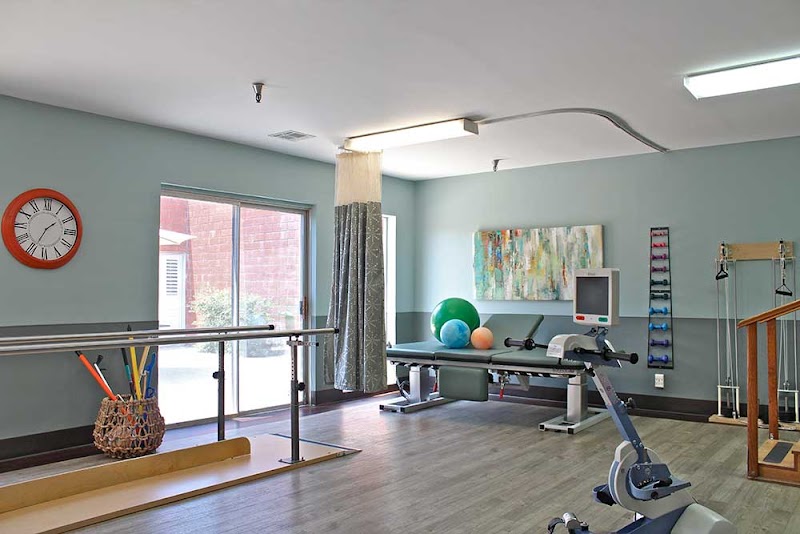
How is The Rehabilitation Center Of North Hills Staffed?

CMS rates THE REHABILITATION CENTER OF NORTH HILLS's staffing level at 3 out of 5 stars, which is average compared to other nursing homes. Staff turnover is 27%, compared to the California average of 46%. This relatively stable workforce can support continuity of care.

What Have Inspectors Found at The Rehabilitation Center Of North Hills?

State health inspectors documented 119 deficiencies at THE REHABILITATION CENTER OF NORTH HILLS during 2022 to 2025. These included: 5 Immediate Jeopardy (the most serious level, indicating potential for serious harm or death), 2 that caused actual resident harm, 106 with potential for harm, and 6 minor or isolated issues. Immediate Jeopardy findings are rare and represent the most serious regulatory concerns. They require immediate corrective action.

Who Owns and Operates The Rehabilitation Center Of North Hills?

THE REHABILITATION CENTER OF NORTH HILLS is owned by a for-profit company. For-profit facilities operate as businesses with obligations to shareholders or private owners. The facility is operated by SHLOMO RECHNITZ, a chain that manages multiple nursing homes. With 138 certified beds and approximately 124 residents (about 90% occupancy), it is a mid-sized facility located in NORTH HILLS, California.
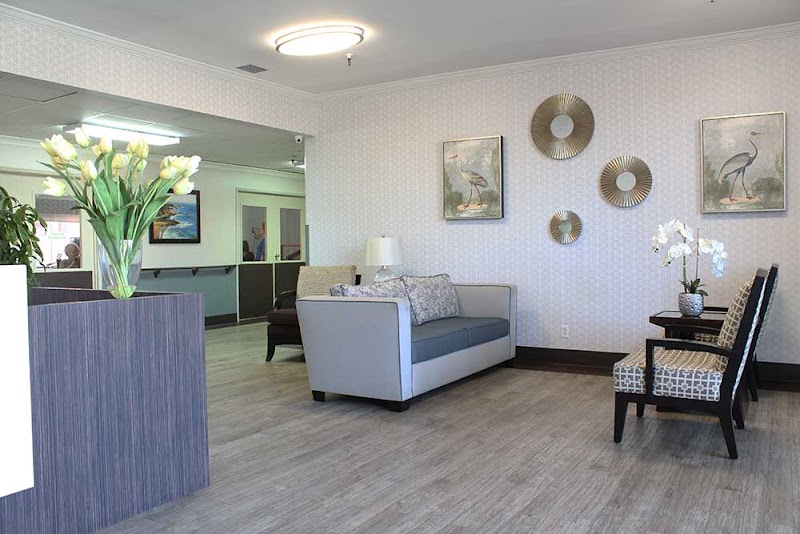
How Does The Rehabilitation Center Of North Hills Compare to Other California Nursing Homes?

Compared to the 100 nursing homes in California, THE REHABILITATION CENTER OF NORTH HILLS's overall rating (1 stars) is below the state average of 3.1, staff turnover (27%) is significantly lower than the state average of 46%, and health inspection rating (1 stars) is much below the national benchmark.

What Should Families Ask When Visiting The Rehabilitation Center Of North Hills?

Based on this facility's data, families visiting should ask: "What changes have been made since the serious inspection findings, and how are you preventing similar issues?" "Can I visit during a mealtime to observe dining assistance and food quality?" "How do you handle medical emergencies, and what is your hospital transfer rate?" "Can I speak with family members of current residents about their experience?" These questions are particularly relevant given the facility's Immediate Jeopardy citations.

Is The Rehabilitation Center Of North Hills Safe?

Based on CMS inspection data, THE REHABILITATION CENTER OF NORTH HILLS has documented safety concerns. Inspectors have issued 5 Immediate Jeopardy citations (the most serious violation level indicating risk of serious injury or death). The facility is currently on the Special Focus Facility watch list (a federal program monitoring the lowest-performing 1% of nursing homes nationwide). The facility has a 1-star overall rating and ranks #100 of 100 nursing homes in California. Families considering this facility should ask detailed questions about what corrective actions have been taken since these incidents.

Do Nurses at The Rehabilitation Center Of North Hills Stick Around?

Staff at THE REHABILITATION CENTER OF NORTH HILLS tend to stick around. With a turnover rate of 27%, the facility is 19 percentage points below the California average of 46%. Low turnover is a positive sign. It means caregivers have time to learn each resident's needs, medications, and personal preferences. Consistent staff also notice subtle changes in a resident's condition more quickly.

Was The Rehabilitation Center Of North Hills Ever Fined?

THE REHABILITATION CENTER OF NORTH HILLS has been fined $69,359 across 3 penalty actions. This is above the California average of $33,772. Fines in this range indicate compliance issues significant enough for CMS to impose meaningful financial consequences. Common causes include delayed correction of deficiencies, repeat violations, or care failures affecting resident safety. Families should ask facility leadership what changes have been made since these penalties.

Is The Rehabilitation Center Of North Hills on Any Federal Watch List?

THE REHABILITATION CENTER OF NORTH HILLS is currently an SFF Candidate, meaning CMS has identified it as potentially qualifying for the Special Focus Facility watch list. SFF Candidates have a history of serious deficiencies but haven't yet reached the threshold for full SFF designation. The facility is being monitored more closely — if problems continue, it may be added to the official watch list. Families should ask what the facility is doing to address the issues that led to this status.