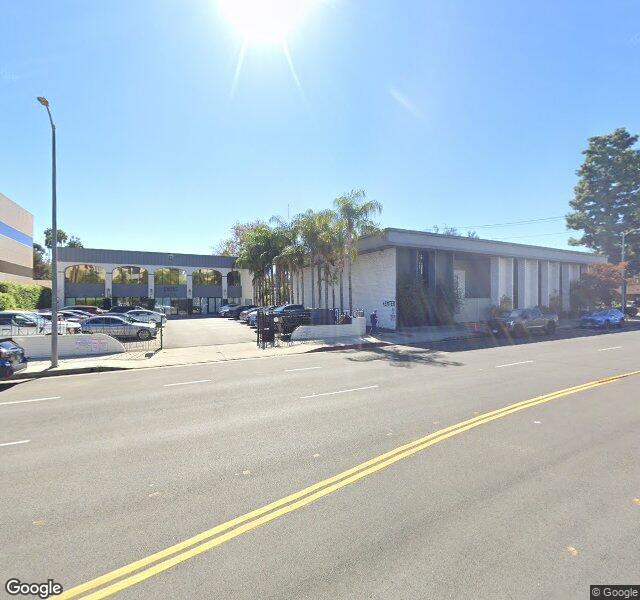
SHERMAN VILLAGE HCC

12750 RIVERSIDE DRIVE, NORTH HOLLYWOOD, CA 91607 (818) 766-6105
For profit - Limited Liability company 108 Beds LONGWOOD MANAGEMENT CORPORATION Data: November 2025 3 Immediate Jeopardy citations
Trust Grade
0/100
#1114 of 1155 in CA
Last Inspection: August 2025

Inspected within the last 6 months. Data reflects current conditions.

Overview

Sherman Village HCC has received a Trust Grade of F, indicating significant concerns about the quality of care provided. Ranking #1114 out of 1155 in California and #344 out of 369 in Los Angeles County places it in the bottom half of facilities, which is quite alarming for families considering care options. Although the facility is showing improvement in its issues, reducing from 44 in 2024 to 32 in 2025, it still reported a concerning $256,309 in fines, higher than 98% of California facilities, suggesting ongoing compliance problems. Staffing is rated average with a turnover of 29%, which is better than the state average, but the care provided raises serious issues: for example, a resident with cognitive impairments eloped from the facility due to a lack of supervision, and another resident who required careful monitoring for urinary tract infections was not adequately assessed, leading to potential health risks. Overall, while there are some positive aspects, such as staffing stability, the serious deficiencies in care and high fines are significant red flags for families.

Trust Score
F
0/100
In California
#1114/1155
Bottom 4%
Safety Record
High Risk
Review needed
Inspections
Getting Better
44 → 32 violations
Staff Stability
✓ Good
29% annual turnover. Excellent stability, 19 points below California's 48% average. Staff who stay learn residents' needs.
Penalties
✓ Good
$256,309 in fines. Lower than most California facilities. Relatively clean record.
Skilled Nurses
○ Average
Each resident gets 41 minutes of Registered Nurse (RN) attention daily — about average for California. RNs are the most trained staff who monitor for health changes.
Violations
⚠ Watch
103 deficiencies on record. Higher than average. Multiple issues found across inspections.
★☆☆☆☆
1.0
Overall Rating
★★★☆☆
3.0
Staff Levels
★★★☆☆
3.0
Care Quality
★☆☆☆☆
1.0
Inspection Score
Stable
2024: 44 issues
2025: 32 issues

The Good

  • Low Staff Turnover (29%) · Staff stability means consistent care
  • Full Sprinkler Coverage · Fire safety systems throughout facility
  • No fines on record
  • Staff turnover is low (29%)

    19 points below California average of 48%

Facility shows strength in staff retention, fire safety.

The Bad

1-Star Overall Rating

Below California average (3.1)

Significant quality concerns identified by CMS

Federal Fines: $256,309

Well above median ($33,413)

Significant penalties indicating serious issues

Chain: LONGWOOD MANAGEMENT CORPORATION

Part of a multi-facility chain

Ask about local staffing decisions and management

The Ugly 103 deficiencies on record

3 life-threatening 1 actual harm
Aug 2025 30 deficiencies 1 IJ
CRITICAL (J)

Immediate Jeopardy (IJ) - the most serious Medicare violation

Accident Prevention (Tag F0689)

Someone could have died · This affected 1 resident

Based on interview and record review, the facility failed to: 1. Provide supervision (refers to the ongoing monitoring and guidance provided by staff to ensure the safety and well-being of a resident)...

Read full inspector narrative →
Based on interview and record review, the facility failed to: 1. Provide supervision (refers to the ongoing monitoring and guidance provided by staff to ensure the safety and well-being of a resident) to one of one sampled resident (Resident 97), who was cognitively impaired (refers to difficulties with thinking, learning, remembering, and using judgment, among other mental abilities), unable to verbalize needs due to aphasia (a disorder that makes it difficult to speak), had history of falls and elopement (the act of leaving a facility unsupervised and without prior authorization), and identified as at risk for elopement, by: A. Failing to monitor Resident 97's whereabouts on 7/25/2025 at 12:14 p.m. (date and time of Resident 97's elopement). The facility staff were not aware Resident 97 had left the facility until around 5 p.m. when CNA 2 was distributing the dinner trays and Resident 97 was not in his (Resident 97) room. Facility staff (Certified Nursing Assistant [CNA] 1, CNA 2, CNA 3, Licensed Vocational Nurse [LVN] 1, Registered Nurse [RN] 1, and RN 2) did not know Resident 97 was an elopement risk and did not know what interventions are in place to prevent Resident 97 from eloping. There were multiple missed opportunities for the facility staff to prevent Resident 97's elopement and to remain aware of Resident 97's whereabouts: a.1 On 7/25/2025 at 12:07 p.m., CNA 1 documented in Resident 97's Nutritional Amount Eaten Percentage (%) as 50% and set-up or clean-up assistance was provided to Resident 97 without directly observing Resident 97 eat his (Resident 97) lunch. Resident 97 had a physician's order to provide Resident 97 with supervision during meals which was not followed. a.2 On 7/25/2025 at 12:53 p.m., LVN 1 documented a blood pressure (BP - the pressure of circulating blood against the walls of blood vessels) reading of 110/62 millimeters of mercury (mmHg- unit of pressure, normal range is between 90/60 mmHg and 120/80 mmHg) for Resident 97, stating that he (LVN 1) used the BP reading previously obtained on 7/25/2025 at 8:00 a.m. Resident 97 had a physician's order to monitor Resident 97's BP every six hours (midnight - 6 a.m.-12 p.m.- 6 p.m. intervals). a.3 Resident 97 had physician's orders for monitoring every shift for falls and episodes of depression (a mental health condition that makes you feel persistently sad and lose interest in things you usually enjoy) manifested by crying which were not completed during the 7 a.m. to 3 p.m. shift on 7/25/2025. a.4. During the 3 p.m. hand off report (change of shift) on 7/25/2025, CNA 2 stated there was no mention of Resident 97. RN 2 stated that RN 1 did not provide any information regarding Resident 97. Both RN 1 and RN 2 were unaware that Resident 97 had an elopement incident on 1/29/2025 and had been identified as an elopement risk. B. Failing to implement the facility's Policy and Procedures (P&P) titled, Wandering and Elopements, last reviewed on 4/24/2025 indicating, . the resident's care plan will include strategies and interventions to maintain the resident's safety. Resident 97's care plan titled, Elopement Risk, initiated on 1/30/2025, was not person-centered (prioritizing the resident's needs, preferences, values and goals) and did not include interventions for monitoring and supervision to ensure Resident 97's safety. C. Failing to implement their P&P titled, Safety and Supervision of Residents, last reviewed on 4/24/2025 indicating, Resident safety and supervision and assistance to prevent accidents are facility-wide priorities The care team shall target interventions to reduce individual risks related to hazards in the environment including adequate supervision Resident supervision is a core component of the system's approach to safety. The type and frequency of resident supervision is determined by the individual resident's assessed needs This deficient practice resulted in Resident 97's elopement on 7/25/2025 at 12:14 p.m., placing Resident 97 at risk for vehicular accidents since the facility is located in a busy street with many cars passing by, negative outcome from not receiving Resident 97's medication, and exposure to environmental elements (hot weather), and possible physical attacks from strangers that could lead to serious injury, serious harm and death. On 7/25/2025, in the afternoon (exact time not indicated), Resident 97 was found on the ground in the street (not known) with a small contusion (known as bruise, an injury to the soft tissue often produced by a blunt force such as a kick, fall, or blow) to the right frontal scalp (area at the very front of your head where your hairline begins and the hair that frames your face, including the area around your temples). Resident 97 was admitted to General Acute Care Hospital (GACH) 1 on 7/25/2025 at 2:23 p.m. for trauma (a physical injury or wound caused by an external force, or a psychological or emotional upset resulting from severe mental or emotional stress or physical injury). On 7/29/2025, Resident 97's family visited Resident 97 at GACH 1 and upon seeing the family member, Resident 97 cried for 10 minutes. 2. Ensure Resident 7's bed was at the lowest position and the floor/fall mat (a cushioned floor pad designed to help prevent injury should a person fall) on the right side of the bed did not have a side table on top of them. 3. Ensure Residents 21 and 32 did not have any medications left at the bedside. 4. Ensure Resident 70's feeding pump pole was not placed on top of the left floor mat. 5. Ensure Resident 82's pathway to the restroom was unobstructed with the two roommate's bedside tables. These deficient practices increased the risk of accidents such as falls with injuries and accidental ingestion of chemicals/biologicals on residents. On 7/31/2025 at 2:30 p.m., while onsite at the facility, the State Survey Agency (SSA) called an Immediate Jeopardy (IJ - a situation in which the facility's non-compliance with one or more requirements of participations has caused, or is likely to cause, serious injury, harm, impairment, or death of a resident) in the presence of the Administrator (Adm) and the Director of Nursing (DON) due to the facility's failure to provide supervision to Resident 97 and to prevent the elopement of Resident 97 on 7/25/2025 at 12:14 p.m. On 8/1/2025 at 4:36 p.m., the DON provided an acceptable IJ removal plan (a detailed plan to address the IJ findings) for the facility's failure to provide supervision to Resident 97 and to prevent the elopement of Resident 97 on 7/25/2025 at 12:14 p.m. On 8/1/2025 at 5:19 p.m., while onsite at the facility, the SSA verified and confirmed the facility's full implementation of the IJ Removal Plan through observations, interviews, and record reviews, and determined the IJ situation regarding elopement due to lack of supervision was no longer present. The SSA removed the IJ on 8/1/2025 at 5:19 p.m., in the presence of the Adm and DON. The acceptable IJ Removal Plan included the following summarized actions: 1. On 7/29/2025, the facility marketer visited Resident 97 at GACH 1 and confirmed with the attending nurse that Resident 97 had been brought to GACH 1's emergency room by paramedics (emergency medical services [EMS], persons trained to give emergency medical care to people who are injured or ill, typically in a setting outside of a hospital) on 7/25/2025. 2. On 7/31/2025 and 8/1/2025 the Licensed Nurses and Social Services Director (SSD) completed a reassessment of all current residents for elopement risk evaluation utilizing the facility's Point Click Care (PCC - a software system used in healthcare facilities, especially those dealing with long-term care, to manage patient information and daily operations) Elopement Risk Assessment Tool and no current residents are at risk for elopement. The Elopement Risk Assessment Tool covers 12 questions, including but not limited to history of elopement, wandering behavior, verbal expressions of a desire to go home, etc. Effective 8/1/2025, the facility will utilize the previous Elopement Risk Assessment that addresses the residents' cognition (the mental action or process of acquiring knowledge and understanding through thought, experience, and the senses), Activities of Daily Living (ADLs - refers to the basic self-care tasks that a person performs regularly to maintain their health and well-being), ambulation, and elopement history. 3. As of 7/31/2025, the Quality Assurance (QA) Consultant provided one-on-one in-service (an individual employee receives instruction and guidance from a trainer or mentor) training regarding Wandering and Elopement policy and Safety and Supervision of Resident policy emphasizing importance of resident monitoring to CNA 1, CNA 2, CNA 3, LVN 1, RN 1, and RN 2. 4. On 7/31/2025, the QA Consultant conducted one-on-one in-service regarding accurate documentation to CNA 1 and LVN 1. 5. As of 8/1/2025, the DON/DSD completed the in-service training to staff members regarding Wandering and Elopement policy and Safety and Supervision of Resident policy emphasizing importance of resident monitoring and the following topics: a. Licensed nurses assigned to all facility nursing stations, including station 1, station 2, and subacute station (refers to designated area within a facility that provides subacute care to residents who require more intensive medical services than those typically offered in standard long term care) will conduct rounds every two hours and document and sign off resident's presence or non-presence in the Residents Whereabouts Monitoring Log and indicate any unusual behaviors noted during the shift and endorse to RN supervisor accordingly. b. RN supervisors will utilize the Midnight Census (a PCC generated census after midnight, stating resident status including occupied or empty, to check off and verify resident's presence during shift-change, endorsement, or rounds. This document is signed off by an outgoing and incoming RN supervisor after the shift-change, endorsement or rounds. c. Develop and implement a person-centered care plan for elopement risk, including but not limited to frequent supervision. 6. As of 8/1/2025, all current active employees have completed the in-service training, with the exception of one RN and two LVNs who were unable to complete the in-service training due to being on medical leave. The DON/Designee will complete their in-services upon their return. 7. On 8/1/2025, the DON provided a written warning to LVN 1 and CNA 1 for inaccurate documentation on Resident 97's clinical records. Findings: 1.During a review of Resident 97’s admission Record (AR), the AR indicated the facility originally admitted Resident 97 on 4/3/2024 and readmitted the resident on 5/10/2024 with diagnoses including aphasia, dysphagia (difficulty swallowing), history of falling, anxiety (a feeling of unease, worry, or fear), and depression. During a review of Resident 97’s Minimum Data Set (MDS – a resident assessment tool), dated 5/17/2025, the MDS indicated that Resident 97 was sometimes able to understand others and was sometimes understood by others. During a review of Resident 97’s History and Physical (H&P – comprehensive assessment conducted by a healthcare provider that includes gathering a thorough medical history from the resident and performing a physical examination to assess their overall health and identify any potential medical concern), dated 5/22/2025, the H&P indicated Resident 97 did not have the capacity to understand and make decisions. During a review of Resident 97’s Care Plan for aspiration (when something swallowed enters the airways or lungs), initiated on 5/16/2024 and revised on 3/12/2025, the care plan indicated Resident 97 is at risk for aspiration of food and liquids secondary to dysphagia. The care plan interventions included monitoring signs and symptoms of aspiration (such as choking [refers to the inability to breathe due to a blockage in the airway, typically caused by a foreign object lodged in the throat], shortness of breath [SOB], respiration changes), and resident’s tolerance of prescribed diet and fluid intake. During a review of Resident 97’s Care Plan for self-care deficits, initiated on 7/29/2024, the care plan indicated Resident 97 required total assistance from staff with eating. The care plan intervention indicated to provide Resident 97 with a safe environment. During a review of Resident 97’s Change of Condition (COC – when there is a sudden change in a resident’s condition) Interaction Assessment form, dated 1/29/2025, timed at 9 p.m., the COC form indicated Resident 97 eloped and fell in front of the facility. The nursing notes indicated that on 1/29/2025 at 9 p.m., Resident 97 was walking on the sidewalk in front of the facility and attempted to cross the street. The CNA and LVN were able to bring Resident 97 back to the facility and as Resident 97 was walking up the stairs, Resident 97 lost his footing and fell. During a review of Resident 97’s Care Plan for elopement, initiated on 1/29/2025, the care plan indicated Resident 97 leaves the facility at times without authorization and permission. The care plan interventions included administering medications as ordered, notifying the physician and responsible party of the COC, and assisting Resident 97 to resident’s activities of choice. During a review of Resident 97’s Elopement Evaluation, dated 5/18/2025, the Elopement Evaluation indicated Resident 97 had an elopement score of one (score value of one or higher indicates risk for elopement). During a review of Resident 97’s Fall Risk Evaluation, dated 5/18/2025, the Fall Risk Evaluation indicated Resident 97’s fall risk score was seven (total score of 10 or greater indicates the resident should be considered as high risk for potential falls). The Fall Risk Evaluation indicated Resident 97 had balance problems while walking. During a review of Resident 97’s Physician Orders, dated 5/19/2025, the Physician’s Orders indicated implementation of the falling star program, frequent visual monitoring due to the resident’s increased risk for falls and injury. The Physician’s Orders indicated to document per shift, every shift. During a review of Resident 97’s Care Plan for falling star program, initiated on 5/19/2025, the care plan indicated Resident 97 was at risk for falls related to antihypertensive medication (medications used to treat high blood pressure), auditory (hearing) deficits, balance deficits, cognitive impairment, decreased strength and endurance, history of falls, noncompliant with request for assistance on use of call lights, poor safety awareness and judgment, unsteady gait (manner of walking), difficulty in walking, and muscle weakness. The care plan interventions indicated to remind staff during huddles (a brief, structured meeting, often daily, among healthcare professionals to discuss the day's plan, identify potential problems, and ensure smooth workflow) of the resident’s high fall risk status, implementing frequent visual monitoring, and placing the resident near the nursing station for closer observation. During a review of Resident 97’s Physician’s Orders, dated 5/30/2025, the Physician’s Orders indicated monitoring resident’s blood pressure every six hours. During a review of Resident 97’s Medication Administration Record (MAR - a daily documentation record used by a licensed nurse to document medications and treatments given to a resident) for 7/2025, the MAR for 7/25/2025 indicated the following: - the monitoring for episodes of depression manifested by crying spells and tally by hashmark, was left blank for the day shift (7 a.m. to 3 p.m.) - the Falling Star Program frequent visual monitoring (due to higher risk for falls and injuries) document per shift was left blank for the day shift. - the blood pressure monitoring every six hours indicated a blood pressure of 110/62 mmHg at 12:53 p.m. During a review of Resident 97’s Physician Orders, dated 7/9/2025, the Physician Orders indicated Controlled Carbohydrates (CCHO- meal plan where individuals aim to eat roughly the same amount of carbohydrates at each meal, helping to stabilize blood sugar levels) no added salt (NAS) diet, dysphagia mechanical soft (a diet that involves eating foods that have been modified to be easy to chew and swallow) texture, nectar mildly thick consistency (means the liquid is thicker than regular water but still pourable), three meals, aspiration precautions, and supervision during meals. During a review of Resident 97’s ADL eating task, dated 7/25/2025, at 12:07 p.m., the ADL eating task indicated Resident 97 was provided with setup or clean up assistance (helper sets up or cleans up resident completes activity helper assists only prior or following the activity). During a review of Resident 97’s nutritional task amount eaten %, dated 7/25/2025, at 12:07 p.m., the nutritional task amount eaten % indicated Resident 97 ate 50 % of his (Resident 97) meal. During a review of Resident 97’s COC form, dated 7/25/2025, timed at 5:20 p.m., the COC form indicated Resident 97 eloped. The nursing notes indicated that on 7/25/2025 at 5 p.m., while passing dinner trays, CNA 2 observed that Resident 97 was not in his (Resident 97’s) assigned room. CNA 2 informed RN 2, who immediately initiated a thorough search of the facility. A code green (missing resident) was activated to alert all facility staff and initiate a coordinated facility wide search. The COC indicated that at approximately 6:30 p.m., RN 2 contacted the DON to report the incident, provide a timeline, and updates of the search effort. The COC form indicated that RN 2 then notified the local police department and reported Resident 97 as missing and requested assistance with the search. RN 2 contacted Resident 97’s family members to inform them of the situation and to verify whether they had seen or heard from Resident 97, neither family members reported recent contact with Resident 97. During a review of Resident 97’s GACH 1 record, dated 7/25/2025, at 2:23 p.m., the GACH 1 record indicated Resident 97’s admission type was for trauma. GACH 1’s Medicine H&P notes indicated that Resident 97 was brought in by EMS from the community for possible ground level fall (refers to a fall where a person falls from a standing position onto a flat surface, such as the floor or ground). GACH 1’s records indicated Resident 97 had a cervical collar (a medical device that supports the neck and limits its movement) and was tearful, crying, and pointing at the ceiling. GACH 1’s records indicated Resident 97 had a small right frontal scalp contusion. GACH ‘s 1 records further indicated Resident 97 had a fall and aspiration precaution orders started on 7/25/2025. During a concurrent interview and observation on 7/29/2025, at 2:20 p.m., with the Adm, the facility provided Close Circuit Television (CCTV - video surveillance technology) video footage of the camera located in the facility lobby, dated 7/25/2025, at 12:14 p.m., was reviewed. The Adm stated that the video footage shows a visitor opening the door leading to the lobby, after which Resident 97 is seen entering the lobby and subsequently exiting through the facility’s front door. During a concurrent interview and record review on 7/30/2025 at 11:48 a.m., with CNA 1, Resident 97’s nutritional task amount eaten %, dated 7/25/2025, timed at 12:07 p.m., was reviewed. CNA 1 stated she was not aware that Resident 97 had a Physician’s Order for supervision during all meals. CNA 1 stated that she (CNA 1) does not supervise Resident 97 during mealtimes and leaves the meal tray on Resident 97’s bedside table. CNA 1 stated that she was assigned to Resident 97 on 7/25/2025 and that the last time she (CNA 1) saw Resident 97 that day (7/25/2025) was between approximately 11:15 a.m. and 11:20 a.m. CNA 1 stated that prior to lunch, Resident 97 was in his (Resident 97) room. CNA 1 stated that she delivered Resident 97’s lunch tray and placed it on his (Resident 97) bedside table. CNA 1 stated Resident 97 was independent in using the bathroom. CNA 1 stated that she (CNA 1) observed that the bathroom door was closed and assumed Resident 97 was inside. CNA 1 stated that when she (CNA 1) returned sometime after 1:00 p.m. to retrieve the meal tray, CNA 1 observed the food had not been touched and the bathroom door remained closed. CNA 1 stated that she (CNA 1) did not knock on or open the bathroom door to verify Resident 97’s presence. CNA 1 reviewed Resident 97’s nutritional amount eaten % document and stated that she (CNA 1) documented a nutritional intake of 50% on 7/25/2025, despite knowing that Resident 97 had not eaten. During a concurrent interview and record review on 7/30/2025, at 1:29 p.m., with LVN 1, Resident 97’s MAR dated 7/25/2025 was reviewed. LVN 1 stated that he was the nurse assigned to Resident 97 on 7/25/2025 during the 7 a.m. to 3 p.m. shift. LVN 1 stated he checked Resident 97’s blood sugar between 11 a.m. and 12 p.m., prior to lunch. LVN 1 stated that while he (LVN 1) checks on residents periodically, he did not check on Resident 97 again that day (7/25/2025) because Resident 97 is ambulatory (able to walk and move around) and typically seeks out staff when assistance is needed. LVN 1 also stated that Resident 97 becomes emotional when family visits, often crying and clinging to them, while expressing a desire to go home. LVN 1 stated that during shift-change, he (LVN 1) is informed about which residents are at risk for elopement. LVN 1 stated that Resident 97 is not considered an elopement risk and has never previously eloped. LVN 1 also stated that he (LVN 1) was not aware of Resident 97’s elopement incident on 1/29/2025. LVN 1 stated that the BP documented at 12:00 p.m. was taken at 8:00 a.m. LVN 1 stated that he did not check Resident 97’s BP every six hours as ordered. LVN 1 stated that failing to check Resident 97’s BP as ordered could result in unrecognized high or low BP readings potentially leading to delays in necessary interventions and treatment. During an interview on 7/30/2025 at 2:13 p.m., with RN 1, RN 1 stated she (RN 1) was not initially aware that Resident 97 was an elopement risk but was later informed that Resident 97 had previously attempted to elope. RN 1 stated that the last time she (RN 1) saw Resident 97 on 7/25/2025 was around 12:00 p.m., when Resident 97 was observed walking near the nurses’ station by the intravenous (IV – within a vein) cart. During an interview on 7/30/2025 at 3:00 p.m., with CNA 2, CNA 2 stated that upon starting her shift (3:00 p.m. to 11:00 p.m.), she (CNA 2) receives verbal hand off from the previous CNA 2 at the nurses’ station. CNA 2 stated that the hand off includes information about residents who are out on pass or have appointments. CNA 2 stated that she worked on 7/25/2025 at 3:00 p.m. CNA 2 further stated that during her (CNA 2) initial rounds, she (CNA 2) did not see Resident 97. CNA 2 stated that not seeing Resident 97 at that time did not raise concern, as Resident 97 frequently walks around and attends activities. CNA 2 stated that on 7/25/2025 at around 5:00 p.m., during dinner time, she (CNA 2) informed RN 2 that she (CNA 2) was unable to locate Resident 97. CNA 2 stated facility staff then conducted a search for Resident 97 inside the facility approximately 30 minutes but were unable to locate Resident 97. CNA 2 stated that facility staff searched for Resident 97 outside the facility, both on foot and by car, for approximately one hour. CNA 2 stated she (CNA 2) was not aware that Resident 97 was an elopement risk. During an interview on 7/30/2025 at 4:18 p.m., with RN 2, RN 2 stated Resident 97 is alert and oriented to self with confusion and walks around the facility without assistive devices (tools, products, or equipment that can help an individual perform tasks and activities). RN 2 stated that Resident 97 had been crying and pointing at the door since the previous week, because he (Resident 97) wanted to go home. RN 2 stated he (RN 2) worked the 3 p.m. to 11 p.m. shift on 7/25/2025. RN 2 stated that during the hand off process, RNs begin by doing rounds, which involve standing outside residents’ rooms rather than entering. RN 2 stated that the hand off report includes any COC. RN 2 stated that during the 7/25/2025 report, RN 1 did not report any concerns regarding Resident 97. RN 2 stated that between 5 p.m. to 5:20 p.m., while CNAs were distributing dinner trays, CNA 2 informed RN 2 that she (CNA 2) had not seen Resident 97. RN 2 stated the facility staff conducted a search, and at 5:30 p.m., a “Code Green” was called to indicate a missing resident. RN 2 stated that he (RN 2) helped search the facility for approximately 20 minutes, then went outside around 6:00 p.m. to continue the search for about an hour. RN 2 stated he (RN 2) called the DON at approximately 6:30 p.m. to inform the DON that Resident 97 was missing. RN 2 also stated that another staff member contacted the local law enforcement (LLE). RN 2 stated that Resident 97 was not identified as an elopement risk, had never previously attempted to exit the facility, and that he (RN 2) was unaware Resident 97 had eloped back in 1/29/2025. During an interview on 7/31/2025 at 8:34 a.m., with CNA 1, CNA 1 stated that Resident 97 had never previously attempted to leave the facility. CNA 1 stated that she (CNA 1) was not aware that Resident 97 had eloped on 1/29/2025. CNA 1 stated Resident 97 would often point toward the outside, and when CNA 1 asked if he (Resident 97) wanted to go with his (Resident 97) sister, Resident 97 would nod “yes”. CNA 1 stated that Resident 97 had attempted to open the lobby door, but was unable to open it, and that the activity personnel would catch him and redirect him at those times. CNA 1 stated that CNAs do not provide hand off reports to each other because the nurses on the oncoming shift inform the CNAs about any important updates regarding the residents. CNA 1 stated CNAs receive a generalized report at the nurses’ station rather than individualized information about each resident. CNA 1 stated that on 7/25/2025, she (CNA 1) did not remove the cover from Resident 97’s meal tray and assumed Resident 97 was in the bathroom at the time. CNA 1 stated that she did not supervise Resident 97 during lunch on that day (7/25/2025) and was unaware that Resident 97 had an order requiring supervision during meals. CNA 1 stated she usually documents breakfast intake around 11:00 a.m. and lunch intake at 2:00 p.m. CNA 1 stated that on 7/25/2025 she (CNA 1) documented Resident 97’s lunch intake at 12:07 p.m. because she had time and wanted to complete her documentation early. CNA 1 stated Resident 97 did not finish lunch, but she (CNA 1) had not visually checked Resident 97’s meal tray at 12:07 p.m. CNA 1 stated that because she (CNA 1) did not visually check the meal tray, she (CNA 1) did not catch that Resident 97 was missing. CNA 1 stated because she was not aware of the required supervision order during meals, she was unable to provide the necessary supervision for Resident 97. CNA 1 further stated that if she had been supervising Resident 97 during lunch, Resident 97 would not have been able to leave the facility. During an interview on 7/31/2025 at 10:10 a.m., with Family Member (FM) 1, FM 1 stated that she visited GACH 1 on 7/29/2025 to see Resident 97. FM 1 stated that Resident 97 was traumatized, became emotional and restless, and was hysterical and crying for approximately 10 minutes. FM 1 stated that Resident 97 had a “bump” on his forehead and believed Resident 97 must have fallen. FM 1 stated that someone found Resident 97 on the floor and called 911. During a concurrent interview and record review on 7/31/2025 at 12:19 p.m., with the DON, Resident 97’s care plan for elopement, initiated on 1/29/2025 and Physician’s Orders dated 5/19/2025 were reviewed. The DON stated that Resident 97 eloped on 7/25/2025. The DON stated staff became aware of Resident 97’s elopement on 7/25/2025 at around 5:00 p.m., she (DON) was informed around 6:00 p.m., and LLE was notified around 6:30 p.m. The DON stated Resident 97 was identified as an elopement risk and had a previous elopement incident on 1/29/2025, during which Resident 97 attempted to cross the street in front of the facility. The DON stated that the interventions for residents at risk for elopement included: visual checks, distraction techniques, contacting family members for support, psychiatric evaluations (a comprehensive assessment of an individual's mental health, conducted by a mental health professional to identify potential mental health disorders, determine the severity of symptoms, and develop appropriate treatment plans) if indicated and monitoring prescribed medications. The DON stated that the most critical intervention is direct visualization of the resident. The DON further stated that the elopement care plan initiated for Resident 97 on 1/29/2025 was not person-centered and did not include specific interventions tailored to Resident 97’s needs, such as visual checks and supervision. The DON stated that the care plan should be individualized, especially given the potential for re-elopement and the associated risk of harm. The DON further stated that Resident 97 was at risk for aspiration and required supervision while eating. The DON stated that if staff (CNA 1) had not simply left the meal tray on 7/25/2025 during lunchtime and had supervised Resident 97, CNA 1 would have noticed Resident 97 was missing at that time. The DON stated that Resident 97 had an order for Falling Star Program, which requires visualization of the resident at the end of each shift. The DON stated that if LVN 1 had completed the Falling Star visualization at 3:00 p.m., LVN 1 would have noticed the resident was missing. The DON stated that LVN 1 did not perform the required visual check on 7/25/2025 at 3:00 p.m., which contributed to a delay in identifying that Resident 97 was missing. The DON further stated that LVN 1 used the BP reading taken at 8:00 a.m. to document the 12:00 p.m. BP check rather than taking a new BP reading as ordered. The DON stated that if LVN 1 had taken Resident 97’s BP as scheduled at 12:00 p.m., LVN 1 would have discovered Resident 97 was missing at that time, allowing for an earlier response. The DON stated that the hand off report during shift change is conducted from RN to RN, and that the oncoming RN is expected to physically enter each resident’s room to visually check on the residents. The DON stated that RN 1 was assigned as Resident 97’s nurse during the 7:00 a.m. to 3:00 p.m. shift, while RN 2 was assigned to the medication cart for medication pass (the process of administering medications to residents in a facility, ensuring each dose is given correctly and safely). The DON stated no formal hand off report was given to RN 2 regarding Resident 97. The DON stated that CNAs do not conduct formal hand off reports. Instead, any special endorsements or important information are communicated to the licensed nurses, who are then responsible for endorsing the information to the oncoming CNAs. The DON further stated that if staff had conducted a proper
CONCERN (D)

Potential for Harm - no one hurt, but risky conditions existed

Deficiency F0552 (Tag F0552)

Could have caused harm · This affected 1 resident

**NOTE- TERMS IN BRACKETS HAVE BEEN EDITED TO PROTECT CONFIDENTIALITY** Based on interview and record review, the facility failed to honor the resident's right to be informed in advance by the physici...

Read full inspector narrative →
**NOTE- TERMS IN BRACKETS HAVE BEEN EDITED TO PROTECT CONFIDENTIALITY** Based on interview and record review, the facility failed to honor the resident's right to be informed in advance by the physician or other practitioner or professional, of the risks and benefits of proposed care, treatment and treatment alternative or options for two of five sampled residents (Residents 100 and 112) reviewed for unnecessary medications by failing to ensure: 1. Resident 1's Depakote (it helps manage manic or mixed episodes [periods of high energy, irritability, or both] in adults with bipolar disorder) indicated the correct preparation/form on the consent form. This deficient practice violated the residents' right to make an informed decision regarding the use of psychoactive medications (substances that, when taken in or administered into one's system, affect mental processes, e.g. perception, consciousness, cognition or mood and emotions). 2. Resident 112's trazodone (a medication used to treat mental illness) and citalopram (a medication used to treat mental illness) had an informed consent (a process during which residents or caregivers are educated regarding the potential risks and benefits of medication therapy) from the resident or their responsible party (RP - a person delegated to make medical decisions for the resident in the event they are unable to do so) prior to treatment. The deficient practice had the potential to result in preventing Resident 112 or his RP from exercising their right to decline treatment with psychotropic medications. This increased the risk that Resident 112 could have experienced adverse effects (unwanted, uncomfortable, or dangerous effects that a drug may have) related to psychotropic medications leading to impairment or decline in his mental or physical condition or functional or psychosocial status. Findings: 1. During a review of Resident 100’s admission Record, the admission Record indicated the facility admitted the resident on 3/18/2023, with diagnoses including Alzheimer’s disease (a disease characterized by a progressive decline in mental abilities), dementia (a progressive state of decline in mental abilities), and mood disorder (a mental health condition that primarily affects the emotional state). During a review of Resident 100’s Informed Consent, dated 3/18/2023, the Informed Consent indicated Depakene Oral Solution. Give 125 mg via gastrostomy tube (gt, a tube inserted through the abdomen directly into the stomach) three times a day (TID) for mood disorder monitor for behavior (m/b) uncontrollable extreme mood swing causing exhaustion. During a review of Resident 100’s Order Summary Report, dated 5/30/2025, the Order Summary Report indicated an order for Depakote Oral Tablet Delayed Release 125 milligrams (mg, a unit of weight) (Divalproex Sodium). Give 1 tablet by mouth at bedtime for Mood disorder (Informed consent obtained from resident representative (RP) after explanation of risks and benefits and verified with MD). During a review of Resident 100’s Minimum Data Set (MDS, a resident assessment tool), dated 7/2/2025, the MDS indicated the resident rarely to never had the ability to make self-understood and understand others and had severely impaired cognition (refers to a significant decline in a person's mental abilities that noticeably affects their daily life). During a concurrent interview and record review on 7/30/2025, with Licensed Vocational Nurse (LVN) 5, Resident 100’s Depakene Informed Consent was reviewed. LVN 5 stated the consent written was different from the Physician’s Order. LVN 5 stated the order indicated a tablet preparation of the medication, but the consent was for oral solution. LVN 5 stated the staff should have obtained another consent as the preparation was not as ordered and the order was written after the 3/18/2023 consent in the chart. During an interview on 7/30/2025, at 9 a.m., with LVN 6, LVN 6 stated he administered the medication Depakote to Resident 100 and he gave a tablet form this morning. LVN 6 stated he crushed the medications and administered them via gt. LVN 6 stated the consent was not accurate and they should have obtained a new consent from the family member or resident to honor their right to informed consent. During an interview on 7/31/2025, at 12:43 p.m., with Registered Nurse (RN) 3, reviewed Resident 100’s Order Summary Report, Medication Administration Record (MAR), and Informed Consent. RN 3 stated they should have obtained a new informed consent for Depakote as it was reordered in a different form or preparation. RN 3 stated the failure of the staff to obtain a new consent has predisposed the resident to the adverse effect (an undesired effect of a drug or other type of treatment, such as surgery) of the medication that could lead to medication errors. During a review of the facility's recent policy and procedure (P&P) titled, Administering Medications, last reviewed on 4/24/2025, the P&P indicated medications are administered in a safe and timely manner, and as prescribed. During a review of the facility's recent P&P titled, Psychotropic Medication Use, last reviewed on 4/24/2025, the P&P indicated a psychotropic drug is any medication that affects brain activities associated with mental processes and behavior, which includes but is not limited to antipsychotics, anxiolytics, hypnotics and antidepressants. It is the responsibility of the attending health care practitioner to inform the resident and/or resident representative of the initiation, reason for use, and the risks associated with the use of psychotropic medications, per facility policy and applicable state regulation. The informed consent will be obtained by the Prescriber prior to initiation of the psychotropic medication. The Facility shall verify informed consent prior to the administration of a psychotropic medication for a resident. During a review of the facility's recent P&P titled, Charting and Documentation, last reviewed on 4/24/205, the P&P indicated documentation in the medical record will be objective (not opinionated or speculative), complete, and accurate. 2. During a review of Resident 112’s admission Record (a record containing diagnostic and demographic resident information), the admission Record indicated he was admitted to the facility on [DATE] with diagnoses including insomnia (difficulty sleeping) and depression (a mental illness characterized by depressed mood, lack of energy, difficulty sleeping, and lack of interest in usually enjoyable activities.) During a review of Resident 112’s History and Physical (a record of a physician’s comprehensive medical examination), dated 7/15/25, the History and Physical indicated the resident “has fluctuating capacity” to understand and make medical decisions and indicated Resident 112’s sister served as his RP. During a review of Resident 112’s Order Summary Report (a summary of all active physician’s orders), dated 7/31/25, the order summary report indicated he was receiving the following psychotropic medications: 1. Citalopram 20 milligrams (mg – a unit of measure for mass) via gastrostomy tube (g-tube – a tube surgically implanted into the stomach for the administration of medication and nutrition) one time a day for depression to start on 7/16/25. 2. Trazodone 50 mg via g-tube at bedtime for insomnia to start on 7/16/25. During a review of Resident 112’s available informed consent documentation for citalopram and trazodone, dated 7/22/25, and clinical record, the available informed consent documentation and clinical record indicated there was no documentation that Resident 112 or any responsible party received education from the prescriber regarding the risks and benefits of trazodone or citalopram prior to their administration. During a telephone interview on 7/31/2025 at 10:49 AM with Resident 112's sister and RP (FM 2), FM 2 stated no one from the facility called to obtain permission to use trazodone or citalopram on 7/22/25 or any other date. FM 2 stated the only time she heard of these medications was when Resident 112 was still in the hospital prior to his admission to the facility. FM 2 stated no one from the facility called her to discuss risks or benefits of the medication or gave her the option to opt out prior to them being administered. During an interview on 7/31/2025 at 11:03 AM with the Director of Nursing (DON), the DON stated informed consent for psychotropic medications must occur before the initiation of psychotropic medications. The DON stated the process of informed consent must be between the prescriber and the resident or the resident's representative to answer any questions or concerns related to the use of psychotropic medication and the risks versus benefits. The DON stated this is done to ensure the residents or their representatives can exercise their right to opt out of treatment prior to the medications being initiated. The DON stated the facility failed to obtain informed consent from Resident 112's RP prior to initiation of psychotropic therapy with citalopram and trazodone. The DON stated the informed consent documentation is incomplete and there is no other record that the prescriber provided education regarding the risks and benefits of these medications to the RP prior to their initiation. The DON stated this increased the risk that Resident 112 may experience adverse effects such as drowsiness or dizziness due to the adverse effects of the medication which could possibly lead to a decline in quality of life. During a review of the facility’s P&P titled “Psychotropic Medication Use,” revised June 2021, the P&P indicated “It is the responsibility of the attending health care practitioner to inform the resident and/or resident representative of the initiation, reason for use, and the risk associated with the use of psychotropic medication, per facility policy or applicable state regulation. The informed consent will be obtained by the Prescriber prior to initiation of the psychotropic medication…”
CONCERN (D)

Potential for Harm - no one hurt, but risky conditions existed

Deficiency F0574 (Tag F0574)

Could have caused harm · This affected 1 resident

Based on observation, interview, and record review, the facility failed to ensure that the residents were informed of their right to file a complaint with the State Survey Agency and certification age...

Read full inspector narrative →
Based on observation, interview, and record review, the facility failed to ensure that the residents were informed of their right to file a complaint with the State Survey Agency and certification agency (a health and safety inspector for places that provide healthcare, like hospitals and nursing homes) and that the State Survey Agency name, address and telephone number was visible and readable for four of five sampled residents (Resident 21, 23, 51, and 90) reviewed under the Resident Council task. This deficient practice had the potential to deprive the residents of assistance from resident advocacy groups should unresolved issues arise in the facility. Findings: During a concurrent observation and interview during a Resident Council meeting on 7/30/2025 at 2:12 p.m. inside the resident activity room, observed there was no State Survey Agency contact information posted. Four of five residents (Resident 21, 23, 51, and 90) who attended the Resident Council meeting stated they did not know where the contact information for the State Survey Agency was posted and that they were not made aware of where they could find the information. During a concurrent observation and interview on 7/30/2025 at 2:55 p.m., in front of the facility information board on the hallway close to the activity room, with the Activity Director (AD), observed a standard-sized white printer paper was posted with the contact information for the Stated Survey Agency in standard-sized letters. The AD stated the State Survey Agency name, address, and telephone number were small and that the residents would not be able to read the letters easily. The AD stated the address and telephone number indicated in the paper was incorrect. The AD stated the contact information for the State Survey Agency should have been posted in a way that the residents and/or resident representatives can easily read to be able to contact the State Survey Agency if the residents and/or their representatives want to file a complaint directly. The AD stated the facility should have provided the State Survey Agency contact information during the monthly council meeting with the residents. The AD stated it was important for the residents to be aware of the contact information for the State Survey Agency so they can directly file a complaint to the State Survey Agency to address their issues or concerns regarding the care the residents are getting in the facility. During a concurrent observation and interview on 7/30/2025 at 3:05 p.m. in front of the facility information board on the hallway close to the activity room, with the Director of Nursing (DON), the DON stated the contact information for the State Survey Agency was not visible and easily readable for the residents and/or resident representatives. The DON stated the address and telephone number for the State Survey Agency were not updated. The DON stated that the State Survey Agency contact information, including address and telephone number, should be correct for the residents and/or their representatives to file a complaint with the State Survey Agency if they are not happy with the care the residents received in the facility. The DON stated the residents' right to file a complaint with the State was not honored. During a review of the facility's policy and procedure (P&P) titled, Resident's Rights, last reviewed 4/24/2025, the P&P indicated: - Federal and state laws guarantee certain basic rights to all residents in the facility. These rights include the residents' right to: j. Be informed about his or her rights and responsibilities x. Communicate with outside agencies (such as local, state, or federal officials, state and federal surveyors, state long-term care ombudsman, protection or advocacy organizations) regarding any matter.
CONCERN (D)

Potential for Harm - no one hurt, but risky conditions existed

Safe Environment (Tag F0584)

Could have caused harm · This affected 1 resident

**NOTE- TERMS IN BRACKETS HAVE BEEN EDITED TO PROTECT CONFIDENTIALITY** Based on observation, interview, and record review, the facility failed to provide a safe and sanitary homelike environment for ...

Read full inspector narrative →
**NOTE- TERMS IN BRACKETS HAVE BEEN EDITED TO PROTECT CONFIDENTIALITY** Based on observation, interview, and record review, the facility failed to provide a safe and sanitary homelike environment for two of seven sampled residents (Resident 1 and 36) reviewed under the Environment task area by failing to ensure the trashcan lid in the bathroom was clean and did not have brown stains and a yellow substance on the lid. This deficient practice had the potential to negatively affect the residents' physical and psychosocial wellbeing and make the residents feel uncomfortable in their living space. Cross Reference F880 Findings:a. During a review of Resident 1's admission Record (AR), the AR indicated the facility admitted the resident on 5/12/2022 and most recently admitted the resident on 2/15/2025 with diagnoses that included acute and chronic respiratory failure (a serious condition that occurs suddenly when the lungs cannot get enough oxygen), tracheostomy (opening surgically created through the front of the neck and into the trachea [windpipe]), dependence on respiratory ventilator (a medical device to help support or replace breathing), muscle weakness, and need for assistance with personal care. During a review of Resident 1's Minimum Data Set (MDS - resident assessment tool), dated 5/18/2025, the MDS indicated the resident was totally dependent on staff for mobility, dressing, bathing, toilet hygiene, and personal hygiene. During a review of Resident 1's History and Physical (H&P), dated 2/16/2025, the H&P indicated the resident was nonverbal but was awake, alert, able to respond yes/no appropriately to questions, and was able to move all extremities. The H&P further indicated the resident was able to understand and make decisions. During a review of Resident 1's Care Plan (CP) regarding risk for infection, last reviewed 6/6/2025, the CP indicated the resident was a high risk for infection with a goal to minimize and reduce the risks with interventions including cleaning and disinfection of equipment as needed. b. During a review of Resident 36's AR, the AR indicated the facility admitted the resident on 6/3/2015 and most recently admitted the resident on 7/15/2025 with diagnoses that included chronic respiratory failure, tracheostomy, dependence on respiratory ventilator, and urinary tract infection (UTI- an infection in the bladder/urinary tract). During a review of Resident 36's MDS, dated [DATE], the MDS indicated the resident was totally dependent on staff for mobility, dressing, bathing, toilet hygiene, and personal hygiene. During a review of Resident 36's H&P, dated 1/15/2024, the H&P indicated the resident did not have the capacity to understand and make decisions. During a review of Resident 36's CP regarding risk for infection, initiated 7/16/2025 and last reviewed 7/25/2025, the CP indicated the resident was at risk for infection due to the use of an indwelling catheter (a flexible tube placed in the bladder to drain urine) with a goal that the resident would be free from infection / UTI. During an observation on 7/29/2025 at 11:20 a.m., observed Residents 36 and 1 awake and lying in their beds in their shared room. Observed Family Member (FM) 1 of Resident 36 sitting at Resident 36's bedside. Observed in the shared restroom a beige colored trashcan with a lid that was covered in brown stains and a yellow substance. During an interview on 7/29/2025 at 11:40 a.m. with Certified Nursing Assistant (CNA) 5, CNA 5 stated CNA 5 was covering while CNA 6 was on break. CNA 5 entered Residents 36 and 1s' shared restroom and stated the trash can looked old and stained. CNA 5 stated that CNA 5 would not want a trash can like that in CNA 5's house. During an interview on 7/29/2025 at 11:59 a.m. with CNA 6, CNA 6 stated CNA 6 did not know what was on Residents 36 and 1s' trash can lid, but the lid did not always look brown. CNA 6 stated CNA 6 worked on 7/28/2025 and the trashcan lid was not brown. CNA 6 stated CNA 6 did not report to maintenance or housekeeping that the trash can lid was brown. During an interview on 7/29/2025 at 12:05 p.m. with FM 1, FM 1 stated Residents 36 and 1s' trash can lid had been brown since 7/28/2025, but the lid did not always look that way. FM 1 did not respond when the surveyor asked how FM 1 felt about the trash can lid. During an interview on 7/31/2025 at 2 p.m. with Housekeeper (HSK) 1, HSK 1 stated on 7/30/2025 the Housekeeping Director (HSKD) told HSK 1 to change Residents 36 and 1s' trash can, because it was no good. During an interview on 7/31/2025 at 2:10 p.m. with the HSKD, the HSKD stated Residents 36 and 1s' trash can looked dirty and it should not have been in the residents' bathroom. The HSKD stated it looked like somebody tried to clean the trash can lid, but they were not successful. The HSKD stated any staff that used the trash can should have reported that it looked dirty, but they did not. The HSKD stated a dirty trash can should not be in a resident's room because it looked dirty and is not nice for an inside environment. During a concurrent interview and record review on 8/1/2025 at 8:58 a.m. with the Infection Preventionist (IP), the IP reviewed the facility policy and procedure (P&P) regarding infection control, homelike environment, and reviewed a photo of Residents 36 and 1s' trash can lid from 7/29/2025. The IP stated the trashcan lid looked filthy and there were yellow areas that appeared to be feces. The IP stated any nurse, or housekeeper should have reported the trashcan, but they did not. The IP stated a dirty trashcan, with possible feces on it, should not be in a resident's room because there is a potential for cross contamination resulting in infection in the residents with e coli (a bacterium that is commonly found in the gut of humans that can cause infections). The IP stated the facility P&P regarding infection control and homelike environment was not followed because the trashcan was not sanitary. During a concurrent interview and record review on 8/1/2025 at 2:05 p.m. with the Assistant Director of Nursing (ADON), the ADON reviewed the facility P&P regarding infection control, homelike environment, and reviewed a photo of Residents 36 and 1s' trashcan lid from 7/29/2025. The ADON stated the facility P&Ps were not followed when the trashcan did not look clean and could potentially lead to infections in residents. During a review of the untitled facility P&P regarding Housekeeping, last reviewed 4/24/2025, the P&P indicated in order to ensure the health and safety of residents, staff and visitors, it is critical that the facility be kept clean, sanitary, and in good repair at all times. Proper and safe methods for cleaning, disinfecting, and sterilizing all areas, surfaces, and equipment shall be employed in the facility as required by law. All rooms of the facility shall be kept clean and as free as possible of germs and other contaminating agents at all times, while maintaining a pleasant and home-like atmosphere for the residents. The facility shall acquire and properly maintain all necessary housekeeping equipment to ensure the proper cleaning of the facility. General duties of the housekeeping staff are to make sure that each room, area, piece of furniture, or equipment is cleaned properly and thoroughly with the correct equipment and cleaning product. During a review of the facility P&P titled, Homelike Environment, last reviewed 4/24/2025, the P&P indicated residents are provided with a safe, clean, comfortable and homelike environment and encouraged to use their personal belongings to the extent possible.
CONCERN (D) 📢 Someone Reported This

A family member, employee, or ombudsman was alarmed enough to file a formal complaint

Potential for Harm - no one hurt, but risky conditions existed

Report Alleged Abuse (Tag F0609)

Could have caused harm · This affected 1 resident

Based on interview and record review, the facility failed to report incidents of elopements (the act of leaving a facility unsupervised and without prior authorization) in a timely manner per the faci...

Read full inspector narrative →
Based on interview and record review, the facility failed to report incidents of elopements (the act of leaving a facility unsupervised and without prior authorization) in a timely manner per the facility's policy and procedure (P&P) for one of one sampled resident (Resident 97) when: 1.Resident 97 eloped on 1/29/2025 at 9 p.m. 2.Resident 97 eloped on 7/25/2025 at 5 p.m. This deficient practice resulted in a delay in an investigation by the State Agency (SA) and had the potential to negatively affect the safety of residents in the facility. Cross reference F689 Findings: During a review of Resident 97's admission Record (AR), the AR indicated the facility originally admitted Resident 97 on 4/3/2024 and readmitted the resident on 5/10/2024 with diagnoses including aphasia (difficulty speaking), dysphagia (difficulty swallowing), history of falling, anxiety (a feeling of unease, worry, or fear), and depression (a mental health condition that makes you feel persistently sad and lose interest in things you usually enjoy). During a review of Resident 97's Minimum Data Set (MDS - a resident assessment tool), dated 5/17/2025, the MDS indicated that Resident 97 was sometimes able to understand others and was sometimes understood by others. During a review of Resident 97's History and Physical (H&P - comprehensive assessment conducted by a healthcare provider that includes gathering a thorough medical history from the resident and performing a physical examination to assess their overall health and identify any potential medical concern), dated 5/22/2025, the H&P indicated Resident 97 did not have the capacity to understand and make decisions. During a review of Resident 97's Change of Condition (COC - when there is a sudden change in a resident's condition) Interaction Assessment form, dated 1/29/2025, timed at 9 p.m., the COC form indicated Resident 97 eloped and fell in front of the facility. The nursing notes indicated that on 1/29/2025 at 9 p.m., Resident 97 was walking on the sidewalk in front of the facility and attempted to cross the street. The Certified Nursing Assistant (CNA) and Licensed Vocational Nurse (LVN) were able to bring Resident 97 back to the facility and as Resident 97 was walking up the stairs, Resident 97 lost his footing and fell. During a review of Resident 97's COC form, dated 7/25/2025, timed at 5:20 p.m., the COC form indicated Resident 97 eloped. The nursing notes indicated that on 7/25/2025 at 5 p.m., while passing dinner trays, CNA 2 observed that Resident 97 was not in his (Resident 97's) assigned room. CNA 2 informed Registered Nurse (RN) 2, who immediately initiated a thorough search of the facility. A code green (missing resident) was activated to alert all facility staff and initiate a coordinated facility wide search. The COC indicated that at approximately 6:30 p.m., RN 2 contacted the Director of Nursing (DON) to report the incident, provide a timeline, and updates of the search effort. The COC form indicated that RN 2 then notified the local police department and reported Resident 97 as missing and requested assistance with the search. RN 2 contacted Resident 97's family members to inform them of the situation and to verify whether they had seen or heard from Resident 97, neither family members reported recent contact with Resident 97. During a review of the facility's Transmission Verification Report, the Transmission Verification Report indicated the report titled, RE: Report of a missing resident [Resident 97], was faxed over to the SA on 7/28/2025 at 5:42 a.m. During a concurrent interview and record review on 7/29/2025, at 2:20 p.m., with the Administrator (Adm), the facility provided Close Circuit Television (CCTV - video surveillance technology) video footage of the camera located in the facility lobby, dated 7/25/2025, at 12:14 p.m., was reviewed. The Adm stated that the video footage shows a visitor opening the door leading to the lobby, after which Resident 97 is seen entering the lobby and subsequently exiting through the facility's front door. The Adm stated he (Adm) was informed of Resident 97's elopement on 7/25/2025 at 6 p.m. by the DON. The Adm stated he (Adm) arrived at the facility at 7:30 p.m. and did another search for Resident 97 and called the local police around 8 p.m. The Adm stated he (Adm) was the one who reported Resident 97's elopement to the SA via fax on 7/28/2025. The Adm stated there were no calls made to the SA prior, and the initial reporting was via fax on 7/28/2025. During an interview on 7/31/2025 at 12:19 p.m. with the DON, the DON stated Resident 97 had an elopement on 1/29/2025 at 9 p.m. when Resident 97 was found at the sidewalk in front of the facility attempting to cross the street. The DON stated the facility did not report Resident 97's elopement on 1/29/2025 to the SA and based on the facility's unusual occurrence policy, the facility should have reported to the incident to the SA. The DON stated the incident should have been reported to the SA as soon as the DON and Adm were made aware. The DON stated unusual occurrences must be reported to SA within 24 hours. The DON stated Resident 97 eloped on 7/25/2025 and when she asked the Adm, the Adm informed the DON that he (Adm) reported the incident to the SA on Monday (7/28/2025). The DON stated there was a delay in reporting of three days. The DON stated the potential for not reporting elopement can be that there can be possible harm to the residents. During a review of the facility's policy and P&P titled, Unusual Occurrence Reporting, last reviewed on 4/24/2025, the P&P indicated as required by federal or state regulation, our facility reports unusual occurrences or other reportable events which affect the health, safety, or welfare of our residents, employees or visitors. h. other occurrences that interfere with facility operations and affect the welfare, safety, or health of residents, employees or visitors. 2. Unusual occurrences shall be reported via telephone to appropriate agencies as required by current law and or regulations within twenty-four (24) hours of such incident or as otherwise required by federal and state regulations. 3. A written report detailing the incident action taken by the facility after the event shall be sent or delivered to the state agency within forty-eight (48) hours of reporting the event or as required by federal and state regulations.
CONCERN (D)

Potential for Harm - no one hurt, but risky conditions existed

Deficiency F0657 (Tag F0657)

Could have caused harm · This affected 1 resident

**NOTE- TERMS IN BRACKETS HAVE BEEN EDITED TO PROTECT CONFIDENTIALITY** Based on observation, interview, and record review, the facility failed to ensure the comprehensive care plan is reviewed and re...

Read full inspector narrative →
**NOTE- TERMS IN BRACKETS HAVE BEEN EDITED TO PROTECT CONFIDENTIALITY** Based on observation, interview, and record review, the facility failed to ensure the comprehensive care plan is reviewed and revised by an interdisciplinary team for two of three sampled residents (Residents 5 and 103) reviewed for physical restraint (the use of a manual hold to restrict freedom of movement of all or part of a person's body, or to restrict normal access to the person's body, and that is used as a behavioral restraint) use by failing to update the care plan on the use of tab alarm (is a device designed to alert caregivers when a patient or resident is attempting to get out of bed or a chair, potentially preventing falls). The deficient practice had the potential for delay of necessary care and services to residents. Findings:1.During a review of Resident 5's admission Record, the admission Record indicated the facility admitted the resident on 12/31/2024, and readmitted the resident on 3/27/2025, with diagnoses including difficulty in walking, muscle weakness, and disorders of bone density (is how closely packed and full those spaces are within the bones) and structure. During a review of Resident 5's Minimum Data Set (MDS, a resident assessment tool), dated 7/10/2025, the MDS indicated the resident had the ability to make self-understood and understand others and had severe cognitive impairment (a significant decline in cognitive abilities, impacting daily life and independence). The MDS indicated that the resident required substantial assistance on mobility and activities of daily living (ADLs, activities such as bathing, dressing and toileting a person performs daily). The MDS indicated that the resident had a bed alarm (a pad with sensors that will alarm when a resident stands up unassisted to help prevent falls by alerting staff). During a review of Resident 5's Order Summary Report, dated 7/21/2025, the Order Summary Report indicated an order to apply tab alarm when in bed and wheelchair to alert/remind resident to ask for assistance when transferring or ambulating. Monitor for placement and functioning. (Informed consent obtained by MD from responsible party [RP] after explanation of risks and benefit verified with MD). Every shift. During a review of Resident 5's Fall Risk Evaluation, dated 7/10/2025, the Fall Risk Evaluation indicated the resident was at a moderate risk for fall. During a review of Resident 5's Care Plan (CP) Report titled Resident requires sensor pad alarm when in bed due to spontaneous act/behavior of trying to get up unassisted, last revised on 2/21/2025, the CP Report indicated an intervention to apply sensor pad alarm as ordered. During an observation and interview on 7/31/2025, at 9:41 a.m., with Certified Nursing Assistant (CNA) 9, inside Resident 5's room, observed Resident 5 in bed with a tab alarm on. CNA 9 stated they use the tab alarm to prevent the resident from falling out of bed because the resident does not ask for assistance when he gets out of bed. During an interview and record review on 7/31/2025, at 12:12 p.m., with Registered Nurse (RN) 3, reviewed Resident 5's Order Summary Report, Fall Risk Evaluation, and Care Plan. RN 3 stated Resident 5's tab alarm is a restraint because it prevents the resident from getting out of bed freely. RN 3 stated the care plan indicated the resident was using a pad alarm, however, the order from 7/21/2025 was a tab alarm. RN 3 stated the licensed staff should have updated the care plan to tab alarm and other interventions should have been reviewed and updated as needed. RN 3 stated the failure of the licensed staff to update the care plan had the potential for delay in care and services and miscommunication with healthcare providers providing direct care to the resident. During an interview on 8/1/2025, at 2:05 p.m., with the Assistant Director of Nursing (ADON), the ADON stated the staff should have updated the care plan on the use of tab alarm on Resident 5 to ensure the care and services were relevant and delivered timely. The ADON stated an updated care plan provides a standardized care to residents and helps healthcare providers provide high quality care to residents. 2.During a review of Resident 103's admission Record, the admission Record indicated the facility admitted the resident on 10/30/2024, with diagnoses including difficulty in walking, age-related nuclear cataract, bilateral (a type of cataract that develops in the center (nucleus) of the eye's lens, causing it to cloud over due to the natural aging process), and need for assistance with personal care. During a review of Resident 103's MDS, dated [DATE], the MDS indicated the resident sometimes had the ability to make self-understood and understand others and had short- and long-term memory problem. The MDS indicated the resident was dependent to requiring supervision on mobility and ADLs. The MDS indicated the resident had a bed alarm and chair alarm. During a review of Resident 103's Order Summary Report, dated 7/21/2025, the MDS indicated an order for tab alarm when in bed and wheelchair to alert/remind resident to ask for assistance when transferring or ambulating. Monitor for placement and functioning. (Informed consent obtained by MD from RP after explanation of risks and benefits verified with MD). Every shift. During a review of Resident 103's Fall Risk Evaluation, dated 5/24/2025, the Fall Risk Evaluation indicated the resident was high risk for falls. During a review of Resident 103's CP Report titled Sensor Pad Alarm. Resident requires sensor pad alarm when in wheel chair and bed due to spontaneous act/behavior of trying to get up unassisted, last revised on 12/3/2024, the CP Report indicated an intervention to apply sensor pad alarm as ordered. During an observation and interview on 7/31/2025, at 9:45 a.m., with CNA 9, inside Resident 103's room, observed Resident 103 in bed with a tab alarm on. CNA 9 stated they use the tab alarm to prevent the resident from falling because the resident does not ask for assistance when he gets out of bed. During an interview and record review on 7/31/2025, at 12:21 p.m., with RN 3, reviewed Resident 103's Order Summary Report, Fall Risk Evaluation, and Care Plan. RN 3 stated Resident 103's tab alarm is a restraint because it prevents the resident from getting out of bed freely. RN 3 stated the care plan indicated the resident was using a pad alarm, however, the order from 7/21/2025 was a tab alarm. RN 3 stated the licensed staff should have updated the care plan to tab alarm and other interventions should have been reviewed and updated as needed. RN 3 stated the failure of the licensed staff to update the care plan had the potential for delay in care and services and miscommunication with healthcare providers providing direct care to the resident. During an interview on 8/1/2025, at 2:05 p.m., with the ADON, the ADON stated the staff should have updated the care plan on the use of tab alarm on Resident 103 to ensure the care and services were relevant and delivered timely. The ADON stated an updated care plan provides a standardized care to residents and helps healthcare providers provide high quality care to residents. During a review of the facility's recent policy and procedure (P&P) titled Care Plans, Comprehensive Person-Centered, last reviewed on 4/24/2025, the P&P indicated a comprehensive, person-centered care plan that includes measurable objectives and timetables to meet the resident's physical, psychosocial and functional needs is developed and implemented for each resident. Policy Interpretation and Implementation 12. The interdisciplinary team reviews and updates the care plan: a. when there has been a significant change in the resident's condition; b. when the desired outcome is not met; c. when the resident has been readmitted to the facility from a hospital stay; and d. at least quarterly, in conjunction with the required quarterly MDS assessment.
CONCERN (D)

Potential for Harm - no one hurt, but risky conditions existed

Deficiency F0676 (Tag F0676)

Could have caused harm · This affected 1 resident

Based on observation, interview, and record review, the facility failed to ensure the necessary care and services to maintain or improve a resident's ability to carry out the activities of daily livin...

Read full inspector narrative →
Based on observation, interview, and record review, the facility failed to ensure the necessary care and services to maintain or improve a resident's ability to carry out the activities of daily living (ADLs, activities such as bathing, dressing and toileting a person performs daily) was provided for one of ten sampled residents (Resident 59) observed during dining observation task by failing to provide feeding assistance to the resident during lunch time on 7/29/2025. The deficient practice had the potential for the resident's inadequate intake and possible weight loss and contributed to feeling of helplessness of the resident. Findings: During a review of Resident 59's admission Record, the admission Record indicated the facility admitted the resident on 11/29/2023, and readmitted the resident on 5/27/2025, with diagnoses including Parkinson's disease (a progressive disease of the nervous system marked by tremor, muscular rigidity, and slow, imprecise movements), dysphagia (difficulty swallowing), and need for assistance with personal care. During a review of Resident 59's Minimum Data Set (MDS, a resident assessment tool), dated 6/8/2025, the MDS indicated the resident usually had the ability to make self-understood and understand others and had moderately impaired cognition (is a noticeable decline in mental abilities that significantly impacts daily activities). The MDS indicated the resident was dependent to needing substantial assistance on mobility and ADLs. The MDS indicated the resident was on a mechanically altered diet (require change in texture of food or liquids [e.g., pureed food, thickened liquids]) During a re view of Resident 59's Order Summary Report, the Order Summary Report indicated an order for: -7/23/2025 Regular diet. Mechanical soft texture, thin consistency, 2 margarines with meals. -6/17/2025 Ice cream with lunch and dinner. -7/23/2025 Continue skilled Speech Therapy (ST, a type of help for people who have trouble with talking, understanding language, or swallowing) services daily three times per week for four weeks (qd, 3x/wk, x 4 wks) for (r13.12) to continue oral (PO) trials, texture analysis, diet modification, safety education awareness, pharyngeal strengthening exercises and overall airway protection. One time only until 8/19/2025 7:44. During a review of Resident 59's Care Plan (CP) Report regarding the resident having an alteration in nutritional status, last revised on 5/30/2025, the CP Report indicated an intervention to set up meal tray, assist and give verbal cues if needed, allow enough time to eat, and observe for chewing or swallowing difficulties and report to the physician as indicated. During a concurrent observation, interview, and record review on 7/29/2025, at 12:35 p.m., with Restorative Nursing Assistant (RNA) 1, inside Resident 59's room, observed Resident 59 flat in bed with the lunch tray unopened, beverages still covered with saran wrap on top of a side table at the right side of the resident's bed. The resident already reached out for the ice cream on a carton and spilled the ice cream all over the resident's clothing. Reviewed the meal ticket on the tray of Resident 59 with RNA 1. RNA 1 stated the resident was on a mechanical soft, regular diet, thin fluids and had an alert indicating Feeding Assistance. RNA 1 stated it was the responsibility of the Certified Nursing Assistant (CNA) assigned to the resident to ensure that the resident can eat properly. RNA 1 stated the CNA should have pulled the resident up in bed, placed in an upright, sitting position, set the side table across the resident's bed, and opened the tray and remove the wraps from the beverages of the resident. RNA 1 stated the resident should have been assisted in feeding as the tray ticket was indicating an alert for feeding assistance. RNA 1 stated the resident should have been assisted with feeding to ensure the resident eats and to prevent aspiration (the accidental inhalation of food, liquid, or other foreign material into the lungs instead of the esophagus and stomach). During a concurrent interview and record review on 7/31/2025, at 12:51 p.m., with Registered Nurse (RN) 3, reviewed Resident 59's Order Summary Report, Tray Ticket, and Care Plan. RN 3 stated the resident was on a regular diet, mechanical soft texture, thin consistency liquids and the tray ticket indicated an alert feeding assistance. RN 3 also stated there was no care plan if the resident was refusing to be assisted on feeding. RN 3 stated the staff should have pulled the resident up in bed, placed in a sitting position, tray table should have been placed across the resident's bed, opened the tray for the resident. RN 3 stated the staff should have assisted the resident while eating due to the risk of aspiration. RN 3 stated the resident was on continued skilled ST services to continue PO trials, texture analysis, diet modification, safety education awareness, pharyngeal strengthening exercises and overall airway protection. During an interview on 8/1/2025, at 2:05 p.m., with the Assistant Director of Nursing (ADON), the ADON stated the licensed nurses were responsible for making sure residents with ADL needs, especially with feeding residents with swallowing issues were assisted. The ADON stated the staff should have pulled the patient up in bed, placed on an upright position to prevent aspiration to resident and placed the table across the resident's bed opened the contents and assisted the resident with feeding. The ADON stated the failure of the staff to assist the resident can contribute to the feeling of helplessness on the resident. During a review of the facility's recent policy and procedure (P&P) titled Feeding Residents, last reviewed on 4/24/2025, the P&P indicated to ensure proper and safe feeding of residents. Ensure that resident head of bed (HOB) is elevated/sitting up in bed. During a review of the facility's recent P&P titled Dignity, last reviewed on 4/24/2025, the P&P indicated each resident shall be cared for in a manner that promotes and enhances his or her sense of well-being, level of satisfaction with life, feelings of self-worth and self-esteem.
CONCERN (D)

Potential for Harm - no one hurt, but risky conditions existed

Deficiency F0692 (Tag F0692)

Could have caused harm · This affected 1 resident

Based on observation, interview, and record review, the facility failed to ensure residents maintained acceptable parameters of hydration status (amount of water intake needed for the body to function...

Read full inspector narrative →
Based on observation, interview, and record review, the facility failed to ensure residents maintained acceptable parameters of hydration status (amount of water intake needed for the body to function) for one of one sampled resident (Resident 25) reviewed during the Hydration care area by failing to ensure the resident was offered sufficient fluid intake per the prescribed physician's orders to provide an adult handicap non-spill cup (adaptive drinking cup designed to assist adults with various physical limitations in drinking independently and safely) within reach of the resident. This deficient practice had the potential to result in dehydration (a condition that occurs when the body uses or loses more fluid than it takes in) placing residents at risk for electrolyte imbalances, organ failure and death. Findings: During a review of Resident 25's admission Record (AR), the AR indicated the facility admitted the resident on 9/13/2021 and most recently readmitted the resident on 2/15/2025 with diagnoses that included diabetes mellitus (DM-a disorder characterized by difficulty in blood sugar control and poor wound healing), dementia (a general term for loss of memory, language, problem-solving and other thinking abilities that interfere with daily life), and chronic obstructive pulmonary disease (COPD-a chronic lung disease causing difficulty in breathing). During a review of Resident 25's Minimum Data Set (MDS - resident assessment tool), dated 6/25/2025, the MDS indicated the resident was usually able to understand others and usually able to make themselves understood. The MDS further indicated the resident was dependent on staff for eating, bathing, toileting, and personal hygiene; and required substantial/maximal assistance with oral hygiene and dressing. During a review of Resident 25's Order Summary Report, the Order Summary Report indicated an order to use an adult handicap (non-spill) cup for drinking water during the day and at nighttime, place the cup within resident's reach, dated 7/9/2024. During a review of Resident 25's Dehydration Risk Evaluation, dated 6/8/2025, the Dehydration Risk Evaluation indicated the resident required feeding assistance and was at risk for dehydration. During a review of Resident 25's Nutritional Assessment Annual, dated 3/31/2025, the Nutritional Assessment Annual indicated the resident required 1800 to 2000 cubic centimeters (cc - a unit of liquid measurement) of fluids. During a review of Resident 25's Care Plan (CP) regarding risk for dehydration related to DM, cognitive impairment, kidney failure, and the use of laxatives (medication that helps have a bowel movement), last revised 4/9/2024; the CP indicated a goal to reduce the risk and or minimize the risk for dehydration with interventions that included to offer and encourage the resident to increase fluid intake and to provide fluids as ordered. During an observation on 7/29/2025 at 9:35 a.m., observed Resident 25 lying in bed. Observed a nightstand next to the bed, observed no adult handicap cup within reach of the resident. During an observation on 7/29/2025 at 9:45 a.m., observed Resident 25 lying in bed. Observed Licensed Vocation Nurse (LVN) 7 enter and exit the resident room. Observed LVN 7 did not place an adult handicap cup within reach of the resident. During an observation on 7/30/2025 at 1 p.m., observed Resident 25 sitting in a wheelchair in the Activities Room. Observed no adult handicap cup within reach of the resident. During an observation on 7/30/2025 at 4:22 p.m., observed Resident 25 sitting in a wheelchair at bedside. Observed no adult handicap cup within reach of the resident. Observed two adult handicap cups on a plastic bin against the wall across from the foot of the resident's bed. Observed Certified Nursing Assistant (CNA) 12 speaking with Resident 25, then CNA 12 exited the resident's room. During a concurrent observation and interview on 7/30/2025 at 4:30 p.m., with CNA 12, CNA 12 stated CNA 12 knows the resident well and the resident has a special no spill cup for water. CNA 12 confirmed two no spill cups were on the plastic bin against the wall. CNA 12 stated the cups were never within reach of the resident because the resident needs help and to be encouraged to drink. Observe CNA 12 walk into Resident 12's room and offer the no spill cup with water. Observed Resident 12 hold the cup independently and drink from the cup. During a concurrent interview and record review on 7/30/2025 at 4:30 p.m. with LVN 9, LVN 9 reviewed Resident 25's physician orders. LVN 9 stated Resident 25 had a physician's order to have the no spill cup within reach of the resident because the resident was at risk for dehydration. LVN 9 stated the cup should be within reach of the resident. LVN 9 stated when Resident 25 did not have the cup within reach there was a possible risk of dehydration. During a concurrent interview and record review on 7/31/2025 at 8:08 a.m. with Minimum Data Set Nurse (MDSN) 1 and MDSN 2, Resident 25's physician orders and Nutrition/Dietary Note dated 3/31/2025 at 2:22 p.m. were reviewed. MDSN 1 stated the Registered Dietician (RD) indicated that Resident 25 should have the non-spill cup for drinking and there was an order to have the cup within reach of the resident. MDSN 2 stated Resident 25 can't fully grasp a regular cup and should have the non-spill cup within reach to benefit the resident's hydration status and prevent dehydration that may result in a urinary tract infection. During an interview on 7/31/2025 at 10:18 a.m. with Registered Nurse (RN) 3, RN 3 stated Resident 25 was at risk of dehydration because the resident has dementia. RN 3 stated Resident 25 does not express when Resident 25 is thirsty, and the cup is a visual reminder to cue the resident to drink. RN 3 stated it was important to have the cup to prevent dehydration that may result in confusion, kidney issues, possible transfer to the hospital if the issue does not resolve. During a review of the facility Policy and Procedure (P&P) titled, Hydration - Clinal Protocol, last reviewed 4/24/2025, the P&P indicated the physician, and staff will help define the individual's current hydration status. The staff will provide supportive measures such as supplemental fluids and adjusting environmental temperature, where indicated.
CONCERN (D)

Potential for Harm - no one hurt, but risky conditions existed

Respiratory Care (Tag F0695)

Could have caused harm · This affected 1 resident

Based on observation, interview, and record review, the facility failed to ensure respiratory care provided to residents was consistent with professional standards of practice for one of one sampled r...

Read full inspector narrative →
Based on observation, interview, and record review, the facility failed to ensure respiratory care provided to residents was consistent with professional standards of practice for one of one sampled resident (Resident 50) reviewed for respiratory care by failing to ensure Resident 50's oxygen via nasal cannula (NC - a simple, two-pronged device that delivers extra oxygen to the nose) was not touching the floor. The deficient practice had the potential for residents to develop complications such as shortness of breath and desaturation (low levels of oxygen in the blood) and respiratory infections. Findings: During a review of Resident 50's admission Record, the admission Record indicated the facility admitted the resident on 10/5/2024, and readmitted the resident on 4/30/2025, with diagnoses including sepsis (a life-threatening blood infection), pneumonitis (inflammation of the lungs), and chronic obstructive pulmonary disease (COPD, a chronic lung disease causing difficulty in breathing). During a review of Resident 50's History and Physical (H&P), dated 4/30/2025, the H&P indicated the resident was able to make decisions for activities of daily living. During a review of Resident 50's Minimum Data Set (MDS - a resident assessment tool), dated 5/7/2025, the MDS indicated the resident had the ability to make self-understood and understand others and had intact cognition (a participant who has sufficient judgment, planning, organization, self-control, and the persistence needed to manage the normal demands of the participant's environment). The MDS indicated the resident was on continuous oxygen therapy (a treatment that provides extra oxygen to a person, usually through a mask or nasal tubes, to help them breathe more easily, especially when their lungs are not working well enough on their own). During a review of Resident 50's Order Summary Report, the Order Summary Report indicated an order for: -5/1/2025 [Oxygen] Administer O2 at 2 liters per minute (L/min, a way to measure how much liquid or gas is flowing through something in one minute) via NC. May titrate (to carefully adjust or measure something, often a liquid, to achieve a specific outcome or find the right amount needed) up to 5 L/min for oxygen saturation (O2 sat, the amount of oxygen carried in the blood, specifically how much hemoglobin is carrying oxygen) less than 93%. -7/16/2025 [Oxygen] Change nasal cannula/mask as needed when soiled. During a review of Resident 50's Care Plan (CP) Report titled Resident is at risk for Coronavirus disease 2019 (COVID-19, a highly contagious respiratory disease caused by the SARS-CoV-2 virus. SARS-CoV-2 is thought to spread from person to person through droplets released when an infected person coughs, sneezes, or talks) infection, initiated on 7/4/2024, the CP Report indicated an intervention to continue infection control practices to prevent the spread of infection. During a concurrent observation and interview on 7/29/2025, at 10:52 a.m., with Certified Nursing Assistant (CNA) 7, inside Resident 50's room, observed Resident 50's oxygen via nasal cannula's tubing was touching the floor. CNA 7 stated the oxygen tubing should not be touching the floor and had no date on the tubing was placed was illegible. CNA 7 stated it was the responsibility of all staff working in the facility to ensure the oxygen via nasal cannula tubing should not be touching the floor to prevent respiratory infection and the tubing should be labeled with the date it was last changed and should be legible. CNA 7 stated the facility is labelling the tubing with the date it was last changed to help the staff determine on when to change the tubing again. During an interview on 7/31/2025, at 11:37 a.m., with Registered Nurse (RN) 3, RN 3 stated the nasal cannula tubing of Resident 50 should not be touching the floor due to infection control. RN 3 stated the resident can suffer from upper respiratory tract infection (URTI - a common cold or similar illness that affects the nose, throat, and sinuses) due to ascending infection. RN 3 stated the P&P regarding oxygen therapy is not followed because of the risk of URTI brought about by the tubing touching the floor. During an interview on 8/1/2025, at 2:05 p.m., with the Assistant Director of Nursing (ADON), the ADON stated the licensed staff should have kept the oxygen via nasal cannula from touching the floor due to the risk of respiratory infection to resident. The ADON stated microorganisms could creep into the tubing causing ascending infection to Resident 50. During a review of the facility's recent policy and procedure (P&P) titled Oxygen Administration, last reviewed on 4/24/2025, the P&P indicated the purpose of the procedure is to provide guidelines for safe oxygen administration. During a review of the facility's recent P&P titled Infection Control, last reviewed on 4/24/2025, the P&P indicated the facility must establish and maintain an Infection Control Program designed to provide a safe, sanitary and comfortable environment and to help prevent the development and transmission of disease and infection.
CONCERN (D) 📢 Someone Reported This

A family member, employee, or ombudsman was alarmed enough to file a formal complaint

Potential for Harm - no one hurt, but risky conditions existed

Pharmacy Services (Tag F0755)

Could have caused harm · This affected 1 resident

Based on observation, interview, and record review, the facility failed to provide pharmaceutical services (including procedures that assure accurate acquiring, receiving, dispensing, and administerin...

Read full inspector narrative →
Based on observation, interview, and record review, the facility failed to provide pharmaceutical services (including procedures that assure accurate acquiring, receiving, dispensing, and administering of all drugs and biologicals) to meet the needs of each resident for: 1. One of three inspected medications carts (Sub-Acute Cart 2) by failing to accurately account for one dose of oxycodone (a controlled medication used to treat pain) 10 milligrams (mg - a unit of measure for mass) affecting Resident 27. This deficient practice increased the risk of diversion (any use other than that intended by the prescriber) of controlled mediations (medications with a high risk for diversion) and the risk that Resident 27 could have received too much or too little medication due to lack of documentation possibly resulting in serious health complications requiring hospitalization. 2. One of one sampled resident (Resident 97) by failing to ensure Licensed Vocational Nurse (LVN) 1 administered medications according to physicians' orders. This deficient practice had the potential to negatively affect Resident 97. Findings:1. 1.During an observation and concurrent interview of Sub-Acute Cart 2 on 7/30/25 at 2:25 p.m. with the Registered Nurse (RN) 4, the following discrepancy was found between the Controlled Drug Record (a log signed by the nurse with the date and time each time a controlled substance is given to a resident) and the medication card (a bubble pack from the dispensing pharmacy labeled with the resident’s information that contains the individual doses of the medication): -Resident 27’s Controlled Drug Record for oxycodone 10 mg indicated there were two doses left; however, the medication card contained one dose. During a concurrent interview, RN 4 stated she administered the missing dose of oxycodone to Resident 27 this morning but failed to sign for the dose at that time on the Controlled Drug Record. RN 4 stated she is the supervisor on this unit today so her attention has been divided in between several different tasks but understands that the doses must be signed out on the Controlled Drug Record immediately after they are removed from the resident's bubble pack. RN 4 stated this ensures accountability of the medication in order to prevent diversion of controlled substances and prevent accidental exposure to other residents which could possibly result in medical complications. 2.During a review of Resident 97 admission Record (AR), the AR indicated the facility admitted Resident 97 on 4/3/2024 and readmitted the resident on 5/10/2024, with diagnoses included aphasia ( a disorder that makes it difficult to speak), dysphagia (difficulty swallowing), history of falling, anxiety (a feeling of unease, worry, or fear), and depression (a mental health condition that makes you feel persistently sad and lose interest in things you usually enjoy). During a review of Resident 97’s Physician Orders, dated 12/20/2024, the Physician Orders indicated: - atenolol oral tablet 25 milligrams (mg- a unit of measurement) give one (1) tablet by mouth every 12 hours for hypertension (HTN-high blood pressure) hold for systolic blood pressure (SBP-systolic blood pressure reading is the measurement of this peak pressure in the arteries) less than (<) 110 or heart rate (HR-the number of times your heart beats per minute [BPM]) 60. - Docusate sodium tablet 100 mg give one tablet by mouth one time a day for bowel management (hold for loose bowel movement). During a review of Resident 97’s care plan for altered behavior patterns related to depression, initiated on 1/2/2025 and revised on 3/12/2025, the care plan indicated Resident 97 had depression manifested by crying spells and inability to sleep. The care plan interventions included assessing what may cause behavior and what may trigger behavior, attempt to reduce and eliminate those triggers if possible. During a review of Resident 97’s Physician Orders, dated 1/29/2025, the Physician Orders indicated Zoloft oral tablet 50 mg give one (1) tablet by mouth one time a day for depression manifested by crying spells. During a review of Resident 97’s Physician Orders, dated 3/12/2025, the Physician Orders indicated Keppra oral tablet 500 mg give one tablet by mouth two times a day for seizures (a sudden, uncontrolled electrical disturbance in the brain which can cause uncontrolled jerking, blank stares, and loss of consciousness). During a review of Resident 97’s Minimum Data Set (MDS – a resident assessment tool), dated 5/17/2025, the MDS indicated Resident 97 sometimes understood and was sometimes able to be understood. The MDS indicated Resident 97 coughed and choked during meals or when swallowing medications. During a review of Resident 97’s Physician Orders, dated 5/30/2025, the Physician Orders indicated clonazepam oral tablet 0.5 mg give one tablet by mouth two times a day for anxiety. During a review of Resident 97’s History and Physical (H&P – comprehensive assessment conducted by a healthcare provider that includes gathering a thorough medical history from the resident and performing a physical examination to assess their overall health and identify any potential medical concern), dated 5/22/2025, the H&P indicated Resident 97 did not have the capacity to understand and make decisions. During a review of Resident 97’s Medication Administration Audit Report dated 7/25/2025, the Medication Administration Audit Report indicated: - Docusate Sodium tablet 100 mg one tablet by mouth a day for bowel management, indicated schedule date: 7/25/2025 at 9 a.m. and administration time as 12:52 p.m. (3 hours and 52 minutes delay in administration). - atenolol oral tablet 25 mg- a unit of measurement give one tablet by mouth every 12 hours for HTN hold for SBP less than 110 or HR 60, indicated schedule date: 7/25/2025 at 9 a.m. and administration time as 12:52 p.m. (3 hours and 52 minutes delay in administration). - Zoloft oral tablet 50 mg give one tablet by mouth one time a day for depression manifested by crying spells, indicated schedule date: 7/25/2025 at 9 a.m. and administration time as 12:52 p.m. (3 hours and 52 minutes delay in administration). - Keppra oral tablet 500 mg give one tablet by mouth two times a day for seizures, indicated schedule date: 7/25/2025 at 9 a.m. and administration time as 12:52 p.m. (3 hours and 52 minutes delay in administration). - Clonazepam oral tablet 0.5 mg give one tablet by mouth two times a day for anxiety, indicated schedule date: 7/25/2025 at 9 a.m. and administration time as 12:52 p.m. (3 hours and 52 minutes delay in administration). During a concurrent interview and record review on 7/30/2025 at 1:29 p.m., with Licensed Vocational Nurse (LVN) 1, Resident 97’s Medication Administration Record (MAR - a daily documentation record used by a licensed nurse to document medications and treatments given to a resident) dated 7/25/2025 was reviewed. LVN 1 stated for administration of blood pressure medication, it is required to check the blood pressure prior administering medication. LVN 1 stated we verify the name, we check the administration parameters then we administer the medication. LVN 1 stated after administering medication, we document right away in the MAR. LVN 1 reviewed Resident 97`s MAR for 7/25/2025 and stated that the scheduled time to administer atenolol was at 9:00 a.m., and he (LVN 1) documented that he administered the medication at 12:52 p.m. LVN 1 stated he (LVN 1) documents on paper the time that he (LVN 1) gives medication, then he (LVN 1) documents in the MAR that he (LVN 1) administered the medication. LVN 1 stated the issue with late documentation is that it will consider late medication administration when the data entry is late. LVN 1 stated for atenolol it is a blood pressure medication looks like it was given late. LVN 1 stated atenolol administration was late for about four hours. LVN 1 stated late administration of atenolol can cause Resident 97’s blood pressure to go high. LVN 1 stated Keppra is for seizure, and the late administration of Keppra can cause Resident 97 to have seizure. LVN 1 stated Resident 97 can have agitation if he does not receive his clonazepam and Zoloft on time. During a concurrent interview and record review on 7/31/2025 at 12:19 p.m. with the Director of Nursing (DON), Resident 97’s MAR was reviewed. The DON stated for medication administration staff are required to verify the right resident, right medication, right dose and right route. The DON stated if prior administering medication any monitoring is required, staff are required to perform pre and post monitoring. The DON stated staff are required to sign and document in MAR after administering medications. The DON reviewed Resident 97’s MAR and stated that on 7/25/2025, there was about four (4) hour delay in administering Resident 97’s medications. The DON stated based on audit form the medications were given late. The DON stated there is a potential for adverse reaction due to a delay in Resident 97`s medication administration. During a review of the facility’s policy and P&P titled, “Administering Medication,” last reviewed on 4/24/2025, the P&P indicated Medications are administered in a safe and timely manner and as prescribed. 1. Medications are administered in accordance with prescriber orders, including any required time frames. 10. The following information is checked and verified for each resident prior to administering medications: b. vital signs, if necessary
CONCERN (E)

Potential for Harm - no one hurt, but risky conditions existed

Deficiency F0558 (Tag F0558)

Could have caused harm · This affected multiple residents

**NOTE- TERMS IN BRACKETS HAVE BEEN EDITED TO PROTECT CONFIDENTIALITY** Based on observation, interview, and record review, the facility failed to provide reasonable accommodation of resident needs an...

Read full inspector narrative →
**NOTE- TERMS IN BRACKETS HAVE BEEN EDITED TO PROTECT CONFIDENTIALITY** Based on observation, interview, and record review, the facility failed to provide reasonable accommodation of resident needs and preferences by failing to ensure: 1.The call light (CL, an alerting device for nurses or other nursing personnel to assist a resident when in need) was within reach for two (2) of five (5) residents (Resident 1 and 10) reviewed under the Environment task. 2. The pad call light (a specialty alerting device that have ultra-sensitive touch surface for patients with limited mobility for nurses or other nursing personnel to assist a patient when in need) was within reach for two (2) of four (4) sampled residents (Residents 8 and 71) reviewed under the Environment task. These deficient practices had the potential to result in a delay of care and services and possible injury to residents when they are unable to summon health care workers. Findings:a.During a review of Resident 1’s admission Record (AR), the AR indicated the facility admitted the resident on 5/12/2022 and most recently admitted the resident on 2/15/2025 with diagnoses that included acute and chronic respiratory failure (a serious condition that occurs suddenly when the lungs cannot get enough oxygen), tracheostomy (opening surgically created through the front of the neck and into the trachea [windpipe]), dependence on respiratory ventilator (a medical device to help support or replace breathing), muscle weakness, and need for assistance with personal care. During a review of Resident 1’s Minimum Data Set (MDS – resident assessment tool), dated 5/18/2025, the MDS indicated the resident was totally dependent on staff for mobility, dressing, bathing, toileting, and personal hygiene. During a review of Resident 1’s History and Physical (H&P), dated 2/16/2025, the H&P indicated the resident was nonverbal, awake, alert, able to respond yes/no appropriately to questions, and was able to move all extremities. The H&P further indicated that the resident was able to understand and make decisions. During a review of Resident 1’s Care Plan (CP) regarding communication deficit, initiated 5/12/20218 and last reviewed 6/6/2025, the CP indicated a goal that the resident would have their needs met with an intervention to keep the CL within reach. During an observation on 7/29/2025 at 11:20 a.m., observed Resident 1 awake in bed. Observed the call light cord was wrapped around the resident`s right bedside rail (SR - rigid plastic bars attached to the bed) and dangling toward the floor. Observed the CL was not within reach of the resident. Resident 1 did not respond to the surveyor. During an interview on 7/29/2025 at 11:40 a.m. with Certified Nursing Assistant (CNA) 5, CNA 5 stated CNA 5 was covering while the assigned CNA, CNA 6, was on break. CNA 5 stated the CL should always be within reach for residents to use to get assistance when needed. CNA 5 stated Resident 1 is able to use his hands. CNA 5 entered Residents 1’s room and stated the CL was tied to the side rail and was not within reach of the resident. Observed CNA 5 untied the CL from the SR and placed the CL on Resident 1’s chest. During a concurrent interview and record review on 8/1/2025 at 2:05 p.m. with the Assistant Director of Nursing (ADON), the ADON reviewed the facility policy and procedure (P&P) regarding CLs. The ADON stated the CL should be within easy reach of all residents. The ADON stated when CLs are not within reach of residents, they may not be able to get assistance when needed. The ADON stated when the resident is not able to get assistance it may result in a delay of care and a potential resident fall if the resident attempts to get up. The ADON stated the facility P&P was not followed when Resident 1’s CL was not within reach. During a review of the facility P&P titled, “Fall and Fall Risk, Managing,” last reviewed 4/24/2025, the P&P indicated the staff will identify interventions related to the resident's specific risks and causes to try to prevent the resident from falling and to try to minimize complications from falling. During a review of the facility P&P titled, “Functioning Equipment: Call Lights,” last reviewed 4/24/2025, the P&P indicated the purpose of the P&P was to ensure residents will have a functioning Call light system. Staff shall ensure residents have a functioning call light for prompt assistance. Ascertain that a working call light is within residents reach when in his/her room. b. During a review of Resident 10’s AR, the AR indicated the facility admitted the resident on 12/7/2024 and most recently admitted the resident on 12/23/2024 with diagnoses that included nontraumatic intracerebral hemorrhage (a type of stroke caused by bleeding in the brain), hemiplegia (total paralysis of the arm, leg, and trunk on the same side of the body) and hemiparesis (partial paralysis or weakness on one side of the body) affecting left non-dominant side, and need for assistance with personal care. During a review of Resident 10’s MDS, dated [DATE], the MDS indicated the resident was sometimes able to understand others and was sometimes able to be understood. The MDS further indicated that the resident was totally dependent on staff for mobility, dressing, bathing, toileting, and personal hygiene. During a review of Resident 10’s H&P, dated 12/24/2024, the H&P indicated the resident was able to understand and make decisions. The H&P further indicated the resident was able to move both the lower extremities and was able to move the right upper extremity. During a review of Resident 10’s Order Summary Report, the Order Summary Report indicated a physician’s order for the following: -Falling Star Program (a fall prevention initiative designed to identify and protect patients at high risk of falling) frequent visual monitoring due to high risk for fall and injury, dated 5/23/2025. During a concurrent observation and interview on 7/30/2025 at 10:07 a.m., with Resident 10 and Restorative Nurse Aide (RNA) 1, observed Resident 10 lying in bed with the CL clipped to the sheet on the left side of the resident. Resident 10 stated Resident 10 had pain and would call the nurse. Observed Resident 10 moved the right arm in the direction of the CL at the left side of the resident’s body. Observed that Resident 10 was unable to move the left arm. Observed the CL was not within reach of Resident 10’s right hand. RNA 1 then exited from behind a closed curtain to Resident 10’s bedside. RNA 1 stated Resident 10’s CL was not within reach and the CL should not have been placed on the left side of the resident because the resident could not move the left arm. Observed RNA 1 unclip the CL from the sheet on the left side and re-clipped the CL to the sheet on the right side of the resident. During an interview on 7/30/2025 at 10:15 a.m. with CNA 9, CNA 9 stated Resident 10 cannot move the left arm and the CL light should not have been clipped to the left side of the resident’s sheet. CNA 9 stated Resident 10’s CL should always be placed on the right side of the resident so the resident can call for assistance with any needs. CNA 9 stated CNA 9 was sorry. During an interview on 7/31/2025 at 10:27 a.m. with Registered Nurse (RN) 3, RN 3 stated Resident 10 should have the CL on the resident’s right side, not the left. RN 3 stated the CL should be within reach to ensure the resident has access to call for assistance when help is needed. RN 3 stated when residents do not have access to the CL then a lot of things can happen like a delay in care and treatment of the resident, or the resident may fall when trying to do something on their own. During a concurrent interview and record review on 8/1/2025 at 2:05 p.m. with the ADON, the ADON reviewed the facility P&P regarding CLs. The ADON stated the CL should be within easy reach of all residents. The ADON stated when CLs are not within reach of residents, they may not be able to get assistance when needed. The ADON stated when the resident is not able to get assistance it may result in a delay of care and potentially a fall if the resident attempts to get up. The ADON stated the facility P&P was not followed when Resident 10’s CL was not within reach. During a review of the facility P&P titled, “Fall and Fall Risk, Managing,” last reviewed 4/24/2025, the P&P indicated the staff will identify interventions related to the resident's specific risks and causes to try to prevent the resident from falling and to try to minimize complications from falling. During a review of the facility P&P titled, “Functioning Equipment : Call Lights,” last reviewed 4/24/2025, the P&P indicated the purpose of the P&P was to ensure residents will have a functioning Call light system. Staff shall ensure residents have a functioning call light for prompt assistance. Ascertain that a working call light is within residents reach when in his/her room. c. During a review of Resident 8’s AR, the AR indicated the facility originally admitted the resident on 5/4/2011 and readmitted in the facility on 5/12/2025, with diagnoses including dependence on respirator (also known as ventilator – a machine used to help a person breath when they are unable to do so on their own) status , contracture of muscle multiple sites, and type two diabetes mellitus (DM 2 - a disorder characterized by difficulty in blood sugar control and poor wound healing). During a review of Resident 8’s History and Physical (H&P) dated 5/13/2025, the H&P indicated Resident 8 did not have the capacity to understand and make decisions. During a review of Resident 8’s MDS, dated [DATE], the MDS indicated Resident 8 had severely impaired cognition (mental action or process of acquiring knowledge and understanding) and was unable to understand and make her needs known. The MDS further indicated Resident 8 had impairment of both upper extremities and required total assistance from staff with all activities of daily living (ADLs - basic tasks that must be accomplished every day for an individual to thrive). During a review of Resident 8’s fall risk assessments dated 1/2/2025, 4/3/2025, 5/13/2025, and 7/4/2025, the fall risk assessments indicated Resident 8 was a low risk for falls. During a review of Resident 8’s care plan (CP) on risk for falls or injury initiated on 10/4/2016 and last revised on 4/16/2023, the CP indicated to keep call light within easy reach and encourage resident to use it to get assistance as one of the interventions to reduce the risk of falls and injury daily. During a concurrent observation and interview on 7/29/2025 at 10:57 a.m. inside Resident 8’s room with LVN 4, LVN 4 stated Resident 8’s both upper extremities were contracted and that the call light was placed next to the left upper siderail away from Resident 8’s reach. LVN 4 stated staff are supposed to ensure the call light is within a resident’s reach, especially the resident with specialty call lights prior to leaving the room. LVN 4 stated Resident 8’s call light should have been placed on top of the chest or on either side of the face so Resident 8 would be able to alert the staff for assistance. LVN 4 stated if Resident 8’s call light was not within reach, the staff would not be able to know she needed assistance, and it could lead to a delay in assisting and meeting the resident needs. During an interview on 7/29/2025 at 11:30 p.m. with Registered Nurse (RN) 4, RN 4 stated prior to leaving the room, all staff involved with the residents’ care should ensure that the call light is within reach to be able to alert staff for assistance even if they were unable to talk. RN 4 stated the pad call light is very sensitive with small movement and placed for residents who have limited mobility with their upper extremities. RN 4 stated Resident 8’s both upper extremities are severely contracted and that the call light should have been placed either on top of the chest or next to the face so the resident would be able to ask for assistance when needed by moving her face towards the pad call light. RN 4 stated if the call light was not placed within Resident 8’s reach, the resident would not be able to call for assistance, which could lead to a delay in assisting the resident and meeting her needs. During an interview on 7/31/2025 at 4:13 p.m. with the Director of Nursing (DON), the DON stated the staff should ensure that the call light is placed within the residents’ reach prior to leaving the rooms. The DON stated that for residents with contractures of the upper extremities and unable to use a call light with push button, they are provided with the pad call light. The DON stated the staff did not place the call light within Resident 8’s reach. The DON stated Resident 8’s pad call light should have been placed on top of the chest area or on either side of the face to ensure the resident would be able to call for assistance even if Resident 8 was unable to communicate verbally with the staff. The DON stated if Resident 8’s call light was not within reach, the resident would be able to call which could lead to a delay in meeting the resident’s needs. During a review of the facility’s recent P&P titled, “Functioning Equipment – Call Lights,” last reviewed on 4/24/2025, the P&P indicated the facility will ensure residents will have a functioning call light system and ascertain (make sure) that a working call light is within the resident’s easy reach when in his/her room or toilet. d. During a review of Resident 71’s AR, the AR indicated the facility originally admitted the resident on 5/4/2011 and readmitted in the facility on 5/12/2025, with diagnoses including tracheostomy (a surgical opening in the neck into the windpipe when a person is unable to breathe thru the nose or mouth), dependence on respirator status, contracture of muscle multiple sites, and gastrostomy (a surgical opening fitted with a device to allow feedings to be administered directly to the stomach common for people with swallowing problems). During a review of Resident 71’s H&P dated 6/24/2025, the H&P indicated Resident 71 did not have the capacity to understand and make decisions. During a review of Resident 71’s MDS, dated [DATE], the MDS indicated Resident 71 had severely impaired cognition (mental action or process of acquiring knowledge and understanding) and was unable to understand and make her needs known. The MDS further indicated Resident 71 had impairment of both upper and lower extremities and required total assistance from staff with all activities of daily living (ADLs - basic tasks that must be accomplished every day for an individual to thrive). During a review of Resident 71’s fall risk assessments dated 12/26/2024, 4/2/2025, and 7/3/2025, the fall risk assessments indicated Resident 71 was a low risk for falls. During a review of Resident 71’s CP on risk for falls or injury initiated on 2/16/2018 and last revised on 7/4/2025, the CP indicated to keep call light within easy reach as one of the interventions to reduce falls and injury daily. During a concurrent observation and interview on 7/29/2025 at 10:59 a.m. inside Resident 71’s room with LVN 4, LVN 4 stated Resident 71’s both upper extremities were contracted and that the pad call light was hanging over the left siderail and was already close to touching the floor and was not within Resident 71’s reach. LVN 4 stated staff are supposed to ensure the call light is within the resident’s reach, especially the residents with specialty call lights, prior to leaving the room. LVN 4 stated Resident 71’s call light should have been placed on top of the chest or on either side of the face so Resident 71 would be able to alert the staff for assistance. LVN 4 stated if Resident 71’s call light was not within reach, the staff would not be able to know she needed assistance, and it could lead to a delay in assisting and meeting the resident needs. During an interview on 7/29/2025 at 11:30 p.m. with RN 4, RN 4 stated prior to leaving the room, all staff involved with the residents’ care should ensure that the call light is within reach to be able to alert staff for assistance even if they were unable to talk. RN 4 stated the pad call light is very sensitive with small movement and placed for residents who have limited mobility with their upper extremities. RN 4 stated Resident 71’s both upper extremities are contracted and that the call light should have been placed either on top of the chest or next to the face so the resident would be able to ask for assistance when needed by moving her face towards the pad call light. RN 4 stated if the call light was not placed within Resident 71’s reach, the resident would not be able to call for assistance, which could lead to a delay in assisting the resident and meeting her needs. During an interview on 7/31/2025 at 4:13 p.m. with the DON, the DON stated the staff should ensure that the call light is placed within the residents’ reach prior to leaving the rooms. The DON stated that for residents with contractures of the upper extremities and unable to use a call light with push button, they are provided with the pad call light. The DON stated the staff did not place the call light within Resident 71’s reach. The DON stated Resident 71’s pad call light should have been placed on top of the chest area or on either side of the face to ensure the resident would be able to call for assistance even if Resident 71 was unable to communicate verbally with the staff. The DON stated if Resident 71’s call light was not within reach, the resident would be able to call which could lead to a delay in meeting the resident’s needs. During a review of the facility’s recent P&P titled, “Functioning Equipment – Call Lights,” last reviewed on 4/24/2025, the P&P indicated the facility will ensure residents will have a functioning call light system and ascertain (make sure) that a working call light is within the resident’s easy reach when in his/her room or toilet.
CONCERN (E)

Potential for Harm - no one hurt, but risky conditions existed

Deficiency F0604 (Tag F0604)

Could have caused harm · This affected multiple residents

**NOTE- TERMS IN BRACKETS HAVE BEEN EDITED TO PROTECT CONFIDENTIALITY** Based on observation, interview, and record review, the facility failed to ensure residents were treated with respect and dignit...

Read full inspector narrative →
**NOTE- TERMS IN BRACKETS HAVE BEEN EDITED TO PROTECT CONFIDENTIALITY** Based on observation, interview, and record review, the facility failed to ensure residents were treated with respect and dignity including the right to be free from physical restraints (any manual method, physical or mechanical device, material or equipment that is attached or adjacent to the resident's body that he or she cannot easily remove that restricts freedom of movement or normal access to one's body) for one of seven sampled residents (Resident 10, 44, ) reviewed during the Physical Restraints care area by failing to: 1. Ensure side rails (SR, adjustable rigid bars attached to the bed that may be positioned in various locations; upper or lower, either or both sides) were not placed in the raised (up) position on bilateral upper (area including the arms and head) and lower sides (area including the legs) without assessing for the need, assessing for safety, and obtaining informed consent (voluntary agreement to accept treatment and/or procedures after receiving education regarding the risks, benefits, and alternatives offered) prior to use for Resident 10. 2. Ensure two pillows and a folded blanket were not placed under the resident's fitted sheet while Resident 44 was lying in bed. 3. Ensure an entrapment risk assessment was completed on 2/2025 for the use of bilateral half upper SR for Resident 102. 4. Ensure an entrapment risk assessment was completed on 11/26/2024, 2/2025, 5/27/2025, and 7/26/2025 for the use of lower SR up for preference or family request for Resident 102. 5. Ensure a quarterly restraint assessment was completed on 5/2025 for the use of lower SR for Resident 102. 6. Ensure Residents 5 and Resident 103's tab alarm (a type of personal alarm used in healthcare settings, particularly in long-term care facilities and hospitals, to monitor patient movement and help prevent falls) was assessed initially and quarterly for safety of use. These deficient practices had the potential to result in the restriction of residents' freedom of movement, a decline in physical functioning, psychosocial harm, physical harm from entrapment (a state in which a person is trapped by the bed rail in a position that they cannot move from), and death of residents. Cross reference F700 Findings: a. During a review of Resident 10’s admission Record, the AR indicated the facility admitted the resident on 12/7/2024 and most recently admitted the resident on 12/23/2024 with diagnoses that included nontraumatic intracerebral hemorrhage (a type of stroke caused by bleeding in the brain), hemiplegia (total paralysis of the arm, leg, and trunk on the same side of the body) and hemiparesis (partial paralysis or weakness on one side of the body) affecting the left non-dominant side, and need for assistance with personal care. During a review of Resident 10’s Care Plan (CP) titled, “Resident is on: lower bed, floor mat, and bilateral half upper SRs up and locked,” initiated 12/17/2024, the CP indicated a goal to prevent or reduce incidents of injury / fall as well as for comfort of getting in and out of bed. The CP indicated interventions including attempts to use the least restrictive devices on an ongoing basis. During a review of Resident 10’s History and Physical (H&P), dated 12/24/2024, the H&P indicated the resident was able to understand and make decisions. The H&P further indicated the resident was able to move both the lower extremities and was able to move the right upper extremity. During a review of Resident 10’s Order Summary Report, the Order Summary Report indicated a physician’s order for the following: - [non-restraint] bilateral upper half side rails up and locked when in bed for safety, balance, activities of daily living, positioning, and as an enabler. Informed consent obtained from resident / responsible party after explanation of risk and benefits, and verified by medical doctor, dated 5/29/2025. During a review of Resident 10’s Minimum Data Set (MDS – resident assessment tool), dated 6/16/2025, the MDS indicated the resident was sometimes able to understand others and was sometimes able to be understood. The MDS further indicated the resident was totally dependent on staff for dressing, bathing, toileting, and personal hygiene. During a review of Resident 10’s SR Entrapment Assessment, dated 6/23/2025, the SR Entrapment Assessment indicated a recommendation for bilateral half upper SRs. During an observation on 7/29/2025 at 3:45 p.m. Resident 10 was observed lying in bed with the bilateral lower and bilateral upper SRs in the raised position. During a concurrent observation and interview on 7/30/2025 at 10:07 a.m., with Resident 10 and Restorative Nurse Aide (RNA) 1, Resident 10 was lying in bed with all four SRs in the raised position. RNA 1 walked to Resident 10’s bedside. RNA 1 stated Resident 10 had all four SRs in the raised position and RNA 1 did not know why all the SRs were up. During an interview on 7/30/2025 at 10:15 a.m. with Certified Nursing Assistant (CNA) 9, CNA 9 stated CNA 9 was assigned to care for Resident 10. CNA 9 stated CNA 9 did not put Resident 10’s bilateral lower SRs in the raise position because that would be considered a restraint. CNA 9 stated CNA 9 did not know who placed all four of Resident 10’s SRs up. During a concurrent interview and record review on 7/31/2025 at 10:27 a.m. with Registered Nurse (RN) 3, RN 3 reviewed Resident 10’s physician orders, SR Entrapment assessment dated [DATE], and Informed Consents. RN 3 stated the facility uses hospital beds that have bilateral lower and upper SRs attached to the bed. RN 3 stated sometimes the CNAs just put all four SRs up just because the SRs are there. RN 3 stated Resident 10 had an assessment and an order for only two upper SRs. RN 3 stated Resident 10 should not have all four SRs in the raised position because there was no need for all four SRs, there was no assessment for the safety of the bilateral lower SRs, no physician’s order for the use of bilateral lower SRs, and no informed consent for bilateral SRs. RN 3 stated the use of four SRs is considered a restraint because Resident 10 would not be able to lower the SRs and the SRs may prevent the resident from moving freely. RN 3 stated Resident 10 is able to move the legs and there was a potential for entrapment if the resident got caught between the bed and the lower SRs. RN 3 stated when a resident becomes caught it may result in an injury or even death of the resident if they are not found in time. RN 3 stated using the use of four SRs may also result in the resident feeling confined to the bed resulting in psychosocial issues. During a concurrent interview and record review on 8/1/2025 at 2:05 p.m. with the Assistant Director of Nursing (ADON), the ADON reviewed the facility P&P regarding SRs and Restraints. The ADON stated that when SRs are used, informed consent is obtained, and an initial safety assessment is completed to ensure entrapment and falls are prevented. The ADON stated in general residents may use bilateral upper sides rails for safety and repositioning. The ADON stated when all four SRs are up a resident is not able to remove the SRs and it confines the resident to one specific area and is considered a restraint. The ADON stated Resident 10 should not have had all four SRs raised and it was every staff member’s responsibility to ensure the lower SRs were not up. The ADON stated when Resident 10 had all four SRs in use, there was the potential to result in complications like injury to the resident if the resident tried to get over the SR to get out of the bed or psychosocial effects causing stress to the resident when they could not move out of the bed. b. During a review of Resident 44’s admission Record, the admission Record indicated the facility originally admitted the resident on 4/12/2019 and readmitted on [DATE] with diagnoses including encephalopathy (a broad term describing any disorder or disease that affects the brain's structure or function, leading to impaired brain function), epilepsy (a condition that affects the brain and causes frequent seizures [sudden, uncontrolled body movements and changes in behavior that occurs because of abnormal electrical activity in the brain]), contracture (a stiffening/shortening at any joint, that reduces the joint's range of motion) of muscle on right upper arm, right lower leg, left lower leg, and left upper arm. During a review of Resident 44’s CP Report titled at risk for falls/injury, dated 2/21/2023 and revised on 3/13/2025, the CP Report indicated a goal to reduce risks of falls and injury, which included interventions such as low bed with one left sided mattress against the wall when in bed, right side mattress on the floor next to the bed as landing mat to minimize risks of injury of fall. During a review of Resident 44’s MDS, dated [DATE], the MDS indicated the resident had adequate hearing, no speech, was rarely/never makes self-understood and rarely/never had the ability to understand others. The MDS indicated the resident had impairment on both upper and lower extremities that interfered with daily functions or placed the resident at risk of injury. The MDS indicated the resident was dependent on staff for mobility which included rolling left and right, sitting to lying, lying to sitting on side of the bed, and chair/bed-to-chair transfer. During an observation on 7/29/2025 at 9:32 a.m., while at Resident 44’s bedside, Resident 44 was lying in bed and the following was observed: - Two pillows and a folded blanket tucked under the resident’s fitted sheet by the resident’s right hip and right leg. - Bed placed against the wall with mattress in between, mattress on the floor at the right side of bed, and a mattress at the head of bed, and right-side rail up with padding. - unknown number of pillows under the mattress the resident was lying on. During a concurrent observation and interview on 7/29/2025 at 9:42 a.m. with the Assistant Director of Staff Development (ADSD), while at Resident 44’s bedside, the ADSD stated a total of six pillows were under the mattress of the resident and one pillow was underneath the fitted sheath. There was one pillow and a folded blanket on the floor on the right side of the resident’s bed. The ADSD stated she does not know why the pillow and blanket were on the floor. The ADSD stated the resident has a behavior of kicking. During a concurrent interview and record review on 7/29/2025 at 9:45 a.m. with the ADSD, Resident 44’s Physician Orders were reviewed. The ADSD stated there was no order for the use of pillows under the fitted sheet. The ADSD stated there should be an order and care plan for the use of pillows under the fitted sheet. The ADSD stated if there is no order then they are not following the order. The ADSD stated that when the use of pillow underneath the fitted sheet has not been care planned the resident may get stuck between the bed and the mattress. During an interview on 8/1/2025 at 3:13 p.m. with the ADON, the ADON stated when pillows are placed under the fitted sheet this is considered as a restraint. The ADON stated the resident could climb over it and could cause an injury and the psychosocial effects could cause stress to the residents when they cannot move out of bed. The ADON stated placing pillows under the fitted sheet is not an intervention here at the facility. c. During a review of Resident 102’s AR, the AR indicated the facility admitted the resident on 5/14/2024 with diagnoses including tracheostomy (a surgical opening in the neck into the windpipe when a person is unable to breathe thru the nose or mouth), lack of coordination, and gastrostomy (GT - a surgical opening fitted with a device to allow feedings to be administered directly to the stomach common for people with swallowing problems). During a review of Resident 102’s restraint assessment dated [DATE] and 2/26/2025, the restraint assessment indicated the use of lower SR for preference or family request as a precautionary measure and poor trunk control to decrease potential injuries. During a review of Resident 102’s H&P, dated 5/14/2025, the H&P indicated Resident 102 was incapacitated (refers to a state in which an individual was unable to make sound decisions or manage their affairs). During a review of Resident 102’s entrapment (when a resident gets trapped in the spaces in between or around the bed rails, mattress, or bed frame) risk assessment dated [DATE] and 5/27/2025, the entrapment risk assessment indicated a recommendation for the use of bilateral half upper SR due to generalized muscle weakness, poor trunk control, involuntary movement, and poor trunk control. During a review of Resident 102’s MDS, dated [DATE], the MDS indicated Resident 102 had severely impaired cognition (mental action or process of acquiring knowledge and understanding) and was unable to understand and make his needs known. The MDS further indicated Resident 102 required total assistance from staff with all activities of daily living (ADLs - basic tasks that must be accomplished every day for an individual to thrive). During a review of Resident 102’s CP on use of lower SR up per family preference or request initiated on 7/29/2025 and the CP on use of bilateral half upper SR up and locked when in bed initiated on 6/6/2024, the CP indicated to attempt to use less restrictive devices on an ongoing basis as one of the interventions to prevent or reduce incidence of injury or fall. During a review of Resident 102’s Order Summary Report dated 8/1/2025, the Order Summary Report indicated the following physician’s orders: -10/8/2024 and last revised on 7/29/2025: may put lower SR up for preference or family request. Informed consent obtained from the responsible party (RP) by the physician (MD) after explanation of risks and benefits. -5/18/2024 and last revised on 7/30/2025: bilateral upper half SR up and locked when in bed secondary to involuntary movement by gravity due to elevated head of bed. During a concurrent observation and interview on 7/29/2025 at 11:53 a.m. while inside Resident 102’s room with Registered Nurse (RN) 7, RN 7 stated Resident 102’s both upper and lower SR were up. RN 7 stated that from her knowledge, Resident 102 is not supposed to have both upper and lower SR up. RN 7 stated that usually the CNAs put all 4 SR up while providing care for resident safety when turning but they must put down the lower SR after providing care. RN 7 stated Resident 102’s bilateral lower SR should have been lowered down as it was restricting the resident’s freedom of movement and can be considered a restraint. Resident 102 can get trapped in between the SR and get injured. During a concurrent interview and record review on 7/31/2025 at 2:30 p.m., Resident 102’s physician orders, entrapment risk assessments, and restraint assessments were reviewed with Registered Nurse (RN) 3. RN 3 stated Resident 102 had a physician’s order for bilateral half upper SR and locked while in bed dated 5/18/2024 and was revised 7/30/2025 and may put lower SR up for preference or family request dated 10/8/2024 and was revised 7/26/2025. RN 3 stated the entrapment risk assessments for the use of bilateral half upper SR dated 2/2025 and the entrapment risk assessment for the use of lower SR up for preference or family request for 11/26/2024, 2/27/2025, 5/27/2025, and 7/26/2025 were not completed. RN 3 stated the quarterly restraint assessment was not completed for 5/2025 for the use of bilateral upper and lower SR. RN 3 stated entrapment risk assessments and restraint assessments are completed during admission, quarterly or as needed. RN 3 stated entrapment risk assessment are completed to ensure resident safety with the use of SR when in bed. RN 3 stated Resident 102’s entrapment risk assessments should have been completed for the use of both bilateral half upper for 2/2025 and the use of lower SR up for 11/26/2024, 2/2025, 5/27/2025, and 7/26/2025 to ensure that the use of SR was appropriate and Resident 102 was not at risk of getting trapped in between the SR and the bed mattress/frame which could to injuries. RN 3 stated Resident 102’s quarterly restraint assessment for the use of bilateral half upper and lower SR up should have been completed for 5/2025 to ensure the use of both upper and lower SR were still needed and the resident still meets the criteria for the use of all SR up while in bed as the use of all SR up was restricting Resident 102’s freedom of movement and is considered a restraint. During a concurrent interview and record review on 7/31/2025 at 4:15 p.m., Resident 102’s physician orders, entrapment risk assessments, and restraint assessments were reviewed with the Director of Nursing (DON). The DON stated Resident 102 had a physician’s order for bilateral half upper SR and locked while in bed dated 5/18/2024 and was revised on 7/30/2025 and may put lower SR up for preference or family request dated 10/8/2024 and was revised on 7/26/2025. The DON stated the entrapment risk assessments for the use of bilateral half upper SR dated 2/2025 and the entrapment risk assessment for the use of lower SR up for preference or family request for 11/26/2024, 2/27/2025, 5/27/2025, and 7/26/2025 were not completed. The DON stated the quarterly restraint assessment was not completed on 5/2025 for the use of bilateral upper and lower SR. The DON stated entrapment risk assessments and restraint assessments are completed during admission by the admitting nurse if using bilateral half upper and/or lower SR up, then quarterly and as needed together with the MDS assessments. The DON stated entrapment risk assessments are completed quarterly to ensure the continued use of the side rails is still safe for the residents when in bed. The DON stated Resident 102’s entrapment risk assessments should have been completed for the use of both bilateral half upper for 2/2025 and the use of lower SR up for 11/26/2024, 2/2025, 5/27/2025, and 7/26/2025 to ensure that the use of SR was appropriate and Resident 102 was not at risk of getting trapped in between the SR and the bed mattress/frame which could to injuries and/or hospitalization. RN 3 stated Resident 102’s quarterly restraint assessment for the use of bilateral half upper and lower SR up should have been completed for 5/2025 to ensure the use of both upper and lower SR were still a necessity and the resident still meets the criteria for the use of all SR up while in bed as the use of all SR up was restricting Resident 102’s freedom of movement and can be considered a restraint. d. During a review of Resident 5’s AR, the AR indicated the facility admitted the resident on 12/31/2024, and readmitted the resident on 3/27/2025, with diagnoses including cerebral infarction (occurs as a result of disrupted blood flow to the brain due to problems with the blood vessels that supply it), difficulty in walking, and muscle weakness. During a review of Resident 5’s MDS, dated [DATE], the MDS indicated the resident had the ability to make self-understood and understand others and had severe cognitive impairment (a significant decline in a person's ability to think, learn, remember, and make decisions). The MDS indicated the resident was dependent on needing substantial assistance on mobility and activities of daily living (ADLs, activities such as bathing, dressing and toileting a person performs daily). The MDS indicated that the resident had a bed alarm (a pad with sensors that will alarm when a resident stands up unassisted to help prevent falls by alerting staff). During a review of Resident 5’s Fall Risk Evaluation, dated 7/10/2025, the Fall Risk Evaluation indicated the resident was moderate risk for falls. During a review of Resident 5’s Order Summary Report, dated 7/21/2025, the Order Summary Report indicated an order to apply a tab alarm when in bed and wheelchair to alert and remind the residents to ask for assistance when transferring or ambulating. Monitor for placement and functioning. (Informed consent obtained by MD from resident representative [RP] after explanation of risks and benefit and verified with MD). Every shift. During a concurrent observation and interview on 7/31/2025, at 9:41 a.m., with CNA 9, while inside Resident 5’s room, Resident 5 was in bed with a tab alarm on. CNA 9 stated the resident had a tab alarm to prevent the resident from falling. CNA 9 stated the resident was at a high risk for falls and does not ask for assistance from staff when getting out of bed. CNA 9 stated the tab alarms alert healthcare providers when the residents attempts to get out of bed. During a concurrent interview and record review on 7/31/2025, at 12:12 p.m., with Registered Nurse (RN) 3, Resident 5’s Order Summary Report, Informed Consent, Restraint Assessment, and Care Plan were reviewed. RN 3 stated the consent was not obtained prior to the use of tab alarm on the resident and the initial restraint assessment was not done. RN 3 stated it was important to obtain consent on the use of a restraint tab alarm to residents to ensure the risks and benefits were explained to the resident and/or representative. RN 3 also stated it was important to assess the restraint initially and quarterly for its safe use to prevent accidents such as the pull cord getting entangled on the resident. During an interview on 8/1/2025, at 2:05 p.m., with the ADON, the ADON stated the restraint tab alarm on Resident 5 should have been assessed for appropriateness of use by licensed staff. The ADON also stated the licensed staff should have obtained a new consent for the tab alarm as the previous consent was for a pad alarm (is placed underneath the patient, and when pressure is released from the pad, an alert is sent to caregivers via a monitor or alarm). The ADON stated restraints should have a physician’s order, an informed consent, restraint assessment, and should have a care plan on its use prior to applying the restraint tab alarm. During a review of the facility provided Tab Alarm 1 (TA) 1, copyright 2022, the information indicated TA 1 improves patient safety by alerting caregivers when a patient attempts to get out of a wheelchair or bed without assistance. WARNING: 1. Long pull cord can entangle the patient and be potentially dangerous. Use care and supervision. e. During a review of Resident 103’s AR, the AR indicated the facility admitted the resident on 10/30/2024, with diagnoses including difficulty in walking, age-related nuclear cataract (a type of cataract that develops in the center (nucleus) of the eye's lens, causing it to cloud over due to the natural aging process), and need for assistance with personal care. During a review of Resident 103’s MDS, dated [DATE], the MDS indicated the resident sometimes had the ability to make self-understood and understand others and had short-term and long-term memory loss. The MDS indicated the resident was dependent and needed supervision on mobility and ADLs. The MDS indicated the resident had a bed and chair alarm. During a review of Resident 103’s Fall Risk Evaluation, dated 5/24/2025, the Fall Risk Evaluation indicated the resident was high risk for falls. During a review of Resident 103’s Order Summary Report, dated 7/21/2025, the Order Summary Report indicated an order to apply a tab alarm when in bed and wheelchair to alert/remind resident to ask for assistance when transferring or ambulating. Monitor for placement and functioning. (Informed consent obtained by MD from RP after explanation of risks and benefits and verified with MD. Every shift. During a concurrent observation and interview on 7/31/2025, at 9:45 a.m., with CNA 9, while inside Resident 103’s room, Resident 103 was in bed with a tab alarm on. CNA 9 stated the resident had a tab alarm to prevent the resident from falls. CNA 9 stated the resident was a high risk for falls and does not ask for assistance from staff when getting out of bed. CNA 9 stated the tab alarms alert healthcare providers when the residents attempts to get out of the bed. During a concurrent interview and record review on 7/31/2025, at 12:21 p.m., with RN 3, Resident 103’s Order Summary Report, Informed Consent, Restraint Assessment, and Care Plan were reviewed. RN 3 stated the consent was not obtained prior to the use of tab alarm on the resident and the initial restraint assessment was not done. RN 3 stated it was important to obtain a consent on the use of restraint tab alarm to residents to ensure the risks and benefits were explained to the resident and/or representative. RN 3 also stated it was important to assess the restraint initially and quarterly for its safe use to prevent accidents such as the pull cord getting entangled to the resident. During an interview on 8/1/2025, at 2:05 p.m., with the ADON, the ADON stated the restraint tab alarm on Resident 103 should have been assessed for appropriateness of use by the licensed staff. The ADON also stated the licensed staff should have obtained a new consent for the tab alarm as the previous consent was for a pad alarm. The ADON stated restraints should have a physician’s order, an informed consent, restraint assessment, and should have a care plan on its use prior to applying the restraint tab alarm. During a review of the facility policy and procedures (P&P) titled, “Use of Restraints,” last reviewed 4/24/2025, the P&P indicated restraints shall only be used for the safety and well-being of the resident(s) and only after other alternatives have been tried unsuccessfully. Restraints shall only be used to treat the resident's medical symptom(s) and never for discipline or staff convenience, or for the prevention of falls. Prior to placing a resident in restraints, there shall be an assessment and a review to determine the need for restraints. Restraints shall only be used upon the written order of a physician and after obtaining consent from the resident and/or representative. During a review of the facility P&P titled, “Bed Safety and Bed Rails,” last reviewed 4/24/2025, the P&P indicated the use of bed rails is prohibited unless the criteria for use of bed rails have been met. The use of bed rails or side rails (including temporarily raising the side rails for episodic use during care) is prohibited unless the criteria for use of bed rails have been met, including attempts to use alternatives, interdisciplinary evaluation, resident assessment, and informed consent. During a review of the facility P&P titled, “Resident Rights,” last reviewed 4/24/2025, the P&P indicated federal and state laws guarantee certain basic rights to all residents of this facility. These rights include the resident's right to be free from involuntary seclusion and physical or chemical restraints not required to treat the resident's symptoms. During a review of the facility's recent P&P titled Use of Restraints, last reviewed on 4/24/2025, the P&P indicated physical restraints are defined as any manual method or physical or mechanical device, material or equipment attached or adjacent to the resident's body that the individual cannot remove easily, which restricts freedom of movement or restricts normal access to one's body. Policy Interpretation and Implementation 5. Restraints may only be used if/when the resident has a specific medical symptom that cannot be addressed by another less restrictive intervention AND a restraint is required for: a. Treat the medical symptom. b. Protect the resident's safety; and c. Help the resident attain the highest level of his/her physical or psychological well-being. 6. Prior to placing a resident in restraints, there shall be an assessment and a review to determine the need for restraints. The assessment shall be used to determine possible underlying causes of the problematic medical symptoms and to determine if there are less restrictive interventions (programs, devices, referrals, etc.) that may improve the symptoms. 9. Restrains shall only be used upon the written order of a physician and after obtaining consent from the resident and/or representative (sponsor). The order shall include the following: a. The specific reason for the restraint (as it relates to the resident's medical symptom). b. How restraint will be used to benefit the resident's medical symptom; and c. The type of restraint, and period of time for the use of the restraint. During a review of the facility provided Tab Alarm (TA) 1, copyright 2022, the information indicated TA 1 improves patient safety by alerting caregivers when a patient attempts to get out of a wheelchair or bed without assistance. WARNING: Long pull cord can entangle the patient and be potentially dangerous. Use care and supervision.
CONCERN (E)

Potential for Harm - no one hurt, but risky conditions existed

Deficiency F0605 (Tag F0605)

Could have caused harm · This affected multiple residents

**NOTE- TERMS IN BRACKETS HAVE BEEN EDITED TO PROTECT CONFIDENTIALITY** Based on interview and record review, the facility failed to ensure residents were free from unnecessary psychotropic medication...

Read full inspector narrative →
**NOTE- TERMS IN BRACKETS HAVE BEEN EDITED TO PROTECT CONFIDENTIALITY** Based on interview and record review, the facility failed to ensure residents were free from unnecessary psychotropic medication (medications that affect the mind, emotions, and behavior) and the use of chemical restraints (any drug that is used for discipline or staff convenience and not required to treat medical symptoms) for one of seven sampled resident (Residents 13) reviewed during the Accidents care area by failing to: 1. Provide ongoing re-evaluation of the need for psychotropic medication by ensuring as needed (PRN) lorazepam (a medication used to relieve symptoms of anxiety [a mental health condition that may result in restlessness, irritability, feelings of nervousness, panic, and fear]) was ordered with an end date (time at which a medication will no longer be dispensed and will be required to be re-prescribed) for Resident 13. 2. Ensure PRN lorazepam was prescribed and monitored for specific, measurable behavioral manifestation for Resident 13. 3. Provide ongoing re-evaluation of the need for psychotropic medication by failing to monitor for adverse effects (unwanted or dangerous medication-related side effects) of lorazepam for Resident 13. 4. Obtain informed consent (voluntary agreement to accept treatment and/or procedures after receiving education regarding the risks, benefits, and alternatives offered) prior to the administration of psychotropic medication for Resident 13. 5. Ensure the antipsychotic medication risperidone (a medication used to treat mental illness) was not used without a clear indication or diagnosis documented in the resident's clinical record for one of five residents sampled for unnecessary medications (Resident 15.) These deficient practices had the potential to result in an increased risk that Residents 13 and 15 could experience adverse effects related to psychotropic medication therapy, such as drowsiness, dizziness, constipation, or increased risk of fall, possibly leading to impairment or decline in their mental or physical condition or functional or psychosocial status. Findings: 1. During a review of Resident 13’s admission Record (AR), the AR indicated the facility admitted the resident on 6/25/2025 with diagnoses that included traumatic subarachnoid hemorrhage (bleeding in the area between the brain and the thin tissues that cover and protect it) with loss of consciousness (a state in which an individual lacks normal awareness of self and the surrounding environment), lack of coordination, muscle weakness, gastrostomy (GT - a surgical opening fitted with a device to allow feedings to be administered directly to the stomach common for people with swallowing problems), depression (persistent feelings of sadness and loss of interest that can interfere with daily living), and anxiety disorder. During a review of Resident 13’s History and Physical (H&P), dated 6/27/2025, the H&P indicated the resident could not make their own decisions but was able to make needs known. During a review of Resident 13’s Minimum Data Set (MDS – resident assessment tool) dated 7/2/2025, the MDS indicated the resident was sometimes able to understand others and was sometimes able to make themself understood. The MDS further indicated that the resident was dependent on staff for toileting, bathing, and lower body dressing; and required substantial/maximal assistance for upper body dressing, personal hygiene, and transferring from the bed to chair. The MDS indicated that the resident was administered the following high-risk medications (drugs that can cause significant patient harm if used incorrectly): antianxiety. During a review of Resident 13’s Order Summary Report, the Order Summary Report indicated the following physician’s orders: -Administer Lorazepam oral tablet five mg, one tablet via GT every 12 hours PRN for anxiety, dated 6/25/2025 and discontinue on 7/29/2025. -Administer Lorazepam oral tablet five mg, one tablet by mouth every 12 hours PRN for anxiety, dated 7/29/2025. -Monitor episodes of anxiety manifested by inability to relax and tally by hashmarks for lorazepam use, every shift, dated 7/7/2025. - Monitor for potential side effects for anti-anxiety lorazepam: Sedation, drowsiness, morning hangover, ataxia, every shift, dated 7/7/2025. 1.a. During a concurrent interview and record review on 7/31/2025 at 8:32 a.m., with Minimum Data Set Nurse (MDSN) 1, MDSN 1 reviewed Resident 13’s physician orders and medication administration record (MAR- a record of all medications taken by a resident on a day-to-day basis) for 6/2025 and 7/2025. MDSN 1 stated psychotropic medications are high-risk medications that alter a resident’s mental status and can cause adverse effects resulting in resident falls. MDSN 1 stated medicating a resident for behavior issues should be a last resort and other methods should first be attempted. MDSN 1 stated that all PRN psychotropic medications should be ordered with a stop date when the physician then evaluates and determines if the resident still needs the medication. MDSN 1 stated Resident 13’s lorazepam order did not have a stop date and was ordered to continue indefinitely. MDSN 1 stated Resident 13 had been administered PRN lorazepam for over a month without a stop date. During a concurrent interview and record review on 7/31/2025 at 8:53 a.m., with Registered Nurse (RN) 3, RN 3 reviewed Resident 13’s physician orders and MAR for 6/2025 and 7/2025. RN 3 stated psychotropic medications have side effects like increased confusion and increased risk for falls leading to injury. RN 3 stated the goal is to try to wean a resident off psychotropic medication because of the risk for side effects. RN 3 stated the benefits of psychotropic medication should outweigh the risks of taking the medication. RN 3 stated psychotropic medication administered PRN is ordered with a 14 day stop date. RN 3 stated PRN psychotropic medication will only be reordered after the physician re-evaluates the resident to determine if the behaviors continue and the resident has a need for the medication. RN 3 stated if a resident’s behavior is resolved, then the medication should not be reordered to prevent the medication from being administered unnecessarily. RN 3 further stated Resident 13 was not appropriately administered PRN lorazepam because there was no stop date for the order. RN 3 stated when psychotropic medication was not appropriately administered to Resident 13 there was the potential that the resident may be unnecessarily chemically restrained to control the resident behavior, without attempts to try alternative methods. RN 3 stated the unnecessary administration of lorazepam may potentially result in physical side effects leading to falls or psychosocial issues leading to the resident not participating in in activities of daily living. During a concurrent interview and record review on 8/1/2025 at 2:05 p.m. with the Assistant Director of Nursing (ADON), the ADON reviewed the facility policy and procedures regarding psychotropic medication. The ADON stated psychotropic medications affect how the resident’s brain works and can cause major side effects. The ADON stated the facility process for psychotropic medication is for the physician to obtain informed consent from the resident or resident representative, obtain an order that indicates specific behaviors to administer and monitor for, ensure PRN psychotropics are ordered for a specified time, and monitor the resident for side effects of the medication. The ADON stated it was important to follow the facility process to minimize the duration of administration of psychotropic medications due to side effects potentially resulting in tremors, sedation, drowsiness, and possible falls in residents. The ADON stated the facility P&P was not followed when Resident 13 was administered PRN lorazepam without an end date. 1.b. During a concurrent interview and record review on 7/31/2025 at 8:53 a.m., with RN 3, RN 3 reviewed Resident 13’s physician orders and MAR for 6/2025 and 7/2025. RN 3 stated psychotropic medications have side effects like increased confusion and increased risk for falls leading to injury. RN 3 stated the goal is to try to wean a resident off psychotropic medication because of the risk for side effects. RN 3 stated the benefits of psychotropic medication should outweigh the risks of taking the medication. RN 3 stated PRN psychotropic medications should be ordered and monitored for specific measurable behaviors to determine when to administer the medication. RN 3 reviewed Resident 13’s PRN lorazepam orders and noted the following: -From 6/25/2025 to 7/6/2025, lorazepam was ordered to be administered for anxiety. RN 3 stated anxiety is not a specific measurable behavior because anxiety manifests differently in different residents. RN 3 stated Resident 13 has restlessness and is easily agitated. RN 3 stated Resident 13’s PRN Lorazepam should have been ordered, administered, and monitored for a specific measurable behavior, but it was not. -From 7/6/2025 to 7/31/2025, lorazepam was ordered to be administered for anxiety manifested by an inability to relax. RN 3 stated the inability to relax may look different in different residents and is not a specific measurable behavior. RN 3 stated Resident 13’s PRN Lorazepam should have been ordered, administered, and monitored for a specific measurable behavior, but it was not. RN 3 further stated Resident 13 was not appropriately administered PRN lorazepam because there was no clear behavioral manifestation to determine when to administer the medication. During a concurrent interview and record review on 8/1/2025 at 2:05 p.m. with the ADON, the ADON reviewed the facility policy and procedures regarding psychotropic medication. The ADON stated psychotropic medications affect how the resident’s brain works and can cause major side effects. The ADON stated the facility process for psychotropic medication is for the physician to obtain informed consent from the resident or resident representative, obtain an order that indicates specific behaviors to administer and monitor for, ensure PRN psychotropics are ordered for a specified time, and monitor the resident for side effects of the medication. The ADON stated it was important to follow the facility process to minimize the duration of administration of psychotropic medications due to side effects potentially resulting in tremors, sedation, drowsiness, and possible falls in residents. The ADON stated the facility P&P was not followed when Resident 13 was administered PRN lorazepam without specific measurable behavioral manifestations. 1.c. During a concurrent interview and record review on 7/31/2025 at 8:53 a.m., with RN 3, RN 3 reviewed Resident 13’s physician orders and MAR for 6/2025 and 7/2025. RN 3 stated psychotropic medications have side effects like increased confusion and increased risk for falls leading to injury. RN 3 stated the goal is to try to wean a resident off psychotropic medication because of the risk for side effects. RN 3 stated the benefits of psychotropic medication should outweigh the risks of taking the medication. RN 3 stated the facility process for monitoring is psychotropic medication side effects are monitored for and documented in the Medication Administration Record. RN 3 reviewed Resident 13’s MAR and noted the following: -On 6/27/2025 at 7:20 p.m. lorazepam was administered and there was no documented evidence of monitoring for side effects. On 6/28/2025 at 10:06 a.m. lorazepam was administered and there was no documented evidence of monitoring for side effects. - On 6/28/2025 at 7:30 p.m. lorazepam was administered and there was no documented evidence of monitoring for side effects. -On 6/29/2025 at 5:39 a.m. lorazepam was administered and there was no documented evidence of monitoring for side effects. - On 6/30/2025 at 7:21 p.m. lorazepam was administered and there was no documented evidence of monitoring for side effects. - On 7/1/2025 at 5:45 a.m. lorazepam was administered and there was no documented evidence of monitoring for side effects. - On 7/3/2025 at 4:36 a.m. lorazepam was administered and there was no documented evidence of monitoring for side effects. - On 7/5/2025 at 5:08 p.m. lorazepam was administered and there was no documented evidence of monitoring for side effects. - On 7/6/2025 at 10:07 p.m. lorazepam was administered and there was no documented evidence of monitoring for side effects. During a concurrent interview and record review on 8/1/2025 at 2:05 p.m. with the ADON, the ADON reviewed the facility policy and procedures regarding psychotropic medication. The ADON stated psychotropic medications affect how the resident’s brain works and can cause major side effects. The ADON stated the facility process for psychotropic medication is for the physician to obtain informed consent from the resident or resident representative, obtain an order that indicates specific behaviors to administer and monitor for, ensure PRN psychotropics are ordered for a specified time, and monitor the resident for side effects of the medication. The ADON stated it was important to follow the facility process to minimize the duration of administration of psychotropic medications due to side effects potentially resulting in tremors, sedation, drowsiness, and possible falls in residents. The ADON stated the facility P&P was not followed when Resident 13 was administered PRN lorazepam without monitoring for side effects. 1.d. During a concurrent interview and record review on 7/31/2025 at 8:53 a.m., with RN 3, RN 3 reviewed Resident 13’s physician orders and Informed Consent form dated 7/7/2025. RN 3 stated psychotropic medications have side effects like increased confusion and increased risk for falls leading to injury. RN 3 stated the benefits of psychotropic medication should outweigh the risks of taking the medication. RN 3 stated prior to administering psychotropic medication, the physician must obtain written informed consent from the resident or resident representative after explaining the risk and benefits and side effects of the medication. RN 3 stated Resident 13’s written informed consent form for PRN lorazepam did not indicate who was informed of the risks and benefits of the medication and provided informed consent, and when informed consent was obtained. RN 3 stated all the nurses that administered PRN lorazepam to Resident 13 were responsible for ensuring that informed consent was obtained prior to the administration of the medication, but that was not done. RN 3 further stated Resident 13 was not appropriately administered PRN lorazepam because there was no documented evidence of who provided consent for the psychotropic medication to be administered. RN 3 stated when psychotropic medication was not appropriately administered to Resident 13 there was the potential that the resident may be unnecessarily chemically restrained to control the resident behavior without family consent or attempts to try alternative methods. RN 3 stated the unnecessary administration of lorazepam may potentially result in physical side effects leading to falls or psychosocial issues leading to the residents not participating in activities of daily living. During a concurrent interview and record review on 8/1/2025 at 2:05 p.m. with the ADON, the ADON reviewed the facility policy and procedures regarding psychotropic medication. The ADON stated psychotropic medications affect how the resident’s brain works and can cause major side effects. The ADON stated the facility process for psychotropic medication is for the physician to obtain informed consent from the resident or resident representative, obtain an order that indicates specific behaviors to administer and monitor for, ensure PRN psychotropics are ordered for a specified time, and monitor the resident for side effects of the medication. The ADON stated the facility P&P was not followed when Resident 13 was administered PRN lorazepam without documented evidence of who gave informed consent. The ADON stated if the resident or family is not aware that psychotropic medication is administered to the resident then it could result be considered an unnecessary chemical restraint because the resident is potentially being sedated without their knowledge. The ADON stated chemically restraining a resident can affect the resident physically and emotionally causing a dignity issue. 2. A review of Resident 15’s AR, dated 7/31/25, indicated she was admitted to the facility on [DATE] with diagnoses including dementia (the loss of cognitive function, including memory, thinking, and reasoning, that interferes with daily life) and alcohol abuse. Further review of Resident 15’s admission Record indicated her brother was listed as her representative party (RP - a person delegated to make medical decisions for the resident in the event they are unable to do so.) A review of Resident 15’s History and Physical (H&P – a record of a comprehensive physician’s assessment), dated 11/9/24, indicated Resident 15 likely has Wernicke-Korsakoff Syndrome (WKS – a medical condition causing confusion, disorientation, seeing and hearing things that are not there, and memory loss caused by a vitamin deficiency and usually associated with a history of alcohol abuse) and had “fluctuating capacity” to understand and make medical decisions. Further review of Resident 15’s H&P indicated she had “psychosis” (a mental condition characterized by a disconnection from reality in which someone may believe things that are untrue or see or hear things that are not there) and to follow up with psychiatry, but did not indicate any significant history of schizophrenia (a mental illness characterized by seeing or hearing things that are not there.) A review of the psychiatry progress note (a record of a psychiatrist’s evaluation), dated 11/24/24, indicated Resident 15 had a “history of paranoid schizophrenia” and was “on risperidone.” Further review of the psychiatry note indicated there was no discussion of how it was determined that Resident 15 had a history of schizophrenia, how Resident 15 met the Diagnostic and Statistic Manual of Mental Disorders (DSM-5 – an objective tool used as a clinical guideline to diagnose mental illness) criteria for schizophrenia or how WKS or other medical conditions were ruled out as the cause of her psychotic symptoms. A review of the psychiatry progress note, dated 3/6/25, indicated the “diagnosis of schizophrenia is questionable” due to “denied hallucinations.” A review of Resident 15’s MDS, dated [DATE], Section I (active diagnoses) did not include schizophrenia as an active diagnosis. A review of Resident 15’s available care plans, last reviewed 5/27/25, indicated there were no care plans that referenced a diagnosis of schizophrenia for which risperidone was listed as a targeted intervention. A review of Resident 15’s Physician Order Summary (a monthly summary of all active physician orders), dated 7/31/25, indicated Resident 15 was prescribed risperidone 0.25 milligrams (mg – a unit of measure for mass) by mouth two times a day for “Schizophrenia manifested by extreme paranoid thoughts causing fear and stress.” During a telephone interview on 7/31/2025 at 10:09 a.m. with Resident 15’s brother (FM 3), FM 3 stated he is not aware of Resident 15 having a history of schizophrenia prior to her admission to this facility. FM 3 stated her primary diagnosis is WKS and to his knowledge, she only started having psychosis-related behaviors (such as paranoid beliefs) since her initial diagnosis with WKS in November 2024. During a concurrent observation and interview on 7/31/2025 at 10:23 a.m. of Resident 15, Resident 15 was observed lying in her bed using her cellular phone. Resident 15 was observed to be alert and oriented and able to respond to questions. Resident 15 adamantly stated she does not have schizophrenia and does not have a history of schizophrenia. Resident 15 stated no one from the facility has discussed a diagnosis of schizophrenia or medication related to treatment of schizophrenia with her. During an interview on 7/31/2025 at 11:15 a.m. with the Director of Nursing (DON), the DON stated antipsychotic medications must have a clear indication for use which is diagnosed and documented in the resident’s clinical record. The DON stated Resident 15’s clinical record including diagnosis list, care plans, and MDS assessments do not contain a record of a diagnosis of schizophrenia. The DON stated the psychiatric progress note from 11/24/24 referenced a history of schizophrenia, but Resident 15's record contains no other documentation of a diagnosis or history of schizophrenia. The DON stated the psychiatric progress note on 3/6/25 appears to cast doubt on the validity of the diagnosis of schizophrenia. The DON stated that without a clear, confirmed diagnosis of schizophrenia, the use of risperidone may be questionable and would need to be reevaluated. The DON stated using antipsychotic medications without a clear indication may increase the risk that Resident 15 may experience adverse effects of risperidone including movement disorders, drowsiness, dizziness, actual falls, or dry mouth which could lead to a decline in her quality of life. During a review of the facility P&P titled, “Psychotropic Medication Use,” last reviewed on 4/24/2025, the P&P indicated a psychotropic drug is any medication that affects brain activities associated with mental processes and behavior, which includes anxiolytics. The facility should not use psychotropic medications to address behaviors without first determining if there is a medical, physical, functional, psychological, social or environmental cause of the resident's behaviors. Facility staff should take a holistic approach to behavior management that involves a thorough assessment of underlying causes of behaviors and individualized person-centered non-drug and pharmaceutical interventions. Psychotropic medications may be used to address behaviors only if non-drug approaches and interventions were attempted prior to their use. Psychotropic medications to treat behaviors will be used appropriately to address specific underlying medical or psychiatric causes of behavioral symptoms. PRN orders for psychotropic drugs are limited to 14 days. For psychotropic PRN medications, if the attending physician or prescribing practitioner believes that it is appropriate for the PRN order to be extended beyond 14 days, he or she should document their rationale in the resident's medical record and indicate the duration for the PRN order. A review of the facility’s policy “Psychotropic Medication Use,” revised March 2023, indicated “Residents who have not used psychotropic medications are not prescribed or given these medications unless the medication is determined to be necessary to treat a specific condition that is diagnosed and documented in the medical record…” A review of the facility’s policy “Antipsychotic Medication Use, revised March 2023, indicated “Residents who are admitted from the community or transferred from a hospital and who are already receiving antipsychotic medications will be evaluated for the appropriateness and indications for use… Diagnosis of a specific condition for which antipsychotic medication are necessary to treat will be based on a comprehensive assessment of the resident… Resident diagnosis is based on a comprehensive assessment and evidence-based criteria and is consistent with professional standards, such as the Diagnostic and Statistical Manual of Mental Disorders (current edition.)…” During a review of the facility P&P titled, “Psychotropic Medication Use,” last reviewed 4/24/2025, the P&P indicated the facility should not use psychotropic medications to address behaviors without first determining if there is a medical, physical, functional, psychological, social or environmental cause of the resident's behaviors. Psychotropic medications to treat behaviors will be used appropriately to address specific underlying medical or psychiatric causes of behavioral symptoms. Residents do not receive psychotropic drugs pursuant to a PRN order unless that medication is necessary to treat a diagnosed specific condition that is documented in the clinical record. All medications used to treat behaviors must have a clinical indication and be used in the lowest possible dose to achieve the desired therapeutic effect. All residents receiving medications used to treat behaviors should be monitored for: a. Efficacy b. Risks c. Benefits d. Harm or adverse consequences. Facility staff should monitor resident's behavior pursuant to Facility policy using a behavioral monitoring chart or behavioral assessment record for residents receiving psychotropic medication. Facility staff should monitor behavioral triggers, episodes, and symptoms. Facility staff should document the number and/or intensity of symptoms. During a review of the facility P&P titled, “Psychotropic Medication Use,” last reviewed 4/24/2025, the P&P indicated the facility should not use psychotropic medications to address behaviors without first determining if there is a medical, physical, functional, psychological, social or environmental cause of the resident's behaviors. It is the responsibility of the attending health care practitioner to inform the resident and/or resident representative of the initiation, reason for use, and the risks associated with the use of psychotropic medications, per facility policy or applicable state regulation. The informed consent will be obtained by the Prescriber prior to initiation of the psychotropic medication. The Facility shall verify informed consent prior to the administration of a psychotropic.
CONCERN (E) 📢 Someone Reported This

A family member, employee, or ombudsman was alarmed enough to file a formal complaint

Potential for Harm - no one hurt, but risky conditions existed

Comprehensive Care Plan (Tag F0656)

Could have caused harm · This affected multiple residents

**NOTE- TERMS IN BRACKETS HAVE BEEN EDITED TO PROTECT CONFIDENTIALITY** Based on observation, interview, and record review, the facility failed to develop and implement a comprehensive care plan (CP, ...

Read full inspector narrative →
**NOTE- TERMS IN BRACKETS HAVE BEEN EDITED TO PROTECT CONFIDENTIALITY** Based on observation, interview, and record review, the facility failed to develop and implement a comprehensive care plan (CP, a plan that includes measurable objectives and timetables to meet the resident's physical, psychosocial and functional needs) for six of seven sampled residents (Resident 13, 102, 112, 70, 97, 82, and 2) by failing to: 1). Develop and implement a CP that included side effects and behavior monitoring for Resident 13's as needed (PRN) lorazepam (a medication used to relieve symptoms of anxiety [a mental health condition that may result in restlessness, irritability, feelings of nervousness, panic, and fear]) administration. 2). Ensure a care plan was developed in a timely manner for the use of lower side rails (SR - often metal rails that normally hang on the side of the resident's bed) for Resident 102. 3). Ensure a care plan was developed for the use of a low air loss mattress (LALM - a mattress that helps prevent and treat pressure injuries by circulating air and relieving pressure on the body) for Residents 112 and 70. 4). Ensure a care plan was developed and implemented for the use of anticoagulant (a type of medication that prevents the blood from clotting too easily) Eliquis (also known as apixaban) for Resident 2. 5). Implement Resident 82's CP for risk of falls to keep the resident's room safe and provide a clutter-free environment. These deficient practices had the potential to result in miscommunication among interdisciplinary staff, residents, and resident representatives resulting in a delay in the delivery of necessary care and services to residents. 6). Develop and implement a CP for Resident 97's risk for elopement (the act of leaving a facility unsupervised and without prior authorization). This deficient practice resulted in Resident 97 eloping on 7/25/2025 at 12:14 p.m. Cross Reference F686 Findings: a. During a review of Resident 13’s admission Record (AR), the AR indicated the facility admitted the resident on 6/25/2025 with diagnoses that included traumatic subarachnoid hemorrhage with loss of consciousness, lack of coordination, muscle weakness, gastrostomy, depression, and anxiety disorder. During a review of Resident 13’s History and Physical (H&P), dated 6/27/2025, the H&P indicated the resident could not make their own decisions but was able to make needs known. During a review of Resident 13’s Minimum Data Set (MDS – resident assessment tool) dated 7/2/2025, the MDS indicated the resident was sometimes able to understand others and was sometimes able to make themself understood. The MDS further indicated that the resident was dependent on staff for toileting, bathing, and lower body dressing; and required substantial/maximal assistance for upper body dressing, personal hygiene, and transferring from bed to chair. The MDS indicated the resident was administered the following high-risk medications (drugs that can cause significant patient harm if used incorrectly): antianxiety. During a review of Resident 13’s Order Summary Report, the Order Summary Report indicated the following physician’s orders: -Administer lorazepam oral tablet five milligrams (mg, a unit of measurement) one tablet via GT every 12 hours PRN for anxiety, dated 6/25/2025 and discontinued on 7/29/2025. - Administer lorazepam oral tablet five mg, give tablet by mouth every 12 hours PRN for anxiety, dated 7/29/2025. During a concurrent interview and record review on 7/31/2025 at 8:53 a.m., with Registered Nurse (RN) 3, RN 3 reviewed Resident 13’s physician orders and CPs. RN 3 stated psychotropic medications (medications that affect the mind, emotions, and behavior) have side effects (adverse effects - unwanted or dangerous medication-related side effects) like increased confusion and increased risk for falls leading to injury. RN 3 stated psychotropics should be monitored for specific measurable behaviors to determine when to administer the medication. RN 3 stated CPs are used by the interdisciplinary team (IDT) to guide the care of a resident and to assist the IDT to determine interventions to implement for a resident and time specific goals. RN 3 stated it is the facility’s process to create CPs for psychotropic medication like lorazepam to ensure resident specific behaviors and side effects are monitored while a resident is administered lorazepam. RN 3 stated Resident 13 had a CP for the use of lorazepam that indicated there was a black box warning (a serious warning given by the Federal Drug Administration for drugs or drug classes that may cause serious harm or death), but there was not a CP for monitoring for behaviors or side effects of the medication. RN 3 stated without a CP for monitoring, there is no plan or guide for how to properly care for the resident. RN 3 stated when Resident 13 did not have a CP for monitoring behaviors or side effects of PRN lorazepam there was a potential that the resident would not be monitored for behaviors or side effects of the medication potentially resulting in harm to the resident. During a concurrent interview and record review on 8/1/2025 at 2:05 p.m. with the Assistant Director of Nursing (ADON), the ADON reviewed the facility policy and procedures (P&P) regarding CPs. The ADON stated CPs are a communication tool that have resident specific goals and interventions and effects the care of the resident. The ADON stated a resident on PRN lorazepam must have a CP that includes monitoring behaviors and side effects of the medication. The ADON stated when Resident 13 did not have a CP for the monitoring of behaviors and side effects of PRN lorazepam the facility P&P was not followed. b. During a review of Resident 102’s admission Record, the admission Record indicated the facility admitted the resident on 5/14/2024 with diagnoses including tracheostomy (a surgical opening in the neck into the windpipe when a person is unable to breathe thru the nose or mouth), lack of coordination, and gastrostomy (GT - a surgical opening fitted with a device to allow feedings to be administered directly to the stomach common for people with swallowing problems). During a review of Resident 102’s History and Physical (H&P) dated 5/14/2025, the H&P indicated Resident 102 was incapacitated (refers to a state in which an individual was unable to make sound decisions or manage their affairs). During a review of Resident 102’s MDS, dated [DATE], the MDS indicated Resident 102 had severely impaired cognition (mental action or process of acquiring knowledge and understanding) and was unable to understand and make his needs known. The MDS further indicated Resident 102 required total assistance from staff with all activities of daily living (ADLs - basic tasks that must be accomplished every day for an individual to thrive). During a review of Resident 102’s CP on the use of lower SR up per family preference or request initiated on 7/29/2025 and the use of bilateral half upper SR up and locked when in bed initiated on 6/6/2024, the CP indicated to attempt to use less restrictive devices on an ongoing basis as one of the interventions to prevent or reduce incidence of injury or fall. During a review of Resident 102’s Order Summary Report dated 8/1/2025, the Order Summary Report indicated the following physician’s orders: -10/8/2024 and last revised on 7/29/2025: The order indicated staff may put lower SR up for preference or family request. Informed consent obtained from the responsible party (RP) by the physician (MD) after explanation of risks and benefits. -5/18/2024 and last revised on 7/30/2025: bilateral upper half SR up and locked when in bed secondary to involuntary movement by gravity due to elevated head of bed. During a concurrent observation and interview on 7/29/2025 at 11:53 a.m. while inside Resident 102’s room with RN 7, RN 7 stated Resident 102’s both upper and lower SR were up. RN 7 stated that from her knowledge, Resident 102 is not supposed to have both upper and lower SR up. RN 7 stated usually the Certified Nursing Assistants (CNAs) put all 4 SR up while providing care for resident safety when turning but they must put down the lower SR after providing care. RN 7 stated Resident 102’s bilateral lower SR should have been lowered down as it was restricting the resident’s freedom of movement and can be considered a restraint. Resident 102 can get trapped in between the SR and get injured. During a concurrent interview and record review on 7/31/2025 at 2:30 p.m., Resident 102’s physician’s order, and CP were reviewed with RN 3. RN 3 stated Resident 102 had a physician’s order for bilateral half upper SR and locked while in bed dated 5/18/2024 and revised 7/30/2025 and an order that staff may put lower SR up for preference or family request dated 10/8/2024 and was revised 7/26/2025. RN 3 stated the CP for the use of lower SR up was developed on 7/29/2025 and was not developed timely. RN 3 stated when an intervention is implemented on a resident, the care plan should be developed on the day the intervention was implemented such as the use of SR upon obtaining consent from the family. RN 3 stated Resident 102’s care plan for the use of lower SR up should have been developed timely on 7/26/2025 instead of 7/29/2025 as the care plan is important to establish goals and interventions appropriate for the residents and to ensure the staff are aware of the interventions for the resident’s safety and prevent delay in providing the care the resident needs. During a concurrent interview and record review on 7/31/2025 at 4:15 p.m., Resident 102’s physician’s order, and CP were reviewed with the Director of Nursing (DON). The DON stated Resident 102 had a physician’s order for bilateral half upper SR and locked while in bed dated 5/18/2024 and was revised 7/30/2025 and may put lower SR up for preference or family request dated 10/8/2024 and was revised 7/26/2025. The DON stated the CP for the use of lower SR up was developed on 7/29/2025 and was not developed timely. The DON stated that when an intervention was implemented on a resident, the care plan should be developed on the day the intervention was implemented such as the use of SR upon obtaining consent from the family. The DON stated Resident 102’s care plan for the use of lower SR up should have been developed timely on 7/26/2025 instead of 7/29/2025 as the care plan is a guide for the staff to be aware of the interventions appropriate for the resident’s safety and prevent delay in providing the care the resident needs. c. During a review of Resident 112’s admission Record, the admission Record indicated the facility admitted the resident on 7/15/2025 with diagnoses including Guillain-Barre Synromde (a condition in which the body's immune system [the body's defense against infections] attacks the nerves causing weakness, numbness or paralysis [occurs when a person is unable to make voluntary muscle movements]), tracheostomy (a surgical opening in the neck into the windpipe when a person is unable to breathe thru the nose or mouth), lack of coordination, and generalized muscle weakness. During a review of Resident 112’s H&P dated 7/15/2025, the H&P indicated Resident 112 had fluctuating capacity to understand and make decisions. During a review of Resident 112’s MDS, dated [DATE], the MDS indicated Resident 112 had some difficulty in new situations for cognition (mental action or process of acquiring knowledge and understanding) and was able to understand and make his needs known. The MDS further indicated Resident 112 required total assistance from staff with all activities of daily living (ADLs - basic tasks that must be accomplished every day for an individual to thrive). During a review of Resident 112’s Order Summary Report dated 8/1/2025, the Order Summary Report indicated a physician’s order dated 7/16/2025 for the use of a LALM for wound care and management. During a review of Resident 112’s CP for risk for developing pressure sores (also known as bedsore - localized, pressure-related damage to the skin and/or underlying tissue usually over a bony prominence), and other types of skin breakdown initiated on 7/15/2025 and last revised on 7/28/2025, the CP did not indicate the LALM as an intervention to minimize the risk of skin breakdown or pressure sores. During a review of Resident 112’s electronic health record (EHR), the EHR indicated that Resident 112’s current weight on 7/16/2025 was 123 lbs. During an observation on 7/29/2025 at 11:12 a.m., while inside Resident 112’s room, Resident 112 was alert, responded by nodding or shaking his head and mouthing words, while lying on a LALM with the setting at 240 pounds (lbs. – a unit of measurement). Resident 112 stated he does not feel if the LALM was firm or soft as he was unable to feel anything. During a concurrent interview and record review on 7/31/2025 at 9 a.m., Resident 112’s CP was reviewed on risk for developing pressure sores with Licensed Vocational Nurse (LVN) 8. LVN 8 stated the use of a LALM or any pressure relieving devices was not included in the CP as an intervention to minimize the risk of developing pressure sores. LVN 8 stated CP such as risk for development of pressure sore should include pressure relieving devices such as the LALM as soon as the resident was placed on it, so the staff is aware of the current interventions in place to prevent skin breakdown. LVN 8 stated Resident 112’s CP should have included the use of LALM or any pressure relieving devices to ensure that the staff in charge of Resident 112 were implementing the proper interventions needed to prevent skin breakdown. During an interview on 7/31/2025 at 4:30 p.m. with the DON, the DON stated CPs related to skin integrity and prevention of development of pressure sores should be developed as soon as possible to reflect or include the use of LALM or any pressure relieving devices so the staff would be aware of the plan of care and the current interventions in place to properly take care of the residents. The DON stated Resident 112’s CP should have indicated the use of a LALM or any pressure relieving devices as one of the interventions as it placed Resident 112 at risk for skin breakdowns if the staff are not aware of the interventions to provide the care the resident needs. d. During a review of Resident 70’s admission Record, the admission Record indicated the facility originally admitted the resident on 6/30/2022 and readmitted the resident into the facility on 5/22/2023 with diagnoses including hemiplegia (total paralysis of the arm, leg, and trunk on the same side of the body) left non-dominant side, tracheostomy (a surgical opening in the neck into the windpipe when a person is unable to breathe thru the nose or mouth), and anxiety disorder (a mental health condition where excessive fear and worry interfere with daily life, and causing significant distress). During a review of Resident 70’s CP on risk for developing pressure sore (also known as bedsore - localized, pressure-related damage to the skin and/or underlying tissue usually over a bony prominence), and other types of skin breakdown initiated on 7/18/2022, the CP did not indicate the LALM as an intervention to minimize the risk of skin breakdown or pressure sore. During a review of Resident 70’s Order Summary Report dated 8/1/2025, the Order Summary Report indicated a physician’s order dated 11/7/2023 for the use of LALM for wound care and management. During a review of Resident 70’s MDS, dated [DATE], the MDS indicated Resident 70 had severely impaired cognition (mental action or process of acquiring knowledge and understanding) and was unable to understand and make his needs known. The MDS further indicated Resident 70 required total assistance from staff with all activities of daily living (ADLs - basic tasks that must be accomplished every day for an individual to thrive). During a review of Resident 70’s H&P dated 7/15/2025, the H&P indicated Resident 70 was incapacitated (refers to a state in which an individual was unable to make sound decisions or manage their affairs). During an observation on 7/29/2025 at 10:18 a.m., while inside Resident 70’s room, Resident 70 was lying on a LALM with the machine that was beeping with an orange blinking light indicating “low pressure.” During a concurrent interview and record review on 7/31/2025 at 9 a.m., Resident 70’s CP regarding the risk for developing pressure sores was reviewed with LVN 8. LVN 8 stated the use of a LALM or any pressure relieving devices were not included in the CP as an intervention to minimize the risk of developing pressure sores. LVN 8 stated CP such as risk for development of pressure sore should include pressure relieving devices such as the LALM as soon as the resident was placed on it, so the staff are aware of the current interventions in place to prevent skin breakdown. LVN 8 stated Resident 70’s CP should have included the use of a LALM or any pressure relieving devices to ensure that the staff in charge of Resident 70 were implementing the proper interventions needed to prevent skin breakdown. During an interview on 7/31/2025 at 4:30 p.m. with the DON, the DON stated CPs related to skin integrity and prevention of development of pressure sores should be developed as soon as possible to reflect or include the use of LALM or any pressure relieving devices, so the staff would be aware of the plan of care, and the current interventions in place to properly take care of the residents. The DON stated Resident 70’s CP should have indicated the use of LALM or any pressure relieving devices as one of the interventions as it placed Resident 70 at risk for skin breakdowns, if the staff are not aware of the interventions to provide the care the resident needs. e. During a review of Resident 2’s admission Record, the admission Record indicated the facility admitted the resident on 6/27/2025 with diagnoses including pneumonia (an infection/inflammation in the lungs), tracheostomy (a surgical opening in the neck into the windpipe when a person is unable to breathe thru the nose or mouth), acute embolism and thrombosis (blockage in a blood vessel) of the deep veins of the left lower extremity, and long term use of anticoagulants. During a review of Resident 2’s H&P dated 6/28/2025, the H&P indicated Resident 2 did not have the capacity to understand and make decisions. During a review of Resident 2’s MDS, dated [DATE], the MDS indicated Resident 2 had an intact cognition (mental action or process of acquiring knowledge and understanding) and was able to understand and make his needs known. The MDS further indicated Resident 2 required partial/moderate assistance from staff with all activities of daily living (ADLs - basic tasks that must be accomplished every day for an individual to thrive). During a review of Resident 2’s Order Summary Report dated 8/1/2025, the Order Summary Report indicated the following physician’s orders dated 7/15/2025 -Administer Eliquis oral tablet five (5) milligrams (mg – a unit of measurement) one (1) tablet via GT every 12 hours for deep vein thrombosis prophylaxis (refers to measures taken to prevent diseases or infections before they occur). -Monitor for discolored urine, black tarry stools, sudden severe headache, nausea and vomiting, diarrhea, muscle/joint pain, sleepiness, bruising, sudden changes in mental status and/or vital signs, shortness of breath, bleeding in any orifice (a hole or opening), abnormal laboratory results. Document: 'N' if monitored and none of the above observed. Document: 'Y' if monitored and any of the above observed, Notify physician and document in nurses' progress notes. During a review of Resident 2’s CP, there was no CP developed and implemented for the use Eliquis. During a concurrent interview and record review on 7/31/2025 at 4:30 p.m., Resident 2’s physician’s orders and CP for the use of Eliquis were reviewed with the DON. The DON stated there was no CP developed and implemented for Resident 2’s use of Eliquis that was ordered on 7/15/2025. The DON stated there was a CP developed for the use of Lovenox (also known as enoxaparin, another type of anticoagulant) but the CP was not developed for Eliquis when the Lovenox was discontinued and changed to Eliquis. The DON stated every time there is a change with the medication, a CP should be developed for the medication specially a high-risk medication such as Eliquis so the staff would be aware of the resident’s current plan of care and the current interventions in place to provide the care the residents need. The DON stated Resident 2’s CP should have been developed for the use of Eliquis to ensure the staff are aware of Resident 2’s current plan of care and interventions in place to properly care for the residents. The DON stated if the CP was not developed for Resident 2’s Eliquis, the staff would not know what interventions are in place to care for the residents which could lead to a delay in providing the care the resident needs. f. During a review of Resident 82’s admission Record, the admission Record indicated the facility originally admitted the resident on 4/3/2024 and readmitted the resident on 4/3/2025 with diagnoses that included unspecified (unconfirmed) encephalopathy (a change in how the brain works due to an underlying condition), difficulty in walking, and generalized muscle weakness. During a review of Resident 82’s H&P, dated 10/22/2024, the H&P indicated the resident has the capacity to understand and make decisions. During a review of Resident 82’s Fall Risk Assessment (FRA), dated 4/11/2025, the FRA indicated the resident was a fall risk with history of fall in the last 12 months, continent in elimination status, and had adequate vision. During a review of Resident 82’s IDT-Fall Risk/Compliance, dated 4/11/2025, the IDT-Fall Risk/Compliance indicated that the resident’s room be arranged to a position that will provide more space, free from clutter and adequate lighting to promote a safe environment and to modify resident’s environment to minimize exposure to items that could cause potential harm/injury. During a review of Resident 82’s MDS, dated [DATE], the MDS indicated the resident had adequate hearing, clear speech, makes self-understood and had the ability to understand others. The MDS indicated that the resident has functional limitation in range of motion (extent of movement of a joint) on one side of his lower extremity that interfered with daily functions or placed the resident at risk of injury. The MDS indicated that the resident normally used a wheelchair as a mobility device (device designed to assist individuals with impaired movement). The MDS indicated that the resident maintained full continence for both urinary and bowel functions. During a review of Resident 82’s Bowel and Bladder (B&B) Program Screener, dated 7/12/2025, the B&B Program Screener indicated that the resident was continent of both bowel and bladder. During a concurrent observation and interview on 7/30/2025 at 9:03 a.m. with Resident 82, while at Resident 82’s bedside, Resident 82 stated he could not use the restroom right away because his two roommates’ overbed tables were obstructing his way going to the restroom. Resident 82 stated he could injure himself trying to move the tables himself. Resident 82 stated he would need to call and wait for the staff to come in and move the tables out of the way. Two overbed tables were observed at the foot of the residents’ beds and against the wall. Resident 82 stated he could injure himself trying to move the tables himself. During a concurrent observation and interview on 7/31/2025 at 9:28 a.m. with CNA 4, while outside of Resident 82’s room, CNA 4 stated she is the assigned CNA to Resident 82. CNA 4 stated there are two overbed tables at the foot of the residents’ bed and by the wall. CNA 4 stated Resident 82 would need to ask her or another staff member to move the overbed tables out to pass to go to the restroom. CNA 4 stated Resident 82 could not move the tables out by himself, and she would need to move them for him. CNA 4 stated Resident 82’s two roommates do not like their overbed tables, so she placed them by the wall. During an interview on 8/1/2025 at 3:13 p.m. with the ADON, the ADON stated that a safe and clutter-free environment in the resident’s room would be anything that could be in the way of the resident that can cause a hazard such as an obstructed pathway and a wet floor. The ADON stated the resident could potentially fall. The ADON stated the overbed tables obstructing the way of another resident is a hazard and should be moved. The ADON stated if the residents do not want their overbed tables then education should be provided by the residents, including why it would be dangerous for the other residents in that room. The ADON stated the purpose of the care plan is to have specific goals and have interventions, it is a communication tool. The ADON stated not implementing the care plan affects delivery of care provided and the place the residents at increased risk of falls. g. During a review of Resident 97’s admission record (AR), the AR indicated the facility admitted Resident 97 on 4/3/2024 and readmitted the resident on 5/10/2024 with diagnoses that included aphasia, dysphagia, and depression (a mental health condition that makes you feel persistently sad and lose interest in things you usually enjoy). During a review of Resident 97’s Change of Condition (COC– when there is a sudden change in a resident’s condition) interaction assessment form, dated 1/29/2025 at 9 p.m., the COC interaction assessment form indicated Resident 97 eloped and fell in front of the facility. The nursing notes indicated at 9 p.m. notified by CNA and LVN that Resident 97 was walking on Riverside past subacute and attempting to cross Riverside. CNA and LVN were able to bring Resident 97 back to the facility, as he was walking up the stairs, lost his footing and fell. During a review of Resident 97’s care plan for elopement, initiated on 1/29/2025, the care plan indicated Resident 97 sometimes leaves the facility without authorization and permission. The care plan interventions included to administer medications as ordered, notify physician and responsible party of COC, and staff will assist with activities of residents’ choice. During a review of Resident 97’s MDS, dated [DATE], the MDS indicated Resident 97 sometimes understood and was sometimes able to be understood. The MDS indicated Resident 97 coughed and choked during meals or when swallowing medications. During a review of Resident 97’s Elopement Evaluation, dated 5/18/2025, the Elopement Evaluation indicated Resident 97 had an elopement score of 1 (score value of 1 or higher indicates risk for elopement). During a review of Resident 97’s H&P, dated 5/22/2025, the H&P indicated Resident 97 did not have the capacity to understand and make decisions. During a review of Resident 97’s COC interact assessment dated [DATE] at 5:20 p.m., the COC interact assessment indicated Resident 97 eloped. The nursing notes indicated at 5 p.m., while passing dinner trays, CNA 2 noted that Resident 97 was not in his assigned room. CNA 2 informed RN 2, who immediately initiated a thorough search of the facility. A code green (missing resident) was activated to alert all facility staff and initiate a coordinated facility wide search. At approximately 6:30 p.m. RN 2 contacted the DON to report the incident, provide a timeline and give an update of search effort. RN 2 then notified the local police department and reported Resident 97 as missing and requested assistance with the search. RN 2 contacted both Resident 97’s sisters to inform them of the situation and to verify whether they had seen or heard form Resident 97, neither reported recent contact with Resident 97. During an interview on 7/30/2025 at 11:48 a.m. with CNA 1, CNA 1 stated she worked on 7/25/2025 and Resident 97 was her (CNA 1) resident that day. CNA 1 stated the last time she saw Resident 97 on 7/25/2025 was around 11:15 a.m. to 11:20 a.m. prior to lunch, he was in his (Resident 97) room. CNA 1 stated for lunch she passed Resident 97’s tray out and placed it by his bedside table, saw the bathroom door closed, CNA 1 stated Resident 97 was independent with bowel and bladder and assumed Resident 97 was in the bathroom. CNA 1 stated she went to pick up the tray sometime after 1p.m. and noted nothing had been eaten. The bathroom door was still closed. CNA 1 stated she did not knock on or open the door to check if Resident 97 was in the bathroom. During an interview on 7/30/2025 at 1:29 p.m. with LVN 1, LVN 1 stated LVN 1 was the nurse for Resident 97 on 7/25/2025 for the 7 a.m. to 3 p.m. shift and checked Resident 97’s blood sugar around 11 a.m. to 12 p.m. LVN 1 stated Resident 97 does cry and gestures he wants to go home by clinging onto his family members when they show up. LVN 1 stated Resident 97 has never eloped and is not an elopement risk. LVN 1 stated was not aware of Resident 97 elopement in January. LVN 1 stated during shift change they are told which residents are elopement risk. During an interview on 7/30/2025 at 2:13 p.m. with RN 1, RN 1 stated RN 1 on 7/25/2025. RN1 stated RN 1 was not aware Resident 97 was an elopement risk but was told later Resident 97 tried to elope prior. RN 1 stated last time she saw Resident 97 was around 12 p.m. and saw Resident 97 at the nurses’ station by the intravenous (IV-within a vein) cart and was walking around. During an interview on 7/30/2025 at 3 p.m. with CNA 2, CNA 2 stated that when she (CNA 2) comes in she receives a verbal hand off and we do hand off at the nurses’ station. This is done by the nurse to the CNAs. The CNA that works the 7-3 does not give report but usually gets report on the basics such as the resident is out on pass or they have an appointment. CNA 2 stated CNA2 worked on 7/25/2025 around 3p.m. did her rounds and did not see Resident 97.
CONCERN (E) 📢 Someone Reported This

A family member, employee, or ombudsman was alarmed enough to file a formal complaint

Potential for Harm - no one hurt, but risky conditions existed

Deficiency F0658 (Tag F0658)

Could have caused harm · This affected multiple residents

**NOTE- TERMS IN BRACKETS HAVE BEEN EDITED TO PROTECT CONFIDENTIALITY** Based on interview and record review, the facility's licensed nursing staff failed to provide care in accordance with profession...

Read full inspector narrative →
**NOTE- TERMS IN BRACKETS HAVE BEEN EDITED TO PROTECT CONFIDENTIALITY** Based on interview and record review, the facility's licensed nursing staff failed to provide care in accordance with professional standards for: 1. Three of three sampled residents (Residents 21, 103, and 8) reviewed for insulin (a hormone that removes excess sugar from the blood, can be produced by the body or given artificially via medication) use by failing to rotate (a method to ensure repeated injections are not administered in the same area) subcutaneous (sq, beneath the skin) insulin administration sites. The deficient practice had the potential for adverse effect (unwanted, unintended result) of the same site subcutaneous administration of insulin such as excessive bruising, lipodystrophy (abnormal distribution of fat) and cutaneous amyloidosis (is a condition in which clumps of abnormal proteins called amyloids build up in the skin). 2. One of tour sampled Residents (Resident 97) reviewed for accidents by failing to: a. Develop a comprehensive person-centered care plan for Resident 97's risk for elopement (the act of leaving a facility unsupervised and without prior authorization). This deficient practice resulted in Resident 97 eloping on 7/25/2025 at 12:14 p.m. b. Provide supervision for Resident 97 during all meals as ordered. This deficient practice had the potential for Resident 97 to aspirate (food, liquid, or saliva accidentally enters the airway or lungs instead of going down the esophagus [food pipe] to the stomach). c. Monitor Resident 97 for Falling Star Program. This deficient practice had the potential for Resident 97 to have a fall. d. Monitor Resident 97 blood pressure (the pressure of circulating blood against the walls of blood vessels) as ordered. e. Provide monitoring to Resident 97 per facility policy and procedures (P&P) titled, Monitoring Residents, that indicated every two (2) hour monitoring from the nursing department. f. Perform shift change endorsement for Resident 97 per facility P&P titled, Shift-Change Endorsement Policy, that indicated to conduct endorsement at bedside. This deficient practice had the potential to negatively affect Resident 97. Cross reference F684, F689, and F760 Findings: 1.During a review of Resident 21’s admission Record, the admission Record indicated the facility admitted the resident on 12/3/2024, and readmitted the resident on 12/17/2024, with diagnoses including Type 2 diabetes mellitus (DM, a disorder characterized by difficulty in blood sugar control and poor wound healing) with diabetic neuropathy (disease or dysfunction of one or more nerves, typically causing numbness or weakness in the hands and feet), and diabetic chronic kidney disease (a condition where diabetes damages the kidneys, making them less effective at filtering waste from the blood). During a review of Resident 21’s History and Physical (H&P), dated 12/18/2024, the H&P indicated the resident had the capacity to understand and make decisions. During a review of Resident 21’s Minimum Data Set (MDS - a resident assessment tool), dated 6/26/2025, the MDS indicated the resident had the ability to make self-understood and understand others and had intact cognition (means that a person's mental abilities are working well and are not impaired). The MDS indicated the resident was on a high-risk drug class hypoglycemic medication (refers to drugs that helplowerhigh blood sugar levels). During a review of Resident 21’s Order Summary Report, dated 3/14/2025, the Order Summary Report indicated an order for: Insulin Glargine Subcutaneous Solution (Insulin Glargine). Inject 22 unit (is a way to measure the amount of insulin needed to help the body use blood sugar [glucose] properly) subcutaneously in the evening for DM 2 (Rotate injection site) hold for blood sugar (BS) less than (<) 100. Insulin Aspart Injection Solution 100 units per milliliters (unit/ml, ow much insulin is packed into a given volume of liquid) (Insulin Aspart). Inject as per sliding scale (adjusting the amount of insulin a person takes based on their current blood sugar level): if 70 - 150 = 0 unit and follow hypoglycemia (low blood sugar) protocol and call MD; 151 - 200 = 2 unit; 201 - 250 = 4 unit; 251 - 300 = 6 unit; 301 - 350 = 8 unit; 351 - 400 = 10 unit call MD if BS greater than (>) 400, subcutaneously before meals for DM 2. Rotate injection site Give 8 ounces (oz, a unit of volume) of orange juice for BS < 70 and Inject 4 unit subcutaneously before meals for DM. Insulin Aspart Injection Solution (Insulin Aspart). Inject as per sliding scale: if 70 - 150 = 0 unit and follow hypoglycemia protocol and call MD; 151 - 200 = 2 unit; 201 - 250 = 4 unit; 251 - 300 = 6 unit; 301 - 350 = 8 unit; 351 - 400 = 10 unit, call MD if BS >400, subcutaneously at bedtime for DM 2 (rotate injection site) Give 8 oz of orange juice for BS <70 and Inject 4 unit subcutaneously at bedtime for DM. During a review of Resident 21’s Location of Administration Report of insulin for 5/2025 to 7/2025, the Location of Administration Report indicated: -Insulin Aspart Injection Solution 100 unit/ml was administered on, 7/2/2025 at 11:26 a.m. on the Abdomen – Left Lower Quadrant (LLQ) 7/2/2025 at 11:30 a.m. on the Abdomen – LLQ 7/2/2025 at 5:28 p.m. on the Abdomen – Right Lower Quadrant (RLQ) 7/3/2025 at 12:31 p.m. on the Abdomen – RLQ 7/4/2025 at 4:49 p.m. on the Abdomen - LLQ 7/4/2025 at 4:50 p.m. on the Abdomen – LLQ 7/6/2025 at 2:29 p.m. on the Abdomen – Left Upper Quadrant (LUQ) 7/6/2025 at 6:24 p.m. on the Abdomen – LUQ 7/7/2025 at 4:47 p.m. on the Abdomen – Right Upper Quadrant (RUQ) 7/8/2025 at 8:03 a.m. on the Abdomen – RUQ 7/9/2025 at 5:13 p.m. on the Abdomen - RUQ 7/10/2025 at 6:31 a.m. on the Abdomen - RUQ 7/10/25 at 6:32 a.m. on the Abdomen – RUQ 7/10/2025 at 5:20 p.m. on the Abdomen - LLQ 7/10/2025 at 5:20 p.m. on the Abdomen – LLQ 7/12/2025 at 6:26 a.m. on the Abdomen - LLQ 7/12/2025 at 6:27 a.m. on the Abdomen - LLQ 7/12/2025 at 4:17 p.m. on the Abdomen – LLQ 7/13/2025 at 11:35 a.m. on the Abdomen - RLQ 7/13/2025 at 11:35 a.m. on the Abdomen - RLQ 7/13/2025 at 4:31 p.m. on the Abdomen - LLQ 7/13/2025 at 4:31 p.m. on the Abdomen – LLQ 7/13/2025 at 11:35 a.m. on the Abdomen - RLQ 7/13/2025 at 11:35 a.m. on the Abdomen - RLQ 7/13/2025 at 4:31 p.m. on the Abdomen - LLQ 7/13/2025 at 4:31 p.m. on the Abdomen – LLQ 7/16/2025 at 4:49 p.m. on the Abdomen - LLQ 7/16/2025 at 4:49 p.m. on the Abdomen - LLQ 7/17/2025 at 7:08 a.m. on the Abdomen - RLQ 7/17/2025 at 7:08 a.m. on the Abdomen - RLQ 7/17/2025 at 11:30 a.m. on the Abdomen - RLQ 7/17/2025 at 2:17 p.m. on the Abdomen – RLQ 7/18/2025 at 11:39 a.m. on the Abdomen - RLQ 7/18/2025 at 1:45 p.m. on the Abdomen – RLQ 7/19/2025 at 11:38 a.m. on the Abdomen - RLQ 7/19/2025 at 1:39 p.m. on the Abdomen – RLQ 7/21/2025 at 5:03 p.m. on the Abdomen - RUQ 7/21/2025 at 5:03 p.m. on the Abdomen - RUQ 7/22/25 at 11:31 a.m. on the Abdomen - LLQ 7/22/2025 at 11:31 a.m. on the Abdomen - LLQ 7/22/2025 at 4:44 p.m. on the Abdomen - RUQ 7/2220/25 at 4:44 p.m. on the Abdomen – RUQ 7/24/2025 at 5:46 a.m. on the Abdomen - LLQ 7/24/2025 at 5:47 a.m. on the Abdomen - LLQ 7/24/2025 at 11:30 a.m. on the Abdomen - RLQ 7/24/2025 at 2:47 p.m. on the Abdomen – RLQ 7/24/2025 at 4:16 p.m. on the Abdomen - LLQ 7/25/2025 at 4:33 p.m. on the Abdomen – LLQ 7/27/2025 at 5:45 p.m. on the Abdomen - RLQ 7/28/2025 at 7:16 a.m. on the Abdomen - RLQ 7/28/2025 at 7:16 a.m. on the Abdomen - RLQ 7/28/2025 at 11:27 a.m. on the Abdomen - LLQ 7/28/2025 at 11:28 a.m. on the Abdomen – LLQ During a review of Resident 21’s Care Plan (CP) Report titled “Resident is at risk for hypoglycemia and hyperglycemia (high blood sugar) related to diabetes mellitus,” last revised on 1/3/2025, the CP Report indicated an intervention to administer medications as ordered. During concurrent interview and record review on 7/31/2025, at 11:37 a.m., with Registered Nurse (RN) 3, reviewed Resident 21’s Medical Diagnosis, Order Summary Report, Location of Administration of insulin from 5/2025 to 7/2025, and Care Plan. RN 3 stated there were multiple instances where the licensed staff did not rotate the insulin administration sites of insulin on Resident 21. RN 3 stated the sites of insulin administration should be rotated to prevent irritation, pain and discomfort on the frequented sites of administration. RN 3 also stated the sites of administration of insulin was also rotated to prevent lipodystrophy on residents. RN 3 stated injecting insulin on the sites of lipodystrophy can render the insulin ineffective due to poor absorption that can lead to hyper or hypoglycemia on Resident 21. RN 3 stated their current electronic medication administration record had a capability of checking where the last site of administration of insulin and there was no reason for the licensed staff to repeat the site of insulin administration. During an interview on 8/1/2025, at 2:05 p.m., with the Assistant Director of Nursing (ADON), the ADON stated the licensed staff should have rotated the insulin administration sites to Resident 21 to prevent skin irritation and lipodystrophy. The ADON stated that administering insulin on the same site can cause lipodystrophy that could affect the absorption of insulin leaving them ineffective to lower the blood sugar level of Resident 21. During a review of the facility's recent policy and procedure (P&P) titled Insulin Administration, last reviewed on 4/24/2025, the P&P indicated to provide guidelines for the safe administration of insulin to residents with diabetes. Steps in the Procedure (Insulin Injections via Syringe) 8. Select an injection site. a. Insulin may be injected into the subcutaneous tissue of the upper arm, and the anterior or lateral areas of the thighs and abdomen. Avoid the area approximately 2 inches around the navel. b. Injection sites should be rotated, preferably within the same general area (abdomen, thigh, upper arm). During a review of the facility-provided Highlights of Prescribing Information on the use of Insulin Aspart injection, for subcutaneous or intravenous use, with initial U.S. approval in 2000, the Highlights of Prescribing Information indicated to rotate injection sites within the same region from one injection to the next to reduce risk of lipodystrophy and localized cutaneous amyloidosis. During a review of the facility-provided Highlights of Prescribing Information on the use of Lantus (insulin glargine injection) for subcutaneous injection, with initial U.S. approval in 2000, the Highlights of Prescribing Information indicated to rotate injection sites to reduce the risk of lipodystrophy. 2. During a review of Resident 103’s admission Record, the admission Record indicated the facility admitted the resident on 10/30/2024, with diagnoses including type 2 diabetes mellitus, end stage renal disease (the final, permanent stage of chronic kidney disease, where kidney function has declined to the point that the kidneys can no longer function on their own), and metabolic encephalopathy (a condition where the brain's function is impaired due to chemical imbalances in the body, often caused by an underlying illness or organ dysfunction). During a review of Resident 103’s MDS, dated [DATE], the MDS indicated the resident sometimes had the ability to make self-understood and sometimes had the ability to understand others and had short-term and long-term memory problem. The MDS indicated the resident was on a high-risk drug class hypoglycemic medication. During a review of Resident 103’s Order Summary Report, dated 10/31/2024, the Order Summary Report indicated an order for: Insulin Aspart Injection Solution 100 unit/ml (Insulin Aspart). Inject as per sliding scale: if 70 - 140 = 0 unit; 141 - 180 = 2 unit; 181 - 220 = 4 unit; 221 - 260 = 6 unit; 261 - 300 = 8 unit; 301 - 350 = 10 unit; 351 - 400 = 12 unit; call/notify MD for BS >400, subcutaneously before meals and at bedtime for DM 2 (Rotate injection site). Give 8 oz of orange juice for BS <70. Insulin Glargine-yfgn Subcutaneous Solution 100 unit/ml (Insulin Glargine-yfgn). Inject 22 unit subcutaneously at bedtime for DM 2 hold for BS <100 Rotate injection site. During a review of Resident 103’s Location of Administration Report of insulin for 5/2025 to 7/2025, the Location of Administration Report for insulin indicated: Insulin Glargine-yfgn Subcutaneous Solution 100 unit/ml was administered on, 7/4/2025 at 9:49 p.m. on the Abdomen - RUQ 7/5/2025 at 10:45 p.m. on the Abdomen – RUQ Insulin Aspart Injection Solution 100 unit/ml was administered on, 7/5/2025 at 11:20 a.m. on the Abdomen - LLQ 7/5/2025 at 4 p.m. on the Abdomen – LLQ 7/5/2025 at 8:06 p.m. on the Abdomen - RLQ 7/6/2025 at 7:23 a.m. on the Abdomen – RLQ 7/6/2025 at 4:09 p.m. on the Abdomen - LUQ 7/6/2025 at 8:45 p.m. on the Abdomen – LUQ 7/14/2025 at 4:55 p.m. on the Abdomen - RLQ 7/14/2025 at 9:08 p.m. on the Abdomen – RLQ 7/17/2025 at 9:34 p.m. on the Abdomen - RUQ 7/18/2025 at 7:34 a.m. on the Abdomen – RUQ 7/22/2025 at 9:41 p.m. on the Abdomen - RLQ 7/23/2025 at 7:13 a.m. on the Abdomen – RLQ 7/25/2025 at 7:27 a.m. on the Abdomen - RLQ 7/25/2025 at 11:38 a.m. on the Abdomen - RLQ 7/26/2025 at 4:03 p.m. on the Arm - left 7/26/2025 at 9:48 p.m. on the Arm – left During a review of Resident 103’s CP Report titled “Resident is at risk for hypoglycemia and hyperglycemia related to diabetes mellitus,” last revised on 12/3/2024, the CP Report indicated an intervention to administer medications as ordered. During a concurrent interview and record review on 7/31/2025, at 11:37 a.m., with RN 3, reviewed Resident 103’s Medical Diagnosis, Order Summary Report, Location of Administration of insulin from 5/2025 to 7/2025, and Care Plan. RN 3 stated there were multiple instances where the licensed staff did not rotate the insulin administration sites of insulin on Resident 103. RN 3 stated the sites of insulin administration should be rotated to prevent irritation, pain and discomfort on the frequented sites of administration. RN 3 also stated the sites of administration of insulin was also rotated to prevent lipodystrophy on residents. RN 3 stated injecting insulin on the sites of lipodystrophy can render the insulin ineffective due to poor absorption that can lead to hyper or hypoglycemia on Resident 103. RN 3 stated their current electronic medication administration record had a capability of checking where the last site of administration of insulin and there was no reason for the licensed staff to repeat the site of insulin administration. During an interview on 8/1/2025, at 2:05 p.m., with the ADON, the ADON stated the licensed staff should have rotated the insulin administration sites to Resident 103 to prevent skin irritation and lipodystrophy. The ADON stated that administering insulin on the same site can cause lipodystrophy that could affect the absorption of insulin leaving them ineffective to lower the blood sugar level of Resident 103. During a review of the facility's recent P&P titled Insulin Administration, last reviewed on 4/24/2025, the P&P indicated to provide guidelines for the safe administration of insulin to residents with diabetes. Steps in the Procedure (Insulin Injections via Syringe) 8. Select an injection site. a. Insulin may be injected into the subcutaneous tissue of the upper arm, and the anterior or lateral areas of the thighs and abdomen. Avoid the area approximately 2 inches around the navel. b. Injection sites should be rotated, preferably within the same general area (abdomen, thigh, upper arm). During a review of the facility-provided Highlights of Prescribing Information on the use of Insulin Aspart injection, for subcutaneous or intravenous use, with initial U.S. approval in 2000, the Highlights of Prescribing Information indicated to rotate injection sites within the same region from one injection to the next to reduce risk of lipodystrophy and localized cutaneous amyloidosis. During a review of the facility-provided Highlights of Prescribing Information on the use of Lantus (insulin glargine injection) for subcutaneous injection, with initial U.S. approval in 2000, the Highlights of Prescribing Information indicated to rotate injection sites to reduce the risk of lipodystrophy. 3. During a review of Resident 8’s admission Record (front page of the chart that contains a summary of basic information about the resident), the admission Record indicated the facility originally admitted the resident on 5/4/2011 and readmitted in the facility on 5/12/2025, with diagnoses including dependence on respirator (also known as ventilator – a machine used to help a person breath when they are unable to do so on their own) status , contracture of muscle multiple sites, and type 2 diabetes mellitus (DM 2 - a disorder characterized by difficulty in blood sugar control and poor wound healing). During a review of Resident 8’s History and Physical (H&P) dated 5/13/2025, the H&P indicated Resident 8 did not have the capacity to understand and make decisions. During a review of Resident 8’s Minimum Data Set (MDS, a resident assessment tool), dated 6/1/2025, the MDS indicated Resident 8 had severely impaired cognition (mental action or process of acquiring knowledge and understanding) and was unable to understand and make her needs known. The MDS further indicated Resident 8 had impairment of both upper extremities and required total assistance from staff with all activities of daily living (ADLs - basic tasks that must be accomplished every day for an individual to thrive). The MDS indicated Resident 8 received insulin. During a review of Resident 8’s care plan (CP) on risk for hypoglycemia (low level of sugar in the blood) and hyperglycemia (high level of sugar in the blood) related to DM 2 initiated on 4/4/2014 and last revised on 4/16/2023, the CP indicated to administer insulin and medications as ordered as one of the interventions to prevent unrecognized signs and symptoms of hypoglycemia or hyperglycemia. During a review of Resident 8’ Order Summary Report dated 8/1/2025, the Order Summary Report indicated the following physician’s orders: -5/13/2025: Lantus (also known as insulin glargine, a long-acting insulin) subcutaneous solution 100 unit per milliliter (unit/ml – a unit of measurement. Inject ten (10) units subcutaneously at bedtime for DM2. Hold for blood sugar (BS) less than (< - a unit of measurement) 100. Rotate injection site. -5/12/2025 and revised on 7/26/2025: Insulin aspart (a short acting insulin) flexpen subcutaneous solution pen-injector 100 unit/ml. Inject subcutaneously every 6 hours for DM2. Rotate injection site. Inject as per sliding scale: if 70 – 149, zero (0) and may give eight (8) ounces (oz – a unit of measurement) orange juice via gastrostomy (GT - a surgical opening fitted with a device to allow feedings to be administered directly to the stomach common for people with swallowing problems) if BS < 70. Recheck BS after 15 minutes and call physician (MD); for 150 - 199 = two (2) units; 200 - 249 = three (3) units; 250 - 299 = five (5) units; 300 - 349 = seven (7) units; 350 - 400 = 10 units; for BS more than (> - a unit of measurement) 350 notify or call MD; subcutaneously every 6 hours for DM2. Rotate injection site. -7/26/2025: Insulin aspart (a short acting insulin) flexpen subcutaneous solution pen-injector 100 unit/ml. Inject subcutaneously every six (6) hours for DM2. Rotate injection site. Inject as per sliding scale: if 70 – 149, 0 and may give 8 oz orange juice via GT if BS < 70. Recheck BS after 15 minutes and call MD; for 150 - 199 = 2 units; 200 - 249 = 3 units; 250 - 299 = 5 units; 300 - 349 = 7 units; 350 - 400 = 10 units; for BS more than (> - a unit of measurement) 400 call MD; subcutaneously every 6 hours for DM2. Rotate injection site. During a concurrent interview and record review on 7/30/2025 at 8:30 a.m. reviewed Resident 8’s physician’s orders, care plans, and location of administration sites for Lantus and insulin aspart from 6/2025 and 7/2025 with Registered Nurse (RN) 4. RN 4 stated Resident 8 had a physician’s order for Lantus and insulin aspart and were administered as follows: -Lantus subcutaneous solution: 7/2/25 9:28p.m. subcutaneously Abdomen – right lower quadrant (RLQ) 7/3/25 9:05p.m. subcutaneously Abdomen – RLQ 7/5/25 8:07 p.m.subcutaneously Abdomen – left upper quadrant (LUQ) 7/6/25 8:07p.m. subcutaneously Abdomen – LUQ 7/19/25 9:06p.m. subcutaneously Abdomen – left lower quadrant (LLQ) 7/20/25 8:39 p.m. subcutaneously Abdomen – LLQ Insulin aspart flexpen subcutaneous solution: 6/6/25 12:08 a.m. subcutaneously Abdomen – left upper quadrant (LUQ) 6/6/25 5:08 a.m. subcutaneously Abdomen – LUQ 6/13/25 11:33 p.m. subcutaneously Abdomen – LLQ 6/13/25 6:28 a.m. subcutaneously Abdomen – LLQ RN 4 stated that the administration sites for insulin should be rotated per standards of practice, manufacturer’s guidelines, and per physician’s order to prevent hardening or lumps in the skin. RN 4 stated the location of administration sites for Resident 8’s Lantus and insulin aspart were not rotated. RN 4 stated there was a physician’s order to rotate administration sites. RN 4 stated Resident 8’s administration sites should have been rotated to prevent pain, redness, irritation, and lumps on the resident’s skin which can affect the absorption of the insulin. During an interview on 8/1/2025 at 2:05 p.m. with the Assistant Director of Nursing (ADON), RN 4 stated that nurses are supposed to rotate the insulin administration sites as indicated in the physician’s order, manufacturer’s guideline, and according to professional standards of practice. The ADON stated Resident 8’s insulin administration sites should have been rotated as it placed Resident 8 at risk for development of lipodystrophy which may affect the absorption of the insulin and lead to hyperglycemia. During a review of the facility’s policy and procedure (P&P) titled “Insulin Administration,” last reviewed on 4/24/2025, the P&P indicated a purpose to provide guidelines for the safe administration of insulin to residents with diabetes. The P&P further indicated: -Select an injection site. a. Insulin may be injected into the subcutaneous tissue of the upper arm, and the anterior or lateral areas of the thighs and abdomen. Avoid the area approximately 2 inches around the navel. b. Injection sites should be rotated, preferrable within the same general area (abdomen, thigh, upper arm). -Documentation. 4. Injection site (presence or absence of any bruise, pain, redness, swelling or unusual marks on or near the injection site. During a review of the facility provided manufacturer’s guideline for Insulin Aspart Injection, last revised on 2/2023, the manufacturer’s guideline indicates to rotate injection sites within the same region from one injection to the next to reduce risk of lipodystrophy and localized cutaneous amyloidosis. During a review of the facility provided manufacturer’s guideline on insulin glargine (Lantus) last revised 5/2019, the manufacturer’s guideline indicated to rotate injection sites to reduce the risk of lipodystrophy. The manufacturer’s guideline further indicated some of the adverse reactions commonly associated with Lantus include hypoglycemia, injection site reactions, lipodystrophy, rash, and edema. 4. During a review of Resident 97 admission Record (AR), the AR indicated the facility admitted Resident 97 on 4/3/2024, and readmitted the resident on 5/10/2024, with diagnoses included aphasia (a disorder that makes it difficult to speak), dysphagia (difficulty swallowing), history of falling, anxiety (a feeling of unease, worry, or fear), and depression (a mental health condition that makes you feel persistently sad and lose interest in things you usually enjoy). During a review of Resident 97’s care plan for aspiration, initiated on 5/16/2024 and revised on 3/12/2025, the care plan indicated Resident 97 is at risk for aspiration of food and liquids secondary to dysphagia. The care plan interventions included monitor for sign and symptoms of aspiration (choking, shortness of breath [SOB], respiration changes, and to monitor tolerance of diet and fluids). During a review of Resident 97’s care plan for self-care deficits, initiated on 7/29/2024, the care plan indicated Resident 97 eating assistance was total. The care plan intervention indicated to provide safe environment. During a review of Resident 97’s Physician Orders, dated 10/29/2024, the Physician Orders indicated to monitor episodes of depression manifested by crying spells and tally by hashmarks for Zoloft (medication used to treat depression) every shift. During a review of Resident 97’s Speech Therapy Discharge summary dated [DATE], the Speech Therapy Discharge Summary indicated Resident 97 will tolerate minced and moist (soft, moist, and easy to chew food) nectar thick liquids (liquids that have been thickened to a consistency slightly thicker than water but still pourable, similar to the consistency of fruit nectar or heavy syrup) three (3) meals a day with aspiration precautions. On 12/3/2024 Resident 97 was at severe risk for aspiration. During a review of Resident 97’s Change of Condition (COC– when there is a sudden change in a resident’s condition) interaction assessment form, dated 1/29/2025 at 9 p.m., the COC interaction assessment form indicated Resident 97 eloped and fell in front of the facility. The nursing notes indicated at 9 p.m., Resident 97 was walking on the sidewalk in front of the facility and attempted to cross the street. The CNA and LVN were able to bring Resident 97 back to the facility and as Resident 97 was walking up the stairs, Resident 97 lost his footing and fell. During a review of Resident 97’s care plan for elopement, initiated on 1/29/2025, the care plan indicated Resident 97 sometimes leaves the facility without authorization and permission. The care plan interventions included administer medications as ordered, notify physician and responsible party of COC, and staff will assist to activities of residents’ choice. During a review of Resident 97’s [TRUNCATED]
CONCERN (E) 📢 Someone Reported This

A family member, employee, or ombudsman was alarmed enough to file a formal complaint

Potential for Harm - no one hurt, but risky conditions existed

Quality of Care (Tag F0684)

Could have caused harm · This affected multiple residents

**NOTE- TERMS IN BRACKETS HAVE BEEN EDITED TO PROTECT CONFIDENTIALITY** Based on interview, and record review, the facility failed to provide the necessary care and services to attain or maintain the ...

Read full inspector narrative →
**NOTE- TERMS IN BRACKETS HAVE BEEN EDITED TO PROTECT CONFIDENTIALITY** Based on interview, and record review, the facility failed to provide the necessary care and services to attain or maintain the highest practicable physical well-being for one of four sampled residents (Resident 97) by failing to: 1. Develop a comprehensive person-centered care plan (a plan of care that summarizes a resident's health conditions, specific care and services facility staff need to provide a resident to promote healing and prevent a worsening of a condition, and current treatments) for Resident 97's risk for elopement (the act of leaving a facility unsupervised and without prior authorization). This deficient practice resulted in Resident 97 eloping on 7/25/2025 at 12:14 p.m. 2. Provide supervision for Resident 97 during all meals as ordered. This deficient practice had the potential for Resident 97 to aspirate (food, liquid, or saliva accidentally enters the airway or lungs instead of going down the esophagus [food pipe] to the stomach). 3. Monitor Resident 97 for Falling Star Program (assessing residents for their risk of falls and then identifying those at high risk with a visible symbol, usually a falling star graphic placed on the resident`s door). This deficient practice had the potential for Resident 97 to have a fall. 4. Monitor Resident 97 blood pressure (the pressure of circulating blood against the walls of blood vessels) as ordered. 5. Provide monitoring to Resident 97 per facility policy and procedures (P&P) titled, Monitoring Residents, that indicated every two (2) hour monitoring from the nursing department. 6. Perform shift change endorsement for Resident 97 per facility P&P titled, Shift-Change Endorsement Policy, that indicated to conduct endorsement at bedside. This deficient practice had the potential to negatively affect Resident 97. Cross reference F658 Findings: During a review of Resident 97 admission Record (AR), the AR indicated the facility admitted Resident 97 on 4/3/2024 and readmitted the resident on 5/10/2024 with diagnoses included aphasia (a disorder that makes it difficult to speak), dysphagia (difficulty swallowing), history of falling, anxiety (a feeling of unease, worry, or fear), and depression (a mental health condition that makes you feel persistently sad and lose interest in things you usually enjoy). During a review of Resident 97's care plan for aspiration, initiated on 5/16/2024 and revised on 3/12/2025, the care plan indicated Resident 97 is at risk for aspiration of food and liquids secondary to dysphagia. The care plan interventions included monitor for sign and symptoms of aspiration (choking, shortness of breath [SOB], respiration changes, and to monitor tolerance of diet and fluids). During a review of Resident 97's care plan for self-care deficits, initiated on 7/29/2024, the care plan indicated Resident 97 eating assistance was total. The care plan intervention indicated to provide safe environment. During a review of Resident 97's Physician Orders, dated 10/29/2024, the Physician Orders indicated to monitor episodes of depression manifested by crying spells and tally by hashmarks for Zoloft (medication used to treat depression) every shift. During a review of Resident 97's Speech Therapy Discharge summary dated [DATE], the Speech Therapy Discharge Summary indicated Resident 97 will tolerate minced and moist (soft, moist, and easy to chew food) nectar thick liquids (liquids that have been thickened to a consistency slightly thicker than water but still pourable, similar to the consistency of fruit nectar or heavy syrup) three (3) meals a day with aspiration precautions. On 12/3/2024 Resident was severe risk for aspiration. During a review of Resident 97's Change of Condition (COC- when there is a sudden change in a resident's condition) interaction assessment form, dated 1/29/2025 at 9 p.m., the COC interaction assessment form indicated Resident 97 eloped and fell in front of the facility. The nursing notes indicated at 9 p.m., Resident 97 was walking on the sidewalk in front of the facility and attempted to cross the street. The CNA and LVN were able to bring Resident 97 back to the facility and as Resident 97 was walking up the stairs, Resident 97 lost his footing and fell. During a review of Resident 97's care plan for elopement, initiated on 1/29/2025, the care plan indicated Resident 97 sometimes leaves the facility without authorization and permission. The care plan interventions included administer medications as ordered, notify physician and responsible party of COC, and staff will assist to activities of residents' choice. During a review of Resident 97's Minimum Data Set (MDS - a resident assessment tool), dated 5/17/2025, the MDS indicated Resident 97 sometimes understood and was sometimes able to be understood. The MDS indicated Resident 97 coughed and choked during meals or when swallowing medications. During a review of Resident 97's Elopement Evaluation, dated 5/18/2025, the Elopement Evaluation indicated Resident 97 had an elopement score of 1 (score value of 1 or higher indicates risk for elopement). During a review of Resident 97' Fall Risk Evaluation, dated 5/18/2025, the Fall Risk Evaluation indicated Resident 97 fall risk score was 7 (total score is 10 or greater, the resident should be considered at high risk for potential falls). The Fall risk Evaluation indicated Resident 97 had balance problems while walking. During a review of Resident 97's Physician Orders, dated 5/19/2025, the Physician Orders indicated falling star program, frequent visual monitoring due to higher risk for fall and injury, and document during every shift. During a review of Resident 97's care plan for falling star program, initiated on 5/19/2025, the care plan indicated Resident 97 was at risk for falls related to antihypertensive medication, auditory deficits (a type of hearing loss caused by something affecting the part of the brain that processes how you hear), balance deficits, cognitive impairment, decreased strength and endurance, history of falls, noncompliant with request for assistance nonuse of call lights, poor safety awareness and judgment, unsteady gait, difficulty in walking, and muscle weakness. The care plan intervention indicated to remind staff during huddle on resident high fall risk status, provide frequent visual monitoring, and place the resident close to nursing station for close observation. During a review of Resident 97's History and Physical (H&P - comprehensive assessment conducted by a healthcare provider that includes gathering a thorough medical history from the resident and performing a physical examination to assess their overall health and identify any potential medical concern), dated 5/22/2025, the H&P indicated Resident 97 did not have the capacity to understand and make decisions. During a review of Resident 97's Physician Orders, dated 5/30/2025, the Physician Orders indicated monitor blood pressure every six (6) hours. During a review of Resident 97's Medication Administration Record (MAR - a daily documentation record used by a licensed nurse to document medications and treatments given to a resident) for July 2025, the MAR indicated for 7/25/2025: - Falling star program frequent visual monitoring due to higher risk for falls and injuries document per shift, every shift, was left blank for the day shift. - Monitor blood pressure every six (6) hours, indicated a blood pressure of 110/62 mmHg millimeters of mercury (mmHg, unit of pressure, normal range is between 90/60 mmHg and 120/80 mmHg; low blood pressure is below 90/60 mmHg) During a review of Resident 97's Physician Orders, dated 7/9/2025, the Physician Orders indicated Controlled Carbohydrates (CCHO- meal plan where individuals aim to eat roughly the same amount of carbohydrates at each meal, helping to stabilize blood sugar levels) no added salt (NAS) diet, dysphagia mechanical soft texture (diet is used for people who have difficulty swallowing), nectar mild thick consistency, 3 meals, aspiration precautions, supervision during meals. During a review of Resident 97's Activities of Daily Living (ADLs- activities such as bathing, dressing and toileting a person performs daily) task for eating, the ADL task for eating for 7/25/2025 at 12:07 p.m. indicated Resident 97 was provided with setup or clean up assistance (helper sets up or cleans up resident completes activity helper assists only prior or following the activity). During a review of Resident 97's task nutritional amount eaten (%), the task nutritional amount eaten (%) for 7/25/2025 at 12:07 p.m. indicated Resident 97 ate 50% of his (Resident 97) meal. During a review of Resident 97's COC interact assessment dated [DATE] at 5:20 p.m., the COC interact assessment indicated Resident 97 eloped. The nursing notes indicated at 5 p.m., while passing dinner trays, CNA 2 noted that Resident 97 was not in his assigned room. CNA 2 informed Registered Nurse (RN) 2, who immediately initiated a thorough search of the facility. A code green (missing resident) was activated to alert all facility staff and initiate a coordinated facility wide search. At approximately 6:30 p.m., RN 2 contacted the Director of Nursing (DON) to report the incident, provide timeline and give update of search effort. RN 2 then notified the local police department and reported Resident 97 as missing and requested assistance with search. RN 2 contacted both Resident 97's sisters to inform them of the situation and to verify whether they had seen or heard form Resident 97, neither reported recent contact with Resident 97. During a concurrent interview and record review on 7/30/2025 at 11:48 a.m. with CNA, Resident 97's nutritional amount eaten (%) was reviewed. CNA 1 stated she (CNA 1) leaves Resident 97 meal tray on the bedside table. CNA 1 stated she (CNA1) was not aware Resident 97 had an order for supervision during all meals. CNA 1 stated she (CNA1) does not supervise Resident 97 during his meals; she just leaves the meal tray on the resident`s bedside table. During a concurrent interview and record review on 7/30/2025 at 1:29 p.m. with LVN 1, Resident 97's MAR was reviewed. LVN 1 stated he (LVN 1) was the assigned nurse for Resident 97 on 7/25/2025 for the 7a.m. to 3 p.m. shift. LVN 1 stated he checked Resident 97's blood sugar between 11 a.m. to 12 p.m. prior to lunch. LVN 1 stated he checks on residents from time to time but, for Resident 97, he did not check on him (Resident 97) anymore because Resident 97 is ambulatory and if Resident 97 needs anything he (Resident 97) will come and find staff. LVN 1 stated Resident 97 cries and gestures he wants to go home by clinging onto his family members when they show up. LVN 1 stated Resident 97 has never eloped and is not at elopement risk. LVN 1 stated he (LVN 1) was not aware of Resident 97 elopement in January. LVN 1 stated during shift change is told which residents are elopement risk. LVN 1 reviewed Resident 97's MAR and stated the blood pressure documented on 7/25/2025 at 12 p.m. was copied from the 8 a.m. blood pressure he (LVN 1) took. LVN 1 stated he (LVN 1) did not measure Resident 97`s blood pressure as ordered by the physician every six hours. LVN 1stated the potential outcome of not checking a Resident 97`s blood pressure is the inability to know if the resident`s blood pressure is high or low and can result in a delay in the interventions. During an interview on 7/30/2025 at 3 p.m. with CNA 2, CNA 2 stated that when she (CNA 2) comes in she gets verbal hand off, we do hand off at the nurses' station, this is done by the nurse to the CNAs the CNA that works the 7-3 does not give report, usually gets report on the basics like the resident is out on pass or they have an appointment. CNA 2 stated for eating Resident 97 eats by himself, CNA 2 stated we just need to assist if he drops something or needs help putting on shoes and showers in the morning. CNA 2 stated the only thing we do is uncover the top of the tray and uncover the drinks he is on puree diet, but he eats on own, CNA 2 stated not aware Resident 97 required supervision during meals. CNA 2 stated not aware Resident 97 was an elopement risk. During an interview on 7/30/2025 at 4:18 p.m. with RN 2, RN 2 stated Resident 97 is alert and oriented to self with confusion and walks around the facility without devices. RN 2 stated Resident 97 has been crying and pointing at the door since last week, cries because he wants to go home. RN 2 stated he worked on 7/25/2025 during the 3 p.m. to 11 p.m. shift for hand off report we will first do rounds go in the front of the residents room, outside not in the rooms, then we will do the narcotic count, hand off report is any COC, anything significant this is done at the medication cart not in the residents rooms. RN 2 stated on 7/25/2025 for Resident 97 nothing was reported for Resident 97 by RN 1. RN 2 stated Resident 97 was not an elopement risk, Resident 97 has never tried to go outside of the facility. RN 2 stated was not aware Resident 97 had eloped back in January. During an interview on 7/31/2025 at 8:34 a.m. with CNA 1 stated for Resident 97 he has depression someday he cries, CNA 1 stated for Resident 97 he was crying for like 3 days at that point. CNA1 stated would ask Resident 97 if he wanted to see his sister and Resident 97 would nod yes, CNA 1 stated R97 would cry when he would see staff or any person, Resident 97 would then start to cry. CNA 1 stated Resident 97 would cry for about 10 minutes, would ask if he was in pain and Resident 97 would say no then would ask if he was sad and Resident 97 would nod yes. CNA1 stated would tell RNs and LVN 1 that Resident 97 would be crying and they would go and see Resident 97. CNA 1 stated Resident 97 had never attempted to get out, CNA 1 stated not aware that Resident 97 eloped in January, CNA 1 stated Resident 97 would point outside, and CNA 1 would ask Resident 97 do you want to go with your sister and Resident 97 would nod yes. CNA 1 stated Resident 97 would try to open the lobby door, but he was not able to open it and usually activity personnel would catch him and redirect him. CNA 1 stated the truth is we do not give hand off report because we are not allowed overtime but the nurses on the next shift tell the CNAs what is going on with the residents. CNA 1 stated we get a generalized report on all residents not individualized; this is done at the nurses station. CNA 1 stated that day 7/25/2025 did not remove the top the food tray assumed Resident 97 was in the bathroom, did not supervise Resident 97 that day for lunch, CNA 1 stated if we are not supervising Resident 97 during the meals he can choke, one time Resident 97 actually took another resident tray and was eating another resident food that was regular but CNA 1 was able to catch Resident 97 prior to him eating the food. CNA 1 stated because she was not aware Resident 97 required supervision during meals, she was not able to supervise Resident 97. CNA 1 stated if she was supervising Resident 97 during meals, Resident 97 would not have gotten out. CNA 1 stated Resident 97 kept pointing to go outside, he was showing signs he wanted to leave but was unable to open the door, someone opened the door for Resident 97. During an interview on 7/31/2025 at 12:19 p.m. with the DON, the DON stated Resident 97 was at elopement risk. The DON stated Resident 97 had an elopement in January and had few previous incidents as well. The DON stated intervention for residents at elopement risk are visual checks, distraction, call families to help, psychiatric evaluations if needed and monitor if medication are prescribed. However, the most important intervention is visualization. The DON reviewed Resident 97's care plan for elopement and stated the care plan does not indicate visualization. The DON stated Resident 97`s care plan is not patient centered. The DON stated the care plan should include visualization and should be patient centered. The DON stated the potential can be that the resident can elope again and potential for harm to the resident. The DON stated the care plan is a guide for the care or specifics activities for the residents, the DON stated staff review care plans as a reference on how care should be done for the residents. The DON stated Resident 97 required supervision while eating meaning staff are required to watch Resident 97. The DON stated Resident 97 would eat either in his room or in the dining room. The DON stated Resident 97 required supervision while eating because he had hemiplegia, and his diet is dysphagia mechanical soft. The DON stated Resident 97 was at risk for aspiration. The DON stated if staff did not just leave the tray during lunch time and would have supervised Resident 97, the staff would have noted that Resident 97 was missing. The DON stated Resident 97 had an order for falling star program to be done per shift this is done at the end of the shift. The DON stated if LVN 1 had done the falling star program visualization at 3 p.m., he (LVN 1) would have noted Resident 97 was missing. The DON stated that because of lack of monitoring, there was a delay in noticing Resident 97 was missing. The DON stated LVN 1 using the blood pressure he (LVN 1) took at 8 a.m. for the blood pressure check scheduled at 12 p.m. is inaccurate documentation. LVN 1 did not check Resident 97`s vital signs as ordered by the physician every six (6) hours. The DON stated that the potential outcome is a possibility for Resident 97 blood pressure to be elevated and resulting in late intervention and risk for harm. The DON stated if LVN 1 had taken Resident 97's blood pressure on time, LVN 1 would have noticed that Resident 97 was gone sooner. The DON stated hand off report during change of shift is done by RN to RN. The DON stated that the oncoming RN is physically going into each resident room and visually checking on the residents. The DON stated RN 1 was Resident 97's RN during the 7 a.m. to 3 p.m. shift. The DON stated RN 2 was supposed to be the supervisor for the 7/25/2025 3 p.m. to 11 p.m. shift but was placed at the cart instead. The DON stated no hand off was given to RN 2. The DON stated CNAs do not do a hand off report if there is any special endorsement it is reported to nursing to endorse to the oncoming CNAs. The DON stated if the staff performed room to room hand off, the staff would have been able to notice Resident 97 was missing sooner. The DON stated for Resident 97 safety needs to be individualized, intervention would be visual monitoring, monitoring of behavior, and that is the major, the facility did not do this and that is what lead to the reason Resident 97 eloped. The DON stated facility staff did not implement the safety precaution for Resident 97, and did not do visual assessment on Resident 97. During an interview on 7/31/2025 at 3:22 p.m. with Speech Therapist (ST) 1, ST 1 stated Resident 97 required supervision. ST 1 stated she (ST 1) recommended that Resident 97 be up in chair in dining room he was confused and needed to be supervised due to risk for aspiration, if not being monitored a risk for aspiration because he had impaired cognition. During an interview on 8/1/2025 at 12:39 p.m. with LVN 1, LVN 1 stated was unaware Resident 97 was an elopement risk prior to Resident 97 elopement (7/25/2025). LVN 1 stated blood pressure should be taken prior to administering any blood pressure medications, if it is indicated in the MAR, and if there is an order. LVN 1 stated Resident 97 had an order for blood pressure checks every six (6) hours. LVN 1 stated on 7/25/2025, he (LVN1) did not take Resident 97 blood pressure at 12 p.m. scheduled time. LVN1 stated instead, he (LVN 1) used the 8 a.m. vitals he (LVN 1) took. LVN 1 stated if he had gotten Resident 97's blood pressure would have been able to see that Resident 97 was missing at 12:54 p.m. and would have started the search sooner. LVN 1 stated we do round, it is constant, we administer medications, then vitals, it is a back and forth, after 1 p.m. does charting then will do a last round prior to end of the shift before 3 p.m. LVN 1 stated for falling star program it should be at the end of shift, it should be done physically by visualizing the resident. LVN 1 stated the MAR was left blank because LVN 1 did not do it on 7/25/2025. LVN 1 stated if he had done this at 3 p.m., he (LVN 1) would have known Resident 97 was missing at that time. During a concurrent interview and record review on 8/1/2025 at 3:23 p.m. of the facility P&P titled Shift-Change Endorsement Policy, with the Assistant Director of Nursing (ADON), the ADON stated the hand off report will talk about any COC, change in medications, will count narcotics, then do rounds, the staff are physically looking at the residents while getting report. The ADON stated is aware Resident 97 went missing, the ADON stated if staff had been doing room round during hand off would have caught Resident 97 missing sooner. The ADON reviewed facility P&P titled, Shift-Change Endorsement Policy, and stated rounds need to be made at bedside to be accurate it is not as indicated, should always be at bedside or near the resident. The ADON stated our standard of practice is that residents should all be checked on every two (2) hours, this is for all residents. The ADON stated if staff are not checking on residents every two (2) hours anything can happen a fall, an injury, and elopement like Resident 97. During a review of the facility's P&P titled, Monitoring Residents, last reviewed on 4/24/2025, the P&P indicated staff members will provide adequate supervision to all residents in accordance with their plans of care. Additionally, to the every two (2) hour monitoring from the nursing department, the facility will provide supervision and monitoring form the following duties, which include but not limited to: 1. Daily rounds 2. Medication Pass 3. Nourishment Pass 4. Toileting Program 5. Activity Program 6. RNA Program 7. Therapy Program 8. Meal Pass 9. Ice Pass and Water Pass 10. Incontinent Care Rounds 11. Daily care by Nursing Staff 12. May provide one-to-one monitoring if indicated. During a review of the facility's P&P titled, Shift-Change Endorsement Policy, last reviewed on 4/24/2025, the P&P indicated the nursing staff will conduct changing of shift report to ensure patient related information is communicated during shift-change. Make rounds and conduct endorsements at bedside if indicate, to ensure accuracy. During a review of the facility's P&P titled, Safety and Supervision of Residents, last reviewed on 4/24/2025, the P&P indicated the care team shall target interventions to reduce individual risks related to hazards in the environment, including adequate supervision and assistive devices. Resident supervision is a core component of the system approach to safety. The type and frequency of resident supervision is determined by the individual resident's assessed needs and identified hazards in the environment. During a review of the facility's P&P titled, Wandering and Elopements, last reviewed on 4/24/2025, the P&P indicated the facility will identify residents who are at risk of unsafe wandering and strive to prevent harm while maintaining the least restrictive environment for residents. If identified as at risk for wandering, elopement, or other safety issues, the resident's care plan will include strategies and interventions to maintain the resident's safety. During a review of the facility's P&P titled, Falling Star Program, last reviewed on 4/24/2025, the P&P indicated residents will be assessed for fall risk, utilizing the fall risk assessment form and appropriate intervention will be provided. During a review of the facility's P&P titled, Care Plans, Comprehensive Person-Centered, last reviewed on 4/24/2025, the P&P indicated a comprehensive, person-centered care plan that includes measurable objective and timetables to meet the resident's physical, psychosocial and functional needs is developed and implemented for each resident. During a review of the facility's P&P titled, Administering Medication, last reviewed on 4/24/2025, the P&P indicated Medications are administered in a safe and timely manner and as prescribed. 1. Medications are administered in accordance with prescriber orders, including any required time frames. 10. The following information is checked and verified for each resident prior to administering medications: b. vital signs, if necessary During a review of the facility's P&P titled, Charting and Documentation, last reviewed on 4/24/2025, the P&P indicated documentation in the medical record will be objective, complete and accurate.
CONCERN (E)

Potential for Harm - no one hurt, but risky conditions existed

Pressure Ulcer Prevention (Tag F0686)

Could have caused harm · This affected multiple residents

**NOTE- TERMS IN BRACKETS HAVE BEEN EDITED TO PROTECT CONFIDENTIALITY** Based on observation, interview, and record review, the facility failed to ensure residents received care consistent with profes...

Read full inspector narrative →
**NOTE- TERMS IN BRACKETS HAVE BEEN EDITED TO PROTECT CONFIDENTIALITY** Based on observation, interview, and record review, the facility failed to ensure residents received care consistent with professional standards of practice to prevent pressure injury (also called pressure ulcer, localized damage to the skin and/or underlying tissue usually over a bony prominence) for four (4) of four (4) sampled residents (Residents 112, 70, and 102) investigated under pressure injury by: 1. Failing to ensure Resident 112's and 92's low air loss mattress (LALM - a mattress that helps prevent and treat pressure injuries by circulating air and relieving pressure on the body) was set according to residents` weight or comfort. 2. Failing to ensure Resident 70's and 102's LALM was replaced timely when the LALM was beeping indicating low pressure and the resident's appeared sunk in the bed. Findings: a. During a review of Resident 112’s admission Record (front page of the chart that contains a summary of basic information about the resident), the admission Record indicated the facility admitted the resident on 7/15/2025 with diagnoses including Guillain-Barre Syndrome (a condition in which the body's immune system [the body's defense against infections] attacks the nerves causing weakness, numbness or paralysis [occurs when a person is unable to make voluntary muscle movements]), tracheostomy (a surgical opening in the neck into the windpipe when a person is unable to breathe thru the nose or mouth), lack of coordination, and generalized muscle weakness. During a review of Resident 112’s History and Physical (H&P) dated 7/15/2025, the H&P indicated Resident 112 had fluctuating capacity to understand and make decisions. During a review of Resident 112’s Minimum Data Set (MDS, a resident assessment tool), dated 7/22/2025, the MDS indicated Resident 112 had some difficulty in new situations for cognition (mental action or process of acquiring knowledge and understanding) and was able to understand and make his needs known. The MDS further indicated Resident 112 required total assistance from staff with all activities of daily living (ADLs - basic tasks that must be accomplished every day for an individual to thrive). The MDS indicated Resident 112 had a pressure-reducing device for bed. During a review of Resident 112’s Order Summary Report dated 8/1/2025, the Order Summary Report indicated a physician’s order dated 7/16/2025 for the use of LALM for wound care and management. During a review of Resident 112’s electronic health record (EHR), the EHR indicated that Resident 112’s current weight dated 7/16/2025 indicated 123 pounds (lbs. – a unit pf measurement). During a review of Resident 112’s Braden Scale for Predicting Pressure Sore Risk form dated 7/15/2025, 7/22/2025, and 7/29/2025, the Braden Scale for Predicting Pressure Sore Risk form indicated that Resident 112 was very high risk for developing pressure injuries. During an observation on 7/29/2025 at 11:12 a.m., inside Resident 112’s room, observed Resident 112 alert, responds by nodding or shaking head and mouthing words, lying on a LALM with setting at 240 lbs. and a sticker on top of the pump panel indicated 120. Resident 112 stated he was not able to feel if the LALM was firm or soft as he was unable to feel anything. During a concurrent observation and interview on 7/29/2025 at 12:30 p.m. inside Resident 112’s room with Licensed Vocational Nurse (LVN) 8, LVN 8 stated that Resident 112’s LALM setting was placed on 240 lbs., and the sticker on top of pump panel means that the setting should be at 120 lbs. LVN 8 stated the 240 lbs. setting is on the firm side for Resident 112 as the resident current weight is 120 lbs. LVN 8 stated she makes rounds every day and ensures that the LALM are in the correct setting. LVN 8 stated that when staff are providing ADL care to the residents or turning and repositioning, the setting can be adjusted to the firm setting and should be returned to the appropriate setting after as indicated on the sticker or upon checking the chart for the current weight. LVN 8 stated the staff should have ensured Resident 112’s LALM was set at 120 lbs. and not maintain at 240 lbs. as it placed Resident 112 at risk for development of pressure injury and discomfort. During an interview on 7/31/2025 at 4:30 p.m. with the Director of Nursing (DON), the DON stated LALM are set according to the resident’s weight or comfort. The DON stated All LALM are set according to weight and the treatment nurse assigned to the unit makes rounds every day in the morning and as needed to ensure the LALM was set accordingly and correct it as she observes it. The DON stated the LALM pump has a sticker that indicates the residents’ current weight to make the staff aware of what setting the LALM should be. The DON stated during ADL care or turning and repositioning, the LALM setting should be at the firm setting for resident safety during the care and returned to appropriate setting after the care is finished. The DON stated Resident 112’s LALM should have been placed at 120 lbs. setting instead of 240 lbs. as the setting might be firm for the resident and can affect his comfort and placed Resident 112 at risk for development of pressure injuries. During a review of the facility's recent policy and procedure (P&P) titled Prevention of pressure Injuries, last reviewed on 4/24/2025, the P&P indicated the purpose of this procedure is to provide information regarding identification of pressure injury risk factors and interventions for specific risk factors. - Support Surfaces and Pressure Redistribution 1. Select appropriate support surfaces based on the resident's risk factors, in accordance with current clinical practice. During a review of the facility's recent P&P titled Pressure-Reducing Mattresses, last reviewed on 4/24/2025, the P&P indicated to provide mattresses that will prevent and/or minimize pressure on the skin, and to provide comfort if resident prefers. - STEPS: May adjust air mattress to a desired firmness according to patient's weight and/or using hand check by sliding one hand between the air mattress and bed frame to feel the patient's buttock (able to feel the space in between, and the acceptable range is 1-1.5 inches). During a review of the facility provided manufacturer’s guideline for Low Air Loss Mattress 1 (LALM 1), undated, the manufacturer’s guideline indicated: - LALM 1 is designed for prevention, treatment, and management of pressure ulcers. - LALM 1 is intended to reduce the incidence of pressure ulcers while optimizing patient comfort. - Press up and down buttons to select the correct patient weight. - Users can adjust the air mattress according to a desired firmness according to patient’s weight or the suggestion from a healthcare professional. b. During a review of Resident 70’s admission Record, the admission Record indicated the facility originally admitted the resident on 6/30/2022 and readmitted in the facility on 5/22/2023, with diagnoses including hemiplegia (total paralysis of the arm, leg, and trunk on the same side of the body) left non-dominant side, tracheostomy (a surgical opening in the neck into the windpipe when a person is unable to breathe thru the nose or mouth), and anxiety disorder (a mental health condition where excessive fear and worry interfere with daily life, causing significant distress). During a review of Resident 70’s History and Physical (H&P) dated 7/15/2025, the H&P indicated Resident 70 was incapacitated (refers to a state in which an individual was unable to make sound decisions or manage their affairs). During a review of Resident 70’s MDS, dated [DATE], the MDS indicated Resident 70 had severely impaired cognition (mental action or process of acquiring knowledge and understanding) and was unable to understand and make his needs known. The MDS further indicated Resident 70 required total assistance from staff with all activities of daily living (ADLs - basic tasks that must be accomplished every day for an individual to thrive). The MDS indicated Resident 70 had a pressure-reducing device for bed. During a review of Resident 70’s Order Summary Report dated 8/1/2025, the Order Summary Report indicated a physician’s order dated 11/7/2023 for the use of LALM for wound care and management. During a review of Resident 70’s Braden Scale for Predicting Pressure Sore Risk form dated 11/19/2024, 2/6/2025, and 5/9/2025, the Braden Scale for Predicting Pressure Sore Risk form indicated that Resident 70 was at moderate risk for developing pressure injuries. During a concurrent observation and interview on 7/29/2025 at 10:18 a.m., inside Resident 70’s room with LVN 8, observed Resident 70 lying on a LALM with the pump unit making a beeping sound with an orange blinking light on the panel indicating “low pressure” and Resident 70 appeared sunk in the bed. LVN 8 stated that if the “low pressure” indicator light is flashing or blinking and the pump unit is beeping, it means that the LALM is getting softer or deflating and there must be a leak in the unit. LVN 8 stated the staff should check if the LALM is getting deflated or softer, if the connections are secure and correctly installed and also check for air leaks around the mattress. LVN 8 stated Resident 70’s LALM was observed with beeping sound and flashing “low pressure” indicator light since 8 a.m. and the maintenance department was already notified and that the LALM and pump unit needed to be replaced. LVN 8 stated the facility was awaiting delivery of the new mattresses. LVN 8 stated that it had been more than two (2) hours that the LALM had the “low pressure” indicted light on and Resident 70’s buttock was almost touching the bed frame which could lead to Resident 70 developing pressure injury the longer he stays on the deflated mattress. LVN 8 stated the facility should have extra LALM readily available in the event one of the mattresses malfunctions. LVN 8 stated Resident 70’s LALM should have been replaced immediately as it had the potential for Resident 70 to have a skin breakdown especially on the bony prominences if Resident 70’s buttock was touching the bed. During an interview on 7/29/2025 at 10:30 a.m. with the DON, the DON she was made aware of the issue with the LALM continuously beeping and flashing the “low pressure” indicator light and the facility had ordered extra LAL mattresses to replace the malfunctioning mattresses. The DON stated the staff are supposed to check the connections, for any leakage or if the tubing was not corrected correctly or loose then notify the maintenance department to replace the LALM. The DON stated if a resident had been laying on a deflated mattress, the bottom almost touching the bed frame, and appeared sunk in the mattress for an undetermined period of time, it placed the resident at risk for developing or worsening of pressure injury. The DON stated the facility should have extra LALM available to replace the malfunctioning LALM. The DON stated Resident 70’s LALM should have been replaced as soon as possible and not lay on the deflated mattress for an undetermined amount of time as it placed Resident 70 at risk for development of pressure injury. During a review of the facility's recent P&P titled Pressure-Reducing Mattresses, last reviewed on 4/24/2025, the P&P indicated a purpose to provide mattresses that will prevent and/or minimize pressure on the skin, and to provide comfort if resident prefers. - STEPS: May adjust air mattress to a desired firmness according to patient's weight and/or using hand check by sliding one hand between the air mattress and bed frame to feel the patient's buttock (able to feel the space in between, and the acceptable range is 1-1.5 inches). During a review of the facility provided manufacturer’s guideline for Low Air Loss Mattress 1 (LALM 1), undated, the manufacturer’s guideline indicated: - LALM 1 is designed for prevention, treatment, and management of pressure ulcers. - LALM 1 is intended to reduce the incidence of pressure ulcers while optimizing patient comfort. - Press up and down buttons to select the correct patient weight. - Users can adjust the air mattress according to a desired firmness according to patient’s weight or the suggestion from a healthcare professional. - Pump unit: The audible alarm turns on when the mattress pressure is low. - System Installation e. Perform a “bottom out” test to ensure that patient is properly suspended. Slide your hand under the top cover along a deflated cell in the sacral (bottom) area. - Hand check: Check if pressure is properly adjusted by sliding one hand between the air mattress and bed frame to feel the patient’s buttock. Users should be able to feel the space in between, and the acceptable range is approximately 25 to 40 millimeters (mm – a unit of measurement) or one (1) inch (in – a unit pf measurement) to 1.5 in. - Low pressure warning: When abnormal pressure occurs, the “low pressure” indicator will come on and the alarm will be activated to alert for a low-pressure condition. Check if the connections are secure and correctly installed according to the relevant instructions. If the pressure is consistently low, open the zipper and confirm that all the hoses are properly connected. Then check for any noticeable leakage in any of the tubes. If necessary, contact your local dealer to replace any damaged tube or hoses. c. During a review of Resident 102’s admission Record (front page of the chart that contains a summary of basic information about the resident), the admission Record indicated the facility admitted the resident on 5/14/2024 with diagnoses including tracheostomy (a surgical opening in the neck into the windpipe when a person is unable to breathe thru the nose or mouth), lack of coordination, and gastrostomy (GT - a surgical opening fitted with a device to allow feedings to be administered directly to the stomach common for people with swallowing problems). During a review of Resident 102’s History and Physical (H&P) dated 5/14/2025, the H&P indicated Resident 102 was incapacitated (refers to a state in which an individual was unable to make sound decisions or manage their affairs). During a review of Resident 102’s Minimum Data Set (MDS, a resident assessment tool), dated 7/22/2025, the MDS indicated Resident 102 had severely impaired cognition (mental action or process of acquiring knowledge and understanding) and was unable to understand and make his needs known. The MDS further indicated Resident 102 required total assistance from staff with all activities of daily living (ADLs - basic tasks that must be accomplished every day for an individual to thrive). The MDS indicated Resident 70 had a pressure-reduced device for bed. During a review of Resident 102’s Order Summary Report dated 8/1/2025, the Order Summary Report indicated a physician’s order dated 5/15/2024 for the use of LALM for wound care and management. During a review of Resident 102’s Braden Scale for Predicting Pressure Sore Risk form dated 11/26/2024, 2/26/2025, and 5/27/2025, the Braden Scale for Predicting Pressure Sore Risk form indicated that Resident 102 had a moderate to high-risk score for developing pressure injuries. During a concurrent observation and interview on 7/29/2025 at 10:01 a.m., inside Resident 102’s room with RN 7, observed Resident 102 lying on a LALM with the pump unit making a beeping sound with an orange blinking light on the panel indicating “low pressure” and Resident 102 appeared sunk in the bed. RN 7 stated if the “low pressure” indicator light is flashing or blinking and the pump unit beeping, it means that the LALM is getting softer or deflating and there must be a leak in the unit. RN 7 stated when the LALM is making a beeping sound and the “low pressure” indicator light, the staff should check if the LALM is getting deflated or softer, check if the connections are secure and correctly installed and also check for air leaks around the mattress. RN 7 stated Resident 102’s LALM was observed with beeping sound and flashing “low pressure” indicator light since 8 a.m. RN 7 stated that the maintenance department was already notified and that the LALM and pump unit needed to be replaced. RN 7 stated she was waiting for the LALM replacement. RN 7 stated that it had been two hours that the LALM had the “low pressure” indicator light on and Resident 102 appeared sunk in the bed which could lead to Resident 102 developing pressure injury the longer he stays on the deflated mattress. RN 7 stated Resident 102’s LALM should have been replaced immediately as it placed the resident at risk for developing pressure injury the longer, he stays on the deflated LALM. During a concurrent observation and interview on 7/29/2025 at 10:18 a.m., inside Resident 102’s room with LVN 8, observed Resident 102 lying on a LALM with the pump unit making a beeping sound with an orange blinking light on the panel indicating “low pressure” and Resident 102 appeared sunk in the bed. LVN 8 stated if the “low pressure” indicator light is flashing or blinking and the pump unit beeping, it means that the LALM is getting softer or deflating and there must be a leak in the unit. LVN 8 stated the staff should check if the LALM is getting deflated or softer, if the connections are secure and correctly installed and check for air leaks around the mattress. LVN 8 stated Resident 102’s LALM was observed with beeping sound and flashing “low pressure” indicator light since 8 a.m. and the maintenance department was already notified and that the LALM and pump unit needed to be replaced. LVN 8 stated the facility was awaiting delivery of the new mattresses. LVN 8 stated that it had been more than two hours that the LALM had the “low pressure” indicator light on and Resident 102’s buttock was almost touching the bed frame which could lead to Resident 102 developing pressure injury the longer he stays on the deflated mattress. LVN 8 stated the facility should have extra LALM readily available in the event one of the mattresses malfunctions. LVN 8 stated Resident 102’s LALM should have been replaced immediately as it had the potential for Resident 102 to have a skin breakdown especially on the bony prominences if Resident 102’s buttock was touching the bed. During an interview on 7/29/2025 at 10:30 a.m. with the DON, the DON stated that she was made aware of the issue with the LALM continuously beeping and flashing the “low pressure” indicator light and the facility had ordered extra LAL mattresses to replace the malfunctioning mattresses. The DON stated the staff are required to check the connections for any leakage or if the tubing was not connected correctly or loose then notify the maintenance department to replace the LALM. The DON stated if a resident had been laying on a deflated mattress, the bottom almost touching the bed frame, and appeared sunk in the mattress for an undetermined period, it placed the resident at risk for developing or worsening of pressure injury. The DON stated the facility should have extra LALM available to replace the malfunctioning LALM. The DON stated Resident 102’s LALM should have been replaced as soon as possible. The DON stated Resident 102 should not lay on the deflated mattress for an undetermined period of time as it placed Resident 102 at risk for development of pressure injury. During a review of the facility's recent P&P titled Pressure-Reducing Mattresses, last reviewed on 4/24/2025, the P&P indicated a purpose to provide mattresses that will prevent and/or minimize pressure on the skin, and to provide comfort if resident prefers. - STEPS: May adjust air mattress to a desired firmness according to patient's weight and/or using hand check by sliding one hand between the air mattress and bed frame to feel the patient's buttock (able to feel the space in between, and the acceptable range is 1-1.5 inches). During a review of the facility provided manufacturer’s guideline for Low Air Loss Mattress 1 (LALM 1), undated, the manufacturer’s guideline indicated: - LALM 1 is designed for prevention, treatment, and management of pressure ulcers. - LALM 1 is intended to reduce the incidence of pressure ulcers while optimizing patient comfort. - Press up and down buttons to select the correct patient weight. - Users can adjust the air mattress according to a desired firmness according to patient’s weight or the suggestion from a healthcare professional. - Pump unit: The audible alarm turns on when the mattress pressure is low. - System Installation e. Perform a “bottom out” test to ensure that patient is properly suspended. Slide your hand under the top cover along a deflated cell in the sacral (bottom) area. - Hand check: Check if pressure is properly adjusted by sliding one hand between the air mattress and bed frame to feel the patient’s buttock. Users should be able to feel the space in between, and the acceptable range is approximately 25 to 40 millimeters (mm – a unit of measurement) or one (1) inch (in – a unit pf measurement) to 1.5 in. - Low pressure warning: When abnormal pressure occurs, the “low pressure” indicator will come on and the alarm will be activated to alert for a low-pressure condition. Check if the connections are secure and correctly installed according to the relevant instructions. If the pressure is consistently low, open the zipper and confirm that all the hoses are properly connected. Then check for any noticeable leakage in any of the tubes. If necessary, contact your local dealer to replace any damaged tube or hoses. d. During a review of Resident 92’s admission Record, the admission Record indicated the facility admitted the resident on 11/16/2021, and readmitted the resident on 3/24/2025, with diagnoses including hemiplegia (total paralysis of the arm, leg, and trunk on the same side of the body) and hemiparesis (is a medical condition where you experience weakness or a decreased ability to move one entire side of your body), muscle weakness, and cerebral infarction (occurs as a result of disrupted blood flow to the brain due to problems with the blood vessels that supply it). During a review of Resident 92’s MDS, dated [DATE], the MDS indicated the resident usually had the ability to make self-understood and understand others and had moderate cognitive impairment (a condition in which people have more memory or thinking problems than other people their age). The MDS indicated the resident was dependent to needing moderate assistance on mobility and activities of daily living (ADLs, activities such as bathing, dressing and toileting a person performs daily). The MDS also indicated the resident was incontinent of urine and stool (feces) and the resident was at risk for developing pressure ulcers/injuries. The MDS indicated the resident was on a pressure-reducing device for bed. During a review of Resident 92’s Order Summary Report, dated 3/25/2025, the Order Summary Report indicated an order for [Treatment] Low Air Loss Mattress for wound care and management. During a review of Resident 92’s Braden Scale for Predicting Pressure Sore Risk, dated 5/28/2025, the Braden Scale for Predicting Pressure Score Risk indicated the resident was at moderate risk for developing pressure injuries. During a concurrent observation and interview on 7/29/2025, at 10:44 a.m., with Registered Nurse (RN) 6, inside Resident 92’s room, observed Resident 92’s LALM was set at 160, the sticker attached to the LALM machine was 200. RN 6 stated the LALM should be set according to the resident’s weight and the sticker that was attached to the LALM machine should be the setting on the machine. RN 6 stated not setting the LALM according to the resident’s weight had the potential for developing or worsening of pressure injury of Resident 92. During a concurrent interview and record review on 7/31/2025, at 12:38 p.m., with RN 3, reviewed Resident 92’s Weight and Vitals log. RN 3 stated Resident 92’s latest weight was 185. RN 3 stated the LALM should be placed on setting 200. RN 3 stated not setting the LALM according to the resident’s weight had the potential for developing or worsening of pressure injury to Resident 92. During an interview on 8/1/2025, at 2:05 p.m., with the Assistant Director of Nursing (ADON), the ADON stated the LALM should be set according to Resident 92’s weight. The ADON stated if Resident 92’s weight is 185, it should be set to 200 to provide maximum therapeutic effect of the LALM. The ADON stated the failure of the staff of setting the LALM according to the resident’s weight had predisposed the resident to development or worsening of the pressure injury of the resident. During a review of the facility's recent policy and procedure (P&P) titled Prevention of pressure Injuries, last reviewed on 4/24/2025, the P&P indicated the purpose of this procedure is to provide information regarding identification of pressure injury risk factors and interventions for specific risk factors. Support Surfaces and Pressure Redistribution 1. Select appropriate support surfaces based on the resident's risk factors, in accordance with current clinical practice. During a review of the facility's recent P&P titled Pressure-Reducing Mattresses, last reviewed on 4/24/2025, the P&P indicated to provide mattresses that will prevent and/or minimize pressure on the skin, and to provide comfort if resident prefers. STEPS: -May adjust air mattress to a desired firmness according to patient's weight and/or using hand check by sliding one hand between the air mattress and bed frame to feel the patient's buttock (able to feel the space in between, and the acceptable range is 1-1.5 inches). During a review of the facility-provided Operation Manual for Low Air Loss Mattress (LALM) 1, undated, indicated on product function to press up and down buttons to select the correct patient weight.
CONCERN (E)

Potential for Harm - no one hurt, but risky conditions existed

Incontinence Care (Tag F0690)

Could have caused harm · This affected multiple residents

**NOTE- TERMS IN BRACKETS HAVE BEEN EDITED TO PROTECT CONFIDENTIALITY** Based on observation, interview, and record review, the facility failed to ensure residents who were incontinent of urine receiv...

Read full inspector narrative →
**NOTE- TERMS IN BRACKETS HAVE BEEN EDITED TO PROTECT CONFIDENTIALITY** Based on observation, interview, and record review, the facility failed to ensure residents who were incontinent of urine received appropriate treatment and services to prevent urinary tract infections (UTI, an infection in the bladder/urinary tract) for four of four randomly sampled residents (Resident 36, 1, 5, and 55) by failing to: 1. Ensure the urinal bottle (a container used to collect urine and is made for either male or female anatomy) was labeled with a resident identifier for Residents 36, 1, and 55. 2. Anchor the urinary catheter (a hollow tube inserted into the bladder to drain or collect urine) tubing in the stat lock (a strap-free device which secures a Foley catheter [a hollow tube inserted into the bladder to drain or collect urine] in place, stabilizes the catheter and reduces the likelihood of a sudden pull) of Resident 5. These deficient practices had the potential for cross-contamination (the physical movement or transfer of harmful bacteria from one person, object or place to another) and urinary tract infection (UTI, an infection of the urinary system, which includes the kidneys, ureters, bladder, and urethra) due to switching of urinals and torn urinary meatus (the opening in the penis where the urine [pee] comes out) due to constant tugging and pulling of the catheter tubing as portal of entry for infection. Findings:1.a. During a review of Resident 1’s admission Record (AR), the AR indicated the facility admitted the resident on 5/12/2022 and most recently readmitted the resident on 2/15/2025 with diagnoses that included acute and chronic respiratory failure (a serious condition that occurs suddenly when the lungs cannot get enough oxygen), tracheostomy (opening surgically created through the front of the neck and into the trachea [windpipe]), dependence on respiratory ventilator (a medical device to help support or replace breathing), muscle weakness, and need for assistance with personal care. During a review of Resident 1’s Minimum Data Set (MDS – resident assessment tool), dated 5/18/2025, the MDS indicated the resident was totally dependent on staff for mobility, dressing, bathing, toilet hygiene, and personal hygiene. During a review of Resident 1’s History and Physical (H&P), dated 2/16/2025, the H&P indicated the resident was nonverbal but was awake, alert, able to respond yes/no appropriately to questions, and was able to move all extremities. The H&P further indicated the resident was able to understand and make decisions. During a review of Resident 1’s Care Plan (CP) regarding potential for recurrent urinary tract infections, initiated 9/3/2023 and last reviewed 6/6/2025, the CP indicated a goal to reduce the risk of urinary tract infections (UTI- an infection in the bladder/urinary tract) 1.b. During a review of Resident 36’s AR, the AR indicated the facility admitted the resident on 6/3/2025 and most recently readmitted the resident on 7/15/2025 with diagnoses that included chronic respiratory failure, tracheostomy, dependence on respiratory ventilator, and UTI. During a review of Resident 36’s MDS, dated [DATE], the MDS indicated the resident was totally dependent on staff for mobility, dressing, bathing, toilet hygiene, and personal hygiene. During a review of Resident 36’s H&P, dated 1/15/2024, the H&P indicated the resident did not have the capacity to understand and make decisions. During a review of Resident 36’s Order Summary Report, the Order Summary Report indicated a physician’s order for an indwelling catheter (a flexible tube placed in the bladder to drain urine) attached to bedside drainage bag due to neuromuscular dysfunction of the bladder (a person lacks bladder control due to brain, spinal cord or nerve problems), every shift, dated 7/16/2025. During a review of Resident 36’s CP regarding risk for infection, initiated 7/16/2025 and last reviewed 7/25/2025, the CP indicated the resident was at risk for infection due to the use of an indwelling catheter (a flexible tube placed in the bladder to drain urine) with a goal that the resident would be free from infection / UTI. During an observation on 7/29/2025 at 11:20 a.m., observed Residents 36 and 1 awake and lying in their beds in their shared room. Observed in the shared restroom an unlabeled urinal hanging from the mobility assistance bar. During an interview on 7/29/2025 at 11:40 a.m. with Certified Nursing Assistant (CNA) 5, CNA 5 stated CNA 5 was covering while CNA 6 was on break. CNA 5 entered Residents 36 and 1s’ shared restroom and stated there was an unlabeled urinal in the restroom. CNA 5 stated that Resident 36 had an indwelling catheter, and the urinal was used to empty the urine from the drainage bag. CNA 5 stated Resident 1 was incontinent. CNA 5 stated all urinals should be labeled with the resident’s first and last name and a date, but the urinal was not labeled. During an interview on 7/29/2025 at 11:59 a.m. with CNA 6, CNA 6 stated urinals should be labeled because every resident should have a specific urinal to prevent infections. CNA 6 stated CNA 6 was assigned to care for Residents 36 and 1 and CNA 6 did not check to ensure the urinal in the shared restroom was labeled. During an interview on 8/1/2025 at 8:58 a.m. with the Infection Preventionist (IP), the IP stated every resident should have a designated urinal to prevent cross contamination (the process by which bacteria or other microorganisms are unintentionally transferred from one substance or object to another, with harmful effect) between residents. The IP stated the residents’ rooms and bathrooms are communal areas and urinals need to be labeled. The IP stated all the staff are provided with markers to ensure the urinals are labeled. The IP stated even when one resident is not currently using a urinal, the urinals should be labeled because there was a possibility that the urinal may be used on the wrong resident. The IP stated when the urinal in Residents 36 and 1s’ shared restroom was not labeled there was a potential to result in infections in the residents. During a concurrent interview and record review on 8/1/2025 at 2:05 p.m. with the Assistant Director of Nursing (ADON), the ADON reviewed the facility P&P regarding infection control and urinals. The ADON stated urinals should be labeled so they do not get mixed up and used on the wrong resident resulting in UTIs in residents. The ADON stated the facility P&P was not followed when the urinal was not labeled in the shared restroom of Residents 36 and 1. During a review of the facility policy and procedure (P&P) titled, “Giving and Removing Urinal,” last reviewed 4/24/2025, the Procedure indicated to provide resident with a container for urine. Label as indicated. During a review of the facility P&P titled, “Infection Prevention and Control Program,” last reviewed 4/24/2025, the policy indicated an infection prevention and control program is established and maintained to provide a safe and sanitary and comfortable environment and to help prevent the development and transmission of communicable diseases and infections. 2.During a review of Resident 55’s admission Record, the admission Record indicated the facility admitted the resident on 4/18/2025, with diagnoses including injury at C5 level of cervical spinal cord (means that the damage occurred at the level of the fifth cervical vertebra [C5] in the neck), type two diabetes mellitus (DM, a disorder characterized by difficulty in blood sugar control and poor wound healing), and need for assistance with personal care. During a review of Resident 55’s H&P, dated 4/19/2025, the H&P indicated the resident had the capacity to understand and make decisions. During a review of Resident 55’s MDS, dated [DATE], the MDS indicated the resident had the ability to make self-understood and understand others and had intact cognition (a participant who has sufficient judgment, planning, organization, self-control, and the persistence needed to manage the normal demands of the participant's environment). The MDS indicated the resident was dependent to needing setup assistance on mobility and activities of daily living (ADLs, activities such as bathing, dressing and toileting a person performs daily). The MDS indicated the resident was incontinent of urine and stool (feces). During a concurrent observation and interview on 7/29/2025, at 9:34 a.m., with CNA 8, inside Resident 55’s room, observed Resident 55’s urinal hanging at the left side rail of the bed without any label. CNA 8 stated the staff should have labeled the urinal with the name and room number of the resident to prevent switching of urinals that can cause cross-contamination of infections among residents such as urinary tract infection (UTI, a bacterial infection that affects any part of the urinary system, including the bladder, urethra, ureters, and kidneys). During an interview on 7/31/2025, at 11:51 a.m., with Registered Nurse (RN) 3, RN 3 stated the urinal bottle of Resident 55 should have been labeled with the name and room number of the resident to prevent cross-contamination. RN 3 stated using contaminated urinals can cause UTI to residents. During an interview on 8/1/2025, at 2:05 p.m., with the ADON, the ADON stated the staff should have labeled the urinal bottle with the name and room number of the resident. The ADON stated the failure of the staff to label the urinal bottle of Resident 55 can predispose the resident to developing UTI. During a review of the facility's recent P&P titled Policy: UTI- Preventive Measures, last reviewed on 4/24/2025, the P&P indicated this facility will utilize measures in order to help prevent urinary tract infections. During a review of the facility's recent P&P titled Giving and Removing Urinal, last reviewed on 4/24/2025, the P&P indicated to provide resident with a container for urine. For A Dependent Resident STEPS: 13. Label as indicated. 3.During a review of Resident 5’s admission Record, the admission Record indicated the facility admitted the resident on 12/31/2024, and readmitted the resident on 3/27/2025, with diagnoses including methicillin resistant staphylococcus aureus (MRSA, a bacteria that does not respond to antibiotics) infection, pressure ulcer of sacral region, stage 4 (a very deep wound that extends into the muscle, bone, and sometimes tendons or other supporting structures like ligaments), benign prostatic hyperplasia (an enlarged prostate) with lower urinary tract symptoms. During a review of Resident 5’s MDS, dated [DATE], the MDS indicated the resident had the ability to make self-understood and understand others and had severe cognitive impairment (a significant decline in a person's ability to think, learn, remember, and make decisions). The MDS indicated the resident required substantial assistance on mobility and ADLs. The MDS also indicated the resident had indwelling catheter (is essentially a soft, flexible tube inserted into the bladder to help drain urine continuously). During a review of Resident 5’s Order Summary Report, the Order Summary Report indicated an order for: -2/5/2025 [Catheter} Secure foley catheter tubing with anchor every day shift (To minimize dislodging of catheter). -[Catheter] Foley catheter French scale (Fr, the size of an indwelling catheter is essentially the thickness or diameter of that straw) (18/10) milliliters (ml, a unit of volume) attached to bedside drainage bag due to urinary retention (a condition in which you cannot empty all the urine from your bladder) every shift. During a concurrent observation and interview on 7/29/2025, at 9:41 a.m., with CNA 8, observed Resident 5’s indwelling catheter not anchored in the stat lock. CNA 8 stated the indwelling catheter tubing should be anchored in a stat lock to prevent tugging and pulling of the tubing that can dislodge the tube. During an interview on 7/31/2025, at 11:48 a.m., with RN 3, RN 3 stated the resident was placed with the indwelling catheter due to urinary retention. RN 3 stated the indwelling catheter tubing should be anchored in a stat lock to prevent dislodging the tubing and to prevent trauma to the urinary meatus that can cause meatal tear acting as portal of entry for infection. During an interview on 8/1/2025, at 2:05 p.m., with the ADON, the ADON stated the indwelling catheter of Resident 5 should have been anchored with stat lock to prevent the tubing from getting yanked accidentally causing trauma to the meatus that can lead to infection. The ADON stated the treatment nurses are responsible for ensuring the indwelling catheters are anchored and secured to prevent UTI to residents. During a review of the facility's recent P&P titled Indwelling (Foley) Catheter Insertion, Male Resident, last reviewed on 4/24/2025, the P&P indicated the purpose is to provide guidelines for the aseptic insertion of an indwelling (Foley) urinary catheter in a male resident. Steps in the Procedure 13. Insert the catheter: f. Secure catheter tubing and/or bag to resident with approved catheter securement device.
CONCERN (E)

Potential for Harm - no one hurt, but risky conditions existed

Tube Feeding (Tag F0693)

Could have caused harm · This affected multiple residents

**NOTE- TERMS IN BRACKETS HAVE BEEN EDITED TO PROTECT CONFIDENTIALITY** Based on observation, interview, and record review the facility: 1. Failed to ensure residents receiving enteral feeding (EF - a...

Read full inspector narrative →
**NOTE- TERMS IN BRACKETS HAVE BEEN EDITED TO PROTECT CONFIDENTIALITY** Based on observation, interview, and record review the facility: 1. Failed to ensure residents receiving enteral feeding (EF - also known as tube feeding, a method of supplying nutrients directly into the stomach) received appropriate care and services to prevent complications of EF for three (3) of six (6) sampled resident (Residents 71, 89, and 81) reviewed for tube feeding when: 1.1. Resident 71's and 89's water flush bag label did not indicate the residents' name, room number, and administration rate. 1.2. Resident 81's EF bottle was not labeled accurately with the administration rate and matches with the administration rate on the gastrostomy (GT - a surgical opening fitted with a device to allow feedings to be administered directly to the stomach common for people with swallowing problems) feeding pump and the water flush bag indicated the resident's name and running rate. These deficient practices had the potential to result in altered nutritional status such as dehydration and malnutrition and complications associated with enteral feeding such as gastrointestinal (GI) (relating to stomach and intestines) problems such as abdominal pain and diarrhea which may lead to weight loss. 2. Failed to ensure the staff providing care and services to the resident who has a feeding tube (are soft plastic tubes through which liquid nutrition travels through the gastrointestinal tract [the series of organs that food and liquids pass through as they are digested, absorbed, and leave the body as feces]) are aware of, competent in, and utilize facility protocols regarding feeding tube nutrition and care for three of six sampled residents (Residents 28, 68, and 100) reviewed for tube feeding when: 2.1. Resident 28's formula feeding bottle and water flush bag for gastrostomy tube (GT, a tube inserted through the abdomen directly into the stomach) feeding was not labeled with the name, room number, the date and time it was hung, the rate of infusion, and initialed by the licensed nurse. 2.2. Resident 68 and 100's formula feeding bottle was labeled with the infusion rate and the water flush bag for GT feeding was labeled with the name, room number, the date and time it was hung, the rate of infusion, and initialed by the licensed nurse. These deficient practices had the potential to result in altered nutritional status that can lead to over or under hydration, gastrointestinal (GI, relating to stomach and intestines) infection to the resident. Findings:a. During a review of Resident 71’s admission Record (front page of the chart that contains a summary of basic information about the resident), the admission Record indicated the facility originally admitted the resident on 5/4/2011 and readmitted in the facility on 5/12/2025, with diagnoses including tracheostomy (a surgical opening in the neck into the windpipe when a person is unable to breathe thru the nose or mouth), dependence on respirator (also known as ventilator – a machine used to help a person breath when they are unable to do so on their own) status, contracture of muscle multiple sites, and gastrostomy. During a review of Resident 71’s History and Physical (H&P) dated 6/24/2025, the H&P indicated Resident 71 did not have the capacity to understand and make decisions. During a review of Resident 71’s Minimum Data Set (MDS, a resident assessment tool), dated 7/3/2025, the MDS indicated Resident 71 had severely impaired cognition (mental action or process of acquiring knowledge and understanding) and was unable to understand and make her needs known. The MDS further indicated Resident 71 received GT feeding and required total assistance from staff with all activities of daily living (ADLs - basic tasks that must be accomplished every day for an individual to thrive). During a review of Resident 71’s care plan (CP) on gastrostomy at risk for aspiration (a condition when something that’s supposed to be in the stomach gets into the airways to the lungs), dehydration (lack of water in the body necessary to perform its functions), and feeding intolerance initiated on 12/28/2022 and last revised on 7/2/2025, the CP indicated to administer enteral feedings as ordered and flush GT with water as ordered as a few of the interventions to minimize risk of dehydration, aspiration, and feeding intolerance. During a review of Resident 71’s Order Summary Report dated 8/1/2025, the Order Summary Report indicated the following physician’s orders: - 6/18/2024: Turn pump on at 12 p.m. and turn off at 8 a.m. or until dose is completed. Change Spike set and pump tubing when hanging a new formula bag. - 6/28/2024: Flush enteral tube with 45 milliliters (ml – a unit of measurement) of water every one (1) hour for 20 hours to provide 900 ml per day. - 12/10/2024: Tube Feeding (TF) 1 at 55 ml per hour for 20 hours via pump to provide 1100 ml per 1320 kilocalories (kcal – _a unit of measurement for measuring food energy) per day. During a concurrent observation and interview on 7/29/2025 at 10:59 a.m., inside Resident 71’s room with Licensed Vocational Nurse (LVN) 4, LVN 4 stated Resident 71’s water flush bag did not indicate the resident’s name, room number, and the infusion rate. LVN 4 stated TF bottles and water flush bags are changed at 12 p.m. and both TF and water flush should be labeled with the resident name, room number, start date and time, initials of the nurse, and the infusion rate. LVN 4 stated Resident 71’s water flush bag should have been labeled completely to include Resident 71’s name, room number, and the infusion rate so the staff would be aware that the bag belongs to the resident and the infusion rate matches with rate in the feeding pump. LVN 4 stated the staff, or everyone involved in the resident’s care, would not know if Resident 71 was getting the correct amount of water flush which could lead to dehydration. During a concurrent interview record review on 7/29/2025 at 11:30 a.m., reviewed a photograph of Resident 71’s water flush bag with Registered Nurse (RN) 4. RN 4 stated Resident 71’s water flush bag indicated a start date of 7/28/2025 at 12 p.m. but did not indicate Resident 71’s name, room number, and the infusion rate. RN 4 stated TF bottles and water flush bags are changed by the licensed nurse (LN) in charge of the residents every day and are hung at 12 p.m. RN 4 stated the LN should write in the label the resident name, room number, start date and time, initials of the LN, and the infusion rate. RN 4 stated the LN in charge of Resident 71 on 7/28/2025 should have indicated Resident 71’s name, room number, and TF infusion rate on the water flush bag label so the staff would be aware that the bag that was hanging belongs to the correct resident and the TF infusion rate matches with the rate in the feeding pump. RN 4 stated that if the bag was not labeled correctly, the staff or everyone involved in the resident’s care would not know if Resident 71 was getting the correct amount of water flush which could lead to dehydration. During a review of the facility’s recent policy and procedure (P&P) titled, “Enteral Feedings – Safety Precautions,” last reviewed on 4/24/2025m the P&P indicated the facility ensures the safe administration of enteral nutrition. The P&P further indicated: - The facility will remain current in and follow accepted best practices in enteral nutrition. To prevent errors in administration: 1. Check the enteral nutrition label against the order before administration. Check the following information: a. Resident name, ID, and room number b. Type of formula c. Date and time the formula was prepared d. Route of delivery e. Access site f. Method (pump, gravity, syringe), and g. Rate of administration 2. On the formula label document initials, date and time the formula was hung, and initial that the label was checked against the order. b. During a review of Resident 89’s admission Record, the admission Record indicated the facility originally admitted the resident on 2/20/2022, and readmitted in the facility on 10/27/2023, with diagnoses including tracheostomy (a surgical opening in the neck into the windpipe when a person is unable to breathe thru the nose or mouth), dependence on respirator (also known as ventilator – a machine used to help a person breath when they are unable to do so on their own) status, contracture of muscle multiple sites, and gastrostomy (GT - a surgical opening fitted with a device to allow feedings to be administered directly to the stomach common for people with swallowing problems). During a review of Resident 89’s History and Physical (H&P) dated 10/27/2024, the H&P indicated Resident 89 was incapacitated (refers to a state in which an individual was unable to make sound decisions or manage their affairs). During a review of Resident 89’s MDS, dated [DATE], the MDS indicated Resident 89 had severely impaired cognition (mental action or process of acquiring knowledge and understanding) and was unable to understand and make her needs known. The MDS further indicated Resident 89 received GT feeding and required total assistance from staff with all activities of daily living (ADLs - basic tasks that must be accomplished every day for an individual to thrive). During a review of Resident 89’s care plan (CP) on GT feeding at risk for aspiration (a condition when something that’s supposed to be in the stomach gets into the airways to the lungs), dehydration (lack of water in the body necessary to perform its functions), and feeding intolerance initiated on 3/3/2022 and last revised on 6/13/2025, the CP indicated to administer enteral feedings as ordered and flush GT with water as ordered as a few of the interventions to minimize risk of dehydration, aspiration, and feeding intolerance. During a review of Resident 89’s Order Summary Report dated 8/1/2025, the Order Summary Report indicated the following physician’s orders: - 10/28/2023: Turn pump on at 12 p.m. and turn off at 8 a.m. or until dose is completed. Change Spike set and pump tubing when hanging a new formula bag. - 10/31/2023: Flush enteral tube with 60 milliliters (ml – a unit of measurement) of water every one (1) hour for 20 hours to provide 1200 ml of water. - 2/17/2025: Tube Feeding (TF) 2 at 55 ml per hour for 20 hours via pump to provide 1100 ml per 1650 kilocalories (kcal – _a unit of measurement for measuring food energy) per day. During a concurrent observation and interview on 7/29/2025 at 10:59 a.m., inside Resident 89’s room with Licensed Vocational Nurse (LVN) 4, LVN 4 stated Resident 89’s water flush bag did not indicate the resident’s name, room number, and the infusion rate. LVN 4 stated TF bottles and water flush bags are changed every 12 p.m. and both TF and water flush should be labeled with the resident name, room number, date and time hung, initials of the nurse, and the running rate. LVN 4 stated Resident 89’s water flush bag should have been labeled completely to include Resident 89’s name, room number, and the running rate so the staff would be aware that the bag belongs to the resident and the running rate matches with rate in the feeding pump. LVN 4 stated the staff, or everyone involved in the resident’s care would not know if Resident 71 was getting the correct amount of water flush which could lead to dehydration. During a concurrent interview record review on 7/29/2025 at 11:30 a.m., reviewed a photograph of Resident 89’s water flush bag with Registered Nurse (RN) 4. RN 4 stated Resident 89’s water flush bag indicated a start date of 7/28/2025 at 12 p.m. but did not indicate Resident 89’s name, room number, and the TF infusion rate. RN 4 stated TF bottles and water flush bags are changed by the licensed nurse (LN) in charge of the residents every day and are hung at 12 p.m. RN 4 stated the LN should write the resident name, room number, start date and time, initials of the LN, and the TF infusion rate on the label. RN 4 stated the LN in charge of Resident 89 on 7/28/2025 should have indicated in the water flush bag label Resident 89’s name, room number, and the infusion rate so the staff would be aware that the bag that was hanging belongs to the correct resident and the TB infusion rate matches with the rate in the feeding pump. RN 4 stated that if the bag was not labeled correctly, the staff or everyone involved in the resident’s care would not know if Resident 89 was getting the correct amount of water flush which could lead to dehydration. During a review of the facility’s recent policy and procedure (P&P) titled, “Enteral Feedings – Safety Precautions,” last reviewed on 4/24/2025m the P&P indicated the facility ensures the safe administration of enteral nutrition. The P&P further indicated: - The facility will remain current in and follow accepted best practices in enteral nutrition. - To prevent errors in administration: 1. Check the enteral nutrition label against the order before administration. Check the following information: a. Resident name, ID, and room number b. Type of formula c. Date and time the formula was prepared d. Route of delivery e. Access site f. Method (pump, gravity, syringe), and g. Rate of administration 2. On the formula label document initials, date and time the formula was hung, and initial that the label was checked against the order. c. During a review of Resident 81’s admission Record, the admission Record indicated the facility originally admitted the resident on 8/20/2016 and readmitted in the facility on 7/5/2025, with diagnoses including tracheostomy, dependence on respirator status, and gastrostomy. During a review of Resident 81’s History and Physical (H&P) dated 7/2/2025, the H&P indicated Resident 81 did not have the capacity to understand and make decisions. During a review of Resident 81’s MDS, dated [DATE], the MDS indicated Resident 81 had severely impaired cognition (mental action or process of acquiring knowledge and understanding) and was unable to understand and make his needs known. The MDS further indicated Resident 81 received GT feeding and required total assistance from staff with all ADLs. During a review of Resident 81’s care plan (CP) on GT feeding at risk for aspiration dehydration, and feeding intolerance initiated on 12/28/2022 and last revised on 7/2/2025, the CP indicated to administer enteral feedings as ordered and flush GT with water as ordered as a few of the interventions to minimize risk of dehydration, aspiration, and feeding intolerance. During a review of Resident 81’s Order Summary Report dated 8/1/2025, the Order Summary Report indicated the following physician’s orders - 7/5/2025: Turn pump on at 12 p.m. and turn off at 8 a.m. or until the dose is completed Change Spike set and pump tubing when hanging a new formula bag. - 7/9/2025: Flush enteral tube with water at 80 ml per hour for 20 hours via pump to provide 1000 ml per day. During an observation on 7/29/2025 at 12:28 p.m. inside Resident 81’s room, observed Resident 81’s GT feeding pump was turned on with Tube Feeding (TF) 2 bottle labeled with an administration rate of 85 ml per hour, and the GT feeding pump indicated a rate of 80 ml per hour. Upon further observation, Resident 81’s water flush bag did not indicate Resident 81’s name, room number, and the administration rate. During a concurrent observation, interview, and record review on 7/29/2025 at 12:35 p.m., inside Resident 81’s room with LVN 2, LVN 2 stated the label on Resident 81’s TF 2 indicated an administration rate of 85 ml per hour and did not match the administration rate of 80 ml per hour in the GT feeding pump and the water flush bag did not indicate the resident’s name, room number, and administration rate. Reviewed Resident 81’s physician’s order with LVN 2 and the physician’s order indicated an order for TF 2 at 80 ml per hour. LVN 2 stated she must have overlooked the administration rate and mislabeled the formula bottle. LVN 2 stated prior to starting GT feeding, the licensed nurses (LN) were supposed to check the current physician’s order and the label in the formula bottle and GT feeding pump should match the accurate administration rate. LVN 2 stated both the GT feeding pump and formula bottle should be labeled with the resident name, room number, date and time hung, LN initials, and the administration rate. LVN 2 stated Resident 81’s TF 2 bottle and GT feeding pump should both indicate the current physician’s order for the administration rate and the water flush bag should have been labeled to include Resident 81’s name, room number, and administration rate so all staff involved with the resident’s care would be aware that Resident 81 was receiving the accurate amount of feeding and water flush hourly which may lead to dehydration and weight loss. During a concurrent interview record review on 7/29/2025 at 1:30 p.m., reviewed photographs of Resident 81’s water flush bag, TF 2 bottle, and GT feeding pump with Registered Nurse (RN) 4. RN 4 stated Resident 81’s water flush bag indicated a start date of 7/29/2025 at 12 p.m. but did not indicate Resident 81’s name, room number, and the TB administration rate. RN 4 stated Resident 81’s TB administration rate written on the TF 2 bottle and the GT feeding pump screen did not match together. RN 4 stated TF bottles and water flush bags are changed by the licensed nurse (LN) in charge of the residents every day and are hung at 12 p.m. RN 4 stated the LN should write the resident name, room number, start date and time, initials of the LN, and the administration rate on the label. RN 4 stated the LN was required to ensure the running rate indicated on the TF bottles and the GT feeding pump match. RN 4 stated the LN in charge of Resident 81 should have indicated in the water flush bag label Resident 81’s name, room number so the staff would be aware that the bag that was hanging belongs to the correct resident. RN 4 stated the LN should have ensured the running rate written on Resident 81’s TF bottle and GT feeding should match according to current physician’s orders to ensure that Resident 81 was receiving the accurate amount of feeding and water flush hourly which may lead to dehydration and weight loss. During a review of the facility’s recent policy and procedure (P&P) titled, “Enteral Feedings – Safety Precautions,” last reviewed on 4/24/2025m the P&P indicated the facility ensures the safe administration of enteral nutrition. The P&P further indicated: - The facility will remain current in and follow accepted best practices in enteral nutrition. - To prevent errors in administration: 1. Check the enteral nutrition label against the order before administration. Check the following information: a. Resident name, ID, and room number b. Type of formula c. Date and time the formula was prepared d. Route of delivery e. Access site f. Method (pump, gravity, syringe), and g. Rate of administration 2. On the formula label document initials, date and time the formula was hung, and initial that the label was checked against the order. d. During a review of Resident 28’s admission Record, the admission Record indicated the facility admitted the resident on 3/12/2025, and readmitted the resident on 5/5/2025, with diagnoses including dysphagia (difficulty swallowing), protein-calorie malnutrition (a condition where a person's diet does not provide enough protein and calories [energy] for their body to function properly), and type two diabetes mellitus (DM, a disorder characterized by difficulty in blood sugar control and poor wound healing). During a review of Resident 28’s History and Physical (H&P), dated 5/6/2025, the H&P indicated the resident did not have the capacity to understand and make decisions. During a review of Resident 28’s MDS, dated [DATE], the MDS indicated the resident rarely to never had the ability to make self-understood and understand others and had severe cognitive impairment (a significant decline in a person's ability to think, learn, remember, and make decisions). The MDS indicated the resident had a feeding tube (a thin, flexible tube used to deliver liquid nutrition directly into the stomach or small intestine when a person is unable to eat or drink adequately on their own). During a review of Resident 28’s Order Summary Report, the Order Summary Report indicated an order for: -5/29/2025 Enteral Feed (a way of sending nutrition right to the stomach or small intestine) Order: Glucerna 1.2 at 80 cubic centimeters (cc, a unit of volume) per hour for 20 hours via pump to provide 1600 cc/1920 kilocalorie (kcal, a unit of energy)/day. -5/15/2025 Enteral Feed Order: Every four hours for hydration [Enteral} Water Bolus Flush 200 milliliters (ml, a unit of volume) every four hours to provide 1200 cc/day. During a concurrent observation and interview on 7/29/2025, at 11:05 a.m., with RN 6, inside Resident 28’s room, observed Resident 28’s formula feeding bottle and water flush bag for GT feeding were not labeled with the name, room number, the date and time it was hung, the rate of infusion, and the initial of the licensed nurse. RN 6 stated the licensed staff should label the formula feeding bag and the water flush bag with the name, room number, the date and time it was hung, the rate of infusion, and initialed by the licensed nurse to ensure the enteral feeding is accurately set and to prevent medication error to resident. RN 6 also stated that not labeling the bags will also predispose the resident from getting expired formula, with inaccurate rate of infusion the resident can suffer from nutritional imbalance. During a concurrent interview and record review on 7/31/2025, at 11:47 a.m., with RN 3, reviewed Resident 28’s Order Summary Report and Policies and Procedure (P&Ps) for GT feeding. RN 3 stated there was an order for GT feeding and water flush on the resident. RN 3 stated the P&P titled Enteral Feedings- Safety Precautions, was not followed and the steps for preventing errors in administration was missed. During an interview on 8/1/2025, at 2:05 p.m., with the Assistant Director of Nursing (ADON), the ADON stated the licensed staff hanging the feeding formula and the water flush for Resident 28 should have labeled the feeding formula and the water flush bag with the name, room number, the date and time it was hung, the rate of infusion, and initialed to prevent errors in administration. The ADON stated by the licensed nurse initialing the feeding formula bottle and the water flush bag, they are attesting that they double checked the formula feeding and the water flush bag with the physician’s order. During a review of the facility's recent P&P titled Enteral Feedings- Safety Precautions, last reviewed on 4/24/2025, the P&P indicated to ensure the safe administration of enteral nutrition. Preparation 2. The facility will remain current in and follow accepted best practices in enteral nutrition. Preventing errors in administration 1. Check the enteral nutrition label against the order before administration. Check the following information: a. Resident name, ID and room number; b. Type of formula; c. Date and time formula was prepared; d. Route of delivery; e. Access site; f. Method (pump, gravity, syringe); and g. Rate of administration (mL/hour) 2. On the formula label document initials, date and time the formula was hung, and initial that the label was checked against the order. e. During a review of Resident 68’s admission Record, the admission Record indicated the facility admitted the resident on 1/24/2020, and readmitted the resident on 4/29/2025, with diagnoses including protein-calorie malnutrition, gastrostomy, and dysphagia. During a review of Resident 68’s MDS, dated [DATE], the MDS indicated the resident sometimes had the ability to make self-understood and understand others and had impaired cognition. The MDS indicated the resident had a tube feeding. During a review of Resident 68’s Order Summary Report, dated 7/13/2025, the Order Summary Report indicated an order for Nepro 1.8 at 90 cc per hour for 12 hours via pump to provide 1080 cc/1994 kcal/day. During a concurrent observation and interview on 7/29/2025, at 9:45 a.m., with RN 6, inside Resident 68’s room, observed Resident 68’s feeding formula bottle with no rate of infusion on the label and the water flush bag was not labeled with the name, room number, date and time it was hung, the rate of infusion, and the initial of the staff who hung the water flush bag. RN 6 stated they should place the rate of the infusion on the feeding bottle and label the water flush bag with the name, room number, date and time it was hung, and the initial of the licensed nurse who hang the formula and the water flush to ensure they are infusing the correct formula and hydration to residents to prevent weight loss and other complications. During an interview on 8/1/2025, at 2:05 p.m., with the ADON, the ADON stated the licensed staff hanging the feeding formula and the water flush for Resident 68 should label the feeding formula and the water flush bag with the name, room number, the date and time it was hung, the rate of infusion, and the licensed nurse initial to prevent errors in administration. The ADON stated by the licensed nurse initialing the feeding formula bottle and the water flush bag, they are attesting that they double checked the formula feeding and the water flush bag with the physician’s order. During a review of the facility's recent P&P titled Enteral Feedings- Safety Precautions, last reviewed on 4/24/2025, the P&P indicated to ensure the safe administration of enteral nutrition. Preparation 2. The facility will remain current in and follow accepted best practices in enteral nutrition. Preventing errors in administration 1. Check the enteral nutrition label against the order before administration. Check the following information: a. Resident name, ID and room number; b. Type of formula; c. Date and time formula was prepared; d. Route of delivery; e. Access site; f. Method (pump, gravity, syringe); and g. Rate of administration (mL/hour) 2. On the formula label document initials, date and time the formula was hung, and initial that the label was checked against the order. f. During a review of Resident 100’s admission Record, the admission Record indicated the facility admitted the resident on 3/18/2023, with diagnoses including dysphagia, gastrostomy, and gastroesophageal reflux disease (GERD, a condition where stomach acid frequently flows back into the esophagus, causing irritation and heartburn). During a review of Resident 100’s MDS, dated [DATE], the MDS indicated the resident rarely to never had the ability to make self-understood and understand others and had severely impaired cognition. The MDS indicated the resident had a feeding tube. During a review of Resident 100’s Order Summary Report, the Order Summary Report indicated an order for: -7/16/2025 Jevity 1.2 at 80 cc per hour for 20 hours via pump to provide 1200 cc/1440 kcal per day. -3/18/2023 Flush enteral tube with 50 cc of water continuously x 20 hours (Total of 1000 cc/day). During a concurrent observation and interview on 7/29/2025, at 11:14 a.m., with RN 6, inside Resident 100’s room, observed Resident 100’s feeding formula bottle with no rate of infusion on the label and the water flush bag was not labeled with the name, room number, date and time it was hung, the rate of infusion, and the initial of the staff who hung t
CONCERN (E)

Potential for Harm - no one hurt, but risky conditions existed

Deficiency F0700 (Tag F0700)

Could have caused harm · This affected multiple residents

**NOTE- TERMS IN BRACKETS HAVE BEEN EDITED TO PROTECT CONFIDENTIALITY** Based on observation, interview, and record review the facility: 1.Failed to ensure the resident was reassessed for the use of b...

Read full inspector narrative →
**NOTE- TERMS IN BRACKETS HAVE BEEN EDITED TO PROTECT CONFIDENTIALITY** Based on observation, interview, and record review the facility: 1.Failed to ensure the resident was reassessed for the use of bed rails (SR - also known as side rails, adjustable rigid plastic or metal bars attached to the bed that may be positioned in various locations on the bed; upper or lower, either or both sides), which includes a review of risks including entrapment (when a resident is trapped in the spaces in between or around the bed rails, mattress, or bed frame) for one of four sampled residents (Resident 102) reviewed under bedrails by failing: 1.1 To ensure an entrapment risk assessment was completed on 2/2025 for the use of bilateral half upper SR. 1.2 To ensure an entrapment risk assessment was completed on 11/26/2024, 2/2025, 5/27/2025, and 7/26/2025 for the use of lower SR up for preference or family request. 1.3 To ensure a quarterly restraint assessment was completed for 5/2025 for the use of lower SR. These deficient practices placed the resident at risk for potential accidents such as a body part being caught between the rails, falls if a resident attempts to climb over, around, between, or through the rails. 2. Failed to assess the risk of entrapment from bed rails/side rails prior to installation for two out of four sampled residents (Residents 50 and 55) reviewed for physical restraints (any action or procedure that prevents a person's free body movement to a position of choice and/or normal access to the body by the use of any method, attached or adjacent to a person's body that the person cannot control or remove easily) by failing to assess the resident for risk of entrapment from bed rails prior to installation. This deficient practice predisposed residents to bed entrapment. 3. Failed to ensure the safe and appropriate use of side rails for one of four sampled residents (Resident 10) reviewed under the Physical Restraints care area by failing to: 3.1 Ensure SR were not placed in the raised (up) position on bilateral upper (area including the arms and head) and lower sides (area including the legs) without assessing for the need, assessing for safety, and obtaining informed consent (voluntary agreement to accept treatment and/or procedures after receiving education regarding the risks, benefits, and alternatives offered) prior to use for Resident 10. This deficient practice had the potential to result in the restriction of residents' freedom of movement, a decline in physical functioning, psychosocial harm, physical harm from entrapment, and death of residents. Cross reference F604 Findings: a. During a review of Resident 102’s admission Record (front page of the chart that contains a summary of basic information about the resident), the admission Record indicated the facility admitted the resident on 5/14/2024 with diagnoses including tracheostomy (a surgical opening in the neck into the windpipe when a person is unable to breathe thru the nose or mouth), lack of coordination, and gastrostomy (GT - a surgical opening fitted with a device to allow feedings to be administered directly to the stomach common for people with swallowing problems). During a review of Resident 102’s History and Physical (H&P), dated 5/14/2025, the H&P indicated Resident 102 was incapacitated (refers to a state in which an individual was unable to make sound decisions or manage their affairs). During a review of Resident 102’s Minimum Data Set (MDS - a resident assessment tool), dated 7/22/2025, the MDS indicated Resident 102 had severely impaired cognition (mental action or process of acquiring knowledge and understanding) and was unable to understand and make his needs known. The MDS further indicated Resident 102 required total assistance from staff with all activities of daily living (ADLs - activities such as bathing, dressing and toileting a person performs daily). During a review of Resident 102’s care plan (CP) on use of lower SR up per family preference or request, initiated on 7/29/2025, and the use of bilateral half upper SR up and locked when in bed, initiated on 6/6/2024, the CP indicated to attempt to use less restrictive devices on an ongoing basis as one of the interventions to prevent or reduce incidence of injury or fall. During a review of Resident 102’s Order Summary Report, dated 8/1/2025, the Order Summary Report indicated the following physician’s orders: -10/8/2024 and last revised on 7/29/2025: may put lower SR up for preference or family request. Informed consent obtained from the responsible party (RP) by the physician (MD) after explanation of risks and benefits. -5/18/2024 and last revised on 7/30/2025: bilateral upper half SR up and locked when in bed secondary to involuntary movement by gravity due to elevated head of bed. During a review of Resident 102’s Entrapment Risk Assessment, dated 11/26/2024 and 5/27/2025, the entrapment risk assessment indicated a recommendation for the use of bilateral half upper SR due to generalized muscle weakness, poor trunk control, involuntary movement, and poor trunk control. During a review of Resident 102’s Restraint Assessment, dated 11/26/2024 and 2/26/2025, the restraint assessment indicated the use of lower SR for preference or family request as a precautionary measure and poor trunk control to decrease potential injuries. During a concurrent observation and interview on 7/29/2025 at 11:53 a.m. inside Resident 102’s room with Registered Nurse (RN) 7, RN 7 stated Resident 102’s both upper and lower SR were up. RN 7 stated that from her knowledge, Resident 102 is not supposed to have both upper and lower SR up. RN 7 stated the Certified Nursing Assistants (CNAs) usually put all four SR up while providing care for resident safety when turning but they must put down the lower SR after providing care. RN 7 stated Resident 102’s bilateral lower SR should have been lowered down as it was restricting the resident’s freedom of movement and can be considered a restraint. Resident 102 can get trapped in between the SR and get injured. During a concurrent interview and record review on 7/31/2025 at 2:30 p.m. with RN 3, Resident 102’s physician orders, entrapment risk assessments, and restraint assessments were reviewed. RN 3 stated Resident 102 had a physician’s order for bilateral half upper SR and locked while in bed, dated 5/18/2024 and was revised 7/30/2025, and may put lower SR up for preference or family request, dated 10/8/2024 and was revised 7/26/2025. RN 3 stated the entrapment risk assessments for the use of bilateral half upper SR, dated 2/2025, and the entrapment risk assessment for the use of lower SR up for preference or family request for 11/26/2024, 2/2025, 5/27/2025, and 7/26/2025 were not completed. RN 3 stated the quarterly restraint assessment was not completed for 5/2025 for the use of bilateral upper and lower SR. RN 3 stated entrapment risk assessments and restraint assessments are completed during admission, quarterly, or as needed. RN 3 stated entrapment risk assessment are completed to ensure resident safety with the use of SR when in bed. RN 3 stated Resident 102’s entrapment risk assessments should have been completed for the use of both bilateral half upper for 2/2025 and the use of lower SR up for 11/26/2024, 2/2025, 5/27/2025, and 7/26/2025 to ensure that the use of SR was appropriate and Resident 102 was not at risk of getting trapped in between the SR and the bed mattress/frame which could to injuries. RN 3 stated Resident 102’s quarterly restraint assessment for the use of bilateral half upper and lower SR up should have been completed for 5/2025 to ensure the use of both upper and lower SR were still needed and the resident still meets the criteria for the use of all SR up while in bed as the use of all SR up was restricting Resident 102’s freedom of movement and is considered a restraint. During a concurrent interview and record review on 7/31/2025 at 4:15 p.m. with the Director of Nursing (DON), Resident 102’s physician orders, entrapment risk assessments, and restraint assessments were reviewed. The DON stated Resident 102 had a physician’s order for bilateral half upper SR and locked while in bed, dated 5/18/2024 and was revised on 7/30/2025, and may put lower SR up for preference or family request, dated 10/8/2024 and was revised on 7/26/2025. The DON stated the entrapment risk assessments for the use of bilateral half upper SR, dated 2/2025, and the entrapment risk assessment for the use of lower SR up for preference or family request for 11/26/2024, 2/2025, 5/27/2025, and 7/26/2025 were not completed. The DON stated the quarterly restraint assessment was not completed on 5/2025 for the use of bilateral upper and lower SR. The DON stated entrapment risk assessments and restraint assessments are completed during admission by the admitting nurse if using bilateral half upper and/or lower SR up, then quarterly and as needed together with the MDS assessments. The DON stated entrapment risk assessments are completed quarterly to ensure the continued use of the side rails are still safe for the residents when in bed. The DON stated Resident 102’s entrapment risk assessments should have been completed for the use of both bilateral half upper for 2/2025 and the use of lower SR up for 11/26/2024, 2/2025, 5/27/2025, and 7/26/2025 to ensure that the use of SR was appropriate and Resident 102 was not at risk of getting trapped in between the SR and the bed mattress/frame which could to injuries and/or hospitalization. RN 3 stated Resident 102’s quarterly restraint assessment for the use of bilateral half upper and lower SR up should have been completed for 5/2025 to ensure the use of both upper and lower SR were still a necessity and the resident still meets the criteria for the use of all SR up while in bed as the use of all SR up was restricting Resident 102’s freedom of movement and can be considered a restraint. b. During a review of Resident 50’s admission Record, the admission Record indicated the facility admitted the resident on 10/5/2014, and readmitted the resident on 4/30/2025, with diagnoses including hemiplegia (total paralysis of the arm, leg, and trunk on the same side of the body) and hemiparesis (is muscle weakness on one side of the body, making everyday activities like walking or using a fork difficult), lack of coordination, and muscle weakness. During a review of Resident 50’s H&P, dated 4/30/2025, the H&P indicated the resident was able to make decisions for activities of daily living. During a review of Resident 50’s MDS, dated [DATE], the MDS indicated the resident was able to make self-understood and understand others and had intact cognition (having normal or unimpaired cognitive abilities, including thinking, learning, memory, and decision-making). The MDS indicated the resident had upper and lower extremity impairment and was dependent to requiring substantial assistance on mobility and ADLs. During a review of Resident 50’s Order Summary Report, dated 5/29/2025, the Order Summary Report indicated an order for bilateral half side rails up and locked when in bed for safety, balance, ADLs, changes, positioning, and as an enabler every shift. The Order Summary Report indicated an informed consent was obtained from resident/responsible party after explanation of risks and benefits and verified with MD. During a review of Resident 50’s Fall Risk Evaluation, dated 8/4/2025, the Fall Risk Evaluation indicated the resident was high risk for falls. During a review of Resident 50’s Care Plan (CP) Report titled “Resident is at risk for falls/injury related to history of falls, CVA,” last revised on 7/4/2025, the CP Report indicated an intervention of bilateral ¼ rails up as enabler for bed mobility and transfer. During a concurrent observation and interview on 7/31/2025 at 9:31 a.m. with Licensed Vocational Nurse (LVN) 6 inside Resident 50’s room, Resident 50 had both upper side rails up and the left lower side rails up. LVN 6 stated the bed rails were used as an enabler and to prevent falls on resident. LVN 6 stated before applying a bedrail to a resident, they should have a physician’s order, informed consent, assessment for entrapment, and care plan on its use. LVN 6 stated it is important to have a physician’s order, informed consent, assessment for entrapment and a comprehensive care plan on its use to ensure the bedrails were safe to use. During a concurrent interview and record review on 7/31/2025 at 11:55 a.m. with RN 3, reviewed Resident 50’s Order Summary Report, Informed Consent, Side Rails Assessment, and Care Plan. RN 3 stated the resident’s side rails did not have any assessment for entrapment prior to its use. RN 3 also stated the resident’s care plan resident is at risk for falls/ injury indicated the side rails as an intervention to prevent falls. RN 3 stated it was important to assess the use of bedrails prior to its use and quarterly to ensure it is still needed and it is safe to use. During an interview on 8/1/2025 at 2:05 p.m. with the Assistant Director of Nursing (ADON), the ADON stated before applying side rails/bedrails on Resident 50, the licensed staff should have obtained a physician’s order, informed consent, side rails assessment for entrapment, and a care plan. The ADON stated the use of bedrails/siderails can be a restraint if the primary use was to prevent the resident from getting out of the bed easily such as for fall prevention. The ADON stated they are very cautious on the use of side rails because the residents can climb up from the side rails and sustain a higher elevation of fall causing injuries. The ADON also stated the bedrails/side rails should be assessed upon use and quarterly to ensure its safe use. c. During a review of Resident 55’s admission Record, the admission Record indicated the facility admitted the resident on 4/18/2025, with diagnoses including injury at C5 (a bone in the neck area) level of cervical spinal cord (damage to the spinal cord in the neck area), intervertebral disc degeneration of lumbar region (a common condition where the cushioning discs between the vertebrae in your spine wear down over time), and need for assistance with personal care. During a review of Resident 55’s H&P, dated 4/19/2025, the H&P indicated the resident had the capacity to understand and make decisions. During a review of Resident 55’s MDS, dated [DATE], the MDS indicated the resident had the ability to make self-understood and understand others and had intact cognition. The MDS indicated the resident was dependent to requiring set up assistance on mobility and ADLs. During a review of Resident 55’s Order Summary Report, dated 5/28/2025, the Order Summary Report indicated an order for bilateral upper half side rails up and locked when in bed for safety, balance, ADLs, changes, positioning, and as an enabler. Informed consent obtained from RP after explanation of risks and benefits, and verified with MD every shift. During a review of Resident 55’s Fall Risk Evaluation, dated 8/1/2025, the Fall Risk Evaluation indicated the resident was moderate risk for falls. During a concurrent observation and interview on 7/31/2025 at 9:37 a.m. with Certified Nursing Assistant (CNA) 11, Resident 55 bed had both upper side rails up. CNA 11 stated the resident is high risk for falls and they put up the upper side rails up to prevent the resident from falling out of the bed. During a concurrent interview and record review on 7/31/2025 at 11:51 a.m. with RN 3, Resident 55’s Order Summary Report, Informed Consent, Side Rails Assessment, and Care Plan were reviewed. RN 3 stated the resident’s side rails did not have any assessment for entrapment prior to its use. RN 3 also stated the resident’s care plan resident is at risk for falls/ injury indicated the side rails as an intervention to prevent falls. RN 3 stated the licensed staff should have assessed the use of bedrails/side rails prior to its use to prevent the risk of entrapment to residents. During an interview on 8/1/2025 at 2:05 p.m. with the ADON, the ADON stated before applying side rails on Resident 55, the licensed staff should have obtained for a physician’s order, informed consent, side rails assessment for entrapment, and a care plan. The ADON stated the use of bedrails/siderails can be a restraint if the primary use was to prevent the resident from getting out of the bed easily such as for fall prevention. The ADON stated they are very cautious on the use of side rails because the residents can climb up from the side rails and sustain a higher elevation of fall causing injuries. The ADON stated prior to application of the bedrail/side rail on Resident 55, the licensed staff should have assessed the resident for entrapment to ensure its safe use. d. During a review of Resident 10’s admission Record (AR), the AR indicated the facility admitted the resident on 12/7/2024 and most recently admitted the resident on 12/23/2024 with diagnoses that included nontraumatic intracerebral hemorrhage (a type of stroke caused by bleeding in the brain), hemiplegia (total paralysis of the arm, leg, and trunk on the same side of the body) and hemiparesis (partial paralysis or weakness on one side of the body) affecting left non-dominant side, and need for assistance with personal care. During a review of Resident 10’s MDS, dated [DATE], the MDS indicated the resident was sometimes able to understand others and was sometimes able to be understood. The MDS further indicated the resident was totally dependent on staff for dressing, bathing, toileting, and personal hygiene. During a review of Resident 10’s H&P, dated 12/24/2024, the H&P indicated the resident was able to understand and make decisions. The H&P further indicated the resident was able to move both the lower extremities and was able to move the right upper extremity. During a review of Resident 10’s CP titled, “Resident is on: lower bed, floor mat, and bilateral half upper SRs up and locked,” initiated 12/17/2024, the CP indicated a goal to prevent or reduce incidents of injury / fall as well as for comfort of getting in and out of bed. The CP indicated interventions including attempt to use the least restrictive devices on an ongoing basis. During a review of Resident 10’s Order Summary Report, the Order Summary Report indicated a physician’s order for the following: - [non-restraint] bilateral upper half side rails up and locked when in bed for safety, balance, activities of daily living, positioning, and as an enabler. Informed consent obtained from resident / responsible party after explanation of risk and benefits, and verified by medical doctor, dated 5/29/2025. During a review of Resident 10’s SR Entrapment Assessment, dated 6/23/2025, the SR Entrapment Assessment indicated a recommendation of bilateral half upper SRs. During an observation on 7/29/2025 at 3:45 p.m. with Resident 10, observed Resident 10 lying in bed with the bilateral lower and bilateral upper SRs in the raised position. During a concurrent observation and interview on 7/30/2025 at 10:07 a.m. with Resident 10 and Restorative Nurse Aide (RNA) 1, Resident 10 laid in bed with all four SRs in the raised position. RNA 1 walked to Resident 10’s bedside. RNA 1 stated Resident 10 had all four SRs in the raised position and RNA 1 did not know why all the SRs were up. During an interview on 7/30/2025 at 10:15 a.m. with CNA 9, CNA 9 stated CNA 9 was assigned to care for Resident 10. CNA 9 stated CNA 9 did not put Resident 10’s bilateral lower SRs in the raise position because that would be considered a restraint. CNA 9 stated CNA 9 did not know who placed all four of Resident 10’s SRs up. During a concurrent interview and record review on 7/31/2025 at 10:27 a.m. with RN 3, Resident 10’s physician orders, SR Entrapment Assessment, dated 6/23/2025, and Informed Consents were reviewed. RN 3 stated the facility uses hospital beds that have bilateral lower and upper SRs attached to the bed. RN 3 stated sometimes the CNAs just put all four SRs up just because the SRs are there. RN 3 stated Resident 10 had an assessment and order for only two upper SRs. RN 3 stated Resident 10 should not have all four SRs in the raised position because there was no need for all four SRs, there was no assessment for the safety of the bilateral lower SRs, no physician’s order for the use of bilateral lower SRs, and no informed consent for bilateral SRs. RN 3 stated the use of four SRs is considered a restraint because Resident 10 would not be able to lower the SRs and the SRs may prevent the resident from moving freely. RN 3 stated Resident 10 is able to move the legs and there was a potential for entrapment if the resident got caught between the bed and the lower SRs. RN 3 stated when a resident becomes caught it may result in an injury or even death of the resident if they are not found in time. RN 3 stated using the use of four SRs may also result in the resident feeling confined to the bed resulting in psychosocial issues. During a concurrent interview and record review on 8/1/2025 at 2:05 p.m. with the ADON, the facility’s P&P regarding SRs and Restraints were reviewed. The ADON stated that when SRs are used, informed consent is obtained and an initial safety assessment is completed to ensure entrapment and falls are prevented. The ADON stated in general residents may use bilateral upper sides rails for safety and repositioning. The ADON stated when all four SRs are up a resident is not able to remove the SRs and it confines the resident to one specific area and is considered a restraint. The ADON stated Resident 10 should not have had all four SRs raised and it was every staff members responsibility to ensure the lower SRs were not up. The ADON stated when Resident 10 had all four SRs in use, there was the potential to result in complications like injury to the resident if the resident tried to get over the SR to get out of the bed or psychosocial effects causing stress to the resident when they could not move out of the bed. During a review of the facility’s policy and procedure (P&P) titled, “Bed Safety and Bed Rails,” last reviewed on 4/24/2025, the P&P indicated the use of bed rails is prohibited unless the criteria for use of bed rails have been met. The P&P further indicated: -Use of bed rails: 1. Bed rails are adjustable metal or rigid plastic bars that attach to the bed. They are available in a variety of types, shapes, and sizes ranging from full to one-half, one-quarter, or one-eight lengths. For the purpose of this policy “bed rails” include: a. Side rails b. Safety rails c. Grab/assist bars 2. The use of bed rails or SR (including temporarily raising the SR for episodic use during care) is prohibited unless the criteria for use bed rails have been met, including attempts to use alternatives, interdisciplinary evaluation, resident assessment, and informed consent. 3. If attempted alternatives do not adequately meet the resident’s needs the resident may be evaluated for the use of bed rails. The interdisciplinary evaluation includes: a. An evaluation of the alternatives to bed rails that were attempted and how these alternatives failed to meet the residents’ needs b. The resident’s risk associated with the use of bed rails. c. Input from the resident and/or representative d. Consultation with the attending physician. During a review of the facility’s P&P titled, “Use of Restraints,” last reviewed on 4/24/2025, the P&P indicated when the use of restraints is indicated, the least restrictive alternatives will be used for the least amount of time necessary, and the ongoing re-evaluation for the need for restraints will be documented. The P&P further indicated: -“Physical Restraints” are any manual method, or physical or mechanical device, material, or equipment attached or adjacent to the resident’s body that the individual cannot remove easily, which restricts freedom of movement or restricts normal access to one’s body. -The definition of restraint is based on the functional status of the resident and not the device. If the resident cannot remove a device in the same way the staff applied it, given that resident’s physical condition (i.e. side rails are put back down, rather than climbed over), and this restricts his or her typical ability to change position or place, that device is considered a restraint. -Prior to placing a resident in restraints, there shall be an assessment and a review to determine the need for restraints. The assessment shall be used to determine possible underlying causes of the problematic medical symptoms and to determine if there are less restrictive interventions that may improve the symptoms. -Restraints individuals shall be reviewed regularly (at least quarterly) to determine whether they are candidates for restraint reduction, less restrictive methods of restraints, or total restraint elimination. During a review of the facility P&P titled, “Resident Rights,” last reviewed 4/24/2025, the P&P indicated federal and state laws guarantee certain basic rights to all residents of this facility. These rights include the resident's right to be free from involuntary seclusion and physical or chemical restraints not required to treat the resident's symptoms.
CONCERN (E) 📢 Someone Reported This

A family member, employee, or ombudsman was alarmed enough to file a formal complaint

Potential for Harm - no one hurt, but risky conditions existed

Deficiency F0726 (Tag F0726)

Could have caused harm · This affected multiple residents

**NOTE- TERMS IN BRACKETS HAVE BEEN EDITED TO PROTECT CONFIDENTIALITY** Based on interview and record review, the facility failed to ensure Registered Nurse (RN) 1, RN 2, Licensed Vocational Nurse (LV...

Read full inspector narrative →
**NOTE- TERMS IN BRACKETS HAVE BEEN EDITED TO PROTECT CONFIDENTIALITY** Based on interview and record review, the facility failed to ensure Registered Nurse (RN) 1, RN 2, Licensed Vocational Nurse (LVN) 1, Certified Nursing Assistant (CNA) 1, CNA 2, and CNA 3 had the skills and knowledge to identify and prevent one of one sampled resident (Resident 97) who was an identified as an elopement (the act of leaving a facility unsupervised and without prior authorization) risk, from eloping. This deficient practice resulted in Resident 97 eloping from the facility on 7/25/2025 at 12:14 p.m. Findings:During a review of Resident 97 admission Record (AR), the AR indicated the facility admitted Resident 97 on 4/3/2024 and readmitted the resident on 5/10/2024 with diagnoses included aphasia (a disorder that makes it difficult to speak), dysphagia (difficulty swallowing), history of falling, anxiety (a feeling of unease, worry, or fear), and depression (a mental health condition that makes you feel persistently sad and lose interest in things you usually enjoy). During a review of Resident 97's Change of Condition (COC- when there is a sudden change in a resident's condition) interaction assessment form, dated 1/29/2025 at 9 p.m., the COC interaction assessment form indicated Resident 97 eloped and fell in front of the facility. The nursing notes indicated at 9 p.m. notified by CNA and LVN that Resident 97 was walking on Riverside past subacute and attempting to cross Riverside. CNA and LVN were able to bring Resident 97 back to the facility, as he was walking up the stairs, lost his footing and fell. During a review of Resident 97's care plan (a document outlining a detailed approach to care customized to an individual resident's need) for elopement, initiated on 1/29/2025, the care plan indicated Resident 97 sometimes leaves the facility without authorization and permission. The care plan interventions included administer medications as ordered, notify physician and responsible party of COC, and staff will assist to activities of residents' choice. During a review of Resident 97's Minimum Data Set (MDS - a resident assessment tool), dated 5/17/2025, the MDS indicated Resident 97 sometimes understood and was sometimes able to be understood. The MDS indicated Resident 97 coughed and choked during meals or when swallowing medications. During a review of Resident 97's Elopement Evaluation, dated 5/18/2025, the Elopement Evaluation indicated Resident 97 had an elopement score of 1 (score value of 1 or higher indicates risk for elopement). During a review of Resident 97' Fall Risk Evaluation, dated 5/18/2025, the Fall Risk Evaluation indicated Resident 97 fall risk score was 7 (total score is 10 or greater, the resident should be considered at high risk for potential falls). The Fall risk Evaluation indicated Resident 97 had balance problems while walking. During a review of Resident 97's Physician Orders, dated 5/19/2025, the Physician Orders indicated falling star program, frequent visual monitoring due to higher risk for fall and injury. Document per shift, every shift. During a review of Resident 97's care plan for falling star program, initiated on 5/19/2025, the care plan indicated Resident 97 was at risk for falls related to antihypertensive medication, auditory deficits (a type of hearing loss caused by something affecting the part of the brain that processes how you hear), balance deficits, cognitive impairment, decreased strength and endurance, history of falls, noncompliant with request for assistance nonuse of call lights, poor safety awareness and judgment, unsteady gait, difficulty in walking, and muscle weakness. The care plan intervention indicated to remind staff during huddle on resident high fall risk status, frequent visual monitoring, and place resident close to nursing station for close observation. During a review of Resident 97's History and Physical (H&P - comprehensive assessment conducted by a healthcare provider that includes gathering a thorough medical history from the resident and performing a physical examination to assess their overall health and identify any potential medical concern), dated 5/22/2025, the H&P indicated Resident 97 did not have the capacity to understand and make decisions. During a review of Resident 97's COC interact assessment dated [DATE] at 5:20 p.m., the COC interact assessment indicated Resident 97 eloped. The nursing notes indicated at 5 p.m., while passing dinner trays, CNA 2 noted that Resident 97 was not in his assigned room. CNA 2 informed RN 2, who immediately initiated a thorough search of the facility. A code green (missing resident) was activated to alert all facility staff and initiate a coordinated facility wide search. At approximately 6:30 p.m. RN 2 contacted the DON to report incident, provide timeline and give update of search effort. RN 2 then notified the local police department and reported Resident 97 as missing and requested assistance with search. RN 2 contacted both Resident 97's sisters to inform them of the situation and to verify whether they had seen or heard form Resident 97, neither reported recent contact with Resident 97. During a review of Resident 97's General Acute Care Hospital (GACH) 1 record dated 7/25/2025 at 2:23 p.m., the GACH 1 records indicated Resident 97 was admitted due to trauma. The GACH 1's Medicine H&P notes indicated Resident 97 was brought in by Emergency Medical Services (EMS) from community for possible ground level fall. The GACH 1's Medicine H&P notes indicated Resident 97 had a cervical collar (a medical device that supports the neck and limits its movement) was tearful, crying, and pointing at the ceiling. Resident 97 noted for small right frontal scalp contusion. The GACH 1 records further indicated that Resident 97`s precaution orders were started on 7/29/2025 for fall and aspiration precautions. During a review of the facility provided Close Circuit Television (CCTV - video surveillance technology) video footage of the camera located in the facility lobby, on 7/29/2025 at 2:20 p.m. with the Administrator (Adm), the Adm stated Resident 97 is observed in the lobby camera with a dated of 7/25/2025 at 12:14 p.m. observed a visitor open the door that lead to the lobby, Resident 97 is observed entering the lobby and then exiting the front door of the facility. During an interview on 7/30/2025 at 11:48 a.m. with CNA 1, CNA 1 stated Resident 97 will communicate with gestures and or grab the staff by the hand and show them what he wants when he wants a shower will indicate with gestures he wants a shower, not verbal at all. CNA 1 stated she (CNA 1) worked on 7/25/2025 and Resident 97 was assigned to her. CNA 1 stated the last time she saw Resident 97 on 7/25/2025 was around 11:15 a.m. to 11:20 a.m. prior to lunch when the resident was in his (Resident 97) room. CNA 1 stated for lunch she (CNA 1) placed Resident 97's tray on his bedside table, and observed that the bathroom door was closed. CNA 1 stated Resident 97 was independent with bowel and bladder, and she (CNA 1) assumed Resident 97 was in the bathroom. CNA 1 stated she returned to pick up Resident 97`s tray sometime after 1p.m., she (CNA 1) noted that Resident 97`s food tray was untouched and nothing was consumed, and the resident`s bathroom door was still closed. CNA 1 stated she (CNA 1) did not knock or open the bathroom door to check if Resident 97 was in the bathroom. During an interview on 7/30/2025 at 1:29 p.m. with LVN 1, LVN 1 stated he (LVN1) was the nurse for Resident 97 on 7/25/2025 for the 7a.m. to 3 p.m. shift checked Resident 97's blood sugar 11 a.m. to 12 p.m. prior to lunch. LVN 1 stated checks on residents from time to time but for Resident 97 did not check on him anymore because Resident 97 is ambulatory and if Resident 97 needs anything he will come and find staff. LVN 1 stated Resident 97 does cry and gestures he wants to go home by clinging onto his family members when they show up. LVN 1 stated Resident 97 has never eloped, LVN 1 stated during shift change he is told which resident are elopement risk, all doors have an alarm, and we monitor the doors constantly, LVN 1 stated the front door to the lobby does not have an alarm. LVN 1 Resident 97 is not elopement risk and has never eloped, LVN 1 stated was not aware of the elopement in January. LVN 1 stated not aware of Resident 97 showing signs of elopement. During an interview on 7/30/2025 at 2:13 p.m. with RN 1, RN 1 stated she (RN 1) worked on 7/25/2025. RN1 stated she (RN 1) was not aware Resident 97 was an elopement risk but was told later Resident 97 tried to elope previously. RN 1 stated last time she saw Resident 97 was around 12 p.m. at nurses' station by intravenous (IV-within a vein) cart while he was walking around. During an interview on 7/30/2025 at 3 p.m. with CNA 2, CNA 2 stated she (CNA 2) worked on 7/25/2025 around 3p.m. CNA3 stated she (CNA 2) did her rounds and did not see Resident 97 which was not strange because Resident 97 likes to ambulate and likes to attend activity. CNA 2 thought Resident 97 was in either place. CNA 2 stated during the dinner time at 5 p.m. she (CNA 2) told RN 2 that she (CNA 2) could not find Resident 97. CNA 2 stated all staff started looking for Resident 97 inside the facility for maybe 30 minutes, then staff went outside the facility, walked around the block. CNA 2 stated some staff went in cars looking through the street. CNA 2 stated staff looked for Resident 97 for about an hour. CNA 2 stated she (CNA 2) was not aware Resident 97 was an elopement risk. During an interview on 7/30/2025 at 4:18 p.m. with RN 2, RN 2 stated Resident 97 is alert and oriented to self with confusion, walks in the facility without assistive devices. RN 2 stated Resident 97 has been crying and pointing at the door since last week. RN2 stated Resident 97 cries because he wants to go home. RN 2 stated that he (RN 2) worked on 7/25/2025 from 3 p.m. to 11 p.m. shift. RN 2 stated that on 7/25/2025 for Resident 97, RN1 did not report anything to him (RN 2). RN 2 stated that at around 5 p.m. to 5:20 p.m., CNAs were passing out dinner trays and CNA 2 reported RN 2 that she had not seen Resident 97. RN2 stated he looked for Resident 97 and at 5:30 p.m. he (RN 2) called Code Green, meaning missing resident. RN 2 started he continued Resident 97`s search in the facility for about 20 minutes then he (RN 2) went outside the facility at around 6p.m. for an hour. RN 2 stated he (RN 2) called the DON at around 6:30 p.m. and informed the DON Resident 97 was missing. RN 2 stated another staff called the local police. RN 2 stated Resident 97 was not an elopement risk; Resident 97 has never tried to go outside of the facility. RN 2 stated was not aware Resident 97 had eloped back in January. During an interview on 7/31/2025 at 8:34 a.m. with CNA 1, CNA1 stated Resident 97 has depression and someday he cries. CNA 1 stated Resident 97 he was crying for like 3 days at that point. CNA1 stated she (CNA 1) would ask Resident 97 if he wanted to see his sister and Resident 97 would nod yes. CNA 1 stated Resident 97 would cry when he saw staff or any person. CNA 1 stated Resident 97 would cry for about 10 minutes, would ask if he was in pain and Resident 97 would say no then would ask if he was sad and Resident 97 would nod yes. CNA1 stated she (CNA 1) would tell RNs and LVN 1 that Resident 97 would be crying and they would go and see Resident 97. CNA 1 stated Resident 97 had never attempted to get out. CNA 1 stated she (CNA 1) was not aware that Resident 97 eloped in January. CNA 1 stated Resident 97 would point outside, and CNA 1 would ask Resident 97 do you want to go with your sister and Resident 97 would nod yes. CNA 1 stated Resident 97 would attempt to open the lobby door, but he was not able to open it and usually activity personnel would catch him and redirect him. CNA 1 stated Resident 97 kept pointing to go outside, he (Resident 97) was showing signs he wanted to leave but was unable to open the door. CNA 1 stated someone opened the door for Resident 97. During an interview on 7/31/2025 at 12:19 p.m. with the DON, the DON stated Resident 97 had prior elopement on 1/29/2025, attempted to cross the street. The DON stated Resident 97 eloped on 7/25/2025, staff were made aware around 5 p.m., she (DON) was informed around 6 p.m. and the police was notified around 6:30 p.m. The DON stated Resident 97 was an elopement risk, Resident 97 had an elopement in January and had a few incidents. The DON stated intervention for residents with elopement residents are visual checks, distraction, calling families to help, psychiatric evaluations if needed, monitor if medication are prescribed, but the most important intervention is visualization. The DON reviewed Resident 97's care plan for elopement did not indicate visualization. The DON stated the care plan is not patient centered. The DON stated the care plan should include visualization and should be patient centered. The DON stated the potential can be that the resident can elope again and potential for harm to the resident. The DON stated the care plan is a guide for care or specifics activities for the residents. The DON stated staff review care plans as a reference on how care should be done for the residents. During an interview on 8/1/2025 at 12:39 p.m. with LVN 1, LVN 1 stated was unaware Resident 97 was an elopement risk prior to Resident 97 elopement (7/25/2025). During a review of the facility's policy and procedures (P&P) titled, Wandering and Elopements, last reviewed on 4/24/2025, the P&P indicated the facility will identify residents who are at risk of unsafe wandering and strive to prevent harm while maintaining the least restrictive environment for residents. If identified as at risk for wandering, elopement, or other safety issues, the resident's care plan will include strategies and interventions to maintain the resident's safety. During a review of the facility's P&P titled, Staffing, Sufficient and Competent Nursing, last reviewed on 4/24/2025, the P&P indicated the facility provides sufficient numbers of nursing staff with the appropriate skills and competency necessary to provide nursing and related care and services for all residents in accordance with resident care plans and the facility assessment.
CONCERN (E)

Potential for Harm - no one hurt, but risky conditions existed

Deficiency F0760 (Tag F0760)

Could have caused harm · This affected multiple residents

**NOTE- TERMS IN BRACKETS HAVE BEEN EDITED TO PROTECT CONFIDENTIALITY** Based on interview and record review, the facility failed to ensure residents were free of any significant medication errors (th...

Read full inspector narrative →
**NOTE- TERMS IN BRACKETS HAVE BEEN EDITED TO PROTECT CONFIDENTIALITY** Based on interview and record review, the facility failed to ensure residents were free of any significant medication errors (the observed or identified preparation or administration of medications or biologicals which are not in accordance with the prescriber's order, manufacturer's specifications, and accepted professional standards) by failing to rotate (a method to ensure repeated injections are not administered in the same area) subcutaneous (sq, beneath the skin) insulin (a hormone that removes excess sugar from the blood, can be produced by the body or given artificially via medication) administration sites for three of three sampled residents (Residents 21, 103, and 8) reviewed for insulin use. The deficient practice had the potential for adverse effect (unwanted, unintended result) of the same site subcutaneous administration of insulin such as excessive bruising, lipodystrophy (abnormal distribution of fat) and cutaneous amyloidosis (is a condition in which clumps of abnormal proteins called amyloids build up in the skin). Cross reference F658 Findings: 1.During a review of Resident 21’s admission Record (front page of the chart that contains a summary of basic information about the resident), the admission Record indicated the facility admitted the resident on 12/3/2024, and readmitted the resident on 12/17/2024, with diagnoses including Type two diabetes mellitus (DM 2, a disorder characterized by difficulty in blood sugar control and poor wound healing) with diabetic neuropathy (disease or dysfunction of one or more nerves, typically causing numbness or weakness in the hands and feet), and diabetic chronic kidney disease (a condition where diabetes damages the kidneys, making them less effective at filtering waste from the blood). During a review of Resident 21’s History and Physical (H&P), dated 12/18/2024, the H&P indicated the resident had the capacity to understand and make decisions. During a review of Resident 21’s Minimum Data Set (MDS, a resident assessment tool), dated 6/26/2025, the MDS indicated the resident had the ability to make self-understood and understand others and had intact cognition (means that a person's mental abilities are working well and are not impaired). The MDS indicated the resident was on a high-risk drug class hypoglycemic medication (refers to drugs that help lower high blood sugar levels). During a review of Resident 21’s Order Summary Report, dated 3/14/2025, the Order Summary Report indicated an order for: Insulin Glargine Subcutaneous Solution (Insulin Glargine). Inject 22 unit (is a way to measure the amount of insulin needed to help the body use blood sugar [glucose] properly) subcutaneously in the evening for DM 2 (Rotate injection site) Hold for blood sugar (BS) less that (<) 100. Insulin Aspart Injection Solution 100 unit per milliliters (unit/ml, how much insulin is packed into a given volume of liquid) (Insulin Aspart). Inject as per sliding scale (adjusting the amount of insulin a person takes based on their current blood sugar level): if 70 - 150 = 0 unit and follow hypoglycemia (low blood sugar) protocol and call MD; 151 - 200 = 2 unit; 201 - 250 = 4 unit; 251 - 300 = 6 unit; 301 - 350 = 8 unit; 351 - 400 = 10 unit call MD if BS greater than (>) 400, subcutaneously before meals for DM 2 Rotate injection site. Give 8 ounces (oz, a unit of volume) of orange juice for BS <70 and inject 4 unit subcutaneously before meals for DM. Insulin Aspart Injection Solution (Insulin Aspart). Inject as per sliding scale: if 70 - 150 = 0 unit and follow hypoglycemia protocol and call MD; 151 - 200 = 2 unit; 201 - 250 = 4 unit; 251 - 300 = 6 unit; 301 - 350 = 8 unit; 351 - 400 = 10 unit, call MD if BS >400, subcutaneously at bedtime for DM 2 (rotate injection site). Give 8 oz of orange juice for BS <70 and inject 4 unit subcutaneously at bedtime for dm. During a review of Resident 21’s Location of Administration Report of insulin for 5/2025 to 7/2025, the Location of Administration Report indicated: -Insulin Aspart Injection Solution 100 unit/ml was administered on, 7/2/2025 at 11:26 a.m. on the Abdomen – Left Lower Quadrant (LLQ) 7/2/2025 at 11:30 a.m. on the Abdomen – LLQ 7/2/2025 at 5:28 p.m. on the Abdomen – Right Lower Quadrant (RLQ) 7/3/2025 at 12:31 p.m. on the Abdomen – RLQ 7/4/2025 at 4:49 p.m. on the Abdomen - LLQ 7/4/2025 at 4:50 p.m. on the Abdomen – LLQ 7/6/2025 at 2:29 p.m. on the Abdomen – Left Upper Quadrant (LUQ) 7/6/2025 at 6:24 p.m. on the Abdomen – LUQ 7/7/2025 at 4:47 p.m. on the Abdomen – Right Upper Quadrant (RUQ) 7/8/2025 at 8:03 a.m. on the Abdomen – RUQ 7/9/2025 at 5:13 p.m. on the Abdomen - RUQ 7/10/2025 at 6:31 a.m. on the Abdomen - RUQ 7/10/2025 at 6:32 a.m. on the Abdomen – RUQ 7/10/2025 at 5:20 p.m. on the Abdomen - LLQ 7/10/2025 at 5:20 p.m. on the Abdomen – LLQ 7/12/2025 at 6:26 a.m. on the Abdomen - LLQ 7/12/2025 at 6:27 a.m. on the Abdomen - LLQ 7/12/2025 at 4:17 p.m. on the Abdomen – LLQ 7/13/2025 at 11:35 a.m. on the Abdomen - RLQ 7/13/2025 at 11:35 a.m. on the Abdomen - RLQ 7/13/2025 at 4:31 p.m. on the Abdomen - LLQ 7/13/2025 at 4:31 p.m. on the Abdomen – LLQ 7/13/2025 at 11:35 a.m. on the Abdomen - RLQ 7/13/2025 at 11:35 a.m. on the Abdomen - RLQ 7/13/2025 at 4:31 p.m. on the Abdomen - LLQ 7/13/2025 at 4:31 p.m. on the Abdomen – LLQ 7/16/2025 at 4:49 p.m. on the Abdomen - LLQ 7/16/2025 at 4:49 p.m. on the Abdomen - LLQ 7/17/2025 at 7:08 a.m. on the Abdomen - RLQ 7/17/2025 at 7:08 a.m. on the Abdomen - RLQ 7/17/2025 at 11:30 a.m. on the Abdomen - RLQ 7/17/2025 at 2:17 p.m. on the Abdomen – RLQ 7/18/2025 at 11:39 a.m. on the Abdomen - RLQ 7/18/2025 at 1:45 p.m. on the Abdomen – RLQ 7/19/2025 at 11:38 a.m. on the Abdomen - RLQ 7/19/2025 at 1:39 p.m. on the Abdomen – RLQ 7/21/2025 at 5:03 p.m. on the Abdomen - RUQ 7/21/2025 at 5:03 p.m. on the Abdomen - RUQ 7/2220/25 at 11:31 a.m. on the Abdomen - LLQ 7/22/2025 at 11:31 a.m. on the Abdomen - LLQ 7/22/2025 at 4:44 p.m. on the Abdomen - RUQ 7/22/2025 at 4:44 p.m. on the Abdomen – RUQ 7/24/2025 at 5:46 a.m. on the Abdomen - LLQ 7/24/2025 at 5:47 a.m. on the Abdomen - LLQ 7/24/2025 at 11:30 a.m. on the Abdomen - RLQ 7/24/2025 at 2:47 p.m. on the Abdomen – RLQ 7/24/2025 at 4:16 p.m. on the Abdomen - LLQ 7/25/2025 at 4:33 p.m. on the Abdomen – LLQ 7/27/2025 at 5:45 p.m. on the Abdomen - RLQ 7/28/2025 at 7:16 a.m. on the Abdomen - RLQ 7/28/2025 at 7:16 a.m. on the Abdomen - RLQ 7/28/2025 at 11:27 a.m. on the Abdomen - LLQ 7/28/2025 at 11:28 a.m. on the Abdomen – LLQ During a review of Resident 21’s Care Plan (CP) Report titled “Resident is at risk for hypoglycemia and hyperglycemia related to diabetes mellitus,” last revised on 1/3/2025, the CP Report indicated an intervention to administer medications as ordered. During concurrent interview and record review on 7/31/2025, at 11:37 a.m., with RN 3, reviewed Resident 21’s Medical Diagnosis, Order Summary Report, Location of Administration of insulin from 5/2025 to 7/2025, and Care Plan. RN 3 stated there were multiple instances where the licensed staff did not rotate the insulin administration sites of insulin on Resident 21. RN 3 stated the sites of insulin administration should be rotated to prevent irritation, pain and discomfort on the frequented sites of administration. RN 3 also stated the sites of administration of insulin was also rotated to prevent lipodystrophy (lump or accumulation of fatty tissue under skin) on residents. RN 3 stated injecting insulin on the sites of lipodystrophy can render the insulin ineffective due to poor absorption that can lead to hyper or hypoglycemia on Resident 21. RN 3 stated their current electronic medication administration record had a capability of checking where the last site of administration of insulin and there was no reason for the licensed staff to repeat the site of insulin administration. RN 3 stated not rotating insulin sites of administration is a medication error. During an interview on 8/1/2025, at 2:05 p.m., with the Assistant Director of Nursing (ADON), the ADON stated the licensed staff should have rotated the insulin administration sites to Resident 21 to prevent skin irritation and lipodystrophy. The ADON stated that administering insulin on the same site can cause lipodystrophy that could affect the absorption of insulin leaving them ineffective to lower the blood sugar level of Resident 21. The ADON stated not rotating insulin administration sites is considered a medication error. During a review of the facility's recent policy and procedure (P&P) titled Insulin Administration, last reviewed on 4/24/2025, the P&P indicated to provide guidelines for the safe administration of insulin to residents with diabetes. Steps in the Procedure (Insulin Injections via Syringe) 8. Select an injection site. a. Insulin may be injected into the subcutaneous tissue of the upper arm, and the anterior or lateral areas of the thighs and abdomen. Avoid the area approximately 2 inches around the navel. b. Injection sites should be rotated, preferably within the same general area (abdomen, thigh, upper arm). During a review of the facility's recent P&P titled Adverse Consequences and Medication Errors, last reviewed on 4/24/2025, the P&P indicated a medication error is defined as the preparation or administration of drugs and biological which is not in accordance with physician's orders, manufacturer specifications, or accepted professional standards and principles of the professional(s) providing services. During a review of the facility-provided Highlights of Prescribing Information on the use of Insulin Aspart injection, for subcutaneous or intravenous use, with initial U.S. approval in 2000, the Highlights of Prescribing Information indicated to rotate injection sites within the same region from one injection to the next to reduce risk of lipodystrophy and localized cutaneous amyloidosis. During a review of the facility-provided Highlights of Prescribing Information on the use of Lantus (insulin glargine injection) for subcutaneous injection, with initial U.S. approval in 2000, the Highlights of Prescribing Information indicated to rotate injection sites to reduce the risk of lipodystrophy. 2. During a review of Resident 103’s admission Record, the admission Record indicated the facility admitted the resident on 10/30/2024, with diagnoses including type two diabetes mellitus, end stage renal disease (the final, permanent stage of chronic kidney disease, where kidney function has declined to the point that the kidneys can no longer function on their own), and metabolic encephalopathy (a condition where the brain's function is impaired due to chemical imbalances in the body, often caused by an underlying illness or organ dysfunction). During a review of Resident 103’s MDS, dated [DATE], the MDS indicated the resident sometimes had the ability to make self-understood and sometimes had the ability to understand others and had short-term and long-term memory problem. The MDS indicated the resident was on a high-risk drug class hypoglycemic medication. During a review of Resident 103’s Order Summary Report, dated 10/31/2024, the Order Summary Report indicated an order for: Insulin Aspart Injection Solution 100 unit/ml (Insulin Aspart). Inject as per sliding scale: if 70 - 140 = 0 unit; 141 - 180 = 2 unit; 181 - 220 = 4 unit; 221 - 260 = 6 unit; 261 - 300 = 8 unit; 301 - 350 = 10 unit; 351 - 400 = 12-unit Call /notify MD for BS >400, subcutaneously before meals and at bedtime for DM 2 (Rotate injection site). Give eight (8) oz of orange juice for BS <70. Insulin Glargine-yfgn Subcutaneous Solution 100 unit/ml (Insulin Glargine-yfgn). Inject 22 unit subcutaneously at bedtime for DM 2 hold for BS <100. Rotate injection site. During a review of Resident 103’s Location of Administration Report of insulin for 5/2025 to 7/2025, the Location of Administration Report for insulin indicated: Insulin Glargine-yfgn Subcutaneous Solution 100 unit/ml was administered on, 7/4/2025 at 9:49 p.m. on the Abdomen - RUQ 7/5/2025 at 10:45 p.m. on the Abdomen – RUQ Insulin Aspart Injection Solution 100 unit/ml was administered on, 7/5/2025 at 11:20 a.m. on the Abdomen - LLQ 7/5/2025 at 4 p.m. on the Abdomen – LLQ 7/5/2025 at 8:06 p.m. on the Abdomen - RLQ 7/6/2025 at 7:23 a.m. on the Abdomen – RLQ 7/6/2025 at 4:09 p.m. on the Abdomen - LUQ 7/6/2025 at 8:45 p.m. on the Abdomen – LUQ 7/14/2025 at 4:55 p.m. on the Abdomen - RLQ 7/14/2025 at 9:08 p.m. on the Abdomen – RLQ 7/17/2025 at 9:34 p.m. on the Abdomen - RUQ 7/18/2025 at 7:34 a.m. on the Abdomen – RUQ 7/22/2025 at 9:41 p.m. on the Abdomen - RLQ 7/23/2025 at 7:13 a.m. on the Abdomen – RLQ 7/25/2025 at 7:27 a.m. on the Abdomen - RLQ 7/25/2025 at 11:38 a.m. on the Abdomen - RLQ 7/26/2025 at 4:03 p.m. on the Arm - left 7/26/2025 at 9:48 p.m. on the Arm – left During a review of Resident 103’s CP Report titled “Resident is at risk for hypoglycemia and hyperglycemia related to diabetes mellitus,” last revised on 12/3/2024, the CP Report indicated an intervention to administer medications as ordered. During a concurrent interview and record review on 7/31/2025, at 11:37 a.m., with RN 3, reviewed Resident 103’s Medical Diagnosis, Order Summary Report, Location of Administration of insulin from 5/2025 to 7/2025, and Care Plan. RN 3 stated there were multiple instances where the licensed staff did not rotate the insulin administration sites of insulin on Resident 103. RN 3 stated the sites of insulin administration should be rotated to prevent irritation, pain and discomfort on the frequented sites of administration. RN 3 also stated the sites of administration of insulin was also rotated to prevent lipodystrophy on residents. RN 3 stated injecting insulin on the sites of lipodystrophy can render the insulin ineffective due to poor absorption that can lead to hyper or hypoglycemia on Resident 103. RN 3 stated their current electronic medication administration record had a capability of checking where the last site of administration of insulin and there was no reason for the licensed staff to repeat the site of insulin administration. RN 3 stated not rotating insulin sites of administration is a medication error. During an interview on 8/1/2025, at 2:05 p.m., with the ADON, the ADON stated licensed staff should have rotated the insulin administration sites for Resident 103 to prevent skin irritation and lipodystrophy. The ADON stated that administering insulin on the same site can cause lipodystrophy that could affect the absorption of insulin leaving them ineffective to lower the blood sugar level of Resident 103. The ADON stated not rotating insulin administration sites is considered a medication error. During a review of the facility's recent P&P titled Insulin Administration, last reviewed on 4/24/2025, the P&P indicated to provide guidelines for the safe administration of insulin to residents with diabetes. Steps in the Procedure (Insulin Injections via Syringe) 8. Select an injection site. a. Insulin may be injected into the subcutaneous tissue of the upper arm, and the anterior or lateral areas of the thighs and abdomen. Avoid the area approximately 2 inches around the navel. b. Injection sites should be rotated, preferably within the same general area (abdomen, thigh, upper arm). During a review of the facility's recent P&P titled Adverse Consequences and Medication Errors, last reviewed on 4/24/2025, the P&P indicated a medication error is defined as the preparation or administration of drugs and biological which is not in accordance with physician's orders, manufacturer specifications, or accepted professional standards and principles of the professional(s) providing services. During a review of the facility-provided Highlights of Prescribing Information on the use of Insulin Aspart injection, for subcutaneous or intravenous use, with initial U.S. approval in 2000, the Highlights of Prescribing Information indicated to rotate injection sites within the same region from one injection to the next to reduce risk of lipodystrophy and localized cutaneous amyloidosis. During a review of the facility-provided Highlights of Prescribing Information on the use of Lantus (insulin glargine injection) for subcutaneous injection, with initial U.S. approval in 2000, the Highlights of Prescribing Information indicated to rotate injection sites to reduce the risk of lipodystrophy. 3. During a review of Resident 8’s admission Record, the admission Record indicated the facility originally admitted the resident on 5/4/2011 and readmitted in the facility on 5/12/2025, with diagnoses including dependence on respirator (also known as ventilator – a machine used to help a person breath when they are unable to do so on their own) status , contracture of muscle multiple sites, and DM 2. During a review of Resident 8’s History and Physical (H&P) dated 5/13/2025, the H&P indicated Resident 8 did not have the capacity to understand and make decisions. During a review of Resident 8’s MDS, dated [DATE], the MDS indicated Resident 8 had severely impaired cognition (mental action or process of acquiring knowledge and understanding) and was unable to understand and make her needs known. The MDS further indicated Resident 8 had impairment of both upper extremities and required total assistance from staff with all activities of daily living (ADLs - basic tasks that must be accomplished every day for an individual to thrive). The MDS indicated Resident 8 received insulin. During a review of Resident 8’s care plan (CP) on risk for hypoglycemia (low level of sugar in the blood) and hyperglycemia (high level of sugar in the blood) related to DM 2 initiated on 4/4/2014 and last revised on 4/16/2023, the CP indicated to administer insulin and medications as ordered as one of the interventions to prevent unrecognized signs and symptoms of hypoglycemia or hyperglycemia. During a review of Resident 8’ Order Summary Report dated 8/1/2025, the Order Summary Report indicated the following physician’s orders: - 5/13/2025: Lantus (also known as insulin glargine, a long-acting insulin) subcutaneous solution 100 unit per milliliter (unit/ml – a unit of measurement. Inject ten (10) units subcutaneously at bedtime for DM2. Hold for blood sugar (BS) less than (< - a unit of measurement) 100. Rotate injection site. - 5/12/2025 and revised on 7/26/2025: Insulin aspart (a short acting insulin) flexpen subcutaneous solution pen-injector 100 unit/ml. Inject subcutaneously every six (6) hours for DM2. Rotate injection site. Inject as per sliding scale: if 70 – 149, zero (0) and may give eight (8) ounces (oz – a unit of measurement) orange juice via gastrostomy (GT - a surgical opening fitted with a device to allow feedings to be administered directly to the stomach common for people with swallowing problems) if BS < 70. Recheck BS after 15 minutes and call physician (MD); for 150 - 199 = two (2) units; 200 - 249 = three (3) units; 250 - 299 = five (5) units; 300 - 349 = seven (7) units; 350 - 400 = 10 units; for BS more than (> - a unit of measurement) 350 notify or call MD; subcutaneously every six (6) hours for DM2. Rotate injection site. - 7/26/2025: Insulin aspart (a short acting insulin) flexpen subcutaneous solution pen-injector 100 unit/ml. Inject subcutaneously every six (6) hours for DM2. Rotate injection site. Inject as per sliding scale: if 70 – 149, 0 and may give 8 oz orange juice via GT if BS < 70. Recheck BS after 15 minutes and call MD; for 150 - 199 = 2 units; 200 - 249 = 3 units; 250 - 299 = 5 units; 300 - 349 = 7 units; 350 - 400 = 10 units; for BS more than (> - a unit of measurement) 400 call MD; subcutaneously every six (6) hours for DM2. Rotate injection site. During a concurrent interview and record review on 7/30/2025 at 8:30 a.m. reviewed Resident 8’s physician’s orders, care plans, and location of administration sites for Lantus and insulin aspart from 6/2025 and 7/2025 with Registered Nurse (RN) 4. RN 4 stated Resident 8 had a physician’s order for Lantus and insulin aspart and were administered as follows: - Lantus subcutaneous solution: 7/2/25 9:28 p.m. subcutaneously Abdomen – right lower quadrant (RLQ) 7/3/25 9:05 p.m. subcutaneously Abdomen – RLQ 7/5/25 8:07 p.m. subcutaneously Abdomen – left upper quadrant (LUQ) 7/6/25 8:07 p.m. subcutaneously Abdomen – LUQ 7/19/25 9:06 p.m. subcutaneously Abdomen – left lower quadrant (LLQ) 7/20/25 8:39 p.m. subcutaneously Abdomen – LLQ - Insulin aspart flexpen subcutaneous solution: 6/6/25 12:08 a.m. subcutaneously Abdomen – left upper quadrant (LUQ) 6/6/25 5:08 a.m. subcutaneously Abdomen – LUQ 6/13/25 11:33 p.m. subcutaneously Abdomen – LLQ 6/13/25 6:28 a.m. subcutaneously Abdomen – LLQ RN 4 stated that the administration sites for insulin should be rotated per standards of practice, manufacturer’s guidelines, and per physician’s order to prevent hardening or lumps in the skin. RN 4 stated the location of administration sites for Resident 8’s Lantus and insulin aspart were not rotated. RN 4 stated there was a physician’s order to rotate administration sites. RN 4 stated Resident 8’s administration sites should have been rotated to prevent pain, redness, irritation, and lumps on the resident’s skin which can affect the absorption of the insulin. RN 4 stated that not rotating Resident 8’s insulin administration sites can be considered a medication error by not following physician’s orders, manufacturer’s guidelines, and professional standards of care. During an interview on 8/1/2025 at 2:05 p.m. with the Assistant Director of Nursing (ADON), the ADON stated that nurses are supposed to rotate the insulin administration sites as indicated in the physician’s order, manufacturer’s guideline, and according to professional standards of practice. The ADON stated Resident 8’s insulin administration sites should have been rotated as it placed Resident 8 at risk for development of lipodystrophy which may affect the absorption of the insulin and lead to hyperglycemia. The ADON stated that not rotating Resident 8’s insulin administration sites can be considered a medication error by not following physician’s orders, manufacturer’s guidelines, and professional standards of care. During a review of the facility’s policy and procedure (P&P) titled “Insulin Administration,” last reviewed on 4/24/2025, the P&P indicated a purpose to provide guidelines for the safe administration of insulin to residents with diabetes. The P&P further indicated: - Select an injection site. a. Insulin may be injected into the subcutaneous tissue of the upper arm, and the anterior or lateral areas of the thighs and abdomen. Avoid the area approximately 2 inches around the navel. b. Injection sites should be rotated, preferrable within the same general area (abdomen, thigh, upper arm). - Documentation. 4. Injection site (presence or absence of any bruise, pain, redness, swelling or unusual marks on or near the injection site. During a review of the facility’s P&P titled, “Adverse Consequences and Medication Errors,” last reviewed on 4/24/2025, the P&P indicated: - An “adverse consequence” is defined as an unpleasant symptom or event that is due to or associated with a medication and may include adverse drug/medication reaction and side effect. - A “medication error is defined as the preparation or administration of drugs or biological which is not in accordance with physician’s orders, manufacturer specifications, or accepted professional standards and principles of the professional(s) providing services. - Examples of medication errors include failure to follow manufacturer instructions and/or accepted professional standards. During a review of the facility provided manufacturer’s guideline for Insulin Aspart Injection, last revised on 2/2023, the manufacturer’s guideline indicates to rotate injection sites within the same region from one injection to the next to reduce risk of lipodystrophy and localized cutaneous amyloidosis. During a review of the facility provided manufacturer’s guideline on insulin glargine (Lantus) last revised 5/2019, the manufacturer’s guideline indicated to rotate injection sites to reduce the risk of lipodystrophy. The manufacturer’s guideline further indicated some of the adverse reactions commonly associated with Lantus include hypoglycemia, injection site reactions, lipodystrophy, rash, and edema.
CONCERN (E)

Potential for Harm - no one hurt, but risky conditions existed

Deficiency F0761 (Tag F0761)

Could have caused harm · This affected multiple residents

**NOTE- TERMS IN BRACKETS HAVE BEEN EDITED TO PROTECT CONFIDENTIALITY** Based on observation, interview, and record review the facility failed to: 1. Remove one expired admelog insulin (a medication u...

Read full inspector narrative →
**NOTE- TERMS IN BRACKETS HAVE BEEN EDITED TO PROTECT CONFIDENTIALITY** Based on observation, interview, and record review the facility failed to: 1. Remove one expired admelog insulin (a medication used to control blood sugar) pen from the medication cart affecting Resident 13 in one of three inspected medication carts (Station 2 Cart.) 2. Remove one expired bottle of latanoprost eye drops (a medication used to treat eye problems) from the cart affecting Resident 85 in one of three inspected medication carts (Station 1 Cart). 3. Label an open salmeterol/fluticasone inhaler (a medication used to treat breathing problems) with an open date affecting Resident 82 in one of three inspected medication carts (Station 1 Cart). 4. Store an unopened glargine insulin (a medication used to control blood sugar) pen in the refrigerator per the manufacturer's requirements affecting Resident 81 in one of three medication carts (Sub-Acute Cart 2). The deficient practices of failing to remove expired medication from the medication carts, label open medication, and store medications per the manufacturers' requirements increased the risk that Residents 13, 81, 82, and 85 could have received medication that had become ineffective or toxic due to improper storage possibly leading to health complications resulting in hospitalization or death. Findings: During a concurrent observation and interview on [DATE] at 1:28 p.m. of Station 2 Cart with the Licensed Vocational Nurse (LVN ) 7, the following medications were found either expired, stored in a manner contrary to their respective manufacturer's requirements, or not labeled with an open date as required by their respective manufacturer's specifications: 1. One opened admelog insulin pen was found in the medication cart labeled with an open date of [DATE] According to the product labeling, admelog insulin pens should be used or discarded within 28 days of opening. During a concurrent interview, LVN 7 stated the Admelog pen for Resident 13 is only good for 28 days and since it was opened on [DATE], it is now expired. LVN 7 stated this should have been removed from the cart and replaced. LVN 7 stated because the medication is expired, it may be ineffective at controlling Resident 13's blood sugar which could lead to medical complications or hospitalization. During a concurrent observation and interview on [DATE] at 1:49 p.m. of Station 1 Cart with the Licensed Vocational Nurse (LVN ) 6, the following medications were found either expired, stored in a manner contrary to their respective manufacturer's requirements, or not labeled with an open date as required by their respective manufacturer's specifications: 1. One opened bottle of latanoprost eye drops for Resident 85 were found in the medication cart labeled with an open date of [DATE]. According to the product labeling, latanoprost eye drops should be used or discarded within 42 days of opening. 2. One opened salmeterol/fluticasone inhaler for Resident 82 was found in the medication cart with no labeled open date. According to the product labeling, salmeterol/fluticasone inhalers should be used or discarded within one month of removal from the protective foil pouch. During a concurrent interview, LVN 7 stated the latanoprost for Resident 85 opened on [DATE] is now expired. LVN 7 stated it should have been removed from the cart once it is expired so there is not a risk of giving it to the resident. LVN 7 stated because it is expired, it may not be effective at controlling Resident 85's eye condition which could lead to medical complications possibly threatening her sight. LVN 7 stated the salmeterol/fluticasone inhaler for Resident 82 is opened but not labeled with an open date. LVN 7 stated this inhaler expires one month after opening. LVN 7 stated failing to mark the inhaler with an open date increases the risk that it is used after it is expired. LVN 7 stated this may result in breathing complications including respiratory arrest leading to hospitalization or death. During a concurrent observation and interview on [DATE] at 2:25 p.m. of Sub-Acute Cart 2 with the Registered Nurse (RN ) 4, the following medications were found either expired, stored in a manner contrary to their respective manufacturer's requirements, or not labeled with an open date as required by their respective manufacturer's specifications: 1. One unopened glargine insulin pen for Resident 81 was found in the medication cart stored at room temperature. According to the product labeling, unopened glargine insulin pens should be stored in the refrigerator. During a concurrent interview, RN 4 stated she removed Resident 81's insulin glargine from the medication room this morning because it was not available in the cart. RN 4 stated she was unaware that she needed to date the medication as open once it was stored at room temperature. RN 4 stated she failed to put an open date on it since she did not yet administer it to the resident. RN 4 stated this increases the risk that the insulin could be administered to the resident after it becomes expired. RN 4 stated this may result in poor blood sugar control possibly leading to medical complications such an end-organ damage leading to hospitalization. A review of the facility's policy Medication Storage in the Facility, revised [DATE], indicated Medications and biologicals are stored safely, securely, and properly, following manufacturer's recommendations or those of the supplier. medications requiring ‘refrigeration' are kept in a refrigerator with a thermometer to allow temperature monitoring. outdated, contaminated, or deteriorated medications. are immediately removed from stock, disposed of according to procedures for medication disposal, and reordered from the pharmacy if a current order exists.
CONCERN (E)

Potential for Harm - no one hurt, but risky conditions existed

Food Safety (Tag F0812)

Could have caused harm · This affected multiple residents

Based on observation, interview, and record review, the facility failed to ensure safe and sanitary food storage and food preparation practices in the kitchen when: 1.Food items in the refrigerator we...

Read full inspector narrative →
Based on observation, interview, and record review, the facility failed to ensure safe and sanitary food storage and food preparation practices in the kitchen when: 1.Food items in the refrigerator were stored without use by date for: -Applesauce -Pineapples -Grape jelly -Vanilla pudding -Cranberry sauce -Fruit cocktail 2.Resident 46's cut raw cactus in a Ziploc bag with no name, received date, use by date stored in a grocery bag with a date of 2/12/2025, was observed in the kitchen refrigerator on 7/29/2025. 3.Biscuit mix and pasta penne in dry storage with no use by date. 4.The following food items were not discarded: -Cinnamon Streusel Topping Mix with use by date of 6/12/2025. -Nilla Wafers with use by date of 7/25/2025. These deficient practices had the potential to result in harmful bacterial growth and cross contamination (transfer of harmful bacteria from one place to another) that could lead to foodborne illness (a disease caused by consuming food or drinks that are contaminated by germs or chemicals) in medically compromised residents who received food from the kitchen. Findings: During a review of Resident 42's admission Record, the admission Record indicated the facility admitted the resident on 8/9/2024 and readmitted the resident on 6/1/2025 with diagnosis that included End Stage Renal Disease (ESRD -irreversible kidney failure), difficult walking, and muscle weakness (generalized). During a review of Resident 42's History and Physical (H&P - comprehensive assessment conducted by a healthcare provider that includes gathering a thorough medical history from the resident and performing a physical examination to assess their overall health and identify any potential medical concern), dated 6/5/2025, the H&P indicated Resident 42 had the capacity to understand and make decisions. During a review of Resident 42's Minimum Data Set (MDS - a resident assessment tool), dated 6/8/2025, the MDS indicated Resident 42 had the ability to understood and understood. During a review of Resident 42's Physician Orders, dated 6/19/2025, the Physician Orders indicated renal 80 grams (g- unit of measurement) Controlled Carbohydrates (CCHO- meal plan where individuals aim to eat roughly the same amount of carbohydrates at each meal, helping to stabilize blood sugar levels) diet regular texture, thin consistency, nonfat milk with meals. During an initial observation tour of the kitchen on 7/29/2025 at 7:53 a.m. with the Dietary Supervisor (DS) of the kitchen refrigerator observed: -Applesauce dated 7/28/2025 -Grape jelly dated 7/28/2025 -Vanilla pudding dated 7/27/2025 -Cranberry sauce dated 7/22/2025 -Fruit cocktail dated 7/24/2025 -Pineapples dated 7/27/2025 The DS stated that the dates on these items are most likely the dates they were opened. The DS stated items should be dated with received date, open date, and best by date. During an observation and interview on 7/29/2025 at 8:01 a.m. of the kitchen freezer with the DS, the DS stated the cut raw cacti in a Ziploc bag inside a grocery bag with no name dated 2/12/2025, belonged to Resident 42. The DS stated the bag should be labeled with the resident's name. The DS stated he does not believe the raw cactus item was expired or has gone bad because it was placed in the freezer. During an observation and interview on 7/29/2025 at 8:10 a.m. with the DS, inside the dry storage area, the DS stated biscuit mix box had a delivery date of 6/24/2025, and an open date of 7/7/2025. The DS stated he does not think biscuit mix expires that is why there is no expiration date placed on the box. The DS reviewed the facility-provided posted Dry Good Storage Guidelines, and stated according to this guideline an opened box of biscuit expires after six months. The DS observed pasta penne with a delivery date of 6/3/2025 and open date of 6/3/2025. However, there was no expiration date placed on the pasta. The DS stated both biscuit mix box and pasta penne should have the expiration dates. During an observation and interview on 7/29/2025 at 8:14 a.m. with the DS, inside dry storage area, the DS stated the box of cinnamon streusel topping mix had a delivery date of 6/6/2025 and had an expiration date of 6/12/2025 and the Nilla wafers had a delivery date of 5/6/2025 with an open date of 5/8/2025 and expiration date of 7/25/2025. During an interview on 8/1/2025 at 8:40 a.m. with Resident 46, Resident 46 stated his niece buys the cactus for him (Resident 46) and the facility keeps and when he (Resident 46) wants it he (Resident 46) just asks for it from the kitchen staff. Resident 46 stated not sure when the raw cacti (in the Ziploc bag in the kitchen freezer) was bought. During an interview on 8/1/2025 at 8:44 a.m. with the DS, the DS stated the food that is prepared must be discarded after 72 hours and protein within 7 days. The DS stated the facility needs to put delivery date, best buy date, open date, prepared date (in the refrigerator), use by date, and item name. The DS stated food must have the use by date so staff know when the item is expired and will not use expired items because it can be a risk to use and the residents will get sick. The DS stated residents' food should be stored in the refrigerator in the activity room not in the kitchen refrigerator. The DS stated Resident 46's cactus, which is a vegetable, should not be in the refrigerator for more than six months. The DS stated that she is the one that buys Resident 46's cactus so it should be okay that she put the cactus in the freezer. The DS stated the issue is when the family brings it (cactus) in the facility. The DS stated she was not aware the family is bringing the cactus in the facility. The DS stated for resident food it must also include a resident identifier, date received and use by date. The DS stated if these are not done, the staff will not know who the item belongs to, how long the item has been in the refrigerator, and if it is expired. The DS stated there is a risk for the item (food) to be expired and the resident to get sick. During a review of the facility's policy and procedures (P&P) titled, Dating and Labeling, last reviewed on 4/24/2025, the P&P indicated to ensure food safety and prevent contamination within the facility, all food items should be properly covered, dated, and labeled in dry storage and refrigerator and freezer areas. 4. All items should be properly covered, dated, and labeled. Food items should have the following appropriate dates: a. delivery date-upon receipt b. open date-open containers c. thaw date-any frozen items 5. Expiration dates: a. dry storage area: all food products will be used in accordance with the specified Food Storage Guidelines posted in the storge area b. Refrigerator and freezer area: dietary staff to refer to Refrigerator and freezer storage chart posted outside the refrigerator 6. no food item that is expired or beyond the best buy date are in stock During an interview on 8/1/2025 at 3:23 p.m. with the Assistant Director of Nursing (ADON), the ADON stated food brought in by family and resident food should not be kept in the kitchen refrigerator. The ADON stated there is a potential for cross contamination and infection control issues. During a review of the facility's P&P titled, Outside food Resident Refrigerator and Freezer Storage, last reviewed on 4/24/2025, the P&P indicated facility will maintain one refrigerator and freezer for resident use. Items will be limited to permissible space. Raw or prepared food are not eligible. All items should be properly covered, dated, and labeled. Food items should have the following information and appropriate dates: -Resident Names -Delivery date- when received by staff, the date the product was opened and expiration date During a review of the facility's P&P titled, Dry Goods Storage Guidelines, last reviewed on 4/24/2025, the P&P indicated: -Biscuits unopened on shelf 6 months, opened on shelf 6 months -Pasta and rice mixes on shelf 6 months, opened on shelf use entire amount.
CONCERN (E) 📢 Someone Reported This

A family member, employee, or ombudsman was alarmed enough to file a formal complaint

Potential for Harm - no one hurt, but risky conditions existed

Medical Records (Tag F0842)

Could have caused harm · This affected multiple residents

**NOTE- TERMS IN BRACKETS HAVE BEEN EDITED TO PROTECT CONFIDENTIALITY** Based on observation, interview, and record review, the facility failed to maintain accurate clinical records in accordance with...

Read full inspector narrative →
**NOTE- TERMS IN BRACKETS HAVE BEEN EDITED TO PROTECT CONFIDENTIALITY** Based on observation, interview, and record review, the facility failed to maintain accurate clinical records in accordance with accepted professional standards and practices by failing to: 1.Ensure Registered Nurse (RN) 7 accurately documented in the change of condition/ situation, background, assessment, recommendation form (COC/SBAR - a communication tool used by healthcare workers when there is a change of condition among the residents) for one of one sampled resident (Resident 2) the physician's reply when Resident 2 had a fall incident on 6/30/2025. 2.Ensure there were no missing documentation in Resident 8's respiratory therapy electronic Medication Administration Record (eMAR) on 6/19/2025 at 9 p.m. and 7/28/2025 at 9 p.m. 3.Ensure Certified Nursing Assistant (CNA) 1 accurately documented how much Resident 97 ate on 7/25/2025 during lunch. 4.Ensure Licensed Vocational Nurse (LVN) 1 did not document Resident 97's blood pressure (BP - the pressure of circulating blood against the walls of blood vessels) on 7/25/2025 at 12 p.m. using the blood pressure reading LVN 1 obtained on 7/25/2025 at 8 a.m. 5.Ensure LVN 1 accurately documented Resident 97's crying spells on 7/25/2025 in accordance with the physician's order to monitor episodes of depression (a mental health condition that causes persistent sadness and loss of interest in activities) manifested by crying spells. On 7/25/2025, LVN 1 documented Resident 97 had 0 episode. These failures had the potential to result in confusion in the care and services rendered to the residents and resulted in incomplete and inaccurate information entered in the residents' medical record. Findings: a. During a review of Resident 2’s admission Record (front page of the chart that contains a summary of basic information about the resident), the admission Record indicated the facility admitted the resident on 6/27/2025 with diagnoses including pneumonia (an infection/inflammation in the lungs), tracheostomy (a surgical opening in the neck into the windpipe when a person is unable to breathe thru the nose or mouth), acute embolism and thrombosis (blockage in a blood vessel) of deep veins of left lower extremity, and long term use of anticoagulants. During a review of Resident 2’s History and Physical (H&P), dated 6/28/2025, the H&P indicated Resident 2 did not have the capacity to understand and make decisions. During a review of Resident 2’s Minimum Data Set (MDS, a resident assessment tool), dated 7/4/2025, the MDS indicated Resident 2 had an intact cognition (mental action or process of acquiring knowledge and understanding) and was able to understand and make his needs known. The MDS further indicated Resident 2 required partial/moderate assistance from staff with all activities of daily living (ADLs - basic tasks that must be accomplished every day for an individual to thrive). During a review of Resident 2’s COC/SBAR form dated 6/30/2025, the COC/SBAR form indicated Resident 2 had an unwitnessed fall on 6/30/2025 while trying to reach for the bed controller and that the physician was notified on 6/30/2025 at 7 p.m. but the form did not indicate what the reply was from the physician. During an interview on 7/31/2025 at 10:34 a.m. with RN (8), RN 8 stated documentation for any COC with residents, the nurse in charge of the resident will initiate and complete the form and document the resident’s vital signs, the situation, what time the situation started, and the interventions provided to the resident. RN 8 stated it should also be documented in the COC/SBAR form the date and time the resident’s responsible party was notified and the physician. RN 8 stated the physician’s reply should also be documented in the COC/SBAR form regardless of whether there were any new orders or none. During a concurrent interview and review on 7/31/2025 at 10:57 a.m., reviewed Resident 2’s COC/SBAR form dated 6/30/2025, physician’s order, and the medication administration record (MAR - a daily documentation record used by a licensed nurse to document medications and treatments given to a resident) for 6/2025 with RN 7. RN 7 stated she was in charge of Resident 2 when the resident had an unwitnessed fall on 6/30/2025 and she initiated and completed the COC/SBAR form. RN 7 stated the physician visited Resident 2 on 6/30/2025 after the fall and ordered to hold Resident 2’s anticoagulant (a type of medication that prevents the blood from clotting too easily) for three days. RN 7 stated the COC/SBAR for did not indicate that an order was received from the physician. RN 7 stated the COC/SBAR should be initiated and completed by the nurse in charge of residents to include the resident’s vital signs, the situation, what time the situation started, and the interventions provided to the resident as well as family and physician notification. RN 7 stated it should be indicated in the COC/SBAR the physician’s reply regardless of whether there were any new orders or none. RN 7 stated she forgot to go back to Resident 2’s COC/SBAR form and complete it with the physician’s reply. RN 7 stated she should have completed and documented in the COC/SBAR to reflect the physician’s reply to hold Resident 2’s anticoagulant for 3 days. RN 7 stated if Resident 2’s COC/SBAR did not indicate the physician’s order, the form was inaccurate, and the staff would not be able to know if additional interventions were provided to Resident 2 to ensure his safety after a fall incident. During a concurrent interview and record review on 7/31/2025 at 4:30 p.m., reviewed Resident 2’s COC/SBAR form dated 6/30/2025 with the Director of Nursing (DON). The DON stated Resident 2’s COC/SBAR form indicated the physician was notified on 6/30/2025 at 7 p.m. but did not indicate if there were any new orders obtained or no new orders from the physician. The DON stated whenever there is change in resident’s condition, the nurses are supposed to complete accurately the COC/SBAR form to include the situation, background, assessment of the resident to include skin assessment and vital signs, family and physician notification, and recommendation from the physician regardless of whether there is an order obtained or no new orders. The DON stated Resident 2’s COC/SBAR form should have been completed and accurate to reflect if there were any new orders obtained or no new orders from the physician. The DON stated it was important for the COC/SBAR form to be complete and accurate for all staff involved in the resident’s care to be aware that additional interventions were provided to ensure resident 2’s safety. During a review of of the facility’s recent policy and procedure titled, “Change in a Resident’s Condition or Status,” last reviewed on 4/24/2025, the P&P indicated: The nurse will notify the resident’s attending physician or physician on call when there has been an accident or incident involving the resident. The nurse will record in the resident's medical record relative to changes in the resident's medical/medical condition or status. During a review of the facility’s P&P titled, “Charting and Documentation,” last reviewed on 4/24/2025, the P&P indicated: All services provided to the resident, progress toward the care plan goals, or any changes in the resident’s medical, physical, functional or psychosocial condition, shall be documented in the resident’s medical record. The medical record should facilitate communication between the interdisciplinary team regarding the resident’s condition and response to care. Documentation in the medical record will be objective (not opinionated or speculative), complete, and accurate. b. During a review of Resident 8’s admission Record, the admission Record indicated the facility originally admitted the resident on 5/4/2011 and readmitted in the facility on 5/12/2025, with diagnoses including tracheostomy, dependence on respirator (also known as ventilator – a machine used to help a person breath when they are unable to do so on their own) status, and type 2 diabetes mellitus (DM 2 - a disorder characterized by difficulty in blood sugar control and poor wound healing). During a review of Resident 8’s H&P, dated 5/13/2025, the H&P indicated Resident 8 did not have the capacity to understand and make decisions. During a review of Resident 8’s MDS, dated [DATE], the MDS indicated Resident 8 had severely impaired cognition and was unable to understand and make her needs known. The MDS further indicated Resident 8 had impairment of both upper extremities and required total assistance from staff with all ADLs. The MDS indicated Resident 8 received insulin. The MDS indicated Resident 8 was on continuous oxygen therapy, scheduled suctioning, tracheostomy care, and invasive mechanical ventilator or respirator. During a review of Resident 8’ Order Summary Report dated 8/1/2025, the Order Summary Report indicated the following physician’s orders: 5/12/2025: Suction to maintain patent airway (the breathing passage is clear and not blocked). Indicate: oral removal of saliva (Yes or No), tracheostomy tie secure (Yes or No), change of condition (Yes or No) – if yes, document in the respiratory progress note eight times per day. During a review of Resident 8’s care plan (CP) on risk for respiratory distress initiated on 9/30/2015 and last revised on 4/16/2023, the CP indicated to suction secretions as ordered as one of the interventions to reduce episode of and symptoms of respiratory distress thru appropriate interventions. During a review of Resident 8’s respiratory therapy eMAR for 6/2025 and 7/2025, there were no documentation indicated in the respiratory therapy eMAR for 6/19/2025 at 9 p.m. and 7/28/2025 at 9 p.m. During a concurrent interview and record review on 7/31/2025 at 8:30 a.m., reviewed Resident 8’s physician’s orders, and respiratory therapy eMAR for 6/2025 and 7/2025 with RN 4. RN 4 stated Resident 8 had a physician’s order to suction Resident 8 to maintain a patent airway 8 times a day and to indicate oral removal of saliva, and tracheostomy tie secure. RN 4 stated there were missing documentation by the respiratory therapist (RT) on 6/19/2025 at 9 p.m. and 7/28/2025 at 9 p.m. RN 4 stated documentation in the eMAR regardless of whether it’s the licensed nurse or RT should be completed after a treatment was completed, or a medication was administered. RN 4 stated the staff are supposed to ensure that all documentation in the resident’s medical records is completed prior to leaving the facility. RN 4 stated the RT in charge of Resident 8 should have completed the documentation on Resident 8’s eMAR on 6/19/2025 and 7/28/2025 at 9 p.m. to ensure accuracy of the medical record and that all the staff involved in the resident’s care were aware that Resident 8 received the care that she need. RN 4 stated if the medical record was not complete and not accurate regarding interventions provided to Resident 8, it placed Resident 8 at risk for developing respiratory distress if not monitored accurately. During a concurrent interview and record review on 7/31/2025 at 10:30 a.m., reviewed Resident 8’s physician’s orders, and respiratory therapy eMAR for 6/2025 and 7/2025 with Respiratory Therapist (RT) 2. RT 2 stated 8 had a physician’s order to suction Resident 8 to maintain a patent airway 8 times a day and to indicate oral removal of saliva, tracheostomy tie secure and change of condition. RT 2 stated medical records department audits the respiratory eMAR every day and gives him a list of any missed documentation in the eMAR and he will address it with the respiratory therapist (RT) in charge of the residents. RT 2 stated there were missing documentation by the RT on 6/19/2025 at 9 p.m. and 7/28/2025 at 9 p.m. RT 2 stated documentation in the respiratory therapy eMAR should be completed as a treatment was completed. RT 2 stated the staff are supposed to ensure that all documentation in the resident’s medical records is completed prior to leaving the facility. RT 2 stated the RT in charge of Resident 8 should have completed the documentation on Resident 8’s eMAR on 6/19/2025 and 7/28/2025 at 9 p.m. to ensure accuracy of the medical record and that all the staff involved in the resident’s care were aware that Resident 8 received the care. RT 2 stated if the medical record was not complete and accurate regarding interventions provided to Resident 8, it placed Resident 8 at risk for developing respiratory distress if not monitored accurately. During an interview on 7/31/2025 at 4:30 p.m., with the DON, the DON stated the staff are supposed to ensure that all documentation should be completed in the eMAR regardless of whether it’s the licensed nurse or RT after a treatment was completed, or a medication was administered prior to leaving the facility. The DON stated the RT in charge of Resident 8 should have completed the documentation on Resident 8’s eMAR on 6/19/2025 and 7/28/2025 at 9 p.m. to ensure accuracy of the medical record and that all the staff involved in the resident’s care were aware that Resident 8 received the care that she needed. The DON stated if the medical record was not complete and accurate regarding the interventions provided to Resident 8, it placed Resident 8 at risk for developing respiratory distress if not monitored accurately. During a review of the facility’s policy and procedures titled, “Charting and Documentation,” last reviewed on 4/24/2025, the P&P indicated: All services provided to the resident, progress toward the care plan goals, or any changes in the resident’s medical, physical, functional or psychosocial condition, shall be documented in the resident’s medical record. The medical record should facilitate communication between the interdisciplinary team regarding the resident’s condition and response to care. Documentation in the medical record will be objective (not opinionated or speculative), complete, and accurate. c. During a review of Resident 97 admission Record, the admission Record indicated the facility admitted Resident 97 on 4/3/2024 and readmitted the resident on 5/10/2024 with diagnoses included aphasia, dysphagia (difficulty swallowing), history of falling, anxiety (a feeling of unease, worry, or fear), and depression (a mental health condition that makes you feel persistently sad and lose interest in things you usually enjoy). During a review of Resident 97’s care plan for aspiration, initiated on 5/16/2024 and revised on 3/12/2025, the care plan indicated Resident 97 is at risk for aspiration of food and liquids secondary to dysphagia. The care plan interventions included monitor for sign and symptoms of aspiration (chocking, shortness of breath [SOB], respiration changes, and to monitor tolerance of diet and fluids. During a review of Resident 97’s care plan for self-care deficits, initiated on 7/29/2024, the care plan indicated Resident 97 needing total assistance with eating. The care plan intervention indicated to provide safe environment. During a review of Resident 97’s Physician Orders, dated 10/29/2024, the Physician Orders indicated monitor episode of depression manifested by crying spells and tally by hashmarks for Zoloft every shift. During a review of Resident 97’s Speech Therapy Discharge summary dated [DATE], the Speech Therapy Discharge Summary indicated Resident 97 will tolerate minced and moist nectar thick liquids three (3) meals a day with aspiration precautions, on 12/3/2024 Resident was severe risk for aspiration. During a review of Resident 97’s care plan for altered behavior patterns related to depression, initiated on 1/2/2025 and revised on 3/12/2025, the care plan indicated Resident 97 had depression manifested by crying spells and inability to sleep. The care plan interventions included assessing what may cause behavior and what may trigger behavior, attempt to reduce and eliminate those triggers if possible. During a review of Resident 97’s Physician Orders, dated 1/29/2025, the Physician Orders indicated Zoloft oral tablet 50 milligrams (mg- a unit of measurement) give one tablet by mouth one time a day for depression manifested by crying spells. During a review of Resident 97’s MDS, dated [DATE], the MDS indicated Resident 97 sometimes understood and was sometimes able to be understood. The MDS indicated Resident 97 coughed and choked during meals or when swallowing medications. During a review of Resident 97’s H&P, dated 5/22/2025, the H&P indicated Resident 97 did not have the capacity to understand and make decisions. During a review of Resident 97’s Physician Orders, dated 5/30/2025, the Physician Orders indicated to monitor blood pressure every six hours. During a review of Resident 97’s Physician Orders, dated 7/9/2025, the Physician Orders indicated Controlled Carbohydrates (CCHO- meal plan where individuals aim to eat roughly the same amount of carbohydrates at each meal, helping to stabilize blood sugar levels) no added salt (NAS) diet, dysphagia mechanical soft texture, nectar mild thick consistency, 3 meals, aspiration (breathing in foreign material like food into the lungs) precautions, supervision during meals. During a review of Resident 97’s task on ADL eating, the task on ADL eating for 7/25/2025 at 12:07 p.m. indicated Resident 97 was provided with setup or clean up assistance (helper sets up or cleans up resident completes activity helper assists only prior or following the activity). During a review of Resident 97’s task nutritional amount eaten (percent [%)] - one part in a hundred), the task nutritional amount eaten (%) for 7/25/2025 at 12:07 p.m. indicated Resident 97 ate 50% of his (Resident 97) meal. During a concurrent interview and record review on 7/30/2025 at 11:48 a.m. of Resident 97’s nutritional amount eaten (%) was reviewed with CNA 1. CNA 1 stated for Resident 97, she (CNA 1) sets up the tray and leaves Resident 97’s tray at the bedside table. CNA 1 stated she worked on 7/25/2025 and Resident 97 was her resident that day. CNA 1 stated she went to pick up the lunch tray sometime after 1 p.m. and noted nothing had been eaten. CNA 1 reviewed Resident 97’s nutritional amount eaten (%) and stated she (CNA 1) was the one who documented Resident 97’s food eaten on 7/25/2025. CNA 1 stated Resident 97 did not eat because food was not touched, but she (CNA 1) documented in Resident 97’s record that Resident 97 ate 50%. During a concurrent interview and record review on 7/30/2025 at 1:29 p.m. of Resident 97’s MAR with LVN 1, LVN 1 stated he was the nurse for Resident 97 on 7/25/2025 for 7 a.m. to 3 p.m. LVN 1 stated Resident 97 does cry and gestures he wants to go home by clinging onto his family members when they show up. LVN 1 reviewed Resident 97’s MAR and stated the blood pressure documented for 12 p.m. was taken from the 8 a.m. blood pressure reading he (LVN 1) took from Resident 97. LVN 1 stated he did not take the blood pressure as ordered every six hours. LVN 1 stated if blood pressure is not checked, staff will not know if Resident 97’s blood pressure is high or low which can result in a delay in the interventions. During an interview on 7/31/2025 at 8:34 a.m. with CNA 1, CNA 1 stated Resident 97 has depression and on some days he just cries. CNA 1 stated Resident 97 was crying for like three days (dates not indicated). CNA1 stated she would ask Resident 97 if he wanted to see his sister and Resident 97 would nod yes. CNA 1 stated Resident 97 would cry when he would see staff or any person. CNA 1 stated Resident 97 would cry for about 10 minutes and would nod yes when asked if he was sad. CNA1 stated would tell RNs and LVN 1 that Resident 97 would be crying and they would go and see Resident 97. CNA 1 stated she usually documents breakfast around 11 a.m. and lunch at 2 p.m. but on that day she documented Resident 97’s lunch at 12:07p.m. because she wanted to get her documentation done even if Resident 97 had not eaten his lunch. CNA1 stated she had not checked Resident 97’s tray at that time so her documentation that Resident 97 ate 50% of his lunch was inaccurate because she did not look at the tray and Resident 97 had not even eaten. CNA 1 stated she was just trying to catch up on her documentation. CNA 1 stated yes it was on purpose because she already anticipated since Resident 97 usually eats 30 to 50%. During an interview on 7/31/2025 at 12:19 p.m. with the DON, the DON stated Resident 97 had an order for BP checks every six hours. The DON stated LVN 1 entered a blood pressure reading at 12:54 p.m. for Resident 97. The DON stated at that time Resident 97 was already gone from the facility. The DON stated it was inaccurate documentation. The DON stated if LVN 1 said the blood pressure reading was taken from 8 a.m. and used that BP reading for LVN 1’s documentation at 12:54 p.m., then it is not accurate because LVN 1 should be getting the BP as ordered every 6 hours because Resident 97’s blood pressure can elevate. The DON stated CNA 1 should have documented the amount eaten after checking Resident 97’s tray. The DON stated had CNA 1 checked Resident 97’s tray, CNA 1 would have noted that Resident 97’s food was not eaten and that Resident 97 was already not in the facility. The DON stated it is inaccurate documentation. The DON stated Resident 97 was crying all day on 7/25/2025. The DON, after reviewing Resident 97’s MAR for crying spells, stated that “0” spells of crying is inaccurate documentation. During an interview on 8/1/2025 at 12:39 p.m. with LVN 1, LVN 1 stated Resident 97 had an order to take blood pressure every six hours. LVN 1 stated he did not take Resident 97’s BP for the 12 p.m. scheduled time instead he used the 8 a.m. BP reading he (LVN 1) took from Resident 97. During a review of the facility’s policy and P&P titled, “Charting and Documentation,” last reviewed on 4/24/2025, the P&P indicated documentation in the medical record will be objective, complete and accurate. During a review of the facility’s policy and P&P titled, “Administering Medication,” last reviewed on 4/24/2025, the P&P indicated Medications are administered in a safe and timely manner and as prescribed. 1.Medications are administered in accordance with prescriber orders, including any required time frames. 10. The following information is checked and verified for each resident prior to administering medications: b. vital signs, if necessary
CONCERN (E)

Potential for Harm - no one hurt, but risky conditions existed

Deficiency F0847 (Tag F0847)

Could have caused harm · This affected multiple residents

**NOTE- TERMS IN BRACKETS HAVE BEEN EDITED TO PROTECT CONFIDENTIALITY** Based on interview and record review, the facility failed to ensure the binding arbitration agreement (a resident waives the rig...

Read full inspector narrative →
**NOTE- TERMS IN BRACKETS HAVE BEEN EDITED TO PROTECT CONFIDENTIALITY** Based on interview and record review, the facility failed to ensure the binding arbitration agreement (a resident waives the right to sue the nursing home in court, and instead agrees to have any future disputes handled by a private arbitrator) indicated the resident or anyone else (e.g., resident's representative) were allowed to communicate with federal, state, or local officials such as federal and state surveyors, other federal or state health department employees and representative of the Office of the State Long Term Care Ombudsman for three of three sampled residents (Residents 23, 33, and 51) reviewed for Arbitration Facility Task. This deficient practice had the potential for residents to be unaware of their rights pertaining to Arbitration Agreement. Cross reference F848 Findings: 1.During a review of Resident 23's admission Record, the admission Record indicated the facility admitted the resident on 12/27/2024, with diagnoses including cerebral infarction (occurs as a result of disrupted blood flow to the brain due to problems with the blood vessels that supply it), depression (a low mood or loss of pleasure or interest in activities for long periods of time), and anxiety disorder (a group of mental health conditions characterized by excessive and persistent worry, fear, and nervousness about everyday situations). During a review of Resident 23's History and Physical (H&P), dated 12/27/2024, the H&P indicated the resident had the capacity to understand and make decisions. During a review of Resident 23's Minimum Data Set (MDS, a resident assessment tool), dated 7/6/2025, the MDS indicated the resident had the ability to make self-understood and understand others and had intact cognition (a participant who has sufficient judgment, planning, organization, self-control, and the persistence needed to manage the normal demands of the participant's environment). The MDS indicated that the resident and the family participated in the assessment and goal setting of resident's healthcare management. During a concurrent interview and record review on 8/1/2025, at 8:53 a.m., with the admission Coordinator (AC), reviewed Resident 23's Arbitration Agreement signed by the resident on 12/27/2024. The AC stated that she cannot find the verbiage The arbitration agreement does not contain any language that prohibits or discourages the resident or anyone else from communicating with federal, state or local officials. Residents are never discouraged (verbally, in writing, or otherwise) from communicating with federal, state, or local officials (including federal and state surveyors, state health department employees, or representatives from the Office of the State Long-Term Care Ombudsman on the contract signed by Resident 23. The AC stated it was important to have the above information in the resident's arbitration agreement to ensure they are well aware of their rights when signing an arbitration agreement. During an interview on 8/1/2025, at 2:05 p.m., with the Assistant Director of Nursing (ADON), the ADON stated the contract should include the information The arbitration agreement does not contain any language that prohibits or discourages the resident or anyone else from communicating with federal, state or local officials. Residents are never discouraged (verbally, in writing, or otherwise) from communicating with federal, state, or local officials (including federal and state surveyors, state health department employees, or representatives from the Office of the State Long-Term Care Ombudsman, to ensure Resident 23 is properly informed and they are not violating the resident's right to information. The ADON stated it is important that the arbitration agreement contains all the required information set forth by the federal agency because it can affect the resident or representative's decision making when entering into a binding agreement. During a review of the facility's recent policy and procedure (P&P) titled Binding Arbitration Agreements, last reviewed on 4/24/2025, the P&P Indicated: Policy Interpretation and Implementation 10. The arbitration agreement does not contain any language that prohibits or discourages the resident or anyone else from communicating with federal, state or local officials. Residents are never discouraged (verbally, in writing, or otherwise) from communicating with federal, state, or local officials (including federal and state surveyors, state health department employees, or representatives from the Office of the State Long-Term Care Ombudsman. 2.During a review of Resident 33's admission Record, the admission Record indicated the facility admitted the resident on 6/28/2024, with diagnoses including psychosis (a mental health condition where someone loses touch with reality), generalized anxiety disorder (a mental health disorder that produces fear, worry, and a constant feeling of being overwhelmed), and need for assistance with personal care. During a review of Resident 33's H&P, dated 7/2/2025, the H&P indicated the resident had the capacity to understand and make decisions. During a review of Resident 33's MDS, dated [DATE], the MDS indicated the resident had the ability to make self-understood and understand others and had intact cognition. The MDS indicated that the resident and the family participated in the assessment and goal setting of resident's healthcare management. During a concurrent interview and record review on 8/1/2025, at 8:53 a.m., with the AC, reviewed Resident 33's Arbitration Agreement signed by the resident on 6/28/2024. The AC stated that she cannot find the verbiage The arbitration agreement does not contain any language that prohibits or discourages the resident or anyone else from communicating with federal, state or local officials. Residents are never discouraged (verbally, in writing, or otherwise) from communicating with federal, state, or local officials (including federal and state surveyors, state health department employees, or representatives from the Office of the State Long-Term Care Ombudsman on the contract signed by Resident 33. The AC stated it was important to have the above information in the resident's arbitration agreement to ensure they are well aware of their rights when signing an arbitration agreement. During an interview on 8/1/2025, at 2:05 p.m., with the ADON, the ADON stated the contract should include the information The arbitration agreement does not contain any language that prohibits or discourages the resident or anyone else from communicating with federal, state or local officials. Residents are never discouraged (verbally, in writing, or otherwise) from communicating with federal, state, or local officials (including federal and state surveyors, state health department employees, or representatives from the Office of the State Long-Term Care Ombudsman, to ensure Resident 33 is properly informed and they are not violating the resident's right to information. The ADON stated it is important that the arbitration agreement contains all the required information set forth by the federal agency because it can affect the resident or representative's decision making when entering into a binding agreement. During a review of the facility's recent P&P titled Binding Arbitration Agreements, last reviewed on 4/24/2025, the P&P Indicated: Policy Interpretation and Implementation 10. The arbitration agreement does not contain any language that prohibits or discourages the resident or anyone else from communicating with federal, state or local officials. Residents are never discouraged (verbally, in writing, or otherwise) from communicating with federal, state, or local officials (including federal and state surveyors, state health department employees, or representatives from the Office of the State Long-Term Care Ombudsman. 3.During a review of Resident 51's admission Record, the admission Record indicated the facility admitted the resident on 12/14/2024, and readmitted the resident on 4/12/2025, with diagnoses including visual loss, right eye, and need for assistance with personal care. During a review of Resident 51's MDS, dated [DATE], the MDS indicated the resident had the ability to make self-understood and understand others and had intact cognition. The MDS indicated that the resident and the family participated in the assessment and goal setting of resident's healthcare management. During a concurrent interview and record review on 8/1/2025, at 8:53 a.m., with the AC, reviewed Resident 51's Arbitration Agreement signed by the resident on 12/14/2024. The AC stated that she cannot find the verbiage The arbitration agreement does not contain any language that prohibits or discourages the resident or anyone else from communicating with federal, state or local officials. Residents are never discouraged (verbally, in writing, or otherwise) from communicating with federal, state, or local officials (including federal and state surveyors, state health department employees, or representatives from the Office of the State Long-Term Care Ombudsman on the contract signed by Resident 51. The AC stated it was important to have the above information in the resident's arbitration agreement to ensure they are well aware of their rights when signing an arbitration agreement. During an interview on 8/1/2025, at 2:05 p.m., with the ADON, the ADON stated the contract should include the information The arbitration agreement does not contain any language that prohibits or discourages the resident or anyone else from communicating with federal, state or local officials. Residents are never discouraged (verbally, in writing, or otherwise) from communicating with federal, state, or local officials (including federal and state surveyors, state health department employees, or representatives from the Office of the State Long-Term Care Ombudsman, to ensure Resident 51 is properly informed and they are not violating the resident's right to information. The ADON stated it is important that the arbitration agreement contains all the required information set forth by the federal agency because it can affect the resident or representative's decision making when entering into a binding agreement. During a review of the facility's recent P&P titled Binding Arbitration Agreements, last reviewed on 4/24/2025, the P&P Indicated: Policy Interpretation and Implementation 10. The arbitration agreement does not contain any language that prohibits or discourages the resident or anyone else from communicating with federal, state or local officials. Residents are never discouraged (verbally, in writing, or otherwise) from communicating with federal, state, or local officials (including federal and state surveyors, state health department employees, or representatives from the Office of the State Long-Term Care Ombudsman.
CONCERN (E)

Potential for Harm - no one hurt, but risky conditions existed

Deficiency F0848 (Tag F0848)

Could have caused harm · This affected multiple residents

**NOTE- TERMS IN BRACKETS HAVE BEEN EDITED TO PROTECT CONFIDENTIALITY** Based on interview and record review, the facility failed to ensure the binding arbitration agreement (a resident waives the rig...

Read full inspector narrative →
**NOTE- TERMS IN BRACKETS HAVE BEEN EDITED TO PROTECT CONFIDENTIALITY** Based on interview and record review, the facility failed to ensure the binding arbitration agreement (a resident waives the right to sue the nursing home in court, and instead agrees to have any future disputes handled by a private arbitrator) indicated the selection of a neutral arbitrator agreed upon by both parties; and the selection of a venue that is convenient to both parties for three of three sampled residents (Residents 23, 33, and 51) reviewed for Arbitration Facility Task. This deficient practice had the potential for residents to be unaware of their rights pertaining to Arbitration Agreement. Cross reference F847 Findings: 1.During a review of Resident 23's admission Record, the admission Record indicated the facility admitted the resident on 12/27/2024, with diagnoses including cerebral infarction (occurs as a result of disrupted blood flow to the brain due to problems with the blood vessels that supply it), depression (a low mood or loss of pleasure or interest in activities for long periods of time), and anxiety disorder (a group of mental health conditions characterized by excessive and persistent worry, fear, and nervousness about everyday situations). During a review of Resident 23's History and Physical (H&P), dated 12/27/2024, the H&P indicated the resident had the capacity to understand and make decisions. During a review of Resident 23's MDS, dated [DATE], the Minimum Data Set (MDS, a resident assessment tool) indicated the resident had the ability to make self understood and understand others and had intact cognition (a participant who has sufficient judgment, planning, organization, self-control, and the persistence needed to manage the normal demands of the participant's environment). The MDS indicated that the resident and the family participated in the assessment and goal setting of resident's healthcare management. During a concurrent interview and record review on 8/1/2025, at 8:53 a.m., with the Admission's Coordinator (AC), reviewed Resident 23's Arbitration Agreement signed by the resident on 12/27/2024. The AC stated that she cannot find the verbiage the selection of a neutral arbitrator agreed upon by both parties; and the selection of a venue that is convenient to both parties on the contract signed by Resident 23. The AC stated it was important to have the above information in the resident's arbitration agreement to ensure they are well aware of their rights when signing an arbitration agreement. During an interview on 8/1/2025, at 2:05 p.m., with the Assistant Director of Nursing (ADON), the ADON stated the contract should include the information the selection of a neutral arbitrator agreed upon by both parties; and the selection of a venue that is convenient to both parties, to ensure Resident 23 is properly informed and they are not violating the resident's right to information. The ADON stated it is important that the arbitration agreement contains all the required information set forth by the federal agency because it can affect the resident or representative's decision making when entering into a binding agreement. During a review of the facility's recent policy and procedure (P&P) titled Binding Arbitration Agreements, last reviewed on 4/24/2025, the P&P Indicated: Arbitrator/Venue Selection 1. Arbitration agreements provide for the selection of a neutral Arbitrator, which is agreed upon by both parties. A neutral arbitrator is an impartial, unbiased, third-party decision maker, without the appearance of any conflicts of interest, contracted with and agreed to by both parties to resolve their dispute. 4. Residents (or representatives) are given the opportunity to suggest an arbitrator and a venue. If the facility disagrees with the resident's suggested arbitrator(s) and/or venue, the facility will document the reason and provide that documentation to the resident (or representative). 2.During a review of Resident 33's admission Record, the admission Record indicated the facility admitted the resident on 6/28/2024, with diagnoses including psychosis (a mental health condition where someone loses touch with reality), generalized anxiety disorder (a mental health disorder that produces fear, worry, and a constant feeling of being overwhelmed), and need for assistance with personal care. During a review of Resident 33's H&P, dated 7/2/2025, the H&P indicated the resident had the capacity to understand and make decisions. During a review of Resident 33's MDS, dated [DATE], the MDS indicated the resident had the ability to make self-understood and understand others and had intact cognition. The MDS indicated that the resident and the family participated in the assessment and goal setting of resident's healthcare management. During a concurrent interview and record review on 8/1/2025, at 8:53 a.m., with the AC, reviewed Resident 33's Arbitration Agreement signed by the resident on 6/28/2024. The AC stated that she cannot find the verbiage the selection of a neutral arbitrator agreed upon by both parties; and the selection of a venue that is convenient to both parties on the contract signed by Resident 33. The AC stated it was important to have the above information in the resident's arbitration agreement to ensure they are well aware of their rights when signing an arbitration agreement. During an interview on 8/1/2025, at 2:05 p.m., with the ADON, the ADON stated the contract should include the information the selection of a neutral arbitrator agreed upon by both parties; and the selection of a venue that is convenient to both parties, to ensure Resident 33 is properly informed and they are not violating the resident's right to information. The ADON stated it is important that the arbitration agreement contains all the required information set forth by the federal agency because it can affect the resident or representative's decision making when entering into a binding agreement. During a review of the facility's recent P&P titled Binding Arbitration Agreements, last reviewed on 4/24/2025, the P&P Indicated: Arbitrator/Venue Selection 1. Arbitration agreements provide for the selection of a neutral Arbitrator, which is agreed upon by both parties. A neutral arbitrator is an impartial, unbiased, third-party decision maker, without the appearance of any conflicts of interest, contracted with and agreed to by both parties to resolve their dispute. 4. Residents (or representatives) are given the opportunity to suggest an arbitrator and a venue. If the facility disagrees with the resident's suggested arbitrator(s) and/or venue, the facility will document the reason and provide that documentation to the resident (or representative). 3.During a review of Resident 51's admission Record, the admission Record indicated the facility admitted the resident on 12/14/2024, and readmitted the resident on 4/12/2025, with diagnoses including visual loss, right eye, and need for assistance with personal care. During a review of Resident 51's MDS, dated [DATE], the MDS indicated the resident had the ability to make self-understood and understand others and had intact cognition. The MDS indicated that the resident and the family participated in the assessment and goal setting of resident's healthcare management. During a concurrent interview and record review on 8/1/2025, at 8:53 a.m., with the AC, reviewed Resident 51's Arbitration Agreement signed by the resident on 12/14/2024. The AC stated that she cannot find the verbiage the selection of a neutral arbitrator agreed upon by both parties; and the selection of a venue that is convenient to both parties on the contract signed by Resident 51. The AC stated it was important to have the above information in the resident's arbitration agreement to ensure they are well aware of their rights when signing an arbitration agreement. During an interview on 8/1/2025, at 2:05 p.m., with the ADON, the ADON stated the contract should include the information the selection of a neutral arbitrator agreed upon by both parties; and the selection of a venue that is convenient to both parties, to ensure Resident 51 is properly informed and they are not violating the resident's right to information. The ADON stated it is important that the arbitration agreement contains all the required information set forth by the federal agency because it can affect the resident or representative's decision making when entering into a binding agreement. During a review of the facility's recent P&P titled Binding Arbitration Agreements, last reviewed on 4/24/2025, the P&P Indicated: Arbitrator/Venue Selection 1. Arbitration agreements provide for the selection of a neutral Arbitrator, which is agreed upon by both parties. A neutral arbitrator is an impartial, unbiased, third-party decision maker, without the appearance of any conflicts of interest, contracted with and agreed to by both parties to resolve their dispute. 4. Residents (or representatives) are given the opportunity to suggest an arbitrator and a venue. If the facility disagrees with the resident's suggested arbitrator(s) and/or venue, the facility will document the reason and provide that documentation to the resident (or representative).
CONCERN (E)

Potential for Harm - no one hurt, but risky conditions existed

Infection Control (Tag F0880)

Could have caused harm · This affected multiple residents

**NOTE- TERMS IN BRACKETS HAVE BEEN EDITED TO PROTECT CONFIDENTIALITY** Based on observation, interview, and record review, the facility failed to implement appropriate infection control practices by ...

Read full inspector narrative →
**NOTE- TERMS IN BRACKETS HAVE BEEN EDITED TO PROTECT CONFIDENTIALITY** Based on observation, interview, and record review, the facility failed to implement appropriate infection control practices by failing to: 1. Ensure cleanliness of one of two shower rooms (Station 1) was maintained. 2. Ensure the door seal gaskets of two of three dryer tumblers (dryer 1 and dryer 2) were not torn and not covered with tape. 3. Ensure Licensed Vocational Nurse (LVN) 2 implemented Contact Precautions (an infection control measure aimed to prevent spread of infection by direct or indirect contact by the use of personal protective equipment [PPE - clothing and equipment that is worn or used to provide protection against hazardous substances and/or environments]) for one of seven sampled residents (Resident 26) reviewed under the Infection Control task area. 4. Ensure the trash container in the bathroom was clean and free from brown dirt and stains with a yellow substance on the lid for two of seven sampled residents (Resident 1 and 36) reviewed under the Environment task area. 5. Ensure LVN 3 donned (put on) gown while repositioning one of one sampled resident (Resident 12) in bed who was on Enhanced Barrier Precautions (EBP - extra steps taken to prevent the spread of germs in nursing homes, especially for residents at higher risk). These deficient practices had the potential to spread infections and illnesses to other residents, visitors, and staff. Findings: a.During an interview on 7/30/2025 at 9:03 a.m. with Resident 82, Resident 82 stated the shower room right outside his room had feces in the shower room. Resident 82 stated this happened a week or two ago and the staff did not clean the shower room. Resident 82 stated he does not want to get sick and get infection from it. During a concurrent observation and interview on 7/30/2025 at 4:28 p.m. with the Maintenance Supervisor (MS), inside the Station 1 Shower Room, the MS stated there are wound dressings on the shower floor and one band-aid behind the shower curtain. The MS stated those should not be there. During an interview on 8/1/2025 at 12:21 p.m. with the Housekeeping Director (HSKD), the HSKD stated shower rooms are cleaned every day and visually check the shower rooms every two hours and clean what needs to be cleaned up. The HSKD stated when the shower rooms are not cleaned this would be risk for contamination for the residents. During an interview on 8/1/2025 at 3:20 p.m. with the Assistant Director of Nursing (ADON), the ADON stated when the shower rooms are not kept clean there is a potential for infection to spread among residents. During a review of the facility’s policy and procedures (P&P) titled, “Cleaning Restrooms, Bathrooms, and Showers,” dated 4/24/2025, the P&P indicated to “clean and dry tile, bathtubs, and showers.” The P&P indicated to “sweep and mop floor, making sure all floor drains and area around them are clean”. b. During a concurrent observation and interview on 7/31/2025 at 3:27 p.m. with Laundry Staff (LS) 1, in the laundry room, LS 1 stated they have three dryers and three washers. LS 1 stated dryer 1 and dryer 2 has a broken seal gasket. LS 1 stated the gasket has been torn for a while. LS 1 stated this is not good because when the dryer runs the hot air leaks out and it will take longer to dry the clothes. LS 1 stated the dryer temperature would also not be reached at the set temperature. During an interview on 8/1/2025 at 12:26 p.m. with the HSKD, the HSKD stated the laundry staff checks the dryer and washer and a company outsourced by the facility maintains the equipment. The HSKD stated when the LS finds issue with the dryer or washer, they let him know. The HSKD stated he also checks the laundry area daily, and he was not made aware of the dryer seal gasket issue until yesterday, 7/31/2025. The HSKD stated no one reported to him prior to 7/31/2025. The HSKD stated he found out that two of the three dryers had broken seal gaskets and had taped placed on them. The HSKD stated he does not know who placed the tape and he did not notice it when he does his daily check. The HSKD stated the dryers would not heat sufficiently and would not be able to maintain the heat in the dryer. The HSKD stated it would take longer for the clothes to dry. During an interview on 8/1/2025 at 3:20 p.m. with the Assistant Director of Nursing (ADON), the ADON stated that when the dryer is not maintained properly it would not dry the clothes properly and could possibly cause molding, which could be a hazard. During a review of the facility’s P&P regarding Interior General Maintenance, dated 4/24/2025, the P&P indicated to “make sure all belts, parts, bolts, etc. are properly secured and are correctly balanced.” During a review of the facility’s P&P titled, “Infection Control-Multidrug Resistant Organism (MDRO- microorganisms, mainly bacteria, that are resistant to one or more classes of antibiotics),” dated 4/24/2025, the P&P indicated environmental and equipment protection included the disinfection of soiled surfaces and equipment daily or more frequently by the designated staff member and should be done in order to prevent the spread of MDRO and other pathogenic organisms. The P&P indicated that “contaminated linens should be handled appropriately whether their source was an isolation room or a non-isolation room. All line should be handled as if it were highly infectious.” c. During a review of Resident 26’s admission Record (AR), the AR indicated the facility admitted the resident on 11/2/2023 and most recently readmitted the resident on 1/22/2025 with diagnoses that included chronic respiratory failure (a serious condition that occurs suddenly when the lungs cannot get enough oxygen), tracheostomy (opening surgically created through the front of the neck and into the trachea [windpipe]), dependence on respiratory ventilator (a medical device to help support or replace breathing), unspecified coma (a state of prolonged loss of consciousness), resistance to carbapenem (a subclass of antibiotics [medication used to treat bacterial infections), and gastrostomy (GT - a tube placed directly into the stomach to give direct access for supplemental feeding, hydration or medicine) placement. During a review of Resident 26’s Minimum Data Set (MDS – resident assessment tool) dated 5/26/2025, the MDS indicated the resident was in a persistent vegetative state (a person is awake but shows no signs of awareness) with no discernible consciousness (awareness of internal and external existence). The MDS indicated the resident was totally dependent on staff for mobility, dressing, bathing, toilet hygiene, and personal hygiene. During a review of Resident 26’s Care Plan (CP) titled regarding multidrug-resistant organism [MDRO, microorganisms, mainly bacteria, that are resistant to one or more classes of antibiotics] infection and resident needs contact isolation, initiated 7/18/2024 and last revised on 2/14/2025, the CP indicated a goal that the resident would minimize risk of transmitting infection through appropriate interventions. During a review of Resident 26’s Order Summary Report, the Order Summary Report indicated a physician’s order for contact isolation for Carbapenem-resistant pseudomonas aeruginosa (CRPA – an infectious bacteria spread through contact with contaminated surfaces, healthcare workers, or equipment), dated 5/31/2025. During an observation on 7/29/2025 at 12:07 p.m., observed LVN 2 inside Resident 26’s shared room. Observed a contact isolation sign place on the wall at the room entrance indicating to don (put on) a gown and gloves prior to entering the room. Observed LVN 2 was not wearing a gown or gloves inside Resident 26’s shared room. Observed LVN 2 prepared Resident 26’s enteral tube feeding (TF, a form of nutrition that is delivered into the digestive system as a liquid) and connected the TF to the pump (a device used to deliver a TF via the GT at a set rate). LVN 2 did not connect the TF to Resident 26. LVN 2 then exited Resident 26’s shared room. During a concurrent interview and record review on 7/29/2025 at 12:13 p.m. with LVN 2, LVN 2 stated LVN 2 did not need to wear a gown or gloves while setting up Resident 26’s TF pump. LVN 2 stated that when LVN 2 is just preparing Resident 26’s TF at the pump, LVN 2 does not need to wear a gown or gloves in the resident’s room. LVN 2 then reviewed the contact isolation sign at the entrance to Resident 26’s room. LVN 2 stated the sign indicated to don a gown when entering the room. LVN 2 stated LVN 2 could be wrong about when to use a gown and gloves in a contact isolation room. During an interview and record review on 7/29/2025 at 12:45 p.m. with LVN 3 reviewed Resident 26’s physician orders and care plans. LVN 3 stated for any resident in a contact isolation room, the staff should don a gown and gloves prior to entering the resident’s room to protect the residents from the transfer of any microbes between staff or residents. LVN 3 stated Resident 26 is on contact isolation and is a high risk for infection. LVN 3 stated even if LVN 2 was touching only the TF and pump, LVN 2 should have donned a gown and gloves prior to entering Resident 26’s room. During a concurrent interview and record review on 8/1/2025 at 8:34 a.m. with the Infection Preventionist (IP), the IP reviewed the facility policy and procedure regarding Infection Prevention. The IP stated any resident colonized with CRPA is on contact isolation. The IP stated the facility process for contact isolation is to place a contact isolation sign outside the entrance to the resident’s room and anyone entering the room should wear a gown and gloves. The IP stated the gown and gloves are a barrier to prevent cross contamination (the process by which bacteria or other microorganisms are unintentionally transferred from one substance or object to another, with harmful effect) between the resident, surrounding environment, and the nurse’s clothing. The IP stated LVN 2 did not follow the facility P&P when LVN 2 did not don a gown and gloves in Resident 26’s contact isolation room potentially resulting in exposing immunocompromised (a weakened immune system, making it harder for the body to fight off infections and diseases) residents with multiple comorbidities (medical conditions that coexist alongside a primary diagnosis) to MDROs. During a concurrent interview and record review on 8/1/2025 at 2:05 p.m. with the ADON, the ADON reviewed the facility P&P regarding infection control. The ADON stated the facility staff have had so many in-services about contact isolation. The ADON stated LVN 2 did not follow the P&P when LVN 2 did not don a gown and gloves in Resident 26’s room potentially resulting in risk for infection in residents. During a review of the facility P&P titled, “Isolation – Categories of Transmission-Based Precautions (a set of infection control practices used in healthcare settings to prevent the spread of infectious diseases),” last reviewed 4/24/2025, the P&P indicated transmission-based precautions are initiated when a resident develops signs and symptoms of a transmissible infection; arrives for admission with symptoms of an infection; or has a laboratory confirmed infection; and is at risk of transmitting the infection to other residents. Standard precautions are used when caring for residents at all times regardless of their suspected or confirmed infection status. Transmission-based precautions are additional measures that protect staff, visitors and other residents from becoming infected. These measures are determined by the specific pathogen and how it is spread from person to person. When a resident is placed on transmission-based precautions, appropriate notification is placed on the room entrance door so that personnel and visitors are aware of the need for and the type of precaution. The signage informs the staff of the type of precaution(s), instructions for use of PPE, and/or instructions to see a nurse before entering the room. Contact precautions are implemented for residents known or suspected to be infected with microorganisms that can be transmitted by direct contact with the resident or indirect contact with environmental surfaces or resident-care items in the resident's environment. Staff and visitors wear gloves (clean, non-sterile) when entering the room. Staff and visitors wear a disposable gown upon entering the room and remove before leaving the room and avoid touching potentially contaminated surfaces with clothing after gown is removed. d.1. During a review of Resident 1’s AR, the AR indicated the facility admitted the resident on 5/12/2022 and most recently readmitted the resident on 2/15/2025 with diagnoses that included acute and chronic respiratory failure, tracheostomy, dependence on respiratory ventilator, muscle weakness, and need for assistance with personal care. During a review of Resident 1’s MDS, dated [DATE], the MDS indicated the resident was totally dependent on staff for mobility, dressing, bathing, toilet hygiene, and personal hygiene. During a review of Resident 1’s History and Physical (H&P), dated 2/16/2025, the H&P indicated the resident is nonverbal but is awake, alert, responds yes/no appropriately to questions, and is able to move all extremities. The H&P further indicated Resident 1 was able to understand and make decisions. During a review of Resident 1’s CP regarding risk for infection, last reviewed 6/6/2025, the CP indicated the resident was a high risk for infection with a goal to minimize and reduce the risks with interventions including cleaning and disinfection of equipment as needed. d.2. During a review of Resident 36’s AR, the AR indicated the facility admitted the resident on 6/3/2015 and most recently admitted the resident on 7/15/2025 with diagnoses that included chronic respiratory failure, tracheostomy, dependence on respiratory ventilator, and urinary tract infection (UTI- an infection in the bladder/urinary tract). During a review of Resident 36’s MDS, dated [DATE], the MDS indicated the resident was totally dependent on staff for mobility, dressing, bathing, toilet hygiene, and personal hygiene. During a review of Resident 36’s H&P, dated 1/15/2024, the H&P indicated the resident did not have the capacity to understand and make decisions. During a review of Resident 36’s CP regarding risk for infection, initiated 7/16/2025 and last reviewed 7/25/2025, the CP indicated the resident was at risk for infection due to the use of an indwelling catheter (a flexible tube placed in the bladder to drain urine) with a goal that the resident would be free from infection / UTI. During an observation on 7/29/2025 at 11:20 a.m., observed Residents 36 and 1 awake and lying in their beds in their shared room. Observed Family Member (FM) 1 of Resident 36 sitting at Resident 36’s bedside. Observed in the shared restroom a beige colored trashcan with a lid that was covered in brown stains and a yellow substance. During an interview on 7/29/2025 at 11:40 a.m. with Certified Nursing Assistant (CNA) 5, CNA 5 stated CNA 5 was covering while CNA 6 was on break. CNA 5 entered Residents 36 and 1s’ shared restroom and stated the trash can looked old and stained. CNA 5 stated that CNA 5 would not want a trash can like that in CNA 5’s house. During an interview on 7/29/2025 at 11:59 a.m. with CNA 6, CNA 6 stated CNA 6 did not know what was on Residents 36 and 1s’ trash can lid, but the lid did not always look brown. CNA 6 stated CNA 6 worked on 7/28/2025 and the trashcan lid was not brown. CNA 6 stated CNA 6 did not report to maintenance or housekeeping that the trash can lid was brown. During an interview on 7/29/2025 at 12:05 p.m. with FM 1, FM 1 stated Residents 36 and 1s’ trash can lid had been brown since 7/28/2025, but the lid did not always look that way. FM 1 did not respond when the surveyor asked how FM 1 felt about the trash can lid. During an interview on 7/31/2025 at 2 p.m. with Housekeeper (HSK) 1, HSK 1 stated on 7/30/2025 the Housekeeping Director (HSKD) told HSK 1 to change Residents 36 an 1s’ trash can, because it was “no good”. During an interview on 7/31/2025 at 2:10 p.m. with the HSKD, the HSKD stated Residents 36 and 1s’ trashcan look dirty and it should not have be in the residents’ bathroom. The HSKD stated it looked like somebody tried to clean the trash can lid, but they were not successful. The HSKD stated any staff that used the trashcan should have reported that it looked dirty, but they did not. The HSKD stated a dirty trashcan should not be in a resident’s room because it looked dirty and is not nice for an inside environment. During a concurrent interview and record review on 8/1/2025 at 8:58 a.m. with the IP, the IP reviewed the facility P&P regarding infection control, homelike environment, and reviewed a photo of Residents 36 and 1s’ trash can lid from 7/29/2025. The IP stated the trashcan lid looked filthy and there were yellow areas that appeared to be feces. The IP stated any nurse, or housekeeper should have reported the trashcan, but they did not. The IP stated a dirty trashcan, with possible feces on it, should not be in a resident’s room because there is a potential for cross contamination resulting in infection in the residents with e coli (a bacterium that is commonly found in the gut of humans that can cause infections). The IP stated the facility P&P regarding infection control and homelike environment was not followed because the trashcan was not sanitary. During a concurrent interview and record review on 8/1/2025 at 2:05 p.m. with the ADON, the ADON reviewed the facility P&P regarding infection control, homelike environment, and reviewed a photo of Residents 36 and 1s’ trashcan lid from 7/29/2025. The ADON stated the facility P&Ps were not followed when the trashcan did not look clean and could potentially lead to infections in residents. During a review of the untitled facility P&P regarding Housekeeping, last reviewed 4/24/2025, the P&P indicated in order to ensure the health and safety of residents, staff and visitors, it is critical that the facility be kept clean, sanitary, and in good repair at all times. Proper and safe methods for cleaning, disinfecting, and sterilizing all areas, surfaces, and equipment shall be employed in the facility as required by law. All rooms of the facility shall be kept clean and as free as possible of germs and other contaminating agents at all times, while maintaining a pleasant and home-like atmosphere for the residents. The facility shall acquire and properly maintain all necessary housekeeping equipment to ensure the proper cleaning of the facility. General duties of the housekeeping staff are to make sure that each room, area, piece of furniture, or equipment is cleaned properly and thoroughly with the correct equipment and cleaning product. e. During a review of Resident 12’s AR, the AR indicated the facility admitted the resident on 5/14/2024 with diagnoses including tracheostomy (a surgical opening in the neck into the windpipe when a person is unable to breathe thru the nose or mouth), urinary tract infection (UTI- an infection in the bladder/urinary tract), and generalized muscle weakness. During a review of Resident 12’s H&P, dated 3/26/2025, the H&P indicated Resident 12 did not have the capacity to understand and make decisions. During a review of Resident 12’s MDS, dated [DATE], the MDS indicated Resident 12 had severely impaired cognition (mental action or process of acquiring knowledge and understanding) and unable to understand and make his needs known. The MDS further indicated Resident 12 required total assistance from staff with tub/shower transfers; supervision or touching assistance with bed mobility; partial/moderate assistance to substantial/maximal assistance with all other activities of daily living (ADLs - basic tasks that must be accomplished every day for an individual to thrive). The MDS During a review of Resident 12’s Order Summary Report dated 8/1/2025, the Order Summary Report indicated the following physician’s order: -3/26/2025: Enhance barrier precaution due to presence of gastrostomy (GT - a surgical opening fitted with a device to allow feedings to be administered directly to the stomach common for people with swallowing problems), ostomy (a surgical procedure that creates an opening in the body for the elimination of waste), tracheostomy. [NAME] (put on) personal protective equipment (PPE - clothing and equipment that is worn or used to provide protection against hazardous substances and/or environments)/gown when providing direct patient care. During a review of Resident 12’s care plan (CP) titled “Enhanced Barrier Precaution,” high risk for infection initiated on 3/26/2025, the CP indicated to observe EBP and use gloves, gowns, and masks to reduce risk for active infection. During a concurrent observation and interview on 7/29/2025 at 9:42 a.m., inside Resident 12’s room, observed Licensed Vocational Nurse (LVN) 4, reposition Resident 12 with Respiratory Therapist (RT) 1, who was wearing PPEs. Observed LVN 4, who was wearing a mask put on gloves after performing hand hygiene using a hand sanitizer but did not don a gown when repositioning the resident in the bed. LVN 4 stated she did not don a gown while repositioning Resident 12 and the resident was on EBP due to the presence of GT and tracheostomy as indicated by the EBP sign at the door. LVN 4 stated repositioning Resident 12 in bed can be considered a direct patient care and she should have donned a gown while repositioning the resident. LVN 4 stated not wearing the proper PPE during direct patient care of vulnerable residents such as Resident 12 placed the resident at risk for acquiring infection from other sources. During a concurrent observation and interview on 7/29/2025 at 11:30 a.m. outside Resident 12’s room with Registered Nurse (RN) 4, RN 4 stated Resident 12 had a sign outside the room for EBP and lists the type of care that required putting on PPE. RN 4 stated the staff are supposed to wear gowns, gloves, and masks during high contact activities which include repositioning the residents on EBP. RN 4 stated Resident 12 has GT and tracheostomy, and LVN 4 should have put on a gown after using hand sanitizer and putting on gloves prior to repositioning Resident 12 to prevent the spread of infection to other vulnerable residents and Resident 12 acquiring infection from other sources. During an interview on 8/1/2025 at 8:54 a.m. with the Infection Preventionist (IP), the IP stated if a resident has a sign outside the door for EBP, the staff should perform hand hygiene, put on gloves, gowns, and masks prior to entering the room and performing direct patient care to residents with GT and tracheostomy which includes repositioning the resident in bed. The IP stated Resident 12 had GT and tracheostomy and LVN 4 should have put on a gown when repositioning Resident with RT 1. The IP stated if LVN 4 did not put on a gown, it placed Resident 12 and other vulnerable residents at risk for acquiring infection due to possible spread of infection in between residents, staff, and/or visitors. During a review of the facility’s policy and procedure (P&P) titled, “Enhanced Barrier Precautions,” last reviewed on 4/24/2025, the P&P indicated: -EBP's are utilized to prevent the spread of multidrug resistant organisms (MDRO's - germs, usually bacteria that have become resistant to multiple antibiotics making it difficult to treat with standard medications) to residents. -EBPs are used as an infection prevention and control intervention to reduce the spread of MDROs to residents. -EBPs employ targeted gown and glove use during high contact resident care activities when contact precautions do not otherwise apply. a. gloves and gowns are applied prior to performing the high contact resident care activity (as opposed to before entering the room). PPE is changed before caring for another resident. Face protection may be used if there is also a risk of splashes or spray. Examples of high contact activities requiring the use of gowns and gloves for EBPs include transferring. EBPs are indicated for residents with wounds and/or indwelling medical devices regardless of MDRO colonization (presence of organism in the body but without causing a disease) Colonized residents are at risk of developing invasive infections and clinical diseases and can transmit to other residents.
MINOR (B)

Minor Issue - procedural, no safety impact

Deficiency F0638 (Tag F0638)

Minor procedural issue · This affected multiple residents

**NOTE- TERMS IN BRACKETS HAVE BEEN EDITED TO PROTECT CONFIDENTIALITY** Based on interview, and record review, the facility failed to complete the Quarterly Minimum Data Set (MDS-a resident assessment...

Read full inspector narrative →
**NOTE- TERMS IN BRACKETS HAVE BEEN EDITED TO PROTECT CONFIDENTIALITY** Based on interview, and record review, the facility failed to complete the Quarterly Minimum Data Set (MDS-a resident assessment tool) Assessment timely for one of two sampled residents (Resident 76) reviewed under the Resident Assessment task. This deficient practice had the potential to negatively affect the provision of necessary care and services needed Resident 76. Findings:During a review of Resident 76's admission Record, the admission Record indicated the facility originally admitted the resident on 1/15/2025 and readmitted on [DATE] with diagnoses including urinary tract infection (UTI- an infection in the bladder/urinary tract), generalized muscle weakness, and dysphagia (difficulty swallowing). During a concurrent interview and record review on 7/31/2025 at 3:40 p.m. with the Director of MDS (DMDS), reviewed Resident 76's MDS Assessments and the Centers of Medicare and Medicaid Services (CMS-a federal agency that administers major healthcare programs) Final Validation Reports (FVR-facility's documentation of successful MDS file submission), the MDS Assessments and the CMS' FVR indicated: - Quarterly MDS, Assessment Reference Date (ARD-observation end date) 4/24/2025; CMS FVR submitted date 5/8/2025, completed late. DMDS stated it should have been completed within 92 days, and it was submitted on the 93rd day on 5/8/2025. During an interview on 7/31/2025 at 4:01 p.m. with the DMDS stated she uses the MDS Scheduler to keep track of when the residents' MDS Assessments are due. The DMDS stated the purpose of completing the MDS Assessments timely is to make sure they have a quarterly review done and if the resident had any change in condition or significant change in condition that they need new care plans to implement. The DMDS stated the MDS Assessments would also show warnings of when they are late or overdue. The DMDS stated when the MDS Assessments are completed and/or submitted late can result in a delay of care especially if the resident had significant change in condition. The DMDS stated this information is transmitted (submitted) to CMS and it shows the facility's quality measures (standardized metrics used by CMS to evaluate quality, safety, and efficiency) that are being updated monthly and made available to the public. During an interview on 8/1/2025 at 3:53 p.m. with the Director of Nursing (DON), the DON stated that MDS Assessments should be submitted according to timeframes. The DON stated this is done for accuracy, completed timely, and for billing purposes. The DON stated when MDS Assessments are completed and/or submitted late there is potential for missed interventions in the resident's care plan and could miss the type of care the resident needs. During a review of the facility's policy and procedures (P&P) titled, MDS Completion and Submission Timeframes, dated 4/24/2025, the P&P indicated that the facility will conduct and submit resident assessments in accordance with current and state submission timeframes. The P&P indicated that Timeframes for completion and submission of assessments is based on the current requirements published in the Resident Assessment Instrument Manual. During a review of the Centers for Medicare &Medicaid Services (CMS, a federal agency that administers major healthcare programs) Long-Term Care Facility Resident Assessment Instrument 3.0 User's Manual, dated 10/2024, the RAI manual indicated the requirement for providers to complete the Quarterly MDS Assessment of the ARD of previous Omnibus Budget Reconciliation Act of 1987 (OBRA-a federal law that sets national minimum standards of care for residents in certified nursing facilities) of any type + 92 calendar days.
MINOR (B)

Minor Issue - procedural, no safety impact

MDS Data Transmission (Tag F0640)

Minor procedural issue · This affected multiple residents

**NOTE- TERMS IN BRACKETS HAVE BEEN EDITED TO PROTECT CONFIDENTIALITY** Based on interview, and record review, the facility failed to ensure the Minimum Data Set (MDS - a resident assessment tool) was...

Read full inspector narrative →
**NOTE- TERMS IN BRACKETS HAVE BEEN EDITED TO PROTECT CONFIDENTIALITY** Based on interview, and record review, the facility failed to ensure the Minimum Data Set (MDS - a resident assessment tool) was transmitted timely to the Centers for Medicare and Medicaid Services (CMS-a federal agency that administers major healthcare programs) system for one of two sampled residents (Resident 48) reviewed under Resident Assessments facility task. This deficient practice had the potential to negatively affect the provision of necessary care and services needed by Resident 48. Findings:During a review of Resident 48's admission Record, the admission Record indicated the facility originally admitted the resident on 2/5/2025 and readmitted on [DATE] with diagnoses including type two diabetes mellitus (DM-a disorder characterized by difficulty in blood sugar control and poor wound healing) with foot ulcer (a small open sore or wound generally found in the stomach or on the skin), encephalopathy (a broad term describing any disorder or disease that affects the brain's structure or function, leading to impaired brain function), and generalized muscle weakness. During a concurrent interview and record review on 7/31/2025 at 3:55 p.m. with the Director of MDS (DMDS), reviewed Resident 76's MDS Assessments and the Centers of Medicare and Medicaid Services (CMS-a federal agency that administers major healthcare programs) Final Validation Reports (FVR-facility's documentation of successful MDS file submission), the MDS Assessments and the CMS' FVR indicated: - admission MDS, Assessment Reference Date (ARD-observation end date) 2/12/2025; CMS FVR submitted date 2/26/2025, completed late. The CMS FVR indicated the assessment completed late, completion date is more than 13 days after the entry date. The DMDS stated it should have been submitted on 2/24/2025 and after this date it is late. During an interview on 7/31/2025 at 4:01 p.m. with the DMDS stated she uses the MDS Scheduler to keep track of when the residents' MDS Assessments are due. The DMDS stated the purpose completing the MDS Assessments timely is to make sure they have a quarterly review done and if the resident had any change in condition or significant change in condition that they need new care plans to implement. The DMDS stated the MDS Assessments would also show warnings of when they are late or overdue. The DMDS stated when the MDS Assessments are completed and/or submitted late can result in a delay of care especially if the resident had significant change in condition. The DMDS stated this information is transmitted (submitted) to CMS and it shows the facility's quality measures (standardized metrics used by CMS to evaluate quality, safety, and efficiency) that are being updated monthly and made available to the public. During an interview on 8/1/2025 at 3:53 p.m. with the Director of Nursing (DON), the DON stated that MDS Assessments should be submitted according to timeframes. The DON stated this is done for accuracy, completed timely, and for billing purposes. The DON stated when MDS Assessments are completed and/or submitted late there is potential for missed interventions in the resident's care plan and could miss the type of care the resident needs. During a review of the facility's policy and procedures (P&P) titled, MDS Completion and Submission Timeframes, dated 4/24/2025, the P&P indicated that the facility will conduct and submit resident assessments in accordance with current and state submission timeframes. The P&P indicated that Timeframes for completion and submission of assessments is based on the current requirements published in the Resident Assessment Instrument Manual. During a review of the Centers for Medicare &Medicaid Services (CMS, a federal agency that administers major healthcare programs) Long-Term Care Facility Resident Assessment Instrument 3.0 User's Manual, dated 10/2024, the RAI manual indicated the requirement for providers to complete the admission Assessment 14th calendar day of the resident's admission (admission date + 13 calendar days).
Jul 2025 1 deficiency
CONCERN (D) 📢 Someone Reported This

A family member, employee, or ombudsman was alarmed enough to file a formal complaint

Potential for Harm - no one hurt, but risky conditions existed

Quality of Care (Tag F0684)

Could have caused harm · This affected 1 resident

Based on interview and record review, the facility failed to ensure one of three sampled residents (Resident 1) received quality of care in accordance with professional standards of practice to meet R...

Read full inspector narrative →
Based on interview and record review, the facility failed to ensure one of three sampled residents (Resident 1) received quality of care in accordance with professional standards of practice to meet Resident 1's physical, mental, and/or psychosocial needs (consists of the emotional and social requirements that individuals have to feel safe, supported, and function effectively in their environment), when Registered Nurse (RN 1) stated Licensed Vocational Nurse (LVN 1) did not timely report Resident 1's fever which was a change in condition. This failure resulted in a delay in providing care and services to Resident 1, which may have led to further physical decline of Resident 1 prior to the arrival of emergency personnel. Findings: During a review of Resident 1's admission Record, dated 7/9/2025, the admission Record indicated Resident 1's diagnoses include chronic respiratory failure (a long-term condition in which the lungs cannot get enough oxygen into the blood or eliminate enough carbon dioxide from the body), sepsis (a serious condition in which the body responds improperly to an infection by attacking itself), and epilepsy (a brain disorder that causes recurring seizures, which is uncontrolled electrical brain activity leading to abnormal muscle movements). During a review of Resident 1's History & Physical (H&P), dated 6/13/2025, the H&P indicated Resident 1 had a history of pneumonia (infection in the lungs) and need[s] total care and constant supervision. The H&P indicated Resident 1 was a high risk for infection and sepsis. During a review of Resident 1's Minimum Data Set (MDS - a resident assessment tool), dated 6/24/2025, the MDS indicated Resident 1's cognitive skills for daily decision-making was severely impaired. The MDS indicated Resident 1 was dependent (a helper does all of the effort) in toileting, bathing, and dressing. During a review of Resident 1's care plan, revised on 6/12/2025, the care plan indicated Resident 1 was at a moderate to high risk level for infection due to having a tracheostomy (a surgically created hole in a person's throat to assist in breathing when the normal way of breathing through the nose/mouth is blocked or reduced) and gastrostomy (a surgically created opening in the stomach which provides a way to deliver nutrition, liquids, and medication directly to the stomach). The care plan indicated nursing interventions (actions that nurses take in certain situations) include monitoring for signs and symptoms of infection, administering medication as ordered, and notifying the MD for any signs and symptoms of infection. During a phone interview on 7/10/2025 at 1:34 p.m. with RN 1, RN 1 stated at approximately 6:15 a.m. on 6/24/2025, Respiratory Therapist (RT 1) notified RN 1 of Resident 1's tachycardia (abnormally high heart rate over 100 BPM - beats per minute). RN 1 stated she went to assess Resident 1's vital signs and noted a heart rate of 125 to 130 BPM (beats per minute). RN 1 stated Resident 1 had a fever (abnormally high internal body temperature above 100 degrees Fahrenheit) and was diaphoretic (excessive sweating due to an underlying condition). RN 1 stated she called Resident 1's assigned nurse (LVN 1) to assist her with Resident 1. RN 1 stated while they were checking Resident 1's vital signs several times to ensure accuracy, LVN 1 stated Resident 1 had a fever since approximately 3:30 a.m. RN 1 stated she asked LVN 1: What did you do? Did you give Tylenol? RN 1 stated LVN 1 had paused and then replied, I can give it now. RN 1 stated she contacted the doctor via text message and communicated Resident 1's change in condition. After about 15 minutes had passed with no reply from the doctor, RN 1 stated she proceeded to call 911 emergency services. RN 1 stated the LVN in charge did not inform me when Resident 1 was noted to have a fever around 3:30 p.m. RN 1 stated: If the LVN had told me sooner, I would have known, and things could have been done earlier. RN 1 stated that LVN 2 witnessed and assisted with the transfer of Resident 1 to the hospital. During a phone interview on 7/10/2025 at 3:10 p.m. with RT 1, RT 1 stated she usually checks on her assigned residents around every two hours. RT 1 stated the type of vital signs that respiratory therapists monitor consists of oxygen level, respiratory rate, and heart rate. RT 1 stated respiratory therapists do not take residents' temperatures. RT 1 stated toward the end of shift on 6/24/2025, RT had finished suctioning Resident 1 (a procedure in which a small, flexible tube connected to a suctioning device is used to gently remove secretions from the nose, mouth, and throat) and noted a heart rate above 100 BPM that did not return to a normal range. RT 1 stated she informed Resident 1's assigned LVN nurse and then the RN supervisor. During an interview on 7/10/2025 at 3:55 p.m. with LVN 2, LVN 2 stated he was the day shift nurse assigned to Resident 1 on 6/24/2025. LVN 2 stated when he began checking on his assigned residents at approximately 6:30 a.m., the first thing he noticed about Resident 1 was labored breathing and a heart rate in the high 140s. LVN 2 stated he called for a respiratory therapist to check Resident 1's oxygen level and possibly give a breathing treatment. LVN 2 stated he was familiar with Resident 1's ordered medications because LVN 2 was always assigned to care for Resident 1. LVN 2 stated he told RN 1 that Resident 1 had a doctor's order for Metoprolol (a medication that lowers blood pressure and heart rate). LVN 2 stated he asked RN 1 if he could administer the Metoprolol to which RN 1 stated yes. LVN 2 stated Resident 1 was diaphoretic, so LVN 2 checked Resident 1's blood sugar which was within normal range. During a phone interview on 7/11/2025 at 8:09 a.m. with LVN 1, LVN 1 stated at around 6:30 a.m. on 6/24/2025, RT 1 notified LVN 1 of Resident 1's heart rate at 120 to 130 BPM. LVN 1 stated he went to Resident 1's room and took vital signs. LVN 1 stated the heart rate was about 120 to 130 BPM, the blood pressure was not too elevated, Resident 1 had a fever of over 101 degrees Fahrenheit, and his breathing rate was a little fast. LVN 1 stated he gave Resident 1 Tylenol after checking his vital signs. LVN 1 stated he saw RN 1 start the change of condition process, so LVN 1 went with [his] business taking care of other patients. When asked several times if LVN 1 told RN 1 that Resident 1 had a fever since approximately 3:30 a.m., LVN 1 stated: I'm not sure. I can't recall. LVN 1 stated a fever is considered a change in condition, and the standards of nursing practice is to assess the resident, administer ordered medications (if any), notify the nursing supervisor, and call the doctor. LVN 1 stated the consequence of taking no action when there is a change in condition is the resident might get sick and in more trouble from a delay in treatment. During an interview on 7/11/2025 at 12:02 p.m. with Director of Nursing (DON), DON stated if a resident's vital signs increase above the normal range, and are not the resident's usual baseline numbers, then it would be considered a change in condition. DON stated the presence of a fever in a resident indicates some type of infection in the resident's body. DON stated if a LVN discovers abnormal vital signs, such as a fever, the standards of nursing practice indicate the LVN is to notify the RN supervisor, check for any PRN orders (medications or treatment that a doctor orders to be administered if a resident displays certain signs/symptoms), call the doctor to report the change in status, monitor the resident, and chart the incident that occurred. DON stated the RN supervisor will need to assess and confirm the LVN's findings and begin the change of condition process, which includes contacting the doctor and possibly emergency services. DON stated the consequence of failing to take immediate action per professional standards of nursing practice is harm to the patient and the potential of making the patient's condition worse. During a review of the facility's policy and procedure (P&P) titled, Change in a Resident's Condition or Status, revised 8/2022, the P&P indicated a significant change in a resident's condition is defined as a major decline.in the resident's status that will not normally resolve itself without intervention by staff. During a review of the facility's policy and procedure (P&P) titled, Staffing, Sufficient and Competent Nursing, revised 8/2022, the P&P indicated licensed nurses.are trained and must demonstrate competency in identifying, documenting and reporting resident changes of condition consistent with their scope of practice and responsibilities.
Apr 2025 1 deficiency
CONCERN (D) 📢 Someone Reported This

A family member, employee, or ombudsman was alarmed enough to file a formal complaint

Potential for Harm - no one hurt, but risky conditions existed

Tube Feeding (Tag F0693)

Could have caused harm · This affected 1 resident

**NOTE- TERMS IN BRACKETS HAVE BEEN EDITED TO PROTECT CONFIDENTIALITY** Based on observation, interview, and record review, the facility failed to ensure residents receiving enteral feeding (EF-also k...

Read full inspector narrative →
**NOTE- TERMS IN BRACKETS HAVE BEEN EDITED TO PROTECT CONFIDENTIALITY** Based on observation, interview, and record review, the facility failed to ensure residents receiving enteral feeding (EF-also known as tube feeding, a method of supplying nutrients directly into the stomach) received appropriate care and services to prevent complications of enteral feeding for one of three sampled residents (Resident 3) by failing to secure and cover the feeding tube tip with a cap when the feeding tube was disconnected from Resident 3. This failure had the potential to result in gastrointestinal (GI-relating to stomach and intestines) infection to Resident 3. Findings: During a review of Resident 3's admission Record, the admission Record indicated Resident 3 was admitted on [DATE], and readmitted on [DATE], with diagnoses of gastrostomy (a surgical opening fitted with a device to allow feedings to be administered directly to the stomach common for people with swallowing problems), dysphagia (difficulty swallowing), tracheostomy (a surgical opening in the neck fitted with a device to allow oxygen to reach the lungs), traumatic brain injury (a disruption in the normal function of the brain that can be caused by a bump, blow, or jolt to the head). During a review of Resident 3's History and Physical (H&P), dated 10/19/2024, the H&P indicated, Resident 3 did not have the capacity to understand and make decisions. During a review of Resident 3's Minimum Data Set (MDS - a resident assessment tool) dated 2/12/2025, the MDS indicated Resident 3 had severely impaired cognitive functioning (mental processes that enable people to think, understand, make decisions, and complete tasks) and required total assistance from staff with all activities of daily living (ADLs - basic tasks that must be accomplished every day for an individual to thrive). The MDS indicated Resident 3 received tube feedings (a method of delivering liquid nutrition directly into the digestive system through a tube) while a resident in the facility. During a review of Resident 3's Care Plan (CP), titled Resident is on gastrostomy tube (GT-a medical device that provides direct access to the stomach to deliver food, liquids, and medications) feeding, last revised on 3/12/2025, the CP indicated Resident 3 was at risk for aspiration (when food or liquid accidentally enters the airway and lungs), dehydration (when the body does not have enough water), weight fluctuation, weight gain, and infection at GT site. The CP goal indicated Resident 3 will minimize risk of infection at GT site daily. During a review of Resident 3's Order Summary Report, the report indicated the following physician's order dated 2/17/2025: - Fibersource HN 1.2 (a nutritionally complete liquid formula with fiber designed for people with normal or increased need for calories (a unit of measurement to quantify the energy content of food and drinks) and proteins, providing 1.2 caloriesper per milliliter (ml-a unit of measurement), 54 grams (gr-a unit of measurement) of protein, and 15.2 gr. of fiber per liter (L-a unit of measurement)) at 85 ml per hour for 20 hours via pump to provide 1700ml per 2040 kilocalories (kcal-a unit of measurement) per day. Off at 8 a.m. and on at 12 p.m. During a concurrent observation and interview on 4/16/25 at 10:35a.m. with Registered Nurse (RN) 1 in Resident 3's room, Resident 3's tube feeding of of Fibersource HN 1.2 bag dated 4/16/2024 was off and disconnected from the resident with the tubing tip on the floor, without a cover, exposed to the environment. RN 1 stated the tip of the tube should have been covered with the tube feeding cap and secured on the pump when not connected to the resident to prevent infection. During an interview on 4/16/25 at 1:47p.m. with the Director of Nursing (DON), the DON stated Resident 3's feeding tube should have been covered with a tube feeding cap and secured on the pump to prevent infection ton to the resident. During a review of facility-provided policy and procedure (P&P) titled, Enteral Feedings-Safety Precautions, last reviewed on 2/27/2025, the P&P indicated, The facility will remain current in and follow accepted best practices in enteral nutrition.
Nov 2024 3 deficiencies
CONCERN (E) 📢 Someone Reported This

A family member, employee, or ombudsman was alarmed enough to file a formal complaint

Potential for Harm - no one hurt, but risky conditions existed

Infection Control (Tag F0880)

Could have caused harm · This affected multiple residents

**NOTE- TERMS IN BRACKETS HAVE BEEN EDITED TO PROTECT CONFIDENTIALITY** Based on interview and record review, the facility failed to implement the infection prevention policy by failing to prevent the...

Read full inspector narrative →
**NOTE- TERMS IN BRACKETS HAVE BEEN EDITED TO PROTECT CONFIDENTIALITY** Based on interview and record review, the facility failed to implement the infection prevention policy by failing to prevent the presence of mice (small rodents) inside the facility's residential rooms occupied by four of eleven sampled residents (Residents 1, 2, 3, and 4). This deficient practice increased the risks in creating an unsafe and unsanitary living conditions for the residents, staff, and visitors. Cross reference F921 and F925 Findings: During a review of Resident 1's admission Record, the admission Record indicated the facility admitted the resident on 11/6/2024 with diagnoses including essential (primary) hypertension (high blood pressure), need for assistance with personal care, and anxiety disorder (a condition that causes excessive fear, worry, and feelings of dread or uneasiness that persist over time and can interfere with daily life). During a review of Resident 1's History and Physical, dated 11/7/2024, the History and Physical indicated the resident had the capacity to understand and make decisions. The History and Physical indicated Resident 1 was able to make decisions for activities for daily living (ADLs - activities such as bathing, dressing and toileting a person performs daily). During a review of Resident 2's admission Record, the admission Record indicated the facility originally admitted the resident on 10/31/2024 and readmitted on [DATE] with diagnoses including anxiety disorder, essential hypertension, and need for assistance with personal care. During a review of Resident 3's admission Record, the admission Record indicated the facility originally admitted the resident on 3/13/2024 and readmitted on [DATE] with diagnoses including essential hypertension and single episode major depressive disorder (a serious mental illness that causes a persistent low mood and loss of interest in activities). During a review of Resident 3's MDS (a resident assessment tool), dated 9/22/2024, indicated resident's cognition (refers to conscious mental activities including thinking, reasoning, understanding, learning, and remembering) was moderately impaired. During a review of Resident 4's admission Record, the admission Record indicated the facility admitted the resident on 9/13/2024 with diagnoses including heart failure, essential hypertension, and abnormalities of gait (manner of walking) and mobility (the ability to move or be moved freely and easily). During a review of the facility provided census (a complete count of population), dated 11/18/2024, it indicated the facility's residential room (RM 1) was occupied by Resident 1 and Resident 2, and the residential room [ROOM NUMBER] (RM 2) was occupied by Resident 3 and Resident 4. During an interview on 11/19/2024 at 4:01 p.m. with Certified Nurse Assistant 1 (CNA 1), CNA 1 stated working on 11/17/2024 and approximately around 5:30 p.m., visitors for RM [ROOM NUMBER] saw mice inside the residential room described as Two tiny ones. During an interview on 11/19/2024 at 4:32 p.m. with the Maintenance Supervisor (MS), the MS stated that on 11/18/2024, one mouse was caught in RM [ROOM NUMBER] and two mice were caught in RM [ROOM NUMBER]. The MS provided photo evidence of a captured mouse in RM [ROOM NUMBER] with the date and time stamp of 11/18/2024 at 10:56 a.m., and another trapped mouse from RM [ROOM NUMBER] with the date and time stamp of 11/18/2024 at 3:45 p.m. The MS stated that RM [ROOM NUMBER] had a third mouse trapped but did not take a photo. The MS stated not wanting mice inside the facility because of not knowing what diseases mice can carry. During an interview on 11/19/2024 at 4:50 p.m. with the Infection Control Nurse (IP), the IP stated that pests are not supposed to be inside the facility. The IP added that mice can bite, carry diseases, and chew and destroy things. The IP stated that the facility is trying to prevent infections or any more disease processes to the residents. During a review of the facility's policy and procedure titled, Pest Control, with last revised date of 5/2008, indicated, Our facility maintains an on-going pest control program to ensure that the building is kept free of insects and rodents. During a review of the facility's policy and procedure titled, Infection Prevention and Control Program, with last revised date of 4/2023, the policy indicated, An infection prevention and control program (IPCP) is established and maintained to provide a safe, sanitary and comfortable environment and to help prevent the development and transmission of communicable diseases and infections. The policy interpretation and implementation include: 1. The infection prevention and control program is developed to address the facility-specific infection control needs and requirements identified in the facility assessment and the infection control risk assessment. The program is reviewed annually and updated as necessary. 2. The program is based on accepted national infection prevention and control standards. 3. The infection prevention and control program is a facility-wide effort involving all disciplines and individuals and is an integral part of the quality assurance and performance improvement program. 4. The elements of the infection prevention and control program consist of coordination/oversight, policies/procedures, surveillance, data analysis, antibiotic stewardship, outbreak management, prevention of infection, employee and resident health and safety.
CONCERN (E) 📢 Someone Reported This

A family member, employee, or ombudsman was alarmed enough to file a formal complaint

Potential for Harm - no one hurt, but risky conditions existed

Safe Environment (Tag F0921)

Could have caused harm · This affected multiple residents

**NOTE- TERMS IN BRACKETS HAVE BEEN EDITED TO PROTECT CONFIDENTIALITY** Based on interview and record review, the facility failed to provide a safe, sanitary, and comfortable homelike environment by f...

Read full inspector narrative →
**NOTE- TERMS IN BRACKETS HAVE BEEN EDITED TO PROTECT CONFIDENTIALITY** Based on interview and record review, the facility failed to provide a safe, sanitary, and comfortable homelike environment by failing to prevent the presence of mice (small rodents) inside the facility's residential rooms which were occupied by four of eleven sampled residents (Residents 1, 2, 3, and 4). This deficient practice increased the risks in creating an uncomfortable and unsanitary living conditions for the residents, staff, and visitors. Cross reference F880 & F925 Findings: During a review of Resident 1's admission Record, the admission Record indicated the facility admitted the resident on 11/6/2024 with diagnoses including essential (primary) hypertension (high blood pressure), need for assistance with personal care, and anxiety disorder (a condition that causes excessive fear, worry, and feelings of dread or uneasiness that persist over time and can interfere with daily life). During a review of Resident 1's History and Physical, dated 11/7/2024, the History and Physical indicated the resident had the capacity to understand and make decisions. The History and Physical indicated Resident 1 was able to make decisions for activities for daily living (ADLs - activities such as bathing, dressing and toileting a person performs daily). During a review of Resident 2's admission Record, the admission Record indicated the facility originally admitted the resident on 10/31/2024 and readmitted on [DATE] with diagnoses including anxiety disorder, essential hypertension, and need for assistance with personal care. During a review of Resident 3's admission Record, the admission Record indicated the facility originally admitted the resident on 3/13/2024 and readmitted on [DATE] with diagnoses including essential hypertension and single episode major depressive disorder (a serious mental illness that causes a persistent low mood and loss of interest in activities). During a review of Resident 3's MDS (a resident assessment tool), dated 9/22/2024, indicated resident's cognition (refers to conscious mental activities including thinking, reasoning, understanding, learning, and remembering) was moderately impaired. During a review of Resident 4's admission Record, the admission Record indicated the facility admitted the resident on 9/13/2024 with diagnoses including heart failure, essential hypertension, and abnormalities of gait (manner of walking) and mobility (the ability to move or be moved freely and easily). During a review of the facility provided census (a complete count of population) dated 11/18/2024, it indicated the facility's residential room (RM 1) was occupied by Resident 1 & Resident 2, and the residential room [ROOM NUMBER] (RM 2) was occupied by Resident 3 and Resident 4. During an interview on 11/19/2024 at 4:01 p.m. with Certified Nurse Assistant 1 (CNA 1), CNA 1 stated working on 11/17/2024 and approximately around 5:30 p.m., visitors for RM [ROOM NUMBER] saw mice inside the residential room described as Two tiny ones. During an interview on 11/19/2024 at 4:32 p.m. with the Maintenance Supervisor (MS), the MS stated that on 11/18/2024, one mouse was caught in RM [ROOM NUMBER] and two mice were caught in RM [ROOM NUMBER]. The MS provided photo evidence of a captured mouse in RM [ROOM NUMBER] with the date and time stamp of 11/18/2024 at 10:56 a.m., and another trapped mouse from RM [ROOM NUMBER] with the date and time stamp of 11/18/2024 at 3:45 p.m. The MS confirmed that RM [ROOM NUMBER] had a third mouse trapped but did not take a photo. The MS stated not wanting mice inside the facility because of not knowing what diseases mice can carry. During an interview on 11/19/2024 at 4:50 p.m. with the Infection Control Nurse (IP), the IP stated that pests are not supposed to be inside the facility. IP added that mice can bite, carry diseases, and chew and destroy things. The IP stated that the facility is trying to prevent infections or any more disease processes to the residents. During a review of the facility's policy and procedure titled, Pest Control, with last revised date of 5/2008, indicated, Our facility maintains an on-going pest control program to ensure that the building is kept free of insects and rodents. During a review of the facility's undated policy and procedure titled, Maintenance and Plant Operations, the policy indicated, This chapter describes the policies and procedures related to maintenance of the physical plant. Maintenance of a safe and sanitary environment ensures safety, affords protection, and enhances the well-being of the residents, public, and staff. Maintenance activities include: · Providing a functional, sanitary, and comfortable environment · Controlling or eliminating nuisances and pollutants within the immediate environment During a review of the facility's policy and procedure titled, Infection Prevention and Control Program, with last revised date of 4/2023, the policy indicated, An infection prevention and control program (IPCP) is established and maintained to provide a safe, sanitary and comfortable environment and to help prevent the development and transmission of communicable diseases and infections. The policy interpretation and implementation include: 1. The infection prevention and control program is developed to address the facility-specific infection control needs and requirements identified in the facility assessment and the infection control risk assessment. The program is reviewed annually and updated as necessary. 2. The program is based on accepted national infection prevention and control standards. 3. The infection prevention and control program is a facility-wide effort involving all disciplines and individuals and is an integral part of the quality assurance and performance improvement program. 4. The elements of the infection prevention and control program consist of coordination/oversight, policies/procedures, surveillance, data analysis, antibiotic stewardship, outbreak management, prevention of infection, employee and resident health and safety. During a review of the facility provided policy and procedure titled, Homelike Environment, with last revised date of 3/2023, the policy indicated, The facility staff and management maximizes, to the extent possible, the characteristics of the facility that reflect a personalized, homelike setting. These characteristics may include: a. Clean, sanitary and orderly environment;
CONCERN (E) 📢 Someone Reported This

A family member, employee, or ombudsman was alarmed enough to file a formal complaint

Potential for Harm - no one hurt, but risky conditions existed

Deficiency F0925 (Tag F0925)

Could have caused harm · This affected multiple residents

**NOTE- TERMS IN BRACKETS HAVE BEEN EDITED TO PROTECT CONFIDENTIALITY** Based on interview and record review, the facility failed to implement an effective pest control program by failing to prevent p...

Read full inspector narrative →
**NOTE- TERMS IN BRACKETS HAVE BEEN EDITED TO PROTECT CONFIDENTIALITY** Based on interview and record review, the facility failed to implement an effective pest control program by failing to prevent presence of mice (small rodents) inside the facility's residential rooms occupied by four of eleven sampled residents (Residents 1, 2, 3, and 4). This deficient practice increased the risks in creating an unsafe and unsanitary living conditions for the residents, staff, and visitors. Cross reference F880 and F921 Findings During a review of Resident 1's admission Record, the admission Record indicated the facility admitted the resident on 11/6/2024 with diagnoses including essential (primary) hypertension (high blood pressure), need for assistance with personal care, and anxiety disorder (a condition that causes excessive fear, worry, and feelings of dread or uneasiness that persist over time and can interfere with daily life). During a review of Resident 1's History and Physical, dated 11/7/2024, the History and Physical indicated the resident had the capacity to understand and make decisions. The History and Physical indicated Resident 1 was able to make decisions for activities for daily living (ADLs - activities such as bathing, dressing and toileting a person performs daily). During a review of Resident 2's admission Record, the admission Record indicated the facility originally admitted the resident on 10/31/2024 and readmitted on [DATE] with diagnoses including anxiety disorder, essential hypertension, and need for assistance with personal care. During a review of Resident 3's admission Record, the admission Record indicated the facility originally admitted the resident on 3/13/2024 and readmitted on [DATE] with diagnoses including essential hypertension and single episode major depressive disorder (a serious mental illness that causes a persistent low mood and loss of interest in activities). During a review of Resident 3's MDS (a resident assessment tool), dated 9/22/2024, indicated resident's cognition (refers to conscious mental activities including thinking, reasoning, understanding, learning, and remembering) was moderately impaired. During a review of Resident 4's admission Record, the admission Record indicated the facility admitted the resident on 9/13/2024 with diagnoses including heart failure, essential hypertension, and abnormalities of gait (manner of walking) and mobility (the ability to move or be moved freely and easily). During a review of the facility provided census (a complete count of population) dated 11/18/2024, it indicated the facility's residential room (RM 1) was occupied by Resident 1 & Resident 2, and the residential room [ROOM NUMBER] (RM 2) was occupied by Resident 3 and Resident 4. During an interview on 11/19/2024 at 4:01 p.m. with Certified Nurse Assistant 1 (CNA 1), CNA 1 stated working on 11/17/2024 and approximately around 5:30 p.m., visitors for RM [ROOM NUMBER] saw mice inside the residential room described as Two tiny ones. During an interview on 11/19/2024 at 4:32 p.m. with the Maintenance Supervisor (MS), the MS stated that on 11/18/2024, one mouse was caught in RM [ROOM NUMBER] and two mice were caught in RM [ROOM NUMBER]. The MS provided photo evidence of a captured mouse in RM [ROOM NUMBER] with the date and time stamp of 11/18/2024 at 10:56 a.m., and another trapped mouse from RM [ROOM NUMBER] with the date and time stamp of 11/18/2024 at 3:45 p.m. The MS confirmed that RM [ROOM NUMBER] had a third mouse trapped but did not take a photo. The MS stated not wanting mice inside the facility because of not knowing what diseases mice can carry. During an interview on 11/19/2024 at 4:50 p.m. with the Infection Control Nurse (IP), the IP stated that pests are not supposed to be inside the facility. IP added that mice can bite, carry diseases, and chew and destroy things. The IP stated that the facility is trying to prevent infections or any more disease processes to the residents. During a review of the facility's policy and procedure titled, Pest Control, with last revised date of 5/2008, indicated, Our facility maintains an on-going pest control program to ensure that the building is kept free of insects and rodents. During a review of the facility's undated policy and procedure titled, Maintenance and Plant Operations, the policy indicated, This chapter describes the policies and procedures related to maintenance of the physical plant. Maintenance of a safe and sanitary environment ensures safety, affords protection, and enhances the well-being of the residents, public, and staff. Maintenance activities include: · Providing a functional, sanitary, and comfortable environment · Controlling or eliminating nuisances and pollutants within the immediate environment
Sept 2024 29 deficiencies
CONCERN (D)

Potential for Harm - no one hurt, but risky conditions existed

Resident Rights (Tag F0550)

Could have caused harm · This affected 1 resident

**NOTE- TERMS IN BRACKETS HAVE BEEN EDITED TO PROTECT CONFIDENTIALITY** Based on observation, interview, and record review the facility failed to ensure residents were treated with respect and dignity...

Read full inspector narrative →
**NOTE- TERMS IN BRACKETS HAVE BEEN EDITED TO PROTECT CONFIDENTIALITY** Based on observation, interview, and record review the facility failed to ensure residents were treated with respect and dignity in a manner that promotes maintenance or enhancement of his or her quality of life by failing to ensure Restorative Nurse Aide 1 (RNA 1) did not provide feeding assistance simultaneously to two residents for two of ten residents (Resident 6 and 49) observed during the dining task. This deficient practice had the potential to result in a decrease in psychosocial well-being for Residents 6 and 49. Findings: a. During a review of Resident 6's admission Record, the admission Record indicated the facility admitted the resident on 9/13/2021 with diagnoses that included dementia (impaired ability to remember, think, or make decisions that interferes with doing everyday activities), signs and symptoms concerning food and fluid intake, and muscle weakness. During a review of Resident 6's Minimum Data Set (MDS - an assessment and care screening tool) dated 6/24/2024, the MDS indicated the resident sometimes was able to understand others and sometimes was able to make herself understood. The MDS indicated the resident was dependent on staff for eating, oral hygiene, toileting, bathing, dressing, and personal hygiene. During a review of Resident 6's Care Plan (CP) titled, (Resident 6) has alteration in nutritional status . initiated 9/13/2021, the CP indicated to have the resident up in the chair in the dining room at mealtime, to assist and give verbal cues while dining, to allow enough time to eat, to observe for chewing and swallowing difficulties, and to encourage adequate intake as tolerated. b. During a review of Resident 49's admission Record, the admission Record indicated the facility admitted the resident on 7/21/2021 with diagnoses that included encephalopathy (a change in the brain function due to injury or disease), dysphagia (difficulty eating), dementia, and traumatic brain injury (TBI, a brain injury that is caused by an outside force). During a review of Resident 49's MDS, dated [DATE], the MDS indicated the resident rarely/never was able to understand others and rarely/never was able to make himself understood. The MDS indicated the resident was dependent on staff for eating, oral hygiene, toileting, bathing, dressing, and personal hygiene. During a review of Resident 49's CP titled, Resident has limitation in: strength, range of motion and ability to feed himself . initiated 12/3/2021, the CP indicated to provide restorative nursing aide feeding program (RNA, certified nursing aide program that helps residents to maintain their function). During a Dining observation on 9/3/2024 12:06 p.m., observed Resident 6 and Resident 49 sitting at a shared table in the dining room. Observed Restorative Nurse Aide 1 (RNA 1) pull up a chair and sat between Resident 6 and 49. Observed RNA 1 pick up Resident 6's spoon and assisted the resident with feeding. Observed RNA 1 then put down Resident 6's spoon and pick up Resident 49's spoon and assisted the Resident 49 with feeding. RNA 1 continued to alternate between feeding both residents simultaneously until another staff member sat and continued to assist Resident 6 with feeding. During a follow up interview on 9/3/2024 at 12:29 p.m., with RNA 1, RNA 1 stated he went back and forth between feeding Resident 6 and 49 because he did not want to make Resident 6 wait for him to finish assisting Resident 49 with his meal. RNA 1 stated he fed both residents at the same time for Resident 6's dignity, so she would not have to wait and watch him assist Resident 49. During a concurrent interview and record review on 9/5/2024 at 1:50 p.m., with the Director of Nursing (DON), the DON reviewed the facility policies regarding feeding assistance and dignity. The DON stated it actually created a dignity issue to feed more than one resident at a time. The DON stated the facility policy is to feed one resident at a time without distractions. The DON stated feeding two residents at the same time is like feeding children and the RNA should provide individualized care and set aside time for one resident at a time. The DON stated one staff member should not be shared between residents during dining. During a review of the facility policy and procedure titled, Assistance with Meals, last reviewed 7/25/2024, the policy indicated residents shall receive assistance with meals in a manner that meets the individual needs of each resident. Facility staff will serve resident trays and will help residents who require assistance with eating. Residents who cannot feed themselves will be fed with attention to safety, comfort, and dignity. During a review of the facility policy and procedure titled, Dignity, last reviewed 7/25/2024, the policy indicated each resident shall be cared for in a manner that promotes and enhances his or her sense of well-being, level of satisfaction with life, and feelings of self-esteem. Residents are treated with respect and dignity at all times. When assisting with care, residents are supported in exercising their right. For example, residents are provided with a dignified dining experience.
CONCERN (D)

Potential for Harm - no one hurt, but risky conditions existed

Deficiency F0577 (Tag F0577)

Could have caused harm · This affected 1 resident

**NOTE- TERMS IN BRACKETS HAVE BEEN EDITED TO PROTECT CONFIDENTIALITY** Based on observation, interview, and record review, the facility failed to promote the resident rights to examine the results of...

Read full inspector narrative →
**NOTE- TERMS IN BRACKETS HAVE BEEN EDITED TO PROTECT CONFIDENTIALITY** Based on observation, interview, and record review, the facility failed to promote the resident rights to examine the results of the state inspection results (a survey to determine compliance with state and federal regulations) of the facility by failing to post survey results in a place that is prominent and accessible (a place where individuals wishing to examine survey results do not have to ask to see them) to residents, family members, and legal representatives of residents. This deficient practice had the potential for residents' and their representative not having access to examine the most recent survey results. Findings: During a review of Resident 13's admission Record, the admission Record indicated Resident 13 was admitted to the facility on [DATE] with diagnoses including, but not limited to, difficulty walking and generalized muscle weakness. During a review of Resident 13's Minimum Data Set (MDS - a standardized assessment and care screening too), dated 8/5/2024, the MDS indicated Resident 13 was able to understand and make decisions, was able to eat independently and required moderate assistance for activities of daily living, including hygiene, dressing, surface-to-surface transfers, and walking 10 feet. During a review of Resident 13's History and Physical (H&P), dated 7/30/2024, the H&P indicated Resident 13 has the capacity to understand and make decisions. During an interview, on 9/4/2024, at 10:07 a.m., six out of six resident council group attendees (Resident 13, 195, 23, 39, 346, and 42) stated they were not aware of where to find the state inspection results. During an interview with the Assistant Activities Director (AAD), on 9/4/2024, at 10:50 a.m., the AAD stated she did not know where to find the survey binder and that she was not oriented to where its location is. During a concurrent observation and interview, on 9/4/2024, at 10:54 a.m., with Resident 13, in front of Nursing Station A, a large white binder containing documents was inside a wall mounted holster approximately five feet above the floor. A sign above the holster indicated the binder contained the state inspection results. Resident 13 sat in a wheelchair in front of the binder and attempted to reach and remove the binder from the holster however was not able to remove the binder. Resident 13 stated the binder was too heavy and placed too high for her to take the binder out of the holster without having to ask for help. During an interview with the Director of Nursing (DON), on 9/6/2024, at 2:01 p.m., the DON stated the state inspection results should be placed in an area that is unobstructed and easy to access. The DON stated it the residents' right and if they did not have access to the state inspection results, the residents and visitors would not know what is going on in the facility. During a review the of facility's policy and procedure (P&P) titled, Resident Rights, last reviewed 7/25/2024, the P&P indicated the facility must make sure the results of the most recent survey are in a place readily accessible to residents and must post a notice of their availability.
CONCERN (D)

Potential for Harm - no one hurt, but risky conditions existed

Assessment Accuracy (Tag F0641)

Could have caused harm · This affected 1 resident

**NOTE- TERMS IN BRACKETS HAVE BEEN EDITED TO PROTECT CONFIDENTIALITY** Based on observation, interview, and record review, the facility failed to ensure residents receive an accurate assessment for o...

Read full inspector narrative →
**NOTE- TERMS IN BRACKETS HAVE BEEN EDITED TO PROTECT CONFIDENTIALITY** Based on observation, interview, and record review, the facility failed to ensure residents receive an accurate assessment for one of five sampled residents (Resident 37) investigated under the physical restraints (any manual method, physical or mechanical device, equipment, or material that is attached or adjacent to the resident's body, cannot be removed easily by the resident, and restricts the resident's freedom of movement or normal access to his/her body) care area when Resident 37's Minimum Data Set (MDS, a standardized assessment and care screening tool) did not indicate the use of bed rails (also known as side rails [SR], adjustable metal or rigid plastic bars that attach to the bed and are available in a variety of types, shapes, and sizes ranging from full to one-half, one-quarter, or one-eighth lengths and may be positioned in various locations on the bed; upper or lower, either or both sides) or other forms of restraints were in use. This deficient practice had the potential to result in a delay of care for the resident. Cross-reference F604, F656, and F700. Findings: During a review of Resident 37's admission Record, the admission record indicated the facility originally admitted Resident 37 on 4/12/2019 and readmitted the resident on 6/27/2022, with diagnoses including, but not limited to, epilepsy (a disorder in which nerve cell activity in the brain is disturbed, causing seizures [a sudden, uncontrolled burst of electrical activity in the brain that can cause temporary changes in a person's behavior, movements, feelings, and level of awareness]). During a review of Resident 37's MDS, dated [DATE], the MDS indicated Resident 37 was rarely or never understood, was dependent on staff for activities of daily living such as eating, hygiene, toileting, dressing, bathing, and surface-to-surface transfers. The MDS further indicated bed rails and other types of restraints were not used. During a review of Resident 37's History and Physical, dated 8/7/2024, the H&P indicated Resident 37 did not have the capacity to understand and make decisions. During an observation on 9/3/2024, at 10:07 a.m., inside Resident 37's room, Resident 37 was sleeping in bed, facing towards the resident's left side, towards the wall. Resident 37's bed was placed against the wall, in the far-right corner upon entry into the room, with the head of the bed pointing towards the room window, the foot of the bed pointing toward the doorway, and the left side of the bed against the wall. Resident 37's bed had two quarter rails on the head and foot of the right side of the bed. Resident 37's bed had pillows placed along the right side, under the mattress, and elevated the right side of the bed to slightly below the top of quarter rails. During an observation on 9/5/2024, at 2:26 p.m., inside Resident 37's room, Resident 37 was sleeping in bed. Resident 37's bed had pillows placed underneath the right side of the mattress, creating an angled incline away from Resident 37's right side. During a concurrent observation and interview with Restorative Nurse Aide (RNA) 2, on 9/5/2024, at 2:34 p.m., inside Resident 37's room, RNA 2 confirmed the presence of pillows underneath the right side of Resident 37's mattress and the bed rail at the right side of the head of the bed was up. RNA 2 stated Resident 37 is very active and makes attempts to jump out of the bed. RNA 2 stated Resident 37's certified nursing assistants (CNA) must have placed the pillows underneath the resident's mattress. RNA 2 further stated Resident 37's family sometimes puts the pillows under that mattress. During an interview with Family Member (FM) 2, on 9/5/2024, at 2:53 p.m., FM 2 stated she is the family member of Resident 37 and prefers to have the pillows underneath the resident's mattress because the resident jumps out of the bed. FM 2 further stated she and the facility staff place the pillows underneath Resident 37's mattress. During an interview with CNA 9, on 9/6/2024, at 9:07 a.m., CNA 9 stated she was assigned to Resident 37. CNA 9 stated Resident 37 attempts to jump out of his bed and pillows are placed underneath Resident 37's mattress to position his mattress at an angle so that the resident is more toward the wall of the room and to protect the resident. During a concurrent observation and interview with the Minimum Data Set Coordinator (MDSC), on 9/6/2024, at 9:27 a.m., inside Resident 37's room, the MDSC confirmed Resident 37 had pillows placed underneath the right side of his mattress and that the pillows should not be placed there because it can be considered a restraint. The MDSC stated there have been instances where Resident 37 attempts to roll out of bed and the pillows placed under the mattress help keep him in place. The MDSC confirmed Resident 37 had quarter bed rails on the left and right side of his bed. The MDSC stated as long as there is an order for use of bed rails as an assistive device, bed rails are not considered a restraint. The MDSC reviewed Resident 37's Order Summary Report, with orders active as of 9/6/2024, and confirmed Resident 37 did not have orders to place pillows underneath the resident's mattress and orders for use of bed rails and stated because the resident does not have an order, the bed rails and pillows are considered a restraint. The MDSC reviewed Resident 37's MDS, dated [DATE], and confirmed the MDS section for restraints did not indicate Resident 37 used bed rails or other types of restraints. The MDSC further stated Resident 37 has been using bed rails since before 5/24/2024 and that the restraints should have been coded into the MDS. During an interview with the Director of Nursing (DON), on 9/6/2024, at 2:01 p.m., the DON stated it is important to have an accurate MDS because it provides a clinical picture of the resident and the information from the MDS can be used to develop a plan of care. During a review of the facility's policy and procedure (P&P) titled, Resident Assessment, last reviewed 7/25/2024, the P&P indicated the MDS shall be completed for each resident and sources of information to complete the MDS include review of residents' records, including hospital discharge records, communication with the resident, observations and/or assessments of the resident, communication with health providers, communications with physicians, and communications with the family. The P&P further indicated the comprehensive assessment shall be used to develop a comprehensive care plan to allow the resident to reach his or her highest practicable level of physical, mental, and psychosocial functioning.
CONCERN (D)

Potential for Harm - no one hurt, but risky conditions existed

PASARR Coordination (Tag F0644)

Could have caused harm · This affected 1 resident

**NOTE- TERMS IN BRACKETS HAVE BEEN EDITED TO PROTECT CONFIDENTIALITY** Based on interview and record review, the facility failed to ensure residents who had a Preadmission Screening and Resident Revi...

Read full inspector narrative →
**NOTE- TERMS IN BRACKETS HAVE BEEN EDITED TO PROTECT CONFIDENTIALITY** Based on interview and record review, the facility failed to ensure residents who had a Preadmission Screening and Resident Review (PASARR, a federal requirement to help ensure all residents to a nursing facility are evaluated for serious mental disorder [clinically significant disturbance in an individual's cognition, emotional regulation, or behavior] and receive the services they need) Level I pre-screen that was negative and were later identified with a serious mental disorder were referred for a Level II evaluation (provides a determination of an individual's mental health needs) for one of one sampled residents (Residents 52) reviewed under the PASSAR care area and one randomly reviewed resident (Resident 42). This deficient practice had the potential to result in residents not receiving services specified by the State that exceed the services ordinarily provided by the nursing facility that may include hiring additional staff or contractors such as qualified mental health/intellectual disability professionals. Findings: a. During a review of Resident 42's admission Record, the admission Record indicated the facility admitted the resident on 4/13/2024 with diagnoses that included encephalopathy (a change in your brain function due to injury or disease), unspecified mood disorder (a serious mental health condition marked by disruptions in emotions [severe lows called depression or highs called hypomania or mania]), traumatic brain injury (a brain injury that is caused by an outside force), anxiety, and depression. During a review of Resident 42's Minimum Data Set (MDS - an assessment and care screening tool) dated 7/11/2024, the MDS indicated the resident was able to understand others and was able to make himself understood. The MDS indicated the resident required partial/moderate assistance from staff for toileting, dressing, personal hygiene, moving from sit to stand, transferring from the chair to bed, and toilet transfers. During a review of Resident PASARR Level 1 Screening, dated 4/3/2024, the screening indicated the resident did not have a serious diagnosed mental disorder such as depressive disorder or mood disorder. During a review of Resident 42's PASARR letter, dated 4/3/2024, the letter indicated the Level 1 Screening for Resident 42 is negative, and a Level II screening is not required. During a concurrent interview and record review on 9/4/2024 at 8:50 a.m., with the Admissions Supervisor (AS), reviewed Resident 42's PASARR Level 1 Screening, dated 4/3/2024 and admission Record diagnoses. The AS stated prior to admission the hospital completes the PASARR Level 1 Screening and she (AS) checks to see if the resident has any psychotropic medication (medication that treats mental health behaviors). The AS stated she does not check the screening to ensure it is accurate. The AS stated Resident 42 was admitted to the facility with a diagnosis of an unspecified mood disorder, but the Level 1 Screening indicates the resident does not have a mood disorder and did not require a Level II evaluation. The AS stated the Level 1 screening was not correct. The AS stated the Minimum Data Set Coordinator (MDSC) reviews the Level 1 screening at admission and cross references the data to make any necessary correction. During a concurrent interview and record review on 9/4/2024 at 9 a.m., with the Minimum Data Set Coordinator (MDSC), reviewed Resident 42's PASARR Level 1 Screening, dated 4/3/2024 and admitting diagnoses. The MDSC stated upon a resident's admission, she reviews the PASARR for the need for a Level II evaluation. The MDSC stated she will check the Level 1 Screening for accuracy by cross referencing with the resident's clinical documents. The MDSC stated if the Level 1 Screening is not accurate the process is to clarify the diagnosis with the doctor, interview the resident, and then update the PASSAR with the change of condition. The MDSC stated if the Level 1 Screening becomes positive then a Level 2 evaluation will need to be completed to determine the services to provide to the resident. The MDSC stated Resident 42's Level 1 Screening was not correct and needed to be corrected, but it was not done due to an oversight. The MDSC stated the potential negative affect would be that the resident was not provided the proper mental health care. During a concurrent interview and record review on 9/5/2024 at 1:50 p.m., with the Director of Nursing (DON), the DON reviewed the facility policy and procedure regarding behavioral health. The DON stated it was important to assure the accuracy of the PASARR Level 1 Screening for mental health disorders because it facilitates the proper plan of care for the resident and the Level II evaluation would provide additional services. The DON stated Resident 42 had a mental health issue and would benefit from any additional mental health services, but the facility policy was not followed to ensure the resident received the Level II evaluation. During a review of the facility policy and procedure titled, Behavioral Assessment, Intervention and Monitoring, last reviewed 7/25/2024, the policy indicated the facility will provide and residents will receive behavioral health services as needed to attain or maintain the highest practicable physical, mental, and psychosocial well-being in accordance with the comprehensive assessment and plan of care. Residents will have minimal complications associated with the management of altered or impaired behavior. As part of the initial assessment, the nursing staff and attending physician will identify individuals with a history of mental health disorders and altered behaviors. All residents will receive a Level 1 PASARR screen prior to admission. If the level 1 screen indicates the individual may meet the criteria for a mental disorder or related condition, he or she will be referred to the state PASARR representative for a Level II screening process. New onset or changes in behavior that indicate newly evident or possible serious mental disorder or related disorder will be referred for a PASARR Level II evaluation. b. During a review of Resident 52's admission Record, the admission Record indicated the facility admitted the resident on 11/16/2021 and readmitted the resident on 2/2/2024 with diagnoses that included unspecified mood (affective) disorder with an onset date of 6/7/2022. During a review of Resident 52's MDS dated [DATE], the MDS indicated the resident usually was able to understand others and usually was able to make himself understood. The MDS indicated the resident was dependent on staff for toileting, dressing, bathing, and personal hygiene. During a review of Resident 52's Preadmission Screening and Resident Review (PASARR) Level 1 Screening, dated 1/3/2022, the screening indicated the resident did not have a serious diagnosed mental disorder such as depressive disorder or mood disorder. The Level 1 Screening for Resident 52 is negative, and a Level II screening is not required. During a concurrent interview and record review on 9/4/2024 at 8:50 a.m., with the Admissions Supervisor (AS), reviewed Resident 52's PASARR Level 1 Screening, dated 1/3/2024 and admission Record diagnoses. The AS stated prior to admission the hospital completes the PASARR Level 1 Screening and she (AS) checks to see if the resident has any psychotropic medication (medication that treats mental health behaviors). The AS stated she does not check the screening to ensure it is accurate. The AS stated Resident 52 was admitted to the facility with a diagnosis of an unspecified mood disorder, but the Level 1 Screening indicates the resident does not have a mood disorder and did not require a Level II evaluation. The AS stated the Level 1 screening was not correct. The AS stated the Minimum Data Set Coordinator (MDSC) reviews the Level 1 screening at admission and cross references the data to make any necessary correction. During a concurrent interview and record review on 9/4/2024 at 9 a.m., the MDSC reviewed Resident 52's PASARR Level 1 Screening, dated 1/3/2022 and Admitting Diagnoses. The MDSC stated upon a resident's admission, she reviews the PASARR for the need for a Level II evaluation. The MDSC stated she will check the Level 1 Screening for accuracy by cross referencing with the resident's clinical documents. The MDSC stated if the Level 1 Screening is not accurate the process is to clarify the diagnosis with the doctor, interview the resident, and then update the PASSR with the change of condition. The MDSC stated if the Level 1 Screening becomes positive then a Level 2 evaluation will need to be completed to determine the services to provide to the resident. The MDSC stated Resident 52's Level 1 Screening was not correct because the resident was readmitted on [DATE] with new diagnosis of a mood disorder and the Level 1 screening was negative and needed to be corrected, but it was not done due to an oversight. The MDSC stated the potential negative affect would be that the resident was not provided the proper mental health care. During a concurrent interview and record review on 9/5/2024 at 1:50 p.m., with the Director of Nursing (DON), reviewed the facility policy and procedure regarding behavioral health. The DON stated it was important to assure the accuracy of the PASARR Level 1 Screening for mental health disorders because it facilitates the proper plan of care for the resident and the Level II evaluation would provide additional services. The DON stated Resident 52 had a mental health issue and would benefit from any additional mental health services, but the facility policy was not followed to ensure the resident received the Level II evaluation. During a review of the facility policy and procedure titled, Behavioral Assessment, Intervention and Monitoring, last reviewed 7/25/2024, the policy indicated the facility will provide and residents will receive behavioral health services as needed to attain or maintain the highest practicable physical, mental and psychosocial well-being in accordance with the comprehensive assessment and plan of care. Residents will have minimal complications associated with the management of altered or impaired behavior. As part of the initial assessment, the nursing staff and attending physician will identify individuals with a history of mental health disorders and altered behaviors. All residents will receive a Level 1 PASARR screen prior to admission. If the level 1 screen indicates the individual may meet the criteria for a mental disorder or related condition, he or she will be referred to the state PASARR representative for a Level II screening process. New onset or changes in behavior that indicate newly evident or possible serious mental disorder or related disorder will be referred for a PASARR Level II evaluation.
CONCERN (D)

Potential for Harm - no one hurt, but risky conditions existed

Comprehensive Care Plan (Tag F0656)

Could have caused harm · This affected 1 resident

**NOTE- TERMS IN BRACKETS HAVE BEEN EDITED TO PROTECT CONFIDENTIALITY** 2. During a review of Resident 63's admission Record, the admission Record indicated the facility admitted the resident on 9/13/...

Read full inspector narrative →
**NOTE- TERMS IN BRACKETS HAVE BEEN EDITED TO PROTECT CONFIDENTIALITY** 2. During a review of Resident 63's admission Record, the admission Record indicated the facility admitted the resident on 9/13/2022 and readmitted in the facility on 9/20/2022 with diagnoses including but not limited to chronic respiratory failure (a long term condition in which the lungs have a hard time loading the blood with oxygen and can leave a patient with low oxygen), tracheostomy (a surgical procedure to create an opening through the neck into the trachea [windpipe] to facilitate breathing), and generalized muscle weakness. During a review of Resident 63's H&P, dated 4/1/2024, the H&P indicated the resident did not have the capacity to understand and make decisions. During a review of Resident 63's MDS, dated [DATE], the MDS indicated the resident had severely impaired cognition (mental action or process of acquiring knowledge and understanding) and required total assistance from staff with all activities of daily living (ADLs - basic tasks that must be accomplished every day for an individual to thrive). The MDS indicated Resident 40 had impairment on both upper extremities. During a review of Resident 63's Order Summary Report dated 3/28/2024, the Order Summary Report indicated the following: Enhanced barrier precaution due to presence of tracheostomy and gastrostomy tube (GT - a tube inserted through the wall of the abdomen that brings nutrition directly to the stomach), don (put on) personal protective equipment (PPE - equipment worn to minimize exposure to a variety of hazards)/gown when providing direct patient care. During a concurrent interview and review on 9/5/2024 at 4:45 p.m., with the Minimum Data Set Coordinator (MDSC), reviewed Resident 63's care plan (CP) and Order Summary Report. The MDSC stated Resident 63 had a physician's order for EBP due to tracheostomy and GT status. The MDSC stated was no CP developed to address Resident 63's EBP status. During an interview on 9/6/2024, with the Director of Nursing (DON), the DON stated the CP on Resident 63's EBP status should have been developed to ensure staff are aware of the interventions that needed to implemented to ensure and the resident is receiving the appropriate care. The DON stated the CP prevents delay in the delivery of necessary care and services the resident needs. During a review of the facility's P&P titled, Care Plans, Comprehensive Person-Centered, last reviewed 7/25/2024, indicated a comprehensive person-centered care plan that includes measurable objectives and timetables to meet the resident's physical, psychosocial and functional needs is developed and implemented for each resident. The policy indicated the comprehensive person-centered care plan is developed no more than 21 days after admission. Based on observation, interview, and record review, the facility failed to develop and implement a comprehensive person-centered care plan for two of five sampled residents (Resident 37 and 63) investigated during review of the physical restraints (any manual method, physical or mechanical device, equipment, or material that is attached or adjacent to the resident's body, cannot be removed easily by the resident, and restricts the resident's freedom of movement or normal access to his/her body) care area when: 1. Resident 37 did not have a care plan for the use of pillows placed underneath the mattress. 2. Resident 63 did not have a care plan addressing the resident's Enhanced Barrier Precautions (EBP - an infection control intervention designed to reduce transmission of resistant organisms that employs targeted gown and glove use during high contact resident care activities) status. These deficient practices had the potential to result in inconsistent implementation of the care plan that may lead to a delay in care or lack of delivery of care and services for the residents. Cross-reference F604 and F641. Findings: 1. During a review of Resident 37's admission Record, the admission record indicated the facility originally admitted Resident 37 on 4/12/2019 and readmitted the resident on 6/27/2022, with diagnoses including, but not limited to, epilepsy (a disorder in which nerve cell activity in the brain is disturbed, causing seizures [a sudden, uncontrolled burst of electrical activity in the brain that can cause temporary changes in a person's behavior, movements, feelings, and level of awareness]). During a review of Resident 37's Minimum Data Set (MDS, a standardized assessment and care screening tool), dated 5/24/2024, the MDS indicated Resident 37 was rarely or never understood, was dependent on staff for activities of daily living such as eating, hygiene, toileting, dressing, bathing, and surface-to-surface transfers. The MDS further indicated bed rails and other types of restraints were not used. During a review of Resident 37's History and Physical (H&P), dated 8/7/2024, the H&P indicated Resident 37 did not have the capacity to understand and make decisions. During an observation on 9/3/2024, at 10:07 a.m., inside Resident 37's room, Resident 37 was sleeping in bed, facing towards the resident's left side, towards the wall. Resident 37's bed was placed against the wall, in the far-right corner upon entry into the room, with the head of the bed pointing towards the room window, the foot of the bed pointing toward the doorway, and the left side of the bed against the wall. Resident 37's bed had two quarter rails on the head and foot of the right side of the bed. Resident 37's bed had pillows placed along the right side, under the mattress, and elevated the right side of the bed to slightly below the top of quarter rails. During an observation on 9/5/2024, at 2:26 p.m., inside Resident 37's room, Resident 37 was sleeping in bed. Resident 37's bed had pillows placed underneath the right side of the mattress, creating an angled incline away from Resident 37's right side. During a concurrent observation and interview with Restorative Nurse Aide (RNA) 2, on 9/5/2024, at 2:34 p.m., inside Resident 37's room, RNA 2 confirmed the presence of pillows underneath the right side of Resident 37's mattress and the bed rail at the right side of the head of the bed was up. RNA 2 stated Resident 37 is very active and makes attempts to jump out of the bed. RNA 2 stated Resident 37's certified nursing assistants (CNA) must have placed the pillows underneath the resident's mattress. RNA 2 further stated Resident 37's family sometimes puts the pillows under that mattress. During an interview with Family Member (FM) 2, on 9/5/2024, at 2:53 p.m., FM 2 stated she is the family member of Resident 37 and prefers to have the pillows underneath the resident's mattress because the resident jumps out of the bed. FM 2 further stated she and the facility staff place the pillows underneath Resident 37's mattress. During an interview with CNA 9, on 9/6/2024, at 9:07 a.m., CNA 9 stated she was assigned to Resident 37. CNA 9 stated Resident 37 attempts to jump out of his bed and pillows are placed underneath Resident 37's mattress to position his mattress at an angle so that the resident is more toward the wall of the room and to protect the resident. During a concurrent observation and interview with the Minimum Data Set Coordinator (MDSC), on 9/6/2024, at 9:27 a.m., inside Resident 37's room, the MDSC confirmed Resident 37 had pillows placed underneath the right side of his mattress and that the pillows should not be placed there because it can be considered a restraint. The MDSC stated there have been instances where Resident 37 attempts to roll out of bed and the pillows placed under the mattress help keep him in place. The MDSC reviewed Resident 37's Care Plans, active as of 9/6/2024, and the MDSC confirmed Resident 37 did not have care plans related to the placement of pillows underneath the resident's mattress. The MDSC further stated Resident 37 should have a care plan to make sure there are interventions to monitor the resident, make sure the facility staff are aware of the plan, and to help guide the facility staff to provide proper care. During an interview with the Director of Nursing (DON), on 9/6/2024, at 2:01 p.m., the DON stated the purpose and importance of care plans is to identify issues existing to the resident, to make a plan to assist the resident, and to have a goal to provide optimal care to the resident. The DON further stated care plans can change and they need to be updated to ensure that residents get the optimum care. During a review of the facility's policy and procedure (P&P) titled, Care Plans, Comprehensive Person-Centered, last reviewed 7/25/2024, the P&P indicated a comprehensive, person-centered care plan: a. Includes measurable objectives and timeframes; b. Describes the services that are to be furnished to attain or maintain the resident's highest practicable physical, mental, and psychosocial well-being, including: 1. Services that would otherwise be provided for the above, but are not provided due to the resident exercising his or her rights, including the right to refuse treatment; 2. Which professional services are responsible for each element of care; c. Includes the resident's stated goals upon admission and desired outcomes; d. Build on the resident's strengths; and e. Reflects currently recognized standards of practice for problem areas and conditions.
CONCERN (D)

Potential for Harm - no one hurt, but risky conditions existed

ADL Care (Tag F0677)

Could have caused harm · This affected 1 resident

Based on interview and record review the facility failed to ensure a resident who is unable to carry out activities of daily living receives the necessary services to maintain good nutrition, grooming...

Read full inspector narrative →
Based on interview and record review the facility failed to ensure a resident who is unable to carry out activities of daily living receives the necessary services to maintain good nutrition, grooming, and personal and oral hygiene to one of one sampled resident (Resident 60) investigated during review of activities of daily living by failing to provide Resident 60 showers every Wednesdays and Saturdays as scheduled. This deficient practice had the potential to negatively impact Resident 60's quality of life and self-esteem due to lack of personal hygiene. Findings: During a review of Resident 60's admission Record, the record indicated the facility admitted the resident on 8/8/2024, with diagnoses including dependence on respirator (unable to wean off a ventilator [a machine that helps a person breathe] and breathe independently), need for assistance with personal care, and muscle weakness. During a review of Resident 60's History and Physical (H&P), dated 8/8/2024, the H&P indicated the resident did not have the capacity to make decisions. During a review of Resident 60's Minimum Data Set (MDS, a standardized assessment and care screening tool), dated 8/15/2024, the MDS indicated the resident usually makes self-understood and understand others and was totally dependent on mobility and activities of daily living (ADLs, the basic tasks people perform to care for themselves and stay healthy). The MDS also indicated the resident was always incontinent of urine and bowel (feces). During a review of the facility's Subacute Unit Shower Schedule, last updated on 2/17/2023, the schedule indicated Resident 60 is scheduled for a shower during Wednesdays and Thursdays between 7 a.m. to 3 p.m. During a review of Resident 60's Care Plan (CP) titled, Resident has self-care deficits related to communication deficits, joint limitation, medical restriction, muscular weakness, pain, poor balance, poor safety awareness, unsteady gait (a manner of walking or moving on foot), and weakness, last revised on 8/29/2024, the CP indicated an intervention to shower/bathe as scheduled. Assist as needed. During an interview on 9/3/2024, at 9:12 a.m., with Resident 60, inside Resident 60's room, Resident 60 was on a ventilator attached to a tracheostomy tube (a tube that is inserted into the windpipe through a surgically created opening in the neck) and communicated using a communication board. Resident 60 stated she has not had a shower for seven days. During a concurrent interview and record review on 9/6/2024, at 8:56 a.m., with Certified Nursing Assistant 3 (CNA 3), reviewed Resident 60's Subacute Unit Shower Schedule and ADL- Shower/bathe Flow Sheet. CNA 3 stated the resident was provided ADL-Shower/bath on the following days: 8/24/2024 N/A evening shift (Saturday) 8/25/2024 night shift bed bath 8/25/2024 day shift bed bath 8/25/2024 evening shift bed bath 8/26/2024 day shift bed bath 8/27/2024 day shift bed bath 8/28/2024 day shift bed bath (Wednesday) 8/29/2024 day shift bed bath 8/29/2024 evening shift bed bath 8/30/2024 day shift bed bath 8/31/2024 day shift bed bath (Saturday) 8/31/2024 evening bed bath 9/1/2024 day shift bed bath 9/1/2024 evening shift bed bath 9/2/2024 day shift bed bath 9/3/2024 day shift bed bath 9/3/2024 evening shift bed bath 9/4/2024 day shift shower (Wednesday) 9/5/2024 evening shift bed bath 9/6/2024 bed bath night shift CNA 3 stated the resident was not showered on 8/24/2024 (Saturday), 8/28/2024 (Wednesday), and 8/31/2024 (Saturday). CNA 3 stated she does not know why the resident was not provided showers on those days as indicated in the Subacute Unit Shower Schedule. During an interview and record review on 9/6/2024, at 10:04 a.m., with Registered Nurse 1 (RN 1), reviewed Resident 60's ADL-Shower/bathe Flow Sheet. RN 1 stated the resident did not get showered as scheduled on the following days: 8/24/2024, 8/28/2024, and 8/31/2024. RN 1 stated the resident should have been showered as scheduled to promote good hygiene and promote resident dignity. During an interview on 9/6/2024, at 2:01 p.m., with the Director of Nursing (DON), the DON stated the staff should follow the shower schedule, and if the resident refuses to have a shower, they (staff) need to document the refusal and offer the shower at a later time. The DON stated not providing shower to the resident violated the resident's right to a dignified existence and affected the emotional well-being of the resident. During a review of the facility's recent policy and procedure titled, Activities of Daily Living (ADLs), Supporting, last reviewed on 7/25/2024, the policy and procedure indicated appropriate care and services will be provided for residents who are unable to carry out ADLs independently, with the consent of the resident and in accordance with the plan of care, including appropriate support and assistance with: a. hygiene (bathing, dressing, grooming, and oral care).
CONCERN (D)

Potential for Harm - no one hurt, but risky conditions existed

Pressure Ulcer Prevention (Tag F0686)

Could have caused harm · This affected 1 resident

Based on observation, interview, and record review, the facility failed to ensure residents with pressure ulcers (also called pressure injuries and decubitus ulcers - injuries to skin and underlying t...

Read full inspector narrative →
Based on observation, interview, and record review, the facility failed to ensure residents with pressure ulcers (also called pressure injuries and decubitus ulcers - injuries to skin and underlying tissue resulting from prolonged pressure on the skin) received treatment and services, consistent with professional standards of practice, to promote healing, prevent infection and prevent new ulcers from developing for one of three sampled residents (Resident 62) investigated under the pressure ulcer care area when Resident 62's low air loss mattress (LALM - mattress designed to distribute the resident's body weight over a broad surface area and help prevent skin breakdown) did not have a flat sheet placed over it. This deficient practice had the potential for the resident to develop additional skin issues. Cross-reference F584. Findings: During a review of Resident 62's admission Record, the admission Record indicated the facility originally admitted Resident 62 on 6/18/2024 with diagnoses including, but not limited to, malignant neoplasm (also known as cancer, a disease in which abnormal cells divide uncontrollably and destroy body tissue) of the prostate (a gland in the male reproductive system) and secondary malignant neoplasm of the bone. During a review of Resident 62's Minimum Data Set (MDS - a standardized assessment and care screening tool), dated 6/25/2024, the MDS indicated Resident 62 had difficulty understanding and making decisions, required maximal assistance or was dependent on staff for activities of daily living such as toileting, hygiene, dressing, bathing, or showering, and surface-to-surface transfers. The MDS further indicated Resident 62 had a deep tissue injury present on admission and was using a pressure reducing device for the bed. During a review of Resident 62's Order Summary Report, dated 7/17/2024, the Order Summary report indicated Resident 62 was ordered a low air loss mattress for wound care and management and to monitor the low air loss mattress for proper functioning. During a review of Resident 62's Care Plan, last revised 6/25/2024, the care plan indicated Resident 62 had a sacrococcyx deep tissue injury with interventions including pressure relieving devices as needed, to use turn or lift sheets to assist with position changes, and to provide good skin care every shift. During an observation on 9/3/2024, at 10:04 a.m., inside Resident 62's room, Resident 62 was sleeping on top of a LALM without a flat sheet placed between the resident and the mattress. During an observation on 9/5/2024, at 2:49 p.m., inside Resident 62's room, Resident 62 was sleeping in bed covered by a blanket. Resident 62's head was resting on a pillow and the section of the mattress at the head of the bed did not have a flat sheet between the pillow and mattress. During an interview with Certified Nursing Assistant (CNA) 8, on 9/6/2024, at 11:57 a.m., CNA 8 stated she was assigned to Resident 62 and that Resident 62 was on a LALM. CNA 8 stated she changed Resident 62's beddings earlier and placed the resident on a pad and applied an incontinence brief. CNA 8 stated residents on LALM can only have two layers and the incontinence briefs and the pad count towards the two layers. CNA 8 stated if she placed a thin sheet on the LALM, she would have to remove either the incontinence brief or pad. CNA 8 further stated Resident 62's LALM did not have a flat sheet placed over the mattress and that Resident 62's arms and legs are touching the surface material on the LALM. During an interview with Treatment Nurse 1 (TX 1), on 9/6/2024, at 1:28 p.m., TX 1 stated that she performs the wound treatments for Resident 62. TX 1 stated Resident 62's treatments include placing the resident on a LALM. TX 1 stated when residents are placed on a LALM, the facility uses two layers, which can be an incontinence brief, pad, and/or flat sheet. TX 1 stated when she administered Resident 62's treatment, she observed the resident with a pad and an incontinence brief. TX 1 stated Resident 62's LALM should have a flat sheet covering it because an exposed mattress can potentially cause the resident's skin to stick to the mattress and be a potential cause for additional skin issues. During an interview with the Director of Nursing (DON), on 9/6/2024, at 2:01 p.m., the DON stated a flat sheet should be placed over a LALM to provide a barrier between the resident and the LALM material to prevent the occurrence of additional skin issues for the resident. During a review of the facility's policy and procedure (P&P) titled, Pressure-Reducing Mattresses, last reviewed 7/25/2024, the P&P indicated to place a flat sheet over the mattress, while ensuring no more than two layers of linen are between resident and pressure reducing device. During a review of a facility provided document titled, [Pressure Reducing Mattress (PRM) 2] Operator's Manual, dated 3/15/2016, the document indicated to cover the mattress with a cotton sheet to avoid direct skin contact and improve the resident's comfort level.
CONCERN (D)

Potential for Harm - no one hurt, but risky conditions existed

Deficiency F0883 (Tag F0883)

Could have caused harm · This affected 1 resident

**NOTE- TERMS IN BRACKETS HAVE BEEN EDITED TO PROTECT CONFIDENTIALITY** Based on interview and record review the facility failed to offer and educate about the risks and benefits of the 2023/2024 infl...

Read full inspector narrative →
**NOTE- TERMS IN BRACKETS HAVE BEEN EDITED TO PROTECT CONFIDENTIALITY** Based on interview and record review the facility failed to offer and educate about the risks and benefits of the 2023/2024 influenza vaccine (medication used to prevent a highly contagious respiratory illness, which spreads easily through the air or when people touch contaminated surfaces) for one of five sampled residents (Resident 16) reviewed during the Infection Control task. This deficient practice had the potential to result in increased risk for residents to develop complications from influenza. Findings: During a review of Resident 16's admission Record, the admission Record indicated the facility admitted the resident on 3/18/2023 with diagnoses that included Alzheimer's disease (a type of dementia [a general term for loss of memory, language, problem-solving and other thinking abilities that interfere with daily life), gastrostomy (GT or g-tube, a tube that is inserted into the stomach), and schizoaffective disorder (a mental health condition with symptoms of schizophrenia [delusions, hallucinations, disorganized thinking]). During a review of Resident 16's Minimum Data Set (MDS - an assessment and care screening tool) dated 7/1/2024, the MDS indicated the resident was sometimes able to understand others and was sometimes able to make herself understood. The MDS indicated the resident was dependent on staff for eating, oral hygiene, toileting, bathing, dressing, and personal hygiene. During a review of Resident 16's Physician Orders, the orders indicated the following: -[Immunization] seasonal influenza vaccine, may have flu vaccine 0.5 milliliters (mL, a unit of measurement) intramuscularly (administered in the muscle) annually (yearly) between October to March, dated 11/29/2023. During a review of Resident 16's Care Plan (CP) titled, Risk for Infection. Resident is at moderate risk of infection secondary to .indwelling medical devices, initiated 2/18/2024, the CP indicated offer / administer vaccine if needed. During an interview on 9/4/2024 at 1:17 p.m., the Infection Preventionist (IP) stated when a resident is admitted the facility will screen the resident for the need for any vaccinations. The IP stated vaccines are updated and administered annually. The IP stated the influenza vaccine was available for the 2023/2024 season and administered to residents that were in the facility. During a concurrent interview and record review on 9/5/2024 at 7:39 a.m., the IP reviewed Resident 16's admission and clinical record and stated the resident was admitted on [DATE] and had received the 2022/2023 influenza vaccine. The IP stated Resident 16 had a conservator (a legal guardian) which made it difficult to get consent for vaccinations during the 2023/2024 vaccination season. The IP stated there was no documented evidence that the resident's responsible party was educated or provided consent or refusal for the 2023/2024 vaccine. The IP stated he could have done more and should have followed up with the resident's responsible party to ensure the vaccine was administered to the resident, but he did not. The IP stated the importance of documenting refusal of the vaccination was to show there was a conversation regarding the risk and benefits. The IP stated the importance of the vaccine was to ensure residents had a better fighting chance against the disease because vulnerable residents were the highest risk for hospitalization and death from influenza. During an interview on 9/5/2024 at 1:50 p.m., the Director of Nursing (DON) stated vaccines are important to prevent highly dangerous diseases that affect the vulnerable population. The DON stated the facility provides education and information on vaccines in order to get residents vaccinated to protect themselves and other residents. The DON stated the facility should maintain documentation on vaccine consent or refusal that includes vaccine education regarding the risk and benefits of vaccines. The DON stated the licensed nurse that provides the consent or declination should sign and date the form and if refused then include the reason for the resident's refusal. The DON stated the facility policy was not followed for Resident 16. During a review of the facility policy and procedure titled, Infection Prevention and Control Program, last reviewed 7/25/2024, the policy and procedure indicated an infection prevention and control program is established and maintained to provide a safe and sanitary and comfortable environment and to help prevent the development and transmission of communicable diseases and infections. Immunization is a form of primary prevention. Widespread use of influenza vaccine in the nursing facility is strongly encouraged. During a review of the facility policy and procedure titled, Influenza Immunization Will be Offered to all Residents Annually, last reviewed 7/25/2024, the policy and procedure indicated each resident will be offered an influenza immunization October 1 through March 31 annually unless the immunization is medically contraindicated, or the resident has already been immunized during this time period. Before offering the influenza immunization, each resident or the resident's legal representative will receive education regarding the benefits and potential side effects of the immunization. The resident or representative will have the opportunity to refuse the immunization. The medical records of the resident will include documentation that includes: -The resident or resident's legal representative was provided education regarding the benefits and potential side effects of influenza immunization, and -The resident either received the influenza immunization or did not receive the influenza immunization due to medical contraindications or refusal.
CONCERN (D)

Potential for Harm - no one hurt, but risky conditions existed

Deficiency F0887 (Tag F0887)

Could have caused harm · This affected 1 resident

**NOTE- TERMS IN BRACKETS HAVE BEEN EDITED TO PROTECT CONFIDENTIALITY** Based on interview and record review, the facility failed to provide education about the risks and benefits of, obtain consent o...

Read full inspector narrative →
**NOTE- TERMS IN BRACKETS HAVE BEEN EDITED TO PROTECT CONFIDENTIALITY** Based on interview and record review, the facility failed to provide education about the risks and benefits of, obtain consent or refusal for , and administer the 2023/2024 coronavirus disease 2019 vaccine (medication used to prevent complications from COVID-19 [a highly contagious viral infection that can trigger respiratory tract infection]) for three of five sampled residents (Resident 16, 43, and 46) reviewed during the Infection Control task. This deficient practice had the potential to result in increased risk for residents to develop complications from COVID-19 including acute respiratory failure (a serious condition that occurs suddenly when the lungs cannot get enough oxygen). Findings: a. During a review of Resident 16's admission Record, the admission Record indicated the facility admitted the resident on 3/18/2023 with diagnoses that included Alzheimer's disease (a type of dementia [a general term for loss of memory, language, problem-solving and other thinking abilities that interfere with daily life), gastrostomy (GT or g-tube, a tube that is inserted into the stomach), and schizoaffective disorder (a mental health condition with symptoms of schizophrenia [delusions, hallucinations, disorganized thinking]). During a review of Resident 16's Minimum Data Set (MDS - an assessment and care screening tool), dated 7/1/2024, the MDS indicated the resident sometimes was able to understand others and sometimes was able to make self understood. The MDS indicated the resident was dependent on staff for eating, oral hygiene, toileting, bathing, dressing, and personal hygiene. During a review of Resident 16's Care Plan (CP) titled, Risk for Infection. Resident is at moderate risk of infection secondary to .indwelling medical devices, initiated on 2/18/2024, the CP indicated to offer/administer vaccine if needed. During an interview on 9/4/2024 at 1:17 p.m., the Infection Preventionist (IP) stated when a resident is admitted the facility, they will screen the resident for the need for any vaccinations. The IP stated vaccines are updated and administered annually (yearly). The IP stated the COVID-19 booster vaccine was available for the 2023/2024 season and administered to residents that were in the facility. During a concurrent interview and record review on 9/5/2024 at 7:39 a.m., the IP reviewed Resident 16's admission and clinical record and stated the resident was admitted on [DATE] with no documentation that the updated 2023/2024 COVID-19 vaccine had been administered. The IP stated Resident 16 had a conservator (a legal guardian) which made it difficult to get consent for vaccinations. The IP stated there was no documented evidence that the resident's responsible party was educated or provided consent or refusal for the 2023/2024 vaccine. The IP stated he could have done more and should have followed-up with the resident's responsible party to ensure the vaccine was administered to the resident, but he did not. The IP stated the importance of documenting refusal of the vaccination was to show there was a conversation regarding the risk and benefits. The IP stated the importance of the vaccine was to ensure residents had a better fighting chance against the disease because vulnerable residents were the highest risk for hospitalization and death from COVID 19. During an interview on 9/5/2024 at 1:50 p.m., the Director of Nursing (DON) stated vaccines are important to prevent highly dangerous diseases that affect the vulnerable population. The DON stated the facility provides education and information on vaccines in order to get residents vaccinated to protect themselves and other residents. The DON stated the facility should maintain documentation on vaccine consent or refusal that includes vaccine education regarding the risk and benefits of vaccines. The DON stated the licensed nurse that provides the consent or declination should sign and date the form and if refused then include the reason for the resident's refusal. The DON stated the facility policy was not followed for Resident 16. During a review of the facility policy and procedure titled, COVID - 19, last reviewed 8/26/2024, the policy and procedure indicated the facility will continue to educate residents, responsible parties, and staff about the benefits of receiving the vaccination and risks of refusals. The vaccine and boosters will be offered regularly. The resident has the right to refuse COVID-19 vaccination and refusals will be documented. Appropriate documentation of the refusal will be kept. The facility will educate the resident/responsible party regarding the risk versus benefit of refusal. The facility will continue to educate the resident, responsible party regarding the benefits of COVID-19 vaccination to keep their vaccination up to date unless it is contraindicated or refused by residents. b. During a review of Resident 43's admission Record, the admission Record indicated the facility admitted the resident on 10/3/2020, and readmitted the resident on 4/23/2024 with diagnoses that included sepsis (a serious condition in which the body responds improperly to an infection), chronic respiratory failure (serious condition that slowly develops when the lungs cannot get enough oxygen into the blood), tracheostomy (opening surgically created through the front of the neck and into the trachea [windpipe]), and history of COVID-19 with an onset date of 1/13/2023. During a review of Resident 43's MDS, dated [DATE], the MDS indicated the resident was in a persistent vegetative state and the resident was dependent on staff for eating, oral hygiene, toileting, bathing, dressing, personal hygiene, and mobility. During a review of Resident 43's Care Plan (CP) titled, Vaccine Refusal. Resident refused .Flu vaccine, initiated 10/2/2023, the CP indicated a goal to minimize complications from not receiving ordered vaccines through next assessment. During an interview on 9/4/2024 at 1:17 p.m., the Infection Preventionist (IP) stated when a resident is admitted , the facility will screen the resident for the need for any vaccinations. The IP stated vaccines are updated and administered annually. The IP stated the COVID-19 booster vaccine was available for the 2023/2024 season and administered to residents that were in the facility. During a concurrent interview and record review on 9/5/2024 at 7:39 a.m., the IP reviewed Resident 43's admission and clinical record and stated the resident was in the facility when the COVID-19 vaccine was administered. The IP stated the COVID-19 vaccine was not administered to the resident. The IP stated he thought the COVID-19 vaccine was declined by the resident's responsible party when the influenza vaccine was declined, but there was no documented evidence that the resident's responsible party was educated regarding the risk and benefits or provided consent or refusal for the 2023/2024 vaccine. The IP stated the importance of documenting refusal of the vaccination was to show there was a conversation regarding the risk and benefits. The IP stated the importance of the vaccine was to ensure residents had a better fighting chance against the disease because vulnerable residents were the highest risk for hospitalization and death from COVID19. During an interview on 9/5/2024 at 1:50 p.m., the Director of Nursing (DON) stated vaccines are important to prevent highly dangerous diseases that affect the vulnerable population. The DON stated the facility provides education and information on vaccines in order to get residents vaccinated to protect themselves and other residents. The DON stated the facility should maintain documentation on vaccine consent or refusal that includes vaccine education regarding the risk and benefits of vaccines. The DON stated the licensed nurse providing the consent or declination should sign and date the form and if refused then include the reason for the resident's refusal. The DON stated the facility policy was not followed for Resident 43. During a review of the facility policy and procedure titled, COVID - 19, last reviewed 8/26/2024, the policy and procedure indicated the facility will continue to educate residents, responsible parties, and staff about the benefits of receiving the vaccination and risks of refusals. The vaccine and boosters will be offered regularly. The resident has the right to refuse COVID-19 vaccination and refusals will be documented. Appropriate documentation of the refusal will be kept. The facility will educate the resident/responsible party regarding the risk versuss benefit of refusal. The facility will continue to educate the resident, responsible party regarding the benefits of COVID-19 vaccination to keep their vaccination up to date unless it is contraindicated or refused by residents. c. During a review of Resident 46's admission Record, the admission Record indicated the facility admitted the resident on 7/31/2020 and readmitted the resident on 4/5/2024 with diagnoses that included chronic respiratory failure, tracheostomy, and history of COVID-19 with an onset date of 1/20/2021. During a review of Resident 46's CP titled, Risk for infection. Resident is high risk for infection, initiated 8/1/2020, the CP indicated a goal to reduce the risk of infection. During a review of Resident 46's CP titled, Vaccine Refusal. Resident refused .Flu vaccine, initiated 10/2/2023, the CP indicated a goal to minimize complications from not receiving ordered vaccines through next assessment. During a review of Resident 46's COVID-19 Vaccination Record Sheet, the COVID-19 Vaccination Record Sheet indicated the resident's responsible party refused administration of the COVID-19 vaccine. The vaccination sheet was undated, there was no signature or title of the staff member who provided education on the risk and benefits of the vaccine, and the sheet did not indicate a reason for the refusal. During an interview on 9/4/2024 at 1:17 p.m., the Infection Preventionist (IP) stated when a resident is admitted , the facility will screen the resident for the need for any vaccinations. The IP stated vaccines are updated and administered annually. The IP stated the COVID-19 booster vaccine was available for the 2023/2024 season and administered to residents that were in the facility. During a concurrent interview and record review on 9/5/2024 at 7:39 a.m., the IP reviewed Resident 46's admission and COVID-19 Vaccination Record Sheet. The IP stated the record sheet indicated the resident representative refused the vaccine, but the form did not have a date or the signature of the staff that provided the education. The IP stated there was no documented evidence that the resident's responsible party was educated regarding the risk and benefits or provided consent or refusal for the 2023/2024 COVID-19 vaccine. The IP stated the importance of documenting refusal of the vaccination was to show there was a conversation regarding the risk and benefits. The IP stated the importance of the vaccine was to ensure residents had a better fighting chance against the disease because vulnerable residents were the highest risk for hospitalization and death from COVID-19. During an interview on 9/5/2024 at 1:50 p.m., the Director of Nursing (DON) stated vaccines are important to prevent highly dangerous diseases that affect the vulnerable population. The DON stated the facility provides education and information on vaccines in order to get residents vaccinated to protect themselves and other residents. The DON stated the facility should maintain documentation on vaccine consent or refusal that includes vaccine education regarding the risk and benefits of vaccines. The DON stated the licensed nurse providing the consent or declination should sign and date the form and if refused then include the reason for the resident's refusal. The DON stated the facility policy was not followed for Resident 46. During a review of the facility policy and procedure titled, COVID - 19, last reviewed 8/26/2024, the policy and procedure indicated the facility will continue to educate residents, responsible parties, and staff about the benefits of receiving the vaccination and risks of refusals. The vaccine and boosters will be offered regularly. The resident has the right to refuse COVID-19 vaccination and refusals will be documented. Appropriate documentation of the refusal will be kept. The facility will educate the resident/responsible party regarding the risk versus benefit of refusal. The facility will continue to educate the resident, responsible party regarding the benefits of COVID-19 vaccination to keep their vaccination up to date unless it is contraindicated or refused by residents.
CONCERN (D) 📢 Someone Reported This

A family member, employee, or ombudsman was alarmed enough to file a formal complaint

Potential for Harm - no one hurt, but risky conditions existed

Deficiency F0919 (Tag F0919)

Could have caused harm · This affected 1 resident

Based on observation, interview, and record review, the facility failed to ensure residents were provided a functioning call light system (device used to summon facility staff) for one of 11 sampled r...

Read full inspector narrative →
Based on observation, interview, and record review, the facility failed to ensure residents were provided a functioning call light system (device used to summon facility staff) for one of 11 sampled residents (Resident 70) when Resident 70's call light did not activate alert light outside Resident 70's doorway after the resident activated the call light. This deficient had the potential for Resident 70 to be unable to summon staff and cause a delay in provision of care. Findings: During a review of Resident 70's admission Record, the admission Record indicated the facility originally admitted Resident 70 on 8/30/2023 and readmitted the resident on 6/8/2024 with diagnoses including difficulty in walking and generalized muscle weakness. During a review of Resident 70's Minimum Data Set (MDS, a standardized assessment and care screening tool), dated 6/15/2024, the MDS indicated Resident 70 was able to understand and make decisions, was independent with eating, and required maximal assistance or is dependent on staff for activities of daily living including, toileting, hygiene, dressing, and surface-to-surface transfers. During a review of Resident 70's History and Physical (H&P), dated 8/31/2024, the H&P indicated Resident 70 had fluctuating capacity to understand and make decisions. During a review of Resident 70's Care Plans, dated 7/2/2024, the care plan indicated Resident 70 was at risk for unavoidable decline related to generalized weakness with interventions including keeping the call light within reach, and attending to needs promptly. During a concurrent observation and interview with Resident 70, on 9/3/2024, at 1:45 p.m., inside Resident 70's room, Resident 70 pressed the button on his call light and the activation light outside of his room was not lit up. Resident 70 stated he had concerns that his call light was not working most of the time and had experienced a delayed response of up to two hours. During a concurrent observation and interview with Certified Nursing Assistant (CNA) 5, on 9/3/2024, at 1:51 p.m., inside Resident 70's room, CNA 5 pressed the button on Resident 70's call light and confirmed the call light was working from the call light deactivation button located inside the resident's room. CNA 5 checked the outside of the room and confirmed that the activation light outside Resident 70's room did not turn on after pressing the button on Resident 70's call light. CNA 5 further stated that Resident 70's call light may be broken. During an interview with the Director of Nursing (DON), on 9/6/2024, at 2:01 p.m., the DON stated it is important that the residents' call light system is working properly because the facility staff would not be able to meet the needs of the resident. The DON further stated depending on the situation, there is a potential that the resident could be in distress, can affect the resident's dignity and safety, and if there was an emergency, the facility staff would not be aware and check on the resident. During a review of the facility's policy and procedure (P&P) titled, Call Lights, last reviewed 7/25/2024, the P&P indicated monitoring the lights and making sure that the lights are answered promptly, regardless of who is assigned to each resident. The P&P further indicated all staff shall know how to place the call light for a resident and how to use the call light system . During a review of the facility's P&P titled, Maintenance and Plant Operations, last reviewed 7/25/2024, the P&P indicated maintenance activities include ensuring that all equipment, buildings, spaces, and fixtures are kept in operable condition.
CONCERN (E) 📢 Someone Reported This

A family member, employee, or ombudsman was alarmed enough to file a formal complaint

Potential for Harm - no one hurt, but risky conditions existed

Deficiency F0558 (Tag F0558)

Could have caused harm · This affected multiple residents

2. During a review of Resident 19's admission Record, the admission Record indicated the facility admitted the resident on 8/9/2024 with diagnoses that included necrosis (death of body tissue) of righ...

Read full inspector narrative →
2. During a review of Resident 19's admission Record, the admission Record indicated the facility admitted the resident on 8/9/2024 with diagnoses that included necrosis (death of body tissue) of right femur (the thigh bone), disorder of bone density (measure of minerals in bone that determines the strength of the bone) and structure, difficulty walking, muscle weakness, mild cognitive impairment (early stage of memory loss) and need for assistance with personal care. During a review of Resident 19's Minimum Data Set (MDS - an assessment and care screening tool) dated 8/16/2024, the MDS indicated the resident usually was able to understand others and usually was able to make herself understood. The MDS indicated the resident required substantial/maximal assistance from staff for toileting, bathing, and dressing; and required partial/moderate assistance from staff for personal hygiene, oral hygiene, moving from sit to stand, and transferring from the chair to bed. During a review of Resident 19's Care Plan (CP) titled, Resident is at risk for falls/injury related to gen (generalized) weakness, impaired cognition, osteoporosis (decreased thickness of bone tissue), poor body balance/control, poor safety awareness/judgement, initiated 8/30/2024, the CP indicated to provide the resident with a safe environment and to keep the call light within easy reach and encourage the resident to use it to get assistance. During a review of Resident 19's CP titled, Resident has self-care deficit, initiated 8/30/2024, the CP indicated to provide a safe environment and to keep the call light within reach and attend needs promptly. During an observation and interview on 9/3/2024 at 10:15 a.m., Resident 19 sat in a wheelchair (WC) on the left side of the bed, no staff were present in the room. Resident 19 stated she had been sitting next to the bed for about a half an hour after returning from physical therapy. Resident 19 stated she needed assistance to move in the WC. Observe Resident 19's call light attached to the right upper side rail of the bed. Observed the call light was not within reach. During a concurrent observation and interview on 9/3/2024 at 10:20 a.m., observed Certified Nursing Assistant 5 (CNA 5) entered Resident 19's room. CNA 5 stated Resident 19 had returned from rehabilitation (rehab, physical therapy), and the rehab staff did not notify him the resident was back. CNA 5 stated Resident 19's call light was on the far side of the bed and not within reach of the resident. CNA 5 stated the call light should be within reach of the resident. CNA 5 stated the staff that brought the resident back from rehab should have placed the call light next to the resident and they did not. During a concurrent interview and record review on 9/5/2024 at 1:50 p.m., with the Director of Nursing (DON), the DON reviewed the facility policy on call lights. The DON stated the call light should always be within reach of the resident. The DON stated the rehab staff should have placed Resident 19's call light next to her before leaving the room. The DON stated the purpose of the call light is for staff to be able to attend to the resident's needs. The DON stated staff are assigned to multiple residents and cannot always be with a resident, so the call light provides a way to call staff. The DON stated if the call light is not within reach of the resident, there is a potential for a delay in attending to the resident's needs that may result in emotional distress in the resident and there is also a potential for accidents. During a review of the facility policy and procedure titled, Call Lights, last reviewed 7/25/2024, the policy indicated call lights assure residents receive prompt assistance. All staff shall know how to place the call light for a resident and how to use the call light system. Nursing and care duties include insuring that the call light is within the resident's reach when in his/her room. During a review of the facility policy and procedure titled, Falls and Fall Risk, Managing, last reviewed 7/25/2024, the policy indicated based on evaluations and current data, the staff will identify interventions related to the resident's specific risks and causes to try to prevent the resident from falling. Based on observation, interview, and record review: 1. The facility failed to ensure that the pad call light (a device with sensitive touch surface ideal for patients who may have difficulty using standard call cord to signal need for assistance from a professional staff) was within reach for three out of five sampled residents (Residents 3. 40, and 89) observed during random observations. 2. The facility failed to ensure the call light (an alerting device for nurses or other nursing personnel to assist a resident when in need) was within reach for one of eleven residents (Resident 19) investigated during review of the environment task. This deficient practice had the potential to result in the delay of care and services and possible injury to residents when they are unable to ask assistance from facility staff. Findings: 1. a. During a review of Resident 3's admission Record, the admission Record indicated the facility admitted the resident on 1/26/2016 and readmitted the resident on 9/22/2023 with diagnoses including but not limited to chronic respiratory failure (a long-term condition in which the lungs have a hard time loading the blood with oxygen and can leave a patient with low oxygen), tracheostomy (a surgical procedure to create an opening through the neck into the trachea [windpipe] to facilitate breathing), and epilepsy (a brain condition that causes recurring seizures [abnormal electrical activity in your brain]). During a review of Resident 3's History and Physical (H&P) dated 9/27/2023, the H&P indicated the resident was non-verbal, non-communicative, and not aware of surroundings. During a review of Resident 3's Minimum Data Set (MDS, a standardized assessment and care screening tool), dated 8/4/2024, the MDS indicated the resident had severely impaired cognition (mental action or process of acquiring knowledge and understanding) and required total assistance from staff with all activities of daily living (ADLs - basic tasks that must be accomplished every day for an individual to thrive). The MDS indicated Resident 3 had impairment on both upper and lower extremities. During a review of Resident 134's fall risk assessments dated 9/22/2023, 12/29/2023, 4/8/2024, and 6/18/2024, the fall risk assessments indicated the resident was a high risk for falls. During a review of Resident 3's care plan (CP), the CP on self-care deficits and needs total assistance in ADLs last revised 4/14/2024 with target date 9/15/2024, the CP indicated to place call light within reach and attend needs promptly as one of the interventions. During a concurrent observation and interview on 9/3/2024 at 11:18 a.m., inside resident 3's room with Registered Nurse 2 (RN 2), observed the resident's pad call light on the left upper most part of the resident's bed, not within the resident's reach. RN 2 stated Resident 3 had contracture of both upper extremities and the call light should be within reach of the resident so the resident would be able to call staff if assistance was needed. During an interview on 9/6/2024 at 2:50 p.m., with the Director of Nursing (DON), the DON stated the pad call light should be within reach so Resident 3 would be able to call for assistance if needed and staff would be able to promptly meet the resident's needs. During a review of the facility's policy and procedure (P&P) titled, Call Lights, last reviewed 7/25/2024, the P&P indicated the following nursing care and duties of the staff: -Ensure call light is within the resident's reach when in the room or in the toilet. -Monitor the lights and ensure lights are answered promptly, regardless of who is assigned to each resident. 1.b. During a review of Resident 40's admission Record, the admission Record indicated the facility admitted the resident on 2/14/2020 and readmitted the resident on 2/7/2024 with diagnoses including but not limited to chronic respiratory failure (a long-term condition in which the lungs have a hard time loading the blood with oxygen and can leave a patient with low oxygen), tracheostomy (a surgical procedure to create an opening through the neck into the trachea [windpipe] to facilitate breathing), and traumatic brain injury (TBI - a brain injury resulting from a violent blow or jolt to the head or body). During a review of Resident 40's History and Physical (H&P) dated 4/1/2024, indicated the resident did not have the capacity to understand and make decisions. During a review of Resident 40's Minimum Data Set (MDS, a standardized assessment and care screening tool), dated 5/30/2024, the MDS indicated the resident had severely impaired cognition (mental action or process of acquiring knowledge and understanding) and required total assistance from staff with all activities of daily living (ADLs - basic tasks that must be accomplished every day for an individual to thrive). The MDS indicated Resident 40 had impairment on both upper and lower extremities. During a review of Resident 40's fall risk assessments dated 2/7/2024, 2/28/2024, 5/30/2024, and 9/5/2024, the fall risk assessments indicated the resident was a high risk for falls. During a review of Resident 40's care plan (CP) on risk for unavoidable declines related to but not limited to cognitive deficits, muscle weakness, and poor safety awareness last revised 8/22/2024 with target date 11/28/2024, the PP indicated to place call light within reach and attend needs promptly as one of the interventions. During a concurrent observation and interview on 9/3/2024 at 10:34 a.m. a.m., inside Resident 40's room with Registered Nurse 2 (RN 2), observed the resident's call light on the left side of the bed, not touching any part of the resident's body. RN 2 stated Resident 40's pad call light was not within reach of the resident because the resident cannot move. RN 2 stated the call light should be within reach so the resident can call for assistance if needed. RN 2 stated if the call light was not within reach, staff would be unable to assist and meet the resident's needs. During an interview on 9/5/2024 at 2:50 p.m., with the Director of Nursing (DON), the DON stated the pad call light should be within reach of Resident 40 so the resident would be able to call for assistance if needed and staff would be able to promptly meet the resident's needs. During a review of the facility's policy and procedure (P&P) titled, Call Lights, last reviewed 7/25/2024, the P&P indicated the following nursing care and duties of the staff: -Ensure call light is within the resident's reach when in the room or in the toilet. -Monitor the lights and ensure lights are answered promptly, regardless of who is assigned to each resident. 1.c. During a review of Resident 89's admission Record, the admission Record indicated the facility admitted the resident on 7/24/2024 with diagnoses including but not limited to acute respiratory failure (a condition in which the lungs have a hard time loading the blood with oxygen and can leave a patient with low oxygen), tracheostomy (a surgical procedure to create an opening through the neck into the trachea [windpipe] to facilitate breathing), and generalized muscle weakness. During a review of Resident 89's History and Physical (H&P) dated 7/25/2024, indicated the resident did not have the capacity to understand and make decisions. During a review of Resident 89's Minimum Data Set (MDS, a standardized assessment and care screening tool), dated 5/30/2024, the MDS indicated the resident had severely impaired cognition (mental action or process of acquiring knowledge and understanding) and required total assistance from staff with all activities of daily living (ADLs - basic tasks that must be accomplished every day for an individual to thrive). The MDS indicated Resident 89 had impairment on both upper extremities. During a review of Resident 89's fall risk assessments dated 7/25/2024, the fall risk assessments indicated the resident was a high risk for falls. During a review of Resident 89's care plan (CP), the CP on risk for falls/injury related to but not limited to general weakness, impaired cognition, and poor safety awareness last revised 8/13/2024 with target date 11/26/2024 indicated to place call light within reach and attend needs promptly as one of the interventions. During a concurrent observation and interview on 9/3/2024 at 9:58 a.m. a.m., inside Resident 89's room with Registered Nurse 2 (RN 2), observed the resident's call light on the left side of the bed, not touching any part of the resident's body. RN 2 stated Resident 89's pad call light was not within reach because the resident cannot move. RN 2 stated the call light should be within reach so the resident can call for assistance if needed. RN 2 stated if the call light was not within reach, the staff would be unable to assist and meet the resident's needs. During an interview on 9/5/2024 at 2:50 p.m., with the Director of Nursing (DON), the DON stated the pad call light should be within reach of Resident 89 so the resident would be able to call for assistance if needed and staff would be able to promptly meet the resident's needs. During a review of the facility's policy and procedure (P&P) titled, Call Lights, last reviewed 7/25/2024, the P&P indicated the following nursing care and duties of the staff: -Ensure call light is within the resident's reach when in the room or in the toilet. -Monitor the lights and ensure lights are answered promptly, regardless of who is assigned to each resident.
CONCERN (E)

Potential for Harm - no one hurt, but risky conditions existed

Safe Environment (Tag F0584)

Could have caused harm · This affected multiple residents

**NOTE- TERMS IN BRACKETS HAVE BEEN EDITED TO PROTECT CONFIDENTIALITY** Based on observation, interview, and record review, the facility failed to provide a homelike environment by failing to: 1. Ensu...

Read full inspector narrative →
**NOTE- TERMS IN BRACKETS HAVE BEEN EDITED TO PROTECT CONFIDENTIALITY** Based on observation, interview, and record review, the facility failed to provide a homelike environment by failing to: 1. Ensure the residents bathroom flooring under the shower chair was in good repair for one of five sampled residents (Resident 42) investigated during review of accidents care area. 2. Place a flat sheet on the mattress while the resident was lying in bed for one of three sampled residents (Resident 62) investigated during review of pressure ulcer (also called pressure injuries and decubitus ulcers - injuries to skin and underlying tissue resulting from prolonged pressure on the skin) care area and one of one sampled residents (Resident 80) investigated during review of general care area. 3. Maintain the cleanliness of resident desk fans for one of four randomly observed residents (Resident 68). These deficient practices had the potential to negatively affect the resident's psychosocial wellbeing and make the residents feel uncomfortable in their living space. Cross reference to F686 nad F689. Findings: 1.During a review of Resident 42's admission Record, the admission Record indicated the facility admitted the resident on 4/13/2024 with diagnoses that included encephalopathy (a change in the brain function due to injury or disease), unspecified mood disorder (mental health condition marked by disruptions in emotions [severe lows called depression or highs called hypomania or mania]), difficulty walking, muscle weakness, acquired absence of the right leg below the knee, and traumatic brain injury (a brain injury that is caused by an outside force). During a review of Resident 42's Minimum Data Set (MDS - an assessment and care screening tool) dated 7/11/2024, the MDS indicated the resident was able to understand others and was able to make himself understood. The MDS indicated the resident required partial/moderate assistance from staff for toileting, dressing, personal hygiene, moving from sit to stand, transferring from the chair to bed, and toilet transfers. During a review of Resident 42's Care Plan (CP) titled, Resident is at risk for falls/injury related to difficulty walking, gen. (generalized) weakness, poor body balance / control, initiated 5/24/2024, the CP indicated to provide the resident with a safe environment. During a review of Resident 42's CP titled, Resident claimed he bumped his right shoulder against the bathroom wall, initiated 8/22/2024, the CP indicated a goal to minimize the risk of injury to the resident. During a concurrent observation and interview on 9/3/2024 at 9 a.m., with Resident 42, observed the resident sitting in his wheelchair and stated he has an amputation on his right leg and uses a shower chair placed over the toilet because it is easier for him to make transfers and to use the toilet. Resident 42 stated he hit his back when the shower chair had become unstable during a transfer. Resident 42 stated there was a broken piece of flooring under the wheel of the shower chair. Observed in Resident 42's restroom, a blue shower chair with the back wheel on top of a broken piece of laminate flooring. During a concurrent interview and observation on 9/3/2024 at 9:15 a.m., Licensed Vocational Nurse 3 (LVN 3) entered Resident 42's restroom and stated the laminate flooring under the wheel of the shower chair is broken. During an observation on 9/4/2024 at 12:02 p.m., observed Resident 42's restroom with the shower chair back wheel on top of a broken piece of laminate flooring. During an interview on 9/4/2024 at 12:03 p.m., LVN 3 stated he reported Resident 42's broken piece of laminate flooring to the Maintenance Supervisor (MS) on 9/3/2024. During a concurrent interview and observation on 9/4/2024 at 12:06 p.m., the MS entered Resident 42's restroom and stated the laminate flooring was broken and was probably not safe for Resident 42's shower chair to be placed on top of it. The MS stated nobody had reported the flooring issues to him on 9/3/2024. During a concurrent interview and record review on 9/5/2024 at 1:50 p.m., with the Director of Nursing (DON), reviewed the facility policy regarding homelike environment and building maintenance. The DON stated it was not a homelike environment or safe for Resident 42's shower chair to be placed over the broken flooring because it could cause the shower chair to become unstable resulting in injury to the resident. The DON stated the broken flooring should have been reported to maintenance to be repaired, but it was not. The DON stated the facility's policy was not followed because the flooring was not assessed for safety in a timely manner. During a review of the facility policy and procedure regarding cleaning of the facility, last reviewed 7/25/2024, the policy indicated in order to ensure the health and safety of residents, staff and visitors, it is critical that the facility be kept clean, sanitary, and in good repair at all times. During a review of the facility policy and procedure titled, Homelike Environment, last reviewed 7/25/2024, the policy indicated residents are provided with a safe, clean, comfortable, and homelike environment. The facility staff and management maximize, to the extent possible, the characteristics of the facility that reflect a personalized, homelike setting. [Cross Reference F689] 2. a. During a review of Resident 80's admission Record, the admission Record indicated the facility admitted the resident on 4/3/2024 and readmitted the resident on 5/10/2024 with diagnoses that included frontal lobe (largest part of the brain) and executive function (skills used to manage everyday tasks) deficit (lack of) following nontraumatic intracerebral hemorrhage (a stroke, loss of blood flow to part of the brain which damages brain tissue), gastrostomy (G-tube or GT, a tube placed directly into the stomach to give direct access for supplemental feeding, hydration or medicine), difficulty walking, and muscle weakness. During a review of Resident 80's MDS dated [DATE], the MDS indicated the resident was rarely/never able to understand others and was rarely/never able to make himself understood. The MDS indicated the resident required substantial/maximal assistance from staff for oral hygiene, toileting, bathing, and dressing, personal hygiene, and mobility. During a review of Resident 80's Physician Orders Summary Report, the report indicated orders for the following: - Pressure Reducing Mattress (PRM, designed to distribute the patient's body weight over a broad surface area and help prevent skin breakdown) for skin prevention management, dated 6/3/2024. During a review of Resident 80's Care Plan (CP) titled, Skin integrity impairment secondary to eczema (disease that causes inflammation, redness, and irritation of the skin), initiated 5/10/2024, the CP indicated to keep the resident clean and dry. During an interview on 9/3/2024 at 2 p.m., Family Member 1 (FM 1) stated Resident 80 had a rash that was not healing. During an observation on 9/3/2024 at 12:31 p.m., Resident 80 lay in bed, observed the resident lying on a PRM. Observed there was no flat sheet on the mattress and the resident lay on a small pad placed between his bottom and lower torso and the mattresses plastic covering. Observed the residents upper back, legs, and arms came into direct contact with the plastic mattress cover. During a concurrent observation and interview on 9/5/2024 at 9:46 a.m., with Treatment Nurse 1 (TX 1) and Registered Nurse 3 (RN 3), TX 1 stated Resident 80 was being seen by the dermatologist for a rash. TX 1 stated Resident 80 was laying on a PRM without a sheet and his torso did touch the plastic covering of the PRM. TX 1 stated the facility had flat sheets for the PRMs, but the facility did not allow more than two layers on the PRM. TX 1 stated the two layers may include only two of the following: a sheet, an absorbent pad, or an adult brief. TX 1 stated the resident wore an adult brief and was on top of an absorbent pad and they could not add a sheet because it would be a third layer. TX 1 stated she would not like to be on the plastic of the PRM without a sheet because it would not be comfortable. TX 1 stated not having a sheet may not be a homelike environment. RN 3 stated it did not really seem homelike to be directly on the plastic cover without a sheet. During a concurrent interview and record review on 9/5/2024 at 1:50 p.m., the Director of Nursing reviewed the facility policy and procedure regarding homelike environment and PRMs. The DON stated the facility is responsible for providing linens for residents. The DON stated it wasn't very homelike to not provide a sheet for the PRM, but they could not place more than two layers on top of the PRM. The DON reviewed the facility PRM policy and stated the policy indicated to place a flat sheet on the PRM and it should be provided and was not. The DON stated when sheets were not provided for Resident 80 there was the potential for emotional distress from not being provided a homelike environment. During a review of the facility policy and procedure titled, Pressure-Reducing Mattresses, last reviewed 7/25/2024, the policy indicated to place a flat sheet over the mattress, while ensuring that no more than two layers of linen are between the resident and pressure reducing mattress. If a resident is incontinent, place a protective pad in the center of the bed (Remember this will count as one layer of linen! So, do not exceed two layers). During a review of the facility policy and procedure titled, Homelike Environment, last reviewed 7/25/2024, the policy indicated residents are provided with a safe, clean, comfortable, and homelike environment. The facility staff and management maximize, to the extent possible, the characteristics of the facility that reflect a personalized, homelike setting. These characteristics include clean bed and bath linens. 3. During a review of Resident 68's admission Record, the admission Record indicated the facility admitted the resident on 8/7/2023 with diagnoses including but not limited to hemiplegia (paralysis on one side of the body) and hemiparesis (weakness or the inability to move on one side of the body) following cerebral infarction (also known as stroke, a condition that occurs when blood supply to part of the brain is blocked or reduced) affecting right dominant side, tracheostomy (a surgical procedure to create an opening through the neck into the trachea [windpipe] to facilitate breathing) status, and generalized muscle weakness. During a review of Resident 68's History and Physical (H&P) dated 8/7/2023, the H&P indicated the resident did not have the capacity to understand and make decisions. During a review of Resident 68's MDS, dated [DATE], the MDS indicated the resident had severely impaired cognition (mental action or process of acquiring knowledge and understanding) and required total assistance from staff with all activities of daily living (ADLs - basic tasks that must be accomplished every day for an individual to thrive). During a concurrent observation and interview with Certified Nursing Assistant 2 (CNA 2), on 9/3/2024, at 10:49 a.m., inside Resident 68's room, CNA 2 confirmed the frame of the electrical fan placed on top of the overbed table by the foot of Resident 68's bed had strips of gray powder like material lining the outward frame. CNA 2 stated the gray powder like material on the fan is dust. CNA 2 stated housekeeping staff is responsible in cleaning any equipment or appliance in the facility. During an interview on 9/3/2024 at 11;05 a.m., with the Maintenance Supervisor (MS), the MS stated the housekeeping department is responsible for making sure furnishings such as fans are kept clean. During an interview on 9/6/2024 at 2;23 p.m., with the Housekeeping Supervisor (HS), the HS stated any furnishings in the resident room such as electrical fans are supposed to be cleaned once a month during the deep cleaning schedule of each room and/or as needed if any furnishings were observed as not clean. The HKS stated it is important to keep the fans clean for infection control. During an interview on 9/6/2024 at 3:05 p.m., with the DON, the DON stated the housekeeping department is primarily responsible in maintaining cleanliness of any furnishings inside the resident room. The DON stated the housekeeping department has a monthly schedule of rooms for deep cleaning which include cleaning the furnishings such as fans. The DON stated all staff are responsible for maintaining cleanliness of any equipment in the resident's room, as dust can cause allergies. The DON further not providing a homelike environment affects the resident's dignity and quality of life. During a review of the facility's policy and procedure (P&P) titled, Maintenance and Plant Operations, last reviewed 7/25/2024, the P&P indicated the facility will properly maintain the building, its fixtures, systems, and equipment to ensure that the entire facility is clean, free of environmental pollutants, and in good repair and safe operating conditions at all times. During a review of the facility's P&P titled, Homelike Environment, last reviewed 7/25/2024, the P&P indicated residents are provided with a safe, clean, comfortable, and homelike environment. The policy indicated the staff and management maximizes the characteristics of the facility that reflect a personalized, homelike setting by providing a clean, sanitary, and orderly environment. 2.b. During a review of Resident 62's admission Record, the admission Record indicated the facility originally admitted Resident 62 on 6/18/2024 with diagnoses including, but not limited to, malignant neoplasm (also known as cancer, a disease in which abnormal cells divide uncontrollably and destroy body tissue) of the prostate (a gland in the male reproductive system) and secondary malignant neoplasm of the bone. During a review of Resident 62's MDS, dated [DATE], the MDS indicated Resident 62 had difficulty understanding and making decisions, required maximal assistance or was dependent on staff for activities of daily living such as toileting, hygiene, dressing, bathing, or showering, and surface-to-surface transfers. The MDS further indicated Resident 62 had a deep tissue injury present on admission and was using a pressure reducing device for the bed. During a review of Resident 62's Order Summary Report, dated 7/17/2024, the report indicated Resident 62 was ordered a low air loss mattress for wound care and management and to monitor the low air loss mattress for proper functioning. During a review of Resident 62's Care Plan, last revised 6/25/2024, the care plan indicated Resident 62 had a sacrococcyx (the area of the body that includes the sacrum [large, triangular-shaped bone in the lower spine] bone and the tailbone) deep tissue injury with interventions including pressure relieving devices as needed. During an observation on 9/3/2024, at 10:04 a.m., inside Resident 62's room, Resident 62 was sleeping on top of a LALM without a flat sheet placed between the resident and the mattress. During an observation on 9/5/2024, at 2:49 p.m., inside Resident 62's room, Resident 62 was sleeping in bed covered by a blanket. Resident 62's head was resting on a pillow and the section of the mattress at the head of the bed did not have a flat sheet between the pillow and mattress. During an interview with Certified Nursing Assistant (CNA) 8, on 9/6/2024, at 11:57 a.m., CNA 8 stated she was assigned to Resident 62 and that Resident 62 was on a LALM. CNA 8 stated she changed Resident 62's beddings earlier and placed the resident on a pad and applied an incontinence brief. CNA 8 stated residents on LALM can only have two layers and the incontinence briefs and the pad count towards the two layers. CNA 8 stated if she placed a thin sheet on the LALM, she would have to remove either the incontinence brief or pad. CNA 8 further stated Resident 62's LALM did not have a flat sheet placed over the mattress and that Resident 62's arms and legs are touching the surface material on the LALM. During an interview with Treatment Nurse (TX) 1, on 9/6/2024, at 1:28 p.m., TX 1 stated that she performs the wound treatments for Resident 62. TX 1 stated Resident 62's treatments include placing the resident on a LALM. TX 1 stated when residents are placed on a LALM, the facility uses two layers, which can be an incontinence brief, pad, and/or flat sheet. TX 1 stated when she administered Resident 62's treatment, she observed the resident with a pad and an incontinence brief. TX 1 stated Resident 62's LALM should have a flat sheet covering it because an exposed mattress does not look homelike. TX 1 further stated when a resident's environment does not look homelike, there is a potential for residents to feel uncomfortable. During an interview with the Director of Nursing (DON), on 9/6/2024, at 2:01 p.m., the DON stated a flat sheet should be placed over a LALM to provide a homelike environment for residents. The DON further stated if a homelike environment is not provided for the residents, the residents can potentially feel uncomfortable. During a review of the facility's policy and procedure (P&P) titled, Pressure-Reducing Mattresses, last reviewed 7/25/2024, the P&P indicated to place a flat sheet over the mattress, while ensuring no more than two layers of linen are between resident and pressure reducing device. During a review of the facility's P&P titled, Homelike Environment, last reviewed 7/25/2024, the P&P indicated the facility staff and management minimizes, to the extent possible, the characteristics of the facility that reflect a depersonalized, institutionalized setting.
CONCERN (E)

Potential for Harm - no one hurt, but risky conditions existed

Deficiency F0604 (Tag F0604)

Could have caused harm · This affected multiple residents

**NOTE- TERMS IN BRACKETS HAVE BEEN EDITED TO PROTECT CONFIDENTIALITY** 2. During a review of Resident 46's admission Record, the record indicated the facility admitted the resident on 10/3/2020, and ...

Read full inspector narrative →
**NOTE- TERMS IN BRACKETS HAVE BEEN EDITED TO PROTECT CONFIDENTIALITY** 2. During a review of Resident 46's admission Record, the record indicated the facility admitted the resident on 10/3/2020, and readmitted the resident on 4/23/2024, with diagnoses including quadriplegia (a condition where all four limbs experience paralysis), seizures (a sudden, uncontrolled burst of electrical activity in the brain that can cause changes in behavior, movement, and awareness), and traumatic brain injury (a form of acquired brain injury, occurs when a sudden trauma causes damage to the brain). During a review of Resident 46's History and Physical (H&P), dated 4/23/2024, the H&P indicated the resident was incapacitated and had muscle weakness with limited movement, and required visit for safety. During a review of Resident 46's MDS, dated [DATE], the MDS indicated the resident was dependent on mobility and activities of daily living (ADLs, the basic tasks people perform to care for themselves and stay healthy). During a review of Resident 46's Order Summary Report, dated 4/23/2024, the report indicated an order to apply bilateral padded half siderails as seizure precaution to minimize risks of injury. Informed consent obtained from resident representative (RP) by MD after explanation of risks and benefits, every shift. During a concurrent observation and interview on 9/3/2024, at 11:12 a.m., with CNA 1, inside Resident 46's room, observed Resident 46's all four side rails in raised position. CNA 1 stated placing all four side rails up is considered a restraint. During a concurrent interview and record review on 9/4/2024, at 2:33 p.m., with Registered Nurse (RN) 1, reviewed Resident 46's Order Summary Report, consents, assessments, and care plans. RN 1 stated there is no physician's order, no consent from the resident or resident representative, no assessment for bed entrapment, and no care plan for use of all four side rails in raised position. RN 1 stated it is important to ensure there was a physician's order, an assessment for entrapment, a consent from the resident or resident representative, and a care plan for side rail use to ensure the resident's safety and to honor the resident's right to accept or decline the use of restraint. During an interview on 9/6/2024, at 2:01 p.m., with the DON, the DON stated it is important to have a physician's order, a consent from the resident or resident representative, an assessment for entrapment, and a care plan for use of all four side rails to ensure the interventions are safe and appropriate and to honor resident's right to refuse treatment if desired. During a review of the facility's recent P&P titled, Physical Restraint, last reviewed on 7/25/2024, the policy and procedure indicated physical restraints are any manual method or physical or mechanical device, material or equipment attached or adjacent to the resident's body that the individual cannot remove easily, and which restrict freedom of movement or normal access to the use of one's body. The licensed nurse shall be responsible for obtaining an order from the attending physician which is to include: a. Specific type of restraint. b. Purpose of the restraint. c. Time and place of application. d. Approaches to prevent decreased functioning when applicable. e. Informed consent obtained from resident of from surrogate decision-maker. During a review of the facility's P&P titled, Bed Safety and Bed Rails, last reviewed on 7/25/2024, the policy and procedure indicated before using bed rails for any reason, the staff shall inform the resident or resident representative about the benefits and potential hazards associated with bed rails and obtain informed consent. The following information will be included in the consent: a. The assessed medical needs that will be addressed with the use of bed rails; b. The resident's risk from the use of bed rails and how these will be mitigated; h. The alternatives that were attempted but failed to meet the resident's needs; and i. The alternatives that were considered but not attempted and the reasons. 3. During a review of Resident 79's admission Record, the admission Record indicated the facility admitted the resident on 3/29/2024 and readmitted the resident on 4/26/2024 with diagnoses that included metabolic encephalopathy (a change in the brain function due to injury or disease), epilepsy, lack of coordination, muscle weakness, and anxiety disorder (a mental health condition that may result in restlessness, irritability, feelings of nervousness, panic, and fear). During a review of Resident 79's MDS, dated [DATE], the MDS indicated the resident required substantial/maximal assistance from staff rolling left and right, moving from sit to stand, and moving from lying to sitting on the side of the bed. The MDS further indicated the resident had a fall while in the facility. During a review of Resident 79's Physician Orders Summary Report, the report indicated orders for the following: - bilateral upper up SRs locked when in bed for activities of daily living changes, mobility, positioning, and as an enabler, (informed consent obtained from resident/responsible party after explanation of risk and benefits, and verified with physician), dated 7/31/2024. - apply bilateral padded upper SRs as seizure precaution to minimize risks of injury. Informed consent obtained from resident representative by physician after explanation of risks and benefits, dated 4/26/2024. -Super Star Program (a fall prevention program), frequent visual monitoring due to higher risk for fall and injury, document every shift, dated 8/8/2024. During a review of Resident 79's Informed Consent forms, dated 7/31/2024 and 5/22/2024, the forms indicated the resident representative provided consent for the use of bilateral upper SRs. The form did not indicate consent for bilateral lower SRs. During a review of Resident 79's Care Plan (CP) titled, Side rail use as non-restraint. Resident is at risk for movement from bed to floor ., initiated 5/17/2024, the CP indicated a goal that the resident would be free of movement from the bed to floor. During a review of Resident 79's CP titled, Resident is on .bilateral half upper side rails ., initiated 8/30/2024, the CP indicated a goal to prevent or reduce incident of injury/fall as well as for comfort of getting in and out of bed. During an observation on 9/3/2024 at 2:15 p.m., observe Resident 79 in bed sleeping with bilateral upper and bilateral lower (all) SRs in the raised position. During a concurrent observation and interview on 9/3/2024 at 3:50 p.m., Resident 79 lay in bed awake. Observe all SRs in the raised position. Resident 79 stated he did not like all the SRs up because he could not get up. During a concurrent interview and record review on 9/3/2024 at 3:55 p.m., observed Licensed Vocational Nurse (LVN) 5 stood in Resident 79's doorway. LVN 5 stated Resident 79 had all SRs raised because the resident tries to get out of bed and had a history of falls. During a concurrent observation and interview on 9/4/2024 at 2:54 p.m., CNA 5 observed Resident 79 and stated Resident 79 wants to get up and he tries to get up. CNA 5 stated the resident had all the SRs up to protect the resident from falling. During a concurrent interview and record review on 9/4/2024 at 2:57 p.m., with LVN 3, reviewed Resident 79's physician orders. LVN 3 stated he cares for Resident 79 and the resident was supposed to have all four SRs up and he has a history of aggression. LVN 3 stated Resident 79 did not have a physician's order for bilateral upper and lower SRs, the resident only had an order for bilateral upper SRs. LVN 3 stated all SRs up is a restraint because it restricts the resident's movement. LVN 3 stated he should talk with the resident's doctor to decide if the resident needed a restraint, because the use of restraints required an order. LVN 3 stated restricting a resident's movement can be stressful over time. During a concurrent interview and record review on 9/4/2024 at 3:06 p.m., with LVN 4, reviewed Resident 79's physician orders and informed consent forms. LVN 4 stated Resident 79 did not have a current order for bilateral upper and lower SRs. LVN 4 stated there was no documented evidence Informed Consent was obtained for the use of bilateral upper and lower SRs for Resident 79. LVN 4 stated the use of bilateral upper and lower SRs requires a physician's order and informed consent, but Resident 79 did not have them. During an observation on 9/5/2024 at 9:10 a.m., observe Resident 79 in bed, awake, with bilateral upper and lower SRs in the raised position. During a concurrent observation and interview on 9/5/2024 at 9:20 a.m., observed RN 3 enter Resident 79's room and lowered the bilateral lower SRs. RN 3 stated Resident 79 should not have all four SRs in the raised position because it is a restraint. RN 3 stated maybe the resident's family raised all four SRs. RN 3 stated when a resident is restrained, they may become more agitated and a higher risk for falls from trying to climb over the SRs. RN 3 stated if a resident had a fall from attempting to get over the SRs it could cause bleeding and potentially hospitalization from a concussion or internal bleeding. During a review of the facility policy and procedure titled, Physical Restraint, last reviewed 7/25/2024, the policy indicated a physical restraint is any manual method or physical or mechanical device or equipment attached or adjacent to the resident's body that the individual cannot remove easily, and which restrict freedom of movement or normal access to the use of one's body. Upon admission, all residents shall be assessed for fall risk. Anyone with a score of eight or above shall be assessed for physical restraint use. If interventions such as lowering the bed, using pillows, and alarms did not work, a physical restraint assessment shall be completed by a licensed nurse (LN) with input from the interdisciplinary team (IDT, a team of healthcare professionals from different professional disciplines who work together to manage the physical, psychological, and spiritual needs of the patient). The IDT shall evaluate and make recommendations. The LN is responsible for obtaining an order from the attending physician which includes: the specific type of restraint, the purpose, the time, and place of application, approaches to prevent decreased functioning, and obtaining informed consent. The LN shall complete the Informed Consent Acknowledgement form. During a review of the facility policy and procedure titled, Bed Safety and Bed Rails, last reviewed 7/25/2024, the policy indicated resident beds meet the safety specifications established by the Hospital Bed Safety Workgroup. The use of rails is prohibited unless the criteria for use of bed rails have been met. The definition of restraint is based on the functional status of the resident and not on the device, therefor any device that has the effect on the resident of restricting freedom of movement or normal access to one's body could be considered a restraint. The use of SRs is prohibited unless the criteria for use of bed rails have been met, including attempts to use alternatives, interdisciplinary evaluation, resident assessment, and informed consent. Before using SRs for any reason, the staff shall inform the resident or representative about the benefits and potential hazards associated with bed rails and obtain informed consent. During a review of the facility policy and procedure titled, Physician Orders and Telephone Orders, last reviewed 7/25/2024, the policy indicated physician's orders shall be obtained prior to the initiation of any treatment from a person lawfully authorized to prescribe for and treat human illness. During a review of the facility policy and procedure titled, Informed Consent, last reviewed 7/25/2024, the policy indicated physician's orders related to the use of physical restraints shall not be initiated until an informed consent is obtained. A Physical Restraint is any manual method or equipment attached or adjacent to the resident's body that the individual cannot remove easily which restricts freedom of movement or normal access to one's body. This includes using side rails that keep a resident from voluntarily getting out of bed. The disclosure of material information and obtaining informed consent is the responsibility of the physician. The material information is provided to the resident or surrogate that is material to the resident's decision, concerning whether to accept or refuse any proposed treatment or procedure. During a review of the Bed Frame 1 (BF 1) Manufacture Guidelines, undated, the guidelines indicated patient entrapment with bed SRs may result in serious injury or death. Always evaluate patient for and guard against SR entrapment in accordance with medical protocols. 4. During a review of Resident 63's admission Record, the admission Record indicated the facility admitted the resident on 9/13/2022 and readmitted the resident on 9/20/2022 with diagnoses including but not limited to chronic respiratory failure (a long term condition in which the lungs have a hard time loading the blood with oxygen and can leave a patient with low oxygen), tracheostomy (a surgical procedure to create an opening through the neck into the trachea [windpipe] to facilitate breathing), and generalized muscle weakness. During a review of Resident 63's H&P, dated 4/1/2024, the H&P indicated the resident did not have the capacity to understand and make decisions. During a review of Resident 63's MDS, dated [DATE], the MDS indicated the resident had severely impaired cognition (mental action or process of acquiring knowledge and understanding) and required total assistance from staff with all ADLs. The MDS indicated Resident 63 had a limb restraint. During a review of Resident 63's Order Summary Report, dated 5/30/2023, the Order Summary Report indicated right hand mitten to decrease potential injury related to episodes of pulling on life sustaining tube (informed consent obtained by physician after explanation of risks and benefits) every shift. During a concurrent observation and interview on 9/4/2024 at 1:50 p.m., inside Resident 63's room with CNA 6, observed Resident 63 wearing bilateral hand mittens, and the cuffs were applied too tight. CNA 6 stated verified he applied the bilateral hand mittens with CNA 7 after providing ADL care to the resident. When asked, CNA 6 attempted to insert two (2) fingers underneath the hand mitten cuff and buckle but was unable to do so. During a concurrent observation and interview on 9/4/2024 at 2:00 p.m., inside Resident 63's room with RN 1, RN 1 verified Resident 63 had bilateral hand mittens on and were applied too tight. RN 1 stated staff can check if the mittens are too tight by inserting 2 fingerbreadths underneath the cuff and buckle. RN 1 stated she was unable to put her fingers underneath the buckle. RN 1 stated if the mittens were applied too tight, it can cause skin breakdown. During a concurrent interview and interview on 9/4/2024 at 3;17 p.m., with the Minimum Data Set Nurse (MDSN), reviewed Resident 63's Order Summary Report. The MDSC verified the physician's order indicated an order for right hand mitten. The MDSC stated the physicians' order should have been followed to apply right hand mitten instead of applying both hand mittens because the resident was placed at risk for poor circulation, skin breakdown, and emotional distress due to inability to move the left hand freely. During a review of the facility's P&P titled, Physical Restraints, last reviewed 7/25/2024, the P&P indicated: Physical restraints are any manual method, or physical or mechanical device, material or equipment attached or adjacent to the resident's body that the individual cannot remove easily, and which restrict freedom of movement or normal access to the use of one's body. Less restrictive measures shall be attempted, and effectiveness of these measures is to be documented. The IDT shall evaluate the outcome of all measures attempted and make recommendations accordingly. The licensed nurse shall obtain an order from the attending physician, which is to include the specific type of restraint, purpose of the restraint, tie and place of application, approaches to prevent decreased functioning, and informed consent from resident or surrogate decision-maker. 5. During a review of Resident 73's admission Record, the admission Record indicated the facility admitted the resident on 11/2/2023 and readmitted in the facility on 8/13/2024 with diagnoses including but not limited to chronic respiratory failure, tracheostomy, and epilepsy. During a review of Resident 73's H&P, dated 8/14/2024, indicated the resident did not have the capacity to understand and make decisions. During a review of Resident 73's MDS, dated [DATE], the MDS indicated the resident had severely impaired cognition and required total assistance from staff with all ADLs. The MDS indicated Resident 73 had impairment on both upper extremities. During a review of Resident 73's Order Summary Report dated 8/13/2024, the Order Summary Report indicated: -Bilateral upper half side rails up when in bed for safety and protection secondary to involuntary movement by gravity due to elevated head of bed for management of tracheostomy and provision of enteral feeding (EF - a type of liquid nutrition delivered through a flexible tube that goes in through the nose or directly into the stomach) [Informed consent obtained from responsible party after explanation of risks and benefits and verified with physician]. During a review of Resident 73's fall risk assessments dated 2/23/2024, 6/11/2024, 8/13/2024, and 8/23/2024, the fall risk assessments indicated Resident 73 was a high risk for falls. During a concurrent observation, interview, and record review on 9/3/2024 at 11:36 a.m., inside Resident 73's room with RN 2, RN 2 stated the resident is lying in bed with four side rails in raised position. RN 2 stated the physician's order for side rails was not followed because the order dated 8/13/2024, indicated to use bilateral upper half side rails while the resident is in bed. RN 2 stated using all four side rails restricts the resident's movement. During a concurrent interview and record review on 9/4/2024 at 2:58 p.m., reviewed Resident 73's Order Summary Report with the MDSC. The MDSC stated Resident 73's physician's order indicated bilateral upper half siderails up while in bed. The MDSC stated using four siderails up while Resident 73 is in bed is considered a restraint because the resident would be unable to get out of bed, restricting the resident's movement. During a review of the facility's P&P titled, Physical Restraints, last reviewed 7/25/2024, the P&P indicated: Physical restraints are any manual method, or physical or mechanical device, material or equipment attached or adjacent to the resident's body that the individual cannot remove easily, and which restrict freedom of movement or normal access to the use of one's body. Less restrictive measures shall be attempted, and effectiveness of these measures is to be documented. The IDT shall evaluate the outcome of all measures attempted and make recommendations accordingly. The licensed nurse shall obtain an order from the attending physician, which is to include the specific type of restraint, purpose of the restraint, tie and place of application, approaches to prevent decreased functioning, and informed consent from resident or surrogate decision-maker. During a review of the facility's P&P titled, Bed Safety and Bed Rails, last reviewed 7/25/2024, the P&P indicated: Bed rails are adjustable metal or rigid plastic bars that attach to the bed, they are available in a variety of types, shapes, and sizes ranging from full to on-half, one-quarter, or one-eight lengths. Some bed rails are not designed as part of the bed by the manufacturer and may be installed on or used along the side of a bed; bed rails include side rails and safety rails and grab bars. The use of bed rails or side rails including temporarily raising the side rails for episodic use during care) is prohibited unless the criteria for use of bed rails have been met, including attempts to use alternatives, interdisciplinary evaluation, resident assessment, and informed consent. Before using bed rails for any reason, the staff shall inform the resident or RP about the benefits and potential hazards associated with bed rails and obtain informed consent. Based on observation, interview, and record review, the facility failed to ensure residents were treated with respect and dignity including the right to be free from physical restraints (any manual method, physical or mechanical device, equipment, or material that is attached or adjacent to the resident's body, cannot be removed easily by the resident, and restricts the resident's freedom of movement or normal access to his/her body) for five of five sampled residents (Resident 37, 46, 79, 63, and 73) investigated during review of the physical restraints care area when the facility failed to: 1. Obtain a physician's order, perform an assessment, and obtain an informed consent (process in which residents or resident representatives are given important information, including possible risks and benefits, about a procedure or treatment) for use of pillows underneath the resident's mattress and use of bed rails (also known as side rails [SR], adjustable metal or rigid plastic bars that attach to the bed and are available in a variety of types, shapes, and sizes ranging from full to one-half, one-quarter, or one-eighth lengths and may be positioned in various locations on the bed; upper or lower, either or both sides) for Resident 37. 2. Obtain a physician's order, assess the resident for bed entrapment, and obtain an informed consent for use of all four side rails in raised (up) position for Resident 46. 3. Obtain a physician's order and informed consent prior to using bilateral (two sides) upper (area including arms, shoulders, and head) and lower (area at the legs and feet) SR in raised (up) position for Resident 79. 4. Follow the physician's order to apply the hand mitten (a type of glove with a single part for all the fingers and a separate part for the thumb to prevent the patient from grasping and dislodging tubes and catheters) on the right hand and ensure the mitten was not applied too snug for Resident 63. 5. Follow the physician's order for bilateral upper half siderails up and locked while in bed for Resident 73. These deficient practices had the potential for residents and their representatives to be unaware of the risks and benefits for use of restraints and for staff to be unaware of the necessity of restraint use, if it is safe to place residents on restraints, result in the restriction of residents' freedom of movement, a decline in physical functioning, psychosocial harm, physical harm from entrapment (a state in which a person is trapped by the bed rail in a position that they cannot move from), death of residents, and violate the resident's rights to be free from any restraints that are imposed for reasons other than the treatment of the resident's medical symptoms. Cross-reference F641, F656, and F700. Findings: 1. During a review of Resident 37's admission Record, the admission Record indicated the facility originally admitted Resident 37 on 4/12/2019 and readmitted the resident on 6/27/2022, with diagnoses including, but not limited to, epilepsy (a disorder in which nerve cell activity in the brain is disturbed, causing seizures [a sudden, uncontrolled burst of electrical activity in the brain that can cause temporary changes in a person's behavior, movements, feelings, and level of awareness]). During a review of Resident 37's Minimum Data Set (MDS, a standardized assessment and care screening tool), dated 5/24/2024, the MDS indicated Resident 37 was rarely or never understood, was dependent on staff for activities of daily living such as eating, hygiene, toileting, dressing, bathing, and surface-to-surface transfers. The MDS further indicated bed rails and other types of restraints were not used. During a review of Resident 37's History and Physical, dated 8/7/2024, the H&P indicated Resident 37 did not have the capacity to understand and make decisions. During an observation on 9/3/2024, at 10:07 a.m., inside Resident 37's room, Resident 37 was sleeping in bed, facing towards the resident's left side, towards the wall. Resident 37's bed was placed against the wall, in the far-right corner upon entry into the room, with the head of the bed pointing towards the room window, the foot of the bed pointing toward the doorway, and the left side of the bed against the wall. Resident 37's bed had two quarter rails on the head and foot of the right side of the bed. Resident 37's bed had pillows placed along the right side, under the mattress, and elevated the right side of the bed to slightly below the top of quarter rails. During an observation on 9/5/2024, at 2:26 p.m., inside Resident 37's room, Resident 37 was sleeping in bed. Resident 37's bed had pillows placed underneath the right side of the mattress, creating an angled incline away from Resident 37's right side. During a concurrent observation and interview with Restorative Nurse Aide (RNA) 2, on 9/5/2024, at 2:34 p.m., inside Resident 37's room, RNA 2 confirmed the presence of pillows underneath the right side of Resident 37's mattress and the bed rail at the right side of the head of the bed was up. RNA 2 stated Resident 37 is very active and makes attempts to jump out of the bed. RNA 2 stated Resident 37's certified nursing assistants (CNA) must have placed the pillows underneath the resident's mattress. RNA 2 further stated Resident 37's family sometimes puts the pillows under that mattress. During an interview with Family Member (FM) 2, on 9/5/2024, at 2:53 p.m., FM 2 stated she is the family member of Resident 37 and prefers to have the pillows underneath the resident's mattress because the resident jumps out of the bed. FM 2 further stated she and the facility staff place the pillows underneath Resident 37's mattress. During an interview with CNA 9, on 9/6/2024, at 9:07 a.m., CNA 9 stated she was assigned to Resident 37. CNA 9 stated Resident 37 attempts to jump out of his bed and pillows are placed underneath Resident 37's mattress to position his mattress at an angle so that the resident is more toward the wall of the room and to protect the resident. During a concurrent observation and interview with the Minimum Data Set Coordinator (MDSC), on 9/6/2024, at 9:27 a.m., inside Resident 37's room, the MDSC confirmed Resident 37 had pillows placed underneath the right side of his mattress and that the pillows should not be placed there because it can be considered a restraint. The MDSC stated there have been instances where Resident 37 attempts to roll out of bed and the pillows placed under the mattress help keep him in place. The MDSC confirmed Resident 37 had quarter bed rails on the left and right side of his bed. The MDSC reviewed Resident 37's Order Summary Report, with orders active as of 9/6/2024, and confirmed Resident 37 did not have orders to place pillows underneath the resident's mattress and orders for use of bed rails and stated there should be orders in place to follow the plan of care and for the safety of the resident. The MDSC reviewed Resident 37's medical record and stated Resident 37 did not have an informed consent and assessment performed for the use of pillows underneath the mattress and for bed rails. The MDSC stated an assessment needs to be performed prior to the use of restraints to check if it is appropriate to use, to see if other less restrictive measures can be utilized, and to check for the safety of the resident. The MDSC stated it is important to provide residents and or their responsible persons with an informed consent so that they are aware of what is going to be used and the risks and benefits. The MDSC further stated if an informed consent was done in the past, it should still be placed in the current medical record. During an interview with the Director of Nursing (DON), on 9/6/2024, at 2:01 p.m., the DON stated placing pillows underneath the mattress and side rails can be considered restraints. The DON stated when using restraints, an informed consent, an assessment, and physician's order is needed to inform the staff, resident, and responsible person of the intervention, to see if the restraint is needed or not, and to determine the safety of the resident. The DON stated even if the use of restraints is a family request, an informed consent, an assessment, and physician's order is needed. The DON stated informed consents inform the resident and the responsible person of the risks and benefits of the restrain being applied. The DON further stated Resident 37 did not have an order for the use of pillows underneath the mattress and bed rails. During a review of the facility's policy and procedure (P&P) titled, Physical Restraint, last reviewed 7/25/2024, the P&P indicated the licensed nurse shall be responsible for obtaining an order from the attending physician which is to include the specific type of restraint, purpose of the restraint, time, and place of application, approaches to prevent decreased functioning when applicable, informed consent obtained from the resident or from the surrogate decision-maker. The P&P indicated the licensed nurse shall complete the informed consent acknowledgement form. The P&P further indicated licensed nurses are to document weekly in the licensed nurse's notes the use and effectiveness of physical restraints. During a review of the facility's P&P titled, Bed Safety and Bed Rails, last reviewed 7/25/2024, the P&P indicated the use of bed or side rails is prohibited unless the criteria for use of bed rails have been met, including attempts to use alternatives, interdisciplinary evaluation, resident assessment, and informed consent.
CONCERN (E)

Potential for Harm - no one hurt, but risky conditions existed

Deficiency F0658 (Tag F0658)

Could have caused harm · This affected multiple residents

**NOTE- TERMS IN BRACKETS HAVE BEEN EDITED TO PROTECT CONFIDENTIALITY** Based on interview and record review, the facility failed to provide care in accordance with professional standards for: 1. Four...

Read full inspector narrative →
**NOTE- TERMS IN BRACKETS HAVE BEEN EDITED TO PROTECT CONFIDENTIALITY** Based on interview and record review, the facility failed to provide care in accordance with professional standards for: 1. Four of ten sampled residents (Resident 24, 43, 61 and 85) investigated under insulin (a hormone that lowers the level of glucose [a type of sugar] in the blood) care area by failing to rotate (a method to ensure repeated injections are not administered in the same area) subcutaneous ([SQ] -beneath the skin) insulin administration sites. 2. For one of one sampled resident (Resident 60) investigated during review of anticoagulant use by failing to rotate (a method to ensure repeated injections are not administered in the same area) subcutaneous ([SQ] -beneath the skin) anticoagulant injection sites. This deficient practice increased the risk that Residents 24, 43, 61, 60 and 85 could experience adverse effects (unwanted, unintended result) from same site subcutaneous administration of insulin and enoxaparin such as bruising, lipodystrophy (abnormal distribution of fat) and cutaneous amyloidosis (is a condition in which clumps of abnormal proteins called amyloids build up in the skin). Cross Reference F760 Findings: 1.a. During a review of Resident 61's admission Record, the record indicated the facility admitted the resident on 7/29/2024, with diagnoses including type 2 diabetes mellitus (a disease that occurs when the blood glucose, also called blood sugar, is too high), protein-calorie malnutrition (a nutritional condition that occurs when the body does not get enough protein, energy, and other essential nutrients), and diabetic chronic kidney disease (a condition that occurs when diabetes damages the kidneys over time). During a review of Resident 61's History and Physical (H&P), dated 7/30/2024, the H&P indicated the resident did not have the capacity to understand and make decisions. During a review of Resident 61's Minimum Data Set (MDS, a standardized assessment and care screening tool), dated 8/5/2024, the MDS indicated the resident rarely to never had the ability to make self-understood and understand others. The MDS indicated the resident had severely impaired cognitive skills (when a person has trouble remembering, learning new things, concentrating, or making decisions that affect their everyday life) and was on a high-risk drug class hypoglycemic (a class of medications that lower blood sugar levels) including insulin. During a review of Resident 61's Order Summary Report, the report indicated an order for: -8/31/2024 Lantus Subcutaneous Solution (Insulin Glargine, a long-acting, synthetic version of human insulin). Inject 15 unit (the biological equivalent of 34.7 micrograms of pure crystalline insulin) subcutaneously at bedtime for hyperglycemia (a condition that occurs when there is too much sugar, or glucose, in the blood). -8/30/2024 Novolog Injection Solution (Insulin Aspart, a rapid-acting, human insulin). Inject as per sliding scale (varies the dose of insulin based on blood sugar level): if 61-150= 0; 151-200= 3; 201-250= 5; 251-300= 8; 301-350= 10; 351-400= 12 blood sugar (BS) greater than (>) 400 give 15 unit and contact the MD, subcutaneously every 6 hours for blood sugar monitoring. During a review of Resident 61's Location of Administration Report on the use of insulin dated 8/2024 to 9/2024, the report indicated insulin Aspart was administered on the following days and sites: 8/2/2024 at 12:22 a.m. on the Abdomen-Left Upper Quadrant (LUQ) 8/3/2024 at 12:15 a.m. on the Abdomen-LUQ 8/5/2024 at 6:04 a.m. on the Abdomen-Right Upper Quadrant (RUQ) 8/6/2024 at 5:03 a.m. on the Abdomen-RUQ 8/8/2024 at 6:05 a.m. on the Abdomen-Left Lower Quadrant (LLQ) 8/9/2024 at 5:16 a.m. on the Abdomen-LLQ 8/24/2024 at 12:11 p.m. on the Abdomen-RUQ 8/24/2024 at 6:04 p.m. on the Abdomen-RUQ 8/27/2024 at 12:01 a.m. on the Arm-left 8/27/2024 at 6:056 a.m. on the Arm-left 8/31/2024 at 5:21 p.m. on the Abdomen-RUQ 9/1/2024 at 8:11 p.m. on the Abdomen-RUQ During a concurrent interview and record review on 9/4/2024, at 2:44 p.m., with Registered Nurse 1 (RN 1), reviewed Resident 61's Order Summary Report and Location of Administration of insulin dated 8/2024 to 9/2024. RN 1 stated there were multiple instances where the administration sites of insulin from 8/2024 to 9/2024 were not rotated. RN 1 stated the sites for insulin administration should be rotated to prevent lipodystrophy, that can affect the absorption of the medication. During an interview on 9/6/2024, at 2:01 p.m., with the Director of Nursing (DON), the DON stated licensed nurses should rotate the residents' insulin administration sites to prevent lipodystrophy and cutaneous amyloidosis. During a review of the facility's recent policy and procedure titled, Insulin Administration, last reviewed on 7/25/2024, the policy and procedure indicated to select an injection site. a. Insulin may be injected into the subcutaneous tissue of the upper arm, and the anterior or lateral areas of the thighs and abdomen. Avoid the area approximately 2 inches around the navel. b. Injection sites should be rotated, preferably within the same general area (abdomen, thigh, upper arm). During a review of the facility provided Highlights of Prescribing Information on the use of Insulin Aspart injection, for subcutaneous or intravenous use, with initial U.S. approval in 2000, the highlights of prescribing information indicated to rotate injection sites within the same region from one injection to the next to reduce risk of lipodystrophy and localized cutaneous amyloidosis. 2. During a review of Resident 60's admission Record, the record indicated the facility admitted the resident on 8/8/2024, with diagnoses including type 2 diabetes mellitus, long term use of insulin, and atrial fibrillation (a type of irregular heartbeat, or arrhythmia, that occurs when the heart's upper chambers beat irregularly and rapidly). During a review of Resident 60's H&P, dated 8/8/2024, the H&P indicated the resident did not have the capacity to make decisions. During a review of Resident 60's MDS, dated [DATE], the MDS indicated the resident usually make self-understood and understand others. The MDS indicated the resident was on a high-risk drug class anticoagulant (a substance that is used to prevent and treat blood clots in blood vessels and the heart) and a hypoglycemic including insulin. During a review of Resident 60's Order Summary Report, the report indicated an order for: -8/27/2024 Insulin Lispro Injection Solution 100 unit/ milliliters (ml, a unit of volume) (Insulin Lispro, a rapid-acting, synthetic version of human insulin). Inject as per sliding scale: if 180-199= 2 less than 150= 0 unit; 200-249= 4; 250-299= 7; 300-349= 10; 350-400= 13 greater than 400 call MD, subcutaneously every 6 hours for diabetes mellitus type 2 (DM 2) (Rotate site). -8/28/2024 Lovenox Injection Solution Prefilled Syringe 80 milligrams (mg, a unit of weight) /0.8 ml (enoxaparin Sodium). Inject 80 mg subcutaneously every 12 hours for deep vein thrombosis (DVT, the formation of one or more clots) prophylaxis (an attempt to prevent disease) (Rotate abdominal site). Discontinued on 8/28/2024. During a review of Resident 60's Location of Administration Report on the use of Lovenox from 8/2024 to 9/2024, the report indicated Lovenox was administered on the following days and sites: 8/25/2024 at 5:42 a.m. on the Abdomen-LLQ 8/25/2024 at 5:39 p.m. on the Abdomen-LLQ During a review of Resident 60's Location of Administration Report on the use of insulin from 8/2024 to 9/2024, the report indicated insukin was administered on the following days and sites: 8/17/2024 at 5:34 a.m. on the Abdomen-LUQ 8/18/2024 at 5:32 a.m. on the Abdomen-LUQ During a concurrent interview and record review on 9/4/2024, at 2:50 p.m., with RN 1, reviewed Resident 60's Order Summary Report and Location of Administration Report for Lovenox and insulin use from 8/2024 to 9/2024. RN 1 stated there were instances where Lovenox and insulin administration sites were not rotated from 8/2024 to 9/2024. RN 1 stated Lovenox and insulin sites of administration should be rotated to prevent bruising of the skin and lipodystrophy. During an interview on 9/6/2024, at 2:01 p.m., with the DON, the DON stated the licensed nurses should have rotated the residents' insulin administration sites to prevent lipodystrophy and cutaneous amyloidosis. The DON also stated Lovenox administration sites should have been rotated to prevent bruising in the frequented sites of administration During a review of facility's P&P titled, Insulin Administration, dated March 2023, the P&P indicated: To provide guidelines for the safe administration of insulin to residents with diabetes. 2.The type of insulin, .and method of administration must be verified before administration, to assure that it corresponds with the order on the medication sheet and the physician's order. 3.Check expiration date, if drawing from an opened multi-dose vial. If opening a new vial, record expiration date and time on the vial (follow manufacturer recommendations for expiration after opening). 16.a. Insulin may be injected into the subcutaneous tissue of the upper arm, and the anterior or lateral areas of the thighs and abdomen. Avoid the area approximately 2 inches around the navel. 16.b. injection sites should be rotated, preferably within the same general area (abdomen, thigh, upper arm). During a review of manufacturer's guide for Injecting Lantus with a vial and syringe, dated 2022, the guide indicated to Change (rotate) your injection sites within the area you chose with each dose to reduce your risk of getting lipodystrophy (pitted or thickened skin) and localized cutaneous amyloidosis (skin with lumps) at the injection sites. Do not use the same spot for each injection or inject where the skin is pitted, thickened, lumpy, tender, bruised, scaly, hard, scarred, or damaged. During a review of manufacturer's guide for Instructions for use for Novolog, dated 1/2015, the guide indicated Injection sites should be rotated within the same region to reduce the risk of lipodystrophy. For each injection, change (rotate) your injection site within the area of skin that you use. Do not use the same injection site for each injection. During a review of manufacturer's guide for Instructions for use for Lispro, dated 1996, the guide indicated Long-term use of insulin, , can cause lipodystrophy at the site of repeated insulin injections or infusion. Lipodystrophy includes lipohypertrophy (thickening of adipose tissue) and lipoatrophy (thinning of adipose tissue) and may affect insulin absorption. Rotate insulin injection or infusion sites within the same region to reduce the risk of lipodystrophy. During a review of the facility provided Highlights of Prescribing Information for Humalog (insulin lispro injection, USP [rDNA origin]) for injection, with initial U.S. approval in 1996, the highlights of prescribing information indicated Humalog administered by subcutaneous injection should be given in the abdominal wall, thigh, upper arm, or buttocks. Injection sites should be rotated within the same region (abdomen, thigh, upper arm, or buttocks) from one injection to the next to reduce the risk of lipodystrophy. During a review of manufacturer's guide for Instructions for use for Regular Insulin, dated 2011, the guide indicated Injection sites should be rotated within the same region. During a review of the facility provided Highlights of Prescribing Information for Lovenox (enoxaparin sodium) injection, for subcutaneous and intravenous use, with initial U.S. approval in 1993, the highlights of prescribing information indicated to alternate injection sites between the left and right anterolateral and left and right posterolateral abdominal wall. 1.b. During a review of Resident 24's admission Record (a document containing demographic and diagnostic information,) dated 9/4/24, the admission Record indicated the resident was originally admitted to the facility on [DATE] with diagnoses including Type 2 Diabetes Mellitus 2 ([DM2] - a condition where there is high blood sugar levels.) During a review of Resident 24's Order Summary Report, dated 9/4/24, the report indicated Resident 24 was prescribed Lispro (short-acting insulin) to inject per sliding scale (insulin dosing plan whereby the amount of insulin administered depends on the resident's blood sugar level,) subcutaneous ([SQ] - under the skin) before meals and at bedtime for high blood sugar, starting 4/14/2024. During a review of Resident 24's Medication Administration Record ([MAR] - a record of mediations administered to residents), for August and September 2024, the MARs indicated Resident 24 was prescribed insulin Lispro 20 to give per sliding scale SQ before meals and at bedtime for high blood sugar, at 6:30 AM, 11:30 AM, 4:30 PM and 9 PM. During the same review, the MAR indicated isulin Lispro SQ was administered on the following days and sites: 8/14/24 at 9 PM on Right Upper Quadrant ([RUQ] - upper right side of abdomen) 8/15/24 at 6:30 AM on RUQ 8/19/24 at 9 PM on Left Upper Quadrant ([LUQ] - upper left side of abdomen) 8/20/24 at 6:30 AM on LUQ 9/1/24 at 4:30 PM on LUQ 9/2/24 at 4:30 PM on LUQ 1.c. During a review of Resident 43's admission Record dated 9/4/24, the admission Record indicated the resident was originally admitted to the facility on [DATE] and re-admitted on [DATE] with diagnoses including DM2. During a review of Resident 43's Order Summary Report, dated 9/4/2024, the report indicated Resident 43 was prescribed Lantus (long-acting insulin) to inject 14 units ([un] - a measure of dosage for insulin) SQ in the morning for DM hold if blood sugar less than 100 (Rotate injection site,) starting 8/29/24, and Novolog to inject per sliding scale SQ every 6 hours for DM2 Rotate injection site, starting 8/30/24. During a review of Resident 43's MAR for August 2024, the MAR indicated Resident 43 was prescribed Lantus 10 un SQ in the morning for DM hold if blood sugar less than 100 at 9 AM, between 7/21/2024 and 8/28/2024, Lantus 14 un SQ in the morning for DM hold if blood sugar less than 100 (Rotate injection site) at 9 AM, starting 8/29/2024, Novolog per sliding scale SQ every 6 hours for DM2 Rotate injection site at 12 AM, 6 AM, 12 PM and 6 PM, between 7/21/2024 and 8/29/2024, Novolog per sliding scale SQ every 6 hours for DM2 Rotate injection site at 12 AM, 6 AM, 12 PM and 6 PM, starting 8/30/2024. During the same review, the MAR's indicated Lantus SQ was administered on the following days, times, and sites: 8/26/24 at 9 AM on RUQ 8/27/24 at 9 AM on RUQ 8/29/24 at 9 AM on Left Lower Quadrant ([LLQ] - lower left side of abdomen) 8/30/24 at 9 AM on LLQ During the same review, the MAR indicated Novolog SQ was administered on the following days, times, and sites: 8/17/24 at 12 PM on RUQ 8/18/24 at 12 PM on RUQ 8/21/24 at 12 PM on LLQ 8/22/24 at 6 PM on LLQ 1.d. During a review of Resident 85's admission Record dated 9/3/24, the Admisison Record indicated the resident was originally admitted to the facility on [DATE] with a diagnoses including DM2. During a review of Resident 85's Order Summary Report, dated 8/31/24, the report indicated Resident 85 was prescribed Regular (short-acting insulin) insulin per sliding scale SQ two times a day for DM2 (rotate injection site,) starting 8/29/24. During a review of Resident 85's MAR for August 2024, the MAR indicated Resident 85 was prescribed Regular insuln per sliding scale SQ two times a day for DM2 (rotate injection site,) at 6:30 AM and 9 PM. During the same review, the MARs indicated Regular insulin SQ was administered on the following days, times, and sites: 8/9/24 at 6:30 AM on RUQ 8/10/24 at 6:30 AM on RUQ During a concurrent interview and record review on 9/5/24 at 2:17 PM, with Licensed Vocational Nurse (LVN) 4, LVN 4 reviewed Resident 24's MAR for August and September 2024, and Resident 43's and 85's MAR for August 2024. LVN 4 stated that Resident 43's MAR indicated to rotate injection sites for Lantus and Novolog, and Resident 85's MAR indicated to rotate injection site for Regular insulin. LVN 4 stated that for Resident 24, 43 and 85 the MARs indicated there were multiple instances where the insulin administration sites were not rotated by several licensed nurses, as expected by standard of practice, manufacturer guidelines, and MAR order instructions. LVN 4 stated the failure of the licensed nurses to rotate insulin administration sites could cause harm to Resident 24, 43 and 85 by causing skin abnormalities such as lumps in the skin or thickened skin. During an interview on 9/5/2024, at 2:48 PM, with the Director of Nursing (DON,) the DON stated that per facility policy and manufacturer guidelines it was common knowledge for licensed nurses to rotate insulin administration sites to prevent lipodystrophy (thickened skin) to the sites that was frequently administered with insulin. The DON stated that several licensed nurses failed to rotate the insulin administration sites for Resident 24, 43 and 85 and placed the residents at risk of harm from lipodystrophy.
CONCERN (E)

Potential for Harm - no one hurt, but risky conditions existed

Accident Prevention (Tag F0689)

Could have caused harm · This affected multiple residents

2c. During a review of Resident 60's admission Record, the record indicated the facility admitted the resident on 8/8/2024, with diagnoses including difficulty walking, muscle weakness, and fracture o...

Read full inspector narrative →
2c. During a review of Resident 60's admission Record, the record indicated the facility admitted the resident on 8/8/2024, with diagnoses including difficulty walking, muscle weakness, and fracture of left ilium and pubis (a break in one or more of the bones in the pelvis, including the ilium, pubis, ischium, sacrum, or coccyx). During a review of Resident 60's History and Physical (H&P), dated 8/8/2024, the H&P indicated the resident did not have the capacity to make decisions. During a review of Resident 60's Minimum Data Set (MDS, a standardized assessment and care screening tool), dated 8/15/2024, the MDS indicated the resident usually had the ability to make self-understood and understand others and was totally dependent on mobility and activities of daily living (ADLs, the basic tasks people perform to care for themselves and stay healthy). During a review of Resident 60's Fall Risk Assessment, dated 8/9/2024, the assessment indicated the resident was high risk for falls. During a review of Resident 60's Care Plan titled, Resident is at risk for falls/injury related to difficulty walking, fracture, generalized weakness, impaired cognition (a person's difficulty with thinking, learning, remembering, or making decisions), poor body balance/control, and poor safety awareness/judgment, last revised on 8/29/2024, the care plan indicated an intervention to provide resident with a safe environment and clutter-free environment. During a concurrent observation and interview on 9/3/2024, at 9:23 a.m., with Certified Nursing Assistant 4 (CNA 4), inside Resident 60's room, observed the resident's bed raised at a high position and no care was being provided to the resident at the time of the observation. CNA 4 used a measuring tape to measure the height of the bed. CNA 4 stated the bed was thirty-three inches from the floor and stated it was too high. CNA 4 tried to lower the bed down, however, the bed controls were not working. CNA 4 stated he will call the maintenance staff to fix the bed. CNA 4 stated the bed should be at its lowest position when not providing care to the resident prevent falls with injuries. During an interview on 9/6/2024, at 2:01 p.m., with the Director of Nursing (DON), the DON stated staff should place the bed at its lowest position when not providing care to the resident to reduce the risk of the resident sustaining an injury from a fall. The DON stated the higher the bed of the resident, the greater the risk of the resident sustaining injuries such as fractures or even death. During a review of the facility provided USER MANUAL Bed Frame 2 (BF 2), undated, the user manual indicated The bed works within a height range of 150 millimeters (mm, a unit of length) low height to a maximum height of 680 mm. It is recommended that the bed be positioned at its lowest height when unattended by caregivers to minimize the risk of patient injury from falls when getting in and out of the bed. During a review of the facility's recent policy and procedure titled, Fall and Fall Risk, Managing, last reviewed on 7/25/2024, the policy and procedure indicated based on previous evaluations and current data, the staff will identify interventions related to the resident's specific risks and causes to try to prevent the resident from falling and to try to minimize complications from falling. Environmental factors that contribute to the risk of falls include: c. incorrect bed height or width. During a review of the facility's recent policy and procedure titled, Safety and Supervision of Residents, last reviewed on 7/25/2024, the policy and procedure indicated safety risks and environmental hazards are identified on an ongoing basis through a combination of employee training, employee monitoring, and reporting process; QAPI reviews of safety and incident/accident data; and a facility-wide commitment safety at all levels of the organization. 3. During a review of Resident 11's admission Record, the admission Record indicated the facility admitted the resident on 8/20/2016 and readmitted the resident on 3/3/2021 with diagnoses including but not limited to respiratory failure (a condition in which the lungs have a hard time loading the blood with oxygen and can leave a patient with low oxygen), tracheostomy (a surgical procedure to create an opening through the neck into the trachea [windpipe] to facilitate breathing), and gastrostomy (G-tube -a surgical procedure used to insert a tube through the abdomen and into the stomach). During a review of Resident 11's History and Physical (H&P) dated 6/13/2024, the H&P indicated the resident did not have the capacity to understand and make decisions. During a review of Resident 11's Minimum Data Set (MDS, a standardized assessment and care screening tool), dated 5/28/2024, the MDS indicated the resident had severely impaired cognition (mental action or process of acquiring knowledge and understanding) and required total assistance from staff with all activities of daily living (ADLs - basic tasks that must be accomplished every day for an individual to thrive). The MDS indicated Resident 11 had impairment on both upper extremities. During a review of Resident 11's fall risk assessments 5/31/2024, and 9/5/2024, the fall risk assessments indicated the resident was a high risk for falls. During a review of Resident 11's care plan (CP) on the resident receiving oxygen therapy due to respiratory failure last revised 8/20/2024 with target date 11/20/2024, the CP indicated to observe for safety when using oxygen as one of the interventions. During a concurrent observation an interview on 9/3/2024 at 12;22 p.m., inside Resident 11's room with Certified Nursing Assistant 7 (CNA 7), observed the resident's EF pole and oxygen concentrator were partially placed on top of the floor mat. CNA 7 stated the oxygen concentrator and EF pole are not stable and there is a risk of it fall over Resident 11 and cause injury to the resident. During a concurrent observation and interview on 9/5/2024 at 2:00 p.m., inside Resident 11's room with Registered Nurse 2 (RN 2) and Respiratory Therapist 2 (RT 2), RN 2 and RT 2 verified the oxygen concentrator and EF pole were partially placed on top of the floor mat and were not stable. RN 2 and RT 2 stated no equipment should be placed on top of the floor mat at all times. RN 2 stated the EF pole had the potential to fall over the resident and injure the resident. RT 2 stated the oxygen concentrator had the potential to fall over and pull the tubing that was connected to the resident. During an interview on 9/6/2024 at 3:11 p.m., the Director of Nursing (DON), the DON stated floor mats are used to protect residents from potential injury due to fall or involuntary movements. The DON stated placing heavy equipment on top of the floor mat can cause dent and affect its integrity. The DON stated Resident 11's bed should have been moved to make space for the EF pole and the oxygen concentrator. The DON stated the EF pole and oxygen concentrator should be on a stable floor surface to ensure equipment does not fall over and cause injury to the resident. During a review of the facility's policy and procedure (P&P) titled, Accident/Incident Prevention, last reviewed 7/25/2024, the P&P indicated the facility strives to prevent accidents by providing an environment that is free from accident hazards, identification of each resident at risk for accidents/incidents and the provision of adequate care plans with procedures to prevent accidents. During a review of the facility's policy and procedure (P&P) titled, Safety and Supervision of Residents, last reviewed 7/25/2024, the policy indicated the facility strives to make the environment as free from accident hazards as possible. Resident safety and supervision an assistance to prevent accidents are facility wide priorities. Safety risks and environmental hazards are identified on an ongoing basis through a combination of employee training, employee monitoring, and reporting process. Employees shall be trained on potential accident hazards and demonstrate competency on how to identify and report accident hazards and try to prevent avoidable accidents. During a review of the facility provided manufacturer's guideline for Medical Equipment 2 (ME 2) last reviewed 7/25/2024, the policy indicated FM 1 is a low-profile fall mat designed with patient safety in mind. 4. During a review of Resident 19's admission Record, the admission Record indicated the facility admitted the resident on 8/9/2024 with diagnoses that included necrosis (death of body tissue) of right femur (the thigh bone), disorder of bone density (measure of minerals in bone that determines the strength of the bone) and structure, difficulty walking, muscle weakness, mild cognitive impairment (early stage of memory loss) and need for assistance with personal care. During a review of Resident 19's Minimum Data Set (MDS - an assessment and care screening tool) dated 8/16/2024, the MDS indicated the resident usually was able to understand others and usually was able to make herself understood. The MDS indicated the resident required substantial/maximal assistance from staff for toileting, bathing, and dressing; and required partial/moderate assistance from staff for personal hygiene, oral hygiene, moving from sit to stand, and transferring from the chair to bed. During a review of Resident 19's Physician Orders Summary Report, the report indicated orders for the following: - Low bed with floor mat to decrease potential for injury, dated 8/9/2024. During a review of Resident 19's Care Plan (CP) titled, Resident is at risk for falls/injury related to gen. (generalized) weakness, impaired cognition, osteoporosis (decreased thickness of bone tissue), poor body balance/control, poor safety awareness/judgement, initiated 8/30/2024, the CP indicated to provide the resident with a safe environment. During a review of Resident 19's CP titled, Resident has self-care deficit, initiated 8/30/2024, the CP indicated to provide a safe environment. During an observation and interview on 9/3/2024 at 10:15 a.m., Resident 19 sat in a WC on the left side of the bed, no staff were present in the room. Observed the front and back wheels of the left side of the WC on top of the padded fall mat. Observed the WC was not placed on a hard, level surface. Resident 19 stated she had been sitting next to the bed for about a half an hour after returning from physical therapy. Resident 19 stated she needed assistance to move in the WC. Resident 19 stated she had asked the staff to move the fall mat, but they insist that it remained there. During a concurrent observation and interview on 9/3/2024 at 10:20 a.m., Certified Nursing Assistant 5 (CNA 5) entered Resident 19's room. CNA 5 stated two of Resident 19's WC wheels were on top of the fall mat and the wheels should not be on the fall mat. CNA 5 stated Resident 19 had returned from rehabilitation (rehab, physical therapy), and the rehab staff did not notify him the resident was back. CNA 5 stated he did not place Resident 19's WC on top of the fall mat. During a concurrent interview and record review on 9/5/2024 at 1:50 p.m., with the Director of Nursing (DON), reviewed the facility policy and procedure regarding accident prevention. The DON stated the facility uses floor mats while the resident is in the bed to help prevent injury from falls. The DON stated when the resident is in the WC next to the bed, the floor mat should not be under the wheels of the WC. The DON stated if any wheels of the WC were on top of the floor mat, there was a potential that the WC could become unsteady resulting in an accident like a fall. During a review of the facility policy and procedure titled, Accident/Incident Prevention last reviewed 7/25/2024, the policy indicated the facility strives to prevent accidents by providing an environment that is free from accident hazards over which the facility has control. During a review of the facility policy and procedure titled, Safety and Supervision of Residents, last reviewed 7/25/2024, the policy indicated the facility strives to make the environment as free from accident hazards as possible. Resident safety and supervision an assistance to prevent accidents are facility wide priorities. Safety risks and environmental hazards are identified on an ongoing basis through a combination of employee training, employee monitoring, and reporting process. Employees shall be trained on potential accident hazards and demonstrate competency on how to identify and report accident hazards and try to prevent avoidable accidents. During a review of the Floor Mat 1 (FM 1) Manufacturer's Guidelines last reviewed 7/25/2024, the policy indicated FM 1 is a low-profile fall mat designed with patient safety in mind. 5. During a review of Resident 42's admission Record, the admission Record indicated the facility admitted the resident on 4/13/2024 with diagnoses that included encephalopathy (a change in the brain function due to injury or disease), unspecified mood disorder (mental health condition marked by disruptions in emotions [severe lows called depression or highs called hypomania or mania]), difficulty walking, muscle weakness, acquired absence of the right leg below the knee, and traumatic brain injury (a brain injury that is caused by an outside force). During a review of Resident 42's Minimum Data Set (MDS - an assessment and care screening tool) dated 7/11/2024, the MDS indicated the resident was able to understand others and was able to make himself understood. The MDS indicated the resident required partial/moderate assistance from staff for toileting, dressing, personal hygiene, moving from sit to stand, transferring from the chair to bed, and toilet transfers. During a review of Resident 42's Care Plan (CP) titled, Resident is at risk for falls/injury related to difficulty walking, gen. (generalized) weakness, poor body balance / control, initiated 5/24/2024, the CP indicated to provide the resident with a safe environment. During a review of Resident 42's CP titled, Resident claimed he bumped his right shoulder against the bathroom wall, initiated 8/22/2024, the CP indicated a goal to minimize the risk of injury to the resident. During a concurrent observation and interview on 9/3/2024 at 9 a.m., Resident 42 sat in his wheelchair and stated he has an amputation on his right leg and uses a shower chair placed over the toilet because it is easier for him to make transfers and to use the toilet. Resident 42 stated he hit his back when the shower chair had become unstable during a transfer. Resident 42 stated there was a broken piece of flooring under the wheel of the shower chair. Observed in Resident 42's restroom, a blue shower chair with the back wheel on top of a broken piece of laminate flooring. During a concurrent interview and observation on 9/3/2024 at 9:15 a.m., Licensed Vocational Nurse 3 (LVN 3) entered Resident 42's restroom and stated the laminate flooring under the wheel of the shower chair is broken. During an observation on 9/4/2024 at 12:02 p.m., observed Resident 42's restroom with the shower chair back wheel on top of a broken piece of laminate flooring. During an interview on 9/4/2024 at 12:03 p.m., LVN 3 stated he reported Resident 42's broken piece of laminate flooring to the Maintenance Supervisor (MS) on 9/3/2024. During a concurrent interview and observation on 9/4/2024 at 12:06 p.m., the MS entered Resident 42's restroom and stated the laminate flooring was broken and was probably not safe for Resident 42's shower chair to be placed on top of it. The MS stated nobody had reported the flooring issue to him on 9/3/2024. During a concurrent interview and record review on 9/5/2024 at 1:50 p.m., with the Director of Nursing (DON), the DON reviewed the facility policy regarding building maintenance. The DON stated it was not safe for Resident 42's shower chair to be placed over the broken flooring because it could cause the shower chair to become unstable resulting in injury to the resident. The DON stated the broken flooring should have been reported to maintenance to be repaired, but it was not. The DON stated the facility's policy was not followed because the flooring was not assessed for safety in a timely manner. During a review of the facility policy and procedure regarding cleaning of the facility, last reviewed 7/25/2024, the policy indicated in order to ensure the health and safety of residents, staff and visitors, it is critical that the facility be kept clean, sanitary, and in good repair at all times. During a review of the facility policy and procedure titled, Safety and Supervision of Residents, last reviewed 7/25/2024, the policy indicated the facility strives to make the environment as free from accident hazards as possible. Resident safety and supervision an assistance to prevent accidents are facility wide priorities. Safety risks and environmental hazards are identified on an ongoing basis through a combination of employee training, employee monitoring, and reporting process. Employees shall be trained on potential accident hazards and demonstrate competency on how to identify and report accident hazards and try to prevent avoidable accidents. During a review of the facility policy and procedure titled, Accident/Incident Prevention last reviewed 7/25/2024, the policy indicated the facility strives to prevent accidents by providing an environment that is free from accident hazards over which the facility has control. Based on observation, interview, and record review the facility failed to ensure the resident's environment was free of accident hazards for seven (7) out of seven (7) sampled residents (Residents 89, 25, 446, 60, 11, 19, and 42) by failing to ensure: 1. Resident 89's sensor pad alarm (a device that triggers an audible alarm when a patient attempts to rise off the pad) in bed was properly functioning. 2. Residents 25, 446, and 60's beds were placed on the lowest position when not providing activities of daily living (ADL - basic tasks that must be accomplished every day for an individual to thrive) care. These deficient practices placed the residents at risk for falls resulting in injuries, and even death. 3. Resident 11's oxygen concentrator (a medical device that separates nitrogen from the air so that 95% of pure oxygen can be breathed in) and enteral feeding (EF - a type of liquid nutrition delivered through a flexible tube that goes in through the nose or directly into the stomach) pole were not placed on top of the fall mat (safety features that are placed on the floor along the side of the bed in the home or next to a hospital bed). This deficient practice had the potential to result in the pole and oxygen concentrator becoming unstable on a soft surface resulting in resident injury. 4. Resident 19's wheelchair (WC) was not left unattended on top of a floor mat (fall mat, designed to help prevent injuries by providing a soft-landing surface for residents who may accidentally fall out of bed). 5. Resident 42's bathroom flooring under the shower chair was in good repair. (Cross reference F584) These deficient practices had the potential to result in the resident's wheelchair and shower chair becoming unstable and toppling over resulting in injury to the residents. Findings: 1. During a review of Resident 89's admission Record, the admission Record indicated the facility admitted the resident on 7/24/2024 with diagnoses including but not limited to acute respiratory failure (a condition in which the lungs have a hard time loading the blood with oxygen and can leave a patient with low oxygen), tracheostomy (a surgical procedure to create an opening through the neck into the trachea [windpipe] to facilitate breathing), and generalized muscle weakness. During a review of Resident 89's History and Physical (H&P) dated 7/25/2024, the H&P indicated the resident did not have the capacity to understand and make decisions. During a review of Resident 89's Minimum Data Set (MDS, a standardized assessment and care screening tool), dated 5/30/2024, the MDS indicated the resident had severely impaired cognition (mental action or process of acquiring knowledge and understanding) and required total assistance from staff with all activities of daily living (ADLs - basic tasks that must be accomplished every day for an individual to thrive). The MDS indicated Resident 89 had impairment on both upper extremities. During a review of Resident 89's fall risk assessments dated 7/25/2024, the fall risk assessment indicated the resident was a high risk for falls. During a review of Resident 89's care plan (CP), the CP on use of sensor pad alarm due to spontaneous activity or behavior of trying to get up unassisted last revised 8/25/2024 with target date 11/19/2024, indicated the following interventions but not limited to: Apply sensor pad alarm as ordered. Monitor the alarm for good working condition and proper placement as needed. Staff will respond promptly to resident once alarm is activated. During a review of Resident 89's Order Summary Report, the Order Summary Report indicated a physician's order dated 8/21/2024 for the following: - Apply pad alarm in bed as nursing intervention to alert staff for unassisted transfer. Charge nurse to check proper placement and function every shift. During a concurrent observation and interview on 9/3/2024 at 9:48 a.m., inside Resident 89's room with Registered Nurse 2 (RN 2), observed resident lying in bed with a pad alarm attached to the left upper siderail with a strap. Observed the resident moving spontaneously, however, the pad alarm did not go off. RN 2 stated Resident 89 has a sensor pad alarm underneath the fitted sheets due to spontaneous movement of trying to get up unassisted and the sensor pad will make an audible alarm sound when the resident moves. RN 2 verified the sensor pad was slightly folded and the alarm did not function when Resident 89 moved and turned to the side. RN 2 stated the alarm will usually have a blinking light to ensure it was functioning properly. RN 2 disconnected the sensor/cord from the plug and checked the battery compartment. Observed the alarm box with blinking light and making an audible sound when the resident moved. RN 2 stated the charge nurses and Certified Nursing Assistants (CNAs) are responsible in ensuring the alarms are functioning properly every shift. RN 2 stated alarms should be functioning properly to ensure resident safety and prevent injuries resulting from falls. During an interview on 9/6/2024 at 3:05 p.m., with the Director of Nursing (DON), the DON stated the charge nurses and CNAs are responsible in checking the bed alarms' functionality every shift and the monitoring is documented on the Medication Administration Record (MAR). The DON stated the sensor pad alarm should be checked for functionality every shift to prevent the resident from getting out of bed unassisted, which may lead to falls or injuries. During a review of the facility's policy and procedure (P&P) titled, Personal Alarm, last reviewed 7/25/2024, the P&P indicated: - The facility will use a sensor pad that sounds an audible alarm when the sensor detects a patient rising out of the bed/wheelchair reminding the resident to return to a safe position while alerting staff to a potential fall. - Check the alarm every day for proper functioning. - Alarm sound will automatically turn off when resident is placed back to his/her bed or chair. - Nursing will monitor proper functioning and positioning of personal alarm. During a review of the facility provided manufacturer's guideline for Medical Equipment 1 (ME 1), undated, the guideline indicated the following: - Ensure all parts of the system are operational before leaving a patient unattended. - Make sure alarm is On and in monitoring mode (light flashing green). - Check that the plug on the sensor is not damaged and securely connected to the alarm. - Make sure the sensor lays flat on surface, directly under the patient's weight. - Test alarm and nurse call functions by activating alarm and removing pressure from the sensor pad before leaving patient unattended. - To reduce the risk of serious injury or death, test the alarm and sensor for proper operation prior to putting in service with a patient, and each time before leaving the patient unattended. 2.a. During a review of Resident 25's admission Record, the admission Record indicated the facility admitted the resident on 11/25/2019 and readmitted the resident on 4/16/2024 with diagnoses including but not limited to chronic respiratory failure (a long term condition in which the lungs have a hard time loading the blood with oxygen and can leave a patient with low oxygen), tracheostomy (a surgical procedure to create an opening through the neck into the trachea [windpipe] to facilitate breathing), and functional quadriplegia (a condition that refers to the complete inability to move due to severe disability). During a review of Resident 25's History and Physical (H&P) dated 4/16/2024, the H&P indicated the resident did not have the capacity to understand and make decisions. During a review of Resident 25's Minimum Data Set (MDS, a standardized assessment and care screening tool), dated 7/9/2024, the MDS indicated the resident had severely impaired cognition (mental action or process of acquiring knowledge and understanding) and required total assistance from staff with all activities of daily living (ADLs - basic tasks that must be accomplished every day for an individual to thrive). The MDS indicated Resident 25 had impairment on both upper extremities. During a review of Resident 25's fall risk assessments dated 1/7/2024, 4/11/2024, 4/17/2024, and 7/9/2024, the fall risk assessments indicated the resident was a high risk for falls. During a review of Resident 25's care plan (CP), the CP indicated the following: Resident is at risk for falls/injury related to but not limited to immobility with involuntary movement by head of bed elevation, and tracheostomy management last revised 2/3/2024 with a target date 10/7/2024, indicated to provide resident with a safe and clutter-free environment as one of the interventions. Resident is at risk for falls and injuries, on bilateral upper half siderails up (a type of safety device that can be attached to a bed frame to help prevent falls and provide support for getting in and out of bed) last revised 2/3/2024 with target date 107/2024, indicated to provide safety measures to reduce risk of falls/prevent injuries. During a concurrent observation and interview on 9/3/2024 at 10:14 a.m., inside Resident 25's room with Certified Nursing Assistant 3 (CNA 3), CNA 3 verified Resident 25's bed was raised to a high position. CNA 3 stated all resident beds should be kept at its lowest position at all times for their safety, due to the risk of falls when they cough. CNA 3 measured Resident 25's height of bed as 27 inches from the floor. CNA 3 lowered down the height of the bed by 6 inches. CNA 3 stated there is still room to lower down the height of bed. During a concurrent interview and record review on 9/5/2025 at 2:50 p.m., with Registered Nurse 2 (RN 2), reviewed Resident 25's CP. RN 2 stated the CP indicated Resident 25 was a high risk for falls due to involuntary movements such as coughing episodes due to presence of tracheostomy. RN 2 stated Resident 25's bed should always be kept at its lowest position when staff are not providing ADL care, to prevent injuries resulting from falls. During a review of the facility's policy and procedure (P&P) titled, Falls and Fall Risk, Managing, last reviewed 7/25/2024, the P&P indicated the staff will identify interventions related to the resident's specific risks and causes to try to prevent the resident from falling and try to minimize complications from falling. The P&P indicated environmental risk factors that contribute to risk of falls include but not limited to incorrect bed height or width. During a review of the facility's P&P titled, Accident/Incident Prevention, last reviewed 7/25/2024, the P&P indicated the facility strives to prevent accidents by providing an environment that is free from accident hazards, identification of each resident at risk for accidents/incidents and the provision of adequate care plans with procedures to prevent accidents. 2.b. During a review of Resident 445's admission Record, the admission Record indicated the facility admitted the resident on 8/30/2024 with diagnoses including but not limited to tracheostomy (a surgical procedure to create an opening through the neck into the trachea [windpipe] to facilitate breathing), gastrostomy (G-tube - a surgical procedure used to insert a tube through the abdomen and into the stomach), and hemiplegia (refers to paralysis that affects only one side of the body and hemiparesis (refers to weakness that affects only one side of the body following cerebrovascular disease(a term for all disorders that affect blood flow to the brain in which an area of the brain is temporarily or permanently affected by ischemia [a term for blood flow restriction] or bleeding affecting left non-dominant side. During a review of Resident 445's History and Physical (H&P) dated 8/31/2024, indicated the resident did not have the capacity to understand and make decisions. During a review of Resident 445's Minimum Data Set (MDS, a standardized assessment and care screening tool), dated 9/6/2024, the MDS indicated the resident had an intact cognition (mental action or process of acquiring knowledge and understanding) and required total assistance from staff with all activities of daily living (ADLs - basic tasks that must be accomplished every day for an individual to thrive). During a review of Resident 445's fall risk assessment 8/31/2024, the fall risk assessments indicated the resident was a high risk for falls. During a concurrent observation and interview on 9/3/2024 at 10:57 a.m., inside Resident 445's room with Licensed Vocational nurse 1 (LVN 1), LVN 1 verified Resident 445's bed was raised to a high position. LVN 1 stated Resident 445's bed be kept at its lowest position because the resident is at risk for falls due to involuntary movements. During a concurrent observation and interview on 9/3/2024 at 11:00 a.m., with Respiratory Therapist 1 (RT 1), RT 1 stated Resident 445's bed was raised to a high position and stated it (the bed) should be at its lowest position to prevent falls and injuries. RT 1 measured Resident 445's height of bed as 32 inches from the floor. RT 1 adjusted the height of bed and was able to lower down the height by at least 12 inches. RT 1 stated there was room to lower down the height of bed. During a concurrent interview and record review on 9/5/2025 at 2:50 p.m., with Registered Nurse 2 (RN 2), reviewed Resident 445's physician's orders and care plan (CP). RN 2 stated Resident 445 had a physician's order for low bed bilateral upper
CONCERN (E)

Potential for Harm - no one hurt, but risky conditions existed

Tube Feeding (Tag F0693)

Could have caused harm · This affected multiple residents

**NOTE- TERMS IN BRACKETS HAVE BEEN EDITED TO PROTECT CONFIDENTIALITY** Based on observation, interview, and record review, the facility failed to ensure the staff providing care and services to the r...

Read full inspector narrative →
**NOTE- TERMS IN BRACKETS HAVE BEEN EDITED TO PROTECT CONFIDENTIALITY** Based on observation, interview, and record review, the facility failed to ensure the staff providing care and services to the resident who has a feeding tube (are soft plastic tubes through which liquid nutrition travels through the gastrointestinal tract [the series of organs that food and liquids pass through as they are digested, absorbed, and leave the body as feces]) are aware of, competent in, and utilize facility protocols regarding feeding tube nutrition and care for three of six sampled residents (Residents 84, 28, 33, 35 and 60) investigated during review of tube feeding by failing to: 1. Label Residents 84 and 60's water flush bag (a bag for holding water) with the resident's name, the infusion rate of water flush, and the start and date time. 2. Label Resident 28's EF bottle with the start date and time 3. Label Resident's 33 and 35's EF bottles and water flush bags with the infusion rate ordered by the physician. These deficient practices had the potential to result in altered nutritional status that can lead to complications such as gastritis (a condition that occurs when the stomach lining becomes inflamed, swollen, and red) from ingesting expired formula and water flush. 4. Ensure Licensed Vocational Nurse 3 (LVN 3) checked for placement of the gastrostomy tube (G-tube or GT, a tube placed directly into the stomach to give direct access for supplemental feeding, hydration, or medicine) prior to starting the EF. This deficient practice had the potential to place Residents 80 at risk for complications of EF including peritonitis (when the thin layer of tissue inside the abdomen becomes inflamed), sepsis (a serious condition in which the body responds improperly to an infection), or death. Findings: 1a. During a review of Resident 84's admission Record, the record indicated the facility admitted resident on 5/24/2024, with diagnoses including gastrostomy (a surgical procedure used to insert a tube, often referred to as g-tube, through the abdomen and into the stomach), tracheostomy (an opening surgically created through the neck into the trachea [windpipe] to allow air to fill the lungs), and on respirator (a mask or device worn over the mouth and nose to protect the respiratory system by filtering out dangerous substances from inhaled air) status. During a review of Resident 84's History and Physical (H&P), dated 5/25/2024, the H&P indicated the resident did not have the capacity to understand and make decisions. During a review of Resident 84's Minimum Data Set (MDS, a standardized assessment and care screening tool), dated 5/31/2024, the MDS indicated the resident rarely to never had the ability to make self-understood and understand others and had severely impaired cognitive skills (when a person has trouble remembering, learning new things, concentrating, or making decisions that affect their everyday life). The MDS indicated the resident was totally dependent on eating and had a feeding tube. During a review of Resident 84's Order Summary Report, the report indicated an order for: -5/24/2024 Enteral Feed (a method of supplying nutrition directly into the gastrointestinal tract) Order. Change open bag system and g-tube feeding (GTF) every (q) night shift. -5/24/2024 Enteral Feed Order every 24 hours change hydration bag. -6/13/2024 Enteral Feed Order every shift. Flush enteral tube with 60 cubic centimeters (cc, a unit of volume) of water q 1 hour for 20 hours to provide 1200 cc per day. During a concurrent observation and interview on 9/3/2024, at 9:20 a.m., with Licensed Vocational Nurse 2 (LVN 2), inside Resident 84's room, observed Resident 84's water flush bag without a label indicating the name of the resident, the start date and time, and the rate of the water flush. LVN 2 stated the resident's water flush bag should have indicated the name of the resident, the start date and time, and the rate of the flush to ensure resident safety and ensure hydration is provided as ordered. During an interview on 9/6/2024, at 2:01 p.m., with the Director of Nursing (DON), the DON stated the licensed nurses should have label the water flush bag with the name of the resident, the start date and time and the rate of the flush to ensure the resident was getting the right hydration and the water flush bag is not expired. During a review of the facility's recent policy and procedure titled, Supplemental Water Via enteral Pump, last reviewed on 7/25/2024, the policy and procedure indicated open system bag will be changed every 24 hours. Label bag and tubing with date and time. 1b. During a review of Resident 60's admission Record, the record indicated the facility admitted the resident on 8/8/2024, with diagnoses including gastrostomy, dysphagia (difficulty swallowing), and gastro-esophageal reflux disease (GERD, is a condition that occurs when stomach contents flow backward into the esophagus). During a review of Resident 60's H&P, dated 8/8/2024, the H&P indicated the resident did not have the capacity to make decisions. During a review of Resident 60's MDS, dated [DATE], the MDS indicated the resident usually had the ability to make self-understood and understand others and was totally dependent on mobility and activities of daily living (ADLs, the basic tasks people perform to care for themselves and stay healthy). The MDS indicated the resident was on a feeding tube. During a review of Resident 60's Order Summary Report, dated 8/9/2024, the report indicated an order for enteral feed order every day shift change hydration bag. During a concurrent observation and interview on 9/3/2024, at 9:32 a.m., with LVN 2, inside Resident 60's room, observed Resident 60's water flush bag without a label indicating the name of the resident, the start date and time, and the rate of the water flush. LVN 2 stated the resident's water flush bag should have indicated the name of the resident, the start date and time, and the rate of the flush to ensure resident safety and ensure hydration is provided as ordered. During an interview on 9/6/2024, at 2:01 p.m., with the Director of Nursing (DON), the DON stated the licensed nurses should have label the water flush bag with the name of the resident, the start date and time and the rate of the flush to ensure the resident was getting the right hydration and the water flush bag is not expired. During a review of the facility's recent policy and procedure titled, Supplemental Water Via enteral Pump, last reviewed on 7/25/2024, the policy and procedure indicated open system bag will be changed every 24 hours. Label bag and tubing with date and time. 2.During a review of Resident 28's admission Record, the record indicated the facility admitted the resident on 5/12/2022 and readmitted the resident on 7/9/2024, with diagnoses including protein-calorie malnutrition (a nutritional condition that occurs when the body does not get enough protein, energy, and other essential nutrients), gastrostomy, and gastritis. During a review of Resident 28's H&P, dated 7/9/2024, the H&P indicated the resident was awake, not alert, and oriented, not responding to yes/no questions appropriately, moving all extremities, reduced power and strength, poor coordination, and unable to ambulate. The H&P also indicated the decision maker was the family. During a review of Resident 28's MDS, dated [DATE], the MDS indicated the resident rarely to never had the ability to make self-understood and understand others and had severely impaired cognitive skills. The MDS also indicated the resident was dependent on eating and had a feeding tube. During a review of Resident 28's Order Summary Report, the report indicated an order for: -7/15/2024 Enteral Feed Order. Jevity 1.2 at 65 cc per hour for 20 hours via pump to provide 1300 cc/1560 kilocalories (kcal, the amount of heat required to raise one kilogram of water 1 degree centigrade) per day. -7/9/2024 Enteral Feed Order every shift. Change spike set and pump tubing when hanging a new formula bag. During a concurrent observation and interview on 9/3/2024, at 10:02 a.m., with LVN 2, inside Resident 28's room, observed Resident 28's Jevity 1.2 feeding bottle without the start date and time. LVN 2 stated the staff should have labeled the feeding bottle the start date and time to ensure the formula was not spoiled. LVN 2 stated infusing spoiled formula can cause diarrhea and gastritis to residents. During an interview on 9/6/2024, at 2:01 p.m., with the DON, the DON stated the staff should have labeled the feeding bottle with the resident's name and the start date and time to ensure the resident was getting the appropriate nutrition as ordered by the physician. The DON stated not labeling the feeding bottle with the start date and time placed the resident at risk for ingesting spoiled formula that can cause gastric issues to the resident. During a review of the facility's recent policy and procedure titled, Enteral Tube Feeding via Gravity Bag, last reviewed on 7/25/2024, the policy and procedure indicated on the formula label document initials, date, and time the formula was hung/administered, and initial that the label was checked against the order. 4. During a review of Resident 80's admission Record, the admission Record indicated the facility admitted the resident on 4/3/2024 and readmitted the resident on 5/10/2024 with diagnoses that included frontal lobe (largest part of the brain) and executive function (skills used to manage everyday tasks) deficit (lack of) following nontraumatic intracerebral hemorrhage (a stroke, loss of blood flow to part of the brain which damages brain tissue), gastrostomy, and dysphagia (difficulty swallowing). During a review of Resident 80's Minimum Data Set (MDS - an assessment and care screening tool), dated 7/11/2024, the MDS indicated the resident was rarely/never able to understand others and was rarely/never able to make himself understood. The MDS indicated the resident required substantial/maximal assistance from staff for eating, oral hygiene, toileting, bathing, and dressing. During a review of Resident 80's Physician Orders Summary Report, the report indicated orders for the following: -Enteral feed order, Glucerna (specialized liquid medical food) 1.5 at 65 cubic centimeter (cc, a unit of measurement) per hour for 20 hours via pump (device used to deliver liquid nutrition) to provide 1300 cc / 1950 kilocalorie (Kcal, a unit of measurement of energy) per day, dated 8/27/2024 -Enteral feed order, every shift, check tube placement, dated 5/10/2024. -Enteral feed order, every shift monitor GT patency, dated 5/10/2024. During a review of Resident 80's Care Plan (CP) titled, (Resident 80) is on GT feeding. At risk for . infection at GT site, initiated 5/10/2024, the CP indicated a goal to minimize the risk of feeding intolerance daily and to minimize the risk of infection and to check and maintain placement and patency of GT. During an observation on 9/3/2024 at 12:31 p.m., Resident 80 was lying in bed, observed the resident was disconnected from the EF and the EF pump was turned off. Observed LVN 3 enter Resident 80's room, donned gloves, walked over to Resident 80, exposed the resident's GT, connected the residents GT to the EF tubing, and started the pump to initiate the EF. Observed LVN 3 did not check placement of the GT prior to starting the EF. LVN 3 exited Resident 80's room. During a follow up interview on 9/3/2024 at 12:40 p.m., with LVN 3, LVN 3 stated Resident 80's EF gets started at noon daily. LVN 3 stated he did not check for placement of Resident 80's GT prior to starting the EF, but he should have. LVN 3 stated placement of the GT is checked to ensure there is no flow of the feeding into the wrong place. LVN 3 stated GT placement is checked by using a stethoscope and listening to the resident's abdomen as a syringe is used to push air into the GT. LVN 3 stated there was not necessarily any reason why he did not check Resident 80's GT placement prior to starting the EF. During an interview on 9/5/2024 at 9:34 a.m., with Registered Nurse 3 (RN 3), RN 3 stated placement of the GT is checked prior to every use to ensure the GT is not dislodged. RN 3 stated it was standard nursing practice to check the GT placement because if the GT was not checked for placement and it was dislodged it could potentially cause an infection in the resident's stomach. During a concurrent interview and record review on 9/5/2024 at 1:50 p.m., with the Director of Nursing (DON), the DON reviewed the facility policy and procedure regarding EF. The DON stated the facility policy indicates every time something is introduced to the GT, placement of the GT should be checked. The DON stated LVN 3 did not follow the facility policy and it could potentially result in complications from the EF that could cause in infection in Resident 80's abdomen. During a review of the facility policy and procedure titled, Enteral Tube Feeding via Gravity Bag, last reviewed 7/25/2024, the policy indicated the purpose of the procedure was to provide nourishment to the resident who is unable to obtain nourishment orally. Use aseptic technique when preparing or administering enteral feedings. Verify placement of feeding tube. If anything suggests improper tube positioning, do not administer feeding. Notify the charge nurse or physician. 3a. During a review of Resident 33's admission Record, the admission Record indicated the facility admitted the resident on 12/18/2017 and readmitted in the facility on 6/18/2024 with diagnoses including but not limited to chronic respiratory failure (a long term condition in which the lungs have a hard time loading the blood with oxygen and can leave a patient with low oxygen), tracheostomy (a surgical procedure to create an opening through the neck into the trachea [windpipe] to facilitate breathing), and gastrostomy (G-tube - a surgical procedure used to insert a tube through the abdomen and into the stomach). During a review of Resident 33's History and Physical (H&P) dated 6/19/2024, the H&P indicated the resident did not have the capacity to understand and make decisions. During a review of Resident 33's Minimum Data Set (MDS, a standardized assessment and care screening tool), dated 7/2/2024, the MDS indicated the resident had severely impaired cognition (mental action or process of acquiring knowledge and understanding) and required total assistance from staff with all activities of daily living (ADLs - basic tasks that must be accomplished every day for an individual to thrive). The MDS indicated Resident 33 was on feeding tube. During a review of Resident 33's Order Summary Report indicated: 6/28/2024: Enteral feed order every shift. Flush enteral tube with 45 milliliters (ml - a unit of measurement) of water every one (1) hour for 20 hours to provide 900 ml per day. 8/16/2024: Enteral feed order every shift: Glucerna 1.2 (a nutritional supplement specifically designed for individuals who have increased nutritional needs or require specialized diets due to certain medical conditions, such as diabetes [a condition that occurs when the blood sugar is too high] kilocalories (refers to the amount of energy in what people eat and drink) at 50 ml per hour (ml/hr) for 20 hours via pump to provide 1000 ml per 1200 kcal per day. During a review of Resident 33's care plan (CP) on risk for but not limited to dehydration (a condition that occurs when the body does not have enough water and other fluids to carry out its normal functions), weight fluctuation, and nausea and vomiting last revised 8/7/2024 with target date 9/30/2024, the CP indicated an intervention to administer EF and flush G-tube with water as ordered. During an observation on 9/3/2024 at 9:32 a.m., inside Resident 33's room, observed resident lying in bed with the EF bottle and water flush bag hanging on the pole at the resident's bedside. The EF bottle and water flush bag tubing was connected to the resident's G-tube and was delivering the EF via pump with infusion rate at 50 ml/hr and the water flush at 45 ml/hr. The EF bottle and water flush bag did not indicate the rate of infusion. During a concurrent observation and interview on 9/3/2024 at 10:40 a.m., inside Resident 33's room with Registered Nurse 2 (RN 2), RN 2 stated the label on Resident 33's EF bottle and water flush bag did not indicate the rate of infusion. RN 2 stated all EF bottle and water flush bag labels should indicate the resident's name, the start date and time, and the infusion rate to ensure the resident was getting the correct amount of EF and water required to meet their needs. During an interview on 9/6/2024 at 3:00 p.m., with the Director of Nursing (DON), the DON stated all EF bottles and water flush bags are to be changed every 12 p.m. per facility practice. The DON stated prior to starting a new EF bottle and water flush bag, the licensed nurse should check the physician's order for accuracy and ensure the label indicated the resident's name, room number, the start date and time, and the infusion rate to ensure the resident was getting the correct amount of nutrition and hydration needed. During a review of the facility's policy and procedure (P&P) titled, Enteral Tube Feeding via Gravity Bag, last reviewed on 7/25/2024, the P&P indicated a purpose to provide nourishment to the resident who is unable to obtain nourishment orally. The P&P indicated to check the enteral nutrition label against the order before administration. The P&P indicated, on the formula label document initials, date, and time the formula was hung/administered, rate of administration (ml/hr), and initial that the label was checked against the order. During a review of the facility's P&P titled, Supplemental Water Via Enteral Pump, last reviewed on 7/25/2024, indicated that supplemental water will be supplied via enteral pump as ordered by the physician to ensure adequate hydration and assist in the prevention of but not limited to dehydration, G-tube clogging, and need to provide bolus flushing. The P&P indicated that the open system bag will be changed every 24 hours and should label the bag with the date and time, and rate of administration. 3b. During a review of Resident 55's admission Record, the admission Record indicated the facility admitted the resident on 2/20/2022 and readmitted in the facility on 10/27/2023 with diagnoses including but not limited to chronic respiratory failure (a long term condition in which the lungs have a hard time loading the blood with oxygen and can leave a patient with low oxygen), tracheostomy (a surgical procedure to create an opening through the neck into the trachea [windpipe] to facilitate breathing), and gastrostomy (G-tube - a surgical procedure used to insert a tube through the abdomen and into the stomach). During a review of Resident 55's History and Physical (H&P) dated 10/28/2023, the H&P indicated the resident did not have the capacity to understand and make decisions. During a review of Resident 55's Minimum Data Set (MDS, a standardized assessment and care screening tool), dated 6/8/2024, the MDS indicated the resident had severely impaired cognition (mental action or process of acquiring knowledge and understanding) and required total assistance from staff with all activities of daily living (ADLs - basic tasks that must be accomplished every day for an individual to thrive). The MDS indicated Resident 55 was on feeding tube. During a review of Resident 55's Order Summary Report indicated: 10/31/2023: Enteral feed order every shift. Flush enteral tube with 60 milliliters (ml - a unit of measurement) of water every one (1) hour for 20 hours to provide 1200 ml of water. 8/16/2024: Enteral feed order every shift: Glucerna 1.2 (a nutritional supplement specifically designed for individuals who have increased nutritional needs or require specialized diets due to certain medical conditions, such as diabetes [a condition that occurs when the blood sugar is too high] kilocalories (refers to the amount of energy in what people eat and drink) at 69 ml per hour (ml/hr) for 20 hours via pump to provide 1375 ml per 1200 kcal per day. During a review of Resident 55's care plan (CP) on risk for but not limited to dehydration (a condition that occurs when the body does not have enough water and other fluids to carry out its normal functions), weight fluctuation, and nausea and vomiting last revised 6/13/2024 with target date 9/6/2024, the CP indicated to administer EF and flush G-tube with water as ordered as a few of the interventions. During an on 9/3/2024 at 9:50 a.m., inside Resident 55's room, observed resident lying in bed with the EF bottle and water flush bag hanging on the pole at the resident's bedside. The EF bottle and water flush bag tubing was connected to the resident's G-tube and was delivering the EF via pump with infusion rate at 69 ml/hr and the water flush at 60 ml/hr. The EF bottle and water flush bag did not indicate the rate of infusion. During a concurrent observation and interview on 9/3/2024 at 10:40 a.m., inside Resident 55's room with Registered Nurse 2 (RN 2), RN 2 stated the label on Resident 55's EF bottle and water flush bag did not indicate the rate of infusion. RN 2 stated all EF bottle and water flush bag labels should indicate the resident's name, the start date and time, and the infusion rate to ensure the resident was getting the correct amount of EF and water required to meet their needs. During an interview on 9/6/2024 at 3:00 p.m., with the Director of Nursing (DON), the DON stated all EF bottles and water flush bags are to be changed every 12 p.m. per facility practice. The DON stated prior to starting a new EF bottle and water flush bag, the licensed nurse should check the physician's order for accuracy and ensure the label indicated the resident's name, room number, the start date and time, and the infusion rate to ensure the resident was getting the correct amount of nutrition and hydration needed. During a review of the facility's policy and procedure (P&P) titled, Enteral Tube Feeding via Gravity Bag, last reviewed on 7/25/2024, the P&P indicated a purpose to provide nourishment to the resident who is unable to obtain nourishment orally. The P&P indicated to check the enteral nutrition label against the order before administration. The P&P indicated, on the formula label document initials, date, and time the formula was hung/administered, rate of administration (ml/hr), and initial that the label was checked against the order. During a review of the facility's P&P titled, Supplemental Water Via Enteral Pump, last reviewed on 7/25/2024, indicated that supplemental water will be supplied via enteral pump as ordered by the physician to ensure adequate hydration and assist in the prevention of but not limited to dehydration, G-tube clogging, and need to provide bolus flushing. The P&P indicated that the open system bag will be changed every 24 hours and should label the bag with the date and time, and rate of administration.
CONCERN (E)

Potential for Harm - no one hurt, but risky conditions existed

Deficiency F0694 (Tag F0694)

Could have caused harm · This affected multiple residents

2. During a review of Resident 60's admission Record, the record indicated the facility admitted the resident on 8/8/2024, with diagnoses including gastrostomy (a surgical procedure used to insert a t...

Read full inspector narrative →
2. During a review of Resident 60's admission Record, the record indicated the facility admitted the resident on 8/8/2024, with diagnoses including gastrostomy (a surgical procedure used to insert a tube, often referred to as a g-tube, through the abdomen and into the stomach), tracheostomy (an opening surgically created through the neck into the trachea [windpipe] to allow air to fill the lungs), and acute embolism (a blockage of a pulmonary [lung] artery). During a review of Resident 60's History and Physical (H&P), dated 8/8/2024, the H&P indicated the resident did not have the capacity to make decisions. During a review of Resident 60's Minimum Data Set (MDS, a standardized assessment and care screening tool), dated 8/15/2024, the MDS indicated the resident usually had the ability to make self-understood and understand others and had an antibiotic via I.V. access. During a concurrent observation, interview, and record review on 9/3/2024, at 9:12 a.m., with Registered Nurse 1 (RN 1), inside Resident 60's room, observed Resident 60 with a peripheral I.V. on the left forearm, gauge 20, with a date of 8/24/2024, and with no green cap (Curos) on the I.V. flush port. RN 1 stated the peripheral I.V. dressing was dated 8/24/2024, and the dressing should have been changed on 8/31/2024 or weekly per facility policy. RN 1 stated the flush port of the peripheral I.V. should have been placed with a green cap (Curos) to prevent infection. RN 1 reviewed the resident's Order Summary Report and the Medication Administration Record (MAR). RN 1 stated the resident completed the antibiotics on 8/27/2024 and will contact the physician if the peripheral I.V. can be removed. During an interview on 9/6/2024, at 2:01 p.m., with the Director of Nursing (DON), the DON stated the licensed nurse should have called the physician to discontinue the peripheral I.V. after completion of the I.V. antibiotic. The DON stated per policy they (licensed nurses) need to change the peripheral I.V. dressing every seven days and place a Curos cap on the I.V. injection site to prevent infection. The DON stated not discontinuing the I.V. as soon as possible when not needed, not changing the peripheral I.V. dressing every 7 days, and not placing a Curos cap on the I.V. injection site predisposed the resident to infection. During a review of the facility's recent policy and procedure titled, I.V. Physician Orders, last reviewed on 7/25/2024, the policy and procedure indicated dressing changes will occur with site change or at least every seven days and if needed (PRN). During a review of the facility provided product information titled, Curos Disinfecting Cap for Needleless Connectors, undated, the product information indicated to always place a new Curos disinfecting cap on needleless connector after each use. Based on observation, interview and record review, the facility failed to administer parenteral fluids (the intravenous administration of medication) consistent with professional standards of practice: 1. For one (1) out of two (2) sampled residents (Resident 445) during random observation of residents with intravenous (IV) catheter (a thin, flexible tube that is inserted into a vein to draw blood and give treatments including IV fluids, drugs, or blood transfusions) by: a. Failing to ensure the IV fluid infusing on the left upper arm (LUA) midline (ML - a long, thin, flexible tube that is inserted into a large vein in the upper arm) was free from signs and symptoms of infiltration (a condition that occurs when the IV fluid or medication accidentally leaks into the surrounding tissues outside the intended vein). b. Failing to document the dressing changes for the right upper arm (RUA) peripherally inserted central catheter (PICC - a thin, flexible tube that is inserted into a vein in the upper arm and guided into a large vein above the right side of the heart) line and LUA ML in the Medication Administration Record (MAR) on 9/3/2024. c. Failing to document the PICC line and ML flushes in the MAR on 9/1/2024 and 9/4/2024 at 9 p.m. These deficient practices placed the residents at risk for developing complications such as inflammation of the vein and infection. 2. For one of two sampled residents (Resident 60) investigated under hydration by failing to: a. Clarify with the primary physician if the peripheral intravenous (I.V., into or within a vein) catheter (indwelling single-lumen plastic conduits that allow fluids, medications, and other therapies such as blood products to be introduced directly into a peripheral vein) was still needed post I.V. antibiotic completion. b. Change the dressing of the peripheral I.V. catheter of the resident weekly. c. Place a green cap (Curos, alcohol-containing caps that twist onto I.V. access points for disinfection and protection) on the flush port of the resident's peripheral I.V. These deficient practices had the potential to result in Resident 60's peripheral I.V. site to develop an infection. Findings: 1. During a review of Resident 445's admission Record, the admission Record indicated the facility admitted the resident on 8/1/2024 and readmitted in the facility on 8/29/2024 with diagnoses including but not limited to chronic respiratory failure (a long term condition in which the lungs have a hard time loading the blood with oxygen and can leave a patient with low oxygen), tracheostomy (a surgical procedure to create an opening through the neck into the trachea [windpipe] to facilitate breathing), and epilepsy (a brain condition that causes recurring seizures [abnormal electrical activity in your brain]). During a review of Resident 445's History and Physical (H&P) dated 8/31/2024, the H&P indicated the resident did not have the capacity to understand and make decisions. During a review of Resident 445's Minimum Data Set (MDS, a standardized assessment and care screening tool), dated 8/13/2024, the MDS indicated the resident had severely impaired cognition (mental action or process of acquiring knowledge and understanding) and required total assistance from staff with all activities of daily living (ADLs - basic tasks that must be accomplished every day for an individual to thrive). During a review of Resident 445's Order Summary Report, the Order Summary Report indicated: -8/29/2024: Central line and midline care as needed for wet, loose, or soiled dressings. -8/29/2024: Central line and midline care every day shift every seven (7) days for site car. Change all central line, PICC, and ML transparent dressings per sterile technique (upon admission if not dated or site not visible for assessment). Change injection cap to each lumen. Change securement device. -8/30/2024: Dextrose (a sterile solution used to provide the body with extra water and carbohydrates) five (5) percent (% - a unit of measurement) half (1/2 - a unit of measurement) normal saline (NS - a mixture of sterile water and sodium chloride [salt]) at 50 milliliters (ml - a unit of measurement) per hour for IV hydration every shift. -8/29/2024: Peripheral IV flush order: flush with ten (10) milliliter (ml - a unit of measurement) NS before and after IV medications. Maintenance: flush with 10 ml NS every 12 hours. -8/29/2024: Site check every shift. Site without signs and symptoms of complications and no adverse reactions from IV therapies unless addressed in nurse's notes every shift. During a concurrent observation and interview on 9/3/2024 at 12:04 p.m., inside Resident 445's room with Registered Nurse 2 (RN 2), observed the resident's LUA ML transparent dressing dated 9/3/2024, with redness and swelling around the insertion site. RN 2 verified redness and swelling are signs and symptoms of infiltration. RN 2 stated IV sites are checked every shift for signs and symptoms of infection and are removed after a physician's order is obtained, to prevent complications such as inflammation of the vein and infection. During a concurrent interview and record review on 9/5/2024 at 10:23 a.m., with Registered Nurse 2 (RN 2), reviewed Resident 445's MAR for 9/2024 and Order Summary Report. RN 2 stated she did not document she changed the dressing on 9/3/2024. RN 2 stated she should have documented dressing change in the MAR, so the licensed nurses know when the next PICC line and ML dressing change is due and to prevent complications such as swelling and redness. RN 2 verified there was no documented evidence the injection ports were flushed per physician's order on 9/1/2024 and 9/4/2024 at 9 p.m. RN 2 stated the injection ports should have been flushed as ordered to ensure the ports are patent and to prevent complications such as swelling and infection. During an interview on 9/6/202 at 2:25 p.m., with the Director of Nursing (DON), the DON stated if the IV line had signs and symptoms of infiltration during the assessment, the physician should be notified to obtain an order to discontinue the line. The DON stated IV sites should be checked and flushed as ordered by the physician to ensure the lines are patent and to prevent complications such as swelling and infection. During a review of the facility's policy and procedure (P&P) titled, Midline Catheter Flushing, last reviewed 7/25/2024, the P&P indicated: - A physician's order is required to flush a ML catheter and must include the flushing agent, strength/concentration, volume, and frequency. - Catheters must be flushed with the prescribed flushing agent, instill flushing agent while observing for signs and symptoms of complications/infiltration. - Document in the medical record the following but not limited to date and time, prescribed flushing agent, and site assessment. During a review of the facility's P&P titled, Midline Catheter Dressing Change, last reviewed 7/25/2024, the P&P indicated: - Dressing changes using transparent dressings are performed at least weekly. - Change catheter securement device every seven (7) days and as needed. - Label dressing with the date and time, and nurse's initials. - Document in the medical records the following but not limited to date and time, and site assessment. During a review of the facility's P&P titled, PICC Flushing, last reviewed 7/25/2024, the P&P indicated: - A physician's order is required to flush a ML catheter and must include the flushing agent, strength/concentration, volume, and frequency. - Catheters must be flushed with the prescribed flushing agent, instill flushing agent while observing for signs and symptoms of complications/infiltration. - Document in the medical record the following but not limited to date and time, prescribed flushing agent, and site assessment. During a review of the facility's P&P titled, PICC Line Dressing Change, last reviewed 7/25/2024, the P&P indicated: - A physician's order is required to flush a ML catheter and must include the flushing agent, strength/concentration, volume, and frequency. - Catheters must be flushed with the prescribed flushing agent, instill flushing agent while observing for signs and symptoms of complications/infiltration. - Document in the medical record the following but not limited to date and time, prescribed flushing agent, and site assessment.
CONCERN (E)

Potential for Harm - no one hurt, but risky conditions existed

Deficiency F0700 (Tag F0700)

Could have caused harm · This affected multiple residents

**NOTE- TERMS IN BRACKETS HAVE BEEN EDITED TO PROTECT CONFIDENTIALITY** Based on observation, interview, and record review, the facility failed to assess the medical need, evaluate the risks of entrap...

Read full inspector narrative →
**NOTE- TERMS IN BRACKETS HAVE BEEN EDITED TO PROTECT CONFIDENTIALITY** Based on observation, interview, and record review, the facility failed to assess the medical need, evaluate the risks of entrapment (a state in which a person is trapped by the bed rail [also known as side rails, a type of safety device that can be attached to a bed frame to help prevent falls and provide support for getting in and out of bed] in a position that they cannot move from), obtain an informed consent, and/or follow the physician's order for the use of bed rails and/or placement of pillows underneath the mattress for one of three sampled residents (Resident 46) investigated during review of bed rails and for two of five sampled residents (Resident 37 and 73) investigated during review of physical restraints (any manual method, physical or mechanical device, equipment, or material that is attached or adjacent to the resident's body, cannot be removed easily by the resident, and restricts the resident's freedom of movement or normal access to his/her body). These deficient practices placed the residents at risk for potential accident such as a body part being caught between the rails, falls if a resident attempts to climb over, around, between, or through the rails, restriction of residents' freedom of movement, a decline in physical functioning, psychosocial harm, and death of residents. Cross-reference F604 and F641. Findings: a. During a review of Resident 46's admission Record, the record indicated the facility admitted the resident on 10/3/2020, and readmitted the resident on 4/23/2024, with diagnoses including quadriplegia (a condition where all four limbs experience paralysis), seizures (a sudden, uncontrolled burst of electrical activity in the brain that can cause changes in behavior, movement, and awareness), and traumatic brain injury (a form of acquired brain injury, occurs when a sudden trauma causes damage to the brain). During a review of Resident 46's History and Physical (H&P), dated 4/23/2024, the H&P indicated the resident was incapacitated and had muscle weakness with limited movement, and required visit for safety. During a review of Resident 46's Minimum Data Set (MDS, a standardized assessment and care screening tool), dated 7/14/2024, the MDS indicated the resident was dependent on mobility and activities of daily living (ADLs, the basic tasks people perform to care for themselves and stay healthy). During a review of Resident 46's Order Summary Report, dated 4/23/2024, the report indicated an order to apply bilateral padded half siderails as seizure precaution to minimize risks of injury. Informed consent obtained from resident representative (RP) by MD after explanation of risks and benefits, every shift. During a concurrent observation and interview on 9/3/2024, at 11:12 a.m., with CNA 1, inside Resident 46's room, observed Resident 46's all four side rails in raised position. CNA 1 stated placing all four side rails up is considered a restraint. During a concurrent interview and record review on 9/4/2024, at 2:33 p.m., with Registered Nurse (RN) 1, reviewed Resident 46's Order Summary Report, consents, assessments, and care plans. RN 1 stated there is no physician's order, no consent from the resident or resident representative, no assessment for bed entrapment, and no care plan for use of all four side rails in raised position. RN 1 stated it is important to ensure there was a physician's order, an assessment for entrapment, a consent from the resident or resident representative, and a care plan for side rail use to ensure the resident's safety and to honor the resident's right to accept or decline the use of restraint. During an interview on 9/6/2024, at 2:01 p.m., with the DON, the DON stated it is important to have a physician's order, a consent from the resident or resident representative, an assessment for entrapment, and a care plan for use of all four side rails to ensure the interventions are safe and appropriate and to honor resident's right to refuse treatment if desired. During a review of the facility's recent policy and procedure (P&P) titled, Bed Safety and Bed Rails, last reviewed on 7/25/2024, the (P&P) indicated before using bed rails for any reason, the staff shall inform the resident or resident representative about the benefits and potential hazards associated with bed rails and obtain informed consent. The following information will be included in the consent: a. The assessed medical needs that will be addressed with the use of bed rails; b. The resident's risk from the use of bed rails and how these will be mitigated; h. The alternatives that were attempted but failed to meet the resident's needs; and i. The alternatives that were considered but not attempted and the reasons. c. During a review of Resident 73's admission Record, the admission Record indicated the facility admitted the resident on 11/2/2023 and readmitted in the facility on 8/13/2024 with diagnoses including but not limited to chronic respiratory failure (a long term condition in which the lungs have a hard time loading the blood with oxygen and can leave a patient with low oxygen), tracheostomy (a surgical procedure to create an opening through the neck into the trachea [windpipe] to facilitate breathing), and epilepsy (.a common condition that affects the brain and causes frequent seizures [an abnormal electrical activity in the brain that temporarily affects consciousness, muscle control and behavior]). During a review of Resident 73's H&P, dated 8/14/2024, the H&P indicated the resident did not have the capacity to understand and make decisions. During a review of Resident 73's MDS, dated [DATE], the MDS indicated the resident had severely impaired cognition (mental action or process of acquiring knowledge and understanding) and required total assistance from staff with all ADLs. The MDS indicated Resident 73 had impairment on both upper extremities. During a review of Resident 73's Order Summary Report dated 8/13/2024, the Order Summary Report indicated: - Bilateral upper half side rails up when in bed for safety and protection secondary to involuntary movement by gravity due to elevated head of bed for management of tracheostomy and provision of enteral feeding (EF - a type of liquid nutrition delivered through a flexible tube that goes in through the nose or directly into the stomach) [Informed consent obtained from responsible party after explanation of risks and benefits and verified with physician]. During a review of Resident 73's fall risk assessments dated 2/23/2024, 6/11/2024, 8/13/2024, and 8/23/2024, the fall risk assessments indicated Resident 73 was a high risk for falls. During a review of Resident 73's informed consent, a consent for bilateral upper half siderails up when in bed for safety and protection, was obtained from the resident's responsible party (RP) on 8/13/2024. During a review of Resident 73's side rail/entrapment risk assessment form dated 8/13/2024, the side rail/entrapment risk assessment indicated a recommendation for bilateral half upper siderails. During a concurrent observation, interview, and record review on 9/3/2024 at 11:36 a.m., inside Resident 73's room with RN 2, RN 2 stated the resident is lying in bed with four side rails in raised position. RN 2 stated the physician's order for side rails was not followed because the order dated 8/13/2024, indicated to use bilateral upper half side rails while the resident is in bed. RN2 stated using all four side rails restricts the resident's movement. During a concurrent interview and record review on 9/4/2024 at 2:58 p.m., with MDSC, reviewed Resident 73's Order Summary Report. The MDSC stated Resident 73's physician's order indicated bilateral upper half siderails up while in bed. The MDSC verified the informed consent obtained from the RP and entrapment risk assessment conducted was for the order bilateral upper half siderails up when in bed. The MDSC stated the physician's order was not followed. The MDSC stated using four siderails up while Resident 73 is in bed is considered a restraint because the resident would be unable to get out of bed, restricting the resident's movement. During a review of the facility's P&P titled, Physical Restraints, last reviewed 7/25/2024, the P&P indicated: Physical restraints are any manual method, or physical or mechanical device, material or equipment attached or adjacent to the resident's body that the individual cannot remove easily, and which restrict freedom of movement or normal access to the use of one's body. Less restrictive measures shall be attempted, and effectiveness of these measures is to be documented. The interdisciplinary team (IDT - a team of healthcare professionals from different professional disciplines who work together to manage the physical, psychological, and spiritual needs of the patient) shall evaluate the outcome of all measures attempted and make recommendations accordingly. The licensed nurse shall obtain an order from the attending physician, which is to include the specific type of restraint, purpose of the restraint, tie and place of application, approaches to prevent decreased functioning, and informed consent from resident or surrogate decision-maker. During a review of the facility's P&P titled, Bed Safety and Bed Rails, last reviewed 7/25/2024, the P&P indicated: Bed rails are adjustable metal or rigid plastic bars that attach to the bed, they are available in a variety of types, shapes, and sizes ranging from full to on-half, one-quarter, or one-eight lengths. Some bed rails are not designed as part of the bed by the manufacturer and may be installed on or used along the side of a bed; bed rails include side rails and safety rails and grab bars. The use of bed rails or side rails including temporarily raising the side rails for episodic use during care) is prohibited unless the criteria for use of bed rails have been met, including attempts to use alternatives, interdisciplinary evaluation, resident assessment, and informed consent. Before using bed rails for any reason, the staff shall inform the resident or RP about the benefits and potential hazards associated with bed rails and obtain informed consent. b. During a review of Resident 37's admission Record, the admission record indicated the facility originally admitted Resident 37 on 4/12/2019 and readmitted the resident on 6/27/2022, with diagnoses including, but not limited to, epilepsy (a disorder in which nerve cell activity in the brain is disturbed, causing seizures [a sudden, uncontrolled burst of electrical activity in the brain that can cause temporary changes in a person's behavior, movements, feelings, and level of awareness]). During a review of Resident 37's MDS, dated [DATE], the MDS indicated Resident 37 was rarely or never understood, was dependent on staff for ADLs such as eating, hygiene, toileting, dressing, bathing, and surface-to-surface transfers. The MDS further indicated bed rails and other types of restraints were not used. During a review of Resident 37's H&P, dated 8/7/2024, the H&P indicated Resident 37 did not have the capacity to understand and make decisions. During an observation on 9/3/2024, at 10:07 a.m., inside Resident 37's room, Resident 37 was sleeping in bed, facing towards the resident's left side, towards the wall. Resident 37's bed was placed against the wall, in the far-right corner upon entry into the room, with the head of the bed pointing towards the room window, the foot of the bed pointing toward the doorway, and the left side of the bed against the wall. Resident 37's bed had two quarter rails on the head and foot of the right side of the bed. Resident 37's bed had pillows placed along the right side, under the mattress, and elevated the right side of the bed to slightly below the top of quarter rails. During an observation on 9/5/2024, at 2:26 p.m., inside Resident 37's room, Resident 37 was sleeping in bed. Resident 37's bed had pillows placed underneath the right side of the mattress, creating an angled incline away from Resident 37's right side. During a concurrent observation and interview with Restorative Nurse Aide (RNA) 2, on 9/5/2024, at 2:34 p.m., inside Resident 37's room, RNA 2 confirmed the presence of pillows underneath the right side of Resident 37's mattress and the bed rail at the right side of the head of the bed was up. RNA 2 stated Resident 37 is very active and makes attempts to jump out of the bed. RNA 2 stated Resident 37's certified nursing assistants (CNA) must have placed the pillows underneath the resident's mattress. RNA 2 further stated Resident 37's family sometimes puts the pillows under that mattress. During an interview with Family Member (FM) 2, on 9/5/2024, at 2:53 p.m., FM 2 stated she is the family member of Resident 37 and prefers to have the pillows underneath the resident's mattress because the resident jumps out of the bed. FM 2 further stated she and the facility staff place the pillows underneath Resident 37's mattress. During an interview with CNA 9, on 9/6/2024, at 9:07 a.m., CNA 9 stated she was assigned to Resident 37. CNA 9 stated Resident 37 attempts to jump out of his bed and pillows are placed underneath Resident 37's mattress to position his mattress at an angle so that the resident is more toward the wall of the room and to protect the resident. During a concurrent observation and interview with the Minimum Data Set Coordinator (MDSC), on 9/6/2024, at 9:27 a.m., inside Resident 37's room, the MDSC confirmed Resident 37 had pillows placed underneath the right side of his mattress and that the pillows should not be placed there because it can be considered a restraint. The MDSC stated there have been instances where Resident 37 attempts to roll out of bed and the pillows placed under the mattress help keep him in place. The MDSC confirmed Resident 37 had quarter bed rails on the left and right side of his bed. The MDSC reviewed Resident 37's medical record and stated Resident 37 did not have an assessment performed for the use of pillows underneath the mattress and for bed rails. The MDSC further stated an assessment needs to be performed prior to the use of restraints to check if it is appropriate to use, to see if other less restrictive measures can be utilized, and to check for the safety of the resident. During an interview with the DON, on 9/6/2024, at 2:01 p.m., the DON stated prior to obtaining a new order for the use of side rails for Resident 37, there was no entrapment risk assessment performed for the resident. The DON further stated it is important to perform an assessment prior to application of interventions to ensure the interventions were safe and to honor resident's right to refuse treatment if desired. During a review of the facility's P&P titled, Bed Safety and Bed Rails, last reviewed on 7/25/2024, the P&P indicated before using bed rails for any reason, the staff shall inform the resident or resident representative about the benefits and potential hazards associated with bed rails and obtain informed consent. The following information will be included in the consent: a. The assessed medical needs that will be addressed with the use of bed rails; b. The resident's risk from the use of bed rails and how these will be mitigated; h. The alternatives that were attempted but failed to meet the resident's needs; and i. The alternatives that were considered but not attempted and the reasons.
CONCERN (E)

Potential for Harm - no one hurt, but risky conditions existed

Drug Regimen Review (Tag F0756)

Could have caused harm · This affected multiple residents

**NOTE- TERMS IN BRACKETS HAVE BEEN EDITED TO PROTECT CONFIDENTIALITY** Based on interview and record review, the facility failed to ensure the consultant pharmacist's (CP) recommendation for July 202...

Read full inspector narrative →
**NOTE- TERMS IN BRACKETS HAVE BEEN EDITED TO PROTECT CONFIDENTIALITY** Based on interview and record review, the facility failed to ensure the consultant pharmacist's (CP) recommendation for July 2024 Medication Regimen Review (MRR) (a thorough evaluation of the medication regimen of a resident, with the goal of promoting positive outcomes and minimizing adverse consequences and potential risks associated with medication) was carried out as per standard of care for one of five sampled residents (Resident 24) reviewed for unnecessary medications. The deficient practice increased the risk of receiving medication that was not optimal for Resident 24's medical condition, that would not maintain the resident's highest level of physical, mental, and psychosocial well-being and/or increase the risk of adverse effects (unwanted, uncomfortable, or dangerous effects that a drug may have) from the medication therapy. Cross reference F758 Findings: During a review of Resident 24's admission Record (a document containing demographic and diagnostic information,) dated 9/4/24, the admission Record indicated the resident was originally admitted to the facility on [DATE] diagnoses including Type 2 Diabetes Mellitus 2 ([DM2] - a condition where there is high blood sugar levels,) Depression (a condition where one has constant feelings of sadness and loss of interest) and Psychosis (a severe mental disorder that causes abnormal thinking and perception.) During a review of Resident 24's Order Summary Report, dated 9/4/24, the report indicated Resident 24 was prescribed: 1. Escitalopram (generic name for Lexapro [a psychotropic (any medication capable of affecting the mind, emotions, and behavior) medication used to treat depression]) 5 milligram ([mg] - a unit of measure of mass) to give 1 tablet orally at bedtime for depression, starting 3/10/23 2. Lispro (short-acting insulin) to inject per sliding scale (insulin dosing plan whereby the amount of insulin administered depends on the resident's blood sugar level,) subcutaneous ([SQ] - under the skin) before meals and at bedtime for high blood sugar, starting 4/14/24. During a review of Resident 24's Medication Administration Record ([MAR] - a record of mediations administered to residents), for September 2024, the MAR indicated Resident 24 was prescribed: 1. Escitalopram 5 mg to give 1 tablet orally at bedtime for depression, at 9 PM 2. Lispro to give per sliding scale SQ before meals and at bedtime for high blood sugar, at 6:30 AM, 11:30 AM, 4:30 PM and 9 PM. During a review of Resident 24's Psychotropic Summary Sheet for Escitalopram 5 mg for Depression, the sheet indicated Resident 24 had no documented behaviors of depression between 1/1/24 and 6/30/24. During a review of Resident 24's MAR for June, July, August, September 2024, the MARs indicated Resident 24 had no documented behaviors of depression between 1/1/24 and 6/30/24. During a review of the MRR note for Resident 24 by the Consultant Pharmacist (CP,) titled Note to Attending Physician/Prescriber and dated 7/19/2024, it indicated Noted that the patient's glucose level was 190 (obtained on 4/2024). Please consider ordering a HgA1C (a blood test that measures average blood sugar level over the past 2-3 months) for monitoring of blood sugar control. Document a dose reduction if appropriate. If therapy is to continue, please document risk versus benefit assessment. The document was marked with a check mark in the DISAGREE box with a handwritten note stating, Per MD no labs, Hospice patient end of life comfort measures and was dated 7/23/24. The document contained no signatures. During a review of the MRR note for Resident 24 by the CP, titled Note to Attending Physician/Prescriber and dated 7/19/2024, indicated Resident has been taking Lexapro 5 mg daily, since 3/2023. Please consider a dose reduction if appropriate. If therapy to continue, please document risk versus benefit assessment. ___Clinically contraindicated because target symptoms returned or worsened after a past GDR. ___ Clinically contraindicated because any additional GDR would impair the resident's function. ___ Will attempt a dose reduction. Please see MD orders. Ref: Federal guidelines recommend a gradual dose reduction on two separate quarters in the first year and then at least once a year thereafter, unless clinically contra-indicated (SOM; F-758: unnecessary medications). The document was not marked for the listed selections and was marked with a handwritten note stating, MD disagrees, continue with current orders as part of end of life comfort measures and was dated 7/23/24. The document contained no signatures. During a Review of Resident 24's clinical record, it indicated no HgA1C level was obtained, and no dose reduction was attempted for Lexapro 5 mg daily. During an interview and concurrent clinical record, MAR, and MRR on 9/5/24 at 12:09 PM, with the Director of Nursing (DON,) the DON stated that Resident 24 was enrolled in Hospice (care for residents focusing on quality of life during a resident's end of life) program. The DON stated that Resident 24's clinical record does not contain an order from the physician or Hospice to stop laboratory services/obtaining blood labs. The DON stated the DON was unable to locate a HgA1C level for Resident 24 in the last 3 months. The DON stated that HgA1C levels should be checked to make sure the blood sugar levels are managed properly for the Resident's DM. The DON stated without monitoring HgA1C levels it will be unknown if insulin Lispro is affective or not, leading to the use of unnecessary (any medication in excessive dose, excessive duration, without adequate monitoring) medications. The DON stated that the facility failed to obtain an HgA1C level as per standard of practice and CP recommendation on 7/19/24 for Resident 24. During the same interview, the DON stated that Resident 24 does not have documented behaviors of depression since 1/2024, and that Lexapro 5 mg daily was continued without an attempt for GDR. The DON stated that there should have been an attempt for a GDR for Lexapro 5 mg daily or a documentation in the psychiatry notes indicating a clinical rationale for continuing and what contraindications prevented the GDR. The DON stated it was important to properly assess the absence of behaviors and consider GDR to ensure Resident 24 was receiving treatment that was optimal for Resident's condition and to maintain their highest level of well-being. The DON stated the facility failed to document a clinical rational for continuing Lexapro 5 mg daily for Resident 24. During the same interview, the DON stated because of failing to provide a clinical rationale for continuing Lexapro 5 mg daily without an attempt for GDR and failing to obtain HgA1C level, Resident 24 was placed at risk of continuing unnecessary medications including psychotropic medications that could result in adverse consequences and side effects, negatively impacting the resident's well health and well-being. The DON stated the DON will now have to review all Hospice orders and coordinate the care with them to ensure resident care plans were implemented as indicated and for the residents to maintain their highest practicable self in the absence of adverse effects. During a review of the facility's Policy & Procedures (P&P) titled Hospice Program, dated July 2017, the P&P indicated: 10. In general, it is the responsibility of the facility to meet the resident's personal care and nursing needs in coordination with the hospice representative and ensure the level of care provided is appropriately based on the individual resident's needs. 13. Coordinated care plans for residents receiving hospice services will include the most recent hospice plan of care as well as the care and services by our facility .in order to maintain the resident's highest practicable physical, mental and psychosocial well-being. During a review of the facility's P&P titled Adverse consequences and Medication Errors, dated March 2023, the P&P indicated: 2. An 'adverse consequence' is defined as an unpleasant symptoms or event that is due to or associated with a medication, such as an impairment or decline in an individual's mental or physical condition or functional or psychosocial status. An adverse consequence may include: a. adverse drug/medication reaction b. side effect 4. The staff and practitioner shall strive to minimize adverse consequences by: a. Following relevant clinical guidelines and manufacturer's specifications for use, dose, administration, duration, and monitoring of the medication. During a review of the facility's P&P titled Medication Therapy, dated April 2007, the P&P indicated: Policy Statement 1. Each resident's medication a regiment shall include only those medications necessary to treat existing conditions and address significant risks. 3. All medication orders will be supported by appropriate care processes and practices. Policy Interpretation and Implementation 2. All decisions related to medications shall include appropriate elements of the care process such as: a. Adequately detailed assessment c. Consideration of the clinical relevance of symptoms and abnormal diagnostic test results 3. Upon or shortly after admission and periodically thereafter the staff and practitioner (assisted by the consultant pharmacist) will review and individuals current medication regimen to identify whether a. There is a clear indication for treating that individual with the medication b. The dosage is a appropriate 5. The Physician will identify situations where medications should be tapered, discontinued, or changed to another medication, for example: a. When a medication is being given in excessive dose, for excessive periods of time, and without adequate monitoring or in the absence of a valid clinical rationale. During a review of the facility's P&P titled Medication Regimen Review (Monthly Report), dated April 2008, the P&P indicated that The consultant pharmacist performs a comprehensive medication regimen review (MRR) at least monthly. The MRR includes evaluating the resident's response to medication therapy to determine that the resident maintains the highest practicable level of functioning and prevents or minimizes adverse consequences related to medication therapy. Findings and recommendations are reported to the director of nursing and the attending Physician and if appropriate the medical director and/or the administrator. E 2. If there is potential for serious harm and the attending Physician does not concur or the attending Physician refuses to document explanation for disagreeing the director of nursing or designee contact the medical director. During a review of the facility's P&P titled Psychotropic Medication Use, dated October 2017, the P&P indicated that A psychotropic drug is any medication that affects brain activities associated with mental processes and behavior, which includes but is not limited to antipsychotics, anxiolytics, hypnotics, and antidepressants. The Facility should comply with the State Operations Manual, and all other Applicable Law relating to the use of psychoactive medications, including gradual dose reductions. 5c. GDR may be considered clinically contraindicated for reasons that include, but that are not limited to: ii. The physician as document and a clinical rationale for why any additional attempted dose reduction at that time would be likely to impair the resident's function or increase distressed behavior. 8. Within the first year in which a resident is admitted on a psychotropic medication or after the prescribing practitioner has initiated a psychotropic medication, the facility must attempt a GDR in two separate quarters (with at least one month between the attempts), unless clinically contraindicated. After the first year, a GDR must be attempted annually, unless clinically contraindicated. 9a. Physician/Prescriber should document the clinical rationale for why any additional attempted dose reduction at that time would be likely to impair the resident's function or increase distressed behavior.
CONCERN (E)

Potential for Harm - no one hurt, but risky conditions existed

Deficiency F0757 (Tag F0757)

Could have caused harm · This affected multiple residents

Based on interview and record review, the facility failed to ensure residents' drug regimen was free from unnecessary drugs (any drug in excess) for one of five sampled residents (Resident 24) reviewe...

Read full inspector narrative →
Based on interview and record review, the facility failed to ensure residents' drug regimen was free from unnecessary drugs (any drug in excess) for one of five sampled residents (Resident 24) reviewed for unnecessary medication. Resident 24's duplicate medication orders for the same indication remained as active drugs on the Medication Administration Record ([MAR]- a record of medications administered to a resident) and were administered since 5/25/2024. This deficient practice had the potential to cause Residents 24 to receive suboptimal (less than the highest standard or quality) care and increase the risk of adverse consequences (unwanted, uncomfortable, or dangerous effects that a drug may have) and health complications. Findings: During a review of Resident 24's Medication Administration Record ([MAR] - a record of mediations administered to residents,) for September 2024, indicated that the resident was prescribed and had an active order for: 1. Claritin (a medication used for pruritis [itching]) 10 milligrams ([mg] - a unit of measure of mass) to give 1 tablet orally twice a day for pruritis at 9 AM and 5 PM, starting 2/19/24, and 2. Vistaril (a medication used for itching) 25 mg to give 1 tablet orally twice a day for itching at 9 AM and 5 PM, starting 5/25/24. During a review of Resident 24's May, June, July, August, and September 2024 MARs indicated that Claritin 10 mg and Vistaril 25 mg were signed off as administered twice a day, at 9 AM and 5 PM. During a review of Skin Rash Reports, the reports indicated that Resident 24 did not complain of itching on 6/18/24, did not complain of itching on 8/1/24 and a comment indicating No itchiness present or noted, and on 8/6/24 a comment indicating resolved. During an interview on 9/5/24 at 11:25 AM, with Registered Nurse (RN) 4 from Hospice program (program that provides care for people with serious illnesses who are near the end of their lives,) RN 4 stated that Resident 24 was prescribed Claritin on 2/19/24 and Vistaril on 5/25/24 both for itching. RN 4 stated Resident 24 had itching in May 2024 that was resolved in June 2024. RN 4 stated once symptoms resolve then medications for those symptoms were no longer needed and would be discontinued after a short time. RN 4 stated that RN 4 usually visits Resident 24 on a weekly basis and reviews the medication list. RN 4 stated that during the visits since June 2024 Claritin and Vistaril were not discontinued and will do so now as Resident 24's itching had resolved. During an interview and concurrent review on 9/5/24 at 12:09 PM, with the Director of Nursing (DON,) Resident 24's clinical record, MAR and Skin Rash Report were reviewed. The DON stated that Resident 24 was enrolled in Hospice (care for residents focusing on quality of life during a resident's end of life) program. The DON stated that Resident 24 did not have documented itching after June 18, 2024, all of July, August and up to date September 2024. The DON stated that Resident 24 had duplicate medication order for itching and that the DON was unable to find a clinical rationale to continue both Claritin and Vistaril for Resident 24. The DON stated that it was important to review medications timely to ensure residents were receiving treatment that was optimal for their condition and were not placed at risk of continuing unnecessary meds that could result in adverse consequences and side effects, negatively impacting their health and well-being. The DON stated that the facility failed to discontinue duplicate medications (Claritin and Vistaril) for Resident 24 after the itching had resolved in June 2024, and that the DON will now have to review all hospice orders and coordinate the care with them to ensure residents care plans are implemented to maintain their highest practicable self in the absence of adverse effects. During a review of the facility's policy and procedures (P&P) titled Medication Administration, dated October 2017, the P&P indicated If a dose seems excessive considering the resident's age and condition, or a medication order seems to be unrelated to the resident's current diagnosis conditions, the nurse calls the provider pharmacy for clarification prior to administration of the medication or if necessary, contacts the prescriber for clarification. During a review of the facility's P&P titled Medication Therapy, dated April 2077, the P&P indicated: 1. Each resident's medication regiment shall include only those medications necessary to treat existing conditions and address significant risks. 3. Upon or shortly after admission, and periodically thereafter, the staff and practitioner .will review an individual's current medication regimen, to identify whether: c. The frequency of administration and duration of use are appropriate. During a review of the facility's P&P titled Hospice Program, dated July 2017, the P&P indicated: 10. In general, it is the responsibility of the facility to meet the resident's personal care and nursing needs in coordination with the hospice representative and ensure the level of care provided is appropriately based on the individual resident's needs. 13. Coordinated care plans for residents receiving hospice services will include the most recent hospice plan of care as well as the care and services by our facility .in order to maintain the resident's highest practicable physical, mental and psychosocial well-being.
CONCERN (E)

Potential for Harm - no one hurt, but risky conditions existed

Medication Errors (Tag F0758)

Could have caused harm · This affected multiple residents

**NOTE- TERMS IN BRACKETS HAVE BEEN EDITED TO PROTECT CONFIDENTIALITY** Based on interview and record review, the facility failed to ensure one (1) of five (5) sampled residents (Resident 24) drug reg...

Read full inspector narrative →
**NOTE- TERMS IN BRACKETS HAVE BEEN EDITED TO PROTECT CONFIDENTIALITY** Based on interview and record review, the facility failed to ensure one (1) of five (5) sampled residents (Resident 24) drug regimen was free from the use of unnecessary (any medication in excessive dose, excessive duration, without adequate monitoring) psychotropic (any medication capable of affecting the mind, emotions, and behavior) medications in accordance with the facility policy and procedure by failing to: 1. Indicate a specific duration for the use of Pro Re Nata ([PRN]- as needed) lorazepam (a psychotropic medication used to treat anxiety, also known as anxiolytic) order. 2. Provide a detailed clinical rationale for continuing Escitalopram (generic name for Lexapro [a psychotropic (any medication capable of affecting the mind, emotions, and behavior) medication used to treat depression]) as originally prescribed on 3/10/2023. These deficient practices increased the risk that Residents 24 may have experienced adverse effects (unwanted or dangerous medication side effects) of psychotropic medication therapy leading to an overall negative impact on their physical, mental, and psychosocial well-being. Cross reference F756 Findings: During a review of Resident 24's admission Record (a document containing demographic and diagnostic information,) dated 9/4/2024, the record indicated the resident was originally admitted to the facility on [DATE] diagnoses including Type 2 diabetes mellitus 2 ([DM2] - a condition where there is high blood sugar levels,) dementia (loss of memory and other mental abilities severe enough to interfere with daily life,) depression (a condition where one has constant feelings of sadness and loss of interest) and Psychosis (a severe mental disorder that causes abnormal thinking and perception.) During a review of Resident 24's Order Summary Report, dated 9/4/24, indicated Resident 24 was prescribed: 1. Lorazepam 0.5 milligram ([mg] - a unit of measure of mass) 1 tablet by mouth every 6 hours as needed for anxiety/restlessness, starting 6/11/24. 2. Escitalopram 5 mg to give 1 tablet orally at bedtime for depression, starting 3/10/23. During a review of Resident 24's Medication Administration Record ([MAR] - a record of mediations administered to residents), for September 2024, the MAR indicated Resident 24 was prescribed: 1. Lorazepam 0.5 mg to give 1 tablet orally every 6 hours as needed for anxiety/restlessness, scheduled PRN. 2. Escitalopram 5 mg to give 1 tablet orally daily at bedtime for depression, at 9 PM. During a review of Resident 24's Psychotropic Summary Sheet for Escitalopram 5 mg for Depression, the sheet indicated Resident 24 had no documented behaviors of depression between 1/1/24 and 6/30/24. During a review of Resident 24's MAR for June, July, August, September 2024, the MARs indicated Resident 24 had no documented behaviors of depression between 1/1/24 and 6/30/24. During a review of Resident 24's clinical record, the clinical record indicated that the facility did not indicate a stop date or specify a duration for the lorazepam PRN order, and no dose reduction was attempted for Lexapro 5 mg daily. During a review of the MRR note for Resident 24 by the Consultant Pharmacist (CP,) titled Note to Attending Physician/Prescriber and dated 7/19/2024, it indicated Resident has been taking Lexapro 5 mg daily, since 3/2023. Please consider a dose reduction if appropriate. If therapy to continue, please document risk versus benefit assessment. ___Clinically contraindicated because target symptoms returned or worsened after a past Gradual Dose Reduction (GDR). ___ Clinically contraindicated because any additional GDR would impair the resident's function. ___ Will attempt a dose reduction. Please see MD orders. Ref: Federal guidelines recommend a gradual dose reduction on two separate quarters in the first year and then at least once a year thereafter, unless clinically contra-indicated (SOM; F-758: unnecessary medications). The document was not marked for the listed selections and was marked with a handwritten note stating, MD disagrees, continue with current orders as part of end of life comfort measures and was dated 7/23/24. The document contained no signatures. During an interview and concurrent review on 9/5/2024 at 12:09 PM, with the Director of Nursing (DON,) Resident 24's clinical record, MAR, and MRR were reviewed. The DON stated that Resident 24 was enrolled in Hospice (care for residents focusing on quality of life during a resident's end of life) program. The DON stated that the facility policy was to have specific duration for PRN psychotropic medications, and that it was important to do so to ensure psychotropic medications do not cause more harm than good. The DON stated that the DON was unable to locate a stop date or a specific duration for the lorazepam order in Resident 24's clinical chart. The DON stated unnecessary use of psychotropic medications such as lorazepam can cause significant adverse effects, such as drowsiness, dizziness, dry mouth, tardive dyskinesia (uncontrolled face muscle movements,) akathisia (inability to hold still,) leading to a decline in resident's quality of life. The DON stated that the facility failed to include a stop date or duration for Resident 24's PRN lorazepam order. During the same interview, the DON stated that Resident 24 does not have documented behaviors of depression since 1/2024, and that Lexapro 5 mg daily was continued without an attempt for GDR. The DON stated that there should have been an attempt for a GDR for Lexapro 5 mg daily or a documentation in the psychiatry notes indicating a clinical rationale for continuing and what contraindications prevented the GDR. The DON stated it was important to properly assess the absence of behaviors and consider GDR to ensure Resident 24 was receiving treatment that was optimal for Resident's condition and to maintain their highest level of well-being. The DON stated the facility failed to document a clinical rational for continuing Lexapro 5 mg daily for Resident 24. During the same interview, the DON stated because of failing to provide a clinical rationale for continuing Lexapro 5 mg daily without an attempt for GDR and failing to add a stop date or duration to the PRN lorazepam order, Resident 24 was placed at risk of continuing unnecessary medications including psychotropic medications that could result in adverse consequences and side effects, negatively impacting the resident's well health and well-being. The DON stated the DON will now have to review all Hospice orders and coordinate the care with them to ensure resident care plans were implemented as indicated and for the residents to maintain their highest practicable self in the absence of adverse effects. During a review of the facility's Policy and Procedures (P&P) titled Psychotropic Medication Use, dated October 2017, the P&P indicated that A psychotropic drug is any medication that affects brain activities associated with mental processes and behavior, which includes but is not limited to antipsychotics, anxiolytics, hypnotics, and antidepressants. The Facility should comply with the State Operations Manual, and all other Applicable Law relating to the use of psychoactive medications, including gradual dose reductions. 2. Residents do not receive psychotropic drugs pursuant to a PRN order unless that medication is necessary to treat a diagnosed specific condition that is documented in the clinical record. PRN orders for psychotropic drugs are limited to 14 days. a. For psychotropic prn medications, excluding antipsychotics, if the attending physician or prescribing practitioner believes that it is appropriate for the PRN order to be extended beyond 14 days, he or she should document their rationale in the resident's medical record and indicate the duration for the PRN order. 5c. GDR may be considered clinically contraindicated for reasons that include, but that are not limited to: ii. The physician as document and a clinical rationale for why any additional attempted dose reduction at that time would be likely to impair the resident's function or increase distressed behavior. 8. Within the first year in which a resident is admitted on a psychotropic medication or after the prescribing practitioner has initiated a psychotropic medication, the facility must attempt a GDR in two separate quarters (with at least one month between the attempts), unless clinically contraindicated. After the first year, a GDR must be attempted annually, unless clinically contraindicated. 9a. Physician/Prescriber should document the clinical rationale for why any additional attempted dose reduction at that time would be likely to impair the resident's function or increase distressed behavior. During a review of the facility's P&P titled Medication Therapy, dated April 2007, the P&P indicated: 5. The Physician will identify situations where medications should be tapered, discontinued, or changed to another medication, for example: a. When a medication is being given in excessive dose, for excessive periods of time, and without adequate monitoring or in the absence of a valid clinical rationale. During a review of the facility's P&P, titled Adverse consequences and Medication Errors, dated March 2023, the P&P indicated The interdisciplinary team evaluates medication usage in order to prevent and detect adverse consequences and medication-related problems such as adverse drug reactions and side effects. 3. An 'adverse consequence' is defined as an unpleasant symptoms or event that is due to or associated with a medication, such as an impairment or decline in an individual's mental or physical condition or functional or psychosocial status. An adverse consequence may include: a. adverse drug/medication reaction b. side effect 3. An 'adverse drug reaction', a form of adverse consequence, is defines as a secondary and usually undesirable effect of a drug and is different from the therapeutic and helpful effects of the drug. 4. The staff and practitioner shall strive to minimize adverse consequences by: a. Following relevant clinical guidelines and manufacturer's specifications for use, dose, administration, duration, and monitoring of the medication. 7. The interdisciplinary team reviews the resident's medication regimen for efficacy and actual or potential medication-related problems on an ongoing basis. 8. When a resident receives a new medication, the medication order is evaluated for the following: a. The dose, route of administration, duration. During a review of the facility's Policy & Procedures (P&P) titled Hospice Program, dated July 2017, the P&P indicated: 10. In general, it is the responsibility of the facility to meet the resident's personal care and nursing needs in coordination with the hospice representative and ensure the level of care provided is appropriately based on the individual resident's needs. 13. Coordinated care plans for residents receiving hospice services will include the most recent hospice plan of care as well as the care and services by our facility .in order to maintain the resident's highest practicable physical, mental and psychosocial well-being.
CONCERN (E)

Potential for Harm - no one hurt, but risky conditions existed

Unnecessary Medications (Tag F0759)

Could have caused harm · This affected multiple residents

Based on observation, interview, and record review, the facility failed to ensure that its medication error rate was less than 5 percent (%) due to 2 errors observed out of 31 total opportunities (err...

Read full inspector narrative →
Based on observation, interview, and record review, the facility failed to ensure that its medication error rate was less than 5 percent (%) due to 2 errors observed out of 31 total opportunities (error rate of 6.45%). The medication errors were as follows: 1. Resident 67 received a dose ascorbic acid (a medication used to improve the immune system) that was not ordered by Resident 67's physician. 2. Resident 74 did not receive multivitamin (a medication used as a dietary supplement to provide essential vitamins, minerals, and other nutritional elements) with iron (a supplement used to treat iron deficiency [having low amounts of iron in the blood] and anemia [a condition with lower-than-normal number of red blood cells]) as ordered by Resident 74's physicians. These failures had the potential to result in Residents 67 to experience medication adverse effects (unwanted, uncomfortable, or dangerous effects that a medication may have) and the potential to result in Resident 67's and 74's health and well-being to be negatively impacted. Cross reference F760 Findings: During an observation on 9/4/2024 at 9:17 AM, in Medication Cart Subacute 1, Licensed Vocational Nurse (LVN) 2 was observed administering ascorbic acid 500 milligram ([mg]-a unit of measure of mass) tablet crushed (pressed very hard so that the shape is destroyed and formed into a soft powder) via gastrostomy tube ([G-tube] - a tube inserted through the belly that brings nutrition directly to the stomach) to Resident 67 followed by administration of 10 ml of water though the tube. During an interview on 9/4/2024 at 10:13 AM, with LVN 2, LVN 2 stated that LVN 2 administered ascorbic acid 500 mg to Resident 67 on 9/4/2024 at 9:17 AM. LVN 2 stated all medication orders must have the medication name, dose/strength specified, and that the ascorbic acid for Resident 67 does not have the dose/strength specified. LVN 2 stated that LVN 2 failed to clarify the dose/strength of the ascorbic acid with the physician and failed by administering ascorbic acid 500 mg to Resident 67 without an order indicating to do so. LVN 2 stated this is a medication error. LVN 2 stated that LVN 2 will contact the physician to clarify the dose/strength of ascorbic acid for Resident 67. During an observation on 9/4/2024 at 9:37 AM, in Medication Cart SNF 1, LVN 3 was observed not administering multivitamin with iron tablet to Resident 74. Resident 74 was observed swallowing several other medications whole with sips of water and was observed not being administered the multivitamin with iron. During an interview on 9/4/2024 at 10:29 AM, with LVN 3, LVN 3 stated that Resident 74's multivitamin with iron tablets was not available in the medication cart or in the facility. LVN 3 stated that LVN 3 needed to contact the pharmacy to check on the multivitamin with iron tablet order for Resident 74. LVN 3 stated that this was considered a medication error because Resident 74's multivitamin with iron was not administered. LVN 3 stated not administering the multivitamin with iron can cause Resident 74's anemia to get worse and cause the resident to experience adverse effects. LVN 3 stated that usually medications should be requested for refill from medication available at the scheduled times. During an interview on 9/5/2024 at 2:48 PM, with Director of Nursing (DON), the DON stated that all medication orders must have the medication name, dose, frequency, route, and indication. The DON stated that LVN 2 failed to clarify the dose/strength of the ascorbic acid order before administering the medication to Resident 67. The DON stated that LVN 2 administered ascorbic acid 500 mg to Resident 67 without an order indicating to do so. The DON also stated that several LVN's failed to timely request a refill of multivitamin with iron for Resident 74 to ensure the medication was available at time of administration. The DON stated as a result the facility did not receive Resident 74's supply of multivitamin with iron tablets, and the resident did not receive a dose on 9/4/2024 by LVN 3. The DON stated these were considered medication errors. During a review of Resident 67's Medication Administration Record ([MAR] - a record of mediations administered to residents,) for September 2024, the MAR indicated Resident 67 was prescribed ascorbic acid 1 tablet to be given via G-tube once a day for supplement at 9 AM, starting 9/3/24 until 9/13/24. The physician orders did not indicate the strength of the ascorbic acid. The clinical record contained no documentation that the resident should be given a dose of ascorbic acid 500 mg. During a review of Resident 74's MAR for September 2024, the MAR indicated Resident 74 was prescribed multivitamin with iron to be 1 tablet orally once a day for iron deficiency at 9 AM, starting 4/29/2024. The clinical record contained no documentation that the resident should not be given a dose of multivitamin with iron. During a review of the facility's policy and procedures (P&P), titled Medication Administration-General Guidelines, dated October 2017, the P&P indicated that Medications are administered as prescribed in accordance with good nursing principles and practices . Preparation 3. Prior to administration, the medication and dosage schedule on the resident's MAR is compared with the medication label. Administration 2. Medications are administered in accordance with written orders of the attending physician. 10. Medications are administered within 60 minutes of scheduled time (1 hour before and 1 hour after) . During a of the facility's P&P, titled Medication Orders, dated July 2016, the P&P indicated that: 9. Orders for medications must include: a. Name and strength of the drug 11. Drugs and biologicals that are required to be refilled must be reordered from the issuing pharmacy not less than three (3) days prior to the last dosage being administered to ensure that refills are readily available. During a review of the facility's P&P, titled Ordering and Receiving Medications from The Dispensing Pharmacy, dated April 2008, the P&P indicated that Medications and related products are received from the dispensing pharmacy on a timely basis. 2a. Reorder medications five days in advance of need to assure an adequate supply is on hand. During a review of the facility's P&P, titled Adverse consequences and Medication Errors, dated March 2023, the P&P indicated: 2. An 'adverse consequence' is defined as an unpleasant symptom or event that is due to or associated with a medication, such as an impairment or decline in an individual's mental or physical condition or functional or psychosocial status. An adverse consequence may include: a. Adverse drug/medication reaction b. Side effect 4. The staff and practitioner shall strive to minimize adverse consequences by: a. Following relevant clinical guidelines and manufacturer's specifications for use, dose, administration, duration, and monitoring of the medication; 5. A medication error is defined as the preparation or administration of drugs or biological which is not in accordance with physician's orders, manufacturer specifications, or accepted professional standards and principles of the professional(s) providing services. 6. Examples of medication error include: a. Omission - a drug is ordered but not administered; g. Wrong time h. Failure to follow manufacturer instructions and/or accepted professional standards.
CONCERN (E)

Potential for Harm - no one hurt, but risky conditions existed

Deficiency F0760 (Tag F0760)

Could have caused harm · This affected multiple residents

**NOTE- TERMS IN BRACKETS HAVE BEEN EDITED TO PROTECT CONFIDENTIALITY** Based on observation, interview and record review, the facility failed to ensure residents were free of any significant medicati...

Read full inspector narrative →
**NOTE- TERMS IN BRACKETS HAVE BEEN EDITED TO PROTECT CONFIDENTIALITY** Based on observation, interview and record review, the facility failed to ensure residents were free of any significant medication errors (means the observed or identified preparation or administration of medications or biologicals which is not in accordance with the prescriber's order, manufacturer's specifications, and accepted professional standards) by failing to: 1. Rotate (a method to ensure repeated injections are not administered in the same area) subcutaneous ([SQ] -beneath the skin) insulin [a medication used to regular blood sugar levels] and enoxaparin (a blood thinner) administration sites for five of ten sampled residents (Resident 24, 43, 60, 61 and 85) investigated under insulin and enoxaparin. 2. Have six licensed vocational nurses (LVNs) not administer expired insulin to one of five sampled residents (Resident 85) investigated for insulin. 3. Administer Metoprolol Succinate (medication dosed once a day to treat high blood pressure) Extended Release ([ER] - a medication formulation that is released over a 24 hour period) once a day between [DATE] and [DATE] to one of four sampled residents (Resident 548) observed for medication administration. These deficient practices increased the risk that Residents 24, 43, 60, 61, 85 and 548 could experience adverse effects (unwanted, unintended result) from same site subcutaneous administration of insulin and enoxaparin such as bruising, lipodystrophy (abnormal distribution of fat) and cutaneous amyloidosis (is a condition in which clumps of abnormal proteins called amyloids build up in the skin,) and extremely low blood pressure and heart rate. Cross Reference F658, F759, F761 Findings: a. During a review of Resident 61's admission Record, the admission Record indicated the facility admitted the resident on [DATE], with diagnoses including type 2 diabetes mellitus (a disease that occurs when the blood glucose, also called blood sugar, is too high), protein-calorie malnutrition (a nutritional condition that occurs when the body does not get enough protein, energy, and other essential nutrients), and diabetic chronic kidney disease (a condition that occurs when diabetes damages the kidneys over time) During a review of Resident 61's History and Physical (H&P), dated [DATE], the H&P indicated the resident did not have the capacity to understand and make decisions. During a review of Resident 61's Minimum Data Set (MDS, a standardized assessment and care screening tool), dated [DATE], the MDS indicated the resident rarely to never had the ability to make self-understood and understand others. The MDS indicated the resident had severely impaired cognitive skills (when a person has trouble remembering, learning new things, concentrating, or making decisions that affect their everyday life) and was on a high-risk drug class hypoglycemic (a class of medications that lower blood sugar levels) including insulin. During a review of Resident 61's Order Summary Report, the report indicated the following physician's orders: Dated [DATE]: Lantus Subcutaneous Solution (Insulin Glargine, a long-acting, synthetic version of human insulin). Inject 15 unit (the biological equivalent of 34.7 micrograms of pure crystalline insulin) subcutaneously at bedtime for hyperglycemia (a condition that occurs when there is too much sugar, or glucose, in the blood). Dated [DATE]: Novolog Injection Solution (Insulin Aspart, a rapid-acting, human insulin). Inject as per sliding scale (varies the dose of insulin based on blood sugar level): if 61-150= 0; 151-200= 3; 201-250= 5; 251-300= 8; 301-350= 10; 351-400= 12 blood sugar (BS) greater than (>) 400 give 15 unit and contact the MD, subcutaneously every 6 hours for blood sugar monitoring. During a review of Resident 61's Location of Administration Report on the use of insulin for the month of 8/2024 to 9/2024, the Location of Administration Report indicated insulin Aspart was administered on: [DATE] at 12:22 a.m. on the Abdomen- Left Upper Quadrant (LUQ) [DATE] at 12:15 a.m. on the Abdomen-LUQ [DATE] at 6:04 a.m. on the Abdomen- Right Upper Quadrant (RUQ) [DATE] at 5:03 a.m. on the Abdomen-RUQ [DATE] at 6:05 a.m. on the Abdomen- Left Lower Quadrant (LLQ) [DATE] at 5:16 a.m. on the Abdomen-LLQ [DATE] at 12:11 p.m. on the Abdomen-RUQ [DATE] at 6:04 p.m. on the Abdomen-RUQ [DATE] at 12:01 a.m. on the Arm-left [DATE] at 6:56 a.m. on the Arm-left [DATE] at 5:21 p.m. on the Abdomen-RUQ [DATE] at 8:11 p.m. on the Abdomen-RUQ During a concurrent interview and record review on [DATE], at 2:44 p.m., with Registered Nurse 1 (RN 1), reviewed Resident 61's Order Summary Report and Location of Administration of insulin for 8/2024 to 9/2024. RN 1 stated there were multiple instances where the administration sites of insulin for 8/2024 to 9/2024 were not rotated. RN 1 stated the sites for insulin administration should be rotated to prevent lipodystrophy that can affect the absorption of the medication. RN 1 stated not rotating insulin administration sites were considered as a medication error. During an interview on [DATE], at 2:01 p.m., with the Director of Nursing (DON), the DON stated the staff should have rotated the insulin administration sites to prevent lipodystrophy and cutaneous amyloidosis on residents. The DON stated not rotating insulin administration sites were considered as a medication error. During a review of the facility's recent policy and procedure titled, Adverse Consequences and Medication Errors, last reviewed on [DATE], the policy and procedure indicated a medication error is defined as the preparation or administration of drugs or biological which is not in accordance with physician's orders, manufacturer's specifications, or accepted professional standards and principles of the professional(s) providing services. During a review of the facility's recent policy and procedure titled, Insulin Administration, last reviewed on [DATE], the policy and procedure indicated to select an injection site. a. Insulin may be injected into the subcutaneous tissue of the upper arm, and the anterior or lateral areas of the thighs and abdomen. Avoid the area approximately 2 inches around the navel. b. Injection sites should be rotated, preferably within the same general area (abdomen, thigh, upper arm). During a review of the facility- provided Highlights of Prescribing Information on the use of Insulin Aspart injection, for subcutaneous or intravenous use, with initial U.S. approval in 2000, the highlights of prescribing information indicated to rotate injection sites within the same region from one injection to the next to reduce risk of lipodystrophy and localized cutaneous amyloidosis. b. During a review of Resident 60's admission Record, the admission Record indicated the facility admitted the resident on [DATE], with diagnoses including type 2 diabetes mellitus, long term use of insulin, and atrial fibrillation (a type of irregular heartbeat, or arrhythmia, that occurs when the heart's upper chambers beat irregularly and rapidly). During a review of Resident 60's H&P, dated [DATE], the H&P indicated the resident did not have the capacity to make decisions. During a review of Resident 60's MDS, dated [DATE], the MDS indicated the resident usually make self-understood and understand others. The MDS indicated the resident was on a high-risk drug class anticoagulant (a substance that is used to prevent and treat blood clots in blood vessels and the heart) and hypoglycemic including insulin. During a review of Resident 60's Order Summary Report, the report indicated physicians' orders: Dated [DATE]: Insulin Lispro Injection Solution 100 unit/milliliters (ml, a unit of volume) (Insulin Lispro, a rapid-acting, synthetic version of human insulin). Inject as per sliding scale: if 180-199= 2 less than 150- 0 unit; 200-249= 4; 250-299= 7; 300-349= 10; 350-400= 13 greater than 400 call MD, subcutaneously every 6 hours for diabetes mellitus type 2 (DM 2) (Rotate site). Dated [DATE]: Lovenox Injection Solution Prefilled Syringe 80 milligrams (mg, a unit of weight) /0.8 ml (enoxaparin Sodium). Inject 80 mg subcutaneously every 12 hours for deep vein thrombosis (DVT, the formation of one or more clots) prophylaxis (an attempt to prevent disease) (Rotate abdominal site). Discontinued on [DATE]. During a review of Resident 60's Location of Administration Report on the use of Lovenox and insulin for 8/2024 to 9/2024, the report indicated Lovenox was administered on: [DATE] at 5:42 a.m. on the Abdomen-LLQ [DATE] at 5:39 p.m. on the Abdomen-LLQ And insulin Lispro was administered on: [DATE] at 5:34 a.m. on the Abdomen-LUQ [DATE] at 5:32 a.m. on the Abdomen-LUQ During a concurrent interview and record review on [DATE], at 2:50 p.m., with RN 1, reviewed Resident 60's Order Summary Report, Location of Administration Report on the use of Lovenox and insulin for 8/2024 to 9/2024. RN 1 stated there were instances where Lovenox and insulin administration sites were not rotated from 8/2024 to 9/2024. RN 1 stated Lovenox and insulin sites of administration should be rotated to prevent bruising of the skin for Lovenox and lipodystrophy on the use of insulin. RN 1 stated not rotating Lovenox and insulin administration sites were considered as a medication error. During an interview on [DATE], at 2:01 p.m., with the DON, the DON stated the staff should have rotated the insulin administration sites to prevent lipodystrophy and cutaneous amyloidosis on residents. The DON also stated Lovenox administration sites should be rotated to prevent bruising in the frequented sites of administration. The DON stated the failure of the licensed staff to rotate insulin and Lovenox administration sites were considered a medication c. During a review of Resident 24's admission Record (a document containing demographic and diagnostic information,) dated [DATE], the admission Record indicated the resident was originally admitted to the facility on [DATE] diagnoses including Type 2 Diabetes Mellitus 2 ([DM2] - a condition where there is high blood sugar levels.) During a review of Resident 24's Order Summary Report, dated [DATE], the Order Summary Report indicated Resident 24 was prescribed Lispro (short-acting insulin) to inject per sliding scale (insulin dosing plan whereby the amount of insulin administered depends on the resident's blood sugar level,) subcutaneous ([SQ] - under the skin) before meals and at bedtime for high blood sugar, starting [DATE]. During a review of Resident 24's Medication Administration Record ([MAR] - a record of mediations administered to residents), for August and [DATE], the MARs indicated Resident 24 was prescribed insulin Lispro 20 to give per sliding scale SQ before meals and at bedtime for high blood sugar, at 6:30 a.m, 11:30 a.m., 4:30 p.m., and 9 p.m. During the same review, the MARs indicated insulin Lispro SQ was administered on the following days and sites: [DATE] at 9 PM on Right Upper Quadrant ([RUQ] - upper right side of abdomen) [DATE] at 6:30 AM on RUQ [DATE] at 9 PM on Left Upper Quadrant ([LUQ] - upper left side of abdomen) [DATE] at 6:30 AM on LUQ [DATE] at 4:30 PM on LUQ [DATE] at 4:30 PM on LUQ d. During a review of Resident 43's admission Record dated [DATE], the admission Record indicated the resident was originally admitted to the facility on [DATE] and re-admitted on [DATE] with diagnoses including DM2. During a review of Resident 43's Order Summary Report, dated [DATE], the Order Summary Report indicated Resident 43 was prescribed Lantus (long-acting insulin) to inject 14 units ([un] - a measure of dosage for insulin) SQ in the morning for DM hold if blood sugar less than 100 (Rotate injection site,) starting [DATE], and Novolog to inject per sliding scale SQ every 6 hours for DM2 Rotate injection site, starting [DATE]. During a review of Resident 43's MAR for [DATE], the MAR indicated Resident 43 was prescribed Lantus 10 units SQ in the morning for DM hold if blood sugar less than 100 at 9 AM, between [DATE] and [DATE], Lantus 14 un SQ in the morning for DM hold if blood sugar less than 100 (Rotate injection site) at 9 AM, starting [DATE], Novolog per sliding scale SQ every 6 hours for DM2 Rotate injection site at 12 AM, 6 AM, 12 PM and 6 PM, between [DATE] and [DATE], Novolog per sliding scale SQ every 6 hours for DM2 Rotate injection site at 12 AM, 6 AM, 12 PM and 6 PM, starting [DATE]. During the same review, the MAR's indicated Lantus SQ was administered on the following days, times and sites: [DATE] at 9 AM on RUQ [DATE] at 9 AM on RUQ [DATE] at 9 AM on Left Lower Quadrant ([LLQ] - lower left side of abdomen) [DATE] at 9 AM on LLQ During the same review, the MAR indicated Novolog SQ was administered on the following days, times and sites: [DATE] at 12 PM on RUQ [DATE] at 12 PM on RUQ [DATE] at 12 PM on LLQ [DATE] at 6 PM on LLQ e. During a review of Resident 85's admission Record dated [DATE], the admission Record indicated the resident was originally admitted to the facility on [DATE] with diagnoses including DM2. During a review of Resident 85's Order Summary Report, dated [DATE], the Order Summary Report indicated Resident 85 was prescribed Humulin R (short-acting insulin) insulin per sliding scale SQ two times a day for DM2 (rotate injection site,) starting [DATE]. During a review of Resident 85's MAR for [DATE], the MAR indicated Resident 85 was prescribed Humulin R insulin per sliding scale SQ two times a day for DM2 (rotate injection site,) at 6:30 AM and 9 PM. During the same review, the MARs indicated Humulin R insulin SQ was administered on the following days, times and sites: [DATE] at 6:30 AM on RUQ [DATE] at 6:30 AM on RUQ During a review of Resident 85's MAR for August and [DATE], the MARs indicated Resident 85 received 25 doses of expired Humulin R insulin from the following nurses on the following dates and times: LVN 7 - 12 doses at 6:30 AM (on [DATE], [DATE], [DATE], [DATE], [DATE], [DATE], [DATE], [DATE], [DATE], [DATE], [DATE], [DATE]) LVN 8- 7 doses at 9 PM (on [DATE], [DATE], [DATE], [DATE], [DATE], [DATE], [DATE]) LVN 9 - 1 dose at 9 PM (on [DATE]) LVN 10 - 2 doses at 6:30 AM (on [DATE] and [DATE]) LVN 5 - 2 doses at 9 PM (on [DATE] and [DATE]) LVN 11 - 1 dose at 9 PM (on [DATE]) f. During a review of Resident 548's admission Record dated [DATE], the admission Record indicated the resident was originally admitted to the facility on [DATE] with a diagnosis including Hypertension (high blood pressure.) During a review of Resident 548's Order Summary Report, dated [DATE], the Order Summary Report indicated Resident 548 was prescribed Metoprolol Succinate ER tablet 24 hour 50 milligram ([mg]-a unit of measure of mass) to give 1 tablet orally twice a day for hypertension, starting [DATE]. During a review of Resident 548's MAR for [DATE], the MAR indicated Resident 548 was prescribed Metoprolol Succinate ER tablet 24 hour 50 mg to give 1 tablet orally twice a day for hypertension, at 9 AM and 5 PM. During an observation on [DATE] at 9:37 AM, in Medication Cart SNF 2, licensed vocational nurse (LVN) 4 was observed administering Metoprolol Succinate ER 24 hour 50 mg tablet to Resident 548. Resident 56 was observed swallowing the Metoprolol Succinate ER 24 hour 50 mg tablet whole with cranberry juice. During an interview on [DATE] at 1:29 PM, with LVN 4, LVN 4 stated that Metoprolol Succinate ER tablet 24 hour tablets should be administered once a day and not twice a day, as the medication is formulated to be long acting. LVN 4 stated that Resident 548 was administered Metoprolol Succinate ER tablet 24 hour 50 mg tablet twice a day since [DATE]. LVN 4 stated that administering Metoprolol Succinate ER tablet 24 hour 50 mg tablet twice a day was considered overdosing (giving more than the recommended amount) and can cause harm by lowering the blood pressure and heart rate to dangerous levels for Resident 548. During an observation on [DATE] at 2:04 PM, in Medication Cart 2, in the presence of LVN 5, the following medication was found either stored in a manner contrary to their respective manufacturer's requirements, expired and not discarded, or stored and labeled contrary to facility policies: 1. One open Humulin R insulin vial for Resident 85 was found stored at room temperature with a label indicating that storage at room temperature began on [DATE]. According to the manufacturer's product labeling, opened Humulin R insulin vials should be stored at room temperature below 86 degrees Fahrenheit and used or discarded within 31 days of opening or once storage at room temperature began. During a concurrent interview with LVN 5, LVN 5 stated that the Humulin R insulin multi-dose (containing more than one dose) vial for Resident 85 was open and labeled with a date indicating that use began on [DATE]. LVN 5 stated that most insulin vials expire within 30 days of opening the vial, and that the Humulin R vial for Resident 85 expired on [DATE] and should be removed from the medication cart. LVN 5 stated that Humulin R doses administered to Resident 85 after [DATE] came from that expired vial, and no other vial was opened or used. LVN 5 stated administering expired insulin will not be effective in keeping the blood sugar stable and can harm Resident 85 by causing high or low blood sugar levels, leading to coma (a state of deep unconsciousness caused by injury or illness), hospitalization or even death. LVN 5 stated the insulin Humulin R vial needs to be immediately replaced with a new one from pharmacy for Resident 85. During a concurrent interview and record review on [DATE] at 2:17 PM, with Licensed Vocational Nurse (LVN) 4, LVN 4 reviewed Resident 24's MAR for August and [DATE], and Resident 43's and 85's MAR for [DATE]. LVN 4 stated that Resident 43's MAR indicated to rotate injection sites for Lantus and Novolog, and Resident 85's MAR indicated to rotate injection site for Regular insulin. LVN 4 stated that for Resident 24, 43 and 85 the MARs indicated there were multiple instances where the insulin administration sites were not rotated by several licensed nurses, as expected by standard of practice, manufacturer guidelines, and MAR order instructions. LVN 4 stated the failure of the licensed nurses to rotate insulin administration sites could cause harm to Resident 24, 43 and 85 by causing skin abnormalities such as lumps in the skin or thickened skin. During an interview on [DATE] at 2:48 PM, with Director of Nursing (DON), the DON stated that the insulin Humulin R vial for Resident 85 was expired and should have been removed from the medication cart. The DON stated several LVN's failed to remove expired insulin Humulin R from the medication cart, which lead to the administration of expired insulin to Resident 85 resulting in significant medication error. The DON stated that expired insulins have lost potency (the strength of medication) and effectiveness and when administered in error will not be effective in controlling blood sugar levels leading to hyperglycemia (high blood sugar levels) and adverse effects for Resident 85, requiring change of condition and additional laboratory testing. During the same interview, the DON stated that per facility policy and manufacturer guidelines it was common knowledge for licensed nurses to rotate insulin administration sites to prevent lipodystrophy (thickened skin) to the sites that was frequently administered with insulin. The DON stated that several licensed nurses failed to rotate the insulin administration sites for Resident 24, 43 and 85 and placed the residents at risk of harm from lipodystrophy. The DON stated not rotating insulin administration sites was considered a significant medication error. During the same interview, the DON stated that per manufacturer guidelines Metoprolol Succinate ER 24 hour tablets should be administered once a day because the medication was released over 24 hours. The DON stated that Metoprolol Succinate ER lowers blood pressure and heart rate and administering twice a day cause harm to Resident 548 by lowering the blood pressure and heart rate below normal levels. The DON stated that the facility failed identify the medication discrepancy for twice a day administration of Metoprolol Succinate ER 24 hour tablets since [DATE] for Resident 548. The DON stated that the DON would contact the physician and obtain new orders for Metoprolol for Resident 548. During an interview on [DATE] at 1:29 PM, with LVN 4, LVN 4 stated that Metoprolol Succinate ER tablet 24 hour tablets should be administered once a day and not twice a day, as the medication is formulated to be long acting. LVN 4 stated that Resident 548 was administered Metoprolol Succinate ER tablet 24 hour 50 mg tablet twice a day since [DATE]. LVN 4 stated that administering Metoprolol Succinate ER tablet 24 hour 50 mg tablet twice a day was considered overdosing (giving more than the recommended amount) and can cause harm by lowering the blood pressure and heart rate to dangerous levels for Resident 548. Review of the facility's Policy and Procedures (P&P,) titled Adverse consequences and Medication Errors, dated [DATE], the P&P indicated: 2. An 'adverse consequence' is defined as an unpleasant symptoms or event that is due to or associated with a medication, such as an impairment or decline in an individual's mental or physical condition or functional or psychosocial status. An adverse consequence may include: a. adverse drug/medication reaction b. side effect 4. The staff and practitioner shall strive to minimize adverse consequences by: a. Following relevant clinical guidelines and manufacturer's specifications for use, dose, administration, duration, and monitoring of the medication; 5. A medication error is defined as the preparation or administration of drugs or biological which is not in accordance with physician's orders, manufacturer specifications, or accepted professional standards and principles of the professional(s) providing services. 5. Examples of medication error include: h. Failure to follow manufacturer instructions and/or accepted professional standards. A review of facility's P&P titled, Insulin Administration, dated [DATE], indicated: To provide guidelines for the safe administration of insulin to residents with diabetes. 3. The type of insulin, .and method of administration must be verified before administration, to assure that it corresponds with the order on the medication sheet and the physician's order. 4. Check expiration date, if drawing from an opened multi-dose vial. If opening a new vial, record expiration date and time on the vial (follow manufacturer recommendations for expiration after opening). 16.a. Insulin may be injected into the subcutaneous tissue of the upper arm, and the anterior or lateral areas of the thighs and abdomen. Avoid the area approximately 2 inches around the navel. 16.b. injection sites should be rotated, preferably within the same general area (abdomen, thigh, upper arm). A review of manufacturer's guide for Injecting Lantus with a vial and syringe, dated 2022, the guide indicated to Change (rotate) your injection sites within the area you chose with each dose to reduce your risk of getting lipodystrophy (pitted or thickened skin) and localized cutaneous amyloidosis (skin with lumps) at the injection sites. Do not use the same spot for each injection or inject where the skin is pitted, thickened, lumpy, tender, bruised, scaly, hard, scarred or damaged. A review of manufacturer's guide for Instructions for use for Novolog, dated 1/2015, the guide indicated Injection sites should be rotated within the same region to reduce the risk of lipodystrophy. For each injection, change (rotate) your injection site within the area of skin that you use. Do not use the same injection site for each injection. A review of manufacturer's guide for Instructions for use for Lispro, dated 1996, the guide indicated Long-term use of insulin, , can cause lipodystrophy at the site of repeated insulin injections or infusion. Lipodystrophy includes lipohypertrophy (thickening of adipose tissue) and lipoatrophy (thinning of adipose tissue), and may affect insulin absorption. Rotate insulin injection or infusion sites within the same region to reduce the risk of lipodystrophy. A review of the facility provided Highlights of Prescribing Information for Humalog (insulin lispro injection, USP [rDNA origin]) for injection, with initial U.S. approval in 1996, the highlights of prescribing information indicated HUMALOG administered by subcutaneous injection should be given in the abdominal wall, thigh, upper arm, or buttocks. Injection sites should be rotated within the same region (abdomen, thigh, upper arm, or buttocks) from one injection to the next to reduce the risk of lipodystrophy. A review of the facility provided Highlights of Prescribing Information for Lovenox (enoxaparin sodium) injection, for subcutaneous and intravenous use, with initial U.S. approval in 1993, the highlights of prescribing information indicated to alternate injection sites between the left and right anterolateral and left and right posterolateral abdominal wall. A review of manufacturer's guide for Instructions for use for Regular Insulin, dated 2011, the guide indicated Injection sites should be rotated within the same region. A review of facility's P&P, titled Vials and Ampules of Injectable Medications, dated [DATE], the P&P indicated that Vials and ampules of injectable medications are used in accordance with the manufacturer's recommendations or the provider pharmacy's directions for storage, use, and disposal. F. Medication in multi-dose vials may be used until the manufacturer's expiration date or 6 months after opening unless otherwise specified. A review of facility's P&P, titled Medications with Shortened Expiration Dates, [undated], the P&P listed the following: Humulin R - Regular Human Insulin - Stability, In-use, room temperature vial: 31 days. A review of manufacturer's guide Highlights of Prescribing Information for Metoprolol Succinate Extended Release, with initial U.S. approval in 1992, dated 5/2023, the highlights of Dosage and Administration section indicated Administer once daily.
CONCERN (E)

Potential for Harm - no one hurt, but risky conditions existed

Deficiency F0761 (Tag F0761)

Could have caused harm · This affected multiple residents

**NOTE- TERMS IN BRACKETS HAVE BEEN EDITED TO PROTECT CONFIDENTIALITY** Based on observation, interview, and record review the facility failed to remove and discard from use one expired insulin (medic...

Read full inspector narrative →
**NOTE- TERMS IN BRACKETS HAVE BEEN EDITED TO PROTECT CONFIDENTIALITY** Based on observation, interview, and record review the facility failed to remove and discard from use one expired insulin (medication used to regulate blood sugar levels) Humulin R (short-acting insulin) vial for Resident 85, in accordance with manufacturer's requirements in one of three inspected medication carts (Medication Cart 2.) This practice increased the risk that Residents 85 could have received medication that had become ineffective or toxic due to improper storage or labeling, possibly leading to health complications resulting in hospitalization or death. Cross reference F760 Findings: During an observation on [DATE] at 2:04 PM, in Medication Cart 2, in the presence of Licensed Vocational Nurse (LVN) 5, the following medication was found either stored in a manner contrary to their respective manufacturer's requirements, expired and not discarded, or stored and labeled contrary to facility policies: 1. One open insulin Humulin R vial for Resident 85 was found stored at room temperature with a label indicating that storage at room temperature began on [DATE]. According to the manufacturer's product labeling, opened Humulin R vials should be stored at room temperature below 86 degrees Fahrenheit and used or discarded within 31 days of opening or once storage at room temperature began. During a concurrent interview with LVN 5, LVN 5 stated that the Humulin R insulin multi-dose (containing more than one dose) vial for Resident 85 was open and labeled with a date indicating that use began on [DATE]. LVN 5 stated that most insulin vials expire within 30 days of opening the vial, and that the Humulin R vial for Resident 85 expired on [DATE] and should be removed from the medication cart. LVN 5 stated that Humulin R doses administered to Resident 85 after [DATE] came from that expired vial, and no other vial was opened or used. LVN 5 stated administering expired insulin will not be effective in keeping the blood sugar stable and can harm Resident 85 by causing high or low blood sugar levels, leading to coma (a state of deep unconsciousness caused by injury or illness), hospitalization or even death. LVN 5 stated the insulin Humulin R vial needs to be immediately replaced with a new one from pharmacy for Resident 85. During an interview on [DATE] at 10:52 AM, with Director of Nursing (DON), the DON stated that the insulin Humulin R vial for Resident 85 was expired and should have been removed from the medication cart. The DON stated several LVN's failed to remove expired insulin Humulin R from the medication cart, which lead to the administration of expired insulin to Resident 85 resulting in significant medication error. The DON stated that expired insulins have lost potency (the strength of medication) and effectiveness and when administered in error will not be effective in controlling blood sugar levels leading to hyperglycemia (high blood sugar levels) and adverse effects for Resident 85, requiring change of condition and additional laboratory testing. During a review of facility's policy and procedures (P&P,) titled Storage of Medications, dated [DATE], the P&P indicated that Medications and biologicals ae stored safely, and properly, following manufacturer's recommendations or those of the supplier. -M. Outdated, contaminated, or deteriorated medications .are immediately removed from stock, disposed of according to procedures for medication disposal, and reordered from the pharmacy if a current order exists. During a review of facility's P&P, titled Insulin Administration, dated [DATE], the P&P indicated: To provide guidelines for the safe administration of insulin to residents with diabetes. 4. Check expiration date, if drawing from an opened multi-dose vial. If opening a new vial, record expiration date and time on the vial (follow manufacturer recommendations for expiration after opening). During a review of facility's P&P, titled Vials and Ampules of Injectable Medications, dated [DATE], the P&P indicated that Vials and ampules of injectable medications are used in accordance with the manufacturer's recommendations or the provider pharmacy's directions for storage, use, and disposal. B. The date opened and the initials of the first person to use the vial are recorded on multi-dose vials. F. Medication in multi-dose vials may be used until the manufacturer's expiration date or 6 months after opening unless otherwise specified. During a review of facility's P&P, titled Medications with Shortened Expiration Dates, [undated], the P&P listed the following: Humulin R - Regular Human Insulin - Stability, In-use, room temperature vial: 31 days.
CONCERN (E)

Potential for Harm - no one hurt, but risky conditions existed

Menu Adequacy (Tag F0803)

Could have caused harm · This affected multiple residents

**NOTE- TERMS IN BRACKETS HAVE BEEN EDITED TO PROTECT CONFIDENTIALITY** Based on observation, interview, and record review the facility failed to follow the menu and did not meet nutritional needs of ...

Read full inspector narrative →
**NOTE- TERMS IN BRACKETS HAVE BEEN EDITED TO PROTECT CONFIDENTIALITY** Based on observation, interview, and record review the facility failed to follow the menu and did not meet nutritional needs of 2 of 3 residents (Resident 29 and Resident 39) on Renal diet (diets that are restricting food high in salt, potassium, and phosphorus due to kidney disease) by not using the correct scoop or utensil to ensure accurate portion sizes. This deficient practice had the potential to cause increased in potassium (an essential mineral the body needs to function properly), sodium (an element found in salt), phosphorus (a mineral that naturally occurs in many foods that play roles in the body) intake and decrease food intake resulting to weight loss. Findings: During a review of Resident 29's admission Record, the admission record indicated the facility initially admitted Resident 29 on 11/23/2021 then readmitted on [DATE] with diagnoses including, but not limited to, end stage renal disease (final, permanent stage, when kidneys could no longer function on its own), dependence on renal dialysis (a procedure that removes waste and extra fluid from the blood when kidneys are unable to do so) and type 2 diabetes mellitus (a disease that occurs when your blood glucose (blood sugar) is too high). During a review of Resident 29's Minimum Data Set ([MDS) a standardized assessment and care screening tool), dated 6/5/2024, the MDS indicated Resident 29 was able to understand and make decisions, requires partial/moderate assistance with eating. During a review of Resident 29's Order Summary Report, dated 9/3/2024, the report indicated Resident 29's diet order was renal 80 grams protein diet, soft bite sized texture, consistent carbohydrate ([CCHO], servings of carbohydrate is consistent in each meal to help control blood sugar levels). During a review of Resident 29's care plan dated 11/29/2021, the care plan indicated Resident 29 was at risk for weight gain, weight loss, dehydration, skin alteration, elimination problems, malnutrition with interventions of diet as ordered. During a review of Resident 39's admission Record, the admission record indicated the facility admitted Resident 39 on 1/24/2024 with diagnoses including, but not limited to, chronic kidney disease (a reduced in kidney function associated loss of kidney function overtime), unspecified protein calorie malnutrition (nutritional status in which reduced availability of nutrients leads to changes in body composition and function) and type 2 diabetes mellitus. During a review of Resident 39's MDS, dated [DATE], the MDS indicated Resident 39 was unable to understand and make decisions, requires partial/moderate assistance with eating. During a review of Resident 39's Order Summary Report, dated 9/3/2024, the report indicated Resident 39's diet order was renal 80 grams protein diet, mechanical soft (foods that are soft and chopped) texture, thin consistency. During a review of Resident 39's care plan dated 1/29/2020, the care plan indicated Resident 39 has a goal to minimize the risk of weight loss daily. During a review of the facility's menu spreadsheet (a list containing types and amount of foods of what each diet type would receive) titled Fall Menus-(Pg2) dated 9/3/2024, Tuesday, indicated residents on the following diets would receive half (½) cup ([c], a unit of measurement) wheat pasta: Renal diet, 60 grams protein low potassium, low salt. Renal diet, 80 grams protein, low potassium, low salt. Renal diet, Consistent Carbohydrate diet, low potassium, low salt. During a trayline (an area where food was assembled) observation on 9/3/2024 at 11:45 a.m., [NAME] 1 used a tong instead of scoop when portioning wheat pasta for renal diets. During a concurrent observation of trayline for lunch service and interview with the Dietary Supervisor (DS) on 9/3/2024 at 11:56 a.m., the DS stated [NAME] 1 did not use the scoop when portioning the wheat pasta and had to use a scoop, however this was because pasta noodles was too long. The DS stated the renal diet portion for wheat pasta was half (1/2) a cup and staff needed to use the right utensils which was a gray scoop. The DS stated staff needed to follow the spreadsheet and follow the resident's diet. The DS stated if residents received more, they could gain weight and if less they could lose weight without trying as a potential outcome. During a phone interview with the Registered Dietitian (RD) on 9/4/2024 at 12:00 p.m., the RD stated she provided kitchen oversight to ensure staff were following menus, spreadsheets, portion sizes and staff were using the correct scoops. The RD stated staff had to use scoop when portioning pasta. The RD stated staff could not get the exact measurement using tongs and if staff used the incorrect scoops sizes, they would not be giving appropriate portions to the residents which could cause weight gain or weight loss. The RD stated residents would not be getting adequate calories or protein and what they would need to get depending on their diets. The RD stated she had not trained the staff regarding portion sizes and scoops. During a review of facilities' Policies and Procedures (P&P) titled Menus dated 7/25/2024, the P&P indicated Twenty-eight-day cycle menus are prepared by the dietitian and modifications of individual resident menus are made necessary to comply with physician orders and/or residents' preferences. Not less than three meals are served daily, with alternate selections daily. The standard menu will ensure nutritional adequacy of all diets, offer a variety of food in adequate amounts at each meal, and a standardized food production. (2) The menu cycle is extended for production on sheets for regular diets, as well as, any therapeutic diets available in the facility. Other commonly used diets may also be included on the production sheets. Standard combination diets will be posted. (5) The menus will be prepared as written standardized recipes. (7) Individual resident trays will have a meal ticket which identifies the residents name, room number, diet order. Also stated on the card: portion size. Meal tickets are periodically checked by the Dietary Services Supervisor and/or Consultant Dietitian for accuracy. During a review of facilities' recipe titled RECIPE: SEASONED WHEAT PASTA dated 2024, indicated Portion Size: ½ cup. Special Diets: Renal Diet: May give. During a review of facilities' diet manual titled RENAL DIET 40-60-80 GRAM PROTEIN, LOW POTASSIUM, LOW SALT MENU dated 2020 indicated DESCRIPTION: This diet is used for the resident with renal insufficiency or for residents with renal failure not on dialysis. This diet regulates the dietary intake of sodium, potassium, and protein to lighten the work of the diseased kidney. This diet has three restrictions. Each restriction has a specific plan in this manual. This diet is also low in phosphorus. This diet is approximately 1800-2100 calories. Note: Residents on dialysis need to have specific protein level ordered by M.D., e.g. 60, 80 gm protein levels or higher. The diet order should also include other restrictions such as potassium, sodium, and fluid. Low potassium and low salt diet recommended. During a review of facilities' diet manual titled RENAL 80 GRAM PROTEIN, LOW SALT, LOW POTASSIUM, IN COMBINATION WITH CONTROLLED CARBOHYDRATE DIET (CCHO) dated 2020 indicated Description: This diet is used for the diabetic resident with renal insufficiency at the 80-gm level of protein, low salt, and low potassium. It is then combined with CCHO. During a review of facility's record of in-service training titled Following Spreadsheet dated 7/11/2024, it indicated an instructor provided training to staff regarding following portion control and appropriate scoop based on spreadsheet.
CONCERN (E)

Potential for Harm - no one hurt, but risky conditions existed

Food Safety (Tag F0812)

Could have caused harm · This affected multiple residents

Based on observation, interview, and record review, the facility failed to ensure safe and sanitary food storage and food preparation practices in the kitchen when: a. Refrigerators one (1) and refri...

Read full inspector narrative →
Based on observation, interview, and record review, the facility failed to ensure safe and sanitary food storage and food preparation practices in the kitchen when: a. Refrigerators one (1) and refrigerator two's (2) vent and fan had dust build up. b. Walk-in refrigerator and walk-on freezer's shelves were not smooth, cracked and had amber discoloration. c. Staff were wearing watches, gold bracelet and three (3) rings. d. Ice machine room floor was dusty. e. One (1) of four (4) shelves was not six (6) inches ([in.], unit of measurement) or more from the floor. These failures had the potential to result in harmful bacteria growth and cross contamination (transfer of harmful bacteria from one place to another) that could lead to foodborne illness (transfer of bacteria from one object to another) in 65 of 100 medically compromised residents who received food and ice from the kitchen. Findings: a. During an observation of Refrigerator 2 on 9/3/2024 at 8:07 a.m., the refrigerator fan had dust. During a concurrent observation of Refrigerator 2 and interview with Dietary Supervisor (DS) on 9/3/2024 at 8:21 a.m., the DS sated they cleaned the refrigerators as needed and when they spilled something they had to clean it right away. The DS stated the fan in the Refrigerator 2 was not clean and it was dusty. The DS stated maintenance staff were responsible in cleaning the fan in the refrigerators. The DS stated it was important to maintain the refrigerator cleanliness due to infection control. The DS stated cross-contamination of dust to food could be a potential outcome to the residents. During a concurrent observation of Refrigerator 1 near the dry storage area and interview with the DS on 9/3/2024 at 8:23 a.m., the DS stated the vent in Refrigerator 1 was dirty with dust accumulation. The DS stated it needed to be cleaned to avoid cross-contamination that could make the residents sick. During a review of the facility's Policy and Procedure (P&P) titled, Refrigerators and Freezer, dated 7/25/2024, the P&P indicated This facility will ensure safe refrigerator and freezer maintenance, temperatures, and sanitation, and will observe food expiration guidelines. (11) Refrigerators and freezers are kept clean, free of debris, and disinfected with sanitizing solution on a scheduled basis and more often as necessary. During a review of Food Code 2017, it indicated 4-601.11 (A) Equipment Food Contact Surfaces and utensils shall be clean to sight and touch. (B) NonFood-Contact surfaces of equipment shall be kept free of an accumulation of dust, dirt, food residue and other debris. b. During an observation of the walk-in refrigerator shelves on 9/3/2024 at 8:10 a.m., the walk-in refrigerator shelves were cracked, not smooth and had amber discoloration. During an observation of the walk-in freezer on 9/3/2024 at 8:16 a.m., the walk-in freezer shelves had amber discoloration. During a concurrent observation of the walk-in refrigerator and walk-in freezer and interview with DS on 9/3/2024 at 8:25 a.m., the DS sated the shelves in the walk-in refrigerator and freezer needed to be repainted or replaced with new shelves because shelves were rusty. The DS stated rusty shelves were not good because it could contaminate the resident's food and residents could get sick; however, the DS was not sure what type of sickness it could cause the residents. During a review of the facility's P&P titled, Refrigerator and Freezers, dated 7/25/2024, indicated (10) Supervisors inspect refrigerator and freezers monthly for gasket condition, fan condition, presence of rust, excess condensation, and any other damage or maintenance needs. Necessary repairs are initiated immediately. Maintenance schedules per manufacture guidelines are scheduled and followed. During a review of Food Code 2017 indicated 4-202.11 Food-Contact Surfaces. (A) Multiuse Food-contact surfaces shall be (1) Smooth (2) Free of breaks, open seams, cracks, chips, inclusions, pits, and similar imperfections. c. During an observation of the dishwashing process on 9/3/2024 at 9:45 a.m., Diet Aide 1 (DA 1) was wearing a wristwatch and three (3) rings while putting away clean dishes. During an observation of trayline (an assembly area for resident's foods in the tray) on 9/3/2024 at 11:45 a.m., DA 1 was wearing wristwatch and 3 rings and Dietary Aide 2 was wearing wristwatch while placing food on the resident's trays. During an observation of trayline on 9/3/2024 at 11:53 a.m., [NAME] 2 was wearing a gold bracelet while dishing out food from the steam table to the resident's plate. During a concurrent observation of trayline and interview with the DS on 9/3/2024 at 11:59 a.m., the DS stated kitchen staff could wear wedding rings and small earrings only. The DS stated [NAME] 1 and DA 1 were wearing wristwatch, 3 rings and gold bracelet in trayline and it would not be okay as the jewelries could touch the food. The DS stated the jewelries contained germs and could cause cross-contamination. During an observation for dinner food preparation on 9/3/2024 at 1:38 p.m., [NAME] 2 was wearing dangling gold bracelet on his right hand while cooking and stirring soup. During a review of facility's P&P titled Sanitation and Infection Control dated 7/25/2024, the P&P indicated Food service employees will follow infection control policies to ensure the department operates under sanitary conditions at all times. Personal Hygiene ((9) No dangling jewelry or earrings should be worn. Only wedding rings are acceptable. During a review of Food Code 2017, it indicated 2-303.11 Prohibition. Except for a plain ring such as wedding band, while preparing food, food employees may not wear jewelry including medical information jewelry on their arms and hands. d. During a concurrent observation of the ice machine room and interview with DS on 9/3/2024 at 2:08 p.m. the DS stated the room floor was dusty and dirty. DS stated it needed to be cleaned to prevent cross-contamination. During a review of the facility's P&P titled Maintenance and Plant Operations dated 7/25/2024 indicated This chapter describes the policies and procedures related to maintenance of the physical plant. Maintenance of a safe, sanitary environment ensures safety, affords protection, and enhances well-being of the residents, public and staff. During a review of the facility's P&P titled Ice Machine Cleaning dated 7/25/2024, it indicated theDSS will schedule maintenance staff the cleaning of ice machine (motor) every three to six months, per manufacturer's guidelines. During a review of Food Code 2017, it indicated 3-307.11 Miscellaneous Sources of Contamination. Food shall be protected from contamination that may result from a factor or source not specified under Subparts 3-301-3-306. e. During concurrent observation of the disaster water supply besides the laundry room and interview with DS on 9/4/2024 at 10:16 a.m., 1 of 4 shelves was not 6 in. from the ground. DS stated it was important to have the shelves more than 6 in. high from the ground so they could clean the bottom portion of the shelves for infection control. During a review of the facility's P&P titled Storage of Canned and Dry Goods dated 7/25/2024, the P&P indicated (5) Food and supplies will be stored 12 inches of the floor to prevent contamination and allow thorough cleaning.
CONCERN (E)

Potential for Harm - no one hurt, but risky conditions existed

Deficiency F0813 (Tag F0813)

Could have caused harm · This affected multiple residents

Based on observation, interview, and record review the facility failed to have a policy regarding the use and storage of food brought to residents by family and other visitors to ensure safe and sanit...

Read full inspector narrative →
Based on observation, interview, and record review the facility failed to have a policy regarding the use and storage of food brought to residents by family and other visitors to ensure safe and sanitary storage, handling, and consumption when the policy did not include the facility's responsibility for storing food brought in by family and other visitors for more than one meal and there was no designated refrigerator for resident's outside food sources. This deficient practice had the potential to cause a decrease food intake resulting to unintentional (without trying) weight loss, frustrations, and psychosocial harm to 65 of 100 facility residents. Findings: A review of the facility's Policies and Procedures (P&P) untitled dated 7/23/2024, the P&P indicated Policy: Food from the outside sources is discouraged due to concerns with food safety and infection control and maintaining control of therapeutic diet orders. PROCEDURE: 1. While it is preferred the families and/or friends do not bring foods or beverages into the facility, it is within the resident's rights to eat outside food, especially if the resident is eating poorly. If outside food is brought in, the facility is not liable for any food safety and infection control concerns. 2. If the resident, family member or friend wants to bring the resident an outside food or beverage, the resident family member, or friend should first check with the charge nurse or Dietary Service Supervisor to determine if the outside food or beverage is within the resident's prescribed diet. 3. The charge nurse must be notified if any outside food or beverage is brought in. It is recommended that only enough food/beverage be brought for visit/meal with the resident. The staff will discard any leftovers. During an interview with Dietary Supervisor (DS) on 9/3/2024 at 1:46 p.m., the DS stated she was not sure if the nurse's station had a refrigerator designated to store resident's food. During an interview with Registered Nurse 3 (RN 3) on 9/4/2024 at 9:50 a.m., RN 3 stated they did not allow storage of resident's food from the outside however its part of the resident's rights to bring food from the outside. RN 3 stated she was not sure about the policy regarding food from the outside source for the residents but did not want the residents to choke hence they checked for resident's diet, diet consistency and allergies and if the family requested for it. RN 3 stated they did not have any refrigerator to store resident's food in the nurse's station however they might have a refrigerator in the kitchen designated for resident's food from the outside. RN 3 stated it was important to refrigerate food as the food would spoil and residents could have diarrhea if they ate the food that was sitting out. During an interview with the Director of Nursing (DON) on 9/4/2024 at 10:00 a.m., the DON stated they did not have any refrigerator in the nurse's station or in the facility for food from the outside sources for residents. The DON stated they instructed resident's family and visitors to only bring non-perishable and dry food and if they brought perishable food, it had to be for one meal only. The DON stated she would ask the family or visitors to come back the next day if they brought more food in the facility. The DON stated leftovers would be discarded. The DON stated there would be emotional harm as a potential outcome if they did not accept food from the visitors or family.
CONCERN (E)

Potential for Harm - no one hurt, but risky conditions existed

Garbage Disposal (Tag F0814)

Could have caused harm · This affected multiple residents

Based on observation, interview, and record review, the facility failed to dispose garbage and refuse properly by not maintaining the trash area free from trash, soiled gloves and plastic cups on the ...

Read full inspector narrative →
Based on observation, interview, and record review, the facility failed to dispose garbage and refuse properly by not maintaining the trash area free from trash, soiled gloves and plastic cups on the floor and other dirt debris. This deficient practice had a potential to attract birds, flies, insects, pest and possibly spread infection to 65 of 100 facility residents. Findings: During a concurrent observation of the dumpster (a large trash metal container designed to be emptied into a truck) area outside of the facility and interview with Dietary Supervisor (DS) on 9/3/2024 at 2:01 a.m., the DS stated there were cups and gloves on the ground around the dumpster area. The DS stated it was not okay to have trash around the dumpster area due to infection control. The DS stated maintenance staff is the one cleaning and maintaining the surroundings of the dumpster. During an interview with Maintenance Supervisor (MS) on 9/4/2024 at 10:18 p.m., the MS stated the Housekeeping Supervisor (HS) was the one in charge of maintaining the dumpster area's cleanliness. During an interview with HS on 9/4/2024 at 10:19 a.m., the HS stated they cleaned the dumpster area at a random time every day. The HS stated the trash around the dumpster area was not acceptable. The HS stated staff throwing the trash could fall and slip out of the trash. The HS stated there were too many people throwing trashes and it was hard to maintain. The HS stated it was important to maintain the dumpster area trash free due to infection control. During a review of the facility's policies and procedures (P&P) titled Waste Control and Disposal dated 7/25/2024, the P&P indicated POLICY. All waste will be disposed of daily and as needed throughout the day. PROCEDURES (6) Outside garbage bin should be kept closed at all times and surrounding area must be kept clean. During a review of the facility's P&P titled Maintenance and Plant Operations dated 7/25/2024, the P&P indicated Maintenance activities include: -Providing a functional, sanitary, and comfortable environment. (I) This facility shall properly maintain the exterior of the building, the grounds, and the parking to ensure they are clean, well-kept, and free as possible of environmental pollutants.
CONCERN (E)

Potential for Harm - no one hurt, but risky conditions existed

Infection Control (Tag F0880)

Could have caused harm · This affected multiple residents

**NOTE- TERMS IN BRACKETS HAVE BEEN EDITED TO PROTECT CONFIDENTIALITY** 4. During a review of Resident 43's admission Record, the record indicated the facility admitted the resident on 7/31/2020, and ...

Read full inspector narrative →
**NOTE- TERMS IN BRACKETS HAVE BEEN EDITED TO PROTECT CONFIDENTIALITY** 4. During a review of Resident 43's admission Record, the record indicated the facility admitted the resident on 7/31/2020, and readmitted the resident on 4/5/2024, with diagnoses including chronic respiratory failure (a long-term condition that prevents the body from exchanging oxygen and carbon dioxide properly), tracheostomy, and gastrostomy (a surgical procedure used to insert a tube, often referred to as a g-tube, through the abdomen and into the stomach). During a review of Resident 43's H&P, dated 4/5/2024, the H&P indicated the resident was bedbound with limited function. During a review of Resident 43's MDS, dated [DATE], the MDS indicated the resident had the ability to make self-understood and understand others and was totally dependent on personal hygiene. The MDS also indicated the resident was incontinent of urine. During a review of Resident 43's Order Summary Report, dated 7/31/2024, the report indicated the resident had an order for contact precautions (used for infections, diseases, or germs that are spread by touching the patient or items in the room) related to carbapenem resistant Enterobacteriaceae (CRE, a type of bacteria that are resistant to carbapenems, a class of antibiotics) every shift. During a concurrent observation and interview on 9/6/2024, at 8:09 a.m., with Licensed Vocational Nurse 5 (LVN 5), inside Resident 43's room, observed Resident 43's two urinal bottles was not labeled with the name of the resident and the date the urinal was provided. LVN 5 stated the urinal should be labeled with the name of the resident and the date it was provided to ensure the urinals were not being interchanged with other residents and to know when to change them again to prevent infection to residents. During an interview on 9/6/2024, at 2:01 p.m., with the DON, the DON stated the staff should label the urinal with the name of the resident, the room number, and the date when the urinal was provided to the resident to prevent interchanging bottles with other residents that can cause cross contamination and to know when to change them again. During a review of the facility's recent policy and procedure titled, Infection Prevention and Control Program, last reviewed on 7/25/2024, the policy and procedure indicated an infection prevention and control program (IPCP) is established and maintained to provide a safe, sanitary, and comfortable environment and to help prevent the development and transmission of communicable diseases and infections. 5.During a review of Resident 84's admission Record, the record indicated the facility admitted the resident on 5/24/2024, with diagnoses including klebsiella pneumoniae (a common type of bacteria found in the intestines), tracheostomy (an opening surgically created through the neck into the trachea [windpipe] to allow air to fill the lungs), and dependence on respirator (a mask or device worn over the mouth and nose to protect the respiratory system by filtering out dangerous substances from inhaled air) status. During a review of Resident 84's History and Physical (H&P), dated 5/25/2024, the H&P indicated the resident did not have the capacity to understand and make decisions. During a review of Resident 84's, dated 5/31/2024, the MDS indicated the resident rarely to never had the ability to make self-understood and understand others and had severely impaired cognitive skills (when a person has trouble remembering, learning new things, concentrating, or making decisions that affect their everyday life). The MDS indicated the resident was on oxygen therapy, suctioning, and tracheostomy care. During a concurrent observation and interview on 9/3/2024, at 11 a.m., with Respiratory Therapist 4 (RT 4), inside Resident 84's room, observed the [NAME] suction of the resident labeled with an unreadable date. RT 4 stated he was not able to read what date the [NAME] tubing was last changed. RT 4 stated it was important to label the [NAME] suction with a readable date to ensure the [NAME] suction was not too old as it tends to grow bacteria and viruses when used for a longer period of time that can cause the resident to get respiratory infections. During an interview on 9/6/2024, at 2:10 p.m., with the DON, the DON stated the [NAME] suction should be labeled with the date it was last changed legibly to know when to change them again and to avoid using them for a longer period of time that can cause infection. During a review of the facility's recent policy and procedure titled, Changing Disposable Equipment, last reviewed on 7/25/2024, the policy and procedure indicated all residents receiving respiratory care will be given a separate and complete set up. No items will be shared by residents. No disposable equipment will be recycled. Disposal equipment must be labeled with date. Friday- Ballards/T-Bar and PRN. 6.During a review of Resident 84's admission Record, the record indicated the facility admitted the resident on 5/24/2024, with diagnoses including klebsiella pneumoniae, tracheostomy, and dependence on respirator status. During a review of Resident 84's History and Physical (H&P), dated 5/25/2024, the H&P indicated the resident did not have the capacity to understand and make decisions. During a review of Resident 84's MDS, dated [DATE], the MDS indicated the resident rarely to never had the ability to make self-understood and understand others and had severely impaired cognitive skills. The MDS indicated the resident was on oxygen therapy, suctioning, and tracheostomy care. During a concurrent observation and interview on 9/3/2024, at 11 a.m., with RT 4, inside Resident 84's room, observed Resident 84's oxygen tubing was touching the floor. RT 4 stated the oxygen tubing was touching the floor. RT 4 stated the oxygen tubing should be off the floor to prevent infection. During an interview on 9/6/2024, at 2:10 p.m., with the DON, the DON stated the oxygen tubing should not be touching the floor to prevent ascending infection to the resident. During a review of the facility's recent policy and procedure titled, Infection Prevention and Control Program, last reviewed on 7/25/2024, the policy and procedure indicated an infection prevention and control program (IPCP) is established and maintained to provide a safe, sanitary, and comfortable environment and to help prevent the development and transmission of communicable diseases and infections. 7.During a review of Resident 87's admission Record, the record indicated the facility admitted the resident on 6/28/2024, with diagnoses including chronic obstructive pulmonary disease (COPD, a chronic lung disease that makes it difficult to breathe), esophagitis (a condition that causes the lining of the esophagus to become inflamed, swollen, or irritated), and pleural effusion (a condition where fluid builds up in the pleural space, the thin cavity between the lungs and the chest wall). During a review of Resident 87's H&P, dated 7/2/2024, the H&P indicated the resident had the capacity to understand and make decisions. During a review of Resident 87's MDS, dated [DATE], the MDS indicated the resident had the ability to make self-understood and understand others and was on oxygen therapy. During a review of Resident 87's Order Summary Report, the report indicated an order for: Dated 6/28/2024: Administer oxygen (O2) at (2) liters per minute (L/min, the rate at which a person receives oxygen, measured by how many liters of oxygen they inhale in a single minute) via nasal cannula (NC, a medical device that provides supplemental oxygen to patients through their nose). May titrate (to find out how much particular substance is in a liquid by measuring how much another substance is needed to react with it) up to (2-5) L/min for O2 saturation less than (86) % every shift. Dated 6/28/2024: Change O2 tubing every night shift every Sunday. During a concurrent observation and interview on 9/3/2024, at 11:42 a.m., with Licensed Vocational Nurse 4 (LVN 4), inside Resident 87's room, observed Resident 87's oxygen tubing was touching the floor. LVN 4 stated the oxygen tubing was touching the floor. LVN 4 stated the oxygen tubing should be off the floor to prevent infection to residents. LVN 4 stated she will change the tubing right away. During an interview on 9/6/2024, at 2:01 p.m., with the DON, the DON stated the oxygen tubing should not be touching the floor to prevent ascending infection to the resident. During a review of the facility's recent policy and procedure titled, Infection Prevention and Control Program, last reviewed on 7/25/2024, the policy and procedure indicated an infection prevention and control program (IPCP) is established and maintained to provide a safe, sanitary, and comfortable environment and to help prevent the development and transmission of communicable diseases and infections. 8.During a concurrent observation and interview on 9/6/2024, at 12:03 p.m., with Certified Nursing Assistant 3 (CNA 3), observed two linen carts near Room A covered with blue mesh, loosely woven material. CNA 3 stated the clean linens inside the carts were not being protected from environmental contaminants as the air and minute particles could pass through the cover of the carts. During a concurrent observation and interview on 9/6/2024, at 12:06 p.m., with Registered Nurse 1 (RN 1), observed the carts near Room A was covered with loosely woven material. RN 1 stated the linens inside the carts were not protected from the environmental contaminants as it was covered by a loosely woven material mesh. RN 1 stated the material was permeable to the air and moisture that can cause bacteria and viruses to settle on the linens that can cause infections to residents. During an interview on 9/6/2024, at 2:01 p.m., with the DON, the DON stated most of their linen carts were protected by the loosely woven mesh material and it was not protecting the clean linens inside the carts. The DON stated the contaminated linens can spread infections to residents. During a review of the facility's recent policy and procedure titled, Laundry, and Bedding, Soiled, last reviewed on 7/25/2024, the policy and procedure indicated clean linen is protected from dust and soiling during transport and storage to ensure cleanliness. Based on observation, interview, and record review the facility failed to maintain an infection prevention and control program designed to provide a safe, sanitary, and comfortable environment and to help prevent the development and transmission of communicable diseases and infections by failing to: 1. Ensure all staff providing resident care donned (put on) a gown for Enhanced Barrier Precautions (EBP, an infection control intervention designed to reduce transmission of multidrug-resistant organisms [MDRO, microorganisms, mainly bacteria, that are resistant to one or more classes of antibiotics] that uses targeted gown and glove use during high contact resident care activities) for residents with indwelling devices for one of five sampled residents (Resident 80) reviewed under the Tube Feeding (also known as enteral feeding or EF, a form of nutrition that is delivered into the digestive system as a liquid via a gastrostomy tube [GT or g-tube, a tube that is inserted into the stomach used for the administration of medication or feeding]) care area and one of one randomly observed residents (Resident 63). 2. Ensure Restorative Nurse Aide 1 (RNA 1) performed hand hygiene between providing dining assistance for two of ten residents (Resident 6 and 49) observed during the Dining task. 3. Ensure RNA 1 did not remove his mask and blow on residents food for one of ten residents (Resident 6) observed during the Dining task. 4. Ensure unlabeled, used urinal bottles were not readily available for resident use for two of six sampled residents (Resident 42 and 83) reviewed under the Infection Control task and one of one sampled residents (Resident 43) investigated under the Bladder and Bowel Incontinence care area. 5. Ensure the [NAME] suction (a protected suction tube [catheter] inside a sterile plastic sleeve) was legibly labeled with the date it was last changed for one of one sampled residents (Resident 84) reviewed under the Respiratory care area. 6. Ensure oxygen tubing was off the floor for two out of two sampled residents (Residents 84 and 87) reviewed under the Oxygen care area. 7. Ensure linen carts were protected from external contaminants by using a loosely woven/permeable (having pores or openings that permit liquids or gases to pass through) material to cover the linens. 8. Ensure residents left-hand mittens did not have light brown stains on the whole palm area for one of one randomly observed residents (Resident 63). 9. Ensure residents oxygen concentrators (a device that uses the air around you to make oxygen) were maintained clean by failing to ensure the device did not have light brown colored sticky particles and a piece of hair on top of the unit for one of one randomly observed residents (Resident 9). Findings: 1. During a review of Resident 80's admission Record, the admission Record indicated the facility admitted the resident on 4/3/2024 and readmitted the resident on 5/10/2024 with diagnoses that included frontal lobe (largest part of the brain) and executive function (skills used to manage everyday tasks) deficit (lack of) following nontraumatic intracerebral hemorrhage (a stroke, loss of blood flow to part of the brain which damages brain tissue), and gastrostomy (G-tube or GT, a tube placed directly into the stomach to give direct access for supplemental feeding, hydration or medicine). During a review of Resident 80's Minimum Data Set (MDS - an assessment and care screening tool) dated 7/11/2024, the MDS indicated the resident was rarely/never able to understand others and was rarely/never able to make himself understood. The MDS indicated the resident required substantial/maximal assistance from staff for oral hygiene, toileting, bathing, and dressing, personal hygiene, and mobility. During a review of Resident 80's Physician Orders Summary Report, the report indicated orders for the following: -Enteral feed order, glucerna (specialized liquid medical food) 1.5 at 65 cubic centimeter (cc, a unit of measurement) per hour for 20 hours via pump (device used to delivery liquid nutrition) to provide 1300 cc / 1950 kilocalorie (Kcal, a unit of measurement of energy) per day, dated 8/27/2024. -EBP due to presence of GT, don personal protective equipment (PPE, specialized clothing used to protect from exposure to potentially infectious materials to avoid injury or disease )/gown when providing direct patient care, every shift, dated 7/2/2024. During a review of Resident 80's Care Plan (CP) titled, (Resident 80) is on GT feeding. At risk for . infection at GT site, initiated 5/10/2024, the CP indicated a goal to minimize the risk of feeding intolerance daily and to minimize the risk of infection and to check and maintain placement and patency of GT. During a review of Resident 80's CP titled, Enhanced Barrier Precautions. High risk for infection feeding tubes initiated 7/2/2024, the CP indicated a goal to minimize the risk for infection by providing EBPs of gloves, gowns, and masks. During an observation on 9/3/2024 at 12:31 p.m., Resident 80 lay in bed, observed the resident was disconnected from the EF and the EF pump was turned off. Observed LVN 3 enter Resident 80's room, don gloves, walk over to Resident 80, expose the residents GT, connect the residents GT to the EF tubing, and started the EF pump to initiate the EF. Observed LVN 3 did not don a gown prior to starting the EF. LVN 3 exited Resident 80's room. During a follow up interview on 9/3/2024 at 12:40 p.m., LVN 3 stated Resident 80's EF starts at noon daily. LVN 3 stated he wore gloves when he accessed Resident 80's GT. LVN 3 stated he did not wear a gown when he started Resident 80's EF. LVN 3 stated the resident is on EBP because he has a GT, but LVN 3 only needed to wear a gown when he administered medication to Resident 80 via the GT. LVN 3 stated he did not need to wear a gown when starting the EF. LVN 3 stated EBPs were used for infection control during medical treatments like administering medication. LVN 3 stated starting Resident 80's EF via the GT was not a medical treatment and that was why he did not have to wear a gown. During an interview on 9/4/2024 at 1:17 p.m., the Infection Preventionist (IP) stated EBP are used to protect the residents from diseases that may be passed by the staff providing them care. The IP stated any resident with a GT would require the staff to wear gloves and a gown when accessing the device. The DON stated starting an EF is a medical treatment and the staff have been provided education to wear gloves and a gown when starting an EF. During a concurrent interview and record review on 9/5/2024 at 1:50 p.m., the Director of Nursing (DON) reviewed the facility policy and procedure regarding EBP. The DON stated the facility policy indicates a gown must be worn when accessing the GT. The DON stated if the LVN did not wear a gown while accessing the GT, it could potentially result in the spread of infection and may cause cellulitis (spread of infection of the deep tissues of the skin and muscle). During a review of the facility policy and procedure titled, Enhanced Barrier Precautions, last reviewed 7/25/2024, the policy and procedure indicated EBPs are utilized as an infection prevention and control intervention to prevent the spread of Multidrug-Resistant Organisms (MDROs, bacteria that have become resistant to certain antibiotics) to residents. EBPs employ targeted gown and glove use during high contact resident care activity. Examples of high-contact resident care activities requiring the use of gown and gloves for EBPs include device use (feeding tube). EBPs remain in place for the duration of the resident's stay or until discontinuation of the indwelling medical device that places them at increased risk. 2.a.During a review of Resident 6's admission Record, the admission Record indicated the facility admitted the resident on 9/13/2021 with diagnoses that included dementia (impaired ability to remember, think, or make decisions that interferes with doing everyday activities), signs and symptoms concerning food and fluid intake, and muscle weakness. During a review of Resident 6's MDS, dated [DATE], the MDS indicated the resident sometimes was able to understand others and sometimes was able to make herself understood. The MDS indicated the resident was dependent on staff for eating, oral hygiene, toileting, bathing, dressing, and personal hygiene. During a review of Resident 6's CP titled, (Resident 6) has alteration in nutritional status . initiated 9/13/2021, the CP indicated to have the resident up in the chair in the dining room at mealtime, to assist and give verbal cues while dining, to allow enough time to eat, to observe for chewing and swallowing difficulties, and to encourage adequate intake as tolerated. 2.b.During a review of Resident 49's admission Record, the admission Record indicated the facility admitted the resident on 7/21/2021 with diagnoses that included encephalopathy (a change in your brain function due to injury or disease), dysphagia (difficulty eating), dementia, and traumatic brain injury (TBI, a brain injury that is caused by an outside force). During a review of Resident 49's MDS. dated 7/30/2024, the MDS indicated the resident rarely/never was able to understand others and rarely/never was able to make himself understood. The MDS indicated the resident was dependent on staff for eating, oral hygiene, toileting, bathing, dressing, and personal hygiene. During a review of Resident 49's CP titled, Resident has limitation in: strength, range of motion and ability to feed himself . initiated 12/3/2021, the CP indicated to provide restorative nursing aide feeding program (RNA, certified nursing aide program that helps residents to maintain their function). During a Dining observation on 9/3/2024 12:06 p.m., observed Resident 6 and Resident 49 sitting at a shared table in the dining room. Observed RNA 1 pull up a chair and sat between Resident 6 and 49. Observed RNA 1 pickup Resident 6's spoon of meat, RNA 1 lowered his mask, blew on Resident 6's meat, and placed the meat in Resident 6's mouth. Observed RNA 1 then put down Resident 6's spoon and pick up Resident 49's spoon and assisted the resident with feeding. RNA 1 did not perform hand hygiene between feeding Resident 6 and 49. RNA 1 continued to blow on Resident 6's food and alternate between feeding both residents at the same time until another staff member sat and continued to assist Resident 6 with feeding. During a follow up interview on 9/3/2024 at 12:29 p.m., RNA 1 stated Resident 6's food was hot and he lowered his mask and blew on the resident's meat to cool it off. RNA 1 stated he went back and forth alternating feeding Resident 6 and 49 and did not sanitize his hands between feeding the residents. RNA 1 stated he didn't have anything to sanitize his hands with, so he did not sanitize them. RNA 1 stated he should sanitize his hands between assisting residents with feeding to prevent cross contamination (the process by which bacteria or other microorganisms are unintentionally transferred from one substance or object to another, with harmful effect). RNA 1 stated each table should have hand sanitizer, but they do not. During an interview on 9/4/2024 at 1:30 p.m., the IP stated he saw RNA 1 blow on Resident 6's food. The IP stated blowing on a resident's food could result in the transfer of the contaminated droplets onto the resident's food that is then ingested. The IP stated RNA 1 should not have blown on Resident 6's food. The IP stated staff should wash their hands immediately before and after providing feeding assistance to each resident. During a concurrent interview and record review on 9/5/2024 at 1:50 p.m., the DON reviewed the facility policies and procedures regarding feeding assistance, hand hygiene, and infection control. The DON stated she was made aware that RNA 1 blew on Resident 6's food and provided feeding assistance to two residents at the same time without performing hand hygiene. The DON stated RNA 1 should never have blown on Resident 6's food because there was a risk of spreading infection from droplets that may contain organisms transferring from RNA 1's mouth to Resident 6's food. The DON stated staff must wash their hands between providing feeding assistance to residents. The DON stated the facility policy and procedures were not followed for general infection control and hand hygiene. During a review of the facility policy and procedure titled, Infection Prevention and Control Program, last reviewed 7/25/2024, the policy and procedure indicated an infection prevention and control program is established and maintained to provide a safe and sanitary and comfortable environment and to help prevent the development and transmission of communicable diseases and infections. During a review of the facility policy and procedure titled, Hand Hygiene, last reviewed 7/25/2024, the policy and procedure indicated all staff members will wash their hands before and after direct resident care. Hand hygiene continues to be the primary means of preventing the transmission of infection. Situations that require hand hygiene include before and after resident contact, before and after assisting a resident with meals. 3.a. During a review of Resident 42's admission Record, the admission Record indicated the facility admitted the resident on 4/13/2024 with diagnoses that included encephalopathy (a change in the brain function due to injury or disease), unspecified mood disorder (mental health condition marked by disruptions in emotions [severe lows called depression or highs called hypomania or mania]), difficulty walking, muscle weakness, and acquired absence of the right leg below the knee. During a review of Resident 42's MDS, dated [DATE], the MDS indicated the resident was able to understand others and was able to make himself understood. The MDS indicated the resident required partial/moderate assistance from staff for toileting, dressing, personal hygiene, moving from sit to stand, transferring from the chair to bed, and toilet transfers. 3.b. During a review of Resident 83's admission Record, the admission Record indicated the facility admitted the resident on 5/17/2024 with diagnoses that included non-traumatic subdural hemorrhage (bleeding in the area between the brain and the skull), malignant neoplasm of parotid gland (cancer, abnormal growth in the area of the mouth that produces saliva) and malnutrition. During a review of Resident 83's MDS dated [DATE], the MDS indicated the resident ate, dressed, and performed toileting independently. During an observation and interview on 9/3/2024 at 9 a.m., Resident 42 sat in his wheelchair and spoke with the surveyor regarding the resident's shared restroom. Observed a used urinal hanging from the metal hand railing in the restroom. Observed the urinal was not labeled. During a concurrent interview and observation on 9/3/2024 at 9:15 a.m., LVN 3 entered Resident 42's shared restroom and stated the urinal was not labeled and looked used. LVN 3 stated Resident 42 and Resident 83 use the shared restroom and he did not know which resident the urinal belonged to because it was not labeled. LVN 3 stated all urinals should be labeled to make sure they are used for only one resident and to prevent multiple residents from using the same urinal. LVN 3 placed the urinal in the trash. During a concurrent observation and interview on 9/3/2024 at 9:20 a.m., Certified Nursing Assistant 10 (CNA 10) observed the unlabeled urinal in Residents 42 and 83s shared restroom. CNA 10 stated when she earlier rounded in the residents' room she did not look in the restroom and did not know there was an unlabeled urinal in there. CNA 10 stated all urinals should be labeled to identify the resident it belongs to. During a concurrent interview and record review on 9/5/2024 at 1:50 p.m., the DON reviewed the facility policy and procedures regarding infection control and personal items. The DON stated an unlabeled urinal had the potential to be used by multiple residents. The DON stated all urinals should be labeled because they are for personal use of the resident. The DON stated if urinals are used by multiple residents there was the potential to spread infection among residents. The DON stated the facility policies and procedures were not followed. During a review of the facility policy and procedure titled, Infection Prevention and Control Program, last reviewed 7/25/2024, the policy and procedure indicated an infection prevention and control program is established and maintained to provide a safe and sanitary and comfortable environment and to help prevent the development and transmission of communicable diseases and infections. During a review of the facility policy and procedure titled, Personal Property, last reviewed 7/25/2024, the policy and procedure indicated residents' personal belongings will be identified. During a review of the facility policy and procedure titled, Giving and Removal of Urinal, last reviewed 7/25/2024, the policy and procedure indicated to provide resident with a container for urine. Label as indicated. 9. During a review of Resident 63's admission Record, the admission Record indicated the facility admitted the resident on 9/13/2022 and readmitted in the facility on 9/20/2022 with diagnoses including but not limited to chronic respiratory failure (a long term condition in which the lungs have a hard time loading the blood with oxygen and can leave a patient with low oxygen), tracheostomy (a surgical procedure to create an opening through the neck into the trachea [windpipe] to facilitate breathing), and generalized muscle weakness. During a review of Resident 63's History and Physical (H&P) dated 4/1/2024, the H&P indicated the resident did not have the capacity to understand and make decisions. During a review of Resident 63's MDS, dated [DATE], the MDS indicated the resident had severely impaired cognition (mental action or process of acquiring knowledge and understanding) and required total assistance from staff with all activities of daily living (ADLs - basic tasks that must be accomplished every day for an individual to thrive). The MDS indicated Resident 63 had a limb restraint. During a review of Resident 63's Order Summary Report, the Order Summary Report indicated the following physician's orders: oDated 5/30/2023: Right hand mitten to decrease potential injury related to episodes of pulling on life sustaining tube (informed consent obtained by physician after explanation of risks and benefits) every shift. oDated 3/28/2024: Enhanced barrier precaution due to presence of tracheostomy and GT, don personal protective equipment /gown when providing direct patient care. During a concurrent observation and interview on 9/4/2024 at 1:50 p.m., inside Resident 63's room with Certified Nursing Assistant 6 (CNA 6) and Certified Nursing Assistant 7 (CNA 7), observed CNA 7 wearing a mask and gloves. CNA 7 stated she was wearing a gown prior but removed it due to soiling and did not don another gown to continue providing care to the resident. CNA 7 stated Resident 63 is on EBP, and she should have donned the appropriate PPEs while providing care to the resident to protect the other residents from acquiring infection. CNA 7 stated it was an infection control issue. During a concurrent observation and interview on 9/4/2024 at 2:00 p.m., inside Resident 63's room with Registered Nurse 1 (RN 1), RN 1 verified Resident 63's left hand mitten had light brown colored stains on the whole palm area and unable to identify the light brown discoloration. RN 1 stated it was an infection control issue. During a review of the facility's policy and procedure titled, Infection Prevention and Control Program (IPCP), last reviewed 7/25/2024, the policy and procedure indicated an IPCP is established to provide a safe, sanitary, and comfortable environment and to help prevent the development and transmission of communicable diseases and infections. The policy and procedure indicated for prevention of infection, the facility educates staff and ensuring that they adhere to proper techniques and procedures. During a review of the facility's policy and procedure (P&P) titled, Enhanced Barrier Precaution, last reviewed 7/25/2024, the P&P indicated EBPs are utilized to prevent the spread of multi-drug resistant organisms (MDROs - type of bacteria that resist treatment with more than one antibiotic and found mainly in hospitals and long-term care facilities). The policy indicated EMPs employ targeted gown and glove use during high contact resident care activity such as but not limited to dressing, bathing/showering, transferring, providing hygiene, and changing briefs or assisting with toileting. 10. During a review of Resident 9's admission Record, the admission Record indicated the facility admitted the resident on 5/4/2011 with diagnoses including but not limited to chronic respiratory failure, tracheostomy, and epilepsy (a brain condition that causes recurring seizures [abnormal electrical activity in your brain]). During a review of Resident 9's History and Physical (H&P) dated 6/13/2024, the H&P indicated the resident did not have the capacity to understand and make decisions. During a review of Resident 9's MDS, dated [DATE], the MDS indicated the resident had severely impaired cognition (mental action or process of acquiring knowledge and understanding) and required total assistance from staff with all[TRUNCATED]
Aug 2024 7 deficiencies
CONCERN (D) 📢 Someone Reported This

A family member, employee, or ombudsman was alarmed enough to file a formal complaint

Potential for Harm - no one hurt, but risky conditions existed

Resident Rights (Tag F0550)

Could have caused harm · This affected 1 resident

Based on observation, interview and record review, the facility failed to ensure one of three sampled residents (Resident 4) was provided dignity when Resident 4 ' s gown was down to her waist, exposi...

Read full inspector narrative →
Based on observation, interview and record review, the facility failed to ensure one of three sampled residents (Resident 4) was provided dignity when Resident 4 ' s gown was down to her waist, exposing the resident's breasts to other residents and staff. This deficient practice had the potential for residents having decreased feelings of self-worth. Findings: During a review of Resident 4 ' s admission Record, it indicated the facility admitted Resident 4 on 12/29/2023 with diagnoses that included metabolic encephalopathy (a problem in the brain caused by a chemical imbalance in the blood that can lead to personality changes), unspecified (unconfirmed) dementia (the loss of cognitive functioning, thinking, remembering, and reasoning to such an extent that it interferes with a person's daily life and activities) and tinea unguium (fungal infection of the nails). During a review of Resident 4 ' s History and Physical (H&P), dated 2/16/2024, the H&P indicated Resident 4 was able to make decisions for activities of daily living. During a review of Resident 4 ' s Minimum Data Set (MDS - a standardized assessment and care screening tool) dated 7/7/2024, the MDS indicated the resident ' s cognitive (mental action or process of acquiring knowledge and understanding) skills for daily decisions were severely impaired. The MDS indicated Resident 4 was dependent to staff for activities of daily living (ADL-eating, toileting and personal hygiene). The MDS indicated Resident 4 was always incontinent (unable to control) of bowel and bladder functions. During an observation on 8/24/2024 at 9 p.m., observed Resident 4 in bed with the resident's gown and top sheet down to the resident's waist. The resident's privacy was pulled back and the door was open, exposing the resident's breasts to other residents and staff passing by the resident's room. During a concurrent observation and interview on 8/24/2204 at 9:06 p.m., with Registered Nurse 1 (RN 1) inside Resident 4 ' s room, RN 1 stated she (RN 1) called Certified Nursing Assistant 4 (CNA 4) to help the resident put clothes on. During an observation on 8/24/2024 at 9:07 p.m., observed RN 1 left the room, leaving Resident 4 still exposed with the privacy curtain pulled back and door wide open. During a concurrent observation and interview on 8/24/2024 at 9:09 p.m., with Licensed Vocational Nurse 4 (LVN 4) inside Resident 4 ' s room, LVN 4 stated Resident 4's gown was down to the resident's waist becasue the resident is confused and pulled the gown down. LVN 4 stated Resident 4's should fully cover the resident's breasts. During an interview on 8/27/2024 at 9:45 a.m. with the Director of Nursing (DON), the DON stated RN 1 should have not left Resident 4 exposed while waiting for CNA 4 to assist the resident put clothes on. During a concurrent interview and record review of facility ' s policy and procedure (PnP) titled, Dignity last reviewed on 7/25/2024, the PNP indicated, Each resident shall be cared for in a manner that promotes and enhances his or her sense of well-being, level of satisfaction with life, and feelings of self-worth and self-esteem. 1.Residents are treated with dignity and respect at all times. The DON stated it is their policy to promote resident dignity.
CONCERN (D) 📢 Someone Reported This

A family member, employee, or ombudsman was alarmed enough to file a formal complaint

Potential for Harm - no one hurt, but risky conditions existed

ADL Care (Tag F0677)

Could have caused harm · This affected 1 resident

Based on interview and record review, the facility failed to provide daily shower as per physician ' s order for one of three sampled residents (Resident 4). This deficient practice had the potential ...

Read full inspector narrative →
Based on interview and record review, the facility failed to provide daily shower as per physician ' s order for one of three sampled residents (Resident 4). This deficient practice had the potential to negatively impact Resident 4 ' s quality of life from lack of personal hygiene. Findings: During a review of Resident 4 ' s admission Record, it indicated the facility admitted Resident 4 on 12/29/2023 with diagnoses that included metabolic encephalopathy (a problem in the brain caused by a chemical imbalance in the blood that can lead to personality changes), unspecified (unconfirmed) dementia (the loss of cognitive functioning, thinking, remembering, and reasoning to such an extent that it interferes with a person's daily life and activities) and tinea unguium (fungal infection of the nails). During a review of Resident 4 ' s History and Physical (H&P), dated 2/16/2024, the H&P indicated Resident 4 was able to make decisions for activities of daily living. During a review of Resident 4 ' s Minimum Data Set (MDS - a standardized assessment and care screening tool) dated 7/7/2024, the MDS indicated the resident ' s cognitive (mental action or process of acquiring knowledge and understanding) skills for daily decisions were severely impaired. The MDS indicated Resident 4 was dependent on staff for activities of daily living (ADL-eating, toileting and personal hygiene). The MDS indicated Resident 4 was always incontinent (unable to control) of bowel and bladder functions. During a concurrent interview and record review on 8/24/2024 at 9:34 p.m., with Registered Nurse 1 (RN1), Resident 4 ' s Order Summary Report dated 7/8/2024 and Shower Task dated 8/2024 was reviewed. The Order Summary Report dated 7/8/2024 indicated an order for daily shower. The Shower task dated 8/2024 indicated shower was provided on 8/5/2024, 8/8/2024, 8/9/2024, 8/12/2024, 8/15/2024, 8/19/2024, 8/22/2024. RN 1 stated Resident 4 had a physician order for daily shower. RN 1 stated the physician's order was not followed because the resident was provided with shower daily. During a record review of facility ' s policy and procedure (PnP) titled, Shower/Tub, Bath last reviewed on 7/25/2024, the PnP indicated, The purposes of this procedure are to promote cleanliness, provide comfort to the resident and to observe the condition of the resident's skin. Stay with the resident throughout the bath. Never leave the resident unattended in the tub or shower. When transporting the resident to and from the bath area, make sure that the resident is covered and his or her privacy is maintained.
CONCERN (D) 📢 Someone Reported This

A family member, employee, or ombudsman was alarmed enough to file a formal complaint

Potential for Harm - no one hurt, but risky conditions existed

Tube Feeding (Tag F0693)

Could have caused harm · This affected 1 resident

Based on observation, interview, and record review, the facility failed to provide the appropriate treatment and services to prevent complications of enteral (within the digestive system) feeding for ...

Read full inspector narrative →
Based on observation, interview, and record review, the facility failed to provide the appropriate treatment and services to prevent complications of enteral (within the digestive system) feeding for one of three sampled residents (Resident 1) by: 1. Failing to keep Resident 1 ' s gastrostomy tube (G-tube, also called as gastric tube, a tube inserted through the abdomen that delivers nutrition directly to the stomach) clean and in good condition. 2. Failing to clean and change resident ' s G-tube stoma (opening in the skin of the abdomen where a feeding tube is inserted into the stomach) dressing as ordered by the physician. These deficient practices had the potential to result in Resident 1 ' s G-tube to harbor bacteria and cause infection. Findings: During a review of Resident 1 ' s admission Record, it indicated the facility admitted the resident 4/15/2022 with diagnoses including gastrostomy, epilepsy (a condition that affects the brain and causes frequent seizures [sudden, uncontrolled body movements and changes in behavior that occurs because of abnormal electrical activity in the brain]), and metabolic encephalopathy (a problem in the brain caused by a chemical imbalance in the blood). During a review of Resident 1 ' s Physician Orders, dated 5/6/2023, it indicated to change the dressing as needed when soiled or pulled out. During a review of Resident 1 ' s Physician Orders, dated 5/9/2023, indicated to cleanse G-tube site with normal saline (a mixture of water and salt [sodium chloride] that had many different uses for the health), pat dry, and cover with dry dressing every day shift. During a review of Resident 1 ' s Minimum Data Set (MDS - a standardized assessment and care-screening tool), dated 5/16/2024, the MDS indicated the resident ' s cognitive (refers to conscious mental activities including thinking, reasoning, understanding, learning, and remembering) skills were moderately impaired. Resident 1 required maximal assistance (helper lifts or holds trunk or limbs and provides more than half the effort) on eating and was dependent on facility staff on oral hygiene, toileting, shower/bath, and personal hygiene. The MDS Swallowing Status section indicated Resident 1 had a feeding tube while a resident in the facility. During a review of Resident 1 ' s Physician Orders, dated 7/12/2024, it indicated to monitor dressing integrity daily. During an observation and concurrent interview on 8/9/2024 at 5:20 p.m., with Licensed Vocational Nurse 1 (LVN 1), observed dried brown residue surrounding Resident 1 ' s G-tube stoma. Resident 1 had a small, rolled gauze with dried brown stain at the middle of the resident ' s abdomen. Resident 1 ' s G-tube stoma did not have dressing. Resident 1 ' s G-tube and stopcock had dark black residue inside and around the G-tube connector. stated Resident 1 ' s G-tube was dirty and should be replaced. LVN 1 stated Resident 1 ' s G-tube condition should be reported to the resident ' s Attending Physician (MD 1) and recommend a device change. LVN 1 stated the facility ' s failure to ensure Resident 1 ' s G-tube was kept clean placed Resident 1 at risk for developing infection. During an observation and concurrent interview on 8/9/2024 at 5:35 p.m., with the Director of Nursing (DON), the DON stated Resident 1 ' s G-tube did not have a clean and dry dressing and had dry, brown residue around the G-tube stoma. The DON stated Resident 1 ' s G-tube, stopcock and G-tube connector had dark, black stains. The DON stated Resident 1 ' s G-tube should be clean and dressed to prevent infection. The DON stated the Certified Nursing Assistants (CNA) should report to the LVNs if the G-tube dressing is missing or soiled. The DON stated the LVNs should monitor and report Resident 1 ' s G-tube condition to Attending Physician 1 (MD 1). During a follow up interview on 8/9/2024 at 6:28 p.m., the DON stated Resident 1 ' s G-tube site had the potential to develop infection. The DON stated the facility failed to ensure Resident 1 ' s G-tube was kept clean and in good condition. A review of the facility ' s policy and procedure titled, Gastrostomy/Jejunostomy Site Care, dated 11/2011 and last reviewed on 7/25/2024, indicated the purpose of the procedure was to promote cleanliness and to protect the gastrostomy or jejunostomy (an opening into the jejunum [part of the small intestine] from the outside of the body) site from irritation, breakdown, and infection. The policy indicated to report complications promptly to the supervisor and the attending physician.
CONCERN (D) 📢 Someone Reported This

A family member, employee, or ombudsman was alarmed enough to file a formal complaint

Potential for Harm - no one hurt, but risky conditions existed

Respiratory Care (Tag F0695)

Could have caused harm · This affected 1 resident

Based on observation, interview and record review, the facility failed to ensure one of three sampled residents (Resident 4) who had obstructive sleep apnea (a blockage in your airway keeps air from m...

Read full inspector narrative →
Based on observation, interview and record review, the facility failed to ensure one of three sampled residents (Resident 4) who had obstructive sleep apnea (a blockage in your airway keeps air from moving through your windpipe while you're asleep) had a physician ' s order to continue using Resident 4's continuous positive airway pressure (CPAP- a machine that uses mild air pressure to keep breathing airways open while you sleep) machine. This deficient practice can negatively impact the resident's health and well-being. Findings: During a review of Resident 4 ' s admission Record, it indicated the facility admitted Resident 4 on 12/29/2023 with diagnoses that included metabolic encephalopathy (a problem in the brain caused by a chemical imbalance in the blood that can lead to personality changes), unspecified (unconfirmed) dementia (the loss of cognitive functioning, thinking, remembering, and reasoning to such an extent that it interferes with a person's daily life and activities) and obstructive sleep apnea ( a blockage in your airway keeps air from moving through your windpipe while you're asleep). During a review of Resident 4 ' s History and Physical dated 2/16/2024, it indicated Resident 4 was able to make decisions for activities of daily living. During a review of Resident 4 ' s Sleep Study Report dated 3/13/2024, it indicated a diagnoses of mild obstructive sleep apnea. The Sleep Study Report indicated a recommendation to use CPAP at 12 centimeter (cm- unit of measurement) of water. The resident is to follow up with the physician for discussion of result and recommendation. During a record review of Resident 4 ' s Minimum Data Set (MDS - a standardized assessment and care screening tool) dated 7/7/2024, the MDS indicated resident ' s cognitive (mental action or process of acquiring knowledge and understanding) skills for daily decisions were severely impaired. The MDS indicated Resident 4 was dependent to staff for activities of daily living (ADL-eating, toileting and personal hygiene). During an observation on 8/24/2024 at 9 p.m., inside Resident 4 ' s room, observed a CPAP machine on top of Resident 4 ' s bedside table. During a concurrent interview and record review on 8/24/2024 at 9:34 p.m., with Registered Nurse 1 (RN 1), Resident 4 ' s Order Summary Report was reviewed. RN 1 stated there is no physician order for the use of CPAP machine. RN 1 stated she (RN 1) did not call and get an order to continue the use of CPAP when Family Member 2 (FM 2) reported to staff that Resident 4 uses the CPAP. During a concurrent interview and record review on 8/27/2024 at 9:45 a.m., with the Director of Nursing (DON), the DON stated there is no physician order for Resident 4 to use the CPAP machine. The DON stated nurses should have called the physician to get an order for the use CPAP machine. During a review of facility ' s policy and procedure (PnP) titled, CPAP / Bilevel Positive Airway Pressure (BiPaP- type of device that helps with breathing) Support last reviewed on 7/25/2024, the PnP indicated, Review the physician's order to determine the oxygen concentration and flow, and the Positive end-expiratory pressure (PEEP- is the positive pressure that will remain in the airways at the end of the respiratory cycle [end of exhalation] CPAP .) for the machine.
CONCERN (D) 📢 Someone Reported This

A family member, employee, or ombudsman was alarmed enough to file a formal complaint

Potential for Harm - no one hurt, but risky conditions existed

Deficiency F0757 (Tag F0757)

Could have caused harm · This affected 1 resident

Based on interview and record review, the facility failed to ensure one of three sampled residents (Resident 4) who had negative skin scraping for scabies (a parasitic infestation caused by tiny mites...

Read full inspector narrative →
Based on interview and record review, the facility failed to ensure one of three sampled residents (Resident 4) who had negative skin scraping for scabies (a parasitic infestation caused by tiny mites that burrow into the skin and lay eggs, causing intense itching and a rash) was not given Elimite cream (medication used to treat scabies). This deficient practice had the potential to result in Resident 4 receiving unnecessary medications. Findings: During a review of Resident 4 ' s admission Record, it indicated the facility admitted Resident 4 on 12/29/2023 with diagnoses that included metabolic encephalopathy (a problem in the brain caused by a chemical imbalance in the blood that can lead to personality changes), unspecified (unconfirmed) dementia (the loss of cognitive functioning, thinking, remembering, and reasoning to such an extent that it interferes with a person's daily life and activities) and tinea unguium (fungal infection of the nails). During a review of Resident 4 ' s History and Physical (H&P), dated 2/16/2024, the H&P indicated Resident 4 was able to make decisions for activities of daily living. During a review of Resident 4 ' s Laboratory Result Report dated 5/11/2024, it indicated the scabies examination was negative. During a review of Resident 4 ' s Minimum Data Set (MDS - a standardized assessment and care screening tool) dated 7/7/2024, the MDS indicated resident ' s cognitive (mental action or process of acquiring knowledge and understanding) skills for daily decisions were severely impaired. The MDS indicated Resident 4 was dependent to staff for activities of daily living (ADL-eating, toileting and personal hygiene). The MDS indicated Resident 4 was always incontinent (unable to control) of bowel and bladder functions. During a review of Resident 4 ' s Dermatology Outpatient Note dated 7/30/2024, it indicated the scabies scraping on 7/30/2024 was negative. During a review of Resident 4 ' s Order Summary Report dated 8/8/2024, it indicated an order for: - Elimite External Cream five percent (%-unit of measurement), apply to whole body topically (applied to a certain area of the skin) every day and evening shift every Thursday for unspecified dermatitis (common condition that causes swelling and irritation of the skin. It has many causes and forms and often involves itchy, dry skin or a rash) for 14 days. Apply from neck, behind the ears to the soles of the foot and leave for eight to 14 hours then shower after eight-14 hours of application. During a review of Resident 4 ' s Medication Administration Record (MAR) dated 8/2024, the MAR indicated Resident 4 received the Elimite on 8/8/2024 at evening shift and on 8/15/2024 morning and evening shift. During a review on Resident 4 ' s Progress Note dated 8/8/2024 timed at 3:13 p.m., it indicated Resident 4 ' s Dermatologist Note indicated Resident 4 was skin scraped on 7/30/2024 and negative for scabies. During an interview on 8/16/2024 at 10:42 a.m., with Licensed Vocational Nurse 2 (LVN 2), LVN 2 stated Resident 4 tested negative for scabies. LVN 2 stated the Treatment Nurse (TN) treated the resident with Elimite cream. During an interview on 8/16/2024 at 11:30 a.m., with LVN 3, LVN 3 stated Elimite cream is for the treatment of scabies. LVN 3 stated Resident 4 should not be treated with Elimite cream because the resident tested negative for scabies. During an interview on 8/16/2014 at 11:45 a.m., with the TN , the TN stated Elimite is a medication to treat scabies. The TN stated Resident 4 was seen by facility ' s in-house Dermatologist (Dermatologist 1) and recommended clobetasol (medication used to reduces swelling, redness, itching, or rashes caused by skin condition) for itching. The TN stated FM 2 took Resident 4 to Dermatologist 2 on 7/30/2024 and Dermatologist 2 ordered Elimite cream. The TN stated she she (TN) clarified the order with Physician Assistant (PA), who ordered Elimite for Resident 4 on 8/8/2024. During an interview on 8/16/2024 at 12:10 p.m., with the Director of Nursing (DON), the DON stated an unnecessary medication is a medication prescribed that has no benefit to the resident. The DON stated FM 2 was persistent on treating Resident 4 for scabies and Dermatologist 2 agreed with FM 2 on treating Resident 4 with Elimite. During a record review of facility ' s policy and procedure titled, Medication Therapy dated 4/2007 and reviewed on 7/25/2024 indicated, Each residents medication regimen shall include only those medications necessary to treat existing conditions and address significant risks.
CONCERN (D) 📢 Someone Reported This

A family member, employee, or ombudsman was alarmed enough to file a formal complaint

Potential for Harm - no one hurt, but risky conditions existed

Medical Records (Tag F0842)

Could have caused harm · This affected 1 resident

Based on interview and record review, the facility failed to maintain accurate and complete medical records for one of three sampled residents (Resident 4) by failing to document the clarification of ...

Read full inspector narrative →
Based on interview and record review, the facility failed to maintain accurate and complete medical records for one of three sampled residents (Resident 4) by failing to document the clarification of Elimite Cream order with Physician Assistant (PA) on 8/8/2024. This deficient practice had the potential to cause confusion in Resident 4's care and can result in Resident 4's medical record containing inaccurate and incomplete documentation. Findings: During a review of Resident 4 ' s admission Record, it indicated the facility admitted Resident 4 on 12/29/2023 with diagnoses that included metabolic encephalopathy (a problem in the brain caused by a chemical imbalance in the blood that can lead to personality changes), unspecified (unconfirmed) dementia (the loss of cognitive functioning, thinking, remembering, and reasoning to such an extent that it interferes with a person's daily life and activities) and tinea unguium (fungal infection of the nails). During a review of Resident 4 ' s History and Physical (H&P), dated 2/16/2024, the H&P indicated Resident 4 was able to make decisions for activities of daily living. During a review of Resident 4 ' s Laboratory Result Report dated 5/11/2024, it indicated the scabies examination was negative. During a review of Resident 4 ' s Minimum Data Set (MDS - a standardized assessment and care screening tool) dated 7/7/2024, the MDS indicated resident ' s cognitive (mental action or process of acquiring knowledge and understanding) skills for daily decisions were severely impaired. The MDS indicated Resident 4 was dependent to staff for activities of daily living (ADL-eating, toileting and personal hygiene). The MDS indicated Resident 4 was always incontinent (unable to control) of bowel and bladder functions. During a review of Resident 4 ' s Dermatology Outpatient Note dated 7/30/2024, it indicated the scabies scraping on 7/30/2024 was negative. During a review of Resident 4 ' s Order Summary Report dated 8/8/2024, it indicated an order for: - Elimite External Cream five percent (%-unit of measurement), apply to whole body topically (applied to a certain area of the skin) every day and evening shift every Thursday for unspecified dermatitis (common condition that causes swelling and irritation of the skin. It has many causes and forms and often involves itchy, dry skin or a rash) for 14 days. Apply from neck, behind the ears to the soles of the foot and leave for eight to 14 hours then shower after eight-14 hours of application. During a review of Resident 4 ' s Medication Administration Record (MAR) dated 8/2024, the MAR indicated Resident 4 received the Elimite on 8/8/2024 at evening shift and on 8/15/2024 morning and evening shift. During an interview on 8/16/2014 at 11:45 a.m., TN stated Elimite is a medication used to treat scabies. TN stated Resident 4 was seen by facility ' s in-house Dermatologist (Dermatologist 1) and ordered clobetasol (medication used to reduces swelling, redness, itching, or rashes caused by skin condition) for itching on 8/5/24. The TN stated on 8/8/2024, the TN received an order for Elimite cream from Dermatologist 2. The TN stated she (TN) did not document that she (TN) called the Physician Assistant (PA) and clarified Dermatologist 2 ' s order for Elimite Cream. During an interview on 8/16/2024 at 12:10 p.m., with the Director of Nursing (DON), the DON stated Resident was seen by Dermatologist 2 on 7/30/2024, who ordered Elimite cream for Resident 4. The DON stated she (DON) asked FM 2 for a copy of Dermatologist 2 ' s note but was not provided by FM 2. The DON stated she (DON) called Dermatologist 2 ' s office and was informed that a copy of the order should be obtained from FM 2. The DON stated on 8/8/2024, an order for Elimite cream was obtained by TN from the PA . The DON stated she (DON) did not document that she attempted to get Dermatologist 2 ' s notes on 7/30/2024. The DON stated the TN should have documented that she clarified Dermatologist 2 ' s order with the PA to ensure accuracy of Resient 4's medical record. During a record review of facility ' s policy and procedure titled, Licensed Nurse ' s Notes undated and reviewed on 7/25/2024 indicated, Meaningful and informative notes shall be written by a licensed nurse to reflect the care and treatment, and observations and assessment, along with other appropriate entry. During a record review of facility ' s PnP titled, Charting and Documentation, dated 7/2017 and reviewed on 7/25/2024 indicated, Documentation in the medical record will be objective (Not opinionated or speculative), complete and accurate.
CONCERN (D) 📢 Someone Reported This

A family member, employee, or ombudsman was alarmed enough to file a formal complaint

Potential for Harm - no one hurt, but risky conditions existed

Infection Control (Tag F0880)

Could have caused harm · This affected 1 resident

Based on observation, interview and record review, the facility failed to implement infection control measures for one of three sampled residents (Resident 4) who was placed on enhanced barrier precau...

Read full inspector narrative →
Based on observation, interview and record review, the facility failed to implement infection control measures for one of three sampled residents (Resident 4) who was placed on enhanced barrier precaution (EBP-expand the use of personal protective equipment and refers to the use of gown and gloves during high-contact resident care activities that provide opportunities for transfer of multidrug resistant organisms [MDRO- are germs that are difficult to treat because they are resistant to many antibiotics) by: 1. Failing to ensure Registered Nurse 1 (RN 1) wore a facemask properly while talking to Resident 4. 2. Failing to ensure RN 1 wore a protective gown before changing Resident 4 ' s oxygen tubing and removing Resident 4's hospital gown. These deficient practices had the potential for cross contamination (unintentional transfer of bacteria/germs or other contaminant from one surface to another) of infection among residents and staff. Findings: During a review of Resident 4 ' s admission Record, it indicated the facility admitted Resident 4 on 12/29/2023 with diagnoses that included metabolic encephalopathy (a problem in the brain caused by a chemical imbalance in the blood that can lead to personality changes), unspecified (unconfirmed) dementia (the loss of cognitive functioning, thinking, remembering, and reasoning to such an extent that it interferes with a person's daily life and activities) and tinea unguium (fungal infection of the nails). During a review of Resident 4 ' s History and Physical (H&P) dated 2/16/2024, the H&P indicated Resident 4 was able to make decisions for activities of daily living. During a record review of Resident 4 ' s Minimum Data Set (MDS - a standardized assessment and care screening tool) dated 7/7/2024, the MDS indicated resident ' s cognitive (mental action or process of acquiring knowledge and understanding) skills for daily decisions were severely impaired. The MDS indicated Resident 4 was dependent to staff for activities of daily living (ADL-eating, toileting and personal hygiene). The MDS indicated Resident 4 was always incontinent (unable to control) of bowel and bladder functions. During a record review of Resident 4 ' s Order Summary Report dated 7/16/2024, it indicated an order for enhanced barrier precaution (EBP) due to presence of open wound. [NAME] (put on) personal protective equipment (PPE- is protective clothing, helmets, goggles, or other garments or equipment designed to protect the wearer's body from injury or infection), gown when providing direct care. During an observation on 8/24/2024 at 9 p.m., observed Resident 4 ' s door with EBP signage posted. a. During an observation on 8/24/2024 at 9:06 p.m., observed RN 1 pulled her (RN 1) ' s facemask down to her chin, exposing her (RN 1) mouth and nose while she (RN 1) was talking to Resident 4. During an observation on 8/24/2024 at 9:54 p.m., observed RN 1 pulled her (RN 1) facemask down to her chin, exposing her (RN 1) mouth and nose while she (RN 1) was talking to the Surveyor. During an interview on 8/27/2024 at 9:45 a.m., with the Director of Nursing (DON), the DON stated RN 1 should have kept her (RN 1) mask on while in the facility to prevent the spread of respiratory infection. During a concurrent interview and record review on 8/27/2024 at 9:48 a.m., with the DON, facility ' s policy and procedure (PnP) titled, Policy: Universal Use of Masks last reviewed on 7/25/2024, indicated, All long-term care facility personnel should wear a facemask while they are in the facility. The DON stated staff should keep facemask on at all times when inside the facility. b. During an observation on 8/24/2024 at 9:08 p.m., observed RN 1 went inside Resident 4 ' s room without a protective gown. Observed RN 1 changed Resident 4 ' s oxygen tubing. During an observation on 8/24/2024 at 9:10 p.m., observed RN 1 removed Resident 4 ' s hospital gown and rolled the used gown. Observed RN 1 pulled Resident 4 ' s sheet covering Resident 4 ' s exposed chest area and took the hospital gown out of the room. During an interview on 8/24/2024 at 9:11 p.m., RN 1 stated Resident 4 is not on EBP. RN 1 stated she (RN 1) does not know why there was EBP signage on the resident's door because Resident 4 does not have any wounda. RN 1 stated EBP is for residents with wounds. During an interview on 8/27/2024 at 9:45 a.m., with the DON, the DON stated RN 1 should have worn the gown to prevent cross contamination. During an interview and record review on 8/27/2024 at 9:48 a.m., with the DON, the facility ' s PnP titled Enhanced Barrier Precaution dated 6/5/2024 indicated, Enhanced barrier precautions (EBPs) are utilized to prevent the spread of multi-drug resistant organisms (MDROs) to residents. 2. EBPs employ targeted gown and glove use during high contact resident care activities when contact precautions do not otherwise apply. a. Gloves and gown are applied prior to performing the high contact resident care activity (as opposed to before entering the room). Examples of high-contact resident care activities requiring the use of gown and gloves for EBPs include a. dressing. The DON stated it is the facility ' s policy to wear a gown when providing direct care to prevent cross contamination.
Aug 2024 1 deficiency
CONCERN (D) 📢 Someone Reported This

A family member, employee, or ombudsman was alarmed enough to file a formal complaint

Potential for Harm - no one hurt, but risky conditions existed

Deficiency F0625 (Tag F0625)

Could have caused harm · This affected 1 resident

**NOTE- TERMS IN BRACKETS HAVE BEEN EDITED TO PROTECT CONFIDENTIALITY** Based on interview and record review, the facility failed to provide a notice of bed-hold (when a nursing home holds a bed when ...

Read full inspector narrative →
**NOTE- TERMS IN BRACKETS HAVE BEEN EDITED TO PROTECT CONFIDENTIALITY** Based on interview and record review, the facility failed to provide a notice of bed-hold (when a nursing home holds a bed when the residents go to the hospital) policy and return form for one of three sampled residents (Resident 1). This deficient practice had a potential to result in the resident's responsible party being unaware of the bed hold policy. Findings: A review of Resident 1's admission Record indicated the facility admitted the resident on 6/3/2015 and readmitted on [DATE], with diagnoses of chronic respiratory failure (a long-term condition that makes it difficult for the body to exchange oxygen and carbon dioxide) with hypoxia (happens when you don't have enough oxygen in your blood). A review of the Order Summary Report, dated 7/13/2024, indicated an order to transfer Resident 1 to the hospital for further evaluation due to an increased need for supplemental oxygen with bed hold for 7 days. A review of Resident 1's, Situation, Background, Assessment, and Recommendation (SBAR, is a verbal or written communication tool that helps provide essential, concise information, usually during crucial situations), dated 7/13/2024, indicated Resident 1 oxygen saturation was dropping to 90 % at 5 LPM (Liters per minute: A measurement of the flow rate of air into a sample probe for a particle counter) and continue to dropping after increasing the oxygen supplement. During a record review of Notification of Bed Hold, dated 7/13/2024, indicated that notification was provided to resident and responsible party that bed hold will be maintained not to exceed seven days for the period of 7/13/2024 to 7/20/20204 and there was no signature of the resident or resident's responsible party. During a concurrent interview and record review, on 8/6/2024 at 1:00 p.m., with Director of Nursing (DON), the DON confirmed that there was no signature on the bed hold notification because the resident's wife (responsible party) was not present during the transfer to the hospital. Although the DON stated the responsible party was made aware of the bed hold, no documentation could be provided to support this. The DON acknowledged the lack of documentation and stated, If it is not documented, it was not done. During a review of the facility's policy and procedure titled, admission and Discharge for Bed Holds, no review date, indicted that upon transfer to a general acute hospital, the resident or the resident' representative shall notify this facility within twenty-four (24) hours after being informed of the right to have the bed hold, if the resident desires the bed hold.
Jul 2024 1 deficiency
CONCERN (D) 📢 Someone Reported This

A family member, employee, or ombudsman was alarmed enough to file a formal complaint

Potential for Harm - no one hurt, but risky conditions existed

Safe Environment (Tag F0921)

Could have caused harm · This affected 1 resident

Based on observation, interview, and record review the facility failed to provide a safe, functional, and comfortable environment for one of four sampled residents (Resident 1). During an onsite inves...

Read full inspector narrative →
Based on observation, interview, and record review the facility failed to provide a safe, functional, and comfortable environment for one of four sampled residents (Resident 1). During an onsite investigation on 7/26/2024, observed hallways with wheelchairs and linen cart pushed up against both walls. This deficient practice had the potential to place residents at a risk for injury from accidents. Findings: A review of Resident 1 ' s admission Record indicated the facility admitted the resident on 4/3/2024 and readmitted the resident on 5/13/2024 with diagnoses including difficulty in walking, muscle weakness (generalized), and acquired absence of right leg below knee. A review of Resident 1 ' s care plan for Resident 1 ' s self-care deficits: requiring moderate to maximum assistance related to joint limitation, medical restriction, muscular weakness, poor balance, unsteady gait, and weakness, developed on 5/24/2024, included an intervention to assist Resident 1 with activities of daily living (ADLs) as needed, and to provide a safe environment. A review of Resident 1 ' s Minimum Data Set (MDS - a standardized assessment and care screening tool), dated 7/11/2024 indicated Resident 1 had the ability to understand and be understood. The MDS indicated Resident 1 required partial assistance (helper does less than half the effort) with sit to stand, chair to bed transfer, toilet transfer and walking 10 feet (ft- a unit of measurement). During an observation on 7/26/2024 at 8:18 a.m., observed wheelchairs, a meal cart and linen carts pushed up against both walls by the exit door to the smoking patio. During a concurrent observation and interview on 7/26/2024 at 9:45 a.m. with Resident 1, Resident 1 stated he is wheelchair bound and has a difficult time getting to patio safely because the hallways are always blocked. Observed three empty wheelchairs placed across Resident 1 ' s room and a linen cart placed against the wall outside of Resident 1 ' s room. Resident 1 was observed maneuvering around wheelchairs and linen cart. Resident 1 stated this is what I ' m talking about I have to work harder to just get out of my room, its unnecessary and makes it difficult for me to get around, it ' s frustrating. Observed six wheelchairs and a linen cart pushed up against both walls near the exit door to the smoking patio. During a concurrent observation and interview on 7/26/2024 at 2:20 p.m. with the Director of Nursing (DON), the DON verified the presence of multiple wheelchairs and linen cart placed against both walls near the exit door to the smoking patio. The DON stated the wheelchairs should be stored in the shed or placed in the resident ' s room. The DON stated having items in the hallway is a safety risk because in case of emergency, the residents may not be able to safely exit the facility. A review of the facility ' s policies and procedures, titled Promoting Safety, Reducing Falls, with no date indicated because of aging changes, underlying processes; and psychological, social, and economic stresses, the elderly population is at an increased risk of accident and injury. A review of the facility's policies and procedures, titled Safety and Supervision of Residents, last revised on 7/2017, indicated the facility strives to make the environment as free form accident hazards as possible.
May 2024 1 deficiency
CONCERN (D) 📢 Someone Reported This

A family member, employee, or ombudsman was alarmed enough to file a formal complaint

Potential for Harm - no one hurt, but risky conditions existed

Infection Control (Tag F0880)

Could have caused harm · This affected 1 resident

Based on observation, interview, and record review, the facility failed to follow infection control procedures for one of three sampled residents (Resident 1) by failing to change the oxygen equipment...

Read full inspector narrative →
Based on observation, interview, and record review, the facility failed to follow infection control procedures for one of three sampled residents (Resident 1) by failing to change the oxygen equipment weekly as indicated in the facility ' s policy and procedures. Resident 1 was suspected of scabies on 5/3/2024. The oxygen equipment was last changed on 4/12/2024. This deficient practice placed Resident 1 at risk for contracting infections and possible reinfestation of scabies. Findings: On 5/6/2024 at 5:11 p.m., during an observation, Resident 1 ' s oxygen cannula and tubing was not dated. Resident 1 ' s oxygen humidifier bottle was dated 4/12/2024. Resident 1 did not have a dated oxygen supply bag. A review of Resident 1 ' s admission Record indicated the facility admitted the resident on 12/29/2023 with diagnoses including dementia (impaired ability to remember, think, or make decisions that interferes with doing everyday activities), metabolic encephalopathy (a problem in the brain caused by chemical imbalance in the blood), and essential hypertension (an abnormally high blood pressure that was not a result of a medical condition). A review of Resident 1 ' s Minimum Data Set (MDS – a standardized assessment and care-screening tool), dated 1/5/2024, indicated the resident ' s cognition (conscious mental activities including thinking, reasoning, understanding, learning, and remembering) was severely impaired. A review of Resident 1 ' s physician order, dated 5/3/2024, indicated contact precautions (used to help prevent the spread of infectious agents that spread by direct or indirect contact with a resident or a resident ' s environment) for suspected scabies. On 5/6/2024 at 5:45 p.m., during a concurrent observation and interview, observed Resident 1 ' s oxygen cannula and tubing were not dated. Resident 1 ' s oxygen humidifier bottle was dated 4/12/2024. The Director of Nursing (DON) stated that Resident 1 did not have a dated oxygen supply bag. On 5/7/2024 at 12:54 p.m., during an interview, the DON stated that oxygen equipment should be changed weekly as scheduled. The DON stated that oxygen machines should be disinfected. The DON stated that the facility failed to follow the policy and procedures for changing and disinfecting medical equipment as scheduled. A review of the facility ' s policy and procedure titled, Scabies Identification, Treatment, and Environmental Cleaning, dated 1/25/2024, indicated to place non-washable blankets and articles in a plastic bag for at least 72 hours. The policy indicated for non-fabric items, routine disinfection procedures were adequate. A review of the facility ' s policy and procedure titled, Oxygen Administration, dated 1/25/2024, indicated the oxygen tubing should be changed weekly and as needed, including changing the mask, cannula, and nebulizer equipment (a small machine that turns liquid medicine into a mist that can be easily inhaled. When not in us, oxygen tubing should be stored in a clean bag. The oxygen humidifier should also be changed weekly and as needed. The date, time, and initials should be noted on the oxygen equipment when initially used and when changed.
Apr 2024 1 deficiency
CONCERN (D) 📢 Someone Reported This

A family member, employee, or ombudsman was alarmed enough to file a formal complaint

Potential for Harm - no one hurt, but risky conditions existed

Deficiency F0694 (Tag F0694)

Could have caused harm · This affected 1 resident

**NOTE- TERMS IN BRACKETS HAVE BEEN EDITED TO PROTECT CONFIDENTIALITY** Based on observation, interview, and record review the facility failed to observe professional standards of quality to one of th...

Read full inspector narrative →
**NOTE- TERMS IN BRACKETS HAVE BEEN EDITED TO PROTECT CONFIDENTIALITY** Based on observation, interview, and record review the facility failed to observe professional standards of quality to one of three sampled residents (Resident 1) by failing to obtain a physician ' s order for a midline catheter (a catheter 3 inches (unit of measurement) to 8 inches in length and it is inserted via the veins) to receive appropriate care and treatment. This deficient practice had the potential to increase Resident 1's risk of having infections and midline catheter site complications. Findings: A record review of Resident 1 ' s admission Record indicated the resident was admitted on [DATE] with diagnoses including type 2 diabetes mellitus (a group of diseases that result in too much sugar in the blood) with diabetic neuropathy (diabetic nerve damage), encephalopathy (a broad term for any brain disease that alters brain function or structure), chronic kidney disease (longstanding disease of the kidneys leading to renal failure), mood disorder (disruption in emotions), chronic obstructive pulmonary disease (a group of lung diseases that block airflow and make it difficult to breathe), protein calorie malnutrition (decreases oral intake), hyperlipidemia (elevated cholesterol), difficulty in walking, muscle weakness, hypertension (elevated blood pressure), absence of right leg below knee, mild cognitive impairment, depression (mood disorder that causes a persistent feeling of sadness), and benign prostatic hyperplasia (enlarged prostate). A record review of Resident 1 ' s Minimum Data Set (a comprehensive standardized assessment and care-screening tool), dated 4/10/2024, indicated the resident had the ability to make self-understood and understand others. The MDS indicated Resident 1 required maximal assistance with toilet hygiene, lower body dressing, and personal hygiene. During a concurrent observation and interview with Resident 1 on 4/16/2024 at 11:00 a.m., Resident 1 stated he had a midline catheter to his right upper arm. Resident 1 stated he came from the hospital with the line and no one in the facility changed it since he arrived at the facility. Observedba midline catheter to Resident 1 ' s right upper arm dated 4/1/2024. During a concurrent observation and interview with Registered Nurse 1 (RN 1) on 4/16/2024 at 11:10 a.m., RN 1 stated and confirmed Resident 1 had a midline catheter to his right upper arm. RN 1 stated she could not locate a physician ' s order. RN 1 stated there was no order, so the midline catheter site had not been changed or flushed since the resident was admitted to the facility. During an interview with the Director of Nurses (DON) on 4/16/2024 at 4:40 p.m., the DON stated Registered Nurse 1 called the Medical Doctor to discontinue the midline catheter since he was not using it at this time. The DON stated the facility must always have a physician ' s order to adequately care for the site of the midline catheter. The DON stated that not changing or flushing the line places Resident 1 at risk of getting infections. A review of the facility ' s policy and procedure titled, Physician orders and Telephone Orders, dated 1/2004, indicated physician ' s orders shall be obtained prior to the initiation of any medication or treatment from a person lawfully authorized to prescribe for a and treat human illness. A review of the facility ' s policy and procedure titled, Midline Catheter Dressing Change, dated 3/2014, indicated that RN ' s and IV certified LVN ' s will perform this procedure according to state law and facility policy. The policy indicated the following: E. Change catheter securement device every 7 days and PRN. G. Assessment of venous access is performed: during dressing changes, frequently during continuous therapy, before and after administration of intermittent infusions, at least once every shift when not in use. H. Assessment is to include, but is not limited to, the absence or presence of redness, drainage, swelling or induration, change in skin temperature, tenderness at the site or along the vein tract, integrity of transparent dressing. H. Length of external catheter and upper arm circumference centimeters is obtained upon admission, during dressing changed, if signs or symptoms of complications are present.
Apr 2024 1 deficiency
CONCERN (D) 📢 Someone Reported This

A family member, employee, or ombudsman was alarmed enough to file a formal complaint

Potential for Harm - no one hurt, but risky conditions existed

Medical Records (Tag F0842)

Could have caused harm · This affected 1 resident

Based on interview and record review, the facility failed to ensure medical records are complete and accurately documented for one of three sampled residents (Resident 1). The facility failed to: a. E...

Read full inspector narrative →
Based on interview and record review, the facility failed to ensure medical records are complete and accurately documented for one of three sampled residents (Resident 1). The facility failed to: a. Ensure every change of condition (COC) of Resident 1 was documented separately. b. Ensure the communication with Resident 1 ' s physician was documented in the resident ' s medical records. c. Ensure Resident 1 ' s physician orders were documented in the resident ' s medical records. This deficient practice had the potential for inaccurate medical documentation and cause a delay in provision of appropriate interventions for Resident 1. Findings: A review of Resident 1 ' s admission Record indicated the facility admitted the resident on 4/3/2024 with diagnoses including end stage renal disease (occurs when the kidney [the pair of organs that remove wasted and extra fluid from the body] no longer work as they should to meet the body ' s needs), type 2 diabetes mellitus (a chronic condition that affects the way the body processes blood sugar [glucose]), and hypotension (the pressure of blood circulating the body was lower than normal or lower than expected). A review of Resident 1 ' s Change of Condition (COC)/Interact Assessment Form (SBAR), dated 4/8/2024, indicated that at 10:20 a.m., Resident 1 ' s blood sugar was too low for the blood glucose monitor to read. Resident 1 was given glucagon (a medication used to raise a person ' s blood sugar) and an intravenous line (IV line – a soft, flexible tube placed inside a vein) was inserted to administer dextrose 5% in water (D5W – used to treat low blood sugar and dehydration). Facility staff called 911 (emergency services) and at 11 a.m. the physician was notified. The COC/SBAR form indicated that Resident 1 regained consciousness but refused to be transferred to the hospital. On the same COC/SBAR form, indicated that at 12:10 p.m., Resident 1 was unresponsive and with a low blood sugar. The paramedics were called again and Resident 1 was transferred to the hospital. The COC/SBAR form did not indicate Resident 1 ' s physician was notified. On 4/11/2024 at 12:58 p.m., during a concurrent interview and record review, Resident 1 ' s COC/SBAR, dated 4/8/2024, was reviewed with the Director of Nursing (DON). The DON stated that Resident 1 ' s COC at 10:20 a.m. and 12:10 p.m. should be documented on separate COC/SBAR forms. The DON stated that there was no documentation that indicated Resident 1 ' s physician was notified on the second incident since the facility staff documented both incidents on one COC/SBAR form. Resident 1 ' s Physician Orders, dated 4/2024, was reviewed with the DON. The DON stated that the glucagon and D5W administered to Resident 1 was not entered in the resident ' s medical records. The DON stated that the physician orders were in her personal cellphone. The DON stated that she forgot to enter the physician ' s orders in Resident 1 ' s medical records. The DON stated that the physician orders should be entered in the resident ' s medical records immediately. The DON stated that inaccurate documentation had the potential for medication error, inconsistent resident information, and decreased quality of care for the residents. The DON stated that the facility failed to ensure consistent and proper documentation in Resident 1 ' s medical records. A review of the facility ' s policy and procedure titled, Charting and Documentation, dated 1/25/2024, indicated that all services provided to the resident, progress toward the care plan, or any changes in the resident ' s medical, physical, functional, or psychosocial condition, shall be documented in the resident ' s medical record. The medical record should facilitate communication between the interdisciplinary team regarding the resident ' s condition and response to care.
Aug 2023 5 deficiencies 2 IJ
CRITICAL (J) 📢 Someone Reported This

A family member, employee, or ombudsman was alarmed enough to file a formal complaint

Immediate Jeopardy (IJ) - the most serious Medicare violation

Quality of Care (Tag F0684)

Someone could have died · This affected 1 resident

**NOTE- TERMS IN BRACKETS HAVE BEEN EDITED TO PROTECT CONFIDENTIALITY** Based on interview and record review, the facility failed to provide care and treatment for one of five sampled residents (Resid...

Read full inspector narrative →
**NOTE- TERMS IN BRACKETS HAVE BEEN EDITED TO PROTECT CONFIDENTIALITY** Based on interview and record review, the facility failed to provide care and treatment for one of five sampled residents (Resident 1), who was dependent on staff for care, was at risk of bleeding and hypoglycemia (condition that occurs when the sugar levels [glucose]in the blood are too low), and was at risk for urinary tract infection (UTI - infection that happens when germs enter the urethra [the tube that allows urine from the urinary bladder, a sac that holds urine for temporary storage, exit the body during urination) due to the use of an indwelling urinary catheter (a hollow flexible tube inserted in the bladder through the urethra to drain urine), received treatment and care in accordance with the comprehensive plan of care and professional standards of practice to meet the resident's care needs by: 1. Not monitoring and accurately documenting Resident 1 ' s urine characteristics (such as color, odor, pain or discomfort, presence of blood [hematuria - blood in the urine]) as indicated in the plans of care, to promptly identify UTI in order to mitigate (to alleviate) the infection and prevent complications (such as repeated UTIs [two or more UTIs within six months or three or more within a year] and sepsis [a life-threatening reaction to infection that can lead to tissue damage, organ failure, and death]). 2. Not implementing Physician 1 ' s order to monitor Resident 1 ' s urinary drainage bag (collects urine) and document the presence of signs (objective findings that can be seen or measured) and symptoms (subjective and can be perceived only by the person affected) of UTI every shift (7 a.m. to 3 p.m. shift, 3 p.m. to 11 p.m. shift, and 11 p.m. to 7 a.m. shift). 3. Licensed Vocational Nurse 1 (LVN 1) not evaluating Resident 1 ' s vital signs (measurements of the body's most basic functions; the four main vital signs routinely monitored are body temperature, heart rate, respiration rate, and blood pressure [the pressure of circulating blood against the walls of blood vessels]), oxygen saturation (O2 sat, the amount of oxygen circulating in the blood); and blood sugar level to promptly identify Resident 1 ' s change of condition (COC) on [DATE], starting at 3:55 p.m. when Resident 1 was found with hematuria, in order to provide Physician 1 with the overall Resident 1 ' s condition. In addition, LVN 1 did not seek guidance from a registered nurse (RN). 4. Not monitoring Resident 1 ' s condition on [DATE] from 4:06 p.m. to 8:50 p.m. at a total of four hours and 44 minutes, despite knowing that Resident 1 had hematuria since 3:55 p.m. 5. LVN 1 not administering orange juice via gastrostomy tube (GT - a soft tubing inserted under surgery through the abdomen into the stomach to administer nutrition, fluids, and medications) to Resident 1 on [DATE] at 9:20 p.m., when Resident 1 ' s blood sugar was 67 milligrams per deciliters (mg/dL - unit of measure; ideal range is between 70 mg/dL and 100 mg/dL) as ordered and as indicated in the plan of care. 6. LVN 1 not clarifying with Physician 1 the order dated [DATE] at 9:20 p.m., to transfer Resident 1 to GACH 1 whether to transfer via paramedics (911 - emergency telephone number for Emergency Medical Services [EMS] health personnel trained to give emergency medical care to people who are injured or ill, typically in a setting outside of a hospital) or via regular ambulance. In addition, LVN 1 did not seek guidance from an RN. 7. Not implementing the facility ' s policies and procedures (P&P) on Catheter Care, Urinary; Catheterizations; Change of Condition; Vital Signs, Weights, Height; and Documentation Principles. As a result, on [DATE] there was a delay of six hours and 38 minutes in transferring Resident 1 to GACH 1 to receive the needed medical interventions. Resident 1 ' s condition deteriorated, and the resident subsequently died at GACH 1 on [DATE]. On [DATE], at 5:58 p.m. during an abbreviated survey, the Survey State Agency (SSA) called an Immediate Jeopardy (IJ, a situation in which the facility's noncompliance with one or more requirements of participation has caused, or is likely to cause serious injury, harm, impairment, or death to a resident) in the presence of the Administrator (ADM) and the Director of Nursing (DON) about the facility ' s failure to ensure Resident 1 received care and treatment based on the person-centered plan of care and professional standards of practice (42 CFR §483.25). On [DATE], at 2:14 p.m. the ADM submitted an acceptable Removal Plan (a detailed plan to address the IJ findings) and while onsite, the surveyor verified the implementations of the Removal Plan through observations, interviews, and record reviews. The SSA confirmed the removal of the IJ situation onsite on [DATE], at 2:52 p.m., in the presence of the ADM and the DON. The acceptable IJ Removal Plan included the following: a. The DON reviewed and revised the electronic Treatment Administration Record (TAR) UTI monitoring tool, to include documenting the presence or absence of signs and symptoms of UTI such as observing for color, consistency, odor, hematuria, bladder distention (enlarged or inflamed bladder), or burning sensations. If an abnormal finding is identified, a pop-up (a small window that appears while browsing a website) will appear on the TAR to instruct the licensed nurse to document in a progress note the specific finding, and to promptly notify the RN and report to the physician. b. All LVNs and RNs completed and passed a competency (measurable pattern of knowledge, skills, abilities, behaviors in order to perform occupational functions successfully) test to ensure all licensed nurses can identify UTI signs and symptoms such as observing for color, consistency, odor, hematuria, bladder distention, or burning sensations, and can properly manage change of conditions specific to abnormal vital signs (like sudden or marked difference in resident ' s temperature, pulse rate, blood pressure, irregular pulse, or shortness of breath). c. The DON provided one-to-one (only to one individual) training about the importance of increased monitoring of residents ' status and notifying the physician of any abnormal findings; calling paramedics when residents have critical vital signs such as low blood pressure, high heart rate, and low blood sugar to prevent the delay in provision of care and services. d. The DON and the Clinical Care Coordinator (CCC) reviewed residents who had changes of conditions within the last 30 days to ensure there were no delays in the provision of care and services. No other residents were affected by the deficient practice and no delayed care was identified. e. The ADM and the Quality Assurance (QA) nurse reviewed and revised the Change of Condition policy and procedures on [DATE]. Findings: A review of Resident 1 ' s admission Record (face sheet) indicated the facility admitted the resident on [DATE] and readmitted the resident on [DATE]. Resident 1 ' s new diagnoses upon readmission included sepsis, UTI, and encephalopathy (brain disease that alters brain function or structure). Resident 1 ' s other diagnoses included essential (primary) hypertension (the blood is pumping with more force than normal through the arteries [blood vessels that distribute oxygen-rich blood to your entire body]), aphasia (loss of ability to produce or understand language) following cerebral infarction (stroke, disrupted blood flow to the brain), type 2 diabetes mellitus (body does not make enough insulin [a hormone that lowers the level of sugar in the blood] or cannot use it as well as it should), sacral (triangular shaped bone at the base of the spine) pressure ulcer (injury to skin and underlying tissue resulting from prolonged pressure on the skin), foot ulcer (open sore or lesion that will not heal or that return over a long period of time), and dehydration (a harmful reduction in the amount of water in the body). A review of Resident 1 ' s Minimum Data Set (MDS - a standardized assessment and care screening tool), dated [DATE], indicated the resident rarely/never made self understood and rarely/never understood others. The MDS indicated Resident 1 was totally dependent on bed mobility, transfer, dressing, eating (via enteral feeding - way of delivering nutrition directly to the stomach through tube feeding), toilet use, and personal hygiene. The MDS further indicated Resident 1 had an indwelling catheter and a gastrostomy tube. A review of Resident 1 ' s Care Plan, developed on [DATE], for the resident ' s risk for bleeding and bruising due to the use of apixaban (anticoagulant - works by decreasing the clotting ability of the blood and helps prevent harmful clots from forming in the blood vessels), included the intervention to assess the resident for signs and symptoms of bleeding such as blood in urine or stool and notify the physician. A review of Resident 1 ' s Care Plan, developed on [DATE], for Resident 1 ' s risk of hypoglycemia due to diabetes, included the interventions to administer medications as ordered and to initiate nursing measures for hypoglycemia immediately. A review of Resident 1 ' s Care Plan, developed on [DATE], for the resident ' s risk of unavoidable UTI due to history of UTI and catheter use, had a goal to reduce the risk of recurrence through interventions daily. The interventions included to notify the physician of any signs and symptoms (S/S) of UTI (such as changes in urine characteristic). A review of the Physician ' s Orders for Resident 1, dated [DATE], indicated to administer apixaban 5 milligrams (mg - unit of measure) one tablet through the GT twice a day. A review of the Physician ' s Orders for Resident 1, dated [DATE], indicated: - Change the Foley (type of an indwelling urinary catheter) catheter as needed when clogged, soiled, or pulled out. - Change the Foley catheter starting on the 15th and ending on the 15th every month. - Monitor the Foley catheter urinary drainage bag and document a plus (+) sign for presence of S/S of UTI and zero (0) for absence of S/S of UTI every shift. A review of the Physician ' s Orders for Resident 1, dated [DATE], indicated to give orange juice via GT if the resident ' s blood glucose is below 70 mg/dL. A review of the Physician ' s Orders for Resident 1, dated [DATE], indicated to monitor the resident for discolored urine, black-colored and tarry (sticky consistency) stools, sudden severe headache, nausea and vomiting, diarrhea, muscle/joint pain, lethargy (lack of energy), bruising, sudden change in mental status and/or vital signs, shortness of breath, bleeding in any orifice (opening), and abnormal laboratory tests. Document every shift in the TAR: N if monitored and none of the above is observed. Document Y if monitored and any of the above is observed. Notify the physician and document in nurses ' progress notes. A review of Resident 1 ' s Change of Condition (COC)/Interact Assessment Form, dated [DATE], completed by LVN 1 indicated: - At 3:55 p.m., Certified Nursing Assistant 1 (CNA 1) informed the Charge Nurse (LVN 1) that Resident 1 ' s urinary catheter was leaking (of urine). LVN 1 went to check on the resident and when trying to replace the catheter (with a new one), LVN 1 noticed the presence of hematuria. There was no documentation at that time that the nurses took Resident 1 ' s vital signs to identify any changes. - At 4:06 p.m., LVN 1 called and notified Resident 1 ' s attending physician (Physician 1) who ordered urinalysis (UA - a laboratory test of the urine) and urine culture (urine test that can identify the germ causing a UTI). There was no documentation at that time that the nurses took Resident 1 ' s vital signs to identify any changes. There was also no further documentation to indicate the status of Resident 1 ' s bleeding from the urine until the next notes were entered at 8:50 p.m. - At 8:50 p.m., CNA 1 notified LVN 1 that Resident 1 ' s incontinent brief was full of blood. LVN 1 also indicated the resident had quite an amount of blood and proceeded to notify Physician 1 to ask if he wanted to order a straight catheter (a hollow flexible tube inserted in the bladder through the urethra to quickly drain urine once) to obtain the urine sample for the laboratory tests, or if Physician 1 wanted to send Resident 1 out (to a GACH). Physician 1 ordered to reinsert an indwelling catheter to monitor the amount of blood. There was no documentation at that time that the nurses took Resident 1 ' s vital signs to identify any changes. - At 9:20 p.m., LVN 1 and LVN 2 went to replace Resident 1 ' s Foley catheter. LVN 1 checked Resident 1 ' s vital signs after the urinary catheter insertion. Resident 1 ' s blood pressure was 82/54 millimeters of mercury (mmHg - measurement of pressure inside the blood vessels; ideal blood pressure range is between 90/60 mmHg and 120/80 mmHg), heart rate was 119 beats per minute (bpm; ideal range is between 60 bpm and 100 bpm), oxygen saturation (the amount of oxygen circulating in the blood) was 94% (ideal range is between 95% and 100%), and the blood glucose was 67 milligrams per deciliters (mg/dL - unit of measure; ideal range is between 70 mg/dL and 100 mg/dL). LVN 1 notified Physician 1 who ordered to send Resident 1 out (to a GACH). LVN 1 documented trying to call several ambulances (companies), but none were available. There was no documentation at that time that LVN 1 called 911 to request for paramedics. - At 10:15 p.m., the Subacute Unit RN (RN 1, assigned to another unit of the facility that cares for residents needing more intensive care than those typically received in skilled nursing facilities [SNF - unit of the facility where residents need regular nursing care and other health-related services] but less intensive than acute care) informed LVN 1 that Resident 1 ' s oxygen saturation dropped to 80%. The documentation further indicated that 911 was called (the notes did not indicate the name of the staff who called 911) and the respiratory therapist (Respiratory Therapist 1 [RT 1]) bagged (use of manual resuscitators to ventilate a patient in medical emergencies when the patient's breathing is insufficient or has ceased completely) Resident 1. The paramedics arrived at 10:30 p.m. and took Resident 1 to GACH 1 on [DATE] at 10:44 p.m. A review of Resident 1 ' s Licensed Nursing Notes and TARs from [DATE] to [DATE] indicated no documentation that the resident manifested S/S of UTI. The TARs indicated zero (0) for absence of S/S of UTI in the urine and (N) for no presence of bleeding every shift. A review of Resident 1 ' s GACH 1 Emergency Department (ED) Physician Note, dated [DATE], indicated Resident 1 arrived at GACH 1 on [DATE] and was seen by the ED physician at 10:59 p.m. Resident 1 had altered mental status and hypoxic respiratory failure (absence of enough oxygen in the tissues to sustain bodily functions). The notes also indicated the EMS intubated (inserting a tube through a person's mouth or nose, then down into the trachea [airway/windpipe] to keep the trachea open so that air can get through) Resident 1 on the way to the hospital. The notes further indicated Resident 1 was tachycardic (abnormally elevated heart rate), with blood in her Foley catheter and her incontinent brief. The pulse rate taken on [DATE] at 11 p.m. indicated it was 130 bpm. Resident 1 ' s urine laboratory test indicated significant pyuria (pus in the urine). Resident 1 required transfer to the Intensive Care Unit (ICU, a designated area of a hospital that is dedicated to the care of patients who are critically ill). A review of Resident 1 ' s GACH 1 Discharge summary, dated [DATE], indicated the resident ' s discharge diagnoses included severe sepsis and septic shock (a life-threatening condition that occurs when a widespread infection leads to dangerously low blood pressure) due to UTI which was present on admission (POA), acute (severe and sudden onset) hypoxic respiratory failure, on mechanical ventilator (a form of life support; a machine takes over the work of breathing when a person is not able to breathe enough on his/her own), severe anemia (the body does not get enough oxygen-rich blood) with acute blood loss component, hemorrhagic cystitis (condition in which the urinary bladder lining becomes inflamed resulting in bleeding and pain), acute renal failure (a sudden episode of kidney failure when the kidneys suddenly stop working properly which happens within a few hours or a few days), and metabolic acidosis (buildup of too much acid in the body due to kidney failure). Resident 1 developed cardiac arrest (when the heart suddenly and unexpectedly stops pumping) and expired (died) on [DATE]. During an interview, on [DATE] at 3:35 p.m., LVN 1 stated that on [DATE] at around 3:55 p.m., CNA 1 notified her that Resident 1 ' s urinary catheter was leaking and that the resident had blood in the urine. Upon assessment of Resident 1, LVN 1 stated she saw pink/reddish blood in the resident ' s incontinent brief. LVN 1 stated she then removed Resident 1 ' s urinary catheter. LVN 1 stated she notified Physician 1 about the situation and obtained physician orders for UA and culture at 4:06 p.m. LVN 1 further stated that on [DATE] at around 8 p.m., CNA 1 informed her that Resident 1 had blood in the resident ' s incontinent brief. LVN 1 then assessed Resident 1 and observed bright red and thick blood in the resident ' s incontinent brief. LVN 1 stated she was sending text messages to the DON which was why she notified Physician 1 around 8:43 p.m., a delay of 43 minutes from the time CNA 1 had notified LVN 1 of Resident 1 ' s condition. LVN 1 stated Physician 1 ordered to insert a new urinary catheter which she carried out (performed). LVN 1 also stated she did not check Resident 1 ' s vital signs during the resident ' s change of condition. LVN 1 stated she should have checked Resident 1 ' s vital signs as part of the Change of Condition policy and procedures. LVN 1 stated that on [DATE] at 9:20 p.m., she notified Physician 1 of Resident 1 ' s BP of 82/54 mmHg, pulse rate of 119 bpm, and blood sugar of 67 mg/dL. Physician 1 ordered to transfer Resident 1 to GACH 1. LVN 1 stated she did not clarify if Physician 1 wanted Resident 1 to be sent to GACH 1 immediately by calling paramedics or just by calling regular transport ambulance. LVN 1 stated she called ambulance companies, but none were available. LVN 1 further stated RN 1 informed her (LVN 1) that on [DATE] at 10:15 p.m., Resident 1 ' s oxygen saturation was low at 80%. 911 was called by staff (LVN 2). LVN 1 stated Resident 1 was not opening her eyes and had labored breathing (difficulty with breathing) at that time. LVN 1 stated RT 1 began to bag (used manual resuscitator to ventilate the patient) Resident 1. LVN 1 stated Resident 1 ' s BP of 82/54 mmHg was low for the resident. LVN 1 stated if she had been monitoring Resident 1 ' s vital signs, she may have caught the low blood pressure and may have informed Physician 1 to obtain an order. LVN 1 also stated Resident 1 ' s blood sugar of 67 mg/dL was low, and they should notify the doctor if the resident ' s blood sugar is 70 mg/dL or less. LVN 1 stated calling 911 should have been faster and that Resident 1 could have been harmed because of the low oxygen saturation and the low BP. During an interview, on [DATE] at 4:50 p.m., CNA 1 stated that on [DATE] at around 4 p.m., she was providing perineal care (involves cleaning the genital and rectal areas) to Resident 1 when she saw blood in the resident ' s incontinent brief. CNA 1 stated she notified LVN 1 about it. CNA 1 further that stated on [DATE] at around 7 p.m., she observed Resident 1 with blood in the incontinent brief and the whole incontinent pad was soaked in bright red blood. CNA 1 stated she then informed LVN 1. During an interview, on [DATE] at 12:17 p.m., RN 1 stated that LVN 2 approached her on [DATE] around 10 p.m. asking what transportation to call for Resident 1 ' s transfer to the GACH. RN 1 stated she went to Resident 1 ' s room and observed the resident gasping for breath (struggling to breathe) and the resident ' s urinary catheter tubing had light red blood. RN 1 checked Resident 1 ' s oxygen saturation which was at 80%. RN 1 stated she ran out to call the respiratory therapist (RT 1) who came right away and assisted. RN 1 stated not checking the resident ' s vital signs at that time because she was concerned about the resident ' s breathing. RN 1 stated not being sure if LVN 1 took Resident 1 ' s vital signs then but RN 1 stated she (RN 1) did not. RN 1 stated for a resident who becomes unresponsive, staff should check the resident ' s vital signs and call 911. RN 1 stated the paramedics arrived within 10 minutes of the call. RN 1 stated she oversees the Subacute Unit and not the SNF side (where Resident 1 was located) of the facility. RN 1 stated she was the only RN during that shift. RN 1 stated LVN 1 reported to the physician. RN 1 stated she has never worked with Resident 1 in the past. RN 1 stated she got involved in the situation because she was asked help for Resident 1 ' s transfer and paperwork. During an interview, on [DATE] at 1:07 p.m., LVN 2 stated that LVN 1 notified her on [DATE] during the 3 p.m. to 11 p.m. shift about Resident 1 having blood in the incontinent brief. LVN 2 told LVN 1 that she (LVN 2) can help as needed. LVN 2 stated going to Resident 1 ' s room around 4 p.m. and assessed the resident ' s incontinent brief which had moderate amount of light red blood in the urine; the resident ' s indwelling urinary catheter was still inserted at that time. LVN 1 then notified LVN 2 about the physician ' s order to remove the resident ' s urinary catheter. LVN 2 stated she assisted LVN 1 in removing Resident 1 ' s indwelling catheter. LVN 2 stated she tried helping LVN 1 with the resident ' s paperwork while LVN 1 calls for transportation to the GACH. LVN 2 stated that after 10-15 minutes with no available transportation contacted, RN 1 went to the resident ' s room and saw the resident with labored breathing. LVN 2 stated calling 911 while LVN 1 went to the resident. LVN 2 stated RT 1 was using an ambubag (hand-held self-inflating bag used to provide ventilation to patients who are not breathing or not breathing adequately) on the resident. During an interview and concurrent record review, on [DATE] at 3:45 p.m., LVN 1 stated she inaccurately documented in Resident 1 ' s TAR for [DATE] during her shift (from 3 p.m. to 11 p.m.). LVN 1 stated she indicated zero (0) for no S/S of UTI present (when resident had hematuria) and (N) for no bleeding at that time. During an interview and concurrent record review, on [DATE] at 3:44 p.m., the DON stated LVN 1 documented accurately in Resident 1 ' s TAR on [DATE] during the 3 p.m. to 11 p.m. shift as zero (0) because the bleeding was not observed in the catheter but in the resident ' s incontinent brief. On [DATE] at 3:15 p.m., during an interview, LVN 1 stated the documentation of Resident 1 ' s urine characteristics including color, odor, and appearance, could not be documented in the TAR as all S/S of UTI were grouped to indicate either a plus (+) sign or zero (0). LVN 1 stated she told Physician 1 about Resident 1 ' s blood in the urine but she did not document it. A review of the facility ' s P&P titled, Catheter Care, Urinary, last revised on [DATE] indicated the following information should be recorded in the resident medical records: 3. Character of urine such as color (straw-colored, dark, or red), clarity (cloudy, solid particles, or blood), and odor. 4. Any problems noted at the catheter-urethral junction during perineal care such as drainage, redness, bleeding, irritation, crusting, or pain. A review of the facility ' s P&P titled, Catheterizations, last revised on [DATE] indicated nursing staff is responsible of monitoring the resident for possible complications. A review of the facility ' s P&P titled, Change of Condition, last revised on [DATE], indicated to ensure proper assessment and follow-through for any resident with a change of condition. A change of condition is sudden or marked difference in resident ' s: 4. Output (e.g., low urine output, stool, hematuria, diarrhea, constipation, impaction [a mass of fecal material that is too large or too firm, or both, to pass through the anus], vomiting). A review of the facility ' s P&P titled, Vital Signs, Weights, Height, last revised on [DATE], indicated the resident ' s vital signs shall be recorded as the physician ' s order indicates, or as frequently as the resident ' s condition warrants. Vital signs shall be taken and recorded in accordance with the resident ' s condition, current treatment plan, and as prescribed by the attending physician. The physician shall be notified promptly when the vitals are out of range from the acceptable parameters provided. A review of the facility ' s P&P titled, Documentation Principles, last revised on [DATE], indicated resident ' s health record shall be current and kept in detail consistent with good medical and professional practices based on the service provided to each resident. Based on interview and record review, the facility failed to provide care and treatment for one of five sampled residents (Resident 1), who was dependent on staff for care, was at risk of bleeding and hypoglycemia (condition that occurs when the sugar levels [glucose]in the blood are too low), and was at risk for urinary tract infection (UTI - infection that happens when germs enter the urethra [the tube that allows urine from the urinary bladder, a sac that holds urine for temporary storage, exit the body during urination) due to the use of an indwelling urinary catheter (a hollow flexible tube inserted in the bladder through the urethra to drain urine), received treatment and care in accordance with the comprehensive plan of care and professional standards of practice to meet the resident's care needs by: 1. Not monitoring and accurately documenting Resident 1's urine characteristics (such as color, odor, pain or discomfort, presence of blood [hematuria - blood in the urine]) as indicated in the plans of care, to promptly identify UTI in order to mitigate (to alleviate) the infection and prevent complications (such as repeated UTIs [two or more UTIs within six months or three or more within a year] and sepsis [a life-threatening reaction to infection that can lead to tissue damage, organ failure, and death]). 2. Not implementing Physician 1's order to monitor Resident 1's urinary drainage bag (collects urine) and document the presence of signs (objective findings that can be seen or measured) and symptoms (subjective and can be perceived only by the person affected) of UTI every shift (7 a.m. to 3 p.m. shift, 3 p.m. to 11 p.m. shift, and 11 p.m. to 7 a.m. shift). 3. Licensed Vocational Nurse 1 (LVN 1) not evaluating Resident 1's vital signs (measurements of the body's most basic functions; the four main vital signs routinely monitored are body temperature, heart rate, respiration rate, and blood pressure [the pressure of circulating blood against the walls of blood vessels]), oxygen saturation (O2 sat, the amount of oxygen circulating in the blood); and blood sugar level to promptly identify Resident 1's change of condition (COC) on [DATE], starting at 3:55 p.m. when Resident 1 was found with hematuria, in order to provide Physician 1 with the overall Resident 1's condition. In addition, LVN 1 did not seek guidance from a registered nurse (RN). 4. Not monitoring Resident 1's condition on [DATE] from 4:06 p.m. to 8:50 p.m. at a total of four hours and 44 minutes, despite knowing that Resident 1 had hematuria since 3:55 p.m. 5. LVN 1 not administering orange juice via gastrostomy tube (GT - a soft tubing inserted under surgery through the abdomen into the stomach to administer nutrition, fluids, and medications) to Resident 1 on [DATE] at 9:20 p.m., when Resident 1's blood sugar was 67 milligrams per deciliters (mg/dL - unit of measure; ideal range is between 70 mg/dL and 100 mg/dL) as ordered and as indicated in the plan of care. 6. LVN 1 not clarifying with Physician 1 the order dated [DATE] at 9:20 p.m., to transfer Resident 1 to GACH 1 whether to transfer via paramedics (911 - emergency telephone number for Emergency Medical Services [EMS] health personnel trained to give emergency medical care to people who are injured or ill, typically in a setting outside of a hospital) or via regular ambulance. In addition, LVN 1 did not seek guidance from an RN. 7. Not implementing the facility's policies and procedures (P&P) on Catheter Care, Urinary; Catheterizations; Change of Condition; Vital Signs, Weights, Height; and Documentation Principles. As a result, on [DATE] there was a delay of six hours and 38 minutes in transferring Resident 1 to GACH 1 to receive the needed medical interventions. Resident 1's condition deteriorated, and the resident subsequently died at GACH 1 on [DATE]. On [DATE], at 5:58 p.m. during an abbreviated survey, the Survey State Agency (SSA) called an Immediate Jeopardy (IJ, a situation in which the facility's noncompliance with one or more requirements of participation has caused, or is likely to cause serious injury, harm, impairment, or death to a resident) in the presence of the Administrator (ADM) and the Director of Nursing (DON) about the facility's failure to ensure Resident 1 received care and treatment based on the person-centered plan of care and professional standards of practice (42 CFR §483.25). On [DATE], at 2:14 p.m. the ADM submitted an acceptable Removal Plan (a detailed plan to address the IJ findings) and while onsite, the surveyor verified the implementations of the Removal Plan through observations, interviews, and record reviews. The SSA confirmed the removal of the IJ situation onsite on [DATE], at 2:52 p.m., in the presence of the ADM and the DON. The acceptable IJ Removal Plan included the following: a. The DON reviewed and revised the electronic Treatment Administration Record (TAR) UTI monitoring tool, to include documenting the presence or absence of signs and symptoms of UTI such as observing for color, consistency, odor, hematuria, bladder distention (enlarged or inflamed bladder), or burning sensations. If an abnormal finding is identified, a pop-up (a small window that appears while browsing a website) will appear on the TAR to instruct the licensed nurse to document in a progress note the specific finding, and to promptly notify the RN and report to the physician. b. All LVNs and RNs completed and passed a competency (measurable pattern of knowledge, skills, abilities, behaviors in order to perform occupational functions successfully) test to ensure all licensed nurses can identify UTI signs and symptoms such as observing for color, consistency, odor, hematuria, bladder distention, or burning sensations, and can properly manage change of conditions specific to abnormal vital signs (like sudden or marked difference in resident's temperature, pulse rate, blood pressure, irregular pulse, or shortness of breath). c. The DON provided one-to-one (only to one individual) training about the importance of increased monitoring of residents' status and notifying the physician of any abnormal findings; calling paramedics when residents have critical vital signs such as low blood pressure, high heart rate, and low blood sugar to prevent the delay in provision of care and services. d. The DON and the Clinical Care Coordinator (CCC) reviewed residents who had changes of conditions within the last 30 days to ensure there were no delays in the provision of care and services. No other residents were affected by the deficient practice and no delayed care was identified. e. The ADM and the Quality Assurance (QA) nurse reviewed and revised the
CRITICAL (J) 📢 Someone Reported This

A family member, employee, or ombudsman was alarmed enough to file a formal complaint

Immediate Jeopardy (IJ) - the most serious Medicare violation

Incontinence Care (Tag F0690)

Someone could have died · This affected 1 resident

**NOTE- TERMS IN BRACKETS HAVE BEEN EDITED TO PROTECT CONFIDENTIALITY** Based on interview and record review, the facility failed to ensure one of five sampled residents (Resident 1), who was at risk ...

Read full inspector narrative →
**NOTE- TERMS IN BRACKETS HAVE BEEN EDITED TO PROTECT CONFIDENTIALITY** Based on interview and record review, the facility failed to ensure one of five sampled residents (Resident 1), who was at risk for urinary tract infection (UTI - infection that happens when germs enter the urethra [the tube that allows urine from the urinary bladder, a sac that holds urine for temporary storage, exit the body during urination), was accurately and continuously monitored for signs (objective findings that can be seen or measured) and symptoms (subjective data that can be perceived only by the person affected) of UTI (such as complaints of pain, burning sensation, increase in frequency and urgency during urination, increased temperature, or change in urine character [color, odor, amount, and clarity]) to prevent complications (such as repeated UTIs [two or more UTIs within six months or three or more within a year] and sepsis [a life-threatening reaction to infection that can lead to tissue damage, organ failure, and death]). The failures included: 1. Having a documentation in the Treatment Administration Record (TAR) of the signs and symptoms (S/S) of UTI, grouped to indicate a plus (+) if the S/S were present, or zero (0) if S/S of UTI were not present, during each of the nursing shift (7 a.m. to 3 p.m. shift, 3 p.m. to 11 p.m. shift, and 11 p.m. to 7 a.m. shift). 2. Having no policies and procedures (P&P) on how to document if there were any S/S of UTI present. 3. Documenting Resident 1 had zero (0) S/S of UTI throughout the resident's stays from [DATE] to [DATE] and from [DATE] to [DATE] when both times Resident 1 was transferred to General Acute Care Hospital 1 (GACH 1) where she was diagnosed with UTI and sepsis. 4. Licensed Vocational Nurse 1 (LVN 1) and Licensed Vocational Nurse 2 (LVN 2) not identifying and not documenting Resident 1's S/S of UTI. 5. LVN 1 not taking Resident 1's vital signs (measurements of the body's most basic functions; the four main vital signs routinely monitored are body temperature, heart rate, respiration rate, and blood pressure [the pressure of circulating blood against the blood vessel walls]) on [DATE] from 3:55 p.m. when Resident 1 was found with hematuria (presence of blood in the urine) to 9:20 p.m. to promptly identify Resident 1's need of prompt medical interventions. 6. LVN 1 and LVN 2 not promptly informing a registered nurse (RN) when Resident 1 had blood pressure of 82/54 millimeters of mercury (mmHg - measurement of pressure inside the blood vessels; ideal blood pressure range is between 90/60 mmHg and 120/80 mmHg), heart rate of 119 beats per minute (bpm; ideal range is between 60 bpm and 100 bpm), oxygen saturation (the amount of oxygen circulating in the blood) of 94% (ideal range is between 95% and 100%), and blood glucose (a type of sugar in the blood) of 67 milligrams per deciliters (mg/dL - unit of measure; ideal range is between 70 mg/dL and 100 mg/dL). 7. Not implementing the facility's policies and procedures (P&P) on Catheter (a tube inserted into the bladder to drain urine) Care, Urinary; Catheterizations (procedures used to drain the bladder and collect urine through a flexible tube); Change of Condition; Vital Signs, Weights, Height; and Documentation Principles. As a result, Resident 1 suffered recurrent (occurring often or repeatedly) unidentified UTI and sepsis on [DATE] and [DATE]. Resident 1 was transferred to General Acute Care Hospital 1 (GACH 1) via paramedics (911 - emergency telephone number for Emergency Medical Services [EMS] health personnel trained to give emergency medical care to people who are injured or ill, typically in a setting outside of a hospital) on [DATE]. Resident 1's condition deteriorated, and the resident subsequently died at GACH 1 on [DATE]. On [DATE] at 5:58 p.m., during an abbreviated survey, the Survey State Agency (SSA) called an Immediate Jeopardy (IJ, a situation in which the facility's noncompliance with one or more requirements of participation has caused, or is likely to cause serious injury, harm, impairment, or death to a resident) in the presence of the Administrator (ADM) and the Director of Nursing (DON) about the facility's failure to ensure Resident 1 received appropriate treatment and services to prevent UTIs (42 CFR §483.25[e][1]), per physician's orders, plan of care, and facility's policies and procedures (P&P). On [DATE] at 2:14 p.m., the ADM submitted an acceptable Removal Plan (a detailed plan to address the IJ findings) and while onsite, the surveyor verified the implementations of the Removal Plan through observations, interviews, and record reviews. The SSA confirmed the removal of the IJ situation on [DATE] at 2:52 p.m., in the presence of the ADM and the DON. The acceptable IJ Removal Plan included the following: a. The DON reviewed and revised the electronic Treatment Administration Record (TAR) UTI monitoring tool, to include documenting the presence or absence of signs and symptoms of UTI such as observing for color, consistency, odor, hematuria, bladder distention (enlarged or inflamed bladder), or burning sensations. If an abnormal finding is identified, a pop-up (a small window that appears while browsing a website) will appear on the TAR to instruct the licensed nurse to document in a progress note the specific finding, and to promptly notify the RN and report to the physician. b. All LVNs and RNs completed and passed a competency (measurable pattern of knowledge, skills, abilities, behaviors in order to perform occupational functions successfully) test to ensure all licensed nurses can identify UTI signs and symptoms such as observing for color, consistency, odor, hematuria, bladder distention, or burning sensations, and can properly manage change of conditions specific to abnormal vital signs (like sudden or marked difference in resident's temperature, pulse rate, blood pressure, irregular pulse, or shortness of breath). c. The DON provided one-to-one (only to one individual) training about the importance of increased monitoring of residents' status and notifying the physician of any abnormal findings; calling paramedics when residents have critical vital signs such as low blood pressure, high heart rate, and low blood sugar to prevent the delay in provision of care and services; and properly documenting the presence or absence of UTI signs and symptoms. d. The DON and the Clinical Care Coordinator (CCC) reviewed residents who had changes of conditions within the last 30 days to ensure there were no delays in the provision of care and services. No other residents were affected by the deficient practice and no delayed care was identified. e. The DON and the CCC reviewed the residents with indwelling urinary catheters (a hollow flexible tube inserted in the bladder through the urethra to drain urine) and high risk for UTIs to ensure there were no delay of provision of care and services. No other residents were identified of the deficient practices. f. The ADM and the Quality Assurance (QA) nurse reviewed and revised the Change of Condition policy and procedures on [DATE]. Findings: A review of Resident 1's admission Record (face sheet) indicated the facility admitted the resident on [DATE] with diagnoses including essential (primary) hypertension (the blood is pumping with more force than normal through the arteries [blood vessels that distribute oxygen-rich blood to your entire body]), and aphasia (loss of ability to produce or understand language) and dysphagia (difficulty swallowing) following cerebral infarction (stroke, disrupted blood flow to the brain). Other diagnoses included type 2 diabetes mellitus (body does not make enough insulin [a hormone that lowers the level of glucose, a type of sugar in the blood] or cannot use it as well as it should), sacral (triangular shaped bone at the base of the spine) pressure ulcer (injury to skin and underlying tissue resulting from prolonged pressure on the skin), foot ulcer (open sore or lesion that will not heal or that return over a long period of time), and dehydration (a harmful reduction in the amount of water in the body). A review of the Physician's Orders for Resident 1, dated [DATE], indicated: - Admit to hospice care (special kind of care that focuses on the quality of life for people who are experiencing an advanced, life-limiting illness). - Change the Foley (type of an indwelling urinary catheter) catheter as needed when clogged, soiled, or pulled out. - Change the Foley catheter starting on the 15th and ending on the 15th every month. - Monitor the Foley catheter urinary drainage bag (collects urine) and document a plus (+) sign for presence of S/S of UTI and zero (0) for absence of S/S of UTI every shift. A review of Resident 1's Care Plan, developed on [DATE], for the resident's impaired elimination (movement of urine or feces from the body) indicated the use of indwelling catheter due to wound management. The Care Plan indicated a goal for Resident 1 to have reduced risk of UTI daily. The interventions included to monitor signs and symptoms of UTI, to provide frequent incontinent care (care addressing loss of bowel and/or bladder control), and to change the Foley catheter and drainage bag according to policy. A review of Resident 1's Minimum Data Set (MDS - a standardized assessment and care screening tool), dated [DATE], indicated the resident rarely/never made self understood and rarely/never understood others. The MDS indicated Resident 1 was totally dependent on bed mobility, transfer, dressing, eating (via enteral feeding - way of delivering nutrition directly to the stomach through tube feeding), toilet use, and personal hygiene. The MDS further indicated Resident 1 had an indwelling catheter and a gastrostomy tube (GT - a soft tubing inserted under surgery through the abdomen into the stomach to administer nutrition, fluids, and medications). A review of Resident 1's Care Plan, developed on [DATE], for the resident's risk of unavoidable recurrent UTI due to history of UTI and catheter use, had a goal to reduce the risk of recurrence through daily interventions. The interventions included to notify the physician if the resident has any S/S of UTI. A review of Resident 1's Licensed Nursing Note, dated [DATE], indicated Family Member 1 (FM 1) asked about the care Resident 1 received and then proceeded to call the paramedics to get my mom out of here. The note also indicated the facility notified the hospice agency that FM 1 withdrew the resident from hospice care. Resident 1 left the facility accompanied by the paramedics, on [DATE] at 1:03 p.m. to GACH 1. A review of Resident 1's GACH 1 History and Physical (H & P), dated [DATE], indicated the resident presented to the emergency department after the family requested the transfer, and requested to break (cancel) hospice if admission to the hospital was needed. The H & P indicated the resident was reportedly very uncomfortable and moaning at the facility and the facility was not actively managing Resident 1's symptoms. The H & P also indicated Resident 1 was febrile (elevated body temperature [fever] 101 degrees Fahrenheit [ºF - scale for measuring temperature], normal range is between 97 ºF to 99 ºF), tachycardic (abnormally elevated heart rate), and appeared dry and pale. The H & P indicated Resident 1 was positive (diagnosed) for UTI. The reason for GACH 1 admission of Resident 1 was sepsis. A review of Resident 1's GACH 1 Discharge summary, dated [DATE], indicated Resident 1 was treated for sepsis due to UTI from Proteus (a type of bacterium [one-cell microorganism] that is a frequent cause of catheter-associated UTIs [CAUTIs]). A review of Resident 1's GACH 1 Patient Discharge Instructions indicated the resident was discharged to the facility on [DATE]. A review of Resident 1's Licensed Nursing Note and TARs from [DATE] to [DATE] indicated no documentation that the resident manifested S/S of UTI. The TAR indicated zero (0) for absence of S/S of UTI in the urine every shift. On [DATE], there was no documentation of Resident 1 having a change of condition or being uncomfortable and moaning as identified by FM 1 and as reported to the staff of GACH 1. A review of Resident 1's admission Record indicated the facility readmitted the resident on [DATE] with new diagnoses of UTI and sepsis. A review of the Physician's Orders after Resident 1's readmission, dated [DATE], indicated: - Change the Foley catheter as needed when clogged, soiled, or pulled out. - Change the Foley catheter starting on the 15th and ending on the 15th every month. - Monitor the Foley catheter urinary drainage bag and document a plus (+) sign for presence of S/S of UTI and zero (0) for absence of S/S of UTI every shift. A review of Resident 1's Change of Condition (COC)/Interact Assessment Form, dated [DATE], completed by LVN 1 indicated: - At 3:55 p.m., Certified Nursing Assistant 1 (CNA 1) informed the Charge Nurse (LVN 1) that Resident 1's urinary catheter was leaking (of urine). LVN 1 went to check on the resident and when trying to replace the catheter (with a new one), LVN 1 noticed the presence of hematuria. There was no documentation at that time that the nurses took Resident 1's vital signs to identify any changes. - At 4:06 p.m., LVN 1 called and notified Resident 1's attending physician (Physician 1) who ordered urinalysis (a laboratory test of the urine) and urine culture (urine test that can identify the germ causing a UTI). There was no documentation at that time that the nurses took Resident 1's vital signs to identify any changes. There was also no further documentation to indicate the status of Resident 1's bleeding from the urine until the next notes were entered at 8:50 p.m. - At 8:50 p.m., CNA 1 notified LVN 1 that Resident 1's incontinent brief was full of blood. LVN 1 also indicated the resident had quite an amount of blood and proceeded to notify Physician 1 to ask if he wanted to order a straight catheter (a hollow flexible tube inserted in the bladder through the urethra to quickly drain urine once) to obtain the urine sample for the laboratory tests, or if Physician 1 wanted to send Resident 1 out (to a GACH). Physician 1 ordered to reinsert an indwelling catheter to monitor the amount of blood. There was no documentation at that time that the nurses took Resident 1's vital signs to identify any changes. - At 9:20 p.m., LVN 1 and LVN 2 went to replace Resident 1's Foley catheter. LVN 1 checked Resident 1's vital signs after the urinary catheter insertion. Resident 1's blood pressure was 82/54 mmHg, the heart rate was 119 bpm, the oxygen saturation was 94%, and the blood glucose was 67 mg/dL. LVN 1 notified Physician 1 who ordered to send Resident 1 out (to a GACH). LVN 1 documented trying to call several ambulances (companies) but none were available. There was no documentation at that time that LVN 1 called 911 to request for paramedics. - At 10:15 p.m., the Subacute Unit RN (RN 1, assigned to another unit of the facility that cares for residents needing more intensive care than those typically received in skilled nursing facilities [SNF - unit of the facility where residents need regular nursing care and other health-related services] but less intensive than acute care) informed LVN 1 that Resident 1's oxygen saturation dropped to 80%. The documentation further indicated that 911 was called (the notes did not indicate the name of the staff who called 911) and the respiratory therapist (RT 1) bagged (use of manual resuscitators to ventilate a patient in medical emergencies when the patient's breathing is insufficient or has ceased completely) Resident 1. The paramedics arrived at 10:30 p.m. and took Resident 1 to GACH 1 on [DATE] at 10:44 p.m. A review of Resident 1's Licensed Nursing Notes and TARs from [DATE] to [DATE] indicated no documentation that the resident manifested S/S of UTI. The TARs indicated zero (0) for absence of S/S of UTI in the urine every shift. A review of Resident 1's GACH 1 Emergency Department (ED) Physician Note, dated [DATE], indicated Resident 1 arrived at GACH 1 on [DATE] and was seen by the ED physician at 10:59 p.m. Resident 1 had altered mental status and hypoxic respiratory failure (absence of enough oxygen in the tissues to sustain bodily functions). The notes also indicated the EMS intubated (inserting a tube through a person's mouth or nose, then down into the trachea [airway/windpipe] to keep the trachea open so that air can get through) Resident 1 on the way to the hospital. The notes further indicated Resident 1 was tachycardic with blood in her Foley catheter and her incontinent brief. The pulse rate taken on [DATE] at 11 p.m. indicated it was 130 bpm. Resident 1's urine laboratory test indicated significant pyuria (pus in the urine). Resident 1 required transfer to the Intensive Care Unit (ICU, a designated area of a hospital that is dedicated to the care of patients who are critically ill). A review of Resident 1's GACH 1 Discharge summary, dated [DATE], indicated the resident's discharge diagnoses included severe sepsis and septic shock (a life-threatening condition that occurs when a widespread infection leads to dangerously low blood pressure) due to UTI which was present on admission (POA), acute (severe and sudden onset) hypoxic respiratory failure, and on mechanical ventilator (a form of life support; a machine takes over the work of breathing when a person is not able to breathe enough on his/her own). Other diagnoses included severe anemia (the body does not get enough oxygen-rich blood) with acute blood loss component, hemorrhagic cystitis (condition in which the urinary bladder lining becomes inflamed resulting in bleeding and pain), acute renal failure (a sudden episode of kidney failure when the kidneys suddenly stop working properly which happens within a few hours or a few days), and metabolic acidosis (buildup of too much acid in the body due to kidney failure). Resident 1 developed cardiac arrest (when the heart suddenly and unexpectedly stops pumping) and expired (died) on [DATE]. During an interview, on [DATE] at 3:35 p.m., LVN 1 stated that on [DATE] at around 3:55 p.m., CNA 1 notified her that Resident 1's urinary catheter was leaking and that the resident had blood in the urine. Upon assessment of Resident 1, LVN 1 stated she saw pink/reddish blood in the resident's incontinent brief. LVN 1 stated she then removed Resident 1's urinary catheter. LVN 1 stated she notified Physician 1 about the situation and obtained physician orders for UA and culture at 4:06 p.m. LVN 1 further stated that on [DATE] at around 8 p.m., CNA 1 informed her that Resident 1 had blood in the resident's incontinent brief. LVN 1 then assessed Resident 1 and observed bright red and thick blood in the resident's incontinent brief. LVN 1 stated she was sending text messages to the DON which was why she notified Physician 1 around 8:43 p.m., a delay of 43 minutes from the time CNA 1 had notified LVN 1 of Resident 1's condition. LVN 1 stated Physician 1 ordered to insert a new urinary catheter which she carried out (performed). LVN 1 also stated she did not check Resident 1's vital signs during the resident's change of condition. LVN 1 stated she should have checked Resident 1's vital signs as part of the Change of Condition policy and procedures. LVN 1 stated that on [DATE] at 9:20 p.m., she notified Physician 1 of Resident 1's BP of 82/54 mmHg, pulse rate of 119 bpm, and blood sugar of 67 mg/dl. Physician 1 ordered to transfer Resident 1 to GACH 1. LVN 1 stated she did not clarify if Physician 1 wanted Resident 1 to be sent to GACH 1 immediately by calling paramedics or just by calling regular transport ambulance. LVN 1 stated she called ambulance companies, but none were available. LVN 1 further stated RN 1 informed her (LVN 1) that on [DATE] at 10:15 p.m., Resident 1's oxygen saturation was low at 80%. 911 was called by staff (LVN 2). LVN 1 stated Resident 1 was not opening her eyes and had labored breathing (difficulty with breathing) at that time. LVN 1 stated RT 1 began to bag (used manual resuscitator to ventilate the patient) Resident 1. LVN 1 stated Resident 1's BP of 82/54 mmHg was low for the resident. LVN 1 stated if she had been monitoring Resident 1's vital signs, she may have caught the low blood pressure and may have informed Physician 1 to obtain an order. LVN 1 also stated Resident 1's blood sugar of 67 mg/dL was low, and they should notify the doctor if the resident's blood sugar is 70 mg/dL or less. LVN 1 stated calling 911 should have been faster and that Resident 1 could have been harmed because of the low oxygen saturation and the low BP. During an interview, on [DATE] at 4:50 p.m., CNA 1 stated that on [DATE] at around 4 p.m., she was providing perineal care (involves cleaning the genital and rectal areas) to Resident 1 when she saw blood in the resident's incontinent brief. CNA 1 stated she notified LVN 1 about it. CNA 1 further that stated on [DATE] at around 7 p.m., she observed Resident 1 with blood in the incontinent brief and the whole incontinent pad was soaked in bright red blood. CNA 1 stated she then informed LVN 1. During an interview, on [DATE] at 12:17 p.m., RN 1 stated that LVN 2 approached her on [DATE] around 10 p.m. asking what transportation to call for Resident 1's transfer to the GACH. RN 1 stated she went to Resident 1's room and observed the resident gasping for breath (struggling to breathe) and the resident's urinary catheter tubing had light red blood. RN 1 checked Resident 1's oxygen saturation which was at 80%. RN 1 stated she ran out to call the respiratory therapist (RT 1) who came right away and assisted. RN 1 stated not checking the resident's vital signs at that time because she was concerned about the resident's breathing. RN 1 stated not being sure if LVN 1 took Resident 1's vital signs then but RN 1 stated she (RN 1) did not. RN 1 stated for a resident who becomes unresponsive, staff should check the resident's vital signs and call 911. RN 1 stated the paramedics arrived within 10 minutes of the call. RN 1 stated she oversees the Subacute Unit and not the SNF side (where Resident 1 was located) of the facility. RN 1 stated she was the only RN during that shift. RN 1 stated LVN 1 reported to the physician. RN 1 stated she has never worked with Resident 1 in the past. RN 1 stated she got involved in the situation because she was asked help for Resident 1's transfer and paperwork. During an interview, on [DATE] at 1:07 p.m., LVN 2 stated that LVN 1 notified her on [DATE] during the 3 p.m. to 11 p.m. shift about Resident 1 having blood in the incontinent brief. LVN 2 told LVN 1 that she (LVN 2) can help as needed. LVN 2 stated going to Resident 1's room around 4 p.m. and assessed the resident's incontinent brief which had moderate amount of light red blood in the urine; the resident's indwelling urinary catheter was still inserted at that time. LVN 1 then notified LVN 2 about the physician's order to remove the resident's urinary catheter. LVN 2 stated she assisted LVN 1 in removing Resident 1's indwelling catheter. LVN 2 stated she tried helping LVN 1 with the resident's paperwork while LVN 1 calls for transportation to the GACH. LVN 2 stated that after 10-15 minutes with no available transportation contacted, RN 1 went to the resident's room and saw the resident with labored breathing. LVN 2 stated calling 911 while LVN 1 went to the resident. LVN 2 stated RT 1 was using an ambubag (hand-held self-inflating bag used to provide ventilation to patients who are not breathing or not breathing adequately) on the resident. During an interview and concurrent record review, on [DATE] at 3:45 p.m., LVN 1 stated she inaccurately documented in Resident 1's TAR for [DATE] during her shift (from 3 p.m. to 11 p.m.). LVN 1 stated she indicated zero (0) for no S/S of UTI present (when resident had hematuria) and (N) for no bleeding at that time. On [DATE] at 4:19 p.m., during an interview and concurrent record review, Resident 1's Licensed Nursing Notes and TARs from [DATE] to [DATE] did not have documentation that Resident 1 manifested signs and symptoms of UTI. LVN 1 stated the TARs indicated zero (0) for absence of S/S of UTI in the urine every shift. LVN 1 also stated that on [DATE], there was no documentation of Resident 1 having a change of condition or being uncomfortable and moaning, as identified by FM 1 and as reported to the staff at GACH 1. LVN 1 stated the licensed nurses were not accurately documenting S/S of UTI. During an interview and concurrent record review, on [DATE] at 3:44 p.m., the DON stated LVN 1 documented accurately in Resident 1's TAR (where they are monitoring the urinary drainage bag for presence or absence of S/S of UTI) on [DATE] during the 3 p.m. to 11 p.m. shift as zero (0) because the bleeding was not observed in the catheter but in the resident's incontinent brief. On [DATE] at 3:15 p.m., during an interview, LVN 1 stated the documentation of Resident 1's urine characteristics including color, odor, and appearance, could not be documented in the TAR as all S/S of UTI were grouped to indicate either a plus (+) sign or zero (0). LVN 1 stated she told Physician 1 about Resident 1's blood in the urine but she did not document it. A review of the facility's P&P titled, Catheter Care, Urinary, last revised on [DATE] indicated the following information should be recorded in the resident medical records: 3. Character of urine such as color (straw-colored, dark, or red), clarity (cloudy, solid particles, or blood), and odor. 4. Any problems noted at the catheter-urethral junction (area where the catheter meets the urethral opening) during perineal care such as drainage, redness, bleeding, irritation, crusting, or pain. A review of the facility's P&P titled, Catheterizations, last revised on [DATE] indicated nursing staff is responsible of monitoring the resident for possible complications. A review of the facility's P&P titled, Change of Condition, last revised on [DATE], indicated to ensure proper assessment and follow-through for any resident with a change of condition. A change of condition is sudden or marked difference in resident's: 4. Output (e.g., low urine output, stool, hematuria, diarrhea, constipation, impaction [a mass of fecal material that is too large or too firm, or both, to pass through the anus], vomiting). A review of the facility's P&P titled, Vital Signs, Weights, Height, last revised on [DATE], indicated the resident's vital signs shall be recorded as the physician's order indicates, or as frequently as the resident's condition warrants. Vital signs shall be taken and recorded in accordance with the resident's condition, current treatment plan, and as prescribed by the attending physician. The physician shall be notified promptly when the vitals are out of range from the acceptable parameters provided. A review of the facility's P&P titled, Documentation Principles, last revised on [DATE], indicated resident's health record shall be current and kept in detail consistent with good medical and professional practices based on the service provided to each resident. Based on interview and record review, the facility failed to ensure one of five sampled residents (Resident 1), who was at risk for urinary tract infection (UTI - infection that happens when germs enter the urethra [the tube that allows urine from the urinary bladder, a sac that holds urine for temporary storage, exit the body during urination), was accurately and continuously monitored for signs (objective findings that can be seen or measured) and symptoms (subjective data that can be perceived only by the person affected) of UTI (such as complaints of pain, burning sensation, increase in frequency and urgency during urination, increased temperature, or change in urine character [color, odor, amount, and clarity]) to prevent complications (such as repeated UTIs [two or more UTIs within six months or three or more within a year] and sepsis [a life-threatening reaction to infection that can lead to tissue damage, organ failure, and death]). The failures included: 1. Having a documentation in the Treatment Administration Record (TAR) of the signs and symptoms (S/S) of UTI, grouped to indicate a plus (+) if the S/S were present, or zero (0) if S/S of UTI were not present, during each of the nursing shift (7 a.m. to 3 p.m. shift, 3 p.m. to 11 p.m. shift, and 11 p.m. to 7 a.m. shift). 2. Having no policies and procedures (P&P) on how to document if there were any S/S of UTI present. 3. Documenting Resident 1 had zero (0) S/S of UTI throughout the resident's stays from [DATE] to [DATE] and from [DATE] to [DATE] when both times Resident 1 was transferred to General Acute Care Hospital 1 (GACH 1) where she was diagnosed with UTI and sepsis. 4. Licensed Vocational Nurse 1 (LVN 1) and Licensed Vocational Nurse 2 (LVN 2) not identifying and not documenting Resident 1's S/S of UTI. 5. LVN 1 not taking Resident 1's vital signs (measurements of the body's most basic functions; the four main vital signs routinely monitored are body temperature, heart rate, respiration rate, and blood pressure [the pressure of circulating blood against the blood vessel walls]) on [DATE] from 3:55 p.m. when Resident 1 was found with hematuria (presence of blood in the urine) to 9:20 p.m. to promptly identify Resident 1's need of prompt medical interventions. 6. LVN 1 and LVN 2 not promptly informing a registered nurse (RN) when Resident 1 had blood pressure of 82/54 millimeters of mercury (mmHg - measurement of pressure inside the blood vessels; ideal blood pressure range is between 90/60 mmHg and 120/80 mmHg), heart rate of 119 beats per minute (bpm; ideal range is between 60 bpm and 100 bpm), oxygen saturation (the amount of oxygen circulating in the blood) of 94% (ideal range is between 95% and 100%), and blood glucose (a type of sugar in the blood) of 67 milligrams per deciliters (mg/dL - unit of measure; ideal range is between 70 mg/dL and 100 mg/dL). 7. Not implementing the facility's policies and procedures (P&P) on Catheter (a tube inserted into the bladder to drain urine) Care, Urinary; Catheterizations (procedures used to drain the bladder and collect urine through a flexible tube); Change of Condition; Vital Signs, Weights, Height; and Documentation Principles. As a result, Resident 1 suffered recurrent (occurring often or repeatedly) unidentified UTI and sepsis on [DATE] and [DATE]. Resident 1 was transferred to General Acute Care Hospital 1 (GACH 1) via paramedics (911 - emergency telephone number for Emergency Medical Services [EMS] health personnel trained to give emergency medical care to people who are injured or ill, typically in a setting outside of a hospital) on [DATE]. Resident 1's condition deteriorated, and the resident subsequently died at GACH 1 on [DATE]. On [DATE] at 5:58 p.m., during an abbreviated survey, the Survey State Agency (SSA) called an Immediate Jeopardy (IJ, a situation in which the facility's noncompliance with one or more requirements of participation has caused, or is likely to cause serious injury, harm, impairment, or death to a resident) in the presence of the Administrator (ADM) and the Director of Nursing (DON) about the facility's failure to ensure Resident 1 received appropriate treatment and services to prevent UTIs (42 CFR §483.25[e][1]), per physician's orders, plan of care, and facility's policies and procedures (P&P). On [DATE] at 2:14 p.m., the ADM submitted an acceptable Removal Plan (a detailed plan to address the IJ findings) and while onsite, the surveyor verified the implementations of the Removal Plan through observations, interviews, and rec[TRUNCATED]
CONCERN (D) 📢 Someone Reported This

A family member, employee, or ombudsman was alarmed enough to file a formal complaint

Potential for Harm - no one hurt, but risky conditions existed

Pressure Ulcer Prevention (Tag F0686)

Could have caused harm · This affected 1 resident

**NOTE- TERMS IN BRACKETS HAVE BEEN EDITED TO PROTECT CONFIDENTIALITY** Based on observation, interview, and record review the facility failed to provide the necessary treatment and services to preven...

Read full inspector narrative →
**NOTE- TERMS IN BRACKETS HAVE BEEN EDITED TO PROTECT CONFIDENTIALITY** Based on observation, interview, and record review the facility failed to provide the necessary treatment and services to prevent formation and progression of a pressure ulcer (a localized injury to the skin and/or underlying tissue usually over a bony prominence as a result of pressure, or pressure in combination with shear) for one (Resident 2) of four residents by: 1. Failing to reposition Resident 2 every 2 hours. 2. Failing to follow the manufacturer ' s guidelines for the use of low air loss mattress (LALM-mattress that distribute the resident ' s body weight over a broad area and help prevent skin breakdown). These deficient practices resulted in Resident 2 developing a Stage II pressure ulcer (pressure injuries are open wounds, the skin breaks open, wears away, or forms an ulcer, which is usually tender and painful) while in the facility. Findings: a. A review of Resident 2 ' s admission Record indicated the facility admitted the resident on 11/6/2021, with diagnoses including traumatic subarachnoid hemorrhage (bleeding in the space that surrounds the brain) with loss of consciousness (the quality or state of being aware especially of something within oneself), muscle weakness (generalized), and cardiomegaly (a heart that's bigger than what is typical). A review of Resident 2 ' s Minimum Data Set (MDS - a standardized assessment and care screening tool), dated 6/23/2023, indicated Resident 2 can rarely understand and can rarely be understood by others. The MDS indicated Resident 2 was totally dependent on bed mobility, transfer, dressing, eating, toilet use and personal hygiene. The MDS further indicated Resident 2 had no current unhealed pressure ulcers and or injuries, treatments included pressure reducing device for bed, turning/repositioning program, application of nonsurgical dressing and application of ointments and or medications. A review of Resident 2 ' s physician ' s order dated 11/11/2021, indicated an order to turn and reposition every 2 hours for comfort, circulation, and wound management every 2 hours. A review of Resident 2 ' s physician ' s order dated 7/24/2023, indicated right and left buttocks pressure ulcer, cleanse with normal saline, pat dry, apply hydrogel, cover with dry dressing (DD) every day shift for 30 days. A review of the admission Reassessment dated [DATE], indicated Resident 2 had left ear laceration and left neck abrasion, no other wounds indicated. A review of the Change of Condition (COC) Assessment Form dated 7/22/2023, indicated Resident 2 was noted with superficial opening on right and left buttock. A review of the Skin Progress Report dated 7/22/2023, indicated stage II, with wound [PI2] measurement of 5 centimeters (cm-a unit of displacement [distance or length] system of units) by 4.5 cm. by 0.1 cm. A review of the Skin Progress Report dated 7/24/2023, indicated stage II, with wound [PI3] measurement of 6 cm by 6 cm by 0.1 cm. During a wound observation care on 7/28/2023 at 11 a.m., with Treatment Nurse (TN 2) and Restorative Nurse Assistant (RNA 1), observed TN 2 and RNA 1 reposition Resident 2 towards her left side, side lying. During an observation on 7/28/2023 at 2:03 p.m. observed Resident 2 lying on her left side. During a concurrent observation and interview on 7/28/2023 at 2:07 p.m. with RNA 1, RNA 1stated that Resident 2 is in the same position that he and TN 2 had placed her this morning at 11 a.m. RN 1 stated Resident 2 has been in this position for over three hours. RN 1 stated not repositioning the resident could potentially result in worsening of the wounds. During an interview on 7/31/2023 at 3:11 p.m. with TN 2, TN 2 stated that Resident 2 needs to be repositioned every 2 hours and as needed. TN 2 stated that she repositioned Resident 2 on 7/28/2023 around 2:40 p.m., three hours and 40 minutes since the resident was last repositioned. TN 2 stated Resident 2 is not being repositioned every two hours, placing the resident at risk for developing wounds and applying more pressure on the site. During an interview on 8/2/2023 at 3:44 p.m. with the Director of Nursing (DON), the DON stated Resident 2 requires to be repositioned every two hours. The DON stated repositioning every two hours provides comfort and skin protection and not repositioning the resident every 2 hours is a risk for the resident to have skin breakdown. A review of the facility ' s policy and procedure, titled, Procedure: Positioning/Repositioning Residents[PI5] , last revised on 1/1/2023 indicated facility will provide repositioning as indicated. b. A review of Resident 2 ' s admission Record indicated the facility admitted the resident on 11/6/202, with diagnoses including traumatic subarachnoid hemorrhage (bleeding in the space that surrounds the brain) with loss of consciousness (the quality or state of being aware especially of something within oneself), muscle weakness (generalized), and cardiomegaly (a heart that's bigger than what is typical). A review of Resident 2 ' s Minimum Data Set (MDS - a standardized assessment and care screening tool), dated 6/23/2023 indicated Resident 2 can rarely understand and can rarely be understood by others. The MDS indicated Resident 2 was totally dependent on bed mobility, transfer, dressing, eating, toilet use and personal hygiene. The MDS further indicated Resident 2 had no current unhealed pressure ulcers and or injuries, treatments included pressure reducing device for bed, turning/repositioning program, application of nonsurgical dressing and application of ointments and or medications. A review of Resident 2 ' s physician ' s order dated 11/11/2021 indicated an order for low air low mattress (LALM) for skin management. A review of Resident 2 ' s physician ' s order dated 7/24/2023 indicated the following order: -for right and left buttocks pressure ulcer, cleanse with normal saline, pat dry, apply hydrogel, cover with DD every day shift for 30 days. A review of admission Reassessment dated [DATE], indicated left ear laceration and left neck abrasion, no other wounds indicated. A review of the Change of Condition (COC) Assessment Form dated 7/22/2023 indicated Resident 2 was noted with superficial opening on right and left buttock. A review of the Skin Progress Report dated 7/22/2023 indicated stage II, wound measurement of 5 centimeters (cm-a unit of displacement [distance or length] system of units) by 4.5 cm. by 0.1 cm. A review of the Skin Progress Report dated 7/24/2023 indicated stage II, wound measurement of 6 cm by 6 cm by 0.1 cm. A review of the Monthly Weight Report for July of 2023 indicated Resident 2 weighed 180 pounds (lbs.). A review of Proactive Operation Manual indicated users can adjust air mattress to desired firmness according to patient ' s weight or the suggestion from a health care professional. During an observation on 7/28/2023 at 10:26 a.m. at Resident 2 ' s bedside, observed low air loss mattress indicating 280 lbs. weight setting. During a concurrent observation and interview on 7/28/2023 at 10:48 a.m. with Treatment Nurse (TN 2), TN 2 stated the LAL mattress setting is based on weight and on residents ' comfort. TN 2 stated the LAL mattress is set at 280. During an interview on 7/28/2023 at 11 a.m. with Treatment Nurse (TN 2), TN 2 LAL mattress was set at 280, 100 lbs. more than the resident ' s weight. TN 2 stated if Resident 2 ' s LALM is too firm, the resident ' s wounds could potentially get bigger and deeper. During an interview on 8/2/2023 at 3:44 p.m. with the Director of Nursing (DON), the DON stated LAL mattresses are set based on the resident ' s weight. The DON stated nurses set the weight and the treatment nurse check them daily. The DON stated not having the LALM on the correct setting placed the resident at risk for discomfort and for the wound to worsen. A review of the facility ' s policies and procedures, titled, Policy: Pressure-Reducing Mattresses, last revised on 1/1/2023 indicted facility will provide mattresses that will prevent and/or minimize pressure on the skin. Based on observation, interview, and record review the facility failed to provide the necessary treatment and services to prevent formation and progression of a pressure ulcer (a localized injury to the skin and/or underlying tissue usually over a bony prominence as a result of pressure, or pressure in combination with shear) for one (Resident 2) of four residents by: 1. Failing to reposition Resident 2 every 2 hours. 2. Failing to follow the manufacturer's guidelines for the use of low air loss mattress (LALM-mattress that distribute the resident's body weight over a broad area and help prevent skin breakdown). These deficient practices resulted in Resident 2 developing a Stage II pressure ulcer (pressure injuries are open wounds, the skin breaks open, wears away, or forms an ulcer, which is usually tender and painful) while in the facility. Findings: a. A review of Resident 2's admission Record indicated the facility admitted the resident on 11/6/2021, with diagnoses including traumatic subarachnoid hemorrhage (bleeding in the space that surrounds the brain) with loss of consciousness (the quality or state of being aware especially of something within oneself), muscle weakness (generalized), and cardiomegaly (a heart that's bigger than what is typical). A review of Resident 2's Minimum Data Set (MDS – a standardized assessment and care screening tool), dated 6/23/2023, indicated Resident 2 can rarely understand and can rarely be understood by others. The MDS indicated Resident 2 was totally dependent on bed mobility, transfer, dressing, eating, toilet use and personal hygiene. The MDS further indicated Resident 2 had no current unhealed pressure ulcers and or injuries, treatments included pressure reducing device for bed, turning/repositioning program, application of nonsurgical dressing and application of ointments and or medications. A review of Resident 2's physician's order dated 11/11/2021, indicated an order to turn and reposition every 2 hours for comfort, circulation, and wound management every 2 hours. A review of Resident 2's physician's order dated 7/24/2023, indicated right and left buttocks pressure ulcer, cleanse with normal saline, pat dry, apply hydrogel, cover with dry dressing (DD) every day shift for 30 days. A review of the admission Reassessment dated [DATE], indicated Resident 2 had left ear laceration and left neck abrasion, no other wounds indicated. A review of the Change of Condition (COC) Assessment Form dated 7/22/2023, indicated Resident 2 was noted with superficial opening on right and left buttock. A review of the Skin Progress Report dated 7/22/2023, indicated stage II, with wound [PI2] measurement of 5 centimeters (cm-a unit of displacement [distance or length] system of units) by 4.5 cm. by 0.1 cm. A review of the Skin Progress Report dated 7/24/2023, indicated stage II, with wound [PI3] measurement of 6 cm by 6 cm by 0.1 cm. During a wound observation care on 7/28/2023 at 11 a.m., with Treatment Nurse (TN 2) and Restorative Nurse Assistant (RNA 1), observed TN 2 and RNA 1 reposition Resident 2 towards her left side, side lying. During an observation on 7/28/2023 at 2:03 p.m. observed Resident 2 lying on her left side. During a concurrent observation and interview on 7/28/2023 at 2:07 p.m. with RNA 1, RNA 1stated that Resident 2 is in the same position that he and TN 2 had placed her this morning at 11 a.m. RN 1 stated Resident 2 has been in this position for over three hours. RN 1 stated not repositioning the resident could potentially result in worsening of the wounds. During an interview on 7/31/2023 at 3:11 p.m. with TN 2, TN 2 stated that Resident 2 needs to be repositioned every 2 hours and as needed. TN 2 stated that she repositioned Resident 2 on 7/28/2023 around 2:40 p.m., three hours and 40 minutes since the resident was last repositioned. TN 2 stated Resident 2 is not being repositioned every two hours, placing the resident at risk for developing wounds and applying more pressure on the site. During an interview on 8/2/2023 at 3:44 p.m. with the Director of Nursing (DON), the DON stated Resident 2 requires to be repositioned every two hours. The DON stated repositioning every two hours provides comfort and skin protection and not repositioning the resident every 2 hours is a risk for the resident to have skin breakdown. A review of the facility's policy and procedure, titled, Procedure: Positioning/Repositioning Residents[PI5] , last revised on 1/1/2023 indicated facility will provide repositioning as indicated. b. A review of Resident 2's admission Record indicated the facility admitted the resident on 11/6/202, with diagnoses including traumatic subarachnoid hemorrhage (bleeding in the space that surrounds the brain) with loss of consciousness (the quality or state of being aware especially of something within oneself), muscle weakness (generalized), and cardiomegaly (a heart that's bigger than what is typical). A review of Resident 2's Minimum Data Set (MDS – a standardized assessment and care screening tool), dated 6/23/2023 indicated Resident 2 can rarely understand and can rarely be understood by others. The MDS indicated Resident 2 was totally dependent on bed mobility, transfer, dressing, eating, toilet use and personal hygiene. The MDS further indicated Resident 2 had no current unhealed pressure ulcers and or injuries, treatments included pressure reducing device for bed, turning/repositioning program, application of nonsurgical dressing and application of ointments and or medications. A review of Resident 2's physician's order dated 11/11/2021 indicated an order for low air low mattress (LALM) for skin management. A review of Resident 2's physician's order dated 7/24/2023 indicated the following order: -for right and left buttocks pressure ulcer, cleanse with normal saline, pat dry, apply hydrogel, cover with DD every day shift for 30 days. A review of admission Reassessment dated [DATE], indicated left ear laceration and left neck abrasion, no other wounds indicated. A review of the Change of Condition (COC) Assessment Form dated 7/22/2023 indicated Resident 2 was noted with superficial opening on right and left buttock. A review of the Skin Progress Report dated 7/22/2023 indicated stage II, wound measurement of 5 centimeters (cm-a unit of displacement [distance or length] system of units) by 4.5 cm. by 0.1 cm. A review of the Skin Progress Report dated 7/24/2023 indicated stage II, wound measurement of 6 cm by 6 cm by 0.1 cm. A review of the Monthly Weight Report for July of 2023 indicated Resident 2 weighed 180 pounds (lbs.). A review of Proactive Operation Manual indicated users can adjust air mattress to desired firmness according to patient's weight or the suggestion from a health care professional. During an observation on 7/28/2023 at 10:26 a.m. at Resident 2's bedside, observed low air loss mattress indicating 280 lbs. weight setting. During a concurrent observation and interview on 7/28/2023 at 10:48 a.m. with Treatment Nurse (TN 2), TN 2 stated the LAL mattress setting is based on weight and on residents' comfort. TN 2 stated the LAL mattress is set at 280. During an interview on 7/28/2023 at 11 a.m. with Treatment Nurse (TN 2), TN 2 LAL mattress was set at 280, 100 lbs. more than the resident's weight. TN 2 stated if Resident 2's LALM is too firm, the resident's wounds could potentially get bigger and deeper. During an interview on 8/2/2023 at 3:44 p.m. with the Director of Nursing (DON), the DON stated LAL mattresses are set based on the resident's weight. The DON stated nurses set the weight and the treatment nurse check them daily. The DON stated not having the LALM on the correct setting placed the resident at risk for discomfort and for the wound to worsen. A review of the facility's policies and procedures, titled, Policy: Pressure-Reducing Mattresses, last revised on 1/1/2023 indicted facility will provide mattresses that will prevent and/or minimize pressure on the skin.
CONCERN (D) 📢 Someone Reported This

A family member, employee, or ombudsman was alarmed enough to file a formal complaint

Potential for Harm - no one hurt, but risky conditions existed

Deficiency F0711 (Tag F0711)

Could have caused harm · This affected 1 resident

**NOTE- TERMS IN BRACKETS HAVE BEEN EDITED TO PROTECT CONFIDENTIALITY** Based on interview and record review, the facility failed to ensure progress notes (an ongoing record of a resident ' s illness ...

Read full inspector narrative →
**NOTE- TERMS IN BRACKETS HAVE BEEN EDITED TO PROTECT CONFIDENTIALITY** Based on interview and record review, the facility failed to ensure progress notes (an ongoing record of a resident ' s illness and treatment) were written, signed, and dated at each visit for one of six sampled residents (Resident 1), when the Medical Director (MD) visited Resident 1 on 5/22/2023, 6/5/2023, 6/19/2023, and 7/3/2023, and created the progress notes for each visit on 8/18/2023. The deficient practice had the potential for residents, families, and facility staff to be uninformed about the resident ' s health status and if there are any changes in the plan of care. Findings: A review of Resident 1 ' s admission Record indicated the facility admitted the resident on 3/7/2023 and Resident 1 was readmitted to the facility on [DATE] with diagnoses that included sepsis (a life-threatening complication of an infection that can cause multiple organ failure), urinary tract infection (UTI - common infections that happen when bacteria, often from the skin or rectum, enter the urethra [part of the body that lets urine leave the bladder [body part that stores urine until it is released] and body], and infect the urinary tract), essential (primary) hypertension (also known as high blood pressure, when the blood is pumping with more force than normal through the arteries), and type 2 diabetes mellitus (a disease that occurs when your blood glucose, also called blood sugar, is too high). A review of Resident 1 ' s Minimum Data Set (MDS - a standardized assessment and care screening tool), dated 7/5/2023, indicated Resident 1 ' s cognitive skills for daily decision making was severely impaired. The MDS indicated Resident 1 was totally dependent on bed mobility, transfer, dressing, eating, toilet use, and personal hygiene. The MDS further indicated Resident 1 was admitted with an indwelling catheter (a medical device used to drain urine from the bladder to a bag outside of the body). A review of Resident 1 ' s Physician Visit Log indicated MD visited Resident 1 on 5/22/2023, 6/5/2023, 6/19/2023, and 7/3/2023. A review of Resident 1 ' s MD Progress Note, effective date 5/22/2023, indicated the progress note was a late entry and was created by MD on 8/18/2023. A review of Resident 1 ' s MD Progress Note, effective date 6/5/2023, indicated the progress note was a late entry and was created by MD on 8/18/2023. A review of Resident 1 ' s MD Progress Note, effective date 6/19/2023, indicated the progress note was a late entry and was created by MD on 8/18/2023. A review of Resident 1 ' s MD Progress Note, effective date 7/3/2023, indicated the progress note was a late entry and was created by MD on 8/18/2023. During an interview with the Medical Records Designee (MRD), on 8/21/2023, at 2:57 PM, the MRD stated when a doctor makes a visit, the doctors are supposed to make their progress notes on the same day of the visit. During an interview with the MD, on 8/21/2023, at 3:22 PM, the MD stated that he is the primary physician for Resident 1. The MD stated that he did visit Resident 1 on 5/22/2023, 6/5/2023, 6/19/2023, and 7/3/2023 and he made a progress note for each visit. The MD stated when he visits his residents, he writes down his notes and will place the notes in the electronic medical record by the end of the month or when he gets the chance to sit down. The MD further stated when creating a progress note, he is not obligated to record it into the medical record right away. During an interview with the MRD, on 8/21/2023, at 3:56 PM, the MRD stated it is important to have progress notes placed in the medical record to ensure that residents, families, and facility staff are informed of how the residents are doing and if there are any changes in the plan of care. The MRD further stated that doctors are obligated to follow the facility ' s policy and procedure (P&P) when creating progress notes. During an interview with the MRD, on 8/21/2023, at 4:23 PM, the MRD stated she checks medical records every two weeks to see if progress notes were placed in the medical record after a doctor ' s visit. The MRD stated that the facility does not use a log to keep track of resident ' s progress notes. The MRD further stated doctor ' s progress notes should have the same effective date and creation date. During an interview with the MRD, on 8/22/2023, at 4:25 PM, the MRD stated the medical records department should have followed up with the doctor after two weeks of the visit with the resident to place a progress note in the resident ' s medical record. The MRD stated she was not aware of Resident 1 ' s missing progress notes for 5/22/2023, 6/5/2023, and 6/19/2023 because she was not working for the facility during that time. The MRD further stated that the previous MRD did not identify Resident 1 ' s missing progress notes from the doctor ' s visit. A review of the facility ' s P&P titled Physician Documentation, dated 1/2004, indicated a progress note shall be written at the time of each visit to the resident. The P&P indicated the content of the progress notes shall describe the resident ' s current condition, progress and problems in maintaining or improving their mental and physical functional status, use of psychotherapeutic drugs (medications used to treat mental disorders), and physical restraints when appropriate. Based on interview and record review, the facility failed to ensure progress notes (an ongoing record of a resident's illness and treatment) were written, signed, and dated at each visit for one of six sampled residents (Resident 1), when the Medical Director (MD) visited Resident 1 on 5/22/2023, 6/5/2023, 6/19/2023, and 7/3/2023, and created the progress notes for each visit on 8/18/2023. The deficient practice had the potential for residents, families, and facility staff to be uninformed about the resident's health status and if there are any changes in the plan of care. Findings: A review of Resident 1's admission Record indicated the facility admitted the resident on 3/7/2023 and Resident 1 was readmitted to the facility on [DATE] with diagnoses that included sepsis (a life-threatening complication of an infection that can cause multiple organ failure), urinary tract infection (UTI - common infections that happen when bacteria, often from the skin or rectum, enter the urethra [part of the body that lets urine leave the bladder [body part that stores urine until it is released] and body], and infect the urinary tract), essential (primary) hypertension (also known as high blood pressure, when the blood is pumping with more force than normal through the arteries), and type 2 diabetes mellitus (a disease that occurs when your blood glucose, also called blood sugar, is too high). A review of Resident 1's Minimum Data Set (MDS – a standardized assessment and care screening tool), dated 7/5/2023, indicated Resident 1's cognitive skills for daily decision making was severely impaired. The MDS indicated Resident 1 was totally dependent on bed mobility, transfer, dressing, eating, toilet use, and personal hygiene. The MDS further indicated Resident 1 was admitted with an indwelling catheter (a medical device used to drain urine from the bladder to a bag outside of the body). A review of Resident 1's Physician Visit Log indicated MD visited Resident 1 on 5/22/2023, 6/5/2023, 6/19/2023, and 7/3/2023. A review of Resident 1's MD Progress Note, effective date 5/22/2023, indicated the progress note was a late entry and was created by MD on 8/18/2023. A review of Resident 1's MD Progress Note, effective date 6/5/2023, indicated the progress note was a late entry and was created by MD on 8/18/2023. A review of Resident 1's MD Progress Note, effective date 6/19/2023, indicated the progress note was a late entry and was created by MD on 8/18/2023. A review of Resident 1's MD Progress Note, effective date 7/3/2023, indicated the progress note was a late entry and was created by MD on 8/18/2023. During an interview with the Medical Records Designee (MRD), on 8/21/2023, at 2:57 PM, the MRD stated when a doctor makes a visit, the doctors are supposed to make their progress notes on the same day of the visit. During an interview with the MD, on 8/21/2023, at 3:22 PM, the MD stated that he is the primary physician for Resident 1. The MD stated that he did visit Resident 1 on 5/22/2023, 6/5/2023, 6/19/2023, and 7/3/2023 and he made a progress note for each visit. The MD stated when he visits his residents, he writes down his notes and will place the notes in the electronic medical record by the end of the month or when he gets the chance to sit down. The MD further stated when creating a progress note, he is not obligated to record it into the medical record right away. During an interview with the MRD, on 8/21/2023, at 3:56 PM, the MRD stated it is important to have progress notes placed in the medical record to ensure that residents, families, and facility staff are informed of how the residents are doing and if there are any changes in the plan of care. The MRD further stated that doctors are obligated to follow the facility's policy and procedure (P&P) when creating progress notes. During an interview with the MRD, on 8/21/2023, at 4:23 PM, the MRD stated she checks medical records every two weeks to see if progress notes were placed in the medical record after a doctor's visit. The MRD stated that the facility does not use a log to keep track of resident's progress notes. The MRD further stated doctor's progress notes should have the same effective date and creation date. During an interview with the MRD, on 8/22/2023, at 4:25 PM, the MRD stated the medical records department should have followed up with the doctor after two weeks of the visit with the resident to place a progress note in the resident's medical record. The MRD stated she was not aware of Resident 1's missing progress notes for 5/22/2023, 6/5/2023, and 6/19/2023 because she was not working for the facility during that time. The MRD further stated that the previous MRD did not identify Resident 1's missing progress notes from the doctor's visit. A review of the facility's P&P titled Physician Documentation, dated 1/2004, indicated a progress note shall be written at the time of each visit to the resident. The P&P indicated the content of the progress notes shall describe the resident's current condition, progress and problems in maintaining or improving their mental and physical functional status, use of psychotherapeutic drugs (medications used to treat mental disorders), and physical restraints when appropriate.
CONCERN (D) 📢 Someone Reported This

A family member, employee, or ombudsman was alarmed enough to file a formal complaint

Potential for Harm - no one hurt, but risky conditions existed

Staffing Information (Tag F0732)

Could have caused harm · This affected 1 resident

Based on observation, interview and record review, the facility failed to ensure staffing information was posted and placed in a visible and prominent place daily. As a result, the total number of sta...

Read full inspector narrative →
Based on observation, interview and record review, the facility failed to ensure staffing information was posted and placed in a visible and prominent place daily. As a result, the total number of staff and the actual hours worked by the staff was not readily accessible to residents and visitors. Findings: During an observation on 8/2/2023 at 1:08 p.m. of Skilled Nursing Facility (SNF) station observed staffing information posted behind nursing station with date of 7/27/2023. During a concurrent interview and observation on 8/2/2023 at 1:51 p.m. with the Director of Nursing (DON), the DON stated staffing information is posted in SNF station behind nurse ' s station. The DON pointed to staffing information behind nursing station in SNF unit with the date of 7/27/2023. The DON stated that is not the current staffing information. During an interview on 8/2/2023 at 3:44 p.m., the DON stated the staffing information should be posted daily because the residents have the right to know the nursing hours for their care. The DON stated there is no policy for posting the staff information but it is a regulation the facility follows. Based on observation, interview and record review, the facility failed to ensure staffing information was posted and placed in a visible and prominent place daily. As a result, the total number of staff and the actual hours worked by the staff was not readily accessible to residents and visitors. Findings: During an observation on 8/2/2023 at 1:08 p.m. of Skilled Nursing Facility (SNF) station observed staffing information posted behind nursing station with date of 7/27/2023. During a concurrent interview and observation on 8/2/2023 at 1:51 p.m. with the Director of Nursing (DON), the DON stated staffing information is posted in SNF station behind nurse's station. The DON pointed to staffing information behind nursing station in SNF unit with the date of 7/27/2023. The DON stated that is not the current staffing information. During an interview on 8/2/2023 at 3:44 p.m., the DON stated the staffing information should be posted daily because the residents have the right to know the nursing hours for their care. The DON stated there is no policy for posting the staff information but it is a regulation the facility follows.
Apr 2023 1 deficiency
CONCERN (D) 📢 Someone Reported This

A family member, employee, or ombudsman was alarmed enough to file a formal complaint

Potential for Harm - no one hurt, but risky conditions existed

Deficiency F0558 (Tag F0558)

Could have caused harm · This affected 1 resident

Based on observation, interview, and record review, the facility failed to ensure one out of three sampled residents (Resident 7) who was at risk for fall had a call light (an alerting device for nurs...

Read full inspector narrative →
Based on observation, interview, and record review, the facility failed to ensure one out of three sampled residents (Resident 7) who was at risk for fall had a call light (an alerting device for nurses or other nursing personnel to assist a resident when in need) within the resident ' s reach. This deficient practice placed the resident at risk for injury by not having a way to reach staff when help is needed. Findings: A review of Resident 7 ' s admission Record indicated the facility admitted the resident on 7/24/2020 with diagnoses including dementia (loss of memory, language, problem-solving and other thinking abilities that are severe enough to interfere with daily life), muscle weakness (reduced muscle strength), and essential hypertension (high blood pressure that is not due to another medical condition). A review of Resident 7 ' s Minimum Data Set (MDS- a standardized assessment and care screening tool), dated 2/2/2023, indicated the resident ' s cognitive (conscious mental activities including thinking, reasoning, understanding, learning, and remembering) skills was severely impaired. The MDS indicated that Resident 7 required extensive assistance with bed mobility, transfer, walking in room (how resident walks between locations in his room), walking in corridor (how resident walks in corridor on unit), locomotion on unit (how resident moves between location in her room and adjacent corridor on same floor), locomotion off unit (how resident moves to and returns from off-unit locations), dressing, toilet use, and personal hygiene. The MDS also indicated that Resident 7 ' s functional limitation in range of motion was impaired on one side of the upper extremity (shoulder, elbow, wrist or, hand) and was impaired on both sides of the lower extremity (hip, knee, ankle, and foot). A review of Resident 7 ' s Fall Risk Assessment, dated 3/26/2023, indicated the resident had a total score of 26. The Fall Risk Assessment form indicated a total score above 18 represented high risk for falls. A review of Resident 7 ' s care plan, dated 7/24/2020 and last revised on 8/15/2022, indicated the resident was at risk for falls/injury related to dementia, history of falls, impaired cognition, poor safety awareness/judgement, difficulty walking, generalized weakness and use of medications such as antidepressant. The care plan indicated that Resident 7 was on a Superstar Program. The care plan interventions included frequent visual monitoring due to higher risk for fall and injury, keeping the call light within easy reach, and encourage use to get assistance. During an observation on 4/6/2023 at 11:54 a.m., observed two red stars posted next to Resident 7's name on the door. Resident 7's call light was hanging on the left side of the bed with the call button on the floor. During a concurrent observation and interview on 4/6/2023 at 11:58 a.m., Licensed Vocational Nurse 2 (LVN 2) observed Resident 7's call light hanging on the left side of the bed with the call button touching the floor. LVN 2 stated that Resident 7's call light was not within the resident's reach. LVN 2 stated that Resident 7 ' s call light should be within the resident ' s reach even if the resident was not cognitively intact. LVN 2 further stated that Resident 7 could potentially fall and have injury if the call light was not within the resident ' s reach. During an interview on 4/6/2023 at 2:10 p.m. with the Director of Nursing (DON), the DON stated that the facility ' s fall risk programs identify the interventions that the residents need depending on the fall risk assessment and history of falls of the resident. The DON also stated that the superstar program was implemented for residents that had a fall while in the facility and are identified with two stars posted on the door next to the resident ' s name. The DON further stated that call light placement depends on resident preference but if the resident was identified as a fall risk, the need for the call light within resident reach would be explained to the resident, implemented, and care planned. The DON stated that by failing to keep the call light within the resident ' s reach, it can potentially put the resident at risk for falls and injury A review of the facility ' s policy and procedure titled Functioning Equipment: Call Lights, dated 1/1/2023, indicated the purpose to ensure the residents will have a functioning call light system. The policy also indicated one of the care duties was to ascertain that a working call light was within residents reach when in his room or toilet. A review of the facility ' s policy and procedure titled Promoting Safety, Reducing Falls, dated 1/1/2023, indicated caregivers should keep frequently used items - water, glasses, tissues, TV remote controls, telephones, mail, and call lights within easy reach of residents.
Mar 2023 1 deficiency
CONCERN (D) 📢 Someone Reported This

A family member, employee, or ombudsman was alarmed enough to file a formal complaint

Potential for Harm - no one hurt, but risky conditions existed

Infection Control (Tag F0880)

Could have caused harm · This affected 1 resident

Based on observation, interview, and record review, the facility failed to maintain infection prevention and control practices by failing to: 1. Ensure that Certified Nursing Assistant 1 (CNA 1) enter...

Read full inspector narrative →
Based on observation, interview, and record review, the facility failed to maintain infection prevention and control practices by failing to: 1. Ensure that Certified Nursing Assistant 1 (CNA 1) entered the contact isolation room (are measures that are intended to prevent transmission of infectious agents which are spread by direct or indirect contact with the resident or the resident's environment) of Resident 1 with proper personal protective equipment (PPE-specialized clothing or equipment used to protect workers from exposure to blood, body fluids and other potentially infectious materials), and performed hand hygiene immediately after leaving the room and entering another resident's room. 2. Ensure that Certified Nursing Assistant 2 (CNA 2) removed the soiled gowns and gloves before leaving the contact isolation room of Resident 2 and transported the soiled linen properly. These deficient practices had the potential to result in the spread of diseases and infection. Findings: 1. A review of Resident 1's admission Record indicated the facility admitted the resident on 1/29/2022 with diagnoses including chronic respiratory failure (a condition that occurs when the lungs cannot get enough oxygen into the blood or eliminate enough carbon dioxide from the body), quadriplegia (paralysis of both arms and both legs), and muscle spasm (sudden involuntary movement). A review of Resident 1's Minimum Data Set (MDS- a standardized assessment and care screening tool) dated 2/6/2023, indicated the resident'scognition (the mental action or process of acquiring knowledge and understanding through thought, experience, and the senses) was intact. The MDS also indicated the resident was totally dependent with bed mobility, transfer, dressing, eating, toilet use, and personal hygiene. A review of Resident 1's physician's order dated 3/2/2023, indicated resident on contact isolation due to unspecified dermatitis (skin infection). During an observation on 3/26/2023 at 12:14 p.m., Resident 1's call light was on. Observed CNA 1 entering Resident 1's room and touching the table and siderails before leaving the room and was about to enter another resident's room. During a concurrent observation and interview on 3/26/2023 at 1215 p.m., interviewed CNA 1 before entering another resident's room. CNA 1 stated that Resident 1 was on contact isolation, and she should have put on gown and gloves before entering the resident's room. CNA 1 stated that she moved the table and touched the side rails and did not perform hand hygiene prior to entering another resident's room. During an interview on 3/27/2023 at 2:20 p.m., Infection Preventionist Nurse (IPN) stated that anyone entering the contact isolation room should put on gown and gloves prior to entering the room. IPN also stated that hand hygiene should be done immediately after leaving the contact isolation room. 2. A review of Resident 2's admission Record indicated the facility admitted the resident on 2/12/2023 with diagnosesincluding chronic respiratory failure, pneumonia (infection of the lung), and quadriplegia. A review of Resident 2's MDS indicated the resident's cognition was severely impaired. The MDS also indicated the resident was totally dependent with bed mobility, transfer, dressing, eating, toilet use, and personal hygiene. A review of Resident 2's physician's order dated 3/24/2023, indicated the resident was placed in contact isolation precaution due to exposure to scabies (a contagious, intensely itchy skin condition caused by a tiny burrowing mite). During a concurrent observation and interview on 3/26/2023 at 1:11 p.m., observed CNA 2 in the hallway wearing gowns and gloves while carrying a soiled linen. CNA 2 stated that she just finished peri-care for Resident 2 and needed to dispose of the soiled linen. CNA 2 stated that she should have removedthe gowns and gloves prior to leaving Resident 2's room. CNA 2 stated that she should have not carriedthe uncovered soiled linen by the hallway. During an interview on 3/27/2023 at 2:20 p.m., IPN stated that staff should remove the used gowns and gloves before leaving the contact isolation room. IPN also stated that the staff should use the soiled linen hamper to transport the soiled linen. A review of facility's undated policy and procedure titled,Hand Hygiene, indicated that all staff members will wash their hands before and after direct care and after contact with potentially contaminated substances to prevent, to the extent possible, the spread of infections. This facility may use alcohol-based hand hygiene dispenser. It also stated that situations that require hand hygiene include before and after entering isolation/contact precaution settings. A review of facility's undated policy and procedure titled, Linen Supply, Soiled, and Clean Linen Storage, indicated that the facility will ensure that soiled linens are stored in covered containers and transported in covered, designated hampers/barrels to laundry. A review of facility's undated policy and procedure titled, Infection Control, indicated that the facility must establish and maintain an infection control program designed to provide a safe, sanitary, and comfortable environment and to help prevent the development and transmission of disease and infection. It also indicated that the spread of infections will be prevented by placement of a resident in isolation when needed to prevent the spread of infection and requiring staff to clean their hands after each direct contact using the most appropriate hand hygiene. It also indicated that for contact isolation, gowns and gloves are to be worn when providing care or working with environmental surfaces. It also indicated that personnel must handle, store, process, and transport linens so as to prevent the spread of infection.
Nov 2022 4 deficiencies 1 Harm
SERIOUS (G) 📢 Someone Reported This

A family member, employee, or ombudsman was alarmed enough to file a formal complaint

Actual Harm - a resident was hurt due to facility failures

Accident Prevention (Tag F0689)

A resident was harmed · This affected 1 resident

**NOTE- TERMS IN BRACKETS HAVE BEEN EDITED TO PROTECT CONFIDENTIALITY** Based on observation, interview, and record review, the facility failed to provide supervision and assistive devices to prevent ...

Read full inspector narrative →
**NOTE- TERMS IN BRACKETS HAVE BEEN EDITED TO PROTECT CONFIDENTIALITY** Based on observation, interview, and record review, the facility failed to provide supervision and assistive devices to prevent accident and injury for one of four sampled residents (Resident 1), who was assessed as high fall risk and had history of falls. The facility failed to ensure the tab alarm (a safety device consisting of a pull-string that attaches magnetically to the alarm [placed on the bed or the wheelchair] and to the resident with a garment clip; it alerts the staff when movement [attempting to get up without assistance] is detected while the resident is in bed and chair; staff in the area could respond immediately and may prevent falls) was in use as ordered by the physician. As a result, on 10/10/2022, at 1:40 a.m., Resident 1 got out of bed unnoticed by staff, fell and sustained a fracture (broken bone) on the left hip. Resident 1 required transfer to General Acute Care Hospital 1 (GACH 1) where he had a surgery on 10/11/2022 to repair the fracture. Findings: A review of Resident 1 ' s admission Record indicated the facility admitted the resident, a [AGE] year-old male, on 12/27/2021, with diagnoses including pedestrian injured in a traffic accident involving unspecified motor vehicle, traumatic brain injury, dysphonia (impairment of the voice), and anxiety disorder (uncontrollable feelings of nervousness and fear such that it affects a person's daily life). A review of Resident 1 ' s Care Plan developed on 3/23/2022 for the resident ' s high fall risk secondary to poor balance, restlessness with constant movements, poor safety awareness, and history of falls had a goal for Resident 1 not to have falls with injuries by the target date of 10/30/2022. The care plan indicated Resident 1 fell on 1/14/2022 and 3/22/2022. The interventions included to observe the resident frequently (frequency not specified) and provide a safe environment. A review of the Physician ' s Order for Resident 1, dated 3/25/2022, indicated to apply every shift a tab alarm when in bed and wheelchair to alert/remind resident to ask for assistance when transferring. A review of Resident 1 ' s Fall Risk Assessment, dated 5/1/2022, indicated the resident ' s score was 24. A score of 18 or above indicated high risk for falls. A review of Resident 1 ' s Care Plan developed on admission and revised on 5/22/2022 for the resident ' s high fall risk, had a goal for to reduce the resident ' s fall and injury by the target date of 10/30/2022. The interventions included to observe the resident frequently (frequency not specified) and a safe environment. The interventions did not include the use of the tab alarm. A review of Resident 1 ' s Minimum Data Set (MDS - a standardized assessment and care- screening tool), dated 8/1/2022, indicated the resident sometimes could make self-understood and understood others and required one-person extensive assistance with bed mobility, transferring to or from bed, walking, dressing, toilet use, and personal hygiene. Resident 1 ' s balance during surface-to-surface transitions, walking with staff assistance, moving on and off toilet, and moving from seating to standing, was not steady and could only stabilize with staff assistance. Resident 1 was a high fall risk, had history of falls, and had tab alarm used in the bed and chair daily. The MDS also indicated Resident 1 used a walker and wheelchair as mobility devices. A review of Resident 1 ' s interdisciplinary team (IDT, group of healthcare staff from different disciplines involved in the care of the resident), dated 8/1/2022, indicated the resident had two falls in the facility, the bed was kept in the lowest position, had floor mat (or landing mat, hard floor covering placed by the bed to help prevent injury from potential falls) at bedside, and tab alarm in bed and wheelchair. A review of Resident 1 ' s Changes of Condition (COC) documentation dated 10/10/2022 and timed at 1:40 a.m., indicated Certified Nursing Assistant 2 (CNA 2) reported to Licensed Vocational Nurse 1 (LVN 1) finding Resident 1 lying on the floor mat (by the bedside). LVN 1 went to Resident 1 ' s room and the resident was lying on the floor mat leaning onto another resident ' s bed with head up high. Resident 1 nodded his head when asked if he had pain on his hip area. The physician when notified ordered X-rays (painless test that produces images of the bones inside the body) of both hips immediately. The COC documentation did not include information about the tab alarm if it went off and if it was in use. A review of the Physician ' s Orders for Resident 1, dated 10/10/2022 and timed at 1:16 p.m., indicated to transfer the resident GACH 1 due a left hip fracture (identified in the X-rays). A review of Resident 1 ' s GACH 1 Operative Report dated 10/11/2022, indicated the resident underwent an open reduction and internal fixation (ORIF, type of surgery to fix broken bones) of the left hip fracture. A review of Resident 1 ' s admission Record indicated the resident returned to the facility on [DATE]. A review of Resident 1 ' s re-admission orders included the use of the tab alarm in bed and wheelchair for safety. On 10/24/2022, at 11:40 a.m., Resident 1 was observed in his room lying in bed, leaning on his right, with half side rail of the bed up. Resident 1 was moving repeatedly (restless), trying to sit up. There was no tab alarm or other safety device attached to Resident 1. Resident 1 could not participate in an interview due to his mental condition. CNA 1, present in the room, when asked about any safety device for Resident 1, CNA 1 responded she had been assigned to care for Resident 1 three days in a row during the day shift (7 a.m. to 3 p.m.) from 10/22/2022 to 10/24/2022, and she was not aware the resident needed a tab alarm or other safety device. On 10/24/2022, at 11:52 a.m., during an interview with Registered Nurse 1 (RN 1) in Resident 1 ' s room, RN 1 stated she was busy that morning and did not check if Resident 1 needed safety devices. On 10/24/2022, at 12:30 p.m., during an interview with the Director of Nursing (DON) and concurrent reviewed Resident 1 ' s COC dated 10/10/2022, the DON confirmed there was no documentation of the tab alarm going off or not when the resident fell. The DON stated the tab alarm was used with Resident 1 as a safety device. On 10/24/2022, at 1:10 p.m., during an interview with LVN 3 and concurrent review of Resident 1 ' s care plans prior to the fall and fracture incident dated 10/10/2022, LVN 3 stated the care plans related to fall risk did not address the use of a tab alarm. On 10/24/2022, at 2:30 p.m., during an interview, CNA 1 stated she did not hear any alarm sound when she found Resident 1 on the floor on 10/10/2022. During an interview, on 10/24/2022, at 5:15 p.m., the DON stated Resident 1 had an order for the tab alarm when in bed and wheelchair to alert staff of the resident ' s movements to reduce the fall risks. Resident 1 still had the tab alarm order as an active order, and it had not been changed. The DON could not provide documentation about the tab alarm on the day of Resident 1 ' s fall, whether it had gone off or was not in use. A review of the undated facility ' s policy and procedure titled, Personal Alarm indicated This facility will use, as indicated, a sensor pad that conveniently sounds an audible alarm when the sensor detects a patient rising out of the bed/wheelchair reminding the resident to return to a safe position while alerting the staff to a possible fall. Licensed nurses and therapists will assess the resident for potential safety issues. Residents at risk will demonstrate neuro muscular impairment/weakness, decrease mobility, poor safety and judgement, and frequent falls Check alarm system every day for proper functioning. Attend resident promptly when alarm sounds and provide appropriate assistance Nursing will monitor proper functioning and positioning of personal alarm Care plan will be developed.
CONCERN (D) 📢 Someone Reported This

A family member, employee, or ombudsman was alarmed enough to file a formal complaint

Potential for Harm - no one hurt, but risky conditions existed

Comprehensive Care Plan (Tag F0656)

Could have caused harm · This affected 1 resident

Based on observation, interview and record review, the facility failed to implement comprehensive person-centered care plans to meet residents medical, nursing, and mental and psychosocial needs by fa...

Read full inspector narrative →
Based on observation, interview and record review, the facility failed to implement comprehensive person-centered care plans to meet residents medical, nursing, and mental and psychosocial needs by failing to ensure the floor mats (or landing mats, hard floor covering placed by the bed to help prevent injury from potential falls) were placed for one of three residents (Resident 1). This deficient practice had the potential to result in injury sustained from falling to Resident 1. Findings: A review of Resident 1 ' s admission Record indicated the facility admitted the resident on 12/27/2021 and readmitted the resident on 10/12/2022 with diagnoses that included displaced intertrochanteric fracture of left femur (a break in the bone of the hip), pedestrian injured in a traffic accident involving unspecified motor vehicle, traumatic brain injury, muscle weakness, and abnormalities of gait (manner of walking) and mobility. A review of Resident 1 ' s Minimum Data Set (MDS, a standardized assessment and care screening tool), dated 10/18/2022, indicated the resident sometimes could make self-understood and sometimes understood others and required complete assistance with transferring and extensive assistance with bed mobility, dressing, toilet use, and personal hygiene. A review of Resident 1 ' s History and Physical (H&P), dated 10/13/2022, indicated the resident did not have the capacity to understand or make decisions. The H&P further indicated Resident 1 had fallen three times. A review of Resident 1 ' s Care Plan (CP) titled, Expected behavior related to movement to floor mat, initiated 3/11/2022 and revised on 10/10/2022, indicated Resident 1 was a high risk for falls with interventions that included low bed and floor mat with expected episodes of behavior of movement from bed to floor mat. The CP indicated Resident 1 had actual episodes of this expected behavior. The goal indicated on the CP was the resident would have expected episodes of movement from bed, wheelchair (WC), etc. to the floor mat to minimize the risk of injury daily. The CP ' s listed interventions included to continue with a low bed and floor mat. A review of Resident 1 ' s CP titled, Resident is in lower bed with floor mat to decrease potential injury, initiated 4/28/2022 and revised on 5/22/2022, indicated a goal to prevent or reduce incident of injury/falls as well as for comfort of getting in and out of bed. During an observation on 12/22/2022 at 11:30 a.m., Resident 1 lay in bed, awake. Resident 1 was calm and responded to questions with simple one-word answers. Observed a floor mat on the right side of Resident 1 ' s bed between resident and roommates ' beds. On the left side of Resident 1 ' s bed, there was approximately three feet of space between the wall and bed with no floor mat observed. During an observation and interview on 12/22/2022 at 11:35 a.m., Certified Nursing Assistant 5 (CNA 5) stated Resident 1 was a high risk for fall. CNA 5 stated the resident had a previous fall and hip surgery. CNA 5 stated the facility placed the resident close to the nursing station and he was frequently monitored. CNA 5 stated Resident 1 always had the bed in the low position and fall mats (floor mats) on the floor. CNA 5 assessed Resident 1 lying in bed and stated there was no fall mat on the left side of Resident 1 ' s bed. CNA 5 stated there should be a fall mat on both sides of the bed, but there wasn ' t. CNA 5 stated she started work at 7 a.m. and there was no fall mat on the left side of Resident 1 ' s bed at that time. CNA 5 stated she was told by the Director of Staff Development (DSD) that there was no physician ' s order for a fall mat. CNA 5 stated she last worked two days prior and there were fall mats on both sides of Resident 1 ' s bed at that time. During an interview and record review on 12/22/2022 at 11:45 a.m., the Minimum Data Set Nurse 2 (MDS Nurse 2) reviewed Resident 1 ' s Physician Orders and CPs and stated Resident 1 did not have an order for floor mats, but the resident ' s CPs indicated the resident should have floor mats. MDS Nurse 2 stated if the CP indicated the resident should have floor mats, then the resident should have floor mats in place. During an interview on 12/22/2022 at 12 p.m., Licensed Vocational Nurse 5 (LVN 5) stated Resident 1 was a very high risk for fall because he tried to get out of bed (unassisted). LVN 5 stated Resident 1 should have floor mats on both sides of the bed. During an interview on 12/22/2022 at 12:15 p.m., the DSD stated she provided bedside care for Resident 1 with CNA 5 earlier in the morning and noticed there was no floor mat on the left side of the resident ' s bed. The DSD stated she reviewed the resident ' s chart and there was no order for floor mats. During an interview and record review on 12/22/2022 at 12:30 p.m., the Administrator in Training (AIT) stated Resident 1 had difficulty moving the rolling bedside tray table on the floor mat and she was not sure Resident 1 ever had a floor mat on the left side of the bed. The AIT reviewed Resident 1 ' s CPs and stated the active CPs indicated Resident 1 should have floor mats, so there should be floor mats on both sides of the bed. The AIT stated the importance of implementing the CP intervention was to prevent injury from fall. The AIT stated the mats should be on both sides of the bed because Resident 1 could fall on either side of the bed. During an interview and observation on 12/22/2022 at 1:15 p.m. LVN 5 assessed Resident 1 and stated there was no floor mat on the left side of the bed. LVN 5 stated there was a floor mat up against the wall in the hallway in the morning and it should have been put back on the left side of Resident 1 ' s bed. LVN 5 looked in the hallway and stated the floor mat was no longer there, but she would go find it. During an interview on 12/23/2022 at 9:30 a.m., the AIT stated she was not sure the floor mat was appropriate for Resident 1, but there was no documented evidence that it was not appropriate and there were CPs that indicated the resident should have floor mats. The AIT stated she would clarify with the team if it was still an appropriate intervention and update the CPs as needed. The AIT stated the importance of implementing and updating CPs was when there was a specific resident issue, the CPs set the goal and communicate the interventions for the resident ' s care. A review of the facility policy titled, The Resident Care Plan, last reviewed 1/1/2022, indicated the resident care plan shall be implemented for each resident on admission, and developed throughout the assessment process. Healthcare professionals involved in the care of the resident shall contribute to resident ' s written care plan. Professionals from each discipline write the portion of the plan that pertains to their field, including their approach to the resident ' s current problem(s). The care plan is updated at the first meeting of the health team. Meetings shall be held thereafter as often as necessary to keep the plan current and effective. Care plans are considered comprehensive in nature and should be reviewed in its entirety. Problems, goals, and approaches can be addressed in more than one or different areas of the plan of care. The care plan generally includes: identification of medical, nursing, and psychosocial needs, goals stated in measurable /observable terms, approaches (staff action) to meet the goals, and reassessment and changes as needed to reflect current status. It is the responsibility of the Director of Nursing to ensure that each professional involved in the care of the resident is aware of the written plan, including its location, the current problems of the resident, and goals or objectives of the plan. It is the responsibility of the licensed nurse to ensure that the plan of care is initiated and evaluated. A review of the facility procedure titled, The Resident Care Plan, last reviewed 1/1/2022, indicated the objective of the procedure was to provide an individualized nursing care plan to promote the continuity of resident care. The care plan acts as a communication instrument between nurses and other disciplines. It contains information of importance for all nurses concerning nursing approach and problem solving.
CONCERN (D) 📢 Someone Reported This

A family member, employee, or ombudsman was alarmed enough to file a formal complaint

Potential for Harm - no one hurt, but risky conditions existed

Infection Control (Tag F0880)

Could have caused harm · This affected 1 resident

Based on observation, interview, and record review, the facility failed to maintain an infection prevention and control program by the Physical Therapy Assistant 1 (PTA 1) not performing hand hygiene ...

Read full inspector narrative →
Based on observation, interview, and record review, the facility failed to maintain an infection prevention and control program by the Physical Therapy Assistant 1 (PTA 1) not performing hand hygiene (HH - cleaning hands by washing with soap and water or using an alcohol-based hand sanitizer) after assisting one of five sampled residents, (Resident 1), with an exercise equipment in the rehabilitation room. On 11/3/2002, PTA 1 did not perform HH after setting up Resident 1 ' s pedal exerciser (a type of mini exercise bike) and then touched her uniform top and other surfaces. This deficient practice had the potential for developing and spreading of infections and communicable diseases. Findings: A review of Resident 1 ' s admission Record indicated the facility admitted the resident on 9/13/2022 with diagnoses including chronic obstructive pulmonary disease (a group of lung diseases that block airflow and make it difficult to breathe), generalized muscle weakness, and unspecified abnormalities of gait (manner of walking) and mobility. A review of the physician's order for Resident 1, dated 10/12/2022, indicated to continue physical therapy services for therapeutic exercises, therapeutic activities, and neuromuscular rehabilitation therapy (a form of therapy that focuses on mitigating the effects of disorders that affect the nerves and muscles), and gait training five days per week until 11/9/2022. On 11/3/2022, at 11:04 a.m., during observation of the Rehabilitation Room, PTA 1 set up the pedal exercise device and placed the stoppers on the floor behind wheelchairs. After setting up the pedal exerciser and the wheelchair, PTA 1 did not perform HH and touched her own uniform top when crossing her arms. PTA 1 moved to the corner of the room to get some binders. Upon interview, PTA 1 sated that it was okay not to wear gloves, but she should have performed HH after setting up the equipment and before touching any other surfaces. During an interview on 11/3/2022, at 2:14 p.m., the Infection Preventionist (IP) stated staff should performed HH after touching soiled surfaces per HH guidelines in the infection control program. A review of the undated the facility ' s policy and procedures titled, Hand Washing indicated, Everyone having patient contact is required to begin and complete his or her shift by performing through hand washing with soap and water. Hand washing must also be performed as follows: Before and after direct care of individual patient. In between performance of routine procedures. A review of undated the facility ' s policy and procedures titled, Infection Control indicated, Standard Precautions: The CDC (Centers for Disease Control and Prevention - the national public health agency of the United States) considers tier I precautions as Standard Precautions and this applies to all residents regardless of known infected status. A review of dated 1/26/2016 the CDC guidelines titled, Standard Precautions for all residents indicated, Standard Precautions are used for all patient care. They ' re based on a risk assessment and make use of common-sense practices and personal protective equipment use that protect healthcare providers from infection and prevent the spread of infection from patient to patient: Perform Hand hygiene. Use of personal protective equipment (e.g., gloves, masks, eyewear) Ensure healthcare worker safety including proper handling of needles and other sharps.
CONCERN (D) 📢 Someone Reported This

A family member, employee, or ombudsman was alarmed enough to file a formal complaint

Potential for Harm - no one hurt, but risky conditions existed

Safe Environment (Tag F0921)

Could have caused harm · This affected 1 resident

Based on observation, interview, and record review, the facility failed to provide a safe environment by leaving the medication cart keys on its side pocket and not within sight of the licensed nurse ...

Read full inspector narrative →
Based on observation, interview, and record review, the facility failed to provide a safe environment by leaving the medication cart keys on its side pocket and not within sight of the licensed nurse for one out of three sampled medication carts (MC 3). On 11/3/2022, Licensed Vocational Nurse 2 left the medication cart keys unattended in a plastic side pocket attached to MC 3. This deficient practice had the potential for residents and others having unauthorized access of medications. Findings: During a concurrent observation and interview on 11/3/2022, at 12:26 p.m., LVN 2 parked MC 3 in the hallway, went inside a resident ' s room and closed the door behind her. The keys to access the drawers with medications were unattended on the side pocket of MC 3. After a couple of minutes, LVN 2 opened the resident ' s room door and returned to MC 3. Upon return to MC 3, LVN 2 was interviewed about the keys to access the medications in the drawer of MC 3, LVN 2 stated that she should always carry the keys with her for safety and prevent residents to have access to medications that if ingested, could harm them. On 11/3/2022, at 3:08 p.m., with the Director of Nursing (DON), the keys were observed on the side pocket of MC 3 unattended. LVN 2 was not around the area. The DON stated the keys could open any of the drawers of MC 3 and the licensed nurses were to keep the keys with them to prevent unauthorized access to medications. During an interview on 11/3/2022, at 3:40 p.m., LVN 2 stated she forgot to endorse the MC keys to another licensed nurse when she took a break at around 3 p.m. A review of undated the facility ' s policy and procedures titled, Med Pass indicated, Cart/Med Security: A. Med carts are to be locked when: 1. Not in use; 2. Not in line of sight; 3. Not in conscious control C. Keys to cart and med rooms are to be kept in control of a licensed nurse, or otherwise secured. Keys shall not be kept in a drawer at nurses ' station or left on top of the cart (or in the med book).
Nov 2022 3 deficiencies
CONCERN (D) 📢 Someone Reported This

A family member, employee, or ombudsman was alarmed enough to file a formal complaint

Potential for Harm - no one hurt, but risky conditions existed

Deficiency F0552 (Tag F0552)

Could have caused harm · This affected 1 resident

Based on interview and record review, the facility failed to ensure the resident had the right to make decision and give informed consent for one of nine sample residents (Resident 2). Resident 2 rece...

Read full inspector narrative →
Based on interview and record review, the facility failed to ensure the resident had the right to make decision and give informed consent for one of nine sample residents (Resident 2). Resident 2 received psychotropic (a medication used to treat mental disorders) medication without prior consent. This deficient practice violated the resident ' s right to make an informed decision regarding the use medications. Findings: A review of Resident 2 ' s admission Record indicated the facility admitted the resident on 10/19/2022 with diagnoses including acute respiratory failure (condition that makes it difficult to breathe on your own) with hypoxia (low oxygen levels in the body) and GT feeding. A review of Resident 2 ' s History and Physical exam, dated 10/20/2022, indicated the resident has a fluctuating capacity to understand and make decisions. A review of the Physician ' s Order for Resident 2, dated 10/23/2022, indicated to give lorazepam (Ativan, medication used to treat anxiety [intense, excessive, and persistent worry and fear about everyday situations] and sleeping problems that are related to anxiety) one tablet every six hours as needed for anxiety. A review of Resident 2 ' s Medication Administration Record (MAR) indicated the resident was administered Ativan on 10/23/2022 and 10/25/2022. A review of Resident 2 ' s Informed Consent form for the administration of Ativan indicated Resident 2 consented to receive Ativan on 10/26/2022 (after it was given twice). The Informed Consent form was signed by the Assistant Director of Nursing (ADON). On 10/26/2022 at 4:15 p.m., during a concurrent interview with ADON and a review of Resident 2 ' s Informed Consent, the ADON confirmed she signed the consent on 10/26/2022 (same day of the Evaluator ' s visit and the interview), when she noticed there was no informed consent for Ativan and after obtaining the consent from Resident 2. On 10/26/2022 at 4:35 p.m., during an interview, Resident 2 stated she recalled speaking with the ADON earlier, but she did not consent to receiving Ativan. On 10/26/2022 at 5:10 p.m. during an interview, the Director of Nursing (DON) verified Resident 2 did not have a documented Informed Consent for the administration of Ativan prior to 10/26/2022 and Ativan was given without informed consent against policy. A review of the facility ' s undated policy titled, Informed Consent indicated the facility will verify the patient ' s health record contains documentation that the patient has given informed consent before initiating the administration of psychotherapeutic drugs.
CONCERN (E) 📢 Someone Reported This

A family member, employee, or ombudsman was alarmed enough to file a formal complaint

Potential for Harm - no one hurt, but risky conditions existed

Pharmacy Services (Tag F0755)

Could have caused harm · This affected multiple residents

Based on observation, interview, and record review, the facility failed to provide pharmaceutical services to ensure administering medications as ordered and as per facility ' s policy for two of nine...

Read full inspector narrative →
Based on observation, interview, and record review, the facility failed to provide pharmaceutical services to ensure administering medications as ordered and as per facility ' s policy for two of nine sampled residents (Resident 4 and Resident 2) and failed to account for missing medication. Resident 4 received five medications one hour and 50 minutes after the scheduled time. Resident 2 ' s medications were crushed to be given together through the gastrostomy tube (GT, a soft tubing surgically inserted into the stomach through the abdominal wall to provide liquid food and medication) and there were missing eight doses of Quetiapine Fumarate (to treat certain mental and/or mood conditions). This deficient practice placed the residents at risk for medication errors, lack of therapeutic effect, and unauthorized use of medications. Findings: a. A review of Resident 4 ' s admission Record indicated the facility admitted the resident on 9/25/2020 with a diagnoses including quadriplegia (inability to move a person ' s limbs and body from the neck down), hypertensive heart disease (heart problems due to high blood pressure that is present over a long time) with heart failure (condition where the heart does not pump enough blood for the body ' s needs), and muscle spasms (muscles in the body involuntary and forcibly contracts uncontrollably and cannot relax). A review of the Physician ' s Orders for Resident 1 indicated to administer the following five medications once a day: 1. One tablet (pill) of Baclofen (a medication used to treat muscle spasms), ordered on 9/25/2020. 2. Two tablets of Cholecalciferol (used to supplement low levels of vitamin D), ordered on 7/1/2022. 3. 7.5 milliliters (ml - a unit of measurement) of ferrous sulfate liquid (to treat and prevent low levels of iron [an essential chemical element in the body required for blood production]), ordered on 10/7/2021. 4. One tablet of Furosemide (a medication used to treat hypertensive heart disease with heart failure), ordered on 10/7/2021. 5. 15 ml of potassium chloride solution (a medication used to treat low potassium [an essential chemical element in the body required to maintain the health of your kidneys, heart, muscles, and nervous system] levels), ordered on 2/13/2022. A review of Resident 4 ' s Medication Administration Record (MAR) on 10/27/2022 indicated the above five medications were scheduled to administer at 9:00 a.m. During a concurrent observation and interview on 10/27/2022 at 10:50 a.m., Licensed Vocational Nurse 2 (LVN 2) was standing in front of Medication Cart # 3 outside Resident 4 ' s room. LVN 2 stated that she was about to give Resident 4 her 9 a.m. medications. LVN 2 stated medications should be administered within one hour from the scheduled time but there were many medications she had to administered to all residents assigned. On 10/28/2022 at 3:35 p.m., during an interview, the Director of Nursing (DON) stated the licensed nurses must follow the policies. A review of the facility ' s undated policy and procedures titled, Med Pass included .Medication passes are to be done within a two-hour window, in example, a medication pass may be started up to an hour earlier and finished up to an hour later . b. A review of Resident 2 ' s admission Record indicated the facility admitted the resident on 10/19/2022 with diagnoses including acute respiratory failure (condition that makes it difficult to breathe on your own) with hypoxia (low oxygen levels in the body) and GT feeding. A review of Resident 2 ' s History and Physical exam, dated 10/20/2022, indicated the resident has a fluctuating capacity to understand and make decisions. A review of the Physician ' s Order for Resident 2, dated 10/20/2022, indicated an order to administer Quetiapine Fumarate (a medication used to treat certain mental and/or mood conditions) half of a 25 milligrams (mg - amunit of measurement) tablet (12.5 mg) through the GT every 12 hours as needed for agitation. On 10/26/2022 at 2:10 p.m. during an observation of the Quetiapine bubble pack (or blister pack is a card that packages doses of medication within small, clear, or light-resistant, amber-colored plastic bubbles/blisters; each pack is secured by a strong, paper-backed foil that protects the pills until dispensed) it was noted that each blister had half tablet and there were14 opened blisters. LVN 3, present at the time of the observation, indicated after checking the MAR, that Resident 2 was given the Quetiapine a total of five times (once a day on 10/20/2022, 10/22/2022, 10/23/2022, 10/24/2022, and 10/25/2022). There were nine doses missing. LVN 3 stated she did not know what happened to the missing doses. During an interview on 10/27/2022 at 10:20 a.m., the Director of Nursing (DON) stated that she asked all her medication nurses about the missing medications. DON stated LVN 1 had discarded one Quetiapine after mixing it with another medications which Resident 2 refused and had to take another Quetiapine. The DON could not provide explanation about the remaining eight missing doses. On 10/27/2022 at 2:20 p.m. during an interview, LVN 1 stated that on 10/20/2022, she took Quetiapine and Furosemide, crushed both medications, and mixed them inside one cup to give to Resident 2 through the GT. Resident 2 refused to take the Furosemide and because she had mixed it with the Quetiapine, she had to get an additional dose. LVN 1 stated that she should not have mixed the medications but did it to save time. A review of the facility ' s policy titled, Medication Administration Via Gastrostomy Tube, undated, indicated all medications will be administered separately.
CONCERN (E) 📢 Someone Reported This

A family member, employee, or ombudsman was alarmed enough to file a formal complaint

Potential for Harm - no one hurt, but risky conditions existed

Deficiency F0757 (Tag F0757)

Could have caused harm · This affected multiple residents

Based on interview and record review, the facility failed to ensure each resident ' s drug regimen must be free from unnecessary drug when used without adequate monitoring for two of nine sampled resi...

Read full inspector narrative →
Based on interview and record review, the facility failed to ensure each resident ' s drug regimen must be free from unnecessary drug when used without adequate monitoring for two of nine sampled residents (Resident 1 and Resident 2). Resident 1 was not monitored for side effects from the antipsychotic (powerful tranquilizers to treat psychosis [mental disorder characterized by a disconnection from reality]) Zyprexa from 7/4/2022 to 7/31/2022. Resident 2 was not monitored for side effects from the antipsychotic Seroquel from 10/22/2022 to 10/26/2022. This deficient practice placed the residents at risk of unidentified side effects. Findings: a. A review of Resident 1 ' s admission Record indicated the facility admitted the resident on 6/20/2022 with diagnoses including hemiplegia (inability to move one side of the body) following cerebral infarction (stroke) affecting right dominant side and schizophrenia (a serious mental disorder in which people interpret reality abnormally). A review of Resident 1 ' s History and Physical exam, dated 6/21/2022, indicated the resident did not have the capacity to understand and make decisions. A review of Resident 1 ' s Care Plan, dated 6/20/2022, indicated to monitor the resident for side effects from antipsychotics. A review of the Physician ' s Order for Resident 1, dated 6/20/2022, indicated to monitor every shift for potential side effects from antipsychotic use including sedation (sleepiness), drowsiness, dry mouth, constipation, drooling, urinary retention (inability to empty bladder), blurred vision, and tardive dyskinesia (neurological disorder characterized by involuntary movements of the face and jaw). A review of the Physician ' s Order for Resident 1, dated 7/5/2022, indicated to administer olanzapine (Zyprexa – antipsychotic medication used to treat certain mental and/or mood conditions) 12.5 milligrams (mg) by mouth at bedtime. A review of Resident 1 ' s Medication Administration Record (MAR) for the month of 7/2022 (Resident 1 was discharged on 8/1/2022), indicated Zyprexa was administered as ordered but the resident was not monitored for side effects form Zyprexa. On 10/28/2022 at 11:20 a.m., during a concurrent interview with the Director of Nursing (DON) and a review of the MAR, the DON verified there was no documentation Resident 1 was monitored for side effects from the use of Zyprexa. A review of the undated facility ' s policy titled Psychotherapeutic Medications indicated data shall be collected for the physician to use in evaluating the effectiveness of the medication. Data shall be provided for all adverse reactions to the medication. b. A review of Resident 2 ' s admission Record indicated the facility admitted the resident on 10/19/2022 with diagnoses including acute respiratory failure (condition that makes it difficult to breathe on your own) with hypoxia (low oxygen levels in the body) and GT feeding. A review of Resident 2 ' s History and Physical exam, dated 10/20/2022, indicated the resident has a fluctuating capacity to understand and make decisions. A review of the Physician ' s Order for Resident 2, dated 10/20/2022, indicated to give Quetiapine Fumarate (Seroquel, antipsychotic medication to treat certain mental and/or mood conditions) 12.5 mg every 12 hours as needed for agitation. A review of Resident 2 ' s Physician ' s Orders, dated 10/28/2022, indicated to monitor for potential side effects of Seroquel from antipsychotic use including sedation, drowsiness, dry mouth, constipation, drooling, urinary retention, blurred vision, and tardive dyskinesia. A review of Resident 2 ' s MAR indicated the resident was administered Seroquel once a day on 10/20/2022, 10/22/2022, 10/23/2022, 10/24/2022, 10/25/2022 but the resident was not monitored for side effects form Seroquel. On 10/28/2022 at 11:20 a.m., during a concurrent interview with the Director of Nursing (DON) and a review of the MAR, the DON verified there was no documentation Resident 1 was monitored for side effects from the use of Zyprexa. A review of the undated facility ' s policy titled Psychotherapeutic Medications indicated data shall be collected for the physician to use in evaluating the effectiveness of the medication. Data shall be provided for all adverse reactions to the medication.
Mar 2022 13 deficiencies
CONCERN (D)

Potential for Harm - no one hurt, but risky conditions existed

Safe Environment (Tag F0584)

Could have caused harm · This affected 1 resident

**NOTE- TERMS IN BRACKETS HAVE BEEN EDITED TO PROTECT CONFIDENTIALITY** Based on observation, interview, and record review, the facility failed to ensure safe and homelike environment for residents wh...

Read full inspector narrative →
**NOTE- TERMS IN BRACKETS HAVE BEEN EDITED TO PROTECT CONFIDENTIALITY** Based on observation, interview, and record review, the facility failed to ensure safe and homelike environment for residents when the facility's window screens did not fit securely into the frame which may potentially be an entry point for flies and insects for one of three (room [ROOM NUMBER]) resident rooms investigated under the under-environment facility task. This deficient practice had the potential for insect infestation that could pose a health risk to residents residing in room [ROOM NUMBER]. Findings: During a concurrent observation and interview, on 03/14/22 at 10:46 a.m., accompanied by Registered Nurse (RN 1), room [ROOM NUMBER]`s window screen had a gap and opening. Upon closer inspection and by manually closing the window screen, the window screen did not latch on or fit securely into the window frame. The gap was observed to be large enough to allow flies and cockroaches to pass through. RN 1 stated part of the housekeeping tasks were to check the rooms and to ensure windows were kept close. RN 1 stated if there were any holes in the screen, the facility would patch it off and staff made sure the window screen had to be sealed with no openings. RN 1 stated if there were openings in the window screen, it had the potential of becoming an entry point for insects and flies to enter the room and could compromise the residents' health. A review of the facility`s policy titled Maintenance and Plan Operations, indicated that maintenance of a safe and sanitary environment ensures safety, affords protection, and enhances the well being of the residents, public, and staff; maintenance activities include providing a functional, sanitary, and comfortable environment. The facility shall properly maintain the building, its fixtures, systems, and equipment to ensure the facility is clean, free of environmental pollutants, and in good repair and safe operating condition at all times. The facility shall check all window screen monthly during cool season and semi monthly during warm season when doors and windows are opened more often. Replace or repair defective or bent screens that do not fit securely into frame.
CONCERN (D)

Potential for Harm - no one hurt, but risky conditions existed

Accident Prevention (Tag F0689)

Could have caused harm · This affected 1 resident

Based on observation, interview, and record review, the facility failed to ensure a resident who was at high risk for falls had floor mats (designed to reduce injuries from falls off hospital beds) as...

Read full inspector narrative →
Based on observation, interview, and record review, the facility failed to ensure a resident who was at high risk for falls had floor mats (designed to reduce injuries from falls off hospital beds) as ordered by the physician for one (Resident 75) out of four sampled residents investigated for accidents and hazards. This deficient practice had the potential to increase the resident's risk for injury in the event of a fall. Findings: A review of the admission record indicated Resident 75 was admitted to the facility, on 08/07/2017, with diagnoses that included generalized muscle weakness. A review of the Minimum Data Set (MDS - a standardized assessment and care screening tool), dated 02/10/2022, indicated Resident 75 had severe impairment in cognition (the mental action or process of acquiring knowledge and understanding through thought, experience, and the senses) and required extensive assistance from staff for bed mobility, transfers, locomotion on and off the unit, dressing, toilet use, and personal hygiene. A review of Resident 75's Fall Risk Assessment, dated 02/10/2022, indicated the resident was at high risk for falls. A review of Resident 75's Order Summary Report, dated 03/16/2022, indicated a physician's order, dated 11/05/2021, for low bed with floor mat to decrease potential injury. A review of Resident 75's care plan, initiated on 11/05/2021, indicated the resident had an assisted slide to the floor and was placed on the superstar/falling star program. The goal indicated the resident would have no falls with injuries. Among some of the interventions listed was to provide equipment siderail as an enabler, low bed, and floor mat as ordered. During an observation, on 03/14/2022 at 12:11 p.m., Resident 75 was awake in bed and had no floor mats. During a concurrent observation and interview, on 03/14/2022 at 12:40 p.m., Registered Nurse 4 (RN 4) verified Resident 75 did not have any floor mats. During a concurrent interview and record review, on 03/16/2022 at 2:38 p.m., Minimum Data Set Nurse 2 (MDSN 2) stated the resident had a fall on 11/05/2021. MDSN 2 stated Resident 75 was placed on the superstar program (program designed to prevent falls) after her fall. MDSN 2 stated, on 11/05/2021, the physician ordered a pad alarm (alerts caregivers to potential falls) for the resident and ordered to continue low bed with floor mats. During an interview, on 03/17/2022 at 9:49 a.m., the Director of Nursing (DON) stated it was important for nurses to follow Resident 75's physician's order for low bed with floor mats because they would minimize the resident's risk for injury in the event of a fall. A review of the facility's policy titled, Super Star Program - For Severely High-Risk Residents at Risk For Falls and Injuries, reviewed on 01/01/2022, indicated that the Super Star Program is for residents who are severely high risk for falls and injuries. The policy and procedure indicated to provide resident with low bed with mat and padding.
CONCERN (D)

Potential for Harm - no one hurt, but risky conditions existed

Incontinence Care (Tag F0690)

Could have caused harm · This affected 1 resident

**NOTE- TERMS IN BRACKETS HAVE BEEN EDITED TO PROTECT CONFIDENTIALITY** Based on observation, interview, and record review, the facility failed to ensure Certified Nursing Assistant 2 (CNA 2) rinsed t...

Read full inspector narrative →
**NOTE- TERMS IN BRACKETS HAVE BEEN EDITED TO PROTECT CONFIDENTIALITY** Based on observation, interview, and record review, the facility failed to ensure Certified Nursing Assistant 2 (CNA 2) rinsed the soap off the resident's skin when providing perineal care (involves cleaning the private areas of a patient) for one (Resident 148) out of one sampled resident investigated for bowel and bladder incontinence (a problem holding in urine or stool). This deficient practice had the potential to cause irritation to the resident's skin with the potential to cause skin breakdown. Findings: A review of Resident 148's admission Record indicated the resident was admitted to the facility on [DATE] with diagnoses that included urinary tract infection (an infection in any part of your urinary system - your kidneys, ureters, bladder and urethra). A review of Resident 148's Minimum Data Set (MDS - a standardized assessment and care screening tool), dated 03/14/2022, indicated the resident had moderately impaired cognition (the mental action or process of acquiring knowledge and understanding through thought, experience, and the senses) and required extensive assistance from staff for bed mobility, transfers, locomotion on and off the unit, dressing, toilet use, and personal hygiene. On 03/14/2022 at 9:56 a.m., during an observation, Resident 148 was awake in bed. The resident was wearing an adult incontinence brief (optimal for individuals that experience heavy urinary incontinence or mixed incontinence [a problem holding in urine or stool]). On 03/14/2022 at 10:15 a.m., during an observation, observed Certified Nursing Assistant 2 (CNA 2) providing perineal care (involves cleaning the private areas of a patient) to Resident 148. CNA 2 filled one basin with water and Medspa Shampoo and Bodywash as well as Softsoap Antibacterial Soap. CNA 2 washed the resident's skin with one towel. CNA 2 did not rinse the resident's skin with clean water. A review of the Medspa Shampoo and Bodywash bottle label indicated to rinse thoroughly. A review of the Softsoap Antibacterial Soap bottle label indicated to rinse. On 03/14/2022 at 10:23 a.m., during an interview, CNA 2 stated she should have rinsed the resident's skin with clean water after washing with soap. CNA 2 stated she did not rinse the resident's skin because she thought the resident was in a hurry to get out of bed. On 03/16/2022 at 9:24 a.m., during an interview, the Director of Staff Development (DSD) stated CNAs are taught that they should have one basin filled with soap and water and another basin filled with clean water to rinse the resident's skin. The DSD stated it was important to rinse the resident's skin with clean water so the soap does not dry on the resident's skin and leave residue. The DSD stated the residue can irritate the resident's skin. On 03/17/2022 at 9:49 a.m., during an interview, the Director of Nursing (DON) stated it was important to rinse the soap off the resident's skin so it does not cause skin irritation. A review of the Perineal Care Lesson Plan, dated 12/08/2021, indicated to wash from the front to the back with warm water and soap, rinse perineal area, and pat dry. A review of the facility's policy and procedure titled, Perineal Care, reviewed on 01/01/2022, indicated the objective of the procedure was to clean the perineum and prevent odors and infection.
CONCERN (D)

Potential for Harm - no one hurt, but risky conditions existed

Respiratory Care (Tag F0695)

Could have caused harm · This affected 1 resident

**NOTE- TERMS IN BRACKETS HAVE BEEN EDITED TO PROTECT CONFIDENTIALITY** Based on observation, interview, and record review the facility failed to ensure licensed nurses administer oxygen to a resident...

Read full inspector narrative →
**NOTE- TERMS IN BRACKETS HAVE BEEN EDITED TO PROTECT CONFIDENTIALITY** Based on observation, interview, and record review the facility failed to ensure licensed nurses administer oxygen to a resident continuously as per physician's orders for one (Resident 56) out of two sampled residents reviewed for respiratory care. This deficient practice placed the resident at risk for respiratory distress due to not receiving oxygen therapy as ordered by the physician. Findings: A review of Resident 56's admission Record indicated the resident was initially admitted to the facility on [DATE], and was most recently readmitted on [DATE], with diagnoses including hemiplegia (paralysis on one side of the body) and hemiparesis (weakness on one side of the body) following cerebral infarction (damage to tissues in the brain due to a loss of oxygen to the area), chronic kidney disease with heart failure, and chronic obstructive pulmonary disease (COPD-a group of lung diseases that block airflow and make it difficult to breathe). A review of Resident 56's Minimum Data Set (MDS- a standardized assessment and screening tool) dated 01/25/2022, indicated the resident's cognitive skills mental action or process of acquiring knowledge and understanding) for daily decision making was severely impaired. The MDS indicated the resident required extensive assistance with most care areas of activities for daily living. The MDS also indicated the resident was on oxygen therapy during the look back period (time frame for observation). A review of the Order Summary Report indicated physician orders dated 01/12/2022, with the following orders: 1. Oxygen to be administered at 2 liters per minute (lpm-unit of measurement) via nasal cannula (flexible tube that contains two open prongs intended to sit just outside the nostrils) continuously. May titrate (adjust the oxygen level to achieve the desired effect) up to 5 lpm as needed for respiratory distress 2. Oxygen to be administered at 2 liters per minute (lpm) via nasal cannula continuously. May titrate up to 5 lpm every shift for dyspnea (shortness of breath) and comfort. A review of the Order Summary Report indicated a physician order dated 02/28/2022, to change nasal cannula/mask as needed when soiled. During an observation on 03/14/2022 at 11:02 a.m., observed Resident 56 in bed with a nasal cannula. The nasal cannula tubing was on the floor and was not connected to the oxygen concentrator (a medical device that gives extra oxygen). During a concurrent observation and interview on 03/14/2022 at 11:11 a.m., with Licensed Vocational Nurse 1 (LVN 1), LVN 1 stated that the physician order indicated that Resident 56 should be receiving 2 liters per minute of oxygen continuously through nasal cannula. LVN 1 stated the resident is getting oxygen due to dyspnea (shortness of breath) and hospice care. A review of facility policy and procedures titled, Oxygen Administration, last reviewed by the facility on 01/01/2022, indicated oxygen will be administered to residents as needed per attending physician's orders by licensed personnel. Administer oxygen as per physician's orders; since oxygen is based on a physician's order, it is considered a licensed staff procedure.
CONCERN (D)

Potential for Harm - no one hurt, but risky conditions existed

Deficiency F0761 (Tag F0761)

Could have caused harm · This affected 1 resident

**NOTE- TERMS IN BRACKETS HAVE BEEN EDITED TO PROTECT CONFIDENTIALITY** Based on observation, interview, and record review, the facility failed to ensure unopened insulin lispro (medication used to co...

Read full inspector narrative →
**NOTE- TERMS IN BRACKETS HAVE BEEN EDITED TO PROTECT CONFIDENTIALITY** Based on observation, interview, and record review, the facility failed to ensure unopened insulin lispro (medication used to control high blood sugar) pen is stored in the refrigerator until removed for administration for one of one (Resident 90) resident investigated under the facility tasks Label/Store Drugs and Biologicals. This deficient practice of failing to store medications appropriately according to the facility policy and procedure increased the risk of the resident receiving a medication which may have become ineffective or toxic resulting in a negative impact to Resident 90`s health and well-being. Findings: A review of Resident 90's admission Record (face sheet) indicated the resident was originally admitted to the facility on [DATE] and was readmitted on [DATE], with diagnoses including muscle weakness and type 2 diabetes mellitus (a chronic condition that affects the way the body processes blood sugar [glucose]). A review of Resident 90's Minimum Data Set (MDS- a standardized assessment and screening tool), dated 11/14/2021 indicated the resident had the ability to make self understood and had the ability to understand others. The MDS indicated the resident required extensive assistance from staff for dressing, toilet use, personal hygiene, and bathing. A review of the Order Summary Report indicated an order dated 01/26/2022, for Insulin Lispro Solution per sliding scale (varies the dose of insulin based on blood glucose level) subcutaneously (situated or applied under the skin) every six hours for diabetes. On 3/15/2022 at 3:02 p.m., during a medication cart 4 (Medcart 4) inspection and interview with Licensed Vocational Nurse 3 (LVN 3), observed in the top drawer of the medication cart an unopened Insulin Lispro 100 units per milliliters (u/ml-unit of measurement) pen labeled with Resident 90`s name, delivery date of 3/3/2022, and a red sticker with inscription in capital letters that read REFRIGERATE. During the concurrent observation and interview, LVN 3 stated that if the insulin pen is still unopened, it should be stored in the refrigerator per manufacturer`s guidelines and as indicated in the sticker. On 03/16/22 at 10:28 a.m., during an interview, Registered Nurse 1 (RN 1) stated that the pharmacy would put a sticker if a medication in vial or insulin pen needs to be refrigerated upon receipt. RN 1 added that in this case about the Insulin Lispro, it should not be in the cart if it`s unopened because as directed by the pharmacy and the facility policy regarding the storage of insulin clearly outlines the proper handling and storing of insulins. Per RN 1, if the proper storage of an unopened insulin pen is not adhered to, there is a chance that the insulin will lose its efficacy and might not be effective anymore in managing the resident`s condition. According to RN 1, once an insulin pen is opened, it must be discarded after 28 days. A review of the facility`s policy and procedure titled Guide for Storage of Insulin, last reviewed on 1/1/2022, indicated that unopened, not-in-use insulin should be stored in a refrigerator at a temperature of 36-46 degrees Fahrenheit (scale for measuring temperature).
CONCERN (E)

Potential for Harm - no one hurt, but risky conditions existed

Resident Rights (Tag F0550)

Could have caused harm · This affected multiple residents

**NOTE- TERMS IN BRACKETS HAVE BEEN EDITED TO PROTECT CONFIDENTIALITY** c. A review of the admission record indicated Resident 28 was admitted to the facility, on 6/19/2021 and readmitted on [DATE], w...

Read full inspector narrative →
**NOTE- TERMS IN BRACKETS HAVE BEEN EDITED TO PROTECT CONFIDENTIALITY** c. A review of the admission record indicated Resident 28 was admitted to the facility, on 6/19/2021 and readmitted on [DATE], with diagnoses that included coronary artery disease (a disease caused by buildup of fat deposits in the walls of the heart that causes narrowing and limiting blood flow to the heart), nephrostomy (an artificial opening between the kidney and the skin and a thin plastic tube is passed from the back, through the skin and then through the kidney, to the point where the urine collects to temporarily drain the urine that is blocked), severe chronic kidney disease (a condition in which the kidneys are damaged and cannot filter blood as well as they should and cause excess fluid and waste from blood to remain in the body and may cause other health problems, such as heart disease and stroke), and neurogenic bladder (a condition in which a person lacks bladder control due to a brain, spinal cord, or nerve condition). A review of the History and Physical Exam, dated 11/28/2021, indicated Resident 28 had the capacity to understand and make decisions. A review of the Minimum Data Set (MDS - a standardized assessment and care screening tool), dated 12/27/2021, indicated Resident 28 was able to understand and make himself understood. The MDS indicated Resident 28 required supervision with eating and extensive assistance with all other activities of daily living (ADLs- basic tasks that must be accomplished every day for an individual to thrive). During an observation, on 3/14/2022 at 9:14 a.m., Resident 28's urinary catheter drainage bag was observed hanging on the side on the bed frame and not covered with a privacy bag. During a concurrent observation and interview, on 3/14/2022 at 9:50 a.m., the Infection Preventionist (IP) stated that Resident 28's urinary catheter drainage bag did not have a privacy bag. The IP stated Resident 28's drainage bag should have been covered by a privacy bag to preserve the resident's dignity. During a review of Resident 28's Care Plan, titled Alteration in Elimination Patterns on Urinary Catheter use, initiated on 6/19/2021, last revised on 10/28/2021, indicated for staff to always treat the resident with respect and dignity. A review of facility's policy, last reviewed on 01/01/2022 titled, Dignity, indicated the facility will promote care for residents in an environment that promotes maintenance or enhancement of each resident's dignity and respect in full recognition of his or her individuality. d. A review of the admission record indicated Resident 53 was admitted to the facility, on 4/22/2021, with diagnoses that included epilepsy (a brain disorder characterized by repeated seizures {usually defined as a sudden alteration of behavior due to a temporary change in the electrical functioning of the brain}), dysphagia (difficulty swallowing foods or liquids), right hemiplegia (a severe or complete loss of strength or paralysis on one side of the body), and muscle weakness. A review of the History and Physical Exam, dated 4/22/2021, indicated Resident 53 did not have the capacity to understand and make decisions. A review of the MDS, dated [DATE], indicated Resident 53 had severely impaired cognition (the mental action or process of acquiring knowledge and understanding through thought, experience, and the senses). The MDS indicated Resident 53 required extensive assistance from staff with bed mobility, dressing, and eating, and totally dependent with all other ADLS. During dining observation, on 3/14/2022 at 12:33 p.m., Certified Nurse Assistant (CNA 1) was observed standing on Resident 53's right side while assisting the resident to eat. During an interview, on 3/14/2022 at 12:45 p.m., CNA 1 stated staff should have been at eye level while assisting Resident 53 with feeding. CNA 1 stated it is a dignity issue During an interview, on 3/14/2022 at 12:50 p.m., the Director of Staff Development (DSD) stated CNA 1 should have assisted Resident 53 with eating while sitting down to maintain resident dignity. A review of facility's policy, last reviewed on 1/01/2022 titled, Dignity, indicated the facility will promote care for residents in an environment that promotes maintenance or enhancement of each resident's dignity and respect in full recognition of his or her individuality. Based on observation, interview, and record review, the facility failed to provide care in a manner that maintained or enhanced a resident's dignity and respect in full recognition of their individuality for four (Residents 53, 28, 149, and 91) out of four sampled residents investigated for dignity by failing to: 1. Ensure Certified Nursing Assistant 1 (CNA 1) was not standing over Resident 53 while assisting the resident to eat. 2. Ensure Residents 28, 149, and 91 had a dignity bag to cover their urinary catheter drainage bag (drains urine from your bladder into a bag outside the body). These deficient practices had the potential to affect the residents' sense of self-worth and self-esteem. Findings: a. A review of the admission record indicated Resident 149 was admitted to the facility, on 03/03/2022, with diagnoses that included burn of third degree (a type of burn that destroys the skin and may damage the underlying tissue) of multiple sites of head, face, and neck, and encounter for surgical aftercare following surgery on the skin and subcutaneous tissue (the deepest layer of the skin). A review of the MDS, dated [DATE], indicated Resident 149 had intact cognition and required extensive assistance from staff for bed mobility, transfers, dressing, toilet use, and personal hygiene. A review of Resident 149's Order Summary Report, dated 03/16/2022, indicated a physician's order, dated 03/03/2022, for foley catheter (a flexible tube that a clinician passes through the urethra and into the bladder to drain urine) attached to bedside drainage bag due to urinary retention (a condition in which you cannot empty all the urine from your bladder) every shift. During an observation, on 03/14/2022 at 9:56 a.m., Resident 149 was asleep in bed. Resident 149 had an indwelling catheter and the drainage bag was hanging on the side of the bed. There was no dignity cover over the drainage bag, and the resident's urine inside the bag was clearly visible. During a concurrent observation and interview, on 03/14/2022 at 10:40 a.m., Certified Nursing Assistant 2 (CNA 2) verified that Resident 149 did not have a dignity cover over his indwelling catheter drainage bag. During an interview, on 03/17/2022 at 9:49 a.m., the Director of Nursing (DON) stated that everyone was responsible for placing a dignity cover over residents' indwelling catheter drainage bag if they do not already have one. The DON stated it was important to put a dignity cover over residents' drainage bags to maintain their dignity. A review of the facility's policy titled, Dignity, reviewed on 01/01/2022, indicated that the facility will promote care for residents in an environment that promotes maintenance of enhancement of each resident's dignity and respect in full recognition of his or her individuality. b. A review of the admission record indicated Resident 91 was admitted to the facility, on 02/24/2022 and readmitted on [DATE], with diagnoses that included pressure ulcer (injuries to the skin and underlying tissue, primarily caused by prolonged pressure on the skin) of the right buttock and Stage IV pressure ulcer (very deep, reaching into muscle and bone and causing extensive damage) of the sacral region (at the bottom of the spine and lies between the fifth segment of the lumbar spine [L5] and the coccyx [tailbone]). A review of the MDS, dated [DATE], indicated Resident 91 had intact cognition and required extensive assistance from staff for bed mobility, transfers, walking in the room and in the corridor, locomotion on and off the unit, dressing, toilet use, and personal hygiene. A review of Resident 91's Order Summary Report, dated 03/16/2022, indicated a physician's order, dated 03/08/2022, for a foley catheter to bedside drainage bag every shift for wound care/management. During an observation, on 03/14/2022 at 9:56 a.m., Resident 91 was awake in bed with an indwelling catheter and the drainage bag was hanging on the side of the bed. There was no dignity cover over the drainage bag, and the resident's urine inside the drainage bag was clearly visible. During a concurrent observation and interview, on 03/14/2022 at 10:40 a.m., Certified Nursing Assistant 2 (CNA 2) verified that Resident 149 did not have a dignity cover over his indwelling catheter drainage bag. During an interview, on 03/17/2022 at 9:49 a.m., the Director of Nursing (DON) stated that everyone was responsible for placing a dignity cover over residents' indwelling catheter drainage bag if they did not already have one. The DON stated it was important to put a dignity cover over residents' drainage bags to maintain their dignity. A review of the facility's policy titled, Dignity, reviewed on 01/01/2022, indicated that the facility will promote care for residents in an environment that promotes maintenance of enhancement of each resident's dignity and respect in full recognition of his or her individuality.
CONCERN (E)

Potential for Harm - no one hurt, but risky conditions existed

Deficiency F0558 (Tag F0558)

Could have caused harm · This affected multiple residents

**NOTE- TERMS IN BRACKETS HAVE BEEN EDITED TO PROTECT CONFIDENTIALITY** b. A review of the admission record indicated Resident 28 was admitted to the facility, on 6/19/2021 and readmitted on [DATE], w...

Read full inspector narrative →
**NOTE- TERMS IN BRACKETS HAVE BEEN EDITED TO PROTECT CONFIDENTIALITY** b. A review of the admission record indicated Resident 28 was admitted to the facility, on 6/19/2021 and readmitted on [DATE], with diagnoses that included coronary artery disease (a disease caused by build up of fat deposits in the walls of the heart that causes narrowing and limiting blood flow to the heart), nephrostomy (an artificial opening between the kidney and the skin and a thin plastic tube is passed from the back, through the skin and then through the kidney, to the point where the urine collects to temporarily drain the urine that is blocked), severe chronic kidney disease (a condition in which the kidneys are damaged and cannot filter blood as well as they should and cause excess fluid and waste from blood to remain in the body and may cause other health problems, such as heart disease and stroke), and neurogenic bladder (a condition in which a person lacks bladder control due to a brain, spinal cord, or nerve condition). A review of the History and Physical Exam, dated 11/28/2021, indicated Resident 28 had the capacity to understand and make decisions. A review of the Minimum Data Set (MDS - a standardized assessment and care screening tool), dated 12/27/2021, indicated Resident 28 was able to understand and make himself understood. The MDS indicated Resident 28 required supervision with eating and extensive assistance with all other activities of daily living (ADLs- basic tasks that must be accomplished every day for an individual to thrive). During an observation, on 03/14/22 at 9:44 a.m., Resident 28's the call light was on the floor and not within Resident 28's reach. During a concurrent observation and interview, on 3/14/2022 at 9:50 a.m. the Infection Preventionist (IP) stated the call light was not within Resident 28's reach and that the call light should have been within reach. The IP stated the call light not within reach had the potential for the resident to have falls and/or injury without help from staff. During a review of Resident 28's Care Plan titled Risk for Falls or Injury related to Generalized Weakness, Poor safety awareness, and Paraplegia (the loss of muscle function in the lower half of the body, including both legs), initiated on 6/19/2021, indicated for staff to keep call light within easy reach and to encourage use to get assistance to reduce risk of falls and injury daily. During a review of the facility's undated policy titled, Call Light, indicated ensuring that the call light is within the resident's reach when in his/her room to assure residents receive prompt assistance. c. A review of the admission record indicated Resident 29 was admitted to the facility, on 3/20/2021 and readmitted on [DATE], with diagnoses that included sepsis (the body's extreme response to an infection which happens when an infection you already have triggers a chain reaction throughout your body which can rapidly lead to tissue damage, organ failure, and death) and urinary tract infection (UTI - bladder infection). A review of the History and Physical Exam, dated 3/14/2022, indicated Resident 29 did not have the capacity to understand and make decisions. A review of the MDS, dated [DATE], indicated Resident 29 had severely impaired cognition (the mental action or process of acquiring knowledge and understanding through thought, experience, and the senses), was totally dependent on staff for transfers, eating, and bathing , and required extensive assistance with all other ADLs. During an observation, on 03/14/22 at 9:48 a.m., the call light was on the outer side of the left siderail and was not within Resident 29's reach. During a concurrent observation and interview, on 3/14/2022 at 9:50 a.m., the Infection Preventionist (IP) stated Resident 29's call light was not within Resident 29's reach and that the call light should have been within reach. The IP stated the call light not within reach had the potential for resident to have a falls and/or injury. During a review of Resident 28's Care Plan titled Risk for falls or injury related to right side hemiplegia/hemiparesis, generalized weakness, history of falls, impaired cognition, initiated on 3/21/2021, indicated for staff to keep call light within easy reach and encourage resident to use for assistance to reduce risk of falls and injury daily. During a review of the facility's undated policy titled, Call Light, indicated ensuring that the call light is within the resident's reach when in his/her room to assure residents receive prompt assistance. Based on observation, interview, and record review, the facility failed to ensure residents' call lights (a device used by a patient to signal his or her need for assistance from professional staff) were within reach for three (Residents 28, 29, and 81) out of four sampled residents investigated for call lights. These deficient practices had the potential to result in the residents not being able to call for facility staff assistance and increase their risk for injury or fall Findings: a. A review of the admission record indicated Resident 81 was admitted to the facility, on 02/12/2022, with diagnoses that included fracture of unspecified part of neck of right femur (thigh bone) and a history of falling. A review of the MDS, dated [DATE], indicated Resident 81 had intact cognition and required extensive assistance from staff for bed mobility, transfers, locomotion on and off the unit, dressing, toilet use, and personal hygiene. A review of Resident 81's care plan (documents the process of identifying a patient's needs and facilitating holistic care, typically according to a five-step framework), initiated on 02/12/2022, indicated Resident 81 was at risk for falls/injury related to fracture, generalized weakness, and history of falls. The goal was to reduce risk of falls and injury daily. Among some of the listed interventions was to keep the resident's call light within easy reach and encourage resident to use it to get assistance. During a concurrent observation and interview, on 03/14/2022 at 10:42 a.m., Resident 81 was in bed with the call light on the floor. The Director of Staff Development (DSD) confirmed that the resident's call light was on the floor and should be next to the resident. During an interview, on 03/16/2022 at 8:50 a.m., during an interview, CNA 3 stated staff should answer call lights immediately and ensure residents' call lights were within reach before leaving the room. During an interview, on 03/16/2022 at 9:02 a.m., Licensed Vocational Nurse 4 (LVN 4) stated before leaving residents' rooms, nurses should ensure the call light was clipped to their bed and within reach. LVN 4 stated it was important to answer residents' call lights to ensure their needs were being met. During an interview, on 03/16/2022 at 9:24 a.m., the Director of Staff Development (DSD) stated staff should be placing call lights within residents' reach and answering call lights promptly. The DSD stated it was important to answer call lights timely. A review of the facility's policy titled, Call Lights, reviewed on 01/01/2022, indicated the purpose of the policy was to assure residents receive prompt assistance. The policy indicated that all staff shall know how to place the call light for a resident and how to use the call light system. The policy indicated to ensure that the call light was within the resident's reach when in his/her room or when on the toilet.
CONCERN (E)

Potential for Harm - no one hurt, but risky conditions existed

Comprehensive Care Plan (Tag F0656)

Could have caused harm · This affected multiple residents

**NOTE- TERMS IN BRACKETS HAVE BEEN EDITED TO PROTECT CONFIDENTIALITY** b. A review of the admission record indicated Resident 67 was admitted to the facility, on 10/31/2019 and readmitted on [DATE], ...

Read full inspector narrative →
**NOTE- TERMS IN BRACKETS HAVE BEEN EDITED TO PROTECT CONFIDENTIALITY** b. A review of the admission record indicated Resident 67 was admitted to the facility, on 10/31/2019 and readmitted on [DATE], with diagnoses including chronic respiratory failure (a condition that affects breathing where the blood does not have enough oxygen and has too much carbon dioxide), type 2 diabetes mellitus (a condition that affects the way the body regulates and uses blood sugar), and dysphagia (difficulty swallowing). A review of the MDS, dated [DATE], indicated Resident 67's cognition (the mental action or process of acquiring knowledge and understanding) was severely impaired. The MDS indicated Resident 67 was totally dependent on staff for bed mobility, dressing, toilet use, personal hygiene, and bathing. A review of Order Summary Report, dated 03/17/2022, indicated an order for Restorative Nursing Assistant (RNA) to do passive range of motion exercises (PROME - type of exercises where someone else or something create the movement for the person) on both upper extremities, right lower extremity, and left hip daily five times a week as tolerated. During a concurrent interview and record review, on 03/16/2022 at 3:47 p.m., the Registered Nurse (RN 1) confirmed existence of an order for the resident's RNA order and absence of care plan in the resident`s clinical records. RN 1 stated that there should be a care plan regarding resident's baseline, goals, interventions, timeline, and to monitor the effectiveness of care provided upon evaluation of care plan. During a review of the facility's undated policy titled The Resident Care Plan, indicated the resident care plan shall be implemented for each resident on admission and developed throughout the assessment process. Healthcare professionals involved in the care of the resident shall contribute to the resident's written care plan. Care plans are considered comprehensive in nature and should be reviewed in its entirety. To provide an individualized nursing care plan and to promote continuity of resident care. c. A review of the admission record indicated Resident 97 was admitted to the facility, on 08/22/2019 and readmitted on [DATE], with the diagnoses including end stage renal disease (ESRD - a chronic advanced kidney disease where kidneys no longer function as they should such as filtering wastes and excess fluids from the blood through urine and atrial fibrillation (a type of heart condition where the heart beats rapidly and irregularly that can lead to blood clots). A review of the MDS, dated , 12/06/2021, indicated Resident 97 was alert and oriented. A review of the NA - Fall Risk Assessment v1.2, with effective date of 12/06/2021, indicated a score of 18 which indicated Resident 97 was a high risk for falls and needed a Care Plan to be developed with person-centered centered goals, objectives, and interventions to prevent falls and injuries. During a concurrent interview and record review, on 03/17/2022 at 9:22 a.m., RN 1 validated there was no care plan in place for Resident 97's risk for fall. RN 1 stated the care plan would help identify the possible causes and prevention and would include monitoring the resident. RN 1 stated without the care plan, this could have resulted in an increased risk for falls. During a review of the facility's undated policy titled The Resident Care Plan, indicated the resident care plan shall be implemented for each resident on admission and developed throughout the assessment process. Healthcare professionals involved in the care of the resident shall contribute to the resident's written care plan .Care plans are considered comprehensive in nature and should be reviewed in its entirety. To provide an individualized nursing care plan and to promote continuity of resident care. A review of the facility's policy titled, Pressure-Reducing Mattress, last reviewed on 01/01/2022, indicated that the facility will provided mattresses that will prevent, and/or minimize pressure on the skin. During a review of the facility's undated policy titled The Resident Care Plan, indicated the resident care plan shall be implemented for each resident on admission and developed throughout the assessment process. Healthcare professionals involved in the care of the resident shall contribute to the resident's written care plan.Care plans are considered comprehensive in nature and should be reviewed in its entirety. To provide an individualized nursing care plan and to promote continuity of resident care. Based on observation, interview, and record review the facility failed to develop and implement a comprehensive care plan with measurable objectives and time frames; and person-centered interventions for three (Residents 56, 67, and 97) out of 23 sampled residents by: 1. Failing to ensure Resident 56 has a care plan that addressed the use of oxygen. 2. Failing to ensure a restorative nursing program (a type of care designed to improve or maintain a resident's functional ability) care plan was developed for Resident 67. 3. Failing to ensure a fall care plan was developed for Resident 97 who was assessed as high risk for fall. These deficient practices had the potential to cause a disruption in the continuity of care for the residents. Findings: a. A review of the admission record indicated Resident 56 was admitted to the facility, on 11/19/2019 and readmitted on [DATE], with diagnoses including hemiplegia (paralysis on one side of the body) and hemiparesis (weakness on one side of the body) following cerebral infarction (damage to tissues in the brain due to a loss of oxygen to the area), chronic kidney disease with heart failure, and chronic obstructive pulmonary disease (COPD-a group of lung diseases that block airflow and make it difficult to breathe). A review of the Minimum Data Set (MDS- a standardized assessment and screening tool), dated 01/25/2022, indicated Resident 56's cognitive skills for daily decision making was severely impaired. The MDS indicated Resident 56 required extensive assistance with most care areas of activities for daily living. The MDS indicated Resident 56 was on oxygen therapy during the look back period (time frame for observation). A review of the Order Summary Report, dated 01/12/2022, indicated the following physician orders: 1. Oxygen to be administered at 2 liters per minute (lpm) via nasal cannula (flexible tube that contains two open prongs intended to sit just outside the nostrils) continuously. May titrate up to 5 lpm as needed for respiratory distress. 2. Oxygen to be administered at 2 lpm via nasal cannula continuously. May titrate up to 5 lpm every shift for dyspnea (shortness of breath) and comfort. During an observation, on 03/14/2022 at 11:02 a.m., Resident 56 was in bed with a nasal cannula. The nasal cannula tubing was on the floor and was not connected to the oxygen concentrator (a medical device that gives extra oxygen). During a concurrent observation and interview, on 03/14/2022 at 11:11 a.m., the Licensed Vocational Nurse 1 (LVN 1) stated the physician order indicated that Resident 56 was to receive 2 liters per minute of oxygen continuously through nasal cannula. LVN 1 stated Resident 56 was getting oxygen due to dyspnea (shortness of breath) and hospice care (end of life care). During a concurrent interview and record review, on 03/14/2022 at 12:18 p.m., with Minimum Data Set Nurse 1 (MDSN 1), Resident 56's care plan was reviewed. MDSN 1 stated Resident 56 did not have a care plan addressing the use of oxygen. MDSN 1 stated if there was a physician's order for use of oxygen, there should have been a care plan. MDSN 1 stated Resident 56 was receiving oxygen due to dyspnea and for comfort and respiratory distress. MDSN 1 stated there should have been a care plan for the use of oxygen to provide information to the staff on how to care and meet the residents' needs relating to the use of oxygen. MDSN 1 stated having a care plan for use of oxygen would ensure the staff would be able to monitor the effectiveness of the interventions. A review of facility's policy titled, The Resident Care Plan, last reviewed by the facility on 01/01/2022, indicated the resident care plan shall be implemented for each resident on admission and developed throughout the assessment process, healthcare professionals involved in the care of the resident shall contribute to the resident' written plan. Care plans are considered comprehensive in nature and should be reviewed in its entirety. The care plan generally includes identification of medical, nursing and psychosocial needs; goals stated in measurable/observable terms; approaches (staff action) to meet the above goals; discipline/staff responsible for approaches; reassessment and changes as needed to reflect current status. It is the responsibility of the Licensed Nurse to ensure that the plan of care is initiated and evaluated. A review of facility's policy, titled, The Resident Care Plan, last reviewed by the facility on 01/01/2022, indicated to record the following: procedures directly ordered by the physician; procedures associated with specific resident teaching; care necessitated by the resident's individual needs. The nursing care plan acts as a communication instrument between nurses and other disciplines. It contains information of importance for all nurses concerning nursing approach and problem solving.
CONCERN (E)

Potential for Harm - no one hurt, but risky conditions existed

Pressure Ulcer Prevention (Tag F0686)

Could have caused harm · This affected multiple residents

**NOTE- TERMS IN BRACKETS HAVE BEEN EDITED TO PROTECT CONFIDENTIALITY** Based on observation, interview, and record review, the facility failed: 1. To ensure Resident 29's low air loss (LAL - compose...

Read full inspector narrative →
**NOTE- TERMS IN BRACKETS HAVE BEEN EDITED TO PROTECT CONFIDENTIALITY** Based on observation, interview, and record review, the facility failed: 1. To ensure Resident 29's low air loss (LAL - composed of multiple inflatable air tubes that alternately inflate and deflate, mimicking the movement of a patient shifting in bed or being rotated by a caregiver, never leaving the patient in one position for any extended length of time) mattress was provided timely as prescribed by the physician. This deficient practice had the potential to increase the resident's risk of worsening pressure ulcers. 2.To ensure a resident's LAL was set according to the resident's weight per manufacturer's guidelines, for four (Residents 29, 66, 76, and 40) out of four sampled residents investigated for pressure ulcer/injury (injury to skin and underlying tissue resulting from prolonged pressure on the skin). This deficient practice placed the resident at risk for discomfort and the development of pressure ulcers. Findings: a. A review of the admission record indicated Resident 29 was admitted to the facility, on 3/20/2021 and readmitted on [DATE], with diagnoses that included sepsis (the body's extreme response to an infection which happens when an infection you already have triggers a chain reaction throughout your body which can rapidly lead to tissue damage, organ failure, and death) and urinary tract infection (UTI - a common infection that happens when bacteria, often from the skin or rectum). A review of Resident 29's History and Physical Exam, dated 3/14/2022, indicated the resident did not have the capacity to understand and make decisions. A review of the Minimum Data Set (MDS - a standardized assessment and care screening tool), dated 12/28/2021, indicated Resident 29 had severely impaired cognition (the mental action or process of acquiring knowledge and understanding through thought, experience, and the senses), was totally dependent on staff for transfers, eating, and bathing , and required extensive assistance with all other activities of daily living (ADLs - basic tasks that must be accomplished every day for an individual to thrive). A review of the Order Summary Report, dated 2/19/2022, indicated Resident 29 was to receive LAL mattress for wound care and management. A review of Resident 29's baseline care plan for impaired skin integrity, initiated on 3/8/2022, indicated the following goals: (1) The pressure sore would decrease in size or resolve in 30 days and (2) The resident would minimize further development of skin breakdown. Among some of the interventions was to provide pressure relieving devices as needed. A review of Resident 29's care plan for sacrococcyx (a fusion of bones at the bottom of the spine and tailbone) extending to left buttock pressure ulcer, initiated on 3/10/2022, indicated the goal to minimize risk of complications and decline and will show improvement through appropriate interventions. Among some of the interventions listed was to provide pressure relieving devices as needed. During an observation, on 03/14/22 at 9:48 a.m., Resident 29 was awake in bed and lying on a regular mattress. During a concurrent observation and interview, on 3/14/2022 at 9:50 a.m., the Infection Preventionist (IP) validated that the resident was on a regular mattress. During a concurrent interview and record review, on 3/15/2022 at 10:00 a.m., Minimum Data Set Nurse 1 (MDSN 1) verified Resident 29 currently had a physician's order for a LAL mattress for wound care and management. During a concurrent observation and interview, on 3/16/2022 at 2:30 p.m., Treatment Nurse 2 (TN 2) stated the LAL mattress was ordered on 3/9/2022 and a follow up call regarding the status of the LAL was placed on 3/15/2022. TN 2 was unable to provide documented evidence the LAL mattress was ordered on 3/9/2022 as well as follow up calls before 3/15/2022. TN 2 stated Resident 29 did not have a LAL mattress for eight (8) days and should have been provided timely as prescribed by the physician to prevent further skin breakdown. During an interview, on 3/17/2022 at 8:00 a.m., Registered Nurse 3 (RN 3) stated LAL mattresses were usually delivered within twenty-four (24) hours and the provided usually calls the facility if there was a delay in delivery. RN 3 was unable to find documented evidence that a call was received from the provider if order was delayed. RN 3 stated the LAL mattress should have been placed timely as ordered to prevent worsening of current pressure sores. A review of the facility's policy titled, Pressure-Reducing Mattress, last reviewed on 1/1/2022, indicated an objective to provide that will prevent and/or minimize pressure on the skin. Among the steps listed is to document placement of mattress. b. A review of the admission record indicated Resident 76 was admitted to the facility, on 12/13/2021, with diagnoses that included Alzheimer's disease (a condition that affects memory, thinking, and behavior. Symptoms eventually grow severe enough to interfere with daily tasks), dementia (a chronic or persistent disorder of the mental processes marked by memory disorders, personality changes, and impaired reasoning), and generalized muscle weakness. A review of the MDS, dated [DATE], indicated Resident 76 had severely impaired cognition (the mental action or process of acquiring knowledge and understanding through thought, experience, and the senses), was totally dependent on staff for transfer, and required extensive assistance with all other activities of daily living (ADLs - basic tasks that must be accomplished every day for an individual to thrive). A review of the Order Summary Report, dated 12/14/2021, indicated Resident 76 was to receive LAL mattress for wound care and management and monitor LAL mattress for proper functioning. A review of Resident 76's care plan for risk for developing pressure sore, initiated on 12/13/2021, indicated the goal to minimize the risk of skin breakdown/pressure sore daily. Among the interventions listed was to provide pressure relieving devices as needed. During an observation on 03/14/22 at 11:11 a.m., and /15/2022 at 7:55 a.m., and 3/16/2022 at 8:00 a.m., Resident 76 was awake in bed. The resident's LAL mattress was on and set to 8 on therapy mode. Resident 76 answers inappropriately and is unable to state how much she weighs. During a concurrent observation and interview, on 3/15/2022 at 8:00 a.m., Certified Nursing Assistant 3 (CNA 3) verified that the LAL mattress setting was on 8. During a concurrent observation, interview, and record review, on 3/16/2022 at 10:54 a.m., the Minimum Data Set Nurse 1 (MDSN 1) verified Resident 76's LAL mattress was set to 8. MDSN 1 verified Resident 76 had a physician's order for LAL mattress for wound care management, dated 12/14/2022, and to monitor for proper functioning. During a concurrent observation and interview, on 3/16/2022 at 11:13 a.m., Treatment Nurse 1 (TN 1) verified Resident 76's LAL mattress was set to 8 and stated settings for level of firmness were based on resident weight. TN 1 stated the maximum setting of 8 was the firmest setting and could hold up to 350 pounds (lbs. - a unit of measurement for mass). TN 1 stated Resident 76's LAL mattress setting should not be on 8. During a concurrent interview and review, on 3/16/2022 at 11:15 a.m., MDSN 1 verified that Resident 76's current weight was 135 lbs. MDSN 1 stated Resident 76 should have been heavier than 135 lbs. to have a LAL mattress setting of 8. MDSN 1 stated the incorrect setting had the potential for skin breakdown. During a concurrent observation, interview, and record review on 3/16/2022 at 11:37 a.m. Treatment Nurse 2 (TN 2) verified Resident 76's LAL mattress setting was 8. TN 2 stated LAL mattress were set according to resident's weight. TN 2 verified resident current weight was 135 lbs. and that based on the recommended setting for Resident 76, the setting should have been at #2 since the resident weighed 1135 lbs. TN 2 stated it was important for the LAL mattress to be at the correct setting to prevent discomfort and skin breakdown due to firmness. A review of the facility's policy titled, Pressure-Reducing Mattress, last reviewed on 01/01/2022, indicated an objective to provide mattresses that will prevent, and/or minimize pressure on the skin. c. A review of the admission record indicated Resident 40 was admitted to the facility, on 11/12/2019 and readmitted on [DATE], with diagnoses including type 2 diabetes mellitus (a condition that affects the way the body regulates and uses blood sugar) and chronic obstructive pulmonary disease (a group of lung diseases that block airflow and make it difficult to breathe). A review of the MDS, dated [DATE], indicated Resident 40's cognition (mental action or process of acquiring knowledge and understanding) was severely impaired. The MDS indicated Resident 40 was totally dependent on staff for bed mobility, dressing, toilet use, personal hygiene, and bathing. The MDS indicated Resident 40 was at risk for developing pressure sores (bedsores). A review of the Order Summary Report, dated 06/08/2020, indicated Resident 40 was to receive LAL for wound care and skin management and to monitor every shift for proper functioning. During an observation, on 03/14/2022 at 9:36 a.m., Resident 40 was in bed on LAL mattress with setting at #5. A review of the facility's Recommended LAL Mattress Settings, indicated Resident 40's setting was at #3. A review of the facility's Weights and Vitals form, dated 03/05/2022, indicated Resident 40 weight was 149 lbs (pounds). On 03/14/22 at 09:36 a.m., during an observation and concurrent interview with Registered Nurse 1 (RN1), observed Resident 40 in bed, sleeping on a LAL mattress. Upon closer observation, the LAL machine setting was set at # 5 corresponding to a weight between 205 to 240 lbs. based on the LAL mattress provider`s Comfort Setting Based on Weight Quick Reference. During the interview, RN 1 stated that based on the recommended setting for Resident 40, the setting should have been at #3 since Resident 40 weighs 149 lbs. RN1 stated that LAL mattress setting is based on weight and the setting should be followed in order for the resident to get the maximum benefit of the LAL mattress. RN1 stated if the LAL mattress is not set to correspond to the resident`s weight, it could result to delay in wound healing and may not be effective in wound prevention. RN 1 stated that LAL mattress is one of the preventative measures for skin maintenance and one of the interventions for this is to ensure that the setting is correct. d. A review of admission record indicated Resident 66 was admitted to the facility, on 04/27/2018, with diagnoses including encephalopathy (damage or disease that affects the brain), type 2 diabetes mellitus (a chronic condition that affects the way the body processes blood sugar), and muscle weakness. A review of the MDS, dated [DATE], indicated Resident 66's cognition was severely impaired. The MDS indicated Resident 66 required extensive assistance with bed mobility, toilet use, and personal hygiene. The MDS indicated Resident 66 had a pressure reducing device for bed. A review of Resident 66's Order Summary Report indicated a physician order, dated 01/20/2021, for LAL. The mattress was composed of multiple inflatable air tubes that alternately inflate and deflate) for wound care and management. A review of Resident 66's care plan, initiated on 08/02/2018, indicated Resident 66 was at risk to develop pressure sores related to aging process, dementia (a group of thinking and social symptoms that interferes with daily functioning), diabetes mellitus, fragile skin, history of skin alteration, immobility, incontinence of bowel and bladder with interventions including staff will provide pressure relieving device/interventions as ordered, pressure reduction mattress for skin management. A review of Weights and Vitals Summary indicated Resident 66's weight, dated 03/05/2022, was 120 lbs. During an observation, on 03/14/2022 at 10:13 a.m., Resident 66 was observed in bed with LAL mattress. The LAL machine's setting was at #8 (firmest setting). The mode indicated the LAL mattress setting was in therapy mode (low air loss mode). During an observation on 03/15/2022 at 09:06 a.m., Resident 66 was observed in bed with LAL mattress. The LAL machine's setting was at #4. During an interview, on 03/16/2022 at 11:48 a.m., the TN 2 stated Resident 56 had a history of pressure sores and the physician ordered LAL to promote wound healing. TN 2 stated that based on Resident 56's weight of 120 lbs., the LAL mattress setting should have been at #2. TN 2 stated the mattress should not have been set to the firmest setting at #8. During an interview, on 03/16/2022 at 12:00 p.m., the Infection Preventionist (IP) stated the LAL mattress was ordered by the physician to prevent skin breakdown to Resident 66 and the LAL mattress' setting should be based on the recommendations of the manufacturer to ensure the resident is getting the full benefit of the LAL mattress. A review of undated documents from the LAL manufacturer's manual provided by the facility, indicated there are eight light-emitting diode (LED-a semiconductor an electronic device that gives off light when it receives an electrical current) adjustment settings from soft to firm: Firmest Setting = LED Light (8) = 310 lbs. to 350 lbs. LED Light (7) = 275 lbs. to 310 lbs. LED Light (6) = 240 lbs. to 275 lbs. LED Light (5) = 205 lbs. to 240 lbs. LED Light (4) = 170 lbs. to 205 lbs. LED Light (3) = 135 lbs. to 170 lbs. LED Light (2) = 100 lbs. to 135 lbs. LED Light (1) = 0 lbs. to 100 lbs. The LAL is designed to meet pressure relief needs of residents up to 500 lbs. in weight with pressure ulcers and those at risk for skin breakdown. LAL therapy has been demonstrated to be a valuable aid in the treatment of pressure ulcers
CONCERN (E)

Potential for Harm - no one hurt, but risky conditions existed

Pharmacy Services (Tag F0755)

Could have caused harm · This affected multiple residents

**NOTE- TERMS IN BRACKETS HAVE BEEN EDITED TO PROTECT CONFIDENTIALITY** Based on observation, interview, and record review, the facility failed provide pharmaceutical services (including procedures th...

Read full inspector narrative →
**NOTE- TERMS IN BRACKETS HAVE BEEN EDITED TO PROTECT CONFIDENTIALITY** Based on observation, interview, and record review, the facility failed provide pharmaceutical services (including procedures that assure the accurate acquiring, receiving, dispensing, and/or administering of all drugs and biologicals) for two of three sampled residents (Resident 20 and 37) by: 1. Failing to ensure Resident 20's intravenous antibiotic (medications that are administered directly into a vein so that they can enter the bloodstream immediately) was infused timely as indicated on the label and according to the facility's policy and procedures on intravenous therapy. This deficient practice had the potential for a delay in the treatment of the resident's infection and receiving the full benefit of the medication. 2. Failing to ensure that eight (8) medications were not crushed together, mixed as one mixture, and administered to Resident 37. This deficient practice had the potential to cause gastrointestinal discomfort, adverse reactions (any unexpected or dangerous reaction to a drug), and resident not receiving the full amount of each medication as prescribed by the physician. Findings: a. A review of Resident 20's admission Record (a document that gives a patient's information at a quick glance) indicated the resident was originally admitted to the facility on [DATE] and was readmitted on [DATE] with diagnoses that included, but not limited to, sepsis (the body's extreme response to an infection which happens when an infection you already have triggers a chain reaction throughout your body which can rapidly lead to tissue damage, organ failure, and death) and urinary tract infection (UTI - a common infection that happens when bacteria, enter the urethra [a tube that empties urine from the bladder], and infect the urinary tract). A review of Resident 20's History and Physical Exam dated 3/10/2021, indicated, the resident had the capacity to understand and make decisions. A review of Resident 20's Minimum Data Set (MDS - a standardized assessment and care screening tool), 12/20/2021, indicated the resident was able to understand and make himself understood. The MDS also indicated the resident was totally dependent to staff with all activities of daily living (ADLs- basic tasks that must be accomplished every day for an individual to thrive). A review of Resident 20's Order Summary Report, indicated a physician's order, dated 3/11/2022, for meropenem (an antibiotic used to treat a wide variety of bacterial infections) solution reconstituted 500 milligrams (mg - a unit of mass or weight) intravenously every eight hours for sepsis/UTI for 30 days. A review of Resident 20's baseline care plan for infection related to sepsis and UTI dated 3/11/2022, indicated that the resident will have no unrecognized signs of infection after antibiotic use. Among some of the interventions listed was to administer antibiotic medications as ordered, and intravenous (IV) care per protocol. A review of Resident 20's Medication Administration Record (MAR), indicated meropenem was administered on 3/15/2022 at 1 p.m. During an observation on 3/15/2022 at 2:15 p.m., observed Resident 20 receiving a 50 milliliter (ml-unit of measurement) bag of meropenem intravenously via an intravenous infusion pump (a medical device that delivers fluids, such as nutrients and medications, into a patient's body in controlled amounts). The infusion pump screen was flashing, the rate is set at 0, indicated occlusion, and the bag still had approximately 50 ml of medication. The label on the meropenem bag indicated a date and time of 3/15/2022 12 p.m. and a set of initials. The direction on the label indicated to infuse IV over thirty (30) minutes (100 ml/hour) every eight hours, mix vial by attaching to mini bag, then use immediately at room temperature. During a concurrent observation and interview on 3/15/2022 at 2:20 p.m., Registered Nurse 2 (RN 2) verified that the infusion pump indicated occlusion and that the medication did not infuse. RN 2 verified that the amount of medication inside the bag is approximately 50 ml. RN 2 stated the medication should have been infused over 30 minutes as indicated in the medication label and she should have ensured that the medication was infusing well prior to leaving the room. RN 2 stated she should have returned to check if the medication has finished infusing. RN 2 stated it was important that the antibiotic should have infused timely as indicated in the medication label as any delay in infusion had the potential to result in delay in treatment of Resident 20 as it can also affect the efficacy of the medication. A review of the facility's policy and procedures titled, General Policies for IV Therapy, last reviewed 1/1/2022, indicated the following: (1) IV medications of 50 ml will be administered over 15 to 30 minutes unless the physician or pharmacist directs otherwise and (2) Subsequent doses of antibiotics are to be administered within one hour before or one hour after the scheduled time. b. A review of Resident 37's admission Record (a document that gives a patient's information at a quick glance) indicated the resident was originally admitted to the facility on [DATE] and was readmitted on [DATE] with diagnoses that included but not limited to sepsis (the body's extreme response to an infection which happens when an infection you already have triggers a chain reaction throughout your body which can rapidly lead to tissue damage, organ failure, and death), urinary tract infection (UTI - a common infection that happens when bacteria, enter the urethra [a tube that empties urine from the bladder], and infect the urinary tract), pneumonia (infection of one or both of the lungs caused by bacteria, viruses, or chemical irritants), and gastrostomy ( a surgical procedure for inserting a tube through the abdomen wall and into the stomach for artificial feeding, drainage, and medication administration. A review of Resident 37's History and Physical Exam dated 2/27/2022, indicated the resident had the assay (capacity) to understand and make a decision. A review of Resident 37's Minimum Data Set (MDS - a standardized assessment and care screening tool), dated 12/20/2021, indicated the resident was able to understand and make himself understood. The MDS also indicated the resident was totally dependent to staff with all activities of daily living (ADLs- basic tasks that must be accomplished every day for an individual to thrive). A review of Resident 37's Order Summary Report dated 2/28/2022, indicated a physician's order: may crush all medications and administer. There is no documented evidence that a physician's order was obtained to crush medications and mix as one mixture according to resident's preference. A review of Resident 37's care plan, indicated there was no documented evidence of resident's preference to administer all medications as one mixture. During an observation on 3/15/2022 at 8:31 a.m., of the medication administration for Resident 37, Licensed Vocational Nurse 2 (LVN 2) crushed eight (8) tablets, mixed with 30 ml of water in a cup as one mixture, and administered to the resident. The eight medications were baclofen (a muscle relaxant) 10 mg 1 tablet, Citracal (a Calcium and Vitamin D supplement) 1 tablet, ferrous sulfate (iron supplement) 7.5 ml, meclizine hydrochloride (a medicine used to treat the symptoms of motion sickness) 25 mg 1 tablet, multivitamins with minerals (a vitamin supplement) 1 tablet, Protonix (a medicine to treat acid reflux) 40 mg granules 1 packet, simethicone (a medicine for gas relief) 80 mg 1 tablet, cholecalciferol (a supplement to treat Vitamin D deficiency) 1 tablet. During a concurrent interview and record review on 3/16/2022 at 8:55 a.m., upon review of the Medication Administration Record (MAR), LVN 2 stated Resident 37 preferred her medications to be administered as one mixture but did not have an order to administer medications according to resident's preference. LVN 2 stated that medications should be crushed individually, placed in separate cups, and administered one at a time to prevent gastrointestinal discomfort or adverse side effects unless ordered by the physician and should have also been care planned. During an interview on 3/16/2022 at 9:16 a.m., Registered Nurse 1 (RN 1) stated there should have been a physician's order and care plan if a resident preferred medications to be administered as one mixture thru the gastrostomy tube (G-Tube - a tube inserted through the belly that brings nutrition and medications directly to the stomach). RN 1 stated the licensed nurse should have administered the medications thru the G-Tube one at a time to prevent possible gastrointestinal discomfort and adverse side effects. A review of the facility's policy and procedure titled, Med Pass, last reviewed 1/1/2022, indicated medications may be crushed and mixed per physician order. A review of facility's policy and procedure titled, Medication Administration Via Gastrostomy or Nasogastric Tube, last reviewed 1/1/2022, indicated the following: 1. Medications may be administered via gastrostomy when ordered by the attending physician. 2. Place medication in separate cups, then place each medication in pill crusher pouch for crushing. Crushed medications may then be placed in a plastic cup with approximately 10 ml of water prior to placement of medication in cup. 3. All medications will be administered separately. 4. Approximately 10 ml of water should be administered after each medication.
CONCERN (E)

Potential for Harm - no one hurt, but risky conditions existed

Unnecessary Medications (Tag F0759)

Could have caused harm · This affected multiple residents

**NOTE- TERMS IN BRACKETS HAVE BEEN EDITED TO PROTECT CONFIDENTIALITY** Based on observation, interview, and record review, the facility failed to ensure that its medication error rate was less than f...

Read full inspector narrative →
**NOTE- TERMS IN BRACKETS HAVE BEEN EDITED TO PROTECT CONFIDENTIALITY** Based on observation, interview, and record review, the facility failed to ensure that its medication error rate was less than five percent (%). A total of eight (8) medication errors were observed out of 27 total opportunities (observations during medication pass) contributed to the overall medication error rate of 27.5%, affecting one out of three sampled residents (Resident 37). This deficient practice of administering medications contrary to accepted professional standards had the potential to negatively affect the health and well-being of Resident 37. Findings: A review of Resident 37's admission Record (a document that gives a patient's information at a quick glance) indicated the resident was originally admitted to the facility on [DATE] and was readmitted on [DATE] with diagnoses that included but not limited to sepsis (the body's extreme response to an infection which happens when an infection you already have triggers a chain reaction throughout your body which can rapidly lead to tissue damage, organ failure, and death), urinary tract infection (UTI - a common infection that happens when bacteria, enter the urethra [a tube that empties urine from the bladder], and infect the urinary tract), pneumonia (infection of one or both of the lungs caused by bacteria, viruses, or chemical irritants), and gastrostomy (a surgical procedure for inserting a tube through the abdomen wall and into the stomach for artificial feeding, drainage, and medication administration. A review of Resident 37's History and Physical Exam dated 2/27/2022, indicated the resident had the assay (capacity) to understand and make a decision. A review of Resident 37's Minimum Data Set (MDS - a standardized assessment and care screening tool), dated 12/20/2021, indicated the resident was able to understand and make himself understood. The MDS also indicated the resident was totally dependent to staff with all activities of daily living (ADLs- basic tasks that must be accomplished every day for an individual to thrive). A review of Resident 37's Order Summary Report indicated, a physician's order may crush all medications and administer. There is no documented evidence that a physician's order was obtained to crush medications and mix as one mixture according to resident's preference. The Order Summary Report also indicated the following physician's orders: 1. Baclofen (a muscle relaxant) 10 milligram (mg-unit of measurement) give 1 tablet via gastrostomy tube (G-Tube - a tube inserted through the belly that brings nutrition and medications directly to the stomach) three times a day for spasm. 2. Citracal Plus (a Calcium and Vitamin D Supplement) give 1 tablet via G-Tube two times a day for supplement. 3. Ferrous Sulfate 325 mg give 7.5 milliliters (ml-unit of measurement) via G-Tube three times a day for anemia (condition characterized by lowered ability of blood to carry oxygen). 4. Meclizine Hydrochloride tablet 25 mg give 1 tablet via G-Tube two times a day for dizziness. 5. Multivitamin-Minerals Tablet give 1 tablet one time a day for supplement. 6. Protonix Packet 40 mg give 40 mg via G-Tube every 12 hours for gastrointestinal discomfort. 7. Simethicone tablet 80 mg give 1 tablet via G-Tube one time a day for gas discomfort. 8. Vitamin D tablet give 1 tablet via G-Tube one time a day for supplement. A review of Resident 37's Medication Administration Record (MAR), dated 3/1/2022 to 3/31/2022, indicated the scheduled time of 9:00 a.m. for the following medications: 1. Baclofen (a muscle relaxant) 10 milligram (mg) give 1 tablet via G-Tube three times a day for spasms. 2. Citracal Plus (a Calcium and Vitamin D Supplement) give 1 tablet via G-Tube two times a day for supplement. 3. Ferrous Sulfate 325 mg give 7.5 milliliters (ml) vis G-Tube three times a day for anemia. 4. Meclizine Hydrochloride tablet 25 mg give 1 tablet via G-Tube two times a day for dizziness. 5. Multivitamin-Minerals Tablet give 1 tablet one time a day for supplement. 6. Protonix Packet 40 mg give 40 mg via G-Tube every 12 hours for gastrointestinal discomfort. 7. Simethicone tablet 80 mg give 1 tablet via G-Tube one time a day for gas discomfort. 8. Vitamin D tablet give 1 tablet via G-Tube one time a day for supplement. A review of Resident 37's care plan, indicated there was no documented evidence of resident's preference to administer all medications as one mixture. During an observation on 3/15/2022 at 8:31 a.m., of the medication administration for Resident 37, Licensed Vocational Nurse 2 (LVN 2) crushed the eight (8) tablets, mixed with approximately 30 ml of water in a cup as one mixture, and administered to the resident. The eight medications were baclofen 10 mg 1 tablet, Citracal 1 tablet, ferrous sulfate 7.5 ml, meclizine hydrochloride 25 mg 1 tablet, multivitamins with minerals 1 tablet, Protonix 40 mg granules 1 packet, simethicone 80 mg 1 tablet, and cholecalciferol (Vitamin D - a supplement to treat Vitamin D deficiency) 1 tablet. During a concurrent interview and record review on 3/16/2022 at 8:42 a.m., upon review of the Medication Administration Record (MAR), LVN 2 stated Resident 37 preferred her medications to be administered as one mixture but did not have an order to administer medications according to resident's preference. LVN 2 stated that medications should be crushed individually, placed in separate cups, and administered one at a time to prevent gastrointestinal discomfort or adverse side effects unless ordered by the physician and should have also been care planned. During an interview on 3/16/2022 at 9:16 a.m., Registered Nurse 1 (RN 1) stated there should have been a physician's order and care plan if a resident preferred medications to be administered as one mixture thru the gastrostomy tube (G-Tube - a tube inserted through the belly that brings nutrition and medications directly to the stomach). RN 1 stated the licensed nurse should have administered the medications thru the G-Tube one at a time to prevent possible gastrointestinal discomfort and adverse side effects. A review of facility's policy and procedure titled, Med Pass, las reviewed 1/1/2022, indicated the following: 1. Medications may be administered via gastrostomy when ordered by the attending Physician. 2. Place medication in separate cups, then place each medication in pill crusher pouch for crushing. Crushed medications may then be placed in a plastic cup with approximately 10 ml of water prior to placement of medication in cup. 3. All medications will be administered separately. 4. Approximately 10 ml of water should be administered after each medication.
CONCERN (E)

Potential for Harm - no one hurt, but risky conditions existed

Food Safety (Tag F0812)

Could have caused harm · This affected multiple residents

Based on observation, interview, and record review, the facility failed to maintain the ice machine in a clean, safe, and sanitary condition by failing to ensure the ice storage bin is free of dust. T...

Read full inspector narrative →
Based on observation, interview, and record review, the facility failed to maintain the ice machine in a clean, safe, and sanitary condition by failing to ensure the ice storage bin is free of dust. This deficient practice had the potential to result in harmful bacteria growth that could lead to foodborne illnesses (illness caused by the ingestion of contaminated food or beverages). Findings: During a concurrent observation and interview with the Dietary Supervisor (DS) on 03/14/2022 at 08:04 a.m., observed an ice machine in a room close to the nursing station. Upon closer inspection and after wiping the corners of the inside of the ice storage bin with a paper towel, black powdery substances accumulated in the paper towel. The DS stated that those black powdery substances are dust particles and there should have been none of it if the ice machine was cleaned regularly. According to the DS, if a resident or residents ingest beverages that has ice on them, it could potentially result to resident suffering from foodborne illnesses (illness caused by the ingestion of contaminated food or beverages). A review of the facility policy and procedure titled, Ice Machine Cleaning, last reviewed 01/01/2022, indicated that the ice machine bin will be cleaned and sanitized once a month. Maintenance staff will clean and sanitize the motor (evaporator) every 3 to 6 months, depending on manufacturer`s recommendation. The ice scoop and container will be cleaned and sanitized daily.
CONCERN (E)

Potential for Harm - no one hurt, but risky conditions existed

Infection Control (Tag F0880)

Could have caused harm · This affected multiple residents

**NOTE- TERMS IN BRACKETS HAVE BEEN EDITED TO PROTECT CONFIDENTIALITY** e. A review of Resident 29's admission Record (a document that gives a patient's information at a quick glance) indicated the re...

Read full inspector narrative →
**NOTE- TERMS IN BRACKETS HAVE BEEN EDITED TO PROTECT CONFIDENTIALITY** e. A review of Resident 29's admission Record (a document that gives a patient's information at a quick glance) indicated the resident was originally admitted to the facility on [DATE] and was readmitted on [DATE] with diagnoses that included but not limited to sepsis (the body's extreme response to an infection when an infection triggers a chain reaction throughout the body which can rapidly lead to tissue damage, organ failure, and death), urinary tract infection (UTI - a common infection that happens when bacteria enter the urethra [a tube that empties urine from the bladder], and infect the urinary tract), and suprapubic catheter (a thin indwelling tube that drains urine from the bladder and is inserted into the bladder through a small cut in the lower belly). A review of Resident 29's History and Physical Exam dated 3/14/2022, indicated, the resident did not have the capacity to understand and make decisions. A review of Resident 29's Minimum Data Set (MDS - a standardized assessment and care screening tool), dated 12/28/2021, indicated the resident had severely impaired cognition (the mental action or process of acquiring knowledge and understanding through thought, experience, and the senses), was totally dependent on staff for transfers, eating, and bathing , and required extensive assistance with all other activities of daily living (ADLs - basic tasks that must be accomplished every day for an individual to thrive). During an observation on 03/14/2022 at 9:48 a.m., observed Resident 29's urinary catheter drainage bag was touching the floor. During a concurrent observation and interview on 3/14/2022 at 9:50 a.m., the Infection Control Preventionist (IP) validated that Resident 29's urinary catheter drainage bag (collection bag that allow continuous drainage and storage of urine) was touching the floor. The IP stated, the bag should not have been touching the floor. The IP stated it is an infection control issue and it contaminated the resident's urinary catheter drainage bag. A review of Resident 29's care plan addressing high risk for infection related to Foley catheter (name of an indwelling urinary catheter) initiated on 1/17/2022 indicated an intervention to provide standard precaution at all times and a goal to reduce risk for active infection daily for three months. A review of the Centers for Disease Control (CDC) source material, Guidelines for Environmental Infection Control in Health-Care Facilities, 2003, indicated floors can become rapidly contaminated from airborne microorganisms and those transferred from shoes, equipment wheels, and body substances. f. A review of Resident 20's admission Record (a document that gives a patient's information at a quick glance) indicated the resident was originally admitted to the facility on [DATE] and was readmitted on [DATE] with diagnoses that included, but not limited to, sepsis (the body's extreme response to an infection when an infection triggers a chain reaction throughout the body which can rapidly lead to tissue damage, organ failure, and death), urinary tract infection (UTI - a common infection that happens when bacteria enter the urethra [a tube that empties urine from the bladder], and infect the urinary tract), and tracheostomy (a surgically created opening in the windpipe that provides an alternative airway for breathing thru a breathing tube). A review of Resident 20's History and Physical Exam dated 3/10/2021, indicated the resident had the capacity to understand and make decisions. A review of Resident 20's Minimum Data Set (MDS - a standardized assessment and care screening tool), dated 12/20/2021, indicated the resident was able to understand and make himself understood. The MDS also indicated the resident was totally dependent to staff with all activities of daily living (ADLs- basic tasks that must be accomplished every day for an individual to thrive). A review of Resident 20's Order Summary Report, indicated a physician's order, dated 3/11/2022, for meropenem (an antibiotic used to treat a wide variety of bacterial infections) solution reconstituted 500 milligrams (mg - a unit of mass or weight) intravenously (IV-administer medication into a vein) every eight hours for sepsis/UTI for 30 days. A review of Resident 20's baseline care plan for infection related to sepsis and UTI dated 3/11/2022, indicated that the resident will have no unrecognized signs of infection after antibiotic use. Among some of the interventions listed was to administer antibiotic medications as ordered, and intravenous (IV) care per protocol. During an observation on 3/14/2022 at 3:37 p.m., the IV tubing did not indicate the date and time it was changed. During a concurrent observation and interview on 3/14/2022 at 3:35 p.m., Registered Nurse 2 (RN 2) verified that the IV tubing did not have a sticker when it was last changed. RN 2 stated that IV tubing for antibiotics are supposed to be changed every 24 hours per facility policy. RN 2 stated that the IV tubing should indicate the last date and time it was changed and stated it is an infection control issue. A review of the facility's policy and procedures titled, General Policies for IV Therapy, last reviewed 1/1/2022, indicated the following: (1) IV tubing will be changed every 24 hours for intermittent therapy and (2) IV tubing will be labeled with the date, time, and nurse hanging the tubing. d. A review of Resident 82's admission Record indicated the resident was originally admitted to the facility on [DATE] and readmitted on [DATE] with diagnoses that included epilepsy (a central nervous system [neurological] disorder in which brain activity becomes abnormal, causing seizures or periods of unusual behavior, sensations and sometimes loss of awareness). A review of Resident 82's Minimum Data Set (MDS - a standardized assessment and care screening tool), dated 02/20/2022, indicated the resident was severely impaired in cognitive (the mental action or process of acquiring knowledge and understanding through thought, experience, and the senses) skills for daily decision making and was totally dependent on staff for bed mobility, transfers, locomotion on and off the unit, dressing, eating, toilet use, and personal hygiene. On 03/14/2022 at 11:35 a.m., during an observation, observed Certified Nursing Assistant 4 (CNA 4) and Certified Nursing Assistant 5 (CNA 5) providing a bed bath to Resident 82. The name on the basin indicated it belonged to Resident 47. On 03/14/2022 at 12:03 p.m., during a concurrent observation and interview, CNA 5 verified that the basin used to clean Resident 82 actually belonged to Resident 47, his roommate. On 03/16/2022 at 9:24 a.m., during an interview, the Director of Staffing Development (DSD) stated that the purpose of labeling residents' basins was to ensure that they were not shared amongst residents for the purpose of infection control. On 03/17/2022 at 9:49 a.m., during an interview, the Director of Nursing (DON) stated that the purpose of labeling residents' basins and urinals was so they each had their own, so there was no sharing of equipment amongst residents. The DON stated this was done to prevent cross contamination. A review of the facility's policy and procedure titled, Infection Control, reviewed on 01/01/2022, indicated the facility has established and will maintain an infection control program designed to provide a safe, sanitary, and comfortable environment and to help prevent the development and transmission of disease and infection. b. A review of Resident 43's admission Record indicated that the resident was originally admitted to the facility on [DATE], and readmitted on [DATE] with diagnoses of, but not limited to, chronic respiratory failure (a condition that affects breathing where the blood does not have enough oxygen and has too much carbon dioxide), dysphagia (difficulty swallowing), type 2 diabetes mellitus (a condition that affects the way the body regulates and uses blood sugar), and encounter for attention to tracheostomy (an opening created at the front of the neck so a tube can be inserted into the windpipe [trachea] to help you breathe). A review of Resident 43's Minimum Data Set (MDS - a standardized assessment and screening tool) dated 4/16/2021, indicated that resident had severely impaired cognition (the mental action or process of acquiring knowledge and understanding through thought, experience, and the senses) and was totally dependent on staff assistance for dressing, toilet use, and personal hygiene. A review of Resident 43's Physician Order Summary Report dated and active 3/17/2022, indicated an order for oxygen 5 liters per minute via T-piece/T-mask/M-mask cool aerosol (a medical device that is used to provide supplemental oxygen therapy) every shift. During an observation on 03/14/2022, at 3:03 p.m., the oxygen tubing for Resident 43 was touching the floor. During a concurrent observation and interview on 3/14/2022, at 3:15 p.m., Licensed Vocational Nurse 5 (LVN5) stated that if a resident's oxygen tubing is touching the floor, it could get contaminated and could lead to infection. LVN 5 then requested a respiratory therapist to replace the tubing. During an interview on 3/16/2022, at 4:27 p.m., Registered Nurse 1 (RN 1) stated that oxygen tubing is an infection control issue and should be changed if it gets contaminated. A review of the Centers for Disease Control (CDC) source material, Guidelines for Environmental Infection Control in Health-Care Facilities, dated 2003, indicated floors can become rapidly contaminated from airborne microorganisms and those transferred from shoes, equipment wheels, and body substances. c. During an observation on 3/14/2022 at 3:05 p.m., observed Respiratory Therapist1 (RT 1) changing the suction canister of Resident 43; RT 1 then took the used suction canister that is filled with light green liquid and disposed of the used canister into a regular trash can in prior to leaving Resident 43`s room. During an interview on 3/14/2022, at 3:15 p.m., Licensed Vocational Nurse 5 (LVN 5) stated that the used suction canister should not have been disposed of into the regular trash can without first placing it in a biohazard bag or red bag. During an interview on 3/14/2022, at 3:26 p.m., RT 1 stated that this has been her practice as it has been the practice of the facility. RT 1 stated that biohazardous materials include blood, urine, needles, and sharps. During an interview on 3/16/2022, at 4:27 p.m., RN 1 stated that they can discard used suction canister into a regular trash can but should be placed in a separate bag to prevent leaks and as a good infection prevention control practice. A review of the facility`s policy and procedure titled, Subacute Program Policy and Procedure, last reviewed on 1/1/2022, indicated that to minimize the risk of infection, place soiled suction canisters in a plastic bag and dispose in a specific labeled container that would be placed outside the resident room on day of change. A review of the facility`s policy and procedure titled, Disposal of Infectious and Other Waste Products, last reviewed on 1/1/2022, indicated that all infectious waste must be disposed of properly and carefully. Infectious waste products include: 1. All laboratory wastes; 2. All waste products from isolation rooms; and c. All disposable equipment, instruments, and utensils Based on observation, interview, and record review, the facility failed to maintain an infection prevention and control program by: 1. Failing to ensure Resident 56's oxygen tubing was kept off the floor and by failing to change the oxygen tubing that was touching the floor prior to connecting the tubing to the oxygen concentrator. 2. Failing to ensure Resident 43's oxygen tubing was not touching the floor and by failing to ensure Resident 43's filled suction canister was placed in a plastic bag and disposed in a specific labeled container. 3. Failing to ensure Certified Nursing Assistant 4 (CNA 4) and Certified Nursing Assistant 5 (CNA 5) did not use a different resident's wash basin while providing a bed bath to Resident 82. 4. Failing to ensure Resident 29's urinary catheter drainage bag was not touching the floor. 5. Failing to ensure Resident 20's intravenous (IV-administer medication into a vein) tubing was dated when changed according to the facility's policy on intravenous therapy. These deficient practices had the potential to result in contamination of the residents' care equipments and risk of transmission of bacteria that can lead to infection for Residents 56, 43, 82, 29, and 20. Findings: a. A review of Resident 56's admission Record indicated the resident was initially admitted to the facility on [DATE], and was most recently readmitted on [DATE], with diagnoses including hemiplegia (paralysis on one side of the body) and hemiparesis (weakness on one side of the body) following cerebral infarction (damage to tissues in the brain due to a loss of oxygen to the area), chronic kidney disease with heart failure, and chronic obstructive pulmonary disease (COPD-a group of lung diseases that block airflow and make it difficult to breathe). A review of Resident 56's Minimum Data Set (MDS- a standardized assessment and screening tool) dated 01/25/2022, indicated the resident's cognitive skills (mental action or process of acquiring knowledge and understanding) for daily decision making was severely impaired. The MDS indicated the resident required extensive assistance with most care areas of activities for daily living. The MDS also indicated the resident was on oxygen therapy during the look back period (time frame for observation). A review of the Order Summary Report indicated physician orders dated 01/12/2022, with the following orders: 1. Oxygen to be administered at 2 liters per minute (lpm-unit of measurement) via nasal cannula (flexible tube that contains two open prongs intended to sit just outside the nostrils) continuously. May titrate (adjust the oxygen level to achieve the desired effect) up to 5 lpm as needed for respiratory distress 2. Oxygen to be administered at 2 liters per minute (lpm) via nasal cannula continuously. May titrate up to 5 lpm every shift for dyspnea (shortness of breath) and comfort. A review of the Order Summary Report indicated a physician order dated 02/28/2022, to change nasal cannula/mask as needed when soiled. During an observation on 03/14/2022 at 11:02 a.m., observed Resident 56 in bed with a nasal cannula. The nasal cannula tubing was on the floor and was not connected to the oxygen concentrator (a medical device that gives extra oxygen). During a concurrent observation and interview on 03/14/2022 at 11:11 a.m., with Licensed Vocational Nurse 1 (LVN 1), LVN 1 stated that the physician order indicated that Resident 56 was to receive 2 liters per minute of oxygen continuously through nasal cannula. LVN 1 stated the resident is getting oxygen due to dyspnea (shortness of breath) and hospice care. LVN 1 was observed picking up the oxygen tubing off the floor and connected the tubing to the oxygen concentrator. LVN 1 was asked if it was appropriate to not change the oxygen tubing that was on the floor before connecting the tubing to the oxygen concentrator. LVN 1 stated oxygen tubing should be changed since it was touching the floor. LVN 1 also stated that the oxygen tubing should be changed for infection control purposes. A review of facility policy and procedures titled, Oxygen Administration, last reviewed by the facility on 01/01/2022, indicated oxygen will be administered to residents as needed per attending physician's orders by licensed personnel. Oxygen tubing should be used in a manner that prevents it from touching the floor.
Understanding Severity Codes (click to expand)
Life-Threatening (Immediate Jeopardy)
J - Isolated K - Pattern L - Widespread
Actual Harm
G - Isolated H - Pattern I - Widespread
Potential for Harm
D - Isolated E - Pattern F - Widespread
No Harm (Minor)
A - Isolated B - Pattern C - Widespread

Questions to Ask on Your Visit

  • "What changes have you made since the serious inspection findings?"
  • "Can I speak with families of current residents?"
  • "What's your RN coverage like on weekends and overnight?"

Our Honest Assessment

Strengths
  • • 29% annual turnover. Excellent stability, 19 points below California's 48% average. Staff who stay learn residents' needs.
Concerns
  • • Multiple safety concerns identified: 3 life-threatening violation(s), 1 harm violation(s), $256,309 in fines. Review inspection reports carefully.
  • • 103 deficiencies on record, including 3 critical (life-threatening) violations. These warrant careful review before choosing this facility.
  • • $256,309 in fines. Extremely high, among the most fined facilities in California. Major compliance failures.
  • • Grade F (0/100). Below average facility with significant concerns.
Bottom line: This facility has 3 Immediate Jeopardy findings. Serious concerns require careful evaluation.

About This Facility

What is Sherman Village Hcc's CMS Rating?

CMS assigns SHERMAN VILLAGE HCC an overall rating of 1 out of 5 stars, which is considered much below average nationally. Within California, this rating places the facility higher than 0% of the state's 100 nursing homes. A rating at this level reflects concerns identified through health inspections, staffing assessments, or quality measures that families should carefully consider.

How is Sherman Village Hcc Staffed?

CMS rates SHERMAN VILLAGE HCC's staffing level at 3 out of 5 stars, which is average compared to other nursing homes. Staff turnover is 29%, compared to the California average of 46%. This relatively stable workforce can support continuity of care.

What Have Inspectors Found at Sherman Village Hcc?

State health inspectors documented 103 deficiencies at SHERMAN VILLAGE HCC during 2022 to 2025. These included: 3 Immediate Jeopardy (the most serious level, indicating potential for serious harm or death), 1 that caused actual resident harm, 97 with potential for harm, and 2 minor or isolated issues. Immediate Jeopardy findings are rare and represent the most serious regulatory concerns. They require immediate corrective action.

Who Owns and Operates Sherman Village Hcc?

SHERMAN VILLAGE HCC is owned by a for-profit company. For-profit facilities operate as businesses with obligations to shareholders or private owners. The facility is operated by LONGWOOD MANAGEMENT CORPORATION, a chain that manages multiple nursing homes. With 108 certified beds and approximately 103 residents (about 95% occupancy), it is a mid-sized facility located in NORTH HOLLYWOOD, California.

How Does Sherman Village Hcc Compare to Other California Nursing Homes?

Compared to the 100 nursing homes in California, SHERMAN VILLAGE HCC's overall rating (1 stars) is below the state average of 3.1, staff turnover (29%) is significantly lower than the state average of 46%, and health inspection rating (1 stars) is much below the national benchmark.

What Should Families Ask When Visiting Sherman Village Hcc?

Based on this facility's data, families visiting should ask: "What changes have been made since the serious inspection findings, and how are you preventing similar issues?" "Can I visit during a mealtime to observe dining assistance and food quality?" "How do you handle medical emergencies, and what is your hospital transfer rate?" "Can I speak with family members of current residents about their experience?" These questions are particularly relevant given the facility's Immediate Jeopardy citations.

Is Sherman Village Hcc Safe?

Based on CMS inspection data, SHERMAN VILLAGE HCC has documented safety concerns. Inspectors have issued 3 Immediate Jeopardy citations (the most serious violation level indicating risk of serious injury or death). The facility has a 1-star overall rating and ranks #100 of 100 nursing homes in California. Families considering this facility should ask detailed questions about what corrective actions have been taken since these incidents.

Do Nurses at Sherman Village Hcc Stick Around?

Staff at SHERMAN VILLAGE HCC tend to stick around. With a turnover rate of 29%, the facility is 16 percentage points below the California average of 46%. Low turnover is a positive sign. It means caregivers have time to learn each resident's needs, medications, and personal preferences. Consistent staff also notice subtle changes in a resident's condition more quickly. Registered Nurse turnover is also low at 28%, meaning experienced RNs are available to handle complex medical needs.

Was Sherman Village Hcc Ever Fined?

SHERMAN VILLAGE HCC has been fined $256,309 across 5 penalty actions. This is 7.2x the California average of $35,642. Fines at this level are uncommon and typically indicate a pattern of serious deficiencies, repeated violations, or failure to correct problems promptly. CMS reserves penalties of this magnitude for facilities that pose significant, documented risk to resident health or safety. Families should request specific documentation of what issues led to these fines and what systemic changes have been implemented.

Is Sherman Village Hcc on Any Federal Watch List?

SHERMAN VILLAGE HCC is not on any federal watch list. The most significant is the Special Focus Facility (SFF) program, which identifies the bottom 1% of nursing homes nationally based on persistent, serious quality problems. Not being on this list means the facility has avoided the pattern of deficiencies that triggers enhanced federal oversight. This is a positive indicator, though families should still review the facility's inspection history directly.