THE GARDENS HEALTHCARE CENTER
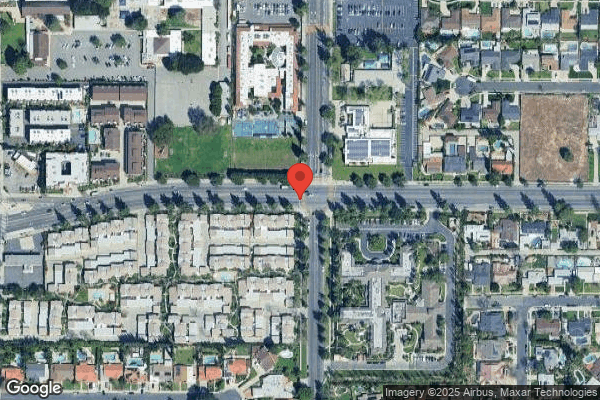
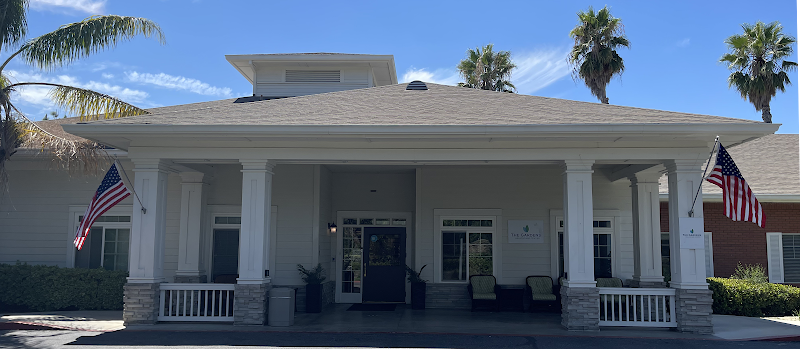
17650 DEVONSHIRE STREET, NORTHRIDGE, CA 91325 (818) 886-1616
For profit - Limited Liability company 45 Beds HEALTHPEAK PROPERTIES, INC. Data: November 2025
Trust Grade
45/100
#694 of 1155 in CA
Last Inspection: May 2025

Inspected within the last 6 months. Data reflects current conditions.

Overview

The Gardens Healthcare Center has a Trust Grade of D, indicating it is below average with some concerning issues. It ranks #694 out of 1155 facilities in California, placing it in the bottom half of the state and #143 out of 369 in Los Angeles County, meaning only a few local options are better. Although the facility's trend is improving, reducing issues from 33 in 2024 to 17 in 2025, staffing remains a concern with a high turnover rate of 69%, significantly above the California average. There have been serious incidents, including a resident who left the facility unnoticed while wearing a wander guard bracelet, leading to a fall, and another resident who fell multiple times due to inadequate supervision and care plan evaluations. However, there are strengths to note, such as no fines on record and better RN coverage than 93% of California facilities, which helps ensure residents receive proper care.

Trust Score
D
45/100
In California
#694/1155
Bottom 40%
Safety Record
Moderate
Needs review
Inspections
Getting Better
33 → 17 violations
Staff Stability
⚠ Watch
69% turnover. Above average. Higher turnover means staff may not know residents' routines.
Penalties
✓ Good
No fines on record. Clean compliance history, better than most California facilities.
Skilled Nurses
✓ Good
Each resident gets 80 minutes of Registered Nurse (RN) attention daily — more than 97% of California nursing homes. RNs are the most trained staff who catch health problems before they become serious.
Violations
⚠ Watch
80 deficiencies on record. Higher than average. Multiple issues found across inspections.
★★★☆☆
3.0
Overall Rating
★★★☆☆
3.0
Staff Levels
★★★★★
5.0
Care Quality
★★☆☆☆
2.0
Inspection Score
Stable
2024: 33 issues
2025: 17 issues

The Good

  • 5-Star Quality Measures · Strong clinical quality outcomes
  • Full Sprinkler Coverage · Fire safety systems throughout facility
  • No fines on record

Facility shows strength in quality measures, fire safety.

The Bad

3-Star Overall Rating

Near California average (3.1)

Meets federal standards, typical of most facilities

Staff Turnover: 69%

23pts above California avg (46%)

Frequent staff changes - ask about care continuity

Chain: HEALTHPEAK PROPERTIES, INC.

Part of a multi-facility chain

Ask about local staffing decisions and management

Staff turnover is elevated (69%)

21 points above California average of 48%

The Ugly 80 deficiencies on record

2 actual harm
May 2025 15 deficiencies
CONCERN (D)

Potential for Harm - no one hurt, but risky conditions existed

Resident Rights (Tag F0550)

Could have caused harm · This affected 1 resident

Based on observation, interview, and record review, the facility failed to ensure a resident's urinary catheter bag (device used to collect urine drained from the bladder via a urinary catheter [a hol...

Read full inspector narrative →
Based on observation, interview, and record review, the facility failed to ensure a resident's urinary catheter bag (device used to collect urine drained from the bladder via a urinary catheter [a hollow tube inserted into the bladder to drain or collect urine]) was covered with a privacy bag (also known as a dignity bag - device used to cover the contents of a urinary catheter bag) for one of three sampled residents (Resident 29) reviewed under the dignity care area. This deficient practice had the potential to negatively affect the resident`s psychosocial wellbeing and dignity. Findings: During a review of Resident 29's admission Record (face sheet), the admission Record indicated that the facility admitted the resident on 4/27/2025, with diagnoses including retention of urine (a condition in which urine cannot empty from the bladder), urinary tract infection (UTI- an infection in the bladder/urinary tract), and history of falling. During a review of Resident 29's Minimum Data Set (MDS - a resident assessment tool) dated 4/30/2025, the MDS indicated that the resident`s cognitive skills (brain's ability to think, read, learn, remember, reason, express thoughts, and make decisions) for daily decision making was moderately impaired (decisions poor, cues/supervision required). The MDS indicated that Resident 29 required staff substantial/maximal assistance (helper does more than half the effort) for toileting hygiene, showering/bathing, lower body dressing, and putting on/taking off footwear. The MDS indicated that Resident 29 required partial/moderate assistance (helper does less than half the effort) from staff for oral hygiene and personal hygiene. The MDS further indicated that Resident 29 had an indwelling catheter. During a review of Resident 29's Physician Order Summary Report dated 4/27/2025, the Order Summary Report indicated to check the placement of the indwelling catheter during every shift. During a concurrent observation and interview on 5/10/2025 at 8:30 a.m. with Registered Nurse 1 (RN 1) inside Resident 29`s room, RN 1 stated that Resident 29`s urinary catheter bag was not covered with a privacy bag. RN 1 stated that urinary collection bags are required to be covered with a privacy bag to promote dignity. During an interview on 5/11/2025 at 2:10 p.m. with the Director of Nursing (DON), the DON stated that urinary catheter bags are required to be covered with a privacy bag. The DON stated that Resident 29`s urinary catheter bag was not covered with a privacy bag and the potential outcome is the lack of promotion of a resident`s dignity. During a review of the facility's Policy and Procedure (P&P) titled Quality of Lift-Dignity, last reviewed on 1/20/2025, the P&P indicated that residents shall be treated with dignity and respect at all times. Demeaning practices and standards of care that compromise dignity is prohibited. Staff should promote dignity and assist residents as needed by helping the residents to keep urinary catheter bags covered.
CONCERN (D)

Potential for Harm - no one hurt, but risky conditions existed

Deficiency F0558 (Tag F0558)

Could have caused harm · This affected 1 resident

Based on observation, interview, and record review, the facility failed to ensure that the call light (an alerting device for nurses to assist a patient when in need) was within a resident`s reach whi...

Read full inspector narrative →
Based on observation, interview, and record review, the facility failed to ensure that the call light (an alerting device for nurses to assist a patient when in need) was within a resident`s reach while in bed for one of one sampled resident (Resident 18) reviewed under the environment task. This deficient practice had the potential to result in a delay in care, and Resident 18`s inability to ask for assistance. Findings: During a review of Resident 18's admission Record (face sheet), the admission Record indicated that the facility admitted the resident on 4/30/2025, with diagnoses including dementia (impaired ability to remember, think, or make decisions that interferes with doing everyday activities), depression (a mood disorder that causes a persistent feeling of sadness and loss of interest), and history of falling. During a review of Resident 18's Minimum Data Set (MDS - a resident assessment tool) dated 5/3/2025, the MDS indicated that the resident`s cognitive skills (brain's ability to think, read, learn, remember, reason, express thoughts and make decisions) for daily decision making was severely impaired (never/rarely made decisions). The MDS indicated that Resident 18 required substantial/maximal assistance (helper does more than half of the effort) from staff for toileting hygiene, showering, bathing, lower body dressing, and putting on/talking off footwear. The MDS further indicated that Resident 18 required partial/moderate assistance (helper does less than half of the effort) from staff for eating, oral hygiene, upper body dressing, and personal hygiene. During a review of Resident 18's care plan (written guide that organizes information about the resident's care) for high risk for falls and injuries initiated on 4/30/2025, the care plan indicated a goal that the resident`s risk factors will be managed to minimize falls and injuries through the next review. The care plan interventions were to explain care and procedure to the resident, and to place the resident`s call light and other common personal belongings within her reach. During a concurrent observation and interview on 5/10/2025 at 8:26 a.m. inside Resident 18`s room, the resident was observed lying on her bed with her call light on the floor. Resident 18 stated that there is a button she presses when she needs help, and she started searching for it. Resident 18 was not able to locate or reach the call light. During a concurrent observation and interview on 5/10/2025 at 8:27 p.m. with Certified Nursing Assistant 1 (CNA 1) inside Resident 18`s room, CNA 1 stated that Resident 18's call light was on the floor, not within the resident's reach. CNA 1 stated the call light should always be within a resident's reach so she can call for help. During an interview on 5/11/2025 at 2:04 p.m. with the Director of Nursing (DON), the DON stated a residents call light is required to be accessible to the resident at all times. The DON stated that the potential outcome of the staff not placing the call light within a resident`s reach is the inability of the resident to call for help when they need it. During a review of the facility's Policy and Procedure (P&P) titled, Resident Call System: Answering the Call Light, last reviewed on 1/20/2025, the P&P indicated that call light shall be accessible and within easy reach while the resident is in his/her bed or other sleeping accommodations within the resident`s room. Call light systems are to be checked for functionality on a regular interval.
CONCERN (D)

Potential for Harm - no one hurt, but risky conditions existed

Deficiency F0578 (Tag F0578)

Could have caused harm · This affected 1 resident

Based on interview and record review, the facility failed to ensure the residents' clinical records were updated about advance directives (written statement of a person's wishes regarding medical trea...

Read full inspector narrative →
Based on interview and record review, the facility failed to ensure the residents' clinical records were updated about advance directives (written statement of a person's wishes regarding medical treatment made to ensure those wishes are carried out should the person be unable to communicate them to a doctor) for one out of the three sampled residents (Resident 147) by failing to maintain a current copy of the resident's advance directives in the resident's active clinical record. This deficient practice had the potential to cause conflict with Resident 147's wishes regarding health care. Findings: During a review of Resident 147's admission Record, the admission Record indicated the facility admitted Resident 147 to the facility on 4/7/2025 and readmitted the resident on 5/3/2025, with diagnoses including normal pressure hydrocephalus (a build-up of fluid in the cavities deep within the brain), type two (2) diabetes mellitus (DM - a disorder characterized by difficulty in blood sugar control and poor wound healing), and major depressive disorder (a serious mental illness that can cause a persistent low mood, loss of interest, and other symptoms that affect how a person feels, thinks, and acts). During a review of Resident 147's History and Physical (H&P), dated 5/5/2025, H&P indicated Resident 147 had the capacity to understand and make decisions. During a review of Resident 147's Minimum Data Set (MDS - a resident assessment tool), dated 5/7/2025, indicated the resident's cognition (the mental action or process of acquiring knowledge and understanding through thought, experience, and the senses) was intact (undamaged mental abilities, including remembering things, making decisions, concentrating, or learning) and the resident was dependent on facility staff or required moderate to maximal assistance with most activities of daily living (ADLs- activities such as bathing, dressing and toileting a person performs daily). During a concurrent interview and record review, with the Director of Social Services (SSD), on 5/10/2025, at 10:17 a.m., Resident 147's clinical record was reviewed and the SSD stated that the resident's Advance Directive Acknowledgement Form indicated Resident 147 had an advance directive. The advance directive was not found in Resident 147's clinical record. The SSD stated the resident's advance directive was not in the chart. During an interview, with the SSD, on 5/10/2025, at 11:22 a.m., the SSD stated a copy of Resident 147's advance directive should have been kept in the resident's active chart to provide guidance to the facility staff about the resident's wishes. During an interview, with the Director of Nursing (DON), on 5/11/2025, at 2:42 p.m., the DON stated that a copy of Resident 147's advance directive should have been kept in the resident's active chart to ensure the resident's wishes would be carried out, and to provide guidance to the facility staff about the resident's wishes. During a review of the facility's policies and procedures (P&P) titled, Advance Directives, reviewed 1/20/2025, the P&P indicated if the resident or resident's representative has executed an advanced directive, a copy of the document is obtained and maintained in the same section of the resident medical record and are readily retrievable by any facility staff.
CONCERN (D)

Potential for Harm - no one hurt, but risky conditions existed

Deficiency F0655 (Tag F0655)

Could have caused harm · This affected 1 resident

**NOTE- TERMS IN BRACKETS HAVE BEEN EDITED TO PROTECT CONFIDENTIALITY** Based on interview and record review, the facility failed to develop a complete baseline care plan within 48 hours of a resident...

Read full inspector narrative →
**NOTE- TERMS IN BRACKETS HAVE BEEN EDITED TO PROTECT CONFIDENTIALITY** Based on interview and record review, the facility failed to develop a complete baseline care plan within 48 hours of a resident`s admission to the facility by failing to address a resident`s indwelling catheter (a hollow tube inserted into the bladder to drain or collect urine) for one of one sampled resident (Resident 9) reviewed under the catheter care area. This deficient practice had the potential for Resident 9 to not receive the appropriate care and treatment in the facility. Findings: During a review of Resident 9's admission Record (face sheet), the admission Record indicated that the facility originally admitted the resident on 9/10/2023 and readmitted on [DATE], with diagnoses including type two (2) diabetes mellitus (DM-a disorder characterized by difficulty in blood sugar control and poor wound healing), obstructive uropathy (a blockage in the urinary tract that prevents urine from draining normally), reflux uropathy (when urine flows backward into the kidneys) and benign prostatic hyperplasia (BPH- a condition in men where the prostate gland grows larger than normal). During a review of Resident 9's Minimum Data Set (MDS - a resident assessment tool) dated 4/20/2025, the MDS indicated that the resident`s cognitive skills (brain's ability to think, read, learn, remember, reason, express thoughts, and make decisions) for daily decision making was moderately impaired (decisions poor, cues/supervision required). The MDS indicated that Resident 9 required substantial/maximal assistance (helper does more than half the effort) from staff for toileting hygiene and showering/bathing. The MDS indicated that Resident 9 required partial/moderate assistance (helper does less than half the effort) from staff for oral hygiene, upper body dressing, and personal hygiene. The MDS further indicated that Resident 9 had an indwelling catheter. During a review of Resident 9's physician Order Summary Report dated 4/29/2025, the Order Summary Report indicated an order to provide indwelling catheter care: cleanse the area during every shift and monitor for redness, irritation, swelling and sign and symptoms of urinary tract infection (UTI- an infection in the bladder/urinary tract) during every shift. During a concurrent interview and record review on 5/11/2025 at 1:00 p.m. with MDS Coordinator 1 (MDSC 1), Resident 9`s baseline care plan was reviewed. MDSC 1 stated that Resident 9 was readmitted to the facility on [DATE] with an indwelling catheter. MDSC 1 stated that Resident 9`s baseline care plan initiated on 4/21/2025, did not indicate that the resident had an indwelling catheter. MDSC 1 stated that residents` baseline care plans must address all of the residents' care areas. MDSC 1 stated that the potential outcome of not thoroughly completing a resident`s baseline care plan is the inability to meet the resident`s immediate care needs and lack of care. During an interview on 5/11/2025 at 2:18 p.m., with the Director of Nursing (DON), the DON stated a resident`s baseline care plan is required to be completed within 48 hours of the resident`s admission to the facility. The DON stated that upon admission, licensed staff are required to develop a complete and thorough baseline care plan for each resident addressing problem areas and all the necessary nursing interventions. The DON stated that he (DON) developed Resident 9`s baseline care plan on 4/21/2025. The DON stated that Resident 9`s baseline care plan was not completed thoroughly because the baseline care plan did not address the resident`s indwelling catheter. The DON stated the potential outcome of not completing a baseline care plan is the inability to meet the resident`s immediate care needs related to the indwelling catheter. During review of the facility`s Policy and Procedure (P&P) titled Baseline Care Plan Summary, last reviewed on 1/20/2025, the P&P indicated that the facility is required to develop a baseline care plan within the first 48 hours of admission which provides instructions for the provision of effective and person-centered care to each resident. This means that baseline care plan should strike a balance between conditions and risks affecting the resident`s health and safety. The baseline care plan must reflect the resident`s goals and objectives and include interventions that address his or her current needs.
CONCERN (D)

Potential for Harm - no one hurt, but risky conditions existed

Comprehensive Care Plan (Tag F0656)

Could have caused harm · This affected 1 resident

Based on interview, and record review, the facility failed to develop and implement a comprehensive person-centered care plan (a plan of care that summarizes a resident's health conditions, specific c...

Read full inspector narrative →
Based on interview, and record review, the facility failed to develop and implement a comprehensive person-centered care plan (a plan of care that summarizes a resident's health conditions, specific care and services facility staff need to provide a resident to promote healing and prevent a worsening of a condition, and current treatments) to meet the resident`s needs for one of one sampled resident (Resident 30) by failing to develop and implement a comprehensive person-centered care plan addressing Resident 30`s use of a continuous glucose monitoring system (CGM-a system that provides glucose readings every minute, allowing users to see their glucose levels in real-time, anytime, and anywhere. It uses a sensor that's worn on the back of the arm for up to 14 days and wirelessly sends glucose data to a smartphone application or reader). This deficient practice had the potential to result in Resident 30`s inadequate care. Findings: During a review of Resident 30's admission Record (face sheet), the admission Record indicated that the facility admitted the resident on 4/11/2025, with diagnoses including type two diabetes mellitus (DM-a disorder characterized by difficulty in blood sugar control and poor wound healing), hypertension (HTN-high blood pressure), and Chronic Obstructive Pulmonary Disease (COPD-a chronic lung disease causing difficulty in breathing). During a review of Resident 30's Minimum Data Set (MDS - a resident assessment tool) dated 4/16/2025, the MDS indicated that the resident`s cognitive skills (brain's ability to think, read, learn, remember, reason, express thoughts, and make decisions) for daily decision making was intact (decisions consistent/reasonable). The MDS further indicated that Resident 30 was taking hypoglycemic (a group of drugs used to help reduce the amount of sugar present in the blood) medication which was considered a high-risk drug class medication (a group of medications that pose a significantly elevated risk of causing harm to patients if used incorrectly or if errors occur during administration). During a review of Resident 30's physician Order Summary Report (physician order) dated 4/11/2025, the Order Summary Report indicated to apply a CGM sensor transdermally (through the skin) in the morning, every 14 days on the back of the resident`s upper arm. During a concurrent interview and record review on 5/10/2025 at 2:00 p.m., with MDS Coordinator 1 (MDSC 1), Resident 30`s care plans were reviewed. MDSC 1 stated that Resident 30`s physician ordered to apply a CGM sensor transdermally every 14 days on the back of the resident`s upper arm for continuous blood sugar monitoring. However, licensed nurses did not develop a comprehensive care plan with person-centered interventions for the use of this sensor. MDSC 1 stated there should have been a person-centered care plan developed with goals and interventions to address how the facility is going to monitor Resident 30`s CGM sensor. MDSC 1 stated the potential outcome of not developing a care plan for a resident who has a CGM sensor is the absence of care. During an interview on 5/11/2025 at 2:06 p.m., with the Director of Nursing (DON), the DON stated licensed nurses did not develop a care plan with goals and interventions for Resident 30`s CGM sensor. The DON stated licensed nurses are using Resident 30`s CGM sensor blood sugar reading and it is required to monitor the sensor to ensure it is applied properly and functioning. The DON stated the potential outcome of not developing a person-centered care plan for a resident who has a CGM sensor is the lack or inadequate care for the resident. During a review of the facility's Policy and Procedure (P&P) titled, Care Plans, Comprehensive Person-Centered, last reviewed on 1/20/2025, the P&P indicated that a comprehensive person-centered care plan that includes measurable objectives and timetables to meet the resident`s physical, psychosocial, and functional needs is developed and implemented for each resident. The comprehensive person-centered care plan will include measurable objectives and timeframes, describe the services that are to furnish to attain or maintain the resident`s highest practicable physical, mental, and psychosocial well-being and incorporate identified problem areas.
CONCERN (D)

Potential for Harm - no one hurt, but risky conditions existed

Quality of Care (Tag F0684)

Could have caused harm · This affected 1 resident

Based on interview, and record review, the facility failed to provide the necessary care and services to attain or maintain the highest practicable physical well-being for one of one sampled resident ...

Read full inspector narrative →
Based on interview, and record review, the facility failed to provide the necessary care and services to attain or maintain the highest practicable physical well-being for one of one sampled resident (Resident 30) by failing to: 1. Monitor Resident 30`s continuous glucose monitoring system (CGM-a system that provides glucose readings every minute, allowing users to see their glucose levels in real-time, anytime, and anywhere. It uses a sensor that's worn on the back of the arm for up to 14 days and wirelessly sends glucose data to a smartphone app or reader) and ensure that the sensor patches are available in the facility for application. 2. Complete Resident 30`s Admission/readmission Screen and Baseline Care Plan form accurately upon his admission to the facility. These deficient practices had the potential to result in ineffective management of Resident 30's type 2 diabetes ((DM 2-a disorder characterized by difficulty in blood sugar control and poor wound healing) diagnosis. Findings: During a review of Resident 30's admission Record (face sheet), the admission Record indicated that the facility admitted the resident on 4/11/2025, with diagnoses including type two diabetes mellitus, hypertension (HTN-high blood pressure), and chronic obstructive pulmonary disease (COPD-a chronic lung disease causing difficulty in breathing). During a review of Resident 30's Minimum Data Set (MDS - a resident assessment tool) dated 4/16/2025, the MDS indicated that the resident`s cognitive skills (brain's ability to think, read, learn, remember, reason, express thoughts, and make decisions) for daily decision making was intact (decisions consistent/reasonable). The MDS further indicated that Resident 30 was taking hypoglycemic (a group of drugs used to help reduce the amount of sugar present in the blood) medication which was considered a high-risk drug class medication (a group of medications that pose a significantly elevated risk of causing harm to patients if used incorrectly or if errors occur during administration). During a review of Resident 30's physician Order Summary Report (physician order) dated 4/11/2025, the Order Summary Report indicated to apply the CGM sensor transdermally (through the skin) in the morning, every 14 days on the back of the resident`s upper arm. During a review of Resident 30`s physician Order Summary Report dated 4/11/2025, the Order Summary Report indicated an order to administer insulin lispro (a rapid-acting insulin: a medicine used to control the amount of sugar in the blood of patients with diabetes. It starts to work very quickly, and you take it before meals to stop your blood sugar (BS) from going too high) subcutaneously (SQ- injecting in the fatty layer of the skin) as per sliding scale ( the increasing administration of the insulin dose based on the blood sugar level) before meals for DM 2: if the resident`s blood sugar level is 70-150 mg/dl, administer 0 unit of insulin (a unit of measurement for insulin), BS 151-200 mg/dl=1 unit, BS 201-250 mg/dl=2 units, BS 251-300 mg/dl= 3 units, BS 301-350 mg/dl=4 units, and BS 351-400 mg/dl=5 units of insulin. During a review of Resident 30's physician Order Summary Report dated 4/11/2025, the Order Summary Report indicated an order to administer insulin Glargine solution (a long-acting insulin injected once daily that provides a consistent, steady level of insulin throughout the day), 100 units per milliliters (unit/ml, a unit of fluid volume), inject 10 units SQ at bedtime for hyperglycemia (a condition where there is an abnormally high level of sugar in the bloodstream). During a review of Resident 30`s Self Administration of Medication form dated 4/11/2025, the form indicated that the resident did not request self-administration of any medication. During a review of Resident 30`s Medication Administration Records (MAR - a daily documentation record used by a licensed nurse to document medications and treatments given to a resident) for 4/11/2025-4/31/2025, the MAR indicated that licensed nurses documented that CGM sensors were not available for application on 4/12/2025 and 4/26/2025. During an observation of the medication administration on 5/10/2025 at 9:37 a.m., Licensed Vocational Nurse 1 (LVN 1) was observed preparing Resident 30`s morning medications. LVN 1 stated that Resident 30`s CGM sensor is due for application today (5/10/2025). However, sensor patches are not available in the medication cart for application. LVN 1 looked for the patches in the facility`s medication room as well and did not find one. During a concurrent interview and record review on 5/10/2025 at 11:00 a.m., with the Director of Nursing (DON), Resident 30`s physician orders and MAR for April 2025 were reviewed. The DON stated that Resident 30`s physician ordered to apply a CGM sensor transdermally on the back of the resident`s upper arm every 14 days. However, the facility does not have the patches available for the nurses to apply on Resident 30`s upper arm. The DON stated licensed staff documented that the patches were not available in the facility for application on 4/12/2025 and 4/26/2025. The DON stated licensed nurses did not inform him that Resident 30 is using a CGM sensor. The DON stated that he is unsure if Resident 30 currently has a sensor patch on his arm. During a concurrent observation and interview on 5/10/2025 at 11:40 a.m. with the DON and Resident 30 inside Resident 30`s room, the DON stated that Resident 30 did have a sensor patch on his left upper arm. Resident 30 stated that he has been placing the CGM patch every 14 days on his own without the assistance of a facility staff member and was aware that the sensor patch is due to be changed today (5/10/2025). Resident 30 stated that the CGM sensor was never applied by staff. Resident 30 stated that he is capable of changing his patches. During a concurrent interview and record review on 5/10/2025 at 1:40 p.m., with MDS Coordinator 1 (MDSC 1), Resident 30`s Admission/readmission Screen and Baseline Care Plan form was reviewed. MDSC 1 stated a licensed nurse initiated Resident 30`s Admission/readmission Screen and Baseline Care Plan form on 4/11/2025. However, the nurse who completed the assessment did not lock the assessment and the assessment is therefore not signed and considered incomplete. MDSC 1 stated Resident 30`s Admission/Readmission/readmission Screen and Baseline Care Plan form did not address that the resident uses a CGM system. MDSC 1 stated that licensed staff are required to thoroughly assess the residents upon admission, complete their assessment forms and sign the forms with the time and date the assessment was completed. MDSC 1 stated the potential outcome of an incomplete admission assessment form is the lack of care and delivery of necessary services to the resident. During a concurrent interview and record review on 5/10/2025 at 2:00 p.m., with MDS Coordinator 1 (MDSC 1), Resident 30`s care plans were reviewed. MDSC 1 stated that Resident 30`s physician ordered to apply the CGM sensor transdermally every 14 days on the back of the resident`s upper arm for continuous blood sugar monitoring. However, licensed staff did not develop a comprehensive care plan with person-centered interventions for this sensor. MDSC 1 stated it is required to develop a person-centered care plan with goals and interventions to address how the facility is going to monitor Resident 30`s CGM sensor. MDSC 1 stated the potential outcome of not developing a care plan for a resident who has a CGM sensor is the absence of care. During a concurrent interview and record review on 5/11/2025 at 1:25 p.m., with Registered Nurse 3 (RN 3), Resident 30`s physician orders were reviewed. RN 3 stated that she received and processed Resident 30`s physician order for application of the CGM sensor transdermally on the back of the resident`s upper arm every 14 days on his admission. RN 3 stated she (RN 3) did not call the physician and did not obtain an order for monitoring the CGM sensor. RN 3 stated that licensed nurses should have monitored the placement and functionality of Resident 30's CGM system. RN 3 further stated that Resident 30`s self-administration of medication form dated 4/11/2025 indicated that the resident did not request self-administration of medication, however, Resident 30 was applying the CGM sensor patches. RN 3 stated the resident should have been assessed to determine whether the self-administration of the CGM patch sensor was appropriate. RN 3 also stated that the facility should ensure that they have the sensor patches readily available for the resident's use. During review of the facility`s Policy and Procedure (P&P) titled Resident Examination and Assessment, reviewed 1/20/2025, the P&P indicated that the purpose of this procedure is to examine and assess the resident for any abnormalities in health status which provides a basis for the care plan. Review the resident`s admission assessment and/or preliminary care plan to assess for any special situation regarding the resident`s care. During review of the facility`s Policy and Procedure (P&P) titled Charting and Documentation, reviewed 1/20/2025, the P&P indicated that all services provided to the resident, progress toward the care plan goals, or any changes in the resident's medical, physical, functional pr psychosocial conditions shall be documented in the resident`s medical record. Documentation in the medical record will be objective, complete and accurate. During a review of the facility's Policy and Procedure (P&P) titled, Care Plans, Comprehensive Person-Centered, last reviewed on 1/20/2025, the P&P indicated that a comprehensive person-centered care plan that includes measurable objectives and timetables to meet the resident`s physical, psychosocial, and functional needs is developed and implemented for each resident. The comprehensive person-centered care plan will include measurable objectives and timeframes, describe the services that are to furnish to attain or maintain the resident`s highest practicable physical, mental, and psychosocial well-being and incorporate identified problem areas.
CONCERN (D)

Potential for Harm - no one hurt, but risky conditions existed

Accident Prevention (Tag F0689)

Could have caused harm · This affected 1 resident

Based on observation, interview, and record review, the facility failed to provide an environment free from accidents and hazards and implement interventions to prevent accidents when Licensed Vocatio...

Read full inspector narrative →
Based on observation, interview, and record review, the facility failed to provide an environment free from accidents and hazards and implement interventions to prevent accidents when Licensed Vocational Nurse 1 (LVN 1) left a bottle of Vitamin C unattended and easily accessible to other residents on top of the medication cart while LVN 1 was inside Resident 30`s room to administer Resident 30's medications. This deficient practice placed other residents at risk to gain access to Vitamin C without staff knowledge resulting in the accidental ingestion possibly causing harm to the residents. Findings: During a review of Resident 30's admission Record (face sheet), the admission Record indicated that the facility admitted the resident on 4/11/2025, with diagnoses including type two diabetes mellitus (DM-a disorder characterized by difficulty in blood sugar control and poor wound healing), hypertension (HTN-high blood pressure), and Chronic Obstructive Pulmonary Disease (COPD-a chronic lung disease causing difficulty in breathing). During a review of Resident 30's Minimum Data Set (MDS - a resident assessment tool) dated 4/16/2025, the MDS indicated that the resident`s cognitive skills (brain's ability to think, read, learn, remember, reason, express thoughts, and make decisions) for daily decision making was intact (decisions consistent/reasonable). The MDS indicated that Resident 30 required staff partial/moderate assistance (helper does less than half the effort) for oral hygiene, upper body dressing, and personal hygiene. The MDS further indicated that Resident 30 was dependent on staff (helper does all of the effort) for toileting hygiene, lower body dressing and putting on/taking off footwear. During a review of Resident 30's physician Order Summary Report (physician orders) dated 4/24/2025, the Order Summary Report indicated to administer vitamin C (Ascorbic Acid-a type of supplement) 500 milligrams (mg-a unit of measure of mass) by mouth two times a day for 30 days. During an observation of the medication administration on 5/9/2025 at 9:27 a.m., Licensed Vocational Nurse 1 (LVN 1) was observed preparing Resident 30`s morning medications. LVN 1 removed a bottle of vitamin C from the cart drawer, took one tablet, placed it in a cup and closed the bottle with its cart. LVN 1 did not place the bottle inside the medication cart and left it on top of the cart. LVN 1 entered Resident 30`s room to administer Resident 30's medications. During a concurrent observation and interview on 5/10/2025 at 9:40 a.m., LVN 1 observed the unattended bottle of Vitamin C left on top of her medication cart. LVN 1 stated that she (LVN 1) left the vitamin C bottle outside the medication cart, unsecured, and easily accessible to other residents in the hallway. LVN 1 stated that medications should never be left outside of the medication cart drawers unattended. LVN 1 stated the potential outcome of leaving medication outside of medication cart drawer is that other residents can easily access the medication, and consume medication not prescribed for their specific condition which may cause injury. During an interview on 5/11/2025 at 2:17 p.m. with the Director of Nursing (DON), the DON stated that the bottle of Vitamin C should not have been left on top of the medication cart in the hallway because it placed other residents at risk of being able to easily access medications without the supervision of a licensed staff member. During review of the facility`s Policy and Procedure (P&P) titled Medication Storage in The Facility, reviewed 1/20/2025, the P&P indicated that medications and biologicals are stored safely, securely, and properly, following manufacturer`s recommendations or those of the supplier. The medication supply is accessible only to licensed nursing personnel, pharmacy personnel, or staff members lawfully authorized. Only licensed nurses, pharmacy personnel, and those lawfully authorized are allowed access to medications. Medication rooms, carts, and medication supplies are locked or attended by persons with authorized access. During review of the facility`s Policy and Procedure (P&P) titled Storage of Medications, reviewed 1/20/2025, the P&P indicated that the nursing staff shell be responsible for maintaining medication storage and preparation areas in a clean, safe, and sanitary manner. Drugs shall be stored in an orderly manner in cabinets, drawers, carts or automatic dispensing systems. Compartments (including but not limited to drawers, cabinets, rooms, refrigerators, carts, and boxes) containing drugs and biologicals shall be locked when not in use, and trays or carts used to transport such items shall not be left unattended if open or otherwise potentially available to others.
CONCERN (D)

Potential for Harm - no one hurt, but risky conditions existed

Deficiency F0692 (Tag F0692)

Could have caused harm · This affected 1 resident

Based on interview and record review, the facility failed to follow a physician's order by failing to conduct a weekly weight for one of one sampled resident (Resident 24). This deficient practice ha...

Read full inspector narrative →
Based on interview and record review, the facility failed to follow a physician's order by failing to conduct a weekly weight for one of one sampled resident (Resident 24). This deficient practice had the potential for a delay in care and services and undetected weight loss. Findings: During a review of Resident 24's admission Record, the admission Record indicated the facility admitted Resident 24 initially on 3/26/2025 and readmitted the resident on 4/21/2025 with diagnoses that included but not limited to type two (2) diabetes (a chronic condition that affects the way the body processes blood glucose [sugar]), muscle weakness, and metabolic encephalopathy (the loss of brain function due to a chemical imbalance in the blood). During a review of Resident 24's History and Physical (H&P- a formal assessment by a healthcare provider that involves a resident interview, physical exam, and documentation of findings) dated 4/24/2025, the H&P indicated Resident 24 did not have the capacity to understand make decisions. During a review of Resident 24's Minimum Data Set (MDS - a resident assessment tool) dated 4/24/2025, the MDS indicated Resident 24 was able to understand others and make himself understood, but forgetful with poor recall and dependent on staff for activities such as toileting bathing and dressing. During a review of Resident 24's Order Summary Report, the Order Summary Report indicated an order for weekly weights x4 every day shift, every seven (7) days for weight monitoring for 30 days, ordered 4/21/2025. During a review of Resident 24's weights, Resident 24's weights indicated the following: - 4/22/2025: 151 pounds (lbs. - unit of measurement) - 5/4/2025: 151 lbs. There was no weight recorded on 4/29/2025, seven (7) days after the weight on 4/22/2025. During a concurrent interview and record review on 5/10/2025 at 2:12 p.m., with the Director of Staff Development (DSD), reviewed Resident 24's weights. The DSD stated the second week's weight on 4/29/2025 should not have been missed to ensure the resident is not continuing to lose weight. The DSD stated she oversees the weight log accuracy. During an interview on 5/11/2025 at 2:46 p.m., with the Director of Nursing (DON), the DON stated licensed nurses must follow physician's orders and it was unacceptable for licensed nurses to miss a week of weights. The DON further stated without weighing every week, how else will the facility know if the resident is continuing to lose weight. During a review of the facility's policy and procedure (P&P) titled, Weighing and Measuring the Resident, last reviewed on 1/20/2025, the P&P indicated the purpose of the P&P is to provide a baseline and ongoing record of the resident's body weight as an indicator of the nutritional status of the resident.
CONCERN (D)

Potential for Harm - no one hurt, but risky conditions existed

Deficiency F0694 (Tag F0694)

Could have caused harm · This affected 1 resident

Based on interview and record review the facility failed to provide care and services that meet professional standards of quality by failing to assess the continued need for a peripheral intravenous (...

Read full inspector narrative →
Based on interview and record review the facility failed to provide care and services that meet professional standards of quality by failing to assess the continued need for a peripheral intravenous (IV-into or within the vein, a small tub is inserted) catheter (a thin, flexible tube that is inserted into a vein to draw blood and give treatments including IV fluids, drugs, or blood transfusions) if not being used for IV fluids or medications for one of one sampled resident (Resident 198). This deficient practice had the potential for Resident 198 to develop an infection from a prolonged IV that she did not need. Findings: During a review of Resident 198's admission Record, the admission Record indicated the facility admitted Resident 185 on 5/8/2025 with diagnoses that included, but not limited to muscle weakness, fusion of the spine (a procedure that permanently joins two or more vertebrae [the individual bones that make up the spinal column, also known as the spine] in the spine to eliminate movement between them), spinal stenosis (a condition where the spaces in the spine become narrower, putting pressure on the nerves and spinal cord) and depression (a persistent low mood, loss of interest or pleasure in most activities, and other symptoms that interfere with daily life). During a review of Resident 198's History and Physical (H&P), dated 5/9/2025, the H&P indicated Resident 198 was admitted from a general acute care hospital (GACH) on 5/8/2025 after having spinal fusion surgery. During a review of Resident 198's Minimum Data Set (MDS - an assessment and care screening tool) dated 5/11/2025, the MDS indicated Resident 198 was able to understand others and make herself understood, but forgetful with moderately poor orientation and recall. During a review of Resident 185's Skin Evaluation Admission/readmission (Upon Return of the Facility within 72 Hours) on 5/9/2025 dated 5/8/2025 did not indicate Resident 185's had an IV. During an observation on 5/8/2025 at 7:45pm in Resident 185's room, Resident 185 had an IV on the back side of her right lower arm. Resident 185 stated she did not know why the nurses did not remove it at the hospital or at the facility since she does not need it anymore. Resident 185 stated the IV did not hurt but was very annoying. During a concurrent interview and record review with Registered Nurse 2 (RN 2) on 5/8/2025 at 8:50 pm, RN 2 looked through Resident 185's electronic medical record and stated Resident 185 did not have an indication or order for an IV. During a concurrent observation and interview 5/8/2025 at 8:55 pm with RN 2 in Resident 185's room, RN 2 pointed to Resident 185's right arm and stated the GACH should have removed the IV and because they did not, the admitting nurse should have seen it and removed it to prevent pain or infection. During an interview with the Director of Nursing (DON), the DON stated the licensed nurses should have identified the IV upon admission and remove it. The DON stated Resident 185 did not have a need for the IV and prolonged placement of the IV could cause bleeding, swelling or an infection. During a review of the facility's policy lastt reviewed on 1/20/2025, titled, General Policies for IV Therapy, the policy indicated physician orders are required for initiating intravenous therapy. All orders must include name. dose, frequency, duration of therapy, route of administration and dignosis.
CONCERN (D)

Potential for Harm - no one hurt, but risky conditions existed

Respiratory Care (Tag F0695)

Could have caused harm · This affected 1 resident

Based on observation, interview, and record review, the facility failed to ensure residents receive necessary respiratory care and services that is in accordance with professional standards of practic...

Read full inspector narrative →
Based on observation, interview, and record review, the facility failed to ensure residents receive necessary respiratory care and services that is in accordance with professional standards of practice for one of two sampled residents (Resident 4) investigated under the respiratory care area when Resident 4's nasal cannula (a medical device that delivers supplemental oxygen therapy to people with low oxygen levels) oxygen tubing was touching the floor and the tubing cannula (a small flexible tube with two prongs that fit inside the nostrils, used to deliver extra oxygen) was not attached to the resident. This deficient practice had the potential to result in contamination of the resident's care equipment and risk of transmission of bacteria that can lead to infection. Findings: During a review of Resident 4's admission Record, the admission Record indicated the facility admitted the resident on 4/23/2025 with diagnoses including fracture of right femur (a break of thighbone), aphasia (a condition that makes it hard for a person to speak, understand, read or write language), and urinary tract infection (an infection in any part of the urinary system). During a review of Resident 4's Minimum Data Set (MDS - a resident assessment tool), dated 9/17/2024, the MDS indicated the resident had the ability to make self-understood and the ability to understand others. During a review of Resident 4's History and Physical (H&P - a comprehensive assessment of a resident's health, performed by a doctor during an initial visit), dated 4/25/2025, the H&P indicated that the resident could make needs known but cannot make medical decisions. During a review of Resident 4's Physician's Orders, dated 5/9/2025, the Physician's Orders indicated an order to administer oxygen at two (2) liters (a unit of measure for volume) per minute (LPM) via nasal cannula continuously every shift. During a concurrent observation and interview, on 5/9/2025, at 7:22 p.m., with Licensed Vocational Nurse (LVN) 2, inside Resident 4's room, Resident 4's nasal cannula tubing was on the floor and the tubing cannula was under Resident 4's body, not connected to the resident's nose. The other end of the tubing connected to an oxygen concentrator (a medical device that extracts oxygen from ambient air and delivers a concentrated stream of oxygen to residents who need supplemental oxygen). LVN 2 verified that a portion of the tubing was on the floor. LVN 2 stated that the tubing was already contaminated and can introduce infection to the resident. LVN 2 stated this deficient practice had the potential for Resident 4 to desaturate (a decrease in the oxygen saturation of the blood) and risk of transmission of bacteria that can lead to infection. During an interview, on 5/11/2025, at 2:42 p.m., with the Director of Nursing (DON), the DON stated licensed staff are required to implement physician orders for the administration of oxygen to residents. The DON stated the potential outcome of oxygen tubing touching the floor is development of respiratory infection in Resident 4. The DON stated that if the nasal canula was not attached to Resident 4, there is potential for Resident 4 to desaturate. During a review of the facility`s policy and procedure (P&P) titled, Oxygen Administration, last reviewed on 1/03/2025, the policy statement indicated, The nasal canula is a tube that is placed approximately one-half inch into the resident's nose. It is held in place by an elastic band placed around the resident's head. During a review of the Centers for Disease Control (CDC) source material, Guidelines for Environmental Infection Control in Health-Care Facilities, last updated April 2023, the source material indicated floors can become rapidly contaminated from airborne microorganisms and those transferred from shoes, equipment wheels, and body substances.
CONCERN (D)

Potential for Harm - no one hurt, but risky conditions existed

Deficiency F0761 (Tag F0761)

Could have caused harm · This affected 1 resident

Based on observation interview, and record review the facility failed to: 1. Ensure the disposal of medications in a manner that was not retrievable, in one of one inspected Medication Rooms (Medicati...

Read full inspector narrative →
Based on observation interview, and record review the facility failed to: 1. Ensure the disposal of medications in a manner that was not retrievable, in one of one inspected Medication Rooms (Medication Room Station 1.) 2. Include three disposed medications with verifying signatures of two licensed nurses on the Medication Disposition Record/Pass Log. As a result, control and accountability of discontinued medications and medications awaiting final disposition (process of returning and/or destroying unused medications) did not follow federal regulations and facility policy and procedures. These deficient practices increased the opportunity for medication diversion (the transfer of a medication from a lawful to an unlawful channel of distribution or use,) and increased the risk that residents in the facility could have accidental exposure to harmful medications and delayed medication treatment during emergencies possibly leading to physical and psychosocial harm, and hospitalization. Findings: During a concurrent observation and interview on 05/11/25 08:32 am, with Registered Nurse 3(RN 3), in Medication Room Station 1, the pharmaceutical waste bin was observed to contain a mixture of unopened and unused medications in their original manufacturer packaging, as well as a couple intact (not damaged or impaired in any way) loose medication tablets and capsules out of their manufacturer packaging. RN 3 stated the pharmaceutical waste bin contained medications that were disposed of in original manufacture packaging and as loose tablets and capsules. RN 3 stated, per facility policy and procedures, medications needed to be disposed of in a manner that the medications could not be retrieved intact (unchanged from original form) by pouring liquid over them. RN 3 stated that the pharmaceutical bin did not contain liquid poured over the medications, and the medications remained in a form that could be easily retrieved and re-used. RN 3 stated when medications are not disposed of properly there could be the potential for accidental misuse and diversion. During a concurrent record review and interview on 5/11/25 at 8:48 am, with RN 3, in Medication Room Station 1, RN 3 reviewed Medication Disposition Record/Pass records between 5/1/25 and 5/10/25. RN 3 stated she was unable to locate the entry and witness signatures of licenses nurses on three medications: Vancomycin oral suspension (used to teat infections caused by bacteria); Nystatin powder (used to treat fungal infections) 100 milligrams (ml-unit of measurement) and Naloxone spray (used to treat opioid [class of drugs used to reduce moderate to severe pain] over dose) found in the pharmaceutical waste bin. RN 3 stated that licensed nurses failed to follow the policy of entering all medication in the logs by a witness when disposing medications. During a concurrent record review and interview on 5/11/25 at 10:54 am, with the Director of Nursing (DON,) the DON reviewed the three medications found the pharmaceutical waste bin against the Medication Disposition Record/Pass Log records. The DON stated he was unable to locate the medications and witness signatures on the logs dated between 5/1/25 and 5/10/25. The DON stated licensed nurses failed to log the medications and include the signatures of witnesses when destroying medications. The DON stated it was important to verify and sign these logs with witnesses to prevent medication diversions and accidental exposure to residents. Review of the Policy and Procedures (P&P) titled Disposal of Medication and Medication related supplies last reviewed 1/20/25, the P&P indicated all medications are placed in the proper waste container per facility policy. The nurse(s) and/or pharmacist witnessing the destruction ensure that the following information is entered on the medication disposition form with date, resident's name, name and strength of the medication, prescription number, amount of medication destroyed and signatures of witnesses.
CONCERN (D)

Potential for Harm - no one hurt, but risky conditions existed

Food Safety (Tag F0812)

Could have caused harm · This affected 1 resident

Based on observation, interview, and record review, the facility failed to ensure proper sanitation and food handling practices to prevent the outbreak of foodborne illnesses (also called food poisoni...

Read full inspector narrative →
Based on observation, interview, and record review, the facility failed to ensure proper sanitation and food handling practices to prevent the outbreak of foodborne illnesses (also called food poisoning, illness caused by eating contaminated food) when one of five sampled residents (Resident 147) had leftover food that was not removed from the resident's bedside after four hours. These deficient practices had the potential for Resident 147 to ingest (consume) contaminated leftover food and lead to foodborne illness. Findings: During a review of Resident 147's admission Record, the admission Record indicated the facility admitted Resident 147 to the facility on 4/7/2025 and readmitted the resident on 5/3/2025, with diagnoses including normal pressure hydrocephalus (a build-up of fluid in the cavities deep within the brain), type two (2) diabetes mellitus (DM - a disorder characterized by difficulty in blood sugar control and poor wound healing), and major depressive disorder (a serious mental illness that can cause a persistent low mood, loss of interest, and other symptoms that affect how a person feels, thinks, and acts). During a review of Resident 147's History and Physical (H&P), dated 5/5/2025, H&P indicated Resident 147 had the capacity to understand and make decisions. During a review of Resident 147's Minimum Data Set (MDS - a resident assessment tool), dated 5/7/2025, indicated the resident's cognition (the mental action or process of acquiring knowledge and understanding through thought, experience, and the senses) was intact (undamaged mental abilities, including remembering things, making decisions, concentrating, or learning) and the resident was dependent on facility staff or required moderate to maximal assistance with most activities of daily living (ADLs- activities such as bathing, dressing and toileting a person performs daily). During a concurrent observation and interview, on 5/9/2025, at 7:44 p.m., inside Resident 147's room, with Resident 147, Resident 147's bedside table had a baked custard covered with plastic wrap on the table surface. Resident 147 asked to remove the baked custard and stated that the baked custard was in the room for last couple days. During a concurrent observation and interview, with Registered Nurse (RN) 2, on 5/9/2025, at 7:50p.m., inside Resident 147's room, RN 2 confirmed and stated the baked custard on top of Resident 147's table was served for lunch on 5/9/2025, between 12 p.m. to 1 p.m. During a concurrent interview and record review, on 5/10/2025, at 4:41 p.m., with the Dietary Supervisor (DS), the menu for the week of May 4, 2025 to May 9, 2025 was reviewed and the menu indicated baked custard was served during lunch on May 9,2025. The DS stated that the facility does not allow residents to store leftover food from their meal trays for more than four hours. The DS stated yesterday (5/9/2025), baked custard was served to Resident 147 during lunch time. The DS stated that lunch time in the facility is from 12 p.m. to 1p.m. The DS stated that leftover food had to be discarded after four hours as it is no longer safe for the resident to consume beyond that time and may cause foodborne illnesses. During a review of the facility's P&P titled, Meal Service, last reviewed 1/20/2025, indicated Nursing will remove the tray when the resident completes the meal and placed all trays and tray cart and returns to the cart to the [Food and Nutrition Service] Department. Note that food on trays is no longer being temperature controlled- trays must not be kept past [four] hours in rooms, despite a resident's inquiry.
CONCERN (E)

Potential for Harm - no one hurt, but risky conditions existed

Incontinence Care (Tag F0690)

Could have caused harm · This affected multiple residents

Based on interview and record review, the facility failed to: 1. Ensure one of one sampled resident (Resident 29) with an indwelling catheter (a hollow tube inserted into the bladder to drain or colle...

Read full inspector narrative →
Based on interview and record review, the facility failed to: 1. Ensure one of one sampled resident (Resident 29) with an indwelling catheter (a hollow tube inserted into the bladder to drain or collect urine) received proper care and services by failing to provide indwelling catheter care to the resident as ordered by the physician. This deficient practice had the potential to result in Resident 29 receiving inadequate care and supervision at the facility. 2. Provide a bowel/bladder retraining program (a set of strategies and interventions aimed at helping individuals regain or maintain control over their bowel and bladder functions) for two of two sampled residents (Resident 7 and 21) reviewed under the care area bladder and bowel incontinence (inability to control the flow of urine from the bladder or the escape of stool from the rectum). This deficient practice had the potential for Residents 7 and 21 to not receive the proper and necessary care to maintain regain some control of their incontinence. Findings: 1. During a review of Resident 29's admission Record (face sheet), the admission record indicated that the facility admitted the resident on 4/27/2025, with diagnoses including retention of urine (a condition in which urine cannot empty from the bladder), urinary tract infection (UTI- an infection in the bladder/urinary tract), and history of falling. During a review of Resident 29's Minimum Data Set (MDS - a resident assessment tool) dated 4/30/2025, the MDS indicated that the resident`s cognitive skills (brain's ability to think, read, learn, remember, reason, express thoughts, and make decisions) for daily decision making was moderately impaired (decisions poor, cues/supervision required). The MDS indicated that Resident 29 required staff substantial/maximal assistance (helper does more than half the effort) for toileting hygiene, showering/bathing, lower body dressing, and putting on/taking off footwear. The MDS indicated that Resident 29 required staff partial/moderate assistance (helper does less than half the effort) for oral hygiene and personal hygiene. The MDS further indicated that Resident 29 had an indwelling catheter. During a review of Resident 29's physician Order Summary Report dated 4/29/2025, the Order Summary Report indicated to provide indwelling catheter care: cleanse the area and monitor for redness, irritation, swelling and sign and symptoms of UTI during every shift. During a review of Resident 29's care plan for indwelling catheter initiated on 4/27/2025, the care plan indicated a goal that the resident will be free from sign and symptoms of UTI through the next review date. The care plan interventions were to provide catheter care daily and as needed, and to observe and notify the physician of any sign and symptoms of UTI. During a review of Resident 29's Treatment Administration Record (TAR- a daily documentation record used by a licensed nurse to document treatments given to a resident) from 5/1/2025 to 5/10/2025, the TAR did not indicate any evidence that licensed nurses provided indwelling catheter care for Resident 29 or monitored the catheter area for redness, irritation, swelling and sign and symptoms of UTI on 5/4/2025 and 5/6/2025 during the 3 p.m.-11p.m. shift and on 5/8/2025 during the 11 p.m.-7 a.m. shift. During a concurrent interview and record review on 5/10/2025 at 12:50 p.m., with MDS Coordinator 1 (MDSC 1), Resident 29`s physician orders and TAR for May 2025 were reviewed. MDSC 1 stated that Resident 29`s physician ordered to provide indwelling catheter care during every shift. However, there is no documentation that a licensed nurse provided catheter care to Resident 29 on 5/4/2025 and 5/6/2025 during the 3 p.m. -11 p.m. shift and on 5/8/2025 during the 11 p.m. -7 a.m. shift. MDSC 1 stated that licensed nurses are required to implement physician orders and provide catheter care and monitoring for Resident 29 as ordered by his physician. MDSC 1 stated that the potential outcome of not providing catheter care for a resident with an indwelling catheter is infection. During an interview on 5/11/2025 at 2:14 p.m., with the Director of Nursing (DON), the DON stated that licensed nurses are required to provide catheter care to residents who have an indwelling catheter as ordered by their physicians and document that the care was provided. The DON stated licensed staff did not document in the Resident 29`s chart that they provided catheter care to the resident on 5/4/2025 and 5/6/2025 during the 3 p.m. -11p.m. shift and on 5/8/2025 during the 11 p.m. -7 a.m. shift. The DON stated the potential outcome of not providing care for a resident with an indwelling catheter is the risk of infection and the inability to provide appropriate care and services to the resident. During review of the facility`s Policy and Procedure (P&P) titled Urinary Catheter, last reviewed on 1/20/2025, the P&P indicated that the purpose of this policy is to prevent catheter-associated urinary tract infections. Review the resident`s care plan to assess any special needs of the resident. The following information should be recorded in the resident`s medical record: the date and time that catheter care was given, the name and title of the individual giving the catheter care, all assessment data obtained when giving catheter care, how the resident tolerated the procedure and if the resident refused the procedure, the reason why and the interventions taken. 2. a. During a review of Resident 7's admission Record, the admission Record indicated the facility admitted Resident 7 on 4/17/2025 with diagnoses that included, but not limited to dysphagia (difficulty swallowing), Alzheimer's disease (a disease characterized by a progressive decline in mental abilities), urinary tract infection (UTI- an infection in the bladder/urinary tract) During a review of Resident 7's History and Physical (H&P), dated 5/11/2025, the H&P indicated Resident 7 was able to makes needs known but not able to make decisions and her decision maker is a family member. During a review of Resident 7's Minimum Data Set (MDS - an assessment and care screening tool) dated 4/20/2025, the MDS indicated Resident 7 was able to make herself understood but was forgetful and was dependent on staff for activities such as toileting, showering and dressing. The MDS further indicated Resident 7 did not have a trial toileting program nor was she considered for the bowel retraining program. During a review of Resident 7's Bowel and Bladder Assessment form dated 4/17/2025, the date the resident was admitted , the assessment indicated Resident 7 was a candidate for the bladder and bowel retraining program. The Bowel and Bladder Assessment further indicated Resident 7 can comprehend and follow through with instructions. During a concurrent interview and record review on 5/11/2025 at 9:03 am with Minimum Data Set Coordinator (MDSC1), MDSC1 reviewed Resident 7's MDS and Bowel and Bladder Assessment. MDSC 1 stated when a resident is new, for the first 72 hours every two hours, the charting system tasks the Certified Nursing Assistants to check with the new resident the status of their bladder and bowel and if they need assistance to either be changed or assisted to the restroom. MDSC1 further explained the need for bladder and bowel retraining program is determined after 72 hours from the CNA's documentation along with the initial Bladder and Bowel Assessment. For Resident 7, MDSC1 stated she forgot to consider the Bladder and Bowel Assessment when determining the need for the retraining program. During an interview with Registered Nurse 3 (RN 3) on 5/11/2025 at 11:33 am, RN 3 stated the Bladder and Bowel Assessment form should have been reviewed when determining the resident's need for a bladder and bowel retraining program because without starting the program, the resident has the potential to develop urinary tract infections, continued incontinence and skin breakdown. During a review of the facility provided Policy and Procedure (P&P) titled, Bowel and Bladder Program last reviewed on 1/20/2025, the P&P indicates it is the policy of the facility that the bowel and bladder assessment of the residents will be preformed to attain and maintain the highest bowel and bladder function and to establish a toileting program within 4 days of admission. b. During a review of Resident 21's admission Record, the admission Record indicated the facility admitted Resident 21 on 3/27/2025 with diagnoses that included but not limited to acute respiratory failure ( a sudden inability of the respiratory system to meet the oxygenation, needs of a person) with hypoxia (low levels of oxygen in your body tissues), muscle weakness and dysphagia (difficulty swallowing). During a review of Resident 21's History and Physical (H&P), dated 3/18/2025, the H&P indicated Resident 21 did not have the capacity to understand and make decisions. During a review of Resident 21's Minimum Data Set (MDS - an assessment and care screening tool) dated 3/30/2025, the MDS indicated Resident 21 was able to understand others and make himself understood, but forgetful with moderately poor orientation and recall. The MDS indicated Resident 21 was frequently incontinent of urine, but not always and a trial toileting program has not been attempted. During a review of Resident 21's Bowel and Bladder Assessment form dated 3/27/2025, the date the resident was admitted , the assessment indicated Resident 21 was a candidate for the bladder and bowel retraining program. The Bowel and Bladder Assessment further indicated Resident 21 can comprehend and follow through with instructions. During a concurrent interview and record review on 5/11/2025 at 9:15 am with Minimum Data Set Coordinator (MDSC1), MDSC 1 reviewed Resident 21's MDS and Bowel and Bladder Assessment. MDSC1 stated when a resident is new, for the first 72 hours every two hours, the charting system tasks the Certified Nursing Assistants to check with the new resident the status of their bladder and bowel and if they need assistance to either be changed or assisted to the restroom. MDSC1 further explained the need for bladder and bowel retraining program is determined after 72 hours from the CNA's documentation along with the initial Bladder and Bowel Assessment. For Resident 21, MDSC1 stated she forgot to consider the Bladder and Bowel Assessment when determining the need for the retraining program. During an interview with Registered Nurse 3 (RN 3) on 5/11/2025 at 11:33 am, RN 3 stated the Bladder and Bowel Assessment form should have been reviewed when determining the resident's need for a bladder and bowel retraining program because without starting the program, the resident has the potential to develop urinary tract infections, continued incontinence and skin breakdown. During a review of the facility provided Policy and Procedure (P&P) titled, Bowel and Bladder Program last reviewed on 1/20/2025, the P&P indicates it is the policy of the facility that the bowel and bladder assessment of the residents will be performed to attain and maintain the highest bowel and bladder function and to establish a toileting program within 4 days of admission.
CONCERN (E)

Potential for Harm - no one hurt, but risky conditions existed

Staffing Information (Tag F0732)

Could have caused harm · This affected multiple residents

Based on observation, interview, and record review, the facility failed to ensure that staffing information was posted and placed in a visible and prominent place daily. As a result, the total number ...

Read full inspector narrative →
Based on observation, interview, and record review, the facility failed to ensure that staffing information was posted and placed in a visible and prominent place daily. As a result, the total number of staff and the actual hours worked by the staff were not readily accessible to residents and visitors. Findings: During a concurrent observation and interview, on 5/11/2025, at 9:05 a.m., with the Director of Staff Development (DSD), at the nursing station, the posted facility staffing information contained information about the projected staffing for 5/11/2025. The DSD confirmed and stated the facility staffing information posted at the nursing station contained only information about projected staffing for 5/11/2025. During a concurrent interview and record review, on 5/11/2025, at 9:05 a.m., with the DSD, the Census and Direct Care Service Hours Per Patient Day (DHPPD), dated 5/9/2025 and 5/10/2025, were reviewed and the DSD stated the daily staffing information for 5/9/2025 and 5/10/2025 did not include information about the actual staffing. The DSD stated that she did not post the actual staffing for 5/9/2025 and 5/10/2025. During an interview, on 5/11/2025, at 10:22 a.m., the Director of Nursing (DON) stated the facility staff place the daily staffing at the nursing station. The DON stated that the residents, family, and visitors can ask the staff about the number of nursing personnel responsible for providing direct care to residents. During a review of the facility's policy and procedure (P&P) titled, Posting Direct Care Staffing Numbers, last reviewed in 1/20/2025, the P&P indicated, Within two hours of the beginning of each shift , the number of Licensed Nurses (RN [registered nurses], LPN [licensed practical nurses], LVN [licensed vocational nurses]) and the number of unlicensed nursing personnel (CNA [certified nursing assistant]) directly responsible for resident care will be posted in a prominent location (accessible to residents and visitors and in a clear and readable format .Shift staffing information shall be recorded on the Nursing Staff Directly Responsible for Resident Care for each shift. The information recorded on the form shall include: A. The name of the facility B. The date for which the information is posted C. The resident census at the beginning of the shift for which the information posted D. Twenty-four hours shift schedule operated by the facility E. The shift for which the information is posted. F. Type( RN, LPN, LVN, or CNA) and category (licensed or non-licensed) of nursing staff. G. The actual time worked during that shift for each category and type of nursing staff H. Total number of licensed and non-licensed staff working for posted shift.
CONCERN (E)

Potential for Harm - no one hurt, but risky conditions existed

Medical Records (Tag F0842)

Could have caused harm · This affected multiple residents

**NOTE- TERMS IN BRACKETS HAVE BEEN EDITED TO PROTECT CONFIDENTIALITY** Based on interview and record review, the facility failed to ensure the pre and post dialysis (the removing of waste and excess ...

Read full inspector narrative →
**NOTE- TERMS IN BRACKETS HAVE BEEN EDITED TO PROTECT CONFIDENTIALITY** Based on interview and record review, the facility failed to ensure the pre and post dialysis (the removing of waste and excess fluid to prevent build up in the body for residents who have loss of kidney [organs that remove waste products from the blood and produce urine] function) assessments were completed accurately for two of two sampled residents (Resident 6 and 24). This deficient practice placed the residents at risk of not receiving appropriate care due to inaccurate resident medical care information and the potential to result in confusion in the care and services for Resident 6 and Resident 24. Findings: a. During a review of Resident 6's admission Record, the admission Record indicated the facility admitted Resident 6 on 4/17/2025 with diagnoses that included but not limited to type two (2) diabetes (a chronic condition that affects the way the body processes blood glucose [sugar]), dependence on renal (kidney) dialysis, muscle weakness, and end state renal disease (chronic irreversible kidney failure). During a review of Resident 6's History and Physical (H&P- a formal assessment by a healthcare provider that involves a resident interview, physical exam, and documentation of findings), dated 4/21/2025, the H&P indicated Resident 6 did have the capacity to make needs known but did not have the capacity to make decisions. During a review of Resident 6's Minimum Data Set (MDS - a resident assessment tool) dated 4/20/2025, the MDS indicated Resident 6 was able to understand others and make himself understood, but forgetful with poor recall and dependent on staff for activities such a bathing and dressing. The MDS further indicated Resident 6 receives dialysis. During a review of Resident 6's Order Summary Report, the Order Summary Report indicated an order for Permacath (a medical device used for accessing the bloodstream for dialysis with a long, flexible tube inserted into a large blood vessel, typically in the neck or chest) on right upper chest; monitor for pain, redness, swelling and signs and symptoms of infection every shift, ordered 4/17/2025. During a review of Resident 6's Post-Dialysis Assessment, the Post-Dialysis Assessment indicated the following: - 4/25/2025: Thrill (vibration of blood passing through the access site)/Bruit (sound of blood passing through the access site) was checked off as present. - 4/28/2025: Thrill/Bruit was checked off as present. - 4/30/2025: Thrill/Bruit was checked off as present. - 5/7/2025: Thrill/Bruit was checked off as present. - 5/9/2025: Thrill/Bruit was checked off as present. During a concurrent interview and record review on 5/10/2025 at 1:03 p.m., with Registered Nurse 3 (RN 3), reviewed Resident 6's Post-Dialysis Assessment forms dated 4/25/2025-5/9/2025. RN 3 stated licensed nurses should have never checked off that thrill and bruit were present because Permacaths do not have thrills or bruits. RN 3 stated residents must be assessed accurately before and after dialysis to prevent complications such as bleeding and swelling at the access site. During an interview on 5/11/2025 at 2:35 p.m., with the Director of Nursing (DON), the DON stated licensed nurses must be accurate with their charting and thrill and bruit should never be marked as present for Permacaths because it would be inaccurate, and charting must be accurate in order to provide the best care for the residents. During a review of the facility's policy and procedure (P&P) titled, Dialysis Care, last reviewed on 1/20/2025, the P&P indicated all documentation concerning dialysis and care of the dialysis resident will be maintained in the resident' medical record, including the Pre/Post Dialysis form. b. During a review of Resident 24's admission Record, the admission Record indicated the facility admitted Resident 24 initially on 3/26/2025 and readmitted the resident on 4/21/2025 with diagnoses that included but not limited to type two (2) diabetes, muscle weakness, and metabolic encephalopathy (the loss of brain function due to a chemical imbalance in the blood). During a review of Resident 24's H&P dated 4/24/2025, the H&P indicated Resident 24 did not have the capacity to understand and make decisions. During a review of Resident 24's MDS dated [DATE], the MDS indicated Resident 24 was able to understand others and make himself understood, but forgetful with poor recall and dependent on staff for activities such as toileting bathing and dressing. The MDS further indicated Resident 24 receives dialysis. During a review of Resident 24's Order Summary Report, the Order Summary Report indicated an order for Permacath on right upper chest; monitor for pain, redness, swelling and signs and symptoms of infection every shift, ordered 4/23/2025. During a review of Resident 24's Pre-Dialysis Assessment, the Pre-Dialysis Assessment indicated the following: - 4/25/2025: Thrill/Bruit was checked off as present. - 4/28/2025: Thrill/Bruit was checked off as present. - 5/2/2025: Thrill/Bruit was checked off as present. - 5/5/2025: Thrill/Bruit was checked off as present. - 5/10/2025: Thrill/Bruit was checked off as present. During a review of Resident 24's Post-Dialysis Assessment, the Post-Dialysis Assessment indicated the following: - 4/25/2025: Thrill/Bruit was checked off as present. - 4/28/2025: Thrill/Bruit was checked off as present. - 4/30/2025: Thrill/Bruit was checked off as present. - 5/2/2025: Thrill/Bruit was checked off as present. - 5/5/2025: Thrill/Bruit was checked off as present. During a concurrent interview and record review on 5/10/2025 at 1:08 p.m., with Registered Nurse 3 (RN 3), reviewed Resident 24's Post-Dialysis forms dated 4/25/2025-5/5/2025. RN 3 stated licensed nurses should have never checked off that thrill and bruit were present because Permacaths do not have thrills or bruits. RN 3 stated residents must be assessed accurately before and after dialysis to prevent complications such as bleeding and swelling at the access site. During an interview on 5/11/2025 at 2:39 p.m., with the DON, the DON stated licensed nurses must be accurate with their charting and thrill and bruit should never be marked as present for Permacaths because it would be inaccurate and charting must be accurate in order to provide the best care for the residents. During a review of the facility's P&P titled, Dialysis Care, last reviewed on 1/20/2025, the P&P indicates all documentation concerning dialysis and care of the dialysis resident will be maintained in the resident' medical record, including the Pre/Post Dialysis form.
Jan 2025 2 deficiencies
CONCERN (D) 📢 Someone Reported This

A family member, employee, or ombudsman was alarmed enough to file a formal complaint

Potential for Harm - no one hurt, but risky conditions existed

Accident Prevention (Tag F0689)

Could have caused harm · This affected 1 resident

**NOTE- TERMS IN BRACKETS HAVE BEEN EDITED TO PROTECT CONFIDENTIALITY** Based on interview and record review, the facility failed to ensure one of three sampled residents (Resident 1) who had a histor...

Read full inspector narrative →
**NOTE- TERMS IN BRACKETS HAVE BEEN EDITED TO PROTECT CONFIDENTIALITY** Based on interview and record review, the facility failed to ensure one of three sampled residents (Resident 1) who had a history of dementia (a progressive state of decline in mental abilities), assessed as high risk for fall, had a wandering (moving around without any clear purpose or direction) behavior and had a history of fall, was provided supervision and kept free from accidents by failing to reassess Resident 1 for Elopement Screening (a safety assessment that evaluates a resident's risk of leaving a safe environment without permission) after Resident 1 had triggered (activated) the exit door alarm twice on 12/31/2024 and had a wandering behavior on 1/1/2025. On 1/2/2025, Resident 1 was able to walk two steps outside the facility's exit door (located at the side of the facility equipped with a door alarm that is activated when it is opened and held open for a certain period of time) without staff assistance and without an assistive device (walker- [a mobility aid that helps provide stability and balance while you walk] or wheelchair [a mobility device with wheels that helps people who have difficulty walking around]). This deficient practice resulted to Resident 1's fall on 1/2/2025 at 4:47 p.m., outside of the facility's exit door and requiring transfer to General Acute Care Hospital 2 (GACH 2) on 1/2/2025 at 5:45 p.m. Findings: During a record review of Resident's admission Record, the admission Record indicated the facility admitted Resident 1 on 12/30/2024, with diagnoses that included Parkinson's disease (a progressive disorder of the nervous system that affects movement), generalized muscle weakness and neurocognitive disorder with Lewy bodies (a disease associated with abnormal deposits of a protein called Lewy bodies, affect chemicals in the brain whose changes, in turn, can lead to problems with thinking, movement, behavior, and mood). During a record review of Resident 1's Morse Fall Risk Screen (an assessment tool that predicts the likelihood that a resident will fall), dated 12/30/2024, timed at 5:20 p.m., the Morse Fall Risk Screen indicated Resident 1 was a high risk for fall. During a record review of Resident 1's Progress Notes, dated 12/30/2024, timed at 8:13 p.m., the Progress Notes indicated Resident 1 was confused (unable to think clearly), uncooperative and combative (eagerness to fight) with staff. During a record review of Resident 1's care plan for at risk for wandering and elopement related to exit-seeking behavior (when someone attempts to leave a place or roams around without a clear destination), frequently asking to go out, expression of not wanting to stay in the facility, wanders aimlessly, dated 12/30/2024, the care plan indicated the following interventions: 1. Call the attention of the resident and redirect (change the course of direction) when seen going towards the exit door. 2. Assess for need of wander or elopement alarm (also known as wanderguard - a system that uses technology to monitor and prevent residents from wandering off or exiting a building). During a record review of Resident 1's care plan on high risk for fall and injury related to poor judgment, poor safety awareness, attempt to get up unassisted, history of fall, poor balance, and unsteady gait (an abnormal walking pattern characterized by a lack of balance and coordination), dated 12/30/2024, the care plan indicated the following interventions: 1. Remind resident to follow safe technique during transfer and ambulation (walking). 2. Provide assistance needed with transfer and ambulation. During a record review of Resident 1's Physical Therapy Evaluation (PT Eval - a detailed assessment of a resident's condition and needs for physical therapy) and Plan of Treatment, dated 12/31/2024. The PT Eval indicated the reason for the PT referral was due to Resident 1's exacerbation (is the worsening of a disease or an increase in its symptoms) of decrease in strength (a significant worsening or sudden decline in muscle strength), decrease in functional mobility (the ability to move around safely and independently to perform daily tasks), decrease in transfers, reduced ability to safely ambulate, reduced balance, decreased neuromotor control (a loss of the ability to control voluntary movement, posture, and limb orientation) , decreased coordination (when a person has difficulty controlling their muscles and movements), decreased judgment, cognitive deficits (impairments in various aspects of mental functioning, including memory, attention, problem-solving, language, and reasoning), and increased need for assistance from others. The PT eval indicated Resident 1 demonstrated decline in prior level of function, standing balance deficits and decrease cognition impacting safe increase functional transfer and gait. The PT eval indicated a short-term goal that Resident 1 will safely ambulate on level surfaces 90 feet using front wheeled walker (FWW- a mobility aid with two wheels on the front legs and two legs in the back) with contact guard assists (CGA- a type of physical therapy assistance that involves a caregiver providing a light touch to help a person maintain balance or stability). During a record review of Resident 1's Progress Notes, dated 12/31/2024, timed at 4:42 a.m., the Progress Notes indicated Resident 1 who was from room [ROOM NUMBER] had wandered at least twice to the exit door, close to room [ROOM NUMBER], setting off the exit door alarm twice. During a record review of Resident 1's Progress Notes, dated 12/31/2024 timed at 3:08 p.m., the Progress Notes indicated Resident 1 wandered and refused care. The Progress Notes indicated Resident 1 needed redirection multiple times. During a record review of Resident 1's Progress Notes, dated 12/31/2024, timed at 9:08 p.m., the Progress Notes indicated Resident 1 had wandered at the beginning of the shift. During a record review of Resident 1's History and Physical (H&P- a medical examination that involves a doctor taking a resident's medical history, performing a physical exam, and documenting their findings), dated 1/1/2025, the H&P indicated Resident 1 had a history of Lewy body dementia (is a progressive brain disease that affects thinking, movement, mood, and behavior), and significant physical disability (a condition that affects a person's body's movement, function, or senses). The H&P indicated Resident 1 was a high risk for fall, can make needs known but cannot make medical decisions. During a record review of Resident 1's Progress Notes, dated 1/1/2025, timed at 1:24 p.m., the Progress Notes indicated Resident 1 was wandering. During a record review of Resident 1's Minimum Data Set (MDS - a resident assessment tool), dated 1/2/2025, the MDS indicated Resident 1's cognitive (mental action or process of acquiring knowledge and understanding) skills for daily decisions were moderately impaired. The MDS indicated Resident 1 used walker and wheelchair in the past seven days for mobility. The MDS indicated Resident 1 needed moderate assistance from sitting to standing position and walking 10 feet. During a record review of Resident 1's Progress Notes, dated 1/2/2025, timed at 4:08 p.m., the Progress Notes indicated Resident 1 had confusion, noted wandering and entering other residents' rooms. During a record review of Resident 1's Situation Background Assessment Recommendation (SBAR, technique that provides a framework for communication between members of the health care team about a resident's condition), dated 1/2/2025, timed at 4:47 p.m., the SBAR indicated Resident 1 was found sitting on the floor outside of the facility with redness and swollen face. The SBAR indicated the Physician was notified with order to transfer to the emergency room. During a record review of Resident 1's Multidisciplinary Care Conference (Care Conference), dated 1/2/2025, timed at 4:48 p.m., the Care Conference indicated Resident 1 needed moderate to maximum assistance on most activities of daily living (ADL - routine tasks or activities such as bathing, dressing and toileting a person performs daily to care for themselves). The Care Conference indicated Resident 1 was confused to time and place, ambulatory, needed supervision due to fall risk and wandering. During a record review of Resident 1's Progress Notes, dated 1/2/2025, timed at 5:50 p.m., the Progress Notes indicated Resident 1 was picked up by an ambulance at 5:45 p.m. to be transferred to GACH 2. The Progress Notes indicated Resident 1 was transferred to GACH 2 with scrapes (abrasion - an injury that occurs when your skin rubs off) on the chin, left cheek and left side of the forehead. The Progress Notes also indicated Resident 1 had redness and swollen nose. During a record review of Resident 1's GACH 2's Computed Tomography (CT-a diagnostic imaging procedure that uses a combination of X-rays [the images show the parts of your body in different shades of black and white] and computer technology to produce images of the inside of the body) of the maxillofacial (relating to the mouth, jaw, face, and neck), dated 1/2/2025, timed at 9:21 p.m., the CT indicated a result of comminuted nasal bone fracture (a broken nose where the nasal bones break into multiple pieces) with surrounding swelling (a condition where excess fluid accumulates in the body's tissues or organs). During a record review of Resident 1's GACH 2's Radiology Report, dated 1/2/2025, timed at 9:59 p.m., the Radiology Report indicated a right hand Xray was done that resulted to nondisplaced spiral fracture (a break in a bone that occurs when the bone fragments remain in alignment) base of the right fourth metacarpal (the bone in the right hand that connects the wrist to the ring finger) with minimally displaced oblique fracture of the shaft (a bone fracture where the break occurs at a diagonal angle but the broken bone fragments are only slightly out of alignment, meaning they have not shifted significantly from their normal position) and base of the right fifth metacarpal (the bone in the hand that supports the little finger. During a record review of Resident 1's Elopement Screening dated 1/3/2025, timed at 12:46 a.m., The Elopement Screening indicated Resident 1 was assessed a high risk for elopement. The Elopement Screening indicated Resident 1 returned from GACH 2 after an earlier (1/2/2025) elopement incident. During a record review of Resident 1's Progress Notes dated 1/3/2025, timed at 4:26 p.m., the Progress Notes indicated the Director of Nursing (DON) documented that he (DON) spoke to Family Member 1 (FM 1), FM 2 and FM 3. The DON documented that the FMs reported that Resident 1 had a history of falls at home. The Progress Notes indicated Resident 1 was transferred to GACH 2 and was diagnosed with fracture in the nasal bone, fourth metacarpal and fifth metacarpal bone fracture. The Progress Notes indicated Resident 1 was a high risk for fall and injuries due to the following: 1. History of multiple falls prior to admission to the Skilled Nursing Facility (SNF). 2. Multiple comorbidities (the condition of having two or more diseases at the same time) such as Parkinson's disease, muscle weakness, intervertebral degeneration (breakdown) of the lumbar area (lower back), hypertension (high blood pressure), anxiety (feeling of fear, dread, and uneasiness), depression (mood disorder that causes a persistent feeling of sadness and loss of interest and can interfere with your daily activities) and dementia. 3. Use of medications such as hydralazine (medication used to treat high blood pressure), carbidopa-levodopa (medication used to treat Parkinson's disease), citalopram (medication used to treat depression), quetiapine (medication used to treat depression). 4. Decrease safety awareness due to history of dementia. During an interview on 1/22/2025, at 2:16 p.m., with Family Member 1 (FM 1), FM 1 stated she (FM 1) had notified the facility to watch Resident 1 frequently as she had history of falls and had a bed alarm (monitor that alert caregiver whenever a resident is getting up from the bed) while in GACH 1. FM 1 stated that on 1/2/2025 at 2:30 p.m., Resident 1 came out of the facility's emergency exit alone without any staff assistance. FM 1 stated FM 4 was there and saw Resident 1 being assisted back to the facility. FM 1 stated facility staff (name not identified) had informed her (FM 1) that they (facility staff) were not aware that Resident 1 had dementia. FM 1 stated Resident 1 had sustained a fractured nose and fractured right fingers because of the fall and elopement. During an interview on 1/22/2025, at 3:28 p.m., with Physical Therapist (a health professional trained to evaluate and treat residents who have conditions or injuries that limit their ability to move and to physical activities) 1 (PT 1), PT 1 stated Resident 1 was assessed and recommended for rehabilitation (the action of restoring someone to health or normal life through training and therapy after illness) on 12/31/2024. PT 1 stated Resident 1 had a posture with upper body stooping forward when standing but with cues and instructions Resident 1 can stand upright. PT 1 stated Resident 1 was not safe to walk on her (Resident 1) own due to dementia. PT 1 stated Resident 1 needed the support of the FWW. During an interview on 1/22/2025, at 3:40 p.m., with Social Service Director (SSD), the SSD stated Resident 1 was prone (likely to suffer from) to fall because she walks while stooping or leaning forward. SSD stated the facility could not provide a sitter (a caregiver who provides companionship and care to residents who need supervision) because Resident 1 walks. During a concurrent interview and record review on 1/22/2025, at 4:22 p.m., with the Director of Staff Development (DSD), Resident 1's Fall Risk Assessment and Elopement Screening, dated 12/30/2024, was reviewed. The Elopement Screening, dated 12/30/2024, indicated a score of three (low risk). The Elopement Screening indicated, Diagnosis: Resident 1 had no diagnosis that will affect his or her judgment and safety awareness. The DSD stated Resident 1 had history of dementia and the Elopement Screening answer for diagnosis should be yes with additional score of two, making the total score for Elopement Screening to five which is still low risk. The DSD stated Resident 1 was low risk for elopement and high risk for fall. The DSD stated on 1/2/2025 between 2 p.m., to 2:30 p.m., Resident 1 managed to go to the right hallway and open the emergency exit door close to room [ROOM NUMBER]. The DSD stated an alarm sound was heard and when staff responded she (Resident 1) already sustained an unwitnessed fall. The DSD stated staff assigned that day (1/2/2025) were CNA 2, Licensed Vocational Nurse 2 (LVN 2), and LVN 4. The DSD stated the Physician was notified at 2:53 p.m., with order to transfer to GACH 2. During a concurrent interview and record review on 1/22/2025 at 4:31 p.m., with the DSD, Resident 1's Progress Notes, dated 12/31/2024 and 1/1/2024, were reviewed. The Progress Notes dated 12/31/204 timed at 4:42 p.m., indicated Resident 1 wandered at least twice to the exit door by room [ROOM NUMBER] and set the alarm off twice. The Progress Notes, dated 12/31/2024 timed at 3:08 p.m. indicated Resident 1 was noted wandering, refusing care and needed redirection multiple times throughout the shift. The Progress Notes, dated 12/31/2024 timed at 9:08 p.m., indicated Resident 1 was wandering at the beginning of the shift. The Progress Notes dated 1/1/2025 timed at 1:24 p.m., indicated Resident 1 was noted wandering. The DSD stated they were monitoring her (Resident 1) as she (Resident 1) was placed close to the nursing station. The DSD stated there was no frequency on how often they documented the monitoring. The DSD stated the monitoring would be in the Medication Administration Record (MAR-record of medication received by the resident) or Progress Notes. The DSD stated if Resident 1 was assessed as high risk for elopement, the facility would do an hourly monitoring and apply bed alarm as needed. The DSD stated Resident 1 did not elope but just stepped out of the building. The DSD stated elopement is purposely seeking for an exit. The DSD stated if Resident 1 was reassessed for elopement after 12/31/2024 and 1/1/2025, Resident 1 would be a high risk for elopement and the facility would monitor Resident 1 hourly and document in the MAR, possibly place a bed alarm, and provide a sitter as needed. During a concurrent interview and record review on 1/22/2025 at 5:12 p.m., with the DON, Resident 1's Progress Notes, dated 12/31/2024 timed at 4:42 a.m., 3:08 p.m., and 9:08 p.m., and Elopement Screening questionnaire were reviewed. The Progress Notes indicated Resident 1 wandered at least twice setting off the alarm door at 4:42 a. m. The Progress Notes, dated 12/31/2024 at 3:08 p.m., and 9:08 p.m., indicated Resident 1 had wandered. The DON stated Resident 1 would score 10 (high risk) if reassessed for elopement from score of 1 (cognitively impaired), 2 (diagnosis- has medical diagnosis of dementia) and 5 (has exit seeking behavior). The DON stated elopement risk assessment was done upon admission and after incident of the fall. The DON stated nurses (RN 1, LVN 2 or LVN 3) should have done another elopement screening after 12/31/2024. The DON stated that since Resident 1 would have scored as high risk for elopement, Resident 1 should have a wanderguard, every hour monitoring and documentation of Resident 1's location and whereabouts. The DON stated there should be an hourly documentation prior to Resident 1's fall. The DON stated on 1/2/2025 staff were alerted when the exit door alarm went off. The DON stated the exit door automatically alarms when opened. During an interview on 1/22/2025, at 6:17 p.m., with LVN 2, LVN 2 stated on 1/2/2025, at 2:30 p.m., Resident 1 was found outside. LVN 2 stated 10 minutes before (at 2:20 p.m.), she (LVN 2) was at the nurse's station by the medicine cart and Resident 1 was seated on a wheelchair close to the nurse's station. LVN 2 stated she (LVN 2) went to do her (LVN 2) rounds and when she came back, she (LVN 2) did not see Resident 1. LVN 2 stated two minutes after (at 2:22 p.m.) Resident 1 stood from her wheelchair inside her (Resident 1) room and was looking at LVN 2. LVN 2 informed Resident 1 that she (LVN 2) would attend to Resident 1 after assisting another resident (name not identified) and that was the last time she (LVN 2) saw Resident 1 before the incident. LVN 2 stated five minutes later (2:27 p.m.), admission Director (ADD) and FM brought Resident 1 who had her (Resident 1) head down, back to the room. LVN 2 stated Resident 1's face was discolored with slight bleeding on the face. LVN 2 stated she (LVN 2) realized that Resident 1 eloped outside and was caught. LVN 2 stated she (LVN 2) went to Resident 1's room and noticed Resident 1's nose was discolored (change in color) and inflamed (red or swollen because of an infection or injury). LVN 2 stated no one saw how Resident 1 fall, when Resident 1 fall and what Resident 1 fell onto. LVN 2 stated there were no prior report that Resident 1 had set the exit alarm door. LVN 2 stated if she had been informed of prior history of setting off the exit door alarm that she (LVN 2) would have frequently check on Resident 1 and monitored her (Resident 1) for elopement. During an interview on 1/22/2025, at 7:22 p.m., with CNA 2, CNA 2 stated she (CNA 2) was the assigned CNA for Resident 1. CNA 2 stated she (CNA 2) was aware and had witnessed Resident 1 get up and walked around, and walked in other residents' rooms. CNA 2 stated when asked what she (Resident 1) was doing in other resident rooms and Resident 1 would reply that she (Resident 1) wanted to go home, and then Resident 1 would ask why she (Resident 1) was there at the facility. CNA 2 stated she (CNA 2) last saw Resident 1 on 1/2/2025 after lunchtime in the dining room with activity staff. CNA 2 stated she (CNA 2) saw MS came between 2:30 to 3 p.m. walking Resident 1 and placed her (Resident 1) in the wheelchair. CNA 2 stated MS reported that Resident 1 had walked outside and had walked out through the exit door. CNA 2 stated LVN 2 was there but she (CNA 2) cannot recall who was the RN that time. During an interview on 1/23/2025, at 11:50 a.m. with the Activity Director (AD), the AD stated she worked on 1/2/2025. AD stated Resident 1 tends to walk back and forth and does not sit still. The AD stated Resident 1 would get up, walked constantly with no specific destination. During an interview on 1/23/2025, at 12:02 p.m., with MS, MS stated on 1/2/2025, Resident 1 went outside of the facility. MS stated he (MS) was walking in the hallway by the nurse's station when the sound of exit door alarm was heard coming from the door close to room [ROOM NUMBER]. MS stated he (MS) run and saw the exit door closing and Resident 1 was standing outside two steps away from the door, bending forward with scratched marks on the left side of her (Resident 1) face. MS stated Resident 1 said she (Resident 1) wanted to go with FM 4. MS stated there were no walker and wheelchair around her (Resident 1).MS stated the exit door alarm would sound if the door was pushed open. MS stated if Resident 1 had a wanderguard, the sound would be heard when resident gets close to the door even without opening the door. MS stated they could have responded faster if resident had a wanderguard and probably prevented the fall. MS stated they had one elopement incident before. During an interview on 1/23/2025, at 12:55 p.m., with Occupational Therapist 1 (OT 1), OT 1 stated Resident 1 needed minimum assistance, supervision and needed walker when ambulating. OT 1 stated possible effects of Resident 1 walking without walker and without assistance was an incidence of fall. OT 1 stated they (OT) are part of the team that assess residents after the fall incident and there could have been more interventions that could have been done to prevent fall and elopement. OT 1 stated they could have recommended one to one supervision. OT 1 stated if required they will provide one on one supervision. OT 1 stated the use of wanderguard was to notify staff when residents leave the premises. During a concurrent interview and record review on 1/23/2025, at 1:08 p.m., with the DSD, Resident 1's care plan for at risk for elopement dated 12/30/2024, and policy and procedure (PnP) titled Safety and Supervision of Residents, dated 7/2017, and revised on 1/15/2024, was reviewed. The DSD stated they (facility) could have done a little better to prevent the fall. The care plan indicated an intervention to call the attention of the resident and redirect when seen going towards the exit door and assess for need of wander or elopement alarm. The PnP indicated, Facility-oriented Approach to Safety -4. Employees shall be trained on potential accident hazards and demonstrate competency on how to identify and report accident hazards and try to prevent avoidable accidents. Our individualized, resident-centered approach to safety addresses safety and accident hazards for individual residents. Individualized, Resident-Centered Approach to Safety-2. The interdisciplinary care team shall analyze information obtained from assessments aid observations to identify any specific accident hazards or risks for individual residents. 3. The care team shall target interventions to reduce individual risks related to hazards in the environment, including adequate supervision and assistive devices.4. Implementing interventions to reduce accident risks and hazards shall include the following: a. Communicating specific interventions to all relevant staff; b. Assigning responsibility for carrying out interventions; c. Providing training, as necessary; d. Ensuring that interventions are implemented; and e. Documenting interventions. 5.Monitoring the effectiveness of interventions shall include the following: a. Ensuring that interventions are implemented correctly and consistently; b. Evaluating the effectiveness of interventions; c. Modifying or replacing interventions as needed; and d. Evaluating the effectiveness of new or revised interventions. Systems Approach to Safety-2. Resident supervision is a core component of the systems approach to safety. The type and frequency of resident supervision is determined by the individual resident's assessed needs and identified hazards in the environment. 3.The type and frequency of resident supervision may vary among residents and over time for the same resident. For example, resident supervision may need to be increased when there are temporary hazards in the environment (such as construction) or if there is a change in the resident's condition. Resident Risks and Environmental Hazards-Due to their complexity and scope, certain resident risk factors and environmental hazards are addressed in dedicated policies and procedures. These risk factors and environmental hazards include the following: I a. Bed safety; b. Safe lifting and movement of residents; c. Falls; d. Smoking; e. Unsafe wandering; f. Poison control; g. Electrical safety and h. Water temperatures. During an interview on 1/23/2025 at 1:57 p.m., with LVN 4, LVN 4 stated she (LVN 4) was the desk nurse on 1/2/2025 from 7-3:30 p.m., LVN 4 stated she (LVN 4) did not see Resident 1 walked or run to the hallway leading to the exit door. During an interview on 1/23/2025 at 2:16 p.m., with CNA 4, CNA 4 stated the last time she (CNA 4) saw Resident 1 was on 1/2/2024 at 10 a.m. CNA 4 stated she (CNA 4) saw Resident 1 walked without walker. Stated she (CNA 4) was not the assigned CNA, so she (CNA 4) did not know if Resident 1 needed walker with walking. During a concurrent interview and record review on 1/23/2025, at 2:22 p.m., with the DSD, facility's PnP titled, Door Guardian System (also known as wanderguard), dated 1/2025, was reviewed. The PnP indicated, To use a device that will alert the resident and staff of wandering tendency and still maintain resident's optimum function and physical freedom as safely as possible. 1. Residents shall be assessed by the Licensed Nurse on admission, readmission, quarterly (every three months) and annual assessment and when a significant change in condition is identified, post elopement and as needed using the elopement risk tool in PointClickCare (electronic resident health record). 2. If the assessment of the resident shows there is wandering and elopement risk creating a safety issue, the Interdisciplinary Team (IDT-a coordinated group of experts from several different fields who work together)) and the Licensed Nurse will discuss this issue with the family or responsible party. 3. The Licensed Nurse will also assess the need for the use of the device when resident is exhibiting behavior showing risk for wandering or elopement and needing the use of a device such as the Door Guardian. 4. The IDT will assess the appropriateness of the intervention to address the wandering or elopement tendency to include the ongoing use of the door Guardian· 5. The need for the Door Guardian shall be assessed a minimum of quarterly, annual and when a significant change of condition is identified and as needed. 8. Care plans for the residents using the Door Guardian shall include an entry identifying the resident's safety risk and the appropriate interventions, including the use of the Door Guardian. The DSD stated the facility lack (insufficient) implementation on assessing residents need for the use of the device when resident is exhibiting behavior showing risk for wandering or elopement and needing the use of a device such as the Door Guardian or wanderguard. During an interview on 1/24/2025 at 9:57 a.m., with RN 1, RN 1 stated on 12/31/2024 early morning, Resident 1 activated the exit door alarm twice by room [ROOM NUMBER]. RN 1 stated Resident 1 was found twice close to the exit door in room [ROOM NUMBER]. RN 1 stated the exit door was close. RN 1 stated both times Resident 1 mentioned she (Resident 1) was looking for her (Resident 1) clothes. RN 1 stated there were no staff, no wheelchair or walker with her (Resident 1). RN 1 stated Resident 1 was a high risk for fall and could possibly fall if alone in the corner of the hallway with no supervision. During a record review of facility's PnP titled, Wandering and Elopement, dated 3/2019 and last reviewed on 1/15/2024, the PnP indicated, The facility will identify residents who are at risk of unsafe wandering and strive to prevent harm while maintaining the least restrictive environment for residents. 1. If identified as at risk for wandering, elopement, or other safety issues. the resident's care plan will include strategies and interventions to maintain the resident' safety.: 2. If an employee observes a resident leaving the premises, he/she should: a. attempt to prevent the resident from leaving in a courteous manner. b. get help from other staff members in the immediate vicinity, if necessary; and c. instructs another staff member to inform the charge nurse or director or nursing services that a resident is attempting to leave or has left the premises. During a record review of facility's PnP titled, Managing Fall and Fall Risk, dated 3/2018, and last reviewed on 1/15/2024, the PnP indicated, Based on previous evaluations and current data, the staff will identify interventions related to the resident's specific risks and causes to try to prevent the resident from falling and to try to minimize complications from falling. 2. Resident conditions that may contribute to the risk of falls include c. delirium (a serious change in mental abilities) and other cognitive impairment, e. lower extremity (legs) weakness; f. poor grip strength; g. medication side effects(an effect of a drug or other type of treatment that is in addition to or beyond its desired effect); h. orthostatic hypotension (a condition where blood pressure drops significantly upon standing up from a sitting or lying position) .3. Medical factors that contribute to the risk of falls include .d. neurological disorders (a wide range of conditions that affect the brain, spinal cord, nerves, and muscles); and e. balance and gait disorders .Resident-Centered Approaches to Managing Falls and Fall Risk, 1.The staff, with the input of the attending physician, will implement a resident-centered fall prevention plan to reduce the specific risk factor(s) of falls for each resident at risk or with a history of falls. Based on interview and record review, the facility failed to ensure one of three sampled residents (Resident 1) who had a history of dementia (a progressive state of decline in mental abilities), assessed as high risk for fall, had a wandering (moving around without any clear purpose or direction) behavior and had a history of fall, was provided supervision and kept free from accidents by failing to reassess Resident 1 for Elopement Screening (a safety assessment that evaluates a resident's risk of leaving a safe environment without permission) after Resident 1 had triggered (activated) the exit door alarm twice on 12/31/2024 and had a wandering behavior on 1/1/2025. On 1/2/2025, Resident 1 was able to walk two steps outside the facility's exit door (located at the side of the facility equipped with a door alarm that is activated when it is opened and held open for a certain period of time) without staff assistance and without an assistive device (walker- [a mobility aid that helps provide stability and balance while you walk] or wheelchair [a mobility device with wheels that helps people who have difficulty walking around]). This deficient practice resulted to Resident 1's fall on 1/2/2025 at 4:47 p.m., outside of the facility's exit door and requiring transfer to General Acute Care Hospital 2 (GACH 2) on 1/2/2025 at 5:45 p.m. Findings: During a record review of Resident's admission Record, the admission Record indicated the facility admitted Resident 1 on 12/30/2024, with diagnoses that included Parkinson's disease (a progressive disorder of the nervous system that affects movement), generalized muscle weakness and neurocognitive disorder with Lewy bodies (a disease associated with abnormal deposits of a protein called Lewy bodies, affect chemic[TRUNCATED]
CONCERN (E) 📢 Someone Reported This

A family member, employee, or ombudsman was alarmed enough to file a formal complaint

Potential for Harm - no one hurt, but risky conditions existed

Deficiency F0552 (Tag F0552)

Could have caused harm · This affected multiple residents

Based on interview and record review, the facility failed to ensure the Responsible Party (RP) or the Resident Representative (RR) of one of three sampled residents (Resident 1), who had a history of ...

Read full inspector narrative →
Based on interview and record review, the facility failed to ensure the Responsible Party (RP) or the Resident Representative (RR) of one of three sampled residents (Resident 1), who had a history of dementia (a progressive state of decline in mental abilities), with moderately impaired cognition for daily decision making, and had no capacity to make medical decisions, signed Resident 1's consent forms for the administration of the following: 1. Citalopram (medication used to treat depression [a common mental health condition characterized by persistent feelings of sadness, loss of interest, and changes in behavior and cognitive function]), 2. Influenza vaccine (also known as the flu shot, protects against the flu [respiratory illness that infect the nose, throat, and sometimes the lungs]), 3. Coronavirus Disease 2019 (COVID-19- respiratory disease is thought to spread from person to person through droplets released when an infected person coughs, sneezes or talks) vaccine. These deficient practices placed Resident 1 at risk for making health care decisions because the facility staff made Resident 1 sign her (Resident 1) own consent forms that she (Resident 1) may not able to understand based on Resident 1's medical condition. Findings: During a record review of Resident 's admission Record, the admission Record indicated the facility admitted Resident 1 on 12/30/2024, with diagnoses that included Parkinson's disease (a progressive disorder of the nervous system that affects movement), generalized muscle weakness, neurocognitive disorder with Lewy bodies (a disease associated with abnormal deposits of a protein called Lewy bodies, affect chemicals in the brain whose changes, in turn, can lead to problems with thinking, movement, behavior, and mood) and unspecified (unconfirmed) depression. The admission Record indicated Family Member 1 (FM 1) and FM 2 were both listed as RPs. During a record review of Resident 1's Progress Notes, dated 12/30/2024, timed at 8:13 p.m., the Progress Notes indicated Resident 1 was confused (unable to think clearly), uncooperative and combative (eagerness to fight) with staff. During a record review of Resident 1's Verification of Informed Consent (a process in which a patient or research participant is provided with all the necessary information about a medical procedure, treatment, or research study, and gives their voluntary, informed, and rational permission to proceed) For Psychotropic Medication (drugs that affect the brain and nervous system, altering mood, behavior, and cognitive function), dated 12/30/2024, the Verification of Informed Consent indicated citalopram was ordered for Resident 1. The Verification of Informed Consent indicated Resident 1 signed the form to give consent to the use of citalopram and signed in the presence of Registered Nurse 2 (RN 2). The Verification of Informed Consent did not indicate the name of the physician who obtained consent and date the physician signed the consent. The Verification of Informed Consent indicated the following were discussed and reviewed with Resident 1: I. The reason for the treatment and the nature and seriousness of the resident's illness. 2.The nature of the procedures to be used in the proposed treatment, including their probable frequency and duration. 3.The probable degree and duration (temporary or permanent) of improvement of remission (a decrease in or disappearance of signs and symptoms) expected, with or without such treatment. 4.The nature, degree, duration and probability of the side effects and significant risks (a situation with a high likelihood of causing harm or a negative outcome), commonly known by health professions. 5.The reasonable alternative treatment and risk, and why the health professional is recommending in this particular treatment, and 6. That the resident has the right to accept the proposed treatment, and if he or she consents, has the right to revoke his or her consent for any reason at any time. During a record review of Resident 1's COVID-19 Immunization (the process of giving a vaccine to a person to protect them against disease) Consent form, dated 12/30/2024, the COVID-19 Consent form indicated Resident 1 signed her (Resident 1) own consent form with RN 2 and gave consent to receiving COVID-19 vaccine. During a record review of Resident 1's Immunization Consent-Influenza Vaccine Information and Consent form, dated 12/30/2024, the Influenza Vaccine Consent form indicated Resident 1 signed her (Resident 1) own consent form with RN 2 and gave consent to receiving Influenza vaccine. During a record review of Resident 1's History and Physical (H&P- a medical examination that involves a doctor taking a patient's medical history, performing a physical exam, and documenting their findings), dated 1/1/2025, the H&P indicated Resident 1 can make needs known but cannot make medical decisions. During a record review of Resident 1's Minimum Data Set (MDS - a resident assessment tool), dated 1/2/2025, the MDS indicated Resident 1's cognitive (mental action or process of acquiring knowledge and understanding) skills for daily decisions were moderately impaired. The MDS indicated Resident 1 was on antipsychotic (medication used to treat psychosis [a collection of symptoms that affect your ability to tell what's real and what is not] and antidepressant medications (medication used to treat depression). During a concurrent interview and record review on 1/22/2024, at 4:31 p.m., with the Director of Staff Development (DSD), Resident 1's consent forms for citalopram, COVID-19, and Influenza vaccine, dated 12/30/2024 were reviewed. The DSD stated based on the records reviewed, RN 2 should have called the RP and notified of the orders for citalopram, influenza vaccine, and COVID-19 vaccine and obtain a telephone consent. During an interview on 1/22/2025, at 5:12 p.m , the Director of Nursing (DON) stated Resident 1 did not have the capacity to sign the consent. The DON stated Resident 1 cannot sign her (Resident 1) own consent form to take the medication (citalopram) and vaccines (for Influenza and COVID-19). During an interview on 1/23/2025, at 12:32 p.m., the Social Service Director (SSD) stated Family Member 1 (FM 1) was the Responsible Party (RP) and should sign the consent forms. The SSD stated if FM 1 was not present to sign any consent forms, RP should have been called through phone call and have two facility staff as witnesses. The SSD stated Resident 1 could experience side effects from the medications. During a concurrent interview and record review on 1/23/2025, at 1:08 p.m., with the DSD, Resident 1's Progress Notes, dated 12/30/2024 to 1/3/2025, and Immunization Record were reviewed. The DSD stated Resident 1 received the COVID-19 and influenza vaccines on 1/3/2025. The DSD stated she (DSD) verified there was a consent form, and she (DSD) informed the Pharmacy and Pharmacy gave the COVID-19 vaccine and influenza vaccine on 1/3/2025. The DSD stated there was no documentation in Resident 1's Progress Notes that RP was notified. The DSD stated she (DSD) cannot recall if RP was notified. The DSD stated she (DSD) called the RP after the vaccine was administered. The DSD stated RP should have been called and informed before administering the vaccines. The DSD stated the importance of RP consent was for them to be informed of the risk and benefits. During an interview on 1/23/2025, at 2:54 p.m., RN 3 stated Resident 1 cannot sign any consent if they are not cognitively intact. RN 3 stated medication error can happen if Resident 1, who had no capacity to make medical decisions, signs their own consent. During an interview on 1/23/2025, at 3:52 p.m., with the Director of Nursing, the DON stated FM 1 was present at bedside when Resident 1 signed the consent. The DON stated the consents obtained were all valid. During a concurrent interview and record review on 1/23/2025, at 4:20 p.m., with the DSD, the facility's policy and procedure (PnP) titled, Informed Consent, dated 4/4/2024, was reviewed. The PnP indicated, Informed Consent for the use of restraint and psychotropic drug use: B. The Licensed prescriber shall determine the capacity of the resident to understand and make decisions, If the resident is determined to not have the capacity to make informed decisions, a surrogate decision maker shall be identified E. When an order for the use of restraint(s) (chemical [use of medication to control a person's behavior or movement] and or physical [use of physical contact or a device to limit a person's movement or access to their body]) or new orders or an increase in psychotropic or psychotherapeutic medication, Licensed Nurse shall: i. Verify whether informed consent was obtained from resident or responsible party; and ii. Document the verification process in the resident's clinical records or on the Informed Consent Form F. As need may arise, the facility may facilitate the process of obtaining informed consent for the Licensed prescriber by: 1. Providing the phone number of the Responsible Party. 11. Bringing the resident to the phone to speak to the Attending Physician; or 111. If informed consent cannot be obtained because of a language or communication barrier, the Facility will arrange for an interpreter and documents such in the medical record. G. When the Licensed prescriber prescribes a medical intervention that requires an informed consent, but is unable to obtain informed consent because the physician and/or surgeon determined that the resident lacks capacity to provide informed consent and has no assigned surrogate decision-maker or legal representative, the facility will seek assistance from the Long-Term Care Patient Representative Program for the selection of a public patient representative - to review the prescribed intervention prior to its administration with the facility's interdisciplinary (IDT-a coordinated group of experts from several different fields who work together) team. INFORMED CONSENT FOR PSYCHOTHERAPEUTIC DRUG USE: A. Prior to prescribing a psychotherapeutic medication, the Licensed prescriber shall personally examine the resident and obtain informed written consent signed by the resident or the resident's representative along with, the signature of the health care professional declaring the required material information has been provided. During a review of facility's PnP titled, Influenza Vaccine, dated 8/2016, and last reviewed on 1/15/2024, the PnP indicated, Prior to the vaccination, the resident (or resident's legal representative) or employee will be provided information and education regarding the benefits and potential side effects of the influenza vaccine. During a record review of facility's PnP titled, COVID-19 Vaccination, dated 10/31/2024, the PnP indicated, 2. The Resident (or Resident Representative) . have the opportunity to accept or refuse a COVID-19 vaccine. 3. COVID-19 vaccine education, documentation and reporting are overseen by the Infection Preventionist. 6. Residents . are screened for contraindications to the vaccine, medical precautions and prior vaccination before being offered the vaccine. 7. Resident or Resident Representative . must sign a consent to vaccinate form prior to receiving the vaccine. Documentation and reporting: 1. The Resident's medical record includes documentation that indicates the following (as applicable): a. That the Resident or Resident Representative was offered the COVID-19 vaccine or information on obtaining COVID-19 vaccine. b. That the Resident or Resident Representative was provided education regarding the benefits and potential risks associated with COVID-19 vaccine. c. Signed consent Based on interview and record review, the facility failed to ensure the Responsible Party (RP) or the Resident Representative (RR) of one of three sampled residents (Resident 1), who had a history of dementia (a progressive state of decline in mental abilities), with moderately impaired cognition for daily decision making, and had no capacity to make medical decisions, signed Resident 1's consent forms for the administration of the following: 1. Citalopram (medication used to treat depression [a common mental health condition characterized by persistent feelings of sadness, loss of interest, and changes in behavior and cognitive function]), 2. Influenza vaccine (also known as the flu shot, protects against the flu [respiratory illness that infect the nose, throat, and sometimes the lungs]), 3. Coronavirus Disease 2019 (COVID-19- respiratory disease is thought to spread from person to person through droplets released when an infected person coughs, sneezes or talks) vaccine. These deficient practices placed Resident 1 at risk for making health care decisions because the facility staff made Resident 1 sign her (Resident 1) own consent forms that she (Resident 1) may not able to understand based on Resident 1's medical condition. Findings: During a record review of Resident ' s admission Record, the admission Record indicated the facility admitted Resident 1 on 12/30/2024, with diagnoses that included Parkinson's disease (a progressive disorder of the nervous system that affects movement), generalized muscle weakness, neurocognitive disorder with Lewy bodies (a disease associated with abnormal deposits of a protein called Lewy bodies, affect chemicals in the brain whose changes, in turn, can lead to problems with thinking, movement, behavior, and mood) and unspecified (unconfirmed) depression. The admission Record indicated Family Member 1 (FM 1) and FM 2 were both listed as RPs. During a record review of Resident 1's Progress Notes, dated 12/30/2024, timed at 8:13 p.m., the Progress Notes indicated Resident 1 was confused (unable to think clearly), uncooperative and combative (eagerness to fight) with staff. During a record review of Resident 1's Verification of Informed Consent (a process in which a patient or research participant is provided with all the necessary information about a medical procedure, treatment, or research study, and gives their voluntary, informed, and rational permission to proceed) For Psychotropic Medication (drugs that affect the brain and nervous system, altering mood, behavior, and cognitive function), dated 12/30/2024, the Verification of Informed Consent indicated citalopram was ordered for Resident 1. The Verification of Informed Consent indicated Resident 1 signed the form to give consent to the use of citalopram and signed in the presence of Registered Nurse 2 (RN 2). The Verification of Informed Consent did not indicate the name of the physician who obtained consent and date the physician signed the consent. The Verification of Informed Consent indicated the following were discussed and reviewed with Resident 1: I. The reason for the treatment and the nature and seriousness of the resident's illness. 2.The nature of the procedures to be used in the proposed treatment, including their probable frequency and duration. 3.The probable degree and duration (temporary or permanent) of improvement of remission (a decrease in or disappearance of signs and symptoms) expected, with or without such treatment. 4.The nature, degree, duration and probability of the side effects and significant risks (a situation with a high likelihood of causing harm or a negative outcome), commonly known by health professions. 5.The reasonable alternative treatment and risk, and why the health professional is recommending in this particular treatment, and 6. That the resident has the right to accept the proposed treatment, and if he or she consents, has the right to revoke his or her consent for any reason at any time. During a record review of Resident 1's COVID-19 Immunization (the process of giving a vaccine to a person to protect them against disease) Consent form, dated 12/30/2024, the COVID-19 Consent form indicated Resident 1 signed her (Resident 1) own consent form with RN 2 and gave consent to receiving COVID-19 vaccine. During a record review of Resident 1's Immunization Consent-Influenza Vaccine Information and Consent form, dated 12/30/2024, the Influenza Vaccine Consent form indicated Resident 1 signed her (Resident 1) own consent form with RN 2 and gave consent to receiving Influenza vaccine. During a record review of Resident 1's History and Physical (H&P- a medical examination that involves a doctor taking a patient's medical history, performing a physical exam, and documenting their findings), dated 1/1/2025, the H&P indicated Resident 1 can make needs known but cannot make medical decisions. During a record review of Resident 1's Minimum Data Set (MDS - a resident assessment tool), dated 1/2/2025, the MDS indicated Resident 1's cognitive (mental action or process of acquiring knowledge and understanding) skills for daily decisions were moderately impaired. The MDS indicated Resident 1 was on antipsychotic (medication used to treat psychosis [a collection of symptoms that affect your ability to tell what's real and what is not] and antidepressant medications (medication used to treat depression). During a concurrent interview and record review on 1/22/2024, at 4:31 p.m., with the Director of Staff Development (DSD), Resident 1's consent forms for citalopram, COVID-19, and Influenza vaccine, dated 12/30/2024 were reviewed. The DSD stated based on the records reviewed, RN 2 should have called the RP and notified of the orders for citalopram, influenza vaccine, and COVID-19 vaccine and obtain a telephone consent. During an interview on 1/22/2025, at 5:12 p.m , the Director of Nursing (DON) stated Resident 1 did not have the capacity to sign the consent. The DON stated Resident 1 cannot sign her (Resident 1) own consent form to take the medication (citalopram) and vaccines (for Influenza and COVID-19). During an interview on 1/23/2025, at 12:32 p.m., the Social Service Director (SSD) stated Family Member 1 (FM 1) was the Responsible Party (RP) and should sign the consent forms. The SSD stated if FM 1 was not present to sign any consent forms, RP should have been called through phone call and have two facility staff as witnesses. The SSD stated Resident 1 could experience side effects from the medications. During a concurrent interview and record review on 1/23/2025, at 1:08 p.m., with the DSD, Resident 1's Progress Notes, dated 12/30/2024 to 1/3/2025, and Immunization Record were reviewed. The DSD stated Resident 1 received the COVID-19 and influenza vaccines on 1/3/2025. The DSD stated she (DSD) verified there was a consent form, and she (DSD) informed the Pharmacy and Pharmacy gave the COVID-19 vaccine and influenza vaccine on 1/3/2025. The DSD stated there was no documentation in Resident 1's Progress Notes that RP was notified. The DSD stated she (DSD) cannot recall if RP was notified. The DSD stated she (DSD) called the RP after the vaccine was administered. The DSD stated RP should have been called and informed before administering the vaccines. The DSD stated the importance of RP consent was for them to be informed of the risk and benefits. During an interview on 1/23/2025, at 2:54 p.m., RN 3 stated Resident 1 cannot sign any consent if they are not cognitively intact. RN 3 stated medication error can happen if Resident 1, who had no capacity to make medical decisions, signs their own consent. During an interview on 1/23/2025, at 3:52 p.m., with the Director of Nursing, the DON stated FM 1 was present at bedside when Resident 1 signed the consent. The DON stated the consents obtained were all valid. During a concurrent interview and record review on 1/23/2025, at 4:20 p.m., with the DSD, the facility's policy and procedure (PnP) titled, Informed Consent, dated 4/4/2024, was reviewed. The PnP indicated, Informed Consent for the use of restraint and psychotropic drug use: B. The Licensed prescriber shall determine the capacity of the resident to understand and make decisions, If the resident is determined to not have the capacity to make informed decisions, a surrogate decision maker shall be identified E. When an order for the use of restraint(s) (chemical [use of medication to control a person's behavior or movement] and or physical [use of physical contact or a device to limit a person's movement or access to their body]) or new orders or an increase in psychotropic or psychotherapeutic medication, Licensed Nurse shall: i. Verify whether informed consent was obtained from resident or responsible party; and ii. Document the verification process in the resident's clinical records or on the Informed Consent Form F. As need may arise, the facility may facilitate the process of obtaining informed consent for the Licensed prescriber by: 1. Providing the phone number of the Responsible Party. 11. Bringing the resident to the phone to speak to the Attending Physician; or 111. If informed consent cannot be obtained because of a language or communication barrier, the Facility will arrange for an interpreter and documents such in the medical record. G. When the Licensed prescriber prescribes a medical intervention that requires an informed consent, but is unable to obtain informed consent because the physician and/or surgeon determined that the resident lacks capacity to provide informed consent and has no assigned surrogate decision-maker or legal representative, the facility will seek assistance from the Long-Term Care Patient Representative Program for the selection of a public patient representative - to review the prescribed intervention prior to its administration with the facility's interdisciplinary (IDT-a coordinated group of experts from several different fields who work together) team. INFORMED CONSENT FOR PSYCHOTHERAPEUTIC DRUG USE: A. Prior to prescribing a psychotherapeutic medication, the Licensed prescriber shall personally examine the resident and obtain informed written consent signed by the resident or the resident's representative along with, the signature of the health care professional declaring the required material information has been provided. During a review of facility's PnP titled, Influenza Vaccine, dated 8/2016, and last reviewed on 1/15/2024, the PnP indicated, Prior to the vaccination, the resident (or resident's legal representative) or employee will be provided information and education regarding the benefits and potential side effects of the influenza vaccine. During a record review of facility's PnP titled, COVID-19 Vaccination, dated 10/31/2024, the PnP indicated, 2. The Resident (or Resident Representative) . have the opportunity to accept or refuse a COVID-19 vaccine. 3. COVID-19 vaccine education, documentation and reporting are overseen by the Infection Preventionist. 6. Residents . are screened for contraindications to the vaccine, medical precautions and prior vaccination before being offered the vaccine. 7. Resident or Resident Representative . must sign a consent to vaccinate form prior to receiving the vaccine. Documentation and reporting: 1. The Resident's medical record includes documentation that indicates the following (as applicable): a. That the Resident or Resident Representative was offered the COVID-19 vaccine or information on obtaining COVID-19 vaccine. b. That the Resident or Resident Representative was provided education regarding the benefits and potential risks associated with COVID–19 vaccine. c. Signed consent
Sept 2024 4 deficiencies
CONCERN (D) 📢 Someone Reported This

A family member, employee, or ombudsman was alarmed enough to file a formal complaint

Potential for Harm - no one hurt, but risky conditions existed

Comprehensive Care Plan (Tag F0656)

Could have caused harm · This affected 1 resident

**NOTE- TERMS IN BRACKETS HAVE BEEN EDITED TO PROTECT CONFIDENTIALITY** Based on observation, interview, and record review, the facility failed to develop and implement comprehensive, person-centered ...

Read full inspector narrative →
**NOTE- TERMS IN BRACKETS HAVE BEEN EDITED TO PROTECT CONFIDENTIALITY** Based on observation, interview, and record review, the facility failed to develop and implement comprehensive, person-centered care plan (contains relevant information about a resident ' s health conditions, goals of treatment, specific actions that must be performed, and a plan for evaluation) with measurable objectives and interventions for two of five sampled residents (Resident 1 and Resident 2) by failing to: a. Indicate the frequency of Resident 1 ' s neuro-checks after the resident ' s unwitnessed fall. b. Address Resident 2 ' s urinary catheter (a flexible plastic tube inserted into the bladder that helps provide continuous urinary drainage) care. These deficient practices placed Resident 1 and Resident 2 at risk for not receiving the necessary services and assistance that can result in infection and injury. Findings: a. During a review of Resident 1 ' s admission Record, the admission Record indicated the facility admitted the resident on 6/10/2024 with diagnoses including Parkinson ' s disease (a brain disorder that causes unintended or uncontrollable movements, such as shaking, stiffness, and difficulty with balance and coordination), type 2 diabetes mellitus (a chronic condition that affects the way the body processes blood sugar [glucose]), and essential tremors (a condition that affects the nervous system, causing involuntary and rhythmic shaking or trembling). During a review of Resident 1 ' s Minimum Data Set (MDS - a standardized assessment and care-screening tool), dated 6/13/2024, the MDS indicated the resident ' s cognitive (problems with a person ' s ability to think, learn, remember, use judgement, and make decisions) skills was moderately impaired. The MDS indicated Resident 1 required maximal assistance (helper lifts or holds trunk or limbs and provides more than half the effort) on chair or bed to chair transfer and the toilet transfer was not attempted due to medical condition or safety concerns. The MDS indicated Resident 1 required maximal assistance on ability to wheel once seated on a wheelchair at least 50 feet and make two turns. The Bowel (a long tube in the body which digested food passes from the stomach to the anus) and Bladder section of the MDS indicated Resident 1 had an indwelling urinary catheter. During an interview on 9/20/2024 at 4:28 p.m. and concurrent record review with Licensed Vocational Nurse 2 (LVN 2) on Resident 1 ' s Care Plan on falls, initiated on 7/7/2024, the Care Plan indicated Resident 1 had an unwitnessed fall. The Care Plan interventions indicated neuro checks (a physical examination to identify signs of disorders affecting the brain, spinal cord, and nerves [nervous system]). The neuro check frequency was not indicated and specified. LVN 2 stated Resident 1 ' s neuro check frequency should be specified in the Care Plan. LVN 2 stated Resident 1 ' s Care Plan on falls was not complete. During an interview on 9/23/2024 at 2:45 p.m. with the Director of Nursing (DON), the DON stated resident care plan should be individualized and complete. During a review of the facility ' s policy and procedure titled, Comprehensive Person-Centered Care Plans, dated 1/15/2024, indicated a comprehensive, person-centered care plan that includes measurable objectives and timetables to meet the resident ' s physical, psychosocial, and functional needs is developed and implemented for each resident. The policy indicated the care plan interventions are derived from a thorough analysis of the information gathered as part of the comprehensive assessment. The policy further indicated the comprehensive, person-centered care plan will describe services that are to be furnished to attain or maintain the resident ' s highest practicable physical, mental, and psychosocial well-being. b. During a review of Resident 2 ' s admission Record, the admission Record indicated the facility admitted the resident on 8/30/2024 with diagnoses including fusion of spine (a surgery to connect two or more bones in any part of the spine) in the lumbar region, muscle weakness, and essential hypertension (an abnormally high blood pressure that was not a result of a medical condition). During a review of Resident 2 ' s Physician Orders, dated 8/31/2024, the Physician Orders indicated Foley catheter (one of many types of urinary catheters) care, 16 French (sized by a universal system that measures the diameter of the tube, larger sizes will be a higher number and smaller sizes will be a lower number) connected to drainage bag every day shift (7 a.m. to 3 p.m. shift) for catheter care. During a review of Resident 2 ' s MDS, dated [DATE], the MDS indicated the resident ' s cognitive skills was moderately impaired. The Bowel and Bladder section of the MDS indicated Resident 2 had an indwelling urinary catheter. During a review of Resident 2 ' s Care Plan on indwelling catheter, initiated on 9/1/2024, indicated the resident ' s Care Plan had an unspecified catheter and an unspecified surgery. The Care Plan interventions did not specify the date the urinary catheter was last changed, the frequency, size, and type of urinary catheter. The Care Plan interventions did not have a completed statement. During an interview on 9/19/2024 at 2:16 p.m. and a concurrent record review of Resident 2 ' s Care Plans, reviewed with LVN 1, indicated Resident 2 ' s Care Plan did not indicate the urinary catheter drainage bag change and the surgical wound treatment. LVN 1 stated Resident 2 ' s care plan was not specific and not individualized. During an interview on 9/23/2024 at 2:45 p.m. with the Director of Nursing (DON), the DON stated resident care plan should be individualized and complete. During a review of the facility ' s policy and procedure titled, Comprehensive Person-Centered Care Plans, dated 1/15/2024, indicated a comprehensive, person-centered care plan that includes measurable objectives and timetables to meet the resident ' s physical, psychosocial, and functional needs is developed and implemented for each resident. The policy indicated the care plan interventions are derived from a thorough analysis of the information gathered as part of the comprehensive assessment. The policy further indicated the comprehensive, person-centered care plan will describe services that are to be furnished to attain or maintain the resident ' s highest practicable physical, mental, and psychosocial well-being.
CONCERN (D) 📢 Someone Reported This

A family member, employee, or ombudsman was alarmed enough to file a formal complaint

Potential for Harm - no one hurt, but risky conditions existed

Incontinence Care (Tag F0690)

Could have caused harm · This affected 1 resident

Based on observation, interview, and record review, the facility failed to ensure that a resident with indwelling urinary catheter (a flexible plastic tube inserted into the bladder that helps provide...

Read full inspector narrative →
Based on observation, interview, and record review, the facility failed to ensure that a resident with indwelling urinary catheter (a flexible plastic tube inserted into the bladder that helps provide continuous urinary drainage) received proper care and services that included to anchor (secure) the urinary catheter tubing to the resident ' s thigh for one of five sampled residents (Resident 2). This deficient practice had the potential to result in urinary catheter dislodgement (forcefully pulled out of a secure position) causing urethral (the tube through which urine leaves the body) tearing that may result in pain, bleeding, and infection. Findings: During a review of Resident 2 ' s admission Record, the admission Record indicated the facility admitted the resident on 8/30/2024 with diagnoses including fusion of spine (a surgery to connect two or more bones in any part of the spine) in the lumbar region, muscle weakness, and essential hypertension (an abnormally high blood pressure that was not a result of a medical condition). During a review of Resident 2 ' s Physician Orders, dated 8/31/2024, the Physician Orders indicated Foley catheter (one of many types of urinary catheters) care, 16 French (sized by a universal system that measures the diameter of the tube, larger sizes will be a higher number and smaller sizes will be a lower number) connected to drainage bag every day shift (7 a.m. to 3 p.m. shift) for catheter care. During a review of Resident 2 ' s Minimum Data Set (MDS - a standardized assessment and care-screening tool), dated 9/3/2024, the MDS indicated the resident ' s cognitive (problems with a person ' s ability to think, learn, remember, use judgement, and make decisions) skills was moderately impaired. The Bowel (a long tube in the body which digested food passes from the stomach to the anus) and Bladder section of the MDS indicated Resident 2 had an indwelling urinary catheter. During a review of Resident 2 ' s Care Plan on indwelling urinary catheter, initiated on 9/11/2024, the Care Plan indicated the resident was a high risk for developing complications including urinary tract infection (UTI - an infection in any part of the urinary system [kidneys, bladder, or urethra]). The Care Plan interventions included to prevent tension on meatus (opening from the inside to the outside) from the urinary catheter and to secure the urinary catheter to the thigh with a leg strap as needed. During an observation and concurrent interview on 9/19/2024 at 9:40 a.m., Resident 2 was observed lying on bed facing the right side with the urinary catheter inside one of the two statlock (a device used to minimize catheter movement and accidental removal) holes attached on the resident ' s left thigh. Resident 2 ' s urinary catheter drainage bag was hanging on the left side of the bed with the urinary catheter tugging over the resident ' s left hip. Registered Nurse 1 (RN 1) assisted Resident 2 on the resident ' s back after providing surgical wound treatment. Resident 2 ' s urinary catheter was observed to be able to move through the statlock hole. RN 1 was unable to secure Resident 2 ' s urinary catheter on the statlock. RN 1 stated proper placement of the urinary catheter was not part of the treatment. RN 1 stated he was tasked only to change the urinary catheter drainage bag. During an observation and concurrent interview on 9/19/2024 at 10:12 a.m., Resident 2 ' s unsecured urinary catheter was observed with the Director of Nursing (DON). The DON stated that Resident 2 ' s urinary catheter ' s Y junction should be in the statlock with each urinary catheter port in its designated hole to secure and stabilize the urinary catheter. The DON stated unsecured urinary catheter could get dislodged, cause trauma, and infection to the resident. During a review of the facility ' s policy and procedure titled, Urinary Catheter Care, dated 1/15/2024, indicated the purpose is to prevent catheter-associated UTI. The Changing Catheters section of the policy and procedure indicated to ensure that the catheter remains secured with a leg strap to reduce friction and movement at the insertion site.
CONCERN (D) 📢 Someone Reported This

A family member, employee, or ombudsman was alarmed enough to file a formal complaint

Potential for Harm - no one hurt, but risky conditions existed

Infection Control (Tag F0880)

Could have caused harm · This affected 1 resident

Based on observation, interview and record review, the facility failed to follow infection control procedures for one of five sampled residents (Resident 2) by failing to ensure Registered Nurse 1 (RN...

Read full inspector narrative →
Based on observation, interview and record review, the facility failed to follow infection control procedures for one of five sampled residents (Resident 2) by failing to ensure Registered Nurse 1 (RN 1) changed gloves after touching unclean surfaces while performing wound treatments and changing an indwelling urinary catheter (a flexible plastic tube inserted into the bladder that helps provide continuous urinary drainage) drainage bag. Resident 2 was on enhanced barrier precaution (EBP – an infection control intervention designed to reduce transmission of resistant organisms that employs targeted gown and glove use during high contact resident care activities). This deficient practice placed Resident 2 at risk for exposure and contracting infections. Findings: During a review of Resident 2 ' s admission Record, the admission Record indicated the facility admitted the resident on 8/30/2024 with diagnoses including fusion of spine (a surgery to connect two or more bones in any part of the spine) in the lumbar region, muscle weakness, and essential hypertension (an abnormally high blood pressure that was not a result of a medical condition). During a review of Resident 2 ' s Physician Orders, dated 8/31/2024, the Physician Orders indicated Foley catheter (one of many types of urinary catheters) care, 16 French (sized by a universal system that measures the diameter of the tube, larger sizes will be a higher number and smaller sizes will be a lower number) connected to drainage bag every day shift (7 a.m. to 3 p.m. shift) for catheter care. During a review of Resident 2 ' s Physician Orders, dated 9/2/2024, the Physician Orders indicated the resident was on enhanced barrier precautions. During a review of Resident 2 ' s Minimum Data Set (MDS - a standardized assessment and care-screening tool), dated 9/3/2024, the MDS indicated the resident ' s cognitive (problems with a person ' s ability to think, learn, remember, use judgement, and make decisions) skills was moderately impaired. The Bowel (a long tube in the body which digested food passes from the stomach to the anus) and Bladder section of the MDS indicated Resident 2 had an indwelling urinary catheter. During a review of Resident 2 ' s Care Plan on indwelling urinary catheter, initiated on 9/11/2024, the Care Plan indicated the resident was a high risk for developing complications including urinary tract infection (UTI - an infection in any part of the urinary system [kidneys, bladder, or urethra]). The Care Plan interventions included to implement EBP. A review of the facility-provided list of residents on EBP, dated 9/18/2024, indicated Resident 2 was on EBP because the resident had a urinary catheter and a lower back surgical incision. During an observation and concurrent interview on 9/19/2024 at 9:40 a.m., RN 1 was observed wearing a disposable gown and gloves inside Resident 2 ' s room. RN 1 stated he will change Resident 2 ' s surgical wound dressing (a type of bandage that covers a wound by sticking to the surrounding skin using a tape or glue) and urinary catheter drainage bag. RN 1 removed Resident 2 ' s surgical wound dressing and threw it in the trash bin. RN 1 applied Dakin ' s solution (a strong topical antiseptic used to clean infected wounds, ulcers, and burns) and betadine (an antiseptic agent used for the treatment and prevention of infection) on Resident 2 ' s surgical wound and covered with dry dressing. RN 1 did not change gloves throughout the wound treatment. RN 1 touched Resident 2 ' s urinary catheter and the drainage bag wearing the same gloves used on the wound treatment. RN 1 was observed maneuvering the urinary catheter in the securement device and was going to disconnect the urinary catheter from the drainage bag. RN 1 was asked to stop. RN 1 changed his gloves. During an observation and concurrent interview on 9/19/2024 at 9:58 a.m., RN 1 was observed inside Resident 2 ' s room changing the urinary catheter drainage bag wearing a disposable gown and gloves. RN 1 stated he was going to change Resident 2 ' s urinary catheter drainage bag. RN 1 did not have a clean working area on Resident 2 ' s bed and observed RN 1 place the alcohol pad packets on Resident 2 ' s bed. RN 1 disconnected Resident 2 ' s urinary catheter from the drainage bag and held the urinary catheter with his left hand and the drainage bag with his right hand. RN 1 placed the drainage bag in the basin under Resident 2 ' s bed and touched the basin with his right gloved hand. RN 1 held the new drainage bag port cover and removed it using his right thumb and second finger. RN 1 picked up the alcohol swab from Resident 2 ' s bed, opened the package and used the alcohol pad to clean the port of the urinary catheter and another alcohol pad from the resident ' s bed for the drainage bag. RN 1 connected the urinary catheter to the drainage bag. During a follow up interview on 9/19/2024 at 10:18 a.m. with RN 1, RN 1 stated he should had changed his gloves after removing Resident 2 ' s soiled wound dressing and before starting a new treatment. RN 1 stated he should had placed a clean working area to prevent potential infection to the resident. During an interview on 9/19/2024 at 4:33 p.m. with the DON, the DON stated gloves should be changed after every treatment and after soiled surfaces were touched. The DON stated not changing gloves had the potential to cause infection. The DON stated the facility failed to ensure the infection prevention and control policies and procedures were followed. During a review of the facility ' s policy and procedure titled, Infection Prevention and Control Program, dated 1/15/2024, indicated an infection prevention and control program was established and maintained to provide a safe, sanitary, and comfortable environment and to help prevent the development and transmission of communicable diseases and infections. During a review of the facility ' s policy and procedure titled, Personal Protective Equipment – Using Gloves, dated 1/15/2024, indicated gloves were used when touching excretions, secretions, blood, and body fluids, or non-intact skin. During a review of the facility ' s policy and procedure titled, Wound Care, dated 1/15/2024, indicated the purpose to provide guidelines for the care of wounds to promote healing. The Steps in the Procedure section of the policy indicated to . 4. put on gloves, loosen tape, and remove dressing; 5. Pull glove over dressing and discard into appropriate receptacle then wash and dry hands thoroughly; 6. Put on gloves.
CONCERN (E) 📢 Someone Reported This

A family member, employee, or ombudsman was alarmed enough to file a formal complaint

Potential for Harm - no one hurt, but risky conditions existed

Medical Records (Tag F0842)

Could have caused harm · This affected multiple residents

Based on observation, interview, and record review, the facility failed to ensure medical records were complete and accurately documented for one of five sampled residents (Resident 2) by failing to: ...

Read full inspector narrative →
Based on observation, interview, and record review, the facility failed to ensure medical records were complete and accurately documented for one of five sampled residents (Resident 2) by failing to: a. Ensure Resident 2 ' s physician ' s order for surgical wound treatment was documented in the resident ' s clinical record before the surgical wound treatment was performed. b. Ensure Resident 2 ' s physician ' s order to change the resident ' s indwelling urinary catheter (a flexible plastic tube inserted into the bladder [a hallow organ that stores urine] to provide continuous urinary drainage) drainage bag was documented in the resident ' s clinical record before the drainage bag was changed. c. Ensure surgical wound treatments and urinary catheter drainage bag changes provided to Resident 2 were documented in the resident ' s Treatment Administration Record (TAR). These deficient practices resulted in inaccurate information on Resident 2 ' s clinical record and had the potential for delayed and inaccurate medical interventions for Resident 2. Findings: During a review of Resident 2 ' s admission Record, the admission Record indicated the facility admitted the resident on 8/30/2024 with diagnoses including fusion of spine (a surgery to connect two or more bones in any part of the spine) in the lumbar region, muscle weakness, and essential hypertension (an abnormally high blood pressure that was not a result of a medical condition). During a review of Resident 2 ' s Minimum Data Set (MDS - a standardized assessment and care-screening tool), dated 9/3/2024, the MDS indicated the resident ' s cognitive (problems with a person ' s ability to think, learn, remember, use judgement, and make decisions) skills was moderately impaired. The Bowel (a long tube in the body which digested food passes from the stomach to the anus) and Bladder section of the MDS indicated Resident 2 had an indwelling catheter. The Skin Condition section of the MDS indicated Resident 2 had a surgical wound. During an interview on 9/19/2024 at 9:40 a.m. and concurrent record review of Resident 2 ' s Physician Orders were reviewed with Registered Nurse 1 (RN 1), the Physician Orders indicated there was no surgical wound treatment order in the resident ' s clinical record. RN 1 was unable to provide a physician order that indicated the treatment for Resident 2 ' s surgical wound. RN 1 proceeded to perform the wound treatment on Resident 2 ' s surgical wound. During an observation and concurrent interview on 9/19/2024 at 9:56 a.m., Resident 2 ' s urinary catheter drainage bag was observed to be dated 9/12/2024 in red ink. Resident 2 stated facility staff changed the surgical wound dressing (a type of bandage that covers a wound by sticking to the surrounding skin using a tape or glue) every day. Resident 2 stated the facility staff changed the urinary catheter drainage bag several times since Resident 2 was admitted to the facility. During an observation on 9/19/2024 at 9:58 a.m., RN 1 was observed changing Resident 2 ' s urinary catheter drainage bag, dated 9/19/2024, in red ink. During an interview on 9/19/2024 at 1:27 p.m. and concurrent record review, Resident 2 ' s Physician Orders were reviewed with Licensed Vocational Nurse 1 (LVN 1). LVN 1 stated there were no Physician Orders for the Dakin ' s solution (a strong topical antiseptic used to clean infected wounds, ulcers, and burns) and betadine (an antiseptic agent used for the treatment and prevention of infection) treatment provided to Resident 2. LVN stated Dakin ' s solution and betadine were considered as medications and should have a physician ' s order to administer to a resident. During a follow up interview on 9/19/2024 at 2:16 p.m. and concurrent record review, Resident 2 ' s clinical records were reviewed with LVN 1. Resident 2 ' s Progress Notes, dated 9/13/2024, indicated continue with current treatment orders and cleaned surgical wound with normal saline (NS, a mixture of water and salt that has many different uses for the health), pat dry, cover with medihoney (a medical-grade honey intended for wound care), and dry dressing. LVN 1 stated Resident 2 ' s Physician Orders did not indicate an order for the surgical wound treatment. LVN 1 stated the Physician Orders, dated 9/19/2024 at 11:06 a.m., indicated to change Resident 2 ' s urinary catheter drainage bag and tubing. During a review of Resident 2 ' s TAR, dated 9/1/2024 to 9/30/2024, indicated there were no surgical wound treatments and urinary catheter drainage bag changes provided to Resident 2 from 9/1/2024 to 9/18/2024. During an interview on 9/19/2024 at 2:53 p.m., RN 1 stated he called the Attending Physician 1 (MD 1) on 9/19/2024 within the first hour of his shift (7 a.m. to 3 p.m. shift) and received an order to apply betadine on Resident 2 ' s surgical wound and to change the resident ' s urinary catheter drainage bag and tubing. RN 1 stated he informed the Director of Nursing (DON) on 9/19/2024 at 8:30 a.m. to enter MD 1 ' s telephone order in Resident 2 ' s clinical records. During an interview on 9/19/2024 at 3:41 p.m. and concurrent record review, Resident 2 ' s Physician Orders were reviewed with the DON. The Physician Orders indicated the treatment for Resident 2 ' s surgical wound was entered in the resident ' s clinical records on 9/19/2024 at 3:16 p.m., more than seven hours after MD 1 gave the telephone order to RN 1. The Physician Orders indicated the order to change Resident 2 ' s urinary catheter drainage bag and tubing as entered in the resident ' s clinical records on 9/19/2024 at 11:06 a.m., more that three hours after MD 1 gave the telephone order. The DON stated the licensed nurse that got the physician ' s order should enter the order in Resident 2 ' s clinical records. The DON stated that orders not entered timely had the potential to be missed. During a review of the facility ' s policy and procedure titled, Medication and Treatment Orders, dated 1/15/2024, indicated orders for medications and treatments will be consistent with principles of safe and effective order writing. The policy indicated verbal orders must be recorded immediately in the resident ' s chart by the person receiving the order and must include prescriber ' s last name, credentials, the date and the time of the order. During a review of the facility ' s policy and procedure titled, Charting and Documentation, dated 1/15/2024, indicated all services provided to the resident, progress toward the care plan goals, or any changes in the resident ' s medical, physical, functional, or psychosocial condition, shall be documented in the resident ' s medical record. The policy indicated the following information is to be documented in the resident medical record . b. medications administered c. treatments or services performed. The policy indicated documentation in the medical record will be objective, complete, and accurate.
Jun 2024 20 deficiencies
CONCERN (D)

Potential for Harm - no one hurt, but risky conditions existed

Resident Rights (Tag F0550)

Could have caused harm · This affected 1 resident

Based on observation, interview, and record review, the facility failed to provide care in a manner that maintained or enhanced a resident's dignity and respect in full recognition of their individual...

Read full inspector narrative →
Based on observation, interview, and record review, the facility failed to provide care in a manner that maintained or enhanced a resident's dignity and respect in full recognition of their individuality for one of two sampled residents (Resident 249) when Resident 249's urinary catheter bag (device used to collect urine drained from the bladder via a urinary catheter [a tube inserted into the bladder through the urethra (duct that lets urine leave the bladder and body) to allow urine to drain]) was not covered with a privacy bag (also known as a dignity bag - device used to cover the contents or a urinary catheter bag). This deficient practice had the potential to negatively affect the resident's psychosocial wellbeing and loss of dignity. Findings: A review of Resident 249's admission Record indicated the facility admitted the resident on 5/31/2024, with diagnoses including Alzheimer's disease (a brain disorder that slowly destroys memory and thinking skills and, eventually, the ability to carry out the simplest task), acute kidney failure (abrupt decrease in kidney function), and retention of urine (a condition in which urine cannot empty from the bladder). A review of Resident 249's History and Physical (H&P), dated 6/3/2024, indicated the resident can make needs known but cannot make medical decisions. A review of Resident 249's Order Summary Report, dated 5/31/2024, indicated an order for indwelling foley catheter (a hollow, partially flexible tube that collects urine from the bladder and leads to a drainage bag) 16F (catheter size)/10 milliliters (ml, a unit of volume). During a concurrent observation and interview on 6/4/2024, at 9:18 a.m., with Certified Nursing Assistant 3 (CNA 3), inside Resident 249's room, the resident did not have a privacy cover on his urinary catheter bag. CNA 3 stated they should have provided a privacy cover for the resident's urinary catheter bag to promote the resident's dignity. During an interview on 6/5/2024, at 10:30 a.m., with the Assistant Director of Nursing (ADON), the ADON stated Resident 249's urinary catheter bag should have a privacy cover to provide dignity and respect to the resident. A review of the facility's recent policy and procedure titled, Dignity, last reviewed on 1/15/2024, each resident shall be cared for in a manner that promotes and enhances his or her sense of well-being, level of satisfaction with life, and feelings of self-worth and self-esteem. Demeaning practices and standards of care that compromise dignity is prohibited. Staff are expected to promote dignity and assist residents, for example: a. helping the resident to keep urinary catheter bags covered.
CONCERN (D)

Potential for Harm - no one hurt, but risky conditions existed

Deficiency F0578 (Tag F0578)

Could have caused harm · This affected 1 resident

Based on interview and record review, the facility failed to offer the resident or their resident representative assistance with formulating an Advance Directive (AD - a legal document telling the doc...

Read full inspector narrative →
Based on interview and record review, the facility failed to offer the resident or their resident representative assistance with formulating an Advance Directive (AD - a legal document telling the doctor one's wishes about their healthcare in the event they cannot make the decision for themselves) upon admission to one out of two sampled residents (Resident 34) investigated during review of advance directive care area. This deficient practice violated the resident and/or their representative the right to be fully informed of the option to formulate an AD and had the potential to delay emergency treatment or the potential to force emergency, life-sustaining procedures against the resident's personal preferences. Findings: A review of Resident 34's admission Record indicated the facility admitted the resident on 3/5/2024 with diagnoses including type 2 diabetes mellitus (a condition in which the body has trouble controlling blood sugar and using it for energy with hyperglycemia (a condition that happens when there is too much sugar in the blood). A review of Resident 34's History and Physical (H&P) dated 3/6/2024, indicated the resident was able to make her needs known but did not have the capacity to make decisions. A review of Resident 34's Minimum Data Set (MDS, a standardized assessment and care screening tool), dated 3/8/2024 indicated the resident had an intact cognition (mental action or process of acquiring knowledge and understanding) and required set -up or clean up assistance with eating and oral hygiene; partial/moderate assistance with personal hygiene and bed mobility; totally dependent on staff with all other activities of daily living (ADLs - basic tasks that must be accomplished every day for an individual to thrive). During a review of Resident 34's Multidisciplinary Care Conference Form and Social Services Evaluation on 6/4/2024 at 12:05 p.m., the form and the evaluation did not indicate the AD was discussed with the resident or the resident representative. During a concurrent interview and record review on 6/4/2024 at 3:44 p.m., with the Social Services Director (SSD), reviewed Resident 34's Multidisciplinary Care Conference Form dated 3/13/2024 and Social Services Evaluation dated 3/13/2024. The SSD verified there was no documented evidence AD was discussed with the resident or resident representative during the care conference meeting. The SSD stated it was important to discuss the AD with the residents and/or their representative so that the healthcare team would be aware of the residents' wishes concerning medical care. During an interview on 6/5/2024 at 4:00 p.m., the Assistant Director of Nursing (DON) stated the SSD is responsible for asking the resident and/or representative during admission about the existence of an AD. The ADON stated assistance with the formulation of AD should have been offered to the resident and/or representative because they (resident and their representative) have the right to make decisions concerning medical care and have their decisions respected and honored. A review of the facility's policy ad procedure titled, Advance Directive, last reviewed 1/15/2024, indicated AD are honored in accordance with the state law and facility policy. The policy indicated the following: Determining the existence of AD: - Prior to or upon admission, the SSD or designee inquires about the existence of any written AD. - The resident or representative is provided with written information concerning the right to refuse or accept medical or surgical treatment and to formulate an AD if he or she chooses to do so. - Written information is provided in a manner that is easily understood by the resident or representative.
CONCERN (D)

Potential for Harm - no one hurt, but risky conditions existed

Pressure Ulcer Prevention (Tag F0686)

Could have caused harm · This affected 1 resident

Based on observation, interview, and record review, the facility failed to ensure residents receive care to prevent pressure ulcers (localized damage to the skin and/or underlying soft tissue usually ...

Read full inspector narrative →
Based on observation, interview, and record review, the facility failed to ensure residents receive care to prevent pressure ulcers (localized damage to the skin and/or underlying soft tissue usually over a bony prominence or related to a medical or other device) for one of one sampled residents investigated under the pressure ulcer care area (Resident 5) when Resident 5's low air loss mattress (LALM - a pressure reducing device) was not set according to the manufacturer's guidelines. This deficient practice had the potential for the resident to develop pressure ulcers. Findings: A review of Resident 5's admission Record indicated the facility admitted Resident 5 on 1/25/2021 with diagnoses including, but not limited to, type two diabetes mellitus (a long-term condition in which the body has trouble controlling blood sugar and using it for energy), and transient cerebral ischemic attack (a brief episode of neurological [relating to the brain] dysfunction resulting from an interruption in the blood supply to the brain or the eye). A review of Resident 5's Minimum Data Set (MDS - a standardized assessment and care screening tool), dated 3/13/2024, indicated Resident 5 had moderate cognitive impairment (difficulty understanding and making decisions), required supervision with eating, and required maximal assistance or was dependent on facility staff for other activities of daily living, including hygiene, toileting, and surface to surface transfers. The MDS further indicated Resident 5 was at risk for pressure ulcers and received treatments, including pressure reducing device for the bed. A review of Resident 5's Order Summary Report, dated 6/4/2024, indicated an order for a pressure redistribution mattress - low air loss every shift for skin management. A review of Resident 5's Care Plan, dated 2/15/2024, indicated Resident 5 had altered skin integrity related to pressure ulcer on the sacrum with interventions including, but not limited to, low air loss mattress for skin management. A review of Resident 5's Care Plan, dated 2/15/2024, indicated Resident 5 had altered skin integrity related to pressure ulcer on the right buttock with interventions including, but not limited to, low air loss mattress for skin management. A review of Resident 5's Weight Summary, dated 6/4/2024, indicated Resident 5 weighed 195 pounds (a unit of measure for mass). During a concurrent observation and interview with Certified Nursing Assistant (CNA) 1, on 6/4/2024, at 8:59 a.m., inside Resident 5's room, CNA 1 confirmed Resident 5 was lying down in bed on a LALM with the device's weight setting set to 660 pounds to 750 pounds. CNA 1 stated LALM settings should be set to the resident's weight and if not set correctly, the LALM would not prevent pressure ulcers from occurring. During an interview with the Director of Staff Development (DSD), on 6/4/2024, at 2:55 p.m., the DSD stated the LALM should be set to the resident's weight. The DSD further stated if the LALM is not set correctly, it can potentially lead to skin breakdown and resident discomfort. During an interview with Treatment Nurse (TX) 1, on 6/5/2024, at 11:25 a.m., TX 1 stated Resident 5 is currently on skin maintenance care and is on a LALM. TX 1 stated the LALM should be set to the resident's weight. TX 1 further stated if the setting on the LALM is set too high, it can increase the pressure on the resident's skin and there is a possibility that the resident's pressure ulcer can reopen. During a concurrent interview and record review with the Assistant Director of Nursing (ADON), on 6/5/2024, at 4:50 p.m., Resident 5's medical record was reviewed and the ADON confirmed Resident 5 weighed 195 pounds and was ordered a LALM. The ADON stated the LALM should be set to the resident's weight and if the LALM is set incorrectly, there is a potential for the resident's wounds to reopen. A review of the LALM Manufacturer's Guidelines provided by the facility, undated, indicated users can adjust the air mattress to a desired firmness according to the resident's weight and comfort.
CONCERN (D)

Potential for Harm - no one hurt, but risky conditions existed

Accident Prevention (Tag F0689)

Could have caused harm · This affected 1 resident

Based on observation, interview, and record review the facility failed to ensure residents received adequate supervision to prevent accidents by failing to ensure medications were not left unattended ...

Read full inspector narrative →
Based on observation, interview, and record review the facility failed to ensure residents received adequate supervision to prevent accidents by failing to ensure medications were not left unattended and readily available for one of four sampled residents (Resident 196) reviewed under the Accidents care area. This deficient practice had the potential to result in residents obtaining medication without staff knowledge resulting in accidental ingestion causing harm to residents. Findings: A review of Resident 196's admission Record indicated the facility admitted the resident on 4/23/2024 with diagnoses that included fracture (broken bone) of the sacrum (region at the bottom of the spine), hypertension (high blood pressure), immunodeficiency (decreased ability of the body to fight infections and other diseases) and need for assistance with personal care. A review of Resident 196's Minimum Data Set (MDS - an assessment and care screening tool) dated 4/26/2024, indicated the resident usually was able to understand others and usually was able to make herself understood. The MDS further indicated the resident required partial assistance with oral hygiene and upper body dressing, maximum assistance with lower body dressing and putting on footwear and was dependent on staff for bathing and toileting. A review of Resident 196's Self-Administration of Medication Assessment form, dated 4/23/2024, indicated the resident did not request self-administration of medications and there was no agreement to the terms and policies for self-administration of medications. During an observation on 6/4/2024 at 8:54 a.m., Licensed Vocational Nurse 2 (LVN 2) stood at Resident 196's bedside and measured the resident's blood pressure. Observed two pill bottles and one topical gel on the resident's nightstand. During an observation on 6/4/2024 at 9:15 a.m., LVN 2 entered Resident 196's room, stood at the resident's bedside facing the direction of the nightstand, and administered acetaminophen (a medication to treat pain) to Resident 196. Observed two pill bottles and one topical gel on the resident's nightstand. LVN 2 exited Resident 196's room. During a concurrent observation and interview on 6/4/2024 at 9:20 a.m. observed Resident 196 lying in bed. Observed two pill bottles and one topical gel on the resident's nightstand and an additional pill bottle on the resident's bedside rolling table. Resident 196 stated the pill bottles belonged to her and the nurses sometimes helped her take them and sometimes they didn't. Resident 196 stated she takes the pills in the morning for her stomach, and she did not know what the gel was for. During a concurrent observation and interview on 6/4/2024 at 9:25 a.m., Certified Nursing Assistant 4 (CNA 4) stood at Resident 196's bedside and stated the following: 1. On Resident 196s nightstand, there was one bottle of Arthro Max gel (a topical medication used to treat pain). 2. On Resident 196s nightstand, there was one bottle of vitamin D3 + K2 (a supplement medication) 3. On Resident 196s nightstand, there was on bottle of magnesium citrate (a supplement medication) 4. On Resident 196s rolling bedside table, there was one bottle of zinc picolinate (a supplement medication). CNA 4 further stated she was not sure what the medications were for and maybe the resident's family brought them. CNA 4 exited Resident 196's room and did not remove the medications from the resident's bedside. During a concurrent observation and interview on 6/4/2024 at 9:31 a.m., observed LVN 2 enter Resident 196's room. LVN 2 stated when she was previously in Resident 196's room, she observed bottles on the nightstand, but she thought the bottles were shampoo and she did not look any further. LVN 2 stated Resident 196 was not allowed to take medications on her own or to have medications left at her bedside. LVN 2 stated she would remove the medications. Observed LVN 2 remove three bottles and exited the resident's room. Observed the Arthro Max topical gel bottle remained on the nightstand. During a concurrent observation and interview on 6/4/2024 at 9:50 a.m., CNA 4 entered Resident 196's room and stated the Arthro Max gel bottle remained on the resident's nightstand. CNA 4 exited Resident 196's room without removing the gel. During a concurrent interview and record review on 6/4/2024 at 9:55 a.m. with the Assistant Director of Nursing (ADON), reviewed Resident 196's physician orders and progress notes. The ADON stated if a resident wants to self-administer medications there must be an assessment and a discussion with the physician, resident and resident's family, and the interdisciplinary team. The ADON stated the resident has poor safety awareness and did not have an assessment or physicians order for self-administration of medication and the resident should not have medication left at bedside. During a concurrent interview and record review on 6/4/2024 at 10 a.m., with Treatment Nurse 1 (TX 1) reviewed Resident 196's physician orders and stated no topical medications should be left at bedside. TX 1 stated CNAs and nurses should make rounds including resident environment assessment and monitoring for medications at bedside. TX 1 stated medications should not be left at bedside because residents may take the medication without a physician's order, and they may overdose or overuse a medication. TX 1 stated Resident 196 had an order for a similar topical medication that may result in overuse if both the ArthroMax and the facility provided topical medication were both applied. A review of the facility provided policy and procedure titled, Self-Administration of Medications, last reviewed 1/15/2024, indicated residents have the right to self-administer medications if the interdisciplinary team was determined that it is clinically appropriate and safe for the resident to do so. As part of the over-all evaluation, the staff and practitioner will assess each resident's mental and physical abilities to determine whether self-administering medications is clinically appropriate for residents. If the team determines that a resident cannot safely self-administer medications, the nursing staff will administer the resident's medications. Staff shall identify and give to the charge nurse any medications found at the bedside that are not authorized for self-administration, for return to the family or responsible party. A review of the facility provided policy and procedure titled, Safety Precautions, General, last reviewed 1/15/2024, indicated all personnel shall follow general safety precautions established by the facility. Follow established safety precautions as well as those that may become necessary or appropriate.
CONCERN (D)

Potential for Harm - no one hurt, but risky conditions existed

Incontinence Care (Tag F0690)

Could have caused harm · This affected 1 resident

2. A review of Resident 40's admission Record indicated the facility admitted the resident on 5/9/2024, with the diagnoses that included, but not limited to benign prostatic hyperplasia (a condition t...

Read full inspector narrative →
2. A review of Resident 40's admission Record indicated the facility admitted the resident on 5/9/2024, with the diagnoses that included, but not limited to benign prostatic hyperplasia (a condition that enlarges the small reproductive organ found in males that surrounds the tube that empties the bladder), UTI, and urine retention. A review of Resident 40's History and Physical (H&P), dated 5/12/2024, it indicated the resident was readmitted to facility on 5/9/2024 from a general acute care hospital (GACH) due to a UTI and indwelling catheter replacement. The H&P indicated the resident has the capacity to understand and make decisions. A review of Resident 40's Minimum Data Set (MDS - a standardized assessment and care screening tool), dated 5/12/2024, it indicated Resident 40 had mild cognitive impairment. The MDS also indicated Resident 40 required moderate assistance with bed mobility, dressing, and personal hygiene. A review of Resident 40's Order Summary Report printed on 6/5/2024, it indicated on 5/10/2024, Resident 40's physician ordered indwelling catheter 18 French (indwelling catheter size) connected to a drainage bag for urinary retention and indwelling catheter care every shift. During an observation on 6/4/2024, at 9:46 a.m., inside Resident 40's room, Physical Therapist (PT) 1 put Resident 40's indwelling catheter bag onto the floor and assisted the resident into bed from the resident's wheelchair. During an interview on 6/4/2024 at 9:50 a.m. with PT 1, PT 1 stated the Resident wanted to get back into bed quickly and placed the indwelling catheter bag down to expedite (make faster) the transfer from wheelchair to bed. PT 1 stated the resident is at an increased risk of infection if the indwelling catheter bag is on the floor. During an interview on 6/4/2024 with Assistant Director of Nursing (ADON), ADON stated staff must adhere to standards of practice by keeping the indwelling catheter bag off the floor. ADON further stated Resident 40 could develop a UTI causing confusion, falls and rehospitalization. A review of the facility's policy and procedure (P&P) titled, Catheter Care, Urinary, last reviewed 1/15/2024, it indicated, The purpose of this procedure is to prevent catheter-associated urinary tract infections. Be sure the catheter tubing and drainage bag are kept off the floor. Based on observation, interview, and record review the facility failed to ensure residents who were incontinent (lacks voluntary control over urination) of bladder (organ in the pelvis that stores urine) received appropriate treatment and services to prevent urinary tract infections (UTI, common infections that happen when bacteria infect the urinary tract) for two out of three sampled residents (Resident 249 and 40) reviewed under the urinary catheter (a tube that is inserted into the bladder, allowing urine to drain) care area by: 1. Failing to keep Resident 249's urinary catheter tubing from coiling and allowing the contents to flow freely into the indwelling urinary catheter bag (container that connects to a urinary catheter and collects urine). 2. Failing to keep Resident 249 and Resident 40's indwelling urinary catheter bag from touching the floor. The deficient practices had the potential for residents to develop catheter associated urinary tract infection (CAUTI, an infection of the urinary tract caused by a tube [urinary catheter] that has been placed to drain urine from the bladder [an organ inside the body that stores urine until it is can be excreted]). Findings: 1. A review of Resident 249's admission Record indicated the facility admitted the resident on 5/31/2024, with diagnoses including Alzheimer's disease (a brain disorder that slowly destroys memory and thinking skills and, eventually, the ability to carry out the simplest task), acute kidney failure (abrupt decrease in kidney function), and retention of urine (a condition in which urine cannot empty from the bladder). A review of Resident 249's History and Physical (H&P), dated 6/3/2024, indicated the resident can make needs known but cannot make medical decisions. A review of Resident 249's Order Summary Report, dated 5/31/2024, indicated an order for indwelling foley catheter (a hollow, partially flexible tube that collects urine from the bladder and leads to a drainage bag) 16 French (F, catheter size)/10 milliliters (ml, a unit of volume). During a concurrent observation and interview on 6/4/2024, at 9:18 a.m., with Certified Nursing Assistant 3 (CNA 3), inside Resident 249's room, observed Resident 249's urinary catheter tubing kinked and the bag touching the floor. CNA 3 stated they should keep the catheter bag off the floor for infection control and the tubing should be free of kinks so the urine can flow freely. During an interview on 6/5/2024, at 10:30 a.m., with the Assistant Director of Nursing (ADON), the ADON stated the urinary catheter should be kept off the floor to prevent ascending infection (the most common route by which bacteria gain access into the urinary tract) to the resident. The ADON stated the urinary catheter tubing should be inspected frequently for kinks to prevent backflow of the urine to the bladder that could result in infection. A review of the facility's recent policy and procedure titled, Catheter Care, Urinary, last reviewed on 1/15/2024, indicated the purpose of this procedure is to prevent catheter-associated urinary tract infections. Check the resident frequently to be sure he or she is not lying on the catheter and to keep the catheter and tubing free of kinks. Be sure the catheter tubing and drainage bag are kept of the floor. Provide privacy.
CONCERN (D)

Potential for Harm - no one hurt, but risky conditions existed

Deficiency F0694 (Tag F0694)

Could have caused harm · This affected 1 resident

**NOTE- TERMS IN BRACKETS HAVE BEEN EDITED TO PROTECT CONFIDENTIALITY** Based on observation, interview, and record review, the facility failed to label the intravenous (IV - a tube inserted into the ...

Read full inspector narrative →
**NOTE- TERMS IN BRACKETS HAVE BEEN EDITED TO PROTECT CONFIDENTIALITY** Based on observation, interview, and record review, the facility failed to label the intravenous (IV - a tube inserted into the vein that delivers medication) medication bag and tubing for one of one sampled resident (Resident 36). This deficient practice had the potential to increase Resident 36's risk for complications from IV medication administration such as bacteria growth in the tubing, wrong rate (how fast to give), wrong amount and wrong time. Findings: A review of Resident 36's admission Record indicated the facility admitted on [DATE], with diagnoses that included, but not limited to malignant neoplasm (cancerous tumor that can spread) of left female breast, secondary malignant neoplasm (cancerous tumor arising from an existing tumor) of bone, chronic kidney failure (when kidneys are damaged over time and can't filter blood correctly) and hypercalcemia (when the calcium level in the blood becomes too high.) A review of Resident 36's History and Physical (H&P), dated 5/9/2024, it indicated the resident was admitted to the facility on [DATE] from a general acute care hospital (GACH) due to severe hypercalcemia associated with chronic kidney failure. The H&P also indicated the resident had the capacity to understand and make decisions. A review of Resident 36's Minimum Data Set (MDS - a standardized assessment and care screening tool), dated 5/11/2024, it indicated Resident 36 had the ability to make self-understood and had the ability to understand others. The MDS indicated Resident 36 required moderate assistance with bed mobility, dressing, toilet use, and personal hygiene. A review of Resident 36's physician's order printed on 5/7/2024, it indicated Resident 36's physician (MD) ordered on 6/3/2024, Sodium Chloride 0.9% (NaCl - a fluid mixture of water and salt) Use 50 ml/hr (milliliters per hour) intravenously (IV given through the vein) every shift for hypercalcemia for 2 days until finished for 2 L (liter). A review of Resident 36's Abnormal lab Hypercalcemia Care Plan dated 6/3/2024, the care plan indicated to IV hydrate with NaCl per MD order. A review of Resident 36's IV site Care Plan dated 6/3/2024, the care plan indicated to change IV tubing for continuous hydration every 72 hours and label IV tubing with date change. During an observation, on 6/4/2024, at 8:55 a.m., in Resident 36's room, Resident 36 was bed connected to a hanging IV medication bag NaCl 500 ml. The IV medication bag was not labeled with the resident's information, including her name, medication information including any added medication in addition to the NaCl, how much, how fast to give it, when it was started and by who. The IV tubing connecting the NaCl bag to Resident 36 was not labeled with the date it was last changed. During a concurrent observation and interview on 6/4/2024 at 9:05 a.m. with Licensed Vocational Nurse (LVN) 1 in Resident 36's room, Resident 36's IV medication bag NaCl 500 ml and tubing connected to the resident did not have a label or date. LVN 1 stated it is dangerous to give any medication without a label because other staff members would not know what was being given, when it was started or how much to give. During an interview on 6/4/2024 at 11:40 a.m. with Assistant Director of Nursing (ADON), ADON stated nurses must follow the standards of practice and label all medications with the resident's name, room number, medication name, date, rate, and the amount. ADON further stated without a labeled start date, other nurses might not know when to change the IV tubing and the resident could develop and infection from bacteria growth. A review of the facility's Policy and Procedure titled Continuous Infusion of Medication and Infusions, revised on 1/15/2024, it indicated, Administration sets used for continuous infusion will be changed every 72 hours. Medication/solution containers must be changed at least every 24 hours.
CONCERN (D)

Potential for Harm - no one hurt, but risky conditions existed

Deficiency F0700 (Tag F0700)

Could have caused harm · This affected 1 resident

**NOTE- TERMS IN BRACKETS HAVE BEEN EDITED TO PROTECT CONFIDENTIALITY** Based on observation, interview, and record review the facility failed to assess the risk of entrapment (an event in which a res...

Read full inspector narrative →
**NOTE- TERMS IN BRACKETS HAVE BEEN EDITED TO PROTECT CONFIDENTIALITY** Based on observation, interview, and record review the facility failed to assess the risk of entrapment (an event in which a resident is caught, trapped, or entangled in spaces in or about the bed rail) from side rails (adjustable metal or rigid plastic bars that attach to the bed) and obtain informed consent from the resident or the resident representative prior to installation to two of two sampled residents (Residents 11 and 20) investigated during review of accidents care area. These deficient practices had the potential to result in the restriction of residents' freedom of movement, a decline in physical functioning, psychosocial harm, physical harm from entrapment, and death of residents. Findings: 1. A review of Resident 11's admission Record indicated the facility admitted the resident on 4/5/2024, with diagnoses including age-related osteoporosis (bone loss occurs with aging in all adults), dementia (the loss of cognitive functioning, thinking remembering, and reasoning to such an extent that it interferes with a person's daily life and activities), and abnormal posture. A review of Resident 11's History and Physical (H&P), dated 4/8/2024, indicated the resident had physical debility, muscle weakness, and physical deconditioning. The H&P indicated the resident can make needs known but cannot make medical decisions. A review of Resident 11's Minimum Data Set (MDS, a standardized assessment and care screening tool), dated 4/8/2024, indicated the resident had the ability to make self-understood and understand others. The MDS indicated the resident required substantial to maximal assistance on mobility and activities of daily living (ADLs). A review of Resident 11's Order Summary Report did not indicate an order for side rail placement. During an observation on 6/4/2024, at 8:48 a.m., inside Resident 11's room, observed the resident in bed with right half (½)side rail up. During an observation and interview on 6/4/2024, at 12:43 p.m., with the Payroll Staff (PS), inside Resident 11's room, observed the bed of the resident had ½ side rail up with the PS. The PS stated the ½ side rail was up on the resident's bed. During a concurrent interview and record review on 6/5/2024, at 10:09 a.m., with the Assistant Director of Nursing (ADON), Resident 11's medical records including assessments, physician orders and informed consents were reviewed. The ADON stated there was no assessment for risk for entrapment and there was no informed consent and physician order obtained prior to installation of the side rails. The ADON stated prior to installation of the side rails there should have been a physician order, a consent for the use of the side rail, and an assessment for risk for entrapment, to ensure resident safety. A review of the facility's recent policy and procedure titled, Bed Safety and Bed Rails, last reviewed on 1/15/2024, resident beds meet the safety specifications established by the Hospital Bed Safety Workgroup. The use of bed rails is prohibited unless the criteria for use of bed rails have been met. Additional safety measures are implemented for residents who have been identified as having a higher than usual risk for injury including bed entrapment (e.g., altered mental status, restlessness, etc.). The use of bed rails (including temporarily raising the side rails for episodic use during care) is prohibited unless the criteria for use of bed rails have been met, including attempts to use alternatives, interdisciplinary evaluation, resident assessment, and informed consent. The resident assessment to determine risk of entrapment includes, but is not limited to: a. medical diagnosis, conditions, symptoms, and/or behavioral symptoms; b. size and weight; c. sleep habits; d. medication(s); e. acute medical or surgical interventions; f. underlying medical conditions; g. existence of delirium; h. ability to toilet self safely; i. cognition; j. communication k. mobility (in and out of bed); and l. risk of falling. A review of the facility's recent policy and procedure titled, Safety Precautions, General, last reviewed on 1/15/2024, indicated all personnel shall follow general safety precautions established by this facility. Follow manufacturer's directions when using chemicals, equipment, and other supplies. Follow established safety precautions as well as those that may become necessary or appropriate. A review of the facility provided User-Service Manual Bed Frame 1 (BF 1), undated, indicated the efforts of the FDA and the HBSW culminated in the FDA's release of recommended guidelines intended to reduce the risk of entrapment, including dimensional limits for critical gaps and spaces between bed system components and clinical guidance for assessment and implementation of bed side rails in various health care settings. A review of the facility provided User-Service Manual Assist Handle 1 (AH 1), undated, indicated an optimal bed system assessment should be conducted on each resident by a qualified clinician or medical provider to ensure maximum safety of the resident. The assessment should be conducted within the context of, and in compliance with, the state and federal guidelines related to the use of restraints and bed system entrapment guidance, including the Clinical Guidance for the Assessment and Implementation of Side Rails published by the Hospital Bed Safety Workgroup of the U.S. Food and Drug Administration. 2. A review of Resident 20's admission Record indicated the facility admitted the resident on 3/6/2024, with diagnoses including lack of coordination, syncope (fainting or passing out) and collapse, and age-related osteoporosis. A review of Resident 20's H&P, dated 4/18/2024, indicated the resident had physical debility, muscle weakness, and physical deconditioning. The H&P indicated the resident can make needs know but cannot make medical decisions. A review of Resident 20's MDS, dated [DATE], indicated the resident usually had the ability to make self-understood and understand others. The MDS indicated the resident required substantial to partial assistance on mobility and activities of daily living (ADLs). A review of Resident 20's Order Summary Report did not indicate an order for side rail placement. During an observation on 6/4/2024, at 8:48 a.m., inside Resident 20's room, observed the resident's bed with ½ side rail up on the resident's bed. During a concurrent interview and record review on 6/5/2024, at 10:09 a.m.,with the Assistant Director of Nursing (ADON), Resident 40's medical records including assessments, physician orders and informed consents were reviewed. The ADON stated there was no assessment for risk for entrapment and there was no informed consent and physician order obtained prior to installation of the side rails. The ADON stated prior to installation of the side rails there should have been a physician order, a consent for the use of the side rail, and an assessment for risk for entrapment, to ensure resident safety. A review of the facility's recent policy and procedure titled, Bed Safety and Bed Rails, last reviewed on 1/15/2024, resident beds meet the safety specifications established by the Hospital Bed Safety Workgroup. The use of bed rails is prohibited unless the criteria for use of bed rails have been met. Additional safety measures are implemented for residents who have been identified as having a higher than usual risk for injury including bed entrapment (e.g., altered mental status, restlessness, etc.). The use of bed rails (including temporarily raising the side rails for episodic use during care) is prohibited unless the criteria for use of bed rails have been met, including attempts to use alternatives, interdisciplinary evaluation, resident assessment, and informed consent. The resident assessment to determine risk of entrapment includes, but is not limited to: a. medical diagnosis, conditions, symptoms, and/or behavioral symptoms; b. size and weight; c. sleep habits; d. medication(s); e. acute medical or surgical interventions; f. underlying medical conditions; g. existence of delirium; h. ability to toilet self safely; i. cognition; j. communication k. mobility (in and out of bed); and l. risk of falling. A review of the facility's recent policy and procedure titled, Safety Precautions, General, last reviewed on 1/15/2024, indicated all personnel shall follow general safety precautions established by this facility. Follow manufacturer's directions when using chemicals, equipment, and other supplies. Follow established safety precautions as well as those that may become necessary or appropriate. A review of the facility provided User-Service Manual BF 1, undated, indicated the efforts of the FDA and the HBSW culminated in the FDA's release of recommended guidelines intended to reduce the risk of entrapment, including dimensional limits for critical gaps and spaces between bed system components and clinical guidance for assessment and implementation of bed side rails in various health care settings. A review of the facility provided User-Service Manual AH 1, undated, indicated an optimal bed system assessment should be conducted on each resident by a qualified clinician or medical provider to ensure maximum safety of the resident. The assessment should be conducted within the context of, and in compliance with, the state and federal guidelines related to the use of restraints and bed system entrapment guidance, including the Clinical Guidance for the Assessment and Implementation of Side Rails published by the Hospital Bed Safety Workgroup of the U.S. Food and Drug Administration.
CONCERN (D)

Potential for Harm - no one hurt, but risky conditions existed

Deficiency F0726 (Tag F0726)

Could have caused harm · This affected 1 resident

Based on observation, interview, and record review, the facility failed to ensure that licensed nurses have the specific competencies and skill sets necessary to care for residents' needs for one of f...

Read full inspector narrative →
Based on observation, interview, and record review, the facility failed to ensure that licensed nurses have the specific competencies and skill sets necessary to care for residents' needs for one of five sampled facility staff members reviewed under the sufficient and competent staffing care area (Licensed Vocational Nurse [LVN] 2) when LVN 2 did not flush Resident 249's gastrostomy tube (GT - a tube inserted through the wall of the abdomen directly into the stomach used to provide nutrition, hydration, and or medications) via gravity (method of sending fluids through the GT in a downward direction using the force of gravity) and verbalized using a slow push method (using a syringe and pushing the plunger slowly to administer medications or fluids) when administering medications via the GT instead of administering via gravity. This deficient practice had the potential to cause discomfort for the resident and or cause the GT to dislodge from the resident. Cross-reference F755, F759, F842 Findings: A review of Resident 249's admission Record indicated the facility admitted Resident 249 on 5/31/2024 with diagnoses including, but not limited to, gastrostomy status (creation of an artificial external opening into the stomach for nutritional support) and retention of urine. A review of Resident 249's Physician Progress Note, dated 6/3/2024, indicated Resident 249 can make his needs known, but cannot make medical decisions, and had a GT. A review of Resident 249's Order Summary Report indicated Resident 249 was ordered the following: - On 6/1/2024, enteral (involving or passing through the intestine [an organ in the digestive system]) feed order every shift for GT feeding Osmolite 1.5 (a type of tube feeding formula) at 45 ml per hour for 20 hours to provide 900 ml per 13,500 calories (a unit of energy, often used to express the nutritional value of foods) per 24 hours via enteral pump from 2:00 p.m. to 10:00 a.m., or until the dose limit is met. - On 6/1/2024, check placement of GT before beginning a feeding and before administering medications. - On 6/1/2024, flush GT with 30 milliliters (ml - a unit of measure for volume) warm water after medication administration. During a concurrent observation and interview with LVN 2, on 6/5/2024, at 9:41 a.m., inside Resident 249's room, LVN 2 disconnected Resident 249 from their tube feeding. LVN 2 stated she was going to flush the GT with water to clear the resident's GT. LVN 2 drew up water from a cup using a syringe, connected the syringe to Resident 249's GT, and pushed the plunger in the syringe and administered water through Resident 249's GT. LVN 2 stated when administering medications via GT, each medication is administered separately with a flush of water in between each medication. LVN 2 stated unless specified, she would not administer GT medications via gravity and would slowly push each medication. During a concurrent interview and record review with the Director of Staff Development (DSD), on 6/5/2024, at 3:05 p.m., LVN 2's employee file was reviewed, and the DSD confirmed LVN 2 did not have a skills checklist for GT medication administration. The DSD stated the facility does not have GT medication administration as part of the new orientation checklist or the skills checklist. The DSD stated when the facility has a resident with a GT, the Director of Nursing (DON) will provide an in-service regarding GT medication administration. The DSD stated the last in-service related to GT medication administration was conducted on 1/10/2024 and LVN 2 was not present because she was hired on 3/2024. The DSD stated it is not appropriate to flush the GT via slow push and medications should be administered via gravity to see if the resident can tolerate the procedure. The DSD further stated pushing medications or fluids via syringe into a GT can potentially cause discomfort for the residents and possibly dislodge the tubing. During an interview with the Assistant Director of Nursing (ADON), on 6/5/2024, at 4:50 p.m., the ADON stated medications administered via GT should be administered via gravity and staff should be aware and competent on how to administer medications via GT. The ADON further stated if staff are not competent in administering GT medications via gravity, the staff can potentially cause the resident discomfort, cause the stomach contents to come out, or can possibly cause the GT to dislodge. A review of the facility's policy and procedure (P&P) titled, Specific Medication Administration Procedures, last reviewed 1/15/2024, indicated under the section titled, Enteral Tube Medication Administration, remove the plunger from the syringe and connect the syringe to the tubing, flush the tube with at least 15 ml of water prior to medication administration, administer medication by allowing the medication flow down the tube via gravity.
CONCERN (D)

Potential for Harm - no one hurt, but risky conditions existed

Unnecessary Medications (Tag F0759)

Could have caused harm · This affected 1 resident

Based on observation, interview, and record review, the facility failed to ensure a medication error rate of less than five percent (%). There were two medication errors out of 25 opportunities result...

Read full inspector narrative →
Based on observation, interview, and record review, the facility failed to ensure a medication error rate of less than five percent (%). There were two medication errors out of 25 opportunities resulting in an overall medication error rate of 8% affecting one out of seven sampled residents observed for medication administration (Resident 249) when Resident 249 did not receive cholecalciferol (a medication used to supplement Vitamin D [a nutrient the body needs for building and maintaining healthy bones]) and fluticasone (medication used to relieve seasonal and year-round allergic and non-allergic nasal symptoms) as ordered by the resident's physician. This deficient practice had the potential for the resident's health and well-being to be negatively impacted. Cross-reference F726, F755, F842 Findings: A review of Resident 249's admission Record indicated the facility admitted Resident 249 on 5/31/2024 with diagnoses including, but not limited to, gastrostomy status (creation of an artificial external opening into the stomach for nutritional support) and retention of urine. A review of Resident 249's Physician Progress Note, dated 6/3/2024, indicated Resident 249 can make his needs known, but cannot make medical decisions, and had a gastrostomy tube (GT - a tube inserted through the wall of the abdomen directly into the stomach used to provide nutrition, hydration, and or medications). A review of Resident 249's Order Summary Report indicated Resident 249 was ordered the following: -On 5/31/2024, fluticasone propionate nasal suspension 50 micrograms (mcg - a unit of measure for mass) per actuation (act - when you cause the inhaler to spray the medicine plus propellant), two sprays in the nostril one time a day for dry or irritated nose due to oxygen use. -On 5/31/2024, cholecalciferol oral liquid 125 mcg per milliliter (ml - a unit of measure for volume), give 125 mcg via gastrostomy tube one time a day for nutritional support). During a concurrent observation and interview with LVN 2, on 6/5/2024, at 9:41 a.m., outside Resident 249's room, LVN 2 attempted to prepare Resident 249's medications and stated Resident 249 was scheduled to receive cholecalciferol oral liquid 125 mcg per ml via gastrostomy tube and fluticasone propionate nasal suspension 50 mcg per actuation two sprays in the nostril one time a day for dry or irritated nose due to oxygen use. LVN 2 checked the medication cart and stated Resident 249's medications are not in the cart, and she is unable to administer the resident's medication. LVN 2 stated Resident 249's medications will be late to be administered. During an interview with the Assistant Director of Nursing (ADON), on 6/5/2024, at 4:50 p.m., the ADON stated when resident do not get their medication, it is considered an error and the resident would not get the intended effect of the medication. During a review of the facility's policy and procedure (P&P) titled, Adverse Consequences and Medication Errors, last reviewed 1/15/2024, indicated a medication error is defined as the preparation or administration of drugs which is not in accordance with physician's orders, manufacturers specifications, or accepted professional standards and principles of the professionals providing services. The P&P further indicated examples of medication errors include omission (a drug is ordered but not administered) and wrong time.
CONCERN (D)

Potential for Harm - no one hurt, but risky conditions existed

Deficiency F0761 (Tag F0761)

Could have caused harm · This affected 1 resident

Based on observation, interview, and record review, the facility failed to ensure safe provision of pharmaceutical services during the inspection of one of one medication carts (Medication Cart 2) rev...

Read full inspector narrative →
Based on observation, interview, and record review, the facility failed to ensure safe provision of pharmaceutical services during the inspection of one of one medication carts (Medication Cart 2) reviewed during the Medication Storage and Labeling task by failing to ensure five unpackaged and unlabeled albuterol (a medication that relaxes muscles in the airways and increases air flow to the lungs) nebules (a plastic container that holds liquid medication) were not stored and readily available for use in Medication Cart 2. This deficient practice had the potential to result in medication being administered to the wrong resident or loss of resident medication. Findings: During a concurrent medication storage observation and interview on 6/4/2024 at 4:13 p.m. with Licensed Vocational Nurse 2 (LVN 2) at Medication Cart 2, observed five unpackaged and unlabeled albuterol nebules in the bottom, right drawer of the medication cart. LVN 2 stated the five albuterol nebules in the drawer were not in a labeled box, not labeled to identify the resident to whom they belonged, and not labeled with an opened date. LVN 2 stated each resident receiving inhalation treatments has their own labeled box that contains the resident's nebules in a foil pouch. LVN 2 stated she did not know who the unlabeled nebules belonged to. LVN 2 stated the nebules should have been thrown away and not stored in the cart. LVN 2 stated the unlabeled nebules could possibly have been used for a resident past the expiration date resulting in the medication possibly not working. LVN 2 stated medications should be labeled to ensure they are not used on multiple residents. During a concurrent interview and record review on 6/5/2024 at 9:37 a.m., the Director of Nursing (DON) reviewed the facility policy and procedure regarding medication storage. The DON stated the proper storage process for nebules is they are kept enclosed in the foil packet and labeled when opened. The DON stated if any nebules are in the cart and not in a labeled box, then the nebules should be disposed of but they were not. The DON stated the importance of removing and disposing of unlabeled medications is that it is not possible to determine where the medication came from or to which resident it belonged to. The DON stated it was important for resident safety for nurses to monitor the labeling of medications, so the wrong medication is not given to a resident resulting in medication errors. The DON stated the facility policy and procedure was not followed because medications are supposed to be in the correct labeled container and the nebules were not. A review of the facility provided policy and procedure titled, Storage of Medications, last reviewed 1/15/2024, indicated the facility shall store all drugs and biologicals in a safe, secure, and orderly manner. Drugs and biologicals shall be stored in the packaging, containers, or other dispensing systems in which they are received. Only the issuing pharmacy is authorized to transfer medication between containers. The nursing staff shall be responsible for maintaining medication storage. Drug containers that have missing labels shall be returned to the pharmacy for proper labeling for storing. Drugs shall be stored in an orderly manner. Each resident's medications shall be assigned to an individual cubicle, drawer, or other holding area to prevent the possibility of mixing medications of several residents.
CONCERN (D)

Potential for Harm - no one hurt, but risky conditions existed

Medical Records (Tag F0842)

Could have caused harm · This affected 1 resident

Based on interview and record review, the facility failed to maintain clinical records that are complete and accurate for one of seven sampled residents investigated during medication administration (...

Read full inspector narrative →
Based on interview and record review, the facility failed to maintain clinical records that are complete and accurate for one of seven sampled residents investigated during medication administration (Resident 249) by documenting the administration of cholecalciferol (a medication used to supplement Vitamin D [a nutrient the body needs for building and maintaining healthy bones]) when it was not administered. This deficient practice resulted in inaccurate documentation in Resident 249's medical record. Findings: A review of Resident 249's admission Record indicated the facility admitted the resident on 5/31/2024 with diagnoses including gastrostomy status (creation of an artificial external opening into the stomach for nutritional support) and retention of urine. A review of Resident 249's Order Summary Report, dated 5/31/2024, indicated a physician's order for cholecalciferol oral liquid 125 mcg (micrograms - a unit of measure for mass) per milliliter (ml - a unit of measure for volume), give 125 mcg via gastrostomy tube one time a day for nutritional support. During a concurrent interview and record review with Licensed Vocational Nurse 2 (LVN) 2, on 6/5/2024 at 2:57 p.m., Resident 249's MAR dated 6/4/2024 was reviewed. LVN 2 stated she documented Resident 249's cholecalciferol oral liquid 125 mcg per ml was administered. LVN 2 stated she did not have the medications to administer to the resident on 6/4/2024. LVN 2 stated she accidentally marked the medication as administered and apologized for marking it as administered. During an interview with the Assistant Director of Nursing (ADON), on 6/5/2024, at 4:50 p.m., the ADON stated it is not appropriate to document medications as administered in the MAR when it was not administered to the resident because it can potentially cause problems from not receiving the medications for the resident. The ADON stated the MAR aids in communicating with the other nurses so they would know that medications were administered properly. The ADON further stated when nurses document medications in the MAR, they are aware of what they are documenting. A review of the facility's policy and procedure (P&P) titled, Administering Medications, last reviewed 1/15/2024, indicated medications are administered in a safe and timely manner, and as prescribed. The P&P further indicated the individual administering the medication initials the resident's MAR on the appropriate line after giving each medication and before administering the next ones.
CONCERN (D)

Potential for Harm - no one hurt, but risky conditions existed

Deficiency F0847 (Tag F0847)

Could have caused harm · This affected 1 resident

Based on interview and record review, the facility failed to ensure the arbitration (a private process where disputing parties agree that one or several other individuals can make a decision about the...

Read full inspector narrative →
Based on interview and record review, the facility failed to ensure the arbitration (a private process where disputing parties agree that one or several other individuals can make a decision about the dispute after receiving evidence and hearing arguments) agreement (a written contract in which two or more parties agree to settle a dispute out of court) was explained to residents in a form and manner that the resident understands, and the the resident and/or representative acknowledged that they understand the agreement to two of three sampled residents reviewed under the Arbitration care area (Resident 4 and 246) when: a. Resident 246's representative Family Member 1 (FM1), signed the facility's arbitration agreement without knowing the agreement can be rescinded by written notice within 30 days. b. Residents 4 and 40 signed the facility's arbitration agreement without understanding what they signed and without knowing the agreement can be rescinded by written notice within 30 days. These deficient practices resulted in the residents not knowing or understanding what an arbitration agreement is and potentially cause feelings of doubt, confusion, or distress. Findings: a. A review of Resident 246's admission Record indicated the facility admitted the resident on 5/2/2024 with diagnoses including type 2 diabetes mellitus (a condition in which the body has trouble controlling blood sugar and using it for energy with hyperglycemia [a condition that happens when there's too much sugar in the blood]). A review of Resident 246's History and Physical (H&P) dated 5/5/2024, indicated the resident had the capacity to understand and make decisions. A review of Resident 246's Minimum Data Set (MDS, a standardized assessment and care screening tool), dated 5/5/2024 indicated the resident had moderately impaired cognition (mental action or process of acquiring knowledge and understanding) and required set -up or clean up assistance with eating and oral hygiene; partial/moderate assistance with personal hygiene; substantial/maximal assistance with all other activities of daily living (ADLs - basic tasks that must be accomplished every day for an individual to thrive). A review of Resident 246's Arbitration Agreement, dated 5/13/2024, indicated Resident 246's FM 1 signed her name acknowledging that the facility is relying on this representation and that any claims that she may assert in her capacity related to any failure of provision of services or goods by the facility to the resident or the admission agreement are governed by the arbitration agreement. During an interview on 6/4/2024 at 4:30 p.m., FM 1 stated that she signed the admission agreement including the arbitration agreement and did not fully understand what it was about and that she was not aware the agreement can be rescinded within 30 days. FM 1 stated she was just told she can or cannot sign the agreement and was not a condition for Resident 246's admission. During an interview on 6/5/2024 at 11:17 a.m., the Admissions Director (AD) stated the arbitration agreement is part of the admission packet and signed electronically thru a tablet. The AD stated he explains to the resident or their representative the arbitration agreement is not a condition for admission to the facility and they do not have to sign it. The AD stated he did not explain to the resident or their representative the agreement can be rescinded by written notice within 30 days. The AD stated he will further explain the arbitration agreement if they have any questions. The AD stated it is important for the residents and/or their representatives to know the agreement can be rescinded if they decide to take legal action and do not want a second party representative to resolve issues. During an interview on 6/5/2024 at 4:00 p.m., the Assistant Director of Nursing (ADON) stated the arbitration agreement is important for residents and/or their representatives to understand what they are signing for, so they will be confused. A review of the facility's policy and procedure titled, Resident Rights: Arbitration Agreement, last reviewed 1/15/2024, indicated the AD shall clearly explain that the resident or his or her representative has 30 calendar days to withdraw from or terminate the agreement, should he or she change their mind to ensure they have time to reconsider the decision to use arbitration to settle a dispute with the facility. b. A review of Resident 4's admission Record indicated the facility admitted the resident on 4/24/2024 with diagnoses including type 2 diabetes mellitus (a condition in which the body has trouble controlling blood sugar and using it for energy with hyperglycemia [a condition that happens when there's too much sugar in the blood]), and lack of coordination. A review of Resident 4's History and Physical (H&P) dated 4/25/2024, indicated the resident had the capacity to understand and make decisions. A review of Resident 4's Minimum Data Set (MDS, a standardized assessment and care screening tool), dated 4/27/2024 indicated the resident had moderately impaired cognition (mental action or process of acquiring knowledge and understanding) and required set -up or clean up assistance with eating; partial/moderate assistance with oral and personal hygiene; substantial/maximal assistance with toileting; dependent on staff with all other activities of daily living (ADLs - basic tasks that must be accomplished every day for an individual to thrive). A review of Resident 4's Arbitration Agreement, dated 5/13/2024, indicated Resident 4 signed her name under the section indicating, Notice: By signing this contract you are agreeing to have any issue of medical malpractice decided by neutral arbitration and you are giving up your right to a jury or court trial. See Article One (1) of this contract. The agreement indicated under Article IV Section 6.1: This agreement may be rescinded by written notice within 30 days of signature. During an interview on 6/4/2024 at 11:00 a.m., Resident 4 acknowledged that she signed the admission papers including the arbitration agreement but did not fully understand the content or what the arbitration agreement was about. Resident 4 stated she was unable to remember if she signed via a tablet or paper form. Resident 4 was unable to verbalize the arbitration process. During an interview on 6/5/2024 at 11:17 a.m., the Admissions Director (AD) stated the arbitration agreement is part of the admission packet and signed electronically through a tablet. The AD stated he explains to the resident or their representative the arbitration agreement is not a condition for admission to the facility and they do not have to sign it. The AD stated he did not explain to the resident or their representative the agreement can be rescinded by written notice within 30 days. The AD stated he will further explain the arbitration agreement if they have any questions. The AD stated it is important for the residents and/or their representatives to know the agreement can be rescinded if they decide to take legal action and do not want a second party representative to resolve issues. During an interview on 6/5/2024 at 4:00 p.m., the Assistant Director of Nursing (ADON) stated it is important for residents and their representative to understand the arbitration agreement before signing it to prevent confusion. A review of the facility's policy and procedure titled, Resident Rights: Arbitration Agreement, last reviewed 1/15/2024, indicated the AD shall clearly explain that the resident or his or her representative has 30 calendar days to withdraw from or terminate the agreement, should he or she change their mind to ensure they have time to reconsider the decision to use arbitration to settle a dispute with the facility. c. A review of Resident 40's admission Record indicated the facility admitted the resident on 5/9c/2024 with diagnoses including basal cell carcinoma of skin (a type of skin cancer that most often develops on areas of skin exposed to the sun, such as the face), and anxiety disorder (a disorder that involves persistent and excessive worry that interferes with daily activities). A review of Resident 40's History and Physical (H&P) dated 5/12/2024, indicated the resident had the capacity to understand and make decisions. A review of Resident 40's Minimum Data Set (MDS, a standardized assessment and care screening tool), dated 5/12/2024 indicated the resident had moderately impaired cognition (mental action or process of acquiring knowledge and understanding) and required supervision or touching assistance with eating; partial/moderate assistance with oral and personal hygiene; substantial/maximal assistance with all other activities of daily living (ADLs - basic tasks that must be accomplished every day for an individual to thrive). A review of Resident 40's Arbitration Agreement, dated 5/28/2024, indicated Resident 40 signed his name under the section indicating, Notice: By signing this contract you are agreeing to have any issue of medical malpractice decided by neutral arbitration and you are giving up your right to a jury or court trial. See Article One (1) of this contract. The agreement indicated under Article IV Section 6.1: This agreement may be rescinded by written notice within 30 days of signature. During an interview on 6/4/2024 at 11:05 a.m., Resident 40 acknowledged that he signed the admission papers including the arbitration agreement but did not fully understand the content or what the arbitration agreement was about. Resident 4 stated he was unable to remember if he signed via a tablet or paper form. Resident 40 was unable to verbalize the arbitration process. During an interview on 6/5/2024 at 11:17 a.m., the Admissions Director (AD) stated the arbitration agreement is part of the admission packet and signed electronically thru a tablet. The AD stated he explains to the resident or their representative the arbitration agreement is not a condition for admission to the facility and they do not have to sign it. The AD stated he did not explain to the resident or their representative the agreement can be rescinded by written notice within 30 days. The AD stated he will further explain the arbitration agreement if they have any questions. The AD stated it is important for the residents and/or their representatives to know the agreement can be rescinded if they decide to take legal action and do not want a second party representative to resolve issues. During an interview on 6/5/2024 at 4:00 p.m., the Assistant Director of Nursing (ADON) stated it is important for residents and their representative to understand the arbitration agreement before signing it to prevent confusion. A review of the facility's policy and procedure titled, Resident Rights: Arbitration Agreement, last reviewed 1/15/2024, indicated the AD shall clearly explain that the resident or his or her representative has 30 calendar days to withdraw from or terminate the agreement, should he or she change their mind to ensure they have time to reconsider the decision to use arbitration to settle a dispute with the facility.
CONCERN (E)

Potential for Harm - no one hurt, but risky conditions existed

Comprehensive Care Plan (Tag F0656)

Could have caused harm · This affected multiple residents

**NOTE- TERMS IN BRACKETS HAVE BEEN EDITED TO PROTECT CONFIDENTIALITY** 6. A review of Resident 40's admission Record indicated the facility admitted on [DATE], with diagnoses that included, but not l...

Read full inspector narrative →
**NOTE- TERMS IN BRACKETS HAVE BEEN EDITED TO PROTECT CONFIDENTIALITY** 6. A review of Resident 40's admission Record indicated the facility admitted on [DATE], with diagnoses that included, but not limited to benign prostatic hyperplasia (a condition that enlarges the small reproductive organ found in males that surrounds the tube that empties the bladder), UTI, and retention of urine. A review of Resident 40's History and Physical (H&P), dated 5/12/2024, it indicated the resident was readmitted to facility on 5/9/2024 from a general acute care hospital (GACH) due to a UTI and indwelling catheter replacement. The H&P indicated the resident had the capacity to understand and make decisions. A review of Resident 40's Minimum Data Set (MDS - a standardized assessment and care screening tool), dated 5/16/2024, it indicated Resident 40 had an indwelling catheter and mild cognitive impairment. The MDS also indicated Resident 40 required moderate assistance with bed mobility, dressing, and personal hygiene. A review of Resident 40's Order Summary Report printed on 6/5/2024, it indicated on 5/10/2024, Resident 40's physician ordered an indwelling catheter 18 French (size of the indwelling catheter) connected to drainage bag for urinary retention. A review of Resident 40's Care Plan on 6/4/2024 did not indicate a care plan for Resident 40's indwelling catheter. During a concurrent interview and record review on 6/4/2024 at 12:30 p.m. with Assistant Director of Nursing (ADON), reviewed Resident 40's care plan with the ADON. ADON confirmed there was not an indwelling catheter care plan for the resident. ADON stated without the care plan, the resident might not receive the person-centered indwelling catheter care to prevent another UTI and hospitalization. ADON further stated without the care plan staff might not recognize the signs and symptoms of a UTI, including confusion and falls. A review of the facility's Policies and Procedures (P&P) titled Care Planning - Interdisciplinary (people from different occupation areas working together) Team, revised on 1/15/2024, indicated, The interdisciplinary team is responsible for the development of resident care plans. Comprehensive, person-centered care plans are based on resident assessments and developed by an interdisciplinary team. 4.a. A review of Resident 11's admission Record indicated the facility admitted the resident on 4/5/2024, with diagnoses including age-related osteoporosis (bone loss occurs with aging in all adults), dementia, and gastritis (inflammation of the lining of the stomach). A review of Resident 11's History and Physical (H&P), dated 4/8/2024, indicated the resident was on heparin every 8 hours for deep vein thrombosis (DVT, the formation of one or more blood clots in one of the body's large veins) prophylaxis (ppx, preventive). The H&P indicated the resident had the capacity to make needs known but cannot make medical decisions. A review of Resident 11's MDS, dated [DATE], indicated the resident had the ability to make self-understood and understand others. The resident required substantial to maximal assistance on mobility and activities of daily living (ADLs) and was on a high-risk drug class anticoagulant and antiplatelet medications (medications that prevent blood clots from forming). A review of Physician's Order, dated 5/6/2024, indicated an order for heparin sodium (Porcine, an anticoagulant medication) injection solution 5000 unit (an amount approximately equivalent to 0.002 milligrams [mg, a unit of weight] of pure heparin)/ milliliters (ml, a unit of volume). Inject 1 cubic centimeter (cc, a unit of volume) subcutaneously (beneath, or under, all the layers of the skin) every 8 hours for DVT PPX. Rotate (a method to ensure repeated injections are not administered in the same area) sites of injection. During an observation on 6/4/2024, at 8:48 a.m., inside Resident 11's room, observed the resident's bed with half (½) right side rail up. During a concurrent interview and record review on 6/5/2024, at 10:09 a.m., with the ADON, reviewed Resident 11's Order Summary Report and care plans. The ADON stated there was no documented care plan for the use of side rail and anticoagulant medication on the resident's medical record. The ADON stated it was important to have care plans for side rails and heparin use to communicate the interventions required to properly care for the resident. The ADON stated having a care plan for side rail use can prevent unusual occurrences such as entrapment (an event in which a patient is caught, trapped, or entangled in the spaces in or about the bed rail, mattress, or hospital bed frame). The ADON stated having a care plan for anticoagulant can help prevent the resident from experiencing complications such as bleeding and bruising. A review of the facility's recent policy and procedure titled, Care Planning- Interdisciplinary Team, last reviewed on 1/15/2024, indicated the interdisciplinary team is responsible for the development of resident care plans. Resident care plans are developed according to the timeframes and criteria established by 438.21. A review of the facility's recent policy and procedure titled, Care Plans, Comprehensive Person-Centered, last reviewed on 1/15/2024, indicated the comprehensive, person-centered care plan is developed within seven (7) days of the completion of the required MDS assessment (Admission, Annual or Significant Change in Status), and no more than 21 days after admission. 4.b A review of Resident 20's admission Record indicated the facility admitted the resident on 3/6/2024, with diagnoses including dependence on other enabling machines and devices, lack of coordination, and muscle weakness. A review of Resident 20's H&P, dated 4/18/2024, indicated the resident had physical debility, muscle weakness, and physical deconditioning. The H&P indicated the resident can make needs known but cannot make medical decisions. A review of Resident 20's MDS, dated [DATE], indicated the resident usually had the ability to make self-understood and understand others. The MDS indicated the resident substantial to partial assistance on mobility and activities of daily living (ADLs). During an observation on 6/4/2024, at 8:33 a.m., inside Resident 20's room, observed the resident's bed with half (½) side rail up. During a concurrent interview and record review on 6/5/2024, at 10:09 a.m., with the ADON, reviewed Resident 20's Order Summary Report and the care plans. The ADON stated there was no documented care plan on the use of the side rails in the resident's medical record. The ADON stated it was important to have a care plan for side rail use to communicate the interventions required to properly care for the resident. The ADON stated having a care plan for side rail use can prevent unusual occurrences such as entrapment. A review of the facility's recent policy and procedure titled, Care Planning- Interdisciplinary Team, last reviewed on 1/15/2024, indicated the interdisciplinary team is responsible for the development of resident care plans. Resident care plans are developed according to the timeframes and criteria established by 438.21. A review of the facility's recent policy and procedure titled, Care Plans, Comprehensive Person-Centered, last reviewed on 1/15/2024, indicated the comprehensive, person-centered care plan is developed within seven (7) days of the completion of the required MDS assessment (Admission, Annual or Significant Change in Status), and no more than 21 days after admission. 5. A review of Resident 249's admission Record indicated the facility admitted the resident on 5/31/2024, with diagnoses including acute kidney failure (occurs when the kidneys suddenly become unable to filter waste products from the blood) and retention of urine (a condition in which the body is unable to empty all the urine from the bladder). A review of Resident 249's H&P, dated 6/3/2024, indicated the resident can make needs known but cannot make medical decisions. A review of Resident 249's Order Summary Report, dated 5/31/2024, indicated an order for indwelling urinary catheter (a hollow, partially flexible tube that collects urine from the bladder and leads to a drainage bag) 16 french (F, catheter size)/10 ml. During an interview and record review on 6/5/2024, at 10:30 a.m., with the ADON, reviewed Resident 249's Order Summary Report and care plans. The ADON stated there was no documented care plan for urinary catheter in the resident's medical record. The ADON stated it was important to have a care plan for side rail use to communicate the interventions required to properly care for the resident. The ADON having a care plan on indwelling urinary catheter can help guide the healthcare team implement interventions that could help prevent urinary tract infections associated with the use of urinary catheters. A review of the facility's policy and procedure (P&P) titled, Care Planning - Interdisciplinary Team, last reviewed 1/15/2024, indicated the interdisciplinary team is responsible for development of resident care plans and are based on resident assessments. A review of the facility's P&P titled, Care Plans, Comprehensive Person-Centered, last reviewed 1/15/2024, indicated the comprehensive, person centered care plan includes measurable objectives and timeframes, describes the services that are to be furnished to attain or maintain the resident's highest practicable physical, mental, and psychosocial well-being, and reflects the currently recognized standards of practice for problem areas and conditions. Based on interview and record review, the facility failed to develop and implement a comprehensive person-centered care plan (CP, a plan for individual's specific health needs and desired health outcomes) by: 1. Failing to ensure a CP for the use of buspirone (an anxiolytic, a medication used to treat feelings of fear, dread, uneasiness, or muscle tightness, that may occur as a reaction to stress) was developed and implemented for one of two sampled residents (Resident 29) investigated during review of psychotropic (medications that affect the mind, emotions, and behavior) / opioid (strong medication to treat pain) medication side effects care area. 2. Failing to ensure CPs for the use of anticoagulants (a class of medications used to prevent blood clots [clumps that occurs when blood hardens from a liquid to a solid]) were developed and implemented for one of one sampled residents (Resident 196) reviewed under the care area anticoagulants and two of five sampled residents (Resident 5 and 11) investigated during review of area unnecessary medications. 3. Failing to ensure a CP for the use of side rails (a barrier attached to the side of a bed) was developed and implemented for two out of two sampled residents (Residents 11 and 20) investigated during review of accidents care area 4. Failing to ensure a CP for urinary catheters (a flexible tube used to empty the bladder and collect urine in a drainage bag) was developed and implemented for two of two sampled residents (Resident 249 and Resident 40) investigated during review of urinary catheters care area. These deficient practices placed the residents at risk for not receiving the necessary services and treatment to meet their medical, physical, mental, and psychosocial needs. Findings: 1. A review of Resident 29's admission Record indicated the facility admitted the resident 10/14/2021 and readmitted the resident on 4/17/2024 with diagnoses that included dementia (general term for loss of memory, language, problem-solving and other thinking abilities that are severe enough to interfere with daily life), lack of coordination, and presence of artificial hip joint. A review of Resident 29's Minimum Data Set (MDS - a standardized assessment and care screening tool) dated 4/20/2024, indicated the resident was sometimes able to understand others and sometimes was able to make himself understood. The MDS further indicated the resident was dependent on staff for bathing, dressing, and toileting. A review of Resident 29's physician orders indicated an order for buspirone HCL five milligrams (mg, a unit of measurement) oral tablet, give five mg by mouth two times a day for anxiety manifested by restlessness leading to shortness of breath, dated 4/28/2024. During an interview and record review on 6/4/2024 at 4:42 p.m., the Assistant Director of Nursing (ADON) reviewed Resident 29's physician orders. The ADON stated Resident 29 had a physician order for buspirone, a psychotropic medication, due to the resident's behavior of restlessness leading to shortness of breath. The ADON stated psychotropic drugs have side effects and should not be given if they are not needed. During a concurrent interview and record review on 6/5/2024 at 11:52 a.m., the Minimum Data Set Coordinator (MDSC) reviewed Resident 29's physician orders and care plans. The MDSC stated CPs include interventions based on identified resident problems and goals that are re-evaluated to ensure the facility is providing the proper care to residents. The MDSC stated CPs are important for the staff to be aware of the specific needs of the residents and to identify specific medications that affect the residents' health and safety. The MDSC stated Resident 29 was receiving buspirone, a psychotropic medication. The MDSC stated all psychotropic medication should have a specific CP. The MDSC stated care plans are important for psychotropic medications to ensure resident behaviors are monitored and the medication is evaluated for effectiveness. The MDSC stated if there was no CP for a psychotropic medication it may result in unnecessary medications being administered because of the lack of evaluating the usage of the medication. The MDSC stated when psychotropic medications are given unnecessarily it could possibly affect the resident's health and safety due to altered cognition leading to the resident possibly falling. During a concurrent interview and record review on 6/5/2024 at 4:47 p.m., the ADON reviewed the facility policy and procedure regarding CPs. The ADON stated residents should have a resident specific CP for psychotropic medications due to the need for medication re-evaluation by the physician with the goal of lowering the medication dose. The ADON stated the CP would indicate that the physician is aware, consent was obtained for the medication, and behaviors were monitored. The ADON stated if a resident was on a psychotropic medication without a CP it could affect the resident's condition because the resident's progress towards achieving the CP goals needs to be reviewed to ensure the resident is being treated properly. The ADON stated the facility policy and procedure was not followed because the resident did not have a CP for buspirone. A review of the facility provided policy and procedure titled, Care Planning - Interdisciplinary Team, last reviewed 1/15/2024, indicated the interdisciplinary team is responsible for the development of resident care plans. Resident care plans are developed according to the timeframes and criteria established. A review of the facility provided policy and procedure titled, Care Plans, Comprehensive Person-Centered, last reviewed 1/15/2024, indicated a comprehensive, person-centered care plan that includes measurable objectives and timetables to meet the resident's physical, psychosocial and functional needs is developed and implemented for each resident. The care plan interventions are derived from a thorough analysis of the information gathered as part of the comprehensive assessment. The comprehensive care plan describes the services that are furnished to attain or maintain the resident's highest practicable physical, mental, and psychosocial well-being. The care plan reflects currently recognized standards of practice for problem areas and conditions. Assessments of resident's are ongoing and care plans are revised as information about the resident and the residents' conditions change. 2. A review of Resident 196's admission Record indicated the facility admitted the resident on 4/23/2024 with diagnoses that included fracture (broken bone) of the sacrum (region at the bottom of the spine), hypertension (high blood pressure), and atrial fibrillation (afib, an irregular and often very rapid heart rhythm that can lead to blood clots in the heart). A review of Resident 196's MDS dated [DATE], indicated the resident usually was able to understand others and usually was able to make herself understood. The MDS further indicated the resident required partial assistance with oral hygiene and upper body dressing, maximum assistance with lower body dressing and putting on footwear, and was dependent on staff for bathing and toileting. A review of Resident 196's physician orders indicated an order for apixaban (an anticoagulant medication), oral tablet 2.5 mg, give 2.5 mg by mouth two times a day for blood thinner. Dated 4/23/2024. During a concurrent interview and record review on 6/5/2024 at 11:52 a.m., the MDSC reviewed Resident 196's physician orders and care plans. The MDSC stated CPs include interventions based on identified resident problems and goals that are re-evaluated to ensure the facility is providing the proper care to residents. The MDSC stated CPs are important for the staff to be aware of the specific needs of the residents and to identify specific medications that affect the residents' health and safety. The MDSC stated anticoagulant care plans are used to identify a resident's risk for bleeding with interventions to monitor for side effects. The MDSC stated Resident 196 had an order for apixaban but did not have an anticoagulant CP for risk for bleeding. The MDSC stated not having the CP could potentially result in staff failing to identify the risk of the medication and not having a plan of care to rely on to provide the proper interventions. The MDSC stated the resident would be at risk for health problems like bleeding and bruising without the anticoagulant CP. During a concurrent interview and record review on 6/5/2024 at 4:47 p.m., the ADON reviewed the facility policy and procedure regarding care plans. The ADON stated the purpose of the care plan was to know the resident specific goals and interventions for the plan of care. The ADON stated without a CP, the staff would not be aware of the resident's specific situations related to their diagnoses. The ADON stated the CP is a guide for the staff in providing resident care. The ADON stated Resident 196 did not have a CP for the use of apixaban. The ADON stated the importance of the CP was to monitor for side effect of bleeding that could affect the total health of the resident. The ADON stated the facility policy was not followed because there was not a CP for Resident 196's use of apixaban. A review of the facility provided policy and procedure titled, Care Planning - Interdisciplinary Team, last reviewed 1/15/2024, indicated the interdisciplinary team is responsible for the development of resident care plans. Resident care plans are developed according to the timeframes and criteria established. A review of the facility provided policy and procedure titled, Care Plans, Comprehensive Person-Centered, last reviewed 1/15/2024, indicated a comprehensive, person-centered care plan that includes measurable objectives and timetables to meet the resident's physical, psychosocial and functional needs is developed and implemented for each resident. The care plan interventions are derived from a thorough analysis of the information gathered as part of the comprehensive assessment. The comprehensive care plan describes the services that are furnished to attain or maintain the resident's highest practicable physical, mental, and psychosocial well-being. The care plan reflects currently recognized standards of practice for problem areas and conditions. Assessments of resident's are ongoing and care plans are revised as information about the resident and the residents' conditions change. 3. A review of Resident 5's admission Record indicated the facility admitted Resident 5 on 1/25/2021 with diagnoses including, but not limited to, type two diabetes mellitus (a long-term condition in which the body has trouble controlling blood sugar and using it for energy), and transient cerebral ischemic attack (a brief episode of neurological [relating to the brain] dysfunction resulting from an interruption in the blood supply to the brain or the eye). A review of Resident 5's MDS, dated [DATE], indicated Resident 5 had moderate cognitive impairment (difficulty understanding and making decisions), required supervision with eating, and required maximal assistance or was dependent on facility staff for other activities of daily living, including hygiene, toileting, and surface to surface transfers. A review of Resident 5's Order Summary Report, dated 10/25/2023, indicated Resident 5 was ordered rivaroxaban (also known as Xarelto, medication that thins the blood) oral tablet 2.5 mg, give one tablet by mouth two times a day for cerebrovascular accident (also known as a stroke, damage to the brain from interruption of its blood supply) prophylaxis (action taken to prevent disease, especially by specified means or against a specified disease). During a concurrent interview and record review with the ADON, on 6/5/2024, at 4:50 p.m., Resident 5's medical record was reviewed and the ADON confirmed Resident 5 was ordered Xarelto for stroke prophylaxis on 10/25/2023. The ADON confirmed Resident 5 did not have a care plan for use of Xarelto and stated it is important to have a care plan for Xarelto use to check for side effects of the medications, which include bleeding and bruising. The ADON stated if the resident is not checked for side effects, it can affect the health of the resident and the resident can potentially experience different complications from the medications. The ADON stated the purpose of care plans is to help nurses determine the goals for the resident and to determine the kind of interventions to reach the goals of the resident. The ADON further stated without a care plan, the staff would not be aware of what interventions to implement, and it is a good practice to have the plan of care in writing to guide the staff. A review of the facility's policy and procedure (P&P) titled, Care Planning - Interdisciplinary Team, last reviewed 1/15/2024, indicated the interdisciplinary team is responsible for development of resident care plans and are based on resident assessments. A review of the facility's P&P titled, Care Plans, Comprehensive Person-Centered, last reviewed 1/15/2024, indicated the comprehensive, person centered care plan includes measurable objectives and timeframes, describes the services that are to be furnished to attain or maintain the resident's highest practicable physical, mental, and psychosocial well-being, and reflects the currently recognized standards of practice for problem areas and conditions.
CONCERN (E)

Potential for Harm - no one hurt, but risky conditions existed

Deficiency F0658 (Tag F0658)

Could have caused harm · This affected multiple residents

b. A review of Resident 11's admission Record indicated the facility admitted the resident on 4/5/2024, with diagnoses including atrial fibrillation (an irregular and often very rapid heart rhythm), h...

Read full inspector narrative →
b. A review of Resident 11's admission Record indicated the facility admitted the resident on 4/5/2024, with diagnoses including atrial fibrillation (an irregular and often very rapid heart rhythm), heart failure (occurs when the heart muscle does not pump blood as well as it should), and gastritis (inflammation of the lining of the stomach). A review of Resident 11's History and Physical (H&P), dated 4/8/2024, indicated the resident was receiving heparin every 8 hours for deep vein thrombosis (DVT, a blood clot that develops within a deep vein in the body, usually in the leg) prophylaxis (PPX, preventive). The H&P also indicated the resident had the capacity to make needs known but unable to make medical decisions. A review of Resident 11's Minimum Data Set (MDS, a standardized assessment and care screening tool), dated 4/8/2024, indicated the resident had the ability to make self-understood and understand others. The MDS indicated the resident had moderately impaired cognition (a range of mental processes relating to the acquisition, storage, manipulation, and retrieval of information) and was on a high drug class medications anticoagulant (a substance that is used to prevent and treat blood clots in blood vessels and the hear) and antiplatelet drugs (a group of medicines that stop blood cells [called platelets] from sticking together and forming a blood clot). A review of Resident 11's Order Summary Report, on 5/6/2024, indicated an order for heparin sodium (Porcine) injection solution 500 unit (an amount approximately equivalent to 0.002 mg of pure heparin)/milliliters (ml, a unit of volume). Inject 1 cubic centimeter (cc, a unit of volume) subcutaneously every 8 hours for DVT PPX. Rotate sites of injection. A review of Resident 11's Location of Administration Report for the months of 4/2024 to 5/20204, indicated heparin was administered on: 4/9/24 at 6:34 a.m. on the Abdomen - Right Lower Quadrant (RLQ) 4/9/24 at 1:45 p.m. on the Abdomen - RLQ 4/9/24 at 9:28 p.m. on the Abdomen - RLQ 4/10/24 at 5:25 a.m. on the Abdomen - RLQ 4/10/24 at 2:08 p.m. on the Abdomen - RLQ 4/11/24 at 5:15 a.m. on the Abdomen - RUQ 4/11/24 at 2:01 p.m. on the Abdomen - RUQ 4/11/24 at 9:54 p.m. on the Abdomen - RUQ 4/12/24 at 5:59 a.m. on the Abdomen - RLQ 4/12/24 at 1:05 p.m. on the Abdomen - RLQ 4/13/24 at 6:15 a.m. on the Abdomen - RLQ 4/13/24 at 2:12 p.m. on the Abdomen - RLQ 4/19/24 at 6:03 p.m. on the Abdomen - RLQ 4/19/24 at 9:36 a.m. on the Abdomen - RLQ 4/20/24 at 9:05 p.m. on the Abdomen - Left Lower Quadrant (LLQ) 4/21/24 at 6:51 a.m. on the Abdomen - LLQ 4/27/24 at 5:35 a.m. on the Abdomen - RLQ 4/27/24 at 2:43 p.m. on the Abdomen - RLQ During a concurrent interview and record review on 6/5/2024, at 10:24 a.m., with the Assistant Director of Nursing (ADON), reviewed Resident 11's Order Summary Report, including the discontinued orders, the Location of Administration site of heparin injection for the month of 4/2024 to 5/2024. The ADON stated there were multiple repeated sites of heparin subcutaneous administration between 4/2024 to 5/2024. The ADON stated the sites of heparin administration should be rotated to prevent bleeding, bruising, and irritation on the frequently administered sites. A review of the facility provided manufacturer's guideline on the use of Heparin, with U.S. initial approval in 1939, indicated, to use a different site for each injection. Hemorrhage, including fatal events, has occurred in patients receiving heparin. Use caution in conditions with increased risk of hemorrhage. Monitor for signs and symptoms and discontinue if indicative of HIT and HITTS. Most common adverse reactions are hemorrhage, thrombocytopenia, HIT and HITTS, injection site irritation, general sensitivity reactions, and elevations of aminotransferase levels. Based on observation, interview, and record review, the facility failed to ensure licensed nurses provide care in accordance with professional standards to three (3) of five sampled residents (Resident 34, 11, and 5) investigated during review of insulin use by failing to rotate (a method to ensure repeated injections are not administered in the same area) subcutaneous (SQ = beneath the skin) insulin (a hormone that lowers the level of sugar in the blood) administration sites. This deficient practice had the potential for adverse effect (unwanted, unintended result) of same site subcutaneous administration of insulin such as lipodystrophy (abnormal distribution of fat), bleeding, and or bruising. Cross Reference F760 Findings: a. A review of Resident 34's admission Record indicated the facility admitted the resident on 3/5/2024 with diagnoses including type 2 diabetes mellitus (a condition in which the body has trouble controlling blood sugar and using it for energy with hyperglycemia (a condition that happens when there's too much sugar in the blood). A review of Resident 34's History and Physical (H&P) dated 3/6/2024, indicated the resident was able to make her needs known but did not have the capacity to make decisions. A review of Resident 34's Minimum Data Set (MDS, a standardized assessment and care screening tool), dated 3/8/2024 indicated the resident had an intact cognition (mental action or process of acquiring knowledge and understanding) and required set -up or clean up assistance with eating and oral hygiene; partial/moderate assistance with personal hygiene and bed mobility; totally dependent on staff with all other activities of daily living (ADLs - basic tasks that must be accomplished every day for an individual to thrive). The MDS indicated Resident 34 received insulin injections. A review of Resident 34's Order Summary Report indicated the following orders: - Humalog kwik-pen SQ solution pen injector 100 unit per milliliter (unit/ml - a unit of measurement (insulin lispro - a short-acting, manmade version of human insulin) inject as per sliding scale: if 71-149 = 0, less than 70 = give orange juice or glucagon call physician; 150-200 = 2; 201-250 = 4; 251-300 = 7; 301-350 = 7; 301-350 = 10; 351-400 = 12, more than 400 give 14, call physician, SQ before meals and at bedtime for diabetes. - insulin glargine solution (a form of hormone insulin made in the laboratory used to control the amount of sugar in the blood of patients with diabetes) 100 unit/ml inject 14 units SQ one time a day for diabetes. - Insulin glargine solution 100 unit/ml inject seven (7) unit SQ at bedtime for diabetes. A review of Resident 34's care plan on risk for hypoglycemia (low blood sugar) and hyperglycemia related to diabetes initiated on 3/13/2024 indicated to administer prescribed insulin as ordered. A review of Resident 34's Location of Administration Report for insulin from 5/2024 to 6/2024 indicated the following: -Humalog KwikPen Subcutaneous Solution Pen-injector 100 UNIT/ML was administered on: 05/11/24 06:30 05/11/24 06:24 subcutaneously Abdomen - Right Lower Quadrant - RLQ 05/11/24 11:30 05/11/24 11:57 subcutaneously Abdomen - RLQ 05/16/24 06:30 05/16/24 06:50 subcutaneously Abdomen - RLQ 05/16/24 06:30 05/16/24 06:50 subcutaneously Abdomen - RLQ 05/16/24 11:30 05/16/24 11:20 subcutaneously Abdomen - RLQ 05/18/24 06:30 05/18/24 06:39 subcutaneously Abdomen - RLQ 05/18/24 11:30 05/18/24 11:05 subcutaneously Abdomen - RLQ 05/22/24 06:30 05/22/24 07:14 subcutaneously Abdomen - Left Upper Quadrant - LUQ 05/22/24 11:30 05/22/24 11:50 subcutaneously Abdomen - LUQ 05/28/24 06:30 05/28/24 06:47 subcutaneously Abdomen - RLQ 05/28/24 11:30 05/28/24 12:53 subcutaneously Abdomen - RLQ 06/02/24 06:30 06/02/24 06:25 subcutaneously Abdomen - Right Upper Quadrant (Abdomen - RUQ) 06/02/24 11:30 06/02/24 12:04 subcutaneously Abdomen - RUQ 06/04/24 11:30 06/04/24 11:29 subcutaneously Abdomen - Left Lower Quadrant (LLQ) 06/05/24 11:30 06/05/24 12:15 subcutaneously Abdomen - LLQ -Insulin Glargine Solution 100 UNIT/ML was administered on: 05/07/24 21:00 05/07/24 21:21 subcutaneously Abdomen - RLQ 05/11/24 21:00 05/11/24 22:50 subcutaneously Abdomen - RLQ 05/22/24 21:00 05/22/24 21:25 subcutaneously Abdomen - RLQ During a concurrent interview and record review on 6/05/24 at 4:30 p.m., reviewed Resident 34's Humalog and Insulin Glargine Location of Administration Sites in the Medication Administration Record (MAR) for the month of 5/2024 and 6/2024 with the Assistant Director of Nursing (ADON). The ADON verified the administration sites for the Humalog and Insulin Glargine were not rotated. The ADON stated the administration sites should have been rotated to prevent bruising, bleeding, and irritation on the site which may lead to poor absorption of the medication and the resident not getting the required amount of insulin. A review of the insulin glargine patient package insert provided by the facility, dated 2023, indicated to change (rotate) injection sites within the area chosen with each dose to reduce the risk of getting lipodystrophy and localized cutaneous amyloidosis (skin with lumps). The package insert further indicated to not use the exact same spot for each injection, not inject where the skin has pits, is thickened, or has lumps, where the skin in tender, bruised, scaly or hard, scars, or damaged skin. A review of the Humalog manufacturer's guidelines provided by the facility last revised 8/2023, indicated to rotate the injection site within the same to reduce risk of lipodystrophy and localized cutaneous amyloidosis. c. A review of Resident 5's admission Record indicated the facility admitted Resident 5 on 1/25/2021 with diagnoses including, but not limited to, type two diabetes mellitus (a long-term condition in which the body has trouble controlling blood sugar and using it for energy), and transient cerebral ischemic attack (a brief episode of neurological [relating to the brain] dysfunction resulting from an interruption in the blood supply to the brain or the eye). A review of Resident 5's Minimum Data Set (MDS - a standardized assessment and care screening tool), dated 3/13/2024, indicated Resident 5 had moderate cognitive impairment (difficulty understanding and making decisions), required supervision with eating, and required maximal assistance or was dependent on facility staff for other activities of daily living, including hygiene, toileting, and surface to surface transfers. The MDS further indicated Resident 5 was at risk for pressure ulcers and received treatments, including pressure reducing device for the bed. A review of Resident 5's Order Summary Report indicated Resident 5 was ordered the following: - On 7/4/2023, Insulin Glargine Solution (a type of insulin) 100 units (a unit of measure) per milliliter (ml - a unit of measure for volume) inject 10 units subcutaneously at bedtime for diabetes. - On 9/18/2023, Insulin Aspart (also known as NovoLog Solution, a type of insulin) inject subcutaneously two times a day for type two diabetes. A review of Resident 5's Medication Administration Record (MAR), dated 5/2024, indicated Resident 5 was administered the following: - On 5/4/2024, at 6:39 a.m., NovoLog Solution subcutaneously in the left lower quadrant (LLQ) of the abdomen (area around the stomach). - On 5/4/2024, at 8:25 p.m., NovoLog Solution subcutaneously in the LLQ of the abdomen. - On 5/4/2024, at 8:26 p.m., insulin glargine subcutaneously in the LLQ of the abdomen. - On 5/6/2024, at 8:35 p.m., NovoLog Solution subcutaneously in the right lower quadrant (RLQ) of the abdomen. - On 5/7/2024, at 6:35 a.m., NovoLog Solution subcutaneously in the RLQ of the abdomen. - On 5/7/2024, at 9:08 p.m., NovoLog Solution subcutaneously in the RLQ of the abdomen. - On 5/9/2024, at 9:19 p.m., insulin glargine subcutaneously in the RLQ of the abdomen. - On 5/10/2024, at 8:19 p.m., insulin glargine subcutaneously in the RLQ of the abdomen. - On 5/13/2024, at 5:39 a.m., NovoLog Solution subcutaneously in the RLQ of the abdomen. - On 5/13/2024, at 8:53 p.m., NovoLog Solution subcutaneously in the RLQ of the abdomen. - On 5/13/2024, at 8:56 p.m., insulin glargine subcutaneously in the RLQ of the abdomen. - On 5/14/2024, at 9:13 p.m., insulin glargine subcutaneously in the RLQ of the abdomen. - On 5/15/2024, at 8:56 p.m., insulin glargine subcutaneously in the RLQ of the abdomen. - On 5/16/2024, at 5:49 a.m., NovoLog Solution subcutaneously in the LLQ of the abdomen. - On 5/16/2024, at 9:23 p.m., NovoLog Solution subcutaneously in the LLQ of the abdomen. - On 5/19/2024, at 8:22 p.m., insulin glargine subcutaneously in the RLQ of the abdomen. - On 5/20/2024, at 10:27 p.m., insulin glargine subcutaneously in the RLQ of the abdomen. - On 5/21/2024, at 6:47 a.m., NovoLog Solution subcutaneously in the LLQ of the abdomen. - On 5/21/2024, at 8:33 a.m., NovoLog Solution subcutaneously in the LLQ of the abdomen. A review of Resident 5's MAR, dated 6/2024, indicated Resident 5 was administered the following: - On 6/1/2024, at 8:43 p.m., NovoLog Solution subcutaneously in the LLQ of the abdomen. - On 6/1/2024, at 8:54 p.m., insulin glargine subcutaneously in the LLQ of the abdomen. - On 6/2/2024, at 9:05 p.m., NovoLog Solution subcutaneously in the LLQ of the abdomen. - On 6/2/2024, at 9:12 p.m., insulin glargine subcutaneously in the LLQ of the abdomen. During a concurrent interview and record review with the Assistant Director of Nursing (ADON), on 4:50 p.m., Resident 5's MAR, dated 5/2024 and 6/2024, was reviewed and the ADON confirmed there were entries in the MAR indicating the injection sites were not rotated. The ADON further stated insulin injections sites should be rotated and not be injected in the same site because it can potentially lead to bruising, bleeding, and or lipodystrophy. A review of the insulin glargine patient package insert provided by the facility, dated 2023, indicated to change (rotate) injection sites within the area chosen with each dose to reduce the risk of getting lipodystrophy and localized cutaneous amyloidosis (skin with lumps). The package insert further indicated to not use the exact same spot for each injection, not inject where the skin has pits, is thickened, or has lumps, where the skin in tender, bruised, scaly or hard, scars, or damaged skin. A review of the NovoLog package insert provided by the facility, last revised 2/2023, indicated to rotate the injection site within the same region from one injection to the next to reduce the risk of lipodystrophy and localized cutaneous amyloidosis.
CONCERN (E)

Potential for Harm - no one hurt, but risky conditions existed

Pharmacy Services (Tag F0755)

Could have caused harm · This affected multiple residents

Based on observation, interview and record review, the facility failed to provide routine drugs to its residents and establish a system of records of receipt and disposition of all controlled drugs (s...

Read full inspector narrative →
Based on observation, interview and record review, the facility failed to provide routine drugs to its residents and establish a system of records of receipt and disposition of all controlled drugs (substances that have an accepted medical use, have a potential for abuse, and may also lead to physical or psychological dependence) in sufficient detail to enable an accurate reconciliation when: 1. The facility failed to ensure licensed nursing staff completed documentation indicating reconciliation (a system of recordkeeping that ensures an accurate inventory of medications that have been received, dispensed, and administered) of controlled medications at every change of shift on the Controlled Substance / MAR (Medication Administration Record) Change of Shift Audit form for one of one medication carts (Medication Cart 2) reviewed during the Medication Storage task. 2. The facility failed to administer medication to one of seven sampled residents reviewed during the medication administration task (Resident 249). These deficient practices had the potential for inaccurate reconciliation of controlled medication and placed the facility at potential for inability to readily identify loss and drug diversion (illegal distribution of prescription drugs for their use for unintended purposes) of controlled medications and resulted in the resident not receiving their prescribed medication. Cross-reference F726, F759, F842 Findings: 1. During a concurrent medication storage observation of Medication Cart 2, interview, and record review on 6/4/2024 at 4:13 p.m. with Licensed Vocational Nurse 2 (LVN 2) at Medication Cart 2, reviewed the Controlled Substance / MAR Change of Shift Audit forms dated 5/13/2024 to 6/2/2024. LVN 2 stated at every change of shift the oncoming and outgoing charge nurse together count all the narcotics and document on the audit form. LVN 2 stated both the oncoming and outgoing nurse should sign the form. LVN 2 reviewed Controlled Substance / MAR Change of Shift Audit forms dated 5/13/2024 to 6/2/2024 and noted the following missing entries: -On 5/13/2024, missing the 3 p.m. oncoming charge nurse signature. -On 5/13/2024, missing the 11 p.m. outgoing charge nurse signature. -On 5/17/2024, missing the 3 p.m. outgoing charge nurse signature. -On 5/20/2024, missing the 3 p.m. oncoming charge nurse signature and missing entry to indicate if the count was correct. -On 5/20/2024, missing the 11 p.m. outgoing charge nurse signature. -On 5/24/2024, missing the 7 a.m. oncoming charge nurse signature and missing entry to indicate if the count was correct. -On 5/24/2024, missing the 3 p.m. outgoing charge nurse signature. -On 5/27/2024, missing the 7 a.m. oncoming charge nurse signature. -On 5/29/2024, missing the 3 p.m. oncoming charge nurse signature. -On 5/29/2024, missing the 11 p.m. outgoing charge nurse signature with missing entry to indicate if the count was correct. -On 6/2/2024, missing the 11 p.m. outgoing charge nurse signature. LVN 2 further stated the facility protocol was to count the narcotics and sign the form together at the change of shift when the medication cart is handed off from the outgoing nurse to the oncoming nurse. LVN 2 stated narcotics are always counted because they are a controlled substance that alters the behavior and mind of individuals. LVN 2 stated narcotics can also be misused and may go missing and not available to give to the resident when they are needed. During a concurrent interview and record review on 6/5/2024 at 9:37 a.m. with the Director of Nursing (DON) reviewed the facility policy and procedure regarding controlled substances. The DON stated the key to the narcotics drawer is handed off at the change of every shift when the narcotic count is completed by the incoming and outgoing nurses. The DON stated receiving the key means the oncoming nurse is taking the assignment and responsibility for the medication cart The [NAME] stated there is a sign-in and sign-out sheet to document the transfer of responsibility. The DON stated a blank entry on the sheet means the nurse failed to document their name during the hand off. The DON stated if it was not documented then it did not happen. The DON stated a close eye is kept on narcotics because of the possibility of diversion and for the safety of the public. The DON stated narcotics are prone to abuse and can turn up missing and that is why it is important to document the transfer. The DON stated the facility policy was not followed when the nurse failed to document. The DON stated medication could go missing and there may be a delay in care if the medication is not available for the resident. A review of the facility provided policy and procedure titled, Controlled Substances, last reviewed 1/15/2024, indicated the facility shall comply with all laws, regulations, and other requirements related to handling, storage, disposal, and documentation of Schedule II and other controlled substances. Only authorized licensed nursing and/or pharmacy personnel shall have access to Schedule II controlled drugs maintained on premises. All keys to controlled substance containers shall be on a single key ring that is different from any other keys. The charge nurse on duty will maintain the keys to controlled substance containers. Nursing staff must count controlled medications at the end of each shift. The nurse coming on duty and the nurse going off duty must make the count together. They must document and report any discrepancies to the DON. The DON shall investigate any discrepancies in narcotics reconciliation to determine the cause and identify any responsible parties and shall give the Administrator a written report of such findings. 2. A review of Resident 249's admission Record indicated the facility admitted Resident 249 on 5/31/2024 with diagnoses including, but not limited to, gastrostomy status (creation of an artificial external opening into the stomach for nutritional support) and retention of urine. A review of Resident 249's Physician Progress Note, dated 6/3/2024, indicated Resident 249 can make his needs known, but cannot make medical decisions, and had a gastrostomy tube (GT - a tube inserted through the wall of the abdomen directly into the stomach used to provide nutrition, hydration, and or medications). A review of Resident 249's Order Summary Report, dated 5/31/2024, indicated an order for cholecalciferol (a medication used to supplement Vitamin D [a nutrient the body needs for building and maintaining healthy bones]) oral liquid 125 mcg (micrograms - a unit of measure for mass) per milliliter (ml - a unit of measure for volume), give 125 mcg via GT one time a day for nutritional support. During a concurrent observation and interview with LVN 2, on 6/5/2024, at 9:41 a.m., outside Resident 249's room, LVN 2 attempted to prepare Resident 249's medications and stated Resident 249 was scheduled to receive cholecalciferol oral liquid 125 mcg per ml via GT. LVN 2 checked the medication cart and stated Resident 249's cholecalciferol medication is not in the cart, and she is unable to administer the resident's medication. During an interview with the Assistant Director of Nursing (ADON), on 6/5/2024, at 4:50 p.m., the ADON stated if residents do not receive their medications, they would not get the intended effect of the medication. The ADON stated the facility should not wait until medications are down to the last tablet or capsule before it is restocked, and the pharmacy should be notified by staff to reorder medications. The ADON further stated if a medication is not available in form ordered by the physician, the staff should clarify the order with the physician. During an interview with the Operations Manager (OM), on 6/5/2024, at 5:08 p.m., the OM stated the facility does not keep a stock of cholecalciferol in liquid form and stocks cholecalciferol tablets that are not enteric coated (a barrier applied to oral medications that prevents its dissolution or disintegration in the stomach and is contraindicated for crushing). A review of the facility's policy and procedure (P&P) titled, Medication and Treatment Orders, last reviewed 1/15/2024, indicated orders for medications and treatments will be consistent with principles of safe and effective order writing. The P&P further indicated drugs that are required to be refilled must be ordered from the issuing pharmacy not less than three days prior to the last dosage being administered to ensure that refills are readily available.
CONCERN (E)

Potential for Harm - no one hurt, but risky conditions existed

Deficiency F0757 (Tag F0757)

Could have caused harm · This affected multiple residents

b. A review of Resident 11's admission Record indicated the facility admitted the resident on 4/5/2024, with diagnoses including atrial fibrillation (an irregular and often very rapid heart rhythm), h...

Read full inspector narrative →
b. A review of Resident 11's admission Record indicated the facility admitted the resident on 4/5/2024, with diagnoses including atrial fibrillation (an irregular and often very rapid heart rhythm), heart failure (occurs when the heart muscle does not pump blood as well as it should), and gastritis (inflammation of the lining of the stomach). A review of Resident 11's History and Physical (H&P), dated 4/8/2024, indicated the resident received heparin every 8 hours for deep vein thrombosis (DVT, a blood clot that develops within a deep vein in the body, usually in the leg) prophylaxis (PPX, preventive). The H&P indicated the resident had the capacity to make needs known but unable to make medical decisions. A review of Resident 11's Minimum Data Set (MDS, a standardized assessment and care screening tool), dated 4/8/2024, indicated the resident had the ability to make self-understood and understand others. The MDS indicated the resident had moderately impaired cognition (a range of mental processes relating to the acquisition, storage, manipulation, and retrieval of information) and was receiving anticoagulant (a substance that is used to prevent and treat blood clots in blood vessels and the hear) and antiplatelet drugs (a group of medicines that stop blood cells [called platelets] from sticking together and forming a blood clot). A review of Resident 11's Order Summary Report, on 6/5/2024, did not indicate any order for monitoring for adverse effects on the use of an anticoagulant (heparin). A review of Resident 11's Order Summary Report, dated 5/6/2024, indicated an order for heparin sodium (Porcine) injection solution 5000 unit (an amount approximately equivalent to 0.002 milligrams [mg, a unit of weight] of pure heparin)/milliliters (ml, a unit of volume). Inject 1 cubic centimeter (cc, a unit of volume) subcutaneously (beneath, or under, all the layers of the skin) every 8 hours for DVT ppx. Rotate (a method to ensure repeated injections are not administered in the same area) sites of injection. The Order Summary Report did not indicate an order for monitoring for adverse effects on the use of heparin. During an interview and record review on 6/5/2024, at 10:24 a.m., with the Assistant Director of Nursing (ADON), reviewed the Resident 11's Order Summary Report, including the discontinued orders, and Medication Administration Record (MAR). The ADON stated heparin was ordered on 4/5/2024 and discontinued on 5/6/2024. The ADON stated the order did not include monitoring for adverse effects. The ADON stated it was important to monitor the resident for adverse effects of heparin and report the adverse effects (such as bleeding and bruising) to the physician so the physician can taper or discontinue the medication for the safety of the resident. A review of the facility provided manufacturer's guideline on the use of Heparin, with U.S. initial approval in 1939, indicated, to use a different site for each injection. Hemorrhage, including fatal events, has occurred in patients receiving heparin. Use caution in conditions with increased risk of hemorrhage. Monitor for signs and symptoms and discontinue if indicative of heparin-induced thrombocytopenia (HIT, a severe complication that can occur in patients exposed to any form or amount of heparin products) and heparin-induced thrombocytopenia thrombosis syndrome (HITTS). Most common adverse reactions are hemorrhage, thrombocytopenia, HIT and HITTS, injection site irritation, general sensitivity reactions, and elevations of aminotransferase levels. Based on interview and record review, the facility failed to ensure each resident's drug regimen was free from unnecessary medications to two of two sampled residents (Resident 196 and Resident 11) investigated during review of anticoagulant (a class of medications used to prevent blood clots [clumps that occurs when blood hardens from a liquid to a solid]) care area by: 1. Failing to ensure the order for apixaban (an anticoagulant medication) included an adequate indication (identified, documented clinical rationale for administering a medication) for its use for Resident 196. 2. Failing to ensure adequate monitoring for signs and symptoms for adverse (unwanted) effects of heparin (an anticoagulant medication) for Resident 11. This deficient practice had the potential to result in residents in experiencing adverse consequences of the medications such as impairment or decline in an individual's mental or physical condition or functional or psychosocial status. Findings: a. A review of Resident 196's admission Record indicated the facility admitted the resident on 4/23/2024 with diagnoses that included fracture (broken bone) of the sacrum (region at the bottom of the spine), hypertension (high blood pressure), and atrial fibrillation (a-fib, an irregular and often very rapid heart rhythm that can lead to blood clots in the heart). A review of Resident 196's Minimum Data Set (MDS - an assessment and care screening tool) dated 4/26/2024, indicated the resident usually was able to understand others and usually was able to make herself understood. The MDS further indicated the resident required partial assistance with oral hygiene and upper body dressing, maximum assistance with lower body dressing and putting on footwear and was dependent on staff for bathing and toileting. A review of Resident 196's physician orders indicated the following orders: -Apixaban oral tablet 2.5 milligrams (mg, a unit of measurement), give 2.5 mg by mouth two times a day for blood thinner. Dated 4/23/2024. During a concurrent interview and record review on 6/5/2024 at 12:08 p.m., with MDSC reviewed Resident 196's physician orders. The MDSC stated the order for apixaban should include a specific resident condition but Resident 196's order did not include one. The MDSC stated blood thinner is not a medical condition. During a concurrent interview and record review on 6/5/2024 at 4:47 p.m., with the Assistant Director of Nursing (ADON) reviewed Resident 196's physician orders and the facility policy and procedure regarding medication and treatment orders. The DON stated all resident orders should indicate the type of medication, the dose (amount), the frequency (when to administer), and the indication the medication is ordered for. The ADON stated Resident 196's apixaban order did not indicate a resident condition. The ADON stated the order indicated it was for blood thinner, but it should have indicated a-fib. The ADON stated blood thinning is the action of the medication, not the specific resident condition. The ADON stated the admitting nurse reconciles and enters the resident medication orders into the computer and should have caught this, but it was the responsibility of every nurse administering the medication to notify their supervisor to have the order changed. The ADON stated it was important for the order to specify and adequate indication, so the nurse knows exactly what the medication is treating. The ADON stated the facility policy was not followed because there was no resident condition indicated on the apixaban order. A review of the facility provided policy and procedure titled, Medication and Treatment Orders, last reviewed 1/15/2024, indicated orders for medications and treatments will be consistent with principles of safe and effective order writing. Medications shall be administered only upon the written order of a person duly licensed and authorized to prescribe such medications in this state. Orders for medications must include the clinical condition or symptoms for which the medication is prescribed.
CONCERN (E)

Potential for Harm - no one hurt, but risky conditions existed

Medication Errors (Tag F0758)

Could have caused harm · This affected multiple residents

Based on interview and record review the facility failed to ensure each resident's medication regimen was managed and monitored to promote the resident's highest practicable mental, physical, and psyc...

Read full inspector narrative →
Based on interview and record review the facility failed to ensure each resident's medication regimen was managed and monitored to promote the resident's highest practicable mental, physical, and psychosocial well-being to four out of four sampled residents (Resident 39, 29, 23, and 148)) selected for unnecessary medications review by failing to: 1.a. Ensure the order for (PRN) lorazepam (a psychotropic medication that affects the mind, emotions, and behavior) was limited to a 14-day duration unless longer timeframe was deemed appropriate by the attending physician for Resident 39. 1.b. Identify and define specific measurable target behaviors (behavior that is targeted for change) related to the use of lorazepam for Resident 39. 2. Complete and document monitoring for behavioral manifestations for the use of buspirone (an anxiolytic, a medication used to treat feelings of fear, dread, uneasiness that may occur as a reaction to stress) for Resident 29. 3.a. Ensure the physician's orders include the appropriate indication, indicate specific target behaviors and specific adverse effects to monitor for the use of quetiapine (antipsychotic - a type of drug used to treat symptoms of psychosis [a condition of the mind that results in difficulties determining what is real and what is not real]) for Resident 23. b. Ensure informed consent was obtained from the resident and/or their representative prior to administration of quetiapine for Resident 23 4. Ensure the physician's orders include specific target behaviors and adverse side effects to monitor for the use of citalopram (an antidepressant - a type of prescription medicine to treat) for Resident 148. These deficient practices placed patients at risk for experiencing adverse effects related to their psychotropic (medications that affect brain activities associated with mental processes and behavior) medication therapy possibly leading to impairment or decline in their mental or physical condition or functional or psychosocial status. Findings: 1.a&b A review of Resident 39's admission Record indicated the facility admitted the resident on 5/8/2024, with diagnoses including acute respiratory failure (a condition where there is not enough oxygen or too much carbon dioxide in the body) with hypoxia (low level of oxygen in the body) and emphysema (a type of lung disease that causes breathlessness). A review of Resident 39's History and Physical (H&P), dated 5/9/2024, indicated the resident had history of anxiety and was receiving lorazepam PRN. The H&P indicated the resident had the capacity to understand and make decisions. A review of Resident 39's Minimum Data Set (MDS, a standardized assessment and care screening tool), dated 5/11/2024, indicated the resident had the ability to make self-understood and understand others. The MDS indicated the resident had moderately impaired cognition (a range of mental processes relating to the acquisition, storage, manipulation, and retrieval of information). A review of Resident 39's Order Summary Report, dated 5/8/2024, indicated an order for lorazepam oral tablet 1 milligram (mg, a unit of weight) (Lorazepam). Give 1 tablet by mouth every 8 hours as needed for anxiety. A review of Resident 39's Care plan titled, High risk for black box warning signs (the highest safety-related warning that medications can have assigned by the Food and Drug Administration) and symptoms related to the use of Ativan, initiated on 5/8/2024, indicated an intervention to limit dosages and durations to the minimum required. During a concurrent interview and record review on 6/5/2024, at 9:21 a.m., with the Assistant Director of Nursing (ADON), reviewed Resident 39's Physician's Orders and Medication Administration Record (MAR). The ADON stated the physician's order for lorazepam was not limited to 14 days and did not indicate specific behaviors to monitor. The ADON stated PRN psychotropic medications should be limited to 14 days unless the medication was deemed by the physician after evaluation of the resident, that it is appropriate for the medication to be extended beyond 14 days to prevent residents from receiving unnecessary medication. The ADON further stated the physician order should include specific behaviors related to anxiety to monitor so the staff can effectively monitor the resident. A review of the facility's recent policy and procedure titled, Psychotropic Medication Use, last reviewed on 1/15/2024, indicated psychotropic medications are not prescribed or given in a PRN basis unless that medication is necessary to treat a diagnosed specific condition that is documented in the clinical record. a. PRN orders for psychotropic medications are limited to 14 days. Residents receiving psychotropic medications are monitored for adverse consequences. A review of the facility's recent policy and procedure titled, Antipsychotic Medications Use, last reviewed on 1/15/2024, indicated antipsychotic medications will be prescribed at the lowest possible dosage for the shortest period of time and are subject to gradual dose reduction and re-review. The need to continue PRN orders for psychotropic medications beyond 14 days requires that the practitioner document the rationale for the extended order. The duration of the PRN order will be indicated in the order. PRN orders for antipsychotic medications will not be renewed beyond 14 days unless the healthcare practitioner has evaluated the resident for the appropriateness of the medication. 2. A review of Resident 29's admission Record indicated the facility admitted the resident on 10/14/2021 and readmitted the resident on 4/17/2024 with diagnoses that included dementia (general term for loss of memory, language, problem-solving and other thinking abilities that are severe enough to interfere with daily life), lack of coordination, and presence of artificial hip joint. A review of Resident 29's Minimum Data Set (MDS - an assessment and care screening tool) dated 4/20/2024, indicated the resident was sometimes able to understand others and sometimes able to make himself understood. The MDS further indicated the resident was dependent on staff for bathing, dressing, and toileting. A review of Resident 29's physician orders indicated an order for buspirone HCL five milligrams (mg, a unit of measurement) oral tablet, give five mg by mouth two times a day for anxiety manifested by restlessness leading to shortness of breath, dated 4/28/2024. During an interview and record review on 6/4/2024 at 4:42 p.m., with the Assistant Director of Nursing (ADON) reviewed Resident 29's physician orders, Medication Administration Record for June 2024, and progress notes. The ADON stated Resident 29 had a physician order for buspirone, a psychotropic medication administered due to the resident's manifested behavior of restlessness leading to shortness of breath. The ADON stated psychotropic medications are monitored for side effects and behaviors. The ADON stated behaviors should be monitored because psychotropic drugs have side effects and should not be given if they are not needed. The ADON stated there was no documentation for monitoring for Resident 29's buspirone behavior manifestations of restlessness leading to shortness of breath. During a concurrent interview and record review on 6/5/2024 at 9:37 a.m., the Director of Nursing reviewed the facility policy and procedure regarding psychotropic medications. The DON stated psychotropic medications affect the cerebral (brain) system and there are many side-affects that may occur. The DON stated resident behaviors requiring psychotropic medication use should be monitored and documented in the Medication Administration Record (MAR) with ongoing assessments in order to determine if the medication is affective or not with the ultimate goal for the resident to be stabilized on the lowest possible dose (amount of medication). The DON stated decreasing the medication dose could decrease the risk of side effects. The DON stated psychotropic medications in higher doses could lead to sedation affecting the resident. The DON stated the admission nurse and all nurses that administer medication are responsible for ensuring there is a physician's order to monitor resident behaviors requiring psychotropic medication. The DON stated the facility policy for psychotropic medications was not followed because there was no monitoring for Resident 29's behaviors. During a concurrent interview and record review on 6/5/2024 at 11:52 a.m., the Minimum Data Set Coordinator (MDSC) reviewed Resident 29's physician orders and care plans. The MDSC stated Resident 29 was receiving buspirone, a psychotropic medication. The MDSC stated all psychotropic medication should have behavior monitoring. The MDSC stated it was important to ensure resident behaviors are monitored and the medication is evaluated for effectiveness. The MDSC stated the lack of monitoring and evaluating the usage of the medication may result in unnecessary psychotropic medications being administered. The MDSC stated when psychotropic medications are given unnecessarily it could affect the resident's health and safety due to altered cognition leading to the resident possibly falling. A review of the facility provided policy and procedure titled, Psychotropic Medication Use, last reviewed 1/15/2024, indicated residents will not receive medications that are not clinically indicated to treat a specific condition. A psychotropic medication is any medication that affects the brain activity associated with mental processes and behavior. Anti-anxiety medications are subject to prescribing, monitoring, and review requirements specific to psychotropic medications. Psychotropic medication management includes adequate monitoring for efficacy and adverse consequences; and preventing adverse consequences. Consideration of the use of any psychotropic medication is based on comprehensive review of the resident. This includes evaluation of the resident's sign and symptoms in order to identify underlying causes. Residents on psychotropic medications receive gradual dose reductions in an effort to discontinue these medications. When determining whether to initiate, modify, or discontinue medication therapy, the IDT conducts evaluation of the resident's signs and symptoms. 3.a&b. A review of Resident 23's admission Record indicated the facility admitted the resident on 4/25/2024 with diagnoses including vascular dementia (refers to changes to memory, thinking, and behavior resulting from conditions that affect the blood vessels in the brain), repeated falls, and generalized muscle weakness. A review of Resident 23's History and Physical (H&P) dated 4/28/2024, indicated the resident can make his needs known and did not have the capacity to make medical decisions. A review of Resident 23's Minimum Data Set (MDS, a standardized assessment and care screening tool), dated 4/28/2024, indicated the resident had moderately impaired cognition (mental action or process of acquiring knowledge and understanding) and required supervision with eating and oral hygiene; substantial/maximal assistance with toileting and bathing; partial/moderate assistance with personal hygiene; dependent on staff with all other activities of daily living (ADLs - basic tasks that must be accomplished every day for an individual to thrive). The MDS indicated Resident 23 received an antipsychotic medication. A review of Resident 23's Order Summary Report indicated the following orders dated 4/25/2024: - quetiapine fumarate oral tablet 100 milligrams (mg - a unit of measurement) (quetiapine fumarate) give 200 mg by mouth in the morning for dementia. - quetiapine fumarate oral tablet 300 mg (quetiapine fumarate) give 300 mg by mouth at bedtime for dementia. A review of Resident 23's psychiatrist (a medical doctor who can diagnose and treat mental health conditions) consultation notes dated 5/7/2024, indicated to continue quetiapine 200 mg every morning and 300 mg at bedtime for psychosis (collection of symptoms that affect the mind, where there has been some loss of contact with reality) manifested by combative behavior striking out at staff. A review of Resident 23's care plan on resident use of quetiapine fumarate oral tablet initiated on 4/27/2024 with target date of 7/27/2024 indicated the following interventions: - Administer psychotropic medications as ordered by physician. Monitor for side effects and effectiveness every shift. - Educate the resident/family/caregivers about risks, benefits, and the side effects and/or toxic symptoms of psychotropic medication being given. - Monitor/document/report as needed any adverse reactions of psychotropic medications: unsteady gait, tardive dyskinesia, extrapyramidal side effects (EPS - drug-induced movement disorders such as shuffling gait, rigid muscles, shaking), frequent falls, refusal to eat, difficulty swallowing, dry mouth, depression, suicidal ideations, social isolation, blurred vision, diarrhea, fatigue, insomnia, loss of appetite, weight loss, muscle cramps nausea, vomiting, behavior symptoms not usual to the person - Monitor/record occurrence of target behavior symptoms and document per facility protocol. During an interview on 6/5/2024 10:20 a.m., with Pharmacist 1 (Pharm 1), Pharm 1 stated the dementia diagnosis for the use of quetiapine was not correct. Pharm 1 stated there was no physician's order to monitor for adverse side effects and indicate the specific target behaviors to monitor for the use of quetiapine. Pharm 1 stated she missed to write a recommendation for a physician's order to monitor adverse side effects and episodes of specific behavior every shift when she conducted the Monthly Medication Regimen Review (MMRR, a thorough evaluation of the medication regimen of a resident, with the goal of promoting positive outcomes and minimizing adverse consequences associated with medication) for the residents on 5/6/2024. Pharm 1 stated there should be a physician's order to monitor the side effects and behavior episodes to ensure effectiveness of the medication and to ensure resident safety. Pharm 1 stated lack of monitoring for target behaviors and side effects of psychotropic use may lead to unnecessary use of the medication which could lead to incidents of fall due to altered cognition. During a concurrent interview and record review on 6/5/2024 at 10:42 a.m., with the MDS Coordinator (MDSC) reviewed Resident 23's medical record including physician's order, care plans, and informed consent. The MDSC verified the diagnosis of dementia for the use of quetiapine is not appropriate and the psychiatrist consultation note dated 5/6/2024 indicated psychosis as the diagnosis. The MDSC stated the psychiatrist's diagnosis of psychosis for Resident 23 should have been discussed and clarified with the attending physician (AP) and an order should have been obtained that indicated psychosis as the indication for the use of quetiapine. The MDSC stated there was no informed consent obtained from the resident or resident representative prior to start of the medication. The MDSC stated there was no physician's order to monitor Resident 23's combative behavior by striking out at staff and adverse side effects every shift for the use of quetiapine. The MDSC stated there should have been an order to monitor the combative behavior by striking out at staff and to monitor for any adverse side effects to evaluate effectiveness of the medication and ensure the resident's health and safety. The MDSC stated an informed consent should have been obtained from the resident or their representative to ensure they (resident and their representative) are aware of the current dosage the resident will receive and the risks and benefits of the psychotropic medication. During an interview on 6/5/2024 at 4:30 p.m., the Assistant Director of Nursing (ADON), the ADON stated Resident 23's diagnosis of dementia is not appropriate for the use of quetiapine and should have been clarified with the physician. The ADON stated psychotropic medications including antipsychotics should have an appropriate diagnosis, physician's order for monitoring of behaviors and adverse side effects every shift to monitor effectiveness of the medication and to ensure the side effects of the medication do not affect the resident health and safety. The ADON stated any psychotropics should have an informed consent prior to administration of the medication start to ensure the resident and/or their representative are aware of the current dosage and the risks and benefits of taking the medication. A review of the facility provided policy and procedure titled, Psychotropic Medication Use, last reviewed 1/15/2024, indicated the following: - Residents will not receive medications that are not clinically indicated to treat a specific condition. - A psychotropic medication is any medication that affects the brain activity associated with mental processes and behavior. - Psychotropic medication management includes adequate monitoring for efficacy and adverse consequences; and preventing adverse consequences. - Consideration of the use of any psychotropic medication is based on comprehensive review of the resident. This includes evaluation of the resident's sign and symptoms in order to identify underlying causes. - When determining whether to initiate, modify, or discontinue medication therapy, the IDT conducts evaluation of the resident's signs and symptoms. 4. A review of Resident 148's admission Record indicated the facility admitted the resident on 5/27/2024 with diagnoses including dementia (a general term for the impaired ability to remember, think, or make decisions that interferes with doing everyday activities), repeated falls, and depression (a constant feeling of sadness and loss of interest, which stops a person from doing normal activities). A review of Resident 148's History and Physical (H&P) dated 5/30/2024, indicated the resident can make his needs known and did not have the capacity to make medical decisions. A review of Resident 148's Minimum Data Set (MDS, a standardized assessment and care screening tool), dated 5/30/2024, indicated the resident had moderately impaired cognition (mental action or process of acquiring knowledge and understanding) and required supervision with eating and oral hygiene; substantial/maximal assistance with toileting and bathing; partial/moderate assistance with all other activities of daily living (ADLs - basic tasks that must be accomplished every day for an individual to thrive). The MDS indicated Resident 148 received antidepressant. A review of Resident 148's Order Summary Report indicated an order dated 5/27/2024 for citalopram hydrobromide tablet 20 milligrams (mg - a unit of measurement) give one (1) tablet by mouth 1 time a day for depression manifested by facial sadness. During a concurrent interview and record review on 6/5/2024 at 10:42 a.m., with MDS Coordinator (MDSC), reviewed Resident 148's medical record including physician's order, care plans, and Medication Administration Record (MAR). The MDSC verified there was no physician's order to monitor the target behavior facial sadness, and no order to monitor for adverse side effects every shift for the use of citalopram. The MDSC stated there should have been an order to monitor the resident's target behavior and to monitor for adverse side effects to evaluate effectiveness of the medication and ensure the resident's health and safety. During an interview on 6/5/2024 at 4:30 p.m., the Assistant Director of Nursing (ADON) stated psychotropic medications should have a physician's order for monitoring of behaviors and adverse side effects every shift. The ADON stated Resident 148 should have monitoring for episodes of depression manifested by facial sadness and monitoring for adverse side effects to ensure the resident's health and safety and to evaluate the effectiveness of the medication. A review of the facility provided policy and procedure titled, Psychotropic Medication Use, last reviewed 1/15/2024, indicated the following: - Residents will not receive medications that are not clinically indicated to treat a specific condition. - A psychotropic medication is any medication that affects the brain activity associated with mental processes and behavior. - Psychotropic medication management includes adequate monitoring for efficacy and adverse consequences; and preventing adverse consequences. - Consideration of the use of any psychotropic medication is based on comprehensive review of the resident. This includes evaluation of the resident's sign and symptoms in order to identify underlying causes. - When determining whether to initiate, modify, or discontinue medication therapy, the IDT conducts evaluation of the resident's signs and symptoms.
CONCERN (E)

Potential for Harm - no one hurt, but risky conditions existed

Deficiency F0760 (Tag F0760)

Could have caused harm · This affected multiple residents

c. A review of Resident 11's admission Record indicated the facility admitted the resident on 4/5/2024, with diagnoses including atrial fibrillation (an irregular and often very rapid heart rhythm), h...

Read full inspector narrative →
c. A review of Resident 11's admission Record indicated the facility admitted the resident on 4/5/2024, with diagnoses including atrial fibrillation (an irregular and often very rapid heart rhythm), heart failure (occurs when the heart muscle does not pump blood as well as it should), and gastritis (inflammation of the lining of the stomach). A review of Resident 11's History and Physical (H&P), dated 4/8/2024, indicated the resident was receiving heparin every 8 hours for deep vein thrombosis (DVT, a blood clot that develops within a deep vein in the body, usually in the leg) prophylaxis (PPX, preventive). The H&P also indicated the resident had the capacity to make needs known but unable to make medical decisions. A review of Resident 11's Minimum Data Set (MDS, a standardized assessment and care screening tool), dated 4/8/2024, indicated the resident had the ability to make self-understood and understand others. The MDS indicated the resident had moderately impaired cognition (a range of mental processes relating to the acquisition, storage, manipulation, and retrieval of information) and was on a high drug class medications anticoagulant (a substance that is used to prevent and treat blood clots in blood vessels and the hear) and antiplatelet drugs (a group of medicines that stop blood cells [called platelets] from sticking together and forming a blood clot). A review of Resident 11's Order Summary Report, on 5/6/2024, indicated an order for heparin sodium (Porcine) injection solution 500 unit (an amount approximately equivalent to 0.002 mg of pure heparin)/milliliters (ml, a unit of volume). Inject 1 cubic centimeter (cc, a unit of volume) subcutaneously every 8 hours for DVT PPX. Rotate sites of injection. A review of Resident 11's Location of Administration Report for the months of 4/2024 to 5/20204, indicated heparin was administered on: 4/9/24 at 6:34 a.m. on the Abdomen - Right Lower Quadrant (RLQ) 4/9/24 at 1:45 p.m. on the Abdomen - RLQ 4/9/24 at 9:28 p.m. on the Abdomen - RLQ 4/10/24 at 5:25 a.m. on the Abdomen - RLQ 4/10/24 at 2:08 p.m. on the Abdomen - RLQ 4/11/24 at 5:15 a.m. on the Abdomen - Right Upper Quadrant (RUQ) 4/11/24 at 2:01 p.m. on the Abdomen - RUQ 4/11/24 at 9:54 p.m. on the Abdomen - RUQ 4/12/24 at 5:59 a.m. on the Abdomen - RLQ 4/12/24 at 1:05 p.m. on the Abdomen - RLQ 4/13/24 at 6:15 a.m. on the Abdomen - RLQ 4/13/24 at 2:12 p.m. on the Abdomen - RLQ 4/19/24 at 6:03 p.m. on the Abdomen - RLQ 4/19/24 at 9:36 a.m. on the Abdomen - RLQ 4/20/24 at 9:05 p.m. on the Abdomen - Left Lower Quadrant (LLQ) 4/21/24 at 6:51 a.m. on the Abdomen - LLQ 4/27/24 at 5:35 a.m. on the Abdomen - RLQ 4/27/24 at 2:43 p.m. on the Abdomen - RLQ During a concurrent interview and record review on 6/5/2024, at 10:24 a.m., with the Assistant Director of Nursing (ADON), reviewed Resident 11's Order Summary Report, including the discontinued orders, the Location of Administration site of heparin injection for the month of 4/2024 to 5/2024. The ADON stated there were multiple repeated sites of heparin subcutaneous administration between 4/2024 to 5/2024. The ADON stated the sites of heparin administration should be rotated to prevent bleeding, bruising, and irritation on the frequently administered sites. The ADON added the failure to rotate insulin administration sites per physician's order and not following the manufacturer's guidelines for heparin use is considered a medication error. A review of the facility's recent policy and procedure titled, Adverse Consequences and Medication Errors, last reviewed 1/15/2024, indicated a medication error is defined as the preparation or administration of drugs or biological which is not in accordance with physician's orders, manufacturer specifications, or accepted professional standards and principles of the professional(s) providing services. A review of the facility's recent policy and procedure titled, Medication and Treatment Orders, last reviewed on 1/15/2024, indicated orders for medications and treatment will be consistent with principles of safe and effective order writing. Medications shall be administered only upon the written order of a person duly licensed and authorized to prescribe such medications in this state. A review of the facility provided manufacturer's guideline on the use of Heparin, with U.S. initial approval in 1939, indicated, to use a different site for each injection. Hemorrhage, including fatal events, has occurred in patients receiving heparin. Use caution in conditions with increased risk of hemorrhage. Monitor for signs and symptoms and discontinue if indicative of HIT and HITTS. Most common adverse reactions are hemorrhage, thrombocytopenia, HIT and HITTS, injection site irritation, general sensitivity reactions, and elevations of aminotransferase levels. Based on interview and record review the facility failed to ensure residents were free of any significant medication errors to three out of five sampled residents (Resident 34, 11, and 5) investigated during review of unnecessary medications by failing to: 1. Rotate (a method to ensure repeated injections are not administered in the same area) subcutaneous (beneath the skin) insulin (a drug used to control the amount of sugar in the blood) sites of administration for Residents 34 and 5. 2. Rotate subcutaneous Heparin (a substance that slows the formation of blood clots) administration sites for Resident 11. These deficient practices had the potential for adverse effect (unwanted, unintended result) of same site subcutaneous administration of insulin such as lipodystrophy (abnormal distribution of fat) and cutaneous amyloidosis (a rare disease that occurs when a protein called amyloid builds up in organs). Findings: a. A review of Resident 34's admission Record indicated the facility admitted the resident on 3/5/2024 with diagnoses including type 2 diabetes mellitus (a condition in which the body has trouble controlling blood sugar and using it for energy with hyperglycemia (a condition that happens when there's too much sugar in the blood). A review of Resident 34's History and Physical (H&P) dated 3/6/2024, indicated the resident was able to make her needs known but did not have the capacity to make decisions. A review of Resident 34's Minimum Data Set (MDS, a standardized assessment and care screening tool), dated 3/8/2024 indicated the resident had an intact cognition (mental action or process of acquiring knowledge and understanding) and required set -up or clean up assistance with eating and oral hygiene; partial/moderate assistance with personal hygiene and bed mobility; totally dependent on staff with all other activities of daily living (ADLs - basic tasks that must be accomplished every day for an individual to thrive). The MDS indicated Resident 34 received insulin injections. A review of Resident 34's Order Summary Report indicated the following: - Humalog KwikPen SQ solution pen injector 100 unit per milliliter (unit/ml - a unit of measurement (insulin lispro - a short-acting, manmade version of human insulin) inject as per sliding scale: if 71-149 = 0, less than 70 = give orange juice or glucagon call physician; 150-200 = 2; 201-250 = 4; 251-300 = 7; 301-350 = 7; 301-350 = 10; 351-400 = 12, more than 400 give 14, call physician, SQ before meals and at bedtime for diabetes. - insulin glargine solution (a form of hormone insulin made in the laboratory used to control the amount of sugar in the blood of patients with diabetes) 100 unit/ml inject 14 units SQ one time a day for diabetes. - Insulin glargine solution 100 unit/ml inject seven (7) unit SQ at bedtime for diabetes. A review of Resident 34's care plan on risk for hypoglycemia (low blood sugar) and hyperglycemia related to diabetes initiated on 3/13/2024 with target date 6/4/2024 indicated to administer prescribed insulin as ordered. A review of Resident 34's Location of Administration Report for insulin from 5/2024 to 6/2024 indicated the following: -Humalog KwikPen Subcutaneous Solution Pen-injector 100 UNIT/ML was administered on: 05/11/24 06:30 05/11/24 06:24 subcutaneously Abdomen - Right Lower Quadrant - RLQ 05/11/24 11:30 05/11/24 11:57 subcutaneously Abdomen - RLQ 05/16/24 06:30 05/16/24 06:50 subcutaneously Abdomen - RLQ 05/16/24 06:30 05/16/24 06:50 subcutaneously Abdomen - RLQ 05/16/24 11:30 05/16/24 11:20 subcutaneously Abdomen - RLQ 05/18/24 06:30 05/18/24 06:39 subcutaneously Abdomen - RLQ 05/18/24 11:30 05/18/24 11:05 subcutaneously Abdomen - RLQ 05/22/24 06:30 05/22/24 07:14 subcutaneously Abdomen - Left Upper Quadrant - LUQ 05/22/24 11:30 05/22/24 11:50 subcutaneously Abdomen - LUQ 05/28/24 06:30 05/28/24 06:47 subcutaneously Abdomen - RLQ 05/28/24 11:30 05/28/24 12:53 subcutaneously Abdomen - RLQ 06/02/24 06:30 06/02/24 06:25 subcutaneously Abdomen - Right Upper Quadrant (Abdomen - RUQ) 06/02/24 11:30 06/02/24 12:04 subcutaneously Abdomen - RUQ 06/04/24 11:30 06/04/24 11:29 subcutaneously Abdomen - Left Lower Quadrant (LLQ) 06/05/24 11:30 06/05/24 12:15 subcutaneously Abdomen - LLQ -Insulin Glargine Solution 100 UNIT/ML was administered on: 05/07/24 21:00 05/07/24 21:21 subcutaneously Abdomen - RLQ 05/11/24 21:00 05/11/24 22:50 subcutaneously Abdomen - RLQ 05/22/24 21:00 05/22/24 21:25 subcutaneously Abdomen - RLQ During a concurrent interview and record review on 6/05/24 at 4:30 p.m., reviewed Resident 34's Humalog and Insulin Glargine Location of Administration Sites in the Medication Administration Record (MAR) for the month of 5/2024 and 6/2024 with the Assistant Director of Nursing (ADON). The ADON verified the administration sites for the Humalog and Insulin Glargine were not rotated. The ADON stated the administration sites should have been rotated to prevent bruising, bleeding, and irritation on the site which may lead to poor absorption of the medication and the resident not getting the required amount of insulin. A review of the insulin glargine patient package insert provided by the facility, dated 2023, indicated to change (rotate) injection sites within the area chosen with each dose to reduce the risk of getting lipodystrophy and localized cutaneous amyloidosis (skin with lumps). The package insert further indicated to not use the exact same spot for each injection, not inject where the skin has pits, is thickened, or has lumps, where the skin in tender, bruised, scaly or hard, scars, or damaged skin. A review of the Humalog manufacturer's guidelines provided by the facility last revised 8/2023, indicated to rotate the injection site within the same to reduce risk of lipodystrophy and localized cutaneous amyloidosis. A review of the facility's policy and procedure (P&P) titled, Adverse Consequences and Medication Errors, last reviewed 1/15/2024, indicated a medication error is defined as the preparation or administration of drugs which is not in accordance with the physician's order, manufacturer specification, or accepted professional standards and principles of the professionals providing services. b. A review of Resident 5's admission Record indicated the facility admitted Resident 5 on 1/25/2021 with diagnoses including, but not limited to, type two diabetes mellitus (a long-term condition in which the body has trouble controlling blood sugar and using it for energy), and transient cerebral ischemic attack (a brief episode of neurological [relating to the brain] dysfunction resulting from an interruption in the blood supply to the brain or the eye). A review of Resident 5's Minimum Data Set (MDS - a standardized assessment and care screening tool), dated 3/13/2024, indicated Resident 5 had moderate cognitive impairment (difficulty understanding and making decisions), required supervision with eating, and required maximal assistance or was dependent on facility staff for other activities of daily living, including hygiene, toileting, and surface to surface transfers. The MDS further indicated Resident 5 was at risk for pressure ulcers and received treatments, including pressure reducing device for the bed. A review of Resident 5's Order Summary Report indicated Resident 5 was ordered the following: - On 7/4/2023, Insulin Glargine Solution (a type of insulin) 100 units (a unit of measure) per milliliter (ml - a unit of measure for volume) inject 10 units subcutaneously at bedtime for diabetes. - On 9/18/2023, Insulin Aspart (also known as NovoLog Solution, a type of insulin) inject subcutaneously two times a day for type two diabetes. A review of Resident 5's Medication Administration Record (MAR), dated 5/2024, indicated Resident 5 was administered the following: - On 5/4/2024, at 6:39 a.m., NovoLog Solution subcutaneously in the left lower quadrant (LLQ) of the abdomen (area around the stomach). - On 5/4/2024, at 8:25 p.m., NovoLog Solution subcutaneously in the LLQ of the abdomen. - On 5/4/2024, at 8:26 p.m., insulin glargine subcutaneously in the LLQ of the abdomen. - On 5/6/2024, at 8:35 p.m., NovoLog Solution subcutaneously in the right lower quadrant (RLQ) of the abdomen. - On 5/7/2024, at 6:35 a.m., NovoLog Solution subcutaneously in the RLQ of the abdomen. - On 5/7/2024, at 9:08 p.m., NovoLog Solution subcutaneously in the RLQ of the abdomen. - On 5/9/2024, at 9:19 p.m., insulin glargine subcutaneously in the RLQ of the abdomen. - On 5/10/2024, at 8:19 p.m., insulin glargine subcutaneously in the RLQ of the abdomen. - On 5/13/2024, at 5:39 a.m., NovoLog Solution subcutaneously in the RLQ of the abdomen. - On 5/13/2024, at 8:53 p.m., NovoLog Solution subcutaneously in the RLQ of the abdomen. - On 5/13/2024, at 8:56 p.m., insulin glargine subcutaneously in the RLQ of the abdomen. - On 5/14/2024, at 9:13 p.m., insulin glargine subcutaneously in the RLQ of the abdomen. - On 5/15/2024, at 8:56 p.m., insulin glargine subcutaneously in the RLQ of the abdomen. - On 5/16/2024, at 5:49 a.m., NovoLog Solution subcutaneously in the LLQ of the abdomen. - On 5/16/2024, at 9:23 p.m., NovoLog Solution subcutaneously in the LLQ of the abdomen. - On 5/19/2024, at 8:22 p.m., insulin glargine subcutaneously in the RLQ of the abdomen. - On 5/20/2024, at 10:27 p.m., insulin glargine subcutaneously in the RLQ of the abdomen. - On 5/21/2024, at 6:47 a.m., NovoLog Solution subcutaneously in the LLQ of the abdomen. - On 5/21/2024, at 8:33 a.m., NovoLog Solution subcutaneously in the LLQ of the abdomen. A review of Resident 5's MAR, dated 6/2024, indicated Resident 5 was administered the following: - On 6/1/2024, at 8:43 p.m., NovoLog Solution subcutaneously in the LLQ of the abdomen. - On 6/1/2024, at 8:54 p.m., insulin glargine subcutaneously in the LLQ of the abdomen. - On 6/2/2024, at 9:05 p.m., NovoLog Solution subcutaneously in the LLQ of the abdomen. - On 6/2/2024, at 9:12 p.m., insulin glargine subcutaneously in the LLQ of the abdomen. During a concurrent interview and record review with the Assistant Director of Nursing (ADON), on 4:50 p.m., Resident 5's MAR, dated 5/2024 and 6/2024, was reviewed and the ADON confirmed there were entries in the MAR indicating the injection sites were not rotated. The ADON further stated insulin injections sites should be rotated and not be injected in the same site because it can potentially lead to bruising, bleeding, and or lipodystrophy. A review of the insulin glargine patient package insert provided by the facility, dated 2023, indicated to change (rotate) injection sites within the area chosen with each dose to reduce the risk of getting lipodystrophy and localized cutaneous amyloidosis. The package insert further indicated to not use the exact same spot for each injection, not inject where the skin has pits, is thickened, or has lumps, where the skin in tender, bruised, scaly or hard, scars, or damaged skin. A review of the NovoLog package insert provided by the facility, last revised 2/2023, indicated to rotate the injection site within the same region from one injection to the next to reduce the risk of lipodystrophy and localized cutaneous amyloidosis. A review of the facility's policy and procedure (P&P) titled, Adverse Consequences and Medication Errors, last reviewed 1/15/2024, indicated a medication error is defined as the preparation or administration of drugs which is not in accordance with the physician's order, manufacturer specification, or accepted professional standards and principles of the professionals providing services.
CONCERN (E)

Potential for Harm - no one hurt, but risky conditions existed

Food Safety (Tag F0812)

Could have caused harm · This affected multiple residents

Based on observation, interview, and record review, the facility failed to ensure: 1. The staff followed the dress code in the kitchen 2. Food was labeled with a date, stored correctly, and disposed...

Read full inspector narrative →
Based on observation, interview, and record review, the facility failed to ensure: 1. The staff followed the dress code in the kitchen 2. Food was labeled with a date, stored correctly, and disposed of when contaminated. 3. Kitchen equipment and utensils were kept clean. These failures had the potential to result in harmful bacteria growth and cross contamination (a transfer of harmful bacteria from one place to another or one object to another) that could lead to foodborne illness (an illness caused by food contaminated with bacteria, viruses, and other toxins) in 42 of 44 medically compromised and vulnerable residents who received food from the kitchen. Findings: 1. During a concurrent observation and interview on 6/4/2024 at 8:10 a.m., with Dietary Aide (DA) 2 in the kitchen, DA 2 was preparing the drinks and shared open condiments of strawberry preserve, lemons, and drinks for the resident's meal trays. DA 2 was wearing a long dangling necklace and watch that was not covered to avoid exposure to food. DA 2 stated she was never advised that she could not wear jewelry while handling food. During a concurrent observation and interview on 6/4/2024 at 8:39 a.m. with Dishwasher (DW) 1in the dishwashing area, DW 1 was sanitizing then drying dishes on a tall dish drying rack with several shelves. DW1 was wearing two long, dangling necklaces, earrings, and a bracelet that was not covered to avoid exposure the sanitized dishes. DW 1 stated she does not remember if the dress code allowed for kitchen staff to wear jewelry. During an interview on 6/4/2024 at 11:37 with Dietary Manager (DM), DM stated it is against the facility's policy for the kitchen staff to wear dangling jewelry in the kitchen. DM further stated the kitchen staff were not allowed to wear jewelry due to infection control and cross-contamination as jewelry could potentially touch or fall into the food. A review of the facility's Policies and Procedures (P&P - the rules that staff abide by as they carry out their various responsibilities) titled Dress Code, dated 1/15/2024, it indicated, Proper Dress: No excessive jewelry, just wedding rings on hand, non-dangling earrings on ears and wristwatch. Wristwatch and wedding rings need to be covered with gloves when handling food. A review of Food Code 2017 indicated, 2-303.11 Prohibition. Except for a plain ring such as wedding band, while preparing food, food employees may not wear jewelry including medical information jewelry on their arms and hands. 2. During a concurrent observation and interview on 6/4/2024 at 8:15 a.m. with DA 1, in the walk-in refrigerator and kitchen, the following foods were not labeled with an open date or use by date: Two containers of opened garlic spread were unlabeled. Two containers of opened strawberry spread were unlabeled. Three containers of opened peeled garlic, with condensation, were unlabeled. Two containers of opened syrup were unlabeled. One container of opened soy sauce was unlabeled. One container of maraschino cherries, unlabeled. One unlabeled zip-loc bag of diced chicken. One unlabeled zip-loc bag of celery and carrots. One unlabeled bowl of sliced lemons. One uncovered and undated large pan of peeled carrots. One uncovered and undated box of bacon inside the walk-in refrigerator. DA1 stated when any food items are opened, prepped, or stored as leftovers, they must have an open/prepared date and a use by date as bacteria could grow if it was stored longer than recommended and if food product remained unused. During a concurrent observation and interview on 6/4/2024 at 8:20 a.m. with Cooking Assistant (CA), in the walk-in refrigerator, one container of blueberries had a black or grey furry substance appearing like mold (a soft, green, or gray growth that develops on old food or on objects that have been left for too long in warm, wet air) on several berries. CA stated moldy fruit cannot be served to residents as it could cause a foodborne illness. During concurrent observation and interview on 6/4/2024 at 8:22 a.m. with CA in the walk-in refrigerator, five produce boxes in one stack and four produce boxes in a second stack containing cucumbers, lettuce, tomatoes, and broccoli were stacked to the ceiling on the top shelf. One large watermelon was stacked on top of an open box of lettuce and a container of cucumbers, and a container of tomatoes was stacked on top of whole watermelon and cantaloupes. CA stated stacking items to the ceiling is very unsafe as they can fall and hurt someone. CA stated the boxes must be taken down and there needs to be a space of 18 inches from the food items and the ceiling. CA further stated stacking heavy fruit, such as a watermelon, on top of other produce, the weight of the watermelon can damage the other produce. During an observation on 6/4/2024 at 8:30 a.m. in the prep area of the kitchen, there was an opened bag of potato chips next to food for the residents. During an interview on 6/4/2024 at 8:31 a.m. with CA, CA stated the opened bag of chips belonged to the Assisted Living Chef (CH) and witnessed CH eating them recently. During an interview on 6/4/2024 at 8:34 a.m. with CH, CH admitted to eating the potato chips in the food prep area. CH further stated he was hungry, and it is not his practice to eat in the food prep area as it unsanitary and could result in cross contamination. During an observation on 6/4/2024 at 8:38 a.m. in the dishwashing area of the kitchen, the tall clean dish air dry rack had a cup of soda, coffee cup, a plastic cup with food debris and a spoon inside and a napkin with crumbs in it was next to clean dishes. During an interview on 6/4/2024 at 8:40 a.m. with DW 1, DW 1 stated the coffee cup, plastic cup of food with spoon and napkin with crumbs belonged to her. DW 1 stated staff should not eat or drink in any area of the kitchen, including near the clean dishes because it can un-sanitize them. During an interview on 6/4/2024 at 8:42 a.m. with DW 2, DW 2 stated the cup of soda belonged to him and drinking or storing an open cup of soda near clean dishes can make them dirty which is not safe for the residents. During an interview on 6/4/2024 at 11:37 a.m. with DM, DM stated their process of labeling and dating food in the kitchen included labeling food with delivery date, use-by-date, and date food was opened. DM stated prepared foods had 72 hours shelf-life. DM stated it was important to label and date food to prevent serving food to residents that would cause food borne illness, to keep residents safe and prevent from keeping/storing potentially spoiled food. DM further stated kitchen staff may never eat personal food in any part of the kitchen and there is a breakroom provided for staff to eat while on breaks. DM stated eating in the kitchen around resident's food can cause cross contamination and food borne illness. A review of the facility's P&P, reviewed on 1/15/2024 titled, Labeling and dating of foods, it indicated, AII food items in the storeroom, refrigerator, and freezer need to be labeled and dated. Newly opened food items will need to be closed and labeled with an open date and used by the date that follows the various storage guidelines. Leftovers will be covered, labeled, and dated. A review of Food Code 2017 indicated,3-501.17 Commercially processed food, open and hold cold, (B) except specified in (E) - (G) of this section, refrigerated, ready-to-eat time/temperature control for food safety food prepared and packed by a food processing plant shall be clearly marked, at the time the original container is opened in a food establishment and if the food is held for more than 24 hours, to indicate the date or day by which the food shall be consumed on the premises, sold, or discarded, based on the temperature and time combinations specified in (A) of this section and (1) The day the original container is opened in the food establishment shall be counted as Day 1; and (2) The day or date marked by the food establishment may not exceed a manufacture's use-by- date if the manufacturer determined the use-by date based on food safety. 3. During a concurrent observation and interview on 6/4/2024 at 8:47 a.m. with DA 1 in the kitchen, the oven, hood, stove, fryer, steam table and floors had grease, dirt, and debris build-up; inside and out. DA 1 stated the cooking equipment should be cleaned after each use or at least daily. DA 1 further stated the maintenance department is supposed to clean the hood weekly. During a concurrent observation and interview on 6/4/2024 at 8:50 a.m. with CA in the kitchen, the cutting boards were stacked next to each other vertically while still wet. CA stated putting away the cutting boards while still wet can produce bacteria and mold. During an interview on 6/4/2024 at 11:55 a.m. with DM, DM stated the kitchen at that time had built up dirt and grease and would address it immediately. DM stated it is not sanitary to have dirt and grease built up in the kitchen as it can cause foodborne illnesses and cross contamination. During an interview on 6/5/2024 with Administrator (ADM), ADM was shown photographs of findings from the initial walk-through of the kitchen on 6/4/2024. ADM stated the cleanliness of the kitchen was unacceptable. A review of the facility's P&P titled, Ranges and Ovens, reviewed on 1/15/2024, it indicated, Grills must be cleaned after each use. Allow sufficient time for grills to cool before cleaning. Back apron of the range and other range surfaces should be washed with a hot detergent solution following manufacturer's instructions to remove grease. Always empty and wash the grease catch pan after each use. Weekly, and as often as necessary, racks and shelves should be removed and cleaned in a warm detergent solution following manufacturer's instructions. Hoods must be cleaned every two weeks and must be free of dust and grease. A review of the facility's P&P titled General Cleaning of Food and Nutrition Services Department, reviewed on 1/15/2024, it indicated, Floors must be mopped at least once per day. Sweep the floor, pushing all debris forward. Use a dustpan to remove and dispose of debris as it accumulates.
CONCERN (E) 📢 Someone Reported This

A family member, employee, or ombudsman was alarmed enough to file a formal complaint

Potential for Harm - no one hurt, but risky conditions existed

Infection Control (Tag F0880)

Could have caused harm · This affected multiple residents

**NOTE- TERMS IN BRACKETS HAVE BEEN EDITED TO PROTECT CONFIDENTIALITY** 5.a. A review of Resident 13's admission Record indicated the facility admitted the resident on 8/29/2023, and was readmitted on...

Read full inspector narrative →
**NOTE- TERMS IN BRACKETS HAVE BEEN EDITED TO PROTECT CONFIDENTIALITY** 5.a. A review of Resident 13's admission Record indicated the facility admitted the resident on 8/29/2023, and was readmitted on [DATE], with the diagnoses that included, but not limited to chronic obstructive pulmonary disease (COPD - long term lung disease making it hard to breathe), emphysema (a type of COPD that affects the air sac of the lungs), and dependence on supplemental oxygen (a machine that provides oxygen). A review of Resident 13's History and Physical (H&P), dated 5/20/2024, it indicated the resident was readmitted to facility on 5/17/2024 from a general acute care hospital (GACH) for sepsis (a serious condition when the body overreacts to an infection) caused by pneumonia (PNA - an infection that affects one or both lungs). The H&P indicated the resident has the capacity to understand and make decisions. A review of Resident 13's Minimum Data Set (MDS - a standardized assessment and care screening tool), dated 5/23/2024, it indicated Resident 13 had the ability to make self-understood and had the ability to understand others. The MDS indicated Resident 13 required moderate assistance with bed mobility, dressing, toilet use, and personal hygiene. A review of Resident 13's Order Summary Report printed on 6/05/2024, it indicated on 5/29/2024, Resident 13's physician ordered supplemental oxygen via NC as needed (PRN), and to change the NC every week on Fridays and PRN for soilage and infection control. During a concurrent observation and interview on 6/4/2024, at 11:30 a.m. with Licensed Vocational Nurse (LVN) 1, inside Resident 13's room, Resident 13's NC was not labeled with the date it was last changed. LVN 1 stated the NC is changed every Friday on night labeled with the date to prevent the growth of bacteria in the tubing that can cause respiratory infections. A review of Resident 37's admission Record indicated the facility admitted the resident on 4/17/2024, and was readmitted on [DATE], with the diagnoses that included, but not limited to asthma (long term lung disease, causing swelling and tightening of the lungs and making it hard to breathe), shortness of breath (SOB - the feeling of tightening of the chest making it hard to breath) and cough. A review of Resident 37's H&P, dated 5/23/2024, it indicated the resident has the capacity to understand and make decisions. A review of Resident 37's MDS dated [DATE], it indicated Resident 37 had the ability to make self-understood and had the ability to understand others. The MDS indicated Resident 3 is dependent on staff for dressing, toilet use, and personal hygiene. A review of Resident 37's Order Summary Report printed on 6/05/2024, it indicated on 4/23/2024, Resident 37's physician ordered supplemental oxygen via NC PRN and to change the NC tubing every week on Fridays and PRN for soilage. A review of Resident 37's Care Plan focused on asthma dated 5/24/2024, it indicated to monitor Resident 37 for any signs of an impending (likely to happen soon) asthma attack and provide supplemental oxygen PRN. During a concurrent observation and interview on 6/4/2024, at 11:40 a.m. with LVN 1, inside Resident 37's room, Resident 37's NC was not labeled with the date it was last changed. LVN 1 stated the NC is changed every Friday on night labeled with the date to prevent the growth of bacteria in the tubing that can cause respiratory infections. During an interview on 6/4/2024 at 11:55 a.m. with Assistant Director of Nursing (ADON), the ADON stated Resident 13 and 37's NC is changed very Friday night for infection control purposes. ADON further stated if the NC is not labeled, they cannot ensure it was changed within the last week. ADON also stated not changing the NC weekly could lead to a build-up of bacteria or viruses in the tubing and cause an infection. A review of the facility's policy and procedure titled, Policies and Practices - Infection Control, revised on 1/15/2024, it indicated, This facility's infection control policies and practices are intended to facilitate maintaining a safe, sanitary and comfortable environment and to help prevent and manage transmission of diseases and infections. 3. A review of Resident 20's admission Record indicated the facility admitted the resident on 3/6/2024, with diagnoses including acute and chronic respiratory failure (occurs when there is a sudden decrease in the ability to exchange oxygen and carbon dioxide between the lungs and bloodstream) with hypercapnia (too much carbon dioxide in the blood), obstructive sleep apnea, and pleural effusion (occurs when fluid builds up in the space between the lung and the chest wall). A review of Resident 20's H&P, dated 4/18/2024, indicated the resident can make needs known but cannot make medical decisions. The H&P indicated the resident had a continuous positive airway pressure (CPAP, a machine that uses mild air pressure to keep breathing airways open while sleeping) at home. A review of Resident 20's MDS, dated [DATE], indicated the resident usually had the ability to make self-understood and understand others. The MDS indicated the resident was on a BIPAP while a resident in the facility. During an observation on 6/4/2024, at 8:33 a.m., inside Resident 20's room, observed a BIPAP machine at the resident's bed side. The BIPAP machine's mask and tubing was dated 5/17/2024. During an interview on 6/5/2024, at 10:33 a.m., with the ADON, the ADON stated the BIPAP mask and tubing should be changed every week to prevent the resident from acquiring infection. A review of the facility's recent policy and procedure titled, Respiratory Treatments, last reviewed on 1/15/2024, indicated replace all tubing on a weekly basis. A review of the facility's recent policy and procedure titled, Policies and Practices- Infection Control, last reviewed on 1/15/2024, indicated this facility's infection control policies and practices are intended to facilitate maintaining a safe, sanitary, and comfortable environment and to help prevent and manage transmission of diseases and infections. All personnel will be trained on our infection control policies and practices upon hire and periodically thereafter, including where and how to find and use pertinent procedures and equipment related to infection control. 4. During an observation and interview on 6/4/2024, at 9:07 a.m., at the hallway near rooms A and B, with Certified Nursing Assistant 1 (CNA 1), observed two mechanical lifts (mobility tool used to safely move residents from one surface to another with minimal physical effort) with cloth slings hanging on each machine with grayish powdery dust particles on the slings. CNA 1 stated the slings were used on multiple residents. CNA stated they use sanitary wipes to clean the slings before and after each resident use. During an interview on 6/5/2024, at 8:25 a.m., with the Maintenance Director (MD), the MD stated staff should have not left the slings hanging on the mechanical lift. The MD stated the used slings should be bagged and sent to laundry for washing. The MD stated they only have cloth slings in the facility. The MD stated the cloth sling was for single resident use only to prevent spread of infection. A review of the facility's Lift Equipment 1 (LE 1) Manual, undated indicated the sling should be regularly washed in water, temperature not to exceed 180 degrees F (82 degrees C), and a biocidal (anti-biological) solution. A soft cloth, dampened with water and a small amount of mild detergent, is all that is needed to clean the patient lift. The lift can be cleaned with non-abrasive cleaners. A review of the facility's recent policy and procedure titled, Policies and Practices- Infection Control, last reviewed on 1/15/2024, indicated this facility's infection control policies and practices are intended to facilitate maintaining a safe, sanitary, and comfortable environment and to help prevent and manage transmission of diseases and infections. All personnel will be trained on our infection control policies and practices upon hire and periodically thereafter, including where and how to find and use pertinent procedures and equipment related to infection control. Based on observation, interview, and record review, the facility failed to maintain an infection prevention and control program to help prevent the development and transmission of communicable diseases and infections by failing to: 1. Ensure Licensed Vocational Nurse 2 (LVN 2) sanitized the reusable blood pressure cuff (a device placed on the arm and used to measure blood pressure [BP, the force of the blood pushing on the blood vessel walls]) before and after use on residents for three of seven sampled residents (Residents 196, 20, and 28) reviewed under the Infection Control task. 2. Ensure LVN 2 put on personal protective equipment (PPE - protective clothing or equipment designed to protect the wearer's body from infection) prior to providing care for one out of seven sampled residents observed during medication administration (Resident 249) under enhanced barrier precautions (EBP - used in conjunction with standard precautions, the expanded used of PPE to donning [to put on] of gown and gloves during high-contact resident care activities and in situations of expected exposure to blood, body fluids, skin breakdown, or mucous membranes that provides opportunities for transfer of multi-drug resistant organisms [MDRO - a germ that is resistant to multiple medications used to treat infection] to staff hands and clothing to reduce transmission). 3. Ensure staff changed the bilevel positive airway pressure (BIPAP, machine that helps a person breathe) machine facemask weekly for one of nine sampled residents reviewed during a random screening (Resident 20). Resident 20's mask was dated 5/17/2024. 4. Ensure mechanical lift slings (sling used for lifting residents using a mechanical lift) were single patient use. The Hoyer lift slings were left hanging on the sling for reuse, instead of bagging the used sling for washing. 5. Label the nasal cannula (NC - tubing connected to a device that gives additional oxygen through the nose) with the date it was last changed for two out of nine sampled residents (Resident 13 and 37) during a random observation. These deficient practices had the potential for cross-contamination and placed the residents at risk for acquiring infections. Cross-reference F726, F755, F759 Findings: 1.a. A review of Resident 196's admission Record indicated the facility admitted the resident on 4/23/2024 with diagnoses that included fracture (broken bone) of the sacrum (region at the bottom of the spine), hypertension (high blood pressure), immunodeficiency (decreased ability of the body to fight infections and other diseases) and need for assistance with personal care. A review of Resident 196's Minimum Data Set (MDS - an assessment and care screening tool) dated 4/26/2024, indicated the resident usually was able to understand others and usually was able to make herself understood. The MDS further indicated the resident required partial assistance with oral hygiene and upper body dressing, maximum assistance with lower body dressing and putting on footwear and was dependent on staff for bathing and toileting. A review Resident 196's Care Plan (CP) titled, Resident at Risk for COVID 19 (Coronavirus disease -2019, a highly contagious viral infection that can trigger respiratory tract infection) due to refusal of updated vaccine, initiated 4/23/2024, indicated the resident and resident representative were made aware the resident is at higher risks for severe symptoms due to not being vaccinated. A review Resident 196's CP titled, High Risk for Influenza (an infection of the nose, throat and lungs, which are part of the respiratory system) due to refusal of influenza vaccine and being more than [AGE] years old, initiated 4/23/2024, indicated the resident and resident representative were made aware the resident is at higher risks for severe symptoms due to not being vaccinated and staff would minimize the risk for influenza infection. A review Resident 196's CP titled, High Risk for bacterial Pneumonia (an infection of one or both of the lungs) due to refusal of vaccine and being more than [AGE] years old, initiated 4/23/2024, indicated the resident and resident representative were made aware the resident is at higher risks for severe symptoms due to not being vaccinated and staff would minimize the risk for pneumonia infection. 1.b. A review of Resident 20's admission Record indicated the facility admitted the resident on 3/6/2024 with diagnoses that included acute and chronic respiratory failure (a serious condition that occurs when the lungs cannot get enough oxygen), COVID-19, and dependence on supplemental oxygen. A review of Resident 20's MDS dated [DATE], indicated the resident usually was able to understand others and usually was able to make herself understood. The MDS further indicated the resident required partial assistance with eating, oral hygiene, and upper body dressing, and required maximum assistance with lower body dressing and putting on footwear, bathing, and toileting. 1c. A review of Resident 28 's admission Record indicated the facility admitted the resident on 4/16/2024 with diagnoses that included fracture of the right femur (the thigh bone), hypertension, and immunodeficiency. A review of Resident 28's MDS dated [DATE], indicated the resident usually was able to understand others and usually was able to make himself understood. The MDS further indicated the resident required partial assistance with eating, oral hygiene, and personal hygiene; and required maximum assistance with lower body dressing and putting on footwear, and toileting. A review Resident 28's CP titled, The resident is at risk for infection due to impaired immunity, initiated 4/16/2024, indicated to keep the environment clean and people with infection away; and staff would use universal precautions (measures designed to prevent transmission of diseases from blood or body fluids) as appropriate. A review Resident 28s CP titled, Resident at Risk for potential adverse effects due to refusal of updated COVID-19 vaccine, initiated 4/18/2024, indicated the resident and resident representative were made aware the resident is at higher risks for severe symptoms due to not being vaccinated and staff would minimize the risk for infection. A review Resident 28's CP titled, High Risk for Influenza due to refusal of influenza vaccine, initiated 4/18/2024, indicated the resident and resident representative were made aware the resident is at higher risks for severe symptoms due to not being vaccinated and staff would minimize the risk for influenza infection. A review Resident 28's CP titled, High Risk for bacterial pneumonia related to refusal of vaccine and being greater than [AGE] years old, initiated 4/23/2024, indicated the resident and resident representative were made aware the resident is at higher risks for severe symptoms due to not being vaccinated and staff would minimize the risk for pneumonia infection. During an observation on 6/4/2024 at 8:54 a.m., observed Resident 196 lying in bed with a reusable blood pressure cuff applied to the right arm. LVN 2 walked from Resident 196's bed over to Resident 20's bed in the shared room. LVN 2 stated to Resident 20 that she would take the resident's BP in just a moment. LVN 2 returned to Resident 196, removed the BP cuff, walked with the cuff over to Resident 20, and applied the cuff to Resident 20's arm. LVN 2 did not sanitize the BP cuff between residents. Shortly after, LVN 2 removed the cuff from Resident 20, walked back to Resident 196 and again placed the cuff on Resident 196. LVN 2 did not sanitize the BP cuff between residents. LVN 2 stated Resident 196's BP reading was better now and exited the residents' room. During an interview on 6/4/2024 at 9:06 a.m. with LVN 2, LVN 2 stated prior to taking the BP of Residents' 196 and 20, she had taken the BP of Resident 28 and did not clean the BP cuff after use on the resident. LVN 2 stated she did not clean the BP cuff between use on residents' 28, 196, and 20. LVN 2 stated she was rushing and forgot to clean the BP cuff. LVN 2 stated she should have cleaned the BP cuff between residents for infection control reasons. LVN 2 stated BP cuffs are cleaned between residents to prevent passing microbes from one resident to another. During a concurrent interview and record review on 6/5/2024 at 9:37 a.m. with the Director of Nursing (DON), reviewed the facility policy and procedure regarding cleaning and disinfecting of resident care items. The DON stated BP cuffs in the facility are used on multiple residents and are disinfected each time the cuff comes in contact with a resident. The DON stated when the LVN used the BP cuff on three residents without cleaning it, she did not follow the facility practice and it could have potentially led to infections in residents from exposure to different bacteria. The DON stated not disinfecting the BP cuff before and after each resident could affect the residents' health resulting in a prolonged stay in the facility. The DON stated the facility policy and procedure for cleaning and disinfecting resident care items was not followed. A review of the facility provided policy and procedure titled, Cleaning and Disinfection of Resident-Care Items and Equipment, last reviewed 1/15/2024, indicated resident care equipment, including reusable items and durable medical equipment will be cleaned and disinfected according to current CDC recommendations for disinfection. Non-critical items include blood pressure cuffs. Most non-critical reusable items can be decontaminated where they are used (as opposed to being transported to a central processing location). Reusable items are cleaned and disinfected or sterilized between residents. A review of the facility provided policy and procedure titled, Infection Control, last reviewed 1/15/2024, indicated the facility's infection control policies and practices are intended to facilitate maintaining a safe, sanitary, and comfortable environment and to help prevent and manage transmission of diseases and infections. The objectives of the infection control policies and practices are to prevent infections in the facility and to maintain a safe and sanitary environment for residents. 2. A review of Resident 249's admission Record indicated the facility admitted Resident 249 on 5/31/2024 with diagnoses including, but not limited to, gastrostomy status (creation of an artificial external opening into the stomach for nutritional support) and retention of urine. A review of Resident 249's Physician Progress Note, dated 6/3/2024, indicated Resident 249 can make his needs known, but cannot make medical decisions, and had a gastrostomy tube (GT - a tube inserted through the wall of the abdomen directly into the stomach used to provide nutrition, hydration, and or medications). A review of Resident 249's Order Summary Report indicated Resident 249 was ordered the following: - On 6/1/2024, catheter care for indwelling catheter (tubing inserted into the bladder [body part that stores urine] through the urethra [body part that transports urine to the outside of the body] used to drain urine) every shift. - On 6/1/2024, enteral (involving or passing through the intestine [an organ in the digestive system]) feed order every shift for GT feeding Osmolite 1.5 (a type of tube feeding formula) at 45 ml per hour for 20 hours to provide 900 ml per 13,500 calories (a unit of energy, often used to express the nutritional value of foods) per 24 hours via enteral pump from 2:00 p.m. to 10:00 a.m., or until the dose limit is met. - On 6/1/2024, check placement of GT before beginning a feeding and before administering medications. - On 6/1/2024, flush GT with 30 milliliters (ml - a unit of measure for volume) warm water after medication administration. During a concurrent observation and interview with LVN 2, on 6/5/2024, at 9:41 a.m., outside Resident 249's room, EBP signage posted outside Resident 249's room indicated providers and staff must also wear gloves and a gown for high -contact resident care activities, including device care or use, such as a feeding tube. LVN 2 stated she was going to administer Resident 249 his medications. LVN 2 checked the medication cart for Resident 249 and stated the resident's medication were not in the medication cart and she would disconnect the resident from his tube feeding and check the placement of the resident's GT. LVN 2 performed hand hygiene with alcohol-based hand rub (ABHR), put on gloves, and entered Resident 249's room. LVN 2 did not put on a gown prior to entering Resident 249's room. LVN 2 disconnected Resident 249 from their tube feeding, checked the placement of the GT, and flushed the GT using a syringe filled with water. LVN 2 took off her gloves, performed hand hygiene with ABHR, and exited Resident 249's room. LVN 2 stated Resident 249 is on EBP due to the resident's urinary catheter and GT. LVN 2 stated she should have worn a gown with her gloves to prevent exposing both the resident and herself to contamination. LVN 2 further stated if her clothing becomes contaminated, there is a potential to spread infection to other residents. During an interview with the Assistant Director of Nursing (ADON), on 6/5/2024, at 4:50 p.m., the ADON stated residents who have a urinary catheter or GT need to be on EBP. The ADON stated if staff are going to have contact with residents on EBP, the staff need to wear the proper PPE, which includes a gown and gloves. The ADON further stated it is important to wear the correct PPE for infection control and to prevent the spread of infection to and from different medical devices. A review of the facility's policy and procedure (P&P) titled, Enhanced Barrier Precautions, dated 4/5/2024, indicated facility staff shall perform hand hygiene and will don gown and gloves before performing high-contact care activities including device care or use of urinary catheters or feeding tubes. The P&P further indicated to use EBP if the resident has a wound or indwelling medical device, without secretions or excretions that are unable to be covered or contained and are not known to be infected or colonized with any MDRO.
May 2024 2 deficiencies
CONCERN (D) 📢 Someone Reported This

A family member, employee, or ombudsman was alarmed enough to file a formal complaint

Potential for Harm - no one hurt, but risky conditions existed

Deficiency F0558 (Tag F0558)

Could have caused harm · This affected 1 resident

**NOTE- TERMS IN BRACKETS HAVE BEEN EDITED TO PROTECT CONFIDENTIALITY** Based on interview and record review, the facility failed to provide reasonable accommodations for resident needs and preference...

Read full inspector narrative →
**NOTE- TERMS IN BRACKETS HAVE BEEN EDITED TO PROTECT CONFIDENTIALITY** Based on interview and record review, the facility failed to provide reasonable accommodations for resident needs and preferences for one of three sampled residents (Resident 4) when Family Member 1 (FM 1) requested for room change. This deficient practice had the potential to negatively impact the psychosocial well-being of the resident. Findings: A review of Resident 4's admission Record indicated the facility admitted Resident 4 on 3/26/2024 with diagnoses that included unspecified (unconfirmed) sequelae (after effect) of unspecified cerebrovascular disease (a group of conditions that affect blood flow and the blood vessels in the brain), pneumonitis (inflammation of lung tissue) due to inhalation of food and vomit and Alzheimer's disease (is a brain disorder that slowly destroys memory and thinking skills and, eventually, the ability to carry out the simplest tasks). The admission Record indicated Family Member 1 (FM 1) was the responsible party (means an individual, including the patient's relative, health care surrogate decisionmaker, or a placement agency, who assists the resident in placement or assumes varying degrees of responsibility for the well-being of the resident, as designated by the resident in writing). A review of Resident 4's History and Physical (H&P), dated 3/27/2024, indicated Resident 4 did not have the capacity to understand and make decisions. A review of Resident 4's Minimum Data Set (MDS - a standardized assessment and care screening tool), dated 3/30/2024, indicated Resident 4's cognitive (mental action or process of acquiring knowledge and understanding) skills for daily decisions were moderately impaired. A review of Resident 10's admission Record indicated the facility admitted Resident 10 on 4/12/2024 with diagnoses that included wedge compression fracture (occurs when the bone collapses and the front part of the vertebral body forms a wedge shape) of unspecified lumbar vertebra (lower back), chronic (continuing or ongoing) pain and muscle weakness. A review of Resident 10's H&P, dated 4/15/2024, indicated Resident 10 had the capacity to understand and make decisions. A review of Resident 10's MDS, dated [DATE], indicated Resident 10's cognitive skills for daily decisions were moderately impaired. A review of Resident 8's admission Record indicated the facility admitted Resident 8 on 4/25/2024 with diagnoses that included right lower leg fracture (break in the bone), unspecified fall and essential hypertension (occurs when you have abnormally high blood pressure that is not the result of a medical condition). A review of Resident 8's MDS, dated [DATE], indicated Resident 8's cognitive skills for daily decisions were moderately impaired. During an interview on 4/29/2024 at 8:37 a.m., FM 1 stated he had requested and notified the admission Coordinator (AC) of his request for a private room three weeks ago because Resident 8 and Resident 10 were complaining that FM 1 stays in the room. FM 1 stated so far, nothing was done. During an interview on 4/29/2024 at 9:15 a.m., the AC stated FM 1 requested a room change three weeks ago because FM 1 sleeps at the facility every night and wanted to get comfortable. The AC stated they do not have a vacant room at that time. The AC stated a week ago he had updated FM 1 of the room change request. The AC stated they only needed one vacant room for Resident 4 to be moved. The AC stated he had mentioned FM 1 request for room change during the standup meeting. The AC stated residents and FM have the right to request for room change. During a record review of facility's census, dated 4/8/2024 to 4/28/2024, indicated the following dates and vacant rooms: 1. room [ROOM NUMBER] vacant from 4/18/2024 to 4/21/2024. 2. room [ROOM NUMBER] vacant on 4/23/2024 3. room [ROOM NUMBER], 189 and 193 were vacant from 4/27/2024 to 4/28/2024. During an interview on 4/29/2024 at 10:16 a.m., Licensed Vocational Nurse 3 (LVN 3) stated Resident 8 was Resident 4's roommate. LVN 3 stated Resident 8 was just admitted and already wanted a room change due to Resident 4's noise. During an interview on 4/29/2024 at 10:20 a.m., the Assistant Director of Nursing (ADON) stated he was not aware of FM 1's request for room changes. The ADON stated he was aware of Resident 8's request for room changes as she was not comfortable with FM 1 sleeping in the room. The ADON stated they should have made a room change for Resident 4, when they had the available room. The ADON stated if family request for room changes, they document in the communication log for all the nurse to know and inform the AC. The ADON stated FM 1 have the right to know why his request was not granted. During an interview on 4/29/2024 at 10:26 a.m., the ADM stated he was not informed of FM 1's request for room changes. The ADM stated they would not accommodate room changes based on resident and family request, but room changes is based on clinical needs. A review of facility's policy and procedure titled, Room Change/Room Assignment undated and reviewed on 1/15/2024 indicated, Changes in room or roommate assignment are made when the facility deems it necessary or when the resident request the change. Resident room or roommate assignment may change if the facility deems it necessary. Resident preferences are taken into account when such changes are considered.
CONCERN (E) 📢 Someone Reported This

A family member, employee, or ombudsman was alarmed enough to file a formal complaint

Potential for Harm - no one hurt, but risky conditions existed

Infection Control (Tag F0880)

Could have caused harm · This affected multiple residents

Based on interview and record review, the facility failed to screen eight of ten sampled visitors and three of ten sampled staff (Certified Nursing Assistant 4 [CNA 4], Licensed Vocational Nurse 4 [LV...

Read full inspector narrative →
Based on interview and record review, the facility failed to screen eight of ten sampled visitors and three of ten sampled staff (Certified Nursing Assistant 4 [CNA 4], Licensed Vocational Nurse 4 [LVN 4] and Certified Occupational Therapy Assistant 1 [COTA 1]) for Coronavirus Disease 2019 (COVID-19, highly contagious viral respiratory infection that spreads from person to person through droplets released when an infected person coughs, sneezes or talks) from 4/23/2024 to 4/26/2024 while facility is on COVID-19 outbreak. This deficient practice had the potential to result in the spread of the COVID-19 to all residents and staff. Findings: During an observation on 4/29/2024 at 8:15 a.m., by the facility's front door, observed a signage on COVID-19 Outbreak Notification, dated 4/17/2024 posted on the left side of the door. During an observation on 4/29/2024 at 8:16 a.m., by the front lobby, observed no staff by the front desk, the front table had N95 mask (is a respiratory protective device designed to achieve a very close facial fit and very efficient filtration of airborne particles) and a Visitor and Employee Daily Monitoring Log (The Log). The Log had missing temperature entries and COVID-19 screening questions were left blank. The Log indicated an instruction written on the top in red ink that indicated, Visitors will complete this form and answer the questionnaires, temperature is taken and recorded at the start. During an interview on 4/29/2024 at 8:32 a.m., Certified Nursing Assistant 2 (CNA 2) stated all staff had to check their temperature and answer the COVID-19 screening questions to check if they had signs of COVID-19, if they had a contact or was expose to a COVID-19 and if they were out of state or country in the past 14 days before working. During a concurrent interview and record review on 4/29/2024 at 9:49 a.m., with the Infection Preventionist (IP), Visitor and Employee Monitoring Log dated 4/23/2024 to 4/26/2024 were reviewed. The Visitor Log indicated eight visitors did not document their temperature and did not answer if they had signs of COVID-19, if they had contact or was exposed to COVID-19 and if they were out of the country or state within the past 14 days. The Employee Log indicated three employees did not document their temperature and did not answer if they had signs of COVID-19, if they had contact or was exposed to COVID-19 and if they were out of the country or state within the past 14 days. The IP stated all employee and visitors need to check their temperature, answer the screening questions and document in the screening log before they enter the facility. During an interview on 4/29/2024 at 4:54 p.m., the Director of Nursing (DON) stated employees and visitors had to scan their temperatures and answer the COVID-19 screening questions. The DON stated they cannot stop the visitors and chase them around if they do not do the COVID-19 screening. The DON stated their policy for COVID-19 screening during an outbreak is to check temperature and screen for signs and symptoms to prevent the spread of COVID-19. A review of the facility's COVID-19 Outbreak Notification, dated 4/17/2024, indicated, Based on the preliminary investigation, Los Angeles County Department of Public Health (LAC DPH) requires the following control measures and actions: 6. Safe Entry, Visitation and Communal Activities. B. Restrict entry to any visitor if they have any of the following: 1. recent positive viral test for SARS-CoV-2 2. COVID symptoms 3. Close contact less than 14 days. A review of facility's policy and procedure titled, COVID-19 Testing Policy, dated 8/4/2023, indicated, Resident, Visitors and Staff are screened, monitored and or tested when indicated for SARS-CoV-2 (severe acute respiratory syndrome coronavirus 2 - is a strain of coronavirus that causes COVID-19) to detect the presence of any current infections and to help prevent the transmission of COVID-19 in the facility.
Feb 2024 1 deficiency
CONCERN (E) 📢 Someone Reported This

A family member, employee, or ombudsman was alarmed enough to file a formal complaint

Potential for Harm - no one hurt, but risky conditions existed

Pharmacy Services (Tag F0755)

Could have caused harm · This affected multiple residents

**NOTE- TERMS IN BRACKETS HAVE BEEN EDITED TO PROTECT CONFIDENTIALITY** Based on interview and record review, the facility failed to ensure the narcotic and hypnotic record (accountability record of c...

Read full inspector narrative →
**NOTE- TERMS IN BRACKETS HAVE BEEN EDITED TO PROTECT CONFIDENTIALITY** Based on interview and record review, the facility failed to ensure the narcotic and hypnotic record (accountability record of controlled medications that are considered to have strong potential for abuse) was accurately documented for three out of eight sampled residents (Resident 5, Resident 6, and Resident 7). This deficient practice resulted in inaccurate reconciliation of the controlled medications (tramadol [a strong painkiller from a group of medicines called opiates, or narcotics], hydrocodone-acetaminophen [Norco (a combination opioid medication used to manage pain when non-opioid medications aren't working well enough)], and zolpidem tartrate [used to treat insomnia (trouble sleeping)]) and placed the facility at potential for inability to readily identify loss and drug diversion (illegal distribution of abuse of prescription drugs or their use of unintended purposes) of controlled medication for Resident 5, 6, and 7. Findings: a. A review of Resident 5 ' s admission Record indicated the facility admitted the resident on 11/3/2023, with diagnoses including hepatic encephalopathy (a decline in brain function that occurs as a result of severe liver disease), fibromyalgia (a disorder characterized by widespread musculoskeletal pain accompanied by fatigue, sleep, memory and mood issues), and peripheral vascular disease (the reduced circulation of blood to a body part other than the brain or heart). A review of Resident 5 ' s Minimum Data Set (MDS - a standardized assessment and care screening tool), dated 12/12/2023, indicated Resident 5 had the ability to understand and was able to be understood. The MDS indicated Resident 5 required substantial to maximal assistance with showering, dressing lower body and required partial to moderate assistance with toileting hygiene. A review of the Physician's Orders for Resident 5, dated 11/7/2023, indicated hydrocodone-acetaminophen oral tablet 5-325 milligrams (mg- a unit of measurement) give 1 tablet by mouth every 8 hours as needed for mild to moderate pain. b. A review of Resident 6 ' s admission Record indicated the facility admitted the resident on 9/21/2019 and was readmitted on [DATE], with diagnoses included encephalopathy (damage or disease that affects the brain), chronic obstructive pulmonary disease (COPD- a common lung disease causing restricted airflow and breathing problems), and peripheral vascular disease (the reduced circulation of blood to a body part other than the brain or heart). A review of Resident 6 ' s Minimum Data Set (MDS - a standardized assessment and care screening tool), dated 1/30/2024, indicated Resident 6 had the ability to understand and was able to be understood. The MDS indicated Resident 6 was dependent on personal hygiene, required substantia to maximal assistance with toileting hygiene, upper and lower body dressing, and putting on and taking off footwear. A review of the Physician's Orders for Resident 6, dated 12/4/2023, indicated tramadol 50 mg 1 tablet by mouth every 6 hours as needed for moderate pain 4 to 6 out of 10. c. A review of Resident 7 ' s admission Record indicated the facility admitted the resident on 10/3/2023, with diagnoses included dislocation (a separation of two bones where they meet at a joint) of right shoulder joint, muscle weakness (general), and chronic pain syndrome (any pain lasting longer than three months). A review of Resident 7 ' s Minimum Data Set (MDS - a standardized assessment and care screening tool), dated 10/5/2023, indicated Resident 7 had the ability to sometimes understand and was able to be understood sometimes. The MDS indicated Resident 7 was dependent on eating and personal hygiene and required substantial to maximum assistance with oral hygiene, and upper body dressing. A review of the Physician ' s Orders for Resident 7, dated 10/20/2023, indicated zolpidem tartrate 5 mg 1 tablet by mouth every 24 hours as needed for insomnia inability to sleep. During a record review of the Antibiotic or Controlled Drug Record on 2/27/2024 at 10:51 a.m. for: - Resident 5 ' s hydrocodone-acetaminophen 5-325 mg indicated the disposition of remaining doses was missing disposition date and quantity of doses disposed. - Resident 6 ' s tramadol 50 mg indicated number of tablets left were 25 and disposition of remaining doses indicated quantity of doses disposed 30, indicated doses discharged with patient quantity 25. - Resident 7 ' s zolpidem tartrate 5 mg indicated number of tablets left were 11 and disposition of remaining doses was missing quantity of doses disposed. During a concurrent interview and record review on 2/27/2024 at 2 p.m. on the Antibiotic or Controlled Drug Record for Resident 5 ' s Norco 5-325 mg, the Assistant Director of Nursing (ADON) stated it should have included the quantity of doses left and should have been dated. The ADON stated that for Resident 6 ' s tramadol 50 mg it indicates there were 25 doses left but disposed were 30, then it also indicated 25 doses were discharged with the resident. The ADON stated that for Resident 7 ' s zolpidem tartrate 5 mg it indicates 11 doses left and there is no indication of how many medications were disposed of. The ADON stated all narcotic counts are reviewed with the pharmacist and the DON and should be accurately documented to ensure accuracy. During a concurrent interview and record review on 2/27/2024 at 3:10 p.m., the Director of Nursing (DON) stated that for Resident 6 the quantity indicates 25 doses left then indicates 30 doses were disposed of, but discharge to resident indicated 25. The DON stated this was by mistake because 30 was the original total dosages but pharmacist wrote 25 under the family spot. The DON stated for Resident 5 there is no date or quantity and it needs to have the quantity to verify the count is accurate and the date needs to be indicated to know the date of disposition. The DON stated that for Resident 7 there is no quantity and it appears to be 12 doses but 1 dose was given, should have 11 disposed under the quantity. The DON stated there is a risk to make it difficult to monitor the narcotics and what is disposed of because it can lead to a discrepancy. A review of the facility's policy and procedure titled, Disposal of Medications and Medication-related supplies, last revised on 10/2017, indicated discontinued medications and medications left in the facility after a resident ' s discharge, which do not qualify for return to the pharmacy for credit, are destroyed. d. The nurse(s) and/or pharmacist witnessing the destruction ensure that the following information is entered on the medication disposition form. 1. Date of destruction 2. Resident ' s name 3. Name and strength of medication 4. Prescription number 5. Amount of medication destroyed 6. Signatures of witness
Feb 2024 2 deficiencies
CONCERN (D) 📢 Someone Reported This

A family member, employee, or ombudsman was alarmed enough to file a formal complaint

Potential for Harm - no one hurt, but risky conditions existed

Notification of Changes (Tag F0580)

Could have caused harm · This affected 1 resident

Based on interview and record review, the facility failed to notify the physician of a significant change in the resident's physical health for one of six sampled residents (Resident 2) when Resident ...

Read full inspector narrative →
Based on interview and record review, the facility failed to notify the physician of a significant change in the resident's physical health for one of six sampled residents (Resident 2) when Resident 2 had a cognition (a term for the mental processes that take place in the brain, including thinking, attention, language, learning, memory and perception) decline noted by the Director of Rehabilitation (DOR). On 1/25/2024 the DOR informed the Responsible Party (RP) of Resident 2's cognition decline requiring laboratory (lab) procedures in order to be discharged . On 1/30/2024, Resident 2 was discharged with no labs being done and no documentation of a change of condition (COC) for Resident 2' cognition decline. This deficient practice resulted in a delay in care. Findings: A review of Resident 2's admission Record indicated the facility admitted the resident on 1/1/2024 with the diagnoses that included acute kidney failure (occurs when your kidneys suddenly become unable to filter waste products from your blood), anemia (a condition in which the body does not have enough healthy red blood cells [A type of blood cell that is made in the bone marrow and found in the blood]), and essential (primary) hypertension (a condition in which the blood vessels have persistently raised pressure). A review of Resident 2's Physician Progress Note, dated 1/2/2024 at 1:55 p.m., indicated Resident 2 can make needs known but cannot make medical decisions. A review of Resident 2's Minimum Data Set (MDS - a standardized assessment and care screening tool), dated 1/5/2024, indicated Resident 2 understands and can be understood. The MDS indicated Resident 2 required moderate assistance with toileting hygiene, lower body dressing, and personal hygiene. A review of Resident 2's Multidisciplinary Care Conference (a weekly or monthly meeting that takes place between health care professionals, to discuss individual patient cases), dated 1/5/2024, indicated that Family Member 2 (FM 2) was the RP for Resident 2. A review of Resident 2's Progress Note, dated 1/25/2024 at 4:04 p.m., indicated FM 2 requested for discharge for Resident 2. The Director of Rehabilitation (DOR) stated Resident 2 had been observed to have cognitive decline. The DOR recommended labs to be requested from nurses. FM 2 agreed that labs be done and be monitored however was adamant Resident 2 be discharged . A review of Resident 2's Physician Order, dated 1/29/2024, indicated Resident 2 was discharged home on 1/30/2024. A review of Resident 2's Progress Notes, dated 1/30/2024 at 11:32 a.m., indicated Resident 2 discharged home at 11 a.m. During an interview on 2/1/2024 at 3:10 p.m., the Social Services Director (SSD) stated the DOR recommended for labs for Resident 2 due to the decline in cognition. The SSD stated labs were not done, not sure why they were not done. The SSD stated the whole reason to keep Resident 2 in the facility longer was to ensure she was stable for discharge. The SSD stated she did not communicate to FM 2 that the labs were not done, it would have been nursing. During an interview on 2/1/2024 at 3:18 p.m., the DOR stated on 1/25/2024 the therapist noted Resident 2 with cognition that was odd, and the DOR stated asked to speak to nursing for labs. The DOR stated requested labs from the Infection Preventionist (IP) but the IP is being pulled in multiple directions, not sure if the order was placed for labs. The DOR stated the main reason for keeping Resident 2 in the facility longer was for cognition decline and wanted to run some labs to ensure Resident 2 was stable for discharge. During an interview on 2/5/2024 at 1:45 p.m., the Director of Nursing (DON) and the Clinical Resource (CR) the DON stated there was no order for labs on 1/25/2024 with last labs done was on 1/15/2024 for Resident 2. The DON stated the only reason for the delay in discharge was to obtain labs on 1/25/2024. The DON stated a change in cognition is a change in condition and there should be a Change of Condition (COD) documentation. The DON stated a COC is done to monitor the change of condition, it is a form of communication that will indicate when the RP and doctor are contacted. The DON stated facility must communicate to RP so that the RP is aware of the resident's condition and must communicate with the doctor so they are updated and can provide orders. The CR stated there was no COC for the change in cognition indicated on 1/25/2024. The DON stated if there had been a COC for the change in cognition on 1/25/2024 the doctor could have ordered the labs and not having a COC is a risk for the resident not being stable upon discharge. The CR stated labs would have helped to ensure Resident 2 was stable for discharge. The CR stated cannot verify that FM 2 was notified the labs had not been done. The CR stated unable to determine if cognition was due to lab issues. A review of the facility's policy and procedure titled, Change in a Resident's Condition or Status, last revised on 5/2017 indicated facility promptly notifies the resident, his or her attending physician, and representative of changes in the resident's medical/mental condition and/or status. Unless otherwise instructed by the resident, a nurse will notify the resident's representative when there is a significant change in the resident's physical, mental, or psychosocial status. Policy further indicated except in medical emergencies, notifications will be made within twenty-four (24) hours of a change occurring in the resident's medical/mental condition or status.
CONCERN (D) 📢 Someone Reported This

A family member, employee, or ombudsman was alarmed enough to file a formal complaint

Potential for Harm - no one hurt, but risky conditions existed

Laboratory Services (Tag F0770)

Could have caused harm · This affected 1 resident

Based on interview and record review, the facility failed to provide laboratory (lab) services for one of six sampled residents (Resident 2) on 1/25/2024. The Director of Rehab (DOR) informed Resident...

Read full inspector narrative →
Based on interview and record review, the facility failed to provide laboratory (lab) services for one of six sampled residents (Resident 2) on 1/25/2024. The Director of Rehab (DOR) informed Resident 2's Responsible Party (RP) that Resident 2 had a cognitive (referring to mental processes that take place in the brain, including thinking, attention, language, learning, memory and perception) decline requiring labs in order to be discharged . On 1/30/2024 Resident 2 was discharged with no labs being done and RP not being notified of labs not being done. This deficient practice had the potential for Resident 2 to receive a delay in care and services. Findings: A review of Resident 2's admission Record indicated the facility admitted the resident on 1/1/2024 with the diagnoses that included acute kidney failure (occurs when your kidneys suddenly become unable to filter waste products from your blood), anemia (a condition in which the body does not have enough healthy red blood cells [A type of blood cell that is made in the bone marrow and found in the blood]), and essential (primary) hypertension (a condition in which the blood vessels have persistently raised pressure). A review of Resident 2's Physician Progress Note, dated 1/2/2024 at 1:55 p.m., indicated Resident 2 can make needs known but can not make medical decisions.A review of Resident 2's Minimum Data Set (MDS - a standardized assessment and care screening tool), dated 1/5/2024, indicated Resident 2 understands and can be understood. The MDS indicated Resident 2 required moderate assistance with toileting hygiene, lower body dressing and personal hygiene. A review of Resident 2's Multidisciplinary Care Conference (a weekly or monthly meeting that takes place between health care professionals, to discuss individual patient cases), dated 1/5/2024, indicated that Family Member 2 (FM 2) was the RP for Resident 2. A review of Resident 2's Progress Note, dated 1/25/2024 at 4:04 p.m., indicated FM 2 requested for discharge for Resident 2. The Director of Rehabilitation (DOR) explained that Resident 2 had been observed to have cognitive decline. The DOR recommended labs to be requested from nurses. FM 2 agreed that labs be done and be monitored however was adamant Resident 2 be discharged . A review of Resident 2's Physician Order, dated 1/29/2024, indicated an order for Resident 2 to be discharged to home on 1/30/2024. A review of Resident 2's Progress Notes, dated 1/30/2024 at 11:32 a.m., indicated Resident 2 was discharged to home at 11 a.m. During an interview on 2/1/2024 at 3:10 p.m., the Social Services Director (SSD) stated the DOR recommended for labs for Resident 2 due to a decline in cognition. The SSD stated labs were not done, not sure why they were not done. The SSD stated the whole reason to keep Resident 2 in the facility longer was to ensure she was stable for discharge. The SSD stated she did not communicate to FM 2 that the labs were not done, it would have been nursing. During an interview on 2/1/2024 at 3:18 p.m., the DOR stated on 1/25/2024 the therapist noted Resident 2 with cognition that was odd, and the DOR stated asked to speak to nursing for labs. The DOR stated requested labs from the Infection Preventionist (IP) but the IP was being pulled in multiple directions, not sure if the order was placed for labs. The DOR stated the main reason for keeping Resident 2 in the facility longer was for cognition decline and wanted to run some labs to ensure Resident 2 was stable for discharge. During an interview on 2/5/2024 at 1:45 p.m., the Director of Nursing (DON) and the Clinical Resource (CR) the DON stated there was no order for labs on 1/25/2024 with last labs done on 1/15/2024 for Resident 2. The DON stated the only reason for delay in discharge was to obtain labs on 1/25/2024. The DON stated a change in cognition is a change in condition and there should be a Change of Condition (COD) documentation. The DON stated a COC is done to monitor the change of condition, it is a form of communication that will indicate when the RP and doctor are contacted. The DON stated must communicate to RP so that the RP is aware of the resident condition and must communicate with the doctor so they are updated and can provide orders. The CR stated there is no COC for the change in cognition indicated on 1/25/2024. The DON stated if there had been a COC for the change in cognition on 1/25/2024 the doctor could have ordered the labs and not having a COC is a risk for the resident not being stable upon discharge. The CR stated labs would have helped to ensure Resident 2 was stable for discharge. The CR stated cannot verify that FM 2 was notified the labs had not been done. The CR stated unable to determine if cognition was due to lab issues. A review of the facility's policy and procedure titled, Change in a Resident's Condition or Status, last revised on 5/2017 indicated facility promptly notifies the resident, his or her attending physician, and representative of changes in the resident's medical/mental condition and/or status. Unless otherwise instructed by the resident, a nurse will notify the resident's representative when there is a significant change in the resident's physical, mental, or psychosocial status. Policy further indicated except in medical emergencies, notifications will be made within twenty-four (24) hours of a change occurring in the resident's medical/mental condition or status.
Jan 2024 4 deficiencies 1 Harm
SERIOUS (G) 📢 Someone Reported This

A family member, employee, or ombudsman was alarmed enough to file a formal complaint

Actual Harm - a resident was hurt due to facility failures

Accident Prevention (Tag F0689)

A resident was harmed · This affected 1 resident

**NOTE- TERMS IN BRACKETS HAVE BEEN EDITED TO PROTECT CONFIDENTIALITY** Based on observation, interview, and record review, the facility failed to ensure one of three sampled residents (Resident 1), w...

Read full inspector narrative →
**NOTE- TERMS IN BRACKETS HAVE BEEN EDITED TO PROTECT CONFIDENTIALITY** Based on observation, interview, and record review, the facility failed to ensure one of three sampled residents (Resident 1), who were wearing a wander guard bracelet (monitoring device that triggers an alarm when the resident gets close to or goes through a door equipped with the alarm; this device is applied to residents at risk for elopement [a patient who leaves the hospital when doing so may present an imminent threat to the patient's health or safety because of legal status or because the patient has been deemed too ill or impaired to make a reasoned decision to leave]), out of a total six sampled resident, did not leave the facility unnoticed by staff. On 1/13/2024 around 3:15 p.m., Resident 1 was noticed missing from the facility. Resident 1 was wearing the wander guard bracelet but there was no alarm going off when Resident 1 went through a door (it was unknown what door Resident 1 use to leave). As a result, Resident 1 walked to a nearby bus stop and fell. Paramedics (persons specially trained to provide emergency medical services, as in or from an ambulance) picked up Resident 1 and transferred to General Acute Care Hospital 1 (GACH 1) where he was diagnosed (to identify a disease or a condition in a patient) with a right rib fracture (broken bone). Findings: A review of Resident 1 ' s admission Record indicated the facility admitted the resident on 12/1/2023 with diagnoses that included muscle weakness, anxiety disorder (a persistent and excessive worry that interferes with daily activities), dementia (the loss of cognitive [conscious mental activities including thinking, reasoning, understanding, learning, and remembering] functioning to such extent that it interfered with a person ' s daily life and activities), and history of falling. A review of Resident 1 ' s Internal Medicine Initial Evaluation, dated 11/27/2023, indicated the resident did not have the capacity to understand and make decisions. A review of Resident 1 ' s Elopement Screening, dated 12/1/2023, indicated the resident had a history of elopement and had exit-seeking behavior or expression of wanting to go home. A review of Resident 1 ' s Morse Fall Risk Screen, dated 12/1/2023, indicated the resident ' s score was 60 (tool did not indicate highest possible score). A total score of 45 or more indicated high fall risk. The Gait (the manner of moving on foot) section of the Morse Fall Risk Screen indicated Resident 1 ' s gait was impaired and Resident 1 ' s steps were short, may shuffle, and the resident was unable to walk without assistance. A review of Resident 1 ' s Physical Therapy (PT) Evaluation and Plan of Treatment, dated 12/2/2023, indicated the treatment diagnoses of muscle weakness. The Functional Assessment, Gait section indicated Resident 1 required total dependence on level surfaces. A review of Resident 1 ' s Care Plan on depressive symptoms, initiated on 12/3/2023, indicated interventions that included to always maintain a safe and secured environment. A review of Resident 1 ' s Physician Orders, dated 12/5/2023, indicated the physician ordered the following: 1. Wander guard (a term the facility used to refer to a monitoring device for residents at risk for elopement; the facility is using the brand Door Guardian) placement. Monitor for placement every shift. The physician order did not indicate Resident 1 ' s specific behavior for the need of a monitoring device. 2. Wander guard battery replacement one time a day every seven days. The facility was not able to provide documentation that the battery of the monitoring device was changed every seven days. 3. Wander guard placement secured every shift. A review of Resident 1 ' s Minimum Data Set (MDS - a standardized assessment and care screening tool), dated 12/7/2023, indicated the resident ' s cognitive skills for daily decision making was severely impaired. Resident 1 was dependent on staff in performing activities such as sit to stand, chair to chair transfer, toilet transfer, and picking up (the ability to bend or stoop from standing position) objects. Resident 1 used a walker and a wheelchair as mobility devices. The MDS indicated Resident 1 needed supervision or touching assistance (helper provides verbal cues and/or touching/steadying and/or contact guard assistance as resident completes activity and assistance may be provided throughout the activity or intermittently) for walking 10 feet, walking 50 feet with two turns, and walking 150 feet. A review of Resident 1 ' s Care Plan on falls, initiated on 12/11/2023, indicated the resident was high risk for falls and injury. The care plan interventions indicated that Resident 1 wore a wander guard. A review of Resident 1 ' s Care Plan on anxiety, initiated on 12/11/2023, indicated the resident was taking anti-anxiety medications that could increase the resident ' s risk of confusion, amnesia (the loss of memories, including facts, information, and experiences), loss of balance, and increased risk of falls. The care plan interventions indicated to monitor Resident 1 for safety. A review of Resident 1 ' s care plans indicated that the facility did not create a plan of care for the resident to address Resident 1 ' s elopement risk behavior. A review of Resident 1 ' s Progress Notes, dated 1/13/2024, indicated that the resident was wearing a wander guard on the ankle. The progress notes indicated that Resident 1 continuously requested to go home and constant reassurance from the staff was provided. The progress notes indicated that between 2 p.m. to 3p.m., Resident 1 was propelling self in the hallways. The progress notes indicated that around 3:15 p.m., Resident 1 could not be found in the facility and the wander guard did not alarm. Resident 1 ' s family was notified, and the paramedics were called for assistance. At 5 p.m., the Police Department informed the facility that Resident 1 was found and was sent to the hospital. A review of Resident 1 ' s GACH 1 Progress Notes, indicated the resident was admitted on [DATE] and discharged on 1/14/2024. The progress notes indicated the diagnoses during GACH 1 visit that included ground-level fall and right rib fracture. A review of Resident 1 ' s GACH 1 General Radiology report, dated 1/13/2024, indicated the resident ' s chest x-ray (a procedure that creates pictures of the inside of the body in different shades of black and white) indicated acute (sudden) appearing mildly displaced fracture of the right ninth rib. On 1/16/2024 at 3:15 p.m., during a concurrent observation and interview, the Maintenance Supervisor (MS) stated that the wander guards were checked every week on every door in the facility. The MS stated that he checked all the wander guards and door alarms after Resident 1 eloped and all were in working condition. The MS stated that he checked Resident 1 ' s wander guard after the resident returned from GACH 1 and it was in working condition. Observed that the facility patio had two gates with exit to the facility ' s front and side parking lot. The MS stated that the two gates from the patio can only be opened from inside. Observed exit door alarm pad labeled #14 located inside the staff lounge did not alarm but the red emergency alarm box was activated. The MS stated that the red emergency alarm box needed a key to stop the alarm. The MS stated that he did not know there was a wander guard alarm in the staff lounge. Observed exit door alarm labeled #11 located inside the PT room that had a low volume alarm and the red emergency alarm box did not alarm. The MS stated that the emergency alarm box was turned off. The MS stated that he does not check the exit door alarms in the PT room because the residents do not have access to the room at night. On 1/16/2024 at 3:35 p.m., during a concurrent observation and interview, observed the exit door inside the dining room did not alarm and did not have the red emergency alarm box. Observed the MS open the dining room door, went outside to the patio, went back inside, and closed the door then the alarm was activated with a loud sound. The MS stated that the wander guard may or may not have worked during the day the resident left the facility. The MS stated that it should alarm to prevent residents from going out unsupervised. On 1/16/2024 at 4:42 p.m., during an observation, observed the facility ' s back parking lot had access to the main street. There were few cars passing by on that street. On 1/16/2024 at 5:05 p.m., during an interview, the Administrator (ADM) stated that the monitoring alarm system was shared with the adjacent building. The ADM stated that facility staff should respond to the door that alarmed. The ADM stated that the wander guard alarm could only be turned off at the alarm pad located at the door using a number code. On 1/16/2024 at 7:30 p.m., during an interview, the Director of Nursing (DON) stated that Resident 1 was assessed for elopement behavior and a wander guard was attached to the resident. The DON stated that the facility failed to provide more monitoring for Resident 1 to prevent Resident 1 from leaving the facility. The DON stated that Resident 1 had the potential for accidents on the street, a serious injury, or even death because the resident was not cognitively intact and did not have a stable gait. A review of the current facility-provided policy and procedure titled, Wandering and Elopements, dated 1/26/2023, indicated the facility will identify residents who were at risk of unsafe wandering and strive to prevent harm while maintaining the least restrictive environment for residents. The policy indicated that a resident identified as at risk for wandering, elopement, or other safety issues, the resident ' s care plan will include strategies and interventions to maintain the resident ' s safety. A review of the current facility-provided policy and procedure titled, Elopement, dated 1/26/2023, indicated the purpose to enhance the safety of residents in the facility, to help identify residents who were at risk for elopement, and to minimize possible injury as a result from elopement. The prevention section of the policy indicated the facility shall safeguard exit doors with devices such as audible alarms, if possible, to alarm staff whenever a resident attempt to leave the premises unsupervised.
CONCERN (D) 📢 Someone Reported This

A family member, employee, or ombudsman was alarmed enough to file a formal complaint

Potential for Harm - no one hurt, but risky conditions existed

Deficiency F0583 (Tag F0583)

Could have caused harm · This affected 1 resident

Based on observation, interview, and record review, the facility failed to ensure confidential personal information for one of six sampled residents (Resident 6) was protected. The clinical records of...

Read full inspector narrative →
Based on observation, interview, and record review, the facility failed to ensure confidential personal information for one of six sampled residents (Resident 6) was protected. The clinical records of Resident 6 were left unattended on the receptionist's computer. This deficient practice had the potential to violate Resident 6's rights for privacy and confidentiality of personal and medical records. Findings: A review of Resident 6 ' s admission Record indicated the facility admitted the resident on 12/6/2022 with diagnoses including type 2 diabetes mellitus (a disease that occurs when the blood sugar is too high), chronic kidney disease (a condition in which the kidneys were damaged and cannot filter as well as they should), and muscle weakness. On 1/16/2024 at 3:50 p.m., during a concurrent observation and interview, observed Resident 6 ' s medical records on the computer at the reception area. The reception area is located at the hallway across the nurse station. The Infection Preventionist Nurse (IPN) stated that the computer with Resident 6 ' s medical records should be closed. The IPN stated that Resident 6 ' s medical records left unattended had the potential for other people such as visitors and family members to have unapproved access to the resident ' s information. The IPN closed the computer. On 1/16/2024 at 3:53 p.m., during an interview, Receptionist 1 (RCP 1) stated that she left the computer open with Resident 6 ' s medical records. RCP 1 stated that she should have closed the computer before she left the desk and did not leave Resident 6 ' s medical records unattended. RCP 1 stated she failed to protect Resident 6 ' s medical and personal information which had the potential for anyone not listed on the resident contact list to have access to the resident ' s medical records. On 1/16/2024 at 7:30 p.m., during an interview, the Director of Nursing (DON) stated that residents ' medical records should be safe and secure. The DON stated that leaving the medical records unattended had the potential for visitors and staff to have unapproved access to resident information. A review of the facility ' s policy and procedure titled, Protected Health Information (PHI), Management and Protection of, dated 1/26/2023, indicated that PHI shall not be used and disclosed except as permitted by current federal and state laws. The policy indicated that it is the responsibility of all personnel who have access to resident and facility information to ensure that such information is managed and protected to prevent unauthorized release or disclosure.
CONCERN (D) 📢 Someone Reported This

A family member, employee, or ombudsman was alarmed enough to file a formal complaint

Potential for Harm - no one hurt, but risky conditions existed

Comprehensive Care Plan (Tag F0656)

Could have caused harm · This affected 1 resident

**NOTE- TERMS IN BRACKETS HAVE BEEN EDITED TO PROTECT CONFIDENTIALITY** Based on interview and record review, the facility failed to develop a comprehensive, person-centered care plan with measurable ...

Read full inspector narrative →
**NOTE- TERMS IN BRACKETS HAVE BEEN EDITED TO PROTECT CONFIDENTIALITY** Based on interview and record review, the facility failed to develop a comprehensive, person-centered care plan with measurable objectives and interventions for one of six sampled residents (Resident 1). The facility failed to develop and implement individualized care plan interventions addressing Resident 1 ' s wandering and elopement (a person who may present an imminent threat to the person ' s health and safety because the person was deemed too ill or impaired to make a reasoned decision to leave) behavior. As a result, Resident 1 eloped on 1/13/2024. Resident 1 fell at the nearby bus stop and sustained a right rib fracture (broken bone). Findings: A review of Resident 1 ' s admission Record indicated the facility admitted the resident on 12/1/2023 with diagnoses that included muscle weakness, anxiety disorder (a persistent and excessive worry that interferes with daily activities), and dementia (the loss of cognitive [conscious mental activities including thinking, reasoning, understanding, learning, and remembering] functioning to such extent that it interfered with a person ' s daily life and activities). A review of Resident 1 ' s Internal Medicine Initial Evaluation, dated 11/27/2023, indicated the resident does not have the capacity to understand and make decisions. A review of Resident 1 ' s Elopement Screening, dated 12/1/2023, indicated the resident had history of elopement and had exit seeking behavior or expression of wanting to go home. A review of Resident 1 ' s Morse Fall Risk Screen, dated 12/1/2023, indicated the resident ' s score was 60. A total score of 45 or more indicated high fall risk. The Gait (the manner of moving on foot) section of the Morse Fall Risk Screen indicated Resident 1 ' s steps were short, may shuffle, and the resident was unable to walk without assistance. A review of Resident 1 ' s Minimum Data Set (MDS - a standardized assessment and care screening tool), dated 12/7/2023, indicated the resident ' s cognitive skills for daily decision making was severely impaired. Resident 1 was dependent on staff in performing activities such as sit to stand, chair to chair transfer, toilet transfer, and picking up (the ability to bend or stoop from standing position) objects. Resident 1 required the use of a walker and wheelchair as mobility device. The fall history section on the MDS indicated that Resident 1 did not fall in the last six months before admission. A review of Resident 1 ' s Care Plan on anxiety, initiated on 12/11/2023, indicated the resident was taking anti-anxiety medications that could increase the resident ' s risk of confusion, amnesia (the loss of memories, including facts, information, and experiences), loss of balance, and increased risk of falls. The care plan interventions indicated to monitor Resident 1 for safety. A review of Resident 1 ' s care plans indicated that the facility did not create a plan of care for the resident to address Resident 1 ' s elopement risk behavior. A review of Resident 1 ' s General Acute Care Hospital (GACH) Progress Notes, indicated the resident was admitted on [DATE] and discharged on 1/14/2024. The progress notes indicated the diagnoses during the GACH visit that included ground-level fall and right rib fracture. A review of Resident 1 ' s GACH General Radiology report, dated 1/13/2024, indicated the resident ' s chest x-ray (a procedure that creates pictures of the inside of the body in different shades of black and white) indicated acute (sudden) appearing mildly displaced fracture of the right ninth rib. On 1/16/2024 at 7:30 p.m., during a concurrent interview and record review, Resident 1 ' s care plans were reviewed with the Director of Nursing (DON). The DON stated that there was no care plan created for Resident 1 ' s wandering and elopement behavior. The DON stated that the care plans should be created, applied, and updated or revised as needed. The DON stated that Resident 1's care plans should be individualized to prevent miscommunication between the nurses and other facility staff. The DON stated that the facility failed to create Resident 1 ' s care plans to address the resident ' s wandering and elopement behavior. A review of the facility ' s policy and procedure titled, Wandering and Elopements, dated 1/26/2023, indicated the facility will identify residents who were at risk of unsafe wandering and strive to prevent harm while maintaining the least restrictive environment for residents. The policy indicated that a resident identified as at risk for wandering, elopement, or other safety issues, the resident ' s care plan will include strategies and interventions to maintain the resident ' s safety. A review of the facility ' s policy and procedure titled, Elopement, dated 1/26/2023, indicated the purpose to enhance the safety of residents in the facility, to help identify residents who were at risk for elopement, and to minimize possible injury as a result from elopement. The policy indicated that the Interdisciplinary Team (IDT) will develop a plan of care considering the individual risk factors of the resident. The policy indicated a person-centered approach and interventions to prevent elopement and/or divert wandering behavior will be included in the plan of care.
CONCERN (D) 📢 Someone Reported This

A family member, employee, or ombudsman was alarmed enough to file a formal complaint

Potential for Harm - no one hurt, but risky conditions existed

Infection Control (Tag F0880)

Could have caused harm · This affected 1 resident

Based on observation, interview, and record review, the facility failed to maintain an infection prevention and control program regarding Coronavirus disease 2019 (COVID-19, a viral infection that is ...

Read full inspector narrative →
Based on observation, interview, and record review, the facility failed to maintain an infection prevention and control program regarding Coronavirus disease 2019 (COVID-19, a viral infection that is highly contagious and easily transmits from person to person, causing respiratory problems and may cause death) for one of eight facility staff members (Licensed Vocational Nurse 1 [LVN 1]), by failing to ensure LVN 1 wore the N95 mask (respiratory protective device designed to achieve a very close facial fit and very efficient filtration of airborne particles) properly. This deficient practice placed other residents and staff at risk for exposure and contracting COVID-19. Findings: On 1/16/2024 at 3:58 p.m., during a concurrent observation and interview, observed LVN 1 ' s N95 mask was not worn properly. The elastic straps of LVN 1 ' s N95 mask were both on the lower back of the neck with a space between the N95 mask and LVN 1 ' s face. LVN 1 stated that one of the N95 mask elastic strap should be on top of the head and the other elastic strap should be on the neck area to keep an airtight seal around the face. LVN 1 stated that not wearing the N95 mask properly had the potential to get Covid-19 and had the potential to spread the infection to the residents and his co-workers. On 1/16/2024 at 7:09 p.m., during an interview, the Infection Preventionist Nurse (IPN) stated that N95 masks should be worn properly with one elastic strap on the top of the head and one on the neck area. The IPN stated that not wearing the N95 mask properly had the potential to spread infection such as Covid–19 to other residents and staff. A review of the facility ' s policy and procedure titled, Personal Protective Equipment – Using Face Masks, dated 1/26/2023, indicated the purpose to guide in the use of masks. The policy indicated that objectives to prevent transmission of infectious agents through the air, to protect the wearer from inhaling droplets, to prevent transmission of some infections that were spread by direct contact with mucous membranes, and to prevent splashing of blood or body fluids into the mouth or nose. The policy indicated to be sure the face mask covers the nose and mouth while performing treatment or services for the patient. A review of the facility ' s policy and procedure titled, Donning and Doffing of Personal Protective Equipment (PPE), dated 1/26/2024, indicated to don (put on) the mask or respirator with the elastic bands at the middle of the head and neck, fix the flexible band to the nose bridge and fit snug the mask to the face and below the chin.
Dec 2023 3 deficiencies
CONCERN (D) 📢 Someone Reported This

A family member, employee, or ombudsman was alarmed enough to file a formal complaint

Potential for Harm - no one hurt, but risky conditions existed

Comprehensive Care Plan (Tag F0656)

Could have caused harm · This affected 1 resident

**NOTE- TERMS IN BRACKETS HAVE BEEN EDITED TO PROTECT CONFIDENTIALITY** Based on interview and record review, the facility failed to develop a comprehensive person-centered care plan for one of three ...

Read full inspector narrative →
**NOTE- TERMS IN BRACKETS HAVE BEEN EDITED TO PROTECT CONFIDENTIALITY** Based on interview and record review, the facility failed to develop a comprehensive person-centered care plan for one of three sampled residents (Resident 1) when the facility failed to create a care plan related to Resident 1 ' s contact isolation due to clostridium difficile (c-diff - bacteria that causes diarrhea and colitis [an inflammation of the colon]) infection. This deficient practice had the potential to negatively affect the delivery of necessary care and services and potentially spread of infection to other residents and staff. Findings: A review of Resident 1 ' s admission Record indicated the facility admitted the resident on 12/8/2023 with diagnoses that included metabolic encephalopathy (problem in the brain caused by a chemical imbalance in the blood affecting the brain that can lead to personality changes), enterocolitis (an inflammation that occurs throughout the intestines) due to clostridium difficile (c-diff- bacteria that causes diarrhea and colitis [an inflammation of the colon]), muscle weakness, and dysphagia (swallowing difficulties). A review of Resident 1 ' s History and Physical, dated 12/11/2023, indicated the resident can make needs known but cannot make medical decisions. A review of Resident 1 ' s Minimum Data Set (MDS - a standardized assessment and care screening tool), dated 12/12/2023, indicated resident ' s cognitive (mental action or process of acquiring knowledge and understanding) skills for daily decisions were severely impaired. Resident 1 was always incontinent (unable to control) of bowel and bladder functions. A review of Resident 1 ' s Physician Order, dated 12/8/2023, indicated an order for contact isolation (used when a patient has an infectious disease that may be spread by touching either the patient or other objects the patient has handled) due to c-diff infection. During a concurrent interview and record review on 12/29/2023 at 10:46 a.m., with Licensed Vocational Nurse 1 (LVN 1), Resident 1 ' s Care Plans were reviewed. LVN 1 stated Resident 1 is on contact isolation due to c-diff infection but there was no care plan created for contact isolation in resident's medical record. During an interview on 12/29/2023 at 11:05 a.m., the Medical Records Director (MRD) stated the Minimum Data Set Nurse (MDS) are in charge of the care plans. During an interview and record review on 12/29/2023 at 11:07 a.m., with the MDS, Resident 1 ' s admission Record and Care Plans were reviewed. The MDS stated Resident 1 was admitted on [DATE] with c-diff infection and was on contact isolation. The MDS stated a care plan should be created upon admission. The MDS nurse stated it was more than 20 days without a care plan for Resident 1 ' s contact isolation. The MDS nurse stated care plans are important to guide staff on what to do during patient care. During an interview on 12/29/2023 at 11:17 a.m., the Assistant Director of Nursing (ADON) stated care plan for contact isolation due to c-diff infection should be created upon admission. The ADON stated care plan helps monitor and track improvement of plan of care. A review of facility ' s policy and procedure titled, Comprehensive Person-Centered Care Plans, dated 3/2022 and reviewed on 12/28/2023, indicated, 7. The comprehensive, person-centered care plan: a. includes measurable objectives and timeframes, b. describe the services that are to be furnished to attain and maintain the residents highest practicable physical, mental, and psychosocial wellbeing, including c. includes the resident ' s stated goals upon admission and desired outcomes, d. build on resident strengths and e. reflects currently recognized standards of practice for problem areas and conditions. 10. When possible, interventions address the underlying source(s) of the problem area(s), not just symptoms or triggers.
CONCERN (D) 📢 Someone Reported This

A family member, employee, or ombudsman was alarmed enough to file a formal complaint

Potential for Harm - no one hurt, but risky conditions existed

Tube Feeding (Tag F0693)

Could have caused harm · This affected 1 resident

Based on observation, interview, and record review, the facility failed to ensure one of three sampled residents (Resident 1) who was receiving enteral nutrition (also known as tube feeding-a way of d...

Read full inspector narrative →
Based on observation, interview, and record review, the facility failed to ensure one of three sampled residents (Resident 1) who was receiving enteral nutrition (also known as tube feeding-a way of delivering nutrition directly to the stomach or small intestine) formula had labels indicating the date and time it was started. This deficient practice had the potential to result in increased risk for gastrointestinal (stomach) problems. Findings: A review of Resident 1 ' s admission Record indicated the facility admitted the resident on 12/8/2023 with diagnoses that included metabolic encephalopathy (problem in the brain caused by a chemical imbalance in the blood affecting the brain, it can lead to personality changes), enterocolitis (an inflammation that occurs throughout your intestines) due to clostridium difficile (bacteria that causes diarrhea and colitis [an inflammation of the colon]), muscle weakness, and dysphagia (swallowing difficulties). A review of Resident 1 ' s History and Physical, dated 12/11/2023, indicated the resident can make needs known but cannot make medical decisions. A review of Resident 1 ' s Minimum Data Set (MDS - a standardized assessment and care screening tool), dated 12/12/2023, indicated resident ' s cognitive (mental action or process of acquiring knowledge and understanding) skills for daily decisions were severely impaired. Resident 1 was always incontinent (unable to control) of bowel and bladder functions. A review of Resident 1 ' s Physician Order, dated 12/20/2023, indicated an enteral feeding (also known as tube feeding-a way of delivering nutrition directly to the stomach or small intestine) order for Peptamen AF (nutritionally complete formula with added fish oil designed to support tolerance and easy digestion) 1.2 at 80 milliliter (ml-unit of measurement) per hour (hr.) for 20 hours. During an observation on 12/29/2023 at 9:08 a.m., inside Resident 1 ' s room. Observed Resident 1 receiving tube feeding formula of Peptamen AF at 80 ml/hr. The tube feeding formula label did not indicate the date and time it was started. During a concurrent observation and interview on 12/29/2023 at 9:11 a.m., with the Director of Staff Development (DSD), inside Resident 1 ' s room. Resident 1 was observed with ongoing tube feeding of Peptamen AF at 80 ml/hr. with label not indicating the date and time it was started. The DSD stated the tube feeding formula label was missing the date and time it was started. The DSD stated tube feeding formula should be labeled with name of resident, rate, date, and time it was hung. During an interview on 12/29/2023 at 10:19 a.m., the Assistant Director of Nursing (ADON) stated tube feeding formula should be labeled with date and time it was started for accurate intake and output documentation. A review of facility ' s policy and procedure titled, Enteral Feedings-Safety and Precautions, dated 11/2018 and reviewed on 12/28/2023, indicated, On the formula label document initials, date and time formula was hung, and initial that the label was checked against the order.
CONCERN (D) 📢 Someone Reported This

A family member, employee, or ombudsman was alarmed enough to file a formal complaint

Potential for Harm - no one hurt, but risky conditions existed

Medical Records (Tag F0842)

Could have caused harm · This affected 1 resident

Based on interview and record review, the facility failed to maintain complete and accurate medical records in accordance with accepted professional standards for one of three sampled residents (Resid...

Read full inspector narrative →
Based on interview and record review, the facility failed to maintain complete and accurate medical records in accordance with accepted professional standards for one of three sampled residents (Resident 1) who was receiving enteral nutrition (also known as tube feeding-a way of delivering nutrition directly to the stomach or small intestine) and was on antibiotic (medication used to treat infection). This deficient practice had the potential to result in confusion of care and services rendered to Resident 1 and resulted to inaccurate information entered to resident ' s medical record. Findings: A review of Resident 1 ' s admission Record indicated the facility admitted the resident on 12/8/2023 with diagnoses that included metabolic encephalopathy (problem in the brain caused by a chemical imbalance in the blood affecting the brain, it can lead to personality changes), enterocolitis (an inflammation that occurs throughout your intestines) due to clostridium difficile (bacteria that causes diarrhea and colitis [an inflammation of the colon]), muscle weakness, and dysphagia (swallowing difficulties). A review of Resident 1 ' s History and Physical, dated 12/11/2023, indicated the resident can make needs known but cannot make medical decisions. A review of Resident 1 ' s Minimum Data Set (MDS - a standardized assessment and care screening tool), dated 12/12/2023, indicated resident ' s cognitive (mental action or process of acquiring knowledge and understanding) skills for daily decisions were severely impaired. Resident 1 was always incontinent (unable to control) of bowel and bladder functions. A review of Resident 1 ' s Physician Order, dated 12/20/2023, indicated an enteral feeding (also known as tube feeding-a way of delivering nutrition directly to the stomach or small intestine) order for Peptamen AF (nutritionally complete formula with added fish oil designed to support tolerance and easy digestion) 1.2 at 80 milliliter (ml-unit of measurement) per hour (hr.) for 20 hours. A review of Order Summary Report, dated 12/26/2023, indicated an order for Ciprofloxacin Hydrochloride (medication used to treat infection) tablet 500 milligram (mg-unit of measurement) via gastrostomy tube (G tube- a flexible tube surgically inserted through abdomen into the stomach for feeding, fluid and medication administration) two times a day for elevated white blood cell (wbc- responsible for protecting your body from infection). A review of Order Summary Report, dated 12/21/2023, indicated an order for Vancomycin Hydrochloride (medication used to treat infection) oral suspension (the medicine is mixed with a liquid, usually water, in which it cannot dissolve and therefore remains intact in the form of small particles) 50 mg/ml, give 2.5 ml via g-tube four times a day for infection. During a concurrent interview and record review on 12/29/2023 at 10:46 a.m., with Licensed Vocational Nurse 1 (LVN 1), Resident 1 ' s Skilled Services Documentation (Skilled Notes), dated 12/28/2023, was reviewed. The Skilled Notes indicated enteral nutrition (also known as tube feeding-a way of delivering nutrition directly to the stomach or small intestine) was left blank and resident was not on antibiotic. LVN 1 stated LVN 2 did not complete and accurately document that resident was on tube feeding and on antibiotic. During an interview on 12/29/2023 at 11:17 a.m., the Assistant Director of Nursing (ADON) stated Resident 1 ' s Skilled Note, dated 12/28/2023, was incomplete. The ADON stated documentation should be complete in resident ' s medical record. A review of facility ' s policy and procedure titled, Charting and Documentation, dated 7/2017 and reviewed on 12/28/2023, indicated, Documentation in the medical record will be objective (not opinionated or speculative), complete and accurate.
Nov 2023 1 deficiency
CONCERN (E) 📢 Someone Reported This

A family member, employee, or ombudsman was alarmed enough to file a formal complaint

Potential for Harm - no one hurt, but risky conditions existed

Infection Control (Tag F0880)

Could have caused harm · This affected multiple residents

Based on observation, interview, and record review, the facility failed to implement infection control practices for one of five sampled residents (Resident 1) by: 1. Failing to ensure Certified Nursi...

Read full inspector narrative →
Based on observation, interview, and record review, the facility failed to implement infection control practices for one of five sampled residents (Resident 1) by: 1. Failing to ensure Certified Nursing Assistant 1 (CNA 1) wore eye protection (face shield or goggles) and tie the back of her isolation gown (provides a barrier to prevent clothes and skin underneath from becoming exposed to body fluid splash) while assisting Resident 1 who tested positive for Coronavirus disease 2019 (COVID-19- highly contagious respiratory disease is thought to spread from person to person through droplets released when an infected person coughs, sneezes or talks) in the bathroom. 2. Failing to ensure the Director of Nursing (DON) wore a mask inside the facility during a COVID-19 outbreak. These deficient practices had the potential to result in the spread of infection placing the residents, staff, and visitors at risk to be infected with COVID-19. Findings: a. A review of Resident 1 ' s admission Record indicated the facility admitted the resident on 9/6/2023 with diagnoses that included displaced (the ends of the bone have come out of alignment) intertrochanteric fracture (a type of hip fracture or broken hip) of right femur (thigh bone), muscle weakness, history of falling and Coronavirus disease 2019 (COVID-19- highly contagious respiratory disease is thought to spread from person to person through droplets released when an infected person coughs, sneezes or talks). A review of Resident 1 ' s Minimum Data Set (MDS - a standardized assessment and care screening tool), dated 9/10/2023, indicated resident ' s cognitive (mental action or process of acquiring knowledge and understanding) skills for daily decisions were severely impaired. The MDS indicated Resident 1 required extensive assistance from staff for all activities of daily living (ADL- bed mobility, transfers, dressing and toilet use). Resident 1 was always incontinent (unable to control) of bowel and bladder functions. A review of Resident 1 ' s Physician Order,dated 11/29/2023, indicated an order for contact (touching an infected person and their dirty items such as clothing and surfaces)- droplet isolation (are used to prevent contact with mucus and other secretions from the nose and sinuses, throat, airways and lungs when a person talks, sneezes or coughs, droplets that contain germs can travel about three feet) due to COVID-19 positive. A review of Resident 1 ' s Final Report COVID-19 collected, and result received on 11/29/2023 indicated severe acute respiratory syndrome coronavirus 2 (SARS CoV 2) was detected. A review of Resident 1 ' s Care Plan on actual positive COVID-19, dated 11/29/2023, indicated an intervention to educated staff, resident, family, and visitors of COVID-19 signs and symptoms and precautions. During a concurrent observation and interview on 11/30/2023 at 8:30 a.m., with Licensed Vocational Nurse 1 (LVN 1) outside of Resident 1 ' s room who was positive for COVID-19. Observed Certified Nursing Assistant 1 (CNA 1) assisting resident inside the bathroom. LVN 1 stated CNA 1 was not wearing eye protection (face shield or goggles) and her isolation gown (provides a barrier to prevent clothes and skin underneath from becoming exposed to body fluid splash) was not tied at the back. LVN 1 stated CNA 1 should use all personal protective equipment (PPE-wearable equipment that is intended to protect healthcare personnel and the public from exposure to or contact with infectious agents) including face shield or goggles and tie the back of the isolation gown to prevent the spread of COVID-19. During an interview on 11/30/2023 at 8:37 a.m., CNA 1 stated she was in a hurry to help Resident 1 that she forgot to use goggles and tie the back of her isolation gown. CNA 1 stated it is important to use goggles and isolation gown tied at the back to prevent the spread of COVID-19. 2. During an observation on 11/30/2023 at 8:11 a.m., observed Director of Nursing (DON) standing by the nurses ' stations with no mask. The DON was observed entering the office behind the nurse ' s station still with no mask. During an interview on 11/30/2023 at 8:24 a.m., the DON stated the facility had COVID-19 outbreak and the policy for masking is to wear N95 (is a respiratory protective device designed to achieve a very close facial fit and very efficient filtration of airborne particles) while inside the facility to prevent the spread of COVID-19. The DON stated she did not use N95 because her ear was irritated, and she wanted to apply a soothing cream before using N95. During an interview on 11/30/2023 at 9:03 a.m., the Minimum Data Set Nurse (MDSN) stated she observed the DON entering the office from the nurse ' s station with no mask. The MDSN stated all staff have to wear N95 while in the facility due to COVID-19 outbreak. During an interview on 11/30/2023 at 8:42 a.m., the Infection Preventionist (IP) stated the facility had COVID-19 outbreak with seven positive residents in-house. The IP stated all staff should wear N95 while inside the facility. The IP stated if going inside a COVID-19 positive rooms, staff need to wear face shield or goggles, gloves, N95 and gown tied at the back of the neck and waist area. During an interview on 11/30/2023 at 9:41 a.m., the Administrator (ADM) stated the policy for masking while on COVID-19 outbreak is to wear an N95 as soon as you step inside the facility. The ADM stated staff needs to tie the back of the gown and wear full PPE like face shield, gown, gloves and N95 when going inside a COVID-19 positive room to prevent spread of infection. A facility ' s policy and procedure titled, COVID-19: Isolation/Quarantine, PPE Requirements, dated 8/4/2023, indicated, Staff need to wear eye protection (face shield, goggles) N95 respirator, gown and gloves when caring for symptomatic or confirmed CCOVID-19 positive residents in isolation. Although California department of Public health (CDPH) no longer requires mask for source control in healthcare settings, it is recommended to wear a mask around others if you have any respiratory symptoms, had an exposure and or at a higher risk for getting very sick from COVID-19.
Nov 2023 3 deficiencies
CONCERN (D) 📢 Someone Reported This

A family member, employee, or ombudsman was alarmed enough to file a formal complaint

Potential for Harm - no one hurt, but risky conditions existed

Notification of Changes (Tag F0580)

Could have caused harm · This affected 1 resident

Based on interview and record review, the facility failed to notify the physician of a significant change in the resident ' s physical health for one out of four sampled residents (Resident 1) when: 1...

Read full inspector narrative →
Based on interview and record review, the facility failed to notify the physician of a significant change in the resident ' s physical health for one out of four sampled residents (Resident 1) when: 1. Resident 1 was noted with diarrhea from 10/13/2023 to 10/16/2023. This deficient practice delayed testing for Clostridium difficile (C-diff: a bacterium that can infect the bowel and cause diarrhea). 2. Resident 1 was noted with a blood pressure (the force of your blood pushing against the walls of your arteries [blood vessels that distribute oxygen-rich blood to your entire body]) and heart rate [the number of times your heart beats per minute]) of 93/61. This deficient practice had the potential for a delay in care. Findings: a. A review of Resident 1 ' s admission Record indicated the facility admitted the resident on 9/20/2021 and readmitted the resident on 9/21/2023 with diagnoses including dehydration (occurs when you use or lose more fluid than you take in, and your body doesn't have enough water and other fluids to carry out its normal functions), personal history of other infectious and parasitic disease (diseases caused by organisms that live off of another living thing), and duodenitis (an inflammation of the duodenum, a short segment of the small intestine which is connected directly to the stomach) without bleeding. A review of Resident 1 ' s Minimum Data Set (MDS – a standardized assessment and care-screening tool), dated 9/22/2023, indicated the resident was able to understand and be understood. Resident 1 required extensive assistance with bed mobility, and limited assistance with transfer, dressing, eating, toilet use and personal hygiene. A review of Resident 1 ' s Bowel Elimination indicated the following: 10/13/2023 indicated loose/diarrhea 2 times. 10/14/2023 indicated loose/diarrhea 1 time. 10/15/2023 indicated loose/diarrhea 3 times. 10/16/2023 indicated loose/diarrhea 2 times. A review of Resident 1 ' s Care plan developed on 10/16/2023 for resident active infection in stool, positive for C-diff indicated an intervention to encourage intake of fluids, administer medication as ordered, and to report to physician worsening signs and symptoms of infection or lack of improvement form treatment. A review of the Physician ' s Orders for Resident 1, dated 10/16/2023, indicated an order to collect stool sample to rule out C-Diff. A review of Resident 1 ' s Laboratory Report, dated 10/17/2023 with collection date of 10/16/2023, indicated C-diff detected. A review of Resident 1 ' s Situational-Background-Assessment-Recommendation (SBAR - a technique to aid in facilitating and strengthening communication between health care staff), dated 10/17/2023, indicated positive for C-diff. The SBAR indicated the primary care physician was notified with new orders for vancomycin (an antibiotic used to treat and prevent various bacterial infections caused by gram-positive bacteria) oral 125 milligrams (mg- a unit of measurement) 125 every 6 hours. A review of the Physician ' s Orders for Resident 1, dated 10/17/2023, indicated an order for vancomycin 50 mg by mouth every 6 hours for C-diff for 10 days. During a concurrent record review and interview on 11/1/2023 at 9:14 a.m., with the Minimum Data Set Coordinator (MDSC), the MDSC stated there was no SBAR for Resident 1 ' s loose stools. During a concurrent record review and interview on 10/31/2023 at 2:15 p.m., with the Assistant Director of Nursing (ADON), the ADON stated if a resident is having consistent diarrhea that would be considered a change in condition (COC). The ADON stated Resident 1 was having loose stool and or diarrhea for 4 days and there was no SBAR created for the change in condition. The ADON stated there should be an SBAR created to ensure the physician and the resident's represnetative were made aware of the COC and for the physician to provide new orders if needed. The ADON stated not having an SBAR could have delayed the resident getting treatment. A review of the Physician ' s Orders for Resident 1 dated 9/21/2023, indicated an order for metoprolol 25 milligram (mg- unit of measurement) 1 tablet by mouth one time a day for hypertension (when the pressure in your blood vessels is too high [140/90 mmHg or higher]) hold if Systolic Blood Pressure (SBP- measures the pressure in your arteries when your heart beats) is less than 110 or Heart Rate (HR- the number of times each minute that your heart beats) is less than 60. A review of Resident 1 ' s Medication Administration Record (MAR- is a report detailing the drugs administered to a patient by a healthcare professional at a treatment facility), for September 2023 and October 2023 indicated Resident 1 was given metoprolol 25 milligram without it being held and there was no record of blood pressures documented in the MAR. A review of Progress Note dated 10/24/2023 at 10:49 p.m. indicated Resident 1 was noted with low appetite and low SBP at 93/61. During a concurrent record review and interview on 11/1/2023 at 9:14 a.m. with the Minimum Data Set Coordinator (MDSC), the MDSC stated for Resident 1's progress note on 10/24/2023 at 10:49 p.m., indicated Resident 1 had low SBP and low appetite. The MDSC stated the SBP was 93/61 and there was no Situational-Background-Assessment-Recommendation (SBAR - a technique to aid in facilitating and strengthening communication between health care staff) created. The MDSC stated there should have been an SBAR and monitoring of the residents's blood pressure. The MDSC stated there is a potential for the resident's SBP to continue to drop and negatively affect the resident. A review of the facility ' s policies and procedures titled, Change in a Resident ' s Condition or Status, last revised on 5/2017, indicated facility shall promptly notify the resident, his or her attending physician, and representative of changes in the resident ' s medical/mental condition and/or status. The nurse will notify the resident ' s attending physician or physician on call when there has been a: d. significant change in the resident ' s physical/emotional/mental condition. A significant change of conditions a major decline or improvement in the resident ' s status that: a. Will not normally resolve itself without intervention by staff or by implementing standard disease related clinical interventions.
CONCERN (D) 📢 Someone Reported This

A family member, employee, or ombudsman was alarmed enough to file a formal complaint

Potential for Harm - no one hurt, but risky conditions existed

Quality of Care (Tag F0684)

Could have caused harm · This affected 1 resident

Based on interview and record review, the facility failed to ensure one of four resident (Resident 1) received treatment and care in accordance with professional standards of practice to meet the resi...

Read full inspector narrative →
Based on interview and record review, the facility failed to ensure one of four resident (Resident 1) received treatment and care in accordance with professional standards of practice to meet the resident's physical, mental, and psychosocial needs by failing to document the blood pressure for metoprolol tartrate (a medication that lowers your blood pressure (the force of your blood pushing against the walls of your arteries [blood vessels that distribute oxygen-rich blood to your entire body]) and heart rate [the number of times your heart beats per minute]) in the Medication Administration Record (MAR- is a report detailing the drugs administered to a patient by a healthcare professional at a treatment facility), from 9/22/2023 to 10/27/2023. This deficient practice placed the resident at risk for hypotension that can negatively affect the resident's health status. Findings: A review of Resident 1 ' s admission Record indicated the facility admitted the resident on 9/20/2021 and readmitted the resident on 9/21/2023, with diagnosis including dehydration (occurs when you use or lose more fluid than you take in, and your body does not have enough water and other fluids to carry out its normal functions), personal history of other infectious and parasitic disease (diseases caused by organisms that live off of another living thing), and duodenitis (an inflammation of the duodenum, a short segment of the small intestine which is connected directly to the stomach) without bleeding. A review of Resident 1 ' s Minimum Data Set (MDS – a standardized assessment and care-screening tool), dated 9/22/2023, indicated the resident was able to understand and be understood. Resident 1 required extensive assistance with bed mobility, and limited assistance with transfer, dressing, eating, toilet use and personal hygiene. A review of the Physician ' s Orders for Resident 1, dated 9/21/2023, indicated metoprolol 25 milligram (mg- unit of measurement) 1 tablet by mouth one time a day for hypertension (when the pressure in your blood vessels is too high [140/90 mmHg or higher]) hold if Systolic Blood Pressure (SBP- measures the pressure in your arteries when your heart beats) is less than 110 or Heart Rate (HR- the number of times each minute that your heart beats) is less than 60. A review of Resident 1 ' s Medication Administration Record (MAR- is a report detailing the drugs administered to a patient by a healthcare professional at a treatment facility), for September 2023 and October 2023 indicated Resident 1 was given metoprolol 25 milligram without it being held and there was no record of blood pressure documented in the MAR. A review of Resident 1 ' s Situational-Background-Assessment-Recommendation (SBAR - a technique to aid in facilitating and strengthening communication between health care staff) dated 10/24/2023 indicated rndicated Resident 1 ' s blood pressure and heart rate were SBP 100/56 and HR 81, resident was noted with pale skin, low energy, generalized weakness, alert, oriented, orders for labs and to transfer resident if altered mental status. A review of Progress Note dated 10/24/2023 at 10:49 p.m. indicated Resident 1 was noted with low appetite and low SBP at 93/61. During a concurrent record review and interview on 10/31/2023 at 2:15 p.m. with the Assistant Director of Nursing (ADON), reviewed Resident 1's physician orders and MAR. The ADON stated Resident 1 received metoprolol medication at 9 a.m. The ADON stated the resident's vital signs, blood pressure and pulse are obtained daily. The ADON stated Resident 1 has ordered parameters to hold if SBP is less than 110 or HR is less than 60. During a concurrent record review and interview on 11/1/2023 at 9:14 a.m. with the Minimum Data Set Coordinator (MDSC), reviewed Resident 1's physician orders and MAR. The MDSC stated licensed nurses should check ther resident's blood pressure and heart rate before administering metoprolol. The MDSC stated there is an order for Resident 1 ' s metoprolol that indicated the medication should not be given if SBP is below 110 and HR is below 60. The MDSC stated there is a risk for hypotension can lead to resident falling due to low SBP. The MDSC stated Resident 1 ' s SBAR dated 10/24/2023 at 2:43 p.m., indicated the resident's SPB was 100/56. The MDSC stated resident's progress note on 10/24/2023 at 10:49 p.m., indicated the resident's SBP dropped to 93/61. The MDSC stated the SBP can continue dropping and could negatively affect the resident's health. The MDSC stated it is a standard of practice to check the resident's blood pressure and heart rate before giving any blood pressure medications. The MDSC stated there is no way to verify staff was checking the resident's blood pressure and heart rate for metoprolol because there is no documenation in the MAR. A review of the facility ' s policies and procedures, titled, Blood Pressure, Measuring, last revised on 9/2010 indicated the blood pressure is generally defined as Normal when the systolic pressure is in the range of 101 to 129 mm/hg and the diastolic pressure is in the range of 61 to 84 mm/hg. A review of the facility ' s policies and procedures, titled, Radial Pulse, Measuring, last revised on 9/2010 indicated normal pulse rate beat for an adult is from 60 to 90 beats per minute. A review of the facility ' s policies and procedures, titled, Medication and Treatment Orders, last revised on 7/2016 indicated orders for medication and treatments will be considered with principles of safe and effective order writing.
CONCERN (D) 📢 Someone Reported This

A family member, employee, or ombudsman was alarmed enough to file a formal complaint

Potential for Harm - no one hurt, but risky conditions existed

Deficiency F0727 (Tag F0727)

Could have caused harm · This affected 1 resident

Based on observation, interview and record review the facility failed to designate a registered nurse to serve as the Director of Nursing (DON) on a full-time basis (40 hours per week) from 9/7/2023 t...

Read full inspector narrative →
Based on observation, interview and record review the facility failed to designate a registered nurse to serve as the Director of Nursing (DON) on a full-time basis (40 hours per week) from 9/7/2023 to 11/16/2023. This deficient practice had the potential to result in the provision of substandard quality of care to the residents. Findings: During an interview on 10/31/2023 at 2:15 p.m. with the Assistant Director of Nursing (ADON), the ADON, who is also the Infection Preventionist (IP), stated the facility does not have a Director of Nursing (DON). The ADON stated not having a full time DON have the potential for the facility to have issues with the quality of care provided to the residents. During an interview on 10/31/2023 at 3:30 p.m. with the Administrator (Adm), the Adm stated the facility does not have a full time DON since August 2023. The Adm stated the facility is actively looking for a DON currently. A review of the facility ' s policies and procedures, titled, Director of Nursing Services, last revised on 8/2006 indicated the Director (DON) is employed full time (40+ hours per week).
Nov 2023 3 deficiencies
CONCERN (D) 📢 Someone Reported This

A family member, employee, or ombudsman was alarmed enough to file a formal complaint

Potential for Harm - no one hurt, but risky conditions existed

Transfer Notice (Tag F0623)

Could have caused harm · This affected 1 resident

Based on interview and record review, the facility failed to provide the resident and the resident representative a written notification for the reason for discharge and the location to which the resi...

Read full inspector narrative →
Based on interview and record review, the facility failed to provide the resident and the resident representative a written notification for the reason for discharge and the location to which the resident is being transferred or discharged for one of six sampled residents (Resident 1). Resident 1 was transferred to a General Acute Care Hospital (GACH) on 9/14/2023, for evaluation and treatment but was denied the right to return to the facility on the same day, after care at GACH was provided. Upon return from GACH, Resident 1 was considered fully transferred and discharged out of facility displacing Resident 1. This deficient practice prevented Resident 1 the right to return to the facility. Findings A review of Resident 1 ' s admission Record indicated an admission date of 6/10/2023 with diagnoses of encephalopathy (damage or disease affecting the brain), Type ll Diabetes Mellitus (having elevated glucose/sugar levels in the blood), Parkinson ' s disease (brain disorder causing uncontrolled movements such as shaking or difficulty with balance), dysphagia (having difficulty in swallowing), and encounter to for attention to Gastrostomy (a surgically inserted tube, from outside of abdomen directly into the stomach). A review of Resident 1 ' s Minimum Data Set ([MDS] a standardized assessment and care planning tool) dated 6/14/2023 indicated that Resident 1 was severely impaired with thought process, remembering names and details, problem solving, and decision-making tasks. The MDS indicated Resident 1 required extensive assist with at least two (2) staff for bed mobility, transferring from bed to wheelchair, and at least one (1) staff to assist Resident 1 with eating, toilet use, and personal hygiene needs. A review of Resident 1 ' s Physician ' s orders dated 9/14/2023 indicated an order for Resident 1 to be transferred to hospital via regular ambulance for Gastrostomy Tube ([G-tube] a surgically inserted tube to an opening on the stomach to provide nutritional needs) re-insertion. A review of the Skilled Nursing Facility (SNF)/Nursing Facility (NF) to Hospital Transfer Form indicated Resident 1 was transferred to GACH on 9/14/2023 at 8:00 a.m. The form indicated Gastrostomy tube blockage or displacement, as the reason for the transfer. A review of the Notice of resident Transfer or discharge date d 9/14/2023, indicated Resident 1 was transferred to a General Acute Care Hospital (GACH). The form indicated the reason for the transfer was: The transfer or discharge is/was necessary for the resident ' s welfare and the resident ' s needs cannot/could not be met in the facility. A review of Resident 1 ' s GACH History and Physical (H&P) dated 9/15/2023, indicated the resident came to the emergency room with a dislodged G-tube that was replaced and sent back to her skilled nursing facility. The H&P indicated the resident was brought back to emergency room (ER) with altered mental status and issues with the nursing skilled facility bed status. Further review of the H&P indicated the resident had stable vital signs in the ER and was afebrile and the G-tube is functioning. A review of a facility document addressed to Resident 1 and Resident 1's representative and signed by the facility ' s Administrator in Training (AIT), dated 9/7/2023, indicated: - The facility has made a decision to transfer or discharge Resident 1 from the facility. The document indicated a 30-day notice of the discharge on or before 10/7/2023 was provided to Resident 1 and her representative. -The effective date of transfer or discharge is on before 10/7/2023. Resident 1 will be discharged to home with hospice, board and care with hospice or long term care facility of the resident ' s choice/ or assigned by facility if none is selected. The document did not indicate the discharge location to which Resident 1 will be discharged and the reason for the discharge. On 10/18/2023 at 1:50 p.m., during interview with Registered Nurse 1 (RN 1), RN 1 stated that if a resident needs assistance with daily living activities and has G-tube feeding, it would be difficult to receive such care if the resident was not readmitted . On 10/18/2023 at 5:50 p.m., during interview with the admission Coordinator (AC), AC stated that on 9/14/2023 around 4 p.m. to 5 p.m., on the same day of Resident 1 ' s transfer to GACH for G-tube reinsertion, GACH attempted to have Resident 1 readmitted by the facility. The AC stated that on 9/14/2023, another resident was already admitted in Resident 1 ' s room. The AC stated the room was made available for a newly admitted resident as payment for Resident 1 ' s bed hold was not provided by the family. The AC stated that Resident 1 was not readmitted back to the facility and returned to GACH by private ambulance on 9/14/2023. On 11/7/2023 at 11:35 a.m., during a concurrent interview and record review with the Business Office Manager (BOM), Resident 1 ' s medical records were reviewed. The BOM stated that on 9/7/2023, Resident 1 ' s family was provided with a notice of transfer or discharge form for the resident to be discharged with the following options: return to home with hospice (care for patients during end of life stages), a board and care (a licensed residential home that that provides non-medical care to residents), or another long-term care facility of family choice. The BOM stated that the notice of transfer or discharge form did not include names of facilities to which Resident 1 will be discharged . On 11/7/2023 at 11:48 a.m., during a concurrent interview and record review with the Social Worker (SW), the SW stated that the notice for transfer and discharge given to Resident 1 ' s representative on 9/14/2023 did not disclose any other long-term care facility options for Resident 1 to transfer to. The SW indicated that when Resident 1 was transferred to GACH for treatment, it was only for the hospitalization. The SW stated Resident 1 ' s discharge was involuntary and not by choice because the resident and her representative did not want the resident to leave the facility. On 11/7/2023 at 12:10 p.m., during an interview and concurrent record review with Licensed Vocational Nurse 1 (LVN 1), Resident 1 ' s medical record was reviewed. LVN 1 stated that a therapeutic leave is when a resident needs to leave the facility for a day or days for medical appointments including hospitalization to GACH if it meets the resident ' s wellbeing and health needs. LVN 1 stated that on 9/14/2023, Resident 1 was transferred to GACH for G-tube re-insertion and returned on the same day in the evening. LVN 1 stated the facility did not receive a report from GACH regarding Resident 1 ' s return to the facility so Resident 1 was not readmitted and was sent back to GACH on 9/14/2023. LVN 1 stated that on 9/15/2023, the GACH made a second attempt to return Resident 1 back to the facility but Resident 1 ' s room and bed was already occupied by another resident. On 11/7/2023 at 12:35 p.m., during an interview with RN 1, RN 1 indicated that an involuntary discharge is when a resident is being discharged without consent or the resident was not informed. A review of the facility policy titled Transfers/Beholds and Discharges - Out of Facility with effective date 1/2023, indicated the facility shall not transfer, discharge or seek to evict a resident solely as a result of a change in financial payer or type; the facility shall give a resident/responsible party adequate notice of any transfer or discharge; when the facility transfers or discharges a resident under any of the circumstances specified in the Notice of Proposed Transfer/Discharge form, the facility will ensure that the transfer or discharge is documented in the resident's medical record and appropriate information is communicated to the receiving health care institution provided; the facility will develop a discharge planning procedure for each resident that focuses on the resident's discharge goals, the preparation of the residents to be active partners and effectively transition them to post-discharge care in order to reduce factors leading to preventable readmissions; the SSD and licensed nurse will document the discharge destination of the resident, including name, address and telephone number; the SSD will indicate the information on the Notice of Proposed Transfer/Discharge and provide a copy to the Ombudsman and /or responsible party. A review of the facility policy titled Resident Rights dated 1/2023 indicated: · The resident has the right to be informed of his or her right and of all rules and regulations governing resident conduct and responsibilities during his or her stay in the facility. · Facility staff shall treat all residents with kindness, respect, and dignity. Cross reference with F624 and F626.
CONCERN (D) 📢 Someone Reported This

A family member, employee, or ombudsman was alarmed enough to file a formal complaint

Potential for Harm - no one hurt, but risky conditions existed

Deficiency F0624 (Tag F0624)

Could have caused harm · This affected 1 resident

Based on interview and record review, the facility failed to provide a resident a safe and orderly discharge from the facility by failing to provide the resident and the resident representative a writ...

Read full inspector narrative →
Based on interview and record review, the facility failed to provide a resident a safe and orderly discharge from the facility by failing to provide the resident and the resident representative a written notification for the reason for discharge and the location to which the resident is being discharged for one of six sampled residents (Resident 1). Resident 1 was transferred to a General Acute Care Hospital (GACH) for evaluation and treatment but was denied the right to return to the facility after care at GACH was provided. Upon return from GACH, Resident 1 was considered fully transferred and discharged out of facility displacing Resident 1. This deficient practice prevented Resident 1 the right to return to the facility. Findings A review of Resident 1 ' s admission Record indicated an admission date of 6/10/2023 with diagnoses of encephalopathy (damage or disease affecting the brain), Type ll Diabetes Mellitus (having elevated glucose/sugar levels in the blood), Parkinson ' s disease (brain disorder causing uncontrolled movements such as shaking or difficulty with balance), dysphagia (having difficulty in swallowing), and encounter to for attention to Gastrostomy (a surgically inserted tube, from outside of abdomen directly into the stomach). A review of Resident 1 ' s Minimum Data Set ([MDS] a standardized assessment and care planning tool) dated 6/14/2023 indicated that Resident 1 was severely impaired with thought process, remembering names and details, problem solving, and decision-making tasks. The MDS indicated Resident 1 required extensive assist with at least two (2) staff for bed mobility, transferring from bed to wheelchair, and at least one (1) staff to assist Resident 1 with eating, toilet use, and personal hygiene needs. A review of Resident 1 ' s Physician ' s orders dated 9/14/2023 indicated an order for Resident 1 to be transferred to hospital via regular ambulance for Gastrostomy Tube ([G-tube] a surgically inserted tube to an opening on the stomach to provide nutritional needs) re-insertion. A review of the Skilled Nursing Facility (SNF)/Nursing Facility (NF) to Hospital Transfer Form indicated Resident 1 was transferred to GACH on 9/14/2023 at 8:00 a.m. The form indicated Gastrostomy tube blockage or displacement, as the reason for the transfer. A review of the Notice of resident Transfer or discharge date d 9/14/2023, indicated Resident 1 was transferred to a General Acute Care Hospital (GACH). The form indicated the reason for the transfer was: The transfer or discharge is/was necessary for the resident ' s welfare and the resident ' s needs cannot/could not be met in the facility. A review of Resident 1 ' s GACH History and Physical (H&P) dated 9/15/2023, indicated the resident came to the emergency room with a dislodged G-tube that was replaced and sent back to her skilled nursing facility. The H&P indicated the resident was brought back to emergency room (ER) with altered mental status and issues with the nursing skilled facility bed status. Further review of the H&P indicated the resident had stable vital signs in the ER and was afebrile and the G-tube is functioning. A review of a facility document addressed to Resident 1 and Resident 1 ' s representative and signed by the facility ' s Administrator in Training (AIT), dated 9/7/2023, indicated: - The facility has made a decision to transfer or discharge Resident 1 from the facility. The document indicated a 30-day notice of the discharge on or before 10/7/2023 was provided to Resident 1 and her representative. -The effective date of transfer or discharge is on before 10/7/2023. Resident 1 will be discharged to home with hospice, board and care with hospice or long term care facility of the resident ' s choice/ or assigned by facility if none is selected. The document did not indicate the discharge location to which Resident 1 will be discharged and the reason for the discharge. On 10/18/2023 at 1:50 p.m., during interview with Registered Nurse 1 (RN 1), RN 1 stated that if a resident needs assistance with daily living activities and has G-tube feeding, it would be difficult to receive such care if the resident was not readmitted . On 10/18/2023 at 5:50 p.m., during interview with the admission Coordinator (AC), AC stated that on 9/14/2023 around 4 p.m. to 5 p.m., on the same day of Resident 1 ' s transfer out to GACH for G-tube reinsertion, GACH attempted to have Resident 1 readmitted by the facility. The AC stated that on 9/14/2023, another resident was already admitted in Resident 1 ' s room. The AC stated the room was made available for a newly admitted resident as payment for Resident 1 ' s bed hold was not provided by the family. The AC stated that Resident 1 was not readmitted back to the facility and returned to GACH by private ambulance on 9/14/2023. On 11/7/2023 at 11:35 a.m., during a concurrent interview and record review with the Business Office Manager (BOM), Resident 1 ' s medical records were reviewed. The BOM stated that on 9/7/2023, Resident 1 ' s family was provided with a notice of transfer or discharge form for the resident to be discharged with the following options: return to home with hospice (care for patients during end of life stages), a board and care (a licensed residential home that that provides non-medical care to residents), or another long-term care facility of family choice. The BOM stated that the notice of transfer or discharge form did not include names of facilities to which Resident 1 will be discharged . On 11/7/2023 at 11:48 a.m., during a concurrent interview and record review with the Social Worker (SW), the SW stated that the notice for transfer and discharge given to Resident 1 ' s representative on 9/14/2023 did not disclose any other long-term care facility options for Resident 1 to transfer to. The SW indicated that when Resident 1 was transferred to GACH for treatment, it was only for the hospitalization. The SW stated Resident 1 ' s discharge was involuntary and not by choice because the resident and her representative did not want the resident to leave the facility. On 11/7/2023 at 12:10 p.m., during an interview and concurrent record review with Licensed Vocational Nurse 1 (LVN 1), Resident 1 ' s medical record was reviewed. LVN 1 stated that a therapeutic leave is when a resident needs to leave the facility for a day or days for medical appointments including hospitalization to GACH if it meets the resident ' s wellbeing and health needs. LVN 1 stated that on 9/14/2023, Resident 1 was transferred to GACH for G-tube re-insertion and returned on the same day in the evening. LVN 1 stated the facility did not receive a report from GACH regarding Resident 1 ' s return to the facility so Resident 1 was not readmitted and was sent back to GACH on 9/14/2023. LVN 1 stated that on 9/15/2023, the GACH made a second attempt to return Resident 1 back to the facility but Resident 1 ' s room and bed was already occupied by another resident. On 11/7/2023 at 12:35 p.m., during an interview with RN 1, RN 1 indicated that an involuntary discharge is when a resident is being discharged without consent or the resident was not informed. A review of the facility policy titled Transfers/Beholds and Discharges - Out of Facility with effective date 1/2023, indicated the facility shall not transfer, discharge or seek to evict a resident solely as a result of a change in financial payer or type; the facility shall give a resident/responsible party adequate notice of any transfer or discharge; when the facility transfers or discharges a resident under any of the circumstgances specified in the Notice of Proposed Transfer/Discharge form, the facility will ensure that the transfer or discharge is documented in the resident's medical record and appropriate information is communicated to the receiving health care institution provided; the facility will develop a discharge planning procedure for each residnet that focuses on the resident's discharge goals, the preparation of the residnets to be active partners and effectively transition them to post-discahrge care in order to reduce factors leading to preventable readmissions; the SSD and licensed nurse will document the discharge destination of the resident, including name, address and telephone number; the SSD wil indicate the information on the Notice of Proposed Transfer/Discharge and provide a copy to the Ombudsman and /or responsible party. A review of the facility policy titled Resident Rights dated 1/2023 indicated: · The resident has the right to be informed of his or her right and of all rules and regulations governing resident conduct and responsibilities during his or her stay in the facility. · Facility staff shall treat all residents with kindness, respect, and dignity. Cross reference to F623 and F626.
CONCERN (D) 📢 Someone Reported This

A family member, employee, or ombudsman was alarmed enough to file a formal complaint

Potential for Harm - no one hurt, but risky conditions existed

Safe Transfer (Tag F0626)

Could have caused harm · This affected 1 resident

Based on interview and record review, the facility failed to allow a resident to return to the facility after being sent to a General Acute Care Hospital (GACH) for evaluation and treatment for one of...

Read full inspector narrative →
Based on interview and record review, the facility failed to allow a resident to return to the facility after being sent to a General Acute Care Hospital (GACH) for evaluation and treatment for one of ten sampled residents (Resident 1). This deficient practice prevented Resident 1 the right to return to the facility after care at GACH was provided. Findings: A review of Resident 1 ' s admission Record indicated an admission date of 6/10/2023 with diagnoses of encephalopathy (damage or disease affecting the brain), Type ll Diabetes Mellitus (having elevated glucose/sugar levels in the blood), Parkinson ' s disease (brain disorder causing uncontrolled movements such as shaking or difficulty with balance), dysphagia (having difficulty in swallowing), and encounter to for attention to Gastrostomy (a surgically inserted tube, from outside of abdomen directly into the stomach). A review of Resident 1 ' s Minimum Data Set ([MDS] a standardized assessment and care planning tool) dated 6/14/2023, indicated that Resident 1 was severely impaired with thought process, remembering names and details, problem solving, and decision-making tasks. The MDS indicated Resident 1 required extensive assist with at least two (2) staff for bed mobility, transferring from bed to wheelchair, and at least one (1) staff to assist Resident 1 with eating, toilet use, and personal hygiene needs. A review of Resident 1 ' s Physician ' s orders dated 9/14/2023 indicated an order for Resident 1 to be transferred to hospital via regular ambulance for Gastrostomy Tube ([G-tube] a surgically inserted tube to an opening on the stomach to provide nutritional needs) re-insertion. A review of the Skilled Nursing Facility (SNF)/Nursing Facility (NF) to Hospital Transfer Form indicated Resident 1 was transferred to GACH on 9/14/2023 at 8:00 a.m. The form indicated Gastrostomy tube blockage or displacement, as the reason for the transfer. A review of the Notice of resident Transfer or discharge date d 9/14/2023, indicated Resident 1 was transferred to a General Acute Care Hospital (GACH). The form indicated the reason for the transfer was: The transfer or discharge is/was necessary for the resident ' s welfare and the resident ' s needs cannot/could not be met in the facility. A review of Resident 1 ' s GACH History and Physical (H&P) dated 9/15/2023, indicated the resident came to the emergency room with a dislodged G-tube that was replaced and sent back to her skilled nursing facility. The H&P indicated the resident was brought back to emergency room (ER) with altered mental status and issues with the nursing skilled facility bed status. Further review of the H&P indicated the resident had stable vital signs in the ER and was afebrile and the G-tube is functioning. A review of a facility document addressed to Resident 1 and her representative and signed by the facility ' s Administrator in Training (AIT), dated 9/7/2023, indicated: - The facility has made a decision to transfer or discharge Resident 1 from the facility. The document indicated a 30-day notice of the discharge on or before 10/7/2023 was provided to Resident 1 and her representative. -The effective date of transfer or discharge is on before 10/7/2023. Resident 1 will be discharged to home with hospice, board and care with hospice or long term care facility of the resident ' s choice/ or assigned by facility if none is selected. The document did not indicate the discharge location to which Resident 1 will be discharged and the reason for the discharge. On 10/18/2023 at 1:50 p.m., during interview with Registered Nurse 1 (RN 1), RN 1 stated that if a resident needs assistance with daily living activities and has G-tube feeding, it would be difficult to receive such care if the resident was not readmitted . On 10/18/2023 at 5:50 p.m., during interview with the admission Coordinator (AC), AC stated that on 9/14/2023 around 4 p.m. to 5 p.m., on the same day of Resident 1 ' s transfer to GACH for G-tube reinsertion, GACH attempted to have Resident 1 readmitted by the facility. The AC stated that on 9/14/2023, another resident was already admitted in Resident 1 ' s room. The AC stated the room was made available for a newly admitted resident as payment for Resident 1 ' s bed hold was not provided by the family. The AC stated that Resident 1 was not readmitted back to the facility and returned to GACH by private ambulance on 9/14/2023. On 11/7/2023 at 11:35 a.m., during a concurrent interview and record review with the Business Office Manager (BOM), Resident 1 ' s medical records were reviewed. The BOM stated that on 9/7/2023, Resident 1 ' s family was provided with a notice of transfer or discharge form for the resident to be discharged with the following options: return to home with hospice (care for patients during end of life stages), a board and care (a licensed residential home that that provides non-medical care to residents), or another long-term care facility of family choice. The BOM stated that the notice of transfer or discharge form did not include names of facilities to which Resident 1 will be discharged . On 11/7/2023 at 11:48 a.m., during a concurrent interview and record review with the Social Worker (SW), the SW stated that the notice for transfer and discharge given to Resident 1 ' s representative on 9/14/2023 did not disclose any other long-term care facility options for Resident 1 to transfer to. The SW indicated that when Resident 1 was transferred to GACH for treatment, it was only for the hospitalization. The SW stated Resident 1 ' s discharge was involuntary and not by choice because the resident and her representative did not want the resident to leave the facility. On 11/7/2023 at 12:10 p.m., during an interview and concurrent record review with Licensed Vocational Nurse 1 (LVN 1), Resident 1 ' s medical record was reviewed. LVN 1 stated that a therapeutic leave is when a resident needs to leave the facility for a day or days for medical appointments including hospitalization to GACH if it meets the resident ' s wellbeing and health needs. LVN 1 stated that on 9/14/2023, Resident 1 was transferred to GACH for G-tube re-insertion and returned on the same day in the evening. LVN 1 stated the facility did not receive a report from GACH regarding Resident 1 ' s return to the facility so Resident 1 was not readmitted and was sent back to GACH on 9/14/2023. LVN 1 stated that on 9/15/2023, the GACH made a second attempt to return Resident 1 back to the facility but Resident 1 ' s room and bed was already occupied by another resident. On 11/7/2023 at 12:35 p.m., during an interview with RN 1, RN 1 indicated that an involuntary discharge is when a resident is being discharged without consent or the resident was not informed. A review of the facility policy titled Transfers/Beholds and Discharges - Out of Facility with effective date 1/2023, indicated the facility shall not transfer, discharge or seek to evict a resident solely as a result of a change in financial payer or type; the facility shall give a resident/responsible party adequate notice of any transfer or discharge; when the facility transfers or discharges a resident under any of the circumstances specified in the Notice of Proposed Transfer/Discharge form, the facility will ensure that the transfer or discharge is documented in the resident's medical record and appropriate information is communicated to the receiving health care institution provided; the facility will develop a discharge planning procedure for each resident that focuses on the resident's discharge goals, the preparation of the residents to be active partners and effectively transition them to post-discharge care in order to reduce factors leading to preventable readmissions; the SSD and licensed nurse will document the discharge destination of the resident, including name, address and telephone number; the SSD will indicate the information on the Notice of Proposed Transfer/Discharge and provide a copy to the Ombudsman and /or responsible party. A review of the facility policy titled Resident Rights dated 1/2023 indicated: · The resident has the right to be informed of his or her right and of all rules and regulations governing resident conduct and responsibilities during his or her stay in the facility. · Facility staff shall treat all residents with kindness, respect, and dignity. Cross reference to F623 and F624.
Sept 2023 2 deficiencies
CONCERN (E) 📢 Someone Reported This

A family member, employee, or ombudsman was alarmed enough to file a formal complaint

Potential for Harm - no one hurt, but risky conditions existed

Infection Control (Tag F0880)

Could have caused harm · This affected multiple residents

Based on observation, interview, and record review, the facility failed to implement its infection prevention and control program by leaving a cart dedicated for clean linen open with the clean linen ...

Read full inspector narrative →
Based on observation, interview, and record review, the facility failed to implement its infection prevention and control program by leaving a cart dedicated for clean linen open with the clean linen exposed and containing used and soiled items. The cart contained linen and gowns to be used with multiple residents' beds and residents. This deficient practice increased the risk for cross contamination and the spread of infection among residents. Findings: On 9/27/2023 at 8:14 a.m., during an observation of a Clean Linen cart in front of the Central Supply room and concurrent interview with Certified Nursing Assistant 1 (CNA 1), the Clean Linen cart was noted open (content exposed). The cart had a resident's purple shirt, a used hairbrush with hair on it, and a wet paper towel next to the clean bed linens and resident gowns. CNA 1 stated Clean Linen cart should be kept closed and should only have clean supplies to prevent contamination and the spread of infections to residents. CNA 1 stated the laudry staff gives one Clean Linen cart to each CNA to use with their assigned residents. On 9/27/2023 at 2:18 p.m., during an interview, Registered Nurse 1 (RN 1) stated Clean Linen carts should be closed when not in use and no soiled or used items should be placed inside the carts. RN 1 stated that clean linens should be separated from soiled linens and used supplies. On 9/28/2023 at 10:40 a.m., during an interview, the Infection Preventionist Nurse (IPN) stated clean linen carts should not contain residents' belongings or soiled items. The IPN stated mixing clean linen with used or soiled clothes or supplies have the potential to spread infections to other residents. A review of the facility's policy and procedure titled, Laundry and Bedding, Soiled, last revised on 1/26/2023, indicated clean linens were protected from dust and soiling during transport and storage to ensure cleanliness. Clean linens were stored separately, away from soiled linens, at all times. A review of the facility's policy and procedure titled, Infection Prevention and Control Committee, last revised on 1/26/2023, indicated the objective was to provide facility guidance for a safe and sanitary environment and to review, establish and monitor environmental infection prevention and control practices in accordance with guidelines and local or state requirements.
CONCERN (F) 📢 Someone Reported This

A family member, employee, or ombudsman was alarmed enough to file a formal complaint

Potential for Harm - no one hurt, but risky conditions existed

Deficiency F0837 (Tag F0837)

Could have caused harm · This affected most or all residents

Based on observation, interview and record review, the facility's governing body failed to ensure a licensed Administrator (ADM) was responsible for management of the facility and present at the premi...

Read full inspector narrative →
Based on observation, interview and record review, the facility's governing body failed to ensure a licensed Administrator (ADM) was responsible for management of the facility and present at the premises enough hours to permit adequate attention to the facility. The Administrator in Training (AIT) was performing administrative tasks without the presence of the ADM at the facility. As a result, there was an increased risk of inadequate management of the facility and affect the safety and overall well-being of the residents. Findings: On 9/27/2023 at 7:48 a.m., during an observation of the bulletin board, the ADM's license was posted indicating ADM was the ADM of the facility. Registered Nurse 2 (RN 2), present at the time of the observation, stated the ADM was not in the facility. On 9/27/2023 at 8:44 a.m. during an observation, AIT provided RN 1 with the documents the surveyor had requested. On 9/27/2023 at 9:08 a.m. during an interview, Resident 4, who was oriented to person and place, stated he did not know who the ADM was. On 9/27/2023 at 10:05 a.m. during an interview, AIT 1 stated that the ADM was not in the facility and the [NAME] President of Operations (VPO), who was not in the facility, oversaw the facility. On 9/27/2023 at 10:16 a.m., during an interview, Licensed Vocational Nurse 1 (LVN 1) stated she worked in the facility five days a week. LVN 1 stated the AIT was the ADM. LVN 1 stated the ADM named on the posted license was in the facility maybe once or twice a week. LVN 1 stated the AIT had the role of the ADM as he was the one talking to the residents, families, and staff without the ADM. On 9/27/2023 at 10:39 a.m., during an interview, Certified Nursing Assistant 2 (CNA 2) stated she had not spoken or seen the ADM of the facility for a long time. CNA 2 stated the ADM came to the facility once or twice a month and the AIT handled the residents' and families' concerns without the ADM. On 9/27/2023 at 11:08 a.m., during a concurrent interview and record review, the VPO stated there were times the ADM and the VPO were not physically in the facility but were available via telephone call. The VPO stated the AIT could sign documents and function without the ADM present if the AIT consulted decisions with the ADM. A review of the Emergency Directors Phone Numbers, dated 9/20/2023, indicated that AIT was the ADM of the facility. On 9/27/2023 at 1:11 p.m., during an interview, the Director of Staff Development (DSD) stated she worked at the facility five days a week. The DSD stated the ADM was in the facility once a week or three times a month and the VPO was in the facility once a week or four times a month. The DSD further stated the AIT visited the residents, talked to the families, provided disciplinary actions, and counseled facility staff with the department heads as witness but without the presence of the ADM or the VPO. On 9/27/2023 at 2:18 p.m., during an interview, RN 1 stated that she worked five days a week. RN 1 stated the AIT 1 was the ADM and the abuse coordinator. RN 1 stated the ADM named on the license posted in the facility had not been in the facility for three weeks. RN 1 stated that the VPO was in the facility once every 2 weeks. RN 1 stated that the AIT 1 introduced himself to the residents and the families as the ADM of the facility and handled residents' and families' concerns, facility supplies and inventory, and disciplinary actions of facility staff without the ADM or the VPO. On 9/27/2023 at 3:13 p.m., during a concurrent interview and record review, the ADM's job description was reviewed with the VPO and indicated that the administrative function of the ADM was to assist the Infection Control Coordinator and / or the committee in identifying, evaluating, and classifying routine and job-related functions to ensure that tasks involving potential exposure to blood or body fluids were properly identified and recorded. The job description indicated that the ADM made routine inspections of the facility to ensure established policies and procedures were being implemented and followed and to assure that the facility had maintained a clean, safe, and sanitary manner. The VPO was asked if the ADM was able to fulfill these administrative functions based on the investigation findings provided by the surveyor and the VPO did not provide a response. On 9/28/2023 at 9:57 a.m., during an interview, the AIT 1 stated he was in the facility five to six days a week from 9 a.m. to 7:30 p.m. and on call as needed. The AIT stated the ADM and the VPO were available to come in the facility when requested. AIT stated he communicated with the ADM or the VPO through email, text message, and phone calls. The AIT 1 stated the ADM and the VPO were not able to stay in the facility the whole day and did not have to be in the facility if he (the AIT) kept them informed of his actions. The AIT further stated that he talked to the staff, residents, and families to listen and solve concerns without the ADM or the VPO present at the facility. A review of the facility's policy and procedure titled, Administrator, last revised on 1/26/2023, indicated a licensed ADM was responsible for the day-to-day functions of the facility. The ADM was responsible for implementing established resident care policies, personnel policies, safety and security policies, and other operational policies and procedures necessary to remain in compliance with current laws, regulations, and guidelines governing long-term care facilities. The policy indicated that a complete outline of the ADM's duties and responsibilities was contained in his job description.
Aug 2023 1 deficiency
CONCERN (D) 📢 Someone Reported This

A family member, employee, or ombudsman was alarmed enough to file a formal complaint

Potential for Harm - no one hurt, but risky conditions existed

Infection Control (Tag F0880)

Could have caused harm · This affected 1 resident

**NOTE- TERMS IN BRACKETS HAVE BEEN EDITED TO PROTECT CONFIDENTIALITY** Based on observation, interview, and record review, the facility failed to maintain infection prevention and control practices b...

Read full inspector narrative →
**NOTE- TERMS IN BRACKETS HAVE BEEN EDITED TO PROTECT CONFIDENTIALITY** Based on observation, interview, and record review, the facility failed to maintain infection prevention and control practices by failing to ensure an Occupational Therapist (OT) entering a contact isolation room (are measures that are intended to prevent transmission of infectious agents which are spread by direct or indirect contact with the resident or the resident ' s environment) for Clostridium difficile (C-DIFF- inflammation of the colon caused by the bacteria that can be transmitted from person to person by spores) was wearing disposable gowns and gloves while inside the room and performed handwashing with soap and water before leaving the room. These deficient practices had the potential to result in the spread of diseases and infection. Findings: A review of Resident 1 ' s admission Record (face sheet) indicated the facility admitted the resident on 8/11/2023 with diagnoses including urinary tract infection (infection of the bladder), diabetes type 2 (disease when body doesn ' t use insulin properly) and sepsis (very severe infection). A review of Resident 1 ' s Minimum Data Set (MDS- a standardized assessment and care screening tool) dated 8/14/2023, indicated that the resident had moderately impaired cognition (ability to think, understand and reason). A review of Resident 1 ' s Physician order dated 8/23/2023, indicated that the resident had an order for contact isolation due to C-DIFF. A review of Resident 1 ' s Laboratory result dated 8/23/2023, indicated that the resident was positive for C-DIFF. A review of Resident 2 ' s admission Record indicated the facility admitted the resident on 5/25/2023, with diagnoses including congestive heart failure (CHF-condition that develops when heart doesn ' t ' pump enough blood for the body), atrial fibrillation (abnormal and irregular heartbeat) and hypertension (high blood pressure). A review of Resident 2 ' s MDS dated [DATE], indicated that the resident had moderately impaired cognition. During an observation on 8/28/2023 at 12:01 p.m., inside Resident 1 and Resident 2 ' s room, OT was observed next to Resident 2 ' s bed. OT was not wearing disposable gowns and gloves. Contact isolation sign was posted at the door before entering the room. During a concurrent observation and interview on 8/28/2023 at 12:03 p.m., with OT, outside Resident 1 and Resident 2 ' s room, OT left the room using alcohol-based hand sanitizer (ABHR). OT stated that she did not wear disposable gown and gloves inside the contact isolation room because Resident 2 was not positive for C-DIFF and should only wear disposable gowns and gloves when taking care of the Resident 1. During an interview on 8/28/2023 at 12:06 p.m. with Licensed Vocational Nurse 1 (LVN 1), stated that Resident 1 was positive for C-DIFF but Resident 2 was not. LVN 1 further stated the room was considered isolation because of possible cross contamination of C-DIFF. LVN 1 stated that all staff entering the Resident 1 and 2 ' s room should wear disposable gowns and gloves before entering the room. During an interview on 8/28/2023 at 12:50 p.m. with Infection Preventionist Nurse (IPN) stated that all staff entering Resident 1 and 2 ' s room should wear disposable gowns and gloves to prevent cross contamination of the C-DIFF. IPN also stated that since Resident 2 was in the same room as Resident 1, they are both considered to be in contact isolation room. During an interview on 8/28/2023 at 3:01 p.m. with the Director of Nursing (DON), the DON stated that all staff should perform handwashing with soap and water after taking care of residents in contact isolation room with C-DIFF. A review of facility ' s undated policy and procedure titled Clostridium Difficile indicated, measures are taken to prevent the occurrence of Clostridium difficile infections (CDI) among residents. Precautions are taken while caring for residents with C. Difficile to prevent transmission to other residents. it further indicated that when caring for residents with CDI, staff is to maintain vigilant hand hygiene. Handwashing with soap is supervisor to ABHR for the mechanical removal of C. difficile spores from hands. A review of facility ' s undated policy and procedure titled Isolation-Categories of transmission-based precautions indicated that transmission-based precautions are initiated when resident develops signs and symptoms of a transmissible infection; or has a laboratory confirmed infection; and is at risk for transmitting the infection to other residents. it further indicated that staff and visitors will wear gloves when entering the room. It also indicated that gloves will be removed, and hand hygiene performed before leaving the room.
Aug 2023 3 deficiencies
CONCERN (D) 📢 Someone Reported This

A family member, employee, or ombudsman was alarmed enough to file a formal complaint

Potential for Harm - no one hurt, but risky conditions existed

Transfer Requirements (Tag F0622)

Could have caused harm · This affected 1 resident

Based on interview and record review, the facility failed to ensure that Registered Nurse 1 (RN 1) documented in the medical records, communicated, and provided the discharge summary or instruction to...

Read full inspector narrative →
Based on interview and record review, the facility failed to ensure that Registered Nurse 1 (RN 1) documented in the medical records, communicated, and provided the discharge summary or instruction to the receiving facility for one (Resident 1) of five sampled residents per facility policy. This deficient practice resulted in incomplete records for Resident 1 and had the potential for a delay in necessary services the resident needs. Findings: A review of Resident 1 ' s admission Record indicated the facility admitted the resident on 7/4/2023 with diagnoses including muscle weakness, history of falling Alzheimer ' s Disease (a brain disorder that slowly destroys memory and thinking skills, and eventually, the ability to carry out the simplest tasks), and left femur fracture (also known as hip fracture or broken hip). A review of Resident 1 ' s History and Physical dated 7/6/2023, indicated Resident 1 did not have the capacity to understand and make decisions. A review of Resident 1 ' s Minimum Data Set (MDS - a standardized assessment and screening tool) dated 7/8/2023, indicated the resident had severely impaired cognition (mental action or process of acquiring knowledge and understanding) and required total assistance from staff with bathing, limited assistance with walking, and dressing, and extensive assistance with all other activities of daily living (ADLs - basic tasks that must be accomplished every day for an individual to thrive). A review of Resident 1 ' s Order Summary Report indicated a physician ' s order dated 8/7/2023 to transfer resident to another facility. The order did not indicate the reason for transfer. A review of Resident 1 ' s Nurses ' Notes dated 8/7/2023, indicated the resident was transferred to another facility as a lateral transfer with all paperwork including recent laboratory results. The Nurses ' Note did not indicate the reason for the transfer. A review of the Resident 1 ' electronic health record (EHR) indicated there was no documented evidence that the resident or responsible party (RP) signed the discharge summary indicating information regarding transfer or discharge was provided. During an interview on 8/9/2023 at 1 p.m., the Infection Preventionist (IP) stated that the reason transfer or discharge was discussed with the resident's RP and was agreeable with the transfer. During a concurrent interview and record review on 8/9/2023 at 1:22 p.m., Registered Nurse 1 (RN 1) verified that there was no documented evidence that the receiving facility was provided with discharge summary. RN 1 stated that she was not able to provide the discharge instruction as Resident 1 ' s transfer happened quickly. RN 1 stated that the discharge summary should have been provided to the receiving facility to avoid delay in necessary services Resident 1 needs. A review of the facility ' s undated policy and procedure titled, Transfer or Discharge Documentation, indicated the following: 1. Details of the transfers or discharge will be documented in the medical record and appropriate information will be communicated to the receiving health care facility or provider. 2. When a resident is transferred or discharged from the facility, the following information will be documented in the medical record: a. A summary of the resident ' s overall medical, physical, and mental condition will be documented in the medical record. b. The signature of the person recording the data in the medical record.
CONCERN (D) 📢 Someone Reported This

A family member, employee, or ombudsman was alarmed enough to file a formal complaint

Potential for Harm - no one hurt, but risky conditions existed

Transfer Notice (Tag F0623)

Could have caused harm · This affected 1 resident

Based on interview and record review, the facility: 1. Failed to notify the State Long-Term Care (LTC) Ombudsman (public advocate) of a resident ' s transfer and discharge to another facility for one ...

Read full inspector narrative →
Based on interview and record review, the facility: 1. Failed to notify the State Long-Term Care (LTC) Ombudsman (public advocate) of a resident ' s transfer and discharge to another facility for one of five sampled residents (Resident 1). 2. Failed to ensure a written notice of transfer and discharge was provided to the resident or responsible party as soon as practicable for one of five sampled resident (Resident 1). These deficient practices had the potential to deny Resident 1 ' s protection from being inappropriately discharged and being unaware on how to contact the State Long Term Care Ombudsman and on how to appeal the transfer and discharge if necessary. Findings: A review of Resident 1 ' s admission Record indicated the facility admitted the resident on 7/4/2023 with diagnoses including muscle weakness, history of falling Alzheimer ' s Disease (a brain disorder that slowly destroys memory and thinking skills, and eventually, the ability to carry out the simplest tasks), and left femur fracture (also known as hip fracture or broken hip). A review of Resident 1 ' s History and Physical dated 7/6/2023, indicated Resident 1 did not have the capacity to understand and make decisions. A review of Resident 1 ' s Minimum Data Set (MDS - a standardized assessment and screening tool) dated 7/8/2023, indicated the resident had severely impaired cognition (mental action or process of acquiring knowledge and understanding) and required total assistance from staff with bathing, limited assistance with walking, and dressing, and extensive assistance with all other activities of daily living (ADLs - basic tasks that must be accomplished every day for an individual to thrive). A review of Resident 1 ' s Order Summary Report indicated a physician ' s order dated 8/7/2023 to transfer resident to another facility. A review of Resident 1 ' s Nurses ' Notes dated 8/7/2023, indicated the resident was transferred to another facility as a lateral transfer. During an interview on 8/9/2023 at 1 p.m., the Infection Preventionist (IP) stated that the reason transfer or discharge was discussed with the resident's responsible party (RP) and was agreeable with the transfer. During a concurrent interview and record review on 8/9/2023 at 1:22 p.m., Registered Nurse 1 (RN 1) verified that there was no documented evidence that the Notice of Transfer/Discharge (written notification to the resident or responsible party that included the reason for the transfer or discharge) was provided and discussed with Resident 1 ' s RP. RN 1 stated that there was no documented evidence that the State Long-Term Care (LTC) Ombudsman was notified of Resident 1 ' s lateral transfer. RN 1 stated that the Ombudsman should have been notified of the transfer as soon as practicable to protect the resident from being inappropriately discharged . RN 1 stated the form should have provided and discussed with the RP to ensure that they are aware how to contact the State Long Term Care Ombudsman and appeal the transfer or discharge if necessary. A review of the facility ' s undated policy and procedure titled, Transfer of Discharge Notice, indicated the following: 1. The resident or resident ' s representative (RP) will be given a written notice of impeding transfer or discharge as soon as practicable. 2. The resident or RP will be notified in writing of the reason for transfer or discharge, effective date, a statement of the resident ' s right to appeal the transfer or discharge, the name, address, and telephone number of the Office of the State Long-term Care Ombudsman, and the name, address, and telephone number of the state health department agency designated to handle appeals of transfers and discharge notices. 3. A copy of the notice will be sent to the Office of the State Long-Term Care Ombudsman.
CONCERN (E) 📢 Someone Reported This

A family member, employee, or ombudsman was alarmed enough to file a formal complaint

Potential for Harm - no one hurt, but risky conditions existed

Infection Control (Tag F0880)

Could have caused harm · This affected multiple residents

Based on observation, interview, and record review, the facility failed to maintain an infection prevention and control program for three of five sampled residents (Residents 2, 3, and 4) by: 1. Faili...

Read full inspector narrative →
Based on observation, interview, and record review, the facility failed to maintain an infection prevention and control program for three of five sampled residents (Residents 2, 3, and 4) by: 1. Failing to ensure that the oxygen tubing (a tubing that connects to an oxygen source providing a steady flow of oxygen) for Resident 4 indicated the date it was last changed and was not touching the floor. 2. Failing to ensure the nebulizer (a small machine that turns liquid medicine into a mist) tubing for Resident 4 was placed properly inside the plastic storage bag when not in use and indicated the date it was last changed. 3. Failing to ensure that the catheter tip syringe (a syringe used to flush or clean a catheter or a gastrostomy tube [a tube inserted through the abdomen and into the stomach to provide nutrition and medication] and are also used to administer medications) for Resident 4 was changed timely. These deficient practices had the potential for contamination of residents ' equipment and placed the residents at risk for infection. 4. Failing to ensure that Certified Nursing Assistant 1 (CNA 1) did not transport the soiled linens from the isolation room in the middle wing to the soiled linen storage right wing of the of the building. This deficient practice had the potential for spread of infection in the facility. Findings: a. A review of Resident 4 ' s admission Record indicated the facility admitted the resident on 8/5/2023 with diagnoses including pneumonia (an infection in the lungs that causes inflammation in one or both lungs, acute respiratory failure (a condition in which your blood doesn't have enough oxygen that affects breathing), and gastrostomy (G-tube - procedure for inserting a tube through the abdomen wall and into the stomach to provide nutrition and medication for patients unable to feed themselves). A review of Resident 4 ' s Minimum Data Set (MDS - a standardized assessment and screening tool) dated 8/8/2023, indicated the resident had severely impaired cognition (mental action or process of acquiring knowledge and understanding) and required total assistance from staff with eating, and bathing, and extensive assistance with all other activities of daily living (ADLs - basic tasks that must be accomplished every day for an individual to thrive). A review of Resident 4 ' s Order Summary Report indicated the following physician ' s orders: 1. Replace syringe used for g-tube flushes every night shift dated 8/5/2023. 2. Oxygen tubing change every night shift every Saturday for oxygen tubing change dated 8/7/2023. 3. Xopenex nebulization solution (a medication used to treat wheezing [a high-pitched whistling sound when the airway is partially blocked] and shortness of breath that commonly occur with lung problems) 1.25 milligrams per milliliters (mg/ml – a unit of measurement) three (3) ml inhale orally via nebulizer every six (6) hours for cough. A review of Resident 204 ' s Medication Administration Record (MAR – the report that serves as a legal record of the drugs administered to a resident at a facility by a health care professional) indicated Xopenex was last administered on 8/9/2023 at 6 a.m. A review of Resident 4 ' s care plan indicated the following: 1. Change the feeding syringe every 24 hours. 2. Change and label oxygen tubing at night shift every Saturday. During an observation on 8/9/2023 at 10:40 a.m., Resident 4 was lying in bed and observed the following: 1. Resident 4 was on oxygen therapy at four (4) liters per minute (L/min – a unit of measurement) via nasal cannula (NC – an oxygen delivery device that consists of a small, flexible tube with two prongs that sit inside a patient ' s nostrils) without a date indicating the last time it was changed. The NC wsa observed touching the floor. 2. The nebulizer tubing was hanging on the side of the table and was not placed properly inside the plastic storage bag, and did not indicate the date when it was last changed. 3. The catheter tip syringe was on top of the dresser (a piece of bedroom furniture that holds clothing or other personal things) and indicated a date of 8/7/2023. During a concurrent observation and interview on 8/9/2023 at 10:44 a.m., the Director of Staff Development (DSD) verified that the oxygen tubing was touching the floor and did not indicate the date it was last changed, the nebulizer tubing was hanging on the side of the table, not properly placed inside the bag and did not indicate the date it was last changed, and the catheter tip syringe indicated the date 8/7/2023. The DSD stated that the oxygen tubing should not be touching the floor and should indicate the date it was last changed and the nebulizer tubing should be properly placed inside the bag and indicate the date it was last changed. The DSD stated the catheter tip syringes are changed every night shift and should have been changed the previous night and indicate the date it was last changed. The DSD stated it was important to date the oxygen tubing, nebulizer tubing, and catheter tip syringe so the nurses would know when they were last changed. The DSD stated it was an infection control issue and had the potential for contamination of equipment and placed the residents at risk for infection. During an interview on 8/9/2023 at 12:15 p.m., the Infection Preventionist (IP) stated that the oxygen tubing should not be touching the floor and should indicate the date it was last changed, and the nebulizer tubing should be properly placed inside the bag and indicate the date it was last changed. The IP stated the catheter tip syringes are changed every night shift and should have been changed the previous night and indicate the date it was last changed. The IP stated it was important to date the oxygen tubing, nebulizer tubing, and catheter tip syringes so the nurses would know when they were last changed. The IP stated it was an infection control issue and had the potential for contamination of equipment and placed the residents at risk for infection. A review of the Centers for Disease Control (CDC) Guidelines for Environmental Infection Control in Health-Care Facilities, updated in 7/2019, indicated floors can become rapidly contaminated from airborne microorganisms and those transferred from shoes, equipment wheels, and body substances. A review of the facility ' s undated policy and procedure titled, Oxygen Administration, indicated as purpose to provide guidelines for safe oxygen administration. The policy indicated to verify and the physician ' s order and review the care plan to assess for any special needs of the resident. b. A review of Resident 2 ' s admission Record indicated the facility admitted the resident on 7/4/2023 with diagnoses including osteoarthritis ( a type of arthritis that only affects the joints, most frequently in the hands, knees, and hips), abnormal posture (refers to rigid body movements and chronic abnormal positions of the body), and hypertension (also known as high blood pressure - a condition in which the blood vessels have persistently raised pressure). A review of Resident 2 ' s History and Physical dated 7/4/2023, indicated the resident had the capacity to understand and make decisions. A review of Resident 2 ' s Minimum Data Set (MDS - a standardized assessment and screening tool) dated 7/8/2023, indicated the resident had moderately impaired cognition (mental action or process of acquiring knowledge and understanding) and required extensive assistance from staff with bathing, and limited assistance with all other activities of daily living (ADLs - basic tasks that must be accomplished every day for an individual to thrive). A review of Resident 2 ' s Order Summary Report indicated a physician ' s order on Covid isolation - contact and droplet isolation dated 8/8/2023. A review of Resident 2 ' s care plan indicated resident was on contact droplet (a type of infection with germs that can be spread to others by touching surfaces, speaking, sneezing, or coughing) isolation (to set or place apart) due to actual Covid-19 (an illness caused by a novel coronavirus called severe acute respiratory syndrome coronavirus 2 [SARS-CoV-2]) confirmed status initiated on 8/8/2023. During a concurrent observation and interview on 8/9/2023 at 11:00 a.m. inside Resident 2's room, observed two small barrels labeled trash at the entrance but there was no barrel available for the soiled linen. The Director of Staff Development verified that there was no barrel inside the room for soiled linens. The DSD stated there should be a barrel for soiled linens in the isolation room and collected when full as it was an infection control issue. During an interview on 8/9/2023 at 11:15 a.m., Certified Nursing Assistant 1 (CNA 1) stated that she placed the soiled linen in a transparent plastic bag and transported it from the isolation room in the middle wing to the soiled linen storage in the right wing of the of the building. CNA 1 stated she should not have transported the soiled linen the way she did and should have asked the housekeeping department to place a soiled linen barrel in the room. CNA 1 it was an infection control issue and had the potential for spread of infection in the facility. During an interview on 8/9/2023 at 12:15 p.m., the Infection preventionist stated there should have been a soiled linen barrel inside the isolation room. The IP stated the soiled linen from Resident 2 ' s room should not have been transported from the middle wing the to the right wing soiled linen storage room of the facility. The IP stated it was an infection control and had the potential to spread infection in the facility. A review of Centers for Disease Control and Prevention ' s Guidelines for Environmental Infection Control in Health-Care Facilities (2003) indicated the following: 1. Contaminated textiles and fabrics in bags can be transported by cart or chute. 2. Handling contaminated laundry with a minimum of agitation can help prevent the generation of contaminants in patient-care areas. 3. Bags containing contaminated laundry must be clearly identified with labels, color-coding, or other methods so that health-care workers handle these items safely.
Jun 2023 2 deficiencies
CONCERN (D) 📢 Someone Reported This

A family member, employee, or ombudsman was alarmed enough to file a formal complaint

Potential for Harm - no one hurt, but risky conditions existed

Resident Rights (Tag F0550)

Could have caused harm · This affected 1 resident

Based on observation, interview, and record review, the facility failed to provide care in a manner that maintained a resident's dignity for one of three sampled residents (Resident 1) by failing to e...

Read full inspector narrative →
Based on observation, interview, and record review, the facility failed to provide care in a manner that maintained a resident's dignity for one of three sampled residents (Resident 1) by failing to ensure the resident's urinary drainage bag (urinary collection bag) was covered with privacy bag (dignity bag - conceals the urinary drainage bag from public view). This deficient practice had the potential to affect the self-esteem and self-worth of Resident 1. Findings: A review of Resident 1's admission Record (face sheet) indicated the facility admitted the resident on 5/10/2023 with diagnoses that included metabolic encephalopathy (chemical imbalance of the blood affecting the brain that can lead to personality changes), myocardial infarction (heart attack-heart muscles don't get enough oxygen) and urinary tract infections (UTI-infection in any part of the urinary system). A review of Resident 1's History and Physical dated 5/12/2023, indicated Resident 1 did not have the capacity to understand and make decisions. A review of Resident 1's Minimum Data Set (MDS - a standardized assessment and care screening tool) dated 5/14/2023, indicated resident's cognitive (mental action or process of acquiring knowledge and understanding) skills for daily decisions were severely impaired. The MDS indicated Resident 1 required extensive assistance for bed mobility, eating, and toilet use. The MDS also indicated resident had urinary catheter (a hollow flexible tube maintained within the bladder for the purpose of continuous drainage of urine). A review of Resident 1's Order Summary Report dated 5/10/2023, indicated a physician's order to apply dignity bag and check for placement each shift for 30 days. A review of Resident 1's Care Plan on Foley catheter (name of an indwelling urinary catheter) dated 6/15/2023 indicated an intervention to place bedside bag below resident's level not touching the floor and place inside the dignity bag. On 6/15/2023 at 8:49 a.m., observed Resident 1's urinary collection bag hanging on the right bed frame with no privacy bag. During a concurrent observation and interview on 6/15/2023 at 8:50 a.m., with Licensed Vocational Nurse 1 (LVN 1), in Resident 1's room, observed Resident 1 with no privacy bag covering the urinary collection bag. LVN 1 stated the urinary collection bag should be covered for dignity purposes. During an interview on 6/15/2023 at 11:19 a.m., the Acting Director of Nursing (Act DON) stated the urinary collection bag should be covered for infection control and to protect resident's dignity. A review of facility's policy and procedure titled, Indwelling (Foley) Catheter Insertion, Female Resident, dated 8/2022, indicated, Ensure the drainage bag is placed below the level of the bladder, not touching the floor and placed in a privacy dignity bag.
CONCERN (D) 📢 Someone Reported This

A family member, employee, or ombudsman was alarmed enough to file a formal complaint

Potential for Harm - no one hurt, but risky conditions existed

Deficiency F0558 (Tag F0558)

Could have caused harm · This affected 1 resident

Based on observation, interview, and record review, the facility failed to ensure the call light device was within resident's reach for one of four sampled residents (Resident 1). This deficient pract...

Read full inspector narrative →
Based on observation, interview, and record review, the facility failed to ensure the call light device was within resident's reach for one of four sampled residents (Resident 1). This deficient practice may result in the delay in care and not receiving assistance timely for Resident 1. Findings: A review of Resident 1's admission Record (face sheet) indicated the facility admitted the resident on 5/10/2023 with diagnoses that included metabolic encephalopathy (chemical imbalance of the blood affecting the brain that can lead to personality changes), myocardial infarction (heart attack-heart muscles don't get enough oxygen) and urinary tract infections (UTI-infection in any part of the urinary system). A review of Resident 1's History and Physical dated 5/12/2023, indicated Resident 1 did not have the capacity to understand and make decisions. A review of Resident 1's Minimum Data Set (MDS - a standardized assessment and care screening tool) dated 5/14/2023, indicated resident's cognitive (mental action or process of acquiring knowledge and understanding) skills for daily decisions were severely impaired. The MDS indicated Resident 1 required extensive assistance for bed mobility, eating, and toilet use. A review of Resident 1's Care Plan on risk for fall dated 5/12/2023, indicated an intervention to have things needed by the resident within reach including call light and other common personal items. During an observation, on 6/15/2023 at 8:53 a.m., inside Resident 1's room, observed resident's call light hanging on the wall above the resident's bed. During a concurrent observation and interview on 6/15/2023 at 8:54 a.m., with Certified Nursing Assistant 1 (CNA 1) inside Resident 1's room, observed the resident's call light hanging on the wall. CNA 1 stated the resident cannot reach the call light. During an interview on 6/15/2023 at 8:56 a.m., Licensed Vocational Nurse 1 (LVN 1) stated Resident 1 should have the call light within reach regardless if they can use it or not. During an interview on 6/15/2023 at 11:19 a.m., the Acting Director of Nursing (Act DON) stated call lights should be within resident's reach to attend to their needs when they call for assistance. A review of the facility's policy and procedure titled, Call Light Answering, dated 7/2012 and reviewed on 1/26/2023, indicated, Place the call device within resident's reach before leaving the room.
Apr 2023 1 deficiency 1 Harm
SERIOUS (G) 📢 Someone Reported This

A family member, employee, or ombudsman was alarmed enough to file a formal complaint

Actual Harm - a resident was hurt due to facility failures

Accident Prevention (Tag F0689)

A resident was harmed · This affected 1 resident

**NOTE- TERMS IN BRACKETS HAVE BEEN EDITED TO PROTECT CONFIDENTIALITY** Based on interview and record review, the facility failed to provide the needed supervision and assistance to prevent falls and ...

Read full inspector narrative →
**NOTE- TERMS IN BRACKETS HAVE BEEN EDITED TO PROTECT CONFIDENTIALITY** Based on interview and record review, the facility failed to provide the needed supervision and assistance to prevent falls and injuries for one of two sampled residents (Resident 1). For Resident 1, who had history of falls before admission and was confused, the facility failed to ensure: 1. Resident 1 ' s fall risk care plan interventions were evaluated (reviewed and revised) for effectiveness and develop new interventions based on the individual needs of the resident. 2. The Interdisciplinary Team (IDT, group of professionals from different health care disciplines who participate in the care of the resident) including the attending physician, met to identify causative factors for Resident 1 ' s repeated incidents of falls while attempting to use the bathroom. As a result, Resident 1 fell a total of five times from admission on [DATE] to discharge date d 3/17/2023 while attempting to go to the restroom, after the 4th fall on 3/2/2023, X-ray of the right hip taken the same day, 3/2/2023, with the result dated 3/5/2023, suggested right hip fracture. On 3/5/2023, the physician ordered computerized tomography (CT) scan (combines a series of X-ray images taken from different angles around the body and uses computer processing to create cross-sectional images [slices] of the bones, blood vessels and soft tissues inside the body; CT scan images provide more-detailed information than plain X-rays) which was done 3/16/2023 and the result received on 3/20/2023 confirmed the right hip fracture. Findings: A review of Resident 1 ' s admission Record indicated the facility admitted the resident, an [AGE] year-old female, on 12/27/2022, from an acute hospital after falling at the assisted living facility (ALF) where the resident resided. Resident 1 ' s diagnoses included parkinsonism (a disorder of the central nervous system that affects movement, often including tremors [shaking movements in one or more parts of the body, most often in the hands]) and dementia (a loss of mental ability severe enough to interfere with normal activities of daily living). A review of Resident 1 ' s History and Physical (H&P) exam by the attending physician, dated 12/28/2022, indicated the resident had a history of frequent falls at the ALF. A review of the Physician ' s Orders for Resident 1, dated 12/27/2022, indicated to Physical Therapy (PT) evaluation and treatment as indicated; another order was for landing mat (floor mat, cushioned mat placed at the bedside to reduce the impact and injury risk). A review of Resident 1 ' s PT Evaluation and Plan of Treatment dated 12/29/2022 indicated Resident 1 was referred to PT due to new onset of decrease in strength, decrease in functional mobility, decrease in transfers, reduced ability to safely walk, reduced balance, reduced functional activity tolerance, decreased coordination, decreased judgment, cognitive deficits (problems with a person's ability to think, learn, remember, use judgement, and make decisions), increased need for assistance from others, and reduced participation in activities of daily living (ADLs, refers to resident's daily self-care activities) and skilled PT services were warranted. A review of Resident 1 ' s Morse Fall Risk (a rapid and simple method of assessing a patient's likelihood of falling) Screen, dated 12/27/2022, indicated the resident as high risk for falling (a score of 45 or higher). Resident 1 ' s Morse Fall Risk score was 65. A review of Resident 1 ' s Minimum Data Set (MDS, a standardized assessment and care-screening tool), dated 12/31/2022, indicated the resident had severe cognitive impairment (unable to understand, remember and make decisions), was able to communicate but confused. Resident 1 needed one-person physical assist with bed mobility, transfer, walk in room and in corridor, locomotion on and off unit, dressing, toilet use, and personal hygiene. The MDS indicated the resident was not steady and only able to stabilize with staff assistance for moving from seated to standing position, walking, moving on and off toilet, moving on and off toilet, and for surface-to-surface transfer (transfer between bed and chair or wheelchair). Resident 1 used wheelchair to move around. A review of Resident 1 ' s Care Plan developed on 1/10/2023 for the resident ' s fall risk related to diagnoses, had a goal for Resident 1 to be free of falls through the next review on 3/27/2023. The interventions included anticipating and meeting the resident ' s needs, making sure the call light was within reach and encouraging its use for assistance, encouraging the resident to participate in activities, responding promptly to all Resident 1 ' s requests for assistance, and provide a safe environment. A review of Resident 1 ' s Care Plan developed on 1/24/2023, for the resident ' s high fall and injury risk, indicated as one of the goals to prevent falls and injury until next review 3/27/2023. Another goal was to manage Resident 1 ' s risk factors to minimize falls and injuries. The care plan interventions included using landing mats to both sides of the bed, keeping the bed in a low position, assisting with activities of daily living (ADLs, walking, personal hygiene, toilet use, transfer, and bathing), and check surfaces for sharp edges. A review of Resident 1' s SBAR (Situation, Background, Assessment, and Recommendation, a tool to aid in facilitating and strengthening communication between health care staff) Communication Form dated 2/1/2023, indicated that at 7:55 a.m. CNA 1 reported finding Resident 1 lying on the floor in front of the restroom when CNA 1 entered the room to serve breakfast to the resident. A review of Resident 1 ' s Post Fall Assessment, dated 2/1/2022, indicated that around 7:55 a.m., resident had redness and a bump on the back of the head and ice pack was applied. Resident 1 ' s attending physician when notified order to send the resident to a hospital for further evaluation. A review of Resident 1 ' s Care Plan for fall risk, dated 1/24/2023, indicated an added intervention, to keep bed in low position. A review of Resident 1 ' s admission Record indicated the facility re-admitted the resident on 2/7/2022, with no other injuries from the fall. A review of Resident 1 ' s x-ray of the right hip, dated 2/16/2023, indicated normal hip with no evidence of fracture. A review of Resident 1 ' s SBAR Communication Form, on 2/20/2023, timed at 2:41 p.m., indicated the resident was found on the restroom floor at 2:40 p.m. accompanied by Family Member 1 (FM 1, her husband and roommate) and sustained a laceration(wound that is produced by the tearing of soft body tissue) on the back of the left arm and on the left elbow. The SBAR indicated FM 1 brought Resident 1 to the restroom without informing staff. Resident 1 was transferred to a hospital via emergency medical services (EMS or paramedics). Resident 1 returned the same day with no new injuries identified. A review of Resident 1 ' s Post Fall Assessment/IDT, dated 2/20/2023, indicated FM 1 brought Resident 1 to the restroom without informing staff. A review of Resident 1 ' s Care Plan for Actual Falls on 2/1/2023 and 2/20/2023, included as new intervention to conduct a review of the resident ' s medication regimen. A review of Resident 1 ' s SBAR Communication Form, dated 3/2/2023, indicated the resident was found lying on the floor on her back at 7:30 p.m. Resident 1 did not complain of pain and was able to move joints. Resident 1 could not recall what happened. The physician when notified ordered x-rays of spine (neck and chest areas), skull, both wrists, and both hips. A review of Resident 1 ' s Post Fall assessment dated [DATE], indicated that at 7:30 p.m., the resident was found in her room on the floor. Resident 1 stated she was trying to walk. A review of Resident 1 ' s X-rays results taken on 3/2/2023 with the results dated 3/5/2023, indicated the left hip had hardware (history of left hip fracture surgery) intact with no acute fracture. The right hip impression suggested a right acetabular fracture (a break in the socket portion of the ball-and-socket hip joint). This result was correlated to the X-ray dated 2/16/2023. The physician was notified of the X-ray results on 3/5/2023. A review of the Physician ' s Order for Resident 1, dated 3/5/2023, indicated to do a CT scan of the hips. A review of Resident 1 ' s Care Plan developed on 1/24/2023 and revised on 3/7/2023, had the same goals and additional interventions were developed: the use of a bedside commode portable (toilet that look like a chair and have a bucket-like receptacle beneath it which can be removed for cleaning) and the use of sensor pad alarms (the alarm go off when the pressure is released as a result of the resident standing up or getting off the bed) while in bed and wheelchair to remind the resident not to stand up initiated on 3/7/2023. A review of Resident 1 ' s SBAR Communication Form, dated 3/8/2023, timed at 8:00 a.m., indicated the resident had been getting out of bed and assigned CNA 3 to monitor the resident all through the night. The SBAR indicated around 5:00 a.m. when CNA 2 was called to help another resident in another room, the chair alarm sounded and when CNA 2 ran back to the resident ' s room, Resident 1 was on the floor. RN 1assessed Resident 1 and found no obvious injury. A review of Resident 1 ' s Post Fall Assessment/IDT, dated 3/8/2023, indicated the resident was seen sitting on the wheelchair, the alarm was heard, and Resident 1 was found sitting on the floor. A review of Resident 1 ' s SBAR Communication Form, on 3/16/2023, timed at 4:45 a.m., indicated FM 1 went to the Nursing Station requesting help with Resident 1. Licensed Vocational Nurse 1 (LVN 1) found the resident lying on the safety pad (also known as a landing mattress, a cushioned device placed by the bedside to protect from injury if the resident falls out of bed). LVN 2 and the RN supervisor assessed Resident 1 and a skin tear was identified on the right lateral arm. A review of Resident 1 ' s Post Fall Assessment/IDT, dated 3/16/2023, indicated the alarm was heard, the resident was on the landing pad, lying on her left side with right lateral arm side skin tear. Resident stated she was trying to use the bathroom/commode. A review of Resident 1 ' s Fall Care Plan interventions, dated 3/16/2023, indicated to anticipate the resident ' s needs and offer fluids. A review of Resident 1 ' s PT Discharge summary dated [DATE] for PT sessions from 2/8/2023 to 3/16/2023 indicated the resident was returning to the ALF and PT recommended home health PT. A review of Resident 1 ' s nursing Progress Notes, dated 3/17/2023, indicated the resident was transferred to the ALF and the result of the CT scan of hips was not received. Resident 1 ' s attending physician was informed and okayed the discharge. On 4/5/2023 at 1:35 p.m., during an interview, the Assistant Director of Nursing (DON) stated Resident 1 ' s non-compliant with calling for assistance before trying to walk alone. The ADON stated the facility could not provide Resident 1 with a 1:1 caregiver (a staff to be always with the resident) and it was discussed with FM 2, but FM 2 declined because it had to be paid out of pocket. On 4/5/2023 at 1:59 p.m., during an interview, the ADON stated he could not provide documentation the IDT met to conduct a root cause analysis for Resident 1 ' s repeated falls. The ADON stated Post Fall Assessments were conducted by the interdisciplinary team attended by him, the Director of Nursing, and the Rehab Director. The attending physician did not participate in the IDT teams. There was no documentation to indicate a scheduled toileting program was attempted. A review of the facility ' s policy and procedures titled, Fall Risk Assessment, reviewed on 9/29/2022, indicated that upon admission, the nursing staff and the physician will review a resident ' s record for a history of falls, especially falls in the last 90 days and recurrent or periodic bouts of falling over time. A review of the facility ' s policy and procedures titled, Fall Management, reviewed on 9/29/2022, indicated if the resident continues to fall, staff will re-evaluate the situation and whether it is appropriate to continue or change current interventions. As needed, the physician will help the staff reconsider possible causes that may not previously been identified. Staff would identify interventions related to the resident ' s specific risks and causes to try to prevent the resident from falling and to try to minimize complications from falling. A review of the facility ' s policy and procedures titled, Care Planning dated 9/12/2019 indicated the comprehensive care plan must describe services that are furnished to maintain the resident ' s highest practicable physical, mental, and psychological well-being. The resident ' s goals for admission and desired outcomes. The planning process must facilitate the inclusion of the resident and/or resident representative. Include an assessment of the resident ' s strengths and needs.
Nov 2021 11 deficiencies
CONCERN (D)

Potential for Harm - no one hurt, but risky conditions existed

Comprehensive Care Plan (Tag F0656)

Could have caused harm · This affected 1 resident

Based on interview and record review, the facility failed to develop and implement a person-centered care plan for the use of Duloxetine (medication used to treat depression [a mood disorder that caus...

Read full inspector narrative →
Based on interview and record review, the facility failed to develop and implement a person-centered care plan for the use of Duloxetine (medication used to treat depression [a mood disorder that causes a persistent feeling of sadness and loss of interest]), for one of 16 sampled residents (Resident 14). This deficient practice had the potential for Resident 14 to not receive the necessary care and services. Findings: A review of the admission Record indicated Resident 14 was admitted to the facility, on 5/01/2017 with a readmission date of 6/23/2021, with diagnoses that included major depressive disorder, anxiety disorder (intense, excessive, and persistent worry and fear about everyday situations), and paraplegia (loss of muscle function in the lower half of the body, including both legs). A review of the Minimum Data Set (MDS- an assessment and care screening tool), dated 9/16/2021, indicated Resident 14 had the ability to make self understood and to understand others. A review of Resident 14's physician's orders indicated an order for Duloxetine 30 mg (milligrams- unit of measurement) one capsule by mouth one time a day for depression manifested by verbalization of sadness, ordered on 6/23/21. During a concurrent interview and record review, on 11/04/2021 at 12:10 PM, with the Minimum Data Set Nurse (MDS Nurse) verified there was no care plan for Resident 14's use of Duloxetine. The MDS Nurse stated the purpose of the care plans were to have goals and interventions. The MDS Nurse stated care plans were used to see if Resident 14's behavior was improving towards the goal. A review of the facility policy titled, Care Plans, Comprehensive Person-Centered, revised 12/2016, indicated a comprehensive, person-centered care plan that includes measurable objectives and timetables to meet the resident's physical, psychosocial and functional needs is developed and implement for each resident. The interdisciplinary team (IDT), in conjunction with the resident and his/her family or legal representative, develops and implements a comprehensive, person-center care plan for each resident. The comprehensive, person-centered care plan will: a. include measurable objectives and timeframes; b. describe the services that are to be furnished to attain or maintain the resident's highest practicable physical, mental, and psychosocial well-being; Areas of concern that are identified during the resident assessment will be evaluated before interventions are added to the care plan. Care plans interventions and chosen only after careful data gathering, proper sequencing of events, careful consideration of the relationship between the resident's problem areas and their causes, and relevant clinical decision making. Assessments of residents are ongoing and care plans are revised as information about the residents and the residents' conditions change. A review of the facility policy titled, Psychotropic Drug Management Policy, revised 7/2019, indicated the resident's interdisciplinary care plan shall include the reason for the medication and describe the behaviors the medication was prescribed to treat. Interventions by nursing, resident programs, social services, and other departments as indicated shall be included on the care plan. The care plan shall include the focus/symptoms the resident is experiencing, goals for the resident, potential side effects and the interventions to assist the resident.
CONCERN (D)

Potential for Harm - no one hurt, but risky conditions existed

Respiratory Care (Tag F0695)

Could have caused harm · This affected 1 resident

**NOTE- TERMS IN BRACKETS HAVE BEEN EDITED TO PROTECT CONFIDENTIALITY** Based on observation, interview, and record review, the facility failed to ensure residents received oxygen with proper connecti...

Read full inspector narrative →
**NOTE- TERMS IN BRACKETS HAVE BEEN EDITED TO PROTECT CONFIDENTIALITY** Based on observation, interview, and record review, the facility failed to ensure residents received oxygen with proper connection and airflow as ordered. In addition, the nasal cannula (device used to deliver supplemental oxygen or increased airflow to a patient or person in need of respiratory help) was not labeled and dated, for one of one sampled resident (Resident 1). These deficient practices had the potential to cause oxygen desaturation (the condition of a low blood oxygen concentration, normal oxygen saturation 95-100%) and contamination of the oxygen tubing. Findings: A review of the admission Record indicated Resident 1 was admitted to the facility on [DATE] with diagnoses that included hypertension (high blood pressure), atrial fibrillation (irregular rapid heart rate), and anemia (blood has a lower than normal number of red blood cells). A review of the Minimum Data Set (MDS- an assessment and care screening tool), dated 11/1/2021, indicated Resident 1 had the ability to make self understood and to understand others. A review of Resident 1's physician's orders, dated 1/27/2021, indicated an order to titrate oxygen to keep sat (saturation) range 92-93% every shift for shortness of breath and may titrate up to 4 LPM (liters per minute) via nasal cannula (device used to deliver supplemental oxygen or increased airflow to a resident needing assistance). During a concurrent observation and interview, on 11/02/2021 at 11:50 a.m., with the Director of Staff Development (DSD), Resident 1's nasal cannula was observed connected to the oxygen concentrator machine (medical device used to deliver oxygen). The DSD verified Resident 1's nasal cannula was connected to the wrong port and was not receiving oxygen. The DSD was observed to test the oxygen flow from the nasal cannula and verified there was no oxygen flow from that port. The DSD then connected the nasal cannula to another port and verified there was oxygen flow from that port. The DSD stated the nasal cannula should have been connected to the right port. The DSD further stated the nasal cannula should be connected to the right port so the resident can be receiving oxygen. The DSD further verified that Resident 1's nasal cannula that was attached to the resident's portable oxygen tank was not labeled or dated. The DSD stated it should be dated when the tubing was changed by staff. During an interview, on 11/05/2021 at 8:20 a.m., the Director of Nursing (DON) stated residents who were on oxygen should be connected to the right port on the oxygen device so they receive oxygen. The DON stated an outcome could be that the residents may have low oxygen saturation. The DON stated Resident 1's oxygen tubing should be labeled by staff. A review of the facility's policy titled, Oxygen Management, revised 11/2017, indicated the nurse shall monitor oxygen administration and record the resident's response to oxygen therapy in the medical record. Date and change the tubing per orders.
CONCERN (D)

Potential for Harm - no one hurt, but risky conditions existed

Drug Regimen Review (Tag F0756)

Could have caused harm · This affected 1 resident

**NOTE- TERMS IN BRACKETS HAVE BEEN EDITED TO PROTECT CONFIDENTIALITY** Based on interview and record review, the facility failed to ensure the Medication Regimen Review (MRR) was reviewed to identify...

Read full inspector narrative →
**NOTE- TERMS IN BRACKETS HAVE BEEN EDITED TO PROTECT CONFIDENTIALITY** Based on interview and record review, the facility failed to ensure the Medication Regimen Review (MRR) was reviewed to identify and clarify residents' medication for safety for two of six sampled residents (Resident 14 and 27), as evidenced by: 1. For Resident 14, the facility failed to act upon the facility's consultant pharmacist's recommendation for Resident 14's Clonazepam (medication used to treat anxiety [intense, excessive, and persistent worry and fear about everyday situations]) PRN (as needed) order. 2. For Resident 27, the facility's consultant pharmacist failed to identify Resident 27's Trazadone (medication used to treat depression [a mood disorder that causes a persistent feeling of sadness and loss of interest]) PRN order that did not have a duration and stop date. These deficient practices had the potential to cause adverse side effects from the continued use of these medications. Findings: a. A review of the admission Record indicated Resident 14 was admitted to the facility, on 5/01/2017 with a readmission date of 6/23/2021, with diagnoses that included major depressive disorder (a mood disorder that causes a persistent feeling of sadness and loss of interest), anxiety disorder, and paraplegia (loss of muscle function in the lower half of the body, including both legs). A review of the Minimum Data Set (MDS- an assessment and care screening tool), dated 9/16/2021, indicated Resident 14 had the ability to make self understood and to understand others. A review of Resident 14's physician's orders, dated 6/23/2021, indicated an order for Clonazepam 1mg (milligram-unit of measurement) every 8 hours as needed for anxiety with behavior manifestation of overly concerned with health. During a concurrent interview and record review, on 11/03/2021 at 9:45 a.m., the Minimum Data Set Nurse (MDS Nurse) stated Resident 14 had a physician order for Clonazepam PRN with no duration or stop date. The MDS Nurse stated PRN psychotropic medications (medications capable of affecting the mind, emotions, and behavior) should have a stop date that was limited to 14 days. The MDS Nurse further stated if the resident needed the medications beyond 14 days, the physician would then need to reorder the medication. During an interview, on 11/4/2021 at 3:51 p.m., the MDS Nurse stated the purpose of the MRR was for the consultant pharmacist to review the residents' medications so they could identify an order that was not clear and to clarify the order. The MDS Nurse stated the consultant pharmacist would come to the facility every month to review the residents' medications. The MDS Nurse stated if there was any discrepancy or reaction to a medication, the consultant pharmacist would let the facility know. During a concurrent interview and record review, on 11/04/2021 at 4:37 p.m., with the MDS Nurse, the MRR dated 8/2021 was reviewed. The MDS Nurse verified that the consultant pharmacist identified the discrepancy for Resident 14's Clonazepam order. The facility's consultant pharmacist's MRR for 8/2021 indicated Resident 14 had a PRN order for an anxiolytic (medication used to treat anxiety) which has been in place for greater than 14 days without a stop date: Klonopin (brand name for Clonazepam). Recommendation: If the medication cannot be discontinued at this time, current regulations require that the prescriber document the indication for use, the intended duration of therapy, and the rationale for the extended time period. Rationale for Recommendation: PRN orders for non-antipsychotic drugs be limited to 14 days unless the prescriber documents the diagnoses specific condition being treated, the rationale for the extended time period, and the duration for the PRN order. b. A review of the admission Record indicated Resident 27 was admitted to the facility, on 9/28/2021, with diagnoses that included anxiety disorder, major depressive disorder, and hypertension (high blood pressure). A review of the MDS dated [DATE], indicated Resident 27 had the ability to make self understood and to understand others. A review of Resident 27's physician's orders, dated 9/28/2021, indicated an order for Trazadone give 25 mg by mouth every 24 hours as needed for depression manifested by inability to sleep. During a concurrent interview and record review, on 11/04/2021 at 3:44 p.m., with the MDS Nurse, the MRR for 10/2021 was reviewed. The MDS Nurse verified that consultant pharmacist's MRR review indicated in their report that Resident 27's medications were reviewed and contained no irregularities. The MDS Nurse stated the consultant pharmacist should have identified that there was no duration or stop date for Resident 27's Trazadone PRN order. The MDS Nurse stated since it was a PRN psychotropic medication, there needed to be a duration of 14 days. During a concurrent interview and record review, on 11/05/2021 at 8:16 a.m., the DON verified Resident 27 had an order for Trazadone PRN with no duration or stop date. The DON stated the order should have a stop date. The DON stated PRN psychotropics should have a duration of 14 days. The DON stated the purpose of the MRR was to review the medications including psych medications, unnecessary medications, antibiotic usage for the month, and new admission orders. The DON stated the consultant pharmacist should have identified the discrepancy. During a concurrent interview and record review, on 11/05/2021 at 8:08 a.m., the Director of Nursing (DON) stated the purpose of the MRR was to review the medications including psychotropic medications, unnecessary medications, antibiotic usage for the month, and new admission orders. The DON verified that the consultant pharmacist's MRR, dated 8/2021, indicated Resident 14's Clonazepam order had been in place for greater than 14 days without a stop date. During a follow up interview on 11/05/21 at 4:29 p.m., the Director of Nursing (DON) stated the consultant pharmacist's recommendation should have been followed up upon the medication. A review of the facility's policy titled, Medication Regimen Review, dated 12/01/2007, indicated facility should independently review each resident's medication regimen directly from the resident's medical chart and with Interdisciplinary Care Team members, resident, or responsible party, as needed. Facility should provide the Medical Director with a copy of the MRRs and should alert the Medical Director where MRRs require follow-up. A review of the facility's policy titled, Psychotropic Drug Management Policy, revised 7/2019, indicated Psychotropic is defined as any drug that affects brain activities associated with mental processes and behaviors. Included but not limited to: antipsychotic, anti-depressant, anti-anxiety, hypnotic. PRN orders for anti-anxiety, anti-depressant and hypnotic drugs are limited to 14 days unless the Health Care Provider (HCP) believes that it is appropriate for the PRN order to be extended beyond 14 days. The HCP shall document their rationale in the resident's medical record and indicate the duration for the PRN order. The consulting pharmacist shall review the psychotropic medications monthly and make recommendations as appropriate. The Director of Clinical Services and/or designee shall follow up on all recommendations from the consulting pharmacist with the prescriber. The consulting pharmacist shall advise health care providers regarding any recommendations for medication or dose adjustments.
CONCERN (D)

Potential for Harm - no one hurt, but risky conditions existed

Deficiency F0761 (Tag F0761)

Could have caused harm · This affected 1 resident

Based on observation, interview, and record review, the facility failed to ensure drugs were labeled and stored in accordance with accepted professional principles by: 1. Failing to ensure the drug a...

Read full inspector narrative →
Based on observation, interview, and record review, the facility failed to ensure drugs were labeled and stored in accordance with accepted professional principles by: 1. Failing to ensure the drug amlodipine (a medication that lowers blood pressure by relaxing the blood vessels) was labeled with the proper indication (the reason for taking a medication) for Resident 135. This deficient practice had the potential to place the resident at risk for adverse effects of high blood pressure including heart failure and stroke. 2. Failing to ensure the temperature of the refrigerator in the medication storage room was kept within range. This deficient practice had the potential to alter medication potency leading to decreased medication effectiveness for residents. Findings: a. A review of the admission record indicated Resident 135 was admitted to the facility, on 10/14/2021, with diagnoses that included fracture of the right femur and essential (primary) hypertension (high blood pressure with no identifiable cause) A review of the MDS (Minimum Data Set - a standardized assessment and care screening tool) dated 09/24/2021, indicated Resident 135 had the ability to make self understood and understand others. The MDS indicated Resident 135 required extensive assistance with bed mobility, transferring, walking, dressing, toilet use, and personal hygiene. A review of the physician orders, dated 10/28/2202, indicated Resident 135 had an order for amlodipine besylate 5 mg tablet one time a day related to essential hypertension, hold for systolic blood pressure less than 110 and heart rate less than 60. A review of the Medication Administration Record (MAR, a legal record of the drugs administered to a resident) indicated Resident 135 received an amlodipine 5 mg tablet daily starting on 10/29/2021. During a medication pass observation and concurrent interview, on 11/03/2020 at 9:29 a.m. Licensed Vocational Nurse 1 (LVN 1) removed the amlodipine bubble pack (a package that contains multiple sealed compartments with a medication) from the medication cart and prior to administration stated the medication label for the drug amlodipine had the incorrect indication. LVN 1 stated the indication for amlodipine was hypertension and not the labeled indication of constipation. LVN 1 stated she would tell her supervisor about the error and she would call the pharmacy to get a new label. There were approximately 4 pills missing from the bubble pack. During an interview on 11/04/2021 at 11:26 a.m., the MDS nurse stated the pharmacy printed the labels and delivered the bubble packs to the facility. The MDS nurse stated the charge nurse looked at each medication and reviewed it as they load the medication in the medication cart. The MDS nurse stated the correct indication for amlodipine was hypertension, not constipation. The MDS nurse stated it was important to have the proper indication labeled on the medication to know why a medication was being given and prevent medication errors. During a concurrent interview and observation, on 11/04/2021 at 11:40 a.m., LVN 1 stated she notified Registered Nurse (RN 1) about the medication label error. LVN 1 stated RN 1 crossed out constipation and wrote hypertension for the medication indication. LVN 1 provided the amlodipine bubble pack with handwritten indication of HTN written in black ink on the label. During an interview on 11/04/2021 at 11:56 a.m., the Director of Nursing (DON) stated the amlodipine bubble pack with the wrong indication should not have been in the medication cart and confirmed it was against the facility policy. The DON stated it was against the facility policy for RN 1 to correct the indication of a medication on the label. The DON stated the pharmacy must send a new label. During an interview on 11/04/2021 at 12:07 p.m., RN 1 stated she received a fifteen-day supply of the amlodipine bubble pack on 10/27/2021 and it was placed in the medication cart. RN 1 stated she received a fax from the pharmacy consultant on 10/28/2021 that indicated a correction to the indication for amlodipine and needed to be changed from constipation to hypertension. RN 1 stated she updated the computer system with the correct indication on 10/28/21, but she did not think to call the pharmacy to get a new label for the medication bubble pack. RN 1 stated the medication nurse looked at the bubble packs when giving the medication and should have caught the error. RN 1 stated the importance of having the correct indication on the bubble pack was because the resident did not have the same nurse every day and they must double check that the medication and label matches the order to prevent errors. A review of the facility policy titled, Labeling of Medication Containers, revised 04/2007, indicated all medications maintained in the facility shall be properly labeled in accordance with current state and federal regulations. The policy indicated any medication packaging or containers that are inadequately or improperly labeled shall be returned to the issuing pharmacy. The policy indicated only the dispensing pharmacy can label or alter the label on a medication container or package. b. During a concurrent observation of the medication storage room, review of the Medication Refrigerator Temperature Log, and interview on 11/05/2021 at 02:09 p.m. the DON stated the logs for October and November were not complete. The DON confirmed it was the facilities policy and procedure to log the refrigerator temperature twice a day to ensure the temperature is maintained. The DON stated there were vaccines and other temperature sensitive medications inside the refrigerator. During a concurrent review of the Medication Refrigerator Temperature Log and interview, on 11/05/2021 at 02:38 p.m. the Director of Staff Development (DSD) stated the log indicated the medication refrigerator temperature was not logged on the p.m. shift of 10/31/2021 and 11/04/2021. The DSD stated the importance of checking the refrigerator temperature is to ensure the shelf life and the accuracy of the medications inside are maintained. The DSD stated the log reflects that the refrigerator temperature was checked. A review of the facility policy titled, Storage and Expiration of medication, Biologicals, Syringes and Needles, revised 01/01/2013, indicated the facility should ensure that medications and biologicals are stored at their appropriate temperature according to the United States Pharmacopeia for temperature ranges. The policy indicated the facility staff should monitor the temperature of vaccines twice a day.
CONCERN (D)

Potential for Harm - no one hurt, but risky conditions existed

Infection Control (Tag F0880)

Could have caused harm · This affected 1 resident

**NOTE- TERMS IN BRACKETS HAVE BEEN EDITED TO PROTECT CONFIDENTIALITY** Based on observation, interview, and record review, the facility failed to maintain an infection prevention and control program ...

Read full inspector narrative →
**NOTE- TERMS IN BRACKETS HAVE BEEN EDITED TO PROTECT CONFIDENTIALITY** Based on observation, interview, and record review, the facility failed to maintain an infection prevention and control program to help prevent the development and transmission of communicable diseases and infections for two of two sampled residents (Resident 13 and Resident 23) by: 1. Failing to ensure Certified Nursing Assistant 2 (CNA 2) performed proper hand hygiene while providing feeding assistance to Resident 13. 2. Failing to ensure Resident 23's indwelling urinary catheter (a tube inserted into the bladder to drain urine) collection bag and tubing did not touch the floor. These deficient practices placed residents at risk for the transition of infectious diseases. Findings: a. A review of the admission record indicated Resident 13 was admitted to the facility, on 04/26/2021 and re-admitted on [DATE], with diagnoses including Alzheimer's disease (a progressive form of dementia that causes loss of memory) and dysphagia (difficulty swallowing). A review of the Physician History and Physical (H&P), dated 09/07/2021, indicated Resident 13 had advancing dysphagia and dementia (brain disease causing memory problems). The H&P indicated Resident 13 had recently been sent to the emergency department for possible aspiration pneumonia. A review of Resident 13's MDS (Minimum Data Set - a standardized assessment and care screening tool), dated 09/11/2021, indicated Resident 13 rarely/never had the ability to make self understood and understand others. The MDS indicated Resident 13 required extensive assistance with eating and personal hygiene. A review of the care plan titled, Resident at nutritional risk due to weight loss, cognitive deficit related to Alzheimer's, depression, schizophrenia, wound care needs, poor oral intake, requires assistance to increase oral intake, initiated on 10/24/2021, indicated Resident 13 required assistance with meals. During an observation, on 11/02/2021 at 12:28 p.m., CNA 2 was observed providing feeding assistance to Resident 13 in the facility dining room. CNA 2 stopped feeding the resident, placed her left hand into her scrub top pocket, pulled out a piece of paper and held it with both hands, and while holding the paper in her left hand she continued to feed Resident 13 without performing hand hygiene. During an interview, on 11/02/2021 at 02:41 p.m., CNA 2 stated she grabbed her assignment out of her pocket while she was feeding Resident 13. CNA 2 stated she should have washed her hands after putting her hand in her pocket and touching the paper. During a concurrent review of the facility policy titled, Hand washing / Hand Hygiene, revised 08/2015, and interview on 11/04/2021 at 11:20 a.m., the Director of Staff Development (DSD) stated the policy indicated staff must perform hand hygiene after contact with objects in the immediate vicinity of the resident, before and after handling food, and before and after assisting a resident with meals. The DSD confirmed it was against facility policy for CNA 2 to put her hands in her pocket, touch a piece of paper, then continue feeding the resident without washing her hands. During an interview, on 11/04/2021 at 11:14 a.m. the Director of Nursing (DON) confirmed it was against the facility policy for CNA 2 to put her hands in her pocket and then return to feeding a resident without performing hand hygiene because of infection prevention. A review of the facility policy titled, Handwashing / Hand Hygiene, revised 08/2015, indicated the facility considers hand hygiene the primary means to prevent the spread of infection. The policy indicated all personnel should follow the handwashing / hand hygiene procedures to help prevent the spread of infections to other personnel, residents, and visitors. A review of the facility policy titled, Infection Control, revised 10/2018, indicated the facility's infection control policies and practices are intended to facilitate maintaining a safe, sanitary and comfortable environment and to help prevent and manage transmission of diseases and infections. A review of the facility policy titled, Infection Control Policy, implemented 02/2018, indicated the facility employs the following procedures for preventing / controlling infection: handwashing protocol. b. A review of the admission record indicated Resident 23 was admitted to the facility, on 06/12/2018 and re-admitted [DATE], with diagnoses that included Parkinson's disease (a progressive nervous system disorder that affects movement) and neuromuscular dysfunction of bladder (a condition caused by a nervous system disorder in which there is loss of bladder control). A review of the H&P, dated 07/27/2021, indicated Resident 23 had recurrent urinary tract infections (UTI). A review of the MDS, dated [DATE], indicated Resident 23 sometimes had the ability to make self understood and understand others. The MDS indicated Resident 23 required total dependence of staff to perform toileting and personal hygiene. A review of the care plan titled, Foley catheter for neurogenic bladder and is at risk for frequent UTIs initiated on 02/11/2021, indicated Resident 23 should be monitored for signs and symptoms of UTI due to the presence of an indwelling catheter. During a concurrent observation and interview, on 11/02/2021 at 10:00 a.m. with LVN 3, Resident 23 was lying in the bed, positioned at the lowest level. Resident 23's catheter was hanging from the left side of the bed. The catheter bag was touching the floor. LVN 3 stated the bag was touching the floor and he raised the bed to lift the catheter bag off the floor. LVN 3 stated it was not okay for the catheter to touch the floor because of cross contamination issues. During a concurrent observation and interview, on 11/03/2021 at 2:22 p.m. with CNA 1, Resident 23 was lying in the bed, positioned in the lowest position, with the catheter bag and tubing touching the floor. CNA 1 stated the catheter tubing and bag was touching the floor and she adjusted the catheter bag and tubing off the floor. CNA 1 stated that infection control is a problem when the catheter bag and tubing is on the floor. During an interview on 11/04/2021 at 11:14 a.m., the DON stated the facility's policy was to make sure the catheter tubing and bags are kept off the floor. The DON stated the resident's bed should have been raised (to keep the bag elevated off the floor). The DON stated the reason (to keep the catheter off the floor) is to prevent infection by cross contamination. During an interview, on 11/05/2021 at 12:18 p.m., the DSD stated the FC should be off the floor because it (the floor) is dirty, and the germs can travel up the tubing and cause infection. A review of the facility policy titled, Infection Control, revised 10/2018, indicated the facility's infection control policies and practices are intended to facilitate maintaining a safe, sanitary, and comfortable environment and to help prevent and manage transmission of diseases and infections. A review of the facility policy titled, Urinary Catheter Care, revised 10/2016, indicated the purpose of the policy and procedure is to prevent infection of the resident's urinary tract. The policy indicated to be sure the catheter tubing and drainage bag are kept off of direct contact with the floor.
CONCERN (D)

Potential for Harm - no one hurt, but risky conditions existed

Antibiotic Stewardship (Tag F0881)

Could have caused harm · This affected 1 resident

Based on interview and record review, the facility failed to implement Antibiotic Stewardship (coordinated program that promotes the appropriate use of antimicrobials) by failing to ensure two of thre...

Read full inspector narrative →
Based on interview and record review, the facility failed to implement Antibiotic Stewardship (coordinated program that promotes the appropriate use of antimicrobials) by failing to ensure two of three sampled residents (Resident 3, and 24) met criteria for antibiotic use. This deficient practice had the potential to cause adverse side effects and risk for resistance associated with the use of inappropriate antibiotic therapy. Findings: a. A review of the admission Record indicated Resident 3 was admitted to the facility, on 7/28/2021 with diagnoses that included cerebral infarction (damage to tissues in the brain due to a loss of oxygen to the area), chronic kidney disease (gradual loss of kidney function), and hypertension (high blood pressure). A review of the Minimum Data Set (MDS- an assessment and care screening tool), dated 8/01/2021, indicated Resident 3 had the ability to make self understood and the ability to understand others. During a concurrent interview and record review, on 11/05/2021 at 12:24 p.m., with the Infection Preventionist (IP), Resident 3's Report of Resident Infection Form (form used to monitor infection surveillance) was reviewed. The IP stated the facility used McGeer's criteria (criteria used for infection surveillance). The IP stated that in order for Resident 3 to meet the appropriate criteria for the use of an antibiotic, the resident had to meet two criteria based on the Report of Resident Infection Form. The IP stated the form indicated that Resident 3 only met one criteria and not two to meet the criteria for antibiotic use. The IP verified the form was not completely filled out and should indicate both criteria were met. The IP stated if residents did not meet criteria for antibiotic use, she would let the physician be aware and if they would like to continue the antibiotic and document. A review of Resident 3's Report of Resident Infection Form, dated 8/31/2021, indicated the following: Infection type: urinary tract infection (UTI) without indwelling catheter (collects urine by attaching to a drainage bag). If urinary tract infection without indwelling catheter: UTI should be diagnosed when there are localizing genitourinary signs and symptoms and a positive urine culture result. For residents without an indwelling catheter (both criteria 1 and 2 must be present). Criteria 1- At least 1 of the following sign or symptoms criteria a. Acute dysuria (painful or difficult urination) or acute pain, swelling or tenderness of the testes, epididymis (duct behind the testes) or prostate. b. Fever or leukocytosis (high white blood cell count) and at least 1 of the follow localized urinary tract sub criteria. Criteria 2- AND one of the following microbiologic subcriteria: a. At least 10 5 cfu/mL (colony-forming unit per milliliter) of no more than 2 species of microorganisms in a voided urine sample. b. At least 10 2 cfu/mL of any number of organisms in a specimen collected by in-and-out catheter (inserted and left in only long enough to empty the bladder and then removed). Resident 3's Report of Resident Infection Form indicated Criteria 1 was left blank. During an interview, on 11/05/2021 at 3:37 p.m., the Director of Nursing (DON) stated the purpose of the antibiotic stewardship was to clarify if an antibiotic was indicated or not. The DON stated that the Report of Resident Infection Form should be filled out completely to indicate if criteria was met. During a follow-up interview, on 11/05/2021 at 4:40 p.m., the Infection Preventionist (IP) stated there was no documented evidence in Resident 3's medical chart that indicated Resident 3 met criteria 1. A review of the facility's policy titled, Antibiotic Stewardship, revised 12/2016, indicated when a nurse calls a physician/prescriber to communicate a suspected infection, he or she will have the following information available: signs and symptoms; when symptoms were first observed. A review of the facility's policy titled, Antibiotic Stewardship-Orders for Antibiotics, revised 12/2016, indicated the following: - Prior to calling a physician/prescriber to communicate a suspected infection, the nurse will obtain and have the following information available: o Clinical signs and symptoms of suspected infection o A history of the present illness - Appropriate indications for use of antibiotics include: o Criteria met for clinical definition of active infection or suspected sepsis; and o Pathogen susceptibility, based on culture and sensitivity, to antimicrobial (or therapy begun while culture is pending). b. A review of the admission record indicated Resident 24 was admitted to the facility, on 9/18/2021, with diagnoses that included encephalopathy (damage or disease that affects the brain), type 2 diabetes mellitus (high blood sugar), and benign prostatic hyperplasia (prostate gland enlargement that can cause urination difficulty). A review of the Minimum Data Set (MDS- an assessment and care screening tool), dated 9/24/2021, indicated Resident 24 had the ability to make self understood and to understand others. During a concurrent interview and record review, on 11/05/2021 at 12:24 p.s., with the IP, Resident 24's Report of Resident Infection Form (form used to monitor infection surveillance) was reviewed. The IP stated the facility uses McGeer's criteria (criteria used for infection surveillance). The IP stated that in order for Resident 24 to meet the appropriate criteria for the use of an antibiotic, the resident had to meet two criteria based on the Report of Resident Infection Form. The IP verified that the form indicated that Resident 24 only met one criteria and not two to meet the criteria for antibiotic use. The IP verified the form was not completely filled out and should indicate both criteria were met. The IP stated if residents do not meet criteria for antibiotic use, she would let the physicianbe aware and if they would like to continue the antibiotic and document. A review of Resident 24's Report of Resident Infection Form, with a revision date of 11/05/2021 indicated the following: Infection type: urinary tract infection (UTI) without indwelling catheter (collects urine by attaching to a drainage bag). If urinary tract infection without indwelling catheter: UTI should be diagnosed when there are localizing genitourinary signs and symptoms and a positive urine culture result. For residents without an indwelling catheter (both criteria 1 and 2 must be present). Criteria 1- At least 1 of the following sign or symptoms criteria c. Acute dysuria (painful or difficult urination) or acute pain, swelling or tenderness of the testes, epididymis (duct behind the testes) or prostate. d. Fever or leukocytosis (high white blood cell count) and at least 1 of the follow localized urinary tract sub criteria. Criteria 2- AND one of the following microbiologic subcriteria: c. At least 10 5 cfu/mL (colony-forming unit per milliliter) of no more than 2 species of microorganisms in a voided urine sample. d. At least 10 2 cfu/mL of any number of organisms in a specimen collected by in-and-out catheter (inserted and left in only long enough to empty the bladder and then removed). Resident 24's Report of Resident Infection Form indicated Criteria 1 was left blank. During an interview, on 11/05/2021 at 3:37 p.m., the DON stated the purpose of the antibiotic stewardship was to clarify if an antibiotic was indicated or not. The DON stated that the Report of Resident Infection Form should be filled out completely to indicate if criteria was met. During a follow-up interview, on 11/5/21 at 4:40 p.m., the IP stated there was no documented evidence in Resident 24's medical chart that indicated Resident 24 met criteria 1. A review of the facility's policy titled, Antibiotic Stewardship, revised 12/2016, indicated when a nurse calls a physician/prescriber to communicate a suspected infection, he or she will have the following information available: signs and symptoms; when symptoms were first observed. A review of the facility's policy titled, Antibiotic Stewardship-Orders for Antibiotics, revised 12/2016, indicated the following: - Prior to calling a physician/prescriber to communicate a suspected infection, the nurse will obtain and have the following information available: o Clinical signs and symptoms of suspected infection o A history of the present illness - Appropriate indications for use of antibiotics include: o Criteria met for clinical definition of active infection or suspected sepsis; and o Pathogen susceptibility, based on culture and sensitivity, to antimicrobial (or therapy begun while culture is pending).
CONCERN (D)

Potential for Harm - no one hurt, but risky conditions existed

Deficiency F0947 (Tag F0947)

Could have caused harm · This affected 1 resident

Based on interview and record review, the facility failed to provide dementia (brain disease causing memory problems) care/management training upon hire for Certified Nursing Assistant 1 (CNA 1). Thi...

Read full inspector narrative →
Based on interview and record review, the facility failed to provide dementia (brain disease causing memory problems) care/management training upon hire for Certified Nursing Assistant 1 (CNA 1). This deficient practice had the potential to place elderly residents with dementia at risk for harm due to lack of sufficient staff training. Findings: During an interview, on 11/03/2021 at 02:22 p.m., CNA 1 stated she had been working at the facility for about three months. During a concurrent review of CNA 1's personnel file and interview, on 11/04/2021 at 09:35 a.m., the Director of Staff Development (DSD) stated she was aware that dementia care training must be completed upon hire, but there was no documented evidence that dementia care/management training was completed for CNA 1 when she was hired in 09/2021. During a concurrent review of CNA 1's personnel file and interview, on 11/05/2021 at 10:06 a.m., the Director of Human Resources (DHR) stated dementia care training was done by the DSD. The DHR stated the DSD used a checklist for orientation. The DSD stated the CNA's training transcript did not include dementia care training. A review of the facility policy titled, Orientation Program for Newly Hired Employees, Transfers, Volunteers, revised 03/2019, indicated an orientation program shall be conducted for all newly hired employees. The policy indicated a written record is maintained of each participant's orientation program and records of orientation are filed in the personnel file upon completion.
CONCERN (E)

Potential for Harm - no one hurt, but risky conditions existed

Quality of Care (Tag F0684)

Could have caused harm · This affected multiple residents

Based on observation, interview and record review, the facility failed to provide the needed care and services that were resident centered for one of two sampled residents (Resident 17) by: 1. Failin...

Read full inspector narrative →
Based on observation, interview and record review, the facility failed to provide the needed care and services that were resident centered for one of two sampled residents (Resident 17) by: 1. Failing to ensure insulin Lispro (a medication used to control blood sugar) with a hold parameter (specific instructions to not give insulin according to the measured blood sugar level) when the blood sugar (BS) was less than 150 was not administered. 2. Failing to notify the physician when the blood sugar was above 349. 3. Failing to clarify a physician's order with an error in the sliding scale (the progressive increase of the insulin dose based on the measured blood sugar level) that resulted in Resident 17 not receiving insulin coverage for a BS between 260 and 299. These deficient practices had the potential for Resident 17 to experience adverse effects of low and high blood sugar levels including sweating, tremor, increased heart rate, confusion, slurred speech, blurred vision, and prolonged wound healing. Findings: A review of the admission record indicated Resident 17 was admitted to the facility, on 09/14/2021, with diagnoses that included metabolic encephalopathy (a disorder of the brain caused by a chemical imbalance in the blood) and type 2 diabetes mellitus (a long-term disease that causes high blood sugar and can lead to heart, kidney, eyes, and nerve damage). A review of the MDS (Minimum Data Set - a standardized assessment and care screening tool) dated 09/24/2021, indicated Resident 17 had the ability to make self understood and understand others. The MDS indicated Resident 17 required extensive assistance with transferring, dressing, toilet use, and personal hygiene. The MDS indicated Resident 17 received insulin injections. A review of Resident 17's untitled care plan regarding diabetes mellitus, initiated on 09/02/2021, indicated Resident 17 had diabetes mellitus. The care plan indicated Resident 17 should have no complications related to diabetes and medications should be given as ordered by the doctor. A review of Resident 17's physician orders indicated the following insulin orders: - Resident 17 was to receive Insulin Lispro 100 unit/mL (milliters-unit of measurement), inject as per sliding scale if (blood sugar) was 70 -149 = no insulin; 150 - 199= 3 units of insulin; 200 - 249 = 5 units of insulin; 250 - 259 = 8 units of insulin, 300 - 340 = 10 units of insulin; 349+ = give 12 units and call MD, subcutaneously (under the skin) before meals related to type 2 diabetes mellitus, order dated 10/18/2021. - Resident 17 was to receive Insulin Lispro inject 15 units subcutaneously with meals for diabetes, hold (do not give) if NPO (not eating) or blood glucose less 150, order dated 10/26/2021. - Resident 17 was to receive Insulin Lispro inject 13 units subcutaneously with meals for diabetes, hold if NPO or blood glucose less 150, order discontinued on 10/26/2021. During a concurrent interview and record review, on 11/05/2021 at 8:46 a.m., the MDS nurse confirmed there were errors in the administration of insulin for Resident 17. The following errors were identified: 1. The MDS nurse stated the MAR (Medication Administration Record) indicated on 10/23/2021 at 8 a.m., Resident 17's blood sugar was 129. On 10/27/2021 at 8 a.m. Resident 17's blood sugar was 135. On 10/29/2021at 4:30 p.m. Resident 17 was 149. On 11/02/2021 at 8 a.m. Resident 17's blood sugar was 136. The MDS nurse stated Resident 17's blood sugar was below 150 and insulin Lispro was administered when the physician's order indicated to not administer if the BS was less than 150. The MDS nurse confirmed insulin should not have been administered per the order's hold parameter. 2. The MDS nurse stated the MAR indicated on 10/24/2021 at 11:30 a.m. Resident 17's blood sugar was 396 and at 4:30 p.m. Resident 17's blood sugar was BS 365. Resident 17's BS was above 349 and there was no documented evidence that the physician was notified per the order parameter. The MDS nurse stated the physician should have been notified per the order parameters when the BS was above 349 3. The MDS nurse stated the MAR indicated on 10/23/2021 at 4:30 p.m. Resident 17's blood sugar was 260, and on 10/26/2021 at 4:30 p.m. Resident 17's blood sugar was 280. The MDS nurse stated Resident 17's blood sugar was between 260 and 299 and insulin lispro was not given. The MDS nurse stated the MAR indicated staff did not give the insulin because the resident's vital signs were outside of parameter. The MDS nurse stated there was an error in the insulin sliding scale order. The MDS nurse stated the sliding scale did not include blood sugar levels between 260 to 299. The MDS nurse stated the error in the insulin sliding scale order should have been caught during medication administration when the order was reviewed by the medication nurse. The MDS nurse stated the physician should have been notified to clarify the order. The MDS nurse stated the nurse should not have given insulin when Resident 17's blood sugar was between 260 and 299. The MDS nurse stated there was no documented evidence that the physician was notified to clarify the error in the order. During a concurrent interview and review, on 11/05/2021 at 9:30 a.m., the Director of Nursing (DON) confirmed insulin Lispro should not have been administered when the resident's blood sugar was less than 150. The DON stated the physician should have been notified when Resident 17's blood sugar was above 349. The DON stated the insulin sliding scale order should have been clarified and insulin administered because the resident's blood sugar was high. The DON stated it was important to administer insulin properly to manage the resident's blood sugar in relation to his other health issues including the healing of a surgical incision. A review of the facility's policy titled, Physician Orders, Phone Orders, and Fax Logs, last revised 12/2020, indicated orders should be accurate. The policy indicated the nurse should communicate with the physician to discuss parameters for blood sugar. The policy indicated when written orders are received from the physician/healthcare practitioner, they should be reviewed to verify the orders are clear.
CONCERN (E)

Potential for Harm - no one hurt, but risky conditions existed

Pharmacy Services (Tag F0755)

Could have caused harm · This affected multiple residents

Based on observation, interview, and record review, the facility failed to ensure licensed nurse staff provided disposition of all controlled drugs in sufficient detail to enable an accurate reconcili...

Read full inspector narrative →
Based on observation, interview, and record review, the facility failed to ensure licensed nurse staff provided disposition of all controlled drugs in sufficient detail to enable an accurate reconciliation, for 19 of 98 shifts. This deficient practice had the potential for the facility's inability to readily identify loss and drug diversion (illegal distribution of abuse of prescription drugs or their use for unintended purposes) of controlled medications. Findings: During an inspection of Medication cart #1, on 11/5/2021 at 3:21 p.m., with Licensed Vocational Nurse 2 (LVN 2), the Controlled Substance/MAR Change of Shift Audit form was reviewed. LVN 2 verified there were missing entries on the log. The Controlled Substance/MAR Change of Shift Audit form indicated the following: - On 10/03/2021 at 3 p.m., there was a missing entry indicating if count was correct. - On 10/03/2021 at 11 p.m., there was a missing signature for the oncoming charge nurse and missing entry indicating if count was correct. - On 10/04/2021 at 7 a.m., there was a missing signature for the outgoing charge nurse. - On 10/04/2021 at 3 p.m., there was missing a signature for the oncoming charge nurse and missing entry indicating if count was correct. - On 10/04/2021 at 11 p.m., there was missing a signature for the outgoing charge nurse. - On 10/08/2021 at 11 p.m., there was a missing signature for the oncoming charge nurse and missing entry indicating if count was correct. - On 10/09/2021 at 7 a.m., there was missing a signature for the outgoing charge nurse. - On 10/11/2021 at 7 a.m., there was a missing entry indicating if count was correct. On 10/11/2021 at 11 p.m., there was a missing signature for the oncoming charge nurse and missing entry indicating if count was correct. - On 10/12/2021 at 7 a.m., there was a missing signature for the outgoing charge nurse. - On 10/15/2021 at 11 p.m., there was a missing signature for the oncoming charge nurse and missing entry indicating if count was correct. - On 10/16/2021 at 7 a.m., there was a missing signature for the outgoing charge nurse. - On 10/20/2021 at 7 a.m., there was a missing entry indicating if count was correct. - On 10/24/2021 at 3 p.m., there was a missing entry indicating if count was correct. - On 10/24/2021 at 11 p.m., there was a missing signature for the oncoming charge nurse. - On 10/25/2021 at 7 a.m., there was a missing signature for the outgoing charge nurse. - On 10/25/2021 at 11 p.m., there was a missing entry indicating if count was correct. - On 10/28/2021 at 3 p.m., there was missing entry indicating if count was correct. - On 10/31/2021 at 11 p.m., there was a missing entry indicating if count was correct. LVN 2 stated controlled medications were counted to ensure that the actual count was correct and to account for controlled medications. LVN 2 further stated counting controlled medications was done for accountability of discrepancies. During an interview, on 11/05/2021 at 3:40 p.m., the Director of Nursing (DON) stated the incoming and outgoing shift count the controlled medications and report any discrepancies to the DON. The DON stated the importance of counting was for accountability because they were controlled medications. The DON stated if there were any discrepancies, they would notify the pharmacy. The DON stated the purpose of the log was to show that the controlled medications were counted for every shift between two licensed nurses. The DON verified there were missing entries on the log and stated it should have been completely filled out. A review of the facility's undated policy titled, Shift Verification of Controlled Substance, indicated two licensed nurses shall reconcile all doses of controlled substances stored in the assigned medication cart at change of each shift. The oncoming nurse shall inspect each package of controlled medication and read the remaining quantity in each package. The off-going nurse shall read the remaining quantity documented on each resident Controlled Substance Declining Inventory record and record their findings. Each nurse performing the reconciliation shall place his/her signature on the appropriate line for the date and shift. If the quantities do not match, notify the Nursing Supervisor immediately to initiate an investigation.
CONCERN (E)

Potential for Harm - no one hurt, but risky conditions existed

Medication Errors (Tag F0758)

Could have caused harm · This affected multiple residents

**NOTE- TERMS IN BRACKETS HAVE BEEN EDITED TO PROTECT CONFIDENTIALITY** Based on interview and record review, the facility failed to ensure two of six residents (Resident 14 and 27) reviewed for unnec...

Read full inspector narrative →
**NOTE- TERMS IN BRACKETS HAVE BEEN EDITED TO PROTECT CONFIDENTIALITY** Based on interview and record review, the facility failed to ensure two of six residents (Resident 14 and 27) reviewed for unnecessary medications were free from unnecessary psychotropic medications (medications capable of affecting the mind, emotions, and behavior) by failing to: 1. Ensure Resident 14's physician order for Clonazepam (medication used to treat anxiety [intense, excessive, and persistent worry and fear about everyday situations]) PRN (as needed) had a duration. 2. Ensure Resident 27's physician order for Trazadone (medication used to treat depression [a mood disorder that causes a persistent feeling of sadness and loss of interest]) PRN had a duration. These deficient practices had the potential to result in adverse reaction or impairment in the residents' mental or physical condition. Findings: a. A review of admission record indicated Resident 14 was admitted to the facility, on 5/01/2017 with a readmission date of 6/23/2021, with diagnoses that included major depressive disorder (a mood disorder that causes a persistent feeling of sadness and loss of interest), anxiety disorder, and paraplegia (loss of muscle function in the lower half of the body, including both legs). A review of the Minimum Data Set (MDS- an assessment and care screening tool), dated 9/16/2021, indicated Resident 14 had the ability to make self understood and to understand others. A review of Resident 14's physician's orders, dated 6/23/2021, indicated an order for Clonazepam 1 mg (milligram-unit of measurement) every 8 hours as needed for anxiety with behavior manifestation of overly concerned with health. During a concurrent interview and record review, on 11/03/2021 at 9:45 a.m., the Minimum Data Set Nurse (MDS Nurse) verified Resident 14 had a physician order for Clonazepam PRN with no duration or stop date. The MDS Nurse stated PRN psychotropic medications should have a stop date and be limited to 14 days. The MDS Nurse further stated if the resident needed the medications beyond 14 days, the physician would then need to reorder the medication. During a concurrent interview and record review, on 11/04/2021 at 4:37 p.m., the MDS Nurse verified that the consultant pharmacist identified the discrepancy for Resident 14's Clonazepam order. The facility's consultant pharmacist's MRR for 8/2021 indicated Resident 14 has a PRN order for an anxiolytic (medication used to treat anxiety), which has been in place for greater than 14 days without a stop date: Klonopin (brand name for Clonazepam). Recommendation: If the medication cannot be discontinued at this time, current regulations require that the prescriber document the indication for use, the intended duration of therapy, and the rationale for the extended time period. Rationale for Recommendation: CMS (Centers for Medicare and Medicaid Services) requires that PRN orders for non-antipsychotic drugs be limited to 14 days unless the prescriber documents the diagnoses specific condition being treated, the rationale for the extended time period, and the duration for the PRN order. During an interview, on 11/05/2021 at 8:08 a.m., the Director of Nursing (DON) stated PRN psychotropics such as hypnotics and anti-anxiety medications should have a duration of 14 days. b. A review of the admission record indicated Resident 27 was admitted to the facility, on 9/28/2021, with diagnoses that included anxiety disorder, major depressive disorder, and hypertension (high blood pressure). A review of the MDS, dated [DATE], indicated Resident 27 had the ability to make self understood and the ability to understand others. A review of Resident 27's physician's orders, dated 9/28/2021, indicated an order for Trazadone give 25 mg by mouth every 24 hours as needed for depression manifested by inability to sleep. During a concurrent interview and record review, on 11/04/2021 at 3:44 p.m., the MDS Nurse verified Resident 27 had a physician order for Trazadone PRN with no duration or stop date. The MDS Nurse verified that Resident 27's Medication Administration Record (MAR) did not indicate a duration or stop date for Trazadone PRN. The MDS Nurse stated since it was a PRN psychotropic medication, there needed to be a duration of 14 days. During a concurrent interview and record review, on 11/05/2021 at 8:16 a.m., the DON verified Resident 27 had an order for Trazadone PRN with no duration or stop date. The DON stated the order should have a duration or stop date. The DON stated PRN psychotropics should have a duration of 14 days. A review of the facility's policy titled, Psychotropic Drug Management Policy, revised 7/2019, indicated Psychotropic is defined as any drug that affects brain activities associated with mental processes and behaviors. Included but not limited to: antipsychotic, anti-depressant, anti-anxiety, hypnotic. PRN orders for anti-anxiety, anti-depressant and hypnotic drugs are limited to 14 days unless the Health Care Provider (HCP) believes that it is appropriate for the PRN order to be extended beyond 14 days. The HCP shall document their rationale in the resident's medical record and indicate the duration for the PRN order.
CONCERN (E)

Potential for Harm - no one hurt, but risky conditions existed

Food Safety (Tag F0812)

Could have caused harm · This affected multiple residents

Based on observation, interview, and record review, the kitchen staff failed to ensure the proper storage, preparation, and distribution of food was done under sanitary conditions for 34 of 34 residen...

Read full inspector narrative →
Based on observation, interview, and record review, the kitchen staff failed to ensure the proper storage, preparation, and distribution of food was done under sanitary conditions for 34 of 34 residents by: 1. Failing to ensure opened food items were labeled with the opened date. 2. Failing to discard expired food stored in the refrigerator that was readily accessible for use in preparing meals. These deficient practices had the potential to result in food borne illness of residents causing symptoms of nausea, vomiting, stomach cramps, and diarrhea. Findings: During an initial observation tour of the facility kitchen and interview with the Dietary Aide (DA), on 11/02/2021 at 08:30 a.m., the following was observed: three opened packages of sliced bread and one opened package of bagels with no label indicating the date opened. The DA stated the bread products were not labeled with the opened date. During an initial observation tour of the facility main kitchen and interview with the Dietary Manager (DM) on 11/02/2021 at 09:00 a.m., the following was observed: 1. In the main kitchen freezer the following food items were opened with no label indicating the date opened: one box of (Company Name) pork sausage links and one box of tilapia fish. 2. In the main kitchen freezer the following food items were expired and readily accessible for use in preparing meals: one package of frozen brownies labeled use by 10/31/2021. The DM stated the brownies should not be in the freezer with a 10/31/2021 expiration date. 3. In the main kitchen refrigerator there was one opened bag of shredded Monterey [NAME] and Cheddar cheese with no label indicating the date it was opened and an undated egg crate containing approximately 25 eggs. The DM stated the cook threw out the original box the egg crate was removed from and he should have written the date from that box on the egg crate. The DM stated the facility used the first in, first out method of ensuring food is properly rotated. 4. In the main kitchen refrigerator the following food items were expired and readily accessible for use in preparing meals: one container of thawed chicken labeled Use by 10/31/2021 and one container of thawed tilapia labeled Use by 10/31/2021. The DM stated the food items should not have be in the refrigerator. The DM was observed removing the containers from the refrigerator. The DM returned to the refrigerator and stated he threw out the expired chicken and tilapia due to the expiration date. 5. In the main kitchen dry food storage room the following food items were opened with no label indicating the date opened: one bag of tortilla chips, one large bag of lemon pepper, two bags of spaghetti pasta, one bag of bowtie pasta, and 1 bag of penne pasta. The DM stated he would throw out the food items because they were not labeled with the date they were opened. During a concurrent review of the facility food storage policies and interview, on 11/02/2021 at 10:30 a.m., the DM stated the policy and procedures indicated all food should be labeled and dated with the date received and opened. The DM stated the facility policy has not been consistently followed. During a concurrent review of the facility Dry Storage Chart guidelines and interview, on 11/04/2021 at 4 p.m., the DM stated the date a food itemed is opened is important because it changes the length of time the food is stored. A review of the facility policy titled, Refrigerators and Freezers, revised 12/2014, indicated the facility will ensure safe refrigerator and freezer maintenance, temperatures, and sanitation, and will observe food expiration guidelines. The policy indicated all food should be appropriately dated to ensure proper rotation by expiration dates. The policy indicated Received dates (dates of deliver) will be marked on cases and on individual items removed from cases for storage. The policy indicated expiration dates on unopened food will be observed and use by dates indicated once food is opened. The policy indicated the supervisors will be responsible for ensuring food items in pantry, refrigerators, and freezers are not expired or past perish dates. A review of the facility policy and procedure titled, Food receiving and Storage, revised 07/2014, indicated foods shall be received and stored in a manner that complies with safe food handling practices. The policy indicated opened containers must be dated and sealed or covered during storage. A review of the facility's Dry Storage Chart guidelines, revised 05/12/2016, indicated the following is the recommended storage time: 1. Unopened Bread stored for 4-5 days, once opened 1 day. 2. Unopened Pasta stored for 2 years, once opened 1 year. 3. Unopened Tortilla chips stored for 2 months, once opened 1-2 weeks.
Understanding Severity Codes (click to expand)
Life-Threatening (Immediate Jeopardy)
J - Isolated K - Pattern L - Widespread
Actual Harm
G - Isolated H - Pattern I - Widespread
Potential for Harm
D - Isolated E - Pattern F - Widespread
No Harm (Minor)
A - Isolated B - Pattern C - Widespread

Questions to Ask on Your Visit

  • "Why is there high staff turnover? How do you retain staff?"
  • "Can I speak with families of current residents?"
  • "What's your RN coverage like on weekends and overnight?"

Our Honest Assessment

Strengths
  • • No fines on record. Clean compliance history, better than most California facilities.
Concerns
  • • 80 deficiencies on record, including 2 serious (caused harm) violations. Ask about corrective actions taken.
  • • Grade D (45/100). Below average facility with significant concerns.
  • • 69% turnover. Above average. Higher turnover means staff may not know residents' routines.
Bottom line: Trust Score of 45/100 indicates significant concerns. Thoroughly evaluate alternatives.

About This Facility

What is The Gardens Healthcare Center's CMS Rating?

CMS assigns THE GARDENS HEALTHCARE CENTER an overall rating of 3 out of 5 stars, which is considered average nationally. Within California, this rating places the facility higher than 0% of the state's 100 nursing homes. This mid-range rating indicates the facility meets federal standards but may have areas for improvement.

How is The Gardens Healthcare Center Staffed?

CMS rates THE GARDENS HEALTHCARE CENTER's staffing level at 3 out of 5 stars, which is average compared to other nursing homes. Staff turnover is 69%, which is 23 percentage points above the California average of 46%. High turnover can affect care consistency as new staff learn residents' individual needs. RN turnover specifically is 67%, which is notably high. RNs provide skilled clinical oversight, so turnover in this role can affect medical care quality.

What Have Inspectors Found at The Gardens Healthcare Center?

State health inspectors documented 80 deficiencies at THE GARDENS HEALTHCARE CENTER during 2021 to 2025. These included: 2 that caused actual resident harm and 78 with potential for harm. Deficiencies causing actual harm indicate documented cases where residents experienced negative health consequences.

Who Owns and Operates The Gardens Healthcare Center?

THE GARDENS HEALTHCARE CENTER is owned by a for-profit company. For-profit facilities operate as businesses with obligations to shareholders or private owners. The facility is operated by HEALTHPEAK PROPERTIES, INC., a chain that manages multiple nursing homes. With 45 certified beds and approximately 43 residents (about 96% occupancy), it is a smaller facility located in NORTHRIDGE, California.

How Does The Gardens Healthcare Center Compare to Other California Nursing Homes?

Compared to the 100 nursing homes in California, THE GARDENS HEALTHCARE CENTER's overall rating (3 stars) is below the state average of 3.1, staff turnover (69%) is significantly higher than the state average of 46%, and health inspection rating (2 stars) is below the national benchmark.

What Should Families Ask When Visiting The Gardens Healthcare Center?

Based on this facility's data, families visiting should ask: "How do you ensure continuity of care given staff turnover, and what is your staff retention strategy?" "Can I visit during a mealtime to observe dining assistance and food quality?" "How do you handle medical emergencies, and what is your hospital transfer rate?" "Can I speak with family members of current residents about their experience?" These questions are particularly relevant given the facility's high staff turnover rate.

Is The Gardens Healthcare Center Safe?

Based on CMS inspection data, THE GARDENS HEALTHCARE CENTER has a clean safety record: no substantiated abuse findings (meaning no confirmed cases of resident harm), no Immediate Jeopardy citations (the most serious violation level indicating risk of serious injury or death), and is not on the Special Focus Facility watch list (a federal program monitoring the lowest-performing 1% of nursing homes). The facility has a 3-star overall rating and ranks #100 of 100 nursing homes in California. While no facility is perfect, families should still ask about staff-to-resident ratios and recent inspection results during their visit.

Do Nurses at The Gardens Healthcare Center Stick Around?

Staff turnover at THE GARDENS HEALTHCARE CENTER is high. At 69%, the facility is 23 percentage points above the California average of 46%. Registered Nurse turnover is particularly concerning at 67%. RNs handle complex medical decisions and coordinate care — frequent RN changes can directly impact care quality. High turnover means new staff may not know residents' individual needs, medications, or preferences. It can also be disorienting for residents, especially those with dementia who rely on familiar faces. Families should ask: What is causing the turnover? What retention programs are in place? How do you ensure care continuity during staff transitions?

Was The Gardens Healthcare Center Ever Fined?

THE GARDENS HEALTHCARE CENTER has no federal fines on record. CMS issues fines when nursing homes fail to meet care standards or don't correct problems found during inspections. The absence of fines suggests the facility has either maintained compliance or corrected any issues before penalties were assessed. This is a positive indicator, though families should still review recent inspection reports for the full picture.

Is The Gardens Healthcare Center on Any Federal Watch List?

THE GARDENS HEALTHCARE CENTER is not on any federal watch list. The most significant is the Special Focus Facility (SFF) program, which identifies the bottom 1% of nursing homes nationally based on persistent, serious quality problems. Not being on this list means the facility has avoided the pattern of deficiencies that triggers enhanced federal oversight. This is a positive indicator, though families should still review the facility's inspection history directly.