COTTAGE CREST POST ACUTE

12350 ROSECRANS, NORWALK, CA 90650 (562) 921-6624
For profit - Limited Liability company 59 Beds DAVID & FRANK JOHNSON Data: November 2025 2 Immediate Jeopardy citations
Trust Grade
0/100
#1002 of 1155 in CA
Last Inspection: May 2025

Inspected within the last 6 months. Data reflects current conditions.

Overview

Cottage Crest Post Acute has received a Trust Grade of F, indicating significant concerns and poor overall quality of care. They rank #1002 out of 1155 facilities in California, placing them in the bottom half of nursing homes in the state, and #289 out of 369 in Los Angeles County, meaning only a few local options are worse. The facility has shown some improvement, reducing issues from 25 in 2024 to 11 in 2025, but still has serious weaknesses. Staffing is relatively strong with a 4 out of 5 star rating and a 38% turnover rate, which is average for California, indicating that staff generally stay and are familiar with residents. However, they have accrued $69,390 in fines, which is concerning and suggests ongoing compliance issues. Specific incidents include a critical failure to manage medication properly, with a 48.78% error rate affecting multiple residents, and another critical finding where a resident had drug paraphernalia in their room without adequate supervision. While the staffing appears to be a strength, the facility's overall safety and adherence to care standards raise significant red flags for potential residents and their families.

Trust Score
F
0/100
In California
#1002/1155
Bottom 14%
Safety Record
High Risk
Review needed
Inspections
Getting Better
25 → 11 violations
Staff Stability
○ Average
38% turnover. Near California's 48% average. Typical for the industry.
Penalties
✓ Good
$69,390 in fines. Lower than most California facilities. Relatively clean record.
Skilled Nurses
○ Average
Each resident gets 34 minutes of Registered Nurse (RN) attention daily — about average for California. RNs are the most trained staff who monitor for health changes.
Violations
⚠ Watch
64 deficiencies on record. Higher than average. Multiple issues found across inspections.
★☆☆☆☆
1.0
Overall Rating
★★★★☆
4.0
Staff Levels
★★★☆☆
3.0
Care Quality
★☆☆☆☆
1.0
Inspection Score
Stable
2024: 25 issues
2025: 11 issues

The Good

  • 4-Star Staffing Rating · Above-average nurse staffing levels
  • Full Sprinkler Coverage · Fire safety systems throughout facility
  • No fines on record
  • Staff turnover below average (38%)

    10 points below California average of 48%

Facility shows strength in staffing levels, fire safety.

The Bad

1-Star Overall Rating

Below California average (3.1)

Significant quality concerns identified by CMS

Staff Turnover: 38%

Near California avg (46%)

Typical for the industry

Federal Fines: $69,390

Well above median ($33,413)

Moderate penalties - review what triggered them

Chain: DAVID & FRANK JOHNSON

Part of a multi-facility chain

Ask about local staffing decisions and management

The Ugly 64 deficiencies on record

2 life-threatening 3 actual harm
May 2025 10 deficiencies
CONCERN (D)

Potential for Harm - no one hurt, but risky conditions existed

Deficiency F0552 (Tag F0552)

Could have caused harm · This affected 1 resident

Based on the interview and record review, the facility did not obtain informed consent for one of the five residents (Resident 45) who was diagnosed with depression-a mood disorder characterized by pe...

Read full inspector narrative →
Based on the interview and record review, the facility did not obtain informed consent for one of the five residents (Resident 45) who was diagnosed with depression-a mood disorder characterized by persistent sadness and loss of interest that can affect daily life-and was being treated with the medication Celexa (a medication that treats depression) . This deficient practice had the potential for Resident 45 to not be informed of the risks and benefits of Celexa. Findings: During a review of Resident 45's admission Record (Face Sheet), the admission Record indicated Resident 45 was admitted to the facility 1/28/2025 with diagnoses of paroxysmal atrial fibrillation (a rapid and irregular heartbeat), coronary artery disease (CAD, a narrowing or blockage of your coronary arteries, which supply oxygen-rich blood to your heart), and congestive heart failure (CHF, a serious condition in which the heart doesn't pump blood as efficiently as it should). During a review of Resident 45's Minimum Data Set (MDS, a resident assessment tool) dated 4/30/2025, the MDS indicated Resident 45 was cognitively (mental action or process of acquiring knowledge and understanding through thought, experience, and the senses) intact and was taking antidepressant medication. During a review of Resident 45's Order Summary Report, the Order Summary Report indicated a physician order was placed on 2/12/2025 for Celexa Oral tablet 20 milligrams (mg, a unit of measurement), give 1 tablet by mouth one time a day for depression manifested by low interest and motivation with activities of daily living (ADLs, self-care activities). During an interview and record review on 5/30/2025 at 11:53 a.m., the Quality Assurance Nurse (QAN) stated that informed consent for Resident 45's Celexa medication was not obtained. The QAN stated that informed consent was required before starting the medication, but it was not obtained. Informed consents are important to ensure residents are aware of the medication's risks and benefits. During a review of the facility's policy and procedure (P/P) titled Use of Psychotropic Medications dated 12/2022, the P/P indicated a psychotropic medication was any drug that affects brain activities associated with mental process or behavior and include antidepressants. The P/P indicated prior to initiating a psychotropic medication, the resident, family, and/or resident representative must be informed of the risk and benefits of the medication and it was to be documented in the resident chart.
CONCERN (D)

Potential for Harm - no one hurt, but risky conditions existed

Deficiency F0658 (Tag F0658)

Could have caused harm · This affected 1 resident

**NOTE- TERMS IN BRACKETS HAVE BEEN EDITED TO PROTECT CONFIDENTIALITY** Based on interviews and record reviews, the facility did not ensure that residents received appropriate treatment and care for h...

Read full inspector narrative →
**NOTE- TERMS IN BRACKETS HAVE BEEN EDITED TO PROTECT CONFIDENTIALITY** Based on interviews and record reviews, the facility did not ensure that residents received appropriate treatment and care for hypoglycemic episodes in accordance with professional standards of practice. Specifically, for one of three sampled residents (Resident 23), the facility failed to ensure the resident consumed a meal after receiving insulin and did not monitor blood glucose levels or provide necessary treatment during the hypoglycemic episode. This failure led to Resident 23's preventable hospitalization for further evaluation and treatment. Findings: During a review of Resident 23's admission Record, the admission Record indicated, Resident 23 was initially admitted to the facility on [DATE] and last re-admission was on 11/2/2024 with diagnoses including Diabetes Mellitus (DM-a disorder characterized by difficulty in blood sugar control and poor wound healing) and dementia (a progressive state of decline in mental abilities). During a review of Resident 23's History and Physical (H&P), dated 11/2/2024, the H&P indicated, Resident 23 had the capacity (ability) to understand and make decisions. During a review of Resident 23's Minimum Data Set ([MDS]-a resident assessment tool), dated 3/31/2025, the MDS indicated Resident 23 required dependent assistance (Helper does all of the effort) from two or more staff for bed mobility, transfer, hygiene, dressing, and moderate assistance (Helper does less than half the effort.) from one staff for eating. During a concurrent interview and record review on 5/29/2025, at 2:17 p.m., with Registered Nurse Supervisor (RNS) 1, Resident 23's Transfer Form (TF) and Nurses Progress Notes (NPN) , both dated 10/31/2024 were reviewed. Transfer Form indicated, Resident 23's blood glucose was 40 milligram per deciliter (mg/dl) on 10/31/2024 at 9:10 p.m. The Nurses Progress Notes indicated, the staff noticed Resident 23 was unresponsive around 8:56 p.m. and checked vital signs for blood pressure, respiration rate, heart rate, oxygen level. The Nurses Progress Notes indicated, Paramedic arrived at 9:03 p.m. and Blood sugar level was 40 mg/dl. RNS 1 stated, the nursing staff should have checked blood glucose level as soon as they found the resident unresponsive to rule out hypoglycemic episode. RNS 1 indicated that the staff should have consulted the primary physician for Glucagon, a medication that increases blood sugar levels, to address hypoglycemic episodes promptly and prevent delays in treatment. RNS 1 stated, staff probably forgot to check the blood glucose level until paramedics arrived. RNS 1 stated, if Resident 23 was assessed and treated earlier, the resident might not need to be transferred to General Acute Care Hospital (GACH). During a concurrent interview and record review on 5/30/2025, at 10:01 a.m., with Director of Staff Development (DSD), Resident 23's Medication Administration Record (MAR) and Documentation Survey Report (as known as Activities of Daily Living flowsheet) , both dated 10/31/2025 were reviewed. The Medication Administration Record indicated, Resident 23 received eight units of insulin (a hormone that removes excess sugar from the blood, can be produced by the body or given artificially via medication) because his blood glucose level was 302 mg/dl on 10/31/2024 at 4:30 p.m. The Documentation Survey Report (ADLs Flowsheet) indicated, Resident 23 ate zero percent of dinner on 10/31/2024 at 5 p.m. DSD stated, staff should have ensured that resident ate the meal after giving insulin to prevent hypoglycemic episode. stated, staff should have contacted doctor to use Glucagon from Emergency Medication Kit (E-kit- a portable kit containing a small quantity of medications that can be dispensed when pharmacy services are not available) from medication storage room. During an interview on 5/30/2025, at 4:08 p.m., with Director of Nursing (DON), DON stated, staff should have got Glucagon prn order for emergency. DON stated, staff should have ensured the resident had eaten his meal after giving insulin to prevent hypoglycemia [a condition in which a person's blood sugar (glucose) level is lower than normal]. stated, staff should have checked blood glucose as soon as found him unresponsive, not after the paramedics arrived to treat immediately. DON stated, if the staff provided all the necessary care and treatment in timely manner, the resident might not need to be transferred to GACH. During a review of Resident 23's Order Summary Report (OSR) dated 5/29/2025, it was noted that an order to monitor for signs and symptoms of hypoglycemia including confusion, sweating, shakiness, and unresponsiveness was placed on 5/3/2025. The Order Summary Report also indicated that there was no order for Glucagon or any medication to treat hypoglycemia. During a review of Resident 23's Care Plan (CP) , dated from 10/1/2024 to 5/27/2025, the Care Plan indicated, there was no care plan for hypoglycemia. During a review of the facility's Policy and Procedure (P&P) titled, Hypoglycemia Management , revised 12/19/2022, the P&P indicated, Policy: It is the policy of this facility to ensure effective management of a resident who experiences a hypoglycemic episode .Effective management of hypoglycemia is important to ensure that the resident does not have further decline in their condition. Compliance Guidelines: 3. Residents that have a diagnosis of diabetes or on medications that could lower the blood sugar should have orders for glucose monitoring and treatment of hypoglycemia, unless otherwise ordered by the practitioner . 5.If the blood glucose reading is 70 mg/dL or below, the nurse will utilize the hypoglycemic protocol as per the practitioner's orders, with follow up blood glucoses as indicated, and notify the practitioner of the results as ordered. During a review of the facility's Policy and Procedure (P&P) titled, Nursing Care of the Resident with Diabetes Mellitus , revised 12/19/2022, the P&P indicated, Conditions Associated with Diabetes: The following complications are associated with diabetes: 3. Hypoglycemia (blood sugar below reference ranges). Signs and symptoms of hypoglycemia usually have a sudden onset and may include the following: stupor, unconsciousness and/or convulsions; and coma . Glucose monitoring: 3. Residents whose blood sugar is poorly controlled or those taking insulin may require more frequent monitoring, depending on the situation.
CONCERN (D)

Potential for Harm - no one hurt, but risky conditions existed

Pharmacy Services (Tag F0755)

Could have caused harm · This affected 1 resident

Based on the interview and record review, the facility did not monitor anticoagulant (blood thinning medication) usage for one out of six sampled residents (Resident 45). This deficient practice had ...

Read full inspector narrative →
Based on the interview and record review, the facility did not monitor anticoagulant (blood thinning medication) usage for one out of six sampled residents (Resident 45). This deficient practice had the potential for complications related to anticoagulant use including bleeding to go unnoticed for Resident 45. Findings: During a review of Resident 45's admission Record (Face Sheet), the admission Record indicated Resident 45 was admitted to the facility 1/28/2025 with diagnoses of paroxysmal atrial fibrillation (a rapid and irregular heartbeat), coronary artery disease (CAD, a narrowing or blockage of your coronary arteries, which supply oxygen-rich blood to your heart), and congestive heart failure (CHF, a serious condition in which the heart doesn't pump blood as efficiently as it should). During a review of Resident 45's Minimum Data Set (MDS, a resident assessment tool) dated 4/30/2025, the MDS indicated Resident 45 was cognitively (mental action or process of acquiring knowledge and understanding through thought, experience, and the senses) intact and was taking anticoagulant (blood thinning) medication. During a review of Resident 45's Order Summary Report, the Order Summary Report indicated a physician order was placed on 2/14/2025 for Apixaban Oral Tablet 5 milligrams (mg, a unit of measurement), give one tablet by mouth twice a day for CAD. During an interview and concurrent record review of Resident 45's care plans, medication administration record (MAR), and Physician's Orders on 5/30/2025 at 11:53 a.m., the Quality Assurance Nurse (QAN) stated Resident 45 was receiving the anticoagulant medication Apixaban but Resident 45's care plan for Apixaban was not comprehensive and person-centered. The QAN stated Resident 45's care plan related to Apixaban was missing information on monitoring for side effects including bleeding. The QAN stated a comprehensive person-centered care plan for blood thinners was important because it informed the nursing staff what to monitor for and to look for any side effects and the interventions needed. The QAN stated it was important to monitor side effects of anticoagulants because the nursing staff needed to ensure there was no bleeding. The QAN stated after reviewing Resident 45's MAR and physician's orders, Resident 45 was not being monitored for anticoagulant side effects. During an interview on 5/30/2025 at 4:09 p.m., the director of nursing (DON) stated it was important to monitor the side effects of anticoagulant usage because the resident needed to be monitored for any signs of bleeding or adverse reactions to the medication. The DON stated the potential outcome of not monitoring the resident for anticoagulant side effects was the resident could be bleeding, and the nursing staff would not know. During a review of the facility's policy and procedure (P/P) titled Comprehensive Care Plans dated 12/19/2022, the P/P indicated it was the policy of the facility to develop and implement a comprehensive person-centered care plan for each resident that included measurable objectives and timeframes to meet a resident's medical, nursing, and mental and psychosocial needs that are identified in the resident's comprehensive assessment.
CONCERN (D)

Potential for Harm - no one hurt, but risky conditions existed

Deficiency F0761 (Tag F0761)

Could have caused harm · This affected 1 resident

**NOTE- TERMS IN BRACKETS HAVE BEEN EDITED TO PROTECT CONFIDENTIALITY** Based on observation, interview, and record review, it was noted that one tube of Triamcinolone Acetonide External Cream 0.5% (u...

Read full inspector narrative →
**NOTE- TERMS IN BRACKETS HAVE BEEN EDITED TO PROTECT CONFIDENTIALITY** Based on observation, interview, and record review, it was noted that one tube of Triamcinolone Acetonide External Cream 0.5% (used to treat rashes) belonging to Resident 26 was not labeled or dated in medication cart 1. This deficient practice had the potential for the medication to be used after it was expired. Findings: During a review of Resident 26's admission record (face sheet), the admission Record indicated Resident 26 was admitted to the facility [DATE] with diagnoses of type 2 diabetes (a long-term condition in which the body has trouble controlling blood sugar and using it for energy) and history of falling. During a review of Resident 26's Minimum Data Set (MDS, a resident assessment tool) dated [DATE], the MDS indicated Resident 26 had moderate cognitive impairment (problems with a person's ability to think, learn, remember, use judgement, and make decisions). During a review of Resident 26's Physician's Orders, an order was placed [DATE] for Triamcinolone Acetonide External Cream 0.5 % (Triamcinolone Acetonide (Topical)) Apply to Rash topically (outside the body) every 12 hours as needed for Rash. During an observation on [DATE] at 2:19 p.m., a review of medication cart 1 with licensed vocational nurse (LVN) 1 was conducted. A tube of Triamcinolone Acetonide External Cream 0.5% was found in medication cart 1 without a label indicating Resident 26's name or the date the medication was opened. During an interview on [DATE] at 4:09 p.m., the director of nurses (DON) stated the Triamcinolone Acetonide External Cream 0.5 % that was found not to be labeled or dated on [DATE] belonged to Resident 26. The DON stated that all medication carts needed labeled and dated medications. The pharmacy label should have included Resident 26's information on the medication tube. During a review of the facility's policy and procedure (P/P) titled Labeling of Medications and Biologicals dated [DATE], the P/P indicated all medications used in the facility were to be labeled and dated in accordance with state and federal regulations to facilitate consideration of precautions and safe administration of medications. The P/P indicated, labels for individual drug containers must include: The resident's name; The prescribing physician's name; The medication name (generic and/or brand name); The prescribed dose, strength, and quantity of the medication; The prescription number (if applicable); The date the drug was dispensed; appropriate instructions and precautions (such as shake well, take with meals, do not crush, special storage instructions); the expiration date when applicable; and the route of administration . The P/P indicated, medications intended for external use must be clearly identified as such and be labeled FOR EXTERNAL USE ONLY.
CONCERN (E)

Potential for Harm - no one hurt, but risky conditions existed

Comprehensive Care Plan (Tag F0656)

Could have caused harm · This affected multiple residents

**NOTE- TERMS IN BRACKETS HAVE BEEN EDITED TO PROTECT CONFIDENTIALITY** Based on interview and record review, the facility failed to develop and implement a comprehensive person-centered care plan for...

Read full inspector narrative →
**NOTE- TERMS IN BRACKETS HAVE BEEN EDITED TO PROTECT CONFIDENTIALITY** Based on interview and record review, the facility failed to develop and implement a comprehensive person-centered care plan for four out of seventeen sampled residents (Resident 10, Resident 23, Resident 44, and Resident 45) related to: 1. Resident 45's usage of Apixaban (a blood thinner medication). 2. develop and implement care plans of bowel and bladder retraining and bowel incontinent for Resident 10. 3. develop and implement care plans of bowel and bladder retraining and bowel incontinent for Resident 44. 4. develop and implement care plans of hypoglycemia [a condition in which a person's blood sugar (glucose) level is lower than normal] for Resident 23. These deficient practices could result in the Resident's needs not being met, negatively impacting their well-being, and leading to suboptimal patient outcomes. Findings: 1. During a review of Resident 45's admission Record (Face Sheet), the admission Record indicated Resident 45 was admitted to the facility 1/28/2025 with diagnoses of paroxysmal atrial fibrillation (a rapid and irregular heartbeat), coronary artery disease (CAD, a narrowing or blockage of your coronary arteries, which supply oxygen-rich blood to your heart), and congestive heart failure (CHF, a serious condition in which the heart doesn't pump blood as efficiently as it should). During a review of Resident 45's Minimum Data Set (MDS, a resident assessment tool) dated 4/30/2025, the MDS indicated Resident 45 was cognitively (mental action or process of acquiring knowledge and understanding through thought, experience, and the senses) intact and was taking anticoagulant (blood thinning) medication. During a review of Resident 45's Order Summary Report, the Order Summary Report indicated a physician order was placed on 2/14/2025 for Apixaban Oral Tablet 5 milligrams (mg, a unit of measurement), give one tablet by mouth twice a day for CAD. During an interview and concurrent record review of Resident 45's care plans on 5/30/2025 at 11:53 a.m., the Quality Assurance Nurse (QAN) stated Resident 45 was receiving the anticoagulant medication Apixaban but Resident 45's care plan for Apixaban was not comprehensive and person-centered. The QAN stated Resident 45's care plan related to Apixaban was missing information on monitoring for side effects including bleeding. The QAN stated a comprehensive person-centered care plan for blood thinners was important because it informed the nursing staff what to monitor for and to look for any side effects and the interventions needed. 2. During a review of Resident 10's admission Record, the admission Record indicated, Resident 10 was initially admitted to the facility on [DATE] and last re-admission was on 5/27/2023 with diagnoses including urinary retention (a condition in which you are unable to empty all the urine from your bladder) and multiple sclerosis (MS- a chronic, progressive disease involving damage to the nerve cells in the brain and spinal cord). During a review of Resident 10's History and Physical (H&P) , dated 5/28/2024, the H&P indicated, Resident 10 had the capacity (ability) to understand and make decisions. During a review of Resident 10's Minimum Data Set (MDS - a resident assessment tool), dated 4/1/2025, the MDS indicated Resident 10 required dependent assistance (Helper does all of the effort) from two or more staff for hygiene, dressing, bed mobility, transfer, and setup or clen-up assistance (Helper sets up or cleans up) from one staff for eating. The MDS section H (Bladder and Bowel) indicated, had no trail of a toileting program (scheduled toileting, prompted voiding, or bladder training). During a concurrent interview and record review on 5/29/2025, at 2:27 p.m., with Registered Nurse Supervisor (RNS) 1, Resident 10's Bowel and Bladder Assessment , dated 10/20/2023 was reviewed. The Bowel and Bladder Assessment indicated, Resident 10 was frequently incontinent for bladder and frequently incontinent for bowel (two or more episodes, but with one continent episode per week). The Bowel and Bladder Assessment indicated, Resident's assessment score was 10 and she was a candidate for prompted retraining. RNS 1 stated, Resident 10 should have been placed in bowel and bladder program as the assessment on 10/20/2023 and the care plan should be initiated for retraining. During a concurrent interview and record review on 5/29/2025, at 3:05 p.m., with RNS 1, Resident 10's Care Plan (CP) , dated from 10/2024 to 5/29/2025, there was no care plan for bowel incontinence and bowel and bladder retraining. RNS 1 stated, Care plan is the residents' plan of care and if it is not initiated or updated, it might delay the treatment. stated, staff should have initiated or update Estrada's care plan for bowel incontinence and retraining. 3. During a review of Resident 44's admission Record, the admission Record indicated, Resident 44 was initially admitted to the facility on [DATE] and last re-admission was on 3/31/2025 with diagnoses including Myasthenia Gravis (a rare long-term condition that causes muscle weakness) and urinary tract infection (UTI- an infection in the bladder/urinary tract). During a review of Resident 44's H&P, dated 1/10/2025, the H&P indicated, Resident 44 had the capacity (ability) to understand and make decisions. During a review of Resident 44's MDS dated [DATE], the MDS indicated Resident 44 required dependent assistance (Helper does all of the effort) from two or more staff for toilet hygiene, dressing, bed mobility, transfer, and moderate assistance (Helper dose less than half the effort) from one staff for personal hygiene. During a concurrent interview and record review on 5/29/2025, at 2:37 p.m., with RNS 1, Resident 44's MDS , dated 2/16/2025 and 4/7/2025 were reviewed. The MDS dated on 2/16/2025, indicated, Resident 44 had urine incontinence frequently and bowel incontinence frequently. The MDS dated [DATE] indicated that Resident 44 had not undergone a toileting program trial and was always continent. RNS 1 noted a change in Resident 44's condition from frequent incontinence to constant incontinence. RNS 1 stated, Resident 44 should have received bowel and bladder training before she had further declined. RNS 1 stated, the staff should have initiated and implemented the care plan for bowel and bladder retraining. During a concurrent interview and record review on 5/29/2025, at 3:05 p.m., with RNS 1, Resident 10's Care Plan (CP) , dated from 1/9/2025 to 5/29/2025, there was no care plan for bowel incontinence and bowel and bladder retraining. stated, staff should have initiated or updated Zazueta's care plan for bowel incontinence. RNS 1stated, there was no care plan for bowel incontinence and retraining. stated, any concern with the resident should be care planned. RNS 1 stated, care plan is the resident's care of plan. RNS 1 stated, all care plan interventions should be implemented, and all interventions practiced should be in care plan. RNS 1 stated, care planning was important because the care plan ensure that the resident received the most appropriate and effective care as it planned. 4. During a review of Resident 23's admission Record, the admission Record indicated, Resident 23 was initially admitted to the facility on [DATE] and last re-admission was on 11/2/2024 with diagnoses including Diabetes Mellitus (DM-a disorder characterized by difficulty in blood sugar control and poor wound healing) and dementia (a progressive state of decline in mental abilities). During a review of Resident 23's History and Physical (H&P) , dated 11/2/2024, the H&P indicated, Resident 23 had the capacity (ability) to understand and make decisions. During a review of Resident 23's Minimum Data Set ([MDS]-a resident assessment tool), dated 3/31/2025, the MDS indicated Resident 23 required dependent assistance (Helper does all of the effort) from two or more staff for bed mobility, transfer, hygiene, dressing, and moderate assistance (Helper does less than half the effort.) from one staff for eating. During a concurrent interview and record review on 5/29/2025, at 2:17 p.m., with RNS 1, Resident 23's Care Plan (CP) and Nurses Progress Notes (NPN) , dated from 10/2024 to 5/2025 (CP) and 10/31/2024 (NPN) were reviewed. Nurses progress Notes, dated 10/31/2024, indicated, Resident 23's blood glucose was 40 milligram per deciliter (mg/dl) on 10/31/2024 at 9:10 p.m. The Nurses Progress Notes indicated, the staff noticed Resident 23 was unresponsive around 8:56 p.m. and checked vital signs for blood pressure, respiration rate, heart rate, oxygen level. The Nurses Progress Notes indicated, Paramedic arrived at 9:03 p.m. and Blood sugar level was 40 mg/dl. The Care Plan dated from 10/2024 to 5/2025, indicated, there was no care plan for hypoglycemia. RNS 1 stated, there was no care plan for hypoglycemia. RNS 1 stated, significant event should be care planned and intervention should be implemented for each specific care plan. During an interview on May 30, 2025, at 4:08 p.m., the Director of Nursing (DON) explained that a resident's care plan is a specific plan of care that should be implemented as stated. The DON mentioned that care plan interventions need to be carried out and reevaluated. The interventions are discussed and decided upon during Interdisciplinary Team {(IDT) meetings, which involve team members from different disciplines collaborating with a common purpose to set goals, make decisions, and share resources and responsibilities}. These interventions aim to prevent recurrent events or issues. During a review of the facility's policy and procedure (P/P) titled Comprehensive Care Plans dated 12/19/2022, the P/P indicated it was the policy of the facility to develop and implement a comprehensive person-centered care plan for each resident that included measurable objectives and timeframes to meet a resident's medical, nursing, and mental and psychosocial needs that are identified in the resident's comprehensive assessment.
CONCERN (E)

Potential for Harm - no one hurt, but risky conditions existed

Incontinence Care (Tag F0690)

Could have caused harm · This affected multiple residents

**NOTE- TERMS IN BRACKETS HAVE BEEN EDITED TO PROTECT CONFIDENTIALITY** Based on interview and record review, the facility failed to ensure three of three sampled residents (Resident 10, Resident 44, ...

Read full inspector narrative →
**NOTE- TERMS IN BRACKETS HAVE BEEN EDITED TO PROTECT CONFIDENTIALITY** Based on interview and record review, the facility failed to ensure three of three sampled residents (Resident 10, Resident 44, and Resident 3) who were incontinent (unable to voluntarily control retention of urine or feces in the body) of bowel and bladder, were provided a retraining and/or toileting program to regain the resident's normal bowel and bladder function as much as possible by failing to: A. ensure Resident 10's bowel and bladder assessment was done and follow through quarterly, and Resident 10 received bowel and bladder retraining as the assessment indicated. B. Ensure Resident 44's bowel and bladder assessment was conducted upon admission, and that Resident 44 participated in the bowel and bladder retraining program. C. Ensure Resident 3 was offered a bowel and bladder training to restore as much bladder function as possible. This failure had a potential to result in Resident 10, Resident 44, and Resident 3's inability to regain control of bowel and bladder function and can lead to a loss of dignity. Findings: A. During a review of Resident 10's admission Record, the admission Record indicated, Resident 10 was initially admitted to the facility on [DATE] and last re-admission was on [DATE] with diagnoses including urinary retention (a condition in which you are unable to empty all the urine from your bladder) and multiple sclerosis (MS- a chronic, progressive disease involving damage to the nerve cells in the brain and spinal cord). During a review of Resident 10's History and Physical (H&P) , dated [DATE], the H&P indicated, Resident 10 had the capacity (ability) to understand and make decisions. During a review of Resident 10's Minimum Data Set (MDS - a resident assessment tool), dated [DATE], the MDS indicated Resident 10 required dependent assistance (Helper does all of the effort) from two or more staff for hygiene, dressing, bed mobility, transfer, and setup or clen-up assistance (Helper sets up or cleans up) from one staff for eating. The MDS section H (Bladder and Bowel) indicated, had no trail of a toileting program (scheduled toileting, prompted voiding, or bladder training). The MDS section H indicated, Resident 10 had urinary incontinent frequently (seven or more episodes of incontinence, but at least one episode of continent voiding) and bowel incontinent always. During an interview on [DATE], at 11:10 a.m., with Resident 10, in Resident 10's room, Resident 10 stated, she did not want to talk about her incontinence issue because it made her feel embarrassed. During a concurrent interview and record review on [DATE], at 2:27 p.m., with Registered Nurse Supervisor (RNS) 1, Resident 10's Bowel and Bladder Assessment , dated [DATE] and [DATE] were reviewed. The Bowel and Bladder Assessment on [DATE] showed Resident 10 was frequently incontinent for both bladder and bowel, with two or more episodes but at least one continent episode per week. The Bowel and Bladder Assessment, dated [DATE], indicated, Resident's assessment score was 10 and she was a candidate for prompted retraining. The Bowel and Bladder Assessment, dated [DATE], indicated, there was no score or indication of the candidate for retaining or not. RNS 1 stated, the assessment on [DATE] was not completed and there should be the follow up assessment at least yearly. RNS 1 stated, there were no residents in retraining program and did not know why. During a review of Resident 10's Order Summary Report (OSR) , dated [DATE], the Order Summary Report indicated, there was no order for bowel and bladder retraining. During a review of Resident 10's Care Plan (CP) , dated from 10/2024 to [DATE], there was no care plan for bowel and bladder retraining. B. During a review of Resident 44's admission Record, the admission Record indicated, Resident 44 was initially admitted to the facility on [DATE] and last re-admission was on [DATE] with diagnoses including Myasthenia Gravis (a rare long-term condition that causes muscle weakness) and urinary tract infection (UTI- an infection in the bladder/urinary tract). During a review of Resident 44's H&P, dated [DATE], the H&P indicated, Resident 44 had the capacity (ability) to understand and make decisions. During a review of Resident 44's MDS), dated [DATE], the MDS indicated Resident 44 required dependent assistance (Helper does all of the effort) from two or more staff for toilet hygiene, dressing, bed mobility, transfer, and moderate assistance (Helper dose less than half the effort) from one staff for personal hygiene. During a concurrent interview and record review on [DATE], at 2:37 p.m., with RNS 1, Resident 44's MDS section H , dated [DATE] and [DATE] were reviewed. The MDS section H, dated on [DATE], indicated, Resident 44 had urine incontinence frequently and bowel incontinence frequently. The MDS section H, dated [DATE], indicated, Resident 44 had no trial of a toileting program and Resident 44 had bowel and bladder continence always. RNS 1 stated, there was a change of Resident 44's from frequent incontinence to always incontinence. RNS 1 stated, Resident 44 should have received bowel and bladder training before she had further declined. During a concurrent interview and record review on [DATE], at 2:50 p.m., with RNS 1, Resident 44's Bowel and Bladder Assessment , dated [DATE] was reviewed. The Bowel and Bladder Assessment indicated, there was no bowel and bladder score and no indication of a candidate for retraining or not. RNS 1 stated, there should be a new assessment done after change of condition noted on MDS, dated [DATE]. RNS 1 stated, it was important to provide bowel and bladder retraining program to residents to promote resident's well-being and maintain their function to prevent further decline. During an interview on [DATE], at 4:08 p.m., with Director of Nursing (DON), DON stated, the staff should screen the resident for bowel and bladder function and placed the resident in retraining program if the resident screened as a possible candidate. DON stated, retraining program was important to preserve current level of function, to prevent further decline, and to promote achieving highest functional level. DON stated, the facility currently had no one in retraining program and did not have any policy and procedure. DON stated, the facility should have the system to recognize the candidate and provided standardized retraining program. DON stated the staff were following education material as a policy. During a review of Resident 44's Order Summary Report (OSR) , dated [DATE], the Order Summary Report indicated, there was no order for bowel and bladder retraining. During a review of Resident 44's Care Plan (CP) , dated from [DATE] to [DATE], there was no care plan for bowel and bladder retraining. c. During a review of Resident 3's admission Record, the admission Record indicated Resident 3 was originally admitted to the facility on [DATE] with a diagnosis including chronic kidney disease stage 4 (severe kidney damage), type 2 diabetes mellitus with hyperglycemia (chronic condition where blood sugars are consistently high), and hypertension (high blood pressure). During a review of Resident 3's MDS, dated 5 /4 /2025, the MDS indicated Resident 3's cognition was moderately impaired. The MDS indicated Resident 3 was dependent (resident does none of the effort to complete the activity, or the assistance of two or more helpers is required for the resident to complete the activity) with toilet hygiene, lower body dressing, putting on and taking off footwear and substantial / maximal assistance ( helper lifts or holds trunk or limbs and provides more than half the effort with upper body dressing). During a record review of Resident 3's Care Plan Report (CPR), the CPR dated [DATE] indicated a focus on bowel incontinence (inability to control bowel movements ) with a goal indicating the resident would be continent (ability to control your bowel and bladder) during daytime through the reviewing date. The intervention was to take resident to toilet at the same time each day the resident usually has a bowel movement. During a record review of Resident 3's B&B assessment form dated [DATE] Resident 3 had a score of 10 indicating she was a candidate for prompt toileting. The bowel and bladders assessments since the one dated [DATE], were incomplete, one dated [DATE] and [DATE] were both incomplete. During an interview and record review on [DATE] at 10:44 a.m., with the Director of staff development (DSD), the DSD stated Resident 3's Bowel and Bladder assessment form indicated the resident was a candidate for the bowel and bladder training program. The DSD stated when a resident is a candidate, they are placed on the DSD's task sheet, and the DSD would notify the Certified Nurse Assistant (CNA) and the Licensed Vocational Nurse (LVN) so there was a B&B program in place. The DSD stated she did not know why Resident 3 was not getting B&B training. The DSD stated because Resident 3 did not get B&B training, the resident could be at risk for skin breakdown which can also lead to a dignity issue. During an interview on [DATE] at 4:09 p.m., with the DON, the DON indicated if there has been an assessment and the resident is a candidate the facility should try B&B training for the resident. The DON stated it as important for facility staff to carry out assessments and implement. During a review of the facility's Policy and Procedure (P&P) titled, Bladder and Bowel Incontinence: A Care Solution , dated 2022, the P&P indicated, Introduction: resident experiencing incontinence may have feelings of shame, embarrassment, a loss of independence and may isolate themselves due to fear of accidents. Restorative Toileting Program: These programs are individualized, resident-centered, and communicated to the staff and resident. They must be care planned and reevaluated at least quarterly and whenever there is a change in the resident's cognition, continence, or activity of daily living (ADL) status. The use of the bladder/bowel assessment, bladder and bowel diary and bladder/bowel tool can aid the restorative nurse in determining the best program for the resident and serve as part of the documentation of the program and its progress .Care and Care Planning: Care planning for bladder and/or bowel incontinence must be resident centered and must incorporate their goals for care and updated accordingly. Care plans must take into account the results of the resident's assessment, interventions for any reversible causes and appropriate interventions for management of incontinence.
CONCERN (E)

Potential for Harm - no one hurt, but risky conditions existed

Food Safety (Tag F0812)

Could have caused harm · This affected multiple residents

Based on observations, interviews, and record reviews, it was determined that the facility did not store food in a sanitary manner, which is necessary to prevent the growth of microorganisms. These mi...

Read full inspector narrative →
Based on observations, interviews, and record reviews, it was determined that the facility did not store food in a sanitary manner, which is necessary to prevent the growth of microorganisms. These microorganisms can cause foodborne illnesses, such as those resulting from contaminated food with pathogenic bacteria, viruses, parasites, or toxins. This issue affected 47 out of the 50 residents at the facility due to the following deficiencies: A. Ensuring food items were dated, labeled, and discarded properly. B. Ensuring [NAME] (CK) 2 performed hand hygiene (washing Hands) and changed gloves between tasks during trayline (Resident's trays are assembled and check for accuracy before food is delivered to them). This failure had the potential to impact residents, resulting in exposure to pathogens and placing them at risk for foodborne illnesses. Symptoms of such illnesses include upset stomach, cramps, nausea, vomiting, diarrhea, and fever, potentially leading to serious medical complications and hospitalization. Findings: A. During a concurrent observation and interview on 5/27/2025, at 8:22 a.m., with Dietary Supervisor (DS) in dry storage, some food items were not properly dated, labeled, sealed, or discarded for the following: a. opened and used sundried tomatoes in a plastic bin with Receiving Date (RD) of 12/16/2024, no Open Date (OD), and Used By (UB) of 12/15/2025. b. fresh vegetable (Yams/sweet potatoes) in a bin with RD of 5/13/2025 and UB 11/13/2025. one of the yams was damaged with cuts and inner part was exposed to air without sealing. c. opened and used gold medal variety muffin mix in a box with RD 6/11/2024, no OD, and no UB. The manufacture recommended UB was 3/25/2025. d. opened and used Alta Dena Low-fat Cultured Buttermilk in a pack with RD of 5/20/2025, OD of 5/22/2025, and UB of 6/4/2025. DS stated, it was all dietary staff (including herself) responsibility to check all food items for labels, dates, properly stored and sealed. DS stated that these practices were necessary to ensure the food items remained in good condition, as they were consumed by the residents. DS stated, once the food items were opened, there should be different shelf life (a time limit on how long a product can be stored before it becomes unsuitable for consumption or use). DS stated, all staff should refer to Dry Storage Chart for shelf life after opening and labeled UB date on food items. DS stated that all food items should be labeled with the receiving date when delivered. Additionally, they must have an open date and a use-by (expiration) date. During a concurrent observation and interview on 5/27/2025, at 8:39 a.m., with DS, in the refrigerator #1, there were food items that were not dated and discarded properly, as follows: a. opened and used pasteurized (a process in which heat is applied to foods and drinks to kill pathogens) eggs in a box with RD of 4/29/2025 and no UB. b. opened and used snap peas in a zip lock bag with RD 5/13/2025, OD 5/18/2025, and no UB DS stated, all food items should be dated, and dietary staff should follow Refrigerated Storage Chart to ensure safety of perishable items that required refrigeration. During a review of the facility's policy and procedure (P&P) titled, Dry Storage Chart, dated 2023, the P&P indicated, opened dried vegetables' shelf life was one year and keep cool airtight container, if possible, refrigerate. The P&P indicated, fresh vegetables (sweet potatoes' shelf life was two to four weeks. The P&P stated, opened muffin mix's shelf life was nine month and store in airtight container. The P&P indicated, the buttermilk should be refrigerated. During a review of the facility's policy and procedure (P&P) titled, Refrigerated Storage Chart, dated 2020, the P&P indicated, opened buttermilk's shelf life was three to five days. The P&P indicated fresh eggs' shelf life was two to three weeks and store in covered containers. The P&P indicated, peas' shelf life was three to five days. During a review of the facility's policy and procedure (P&P) titled, Date Marking for Food Safety, revised 12/19/2022, the P&P indicated, Policy: The facility adheres to a date marking system to ensure the safety of ready-to-eat, time/temperature control for safety food .Policy explanation and Compliance Guidelines for Staffing: 2. The food shall be clearly marked to indicate the date or day b which the food shall be consumed or discarded. 3. The individual opening or preparing a food shall be responsible for date marking the food at the time the food is opened or prepared. 4. The marking system shall include the date of opening, and the date the item must be consumed or discarded or may refer to the food storage charts posted as the use by dates if manufacturer expiration dates are not present, the food storage charts are the used by dates. 5. The discard date may not exceed the manufacturer's use by date, whichever is earliest. The date of opening counts as day 1. During a review of the facility's policy and procedure (P&P) titled, Food Storage, revised 8/29/2023, the P&P indicated, Policy: Any expired or outdated food products should be discarded .Procedure: All products should be inspected for safety and quality and be dated upon receipt, when open, and when prepared. Use Use-By dates on all food stored in refrigerators and use dates according to the timetable in the dry, refrigerated, and freezer storage charts. B. During a concurrent observation and interview on 5/27/2025, at 12:28 p.m., with [NAME] (CK) 2 in the kitchen, CK 2 was placing lunch plates in the lunch cart during trayline. When CK 2 completed with placing the lunch plates in the trays with station 1's lunch cart, she touched doorknob to open the door and pushed the cart to outside with gloves on. CK 2 grabbed the doorknob again to close the door. After closing the door, CK 2 did not wash her hands and did not change her gloves and touched the stations 2 resident's tray. CK 2 stated, she should have washed her hands between the tasks and touching different surfaces to prevent spreading infection and cross-contamination (the physical movement or transfer of harmful bacteria from one person, object or place to another). CK 2 stated, she should have performed hand hygiene and changed her gloves between the tasks to prevent cross contamination. During an interview on 5/30/2025, at 4:08 p.m., with Director of Nursing (DON), DON stated, all staff should perform hand hygiene between tasks to prevent cross contamination and protect vulnerable residents from infections. During a review of the facility's Policy and Procedure (P&P) titled, Food Safety and Food Storage, revised 11/4/2024, the P&P indicated, Policy Explanation and Compliance Guidelines:6. Staff should wash hands prior to handling clean dishes, and shall handle them by outside surfaces. 7. Staff shall adhere to safe hygienic practices to prevent contamination of food from hands of physical objects. During a review of the facility's Policy and Procedure (P&P) titled, Hand Hygiene, revised 12/19/2022, the P&P indicated, Policy: All staff will perform proper hand hygiene procedures to prevent the spread of infection to other personnel, residents, and visitors . Policy Explanation and Compliance Guidelines: 6. a. The use of gloves does not replace hand hygiene. If your task requires gloves, perform hand hygiene prior to donning gloves, and immediately after removing gloves.
CONCERN (E) 📢 Someone Reported This

A family member, employee, or ombudsman was alarmed enough to file a formal complaint

Potential for Harm - no one hurt, but risky conditions existed

Infection Control (Tag F0880)

Could have caused harm · This affected multiple residents

**NOTE- TERMS IN BRACKETS HAVE BEEN EDITED TO PROTECT CONFIDENTIALITY** Based on observation, interview, and record review the facility failed to report the outbreak (urgent emergencies accompanied by...

Read full inspector narrative →
**NOTE- TERMS IN BRACKETS HAVE BEEN EDITED TO PROTECT CONFIDENTIALITY** Based on observation, interview, and record review the facility failed to report the outbreak (urgent emergencies accompanied by rapid efforts to save lives and prevent further cases) of corona virus- 19 (COVID-19, a highly contagious infection, caused by a virus that can easily spread from person to person) to the State Agency (CDPH, California Department of Public Health) starting on 5/14/2025 for six out of six sampled Residents (Resident 12, Resident 30, Resident 37, Resident 40, Resident 44, and Resident 45). These deficient practices had the potential for continued spread of the COVID-19 infection to all the facility's residents and staff. Findings: 1. During a review of Resident 12's admission Record (Face Sheet), the admission Record indicated Resident 12 was admitted to the facility 1/2/2025 with diagnoses of pneumonia (infection in the lungs), and neoplasm of the prostate (prostate cancer). During a review of Resident 12's Minimum Data Set (MDS, a resident assessment tool) dated 3/13/2025, the MDS indicated Resident 12 had moderate cognitive (mental action or process of acquiring knowledge and understanding through thought, experience, and the senses) impairment. During a review of Resident 12's Lab Results Report dated 5/14/2025, the report indicated Resident 12 tested positive for COVID-19 on 5/14/2025. 2. During a review of Resident 45's admission Record, the admission Record indicated Resident 45 was admitted to the facility 1/28/2025 with diagnoses of paroxysmal atrial fibrillation (a rapid and irregular heartbeat), coronary artery disease (CAD, a narrowing or blockage of your coronary arteries, which supply oxygen-rich blood to your heart), and congestive heart failure (CHF, a serious condition in which the heart doesn't pump blood as efficiently as it should). During a review of Resident 45's MDS dated [DATE], the MDS indicated Resident 45 was cognitively intact. During a review of Resident 45's Change of Condition (COC) assessment dated [DATE], the COC indicated Resident 45 tested positive for COVID-19 on 5/23/2025. 3. During a review of Resident 37's admission Record, the admission Record indicated Resident 37 was admitted to the facility 2/21/2025 with diagnoses of stage 4 kidney disease (severe loss of kidney function) and lupus (An illness that occurs when the immune system attacks healthy tissues and organs). During a review of Resident 37's MDS dated [DATE], the MDS indicated Resident 37 had moderate cognitive (mental action or process of acquiring knowledge and understanding through thought, experience, and the senses) impairment. During a review of Resident 37's Lab Results Report dated 5/18/2025, the report indicated Resident 37 tested positive for COVID-19 on 5/18/2025. 4. During a review of Resident 30's admission Record, the admission record indicated Resident 30 was admitted to the facility 3/31/2025 with diagnoses of hypertension (high blood pressure) and neoplasm of the cecum (colon cancer). During a review of Resident of Resident 30's MDS dated [DATE], the MDS indicated Resident 30 was cognitively intact. During a review of Resident 30's Lab Results Report dated 5/14/2025, the report indicated Resident 30 tested positive for COVID-19 on 5/14/2025. 5. During a review of Resident 44's admission Record, the admission Record indicated Resident 44 was admitted to the facility on [DATE] with diagnoses of bronchitis (Inflammation of the lining of bronchial tubes (carry air to and from the lungs)) and morbid obesity (overweight). During a review of Resident 44's MDS dated [DATE], the MDS indicated Resident 44 had moderate cognitive impairment. During a review of Resident 44's Lab Results Report dated 5/14/2025, the report indicated Resident 44 tested positive for COVID-19 on 5/14/2025. 6. During a review of Resident 40's admission Record, the admission Record indicated Resident 40 was admitted to the facility 4/23/2025 with diagnoses of hyponatremia (low salt). During a review of Resident 40's MDS dated [DATE], the MDS indicated Resident 40 had moderate cognitive impairment. During a review of Resident 40's Lab Results Report dated 5/20/2025, the report indicated Resident 40 tested positive for COVID-19 on 5/20/2025. During an interview on 5/29/2025 at 1:52 p.m., the infection prevention nurse (IPN) stated the outbreak for COVID-19 began 5/14/2025 with 3 Residents testing positive. The IPN stated she reported to the Los Angeles County Department of Public Health (Local Agency) and the Centers of Disease Control and Prevention (CDC)'s National Healthcare Safety Network (NHSN, federal system) but not to the State Agency. The IPN stated she thought when she reported the outbreak to the Local Agency it reported it to the State Agency as well. During an interview on 5/30/2025 at 4:09 p.m., the Director of Nursing (DON) stated COVID-19 was a reportable disease. The DON stated she was not aware the State Agency was not informed of an outbreak if the outbreak is only reported to the Local Agency. The DON reviewed the All Facilities Letter (AFL, a letter from the State Agency's Licensing and Certification (L&C) Program to health facilities that are licensed or certified by L&C. The information contained in the AFL may include changes in requirements in healthcare, enforcement, new technologies, scope of practice, or general information that affects the health facility) 23-08 and now understood outbreaks had to be reported to the Local Agency as well as the State Agency. During a review of AFL 23-08 dated 1/18/2023, the AFL indicated COVID-19 outbreaks were considered an unusual infection occurrence facilities needed to report outbreaks and unusual infectious disease occurrences to the local public health officer and their respective District Office (DO, State Agency). A review of the facility's policy and procedure (P/P) titled Infection Outbreak Response and Investigation dated 12/19/2022, the P/P indicated an outbreak was to be reported to the local and/ or state health departments in accordance with the state's reportable diseases website.
CONCERN (E)

Potential for Harm - no one hurt, but risky conditions existed

Antibiotic Stewardship (Tag F0881)

Could have caused harm · This affected multiple residents

**NOTE- TERMS IN BRACKETS HAVE BEEN EDITED TO PROTECT CONFIDENTIALITY** Based on interview and record review, the facility failed to implement their policy and procedure (P/P) for Antibiotic Stewardsh...

Read full inspector narrative →
**NOTE- TERMS IN BRACKETS HAVE BEEN EDITED TO PROTECT CONFIDENTIALITY** Based on interview and record review, the facility failed to implement their policy and procedure (P/P) for Antibiotic Stewardship (the effort to measure and improve how antibiotics (a medication used to kill bacteria and to treat infections) are prescribed by clinicians and used by patients) for two of five sampled residents (Resident 43 and Resident 154) who were prescribed antibiotics without meeting criteria. This deficient practice had the potential for Resident 43 and Resident 154 to develop antibiotic resistance (not effective to treat infection) from unnecessary or inappropriate antibiotic use. Findings: During a review of Resident 43's admission Record (Face Sheet), the admission Record indicated Resident 43 was admitted to the facility on [DATE] with diagnoses of type 2 diabetes (a long-term condition in which the body has trouble controlling blood sugar and using it for energy) with a foot ulcer (wound), osteomyelitis (bone infection), and complete amputation (removal) of the right foot at the ankle level. During a review of Resident 43's minimum data set (MDS, a resident assessment tool) dated 2/15/2025, the MDS indicated Resident 43 was cognitively (the mental action or process of acquiring knowledge and understanding through thought, experience, and the senses) intact. During a review of Resident 43's Order Summary Report, the Order Summary Report indicated an order was placed 5/3/2025 for Piperacillin Sod-Tazobactam (a medication used to treat infections) Solution Reconstituted 3-0.375 grams (gm, a unit of measurement) intravenously (administered in the vein) three times a day. During a review Resident 43's Infection Screening Evaluation dated 5/3/2025, the Infection Screening indicated Resident 43's symptoms did not meet McGeer's (is for defining true infection) criteria. During a review of Resident 43's Antibiotic Time Out dated 5/5/2025, the Antibiotic Time Out form done for the use od Piperacillin did not indicate Resident 43's physician was notified that McGeer's criteria was not met for Resident 43. During a review of Resident 154's admission Record, the admission Record indicated Resident 154 was admitted to the facility 5/24/2025 with diagnoses of acute kidney failure (AKF) and urinary tract infection (UTI, infection of the system of organs that make urine). During a review of Resident 154's medical record, the history and physical and MDS had yet to be completed. During a review of Resident 154's Physician's Orders, an order was placed 5/24/2025 for Ciprofloxacin HCL (medication used to treat infection) Oral tablet 500 milligrams (mg, a unit of measurement), give by mouth once daily for UTI until 5/29/2025. During a review of Resident 154's Infection Screening Evaluation dated 5/24/2025, the Infection Screening indicated Resident 154 did not meet McGeer's criteria. During an interview on 5/29/2025 at 1:52 p.m., the infection preventionist nurse (IPN) stated she Reviewed Resident 43's Infection Screening Evaluation dated 5/3/2205 and Resident 154's Infection Screening Evaluation dated 5/24/2025, the IPN stated neither Resident 43 nor Resident 154 met McGreer's criteria. The IPN stated Resident 43's Antibiotic Time out dated 5/5/2025 did not indicate the physician was notified Resident 43 did not meet McGreer's criteria. The IPN stated she was not aware Resident 154 had been taking antibiotics and the Antibiotic Time Out had not been done for the usage of Ciprofloxacin. The IPN stated the Antibiotic Time Out should be completed within 48 hours of the start of an antibiotic. The IPN stated it was important to review antibiotics as soon as possible and while the antibiotic was still active to ensure the resident needed the antibiotic and they were receiving the correct antibiotic. The IPN stated the physician needed to be informed that a resident did not meet criteria for antibiotic usage and if the physician still chose to continue the antibiotics, the conversation needed to be documented in the resident's chart. During an interview on 5/29/2025 at 4:09 p.m., the director of nursing (DON) stated the potential outcome of antibiotic stewardship not being done correctly or in a timely manner was the resident could become resistant to the antibiotic if the antibiotic was not necessary. During a review of the facility's policy and procedure (P/P) titled Antibiotic Stewardship Program dated 12/2022, the P/P indicated the purpose of the antibiotic stewardship program was to optimize the treatment of infections while reducing adverse events associated with antibiotic use. The P/P indicated the facility used McGeer criteria to define infections. The P/P indicated education regarding antibiotic stewardship program shall be provided to facility staff, prescribing practitioners, residents, and families.
MINOR (B)

Minor Issue - procedural, no safety impact

Deficiency F0912 (Tag F0912)

Minor procedural issue · This affected multiple residents

**NOTE- TERMS IN BRACKETS HAVE BEEN EDITED TO PROTECT CONFIDENTIALITY** Based on observation , interview and record review the facility failed to ensure 33of 33 Residents room requirements of 80 squar...

Read full inspector narrative →
**NOTE- TERMS IN BRACKETS HAVE BEEN EDITED TO PROTECT CONFIDENTIALITY** Based on observation , interview and record review the facility failed to ensure 33of 33 Residents room requirements of 80 square feet (sq.ft - a unit of area measurement ) per residents in multi-bed resident rooms were implemented. This deficient practice had the potential to result in inadequate provision of safe nursing care, and privacy for the residents. Findings : During a review the facility's Client Accommodation Analysis form provided by the facility on 5/27/2025 the facility had 33 rooms that measured less than 80 sq.ft per resident in multi-resident bedrooms and two rooms that measured less than 100 sq.ft for a single bedroom. The resident rooms were as follows: room [ROOM NUMBER] (2) beds 143.75 sq.ft. room [ROOM NUMBER] (2) beds 143.75 sq.ft. room [ROOM NUMBER] (2) beds 143.74 sq.ft room [ROOM NUMBER] (2) beds 143.75 sq.ft. room [ROOM NUMBER] (2) beds 143.75 sq.ft. room [ROOM NUMBER] (2) beds 143.75 sq.ft. room [ROOM NUMBER] (2) 143.75 sq.ft. room [ROOM NUMBER] (2) 143,75 sq.ft room [ROOM NUMBER] (2) 143.75 sq.ft. room [ROOM NUMBER] (2) 143.75 sq.ft. room [ROOM NUMBER] (2) 143.75 sq.ft. room [ROOM NUMBER] (2) 143.75 sq.ft. room [ROOM NUMBER] (2) 143.75 sq.ft. room [ROOM NUMBER] (2) 143.75.sq.ft room [ROOM NUMBER] (2) 143.75 sq.ft room [ROOM NUMBER] (2) 143.75 sq.ft. room [ROOM NUMBER] (2) 143.75.sq.ft. room [ROOM NUMBER] (2) 143.75 sq.ft. room [ROOM NUMBER] (2) 143.75.sq.ft. room [ROOM NUMBER] (2) 143.75 sq.ft. room [ROOM NUMBER] (2) 143.75 sq.ft. room [ROOM NUMBER] (2) 143.75 sq.ft. room [ROOM NUMBER] (2) 143.75.sq.ft. room [ROOM NUMBER] (2) 143.75.sq.ft. room [ROOM NUMBER] (2) 143.75 sq.ft room [ROOM NUMBER] (2) 143.75 sq,Ft. room [ROOM NUMBER] (2) 143.75 sq.ft. room [ROOM NUMBER] (2) 143.75 sq.ft. room [ROOM NUMBER] (2) 143.75 sq.ft. room [ROOM NUMBER] (2) 143.75 sq.ft room [ROOM NUMBER] (2) 143.75 sq.ft room [ROOM NUMBER] (2) 143.75.sq.ft room [ROOM NUMBER] (2) 143.75 sq.ft. room [ROOM NUMBER] ( 3) 220 sq.ft. During an interview on 5/30/2025 with the Maintenance Director (MS), the MS stated he was aware the room sizes were smalerl than required. The MS stated he has had no residents complaining they do not have enough room or that the rooms were too small. The MS stated the nurses do not complain the rooms are too small. During an interview on 5/2025 with the Administrator (ADM), the ADM stated she was aware the room sizes needed to be at least 160 square feet per resident in multiple resident's rooms . The ADM stated she had no complaints from residents or staff indicating the rooms were too small. The ADM stated she has an approved room waiver dated 2025. During a review of the facility's room waiver letter dated 2025, the room waiver letter indicated, it was approved on 2025. During an observation and interview on 5/27/2025 through 5/30/2025 , the residents residing in their rooms had enough space to move freely inside the rooms . Each resident in the above rooms had beds and side tables with drawer. There was adequate room for the operation and use of walkers canes, wheelchairs and shower chairs. Residents room size did not affect the nursing care or privacy provided to the residents. During a review of the facility's policy and procedures(P&P) titled , Residents Rooms revised 12/2/2024 the P&P indicated residents bedrooms will measure at least 80 square feet per resident in multiple resident bedrooms and at least 100 square feet in single resident bedrooms.
Feb 2025 1 deficiency
CONCERN (D) 📢 Someone Reported This

A family member, employee, or ombudsman was alarmed enough to file a formal complaint

Potential for Harm - no one hurt, but risky conditions existed

Deficiency F0558 (Tag F0558)

Could have caused harm · This affected 1 resident

**NOTE- TERMS IN BRACKETS HAVE BEEN EDITED TO PROTECT CONFIDENTIALITY** Based on observation, interview and record review, the facility failed to ensure one of four sampled resident (Resident 2) touch...

Read full inspector narrative →
**NOTE- TERMS IN BRACKETS HAVE BEEN EDITED TO PROTECT CONFIDENTIALITY** Based on observation, interview and record review, the facility failed to ensure one of four sampled resident (Resident 2) touch pad call light (enables residents with limited movement to call for help) and telephone were within Resident 2 ' s reach. This failure had Resident 2 to feel frustrated, useless and had the potential for her needs not met which could result to delay of care and services. Findings: During a review of Resident 2 ' s admission Record, the admission Record indicated Resident 2 was admitted to the facility on [DATE], with diagnoses including transient ischemic attack ([TIA] a brief interruption of blood flow to the brain that causes stroke-like symptoms) and cognitive (ability to think, understand, learn, and remember) communication deficit (having trouble communicating due to problems with thinking skills like memory, attention, reasoning, or organization, often caused by a brain injury). During a review of Resident 2 ' s History and Physical (H&P), dated 2/22/24, the H&P indicated, Resident 2 was unable to make his or her own medical decisions at this time. During a review of Resident 2 ' s Minimum Data Set ([MDS), a resident assessment tool], dated 1/2/25, The MDS indicated, Resident 2 required partial/moderate assistance (helper does less than half the effort) with toileting, and utilized a manual wheelchair and walker for mobility. During an observation on 2/10/25 at 9:35 a.m. in station 1 hallway, observed Resident 2 was lying in bed. Resident 2 was yelling help me, my phone is ringing. Resident 2 ' s telephone was ringing and Resident 2 ' s touch pad call light was lying on the left side of her underneath the back of her left arm. Resident 2 ' s telephone was hanging over her walker that was positioned at the head of her bed on the left side which made it impossible for Resident 2 to use the touch pad call light and not able to answer her telephone. During an interview on 2/10/25 at 9:40 a.m. with Resident 2, Resident 2 stated the facility always keeps her call light and telephone out of her reach making it difficult for her to call for help and impossible for her to communicate with her family. Resident 2 stated she does not get out of the bed and requires assistance from the staff, so when she cannot call for help due to the touch pad call light and telephone not being within in her reach it makes her feel sad, frustrated, helpless, and useless. Resident 2 stated when she does call for assistance the staff will take up to one hour before they come to assist her. Resident 2 stated sometimes she feels that the facility staff does not care about her. During a concurrent observation and interview on 2/10/25 at 9:45 a.m. with Certified Nurse Assistant (CNA 1), CNA 1 stated that she was responsible for ensuring all the residents call lights and telephones were within their reach to allow the residents a way to communicate with the staff and their families. CNA 1 stated Resident 2 ' s call light and telephone were not within her reach. CNA 1 stated by Resident 2 ' s call light not being within her reach she could not call for assistance, and she could try to get out of the bed and break a bone. CNA 1 stated residents use their telephones to communicate with their families, staff, and friends. CNA 1 stated if Resident 2 ' s telephone was not within her reach Resident 2 cannot communicate with her family and that could make Resident 2 feel sad and frustrated. CNA 1 stated that the residents call lights and telephones should be always within their reach. During an interview on 2/10/25 at 10:37 a.m. with CNA 3, CNA 3 stated that the residents call lights and telephones should be within their reach. CNA 3 stated, if the residents have difficulty with weakness on a particular side the call light and telephone should be placed on the stronger side. CNA 3 stated it is the CNA ' s responsibility to ensure that the call lights and telephones are within the resident ' s reach. CNA 3 stated if the call lights and telephones are not within the resident ' s reach, they could try to get up out of the bed, fall and hurt themselves. During a concurrent interview and record review on 2/10/25 at 10:40 a.m. with License Vocational Nurse (LVN 1), reviewed Resident 1 ' s Fall Risk Assessment, dated February 2024. The Fall Risk Assessment indicated, on 2/16/24 Resident 2 was at risk for falls. LVN 1 stated that the fall risk assessment is imperative because it determines the residents that are high risk for falls, therefore the facility can implement goals and interventions for the residents to decrease the likelihood of the residents falling. LVN 1 stated that all staff are responsible for ensuring that the residents call lights and telephones are within their reach to prevent the residents from becoming frustrated and trying to get out of the bed and possibly injuring themselves. LVN 1 stated Resident 2 is at risk for falls and all her personal items such as the call light and telephone should be within her reach. During a review of Resident 2 ' s care plan on Risk for falls dated 3/112/2024, the care plan indicated Resident 2 was at risk for falls related to impaired mobility (ability to move purposefully through one ' s daily life). The care plan interventions stated. Place the resident ' s call light within reach and encourage the resident to use it for assistance as needed. The resident needs prompt response to all requests for assistance. During an interview on 2/10/25 at 10:56 a.m. with Director of Staff Development (DSD), DSD stated the residents call lights and telephones should be always within their reach. DSD stated that the call lights and telephones are sources of communication outside of the room for the residents. DSD stated that the residents could have an emergency and would not be able to communicate with anyone if the call light and telephone were not within their reach. DSD stated that residents could feel emotionally distraught, frustrated, and sad if they are not able to have access to their personal items, call light, and telephone. DSD stated the residents call lights and telephones should be always within their reach, because it decreases the chances of residents trying to get out of the bed and hurting themselves. During an interview on 2/10/25 at 2:22 p.m. the Director of Nursing (DON), the DON stated the residents call lights and telephones should be always within their reach, because it makes it easier for them to call the staff for help and they can communicate with their families and staff. The DON stated that it is a safety issues for residents when their personal items are not within their reach, because they could become frustrated and attempt to get out of the bed possibly falling and sustaining a broken bone. The DON stated that all staff are responsible for ensuring that the residents call lights and telephones are within their reach. During a review of the facility ' s policy and procedure (P&P) titled, Accommodation of Needs, dated 2022, the P&P indicated, Based on individual needs and preferences, the facility will assist the resident as much as possible in maintaining and/or achieving independent functioning, dignity, and well being to the extent possible. During a review of the facility ' s policy and procedure (P&P) titled, Call Lights: Accessibility and Timely Response, dated 2022, the P&P indicated, Staff will ensure the call light is within reach of resident and secured, as needed.
Dec 2024 1 deficiency
CONCERN (D) 📢 Someone Reported This

A family member, employee, or ombudsman was alarmed enough to file a formal complaint

Potential for Harm - no one hurt, but risky conditions existed

Report Alleged Abuse (Tag F0609)

Could have caused harm · This affected 1 resident

**NOTE- TERMS IN BRACKETS HAVE BEEN EDITED TO PROTECT CONFIDENTIALITY** Based on interview and record review, the facility failed to implement its abuse prevention policy by failing to report an unusu...

Read full inspector narrative →
**NOTE- TERMS IN BRACKETS HAVE BEEN EDITED TO PROTECT CONFIDENTIALITY** Based on interview and record review, the facility failed to implement its abuse prevention policy by failing to report an unusual occurrence of an acute (sudden and severe onset) right femoral neck fracture (a particular type of hip fracture that occurs at hip region below the ball-and-socket joint ) and right temporal (side of the head behind the eye between the forehead and the ear) hematoma (a closed wound where blood collects and fills a space inside your body because it can't flow or drain out) of unknown cause to the State Survey Agency (California Department of Public Health-CDPH) within 24 hours of the occurrence for one of three sample residents (Resident 1). This failure had the potential to result in a delay of an onsite inspection by CDPH to ensure injuries from unknown origins were investigated timely and lead to a delay in prevention of potential ongoing unknown injuries. Findings: During a review of Resident 1 ' s admission Record, the admission Record indicated, Resident 1 was admitted to the facility on [DATE] with diagnoses including age-related osteoporosis (weak and brittle bones due to lack of calcium and Vitamin D) without current pathological fracture (broken bone caused by disease), dementia (a progressive state of decline in mental abilities), and spondylosis (a condition in which there is abnormal wear on the cartilage and bones of the neck). During a review of Resident 1 ' s History and Physical (H&P), dated 3/22/2024, the H&P indicated, Resident 1 had fluctuating capacity (ability) to understand and make decision. During a review of Resident 1 ' s Minimum Data Set (MDS – a resident assessment tool), dated 10/29/2024, the MDS indicated Resident 1 required moderate assistance (Helper does less than half the effort) from one staff for roll left and right, sit to lying, lying to sitting on side of bed, and toilet transfer. During a review of Resident 1 ' s Change in Condition (COC) report, dated 11/27/2024, at 10:00 a.m., the COC indicated, LVN 1 noticed reddish-purple skin discoloration on Right hip and Right side of the forehead. Resident 1 was unable to recall where she got injuries, and Resident 1 was in bed throughout night. During assessment, Range of Motion (ROM - The distance and direction to which a bone joint can be extended) was limited and complained of 10 out of 10 pain, especially when being touched. During an interview on 12/4/2024, at 11:30 a.m., with Certified Nurse Assistant (CNA) 1, CNA 1 stated, Resident 1 had been refusing to eat breakfast and morning hygiene care since 7:00 a.m. on 11/27/2024. CNA 1 stated, Resident 1 seemed very upset and did not want to get out of her bed. CNA 1 stated, she notified Licensed Vocational Nurse (LVN)1. During an interview on 12/4/2024, at 2:03 p.m., with Treatment Nurse (TN)1, TN 1 stated, he went to Resident 1 ' s room on 11/27/2024 between 10:30 a.m. and 11:00 a.m., to provide treatment. TN 1 stated, Resident 1 refused to turn on her right side and complained of right hip pain. During an interview on 12/4/2024, at 2:16 p.m., with LVN 1, LvN 1 stated, she went to Resident 1 ' s room because TN 1 reported Resident 1 ' s pain on 11/27/2024, between 12:00 p.m. and 12:30 p.m. LVN 1 stated, she noted a red-purplish discoloration on her right hip and right forehead. LVN 1 stated, Resident 1 complained of 10/10 pain on the numeric pain scale (a pain screening tool, commonly used to assess pain severity at that moment in time using a 0–10 scale, with zero meaning no pain and 10 meaning the worst pain imaginable) on her right hip. LVN 1 stated, she notified the Director of Nursing (DON) and the DON came to assess Resident 1. LVN 1 stated, Resident 1 was transferred to the General Acute Care Hospital (GACH) emergency room (ER). During an interview on 12/5/2024, at 3:08 p.m., with the DON, the DON stated, she was notified regarding Resident 1 ' s incident on 11/27/2024, before 10:00 a.m. The DON stated, she noted right hip discoloration and pain on same site, but she did not recall seeing discoloration on right forehead. The DON stated, the facility ' s policy indicated, unusual occurrence should be reported within 24 hours of occurrence. The DON stated, she waited until she received the medical record confirmation of fracture from the GACH before reporting to CDPH. During an interview on 12/5/2024, at 5:15 p.m., with the ADM, the ADM stated, the facility policy indicated, an unusual occurrence should be reported within 24 hours of occurrence and Resident1 ' s incident was an injury of unknown origin which was considered an unusual occurrence. The ADM stated, there was no witness and no one was able to find the cause of the injuries. The ADM stated, she recieved the test result medical record from the GACH on 12/2/2024. The ADM stated, she reported to CDPH on 12/2/2024 when she found out about Resident 1 ' s fracture. ADM stated, she did not report the incident to CDPH on 11/27/2024 because she did not get the medical record from GACH until 12/2/2024. The ADM stated, she could have reported on 11/27/2024, but she was not sure if the pain level of 10 out of 10 and discolorations on right hip would be considered as reportable injuries even though there was possibility of fracture. The ADM stated, it was important to report unusual occurrences in a timely manner and was important to prevent repeated similar incidents. During a review of Resident 1 ' s Emergency Medical Services (EMS) Report, dated 11/27/2024, the EMS Report indicated, dispatch received a 911 call on 11/27/2024, at 12:21 p.m., and arrived at the facility at 12:30 p.m. The EMS Report indicated, Resident 1 was in her bed and complained of right side hip pain. Resident 1 had shortening (one leg shorter than the other due to fracture) and external rotation (the leg rotates outward, away from the rest of your body). During a review of Resident 1 ' s GACH ER Note, dated, 11/27/2024, the GACH ER Note indicated, Resident 1 complained of right hip pain and there was a hematoma on the right temporal area. The GACH ER note indicated shortening of the right lower extremity noted. During a review of Resident 1 ' s GACH X-ray (a way for providers to get pictures of the inside of the body) Report, dated 11/27/2024, the GACH X-ray Report indicated, Resident 1 had comminuted (bone broken into three or more pieces) moderately displaced right femoral neck fracture (the pieces of the bone moved so much that a gap formed around the fracture) with soft tissue swelling. During a review of Resident 1 ' s Skilled Nursing Facility (SNF) to Hospital Transfer Form, dated 11/27/2024, the SNF to Hospital Transfer Form indicated, Resident 1 was transferred to GACH on 11/27/2024, at 11:00 a.m. During a review of the facility ' s Policy and Procedure (P&P) titled, Unusual Occurrence, revised 12/19/2022, the P&P indicated, Policy Statement: It is the policy of the facility that an unusual occurrence is reported to the Department of Public Health within 24 hours of occurrence. Policy Interpretation and Implementation: Reporting to the Department of Public Health will be made by telephone and confirmed in writing within 24 hours of occurrence. During a review of the facility ' s P&P titled, Abuse, Neglect and Exploitation, revised 12/19/2022, the P&P indicated, Policy Explanation and Compliance Guidelines .IV. Identification of Abuse, Neglect and Exploitation . B. Possible indicators of abuse include, but are not limited to: Physical marks such as bruises, Physical injury of a resident, of unknown source, Sudden or unexplained changes in behaviors and/or activities . V. Investigation of Alleged Abuse, Neglect and Exploitation: A. An immediate investigation is warranted when suspicion of abuse, neglect or exploitation, or reports of abuse, neglect or exploitation occur . VII. Reporting/Response: A. The facility will have written procedures that include: I. Reporting of all alleged violations to the Administrator, state agency, adult protective services and to all other required agencies (e.g., law enforcement when applicable) within specified timeframes: a. Immediately, but not later than 2 hours after the allegation is made, if the events that cause the allegation involve abuse or result in serious bodily injury, or b. Not later than 24 hours if the events that cause the allegation do not involve abuse and do not result in serious bodily injury.
Oct 2024 3 deficiencies
CONCERN (D) 📢 Someone Reported This

A family member, employee, or ombudsman was alarmed enough to file a formal complaint

Potential for Harm - no one hurt, but risky conditions existed

Free from Abuse/Neglect (Tag F0600)

Could have caused harm · This affected 1 resident

**NOTE- TERMS IN BRACKETS HAVE BEEN EDITED TO PROTECT CONFIDENTIALITY** Based on interview and record review, the facility failed to ensure one of three sampled residents (Resident 1) was not verbally...

Read full inspector narrative →
**NOTE- TERMS IN BRACKETS HAVE BEEN EDITED TO PROTECT CONFIDENTIALITY** Based on interview and record review, the facility failed to ensure one of three sampled residents (Resident 1) was not verbally abused (using words to name call, bully, demean, frighten, intimidate, or control another person) by certified nursing assistant (CNA 1). This deficient practice caused Resident 1 to feel offended and cry hysterically (to cry in an uncontrolled state of anger, excitement, or panic) when CNA 1 re-entered Resident 1's room. Findings: During a review of Resident 1's admission Assessment, the admission Assessment indicated Resident 1 was admitted to the facility on [DATE] with diagnoses of primary lateral sclerosis (a progressive neuromuscular (nerves and muscles) condition that causes worsening muscle weakness and/or stiffness), generalized anxiety disorder (a mental health condition that causes people to experience excessive and persistent worry about everyday things), and encounter for palliative care (specialized medical care for people living with a serious illness. This type of care is focused on providing relief from the symptoms and stress of the illness). During a review of Resident 1's minimum data set (MDS - a federally mandated resident assessment tool) dated 8/21/2024, the MDS indicated Resident 1 was moderately cognitively (a person's ability to think, learn, remember, use judgement, and make decisions) impaired. The MDS indicated Resident 1 was dependent (helper does all the effort) for all activities of daily living (ADLs- routine tasks/activities such as bathing, dressing and toileting a person performs daily to care for themselves). During a review of Resident 1's untitled care plan dated 8/21/2024, the care plan indicated Resident 1 communicated by trying to verbalize with low sounds, spelling out words as able, some pointing and gesturing. The goals for Resident 1 included Resident 1 being able to express self, utilize a communication board (a tool that helps people with limited language skills express themselves), and verbalize as able. Interventions included approaching Resident 1 calmly, listen carefully, ask yes or no questions, be patient, use the communication board, and ask open ended questions and wait for Resident 1's response. During a review of Resident 1's Change of Condition Evaluation dated 10/7/2024, the evaluation indicated the director of staff development (DSD) received a report from licensed vocational nurse (LVN 1) informing her that Resident 1 was emotionally distraught. The assessment indicated LVN 1 assessed Resident 1 and discovered that Resident 1 was upset because she saw CNA 1 walk into her room. The evaluation indicated LVN 1 conducted a more comprehensive review and discovered Resident 1 stated CNA 1 told her she smelled and that upset Resident 1. During a review of Resident 1's Psychotherapy (the treatment of mental conditions by verbal communication and interaction): Diagnostic (methods to identify diseases, injuries, or disabilities) Interview note dated 10/8/2024, the note indicated Resident 1 had multiple health concerns that affect her ability to deal with stress and anxiety. During a review of Resident 1's Physician's Progress Notes dated 10/9/2024, the progress note indicated Resident 1 was a hospice patient (end of life care). During an interview on 10/9/2024 at 2 p.m., Resident 1 was able to answer yes or no questions and spell words out. Resident 1 spelled out 'CNA 1 was rough', Resident 1 spelled out 'CNA 1 told me you smell', Resident 1 spelled out, 'CNA 1 was controlling', and 'CNA 1 was not patient'. Resident 1 shook her head yes to the question do staff need to be patient and explain what they are going to do? Resident 1 shook her head yes when asked if she was crying when CNA 1 entered her room on 10/7/2024 and when asked why? she spelled out that CNA 1 was bad. During an interview on 10/10/2024 at 1:21 p.m., LVN 1 stated she was in Resident 1's room with her on 10/7/2024 when CNA 1 walked into the room to answer the call light for Resident 1's room mate and as soon as Resident 1 saw CNA 1 walk into the room she began crying hysterically so LVN 1 asked CNA 1 to exit the room and began interviewing Resident 1. Resident 1 informed LVN 1 that CNA 1 told her something hurtful which was you smell. Resident 1 informed LVN 1 that was not the first time CNA 1 told her something hurtful. LVN 1 stated that once she informed Resident 1 that the facility would change the assignment and they would get her another CNA, she mellowed out a bit and seemed her normal self. LVN 1 stated it was very surprising to see Resident 1 crying like that and it was uncharacteristic for her. LVN 1 felt something was wrong by Resident 1's reaction to CNA 1 and that prompted her to inform the DSD what was going on. LVN 1 stated it was not respectful to tell a resident they smell, and it could hurt their feelings. LVN 1 stated the facility was the resident's home and they should feel comfortable in their home. During an interview on 10/11/2024 at 11:43 a.m., registered nurse supervisor (RN 1) stated verbal abuse was anything that was said by mouth that could hurt a resident mentally and emotionally and that if you told a resident You smelled it was considered verbal abuse if that was the resident's perception especially if the resident cried. RN 1 stated staff had to approach Resident 1 more delicately and be more patient with her due to her difficulty expressing herself. During a review of the facility's policy and procedure (P/P) titled Abuse, Neglect, and Exploitation, dated 10/2022, the P/P indicated the facility was to prevent and prohibit abuse. The P/P indicated verbal abuse was the use of oral, written or gestured communication or sounds that willfully includes disparaging (expressing the opinion that something is of little worth) and derogatory (showing a critical or disrespectful attitude) terms to residents, or within hearing distance regardless of their age, ability to comprehend, or disability.
CONCERN (D) 📢 Someone Reported This

A family member, employee, or ombudsman was alarmed enough to file a formal complaint

Potential for Harm - no one hurt, but risky conditions existed

Comprehensive Care Plan (Tag F0656)

Could have caused harm · This affected 1 resident

**NOTE- TERMS IN BRACKETS HAVE BEEN EDITED TO PROTECT CONFIDENTIALITY** Based on observation and interview, the facility failed to create a person-centered care plan for diabetes (DM-a disorder charac...

Read full inspector narrative →
**NOTE- TERMS IN BRACKETS HAVE BEEN EDITED TO PROTECT CONFIDENTIALITY** Based on observation and interview, the facility failed to create a person-centered care plan for diabetes (DM-a disorder characterized by difficulty in blood sugar control and poor wound healing) for one of three sampled residents (Resident 2). This deficient practice had the potential for Resident 2 to have episodes of hypoglycemia (occurs when your blood sugar level drops too low for your body to function normally) and/ or hyperglycemia (elevated blood sugar) related to her diagnosis of diabetes. Findings: During a review of Resident 2 ' s admission Record, the admission Record indicated Resident 2 was admitted to the facility on [DATE] with diagnoses including type 2 diabetes, malignant neoplasm of the breast (breast cancer), secondary malignant neneoplasm (cancer spread to the bone), and immunodeficiency (a state in which the immune system's ability to fight infectious diseases and cancer is compromised or entirely absent). During a review of Resident 2 ' s History and Physical (H&P) report dated 8/13/2024, the H&P indicated Resident 1 was admitted from the general acute hospital (GACH) due to hypoglycemia and acute kidney failure (a sudden decline in kidney function). The Plan of care for diabetes was to monitor blood sugar (using a device to check level of blood-sugar) daily. During a review of Resident 2 ' s Physician ' s Order Summary, the Order Summary indicated an order was placed 8/14/2024 for blood sugar check before meals, and to notify the physician if the blood sugar level is less than 70 and more than 250. The Order Summary indicated Resident 2 did not have any orders for blood sugar monitoring prior to this order. The Order Summary indicated, on 8/9/2024 an order was placed for Insulin Glargine (long-acting insulin) 24 units subcutaneously (applied under the skin) at bedtime for Diabetes. On 8/13/2024 the order for Insulin Glargine was changed to 21 units subcutaneously at bedtime for diabetes and hold if blood sugar was less than 100. During a review of Resident 2 ' s Care plan titled Diabetes Mellitus, at risk for hypo/hyperglycemia, the care plan was not initiated until 8/25/2024 (16 days after Resident 1's admission on [DATE]). The care plan goal was for Resident 2 not to have complications related to diabetes, with goals including diabetes medication as ordered by the doctor and fasting serum blood sugar (measures the amount of sugar in the blood after you haven't eaten or drank anything for at least 8 hours.) as ordered by the doctor. The care plan did not include what kind of diabetic medication the resident was taking or the frequency of Resident 2 ' s blood sugar monitoring. During a review of Resident 2 ' s minimum data set (MDS - a federally mandated resident assessment tool) dated 9/20/2024, the MDS indicated Resident 2 had moderate cognitive (mental action or process of acquiring knowledge and understanding through thought, experience, and the senses) impairment and was receiving insulin injections. During an interview on 10/11/2024 at 9:14 a.m., the director of staff development (DSD) stated she reviewed Resident 2 ' s care plan and the careplan did not indicate Resident 2 was on insulin or any other type of diabetic medications she was taking and there should be a specific care plan for the type of medication Resident 2 was on. The DSD stated it was important to have a resident specific care plan indicating the specific medications because each different medication can have different side effects. The DSD stated the care plan for Resident 2 did not indicate the frequency of blood sugar monitoring. The DSD stated the importance of a resident-centered care plan was the care plan gives the basis for everyone involved in the resident ' s care and ensured consistent care for all care givers. During a review of the facility ' s policy and procedure (P/P) titled Comprehensive Care Plans dated 12/19/2022, the P/P indicated the comprehensive care plan was to describe, at a minimum, the services that are to be furnished to attain or maintain the resident ' s highest practicable physical, mental, and psychosocial well-being. The Comprehensive Care Plan was to contain resident specific interventions that represent the resident ' s need
CONCERN (D) 📢 Someone Reported This

A family member, employee, or ombudsman was alarmed enough to file a formal complaint

Potential for Harm - no one hurt, but risky conditions existed

Quality of Care (Tag F0684)

Could have caused harm · This affected 1 resident

**NOTE- TERMS IN BRACKETS HAVE BEEN EDITED TO PROTECT CONFIDENTIALITY** Based on interview and record review the facility failed to monitor the blood sugar levels for one of three sampled residents (R...

Read full inspector narrative →
**NOTE- TERMS IN BRACKETS HAVE BEEN EDITED TO PROTECT CONFIDENTIALITY** Based on interview and record review the facility failed to monitor the blood sugar levels for one of three sampled residents (Resident 2) who had type 2 diabetes (DM-a disorder characterized by difficulty in blood sugar control and poor wound healing) and was receiving insulin (a hormone that removes excess sugar from the blood, can be produced by the body or given artificially via medication). This deficient practice had the potential to cause hypoglycemia (occurs when your blood sugar level drops too low for your body to function normally). Findings: During a review of Resident 2 ' s admission Record, the admission Record indicated Resident 2 was admitted to the facility 8/9/2024 with diagnoses of type 2 diabetes, malignant neoplasm of the breast (breast cancer), secondary malignant neoplasm of the bone (breast cancer spread to the bone), and immunodeficiency (a state in which the immune system's ability to fight infectious diseases and cancer is compromised or entirely absent). During a review of Resident 2 ' s History and Physical (H&P) report dated 8/13/2024, the H&P indicated Resident 1 was admitted from the general acute hospital (GACH) due to hypoglycemia and acute kidney failure (a sudden decline in kidney function). The Plan of care for diabetes was to monitor blood sugar daily. During a review of Resident 2 ' s Change of Condition (COC) assessment dated [DATE], the COC indicated Resident 1 was feeling clammy (pale, cool, moist skin) and more tired than usual. The COC indicated Resident 1's blood sugar was checked (there was no Physician ' s order for routine blood sugar monitoring), Resident 2 was found to have an episode of hypoglycemia with a blood sugar of 58 (reference range for blood sugar is 70 milligrams [mg a unit of measure of mass] / deciliter [dl a unit of measure of volume] - 100 mg/dl) . The COC indicated Resident 2 was given orange juice with four packets of sugar. New orders were placed in response to the hypoglycemic episode: 1. Decrease the dose of insulin Lantus to 21 units at bedtime and 2. Ensure Resident 2 eats breakfast prior to giving her medication Glipizide (a medication used to control blood surgar levels) and the medication time for Glipizide was changed to 9 a.m. During a review of Resident 2 ' s Physician ' s Order Summary, the Order Summary indicated an order was placed 8/14/2024 for blood sugar check before meals, and notify physciian if blood sugar levels are less than 70 and more than 250. The Order Summary indicated Resident 2 did not have any orders for blood sugar monitoring prior to this order . The Order Summary indicated, on 8/9/2024 an order was placed for Insulin Glargine (long-acting insulin) 24 units subcutaneously (applied under the skin) at bedtime for Diabetes. On 8/13/2024 the order for Insulin Glargine was changed to 21 units subcutaneously at bedtime for diabetes and hold if blood sugar was less than 100. During a review of Resident 2 ' s minimum data set (MDS – a federally mandated resident assessment tool) dated 9/20/2024, the MDS indicated Resident 2 had moderate cognitive (mental action or process of acquiring knowledge and understanding through thought, experience, and the senses) impairment and was receiving insulin injections. During an interview on 10/11/2024 at 9:14 a.m., the director of staff development (DSD) stated Resident 2 should have had an order upon admission for blood sugar checks because she was on a long-acting insulin (Lantus), and they needed to hold the medication if the blood sugar was below 110. The DSD stated she reviewed Resident 2 ' s physicians orders and Resident 2 did not have blood sugar checks ordered upon admission, the order for blood sugar monitoring was placed on 8/14/2024 after Resident 2 ' s episode of hypoglycemia. The DSD stated the risk of administering insulin without checking the blood sugar was that the resident could get hypoglycemia. The DSD stated she reviewed Resident 2 ' s chief complaint from her stay at the general acute hospital (GACH) on 8/8/2024 prior to her admission to the facility and the chief complaint was hypoglycemia, the DSD stated Resident 1's blood sugars should have been monitored closely upon Resident 2's admission to the facility. The DSD stated Resident 2 was at risk for hypoglycemia due to the medications she was taking and her diagnosis of DM. The DSD stated the admitting nurse should have followed up with the physician regarding blood sugar monitoring orders for the diabetic resident. During an interview on 10/11/2024 at 11:43 a.m., registered nurse (RN 1) stated nurses were not to give insulin prior to checking the blood sugar, even if it was a long- acting insulin and there should be a physician ' s order to check blood sugar. During a review of the facility ' s policy and procedure (P/P) titled Nursing Care of Resident with Diabetes Mellitus dated 12/19/2022, the P/P indicated the physician would order the frequency of glucose (blood sugar) monitoring. The P/P indicated residents who had poorly controlled blood sugar or those taking insulin may require more frequent monitoring.
Jun 2024 18 deficiencies 1 IJ (1 affecting multiple)
CRITICAL (K)

Immediate Jeopardy (IJ) - the most serious Medicare violation

Unnecessary Medications (Tag F0759)

Someone could have died · This affected multiple residents

**NOTE- TERMS IN BRACKETS HAVE BEEN EDITED TO PROTECT CONFIDENTIALITY** Based on observation, interview, and record review, the facility failed to ensure that its medication error rate was less than f...

Read full inspector narrative →
**NOTE- TERMS IN BRACKETS HAVE BEEN EDITED TO PROTECT CONFIDENTIALITY** Based on observation, interview, and record review, the facility failed to ensure that its medication error rate was less than five percent (%). Twenty medication errors out of total 41 opportunities contributed to an overall medication error rate of 48.78 % affecting five of five residents observed for medication administration (Residents 19, 26, 209, 210, and 211.) The medication errors noted were as follows: 1. Omitted administration of Metoprolol Tartrate (a medication used to treat high blood pressure) 75 milligrams ([mg] a unit of measure for weight) to Resident 26. 2. Failure to administer Clonidine (a medication used to treat high blood pressure) 0.1 mg to Resident 26 for systolic blood pressure ([SBP] - the pressure caused by heart while contracting) greater than or equal to 150 millimeters of mercury ([mmHg] - a unit measurement of pressure) parameters set by Resident 26's physician). On 6/4/2024 at 8:47 a.m., during medication pass observation Resident 26's BP was 153/52 and the HR was 72. 3. An attempt to give Resident 209 medication Furosemide (a medication used for heart failure and high blood pressure) 20 mg outside of the physician's prescribed order to hold medication for SBP less than 110 or heart rate (HR) less than 60 beats per minute (BPM). On 6/4/2024 at 9:10 a.m., during medication pass observation Resident 209's BP was 97/41 and HR was 69. 4. An attempt to give Resident 209 medication Metoprolol Succinate extended release ([ER]- a medication has a slow release over time) 25 mg outside of the physician's ordered parameters to hold for SBP less than 110 or HR less than 60 BPM. On 6/4/2024 at 9:10 a.m., during medication pass observation Resident 209's BP was 97/41 and HR was 69. 5. Omitted administration to Resident 209 of Potassium Chloride (a medication used to treat low potassium [a mineral that organs such as the heart need to function properly] level) ER 10 milliequivalent ([mEq] - a unit of measure for mass). 6. Omitted administration to Resident 209 of Eliquis ([Generic name - Apixaban] a medication used to prevent and reduce the risk of blood clots formation) 2.5 mg. 7. Omitted administration to Resident 209 of Lactobacillus (a dietary supplement or probiotic used to promote normal bacterial flora of the intestinal tract). 8. Omitted administration of Amoxicillin (a medication used to treat infection) 500 mg to Resident 211. 9. Omitted application of Lidocaine (a medication used to treat localized pain) 5% cream to Resident 210. 10. Administration of Multivitamins with Minerals (a supplement used to treat vitamin and mineral deficiency) to Resident 19 via gastrostomy tube ([G-tube] a soft tube surgically placed directly into the stomach for administration of medication and nutrition) instead of plain Multivitamins as ordered. 11. Incorrect medication administration technique to Resident 19 via G-tube by pushing [applying pressure to force the medication down the tube into the resident's stomach] on a syringe plunger instead of using gravity [allowing medication to travel down the tube naturally] and without having the five milliliters ([mL] a unit of measure for liquid volume] of water flush between medications per physician order. 12. Incorrect administration technique of Vitamin C 500 mg to Resident 19 via G-tube by pushing on a syringe plunger instead of using gravity. 13. Incorrect administration technique of Aspirin (a medication used to prevent and reduce the risk of blood clots) 81 mg to Resident 19 via G-tube by pushing on a syringe plunger instead of using gravity. 14. Incorrect administration technique of Ferrous Sulfate (a medication used to treat iron deficiency) 220 mg/ mL to Resident 19 via G-tube by pushing on a syringe plunger instead of using gravity. 15. Incorrect administration technique of Metoprolol Tartrate 25 mg to Resident 19 via G-tube by pushing on a syringe plunger instead of using gravity. 16. Incorrect administration technique of Furosemide 40 mg Resident 19 via G-tube by pushing on a syringe plunger instead of using gravity. 17. Incorrect administration technique of Docusate Sodium (a medication used to treat constipation) 100 mg to Resident 19 via G-tube by pushing on a syringe plunger instead of using gravity. 18. Incorrect administration technique of Oxybutynin (a medication used to treat overactive bladder) 5.0 mg to Resident 19 via G-tube by pushing on a syringe plunger instead of using gravity. 19. Incorrect administration technique of Pantoprazole (a medication used to treat gastroesophageal reflux disease) 40 mg to Resident 19 via G-tube by pushing on a syringe plunger instead of using gravity. 20. Incorrect administration technique of Zinc Sulfate (a dietary supplement used to treat zinc deficiency and promote wound healing) 50 mg to Resident 19 via G-tube by pushing on a syringe plunger instead of using gravity. These failures to administer medications in accordance with the physician's orders placed Residents 19, 26, 209, 210, and 211 at risk to experience significant medical complications including, progression of infection, pain, high blood pressure, myocardial infarction (heart attack), blood clots development, stroke, G-tube dislodgement (sudden pulling out or displacement of the G tube) hospitalization and possible death. On 6/6/2024 at 4:03 p.m., the California Department of Public Health (CDPH) called an Immediate Jeopardy (IJ) situation (a situation in which the facility's noncompliance with one or more requirements of participation has caused, or is likely to cause, serious injury, harm, impairment, or death to a resident) due to overall medication administration error rate of 48.78 % the presence of the Administrator (ADM) and Director of Nursing (DON.) On 6/7/2024 at 4:47 p.m., the facility provided CDPH with an Immediate Jeopardy Removal Plan containing the following immediate corrective actions: 1. A medication reconciliation for active medication orders and medication availability was completed by licensed staff for the residents listed above. Identified medication that was not available was called to the pharmacy for immediate delivery. Metoprolol Tartrate 75 mg one tablet by mouth (Resident 26). Medication was delivered on 6/5/2024. Apixaban 2.5 mg tab (Resident 209). Amoxicillin (Resident 211) was discontinued on 6/4/2024. Lidocaine (Resident 210). Resident 210 was discharged on 6/5/2024. Medications available based on physician summary orders on 6/6/2024 to 6/7/2024, there were no missing medications. 2. On 6/6/2024 the Regional Nurse Consultant (RNC) provided re-education to the Director of Nursing (DON), the Director of Staff Development (DSD) and the Infection Preventionist (IP) regarding medication administration, documentation, and medication availability. RNC observed the DON, the DSD and the IP perform medication administration. 3. From 6/6/2024 to 6/7/2024, the pharmacy consultant reviewed physician orders and availability of the medications in the medication carts. There were no missing medications identified. 4. Starting on 6/6/2024 all active licensed nurses identified were provided re-education related to medication administration, documentation, and medication availability by the Director of Nurses/Designee to include medication administration competency. Those nurses who did not have medication administration competency skill check will not be allowed to work on the floor. There are 21 licensed nurses who are eligible to administer medications. Medication administration competency was initiated on 6/6/2024 and will continue until the eligible active licensed nurses have completed the course by 6/7/2024. Staff members on Family Medical Leave Act (FMLA) will be prohibited from administering medications until they have completed the competency skills. The DON, DSD, and IP observed licensed nurses conduct medication administration. 5. Resident 26 was assessed, and denied chest pain, weakness, difficulty talking. No sudden vision change was noted. Resident was placed on monitoring for medical complications due to medication administration error. 6. Resident 209 was assessed, and denied lightheadedness, and chest pain. No shortness of breath or nausea was noted. Resident was placed on monitoring for medical complications due to medication administration error. 7. Resident 211 was assessed and denied ear pain or muffled hearing. No ear drainage was noted. Resident was placed on monitoring for medical complications due to medication administration error. Resident did not have any signs / symptoms of ear infection. Medication was discontinued on 6/4/2024. 8. Resident 19 was assessed, and resident denied stomach pain nor discomfort. No bleeding was noted. No signs and symptoms of infection noted, and resident was placed on monitoring for medical complication due to medication administration error. 9. Resident 210 was discharged to home per resident and responsible party (RP) request on 6/5/2024. Resident was assessed before leaving the facility. Resident was in stable condition. No complaint of pain or any discomfort noted upon discharge. 10. Seven residents with g-tube were re-evaluated by licensed staff for medical complications due to potential medication administration error on 6/6/2024. 11. Thirty-seven (37) residents with medications requiring parameters were re-evaluated by licensed staff for medical complications due to medication administration error. None were identified. 12. A medication reconciliation for active medication orders and medication availability were completed by licensed staff. Any identified medications not available were called to the pharmacy for immediate delivery. There were no missing medications identified. 13. On 6/6/2024 the Director of Nurses/Designee initiated re-education related to medication administration, documentation, medication availability, and re-ordering of medications by the Director of Nurses to include medication administration competency. There are 21 Licensed Nurses eligible to administer medications. Starting 6/6/2024, medication administration competency was conducted until active eligible Licensed Nurses completed by 6/7/2024 (2 staff on FMLA will not be allowed to administer meds without completing competency skills.) 14. On 6/6/2024 the Director of Nurses initiated retraining to the night shift staff on how to audit the medication carts, re-order, and track medication. The medication cart audits will be reviewed weekly by the Director of Nursing/Designee for any necessary follow-up for the next 3 months or until substantial compliance is met. 15. Quality Assurance Performance Improvement (QAPI - a facility's data driven approach to resident care quality improvement) Project was implemented on 6/6/2024. The Director of Nursing / Designee will monitor medication administration and medication availability and documentation. Any trends will be discussed on Cottage Crest Post Acute (CCPA) monthly QA meetings on every third (3rd) Wednesday of the month x (times) 3 months. Based on observation, interview, and record review on 6/8/2024 at 7:04 p.m. after verifying the facility's implementation of the immediate corrective actions, CDPH removed the immediate jeopardy in the presence of the ADM, DON and Nurse Consultant. Findings: 1. During observation of Licensed Vocational Nurse (LVN 1) medication administration and concurrent interview on 6/4/2024 at 8:47 a.m., LVN 1 was observed preparing the following medications for Resident 26: a. One tablet of Aspirin 81 mg. b. One tablet of Clopidogrel ([Plavix]a medication used to prevent blood clots, heart attack [a medical condition when the artery sending blood and oxygen to the heart is blocked] and stroke) 75 mg. c. One tablet of Nephro (vitamins to support kidney function) vitamins. d. One unit of insulin Lispro (a medication used to treat and reduce blood sugar levels) 100 units per one milliliter (mL), subcutaneously ([SQ]- under the skin). During concurrent interview LVN 1 stated Resident 26 had to receive one tablet of Metoprolol Tartrate 75 mg every Tuesday, Thursday, Saturday, and Sunday for hypertension, but the facility currently had no available Metoprolol Tartrate. LVN 1 stated the medication should have been ordered on Saturday 5/31/2024. LVN 1 stated she would check again in the medication room. LVN 1 stated she could not find Metoprolol Tartrate in the medication room and would follow up with the pharmacy to obtain the missing medication. During an interview on 6/4/2024 at 8:47 a.m. LVN 1 stated the four medications listed above were the only medications to administer to Resident 26 this morning besides the missing Metoprolol Tartrate 75 mg. During an observation on 6/4/2024 at 9:00 a.m., Resident 26 was observed taking three medications including one tablet of Aspirin 81 mg, one tablet of Clopidogrel 75 mg, and one tablet of Nephro vitamins by mouth with water. LVN 1 was observed injecting SQ one unit of insulin Lispro to Resident 26. During a review of Resident 26's admission Record dated 6/4/2024, the admission Record indicated Resident 26 was admitted to the facility on [DATE] with diagnoses including end stage renal disease (a medical condition where kidneys stop functioning with the need for regular course of long-term dialysis [a procedure to remove waste products and excess fluid from the blood]), essential (primary) hypertension and atherosclerosis (a disease of the arteries characterized by the deposition of plaque [sticky deposit] of fatty material on their inner walls) of the right leg. During a review of Resident 26's Order Summary Report (a list of a physician's orders ) dated 5/28/2024, the Order Summary Report indicated Resident 26 had a physician's order for the following medication: a. Aspirin chewable 81 mg by mouth one time a day for cerebrovascular accident ([CVA] a medical condition with an interruption in the flow of blood to cells in the brain) prophylaxis (prevention), ordered on 2/21/2024 with the start date 2/22/2024. b. Clonidine Hydrochloride (HCl) 0.1 mg, give one tablet by mouth every 8 hours as needed for hypertension if systolic blood pressure (SBP) is greater than or equal to 150, ordered 9/20/2023, start date 9/20/2023. c. Metoprolol Tartrate 75 mg, give one tablet by mouth every Tuesday, Thursday, Saturday, and Sunday for hypertension, hold for SBP less than 110 or diastolic blood pressure ([DBP] a pressure in the arteries when the heart rests between beats) less than 70 and pulse less than 60 beats per minute (BPM) (administer with food for enhanced absorption), order date 11/8/2023, start date 11/9/2023. d. Clopidogrel one tablet 75 mg, by mouth one time a day for deep venous thrombosis ([DVT] - a medical term to describe blood clot formation in legs deep veins) for prophylaxis, order date 2/25/2022, start date 2/26/2022. e. Renal multivitamin formula tablet (B complex-C-Folic Acid), one tablet by mouth one time a day for supplement, order date 2/25/2022, start date 2/26/2022. f. Insulin Lispro solution 100 units per one milliliter (mL), to administer SQ two times a day for diabetes (a medical condition in which body does not produce enough insulin or when the body cannot effectively use the insulin it produces), per sliding scale (a term used to define the dose based on blood glucose level) ordered on 2/20/2024 as follows: 1. For blood sugar level 150 - 200 = 1 unit 2. For blood sugar level 201 - 250 = 2 units 3. For blood sugar level 251 - 300 = 3 units 4. For blood sugar level 301 - 350 = 4 units 5. For blood sugar level 351 - 400 = 5 units 6. For blood sugar level above 400 = administer 6 units and notify medical doctor (MD). During an interview on 6/4/2024 at 3:19 p.m., LVN 1 stated she did not call Resident 26's physician or the pharmacy to inform about Metoprolol Tartrate was not available. LVN 1 stated she usually orders medication from the pharmacy when there are three or less medication doses remaining. LVN 1 stated she was supposed to administer Clonidine 0.1 mg to Resident 26 for BP 153/52, which is greater than or equal to 150 SBP and she forgot to give that during medication pass. LVN 1 stated by not receiving medications as prescribed, Resident 26 could have a high blood pressure placing the resident at risk for stroke with serious health complications and hospitalization. 2. On 6/4/2024 at 9:10 a.m., before medication pass, LVN 1 was observation checking Resident 209's blood pressure. Concurrently during the observation, LVN 1 stated Resident 209's BP was 97/41 and HR was 69 bpm. During an observation of medication administration on 6/4/2024 at 9:10 a.m. LVN 1 was observed preparing the following medications for Resident 209: a. One tablet of Furosemide 20 mg. b. One tablet of Metoprolol Cuccinate ER (extended release) 25 mg. Concurrently, during an interview on 6/4/2024 at 9:10 a.m. LVN 1 stated Furosemide 20 mg and Metoprolol Cuccinate ER 25 mg were the only medications to administer to Resident 209 this morning. During a concurrent observation and interview on 6/4/2024 at 9:20 a.m. with LVN 1 in Resident 209's room, LVN 1 was stopped by the surveyor before LVN 1 would administer Furosemide 20 mg and Metoprolol Cuccinate ER 25 mg to Resident 209 and advised to discuss the medications with the surveyor in the hallway. LVN 1 stated she got nervous and did not realize Resident 209's BP was 97/41 and HR was 69 bpm. LVN 1 stated she should have held Furosemide 20 mg and Metoprolol Succinate ER 25 mg at this time as Resident 209's SBP was 97 which was less than 110. During a review of Resident 209's admission Record, dated 6/4/2024, the admission Record indicated the resident was admitted to the facility on [DATE] with diagnoses including paroxysmal atrial fibrillation (a medical condition characterized with abnormal heart beats), chronic congestive heart failure ([CHF] - a medical condition where heart cannot pump blood well enough to give normal supply throughout body), essential (primary) hypertension, and atherosclerosis of aorta (a medical term used for the large blood vessel of the body.) During a review of Resident 209's Order Summary Report, dated 6/4/2024, the Order Summary Report indicated Resident 209 had the following medications to be administered every day at 9:00 a.m.: a. Apixaban 2.5 mg, one tablet by mouth two times a day for CVA prophylaxis, ordered on 5/25/2024. b. Furosemide 20 mg, one tablet by mouth two times a day for CHF, hold for SBP less than 110 or HR less than 60, ordered on 5/25/2024. c. Lactobacillus (probiotic or a dietary supplement) one capsule by mouth one time a day for supplement, ordered on 5/25/2024. d. Metoprolol Succinate ER 25 mg one tablet by mouth one time a day for HTN, hold for SBP less than 110 or HR less than 60, ordered on 5/25/2024. e. Potassium Chloride ER 10 milliequivalent (mEq), one tablet by mouth two times a day for potassium supplement ordered on 5/25/2024. During a review of Resident 209's Medication Administration Record (MAR) for June 2024, the MAR indicated LVN 1 marked Lactobacillus, Potassium Chloride ER, and Apixaban as administered at 9:00 a.m., on 6/4/2024. During a concurrent interview and record review on 6/4/2024 at 3:30 p.m., with LVN 1, Resident 209's MAR dated 6/4/2024 was reviewed. The MAR indicated Apixaban tablet 2.5 mg, Furosemide tablet 20 mg, and Lactobacillus one capsule were administered to the resident. LVN 1 stated it was a mistake to mark Apixaban, Lactobacillus and Potassium Chloride as administered to Resident 209. LVN 1 stated she thought that she gave these medications, but she did not. LVN 1 stated that not receiving the Potassium Chloride ER could cause Resident 209 low potassium levels leading to heart function complications. LVN 1 stated missing a dose of Apixaban for Resident 209 could increase the resident's risk for a stroke due to the risk for developing blood clots and deep venous thrombosis (DVT). 3. During an observation of medication pass by LVN 1 on 6/4/2024 at 9:45 a.m., LVN 1 was observed preparing the following medications for administration to Resident 211: a. One tablet of Docusate Sodium 100 mg. b. Four capsules of Potassium ER 10 mEq. During concurrent interview on 6/4/2024 at 9:45 a.m., LVN 1 stated Docusate Sodium 100 mg and Potassium ER 10 mEq were the only medications to administer to Resident 211 this morning. During an observation on 6/4/2024 at 10:00 a.m. in Resident 211's room, Resident 211 observed taking Docusate Sodium 100 mg and Potassium ER 10 mEq by mouth with water and Ensure (a supplement given as a nutrition substitute or meal replacement). During a review of Resident 211's admission Record, dated 6/4/2024, the admission Record indicated Resident 211 was admitted to the facility on [DATE] with diagnoses including hypertensive heart disease with heart failure, atherosclerotic heart disease of native coronary artery (a medical term for blood vessel supplying blood to the heart) with unstable angina pectoris (a medical condition in which heart does not get enough blood flow and oxygen), unspecified atrial fibrillation, edema (a medical term used to describe swelling caused by too much fluid in the body's tissues) unspecified, and encounter for palliative care (a medical term used for special care provided for people living with a serious illness.) During a review of Resident 211's Order Summary Report, dated 6/4/2024, the Order Summary Report indicated Resident 211 had the following medications to be administered at 9:00 a.m.: a. Amoxicillin 500 mg, give one capsule by mouth three times a day for ear infection for 10 days, ordered 5/29/2024, to start on 5/30/2024. b. Docusate Sodium 100 mg, one tablet by mouth two times a day for constipation, hold for loose stools, ordered on 5/29/2024. c. Furosemide 40 mg, one tablet by mouth one time a day for edema/HTN, hold for SBP less than 110 or HR less than 60, ordered on 5/20/2024 to start on 5/30/2024. d. Potassium Chloride ER 10 mEq, four capsules by mouth one time a day for supplement ordered on 5/29/2024. During a concurrent interview and record review on 6/4/2024 at 4:33 p.m. with LVN 1, Resident 211's MAR dated from 5/30/2024 to 6/4/2024 for Amoxicillin and Furosemide administration was reviewed. The MAR for Amoxicillin administration indicated the Amoxicillin was not administered 5/30/2024 to 6/4/2024. LVN 1 stated she did not have Amoxicillin in stock for Resident 211 that was why this medication was not administered to Resident 211. LVN 1 stated Resident 211's infection would not be treated without Amoxicillin. LVN 1 stated she did not have Furosemide in stock for Resident 211 and that was why Furosemide was not administered from 5/30/2024 to 6/4/2024. LVN 1 stated Resident 211 was at an increased risk for edema and high blood pressure due to facility not having Furosemide available when needed. 4. During an observation of LVN 1's medication pass to Resident 210 on 6/4/2024 at 10:04 a.m., LVN 1 was observed preparing the following medications for administration to Resident 210: a. One tablet of Aspirin 81 mg. b. One tablet of Carvedilol (a medication used to treat high blood pressure and heart condition) 6.25 mg. c. One tablet of Ferrous Sulfate (a medication used to treat iron deficiency) 325 mg. d. One tablet of Furosemide 20 mg. e. One tablet of Hydralazine (a medication used to treat high blood pressure) 50 mg. f. One tablet of Enalapril (a medication used to treat high blood pressure) 5 mg. g. One tablet of Hydrocodone with Acetaminophen (a combination of two medications used to relieve pain) 10 mg/ 325 mg. h. One capsule of Pregabalin (a medication used to treat nerve pain) 100 mg. i. One tablet of Mirabegron (a medication used to treat symptoms of overactive bladder) ER 25 mg. j. One capsule of Duloxetine (a medication used to treat fibromyalgia [a medical condition characterized by musculoskeletal pain], depression and nerve pain) 20 mg. k. One tablet of Propranolol (a medication used to treat high blood pressure and heart condition) 20 mg. l. One capsule of Vitamin D (a supplement to treat vitamin D deficiency) 25 micrograms ([mcg] - a unit of measure for mass). During an interview on 6/4/2024 at 10:04 a.m. LVN 1 stated the 12 medications listed above were the only medications to administer to Resident 210 this morning. During medication pass observation on 6/4/2024 at 10:28 a.m., Resident 210 was observed taking all 12 medications listed above by mouth with water. During a review of Resident 210's admission Record, dated 6/5/2024, the admission Record indicated, Resident 210 was admitted to the facility on [DATE] with diagnoses including fibromyalgia, lumbar region radiculopathy (a medical condition described by symptoms of pain, tingling, numbness due to pinched nerve along lumbar region of the spine), other symptoms and signs involving the musculoskeletal system, unspecified diastolic (congestive) heart failure, essential (primary) hypertension, and depression. During a review of Resident 210's Order Summary Report, dated 5/30/2024, the Order Summary Report indicated Resident 210 had the following medications to be administered at 9:00 a.m.: a. Aspirin 81 one chewable tablet one time a day for CVA prophylaxis, monitor for bleeding, ordered on 5/30/2024. b. Carvedilol 6.25 mg to give one tablet by mouth two times a day for HTN, hold for SBP less than 110 or HR less than 60, ordered on 5/30/2024. c. Duloxetine HCl oral capsule delayed release 20 mg, give one capsule one time a day for depression manifested by verbalization of sadness, ordered on 5/30/2024. d. Enalapril oral tablet 5 mg, give one tablet by mouth one time a day for HTN, hold for SBP less than 110 or HR less than 60, ordered on 5/30/2024. e. Ferrous Sulfate oral tablet 325 (65) mg, give one tablet by mouth two times a day for supplement, ordered on 5/30/2024. f. Furosemide oral tablet 20 mg, give one tablet by mouth one time a day for HTN, hold for SBP less than 110 or HR less than 60, ordered on 5/30/2024. g. Hydralazine HCl oral tablet 50 mg, give one tablet by mouth three times a day for HTN, for SBP greater than 160 or DBP greater than 110, hold for SBP less than 110 or HR less than 60, ordered on 5/30/2024. h. Myrbetriq (Mirabegron) ER tablet 25 mg, give one tablet by mouth one time a day for overactive bladder ordered on 5/30/2024. i. Norco (Hydrocodone with Acetaminophen) oral tablet 10/325 mg, give one tablet by mouth every six hours as needed for severe pain (level 8 -10) not to exceed three grams ([gm] - a unit of measure for mass) of Acetaminophen in 24 hours, ordered on 5/30/2024. j. Pregabalin oral capsule 100 mg, give one capsule by mouth two times a day for neuropathy, ordered on 5/30/2024. k. Propranolol HCl oral tablet 20 mg, give one tablet by mouth two times a day for HTN, hold for SBP less than 110 or HR less than 60, ordered on 5/30/2024. l. Vitamin D3 oral capsule 50 mcg, give one capsule by mouth one time a day for supplement, ordered on 5/30/2024. m. Lidocaine external cream 5%, apply to affected site topically every 12 hours for arthritic pain, ordered on 5/30/2024. During an interview on 6/4/2024 at 4:22 p.m., LVN 1 stated she did not have Lidocaine cream in stock for Resident 210. LVN 1 stated Resident 210 would not receive topical treatment for pain, making her uncomfortable. 4. During an observation of medication pass by LVN 1 and concurrent interview on 6/4/2024 at 10:52 a.m., LVN 1 was observed preparing the following medications for administration to Resident 19: a. One tablet of Vitamin C 500 mg. b. One tablet of Aspirin 81 mg. c. Seven and a half (7.5) mL of Ferrous Sulfate elixir 220 mg/5 mL. d. One tablet of Metoprolol Tartrate 25 mg. e. One tablet of Furosemide 40 mg. f. One tablet of Docusate Sodium 100 mg. g. One tablet of Multivitamins with minerals. h. One tablet of Oxybutynin 5 mg. i. One packet of Pantoprazole 40 mg dissolved in 7.5 mL apple juice. j. One tablet of Zinc 50 mg supplement. LVN 1 stated Resident 19 has a G-tube, and the resident's medications must be crushed or be in liquid form to administer. LVN 1 stated the ten medications listed above were the only medications to administer to Resident 19 this morning. During an observation on 6/4/2024 at 10:52 a.m., LVN 1 was observed placing one of each medication listed above in individual plastic packet and started crushing each medication separately using a crushing device. LVN 1 was observed pouring each powdered (crushed) medication and liquid Ferrous Sulfate into an individual small plastic water cups. LVN 1 was observed adding 15 mL of water to each cup to dissolve medication. During an observation on 6/4/2024 at 11:02 a.m., before administering medications individually, LVN 1 was observed administering 30 mL of water onto the G-tube by pushing on a syringe plunger. LVN 1 was observed placing 60 ml syringe (a tube with a nozzle and piston or bulb, fitted with a hollow needle, used to inject or withdraw fluid in and out, used for cleaning wounds or body cavities) tip in the medicine cup and pulling syringe plunger to withdraw each medication (Vitamin C, Aspirin, Ferrous Sulfate, Metoprolol Tartrate, Furosemide, Docusate Sodium, Multivitamin with Minerals, Oxybutynin, Pantoprazole, and Zinc) individually and administering each medication, one by one, into Resident 19's G-tube by pushing the syringe plunger. Then, after administering above listed medications, LVN 1 was observed administering another 30 mL of water into Resident 19's G-tube by pushing on the syringe plunger. During a review of Resident 19's admission Record, dated 6/4/2024, the admission Record indicated, Resident 19 was admitted to the facility on [DATE] and then readmitted on [DATE] with diagnoses including nonrheumatic mitral (valve) insufficiency (a medical condition where the valve between left heart chambers does not close properly), acute on chronic systolic (congestive) heart failure, atrial fibrillation, essential (primary) hypertension, gastro-esophageal reflux disease without esophagitis, overactive bladder, and encounter for attention to gastrostomy. During a review of Resident 19's Order Summary Report, dated 6/5/2024, the Order Summary Report indicated Resident 19 had the following physician's orders for medications to be administered at 9:00 a.m. every day: a. Flushing G-tube with 15-30 mL of water before and after medication administration and with five mL of water between each medication every shift ordered on 5/19/2024. b. Vitamin C 500 mg one tablet via G-tube one time a day for supplement, ordered on 5/19/2024. c. Aspirin 81 mg chewable tablet to give one tablet via G-tube one time a day for CVA prophylaxis, ordered on 5/21/2024. d. Docusate Sodium 100 mg to give one tablet via G-tube two times a day for bowel management, hold if loose stools, ordered on 5/19/2024. e. Ferrous Sulfate oral solution 220 mg/5 mL, give seven and a half (7.5) mL via G-tube one time a day for supplement, ordered on 5/19/2024. f. Furosemide 40 mg to give one tablet via G-tube one time a day for HTN, hold if SBP less than 110, HR less than 60, ordered on 5/19/2024. g. Metoprolol Tartrate 25 mg, give one tablet via G-tube two times a day for HTN, hold if SBP less than 110, HR less than 60, ordered on 5/19/2024. h. Multivitamins, give one tablet via G-tube one time a day for supplement, ordered on 5/19/2024. i. Oxybutynin Chloride 5 mg, give one tablet via G-tube two times a day for overactive bladder, ordered on 5/19/2024. j. Pantoprazole oral tablet delayed release 40 mg, give one tablet via G-tube two times a day for gastroesophageal reflux disease ([GERD] - a medical condition in which the stomach contents move up into the esophagus [the part of the alimentary canal that connects the throat to the stomach]), ordered on 5/19/2024. k. Vitamin D3 oral capsule 50 mcg, give one ca
SERIOUS (G)

Actual Harm - a resident was hurt due to facility failures

Medication Errors (Tag F0758)

A resident was harmed · This affected 1 resident

**NOTE- TERMS IN BRACKETS HAVE BEEN EDITED TO PROTECT CONFIDENTIALITY** Based on observation, interview, and record review the facility failed to ensure, residents did not develop an adverse effect (a...

Read full inspector narrative →
**NOTE- TERMS IN BRACKETS HAVE BEEN EDITED TO PROTECT CONFIDENTIALITY** Based on observation, interview, and record review the facility failed to ensure, residents did not develop an adverse effect (an undesired effect of a medication or other type of treatment) due to receiving antipsychotic medications used to treat mental health conditions like schizophrenia (a serious mental disorder in which people interpret reality abnormally), bipolar disorder (a mental health condition that causes extreme mood swings that include emotional highs and lows), Seroquel, Risperdal and Ativan and for two of 18 sampled residents (Resident 18 and Resident 25). The facility failed to: 1. Ensure Resident 25, who had a physician's order to discontinue administration of Seroquel 25 milligrams ([mg]- a unit of measure of weight) dated 5/14/2024, was not administered Seroquel for an additional 20 days, a total of 20 extra doses from 5/14/2024 to 6/4/2024. 2. Ensure the licensed nurses monitored Resident 25 for psychotropic medication adverse effects including Seroquel and Depakote Sprinkles. 3. Ensure licensed staff followed the facility's policy and procedure (P&P) titled, Use of Psychotropic Medication, which indicated residents are not given psychotropic medication unless the medication is necessary to treat a specific condition and ensure Resident 25 was not prescribed Seroquel. 4. Ensure Resident 18 did not receive Risperdal and Ativan without indication for use and without a consent to receive this medication for one month from 5/9/2024 to 6/11/2024. These deficient practices resulted in: 1. Resident 25 having increased confusion, becoming lethargic (sluggish) and difficult to arouse with low blood pressure 96/59 Blood pressure reference range is 120/80. On 6/5/2024 at 9:16 a.m. Emergency medical services (EMS) were called, and Resident 25 was transferred to a general acute care hospital (GACH). Upon arrival to the GACH's emergency room (ER) Resident 25 was hypoxic (abnormally low level of oxygen) upon arrival with a high blood sugar of 209 milligrams per deciliter (mg/dL [unit of measure of volume]). Blood sugar reference range is 70 to 99 mg/dL. Resident 25 was admitted to the GACH from 6/5/2024 to 6/11/2024 for evaluation and treatment. 2. Resident 18 was unnecessarily placed at risk for experiencing the adverse effect of Risperdal and Ativan. Findings: A. During a review of Resident 25's admission Record, the admission Record indicated Resident 25 was admitted to the facility on [DATE] with diagnoses including cerebral infarction (disrupted blood flow to the brain caused by issues with the blood vessels that supply it), hemiplegia (severe weakness on one side of the body), hemiparesis (one sided weakness without complete paralysis), dementia (a group of symptoms that affects memory and thinking) without behavioral disturbance (aggression, anxiety) and major depressive disorder (a mood disorder that causes a persistent feeling of sadness and loss of interest). During a review of Resident 25's Minimum Data Set ([MDS] a standardized assessment and care-screening tool), dated 4/15/2024, the MDS indicated Resident 25 did not exhibit behaviors such as hallucinating, delusions, or physical (hitting, biting) and verbal (screaming at others) behaviors. The MDS indicated Resident 25 was moderately depressed. The MDS indicated Resident 25 required maximal assistance from staff for transferring from chair to bed, rolling in bed left and right and required moderate assistance for toileting, bathing, and dressing. During a review of the History and Physical (H&P) dated 4/14/2024, the H&P indicated Resident 25 did not have the capacity to make medical decisions. During a review of the psychiatrist's (a medical practitioner that specializes in the diagnosis and treatment of mental illness) note dated 5/14/2024, the psychiatrist's note indicated Resident 25 had a diagnosis of anxiety and treatment for anxiety and psychosis and had episodes of disruptive behaviors or behaviors that interfere with activities of daily living, restlessness, and constant attempts to get out of bed, was difficult to redirect, easily frustrated and agitated, constantly fidgeting and unable to keep still, inability to relax, frequent shakes and tremors, and had persistent sad facial expressions. The Psychiatrist's note indicated to start Depakote Sprinkles (medication used to treat bipolar disorder) 25 mg twice a day, Lexapro (medication used to treat depression) 10 mg once a day, and to continue Ativan (medication used for anxiety and insomnia) 0.5 mg every six hours as needed for 14 days then re-evaluate. The Psychiatrist's note indicated to discontinue Seroquel on 5/14/2024. During a review of the Order Summary Report (Physician's Orders) dated 6/6/2024, the Order Summary Report indicated Resident 25 had the following physician's orders: 1. Lexapro oral tablet 10 mg one time a day for depression manifested by (m/b) low interest in activities of daily living (ADL's) ordered on 5/15/24. 2. Monitor for episodes of depression m/b low interest in ADL's, tally by hashmark every shift for Lexapro ordered on 5/21/2024. 3. Depakote Sprinkles delayed release oral capsule 125 mg by mouth two times a day for dementia m/b constantly getting up ordered on 5/14/2024. 4. Seroquel 25 mg by mouth at bedtime for depression manifested by(M/B) verbalization of feeling sadness. During a review of Resident 25's Medication Administration Record (MAR) for May 2024, the MAR indicated there was an order for Seroquel 25 mg one tablet by mouth at bedtime for depression manifested by verbalization of feeling of sadness to start on 5/2/2024 with a discontinue date of 6/4/2024. The MAR indicated Resident 25 had been receiving Seroquel 25 mg from 5/15/2024 until 6/3/2024, after it was discontinued. During a review of the Medication Administration Record (MAR) for the month of June 2024, there was no documentation to indicate Resident 25 was monitored for adverse effects of Seroquel including anticholinergic effects (dry mouth, constipation, urinary retention, bowel obstruction, dilated pupils, blurred vision, increased heart rate, and decreased sweating), akathisia ( feeling of muscle quivering, restlessness, and inability to sit still, sometimes a side effect of antipsychotic or antidepressant medication), parkinsonism (brain conditions that cause slowed movements, rigidity (stiffness) and tremors), neuroleptic malignant syndrome ([NMS] a life-threatening idiosyncratic (having strange or unusual habits, ways of behaving, or features) reaction to antipsychotic drugs characterized by fever, altered mental status, muscle rigidity, and autonomic dysfunction) tardive dyskinesia (condition affecting the nervous system, often caused by long-term use of some psychiatric drugs) and excessive sedation (a state of calm or sleep). During an observation on 6/4/2024 at 7:41 a.m. Resident 25 was observed sleeping in bed. During an interview on 6/5/2024 at 7:40 a.m. in Resident 25's room, the Licensed Vocational Nurse (LVN7) stated that the resident was always very sleepy and was hard to wake him up. During a concurrent observation and interview on 6/5/2024 at 8:10 a.m., in Resident 25's room, a Certified Nurse Assistant (CNA 6) stated she was not sure why Resident 25 has been getting very sleepy every day and she did not give him breakfast because CNA 6 could hardly keep the resident awake. During an interview on 6/6/2024, at 11:15 a.m., the Registered Nurse Supervisor (RNS 1) stated that it was the responsibility of the nurses to carry out doctor's orders. During a concurrent interview and record review of the Order Summary Report on 6/10/2024 at 9:54 a.m. with RNS 1, RNS 1 stated that was the only order for monitoring the side effects of taking psychotropic medication. RNS 1 stated Resident 25 was supposed to have an order to monitor Resident 18 for adverse effects of Seroquel when the medication was ordered. During an interview on 6/10/2024 at 2:12p.m., with the Psychiatrist's Physician Assistant (PPA 1), the PPA 1 stated on 5/14/2024 Resident 25's Seroquel was discontinued, and the resident was started on Depakote, which is a mood stabilizer, for his behavior. PPA 1 stated he tries to avoid using antipsychotics medications, such as Seroquel, for residents with dementia (the loss of cognitive functioning - thinking, remembering, and reasoning) unless the resident is having psychosis with delusions (believing things that are not actually true) such as the resident thinking the facility is trying to poison their food and would weigh the risks and benefits of putting them on antipsychotic medication but it would depend on the resident. PPA 1 stated if a medication is not necessary, he would discontinue it. PPA 1 stated antipsychotic medications are not necessary for behaviors such as confusion as it is not a sign and symptom of psychosis like delusions and hallucinations. PPA 1 stated if the resident is confused due to dementia, a mood stabilizer such as Depakote is more appropriate. During a concurrent interview and record review on 6/11/2024 at 12:49 p.m., PPA 1 stated the order for Seroquel 25 mg on the May MAR should have been discontinued effective 5/14/2024 but was missed and he (PPA 1) should have placed an order to discontinue this medication. PPA 1 stated for residents with dementia who are trying to get out of bed unassisted, Depakote is a better medication to manage the behavior than antipsychotics such as Seroquel. A review of an article titled Drugs and Supplements-Seroquel from the nationally recognized Mayo Clinic; indicated that Seroquel may increase the amount of sugar in the blood. High blood sugar levels associated with Seroquel can, in some cases, be extreme and lead to a precipitous (sudden) drop in blood pH (chemical balance in the blood that is necessary for normal body function), ketoacidosis (dangerous imbalance of chemicals in the blood), and coma (where a person is unresponsive and cannot be woken), or death. https://www.mayoclinic.org/drugs-supplements/quetiapine-oral-route/precautions A review of an article titled, Antipsychotic use in dementia: a systematic review of benefits and risks from meta-analyses from the nationally recognized National Institute of Health ([NIH]- the [NAME] medical research agency), indicated use of antipsychotic medications in residents with dementia is limited, due to its significant adverse effects. The NIH indicated antipsychotics should be used as a last resort. https://www.ncbi.nlm.nih.gov/pmc/articles/PMC4994396 During a concurrent interview with the Director of Nursing (DON) on 6/11/2024 at 4:45 p.m. and a record review of the Behavioral Management note (group of staff that meets monthly consisting of Social Service Designee (SSD), MDS nurse, Activities Director, Dietician and Pharmacy Consultant) dated 5/14/2024, the DON stated that it was documented on the Behavioral Management note to discontinue the Seroquel 25 mg on 5/14/2024, but it was not carried out or followed up on. On 6/11/2024 at 4:48 p.m., during a concurrent interview and review of Resident 25's MAR for June 2024 with the DON, the DON stated the physician's order to discontinue Seroquel on 5/14/2024 was not carried over to the MAR. During a review of PPA 1's note dated 5/14/2024, PPA' 1s note indicated Resident 25 was reported to be very sleepy and that it could have been the Seroquel's adverse effect that was not monitored. During a review of the Change of Condition ([COC]- internal document) form dated 6/5/2024, the COC indicated Resident 25 was observed very difficult to arouse, a deep sternal (bone in the middle of the chest) rub (a lifesaving painful technique used to get a response from an unresponsive person) was initiated on Resident 25, but the resident was unresponsive and appeared very lethargic with low blood pressure 96/59. Blood pressure reference range is 120/80. During a review of Resident 35's GACH emergency record (ER) notes dated 6/5/2024, the record indicated Resident 25 was admitted due to increased confusion, immediately falls back to sleep, obviously weak and lethargic. During a review of the facility's P&P titled, Dementia Care, revised 12/19/2022, the P&P indicated it is the policy of this facility to provide the appropriate treatment and services to every resident who displays signs of, or diagnosed with dementia, to meet his or her highest practicable physical, mental, and psychosocial well-being. Care and services will be person-centered and reflect each resident's individual goals while maximizing the resident's dignity, autonomy, privacy, socialization, independence, choice, and safety. Individualized, non-pharmacological approaches to care will be utilized, to include meaningful activities aimed at enhancing the resident's well-being. During a review of the facility's P&P titled, Use of Psychotropic Medication, revised 12/19/2022, the P&P indicated residents are not given psychotropic drugs unless the medication is necessary to treat a specific condition, as diagnosed and documented in the clinical record, and the medication is beneficial to the resident, as demonstrated by monitoring and documentation of the resident's response to the medication(s). The indications for initiating, withdrawing, or withholding medication(s), as well as the use of non-pharmacological approaches, will be determined by assessing the resident's underlying condition, current signs, symptoms, expressions, and preferences and goals for treatment .identification of underlying causes (when possible). The indications for use of any psychotropic drug will be documented in the medical record .psychotropic medications shall be initiated only after medical, physical, functional, psychosocial, and environmental causes have been identified and addressed .nonpharmacological interventions that have been attempted, and the target symptoms for monitoring shall be included in the documentation. Residents who use psychotropic drugs shall receive gradual dose reductions, unless clinically contraindicated, in an effort to discontinue these drugs. Other medications not classified as antipsychotic, antidepressant, antianxiety, or hypnotic medications but can affect brain activity should not be used as a substitution for another psychotropic medication unless prescribed with a documented clinical indication consistent with accepted clinical standards of practice. The effects of the psychotropic medications on a resident's physical, mental, and psychosocial well-being will be evaluated on an ongoing basis, such as but not limited to during the pharmacist's monthly medication regimen review .in accordance with nurse assessments and medication monitoring parameters consistent with clinical standards of practice, manufacturer's specifications, and the resident's comprehensive care plan of care. During a review of the facility's P&P titled, Unnecessary Drugs-Without Adequate Indication for Use, revised 12/19/2022, the P&P indicated it is the facility's policy that each resident's drug regimen is managed and monitored to promote or maintain the resident's highest practicable mental, physical, and psychosocial well-being free form unnecessary drugs. Adverse consequence is a broad term referring to unwanted, uncomfortable, or dangerous effects that a drug may have, such as impairment or decline in an individual's mental or physical condition or functional or psychosocial status. Indication for use is the identified, documented clinical rationale for administering a medication that is based upon an assessment of the resident's condition and therapeutic goals and is consistent with manufacturer's recommendations and/or clinical practice guidelines, clinical standards of practice, medication references, clinical studies, or evidence-based review articles that are published in medical and/or pharmacy journals. Documentation will be provided in the resident's medical record to show adequate indications for the medication's use and the diagnosed condition for which it was prescribed. B. During a review of Resident 18's admission Record, the admission Record indicated, Resident 18 was admitted to the facility on [DATE], with diagnoses including dementia (a term used to describe a group of symptoms affecting memory, thinking and social abilities) without behavioral disturbances (a mental disorder that affects a cognition, emotions, or behavior), psychotic disturbances (severe mental disorder that causes abnormal thinking and perceptions), mood disturbances (mood disorders that affect a person's emotional state and quality of life) and anxiety (an intense excessive and persistent worry and fear about everyday situations During a review of Resident 18's Progress Notes, dated 5/8/2024, the Progress Note indicated Resident 18 was admitted to the facility with diagnoses of weakness, hypertension and rule out dementia. The Progress Note indicated Resident 18 was alert and oriented to name, place, and time and was able to make needs known. The Progress Notes indicated Resident 18 was pleasant upon approach, had a pleasant mood, and no unwanted behavior was witnessed. The Progress Notes indicated Resident 18's speech was clear, and the resident was able to understand and was understood when speaking. During a review of Resident 18's H&P dated 5/9/2024, the H&P indicated Resident 18 had the capacity to understand and make decisions. During a review of Resident 18's Progress Notes dated 5/9/2024 the Progress Notes indicated Resident 18 had no psychological problems. The Progress Notes indicated Resident 18 became angry and hostile after finding out she was in a nursing home. The Progress Note indicated Ativan (medication used to treat anxiety) one mg was offered to Resident 18, but the resident refused Ativan stating, You are trying to kill me and Leave me alone. The Progress Notes indicated the nursing staff was unable to give Ativan due to Resident 18's refusal to take the medication due to being afraid of being poisoned by staff. During a review of Resident 18's Progress Notes, dated 5/10/2024, the Progress Notes indicated Resident 18 had an Interdisciplinary Team ([IDT]- a group of healthcare providers from different fields who work together to provide the best care or best outcome for a resident) conference. The IDT documentation indicated Resident 18 was receiving psychotropic medications, Ativan 0.5 mg as needed, Risperdal 0.5 mg at night and Depakote 250 mg twice a day to treat anxiety, schizoaffective disorder (a mental disorder characterized by abnormal thought processes and unstable mood), and mood disturbances. During a review of Resident 18's Order Summary Report 5/9/2024, the Order Summary Report indicated on 5/12/2024, Resident 18 had a doctor's order for Risperdal 0.5 mg by mouth at bedtime for schizoaffective disorder manifested by paranoid delusions (fears anxieties, and suspicions that someone may feel even though they are not based on reality). During a review of Resident 18's MAR, dated 5/12/2024, the MAR indicated Resident 18 was started on Depakote 250 mg one tablet by mouth two times a day related to unspecified dementia, unspecified severity and without behavioral disturbance, psychotic disturbance, mood disturbance and anxiety. The MAR indicated Resident 18 was started on Ativan 0.5 mg one tablet by mouth every six hours for anxiety for 14 days manifested by restlessness with inability to relax. During a review of Resident 18's Progress Notes, dated 5/13/2024, the Progress Note indicated, Resident 18 denied a history of mental health illness. During a review of Resident 18's MDS dated [DATE], the MDS indicated Resident 18 had the ability to understand and comprehend others and was able to make self-understood and had the ability to express ideas and wants. The MDS indicated Resident 18 did not have evidence of an acute change in mental status and did not hallucinate or have delusions. The MDS indicated Resident 18 did not have a psychiatric or a mood disorder and did not exhibit physical or verbal behavioral symptoms directed towards others. The MDS indicated Resident 18 was taking antipsychotics and antianxiety medications on a routine basis and did not have a gradual dose reduction because it was contraindicated and documented by a physician. During a review of Resident 18's Progress Note, dated 5/14/2024, the Progress Note indicated Resident 18 had an IDT Care Conference, regarding behavior and psychotropic medication management. The IDT Care Conference was attended by the MDS nurse, Social Service Director, Rehabilitation Director, Dietary Supervisor, Activities Director, and the Director of Staff Development. The Progress Note indicated Resident 18 had a new order to start the medication Lexapro for depression manifested by hopelessness and flat affect and a change in psychotropic medications was contraindicated at this time because Resident 18 was a new admission and behavior observation was pending. During an observation on 6/5/2024 at 10:27 am, Resident 18 was observed in bed asleep. During an interview on 6/07/2024 at 2:19 pm the Licensed Vocational Nurse (LVN 3) stated Resident 18 was taking Risperdal and Depakote. LVN 3 stated Resident 18 had a diagnosis of dementia. LVN 3 stated the Depakote was care planned and the resident's behaviors were being monitored. LVN 3 stated she did not know what behaviors to monitor. During an interview on 6/7/2024 at 3:37 pm the Director of Nursing (DON) stated behaviors to monitor need to be more specific, so nursing staff know exactly what behaviors to monitor. During an interview on 6/10/2024 at 10:31 am the Registered Nurse Supervisor (RNS 1), stated Resident 18 had a diagnosis of dementia without behavior disturbances. RNS 1 stated Resident 18 was taking Depakote related to mood swings and Risperdal for schizophrenia with schizoaffective disorder. RNS 1 stated Resident 18 had an IDT meeting on 5/10/2024 to discuss anxiety and mood swings and the resident's doctor was not present at the meeting. RNS 1 stated Resident 18 does not have a diagnosis of schizophrenia. RNS 1 stated there was no documentation in Resident 18's chart to indicate Resident 18 was seen by a psychiatrist or a psychologist. During an interview on 6/10/2024 at 10:35 am, RNS 1 stated Resident 18 had a care plan for verbal aggression started on 5/11/2024. RNS 1 stated on 5/14/24 Resident 18 had an IDT meeting for behavior disturbance and psychotropic medication management. RNS 1 stated the MDS Nurse Coordinator, Director of Social Service, Director of Rehabilitation, Dietary Manager, Activities Director, and the Director of Staff Development were present at the IDT meeting. During an interview on 6/10/2024 at 10:40 am, RNS 1 stated usually the doctor is present for IDT meetings. RNS 1 stated the doctor should be present because it was their specialty to manage medication and behavior associated with mental illness. RNS 1 stated Resident 18 did not have a Gradual Dose Reduction ([GDR]- an attempt to decrease or discontinue psychotropic medication after no more than three months after starting on the psychotropic medication, unless clinically contraindicated) for the Depakote and Risperdal. During an interview on 6/10/2024 at 10:45 am, RNS 1 stated the GDR is done monthly to make sure residents are getting the correct medication doses for therapeutic effectiveness and not receiving medications they do not need. RNS 1 stated Resident 18 is being monitored for paranoid delusions because Resident 18 believes the nursing staff lie to her about medications and are untrustworthy. During a review of Resident 18's Progress Notes, dated 6/10/2024, the Progress Notes indicated Resident 18 was re-admitted on [DATE] to the facility with diagnoses of constipation, failure to thrive (a syndrome of weight loss, decreased appetite, poor nutrition and physical activity), arthritis (inflammation of the joints), pressure injury (localized damage to the skin and underlying damage to the skin and underlying soft tissue, usually occurring over a bony prominence or related medical device), falling, dementia, lymphedema (tissue swelling caused by an accumulation of protein-rich fluid) , hypertension, asthma, chronic kidney disease, and osteoarthritis (a condition that causes cartilage in the joints to wear down, leading to pain, stiffness, and swelling). The Progress Notes indicated nursing staff spoke with PPA 1 and were instructed to hold Depakote 250 mg, and Risperdal 0.5 mg until Resident 18 was seen and evaluated by him on the following day (6/11/2024). The Progress Notes indicated Resident 18 was pleasant and had no behaviors noted. During an interview on 6/11/2024 at 12:31 pm PPA 1 stated Resident 18 had not had any psychotic behaviors since her original admission to the facility on 5/8/2024. PPA 1 stated he spoke to Resident 18's family and the family stated Resident 18 did not have a history of mental illness. PPA 1 stated when a resident is admitted with antipsychotic medication the nursing staff need to obtain the antipsychotic medication consent from the hospital to see why the resident needs the antipsychotic medication. PPA 1 stated there had to be a justification as to why the resident needs antipsychotic medications. During an interview on 6/11/2024 at 12:36 pm PPA 1 stated the facility does not monitor behaviors appropriately. PPA 1 stated after speaking with Resident 18 he discontinued Depakote and Risperdal due to Resident 18 having no history of mental illness and the resident had not had any psychotic behaviors. PPA 1 stated a resident, taking antipsychotic medications without a history of mental illness and without any psychotic behaviors was at risk for extrapyramidal symptoms (EPS-side effects caused by certain antipsychotic drugs and other drugs such as involuntary or uncontrollable movements, tremors, muscle contractions, inability to sit still and muscle stiffness), drooling, confusion and the resident can become highly sedated. During an interview on 6/11/2024 at 3:56 pm the DON stated Resident 18 had dementia and did not have a diagnosis of anxiety or paranoia. The DON stated Resident 18 received antipsychotic medications upon admission. The DON stated there was no documentation obtained of a consent for administration of Depakote or Risperdal to Resident 18. The DON stated the admission nurse had to get consent for antipsychotic medications before the order was entered into the resident's medical record. During an interview on 6/11/2024 4:05 pm the DON stated upon admission to the facility, a consent for antipsychotic medication must be obtained from the resident or the resident's responsible party for the doctor to sign, and the risks and benefits of taking the medication and what it was for had to be explained. The DON stated this was another re-education for staff and Resident 18 should not have received antipsychotic medications without obtaining consent first. The DON stated Resident 18 did not have any previous hospital records to indicate Resident 18 received antipsychotic medications in the hospital. During an interview on 6/11/2024 at 4:09 pm the DON stated Resident 18 was started on antipsychotic medications at this facility. The DON stated Resident 18 was started on antipsychotic medications with no prior history of mental illness and no psychotic behaviors. The DON stated Resident 18 refused antipsychotic medications on 5/13/2024, 5/14/2024, 5/30/2024, and from 6/1/2024 to 6/6/2024. The DON stated when a resident refuses antipsychotic medication the risk and benefits are explained to the resident, the doctor and the family are notified, and the resident's behavior is monitored. The DON stated the staff will keep offering the antipsychotic medication to the resident because the antipsychotic medication cannot be discontinued abruptly. During an interview on 6/11/2024 at 4:15pm the DON stated this is unnecessary medication administration because the antipsychotic medication is being given with no indication for its use. The DON stated Resident 18 could have negative side effects from taking antipsychotic medication such as orthostatic hypertension (a type of high blood pressure that occurs when a person goes from prolonged sitting or lying down to standing), and changes in the level of consciousness. The DON stated the administration of antipsychotic medication to Resident 18 could be considered a form of a chemical restraint (a form of medical restraint in which a drug is used to restrict the freedom of movement of a patient or in some cases to sedate the patient). During a review of the facility's P&P titled, Informed Consent revised on 3/25/2024, the P&P indicated, It is the responsibility of the healthcare professional who proposes any medical intervention or treatment that requires informed consent to provide information to the resident/resident representative regarding the resident's condition and circumstances that are pertinent to a decision to accept or refuse the proposed intervention or treatment. In situations where the resident lacks capacity and has no legal surrogate, the facility may convene an interdisciplinary team to make medical decision that require informed consent. The interdisciplinary team must include a patient representative who is unaffiliated with the facility. IDTs are convened for the following reasons, medical intervention or treatment that requires informed consent is proposed for a resident. The resident lacks the capacity to understand the risk and benefits of the proposed intervention or treatment The resident does not have a legally authorized representative to act on his or her behalf in making the treatment decision. If the facility is unable, after reasonable effort, to locate a family member or other individual to serve as a patient representative on the IDT. During a review of the facility's P&P titled, Use of Psychotropic Medication, dated 12/19/2022, the P&P indicated, Residents are not given psychotropic drugs unless the medication is necessary to treat a specific condition, as diagnosed and documented in the clinical record, and the medication is beneficial to the resident, as demonstrated by monitoring and documentation of the resident's response to the medication(s). During a review of the facility's policy and procedure (P&P) titled, Gradual Dose Reduction of Psychotropic Drugs, revised 12/19/2022, the P&P indicated, Policy: Residents who use psychotropic drugs receive gradual dose reductions and behavioral interventions, unless clinically contraindicated, in an effort to discontinue these drugs. Policy Explanation and Compliance Guidelines: 1. Reducing the need for and maximizing the effectiveness of medications shall be considered for all residents who use psychotropic drugs. Therefore, dose reductions and behavioral interventions are part of medication management. This policy pertains to gradual dose reductions . 6. For any individual who is receiving a psychotropic medication to treat expressions or indications of distress related to dementia, the GDR may be considered clinically contraindicated for reasons that include, but that are not limited to: a. The resident's target symptoms returned or worsened after the most recent attempt at a GDR within the facility, and b. The physician has documented the clinical rationale for why any additional attempted dose reduction at that time would be likely to impair the resident's function or increase distressed behavior . 9. Use of psychotropic medications, other than antipsychotics, should not increase when efforts to decrease antipsychotic medications are being implemented, unless the other types of psychotropic medications are clinically indicated. During a review of the facility's P&P titled, Behavioral Contracts, revised 12/19/2022, the P&P indicated, Policy Explanation and Compliance Guidelines .5. Documentation could[TRUNCATED]
CONCERN (D)

Potential for Harm - no one hurt, but risky conditions existed

Deficiency F0637 (Tag F0637)

Could have caused harm · This affected 1 resident

**NOTE- TERMS IN BRACKETS HAVE BEEN EDITED TO PROTECT CONFIDENTIALITY** Based on interview and record review the facility failed to ensure one of 18 sampled residents (Resident 7)'s documentation of a...

Read full inspector narrative →
**NOTE- TERMS IN BRACKETS HAVE BEEN EDITED TO PROTECT CONFIDENTIALITY** Based on interview and record review the facility failed to ensure one of 18 sampled residents (Resident 7)'s documentation of a significant change of condition (COC-documentation of a resident's sudden change from baseline) was done when Resident 7 was transferred to the hospital. This failure had the potential to result in resident 7 not receiving the appropriate care and necessary treatment. Findings: During a review of Resident 7 admission Record, the admission Record indicated Resident 7 was originally admitted to the facility on [DATE] and re-admitted to the facility o 4/27/2023 with diagnoses of but not limited to chronic obstructive pulmonary disease (COPD-a chronic inflammatory lung disease that causes obstructed airflow from the lungs), diabetes (a group of diseases that affect how the body uses blood sugar), chronic kidney disease (a gradual loss of kidney function that occurs over a period of months to years, or abnormal kidney structure) and cardiomyopathy (diseases of the heart muscles). During a review of Resident 7's History and Physical (H&P), dated 7/10/2018, the H&P indicated, Resident 7 had the capacity to understand and make decisions. During a review of Resident 7's Minimum Data Set (MDS- a standardized assessment and screening tool), dated 5/17/2024, the MDS indicated, Resident 7 needed set-up or clean up assistance from nursing staff with eating. The MDS indicated Resident 7 needed partial to moderate assistance from nursing staff with oral hygiene. The MDS indicated Resident 7 needed substantial or maximal assistance from nursing staff with dressing and putting on and taking off shoes. The MDS indicated resident 7 was independent with toilet hygiene, showering, changing positions from left to right, sitting to standing, transferring from the chair to the bed. The MDS indicated Resident 7 did not attempt to walk due to medical condition or safety concerns. During an interview on 6/07/2024 at 2:25 pm with Licensed Vocational Nurse (LVN 3), LVN 3 stated Resident 3 was hospitalized on [DATE] for left lower extremity edema. LVN 3 stated no change of condition was documented. LVN 3 stated Resident 7 should have a completed COC documented in the chart. LVN 3 stated when Resident 7 was transferred to the hospital a COC needed to be completed. During an concurrent interview and record review on 6/10/2024 at 11:34 am with Registered Nurse Supervisor (RNS 1), resident 7's medical chart was reviewed, RNS 1 stated Resident 7 was hospitalized on [DATE] for abnormal vital signs and no COC was done. RNS 1 stated on 5/10/2024 Resident 7 was transferred to the hospital on 5/10/2024 for left lower extremity edema and no COC was done. The RNS 1 stated a COC indicates a change of condition. RNS 1 stated for any acute change in the resident's health condition a COC needs to be done to monitor the change in condition, if a COC is not done, the change of condition can go unmonitored and the resident's condition can worsen if there is no monitoring. During an interview on 6/11/2024 at 3:47 pm with the Director of Nursing (DON), the DON stated Resident 7 does not have a COC documented in the chart for being transferred to the hospital. The DON stated the COC can indicate a new physician order, and what was done for resident. The DON stated the COC indicates the family and the doctor were notified about the change of condition. The DON stated if the COC is not done the staff are not able to monitor the residents' change of condition and the change of condition can go unmonitored. During a review of the facility's policy and procedure titled, Job Description Registered Nurse, 12/19/2022, the P&P indicated, Notify the resident's attending physician and next -of-kin when there is a change in the resident's condition. During a review of the facility's policy and procedure titled, Licensed Vocational Nurse, dated 2003, the P&P indicated, Notify the resident's attending physician and next -of-kin when there is a change in the resident's condition.
CONCERN (D)

Potential for Harm - no one hurt, but risky conditions existed

PASARR Coordination (Tag F0644)

Could have caused harm · This affected 1 resident

**NOTE- TERMS IN BRACKETS HAVE BEEN EDITED TO PROTECT CONFIDENTIALITY** Based on interview and record review, the facility failed to follow through and accurately assess with the Preadmission Screenin...

Read full inspector narrative →
**NOTE- TERMS IN BRACKETS HAVE BEEN EDITED TO PROTECT CONFIDENTIALITY** Based on interview and record review, the facility failed to follow through and accurately assess with the Preadmission Screening and Resident Review (PASARR- a comprehensive evaluation that ensures people who have been diagnosed with serious mental illness, intellectual, and/or developmental disabilities are able to live in the most independent settings while receiving the recommended care and interventions to improve their quality of life) level I and level II evaluation for four of four sampled residents (Resident 22, Resident 6, and Resident 1) to determine the facility's ability to provide the special need of the residents. This deficient practice placed Resident 22, Resident 6, and Resident 1 at risk of not receiving the necessary care and services they need. Findings: A. During a review of Resident 22's admission Record, the admission Record indicated, Resident 22 was admitted to the facility on [DATE] with diagnosis including anxiety disorder (persistent and excessive worry that interferes with daily activities), dementia (loss of memory, language, problem-solving and other thinking abilities that are severe enough to interfere with daily life) and Alzheimer's disease (a brain disorder that slowly destroys memory and thinking skills, and eventually, the ability to carry out the simplest tasks). During a review of Resident 22's History and Physical (H&P), dated 5/10/2024, the H&P indicated, Resident 22 had no capacity to understand and make decisions. During a review of Resident 22's Minimum Data Set ([MDS]-a standardized assessment and care screening tool), dated 5/13/2024, the MDS indicated Resident 22 required dependent assistance (helper does all of the effort) from two or more staff for shower, toileting hygiene, personal hygiene, upper body dressing, lower body dressing, putting on/taking off footwear, moderate assistance (Helper does less than half the effort) from one staff for eating, oral hygiene, and independent for roll left and right. The MDS indicated, sit to lying, lying to sitting on the side of bed, sit to stand, chair/bed to chair transfer was not attempted due to medical condition or safety concerns. The MDS Section N (medications) indicated, Resident 22 was taking antipsychotic (a group of drugs that have been used for treating a variety of mental disorders), antianxiety (A drug used to treat symptoms of anxiety, such as feelings of fear, dread, uneasiness, and muscle tightness, that may occur as a reaction to stress), and opioid (A class of drug used to reduce moderate to severe pain) medications. During a review of Resident 22's PASARR dated on 5/7/2024, the PASARR indicated Negative level I screening indicated a level II mental evaluation is not required. If the individual remains in the nursing facility longer than 30 days, the facility should resubmit a new level I screening as a resident review on the 31st day. The PASARR level I screening indicated, section LLL-serious illness: 10. Does the individual have a serious diagnosed mental disorder such as depressive disorder, anxiety disorder, symptoms of psychosis? -NO. During a review of Resident 22's Care Plan (CP), initiated 5/11/2024, the CP Focus indicated, Resident 22 received psychotropic medication (Seroquel-antipsychotic medication to treat certain mental/mood disorders) related to behavior management. The CP Interventions indicated, administer psychotropic medication as ordered by physician and monitor for side effects. During an interview on 6/6/2024, at 11:15 a.m., with Registered Nurse Supervisor (RNS) 1, RNS 1 stated, Resident 22's was diagnosed with dementia, Alzheimer, anxiety disorder and was receiving medications to treat her mental illness. RNS 1 stated, PASARR was done incorrectly and should have submitted new one. B. During a review of Resident 6's admission Record, the admission Record indicated, Resident 6 was initially admitted to the facility on [DATE] and last admission was 4/3/2024 with diagnosis including recurrent major depressive disorder (a mood disorder that causes a persistent feeling of sadness and loss of interest), dementia and Alzheimer's disease. During a review of Resident 6's H&P, dated 4/12/2024, the H&P indicated, Resident 6 had fluctuating capacity to understand and make decisions. During a review of Resident 6's MDS dated [DATE], the MDS indicated Resident 6 required maximal assistance (Helper does more than half the effort) from one staff for toilet hygiene, shower, lower body dressing, putting on/taking off footwear, roll left and right, sit to lying, lying to sitting on side of bed, sit to stand, chair /bed to chair transfer, toilet transfer, and moderate assistance (Helper does less than half the effort) from one staff for oral hygiene. During a review of Resident 6's PASARR level I dated on 8/10/2023, the PASARR I indicated, positive level I am screening indicates a level II mental health evaluation is required. During a review of Resident 6's PASARR level II dated on 8/10/2023 indicated unable to complete level II evaluation. The individual has no serious mental illness. During a review of Resident 6's CP initiated 3/20/2023 and revised 6/4/2024, the CP Focus indicated, Resident 6 received antianxiety medication (Ativan) related to anxiety manifested by verbalization of feeling anxious. The CP Interventions indicated, administer antianxiety medication as ordered by physician and monitor for side effects. During a review of Resident 6's Medication Administration Record (MAR), dated 6/2024, The MAR indicated, Sertraline 50mg, give one tablet at bedtime enterally (in a way that involves putting food substances or medicine into someone's digestive system) for depression manifested by verbalizing feeling depressed. During an interview on 6/6/2024, at 11:25 a.m., with RNS 1, RNS 1 stated, Resident 6 was diagnosed with Alzheimer's disease, dementia, and major depressive disorder. RNS 1 stated, Resident 6 was receiving antidepressant and antianxiety medications to treat his mental illness. RNS 1 stated, PASARR I was done correctly, but PASARR II was not done correctly. RNS 1 stated Resident 6's PASARR should have been re-evaluated and re-submitted new. C. During a review of Resident 1's admission Record, the admission Record indicated, Resident 1 was initially admitted to the facility on [DATE] and last admission was 11/25/2023 with diagnosis including Schizophrenia (a serious mental illness that affects how a person thinks, feels, and behaves), mood disorder (a type of mental health condition where there is a disconnect between actual life circumstances and the person's state of mind or feeling), and dementia (loss of memory, language, problem-solving and other thinking abilities that are severe enough to interfere with daily life). During a review of Resident 1's H&P dated 11/26/2023, the H&P indicated, Resident 1 had no capacity to understand and make decisions. During a review of Resident 1's MDS dated [DATE], the MDS indicated Resident 1 required dependent assistance from two or more staff for toileting hygiene, shower/bath self, lower body dressing, putting on/taking off footwear, sit to lying, lying to sitting on side of bed, chair/bed to chair transfer, and maximal assistance from one staff for eating, oral hygiene, upper body dressing, personal hygiene, roll left and right. During a review of Resident 1's PASARR level I dated on 3/9/2023, the PASARR I indicated, Level I am screening was negative. During a review of Resident 1's PASARR Letter dated on 3/17/2023, the PASARR Letter indicated, no further evaluation required at this time. During a review of Resident 1's MAR dated from 5/1/2024 to 6/4/2024, The MAR indicated, Risperdal 1mg, give one tablet by mouth one time a day for schizophrenia manifested by thought disorder related to other schizophrenia as evidenced by jumping from topic to topic without any meaning. During an interview on 6/6/2024, at 11:35 a.m., with RNS 1, RNS 1 stated, Resident 1's was diagnosed with schizophrenia, dementia, and mood disorder. RNS 1 stated, Resident 1 was receiving Risperdal to treat her mental illness. RNS 1 stated, PASARR I was done incorrectly, and it should be positive. RNS 1 stated Resident 1's PASARR I should have been re-evaluated and re-submitted new. During an interview on 6/7/2024, at 10:30 a.m., with Social Service Director (SSD), SSD stated, she did not do follow up with PASARR. SSD stated, she believed Director of Nursing (DON) oversaw following up PASARR. During an interview on 6/7/2024 at 10:36 a.m., with DON, DON stated Resident 22,6, and 1's PASARR was not done correctly. DON stated, when a resident admitted to the facility, admitting department would check if there was PASARR I done. DON stated they should have followed up for its accuracy, but no one did. DON stated it was important to make sure PASARR was done correctly to provide appropriate services to the resident. During a review of the facility's policy and procedure (P&P) titled, Resident Assessment-Coordination with PASARR Program, revised 12/18/2023, the P&P indicated, Policy: This facility coordinates assessments with the preadmission screening and resident review (PASARR) program under Medicaid to ensure that individuals with a mental disorder, intellectual disability, or a related condition receives care and services in the most integrated setting appropriate to their needs. Policy Explanation and Compliance Guidelines: 1. All applicants to this facility will be screened for serious mental disorders or intellectual disabilities and related conditions in accordance with the State's Medicaid rules for screening. a. PASARR Level I - initial pre-screening that is completed prior to admission.
CONCERN (D)

Potential for Harm - no one hurt, but risky conditions existed

Deficiency F0655 (Tag F0655)

Could have caused harm · This affected 1 resident

**NOTE- TERMS IN BRACKETS HAVE BEEN EDITED TO PROTECT CONFIDENTIALITY** Based on interview and record review, the facility failed to develop a baseline care plan for two of three sampled residents (Re...

Read full inspector narrative →
**NOTE- TERMS IN BRACKETS HAVE BEEN EDITED TO PROTECT CONFIDENTIALITY** Based on interview and record review, the facility failed to develop a baseline care plan for two of three sampled residents (Resident 25 and Resident 36) by: 1. Failing to address multiple falls and a fall with injury by initiating an at risk for fall care plan, the use of psychotropic medication (medication capable of affecting the mind, emotions, and behavior) in the care plan for Resident 25 who was on Ativan (generic name Lorazepam is used to treat anxiety) Rexulti (generic name Brexpiprazole is an antipsychotic (medication used to treat a collection of symptoms that affect your ability to tell what's real and what isn't) medication to treat major depressive disorder (a mood disorder that causes a persistent feeling of sadness and loss of interest) and dementia (a group of symptoms that affects memory and thinking)-related agitation. 2. Failing to initiate an at risk for fall care plan and address Resident 36's history of seizures. These deficient practices had the potential to negatively affect the delivery of necessary care and services for Resident 25 and Resident 36. 1. During a review of Resident 25's admission record, the admission record indicated Resident 25 was admitted to the facility on [DATE] with diagnoses including cerebral infarction (disrupted blood flow to the brain caused by issues with the blood vessels that supply it), hemiplegia (severe weakness on one side of the body) and hemiparesis (one sided weakness without complete paralysis), and dementia (a group of symptoms that affects memory and thinking) without behavioral disturbance (aggression, anxiety) and major depressive disorder (a mood disorder that causes a persistent feeling of sadness and loss of interest). During a review of Resident 25's Minimum Data Set [(MDS) a standardized assessment and care screening tool], dated 4/15/2024, the MDS indicated Resident 25 did not exhibit behaviors such as hallucinating, delusions, or physical (hitting, biting) and verbal (screaming at others) behaviors. The MDS indicated Resident 26 was moderately depressed. The MDS indicated Resident 25 required maximal assistance for transferring chair to bed, rolling left and right and required moderate assistance for toileting, bathing, and dressing. During a review of Resident 25's untitled Care Plan (CP: document the patient's needs, wants, and nursing interventions planned to meet the needs), the care plan indicated Resident 25 had an actual fall with no injury due to poor balance, communication, comprehension, and unsteady gate initiated 4/16/2024 with a revision date of 6/4/2024. The interventions included to continue interventions on the at-risk plan, determine and address causative factors of the fall initiated 4/16/2024, may place the bed against the wall for safety per family on 5/4/2024, and a resolved intervention of Resident 25 being on one-to-one (1:1) monitoring for safety initiated on 4/18/2024. During a review of Resident 25's untitled Care Plan, the care plan indicated Resident 25 is at risk for falls related to confusion, gait/balance problems initiated on 6/6/2024. The interventions included to place the bed against the wall for safety with floormat on the side of the bed, place call light within reach, and anticipate and meet the resident's needs initiated 6/6/2024. During a review of the Change of Condition Evaluation (COC: form initiated when a resident has a deviation from baseline, Resident 25 had falls on the following days: -4/13/2024 at 2:05p.m. -4/17/2024 at 6:17a.m. -4/18/2024 at 10:25p.m -4/27/2024 at 4:59a.m.: Resident fell on 4/27/2024 with no pain or discoloration upon assessment. -5/4/2024 at 2:61p.m.: Resident fell on 5/4/2024 with other behavioral symptoms. -5/24/2024 at 7:11p.m.: Resident fell on 5/24/2024 sustained a bump to the right eyebrow after rolling off the bed. During a concurrent interview and record review on 6/6/2024 at 9:04a.m., with Registered Nurse Supervisor 1 (RNS 1), RNS 1 stated whether the fall was witnessed or not, they will monitor the resident for 72 hours and do a fall care plan. RNS 1 stated when there is a fall, the care plan is done on the day of the fall or within 24 hours to manage the situation safely. RNS 1 stated if the resident had a history for falls, they would have a goal, interventions to meet the goal, and identify the issues for the residents' safety. RNS 1 stated falls are reported to keep track of the resident, how many falls they had as if a resident had multiple falls, it may be due to new medications or physiological, so they need to know what changed or caused the fall. During an interview on 6/11/2024 at 6:14p.m. with the Director of Nursing (DON), the DON stated care plans should be updated whenever a resident falls and did not update the care plan for all the falls Resident 25 had and should have been initiated and updated. The DON stated the interventions for Resident 25's fall were revised with the last revision date of 6/4/2024, but the revision date should have been 5/4/2024. The DON stated they did not put the actual date for every fall Resident 25 had and usually do not put all the falls under the care plan and the interventions would be revised. The DON stated Resident 25's at risk for fall care plan was created on 6/6/2024 and did not have an at risk for fall care plan when Resident 25 was admitted . During a review of the Order Summary Report (Physician's Orders) date range from 4/1/2024 to 4/30/2024, the order summary report indicated the following: 1. Ativan one tablet by mouth every 12 hours (hrs) as needed for anxiety manifested by (m/b) inability to relax three (3) days on 4/12/2024 to 4/15/2024. 2. Rexulti oral tablet 0.5mg one tablet by mouth a day for agitation for seven (7) days on 4/18/2024 to 4/25/2024. 3. Lexapro (generic name escitalopram Oxalate-medication used to treat depression) Oral Tablet 10 milligrams (mg- a unit of measure for weight) by mouth one time a day for depression manifested by (m/b) low interest in ADL's on 5/15/24. During a review of Resident 25's untitled care plan, the care plan indicated Resident 25 uses psychotropic medications (Quetiapine: treat depression and bipolar disorder: mental illness characterized by extreme mood swings including extreme excitement or extreme depression) related to behavioral management and potential injury to self and others and Depakote (used to treat manic episodes related to bipolar disorder (manic depression) for dementia manifested by constantly getting up initiated on 4/16/2024 and revised on 6/4/2024. The interventions included to administer psychotropic medications as ordered, monitor for side effects, review behaviors/interventions and alternate therapies attempted and their effectiveness as per facility policy, monitor adverse reactions of Quetiapine therapy (falls, lethargy, sedation) and monitor/record occurrence of for target behavioral symptoms (aggression towards staff, inappropriate response to verbal communication, violence/aggression towards staff/others etc.) and document per facility protocol initiated 4/16/2024. Depakote did not have a specific intervention to monitor for any adverse effects. During of review Resident 25's untitled Care Plan, Resident 25 did not have any care plans for the use of Ativan, Rexulti, and Lexapro. During a concurrent interview and record review of the care plan on 6/11/2024 at 5:01p.m. with DON, DON stated Resident 25 has a care plan for the use of psychotropic medications which included Quetiapine and Depakote and indicated the psychotropic medications should have its own focused care plan and the purpose of a care plan included the plan of care that is being provided to the resident and what interventions are being done for the residents diagnosis. DON stated they have to follow the care plan and if not, the resident can decline and get hurt. 2. During a review of Resident 36's admission Record, the admission record indicated Resident 36 was originally admitted to the facility on [DATE] and readmitted on [DATE] with diagnoses including seizures (uncontrolled electrical disturbances in the brain that causes changes in movements and consciousness), epilepsy (a disorder of the brain that is caused by repeated seizures), spondylosis (a small crack in the lower spine that causes back pain), and traumatic brain injury (TBI: a serious medical issue caused by a blow to the head). During a review of Resident 36's MDS, dated [DATE], the MDS indicated Resident 36's cognitive skills (the mental action or process of acquiring knowledge and understanding through thought, experience, and the senses) were intact. The MDS indicated Resident 36 required moderate assistance for bathing and required supervision for all other activities of daily living (dressing, transferring, ambulating) except for eating and oral hygiene. The MDS indicated Resident 36 did not have any impairments on both the upper and lower extremities (arms and legs). During a review of Resident 36's untitled Care Plan, a CP for Resident 36's seizure disorder was initiated on 6/4/2024. The interventions included giving medications as ordered and monitoring/document the effectiveness and side effects, monitor labs and report for any sub therapeutic of toxic results, and obtain and monitor lab/diagnostic work as ordered. During a concurrent interview and record review of the care plan on 6/6/2024 at 12:39p.m. with Licensed Vocational Nurse 2 (LVN 2), LVN 2 stated the care plan for seizures were initiated on 6/4/2024. LVN 2 stated care plans are initiated upon admission and the Registered Nurse Supervisor (RNS) or the Director of Nursing (DON) and if there are any changes, the care plan should be updated. LVN 2 stated on 5/5/2024, Resident 36 should have had a care plan for seizure as they need a plan of action since if there are no care plans, the staff would not know what to do for the resident. During a concurrent interview and record review of the care plan on 6/7/2024 at 3:27p.m with Registered Nurse Supervisor 2 (RNS 2), RNS 2 stated she was aware Resident 36 had a history of seizures upon admission on [DATE]. RNS 2 stated Resident 36 should have had a care plan after his first seizure episode on 5/1/2024 and there were no interventions done or any seizure precaution during the time from 5/1/2024 to 5/28/2024. During a concurrent interview and record review on 6/10/2024 at 10:06a.m. with Registered Nurse Supervisor 1 (RNS 1), RNS 1 stated Resident 36 already had a history of seizures on 4/12/2024 at admission. RNS 1 stated residents with history of seizures are on seizure precautions such as ensuring side rails are padded, bed in low position, floor mat just in case. RNS 1 stated baseline care plans are initiated between 24 to 48 hours admission. RNS 1 stated the care plan for seizure that is dated 6/4/2024 should have been initiated at admission. RNS 1 stated care plans are individualized for residents, and if they have a seizure, a measurable goal will be implemented to prevent further seizure episodes or injuries with interventions that are followed on what should be done for the resident to reach their goal. During a concurrent interview and record review on 6/10/2024 at 2:53p.m. with Minimum Data Set Coordinator (MDS), the MDS coordinator stated comprehensive care plans and the baseline care plan is done at admission. The MDS coordinator stated Resident 36 was admitted on [DATE] and was noted to have a history of seizures. The MDS coordinator stated care plans are important to ensure resident is safe and is being monitored for seizure activities and are supposed to have interventions readily available to prevent any injuries. During a concurrent interview and record review of Resident 36's medical records on 6/11/2024 at 5:21p.m. with the DON, the DON stated Resident 36 according to the progress notes was admitted on [DATE] but was sent out to the hospital for an evaluation for back pain and was readmitted to the facility on [DATE]. The DON stated Resident 36 had a diagnosis of seizure. The DON stated if a resident has a history of seizures, they need to be monitored. The DON stated Resident 36 had his first episode of seizure on 5/1/2024 and was readmitted with seizure medications. The DON stated when Resident 36 was admitted on [DATE], he should have had a seizure care plan and was not being monitored for seizures since 4/16/2024. During a review of the facility's P&P titled, Unnecessary Drugs-Without Adequate Indication for Use, revised 12/19/2022, the P&P indicated information gathered during the initial and ongoing evaluations will be incorporated into the resident's comprehensive care plan that reflects person-centered medication related goal and parameters for monitoring the resident's conditions, including the likely medication effects and potential for adverse consequences. During a review of the facility's P&P titled, Baseline Care Plan, revised 12/19/2022, the P&P indicated the facility will develop and implement a baseline care plan for each resident that includes the instructions needed to provide effective and person-centered care of the resident that meet professional standards of quality care. The baseline care plan will be developed within 48 hours of a resident's admission. A written summary of the baseline care plan shall be provided to the resident and representative in a language that the resident/representative can understand. The summary shall include, at a minimum, the following: the initial goals of the resident, a summary of the resident's medications and dietary instructions. Interventions shall be initiated that address the resident's current needs including: any health and safety concerns to prevent decline or injury, such as elopement, fall, or pressure injury risk and any identified needs for supervision, behavioral interventions, and assistance with activities of daily living. During a review of the facility's P&P titled, Comprehensive Care Plans revised 12/19/2022, the P&P indicated person-centered care means to focus on the resident as the locus of control and support the resident in making their own choices and having control over their daily lives. The comprehensive care plan will describe, at a minimum, the following: the services that are to be furnished to attain or maintain the resident's highest practicable physical, mental, and psychosocial well-being, resident specific interventions that reflect the resident's needs .the comprehensive care plan will include measurable objectives and timeframes to meet the resident's needs as identified in the resident's comprehensive assessment. The objectives will be utilized to monitor the resident's progress .alternative interventions will be documented, as needed. Qualified staff responsible for carrying out interventions specific in the care plan will be notified of their roles and responsibilities for carrying out the interventions, initially and when changes are made. During a review of the facility's P&P titled, Fall Prevention Program, revised 12/28/2023, the P&P indicated the nurse and/or interdisciplinary team will initiate interventions on the resident's care plan in accordance with the resident's level of risk. Indicate fall risk on care plan. When a resident experiences a fall, the facility will receive the resident's care plan and update as indicated. During a review of the facility's P&P titled, Seizure Precautions, revised 12/19/2022, the P&P indicated it is the policy of this facility to ensure a resident is protected from injury and managed in the event of a seizure according to current standards of practice. The facility will review the resident's medial history, resident or resident representative reports of prior history of or diagnosis of a seizure disorder, or conditions that could precipitate seizure activity. The facility will review the resident's medication history to ascertain if anticonvulsant medication is being administered for seizure control.
CONCERN (D)

Potential for Harm - no one hurt, but risky conditions existed

Accident Prevention (Tag F0689)

Could have caused harm · This affected 1 resident

**NOTE- TERMS IN BRACKETS HAVE BEEN EDITED TO PROTECT CONFIDENTIALITY** Based on interview and record review, the facility failed to ensure and implement their policy and procedure on fall prevention ...

Read full inspector narrative →
**NOTE- TERMS IN BRACKETS HAVE BEEN EDITED TO PROTECT CONFIDENTIALITY** Based on interview and record review, the facility failed to ensure and implement their policy and procedure on fall prevention for one of three sampled residents (Resident 52) by: 1. Failing to develop person-centered interventions/approaches addressing Resident 25's high risk for falls. 2. Failing to revise the fall risk care plan for multiple falls, doing a post fall assessment, and doing proper neurological checks (assessing mental status and level of consciousness). 3. Failing to identify potential risk factors of psychotropic medications (any medications that affect behavior, mood, thoughts, or perception) Resident 25 was taking. This deficient practice resulted in Resident 25 having six falls between 4/11/2024 to 5/24/2024 with a bump and bruising on the right eyebrow. During a review of Resident 25's admission Record, the admission record indicated Resident 25 was admitted to the facility on [DATE] with diagnoses including cerebral infarction (disrupted blood flow to the brain caused by issues with the blood vessels that supply it) due to an embolism of the right middle cerebral artery (occurs when a blood clot forms in one part of the body and travels through the blood to the brain which blocks adequate oxygen and blood flow), hemiplegia (paralysis of part of total body function on one side of the body) and hemiparesis (one sided weakness without complete paralysis) following cerebral infarction (affecting left non-dominant side, Type II Diabetes (high blood sugar), metabolic encephalopathy (chemical imbalance in the blood that causes problem in the brain), muscle weakness, abnormal posture, seizures (uncontrolled electrical disturbances in the brain that causes changes in movements and consciousness), hypertension (high blood pressure), and dysphagia (difficulty swallowing). During a review of Resident 25's Minimum Data Set [(MDS) a standardized assessment and care screening tool], dated 4/15/2024, the MDS indicated Resident 25's cognitive skills (the mental action or process of acquiring knowledge and understanding through thought, experience, and the senses) were mildly impaired. The MDS indicated Resident 25 did not exhibit behaviors such as hallucinations, delusions, or physical (hitting, biting) and verbal (screaming at others) behaviors. The MDS indicated Resident 25 required maximal assistance for transferring chair/bed to chair transfer, rolling left and right and required moderate assistance for toileting, bathing, and dressing. During a review of Resident 25's untitled Care Plan (CP: document the patient's needs, wants, and nursing interventions planned to meet the needs), the care plan indicated Resident 25 had an actual fall with no injury due to poor balance, communication, comprehension, and unsteady gate initiated 4/16/2024 with a revision date of 6/4/2024. The interventions included to continue interventions on the at-risk plan, determine and address causative factors of the fall initiated 4/16/2024, may place the bed against the wall for safety per family on 5/4/2024, and a resolved intervention of Resident 25 being on one-to-one (1:1) monitoring for safety initiated on 4/18/2024. During a review of Resident 25's untitled Care Plan, the care plan indicated Resident 25 is at risk for falls related to confusion, gait/balance problems initiated on 6/6/2024. The interventions included to place the bed against the wall for safety with floormat on the side of the bed, place call light within reach, and anticipate and meet the resident's needs initiated 6/6/2024. During a review of Resident 25's untitled Care Plan, the care plan indicated Resident uses antidepressant medication Lexapro (medication to treat depression) for depression manifested by low interest in activities of daily living (ADLs) initiated on 5/15/2024. The intervention states to monitor the side effects of antidepressants as it can cause disorientation, confusion, lethargy, drooling, anxiety, nervousness, and many of these effects can increase the risk for falls. During a review of the Order Summary Report (Physician Order), the order summary report indicated Resident 25 had an active order for bilateral side floor mats for safety related to risk for falls from 5/2/2024. Resident 25 had an order for 1:1 sitter that was ordered on 4/18/2024 and 4/25/2024 and was discontinued. Resident 25 had an order to place the bed against the wall for fall precaution with floor mats on the side of the bed per family on 5/4/2024 that was discontinued and restarted 6/1/2024. During a review of the Change of Condition Evaluation (COC: form initiated when a resident has sudden change from baseline), Resident 25's fall COC indicated: 4/13/2024 at 2:05p.m.: Resident fell on 4/13/2024 in the afternoon with no or minor injury. 4/17/2024 at 6:17a.m.: Resident fell on 4/17/2024 in the morning. 4/18/2024 at 10:25p.m.: Resident fell on 4/18/2024 in the afternoon and is on monitoring for falls 1:1 ordered by the doctor. 4/27/2024 at 4:59a.m.: Resident fell on 4/27/2024 in the morning. A Certified Nursing Assistant (CNA) found Resident 25 on the floor next to his bed covered with sheets. Resident 25 had no pain, no discoloration upon assessment. Resident 25 informed the CNA he was sitting on his bed and slid down and laid down on the floor. 5/4/2024 at 2:61p.m.: Resident fell on 5/4/2024 in the morning with other behavioral symptoms. 5/24/2024 at 7:11p.m.: Resident fell on 5/24/2024 in the afternoon. Resident 25 had an unwitnessed fall. The falling of the chair was heard and found Resident 25 on his side. Resident 25 was hoisted back into bed with the assistance of one nurse and one CNA. Resident remains in bed at the lowest position possible. Ice pack was given with pain subsiding. Resident 25 had a raised bump and mild swelling on his right eyebrow. *5/24/2024 at 7:51p.m.: Resident fell on 5/24/2024 in the afternoon and sustained a bump to the right eyebrow after rolling off the bed. During a review of the Change of Condition Evaluation for Resident 25's Rehabilitation (Rehab) Screen by the Occupational Therapist (OT) goes as follows: 4/15/2024 at 2:33p.m.: Resident is on monitoring for post fall on 4/13/2024. Resident was able to move upper (arms, shoulder) and lower (legs, hip) bilateral extremities with no limitation, transfer with moderate assistance using a front wheel walker (FWW) for safety. 4/19/204 at 1:41p.m.: Resident is on monitoring for post fall, able to move bilateral upper and lower extremities without limitations, no change in functional status, noted unsteadiness, required cues for safety, and balance strategies and proper body mechanics to reduce falls. 4/28/2024 at 8:18a.m.: Resident is on monitoring for post fall, able to stand and transfer with assistant, placed on 1:1 due to frequent falls for monitoring. 5/6/2024 at 3:26p.m.: Resident is on monitoring for post fall with increased weakness on bilateral upper and lower extremities and lethargic. Resident required increased assistance with transfers. Resident is on 1:1 sitter to reduce falls, nursing placed bed beside the wall and placed floor mats for safety. 5/28/2024 at 12:10p.m.: Resident is on monitoring for post fall, no new limitations for bilateral upper and lower extremities, will continue rehab services to address weakness and improve functional status. Resident will have bed at lowest position and have frequent visual checks. During a review of the progress notes for Resident 25, the progress notes indicated: 4/13/2024 at 2:53p.m.: Resident was found sitting on the floor by a CNA and was assisted back to bed after the initial assessment with no bleeding, bruising, no facial grimace, pain, or discomfort. Neurological checks are initiated, and plan of care is ongoing. At 4:01p.m., it indicated Resident 25 is on monitoring post fall and for elevated blood sugar. Resident received a onetime order of additional 10 units of Insulin Lispro (fast acting hormone that lowers blood sugar) with no significant changes. Resident is on frequent visual checks and plan of care is ongoing. At 5:56p.m., Resident has attempted to get up a few times and was reoriented back to bed. 4/14/2024 at 6:05p.m.: Resident is on monitor for post fall and elevated blood sugar. Resident has continued to get up unassisted and gets agitated when assisted back to bed. Resident was given Ativan (a sedative used for anxiety) and still continues to get up unassisted. 4/17/2024 at 6:29a.m.: Informed by CNA, Resident 25 was found sitting on the floor and was assessed from head to toe. Post fall precaution was initiated and rendered. 4/18/2024 at 8:02p.m.: A neighboring resident of Resident 25 had the call light and was yelling for help as Resident 25 was seen on the floor. Resident 25's neighbor stated Resident 25 tried getting up and pushed his wheelchair and fell to the floor. Resident was assisted back to bed and received an order for a 1:1 sitter. 4/19/2024 at 9:59a.m.: Continue 1:1 sitter due to history of dementia and recent stroke (occurs when something blocks the blood supply to part of the brain or when a blood vessel bursts in the brain) for safety. o 4/19/2024 at 4:09p.m.: Resident is being monitored post fall, continue neurological check, bed in lowest position, call light within reach, non-slip socks on resident. o 4/19/2024 at 5:53p.m.: Resident found trying to get up from bed. Resident was taken to the dining room with activities director (AD). Resident continues to try to get up unassisted. Resident is reoriented to sit back down with minor agitation noted when assisted to sit down. Resident 25 remains within his room under the observation of CNA with the bed at lowest position possible and call light within reach. 4/23/2024 at 9:07a.m.: Resident transferred to hospital due to increased weakness and facial drooping with drooling on left side. 4/25/2024 at 9:37p.m.: Resident readmitted , bed kept at low level, call light within reach, remains on 1:1 monitoring due to fall risk. 4/27/2024 at 11:33a.m.: Resident is on neurological checks, bed in lowest position, monitoring post fall, 1:1 monitoring, fall safety precautions in place, call light within reach. 4/27/2024 at 10:42p.m.: Resident in bed 1:1, bed lowest possible position. 4/28/2024 at 8:18a.m.: Resident monitoring post fall, 1:1 due to frequent falls for monitoring. 4/28/2024 at 6:56p.m.: Resident is 1:1. 4/29/2024 at 4:40a.m.: Resident resting in bed, on constant visual checks, call light within reach, bed at lowest possible. 4/29/2024 at 10:20p.m.: Resident 1:1, monitoring for fall. 4/30/2024 at 1:16p.m.: Found unresponsive while sitting on his wheelchair with left side of the face drooping with excessive salivation. 5/2/2024 at 10:04p.m.: Resident readmitted , was negative for stroke, kept in low bed, call light within reach, continue to monitor. 5/4/2024 at 2:28p.m.: Resident restless and continues to get up, had fall in the morning at 9:00a.m., on monitoring for risk for falls, bed lowest position with floor mats on side, resident is now on 1:1. 5/4/2024 at 7:45p.m.: Resident on monitoring for fall, no episode of fall, educated to use call light when in need of assistance. 5/6/2024 at 2:43p.m.: Resident had fall two days ago and is now on risk for fall prevention and monitoring. Bed floor mats on both sides and bed at lowest position. 5/23/2024 at 9:57a.m.: Resident had face time with family, resident somewhat social and tired. 5/24/2024 at 7:11p.m.: Resident fell. 5/25/2024 at 2:36a.m.: Resident remains with 1:1 sitter, skull X-Ray (medical imaging used to generate images of tissues and structures inside the body) completed. o 5/25/2024 at 2:46p.m.: Resident on monitoring for fall, no episodes of fall, no new orders at this time per doctor for skull x-ray, bed in lowest possible position with floor mat in place, frequent visual checks, continue with plan of care. o 5/25/2024 at 6:00p.m.: Resident observed trying to stand multiple times throughout shift and was assisted back to bed. Bed at lowest position possible and call light within reach. 5/27/2024 at 2:09p.m.: Resident on monitoring for unwitnessed post fall, resident had sitter, made few attempts to get out of bed but sitter laid resident back down. Bed at lowest position possible and call light within reach. During a review of the latest Neurological Flowsheet for 5/24/2024 at 8:12p.m., the neurological flowsheet indicated Resident 25 was assessed on 5/24/2024 at 7:11p.m., 7:26p.m., 7:41p.m., 7:56p.m., 8:11p.m., 8:41p.m., 9:11p.m., 10:10p.m., 11:11p.m., 5/5/2024 at 1:00a.m., 3:00a.m., 7:00a.m., 11:00a.m., 3:00p.m., 6:25p.m., 5/26/2024 12:00a.m. The documentation for 5/26/2024 at 12:00a.m. was under the section to do neurochecks every eight hours three times and was noted the two sections to do document neurochecks every eight hours was blank. During a review of the fall risk assessment on 4/11/2024 at 9:59p.m., the fall risk assessment indicated Resident 25 had intermittent confusion, one to two falls in the past three months, chair bound, requires use of assistive device, and has three or more predisposing medical conditions and takes more than three medications within the last seven days. Resident 25 fall score was 19. Fall risk assessment on 5/2/2024 at 10:31p.m. indicated Resident 25 had intermittent confusion, three or more falls in the past three months, chair bound, requires use of assistive device, and has three or more predisposing medical conditions and takes more than three medications within the last seven days. Resident 25 fall score was 19. Fall risk assessment on 5/4/2024 at 3:16p.m., resident was disoriented at all times, had one to two falls in the past three months, chair bound, balance problems while standing and walking, decreased muscular coordination, takes one to two medications currently and within the last seven days and has one to two predisposing medical conditions. Resident 25 fall score was 15. Fall risk assessment on 5/24/2024 at 8:10p.m., resident had intermittent confusion, three or more falls in the past three months, chair bound, jerking or unstable when making turns, requires assistive devices, has three or more predisposing medical conditions and takes more than three medications within the last seven days. Resident 25 fall score was 20. Resident 25's fall risk assessment all indicate resident is at high risk for falls. During a concurrent interview and record review on 6/6/2024 at 9:04a.m. with Registered Nurse Supervisor 1 (RNS 1), RNS 1 stated last time Resident 25 went to the hospital was on 4/30/2024 due to left sided weakness and was readmitted on [DATE]. RNS 1 stated Resident 25 sustained a fall on 5/24/2024 that resulted in a bump and bruising to the right eyebrow after rolling off the bed according to the COC. RNS 1 stated if there was a witnessed fall, assess the resident for any injuries, pain, check if they can transfer the resident back to the bed, notify the doctor, if the fall was unwitnessed or if the resident hit their head, they should do a computed tomography (CT: scan (medical imaging that can help identify disease or injury within various regions of the body) or an X-ray but will be up to the doctors discretion. RNS 1 stated whether the fall was witnessed or not, they will monitor the resident for 72 hours and do a fall care plan. RNS 1 stated when there is a fall, the care plan is done on the day of the fall or within 24 hours to manage the situation safely. RNS 1 stated if the resident had a history for falls, they would have a goal, interventions to meet the goal, and identify the issues for the residents safety. RNS 1 stated falls are reported to keep track of the resident, how many falls they had as if a resident had multiple falls, it may be due to new medications or physiological, so they need to know what changed or caused the fall. RNS 1 stated if falls are not reported, it would be considered neglect as they can sustain internal injuries that may not be visible and can become fatal. During an interview on 6/11/2024 at 1:25p.m. with Director of Nursing (DON), the DON stated when there is a fall, rehab will do their own assessment, nursing will do a fall risk assessment and do not have an actual document for post fall assessment as it is a part of the COC. During an interview on 6/11/2024 at 6:14p.m. with DON, DON stated depending on the root cause for the fall, the resident will be placed on fall precautions. The DON stated in April, they had started a fall meeting weekly and were counting the falls based on the resident and not counting how many times a resident fell. The DON stated for Resident 25's first fall, they were monitoring him, on the second fall, they had him go to activities for redirection, and on the third fall they had placed him on a 1:1. The DON stated he was transferred to the hospital and since the resident came back with more weakness, they had discontinued the 1:1 and placed him closer to Nursing Station 2. The DON stated for the other fall incidents, the family requested to put his bed against the wall on 5/2/2024 which required a consent form. The DON stated the bed against the bed is a part of the intervention and does not have a focus care plan. The DON stated care plans should be updated, initiated, and created whenever falls occur and indicated they did not update the care plan for all the falls he had. The DON stated the interventions were revised with the last revision date of 6/4/2024 and for every fall Resident 25 had, they would just need to revise the intervention and do not usually document on the care plan all of the falls Resident 25 sustained. DON stated Resident 25 also did not have an at risk for care plan until 6/6/2024. During a review of the facility's P&P titled, Fall Prevention Program, revised 12/28/2023, the P&P indicated each resident will be assessed for fall risk and will receive care and services in accordance with their individualized level of risk to minimize the likelihood of falls. The nurse and/or interdisciplinary team will initiate interventions on the resident's are plan in accordance with the resident's level of risk. At risk protocols: the resident will be placed on the facility's Fall Prevention Program. Indicate fall risk on care plan. When a resident experiences a fall, the facility will Assess the resident, Complete a post-fall assessment, Complete an incident report, Notify physician and family, Receive the resident's care plan and update as indicated, Document all assessments and actions and Obtain witness statements in the case of injury.
CONCERN (D)

Potential for Harm - no one hurt, but risky conditions existed

Deficiency F0883 (Tag F0883)

Could have caused harm · This affected 1 resident

**NOTE- TERMS IN BRACKETS HAVE BEEN EDITED TO PROTECT CONFIDENTIALITY** Based on interview and record review the facility failed to ensure one of 18 sampled residents (Resident 47) received the pneumo...

Read full inspector narrative →
**NOTE- TERMS IN BRACKETS HAVE BEEN EDITED TO PROTECT CONFIDENTIALITY** Based on interview and record review the facility failed to ensure one of 18 sampled residents (Resident 47) received the pneumonia (an infection that inflames the air sacs in one or both lungs) vaccine (a substance introduced into the system to help the body fight against infections). This failure resulted in enhancing the potential for Resident 47 developing pneumonia and getting hospitalized on [DATE] and again on 5/6/2024. During a review of Resident 47's admission Record, the admission record indicated Resident 47 was originally admitted to the facility on [DATE] with diagnoses of but not limited to contractures (permanent shortening of muscle fibers, leading to muscle and joint stiffness), tachycardia (an abnormal heart rate over 100 beats a minute), dysphagia (difficulty in swallowing), and anoxic brain damage (damage to the brain due to a lack of oxygen supply). During a review of Resident 47's History and Physical (H&P), dated 7/26/2023, the H&P indicated, Resident 47 does not have the capacity to understand and make decisions. During a review of Resident 47's Minimum Data Set (MDS-a standardized assessment and care planning tool), dated 5/16/24, the MDS indicated Resident 47 was dependent on nursing staff for eating, oral hygiene, toileting, showering, dressing, personal hygiene, and repositioning from left to right. The MDS indicated Resident 47 did not attempt to reposition himself from sitting to lying, sitting to standing transferring to a chair due to medical condition or safety concerns. The MDS indicated Resident 47 did not attempt to walk or put on or take off footwear because the resident did not perform these activities prior to the current illness, exacerbation, or injury. During a review of Resident 47's Order Summary Report, dated 5/9/2023, the Order Summary Report indicated a Physician order for pneumococcal vaccine (PNA vaccination). During a review of Resident 47's Order Summary Report, dated 6/28/2023, the Order Summary Report indicated a Physician order for pneumococcal vaccine (PNA vaccination). During a review of Resident 47's Order Summary Report, dated 9/27/2023, the Order Summary Report indicated, a transfer to GACH via 911 for a diagnosis of shortness of breath (SOB) and desaturation (low blood oxygen levels). During a review of Resident 47's GACH records, dated 10/4/2023, the GACH records indicated, Resident 47 had right lower lobe aspiration pneumonia. During a concurrent interview on 6/7/2024 at 10:30 a.m. with the Infection Prevention Nurse (IPN) and review of Resident 47's Order Summary Report dated 9/27/2023, the IPN stated on 9/27/2023 Resident 47 was transferred to the GACH (General Acute Care Hospital) in respiratory distress for coughing and being unable to expectorate (inability to eject waste from the throat and lungs) and was diagnosed with pneumonia. The IPN stated Resident 47 returned back to the facility from the GACH on 10/5/2023. The IPN stated there is no documentation of Resident 47 being offered the pneumonia vaccine and should have been offered the pneumonia vaccine upon admission, weekly or monthly. The IPN stated on 5/6/2024 Resident 47 had a chest x-ray (an electronic picture of bones and various tissue) done and the chest x-ray indicated Resident 47 had right upper lobe pneumonia and was started on an antibiotic (antiinfection) medication Levaquin on 5/7/2024 to treat pneumonia. During an interview on 6/7/2024 at 10:50 a.m. with the IPN, the IPN stated Resident 47's physician ordered the pneumonia vaccine on 5/9/2023, 10/5/2023, and 5/31/2024. The IPN stated the licensed nurses are responsible for following up on vaccine orders. The IPN stated there is no documentation in Resident 47's chart of why the pneumonia vaccine was not given and no documentation on the MAR that Resident 47 received the pneumonia vaccine until today (6/7/2024). The IPN stated if the pneumonia vaccine is not offered or given to the residents, the residents are at risk for developing pneumonia and Resident 47 did develop pneumonia twice and had to be transferred to the GACH on one of the occasions. During an interview with the DON on 6/11/2024 at 2:45 p.m., the DON stated if residents are not offered and do not receive the vaccine for pneumonia it places them at a higher risk for developing pneumonia. The DON stated Resident 47 had a high risk for developing pneumonia due to having a g-tube (a feeding tube used to provide nutrition to people who cannot obtain nutrition by mouth), immobility, CVA (interruption of blood flow or bleeding in a region of the brain) and dysphagia. The DON stated Resident 47 has a history of pneumonia and she does not know why Resident 47 did not receive his pneumonia vaccination until 6/7/2024. During a review of the facility's policy and procedure (P&P) titled, Pneumococcal Vaccine (Series), dated 9/2/2022, the P&P indicated Each resident will be assessed for pneumococcal immunization upon admission. Each resident will be offered a pneumococcal immunization unless it is medically contraindicated, or the resident has already been immunized. Following assessment for any medical contraindications, the immunization may be administered in accordance with physician-approved standing orders A pneumococcal vaccination is recommended for all adults 65 years' and older A pneumococcal vaccination is recommended for adults 19 to 64 years' old who have certain chronic medical conditions or other risk factors which may include chronic lung disease, including COPD, emphysema, and asthma.
CONCERN (E)

Potential for Harm - no one hurt, but risky conditions existed

Deficiency F0578 (Tag F0578)

Could have caused harm · This affected multiple residents

**NOTE- TERMS IN BRACKETS HAVE BEEN EDITED TO PROTECT CONFIDENTIALITY** Based on interview and record review the facility failed to ensure two of 18 sampled resident (Resident 7 and Resident 44 ) were...

Read full inspector narrative →
**NOTE- TERMS IN BRACKETS HAVE BEEN EDITED TO PROTECT CONFIDENTIALITY** Based on interview and record review the facility failed to ensure two of 18 sampled resident (Resident 7 and Resident 44 ) were offered an advance directive (a legal document that specifies what actions should be taken for your health if you are no longer able to make decisions for yourself) and provided information regarding the advance directive. This failure had the potential to violate the residents' and/or the representatives' right to be fully informed of the option to formulate their advance directives and had the potential to cause conflict with the residents' wishes regarding health care. Findings: 1. During a review of Resident 7 admission Record, the admission record indicated Resident 7 was originally admitted to the facility on [DATE] and re-admitted to the facility o 4/27/2023 with diagnoses of but not limited to chronic obstructive pulmonary disease (COPD-a chronic inflammatory lung disease that causes obstructed airflow from the lungs), diabetes (a group of diseases that affect how the body uses blood sugar), chronic kidney disease (a gradual loss of kidney function that occurs over a period of months to years, or abnormal kidney structure) and cardiomyopathy (diseases of the heart muscles). During a review of Resident 7's History and Physical (H&P), dated 7/10/2018, the H&P indicated, Resident 7 had the capacity to understand and make decisions. During a review of Resident 7's Minimum Data Set (MDS- a standardized assessment and screening tool), dated 5/17/2024, the MDS indicated, Resident 7 needed set-up or clean up assistance from nursing staff with eating. The MDS indicated Resident 7 needed partial to moderate assistance from nursing staff with oral hygiene. The MDS indicated Resident 7 needed substantial or maximal assistance from nursing staff with dressing and putting on and taking off shoes. The MDS indicated resident 7 was independent with toilet hygiene, showering, changing positions from left to right, sitting to standing, transferring from the chair to the bed. The MDS indicated Resident 7 did not attempt to walk due to medical condition or safety concerns. The MDS indicated Resident 7 did not have an Advance Directive During a review of Resident 7's Advance Health Care Directive, dated 8/24/2014, the Advance Health Care Directive indicated Resident 7 did not have two witnessed signatures on the Advance Health Care Directive as required by law. During a concurrent interview and record review on 6/7/2024 at 1:48 pm with the Social Services Director (SSD 1), Resident 7's Advance Healthcare Directive, dated 8/24/2024 was reviewed. The Advance Health Care Directive indicated on 8/24/2024 there were no documented signatures to show the Advance Health Care Directive had two witnesses' sign. The SSD 1 stated the Advance Health Care Directive it is not completed. The SSD 1 stated the Advance Health Care Directive needs to be signed by two witnesses. During a concurrent interview and record review on 6/11/2024 at 3:42 pm with the Director of Nursing (DON), Resident 7's Advance Health Care Directive, dated 8/24/2024 was reviewed. The DON agreed Resident 7's Advance Health Care Directive is not complete because it needs to have two witnesses' sign. The DON stated staff will not be able to adhere to the Advance Health Care Directive and Resident 7's rights and wishes will not be addressed and carried out if the Advanced Health Care Directive is not signed by two witnesses. 2. During a review of resident 44's admission Record, the admission Record indicated Resident 44 was admitted to the facility on [DATE] with diagnoses of but not limited to end stage renal disease (occurs when the gradual loss of kidney function reaches an advanced state and require external support to meet the daily requirements of life), heart failure (the heart cannot pump enough blood to the body), hypertension (high blood pressure), and diabetes. During a review of Resident 44's H&P dated 3/22/2023, the H&P indicated, Resident 44 had the capacity to understand and make decisions. During a review of Resident 44's MDS, dated [DATE], the MDS indicated Resident 44 needed set up or clean up assistance from nursing staff with eating, oral hygiene, personal hygiene. The MDS indicated Resident 44 needed supervision and touching assistance from nursing staff with toileting, dressing and putting on and taking off shoes, changing positions from left to right, sitting to lying, sitting to standing, transferring to chair, transferring to the bed, transferring to the toilet, transferring to the shower, and walking. The MDS indicated Resident 44 did not have an advance directive. During an interview on 06/07/2024 at 2:00 pm with SSD 1, SSD 1 stated Resident 44 was offered an advanced directive today (6/7/2024 ) and does not remember offering Resident 44 an advance directive upon admission and quarterly. The SSD 1 stated advanced directives are important so the resident's healthcare wishes can be carried out appropriately. During an interview on 6/11/2024 at 3:55 pm with the DON, the DON stated Resident 44 does not have an advance directive and there is no documentation in Resident 44's chart that indicates an advance directive was offered. During a review of the facility's and procedure (P&P) titled, Residents' Rights Regarding Treatment and Advance Directives, dated 12/19/2022, the P&P indicated, On admission, the facility will determine if the resident has executed an advance directive, and if not, determine whether the resident, if cognitively able to, would like to formulate an advance directive.
CONCERN (E)

Potential for Harm - no one hurt, but risky conditions existed

Assessment Accuracy (Tag F0641)

Could have caused harm · This affected multiple residents

**NOTE- TERMS IN BRACKETS HAVE BEEN EDITED TO PROTECT CONFIDENTIALITY** Based on interview and record review the facility failed to a. Ensure one of 18 sampled residents (Resident 7)'s assessment ent...

Read full inspector narrative →
**NOTE- TERMS IN BRACKETS HAVE BEEN EDITED TO PROTECT CONFIDENTIALITY** Based on interview and record review the facility failed to a. Ensure one of 18 sampled residents (Resident 7)'s assessment entries on the Minimum Data Set (MDS- an assessment and care screening tool) related to the section in the MDS called Swallowing/Nutrition Status was accurately documented to reflect Resident 7's nutritional approaches. b. To conduct an accurate fall assessment for one of three sampled residents (Resident 36). This failure had the potential to result in a negative effect on Resident 7 and Resident 36's plan of care and delivery of necessary services, care and treatment. Findings: a. During a review of Resident 7 admission Record, the admission record indicated Resident 7 was originally admitted to the facility on [DATE] and re-admitted to the facility o 4/27/2023 with diagnoses of but not limited to chronic obstructive pulmonary disease (COPD-a chronic inflammatory lung disease that causes obstructed airflow from the lungs), diabetes (a group of diseases that affect how the body uses blood sugar), chronic kidney disease (a gradual loss of kidney function that occurs over a period of months to years, or abnormal kidney structure) and cardiomyopathy (diseases of the heart muscles). During a review of Resident 7's History and Physical (H&P), dated 7/10/2018, the H&P indicated, Resident 7 had the capacity to understand and make decisions. During a review of Resident 7's MDS, dated [DATE], the MDS indicated, Resident 7 needed set-up or clean up assistance from nursing staff with eating. The MDS indicated Resident 7 needed partial to moderate assistance from nursing staff with oral hygiene. The MDS indicated Resident 7 needed substantial or maximal assistance from nursing staff with dressing and putting on and taking off shoes. The MDS indicated resident 7 was independent with toilet hygiene, showering, changing positions from left to right, sitting to standing, transferring from the chair to the bed. The MDS indicated Resident 7 did not attempt to walk due to medical condition or safety concerns. The MDS indicated Resident 7 received intravenous feedings and tube feedings. During a review of Resident 7's Order Summary Report, the order summary report indicated, Resident 7 had a physician order, dated 5/14/2024, for a Consistent Carbohydrate Diet (a nutritional approach that focuses on regulating carbohydrate intake throughout the day), mechanical soft texture (foods that are soft, easy to chew and swallow), thin consistency (substances that are non-restrictive and flow easily), renal diet (low protein, sodium, potassium and phosphorus). During an interview on 6/06/2024 at 12:21 pm, with Certified Nursing Assistant (CNA 5), CNA 5 stated Resident 7 was not receiving tube feeding (a feeding tube is used to supply nutrients and fluids to the body if a person cannot chew or swallow). During an interview on 6/10/2024 at 11:47 am with RNS 1, Resident 7's MDS, dated [DATE], was reviewed, the MDS indicated Resident 7 was getting parenteral nutrition (a way for a person to receive nutrients by bypassing the digestive system and goes directly to the bloodstream) and enteral nutrition (a way of providing nutrition in liquid or formula form through a tube in the stomach or intestine). RNS 1 stated Resident 7 did not have enteral nutrition and did not have a feeding tube. RNS 1 stated Resident 7 did not have any intravenous feedings while at the facility. During a concurrent interview on 6/10/2024 at 1:57 pm with the MDS coordinator, of Resident 7's MDS, dated [DATE], the MDS indicated Resident 7 was receiving parenteral and enteral nutrition. The MDS coordinator stated there was a coding error and a coding error can be changed MDS stated Resident 7 is not receiving parenteral or enteral nutrition. The MDS coordinator stated he would not have coded Resident 7 as having parental nutrition or enteral nutrition based on the Resident 7's medical chart. The MDS coordinator agreed Resident 7's information had to be accurate in order for the resident to receive the best quality of care. During an interview on 6/11/2024 at 3:51 pm with the Director of Nursing (DON), the DON stated Resident 7 is not receiving parenteral or enteral nutrition and has never received parental or enteral nutrition. The DON stated this is a coding error and information needs to be documented accurately. DON stated it is important to document the resident's information accurately because the information on the MDS is turned in to the Center for Medicare and Medicaid Services (CMS). b. During a review of Resident 36's Face Sheet admission Record, the admission record indicated Resident 36 was originally admitted to the facility on [DATE] and readmitted on [DATE] with diagnoses including seizures (uncontrolled electrical disturbances in the brain that causes changes in movements and consciousness), epilepsy (a disorder of the brain that is caused by repeated seizures), spondylosis (a small crack in the lower spine that causes back pain), and traumatic brain injury (TBI: a serious medical issue caused by a blow to the head). During a review of Resident 36's Minimum Data Set [(MDS) a standardized assessment and care screening tool], dated 4/20/2024, the MDS indicated Resident 36's cognitive skills (the mental action or process of acquiring knowledge and understanding through thought, experience, and the senses) were intact. The MDS indicated Resident 36 required moderate assistance for bathing and required supervision for all other activities of daily living (dressing, transferring, ambulating) except for eating and oral hygiene. The MDS indicated Resident 36 did not have any impairments on both the upper and lower extremities (arms and legs) and did not use assistive devices (wheelchair, walker). During a review of Resident 36's untitled Care Plan (CP: document the patient's needs, wants, and nursing interventions planned to meet the needs), the care plan indicated Resident 36 is at risk for falls related to (r/t) gait/balance problems, seizures initiated on 6/6/2024. During a review of the Change of Condition (COC: document initiated when there is a sudden change from the resident's baseline), the COC indicated on 6/4/2024, Resident 36 had a witnessed fall at 10:30a.m. Resident was transferred by wheelchair back to room by the physical therapist 1 (PT 1) . Resident 36 stated when he got up, he felt dizzy and fell. Resident 36 refused to go the hospital, a head to toe assessment was done, and no changes were noted, and neurological checks were initiated. During a review of the fall risk assessment, the document stated as follows: 4/16/24 at 8:53p.m.: Fall score nine (9), alert and oriented, no falls in the past (3) months, requires use of assistive devices, takes three (3) or more medications currently, has three (3) or more predisposing diseases. 5/5/2024 at 9:58p.m.: Fall score eight (8), alert and oriented, no falls in past three (3) months, gait/balance is normal, takes three (3) or more medications currently, has three (3) or more predisposing diseases. 6/1/2024 at 5:40p.m.: fall risk: Fall score eight (8), alert and oriented, no falls in past three (3) months, gait/balance is normal, takes three (3) or more medications currently, has three (3) or more predisposing diseases. 6/4/2024 at 11:28a.m. fall risk: Fall score: six (6), alert and oriented, no falls in past three (3) months, ambulatory, balance problem while standing, balance problem, has one to two (1-2) medications currently taking and has one to two (1-2) predisposing diseases. Noted a hand written signature and date documented on the fall risk evaluation. The original document received did not reflect a signature and date. During a review of Resident 36's physical therapy (PT) evaluation and plan of treatment, the evaluation and treatment indicated the following: 4/18/2024: Resident 36 feels unsteady when walking and worries about falling. Resident 36's right and left lower extremities (hips and legs) are impaired and the general right and left lower extremity strength indicated the hip, knee, and ankle were impaired. Resident 36 exhibits inadequate hip and trunk extension which are associated with the underlying causes of lack of/impaired coordination, muscle weakness and reduced functional activity tolerance. Due to documented physical impairments and associated functional deficits, Resident 36 is at risk for falls with the decreased level of mobility. 5/7/2024: Resident 36 presents with bilateral (both sides) muscle weakness, decreased activity tolerance, safety awareness, balance deficits in sitting and standing which impairs Resident 36's functional mobility performance and increased the risks for falls. Due to documented physical impairments and associated functional deficits, Resident 36 is at risk for decrease in level of mobility, decreased participation with functional tasks and falls. 6/3/2024: Resident 36 presented with complaint of generalized weakness and difficulty with prolonged walking, decreased mobility and tolerance, balance deficit, difficulty walking, and decreased bilateral extremity strength. Due to documented physical impairments and associated functional deficits, Resident 36 is at risk for falls. During a review of Resident 36's occupational therapy (OT) evaluation and plan of treatment indicated the following: 4/17/2024: Resident 36 had decreased coordination, balance, activity tolerance, and safety awareness. Due to documented physical impairments and associated functional deficits, Resident 36 is at risk for falls and further decline in function. 5/7/2024: Resident 36 had decreased strength, decreased coordination, and impaired balance. Due to documented physical impairments and associated functional deficits, Resident 36 is at risk for falls and further decline in function and immobility. 6/4/2024: Resident 36 had decreased strength, coordination, and impaired balance. Due to documented physical impairments and associated functional deficits, Resident 36 is at risk for falls, further decline in function and immobility. During a concurrent interview and record review of the COC on 6/4/2024 at 2:21p.m. with Licensed Vocational Nurse 3 (LVN 3), LVN 3 stated she was informed about Resident 36's fall from the receptionist (RCT) as she is the one that witnessed the fall. LVN 3 stated she did a head-to-toe assessment, neurological checks, assessed for pain, and Resident 36 did complain of head and shoulder pain and notified the doctor, however Resident 36 refused to go to the hospital and to continue monitoring the resident. During a concurrent interview and record review of the risk management for falls on 6/4/2024 at 2:29p.m. with LVN 3, LVN 3 stated the risk management for falls document is initiated and documented when there is an incident and is done additional to the fall risk assessment. LVN 3 stated residents are monitored for falls to see for any changes in the level of consciousness and pain, and if the resident was never checked, they can decline and have possible injuries. LVN 3 stated she reminds Resident 36 to get up slowly and to wear proper foot wear. LVN 3 stated Resident 36 ambulates without assistance and is out and about. During an interview on 6/4/2024 at 2:35p.m. with RCT, RCT stated Resident 36 was standing in the front of her and was making moaning noise. RCT stated when she looked, Resident 36 fell backwards, requested for assistance, two consultants came out to direct the resident to not move and to continue laying down, and the two consultants and the PT assessed the resident, got a wheelchair and took him into this room. RCT stated Resident 36's eyes were following and did not notice any bleeding. RCT stated Resident 36 likes to come out to the front of the facility to look out the window and is stable when ambulating. During a concurrent interview and record review of the fall risk document and PT/OT notes on 6/11/2024 at 5:49p.m. with Director of Nursing (DON), DON stated Resident 36 fell on 6/4/2024. DON stated the fall risk assessment determines whether a resident is a fall risk or not. The DON stated she is not sure why it states uses assistive device on the fall risk dated 4/16/2024. The DON stated Resident 36 is a fall risk according to the PT/OT notes and any significant changes will be communicated in the meetings. During a concurrent interview and record review of the fall risk document and PT/OT notes on 6/11/2024 at 6:01p.m. he DON stated if a resident had a score of 10 and above, they would be at risk for falls, but since Resident 36 fall score was a nine (9), although he is a fall risk did not indicate he was a fall risk. The DON stated however the PT/OT notes states otherwise and no one mentioned to her that he was a fall risk. The DON stated the fall risk assessment for 5/5/2024 and 6/1/2024 are not correct as it is documented as Resident 36's gait is normal, but he is unsteady. The DON stated the documentation is not correct because the nurses did not do a thorough assessment on the resident and although Resident 36 is observed walking, he is not steady 100% and has unsteadiness. The DON stated Resident 36 needed an at risk for fall care plan and did not have a care plan until it was initiated on 6/6/2024. The DON stated LVN 3 is the one that documented the fall risk assessment for 6/4/2024 but did not sign it on the computer. The DON stated everything has to be signed for the document to be considered complete and thus indicated the fall assessment for 6/4/2024 was not completed. The DON stated the fall assessment is also not correct as Resident 36 takes three (3) or more medications currently and has three (3) or more predisposing diseases and it is documented as Resident 36 taking one to two (1-2) medications and has one to two (1-2) predisposing diseases. DON stated without an accurate fall assessment, more falls would occur and would need to re-educate the licensed nurses. During a review of the facility's policy and procedure titled, Medicare/MDS Coordinator Job Description, undated, the P&P indicated, Ensures the exchange and use of essential information necessary for quality resident care . Ensures all documentation is maintained as required by Federal and State regulations and Company policy. During a review of the facility's P&P titled, Fall Prevention Program, revised 12/28/2023, the P&P indicated each resident will be assessed for fall risk and will receive care and services in accordance with their individualized level of risk to minimize the likelihood of falls.
CONCERN (E)

Potential for Harm - no one hurt, but risky conditions existed

Deficiency F0760 (Tag F0760)

Could have caused harm · This affected multiple residents

**NOTE- TERMS IN BRACKETS HAVE BEEN EDITED TO PROTECT CONFIDENTIALITY** Based on observation, interview, and record review, the facility failed to ensure residents were free from significant medicatio...

Read full inspector narrative →
**NOTE- TERMS IN BRACKETS HAVE BEEN EDITED TO PROTECT CONFIDENTIALITY** Based on observation, interview, and record review, the facility failed to ensure residents were free from significant medication errors for two of seven sampled residents (Residents 26 and 209) by failing to administer metoprolol tartrate (a medication used to treat high blood pressure [BP]), clonidine (a medication used to treat high blood pressure), metoprolol succinate (a medication used to treat high blood pressure) extended release (ER - a medication formulation aiding the medication release slowly over time), apixaban (a medication used to prevent and reduce the risk of blood clot), and furosemide (a medication for heart failure and high blood pressure) in accordance with physician orders or professional standards of practice. These failures had the potential to result in significant medical complications resulting in hospitalization or death due to stroke (a medical condition when something blocks blood supply to brain or when blood vessel in the brain bursts), poor blood pressure control, edema (a medical term used to describe swelling caused by too much fluid in the body's tissues) and heart failure (a medical condition where heart cannot pump blood well enough to give normal supply throughout body). Findings: 1. During a review of Resident 26's admission Record (a document containing demographic and diagnostic information), dated 6/4/2024, the admission record indicated, Resident 26 was admitted to the facility on [DATE] with diagnoses including end stage renal disease (a medical condition where kidneys stop functioning with the need for regular course of long-term dialysis [a procedure to remove waste products and excess fluid from the blood]), essential (primary) hypertension and atherosclerosis (a medical condition with buildup of fat and calcium) of arteries of extremities with intermittent claudication (a medical term used to describe pain caused by reduced blood flow to the legs or arms), right leg. During a review of Resident 26's History and Physical (H&P), dated 3/15/2023, the H&P indicated resident had the capacity to understand and make decisions. During a review of Resident 26's Minimum Data Set ([MDS], a standardized assessment and care screening tool) dated 2/29/2024, the MDS indicated Resident 26 had intact cognition (mental action or process of acquiring knowledge and understanding through thought and the senses) and required partial or moderate to setup or cleanup assistance from facility staff for activities of daily living (tasks of everyday life that include eating, dressing, getting in and out of bed or chair, bathing and toileting). During a review of Resident 26's Order Summary Report (a list of all currently active medical orders), dated 5/28/2024, the order summary report indicated the following medications in addition to other medications prepared by Licensed Vocational Nurse (LVN) 1 during medication pass observation: Metoprolol Tartrate 75 milligrams (mg - a unit of measure for mass), give 1 tablet by mouth one time a day every Tuesday, Thursday, Saturday, Sunday, for hypertension (HTN - a medical term used for high blood pressure), hold for systolic blood pressure (SBP - the pressure caused by heart while contracting) less than 110 millimeters of mercury (mmHg - a measurement of pressure) or diastolic blood pressure (DBP - the pressure in the arteries when the heart rests between beats) less than 70 mmHg and pulse less than 60 beats per minute (BPM) (administer with food for enhanced absorption), order date: 11/8/2023. Clonidine hydrochloride 0.1 mg, give 1 tablet by mouth every 8 hours as needed for hypertension if SBP greater than or equal to 150. During a concurrent observation and interview during medication administration with LVN 1 on 6/4/2024 at 8:47 a.m., LVN 1 prepared four medications to administer to Resident 26. LVN 1 stated Resident 26 was supposed to also receive one tablet of metoprolol tartrate 75 mg with instructions to be given every Tuesday, Thursday, Saturday, and Sunday for hypertension, hold for SBP less than 110 mmHg or DBP less than 70 mmHg and pulse less than 60 BPM, but the facility did not have medication in stock. During a review of the pharmacy label on the empty medication bubble pack (a card prepared by the pharmacy containing the individual doses of medications) for metoprolol tartrate 75 mg on 6/4/2024 at 8:52 a.m., the label showed the medication was last refilled for a quantity of eight tablets (fourteen day-supply) on 5/19/2024. During an interview on 6/4/2024 at 3:19 p.m., with LVN 1, LVN 1 stated she did not have a chance to call Resident 26's doctor or pharmacy to inform them about metoprolol tartrate being out of stock. LVN 1 stated she would order medication from the pharmacy when there are three or less doses remaining for the resident. LVN 1 stated by not receiving medications as prescribed, Resident 26 could have high blood pressure and an increased risk for stroke leading to serious health complications and hospitalization. During a phone interview on 6/6/2024 at 9:05 a.m., with registered pharmacist (RPH) 1 at pharmacy (PH) 1, RPH 1 stated the facility requested metoprolol tartrate for Resident 26 on 5/19/2024, a 14 days' supply of the medication was delivered on 5/21/2024 and another refill was requested today (6/4/2024). 2. During a review of Resident 209's admission Record, dated 6/4/2024, the admission record indicated, she was admitted to the facility on [DATE] with diagnoses including paroxysmal atrial fibrillation (a medical condition characterized with abnormal heart beats), chronic systolic (congestive) heart failure (CHF - a medical condition where heart cannot pump blood well enough to give normal supply throughout body), essential (primary) hypertension, and atherosclerosis of aorta (a medical term used for the large blood vessel of the body.) During a review of Resident 209's H&P, dated 5/26/2024, the H&P indicated resident can make medical decisions with assistance of granddaughter. During a review of Resident 209's Order Summary Report, dated 6/4/2024, the order summary report indicated the following medications in addition to other medications prepared by LVN 1 during medication pass observation: Apixaban 2.5 mg, give 1 tablet by mouth two times a day for CVA (cerebrovascular accident - a medical condition with an interruption in the flow of blood to cells in the brain) prophylaxis (prevention) in addition to other medications Potassium chloride ER 10 milliequivalent (mEq - a unit of measure for mass), give 1 tablet by mouth two times a day for potassium supplement During an observation of LVN 1 taking BP for Resident 209 at bedside on 6/4/2024 at 9:10 a.m., LVN 1 stated BP for Resident 209 was 97/41 and HR was 69. During an observation of medication administration on 6/4/2024 at 9:10 a.m. with LVN 1, LVN 1 prepared the following medications for Resident 209: 1. One tablet of furosemide 20 mg, hold for SBP less than 110, HR less than 60 2. One tablet of metoprolol succinate ER 25 mg, hold for SBP less than 110, HR less than 60 During an interview on 6/4/2024 at 9:10 a.m. with LVN 1, LVN 1 stated the two medications listed above were the only medications to administer to Resident 209 at that time. During a concurrent observation and interview on 6/4/2024 at 9:20 a.m. with LVN 1 in Resident 209's room, LVN 1 was stopped by the surveyor before the medication was administered and advised to discuss the medications with the surveyor in the hallway. LVN 1 stated she got nervous and did not realize Resident 209's recorded BP and HR parameters would not permit giving medications at this time. During an interview on 6/4/2024 at 3:19 p.m. with LVN 1, LVN 1 stated she missed to give potassium chloride to Resident 209 because she was nervous although she had the medication in her cart that morning. LVN 1 stated that not receiving potassium could cause low potassium levels for Resident 209, leading to heart complications. LVN 1 stated she did not have apixaban in stock to administer to Resident 209. LVN 1 stated missing a dose of apixaban for Resident 209, increased resident 209's risk for stroke due to risk for blood clots and deep venous thrombosis (a medical term to describe blood clot formation in deep veins in the body in the legs). During a phone interview on 6/6/2024 at 9:05 a.m., with RPH 1 at PH 1, RPH 1 stated a seven days' supply of apixaban for Resident 209 was delivered to facility on 5/26/2024 and another refill was requested on 6/5/2024. During an interview on 6/5/2024 at 10:51 a.m., with the Director of Nurses (DON), the DON stated licensed nurses should call pharmacy and physician when medications are unavailable. The DON stated licensed staff should check for medication that are out of stock in the emergency kit (E-kit an emergency supply of medications). The DON stated staff should order medication when three to five doses remain. The DON stated a resident's condition would not improve if he/she are not given medications on time or doses are missed. The DON stated the facility increased residents' risk for high blood pressure, edema, heart attack, hospitalization, and even death by not having medications such as furosemide, apixaban, potassium and metoprolol available for residents. The DON stated she will check medication carts at least twice per week or more frequently to ensure medication availability. During a review of the facility's policy and procedure (P&P) titled, Medication Administration, dated 12/19/2022, the P&P indicated, Medications are administered by licensed nurses, or other staff who are legally authorized .as ordered by the physician and in accordance with professional standards of practice .to prevent contamination or infection. Obtain and record vital signs, when applicable or per physician orders .when applicable, hold medication for those vital signs outside the physician's prescribed parameters. During a review of the facility's P&P titled, Medication Reordering, dated 12/19/2022, the P&P indicated, It is the policy of this facility to provide .pharmaceutical services accurately and safely .in a timely manner to meet the needs of each resident. Acquisition of medications should be completed .to ensure medications are administered in a timely manner. Each time a nurse is administering medications, the nurse will observe how many doses are left, that nurse will reorder the medication, time permitting. (Cross-referenced with F759 and F755)
CONCERN (E)

Potential for Harm - no one hurt, but risky conditions existed

Infection Control (Tag F0880)

Could have caused harm · This affected multiple residents

**NOTE- TERMS IN BRACKETS HAVE BEEN EDITED TO PROTECT CONFIDENTIALITY** Based on observation, interview and record review, the facility failed to implement infection control measures by failing to: 1....

Read full inspector narrative →
**NOTE- TERMS IN BRACKETS HAVE BEEN EDITED TO PROTECT CONFIDENTIALITY** Based on observation, interview and record review, the facility failed to implement infection control measures by failing to: 1.Ensure Certified Nurse Assistant (CNA) 1 performed hand hygiene during and after caring for Resident 31. 2.Ensure CNA 2 wore proper Personal Protective Equipment ([PPE]- equipment used to prevent or minimize exposure to hazards) during the care of Resident 6 who was on enhanced precaution (a level of infection control that requires interventions such as wearing gloves and a gown) and exposed Resident 211 who was not on any precaution for possible cross contamination (the physical movement or transfer of harmful bacteria from one person, object or place to another). These failures resulted in compromised infection control measures to prevent the spread of Covid-19 (a contagious disease caused by the virus) and other infections among residents, staff, and visitors of the facility. 3.observe infection control measures by not practicing hand hygiene, disinfecting their work area, or wearing the appropriate personal protective equipment (PPE - gowns, gloves, masks used to protecti from and prevent the spread of infections) in between tasks of medication preparation for six of seven sampled residents during medication pass observation (Residents 26, 209, 211, 210, 19 and 47.) These failures had the potential to contaminate medicines in the medication cart and cause the spread of infections for Residents 26, 209, 211, 19 and 47. Findings: These failures resulted in compromised infection control measures to prevent the spread of Covid-19 (a contagious disease caused by the virus) and other infections among residents, staff, and visitors of the facility. Findings: 1.During a review of Resident 31's admission Record, the admission Record indicated, Resident 31 was initially admitted to the facility on [DATE] and last readmission was 5/12/2024 with diagnosis including extended spectrum beta lactamase ([ESBL]- enzymes produced by some bacteria that may make them resistant to some antibiotics) resistance, dermatomyositis (an uncommon inflammatory disease marked by muscle weakness and a distinctive skin rash), immunodeficiency (the decreased ability of the body to fight infections and other diseases), and cellulitis (a deep infection of the skin caused by bacteria) of right lower limb. During a review of Resident 31's History and Physical (H&P), dated 5/13/2024, the H&P indicated, Resident 31 had the capacity to understand and make decisions. During a review of Resident 31's Minimum Data Set ([MDS]-a standardized assessment and care screening tool), dated 5/16/2024, the MDS indicated Resident 31 required dependent assistance (Helper does all of the effort) from two or more staff for roll left and right, sit to lying, lying to sitting on side of bed, toilet hygiene, shower/bathe self, lower body dressing, putting on/taking off footwear, maximal assistance (helper does more than half) from one staff for upper body dressing, moderate assistance (Helper does less than half the effort) from one staff for oral hygiene, and supervision assistance (helper provided verbal cues and/or touching/steadying and /or contact guard assistance) from one staff for eating. During a concurrent observation and interview on 6/4/2024, at 11:16 a.m., with CNA 1 in Resident 31's room, CNA 1 was providing hygiene care and changing Resident 31. CNA 1 came out of the room and took off her gloves, then touched and lifted the trash lid/cover outside of the room. CNA 1 did not wash or sanitize her hands and went to the therapy room to bring other staff to help her. CNA 1 did not wash or sanitize her hands when she re-entered the room and put on a new pair of gloves. After assisting Resident 31 to wheelchair, CNA 1 came out and took off her gloves. CNA 1 lifted trash lid and discard her gloves. CNA 1 did not wash or sanitize her hands and started walking toward the nursing station. CNA 1 stated, she should have washed or sanitized her hands before entering the resident's room and after providing care. CNA 1 stated, she should have washed or sanitized her hands before wearing gloves and after taking off the gloves to prevent spreading infections for vulnerable residents. 2. During a review of Resident 6's admission Record, the admission Record indicated, Resident 6 was initially admitted to the facility on [DATE] and last admission was 4/3/2024 with diagnosis including gastrostomy (a surgical operation for making an opening in the stomach), dementia (loss of memory, language, problem-solving and other thinking abilities that are severe enough to interfere with daily life) and Alzheimer's disease (a brain disorder that slowly destroys memory and thinking skills, and eventually, the ability to carry out the simplest tasks). During a review of Resident 6's H&P, dated 4/12/2024, the H&P indicated, Resident 6 had fluctuating capacity to understand and make decisions. During a review of Resident 6's MDS, dated [DATE], the MDS indicated Resident 6 required maximal assistance (Helper does more than half the effort) from one staff for toilet hygiene, shower, lower body dressing, putting on/taking off footwear, roll left and right, sit to lying, lying to sitting on side of bed, sit to stand, chair/bed to chair transfer, toilet transfer, and moderate assistance (Helper does less than half the effort) from one staff for oral hygiene. The MDS indicated, eating was not attempted due to medical condition or safety concerns. During a review of Resident 211's admission Record, the admission Record indicated, Resident 211 was admitted to the facility on [DATE] with diagnosis including heart failure (the heart muscle can't pump enough blood to meet the body's needs for blood and oxygen), atrial fibrillation (an irregular and often very rapid heart rhythm), and shortness of breath (the frightening sensation of being unable to breathe normally or feeling suffocated). During a review of Resident 211's H&P, dated 5/30/2024, the H&P indicated, Resident 211 had no capacity to understand and make decisions. During a review of Resident 211's MDS, dated [DATE], the MDS indicated Resident 211 required dependent assistance (Helper does all of the effort) from two or more staff for toileting hygiene, shower/bathe self, upper body dressing, lower body dressing, putting on/taking off footwear, personal hygiene, sit to lying, lying to sitting on side of bed, maximal assistance (helper does more than half) from one staff for roll left and right, and supervision assistance (helper provided verbal cues and/or touching/steadying and /or contact guard assistance) from one staff for eating, oral hygiene. During a review of Resident 211's Care Plan (CP), initiated 5/15/2024, the CP Focus indicated, Resident 211 was on Enhanced Barrier Precaution ([EBP]- an approach of targeted gown and glove use during high contact resident care activities, designed to reduce transmission of multidrug-resistant organisms) related to presence of gastrostomy. The CP Intervention indicated, donning/doffing gown and glove use for certain residents during specific high contact resident care activities. During an observation on 6/4/2024, at 10:15 a.m., outside of the Resident 6 and 211's room, there was Enhanced Precautions signage for Resident 6 only and Resident 211 was not on any precautions. During an observation on 6/5/2024, at 7:35 a.m. in Resident 6 and 211's room (Resident 6 and Resident 211 were roommates), Resident 211 pressed the call light to be repositioned to eat breakfast. CNA 2 came in without washing/sanitizing hands and putting the gloves on and CNA 3 came in with PPE on. After both CNAs finished repositioning Resident 211, Resident 6 asked them to be turned to her right side and raised the head of the bed. CNA 2 took off the gloves and sanitized her hands. CNA 2 did put on new pair of gloves and assisted Resident 6 to be turned on her right side and raised head of the bed. Resident 6 asked CNA 2 to fix the blanket and CNA 2 did. CNA 2's scrub uniform was in contact with Resident 6's blanket. Resident 112 asked CNA 2 to cover her with blanket and CNA 2 took off gloves and pulled Resident 211's blanket without washing hands in between assisting the residents. CNA 3 was standing close to Resident 211 and did not assist CNA 2 after repositioning Resident 211. During an interview on 6/5/2024, at 7:45 A.M., with CNA 2, CNA 2 stated, she should have worn her PPE before caring for Resident 6 because Resident 6 was on enhanced precautions. CNA 2 stated, she forgot about EBP at that time. CNA 2 stated, she should have worn PPE even though Resident 211 was not on any precaution because Resident 6 might need her help during caring Resident 211. CNA 2 stated, she should have washed hands between attending two residents to prevent cross-contamination. During an interview on 6/5/2024, at 7:56 a.m., with CNA 3, CNA 3 stated, CNA 2 should have worn PPE before assisting Resident 6 because of EBP. CNA 3 stated, she was standing next to Resident 211's bed because she was little confused. CNA 3 stated, she was wearing PPE, but she already had contact with Resident 211, and she was not sure if she should wear new PPE or not. CNA 3 stated, it was confusing because Resident 6 was on EBP and Resident 211 was not. CNA 3 stated, she believed it would be better to place EBP residents in the same room to avoid cross- contamination. During an interview on 6/7/2024, at 9:04 a.m., with Infection Preventionist Nurse (IPN), the IPN stated, hand washing was important to prevent spreading infection. IPN stated, hand washing was the first line of defense from microorganisms (An organism that can be seen only through a microscope). The IPN stated, PPE should be worn before caring for residents who are on enhanced precautions. During an interview on 6/11/2024, at 3:48 p.m., with Director of Nursing (DON), the DON stated, staff should have washed or sanitized their hands before and after caring the resident to control spreading infection. The DON stated, she would work with IPN to cohort EBP residents together and provide in-service to staff regarding EBP to prevent cross-contamination. 3a. During a review of Resident 26's admission Record (a document containing demographic and diagnostic information), dated 6/4/2024, the admission record indicated, Resident 26 was admitted to the facility on [DATE] with diagnoses including end stage renal disease (a medical condition where kidneys stop functioning with the need for regular course of long-term dialysis [a procedure to remove waste products and excess fluid from the blood]), essential (primary) hypertension and atherosclerosis (a medical condition with buildup of fat and calcium) of arteries of extremities with intermittent claudication (a medical term used to describe pain caused by reduced blood flow to the legs or arms), right leg. During an observation on 6/4/2024 at 8:47 a.m. during medication administration, Licensed Vocational Nurse (LVN) 1 prepared medications to administer to Resident 26. LVN 1 di not disinfect the medication tray or medication cart counter before and after medication administration. 3b. During a review of Resident 209's admission Record, dated 6/4/2024, the admission record indicated, she was admitted to the facility on [DATE] with diagnoses including paroxysmal atrial fibrillation (a medical condition characterized with abnormal heart beats), chronic systolic (congestive) heart failure (CHF - a medical condition where heart cannot pump blood well enough to give normal supply throughout body), essential (primary) hypertension, and atherosclerosis of aorta (a medical term used for the large blood vessel of the body.) During an observation on 6/4/2024 at 9:10 a.m. of medication administration, LVN 1 prepared medications to administer to Resident 209. LVN 1 disinfected blood pressure monitor cuff before taking blood pressure for Resident 209. LVN 1 was not observed disinfecting medication tray or medication cart counter before entering and after exiting Resident 209's room. 3c. During a review of Resident 211's admission Record, dated 6/4/2024, the admission record indicated, Resident 211 was admitted to the facility on [DATE] with diagnoses including hypertensive heart disease with heart failure, atherosclerotic heart disease of native coronary artery (a medical term for blood vessel supplying blood to the heart) with unstable angina pectoris (a medical condition in which heart does not get enough blood flow and oxygen), unspecified atrial fibrillation, edema (a medical term used to describe swelling caused by too much fluid in the body's tissues) unspecified, and encounter for palliative care (a medical term used for special care provided for people living with a serious illness.) During an observation on 6/4/2024 at 9:45 a.m. outside of Resident 211's room, a sign was posted for Enhanced Precautions (a level of infection control requiring measures such as wearing gloves and gown use). The Enhanced Precautions sign indicated everyone must clean hands on room entry and when exiting. The sign indicated providers and staff must also wear gloves and a gown for high-contact resident care activities such as caring for devices and giving medical treatments. LVN 1 entered Resident 211's room wearing a gown but did not wear gloves. LVN 1 proceeded to take Resident 211's blood pressure and then LVN 1 stated the monitor was out of battery and will have to find a different device to take resident's blood pressure. LVN 1 found a different blood pressure monitor, took Resident 211's blood pressure and administered medications to the resident. LVN 1 was not observed washing hands or disinfecting medication tray or medication cart counter before entering and after exiting Resident 211's room. 3d. During a review of Resident 210's admission Record, dated 6/5/2024, the admission record indicated, Resident 210 was admitted to the facility on [DATE] with diagnoses including fibromyalgia, lumbar region radiculopathy (a medical condition described by symptoms of pain, tingling, numbness due to pinched nerve along lumbar region of the spine), other symptoms and signs involving the musculoskeletal system, unspecified diastolic (congestive) heart failure, essential (primary) hypertension, and depression. During an observation on 6/4/2024 at 10:04 a.m., LVN 1 prepared and administered 12 medications to Resident 210. LVN 1 was not observed disinfecting the medication tray or medication cart counter before entering and after exiting Resident 210's room. 3e. During a review of Resident 19's admission Record, dated 6/4/2024, the admission record indicated, Resident 19 was admitted to the facility on [DATE] and then readmitted on [DATE] with diagnoses including nonrheumatic mitral (valve) insufficiency (a medical condition where the valve between left heart chambers does not close properly), acute on chronic systolic (congestive) heart failure, paroxysmal atrial fibrillation, essential (primary) hypertension, gastro-esophageal reflux disease without esophagitis, overactive bladder, and encounter for attention to gastrostomy. During an observation on 6/4/2024 at 10:52 a.m., outside of Resident 19's room, a sign was posted for Enhanced Precautions. During a concurrent observation and interview on 6/4/2024 at 10:52 a.m., with LVN 1, LVN 1 prepared medications to be administered to Resident 19 via gastrostomy tube (g-tube - a surgically placed tube used to administer mediations or food directly into the stomach). LVN 1 stated Resident 19 has a g-tube, and her medications must be crushed or in liquid form to administer. LVN 1 did not wash her hands or disinfect the medication tray or medication cart counter before administering medications via g-tube to Resident 19. 3f. During a review of Resident 47's admission Record, dated 6/8/2024, the admission record indicated, Resident 47 was admitted to the facility on [DATE] and then readmitted on [DATE] with diagnoses including gastrostomy malfunction and encounter for attention to gastrostomy. During a review of Resident 47's History and Physical, dated 7/26/2023, the history and physical indicated Resident 47 does not have the capacity to understand and make decisions. During an observation on 6/8/2024 at 4:17 p.m., outside of Resident 47's room, a sign was posted for Enhanced Precautions. During an observation on 6/8/2024 at 4:17 p.m., LVN 5 prepared and administered one medication for Resident 47 via g-tube. LVN 5 did not wash hands before and after administering medication via g-tube to Resident 47. During an interview on 6/8/2024 at 7:23 p.m. with LVN 5, LVN 5 stated he would usually wash hands at the end of medications administration. LVN 5 stated he did not wash hands after g-tube administration of medications and in between patients. LVN 5 stated, it was important to perform hand hygiene as required to protect patients, to protect himself from any infections, because the resident had patient has an opening (for the g-tube) and so Resident 47 health can be compromised with an infection. During an interview on 6/10/2024 1:38 p.m., with the Director of Nurses (DON), the DON stated, that facility staff was supposed to wash hands before and after g-tube medication administration, otherwise it can lead to cross-contamination and infection the G-tube is an open device into the resident and that increases the risk for infection in residents being treated and other residents in the facility. During a review of the facility's policy and procedure (P&P) titled, Infection Prevention and Control Program, dated 9/2/2022, the P&P indicated, Hand hygiene shall be performed in accordance with our facility's established hand hygiene procedures. All staff shall use personal protective equipment (PPE) according to established facility policy governing the use of PPE under Standard Precautions section. The P&P indicated All reusable items and equipment requiring special cleaning, disinfection, or sterilization shall be cleaned in accordance with our current procedures governing the cleaning and sterilization of soiled or contaminated equipment under Equipment Protocol section. During a review of the facility's policy and procedure (P&P) titled, Hand Hygiene, revised 12/19/2022, the P&P indicated, Policy: All staff will perform proper hand hygiene procedures to prevent the spread of infection to other personnel, residents, and visitors. This applies to all staff working in all locations within the facility. Policy Explanation and Compliance Guidelines . 2. Hand hygiene is indicated and will be performed under the conditions listed in, but not limited to, the attached hand hygiene table . Between resident contacts . After handling contaminated objects . Before applying and after removing personal protective equipment (PPE), including gloves . Before and after providing care to residents in isolation . After assistance with personal body functions ( e.g., elimination, hair grooming, smoking) .6. Additional considerations: a. The use of gloves does not replace hand hygiene. If your task requires gloves, perform hand hygiene prior to donning gloves, and immediately after removing gloves. During a review of the facility's policy and procedure (P&P) titled, Enhanced Barrier Precautions, revised 4/22/2024, the P&P indicated, Policy: It is the policy of this facility to implement enhanced barrier precautions for the prevention of transmission of multi drug-resistant organisms .Policy Explanation and Compliance Guidelines: 3. Implementation of Enhanced Barrier Precautions: a. Make gowns and gloves available prior to performing task. Note: Face protection may also be needed if performing activity with risk of splash or spray (i.e., wound irrigation, tracheostomy care). b. PPE for enhanced barrier precautions is only necessary when performing high-contact care activities .e. The Infection Preventionist will incorporate periodic monitoring and assessment of adherence to determine the need for additional training and education .4. High-contact resident care activities include a. Dressing b. Bathing/Shower c. Transferring d. Providing hygiene e. Changing linens f. Changing briefs or assisting with toileting .5. Enhanced Barrier Precautions/Enhanced Standard Precaution should be followed outside the resident's room when performing transfers and assisting during bathing in a shared/common shower room and when working with residents in the therapy gym, specifically when anticipating. During an interview on 6/11/2024, at 3:48 p.m., with Director of Nursing (DON), the DON stated, staff should have washed or sanitized their hands before and after caring the resident to control spreading infection. The DON stated, she would work with IPN to cohort EBP residents together and provide in-service to staff regarding EBP to prevent cross-contamination. During an interview on 6/7/2024, at 9:04 a.m., with Infection Preventionist Nurse (IPN), the IPN stated, hand washing was important to prevent spreading infection. IPN stated, hand washing was the first line of defense from microorganisms (An organism that can be seen only through a microscope). The IPN stated, PPE should be worn before caring for residents who are on enhanced precautions.
CONCERN (F)

Potential for Harm - no one hurt, but risky conditions existed

Deficiency F0725 (Tag F0725)

Could have caused harm · This affected most or all residents

Based on interview, and record review, the facility failed to provide adequate Restorative Nursing Assistant ([RNA] -a certified nursing assistant (CNA) with specialized training in rehabilitation ski...

Read full inspector narrative →
Based on interview, and record review, the facility failed to provide adequate Restorative Nursing Assistant ([RNA] -a certified nursing assistant (CNA) with specialized training in rehabilitation skills who assists the restorative team with supervised and delegated restorative programs) staff to provide range of motion ([ROM]- the amount of movement that a particular joint or series of joints can achieve in a specific direction), splint (a rigid support for restricting movement of an injured part) application, and ambulation to 28 of 54 residents on RNA program. This failure had the potential to result in 28 residents being at risk for further ROM decline and contracture (a condition of shortening and hardening of muscles, tendons, or other tissue, often leading to deformity and rigidity of joints). Findings: A review of All Facilities Letter (AFL) dated 1/23/2018 indicated, effective July 1,2018, SB 97 (Chapter 52, Statutes 2017) requires SNFs, except those that are a distinct part of general acute care or a state- owned hospital or development center, to provide a minimum of 3.5 direct care service hours per patient day, with a minimum of 2.4 performed by certified nurse assistants. During a review of the facility's Census and Direct Care Service Hours Per patient Day (DHPPD), dated from 4/1/2023 to 4/30/2024, the DHPPD indicated as follow: a. 4/15/2024-Actual CNA DHPPD 2.24 b. 4/16/2024- Actual CNA DHPPD 2.40 c. 4/17/2024- Actual CNA DHPPD 2.40 d. 4/19/2024- Actual CNA DHPPD 2.29 e. 4/20/2024- Actual CNA DHPPD 2.06 During an interview on 6/6/2024, 3:21 p.m., with RNA 1, RNA 1 stated, there are two RNAs in the facility and they would be pulled from performing RNA duties to the floor as a CNA if there was shortage of staff. RNA 1 stated, she would have to work as CNA during the morning and work as RNA afternoon. During a concurrent interview and record review on 6/7/2024, at 9:34 a.m., with the Director of Staff Development (DSD), the facility's DHPPD from 4/15/2024 to 4/20/2024 was reviewed. The DHPPD indicated actual CNA direct care hours was equal or below the minimum hours of 2.4. The DSD stated, there were two RNAs, but both were unavailable for personal issues during that period. The DSD stated 28 residents had not received RNA services during that period due to unavailability of RNA staff. The DSD stated, there were three CNAs in training, but no one had a certificate yet and could not work. The DSD stated, the facility had a contract with registry (a staffing agency is a company that provides employees to work in another company on a temporary or permanent basis) but did not use registry staff. The DSD stated, the facility should have contacted the registry company. The DSD stated, 28 residents did not receive RNA service due to insufficient staffing and this would affecting residents' overall functions negatively. During an interview on 6/11/2024, at 3:38 p.m., with Director of Nursing (DON), DON stated, RNAs could pull to the floor and work as CNA because of short staffing. DON stated, residents may not receive RNA service as ordered. DON stated, she believed there was an agency that the facility contracted, but she had never utilized registry staff. DON stated, the facility should have enough staff to accommodate residents' need. During an interview on 6/11/2024, at 5:28 p.m., with the Administrator (ADM), the ADM stated, he was not aware of the staff shortage. The ADM stated, there was a contracted registry agency, but they did not use the service. The ADM stated, it was important to provide RNA service to maintain and improve residents' optimal function. During a review of the facility's policy and procedure (P&P) titled, Nursing Services and Sufficient Staff, revised 12/19/2022, the P&P indicated, Policy: It is the policy of this facility to provide sufficient staff with appropriate competencies and skill sets to assure resident safety and attain or maintain the highest practicable physical, mental, and psychosocial wellbeing of each resident. Policy Explanation and Compliance Guidelines; 1. The facility will supply services by sufficient numbers of each of the following personnel types on a 24-hour basis to provide nursing care to all residents in accordance with resident care plans. a. Except when waived, licensed nurses, and b. Other nursing personnel. including but not limited to nurse aides. 6. The facility must ensure that nurse aides are able to demonstrate competency in skills and techniques necessary to care for residents, needs, as identified through resident assessments, and described in the plan of care. 7. The facility is responsible for submitting timely and accurate staffing data through the CMS Payroll Based Journal (PBJ) system.
CONCERN (F)

Potential for Harm - no one hurt, but risky conditions existed

Deficiency F0726 (Tag F0726)

Could have caused harm · This affected most or all residents

**NOTE- TERMS IN BRACKETS HAVE BEEN EDITED TO PROTECT CONFIDENTIALITY** Based on observation, interview, and record review, the facility failed to ensure that Licensed Vocational Nurses (LVN) 1, LVN 2...

Read full inspector narrative →
**NOTE- TERMS IN BRACKETS HAVE BEEN EDITED TO PROTECT CONFIDENTIALITY** Based on observation, interview, and record review, the facility failed to ensure that Licensed Vocational Nurses (LVN) 1, LVN 2 and LVN 5 were trained to administer medications via gastrostomy tube (g-tube - a surgically placed tube used to administer mediations or food directly into the stomach) with the appropriate technique and/or in accordance with physician's orders for three out of three sampled residents for g-tube administration (Resident 19, Resident 6 and Resident 47.) This failure had the potential to result in g-tube complications and infection for Resident 19, Resident 6 and Resident 47. Findings: a. During a review of Resident 19's admission Record (a document containing demographic and diagnostic information), dated 6/4/2024, the admission record indicated, Resident 19 was admitted to the facility on [DATE] and readmitted on [DATE] with diagnoses including encounter for attention to gastrostomy. During a review of Resident 19's Order Summary Report (a list of all currently active medical orders), dated 6/5/2024, the order summary report indicated, Resident 19 had the following enteral (nutrition and medication administered directly into the stomach) feed physician's orders to be administered in addition to other medications: 1. Enteral Feed Order every shift enteral feeding: flush enteral tube with 15-30 milli liters (mL - a unit of measure of volume) water before and after medication administration and five mL water between each medication During a concurrent observation and interview on 6/4/2024 at 10:52 a.m., with LVN 1, LVN 1 prepared the following medications for Resident 19: 1. One tablet of vitamin C 500 milligram (mg-a unit of measure of weight) 2. One tablet of aspirin (a medication used to prevent and reduce the risk of blood clot) 81 mg 3. Seven and a half (7.5) mL of ferrous sulfate (a medication used to treat iron deficiency) elixir 220 mg/5 mL 4. One tablet of metoprolol tartrate (a medication used to treat high blood pressure) 25 mg 5. One tablet of furosemide (a medication for heart failure and high blood pressure) 40 mg 6. One tablet of docusate (a medication used to relieve constipation) sodium 100 mg 7. One tablet of multivitamin with minerals 8. One tablet of oxybutynin (a medication used to treat overactive bladder) 5 mg 9. One packet of pantoprazole (a medication used to treat gastroesophageal reflux disease (GERD - a medical condition in which the stomach contents move up into the esophagus [the part of the alimentary canal that connects the throat to the stomach]) 40 mg dissolved in 7.5 mL apple juice 10. One tablet of zinc (a dietary supplement used to treat zinc deficiency and promote wound healing) 50 mg LVN 1 stated Resident 19 has a g-tube, and her medications must be crushed or in liquid form to administer. During an observation on 6/4/2024 at 10:52 a.m., LVN 1 placed each medication listed above in separate plastic bags, then crushed each medication separately using a crushing device. LVN 1 poured each powdered medication and ferrous sulfate elixir into separate plastic water cups. LVN 1 used 15 mL water to dissolve each medication in separate cups. During an observation on 6/4/2024 at 11:02 a.m., LVN 1 administered 30 mL water via push [applying pressure to force the medication down the tube into the resident's stomach] rather than gravity [allowing medication to travel down the tube naturally] into the g-tube before administering medications individually. LVN 1 placed the syringe (a tube with a nozzle and piston or bulb, fitted with a hollow needle, used to inject or withdraw fluid in and out, used for cleaning wounds or body cavities) tip in the medicine cup and pulled the syringe plunger to withdraw each medication (vitamin C, aspirin, ferrous sulfate, metoprolol tartrate, furosemide, docusate sodium, multivitamin with minerals, oxybutynin, pantoprazole, zinc) one by one and administered one by one via push into the g-tube. LVN 1 did not pour five mL water to flush syringe in between each medication per physician order. During an observation on 6/4/2024 at 11:17 a.m., LVN 1 administered 30 mL water via push into the g-tube after administering above listed medications. During an interview on 6/4/2024 at 4:33 p.m. with LVN 1, LVN 1 stated she was trained with g-tube medication administration and knew that g-tube medications were to be administered using the gravity method but she got nervous and administered medications via push. LVN 1 stated there is a risk for cross contamination when the syringe was pulled out of the g-tube and placed into the medicine cup to withdraw medicine and then placed back into the g-tube. LVN 1 stated this incorrect administration technique would cause discomfort, pain and increased the risk of infections for Resident 19. b. During a review of Resident 6's admission Record, dated 6/7/2024, the admission record indicated, Resident 6 was admitted to the facility on [DATE] and readmitted on [DATE] with diagnoses including encounter for attention to gastrostomy. During a review of Resident 6's History and Physical (H&P), dated 4/12/2024, the H&P indicated Resident 6 has fluctuating capacity to understand and make decisions. During a review of Resident 6's Order Summary Report, dated 6/7/2024, timed 11:38:30, the document did not indicate any specific physician's orders for enteral feed for g-tube medication administration. During an observation on 6/7/2024 at 10:57 a.m., LVN 2 prepared the following medications for Resident 6: 1. One capsule of pregabalin (a medication used to treat nerve pain) 75 mg 2. One-half tablet of metoprolol tartrate 25 mg (=12.5 mg), hold if SBP less than 100 or HR less than 60 3. One tablet of memantine (a medication used to treat dementia [a medical condition characterized by impaired ability to remember, think, or make decisions about daily activities]) 10 mg 4. One tablet of amiodarone (a medication used to treat abnormal heartbeats) 200 mg 5. One tablet of meloxicam (a medication to treat inflammation and pain of joints) 7.5 mg 6. One tablet of furosemide 20 mg 7. One packet of Lokelma ([Generic name - sodium zirconium] dissolved with 45 mL water 8. One drop of brimonidine (a medication used to treat high eye pressure) eye drops in both eyes 9. Two tablets of vitamin D 1000 international units (IU - a unit of dose for vitamins) 10. One tablet of cranberry 450 mg 11. Seven and a half (7.5) mL of ferrous sulfate elixir 220 mg/5 mL 12. Five (5) mL of vitamin C liquid LVN 2 placed each medication listed above in separate plastic bags, then crushed each medication separately using a crushing device. LVN 2 then opened the pregabalin capsule and placed the contents (powder) in a separate medicine cup and the ferrous sulfate elixir into another medicine cup. LVN 2 stated she would use 10 mL to dissolve each medication separately. LVN 2 stated she did not have physician orders for g-tube administration for Resident 6, but she would follow standard g-tube instructions such as use 15 to 30 mL water volume to flush before and after medication administration, five mL to dissolve medications and five mL in between medications. LVN 2 stated she would contact the physician to clarify orders for Resident 6's g-tube administration. During a concurrent interview and record review on 6/7/2024 at 11:59 a.m., with LVN 2, the order was reviewed. LVN 2 stated the physician orders received were as follows: flush enteral tube with 15-30 mL water before and after medication administration, five mL water between each medication and five mL to dissolve medication. During an observation on 6/7/2024 at 12:10 p.m., LVN 2 used five mL water to dissolve each medication separately in individual cups. LVN 2 used the gravity method to flush the syringe before and after medication administration and to administer each medication via g-tube. LVN 2 flushed the g-tube with 30 mL water before and after medication administration. LVN 2 administered medications listed above, except Lokelma, one-by-one via gravity method. LVN 2 administered five mL water in between each medication. During an interview on 6/8/2024 at 7:54 p.m., LVN 2 stated she was glad to have been stopped before medications were administered. LVN 2 stated it is important to follow physician orders. LVN 2 stated there are patients with fluid restriction and so it is important to have enteral orders for every resident and not assume to follow one method for all residents. c. During a review of Resident 47's admission Record, dated 6/8/2024, the admission record indicated, Resident 47 was admitted to the facility on [DATE] and then readmitted on [DATE] with diagnoses including gastrostomy malfunction and encounter for attention to gastrostomy. During a review of Resident 47's History and Physical, dated 7/26/2023, the history and physical indicated Resident 47 does not have the capacity to understand and make decisions. During a review of Resident 47's Order Summary Report, dated 6/8/2024, the order summary report indicated the following physician's orders for enteral feed for g-tube medication administration: 1. Enteral Feed Order every shift enteral feeding: flush enteral tube with 15-30 mL water before and after medication administration and 10 mL water between each medication and 10 mL to dissolve medication, order date 6/8/2024 2. Enteral Feed Order every shift enteral feeding: flush enteral tube with 15-30 mL water before and after medication administration and five mL water between each medication and five mL to dissolve medication, order date 6/7/2024 During a concurrent observation and interview on 6/8/2024 at 4:17 p.m. with LVN 5, LVN 5 prepared the following medication for Resident 47: 1. One tablet of metoclopramide 10 mg LVN 5 stated he would be administering the metoclopramide and then wait at least 30 minutes before administering other medications. LVN 5 placed the medication listed above in a plastic bag, then crushed the medication using a crushing device. LVN 5 stated he would use five mL to 10 mL water to dissolve the medication. LVN 5 then stated there was excess water volume so will discard that solution and prepare a new crushed tablet for g-tube administration. LVN 5 used the gravity method throughout the g-tube administration, during syringe flushes with 30 mL water before and after medication administration and to administer medication. During an observation on 6/8/2024 at 5:40 p.m., LVN 5 prepared the following medications for Resident 47: 2. One tablet of docusate sodium 100 mg 3. One tablet of baclofen (a medication used to treat muscle spasms) 20 mg 4. One tablet of sulfasalazine 500 mg 5. One tablet of simethicone 125 mg 6. Five mL of ferrous sulfate 220 mg/5 mL LVN 5 placed each medication listed above in separate plastic bags, then crushed each medication separately using a crushing device. LVN 5 stated he would use 10 mL to dissolve each medication separately because that is his standard method of dissolving medications for g-tube administration. LVN 5 was stopped by the surveyor to show the physician orders for g-tube medication administration. LVN 5 stated he did not see any physician orders for water volume to be used to dissolve medications, to flush before and after medication administration and in between medications. LVN 5 rechecked the physician orders and stated it was his mistake because there was a physician order that indicated to use five mL water to dissolve medications. LVN 5 then placed medications back inside his cart and stated he would contact physician to clarify orders. During an interview on 6/8/2024 at 6:16 p.m., LVN 5 stated he would follow new physician orders that indicated to flush enteral tube with 15-30 mL water before and after medication administration, 10 mL water between each medication and 10 mL water to dissolve medication. During an observation on 6/8/2024 at 6:23 p.m., LVN 5 used the gravity method to flush the syringe before and after medication administration and to administer each medication via g-tube. LVN 5 flushed g-tube with 30 mL water before and after medications administration. LVN 5 administered medications listed above, one-by-one via gravity method. LVN 5 administered 10 mL water in between each medication. During an interview on 6/8/2024 at 7:23 p.m., LVN 5 stated it is very important to check for physician orders first before administering medications. LVN 5 stated that if he was not stopped by the surveyor, he would have made a mistake by assuming that all enteral feed orders for g-tube medication administration are the same for all residents. During an interview on 6/5/2024 at 11:00 a.m., with the Director of Nurses (DON), the DON stated all facility staff is trained during orientation and annual skills check for medication administration via g-tube. The DON stated licensed nurses should use the gravity method to administer g-tube medications because there is a risk for infection for the resident if medications were administered using poor g-tube technique by pushing the syringe into the g-tube multiple times and pulling way to withdraw medications from the medication cup. The DON stated thorough one-on-one in-services (staff education) would be conducted for g-tube administration and following physician orders to maintain effectiveness and safety of medications. During a review of the facility's policy and procedure (P&P) titled, Medication Administration via Enteral Tube, dated 12/19/2022, the P&P indicated, Verify physician orders for medication and enteral tube flush amount. Flush enteral tube with at least 15 mL of water prior to administering medications unless otherwise ordered by prescriber. Dilute the solid or liquid .and administer using a clean oral syringe. Flush tube again with at least 15 mL water .Repeat with the next medication (if appropriate) .Flush the tube with a final flush of at least 15 mL of water to ensure drug delivery and clear the tube.
CONCERN (F)

Potential for Harm - no one hurt, but risky conditions existed

Pharmacy Services (Tag F0755)

Could have caused harm · This affected most or all residents

**NOTE- TERMS IN BRACKETS HAVE BEEN EDITED TO PROTECT CONFIDENTIALITY** Based on observation, interview, and record review, the facility failed to: 1. Ensure availability of metoprolol tartrate (a med...

Read full inspector narrative →
**NOTE- TERMS IN BRACKETS HAVE BEEN EDITED TO PROTECT CONFIDENTIALITY** Based on observation, interview, and record review, the facility failed to: 1. Ensure availability of metoprolol tartrate (a medication used to treat high blood pressure), apixaban (a medication used to prevent and reduce the risk of blood clot), furosemide (a medication for heart failure and high blood pressure), amoxicillin (a medication used to treat infection), lidocaine (a medication used to treat localized pain) cream, and tussin DM ([Generic name - guaifenesin and dextromethorphan] a medication used to provide cough relief) in accordance with physician orders or professional standards of practice for five of nine sampled residents (Residents 6, 26, 209, 210 and 211.) 2. Maintain accurate medication administration records as per facility's policies and procedures (P&P) titled, Medication Administration for two of nine sampled residents (Resident 19 and 209.) These failures resulted in falsification of medication administration records, and failed to provide medications in accordance with the physician's orders or professional standards of practice increasing the risk that Residents 6, 26, 209, 210 and 211 may have experienced significant medical complications resulting in hospitalization or death due to stroke (a medical condition when something blocks blood supply to brain or when blood vessel in the brain bursts), poor blood pressure control, and infection. Findings: 1a. During a review of Resident 26's admission Record (a document containing demographic and diagnostic information), dated 6/4/2024, the admission record indicated, Resident 26 was admitted to the facility on [DATE] with diagnoses including end stage renal disease (a medical condition where kidneys stop functioning with the need for regular course of long-term dialysis [a procedure to remove waste products and excess fluid from the blood]), essential (primary) hypertension and atherosclerosis (a medical condition with buildup of fat and calcium) of arteries of extremities with intermittent claudication (a medical term used to describe pain caused by reduced blood flow to the legs or arms), right leg. During a review of Resident 26's History and Physical, dated 3/15/2023, the document indicated resident has the capacity to understand and make decisions. During a review of Resident 26's Minimum Data Set ([MDS], a standardized assessment and care screening tool) dated 2/29/2024, the MDS indicated Resident 26 has intact cognition (mental action or process of acquiring knowledge and understanding through thought and the senses) and required partial or moderate to setup or cleanup assistance from facility staff for activities of daily living (tasks of everyday life that include eating, dressing, getting in and out of bed or chair, bathing and toileting). During a review of Resident 26's Order Summary Report (a list of all currently active medical orders), dated 5/28/2024, the order summary report indicated, Metoprolol Tartrate 75 milligrams (mg - a unit of measure for mass), give 1 tablet by mouth one time a day every Tuesday, Thursday, Saturday, Sunday, for hypertension (HTN - a medical term used for high blood pressure), hold for systolic blood pressure (SBP - the pressure caused by heart while contracting) less than 110 millimeters of mercury (mmHg - a measurement of pressure) or diastolic blood pressure (DBP - the pressure in the arteries when the heart rests between beats) less than 70 mmHg and pulse less than 60 beats per minute (BPM) (administer with food for enhanced absorption), order date: 11/8/2023. During a concurrent observation and interview during medication administration with the Licensed Vocational Nurse (LVN 1) on 6/4/2024 at 8:47 a.m., LVN 1 prepared medications to administer to Resident 26. LVN 1 stated Resident 26 was supposed to also receive one tablet of metoprolol tartrate 75 mg with instructions to be given every Tuesday, Thursday, Saturday, and Sunday for hypertension, hold for SBP less than 110 mmHg or DBP less than 70 mmHg and pulse less than 60 BPM, but the facility did not have medication in stock. During a review of the pharmacy label on the empty medication bubble pack (a card prepared by the pharmacy containing the individual doses of medications) for metoprolol tartrate 75 mg on 6/4/2024 at 8:52 a.m., the label showed the medication was last refilled for a quantity of eight tablets (fourteen day-supply) on 5/19/2024. During an interview on 6/4/2024 at 3:19 p.m. with LVN 1, LVN 1 stated she did not have a chance to call Resident 26's doctor or pharmacy to inform them about metoprolol tartrate being out of stock. LVN 1 stated she would order medication from the pharmacy when there are three or less doses remaining for the resident, but she did not see documentation about when the medication was last requested. LVN 1 stated Resident 26's blood pressure was checked, and she received nifedipine (a medication used to treat high blood pressure) according to physician orders in the afternoon. LVN 1 stated by not receiving medications as prescribed, Resident 26 could have high blood pressure and an increased risk for stroke leading to serious health complications and hospitalization. During a phone interview on 6/6/2024 at 9:05 a.m., with registered pharmacist (RPH) 1 at pharmacy (PH) 1, RPH 1 stated the facility requested metoprolol tartrate for Resident 26 on 5/19/2024, medication was delivered on 5/21/2024 for 14 days' supply, and another refill was requested on 6/4/2024. 1b. During a review of Resident 209's admission Record, dated 6/4/2024, the admission record indicated, she was admitted to the facility on [DATE] with diagnoses including paroxysmal atrial fibrillation (a medical condition characterized with abnormal heart beats), chronic systolic (congestive) heart failure (CHF - a medical condition where heart cannot pump blood well enough to give normal supply throughout body), essential (primary) hypertension, and atherosclerosis of aorta (a medical term used for the large blood vessel of the body.) During a review of Resident 209's History and Physical, dated 5/26/2024, the document indicated resident can make medical decisions with assistance of granddaughter. During a review of Resident 209's Order Summary Report, dated 6/4/2024, the order summary report indicated, Apixaban 2.5 mg, give 1 tablet by mouth two times a day for CVA (cerebrovascular accident - a medical condition with an interruption in the flow of blood to cells in the brain) prophylaxis (prevention) in addition to other medications. During an observation of LVN 1 taking BP for Resident 209 at bedside on 6/4/2024 at 9:10 a.m., LVN 1 stated BP for Resident 209 was 97/41 and HR was 69. During an observation of medication administration on 6/4/2024 at 9:10 a.m. with LVN 1, LVN 1 prepared the following medications for Resident 209: 1. One tablet of furosemide 20 mg, hold for SBP less than 110, HR less than 60 2. One tablet of metoprolol succinate ER 25 mg, hold for SBP less than 110, HR less than 60 During an interview on 6/4/2024 at 9:10 a.m. with LVN 1, LVN 1 stated the two medications listed above were the only medications to administer to Resident 209 this morning. During a concurrent observation and interview on 6/4/2024 at 9:20 a.m. with LVN 1 in Resident 209's room, LVN 1 was stopped by the surveyor before the medication was administered and advised to discuss the medications with the surveyor in the hallway. LVN 1 stated she got nervous and did not realize Resident 209's recorded BP and HR parameters would not permit giving medications at this time. During an interview on 6/4/2024 at 3:19 p.m. with LVN 1, LVN 1 stated she did not have apixaban in stock to administer to Resident 209. LVN 1 then stated she thought she gave apixaban and looked for overflow stock in the medication room. LVN 1 stated missing a dose of apixaban for Resident 209, increased resident 209's risk for stroke due to risk for blood clots and deep venous thrombosis (a medical term to describe blood clot formation in deep veins in the body in the legs). During a phone interview on 6/6/2024 at 9:05 a.m., with RPH 1 at PH 1, RPH 1 stated apixaban for Resident 209 was delivered to facility on 5/26/2024 for seven days' supply and another refill was requested on 6/5/2024. 1c. During a review of Resident 211's admission Record, dated 6/4/2024, the admission record indicated, Resident 211 was admitted to the facility on [DATE] with diagnoses including hypertensive heart disease with heart failure, atherosclerotic heart disease of native coronary artery (a medical term for blood vessel supplying blood to the heart) with unstable angina pectoris (a medical condition in which heart does not get enough blood flow and oxygen), unspecified atrial fibrillation, edema (a medical term used to describe swelling caused by too much fluid in the body's tissues) unspecified, and encounter for palliative care (a medical term used for special care provided for people living with a serious illness.) During a review of Resident 211's History and Physical, dated 5/30/2024, the document indicated Resident 211 does not have the capacity to understand and make decisions. During a review of Resident 211's Order Summary Report, dated 6/4/2024, the order summary report indicated the following medications: Amoxicillin 500 mg, give 1 capsule by mouth three times a day for ear infection for 10 days, order date 5/29/2024 Furosemide 40 mg, give 1 tablet by mouth one time a day for edema/HTN, hold for SBN less than 110 or HR less than 60, order date 5/29/2024 During a concurrent observation and interview during medication administration on 6/4/2024 at 9:45 a.m. with LVN 1, LVN 1 prepared the following medications for Resident 211: 1. One tablet of docusate sodium 100 mg 2. Four capsules of potassium ER 10 milliequivalent (mEq - a unit of measure for mass) LVN 1 stated the two medications listed above were the only medications to administer to Resident 211 at that time. During a concurrent interview and record review on 6/4/2024 at 4:33 p.m. with LVN 1, Resident 211's medication administration details for amoxicillin and furosemide, dated 5/30/2024 to 6/4/2024 were reviewed. The document for amoxicillin indicated codes 2 or 6 on dates 6/1/2024 to 6/4/2024 along with notes such as not administered, no medication, medication not delivered, not available, pending pharmacy delivery, awaiting pharmacy. LVN 1 stated pharmacy did not deliver both medications and LVN 1 was not able to administer amoxicillin because facility did not have it in stock for Resident 211. LVN 1 stated Resident 211's infection would not be treated without amoxicillin. LVN 1 stated Resident 211 was at an increased risk for edema and high blood pressure if she needed furosemide based on prescribed parameters because facility did not have furosemide in stock at the time. During a phone interview on 6/6/2024 at 10:02 a.m., with RPH 2 at PH 2, RPH 2 stated PH 2 is a hospice pharmacy. RPH 2 stated the only time amoxicillin for Resident 211 was ordered and delivered was on 5/21/2024 for 10 days' supply. RPH 2 stated the only time furosemide for Resident 211 was requested and delivered was on 6/5/2024. 1d. During a review of Resident 210's admission Record, dated 6/5/2024, the admission record indicated, Resident 210 was admitted to the facility on [DATE] with diagnoses including fibromyalgia, lumbar region radiculopathy (a medical condition described by symptoms of pain, tingling, numbness due to pinched nerve along lumbar region of the spine), other symptoms and signs involving the musculoskeletal system, unspecified diastolic (congestive) heart failure, essential (primary) hypertension, and depression. During a review of Resident 210's History and Physical, undated, the document indicated Resident 210 has fluctuating capacity to understand and make decisions. During a review of Resident 210's Order Summary Report, dated 5/30/2024, the order summary report indicated, Lidocaine external cream 5%, apply to affected site topically every 12 hours for arthritic pain, order date 5/30/2024. During an observation of medication administration on 6/4/2024 at 10:04 a.m., LVN 1 prepared and administered 12 medications except lidocaine 5% cream. During an interview on 6/4/2024 at 4:22 p.m., with LVN 1, LVN 1 stated she did not have lidocaine cream in stock for Resident 210. LVN 1 stated Resident 210 would tell LVN 1 to apply lidocaine cream to her right foot below the knee for arthritis pain but Resident 210 did not complain of pain on that day. LVN 1 stated Resident 210 did not receive topical treatment for pain, potentially making her uncomfortable due to facility not having the medication in stock. 1e. During a review of Resident 6's admission Record, dated 6/7/2024, the admission record indicated, Resident 6 was admitted the facility on 3/31/2019 and re-admitted on [DATE] with diagnoses including chronic obstructive pulmonary disease (a medical condition causing restricted airflow and breathing problems). During a review of Resident 6's History and Physical, dated 4/12/2024, the document indicated resident has fluctuating capacity to understand and make decisions. During a review of Resident 6's Order Summary Report, dated 6/7/2024, the order summary report indicated, Tussin DM ([Generic name - Guaifenesin and Dextromethorphan] - a medication used to provide relief from cough symptoms by loosening mucus and suppressing cough) 10-100 mg / 5 milliliters (mL - a unit of measure for volume), give 10 mL via gastrostomy tube (g-tube - a surgically placed tube used to administer mediations or food directly into the stomach) every 6 hours as needed for cough for 14 days, order date 6/7/2024. During a concurrent observation and interview on 6/7/2024 at 10:57 a.m., with LVN 2, LVN 2 prepared medications to administer via g-tube for Resident 6. LVN 2 stated Resident 6 was coughing and would need tussin DM syrup according to physician order to be treated for cough, but station 2 medication cart did not have medication available. 2a. During a review of Resident 19's admission Record, dated 6/4/2024, the admission record indicated, Resident 19 was admitted to the facility on [DATE] and then readmitted on [DATE] with diagnoses including nonrheumatic mitral (valve) insufficiency (a medical condition where the valve between left heart chambers does not close properly), acute on chronic systolic (congestive) heart failure, paroxysmal atrial fibrillation, essential (primary) hypertension, gastro-esophageal reflux disease without esophagitis, overactive bladder, and encounter for attention to gastrostomy. During a review of Resident 19's MDS, dated [DATE], the MDS indicated Resident 19 had severe cognitive impairment and is dependent on helper or facility staff for activities of daily living (tasks of everyday life that include eating, dressing, getting in and out of bed or chair, bathing, and toileting). During a review of Resident 19's Order Summary Report, dated 6/5/2024, the order summary report indicated, Vitamin D3 50 mcg, give 1 capsule via g-tube one time a day for supplement in addition to other medications. During an observation on 6/4/2024 at 10:52 a.m., LVN 1 prepared and administered ten medications to Resident 19 except vitamin D3. During a review of Resident 19's Medication Administration Record (MAR - a record of all medication administered to a resident), for June 2024, the MAR indicated LVN 1 marked vitamin D3 as administered in the record for 9:00 a.m. on 6/4/2024. During a concurrent interview and record review on 6/4/2024 at 4:33 p.m. with LVN 1, Resident 19's medication administration details for vitamin D3 were reviewed. LVN 1 stated she thought she gave vitamin D3 during medication pass, but it was not given and should not have been marked as administered. 2b. During a review of Resident 209's Order Summary Report, dated 6/4/2024, the order summary report indicated the following medications: Apixaban 2.5 mg, give 1 tablet by mouth two times a day for CVA prophylaxis, order date 5/25/2024 Potassium chloride extended release (ER - a medication formulation aiding the medication release slowly over time) 10 mEq, give 1 tablet by mouth two times a day for potassium supplement, order date 5/25/2024 Lactobacillus capsule, give 1 capsule by mouth one time a day for probiotic supplement, order date 5/25/2024 During an observation of medication administration on 6/4/2024 at 9:10 a.m. with LVN 1, LVN 1 prepared following medications for Resident 209 and confirmed these were the only two medications to administer at that time. 1. One tablet of furosemide 20 mg, hold for SBP less than 110, HR less than 60 2. One tablet of metoprolol succinate ER 25 mg, hold for SBP less than 110, HR less than 60 During a review of Resident 209's MAR for June 2024, the MAR indicated LVN 1 marked lactobacillus, potassium chloride ER, and apixaban as administered in the record for 9:00 a.m., on 6/4/2024. During a concurrent interview and record review on 6/4/2024 at 3:19 p.m. LVN 1 stated it was a mistake to mark lactobacillus, potassium chloride and apixaban as administered for Resident 209. LVN 1 stated she thought that she gave these medications, but she did not. During an interview on 6/5/2024 at 10:51 a.m., with the Director of Nurses (DON), the DON stated licensed nurses should call pharmacy and physician when medications are unavailable. The DON stated licensed staff should check for medication that is out of stock in the emergency kit (E-kit). The DON stated staff should order medication when three to five doses remain. The DON stated for Residents 6, 26, 209, 210 and 211, the residents' condition would not improve if he/she are not given medications on time or doses are missed. The DON stated facility did not administer amoxicillin to Resident 211 for four days, that is 6/1/2024 to 6/4/2024 which could worsen resident's condition because of an untreated infection. The DON stated the facility increased residents' risk for high blood pressure, edema, heart attack, hospitalization, and even death by not having medications available such as furosemide, apixaban and metoprolol available for residents. The DON stated she will check medication carts at least twice per week or more frequently to ensure medication availability. During a concurrent interview and record review on 6/10/2024 at 1:38 p.m. with the DON, the hospice (HOS) current treatment / medication list was reviewed. The HOS medication list indicated amoxicillin 500 mg three times a day, start date 5/21/2024 and stop date 5/31/2024. The DON stated Resident 211 was a transfer resident from another facility where amoxicillin was started on 5/21/2024 for ten days until 5/31/2024. The DON stated facility staff failed to clarify the medication order which potentially led to undertreatment of infection due to mediation unavailability and/or increased the risk for antibiotic resistance due to excess use. During an interview on 6/5/2024 at 10:51 a.m., with the DON, the DON stated it would be lying and falsification of records if MAR is marked as administered but medication was not given. The DON stated MAR should only be documented as administered if and after a medication was given to the resident. The DON stated the residents would not be treated for their conditions if they were not receiving medications, and if medication records were inaccurately documented as given. During a review of the facility's policy and procedure (P&P) titled, Medication Administration, dated 12/19/2022, the P&P indicated, Medications are administered by licensed nurses, or other staff who are legally authorized .as ordered by the physician and in accordance with professional standards of practice .to prevent contamination or infection. Obtain and record vital signs, when applicable or per physician orders .when applicable, hold medication for those vital signs outside the physician's prescribed parameters. Sign MAR after administered. Correct any discrepancies and report to nurse manager. During a review of the facility's P&P titled, Medication Reordering, dated 12/19/2022, the P&P indicated, It is the policy of this facility to provide .pharmaceutical services accurately and safely .in a timely manner to meet the needs of each resident. Acquisition of medications should be completed .to ensure medications are administered in a timely manner. Each time a nurse is administering medications, the nurse will observe how many doses are left, that nurse will reorder the medication, time permitting. Cross-referenced with F759 and F760
CONCERN (F)

Potential for Harm - no one hurt, but risky conditions existed

Food Safety (Tag F0812)

Could have caused harm · This affected most or all residents

Based on observation and interview, the facility failed to ensure safe and sanitary food storage and food preparation practices in the kitchen by: 1. Failing to dispose expired food from the fridge. ...

Read full inspector narrative →
Based on observation and interview, the facility failed to ensure safe and sanitary food storage and food preparation practices in the kitchen by: 1. Failing to dispose expired food from the fridge. 2. Failed to store food in the appropriate section. 3. Failed to do proper hygiene when entering the kitchen. These deficient practices had the potential to result in pathogen (germ) exposure to residents and placed residents at risk for developing foodborne illness (food poisoning) with symptoms including upset stomach, stomach cramps, nausea, vomiting, diarrhea and fever and can lead to other serious medical complications and hospitalization. During a concurrent observation of the refrigerator and interview on 6/4/2024 at 8:26a.m. with Dietary Aide 1 (DA 1). DA 1 stated the cilantro in the bag that was dated 5/9/2024 is supposed to be good for one week and was supposed to be thrown away. It was noted the cilantro was changing color and was turning yellow. It was additionally observed there was an avocado, ginger, yellow pepper, and one lemon in the bin with no date. During a concurrent observation of freezer two (2) and interview on 6/4/2024 at 8:36a.m. with DA 1, on the bottom of the shelf, there was a box of bacon dated 5/30/2024, a box of frozen blackberries behind the box of bacon, cookie dough, pizza crust, and pastries. DA 1 stated the bacon and blackberries are not supposed to be there. During a concurrent observation and interview on 6/4/2024 at 8:42a.m. with Dietary Manager (DM) in the dry pantry, there was a Tabasco sauce (a brand of hot sauce) with an expiration date of 9/2022 and DM stated it was supposed to be tossed out. During a concurrent observation and interview on 6/4/2024 at 8:48a.m. with DM in the dry pantry, there was almond extract with an expiration date of 1/2024. During a concurrent observation and interview on 6/4/2024 at 8:50a.m. with DM in the dry pantry, there was a box of three melons and a few bananas that was browning with no dates. DM stated there are no expiration dates for fruits and it will be thrown away when it goes bad or starts smelling. DM was observed throwing out the bananas because they were brown, soft, and mushy. During a concurrent observation and interview on 6/4/2024 at 8:52a.m. with DM in the dry pantry, there were six unopened instant coffee grounds in the bag with an expiration date of 2/14/2024. DM stated they no longer use the instant coffee grounds. During a concurrent observation and interview on 6/4/2024 at 9:02a.m. with DM, DM stated they check the freshness daily for cilantro. DM stated the cilantro dated 5/9/2024 and was bad and had to be thrown out since it was yellowing. During a concurrent observation and interview on 6/4/2024 at 9:05a.m. with DM, DM stated the parsley dated 5/14/2024 with no expiration date is still fresh because there were no issues with the parsley leaves in the bag. DM observed the celery that was a little brown at the top that was in a clear container with no covering dated 5/7/2024 with no expiration date and the DM stated she does not know when the celery came in. During a concurrent observation of freezer two (2) and interview on 6/4/2024 at 12:31p.m. with DM, DM stated the apple bacon box on top of the cookie dough box was acceptable to be stored on the same shelf because the bacon and cookie dough was sealed. During a concurrent observation of the refrigerator and interview on 6/4/2024 at 12:34p.m. with DM, it was observed there was a bag of sausages on the same shelf as fruits with cured meat stored on the bottom shelf. DM stated the bag of sausages are supposed to be at the bottom with the cured meat, because it is raw, and all meats should be at the bottom. DM stated if the bag was open, it can cause cross contamination, but since it is sealed, she stated she does not mind if the meat is touching other items. During a concurrent observation, interview, and record review of the refrigerated storage quick reference guide on 6/4/2024 at 12:37p.m. with DM, DM reiterated the celery in the container dated 5/7/2024 was mislabeled and the celery in the refrigerator was delivered not too long ago. DM stated according to the refrigerated storage quick reference guide, celery that is unopened is stored for one week with no applicable storage time for opened celery. Additionally, the handling hints indicated to keep in crisper or moister resistant wrap or bag and DM stated the celery was supposed to be covered in a bag. DM concurred that the celery that was observed together was not covered, it was in the box, and it was more than a week. Parsley and cilantro were also received and indicated it should be kept for one week and was noted both of them were expired. DM stated expired items are tossed out as it can make people sick, and it has passed its shelf life. DM stated labeling is important to keep the items fresh and prevent the item from expiring. During an observation on 6/10/2024 at 10:39a.m., Dietary Aide 2 (DA 2) that was stationed at the dishwasher station was observed removing her gloves and left the kitchen without performing hand hygiene. During an observation on 6/10/2024 at 10:30a.m. DA 2 was observed coming back into the kitchen, proceeded to wear gloves, and went to the dishwashing section and started cleaning the trays. No hand hygiene was observed from the moment DA 2 entered the kitchen. During a concurrent observation and interview on 6/5/2024 at 10:47a.m. with DA 1, DA 1 was observed removing the lid off the blender and placed the mix into a container. DA 1 with the same glove reaches into the sanitation red bucket and removes a towel, cleaned the counter, the blender machine, laid out the towel in the sink, rinsed the towel and proceeded to put the towel back into the sanitation box. DA 1 was observed removing her gloves and placed them in the sink. DA 1 continued to get foil, placed it on mix contained that contained the beef and broccoli puree, put on the oven mittens, and placed the mix in the oven. DA 1 stated she is not supposed to use the same glove and get into the sanitation bucket as it would get dirty. DA 1 stated hand washing is performed to prevent the spread of bacteria and for infection control. During an interview on 6/5/2024 at 11:00a.m. with DA 2, DA 2 stated she normally washed her hand at the sink located across the kitchen and stated she washed her hand upon returning to the kitchen earlier. DA 2 stated she was supposed to wash hands after leaving/coming back into the kitchen. DA 2 stated it is not acceptable to not washing hands and touch dirty to clean areas with the same gloves. DA 2 stated hand hygiene should be performed because your hands are dirty and can spread bacteria. During a review of the facility's P&P titled, Food Storage, revised 12/20/2019, the P&P indicated improper storage of food is the main reason for food borne illness. All food stored should be dated when it is placed in the storeroom, refrigerator or freezer. During a review of the facility's P&P titled, Food Storage, revised 3/9/2020, the P&P indicated any expired or outdated food products should be discarded. Fresh vegetables should be checked and sorted for ripeness. Vegetables should be left in cartons, bags, or paper wrapping because it retards spoilage and loss of moisture. During a review of the facility's P&P titled, Handwashing and Glove Use, revised 4/15/2020, the P&P indicated handwashing is a priority for infection control. Hands must be washed prior to beginning work .and following contact with any unsanitary surface i.e. touching hair, sneezing, opening doors, etc. When gloves are used, handwashing must occur per above procedure prior to putting on gloves and whenever gloves are changed. Gloves must be changed as often as hands need to be washed, see above .gloves may be used for one task only. During a review of the facility's P&P titled, Receiving Food and Supplies, revised 2/4/2019, the P&P indicated all foodstuffs are to be dated.
CONCERN (F)

Potential for Harm - no one hurt, but risky conditions existed

Garbage Disposal (Tag F0814)

Could have caused harm · This affected most or all residents

Based on observation and interview, the facility failed to dispose of garbage and refuse properly by not completely covering two (2) of 2 dumpsters (a large trash container designed to be emptied into...

Read full inspector narrative →
Based on observation and interview, the facility failed to dispose of garbage and refuse properly by not completely covering two (2) of 2 dumpsters (a large trash container designed to be emptied into a truck) and two smaller carts for an unknown length of time. This deficient practice had a potential to attract flies, insects, cats, and other animals to the dumpster area placing 54 of 59 facility residents getting food from the kitchen cross-contamination (a transfer of harmful bacteria from one place to another). During a concurrent observation and interview on 6/4/2024 at 12:32p.m. with Dietary Manager (DM), it was observed there were two big garbage dumpsters full and overflowing and the lids were unable to be closed for both of the bins. Additionally, there were two extra carts in the front of the big dumpsters with disposable places with no lid. The DM stated the trash was picked up yesterday and will have another trash pickup on 6/4/2024. The DM stated the garbage bins are supposed to be sealed as it might attract flies, rodents, and cause infestation. During a review of the facility's P&P titled, Disposal of Garbage and Refuse, revised 12/19/2022, the P&P indicated containers and dumpsters shall be kept covered when not being loaded. During a review of Food Code 2017, indicated, 5-501.113 Covering Receptacles and waste handling units for refuse, recyclables, and returnable shall be kept covered: (A) Inside food establishment if the receptacles and units: (1) Contain food residue and are not in continuous use; or (2) After they are filled; and 174 (B) With tight-fitting lids or doors if kept outside the food establishment.
CONCERN (F)

Potential for Harm - no one hurt, but risky conditions existed

QAPI Program (Tag F0867)

Could have caused harm · This affected most or all residents

Based on interview and record review, the facility failed to identify unresolved quality deficiencies, some of which had been cited on previous surveys, and ensure actions were developed and implement...

Read full inspector narrative →
Based on interview and record review, the facility failed to identify unresolved quality deficiencies, some of which had been cited on previous surveys, and ensure actions were developed and implemented to attempt to correct the deficiencies through the quality assessment and assurance (QAA) process as evidenced by the severity and number of deficiencies cited involving sufficient staffing, significant medication error, providing medications as physician ordered, and maintaining medication in stock. This failure had potential to result in 54 of 54 residents residing in the facility not receiving services and care they need. Findings: During a review of the facility's Census and Direct Care Service Hours Per patient Day (DHPPD), dated from 4/1/2023 to 4/30/2024, the DHPPD indicated as follow: a. 4/15/2024-Actual CNA DHPPD 2.24 b. 4/16/2024- Actual CNA DHPPD 2.40 c. 4/17/2024- Actual CNA DHPPD 2.40 d. 4/19/2024- Actual CNA DHPPD 2.29 e. 4/20/2024- Actual CNA DHPPD 2.06 During an interview on 6/6/2024, 3:21 p.m., with RNA 1, RNA 1 stated, there are two RNAs in the facility and they would be pulled on the floor as a CNA if there was short staff. RNA 1 stated, she would have to work as CNA during the morning and work as RNA afternoon. During a concurrent interview and record review on 6/7/2024, at 9:34 a.m., with Director of Staff Development (DSD), the facility's DHPPD from 4/15/2024 to 4/20/2024 was reviewed. The DHPPD indicated actual CNA direct care hours was equal or below the minimum hours of 2.4. DSD stated, there was two RNAs, but both were unavailable for personal issue during that period. DSD stated 28 residents had not received the RNA service during that period due to unavailability of RNA. DSD stated, there were three CNAs in training, but no one had certificate yet and could not work. DSD stated, the facility had a contract with registry (a staffing agency is a company that provides employees to work in another company on a temporary or permanent basis) but did not use the registry staff. DSD stated, the facility should have contacted registry company. DSD stated, 28 residents did not receive RNA service due to insufficient staffing and this would affect residents' overall functions. During a review of the facility's Immediate Jeopardy (a situation in which the nursing home's non-compliance with one or more requirements has caused, or is likely to cause, serious injury, harm, impairment, or death to a resident) Template (IJT), dated 6/6/2024, the IJT indicated, the facility failed to administer 20 medications in accordance with physician orders or professional standards of practice out of 41 total opportunities to five of five residents observed for medication administration (Resident 19, 26, 209, 210, and 211.) resulting in a medication error rate of 48.78%. The IJT indicated, metoprolol (a medication to treat high blood pressure) for Resident 26, Apixaban (a prescription medicine used to reduce the risk of stroke and blood clots) for Resident 209, Amoxicillin (medication to treat bacterial infections) for Resident 211, Lidocaine (A substance used to relieve pain by blocking signals at the nerve endings in skin) for 210 were not in stock. During an interview on 6/11/2024, 5:28 p.m., with Administrator (ADM), ADM stated, it was eye opening to find out regarding issues with medication administration and medications in stock during IJ process. ADM stated, he was not aware of those medication issues and staffing issues. ADM stated, there was a contracted registry agency, but they did not use the service. ADM stated, it was important to provide RNA service to maintain and improve residents' optimal function. ADM stated, he would definitely discuss medication issues and staffing shortage in June Quality Assurance Performance Improvement ([QAPI] takes a systemic, interdisciplinary, comprehensive, and data driven approach to maintaining and improving safety and quality in nursing homes while involving residents and families, and all nursing home caregivers in practical and creative problem solving) meeting. ADM stated he realized those issues were identified in previous survey and QAPI committee meeting did not implement effective plan to resolve them. ADM state, he did not include direct resident care staff who works on the floor for QAPI meeting. During a review of the facility's policy and procedure (P&P) titled, Quality Assurance and Performance Improvement (QAPI), revised 12/19/2022, Policy: It is the policy of this facility to develop, implement, and maintain an effective, comprehensive, data driven QAPI program that focuses on indicators of the outcomes of care and quality of life and addresses all the care and unique services the facility provides. It indicated that QAPI program includes the establishment of a Quality Assessment and Assurance (QAA) Committee and a written QAPI Plan. Tracking and measuring performance. Systematically analyzing underlying causes of systemic quality deficiencies. v. Developing and implementing corrective action or performance improvement activities. vi. Monitoring and evaluating the effectiveness of corrective action/performance improvement b. medical errors and adverse events are routinely tracked. 1. Facility staff monitor residents for medical errors and adverse events in accordance with established procedures for the type of adverse event. An investigation will be conducted on each identified medical error or adverse event to analyze causes.
MINOR (B)

Minor Issue - procedural, no safety impact

Deficiency F0912 (Tag F0912)

Minor procedural issue · This affected multiple residents

**NOTE- TERMS IN BRACKETS HAVE BEEN EDITED TO PROTECT CONFIDENTIALITY** Based on observation, interview, and record review the facility failed to ensure 33 of 33 resident rooms met the requirements of...

Read full inspector narrative →
**NOTE- TERMS IN BRACKETS HAVE BEEN EDITED TO PROTECT CONFIDENTIALITY** Based on observation, interview, and record review the facility failed to ensure 33 of 33 resident rooms met the requirements of 80 square feet ([sq. ft.] a unit of area measurement) per residents in multi-bed resident rooms. This deficient practice had the potential to result in an inadequate provision of safe nursing care, and privacy for the residents. Findings: During a review of the facility's Client Accommodations Analysis form, provided by the facility on 6/4/2024, the facility had 33 rooms that measured less than 80 sq. ft. per resident in multi-bedrooms and two rooms that measured less than 100 sq. ft for a single bedroom. The resident rooms were as follow: room [ROOM NUMBER] (2 beds) 143.75 sq. ft. room [ROOM NUMBER] (2 beds) 143.75 sq. ft. room [ROOM NUMBER] (2 beds) 143.75 sq. ft. room [ROOM NUMBER] (2 beds) 143.75 sq. ft. room [ROOM NUMBER] (2 beds) 143.75 sq. ft. room [ROOM NUMBER] (2 beds) 143.75 sq. ft. room [ROOM NUMBER] (2 beds) 143.75 sq. ft. room [ROOM NUMBER] (2 beds) 143.75 sq. ft. room [ROOM NUMBER] (2 beds) 143.75 sq. ft. room [ROOM NUMBER] (2 beds) 143.75 sq. ft. room [ROOM NUMBER] (2 beds) 143.75 sq. ft. room [ROOM NUMBER] (2 beds) 143.75 sq. ft. room [ROOM NUMBER] (2 beds) 143.75 sq. ft. room [ROOM NUMBER] (2 beds) 143.75 sq. ft. room [ROOM NUMBER] (2 beds) 143.75 sq. ft. room [ROOM NUMBER] (2 beds) 143.75 sq. ft. room [ROOM NUMBER] (2 beds) 143.75 sq. ft. room [ROOM NUMBER] (2 beds) 143.75 sq. ft. room [ROOM NUMBER] (2 beds) 143.75 sq. ft. room [ROOM NUMBER] (2 beds) 143.75 sq. ft. room [ROOM NUMBER] (2 beds) 143.75 sq. ft. room [ROOM NUMBER] (2 beds) 143.75 sq. ft. room [ROOM NUMBER] (2 beds) 143.75 sq. ft. room [ROOM NUMBER] (2 beds) 143.75 sq. ft. room [ROOM NUMBER] (2 beds) 143.75 sq. ft. room [ROOM NUMBER] (2 beds) 143.75 sq. ft. room [ROOM NUMBER] (2 beds) 143.75 sq. ft. room [ROOM NUMBER] (2 beds) 143.75 sq. ft. room [ROOM NUMBER](2 beds) 143.75 sq. ft. room [ROOM NUMBER] (2 beds) 143.75 sq. ft. room [ROOM NUMBER] (2 beds) 143.75 sq. ft. room [ROOM NUMBER] (2 beds) 143.75 sq. ft. room [ROOM NUMBER] (3 beds) 220.00 sq. ft. During an interview on 6/4/2024 at 4:14 p.m., with the Administrator (ADM), ADM stated he was aware of the recommendation of 80 sq. ft. per resident in multiple resident rooms. ADM stated the regulations specify room sq. ft to ensure residents have a home-like environment, are treated with dignity, and to alleviate any safety concerns. The ADM stated he had approved room waiver on 7/31/2023. During a review of the facility's Room Waiver Letter dated on 7/20/2023, the Room Waiver Letter indicated, it was approved on 7/31/2023. During a concurrent interview and record review 6/5/2024 at 3:00 p.m., with ADM, Room Waiver Letter dated on 6/5/2024 was reviewed. Room waiver request letter was faxed to California Department of Public Health (CDPH) region 3 office on 6/5/2024 at 9:17 a.m. ADM stated, he faxed new request for current year. During observations, from 6/4/2024 through 6/11/2024, the residents residing in these rooms had enough space to move freely inside the rooms. Each resident in the above rooms had beds and side tables with drawers. There was adequate room for the operation and use of wheelchairs, walkers, or canes. Resident room size did not affect the nursing care or privacy provided to the residents. During a review of the facility's policy and procedure (P&P) titled, Resident Rooms, revised 12/19/2022, the P&P indicated Resident bedrooms must be designed and equipped for adequate nursing care, comfort and privacy of residents. Policy Explanation and Compliance Guidelines .2. Resident bedrooms will measure at least 80 square feet per resident in multiple resident bedrooms .9. The facility shall request and/or maintain variances from the survey agency if the room variances.
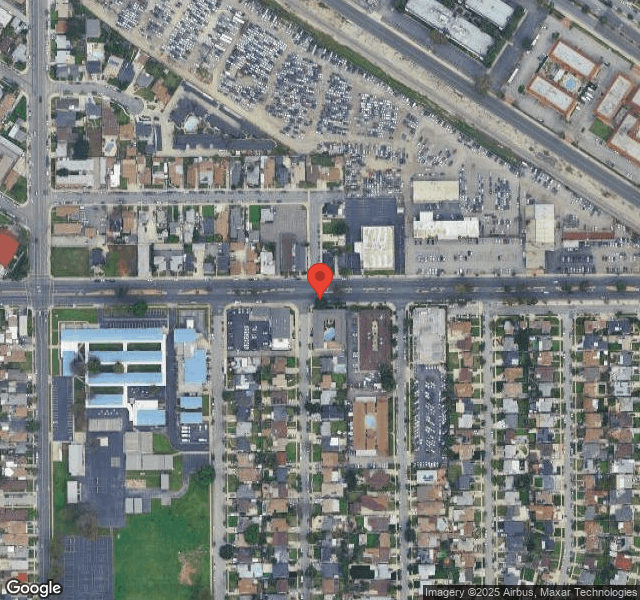
Jan 2024 2 deficiencies 2 Harm
SERIOUS (G) 📢 Someone Reported This

A family member, employee, or ombudsman was alarmed enough to file a formal complaint

Actual Harm - a resident was hurt due to facility failures

Notification of Changes (Tag F0580)

A resident was harmed · This affected 1 resident

**NOTE- TERMS IN BRACKETS HAVE BEEN EDITED TO PROTECT CONFIDENTIALITY** Based on interview and record review, the facility failed to contact and notify the hospice agency (health care service that foc...

Read full inspector narrative →
**NOTE- TERMS IN BRACKETS HAVE BEEN EDITED TO PROTECT CONFIDENTIALITY** Based on interview and record review, the facility failed to contact and notify the hospice agency (health care service that focuses on the care, comfort, and quality of life of a person with serious illness who is approaching the end of life) that one of five sampled residents (Resident 1) had missed dialysis treatments (mechanical process of removing waste products and toxins, and excess fluid from the body) on [DATE], [DATE], [DATE] and [DATE] due to issues with transportation from the facility to the dialysis center. This deficient practice resulted in Resident 1 being sent out via 911 (emergency medical transport) to a general acute care hospital (GACH) for emergency dialysis on [DATE]. Resident 1 ultimately expired (died) at 9:32 p.m. (3 hours 23 minutes after arriving to the GACH ' s Emergency Department) on [DATE] after receiving multiple rounds of life saving medications (names of medications not specified). Cross reference F698 Findings: During a review of Resident 1 ' s admission Record, the admission Record indicated the facility admitted Resident 1 on [DATE] and readmitted on [DATE] with diagnoses of dependence on renal (kidney) dialysis and hypertensive heart disease (high blood pressure) without heart failure (heart is unable to pump blood around the body properly). During a review of Resident 1 ' s Minimum Data Set (MDS, a standardized assessment and care screening tool) dated [DATE], the MDS indicated Resident 1 was cognitively (thinking, reasoning, or remembering) intact. The MDS indicated Resident 1 was receiving dialysis. During a review of Resident 1 ' s last laboratory tests (diagnostic tests from a sample of blood), dated [DATE], Resident 1 ' s potassium level was 5.6 milliequivalent per liter (mEq/L, a unit of measure) (Normal range 3.5 mEq/L to 5.5 mEq/L). During a review of Resident 1 ' s Discharge Order from the GACH dated [DATE], the Discharge Order indicated Resident 1 was to discharge back to the facility under the hospice agency and to receive antibiotics (medicines that fight bacterial infections) for two weeks during his dialysis treatments. During a review of Resident 1 ' s (readmission) Order Summary Report dated 1/2024, the Order Summary Report indicated orders were entered on [DATE] for the following: 1. Continue orders for 45 days unless otherwise specified. 2. Dialysis: Tuesdays, Thursdays, Saturdays. Chair time 4:45 a.m., transportation pick up time 3:45 a.m. During a review of Resident 1 ' s care plans, an untitled care plan initiated on [DATE] indicated Resident 1 was receiving dialysis every Tuesday, Thursday, and Saturday with a dialysis chair time (appointment time) of 4:45 a.m. and was to be picked up by transportation at 3:45 a.m. The care plan goal indicated Resident 1 ' s clinical condition was to be managed. The care plan interventions included communicating with the dialysis center and the hospice agency as needed and to coordinate transportation as needed with the transportation company and the hospice agency. During a review of Resident 1 ' s Physicians ' Certification for Hospice Benefits dated [DATE], the Physician ' s Certificate indicated Resident 1 was admitted to the facility (on [DATE]) under a hospice agency ' s care and the diagnosis that qualified him for hospice was hypertensive heart disease without heart failure. Resident 1 was admitted to hospice under routine medical care. The Physician ' s Certificate indicated the facility staff were informed and aware to call the hospice agency for any concerns or changes of condition. During a review of Resident 1 ' s Nurses Progress Notes dated [DATE] (Saturday), the progress note indicated Resident 1 ' s scheduled transportation company did not pick him up for his scheduled dialysis treatment and a make-up dialysis treatment was scheduled for [DATE] (Monday). The Nurse Progress Note did not indicate the hospice agency was notified of Resident 1 not receiving his dialysis treatment on [DATE]. During a review of Resident 1 ' s Nurses Progress Notes dated [DATE], the progress note indicated Resident 1 again missed his make-up dialysis appointment due to transportation issues. The Nurse Progress Note did not indicate the hospice agency was notified of Resident 1 not receiving his dialysis treatment on [DATE]. During a review of Resident 1 ' s Nurses Progress Notes dated [DATE] (Tuesday), there was no mention in the progress notes that Resident 1 missed his scheduled dialysis appointment again or that the hospice agency was notified. During a review of the Physician ' s Progress Note dated [DATE], the Physician ' s Progress Note indicated Resident 1 wished to continue dialysis treatment while on hospice and staff were to communicate with the HSPC for dialysis treatment. During a review of Resident 1 ' s Hospice Agency Communication Log dated [DATE], the Hospice Agency Communication Log indicated the facility informed the hospice agency that Resident 1 had missed dialysis (this is the first communication to the hospice agency regarding missed dialysis) due to transportation issues and Resident 1 had not received dialysis since [DATE] but Resident 1 was currently stable and dialysis was scheduled for the next morning ([DATE], Thursday). During a review of Resident 1 ' s Hospice Agency Communication log dated [DATE] at 1:35 p.m., the Hospice Agency Communication log indicated the facility informed the hospice agency that Resident 1 missed dialysis again that morning due to transportation issues. During a review of Resident 1 ' s Hospice Agency Communication log dated [DATE] at 2:24 p.m., the Hospice Agency Communication log indicated the Hospice Agency reached out to Resident 1 ' s dialysis center to try to schedule an emergency dialysis treatment but the dialysis center informed the hospice agency that Resident 1 did not qualify for dialysis at their center, Resident 1 required emergency dialysis due to missing more than two ([DATE], [DATE] and [DATE]) consecutive dialysis appointments. The facility was instructed to call 911 to send Resident 1 to the GACH. During a review of Resident 1 ' s Hospice Agency Communication Log dated [DATE] at 2:53 p.m., the Hospice Agency Communication Log indicated the hospice agency spoke to the facility again and reiterated the urgency and instructed the facility to call 911. During a review of Resident 1 ' s Change of Condition Evaluation dated [DATE], the Change of Condition Evaluation indicated the hospice agency recommended sending Resident 1 to the GACH for dialysis after Resident 1 missed three consecutive, scheduled dialysis treatments ([DATE], [DATE], and [DATE]). During a review of Resident 1 ' s Order Summary Report dated 1/2024, the Order Summary Report indicated an order dated [DATE] indicating Resident 1 may transfer to the GACH due to missed dialysis ([DATE], [DATE], [DATE] and [DATE]) with a seven-day bed hold (reserve resident ' s bed while receiving care in the hospital). During a review of Resident 1 ' s GACH ED (Emergency Department) Note dated [DATE], the GACH ED Note indicated Resident 1 arrived at the ED at 6:09 p.m. with a chief complaint of missing dialysis for one week and was last dialyzed on [DATE]. The ED Note indicated Resident 1 presented with worsening SOB (shortness of breath) due to the missed dialysis. The GACH ED Note indicated that Resident 1 informed the ED physician that there was trouble with his transportation to the dialysis center and that was why he had missed dialysis for one week. During a review of Resident 1 ' s GACH ED Note dated [DATE], the GACH ED Note indicated Resident 1 ' s laboratory results came back with a potassium (a substance that is needed by all tissues in the body) level of 8.2 mEq/L and a hyperkalemia (high potassium level that can cause life-threatening abnormal heart beats) order set was initiated (Resident 1 received medications to try to lower the potassium level), Resident 1 ' s SOB was likely due to hypervolemia (fluid overload, too much fluid volume in the body), and the plan was to admit Resident 1 to the intensive care unit (ICU a higher level of care for critically ill patients) for emergency dialysis. During a review of Resident 1 ' s GACH ED Note dated [DATE], the GACH ED Note indicated Resident 1 ' s heart rate began to drop to the 30 ' s (very low heart rate, normal range 60 to 100 beats per minute) and he became unconscious. During a review of Resident 1 ' s GACH ED Note dated [DATE], the GACH ED Note indicated Resident 1 had refused intubation (insertion of a breathing tube) and cardiopulmonary resuscitation (CPR chest compressions done when the heart stops beating or beats ineffectively) but lifesaving medications (names of medications not specified) were to be given. Resident 1 received a total of 5 rounds of life saving medications in the ED before he finally went asystole (no pulse, resident expired). During a review of Resident 1 ' s GACH Discharge summary dated [DATE], the Discharge Summary indicated Resident 1 ' s admitting diagnoses were as follows: 1. Severe hyperkalemia secondary to missed dialysis 2. Fluid overload due to missed dialysis 3. Uremia (a condition involving abnormally high levels of waste products in the blood) secondary to missed dialysis 4. Acidosis (buildup of acid in the blood stream) secondary to missed dialysis After multiple rounds of life saving medications in the ED, Resident 1 had asystole and expired at 9:32 p.m. on [DATE]. Reason for death was cardiopulmonary arrest. Discharge diagnoses were as follows: 1. Cardiopulmonary arrest 2. Severe hyperkalemia 3. Missing dialysis During an interview on [DATE] at 11:53 a.m., Resident 1 ' s family member (FM1) stated Resident 1 had been released from the GACH on [DATE] on hospice. FM1 stated Resident 1 chose to be on hospice because Resident 1 was getting gangrene (death of body tissue due to a lack of blood flow or serious bacterial infection) infections on his limbs (hands, legs, feet) and did not want to get any more amputations (removal of limbs) but Resident 1 did not want to stop his dialysis treatments while on hospice. During an interview on [DATE] at 11:53 a.m. with FM1, FM1 stated he was not aware that Resident 1 missed multiple dialysis treatments ([DATE], [DATE], [DATE]) besides the one on [DATE]. FM1 stated he found out when Resident 1 went back to the GACH on [DATE]. FM1 stated the ED physician had called him and informed him that Resident 1 had missed a week of dialysis appointments due to transportation issues and that Resident 1 ' s laboratory results in the ED had come back catastrophic (involving or causing great damage or suffering) and Resident 1 ' s potassium level was twice what it should be. During an interview on [DATE] at 11:53 a.m. with FM1, FM1 stated the next call he received was from the ED physician telling him that Resident 1 had passed away. FM1 stated the hospice agency called FM1 after his death and said it was in the orders that Resident 1 was to continue dialysis at the facility and the hospice agency was not aware that the facility was having issues with transportation or why the resident missed all those dialysis days ([DATE], [DATE], [DATE], [DATE]). During an interview on [DATE] at 12:13 p.m., the HSPC administrator (ADM2) stated Resident 1 ' s wishes were to continue dialysis treatment while on hospice and that was to be respected. ADM2 stated the HSPC was first alerted on [DATE] that there were issues going on with Resident 1 ' s transportation to the dialysis center and Resident 1 had a dialysis appointment the next day for [DATE]. ADM2 stated the HSPC was informed [DATE] that Resident 1 missed his dialysis appointment again that day and the facility was directed to call 911 to send Resident 1 to the GACH for emergency dialysis. During an interview on [DATE] at 12:13 p.m., ADM2 stated the protocol for residents on hospice while residing in a facility was the facility was to inform the hospice agency with any issues, right away so the hospice agency could intervene and be aware. ADM2 stated the hospice agency should have been made aware when Resident 1 missed the first dialysis on [DATE] but they were not notified until 4 days later ([DATE]). During an interview on [DATE] at 1:16 p.m., a registered nurse supervisor (RN1) stated Resident 1 was supposed to attend dialysis appointments on Tuesdays, Thursdays, and Saturdays as ordered by the physician. RN1 stated Resident 1 missed dialysis on [DATE], [DATE] (make up dialysis for [DATE]), [DATE], and [DATE] due to the transportation company not picking up the resident. During an interview on [DATE] at 1:16 p.m. with RN1, RN1 stated when he informed Resident 1 ' s attending physician (MD1) on [DATE] regarding the missed dialysis she told RN1 to contact the hospice agency to manage Resident 1 ' s care. RN1 stated the hospice agency was informed on [DATE] regarding the missed dialysis sessions. RN1 stated when Resident 1 missed dialysis again on [DATE], he reached out to the hospice agency and was told to send Resident 1 to the GACH. During an interview on [DATE] at 11:17 a.m., with the SSD, the SSD stated when a resident was on hospice, facility staff have to inform the hospice agency of any issues the resident was encountering right away, and the hospice agency should have been made aware of the first missed dialysis on [DATE] on that same day. During an interview on [DATE], at 11:17 a.m., with the SSD, the SSD stated she was not informed of the number of missed dialysis appointments until [DATE] and if she had been aware prior to that day, she would have helped contact the hospice agency sooner for assistance. The SSD stated it was not okay for a resident to miss their dialysis appointments. The SSD stated dialysis was a very important treatment and the potential consequence of a resident missing dialysis was death. During an interview on [DATE] at 2:36 p.m., with licensed vocational nurse (LVN1), LVN 1 stated when Resident 1 was having problems with transportation on Saturday, [DATE], and missed dialysis, she did not contact the hospice agency. LVN1 stated on Monday, [DATE] when Resident 1 missed his make-up dialysis, she did not inform the hospice agency again. LVN1 stated facility staff must notify the hospice agency right away, if a resident on hospice was having any issues, so they could get orders from them on what needed to be done. During an interview on [DATE] at 4:12 p.m., with the Director Of Nursing (DON), the DON stated she was not informed of the issues regarding Resident 1 missing dialysis until [DATE] and she told RN1 (on [DATE]) to communicate with the hospice agency about what was going on. The DON stated when RN1 communicated with the hospice agency on [DATE], the hospice agency made the decision to transfer Resident 1 to the GACH for emergency dialysis. The DON stated she was notified at 2 a.m. (on [DATE]) that Resident 1 had expired in the GACH (on [DATE] at 9:32 p.m.). During an interview on [DATE] at 4:12 p.m., with the DON, the DON stated that all decisions for residents on hospice needed to go through the hospice agency, and the hospice agency should have been informed right away when Resident 1 was not making his dialysis appointments due to transportation issues. During an interview on [DATE] at 4:12 p.m., with the DON, the DON stated the risks of not receiving dialysis treatments were fluid overload, respiratory distress, toxin (a poisonous substance) build up in the body, altered level of consciousness (confusion) and death. The DON stated the facility management should have been notified of transportation issues right away so they could help the nurses make the arrangements to get the residents to their dialysis appointments. During an interview on [DATE] at 8:36 a.m., with LVN2, LVN2 stated she was assigned to Resident 1 on [DATE] (Resident 1 ' s scheduled dialysis day). LVN2 stated Resident 1 ' s transportation to dialysis was late on [DATE]. LVN2 stated Resident 1 was finally picked up late, at 5:40 a.m. (regular pick-up time was 3:35 a.m.) by the transportation company to go to dialysis. During an interview on [DATE] at 8:36 a.m., with LVN2, LVN2 stated she later learned that the dialysis center had sent Resident 1 back to the facility [DATE] because he was late and missed his dialysis chair time. LVN2 stated she did not inform the HSPC of the transportation issues on her shift [DATE]. During a review of the facility ' s policy and procedure (P/P) titled Notification of Changes revised [DATE], the P/P indicated the facility must promptly inform .the resident ' s physician when there is a change requiring notification. During a review of the facility ' s P/P titled Coordination of Hospice Services dated [DATE], the P/P indicated when a resident chose to receive hospice services, the facility staff was to coordinate and provide care in cooperation with hospice staff to promote the resident ' s highest practicable physical, mental, and psychosocial well-being. The P/P indicated the facility was to contact and communicate with hospice staff regarding any significant changes in the resident ' s status, clinical complications, or emergent situations. During a review of the HSPC Contract Agreement with the facility for Resident 1 dated [DATE], the Contract Agreement indicated the HSPC was to be notified if there were clinical complications that suggested a need to alter the resident ' s plan of care and/ or a need to transfer the patient from the facility.
SERIOUS (G) 📢 Someone Reported This

A family member, employee, or ombudsman was alarmed enough to file a formal complaint

Actual Harm - a resident was hurt due to facility failures

Deficiency F0698 (Tag F0698)

A resident was harmed · This affected 1 resident

**NOTE- TERMS IN BRACKETS HAVE BEEN EDITED TO PROTECT CONFIDENTIALITY** Based on interview and record review, the facility failed to ensure one of five sampled residents (Resident 1) received dialysis...

Read full inspector narrative →
**NOTE- TERMS IN BRACKETS HAVE BEEN EDITED TO PROTECT CONFIDENTIALITY** Based on interview and record review, the facility failed to ensure one of five sampled residents (Resident 1) received dialysis (process of mechanically removing waste products/ toxins and excess fluid from the body) according to the physician ' s orders and plan of care for dialysis management by failing to: 1. Ensure Resident 1 did not miss three scheduled dialysis treatments ([DATE], [DATE], and [DATE]) and one make-up dialysis treatment ([DATE]). 2. Notify the hospice (health care service that focuses on the care, comfort, and quality of life of a person with serious illness who is approaching the end of life) agency overseeing Resident 1 ' s care while in the facility when Resident 1 missed his first dialysis treatment in the facility ([DATE]). The hospice agency was not being notified of each missed dialysis treatment until [DATE] after Resident 1 had missed three dialysis treatments ([DATE], [DATE], and [DATE]). Resident 1 ' s last dialysis was on [DATE]. These deficient practices resulted in Resident 1 getting sent out via 911 (emergency medical transport) to a general acute care hospital (GACH) for emergency dialysis on [DATE]. Resident 1 was found to have severe hyperkalemia (high potassium [a substance that is needed by all tissues in the body] levels that can cause life-threatening abnormal heart beats) at a level of 8.2 milliequivalent per Liter (mEq/L, a unit of measure. A dialysis patient ' s optimal range of blood potassium levels is 3.5 mEq/L to 5.5 mEq/L), shortness of breath (SOB, trouble breathing), and hypervolemia (fluid overload, too much fluid volume in the body). Resident 1 expired (died) at 9:32 p.m. (3 hours 23 minutes after arriving to the GACH ' s Emergency Department) on [DATE] after receiving multiple rounds of life saving medications (names of medications not specified). Findings: During a review of Resident 1 ' s admission Record, the admission Record indicated the facility admitted Resident 1 on [DATE] and readmitted on [DATE] with diagnoses of dependence on renal (kidney) dialysis and hypertensive heart disease (high blood pressure) without heart failure (heart is unable to pump blood around the body properly). During a review of Resident 1 ' s Minimum Data Set (MDS, a standardized assessment and care screening tool) dated [DATE], the MDS indicated Resident 1 was cognitively (thinking, reasoning, or remembering) intact. The MDS indicated Resident 1 was receiving dialysis. During a review of Resident 1 ' s last laboratory tests (diagnostic tests from a sample of blood), dated [DATE], Resident 1 ' s potassium level was 5.6 mEq/L, (Normal range 3.5 mEq/L to 5.5 mEq/L). During a review of Resident 1 ' s Discharge Order from the GACH dated [DATE], the Discharge Order indicated Resident 1 was to discharge back to the facility under the hospice agency and to receive antibiotics (medicines that fight bacterial infections) for two weeks during his dialysis treatments. During a review of Resident 1 ' s (readmission) Order Summary Report dated 1/2024, the Order Summary Report indicated orders were entered on [DATE] for the following: 1. Continue orders for 45 days unless otherwise specified. 2. Dialysis: Tuesdays, Thursdays, Saturdays. Chair time 4:45 a.m., transportation pick up time 3:45 a.m. During a review of Resident 1 ' s care plans, an untitled care plan initiated on [DATE] indicated Resident 1 was receiving dialysis every Tuesday, Thursday, and Saturday with a dialysis chair time (appointment time) of 4:45 a.m. and was to be picked up by transportation at 3:45 a.m. The care plan goal indicated Resident 1 ' s clinical condition was to be managed. The care plan interventions included communicating with the dialysis center and the hospice agency as needed and to coordinate transportation as needed with the transportation company and the hospice agency. During a review of Resident 1 ' s Physicians ' Certification for Hospice Benefits dated [DATE], the Physician ' s Certificate indicated Resident 1 was admitted to the facility (on [DATE]) under a hospice agency ' s care and the diagnosis that qualified him for hospice was hypertensive heart disease without heart failure. Resident 1 was admitted to hospice under routine medical care. The Physician ' s Certificate indicated the facility staff were informed and aware to call the hospice agency for any concerns or changes of condition. During a review of Resident 1 ' s Nurses Progress Notes dated [DATE] (Saturday), the progress note indicated Resident 1 ' s scheduled transportation company did not pick him up for his scheduled dialysis treatment and a make-up dialysis treatment was scheduled for [DATE] (Monday). The Nurse Progress Note did not indicate the hospice agency was notified of Resident 1 not receiving his dialysis treatment on [DATE]. During a review of Resident 1 ' s Nurses Progress Notes dated [DATE], the progress note indicated Resident 1 again missed his make-up dialysis appointment due to transportation issues. The Nurse Progress Note did not indicate the hospice agency was notified of Resident 1 not receiving his dialysis treatment on [DATE]. During a review of Resident 1 ' s Nurses Progress Notes dated [DATE] (Tuesday), there was no mention in the progress notes that Resident 1 missed his scheduled dialysis appointment again or that the hospice agency was notified. During a review of the Physician ' s Progress Note dated [DATE], the Physician ' s Progress Note indicated Resident 1 wished to continue dialysis treatment while on hospice and staff were to communicate with the hospice agency for dialysis treatment. During a review of Resident 1 ' s Hospice Agency Communication Log dated [DATE], the Hospice Agency Communication Log indicated the facility informed the hospice agency that Resident 1 had missed dialysis (this is the first communication to the hospice agency regarding missed dialysis) due to transportation issues and Resident 1 had not received dialysis since [DATE] but Resident 1 was currently stable and dialysis was scheduled for the next morning ([DATE], Thursday). During a review of Resident 1 ' s Hospice Agency Communication log dated [DATE] at 1:35 p.m., the Hospice Agency Communication log indicated the facility informed the HSPC that Resident 1 missed dialysis again that morning due to transportation issues. During a review of Resident 1 ' s Hospice Agency Communication log dated [DATE] at 2:24 p.m., the Hospice Agency Communication log indicated the hospice agency reached out to Resident 1 ' s dialysis center to try to schedule an emergency dialysis treatment but the dialysis center informed the hospice agency that Resident 1 did not qualify for dialysis at their center, Resident 1 required emergency dialysis due to missing more than two ([DATE], [DATE], [DATE] and [DATE]) consecutive dialysis appointments. The facility was instructed to call 911 (an emergency service) to send Resident 1 to the GACH. During a review of Resident 1 ' s Hospice Agency Communication Log dated [DATE] at 2:53 p.m., the Hospice Agency Communication Log indicated the hospice agency spoke to the facility again and reiterated the urgency and instructed the facility to call 911. During a review of Resident 1 ' s Change of Condition Evaluation dated [DATE], the Change of Condition Evaluation indicated the hospice agency recommended sending Resident 1 to the GACH for dialysis after Resident 1 missed three consecutive, scheduled dialysis treatments ([DATE], [DATE], and [DATE]). During a review of Resident 1 ' s Order Summary Report dated 1/2024, the Order Summary Report indicated an order dated [DATE] indicating Resident 1 may transfer to the GACH due to missed dialysis ([DATE], [DATE], [DATE] and [DATE]) with a seven-day bed hold (reserve resident ' s bed while receiving care in the hospital). During a review of Resident 1 ' s GACH ED (Emergency Department) Note dated [DATE], the GACH ED Note indicated Resident 1 arrived at the ED at 6:09 p.m. with a chief complaint of missing dialysis for one week and was last dialyzed on [DATE]. The ED Note indicated Resident 1 presented with worsening SOB due to the missed dialysis. The GACH ED Note indicated that Resident 1 informed the ED physician that there was trouble with his transportation to the dialysis center and that was why he had missed dialysis for one week. During a review of Resident 1 ' s GACH ED Note dated [DATE], the GACH ED Note indicated Resident 1 ' s laboratory results came back with a potassium level of 8.2 mEq/L and a hyperkalemia order set was initiated (Resident 1 received medications to try to lower the potassium level); Resident 1 ' s SOB was likely due to hypervolemia; and the plan was to admit Resident 1 to the intensive care unit (ICU a higher level of care for critically ill patients) for emergency dialysis. During a review of Resident 1 ' s GACH ED Noted dated [DATE], the GACH ED Note indicated before getting transferred to the ICU, Resident 1 ' s heart rate began to drop to the 30 ' s (very low heart rate, normal range 60 to 100 beats per minute) and he became unconscious. During a review of Resident 1 ' s GACH ED Note dated [DATE], the GACH ED Note indicated Resident 1 had refused intubation (insertion of a breathing tube) and cardiopulmonary resuscitation (CPR chest compressions done when the heart stops beating or beats ineffectively), but life saving medications were to be given. Resident 1 received a total of 5 rounds of life saving medications (names of medications not specified) in the ED before he finally went asystole (no pulse, resident expired). During a review of Resident 1 ' s GACH Discharge summary dated [DATE], the Discharge Summary indicated Resident 1 ' s admitting diagnoses were as follows: 1. Severe hyperkalemia secondary to missed dialysis 2. Fluid overload due to missed dialysis 3. Uremia (a condition involving abnormally high levels of waste products in the blood) secondary to missed dialysis 4. Acidosis (buildup of acid in the blood stream) secondary to missed dialysis After multiple rounds of life saving medications (names of medications not specified) in the ED, Resident 1 had asystole and expired at 9:32 p.m. on [DATE]. Reason for death was cardiopulmonary arrest. Discharge diagnoses were as follows: 1. Cardiopulmonary arrest 2. Severe hyperkalemia 3. Missing dialysis During an interview on [DATE] at 11:53 a.m. with Resident 1 ' s family member (FM1), FM1 stated Resident 1 had been released from the GACH on [DATE] on hospice. FM1 stated Resident 1 chose to be on hospice because Resident 1 was getting gangrene (death of body tissue due to a lack of blood flow or serious bacterial infection) infections on his limbs (hands, legs, feet) and did not want to get any more amputations (removal of limbs) but Resident 1 did not want to stop his dialysis treatments while on hospice. During an interview on [DATE] at 11:53 a.m. with FM1, FM1 stated he was not aware that Resident 1 missed multiple dialysis treatments ([DATE], [DATE], [DATE]) besides the one on [DATE]. FM1 stated he found out when Resident 1 went back to the GACH on [DATE]. FM1 stated the ED physician had called him and informed him that Resident 1 had missed a week of dialysis appointments due to transportation issues and that Resident 1 ' s laboratory results in the ED had come back catastrophic (involving or causing great damage or suffering) and Resident 1 ' s potassium level was twice what it should be. During an interview on [DATE] at 11:53 a.m. with FM1, FM1 stated the next call he received was from the ED physician telling him that Resident 1 had passed away. FM1 stated the hospice agency called FM1 after his death and said it was in the orders that Resident 1 was to continue dialysis at the facility and the hospice agency was not aware that the facility was having issues with transportation or why the resident missed all those dialysis days ([DATE], [DATE], [DATE], [DATE]). During an interview on [DATE] at 12:13 p.m., the hospice agency administrator (ADM2), ADM2 stated Resident 1 ' s wishes were to continue dialysis treatment while on hospice and that was to be respected. ADM2 stated the hospice agency was first alerted on [DATE] that there were issues going on with Resident 1 ' s transportation to the dialysis center and Resident 1 had a dialysis appointment the next day for [DATE]. ADM2 stated the hospice agency was informed on [DATE] that Resident 1 missed his dialysis appointment again that day and the facility was directed to call 911 to send Resident 1 to the GACH for emergency dialysis. During an interview on [DATE] at 12:13 p.m., ADM2 stated the protocol for residents on hospice while residing in a facility was the facility was to inform the hospice agency with any issues, right away so the hospice agency could intervene and be aware. ADM2 stated the hospice agency should have been made aware when Resident 1 missed the first dialysis on [DATE] but they were not notified until 4 days later ([DATE]). During an interview on [DATE] at 1:16 p.m., a registered nurse supervisor (RN1) stated Resident 1 was supposed to attend dialysis appointments on Tuesdays, Thursdays, and Saturdays as ordered by the physician. RN1 stated Resident 1 missed dialysis on [DATE], [DATE] (make up dialysis for [DATE]), [DATE], and [DATE] due to the transportation company not picking up the resident. During an interview on [DATE] at 1:16 p.m. with RN1, RN1 stated when he informed Resident 1 ' s attending physician (MD1) on [DATE] regarding the missed dialysis she told RN1 to contact the hospice agency to manage Resident 1 ' s care. RN1 stated the hospice agency was informed on [DATE] regarding the missed dialysis sessions. RN1 stated when Resident 1 missed dialysis again on [DATE], he reached out to the hospice agency and was told to send Resident 1 to the GACH. During an interview on [DATE] at 11:17 a.m., the social services director (SSD) stated if the facility was having issues with transportation for dialysis and the resident was on hospice, facility staff should inform the hospice company so they could coordinate another transportation company to ensure the resident made it to their dialysis appointments. During an interview on [DATE] at 11:17 a.m., with the SSD, the SSD stated when a resident was on hospice, facility staff have to inform the hospice agency of any issues the resident was encountering right away, and the hospice agency should have been made aware of the first missed dialysis on [DATE] on that same day. During an interview on [DATE], at 11:17 a.m., with the SSD, the SSD stated she was not informed of the number of missed dialysis appointments until [DATE] and if she had been aware prior to that day, she would have helped contact the hospice agency sooner for assistance. The SSD stated it was not okay for a resident to miss their dialysis appointments. The SSD stated dialysis was a very important treatment and the potential consequence of a resident missing dialysis was death. During an interview on [DATE] at 2:36 p.m., with licensed vocational nurse (LVN1), LVN 1 stated when Resident 1 was having problems with transportation on Saturday, [DATE], and missed dialysis, she did not contact the hospice agency. LVN1 stated on Monday, [DATE] when Resident 1 missed his make-up dialysis, she did not inform the hospice agency again. LVN1 stated facility staff must notify the hospice agency right away, if a resident on hospice was having any issues, so they could get orders from them. During an interview on [DATE] at 3:04 p.m., the Minimum Data Set nurse (MDSN), MDS N stated the facility nurses should have informed the hospice agency immediately that Resident 1 had missed a dialysis appointment (on [DATE]). The MDSN stated it was very important that the facility had good communication with the hospice agency, so they could be informed of what was going on with the resident because all orders for hospice patients needed to go through the hospice agency. The MDSN stated the importance of ensuring a resident received their dialysis treatments was a matter of life or death. During an interview on [DATE] at 4:12 p.m., with the Director Of Nursing (DON), the DON stated she was not informed of the issues regarding Resident 1 missing dialysis until [DATE] and she told RN1 (on [DATE]) to communicate with the hospice agency about what was going on. The DON stated when RN1 communicated with the hospice agency on [DATE], the hospice agency made the decision to transfer Resident 1 to the GACH for emergency dialysis. The DON stated she was notified at 2 a.m. (on [DATE]) that Resident 1 had expired in the GACH (on [DATE] at 9:32 p.m.). During an interview on [DATE] at 4:12 p.m., with the DON, the DON stated that all decisions for residents on hospice needed to go through the hospice agency, and the hospice agency should have been informed right away when Resident 1 was not making his dialysis appointments due to transportation issues. During an interview on [DATE] at 4:12 p.m., with the DON, the DON stated the risks of not receiving dialysis treatments were fluid overload, respiratory distress, toxin (a poisonous substance) build up in the body, altered level of consciousness (confusion) and death. The DON stated the facility management should have been notified of transportation issues right away so they could help the nurses make the arrangements to get the residents to their dialysis appointments. During an interview on [DATE] at 8:36 a.m., with LVN2, LVN2 stated she was assigned to Resident 1 on [DATE] (Resident 1 ' s scheduled dialysis day). LVN2 stated Resident 1 ' s transportation to dialysis was late on [DATE]. LVN2 stated Resident 1 was finally picked up late, at 5:40 a.m. (regular pick-up time was 3:35 a.m.) by the transportation company to go to dialysis. During an interview on [DATE] at 8:36 a.m., with LVN2, LVN2 stated she later learned that the dialysis center had sent Resident 1 back to the facility on [DATE] because he was late and missed his dialysis chair time. LVN2 stated she did not inform the hospice agency of the transportation issues during her shift on [DATE]. During a review of the facility ' s P/P titled, Coordination of Hospice Services dated [DATE], the P/P indicated when a resident chose to receive hospice services, the facility staff was to coordinate and provide care in cooperation with hospice staff to promote the resident ' s highest practicable physical, mental, and psychosocial well-being. The P/P indicated the facility was to contact and communicate with hospice staff regarding any significant changes in the resident ' s status, clinical complications, or emergent situations. During a review of the HSPC Contract Agreement with the facility for Resident 1 dated [DATE], the Contract Agreement indicated the HSPC was to be notified if there were clinical complications that suggested a need to alter the resident ' s plan of care and/ or a need to transfer the patient from the facility.
Jan 2024 1 deficiency
CONCERN (E) 📢 Someone Reported This

A family member, employee, or ombudsman was alarmed enough to file a formal complaint

Potential for Harm - no one hurt, but risky conditions existed

Deficiency F0725 (Tag F0725)

Could have caused harm · This affected multiple residents

**NOTE- TERMS IN BRACKETS HAVE BEEN EDITED TO PROTECT CONFIDENTIALITY** Based on interview and record review the facility failed to provide sufficient staffing to accommodate residents' needs for two ...

Read full inspector narrative →
**NOTE- TERMS IN BRACKETS HAVE BEEN EDITED TO PROTECT CONFIDENTIALITY** Based on interview and record review the facility failed to provide sufficient staffing to accommodate residents' needs for two out of four sampled residents (Resident 1, Resident 2). This deficient practice had the potential for call lights not to be answered promptly, showers not being given, and a decrease in Resident ' s quality of care. Findings: During a review of Resident 1 ' s admission Record, the admission Record indicated Resident 1 was admitted to the facility on [DATE] with diagnoses of essential hypertension (high blood pressure), reduced mobility (ability to move around freely), and history of falling. During a review of Resident 1 ' s Minimum Data sSt (MDS, a standardized assessment and care screening tool) dated 11/21/2023, the MDS indicated Resident 1 had no cognitive impairments (no confusion or problems with memory and judgement). During a review of Resident 2 ' s admission Record, the admission Record indicated Resident 2 was admitted to the facility on [DATE] with diagnoses of history of falling, morbid obesity (overweight), and low back pain. During a review of Resident 2 ' s MDS dated [DATE], the MDS indicated Resident 2 had no cognitive impairments. During a review of the facility ' s Resident Council Minutes dated 11/28/2023 with the activities director (AD) in attendance, the Resident Council Minutes indicated that Resident 1stated the night shift staff were loud because the staff were yelling out to each other down the hall for supplies and other things. The Resident council minutes also indicated residents stated staff were not answering call lights and requested for management (the director of nursing [DON], the administrator [ADM], and the director of staff development [DSD]) to come to the facility during the late shifts to see how staff are working and monitor them. During a review of the facility ' s Census (current number of residents in the facilty) and Direct Care Services Hours Per Patient Day (DHPPD, staffing requirement from the state for a facility to meet patient care needs. Minimum requirement 3.5 hours of total direct care staff, and 2.4 hours to be performed by certified nursing assistants [CNAs]). For the time of 12/1/2023 through 1/1/2024, the DHPPD review indicated the facility fell below the minimum hours on the following days (20 out of 32 days (63% of days) reviewed did not meet minimum staffing standard): 12/6/2023= 3.48 with 2.32 CNA hours 12/7/2023= 2.32 CNA hours 12/8/2023= 3.32 with 2.13 CNA hours 12/9/2023= 3.34 with 2.33 CNA hours 12/12/2023= 2.27 CNA hours 12/13/2023= 3.40 with 2.35 CNA hours 12/15/2023= 2.25 CNA hours 12/17/2023= 3.29 with 2.29 CNA hours 12/18/2023= 3.22 with 2.07 CNA hours 12/19/2023= 2.22 CNA hours 12/21/2023= 3.45 with 2.30 CNA hours 12/23/2023= 3.40 with 2.25 CNA hours 12/24/2023= 2.74 with 1.72 CNA hours 12/25/2023= 3.13 with 1.85 CNA hours 12/26/2023= 3.46 with 1.99 CNA hours 12/27/2023= 2.16 CNA hours 12/29/2023= 2.31 CNA hours 12/30/2023= 2.16 CNA hours 12/31/2023= 3.36 with 2.04 CNA hours 1/1/2024= 3.34 with 2.27 CNA hours During an interview on 1/8/2024 at 12:40 p.m., Resident 1 stated the CNAs are always telling them they can ' t get to the residents quickly when they press the call button because they are short staffed. Resident 1 stated the issue with long wait periods is on all shifts but mostly during the staff ' s morning huddle (standup staff meeting, around 8:30 a.m.) and the 11 p.m. to 7 a.m. shifts. Resident 1 stated he has began timing the staff when he presses his call button to help him or his room mate (Resident 2) and a few nights ago (unknown date) it took 36 minutes for someone to come and respond to the call bell. Resident 1 stated his shower days are Tuesdays and Thursdays but if he misses his shower, he is unable to get a shower on another day because the staff tell him they are too busy with their other residents that are scheduled for a shower on that day, so he can not get his shower. Resident 1 stated why should I have to wait a week to get a shower if I miss my scheduled day? It makes me feel gross. Staff would not go without a shower, so it is not fair to me. During an interview on 1/8/2024 at 12:54 p.m., Resident 2 stated the staff at the facility are good, but they are just overworked and tired, the facility seems to be short staffed. Resident 2 stated he has a problem with incontinence (lack of voluntary control over urination or bowel movements) and once he is wet it takes some time for staff to come and help change him. Resident 2 stated it makes him upset to have to sit in a wet diaper. Resident 2 stated it also takes a long time for staff to respond to call light when they are getting their morning huddle and the residents must wait until after morning huddle is done to get care (30 minutes or more). During an interview on 1/8/2024 at 1:47 p.m., CNA1 stated sometimes they are short staffed, but she just does the best she can. CNA1 stated there are times when she is not able to finish the showers she has scheduled for the day if they are short staffed. CNA1 stated during her shift (7 a.m. to 3 p.m. shift) she is usually not able to give a shower to a resident that is requesting a shower on a day they are not scheduled for a shower. During an interview on 1/8/2024 at 2:26 p.m., the AD stated she attends the Resident Council meetings with the residents and the residents do bring up staffing concerns. The AD stated most of the resident ' s concerns are regarding the night shift and it is taking longer for the residents to get what they need during that time. During an interview on 1/9/2024 at 9:56 a.m., the DSD stated they have staff, but the issue is staff calling in sick oand not coming to work their shceduled shift. The DSD stated they do not replace their staff with registry staff (staff personnel provided by a placement service on a temporary or on a day-to-day basis, in a facility) but they ask their staff to work extra shifts or double shifts if they are available. The DSD stated they are aware that the facility does have an issue meeting the minimum staffing hours (DHPPD) and it is not okay to not meet the minimum staffing hours because that is the law. The DSD stated they should have 3.5 total hours and 2.4 CNA hours daily but if they have call outs, it effects those numbers. The DSD stated that residents do refuse their shower on their scheduled shower days, and they are encouraged not to refuse. The DSD stated if the resident did refuse, the facility does try to accommodate them on a day they are not scheduled but it may not be done. During an interview on 1/9/2024 at 10:42 a.m., the ADM stated he was aware of the staffing concerns and not meeting the DHPPD hours for the day. The ADM stated if they have even one call off it effects the hours, but the facility does not use registry staff to fill the spot of the call off. During a review of the facility ' s policy and procedure (P/P) titled Resident Showers dated 12/19/2022, the P/P indicated residents were to be provided showers as per their request or as per facility schedule protocols. During a review of the facility ' s P/P titled Nursing Services and Sufficient Staff dated 12/19/2022, the P/P indicated the facility was to supply services by sufficient numbers of each of the following personnel types on a 24- hour basis to provide nursing care to all residents in accordance with resident care plans including nurse aides.
Dec 2023 1 deficiency
CONCERN (D) 📢 Someone Reported This

A family member, employee, or ombudsman was alarmed enough to file a formal complaint

Potential for Harm - no one hurt, but risky conditions existed

Accident Prevention (Tag F0689)

Could have caused harm · This affected 1 resident

**NOTE- TERMS IN BRACKETS HAVE BEEN EDITED TO PROTECT CONFIDENTIALITY** Based on interview and record review, the facility failed to ensure one out of three sampled residents (Resident 1), who had his...

Read full inspector narrative →
**NOTE- TERMS IN BRACKETS HAVE BEEN EDITED TO PROTECT CONFIDENTIALITY** Based on interview and record review, the facility failed to ensure one out of three sampled residents (Resident 1), who had history of wandering (traveling aimlessly from place to place) was provided with a one to one (1:1) sitter at all times. This deficient practice had the potential for Resident 1 to elope (leave the facility without staff knowledge, may present an imminent threat to the patient's health or safety), exposing her to dangerous elements outside such as harsh weather, accident, and dehydration and starvation. Findings: During a review of Resident 1 ' s admission Record, the admission Record indicated Resident 1 was initially admitted to the facility on [DATE] and was readmitted [DATE] with diagnoses of Alzheimer ' s disease (a brain disorder that causes progressive memory loss and cognitive [thinking, reasoning, or remembering] decline) and unspecified psychosis (symptoms that affect the mind, where there has been some loss of contact with reality). During a review of Resident 1 ' s Minimum Data Set (MDS, a standardized assessment and screening tool) dated 10/13/2023, the MDS indicated Resident 1 was severely impaired with cognitive skills of daily decision making and never or rarely made decisions. The MDS indicated Resident 1 displayed the behavior of wandering, and the behavior occurred one to three days. During a review of Resident 1 ' s care plan initiated 10/10/2023, the care plan indicated it was identified that Resident 1 was at risk for wandering and elopement. The care plan goals included Resident 1 not leaving the facility and Resident 1 ' s safety would be maintained with interventions including monitoring Resident 1 ' s whereabouts every hour and engaging Resident 1 in purposeful activities. During a review of Resident 1 ' s Elopement Risk assessment dated [DATE], the Elopement Risk assessment indicated Resident 1 was at risk for elopement and had history of attempting elopement while in the facility. During a review of Resident 1 ' s care plan initiated 11/17/2023, the care plan indicated Resident 1 was to have a 1:1 (one staff memeber assigned to keep the resident within sight at all times and redirect them from harmful activities) sitter at bedside due to unauthorized wandering. The care plan goals included Resident 1 remaining safe and was to have a 1:1 sitter with interventions that included always having a sitter at bedside and implementing safety measures to reduce the risk of fall or injury to Resident 1. During a review of Resident 1 ' s Order Summary Report, the Order Summary Report indicated an order was placed 11/17/2023 for Resident 1 should be placed on 1:1 monitoring every shift. During an interview on 12/14/2023 at 11:10 a.m., family member (FM1) stated she arrived at the facility on 12/3/2023, there was not a 1:1 sitter in the room for Resident 1. FM1 stated, licensed vocational nurse (LVN1) informed her the facility did not have a sitter assigned to Resident 1 for that shift (7am to 3pm). FM1 stated she had spoken to the facility including the director of nursing (DON) and the administrator (ADM) numerous times regarding Resident 1 getting out of bed alone and wandering and Resident 1 had an order placed for a 1:1 sitter so she was upset that there was not a 1:1 sitter in the room when she arrived at the facility. During an interview on 12/15/2023 at 1:25 p.m., the director of staff development (DSD) stated for the date of 12/3/2023, there was a miscommunication between herself and restorative nursing assistant (RNA1) who was supposed to be assigned as the 1:1 sitter for Resident 1 for the 7a.m. to 3 p.m. shift. The DSD stated due to the miscommunication there was not a sitter for Resident 1 from 7 a.m. to 9 a.m. (2 hours without a sitter) on 12/3/2023. During an interview on 12/15/2023 at 1:46 p.m., RNA1 stated the DSD called her the night of 12/2/2023 and told her she was trying to find a sitter for Resident 1 on 12/3/2023 and if she could not find someone RNA1 would be the sitter. RNA1 stated she did not receive a call back from the DSD, so she was under the impression the DSD found someone to cover the sitter position for Resident 1 on 12/3/2023. RNA1 stated when she started her shift at 7 a.m. on 12/3/2023 she went about her regular RNA duties because she did not believe she was assigned as the sitter for Resident 1 but around 9 a.m., she realized the breakfast tray for Resident 1 was still in the meal cart, so she went into Resident 1 ' s room and fed her. RNA1 stated after 9 a.m., she was assigned as the sitter for Resident 1. During an interview on 12/15/2023 at 1:59 p.m., registered nurse supervisor (RN1) stated when he made rounds (check on residents) the morning of 12/3/2023, he could not honestly remember seeing RNA1 sitting for Resident 1, and he just thought RNA1 was in the restroom or something. During an interview on 12/15/2023 at 3:39 p.m., RN2 stated the importance of having a 1:1 sitter when ordered by the physician was for patient safety and in the case of Resident 1, to keep her from eloping. RN2 stated prior to Resident 1 getting the order for 1:1 sitter, facility staff had to have their running shoes on because Resident 1 was so quick, they had to be able to catch her when she came out of her room. During a review of the facility ' s policy and procedure (P/P) titled Accidents and Supervision dated 12/2022, the P/P indicated facility staff was to implement specific interventions to reduce a resident ' s risk from hazards including assigning staff responsibility and communicating the interventions to all relevant staff. Facility staff was to ensure that the interventions were put into action. The P/P indicated the facility was to provide adequate supervision to prevent accidents based on the individual resident ' s needs and identified hazards.
Nov 2023 1 deficiency
CONCERN (D) 📢 Someone Reported This

A family member, employee, or ombudsman was alarmed enough to file a formal complaint

Potential for Harm - no one hurt, but risky conditions existed

Accident Prevention (Tag F0689)

Could have caused harm · This affected 1 resident

**NOTE- TERMS IN BRACKETS HAVE BEEN EDITED TO PROTECT CONFIDENTIALITY** Based on interview and record review, the facility failed to: 1.Ensure one of three sampled residents (Resident 1), who had a hi...

Read full inspector narrative →
**NOTE- TERMS IN BRACKETS HAVE BEEN EDITED TO PROTECT CONFIDENTIALITY** Based on interview and record review, the facility failed to: 1.Ensure one of three sampled residents (Resident 1), who had a history of wandering (a person that roams around and becomes lost or confused about their location) was supervised and monitored. 2. Ensure Resident 1 had an air tag (small tracking device used to track the location) in place as stated in Resident 1 ' s care plan. 3.Ensure facility implement interventions for Resident 1's risk of elopement and wandering behavior. These failures resulted in Resident 1 leaving the facility unsupervised on 11/2/2023, entering another Resident 2 ' s room uninvited on 10/26/2023, holding Resident 2 on the shoulder making Resident 2 nervous and screaming inside her room and multiple incidents where Resident 1 was found inside another resident ' s room. Findings: During a review of Resident 1 ' s admission Record indicated Resident 1 was admitted to the facility on [DATE] with diagnoses including Alzheimer ' s disease, (a brain disorder that slowly destroys memory and thinking skills and, eventually, the ability to carry out the simplest tasks), unspecified dementia, (the loss of cognitive functioning — thinking, remembering, and reasoning to such an extent that it interferes with a person's daily life and activities), insomnia (difficulty sleeping). During a review Resident 1 ' s History and Physical (H&P) dated 9/29/2023.indicated Resident 1 can make needs known but cannot make medical decisions. During a review of Resident 1's Minimum Data Set ([MDS], a standardized assessment and care screening tool) dated 9/28/2023 indicated Resident 1 had cognitive (unable to understand others and not been able to be understood by others) impairment. The MDS indicated Resident 1 did not required one-person physical help from staff with bed mobility, transfer, and walking. The MDS indicated the resident required set up assistance with dressing, eating, toilet use and in personal hygiene. During a review of Resident 1 ' s physician ' s orders dated 10/10/2023, indicated to monitor Resident 1 whereabouts three times a day for elopement (leaving the facility unsupervised and without staff knowledge) risk. During a review of Resident 1 ' s care plan dated 10/9/23, indicated Resident 1 has episodes of wandering around the facility, going into residents ' room. Care plan intervention included to apply air tag to Resident 1, for nurses to keep track on Resident 1 ' s whereabouts. During a review of a psychiatric (treats mental, emotional and behavioral disorders) initial evaluation notes dated 12/15/2016 indicated Resident 1 had a history of assaultive behavior, suicidal ideation (thoughts of taking one ' s own life), suicidal aggression (exhibits violent behavior towards self), and absent from the facility (AWOL- absent from location without authorization). The psychiatric initial evaluation notes indicated Resident 1 expressed the desire to live with his brother and spend time with other family members and not confined in the facility. During a review of Resident 1 ' s Nurses Progress Notes indicated on 10/31/2023 at 7:33 pm Resident 1 entered another resident room grabbed a cup of juice and threw it on the floor. Nurses Progress Notes indicated Resident 1 requires a one-on-one sitter to prevent complications towards self, staff, and other residents. On 11/1/2023 at 12:17 pm Resident 1 entered another resident room observed having a bowel movement on the floor. On 11/1/2023 at 1:18 pm Resident 1 entered another resident room was observed tucking resident in bed and rearranging her personal belongings. On 11/1/2023 at 3:20 pm Resident 1 was found in another resident room and redirected back to her room. On 11/2/2023 at 5:19 pm Resident 1 was seen outside the facility, walking in front of the facility. Resident 1 was redirected back to the facility. During an interview on 11/6/23 at 12:59 pm, Family Member 1 (FM 1) while visiting resident stated, Resident 1 has Alzheimer disease, wanders around their home and she was not able to monitor and manage her, that ' s the reason why she placed Resident 1 in the facility. FM 1 stated the facility ' s responsibility was to monitor resident under their care in the facility. During an interview on 11/6/23 at 1:19 pm, with Rehab Director (RD 1), stated her office was very close to Resident 2 ' s room, heard someone screaming for help, ran to the room, and witnessed Resident 1 and Resident 2 standing. Resident 1 had her hands on Resident 2 ' s shoulder. Resident 2 was screaming for Resident 1 to leave her alone. During an interview on 11/6/23 at 1:41 pm, with LVN 1 stated she was helping another resident when she heard a scream but did not go to that room because to check. LVN 1 stated she was busy with another resident and several residents scream in this facility. During concurrent observation and interview on 11/6/2023 at 1:45 p.m. with LVN 1 and FM 1, observed Resident 1 for air tag placement. LVN 1 stated Resident 1 was not wearing one. FM 1 who was standing by Resident 1 ' s bedside stated Resident 1 never had one, and she just changed resident and did not find any air tag on resident. During an interview on 11/6/23 at 2:22 p.m., with CNA 1 stated Resident 1, wanders in the facility mostly around 1-3 p.m., Resident 1 requires a 1:1 monitoring, and keep a close monitoring to know Resident 1 ' s whereabouts because she gets very agitated and aggressive. During interview on 11/6/23 at 3: 45 pm, with Director of Staff Development (DSD) stated we have alarms on doors in the facility, and air tags on residents at risk of elopement. The air tag was a locator to pinpoint where the resident was, it comes with a plastic wrist band and connects to the iPad (portable device) for the charge nurses to look for it. If the air tag was not attached to Resident 1, there was a risk for her to eloped and wanders in another residents ' room. DSD stated there should be an order from Resident 1 ' s physician and facility should get a consent from family member. DSD stated she cannot find an order and consent for Resident 1 ' s air tag on her medical records. During a review of the facility's policy and procedures titled Elopement with a revised date of 12/19/22, indicated The facility shall establish and utilize a systematic approach to monitoring and managing residents at risk for elopement or unsafe wandering, including identification and assessment of risk, evaluation and analysis of hazards and risks, implementing interventions to reduce hazards and risks, and monitoring for effectiveness and modifying interventions when necessary. During a review of the facility's policy and procedures titled Wandering Residents with a revised date of 12/2018, indicated To minimize the risk of elopement, residents suspected of potential wandering behavior would be assessed and a care plan developed with interventions to prevent the residents from wandering out of the facility.
Oct 2023 2 deficiencies
CONCERN (D) 📢 Someone Reported This

A family member, employee, or ombudsman was alarmed enough to file a formal complaint

Potential for Harm - no one hurt, but risky conditions existed

Comprehensive Care Plan (Tag F0656)

Could have caused harm · This affected 1 resident

**NOTE- TERMS IN BRACKETS HAVE BEEN EDITED TO PROTECT CONFIDENTIALITY** Based on interview and record review, the facility failed to, for one out of three sampled resident's (Resident 1): a. Develop r...

Read full inspector narrative →
**NOTE- TERMS IN BRACKETS HAVE BEEN EDITED TO PROTECT CONFIDENTIALITY** Based on interview and record review, the facility failed to, for one out of three sampled resident's (Resident 1): a. Develop resident centered interventions for the care plan for noncompliance. b. Implement the comprehensive care plan for pain by not to monitoring and recording the Resident 1's pain characteristic, quality, location, onset, duration, aggravating factors, and relieving factors. This deficient practice had the potential to negatively affect Resident 1's pain management and care. Findings: During a review of Resident 1's admission Record, the admission record indicated Resident 1 was admitted to the facility on [DATE] with diagnoses including hemiplegia (one sided weakness) and hemiparesis (unable to move one side of body) following cerebral infarction (lack of blood flow to the brain), chronic kidney (organ that filters waste out of the blood) disease (damage to kidneys), and neuropathy (damage to nerves leads to pain, weakness, numbness and tingling). During a review of Resident 1's Minimum Data Set (MDS, an assessment and care screening tool), dated 9/8/2023, the MDS indicated Resident 1's cognition (ability to think, understand, learn, and remember) was intact. The MDS indicated Resident 1 required extensive assistance (resident involved in activity, staff providing weight -bearing support) for bed mobility, transfer, dressing, toilet use and personal hygiene. During an interview with Resident 1on 10/17/2023, at 11:45 a.m., Resident 1 stated his left heel and shoulder pain were not assessed by the nurses and would like his pain to be addressed. Resident 1 stated he does not know what an interdisciplinary team (IDT-health care providers who have knowledge of the residents needs and are involved in the resident's care) meeting was. Resident 1 stated he felt as if the staff talks at him instead of including him when discussing plan of care. a. During an interview on 10/17/2023, at 2:35 p.m., with Licensed Vocational Nurse (LVN) 1, LVN 1 stated Resident 1 often refused care such as assessments and vital signs (measuring blood pressure[force it takes for heart to pump blood in the body], heart rate, breathing, and temperature). LVN 1 stated staff did not know how to approach Resident 1's noncompliance leading to missed treatments and assessments. LVN 1 stated Resident 1 was at risk for decline in health due to missing assessments and services. During a concurrent interview and record review on 10/18/2023, at 1:13 p.m., with the MDS Nurse, Resident 1's care plan for noncompliance, initiated 10/1/2023 was reviewed. The care plan indicated Resident 1 was resistant to care and refused body/skin check upon return to the facility. The MDS nurse stated the care plan interventions should have included specific resident centered interventions with input from the resident. The MDS nurse stated the IDT team developed Resident 1's care plan without input from Resident 1. The MDS nurse stated Resident 1's non-involvement with his care puts Resident 1 at risk for a delay in care and services. During a concurrent interview and record review on 10/18/2023, at 2:30 p.m., with the Director of Nursing (DON), Resident 1's progress notes, dated 10/3/2023 to 10/18/2023, were reviewed. The notes indicated on 10/3/2023 at 12:21 p.m. Resident 1 refused a body check. The DON stated there were no other notes indicating that LVNs attempted another body check or skin assessment until 10/17/2023. The DON stated the IDT should have involved Resident 1 in his care planning conference properly to address Resident 1's refusals and to revise the care plan with meaningful input from the resident. b. During a concurrent interview and record review on 10/18/2023, at 2:30 p.m., with the Director of Nursing (DON), Resident 1's care plan for pain, dated 6/28/2023, was reviewed. The care plan indicated Resident 1 had acute (sudden)and chronic (long standing) pain. The care plan goals indicated Resident 1 will verbalize adequate relief of pain or ability to cope with incompletely relieved pain through the review date. The care plan interventions included to monitor/ record pain characteristic, quality, severity (scale of 1 to 10), location, onset, duration, aggravating factors, and relieving factors. The DON stated the licensed vocational nurses (LVNs) should be following the care plan to address and effectively manage Resident 1's pain. During a concurrent interview and record review on 10/18/2023, at 2:35 p.m., with the DON, Resident 1's pain level summary was reviewed. The DON stated the pain level summary indicated a numerical value but not the characteristics, quality, location, onset, duration, aggravating factors, and relieving factors. The DON stated assessment of the numerical value was not enough to assess Resident 1's pain level and can lead to ineffective pain management. During a review of the facility's Policy and Procedure (P/P) titled, Comprehensive Care Plans, revised on December 2022, the P/P indicated it was the policy of the facility to develop and implement a comprehensive person-centered care plan for each resident, consistent with resident rights. The P/P indicated the comprehensive care plan will be reviewed and revised by the interdisciplinary team after each comprehensive an quarterly MDS assessment, the objectives will be utilized to monitor the resident's progress. During a review of the facility's P/P titled, Pain Management, revised on December 2022, the P/P indicated the facility must ensure the pain management was provided to residents consistent with professional standards of practice , the comprehensive person-centered care plan, and the resident's goals and preferences.
CONCERN (D) 📢 Someone Reported This

A family member, employee, or ombudsman was alarmed enough to file a formal complaint

Potential for Harm - no one hurt, but risky conditions existed

Deficiency F0657 (Tag F0657)

Could have caused harm · This affected 1 resident

**NOTE- TERMS IN BRACKETS HAVE BEEN EDITED TO PROTECT CONFIDENTIALITY** Based on interview and record review the facility failed to conduct an interdisciplinary team (IDT-health care providers who hav...

Read full inspector narrative →
**NOTE- TERMS IN BRACKETS HAVE BEEN EDITED TO PROTECT CONFIDENTIALITY** Based on interview and record review the facility failed to conduct an interdisciplinary team (IDT-health care providers who have knowledge of the residents needs and are involved in the resident's care) care conference discussing one of three sampled resident's (Resident 2) rehabilitation (set of interventions designed to optimize functioning and reduce disability in individuals with health conditions in interaction with their environment) plans after physical therapy ([PT] care that aims to ease pain and help residents function, move, and live better) was discontinued on 8/8/2023. This failure resulted in Resident 2 feeling frustrated and not involved in their plan of care. Findings: During a review of Resident 2's admission record, the admission record indicated Resident 2 was admitted to the facility on [DATE] with diagnoses including morbid obesity (some 80-100 pounds [unit of measurement] over their ideal body weight), lack of coordination (prevents person from being able to control position of their arms and legs) and neuropathy. During a review of Resident 2's Minimum Data Set (MDS, an assessment and care screening tool), dated 5/26/2023, the MDS indicated Resident 2 did not have impaired cognition. The MDS indicated Resident 2 required extensive assistance with at least two-person physical assist for bed mobility and dressing. Resident 2 required total dependence with at least two people for transfers (how resident moves from surfaces such as bed to chair wheelchair). During a review of the Resident 2's most recent History and Physical (H/P), dated 5/21/2023, the H/P indicated Resident 2 had the capacity to understand and make decision. During an interview on 10/18/2023, at 10:40 a.m., with Resident , Resident 2 stated he was eager to restart physical therapy focusing on ambulation (ability to walk ) but he does not know what was going on with the status of his care. Resident 2 stated he wanted to walk again and was frustrated because the facility was not keeping him updated. During a concurrent interview and record review on 10/18/2023, at 11:00 a.m., with the Director of Rehabilitation (DOR), Resident 2's Physical Therapy Discharge summary dated [DATE] was reviewed. This discharge summary indicated Resident 2's physical therapy was discontinued per physician or case manager. The DOR stated Resident 2 stopped receiving PT after 8/8/2023. During a concurrent interview and record review on 10/18/2023, at 1:15 p.m., with the MDS Nurse, Resident 2's IDT conference note , dated 8/31/2023 was reviewed. The IDT note indicated the following individuals were present during the conference, Resident 2, SSD, Activities Director (AD) and MDS nurse. The MDS nurse stated the rehabilitation team were not present during the meeting. The MDS nurse stated, Resident 2's rehabilitation plan was not discussed during the meeting. The MDS nurse stated Resident 2's rehabilitation plan should have been discussed during the IDT meeting to ensure Resident 2 understood and can have input in his plan of care. The MDS nurse stated by failing to involve the Resident 2 in his care, Resident 2's physical and mental health could decline. During a concurrent interview and record review on 10/19/2023, at 2:45 p.m., with the social services director (SSD), Resident 2's IDT conference notes , dated 8/31/2023 to 10/18/2023 were reviewed. The IDT notes did not indicate Resident 2's rehabilitation plans were discussed. The SSD stated upon reviewing Resident's 2 IDT notes, there has not been an IDT discussing the status of Resident 2's pending authorizations for treatments and services which include an computed tomography (CT) scan (imaging test to visualize inside the body) of the brain and physical therapy. The SSD stated by failing to have an IDT to discuss Resident 2's pending authorizations, the IDT and Resident 2 will not be able to accurately plan and revise Resident 2's care plan. The SSD stated this could cause a delay in services to Resident 2. SSD stated Resident 2 was frustrated. During a concurrent interview and record review on 10/19/2023, at 3:40 p.m., with the DON, Resident 2's IDT conference notes, dated 8/31/2023 to 10/18/2023 were reviewed. The IDT notes did indicate Resident2's rehabilitation plans were discussed. The DON stated he was not aware of Resident 2's pending authorizations and rehabilitation plans. The DON stated it was important for the IDT to communicate with each other and to include the Resident 2 in order to create an effective care plan. The DON stated failure to conduct IDT care planning meetings can lead to Resident 2 experiencing a delay of needed services. During a review of the facility's Policy and Procedure (P/P) titled, Comprehensive Care Plans, revised on December 2022, the P/P indicated a. The P/P indicated a comprehensive care plan will describe at minimum, the services that are to be furnished to attain or maintain resident ' s highest practicable physical, mental and psychosocial well-being, any services that would be otherwise be furnished but are not provided due to the resident's exercise of his right to refuse treatment, b. the comprehensive care plan will be reviewed and revised by the interdisciplinary team after each comprehensive an quarterly MDS assessment, the objectives will be utilized to monitor the resident's progress.
Oct 2023 1 deficiency 1 IJ
CRITICAL (J) 📢 Someone Reported This

A family member, employee, or ombudsman was alarmed enough to file a formal complaint

Immediate Jeopardy (IJ) - the most serious Medicare violation

Accident Prevention (Tag F0689)

Someone could have died · This affected 1 resident

**NOTE- TERMS IN BRACKETS HAVE BEEN EDITED TO PROTECT CONFIDENTIALITY** Based on observation, interview and record review, the facility failed to evaluate and supervise one of four residents (Resident...

Read full inspector narrative →
**NOTE- TERMS IN BRACKETS HAVE BEEN EDITED TO PROTECT CONFIDENTIALITY** Based on observation, interview and record review, the facility failed to evaluate and supervise one of four residents (Resident 4) when drug paraphernalia (equipment to use drugs) was found in Resident 4's room. The facility failed to: 1. Ensure Resident 4 was prevented from procuring (an effort of getting something) and using illicit (addictive and illegal) drugs while at the facility by monitoring and supervision of Resident 4. 2. Ensure staff assessed, monitored, and educated Resident 4 about adverse interaction and adverse effects of amphetamine (central nervous system stimulant that causes hypertension, increased heart rate with increased feelings of energy) and other illicit drugs. 3. Ensure Resident 4's primary care physician (PCP) was informed of Resident 4's possible use of illicit drugs the day of the incident, 9/18/2023. 4. Failed to implement the facility's Policy and Procedure (P/P) on Resident Possession and Use of Illegal Substances dated 12/19/22, by determining how Resident 4 have gained access to illegal substance brought into the facility, by not contacting the law enforcement, and not providing additional monitoring and supervision including Resident 4's supervised visitation. 5. Failed to report the allegation of use of illicit drugs with paraphernalia in the facility to the California Department of Health (CDPH), and local law enforcement. These failures had the potential to cause serious harm and a causative factor in Resident 4 complaining of headache, left sided chest pain, weakness, high blood pressure of 227/121 millimeters of mercury ([mmHg] high blood pressure is greater than 140/90) and was transferred to General Acute Care Hospital (GACH) via 911 (emergency number) on (9/21/2023). On 10/8/2023 at 4:47 p.m., the Registered Nurse Supervisor (RNS), Licensed Vocational Nurse (LVN) and Administrator (over the phone) were notified of an Immediate Jeopardy ([IJ] a situation in which the facility's noncompliance with one or more requirements of participation has caused, or is likely to cause serious injury, harm, impairment, or death to a resident) was called for the facility's failure to ensure Resident 4 was prevented from procuring and using illicit drugs while residing on the facility. The facility's RNS, LVN and Administrator were notified of the seriousness of all residents' health and safety being threatened by failing to evaluate and supervise one of four residents (Resident 4) when drug paraphernalia (equipment to use drugs) was found in Resident 4's room. An IJ removal plan (an intervention to immediately correct the deficient practices) was requested. On 10/9/2023 at 5:45 p.m., the facility submitted an acceptable IJ Removal Plan and was informed the plan was approved. After onsite verification if the IJ Removal plan was implemented through observations, interviews, and record reviews, the IJ was removed on 10/9/2023 at 5:45 p.m., in the presence of the Administrator and Resource Nurse Consultant. The facility took the following actions to address the citation and prevent any additional residents from suffering an adverse outcome. On 10/5/23, a physical assessment and change of condition was completed by licensed nurse for Resident 4. On 10/5/23, Resident 4 physician was notified of the resident's toxicology (test that checks for drugs or other chemicals) results. MD gave order to discontinue out on pass (temporary permission of a resident to leave the facility in a specified time). On 10/6/23, Norwalk Police Department were notified. On 10/6/23, Resident 4 was provided and educated on the facility policy on the Possession and Use of Illegal Substances by the administrator. On 10/5/23, Resident 4 was placed on monitoring for procurement and continued use of illicit drugs. On 10/6/23, a smoking evaluation was completed by licensed nurse and Resident 4 was identified as a supervised smoker. On 10/6/23, an Interdisciplinary Team (IDT) meeting was conducted for Resident 4 and care plan was updated. On 10/6/23, the Social Service obtained and arranged another dialysis (dependent on a machine used filter to clean the blood to remove harmful substances from the body the body) transportation for the resident. On 10/6/23, IDT members (Minimum Data Set Nurse, Activity staff , Dietary staff , Social Service Director (SSD), Administrator and Director of Nursing (DON) met with Resident 4 regarding use of illicit drug. Resident 4 denied the use of the illicit drugs. Education provided on policy and procedure titled Resident Possession and Use of Illegal Substance and risks and benefits provided. 10/9/23 the IDT reviewed assessments for September 2023. There were no identified symptoms related to the use of illegal substance. 10/9/23, Administrator and Resource Nurse interviewed two male residents. Both denied of knowing any resident/s' who use illicit drugs nor any visitor that brings illegal substances to residents in the facility. The facility took the following actions to prevent an adverse outcome from reoccurring. (Completion Date: 10/8/2023) On 10/8/2023 the Resource Nurse Consultant provided re-education to licensed staff on the identification and prevention of drug abuse in the facility, resident monitoring, and assessment after out on pass and other medical and or personal outside appointments. On 10/8/23, the Regional [NAME] President of Operations provided re-education to the Administrator and Director of Nurses regarding investigation and reporting of unusual occurrences to the local enforcement, local ombudsman, and state agency. On 10/8/23, the Resource Nurse Consultant conducted an in service to staff on Policy and Procedure on Resident Possession and Use of Illegal Substances and Notification of Changes with emphasis on initiating and completing a documentation of resident's changes and notify attending physician and resident's representative to staff. The Director of Nursing (DON) or designee will audit residents with change of condition daily for signs of illicit drug use. The Administrator/Designee will conduct observation rounds to residents daily for suspicious drug paraphernalia. On 10/8/23, the Administrator completed observation rounds for suspicious drug and/or paraphernalia, none found. The SSD or designee will check current residents when having visitor in the facility to ensure resident is safe. The Licensed Nurse will assess for change in condition upon return from out on pass or therapeutic leave. The Residents and/or Resident representatives will be interviewed and ask for any items such as food, medication/drugs, clothing by DON or designee upon return from out on pass or therapeutic leave for labeling and storage. Any unusual items found will be reported to Administrator, DON immediately for prompt follow-up and intervention. The Administrator, DON and Activity Director will hold a Resident Council ((organized group of residents who meet regularly to discuss and address concerns about their rights, and care in the facility) meeting on 10/9/23 with current residents regarding the policy of Resident Possession and Use of Illegal Drugs and the process to take place when a resident returned from out on pass or therapeutic leave to determine items for storage and labeling. The Psychologist health professional who help people cope with mental health conditions ) will conduct a visit on 10/10/23 for psychological evaluation for Resident 4. A Quality Assurance Performance Improvement (measures compliance against certain necessary standards) has been initiated to report on the above monitoring and auditing procedures. All findings from the Performance Improvement Project will be presented at the monthly Quality Assessment and Assurance meeting. Monitoring/auditing and reporting will continue for a minimum of three months. Findings: During a review of Resident 4's admission Record (face sheet), the face sheet indicated Resident 4 was admitted on [DATE] the facility with diagnosis that included low back pain, hypertension (blood pressure higher than normal), end stage renal disease (a condition in which the kidneys lose the ability to remove waste and balance fluids in a permanent basis), dependence on renal dialysis and major depressive disorder (a mood disorder that causes persistent feelings of sadness and loss of interest and can interfere with one's day to day activities). During a review of Resident 4's Minimum Data Set (MDS), a standardized assessment and care screening tool, dated 9/7/2023, the MDS indicated Resident 4 had intact cognitive (ability to learn, remember, understand, and make decision) ability for daily decision making, able to make independent decisions that were reasonable and consistent. The MDS indicated Resident 4 requires extensive one-person physical assist to complete his activities of daily living (ADLs) task such as bed mobility, transfer and dressing. During a review of Resident 4's medical record titled Change of Condition (COC) form, dated 9/21/2022 at 4:35 p.m., the COC indicated Resident 4 was transferred to a GACH via 911 due to Resident 4 complaining of headache, left sided chest pain, the pain level was a 5/10 on the pain scale (pain scale with 0 as no pain and 10 as worse possible pain) weakness, and high blood pressure of 227/121 mmHg. Resident 4 received hemodialysis (on 9/20/2023. During a review of GACH Discharge summary dated [DATE] for Resident 4, emergency department visit on 9/21/2023 the discharge summary indicated the resident was presented with chest pain, hypertension, and elevated B-type natriuretic peptide (BNP-blood test indicating the heart has to work harder to pump blood, this test is important tool for a physician to diagnose heart failure quickly). The discharge summary indicated that Resident 4 blood pressure upon discharge from GACH was 144/83 mmHg which was still above reference range. During a record review of Resident 4's Lab Results Report collected on 9/28/2023 at 6:30 a.m. and reported on 10/5/2023 at 6:04 pm., the Lab Results Report indicated Resident 4 tested positive for amphetamine through a urine drug screen done in the facility. During an interview on 10/4/2023 at 4:22 p.m., with Resident 4, Resident 4 stated he has been using drugs (crystal meth and amphetamine) for years now. Resident 4 stated the last time he used illicit drugs was two weeks ago (9/18/23). Resident 4 stated it happened inside his room early in the morning. Resident 4 stated he was holding the glass pipe (paraphernalia) and lit it when it suddenly got hot and he dropped the glass pipe on the floor, causing it to break. Resident 4 stated no one saw him when he lit the glass pipe and dropped it on the floor. Resident 4 stated he thought he picked up the broken glass pieces from the floor. Resident 4 stated facility staff did not ask him if his belongings could be checked in his room when he returned from dialysis and when he returned from an out on pass. Resident 4 further stated that no facility staff discussed with him the policy of illicit drug use in the facility. Resident 4 stated that no education has been provided to him about the health and safety risks associated with using illicit drugs in the facility. Resident 4 expressed concerns that this lack of information could potentially compromise the safety and well being of himself, other residents residing in the facility and facility staff. During an interview on 10/4/2023 at 1:54 p.m. with Housekeeper (HK) 1, HK 1 stated that on 9/18/2023 during the 7:00 a.m. to 3:00 p.m. shift, she found some crystal-like particles on the floor of Resident 4's room. These particles looked like thin broken glass and were found in a towel next to Resident 4's bed. HK 1 stated she noticed a broken glass pipe that appeared burnt and had black substance residue on it. HK 1 stated she promptly informed the charge nurse (LVN 3) about her findings. During an interview on 10/4/2023 at 12:16 p.m. with Licensed Vocational Nurse (LVN) 2, LVN 2 stated HK 1 informed LVN 3 about the broken pipe wrap in a towel in Resident 4's room on 9/18/23. LVN 2 and LVN 3, had a meeting with the Director of Nursing (DON) and the Administrator (ADM) at the nursing station. LVN 2 stated the DON stated this incident of suspected illicit drug use was not reportable because the facility was just assuming. LVN 2 expressed concern about the potential impact of suspected illicit drug use on the health and safety of Resident 4, other residents, and staff as there was no guidance from the DON and Administrator. LVN 2 stated Resident 4 was not assessed and monitored after the incident. During a telephone interview on 10/4/2023 at 2:52 p.m., with LVN 3, LVN 3 stated on 9/18/2023, HK 1 gave her what she found on Resident 4's room. LVN 3 stated she placed the items (broken glass pipe and broken glass like substances with black residue) inside a zip lock bag and gave it to the DON. LVN 3 stated a change of condition assessment, documenting the incident on the nursing progress notes and initiating a care plan were not done as instructed by the DON. LVN 3 stated Resident 4's physician was not informed of the incident on 9/18/2023. She further stated Administrator told her to just monitor Resident 4. During a review of Resident 4's medical record, the medical record indicated there was no documentation to demonstrate the facility staff neither monitored, assessed for signs and symptoms of amphetamine adverse effect and possible interaction with other medication nor educated Resident 4 of amphetamine adverse effects. During a telephone interview on 10/5/2023 at 11:00 a.m., with Resident 4's primary care physician (PCP), the PCP stated he was aware of Resident 4's suspected use of (amphetamines) crystal meth. PCP stated facility's staff informed him of suspicion that Resident 4 was using illicit drug (cannot remember the exact date). The PCP stated he gave an order for urine drug toxicology (test that checks for drugs or other chemicals in your urine) or blood toxicology (a test that checks for drugs or other chemicals in the blood) as Resident 4 was anuric (does not produce urine). The PCP stated he was concerned of Resident 4's adverse drug interactions (unintended, harmful events attributed to the use of medicines) if he uses illicit drugs in combination with his other medications. Another concern regarding the use of illicit drugs like crystal meth would be for Resident 4, who has a diagnosis of ESRD, could lead to a change in his condition, specially causing severe high blood pressure (hypertensive crisis), this would be detrimental to Resident 4's health and overall wellbeing. During an interview on 10/5/2023 at 4:19 p.m. with Registered Nurse Supervisor (RNS) 2, RNS 2 stated Resident 4 was transferred to GACH on 9/21/2023 due to complaining of chest pain, rated as a 5 on the pain scale and high blood pressure of 227/121 mm Hg. RNS 2 stated that if there was any suspicion of illicit drug used, she (RNS 2) will gather the evidence and secure it, as it can be used for investigation by law enforcement agencies. RN 2 stated that the use of illicit drugs in the facility poses a health and safety risk to other residents, staff, and visitors. The resident using illicit drugs can change their behavior, potentially affecting the safety of everyone in the facility. RN 2 stated licensed nurses were expected to contact the physician to inform the physician of the resident's condition, to obtain orders, referrals, and other necessary treatments. RNS 2 stated licensed nurses should initiate a change of condition process to ensure continuous assessment and monitoring were provided to Resident 4. Additionally, body checks should have been conducted when Resident 4 returned to the facility from dialysis, out on pass, and other appointments. During an interview on 10/5/2023 at 1:59 pm with the DON, the DON stated there was no investigation conducted by either her or the Administrator after LVN 2 and LVN 3 informed them about what was found in Resident 4's room by HK 1, the glass like particles on the floor and broken glass pipe that appeared burnt and had a black substance residue. The DON stated Resident 4's physician was not notified of the incident and no in-services were done with the licensed nurses regarding the facility's policy on Resident Possession and Use of Illegal Substances. During an interview on 10/6/2023 at 9:44 a.m., with the Social Services Director (SSD), the SSD stated she was not notified of Resident 4's suspected illicit drug use in the facility. SSD stated there was no interdisciplinary care plan meeting (care team gathers to review the plan of care for a resident.), social services reassessment, and psychologist (a person who specializes in the study of mind and behavior) referral for Resident 4. The SSD stated this unusual occurrence was not immediately reported to the local law enforcement, Ombudsman, and the State Agency. The SSD stated this incident (suspicion of illicit drug used) was alarming because the potential actions of a suspected illicit drug user while under the influence of illicit drugs were unknown. This uncertainty raises concerns about the potential impact on the residents and staff within the facility. During an interview on 10/6/2023 at 10:42 a.m. with the Minimum Data Set Nurse (MDSN), the MDSN stated Resident 4 could potentially experience adverse drug interactions if he uses illicit drugs in combination with his other medications. The MDSN stated that illicit drugs are strong stimulants (substances that speed up the body's functions) and can cause multiple side effects (increased blood pressure, irregular heart rate and increased breathing). The MDSN stated that the facility should have investigated the incident to determine if the incident (suspicion of illicit drug use) really occurred or not. MDSN stated it was the responsibility of the facility to prioritize the safety of Resident 4 and other residents by acknowledging the situation and taking appropriate action. During an interview on 10/6/2023 at 11:26 a.m., with the Administrator (ADM), the ADM stated the incident with Resident 4 (found broken glass pipe that appeared burnt and had black substance residue) should have been thoroughly investigated. The ADM stated the facility does not tolerate illicit drug use in the facility. The ADM stated there was no investigation conducted by the facility after LVN 2 and LVN 3 reported the incident to him regarding HK 1 finding a broken glass pipe that appeared burnt and had black substance residue in resident 4's room. During a review of the facility's Policy and Procedure (P/P) titled, Unusual Occurrence revised 12/19/2022, the P/P indicated it is the policy of the facility that an unusual occurrence be reported to the Department of Public Health within 24 hours of occurrence that included but not limited to, occurrences which constitute an interference with facility operations which affect the welfare, safety, or health of patient/ residents, personnel and visitors. During a review of the facility's Policy and Procedure (P/P) titled, Resident Possession and Use of Illegal Substances, revised 12/19/2022, the P/P indicated the possession and use of illegal substances by the residents will not be tolerated. The P/P indicated if the facility determines through observation that a resident may have access to illegal substances that they brought into the facility or secured from an outside source, the facility must make a referral to the local law enforcement, provide additional monitoring and supervision, which includes denying access or providing supervised visitation to individuals who have a history of bringing/ using illegal substances into the facility and the facility staff to have knowledge of signs, symptoms and triggers of possible illegal substance use. During a review of the facility's P/P titled Resident Personal Belongings revised 12/19/2022, the P/P indicated the facility may refuse to allow a resident to retain his or her personal possession if the facility determines through observation that a resident may have access to illegal substances that they brought into the facility or secured from an outside source and the facility may choose to provide additional monitoring and supervision determined on a case to case basis. During a review of the United States Department of Justice Drug Enforcement Administration Drug Fact Sheet (DFS) on Methamphetamine, dated 10/2022, https://www.dea.gov/factsheets/methamphetamine the DFS indicated methamphetamine is a Schedule II stimulant (substances, or chemicals are defined as drugs with a high potential for abuse) under the Controlled Substances Act .Methamphetamine comes in a pill or powder form and [NAME] Meth resembles glass fragments or shiny blue, white rocks of various sizes and such drug can be swallowed, snorted, injected, or smoked. Chronic meth users can exhibit violent behavior, anxiety, confusion, insomnia (sleeplessness) and psychotic (symptoms that affect the mind, where there is loss of contact with reality) features including paranoia (unjustified suspicion and mistrust), aggression, visual and auditory hallucinations (experience involving the apparent perception of something not present), and delusions (a false belief or judgement about external reality)- such as sensation of insects creeping on or under the skin and such paranoia can result in homicidal (capable of or tending towards murder) or suicidal (likely to have damaging effect on oneself or one's interests) thoughts. Taking small amounts of methamphetamine can result in increased wakefulness, increased physical activity, decreased appetite, rapid breathing and heart rate, irregular heartbeat, increased blood pressure and hyperthermia (a body temperature greater than normal) which can cause convulsions ( a sudden, violent irregular movement of a part of the body or of the body due to the presence of certain toxins/agents/substances in the blood, cardiovascular collapse (collapse, no pulse, no breathing, loss of consciousness), and death. High doses may result in death from stroke, heart attack or multiple organ problems caused by overheating.
Aug 2023 1 deficiency
CONCERN (D) 📢 Someone Reported This

A family member, employee, or ombudsman was alarmed enough to file a formal complaint

Potential for Harm - no one hurt, but risky conditions existed

Infection Control (Tag F0880)

Could have caused harm · This affected 1 resident

Based on observation, interview, and record review Certified Nurse Assistant (CNA) 1, failed to perform hand hygiene (a general term for cleaning your hands by hand washing with soap and water or the ...

Read full inspector narrative →
Based on observation, interview, and record review Certified Nurse Assistant (CNA) 1, failed to perform hand hygiene (a general term for cleaning your hands by hand washing with soap and water or the use of an antiseptic hand rub, also known as alcohol-based hand rub (ABHR) after gloves were removed and prior to entering another resident room. This failure placed all the residents, and staff risk for cross contamination (the physical movement or transfer of harmful bacteria from one person, object, or place to another), and had the potential for spread of infection. Findings: During a concurrent observation and interview on 8/16/23 at 10:00 am with CNA 1, observed CNA 1 removed her gloves and exited the resident room. CNA 1 re enter the room and grabbed a plastic bag containing a razor she got from resident's bedside table. CNA 1 exited the room and pushed trash cart and dirty linen cart down the hallway. CNA 1 proceeded to enter another resident room without doing hand hygiene. CNA 1 stated she failed to perform hand hygiene because she did not perform patient care to the resident. CNA 1 stated she should perform hand hygiene before and after patient care and after removal of gloves. During an interview on 8/16/2023 at 10:02 a.m. with the Infection Preventionist (IP), stated, hand hygiene should be done before entering a residents' rooms, after exiting a residents' room, and after removing dirty gloves. The IP stated staff can still catch and pass germs to other residents and staff by touching residents' personal items. During an interview on 8/17/2023 at 8:55 a.m. with Licensed Vocational Nurse (LVN) 1, LVN 1 stated, handwashing should be done before and after patient care and after removing gloves. LVN 1 stated, gloves are a temporary barrier and hand hygiene prevents the spread of pathogens any organism or agent that can produce disease). During a review of the facility's policy and procedure (P&P) titled Hand Hygiene, dated 12/19/2022, the P&P indicated, All staff will perform proper hand hygiene procedures to prevent the spread of infection to other personnel, residents, and visitors. This applies to all staff working in all locations within the facility. The use of gloves does not replace hand hygiene. If your task requires gloves, perform hand hygiene prior to donning gloves, and immediately after removing gloves.
Aug 2023 2 deficiencies
CONCERN (D) 📢 Someone Reported This

A family member, employee, or ombudsman was alarmed enough to file a formal complaint

Potential for Harm - no one hurt, but risky conditions existed

Deficiency F0657 (Tag F0657)

Could have caused harm · This affected 1 resident

**NOTE- TERMS IN BRACKETS HAVE BEEN EDITED TO PROTECT CONFIDENTIALITY** Based on observation, interview, and record review, the facility failed to update the care plan for one of four sampled resident...

Read full inspector narrative →
**NOTE- TERMS IN BRACKETS HAVE BEEN EDITED TO PROTECT CONFIDENTIALITY** Based on observation, interview, and record review, the facility failed to update the care plan for one of four sampled residents (Resident 1) after Resident 1 hit Resident 2 on the arm unprovoked. This deficient practice resulted in Resident 1 not having interventions to address her behaviors and placed other residents at risk for repeated resident to resident altercations. Findings: A review of Resident 1 ' s admission Record (AR) indicated Resident 1 was admitted to the facility on [DATE] and last readmitted on [DATE] with diagnoses including Alzheimer ' s disease (a progressive disease beginning with mild memory loss and possibly leading to loss of ability to carry on a conversation and respond to the environment), and schizophrenia (serious mental illness that affects how a person thinks, feels, and behaves). A review of Resident 1's history and physical (H/P), indicated the resident had no capacity to understand and make decisions. A review of Resident 1's Minimum Data Set (MDS) a standardized assessment and care-screening tool, dated 7/26/2023, indicated Resident 1 ' s cognition (ability to learn, reason, remember, understand, and make decisions) was severely impaired. The MDS indicated Resident 1 required limited assistance with bed mobility, transfers, toilet use and personal hygiene. A review of Resident 2's admission Record (AR), indicated Resident 2 was admitted to the facility on [DATE] and last readmitted on [DATE] with diagnoses that included dementia (loss of thinking, remembering, and reasoning to such an extent that it interferes with a person ' s daily life and activities), and transient ischemic attack ([TIA]-occurs when the blood supply to part of the brain is briefly interrupted which may cause brain tissue damage) A review of Resident 2 ' s H/P indicated Resident 2 had no capacity to understand and make decisions. A review of Resident 2's MDS, dated [DATE], indicated the resident ' s cognitions was severely impaired. The MDS indicated Resident 1 required extensive assistance with bed mobility, transfer, toilet use and personal hygiene. A review of Resident 1 ' s progress note (PN) indicated on 8/06/2023 at 5:51 p.m., Resident 1 took a hold of Resident 2 ' s left arm and swiftly slapped Resident 2 ' s another arm. Family member 1 (FM 1) quickly got up to protect Resident 2 while yelling for help. During a concurrent interview and record review with Registered Nurse 1 (RN )1 on 8/15/2023 at 1:00 p.m., RN 1 reviewed Resident 1 ' s care plans and stated there was no care plan developed for Resident 1 after the resident-to-resident altercation. RN 1 stated, it is important to develop person centered care plans because it indicates specific goals and nursing intervention for the resident. During a phone interview with the Director of Nursing (DON) on 8/22/2023 at 1:50 p.m., DON care plan should develop immediately after the incident of resident-to-resident altercation. DON stated, it is important to develop person centered care plan and change of condition because it gives guideline for nurses each shift what care and intervention are needed to be done and whether they achieved goal for the resident. During a review of the facility ' s policy and procedure (P/P) titled, Comprehensive Care Plans, revised 12/19/2022, the P/P indicated the comprehensive care plan will be developed and implemented a for each resident, consistent with resident rights, that includes measurable objectives and timeframes to meet a resident's medical, nursing, and mental and psychosocial needs that are identified in the resident's comprehensive assessment. Based on observation, interview, and record review, the facility failed to update the care plan for one of four sampled residents (Resident 1) after Resident 1 hit Resident 2 on the arm unprovoked. This deficient practice resulted in Resident 1 not having interventions to address her behaviors and placed other residents at risk for repeated resident to resident altercations. Findings: A review of Resident 1's admission Record (AR) indicated Resident 1 was admitted to the facility on [DATE] and last readmitted on [DATE] with diagnoses including Alzheimer's disease (a progressive disease beginning with mild memory loss and possibly leading to loss of ability to carry on a conversation and respond to the environment), and schizophrenia (serious mental illness that affects how a person thinks, feels, and behaves). A review of Resident 1's history and physical (H/P), indicated the resident had no capacity to understand and make decisions. A review of Resident 1's Minimum Data Set (MDS) a standardized assessment and care-screening tool, dated 7/26/2023, indicated Resident 1's cognition (ability to learn, reason, remember, understand, and make decisions) was severely impaired. The MDS indicated Resident 1 required limited assistance with bed mobility, transfers, toilet use and personal hygiene. A review of Resident 2's admission Record (AR), indicated Resident 2 was admitted to the facility on [DATE] and last readmitted on [DATE] with diagnoses that included dementia (loss of thinking, remembering, and reasoning to such an extent that it interferes with a person's daily life and activities), and transient ischemic attack ([TIA]-occurs when the blood supply to part of the brain is briefly interrupted which may cause brain tissue damage) A review of Resident 2's H/P indicated Resident 2 had no capacity to understand and make decisions. A review of Resident 2's MDS, dated [DATE], indicated the resident's cognitions was severely impaired. The MDS indicated Resident 1 required extensive assistance with bed mobility, transfer, toilet use and personal hygiene. A review of Resident 1's progress note (PN) indicated on 8/06/2023 at 5:51 p.m., Resident 1 took a hold of Resident 2's left arm and swiftly slapped Resident 2's another arm. Family member 1 (FM 1) quickly got up to protect Resident 2 while yelling for help. During a concurrent interview and record review with Registered Nurse 1 (RN )1 on 8/15/2023 at 1:00 p.m., RN 1 reviewed Resident 1's care plans and stated there was no care plan developed for Resident 1 after the resident-to-resident altercation. RN 1 stated, it is important to develop person centered care plans because it indicates specific goals and nursing intervention for the resident. During a phone interview with the Director of Nursing (DON) on 8/22/2023 at 1:50 p.m., DON care plan should develop immediately after the incident of resident-to-resident altercation. DON stated, it is important to develop person centered care plan and change of condition because it gives guideline for nurses each shift what care and intervention are needed to be done and whether they achieved goal for the resident. During a review of the facility's policy and procedure (P/P) titled, Comprehensive Care Plans, revised 12/19/2022, the P/P indicated the comprehensive care plan will be developed and implemented a for each resident, consistent with resident rights, that includes measurable objectives and timeframes to meet a resident's medical, nursing, and mental and psychosocial needs that are identified in the resident's comprehensive assessment.
CONCERN (D) 📢 Someone Reported This

A family member, employee, or ombudsman was alarmed enough to file a formal complaint

Potential for Harm - no one hurt, but risky conditions existed

Accident Prevention (Tag F0689)

Could have caused harm · This affected 1 resident

**NOTE- TERMS IN BRACKETS HAVE BEEN EDITED TO PROTECT CONFIDENTIALITY** Based on observation, interview, and record review, the facility failed to supervise Resident 1 with a known history of striking...

Read full inspector narrative →
**NOTE- TERMS IN BRACKETS HAVE BEEN EDITED TO PROTECT CONFIDENTIALITY** Based on observation, interview, and record review, the facility failed to supervise Resident 1 with a known history of striking out to prevent Resident 2 from being hit. This deficient practice resulted in Resident 2 physically hit at the left arm and placing 55 other residents of the facility at risk for abuse. Findings: A review of Resident 1 ' s admission Record (AR) indicated Resident 1 was admitted to the facility on [DATE] and last readmitted on [DATE] with diagnoses including Alzheimer ' s disease (a progressive disease beginning with mild memory loss and possibly leading to loss of ability to carry on a conversation and respond to the environment), and schizophrenia (serious mental illness that affects how a person thinks, feels, and behaves). A review of Resident 1's history and physical (H/P), indicated the resident had no capacity to understand and make decisions. A review of Resident 1's Minimum Data Set (MDS) a standardized assessment and care-screening tool, dated 7/26/2023, indicated Resident 1 ' s cognition (ability to learn, reason, remember, understand, and make decisions) was severely impaired. The MDS indicated Resident 1 required limited assistance with bed mobility, transfers, toilet use and personal hygiene. A review of Resident 2's admission Record (AR), indicated Resident 2 was admitted to the facility on [DATE] and last readmitted on [DATE] with diagnoses that included dementia (loss of thinking, remembering, and reasoning to such an extent that it interferes with a person ' s daily life and activities), and transient ischemic attack ([TIA]-occurs when the blood supply to part of the brain is briefly interrupted which may cause brain tissue damage) A review of Resident 2 ' s H/P indicated Resident 2 had no capacity to understand and make decisions. A review of Resident 2's MDS, dated [DATE], indicated the resident ' s cognitions was severely impaired. The MDS indicated Resident 1 required extensive assistance with bed mobility, transfer, toilet use and personal hygiene. A review of Resident 1 ' s care plan (CP) dated 8/01/2023, indicated Resident 1 had an episode of physically aggressive related to anger and dementia. The CP ' s goal indicated Resident 1 will not harm self or others through the review date (9/6/2023). The CP ' s intervention indicated monitor (specify frequency) and document observed behavior and attempted interventions in behavior log. A review of Resident 1 ' s psychiatric progress note (PPN), dated 7/11/2023, indicated Resident 1 shows episodes of disruptive behaviors, poor impulse control (lack the ability to maintain self-control) and labile mood (characterized by sudden, rapid changes in mood). The PPN indicated Resident 1 has had a few outbursts or expressions of anger and frequent instances of impulsive behavior. During an interview on 8/15/2023 at 11:46 a.m., with Certified Nurse Assistant 2 (CNA 2), CNA 2 stated Resident 1 can be very touchy and pushy others with no reason. CNA 2 stated Resident 1 is very strong lady, and we cannot help her. CNA 2 stated, she sometimes felt endangered herself. CNA 2 stated, if there is resident-to-resident altercation, I will separate them immediately, stay with the aggressor, and call for help. During an interview on 8/15/2023 at 9:25 a.m., with Social Service Director (SSD), SSD stated Resident 1 needs constant redirection and if Resident 1 disagreed with someone, Resident 1 reacted right away by either tapping or touching the person. SSD stated if Resident 1 displayed those behaviors of tapping or touching other residents or staff, we redirected the resident and kept her on 1:1 supervision. SSD stated, she was aware of Resident 1 ' s behavior and she and other facility staff have been monitoring Resident 1 ' s behavior more closely. During a phone interview on 8/15/2023 at 10:11 a.m., with family member 1 (FM 1), FM 1 stated she witnessed Resident 1 walk towards Resident 2 ' s bed and grabbed Resident 2 ' s hand and hit Resident 2 with Resident 1 ' s other hand. FM 1 stated Resident 1 has unintentionally hurt nurses and other residents depending on her mood. FM 1 stated she felt very sad and sorry for Resident 2 although Resident 1 did not hit Resident 2 on purpose. During a phone interview on 8/15/2023 at 10:45 a.m., with Licensed Vocational Nurse 1 (LVN 1), LVN 1 stated Resident 1 has presented physically aggressive behaviors towards facility staff and some of other residents. LVN 1 stated that she was aware of Resident 1 ' s behavior. LVN 1 stated some other residents felt uncomfortable with Resident 1 ' s increased aggressive behaviors. A review of Resident 1 ' s progress note (PN) indicated: a. On 7/21/2023 at 11:24 p.m., Resident 1 started cursing when LVN attempted to convince Resident 1 to take her medications. Resident 1 started cursing again when Resident 1 was asked to go to bed. b. On 8/01/2023 at 8:55 p.m., Resident 1 hit and scratched three staff members (a certified nurse assistant (CNA) and charge nurse and licensed vocational nurse 2 (LVN 2). Resident 1 attempted multiple times to shove her front wheel walker to the staff. c. On 8/06/2023 at 5:51 p.m., Resident 1 took a hold of Resident 2 ' s left arm and swiftly slapped Resident 2 ' s another arm. Family member 1 (FM 1) quickly got up to protect Resident 2 while yelling for help. During a review of the facility ' s policy and procedure (P/P) titled, Abuse, Neglect and Exploitation, revised 9/2/2022, the P/P indicated the facility will make efforts to ensure all residents are protected from physical and psychosocial harm including increased supervision of the alleged victim and residents. During a review of the facility ' s policy and procedure (P/P) titled, Abuse, Neglect and Exploitation, revised 9/2/2022, the P/P indicated: Prevention of Abuse, Neglect and Exploitation.The P /P also indicated the facility will implement policies and procedures to prevent and prohibit all types of abuse, neglect, misappropriation of resident property, and exploitation that achieves: Identifying, correcting, and intervening in situations in which abuse, neglect, exploitation, and/or misappropriation of resident property is more likely to occur with the deployment of trained and qualified, registered, licensed, and certified staff on each shift in sufficient numbers to meet the needs of the residents, and assure that the staff assigned have knowledge of the individual resident ' care needs and behavioral symptoms. Based on observation, interview, and record review, the facility failed to supervise Resident 1 with a known history of striking out to prevent Resident 2 from being hit. This deficient practice resulted in Resident 2 physically hit at the left arm and placing 55 other residents of the facility at risk for abuse. Findings: A review of Resident 1's admission Record (AR) indicated Resident 1 was admitted to the facility on [DATE] and last readmitted on [DATE] with diagnoses including Alzheimer's disease (a progressive disease beginning with mild memory loss and possibly leading to loss of ability to carry on a conversation and respond to the environment), and schizophrenia (serious mental illness that affects how a person thinks, feels, and behaves). A review of Resident 1's history and physical (H/P), indicated the resident had no capacity to understand and make decisions. A review of Resident 1's Minimum Data Set (MDS) a standardized assessment and care-screening tool, dated 7/26/2023, indicated Resident 1's cognition (ability to learn, reason, remember, understand, and make decisions) was severely impaired. The MDS indicated Resident 1 required limited assistance with bed mobility, transfers, toilet use and personal hygiene. A review of Resident 2's admission Record (AR), indicated Resident 2 was admitted to the facility on [DATE] and last readmitted on [DATE] with diagnoses that included dementia (loss of thinking, remembering, and reasoning to such an extent that it interferes with a person's daily life and activities), and transient ischemic attack ([TIA]-occurs when the blood supply to part of the brain is briefly interrupted which may cause brain tissue damage) A review of Resident 2's H/P indicated Resident 2 had no capacity to understand and make decisions. A review of Resident 2's MDS, dated [DATE], indicated the resident's cognitions was severely impaired. The MDS indicated Resident 1 required extensive assistance with bed mobility, transfer, toilet use and personal hygiene. A review of Resident 1's care plan (CP) dated 8/01/2023, indicated Resident 1 had an episode of physically aggressive related to anger and dementia. The CP's goal indicated Resident 1 will not harm self or others through the review date (9/6/2023). The CP's intervention indicated monitor (specify frequency) and document observed behavior and attempted interventions in behavior log. A review of Resident 1's psychiatric progress note (PPN), dated 7/11/2023, indicated Resident 1 shows episodes of disruptive behaviors, poor impulse control (lack the ability to maintain self-control) and labile mood (characterized by sudden, rapid changes in mood). The PPN indicated Resident 1 has had a few outbursts or expressions of anger and frequent instances of impulsive behavior. During an interview on 8/15/2023 at 11:46 a.m., with Certified Nurse Assistant 2 (CNA 2), CNA 2 stated Resident 1 can be very touchy and pushy others with no reason. CNA 2 stated Resident 1 is very strong lady, and we cannot help her. CNA 2 stated, she sometimes felt endangered herself. CNA 2 stated, if there is resident-to-resident altercation, I will separate them immediately, stay with the aggressor, and call for help. During an interview on 8/15/2023 at 9:25 a.m., with Social Service Director (SSD), SSD stated Resident 1 needs constant redirection and if Resident 1 disagreed with someone, Resident 1 reacted right away by either tapping or touching the person. SSD stated if Resident 1 displayed those behaviors of tapping or touching other residents or staff, we redirected the resident and kept her on 1:1 supervision. SSD stated, she was aware of Resident 1's behavior and she and other facility staff have been monitoring Resident 1's behavior more closely. During a phone interview on 8/15/2023 at 10:11 a.m., with family member 1 (FM 1), FM 1 stated she witnessed Resident 1 walk towards Resident 2's bed and grabbed Resident 2's hand and hit Resident 2 with Resident 1's other hand. FM 1 stated Resident 1 has unintentionally hurt nurses and other residents depending on her mood. FM 1 stated she felt very sad and sorry for Resident 2 although Resident 1 did not hit Resident 2 on purpose. During a phone interview on 8/15/2023 at 10:45 a.m., with Licensed Vocational Nurse 1 (LVN 1), LVN 1 stated Resident 1 has presented physically aggressive behaviors towards facility staff and some of other residents. LVN 1 stated that she was aware of Resident 1's behavior. LVN 1 stated some other residents felt uncomfortable with Resident 1's increased aggressive behaviors. A review of Resident 1's progress note (PN) indicated: a. On 7/21/2023 at 11:24 p.m., Resident 1 started cursing when LVN attempted to convince Resident 1 to take her medications. Resident 1 started cursing again when Resident 1 was asked to go to bed. b. On 8/01/2023 at 8:55 p.m., Resident 1 hit and scratched three staff members (a certified nurse assistant (CNA) and charge nurse and licensed vocational nurse 2 (LVN 2). Resident 1 attempted multiple times to shove her front wheel walker to the staff. c. On 8/06/2023 at 5:51 p.m., Resident 1 took a hold of Resident 2's left arm and swiftly slapped Resident 2's another arm. Family member 1 (FM 1) quickly got up to protect Resident 2 while yelling for help. During a review of the facility's policy and procedure (P/P) titled, Abuse, Neglect and Exploitation, revised 9/2/2022, the P/P indicated the facility will make efforts to ensure all residents are protected from physical and psychosocial harm including increased supervision of the alleged victim and residents. During a review of the facility's policy and procedure (P/P) titled, Abuse, Neglect and Exploitation, revised 9/2/2022, the P/P indicated: Prevention of Abuse, Neglect and Exploitation.The P /P also indicated the facility will implement policies and procedures to prevent and prohibit all types of abuse, neglect, misappropriation of resident property, and exploitation that achieves: Identifying, correcting, and intervening in situations in which abuse, neglect, exploitation, and/or misappropriation of resident property is more likely to occur with the deployment of trained and qualified, registered, licensed, and certified staff on each shift in sufficient numbers to meet the needs of the residents, and assure that the staff assigned have knowledge of the individual resident' care needs and behavioral symptoms.
Jul 2023 2 deficiencies
CONCERN (D) 📢 Someone Reported This

A family member, employee, or ombudsman was alarmed enough to file a formal complaint

Potential for Harm - no one hurt, but risky conditions existed

Pharmacy Services (Tag F0755)

Could have caused harm · This affected 1 resident

**NOTE- TERMS IN BRACKETS HAVE BEEN EDITED TO PROTECT CONFIDENTIALITY** Based on interview and record review the facility failed to ensure there was a system in place to account for controlled substan...

Read full inspector narrative →
**NOTE- TERMS IN BRACKETS HAVE BEEN EDITED TO PROTECT CONFIDENTIALITY** Based on interview and record review the facility failed to ensure there was a system in place to account for controlled substances (a medication or other substance that is tightly controlled by the government because it may be abused or cause addiction) for one (Resident 1) of six sampled Residents. This deficient practice resulted in twenty tablets of Norco (Hydrocodone /acetaminophen is a combination opioid [a class of medications used to control moderate to severe pain] medication used to manage pain) 325 milligrams([mg], unit of weight measurement) missing from the facility, which had the potential to result in untreated moderate to severe pain in residents who had pain. Findings: 1.During a review of the facility's Consolidated Delivery Tracking Sheet (CDS) for the facility dated 6/29/2023 the CDS indicated Norco 325 mg was delivered with a signature of receipt from facility staff on 6/29/2023. 2.During a review of the facility's Narcotic or Controlled Drug Record for Station 1, there were two sign in sheets one for 5/5/2023 listing 22 Norco 5-325 mg tablets a second sheet for 7/4/2023 listing Norco 5-325 mg 60 tablets. The entries did not reflect the 20 tablets of Norco 5-325 mg that were delivered on 6/ 29/2023. During a record review of Resident 1's Face Sheet (admission Record) dated 6/12/2023, the Face sheet indicated Resident 1 was admitted to the facility on [DATE] with diagnoses including hemiplegia (paralysis of one side of the body) and hemiparesis (muscle weakness on one side of the body), chronic pain syndrome (symptoms of pain which interfere with daily life) and generalized anxiety disorder (mental health problem characterized with extreme worry). During a review of Resident 1's Minimum Data Set (MDS), a standardized assessment and care screening tool, dated 6/29/2023, the MDS indicated Resident 1's cognitive (ability to think and reason) skills for daily decision making were intact. The MDS indicated Resident 1 required extensive assistance with bed mobility (scooting in bed, rolling, lying side to side, sitting to lying down), transfer, locomotion on and off unit, getting dressed, toilet use and limited assistance with eating. During a review of Resident 1's Physician's Order Summary Report (POSR)there was an order for Norco 5-325 mg 1 tablet every 4 hours as needed for moderate pain of 4 – 6 (a numerical pain scale tool 0 – 10 used to help assess levels of pain 0 being no pain, and 10 being severe pain) to severe 7-10 pain dated 6/5/2023. During an interview on 7/13/2023 at 12:15 pm., Licensed Vocational Nurse (LVN) 2 stated when there is a medication discrepancy, we are to look for that medication if it is not found, that nurse must do an incident report and immediately notify the director of nursing (DON) so there can be an investigation done. During an interview on 7/13/2023 at 1:51 p.m., the [NAME] stated there was a total of 20 Norco 5-325 mg missing since 6/29/2023. DON stated that the pharmacy delivered the medication and one of the facility's nurses signed for the delivery. The DON further stated the facility was still conducting an investigation for the missing Norco that was delivered. DON stated the missing medication could result in the resident not getting his pain medication as needed and experiencing unnecessary pain. During an interview on 7/13/2023 at 2:15 p.m., the DON stated I do not know when the Norco came up missing there were many shifts that passed, and it is hard to tell. I noticed the medication was missing when I came in to relieve a nurse on 7/1/ 2023 that is when I was notified Resident 1 had no more pain medication. I called to order more from pharmacy and was told there was Norco delivered on 6/29/2023. This is when I started to investigate everyone working the day of 6/29/2023, (investigation still ongoing). During an interview on 7/17/2023 at 3:00 p.m., the facility's pharmacy consultant stated their office was not aware of a pack with a total of 20 Norco 325 mg tablets was missing on 6/29/2023. Pharmacy consultant further stated the facility's policy is if there is a discrepancy in the count the Licensed staff must search for that medication because it could be misplaced. If the discrepancy is not resolved they must do an incident report, investigate, notify pharmacy, and call police During an interview on 7/13 /2023 at 1:55 p.m. the pharmacy technician for the Skilled Nursing facility stated Norco was ordered and filled 6/29/2023 and taken to the facility and a licensed nurse signed for the order on 6/29/2023 at 5:22 p.m. for 20 Norco 325 mg tablets. During a review of the facility's P/P titled, Controlled Substance Administration and Accountability dated reviewed/ revised 12/19/2022 the P/P indicated, Ordering and Receiving Controlled Substances : 1.Control substances are delivered and signed for by a licensed nurse. 2.The medications delivered are immediately recorded on the appropriate drug disposition record and stored in the controlled drug storage area by the nurse accepting delivery. 3.Controlled Dug Record forms are signed, and the pharmacy record receipt copy removed and returned to the pharmacy by the person who delivered the drug. 4.The original and remaining copies remain in the care area to account for each dose administered.
CONCERN (D) 📢 Someone Reported This

A family member, employee, or ombudsman was alarmed enough to file a formal complaint

Potential for Harm - no one hurt, but risky conditions existed

Deficiency F0761 (Tag F0761)

Could have caused harm · This affected 1 resident

**NOTE- TERMS IN BRACKETS HAVE BEEN EDITED TO PROTECT CONFIDENTIALITY** Based on observation, interview and record review, the facility failed to implement their written policy and procedure (P&P) by ...

Read full inspector narrative →
**NOTE- TERMS IN BRACKETS HAVE BEEN EDITED TO PROTECT CONFIDENTIALITY** Based on observation, interview and record review, the facility failed to implement their written policy and procedure (P&P) by not reporting missing narcotics (medications that relieve pain, and are highly susceptible to abuse or addiction) immediately, for one of six sampled Residents (Resident 1) to local law enforcement , Drug Enforcement Agency, State Board of Nursing, State Board of Pharmacy, and the State Licensure Board for Nursing Administrators. This deficient practice resulted in a delay in investigation of a missing controlled substance that had the potential to be ingested by a facility resident causing an overdose. Findings: 1.During a review of the facility's Consolidated Delivery Tracking Sheet (CDS) for the facility dated 6/29/2023 the CDS indicated Norco 325 mg was delivered with a signature of receipt from facility staff on 6/29/2023. 2.During a review of the facility's Narcotic or Controlled Drug Record for Station 1, there were two sign in sheets one for 5/5/2023 listing 22 Norco 5-325 mg tablets a second sheet for 7/4/2023 listing Norco 5-325 mg 60 tablets. The entries did not reflect the 20 tablets of Norco 5-325 mg that were delivered on 6/ 29/2023. During a record review of Resident 1's Face Sheet (admission Record) dated 6/12/2023, the Face sheet indicated Resident 1 was admitted to the facility on [DATE] with diagnoses including hemiplegia (paralysis of one side of the body) and hemiparesis (muscle weakness on one side of the body), chronic pain syndrome (symptoms of pain which interfere with daily life) and generalized anxiety disorder (mental health problem characterized with extreme worry). During a review of Resident 1's Minimum Data Set (MDS), a standardized assessment and care screening tool, dated 6/29/2023, the MDS indicated Resident 1's cognitive (ability to think and reason) skills for daily decision making were intact. The MDS indicated Resident 1 required extensive assistance with bed mobility (scooting in bed, rolling, lying side to side, sitting to lying down), transfer, locomotion on and off unit, getting dressed, toilet use and limited assistance with eating. During a review of Resident 1's Physician's Order Summary Report (POSR)there was an order for Norco 5-325 mg 1 tablet every 4 hours as needed for moderate pain of 4 – 6 (a numerical pain scale tool 0 – 10 used to help assess levels of pain 0 being no pain, and 10 being severe pain) to severe 7-10 pain dated 6/5/2023. During an interview on 7/13/2023 at 12:15 pm., Licensed Vocational Nurse (LVN) 2 stated when there is a medication discrepancy, we are to look for that medication if it is not found, that nurse must do an incident report and immediately notify the director of nursing (DON) so there can be an investigation done. During an interview on 7/13/2023 at 1:51 p.m., the [NAME] stated there was a total of 20 Norco 5-325 mg missing since 6/29/2023. DON stated that the pharmacy delivered the medication and one of the facility's nurses signed for the delivery. The DON further stated the facility was still conducting an investigation for the missing Norco that was delivered. DON stated the missing medication could result in the resident not getting his pain medication as needed and experiencing unnecessary pain. During an interview on 7/13/2023 at 2:15 p.m., the DON stated I do not know when the Norco came up missing there were many shifts that passed, and it is hard to tell. I noticed the medication was missing when I came in to relieve a nurse on 7/1/ 2023 that is when I was notified Resident 1 had no more pain medication. I called to order more from pharmacy and was told there was Norco delivered on 6/29/2023. This is when I started to investigate everyone working the day of 6/29/2023, (investigation still ongoing). During an interview on 7/17/2023 at 3:00 p.m., the facility's pharmacy consultant stated their office was not aware of a pack with a total of 20 Norco 325 mg tablets was missing on 6/29/2023. Pharmacy consultant further stated the facility's policy is if there is a discrepancy in the count the Licensed staff must search for that medication because it could be misplaced. If the discrepancy is not resolved they must do an incident report, investigate, notify pharmacy, and call police During an interview on 7/13 /2023 at 1:55 p.m. the pharmacy technician for the Skilled Nursing facility stated Norco was ordered and filled 6/29/2023 and taken to the facility and a licensed nurse signed for the order on 6/29/2023 at 5:22 p.m. for 20 Norco 325 mg tablets. During a review of the facility's P/P titled, Controlled Substance Administration and Accountability dated reviewed/ revised 12/19/2022 the P/P indicated, Ordering and Receiving Controlled Substances : 1.Control substances are delivered and signed for by a licensed nurse. 2.The medications delivered are immediately recorded on the appropriate drug disposition record and stored in the controlled drug storage area by the nurse accepting delivery. 3.Controlled Dug Record forms are signed, and the pharmacy record receipt copy removed and returned to the pharmacy by the person who delivered the drug. 4.The original and remaining copies remain in the care area to account for each dose administered. A review of the facility's policy titled Controlled Substance Administration & Accountability revised 12/19/2022 indicated any discrepancies which cannot be resolved must be reported immediately as follows : 1. Notify the DON, charge nurse, or designee and pharmacy. 2. Complete an incident report detailing then discrepancy, steps taken to resolve it, and the names of all licensed staff working when the discrepancy was noticed. 3. The DON , charge nurse or designee must also report any loss of control substance where theft is suspected to the appropriate authorities such as local law enforcement, Drug Enforcement Agency, State Board of Nursing, State Board of Pharmacy and possibly the Sate Licensure Board for Nursing Home Administrators.
Jun 2023 16 deficiencies
CONCERN (D)

Potential for Harm - no one hurt, but risky conditions existed

Deficiency F0578 (Tag F0578)

Could have caused harm · This affected 1 resident

Based on interviews and record reviews, the facility failed to ensure documentation that the facility made the resident or responsible part aware of their right to an Advance Directive (a written stat...

Read full inspector narrative →
Based on interviews and record reviews, the facility failed to ensure documentation that the facility made the resident or responsible part aware of their right to an Advance Directive (a written statement about a person's medical treatment if a person cannot communicate their own wishes) and was in the resident's medical record for one of the three sampled residents (Resident 10). This deficient practice had the potential for the facility not to honor the resident's medical decisions regarding end-of-life treatment. Findings: A review of Resident 10's admission Records indicated the facility admitted the resident on 7/30/2021 and was re-admitted to in the facility on 9/21/2023 with diagnoses of, but not limited to, atherosclerosis of aorta (a plaque built up in the inside wall of he large blood vessel), cerebral ischemia (inadequate blood flow to the brain), type II diabetes mellitus (abnormal blood sugar), schizophrenia (a mental disorder characterized by disruptions of thought process, perceptions, emotional responsiveness, and social interactions), dementia (impaired ability to remember, think, or make decisions that interferes with doing everyday activities), dysphagia (difficulty swallowing), and generalized anxiety disorder (condition in which a person has excessive worry and feeling of fear, dread and uneasiness). A review of Resident 10's Minimum Data Set (MDS), a standardized assessment and screening tool dated 10/6/2021, indicated the resident had severely impaired cognition (ability to think and make independent decisions). During an interview with the Director of Nursing (DON) on 6/28/2023 at 10:18 a.m., the DON stated regarding the advance directive for residents, Social Services (designee) does the advance directive with the resident during the time of admission or during the quarterly meeting. The DON stated, advance directives are also discussed with the resident's family. During a phone interview with the Social Worker (SW) on 6/28/2023 at 10:22 a.m., the SW stated, she has been working in the facility for two weeks. SW stated the facility has an old binder for advance directives, however each advance directive can be found in the resident's medical chart. The SW stated, if the advance directive documentation is not in the resident's chart, then they do not have it. During an interview with LVN 1 on 6/29/2023 at 3:04 p.m., LVN stated that there were no advance directives documentation for Resident 10 in both paper and electronic medical chart. A review of the facility's policy and procedure titled Resident's Rights, revised 12/19/2022, indicated the resident has the right to be informed of, participate in, his or her treatment, including: the right to request, refuse, and/or discontinue treatment, to participate in experimental research and to formulate an advance directive.
CONCERN (D)

Potential for Harm - no one hurt, but risky conditions existed

Deficiency F0582 (Tag F0582)

Could have caused harm · This affected 1 resident

**NOTE- TERMS IN BRACKETS HAVE BEEN EDITED TO PROTECT CONFIDENTIALITY** Based on observation, interview, and record review, the facility failed to: Order refills for active routine medication orders t...

Read full inspector narrative →
**NOTE- TERMS IN BRACKETS HAVE BEEN EDITED TO PROTECT CONFIDENTIALITY** Based on observation, interview, and record review, the facility failed to: Order refills for active routine medication orders to ensure a continued supply of medications for Resident 29 between 6/22/2023 to 6/26/2023. This deficient practice had the potential for Resident 29 not to receive medication according to his physician's orders resulting in medical complications leading to an overall diminished quality of life. Findings: During a review of Resident 29's admission Record (AR), AR indicated Resident 29 was admitted on [DATE] with diagnoses including anxiety disorder (mental condition, symptoms include feelings of nervousness, panic, and fear), and major depressive disorder (illness that negatively affects how you feel, think and act). During a review of Resident 29's Minimum Data Sheet (MDS, a standardized assessment and care planning tool) dated 4/13/2023, the MDS indicated Resident 29's cognitive skills (mental action or process of acquiring knowledge and understanding) for daily decision making was intact. During a review of Residents 29's Order Summary Report start dated 5/5/2023, the order indicated to administer Xanax oral table 0.5 mg (Alprazolam) give1 tablet by mouth every 12 hours related to anxiety disorder. During a concurrent observation and interview on 6/26/2023 at 10:32 a.m., Resident 29 was lying in bed and stated he did not get his antianxiety medication this morning and it had been over a couple of days since he got his Xanax which he needed for his anxiety. During an interview on 6/27/2023 at 3:53 p.m., Resident 29 stated, he still had not gotten his Xanax today, and he felt anxious. Resident 29 stated, he feels anxious, uncomfortable, and stressed out without taking the medication. Resident 29 stated, when he takes the medication, he feels calmer with less anxiety. Resident 29 stated, the medication nurses have not told him why they have not given him the medication when he asked for it. During a concurrent interview and record review on 6/28/2023 at 9:27 a.m. with Licensed Vocational Nurse (LVN) 1, LVN 1 presented an empty bubble pack (blister cards with sealed compartments designed to help keep track of dosing) for Resident 29's Xanax, and stated, Resident 29's Xanax was not available for administration to the resident. LVN 1 stated, the night shift nurse endorsed to her that the night shift nurse sent the refill request to the pharmacy early this morning (6/28/2023). LVN 1 confirmed the last time Resident 29 received his Xanax was on 6/22/2023. LVN 1 stated, when a resident's medication is not available in the medication cart, the facility process is to assess the resident, to inform the MD that the resident had missed a dose of their ordered medication, and to call the pharmacy to request a refill. LVN 1 further stated, the nurse should reorder medications from the pharmacy about three days before the medication supply is exhausted. LVN 1 stated, when the resident does not get his antianxiety medication as prescribed, it would make the resident feel angry, anxious, stressed, and other negative emotions. During an interview on 6/28/2023 at 11:40 a.m., with Pharmacist (Pharm) 1, Pharm 1 stated that the last order from the facility for Resident 29 for Xanax 0.5 mg every 12 hours was received on 6/7/2023 and the medication was dispensed to the facility on 6/8/2023 at 4:34 a.m. Pharm 1 stated, there had been no requests for a refill since 6/7/2023. Pharm 1 stated, if a resident misses 9 doses of 0.5 mg Xanax for 5 days, the resident could experience anxiety exacerbation because the resident has not had any medication to relieve the anxiety. During a review of Resident 29's admission Record (AR), AR indicated Resident 29 was admitted on [DATE] with diagnoses including anxiety disorder (mental condition, symptoms include feelings of nervousness, panic, and fear), and major depressive disorder (illness that negatively affects how you feel, think and act). During a review of Resident 29's Medication Administration Records (MAR) between 6/1/2023 through 6/26/2023, the MAR indicated the resident missed the medication on the following dates and times: 6/22/2023 at 9:00 p.m., 6/23/2023 at 9:00 a.m., 6/23/2023 at 9:00 p.m., 6/24/2023 at 9:00 a.m., 6/24/2023 at 9:00 p.m., 6/25/2023 at 9:00 a.m., 6/25/2023 at 9:00 p.m., 6/26/2023 at 9:00 a.m., 6/26/2023 at 9:00 p.m. During an interview on 6/29/2023 at 2:43 p.m., with Director of Nursing (DON), DON stated the facility's bubble pack has color coding which reminds nurses when to reorder the medication and medication should never run out. DON stated, if the resident is not receiving the antianxiety medication, it will affect the wellbeing of the resident including exacerbating resident's behavior. During a review of the facility policy and procedure (P/P) titled, Medication Administration dated 12/19/2022, the P/P indicated medications are administered by licensed nurses, or other staff who are legally authorized to do so in this state, as ordered by the physician and in accordance with professional standards. During a review of the facility policy and procedures (P/P) titled, Medication Ordering and Receiving from Pharmacy, dated 4/2008, the P/P indicated reorder medication five days in advance of need to assure an adequate supply is on hand. The P/P indicated promptly reports discrepancies and omissions to the issuing pharmacy and the charge nurse/supervisor.
CONCERN (D)

Potential for Harm - no one hurt, but risky conditions existed

Transfer Notice (Tag F0623)

Could have caused harm · This affected 1 resident

**NOTE- TERMS IN BRACKETS HAVE BEEN EDITED TO PROTECT CONFIDENTIALITY** Based on interview and record review, the facility failed to ensure the Notice of Proposed Transfer/Discharge form was completed...

Read full inspector narrative →
**NOTE- TERMS IN BRACKETS HAVE BEEN EDITED TO PROTECT CONFIDENTIALITY** Based on interview and record review, the facility failed to ensure the Notice of Proposed Transfer/Discharge form was completed and sent to the Office of the State Long-Term Ombudsman (public advocate for residents in long-term care facilities) for one of three sampled residents (Resident 40). This failure had the potential to result in Resident 40 being denied additional protection from inappropriate discharged . Findings: During a review of Resident 40's admission Record (Face Sheet), the admission Record indicated, Resident 40 was initially admitted to the facility on [DATE], and readmitted to the facility on [DATE], with diagnoses including but not limited to diabetes mellitus (high blood sugar), hypertension (high blood pressure), and end stage renal disease (damage to the kidneys where they no longer function on their own). During a review of Resident 40's Minimum Data Set (MDS), a comprehensive assessment and care screening tool, dated 5/8/2023, the MDS indicated Resident 40's cognition (process of thinking) was intact. The MDS indicated Resident 40 was receiving dialysis (treatment to remove extra fluid and wastes from the blood when the kidneys stop working properly). During a review of Resident 40's Order Summary Report, order dated 6/23/2023, the Order Summary Report indicated, Resident 40 may transfer to general acute care hospital (GACH), for further evaluation secondary to redness with induration (an area of hardness in the skin) to dialysis site. During a review of Resident 40's Nurses Progress Notes (NPN), dated 6/23/2023 at 11:40 p.m., the NPN indicated Resident 40 was transferred to the GACH on 6/23/2023 at 8:40 p.m. During a concurrent record review and interview on 6/29/2023, at 3:26 p.m., with the Director of Nursing Services (DON), the DON stated, when a resident was discharged or transferred, the Notice of Transfer form was to be faxed to the ombudsman. The DON stated the purpose of the form was to let the ombudsman know the whereabouts of the resident. The DON verified there was no Notice of Proposed Transfer/Discharge form in Resident 40's chart (medical record) that was completed and sent to the Office of the State Long-Term Ombudsman). A review of the facility's policy and procedure (P&P) titled, Transfer and Discharge (including AMA), dated 12/19/2022, indicated the facility's transfer/discharge notice will be provided at least 30 days prior to a facility-initiated transfer or discharge except when an immediate transfer to discharge is required by the resident's urgent medical needs. The notice must be provided to the resident and the Long-Term Care ombudsman as soon as practicable before the transfer or discharge. The facility will maintain evidence that the notice was sent to the ombudsman.
CONCERN (D)

Potential for Harm - no one hurt, but risky conditions existed

Deficiency F0625 (Tag F0625)

Could have caused harm · This affected 1 resident

**NOTE- TERMS IN BRACKETS HAVE BEEN EDITED TO PROTECT CONFIDENTIALITY** Based on interview and record review, the facility failed to complete a notice of bed hold document for one of three sampled res...

Read full inspector narrative →
**NOTE- TERMS IN BRACKETS HAVE BEEN EDITED TO PROTECT CONFIDENTIALITY** Based on interview and record review, the facility failed to complete a notice of bed hold document for one of three sampled residents (Resident 40) when the resident transferred to a general acute care hospital (GACH). This failure had the potential to result in Resident 40 being unaware of their right to return to the facility. Findings: During a review of Resident 40's admission Record (Face Sheet), the admission Record indicated, Resident 40 was initially admitted to the facility on [DATE], and readmitted to the facility on [DATE], with diagnoses including but not limited to diabetes mellitus (high blood sugar), hypertension (high blood pressure), and end stage renal disease (damage to the kidneys where they no longer function on their own). During a review of Resident 40's Minimum Data Set (MDS), a comprehensive assessment and care screening tool, dated 5/8/2023, the MDS indicated Resident 40's cognition (process of thinking) was intact. The MDS indicated Resident 40 was receiving dialysis (treatment to remove extra fluid and wastes from the blood when the kidneys stop working properly). During a review of Resident 40's Nurses Progress Notes (NPN), dated 6/23/2023 at 11:40 p.m., the NPN indicated Resident 40 was transferred to the GACH on 6/23/2023 at 8:40 p.m. During a concurrent interview and record review on 6/29/2023, at 3:26 p.m., with the Director of Nursing Services (DON), the DON stated, the purpose of the bed hold form was to communicate to the residents that in the event they were discharged or transferred, they had the right to have their bed held in the facility for seven days. The DON verified the Bed Hold Notification form in the chart (medical record) was not filled out. The DON stated, there needed to be written documentation in the chart that the bed hold policy was communicated to the resident. A review of the facility's policy and procedure (P&P) titled, Bed Hold Notice Upon Transfer, dated 9/2/2022, the P&P indicated, at the time of transfer for hospitalization or therapeutic leave, the facility will provide the resident and/or resident representative written notice which specifies the duration of the bed-hold policy and addresses information explaining the return of the resident to the next available bed.
CONCERN (D)

Potential for Harm - no one hurt, but risky conditions existed

Deficiency F0808 (Tag F0808)

Could have caused harm · This affected 1 resident

**NOTE- TERMS IN BRACKETS HAVE BEEN EDITED TO PROTECT CONFIDENTIALITY** Based on observation, interview and record review, the facility failed to follow the registered dietician's recommendation for a...

Read full inspector narrative →
**NOTE- TERMS IN BRACKETS HAVE BEEN EDITED TO PROTECT CONFIDENTIALITY** Based on observation, interview and record review, the facility failed to follow the registered dietician's recommendation for a therapeutic diet for one of five sampled residents (Resident 6). This failure placed Resident 6 at risk for choking and harm. Findings: During a review of Resident 6's admission Record (Face Sheet), the admission Record indicated, Resident 6 was admitted to the facility on [DATE] with diagnoses that included but not limited to chronic obstructive pulmonary disease (COPD, a lung disease that causes airway blockage), cerebral infarction (damage to the tissues in the brain due to a loss of oxygen to the area), and hypertension (high blood pressure). During a review of Resident 6's Minimum Data Set (MDS, a standardized assessment and screening tool), dated 4/18/2023, the MDS indicated Resident 6's cognition (process of thinking) was intact. The MDS indicated Resident 6 required a one-person assist when eating. During a review of Resident 6's History and Physical (H&P), dated 1/10/2023, the H&P indicated, Resident 6 had the capacity to understand and make decisions. During a review of Resident 6's Order Summary Report, dated 6/28/2023, Resident 6 was prescribed a no added salt (NAS) diet with regular texture. During a review of Resident 6's Progress Note by the Registered Dietician (RD), dated 6/15/2023, the Progress Note indicated, Noted that patient does not have teeth and is agreeable to mechanical soft diet (diet consisted of soft and easy food to eat). Recommendations, 1. discontinue previous diet, 2. NAS diet, mechanical soft texture, thin liquid consistency. During an interview on 6/26/2023 at 2:35 p.m. with Resident 6, Resident 6 stated, he had trouble eating and chewing because he only had a few teeth. During an observation on 6/27/2023 at 12:49 p.m. in Resident 6's room, Certified Nursing Assistant (CNA 4) assisted Resident 6 with his meal tray. CNA 4 used a knife and fork to cut Resident 6's pork. During an interview on 6/28/2023 at 1:37 p.m. with the Dietary Supervisor (DS), the DS stated, when the RD made a recommendation, the nurse was supposed to review it, call the doctor, and change the order if the doctor agreed with the recommendation. The DS stated, it was also her responsibility to review the RD's recommendations and speak to the nurses if the recommendations were not reviewed and followed through. The DS stated, Resident 6's progress note on 6/15/2023 should have been seen by herself, the nurse, and the Director of Nursing (DON). The DS stated, Resident 6's diet should have been changed in order for Resident 6 to eat properly and safely since he had poor dentation. During an interview on 6/28/2023 at 2:04 p.m. with the Director of Staff Development (DSD), the DSD stated the licensed nurses were responsible to review the RD's recommendations, notify the physician, and change the diet order. The DSD confirmed that the RD made the recommendation to change Resident 6's diet and there was no progress note that indicated the physician was notified. The DSD stated, the RD's recommendation was important because Resident 6 had the possibility of not being able to eat and potentially choke if his food was not properly chewed. During an interview on 6/29/2023 at 9:34 a.m. with the RD, the RD stated when he made a recommendation on Resident 6's diet, he had the expectation that the nurse would communicate to the doctor and the diet would be changed. The RD stated, downgrading the diet was important for Resident 6 because of his chewing issues and would be easier for him to eat and would be safer for the resident. During an interview on 6/29/2023 at 3:32 p.m. with the DON, the DON stated when the RD made a recommendation, it was emailed to her, and she gave a copy to the charge nurses. The DON stated, the expectation from the nurses was to notify the physician of the RD's recommendation. The DON stated, if the recommendation to downgrade a diet was not communicated to the physician, there was a potential for the resident to choke. A review of the facility's policy and procedure (P&P) titled, Therapeutic Diet Orders, dated 12/19/2022, the P&P indicated the facility provides all residents with foods in the appropriate form and/or the appropriate nutritive content as prescribed by a physician, and/or assessed by the interdisciplinary team to support the resident's treatment/plan of care, in accordance with his/her goals and preferences. Dietary and nursing staff are responsible for providing therapeutic diets in the appropriate form.
CONCERN (E)

Potential for Harm - no one hurt, but risky conditions existed

Deficiency F0655 (Tag F0655)

Could have caused harm · This affected multiple residents

**NOTE- TERMS IN BRACKETS HAVE BEEN EDITED TO PROTECT CONFIDENTIALITY** Based on interview and record review, the facility failed to complete a baseline care plan for one of 3 sampled residents (Resid...

Read full inspector narrative →
**NOTE- TERMS IN BRACKETS HAVE BEEN EDITED TO PROTECT CONFIDENTIALITY** Based on interview and record review, the facility failed to complete a baseline care plan for one of 3 sampled residents (Resident 40). This failure had the potential to result in delaying care and services that were needed by the resident. Findings: During a review of Resident 40's admission Record (Face Sheet), the admission Record indicated, Resident 40 was initially admitted to the facility on [DATE], and readmitted to the facility on [DATE], with diagnoses including but not limited to diabetes mellitus (high blood sugar), hypertension (high blood pressure), and end stage renal disease (damage to the kidneys to the point they no longer function on their own). During a review of Resident 40's History and Physical (H&P), dated 5/2/2023, the H&P indicated the resident had the capacity to understand and make decisions. During a review of Resident 40's Minimum Data Set (MDS, a comprehensive assessment and care screening tool), dated 5/8/2023, the MDS indicated Resident 40's cognition (process of thinking) was intact. The MDS indicated Resident 40 was receiving dialysis (treatment to remove extra fluid and wastes from the blood when the kidneys stop working properly). During an interview on 6/29/2023 at 11:34 a.m., with the MDS nurse, the MDS nurse stated, the admission nurse was responsible for completing the baseline care plan. The MDS nurse stated, the baseline care plan needed to be completed within 48 hours. During a concurrent interview and record review on 6/29/2023 at 2:21 p.m., with Licensed Vocational Nurse (LVN 3), LVN 3 stated, the purpose of baseline care plans was to know about the resident, the reason they were there, and how to care for the resident based on their conditions. LVN 3 stated, Resident 40 was initially admitted on [DATE], and the baseline care plan was to be completed within 48 hours by 4/26/2023. LVN 3 verified the baseline care plan in Resident 40's electronic chart (medical record) was not completed. LVN 3 stated, without a baseline care plan, there could be a lapse in the continuity of care for the resident. During a concurrent interview and record review on 6/29/2023 at 3:26 p.m., with the Director of Nursing Services (DON), the DON stated, baseline care plans should be completed when residents are admitted and when they were readmitted into the facility The DON stated, baseline care plans guided the staff to provide the necessary care to the residents. A review of the facility's policy and procedure (P&P) titled, Baseline Care Plan, dated 12/19/2022, the P&P indicated The facility will develop and implement a baseline care plan for each resident that includes the instructions needed to provide effective and person-centered care of the resident that meet professional standards of care. The baseline care plan will be developed within 48 hours of a resident's admission.
CONCERN (E)

Potential for Harm - no one hurt, but risky conditions existed

Deficiency F0658 (Tag F0658)

Could have caused harm · This affected multiple residents

**NOTE- TERMS IN BRACKETS HAVE BEEN EDITED TO PROTECT CONFIDENTIALITY** Based on observation, interview, and record review, the facility failed to ensure that care was provided safely and in alignment...

Read full inspector narrative →
**NOTE- TERMS IN BRACKETS HAVE BEEN EDITED TO PROTECT CONFIDENTIALITY** Based on observation, interview, and record review, the facility failed to ensure that care was provided safely and in alignment with professional standards for four of 54 sampled residents (Residents 32, 16, 31, and 35) when: 1.Licensed Vocational Nurse 2 (LVN 2) failed to verify the identities of Residents 32, 16, and 31 prior to administering their medications. 2.Resident 35 did not receive routine blood glucose monitoring while receiving insulin (a medication that controls the amount of sugar in the blood). This deficiency had the potential for avoidable harm as Residents 32, 16, and 31 were at risk of receiving the wrong medications, and Resident 35 was at risk for medication-induced hypoglycemia (low blood sugar levels that can cause symptoms such as nausea, confusion, and loss of consciousness). Findings: 1. A review of Resident 32's admission Record indicated Resident 32 was admitted to the facility on [DATE] with diagnoses that included Type 2 diabetes mellitus (a condition where the body doesn't produce enough insulin, or it resists insulin), hypertension (high blood pressure), and polyneuropathy (damage to the nerves located outside of the brain and spinal cord). A review of Resident 32's Minimum Data Set (MDS), dated [DATE], indicated Resident 32 was cognitively intact (had sufficient judgment, organization, self-control, and the persistence needed to manage the normal demands of their environment). The MDS further indicated Resident 32 did not have symptoms of delirium (a mental state in which you are confused, disoriented, and not able to think or remember clearly). During an observation on 6/27/23 at 9:37 a.m., LVN 2 was observed entering Resident 32's room with a total of nine different medications. LVN 2 did not perform any verification of the resident's name, date of birth (DOB), or cross-reference the resident's face to their identification photo in the electronic medication administration record (EMAR) prior to administering all nine medications to Resident 32. Resident 32 was wearing an identification wristband, but LVN 2 did not ask to see it. A review of Resident 16's admission Record indicated Resident 16 was admitted to the facility on [DATE] with diagnoses that included rhabdomyolysis (a serious medical condition where damaged muscle tissue releases its proteins and electrolytes into the blood) and elevated white blood cell count (a condition that can indicate a range of conditions, including infections, inflammation, injury, and immune system disorders). A review of Resident 16's MDS, dated [DATE], indicated Resident 16 was cognitively intact and had no symptoms of delirium. During an observation on 6/27/2023 at 10:29 a.m., LVN 2 entered Resident 16's room to administer a total of ten different medications. LVN 2 entered the room with the medications and did not verify the resident's name, DOB, or cross-reference the resident's face to their identification photo in the EMAR. LVN 2 stated, Hi [Resident 16]!, only using the resident's first name, and did not ask the Resident 16 if that was his correct name or to verify his last name. Resident 16 was also wearing an identification wristband, but LVN 2 did not ask to see it. LVN 2 then proceeded to administer all ten medications to Resident 16 prior to exiting the room. A review of Resident 31's admission Record indicated Resident 31 was admitted to the facility on [DATE] with diagnoses that included Parkinson's disease (a brain disorder that causes unintended or uncontrollable movements, such as shaking, stiffness, and difficulty with balance and coordination), osteoarthritis (a type of arthritis that occurs when flexible tissue at the ends of bones wears down), and nephrotic syndrome (a kidney disorder that causes the body to excrete too much protein in the urine). A review of Resident 31's MDS, dated [DATE], indicated Resident 31 was cognitively intact and had no symptoms of delirium. During an observation on 6/27/23 at 10:47 a.m., LVN 2 locked the EMAR screen and entered Resident 31's room to administer three different medications. LVN 2 did not verify the resident's name, DOB, or cross-reference the resident's face to their identification photo in the EMAR. Resident 31 was wearing an identification wristband, but LVN 2 did not ask to see it. LVN 2 greeted Resident 31 by first name only and proceeded to administer all three medications. During an interview on 6/27/2023 at 12:41 p.m., LVN 2 stated that the facility policy was to verify at least two resident identifiers prior to administering medications. LVN 2 stated, We can ask [for their] name, check [their] wristband, and we also have photos in the [EMAR]. LVN 2 verified that resident identifiers were not checked prior to medication pass for Residents 32, 16, and 31. LVN 2 then stated that not verifying residents' identities prior to administering medications had the potential for residents to receive the wrong medication. During an interview on 6/27/2023 at 2:47 p.m., the Director of Nursing Services (DON) stated that resident identification was part of the medication administration process. The DON further stated that the facility protocol was for staff to check the resident's wristbands prior to medication administration. The DON stated the purpose of checking resident identifiers was for resident safety, stating there was the potential for residents to receive the wrong medication if staff were not checking the residents' identifiers. A review of the facility's policy and procedure (P&P) titled, Medication Administration, dated 12/19/2022, indicated medications are administered by licensed nurses .in accordance with professional standards of practice, and further indicated that staff are required to identify resident using available resident identifiers. 2. A review of Resident 35's admission Record indicated Resident 35 was admitted to the facility on [DATE] with diagnoses that included Type 2 diabetes mellitus with diabetic neuropathy (a type of nerve damage that can occur with diabetes), end stage renal disease (ESRD, a medical condition in which a person's kidneys cease functioning, leading to the need for a regular course of long-term dialysis or a kidney transplant to maintain life), and generalized muscle weakness. A review of Resident 35's MDS, dated [DATE], indicated Resident 35 was cognitively intact without symptoms of delirium. The MDS indicated that Resident 35 required extensive assistance or was fully dependent on staff for activities of daily living such as moving while in bed, transferring between surfaces, and toileting. The MDS indicated Resident 35 was only able to stabilize herself with staff assistance when moving from a seated to standing position or when moving between surfaces (e.g., between bed and chair). A review of Resident 35's physician orders dated 5/20/2023 indicated Resident 35 was receiving 15 units (unit - a measurement used to quantify insulin amounts) of regular insulin (a short-acting medical insulin used lower blood glucose levels). No routine blood glucose monitoring was ordered, and there were no parameters (specific instructions for when to not administer a medication) ordered to hold the medication if the blood glucose was too low. A review of Resident 35's EMAR indicated Resident 35 received 15 units of regular insulin on 6/2/2023, 6/4/2023, 6/7/2023, 6/10/2023, 6/11/2023, 6/14/2023, 6/16/2023, 6/17/2023, 6/18/2023, 6/20/2023, 6/21/2023, 6/23/2023, 6/25/2023, and 6/26/2023. On 6/1/2023, 6/3/2023, 6/5/2023, 6/8/2023, 6/12/2023, 6/15/2023, 6/19/2023, and 6/24/2023, the EMAR indicated insulin was not administered due to nauseated/vomiting. During a concurrent interview and record review on 6/29/2023 at 9:41 a.m., LVN 1 reviewed Resident 35's electronic medical record (EMR) and confirmed that there were no holding parameters ordered, and there were no orders for staff to check Resident 35's blood glucose levels. LVN 1 then reviewed Resident 35's EMAR and verified Resident 35 had been receiving insulin without anyone checking Resident 35's blood glucose levels. LVN 1 stated that insulin helps to regulate blood glucose levels and can cause hypoglycemia (low blood glucose in the blood), therefore residents receiving insulin should have their blood glucose monitored. LVN 1 stated that symptoms of hypoglycemia included nausea, lethargy, and that you feel like you're dying. LVN 1 further stated that administering insulin without knowing the resident's blood glucose can also lead to hypoglycemic shock (a potentially dangerous medical condition that occurs when your blood glucose levels are too low) and stated, You could potentially kill a patient. During an interview on 6/29/2023 at 12:20 p.m., Medical Doctor (MD) 1 stated that residents receiving insulin should have glucose monitoring. MD 1 stated if residents receive insulin without their blood glucose being monitored, they were at risk for hypoglycemia, hypoglycemic shock, and death. A review of the facility's P&P titled, Nursing Care of the Resident with Diabetes Mellitus, dated 12/19/2022, indicated that one of the purposes of the policy was prevention of hypoglycemia and its associated signs and symptoms, including weakness and/or faintness, increased heart rate, unconsciousness, and coma. The P&P further indicated that the management of individuals with diabetes mellitus should follow relevant protocols and guidelines, the physician will order the frequency of glucose monitoring, and residents . taking insulin may require more frequent monitoring.
CONCERN (E)

Potential for Harm - no one hurt, but risky conditions existed

Pharmacy Services (Tag F0755)

Could have caused harm · This affected multiple residents

**NOTE- TERMS IN BRACKETS HAVE BEEN EDITED TO PROTECT CONFIDENTIALITY** Based on observation, interview, and record review, the facility failed to provide pharmaceutical services that met the needs of...

Read full inspector narrative →
**NOTE- TERMS IN BRACKETS HAVE BEEN EDITED TO PROTECT CONFIDENTIALITY** Based on observation, interview, and record review, the facility failed to provide pharmaceutical services that met the needs of 27 of 54 sampled residents (Residents 46, 3, 38, 13, 1, 36, 22, 11, 26, 17, 44, 18, 258, 54, 47, 23, 29, 25, 43, 52, 5, 12, 308, 35, 39, 9 and 27) when the following occurred: 1. Residents 46, 3, 38, 13, 1, 36, 22, 11, 26, 17, 44, 18, 258, 54, 47, 23, 29, 25, 43, 52, 5, 12, 308, 35, 39, and 27 did not receive their medication at the scheduled time as ordered by the physician. 2. Licensed Vocational Nurse 6 (LVN 6) administered metformin (a medication that lowers your blood sugar levels by improving the way your body handles insulin) to Resident 9 without food, despite the order stating to administer the medication at a certain time and with food. 3. Resident 29 did not receive his Xanax (alprazolam, a medication used to treat anxiety and panic disorders) between 6/22/2023 to 6/26/2023, as ordered by the physician, as evidenced by the facility failure to order refills for active routine medications orders to ensure a continued supply of medications. 4. Resident 46 received expired insulin (a medication used to regulate blood glucose levels) 5. The facility did not replace the emergency kit (E-kit, a kit containing medications considered essential for the prompt treatment of sudden and unforeseen changes in a patient's condition) after opening and failed to ensure that E-kit narcotics were accurately documented and accounted for. These deficiencies had the potential for avoidable physical and/or psychosocial harm related to residents not receiving their medications on time, or at all, or experiencing potential adverse drug reactions from medications being administered differently from how they were ordered. Failure to replace the E-kit timely had the potential for medications to be expired or unavailable in emergent situations, creating delays in administration of time-sensitive medications. Failure to ensure that narcotics removed from the E-kit were accurately documented and accounted for increased the risk for the diversion of controlled, high-risk medications, and potential overdose due to undocumented administration times. Findings: 1. During a concurrent interview and record review on 6/27/2023 at 10:53 a.m., LVN 6 reviewed the electronic medication administration record (EMAR) and stated there were eight residents who had not yet received their morning medications. LVN 6 verified the eight residents were Resident 46, 3, 38, 13, 1, 36, 22, and 11. During a concurrent interview and record review on 6/27/2023 at 11:01 a.m., LVN 2 reviewed the EMAR and stated there were 18 residents who had not yet received their morning medications. LVN 2 verified the 18 residents were Resident 26, 17, 44, 18, 258, 54, 47, 23, 29, 25, 43, 52, 5, 12, 308, 35, 39, and 27. During an interview on 6/27/2023 at 12:03 p.m., LVN 2 stated that she was asked by the Director of Nursing Services (DON) to pass medications at 8:30 a.m., further stating, I wasn't supposed to be [passing medications] today, but they were short-staffed, so they asked me to pass medications. If I was asked or assigned [to pass medications] earlier, I would have been able to [administer] the medications on time. LVN 2 further stated that she did not finish her medication pass and that she had resigned from her position. LVN 2 stated, If I finished, the late medications would be under my name. I didn't know what to do. I went to the DON for guidance, and they told me to just pass the medications. I didn't get any clear guidance .I don't want to jeopardize my license. LVN 2 stated that she was instructed by the DON to endorse the remaining medications to LVN 3 and stated that late medication administration was a risk to the facility residents. During an interview on 6/29/2023 at 3:57 p.m., LVN 3 verified that LVN 2 endorsed the remaining medications to him on 6/27/2023. LVN 3 stated that he then went to lunch after the endorsement was completed and no further medications were administered for those residents until about 2:00 p.m. LVN 3 stated that there is risk to the residents if they receive their medications late or not at all. LVN 3 stated, If a resident is receiving a medication for their blood pressure, their blood pressure can go up and they're at risk for hypertension. If they're getting diabetic medications, there's risk for uncontrolled blood sugar and they might need to be hospitalized . During an interview on 6/27/2023 at 12:27 p.m., LVN 6 stated she finished administering morning medications at 11:45 a.m. and would be starting the afternoon medication administrations at 1:30 p.m. During an interview on 6/27/2023 at 2:46 p.m., LVN 6 stated she had not administered Resident 9's afternoon medications yet. During an interview on 6/27/2023 at 2:57 p.m., LVN 6 stated she finished passing the afternoon medications at 2:45 p.m. LVN 6 stated, I gave metformin at 2:31 p.m. [to Resident 9], but it should have been administered at 12:00 p.m., which is the scheduled time for administration. During an interview on 6/28/2023 at 2:47 p.m., the DON stated that if medications are administered late or not administered at all, it was the facility protocol to notify the physician because there was the potential for the residents to be negatively affected. The DON stated the residents could experience harmful adverse drug interactions and needed to be closely monitored. A review of the facility's policy and procedure (P&P) titled, Medication Administration, dated 12/19/2022, indicated that staff are required to administer [medication] within 60 minutes prior to or after scheduled time unless otherwise ordered by physician. A review of the facility's P&P titled, Medication Administration - General Guidelines, dated 10/2017, indicated: a. Medications are administered as prescribed in accordance with good nursing principles and practices b. The facility has sufficient staff to allow administering of medications without unnecessary interruptions c. Medications are administered in accordance with written orders of the attending physician d. Medications are administered within 60 minutes of scheduled time (1 hour before and 1 hour after), except before or after meal orders, which are administered based on mealtimes e. Unless otherwise specified by the prescriber, routine medications are administered according to the established medication administration schedule for the facility A review of the facility document titled, Medication Administration Times, not dated, indicated the following medication administration schedules: a. 9:00 a.m. b. 9:00 a.m. and 5:00 p.m. c. 9:00 a.m., 1:00 p.m., and 5:00 p.m. d. 9:00 a.m., 1:00 p.m., 5:00 p.m., and 9:00 p.m. e. 6:00 a.m. f. 9:00 p.m. g. 9:00 a.m. and 9:00 p.m. h. 9:00 a.m., 2:00 p.m., and 6:00 p.m. 2. A review of Resident 9's admission Record indicated Resident 9 was admitted on [DATE] with admitting diagnoses that included, but was not limited to, Type 2 diabetes mellitus (DM, a condition where the body doesn't produce enough insulin, or it resists insulin), and lack of coordination. A review of Resident 9's Minimum Data Set (MDS, a standardized assessment and screening tool), dated 3/15/2023, indicated Resident 9 had moderately impaired cognition (trouble remembering, learning new things, concentrating, or making decisions that affect their everyday life). A review of Resident 9's physician orders, dated 12/9/2022, indicated Resident 9 was supposed to receive metformin three times a day at 8:00 a.m., 12:00 p.m., and 5:00 p.m., and the medication was supposed to be administered with meals. During an observation on 6/27/2023 at 10:35 a.m., LVN 6 administered metformin to Resident 9 without a meal or snacks. During an interview on 6/27/2023 at 2:34 p.m., Resident 9 stated he had not received his afternoon medications yet, including his metformin. Resident 9 stated, [Staff] give it when they want to, not with my meal. During an interview on 6/27/2023 at 2:57 p.m., LVN 6 stated, There was no snack given when I administered metformin to Resident 9 this morning. During an interview on 6/27/2023 at 3:43 p.m., LVN 6 stated, [Resident 9's] blood sugar can be too low if there is no snack, when asked about the metformin administration without meals. During an interview on 6/28/2023 at 3:15 p.m., the DON stated that metformin can possibly drop Resident 9's blood sugar if administered without food. 3. During a review of Resident 29's admission Record (AR), AR indicated Resident 29 was admitted on [DATE] with diagnoses including anxiety disorder (mental condition, symptoms include feelings of nervousness, panic, and fear), and major depressive disorder (illness that negatively affects how you feel, think and act). During a review of Resident 29's Minimum Data Sheet (MDS, a standardized assessment and care planning tool) dated 4/13/2023, the MDS indicated Resident 29's cognitive skills (mental action or process of acquiring knowledge and understanding) for daily decision making was intact During a review of Residents 29's Order Summary Report start dated 5/5/2023, the order indicated to administer Xanax oral table 0.5 mg (Alprazolam) give1 tablet by mouth every 12 hours related to anxiety disorder. During a concurrent observation and interview on 6/26/2023 at 10:32 a.m., Resident 29 was lying in bed and stated he did not get his antianxiety medication this morning and it had been over a couple of days since he got his Xanax which he needed for his anxiety. During an interview on 6/27/2023 at 3:53 p.m., Resident 29 stated, he still had not gotten his Xanax today, and he felt anxious. Resident 29 stated, he feels anxious, uncomfortable, and stressed out without taking the medication. Resident 29 stated, when he takes the medication, he feels calmer with less anxiety. Resident 29 stated, the medication nurses have not told him why they have not given him the medication when he asked for it. During a concurrent interview and record review on 6/28/2023 at 9:27 a.m. with Licensed Vocational Nurse (LVN) 1, LVN 1 presented an empty bubble pack (blister cards with sealed compartments designed to help keep track of dosing) for Resident 29's Xanax, and stated, Resident 29's Xanax was not available for administration to the resident. LVN 1 stated, the night shift nurse endorsed to her that the night shift nurse sent the refill request to the pharmacy early this morning (6/28/2023). LVN 1 confirmed the last time Resident 29 received his Xanax was on 6/22/2023. LVN 1 stated, when a resident's medication is not available in the medication cart, the facility process is to assess the resident, to inform the MD that the resident had missed a dose of their ordered medication, and to call the pharmacy to request a refill. LVN 1 further stated, the nurse should reorder medications from the pharmacy about three days before the medication supply is exhausted. LVN 1 stated, when the resident does not get his antianxiety medication as prescribed, it would make the resident feel angry, anxious, stressed, and other negative emotions. During an interview on 6/28/2023 at 11:40 a.m., with Pharmacist (Pharm) 1, Pharm 1 stated that the last order from the facility for Resident 29 for Xanax 0.5 mg every 12 hours was received on 6/7/2023 and the medication was dispensed to the facility on 6/8/2023 at 4:34 a.m. Pharm 1 stated, there had been no requests for a refill since 6/7/2023. Pharm 1 stated, if a resident misses 9 doses of 0.5 mg Xanax for 5 days, the resident could experience anxiety exacerbation because the resident has not had any medication to relieve the anxiety. During a review of Resident 29's admission Record (AR), AR indicated Resident 29 was admitted on [DATE] with diagnoses including anxiety disorder (mental condition, symptoms include feelings of nervousness, panic, and fear), and major depressive disorder (illness that negatively affects how you feel, think and act). During a review of Resident 29's Medication Administration Records (MAR) between 6/1/2023 through 6/26/2023, the MAR indicated the resident missed the medication on the following dates and times: 6/22/2023 at 9:00 p.m., 6/23/2023 at 9:00 a.m., 6/23/2023 at 9:00 p.m., 6/24/2023 at 9:00 a.m., 6/24/2023 at 9:00 p.m., 6/25/2023 at 9:00 a.m., 6/25/2023 at 9:00 p.m., 6/26/2023 at 9:00 a.m., 6/26/2023 at 9:00 p.m. During an interview on 6/29/2023 at 2:43 p.m., with Director of Nursing (DON), DON stated the facility's bubble pack has color coding which reminds nurses when to reorder the medication and medication should never run out. DON stated, if the resident is not receiving the antianxiety medication, it will affect the wellbeing of the resident including exacerbating resident's behavior. During a review of the facility policy and procedure (P/P) titled, Medication Administration dated 12/19/2022, the P/P indicated medications are administered by licensed nurses, or other staff who are legally authorized to do so in this state, as ordered by the physician and in accordance with professional standards. During a review of the facility policy and procedures (P/P) titled, Medication Ordering and Receiving from Pharmacy, dated 4/2008, the P/P indicated reorder medication five days in advance of need to assure an adequate supply is on hand. The P/P indicated promptly reports discrepancies and omissions to the issuing pharmacy and the charge nurse/supervisor. 4. A review of Resident 46's admission Record indicated Resident 46 was admitted to the 2/21/2023 with diagnoses including, but not limited to, Type 2 DM, and pressure ulcer (injury to tissue and skin resulting from pressure on the skin). A review of Resident 46's physician orders for Lantus (a type of insulin used to treat manage blood glucose levels) indicated to inject 6 units subcutaneously (under the skin) one time a day for DM and to hold if blood glucose was less than 70 milligrams per deciliter (mg/dL, a unit of measuring blood glucose levels; a level between 70 and 100 mg/dL is considered normal) and notify the physician. During an observation on 6/29/2023 at 8:06 a.m., an opened vial of Lantus labeled for Resident 46 was observed inside of the Station 1 Medication Cart. The Lantus vial was missing an open date, and the label on the vial indicated a pharmacy fill date (the date a new or refilled prescription is dispensed) of 5/4/2023, which was 56 days prior to 6/29/2023, when the vial was observed inside of Station 1 Medication Cart. During an interview on 6/29/2023 at 8:31 a.m., LVN 8 stated there was no open date marked on Resident 46's Lantus vial. LVN 8 stated Lantus was only good for 28 days after opening, and that without an open date, the staff would not know when the Lantus had expired and should be discarded. LVN 8 stated Resident 46's Lantus fill date was 5/4/2023, and that Lantus without an open date should have been discarded within 28 days and should not still be available for use on 6/29/2023. During a concurrent interview and record review on 6/29/2023 at 8:36 a.m., Resident 46's EMAR, dated June 2023 was reviewed with LVN 8. Resident 46's EMAR indicated that on 6/29/2023, Lantus was administered to Resident 46 at 5:07 a.m. LVN 8 stated there was no other insulin inside of the Station 1 Medication Cart for Resident 46. LVN 8 stated administering an expired insulin would be a medication error as it could be ineffective in helping to control Resident 46's blood glucose level. LVN 8 stated Resident 46 could experience adverse effects including hyperglycemia, not feeling well, and Resident 46 could be hospitalized if her blood sugar was not controlled. A review of Resident 46's EMAR, dated June 2023, indicated the Resident 46 received Lantus 27 times after 6/1/2023, which was 28 days after the prescription fill date of 5/4/2023. Resident 46 was documented to have received six units of expired Lantus once daily between 6/2/2023 and 6/29/2023. During an interview on 6/29/2023 at 12:12 p.m., the DON stated there should be an open date placed on the insulin vial upon opening. The DON stated Lantus expires 28 days after opening, and it starts to lose potency. The DON further stated that once expired, it is no longer effective in controlling the resident's blood glucose levels. The DON stated that administering expired insulin to Resident 46 could cause side effects such as hyperglycemia, sweating, dizziness, excessive thirst, shakiness, and could lead to hospitalization or coma. According to the manufacturer for Lantus, dated 2022, Store in-use (opened) Lantus vials in a refrigerator or at room temperature below 86?Fahrenheit ([F] unit of temperature measurement) (30?Celsicus [C] unit of temperature measurement) .The Lantus vials you are using should be thrown away after 28 days, even if it still has insulin left in it. During a review of the facility's policy and procedure (P&P) titled, Medication Administration, dated 12/19/2022, the P&P indicated, Identify expiration date. If expired, notify nurse manager. During a review of the P&P titled, Medication Storage in the Facility: Storage of Medications, dated 4/2008, the P&P indicated, Outdated, contaminated, or deteriorated medications . are immediately removed from stock, disposed of according to procedure for medication disposal, and reordered from the pharmacy if a current order exists. 5. During a concurrent observation, interview, and record review on 6/26/2023 at 4:48 p.m., LVN 7 was observed replacing one of the facility's E-kits. A review of the associated document titled Emergency Kit Pharmacy Log, undated, indicated that the kit had been opened on 4/24/2023. LVN 7 verified that the E-kit was initially accessed on 4/24/2023 and was not exchanged until 6/26/2023. Further review indicated that staff were not consistently documenting the quantity or type of medication being removed from the E-kit. After reviewing the log, LVN 7 stated that he was not sure what was documented in the column titled QTY [quantity], and stated, I think it's the number that's left, then stated, Actually, I think it's the number that was taken. Further review of the log also indicated that administration times were not documented for three medications, one administered on 4/26/2023 and two administered on 6/5/2023. During an interview on 6/28/2023 at 3:23 p.m., the DON stated the purpose of the E-kit was to ensure that the facility had time-sensitive medication, such as pain medication, readily available in the event of an emergent need. After reviewing the document titled Emergency Kit Pharmacy Log, undated, the DON stated she did not know what number belonged in the column titled QTY, stating it could be the amount of medication remaining in the E-kit, or the amount taken, but she was not sure. The DON further stated that based on what was documented on the log, she could not tell how much medication the residents had received. The DON stated that inaccurate and inconsistent documentation created the potential for residents to overdose on opioid medications (sometimes called narcotics; medications prescribed by doctors to treat persistent or severe pain), and possibly lead to overdose related deaths. The DON also stated that if the documentation was not accurate, there was risk of diversion (illegal distribution or abuse of prescription drugs or their use for purposes not intended by the prescriber) of medication and theft, and residents might not receive their medications. When asked how often the E-kit was supposed to be replaced, the DON stated that it should be replaced every time it was accessed. The DON stated that if the E-kit was not replaced timely, there was the risk that there would not be a sufficient supply of medication available to administer to residents if a resident was in pain. During an interview on 6/29/2023 at 8:52 a.m., Pharmacist (Pharm) 2 (Pharm 2) stated that E-kits were replaced when the facility requests it, and E-kits should be replaced immediately once opened. During an interview on 6/29/2023 at 9:12 a.m., Pharm 3 stated that the column titled QTY on the E-kit log was the number of individual tablets or capsules removed from the E-kit and provided to the resident, not the number remaining in the kit. A review of the facility's P&P titled, Medication Administration - General Guidelines, dated 10/2017, indicated when [as needed] medications are administered, the following documentation is provided: date and time of administration, medication, dose, route of administration.
CONCERN (E)

Potential for Harm - no one hurt, but risky conditions existed

Deficiency F0760 (Tag F0760)

Could have caused harm · This affected multiple residents

**NOTE- TERMS IN BRACKETS HAVE BEEN EDITED TO PROTECT CONFIDENTIALITY** Based on interview and record review, the facility failed to ensure 4 of 27 residents were free from potential significant medi...

Read full inspector narrative →
**NOTE- TERMS IN BRACKETS HAVE BEEN EDITED TO PROTECT CONFIDENTIALITY** Based on interview and record review, the facility failed to ensure 4 of 27 residents were free from potential significant medication errors when the following occurred: 1. Resident 35 did not receive routine blood glucose monitoring while receiving insulin (a medication that controls the amount of sugar in the blood). 2. Resident 18 did not receive her carbamazepine and levetiracetam (medications used for seizure [a sudden alteration of behavior due to a temporary change in the electrical functioning of the brain] prevention) as ordered. 3. Resident 46 received expired insulin. 4. Resident 29 did not receive his Xanax (alprazolam, a medication used to treat anxiety and panic disorders) as ordered by the physician. These deficiencies had the potential for avoidable physical and/or psychosocial harm related to Residents 18 and 29 not receiving their medications as ordered by the physician, and Resident 35 and 46 suffering adverse effects from the medications administered related to lack of monitoring or receiving expired medications. Findings: 1. A review of Resident 35's admission Record indicated Resident 35 was admitted to the facility on [DATE] with diagnoses including, but not limited to, Type 2 diabetes mellitus (a condition where the body doesn't produce enough insulin, or it resists insulin) and unspecified severe protein-calorie malnutrition (inadequate intake of food as a source of protein, calories, and other essential nutrients). A review of Resident 35's Minimum Data Set (MDS, a standardized assessment and screening tool), dated 5/21/2023, indicated Resident 35 had no cognitive impairments. The MDS indicated Resident 35 required limited, one-person physical assistance with eating, and had total dependence on staff for transfers between surfaces (e.g., from bed to wheelchair, from chair to bed). A review of Resident 35's active physician orders, dated 5/20/2023, indicated Resident 35 was receiving 15 units (unit - a measurement used to quantify insulin amounts) of regular insulin (a short-acting insulin used to lower blood glucose levels). No routine blood glucose monitoring was ordered, and there were no parameters ordered to hold the medication if the blood glucose was too low. A review of Resident 35's electronic medication administration record (EMAR) indicated Resident 35 received 15 units of regular insulin on 6/2/2023, 6/4/2023, 6/7/2023, 6/10/2023, 6/11/2023, 6/14/2023, 6/16/2023, 6/17/2023, 6/18/2023, 6/20/2023, 6/21/2023, 6/23/2023, 6/25/2023, and 6/26/2023. On 6/1/2023, 6/3/2023, 6/5/2023, 6/8/2023, 6/12/2023, 6/15/2023, 6/19/2023, and 6/24/2023, the EMAR indicated insulin was not administered due to nauseated/vomiting. During a concurrent interview and record review on 6/29/2023 at 9:41 a.m., Licensed Vocational Nurse 1 (LVN 1) reviewed Resident 35's electronic medical record (EMR) and confirmed that there were no holding parameters (specific instructions for when to not administer a medication) ordered, and there were no orders for staff to check Resident 35's blood glucose levels. LVN 1 then reviewed Resident 35's EMAR and verified Resident 35 had been receiving insulin without anyone checking Resident 35's blood glucose levels. LVN 1 stated that insulin helps to regulate blood glucose levels and could cause hypoglycemia (low blood glucose in the blood), therefore residents receiving insulin should have their blood glucose monitored. LVN 1 stated that symptoms of hypoglycemia included nausea, lethargy, and that you feel like you're dying. LVN 1 further stated that administering insulin without knowing the resident's blood glucose could also lead to hypoglycemic shock (a potentially dangerous medical condition that occurs when your blood glucose levels are too low) and stated, You could potentially kill a patient. During an interview on 6/29/2023 at 12:20 p.m., Medical Doctor (MD) 1 stated that residents receiving insulin should have glucose monitoring. MD 1 stated if residents receive insulin without their blood glucose being monitored, they were at risk for hypoglycemia, hypoglycemic shock, and death. A review of the facility's policy and procedure (P&P) titled, Nursing Care of the Resident with Diabetes Mellitus, dated 12/19/2022, indicated that one of the purposes of the policy was prevention of hypoglycemia and its associated signs and symptoms, including weakness and/or faintness, increased heart rate, unconsciousness, and coma. The P&P further indicated that the management of individuals with diabetes mellitus should follow relevant protocols and guidelines, the physician will order the frequency of glucose monitoring, and residents . taking insulin may require more frequent monitoring. 2. A review of Resident 18's admission Record indicated Resident 18 was admitted on [DATE] with diagnoses including, but not limited to, epilepsy (disorder of the brain characterized by repeated seizures [a burst of uncontrolled electrical activity between brain cells, causing temporary stiffness, twitching or limpness, and abnormalities in behavior, sensation or state of awareness]), history of falls, and osteoarthritis (wearing down of the protective tissue at the ends of bones). A review of Resident 18's MDS, dated [DATE], indicated Resident 18 suffered from severe cognitive impairment (severe difficulty remembering things, making decisions, concentrating, or learning). The MDS further indicated Resident 18 required limited, one-person physical assistance with activities of daily living such as toileting, eating, and movement in bed or within the facility. A review of Resident 18's active physician orders indicated Resident 18 was receiving carbamazepine 200 milligrams (mg, a unit of measurement) twice a day for convulsions (sudden, violent, irregular movement of a limb or of the body associated with epilepsy), and levetiracetam 500 mg twice a day for seizures. During a concurrent interview and record review on 6/29/2023 at 11:18 a.m., LVN 1 reviewed Resident 18's EMAR and stated Resident 18 did not receive her carbamazepine or levetiracetam as ordered by the physician on 6/27/2023. LVN 1 stated the purpose of the medication was to prevent Resident 18 from experiencing seizures, and that missed doses of those medications placed Resident 18 at risk for seizures and subsequent injuries, such as falls. During an interview on 6/29/2023 at 3:50 p.m., the Director of Nursing Services (DON) stated that due to insufficient staffing, multiple residents including Resident 18, did not receive their medication as ordered by the physician on 6/27/2023. The DON stated that the failure had the potential to harm the facility's residents. 3. A review of Resident 46's admission Record indicated Resident 46 was admitted to the 2/21/2023 with diagnoses including, but not limited to, Type 2 DM, and pressure ulcer (injury to tissue and skin resulting from pressure on the skin). A review of Resident 46's physician orders for Lantus (a type of insulin used to treat manage blood glucose levels) indicated to inject 6 units subcutaneously (under the skin) one time a day for DM and to hold if blood glucose was less than 70 milligrams per deciliter (mg/dL, a unit of measuring blood glucose levels; a level between 70 and 100 mg/dL is considered normal) and notify the physician. During an observation on 6/29/2023 at 8:06 a.m., an opened vial of Lantus labeled for Resident 46 was observed inside of the Station 1 Medication Cart. The Lantus vial was missing an open date, and the label on the vial indicated a pharmacy fill date (the date a new or refilled prescription is dispensed) of 5/4/2023, which was 56 days prior to 6/29/2023, when the vial was observed inside of Station 1 Medication Cart. During an interview on 6/29/2023 at 8:31 a.m., LVN 8 stated there was no open date marked on Resident 46's Lantus vial. LVN 8 stated Lantus was only good for 28 days after opening, and that without an open date, the staff would not know when the Lantus had expired and should be discarded. LVN 8 stated Resident 46's Lantus fill date was 5/4/2023, and that Lantus without an open date should have been discarded within 28 days and should not still be available for use on 6/29/2023. During a concurrent interview and record review on 6/29/2023 at 8:36 a.m., Resident 46's EMAR, dated June 2023 was reviewed with LVN 8. Resident 46's EMAR indicated that on 6/29/2023, Lantus was administered to Resident 46 at 5:07 a.m. LVN 8 stated there was no other insulin inside of the Station 1 Medication Cart for Resident 46. LVN 8 stated administering an expired insulin would be a medication error as it could be ineffective in helping to control Resident 46's blood glucose level. LVN 8 stated Resident 46 could experience adverse effects including hyperglycemia, not feeling well, and Resident 46 could be hospitalized if her blood sugar was not controlled. A review of Resident 46's EMAR, dated June 2023, indicated the Resident 46 received Lantus 27 times after 6/1/2023, which was 28 days after the prescription fill date of 5/4/2023. Resident 46 was documented to have received six units of expired Lantus once daily between 6/2/2023 and 6/29/2023. During an interview on 6/29/2023 at 12:12 p.m., the DON stated there should be an open date placed on the insulin vial upon opening. The DON stated Lantus expires 28 days after opening, and it starts to lose potency. The DON further stated that once expired, it is no longer effective in controlling the resident's blood glucose levels. The DON stated that administering expired insulin to Resident 46 could cause side effects such as hyperglycemia, sweating, dizziness, excessive thirst, shakiness, and could lead to hospitalization or coma. According to the manufacturer for Lantus, dated 2022, Store in-use (opened) Lantus vials in a refrigerator or at room temperature below 86?Fahrenheit ([F], unit of temperature measurement) (30?Celsicus [C], unit of temperature measurement) .The Lantus vials you are using should be thrown away after 28 days, even if it still has insulin left in it. During a review of the facility's policy and procedure (P&P) titled, Medication Administration, dated 12/19/2022, the P&P indicated, Identify expiration date. If expired, notify nurse manager. During a review of the P&P titled, Medication Storage in the Facility: Storage of Medications, dated 4/2008, the P&P indicated, Outdated, contaminated, or deteriorated medications . are immediately removed from stock, disposed of according to procedure for medication disposal, and reordered from the pharmacy if a current order exists. 4. During a review of Resident 29's admission Record (AR), AR indicated Resident 29 was admitted on [DATE] with diagnoses including anxiety disorder (mental condition, symptoms include feelings of nervousness, panic, and fear), and major depressive disorder (illness that negatively affects how you feel, think and act). During a review of Resident 29's Minimum Data Sheet (MDS, a standardized assessment and care planning tool) dated 4/13/2023, the MDS indicated Resident 29's cognitive skills (mental action or process of acquiring knowledge and understanding) for daily decision making was intact. During a review of Residents 29's Order Summary Report start dated 5/5/2023, the order indicated to administer Xanax oral table 0.5 mg (Alprazolam) give1 tablet by mouth every 12 hours related to anxiety disorder. During a concurrent observation and interview on 6/26/2023 at 10:32 a.m., Resident 29 was lying in bed and stated he did not get his antianxiety medication this morning and it had been over a couple of days since he got his Xanax which he needed for his anxiety. During an interview on 6/27/2023 at 3:53 p.m., Resident 29 stated, he still had not gotten his Xanax today, and he felt anxious. Resident 29 stated, he feels anxious, uncomfortable, and stressed out without taking the medication. Resident 29 stated, when he takes the medication, he feels calmer with less anxiety. Resident 29 stated, the medication nurses have not told him why they have not given him the medication when he asked for it. During a concurrent interview and record review on 6/28/2023 at 9:27 a.m. with Licensed Vocational Nurse (LVN) 1, LVN 1 presented an empty bubble pack (blister cards with sealed compartments designed to help keep track of dosing) for Resident 29's Xanax, and stated, Resident 29's Xanax was not available for administration to the resident. LVN 1 stated, the night shift nurse endorsed to her that the night shift nurse sent the refill request to the pharmacy early this morning (6/28/2023). LVN 1 confirmed the last time Resident 29 received his Xanax was on 6/22/2023. LVN 1 stated, when a resident's medication is not available in the medication cart, the facility process is to assess the resident, to inform the MD that the resident had missed a dose of their ordered medication, and to call the pharmacy to request a refill. LVN 1 further stated, the nurse should reorder medications from the pharmacy about three days before the medication supply is exhausted. LVN 1 stated, when the resident does not get his antianxiety medication as prescribed, it would make the resident feel angry, anxious, stressed, and other negative emotions. During an interview on 6/28/2023 at 11:40 a.m., with Pharmacist (Pharm) 1, Pharm 1 stated that the last order from the facility for Resident 29 for Xanax 0.5 mg every 12 hours was received on 6/7/2023 and the medication was dispensed to the facility on 6/8/2023 at 4:34 a.m. Pharm 1 stated, there had been no requests for a refill since 6/7/2023. Pharm 1 stated, if a resident misses 9 doses of 0.5 mg Xanax for 5 days, the resident could experience anxiety exacerbation because the resident has not had any medication to relieve the anxiety. During a review of Resident 29's admission Record (AR), AR indicated Resident 29 was admitted on [DATE] with diagnoses including anxiety disorder (mental condition, symptoms include feelings of nervousness, panic, and fear), and major depressive disorder (illness that negatively affects how you feel, think and act). During a review of Resident 29's Medication Administration Records (MAR) between 6/1/2023 through 6/26/2023, the MAR indicated the resident missed the medication on the following dates and times: 6/22/2023 at 9:00 p.m., 6/23/2023 at 9:00 a.m., 6/23/2023 at 9:00 p.m., 6/24/2023 at 9:00 a.m., 6/24/2023 at 9:00 p.m., 6/25/2023 at 9:00 a.m., 6/25/2023 at 9:00 p.m., 6/26/2023 at 9:00 a.m., 6/26/2023 at 9:00 p.m. During an interview on 6/29/2023 at 2:43 p.m., with Director of Nursing (DON), DON stated the facility's bubble pack has color coding which reminds nurses when to reorder the medication and medication should never run out. DON stated, if the resident is not receiving the antianxiety medication, it will affect the wellbeing of the resident including exacerbating resident's behavior. During a review of the facility policy and procedure (P/P) titled, Medication Administration dated 12/19/2022, the P/P indicated medications are administered by licensed nurses, or other staff who are legally authorized to do so in this state, as ordered by the physician and in accordance with professional standards. A review of the facility policy and procedure (P&P) titled Medication Administration, dated 12/19/2022, indicated that staff are required to administer [medication] within 60 minutes prior to or after scheduled time unless otherwise ordered by physician. A review of the facility P&P titled Medication Administration - General Guidelines, dated 10/2017, indicated: a. Medications are administered as prescribed in accordance with good nursing principles and practices c. Medications are administered in accordance with written orders of the attending physician d. Medications are administered within 60 minutes of scheduled time (1 hour before and 1 hour after), except before or after meal orders, which are administered based on mealtimes A review of the facility P&P titled Medication Administration, dated 12/19/2022, indicated that staff are to identify expiration date of medications prior to administration, and if expired, notify nurse manager.
CONCERN (E)

Potential for Harm - no one hurt, but risky conditions existed

Deficiency F0761 (Tag F0761)

Could have caused harm · This affected multiple residents

**NOTE- TERMS IN BRACKETS HAVE BEEN EDITED TO PROTECT CONFIDENTIALITY** Based on observation, interview, and record review the facility failed to: 1. Ensure one opened vial of Lantus insulin (a hormon...

Read full inspector narrative →
**NOTE- TERMS IN BRACKETS HAVE BEEN EDITED TO PROTECT CONFIDENTIALITY** Based on observation, interview, and record review the facility failed to: 1. Ensure one opened vial of Lantus insulin (a hormone that lowers the level of glucose (a type of sugar) in the blood) was labeled with an open date affecting Residents 46 in one of one inspected Medication Carts (Nursing Station 1 Medication Cart). (Reference F755) 2. Ensure discharged resident's medication was removed from the Nursing Station 1 Medication Cart so it would not be available for use for one discharged resident (Resident 40) 3. Ensure the facility's one medication storage room had a properly working thermometer to allow accurate temperature monitoring of medications stored inside of the medication storage room located on Nursing Station 2. The deficient practice of failing to label medications per the manufacturers' requirements increased the risk that Resident 40 and other residents throughout the facility administered medications stored in the facility's one of one medication storage room could have received medication that had become ineffective or toxic due to improper storage or labeling possibly leading to health complications resulting in hospitalization. Findings: 1. During an observation on [DATE] at 8:06 a.m., of Nursing Station 1 Medication Cart with Licensed Vocational Nurse (LVN 8), one opened vial of Lantus insulin for Resident 46 was found not labeled with an open date as required by the manufacturer's specifications. According to the manufacturer for Lantus, dated 2022, indicated, Store in-use (opened) Lantus vials in a refrigerator or at room temperature below 86?Fahrenheit ([F] unit of temperature measurement) (30?Celsicus [C] unit of temperature measurement) .The Lantus vials you are using should be thrown away after 28 days, even if it still has insulin left in it. During an interview on [DATE] at 8:31 a.m., with LVN 8, LVN 8 stated, Resident 46's Lantus fill date was [DATE] and the Lantus without an open date should have been discarded within 28 days and not still available for use on [DATE]. LVN 8 stated administering an expired insulin would be a medication error, the insulin may be ineffective in controlling Resident 46's blood sugar level, which could lead to adverse effects that include hyperglycemia, the resident not feeling well, and hospitalization. During a review of the facility's policy and procedure (P&P) titled, Medication Administration, dated [DATE], the P&P indicated, Identify expiration date. If expired, notify nurse manager. During a review of the P&P titled, Medication Storage in the Facility: Storage of Medications, dated 4/2008, the P&P indicated, Outdated, contaminated, or deteriorated medications . are immediately removed from stock, disposed of according to procedure for medication disposal, and reordered from the pharmacy if a current order exists. 2. During a concurrent observation and interview on [DATE] at 8:06 a.m., of Nursing Station 1 Medication Cart with LVN 8, inside the bottle drawer of the medication cart was a prescription medication for Resident 40 which contained one tablet of Zofran (Generic name, Ondansetron, used to prevent nausea and vomiting) stored in a box with a stethoscope (medical equipment used in listening to sounds in the heart or lungs). LVN 8 stated Resident 8 was transferred to the hospital on [DATE] and was not in the facility. During a review of the P&P titled, Disposal of Medications and Medication - Related Supplies, dated 12/2018, indicated, When medications are expired, discontinued by a prescriber, a resident is transferred or discharged and does not take medications with him/her, or in the event of a resident's death, the medications are marked as 'discontinued' or stored in a separate location .designated solely for this purpose. 3. During an observation on [DATE], at 11:21 a.m., with Director of Nursing (DON), DON reviewed two thermometers on the shelf inside of Station 2 medication storage room and read the temperatures on each thermometer, one thermometer indicated the medication storage room temperature was 62 F and the second thermometer located next to the first thermometer indicated the medication storage room temperature was 80.4 F. During a concurrent interview and record review on [DATE] at 11:48 a.m., with the DON, the facility's medication storage room temperature log was reviewed for 5/2023, temperature was documented by facility staff daily as 40 F and 6/2023 temperature was documented daily between 36 F to 38 F. DON stated the room temperature logs for 5/2023 and 6/2023 for Nursing Station 2 medication storage room documentation indicated to keep between 36 F to 46 F. DON stated the medication storage room feels hot now. DON stated, If the medication room temperature is not properly maintained the medications stored inside can lose their effectiveness. During an interview on [DATE] at 11:54 a.m. with the facility's Maintenance Supervisor (MS) in the presence of DON, MS, checked the room temperature inside of Nursing Station 2 medication storage room and stated the thermometers are broken and not accurate. MS stated temperatures in the 36 F to 46 F temperature range is for refrigeration and room temperature. During an interview on [DATE] at 12:09 p.m., MS reviewed the maintenance request logs for Nursing Station 1 and 2 and stated there was no facility staff maintenance request for medication storage room temperature being out of range or documented incorrectly. During a review of the facility's policy and procedure titled, Medication Storage in the Facility, dated 4/2008, indicated, Medications requiring storage at 'room temperature' are kept at temperatures ranging from 15 degrees Celsius (C) (59 degrees Fahrenheit [F]) to 30 degrees C (86 degrees F) .Medication storage areas are kept clean, well-lit, and free of clutter and extreme temperatures. Medication storage conditions are monitored on a routine basis and corrective action taken if problems are identified.
CONCERN (E)

Potential for Harm - no one hurt, but risky conditions existed

Infection Control (Tag F0880)

Could have caused harm · This affected multiple residents

**NOTE- TERMS IN BRACKETS HAVE BEEN EDITED TO PROTECT CONFIDENTIALITY** 2. A review of Resident 6's admission Record indicated, Resident 6 was admitted to the facility on [DATE] with diagnoses that in...

Read full inspector narrative →
**NOTE- TERMS IN BRACKETS HAVE BEEN EDITED TO PROTECT CONFIDENTIALITY** 2. A review of Resident 6's admission Record indicated, Resident 6 was admitted to the facility on [DATE] with diagnoses that included, but were not limited to, chronic obstructive pulmonary disease (COPD, a lung disease that causes airway blockage), cerebral infarction (damage to the tissues in the brain due to a loss of oxygen to the area), and hypertension (high blood pressure). A review of Resident 6's Minimum Data Set (MDS, a standardized assessment and screening tool), dated 4/18/2023, indicated Resident 6's cognition (process of thinking) was intact. Resident 6 also required one-person assist when eating. A review of Resident 43's admission Record indicated Resident 43 was admitted to the facility on [DATE] with diagnoses that included, but were not limited to, syncope (fainting), hypertension, and iron deficiency anemia (lack of iron in the body that causes a decrease in red blood cells). A review of Resident 43's MDS, dated [DATE], indicated Resident 43's cognition was severely impaired. Resident 43 required one-person assist when eating. During an observation on 6/27/2023 at 12:49 p.m., in Resident 6's room, CNA 4 assisted Resident 6 with his meal tray. CNA 4 used a knife and fork to cut Resident 6's pork and took the plastic covering off Resident 6's juice cup. CNA 4 exited Resident 6's room and walked back to the meal cart. CNA 4 then took the tray for Resident 43 from the meal cart and brought it to Resident 43's room. During an interview on 6/27/2023 at 1:05 p.m., CNA 4 stated she did not wash her hands after assisting Resident 6 and before taking the meal tray to Resident 43. During an interview on 6/29/2023 at 12:00 p.m., CNA 4 stated hand hygiene is performed before and after care is performed with a resident, and before and after meal trays are distributed. CNA 4 stated that on 6/27/2023, she was supposed to perform hand hygiene: before entering Resident 6's room, after assisting Resident 6 with his meal tray, before and after touching the meal cart, before assisting Resident 43 with their meal tray, and upon leaving Resident 43's room. CNA 4 stated hand hygiene was important for preventing infection, and that if hand hygiene was not done, there could be potential for the spread of bacteria or illness to other residents, and residents could get sick. During an interview on 6/28/2023 at 4:14 p.m., the IPN stated hand hygiene was done before and after patient care, including contact with resident belongings. The IPN stated hand hygiene was important because it prevented the transfer of bacteria and prevented spreading any infection to the residents. The IPN stated that not performing hand hygiene between care for different residents was an infection control issue. A review of the facility's P&P titled Hand Hygiene, dated 12/19/2022, indicated, all staff will perform proper hand hygiene procedures to prevent the spread of infection to other personnel, residents, and visitors. A review of the facility's P&P titled Standard Precautions Infection Control, dated 12/19/2022, indicated, during the delivery of resident care services, avoid unnecessary touching of surfaces in close proximity to the resident to prevent both contamination of clean hands from environmental surfaces and transmission of pathogens from contaminated hands to surfaces. Hand hygiene is done after touching blood, body fluids, secretions, excretions, contaminated items; before and after removing personal protective equipment; between resident contacts; before and after using the bathroom. Based on observation, interview, and record review, the facility failed to ensure that infection control measures were maintained when the following occurred: 1.Licensed Vocational Nurse 2 (LVN 2) failed to disinfect reusable blood pressure cuffs and a medication administration tray between uses on four of 29 sampled residents (Residents 32, 31, 16, and 37). 2.Certified Nursing Assistant 4 (CNA 4) failed to perform hand hygiene while providing meal trays to two of ten sampled residents (Resident 6 and Resident 43). These failures had the potential to facilitate the transmission of potentially harmful pathogens (a bacterium, virus, or other microorganism that can cause disease) between facility staff and residents, with the potential to cause avoidable illness and/or infection. Findings: 1.During an observation on 6/27/2023 at 9:37 a.m., LVN 2 placed Resident 32's medications onto a reusable tray outside of Resident 32's room, brought the tray into Resident 32's room, and set the tray down on Resident 32's bedside table. Resident 32's bedside table was not disinfected prior to setting the tray onto the table. LVN 2 then placed a blood pressure (BP) cuff (a medical device that is wrapped around a patient's arm and inflated to measure blood pressure) onto Resident 32's arm to check his BP, and then returned the BP cuff to a medication cart drawer without disinfecting it. After Resident 32 took his medications, LVN 2 exited Resident 32's room with the reusable tray and placed it onto the medication cart without disinfecting it. During an observation on 6/27/2023 at 10:05 a.m., LVN 2 took the BP cuff used on Resident 32 from the medication cart drawer and brought it into Resident 16's room. LVN 2 assessed Resident 16 and stated, Let me see if I have a bigger cuff, and returned the BP cuff used on Resident 32 to the medication cart drawer without disinfecting it. LVN 2 then removed a large-sized BP cuff from the drawer and used it to check Resident 16's BP. After taking Resident 16's BP, LVN 2 removed the large-sized BP cuff from Resident 16's arm and placed it back into the drawer of the medication cart without disinfecting it. During an observation on 6/27/2023 at 10:29 a.m., LVN 2 placed Resident 16's medications onto the reusable tray used for Resident 32 without disinfecting the tray first, then brought the tray into Resident 16's room. After Resident 16 took his medications, LVN 2 exited Resident 16's room with the reusable tray and placed it onto the medication cart without disinfecting it. During an observation on 6/27/2023 at 10:43 a.m., LVN 2 was preparing to administer medications to Resident 31 and removed the BP cuff used for Resident 32 from the medication cart drawer and placed it onto the reusable tray used to hold the medications. Neither the reusable tray nor the BP cuff had been disinfected. Resident 31 declined to take any BP medications, and LVN 2 removed the BP cuff from the tray and placed it back into the medication cart drawer. LVN 2 then placed three different medications onto the reusable tray without disinfecting it first, brought the reusable tray into Resident 31's room, and administered the medications to Resident 31. After administering the medication to Resident 31, LVN 2 exited the room with the reusable tray and placed it onto the medication cart. During an observation on 6/27/2023 at 10:51 a.m., LVN 2 took the BP cuff used on Resident 32 from the medication cart drawer, and without disinfecting it first, used it to take Resident 37's BP. After taking Resident 37's BP, LVN 2 removed the cuff from Resident 37's arm and placed it back into the medication cart drawer without disinfecting it. During an interview on 6/27/2023 at 12:41 p.m., LVN 2 stated that there are two BP cuffs kept in the medication cart, one regular-size and one large-size, and stated that the BP cuffs are supposed to be cleaned between resident uses. LVN 2 also stated that the medication tray used to hold the residents' medications is supposed to be cleaned between residents. LVN 2 confirmed that she had not disinfected the BP cuffs or the reusable tray between uses on multiple residents. LVN 2 stated that not disinfecting resident care equipment between uses is an infection risk to the residents. During an interview on 6/29/2023 at 9:29 a.m., the Infection Prevention Control Nurse (IPN) stated that after each use, reusable BP cuffs and any equipment shared between different residents, is supposed to be cleansed with disinfectant wipes for two minutes and allowed to air dry before being used on the next resident. The IPN stated resident care equipment is required to be disinfected after use because there's a transmission risk from one resident to another, and stated, Just because the equipment looks clean, it doesn't mean that it is clean. A review of the facility's policy and procedure (P&P) titled Cleaning and Disinfection of Resident-Care Equipment, dated 12/19/2022, indicated Resident-care equipment can be a source of indirect transmission of pathogens. Reusable resident-care equipment will be cleaned and disinfected in accordance with current CDC recommendations in order to break the chain of infection. The P&P further defined non-critical resident-care items as equipment that comes in contact with intact skin and requires cleaning followed by low/intermediate level disinfection using an EPA-registered disinfectants. The P&P further indicated that each individual staff member is responsible for routine cleaning and disinfection of multi-resident items after each use, particularly before use for another resident.
CONCERN (F)

Potential for Harm - no one hurt, but risky conditions existed

Deficiency F0725 (Tag F0725)

Could have caused harm · This affected most or all residents

**NOTE- TERMS IN BRACKETS HAVE BEEN EDITED TO PROTECT CONFIDENTIALITY** Based on observations, interviews and record review, the facility failed to ensure a sufficient number of staff were available t...

Read full inspector narrative →
**NOTE- TERMS IN BRACKETS HAVE BEEN EDITED TO PROTECT CONFIDENTIALITY** Based on observations, interviews and record review, the facility failed to ensure a sufficient number of staff were available to provide quality and timely care to the facility's residents when: 1. Facility staff failed to respond timely to requests for assistance for five of 55 sampled residents (Resident 6, Resident 4, Resident 24, Resident 29, and Resident 52). 2. Facility staff failed to administer medications timely for 28 residents (see F755) These deficient practices had the potential to negatively affect the residents' quality of life and feelings of self-worth and dignity, as well as the potential to cause avoidable physical and emotional harm related to delays in the provision of care. Findings: A. During a record review of Resident 6's admission Record (Face Sheet), the admission Record indicated Resident 6 was admitted to the facility on [DATE] with diagnoses including chronic obstructive pulmonary disease (a disease affecting the lungs), and morbid obesity (significantly overweight). During a record review of Resident 6's Minimum Data Set (MDS, a standardized assessment and care-screening tool), dated 06/09/23, indicated Resident 6 was cogntitively intact (ability to think, undertsand and make decisions). The MDSindicated Resident 6 required extensive assistance from staff with bed mobility and toileting. During an observation on 06/26/2023 at 9:34 a.m., in Resident 6's room, Resident 6 pressed the call light to request staff assistance. During an observation on 06/26/23 at 9:57 a.m., in the hallway outside Resident 6's room, no staff were observed entering Resident 6's room to assist the resident or to turn off the call light. Multiple staff were observed passing the room while the call light was on. During a record review of Resident 24's admission Record (Face Sheet), the admission Record indicated Resident 24 was admitted to the facility on [DATE] with diagnoses including congestive heart failure (a heart condition in which the heart does not pump blood effectively), abnormalities of gait and mobility, and obesity. During a record review of Resident 24's MDS, dated [DATE], indicated Resident 24 had no cognitive impairment. The MDS indicated Resident 24 required extensive assistance from staff with bed mobility and toileting. During an interview on 06/26/2023 at 9:26 a.m., Resident 24 stated, This place is so short staffed, and stated he spends about 40 minutes waiting for staff to respond to requests for assistance. During an interview on 06/26/2023 at 2:17 p.m., Resident 24 stated, All shifts are affected by staffing, and stated weekend staffing was worse than weekday staffing. Resident 24 stated, We ring the light, and nobody comes. Resident 24 then stated short staffing had caused delays in the provision of perineal care and assistance to go to the bathroom. During a record review of Resident 4's admission Record (Face Sheet), the admission Record indicated Resident 4 was admitted to the facility on [DATE] with diagnoses of hemiplegia and hemiparesis (condition in affecting the ability to move extremities) following a cerebral infarction (a blood flow impairment of the brain), and chronic kidney disease (kidney injury). During a record review of Resident 4's MDS, dated [DATE], indicated Resident 4 had no cognitive impairments. The MDS indicated that Resident 4 required extensive assistance from staff for bed mobility and toileting. During an interview with Resident 4 on 06/26/2023 at 10:22 a.m., in Resident 4's room, Resident 4 stated, The nurses do not come to assist, sometimes for hours, and stated that the facility was understaffed. During a record review of Resident 29's admission Record (Face Sheet), the admission Record indicated Resident 29 was admitted to the facility on [DATE] with a diagnoses including difficulty walking and muscle weakness. During an interview with Resident 29, on 06/26/2023, at 10:33a.m., in Resident 29's room, Resident 29 stated he waited for someone to answer the call light for over an hour during the early morning. During a record review of Resident 52's admission Record (Face Sheet), the admission Record indicated Resident 52 was admitted to the facility on [DATE], with a diagnoses including fracture of humerus (broken bone of the arm), difficulty in walking, and muscle weakness. During a record review of Resident 52's MDS, dated [DATE], the MDS indicated Resident 52 had no cognitive impairment. The MDS indicated Resident 52 required extensive assistance from staff for bed mobility and for toileting. During an interview with Resident 52, on 6/26/2023 at 10:50 a.m., in resident 52's room, Resident 52 stated he waited for 3 hours for someone to respond to his call light. Resident 52 stated I notice that staff work lots of hours. Resident 52 stated he felt frustrated when no one answers the call light and stated, I have even had to get in my wheelchair to go and tell the nurses that I'm calling them. I worry about the people that cannot get out of the bed and need help. During an interview with Certified Nurse Assistant (CNA) 4, on 6/26/2023, at 10:39 a.m., CNA 4 stated everyone was responsible to answer the call light. During an interview with Licensed Vocational Nurse (LVN) 1, on 6/26/2023, at 10:21 a.m., LVN 1 stated everyone was responsible answering the call light. LVN 1 stated, Yes, I am asked to stay over sometimes when they are short staffed. Of course, if staff is short, then it would affect the call lights being answered. During an interview with Certified Nurse Assistant 1 (CNA 1) on 6/28/2023, at 9:00 a.m., CNA 1 stated she is usually assigned 8-9 residents, but sometimes, she is assigned more residents, especially when the facility is short staffed. CNA 4 stated all staff was responsible for answering the call light and short staffing can affect the quality of care. CNA 1 stated, The residents feel frustrated and I notice this happens more when we are short staffed. CNA 4 stated The problem is that they (the facility) needs more staff. During an interview with the Director of Staff Development (DSD), on 06/28/2023 at 3:57 p.m., the DSD stated the facility last used registry in April 2023. The DSD stated, NOC shift (11 p.m. to 7 a.m.) has the least staff and they only have 3 CNAs when we used to have 4 CNAs. During an interview with Licensed Vocational Nurse 4 (LVN 4), on 06/29/2023, at 8:32 a.m., LVN 4 stated she has been expressing her concerns about staffing to the Director of Nursing (DON) for about two to three weeks. LVN 4 stated that she works during the 3p.m.- 11p.m. shift and is asked to work a double shift almost every day starting mid-June. LVN 4 stated short staffing affects the quality of care and can lead to patient harm. During an interview with the Director of Nurses (DON), on 06/29/2023, at 3:23 p.m., the DON stated if the staffing requirements are not met, it can affect the care of the residents. The DON stated that if the facility is understaffed consistently, the staff can get burnt out. The DON stated, at the moment, yes, we are asking them to work doubles. The DON confirmed that facility has been not meeting the required CNA nursing hours. During a record review of the Census and Direct Care Service Hours Per Patient Day forms, dated 6/23/23; 6/24/23; 6/25/23; and 6/26/23, indicated the facility did not meet the required nursing CNA hours on those dates. The total, actual CNA hours calculated were as follows: 6/23/23: 2.21 6/24/23: 1.94 6/25/23: 1.97 6/26/23: 2.26 The facility could not provide a completed DHPPD form for 6/27/23 and 6/28/23. During a record review of the Facility Assessment Tool, dated 10/1/2023, the Facility Assessment Tool indicated Nursing staffing is reviewed by leadership daily. Scheduled are prepared monthly. Changes in acuity are addressed as they occur to meet residents' needs at any given time. Other categories are reviewed and revised by Administrator and/or Director of Nursing as needed based on acuity to meet residents' needs at any given time. B.1. During a concurrent observation and interview on 6/29/23 at 8:24 a.m., Resident 33's call light was on, and Resident 33 was verbally calling for assistance. No staff were observed in the hallway. Resident 33 stated he needed water and stated, Sometimes it takes them long to respond, stating that it takes staff 20 minutes on average to respond. Resident 33 stated the longest he has had to wait for assistance was 45 minutes, and that the longest response times occur during the 3:00 p.m. to 11:00 p.m. shift. Resident 33 stated, I needed a bedpan a while back. When I have to use the bathroom, I make myself wait and I hold it. I have the call light on and no one is coming, so I start yelling out 'Nurse!'. They come into my room and say, 'Why are you yelling?' and tell me to stop yelling. They tell me to wait for my CNA but they don't help me while they're in the room. During an observation on 6/29/2023 at 8:32 a.m., the Activities Director (AD) entered Resident 33's room to deliver a newspaper. Resident 33 asked the AD for water and the AD stated she would get it, then exited the room. The AD did not turn off the call light. During a concurrent observation and interview on 6/29/2023 at 8:33 a.m., the AD returned to Resident 33's room with water and exited the room. The AD did not turn off the call light. Resident 33 stated, I hate it when I have to depend on other people for things. You don't feel like a person anymore. I don't care if they get mad at me or not .I've been through a lot. They think it's a game, it's not. Why should I be begging for things that I need? A review of Resident 33's admission Record indicated Resident 33 was admitted on [DATE] with diagnoses that included spinal stenosis (pressure on the spinal cord and nerves within the spine, causing pain, numbness, muscle weakness, and impaired bladder or bowel control), abnormalities of gait and mobility (when a person is unable to walk in the usual way), lack of coordination, quadriplegia (inability to control or move your muscles that can affect a person from the neck down), and morbid obesity (overweight). A review of Resident 33's Minimum Data Set (MDS), dated [DATE], indicated Resident 33 was cognitively intact (had sufficient judgment, organization, self-control, and the persistence needed to manage the normal demands of their environment). The MDS further indicated Resident 33 required extensive, one- to two-person staff assist with movement in bed, toileting, and performance of personal hygiene activities. The MDS also indicated Resident 3 was totally dependent and required two-plus person staff assist for transferring between surfaces (e.g., from bed to wheelchair, chair to bed, etc.) 2. During an interview on 6/27/2023 at 12:41 p.m., LVN 2 stated her usual schedule was the 3:00 p.m. to 11:00 p.m. shift, but she was asked to come in on 6/27/2023 from 7:00 a.m. to 3:00 p.m. as a desk nurse and was asked at 8:30 a.m. on 6/27/2023 to pass medications. LVN 2 stated a desk nurse was responsible for answering phone calls and handling labs, and that it was important to ensure a desk nurse was available to prevent the risk to residents if a critical laboratory value is reported by phone. LVN 2 stated she had not seen registry staff used in the facility and that the insufficient staffing was a risk to the residents because medications were delayed, and no one was available to answer the phones. LVN 2 then stated that the DON instructed her to endorse the remaining late medication administrations for 18 residents on 6/27/2023 to LVN 3 because no other staff were available. LVN 2 stated that LVN 3 was the only treatment nurse on duty at that time, and LVN 3 being asked to pass medications also led to a delay in wound care treatments for the facility's residents. (cross reference to F755 finding) 3.During an interview on 6/26/2023 at 9:20 a.m. with Resident 38, Resident 38 stated she was the current Resident Council President and stated is was okay for the survey team to review the previous Resident Council meeting minutes. Resident 38 stated that staffing has been an ongoing topic during the Resident Council meetings. Stated there was no specific shift affected, and that insufficient staffing was a general issue. A review of facility document titled Resident Council Minutes, dated 2/8/2023, indicated Resident 30 stated, Why does nursing have to have huddle all together, sometimes their huddles last 5 to 20 minutes and there is no one available during that time. A review of facility document titled Resident Council Departmental Response Form, dated 2/8/2023, indicated that facility administration responded to the Resident Council concerns from 2/8/2023 stating, The purpose of the nursing huddle is to make the shift team aware of the any nursing concerns, appointments, or tasks that needs to me implemented for the day. No response was provided related to the lack of available staff. A review of facility document titled Resident Council Minutes, dated 3/7/2023, indicated Resident 38 stated call lights during all shifts are not being answered in a timely manner, and that she does not see nursing staff during the night time and often notices her roommate needs changing during the night and no one checks on her. A review of facility document titled Resident Council Departmental Response Form, dated 3/7/2023, indicated that facility administration responded to the Resident Council concerns from 3/7/2023 stating, In-service nurses to do rounds [every two hours] and in-service call lights to be answered in a timely manner. No other response from facility to resident 38's concerns. A review of facility document titled Resident Council Minutes, dated 5/24/2023, indicated [Resident 30] and Resident 11 feel assistance is not timely, feel not enough evening staff and want others to be called in, would like to know what CNA to resident ratio is. Would like to know why so many 'huddles' daily and that huddles should be done at each station separately and be minimal 'short'. A review of facility document titled Resident Council Departmental Response Form, dated 5/26/2023, indicated that the DON responded to the Resident Council concerns from 5/24/2023 stating the following were done: a. Discussed [with] staff to make sure huddles will not take longer than 15 minutes b. Departments heads will take over the floor and room rounds to ensure call lights are being answered During an interview on 6/26/2023 at 2:17 p.m. with the Resident Council, Resident 30 stated that staffing has been an ongoing problem and stated that facility staff tell the residents that they are understaffed when there are delays in care. Resident 30 stated, If the DON knew [the nurses] were understaffed, why did she not come in? Resident 11 stated that during change of shift There is no one covering. Halls are empty. During an interview on 6/27/2023 at 12:41 p.m., LVN 2 was asked if department heads cover the nursing staff during change of shift. LVN 2 stated she had not seen the DON or Administrator (ADM) on the floor to cover during huddles at change of shift, and stated the DON did not pick up assignments to assist when staffing was short. A review of Resident 38's admission Record indicated Resident 38 was admitted on [DATE] with diagnoses including, but not limited to, dyspnea (difficulty breathing), heart failure (when the heart muscle doesn't pump blood as well as it should), and cerebral aneurysm (a weak or thin spot on an artery in the brain). A review of Resident 38's MDS, dated [DATE], indicated Resident 38 was cognitively intact (had sufficient judgment, organization, self-control, and the persistence needed to manage the normal demands of their environment) without any signs of inattention, disorganized thinking, or altered levels of consciousness. The MDS further indicated Resident 38 required limited one-person staff assistance with movement within the facility and dressing, A review of Resident 30's admission Record indicated Resident 30 was admitted on [DATE] with diagnoses including, but not limited to, acquired absence of left leg below knee, reduced mobility, difficulty walking, and generalized muscle weakness. A review of Resident 30's MDS, dated [DATE], indicated Resident 30 was cognitively intact (had sufficient judgment, organization, self-control, and the persistence needed to manage the normal demands of their environment) without any signs of inattention, disorganized thinking, or altered levels of consciousness. The MDS further indicated Resident 30 required extensive one-person staff assist with dressing, toileting, and performance of personal hygiene activities (e.g., brushing teeth, washing hands/face). A review of Resident 11's admission Record indicated Resident 11 was admitted on [DATE] with diagnoses including, but not limited to, hemiplegia (inability to move one side of the body), generalized muscle weakness, difficulty walking, reduced mobility, and glaucoma (eye disease that can cause vision loss and blindness). A review of Resident 30's MDS, dated [DATE], indicated Resident 11 was cognitively intact (had sufficient judgment, organization, self-control, and the persistence needed to manage the normal demands of their environment) without any signs of inattention, disorganized thinking, or altered levels of consciousness. The MDS further indicated Resident 11 required extensive one-person staff assist with movement in bed, dressing, toileting, and performance of personal hygiene activities (e.g., brushing teeth, washing hands/face). The MDS further indicated Resident 11 required extensive two-person staff assist with transferring between surfaces (e.g., bed to wheelchair, bed to chair).
CONCERN (F)

Potential for Harm - no one hurt, but risky conditions existed

Food Safety (Tag F0812)

Could have caused harm · This affected most or all residents

Based on observation, interview, and record review, the facility failed to ensure safe and sanitary food storage for 54 out of 54 residents who received food from the kitchen by failing to: 1. Separat...

Read full inspector narrative →
Based on observation, interview, and record review, the facility failed to ensure safe and sanitary food storage for 54 out of 54 residents who received food from the kitchen by failing to: 1. Separate the dented cans from the non-dented cans in the dry storage area. 2. Ensure bulk food in the dry storage and cooking spices in the kitchen were not used past their use by date. 3. Ensure food brought in from outside the facility and stored in the resident food refrigerator was labeled and dated for Resident 4 and Resident 29. These failures had the potential to result in harmful bacteria exposure to residents and placed residents at risk for developing foodborne illness (illness caused by consuming contaminated food and beverages). Findings: a. During a concurrent observation and interview on 6/26/2023 at 8:16 a.m., in the dry storage area, with the Dietary Aide 1 (DA 1) one dented can of tomato sauce and one dented can of sliced apples were not separated from the non-dented cans. DA 1 stated, the cans were dented and should have been placed in the designated box for dented cans. During an interview on 6/26/2023 at 8:35 a.m. at the time of the initial kitchen tour, with the Dietary Supervisor (DS), the DS stated, dented canned foods had the potential to alter the chemicals in the food that could cause the food to be bad and make the residents sick. During an interview on 6/27/2023 at 11:40 a.m., with Dietary Aide 2 (DA 2), DA 2 stated, he was responsible for unpacking and stocking the delivered food. DA 2 stated, when he received canned food from the delivery truck, he checked the dates and checked for dented or broken cans. DA 2 stated, if he found a dented or broken can, he would place them into the designated box. DA 2 stated, the can of tomato sauce was delivered on 6/18/2023 and the can of sliced apples was delivered on 6/13/2023. DA 2 stated, those cans were on the shelf and had the potential to be used by other kitchen staff. DA 2 stated, he did not see the dented cans at that time. b. During a concurrent observation and interview on 6/26/2023 at 8:35 a.m., with the DS, in the kitchen and dry storage area, the use by dates on the following food items: 1. Lentils 4/16/2023 2. Pinto Beans 6/14/2023 3. Northern Beans 5/2/2023 4. Flour 6/12/2023 5. Salad dressing 5/26/2023 6. Ground Thyme 2/4/2023 7. Rubbed Sage 3/8/2023 8. Paprika 6/14/2023 The DS stated, the use by date is the last date a food item can be used. During an interview on 6/27/2023 at 11:40 a.m. with DA 2, DA 2 stated he was responsible for refilling bulk storage and dating items when they were opened. DA 2 stated, when an item was opened, a label was placed on the food item that included the date it was opened and the expiration date. DA 2 stated, the expiration date was noted on the label as the use by date and the food item was disposed and replaced when the use by date was reached. DA 2 stated, expired food could be rotten, and these food items could make the residents sick. c. During a concurrent observation and interview on 6/26/2023 at 8:49 a.m., with the DS, in the kitchen, a bottle of opened sesame dressing and a bottle of hoisin sauce in the refrigerator. The DS stated, there was no open date label or a resident label on the sesame dressing bottle and the hoisin sauce bottle. During a concurrent observation and interview on 6/28/2023 at 8:12 a.m., with the DS, in the nurse's station, Resident 4's butter and Resident 29's food were not labeled with the received dates in the refrigerator. The DS stated, there were no dates on these food items. The DS stated, the food items should have been labeled with the date they were received because they were discarded after three days. The DS stated, the sesame dressing and hoisin sauce should have been labeled with the date they were received, opened, and the expiration date. The DS stated, correct labeling of food items were important so ensure they were safe to eat and to ensure staff and the residents do not use the food items pass the expiration date. During a review of the facility's policy and procedure (P&P) titled, Food Preparation Guidelines, dated 12/19/2022, the P&P indicated, food shall be prepared by method that conserve nutritive value, flavor, and appearance. This includes storing food in a manner to minimize exposure to light and air. During a review of the facility's P&P titled, Food From Outside Sources, dated 5/20/2020, the P&P indicated, perishable food should be sealed and dated with a use-by-date and placed in the refrigeration. According to 2022 Food Code: U.S. Food and Drug Administration, dated 1/18/2023, indicated, Food shall be safe, unadulterated (completely pure and has nothing added to it) . Food packages shall be in a good condition and protect the integrity of the contents so that the food is not exposed to adulteration or potential contaminants.
CONCERN (F)

Potential for Harm - no one hurt, but risky conditions existed

Deficiency F0882 (Tag F0882)

Could have caused harm · This affected most or all residents

**NOTE- TERMS IN BRACKETS HAVE BEEN EDITED TO PROTECT CONFIDENTIALITY** Based on interview and record review, the facility failed to ensure there was a full-time, dedicated Infection Preventionist Nur...

Read full inspector narrative →
**NOTE- TERMS IN BRACKETS HAVE BEEN EDITED TO PROTECT CONFIDENTIALITY** Based on interview and record review, the facility failed to ensure there was a full-time, dedicated Infection Preventionist Nurse (IPN) on a daily basis for 54 of 54 total residents in the facility. This failure had the potential to not having staff onsite to focus on implementing and managing an infection prevention and control program to meet the residents' needs. Findings: During an interview on 6/29/2023 at 8:27 a.m., with the IPN, the IPN stated, she worked full-time, at least 40 hours, at the facility, most of the time as the IPN but sometimes was assigned to different roles including as a Licensed Vocational Nurse (LVN) charge nurse (responsible for resident care and medication pass). The IPN stated, when she is moved from IPN into a different nursing role, she did not do overtime to make up the IPN role hours. The IPN stated, it was her responsibility to monitor residents for symptoms of infection and ensure they do not spread. The IPN stated, without an IPN, the necessary tasks would not be completed, and they could negatively affect the residents. During an interview on 6/29/2023 at 9:20 a.m., with the DSD, the DSD stated, when she was first hired, she was the IPN for the facility and had since moved into another nursing role. The DSD stated, she had assisted the IPN in the past but had never taken on the role as the IPN since she had become the DSD. During a concurrent interview and record review on 6/29/2023 at 4 p.m., with the IPN, the facility's Employee Labor Distribution ([NAME]) document, undated, was reviewed. The [NAME] indicated the IPN worked at the facility as the Infection Preventionist Licensed Vocational Nurse the week of 6/18/2023 through 6/24/2023. The IPN worked the following days: 1. 6/20/2023 8.4 hours 2. 6/21/2023 7.79 hours 3. 6/22/2023 8.6 hours 4. 6/23/2023 7.95 hours The IPN stated however, she did not work on 6/19/2023. During an interview on 6/29/2023 at 4:09 p.m., with the Director of Nursing (DON), the DON stated, the IPN was required to work 40 hours a week. The DON stated, in the event the IPN could not come in, there was someone else who could fill in the position. The DON stated however, on 6/19/2023, the IPN was not working that day and no other staff filled in for her role. The DON stated, it was a requirement to have a full time IPN for the residents safety and to ensure the infection control and prevention were reviewed. A review of the facility's document titled Employee Labor Distribution, undated, indicated the MDS Nurse worked at the facility on 6/19/2023 as a Licensed Vocational Nurse (LVN).
MINOR (B)

Minor Issue - procedural, no safety impact

Deficiency F0912 (Tag F0912)

Minor procedural issue · This affected multiple residents

**NOTE- TERMS IN BRACKETS HAVE BEEN EDITED TO PROTECT CONFIDENTIALITY** Based on observation, interview and record review, the facility failed to provide 80 square feet of space per resident in multip...

Read full inspector narrative →
**NOTE- TERMS IN BRACKETS HAVE BEEN EDITED TO PROTECT CONFIDENTIALITY** Based on observation, interview and record review, the facility failed to provide 80 square feet of space per resident in multiple resident bedrooms. This failure to provide adequate space had the potential to negatively affect the resident's quality of life, safety, and plan of care. Findings: During a concurrent interview and record review on 06/28/2023, at 1:00 p.m. with Administrator (ADMIN), the ADMIN stated, the facility had a room waiver and provided a letter dated 4/13/20, indicating a waiver request for the following rooms: 1, 2, 3, 4, 5, 6, 7, 8, 9, 11, 12, 14, 16, 17, 18, 19, 20, 21, 22, 23, 24, 25, 26, 27, 28, 29, and 30 had less than the required 80 square feet per bed in a multiple patient room. During a review of the Client Accommodation Analysis dated 6/27/23 completed and signed by the facility Administrator indicated the following two-person residents rooms: 1, 2, 3, 4, 5, 6, 7, 8, 9, 11, 12, 14, 16,17,18,19,20, 21, 22, 23, 24, 25, 26, 27, 28, 29, 30, and 31 measured 143.75 square feet (sq. ft.), room [ROOM NUMBER] measured 220 square feet. The required room size for two residents per room is 160 square feet and for three residents per room is 240 square feet. During an interview on 6/26/23, at 10:32 a.m. with Resident 29, Resident 29 stated, lives in room [ROOM NUMBER], and that the room was fine, and he was able to move around in his wheelchair. During an observation on 06/28/2023, at 4:05 p.m., Maintenance Supervisor (MS) measured residents' rooms. The MS confirmed, room [ROOM NUMBER] and room [ROOM NUMBER] were two-person rooms, and measured 145 square feet (less than the required 160 square feet), and room [ROOM NUMBER] a three-person room, and measured 223 square feet (less than the required 240 square feet). During an observation from 06/26/2023 through 06/29/2023, the resident's quality of life, care needs and safety were not adversely affected by the room size.
MINOR (C)

Minor Issue - procedural, no safety impact

Staffing Information (Tag F0732)

Minor procedural issue · This affected most or all residents

Based on observation, interview, and record review the facility failed to ensure staffing information was: 1. Current and accurate 2. Posted in a prominent place accessible to residents and visitors ...

Read full inspector narrative →
Based on observation, interview, and record review the facility failed to ensure staffing information was: 1. Current and accurate 2. Posted in a prominent place accessible to residents and visitors 3. Made available for public review This failure had the potential of not having staffing information available to residents and the public in accordance with Federal regulations. Findings: During an observation, on 6/26/23, at 11:58 a.m., the facility had a posting titled, Nursing Staff Directly Responsible for Resident Care with a total number of 105 Certified Nursing Assistant (CNA) hours and a census (total number of residents) of 52. Located to the right of the posting was a document, dated 6/26/23, titled Census and Direct Care Service Hours Per Patient Day (DHPPD) which indicated 127.50 hours for CNA direct care service hours. During an observation on, 6/27/23, at 12:22 p.m., the facility had a posting titled, Nursing Staff Directly Responsible for Resident Care with no CNA hours indicated. The CNA column was blank. Located to the right of the posting was a document, dated 6/27/23, titled DHPPD, which indicated 132.5 hours for CNA direct care service hours. During an observation on, 6/28/23, at 10:47 a.m., the facility had a posting titled, Nursing Staff Directly Responsible for Resident Care with no CNA hours indicated. The CNA column was blank. Located to the right of the posting was a document, dated 6/28/23, titled DHPPD, indicated 127.5 hours for CNA direct care service hours. During an observation on, 6/29/23, at 8:55a.m., the facility had no staffing postings made available for public view. During an interview on 6/28/23, at 3:40p.m., with the Director of staffing Development (DSD), the DSD stated she was unsure why the number of CNA hours were not calculated. The DSD stated she does not focus on the Nursing Staff Directly Responsible for Resident Care posting, she stated that she only focuses on the DHPPD posting. The DSD stated the only portion of the posting she changes was the date and the census. During an interview on, 6/29/23, at 10:20 a.m., with the Administrator (ADM) and the DSD, the ADM and the DSD stated they were unaware that staffing postings had to be made available for public viewing. There was no policy regarding the staffing posting at the time of interview.
Apr 2023 1 deficiency
CONCERN (D) 📢 Someone Reported This

A family member, employee, or ombudsman was alarmed enough to file a formal complaint

Potential for Harm - no one hurt, but risky conditions existed

Medication Errors (Tag F0758)

Could have caused harm · This affected 1 resident

**NOTE- TERMS IN BRACKETS HAVE BEEN EDITED TO PROTECT CONFIDENTIALITY** Based on interview and record review, the licensed nursing staff failed to verify the resident was informed in advance, of the r...

Read full inspector narrative →
**NOTE- TERMS IN BRACKETS HAVE BEEN EDITED TO PROTECT CONFIDENTIALITY** Based on interview and record review, the licensed nursing staff failed to verify the resident was informed in advance, of the risks and benefits of Depakote, a psychotherapeutic medication (a drug that changes brain function and results in alterations in perception, mood, consciousness, or behavior) and implement the facility ' s informed consent policy for one of two sampled residents (Resident 1). This deficient practice violated the resident's right to be fully informed and consent to receive psychotherapeutic medications. Findings During a review of Resident 1 ' s admission Record (AR), indicated Resident 1 was admitted to the facility on [DATE] with the diagnosis of dementia (impaired ability to remember, think, or make decisions that interferes with doing everyday activities) and anxiety disorder (excessive fear of or apprehension about real or perceived threats). During a review of Resident 1 ' s Minimum Data Set ([MDS]- a comprehensive assessment and care screening tool) dated 1/12/2023, the MDS indicated Resident 1 had intact cognition and required limited assistance with one person assistance with activities of daily living (ADLs). During a review of Resident 1 ' s physician order dated 4/11/2023, the physician order indicated Depakote ER (extended release) 250 miligrams (mg) oral tablet give one tablet by mouth two times a day for inappropriate behavior. During a review of Resident 1 ' s Interdisciplinary Care Conference (ICC) note dated 4/11/2023, the ICC note indicated to add Depakote 250 mg at 5pm. During a review of Resident 1 ' s medication administration record (MAR) for 4/2023, the MAR indicated Resident 1 received Depakote on the following days: 4/12/2023, 4/13/2023, 4/14/2023, 4/15/2023, 4/16/2023, 4/17/2023, and 4/18/2023 (8 days for a total of 12 doses administered). During a review of Resident 1 ' s physician documentation of informed consent form undated, the informed consent form was blank and only included the physician ' s signature and the medication order, no other areas of the form was completed. During an interview on 4/18/2023 at 12:47 p.m. with Resident 1, Resident 1 stated that he does not remember any discussion of starting the medication, Depakote. During an interview on 4/18/2023 at 1:15 p.m. with the Director of Staff Development (DSD), the DSD stated Depakote was discussed during the interdisciplinary (IDT) meeting and confirmed daughter and resident refused medication at that time. The DSD confirmed Resident 1 ' s informed consent form was incomplete and there was missing information. The DSD stated the check box next to either the Resident or Surrogate should have been checked and the licensed nurse should verify that it was completed prior to administration of the medication. The DSD stated if medication is administered without consent, it is a violation of the resident ' s right. During an interview on 4/18/2023 at 1:35 p.m. with the Registered Nurse Supervisor 1 (RNS 1), the RNS 1 confirmed that she received the physician order for Depakote but when she spoke to Resident 1, he did not give a response to her. RNS 1 stated Resident 1 was grumpy that day. RNS 1 confirmed Resident 1 ' s informed consent form was missing information and incomplete and she failed to verify informed consent was obtained from Resident 1. During an interview on 4/18/2023 at 2:20 p.m. with the Director of Nursing (DON), the DON stated the informed consent process should include the physician obtaining the informed consent from either the resident or responsible party, the licensed nurse should verify informed consent was obtained, then the licensed nurse carries out the physician order. The DON agreed, medication administration without consent, is a violation of the resident ' s right. During a review of the facility ' s policy titled Informed Consent dated 1/18/2023, the policy indicated prior to administration of a psychotherapeutic medication, the licensed nursing staff should verify with the resident they have been given informed consent. During a review of the facility ' s policy titled Resident Rights dated 9/22/2022, the policy indicated the resident has a right to be informed by the physician of the risks and benefits of proposed care, of treatment and treatment alternative or treatment options and to choose the alternative or option he or she prefers.
Mar 2023 1 deficiency
CONCERN (D) 📢 Someone Reported This

A family member, employee, or ombudsman was alarmed enough to file a formal complaint

Potential for Harm - no one hurt, but risky conditions existed

Transfer Notice (Tag F0623)

Could have caused harm · This affected 1 resident

**NOTE- TERMS IN BRACKETS HAVE BEEN EDITED TO PROTECT CONFIDENTIALITY** Based on interview and record review, the facility failed to provide one of six sampled residents, Resident 1, the bed hold (whe...

Read full inspector narrative →
**NOTE- TERMS IN BRACKETS HAVE BEEN EDITED TO PROTECT CONFIDENTIALITY** Based on interview and record review, the facility failed to provide one of six sampled residents, Resident 1, the bed hold (when a nursing home holds a bed for the resident when the resident goes into the hospital) notice before transferring to the general acute care hospital (GACH). The facility also failed to provide the Notice of proposed Transfer/Discharge to Resident 1 and the Ombudsman (public advocate) upon transferring to the GACH. These failures had the potential to cause dumping (involuntary discharge), a lack of continuity of care and prolong hospital stays. Findings: During a record review of Resident 1's admission record (AR), dated 2/28/2023, the AR indicated Resident 1 was admitted to the facility on [DATE], with diagnosis of type 2 diabetes mellitus (a chronic disease. It is characterized by high levels of sugar in the blood), difficulty walking, history of falling, schizophrenia (a serious mental disorder in which people interpret reality abnormally), and bipolar disorder (causes extreme mood swings that include emotional highs and lows. During a review of Resident 1's Minimum Data Set (MDS-a standardized assessment and screening tool) dated 2/16/2023, the MDS indicated Resident 1 had clear speech, the ability to express ideas and wants, and understands. The MDS indicated Resident 1 required extensive assistance with bed mobility (how resident moves to and from lying position, turns side to side, and positions body while in bed or alternative sleep furniture), dressing and personal hygiene. During a concurrent interview and record review, on 2/28/2023 at 2:45 p.m., with the Director of Nursing (DON) and the Administrator Designee, Resident 1's admission Packet forms were provided within a manila folder (file folder) and reviewed. On the manila folder, inside top left, indicated Resident 1 refused to sign, dated 11/17/2022. The manila folder contained the Bed Hold Notification Informed Consent (BHNIC) , and several other forms, which was not signed and dated by Resident 1 and the facility representative. The Bed Hold Notice did not indicate Resident 1 refused to sign. The DON and Administrator Designee stated the manila folder, inside top left indicated Resident 1 refused to sign , meaning Resident 1 refused to sign all the documents placed inside the manila folder. During a concurrent interview and record review, on 2/28/2023 at 3:20 p.m., with Licensed Vocational Nurse (LVN )1 , in the conference room. The SBAR (Situation-Background-Assessment-Recommendation- technique provides a framework for communication between members of the health care team about a patient's condition) communication form dated 2/18/2023 at 12 a.m. was reviewed. The SBAR indicated Resident 1 was refusing medication and bed hold notice prior to transfer to GACH for further medical evaluation. LVN 1 stated the physician was made aware of Resident 1 transferring to the GACH #1 and refusing a bed hold notice. LVN 1 unable to provide physician order and bed hold documentation /education when requested. LVN 1 refused to state what difficulty or effect Resident 1 may encounter refusing a bed hold and not receiving bed hold education upon transfer. During a record review of the Order Summary Report (OSR) dated 2/1/2023, the OSR indicated a physician order dated 11/20/2023, to transfer Resident 1 to the GACH due to uncontrolled behavior and a 7-day bed hold (when a nursing home holds a bed for the resident when the resident goes into the hospital). During a record review of the OSR dated 2/28/2023, the OSR indicated a physician order dated 2/24/2023 for Resident 1 to transferred to the GACH for further evaluation of bilateral lower legs and bed hold order, six days after Resident 1 was transferred to GACH. Resident 1 was transferred to GACH # 1 on 2/18/2023 and was not in the facility on 2/24/2023. During an interview on 3/2/2023 at 10:50 a.m. with the admission Director (AD). The AD stated the admission agreements and bed hold consents should be explained by the facility representative to the resident or the resident's representative and obtain signatures on the actual forms within 72 hours of admission. The AD stated if the resident is refusing to sign the admission agreements and bed hold consent, it should be noted on the form, the administrator and the business office manager should be informed of any resident refusing to acknowledge and sign the bed hold notice. Failure of the facility representative to inform and explain the bed hold notice may cause the resident to not understand their rights, rules, and facility's policies. During a record review of the GACH's #2 Discharge Summary (DCS) dated 2/22/2023, The DCS indicated Resident 1 was stable for discharge to return to the senior nursing facility. During a record review of the GACH's #2 History and Physical/admission Notes (HPAN) , dated 2/23/2023, the HPAN indicated Resident 1 was transferred to the GACH #2 on 2/19/2023 from another hospital (GACH #1) due to insurance and further evaluation for possible shingles (a viral infection that causes a painful rash) of the left shoulder and neuropathic (results from damage or dysfunction of the nervous system) pain. HPAN indicated Resident 1 did not have any active herpetic lesions (pathologic abnormality of tissue associated with or caused by the herpes virus) noted throughout her body. HPAN indicated Resident 1 had been a difficult placement due to her behavior, Resident 1 was transferred to GACH #2 due to placement issues. During a review of Resident 1's care plan (CP) related to discharge, (undated), the CP indicated Resident 1's discharge plan was to transfer Resident 1 to a lower level of care under the assisted living waiver program. CP indicated Resident 1 refused to sign bed hold notice upon admission. The discharge goal indicated the facility will develop and follow discharge plan with a comprehensive plan. The nursing interventions indicated Resident 1 wished to return home. During a telephone interview on 3/3/2023 at 9:42 a.m., with Resident 1. Resident 1 stated she did not know what a bed hold meant, and no one explained or educated her about a bed hold or an admission agreement during her stay in the facility. Resident 1 stated all paperwork that was presented and explained to her during admission was signed. Resident 1 stated facility staff begged her to go to the hospital, she had a mental breakdown because staff promised her belongings would be there when she returned, and now facility staff wants to leave her without clothes. During a telephone interview on 3/9/2023 at 10:45 a.m. with the Ombudsman, the Ombudsman stated the Notice of Proposed Transfer/Discharge (NPTD- California law requires nursing homes to give reasonable advance notice in writing in all cases of transfer or discharge) had not been received from the facility. During a telephone interview on 3/9/2023 at 11:10 a.m., with the DON, the DON stated the NPTD was faxed to the Ombudsman (a person who investigates, reports on, and helps settle complaints) in February, or soon after Resident 1 transferred to the GACH. The DON was made aware the Ombudsman had not received the NPTD, and proof of faxing was requested. During a telephone interview on 3/14/2023 at 9:55 a.m., with the Ombudsman, the Ombudsman verified Resident 1's NPTD had not been received. The Ombudsman stated failure to notify the Ombudsman of a transfer/discharge violates the state regulations and resident's rights. During a review of the facility policy and procedure (P/P) titled Bed Hold Upon Transfer , revised 9/2/2022, the P/P indicated At the time of transfer for hospitalization or therapeutic leave, the facility will provide to the resident and/or the resident representative written notice which specifies the duration of the bed hold policy and address information explaining the return of the resident to the next available bed. During a review of the facility P/P titled Transfer and Discharge (including AMA-against medical advice) , dated 9/2/2022, the P/P indicated Emergency transfers/discharges initiated by the facility for medical reasons to an acute care setting such as hospital, for the immediate safety and welfare of a resident (nursing responsibilities unless otherwise specified) must provide a notice of transfer and the facility's bed hold policy to the resident and representative as indicated. The Social Services Director, or designee, will provide copies of notices for emergency transfers to the Ombudsman, but they may be sent when practicable, such as in a list of residents on a monthly basis, as long as the list meets all requirements for content of such notices.
Understanding Severity Codes (click to expand)
Life-Threatening (Immediate Jeopardy)
J - Isolated K - Pattern L - Widespread
Actual Harm
G - Isolated H - Pattern I - Widespread
Potential for Harm
D - Isolated E - Pattern F - Widespread
No Harm (Minor)
A - Isolated B - Pattern C - Widespread

Questions to Ask on Your Visit

  • "What changes have you made since the serious inspection findings?"
  • "Can I speak with families of current residents?"
  • "What's your RN coverage like on weekends and overnight?"

Our Honest Assessment

Strengths
  • • 38% turnover. Below California's 48% average. Good staff retention means consistent care.
Concerns
  • • Multiple safety concerns identified: 2 life-threatening violation(s), 3 harm violation(s), $69,390 in fines. Review inspection reports carefully.
  • • 64 deficiencies on record, including 2 critical (life-threatening) violations. These warrant careful review before choosing this facility.
  • • $69,390 in fines. Extremely high, among the most fined facilities in California. Major compliance failures.
  • • Grade F (0/100). Below average facility with significant concerns.
Bottom line: Trust Score of 0/100 indicates significant concerns. Thoroughly evaluate alternatives.

About This Facility

What is Cottage Crest Post Acute's CMS Rating?

CMS assigns COTTAGE CREST POST ACUTE an overall rating of 1 out of 5 stars, which is considered much below average nationally. Within California, this rating places the facility higher than 0% of the state's 100 nursing homes. A rating at this level reflects concerns identified through health inspections, staffing assessments, or quality measures that families should carefully consider.

How is Cottage Crest Post Acute Staffed?

CMS rates COTTAGE CREST POST ACUTE's staffing level at 4 out of 5 stars, which is above average compared to other nursing homes. Staff turnover is 38%, compared to the California average of 46%. This relatively stable workforce can support continuity of care.

What Have Inspectors Found at Cottage Crest Post Acute?

State health inspectors documented 64 deficiencies at COTTAGE CREST POST ACUTE during 2023 to 2025. These included: 2 Immediate Jeopardy (the most serious level, indicating potential for serious harm or death), 3 that caused actual resident harm, 55 with potential for harm, and 4 minor or isolated issues. Immediate Jeopardy findings are rare and represent the most serious regulatory concerns. They require immediate corrective action.

Who Owns and Operates Cottage Crest Post Acute?

COTTAGE CREST POST ACUTE is owned by a for-profit company. For-profit facilities operate as businesses with obligations to shareholders or private owners. The facility is operated by DAVID & FRANK JOHNSON, a chain that manages multiple nursing homes. With 59 certified beds and approximately 51 residents (about 86% occupancy), it is a smaller facility located in NORWALK, California.

How Does Cottage Crest Post Acute Compare to Other California Nursing Homes?

Compared to the 100 nursing homes in California, COTTAGE CREST POST ACUTE's overall rating (1 stars) is below the state average of 3.1, staff turnover (38%) is near the state average of 46%, and health inspection rating (1 stars) is much below the national benchmark.

What Should Families Ask When Visiting Cottage Crest Post Acute?

Based on this facility's data, families visiting should ask: "What changes have been made since the serious inspection findings, and how are you preventing similar issues?" "Can I visit during a mealtime to observe dining assistance and food quality?" "How do you handle medical emergencies, and what is your hospital transfer rate?" "Can I speak with family members of current residents about their experience?" These questions are particularly relevant given the facility's Immediate Jeopardy citations.

Is Cottage Crest Post Acute Safe?

Based on CMS inspection data, COTTAGE CREST POST ACUTE has documented safety concerns. Inspectors have issued 2 Immediate Jeopardy citations (the most serious violation level indicating risk of serious injury or death). The facility has a 1-star overall rating and ranks #100 of 100 nursing homes in California. Families considering this facility should ask detailed questions about what corrective actions have been taken since these incidents.

Do Nurses at Cottage Crest Post Acute Stick Around?

COTTAGE CREST POST ACUTE has a staff turnover rate of 38%, which is about average for California nursing homes (state average: 46%). Moderate turnover is common in nursing homes, but families should still ask about staff tenure and how the facility maintains care continuity when employees leave.

Was Cottage Crest Post Acute Ever Fined?

COTTAGE CREST POST ACUTE has been fined $69,390 across 4 penalty actions. This is above the California average of $33,773. Fines in this range indicate compliance issues significant enough for CMS to impose meaningful financial consequences. Common causes include delayed correction of deficiencies, repeat violations, or care failures affecting resident safety. Families should ask facility leadership what changes have been made since these penalties.

Is Cottage Crest Post Acute on Any Federal Watch List?

COTTAGE CREST POST ACUTE is not on any federal watch list. The most significant is the Special Focus Facility (SFF) program, which identifies the bottom 1% of nursing homes nationally based on persistent, serious quality problems. Not being on this list means the facility has avoided the pattern of deficiencies that triggers enhanced federal oversight. This is a positive indicator, though families should still review the facility's inspection history directly.