DEPT OF STATE HOSPITALS - METROPOLITAN SNF
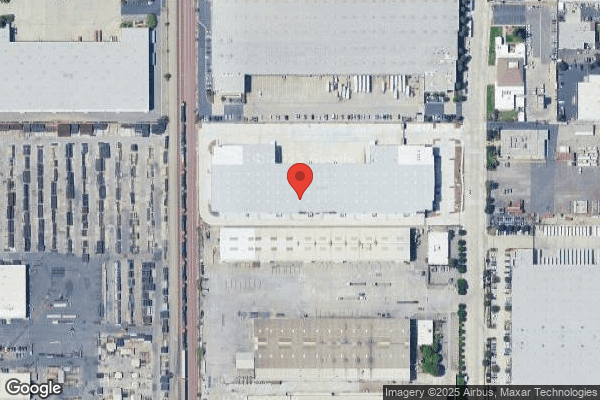
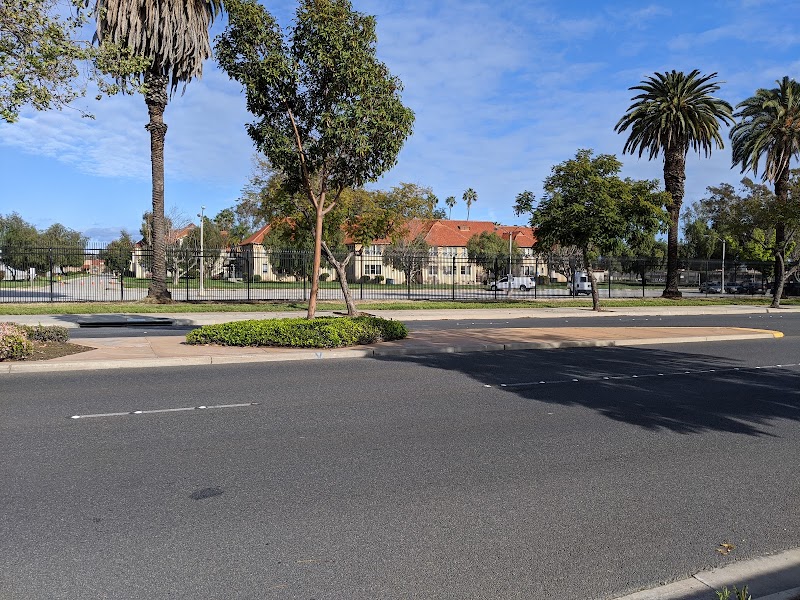
11401 SOUTH BLOOMFIELD AVENUE, NORWALK, CA 90650 (562) 863-7011
Government - State 102 Beds Independent Data: November 2025
Trust Grade
53/100
#567 of 1155 in CA
Last Inspection: November 2024

Within standard 12-15 month inspection cycle. Federal law requires annual inspections.

Overview

The Department of State Hospitals - Metropolitan SNF in Norwalk, California, has a Trust Grade of C, indicating average quality, which places it in the middle of the pack among nursing homes. It ranks #567 out of 1,155 facilities in California, meaning it is in the top half, and #102 out of 369 in Los Angeles County, suggesting that only one local option is better. The facility is improving, with the number of issues decreasing from 19 in 2023 to 15 in 2024. Staffing is a strength, with a rating of 4 out of 5 stars and a turnover rate of 0%, significantly lower than the state average. However, there are concerns, including a serious incident where a resident was physically harmed by another resident, as well as failures to implement a Quality Assurance program, which could negatively impact care quality. Additionally, the facility has $17,572 in fines, which is average compared to other California nursing homes. On a positive note, it boasts more registered nurse coverage than 99% of facilities in the state, ensuring better oversight of resident care.

Trust Score
C
53/100
In California
#567/1155
Top 49%
Safety Record
Moderate
Needs review
Inspections
Getting Better
19 → 15 violations
Staff Stability
○ Average
Turnover data not reported for this facility.
Penalties
⚠ Watch
$17,572 in fines. Higher than 87% of California facilities, suggesting repeated compliance issues.
Skilled Nurses
✓ Good
Each resident gets 250 minutes of Registered Nurse (RN) attention daily — more than 97% of California nursing homes. RNs are the most trained staff who catch health problems before they become serious.
Violations
⚠ Watch
49 deficiencies on record. Higher than average. Multiple issues found across inspections.
★★★☆☆
3.0
Overall Rating
★★★★☆
4.0
Staff Levels
★★☆☆☆
2.0
Care Quality
★★★☆☆
3.0
Inspection Score
Stable
2023: 19 issues
2024: 15 issues

The Good

  • 4-Star Staffing Rating · Above-average nurse staffing levels
  • No fines on record

Facility shows strength in staffing levels.

The Bad

3-Star Overall Rating

Near California average (3.1)

Meets federal standards, typical of most facilities

Federal Fines: $17,572

Below median ($33,413)

Minor penalties assessed

The Ugly 49 deficiencies on record

1 actual harm
Dec 2024 1 deficiency
CONCERN (D) 📢 Someone Reported This

A family member, employee, or ombudsman was alarmed enough to file a formal complaint

Potential for Harm - no one hurt, but risky conditions existed

Medical Records (Tag F0842)

Could have caused harm · This affected 1 resident

**NOTE- TERMS IN BRACKETS HAVE BEEN EDITED TO PROTECT CONFIDENTIALITY** Based on interviews and record review, the facility failed to ensure medical records were complete and accurately documented for...

Read full inspector narrative →
**NOTE- TERMS IN BRACKETS HAVE BEEN EDITED TO PROTECT CONFIDENTIALITY** Based on interviews and record review, the facility failed to ensure medical records were complete and accurately documented for one of three sampled residents (Resident 1), when Resident 1's leaking Gastrostomy-tube (G-Tube - feeding tube the provides nutrition to people who cannot eat or swallow safely) assessment was not documented. This failure had the potential to negatively affect Resident 1's care. Findings: During a record review of Resident 1's Treatment Plan, dated 11/26/24, the record indicated Resident 1 was admitted to the facility on [DATE] with a history of diagnoses that included: schizophrenia (chronic mental disorder characterized by significant disruptions in thought processes, perceptions, emotions, and social behaviors), end stage renal disease (medical condition where the kidneys permanently stop functioning), essential (primary) hypertension (high blood pressure with no identifiable cause), heart failure (chronic condition where the heart does not pump blood as well as it should), and type 2 diabetes mellitus (chronic condition in which the body does not produce enough insulin leading to high blood sugar levels). During an interview on 12/18/24 at 12:51 PM with Psychiatric Technician (PT) 1, PT 1 stated that on 11/27/24 she performed a G-tube dressing change for Resident 1 when she returned from dialysis (treatment that removes excess water, solutes and toxin from the blood when the kidneys can no longer perform these functions). PT 1 stated that she observed Resident 1's G-tube gauze dressing to be saturated with clear liquid and that her abdominal binder (a wide elastic/non-elastic belt that wraps around the abdomen to provide support and compression) was also wet. PT 1 stated she notified the registered nurse, and that assessment should have been documented on the treatment record. When asked if she documented her assessment PT 1 stated, I did not document. During a concurrent interview and record review on 12/18/24 at 12:58 PM with Registered Nurse Mentor (RNM), RNM stated that any abnormalities or refusals discovered during G-tube care, feedings, or medication administration, should have been documented on an Interdisciplinary Note (IDN). During a review of Resident 1's medical record, RNM confirmed no IDN or Medication and Treatment Record documentation related to the leaking G-tube was present in Resident 1's medical record. During a record review of Resident 1's RN Change in Physical Status Note, dated 11/27/24, the record indicated there was no documentation of a leaking G-tube. During a review of the facility's policy and procedure (P&P) titled, Duodenostomy, Gastrostomy and Jejunostomy Enteral Tubes (D-Tube, G-Tube, J-Tube): Feeding and Care, dated November 2024, the P&P indicated, .Documentation . Interdisciplinary Notes (IDN) - Summarize observational/assessment findings, interventions, notifications and responses .
Nov 2024 9 deficiencies
CONCERN (D)

Potential for Harm - no one hurt, but risky conditions existed

Resident Rights (Tag F0550)

Could have caused harm · This affected 1 resident

2. During an observation on 11/4/24 at 12:44 PM in the dining hall, observed Resident 357 being assisted by Registered Nurse (RN) 1 during lunch. RN 1 was observed to be standing while he assisted Res...

Read full inspector narrative →
2. During an observation on 11/4/24 at 12:44 PM in the dining hall, observed Resident 357 being assisted by Registered Nurse (RN) 1 during lunch. RN 1 was observed to be standing while he assisted Resident 357 with drinking. Resident 357's neck was observed to be tilted back and Resident 357 started to cough. During an interview on 11/4/24 at 12:45 PM with RN 2, RN 2 stated that staff were supposed to be sitting when they assist Residents with eating. During an interview on 11/4/24 at 12:58 PM with RN 1, RN 1 stated Resident 357 was at risk for choking so he assisted him during lunch. RN 1 further stated he was supposed to sit while assisting a Resident with meals. During a review of Resident 357's Aspiration Risk care plan, dated 10/30/24, the care plan indicated .The patient will display ability to chew and swallow safely, as evidenced by absence of aspiration, no evidence of coughing or choking during eating/drinking. During a review of the facility's Policy and Procedure (P&P) titled, 24 - Hour Dining Room Support Plan, dated October 2024, the P&P indicated, .Procedure . j) Staff will remain seated and attentive to patient when feeding patients. Based on observation, interview and record review, the facility failed to ensure residents were treated with dignity and respect for two of 12 sampled residents (Residents 13 and 357) when: 1. Registered Nurse (RN) 3 was standing while feeding Resident 13 in bed. 2. Registered Nurse (RN) 1 was standing while feeding Resident 357 in the dining room. These failures resulted in Resident 13 and Resident 357 not being provided a respectful and dignified dining experience. Findings: 1. During an observation on 11/4/24 at 1:06 PM in Resident 13's room, Resident 13 was in an enclosure bed with head of bed up. Resident 13 was nonverbal and unable to communicate needs. Resident 13 was being fed by Registered Nurse (RN) 3 while standing. RN 3 was not at Resident 13's eye level. Resident 13's gaze was on the chest level of RN 3. During an interview on 11/4/24 at 1:24 PM with RN 3, RN 3 stated, I have to have a chair . sitting in front of the patient. RN 3 stated he should be at eye level of Resident 13. RN 3 stated, Standing over [resident] is intimidating. RN 3 stated standing while feeding could have affected resident's dignity. During a review of Resident 13's clinical record titled Treatment Plan, with a conference date of 11/8/24, the treatment plan indicated, . Current Status . [Resident 13] . was admitted . on 6/28/2023 . During an interview on 11/6/24 at 10:50 AM with RN Shift Lead (RNSL) 3, RNSL 3 stated staff were supposed to be sitting while feeding resident and at eye level. RNSL 3 stated, Sitting while feeding conveys respect. RNSL 3 stated standing while feeding a resident could have felt overpowering to the resident. RNSL 3 stated, It could be dignity issue. RNSL 3 stated RN 3 should have gotten a chair and sat while feeding resident. RNSL 3 stated RN 3 should have been at Resident 13's eye-level. During an interview on 11/7/24 at 10:27 AM with Supervising RN (SRN) 1, SRN 1 stated the expectation was to be at eye level position while feeding a resident. SRN 1 stated staff could have sat on the chair or raised the bed. SRN 1 stated, It's more a dignity and respect . for resident not to feel the staff is towering over them. During a review of the Policy and Procedure (P&P) titled, 24 - Hour Dining Room Support Plan, dated October 2024, the P&P indicated . Procedure . j) Staff will remain seated and attentive to patient when feeding patients .
CONCERN (D)

Potential for Harm - no one hurt, but risky conditions existed

Deficiency F0558 (Tag F0558)

Could have caused harm · This affected 1 resident

**NOTE- TERMS IN BRACKETS HAVE BEEN EDITED TO PROTECT CONFIDENTIALITY** 2. During a concurrent observation and interview on 11/5/24 at 8:59 AM with Registered Nurse (RN) 4 in Resident 26's room, call ...

Read full inspector narrative →
**NOTE- TERMS IN BRACKETS HAVE BEEN EDITED TO PROTECT CONFIDENTIALITY** 2. During a concurrent observation and interview on 11/5/24 at 8:59 AM with Registered Nurse (RN) 4 in Resident 26's room, call light was observed hanging from the wall out of the resident's reach. RN 4 stated Resident 26's call light should have been within the resident's reach. During an observation on 11/6/24 at 8:09 AM and 8:57 AM in Resident 26's room, call light was observed hanging from the wall out of the resident's reach. During an interview on 11/6/24 at 10:07 AM with Supervising Registered Nurse (SRN) 2, SRN 2 stated rounds were conducted every 30 minutes to ensure resident safety which included ensuring call lights within reach of resident. During an observation on 11/6/24 at 10:47 AM in Resident 26's room, call light was observed hanging from the wall, not within Resident 26's reach. During a review of the facility's Policy and Procedure (P&P) titled, Call Light Use, dated February 2024, P&P indicated, . The purpose of a call light is to enable a patient who is confined to the bed to communicate with staff when assistance is needed . Ensure that call light cord is within the reach of the patient . Based on observation, interview, and record review, the facility failed to ensure two of 22 sampled residents (Resident 357 and Resident 26) had their call lights within reach. This failure had the potential to result in Resident 357 and Resident 26 not having their needs met. Findings: 1. During a review of Resident 357's Clinical Record, the record indicated that Resident 357 was admitted to the facility on [DATE] with a history of diagnoses that included Schizoaffective disorder, Bipolar type (a rare mental health condition that involves both schizophrenia symptoms and bipolar disorder symptoms), and major neurocognitive disorder (a decline in mental function caused by a medical condition, rather than a psychiatric illness) due to traumatic brain injury (Brain dysfunction caused by an outside force, usually a violent blow to the head). During a concurrent observation and interview on 11/4/24 at 1:56 PM with Resident 357, in Resident 357's room, observed Resident 357 laying in a enclosure bed, call light outside enclosure bed dangling by the wall out of Resident's reach. During interview with Resident 357, his thought patterns were scattered and was unable to answer questions or make needs known. During an interview on 11/4/24 at 1:59 PM with Psychiatric Technician (PT) 5, PT 5 stated the call light should be inside Resident 357's enclosure bed. PT 5 then stated she was wrong and Resident 357's call light was not supposed to be in the enclosure bed because it would have to be put through the zipper and the zipper would not be able to zip all the way up. During an interview on 11/4/24 at 2:05 PM with Registered Nurse (RN) 2, RN 2 confirmed call light was outside of Resident 357's enclusre bed and stated, The call light should be in the [enclosure brand] bed whenever the resident is in the bed. During a review of Resident 357's ADL Deficit care plan, dated 10/30/24, the care plan indicated .Keep call light within reach when patient is in bed, qshift [every shift]. During a review of the facility's Policy and Procedure (P&P) titled, Call Light Use, dated February 2024, the P&P indicated .Procedure . 2. Ensure that call light cord is within the reach of the patient.
CONCERN (D)

Potential for Harm - no one hurt, but risky conditions existed

Tube Feeding (Tag F0693)

Could have caused harm · This affected 1 resident

Based on observations, interview, and record review, the facility failed to provide tube feeding (liquid nutrition delivered using a feeding pump directly into the stomach) per the doctor's order for ...

Read full inspector narrative →
Based on observations, interview, and record review, the facility failed to provide tube feeding (liquid nutrition delivered using a feeding pump directly into the stomach) per the doctor's order for one of two sampled residents (Resident 26). This failure had the potential to result in weight loss and complications of tube feedings for Resident 26. Findings: During an observation on 11/6/24 at 8:57 AM in Resident 26's Room, Resident 26 was observed with a gastrostomy tube (GT - a tube inserted through the skin directly into the stomach for liquid nutrition). Resident 26's tube feeding pump was alarming and not providing tube feeding at that time. The tube feeding was attached to a feeding pump set to deliver 60 milliliters (milliliter (ml) is approximately 2 ounces) of liquid nutrition per hour. The label on the tube feeding bag indicated the feeding was started on 11/6/24 at 12 AM and was to infuse for 22 hours. During a concurrent observation and interview on 11/6/24 at 11:14 AM with Registered Nurse Shift Lead (RNSL) 2 in Resident 26's room, Resident 26's tube feeding pump was alarming and not providing tube feeding at that time. RNSL 2, verified that Resident 26's feeding pump was not delivering the tube feeding. RNSL 2 stated, The pump was probably left on hold after patient care. RNSL 2 stated she was unaware of how long the pump was not infusing and the amount of tube feeding Resident 26 did not receive. RNSL 2 further stated that missing tube feedings could lead to a resident's weight loss. During an interview on 11/6/24 at 11:38 AM with Registered Nurse (RN) 5, RN 5 verified Resident 26 received 470 ml of tube feeding from 11/6/24 at 12 AM through 11:38 AM. RN 5 verified Resident 26 should have received 660 ml [190ml of tube feeding was not given to Resident] of tube feeding during this time. During an interview on 11/7/24 at 9:05 AM with RNSL 2, RNSL 2 verified that Resident 26's tube feeding was off several hours on 11/6/24 and Resident 26 did not receive the correct amount of tube feeding as ordered by the physician. During an interview on 11/7/24 at 10:24 AM with the Registered Dietitian (RD), RD stated if Resident 26 did not receive his ordered tube feeding there was a potential for resident to experience weight loss. During a review of Resident 26's Physician's Orders and Medication, dated 10/28/24, the Physician's Order indicated Resident 26 should receive tube feeding at a rate of 60 ml per hour for 22 hours via the GT.
CONCERN (D)

Potential for Harm - no one hurt, but risky conditions existed

Food Safety (Tag F0812)

Could have caused harm · This affected 1 resident

Based on observation, interview, and record review, the facility failed to ensure food service safety and sanitation requirements were met when: 1. Food trays were observed unclean, chipped and with b...

Read full inspector narrative →
Based on observation, interview, and record review, the facility failed to ensure food service safety and sanitation requirements were met when: 1. Food trays were observed unclean, chipped and with brownish, yellowish stains. 2. Expired foods were found in dry warehouse, freezer and food storage area. 3. One dented can was found in dry warehouse. 4. One heavily marred chopping board was in the food preparation area. These failures had the potential to cause food borne illness among vulnerable residents. Findings: 1. During a concurrent observation and interview on 11/4/24 at 11:58 AM with Dietetics Director (DD) in the clean tray area, 15 gray food trays were observed as unclean with food debris, and one food tray with an old meal ticket still attached. The trays were chipped with brown and yellowish stains. DD stated the unclean, chipped and stained trays should not be in the clean area. During review of the facility's Policy and Procedure (P&P) titled, Nutrition Policy Manual Policy Number: 3401, dated July 2018, the P&P indicated, . All kitchen and dining room utensils along with food contact surfaces used in the preparation and/or serving of food and drink are cleaned and sanitized before use, after being used and after each meal . Nonfood contact surfaces of equipment are maintained to keep them cleaned and sanitized . 2. During a concurrent observation and interview on 11/4/24 at 12:38 PM with Supervising [NAME] (SC) in the Dry Warehouse, a pack of expired sugar was observed. SC stated the expired sugar should not be here. During a concurrent observation and Interview on 11/4/24 at 1 PM with Dietetic Director (DD) and SC in the food storage area, 16 boxes of expired coleslaw were found labeled wih Best used by 11/1/24. DD stated the coleslaw arrived last Friday [11/1/24] we will toss it. SC stated we go by the best used by date, we should have checked the coleslaw when we received it in the warehouse. During a review of the facility's Policy and Procedure (P&P) titled, Nutrition Policy Manual Policy Number: 3401.033 dated September 2018, the P&P indicated, . It is the responsibility of all Department of Nutrition Services staff to carefully observe all food item expiration, use by, sell by, delivery dates and open container dates to ensure there are no expired products being used or stored . 3. During concurrent observation and interview on 11/4/24 at 12:48 PM with the Dietetic Director (DD) and Supervising [NAME] (SC) in the dry warehouse, one dented can of Vanilla Pudding was found on a storage rack labeled use it first. SC stated, This should have gone in the Dented Cans Area. During review of the facility's Policy and Procedure (P&P) titled, Nutrition Policy Manual Policy Number 3401.033, dated September 2018, P&P indicated, .Will reject any damaged, moisture soaked, freezer burnt, thaw & refrozen sign on box, leaking containers, visible dented cans, or any other established departmental food or nonfood delivery items at point of delivery . 4. During a concurrent observation and interview on 11/4/24 at 1:07 PM with Supervising [NAME] (SC) and Food Service Technician (FST) in the Cold Prep area, a yellow cutting board was observed marred with deep cut marks on the surface where food was placed to be cut. SC stated the chopping board has the potential for bacterial growth and it needs to be changed. During review of the facility's Policy and Procedure (P&P) titled, Nutrition Policy Manual Policy Number: 3401, dated July 2018, the P&P indicated, . All kitchen and dining room utensils along with food contact surfaces used in the preparation and/or serving of food and drink are cleaned and sanitized before use, after being used and after each meal .
CONCERN (D)

Potential for Harm - no one hurt, but risky conditions existed

Garbage Disposal (Tag F0814)

Could have caused harm · This affected 1 resident

Based on observation, interview, and record review, the facility failed to keep food storage areas in the warehouse and main kitchen clean from debris and garbage. This failure had the potential to re...

Read full inspector narrative →
Based on observation, interview, and record review, the facility failed to keep food storage areas in the warehouse and main kitchen clean from debris and garbage. This failure had the potential to result in food borne illness in vulnerable residents. Findings: During a concurrent observation and interview on 11/4/24 at 12:44 PM with the Dietetics Director (DD) in the warehouse, two cups of grape juice and chipped wood debris were observed on the floor. DD was observed throwing the grape juice cups away in the trash can. DD stated the trash and debris should have been cleaned out. During a concurrent observation and interview on 11/4/24 at 1:02 PM with the Assistant Dietetics Director (ADD) in the walk-in freezer, chipped wood and plastic wrappers were observed on the floor. ADD stated, it should have been cleaned out. During a review of the facility's Policy and Procedure titled, Nutrition Policy Manual Policy Number: 3401, dated July 2018, P&P indicated, .The objective is to control and remove any source of contamination and prevent the growth of bacteria: Garbage is always put into designated disposal units with lids . The storeroom is sweep daily and any debris from deliveries or daily activities of warehouse to supply production and presentation of food and nonfood items will be cleaned up daily
CONCERN (F)

Potential for Harm - no one hurt, but risky conditions existed

Deficiency F0865 (Tag F0865)

Could have caused harm · This affected most or all residents

Based on interview and facility record review, the facility failed to have a written Quality Assurance Performance Improvement (QAPI - a program that enables the facility to evaluate and improve the q...

Read full inspector narrative →
Based on interview and facility record review, the facility failed to have a written Quality Assurance Performance Improvement (QAPI - a program that enables the facility to evaluate and improve the quality of Resident care and services through data collection, staff input, and other information) plan in place that identified areas of improvement for the Skilled Nursing units. This failure resulted in an ineffective QAPI program that did not identify systemic problems in the Skilled Nursing units related to infection prevention and enhanced barrier precautions (EBP- use of gown and gloves during high contact resident care activities, designed to reduce spread of infections) (cross reference F 880 and F 945). Findings: During an interview on 11/8/24 at 8:49 AM with Supervising Registered Nurse (SRN) 3, SRN 3 stated, when asked for a copy of their QAPI plan, We do not have a QAPI plan. During an interview on 11/8/24 at 9:02 AM with SRN 3, SRN 3 stated there was no QAPI plan for the Skilled Nursing units. SRN 3 stated that they had the capability to track and trend based on program and resident, but they were not currently doing this. SRN 3 stated that the Program (Program 6 - facility's identifier for Skilled Nursing unit) should have taken the initiative. During an interview with SRN 3 on 11/8/24 at 9:38 AM, SRN 3 stated EBP had not been discussed during QAPI. SRN 3 stated there was no QAPI plan for implementing EBP in place. During a review of the facility's policy and procedure (P&P) titled, Quality Assurance, dated 5/3/24, the P&P indicated .The purpose of the Quality Assurance Program is to establish a systemic process that monitors and evaluates various aspects of patient care to ensure that established standards of quality are met and/or maintained. The P&P also indicated .5.3 The Governing Body requires the clinical disciplines at each hospital to implement and report on the activities and mechanisms for monitoring and evaluating the quality of patient care, identifying opportunities to improve care, identifying solutions to existing clinical problems, and determining if implemented solutions resolved such problems.
CONCERN (F)

Potential for Harm - no one hurt, but risky conditions existed

Deficiency F0868 (Tag F0868)

Could have caused harm · This affected most or all residents

Based on interview and record review, the facility failed to ensure the Quality Assessment and Assurance (QAA) committee had the required members in attendance. This failure had the potential for qual...

Read full inspector narrative →
Based on interview and record review, the facility failed to ensure the Quality Assessment and Assurance (QAA) committee had the required members in attendance. This failure had the potential for quality care improvement activities related to Infection Control to not be evaluated and revised as needed and the potential to negatively impact the quality of resident care. Findings: During a concurrent interview and record review on 11/8/24 at 9:35 AM with the Standards Compliance Director (SCD), the SCD reviewed the Quality Council Minutes from the 9/5/24 meeting. SCD acknowledged the Infection Preventionist/Public Health Nurse II for the Skilled Nursing unit was not in attendance. During a record review of the Quality Council Minutes from 4/23/24, the record indicated that the Infection Preventionist/Public Health Nurse II was not in attendance. During a review of the facility's Policy and Procedure (P&P) titled, Risk Management, dated 7/8/24, the P&P did not indicate the Infection Preventionist as a required member of Quality Council (QC) under section 4.3.1.1 Quality Council Membership.
CONCERN (F) 📢 Someone Reported This

A family member, employee, or ombudsman was alarmed enough to file a formal complaint

Potential for Harm - no one hurt, but risky conditions existed

Infection Control (Tag F0880)

Could have caused harm · This affected most or all residents

**NOTE- TERMS IN BRACKETS HAVE BEEN EDITED TO PROTECT CONFIDENTIALITY** 5. During an observation on 11/6/24 at 8 AM outside Resident 35's room, no signage was present to indicate Resident 35's require...

Read full inspector narrative →
**NOTE- TERMS IN BRACKETS HAVE BEEN EDITED TO PROTECT CONFIDENTIALITY** 5. During an observation on 11/6/24 at 8 AM outside Resident 35's room, no signage was present to indicate Resident 35's requirement for enhanced barrier precautions (EBP - a set of infection control measures that requires gowns and gloves during high-contact patient care activities to reduce the spread of multidrug-resistant organisms). During a concurrent observation and interview on 11/6/24 at 3:55 PM in Resident 35's room, Psychiatric Technician Assistant (PTA) 2 and PTA 3 changed Resident 35's linens and provided personal hygiene. Resident 35 had a gastrostomy tube, (GT - tube through the abdomen directly into the stomach), both PTA 2 and PTA 3 did not wear a gown during the observation. PTA 2 and PTA 3 both stated they had never heard of EBP. During a concurrent observation and interview on 11/7/24 at 9:45 AM in Resident 35's room, Registered Nurse (RN) 6 and Licensed Vocational Nurse (LVN), provided personal hygiene and changed linens for Resident 35. RN 6 and LVN did not wear a gown during the observation. Resident 35 displayed an intermittent cough throughout the observation. RN 6 and LVN both stated that they did not know anything about enhanced barrier precautions. During an interview on 11/7/24, at 10:14 AM with Registered Nurse Shift Lead (RNSL) 1, RNSL 1 stated a gown was not required when providing personal hygiene and linen changes for Resident 35. RNSL 1 stated that he had not heard of EBP. During a review of Resident 35's Treatment Plan, dated 10/14/24, the Treatment Plan indicated, Resident 35 had a GT. The Treatment Plan further indicated, Resident 35's GT was replaced on 9/28/24 due to cellulitis (infection caused by bacteria) at the insertion point. Resident 35 also tested positive for MRSA (Methicillin-resistant Staphylococcus Aureus - bacterial infection which is resistant to multiple antibiotics) in the nares (nostrils). During a review of Resident 35's MRSA Screen (laboratory test for presence of MRSA), dated 10/7/24, the MRSA Screen indicated Resident 35 was positive for MRSA of the nares. During a review of the facility's policy and procedure (P&P) titled, Duodenostomy [artificial opening into the stomach through the abdominal wall], Gastrostomy, Jejunostomy [artificial opening into the small intestines through the abdominal wall], Enteral Tubes: Feeding and Care, dated June 2022, the P&P indicated, . personal protective equipment (PPE) (e.g. mask, face shield, gown) as clinically indicated . During a review of the All Facilities Letter (AFL- memo issued by the California Department of Public Health) dated 6/13/2024, the AFL indicated skilled nursing facilities should implement EBP per CDC guidance as part of infection control for certified skilled nursing facilities. During a review of CDC recommendations dated 4/2/24, indicated, Enhanced Barrier Precautions are an infection control intervention designed to reduce transmission of multidrug-resistant organisms (MDROs) in nursing homes. Enhanced Barrier Precautions involve gown and glove use during high-contact resident care activities (personal hygiene, linen change, providing medications and treatments such as wound dressing change) for residents known to be colonized or infected with a MDRO as well as those at increased risk of MDRO acquisition (e.g., residents with wounds or indwelling medical devices). 6. During an observation on 11/5/24 at 9:29 AM outside of Resident 11's room, no enhanced barrier precautions (EBP - a set of infection control measures that requires gowns and gloves during high-contact patient care activities to reduce the spread of multidrug-resistant organisms) signage was posted. During an observation on 11/6/24 at 8:13 AM in Resident 11's room, Registered Nurse (RN) 5 and Registered Nurse Lead (RNSL) 2 performed a dressing change for Resident 11's pressure injury (chronic wound to the skin and underlying tissues) to his left buttock. RN 5 and RNSL 2 did not wear gowns. During an interview on 11/7/24 at 10 AM with RN 5, RN 5 stated a gown was not needed for a dressing change. When asked about EBP, RN 5 stated, I have never heard of that. During a review of Resident 11's Treatment Plan, dated 9/17/24, the Treatment Plan indicated on 9/16/24, Resident 11 was diagnosed with a pressure injury on his left hip area. During a review of the Medication and Treatment Record, dated 11/6/24, the Medication and Treatment Record indicated Resident 11 had a pressure ulcer on the left hip area which required daily dressing change. During a review of facility's policy and procedure (P&P) titled, Assessment, Prevention and Treatment of Pressure Injuries and Wounds, dated February 2024, the P&P indicated, . Staff are to observe strict aseptic technique [procedure used by medical staff to prevent spread of infection] when performing wound care and wear appropriate personal protective equipment as necessary to control infection . During a review of the All Facilities Letter (AFL- memo issued by the California Department of Public Health) dated 6/13/2024, the AFL indicated skilled nursing facilities should implement EBP per CDC guidance as part of infection control for certified skilled nursing facilities. During a review of CDC recommendations dated 4/2/24, indicated, Enhanced Barrier Precautions are an infection control intervention designed to reduce transmission of multidrug-resistant organisms (MDROs) in nursing homes. Enhanced Barrier Precautions involve gown and glove use during high-contact resident care activities (personal hygiene, linen change, providing medications and treatments such as wound dressing change) for residents known to be colonized or infected with a MDRO as well as those at increased risk of MDRO acquisition (e.g., residents with wounds or indwelling medical devices). 7. During an observation on 11/5/24 at 9:29 AM outside of Resident 54's room, no enhanced barrier precautions (EBP - a set of infection control measures that requires gowns and gloves during high-contact patient care activities to reduce the spread of multidrug-resistant organisms) signage was posted. During an interview on 11/5/24 at 9:29 AM Registered Nurse (RN) 4, RN 4 stated that Resident 54 had a pressure injury on his left heel that required dressing change. During an observation on 11/6/24 at 8:13 AM in Resident 54's room, RN 5 and Registered Nurse Shift Lead (RNSL) 2 performed a dressing change on Resident 54's left heel. RN 5 and RNSL 2 did not wear a gown. During an interview on 11/7/24 at 10 AM with RN 5, RN 5 stated a gown was not needed for a dressing change. When asked about EBP, RN 5 stated, I have never heard of that. During a review of Resident 54's Treatment Plan, dated 9/26/24, the Treatment Plan indicated Resident 54 had a pressure injury to his left heel. During a review of Resident 54's Medication and Treatment Record, dated 11/6/24, the Medication and Treatment Record indicated Resident 54 had a pressure injury on his left heel which required daily dressing change. During a review of facility's policy and procedure (P&P) titled, Assessment, Prevention and Treatment of Pressure Injuries and Wounds, dated February 2024, the P&P indicated, . Staff are to observe strict aseptic technique [procedure used by medical staff to prevent spread of infection] when performing wound care and wear appropriate personal protective equipment as necessary to control infection . During a review of the All Facilities Letter (AFL- memo issued by the California Department of Public Health) dated 6/13/2024, the AFL indicated skilled nursing facilities should implement EBP per CDC guidance as part of infection control for certified skilled nursing facilities. During a review of CDC recommendations dated 4/2/24, indicated, Enhanced Barrier Precautions are an infection control intervention designed to reduce transmission of multidrug-resistant organisms (MDROs) in nursing homes. Enhanced Barrier Precautions involve gown and glove use during high-contact resident care activities (personal hygiene, linen change, providing medications and treatments such as wound dressing change) for residents known to be colonized or infected with a MDRO as well as those at increased risk of MDRO acquisition (e.g., residents with wounds or indwelling medical devices). 4. During a review of Resident 1's Clinical Record, the record indicated that Resident 1 was admitted to the facility on [DATE] with a history of diagnoses that included Huntington's disease (a genetic brain disorder that causes nerve cells in the brain to break down and die. It affects movement, thinking, and mood, and worsens over time), depressive disorder, and history of pressure ulcers (a localized area of damaged skin or tissue caused by prolonged pressure on the skin). During a concurrent observation and interview on 11/5/24 at 9:53 AM with Psychiatric Technician (PT) 1 outside Resident 1's room, observed PT 1 prepare to perform wound care for Resident 1's pressure ulcer. PT 1 stated she was going to perform ordered wound care for a pressure ulcer wound on Resident 1's right foot second toe. Observed no enhanced barrier precaution (EBP- an infection control intervention designed to reduce transmission of resistant organisms by utilizing gown and glove use during high contact resident care activities) signage outside Resident 1's room. During a concurrent observation and interview on 11/5/24 at 9:56 AM with Registered Nurse (RN) 3 in Resident 1's room, observed RN 3 enter room, donned clean gloves and prepared to assist PT 1 with positioning Resident 1 for wound care. RN 3 stated Resident 1 currently has one unstageable pressure ulcer on right toe. During an observation on 11/5/24 at 9:58 AM in Resident 1's room, observed PT 1 wheel in treatment cart with prepared supplies. PT 1 doffed dirty gloves, sanitized hands, and then donned clean gloves. PT 1 proceeded with wound care treatment on Resident 1's right second toe. Did not observe PT 1 using gown per EBP guidance during wound care treatment. During an interview on 11/6/24 at 8:05 AM with RN 3, RN 3 stated that Resident 1 was not on EBP. During an interview on 11/6/24 at 2:25 PM with Interim Infection Preventionist (IIP), IIP stated that wound care was standard precautions unless the resident was on contact precautions. IIP was unaware of EBP guidelines and stated they do not have an EBP policy. During a review of Resident 1's Physician's Orders, dated 10/23/24, the Physician's Orders indicated the physician ordered wound treatment for pressure ulcers on Resident 1's right 2nd toe. During a review of the facility's policy and procedure (P&P) titled Assessment, Prevention and Treatment of Pressure Injuries and Wounds, dated February 2024, the P&P indicated, .Procedure . Staff are to observe strict aseptic technique when performing wound care and wear appropriate Personal Protective Equipment (PPE) as necessary to control infection. During a review of the All Facilities Letter (AFL- memo issued by the California Department of Public Health) dated 6/13/2024, the AFL indicated skilled nursing facilities should implement EBP per CDC guidance as part of infection control for certified skilled nursing facilities. During a review of a professional reference found in https://www.cdc.gov/long-term-care-facilities/hcp/prevent-mdro/ppe.html, dated 4/2/24, the reference indicated, . Enhanced Barrier Precautions (EBP) are an infection control intervention . that employs targeted gown and glove use during high contact resident care activities . indicated . for residents with . Wounds or indwelling medical devices . Based on observation, interview, and record review, the facility failed to maintain an infection prevention and control program designed to help prevent the transmission of communicable diseases and infections for six of 22 sampled residents (Residents 7, 36, 1, 35, 11 and 54) when: 1. The trash and linen carts were placed outside of Resident 7's isolation room. 2. Psychiatric Technician (PT) 2 accepted a pitcher handed by Resident 7, who was on isolation precautions, with bare hands. 3. Registered Nurse (RN) 7 performed wound care to Resident 36 wearing gloves as the only personal protective equipment (PPE) used. 4. PT 1 performed wound care to Resident 1 wearing gloves as the only PPE used. 5. Psychiatric Technician Assistant (PTA) 2 and PTA 3 changed Resident 35's linen and provided personal hygiene without wearing a gown. 6. RN 5 and RN Shift Lead (RNSL) 2 performed a dressing change for Resident 11's pressure injury (chronic wound to the skin and underlying tissues) to his left buttock without wearing a gown. 7. RN 5 and RNSL 2 performed a dressing change on Resident 54's left heel without wearing a gown. These failures placed the residents at risk for cross contamination and possible spread of infections. Findings: 1. During an observation on 11/5/24 at 10:15 AM by Resident 7's room, Resident 7 was in the room sitting in her wheelchair listening to the radio. There was a PPE (personal protective equipment) cart outside of the room, with contact (spread of infectious diseases through direct or indirect contact with a person or their environment) and droplet (infectious diseases that are transmitted through respiratory droplets) isolation signage. Trash and linen carts were by the door outside of the room. Psychiatric Technician (PT) 2 wore a gown, gloves and mask and went in Resident 7's room to turn on the radio. PT 2 came out of the room, removed her gown, gloves and mask and threw them in the trash cart by the door, outside of the room. PT 2 stated one cart was for trash and the other cart was for linen. During an interview on 11/6/24 at 9:39 AM with the Interim Nursing Coordinator (NC) 1, NC 1 stated the trash and linen carts should have been inside Resident 7's room. NC 1 stated keeping the linen and trash cart inside the room contained and limited the spread of infection. During an interview on 11/6/24 at 9:48 AM with Interim Infection Preventionist (IIP), IIP stated Resident 7 was on transmission based, droplet precaution for influenza. IIP stated the linen and trash carts should have been inside the room for infection control. The IIP stated keeping the carts inside the room was a precaution for spread of infection. During an interview on 11/7/24 at 9:25 AM with Registered Nurse Shift Lead (RNSL) 1, RNSL 1 stated Resident 7 was on contact and droplet precaution. RNSL 1 stated, Trash and linen [carts] should be inside the room . To contain the infection and not spread it all over the unit. During a review of the policy and procedure (P&P) titled, Transmission Based Precautions - Contact Precautions Guidelines, dated March 2022, the P&P indicated, . Initiation of Precaution . Place biohazardous [biological or chemical substances that can be dangerous to people, animals or the environment] trash in the patient's room Gowns . Discard the gown in the biohazardous trash before leaving the room . 2. During an observation on 11/5/24 at 10:15 AM by the hallway of Resident 7's room, Resident 7 was in the room, sitting in her wheelchair listening to the radio. There was a PPE (personal protective equipment) cart outside of the room, with contact and droplet isolation signage by the door. During a concurrent observation and interview on 11/5/24 at 10:18 AM outside of Resident 7's room, Resident 7 was inside the room by the door. Resident 7 handed her water pitcher to Psychiatric Technician (PT) 2. PT 2 took the water pitcher from Resident 7 with her bare hands. During an interview on 11/5/24 at 10:30 AM with PT 2, PT 2 stated, I should have used gloves . I could get the flu. During an interview on 11/6/24 at 9:39 AM with Interim Nursing Coordinator (NC) 1, NC 1 stated staff (PT 2) should have worn gloves. NC 1 stated, It's contact precaution . risk of staff contacting influenza. During an interview on 11/6/24 at 9:48 AM with Interim Infection Preventionist (IIP), IIP stated Resident 7 was on transmission based and droplet precaution for influenza. IIP stated PT 2 should have worn gloves when receiving items from the isolation room. IIP stated the water pitcher was contaminated and potentially transferred infectious organisms. During a review of the policy and procedure (P&P) titled, Transmission Based Precautions - Contact Precautions Guidelines, dated March 2022, the P&P indicated, . Personal protective equipment . shall be utilized by staff as warranted by the situation for the protection against all hazards . Gloves . Everyone . shall put on gloves . 3. During an observation on 11/4/24 at 1:10 PM in the hallway by Resident 36's room, the hallway was clear. There was no enhanced barrier precaution (EBP - use of gown and gloves during high contact resident care activities, designed to reduce spread of infections) signage by the door and no personal protective equipment (PPE) cart. During a review of Resident 36's clinical record titled Treatment Plan, dated 10/31/24, the treatment plan indicated, . MEDICAL PROBLEMS . 15. Left Buttock Pressure Injury [a localized area of skin damage caused by prolonged pressure on skin] Unstageable [a localized area of skin damage caused by prolonged pressure on skin] . 16. Right Buttock Pressure Injury Unstageable . During an observation on 11/6/24 at 3:05 PM in Resident 36's room, Registered Nurse (RN) 7 was performing a wound dressing change on Resident 36. RN 7 was assisted by Psychiatric Technician (PT) 3. RN 7 and PT 3 had a mask and gloves on, without a gown. During an interview on 11/7/24 at 8:52 AM with PT 3, PT 3 stated she assisted RN 7 with wound care for Resident 36 on 11/6/24. PT 3 stated, We just used mask and gloves . I am not familiar with [EBP] . I never heard about it. PT 3 stated there was no training which she could remember regarding EBP. During an interview on 11/7/24 at 9:03 AM with RN 7, RN 7 stated he performed wound care on Resident 36 on 11/6/24. RN 7 stated, I used gloves and mask. I always use mask when I do wound care. RN 7 stated, I don't know if there was any training done for that [EBP] . I did not get training on EBP. During a review of the All Facilities Letter (AFL- memo issued by the California Department of Public Health) dated 6/13/2024, the AFL indicated skilled nursing facilities should implement EBP per CDC guidance as part of infection control for certified skilled nursing facilities. During a review of a professional reference found in https://www.cdc.gov/long-term-care-facilities/hcp/prevent-mdro/ppe.html, dated 4/2/24, the reference indicated, . Enhanced Barrier Precautions (EBP) are an infection control intervention . that employs targeted gown and glove use during high contact resident care activities . indicated . for residents with . Wounds or indwelling medical devices .
CONCERN (F)

Potential for Harm - no one hurt, but risky conditions existed

Deficiency F0945 (Tag F0945)

Could have caused harm · This affected most or all residents

Based on observation, interview, and record review, the facility failed to maintain an effective infection control training program for 94 of 94 staff when the facility did not develop a written polic...

Read full inspector narrative →
Based on observation, interview, and record review, the facility failed to maintain an effective infection control training program for 94 of 94 staff when the facility did not develop a written policy and training for staff regarding Enhance Barrier Precautions (EBP- use of gown and gloves during high contact resident care activities, designed to reduce spread of infections). (cross reference to F880) This failure had the potential to negatively affect the facility's ability to maintain a safe environment to prevent the spread of infectious diseases among the 54 residents in the facility. Findings: During an observation on 11/4/24 at 1:10 PM in the hallway by Resident 36's room, the hallway was clear. There was no personal protective equipment (PPE) cart or EBP signage by the door. During a review of Resident 36's clinical record titled, Treatment Plan, dated 10/31/24, the treatment plan indicated, . MEDICAL PROBLEMS . 15. Left Buttock Pressure Injury [a localized area of skin damage caused by prolonged pressure on skin] Unstageable [extent of injury cannot be determined] . 16. Right Buttock Pressure Injury Unstageable . During an interview on 11/6/24 at 2:05 PM with Interim Infection Preventionist (IIP), IIP stated, I am not aware of this [EBP] . We are not up to date with EBP. IIP stated EBP was not being practiced in the facility. IIP stated, Our policy does not address EBP. During an observation on 11/6/24 at 3:05 PM in Resident 36's room, Registered Nurse (RN) 7 was performing a wound dressing change on Resident 36. RN 7 was assisted by Psychiatric Technician (PT) 3. RN 7 and PT 3 had mask and gloves on without a gown. During an interview on 11/7/24 at 8:52 AM with PT 3, PT 3 stated she assisted RN 7 with wound care for Resident 36 on 11/6/24. PT 3 stated, We just used mask and gloves . I am not familiar [EBP] . I never heard about it. PT 3 stated there was no training which she could remember regarding EBP. During an interview on 11/7/24 at 9:03 AM with RN 7, RN 7 stated he performed wound care on Resident 36 on 11/6/24. RN 7 stated, I used gloves and mask. I always use mask when I do wound care. RN 7 stated, I don't know if there was any training done for that [EBP] . I did not get training on EBP. RN 7 stated wearing gown and gloves limited the spread of infection. During an interview on 11/7/24 at 9:30 AM with RN Shift Lead (RNSL) 3, RNSL 3 stated She was not aware of EBP. RNSL 3 stated, I just found about it today . We did not have any training [EBP]. RNSL 3 stated gowning and gloving protected the care provider and other residents from cross contamination. During an interview on 11/7/24 at 10:30 AM with Supervising RN (SRN) 1, SRN 1 stated, I learned about it [EBP] yesterday. My staff don't know what EBP is. SRN 1 stated, We still have to train our staff. SRN 1 stated there were 94 active staff in the facility and all staff did not get training on EBP. During an interview on 11/7/24 at 2:56 PM with Nursing Coordinator (NC) 2, NC 2 stated there was no training for EBP in the facility. NC 2 stated, We were not aware of the information . I knew about it yesterday since it was brought up to my attention by IIP. During a review of the facility's policy and procedure, the facility was unable to provide a policy for EBP. During a review of a professional reference found in https://www.cdc.gov/long-term-care-facilities/hcp/prevent-mdro/ppe.html, dated 4/2/24, the reference indicated, . Enhanced Barrier Precautions (EBP) are an infection control intervention . that employs targeted gown and glove use during high contact resident care activities . indicated . for residents with . Wounds or indwelling medical devices .
Oct 2024 2 deficiencies
CONCERN (D) 📢 Someone Reported This

A family member, employee, or ombudsman was alarmed enough to file a formal complaint

Potential for Harm - no one hurt, but risky conditions existed

Deficiency F0552 (Tag F0552)

Could have caused harm · This affected 1 resident

Based on observation, interview, and record review, the facility failed to ensure a qualified facility approved interpreter was provided for one of three sampled residents (Resident 2 ). This failure ...

Read full inspector narrative →
Based on observation, interview, and record review, the facility failed to ensure a qualified facility approved interpreter was provided for one of three sampled residents (Resident 2 ). This failure resulted in Resident 2 being unable to communicate his needs with staff. Findings: During a concurrent observation and interview on 10/22/24 at 11:55 am with Lead Registered Nurse (LRN) 1 on Unit 404, Resident 2 was speaking Spanish to staff. LRN 1, who is not spanish speaking, stated Resident 2 was Spanish speaking and needed an interpreter. LRN 1 stated she was unaware of who the approved interpreters were for the facility. LRN 1 further stated she used either another resident or non-facility approved interpreters to communicate with Resident 2. During an interview on 10/22/24 at 12:16 pm with Registered Nurse (RN) 2, RN 2 stated he called the on-call doctor on 10/18/24 to evaluate Resident 1 when the resident complained of scrotum pain. RN 2 stated Medical Doctor (MD) 1 used Licensed Vocational Nurse (LVN) 1 to translate for Resident 2 during the evaluation. RN 2 stated, after evaluating Resident 2, MD 1 reported that Resident 2 complained a male staff member inappropriately grabbed his scrotum causing him pain. RN 1 stated he did not know if LVN 1 was an approved interpreter for the facility. RN 2 confirmed there was no way to ensure LVN 1's translation was accurate. During an interview on 10/23/24 at 12:11 pm with Resident 2 and RN 3, RN 3 stated he became a facility approved Spanish interpreter after passing a proficiency test. RN 3 translated for Resident 2; Resident 2 stated he reported pain to his scrotum after a staff member assisted him with personal care. Resident 2 further stated police later interviewed him asking if the staff member inappropriately touched him or purposefully harmed him. Resident 2 stated he was confused why police were involved because he did not report a malicious act, just pain. Resident 2 further stated I feel like a bothersome to staff because I want to speak my native language of Spanish and they don't. During a concurrent interview and record review on 10/23/24 at 12:21 pm with Supervising Registered Nurse (SRN) 1, [facility's name] Bilingual Pay Log dated 10/23/24 was reviewed. The [facility's name] Bilingual Pay Log indicated, LVN 1 was not a facility approved interpreter. SRN 1 confirmed there was no Spanish speaking interpreter available to assist Resident 2 on 10/18/24. The [facility's name] Bilingual Pay Log indicated, there was no Spanish speaking interpreter available during evening shifts. SRN 1 stated she did not know what staff should do when a facility approved interpreter was not available. SRN 1 further stated there was no process in place to ensure facility approved interpreters were available each shift. During an interview on 10/23/24 at 1:46 pm with Social Worker (SW) 1, SW 1 stated, We are limited with translating and it's a flawed system. SW 1 stated she used other staff to translate and confirmed there was no way of knowing if the translation was accurate. During a review of Resident 2's Minimum Data Set (MDS-an assessment tool), dated 8/27/24, the MDS indicated, Resident 2's preferred language was Spanish, and an interpreter was needed for communication. During a review Resident 2's Impaired Verbal Communication Care Plan, dated 8/28/24, the Impaired Verbal Communication Care Plan indicated, . Provide Spanish interpreter as needed, q shift (every shift) . During a review of Resident 2's Treatment Plan, dated 8/26/24, the Treatment Plan indicated, Resident 2 spoke Spanish and a Spanish speaking interpreter should be utilized. During a review of the facility's policy and procedure (P&P) titled, Equal Delivery of Services, dated 8/9/23, the P&P indicated, . Accommodations will be made as necessary from the point of admission through discharge . In order to provide treatment and program services to . the non-English speaking patient, hospital staff can call the telephone operators to obtain the names of employees who . are bilingual in various languages available for interpreting .
CONCERN (D) 📢 Someone Reported This

A family member, employee, or ombudsman was alarmed enough to file a formal complaint

Potential for Harm - no one hurt, but risky conditions existed

Accident Prevention (Tag F0689)

Could have caused harm · This affected 1 resident

Based on observation, interview, and record review, the facility failed to ensure interventions were implemented to prevent falls for one of three sampled residents (Resident 1). This failure resulted...

Read full inspector narrative →
Based on observation, interview, and record review, the facility failed to ensure interventions were implemented to prevent falls for one of three sampled residents (Resident 1). This failure resulted in Resident 1 experiencing a fall which resulted in a scalp contusion (bruise). Findings: During a concurrent observation and interview on 10/22/24 at 11:49 am with Resident 1 on Unit 404, Resident 1 had discoloration to left side of his forehead. Resident 1 stated he did not use his wheelchair when standing and fell. Resident 1 further stated he had pain to his head and nausea. During an interview on 10/22/24 at 11:29 am with Registered Nurse (RN) 1, RN 1 stated he observed Resident 1 in his wheelchair in the dayroom, approximately 15 feet from where RN 1 was sitting. RN 1 stated Resident 1 put his hands on the armrests of the wheelchair and stood unassisted, then fell forward. RN 1 confirmed he did not educate Resident 1 to stop and sit down or assist the resident with standing. RN 1 stated, I did not think he would fall. During an interview on 10/23/24 at 12:29 pm with Lead Registered Nurse (LRN) 1, LRN 1 stated Resident 1 was blind and needed moderate assistance for ambulating with his wheelchair and transfers. LRN 1 stated RN 1 should have stopped Resident 1 immediately when he was observed standing without assistance and educated Resident 1 to sit down. During a review of Resident 1's Minimum Data Set (MDS-an assessment tool), dated 9/23/24, the MDS indicated, Resident 1 used a wheelchair and needed moderate assistance when ambulating. During a review Resident 1's Fall Risk Care Plan, dated 10/1/24, the Fall Risk Care Plan indicated, . Prevent injury by educating patient not to transfer or stand unassisted and to seek staff assistance . During a review of Resident 1's Treatment Plan, dated 9/19/24, the Treatment Plan indicated, Resident 1 had a diagnosis of unsteadiness on the feet and was at risk for falls. Interventions to prevent falls included ensuring Resident 1 used a wheelchair and one staff moderate assistance when ambulating and educating Resident 1 to seek staff assistance. During a review of Resident 1's Emergency Department (ED) Summary Report, dated 10/3/24, the ED Summary Report indicated, Resident 1 was seen for a head injury from a witnessed fall on 10/3/24 that resulted in a head contusion. During a review of the facility's policy and procedure (P&P) titled, Fall Prevention/Management Program, dated 4/5/24, the P&P indicated, . Registered Nurses are responsible for the implementation and oversight of fall prevention strategies within a patient's Treatment Plan .
Sept 2024 1 deficiency
CONCERN (D) 📢 Someone Reported This

A family member, employee, or ombudsman was alarmed enough to file a formal complaint

Potential for Harm - no one hurt, but risky conditions existed

Accident Prevention (Tag F0689)

Could have caused harm · This affected 1 resident

Based on observation, interview, and record review, the facility failed to ensure interventions were implemented to prevent falls for one of three sampled residents (Resident 1). This failure resulted...

Read full inspector narrative →
Based on observation, interview, and record review, the facility failed to ensure interventions were implemented to prevent falls for one of three sampled residents (Resident 1). This failure resulted in Resident 1 experiencing a fracture to the left fifth finger after a fall. Findings: During a concurrent observation and interview on 9/24/24 at 9:52 am with Resident 1, Resident 1 had discoloration to her left fifth finger. Resident 1 stated she did not use her walker while ambulating and fell. Resident 1 further stated she broke her left fifth finger during her fall. During an interview on 9/25/24 at 9:31 am with Registered Nurse (RN) 1, RN 1 stated Resident 1 was sitting at a table in the day room. RN 1 further stated, Resident 1 got up from the table and walked toward him, approximately 10 feet without using her walker. RN 1 confirmed he did not educate Resident 1 to stop and use her walker or assist the resident with ambulating. RN 1 stated, It was close so I did not think she would fall. During an interview on 9/25/24 at 9:58 am with Supervising Registered Nurse (SRN) 1, SRN 1 stated Resident 1 needed to use a walker while ambulating. SRN 1 further stated, RN 1 should have stopped the resident immediately and educated Resident 1 to use the walker. During a review of Resident 1's Interdisciplinary Notes (IDN), dated 9/9/24, the IDN indicated, Resident 1 had a witnessed fall on 9/1/24 which resulted in a fractured left fifth finger. During a review of Resident 1's Minimum Data Set (MDS-an assessment tool), dated 8/1/24, the MDS indicated, Resident 1 used a walker and needed supervision or touching assistance when ambulating. During a review of Resident 1's Treatment Plan, dated 8/26/24, the Treatment Plan indicated, Resident 1 had diagnoses which included unsteadiness on the feet and was at risk for falls. Interventions to prevent falls included ensuring Resident 1 used a walker when ambulating, monitoring for falls and educating Resident 1to seek staff's assistance. During a review of the facility's policy and procedure (P&P) titled, Fall Prevention/Management Program, dated 4/5/24, the P&P indicated, . Registered Nurses are responsible for the implementation and oversight of fall prevention strategies within a patient's Treatment Plan .
Jul 2024 1 deficiency 1 Harm
SERIOUS (G) 📢 Someone Reported This

A family member, employee, or ombudsman was alarmed enough to file a formal complaint

Actual Harm - a resident was hurt due to facility failures

Free from Abuse/Neglect (Tag F0600)

A resident was harmed · This affected 1 resident

**NOTE- TERMS IN BRACKETS HAVE BEEN EDITED TO PROTECT CONFIDENTIALITY** Based on observation, interviews and record review, the facility failed to protect the resident's right to be free from physical...

Read full inspector narrative →
**NOTE- TERMS IN BRACKETS HAVE BEEN EDITED TO PROTECT CONFIDENTIALITY** Based on observation, interviews and record review, the facility failed to protect the resident's right to be free from physical abuse by a resident for 1 of 3 sampled residents (Resident 1) when Resident 2 assaulted Resident 1. This failure resulted in physical harm to Resident 1 when he sustained multiple facial lacerations, contusions, and a nasal bone fracture. Findings: During a review of Resident 1 (R1)'s Face sheet, (undated), the record indicated that R1 was admitted to the facility on [DATE], with a history of diagnoses that included: unspecified neurocognitive disorder (decreased mental function due to a medical disease other than psychiatric illness), unspecified displaced fracture of second cervical vertebra (break in the second bone of the neck) .with routine healing, aneurysm (a ballooning and weakened area in an artery) of vertebral artery, and tracheostomy (A hole made by surgeons into the throat to help with breathing) status. During a review of R1's Minimum Data Set (MDS - A standardized assessment tool that measures health status), dated [DATE], the MDS indicated that R1 was non-verbal, was rarely able to express ideas and wants, and rarely understood others. The record indicated staff assessed that R1 had short-term memory problems, long-term memory problems and severe cognitive impairment. Record further indicated that R1 had no identifiable behavioral issues. During a review of Treatment Plan, dated [DATE], showed R1 was non-verbal, medically compromised and bed ridden. During a review of Resident 2 (R2)'s Face sheet (undated), the record indicated that R2 was admitted to the facility on [DATE] with a history of diagnoses that included: major neurocognitive disorder due to probable frontotemporal degeneration (brain damage), with behavioral disturbance, hydrocephalus (a build-up of fluid in the cavities of the brain), and unsteadiness on feet. During a review of R2's MDS, dated [DATE], the MDS indicated that R2 had difficulty stating correct year, month, and day of week as well as difficulty with recall. Record further indicated that R2 exhibited physical behavioral symptoms directed towards others that occurred 1-3 days out of the seven day look back period. During an observation on [DATE] at 10:57 a.m. in R1's room, multiple facial discolorations were observed on R1. A green and yellow discoloration was observed next to R1's right eye and a reddish/purple discoloration underneath R1's right eye. A light reddish/purple discoloration was observed under R1's left eye. A slight greenish/yellow discoloration was observed around the bridge of R1's nose. During an interview on [DATE] at 12:31 p.m. with Clinical Social Worker (CSW), CSW stated that R2 was very impulsive and gets easily irritated. CSW stated that R2 has a history of low frustration, difficulty adjusting to changes and DTO (danger to others). CSW stated that R2 had recently moved rooms and was roomed with R1 due to a Covid quarantine on the unit. During an interview on [DATE] at 11:46 p.m. with RN2, RN2 stated that on [DATE] at approximately 4:00 am, he was doing every 30 minute safety checks and entered the room of R1 and R2. RN2 stated he observed blood all over R1's face and that R1 had multiple facial contusions and lacerations. RN2 further stated he observed R2's hands and blanket covered in blood. RN2 stated that the physician ordered R1 to be transferred to the hospital for evaluation. RN2 stated that R2 has an extensive history of DTO, especially with his peers. RN2 also stated that R2 was very strong, even though he needs a wheelchair for ambulation, he was still able to stand himself up and can shuffle a few steps. RN2 stated that R2's behaviors are unpredictable, he will be calm one moment and aggressive the next. RN2 stated that R1 is not capable of provoking or defending himself as he is non-verbal and non-ambulatory. RN2 stated he would consider this incident to be assault. During a review of Physician's Orders, dated [DATE] at 4:45 a.m., the Physician's Orders indicated, physician ordered R1 to be transferred to the ER via paramedics for evaluation post assault with facial injuries. During a review of Physician Note: Transfer to Outside Facility for Emergency or Other Services, dated [DATE], the record indicated that R1 was being transferred to higher level of care due to s/p (status post) assault c/o (complaint of) facial bleed and bleeding from tracheostomy. Record indicated that R1 was assaulted by other patient and sustained multiple facial injuries and had noticeable bleeding from nose, mouth, eye and tracheostomy site. During a review of Return from Outside Hospitalization Note, dated [DATE], the record indicated that upon readmission to facility R1 had .multiple abrasions on face, with bilateral periorbital (surrounding the socket of the eye) edema (swelling) and purplish discoloration. Nasal abrasions noted. The record also indicated that R1 had a CT Maxillofacial (an imaging procedure that uses x-ray and computer to create cross-sectional images of the face, mouth and jaw) scan which showed R1 sustained a comminuted (bone broken in at least two places) nasal bone fracture. During a record review of Interdisciplinary Notes (IDN), dated [DATE] at 8:21 a.m., the IDN indicated that R1 was assaulted by R2 and that it was unwitnessed but R2 was observed to have bloodied hands and blanket. Record further indicated that R2 refused assessment by staff, no PRN (as needed medication) for DTO was given to R2 after the incident. During a review of Treatment Plan, dated [DATE], showed R2's violence risk factor was moderate, decreased from high on [DATE]. The record indicated that R2 had poor impulse control, low frustration tolerance and poor verbal communication resulting in violent behavior towards peers and staff. Record further indicated that R2 had .multiple allegations of threatening and assaulting other patients. During further review of Treatment Plan, dated [DATE], showed R2 had an active Focus #3.1 for Dangerousness and Impulsivity. The objective was that R2 will practice positive coping skills 2x a day as measured by staff observation and self-report to decrease violent behavior. There were no documented interventions in the treatment plan related to dangerousness and impulsivity for R2. During a review of Physician Progress Notes, dated [DATE] at 5:10 a.m., the record indicated that R2 had a previous incident that occurred the day prior. The record indicated . since unit population is vulnerable patient may harm himself indirectly or may cause further danger to others. During a review of Physician Progress Notes, dated [DATE] at 8:20 a.m., the record indicated that when R2 was asked about the incidents and motive, R2 was not able to recall or provide a motive and stated, I don't know. During a review of IDN, dated [DATE] at 2:54 p.m., it was discovered that R2 had a previous resident-to-resident altercation with another Resident (R3) at approximately 1:55 p.m. on [DATE]. The IDN indicated that R3 reported that she was hit by R2. During an interview on [DATE] at 3:20 p.m. with Unit Supervisor (US), US stated that on [DATE] R2 swung at R3 in the hallway. US stated that after that incident on [DATE] no interventions were ordered for R2. US stated that if a Resident's behaviors are escalating staff would get an order for an as needed (PRN) medication and that the psychiatrist may also order observation, either every 30-minute safety checks or 1-to-1 observation (close observation of resident by staff). During an interview on [DATE] at 10:54 a.m. with Registered Nurse (RN) 1, RN1 stated on the afternoon of [DATE] there was an incident with R2 that involved him hitting R3. RN1 stated that no interventions were implemented following the incident on [DATE]. During a review of the facility's policy and procedure (P&P) titled, Reporting Patient Abuse and Neglect, dated [DATE], the P&P indicated, Abuse or neglect of patients is not condoned and shall not be tolerated . The P&P also indicated that .Physical Abuse: Any of the following: (a) Assault, as defined in Section 240 of the Penal Code. During a review of the facility's P&P titled, Treatment Plan, dated [DATE], the P&P indicated, .3.1 Treatment Plan (TxP) . is developed by an interdisciplinary team . It documents focus of treatment, an intervention plan . The P&P further indicated .5.1 The TxP is: . 5.1.5 Identifies foci of treatment, objectives, and interventions . 5.1.7. Ensures that there are interventions that relate to each objective .
Feb 2024 1 deficiency
CONCERN (D) 📢 Someone Reported This

A family member, employee, or ombudsman was alarmed enough to file a formal complaint

Potential for Harm - no one hurt, but risky conditions existed

Respiratory Care (Tag F0695)

Could have caused harm · This affected 1 resident

**NOTE- TERMS IN BRACKETS HAVE BEEN EDITED TO PROTECT CONFIDENTIALITY** Based on interview and record review, the facility failed to provide care consistent with professional standards of practice, wh...

Read full inspector narrative →
**NOTE- TERMS IN BRACKETS HAVE BEEN EDITED TO PROTECT CONFIDENTIALITY** Based on interview and record review, the facility failed to provide care consistent with professional standards of practice, when the Respiratory Care Practitioner (RCP) failed to follow facility policy and procedure (P&P) for tracheostomy (opening through the windpipe to the outside neck to help a person breath) care. The RCP failed to document Resident 1's assessments in his medical record. This failure had the potential for a decrease in Resident 1's quality of care, due to lack of communication between nursing and the RCP. Findings: During a review of Resident 1's face sheet (demographic), it indicated Resident 1 was readmitted to the facility on [DATE]. His diagnoses included dementia (decline in his mental status) and tracheostomy. Further review indicated Resident 1 was sent out to the hospital when his tracheostomy site was noted with maggots on 11/4/23. During a review of Resident 1's Physician orders dated 10/5/23 at 0900 [9:00 a.m.], it indicated, Trach [tracheostomy] .care at 1000 [10:00 a.m.] and PRN [as needed]. During an interview with Registered Nurse 1 (RN 1), on 12/14/23 at 10:40 AM, she stated Resident 1's tracheostomy care was provided by both nursing and the RCP. RN 1 stated If she [RCP] came it would be a hit or miss. During a concurrent interview and record review, on 12/14/23 at 12:36 PM, with Health Services Specialist 1 (HSS 1) Resident 1's IDNs were reviewed from the period of 10/1/23 through 11/4/23.There was no documentation in Resident 1's IDNs, regarding the RCP's assessment of tracheostomy care which included Resident 1's stoma (hole) or skin condition, or any other detailed care provided by the RCP. HSS 1 stated, It's not there. During a concurrent interview and record review, on 2/20/24 at 10:42 AM, the RCP presented forms titled, Respiratory Patient Daily Assessment Work Sheet regarding Resident 1's tracheostomy care. The forms reviewed were dated from 10/2/23 through 10/31/23 and had 18 separate days in which RCP documented she had provided tracheostomy care. The entries on the forms showed Resident 1's assessments regarding mucous and oxygen status, vital signs and trach (tracheostomy) care she had completed. RCP stated she had been documenting Resident 1's information on her own computer and not in Resident 1's medical record. RCP confirmed she was the only one who had access to her forms regarding Resident 1's respiratory care. RCP was unable to provide her documentation of care rendered in Resident 1's IDNs. RCP stated she had created her own form, however it was not in Resident 1's medical record but in her computer. During a review of Resident 1's care plan titled Ineffective Airway Clearance, dated August 22, 2023, indicated to Keep stoma (trach) free from any debris or mucous buildup qshift [every shift]. Provide trach care as ordered .Monitor secretions .qshift; notify MD of abnormal findings . During a concurrent interview on 2/20/24 at 12:43 PM, with Supervising Registered Nurse 1 (SRN 1) she stated the RCP should have documented Resident 1's tracheostomy care in Resident 1's IDNs and not used her own form where the nurses and doctors could not access the RCP's assessments. SRN 1 stated We have told her [RCP] to put her notes in the IDNs, I agree it should be there. During a review of the facility P&P titled, Tracheostomy Care dated revised March 2021, it indicated Interdisciplinary Notes (IDN)- Documentation to be completed in the Interdisciplinary Notes (IDN). Document assessment/observational findings, including the stoma and skin conditions, including the amount color, consistency and odor of secretions .Record the date and time of the procedure .
Dec 2023 15 deficiencies
CONCERN (D)

Potential for Harm - no one hurt, but risky conditions existed

Deficiency F0558 (Tag F0558)

Could have caused harm · This affected 1 resident

**NOTE- TERMS IN BRACKETS HAVE BEEN EDITED TO PROTECT CONFIDENTIALITY** Based on observation, interview, and record review, the facility failed to ensure two of 24 sampled residents (Resident 1 and Re...

Read full inspector narrative →
**NOTE- TERMS IN BRACKETS HAVE BEEN EDITED TO PROTECT CONFIDENTIALITY** Based on observation, interview, and record review, the facility failed to ensure two of 24 sampled residents (Resident 1 and Resident 357) that their call lights within reach. This failure had the potential to result in Resident 1 and Resident 357 not having their needs met. Findings: 1. During a concurrent observation and interview on 11/27/23 at 12:43 PM with Registered Nurse 7 (RN 7) in room [ROOM NUMBER]A on Unit 406, observed Resident 1's call light cord hanging outside Resident 1's posey enclosure bed (a special bed that provides a safe controlled environment for residents who are at risk for injury). RN 7 confirmed that there was no call light in reach of Resident 1's bed. RN7 stated, When it is time for the Resident to be in bed, staff will put the call light in reach. During a concurrent observation and interview on 11/29/23 at 4:26 PM with Resident 1, observed Resident 1's call light cord hanging outside of Resident's posey enclosure bed. Resident 1 stated, I have no access to my call light when I am in bed so if I need help I have to yell. During a review of Resident 1's Fall Risk care plan (an individualized plan that provides direction for a resident's medical care), dated 10/25/23, the care plan indicated, Staff will ensure the call light (red cord) is within patient reach at all times to allow patient to call staff as needed. During a review of the facility's policy and procedure (P&P) titled, Call Light Use, dated January 2019, indicated, Ensure that call light cord is within reach of the patient. 2. During a review of Resident 357's clinical record, the record indicated Resident 357 was admitted to the facility on [DATE] with diagnoses including schizophrenia (a mental health problem) and presence of right artificial shoulder joint. During a concurrent observation and interview on 11/27/23 at 2:23 PM in Resident 357's room, Resident 357 was observed in a bed enclosure with the call light hanging by the wall, outside of the bed enclosure, not within his reach. Resident 357 stated he uses the call light for staff assistance. During an interview on 11/27/23 at 2:24 PM with Registered Nurse 9 (RN 9), RN 9 stated Resident 357 was able to make his needs known. RN 9 also stated the call light string should have been within his reach. During a review of the facility's policy and procedure titled, Nursing Policy/ Procedure Manual #801 Call light use, dated January 28, 2019, indicated, . Ensure call light cord is within reach of the patient .
CONCERN (D)

Potential for Harm - no one hurt, but risky conditions existed

Deficiency F0565 (Tag F0565)

Could have caused harm · This affected 1 resident

Based on interview and record review, the facility failed to schedule and conduct monthly resident council minutes meetings (scheduled meetings where residents voice concerns and grievances to the fac...

Read full inspector narrative →
Based on interview and record review, the facility failed to schedule and conduct monthly resident council minutes meetings (scheduled meetings where residents voice concerns and grievances to the facility) on a regular basis for fifty-two Residents on unit 404 and 406. This failure had the potential to impede the resident's rights to express their concerns, know their rights, and to socialize as a group in a universe of 52 Residents. Findings: During a concurrent interview and record review on 11/29/23 at 10:48 AM, with Program Director (PD), Unit 404 and Unit 406 Resident Council Minutes, dated 2023 were reviewed. The Resident Council Minutes indicated, there were no resident council minute meetings documented for the following months on unit 404 March, May, July, and September 2023 and Unit 406 February, March, May, and October 2023. PD stated, they should have been done once a month. During a review of facility's handbook titled, Program 6 Skilled Nursing Facility Admission, Agreement, Handbook, (undated), indicated, On at least a monthly basis, each unit in program 6 will have a Resident Council Meeting (also known as Patient Government/Community Meeting). This meeting will give you the opportunity to talk about complaints, resolve grievances, exercise rights, make suggestions for improvements in the environment or for activities, and become aware of your responsibilities and any other areas of concerns you may have .
CONCERN (D)

Potential for Harm - no one hurt, but risky conditions existed

Safe Environment (Tag F0584)

Could have caused harm · This affected 1 resident

**NOTE- TERMS IN BRACKETS HAVE BEEN EDITED TO PROTECT CONFIDENTIALITY** 2. During an observation on 11/27/23 at 1:28 PM in Unit 406 room [ROOM NUMBER], there was dried up brown liquid, condiment packe...

Read full inspector narrative →
**NOTE- TERMS IN BRACKETS HAVE BEEN EDITED TO PROTECT CONFIDENTIALITY** 2. During an observation on 11/27/23 at 1:28 PM in Unit 406 room [ROOM NUMBER], there was dried up brown liquid, condiment packets and debris located under Resident 151's bed. There was also dried up red-orange spots on the floor around the room. During an interview on 11/27/23 at 1:35 PM with Registered Nurse 7 (RN 7), RN 7 stated, Resident 151 throws her food and coffee. RN 7 stated that housekeeping does come and clean the rooms every shift and she was not sure why the floor was so dirty. During an interview on 11/30/23 at 8:00 AM with Custodian 1 (C 1), C 1 stated, Resident rooms should be cleaned on every shift as well as whenever staff notice rooms need cleaning. C 1 stated, Cleaning involves mopping and getting under furniture, this includes moving beds and dressers. During a review of the facility's policy and procedure (P&P) titled, Cleaning Responsibilities, dated [undated], indicated, The hospital shall be clean, sanitary and in good repair at all times. Based on observation, interview and record review the facility failed to: 1. Maintain wheelchair in good working condition for one unsampled resident (Resident 402). 2. Ensure a clean, sanitarty, and homelike environment in one of 12 residents' room in Unit 406 when the room was noted to have dried up spills and debris (scattered pieces of waste) on the floor. These failures had the potential to cause injury to the Resident 402 and to violate residents' rights to a clean, sanitary, and homelike environment. Findings: 1. During a concurrent observation and interview on 11/27/23 at 2:35 PM in Resident 402's room with Psychiatric Technician 5 (PT 5), Resident 402 was observed lying in bed. Resident 402's wheelchair was on the side of the wall with the arm rest having multiple large chipped and torn areas exposing the cushion. Resident 402 stated that the wheelchair armrest was scratching his arm when he used it. PT 5 stated the wheelchair should be changed. During an interview on 11/27/23 at 2:50 PM with Registered Nurse Shift Lead 2 (RNSL 2), RNSL 2 confirmed there was no work order done to address Resident 402's wheelchair working condition. During a review of the facility's policy and procedure titled, Nursing Policy/ Procedure Manual #800 Wheelchair Maintenance, dated 8/5/21, indicated, . All wheelchairs in the Skilled Nursing Facility (SNF, Program 6) shall be clean, not damaged, and functioning properly .
CONCERN (D)

Potential for Harm - no one hurt, but risky conditions existed

Deficiency F0604 (Tag F0604)

Could have caused harm · This affected 1 resident

**NOTE- TERMS IN BRACKETS HAVE BEEN EDITED TO PROTECT CONFIDENTIALITY** Based on observation, interview, and record review, the facility failed to implement their policy and procedure on the use of ph...

Read full inspector narrative →
**NOTE- TERMS IN BRACKETS HAVE BEEN EDITED TO PROTECT CONFIDENTIALITY** Based on observation, interview, and record review, the facility failed to implement their policy and procedure on the use of physical restraints (any device or equipment that restricts movement that resident cannot easily remove) for one of 24 sampled residents (Resident 401) when staff did not document Resident 401's response to the restraint and the impact of the restratin on his actiities of daily living. This failure had the potential to result in the unnecessary use of the physical restraint that could lead to the decline of the resident's physical functioning and quality of life. Findings: A review of Resident 401's Face Sheet (demographic) record indicated Resident 401 was re-admitted to the facility on [DATE], with diagnoses that included gastrostomy tube (GT- tube, inserted through a small incision in the abdomen into the stomach used for long-term enteral nutrition), tracheostomy tube (trach tube - an opening surgically created through the neck into the trachea to allow air to fill the lungs). A review of Resident 401's Minimum Data Set (MDS, a standardized assessment and care planning tool) dated 11/2/23, showed that Resident 401 was severely impaired in cognitive skills for daily decision making, no speech and required total assistance with all activities of daily living. According to the MDS, Resident 401 had physical restraints used daily. During the observation on 11/27/23 at 2:30 PM, Resident 401 was observed lying in bed with soft tie restraints (padded cuffs which are wrapped around the resident's wrists and straps that are attached to the frame of the bed) to both of his wrists. During an interview on 11/27/23, at 2:34 PM, with Registered Nurse Shift Lead 2 (RNSL 2) stated Resident 401 has restraints due to his behavior of pulling out his tracheostomy tube. During a concurrent interview and record review on 12/1/23 at 9:42 AM with RNSL 1, Resident 401's Nursing Weekly Progress Note dated 10/27/23 was reviewed. The Nursing Weekly Progress Note showed there was no documentation to address Resident 401's response to the restraint and the impact of the restraint on Resident 401's activities of daily living. RNSL 1 stated there was no documentation in the weekly nursing notes addressing Resident 401's response to the restraint and the impact of the restraint on Resident 401's activities of daily living. During a review of the facility's policy and procedure titled, Medical restraints, bed safety rails, postural supports and other protective devices, dated June 2018, indicated, Nursing Weekly Note must include use of devices with the following: a) Response to side rails or other protective/assistive devices and b) Impact of the device on Activities and Daily Living .
CONCERN (D)

Potential for Harm - no one hurt, but risky conditions existed

ADL Care (Tag F0677)

Could have caused harm · This affected 1 resident

**NOTE- TERMS IN BRACKETS HAVE BEEN EDITED TO PROTECT CONFIDENTIALITY** Based on observation, interview, and record review, the facility failed to ensure one of 24 sampled residents (Resident 451) rec...

Read full inspector narrative →
**NOTE- TERMS IN BRACKETS HAVE BEEN EDITED TO PROTECT CONFIDENTIALITY** Based on observation, interview, and record review, the facility failed to ensure one of 24 sampled residents (Resident 451) received the necessary services to maintain proper personal care when Resident 451 was observed with dirty fingernails. This failure had the potential to result in Resident 451 developing an infection. Findings: During a review of Resident 451's Face Sheet (demographic) dated 11/15/23, the Face Sheet indicated Resident 451 was admitted to the facility on [DATE] with diagnosis of neurocognitive disorder (decline in mental function). During a concurrent observation and interview on 11/28/23 at 2:44 PM with Psychiatric Technician Assistant 1 (PTA 1), Resident 451 was oboserved in the Day Room placing his thumb in his mouth with black debris underneath his fingernails. PTA 1 stated Resident 451 was confused, non-verbal, and often placed his fingers in his mouth. During a review of the facility's policy and procedure (P&P) titled, Activities of Daily Living (ADLs), dated April 2020, indicated, Staff shall ensure that patient's fingernails and toenails are kept clean and well-trimmed.
CONCERN (D)

Potential for Harm - no one hurt, but risky conditions existed

Accident Prevention (Tag F0689)

Could have caused harm · This affected 1 resident

**NOTE- TERMS IN BRACKETS HAVE BEEN EDITED TO PROTECT CONFIDENTIALITY** Based on observation, interview, and record review, the facility failed to ensure interventions were implemented to prevent fall...

Read full inspector narrative →
**NOTE- TERMS IN BRACKETS HAVE BEEN EDITED TO PROTECT CONFIDENTIALITY** Based on observation, interview, and record review, the facility failed to ensure interventions were implemented to prevent falls for one of 24 sampled residents (Resident 157). This failure resulted in Resident 157 experiencing an unwitnessed fall that resulted in shoulder pain and had the potential for further falls and injuries. Findings: During an observation on 11/28/23 at 12:17 PM, shouts were heard coming from room [ROOM NUMBER]. Resident 157 was observed on the floor. Resident 157 was observed wearing plain white socks that were slightly twisted around her feet. The bed was observed not in a low position. Resdient 157 stated, My elbow hurts. During an interview on 11/30/23 at 9:10 AM with Registered Nurse 8 (RN 8), RN 8 stated that per Resident she fell when ambulating from bed to wheelchair for lunch. During an interview on 11/30/23 at 9:22 AM with Resident 157, Resident 157 stated, I fell when I was trying to get into my wheelchair for lunch, and resident's bed was raised up. During an interview on 12/1/23 at 9:00 AM with Registered Nurse Shift Lead 1 (RNSL 1), RNSL1 stated, Resident wears regular socks [that the facility] provided - not specific non-slip socks. During a concurrent observation and interview on 12/1/23 at 9:04 AM with Registered Nurse 9 (RN 9) in Resident 157's room, observed Resident 157's bed not be in a low position. RN 9 confirmed Resident 157's bed position and stated, Bed is supposed to be in the lowest position. During a review of Resident 157's Fall Risk care plan, dated 9/11/23, the care plan indicated, Resident will not experience any injury. The care plan also indicated the following interventions, .keep bed in low locked position, . ensure patient wearing nonskid socks for safety. During a review of the facility's policy and procedure (P&P) titled, Nursing Care Plan/Plan of Care, dated November 2021, the P&P indicated, . Nursing Interventions -This describes what nursing staff will do to help the patient towards meeting the Goal(s)/Expected Outcome(s).
CONCERN (D)

Potential for Harm - no one hurt, but risky conditions existed

Deficiency F0692 (Tag F0692)

Could have caused harm · This affected 1 resident

**NOTE- TERMS IN BRACKETS HAVE BEEN EDITED TO PROTECT CONFIDENTIALITY** Based on observation, interview and record review, the facility failed to implement the physician order for supplemental hydrati...

Read full inspector narrative →
**NOTE- TERMS IN BRACKETS HAVE BEEN EDITED TO PROTECT CONFIDENTIALITY** Based on observation, interview and record review, the facility failed to implement the physician order for supplemental hydration (the replacement of body fluids lost through sweating, exhaling, and eliminating waste) to one of 24 sampled residents (Resident 401). This failure resulted in Resident 401 receiving less fluids than ordered and had the potential to place the resident at risk for dehydration (harmful reduction in the amount of water or fluids in the body). Findings: During a review of Resident 401's Face Sheet (demographic) dated 3/16/23, indicated Resident 401 was admitted to the facility on [DATE], with diagnoses including gastrostomy tube (tube inserted through a small incision in the abdomen into the stomach), and unspecified weight loss. During a review of Minimum Data Set (MDS, a standardized assessment and care planning tool) dated 11/2/23, the MDS indicated Resident 401 was severely impaired in cognitive skills for daily decision making and required total assistance with all activities of daily living. MDS indicated Resident 401 received all nutrition and hydration through enteral feed (a tube placed into the stomach or bowel to deliver nutrition directly to the stomach or small intestine). During an observation on 11/30/23 at 9:05 AM in Resident 401's bedroom, Psychiatric Technician 4 (PT 4) was observed giving 75 milliliters (ml) of Normal Saline (NS, a fluid and sodium chloride [salt] replenisher used as a source of water) before and after administering Jevity (a liquid food composed of carbohydrates, fat, protein, micronutrients) into Resident 401's gastrostomy tube. During a review of Enteral Feeding Diet Order, dated 11/9/23, the Enteral Feeding Diet Order indicated, to flush supplemental 100ml NS before and after each feeding. During a concurrent interview and record review on 12/1/23 at 9:08 AM with PT 4, Resident 401's Medication and Treatment Record (MTAR) dated 10/14/23 to 12/1/23 was reviewed. The MTAR indicated, to flush 75ml of NS before and after enteral feed. PT 4 stated that the Medication and Treatment Record (MTAR) printed on 11/14/23 did not have the correct ordered amount of 100ml of NS to be given before and after enteral feed. PT 4 further stated that the incorrect amount of 75ml had been given to Resident 401 before and after each enteral feeding from 11/14/23 at 2:00 AM though 12/1/23 at 6:00 AM. During a review of the facility's policy and procedure titled, Duodenostomy, Gastrostomy, and Jejunostomy Enteral Tubes (D-Tube, G-Tube, J-Tube): Feeding and Care, dated June 2022, indicated At the (name of the facility) licensed nursing staff shall properly prepare and safely administer feedings and tube site care; and medication competent licensed nursing staff shall administer medications as ordered the physician/ Nurse Practitioner . Administering Enteral Tube Feeding . Verify the Physician's/Nurse Practitioner's orders. Verify patient's identifiers, prescribed route, prescribed enteral formula, administration method, volume and rate of administration, volume and rate of water flushes and gastric residual volume instructions if ordered.
CONCERN (D)

Potential for Harm - no one hurt, but risky conditions existed

Respiratory Care (Tag F0695)

Could have caused harm · This affected 1 resident

**NOTE- TERMS IN BRACKETS HAVE BEEN EDITED TO PROTECT CONFIDENTIALITY** Based on observation, interview, and record review, the facility failed to follow its tracheostomy care policy and procedure and...

Read full inspector narrative →
**NOTE- TERMS IN BRACKETS HAVE BEEN EDITED TO PROTECT CONFIDENTIALITY** Based on observation, interview, and record review, the facility failed to follow its tracheostomy care policy and procedure and obtain a physician order for oxygen therapy when: 1. Resident 452's tracheostomy (opening at the front of the neck where a tube can be inserted into the airway to help with breathing) tie change was not performed with the two-person technique. 2. Resident 452's oxygen saturation (measure of how much oxygen is in the blood) was not assessed before, during, and after tracheal suctioning (removing secretions from the airway with a sterile catheter). 3. Sterile (free from bacteria or other living germs) gloves were not used on Resident 452's tracheostomy tie change. 4. Resident 452's tracheostomy care was not properly documented. 5. Resident 356 had oxygen therapy without a physician order. These failures had the potential to result in Resident 452 experiencing respiratory complications and inaccurate documentation of tracheostomy treatment provided, and for Resident 356 needs inaccurately assessed. Findings: 1. During a review of Resident 452's Face Sheet (demographic), the Face Sheet indicated Resident 452 was readmitted to the facility on [DATE]. His diagnoses included dementia (decline in abilities to remember, think, or make decisions) and tracheostomy. During a review of Resident 452's Physician Orders, dated 11/8/23, the orders indicated, Trach Care [daily] at 1000 (10:00 AM) and as needed (PRN). During an observation on 11/28/23 at 10:03 AM at Resident 452's bedside, Respiratory Care Practitioner 1 (RCP 1) was observed performing tracheostomy care and tracheostomy tie change by herself. During a concurrent interview and record review on 11/29/23 at 4:19 PM with Registered Nurse Shift Lead 1 (RNSL 1), the facility's policy and procedure (P&P) titled, Tracheostomy Care, dated March 2021 was reviewed. The P&P indicated, Tracheostomy tie change requires a two-person technique to prevent tracheostomy dislodgement. The RNSL 1 stated, two people should have changed the trach for Resident 452. 2. During a review of Resident 452's Face Sheet (demographic), the Face Sheet indicated Resident 452 was readmitted to the facility on [DATE]. His diagnoses included dementia (decline in abilities to remember, think, or make decisions) and tracheostomy. During a review of Resident 452's Physician's Orders, dated 11/8/23, the orders indicated, Irrigate (clean) trach with 3mL (milliliters, unit of measurement) NS (normal saline, a fluid and sodium chloride [salt] replenisher used as a source of water) prior to orotracheal suctioning (removing secretions from the tube going into the airway with a sterile catheter) and Trach Care [daily] at 1000 (10 AM) and as needed (PRN). During a concurrent observation and interview on 11/28/23 at 10:17 AM with Respiratory Care Practitioner 1 (RCP 1) at Resident 452's bedside, RCP 1 was observed performing tracheostomy care including tracheal suctioning without checking oxygen saturation with a pulse oximeter (a device that measures the level of oxygen in the blood). RCP 1 stated, He (Resident 452) doesn't really need to be checked (with the pulse oximeter). He's (Resident 452) pretty stable and he's on room air. During a concurrent interview and record review on 11/29/23 at 4:22 PM with Registered Nurse Shift Lead 1 (RNSL 1), the facility's policy and procedure (P&P) titled, Tracheostomy Care, dated March 2021 was reviewed. The P&P indicated . Tracheostomy Suctioning . Attach the patient to a pulse oximeter with a probe to evaluate oxygenation before, during, and after the procedure. The RNSL 1 stated, For suctioning, we should check the pulse ox (pulse oximeter), that's why we left the equipment by bedside. 3. During a review of Resident 452's Face Sheet (demographic), the Face Sheet indicated Resident 452 was readmitted to the facility on [DATE]. His diagnoses included dementia (decline in abilities to remember, think, or make decisions) and tracheostomy. During a review of Resident 452's Physician's Orders, dated 11/8/23, the orders indicated, Trach Care [daily] at 1000 (10 AM) and as needed (PRN). During a concurrent observation and interview on 11/28/23 at 10:03 AM with Respiratory Care Practitioner 1 (RCP 1) at Resident 452's bedside, RCP 1 was observed performing tracheostomy care including tracheostomy tie change without putting on sterile gloves. RCP 1 stated the procedure was not supposed to be sterile, but she tried to keep it as clean as possible. During a concurrent interview and record review on 11/29/23 at 4:25 PM with Registered Nurse Shift Lead 1 (RNSL 1), the facility's policy and procedure (P&P) titled, Tracheostomy Care, dated March 2021 was reviewed. The P&P indicated, .Tracheostomy Tie Change . Put on sterile gloves . RNSL 1 stated tracheostomy care should be sterile. 4. During a review of Resident 452's Face Sheet (demographic), the Face Sheet indicated Resident 452 was readmitted to the facility on [DATE]. His diagnoses included dementia (decline in abilities to remember, think, or make decisions) and tracheostomy. During a review of Resident 452's Physician's Orders, dated 11/8/23, the orders indicated, Trach Care [daily] at 1000 (10 AM) and as needed (PRN). During an observation on 11/28/23 at 10:03 AM at Resident 452's bedside, Respiratory Care Practitioner 1 (RCP 1) was observed performing tracheostomy care and tracheostomy tie change. During a concurrent interview and record review on 12/1/23 at 9:28 AM with Registered Nurse Shift Lead 1 (RNSL 1), Resident 452's Medication and Treatment Record (MTAR), dated November - December 2023 was reviewed. The MTAR indicated, on 11/26/23, 11/28/23, and 11/29/23, for the 10 AM treatment time, there were no licensed staff initials in the box for Resident 452's tracheostomy care. RNSL 1 confirmed the missing entries and stated, They're (staff) supposed to sign off and chart after they did the job (tracheostomy care) or at least, during the shift. During a review of the facility's policy and procedure (P&P) titled, General Guidelines for Patients' Medical Record Documentation, dated 3/14/23, the P&P indicated, Patient's medical record entries should be documented at the time of treatment rendered on forms approved for [facility's] patient health care records. 5. During a review of Resident 356 's clinical record, Resident 356 was admitted to the facility on [DATE] with diagnoses including schizoaffective disorder (a mental health disorder) and chronic obstructive pulmonary disease (respiratory disorder). During an observation on 11/27/23 at 2:21 PM in Resident 356's room, Resident 356 was observed sleeping in bed with nasal cannula (oxygen tubing) attached to an oxygen concentrator (oxygen machine) and humidifier was set to 1.5 liters per minute (oxygen flow). During a concurrent interview and record review on 11/28/23 at 10:20 AM with Registered Nurse Shift Lead 2 (RNSL 2), RNSL 2 stated there was no Physician's order for the use of oxygen from July to November 2023. During a concurrent interview and record review on 11/28/23 at 1:38 AM with Psychiatric Technician 4 (PT 4), PT 4 stated the order for oxygen would be in Resident 356's medical record under treatment order and there was a separate binder for treatment orders at the nursing station. During a review of Resident 356's medical record, Physician's order and the treatment binder, PT 4 confirmed there was no order for oxygen, humidifier and tubing use. During an interview on 11/29/23 at 3:47 PM with Registered Nurse 8 (RN 8), RN 8 stated as part of the process for Physician's order was for the order to be transcribed and entered in the treatment book. During a review of the facility's policy and procedure titled, Nursing Policy/ Procedure Manual #514 Noting Medication, Treatment, and Procedure Orders, dated 6/20/23, indicated, .Valid orders must be written legibly . and will be noted accurately and in manner that minimizes the possibility of a medication/treatment error .
CONCERN (D)

Potential for Harm - no one hurt, but risky conditions existed

Garbage Disposal (Tag F0814)

Could have caused harm · This affected 1 resident

Based on observation, interview, and record review, the facility failed to ensure food safety requirements were followed when: 1. There were two uncovered trash cans in the tray line area. 2. There w...

Read full inspector narrative →
Based on observation, interview, and record review, the facility failed to ensure food safety requirements were followed when: 1. There were two uncovered trash cans in the tray line area. 2. There were two deformed empty grape juice containers found underneath a pallet. There were plastic wrap, paper liner, and chipped wood found in the metal container at the stockroom. These failures had the potential to cause food borne illnesses among vulnerable residents. Findings: 1. During a concurrent observation and interview on 11/27/23 at 12:13 PM with Supervising [NAME] II (SC II) at the East and [NAME] tray line area, there were two uncovered trashcans on each end of the East and [NAME] tray line. SC II stated they should have been covered. During a review of the facility's policy and procedure titled, (Name of the facility) Nutrition Policy Manual Policy Number: 3401 Subject: Infection Control, dated September 2016, indicated, . Garbage is always put into designated disposal units with lids Garbage cans have tight fitting lids . 2. During a concurrent observation and interview on 11/27/23 at 12:13 PM with Supervising [NAME] II (SC II) in the stock room, there were two deformed empty grape juice containers were observed underneath a pallet, a huge metal bowl which contained plastic wrap, a paper liner and chipped wood were found in the stockroom. SC II stated the stockroom should be kept clean. During a review of the facility's policy and procedure titled, (Name of the facility) Nutrition Policy Manual Policy Number: 3401 Subject: Infection Control, dated September 2016, indicated, . The storeroom is sweep daily and any debris from delivery or daily activity of warehouse supply production and presentation of food and nonfood items will be cleaned up .
CONCERN (D)

Potential for Harm - no one hurt, but risky conditions existed

Deficiency F0882 (Tag F0882)

Could have caused harm · This affected 1 resident

Based on interview and record, the facility failed to ensure the Infection Preventionist (IP, responsible for the infection prevention and control program) completed 10 hours of Infection Prevention a...

Read full inspector narrative →
Based on interview and record, the facility failed to ensure the Infection Preventionist (IP, responsible for the infection prevention and control program) completed 10 hours of Infection Prevention and Control (IPC) continuing education (CE) on an annual basis. This failure had the potential for the IP not to be updated with the latest health care associated infections information and the ability to prevent and manage the spread of infection to residents, staff, and visitors in the facility. Findings: During a review of IP's training certificate Nursing Home Infection Preventionist Training Course, dated 5/31/22, indicated, the IP obtained the certificate on 5/31/22. During an interview on 11/30/23 at 9:20 AM with Personnel Officer 1 (PO 1), PO 1 stated the IP should have completed 10 hours of IPC annually. During an interview on 11/30/23 at 3:22 PM with the Standards Compliance Director (SCD), SCD confirmed, the IP did not have 10 CE's of IPC. During a review of the All Facilities Letter (AFL) 20-84 titled, Infection Prevention Recommendations and Incorporation into the Quality and Accountability Supplemental Payment (QASP) Program, dated 11/4/20, indicated, The IP should complete 10 hours of continuing education in the field of IPC on an annual basis . During a review of the facility's duty statement titled, Health Services Specialist Infection Preventionist, dated 5/11/23, indicated, The employee is required to keep current with the completion of all required training and education .
CONCERN (E)

Potential for Harm - no one hurt, but risky conditions existed

Deficiency F0657 (Tag F0657)

Could have caused harm · This affected multiple residents

**NOTE- TERMS IN BRACKETS HAVE BEEN EDITED TO PROTECT CONFIDENTIALITY** 4. During a review of Resident 352's clinical record, the record indicated Resident 352 was admitted to the facility on [DATE] w...

Read full inspector narrative →
**NOTE- TERMS IN BRACKETS HAVE BEEN EDITED TO PROTECT CONFIDENTIALITY** 4. During a review of Resident 352's clinical record, the record indicated Resident 352 was admitted to the facility on [DATE] with diagnoses including: unspecified schizophrenia (a mental health problem where a person experiences hallucinations and mood symptoms) and weakness. During a concurrent review of Resident 352's nursing care plans and interview with Registered Nurse 8 (RN 8) on 11/29/23 at 3:41 PM, the nursing care plan dated 7/27/23, for Oropharyngeal dysphagia (unable to safely swallow from the mouth)/ G tube (tube inserted on the belly as route for food), with a reevaluation date of 10/27/23. RN 8 confirmed there was no updated Oropharyngeal dysphagia/ G tube care plan on Resident 352's chart. RN 8 further stated, care plans are updated by the MDS (Minimum Data Set, a standardized assessment for nursing homes) Nurse. During a follow up interview with the MDS Registered Nurse 1 (MDS RN 1), on 11/29/23 at 4:43 PM, the MDS RN 1 confirmed the reevaluation for Resident 352's care plan was missed and was not updated. During a review of the facility's policy and procedure (P & P) titled, Nursing Care Plan/Plan of Care, dated November 2021, the P & P indicated, Purpose: To outline a system to ensure the focused individualized nursing care is incorporated into each patient's (resident's) Treatment Plan . Updating, revising, and closing [NAME] nursing advisor care plans . 2. Revision to the NCP (Nursing Care Plan) are required for the following: b. NCP for active Medical Conditions opened under Focus 6 must be re-evaluated and updated at least every 90 days. Based on interview and record review, the facility failed to update the nursing care plans (an individualized plan that provides direction for a resident's medical care) for four of 24 sampled residents (Residents 302, 303, 304, and 352). This failure had the potential to affect the provision of care for the residents. Findings: 1. During a review of Resident 302's clinical record, the record indicated Resident 302 was admitted to the facility on [DATE] with diagnoses of schizoaffective disorder (a mental health problem where a person experiences hallucinations and mood symptoms) and generalized muscle weakness. During a concurrent review of Resident 302's nursing care plans and an interview with MDS (Minimum Data Set, a standardized assessment) Registered Nurse 2 (MDS RN 2) on 11/29/23 at 9:44 AM, the nursing care plans were dated on 8/18/23 with a reevaluation date of 11/17/23. MDS RN 2 stated the care plans were not updated and should have been updated on 11/17/23. 2. During a review of Resident 303's clinical record, the record indicated Resident 303 was admitted to the facility on [DATE] with diagnoses of schizophrenia (a disorder that affects a person's ability to think, feel, and behave clearly) and hypertension (high blood pressure). During a concurrent review of Resident 303's Risk for peripheral neurovascular dysfunction nursing care plan and interview with MDS (Minimum Data Set, a standardized assessment) Registered Nurse 2 (MDS RN 2) on 11/29/23 at 10:07 AM, the nursing care plan was dated 8/2/23 with a reevaluation date of 11/2/23. MDS RN 2 stated the care plan was not updated and should have been updated on 11/2/23. 3. During a review of Resident 304's clinical record, the record indicated Resident 304 was admitted to the facility on [DATE] with diagnoses of schizophrenia (a disorder that affects a person's ability to think, feel, and behave clearly) and osteoporosis (a condition in which bones become weak and brittle). During a concurrent review of Resident 304's Risk for Falls nursing care plan and interview with MDS (Minimum Data Set, a standardized assessment) Registered Nurse 2 (MDS RN 2) on 11/29/23 at 10:27 AM, the care plan was dated 8/26/23 with a reevaluation date of 11/22/23. MDS RN 2 stated the care plan was not updated and should have been updated on 11/22/23.
CONCERN (E)

Potential for Harm - no one hurt, but risky conditions existed

Deficiency F0761 (Tag F0761)

Could have caused harm · This affected multiple residents

**NOTE- TERMS IN BRACKETS HAVE BEEN EDITED TO PROTECT CONFIDENTIALITY** 4. During a concurrent observation and interview on [DATE] at 8:25 AM with Psychiatric Technician 4 (PT 4) in the medication roo...

Read full inspector narrative →
**NOTE- TERMS IN BRACKETS HAVE BEEN EDITED TO PROTECT CONFIDENTIALITY** 4. During a concurrent observation and interview on [DATE] at 8:25 AM with Psychiatric Technician 4 (PT 4) in the medication room on Unit 406, the narcotic drawer on medication cart 1 was observed not locked during medication administration. PT 4 attempted to lock the narcotic drawer. PT 4 demonstrated the locking mechanism wiggled and got stuck and that screws on the lock kept coming lose. PT 4 stated, Narcotic drawer does not lock properly, and that she was afraid the key or lock will break. PT 4 also stated that the broken lock has been reported but that nothing has been done to fix it. During an observation on [DATE] at 8:55 AM in the medication room on Unit 406, PT 4 was observed going back and forth between the medication cart in the medication room and to a Resident in the hallway. The narcotic drawer in the medication cart was not locked. There were other staff observed coming in and out of the medication room. During an interview on [DATE] at 3:18 PM with Supervising Registered Nurse 2 (SRN 2), SRN 2 stated that she was not aware that the narcotic drawer on medication cart 1 was not locked due to the lock not working properly. SRN 2 stated, Med carts have not been getting replaced due to an upgrade to a new med cart/med distribution system that is supposed to be implemented at the facility in [DATE]. During a review of the facility's policy and procedure (P&P) titled, Medication Room: Security and Staff Responsibilities, dated [DATE], indicated, The control medication drawer is to be locked at all times. When a patient arrives to receive medications at the med room/designated area, the medication person will open the control drawer, remove that patient required control medication, and LOCK the control drawer before proceeding further. Based on observation, interview, and record review, the facility failed to ensure: 1. The shift lead key set and treatment cart key in Unit 404 were not found in a drawer accessible by unlicensed staff. 2. The as needed (PRN) and stat (immediate) medication cabinet was not found unlocked. 3. An expired central line tray (a kit to clean and change the dressing of an intravenous, within the vein, line) and an expired IV (intravenous, within the vein) starter kit were not found in the emergency cart in Unit 404. 4. The narcotic (controlled medication) drawer on medication cart 1 was locked during medication administration in Unit 406. These failures had the potential for unauthorized staff to have access to the medication room, for drug diversion, and expired medical supplies to be used for residents. Findings: 1. During a concurrent observation and interview with Registered Nurse 2 (RN 2) on [DATE] at 8:38 AM, RN 2 was observed retrieving keys from the nurses station. RN 2 stated he took the charge keys (shift lead key set) from a drawer labeled sharp drawer in the nurses station. RN 2 opened the sharp drawer and pointed out the treatment cart key and isolation cart key stored in the drawer. RN 2 stated the charge keys has the key for the medication room. RN 2 further stated all staff has access to the sharp drawer. During an interview on [DATE] at 8:40 AM, with Psychiatric Technician Assistant 2 (PTA 2) and RN 2, PTA 2 stated he had access to the sharp drawer. PTA 2 showed a key he was carrying that would open the sharp drawer. RN 2 stated PTA 2 was a certified nursing assistant and not a licensed staff. During an interview on [DATE] at 9:10 AM, with RN 1, RN 1 stated everyone had the key for the sharp drawer. RN 1 stated the treatment cart key, isolation key, and sometimes the charge keys were in the sharp drawer. RN 1 further stated the charge key had the key for the medication room. During an interview on [DATE] at 10:50 AM, with Supervising Registered Nurse 1 (SRN 1), SRN 1 stated the shift lead key set should be kept with the Shift Lead and the treatment cart key should be kept with the Treatment Nurse. During an interview on [DATE] at 11:08 AM, with Pharmacist 1 (Pharm 1), Pharm 1 stated the medication room was inspected by a pharmacist every 28th of the month. Pharm 1 stated she did not know the Shift Lead had a key for the medication room. During a review of the Medication Area Inspection Form dated of [DATE], the inspection form indicated, II. Drug Security. B. Keys in proper custody . During a review of the facility's policy and procedure (P&P) titled, Medication Room: Security and Staff Responsibilities, dated [DATE], the P&P indicated, Procedure. Keys. 1 . d. A key to the medication room will be on a separate key ring. It will be assigned to the Shift Lead. At change of shift, it will be handed to the oncoming Shift Lead from the off-going Shift Lead . Access to Medication Room . The only employees allowed to enter the medication room are those assigned to complete Medication/Treatment, Med (medication) Relief, and Shift Lead . 1. Exceptions . 2. During a concurrent medication room inspection and interview on [DATE] at 8:51 AM, in Unit 404 with Psychiatric Technician 1 (PT 1), an unlocked cabinet with medication stored in individualized slots was found. The medications stored in the unlocked cabinet included haloperidol and olanzapine (antipsychotic medications), nitroglycerin (a medication for chest pain), and glucagon (a medication to treat severe low blood sugar). PT 1 stated the medications stored in the cabinet were PRN floor stock medications. During an interview on [DATE] at 10:50 AM, with Supervising Registered Nurse 1 (SRN 1), SRN 1 stated the cabinets in the medication room should be locked when not in use including the PRN and stat medication cabinet. During an interview on [DATE] at 11:08 AM, with Pharmacist 1 (Pharm 1), Pharm 1 stated the medication room was inspected by a pharmacist every 28th of the month. Pharm 1 further stated cabinets in the medication room should be locked. During a review of the Medication Area Inspection Form dated of [DATE], the inspection form indicated, II. Drug Security. A. Cabinets locked when not in use . 3. During a concurrent emergency cart inspection and interview on [DATE] at 9:30 AM, in Unit 404 with Psychiatric Technician 1 (PT 1), an expired central line tray and an expired IV starter kits were found in the drawer. The central line tray kit had an expiration date of [DATE] and the IV starter kit had an expiration date of [DATE]. PT 1 confirmed the expired medical supplies. During an interview on [DATE] at 10:50 AM, with Supervising Registered Nurse 1 (SRN 1), SRN 1 stated the central line tray and expired medical supplies should not have been in the emergency cart. During a review of the facility's policy and procedure (P&P) titled, Medication Room: Security and Staff Responsibilities, dated [DATE], the P&P indicated, . 4. Emergency Cart - All items are checked every shift .
CONCERN (E)

Potential for Harm - no one hurt, but risky conditions existed

Food Safety (Tag F0812)

Could have caused harm · This affected multiple residents

**NOTE- TERMS IN BRACKETS HAVE BEEN EDITED TO PROTECT CONFIDENTIALITY** 6.During an observation on 11/27/23 at 12:55 PM, in the Bulk Dry Storage room, fourteen 16 oz (ounce, a unit of measurement) con...

Read full inspector narrative →
**NOTE- TERMS IN BRACKETS HAVE BEEN EDITED TO PROTECT CONFIDENTIALITY** 6.During an observation on 11/27/23 at 12:55 PM, in the Bulk Dry Storage room, fourteen 16 oz (ounce, a unit of measurement) containers of Minor's Low Sodium Chicken Base with a best by date of 5/2/23 were found on a shelf. During an interview on 11/27/23 at 1:03 PM with Material Storage Specialist 1 (MSS 1), in the Bulk Dry Storage room, MSS1 was shown the Minor's Low Sodium Chicken Base with a best by date of 5/2/23. MSS1 confirmed the best by date for the chicken based was 5/2/23. During a review of the facility's policy and procedure titled, [Name of the facility] Nutrition Policy Manual Number: 3401.033 Subject Stock Rotation, dated March 2022, indicated, The Department of Nutrition Services Warehouse is responsible for the receiving, storage, and correct rotation by manufacture expiration, use by, sell by or delivery date of all food items either fresh, frozen or shelf stable that are stored in the walk in refrigerator, walk in freezer or main dry goods or shelf stable warehouse . It is the responsibility of all Department of Nutrition Services staff to carefully observe all food item expiration, use by, sell by, best by, delivery dates and open container date to ensure there are no expired products being used or stored . Always use manufacture expiration, use by, best buy, or sell by date first, then date of delivery to determine when a food product expires. Based on observation, interview and record review, the facility failed to ensure food service safety and sanitation requirements were followed when: 1. Two full trays of Cream of rice, 10 cartons of unopened non-fat milk, 26 cartons of unopened non-fat chocolate milk, and seven unopened bags of tortillas were expired. 2. Kitchen utensils (food grinder and chopping board) were found unclean. 3. Two dented cans of pureed turkey with turkey broth were kept in the storage area. 4. One container of breakfast syrup was opened and not labeled. 5. Four Dietary staff had improper use of hairnets. 6. 14 expired chicken based containers were found in the food storage areas. These failures had the potential to cause food borne illness among vulnerable residents. Findings: 1. During a concurrent observation and interview on 11/27/23 at 12:38 PM with Director of Dietetics (DD), there were two full trays of cream of rice with an expiration date of 11/26/23. The DD stated it should have been dumped yesterday. During a concurrent observation and interview on 11/27/23 at 12:01 PM with Supervising [NAME] II (SC II), there were 26 cartons of unopened non-fat chocolate milk with an expiration date 11/25/23 and 10 cartons of unopened non-fat milk with expiration date 11/26/23. SC II confirmed there should be no food items kept after their expiration date. During a concurrent observation and interview on 11/27/23 at 1:03 PM with DD, Assistant Director of Dietetics (ADD), and SC II, there was one box which contained seven unopened bags of tortillas with expiration date of 7/18/23 in the walk-in refrigerator. The tortilla box indicated if frozen the expiration date would have been 11/15/23. ADD confirmed the products were expired and should have been discarded. During a review of the facility's policy and procedure titled, (Name of the facility) Nutrition Policy Manual Policy Number: 3401.033 Subject: Stock Rotation, dated March 2022, indicated, The Department of Nutrition Services Warehouse is responsible for the receiving, storage and correct rotation by manufacture expiration, use by, sell by or delivery date of all food items either fresh, frozen or shelf stable that are stored in the walk in refrigerator, walk in freezer or main dry goods or shelf stable warehouse . It is the responsibility of All Department of Nutrition Services staff to carefully observe all food item expiration, use by, sell by, best by, delivery dates and open container date to ensure there are no expired products being used or stored . 2. During a concurrent observation and interview on 11/27/23 at 1:10 PM to 1:25 PM with Supervising [NAME] II (SC II) at the food processing room, a yellowish-brown residue resembling rust on the grinder [NAME] (where food for grinding pass through) and whitish greasy substance and pinkish brown substance resembling meat were observed on one of the chopping boards that was stored in the clean rack. When the [NAME] was wiped with white paper towel, yellowish-brown residue resembling rust was obtained. SC II confirmed food contact area should be kept clean and the chopping board should be kept clean. During a review of the facility's policy and procedure titled, (Name of facility) Nutrition Policy Manual Policy Number: 3401 Subject: Infection Control, dated September 2016, indicated, . All kitchen and dining room utensil along with food contact surfaces used in the preparation and/or serving food and drink are cleaned and sanitized before use, after being used and after each meal . 3. During a concurrent observation and interview on 11/27/23 at 12: 56 PM with Supervising [NAME] II (SC II), there were two dented cans of pureed turkey with turkey broth found in the storage room. The SC II stated dented cans should be removed. During a review of the facility's policy and procedure titled, (Name of facility) Nutrition Policy Manual Policy Number: 3401.033 , Subject: Stock Rotation, dated March 2022, indicated, 2. Will reject any damaged . visible dented cans. 4. During a concurrent observation and interview on 11/27/23 at 12:40 PM with Supervising [NAME] II (SC II), an opened container of one gallon Nutricare breakfast syrup was opened and not labeled. SC II stated open containers should be labeled with the date it was opened. During a review of the facility's policy and procedure titled, (Name of the facility) Nutrition Policy Manual Policy Number: 3401, Subject: Infection Control, dated September 2016, indicated, All food items remain unopened in their original container or dated when container is opened and contents are used. 5. During a concurrent observation and interview on 12/1/23 at 8:58 AM with Supervising [NAME] 1 (SC 1) at the main kitchen, there were four dietary staff with hair sticking out of their hairnets. SC 1 stated hair should not be sticking out from the hairnet. During a review of the facility's policy and procedure titled, (Name of the facility) Nutrition Policy Manual Policy Number: 1602 Subject: Personal Appearance, dated October 2021, indicated, Hairnets wore always in serving kitchen and main kitchen areas. Hairnet cover and incase all of hair.
CONCERN (E)

Potential for Harm - no one hurt, but risky conditions existed

Infection Control (Tag F0880)

Could have caused harm · This affected multiple residents

**NOTE- TERMS IN BRACKETS HAVE BEEN EDITED TO PROTECT CONFIDENTIALITY** 3. During a tour conducted on 11/27/23 at 12:13 PM, in Unit 404, a quarantine safety alert and an airborne precaution signs were...

Read full inspector narrative →
**NOTE- TERMS IN BRACKETS HAVE BEEN EDITED TO PROTECT CONFIDENTIALITY** 3. During a tour conducted on 11/27/23 at 12:13 PM, in Unit 404, a quarantine safety alert and an airborne precaution signs were posted next to the entrance door of the unit. The airborne precaution sign indicated, Stop. Airborne Precaution. To prevent the spread of infections, Wash hands or use alcohol based hand sanitizer before entering and upon exiting this room. Put on an N-95 Mask/Respirator before entering this room. (Do not use a standard mask) Keep door closed at all times. During a concurrent observation and interview on 11/27/23 at 12:28 PM, with Psychiatric Technician 2 (PT 2), PT 2 was observed next to door of the day hall with a N-95 respirator mask under his chin. PT 2 stated he removed his N-95 respirator mask because he had to talk to another staff member who was inside the day hall. PT 2 stated he should not have removed his mask because the unit was under quarantine for Covid-19. During an observation on 11/27/23 at 12:33 PM, two hospital police officers (HPO) were standing by room [ROOM NUMBER] without wearing any respirator mask. During an observation on 11/27/23 at 12:36 PM, three hospital police officers and five paramedics came into the unit and walked to room [ROOM NUMBER] without wearing any respirator mask. During an interview on 11/27/23 at 12:37 PM, with HPO 1, HPO 1 stated he responded to an emergency in Unit 404 and that was the reason he was not wearing a N-95 mask. During a concurrent observation and interview on 11/27/23 at 12:38 PM, with Licensed Vocational Nurse 1 (LVN 1), LVN 1 was observed wearing a pink colored respirator mask. LVN 1 stated the mask was not a N-95 mask and she should have worn a N-95 respirator mask because the unit was quarantine. During an interview on 11/27/23 at 12:48 PM, with Supervising Registered Nurse 1 (SRN 1), SRN 1 stated there should have been a staff by the entrance doors that would tell the HPO and/or paramedics the unit was quarantine, and to let them know they would need a respirator mask before entering the unit. SRN 1 stated staff should be wearing N-95 in the unit. During an interview on 11/29/23 at 12:03 PM, with the Infection Preventionist (IP), the IP stated all staff in a quarantine unit are expected to wear a N-95. The IP stated staff in the quarantine unit should be following the precaution signs posted by the entrance doors. The IP stated the medical director emails all employees including HPO on which units were quarantine. The IP stated HPO were not exempt in wearing masks even in an emergency case. The IP further stated, a staff should have told the HPO and paramedics to wear a mask in the quarantine unit. During a review of the facility's policy and procedure (P & P) titled, Covid-19 Transmission-Based Precautions and Testing, dated 7/31/23, the P & P indicated, Masking or a higher level of masking may be reinstituted at any time based on COVID-19 cases, community-based transmission rates, and/or outbreak status in any area of the hospital or the hospital as a whole. Quarantine Unit Required PPE (personal protective equipment) Surgical mask in all areas when not providing direct patient care. N-95 Respirator (when providing direct patient care) . Based on observation, interview, and record review, the facility failed to implement proper infection prevention and control measures when: 1. A Health Specialist Services 1 (HSS 1), Physician 1 (P1), and Hospital Police Officer 1 (HPO 1) did not wear a N95 respirator mask (a respiratory protective device designed to achieve a very close facial fit and very efficient filtration of airborne particles) in a quarantine (a restriction on the movement of people which is intended to prevent the spread of disease) Unit 404 for Covid-19 (an infectious disease caused by the SARS-CoV-2 virus) airborne precautions. 2. For Resident 251, tuberculin skin test (a test to determine the presence of infection with tuberculosis and a bacterial infection of the lungs) was not updated annually. 3. In Unit 404, a Covid-19 (Coronavirus disease, an infectious disease caused by the SARS-CoV-2 virus) airborne precaution (precautions used for persons known or suspected to be infected with pathogens transmitted airborne) quarantine (a restriction on the movement of people which is intended to prevent the spread of disease) unit, the following were observed: a. A psychiatric technician (PT) was not properly wearing a N-95 respirator mask (a respiratory protective device designed to achieve a very close facial fit and very efficient filtration of airborne particles). b. Five hospital police officers (HPO) were not wearing respirator mask. c. Five paramedics were not wearing respirator mask. d. A PT was not wearing a N-95 respirator mask. These failures had the potential for cross contamination (bacteria or other germs are unintentionally transferred from one person to another with harmful effect) and risks of spreading communicable diseases (illnesses that spread from one person to another) and infections to a universe of 52 residents, staff, and visitors. Findings: 1. During an observation on 11/27/23 at 12:13 PM, outside the main entrance door of unit 404, a sign posted indicated, Airborne Precautions, wash hands or use alcohol-based hand sanitizer before entering and upon exiting this room. Put on N-95 mask/respirator before entering this room. Do not use a standard mask (a mask that does not protect you or others from airborne bacteria or viruses). Keep door closed at all times. Safety alerts Unit 404 Quarantine. During an observation on 11/27/23 at 12:29 PM, in unit 404, the HSS 1 was not wearing a N-95 mask. During an observation on 11/27/23 at 12:31 PM, in unit 404, the P1 was not wearing a N-95 mask. During an interview on 11/27/23 at 12:32 PM with P1, P1 stated, he didn't know he was supposed to wear a N-95 mask. During an interview on 11/27/23 at 12:33 PM with Registered Nurse 6 (RN 6), RN 6 stated, nursing staff should have worn their N-95 masks. During an observation on 11/27/23 at 12:34 PM, in unit 404, the HPO 1 was not wearing a N-95 mask. During an interview on 11/27/23 at 12:37 PM with HPO 1, HPO 1 stated, he responded to an emergency in Unit 404 and that was the reason he was not wearing a N-95 mask. During an interview on 11/29/23 at 11:57 AM with Infectionist Preventionist (IP), IP stated, staff and the hospital police officers should have worn their N-95 masks. IP further stated the Executive Director e-mailed everyone including the hospital police officers to let them know which units were in quarantine. During a review of the facility's guideline and protocols titled, COVID-19 Transmission-Based Precautions and Testing, dated 7/26/23, indicated, Isolation Unit required Personal Protective Equipment (PPE) N-95 respirator . 2. During a review of Resident 251's Face sheet (demographics), [undated], the Face Sheet indicated, Resident 251 was admitted to the facility on [DATE] with a diagnosis of major neurocognitive disorder (decreased mental function due to a medical disease other than a psychiatric illness) probably due to vascular disease (a condition that affects your blood circulation). During a concurrent interview and record review on 11/29/23 at 4:17 PM with Infectionist Preventionist (IP), Resident 251's Tuberculin Skin Test (TST), dated 9/20/21 was reviewed. The TST indicated, the last TST negative results were done on 9/23/21. IP stated, the tuberculin skin test should have been done annually. During a review of the facility's policy and procedure (P&P) titled, Tuberculin Skin Testing (TST), dated July 2023, the P&P indicated, Each patient should have a single TST annually during the anniversary month of admission unless the patient is known to be TST positive .
CONCERN (E)

Potential for Harm - no one hurt, but risky conditions existed

Safe Environment (Tag F0921)

Could have caused harm · This affected multiple residents

**NOTE- TERMS IN BRACKETS HAVE BEEN EDITED TO PROTECT CONFIDENTIALITY** Based on observation, interview, and record review, the facility failed to provide a sanitary (clean) environment for two of 24 ...

Read full inspector narrative →
**NOTE- TERMS IN BRACKETS HAVE BEEN EDITED TO PROTECT CONFIDENTIALITY** Based on observation, interview, and record review, the facility failed to provide a sanitary (clean) environment for two of 24 sampled residents (Residents 251and 252) when: 1. For Resident 251, brown dried formula was observed on the bottom of Gastrostomy (GT-- a tube is inserted through the abdominal wall and into the stomach) Intravenous (IV) pole stand base (a slender portable pole with a wheeled base and hooks on top to hang GT formulas) and dirty used gloves were observed on top of Resident 251's wheelchair lap tray. 2. For Resident 252, brown dried formula was observed on the bottom of the GT IV pole stand base. These failures had the potential for an unsafe environment and increase the risk of infectious germs(potential to cause disease) to residents, staff, and visitors. Findings: 1. During a review of Resident 251's Face sheet (demographics), [undated], the Face Sheet indicated, Resident 251 was admitted to the facility on [DATE] with diagnoses including major neurocognitive disorder (decreased mental function due to a medical disease other than a psychiatric illness) probably due to vascular disease (a condition that affects your blood circulation) and gastrostomy status. During a review of Resident 251's Physician's orders, dated 11/23/23, the Physician's Orders indicated, Resident 251's enteral feeding (a method of supplying nutrients directly into the gastrointestinal tract via GT) diet orders were Diabetic AC (a tube feeding formula made with unique blend of carbohydrates that includes pureed fruits and vegetables) at 65 milliliter (ml, a unit of measurement) per hour for 22 hours and flush supplemental water 150 ml every 4 hours. During an observation on 11/27/23 at 12:52 PM, in Resident 251's room brown dried formula was observed on the bottom of the GT IV pole stand base. During an interview on 11/27/23 at 12:55 PM with Licensed Vocational Nurse 1 (LVN 1), LVN 1 stated staff cleans the bottom of the GT IV pole stand base with water. During an interview on 11/27/23 at 1:00 PM with Registered Nurse 4 (RN 4), RN 4 stated he was not sure who was responsible to clean Resident 251's GT IV pole stand base. RN 4 also stated the GT IV pole stand bases are cleaned with water. During an observation on 11/27/23 at 1:06 PM, in Resident 251's room, dirty used gloves were observed on top of Resident 251's wheelchair lap tray. During an interview on 11/27/23 at 1:07 PM with Psychiatric Technician 2 (PT 2), PT 2 confirmed the dirty used gloves were on top of Resident 251's wheelchair lap tray. PT 2 also stated the gloves are supposed to be thrown in the trash can after each use. During a review of the facility's cleaning procedure titled, Medical Equipment Cleaning and Disinfecting, [undated], indicated, The IV Poles are wiped with hospital approved disinfectants. The preferred disinfectant are CaviWipes 1 . During a review of the facility's Covid-19 nursing protocol titled, Guidelines for Doffing (Removing) Personal Protective Equipment (PPE), dated 6/10/20, indicated, Place the gown and gloves into designated waste container . 2. During a review of Resident 252's Face sheet (demographics), [undated], the Face Sheet indicated, Resident 252 was admitted to the facility on [DATE] with diagnoses including major neurocognitive disorder (decreased mental function due to a medical disease other than a psychiatric illness) probably due to vascular disease (a condition that affects your blood circulation), with behavioral disturbance, and gastrostomy status. During a review of Resident 252's Physician's orders, dated 11/23/23, the Physician's Orders indicated, Resident 252's enteral feeding (a method of supplying nutrients directly into the gastrointestinal tract via GT) diet orders were fiber source HN (tube feeding formula with fiber) at 50 milliliter (ml, a unit of measurement) per hour for 22 hours and flush supplemental water 150 ml every 4 hours. During an observation on 11/27/23 at 1:22 PM, in Resident 252's room, brown dried formula was obsrved on the bottom of the GT IV pole stand base. During an interview on 11/27/23 at 1:27 PM with Registered Nurse 5 (RN 5), RN 5 confirmed there was brown dried formula on the bottom of Resident 252 GT IV pole stand base. RN 5 stated, everyone was responsible to clean the GT IV pole stand base with Cavi wipes (disinfectant). During a review of the facility's cleaning procedure titled, Medical Equipment Cleaning and Disinfecting, [undated], indicated, The IV Poles are wiped with hospital approved disinfectants. The preferred disinfectant are CaviWipes 1 .
Jul 2023 2 deficiencies
CONCERN (D) 📢 Someone Reported This

A family member, employee, or ombudsman was alarmed enough to file a formal complaint

Potential for Harm - no one hurt, but risky conditions existed

Deficiency F0558 (Tag F0558)

Could have caused harm · This affected 1 resident

Based on observation, interviews and record review, the facility failed to ensure the call light was answered in a timely manner for one of 2 sampled residents (Resident 1). Resident 1 experienced inc...

Read full inspector narrative →
Based on observation, interviews and record review, the facility failed to ensure the call light was answered in a timely manner for one of 2 sampled residents (Resident 1). Resident 1 experienced incontinent episodes due to prolonged waiting for the call lights to be answered. This deficient practice had the potential to result in unmet needs. Findings: A review of Resident 1 records was initiated on 6/22/23. Review of the Minimum Data Set (MDS assessment) dated 3/17/23, indicated Resident 1 was assessed with Brief Interview for Mental Status (BIMS) of 15, indicating Resident 1 was cognitively intact, alert, oriented, independent for decision-making, and required extensive assistance of one person with bed mobility, and uses a wheelchair for locomotion. The MDS also indicated Resident 1 was incontinent of bowel and bladder. During an interview with Resident 1 on 6/22/23 at 11:30 AM, she verbalized concerns about nursing staff taking a long time to respond when she activated the call lights. Resident 1 stated sometimes, the nursing staff did not respond to the call lights at all. Resident 1 stated that this issue occurred particularly during shift changes, and the night shift. Resident 1 stated she requested assistance from staff when she soiled her diaper, needed water, or required help to transfer to her wheelchair. During an interview on 6/22/23 at 11:45 AM with Supervisor Registered Nurse (SRN)1, SRN 1 stated that she was unable to explain the reason for the delayed response by the staff. During a review of the facility's policy and procedure titled, Call Light Use, revised on 1/2019, indicated the purpose of the call lights is to alert nursing staff and other disciplines that residents need help. All staff are required to answer the call light promptly.
CONCERN (D) 📢 Someone Reported This

A family member, employee, or ombudsman was alarmed enough to file a formal complaint

Potential for Harm - no one hurt, but risky conditions existed

Comprehensive Care Plan (Tag F0656)

Could have caused harm · This affected 1 resident

Based on observation, interview and record review, the facility failed to ensure the development of care plans for one of two sampled Residents (Resident 1). Resident 1 did not have a care plan to add...

Read full inspector narrative →
Based on observation, interview and record review, the facility failed to ensure the development of care plans for one of two sampled Residents (Resident 1). Resident 1 did not have a care plan to address individual nutrition needs. This had the potential for staff not having an approach plan to address the resident's needs. Findings: A review of Resident 1 records was initiated on 6/22/23. A review of the Minimum Data Set (MDS, assessment) dated 3/17/23, indicated Resident 1 was assessed with Brief Interview for Mental Status (BIMS) score of 15. This score indicated Resident 1 was cognitively intact, alert, oriented, independent for decision-making, and used a wheelchair for locomotion. The MDS also indicated Resident 1 was receiving therapeutic diet, and had diagnoses of heart failure, and malnutrition. During a concurrent interview and record review on 6/22/23 at 11:30 AM with Supervisor Registered Nurse (SRN)1, Resident 1 ' s pre-printed care plans were reviewed. SRN 1 could not find any documented evidence of a current care plan to address Resident 1 ' s nutrition needs. During a concurrent observation and interview on 6/22/23 at 11:45 AM, with Resident 1, Resident 1 was observed in her wheelchair, alert and oriented, and able to make her needs known. When asked about if she had any concerns with her diet, Resident 1 stated she is on low salt diet, and has fluid restriction, and sometimes she feels very tired, because of her heart condition, and wanted to have her meals in Day Hall. Review of the facility ' s policy and procedure titled Nursing Care Plan/Plan of Care, dated 11/2021, the P&P indicated the Registered Nurse will review the resident's record, diagnostic test results, the medical plan, and additional information which may affect patient care. RN will obtain from the resident, when possible, any additional subjective or objective information needed to assist in formulating the care plan .
May 2023 2 deficiencies
CONCERN (D) 📢 Someone Reported This

A family member, employee, or ombudsman was alarmed enough to file a formal complaint

Potential for Harm - no one hurt, but risky conditions existed

Employment Screening (Tag F0606)

Could have caused harm · This affected 1 resident

Based on interview and record review, the facility failed to develop/update policies and procedures (P&P) related to reporting of abuse allegations to the California Department of Public Health (CDPH)...

Read full inspector narrative →
Based on interview and record review, the facility failed to develop/update policies and procedures (P&P) related to reporting of abuse allegations to the California Department of Public Health (CDPH), in accordance with current federal regulations. This failure had the potential to delay investigations by the Department into abuse allegations. Findings: Under current federal regulations, (42 CFR 483.12(c)(1)-Tag F609), facilities are required to report abuse allegations to the CDPH as follows: Ensure that all alleged violations involving abuse, neglect, exploitation or mistreatment, including injuries of unknown source and misappropriation of resident property, are reported immediately, but not later than 2 hours after the allegation is made, if the events that cause the allegation involve abuse or result in serious bodily injury, or not later than 24 hours if the events that cause the allegation do not involve abuse and do not result in serious bodily injury, to the administrator of the facility and to other officials (including to the State Survey Agency (CDPH) and adult protective services where state law provides for jurisdiction in long-term care facilities) in accordance with State law through established procedures (42 CFR 483.12(c)(1)). A review of the facility's policy and procedures titled, Reporting Abuse and Neglect, reviewed on 1/3/23, indicated, an incorrect reference to Title 42 CFR, Section 483.13(c)(4) states: The results of all investigations must be reported to the administrator or his designated representative and to other officials in accordance with State law (including to the State survey and certification agency) within five (5) working days of the incident, and if the alleged violation is verified appropriate corrective action must be taken. The Standards Compliance Department will report to Licensing/CDPH (California Department of Public Health) results/status of investigations. A review of this policy indicated no timeframes for reporting allegations of physical abuse and allegations. During an interview on 5/9/23, at 10 AM, with Standards Compliance Department-Director 1, (SCDP 1). SCDP 1 stated the policy provided was the only policy the facility had to address reporting of abuse allegations to CDPH. A review of this policy indicated provisions for the facility to report the results of its investigations in 5 days to the CDPH; however, there was no provisions regarding timeframe for the facility report abuse allegations to CDPH. The SCDP confirmed the above findings.
CONCERN (D) 📢 Someone Reported This

A family member, employee, or ombudsman was alarmed enough to file a formal complaint

Potential for Harm - no one hurt, but risky conditions existed

Report Alleged Abuse (Tag F0609)

Could have caused harm · This affected 1 resident

**NOTE- TERMS IN BRACKETS HAVE BEEN EDITED TO PROTECT CONFIDENTIALITY** Based on observation, interview, and record review, the facility failed to notify the local California Department of Public Heal...

Read full inspector narrative →
**NOTE- TERMS IN BRACKETS HAVE BEEN EDITED TO PROTECT CONFIDENTIALITY** Based on observation, interview, and record review, the facility failed to notify the local California Department of Public Health (CDPH) immediately, but not later than two hours, of a physical altercation (a physical aggression) involving Psychiatric Technician 1 (PT 1) and one of two sampled residents (Resident 1). The incident occurred on 3/30/23, around 9 PM, and the facility did not report it to CDPH until 4/4/23, five days later. As a result, PT 1 was not removed from contact with residents, pending the outcome of the investigation into the incident. This failure to report put the residents at further risk of abuse and injury. Findings: During an unannounced visit to the facility on 4/16/23, an investigation was conducted into an allegation of physical abuse (intentional harm or injury). During a review of Resident 1's Treatment Plan (TP), dated 3/27/23, the TP indicated, Patient 1 was admitted to the facility on [DATE] with a diagnosis of schizoaffective disorder (a chronic mental health condition). A review of Resident 1's Minimum Data Set (MDS- a standardized assessment and care screening tool), dated 3/28/23, the MDS indicated Resident 1's Brief Interview for Mental Status (BIMS) score of 15, indicating Resident 1's cognition was intact. The MDS indicated Resident 1 used a manual wheelchair for locomotion and was totally dependent on two or more persons physical assist for transfers. During a concurrent observation and interview with Resident 1 on 5/9/23, at 10 AM, Resident 1 was alert, oriented, slow speech and able to make her needs known. Resident 1 stated on 3/30/23, at around 9 PM, she got into a back-and-forth fight with a nurse. Resident 1 stated PT 1 forced her into her room, they grabbed each other's hair, and she ended up with a cut on her left arm caused by PT 1's fingernails during the altercation, which also left two bruises on her upper left chest. During an interview on 4/26/23, at 10 AM, with Program Assistant 1 (PA 1), PA 1 stated PT 1 is regular staff, and she did not immediately report the incident to Shift Lead 1 (SL 1). PA 1 stated staff members run up when they heard a commotion in the hallway and witnessed when Resident 1 was grabbing PT 1's hair. PA 1 stated none of the staff reported the physical altercation, as a potential/suspicion of abuse. PA 1 stated Resident 1 reported the incident to a family member on 3/31/23, who reported to the facility's Licensed Clinical Social Worker 1 (LCSW 1). During an interview on 4/26/23, at 11:30 AM, with PT 1, PT 1 stated she was not familiar with the residents, as she spends most of the time in the medication room. However, on 3/30/23, she worked overtime, and helped on the floor. PT 1 stated Resident 1 was blocking the hallway with her wheelchair, and she asked Resident 1 to move. PT 1 stated Resident 1 got upset, and when she leaned to unlock Resident 1's wheelchair, Resident 1 grabbed her hair, punched her, and Wouldn't let me go. PT 1 stated she asked for help, and other staff members came to help her. PT 1 stated SL 1 was at break, and she did not immediately report the incident involving Resident 1. PT 1 stated she only documented in the Interdisciplinary Records and did not remember the facility's abuse policy and procedure. During an interview with Registered Nurse 1 (RN 1) on 5/9/23, at 11:45 AM, RN 1 stated the incident between PT 1 and Resident 1, was not reported. RN 1 stated any abuse should be reported immediately and investigated, she confirmed PT 1 continued to work until the end of the shift on 3/30/23 and was not removed from residents' care area until the end of PM shift on 4/3/23. Review of the Interdisciplinary Notes, entered by PT 1, on 3/30/23, at 10 PM, indicated, .when attempted to verbally redirect the resident, she yelled I'm gonna kill you, you bitch. Suddenly staff came to aid and unlock Resident 1's wheelchair. There was no evidence to indicate, staff reported the incident to the Administration. A review of the PT 1's Attendance Report, indicated the following: On 3/30/23, PT 1 worked from 7:20 AM to 11:15 PM. On 4/3/23, PT 1 worked from 6:45 AM, to 23:15 PM. A review of the facility's policy and procedures titled, Reporting Abuse and Neglect, reviewed 1/3/23, indicated the following: 1. All staff members witnessing abuse or neglect of a patient(s) shall be held accountable for their responsibility to report the observation (Incident Report). Failure to report incidents of suspected abuse or neglect will result in progressive corrective or disciplinary action. Additionally, clinically licensed staff members, who fail to protect dependent adults/elders, may be subject to action by their licensing authority. - Report all alleged violations and all substantiated incidents to the state agency (CDPH) and to all other agencies as required and take all necessary corrective actions depending on the results of the investigation.
Jul 2021 15 deficiencies
CONCERN (D)

Potential for Harm - no one hurt, but risky conditions existed

Deficiency F0558 (Tag F0558)

Could have caused harm · This affected 1 resident

Based on observation, interview and record review, the facility failed to ensure that one of 12 sampled residents (Resident 23) had her call light within reach. This failure had a potential to result ...

Read full inspector narrative →
Based on observation, interview and record review, the facility failed to ensure that one of 12 sampled residents (Resident 23) had her call light within reach. This failure had a potential to result in Resident 23 not meeting her needs. Findings: On 6/29/21 at 10 AM, Resident 23 was observed lying in a posey enclosure bed (a special bed that provides a safe controlled environment for resident who are at risk for injury). The call light cord was observed hanging outside of the enclosure bed preventing Resident 23 from reaching the call light for assistance if needed. During a concurrent interview with RN 3(Registered Nurse), she confirmed that the call light was not within reach. RN 3 then inserted the call light cord into the enclosure bed's small opening designated for call light cords for the resident to reach. Resident 23 was alert and she was able to make needs known. The resident was asked if she knew how to use the call light, Resident 23 then pulled the call light's cord and stated she knew how to use the call light for help. RN 3 further stated that the call light should have been within residents reach at all times. Review of the policy and procedure titled, Call Light Use with a revision date of January 2019 indicated, to ensure that call light cord is within reach of the patient.
CONCERN (D)

Potential for Harm - no one hurt, but risky conditions existed

Deficiency F0583 (Tag F0583)

Could have caused harm · This affected 1 resident

Based on observation, interview and record review the facility failed to ensure privacy during personal care and medical treatment, when PT (psychiatric technician) 6 was observed to expose residents ...

Read full inspector narrative →
Based on observation, interview and record review the facility failed to ensure privacy during personal care and medical treatment, when PT (psychiatric technician) 6 was observed to expose residents abdomens and medical related appliances, while in public areas, for three of 46 residents of the facility (Residents 8, 19 and 50). This failure to ensure full visual privacy during personal care, resulted in the residents abdomens and personal medical appliances, including a gastrostomy tube (a tube inserted into the abdomen for the purpose of nutrition) and a colostomy bag (a bag that collects fecal matter from the digestive tract) to be viewed by all residents and staff in the vicinity. This had the potential to cause embarrassment and to adversely affect the psycho-social health and well being of Residents 8, 19 and 50. Findings: During an observation on 6/30/21 at 9:12 AM of Unit 419, Resident 50 was observed in a reclining chair/bed in the hallway, near the shower room. Resident 50's top was pulled up and her abdomen and her gauze covered stoma (opening) of her gastrostomy tube was exposed. PT 6 was observed cleaning the stoma and changing the gauze. During a concurrent interview with, PT 6, she verified personal cares and medical treatment should be done in patient rooms or while utilizing a privacy screen, and stated, I typically do the G- tube (gastrostomy) care in her room but she just got out of the shower so I did it now. During observation in the day hall on 6/30/21, at 9:42 AM, with multiple residents and staff present, PT 6 was observed to lift up Resident 19's shirt and exposed his abdomen and G-tube while he was in his wheelchair, sitting at a table with other residents present. During the same observation, PT 6 asked Resident 8 if she could check her colostomy bag and the resident proceeded to lift her shirt and expose her abdomen with her colostomy bag. During a concurrent interview to the observations, PT 6 stated, I just wanted to make a quick observation of the residents to make sure their appliances were intact. We are supposed to check them in their rooms and have been educated not to do treatments in view of other residents and people. During an interview with the NC (Nursing Coordinator on 7/1/21, at 11:32 AM, he stated, The G-tube and colostomy care or observations should be done in patient rooms or they can cover the patient with a privacy screen. A review of the facility policy and procedure, titled Patient Privacy, dated 8/28/2019, indicated: The patient has the right, within the law to personal and informational privacy as identified in the following Administrative Directive. The patient shall be interviewed and examined in surroundings designed to assure reasonable visual and auditory privacy.
CONCERN (D)

Potential for Harm - no one hurt, but risky conditions existed

Safe Environment (Tag F0584)

Could have caused harm · This affected 1 resident

Based on observation and interview, the facility failed to repair a torn wheelchair for one unsampled resident (Resident 2). This failure had the potential to cause injury to the resident. Findings: ...

Read full inspector narrative →
Based on observation and interview, the facility failed to repair a torn wheelchair for one unsampled resident (Resident 2). This failure had the potential to cause injury to the resident. Findings: During observation conducted on 6/30/21 at 2 PM, Resident 2's wheelchair was observed with multiple large torn areas on the right arm rest and the canvas on the footrest. The right arm rest cushion was missing creating an exposed hard surface and can potentially injure the resident. During a concurrent interview with Resident 2, he stated the wheelchair had been broken for a while now. He stated staff needed to fix the wheelchair and stated the wheelchair was uncomfortable. On 7/1/21 at 9:25 AM, the SRN (Supervising Registered Nurse) was interviewed. The SRN stated Physical Therapist 1 was usually the one who fixes the wheelchairs. She stated there was no routine schedule for fixing residents' wheelchairs. An interview was conducted with Physical Therapist 2 and OT 1 (Occupational Therapist) on 7/1/21 at 9:50 AM. They stated Resident 2 had a customized wheelchair which cannot be fixed by their staff. They stated the facility does not have the tools to be able to fix the wheelchair. They stated the facility needed to hire an Assistive Technology Specialist (AST) to repair customized wheelchairs. They stated a request had been made to the medical director to hire an AST but there was no response.
CONCERN (D)

Potential for Harm - no one hurt, but risky conditions existed

Quality of Care (Tag F0684)

Could have caused harm · This affected 1 resident

Based on observation, interview and record review, the facility failed to follow physicians' orders when a resident was observed up in his wheelchair, without his TED hose (compression socks - elastic...

Read full inspector narrative →
Based on observation, interview and record review, the facility failed to follow physicians' orders when a resident was observed up in his wheelchair, without his TED hose (compression socks - elastic compression garments worn around the leg to prevent swelling and helps with circulation) for one of 46 residents of the facility, Resident 36. This failure to follow the physician's order and to place TED hose on the resident during day time hours, had the potential for Resident 36 to experience complications of poor circulation of his lower extremities (lower legs) including leg swelling and possible embolism (blood clot). Findings: During a review of Resident 36's clinical record, the admitting face sheet indicated the following diagnosis, chronic embolism and thrombosis (blood clots blocking the blood vessels) of unspecified deep veins of lower extremity. A review of a physician order, dated 6/24/21, indicated the following order: TED hose to bilateral (both sides) lower extremities during daytime; off at night. During an observation on 6/30/21, at 4:08 PM, Resident 36 was observed in the hallway, up in his wheelchair with his legs in a dependent position, with no TED hose on his legs. During a concurrent interview with RN (Registered Nurse ) 7, at the time of the observation, he stated, He should have TED hose on. I am going to go put them on now. They should have been placed on him when he got up this morning. During an interview with the Nursing Coordinator (NC) on 7/1/21, at 11:32 AM, he stated, The staff should have put his TED hose on as soon as they got him out of bed. Yes he should have had them on. A review of a policy and procedure, titled, Clarification of a Physician's Order, dated, 1/2020, indicated: To establish guidelines for licensed nursing staff to follow when a physician's order requires clarification that will ensure safety of the patients and to conform with rules and regulations governing licensed/medication competent nursing staff. The procedure section of the policy indicated: 1. The licensed/medication competent nursing staff shall review all physician orders before implementation to determine that the order is: a. Written by an authorized practitioner at [Name of Facility]. b. Orders from outside medical facilities must be rewritten by a [Name of Facility] practitioner. 2. When the above criteria are met, the order may be transcribed, noted and implemented.
CONCERN (D)

Potential for Harm - no one hurt, but risky conditions existed

Deficiency F0685 (Tag F0685)

Could have caused harm · This affected 1 resident

**NOTE- TERMS IN BRACKETS HAVE BEEN EDITED TO PROTECT CONFIDENTIALITY** Based on observation, interview, and record review, the facility failed to ensure that one of 12 sampled residents (Residnet 49)...

Read full inspector narrative →
**NOTE- TERMS IN BRACKETS HAVE BEEN EDITED TO PROTECT CONFIDENTIALITY** Based on observation, interview, and record review, the facility failed to ensure that one of 12 sampled residents (Residnet 49) received proper Audiologist follow up and use of hearing aids. These failures had the potential for the resident not to maintain his hearing abilities. Findings: 1. During resident screening on 6/29/21 at 9:28 AM, Resident 49 was observed not responding to greetings. During an interview on 6/29/21 at 9:28 AM with RN 3 (Registered Nurse) while providing patient care, she stated that Resident 49 was hard of hearing while performing diaper change to Resident 49. During an observation on 6/30/21 at 9:00 AM, CNA (Certified Nursing Assistant) was speaking on a louder voice, stated was hard of hearing. During an interview with RN1 on 6/30/21 at 9:37 AM, she stated that she needed to talk to Resident 49's right ear because she was hard of hearing. During clinical record review for Resident 49, current issue form ( a form used to indicate resident's current target care areas) confirmed Residnet 49's hearing impariment since 2/25/2003. During an interview on 06/30/21 at 10:32 AM with SRN, she stated that Resident 49 had hearing aids, but she didn't know what happened to it. A review of Care Plan dated 3/15/2021, indicated under Intervention: Offer and encourage to wear eyeglasses and hearing aid q shift (when patient is awake); educated importance of using hearing aid and glasses, weekly. 2. On 6/29/21 at 2:49PM at the nursing station, RN 3 was asked regarding recent hearing assessment. RN3 presented Audiometric Screening dated 02/25/03. Upon review of the presented document, it showed the Audiometric screening for Resident 49 indicated Per transferring record he has both hearing impairment. Patient refused to cooperate with exam. Furtehr review of document, MDS assessment dated [DATE], under Section B0300 indic was ated 0 No hearing appliance used upon completion of assessment. During a review of DSH Medicine Quarterly Assessment note dated 05/24/2021, Focus number 6.2 - Hearing impairment. Section 11. Plan of care for each active condition (page 11 of 13) number 6 indicated Hearing loss impairment: He was evaluated by ENT at LACUSC 3/12/15 with recommendation to use acetic acid for cerumen impaction then they will schedule annual audiogram. No F/U appointment has been provided. Hearing aid has been provided but he refuses to wear it and throws it away. He can hear staff taking directly near R ear. No documentation of follow up after the last ENT clinic visit.
CONCERN (D)

Potential for Harm - no one hurt, but risky conditions existed

Tube Feeding (Tag F0693)

Could have caused harm · This affected 1 resident

F693 Tube feeding Management/ Restore eating skills Findings: Based on observation, interview and record review, the facility failed to secure the feeding tube with abdominal binder for one of 12 samp...

Read full inspector narrative →
F693 Tube feeding Management/ Restore eating skills Findings: Based on observation, interview and record review, the facility failed to secure the feeding tube with abdominal binder for one of 12 sampled resdients (Residnet 49). This failure had the potential to result in patient removing his PEG tube (Percutaneous Endoscopic Gastrostomy - a flexible tube is placed in the stomach through the abdomen to allow nutrition, fluids, and medication to be put directly to the stomach). During an observation on 6/29/21 at 9:28 AM with RN 3 (Registered Nurse) while providing patient care on Resdient 49, no binder was applied. During concurrent interview and record review on 6/29/21 at 02:49 PM with RN 3 at the nursing station, the physician's order and medication dated 3/25/20 indicated an order to Apply abdominal binder to keep PEG in place and to prevent from removing PEG every shift. RN 3 confirmed, no abdominal binder becase it might be soiled. During an observation on 6/30/21 at 9:00 AM, CNA (Certified Nursing Assistant) performing diaper change, no abdominal binder applied to Resident 49. During an observation on 6/30/21 at 9:37 AM, RN 1 was observed not putting abdominal binder applied on Resident 49. During a concurrent interview with RN1 she stated, the abdominal binder is removed when its soiled. When further asked the last time the binder was applied, RN 1 stated I asked the am shift to apply it yesterday. During an interview with SRN (Supervising Registered Nurse) on 6/30/21 at 10:13 AM, when asked about their process for replacing soiled abdominal binder, SRN stated they can request for replacement from central supply room and further stated they can get it right away. During a review of Care Plan for Resident 49, dated 3/15/2021, the care plan indicated May use abdominal binder to keep GT in place as ordered.
CONCERN (D)

Potential for Harm - no one hurt, but risky conditions existed

Pharmacy Services (Tag F0755)

Could have caused harm · This affected 1 resident

2. During an observation of the controlled medication on 6/30/21, at 9:20 AM, Tramadol 50 mg was selected for a random count and indicated there were 18 tablets available for use. A review of the Audi...

Read full inspector narrative →
2. During an observation of the controlled medication on 6/30/21, at 9:20 AM, Tramadol 50 mg was selected for a random count and indicated there were 18 tablets available for use. A review of the Audit Record for Controlled Drug, dated 6/30/21, indicated at the beginning of the AM shift, there were 18 tablets of Tramadol 50 mg available. The Control Drug Record for Tramadol 50 mg indicated there were 18 tablets and indicated a tablet had been dispensed on 6/30/21 at 8:30 AM, signed by PT 1 but did not indicate a Residents name who may have received the last dose of the Tramadol. During a review of Resident 26's medication administration record (MAR), indicated the patient had received Tramadol 50 mg tablet, on 6/30/21, at 8:00 AM. During an interview with PT 1 on 6/30/21, at 9:23 AM, she stated, I usually go through the orders and check the medication and make sure it is the right patient. We should document on the narcotic sheet and sign right away. A review of the facility policy and procedure, titled, Narcotics and Controlled Drugs revised 12/2019, indicated: Purpose: To provide security for controlled drugs. Administering Controlled Drugs 1. The control medication drawer shall always be locked. 2. Before administering a controlled drug to the patient at the med/room designated area, confirm the medication and dose to be administered prior to taking the medication from the control drawer, then lock the control drawer right after taking the patient's required controlled medication. 3. The medication person will then sign in the Controlled Drug Record using the first initial and last name, document the date and time, and the patient's name. 4. Administer the medication to the patient and document on the MAR. Based on observation, interview and record review, the facility failed to ensure one unsampled resident (Resident 22) received his eye drop medication as ordered by the physician. This failure resulted in the medication not administered per physician's order to meet the resident's needs. The facility also failed to reconcile (ensure accuracy) controlled medications (substances that can cause mental and physical dependence) when PT (sychiatric technician) 1 failed to record the administration of Resident 26's Tramadol (a strong pain medication used to treat moderate to severe pain) on the controlled drug record. This failure to accurately record the administration of medication on the controlled drug record had the potential for misappropriation and misuse of the residents medication. Findings: 1. A medication pass observation was conducted on 6/30/21 starting at 11 AM. PT 8 (Psychiatric Technician) was observed preparing two eye drop medication (Brimonidine 0.2% eye drop and Dorzolamide HCL 2%) for Resident 22. PT 8 proceeded to administer the Dorzolamide with one drop in each eye, waited approximately less than 2 minutes and proceeded to administer the second eye drop Brimonidine one drop in each eye. During medication reconciliation, a review of Resident 22's current physician orders indicated, BRIMONIDINE TARTRATE (BRIMONIDINE 0.2% EYE DROP) 1 GTTS (drops) OPTHALMIC BID (twice a day) 0800 (8 AM) 2000 (8 PM) (BOTH EYES) WAIT 5 MINUTES BETWEEN THIS EYE DROP AND DORZOLAMIDE 2% EYE DROP. This medication was not supposed to be administered during the noon medication pass. On 6/30/21 at 3:40 PM, PT 8 was interviewed. She stated the Brimonidine should not have been administered because it was scheduled to be given at 8 AM and 8 PM. An interview was conducted with the SRN (Supervising Registered Nurse) on 6/30/21 at 3:45 PM. The SRN confirmed the Brimonidine eye drop should not have been given during noon medication pass. A review of the facility policy and procedure titled, Medication Administration Protocol, indicated, Licensed nursing staff, having demonstrated competency in medication administration, administer medications as ordered by the physician in a manner that maximizes safety and minimizes potential for error. Prior to administering medications to a patient, nursing staff confirm the right patient, medication, form, dose, route, date, time and ordered indication.
CONCERN (D)

Potential for Harm - no one hurt, but risky conditions existed

Medication Errors (Tag F0758)

Could have caused harm · This affected 1 resident

Based on interview and record review the facility failed to ensure a PRN (as needed) order for anti-psychotic drugs (medication to manage severe mental disorders) cannot be renewed unless attending ph...

Read full inspector narrative →
Based on interview and record review the facility failed to ensure a PRN (as needed) order for anti-psychotic drugs (medication to manage severe mental disorders) cannot be renewed unless attending physician or prescribing practitioner evaluates the appropriateness of the medication and must be limited to 14 days PRN order for one of 12 sampled residents (Resident 20). These failures had a potential to result in receiving unnecessary medication for Resident 20. Findings: 1. During a review of the clinical record for Resident 20, The Physician's Order dated 6/8/21 and 6/22/21, indicated to discontinue PRN order for Haloperidol (medication used for treating mental disorder thus helping patient to calm down) and to renew Haloperidol 2 milligram every eight hours PRN for yelling and becoming aggressive for 14 days. There was no documented evidence in Resident 20's clinical record that the attending physician or prescribing practitioner evaluated the resident for the appropriateness of the medication prior to renewing the PRN psychotropic medication. During an interview with RN 1, on 6/30/21 at 10:30 AM, she stated there was no documentation in Resident 20's clinical record to show that the psychiatrist evaluated the resident for the appropriateness of the medication prior to renewing the Haloperidol PRN order. She further stated the most current documentation from the psychiatrist was on 5/13/21. RN 2 was also in the nursing station at the time of the interview, he stated that the there was no documentation from psychiatrist except the signing off of the PRN order from the print out. An interview was conducted with the Nursing Coordinator and the psychiatrist on 6/30/21 at 3:30 PM. The Nursing Coordinator confirmed the finding and stated that he reviewed Resident 23's clinical record and he could not find any documentation from the psychiatrist or ordering practitioner that the resident was evaluated for the appropriateness of the medication and there was no rationale documenting the reason for renewing the PRN Haloperidol on 6/6/21 and 6/22/21. The psychiatrist also stated he was only covering for the resident's psychiatrist who as on vacation and did not know the resident well. He confirmed that there should have been an evaluation done by the prescribing psychiatrist prior to renewing the PRN psychotropic medication order. Review of the facility's policy and procedure titled, PRN ORDERS' with the revision date of February 2021 did not include the evaluation from the physician or prescribing practitioner for the appropriateness of the PRN psychotropic prior to renewing the order. 2. During review of the clinical record for Resident 20, the physician order dated 4/8/21, indicated the resident was to receive Haloperidol 2 milligram by mouth every 8 hours PRN for yelling and becoming aggressive. The order did not include the duration of the PRN medication. During an interview with RN 1 on 6/30/21 at 4 PM, she confirmed that the PRN Haloperidol order dated 4/8/21 did not have a duration date. She further stated the nurse who noted the order should have caught the missing duration. During an interview with the psychiatrist on 6/30/21 at 4:15 PM, he confirmed the finding and stated the order must include a duration since it was a PRN psychotropic medication. An interview with Nursing Coordinator on 7/1/21 at 9 AM, he stated that he reviewed Resident 20's MAR (Medication Administration Record), the PRN Haloperidol ordered on 4/8/21 did not have a stop date written on the resident's MAR. He confirmed the finding and he stated, nursing missed it and the pharmacy missed it. Pharmacist 1 was interviewed on 7/1/21 at 9:30 AM, she confirmed the finding and stated that the pharmacy should have caught the PRN Haloperidol order having no duration date. A review of the facility's policy and procedure, titled, PRN ORDERS with the revision date of February 2021, indicated PRN orders for psychotropic medications are limited to 14 days except if the attending physician or prescribing practitioner believes that it is appropriate for PRN order to be extended beyond 14 days, a rationale in patients record and indicate the duration for the PRN order.
CONCERN (D)

Potential for Harm - no one hurt, but risky conditions existed

Deficiency F0801 (Tag F0801)

Could have caused harm · This affected 1 resident

Based on interview and departmental document review the facility failed to ensure sufficient staff with the required competencies to fulfill the responsibilities of a full-time supervisor of the Skill...

Read full inspector narrative →
Based on interview and departmental document review the facility failed to ensure sufficient staff with the required competencies to fulfill the responsibilities of a full-time supervisor of the Skilled Nursing Facility food and nutrition service, the position responsible for the day to day oversight of the food and nutrition services operations of the Skilled Nursing Facility. Failure to ensure adequate staff with required competencies may result in placing residents at risk for impaired nutritional status further complicating medical conditions. Findings: On 6/30/21 at 10:17 AM, a review of the organizational structure of the Nutrition Services Department was conducted with the Assistant Director of Nutrition Services (ADNS). The document titled Department of State Hospitals Metropolitan State Hospital Nutrition Services dated 2021 showed, three Food Service Supervisors in Dining Rooms. When asked what position was responsible for the Skilled Nursing Facility (SNF) food and nutrition services, the ADNS stated there was a Food Service Supervisor (FSS) housed in the SNF. The ADNS was not aware if the FSS for the SNF food and nutrition service had any formal training. An interview was conducted with the Registered Dietitian (RD) for the SNF on 6/30/21 at 11:38 AM. The RD stated she held the position titled SNF Coordinator several years ago but was pulled to do clinical RD duties due to a shortage of Registered Dietitians. The RD stated the SNF Coordinator position no longer existed and the current FSS in charge of the SNF food and nutrition services had no formal training. On 6/30/21 at 2:53 PM an interview was conducted with the ADNS and the SNF Administrator regarding the SNF Coordinator position. Both the SNF Administrator and the ADNS confirmed the SNF Coordinator position was an RD position in the past but the position was deleted due to a shortage of Registered Dietitians. The FSS currently in charge of the SNF food and nutrition services had no formal training to meet the qualifications of the SNF Coordinator position.
CONCERN (D)

Potential for Harm - no one hurt, but risky conditions existed

Medical Records (Tag F0842)

Could have caused harm · This affected 1 resident

Based on interview and record review, the facility failed to ensure the repositioning schedule sheet was documented for two of 12 sampled residents (Resident 35 and 45). This failure had the potential...

Read full inspector narrative →
Based on interview and record review, the facility failed to ensure the repositioning schedule sheet was documented for two of 12 sampled residents (Resident 35 and 45). This failure had the potential for residents repositioning to not be conducted every two hours. Findings: 1. The record for Resident 35 was reviewed on 6/30/21. Resident 35 was identified by the facility as having ADL (Activities of Daily Living) deficit. A review of the patient care plan dated 5/3/21, titled, ADL deficit, indicated, Patient unable to complete her ADLs independently; had bilateral lower extremity weakness, does not stand or ambulate, bilateral hand contractures; refuses to get out of bed most of the time. The care plan interventions indicated, Nursing to provide total assistance to provide her care . 2 staff assist turning and repositioning . A review of the facility form titled, Repositioning Schedule, indicated, Directions: At least every 2 hours while in bed, patient's position should be changed, place your initials in the column noting which position patient is in. When out of bed, (OOB), place a [check] in the chair column. There were no documentation of repositioning the resident on the following shifts: 6/20/21 - from 12 AM to 6 AM and from 5 PM to 11 PM, 6/21/21 - from 12 AM to 6 AM, 6/22/21 - from 12 AM to 6 AM, and 6/23/21 - from 12 AM to 6 AM. There was no documented evidence the resident was repositioned every two hours. The form was completely blank for the entire shifts. 2. The record for Resident 45 was reviewed on 6/30/21. Resident 35 was identified by the facility as having ADL (Activities of Daily Living) deficit. A review of the patient care plan dated 6/2/21, titled, ADL deficit, indicated, . requires total assistance with his ADLs; has cognitive impairment. The care plan interventions indicated, Nursing to provide total assistance to provide his care . 1 - 2 staff assistance with transferring between surfaces . A review of the facility form titled, Repositioning Schedule, indicated, Directions: At least every 2 hours while in bed, patient's position should be changed, place your initials in the column noting which position patient is in. When out of bed, (OOB), place a [check] in the chair column. There was no documentation of repositioning the resident on the following shifts: 6/20/21 - from 12 AM to 6 AM, 6/21/21 - from 12 AM to 6 AM, 6/22/21 - from 12 AM to 6 AM, and 6/26/21 - from 8 AM to 3 PM. There was no documented evidence the resident was repositioned every two hours. The form was completely blank for the entire shifts. An interview was conducted with RN 1 (Registered Nurse) on 6/30/21 at 10:15 AM. She confirmed the forms were blank and was unable to state if the residents were repositioned during those shifts. An interview was conducted with the SRN (Supervising Registered Nurse) on 7/1/21 at 9:25 AM. The SRN stated it was the shift lead's responsibility to ensure the repositioning schedule was completed and residents were repositioned every two hours. Staff should have documented in the form as soon as repositioning was completed for each resident.
CONCERN (D)

Potential for Harm - no one hurt, but risky conditions existed

Infection Control (Tag F0880)

Could have caused harm · This affected 1 resident

**NOTE- TERMS IN BRACKETS HAVE BEEN EDITED TO PROTECT CONFIDENTIALITY** Based on observation, interview, and record review, the facility failed to: 1. follow good hand hygiene practices per their poli...

Read full inspector narrative →
**NOTE- TERMS IN BRACKETS HAVE BEEN EDITED TO PROTECT CONFIDENTIALITY** Based on observation, interview, and record review, the facility failed to: 1. follow good hand hygiene practices per their policy and 2. follow appropriate infection prevention and control practices by failing to use alcohol preparation pad prior to finger stick. These failures have the potential to result in the spread of infectious microorganisms from the hands and increase the incidence of healthcare-associated infections (HAI) to vulnerable residents. Findings: 1. During an observation on 6/28/21 at 12:17 PM, in Unit 419 room [ROOM NUMBER], RN 5 (Registered Nurse) donned gloves to show Resident 26 gastrostomy tube (G-tube: a way for resident to receive fluids, medications, and nutrition) and pressure ulcers. RN 5 did not perform hand hygiene prior to donning gloves. At 12:24 PM, RN 5 removed the gloves without practicing hand hygiene after removal. During an interview on 6/29/21 at 10:18 AM, RN 5 stated that the protocol for hand hygiene were before and after patient contact, getting in and out of room . During an observation on 6/28/21 at 10:22 AM, in Unit 419 room [ROOM NUMBER], RN 5 touched Resident 21's bed controller to demonstrate if it functions well. RN 5 exited the room without practicing hand hygiene and after touching the equipment. During a concurrent observation and interview on 6/29/21 at 10:40 AM, in Unit 419 nursing station, RN 4 was wearing gloves and when asked about it, he stated I have it on because I was working on the computer. At 10:45 AM, RN 4 removed his gloves without practicing hand hygiene after removal. During an observation on 6/29/21 at 1:47 PM, in Unit 419, PT 4 (Psychiatric Technician) touched what appeared to be dirty linen carts with gloves on. PT 4 removed his gloves before entering room [ROOM NUMBER]. PT 4 did not perform hand hygiene when he exited the room and proceeded to touch the clean grooming cart. At 1:53 PM, PT 3 was observed exiting room [ROOM NUMBER], removed one glove without performing hand hygiene and entered another resident room. During an observation on 6/30/21 at 11:07 AM, in Unit 419 Day Hall, RT (Rehab Therapist) was observed offering water to several residents. RT was observed holding stacks of cups with her finger touching the rim of the cup. The RT was not observed perfoming hand hygiene. During a concurrent interview with the RT, she stated that a couple of years ago they were told it is not required to wear gloves when serving snacks but must follow hand hygiene policy. During an observation on 7/1/21 8:25 AM, PT 1 was observed exiting room [ROOM NUMBER]. PT 1 was observed removing her gloves without practicing hand hygiene after removal. During a concurrent interview with PT 1, she stated I just finished administering medication to resident 26 via G-tube. During an interview on 7/1/21 at 9:19 AM with PT 1, she stated I know what I did wrong. I should have sanitized hands after exiting patient room and removal of gloves. During a review of the facility's policy and procedure titled Hand Hygiene dated November 2020, the policy indicated that good hand hygiene practices must be followed and performed in the following instances, but not limited to: Before entering a patient's room, After exiting a patient's room, Before and after patient's contact . After touching a surface which may be contaminated . After handling patient's equipment . Before putting on gloves and after removing gloves, Before and after contact with equipment or environment . 2. On 6/30/21 at 11:51 AM, PT 8 was observed preparing supplies to obtain blood sugar levels for Resident 45. During observation, PT 8 did not sanitize the resident's finger with an alcohol prep pad prior to finger stick to obtain blood sample. An interview was conducted with PT 8 on 6/30/21 at 3:40 PM. PT 8 stated she should have wiped the resident's finger prior to the finger stick. An interview was conducted with the SRN (Supervising Registered Nurse) on 6/30/21 at 3:45 PM. The SRN stated it was the facility's policy to sanitize the finger with alcohol prep pads prior to finger stick for blood glucose testing. She stated PT 8 should have sanitized the resident's finger first prior to finger stick. A review of the facility policy and procedure with a revision date of February 2020, titled, BLOOD GLUCOSE TESTING, indicated, 16. Ensure the patient's hand is clean. Swab the finger to be used in obtaining the blood sample with an alcohol pad. Allow the finger to dry completely.
CONCERN (D)

Potential for Harm - no one hurt, but risky conditions existed

Room Equipment (Tag F0908)

Could have caused harm · This affected 1 resident

**NOTE- TERMS IN BRACKETS HAVE BEEN EDITED TO PROTECT CONFIDENTIALITY** Based on observation, interview, and record review, the facility failed to maintain residents' beds in safe operating condition....

Read full inspector narrative →
**NOTE- TERMS IN BRACKETS HAVE BEEN EDITED TO PROTECT CONFIDENTIALITY** Based on observation, interview, and record review, the facility failed to maintain residents' beds in safe operating condition. This failure has the potential the put the residents' safety at risk and could cause harm. Findings: a. During an interview on 6/28/21 at 12:04 PM, in Unit 419 Day Hall, Resident 21 complained about bed control not working. She stated that she informed facility staff 3-4 months ago. She further stated her bed control was still not working. During a concurrent observation and interview on 6/29/21 at 10:22 AM, in room [ROOM NUMBER], RN 5 (Registered Nurse) operated the bed control for Resident 21's bed and confirmed that the bed was not moving up or down. During an interview with the PS (Property Supervisor) on 7/1/21 at 10:50 AM, PS stated that there was no record of work order for the bed not working in room [ROOM NUMBER]. b. A resident council meeting was conducted on 6/29/21 at 10:42 AM. During the meeting Resident 28 stated, the head part of her bed is broken. She further stated it was reported to to the office, RN 3, and RN 9, but not fixed. During a concurrent observation and interview on 6/29/21 at 11:13 AM, RN 1 checked the head of the bed at Resident 28's room and it was not moving while pressing the bed control. RN 1 confirmed the bed needed to be fixed. During an interview on 6/29/21 at 11:18 AM with RN 8, when asked regarding documentation or work order for Resident 28's bed, she stated no work order yet, I'm making one right now. c. During a concurrent observation and interview on 6/30/21 at 11:18 AM during medication administration with PT 8 (Psychiatric Technician), head of the bed for Resident 35 was not moving upward or downward. During an interview on 6/30/21 at 11:23 AM, PT 8 stated that Resident 35's bed needed to be fixed. A review of the facility policy and procedure titled, Handling of Defective or Malfunctioning Medical Equipment dated May 4, 2020, the policy stated if equipment devices or supplies appear to be defective or are believed to have malfunctioned, the items shall be removed from service and tagged.
CONCERN (D)

Potential for Harm - no one hurt, but risky conditions existed

Safe Environment (Tag F0921)

Could have caused harm · This affected 1 resident

**NOTE- TERMS IN BRACKETS HAVE BEEN EDITED TO PROTECT CONFIDENTIALITY** Based on observation, interview and record review, the facility failed to ensure a safe, functional, sanitary, and comfortable e...

Read full inspector narrative →
**NOTE- TERMS IN BRACKETS HAVE BEEN EDITED TO PROTECT CONFIDENTIALITY** Based on observation, interview and record review, the facility failed to ensure a safe, functional, sanitary, and comfortable environment by failing to ensure a timely repair of a water leak in Unit 417. This failure had the potential to cause a fall hazard for residents, staff and visitors. Findings: During observations conducted on 6/28/21 at 12 PM, several blue blankets were observed on the floor in front of the nursing station. Further observations revealed in room [ROOM NUMBER], there was a large yellow mop bucket which was used to catch the water dripping from the ceiling. The bucket was halfway full of water. In room [ROOM NUMBER], there was puddle of water on the floor next to the bed and in the bathroom floor. There were no caution signs to alert residents, staff and visitors of the floor being wet. During a concurrent interview with RN 9 (Registered Nurse) she stated, The ceiling had been leaking water for two weeks. On 6/29/21 at 9:40 AM, a concurrent observation was conducted with the PD (Program Director) and SRN (Supervising Registered Nurse). room [ROOM NUMBER] was observed with a puddle of water next to the bed. The room did not have a caution sign to alert residents, staff and visitors of the floor being wet. During a concurrent interview with the SRN, she stated the room needed to be locked and have signs posted. A review of the facility work orders indicated the following; Work Order # 124511 6/17/21 07:59 . room [ROOM NUMBER] leaking from ceiling Work Order # 124579 6/18/21 14:37 . room [ROOM NUMBER] Ceiling is leaking. Please fix. Fall Hazard Work Order # 124580 6/18/21 14:38 room [ROOM NUMBER] Ceiling is leaking. Fall Hazard, please fix. Work Order #124665 6/23/21 09:03 . room [ROOM NUMBER] Pantry Ceiling is leaking. Needs urgent repair ASAP . A review of the facility work order response from the Plant Operations Department indicated the water leak was not acted upon until 6/23/21, seven days after the initial work order requested on 6/17/21. An interview was conducted with the Plant Operations Supervisor on 6/29/21 at 11:45 AM. He stated the water leak was from condensation and a plugged drain. He stated he was not aware of the previous work orders regarding the water leak. He stated he was made aware of the water leak yesterday, (6/28/21).
CONCERN (E)

Potential for Harm - no one hurt, but risky conditions existed

Deficiency F0565 (Tag F0565)

Could have caused harm · This affected multiple residents

Based on interview and record review, the facility failed to support the residents right to organize and participate in group meeting when they failed to schedule and conduct Resident Council meetings...

Read full inspector narrative →
Based on interview and record review, the facility failed to support the residents right to organize and participate in group meeting when they failed to schedule and conduct Resident Council meetings, from February through June, 2021, for all residents on Unit 419. This failure resulted in possible concerns and recommendations for improvement not being voiced by the residents and not being addressed by facility staff. Findings: A review of Resident Council meeting minutes on 6/28/21, indicated there was a Resident Council meeting for Unit 419, on 1/6/21. There were seven residents documented to be present at the meeting, which included the Resident Council President. There were no other meetings documented for the year. During an interview with the NC (Nursing Coordinator( on 6/28/21, at 3:44 PM, he stated there were no other notes available and that he had submitted all the minutes for review. During an interview with the PD (Program Directo)r on 6/29/21 at 12:10 PM, she stated, The process for the Resident Council is for the RT (recreation therapists) conduct the meetings. The residents are given the information, including the scheduled date and time, and they decide for themselves if they want to attend. The meeting notes are then placed in a binder for me to review and approve for follow up. During further interview with the PD, on 6/29/21, at 12:10 PM, she said, I wasn't aware Unit 419 was not conducting their resident council meetings. I didn't catch it. During an interview with RT 2, on 6/29/21, at 2:20 PM, she stated, We used to normally have meetings every third Thursday of the month. We had a Mall Coordinator, who was kind of in charge of our groups and he went on a leave of absence. He would schedule and conduct the meetings and produce the paperwork for Resident Council, but it kind of fell off the burner and hasn't been done. During an interview with the NC, on 6/29/21, at 3:29 PM, he stated, I have followed up regarding Resident Council meetings. Unfortunately they have not conducted a meeting on Unit 419 since January of this year, after the Mall Program Manager left. I cannot tell you anything other than that, but they have not met. I can't tell you why. A review of a resident procedure manual, section 24, titled, Resident Council Meeting, undated, indicated: Resident Council Meeting (also known as a Patient Government/Community Meeting). This meeting will give you the opportunity to talk about complaints, resolve grievances, exercise rights, make suggestions for improvements in the environment or for activities, and become aware of your responsibilities and any other areas of concerns you may have. Topics arising from this meeting and requiring resolution will be brought to the attention of the Program Continuous Quality Improvement Committee and will be discussed with you when resolved.
CONCERN (E)

Potential for Harm - no one hurt, but risky conditions existed

Food Safety (Tag F0812)

Could have caused harm · This affected multiple residents

Based on observation, interview, facility P&P and document review, the facility failed to ensure food service safety and sanitation requirements were followed when: 1. The Hazard Analysis Critical Co...

Read full inspector narrative →
Based on observation, interview, facility P&P and document review, the facility failed to ensure food service safety and sanitation requirements were followed when: 1. The Hazard Analysis Critical Control Point program was not followed 2. The facility failed to follow freezer storage guidelines 3. Nutritional shakes were not dated appropriately 4. Lack of proper use of hair restraints 5. Manufacturer's instructions were not followed for the ice machine cleaning and sanitizing 6. The ice machine drain did not have an air gap 7. Cutting board surfaces were heavily marred 8. A drain sink was not clean These failures had the potential to cause food borne illness in a medically vulnerable resident population of 46 residents. Findings: 1. According to the Food and Drug Administration (FDA), Hazard Analysis Critical Control Point (HACCP) is a management system in which food safety is addressed through the analysis and control of biological, chemical, and physical hazards from raw material production, procurement and handling, to manufacturing, distribution and consumption of the finished product. A critical control point is defined as a step at which control can be applied and is essential to prevent or eliminate a food safety hazard or reduce it to an acceptable level. Review of the facility policy titled Temperature of Trays at Service: Aladdin Temp-Rite reviewed 10/18 showed, 1.Designated staff will document date, time and temperature of randomly selected food items and date and time Aladdin carts arrived. On 6/30/21 at 11:16 AM, a concurrent observation and interview of the facility document titled Department of Nutrition Services Dining Room Report was conducted with the Food Service Technician (FST) 1. The FST 1 stated he was required to document the time the food carts arrived at the Skilled Nursing Unit and the time the food temperatures were taken. Review of the Department of Nutrition Services Dining Room Report dated 6/30/21 for the breakfast meal showed, no time was documented when the meal cart arrived at the Skilled Nursing Unit nor was a time documented for the breakfast meal food temperatures. The FST 1 stated he forgot to document the times. On 6/30/21 at 2:523 PM, an interview was conducted with the Assistant Director of Nutrition Services (ADNS) 2 regarding the HACCP. The ADNS confirmed time was a crucial component of the HACCP and must be recorded. 2. Review of the facility policy titled Infection Control: Client, Staff, Equipment and Food Safety reviewed 7/18 showed, Storage: *Temperatures are recorded twice a day, AM and PM. *All food items remain unopened in their original container or dated when container is opened, and contents are used. All other food items are sealed in some manner or in a container that is identified with label and dated and stored in the refrigerator or freezer shelves. *Frozen items are dated upon receiving and rotated with stock on hand. Dates are plainly visible. On 6/29/21 at 10:30 AM, a concurrent observation and interview of the Freezer 1 was conducted with the ADNS 1. One box of fish sticks and one box of meat balls were observed not sealed. The ADNS confirmed all opened boxes in the freezer should be sealed. One tray of more than ten bean burritos, two bags of french fries, two pans of peas, and five bags of hash browns were observed not labeled or dated. The ADNS confirmed all food items stored in the freezer should be labeled and dated. Review of the facility document titled Refrigerator/Freezer Temperature Log Chef AAA which was posted on the side of the Freezer 1 for the month of June 2021 showed, no documented temperature for the dates of June 5, 6, 12, 13, 19, 20, 26, and 27. The ADNS stated the freezer temperature should be documented all days of the month. 3. On 6/28/21 at 12:20 PM, a concurrent observation and interview of the storage of nutritional shakes in the Skilled Nursing Facility (SNF) was conducted with the FST 2. Nine vanilla flavored nutritional shakes and 22 chocolate flavored nutritional shakes dated 6/11/22 were observed in the reach in refrigerator near the ice machine. The FST 2 stated the nutritional shakes had a shelf life of seven days once pulled from the freezer. The FST 2 acknowledged the shakes were incorrectly dated and would be discarded. Review of the nutritional shake carton showed, the product had a shelf life of 14 days once thawed and kept refrigerated. 4. Review of the facility policy titled Personal Appearance reviewed 1/18 showed, hairnets were to be worn always in serving kitchen and main kitchen areas. Hairnets cover and encase all hair. a. On 6/29/21 at 10:15 AM, a concurrent observation and interview of the lunch tray line was conducted with the Food Service Supervisor (FSS). While distributing food on the lunch tray line, FST 3 was observed with the top part of her head not covered by a hair net. The FSS confirmed all hair must be covered by the hair net. b. On 6/29/21 at 10:25 AM, a concurrent observation and interview of the dish room was conducted with the FSS. A maintenance technician was observed working on the dish machine without a hair net covering his hair. The FSS confirmed any employee in the kitchen must wear a hair net. 5. Review of the manufacturer's cleaning/sanitizing procedures located on the interior cover of the ice machine in the Skilled Nursing Facility showed, Use only manufacturer (Manitowoc) approved ice machine cleaner and sanitizer for this application (Manitowoc cleaner part number 94-0546-3 and Manitowoc sanitizer part number 94-0565-31). On 6/29/21 at 2:47 PM, a concurrent observation and interview of the ice machine cleaning/sanitizing procedure was conducted with the Engineering Technician (ET). The ET stated he used a product titled Nickel-Safe to clean the ice machine and a sanitizing product titled IMS-II both made by Nu-Calgon. The facility was unable to produce documented evidence from the manufacturer approving the chemicals used to clean and sanitize the ice machine. 6. According to United States Department of Agriculture (USDA) Food Code 2017, Section 5-202.13 Backflow Prevention, Air Gap. An air gap between the water supply inlet and the flood level rim of the plumbing fixture, equipment, or nonfood equipment shall be at least twice the diameter of the water supply inlet and may not be less than 25 mm (1 inch). During a concurrent observation and interview of the ice machine drain with the Chief of Plant Operations (CPO) on 6/28/21 at 4:10 PM, the CPO confirmed the ice machine drainpipe did not have an appropriate air gap. The CPO stated the pipe must be at least one inch above the metal floor drain. 7. According to the USDA Food Code 2017, Section 4-501.12 Cutting surfaces. Surfaces such as cutting blocks and boards that are subject to scratching and scoring shall be resurfaced if they can no longer be effectively cleaned and sanitized or discarded if they are not capable of being resurfaced. On 6/29/21 at 10:40 AM, a concurrent observation and interview of the facilities cutting boards was conducted with the FSS. Three green and one blue cutting board were observed to be heavily marred. The FSS stated the cutting boards needed replacing. 8. Review of the facility P&P titled, Floors and Drains: Sweep, Mop and Scrub reviewed 7/18 showed, floor drains in the main kitchen and serving kitchens will be free of debris and kept clean on a daily basis. On 6/29/21 at 10:45 AM, a concurrent observation and interview of a floor drain located in the production area of the main kitchen was conducted with the FSS. The floor drain had a thick orange residue that was removed with a paper towel. The FSS confirmed the floor drain was not clean.
Understanding Severity Codes (click to expand)
Life-Threatening (Immediate Jeopardy)
J - Isolated K - Pattern L - Widespread
Actual Harm
G - Isolated H - Pattern I - Widespread
Potential for Harm
D - Isolated E - Pattern F - Widespread
No Harm (Minor)
A - Isolated B - Pattern C - Widespread

Questions to Ask on Your Visit

  • "Can I speak with families of current residents?"
  • "What's your RN coverage like on weekends and overnight?"

Our Honest Assessment

Strengths
  • • Licensed and certified facility. Meets minimum state requirements.
Concerns
  • • 49 deficiencies on record, including 1 serious (caused harm) violation. Ask about corrective actions taken.
  • • $17,572 in fines. Above average for California. Some compliance problems on record.
  • • Grade C (53/100). Below average facility with significant concerns.
Bottom line: Mixed indicators with Trust Score of 53/100. Visit in person and ask pointed questions.

About This Facility

What is Dept Of State Hospitals - Metropolitan Snf's CMS Rating?

CMS assigns DEPT OF STATE HOSPITALS - METROPOLITAN SNF an overall rating of 3 out of 5 stars, which is considered average nationally. Within California, this rating places the facility higher than 0% of the state's 100 nursing homes. This mid-range rating indicates the facility meets federal standards but may have areas for improvement.
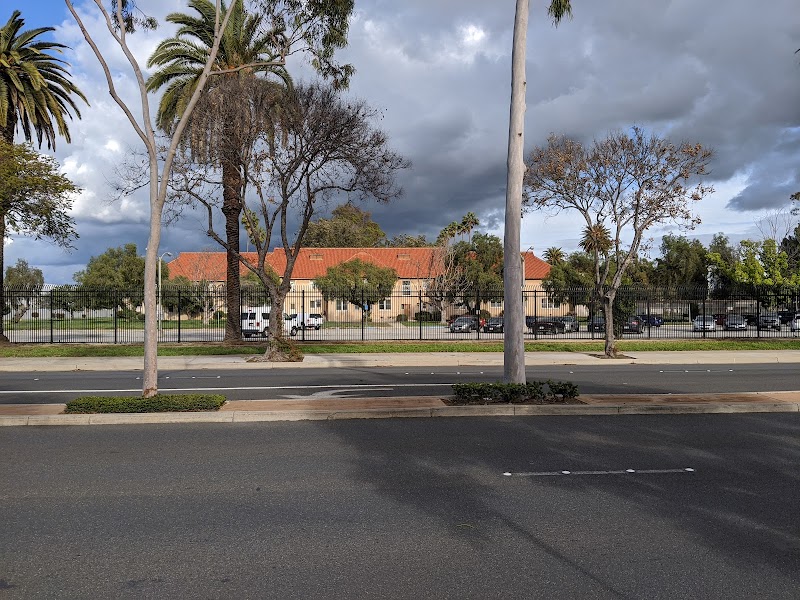
How is Dept Of State Hospitals - Metropolitan Snf Staffed?

CMS rates DEPT OF STATE HOSPITALS - METROPOLITAN SNF's staffing level at 4 out of 5 stars, which is above average compared to other nursing homes.

What Have Inspectors Found at Dept Of State Hospitals - Metropolitan Snf?

State health inspectors documented 49 deficiencies at DEPT OF STATE HOSPITALS - METROPOLITAN SNF during 2021 to 2024. These included: 1 that caused actual resident harm and 48 with potential for harm. Deficiencies causing actual harm indicate documented cases where residents experienced negative health consequences.
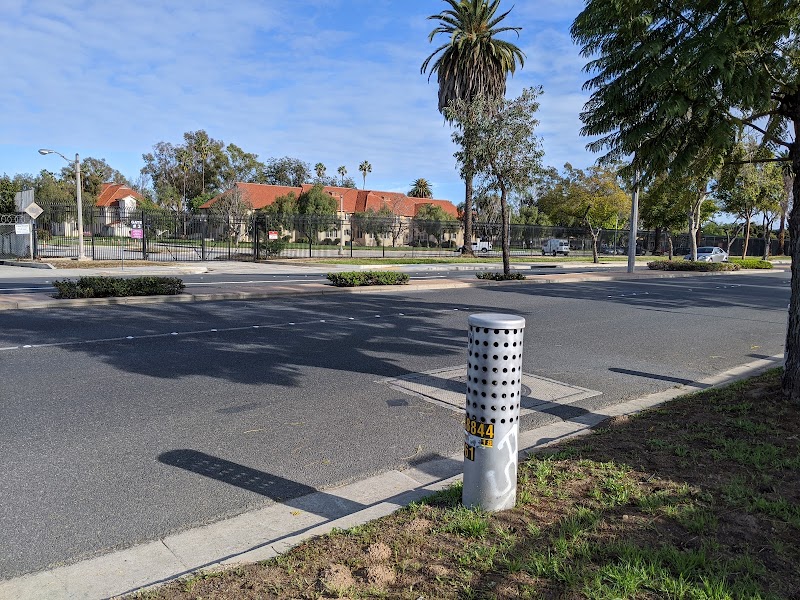
Who Owns and Operates Dept Of State Hospitals - Metropolitan Snf?

DEPT OF STATE HOSPITALS - METROPOLITAN SNF is owned by a government entity. Government-operated facilities are typically run by state, county, or municipal agencies. The facility operates independently rather than as part of a larger chain. With 102 certified beds and approximately 55 residents (about 54% occupancy), it is a mid-sized facility located in NORWALK, California.
How Does Dept Of State Hospitals - Metropolitan Snf Compare to Other California Nursing Homes?

Compared to the 100 nursing homes in California, DEPT OF STATE HOSPITALS - METROPOLITAN SNF's overall rating (3 stars) is below the state average of 3.1 and health inspection rating (3 stars) is at the national benchmark.

What Should Families Ask When Visiting Dept Of State Hospitals - Metropolitan Snf?

Based on this facility's data, families visiting should ask: "Can I visit during a mealtime to observe dining assistance and food quality?" "How do you handle medical emergencies, and what is your hospital transfer rate?" "Can I speak with family members of current residents about their experience?"

Is Dept Of State Hospitals - Metropolitan Snf Safe?

Based on CMS inspection data, DEPT OF STATE HOSPITALS - METROPOLITAN SNF has a clean safety record: no substantiated abuse findings (meaning no confirmed cases of resident harm), no Immediate Jeopardy citations (the most serious violation level indicating risk of serious injury or death), and is not on the Special Focus Facility watch list (a federal program monitoring the lowest-performing 1% of nursing homes). The facility has a 3-star overall rating and ranks #100 of 100 nursing homes in California. While no facility is perfect, families should still ask about staff-to-resident ratios and recent inspection results during their visit.

Do Nurses at Dept Of State Hospitals - Metropolitan Snf Stick Around?

DEPT OF STATE HOSPITALS - METROPOLITAN SNF has not reported staff turnover data to CMS. Staff turnover matters because consistent caregivers learn residents' individual needs, medications, and preferences. When staff frequently change, this institutional knowledge is lost. Families should ask the facility directly about their staff retention rates and average employee tenure.

Was Dept Of State Hospitals - Metropolitan Snf Ever Fined?

DEPT OF STATE HOSPITALS - METROPOLITAN SNF has been fined $17,572 across 1 penalty action. This is below the California average of $33,255. While any fine indicates a compliance issue, fines under $50,000 are relatively common and typically reflect isolated problems that were subsequently corrected. Families should ask what specific issues led to these fines and confirm they've been resolved.

Is Dept Of State Hospitals - Metropolitan Snf on Any Federal Watch List?

DEPT OF STATE HOSPITALS - METROPOLITAN SNF is not on any federal watch list. The most significant is the Special Focus Facility (SFF) program, which identifies the bottom 1% of nursing homes nationally based on persistent, serious quality problems. Not being on this list means the facility has avoided the pattern of deficiencies that triggers enhanced federal oversight. This is a positive indicator, though families should still review the facility's inspection history directly.