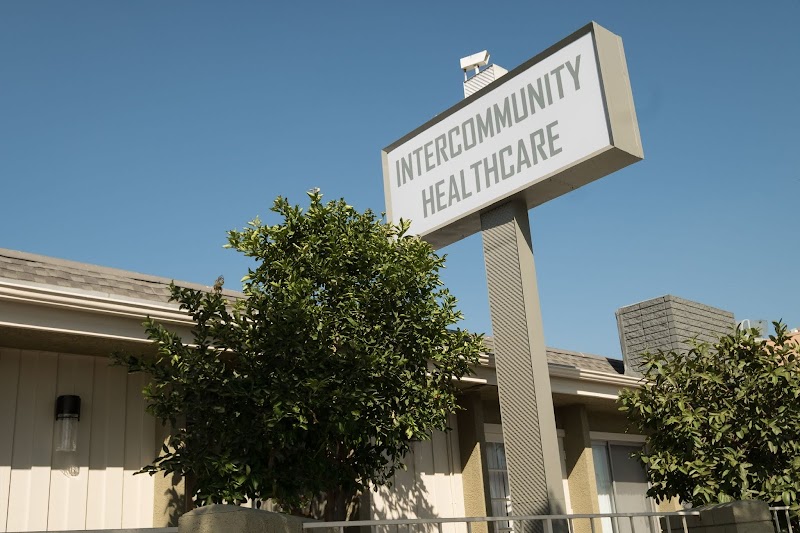
INTERCOMMUNITY HEALTHCARE & REHABILITATION CENTER

12627 STUDEBAKER ROAD, NORWALK, CA 90650 (562) 868-4767
For profit - Individual 86 Beds LONGWOOD MANAGEMENT CORPORATION Data: November 2025
Trust Grade
48/100
#607 of 1155 in CA
Last Inspection: July 2025

Inspected within the last 6 months. Data reflects current conditions.

Overview

Intercommunity Healthcare & Rehabilitation Center has a Trust Grade of D, which means the facility is below average and has some concerning issues. It ranks #607 out of 1155 nursing homes in California, placing it in the bottom half of facilities statewide, and #115 out of 369 in Los Angeles County, indicating only a few local options are better. The facility's performance is worsening, with the number of issues increasing from 14 in 2024 to 15 in 2025. Staffing is rated at 2 out of 5 stars, which is below average, yet the turnover rate of 38% is on par with the state average, suggesting some stability in staff. Additionally, the facility has faced $20,654 in fines, which is average but still raises concerns about compliance. There are notable strengths in RN coverage, which is average, and the quality measures rating is excellent at 5 out of 5 stars. However, specific incidents raised by inspectors include a resident with dementia who went missing for almost 24 hours before being found unresponsive, highlighting significant safety concerns. Another serious finding involved a resident not receiving proper monitoring for joint mobility, which could lead to further health complications. Lastly, issues in the kitchen regarding food safety practices could potentially expose residents to harmful bacteria, indicating a need for improved sanitation measures.

Trust Score
D
48/100
In California
#607/1155
Bottom 48%
Safety Record
Moderate
Needs review
Inspections
Getting Worse
14 → 15 violations
Staff Stability
○ Average
38% turnover. Near California's 48% average. Typical for the industry.
Penalties
✓ Good
$20,654 in fines. Lower than most California facilities. Relatively clean record.
Skilled Nurses
⚠ Watch
Each resident gets only 29 minutes of Registered Nurse (RN) attention daily — below average for California. Fewer RN minutes means fewer trained eyes watching for problems.
Violations
⚠ Watch
45 deficiencies on record. Higher than average. Multiple issues found across inspections.
★★★☆☆
3.0
Overall Rating
★★☆☆☆
2.0
Staff Levels
★★★★★
5.0
Care Quality
★★☆☆☆
2.0
Inspection Score
Stable
2024: 14 issues
2025: 15 issues

The Good

  • 5-Star Quality Measures · Strong clinical quality outcomes
  • Full Sprinkler Coverage · Fire safety systems throughout facility
  • No fines on record
  • Staff turnover below average (38%)

    10 points below California average of 48%

Facility shows strength in quality measures, fire safety.

The Bad

3-Star Overall Rating

Near California average (3.1)

Meets federal standards, typical of most facilities

Staff Turnover: 38%

Near California avg (46%)

Typical for the industry

Federal Fines: $20,654

Below median ($33,413)

Minor penalties assessed

Chain: LONGWOOD MANAGEMENT CORPORATION

Part of a multi-facility chain

Ask about local staffing decisions and management

The Ugly 45 deficiencies on record

2 actual harm
Jul 2025 14 deficiencies
CONCERN (D)

Potential for Harm - no one hurt, but risky conditions existed

Deficiency F0552 (Tag F0552)

Could have caused harm · This affected 1 resident

**NOTE- TERMS IN BRACKETS HAVE BEEN EDITED TO PROTECT CONFIDENTIALITY** Based on interview and record review, the facility failed to ensure one of three sampled residents (Resident 73) was informed of...

Read full inspector narrative →
**NOTE- TERMS IN BRACKETS HAVE BEEN EDITED TO PROTECT CONFIDENTIALITY** Based on interview and record review, the facility failed to ensure one of three sampled residents (Resident 73) was informed of the dental treatment recommendation for tooth extraction (the process of removing a tooth from its socket in the jawbone).This deficient practice violated Resident 73's rights to be fully informed and had the potential to result in delay of care and services. Findings: During a review of Resident 73's admission Record (front page of the chart that contains a summary of basic information about the resident), the admission Record indicated, Resident 73 was initially admitted to the facility on [DATE] and readmitted on [DATE]. Resident 73's diagnoses included epilepsy (a chronic brain disorder characterized by recurrent unprovoked seizures), hypertension ([HTN] - high blood pressure), and congestive heart failure ([CHF] - a heart disorder which causes the heart to not pump the blood efficiently, sometimes resulting in leg swelling). During a review of Resident 73's History and Physical (H&P), dated 5/29/2025, the H&P indicated, Resident 73 had the capacity to understand and make decisions.During a review of Resident 73's Minimum Data Set ([MDS] - a resident assessment tool), dated 7/3/2025, the MDS indicated, Resident 73 was independent (decisions consistent/reasonable) in cognitive (ability to think and reason) skills for daily decision making. The MDS indicated, Resident 73 required moderate assistance (helper does less than half the effort) from staff with oral hygiene and upper body dressing. During a review of Resident 73's Dental Notes, dated 6/30/2025, the Dental Notes indicated, Resident 73 was evaluated because of molar (a large, flat tooth located at the back of the mouth, used for grinding and chewing food) pain. The Dental Notes indicated, treatment recommendation for X (extraction) B (buccal-outer surface of the tooth, facing the cheek). During a review of Resident 73's Interdisciplinary Note Team([IDT] - team members from different disciplines who come together to discuss resident care), dated 7/14/2025, the IDT Note did not indicate Resident 73 was notified of the dental treatment recommendation for tooth extraction. During an interview on 7/22/2025 at 10:53 a.m. with Resident 73, Resident 73 stated she was seen by the dentist one month ago because of her toothache. Resident 73 stated no facility staff have told her about the plan of the dentist. Resident 73 stated she wants the dentist to remove her tooth that causes discomfort. During a concurrent interview and record review on 7/23/2025 at 2:46 p.m., with the Social Service Director (SSD), Resident 73's clinical records were reviewed. The SSD stated she was aware of the dental treatment recommendation for tooth extraction for Resident 73. The SSD stated she informed Resident 73 about the dental treatment recommendation but did not document it. The SSD stated if it's not documented then it was not done. The SSD stated it is a violation of resident's rights by not informing the resident about the dental treatment recommendation. The SSD stated each resident has the right to be informed of any changes on their plan of care. During an interview on 7/25/2025 at 10:01 a.m., with the Director of Nursing (DON), the DON stated resident has the right to be involved in their plan of care. The DON stated any procedure or changes on resident's treatment plan should be discussed during the IDT meeting care conference. During a review of the facility's policy and procedure (P&P), titled Resident Rights, dated 2/2021, the P&P indicated, Federal and State laws guarantee certain basic rights to all residents of this facility that includes the right to be notified of his or her medical condition and be informed and participate in her care planning and treatment.
CONCERN (D)

Potential for Harm - no one hurt, but risky conditions existed

Deficiency F0658 (Tag F0658)

Could have caused harm · This affected 1 resident

**NOTE- TERMS IN BRACKETS HAVE BEEN EDITED TO PROTECT CONFIDENTIALITY** Based on interview, and record review, the facility failed to ensure one of three sampled residents (Resident 2) received treatm...

Read full inspector narrative →
**NOTE- TERMS IN BRACKETS HAVE BEEN EDITED TO PROTECT CONFIDENTIALITY** Based on interview, and record review, the facility failed to ensure one of three sampled residents (Resident 2) received treatment and care in accordance with professional standards of practice by failing to ensure Resident 2 was not administered Carvedilol (used to treat high blood pressure) when Resident 2's systolic blood pressure (SBP) was less than 110 and when heart rate (HR) was lower than 60 beats per minute (BPM) as ordered by physician. This deficient practice had the potential to cause Resident 2 hypotension (blood pressure is too low) with dizziness and fainting which can lead to fall and injuries. Findings: During a review of Resident 2's admission Record dated 3/17/2025, the admission record indicated the resident was admitted to the facility on [DATE], and was readmitted on [DATE], to the facility with diagnoses of, but not limited to, Diabetes Mellitus (DM-a disorder characterized by difficulty in blood sugar control and poor wound healing), Atrial-Fibrillation (an irregular heartbeat, or arrhythmia that can lead to blood clots, stroke, heart failure and other heart-related complications). During a review of Resident 2's Minimum Data Set (MDS-a resident assessment tool) dated 4/12/2025, the MDS indicated Resident 2's cognition (thought process) was moderately impaired. The MDS indicated Resident 2 required substantial/maximal assistance partial (helper does more than half the effort) from staff for activities of daily living (ADL's - routine tasks/activities such as bathing, dressing, toileting a person performs daily to care for themselves). During a review of Resident 2's physician orders dated 7/1/2025, indicated to administer Carvedilol 25 milligrams (mg) by G-tube (a surgical opening fitted with a device to allow feedings to be administered directly to the stomach common for people with swallowing problems) two times a day for hypertension (HTN-high blood pressure) hold if systolic blood pressure is less than 110 or heart rate is less than 60 During a review of Resident 2's medication administration record (MAR) dated 7/17/2025 at 5:00 p.m., it indicated that the resident had a heart rate reading of 59 but Carvedilol was administered. On 7/18/2025 at 5 p.m., heart rate reading was 58 but carvedilol was administered. On 7/22/2025 at 5 p.m., SBP 102 but carvedilol was administered. During an interview with Licensed Vocational Nurse 5 (LVN 5) on 7/24/2025, at 2:10 p.m., LVN 5 stated the license nurse should have held the medication as ordered by physician. During a review of facility's policy and procedure (P&P) titled, Administering Medications dated 3/2023, indicated that vital signs if necessary are to be obtained prior to administration of medications.
CONCERN (D)

Potential for Harm - no one hurt, but risky conditions existed

Tube Feeding (Tag F0693)

Could have caused harm · This affected 1 resident

**NOTE- TERMS IN BRACKETS HAVE BEEN EDITED TO PROTECT CONFIDENTIALITY** Based on observation, interview, and record review, the facility failed to ensure residents on tube feeding received treatment a...

Read full inspector narrative →
**NOTE- TERMS IN BRACKETS HAVE BEEN EDITED TO PROTECT CONFIDENTIALITY** Based on observation, interview, and record review, the facility failed to ensure residents on tube feeding received treatment and care in accordance with professional standards of practice by failing to:1. Elevate the head of the bed while receiving formula through the gastrostomy tube ([GT] - a surgical opening fitted with a device to allow feedings to be administered directly to the stomach common for people with swallowing problems) for one of three sampled residents (Resident 40). This deficient practice had the potential to cause aspiration (inhalation of foreign materials) that could lead to pneumonia (lung infection) for Resident 40. Findings:During an observation on 7/22/2025 at 10:13 a.m. in Resident 40's room, Resident 40's was in bed lying flat on her back while the TF was running.During a review of Resident 40's admission Record (front page of the chart that contains a summary of basic information about the resident), the admission Record indicated, Resident 40 was initially admitted to the facility on [DATE] and readmitted on [DATE]. Resident 40's diagnoses included GT placement, chronic obstructive pulmonary disease ([COPD] - a chronic lung disease causing difficulty in breathing), and epilepsy (a chronic brain disorder characterized by recurrent, unprovoked seizures).During a review of Resident 40's History and Physical (H&P), dated 1/29/2025, the H&P indicated, Resident 40 did not have the capacity to understand and make decisions.During a review of Resident 40's Minimum Data Set ([MDS] - a resident assessment tool), dated 6/19/2025, the MDS indicated, Resident 40's cognitive (ability to think and reason) skills for daily decision making was severely impaired (never/rarely made decisions). ). The MDS indicated, Resident 40 was totally dependent (helper does all of the effort) from staff with oral hygiene, lower and upper body dressing, and personal hygiene. The MDS indicated, Resident 40 was on tube feeding. During a review of Resident 40's Order Summary Report (a document containing active orders), dated 7/24/2025, the Order Summary Report indicated Resident 40 had tube feeding order of Peptamen (type of tube feeding formula) 1.5 kilocalorie ([kcal] - unit of measurement) at 50 cubic centimeters ([cc] - unit of volume) per hour for 20 hours to provide 1000cc/1500 kcal per day. The Order Summary Report indicated to observe aspiration precaution and elevate head of bed at 30 to 45 degrees (a unit of measurement for angles) at all times during GT feeding. During a concurrent observation and interview on 7/22/2025 at 10:23 a.m., with Licensed Vocational Nurse 3 (LVN 3), in Resident 40's room, Resident 40 was observed receiving GT feeding of Peptamen 1.5 at 50 cc/hour. LVN 3 stated Resident 40's head of bed was only 10 degrees. LVN 3 stated as standard of practice the head of bed should be elevated at 30 to 45 degrees while tube feeding is running. LVN 3 stated by not elevating the head of bed at least 30 degrees, Resident 40 is at risk for aspiration pneumonia that would likely require hospitalization. During a review of the facility's policy and procedure (P&P), titled Enteral Feedings - Safety Precautions, dated 11/2018, the P&P indicated, The facility will remain current and follow accepted best practices in enteral nutrition. The P&P also indicated to prevent aspiration, elevate the head of bed at least 30 degrees during tube feeding and at least 1 hour after feeding.
CONCERN (D)

Potential for Harm - no one hurt, but risky conditions existed

Pharmacy Services (Tag F0755)

Could have caused harm · This affected 1 resident

**NOTE- TERMS IN BRACKETS HAVE BEEN EDITED TO PROTECT CONFIDENTIALITY** Based on observation, interview, and record review, the facility failed to label and properly disposed discontinued medications ...

Read full inspector narrative →
**NOTE- TERMS IN BRACKETS HAVE BEEN EDITED TO PROTECT CONFIDENTIALITY** Based on observation, interview, and record review, the facility failed to label and properly disposed discontinued medications per the facility's policy.This deficient practice had the potential to result in the residents accidentally ingesting unknown medications and increased the risk of diversion (any use other than that intended by the prescriber) of unknown medications.Findings:During a concurrent observation and interview on [DATE], with Licensed Vocational Nurse (LVN) 4, in medication storage room for station 1 and 2, there was an unlocked discontinued medication storage cabinet observed with 24 opened and unlabeled medications in a plastic cup inside of the cabinet. There was no pharmaceutical waste bin (a container, often color-coded, designed for the safe disposal of unused, expired, or contaminated medications) observed nearby. LVN 4 stated that all discontinued medications should be labeled and disposed of in blue pharmaceutical waste bins for safety to prevent accidental ingestion. LVN 4 stated, the license staff only document when the discontinued medications were disposed of with two witnesses, but the staff would not know what medications were in the discontinued medication cabinet. LVN 4 stated that the medications were disposed twice a week by night shift nurses.During an interview on [DATE], at 12:39 p.m., with the Director of Staff Development (DSD), the DSD stated, all medications should be labeled. The DSD stated that discontinued and unused medications should be discarded with proper pharmaceutical waste bins as soon as possible to prevent accidental ingestion or misuse. The DSD stated, if the medications cannot be discarded immediately, the staff should document and place them in a locked place for safety.During an interview on [DATE], at 2:53 p.m., with the Director of Nursing (DON), the DON stated that all discontinued medications should be documented when they are brought into discontinued medication cabinet, so the licensed staff knows which medications to discard. The DON stated, all medications should be labeled and not placed in a plastic cup. The DON stated that the staff should have disposed of discontinued medications in pharmaceutical waste bins to prevent accidental ingestion. The DON stated the discontinued medication cabinet should be locked in a safe place. During a review of the facility's Medication Disposition Record Log (MDRL), dated 7/2025, the MDRL indicated, there was no record of the 24 opened and unlabeled medications in a plastic cup.During a review of the facility's Policy and Procedure (P&P) titled, Storage of Medications, revised 3/2023, the P&P indicated, Policy Heading: The facility stores all drugs and biologicals in a safe, secure, and orderly manner. Policy Interpretation and Implementation: 1. Drugs and biologicals used in the facility are stored in locked compartments under proper temperature, light, and humidity controls. Only persons authorized to prepare and administer medications have access to locked medications.4. Drug containers that have missing, incomplete, improper, or incorrect labels are returned to the pharmacy for proper labeling before storing. Discontinued, outdated, or deteriorated drugs or biologicals are returned to the dispensing pharmacy or destructed as indicated.6. Compartments (including, but not limited to, drawers, cabinets, rooms, refrigerators, carts, and boxes) containing drugs and biologicals are locked when not in use.During a review of the facility's Policy and Procedure (P&P) titled, Discarding and Destroying Medications, revised 4/2019, the P&P indicated, Policy Interpretation and Implementation: 6. For unused, non-hazardous controlled substances that are not disposed of by an authorized collector, the EPA recommends destruction and disposal of the substance with other solid waste fol1owing the steps below: a. Take the medication out of the original containers. b. Mix medication, either liquid or solid, with an undesirable substance.d. Document the disposal on the medication disposition record. e. Include the signature(s) of at least two witnesses. 10. The medication disposition record will contain the following information: a. The resident's name: b. Date medication disposed; c. The name and strength of the medication; d. The name of the dispensing pharmacy; e. The quantity disposed; f. Method of disposition; g. Reason for disposition; and h. Signature of witnesses.During a review of the facility's Policy and Procedure (P&P) titled, Labeling of Medication Containers, revised 3/2023, the P&P indicated, Policy Interpretation and Implementation: 1. Medication labels must be legible at all times. 2. Any medication packaging or containers that are inadequately or improperly labeled are returned to the issuing pharmacy.
CONCERN (D)

Potential for Harm - no one hurt, but risky conditions existed

Drug Regimen Review (Tag F0756)

Could have caused harm · This affected 1 resident

**NOTE- TERMS IN BRACKETS HAVE BEEN EDITED TO PROTECT CONFIDENTIALITY** Based on interview and record review, the facility failed to ensure that one of three sampled residents (Resident 2), had monito...

Read full inspector narrative →
**NOTE- TERMS IN BRACKETS HAVE BEEN EDITED TO PROTECT CONFIDENTIALITY** Based on interview and record review, the facility failed to ensure that one of three sampled residents (Resident 2), had monitoring for complications related to Xarelto (an anticoagulant medication used to treat and prevent harmful blood clots) a medication that may increase the risk of bleeding. This deficient practice placed Resident 2 at risk of bleeding a possible side effect of anticoagulant medication. Findings: During a review of Resident 2's admission Record dated 3/17/2025, the admission record indicated the resident was admitted to the facility on [DATE] and was readmitted on [DATE] to the facility with diagnoses of, but not limited to, Diabetes Mellitus (DM-a disorder characterized by difficulty in blood sugar control and poor wound healing), Atrial-Fibrillation (an irregular heartbeat, or arrhythmia that can lead to blood clots, stroke, heart failure and other heart-related complications). During a review of Resident 2's Minimum Data Set (MDS-a resident assessment tool) dated 4/12/2025, the MDS indicated Resident 2's cognition (thought process) was moderately impaired. The MDS indicated Resident 2 required substantial/maximal assistance partial (helper does more than half the effort) from staff for activities of daily living (ADL's - routine tasks/activities such as bathing, dressing, toileting a person performs daily to care for themselves). During a review of Resident 2's medication administration record (MAR) for the month of 7/1/2025, the MAR indicated Resident 2 has been receiving Xarelto 20 milligrams since 6/25/2025. During a concurrent record review and interview on 7/24/2025, 11:10 a.m. with Licensed Vocational Nurse 5 (LVN 5), stated Resident 2 did not have monitoring for adverse consequences and potential risk associated with medication and LVN 5 stated should have been started when medication was initiated because Xarelto can cause bruising and bleeding. During a review of the facility's policy and procedure (P&P) title, Anticoagulant/Antiplatelet with administration of Xarelto Resident 2 should have been monitored daily for signs and symptoms of bleeding.
CONCERN (D)

Potential for Harm - no one hurt, but risky conditions existed

Deficiency F0790 (Tag F0790)

Could have caused harm · This affected 1 resident

Based on observation, interview, and record review the facility failed to follow up on dental services for one of six sampled residents (Resident 32).This deficient practice had the potential to place...

Read full inspector narrative →
Based on observation, interview, and record review the facility failed to follow up on dental services for one of six sampled residents (Resident 32).This deficient practice had the potential to place Resident 32 at risk for poor self-esteem and weight loss.Findings:During a review of Resident 32's admission Record (Face Sheet), the admission Record indicated Resident 32 was admitted to the facility 6/6/2024 with diagnoses of moderate protein-calorie malnutrition (inadequate intake of food) and dysphagia (difficulty swallowing).During a review of Resident 32's Minimum Data Set (MDS, a resident assessment tool) dated 6/3/2025, the MDS indicated Resident 32 was cognitively (mental processes that relate to acquiring knowledge and understanding through thought, experience, and the senses) intact.During a review of Resident 32's Dental Notes dated 6/21/2024, the Dental Notes indicated Resident 32 was evaluated by the dentist and was noted to be edentulous (no teeth) and had old dentures with an inadequate fit. The Dental Note indicated Resident 32 requested new dentures with smaller teeth.During a review of Resident 32's Order Summary Report, the Order Summary Report indicated Resident 32 had an order placed on 5/20/2025 for a dental consultation and treatment as needed for dental problems.During a concurrent observation and interview on 7/23/2025 at 12:15 p.m., Resident 32, Resident 32 was observed without any teeth and Resident 32 stated he wanted new dentures and hasn't seen the dentist since 6/21/2025.During a concurrent interview and record review of Resident 32's Dental Notes on 7/25/2025 at 10:06 a.m., with the Social Services Director (SSD), the SSD stated Resident 32 was only seen by the dentist on 6/21/2024 while in the facility. The SSD stated the Dental Note dated 6/21/2024 indicated Resident 32 was requesting new dentures due to improper fit. The SSD stated she was not aware of the Dental Note recommendations from 6/21/2025 and there was no Dental Note in Resident 32's indicating the facility followed up on the request for new dentures. The SSD stated she is usually in charge of following up on dental recommendations and ensuring the resident has a follow up visit, but it was not done and there were no additional follow up consultations by the dentist. The SSD stated it was important that the facility followed up on dental recommendations to ensure the residents' needs were met.During an interview on 7/25/2025 at 2:45 p.m. with the Director of Nursing (DON), the DON stated it was important to follow up on dental recommendations to meet resident needs and poor dental status could affect the way residents eat.During a review of the facility's policy and procedure (P/P) titled Routine Dental Care dated 2001, the P/P indicated each resident would receive routine dental care and consultation with the dental consultant as needed.
CONCERN (D)

Potential for Harm - no one hurt, but risky conditions existed

Deficiency F0806 (Tag F0806)

Could have caused harm · This affected 1 resident

**NOTE- TERMS IN BRACKETS HAVE BEEN EDITED TO PROTECT CONFIDENTIALITY** Based on interview and record review, the facility failed to provide foods that aligned with one of six sampled residents (Resid...

Read full inspector narrative →
**NOTE- TERMS IN BRACKETS HAVE BEEN EDITED TO PROTECT CONFIDENTIALITY** Based on interview and record review, the facility failed to provide foods that aligned with one of six sampled residents (Resident 51's) ethnic (of or relating to large groups of people classed according to common racial, national, tribal, religious, linguistic [language], or cultural origin or background) preferences. This deficient practice resulted in Resident 51 disliking the food provided and at times refused to eat meals provided by the facility. Findings:During a review of Resident 51's admission Record (face sheet), the admission Record indicated Resident 51 was admitted to the facility 11/2/2025 with diagnosis including major depressive disorder (persistent feelings of sadness or loss of interest) and anxiety disorder (mental disorder characterized by significant and uncontrollable feelings of worry and fear). The admission Record indicated Resident 51's primary language was Spanish.During a review of Resident 51's Minimum Data Set (MDS, a resident assessment tool) dated 4/30/2025, the MDS indicated Resident 51 was cognitively (mental processes that relate to acquiring knowledge and understanding through thought, experience, and the senses) intact.During a review of Resident 51's Nutritional assessment dated [DATE], the Nutritional Assessment indicated Resident 51's meal intake ranged from 25-100% and it was noted Resident 51 refused 3 meals. The Nutritional Assessment indicated the refusals were likely due to Resident 51 disliking the food from the facility.During a review of the facility's Alternative Food Choices, undated, a cheese quesadilla was the only substitute considered to be a Latino food option.During a review of the facility's Week 4, July 21-27, 2025 Menu, out of 21 meals (breakfast, lunch, and dinner for the week), one meal out of the 21 was a Latino food option. On 7/22/2025, the lunch meal was cheese enchiladas with fiesta rice.During an interview on 7/22/2025 at 9:56 a.m., with Resident 51, Resident 51 stated the facility hardly ever offers Latino food. Resident 51 stated she sometimes refuses to eat the food because every day they get American food. Resident 51 stated she would want rice and beans and other Latino food options that she is accustomed to.During an interview on 7/23/2025 at 12:47 p.m. with Resident 51, Resident 51 stated it made her upset the facility did not provide Latino food options.During an interview on 7/25/2025 at 2:17 p.m., with the Dietary Services Supervisor (DSS) , the DSS stated the facility had a large population of Latino residents. The DSS stated he had been working at the facility for less than two weeks (unknown hire date), but it had come to his attention that the residents were requesting more Latino food options. The DSS stated it was important to honor residents' ethnic food preferences because that is what they are used to and the residents would be happier, eat more, and the facility could prevent unwanted weight loss.During a review of the facility's policy and procedure (P/P) dated 2001, the P/P indicated the facility was to offer a variety of foods at each scheduled mealtime.
CONCERN (D)

Potential for Harm - no one hurt, but risky conditions existed

Medical Records (Tag F0842)

Could have caused harm · This affected 1 resident

**NOTE- TERMS IN BRACKETS HAVE BEEN EDITED TO PROTECT CONFIDENTIALITY** Based on interview and record review, the facility failed to develop and/or implement an individualized person-centered care pla...

Read full inspector narrative →
**NOTE- TERMS IN BRACKETS HAVE BEEN EDITED TO PROTECT CONFIDENTIALITY** Based on interview and record review, the facility failed to develop and/or implement an individualized person-centered care plan to meet the residents' needs for one of three sampled residents (Resident 5) by failing to develop an individualized/person-centered care plan to address Resident 5's preferred activities. This deficient practice had the potential to negatively affect the delivery of necessary care and services.Findings:During a review of Resident 5's admission Record dated 5/19/2016, the admission record indicated the resident was admitted to the facility on [DATE] and was readmitted on [DATE] to the facility with diagnoses of, but not limited to, chronic respiratory failure (lungs gradually lose their ability to effectively exchange gases oxygen and carbon dioxide). Dependent on ventilator (a medical device to help support or replace breathing) status.During a review of Resident 5's Minimum Data Set (MDS-a resident assessment tool) dated 4/18/2025, section C indicated Resident 3's cognition level is severely impaired. The MDS indicated Resident 3 required dependent assistance (helper does all the effort) from staff for activities of daily living (ADL's - routine tasks/activities such as bathing, dressing, toileting a person performs daily to care for themselves). During a review of Resident 5's Activity assessment dated [DATE] indicated Resident 5's activity preferences such as soft music, western, and reading tapes. During a concurrent interview and record review on 7/25/2025 at 10:16 a.m., with Activity Director (AD) stated Resident 5 ‘s activities involved room visits, soft music, movies and reading tapes. A review of the care plan dated 1/18/2023 did not mention Resident 5's preferences of soft music, movies and reading tapes. During the interview with the AD, she stated that Resident 5's care plan should have been updated to reflect the resident's activity preferences. During a review of the facility's policy and procedure, titled Care Plans, Comprehensive Person-Centered, revised March 2023 indicated each resident will have a comprehensive care plan developed that include goals, measurable objectives to meet their medical, nursing, mental, and psychosocial need identified during the comprehensive assessment. The care plan must describe services that are provided to the residents to attain or maintain the residents' highest practicable, mental and psychosocial well-being.
CONCERN (E)

Potential for Harm - no one hurt, but risky conditions existed

MDS Data Transmission (Tag F0640)

Could have caused harm · This affected multiple residents

**NOTE- TERMS IN BRACKETS HAVE BEEN EDITED TO PROTECT CONFIDENTIALITY** Based on interview and record review, the facility failed to:1. Complete and transmit the Minimum Data Set ([MDS]- a resident as...

Read full inspector narrative →
**NOTE- TERMS IN BRACKETS HAVE BEEN EDITED TO PROTECT CONFIDENTIALITY** Based on interview and record review, the facility failed to:1. Complete and transmit the Minimum Data Set ([MDS]- a resident assessment tool ) within the regulatory timeframe to the Center of Medicare and Medicaid Service (CMS) for two of two sampled residents (Resident 56 and 82). This deficient practice had the potential to result in a billing error and inaccurate data on resident care needs. Findings: A. During a review of Resident 56's admission Record (front page of the chart that contains a summary of basic information about the resident), the admission Record indicated, Resident 56 was initially admitted to the facility on [DATE] and readmitted on [DATE]. Resident 56's diagnoses included squamous cell carcinoma (type of cancer), dysphagia (difficulty of swallowing), and malignant neoplasm of the glottis (a cancerous tumor that originates in the middle part of the voice box). During a review of Resident 56's MDS assessment, dated 3/11/2025, the MDS indicated, Resident 56's had modified independence (some difficulty in new situations only) in cognitive (ability to think and reason) skills for daily decision making. The MDS indicated Resident 56 required moderate assistance (helper does less than half the effort) from staff with oral hygiene, upper and lower body dressing, and personal hygiene. During a review of the CMS MDS 3.0 Nursing Home (NH) Validation Report, the CMS MDS 3.0 NH Validation Report, indicated Resident 56's MDS assessment was submitted more than 13 days after the entry date. During a concurrent interview and record review on 7/24/2025 at 9:42 a.m., with the Minimum Data Set Nurse (MDSN), Resident 56's MDS 5-day assessment, dated 3/11/2025 was reviewed. The MDSN stated she put Resident 56's last entry to the facility as 2/27/2025 instead of 3/7/2025. The MDSN stated she completed Resident 56's MDS assessment late because of wrong entry date. The MDSN stated Resident 56's modified assessment was completed and transmitted to the CMS on 7/23/2025. B. During a review of Resident 82's admission Record, the admission Record indicated, Resident 82 was initially admitted to the facility on [DATE] and readmitted on [DATE]. Resident 82's diagnoses included metabolic encephalopathy (a disorder that affects brain function), respiratory failure (a serious condition that makes it difficult to breathe on your own), and sepsis (a life-threatening blood infection). During a review of Resident 82's discharge MDS assessment, dated 8/24/2023, the MDS indicated, Resident 82's cognitive (ability to think and reason) skills for daily decision making was severely impaired (never/rarely made decisions). The MDS indicated Resident 82 required maximum assistance (helper does more than half the effort) from staff with shower, upper and lower body dressing. During a review of the CMS MDS 3.0 NH Validation Report, the CMS MDS 3.0 NH Validation Report, indicated Resident 82's MDS assessment was submitted more than 14 days after the Assessment Reference Date ([ARD] - the specific date used as the endpoint of the observation period when assessing resident's condition). During a concurrent interview and record review on 7/24/2025 at 9:22 a.m., with the MDSN, Resident 82's discharge MDS assessment, dated 8/24/2023 was reviewed. The MDSN stated Resident 82's ARD was 8/24/2023. The MDSN stated Resident 82's discharge MDS assessment was completed late on 9/18/2023 and transmitted late to the CMS on 9/25/2023. The MDSN stated Resident 82's discharge MDS assessment should have been completed within 14 days from the ARD. The MDSN stated it is important to notify the CMS of Resident 82's discharge from the facility in a timely manner for billing and tracking purposes of resident's location. During a review of the facility's policy and procedure (P&P) titled, MDS Completion and Submission Timeframes, dated 7/2017, the P&P indicated, Our facility will conduct and submit resident assessments in accordance with current federal and state submission timeframes.
CONCERN (E)

Potential for Harm - no one hurt, but risky conditions existed

Assessment Accuracy (Tag F0641)

Could have caused harm · This affected multiple residents

**NOTE- TERMS IN BRACKETS HAVE BEEN EDITED TO PROTECT CONFIDENTIALITY** Based on interview and record, the facility failed to ensure an accurate Minimum Data Set ([MDS] - a resident assessment tool) a...

Read full inspector narrative →
**NOTE- TERMS IN BRACKETS HAVE BEEN EDITED TO PROTECT CONFIDENTIALITY** Based on interview and record, the facility failed to ensure an accurate Minimum Data Set ([MDS] - a resident assessment tool) assessment was completed accurately for two of 18 sampled residents (Residents 54 and 49) by failing to: 1. Ensure Resident 54 who was receiving Restorative Nursing Assistant ([RNA], nursing aide program that help residents maintain any progress made after therapy intervention to maintain their function) services seven times a week and receiving splint (knee braces that improve range of motion and assist with contracture management) placement had an accurate assessment.2. Ensure Resident 49 had accurate documentation in the MDS to reflect his current tobacco use. These deficient practices resulted in incorrect data being transmitted to the Center for Medicare and Medicaid Services (CMS) and had the potential to negatively affect the plan of care and delivery of care and services for Residents 54 and 49.Findings: 1. During a review of Resident 54’s admission Record, the admission Record indicated Resident 54 was originally admitted on [DATE] and readmitted on [DATE] with diagnoses including chronic respiratory failure (a condition where the lungs are unable to adequately breath) anoxic brain damage (occurs when the brain is deprived of oxygen resulting in), tracheostomy (a surgical procedure to create an opening in the windpipe to help with breathing), and gastrotomy (plastic tube surgically placed in the stomach to provide nutrition and medication). During a review of Resident 54’s History and Physical (H&P), dated 4/8/2025, the H&P indicated Resident 54 did not have the capacity to understand and make decisions. During a review of Resident 54’s MDS dated [DATE], the MDS indicated Resident 54 was dependent (helper does all of the effort to complete the task) on self-care abilities such as oral hygiene, toileting and personal hygiene, shower/bathe self, upper and lower body dressing, and putting on/taking off footwear. The MDS indicated Resident 54 was dependent on mobility functions such as rolling left and right, sitting to lying position, lying on side of bed, bed to chair transfers, and shower transfers. The MDS indicated Resident 54 was receiving RNA services five times a week in the last seven calendar days for passive range of motion and no splint or brace assistance. During a review of Resident 54’s Order Summary Report, the Order Summary Report indicated RNA for passive range of motion exercises ([PROME], a type of range of motion exercises that involves a helper moving a person's joint through its range of motion) on bilateral upper extremity ([BUE], both arms)/ bilateral lower extremity ([BLE], both legs) on all joints, then apply left knee extension splint, bilateral hand wrist orthotics([BHWO], wrist brace used to treat injuries and strains to the wrist, hand), bilateral elbows orthotics (devices worn on both elbows to provide support, stability, and/or controlled movement) for four to six hours every day seven times a week or as tolerated ordered on 5/13/2025. During a review of Resident 54’s Documentation Survey Report for RNA Task dated May 2025, June 2025 and July 2025, the Documentation Survey Report for RNA Task indicated Resident 54 was receiving RNA services every day, seven days a week with no missing gaps in services. During an observation on 7/22/2025 at 10:32 a.m., in Resident 54’s room, Resident 54 was receiving RNA services by RNA staff. RNA staff provided PROME on the left upper extremity ([LUE] left arm), then right upper extremity ([RUE, right arm) for 15 repetitions each. RNA staff applied splints on the right arm, and right hand, then on the left arm and then on left hand. RNA staff provided PROME on the right lower extremity ([RLE, right leg) then left lower extremity ([LLE], left leg) for 15 repetitions each, then applied a splint on the left leg. During a concurrent interview and record review on 7/25/2025 at 10:42 a.m. with MDS Nurse (MDSN), the MDS dated [DATE], the Order Summary Report and the Documentation Survey Report for RNA Task dated May 2025 were reviewed. MDSN stated the Order Summary Report and the Documentation Survey Report for RNA Task indicated Resident 54 was receiving RNA services seven times a week, but the MDS dated [DATE] indicated Resident 54 was receiving RNA services five times a week and no splint assistance was provided. MDSN stated if the MDS assessment was not coded correctly based on resident assessment, the plan of care for the residents was not accurate and care may be affected. MDSN stated the MDS assessment should be coded accurately so all facility staff are on the same page in terms of resident care and what the services resident was receiving. During an interview on 7/25/2025 at 2:30 p.m. with the Director of Nursing (DON), the DON stated the MDS assessment was based on each individual resident. DON stated the MDS assessment was a document where staff should focus on the residents’ care, it was their baseline care and the MDS assessment should be accurate based on resident’s assessment. The DON stated if MDS was not accurate, it was not accurately displaying what the resident's needs are. During a review of the facility’s policy and procedure (P&P) titled Resident Assessments, dated 3/2022, indicated, a comprehensive assessment of every resident’s needs is made at intervals…. all persons who have completed any portion of the MDS resident assessment form must sign the document attesting to the accuracy of such information. During a review of the facility’s P&P titled Certifying Accuracy of the Resident Assessment, dated 11/2019, indicated any person completing a portion of the minimum data set/MDS (resident assessment instrument) must sign and certify the accuracy of that portion of the assessment….any person who completes any portion of the MDS assessment, tracking form, or corrective request form is required to sign the assessment certifying the accuracy of that portion of that assessment. 2. During a review of Resident 49’s admission Record (front page of the chart that contains a summary basic information about the resident), the admission Record indicated, Resident 49 was admitted to the facility on [DATE]. Resident 49’s diagnoses included personal history of nicotine (a highly addictive stimulant found in tobacco and vaping devices), anemia (a condition where the body does not have enough healthy red blood cells), and abnormal posture. During a review of Resident 49’s History and Physical (H&P), dated 2/13/2025, the H&P indicated, Resident 49 could make decisions for activities of daily living. During a review of Resident 49’s Smoker Risk Assessment, dated 2/12/2025, the Smoker Risk Assessment indicated, Resident 49 required supervision from staff when smoking. During a review of Resident 49’s MDS assessment, dated 2/16/2025, the MDS indicated, Resident 49 had the ability to make self-understood and understand others. The MDS indicated, Resident 49 required moderate assistance (helper does less than half the effort) from staff with toileting hygiene and upper and lower body dressing. During a concurrent interview and record review on 7/23/2025 at 9:40 a.m., with the Minimum Data Set Nurse (MDSN), Resident 49’s MDS assessment, dated 2/16/2025, was reviewed. The MDSN stated Resident 49’s MDS was completed inaccurately. The MDSN stated Resident 49’s MDS, Section J1300 (Current Tobacco Use) was coded 0 (No), however it should have been coded as 1 (Yes) because the resident still uses tobacco to smoke. The MDSN stated MDS assessment drives the plan of care for the resident. The MDSN stated inaccuracy of MDS assessment would lead to inefficient interventions that would be provided to the resident. During an interview on 7/25/2025 at 9:57 a.m., with the Director of Nursing (DON), the DON stated it is very important to complete MDS assessment accurately in order to meet the needs of the resident. During a review of the facility’s policy and procedure (P&P), titled “Certifying Accuracy of the Resident Assessment,” dated 11/2019, the P&P indicated, “Any person completing a portion of the Minimum Data Set/MDS (Resident Assessment Instrument) must sign and certify the accuracy of that portion of the assessment”.
CONCERN (E)

Potential for Harm - no one hurt, but risky conditions existed

Comprehensive Care Plan (Tag F0656)

Could have caused harm · This affected multiple residents

**NOTE- TERMS IN BRACKETS HAVE BEEN EDITED TO PROTECT CONFIDENTIALITY** Based on interview, and record review, the facility failed to ensure a comprehensive care plan was developed and implemented for...

Read full inspector narrative →
**NOTE- TERMS IN BRACKETS HAVE BEEN EDITED TO PROTECT CONFIDENTIALITY** Based on interview, and record review, the facility failed to ensure a comprehensive care plan was developed and implemented for one of three sampled residents (Resident 66), when Resident 66 was non-compliant by refusing to open his mouth for dental assessments during multiple dental staff visits.This deficient practice had the potential to negatively affect the quality of life and wellbeing for Resident 66 to prevent him from achieving his highest practical well-being. Findings:During a review of Resident 66's admission Record, the admission Record indicated Resident 71 was admitted to the facility on [DATE] and readmitted on [DATE] with diagnoses including tracheostomy tube (a surgical procedure that creates a small opening in the neck, inserts a tube into the windpipe to help with breathing), dependence of respirator ventilator status (a person relying on a mechanical ventilator to breathe due to impaired lung function or respiratory muscle weakness), and gastrostomy (surgically created opening into the stomach for the insertion of a feeding tube, known as a gastrostomy tube [G-tube]).During a review of Resident 66's History and Physical (H&P) dated 4/25/2025, the H&P indicated Resident 66 does not have the capacity to understand and make decisions.During a review of Resident 66's Minimum Data Set ([MDS], a resident assessment tool) dated 4/11/2025, the MDS indicated Resident 66 was dependent (helper does all the effort to complete the task) on self-care abilities such as oral hygiene, toileting and personal hygiene, shower/bathe self, upper and lower body dressing, and putting on/taking off footwear. The MDS also indicated Resident 66 was dependent on mobility functions such as rolling left and right, sitting to lying position, lying on side of bed, bed to chair transfers, and shower transfers.During a review of Resident 66's Dental Consult Note dated 1/6/2025, the dental consult note indicated not able to do, resident could not follow instructions to open mouth.During a review of Resident 66's Dental Consult Note dated 4/7/2025, the dental consult note indicated Resident 66 was on a tracheotomy tube with very limited function and cooperation, very difficult to gain access to mouth due to resident clenches/shut the mouth tight.During a review of Resident 66's untitled care plan dated 1/16/2025, the untitled care plan did not indicate a refusal or noncompliance to the dental treatment and services from dental staff.During an interview on 7/25/2025 at 10:07 a.m., with the Director of Staff Development (DSD), the DSD stated care plan was how the facility staff provide the care needed for the residents. The DSD stated if residents refuse any type of care, or if residents were noncompliant with care, it should be added to their care plan. The DSD stated any noncompliance with care would alert staff of the refusal, and the care plan should be updated and revised. The DSD stated if a resident refused oral and/or dental care, it should be care planned.During an interview on 7/25/2025 at 2:23 p.m. with the Director of Nursing (DON), the DON stated the importance of a care plan was to meet the residents' needs. The DON stated the care plan should be individualized and personalized. The DON stated if residents were non-compliance with their care, there should be a care planned for the refusal of care so facility staff are aware, and the interventions can be revised.During a review of the facility's policy and procedures (P&P) titled Care Plan, Comprehensive Person-Centered, dated 3/2023, indicated, a comprehensive, person centered care plan that includes measurable objectives and timetables to meet the resident's physical, psychosocial and functional needs is developed and implemented for each resident.the interdisciplinary team ([IDT], a collaborative gathering of healthcare professionals from various disciplines to discuss and coordinate patient care, ensuring a holistic approach to treatment), in conjunction with the resident and his/her family or legal representative, develops and implements a comprehensive, person-centered care plan for each resident.the care plan interventions are derived from a thorough analysis of the information gathered as part of the comprehensive assessment.when possible, interventions address the underlying source(s) of the problem area(s), not just symptoms or triggers.assessments of residents are ongoing an care plans are revised as information about the residents and the residents' conditions change.
CONCERN (E)

Potential for Harm - no one hurt, but risky conditions existed

Deficiency F0761 (Tag F0761)

Could have caused harm · This affected multiple residents

**NOTE- TERMS IN BRACKETS HAVE BEEN EDITED TO PROTECT CONFIDENTIALITY** Based on observation, interview, and record review the facility failed to ensure medications, syringes, hand sanitizers and woun...

Read full inspector narrative →
**NOTE- TERMS IN BRACKETS HAVE BEEN EDITED TO PROTECT CONFIDENTIALITY** Based on observation, interview, and record review the facility failed to ensure medications, syringes, hand sanitizers and wound cleanser were not stored beyond their expiration dates in one of one disaster boxes (a container filled with emergency supplies e.g., medications, flashlights, extension cords, items for use in case of an emergency) stored in the Station 1 medication room.This deficient practice had the potential to result in the administration or use of expired medications and products, which had reduced effectiveness and the protentional to cause adverse effects to residents. Findings: During an observation on 7/23/2025 at 2:45 p.m., in the Station 1 medication room a disaster box the following expired items were found: 1 . Medline Acetaminophen bottle 100 tablets - expiration date 20022. Walgreens Ibuprofen bottle 100 tablets - expiration date 20213. [NAME] wound cleanser - expiration date 20224. 25 Medline Insulin syringes - expiration date 20245. 25 Medline spectrum 4oz hand sanitizers - expiration date 2019During an interview on 7/23/2025 at 2:45 p.m., with Licensed Vocational Nurse (LVN), LVN 1 stated, the expired items should not be in our disaster box, they could be given to a resident by mistake. During an interview on 7/25/2025 at 9:49 a.m., with the Director of Nursing (DON), the DON stated, expired medications are not given to residents.During a review of the facility's policy and procedure (P&P) titled, Storage of Medications, dated March 2023, the P&P indicated, outdated or deteriorated drugs or biologicals are to be returned to the dispensing pharmacy and destructed as indicated.
CONCERN (F)

Potential for Harm - no one hurt, but risky conditions existed

Food Safety (Tag F0812)

Could have caused harm · This affected most or all residents

Based on observation, interview and record review, the facility failed to ensure safe and sanitary food storage and food preparation practices in the kitchen when:1. five boxes of tea bags were stored...

Read full inspector narrative →
Based on observation, interview and record review, the facility failed to ensure safe and sanitary food storage and food preparation practices in the kitchen when:1. five boxes of tea bags were stored in the dry storage area with no date and label.2. An opened Clorox disinfecting wipes stored in the dry storage area.3. Three gallons of rainbow sherbet were stored in freezer #2 with no date and label.4. Dietary Aide 1 (DA 1) did not wear hair covering in the food preparation area.These deficient practices had the potential to result in harmful bacteria growth and cross contamination (transfer of harmful bacteria from one place to another) that could lead to foodborne illness in 45 out of 80 residents who received food from the kitchen. Findings: 1. During a concurrent observation and interview on 7/22/2025 at 8:22 a.m., with the Dietary Service Supervisor (DSS) in the dry storage area, there were five boxes of tea bags with no date and label. The DSS stated all food items stored in the dry storage area should be labeled with received date and use by date. The DSS stated giving expired food items to resident would affect their health and safety and possible food poisoning. 2. During a concurrent observation and interview on 7/22/2025 at 8:27 a.m., with the DSS in the dry storage area, one bottle of opened Clorox disinfecting wipes was observed. The DSS stated he had no idea who placed the disinfecting wipes in the dry storage area. The DSS stated all disinfecting wipes, and chemical solution should be placed in the designated chemical room due to possible cross contamination with the food items in the dry storage area. 3. During a concurrent observation and interview on 7/22/2025 at 8:30 a.m., with the DSS in the freezer #2, found 3 gallons of rainbow sherbet was observed with no label with an open date. The DSS stated it was important to label frozen food items to know when it will be expired and to ensure the likelihood of cross contamination is reduced. 4. During a concurrent observation and interview on 7/23/2025 at 11:55 a.m., in the food preparation area with DA 1, the DA 1 was observed getting hot water in the dispenser machine with no hair covering. The DA 1 stated all staff that works in the kitchen should use a hair net in that way the hair does not go into the food and to prevent cross contamination. During a review of the facility's undated Policy and Procedure (P&P), titled Dating and Labeling, the P&P indicated, To ensure food safety and prevent contamination within the facility, all food items should be properly covered, dated, and labeled in dry storage and refrigerator/freezer areas. During a review of the facility's undated P&P titled, Storage of Canned and Dry Goods, the P&P indicated, No chemicals or cleaning products will be stored with food items. Separate storage area should be available for chemical and cleaning products. During a review of the facility's undated P&P titled, Sanitation and Infection Control, the P&P indicated, A hair net or head covering which completely covers all hair should be worn at all times.
CONCERN (F)

Potential for Harm - no one hurt, but risky conditions existed

Infection Control (Tag F0880)

Could have caused harm · This affected most or all residents

**NOTE- TERMS IN BRACKETS HAVE BEEN EDITED TO PROTECT CONFIDENTIALITY** Based on observation, interview and record review, the facility failed to implement infection control measures by failing to fol...

Read full inspector narrative →
**NOTE- TERMS IN BRACKETS HAVE BEEN EDITED TO PROTECT CONFIDENTIALITY** Based on observation, interview and record review, the facility failed to implement infection control measures by failing to follow its policy regarding monitoring and documenting the temperature of laundry equipment (water temperature for washers and temperature for dryers) and logs daily.This failure had the potential to result in compromised infection control measures of the facility laundry and the spread of infection from bacteria (microorganisms that can cause infectious disease) throughout the facility.Findings:During a concurrent interview and record review on 7/25/2025, at 10:55 a.m., with Laundry Aid (LA) 1, the facility's Water Temperature Log (WTL), dated 7/2025 was reviewed. The WTL indicated, water temperature for washers 1 and 2 were 140 Fahrenheit (F-a temperature scale) from 7/1/2025 to 7/25/2025. LA 1 stated, she was not sure where 140 F was referring from. LA 1 stated, the thermometer (an instrument for measuring and indicating temperature) above the washers indicated 120 F. LA 1 stated, she did not know what type of laundry machines were in the laundry room. LA 1 stated, she did not know what water temperature range was acceptable per policy. LA 1 stated, she did not document temperature for dryers and did not know the proper temperature range for dryers.During an interview on 7/25/2025, at 11:19 a.m., with Laundry Supervisor (LS), LS stated, he was not sure, but he thought the washers were low temperature water with bleach. LS stated he did not know the proper water temperature range for washers. LS stated, he believed the temperature requirement for dryers was 180 F. LS stated, staff should have known type of equipment, proper water temperature range for washer, and proper temperature range for dryer. LS stated monitoring and documentation of the temperature was important to ensure that it was on right range to effectively kill bacteria. During a concurrent observation and interview on 7/25/2025, at 11:40 a.m., with the Maintenance Supervisor (MS), the temperature for dryers 1 and 2 were measured by MS. The temperature of dryer 1 was 120 F and the temperature of dryer 2 was 122 F with multiple tries. MS stated, he believed they are lower than requirement. MS stated, if the temperature did not reach the proper level, it would not effectively remove germs that could cause illness.During an interview on 7/25/2025, at 12:49 p.m., with the Infection Preventionist Nurse (IPN), the IPN stated, she realized there are three different policies for laundry washer water temperature. The IPN stated that the facility should have provided the uniform and clear policy and procedure to staff. The IPN stated, washer and dryer temperature should be monitored for certain temperatures to effectively kill bacteria and germs because laundry was part of infection prevention. During a telephone interview on 7/25/2025, at 1:10 p.m. with Contracted Laundry Machine Service Company Representative (CLMSCR) 1, CLMSCR 1 stated, the facility's washers are low temperature (71F-77F) machine with chlorine. CLMSCR 1 stated that the company's washers work best when the water temperature is lower than 120 F, but the facility should develop and follow their own policy.During an interview on 7//25/2025, at 2:23 p.m., with the Director of Nursing (DON), the DON stated, monitoring the temperature was important to ensure infection prevention effectively. The DON stated, the facility should have clear policy regarding laundry policy and procedures especially monitoring water temp for washer and temp for dryer to kill microbes effectively without any confusion. The DON stated, if the temperature was out of range, the staff should reach out to contracted maintenance company to fix.During a review of the facility's Policy and Procedure (P&P) titled, Laundry Dryer Temperature, undated, the P&P indicated, Procedure: 3. C Proper drying and cool down temperature must be maintained.[NAME]: 180-190 F, Sheets and Pillowcases:160-170 F, Table Napery: 140-160 F, Blankets: 150-170 F, Diapers: 140-150 F.During a review of the facility's Policy and Procedure (P&P) titled, Laundry Water Temperature, undated, the P&P indicated, Procedure: 1. The maintenance Supervisor will maintain laundry temperature of the water within a range of 70 F to 135 F. 2. The Laundry personnel will maintain a log of daily laundry water temperatures to ensure that water is maintained at the appropriate temperature to provide proper disinfection of soiled linen.During a review of the facility's Policy and Procedure (P&P) titled, Manufacturer Suggested Operating Procedures, dated 3/2019, the P&P indicated, Verifying Bacteria Reduction (Disinfection): Water temperatures between 60 F to 130 F are used with the system, disinfection is achieved anywhere in this temperature range.During a review of the facility's Policy and Procedure (P&P) titled, Laundry System Agreement, dated 11/3/ 2023, the P&P indicated, There are three acceptable methods for processing laundry.2. Low temperature washing, in the range of 71 F-77F, with high levels of chlorine at 125 ppm.
Jun 2025 1 deficiency
CONCERN (D) 📢 Someone Reported This

A family member, employee, or ombudsman was alarmed enough to file a formal complaint

Potential for Harm - no one hurt, but risky conditions existed

Infection Control (Tag F0880)

Could have caused harm · This affected 1 resident

**NOTE- TERMS IN BRACKETS HAVE BEEN EDITED TO PROTECT CONFIDENTIALITY** Based on observation, interview, and record review, Licensed Vocational Nurse (LVN 2) failed to rinse G-tube (gastrostomy tube, ...

Read full inspector narrative →
**NOTE- TERMS IN BRACKETS HAVE BEEN EDITED TO PROTECT CONFIDENTIALITY** Based on observation, interview, and record review, Licensed Vocational Nurse (LVN 2) failed to rinse G-tube (gastrostomy tube, a feeding tube inserted through the abdominal wall directly into the stomach) syringe after medication administration on one of two sampled residents (Resident 1). This deficient practice had the potential to spread infection. Findings: During a review of Resident 1's admission Record, the admission Record indicated Resident 1's was initially admitted to the facility on [DATE] and readmitted on [DATE] with diagnoses including gastroesophageal reflux disease (digestive disorder where stomach acid frequently flows back into the esophagus, causing irritation and symptoms like heartburn). hemiplegia (complete paralysis on one side of the body) and hemiparesis (hemiparesis refers to partial or weakness on one side of the body), dysphagia (difficulty swallowing) and gastrostomy tube (GT- a soft tube surgically inserted directly into the stomach to administer medication, fluids and nutrition) During a review of Resident 1's Minimum Data Set ( MDS- a resident assessment tool) dated 04/30/2025 indicated Resident 1's is cognitively (ability to think, understand, and remember) intact. The MDS indicated Resident 1's was dependent (helper does all the effort) with toileting, oral hygiene, shower and dressing. During a concurrent observation and interview on 06/17/2025 at 1:46 p.m. with LVN 2, LVN 2 was observed administer medication via G-tube, after medication administration LVN 2 failed to rinse the syringe that was used for medication administration, LVN 2 placed used syringe on the syringe bag without washing or rinsing and hang it on the G-tube pole by Resident 1's bed side. LVN 2 stated she was supposed to wash after medication administration before leaving the room. LVN 2 stated this can cause residuals to sit on the syringe for hours and will cause cross contamination. LVN 2 stated she forgot to rinse the syringe and knew this was an infection control issue, because the next nurse would consider the syringe clean and used it. During an interview on 06/17/2025 at 1:15 p.m. with LVN 1, LVN 1 stated that license staff should always rinse out the syringe after medication use and syringe should be changed after 24 hours or if contaminated for safety and avoid infections. During an interview on 6/17/2025 at 4:28 p.m., with the Director of Nursing (DON), the DON stated license staff supposed to follow protocol for medication administration all the time, check placement, wash hands, flush tube before and after, perform hand hygiene, identify resident before med given. The DON stated licensed staff should rinse the G-tube syringe after medication administration to avoid infection or anything that would cause any harm to residents (in general). During a review of the facility's policy and procedure (P&P), titled Administration medication through an Enteral Tube, dated 05/2023, the P&P indicated the facility would use clean enteral syringe to administer medications through an enteral tube.
Oct 2024 1 deficiency
CONCERN (D) 📢 Someone Reported This

A family member, employee, or ombudsman was alarmed enough to file a formal complaint

Potential for Harm - no one hurt, but risky conditions existed

Safe Transfer (Tag F0626)

Could have caused harm · This affected 1 resident

**NOTE- TERMS IN BRACKETS HAVE BEEN EDITED TO PROTECT CONFIDENTIALITY** Based on observation, interview, and record review the facility failed to re-admit one of three sampled residents (Resident 1), ...

Read full inspector narrative →
**NOTE- TERMS IN BRACKETS HAVE BEEN EDITED TO PROTECT CONFIDENTIALITY** Based on observation, interview, and record review the facility failed to re-admit one of three sampled residents (Resident 1), after Resident 1 was transferred on 10/1/2024 to a General Acute Care Hospital (GACH) for evaluation of a possible small bowel obstruction (SBO-a blockage in the small intestine that prevents food, liquids, gas and stool from passing through normally), and the GACH cleared Resident 1 to return to the facility on [DATE]. This deficient practice resulted in Resident 1 being unable to return to the skilled nursing facility (SNF) that has been considered his home, for about 12 months, once deemed appropriate for transfer back to the SNF. Resident 1 had an unnecessarily prolonged stay of 14 days at the GACH placing Resident 1 at risk for unmet care needs, disorientation, confusion, psychosocial harm from being displaced and risk of acquiring infections. Findings: During a review of Resident 1 ' s admission Record dated 10/25/2024, the admission Record indicated Resident 1, was admitted to the facility on [DATE] with diagnoses of respiratory failure (a condition that makes it difficult to breath on one ' s own) requiring a tracheostomy (a surgical procedure that creates an opening in the neck to provide an alternative airway for breathing) and ventilator (a machine that helps patients breathe) and a gastrostomy (a surgical opening fitted with a device to allow feedings, and medications to be administered directly to the stomach) present. During a review of Resident 1 ' s History and Physical (H&P) dated 9/26/2024, the H&P indicated Resident 1 did not have the capacity to understand and make decisions. The H&P indicated the resident had a designated responsible party (RP) to make decisions. During a review of Resident 1 ' s Change of Condition (COC) form dated 9/30/2024 and timed at 7:30 a.m., the COC indicated Resident 1 vomited once and had abdominal distention (swollen beyond normal size). The COC indicated the doctor ordered an x-ray (a type of imaging that shows different tissues in the body) of the kidney (an organ that filters out waste from the body and produces urine), ureter (tube in the body that carries urine from the kidney to the bladder [an organ that stores urine from the kidney], and bladder (KUB – diagnostic test used to assess the abdominal area). During a review of Resident 1 ' s COC form dated 10/1/2024 and timed at 6:30 p.m., the COC indicated the facility informed the doctor of abnormal KUB results. The COC indicated a physician ' s order dated 10/1/2024 for Resident 1 to transfer to a GACH for further evaluation of the abnormal KUB results. During a review of Resident 1 ' s Nursing Progress Notes dated 10/1/2024 at 7:51 p.m., the note indicated Resident 1 was transferred to a GACH via ambulance (medical transport). During a review of Resident 1 ' s Notification of Bed-Hold (facility reserves a bed for a resident that was transferred out emergently or pre-planned) form dated 9/26/2024, the form indicated the Bed-Hold Start date was 10/1/2024 and the Bed Hold Stop Date was 10/7/2024. During a review of Resident 1 ' s GACH Infection Status documentation dated 10/8/2024, the documentation indicated Resident 1 ' s urine, collected on 10/2/2024, and resulted on 10/7/2024, indicated Resident 1 ' s urine was positive for Klebsiella Pneumoniae (an infection caused by an organism that can lead to further infections) multi-drug resistant, and Pseudomonas Aeruginosa (bacteria found in the environment that can cause infections in blood, lungs, other parts of the body), and Carbapenem-resistant (CRPA-a type of bacteria that can cause serious infections and is highly resistant to antibiotics [medications used to treat infections]). During a review of Resident 1 ' s GACH Case Management (CM) notes dated 10/7/2024 at 1:51 p.m., the CM notes indicated on 10/7/2024 at 10:00 a.m., the skilled nursing facility stated they would be able to accept Resident 1 anytime as long as the doctor noted Resident 1's MDRO (multi-drug resistant organism) is colonized (organism is present, but does not cause disease or illness) and not needing anymore isolation (implementing precautions to prevent the spread of infections from an infected person), or as soon as an isolation sub-acute (the resident requires a higher a level of care than a skilled nursing facility resident) bed becomes available even when Resident 1 is past the bed hold (Day #7 of bed hold today). During a review of Resident 1 ' s GACH Case Management (CM) notes dated 10/9/2024 at 12:34 p.m., the CM notes indicated that on 10/9/2024 at 1:20 p.m., the facility stated they did not have any available beds in the sub-acute (a unit that provides a higher level of care than a skilled nursing unit) at this time. The CM notes indicated the facility stated they would accept Resident 1 back as soon as they had an isolation bed available. During a review of Resident 1 ' s GACH Orders, the orders indicated a physicians order that was active from 10/11/2024 until 10/24/2024 to discharge Resident 1 from the GACH and to transfer to nursing home once bed is available. During a review of Resident 1 ' s CM notes dated 10/11/2024 at 2:11 p.m., the CM notes indicated Resident 1 was stable for discharge, and the facility stated they do not have an isolation bed available. During a review of Resident 1 ' s CM) notes dated 10/15/2024 at 2:01 p.m., the CM notes indicated Resident 1 was stable for discharge pending sub-acute placement, and the facility stated there were no isolation beds, no other resident to cohort (to place two or more residents in one room) with but is willing to accept Resident 1 back when isolation bed available. During a review of Resident 1 ' s GACH CM notes dated 10/18/2024 at 12:54 p.m., the CM notes indicated Resident 1 was stable for discharge pending sub-acute placement, and the facility stated there were no isolation beds available that day and that the facility was still unable to accept Resident 1. During an interview with Resident 1 ' s RP on 10/23/2024 at 4:13 p.m., Resident 1 ' s RP stated that the facility was Resident 1 ' s home, and Resident 1 is well-established at the facility. During a review of the facility ' s Daily Census (number of residents in the facility on a given day) dated 10/7/2024 through 10/24/2024, the Roster indicated that there was one available bed in a shared female room each day. During an interview with the Director of Nursing (DON) on 10/25/2024 at 4:24 p.m., the DON stated that the other resident in the room with the unoccupied bed has a different MDRO, Carbapenem resistant Acinetobacter baumannii (CRAB – another type of bacteria that can cause serious infections and is highly resistant to antibiotics). The DON stated Resident 1 could not be placed in the same room with a Resident that has a different type of infection. The DON stated the facility does not have single sub-acute rooms, only 2-bed and 3-bed rooms. The DON stated the facility does not have the beds to move residents around to give Resident 1 an entire room. During a record review of the California Department of Public Health ' s (CDPH) Carbapenem-Resistant Organisms (Pseudomnonas, Acinetobacter species) Quicksheet (a page that summarizes the most relevant facts) dated October 2020, the quicksheet indicated in multi-bed rooms, healthcare provider (HCP) must treat each bed space as a separate room, which includes removing personal protective equipment (PPE- such as gowns and gloves used to decrease the spread of infection),and performing hand hygiene before putting on a new set of PPE prior to providing care between two patients in the same room. During a record review of the CDPH ' s Cohorting (placing resident ' s with similar risks of infection in the same room) Guidance for Residents Infected or Colonized with Multidrug-resistant Organisms for Skilled Nursing Facilities (SNF) document dated March 2023, the document indicated that Facilities may not refuse to provide care for residents who are known to be infected or colonized with an MDRO per All Facilities Letter (AFL – guidance from the Center for Health Care Quality (CHCQ) Licensing and Certification (L&C) Program to health facilities that may include changes in healthcare, enforcement, scope of practice, or general information that affects the health facility) 22-21. Additionally, inability to implement comprehensive cohorting guidance is not a basis for refusing admission of residents with MDRO. During a review of the facility ' s policy and procedure (P/P) titled Bed Holds and Returns revised March 2022, the P/P indicated if a Medicaid resident exceeds the stated bed-hold period, he or she will be permitted to return to the facility, to his or her previous room (if available) or immediately upon the first availability of a bed in a semi-private room provided the resident requires the services of the facility and is eligible for Medicare skilled nursing services or Medicaid nursing services.
Aug 2024 13 deficiencies 1 Harm
SERIOUS (G)

Actual Harm - a resident was hurt due to facility failures

Deficiency F0688 (Tag F0688)

A resident was harmed · This affected 1 resident

**NOTE- TERMS IN BRACKETS HAVE BEEN EDITED TO PROTECT CONFIDENTIALITY** Based on observation, interview, and record review, the facility failed to ensure one of eight sampled residents (Resident 60) r...

Read full inspector narrative →
**NOTE- TERMS IN BRACKETS HAVE BEEN EDITED TO PROTECT CONFIDENTIALITY** Based on observation, interview, and record review, the facility failed to ensure one of eight sampled residents (Resident 60) received appropriate services, did not acquire a decline (reduction) in range of motion (ROM, full movement potential of a joint) and did not develop a contracture (chronic loss of joint motion associated with deformity and joint stiffness) to both hands and both wrists. The facility failed to: 1. Provide appropriate monitoring of Resident 60's ROM on a quarterly basis to determine any changes in ROM in accordance with the facility's policy titled Joint Mobility Assessment, ([JMS] a brief assessment of a resident's ROM in both arms and both legs) which indicated, all residents shall be assessed for joint mobility limitations upon admission and reviewed every three months thereafter. 2. Ensure Restorative Nursing Assistant ([RNA 1] certified nursing aide program that helps residents to maintain their function and joint mobility) reported Resident 60's decline in ROM during restorative program ( nursing interventions that promote the resident's ability to adapt and adjust to living as independently and safely as possible ) sessions to the charge nurse (a licensed nurses in charge) in accordance with the facility's job description titled, Restorative Nursing Assistant. 3. Provide Resident 60 with passive range of motion ([PROM] a movement of a joint through the ROM with no effort from resident) exercises to both arms daily from March 2023 to October 2023 per physician's order and in accordance with the Occupational Therapy ([OT], profession that provides services to increase and/or maintain a person's capability to participate in everyday life activities) discharge recommendation made on 3/3/2023. 4. Ensure RNA 1 did not modify Resident 60's splints (rigid material or apparatus used to support and immobilize a broken bone or impaired joint) to both hands without notifying OT. These deficient practices resulted in Resident 60 developing contractures to both hands and both wrists, causing pain and placing Resident 60 at risk for physical, emotional, and psychosocial decline. Resident 60 was placed at risk to have a decline in ROM, improper fitting splints, ineffective interventions to maintain ROM, pain, and skin breakdown. Findings: During a review of Resident 60's admission Record, the admission Record indicated Resident 60 was initially admitted to the facility on [DATE] and readmitted to the facility on [DATE] with diagnoses including chronic respiratory failure (any condition that affects breathing function and result in lungs not functioning properly) and traumatic brain injury (damage to the brain from an external force that can cause temporary or permanent changes in brain function). During a review of Resident 60's OT's Joint Mobility Screening ([OT JMS, a brief joint mobility assessment of a resident's ROM in both arms and both legs completed by an OT), dated 1/5/2023, the OT JMS indicated Resident 60 had full PROM in both wrists, hands, fingers, and elbows and had moderate (26-50 percent [%] ROM loss) ROM limitations in both shoulders. During a review of Resident 60's OT's Evaluation and Plan of Treatment (OT Eval), dated 1/8/2023, the OT Eval indicated Resident 60's ROM in both elbows, forearms, wrists, and hands were within functional limits ([WFL]a sufficient movement without limitation). The OT Eval indicated Resident 60 had no contractures in both arms and was at risk for contracture development. During review of OT's Discharge summary dated [DATE], the OT's Discharge Summary indicated the OT recommended for Resident 60 to have RNA to provide PROM exercises to both arms and apply splints to both elbows, four to six hours daily or as tolerated. During a review of Resident 60's Order Summary Report, the Order Summary Report indicated a physician's order, dated 3/3/2023, for RNA to provide PROM exercises to Resident 60's both arms and both legs and apply splints to both elbows, four to six hours daily or as tolerated. During a review of Resident 60's RNA Survey Report (record of nursing assistant tasks) for March 2023, the RNA Survey Report indicated for the RNA to provide the resident with PROM exercises to both arms and both legs and apply splints to both elbows for four to six hours, daily or as tolerated. The squares on the RNA Survey Report had the letter X (resident was not seen for RNA treatment that day) on the following days: 3/4/2023, 3/5/2023, 3/11/2023, 3/12/2023, 3/18/2023, 3/19/2023, 3/25/2023, and 3/26/2023. During a review of Resident 60's RNA Survey Report for April 2023, the RNA Survey Report indicated for the RNA to provide the resident with PROM exercises to both arms and both legs and apply splints to both elbows for four to six hours, daily or as tolerated. The squares on the RNA Survey Report had the letter X on the following days: 4/1/2023, 4/2/2023, 4/8/2023, 4/9/2023, 4/15/2023, 4/16/2023, 4/22/2023, 4/23/2023, 4/29/2023, and 4/30/2023. During a review of Resident 60's RNA Survey Report for May 2023, the RNA Survey Report indicated for the RNA to provide the resident with PROM exercises to both arms and both legs and apply splints to both elbows for four to six hours, daily or as tolerated. The squares on the RNA Survey Report had the letter X on the following days: 5/6/2023, 5/7/2023, 5/13/2023, 5/14/2023, 5/20/2023, 5/21/2023, 5/27/2023, 5/28/2023. During a review of Resident 60's RNA Survey Report for June 2023, the RNA Survey Report indicated for the RNA to provide the resident with PROM exercises to both arms and both legs and apply splints to both elbows for four to six hours, daily or as tolerated. The squares on the RNA Survey Report had the letter X on the following days: 6/3/2023, 6/4/2023, 6/10/2023, 6/11/2023, 6/17/2023, 6/18/2023, 6/24/2023, and 6/25/2023. During a review of Resident 60's RNA Documentation Survey Report for July 2023, the RNA Survey Report indicated for the RNA to provide the resident with PROM exercises to both arms and both legs and apply splints to both elbows for four to six hours, daily or as tolerated. The squares on the RNA Survey Report had the letter X on the following days: 7/1/2023, 7/2/2023, 7/8/2023, 7/9/2023, 7/15/2023, 7/16/2023, 7/22/2023, 7/23/2023, 7/29/2023, and 7/30/2023. During a review of Resident 60's RNA Survey Report for August 2023, the RNA Survey Report indicated for the RNA to provide the resident with PROM exercises to both arms and both legs and apply splints to both elbows for four to six hours, daily or as tolerated. The squares on the RNA Survey Report had the letter X on the following days: 8/5/2023, 8/6/2023, 8/12/2023, 8/13/2023, 8/19/2023, 8/20/2023, 8/26/2023, and 8/27/2023. During a review of Resident 60's RNA Survey Report for September 2023, the RNA Survey Report indicated for the RNA to provide the resident with PROM exercises to both arms and both legs and apply splints to both elbows for four to six hours, daily or as tolerated. The squares on the RNA Survey Report had the letter X on the following days: 9/2/2023, 9/3/2023, 9/9/2023, 9/10/2023, 9/16/2023, 9/17/2023, 9/23/2023, 9/24/2023, and 9/30/2023. During a review of Resident 60's RNA Survey Report for October 2023, the RNA Survey Report indicated for the RNA to provide the resident with PROM exercises to both arms and both legs and apply splints to both elbows for four to six hours, daily or as tolerated. The square on the RNA Survey Report was blank on 10/2/2023. The squares on the RNA Survey Report had the letter X on the following days: 10/1/2023, 10/7/2023, 10/8/2023, 10/14/2023, 10/15/2023, 10/21/2023, 10/22/2023, 10/28/2023, and 10/29/2023. During a review of Resident 60's Minimum Data Set ([MDS], a standardized assessment and care-screening tool), dated 7/11/2024, the MDS indicated Resident 60 had moderately impaired cognitive (ability to think, understand, learn, and remember) skills for daily decision making. The MDS indicated Resident 60 was dependent (full staff performance) on staff with eating, oral hygiene, toilet hygiene, bathing, dressing, rolling to both sides, and transfers (moving from one surface to another). The MDS indicated Resident 60 had functional ROM limitations (limited ability to move a joint that interferes with daily functioning, including activities of daily living, or places the resident at risk of injury) in both arms and both legs. During a review of Resident 60's Annual OT JMS, dated 1/28/2024, the OT JMS indicated Resident 60 had severe (greater than 50 % ROM loss) ROM limitations in both wrists, both hands, both fingers, and both shoulders. The OT JMS indicated Resident 60 had minimal (less than 25% ROM loss) ROM limitations in both elbows. The OT JMS indicated Resident 60 had a minimal to severe loss of PROM to both arms and recommended a skilled OT evaluation. During a review of Resident 60's OT Eval, dated 1/30/2024, the OT Eval indicated Resident 60 was referred to OT services due to a decline in ROM and strength of both arms. The OT Eval indicated Resident 60 had contractures in both arms which affected Resident 60's functional skills (basic or everyday skills necessary for daily living) and required skilled therapy (services that require specialized training and experience of a licensed therapist or therapy assistant) to address the contractures. The OT Eval indicated Resident 60's ROM in the right arm was impaired at the shoulder, elbow, forearm, wrist, and hand. The OT Eval indicated Resident 60 had a right claw hand contracture (condition of the hand where the fingers of the hand are in a hyperextended position [the extension of a body part beyond it's normal limits] at the knuckle joints and bent at the fingertips) and had zero degrees of PROM (normal is 70 to 90 degrees ROM) at the right wrist in an upward position. The OT Eval indicated Resident 60's ROM in the left arm was impaired at the shoulder, wrist, and hand. The OT Eval indicated Resident 60 was unable to straighten the fingers of the left hand and indicated a two-inch gap between the fingertips of the left hand and crease in the palm of the hand. The OT Eval indicated Resident 60 had zero degrees of PROM at the left wrist into an upward position. The OT Eval indicated OT recommended Resident 60 wear splints to both hands. During a concurrent observation and interview on 8/20/2024 at 10:43 a.m., in Resident 60's room, Resident 60 was lying in bed. Resident 60's right arm was held out in front of her body at shoulder level with the elbow bent, wrist fully bent in a downward position, and fingers of the hand in a hyperextended (the extension of a body part beyond it's normal limits) position at the knuckles with the fingertips bent. Resident 60's left arm moved upwards to shoulder height, the elbow was slightly bent, and the hand was partially closed with the fingers bent at the knuckles and the fingertips. Resident 60 was observed shouting and asking for staff to assist in wrapping her right arm in a towel. Resident 60 stated she wanted her right arm wrapped in a towel because her arm was in pain, liked the warmth the towel provided to help with the pain, and needed the towel wrapped around the right forearm so she could use it to wipe her mouth since her both hands does not work. Licensed Vocational Nurse (LVN 5) was observed entering the room and wrapping Resident 60's right arm with a towel. LVN 5 stated Resident 60 constantly asked for her right arm to be wrapped in a towel and was unsure why. LVN 5 stated she thought Resident 60 liked her arm wrapped because the right arm was painful, and it helped her wipe her mouth since she could not bring her forearm to her mouth. LVN 5 stated Resident 60 was unable to use both hands for activities of daily living (ADLs, basic activities such as eating, bathing, and dressing) because they were contracted and required total care for mobility and ADLs. During an interview with RNA 1 on 8/20/2024 at 12:59 p.m., RNA 1 stated the Director of Nursing (DON), all available RNAs, and the Director of Rehabilitation (DOR) met monthly to discuss any concerns with residents receiving RNA services, including if any resident experienced a decline in ROM or mobility. RNA 1 stated any concerns or declines observed during RNA sessions should be immediately reported to charge nurse and the Rehabilitation Department (Rehab) for re-assessment. During an interview with the DOR on 8/20/2024 at 1:49 p.m., the DOR stated the facility monitored residents for changes and declines in ROM by JMS conducted upon admission and quarterly by the rehab department and quarterly by the MDS nurses along with report from staff of any observed changes or declines. The DOR stated the DOR, RNAs, Director of Staff Development (DSD), and the DON met monthly to discuss any concerns (in general) with residents receiving RNA services, including any declines, changes, or problems requiring re-assessment or intervention. During an observation of RNA session with Resident 60 in Resident 60's room on 8/21/2024 at 10:53 a.m., the resident was lying in bed with her right arm wrapped in a towel covering the hand, wrist, forearm, elbow, and lower half of the upper arm. Resident 60's right arm was held out in front of her body with the right elbow bent and the wrist bent downwards. Resident 60's left arm was resting at the side of her body with the elbow slightly bent, the wrist straight, and the fingers of the hand bent into a fist position. RNA 1 was observed attempted to assist Resident 60 with PROM exercises to the right arm, but Resident 60 reported increased pain and refused exercises. RNA 1 moved to the left side of the bed and provided PROM exercises to Resident 60's left shoulder, elbow, wrist, and hand. RNA 1 was unable to straighten all of Resident 60's fingers on the left hand and moved the left wrist in small motions side to side. Resident 60 stated she had pain with PROM exercises to the left wrist and hand with exercises. RNA 1 was observed attempted to place a hand splint (splint secured from the hand to the forearm to position the hand and wrist in a functional position) onto Resident 60's left arm but Resident 60 refused and stated the splint hurt. RNA 1 observed to bend the left-hand splint at the wrist and removed a cylindrical portion of the splint that supported the fingers of the hand. Resident 60 agreed to wear left hand splint after it was modified by RNA 1. RNA 1 placed the modified hand splint on Resident 60's left arm by securing the splint with straps around the wrist and forearm. The left-hand splint was observed not straightening or supporting the fingers of the hand. RNA 1 observed moved to the right side of the bed and tried to place a hand splint on Resident 60's right arm. Resident 60 refused and stated she wanted the cylindrical piece of the splint that supported the fingers removed because it hurt her hand. RNA 1 removed the cylindrical piece of the right-hand splint and placed it onto Resident 60's right arm by securing the splint with straps around the wrist and forearm. Observed the right-hand splint not straightening or supporting the fingers of the right hand. During an interview on 8/21/2024 at 11:15 a.m. RNA 1 stated Resident 60 had been occasionally complaining of pain in both hands and wrists during exercises and when trying to place splints on both hands for a long time but did not recall when it started. RNA 1 stated he modified both hand splints by bending the wrist portion of the left-hand splint and removing the cylindrical portion of both splints that stretched the fingers because Resident 60 was unable to tolerate the stretch the splints provided due to tightness and pain in both hands and wrists. RNA 1 stated he had been providing exercises to Resident 60's both arms since last year and noticed both hands and wrists were intermittently (irregular intervals) getting tighter and more painful with exercises. RNA 1 stated he did not report the changes in Resident 60's ROM to a charge nurse. RNA 1 stated he should have informed the charge nurse and DOR and should have discussed the decline in Resident 60's ROM of both hands and both wrists in the RNA monthly meetings but did not. RNA 1 stated he thought he told the DOR at some point but was unsure and stated he had no documented evidence to indicate the charge nurse or DOR was informed of Resident 60's ROM changes. RNA 1 stated he should not have modified the splints without notifying the DOR. RNA 1 stated he should have stopped trying to put the splints on Resident 60's both hands when they did not fit properly and Resident 60 complained of pain, notified the Rehab Department (Rehab), and waited for the OT to reassess the resident to check for any changes and modify the splints if needed. RNA 1 stated if RNAs modified splints without notifying the licensed therapist (OT), the resident could potentially be harmed since RNAs did not have the proper training and qualifications to modify splints and determine the type of splint a resident need. During an interview on 8/21/2024 at 11:50 a.m., the DOR who, was an OT, confirmed OT fitted and issued a hand-splints to Resident 60. The DOR stated the purpose of splints was for contracture management and to increase ROM. The DOR stated Rehab issued splints to residents in the facility. The DOR stated the licensed therapist assessed the resident to determine the appropriate type of splint, set goals to determine if a resident tolerated the splint, established the splint wear schedule (length of time and frequency a person can tolerate wearing the splint for safety, comfort, and maximal benefits), and eventually transitioned the resident to the RNA program. The DOR stated if the splints prescribed by the therapist were no longer fitting appropriately or no longer tolerated by the resident due to issues such as pain, the RNA should inform Rehab department, and charge nurse for OT to re-assess the resident splint. The DOR stated licensed therapists were the only staff members who should modify splints. The DOR stated she was unaware Resident 60 had a decline in ROM in both wrists and hands and was not informed by RNA Resident 60's hand splints were not fitting appropriately. The DOR stated if RNAs modified splints without notifying Rehab, the splint may not fit appropriately, and the splinting intervention may not be effective. During an interview on 8/21/2024 at 12:04 p.m. the Director of Staff Development (DSD) stated the facility monitor residents for changes in ROM by the JMS's conducted by Rehab and nursing, communication with the RNAs in the monthly RNA meetings, and reports from any staff of any noticeable changes or declines in function. The DSD stated RNAs must notify the charge nurse of any changes in a resident's function such as increased pain, decrease in ROM, or if a splint was not fitting correctly to ensure the proper protocol was followed to ensure the resident received the appropriate treatment. The DSD stated RNAs were not allowed to modify splints because RNAs did not have the qualifications or training to determine the type of splint the residents needed. The DSD stated if a splint was not fitting correctly, it could indicate an area of concern that may require re-assessment. The DSD stated if RNAs modified splints without notifying Rehab department, it could cause skin breakdown and decline in ROM leading to further contracture development. The DSD stated once the charge nurse was notified, the charge nurse will complete a Change of Condition ([COC] a major decline or improvement in a resident's status that will not resolve itself without intervention) evaluation and notify the physician and licensed therapist for re-assessment. During a concurrent interview and record review of Resident 60's clinical record with the DOR on 8/21/2024 at 2:59 p.m., the DOR stated Resident 60 was admitted to the facility on [DATE] with no ROM limitations and no contractures to both wrists, hands, and fingers. The DOR reviewed Resident 60's admission OT JMS, dated 1/5/2023, and confirmed Resident 60 had full ROM of both wrists, hands, and fingers. The DOR reviewed Resident 60's OT Eval, dated 1/8/2023, and confirmed Resident 60 had WFL ROM on both elbows, wrists, and hands which meant Resident 60 had sufficient ROM to perform ADLs. The DOR reviewed Resident 60's OT Discharge summary, dated [DATE], and stated Resident 60 was discharged from OT services with recommendations for an RNA program for PROM to both arms and application of splints to both elbows for four to six hours, daily. The DOR stated daily meant seven times a week. The DOR stated she recommended elbow splints to both arms at the time of discharge from OT services because Resident 60 had tightness from increased muscle tone (amount of tension in the muscles) in both elbows. The DOR stated any additional splinting to both arms were unnecessary because Resident 60 had no ROM limitations to both wrists and both hands at the time. The DOR reviewed Resident 60's Annual OT JMS, dated 1/28/2024, and confirmed Resident 60 had severe ROM limitations in both wrists and both hands and recommended an OT evaluation for skilled therapy services. The DOR reviewed Resident 60's OT evaluation, dated 1/30/2024, and confirmed Resident 60 had contractures to both hands and both wrists and recommended resting hand splints to both hands for contracture management. The DOR stated Resident 60 had a decline in ROM and developed contractures to both hands and both wrists while in the facility. The DOR stated she was never notified by RNA or nursing staff of any declines in Resident 60's ROM of both arms. The DOR stated Resident 60's contractures to both hands and both wrists could have been prevented if nursing staff or RNA notified Rehab once they noticed a decline in Resident 60's ROM and if there were more frequent JMSs conducted to detect declines in ROM since Rehab only performed JMSs upon admission and annually. During a concurrent interview and record review of Resident 60's clinical record with the DSD on 8/22/2024 at 2:03 p.m., the DSD stated the purpose of RNA services was to maintain a resident's current functional ability and prevent any declines in ADLs, mobility, and ROM. The DSD reviewed Resident 60's physician's orders and RNA Survey Reports for the months of March 2023 to October 2023. The DSD confirmed Resident 60 had physician's orders for RNA to provide PROM exercises to both arms and apply splints to both elbows, four to six hours daily, from March 2023 to October 2023. The DSD stated daily meant seven times a week. The DSD stated a blank square and the letter X on the RNA Survey Report indicated the resident was not seen for RNA treatment that day. The DSD confirmed Resident 60 missed the following number of scheduled RNA services for the following months: 1. Nine days for the month of March 2023. 2. Ten days for the month of April 2023. 3.Eight days for the month of May 2023, 4. Eight days for the month of June 2023. 5. Ten days for month of July 2023. 6. Eight days for the month of August 2023, 7. Nine days for the month of September 2023. 8. Ten days for the month of October 2023. The DSD stated Resident 60 did not receive RNA treatments as ordered by the physician for unknown reasons. The DSD stated it was important for RNA to provide services as prescribed by the physician because missed treatments could place residents at risk for a functional decline and contractures. During a concurrent interview and record review on 8/23/2024 at 10:39 a.m., with the Minimum Data Set Nurse (MDSN) on 8/23/2024 at 10:39 a.m., Resident 60's clinical record was reviewed. The MDSN stated the facility monitor for changes in joint ROM through JMSs performed by nursing and Rehab. The MDSN stated Rehab performed a detailed JMS of a resident's arms and legs upon admission and annually. The MDSN stated the MDSN and Minimum Data Set Assistant performed quarterly JMSs to assess a resident's general ROM in both arms and both legs to check for declines and checked the effectiveness of the services the resident was receiving such as RNA or skilled therapy. The MDSN stated any declines in ROM found in the nursing quarterly JMS were reported to Rehab for further assessment and a COC process would be initiated. The MDSN reviewed Resident 60's clinical record and confirmed no nursing quarterly JMS to monitor for ROM declines were conducted for Resident 60 between Resident 60's admission on [DATE], on OT JMS, dated 1/4/2024, and the annual OT JMS, dated 1/28/2024. The MDSN stated Resident 60 should have had nursing quarterly JMSs to check Resident 60's ROM declines and completed in the months of 4/2023, 7/2023, and 10/2023 but did not. The MDSN stated the only JMSs Resident 60 received in the year of 2023 was by the Rehab upon admission [DATE]) and was not monitored quarterly throughout the year per facility policy. The MDSN stated the facility had three opportunities in 2023 when the nursing quarterly JMSs were due to detect a decline in Resident 60's arms and check if the current RNA program was effective but did not because the quarterly nursing JMSs were not done. The MDSN stated it was important to complete JMSs upon admission, quarterly, and annually to monitor for any declines in ROM and to ensure the facility could identify and provide the appropriate services the resident needs. The MDSN stated if joint ROM was not monitored routinely, the resident could have a functional decline and develop contractures. During a concurrent interview and record review on 8/23/2024 at 1:11 p.m., the DON stated the facility monitor for changes in ROM by multiple JMSs performed by nursing or Rehab upon admission, quarterly, and annually and by staff observation and report of any declines to the appropriate staff. The DON stated any change of condition noticed during routine nursing care or during RNA sessions such as a decline in ROM must be reported to the charge nurse who then completed a COC evaluation and notified the physician and licensed therapist for re-assessment. The DON reviewed Resident 60's admission OT JMSs, dated 1/5/2023, and confirmed Resident 60 had full ROM of both wrists, hands, and fingers upon admission to the facility. The DON reviewed Resident 60's OT Evaluation, dated 1/8/2024, and confirmed Resident 60 had WFL ROM in both elbows, wrists, and hands upon admission to the facility. The DON reviewed Resident 60's OT Discharge summary, dated [DATE], and confirmed Resident 60 was discharged from OT services with recommendations for an RNA program for PROM to both arms and application of splints to both elbows for four to six hours, daily. The DON stated daily meant Resident 60 should be receiving RNA services seven times a week. The DON reviewed Resident 60's RNA Survey Reports from March 2023 to October 2023 and confirmed Resident 60 did not receive RNA services 7 days a week as ordered from March 2023 to October 2023. The DON reviewed Resident 60's Annual OT JMS, dated 1/28/2024, and confirmed Resident 60 had severe ROM limitations in both wrists and both hands and a skilled OT evaluation was recommended. The DON reviewed Resident 60's OT Eval, dated 1/30/2024, and confirmed Resident 60 had contractures to both hands and both wrists and OT recommended hand splints to both hands for contracture management. The DON reviewed Resident 60's clinical record and confirmed no quarterly JMSs were completed by nursing or the Rehab to monitor for ROM declines between the admission, OT JMS, dated 1/4/2024, and the annual OT JMS, dated 1/28/2024. The DON stated Resident 60 had a decline in ROM and developed contractures to both hands and wrists while in the facility. The DON stated she was never notified by RNA or nursing of any declines in Resident 60's ROM of both arms. The DON stated RNA should have notified the change nurse or discussed Resident 60's decline in ROM in the monthly RNA meetings to ensure a COC was completed, the physician was notified, and OT re-assessed Resident 60 to ensure the proper interventions were provided to prevent the contractures. The DON stated the quarterly JMSs should have been done every three months after admission to monitor for declines in ROM and ensure the appropriate services were provided to prevent contractures but were not done. The DON stated the facility could have caught the decline in ROM of Resident 60's both hands and both wrists earlier if quarterly JMSs were done and could have prevented the contractures. The DON stated the development of Resident 60's both wrists and both hands contractures was avoidable. The DON stated Resident 60's contractures could have been prevented if RNA reported the decline in Resident 60's ROM to both hands and both wrists to the charge nurse, if the quarterly JMSs were completed to monitor for ROM declines, and if RNA provided RNA services for PROM and splinting seven times a week as ordered by the physician. During an interview on 8/23/2024 at 1:11 p.m., the DON stated Rehab assessed and issued splints to the residents in the facility. The DON stated Rehab was the only staff in the facility who should modify splints since it was their expertise. The DON stated Rehab assessed splints specific to each resident and determined the appropriateness of the splint, resident's tolerance to the splint, and made any adjustments as necessary. The DON stated RNAs cannot modify splints because they did not have the knowledge and qualifications to determine what residents need. The DON stated if splints were not fitting correctly and required modification, the RNA should notify Rehab and charge nurse, a Change of Condition (COC, major decline or improvement in a resident's status that will not resolve itself without intervention) evaluation would be completed, the physician would be notified, and Rehab would re-assess the resident and modify the splint as needed. During a review of the facility's Policy and Procedure (P&P) undated, titled, Joint Mobility Assessment, the P&P indicated the purpose of the Joint Mobility Assessment was to determine a resident's ROM for all major joints and to implement plans of care to increase, maintain, or reduce a decline in joint mobility. The P&P indicated all residents shall be assessed for joint mobility limitations upon admission and reviewed every three months thereafter. The P&P indicated limitations in the joint mobility shall be defined in the following terms: WNL describes full ROM, no limitations, resident has access to 100% normal ROM .and severe which represented limitations in joint mobility greater than 75% to approximately 100% of the normal ROM. The P&P indicated the licensed nurse shall assess the program's effectiveness and the resident response to treatment on a weekly basis in the licensed weekly summary. The P&P indicated therapy evaluations may be requested if programs provide ineffective or complications occur requiring therapy expertise. During a review of the facility's undated P&P titled, Resident Mobility and Range of Motion, revised 7/2017, the P&P indicated residents would not experience an avoidable reduction in ROM and residents with limited ROM would receive treatment and services to increase and/or prevent a further decrease in ROM. The P&P indicated nursing would identify the resident's current ROM of his or her joints and limitations in movement as part of the comprehensive assessment and develop a plan of care to include specific interventions, exercises, and therapies to maintain, prevent avoidable decline in, and/or improve ROM. During a review of the facility's job description titled, Restorative Nursing Assistant, dated 1/27/2022, the job description indicated RNA assisted residents in reaching their maximal potential in collaboration with the Therapy Department and under the supervision of the Charge Nurse. The RNA job description indicated the RNA's essential duties and responsibilities included reporting and charting significant changes in a resident's condition and notifying the OT and Physical Therapy of any
CONCERN (D)

Potential for Harm - no one hurt, but risky conditions existed

Notification of Changes (Tag F0580)

Could have caused harm · This affected 1 resident

**NOTE- TERMS IN BRACKETS HAVE BEEN EDITED TO PROTECT CONFIDENTIALITY** Based on observation, interview, and record review, the facility failed to report change of condition (COC, major decline or imp...

Read full inspector narrative →
**NOTE- TERMS IN BRACKETS HAVE BEEN EDITED TO PROTECT CONFIDENTIALITY** Based on observation, interview, and record review, the facility failed to report change of condition (COC, major decline or improvement in a resident's status that will not resolve itself without intervention) for one of eight sampled residents (Resident 60) with limited range of motion (ROM, full movement potential of a joint [where two bones meet]) concerns by failing to: 1.Report Resident 60's decline in ROM of both wrists and both hands to the physician in accordance with the facility's job description titled, Restorative Nursing Assistant, and policy and procedure tilted, Change in a Resident's Condition or Status. This failure resulted in Resident 60 from not receiving interventions to improve ROM, including intervention to prevent contractures (condition of shortening and hardening of muscles, tendons, or other tissue, often leading to joint stiffness). Findings: During a review of Resident 60's admission Record, the admission Record indicated Resident 60 was initially admitted to the facility on [DATE] and readmitted to the facility on [DATE] with diagnoses including chronic respiratory failure (any condition that affects breathing function and result in lungs not functioning properly) and traumatic brain injury (damage to the brain from an external force that can cause temporary or permanent changes in brain function). During a review of Resident 60's OT's Joint Mobility Screening ([OT JMS, a brief joint mobility assessment of a resident's ROM in both arms and both legs completed by an OT), dated 1/5/2023, the OT JMS indicated Resident 60 had full PROM in both wrists, hands, fingers, and elbows and had moderate (26-50 percent [%] ROM loss) ROM limitations in both shoulders. During a review of Resident 60's OT's Evaluation and Plan of Treatment (OT Eval), dated 1/8/2023, the OT Eval indicated Resident 60's ROM in both elbows, forearms, wrists, and hands were within functional limits ([WFL]a sufficient movement without limitation). The OT Eval indicated Resident 60 had no contractures in both arms and was at risk for contracture development. During a review of Resident 60's OT Discharge summary, dated [DATE], the OT Discharge Summary indicated the OT recommended Resident 60 to have a Restorative Nursing Assistant program (RNA, nursing aide program that helps residents maintain their function and joint mobility) to provide PROM exercises and apply splints (rigid material or apparatus used to support and immobilize a broken bone or impaired joint) to both elbows, four (4) to six (6) hours daily or as tolerated. During a review of Resident 60's Order Summary Report, the Order Summary Report indicated a physician's order, dated 3/3/2023, for RNA to provide PROM exercises to Resident 60's both arms and both legs and apply splints to both elbows, 4 to 6 hours daily or as tolerated. During a review of Resident 60's Minimum Data Set ([MDS], a standardized assessment and care-screening tool), dated 7/11/2024, the MDS indicated Resident 60 had moderately impaired cognitive (ability to think, understand, learn, and remember) skills for daily decision making. The MDS indicated Resident 60 was dependent (full staff performance) on staff with eating, oral hygiene, toilet hygiene, bathing, dressing, rolling to both sides, and transfers (moving from one surface to another). The MDS indicated Resident 60 had functional ROM limitations (limited ability to move a joint that interferes with daily functioning, including activities of daily living, or places the resident at risk of injury) in both arms and both legs. During a review of Resident 60's Annual OT JMS, dated 1/28/2024, the OT JMS indicated Resident 60 had severe (greater than 50 % ROM loss) ROM limitations in both wrists, both hands, both fingers, and both shoulders. The OT JMS indicated Resident 60 had minimal (less than 25% ROM loss) ROM limitations in both elbows. The OT JMS indicated Resident 60 had a minimal to severe loss of PROM to both arms and recommended a skilled OT evaluation. During a review of Resident 60's OT Eval, dated 1/30/2024, the OT Eval indicated Resident 60 was referred to OT services due to a decline in ROM and strength of both arms. The OT Eval indicated Resident 60 had contractures in both arms which affected Resident 60's functional skills (basic or everyday skills necessary for daily living) and required skilled therapy (services that require specialized training and experience of a licensed therapist or therapy assistant) to address the contractures. The OT Eval indicated Resident 60's ROM in the right arm was impaired at the shoulder, elbow, forearm, wrist, and hand. The OT Eval indicated Resident 60 had a right claw hand contracture (condition of the hand where the fingers of the hand are in a hyperextended position [the extension of a body part beyond it's normal limits] at the knuckle joints and bent at the fingertips) and had zero degrees of PROM (normal is 70 to 90 degrees ROM) at the right wrist in an upward position. The OT Eval indicated Resident 60's ROM in the left arm was impaired at the shoulder, wrist, and hand. The OT Eval indicated Resident 60 was unable to straighten the fingers of the left hand and indicated a two-inch gap between the fingertips of the left hand and crease in the palm of the hand. The OT Eval indicated Resident 60 had zero degrees of PROM at the left wrist into an upward position. The OT Eval indicated OT recommended Resident 60 wear splints to both hands. During an interview with RNA 1 on 8/20/2024 at 12:59 p.m., RNA 1 stated the Director of Nursing (DON), all available RNAs, and the Director of Rehabilitation (DOR) met monthly to discuss any concerns with residents receiving RNA services, including if any resident experienced a decline in ROM or mobility. RNA 1 stated any concerns or declines observed during RNA sessions should be immediately reported to charge nurse and the Rehabilitation Department (Rehab) for re-assessment. During an interview with the DOR on 8/20/2024 at 1:49 p.m., the DOR stated the facility monitored residents for changes and declines in ROM by JMSs conducted upon admission and quarterly by the rehab department and quarterly by the MDS nurses along with report from staff of any observable changes or declines. The DOR stated the DOR, RNAs, Director of Staff Development (DSD), and DON met monthly to discuss any concerns (in general) with residents receiving RNA services, including any declines, changes, or problems requiring re-assessment or intervention. The DOR stated any declines discussed in the monthly meeting would initiate a COC and the physician would be notified. During an observation of RNA session with Resident 60 in Resident 60's room on 8/21/2024 at 10:53 a.m., the resident was lying in bed with her right arm wrapped in a towel covering the hand, wrist, forearm, elbow, and lower half of the upper arm. Resident 60's right arm was held out in front of her body with the right elbow bent and the wrist bent downwards. Resident 60's left arm was resting at the side of her body with the elbow slightly bent, the wrist straight, and the fingers of the hand bent into a fist position. RNA 1 was observed attempted to assist Resident 60 with PROM exercises to the right arm, but Resident 60 reported increased pain and refused exercises. RNA 1 moved to the left side of the bed and provided PROM exercises to Resident 60's left shoulder, elbow, wrist, and hand. RNA 1 was unable to straighten all of Resident 60's fingers on the left hand and moved the left wrist in small motions side to side. Resident 60 stated she had pain with PROM exercises to the left wrist and hand with exercises. RNA 1 was observed attempted to place a hand splint (splint secured from the hand to the forearm to position the hand and wrist in a functional position) onto Resident 60's left arm but Resident 60 refused and stated the splint hurt. RNA 1 observed to bend the left-hand splint at the wrist and removed a cylindrical portion of the splint that supported the fingers of the hand. Resident 60 agreed to wear left hand splint after it was modified by RNA 1. RNA 1 placed the modified hand splint on Resident 60's left arm by securing the splint with straps around the wrist and forearm. The left-hand splint was observed not straightening or supporting the fingers of the hand. RNA 1 observed moved to the right side of the bed and tried to place a hand splint on Resident 60's right arm. Resident 60 refused and stated she wanted the cylindrical piece of the splint that supported the fingers removed because it hurt her hand. RNA 1 removed the cylindrical piece of the right-hand splint and placed it onto Resident 60's right arm by securing the splint with straps around the wrist and forearm. Observed the right-hand splint not straightening or supporting the fingers of the right hand. During an interview on 8/21/2024 at 11:15 a.m. with RNA 1, RNA 1 stated Resident 60 had been occasionally complaining of pain in both hands and wrists during exercises and when trying to place splints on both hands for a long time but did not recall when it started. RNA 1 stated he modified both hand splints by bending the wrist portion of the left-hand splint and removing the cylindrical portion of both splints that stretched the fingers because Resident 60 was unable to tolerate the stretch the splints provided due to tightness and pain in both hands and wrists. RNA 1 stated he had been providing exercises to Resident 60's both arms since last year, noticed both hands and wrists were intermittently (irregular intervals) getting tighter and more painful with exercises, and did not report the changes in ROM to the charge nurse or DOR. RNA 1 stated he should have informed the charge nurse and DOR and discussed the decline in Resident 60's ROM of both hands and both wrists in the RNA monthly meetings but did not. RNA 1 stated he thought he told the DOR at some point but was unsure and stated he had no documented evidence to indicate the charge nurse or DOR was informed of the ROM changes. During an interview on 8/21/2024 at 12:04 p.m. with the Director of Staff Development (DSD), the DSD stated the facility monitored for changes in ROM by the JMSs conducted by Rehab and nursing, communication with the RNAs in the monthly RNA meetings, and reports from any staff of any noticeable changes or declines in function. The DSD stated RNAs must notify the charge nurse of any changes in a resident's function such as increased pain, decrease in ROM, or if a splint was not fitting correctly to ensure the proper protocol was followed to ensure the resident received the appropriate services he or she needed. The DSD stated once the charge nurse was notified, the charge nurse will complete a COC evaluation and notify the physician and licensed therapist for re-assessment. During a concurrent interview and record review of Resident 60's clinical record with the DOR on 8/21/2024 at 2:59 p.m., the DOR who was an OT stated Resident 60 was admitted to the facility on [DATE] with no ROM limitations and contractures to both wrists, hands, and fingers. The DOR reviewed Resident 60's admission OT JMS, dated 1/5/2023, and confirmed Resident 60 had full ROM of both wrists, hands, and fingers. The DOR reviewed Resident 60's OT Eval, dated 1/8/2024, and confirmed Resident 60 had WFL ROM in both elbows, wrists, and hands which meant Resident 60 had sufficient ROM to perform ADLs. The DOR reviewed Resident 60's OT Discharge summary, dated [DATE], and stated Resident 60 was discharged from OT services with recommendations for an RNA program for PROM to both arms and application of splints to both elbows for four to six hours, daily. The DOR reviewed Resident 60's Annual OT JMS, dated 1/28/2024, and confirmed Resident 60 had severe ROM limitations in both wrists and both hands and recommended an OT evaluation for skilled therapy services. The DOR reviewed Resident 60's OT evaluation, dated 1/30/2024, and confirmed Resident 60 had contractures to both hands and both wrists and recommended resting hand splints to both hands for contracture management. The DOR stated Resident 60 had a decline in ROM and developed contractures to both hands and both wrists while in the facility. The DOR stated she was never notified by RNA or nursing of any declines in Resident 60's ROM of both arms. The DOR stated a COC was never initiated and the physician was not notified since RNA did not report any declines to nursing and/or Rehab and was unaware Resident 60 was experiencing a decline in ROM. During an interview with the Physician on 8/22/2024 at 12:06 p.m., the Physician stated any change of condition which included a decline in ROM, splints not fitting correctly, and pain due to ROM must be reported to the physician. The Physician stated she must be notified of any changes of condition to provide the appropriate intervention and ensure the resident receives the services or medical treatment he or she needs. The Physician stated she did not recall if she was notified about Resident 60's decline in ROM of both hands and both wrists. The Physician stated if she was not notified of any changes in condition, she would not know there was a problem and would not be able to provide the appropriate interventions. During a concurrent interview and record review on 8/23/2024 at 1:11 p.m., the DON stated the facility monitor for changes in ROM by multiple JMSs performed by nursing or Rehab upon admission, quarterly, and annually and by staff observation and report of any declines to the appropriate staff. The DON stated any change of condition noticed during routine nursing care or during RNA sessions such as a decline in ROM must be reported to the charge nurse who then completed a COC evaluation and notified the physician and licensed therapist for re-assessment. The DON confirmed Resident 60 had a decline in ROM and developed contractures to both hands and wrists while in the facility. The DON stated she was never notified by RNA or nursing of any declines in Resident 60's ROM of both arms. The DON stated RNA should have notified the change nurse or discussed Resident 60's decline in ROM in the monthly RNA meetings to ensure a COC was completed, the physician was notified, and therapy re-assessed Resident 60 to ensure the proper interventions were provided to prevent the contractures. The DON stated the physician was never notified because the RNA never notified the Charge Nurse to initiate a COC. During a review of the facility's job description titled, Restorative Nursing Assistant, dated 1/27/2022, the job description indicated RNA assisted residents in reaching their maximal potential in collaboration with the Therapy Department and under the supervision of the Charge Nurse. The RNA job description indicated the RNA's essential duties and responsibilities included reporting and charting significant changes in a resident's condition. During a review of the facility's policy and procedure (P&P) titled, Change in a Resident's Condition or Status, revised 3/2023, the P&P indicated the facility would promptly notify the resident, his or her attending physician, and the resident representative of changes in the resident's medical/mental condition and/or status.
CONCERN (D)

Potential for Harm - no one hurt, but risky conditions existed

Assessment Accuracy (Tag F0641)

Could have caused harm · This affected 1 resident

**NOTE- TERMS IN BRACKETS HAVE BEEN EDITED TO PROTECT CONFIDENTIALITY** Based on observation, interview, and record review, the facility failed to ensure an accurate Minimum Data Set Assessment (MDS, ...

Read full inspector narrative →
**NOTE- TERMS IN BRACKETS HAVE BEEN EDITED TO PROTECT CONFIDENTIALITY** Based on observation, interview, and record review, the facility failed to ensure an accurate Minimum Data Set Assessment (MDS, a standardized assessment and care screening tool) for restraint who is using full side rails for one of one sampled resident (Resident 14). This deficient practice has the potential to result in Resident 14 not receiving the necessary care and treatment. Findings: During a review of the Face sheet dated 8/23/24 indicated Resident 14 was admitted on 9/29/ 20, and readmitted 11/ 20/20, with diagnosis including Epilepsy (a brain disorder that causes recurring, unprovoked seizures), intellectual disabilities, convulsions (a sudden, violent, irregular movement of a limb or of the body, caused by involuntary contraction of muscles) During a review of the History & Physical (H&P) dated 10/13/23, indicated Resident 14 does not have the capacity to understand and make decisions. During a review of the Active Order Summary Report dated 8/1/24 indicated Resident 14 had an order for [Restraint] Bilateral full side rails up when in bed. During a review of the MDS dated [DATE], the MDS section C indicated Resident 14 was severely impaired for daily decision making. The MDS Section P Restraints also indicated Resident 14 was not using siderails on the bed. During an observation on 8/19/24 at 9:23 a.m. Resident 14 was in bed with bilateral full side rails in the up position. During an observation on 8/20/24 12:12 p.m. Resident 14 was in bed with bilateral full side rails in the up position. During a concurrent interview and record review on 8/23/24 at 08:58 a.m. with the MDS nurse, MDS nurse stated I miscoded the MDS section P restraints. Resident 14 does use bilateral full side rails. MDS stated inaccurate assessment has the potential for Resident 14 to not receive the appropriate care. During a concurrent interview and record review on 8/23/24 at 9:10 a.m. with the Director of Nurses (DON) the DON stated The MDS nurse should have coded Resident 14 as having siderails. This inaccurate assessment has the potential for a negative outcome in patient safety. DON stated injuries could happen if residents are not assessed properly. During a review of the facility's policy and procedure, titled Resident Assessment, revised October 2023 indicated it is the facility's policy that all personnel who complete any portion of the Resident Assessment (MDS) must sign and certify the accuracy of that portion of the assessment.
CONCERN (D)

Potential for Harm - no one hurt, but risky conditions existed

Deficiency F0687 (Tag F0687)

Could have caused harm · This affected 1 resident

**NOTE- TERMS IN BRACKETS HAVE BEEN EDITED TO PROTECT CONFIDENTIALITY** Based on observation, interview, and record review the facility failed to provide foot care to one of four sampled residents(Res...

Read full inspector narrative →
**NOTE- TERMS IN BRACKETS HAVE BEEN EDITED TO PROTECT CONFIDENTIALITY** Based on observation, interview, and record review the facility failed to provide foot care to one of four sampled residents(Resident 38) by: 1.Failing to check and monitor if a podiatry service ( diagnose and treat any foot or ankle problem) is needed for Resident 38 's toenails who had thick and overgrown toenails. This failure had the potential to cause discomfort and for Resident 38's toenails to cut into the skin due to their length. Findings: During a review of Resident 38's admission Record, the admission Record indicated the resident was initially admitted on [DATE] and was readmitted on [DATE] to the facility with diagnoses that included unspecified dementia(loss of cognitive functioning such as thinking, remembering and reasoning which can affect and interfere with daily life and activities), history of traumatic brain injury(brain dysfunction caused by an outside force usually a violent blow to the head) and polyneuropathy( condition in which person's peripheral nerves are damaged). During a review of Resident 38's History and Physical( H&P) dated 3/1/2024, the H and P indicated the resident did not have the capacity to understand and make decisions. During a review of Resident 38's Minimum Data Set ([MDS] standardized assessment and care screening tool) dated 6/14/2024, the MDS indicated the resident required substantial/ maximal assistance( helper does more than half the effort) with bathing, toileting hygiene, dressing, personal hygiene, and bed mobility. During a review of Resident 38's Physician Order Summary Report dated 1/24/2018, the Order Summary Report indicated an order for Podiatry care every two months and prn (as needed) for mycotic( nail fungus causing thickened, brittle, or ragged nails), hypertrophic nails (thickened toenails),corns and calluses. During a review of Resident 38's Podiatry Note the resident was seen by the podiatrist(doctors who specialize in disorders of the feet and ankle) on 4/24/2024 and indicated the resident refused trimming of toenails. During a review of Resident 38's Podiatry Consult dated 6/18/2024 indicated the resident refused evaluation and the podiatrist will attempt to evaluate patient again in two months or as allowable or emergent. During a concurrent observation and interview on 8/21/2024, at 2:00 p.m. with Certified Nursing Assistant (CNA2) in Resident 38's room, Resident 38 was laying with a sheet covering his body, but bilateral feet were exposed. Observed Resident 38 's toenails on both feet were thick, ragged, and long. CNA2 stated Resident 38 had a shower today and his toenails are still okay. CNA2 stated he did not tell Licensed Vocational Nurse (LVN 4) about his long toenails and if a resident required toenail clipping , the charge nurse needs to be notified. During an interview on 8/21/2024, at 2:49 p.m. with CNA3, CNA3 stated he had noticed Resident 38's long toenails and had notified LVN 4 yesterday. During an interview on 8/21/2024, at 2:10 p.m. with LVN 4, LVN 4 stated CNA 2 did not notify her regarding Resident 38's long toenails today. LVN 4 stated CNA 2 should have notified her about the long toenails of Resident 38 so she could call the physician to get a podiatry consult and would notify the social worker to arrange for a podiatrist to come and see the resident. LVN4 stated residents who need podiatry service did not need to wait for 2 months if their toenails are long and had to be trimmed because long and thickened nails could cause discomfort and could cut into their skin. During a concurrent interview and record review of Resident 38's feet digital picture on 8/21/2024, at 4:39 a.m. with Social Service Director(SSD), SSD stated she did not receive any referral for podiatry consult for Resident 38. SSD stated the licensed nurse would notify her or communicate to her about podiatry service or toenails trimming. SSD stated the podiatrist could accommodate emergency care as long the licensed nurse will notify her to get a referral for podiatry consult. SSD agreed Resident 38's toenails were long, thick, and a podiatrist need to see the resident to prevent discomfort and toenails getting into the skin. During an interview on 8/22/2024, at 1:10 p.m. with Director of Nursing (DON),DON stated Resident 38's long toenails could dig into his skin could cause discomfort or infection. During a review of facility's policy and procedure (P&P) titled Activities of Daily Living, Supporting revised 3/2003, the P&P indicated appropriate care and services will be provided to the residents who are unable to carry out activities of daily living (ADL, basic personal care tasks people need to do on their own to live independently). The P&P indicated if residents with cognitive impairment or dementia resist care, staff will attempt to identify the underlying cause of the problem and not just assume the resident is refusing or declining care. Approaching the resident in a different way or a different time or having another staff member speak to the resident may be an appropriate approach.
CONCERN (D)

Potential for Harm - no one hurt, but risky conditions existed

Pharmacy Services (Tag F0755)

Could have caused harm · This affected 1 resident

**NOTE- TERMS IN BRACKETS HAVE BEEN EDITED TO PROTECT CONFIDENTIALITY** Based on observation, interview, and record review, the facility failed to accurately account for the use of a controlled substa...

Read full inspector narrative →
**NOTE- TERMS IN BRACKETS HAVE BEEN EDITED TO PROTECT CONFIDENTIALITY** Based on observation, interview, and record review, the facility failed to accurately account for the use of a controlled substance (a medication with a high potential for abuse) on Controlled Drug Record (CDR- a log signed by the nurse with the date and time each time a controlled substance is given to a resident) for one resident (Resident 44) in one out of three medication carts reviewed (Middle Medication Cart Sub-Acute). This failure had the potential to result in unintended use of Tramadol (a controlled substance used to relieve and manage pain) and placed the facility and Resident 44 at risk for medication errors, drug loss and diversion. Findings: During a review of Resident 44's admission Record (a document containing demographic and diagnostic information), dated 8/22/2024, the admission record indicated Resident 44 was originally admitted to the facility on [DATE] and readmitted on [DATE], with diagnosis including, but not limited to, polyneuropathy (a medical term to describe weakness, numbness and burning pain due to damage of peripheral (areas outside of brain and spinal cord) nerves throughout the body. During a review of Resident 44's History and Physical, dated 11/28/2023, the document indicated Resident 44 does not have the capacity to understand and make decisions. During a review of Resident 44's Minimum Data Set ([MDS], a standardized assessment and care screening tool) dated 7/24/2024, the MDS indicated Resident 44 was rarely or never understood. The MDS indicated Resident 44 was dependent for eating and required full assistance from the facility staff for other activities of daily living (tasks of everyday life that include oral hygiene, dressing, bathing, toileting, and personal hygiene). During a review of Resident 44's Order Summary Report (a list of all currently active medical orders), dated 8/20/2024, the order summary report indicated the following medication order: Ultram [generic name - Tramadol] Oral Tablet 50 milligrams (mg - a unit of measure for mass) (Tramadol Hydrochloride [HCl]) Give 1 tablet via gastrostomy tube ([G-tube] a soft tube surgically placed directly into the stomach for administration of medication and nutrition) every 12 hours for pain management related to (r/t) tracheostomy and gastrostomy, order date: 1/18/2024 During a concurrent observation and interview on 8/20/2024 at 2:34 p.m. with Licensed Vocational Nurse (LVN) 1, of the Middle Medication Cart Sub-Acute, Resident 44's medication card / bubble pack for Tramadol 50 mg indicated handwritten words 9 PM on label and showed 24 tablets remaining in the medication card / bubble pack. The CDR indicated 25 tablets remaining with the last dose administered on 8/18/2024 at 8:08 p.m. LVN 1 stated she did not document in the CDR after one tablet of Tramadol 50 mg was given to Resident 44 in the morning. LVN 1 stated the morning dose for Tramadol 50 mg was taken from PM (evening) medication card / bubble pack. LVN 1 stated the dose (1 tablet) from PM medication bubble pack was documented in the electronic medical record in the morning, but it was not documented on PM CDR. During a concurrent interview and record review on 8/20/2024 at 3:05 p.m. with LVN 1, Resident 44's Administration Details for Ultram oral tablet 50 mg (Tramadol HCl), dated 8/20/2024 were reviewed. The administration details indicated tramadol 50 mg, 1 tablet was administered on 8/20/2024 at 11:23 a.m. LVN 1 stated the controlled substances should be documented in the book (CDR) and electronic medical record to keep track of them. LVN 1 stated controlled substances can be addicting so they are closely monitored. LVN 1 stated it was very important to document tramadol in CDR after it was administered to prevent drug diversion and misuse. During an interview on 8/21/2024 at 2:34 p.m. with the Director of Nursing (DON), the DON stated after a controlled substance is administered to the resident, the electronic medical record should be documented because of the specific documented time. DON stated there would be a risk for drug diversion if a controlled substance was not documented in the CDR. DON stated, the book (controlled drug record) should also be signed and documented by the nurse after a controlled substance was administered to ensure that the medication was not stolen and to maintain patient safety. DON stated, the documentation in book is preventing medication errors, double-dosing, unintended use, medication theft and drug diversion. During a review of the facility's policy and procedure (P&P) titled, Controlled Substances, dated 3/2023, the P&P indicated, the facility complies with all laws, regulations, and other requirements related to administration, handling, storage, disposal, and documentation of controlled medications .Controlled substances are reconciled upon receipt, administration, disposition, and at the end of each shift Upon administration, the nurse administering the medication is responsible for recording: name of the resident receiving the medication .signature of nurse administering medication.
CONCERN (D)

Potential for Harm - no one hurt, but risky conditions existed

Deficiency F0761 (Tag F0761)

Could have caused harm · This affected 1 resident

**NOTE- TERMS IN BRACKETS HAVE BEEN EDITED TO PROTECT CONFIDENTIALITY** Based on observation, interview, and record review, the facility failed to remove an expired insulin (a medication used to treat...

Read full inspector narrative →
**NOTE- TERMS IN BRACKETS HAVE BEEN EDITED TO PROTECT CONFIDENTIALITY** Based on observation, interview, and record review, the facility failed to remove an expired insulin (a medication used to treat high blood sugar) per manufacturer's requirements, affecting one resident (Resident 56) in one of three inspected medication carts (Medication Cart 3 Back Cart.) This failure had the potential to result in hyperglycemia (a medical term used to describe high blood sugar) and/or hospitalization for Resident 56 because of receiving an expired insulin that could have been ineffective or toxic due to improper storage conditions. Findings: During a review of Resident 56's admission Record, dated 8/21/2024, the admission record indicated Resident 56 was originally admitted to the facility on [DATE] and readmitted on [DATE], with diagnosis including, but not limited to, Type 2 Diabetes Mellitus (a medical condition characterized by the inability to control blood sugar) without complications. During a review of Resident 56's Minimum Data Set ([MDS], a standardized assessment and care screening tool) dated 7/19/2024, the MDS indicated Resident 56 was rarely or never understood. The MDS indicated Resident 56 was dependent for eating and required full assistance from the facility staff for other activities of daily living (tasks of everyday life that include oral hygiene, dressing, bathing, toileting, and personal hygiene). During a review of Resident 56's Order Summary Report (a list of all currently active medical orders), dated 8/21/2024, the order summary report indicated the following list of medications: Insulin Lispro (a medication in the category of insulin used to treat high blood glucose level) Injection Solution, Inject as per sliding scale: if 70 - 150 = 0; 151 - 200 = 3; 201-250 = 4; 251-300 = 5; 301 - 350 = 6; 351 - 400 = 7; 401 - 450 = 8 Call Medical Doctor (MD), subcutaneously every Mon for DM Notify MD if blood sugar greater than 450 milligrams (mg - a unit of measure for mass) / deciliters (dL - a unit of measure for volume) or less than 70 mg/dL. Insulin Glargine (a medication in the category of insulin used to treat high blood glucose level) Solution 100 units (a unit of measurement for insulin) / milliliters (mL - a unit of measure for volume) Inject 30 units subcutaneously in the morning for diabetes Hold if blood sugar is less than 110. Rotate injection site, order date: 7/5/2024, start date: 7/6/2024 Insulin Glargine Solution 100 units/mL Inject 42 units subcutaneously at bedtime for diabetes Hold if blood sugar is less than 110, order date: 12/13/2022, start date: 12/13/2022 During an observation and inspection on 8/21/2024 at 1:37 p.m. of Medication Cart 3 Back Cart with the Licensed Vocational Nurse (LVN) 6, the insulin listed below for Resident 56 was found expired, which was not in accordance with manufacturer's requirements and facility's policy and procedure. Insulin Lispro 100 units/mL, 3 mL prefilled insulin delivery device for Resident 56, labeled with an opened date of 7/8/2024. According to the manufacturer's product labeling, once opened / in-use or once stored at room temperature (up to 77° Fahrenheit [(°F) is a unit of temperature] or 25° Celsius [(°C) is a unit of temperature]), Insulin Lispro pen must be used within 28 days or be discarded. Resident 56's Insulin Lispro expired on 8/5/2024. During an interview on 8/21/2024 at 1:37 p.m. with LVN 6, LVN 6 stated the insulin should have been removed from the medication cart because it expired on 8/5/2024. LVN 6 stated the insulin would not be effective and blood sugar would not be well controlled, increasing the risk for hospitalization for Resident 56 due to hyperglycemia and other health complications. LVN 6 stated the instructions for the insulin order were to inject insulin subcutaneously (a medical term for under the skin) per sliding scale (a dosing schedule where the dose of insulin varies based on blood glucose level) every Monday. During a review of Resident 56's Medication Administration Record (MAR - log of all medications given to resident), dated 8/1/2024 - 8/31/2024, the MAR indicated Insulin Lispro was administered as following: 8/5/2024: 3 units at 0600 8/12/2024: 3 units at 0600 8/19/2024: 3 units at 0600 During an interview on 8/21/2024 at 2:34 p.m., with the Director of Nursing (DON), the DON stated a medication should be removed from the medication cart immediately once it was discontinued or expired. DON stated licensed nurses should check to ensure no expired medications were administered to residents. DON stated if the expired insulin was administered to the resident, it would not be effective and safe to treat high blood sugar increasing the risk for hyperglycemia, coma, and hospitalization for Resident 56. During a review of the facility's policy and procedure (P&P) titled, Specific Medication Administration Procedures, dated 4/2008, the P&P indicated, Check expiration date on package/container .when opening a multi-dose container, place the date on the container. During a review of the facility's P&P titled, Insulin Storage Guidelines, dated 9/2017, the P&P indicated, Humalog (insulin lispro) is to be used within 28 days if it is opened, stored at refrigerated temperature 36-46 F or at room temperature below 86 F. During a review of the facility's P&P titled, Labeling of Medication Containers, dated 3/2023, the P&P indicated, labels for individual resident medications include all necessary information, such as: appropriate accessory and cautionary statements when applicable, the expiration date when applicable. During a review of the facility's P&P titled, Administering Medications, dated 3/2023, the P&P indicated, the expiration/beyond use date on the medication label is checked prior to administering.
CONCERN (D)

Potential for Harm - no one hurt, but risky conditions existed

Food Safety (Tag F0812)

Could have caused harm · This affected 1 resident

Based on observation, interview and record review, the facility failed to: a. Ensure staff's personal items were not stored in the refrigerator and dry storage area. b. Ensure frozen food items were...

Read full inspector narrative →
Based on observation, interview and record review, the facility failed to: a. Ensure staff's personal items were not stored in the refrigerator and dry storage area. b. Ensure frozen food items were safely stored in the freezer. c. Ensure open food items are stored properly in the storage area. d. Ensure the [NAME] performed hand washing and change of glove after and before switching tasks in the kitchen. e. Ensure the drain area of ice machine was clean and free of grime. These failures had the potential to expose residents to food-borne illnesses (any illness resulting from ingestion of food contaminated with bacteria, viruses, or parasites) and put residents at risk for cross contamination (unintentional transfer of harmful bacteria from one object to another). Findings: a. During an initial kitchen tour observation on 8/19/2024, at 8:13 a.m. a tumbler was stored in the reach in refrigerator. [NAME] (CK2) stated the tumbler belonged to a kitchen personnel and should not be stored in the refrigerator. During a concurrent observation and interview on 8/19/2024, at 8: 16 a.m. with CK 2 in the dry storage area of the kitchen, two lunch bags, a purse and a cup of coffee were stored in the storage area. CK 2 stated the kitchen staff placed their bag and lunch bags most of the time in the storage area. During an interview on 8/21/2024, at 10:31 a.m. with Dietary Aide (DA 3), DA 3 stated lunch bags should not be stored in the dry storage area and should be kept in the break room because of infection control and could cause cross contamination of residents' food. During an interview on 8/21/2024, at 11:21 a.m. with Dietary Manager (DM) , DM stated kitchen staff personal belongings do not belong in the kitchen because of possible cross contamination and infection control issues. During a review of facility's policy and procedure (P/P) titled Dietary-Infection Control undated, the P/P indicated employee personal belongings such as clothing, food, cell phone etc. should be stored in a separate area away from food or items used in for food service. b. During a concurrent observation and interview on 8/19/2024, at 8:33 a.m. with CK 2, an open bag of frozen corn was inside a brown box, open frozen hotdogs with ice crystals with an open date of 2/2/2024, and frozen sliced ham with freezer burns without open date or received date on the bag were observed kept in the freezer.CK 2 stated the frozen hotdogs and sliced hams will be discarded because they are too old and expired. CK 2 stated the bag of frozen corns should be tied and closed to keep the bag sealed and frozen item fresh. During an interview on 8/21/2024, at 10:31 a.m. with DA 3, DA 3 stated all kitchen personnel is responsible in ensuring expired food items are removed and not kept in the freezer and refrigerator. DA 3 stated residents could get food borne illness if these expired food items were served to the residents. During a review of facility's P/P titled Refrigerator/ Freezer Storage undated, the P/P indicated all items should be properly covered, dated, and labeled. The P/P indicated food items should have the following such as delivery date open date and thaw date. The P/P indicated frozen food taken from the original packaging should be labeled, dated and food with freezer burn should be discarded and no food item that is expired or beyond the best buy date should be stored. c.During a concurrent observation and interview on 8/19/2024, at 8:16 a.m. with CK 2, observed an open plastic bag of corn flakes cereal sealed by a tape and an open bag of cheerios cereal with a masking tape loosely securing the opening of the bag on the shelf of the dry storage area. During an interview on 8/21/2024, at 11:21 a.m. with DM, DM stated cold cereal is placed in a container with a lid , labeled with date received, name of item and expiration date or best by date. During an interview on 8/22/2024, at 9;32 a.m. with CK 2, CK 2 stated cold cereals should be transferred in a plastic container to keep them fresh. CK 2 stated the staff labeled the cold cereal by putting received date and open date. During an interview on 8/22/2024, at 10:14 a.m. with Registered Dietician(RD), RD stated presence of ice crystals on frozen meat meant the food could have been defrosted and was returned in the freezer. RD stated frozen items that have ice crystals should not be used because of the quality and residents could get sick of food borne illness. During a review of facility's P/P titled Storage of Canned and Dry Goods undated, the P/P indicated plastic or metal containers with tight fitting lids or resealable plastic bags will be used for staples and opened packages like pasta, rice, cereal, flour and will be dated , labeled when placed in a container. The P/P indicated to remove food from packaging boxes upon delivery and loose items should be placed in a container or bins to minimize occurrence of pests. d. During a tray line observation on 8/20/2024, at 12:35 p.m. observed [NAME] (CK 1) chopping tomatoes with gloves and CK 2 handed him a plate of several pieces of turkey to be prepared for residents who are in mechanical diet (food that can be blended, mashed, or chopped using a kitchen tool like a blender or food processor). Observed CK1 placed the sliced turkeys on the blender without performing handwashing or change of gloves then he proceeded to the dishwashing area of the kitchen, washed a pitcher and crates with same gloves. Observed CK 1 went to the sink of the preparation area and washed the blender jar then went back into chopping tomatoes with same gloves and without handwashing performed after each task. During an interview on 8/20/2024, at 2:06 p.m. with CK 1, CK 1 stated he should have washed his hands and changed gloves every time he switched task because of cross contamination which could lead to food borne illnesses among residents. During an interview on 8/21/2024, at 11:21 a.m. with DM, DM stated CK 1 should have practiced hand washing and changed his gloves after each task to prevent cross contamination and spread of infection among residents. During an interview on 8/22/2024, at 10:14 a.m. with RD, RD stated CK 1 should perform hand washing and change gloves when switching to different tasks because it could spread cross contamination from the dirty gloves and spread infection among the residents. During a review of facility's P/P titled Dietary -Infection Control undated , the P/P indicated to wash hands when beginning a different task, during food preparation, as often as necessary when it gets soiled and when changing task to prevent cross contamination. The P/P indicated disposables gloves are to be worn as single use item and should be discarded after each use. e. During an initial tour observation and interview on 8/19/2024, at 8:50 a.m. with CK 2, the floor at the back of the ice machine and area around the drainage tube of the ice machine had grime and dirt.CK 2 stated the floor and the area around the drainage of ice machine should not looked like that. During an interview on 8/22/2024, at 2:06 p.m. with CK 1, CK 1 stated nobody was cleaning the floor and the area where the ice machine was. CK 1 stated it was supposed to be done by the dishwasher or dietary aide who mopped the floor usually in the morning after washing the dishes. CK 1 stated preparation of food for the residents occurred in the kitchen so it should be clean and sanitary to prevent cross contamination that could get residents sick. During an interview on 8/21/2024, at 1:21 a.m. with DM, DM stated the surrounding area of the ice machine and where drainage tube was located should be clean because of possible cross contamination and infection control issues. During an interview on 8/22/2024 , at 9:32 a.m. with CK 2, Ck 2 stated all the people in the kitchen was responsible in keeping the kitchen clean. CK 2 stated housekeeping was not allowed to clean the kitchen and the person cleaning the kitchen's floor is gone. CK 2 stated the area around the ice machine looked bad and it should be clean to prevent cross contamination and spread of infection among the residents. During a review of facility's P/P titled Dietary -Infection Control undated, the P/P indicated food service employees will follow infection control policies to ensure the department operates under sanitary condition.
CONCERN (E)

Potential for Harm - no one hurt, but risky conditions existed

Deficiency F0645 (Tag F0645)

Could have caused harm · This affected multiple residents

**NOTE- TERMS IN BRACKETS HAVE BEEN EDITED TO PROTECT CONFIDENTIALITY** Based on interview, and record review, the facility failed to follow through with the Preadmission Screening and Resident Review...

Read full inspector narrative →
**NOTE- TERMS IN BRACKETS HAVE BEEN EDITED TO PROTECT CONFIDENTIALITY** Based on interview, and record review, the facility failed to follow through with the Preadmission Screening and Resident Review (PASARR-a federal requirement to help ensure that individuals are not inappropriately placed in nursing homes for long term care) recommendation for three of three sampled residents. Facility failed to a. Obtain a PASARR Level II evaluation for Residents 54 and 36 and Level I evaluation for Resident 4 during admission. This deficient practice had the potential to result in inappropriate placement and unidentified specialized services for three of three sampled residents (Resident 36,54 and 4). Findings: a. During a review of Resident 54's admission Record (face sheet), the face sheet indicated Resident 54 was admitted to the facility on [DATE] and readmitted on [DATE]. Resident 54's diagnoses included metabolic encephalopathy (chemical imbalance in the blood affecting the brain), atrial fibrillation (irregular heartbeat), hypertension (high blood pressure), dementia (a decline in thinking skills), major depressive disorder (sad mood disorder), anxiety (a group of mental health conditions that cause fear, dread and other symptoms that are out of proportion to the situation During a review of Resident 54's History and Physical (H/P), dated 7/26/2024, the H/P indicated Resident 54 does not have the capacity to understand and make decisions. During a review of Resident 54's Minimum Data Set (MDS), a standardized assessment and care screening tool, dated 8/2/2024, the MDS indicated Resident 54 had moderate cognitive (thought process) impairment and was dependent on self-care abilities such as oral hygiene, toileting, dressing, and personal hygiene. During a review of Resident 54's physician orders, dated 7/29/2024, the physician orders indicated buspirone oral tablet 5 milligram ([mg], units of measure) give one tablet three times a day for anxiety and trazodone oral tablet 150 mg give 0.5 tablet at bedtime for depression manifested by inability to sleep. b. During a review of the admission record indicated Resident 36's original admit date was 5/1/24, and was readmitted [DATE], with diagnoses that included schizophrenia, (a chronic and severe mental disorder that effects how a person thinks, feels, and behaves) bipolar disorder (disorder associated with episodes of mood swings ranging from depressive lows to manic highs). During a review of Resident 36's PASARR completed on 5/17/24, indicated the need for a level II PASARR evaluation. During a review of Resident 36's MDS dated [DATE], indicated Resident 36's was unable to complete the interview. The MDS also indicated Resident 36 was receiving antipsychotic and antidepressant medications. During a review of Resident 36's History & Physical dated 5/28/24, indicated Resident 36 did not have the capacity to understand and make decisions. During a review of Active Order Summary Report dated 8/1/24, indicated Resident 36 was currently on these medications. 1.(Depakote Sprinkles Oral Capsule Delayed Release Sprinkle 125mg. Give 4 capsule by mouth in the morning for mood disorder manifested by (MB) intense mood swings). 2.(Depakote Sprinkles Oral Capsule Delayed Release Sprinkle 125mg. Give 6 capsule by mouth at bedtime for mood disorder manifested by (MB) intense mood swings). 3.(Geodon Oral Capsule 40mg. Give 1capsule by mouth two times a day for schizophrenia M/B auditory hallucination talking to self). 4.(Seroquel oral tablet 100mg. Give 1 tablet by mouth in the morning for schizophrenia M/B delusional thinking resulting to self-inflicting behavior). 5.(Seroquel oral tablet 300mg. Give 1 tablet by mouth at bedtime for schizophrenia M/B delusional thinking resulting to self-inflicting behavior). c. During a review of Resident 4's face sheet, the face sheet indicated Resident 4 was admitted to the facility on [DATE] and readmitted [DATE]. Resident 4's diagnoses included, depression (sad mood disorder), anxiety, paranoid schizophrenia (a serious mental health condition that affects how people think, feel, and behave), dementia, hypertension, and anemia (low blood count). During a review of Resident 4's H/P, dated 7/3/2024, the H/P indicated Resident 4's main contact and primary decision maker was the grandson, who was the responsible party (RP). During a review of Resident 4's MDS, dated [DATE], the MDS indicated Resident 4 had severe cognitive impairment and was dependent on self-care abilities such as eating, oral hygiene, toileting, dressing and personal hygiene. During a review of Resident 4's physician orders, dated 7/26/2024, the physician orders indicated abilify oral tablet 5 mg give 0.5 tablet by mouth one time a day for schizophrenia manifested by auditory hallucination resulting to angry outbursts and Cymbalta oral capsule delayed release (medication delivered slowly over a period) give 30 mg by mouth two times a day for depression manifested by decreased motivation. During an interview on 8/21/24, at 1:17 p.m. with Registered Nurse Supervisor (RNS)1 RNS 1 stated registered nurses are responsible for the PASARR II upon admission. PASARR'S are important because the facility needs to ensure the resident is getting all required services. RNS 1 stated not having a PASARR II could jeopardize the resident's care. It could harm the resident mentally and physically. During a concurrent interview and record review on 8/22/24, at 12:40 p.m. with Director of Nurses (DON), the DON stated the RN, or the DON is responsible for overseeing the PASARR. The DON stated she did not follow up with a PASARR representative regarding Resident's 4,36,54 PASARR II evaluation. With out the PASARR II evaluation there could be a potential for improper placement to a facility and there is the potential for the residents to decline. During a review of the facility's policy and procedure (P&P) titled Preadmission Screening and Resident Review (PASARR) dated 6/ 3/24, indicated If the Department of Health Care Services / Department of Developmental Services (DHCS/DDS) contractor deems a level II evaluation is necessary, the facility will assist the DHCS contractor with additional information face to face visit for further evaluation as indicated. The facility's designated staff will review the available information from the PASARR online system regularly, follow up with the DHCS/DDS contractor.
CONCERN (E)

Potential for Harm - no one hurt, but risky conditions existed

Comprehensive Care Plan (Tag F0656)

Could have caused harm · This affected multiple residents

**NOTE- TERMS IN BRACKETS HAVE BEEN EDITED TO PROTECT CONFIDENTIALITY** Based on interview and record review, the facility failed to ensure a plan of care was formulated for two of three sampled resid...

Read full inspector narrative →
**NOTE- TERMS IN BRACKETS HAVE BEEN EDITED TO PROTECT CONFIDENTIALITY** Based on interview and record review, the facility failed to ensure a plan of care was formulated for two of three sampled residents: a.Resident 50 who was prescribed an anticoagulant medication (a medication used to lower the risk of stroke or blood clot in people); and b.Resident 68 who was prescribed an anti-anxiety medication (a medication used to treat excessive worry and feelings of fear, dread, and uneasiness). These failures have the potential for delayed in the delivery of care and services to Resident 50 and Resident 68. Findings: a. During a review of Resident 50's admission Record (Face sheet), the face sheet indicated Resident 50 was admitted at the facility on 2/21/2024 and was readmitted on [DATE] with a diagnosis including chronic respiratory failure (a condition that usually happens when the airways that carry air to the lungs become narrow and damaged), anxiety disorder (a condition in which a person has excessive worry and feelings of fear, dread and uneasiness) and long-term use of anticoagulant therapy (the use of a substance that prevent and treat blood clots in the blood vessels and the heart). During a review of Resident 50's Physician Order Summary dated 8/1/2024, the Physician Order Summary indicated Resident 50 was prescribed Eliquis (an anti-coagulant medication, which is used to lower the risk of stroke or blood clot in people) 5 (five) mg (a unit of weight that is equal to a thousandth of a gram) 1 (one) tablet by mouth two times a day for deep vein thrombosis prophylaxis (prevention of a blood clot forming in one or more deep veins in the body, usually in the legs) on 5/16/2024. During a review of Resident 50's comprehensive plan of care, the plan of care did not indicate a specific plan of care for an anticoagulant therapy was formulated for Resident 50. b.During a review of Resident 68's admission Record (Face sheet), the face sheet indicated Resident 68 was admitted at the facility on 9/12/2023 and was readmitted on [DATE] with a diagnosis including malignant neoplasm of the tongue (a form of cancer in the tongue that can spread into or invade the nearby tissues of the body) and tracheostomy (an opening surgically created through the neck in to the trachea [also known as windpipe] to allow air to fill the lungs). During a review of the Resident 68's Medication Administration Record dated 8/1/2024 to 8/31/2024, the Medication Administration Record indicated Resident 68 was prescribed Lorazepam (an anti-anxiety medication) tablet 0.5 mg 1 (one) tablet through the gastrostomy tube (a tube inserted through the wall of the abdomen directly into the stomach to allow air and fluid to leave the stomach and can be used to give drugs, liquids, including food) every 6 hours as needed for anxiety manifested by hyperventilating (rapid deep breathing caused by anxiety or panic) causing shortness of breath for 14 days. During a review of Resident 68's comprehensive plan of care, the plan of care did not indicate a specific plan of care for an anti-anxiety therapy was formulated for Resident 68. During a concurrent interview and record review on 8/21/2024 at 1:21 p.m., Licensed Vocational Nurse 2 (LVN 2) stated a care plan was necessary to be implemented for: a. Resident 68 who was taking an anti-anxiety medication to ensure all interventions were collaborative including non-pharmacological behavior management, monitoring of manifestations every shift, effectivity of the medication to upgrade or downgrade his medications and expedite his treatment, as necessary, and b. Resident 50 who was taking an anti-coagulant medication, to educate Resident 50, her family and the nursing staff to ensure detection of any complications such as bleeding, which if missed could cause delay of care and services. During an interview and record review on 8/22/2024 at 12:23 p.m., the Director of Nursing Services (DON) stated a plan of care was important for residents taking anti-anxiety drugs such as Lorazepam to monitor their behavior every shift, thereby allowing reassessment and/or evaluation to determine if the resident truly need the medication and/ or need adjustment of their dosages. The DON stated the care plan is also necessary to ensure the adverse reactions and/ or side effects of the medication to the resident is readily identified thus preventing complications and immediately address a change of condition as necessary. During a review of the facility's Policy and Procedure (P&P) titled Care Plans, comprehensive Person- Centered revised 3/2023, the P&P indicated a comprehensive, person-centered care plan include: a. measurable objectives to meet the residents' physical, psychological and functional needs, b. description of the services that are to be furnished to attain or maintain the residents' highest practicable physical, mental, and psychosocial well-being, c. professional services for each aspect of care, provided by competent and qualified persons, d. residents' stated goals upon admission and desired outcome, e. residents' capabilities and strength, f. recognized standards of practice for problem areas and conditions, g. care plan interventions after data gathering, problem areas, causes and relevant clinical decision making, and interventions that address the underlying sources of the problem areas, not just the symptoms or triggers, and h. ongoing assessments of residents and revision of care plans based on the residents' ongoing care and changes in condition.
CONCERN (E)

Potential for Harm - no one hurt, but risky conditions existed

Deficiency F0700 (Tag F0700)

Could have caused harm · This affected multiple residents

**NOTE- TERMS IN BRACKETS HAVE BEEN EDITED TO PROTECT CONFIDENTIALITY** c. During a review of Resident14's Face sheet indicated Resident 14 was admitted on 9/29/ 2020, and readmitted 11/ 20/2020, with...

Read full inspector narrative →
**NOTE- TERMS IN BRACKETS HAVE BEEN EDITED TO PROTECT CONFIDENTIALITY** c. During a review of Resident14's Face sheet indicated Resident 14 was admitted on 9/29/ 2020, and readmitted 11/ 20/2020, with diagnoses including epilepsy, and intellectual disabilities chronic condition that affects a person's intellectual and adaptive functioning. During a review of Resident 14's History & Physical (H&P) dated 10/13/23, indicated Resident 14 does not have the capacity to understand and make decisions. During a review of the Physician Order Summary dated 8/1/24 indicated Resident 14 had an order for bilateral full side rails up when in bed. During a review of the Minimum Data Set Assessment (MDS, a standardized assessment and care screening tool), dated 6/19/2024, the MDS indicated Resident 14 was severely impaired for daily decision making. Based on observation, interview, and record review the facility failed to ensure measurement of siderails to the bedframe and mattress were implemented and documented prior to installation of a full side rails to the bed of four of four sampled residents (Resident 55 and Resident 69, 14 and 80). This failure had the potential to physical harm from possible entrapment (when a person is trapped by the bed rail in a position they cannot move from) from the use of bed rails for Resident 55 and Resident 69, 14 and 80. Findings: a.During a record review of Resident 55's admission Record (Face sheet), the face sheet indicated Resident 55 was admitted at the facility on 4/26/2022 and was readmitted on [DATE] with diagnoses including chronic respiratory failure (a condition that usually happens when the airways that carry air to the lungs become narrow and damaged) and traumatic brain injury (a condition that occurs when a sudden trauma, such as a blow or jolt to the head, causes damage to the brain). During a review of Resident 55's Physician Order Summary dated 8/1/2024, the Physician Order Summary indicated Resident 55 had the following orders: 1. Bilateral (both) full siderails up when in bed for safety and protection secondary to involuntary movement to gravity due to elevated head of the bed for management of the tracheostomy (an opening surgically created through the neck in to the trachea [also known as windpipe] to allow air to fill the lungs) and provision of enteral feeding (a form of liquid nutrition/food fed through a tube into the stomach), ordered 1/6/2023, and 2. Low Airloss Mattress (a type of medical mattress designed to reduced pressure on the skin by air which is continuously operated by electric power) for skin integrity and management every shift, ordered 1/10/2024. During an observation on 8/19/2024 at 10:03 a.m., Resident 55 was lying in her bed on top of a low air loss mattress, in 45 (forty-five) degrees head of bed elevation and there were two full padded siderails on attached to each side of her bed. On the left side of the bed, there was a volleyball sized hole in between the lower rail of the siderail and the topside of the low airloss mattress. b. During a review of Resident 69's admission Record (Face sheet), the face sheet indicated Resident 69 was admitted at the facility on 10/13/2023 and was readmitted on [DATE] with diagnoses including chronic respiratory failure and epilepsy (disorder in which nerve cell activity in the brain is disturbed, causing seizures [involuntary muscle movements]). During a review of Resident 69's Physician Order Summary dated 8/1/2024, the Physician Order Summary indicated Resident 69 had an order of bilateral (both) full siderails up when in bed for safety and protection secondary to involuntary movement to gravity due to elevated head of the bed for management of the tracheostomy and provision of enteral feeding, ordered 2/27/2024. d. During a review of Resident 80's admission Record (Face Sheet) , the Face Sheet indicated Resident 80 was admitted to the facility on [DATE] with diagnoses including traumatic subdural hemorrhage ( caused by a significant head injury where blood leaks out of a torn blood vessel below the space of brain and skull), gastrostomy (tube inserted through the wall of the abdomen directly into the stomach used to give medicine and liquid nutrition). During a review of Resident 80's H & P dated 7/17/204, the H & P indicated Resident 80 did not have the capacity to understand and make decisions. During a review of Resident 80's Minimum Data Set (MDS, standardized assessment and care screening tool) dated 7/22/2024, the MDS indicated Resident 80 was dependent on staff with bed mobility, toileting, bathing, dressing and personal hygiene. During a review of Resident 80's Physician Order Summary dated 8/6/2024 indicated an order of bilateral full side rails up when in bed for safety and protection secondary to involuntary movement by gravity due to elevated head of bed for management of tracheostomy and provision of enteral feeding. During an observation on 8/19/2024, at 11:05 a.m. in Resident 80's room, observed Resident 80's bed had a regular mattress and bilateral full padded siderails up. During an interview on 8/22/2024 at 10:00 a.m., the Maintenance Director (MD) stated the full siderails of the residents' beds were installed by him and he did not measure the bedrails and mattress/bedframe to determine compatibility, prior to installing the full siderails on the bed. MD stated the measurement of the bedrails, and the mattress/bedframe was necessary to identify the gap between siderail and the mattress/bedframe to prevent entrapment of the residents' arm/leg and any other part of their body. During an interview on 8/23/2024 at 10 a.m., Certified Nursing Assistant 1 (CNA 1) stated Resident 55 was at 45 degrees laying with a low air loss mattress for wound management and there was a gap on the left side of Resident 55's bed between the last rail of the siderail and the mattress/bed frame. CNA 1 stated a part of the resident's body can pass through the gap because the low airloss mattress can get deflated by accident causing the gap in between the siderail and the mattress/ bedframe of the bed to become wider/bigger that can cause an accident or injury to Resident 55. During an interview on 8/23/2024 at 10:12 a.m., Registered Nurse Supervisor 1 (RNS 1) stated there could be a risk of entrapment for Resident 55 if the low air loss mattress deflates accidentally. RNS 1 stated the siderails and bed/mattress compatibility needed to be determined by the MD for the residents' safety. During an interview on 8/23/2024 at 10:40 a.m., the Administrator (ADM) stated longer/ full siderails pose risks for injury to residents due to entrapment, the reason why regulations were on point as to the requirement of ensuring the residents' bed/ mattress was compatible with the siderails. The ADM stated the safety and well-being of the residents was part of MD's and all the staff's responsibility in the facility. During a review of the facility's Policy and Procedure (P/P) on Bed Safety and Bed Rails revised 3/2023, the P/P indicated the following: 1.Residents beds must meet the safety specifications and regardless of mattress type, width, length, and/or depth, the bed frame, bed rail and mattress will leave no gap wide enough to entrap a resident's head or any part of their body and any gap in the bed system are within the safety dimensions established by the FDA. 2. Bed frames, mattresses and bedrails are checked for compatibility and size prior to use. 3. Bedrails are properly installed and used according to the manufacturer's instructions, specifications, and other pertinent safety guidance to ensure proper fit; and 4. Maintenance staff must routinely inspect all beds and related equipment to identify risks and problems including potential entrapment risks.
CONCERN (E)

Potential for Harm - no one hurt, but risky conditions existed

Medication Errors (Tag F0758)

Could have caused harm · This affected multiple residents

**NOTE- TERMS IN BRACKETS HAVE BEEN EDITED TO PROTECT CONFIDENTIALITY** Based on interview and record review the facility failed to ensure non-pharmacological interventions (intervention that does not...

Read full inspector narrative →
**NOTE- TERMS IN BRACKETS HAVE BEEN EDITED TO PROTECT CONFIDENTIALITY** Based on interview and record review the facility failed to ensure non-pharmacological interventions (intervention that does not primarily use medication) were ordered for three of three sampled residents (Resident 50,68, and 75) who were prescribed psychotropic (any drug or substance that affects how the brain works and causes changes in mood, awareness, thoughts, feelings, or behavior) medications. This failure had the potential to result in use of unnecessary psychotropic drugs for Resident 50, 68, and 75 that can lead to side effect (effect of a drug or other type of treatment that is in addition to or beyond its desired effect) and adverse drug reaction (unintended, harmful events attributed to the use of medicines). Findings: a. During a review of Resident 50's admission Record (Face Sheet) the face sheet indicated Resident 50 was admitted on [DATE] and was readmitted on [DATE] at the facility with diagnoses including chronic respiratory failure (a condition that usually happens when the airways that carry air to the lungs become narrow and damaged), and anxiety disorder (a condition in which a person has excessive worry and feelings of fear, dread and uneasiness). During a review of Resident 50's Medication Administration Record (MAR) dated 8/1/2024 to 8/31/2024, the MAR indicated Resident 50 was: 1.On Ativan (an anti-anxiety medication) 0.5 milligram (mg-a unit of measurement) one tablet by mouth every eight hours as needed for anxiety as manifested by hyperventilating (rapid deep breathing caused by anxiety or panic) causing shortness of breath for 30 days, and 2.No non-pharmacological interventions were ordered and documented in Resident 50's MAR. b.During a review of Resident 68's admission Record (Face sheet), the face sheet indicated Resident 68 was admitted on [DATE] and was readmitted on [DATE] with diagnoses including malignant neoplasm of the tongue (a form of cancer in the tongue) and tracheostomy (an opening surgically created through the neck into the trachea [also known as windpipe] to allow air to fill the lungs). During a review of the Resident 68's MAR dated 8/1/2024 to 8/31/2024, the MAR indicated Resident 68: 1.On Lorazepam (an anti-anxiety medication) tablet 0.5 mg one tablet through the gastrostomy tube (a tube inserted through the wall of the abdomen directly into the stomach to give drugs, liquids, including food) every six hours as needed for anxiety as manifested by hyperventilating (rapid deep breathing caused by anxiety or panic) causing shortness of breath for 14 days, and 2.No non-pharmacological interventions were ordered and documented in Resident 50's MAR. c. During a review of Resident 75's admission Record (Face sheet), the face sheet indicated Resident 75 was admitted at the facility on 4/12/2024 and was readmitted on [DATE] with diagnoses including chronic respiratory failure and anxiety disorder. During a review of Resident 75's MAR dated 8/1/2024 to 8/31/2024, the MAR indicated Resident 75 was: 1. On Ativan 0.5 mg one tablet thru gastrostomy tube every six hours as needed for anxiety as manifested by hyperventilating causing shortness of breath for 14 days; and 2.No non-pharmacological interventions were ordered and documented in Resident 50's MAR. During a concurrent interview and record review on 8/21/2024 at 1:21 p.m., Licensed Vocational Nurse 2 (LVN 2) confirmed Resident 50, Resident 68, and Resident 75, were not provided non-pharmacological interventions prior to administering psychotropic medications. LVN 1 stated it was important for non-pharmacological interventions to be provided for Resident 50, Resident 68, and Resident 75 to educate and/or provide ways to control the behavioral episodes rather than psychotropic medications, which can cause side effects and adverse reactions. During an interview on 8/22/2024 at 12:23 p.m., the Director of Nursing Services (DON) stated non-pharmacological interventions must be provided to the residents prior to giving the psychotropic medications because the psychotropic medications are not necessary if the residents are relieved by the non-pharmacological interventions. During a review of the facility's policy and procedure (P&P) on Psychotropic Medication Use revised 3/2023, the P/P indicated the residents of the facility will not receive medications that are not clinically indicated, and non-pharmacological approaches must be used to minimize the need for medications, permit the lowest possible dose, and allow for discontinuing of the medications when possible.
CONCERN (E)

Potential for Harm - no one hurt, but risky conditions existed

Deficiency F0801 (Tag F0801)

Could have caused harm · This affected multiple residents

Based on observation, interview and record review, the facility failed to ensure a dietary aide was knowledgeable on how to identify the amount of chlorine level in the dish washing machine by failing...

Read full inspector narrative →
Based on observation, interview and record review, the facility failed to ensure a dietary aide was knowledgeable on how to identify the amount of chlorine level in the dish washing machine by failing to: a. Ensure the chlorine level is 50 to 100 parts per million (PPM, concentration of chlorine used to sanitize dishes) of the dishwashing machine after the final rinse. b. Ensure the dish washing machine was checked and monitored for the right temperature of water and correct amount of chlorine before using. These failures had the potential to place residents at risk for food-borne illnesses due to improper testing of chlorine level of the dishwashing machine. Findings: a. During a concurrent kitchen tour observation and interview on 8/19/2024, at 8:45 a.m. with Dietary Aide (DA 1), observed DA 1 ran the dishwashing machine and took a test strip to check the chlorine level of the water on the surface of a pitcher and resulted to 100 ppm. DA 1 stated the facility is using low temperature dish washing machine and she stated the chlorine level should be 200 ppm. DA 1 took another test strip to recheck the chlorine level after the final rinse and stated the chlorine level reading was still 100 ppm. DA 1 stated she had to change the solution so the test strip would read 200 ppm because it was almost empty. During an interview on 8/20/2024, at 11:35 a.m. with DA 2, DA 2 stated they follow 100 ppm of chlorine not 200 ppm when dishwashing machine is checked for chlorine level after the final rinse. b.During a concurrent interview and record review of kitchen's Dish Machine Temperature Log on 8/19/2024, at, 8:48 a.m. with DA 1, the Kitchen's Dish Machine Log indicated the dish washing machine was checked 8/18/2024 and the temperature was 120 degrees Fahrenheit (F, unit of measurement) and the chlorine level was 50 ppm for breakfast, lunch, and dinner and no documentation for 8/19/2024. DA 1 stated the dishwashing machine was not yet checked today for temperature or chlorine level. During a subsequent interview on 8/19/2024, at 8:50 a.m. and on 8/21/2024, at 10:31 a.m. with DA 3 stated the dishwashing machine should be checked first for chlorine level and temperature before using it to wash dishes to ensure the machine had the right temperature and is working properly. DA 3 stated the chlorine level should be 50 to 100 ppm and the temperature should be 135 degrees F. DA 3 stated they checked the chlorine level at the final rinse of the dish washing machine cycle. DA 3 stated she checked the dish washing machine on the beginning of her shift for temperature and chlorine level for 50 to 100 ppm to kill the bacteria present on the dirty dishes. DA 3 stated right temperature and correct chlorine level will prevent food-borne illnesses which can cause diarrhea or vomiting among the residents. During an interview on 8/22/2024, at 9:32 a.m. with [NAME] (CK 2), CK 2 stated the kitchen staff had to ensure they follow chlorine level of 50 to 100 ppm to ensure they are using the correct amount of chlorine when washing the dishes. CK 2 stated if the dishwashing machine was using more chlorine than the recommended amount it could be dangerous to the resident and the dish washing machine should be checked first before using to ensure it is safe to use. During an interview on 8/22/2024, at 10:14 a.m. with Registered Dietician (RD), RD stated the chlorine level in the dishwashing machine supposed to be 50 to 100 ppm to ensure the whole cycle was sanitizing the whole dishes. RD stated if the solution had too much chlorine meant the dish washing machine was not sanitizing the dishes properly. During a review of facility's policy and procedure( P/P) undated, the P/P indicated a temperature and chlorine log will be kept and maintained by the dish washer to ensure that the dish machine is working properly. The P/P indicated the dishwasher will run the dish machine before washing of dishes until temperature and chlorine level is within manufacturer's guidelines. The P/P indicated temperature should be 120- 135 degrees F and chlorine level is 50 -100 ppm for low temperature dish machine. During a review of facility's dishwashing machine manufacturer's guideline, the manufacturer's guideline indicated to use correct chlorine test strips to test for proper chlorine sanitizer levels at no less than 50 ppm and no higher than 100 ppm for low temperature dish machine. During a review of facility's Job Description of Dietary Aide /Dishwasher dated 1/27/2022, the Job Description of Dietary Aide / Dishwasher indicated the responsibilities and duties included following all policies and procedures regarding sanitation, safety, procedures for proper method of dishwashing machine such as checking the temperature and chlorine level and reporting to Dietetic Service Supervisor if the machine is not operating properly. The Job Description of Dietary Aide / dishwasher indicated one of the essential duties of a Dietary Aide is to follow assigned cleaning / sanitizing schedules, sweeps and mops the kitchen floors.
CONCERN (F)

Potential for Harm - no one hurt, but risky conditions existed

Infection Control (Tag F0880)

Could have caused harm · This affected most or all residents

**NOTE- TERMS IN BRACKETS HAVE BEEN EDITED TO PROTECT CONFIDENTIALITY** Based on observation, interview, and record review, the facility failed to observe infection control measures on nine of 20 samp...

Read full inspector narrative →
**NOTE- TERMS IN BRACKETS HAVE BEEN EDITED TO PROTECT CONFIDENTIALITY** Based on observation, interview, and record review, the facility failed to observe infection control measures on nine of 20 sampled residents (Resident 3,17, 20, 22, 33, 37, 60, 68 and 76) by failing to: a.Ensure the soiled tracheostomy (an opening surgically created through the neck into the trachea [also known as windpipe] to allow air to fill the lungs) supplies of (Resident 68 was disposed properly by the licensed staff. b.Ensure Certified Nursing Assistant (CNA) 3 wore personal protective equipment (PPE, specialized clothing or equipment worn by an employee for protection against infectious materials) who was on Enhanced Barrier Precaution (EBP, infection control intervention using gown and gloves during high contact resident care activities designed to reduce the transmission of multi-drug resistant organisms) during mealtime for Resident 33. c.Ensure physician observed Contact Isolation precautions (precautions used for disease, germs and infection that are spread by touching the patient and items in the room) for Residents 3, 17, 37 and 76. d.Ensure Restorative Nursing Assistant 1 ([RNA 1] certified nursing aide program that helps residents to maintain their function and joint mobility) used the appropriate cleaning agent to effectively clean and disinfect a cloth gait belt (safety device worn around the waist that can be used to help safely transfer a person from one surface to another or while walking) after completing RNA walking exercises with Resident 20. e. Ensure RNA 1 wore an isolation gown (protective apparel used to protect the wearer from the transfer of microorganisms and body fluids) while providing RNA services to Resident 60 who was on Enhanced Barrier Precautions (EBP, infection control intervention using gown and gloves during high contact resident care activities designed to reduce the transmission of multi-drug resistant organisms). f. Ensure RNA 2 performed hand hygiene after removing splints (rigid material or apparatus used to support and immobilize a broken bone or impaired joint) from Resident 22's both arms and both legs. Findings: a. During a review of Resident 68's Face sheet, the face sheet indicated Resident 68 was admitted on [DATE] and was readmitted on [DATE] with diagnoses including malignant neoplasm of the tongue (a form of cancer in the tongue) and tracheostomy (an opening surgically created through the neck into the trachea [also known as windpipe] to allow air to fill the lungs). During a review of the Resident 68's Minimum Data Set ([MDS] a standardized assessment and care screening tool) dated 6/13/24, the MDS indicated Resident 68 was able to make independent decisions that were reasonable and consistent. During a observation on 8/19/2024 at 9:34 a.m., Resident 68 was observed with a tracheostomy tube that was scantly filled with bright red secretions and he was looking at the open trash can beside his bed, which contained a tracheostomy extension tube that was soiled with bloody secretions. During a concurrent observation and interview on 8/19/2024 at 9:52 a.m., Licensed Vocational Nurse 1 (LVN 1) confirmed the presence of the soiled tracheostomy supplies in the open trash can beside Resident 68's bed. LVN 1 stated the soiled respiratory supplies that were contained inside the open trash can was unacceptable due to risk of exposure to microorganisms. During an interview on 8/20/2024 at 4:58 p.m., Respiratory Therapist (RT 1) stated the soiled respiratory supplies should have been bagged and disposed of immediately in the biohazard waste (agent or condition that constitutes a hazard to humans or the environment) container located at a designated area outside the facility. During an interview on 8/20/2024 at 4:58 p.m., the Infection Preventionist Nurse (IPN) stated bodily fluids have harmful microorganisms that can transmit infection to the residents, staff, and visitors, thus, soiled tracheostomy supplies should be double bagged and disposed in a biohazard waste container immediately. During an interview on 8/202/2024 at 5L15 p.m., the Director of Nursing Services (DON) stated infection control was a collective process and must be implemented by all staff of the facility and one of it was the proper disposal of the soiled respiratory supplies. During a review of the facility's Policy and Procedure (P/P) on Medical Waste, handling of revised 9/2010, the P/P indicated the facility must handle the medical wastes in the facility in a safe manner by: a. double bagging the items soiled with visible blood, and b. disposing/storing the soiled items in the biohazard unit until removal from the premises. d. During a review of Resident 20's admission Record, the admission Record indicated Resident 20 was admitted to the facility on [DATE] and re-admitted on [DATE] with diagnoses including chronic respiratory failure (chronic respiratory failure (long term condition that occurs when the lungs cannot get enough oxygen into the blood) and atherosclerotic heart disease (damage or disease in the heart's major vessels). During a concurrent observation and interview on 8/21/2024 at 9:38 a.m., in the resident's room, Resident 20 was sitting in a wheelchair. RNA 1 placed a splint onto Resident 20's left leg that extended from the left thigh to the foot and placed a sling (flexible strap used to support and immobilize an injured part of the body) onto Resident 20's left arm. RNA 1 brought Resident 20 to the door entrance in the wheelchair and placed a cloth gait belt around Resident 20's waist. RNA 1 assisted Resident 20 to walk down the hallways intermittently (from time to time) holding onto the gait belt while following behind Resident 20 with a wheelchair. After completing walking exercises, Resident 20 sat in a wheelchair in the hallway. RNA 1 removed Resident 20's gait belt from around the waist, wiped the cloth gait belt with disinfectant wipes, rolled up the gait belt, and put it in RNA 1's pocket. RNA 1 stated the cloth gait belt was made of fabric and used disinfecting wipes disposable wipes to disinfect the cloth gait belt after use with Resident 20. RNA 1 stated it was important to properly clean and disinfect cloth gait belts before and after resident use to prevent the spread of infection. During an interview on 8/21/2024 at 1:09 p.m., the Infection Preventionist Nurse (IPN) stated cloth gait belts were made of fabric, a porous (having small spaces or holes through which liquid or air may pass) material. The IPN reviewed the manufacturer instructions for the disinfectant disposable wipes and confirmed the wipes were to be used on hard, non-porous surfaces only for disinfection. The IPN stated cloth gait belts should not be cleaned and disinfected with any type of disposable wipes after resident use because it was not the appropriate cleaning agent to use on porous material. The IPN stated she thought the facility did not have any cloth gait belts in the facility because they were too hard to properly disinfect since the cloth absorbed the disinfectant and was ineffective. The IPN stated the only way to properly clean and disinfect cloth gait belts was to launder them after each resident use. The IPN stated it was important to clean and disinfect shared equipment properly and according to manufacturer's recommendations to maximize infection control, ensure the cleaning was effective, and to prevent the spread of infection. During an interview on 8/23/2024 at 1:11 p.m., the Director of Nursing (DON) stated shared resident equipment such as gait belts must be cleaned and disinfected before and after each resident use. The DON stated it was important shared resident equipment was cleaned and disinfected appropriately and according to manufacturer's guidelines to prevent the spread of infection. During a review of the facility's Policy and Procedure (P&P) titled, Cleaning and Disinfection of Resident-Care Items and Equipment, revised 9/2022, the P&P indicated resident care equipment, including reusable items and durable medical equipment will be cleaned and disinfected according to current Centers for Disease Control and Prevention (CDC) recommendations for disinfection and the Occupational Safety and Health Administration (OSHA) Bloodborne Pathogens Standard. The P/P further indicated reusable resident care equipment will be decontaminated and/or sterilized between residents according to manufacturer's instructions. e. During a review of Resident 60's admission Record, the admission Record indicated Resident 60 was initially admitted to the facility on [DATE] and readmitted to the facility on [DATE] with diagnoses including chronic respiratory failure (any condition that affects breathing function and result in lungs not functioning properly) and traumatic brain injury (damage to the brain from an external force that can cause temporary or permanent changes in brain function). During a review of Resident 60's Physician Order Summary Report, indicated a physician's order for Resident 60 to be placed on EBP due to tracheostomy (a tube placed into a surgically created hole through the front of the neck and into the windpipe-trachea) and enteral feeding (tube placed directly into the stomach for long-term feeding). During an observation on 8/21/2024 at 10:53 a.m., RNA 1 entered Resident 60's room and was not wearing an isolation gown. Upon entering the room, Resident 60 requested RNA 1 put ointment on her lips. RNA walked over to Resident 60 and put an ointment onto Resident 60's lips. Once finished, RNA 1 assisted Resident 60 with exercises to the left arm and left leg and placed splints onto Resident 60's both hands, left elbow, and left knee. During an interview on 8/21/2024 at 11:15 a.m., RNA 1 stated he did not wear an isolation gown while providing RNA services to Resident 60. RNA 1 stated he should have worn an isolation gown during the RNA session because he provided direct patient care to Resident 60 who was on EBP precautions. RNA 1 stated it was important to follow infection control protocols to protect the residents, himself, and staff from infection. During an interview on 8/21/2024 at 1:09 p.m., the Infection Preventionist Nurse (IPN) stated the purpose of EBP was to reduce the transmission of Multi-Drug Resistant Organisms (MRDO, bacteria resistant to many antibiotics). The IPN stated all staff providing direct resident care which included RNA exercises to residents on EBP precautions must wear the appropriate personal protective equipment (PPE, equipment worn to minimize exposure to hazards that can cause serious injuries and illnesses) which included an isolation gown and gloves to prevent the spread of infection and reduce the transmission of MRDO. During an interview on 8/23/2024 at 1:11 p.m., the Director of Nursing (DON) stated it was important all staff followed the proper infection control protocols to prevent the spread of infection. During a review of the facility's P&P titled, Enhanced [NAME] Precautions, dated 6/5/2024, the P&P indicated EBP precautions were used as an infection prevention and control intervention to reduce the spread of MRDO to residents. The P&P indicated EBP precautions required the use of gowns and gloves during high contact resident care activities. f. During a review of Resident 22's admission Record, the admission Record indicated Resident 22 was initially admitted to the facility on [DATE] and readmitted to the facility on [DATE] with diagnoses including functional quadriplegia (complete inability to move due to severe physical disability or medical condition) and epilepsy (disorder in which nerve cell activity in the brain is disturbed, causing seizures [involuntary muscle movements]). During a concurrent observation and interview on 8/20/2024 at 3:43 p.m., Resident 22 was lying in bed with splints to both hands, the left elbow, and both feet. RNA 2 entered Resident 22's room, put on gloves, lifted Resident 22's both arms to remove the hand splints and left elbow splint, and lifted Resident 22's both legs to remove both foot splints. RNA 2 removed her gloves, exited Resident 22's room, walked down the hall, pulled out a cell phone from her pocket, began texting, walked to the nursing station, and did not perform hand hygiene. RNA 2 stated she did not perform hand hygiene after removing Resident 22's splints because she got distracted. RNA 2 stated she should have performed hand hygiene after removing Resident 22's splints to prevent the spread of infection. During an interview on 8/21/2024 at 1:09 p.m., the Infection Preventionist Nurse (IPN) stated hand hygiene must be performed before and after any type of patient care or procedure which included removal of a resident's splints since it involved direct contact with the resident. The IPN stated it was important to follow the proper hand hygiene and infection control protocols to prevent the spread of infection. During an interview on 8/23/2024 at 1:11 p.m., the Director of Nursing (DON) stated it was important all staff followed the proper infection control protocols to prevent the spread of infection. During a review of the facility's undated P&P titled, Handwashing, the P&P indicated handwashing must be performed before and after direct care of individual patients. b. During a review of Resident 33's admission Record, the admission Record indicated Resident 33 was admitted to the facility on [DATE] and was readmitted on [DATE] with diagnoses including down syndrome( genetic condition where a person is born with mental and physical challenges during their lifetime), schizophrenia (disorder that affects a person's ability to think, feel, and behave clearly) and diabetes (a condition in which the body fails to process glucose (sugar) correctly ) . During a review of Resident 33's History & Physical (H & P) dated 8/5/2024, H&P indicated Resident 33 did not have the capacity to understand and make decisions. During a review of Resident 33's Minimum Data Set (MDS, standardized assessment and care screening tool) dated 8/6/2024, the MDS indicated Resident 33 was dependent on the staff with eating, oral hygiene, toileting hygiene, bathing, dressing and personal hygiene. During a review of Resident 33's Physician Order Summary Report dated 8/5/2024, the Physician Order indicated Resident 33 was on Enhanced Barrier Precautions due to history of multidrug resistant organism (MRDO, bacteria resistant to many antibiotics). During a review of Resident 33's Care Plan, titled Enhanced Barrier Precaution due to colonization (presence of a microorganism on a host without causing a disease) of MDRO initiated 8/5/2024 indicated interventions included providing gloves, gowns, and masks for enhanced barrier precaution. During a concurrent observation and interview on 8/19/2024, at 1:17 p.m. in Resident 33's room with CNA 3, CNA3 was wearing a surgical mask without a pair of gloves sitting in a chair feeding Resident 33. Observed a signage of EBP posted in the wall before entering the room. CNA 3 stated Resident 33 was on EBP because of the resident's wound in her bottom. CNA 3 stated Infection Preventionist Nurse (IPN) told them not to wear PPE during feeding a resident but other activities of daily living (ADL, basic skills to carry out tasks of everyday life) PPE will be used. During an interview on 8/19/2024, at 2:33 p.m. with IPN admitted she had given the CNA's not to wear a PPE for residents on EBP during feeding because it was not considered a high contact resident care activity. IPN stated the CNA had spent a lot of time feeding Resident 33 and should have worn PPE because it was a close contact activity. IPN stated not wearing the recommended PPE could lead to cross contamination and spread of infection among the staff and residents. During a review of facility's policy and procedure (P&P) titled Enhanced Barrier Precautions dated 6/5/2024, the P&P indicated EBP are used as an infection prevention and control intervention to reduce the spread of MDRO to residents. The P&P indicated colonized residents are at risk of developing invasive infections that can be transmitted to other residents. c.During a review of Resident 3's admission Record, the admission Record indicated Resident 3 was admitted to the facility on [DATE] and was readmitted on [DATE] with diagnoses including chronic respiratory failure (develops when the lungs could not get enough oxygen into the blood) , dependence on respirator(breathing machine), personal history of methicillin resistant staphylococcus aureus (MRSA , bacteria that does not get better with the type of antibiotics that usually cure staphylococcal infections),tracheostomy (procedure to help air and oxygen reach the lungs by creating an opening into the windpipe from outside the neck), and gastrostomy( G-Tube, surgical procedure that creates an opening in the abdomen and into the stomach to provide nutritional support or administration of medicine). During a review of Resident 3's H&P dated 3/24/2024, the H&P indicated the resident did not have the capacity to make decision and understand. During a review of Resident 3's MDS dated [DATE], the MDS indicated Resident 3 was dependent on staff with bathing, oral hygiene, bed mobility, transfer, toileting hygiene and dressing. During a review of Resident 3's Physician Order Summary Report dated 4/1/2024, indicated an order for Contact Isolation Precautions for Carbapenem Acinetobacter Baumanii (CRAB, multi drug resistant organism that do not respond to common antibiotics) and Carbapenem resistant Pseudomonas aeruginosa (CRE, a group of bacteria that are resistant to one or several antibiotics) in sputum (phlegm). During a review of Resident 3's Care Plan titled Contact Isolation due to CRE and CRAB in the sputum initiated 4/10/2024, indicated goal of reducing the risk of complications and infection. The Care Plan's interventions included to observe contact isolation precaution and isolate resident as indicated. During a review of Resident 17's admission Record, the admission Record indicated Resident 17 was admitted to the facility on [DATE] and was readmitted on [DATE] with diagnoses including chronic respiratory failure, tracheostomy, gastrostomy diabetes and anoxic brain damage (when brain loses oxygen supply causing serious and permanent cognitive problems and disabilities). During a review of Resident 17's H&P dated 10/17/2023, the H & P indicated Resident 17 did not have the capacity to understand and make decisions. During a review of Resident 17's MDS dated [DATE], the MDS indicated the resident was dependent on staff with bed mobility, oral hygiene, toileting hygiene, bathing, dressing, and personal hygiene. During a review of Resident 17's Care Plan titled Resident had CRE in the urine and required contact isolation dated 4/10/2024, the Care Plan indicated interventions included observing contact isolation precaution and will isolate or cohort resident as indicated. During a review of Resident 37's admission Record, the admission Record indicated Resident 37 was admitted to the facility on [DATE] and was readmitted on [DATE] with diagnoses including gastrostomy, anoxic brain damage, and epilepsy (disorder in which nerve cell activity in the brain is disturbed, causing seizures [involuntary muscle movements]). During a review of Resident 37's H&P dated 5/23/2024, the H&P indicated Resident 37 did have the capacity to understand and make decisions. During a review of Resident 37's MDS dated [DATE], the MDS indicated Resident 37 was dependent on staff with bed mobility, oral hygiene, toileting hygiene, bathing, dressing, and personal hygiene. During a review of Resident 37's Physician Order Summary Report dated 5/24/2024, indicated an order for Contact Isolation for CRE in the sputum (mixture of saliva and mucus coughed up from the lungs). During a review of Resident 37's Care Plan titled Resident was on contact isolation for CRE in the sputum. dated 5/24/2024, indicated interventions included to observe contact isolation precaution, and isolate or cohort resident as indicated. During a review of Resident 76's admission Record, the admission Record indicated Resident 76 was admitted to the facility on [DATE] and was readmitted on [DATE] with diagnoses including tracheostomy, gastrostomy, quadriplegia (condition that causes partial or total loss of function in the arms, legs, and torso), and diabetes. During a review of Resident 76's H & P dated 8/2/2024, the H & P indicated the resident had the capacity to understand and make decisions. During a review of Resident 76's MDS dated [DATE], the MDS indicated Resident 76 was dependent on staff with bed mobility, oral hygiene, toileting hygiene, bathing, dressing, and personal hygiene. During a review of Resident 76's Physician Order Summary Report dated 8/1/2024, the Order Summary Report indicated an order of Contact Isolation Precautions for CRAB in the sputum. During a review of Resident 76's Care Plan titled Resident was on contact isolation for CRAB in the sputum , indicated interventions included to observe contact isolation precaution, and educate family and resident regarding isolation precautions. During an observation on 8/19/2024, at 1:46 p.m., observed physician (MD 1) entered Resident 3 and Resident 76 's room without a gown, wearing a pair of gloves and N 95 mask (high filtering respirator). Observed a signage posted on the wall near the door of residents 'room indicating Contact Isolation precautions should be observed before entering. During an observation on 8/19/2024, at 2;14 p.m., MD 1 entered Resident 17 and Resident 37's room wearing a pair of gloves and N95 mask worn below the nose and spoke to Resident 17. Observed a signage indicating Contact isolation precaution posted on the wall near the door of Resident 17 and 37's room. During an interview on 8/19/2024, at 2:16 p.m. with Administrator (ADM), ADM stated MD 1 was the director of subacute care unit (level of care for individuals needing services that are more intensive than those typically receiving skilled nursing care). During an interview on 8/21/2024, at 1:07 p.m. with Licensed Vocational Nurse (LVN 2), LVN 2 stated Residents 3, 17, 37 and 76 were on Contact isolation Precautions and the staff should do hand washing, wear a gown, gloves, and mask before entering their rooms. LVN 2 stated staff could not go in there with just a pair of gloves and mask because your arm or clothing could touch the surfaces of the bed, table or equipment or sputum. LVN 2 stated the practice of not wearing correct PPE could cause cross contamination (the transfer of bacteria, viruses, microorganisms, or other harmful substances from one surface to another through improper or unsanitary equipment, procedures, or products) and spread the infection to other residents or staff members. During an interview on 8/19/2024, at 2:24 p.m. with IPN, IPN stated Resident 17, Resident 37, Resident 3, and Resident 76 were on Contact isolation. IPN stated every time a staff member or a physician enter the room of a resident on Contact Isolation, the staff member should wear a gown, gloves, and mask. IPN stated MD 1 should have worn gown, gloves, and mask and not just a pair of gloves because it could spread infection to residents and staff members. IPN stated MD 1 had left the facility and would talk to him about his infection control practices. During an interview on 8/22/2024, 1:10 p.m. with the Director of Nursing (DON), DON stated MD 1 should have worn gown, gloves, mask and change PPE in between residents because it could cause spread of infection among residents and staff. During a review of facility's P&P with MDRO's titled Isolation- Categories of transmission -Based Precautions revised 9/2022, the P&P indicated contact precautions are used for residents infected with MDRO's. The P/P indicated staff and visitors wear gloves and disposable gowns upon entering the room and remove before leaving the room. The P/P indicated staff and visitors should avoid touching potentially contaminated surfaces with clothing after the gown is removed.
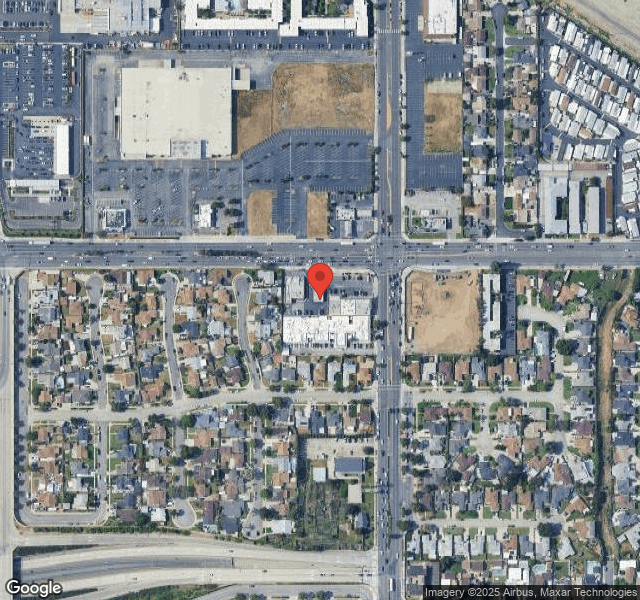
Dec 2023 2 deficiencies
CONCERN (D) 📢 Someone Reported This

A family member, employee, or ombudsman was alarmed enough to file a formal complaint

Potential for Harm - no one hurt, but risky conditions existed

Comprehensive Care Plan (Tag F0656)

Could have caused harm · This affected 1 resident

**NOTE- TERMS IN BRACKETS HAVE BEEN EDITED TO PROTECT CONFIDENTIALITY** Based on interview and record review, the facility failed to develop and/or implement a care plan to meet the needs for one of t...

Read full inspector narrative →
**NOTE- TERMS IN BRACKETS HAVE BEEN EDITED TO PROTECT CONFIDENTIALITY** Based on interview and record review, the facility failed to develop and/or implement a care plan to meet the needs for one of three sampled residents (Resident 1). Resident 1 was assessed at risk for elopement (leaving an institution without notice or permission) and required a wander guard (a system used to alarm staff of a potential elopement of a resident) to be applied. This deficient practice resulted a wander guard not being applied to Resident 1 and Resident 1 eloping from the facility on 11/26/2023. This deficient practice had the potential for Resident 1 to sustain an injury and/or death. Findings: During a review of Resident 1's admission Record (Face Sheet), the Face Sheet indicated Resident 1 was originally admitted to the facility on [DATE] and was readmitted to the facility on [DATE] with diagnoses including dementia (a progressive loss of memory), unsteadiness on feet, and anxiety (extreme worry). During a review of Resident 1's Minimum Data Set ([MDS]) a standard assessment and care screening tool), dated 11/10/2023, the MDS indicated Resident 1's cognitive (the ability to think, reason, and understood) skills for daily decision-making were severely impaired. During a review of Resident 1's Elopement Risk Evaluation, dated 11/6/2023, the Elopement Risk Evaluation indicated Resident 1 was ambulatory with an assisted device, had intermittent (on again, off again) confusion, received medications that increase restlessness and agitation and had a history of elopement for the last six months. The Elopement Risk Evaluation indicated Resident 1 scored an 18 for elopement (A score of 10 or higher is considered at risk for elopement/wandering). The Elopement Risk Evaluation indicated to apply a wander guard to Resident 1. During a review of Resident 1's Change of Condition (COC) dated 11/26/2023 and timed at 8:30 a.m., the COC indicated Resident 1 was missing at 8:30 a.m., a search for Resident 1 was initiated and Resident 1 was found next door to the facility at a local business. During a review of the Care Plan section of Resident 1's clinical records, the Care Plan section indicated there was no care plan developed related to Resident 1's at risk assessment for elopement. During a concurrent interview and record review on 12/4/2023 at 10:07 a.m., Resident 1's MDS and Elopement risk evaluation was reviewed with the MDS nurse confirmed and stated Resident 1 was assessed as high risk for elopement and a care plan for exit seeking/wandering should have been created. The MDS stated the purpose of a care plan is to ensure residents' get the proper care and the necessary interventions are implemented. During an interview with the Director of Nursing (DON) on 12/4/2023 at 11:50 a.m., the DON stated that Resident 1 didn't have a care plan and Resident 1 was not receiving proper care regarding supervision and elopement. During a review of the facility's Policy and Procedure (P/P) titled Care Plans, Comprehensive Person-Centered,revised 3/2023, the P/P indicated that a comprehensive, person-centered care plan that includes measurable objectives and timetables to meet the resident's physical, psychosocial and functional needs is developed and implemented for each resident.
CONCERN (D) 📢 Someone Reported This

A family member, employee, or ombudsman was alarmed enough to file a formal complaint

Potential for Harm - no one hurt, but risky conditions existed

Accident Prevention (Tag F0689)

Could have caused harm · This affected 1 resident

**NOTE- TERMS IN BRACKETS HAVE BEEN EDITED TO PROTECT CONFIDENTIALITY** Based on observation, interview, and record review, the facility failed to provide one of three sampled residents (Resident 1), ...

Read full inspector narrative →
**NOTE- TERMS IN BRACKETS HAVE BEEN EDITED TO PROTECT CONFIDENTIALITY** Based on observation, interview, and record review, the facility failed to provide one of three sampled residents (Resident 1), who was assessed as at risk for elopement (leaving an institution without notice or permission) with a wander guard, per their elopement Risk Evaluation. This deficient practice resulted in Resident 1 eloping from the facility on 11/26/2023, without a wander guard in place. This deficient practice had the potential for Resident 1 to sustain an injury and/or death. Findings: During a review of Resident 1's admission Record (Face Sheet), the Face Sheet indicated Resident 1 was originally admitted to the facility on [DATE] and was readmitted to the facility on [DATE] with diagnoses including dementia (a progressive loss of memory), unsteadiness on feet, and anxiety (extreme worry). During a review of Resident 1's Minimum Data Set ([MDS]) a standard assessment and care screening tool), dated 11/10/2023, the MDS indicated Resident 1's cognitive (the ability to think, reason, and understood) skills for daily decision-making were severely impaired. The MDS indicated Resident 1 used a walker during ambulation. During a review of Resident 1's Elopement Risk Evaluation, dated 11/6/2023, the Elopement Risk Evaluation indicated Resident 1 was ambulatory with an assisted device, had intermittent (on again, off again) confusion, received medications that increased restlessness and agitation and had a history of elopement during the last six months. The Elopement Risk Evaluation indicated Resident 1 scored an 18 for elopement (a score of 10 or higher is considered at risk for elopement/wandering). The Elopement Risk Evaluation indicated to apply a wander guard (a system used to alarm staff of a potential elopement of a resident) to Resident 1. During a review of Resident 1's Change of Condition (COC) dated 11/26/2023 and timed at 8:30 a.m., the COC indicated Resident 1 was missing at 8:30 a.m., a search for Resident 1 was initiated and Resident 1 was found next door to the facility at a local business. During an interview on 12/4/2023 at 9:50 a.m., Licensed Vocational Nurse 1 (LVN 1) stated he last saw Resident 1 during rounds at 7 a.m., and certified nursing assistant (unknown) reported to him that Resident 1 was last seen between 7:30 a.m., and 8 a.m., when breakfast trays were passed out. LVN 1 stated at 8:30 a.m., when Resident 1 could not be found anywhere, an immediate search was initiated. LVN 1 stated Resident 1 was found next door to the facility at a local business unharmed. During a concurrent interview and record review with the Director of Nursing (DON) on 12/4/2023 at 11:50 a.m., Resident 1's Elopement Risk Evaluation dated 11/6/2023 was reviewed. The DON stated the Elopement Risk Evaluation indicated Resident 1 was assessed as at risk for elopement and that Resident 1 should have had a wander guard placed on her. The DON stated we were lucky to find her right away, she could have gotten hurt. During a review of the facility's Policy and Procedure (P/P) titled Wandering and Elopement, revised 3/2023, the P/P indicated the facility will identify residents who are at risk of unsafe wandering and strive to prevent harm while maintaining the least restrictive environment for residents. During a review of the facility's P/P titled Safety and Supervision of Residents, revised 7/2017, the P/P indicated that resident supervision is a core component of the systems approach to safety. The type and frequency of resident supervision is determined by the individual residents' assessed needs. The frequency and type of supervision varies per the needs of each resident.
Oct 2023 2 deficiencies
CONCERN (D) 📢 Someone Reported This

A family member, employee, or ombudsman was alarmed enough to file a formal complaint

Potential for Harm - no one hurt, but risky conditions existed

Quality of Care (Tag F0684)

Could have caused harm · This affected 1 resident

**NOTE- TERMS IN BRACKETS HAVE BEEN EDITED TO PROTECT CONFIDENTIALITY** Based on interview and record review the facility failed to provide the necessary care and services for one of four sampled resi...

Read full inspector narrative →
**NOTE- TERMS IN BRACKETS HAVE BEEN EDITED TO PROTECT CONFIDENTIALITY** Based on interview and record review the facility failed to provide the necessary care and services for one of four sampled residents (Resident 1) by: a. Failing to notify the responsible party of Resident 1 that an intruder entered Resident 1's room through the sliding door. This deficient practice potentially affected the delivery of care and services for Resident 1. b. Failing to assess Resident 1 for any physical or psychological problems after the intruder was observed in Resident 1's room. This deficient practice potentially placed Resident 1 at risk for unidentified harm that the intruder might have caused. Findings: During a review of Resident 2's Face sheet, the face sheet indicated, Resident 2 was admitted to the facility on [DATE] with the diagnosis chronic obstructive pulmonary disease (lung disease that causes restricted airflow and breathing problems), major depressive disorder, insomnia (inability of sleep), and anxiety. During a review of Resident 2's H&P, the H&P indicated that Resident 2 has the capacity to understand and make decisions. During a review of Resident 2's MDS, dated [DATE], the MDS indicated Resident 2 cognitive skills for daily decision making was intact. During a review of Resident 1's Face sheet (admission record), the face sheet indicated Resident 1 was admitted to the facility on [DATE] with the diagnosis of stroke (when blood flow to the brain is blocked or there is sudden bleeding in the brain) affecting the left side, major depressive disorder ( mood disorder that causes a persistent feeling of sadness and loss of interest and can interfere with daily life) , and anxiety (persistent worry or fear that can interfere with life). During a review of Resident 1's History and Physical (H&P), the H&P indicated that Resident 1 does not have the capacity to understand and make decisions. During a review of Resident 1's Minimum Data Set (MDS), a standardized assessment and care screening tool, dated 8/7/2023, the MDS indicated Resident 1's cognitive skills for daily decision making was moderately impaired. The MDS indicated Resident 1 required total dependence with eating, bed mobility, transfer, and walking. During a review of Resident 1's Change of condition (COC) reports and nurse progress notes, the notes and reports indicated there was no documentation of an assessment conducted and family notification of the event after the intruder was noted in the facility on 8/20/2023. During a review of Resident 2's change of condition (COC), dated 8/21/2023 at 1:41 p.m. the COC indicated an on 8/20/2023 at 10:10 p.m. an intruder tried to enter the facility. 911 was called immediately and at 10:15 p.m. the intruder was found in the Resident 2's room after Resident 2 alerted the nurse. During a review of the document titled County of Los Angeles Sheriff ' s Department Incident Report dated 8/20/2023, the document indicated that the intruder (IND) was found on the facility's premises and was taken away to a local general acute care hospital emergency room and was place on a 5150 hold (allows an adult who is experiencing a mental health crisis to be involuntarily detained for a 72- hour psychiatric hospitalization when evaluated to be a danger to others, or to himself or herself, or gravely disabled). During an interview with Responsible Party (RP) 1 on 10/3/2023 at 2:00 p.m., RP 1 stated, on 9/28/2023, Resident 2 informed her ( RP 1) about an intruder in Resident 1's room. RP 1 stated the facility did not inform RP 1 about the trespassing incident. During an interview with Resident 2 on 10/4/2023 at 11:58 a.m., Resident 2 stated, on 8/20/2023, she (Resident 2) first saw the intruder in the patio and observed staff telling the intruder to leave. Resident 2 stated a few minutes later, the same intruder was observed in Resident 1's room so she (Resident 2) went to get certified nurse assistant (CNA) 4. Resident 2 stated she saw the intruder run into room [ROOM NUMBER] (Resident 2's room) and the intruder tried going out through the sliding door; CNA 4 went into room [ROOM NUMBER] apprehended the intruder and few minutes later the police came to take the intruder away. During an interview with LVN 1 on 10/4/2023 at 7:35 p.m., LVN 1 stated on 8/20/2023, an intruder tried to enter the facility, 911 was called immediately, and at 10:15 p.m. the intruder was found in the Resident 2's room after Resident 2 alerted the nurse, Resident 2's room is by Resident 1's room. LVN 1 stated the sheriffs took the intruder away. LVN 1 stated Resident 1 was not assessed after the incident. During an interview with LVN 2 on 10/4/2023 at 8:04 p.m., LVN 2 stated it was important to assess the resident after an incident of any type occurs. LVN 2 stated residents could have been injured by the intruder so it was important to assess the resident. During an interview with the Director of Nursing (DON) on 10/6/2023 at 11:20 a.m., the DON stated that responsible parties were not notified. During a review of the facility policy and procedure (P/P) titled Change in a Resident's Condition or Status revised February 2021, the P/P indicated that the facility promptly notifies the resident, his or her attending physician, and the resident representative of changes in the resident's medical/mental condition and/or status.
CONCERN (D) 📢 Someone Reported This

A family member, employee, or ombudsman was alarmed enough to file a formal complaint

Potential for Harm - no one hurt, but risky conditions existed

Accident Prevention (Tag F0689)

Could have caused harm · This affected 1 resident

**NOTE- TERMS IN BRACKETS HAVE BEEN EDITED TO PROTECT CONFIDENTIALITY** Based on interview, and record review, the facility failed to ensure the sliding door for one (Resident 1) of four sampled resid...

Read full inspector narrative →
**NOTE- TERMS IN BRACKETS HAVE BEEN EDITED TO PROTECT CONFIDENTIALITY** Based on interview, and record review, the facility failed to ensure the sliding door for one (Resident 1) of four sampled resident's rooms were secured and locked after certified nurse assistant (CNA) 1 and licensed vocational nurse (LVN) 1 identified an intruder in the patio on 8/20/2023 at 10:10 p.m. This deficient practice resulted in the intruder entering the facility through Resident 1's sliding door and ending up in Resident 2's room on 8/20/2023 at 10:15 p.m., risking the health and safety of the residents and staff of the facility. Findings: During a review of Resident 1' s Face sheet (admission record), the face sheet indicated Resident 1 was admitted to the facility on [DATE] with the diagnosis of stroke (when blood flow to the brain is blocked or there is sudden bleeding in the brain) affecting the left side, major depressive disorder ( mood disorder that causes a persistent feeling of sadness and loss of interest and can interfere with daily life), and anxiety (persistent worry or fear that can interfere with life). During a review of Resident 1's History and Physical (H&P), the H&P indicated that Resident 1 does not have the capacity to understand and make decisions. During a review of Resident 1's Minimum Data Set (MDS), a standardized assessment and care screening tool, dated 8/7/2023, the MDS indicated Resident 1's cognitive skills for daily decision making was moderately impaired. The MDS indicated Resident 1 required total dependence with eating, bed mobility, transfer, and walking. During a review of Resident 2's Face sheet, the face sheet indicated Resident 2 was admitted to the facility on [DATE] with the diagnosis chronic obstructive pulmonary disease (lung disease that causes restricted airflow and breathing problems), major depressive disorder, insomnia (inability of sleep), and anxiety. During a review of Resident 2's MDS, dated [DATE], the MDS indicated Resident 2 cognitive skills for daily decision making was intact. The MDS indicated Resident 2 required supervision with eating, bed mobility, transfer, and walking. During a review of Resident 2's change of condition (COC), dated 8/21/2023 at 1:41 p.m., the COC indicated on 8/20/2023 at 10:10 p.m. an intruder tried to enter the facility, 911 was called immediately, and at 10:15 p.m. the intruder was found in the Resident 2's room after Resident 2 alerted the nurse. During a review of the document titled County of Los Angeles Sheriff ' s Department Incident Report dated 8/20/2023, the document indicated that the intruder was found on the facility ' s premises and was taken away to a local general acute care hospital emergency room and was place on a 5150 hold (allows an adult who is experiencing a mental health crisis to be involuntarily detained for a 72- hour psychiatric hospitalization when evaluated to be a danger to others, or to himself or herself, or gravely disabled). During an interview with Resident 2 on 10/4/2023 at 11:58 a.m., Resident 2 stated, on 8/20/2023, she (Resident 2) first saw the intruder in the patio and observed staff telling the intruder to leave. Resident 2 stated a few minutes later, the same intruder was observed in room [ROOM NUMBER] (Resident 1's room) so she (Resident 2) went to get CNA 4. Resident 2 stated the intruder ran to room [ROOM NUMBER] (Resident 2's room) and the intruder tried going out through the sliding door; CNA 4 went into room [ROOM NUMBER] apprehended the intruder and few minutes later the police came to take the intruder away. During an interview with CNA 1 on 10/4/2023 at 7:20 p.m., CNA 1 stated, on 8/20/2023, she remembers seeing the intruder in the patio and staff telling him to leave. Then a couple minutes later, the intruder was found in Resident 2's room and then staff held down the intruder until cops arrived. CNA 1 stated that it was a scary situation because you never know what can happen. During an interview with LVN 1 on 10/4/2023 at 7:35 p.m., LVN 1 stated on 8/20/2023, the intruder was standing outside the patio and was informed by staff to leave. LVN 1 stated she called 911; and about 20 minutes or later, she heard an unknown staff member scream, and everybody ran to the screaming. LVN 1 stated the intruder was found in Resident 2's room; and within a few minutes, the sheriffs took the intruder away. LVN 1 also stated the safety of all residents was the responsibility of all staff members. During an interview with the Administrator (ADM) on 10/5/2023 at 2:12 p.m., the ADM stated that the facility was the residents' home; and the facility was responsible for the safety of the residents. During a review of the facility policy and procedure (P/P) titled Safety and Supervision of Resident, revised July 2017, the P/P indicated that the facility strives to make the environment as free from accident hazards as possible. Resident safety, supervision and assistance to prevent accidents were facility-wide priorities.
Aug 2023 2 deficiencies
CONCERN (D) 📢 Someone Reported This

A family member, employee, or ombudsman was alarmed enough to file a formal complaint

Potential for Harm - no one hurt, but risky conditions existed

Report Alleged Abuse (Tag F0609)

Could have caused harm · This affected 1 resident

**NOTE- TERMS IN BRACKETS HAVE BEEN EDITED TO PROTECT CONFIDENTIALITY** Based on interview and record review, the facility failed to implement their abuse reporting and investigating policy and proced...

Read full inspector narrative →
**NOTE- TERMS IN BRACKETS HAVE BEEN EDITED TO PROTECT CONFIDENTIALITY** Based on interview and record review, the facility failed to implement their abuse reporting and investigating policy and procedure by not reporting an allegation of physical abuse for one of four sampled resident (Resident 1) to the California Department of Public Health (CDPH) and the Ombudsman (a state agency that investigates, reports on, and assists in settling complaints against facilities). Resident 2 allegedly kicked at Resident 1 ' s feet and attempted to run a table into Resident 1's head. This deficient practice had the potential for the underreporting of abuse incidents, and a delay in investigation a physical abuse allegation, placing Resident 1 at risk for further abuse. Findings: During a review of Resident 1's admission record, the admission Record indicated Resident 1 was admitted to the facility on [DATE] with diagnoses including malignant neoplasm of brain (a cancer that spreads to other areas of the brain and spine) and cerebrovascular disease (group of disorders of the heart and blood vessels) with hemiplegia (paralysis of one side of the body) and hemiparesis (muscle weakness on one side of the body). During a review of Resident 1's Minimum Data Set (MDS), a standardized assessment and care screening tool, dated 6/30/2023, the MDS indicated Resident 1's cognitive (the ability to understand or to be understood by others) skills for daily decision making was moderately impaired. The MDS indicated, Resident 1 required extensive assistance with two-person physical assist with bed mobility, eating and personal hygiene. During a review of Resident 2's admission Record, the admission Record indicated the facility originally admitted Resident 2 on 11/15/2016 and was readmitted on [DATE] with diagnoses of dementia (general term for the impaired ability to remember, think, or make decisions that interferes with doing everyday activities) and urinary tract infection [(UTI) an infection that in any part of the urinary system that includes kidneys, bladder, or urethra], and anxiety disorder (mental health illness characterized by a persistent feelings of dread or worry). During a review of Resident 2's Minimum Data Set (MDS), a standardized assessment and care screening tool, dated 6/15/2023, the MDS indicated Resident 2's cognitive skills for daily decision making was moderately impaired. The MDS, indicated Resident 2 required limited assistance from staff with one-person physical assist with locomotion on unit, bed mobility, and transfer. During a review of Resident 1's Licensed Nursing Note, dated 7/31/2023, the Licensed Nursing Note indicated, the Interdisciplinary Team [(IDT), team members from different disciplines who came together to discuss resident care] met to discuss Resident 1 ' s Family Member (FM 1) grievance regarding Resident 2 (roommate) being physically aggressive. During an interview on 8/23/2023 at 1:40 p.m. with the Social Service Director (SSD), the SSD stated the IDT had a meeting with Resident 1 ' s Family Member (FM 1) on 7/27/2023 and discussed the grievance and concerns regarding Resident 2 being aggressive .The SSD stated based on the facility investigation, no physical aggression happened between Resident 1 and Resident 2, that was why the SSD did not report to CDPH and the Ombudsman. During an interview on 8/23/2023 at 2:15 p.m. with the Director of Nurses (DON), the DON stated if an allegation was unwitnessed then it is reportable to the CDPH, Ombudsman and local enforcement agency. The DON stated the timeframe for reporting was 2 hours. The DON stated it is important to report to CDPH any allegation of abuse so (the department) can conduct their own investigation. During a concurrent interview and record review on 8/23/2023 at 3:15 p.m. with DON, the facility's policy and procedures (P&P) titled, Abuse, Neglect, exploitation, or Misappropriations-reporting and investigating, revised September 2022, was reviewed. The P&P indicated, The Administrator or the individual making the allegation immediately reports his or her suspicion to the following person or agencies: A) The state licensing/certification agency responsible for surveying/licensing the facility, B) The local/state Ombudsman . Immediately is defined as A) within two hours of an allegation involving abuse or result in serious bodily injury, or B) within 24 hours of an allegation that does not involve abuse or result in serious bodily injury. During a concurrent interview, the DON stated this was the facility's policy when it comes to abuse reporting allegation as required by State and Federal law. During an interview on 8/24/2023 at 11:35 a.m. with Administrator (ADM), the ADM stated he did investigate the allegation and stated as there was no evidence that abuse occurred. The ADM stated he did not take the incident as an abuse allegation but instead it was more of a customer service issue and that was why he did not report the allegation to CDPH and Ombudsman. The ADM stated for any allegations of abuse such as physical, mental, verbal, or resident to resident altercation, being the abuse coordinator, he needs to report to CDPH immediately within 2 hours. During a review of the facility's policy and procedure (P&P), titled Resident-to-Resident Altercations, revised September 2022, the P&P indicated, Investigate and report any allegations within timeframes required by federal requirements.
CONCERN (D) 📢 Someone Reported This

A family member, employee, or ombudsman was alarmed enough to file a formal complaint

Potential for Harm - no one hurt, but risky conditions existed

Investigate Abuse (Tag F0610)

Could have caused harm · This affected 1 resident

**NOTE- TERMS IN BRACKETS HAVE BEEN EDITED TO PROTECT CONFIDENTIALITY** Based on interview and record review, the facility failed to implement its abuse prevention policy by failing to submit the resu...

Read full inspector narrative →
**NOTE- TERMS IN BRACKETS HAVE BEEN EDITED TO PROTECT CONFIDENTIALITY** Based on interview and record review, the facility failed to implement its abuse prevention policy by failing to submit the results of the investigation of an allegation of physical abuse to the state agency (California Department of Public Health [CDPH]) within 5 working days of the incident for one of four sampled residents (Resident 1). This deficient practice delayed the CDPH investigation of the allegation of physical abuse, potentially placing Resident 1 at risk for further abuse and violation of resident rights. Findings: During a review of Resident 1 ' s admission record, the admission Record indicated Resident 1 was admitted to the facility on [DATE] with diagnoses including malignant neoplasm of brain (a cancer that spreads to other areas of the brain and spine) and cerebrovascular disease (group of disorders of the heart and blood vessels) with hemiplegia (paralysis of one side of the body) and hemiparesis (muscle weakness on one side of the body). During a review of Resident 1 ' s Minimum Data Set (MDS), a standardized assessment and care screening tool, dated 6/30/2023, the MDS indicated Resident 1 ' s cognitive (the ability to understand or to be understood by others) skills for daily decision making was moderately impaired. The MDS indicated, Resident 1 required extensive assistance with two-person physical assist with bed mobility, eating and personal hygiene. During a review of Resident 1 ' s Licensed Nursing Note, dated 7/31/2023, the Licensed Nursing Note indicated, the Interdisciplinary Team [(IDT), team members from different disciplines who came together to discuss resident care] met to discuss Resident 1 ' s Family Member (FM 1) grievance regarding Resident 2 (roommate) being physically aggressive. During a concurrent interview and record review on 8/23/2023 at 3:15 p.m. with the director of nursing (DON), the facility ' s policy and procedures (P&P) titled, Abuse, Neglect, exploitation, or Misappropriations-reporting and investigating, revised September 2022, was reviewed. The P&P indicated, Follow-up report, within five business days of the incident, the Administrator will provide a follow-up investigation report. The follow-up investigation report will provide as much information as possible at the time of submission of the report. The DON stated this was the facility ' s policy when it comes to the 5-day follow-up investigation report that will be submitted to the CDPH. During an interview on 8/24/2023 at 11:35 a.m. with Administrator (ADM), the ADM stated he did investigate the allegation and stated as there was no evidence that abuse occurred. The ADM stated he did not take the incident as an abuse allegation but instead it was more of a customer service issue and that was why he did not report the allegation to CDPH and Ombudsman. The ADM stated for any allegations of abuse such as physical, mental, verbal, or resident to resident altercation, being the abuse coordinator, he needs to report to CDPH immediately within 2 hours and the final investigation report within 5 days. During a review of the facility ' s policy and procedure (P&P), titled Resident-to-Resident Altercations, revised September 2022, the P&P indicated, the facility need to Investigate and report any allegations within timeframes required by federal requirements.
Jan 2023 1 deficiency
CONCERN (D) 📢 Someone Reported This

A family member, employee, or ombudsman was alarmed enough to file a formal complaint

Potential for Harm - no one hurt, but risky conditions existed

Quality of Care (Tag F0684)

Could have caused harm · This affected 1 resident

Based on interview and record review, the facility failed to ensure safe patient handling techniques were practiced by Certified Nursing Assistant 1 (CNA1) when changing a resident's incontinence brie...

Read full inspector narrative →
Based on interview and record review, the facility failed to ensure safe patient handling techniques were practiced by Certified Nursing Assistant 1 (CNA1) when changing a resident's incontinence brief for one of two sampled residents (Resident 1). This deficient practice resulted in Resident 1 sustaining a fall out of bed and had the potential to cause injury to Resident 1. Findings During a review of Resident 1's admission record (AR), the AR indicated an original admission date of 4/26/2022 with the diagnoses including traumatic brain injury (sudden injury that causes damage to the brain) and quadriplegia (paralysis that affects all the limbs and body from the neck down). During a review of Resident 1's Minimum Data set ([MDS]- a standardized assessment and care screening tool) dated 10/25/2022, the MDS indicated Resident 1 was severely cognitively (thought processes) impaired in decision making regarding tasks of daily life and required one-person assistance with activities of daily living (ADLs). During a review of Resident 1's change of condition/interact assessment form dated 1/1/2023, the form indicated Resident 1 was found lying on her right side on the floor with head between dresser and bed with legs toward bathroom door. During an interview on 1/20/23 at 1:08 p.m. with CNA 2, CNA 2 stated when she is changing residents' incontinence brief,s the technique she uses is to pull the resident closer to her prior to turning the resident on their side, this technique keeps the residents from being too close to the edge of the bed and prevents them from falling. During an interview on 1/20/23 at 2:32 p.m. with Licensed Vocational Nurse 1 (LVN 1), LVN 1 stated to ensure resident's safety, proper safe patient handling techniques include ensuring there is enough space to safely turn the resident on the opposite side. LVN 1 also stated to ensure there is enough space, staff should be moving the resident closer to them prior to turning the resident to the opposite side. During an interview on 2/13/2023 at 12:10 p.m. with CNA 1, CNA 1 stated she was changing Resident 1's incontinence brief when she moved Resident 1 to her left side with her right leg over her left leg and CNA 1 stated that Resident 1 was a little too close to the edge of the left side of bed, and Resident 1 started to cough and her body jerked and she fell out of the bed and landed on her left side. CNA 1 stated the fall could have been avoidable if she had moved Resident 1 closer to her and away from the edge of the bed. During an interview on 2/13/2022 at 2:51 p.m. with Director of Rehabilitation (DOR) and a Physical Therapist (PT), the DOR and PT stated when they provide in-services to the facility's staff, the DOR and PT include the technique of moving the resident closer to the staff member prior to turning the resident on their side. The DOR and PT stated they also teach to keep the resident in the middle of the bed and away from the edge to prevent the resident from falling. The DOR stated CNA 1 did not follow the policy and the in-services that were provided, if CNA 1 had followed the techniques from the in-services, it would have kept the resident from falling out of the bed. During an interview on 2/13/2023 at 3:17 p.m. with the Director of Staff Development (DSD), the DSD confirmed CNA 1 had attended one of the in-services that was provided on safe patient handling techniques. The DSD stated the in-services teach the CNAs to make sure there is enough room on the other side, the CNA should move the resident towards them so there is enough space to turn the resident. According to the DSD, Resident 1's fall was avoidable if CNA 1 had moved Resident 1 closer to her before turning Resident 1 on to her left side. During a review of the facility's in-service sign in sheets titled Understanding and demonstrating of safe handling of patient after surgery due to hip precautions, abductor pillow, weight bearing (WB) restrictions and proper positioning dated 3/1/2022, the sign in sheets indicated CNA 1 attended the in-service. During a review of the facility's CNA job description approved 8/23/2011, the job description indicated the CNAs assist in providing a clean, safe, dignified, happy and healthy environment for resident while preforming designated duties. Based on interview and record review, the facility failed to ensure safe patient handling techniques were practiced by Certified Nursing Assistant 1 (CNA1) when changing a resident's incontinence brief for one of two sampled residents (Resident 1). This deficient practice resulted in Resident 1 sustaining a fall out of bed and had the potential to cause injury to Resident 1. Findings During a review of Resident 1's admission record (AR), the AR indicated an original admission date of 4/26/2022 with the diagnoses including traumatic brain injury (sudden injury that causes damage to the brain) and quadriplegia (paralysis that affects all the limbs and body from the neck down). During a review of Resident 1's Minimum Data set ([MDS]- a standardized assessment and care screening tool) dated 10/25/2022, the MDS indicated Resident 1 was severely cognitively (thought processes) impaired in decision making regarding tasks of daily life and required one-person assistance with activities of daily living (ADLs). During a review of Resident 1's change of condition/interact assessment form dated 1/1/2023, the form indicated Resident 1 was found lying on her right side on the floor with head between dresser and bed with legs toward bathroom door. During an interview on 1/20/23 at 1:08 p.m. with CNA 2, CNA 2 stated when she is changing residents' incontinence brief,s the technique she uses is to pull the resident closer to her prior to turning the resident on their side, this technique keeps the residents from being too close to the edge of the bed and prevents them from falling. During an interview on 1/20/23 at 2:32 p.m. with Licensed Vocational Nurse 1 (LVN 1), LVN 1 stated to ensure resident's safety, proper safe patient handling techniques include ensuring there is enough space to safely turn the resident on the opposite side. LVN 1 also stated to ensure there is enough space, staff should be moving the resident closer to them prior to turning the resident to the opposite side. During an interview on 2/13/2023 at 12:10 p.m. with CNA 1, CNA 1 stated she was changing Resident 1's incontinence brief when she moved Resident 1 to her left side with her right leg over her left leg and CNA 1 stated that Resident 1 was a little too close to the edge of the left side of bed, and Resident 1 started to cough and her body jerked and she fell out of the bed and landed on her left side. CNA 1 stated the fall could have been avoidable if she had moved Resident 1 closer to her and away from the edge of the bed. During an interview on 2/13/2022 at 2:51 p.m. with Director of Rehabilitation (DOR) and a Physical Therapist (PT), the DOR and PT stated when they provide in-services to the facility's staff, the DOR and PT include the technique of moving the resident closer to the staff member prior to turning the resident on their side. The DOR and PT stated they also teach to keep the resident in the middle of the bed and away from the edge to prevent the resident from falling. The DOR stated CNA 1 did not follow the policy and the in-services that were provided, if CNA 1 had followed the techniques from the in-services, it would have kept the resident from falling out of the bed. During an interview on 2/13/2023 at 3:17 p.m. with the Director of Staff Development (DSD), the DSD confirmed CNA 1 had attended one of the in-services that was provided on safe patient handling techniques. The DSD stated the in-services teach the CNAs to make sure there is enough room on the other side, the CNA should move the resident towards them so there is enough space to turn the resident. According to the DSD, Resident 1's fall was avoidable if CNA 1 had moved Resident 1 closer to her before turning Resident 1 on to her left side. During a review of the facility's in-service sign in sheets titled Understanding and demonstrating of safe handling of patient after surgery due to hip precautions, abductor pillow, weight bearing (WB) restrictions and proper positioning dated 3/1/2022, the sign in sheets indicated CNA 1 attended the in-service. During a review of the facility's CNA job description approved 8/23/2011, the job description indicated the CNAs assist in providing a clean, safe, dignified, happy and healthy environment for resident while preforming designated duties.
Nov 2022 1 deficiency 1 Harm
SERIOUS (G) 📢 Someone Reported This

A family member, employee, or ombudsman was alarmed enough to file a formal complaint

Actual Harm - a resident was hurt due to facility failures

Accident Prevention (Tag F0689)

A resident was harmed · This affected 1 resident

**NOTE- TERMS IN BRACKETS HAVE BEEN EDITED TO PROTECT CONFIDENTIALITY** Based on interview and record review, the facility failed to ensure a resident, who had a diagnosis of dementia (progressive los...

Read full inspector narrative →
**NOTE- TERMS IN BRACKETS HAVE BEEN EDITED TO PROTECT CONFIDENTIALITY** Based on interview and record review, the facility failed to ensure a resident, who had a diagnosis of dementia (progressive loss of memory), did not go missing from the facility unnoticed for almost 24 hours for one of two sampled residents (Resident A). The facility failed to: Ensure the facility had a system to alert staff when the door to the entrance of the facility was opened after 5 p.m., to ensure no resident left the facility unnoticed. Resident A, who was diagnosed with dementia (a brain disease marked by memory disorders, personality changes and impaired reasoning), other medical conditions, and a heart pacemaker (a device that generates electrical impulses to the heart to contract), eloped from the facility ' s front entrance on 3/14/2022 at 8:29 p.m. On 3/15/2022, the day after Resident A eloped from the facility, Resident A was found unresponsive in a parking lot approximately 12 miles away from the facility and was transported to a general acute care hospital (GACH) for evaluation, care, and treatment. This deficient practice resulted in Resident A eloping from the facility, becoming unresponsive and requiring treatment at a General Acute Care Hospital (GACH) for a drug overdose and placed Resident A at risk of remaining missing, exposure to harsh environmental conditions, including excessive heat and/or cold, hypothermia (occurs when the body loses heat faster than it can produce heat, causing a dangerously low body temperature), harm, and/or death due to his medical conditions, use of illicit drugs (illegal use), and possible motor vehicle accident and death. Findings: During a review of Resident A ' s admission Records (face sheet), the face sheet indicated Resident A was originally admitted to the facility on [DATE] and last readmitted on [DATE] with diagnoses included diabetes mellitus ([DM] a chronic condition associated with abnormally high levels of sugar in the blood), encephalopathy (brain disease, damage, or malfunction), hypertension ([HTN] high blood pressure, a condition in which the force of the blood against the artery walls was too high), glaucoma (a group of eye conditions that damage the nerve in the eye often leading to blindness), hearing loss, anxiety disorder (extreme worry or fear), and dementia. The face sheet indicated Resident A ' s primary decision maker was a family member. During a review of Resident A ' s history and physical (H/P), dated 5/27/2021, the H/P indicated Resident A could make his needs known but could not make medical decisions. During a review of Resident A ' s Minimum Data Set (MDS), a standardized assessment and care-screening tool, dated 3/7/2022, the MDS indicated Resident A ' s cognitive skills (thought process) for daily decision-making were moderately impaired. According to the MDS, Resident A required an extensive one-person physical assistance to complete his activities of daily living ([ADL] tasks such as eating, bathing, dressing, grooming and toileting) and was occasionally incontinent (involuntary voiding of urine and stool) of bowel and bladder functions. During a review of Resident A ' s Physician ' s Orders, dated 5/27/2021, the Physician ' s Order indicated Resident A did not have the capacity to understand and actively participate in decision making. The physician orders indicated Resident A ' s medications included the following: 1. Regular Insulin 2 to 8 units (an indication of measurement [dose] for insulin [a medications that lowers the level of blood sugar]) on a sliding scale (Insulin dose varies based on a patient ' s blood glucose level) for diabetes mellitus to cover elevated glucose levels twice a day. 2. Metoprolol 25 milligram ([mg] unit of measurement) every 12 hours for hypertension. 3. Norvasc 5 mg every day for hypertension. During a record review of Resident A ' s medication administration record (MAR) dated 3/14/2022 at 9:00 p.m. until 3/15/2022, (the 24 hours the resident was missing from the facility) Resident A did not receive any of the above medications to control his blood pressure and blood sugar levels. During a review of the facility ' s Investigation/Accident Known/Unknown Origin Form, dated 3/14/2022, the form indicated at 9 p.m., on 3/14/2022, Resident A was not in his bed. According to the Investigation Form, the facility ' s staff searched inside and outside of the facility for Resident A, which included staff driving around the facility ' s area and contacting local hospitals, but Resident A was not found. During a review of the GACH ' s Emergency Department (ED) notes, dated 3/15/2022 and timed at 5:06 p.m., the ED notes indicated Resident A presented for evaluation of a suspected drug overdose. Per EMS ([emergency medical services/ambulance or paramedic services] used to provide urgent pre-hospital treatment and stabilization for serious illness and injuries), Resident A was found unresponsive in a parking lot and was given Narcan (a medicine that rapidly reverses the effects of an opioid [a substance used to treat moderate to severe pain] overdose in an emergency) prior to arrival to the ED. During a review of Resident A ' s GACH laboratory results obtained on 3/15/2022 at 8:39 p.m., the laboratory results indicated Resident A tested positive for opiates in his urine. According to the ED note, Resident A was discharged to another skilled nursing facility on 3/16/2022. During a review of Resident A ' s care plans (CPs), there was no indication of a plan of care in place with interventions to address Resident A ' s confusion and forgetfulness and to ensure Resident A was kept safe and supervised. During an interview on 3/16/2022 at 3 p.m., the Director of Nursing (DON) stated Resident A was alert and oriented to his name, place, and time but had episodes of forgetfulness. The DON stated Resident A could make his needs known but could not make medical decisions. The DON confirmed that should have been but there was no plan of care developed with intervention to address Resident A ' s forgetfulness and confusion to ensure Resident A ' s safety. During an interview on 3/16/2022 at 3:14 p.m., the Administrator (ADM) stated on 3/14/2022 at approximately 9 p.m. a certified nursing assistant (CNA 1) was assisting another resident. When CNA 1 finished with that resident, she went to Resident A ' s room but did not find him there. The ADM stated it was reported, Resident A was last seen at the nursing station socializing with other residents at approximately 8 p.m. The ADM stated CNA 1 looked around the facility and when she could not find Resident A she reported it to the licensed vocational nurse (LVN 2) who was the charge nurse. The ADM stated a search was conducted in all the residents ' rooms, bathrooms, dining room, rehabilitation room, the break room, and the facility ' s parking lot but they could not locate Resident A. The ADM stated staff got in their personal cars and searched the surrounding cities but did not find Resident A. The ADM stated they reviewed the facility ' s camera footage and they saw Resident A leave the facility through the facility ' s front entrance at 8:29 p.m., on 3/14/2022. The ADM stated the receptionist was at the front desk until 5 p.m., and then locks the front entrance when she leaves. The ADM stated the front door only has a wander guard (a system that sounds alarms when an at-risk wanderer approaches a monitored door) and Resident A was not assessed at risk for wandering so he did not have a wander guard device in place. The ADM stated the front door was locked to prevent unauthorized persons from entering the facility after 5 p.m., but there was no alarm on the front door to alert staff the door was being opened from inside the facility. During an interview on 3/16/2022 at 4:21 p.m., CNA 1 stated Resident A was independent but had some confusion and forgetfulness. CNA 1 stated on the night Resident A eloped from the facility (3/14/2022) she went to Resident A ' s room at approximately 8:45 p.m., to check on Resident A ' s roommate (Resident B), and Resident A was not there. CNA 1 stated after she completed care with Resident B she went to look for Resident A but could not find him and reported to LVN 2, the charge nurse. CNA 1 stated they looked inside and outside of the building and could not find Resident A. CNA 1 stated Resident A did not have a behavior of going outside the facility. CNA 1 stated Resident A would usually talk to the other residents and then go back to his room. During an interview on 6/17/2022 at 2:10 p.m., the DON stated the only doors in the facility that alarms when opened from the inside were the facility ' s emergency doors. The DON stated the front door has a wander guard alarm on it and would only activate the alarm if a resident with a wander guard device activated it. The DON stated when the receptionist leaves at 6 p.m., the front door was locked from the outside only and there was no alarm to alert staff the door was being opened from the inside. DON was not able to provide a policy and procedure (P/P) regarding supervision of residents with dementia and forgetfulness. During an interview on 6/21/2022 at 5:23 p.m., LVN 2 stated Resident A was alert to his name and surroundings but had periods of confusion and forgetfulness. LVN 2 stated Resident A usually sat at or near the nursing station talking to other residents, conversing in a confused manner. LVN 2 stated on his shift, 3 p.m. to 11 p.m., Resident A did not have a behavior of attempting to leave the facility.
Dec 2021 8 deficiencies
CONCERN (D)

Potential for Harm - no one hurt, but risky conditions existed

Resident Rights (Tag F0550)

Could have caused harm · This affected 1 resident

**NOTE- TERMS IN BRACKETS HAVE BEEN EDITED TO PROTECT CONFIDENTIALITY** Based on observation, interview, and record review, the facility failed to ensure two of 24 sampled residents (Residents 43 and ...

Read full inspector narrative →
**NOTE- TERMS IN BRACKETS HAVE BEEN EDITED TO PROTECT CONFIDENTIALITY** Based on observation, interview, and record review, the facility failed to ensure two of 24 sampled residents (Residents 43 and 119), who required staff's assistance with meals, were cared for with dignity and respect by sitting and not standing while feeding the residents during mealtimes. This deficient practice potentially violated Residents 43 and 119 rights, and had the potential to negatively affect the resident's self-esteem and self-worth. Findings: a. During an observation on 12/7/2021 at 7:50 a.m., Certified Nursing Assistant 2 (CNA 2) was observed standing while feeding Resident 119 eggs. Resident 119, was observed slumped down in the bed and positioned on her right side facing the door of the room. CNA 2 stated Resident 119 kept sliding down after she was repositioned. CNA 2 stated standing while feeding residents was not the facility's standard of practice and stated she should have been seated while feeding Resident 119. During a review of Resident 119's admission Record (face sheet), the face sheet indicated the resident was initially admitted to the facility on [DATE] and last re-admitted on [DATE]. Resident 119's diagnoses included abnormal posture, lack of coordination (inability to maintain balance), dysphagia (difficulty swallowing), legal blindness and encephalopathy (altered mental state caused by disease, damage or malfunction of the brain). During a review of Resident 119's care plan, dated 12/6/2021 and titled, Resident has self-care deficit related to totaling dependent with eating, the care plan indicated for the staff to assist with activities of daily living ([ADL] routine activities that are done every day without needing assistance, such as: eating, bathing, dressing, toileting, transferring and walking) as needed and maintain the resident's privacy and respect their rights. b. During an observation on 12/10/2021 at 12:55 p.m., in Resident 43's room, Resident 43 was observed in bed and seated at a 90 degree angle. CNA 1 was observed standing to the left side of the bed and fed lunch to Resident 43. Resident 43 was observed extending his neck to look up at CNA 1. There was no chair observed in Resident 43's room. During an interview on 12/10/2021, at 1 p.m., CNA 1 stated he did not sit while feeding Resident 43. CNA 1 stated he was supposed to grab a chair from the breakroom and sit eye level with the resident during meals. During a review of Resident 43's admission Record, the admission Record indicated the resident was admitted to the facility on [DATE] and readmitted [DATE]. Resident 43's diagnoses included dementia (gradual decrease in the ability to think and remember severe enough to affect a person's daily functioning), gastroesophageal reflux disease ([GERD] reflux of the stomach contents into the esophagus), hemiplegia (total or partial paralysis [inability to move] of one side of the body), and epilepsy (abnormal electrical activity of the brain). During a review of Resident 43's Quarterly Minimum Data Set (MDS), a standardized assessment and screening tool, dated 10/15/2021, the MDS indicated the resident was severely cognitively (ability to think and reason) impaired. The MDS indicated Resident 43 needed extensive assistance with bed mobility and total assistance with transfers and dressing. The MDS also indicated Resident 43 required limited assistance with eating. During a concurrent interview and record review on 12/8/2021 at 8:58 a.m. with the Director of Nursing (DON), the DON stated staff was supposed to sit down while feeding residents. DON stated it was best practice to sit eye level with the resident to ensure safe swallowing. DON stated although our policy was not dated and does not indicate staff were required to be at eye level of the resident, that was a requirement for all staff. During a review of the facility's undated policy and procedure (P/P) titled, Feeding Residents, the P/P indicated to explain the reason and procedure to the resident. Ensure that resident head of bed (HOB) is elevated/sitting up in bed. Slowly put small amounts of food in the resident's mouth. Assure that you give the resident enough time to chew and swallow food. Stop immediately and get the charge nurse if the resident appears to have difficulty swallowing. If the resident starts chocking, follow the choking procedure. Assure that the correct percentage eaten is charted. Notify the Charge Nurse if the resident eats less than 50%.
CONCERN (D)

Potential for Harm - no one hurt, but risky conditions existed

Comprehensive Assessments (Tag F0636)

Could have caused harm · This affected 1 resident

Based on record review and staff interviews, the facility failed to complete a comprehensive assessment of each resident's functional capacity for 21 of 22 sampled residents. Cross Reference F640. Thi...

Read full inspector narrative →
Based on record review and staff interviews, the facility failed to complete a comprehensive assessment of each resident's functional capacity for 21 of 22 sampled residents. Cross Reference F640. This deficiency had the potential to incorrectly identify each resident's preferences and goals of care, and their functional and health status. Findings: During a review of the Centers for Medicare & Medicaid Services (CMS) public document titled, Long-Term Care Facility Resident Assessment Instrument ([RAI] a manual to offer clear guidance about how to use the RAI 3.0 User's Manual, dated October 2019, indicated the MDS completion date must be no later than 14 days after the Assessment Reference Date ([ARD] refers to the last day of the observation [process of observing resident in order to gain information] period that the assessment covers for the resident). During a review of the facility's policy and procedure (P/P) titled, Resident Assessment, (undated), the P/P indicated the following,The Minimum Data Set shall be completed for each resident regardless of payer status in facilities certified by the Medicare/Medicaid programs. Schedule and Completion of the MDS assessment (admission, quarterly, annual, significant change) will be completed as per the RAI instructions/ guidelines. During an interview on 12/9/2021 at 10:48 a.m., with the Director of Nursing (DON), DON stated the MDS must be initiated when a resident was admitted and as needed for a change of condition and for readmissions. The DON stated the MDS Coordinator oversees the completion of the MDS. The DON stated the MDS on several residents was late and they were using a MDS Consultant (MDS-C) to catch up. The DON stated their previous MDS Coordinator (nurse in charge of completing the MDS) took on another role leading to the MDS assessments falling behind and becoming late. The DON stated that failure to complete the comprehensive (complete) MDS within the required 14 days jeopardizes the health of the residents by not having the proper care plan in place and not addressing the triggers for the resident in the facility. During an interview on 12/9/2021 at 11:12 a.m., with MDS consultant (MDS-C), MDS-C stated failure to complete the MDS assessment within 14 days delays the residents' plan of care and has the potential for the facility to not address the needs of its resident's. During a concurrent interview and record review with MDS-C on 12/9/2021 at 12:30 p.m., (MDS-C), the facility's MDS scheduling report (MSR), dated 12/9/21 was reviewed. The MSR indicated the following: 1. Resident 118's comprehensive assessment was due on 10/27/2021 and was overdue (late). 2. Resident 17's comprehensive assessment was due on 11/5/2021 and was overdue. Resident 17's quarterly (completed every three months) assessment was due on 11/4/2021 and was overdue. 3. Resident 56's comprehensive assessment was due on 12/1/2021 and was overdue. Resident 56's quarterly assessment was due on 12/3/2021 and was overdue. During a record review of Resident 1's MDS transmission records, retrieved by Medical Records Supervisor (MR) on 12/8/2021, the transmission records indicated Resident 1's assessment was more than 14 days after the assessment reference date ([ARD] refers to the last day of the observation period that the assessment covers for the resident). During a record review of Resident 2's MDS transmission records, retrieved by MR on 12/8/2021, the transmission records indicated Resident 2's assessment was more than 14 days after the ARD. During a record review of Resident 3's MDS transmission records, retrieved by MR on 12/8/2021, the transmission records indicated Resident 3's assessment was more than 14 days after the ARD. During a record review of Resident 4's MDS transmission records, retrieved by MR on 12/8/2021, the transmission records indicated Resident 4's assessment was more than 14 days after the ARD. During a record review of Resident 5's MDS transmission records, retrieved by MR on 12/8/2021, the transmission records indicated Resident 5's assessment was more than 14 days after the ARD. During a record review of Resident 6's MDS transmission records, retrieved by MR on 12/8/2021, the transmission records indicated Resident 6's assessment was more than 14 days after the ARD. During a record review of Resident 7's MDS transmission records, retrieved by MR on 12/8/2021, the transmission records indicated Resident 7's assessment was more than 14 days after the ARD. During a record review of Resident 8's MDS transmission records, retrieved by MR on 12/8/2021, the transmission records indicated Resident 8's assessment was more than 14 days after the ARD. During a record review of Resident 9's MDS transmission records, retrieved by MR on 12/8/2021, the transmission records indicated Resident 9's assessment was more than 14 days after the ARD. During a record review of Resident 11's MDS transmission records, retrieved by MR on 12/8/2021, the transmission records indicated Resident 11's assessment was more than 14 days ARD. During a record review of Resident 12's MDS transmission records, undated, the transmission records indicated Resident 12's assessment was more than 14 days after the ARD. During a record review of Resident 13's MDS transmission records, undated, the transmission records indicated Resident 13's assessment was more than 14 days after the ARD. During a record review of Resident 14's MDS transmission records, undated, the transmission records indicated Resident 14's assessment was more than 14 days after the ARD. During a record review of Resident 16's MDS transmission records, undated, the transmission records indicated Resident 16's assessment was more than 14 days after the ARD. During a record review of Resident 17's MDS transmission records, undated, the transmission records indicated Resident 17's assessment was more than 14 days after the ARD. During a record review of Resident 18's MDS transmission records, undated, the transmission record indicated Resident 18's assessment was more than 14 days after the ARD. During a record review of Resident 19's MDS transmission records, retrieved by MR on 12/8/2021, the transmission records indicated Resident 19's assessment was more than 14 days after the ARD. During a record review of Resident 20's MDS transmission records, undated, the transmission records indicated Resident 20's assessment was more than 14 days after the ARD. During a record review of Resident 21's MDS transmission records, undated, the transmission records indicated Resident 21's assessment was more than 14 days after the ARD. During a record review of Resident 22's MDS transmission records, undated, the transmission records indicated Resident 22's assessment was more than 14 days after the ARD. During a record review of Resident 30's MDS transmission records, undated, the transmission record indicated Resident 30's assessment was more than 14 days after the ARD.
CONCERN (D)

Potential for Harm - no one hurt, but risky conditions existed

Comprehensive Care Plan (Tag F0656)

Could have caused harm · This affected 1 resident

**NOTE- TERMS IN BRACKETS HAVE BEEN EDITED TO PROTECT CONFIDENTIALITY** Based on observation, interview, and record review, the facility failed to initiate and implement a comprehensive care plan for ...

Read full inspector narrative →
**NOTE- TERMS IN BRACKETS HAVE BEEN EDITED TO PROTECT CONFIDENTIALITY** Based on observation, interview, and record review, the facility failed to initiate and implement a comprehensive care plan for one of one sampled residents (Resident 21), after Resident 21 verbalized to the Director of Nursing (DON) and Administrator (ADM) that she felt uncomfortable interacting with Resident 56. This deficient practice resulted in Resident 21 wanting to avoid Resident 56 and not wanting to participate in group activities. Findings: During a review of Resident 21's admission Record, the admission Record indicated Resident 21 was admitted to the facility on [DATE]. Resident 21's diagnoses included chronic obstructive pulmonary disease ([COPD] group of diseases that cause airflow blockage and breathing-related problems), morbid obesity (100 pounds [unit of measurement] or more above ideal [healthiest weight for a person's height] body weight), generalized anxiety disorder (mental disorder causing difficultly in controlling anxiety [a feeling of worry, nervousness, or unease] and staying focused on daily tasks), and major depressive disorder (mood disorder that causes a persistent feeling of sadness and loss of interest). During a review of Resident 21's Psychiatric Progress Note, (PPN) dated 10/6/2021, the PN indicated Resident 21 occasionally had panic attacks (sudden and intense feeling of terror, fear, or apprehension, without the presence of actual danger) and expressed feelings of anxiety and hopelessness. The PPN indicated Resident 21's thinking was logical, cognitive functioning [ability to think and understand and communicate] was intact (normal) and has not exhibited impulsive behaviors (actions done that is harmful to one's self or others). During a review of Resident 21's Minimum Data Set ([MDS] a standardized resident assessment and care screening tool), dated 10/18/2021, the MDS indicated the resident could be understood, understand others, and required limited assistance (staff provided guided maneuvering [moving] of resident's arms and legs) with activities of daily living ([ADLs] self-care activities performed daily such as dressing and toileting) and moving from her bed to wheelchair or chair. The MDS indicated Resident 21 was unsteady when moving, walking and turning around. During a review of Resident 56's admission Record, the admission Record indicated Resident 56 was admitted to the facility on [DATE]. Resident 56's diagnoses included COPD, generalized anxiety disorder, and major depressive disorder. During a review of Resident 56's PPN, dated 12/1/2021, the PPN indicated Resident 56 occasionally had panic attacks. The PPN indicated Resident 56 had paranoid delusional (fear about something that is not true) beliefs, statements and displays inappropriate anger and verbal out bursts. The PPN indicated Resident 56's social judgement was impaired. During a review of Resident 56's MDS, dated [DATE], the MDS indicated the resident could be understood, understand others, and required supervision with ADLs. The MDS indicated Resident 56 required limited assistance when moving in bed, when walking and when moving from bed to wheelchair, chair or standing position. During an interview on 12/7/21 at 9 a.m., with Resident 21, in Resident 21's room, Resident 21 stated she had lived in the facility for three (3) years. Resident 21 stated she preferred not going to the activities room because Resident 56 calls her bad names and looks at her. Resident 21 stated she only goes out of her room to smoke. During an interview on 12/8/21 at 10:55 a.m., with Resident 21, in Resident 21's room, Resident 21 stated she reported Resident 56 calling her names and looking at her to the Administrator (ADM) in October 2021. Resident 21 stated the ADM would speak with Resident 56 but no changes have happened. During an interview on 12/8/21 at 11:46 a.m., with the Director of Nursing (DON), the DON stated Resident 21 notified her of feeling uncomfortable around Resident 56. DON stated Resident 56 was spoken to about respecting other residents and Resident 56 agreed to treat other residents with respect. The DON stated an Interdisciplinary team meeting ([IDT] group of healthcare providers from different fields who work together or toward the same goal to provide the best care or outcome for the resident) for Resident 56 was completed. The DON stated she did not follow up (update and check to see how Resident 21 was feeling) with Resident 21 after speaking with Resident 56. The DON stated Resident 21 still does not like to go out of her room. DON stated a care plan addressing Resident 21 not wanting to interact with Resident 56 was not created. DON stated the failure to not create a care plan for Resident 21 could delay needed services for the resident. During an interview on 12/8/21 at 12 p.m. with the ADM, ADM stated Resident 21 expressed not wanting to be around Resident 56 because Resident 56 was rude towards her. ADM stated she spoke with Resident 56 about keeping her distance from Resident 21 and Resident 56 agreed. ADM notified the nursing staff to monitor the interactions between Residents 21 and Resident 56. ADM stated monitoring meant just monitoring, watching and possibly an in-service training (educational training). ADM stated there was no documentation to demonstrate how nurses were monitoring Resident 21's interactions with Resident 56. ADM stated communication between nurses was through verbal communication. ADM stated she spoke with Resident 21 about what was discussed with Resident 56 but did not document the discussion. ADM stated looking back, she should have documented it. During a review of the facility's undated policy and procedure (P/P) titled, The Resident Care plan, the P/P indicated the resident care plan shall be implemented for each resident on admission and developed throughout the assessment process. The P/P indicated the care plan generally includes the identification of medical, nursing and psychological needs, goals stated in measurable/observable terms, approaches or staff action to meet goals, staff responsible for approaches and reassessment and change as needed to reflect current status. It is the responsibility of the Director of Nursing to ensure that each professional involved in the care of the resident is aware of the written plan of care, including its location, the current problems of the resident and the goals or objectives to of the plan. It is the responsibility of the Licensed Nurse to ensure that the plan of care is initiated and evaluated. The P/P indicated the nursing care plan acts as a communication instrument between nurses and other disciplines. It contains information of importance for all nurses concerning nursing approach and problem solving. During a concurrent interview and record review on 12/9/21 at 1:15 p.m., with the Activity Director (AD), Resident 21's Documentation Survey Report (DSR) dated, September 2021, October 2021 and November 2021 was reviewed. The DSR indicated the following: a. During the month of September 2021, Resident 21 participated in a group activity on three days out of 30 days. b. During the month of October 2021, Resident 21 did not participate in any group activities. c. During the month of November 2021, Resident 21 did not participate in any group activities.
CONCERN (D)

Potential for Harm - no one hurt, but risky conditions existed

Respiratory Care (Tag F0695)

Could have caused harm · This affected 1 resident

**NOTE- TERMS IN BRACKETS HAVE BEEN EDITED TO PROTECT CONFIDENTIALITY** Based on observation, interview, and record review, the facility staff failed to ensure one of one sampled resident (Resident 45...

Read full inspector narrative →
**NOTE- TERMS IN BRACKETS HAVE BEEN EDITED TO PROTECT CONFIDENTIALITY** Based on observation, interview, and record review, the facility staff failed to ensure one of one sampled resident (Resident 45) received the minimum amount of oxygen required based on the resident's oxygen saturation (the amount of oxygen traveling through your body with your red blood cells) according to physician's order. This deficient practice had the potential to cause complications associated with oxygen therapy. Findings: During a review Resident 45's admission Record, the admission Record indicated the resident was admitted to the facility on [DATE], and readmitted on [DATE]. Resident 45's with diagnosis included congestive heart failure ([CHF] a condition in which the heart can not pump enough blood to the body's other organs, end-stage renal disease ([ESRD] the stage of renal impairment that appears irreversible and permanent, and requires a regular course of dialysis [treatment that filters and purifies the blood using a machine] or kidney transplantation to maintain life), dementia (long term and often gradual decrease in the ability to think and remember severe enough to affect a person's daily functioning), and pleural effusion (excess of fluid in the pleural space, commonly known as water on the lungs). During a review of Resident 45's Quarterly Minimum Data Set ([MDS] a standardized resident assessment and care-screening tool), dated 9/10/21, the MDS indicated the resident was cognitively (ability to think and reason) impaired. The MDS indicated Resident 45 needed extensive assistance with bed mobility, dressing, personal hygiene, transfer, locomotion, and toilet use. During a review of Resident 45's Order Summary Report, the order summary report indicated a physician's order dated 10/16/21, to administer oxygen at three (3) liters per minute (lpm) via nasal cannula (device used to deliver oxygen or increased airflow to a resident in need of respiratory help. May titrate up to 5 (five) lpm for oxygen saturation less than 92 percent (%). During a concurrent observation and interview on 12/6/21 at 10:48 a.m., with Licensed Vocational Nurse 1 (LVN 1), Resident 45 was observed with a nasal cannula on and the oxygen concentrator (a medical device that concentrates oxygen from environmental air and delivers it to the resident in need of supplemental oxygen) was set at 5 lpm. LVN 1 stated Resident 46 was ordered to be on 3 lpm. LVN 1 lowered Resident 45's oxygen to 3 lpm. LVN 1 then checked Residents 45's oxygen saturation and stated it was 99% on 3 lpm. During an interview on 12/6/21 at 10:52 a.m., LVN 1 stated Resident 45 was supposed to be on 3 lpm and not 5 lpm due to her oxygen saturation. LVN 1 indicated the physician order indicted Resident 45's oxygen can only be titrated up to 5 lpm if the resident's oxygen level decreased below 92%. During a concurrent interview and record review on 12/6/21 at 11:06 a.m., Resident 45's Vitals Summary report indicated the resident's oxygen saturation level of 96% to 99% for the months of September 2021 through December 2021. LVN 1 acknowledged there was no decline in Resident 45's oxygen level below 92% and therefore no indication for the resident to be on 5 lpm oxygen per minute. During an interview on 12/7/21 at 1:26 p.m. with the Director of Nursing (DON), the DON stated the licensed nurses were required to monitor residents receiving oxygen. DON stated licensed nurses were required to follow physicians' orders and ensure the residents were receiving the correct amount of oxygen based on the physician's order. During a review of the facility's undated policy and procedure (P/P) titled, Oxygen Administration, the P/P indicated oxygen will be administered to residents as needed per attending physician's orders by licensed personal. Identify resident's need for oxygen. The P/P indicated to review physician's order(s) for oxygen use. Have oxygen equipment available at the bed side. Administer oxygen as per physician's orders. Document resident's response to oxygen use. Check oxygen saturation, if ordered, to ensure that oxygen use if effective; for example, for COPD resident, the attending physician should determine the specific parameters. If oxygen saturation is not ordered, monitor resident respirations, breathing pattern, and color for effectiveness of oxygen use.
CONCERN (D)

Potential for Harm - no one hurt, but risky conditions existed

Pharmacy Services (Tag F0755)

Could have caused harm · This affected 1 resident

**NOTE- TERMS IN BRACKETS HAVE BEEN EDITED TO PROTECT CONFIDENTIALITY** Based on observation, interview, and record review the facility failed to administer the correct dosage of Docusate Sodium (stoo...

Read full inspector narrative →
**NOTE- TERMS IN BRACKETS HAVE BEEN EDITED TO PROTECT CONFIDENTIALITY** Based on observation, interview, and record review the facility failed to administer the correct dosage of Docusate Sodium (stool softener) capsule and properly dispose of a Lovenox (blood thinner) injection syringe into the biohazard container for one of six sampled residents (Resident 46). These deficient practices resulted in Resident 46 receiving an inaccurate dose of medication which had the potential to result in constipation (difficulty in emptying the bowels), and the improper disposal of a syringe had the potential to cause injury to staff. Findings: a. During a review of Resident 46's admission Record, the admission Record indicated the resident was admitted to the facility on [DATE], and readmitted on [DATE]. Resident 46's diagnoses included multiple sclerosis (chronic autoimmune [attack of healthy cells) disorder affecting movement, sensation, and bodily functions), functional quadriplegia (paralysis [inability to move] of all four limbs), long term use of anticoagulants (blood thinner), and heart failure (condition in which the heart has trouble pumping blood throughout the body). During a review of Resident 46's Quarterly Minimum Data Set ([MDS] standardized resident assessment and care-screening tool), dated 10/24/21, the MDS indicated the resident was cognitively (thought process) intact. During a review of Resident 46's Order Summary Report, the order summary report indicated a physician's order, dated 10/20/21, to administer Docusate Sodium capsule 250 milligrams ([mg] unit of measurement), give 1 (one) capsule by mouth one time a day for bowel management. During a medication pass observation on 12/8/21 at 8:22 a.m., Licensed Vocational Nurse 4 (LVN 4) was observed verifying the physician order on the electronic Medication Administration Record (eMAR), and administered Docusate Sodium Capsule 100 mg to Resident 46. During a concurrent interview and record review on 12/8/21 at 11 a.m., LVN 4 reviewed Resident 46's eMAR and stated Resident 46's physician order for Docusate Sodium was 250 mg (not 100 mg). LVN 4 then checked Station 2's medication cart and there was no Docusate Sodium 250 mg bottle available. LVN 4 stated, Maybe we do not have it in stock. LVN 4 then checked the medication storage room and was able to identify two separate bins labeled Docusate Sodium 100 mg capsule and Docusate Sodium 250 mg capsule. LVN 4 stated, I made a medication error. LVN 4 stated it was his responsibility to ensure Resident 46 received all his medications per the physician's order. During an interview on 12/8/21 at 3:01 p.m. with the Director of Nursing (DON), the DON stated it was the licensed nurses responsibility to give medications as prescribed per the physician's order. DON stated we have our medication room that has the available over the counter (otc) medications. DON stated otc medications are labeled, easily accessible, and available for licensed staff to restock the medication carts as needed. DON stated if the incorrect dosage of a medication was given it was a medication error. During a review of the facility's undated policy and procedure (P/P) titled, Med (medication) Pass, the P/P indicated to prepare the med correctly, administer the med correctly, and chart the med pass correctly. The P/P indicated to make sure that during the course of a med pass: the resident is identified by ID band, photo, or by verification with another staff member; resident should never just be called out by name, or asked for name. The med level is compared against the med book. The 5 rights Make sure right resident, right medications, right dose, right route/method, right time. Med errors a med error is a violation in the 5 rights, or in medication regulations; or in approved medication policy or current standards of practice. If med error occurs monitor resident closely, notify MD; notify or supervisor. Complete a med error or incident report. Follow Incident report policy. b. During an observation during a medication pass on 12/8/21 at 8:22 a.m., Licensed Vocational Nurse 4 (LVN 4) was observed verifying Resident 46's physician's order on the eMAR and administered Lovenox injection 40 mg subcutaneously (under the skin) to Resident 46 and disposed of the Lovenox syringe into the trash. During a concurrent observation and interview on 12/8/21 at 8:42 a.m., LVN 4 stated she administered a Lovenox injection to Resident 46. LVN 4 stated after she completed her medication pass she threw her supplies into the trash and the syringe into the biohazard bin. An observation of the supplies in the trash was made in the presence of LVN 4 and revealed the Lovenox syringe in the trash. LVN 4 stated the syringe was not supposed to go in the trash, the syringe goes into the biohazard bin. LVN 4 stated needles and syringes in the trash places residents and staff at risk for accidental finger pricks or punctures. During an interview on 12/8/21 at 9:05 a.m. with the Director of Nursing (DON), the DON stated needles and syringes were to be immediately placed into the biohazard bin after use, not in the trash can. DON stated residents can rummage through the trash and poke and contaminate themselves. DON stated needles and syringes also places staff at risk for punctures. DON stated this was not our practice. During a review of the facility's P/P titled, Subcutaneous Medication Administration, dated December 2015, the P/P indicated to administer a parenteral medication into the subcutaneous tissue in order to promote slow medication absorption and prolong medication action. Select an appropriate site for injection. Adjust resident's position. Cleanse skin with alcohol swab. Expel air from syringe. Expose site to be injected. Hold needle with bevel side up and insert at a 45-degree angle. Insert needle quickly. Inject medication slowly. Remove needle quickly. Discard syringe and needle in designated area. Do not recap needle. Document the injection on the MAR along with site used.
CONCERN (D)

Potential for Harm - no one hurt, but risky conditions existed

Infection Control (Tag F0880)

Could have caused harm · This affected 1 resident

Based on observation, interview, and record review, the facility failed to ensure infection control practices were followed by failing to don (put on) gloves and use an alcohol swab to disinfect a res...

Read full inspector narrative →
Based on observation, interview, and record review, the facility failed to ensure infection control practices were followed by failing to don (put on) gloves and use an alcohol swab to disinfect a resident's abdomen prior to administering a subcutaneous (under the skin) injection. These deficient practices resulted in improper infection control practices performed by staff placing the residents at risk for infection. Findings: During an observation of a medication pass on 12/8/21 at 8:22 a.m. with Licensed Vocational Nurse 4 (LVN 4), LVN 4 was observed verifying the physician order on the electronic medication administration record (eMAR) for Lovenox injection 40 milligrams ([mg] unit of measurement) subcutaneously for Resident 46. LVN 4 administered the Lovenox injection in the right lower abdomen. LVN 4 did not perform hand hygiene, did not don gloves, and did not cleanse the abdomen with alcohol prior to administering the subcutaneous injection. During an interview on 12/8/21 at 8:42 a.m. with LVN 4, LVN 4 stated she was supposed to perform hand hygiene after she gave Resident 46 his oral medications. LVN 4 stated she was supposed to don gloves, prepare the injection site with alcohol, and then administer the medication subcutaneously. LVN 4 stated she was nervous and forgot. LVN 4 stated the importance of prepping the skin first with alcohol was to ensure the skin was clean to prevent infection. LVN 4 stated wearing gloves prevents contamination and infection. During an interview on 12/8/21 at 9:05 a.m. with the Director of Nursing (DON), the DON stated the facility required hand hygiene prior to medication administration of subcutaneous injections. DON stated hand hygiene prevents the spread of bacteria. DON stated gloves were necessary to be worn to prevent staff and the resident being exposed to foreign bacteria. DON stated it was necessary to cleanse the skin with alcohol prior to a subcutaneous injection so bacteria was not introduced to the puncture site. During a review of the facility's policy and procedure (P/P) titled, Subcutaneous Medication Administration, dated December 2015, the P/P indicated to cleanse the skin with alcohol swab. Discard syringe and needle in designated area. Do not recap needle. Document the injection on the MAR along with site used.
CONCERN (E)

Potential for Harm - no one hurt, but risky conditions existed

Deficiency F0761 (Tag F0761)

Could have caused harm · This affected multiple residents

**NOTE- TERMS IN BRACKETS HAVE BEEN EDITED TO PROTECT CONFIDENTIALITY** Based on observation, interview, and record review, the facility failed to ensure: 1. One Influenza (Flu) vaccine vial was labe...

Read full inspector narrative →
**NOTE- TERMS IN BRACKETS HAVE BEEN EDITED TO PROTECT CONFIDENTIALITY** Based on observation, interview, and record review, the facility failed to ensure: 1. One Influenza (Flu) vaccine vial was labeled with an open date. 2. One Tuberculin protein purified derivative [(PPD), protein used in the diagnosis of tuberculosis (bacterial infection of the lungs)] multidose vial was dated with an open date. 3. Resident 11's humulin insulin (medication used to control high blood sugar) vial was labeled with an open date. 4. Resident 368's Tramadol ([controlled substance] medication to treat moderate to severe pain) 50 milligram (mg) bubble pack (sealed card that packages doses of medication) was stored in the medication cart eight days after the resident was discharged from the facility. 5. Personal belongings for Resident 50 including a razor, coins, paper money, and one brass colored ring from an unidentified resident were not stored in the Station 1 medication cart. These deficient practices had the potential for licensed nurse to administer expired medications to residents, drug diversion (illegal distribution or abuse of prescription drugs or their use for purposes not intended by the prescriber) and loss of resident's belongings. Findings: 1. During an observation on 12/06/21 at 10:12 a.m., in the medication storage room with Registered Nurse 1 (RN 1), the following were observed: a. One multidose vial of influenza vaccine was found with an open date in the outside box of 10/7/21. The vaccine vial was undated. b. One multidose vial of tuberculin PPD was found with an open outside box of 11/11/21. The vaccine vial was not dated. During a concurrent interview, RN 1 stated, Multidose vials were good for use for 30 days and if the box gets lost, We do not know when the vial was opened, we usually discard it if it has no open date. During a review of the influenza vaccine manufacturer instructions, the instructions indicated the vial must be discarded within 28 days of opening. During a review of the tuberculin PPD vaccine manufacture instructions, the instructions indicated, a vial which has been entered and in use for 30 days should be discarded. During an interview on 12/08/21 at 11:26 a.m. with the Director of Nursing (DON), the DON stated, When opened, the box and vial should be dated. If medications are not labeled, they can be expired and should not be given to the resident. If vial was found with no date, the licensed nurse was to discard and replace with a new one because it could be toxic to resident. During a review of the facility's policy and procedure (P/P) titled, Vials and Ampules of injectable medications, dated 2008, the P/P indicated the date opened and the initials of the first person to use the vial are recorded on multi-dose vials (on the vial label or an accessory label affixed for that purpose). Medication in multi-dose vials may be used until manufacture's expiration date or 6 months after opening unless otherwise specified. 2. During a concurrent observation and interview on 12/7/21 at 3:35 p.m. of Station 1's medication cart, with Licensed Vocational Nurse 2 (LVN 2), Resident 11's Humulin insulin medication box had an open date of 11/10/21. The insulin vial was not labeled with an open date. LVN 2 stated, I do not know why it does not have a date. During an interview on 12/08/21 at 11:26 a.m. with the Director of Nursing (DON), the DON stated, When opened, the box and vial should be dated. If medications are not labeled, they can be expired and should not be given to the resident. If the vial was found with no date, the licensed nurse was to discard and replace with a new one because it could be toxic to the resident. During a review of Resident 11's admission Record, the admission Record indicated the resident was admitted to the facility on [DATE]. Resident 11's diagnoses included Type 2 Diabetes Mellitus (chronic condition that affects the way the body processes blood glucose, the body either does not produce enough insulin, or it resists insulin), Chronic obstructive pulmonary disease ([COPD] chronic inflammatory lung disease that causes obstructed airflow from lungs), and unspecified toxic encephalopathy (neurologic disorder caused by exposure to neurotoxic organic solvents). During a review of Resident 11's physician's order, dated 10/18/2020, the order indicated to administer Humulin insulin subcutaneously (injection given under the skin) one time a day, every Monday. During a review of the Humulin insulin vial, the vial indicated, the efficacy can be affected after 28 days. 3. During a concurrent observation and interview on 12/7/21 at 3:35 p.m. of Station 1's medication with LVN 2, Resident 368's bubble pack of Tramadol 50 milligram ([mg] unit of measurement), with 41 tablets was found in the medication cart. LVN 2 stated, Resident 368 was discharged four (4) days prior and the medication was still in the cart. LVN 2 stated the medication needs to be given to the DON within 24 to 36 hours of a resident's discharge from the facility. During an interview on 12/8/21 at 11:26 a.m. with the DON, the DON stated when a resident was discharged , at the end of the shift, all controlled medications need to be given to the DON to be discarded. The DON stated if medications were not returned by the Registered Nurse (RN) or LVN, they were held accountable for medications. The DON stated if medications were still in the cart someone may take it. During a review of Resident 368's admission Record, the admission Record indicated the resident was admitted to the facility on [DATE] with diagnoses that included pneumonia (infection that inflames the air sacs in one or both lungs, filling with fluid or pus), dysphagia (difficulty swallowing), and cerebral infarction (disrupted blood flow to the brain due to problems with blood vessels that supply blood to the brain). During a review of Resident 368's Medication Administration Record (MAR), the MAR indicated Tramadol Hydrochloride (HCI) Tablet 50 mg through (via) gastrointestinal tube ([G-tube] tube inserted into the stomach for nutrition, hydration, and medications) every 8 hours as needed for severe pain (numeric scale rating 7 to 10). During a review of Resident 368's Discharge Summary, the summary indicated the resident was discharged from the facility on 11/30/21 to a general acute care hospital (GACH). During a review of the facility's P/P titled, Controlled Medications Disposal, dated 2013, the P/P indicated Schedule II-V controlled substance remaining in the facility after resident has been discharge, or the other discontinue, are disposed of in the facility by the director of nursing or designated facility registered nurse in conjunction with the pharmacist. During a review of the facility's P/P titled, Controlled Medications Storage, dated 2014, the P/P indicated controlled medications remaining in the facility after the order has been discontinue are retained in the facility in a security double locked area with restricted access until destroyed by the facility's DON or a registered nurse employed by the facility and a pharmacist. 4. During a concurrent observation and interview on 12/7/21 at 3:35 p.m. of Station 1's medication cart with LVN 2, the medication cart contained Resident 50's belongings including a razor (no blade), and coins and paper money inside a plastic bag, and there was one brass colored ring from an unidentified resident in a plastic bag. LVN 2 stated the medication cart was only for medication. During an interview on 12/08/21 at 11:26 a.m., with the DON, the DON stated belongings such as money, jewelry or credit cards need to have the residents name and make an inventory list at admission to the facility. The DON stated belongings needed to be secured and given to the social worker. The DON stated the medication cart needs to be clean for the medications of residents. During an interview on 12/7/21 at 3:15 p.m. with the Social Services Designee (SSD), the SSD stated the resident's inventory lists were completed by the SSD and Medical Record Staff (MR). The SSD stated resident belongings were labeled with the resident's name and if there were any missing items, the SSD would follow up within 72 hours. During a review of Resident 50's Inventory List Resident's Clothing & Possessions, dated 8/27/17, the list indicated there was a beard & stubble rechargeable razor with trimmer. There were no coins documented on the inventory list.
CONCERN (F)

Potential for Harm - no one hurt, but risky conditions existed

MDS Data Transmission (Tag F0640)

Could have caused harm · This affected most or all residents

Based on interview and record review, the facility failed to complete the comprehensive Minimum Data Set ([MDS] part of the U.S. federally mandated process for clinical assessment of all residents in ...

Read full inspector narrative →
Based on interview and record review, the facility failed to complete the comprehensive Minimum Data Set ([MDS] part of the U.S. federally mandated process for clinical assessment of all residents in Medicare-Medicaid certified nursing homes) within the regulatory timeframe for 21 of 22 sampled residents. This deficiency had the potential to negatively affect the provision of necessary care and services. Findings: During a review of the Centers for Medicare & Medicaid Services (CMS) public document titled, Long-Term Care Facility Resident Assessment Instrument ([RAI] a manual to offer clear guidance on how to complete the RAI [RAI -an assessment and planning tool] correctly) 3.0 User's Manual , dated October 2019, indicated that the MDS completion date must be no later than 14 days after the Assessment Reference Date ([ARD] refers to the last day of the observation [ process of observing resident in order to gain information] period that the assessment covers for the resident). During a review of the facility's undated policy and procedure (P/P) titled, Resident Assessment, the P/P indicated the following,The Minimum Data Set shall be completed for each resident regardless of payer status in facilities certified by the Medicare/Medicaid programs. Schedule and Completion of the MDS assessment (admission, quarterly, annual, significant change) will be completed as per the RAI instructions/ guidelines. During an interview on 12/9/21 at 10:48 a.m., with the Director of Nursing (DON), the DON stated the MDS must be initiated when a resident was admitted and as needed for a change of condition and for readmissions. The DON stated the MDS Coordinator (nurse in charge of completing the MDS) oversees the completion of the MDS. The DON stated the MDS for several residents was late and was utilizing a MDS Consultant (MDS-C) to catch up. The DON stated their previous MDS Coordinator took on another role leading to the MDS assessments falling behind. The DON stated that failure to complete the comprehensive (complete) MDS within the required 14 days jeopardizes the health of the residents by not having the proper care plan in place and not addressing the triggers for the resident in the facility. During an interview on 12/9/21 at 11:12 a.m., with MDS-C, MDS-C stated the facility stated that failure to complete the MDS assessment within 14 days delays the residents' plan of care and has the potential for the facility to not address the needs of its residents. During a concurrent interview and record review with MDS-C on 12/9/21 at 12:30 p.m., the facility's MDS scheduling report (MSR), dated 12/9/21 was reviewed. The MSR indicated the following: 1. Resident 118's comprehensive assessment was due on 10/27/21 and overdue (late). 2. Resident 17's comprehensive assessment was due on 11/5/21 and overdue. Resident 17's quarterly (completed every 3 months) assessment was due on 11/4/21 and overdue. 3. Resident 56's comprehensive assessment was due on 12/1/21 and overdue. Resident 56's quarterly assessment was due on 12/3/21 and overdue. During a record review of Resident 1's MDS transmission records, retrieved by Medical Records Supervisor (MR) on 12/8/2021, the records indicated the assessment was more than 14 days after the assessment reference date ([ARD] refers to the last day of the observation period that the assessment covers for the resident). During a record review of Resident 2's MDS transmission records, retrieved by MR on 12/8/2021, the records indicated the assessment was more than 14 days after the ARD. During a record review of Resident 3's MDS transmission records, retrieved by MR on 12/8/2021, the records indicated the assessment was more than 14 days after the ARD. During a record review of Resident 4's MDS transmission records, retrieved by MR on 12/8/2021, the records indicated the assessment was more than 14 days after the ARD. During a record review of Resident 5's MDS transmission records, retrieved by MR on 12/8/2021, the records indicated the assessment was more than 14 days after the ARD. During a record review of Resident 6's MDS transmission records, retrieved by MR on 12/8/2021, the records indicated the assessment was more than 14 days after the ARD. During a record review of Resident 7's MDS transmission records, retrieved by MR on 12/8/2021, the records indicated the assessment was more than 14 days after the ARD. During a record review of Resident 8's MDS transmission records, retrieved by MR on 12/8/2021, the records indicated the assessment was more than 14 days after the ARD. During a record review of Resident 9's MDS transmission records, retrieved by MR on 12/8/2021, the records indicated the assessment was more than 14 days after the ARD. During a record review of Resident 11's MDS transmission records, retrieved by MR on 12/8/2021, the records indicated the assessment was more than 14 days ARD. During a record review of Resident 12's MDS transmission records, undated, the records indicated the assessment was more than 14 days after the ARD. During a record review of Resident 13's MDS transmission records, undated, the records indicated the assessment was more than 14 days after the ARD. During a record review of Resident 14's MDS transmission records, undated, the records indicated the assessment was more than 14 days after the ARD. During a record review of Resident 16's MDS transmission records, undated, indicated assessment is more than 14 days after the ARD. During a record review of Resident 17's MDS transmission records, undated, the records indicated the assessment was more than 14 days after the ARD. During a record review of Resident 18's MDS transmission records, undated, the records indicated the assessment was more than 14 days after the ARD. During a record review of Resident 19's MDS transmission records, retrieved by MR on 12/8/2021, the records indicated the assessment was more than 14 days after the ARD. During a record review of Resident 20's MDS transmission records, undated, the records indicated the assessment was more than 14 days after the ARD. During a record review of Resident 21's MDS transmission records, undated, the records indicated the assessment was more than 14 days after the ARD. During a record review of Resident 22's MDS transmission records, undated, the records indicated the assessment was more than 14 days after the ARD. During a record review of Resident 30's MDS transmission records, undated, the records indicated the assessment was more than 14 days after the ARD.
Understanding Severity Codes (click to expand)
Life-Threatening (Immediate Jeopardy)
J - Isolated K - Pattern L - Widespread
Actual Harm
G - Isolated H - Pattern I - Widespread
Potential for Harm
D - Isolated E - Pattern F - Widespread
No Harm (Minor)
A - Isolated B - Pattern C - Widespread

Questions to Ask on Your Visit

  • "Can I speak with families of current residents?"
  • "What's your RN coverage like on weekends and overnight?"

Our Honest Assessment

Strengths
  • • 38% turnover. Below California's 48% average. Good staff retention means consistent care.
Concerns
  • • 45 deficiencies on record, including 2 serious (caused harm) violations. Ask about corrective actions taken.
  • • $20,654 in fines. Higher than 94% of California facilities, suggesting repeated compliance issues.
  • • Grade D (48/100). Below average facility with significant concerns.
Bottom line: Trust Score of 48/100 indicates significant concerns. Thoroughly evaluate alternatives.

About This Facility

What is Intercommunity Healthcare & Rehabilitation Center's CMS Rating?

CMS assigns INTERCOMMUNITY HEALTHCARE & REHABILITATION CENTER an overall rating of 3 out of 5 stars, which is considered average nationally. Within California, this rating places the facility higher than 0% of the state's 100 nursing homes. This mid-range rating indicates the facility meets federal standards but may have areas for improvement.

How is Intercommunity Healthcare & Rehabilitation Center Staffed?

CMS rates INTERCOMMUNITY HEALTHCARE & REHABILITATION CENTER's staffing level at 2 out of 5 stars, which is below average compared to other nursing homes. Staff turnover is 38%, compared to the California average of 46%. This relatively stable workforce can support continuity of care.

What Have Inspectors Found at Intercommunity Healthcare & Rehabilitation Center?

State health inspectors documented 45 deficiencies at INTERCOMMUNITY HEALTHCARE & REHABILITATION CENTER during 2021 to 2025. These included: 2 that caused actual resident harm and 43 with potential for harm. Deficiencies causing actual harm indicate documented cases where residents experienced negative health consequences.

Who Owns and Operates Intercommunity Healthcare & Rehabilitation Center?

INTERCOMMUNITY HEALTHCARE & REHABILITATION CENTER is owned by a for-profit company. For-profit facilities operate as businesses with obligations to shareholders or private owners. The facility is operated by LONGWOOD MANAGEMENT CORPORATION, a chain that manages multiple nursing homes. With 86 certified beds and approximately 81 residents (about 94% occupancy), it is a smaller facility located in NORWALK, California.

How Does Intercommunity Healthcare & Rehabilitation Center Compare to Other California Nursing Homes?

Compared to the 100 nursing homes in California, INTERCOMMUNITY HEALTHCARE & REHABILITATION CENTER's overall rating (3 stars) is below the state average of 3.1, staff turnover (38%) is near the state average of 46%, and health inspection rating (2 stars) is below the national benchmark.

What Should Families Ask When Visiting Intercommunity Healthcare & Rehabilitation Center?

Based on this facility's data, families visiting should ask: "Can you walk me through typical staffing levels on day, evening, and night shifts?" "Can I visit during a mealtime to observe dining assistance and food quality?" "How do you handle medical emergencies, and what is your hospital transfer rate?" "Can I speak with family members of current residents about their experience?" These questions are particularly relevant given the below-average staffing rating.

Is Intercommunity Healthcare & Rehabilitation Center Safe?

Based on CMS inspection data, INTERCOMMUNITY HEALTHCARE & REHABILITATION CENTER has a clean safety record: no substantiated abuse findings (meaning no confirmed cases of resident harm), no Immediate Jeopardy citations (the most serious violation level indicating risk of serious injury or death), and is not on the Special Focus Facility watch list (a federal program monitoring the lowest-performing 1% of nursing homes). The facility has a 3-star overall rating and ranks #100 of 100 nursing homes in California. While no facility is perfect, families should still ask about staff-to-resident ratios and recent inspection results during their visit.

Do Nurses at Intercommunity Healthcare & Rehabilitation Center Stick Around?

INTERCOMMUNITY HEALTHCARE & REHABILITATION CENTER has a staff turnover rate of 38%, which is about average for California nursing homes (state average: 46%). Moderate turnover is common in nursing homes, but families should still ask about staff tenure and how the facility maintains care continuity when employees leave.

Was Intercommunity Healthcare & Rehabilitation Center Ever Fined?

INTERCOMMUNITY HEALTHCARE & REHABILITATION CENTER has been fined $20,654 across 1 penalty action. This is below the California average of $33,285. While any fine indicates a compliance issue, fines under $50,000 are relatively common and typically reflect isolated problems that were subsequently corrected. Families should ask what specific issues led to these fines and confirm they've been resolved.

Is Intercommunity Healthcare & Rehabilitation Center on Any Federal Watch List?

INTERCOMMUNITY HEALTHCARE & REHABILITATION CENTER is not on any federal watch list. The most significant is the Special Focus Facility (SFF) program, which identifies the bottom 1% of nursing homes nationally based on persistent, serious quality problems. Not being on this list means the facility has avoided the pattern of deficiencies that triggers enhanced federal oversight. This is a positive indicator, though families should still review the facility's inspection history directly.